












Traditional Rugs
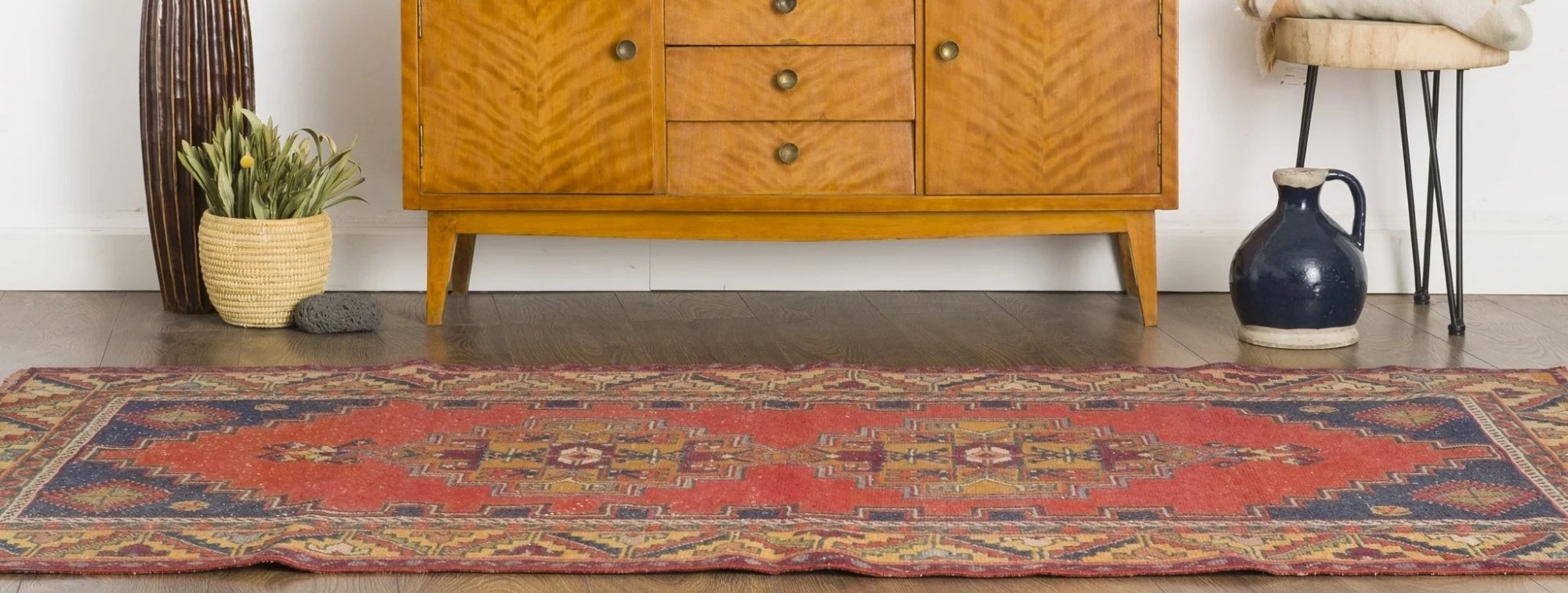
Handwoven traditional rugs reflect the artistry of village life, where weaving has been passed down for generations. Using wool dyed in natural tones inspired by earth and sky, these vintage traditional carpets carry motifs of nature and heritage. Each rug is a timeless expression of culture, bringing authenticity and warmth into any home, while preserving the spirit of traditional craftsmanship.
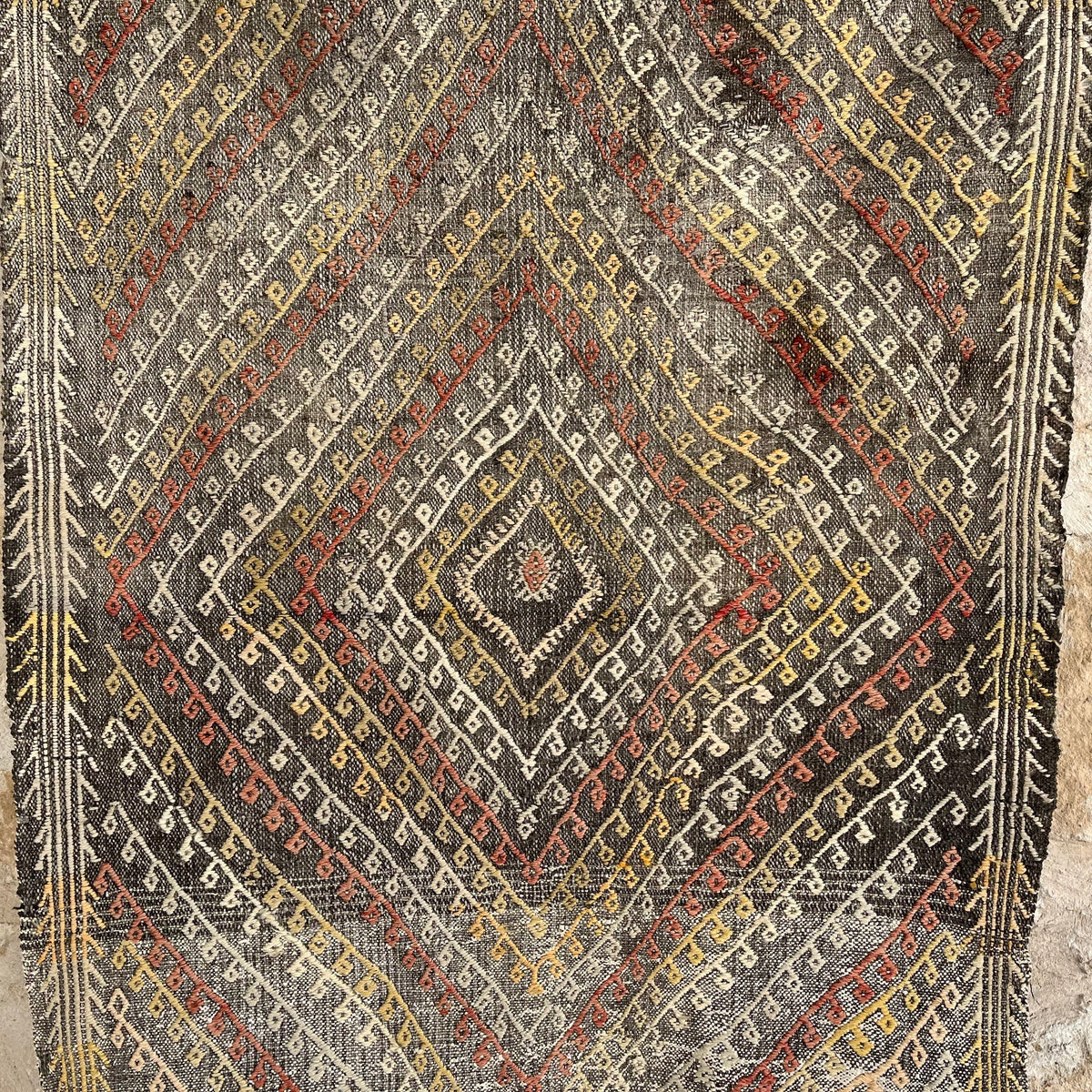
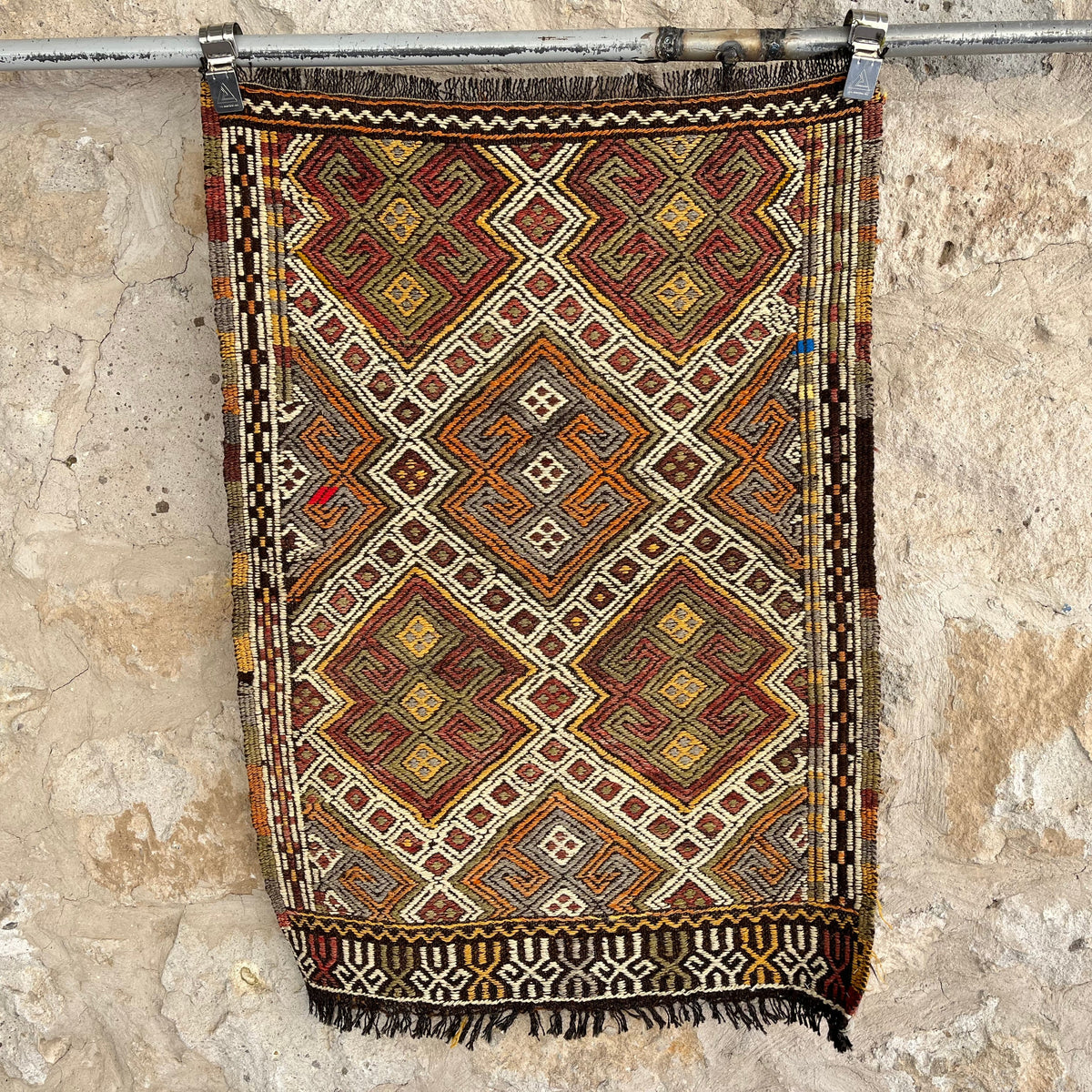
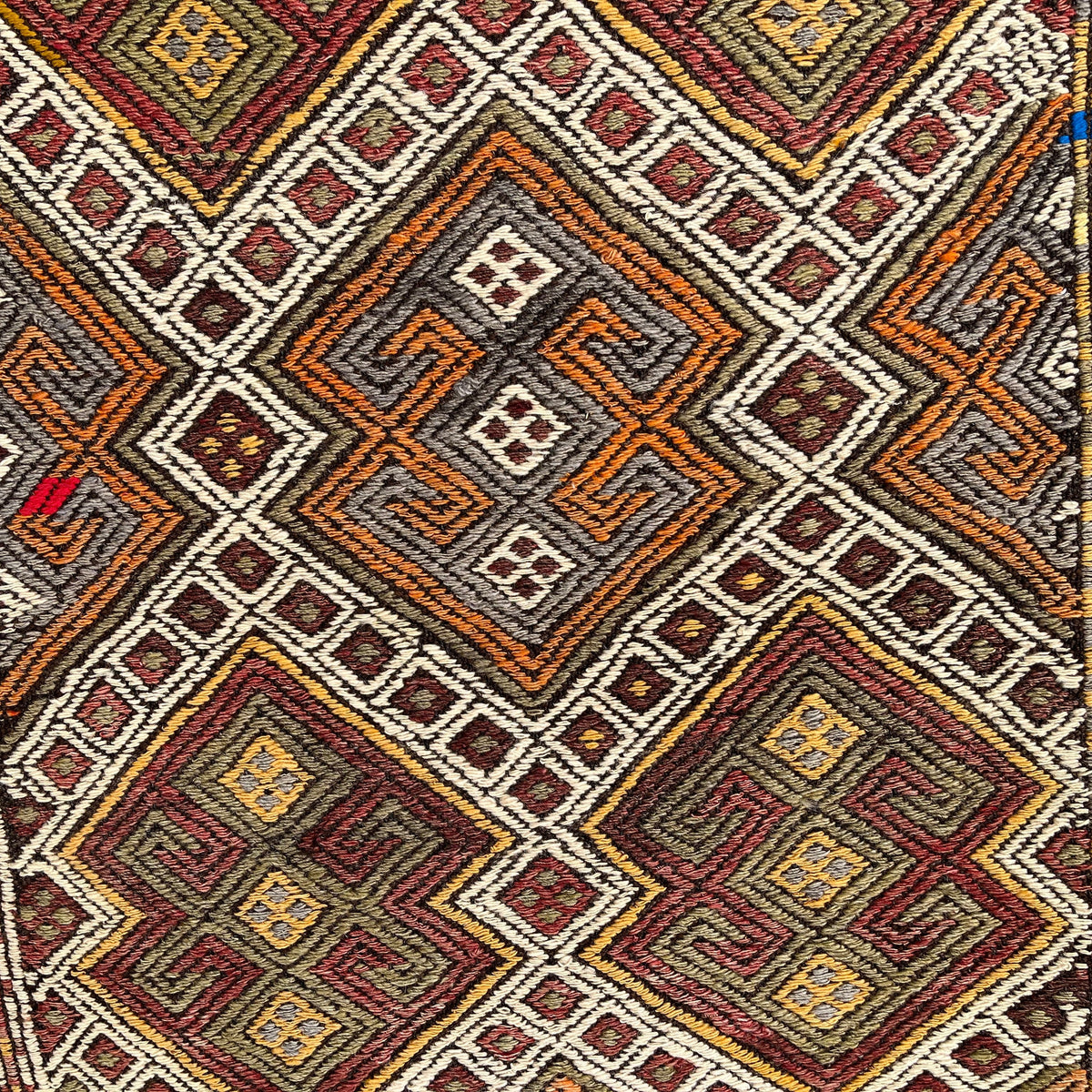
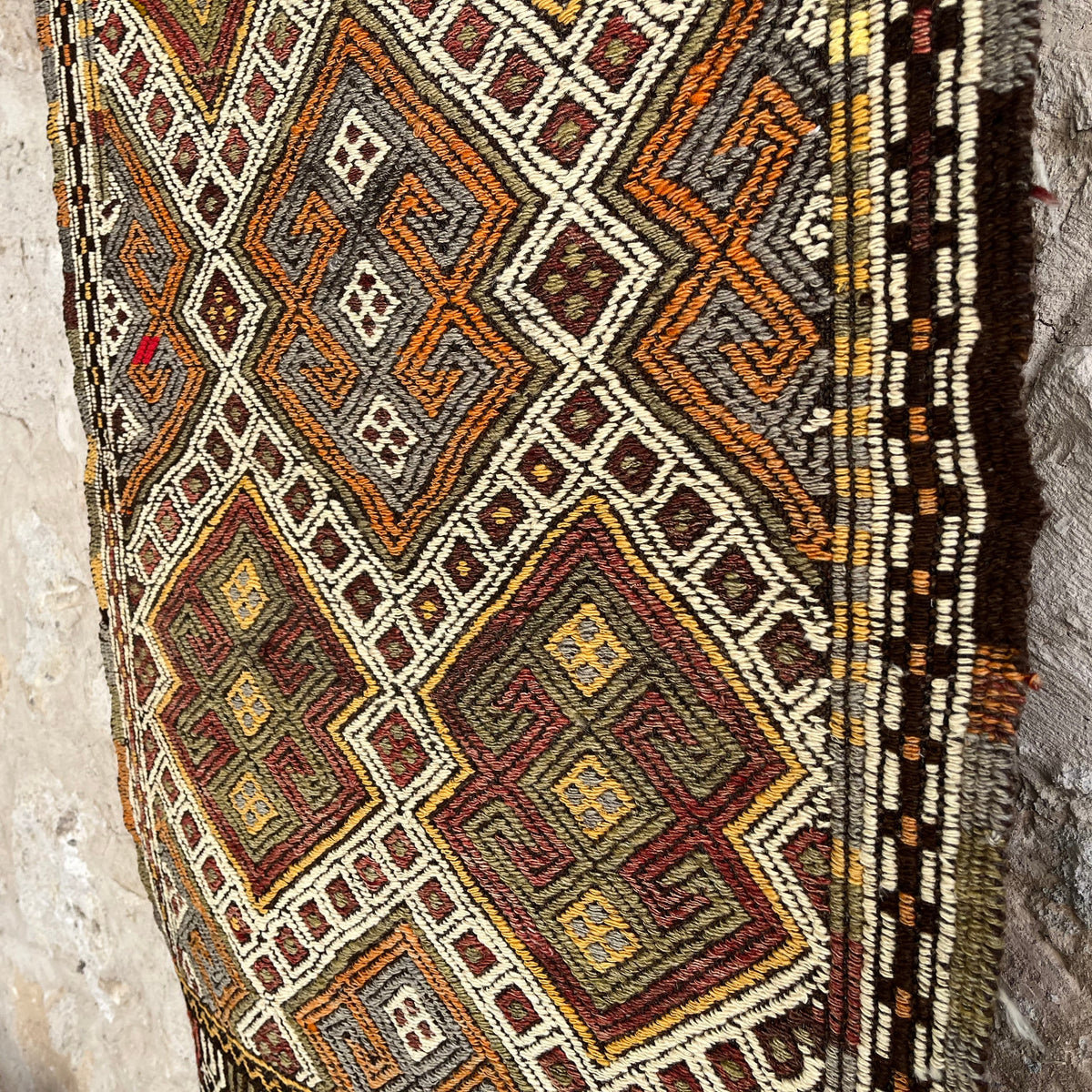
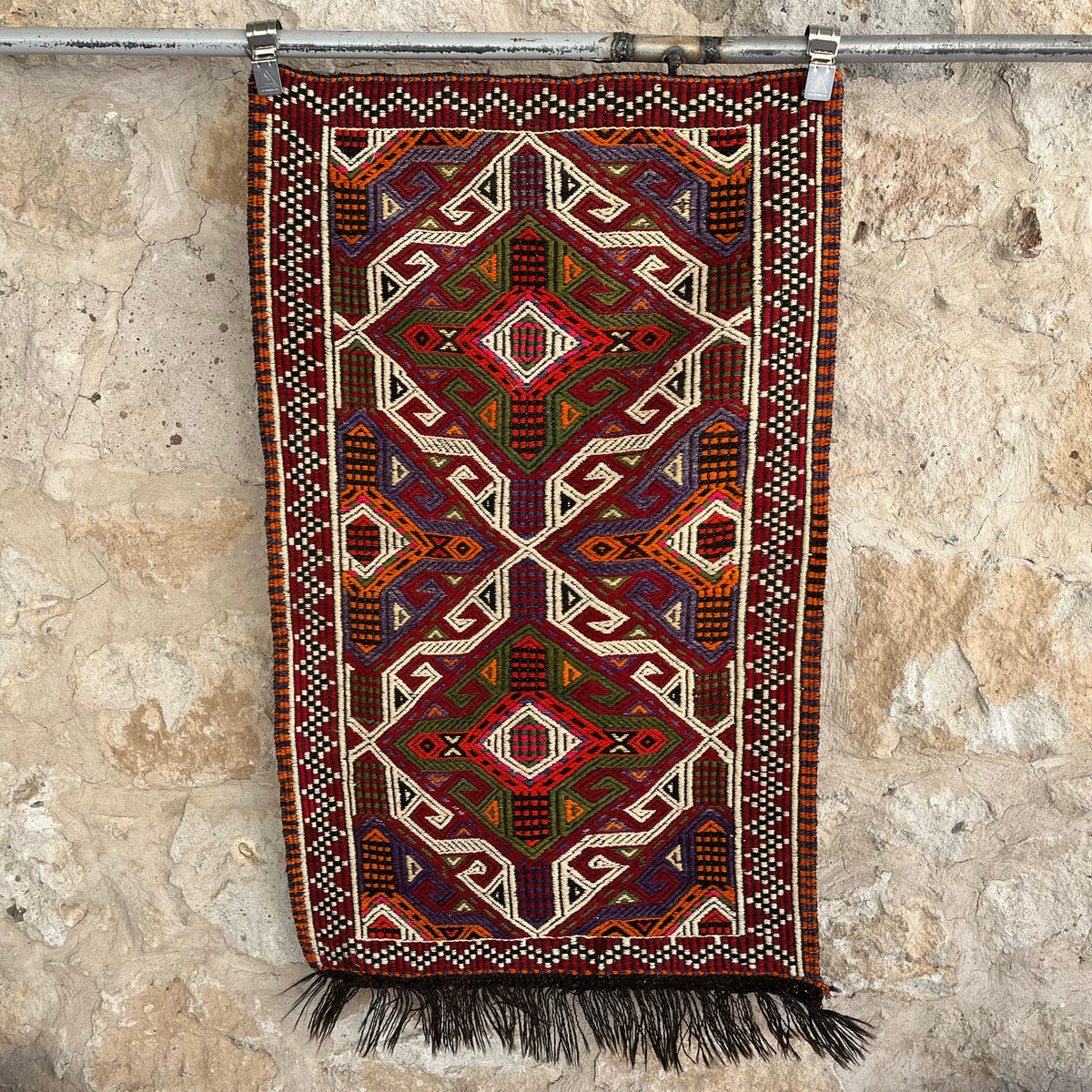
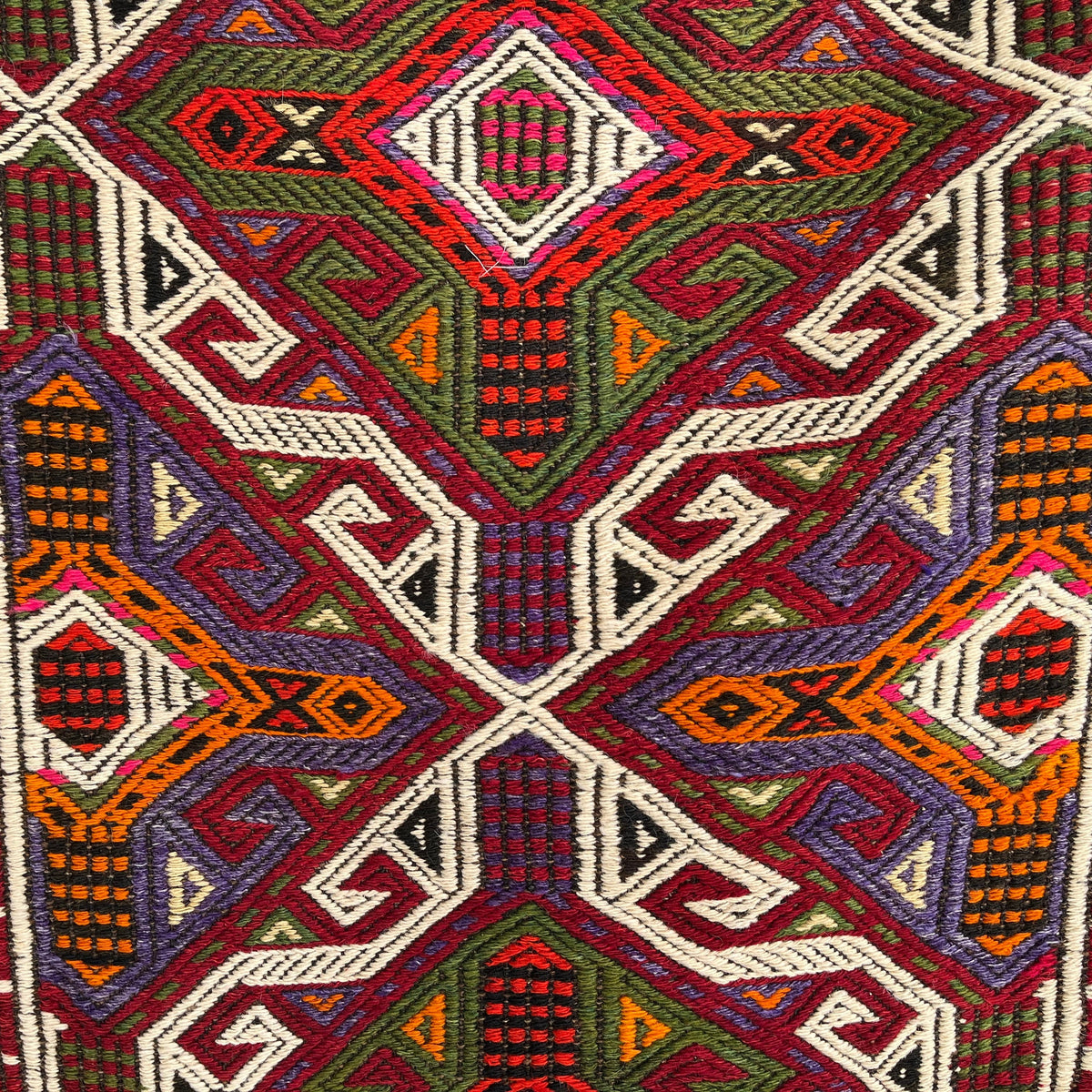
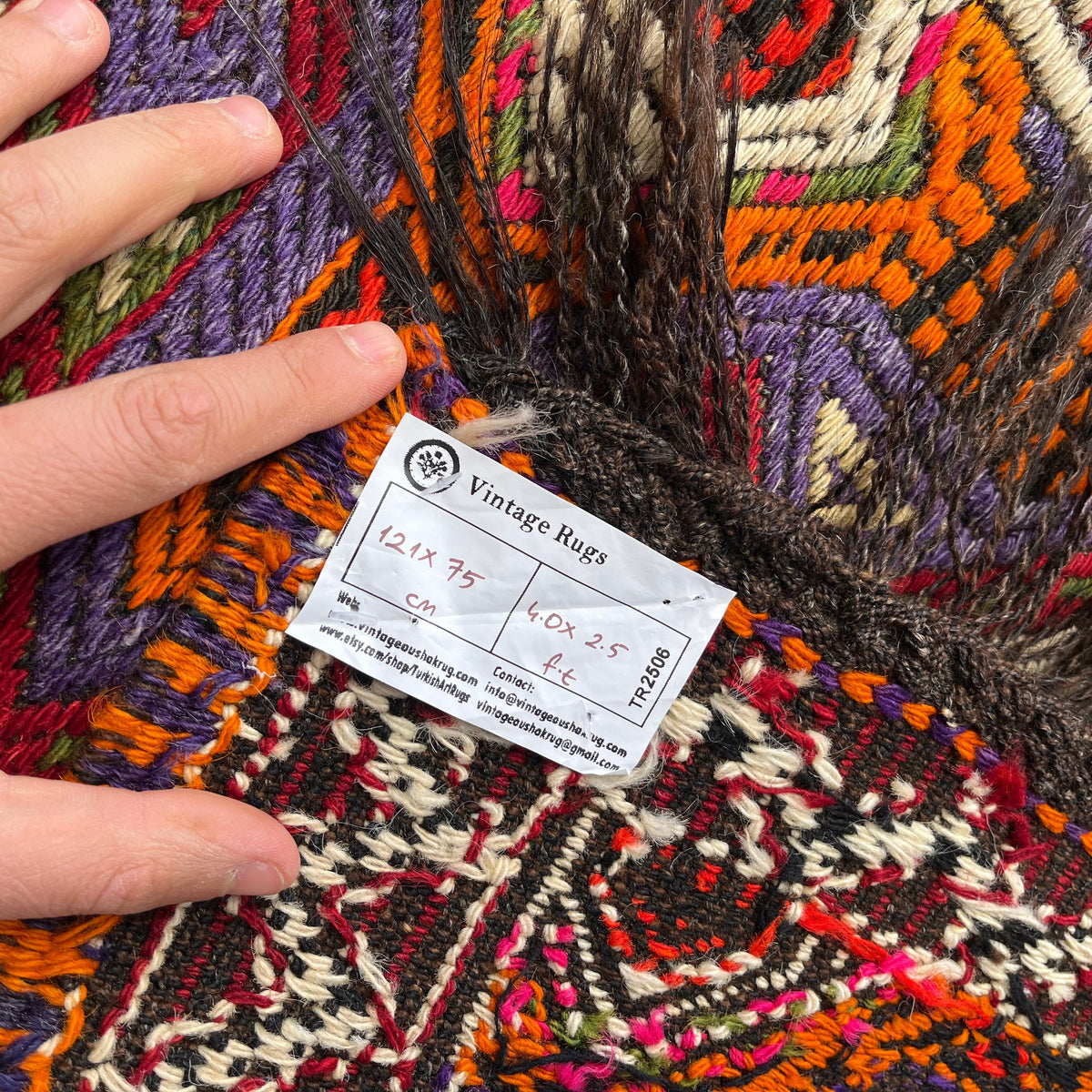
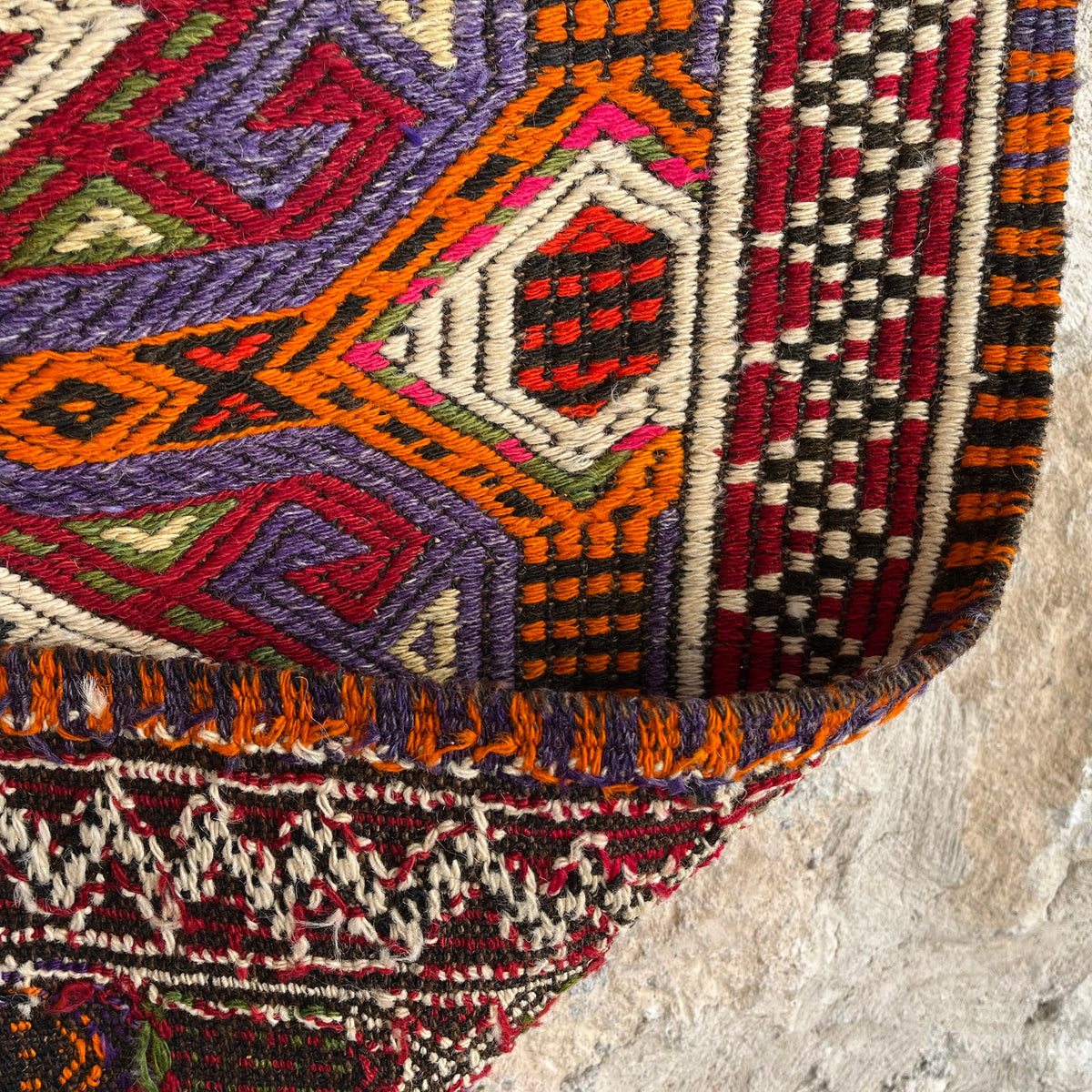
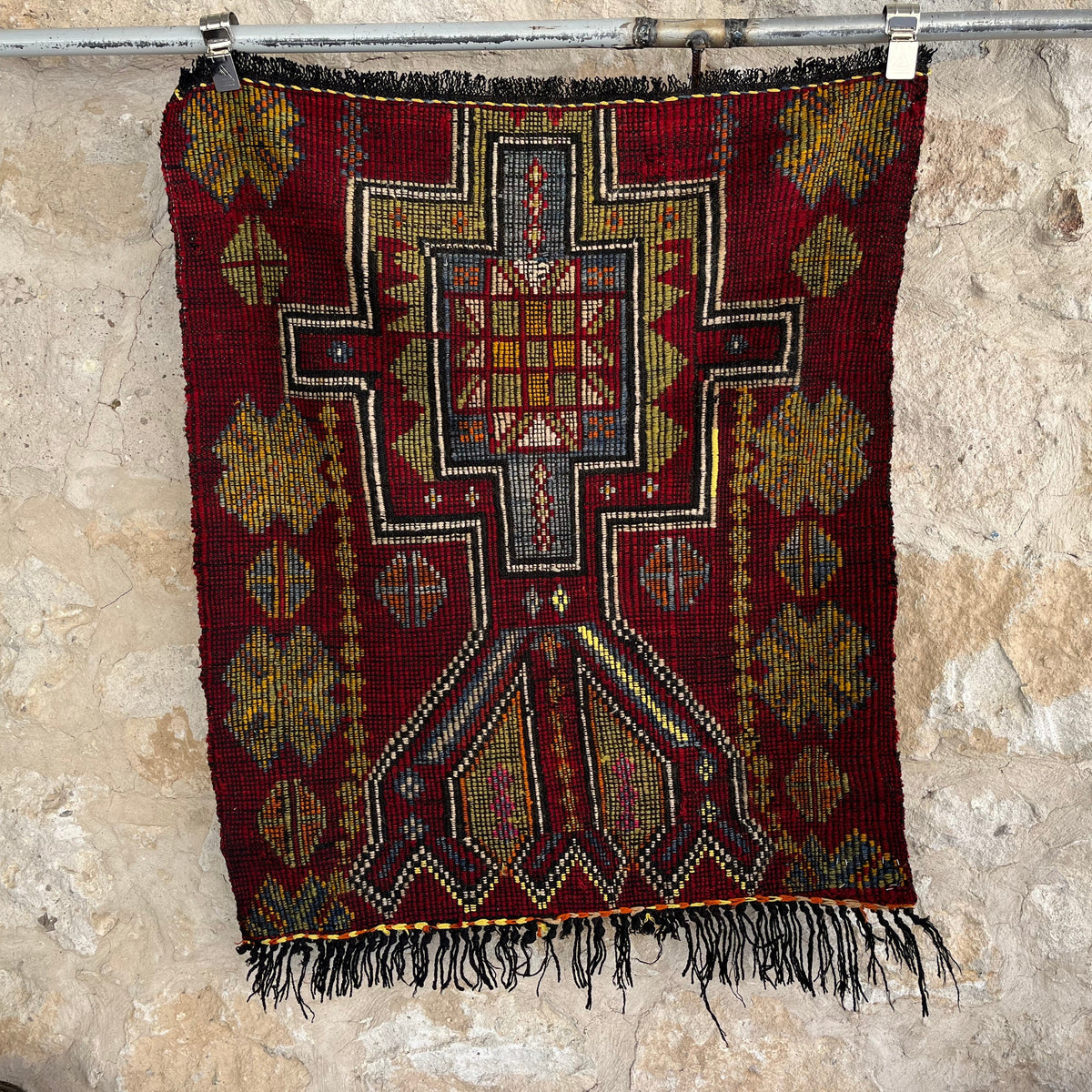
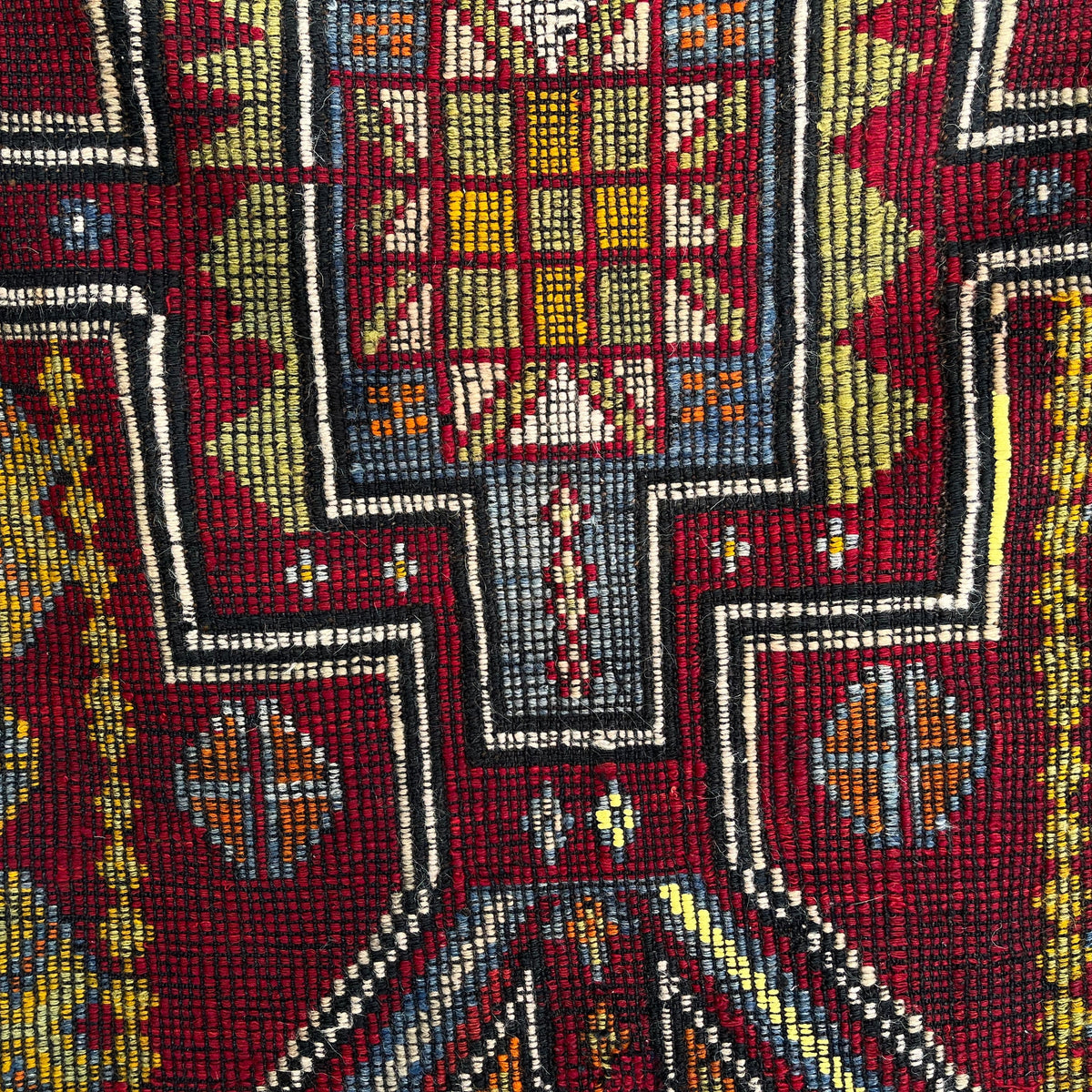
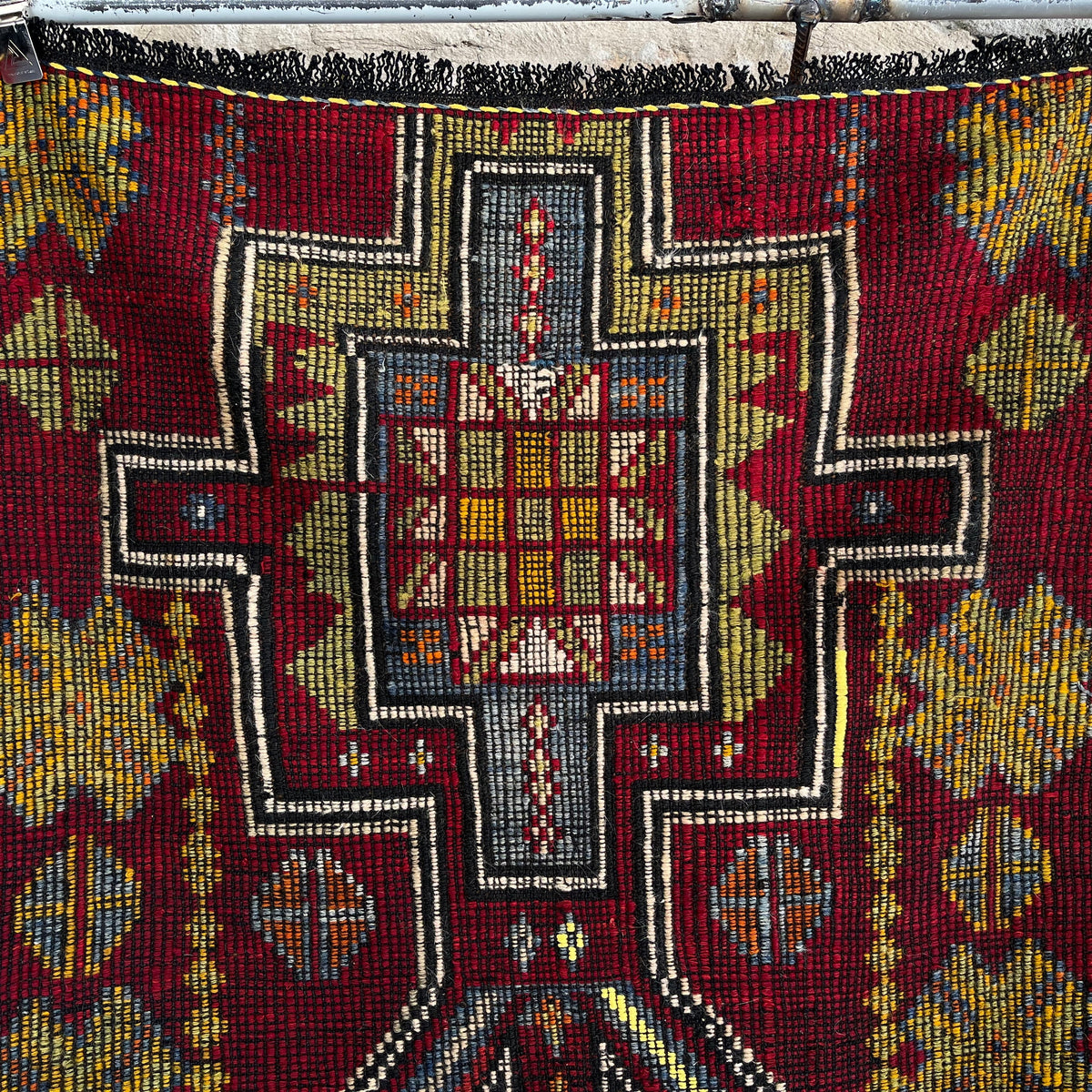
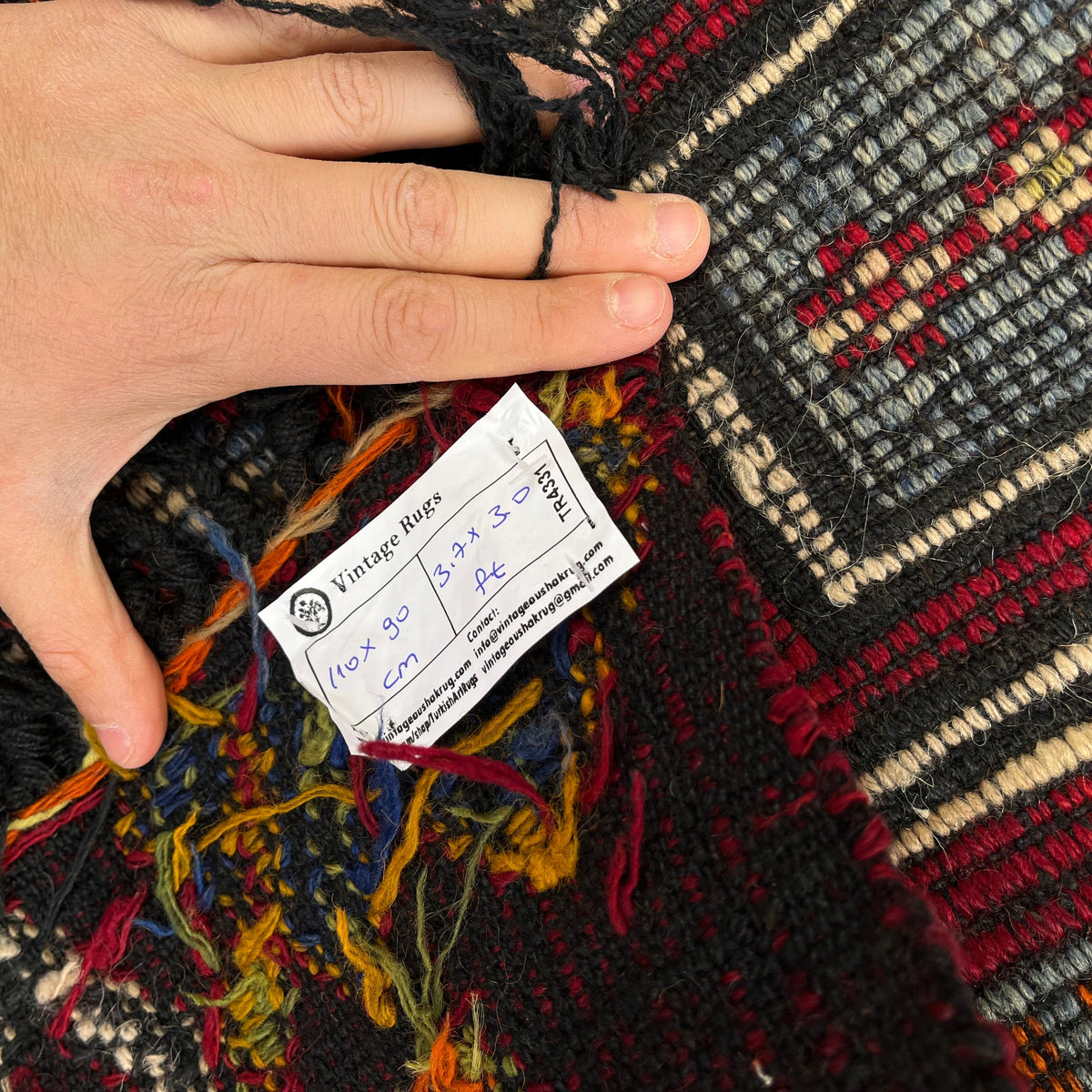
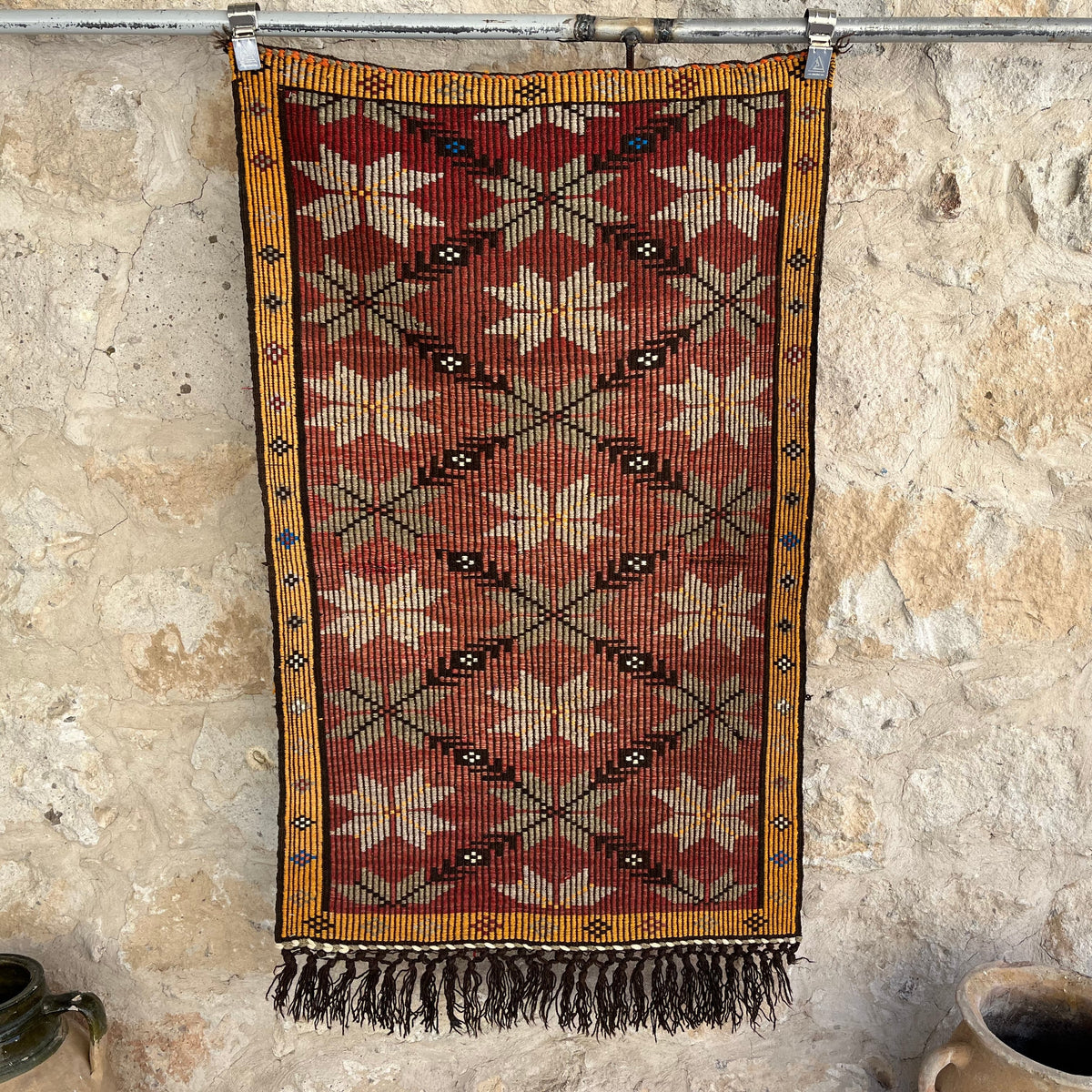
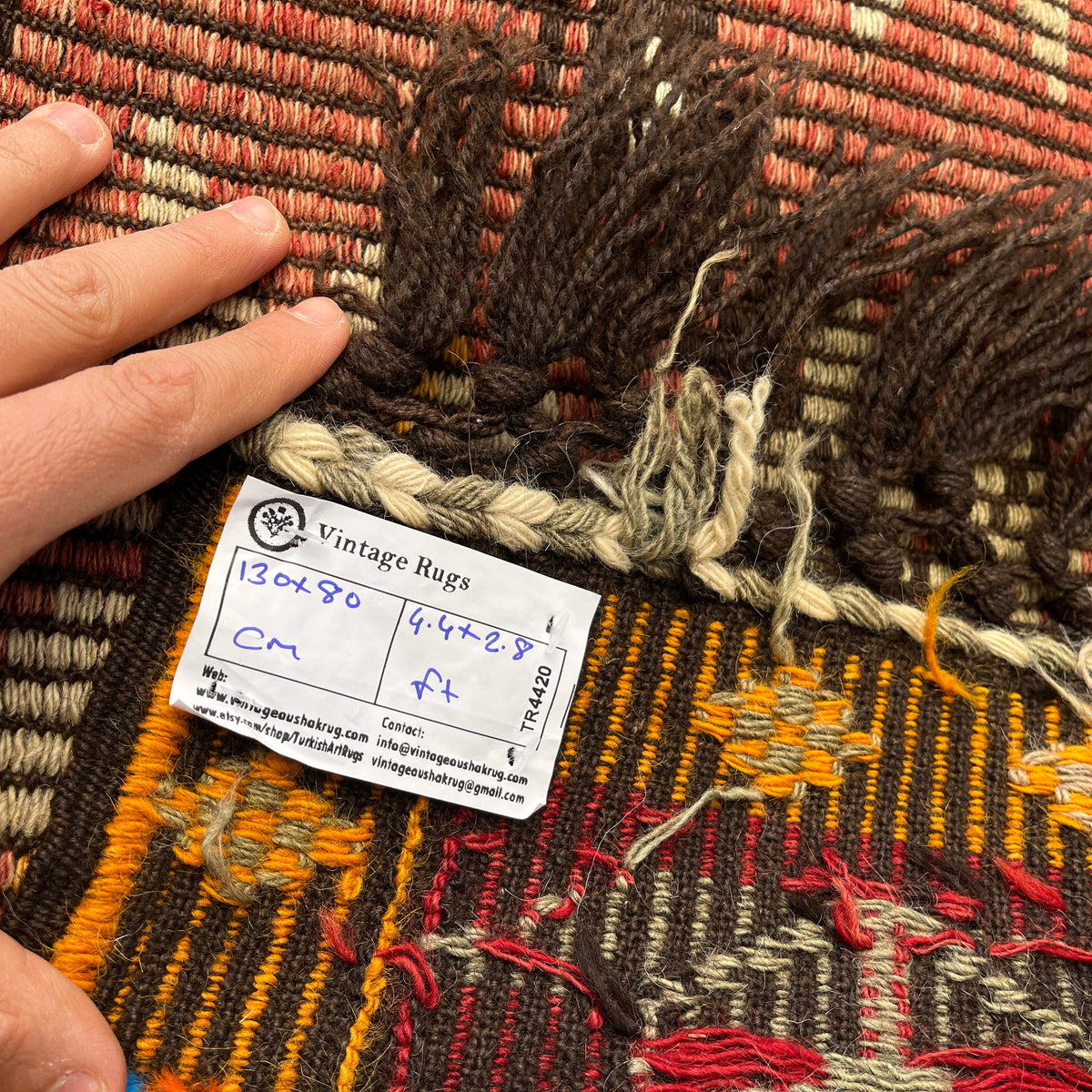
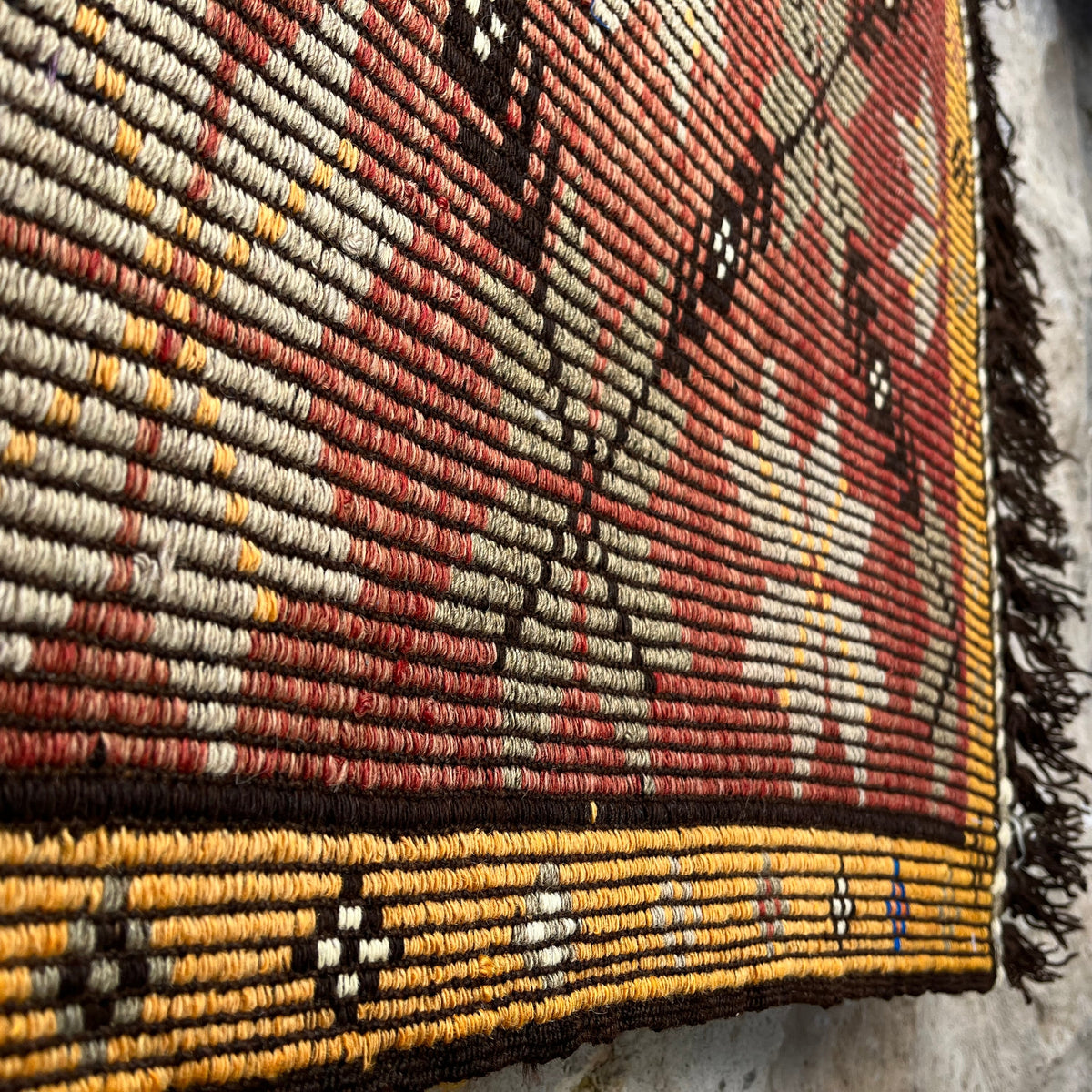
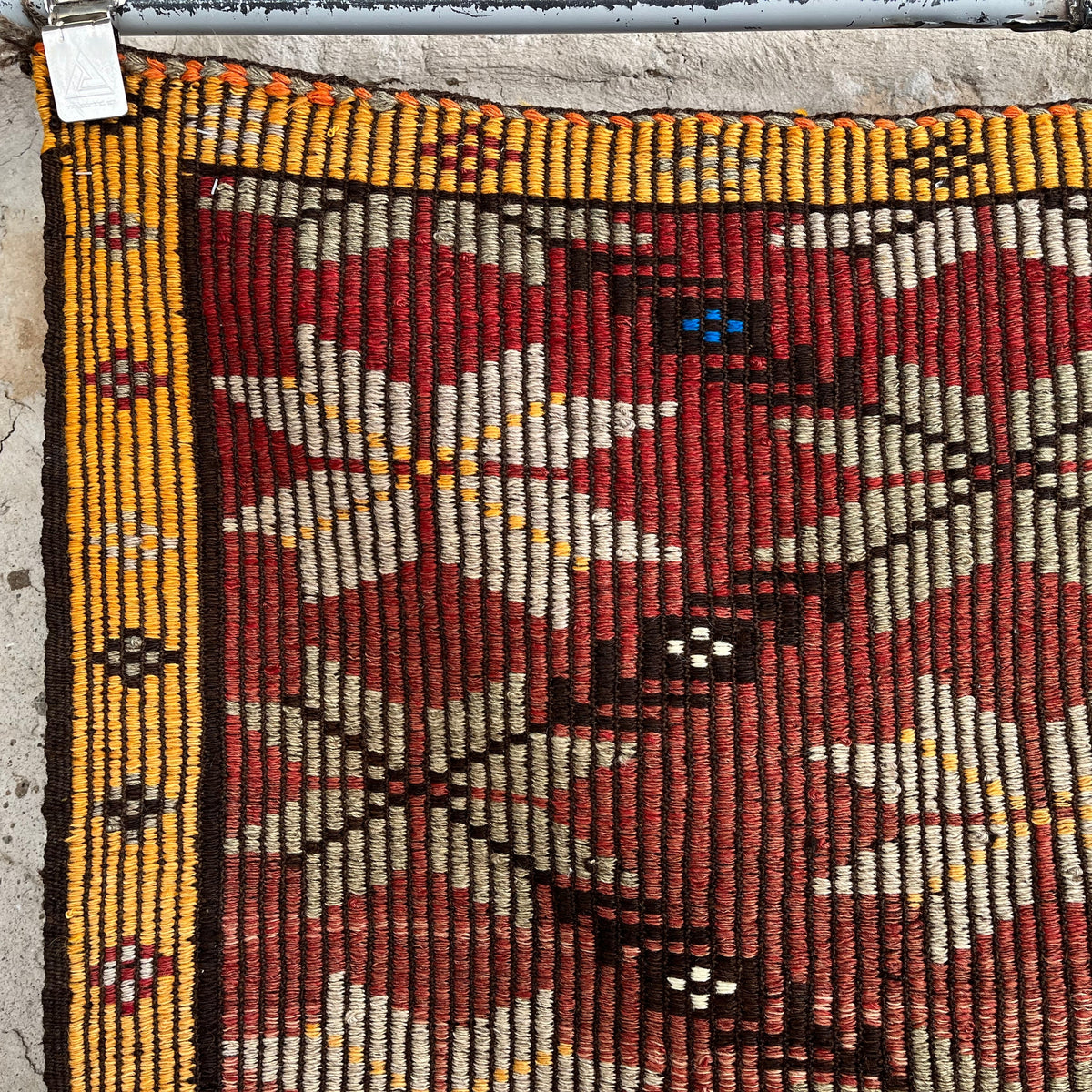
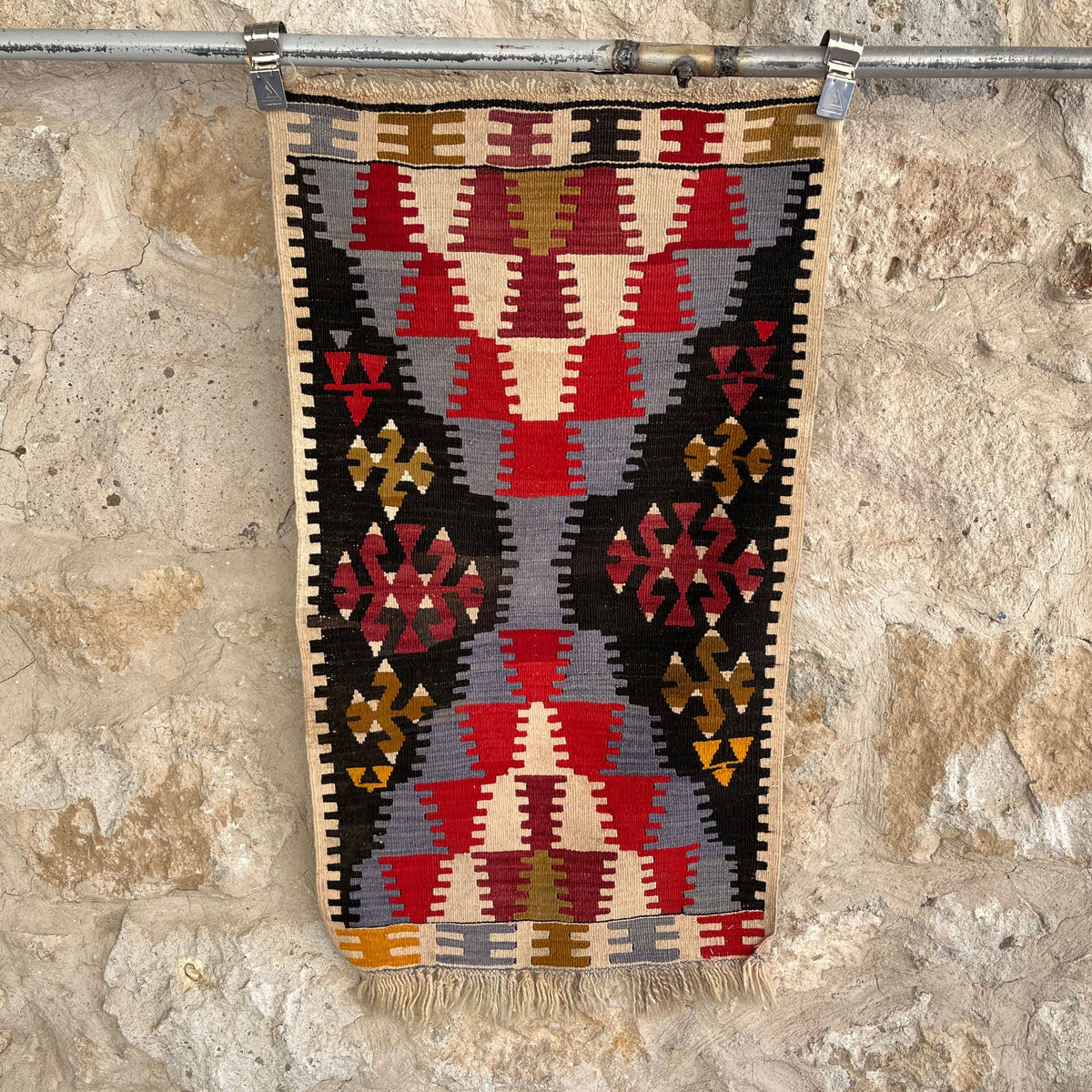
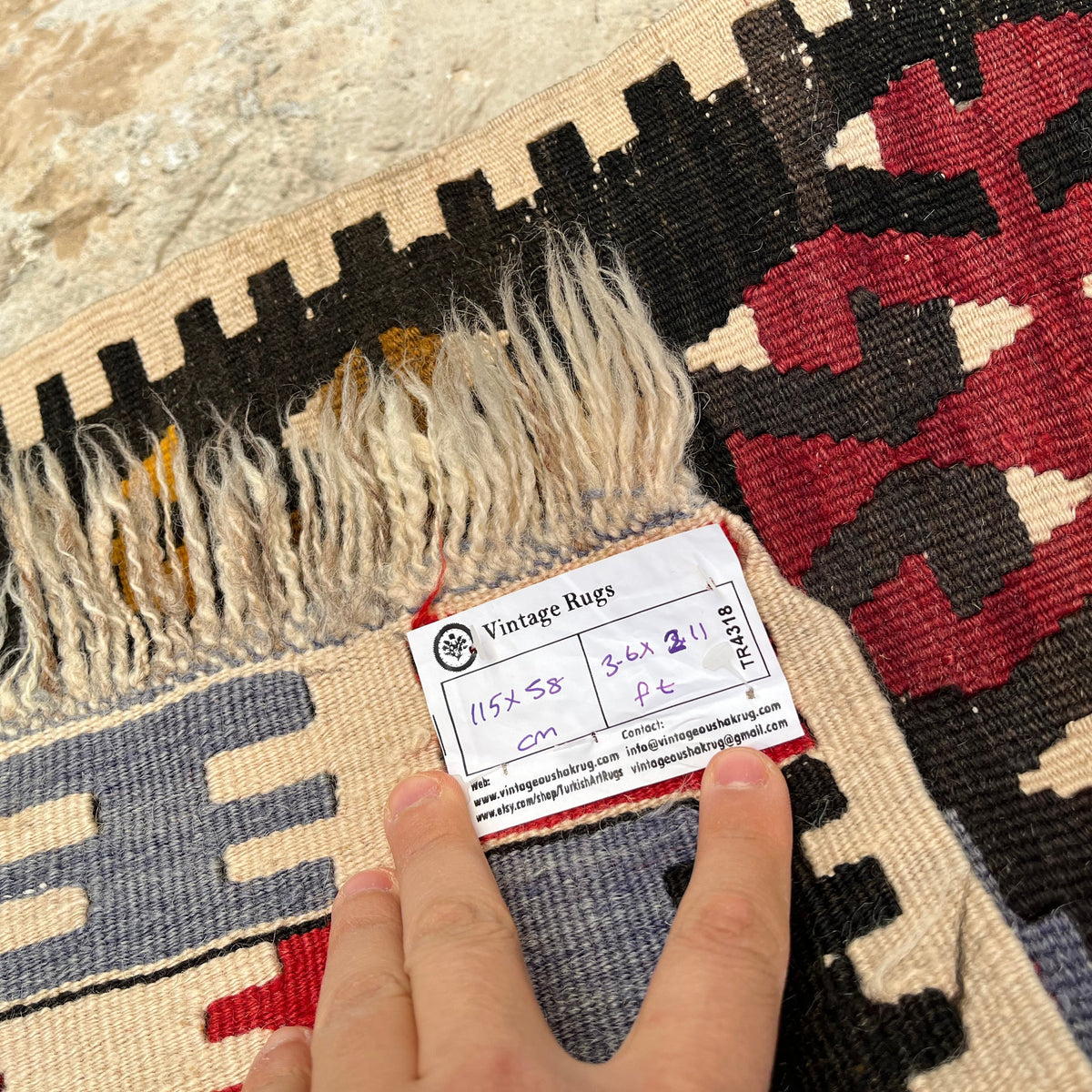
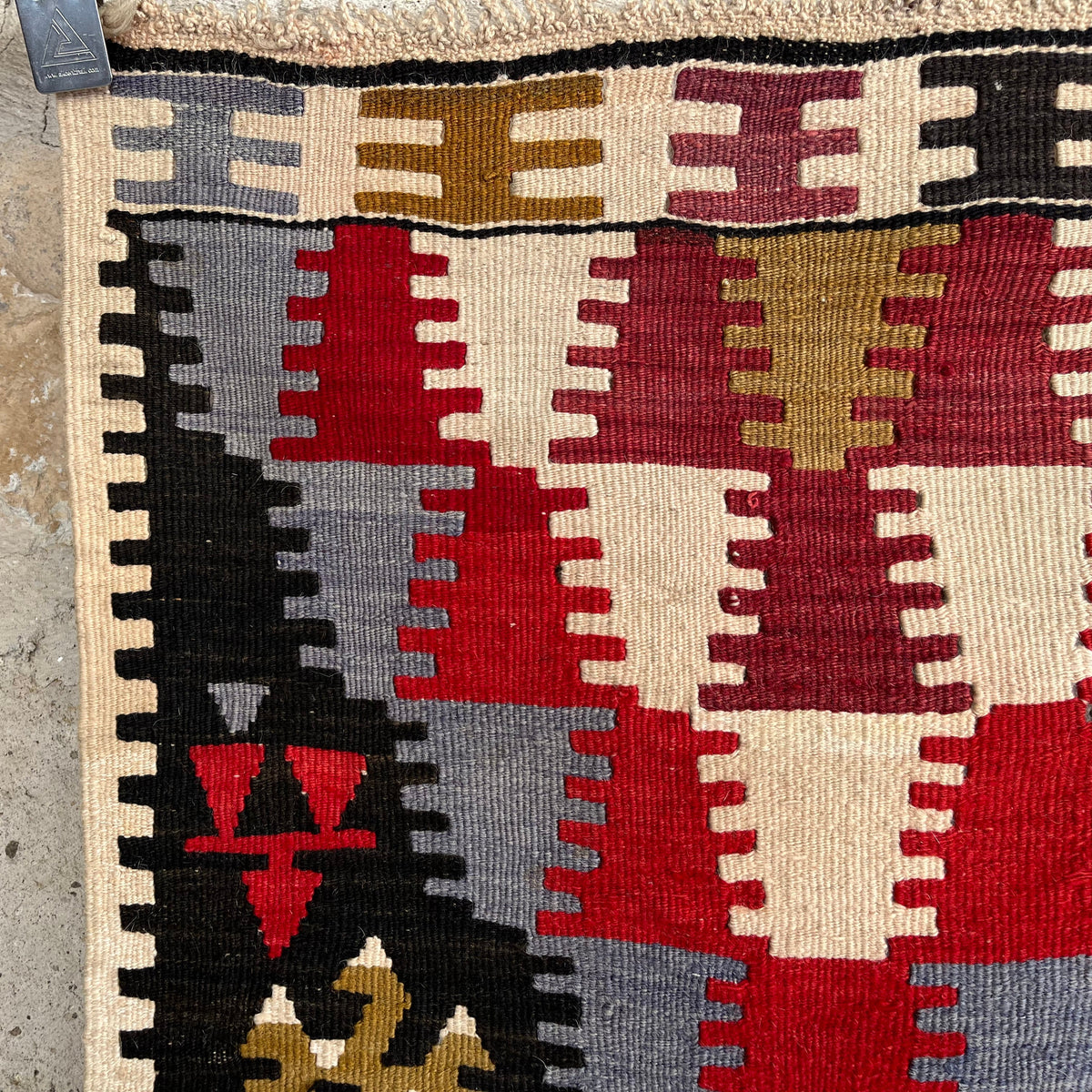
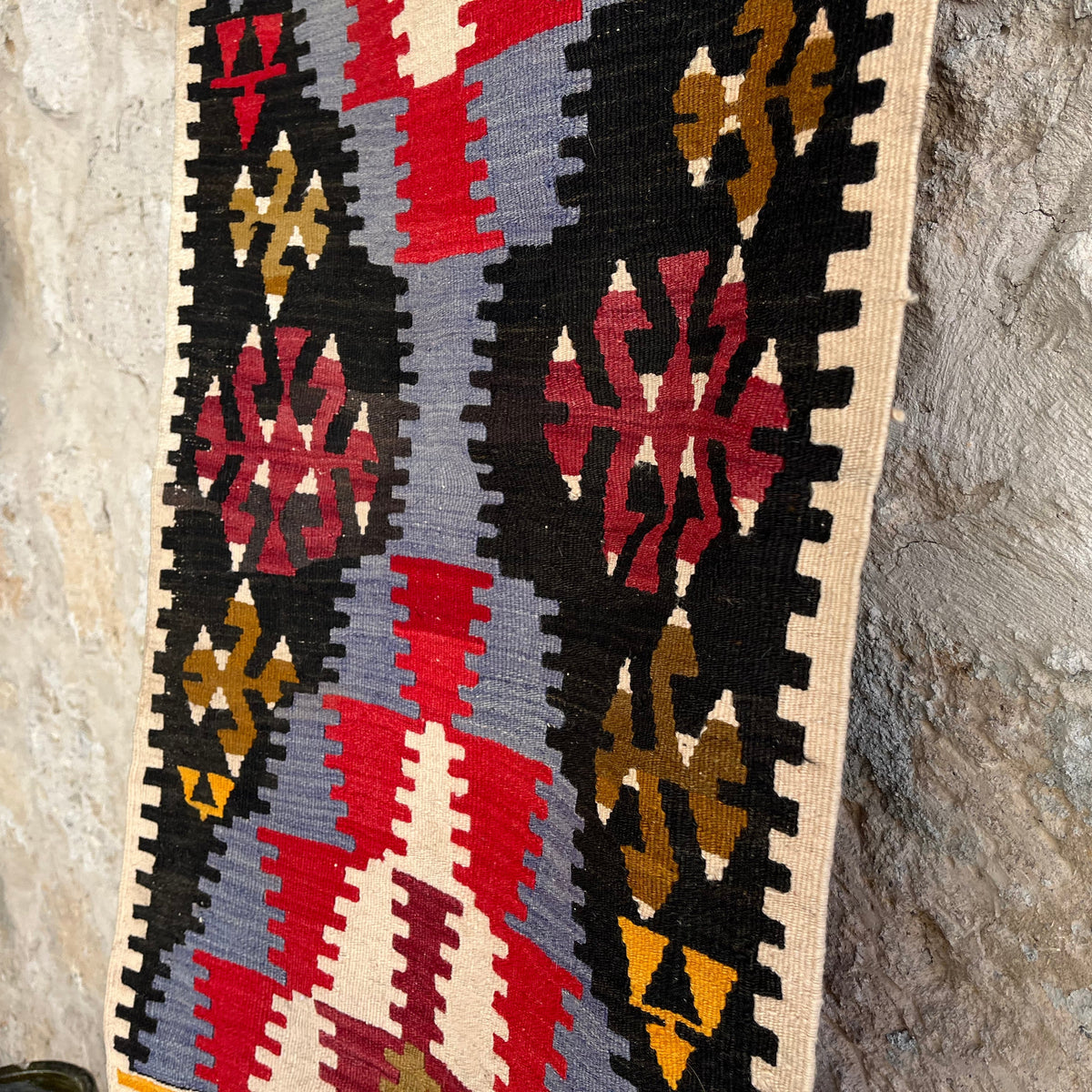
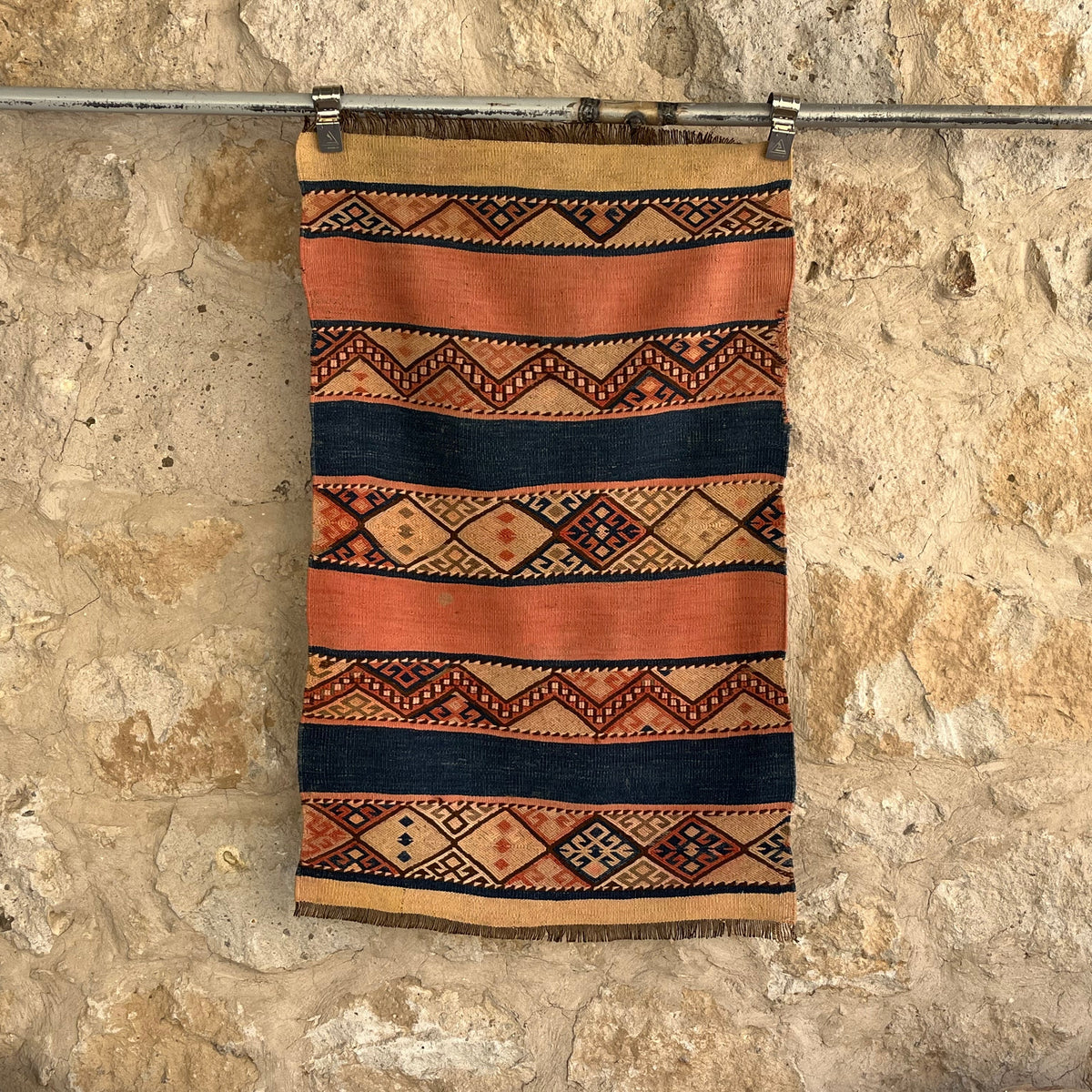
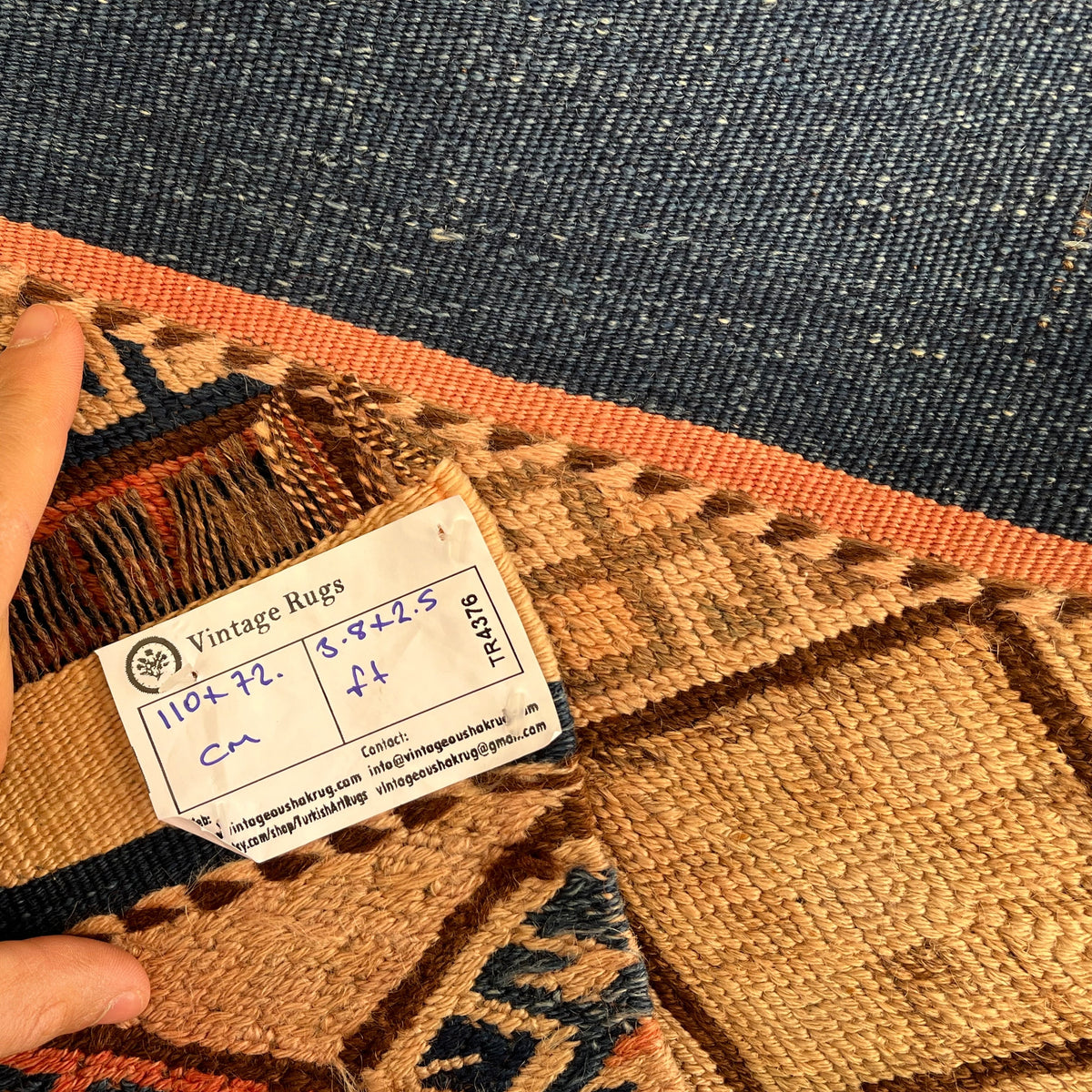
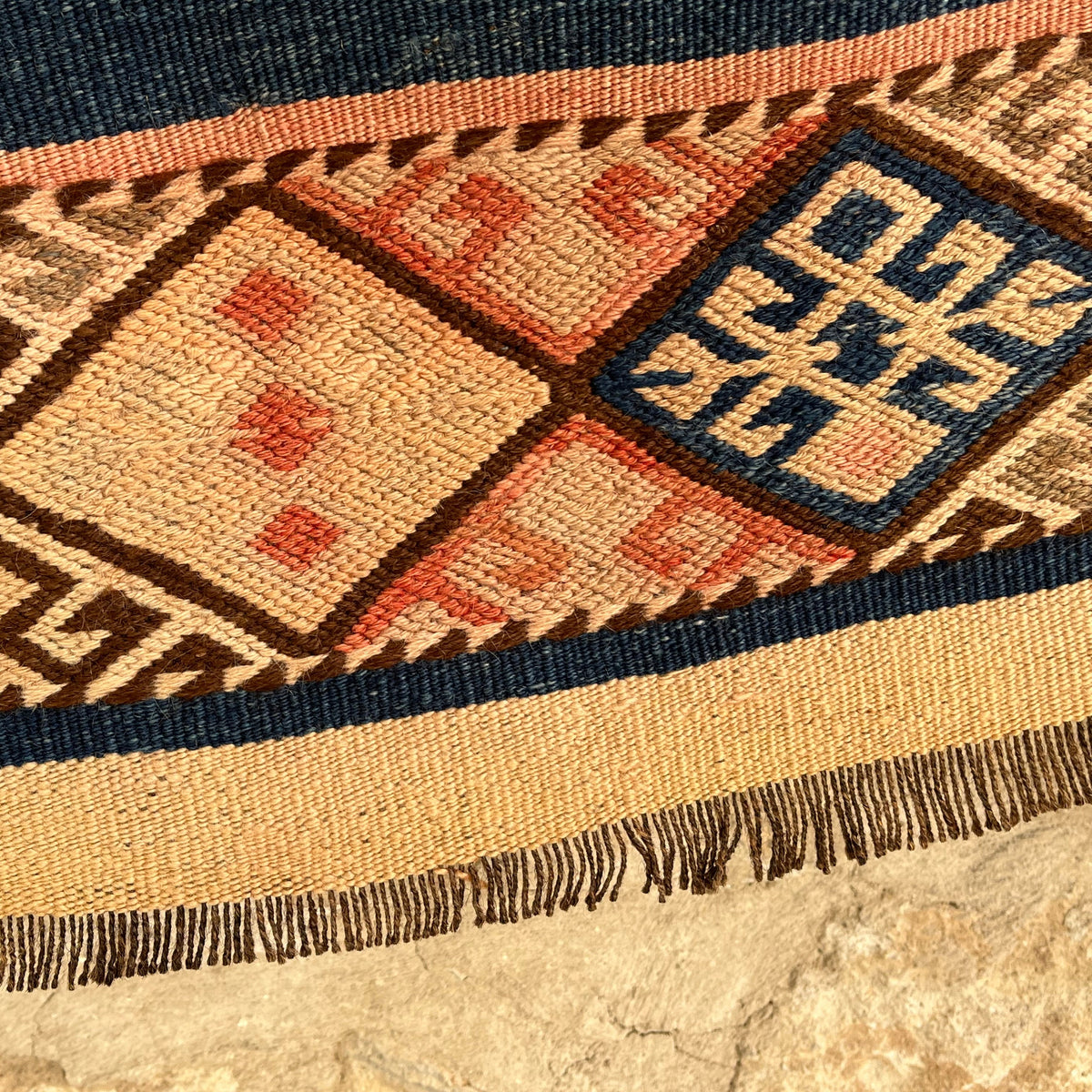
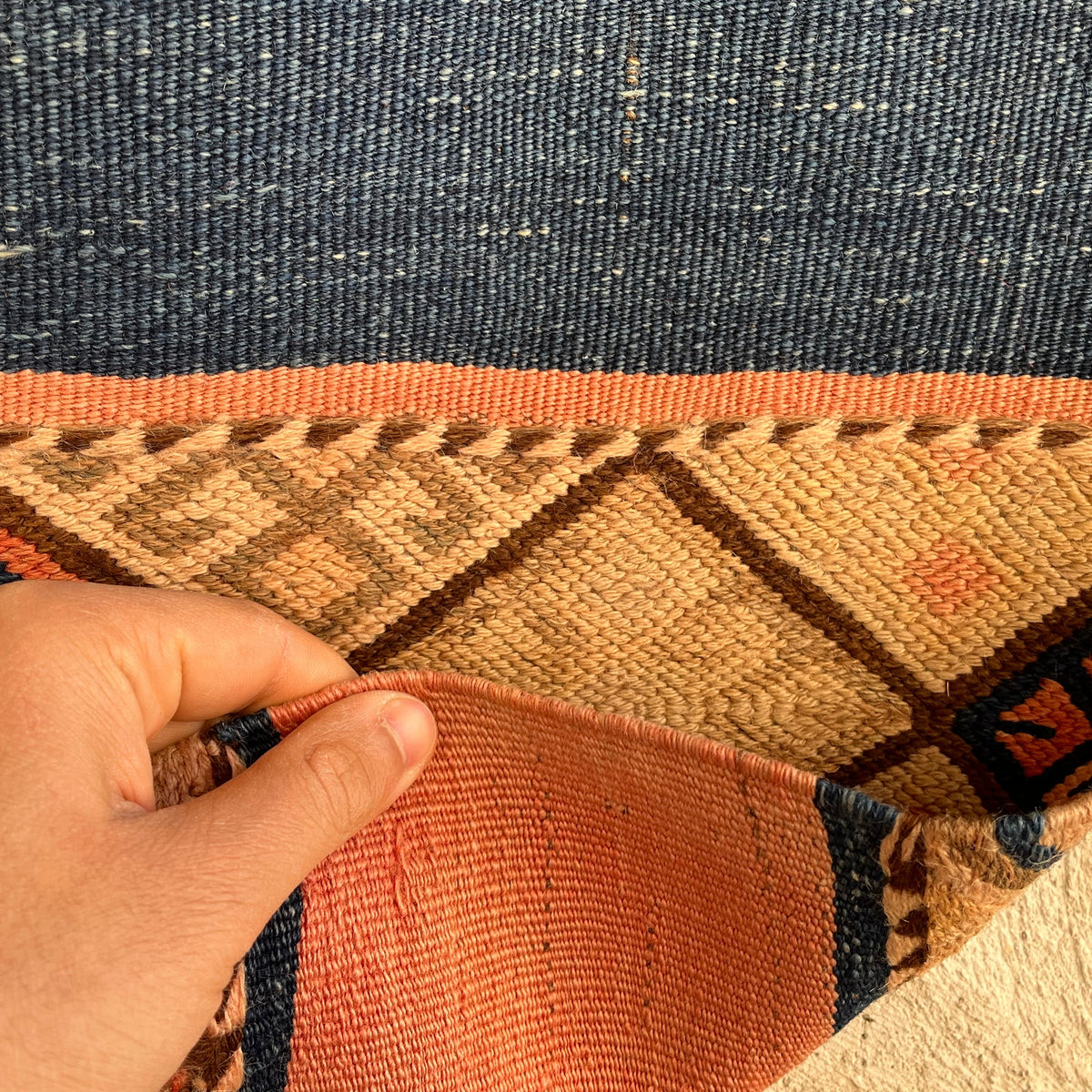


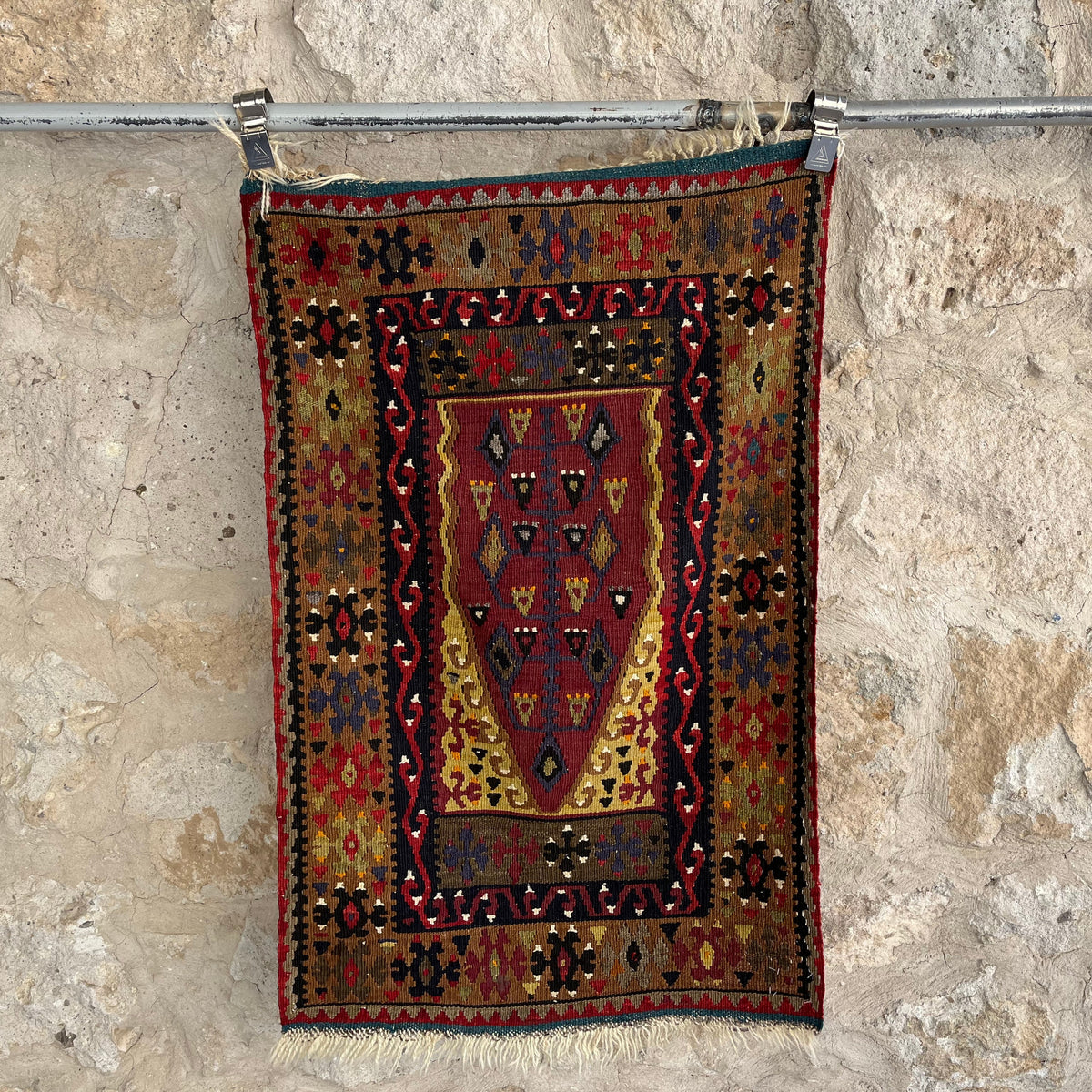
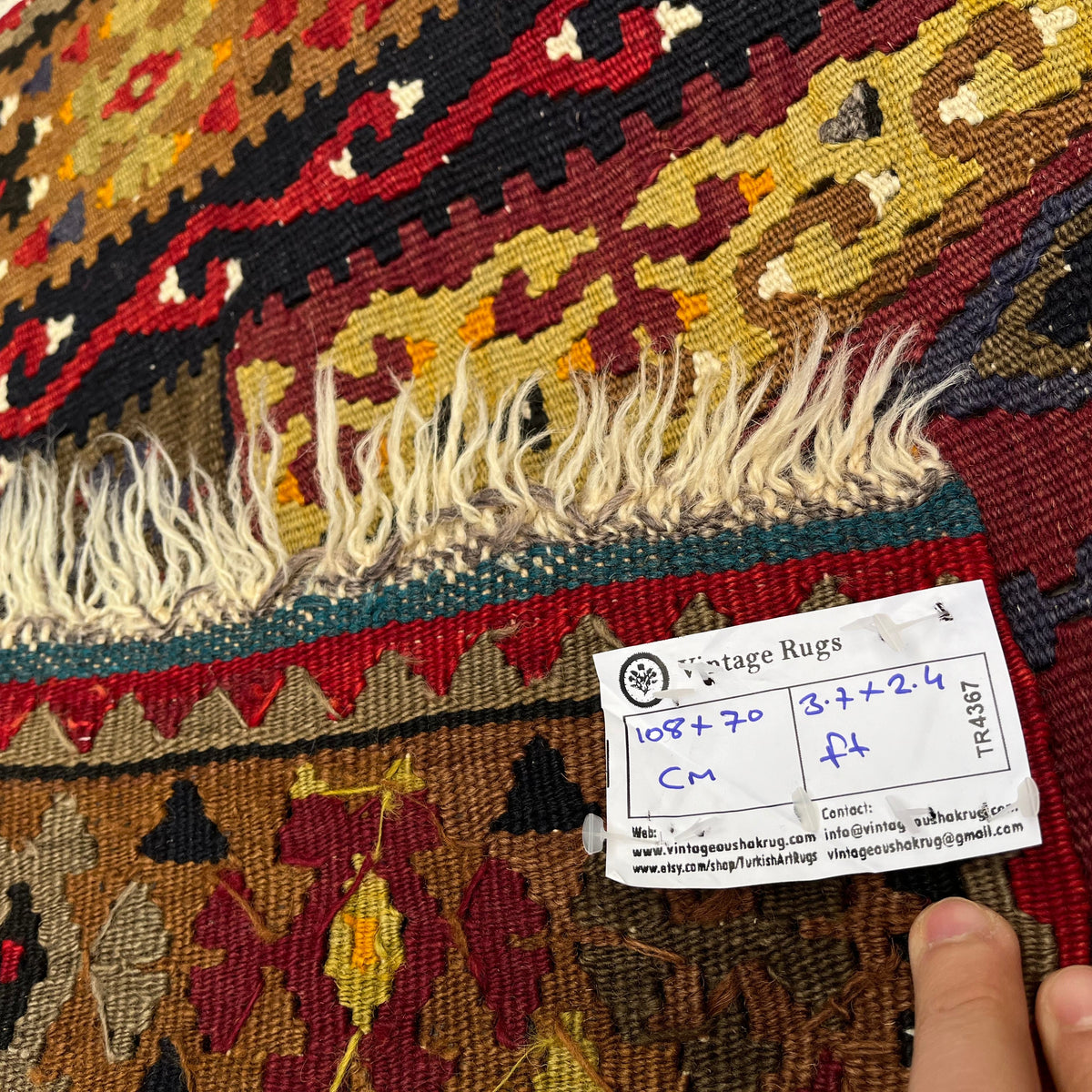
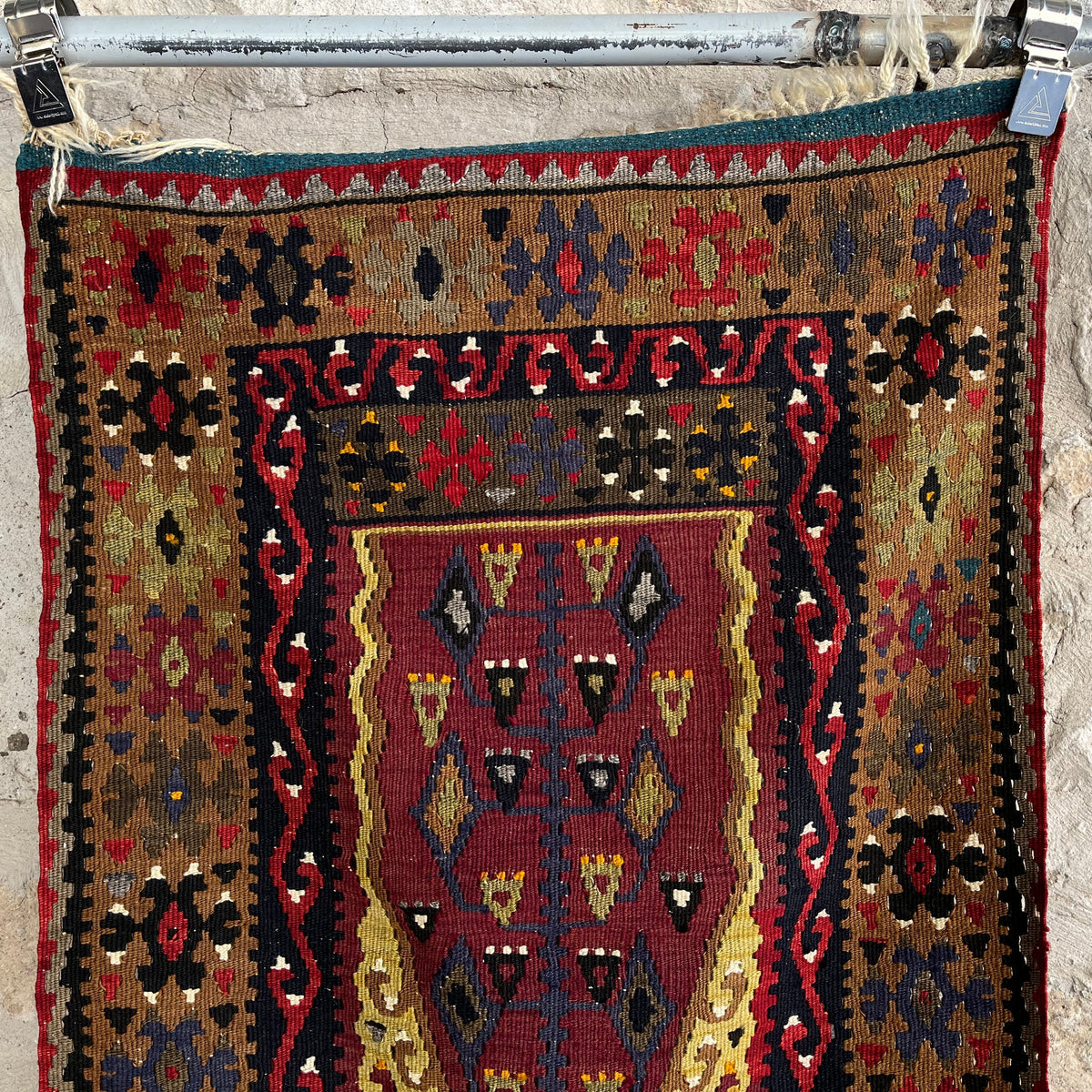
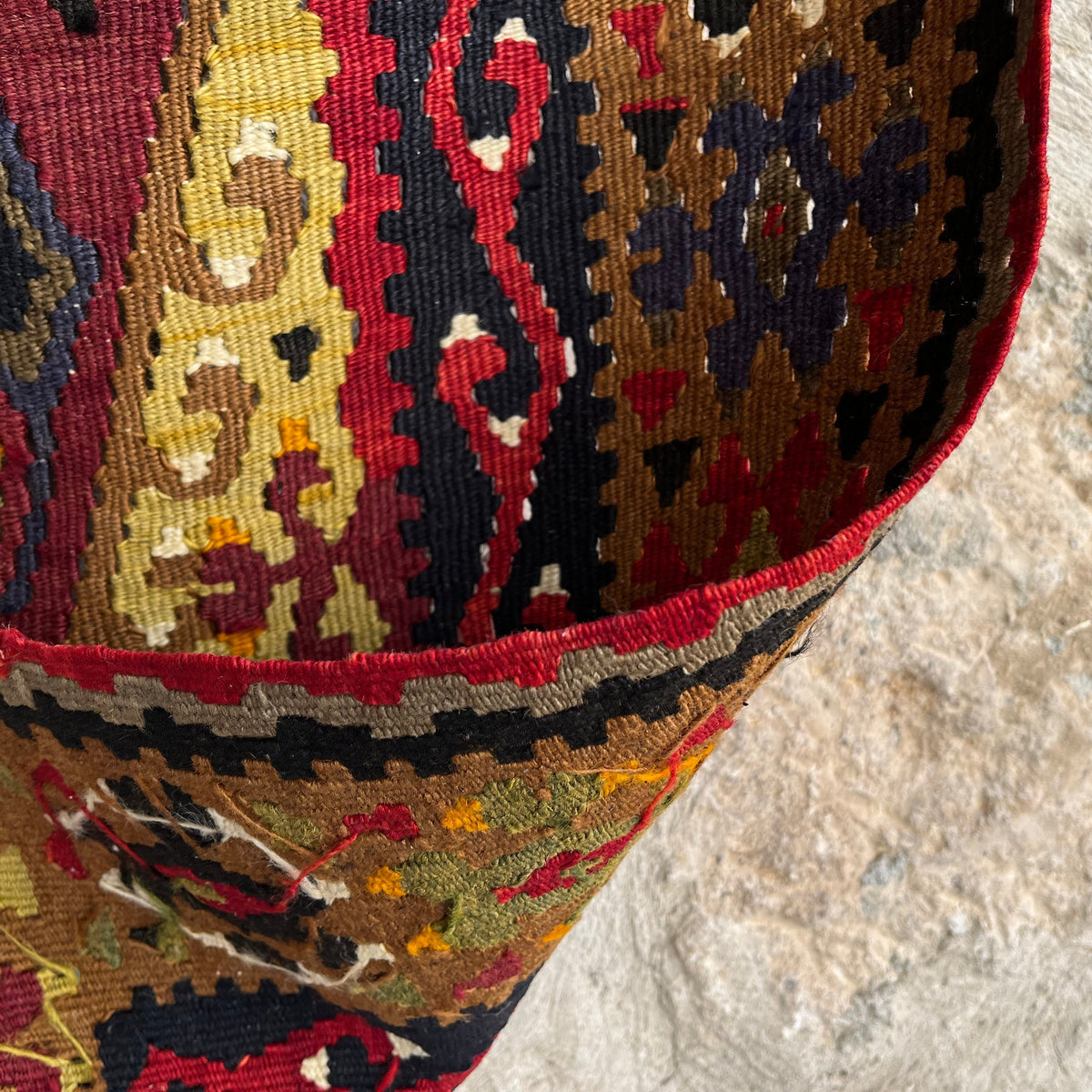
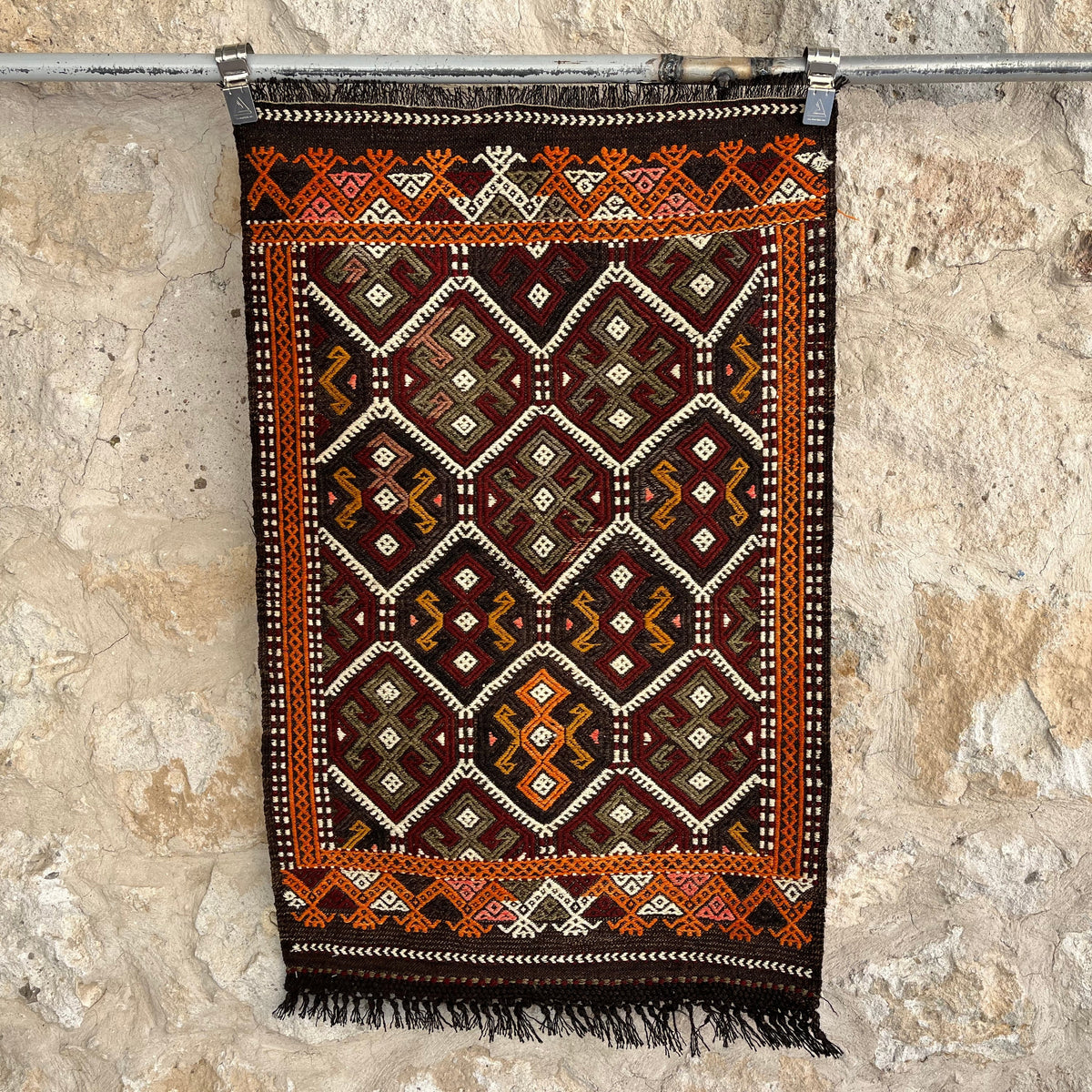
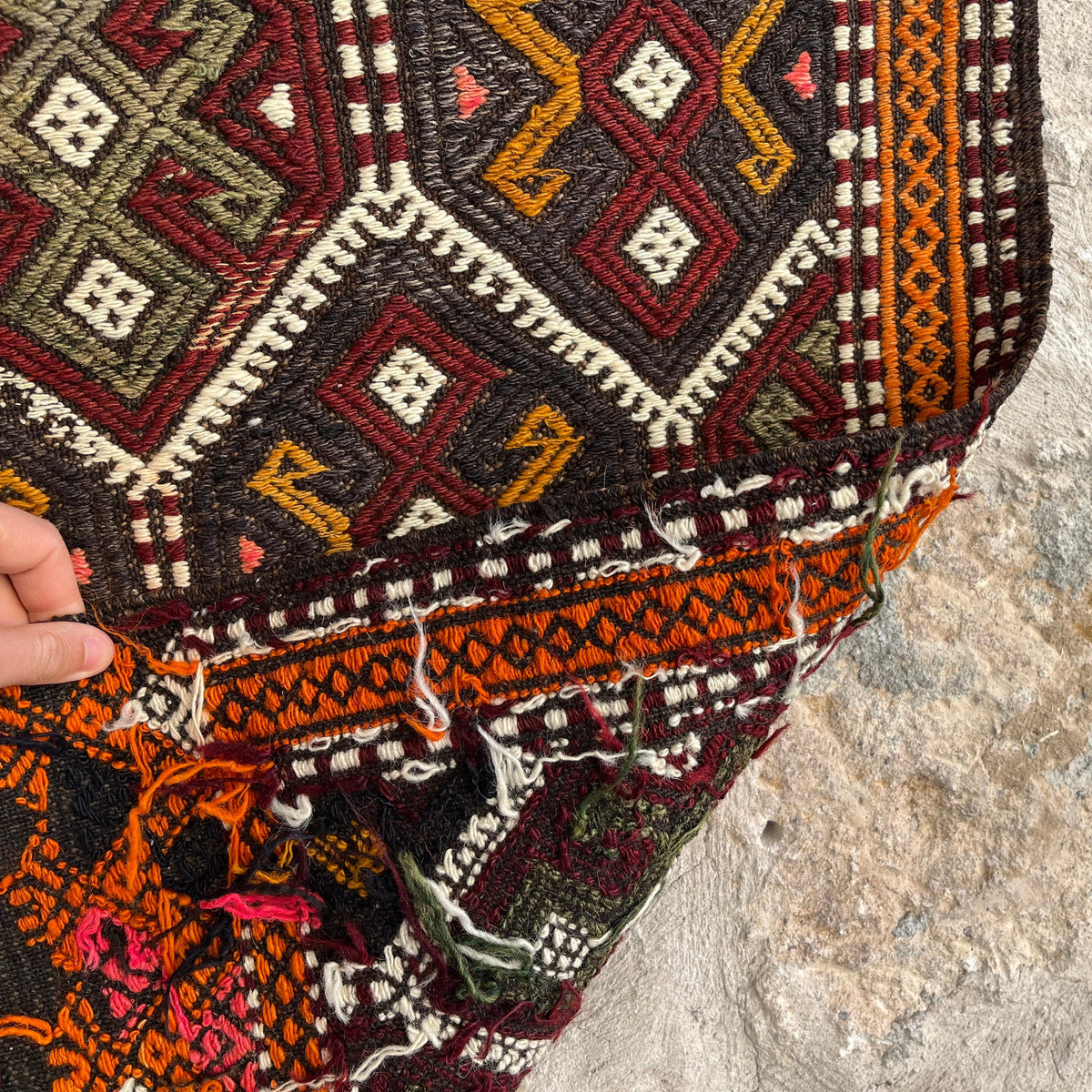
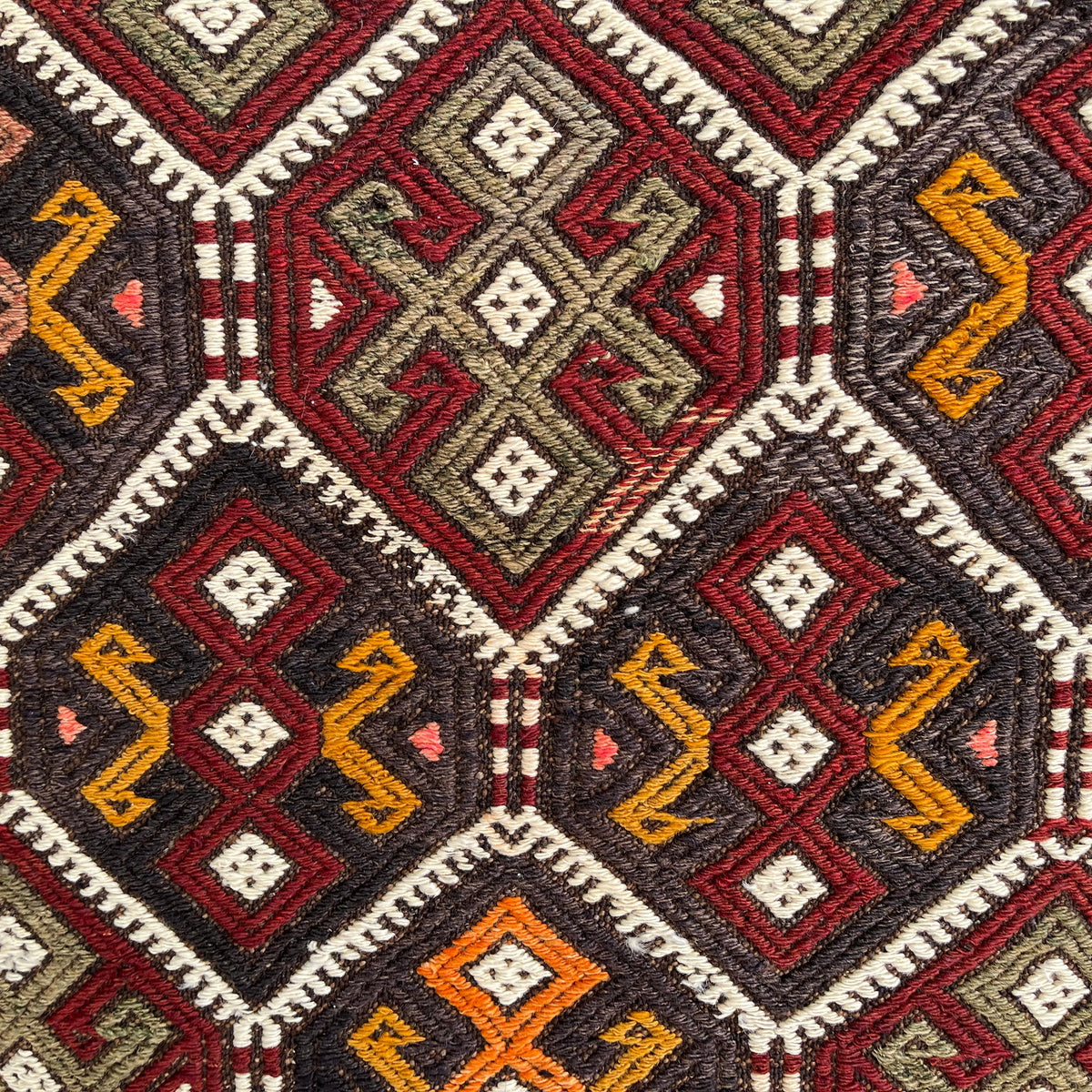
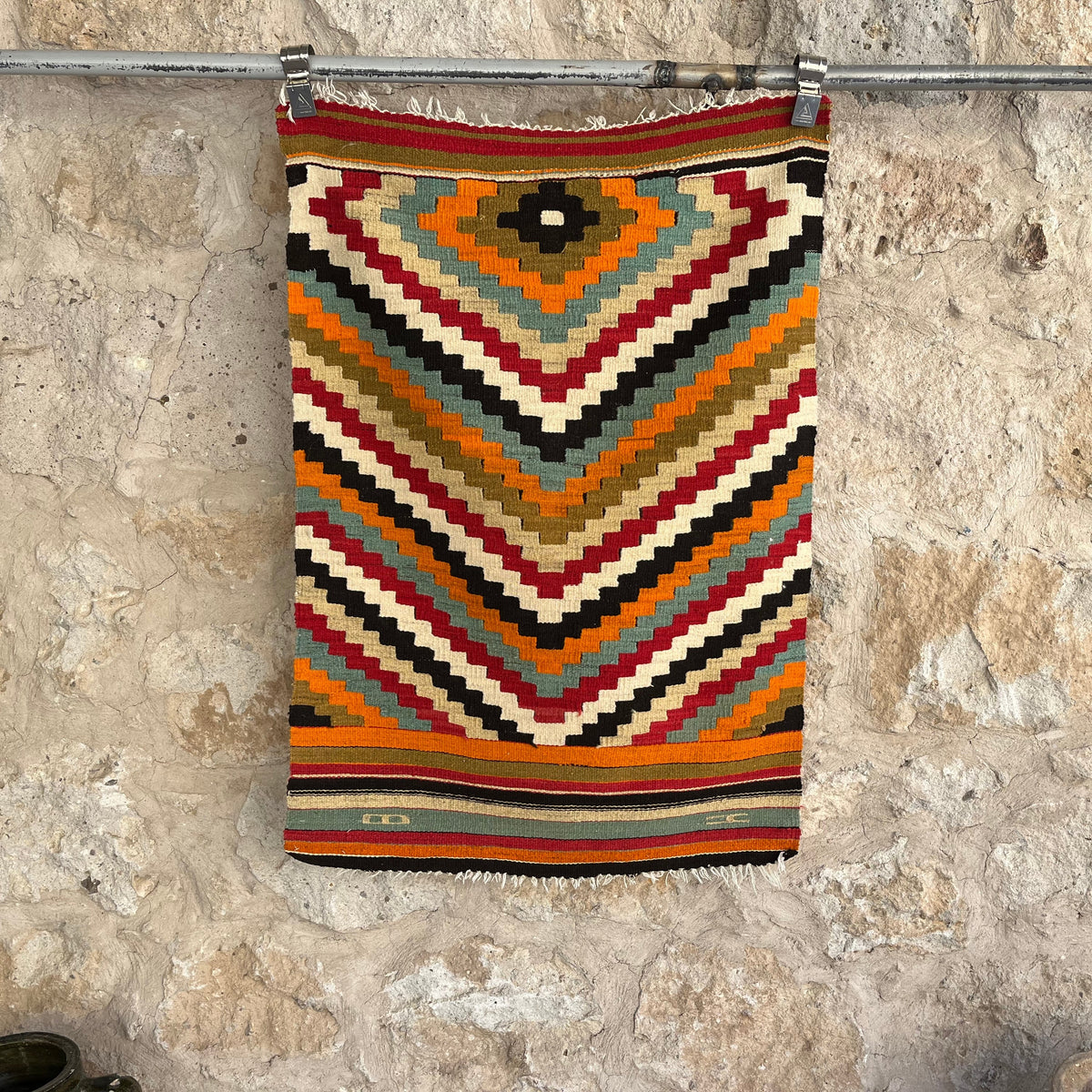
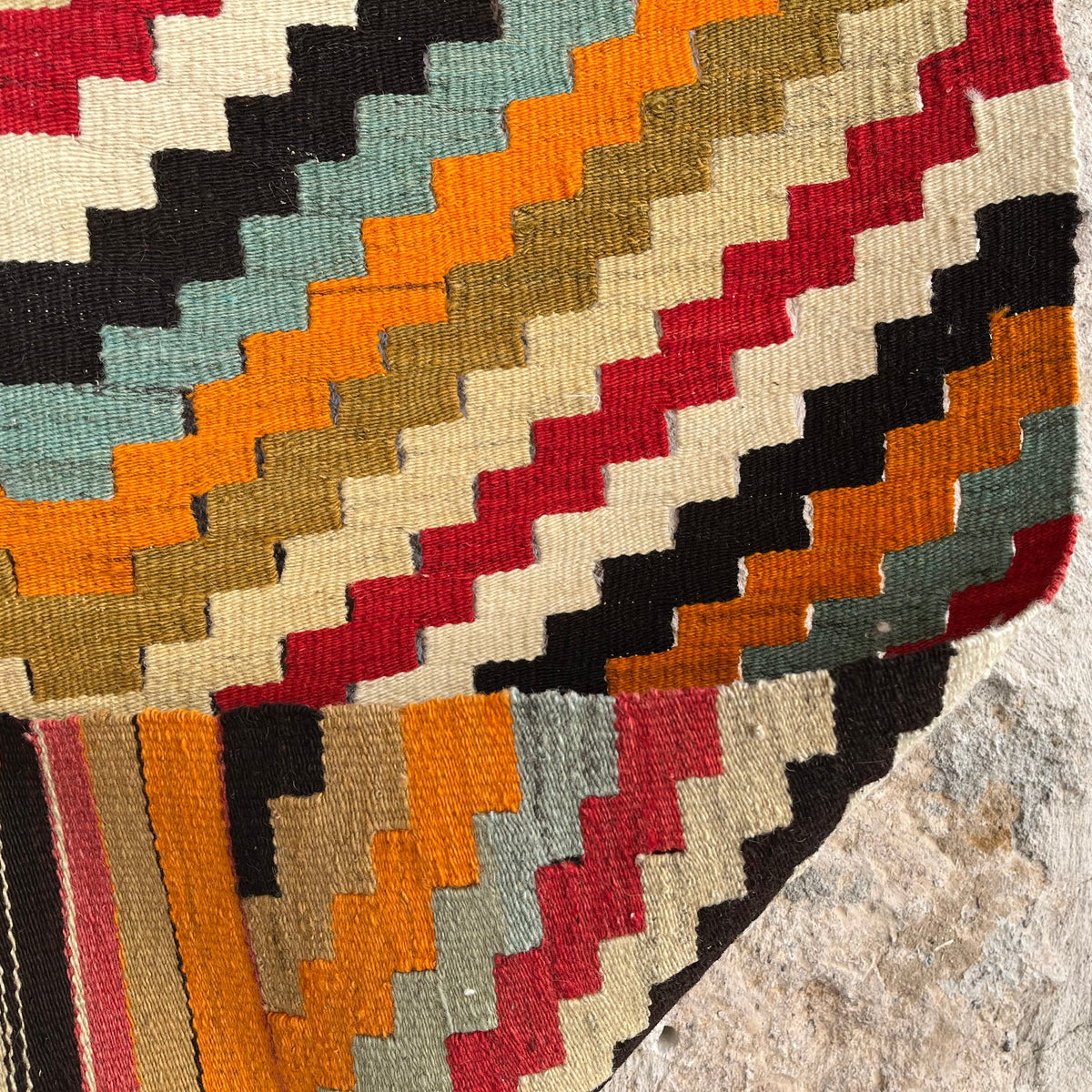
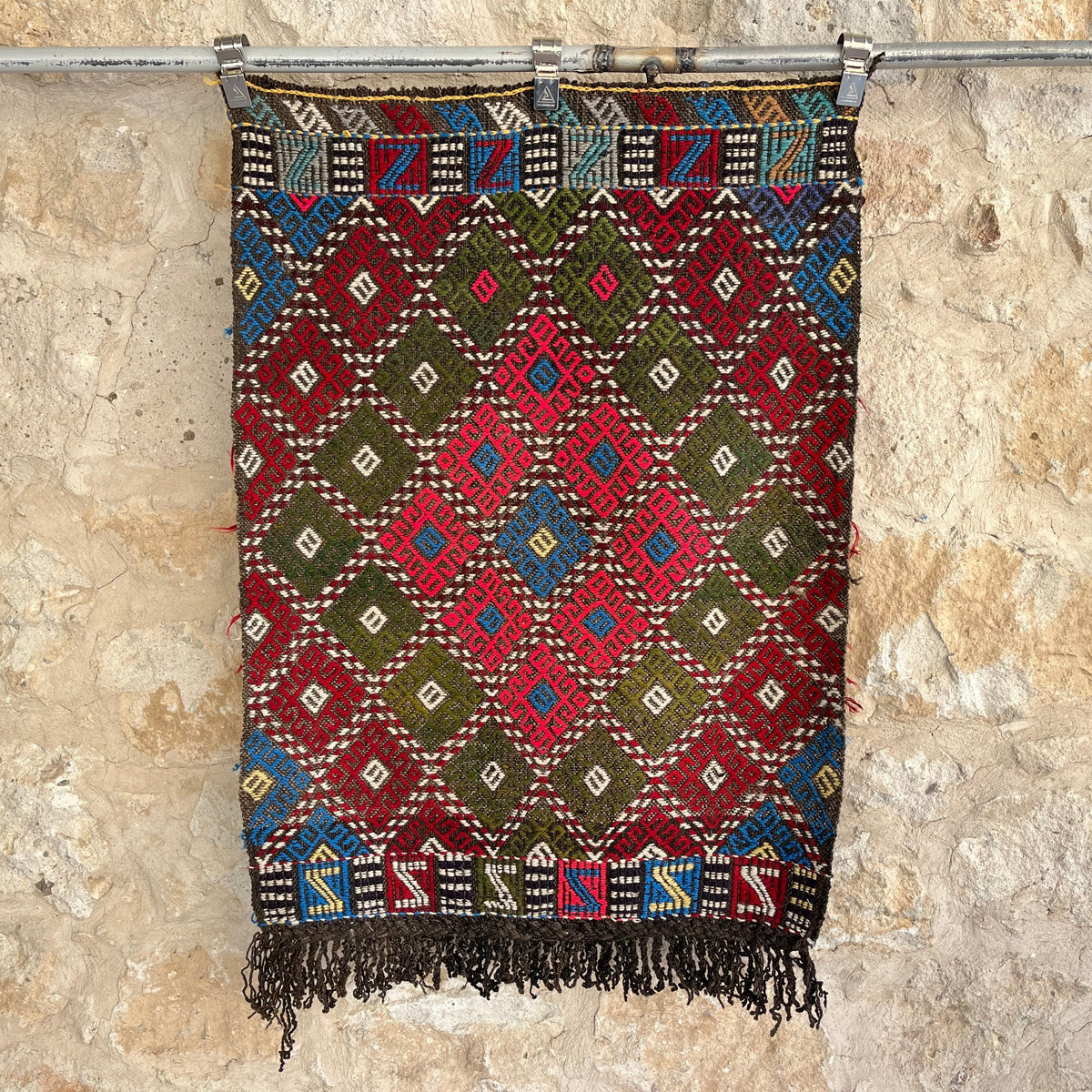
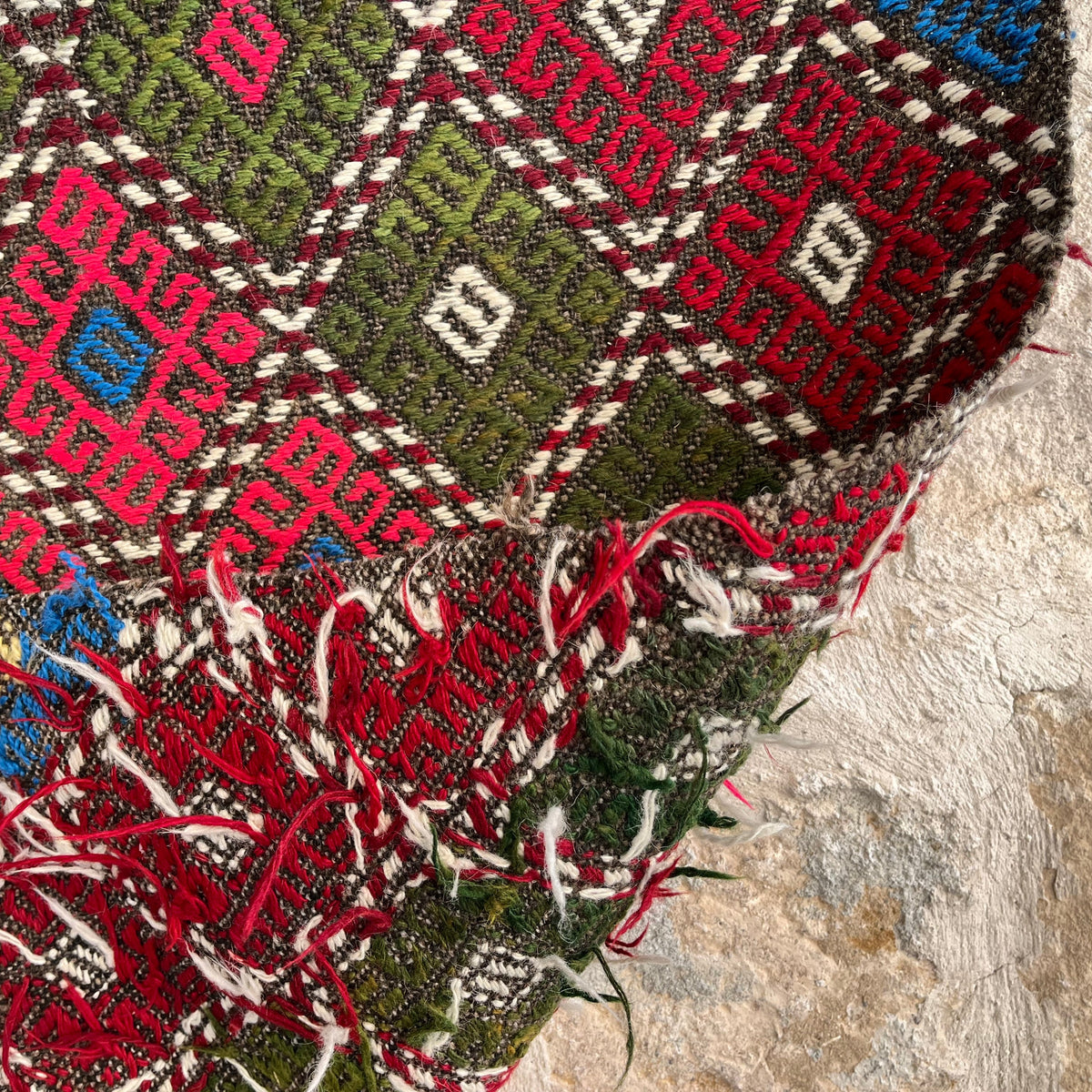
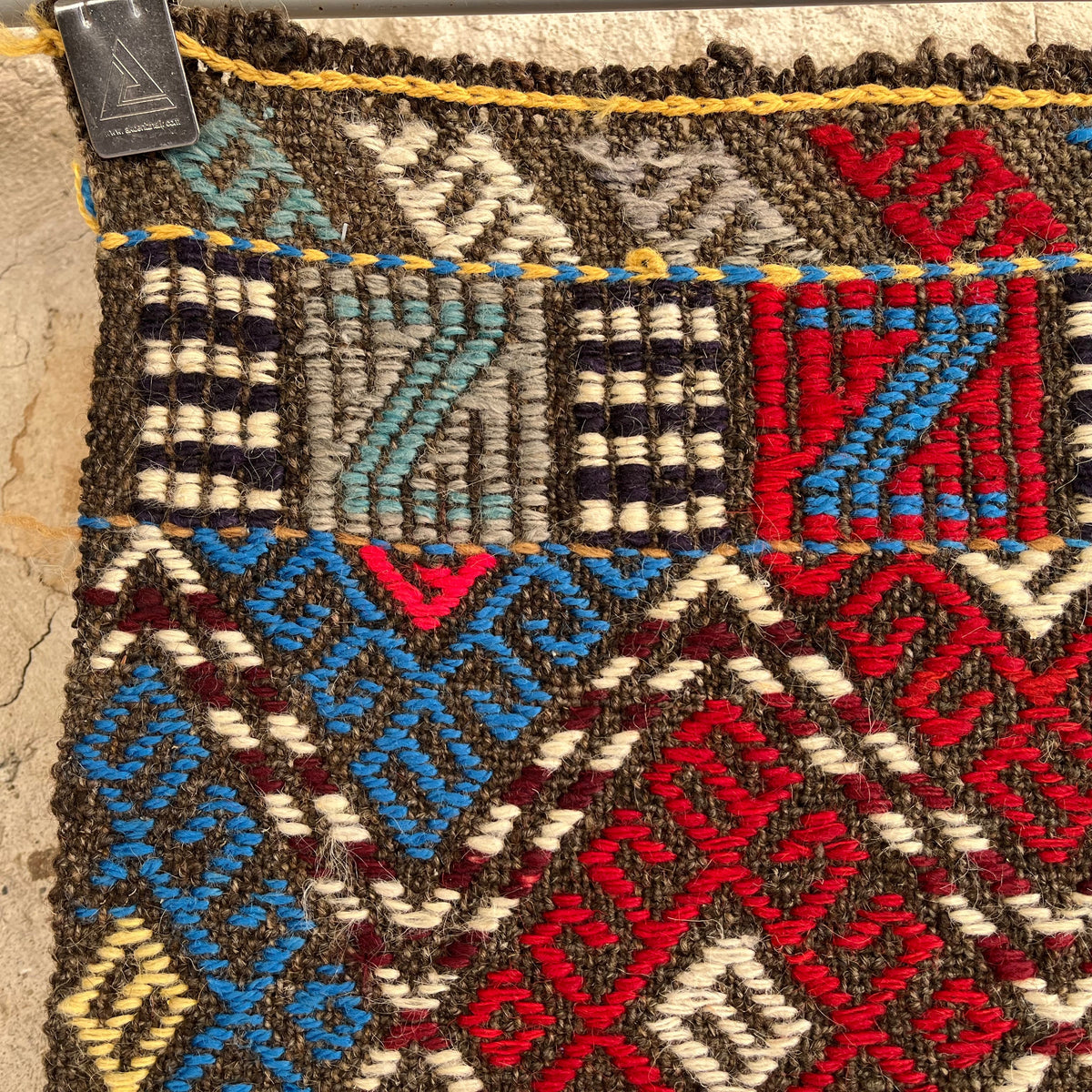
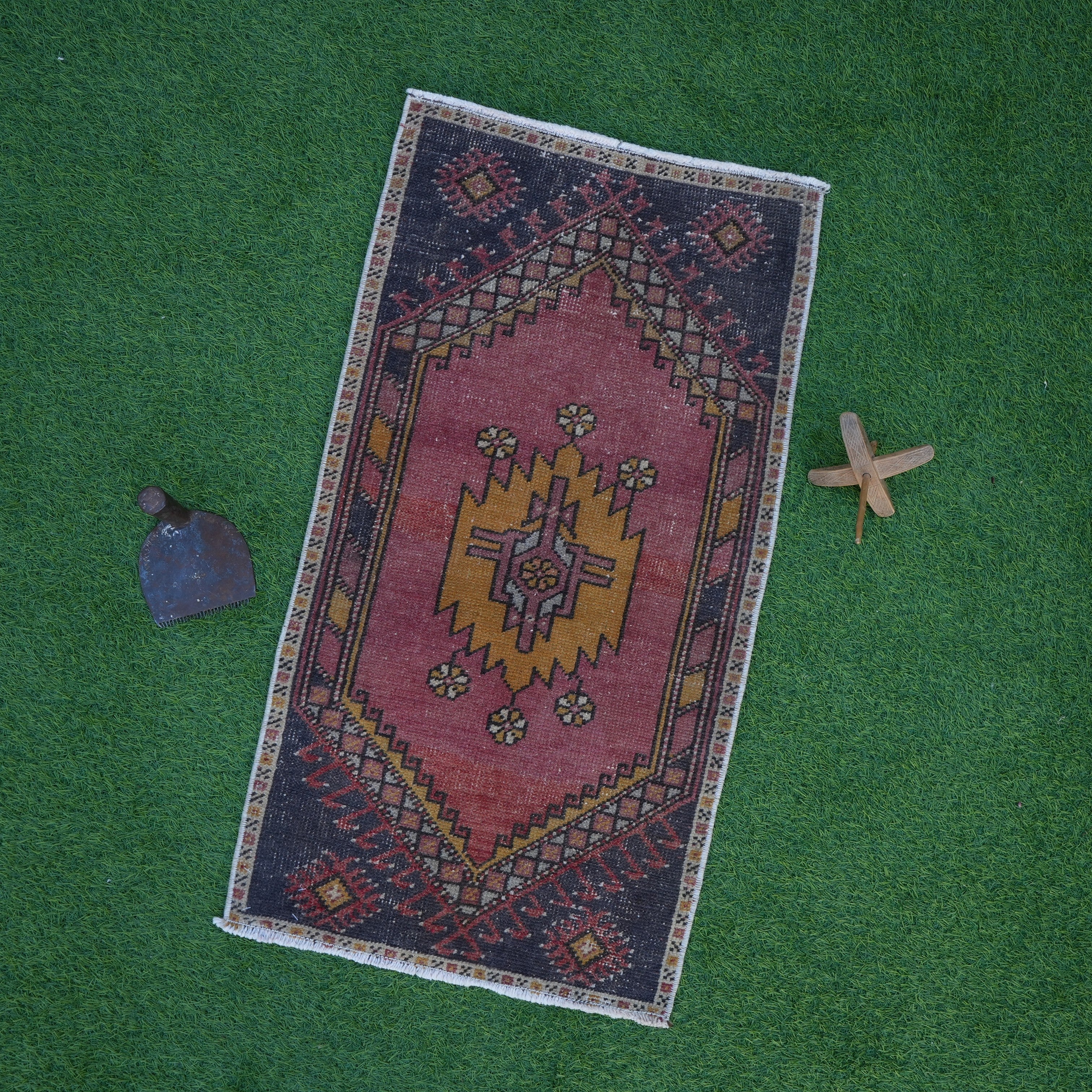
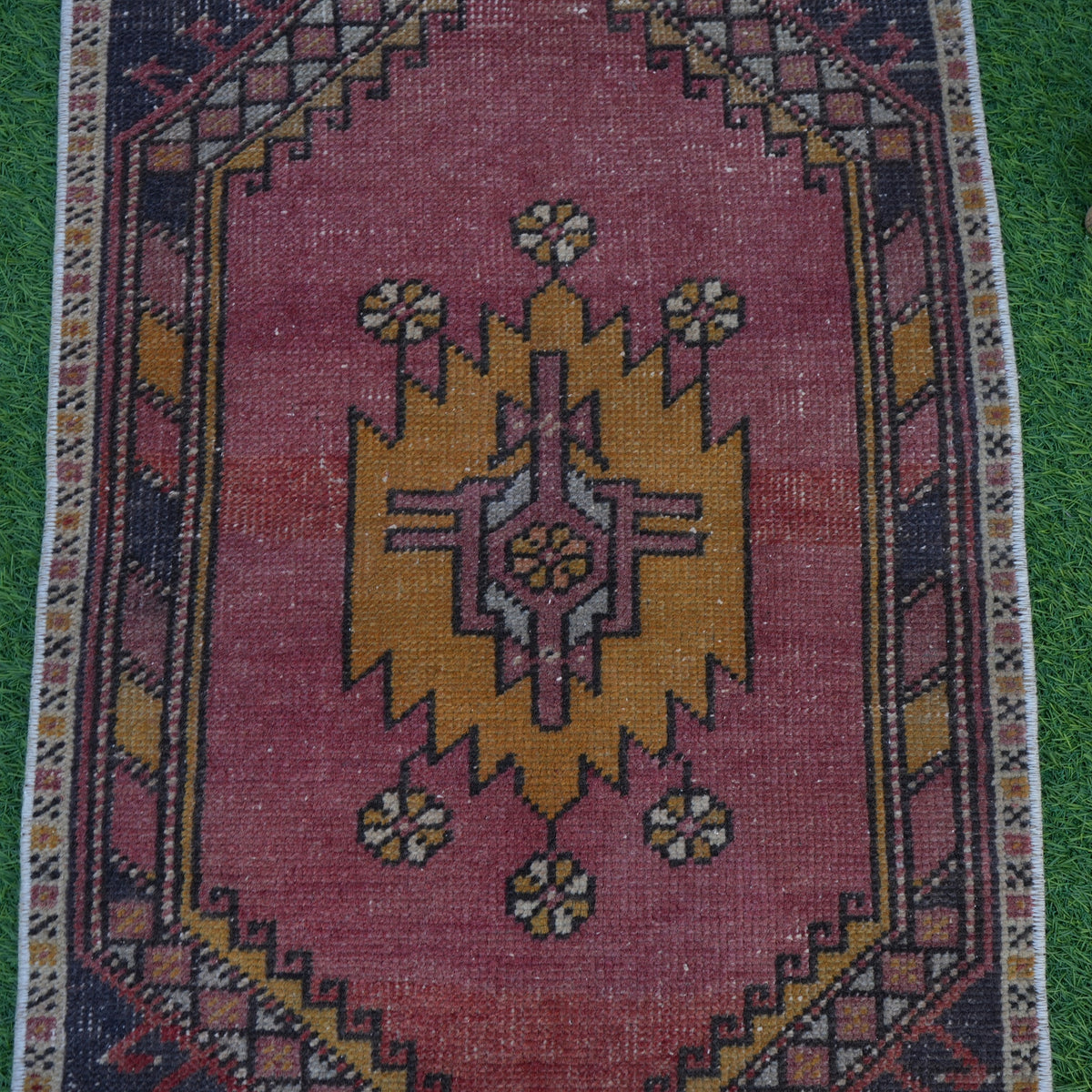
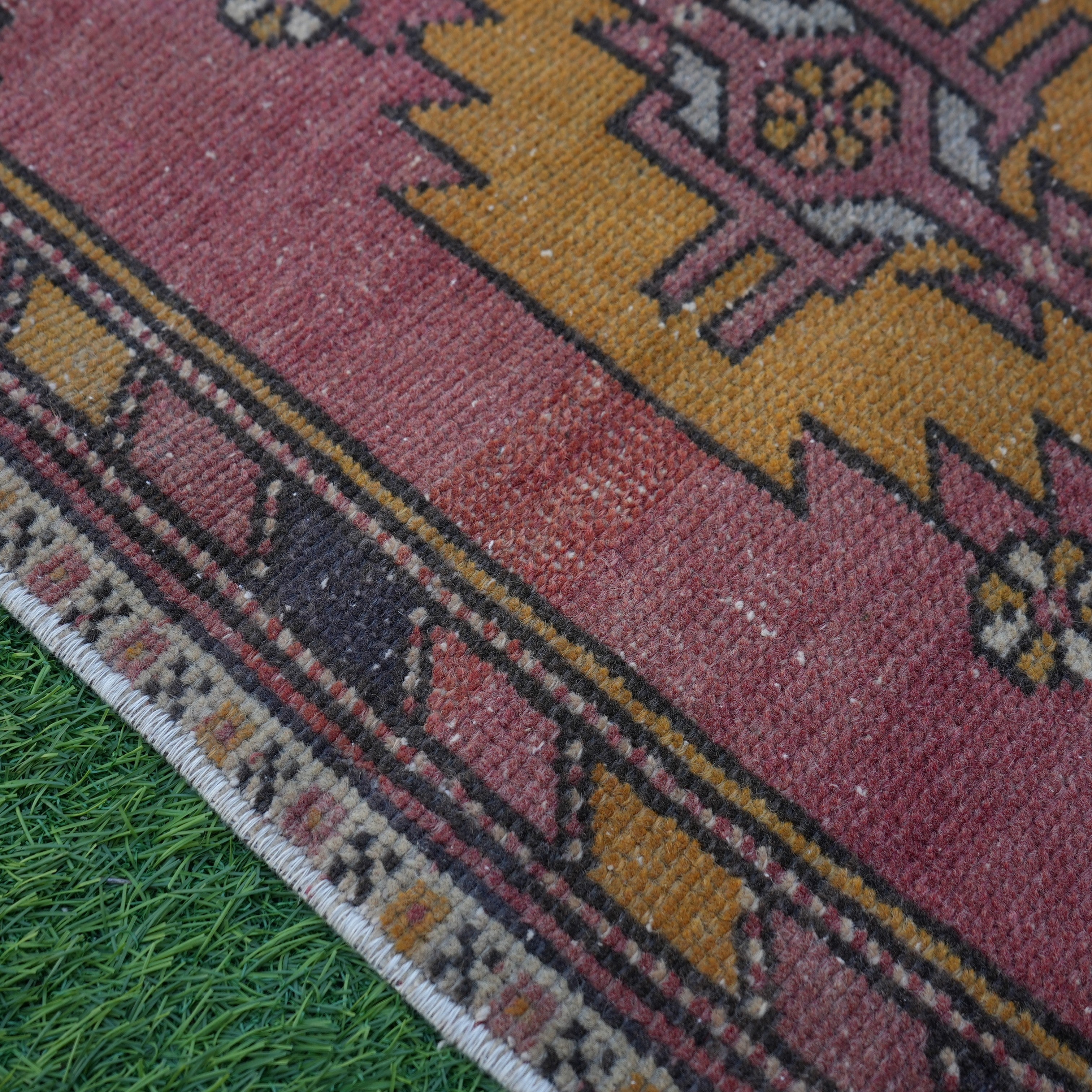
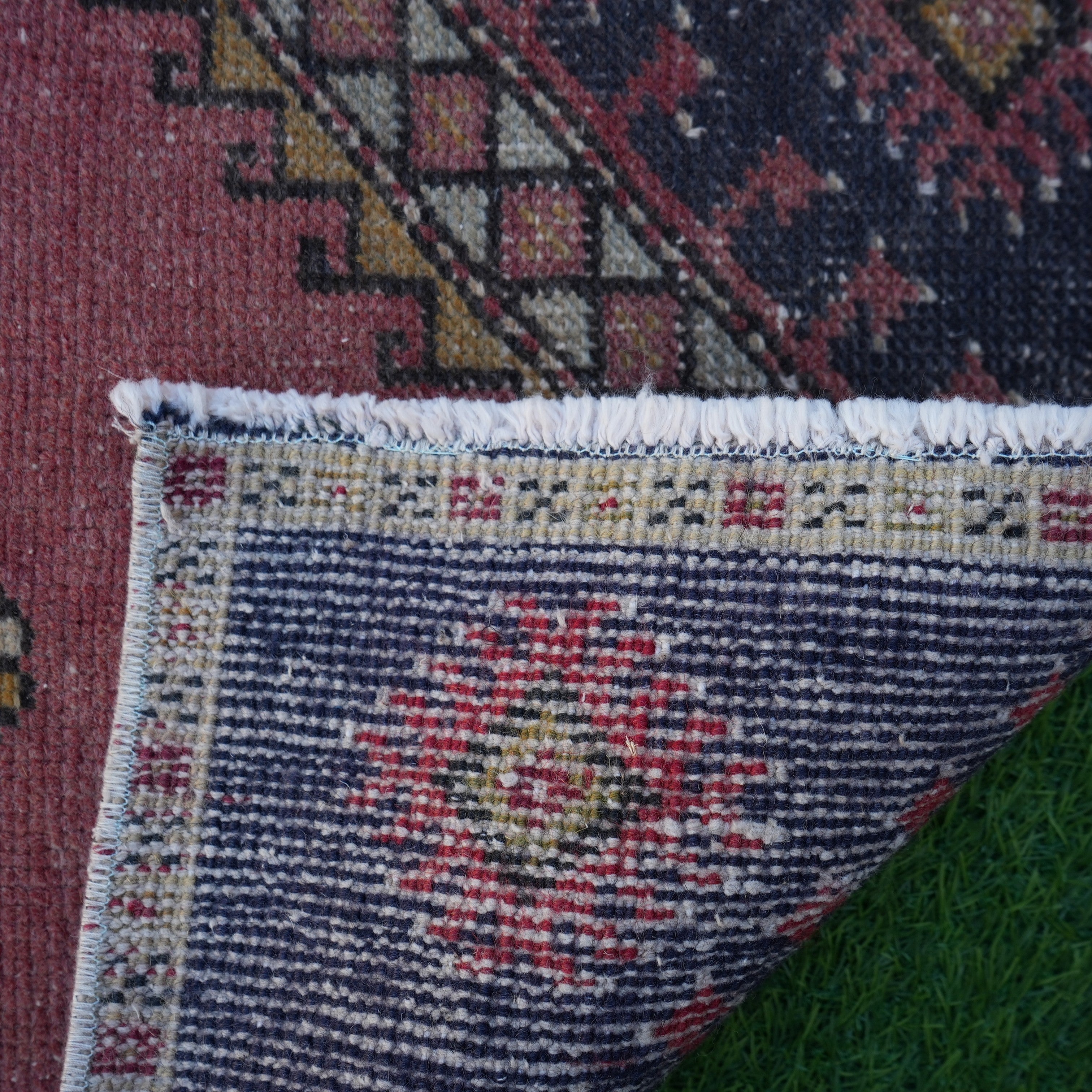
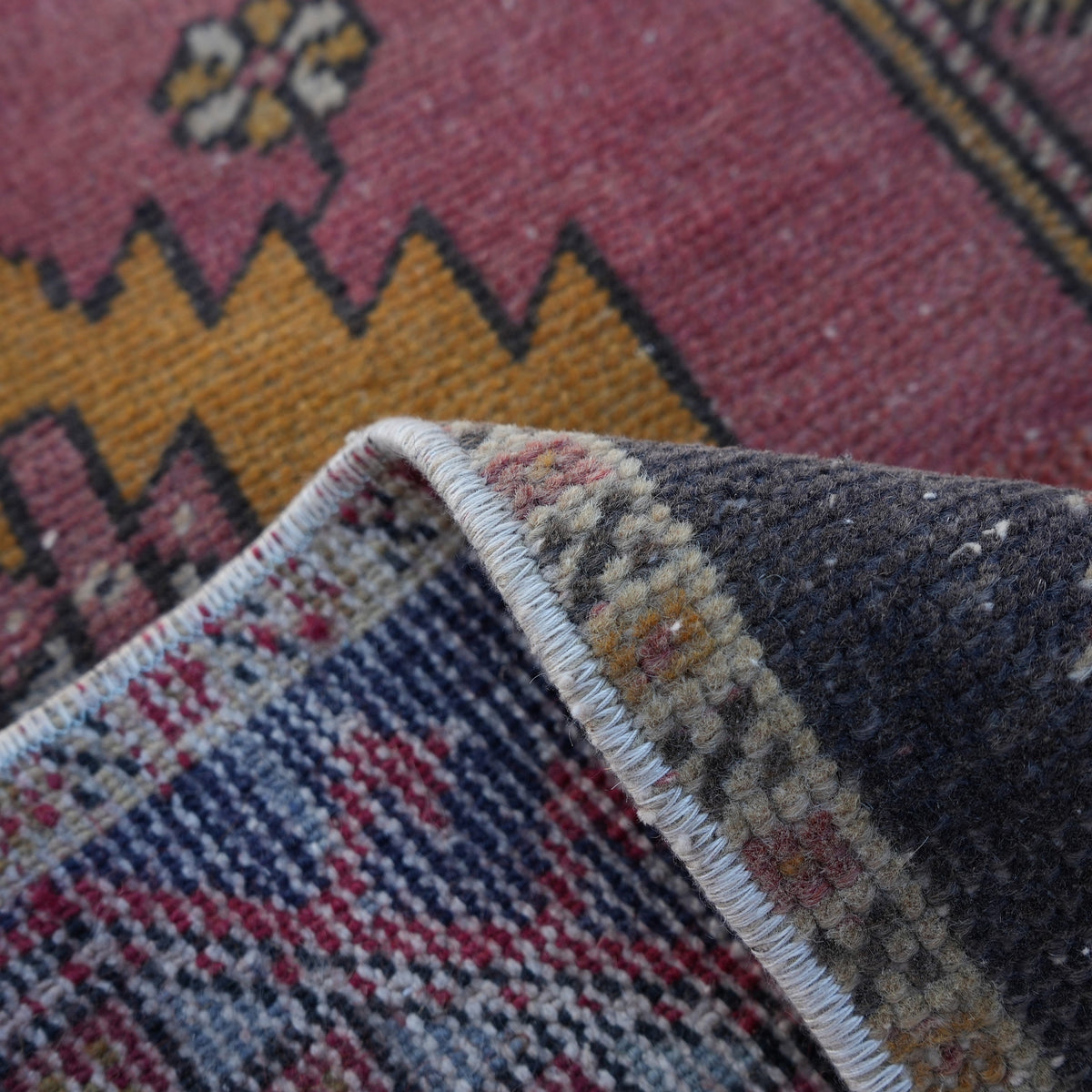
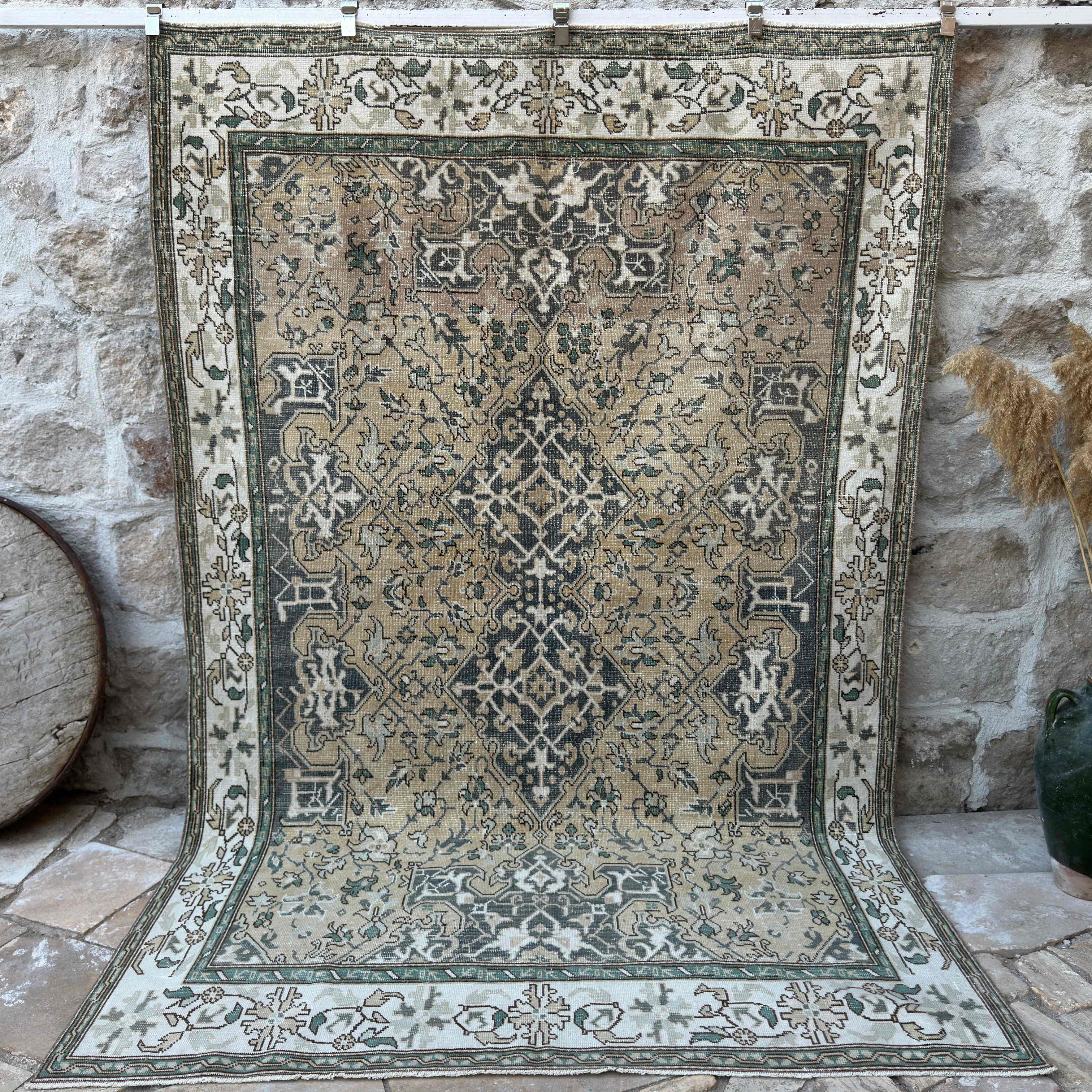
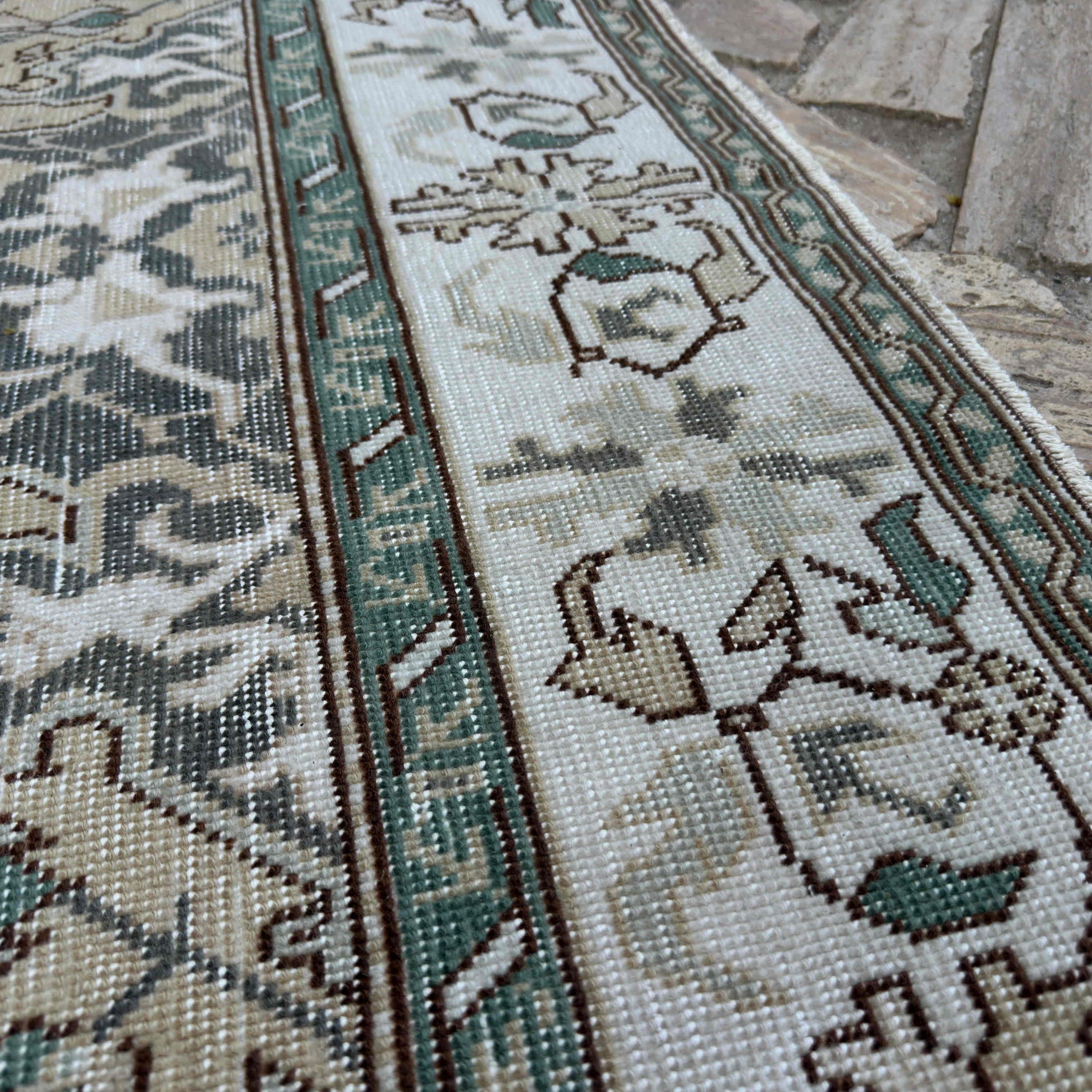
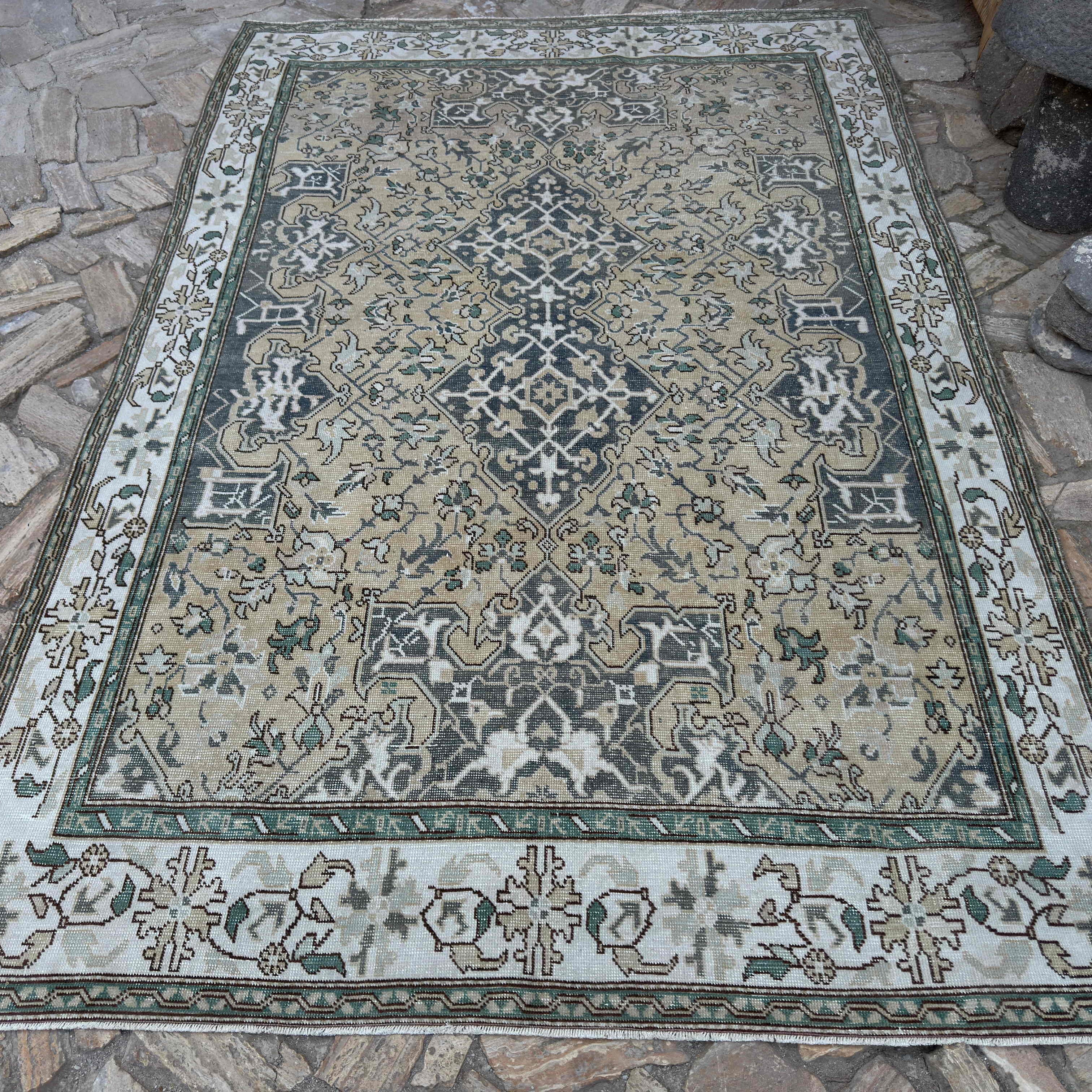
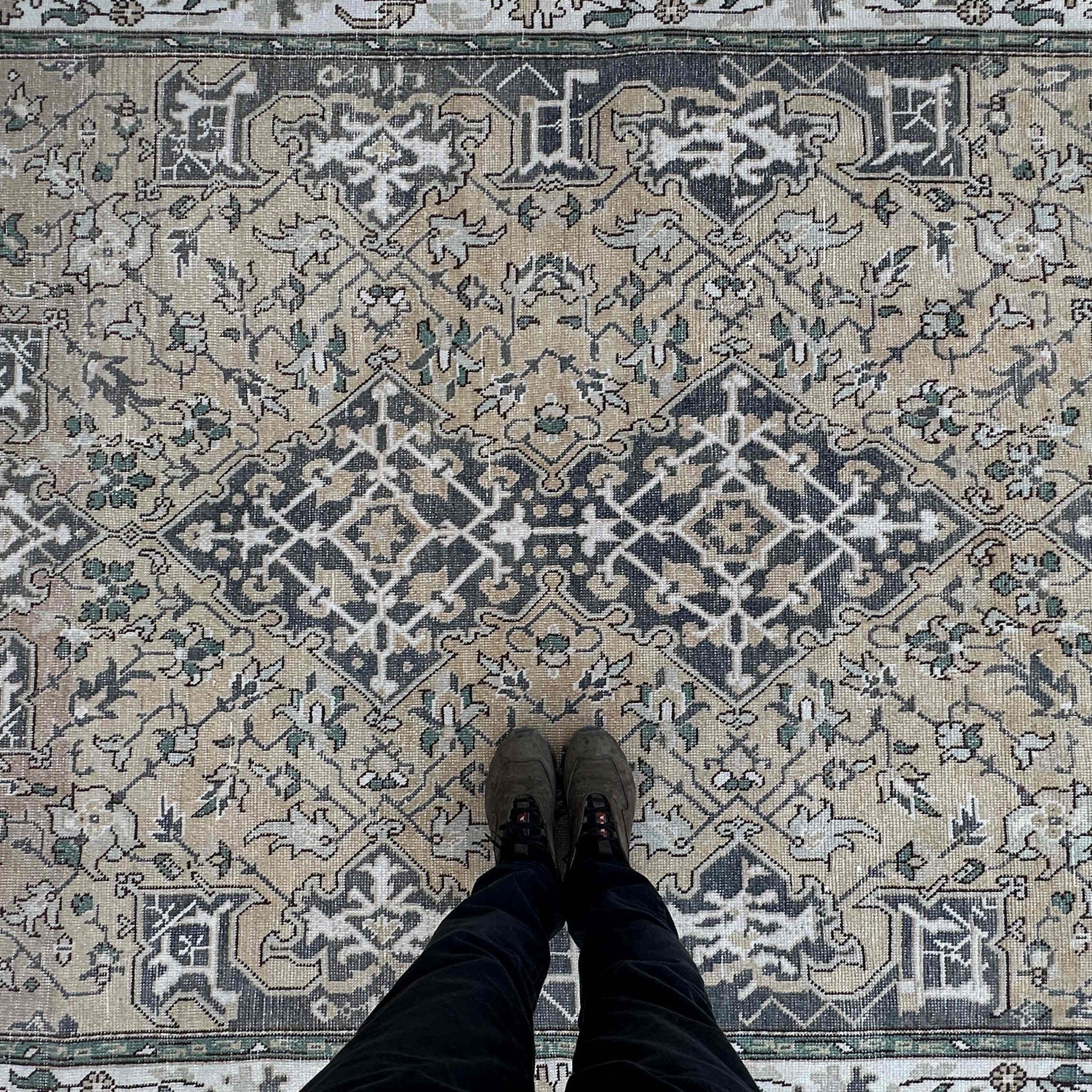
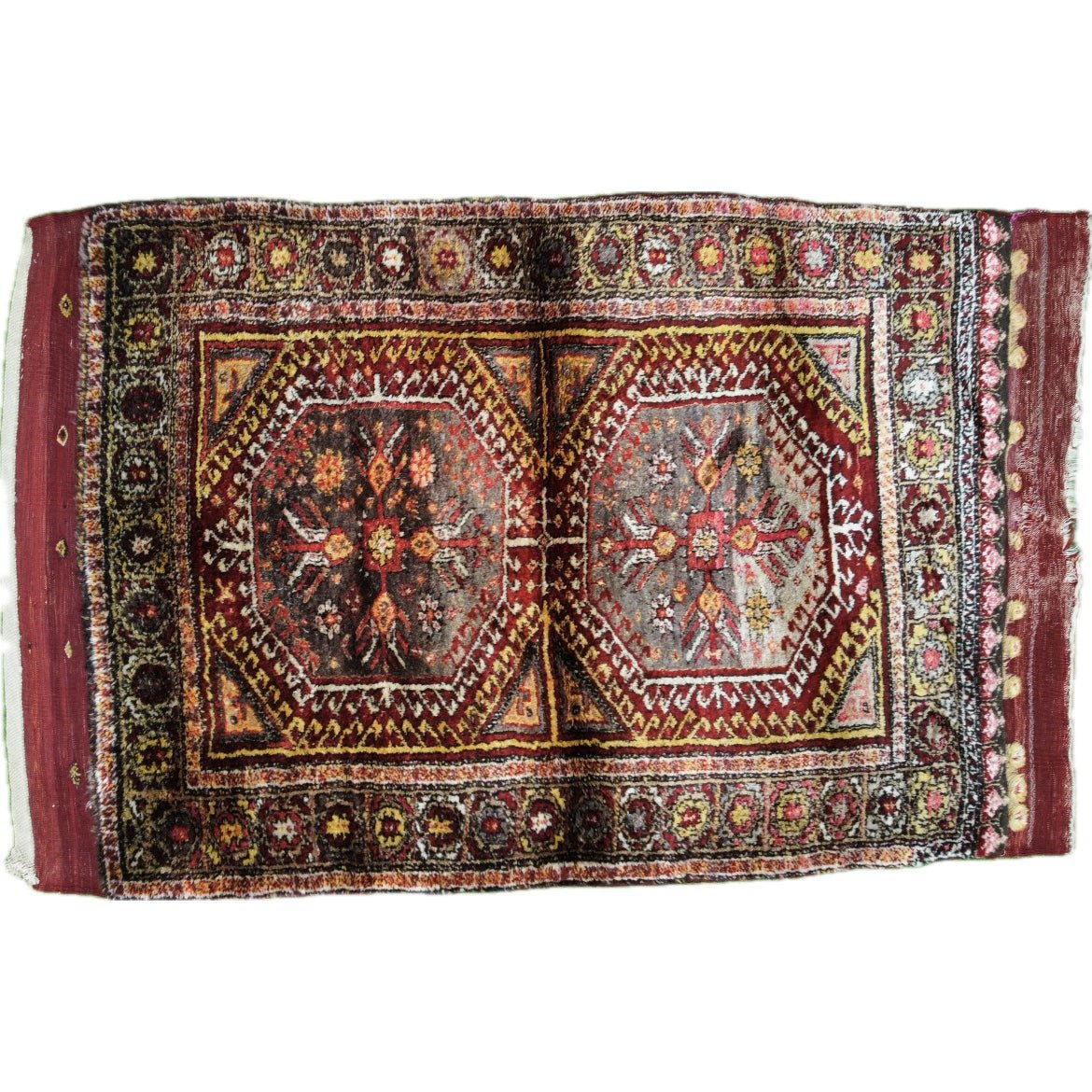
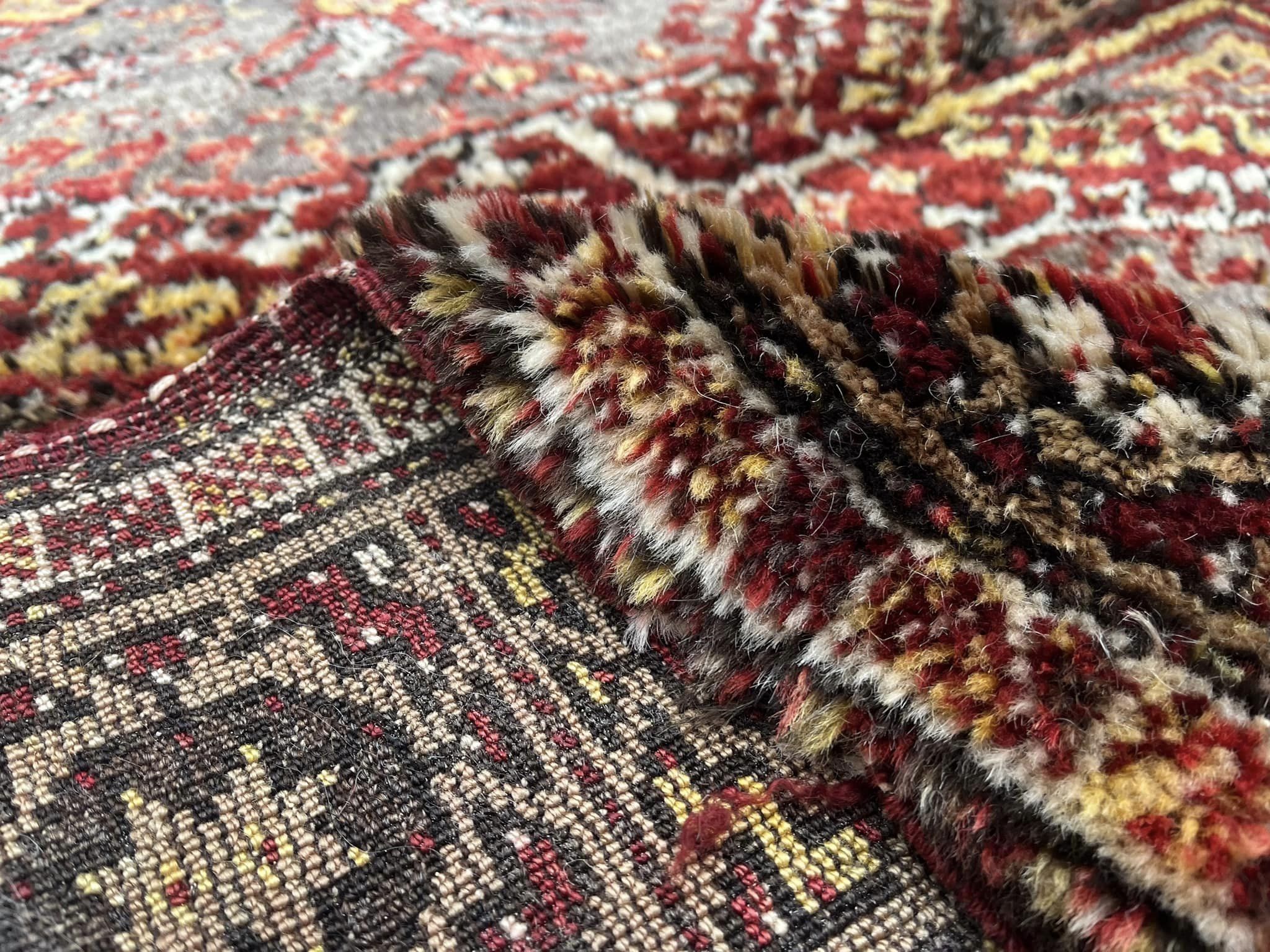
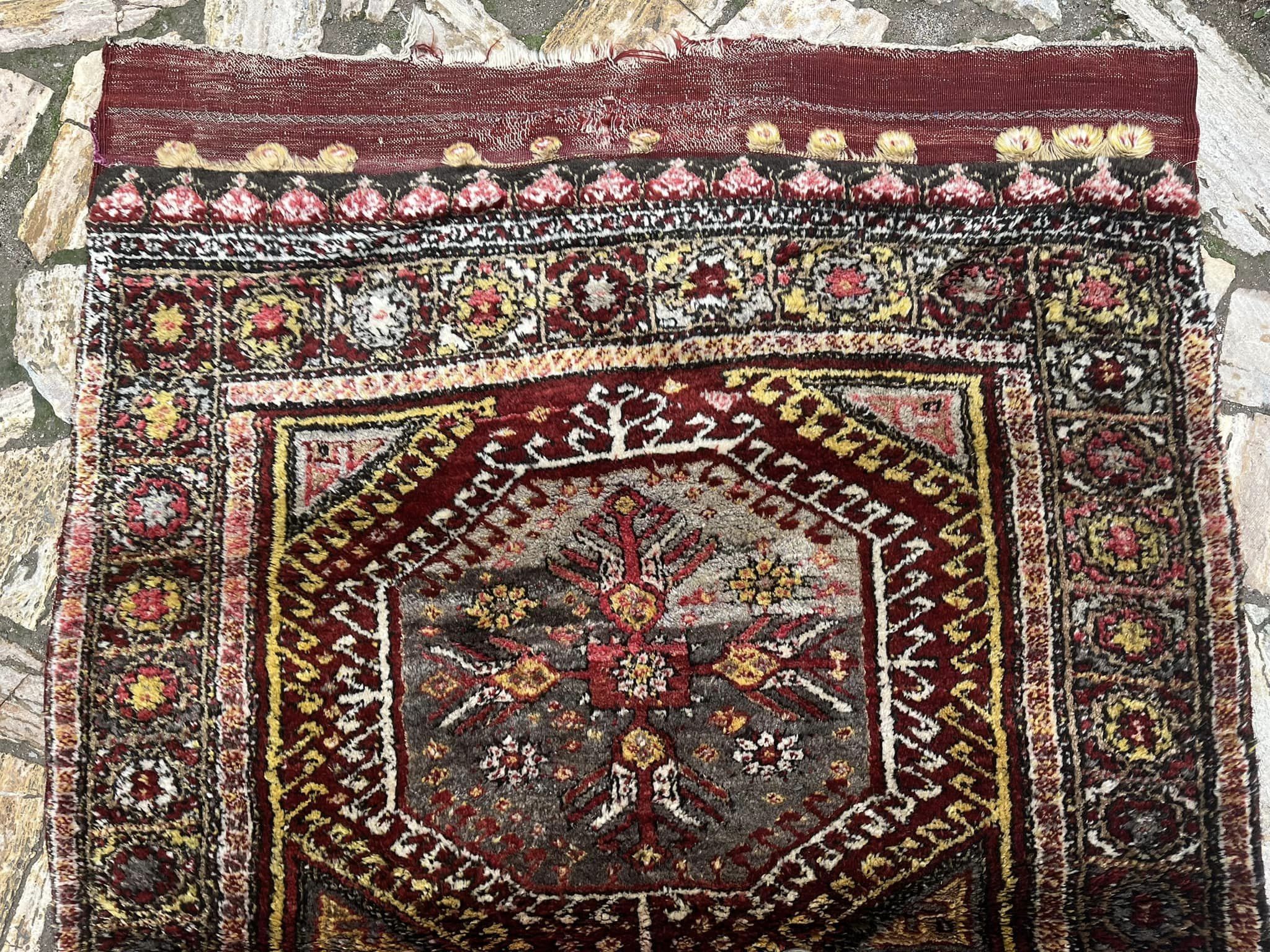
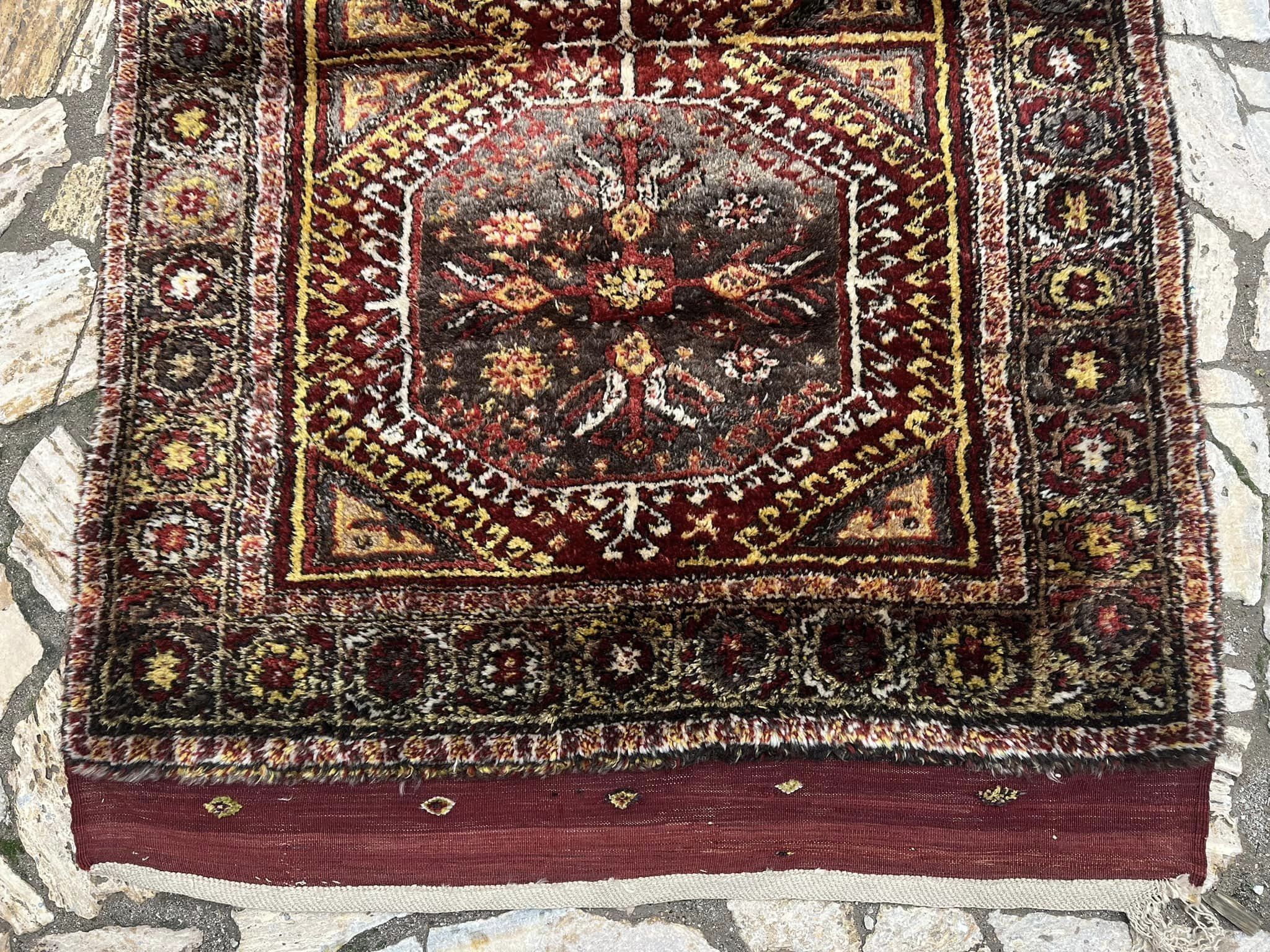


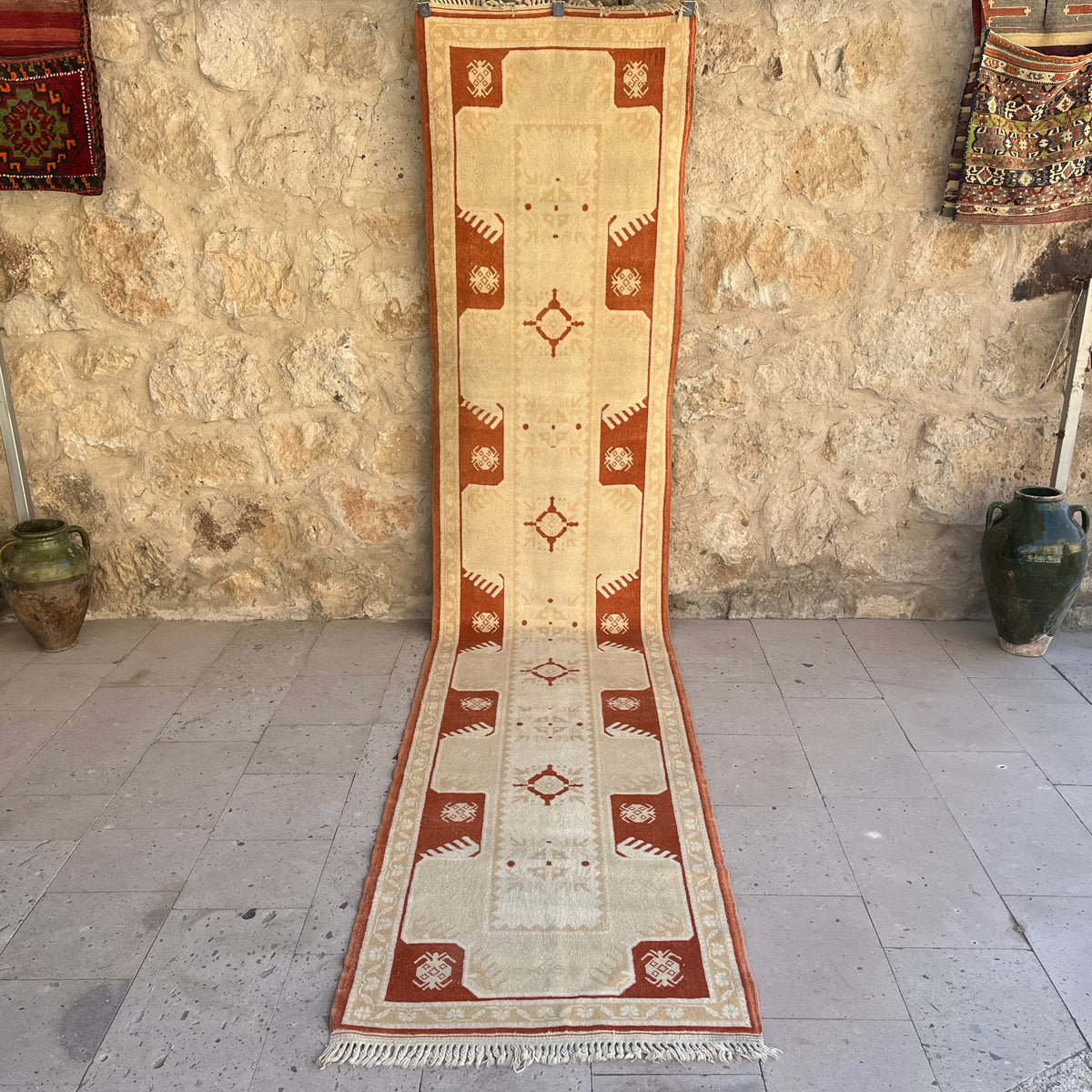


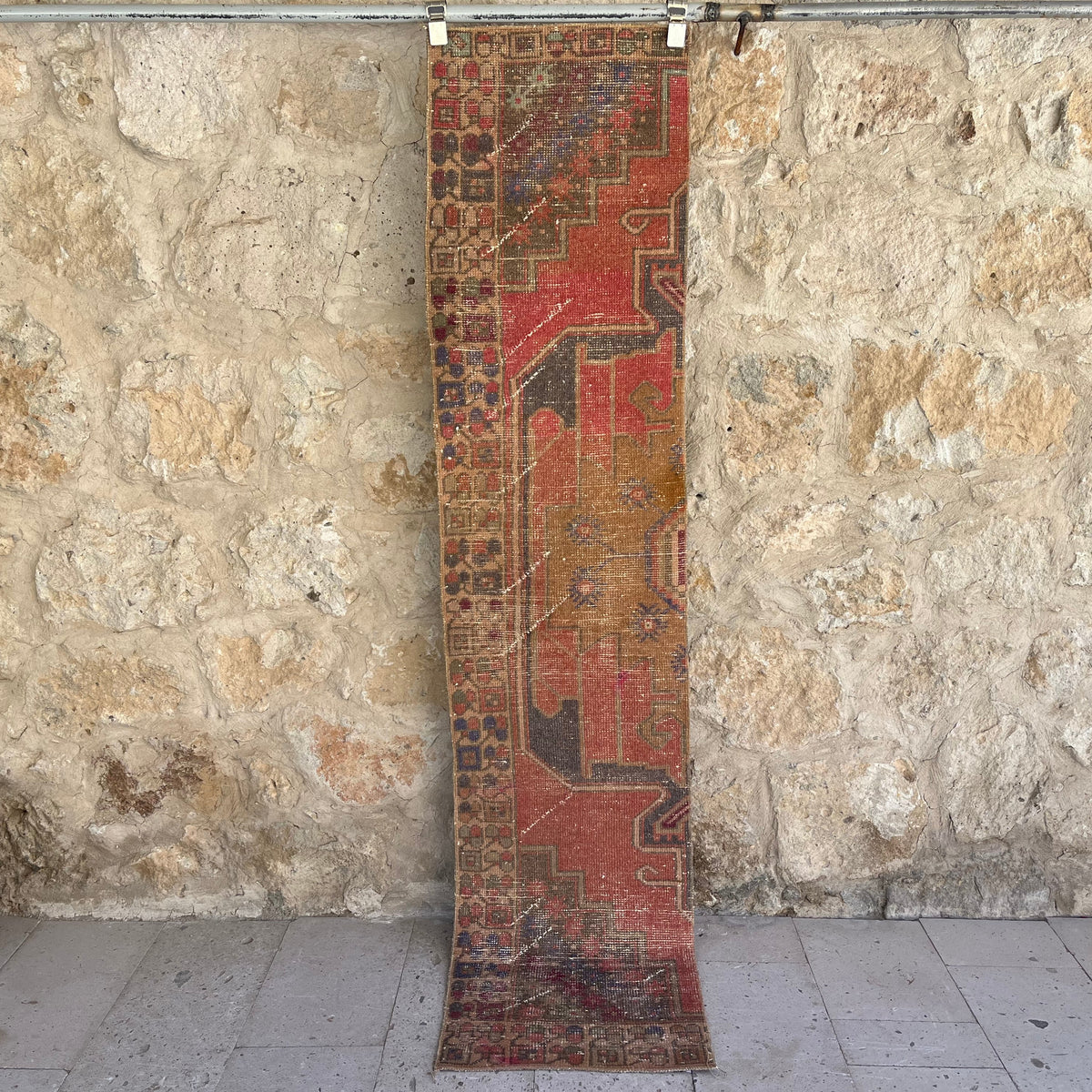
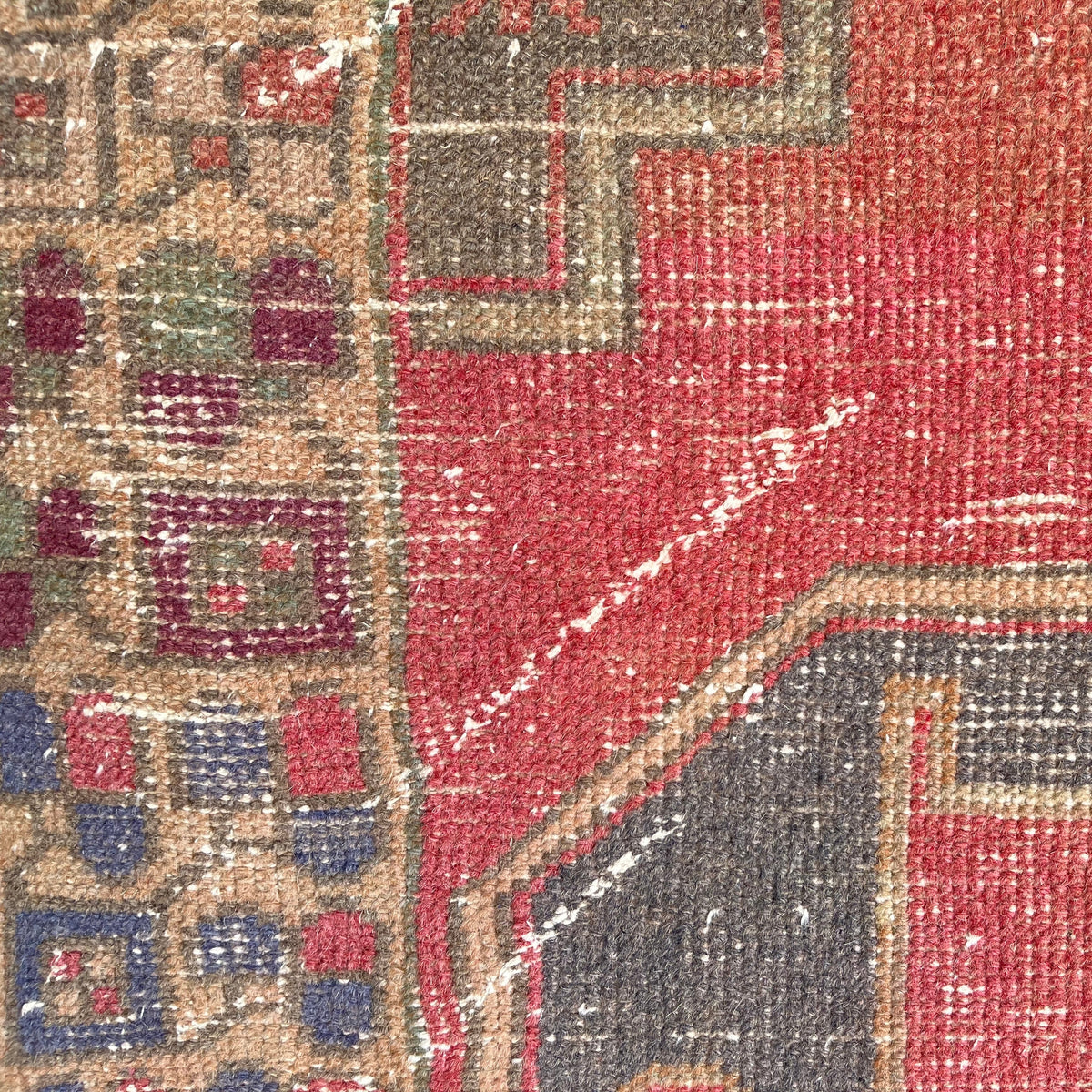
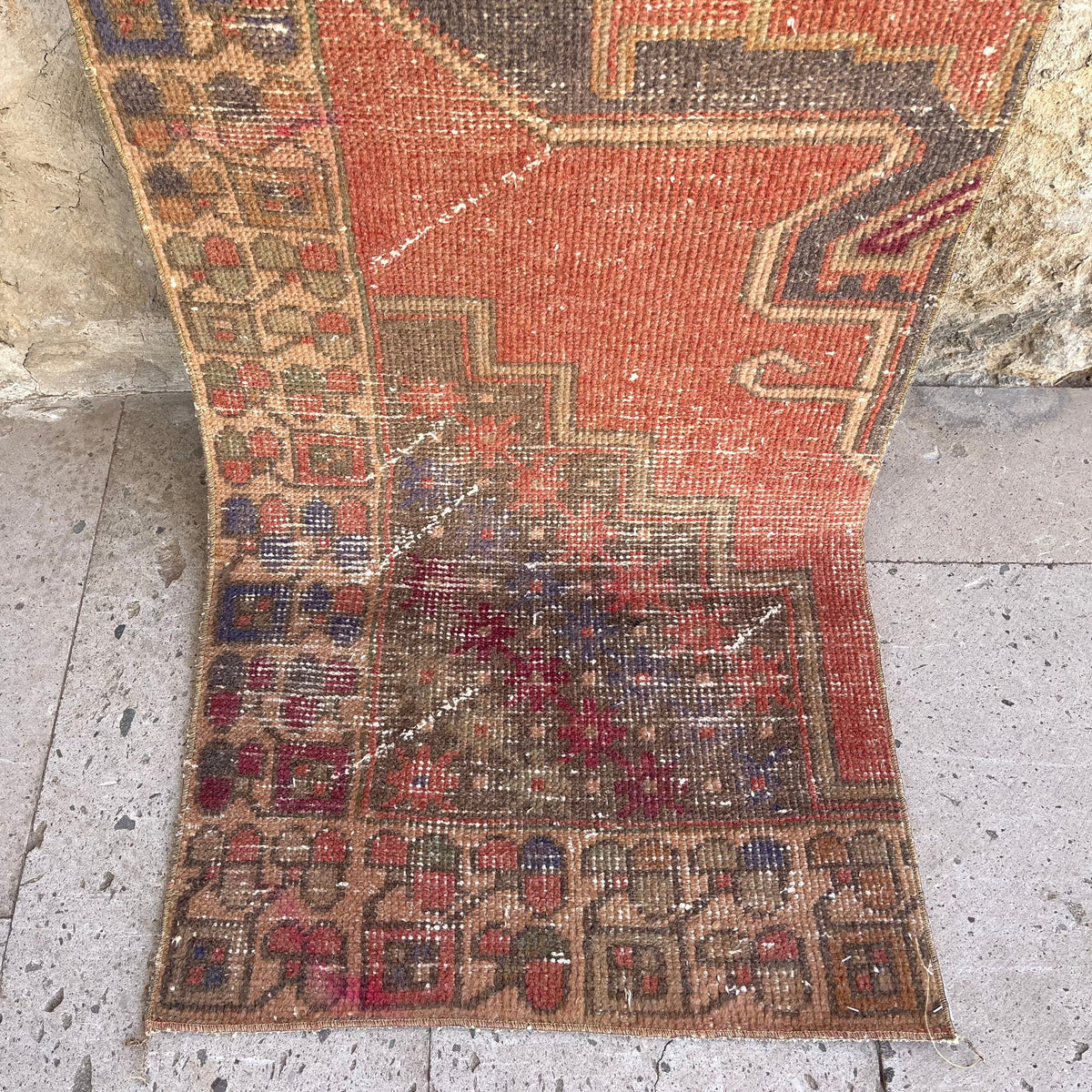
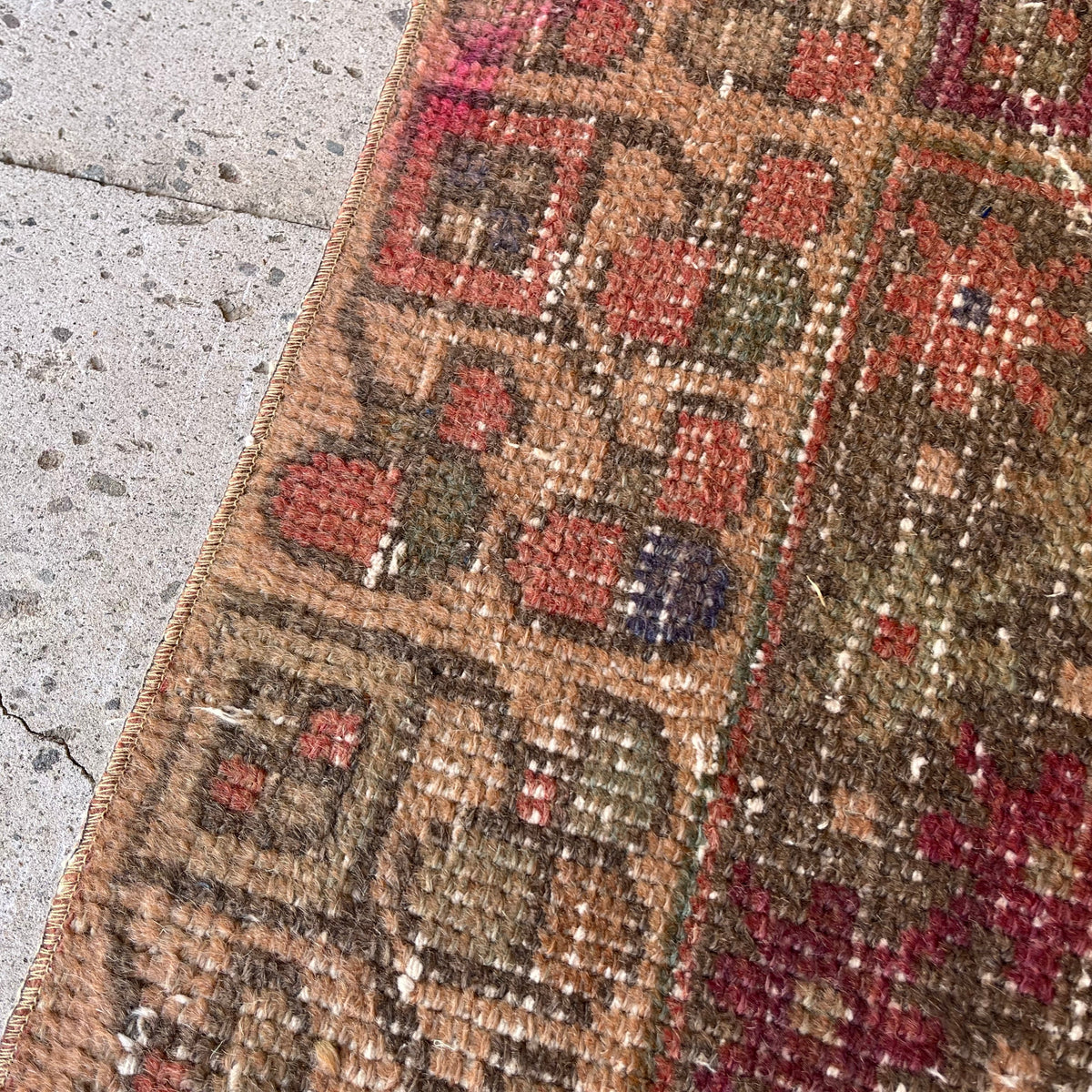


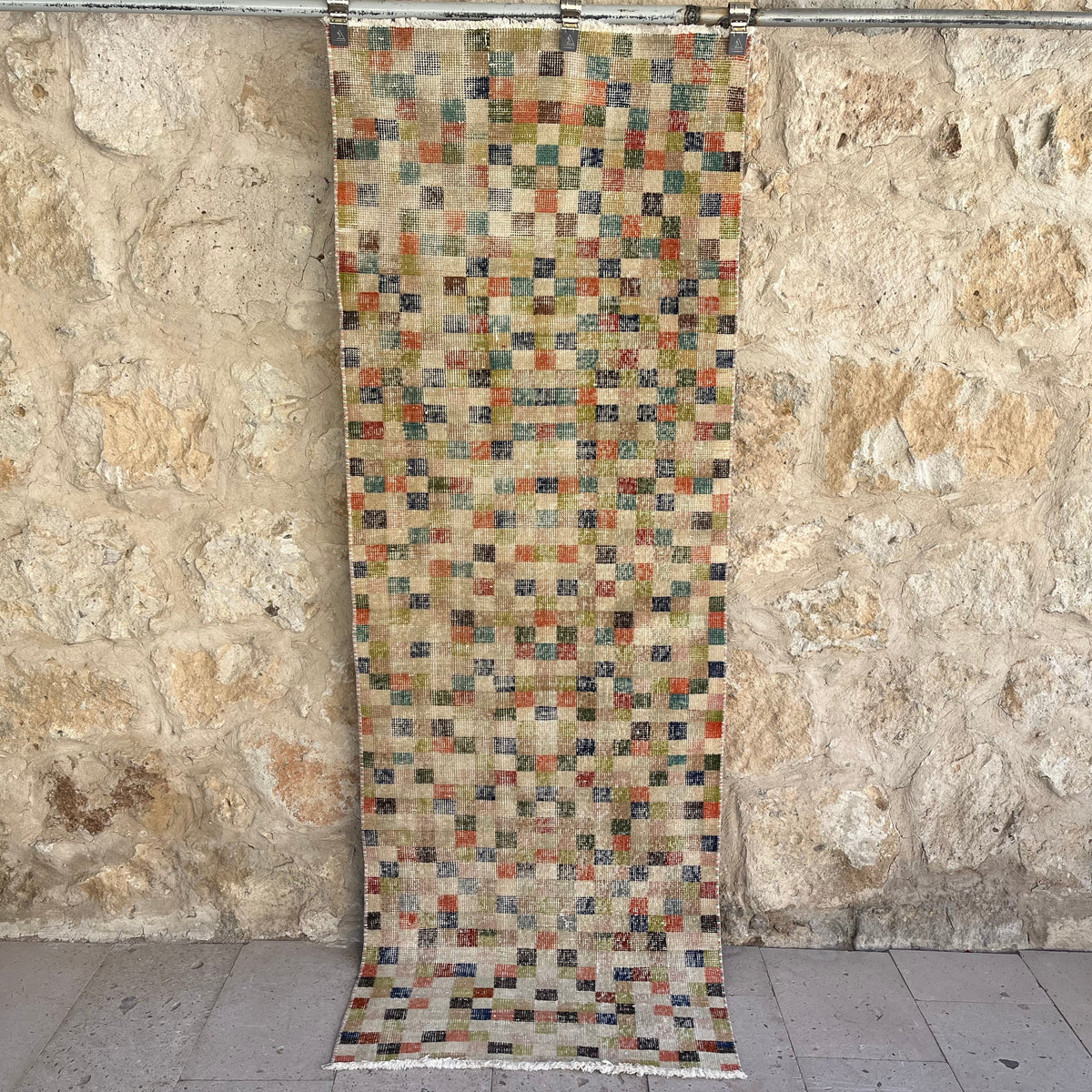
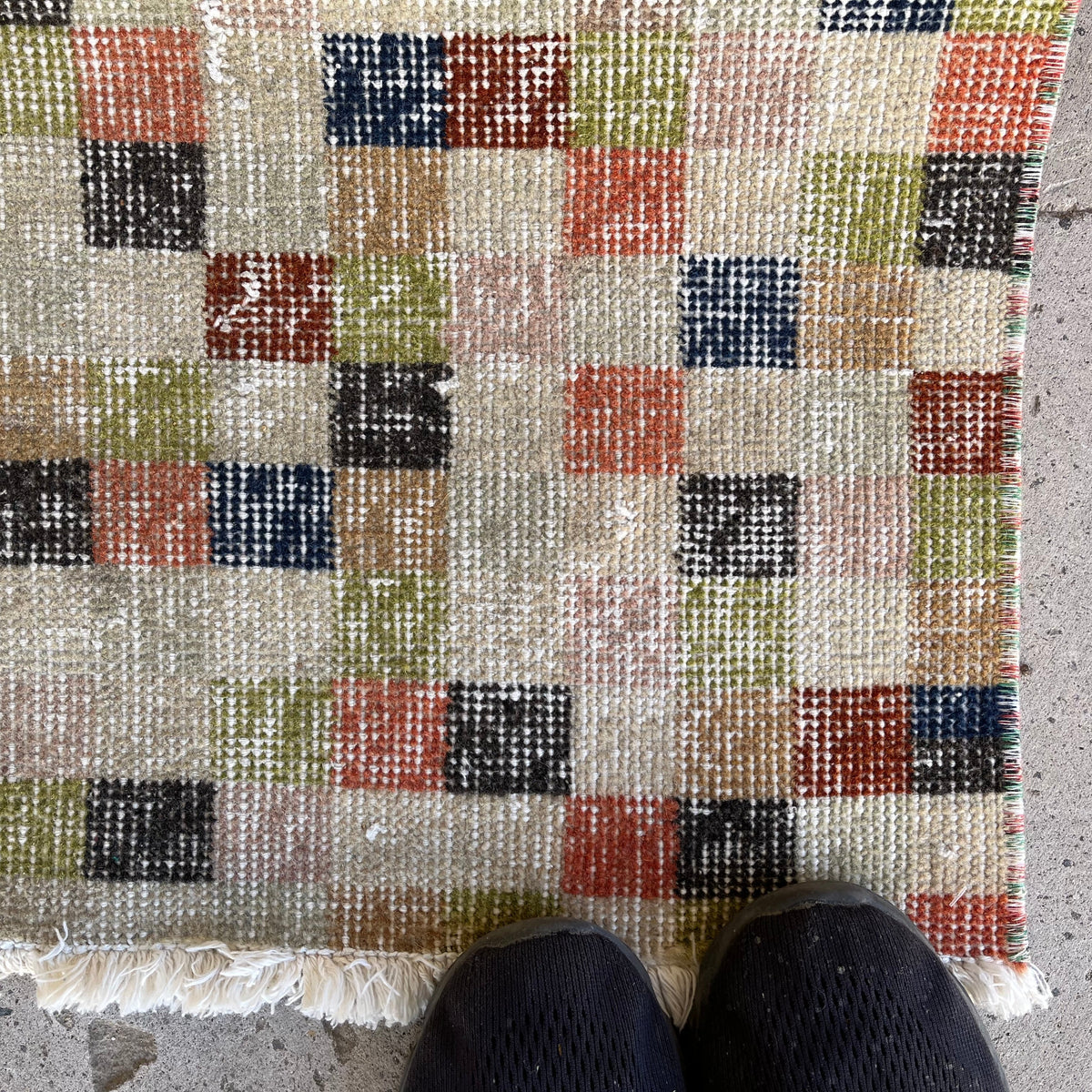
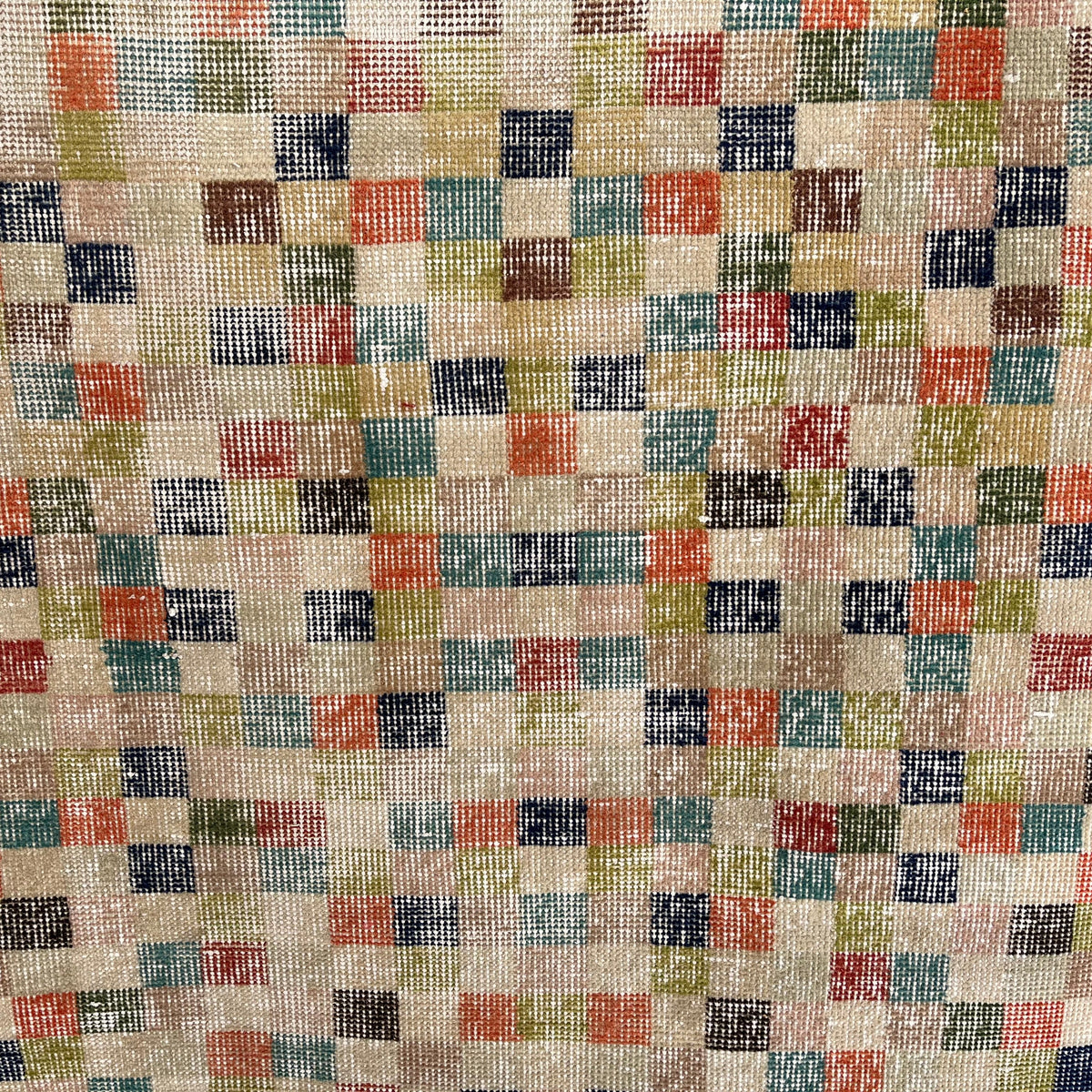
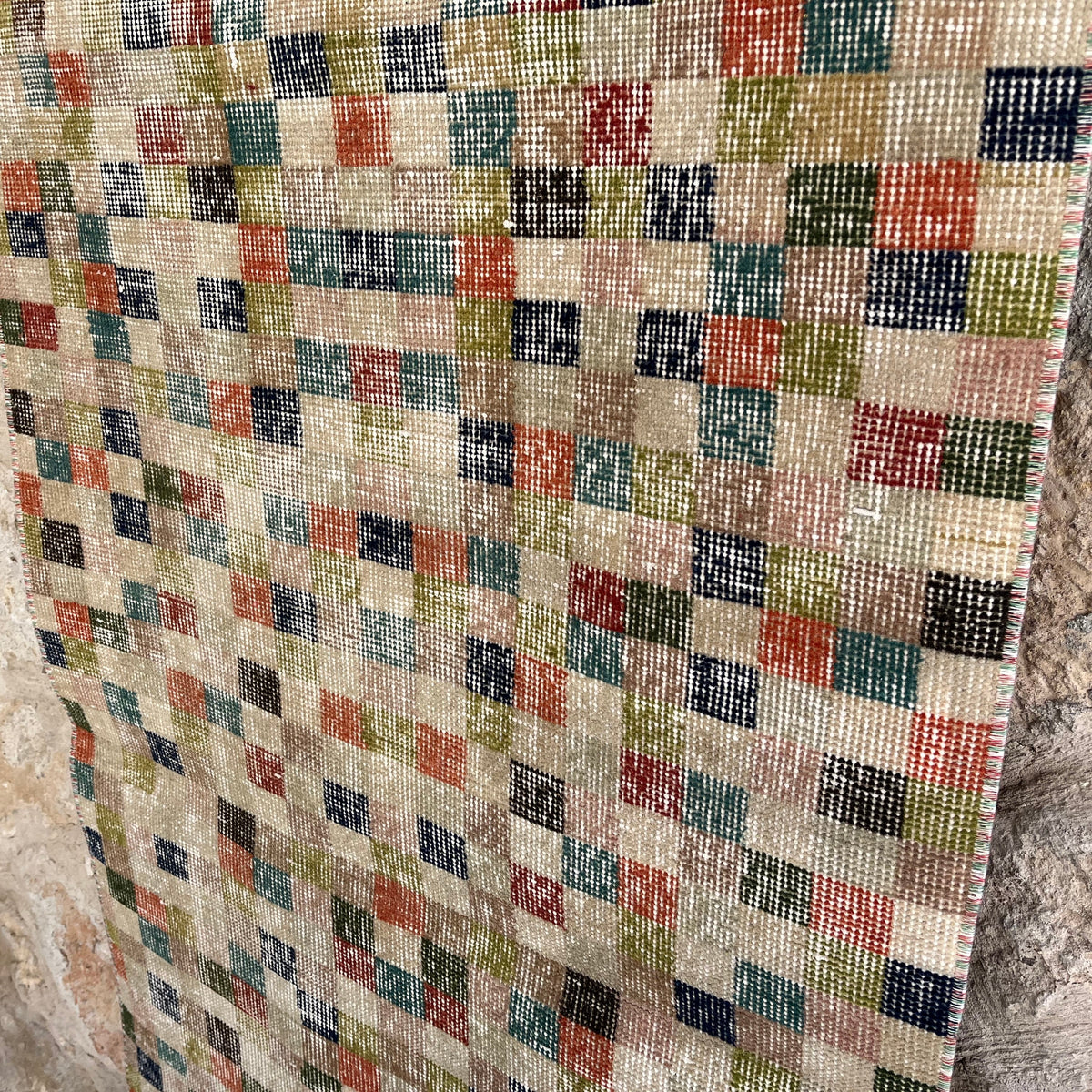
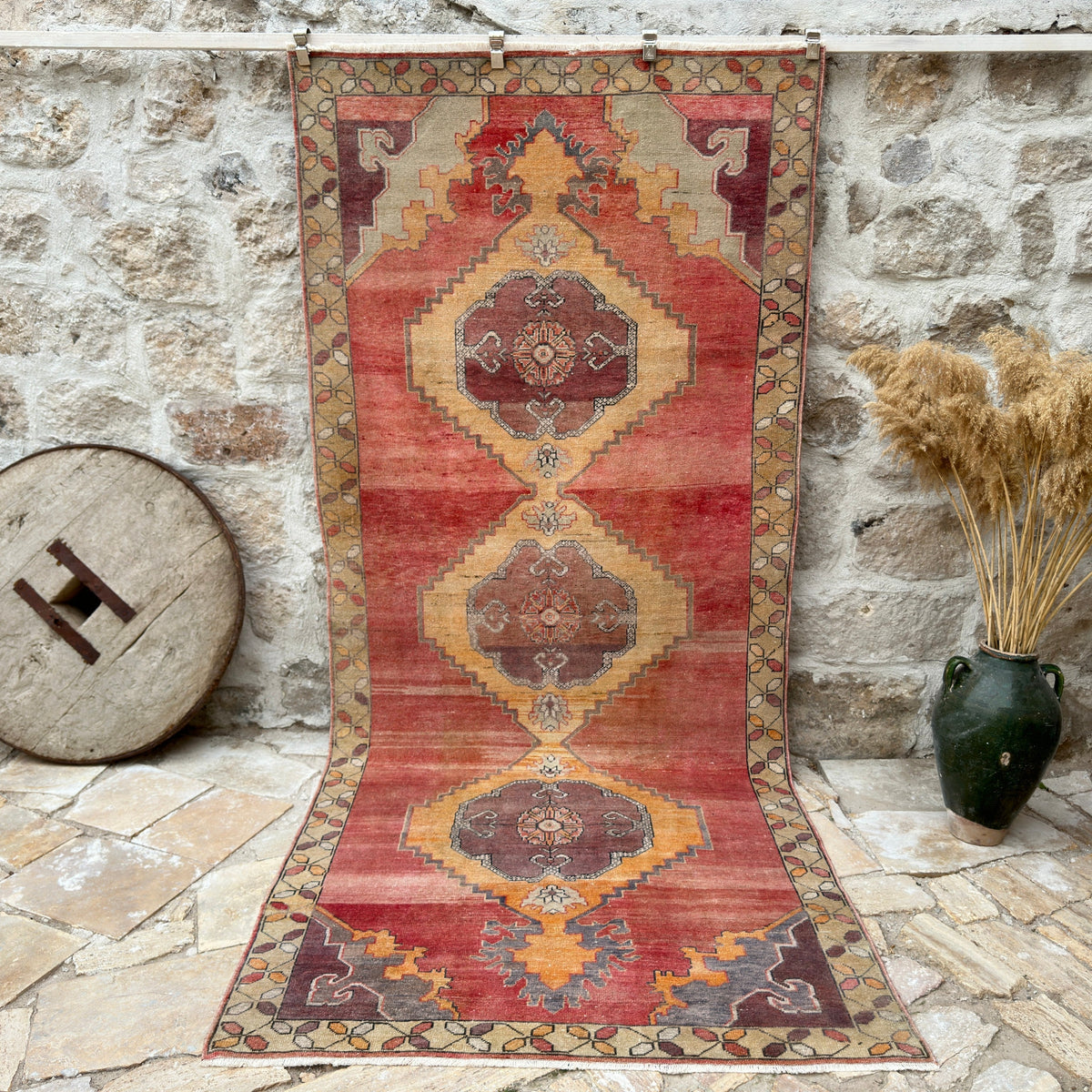
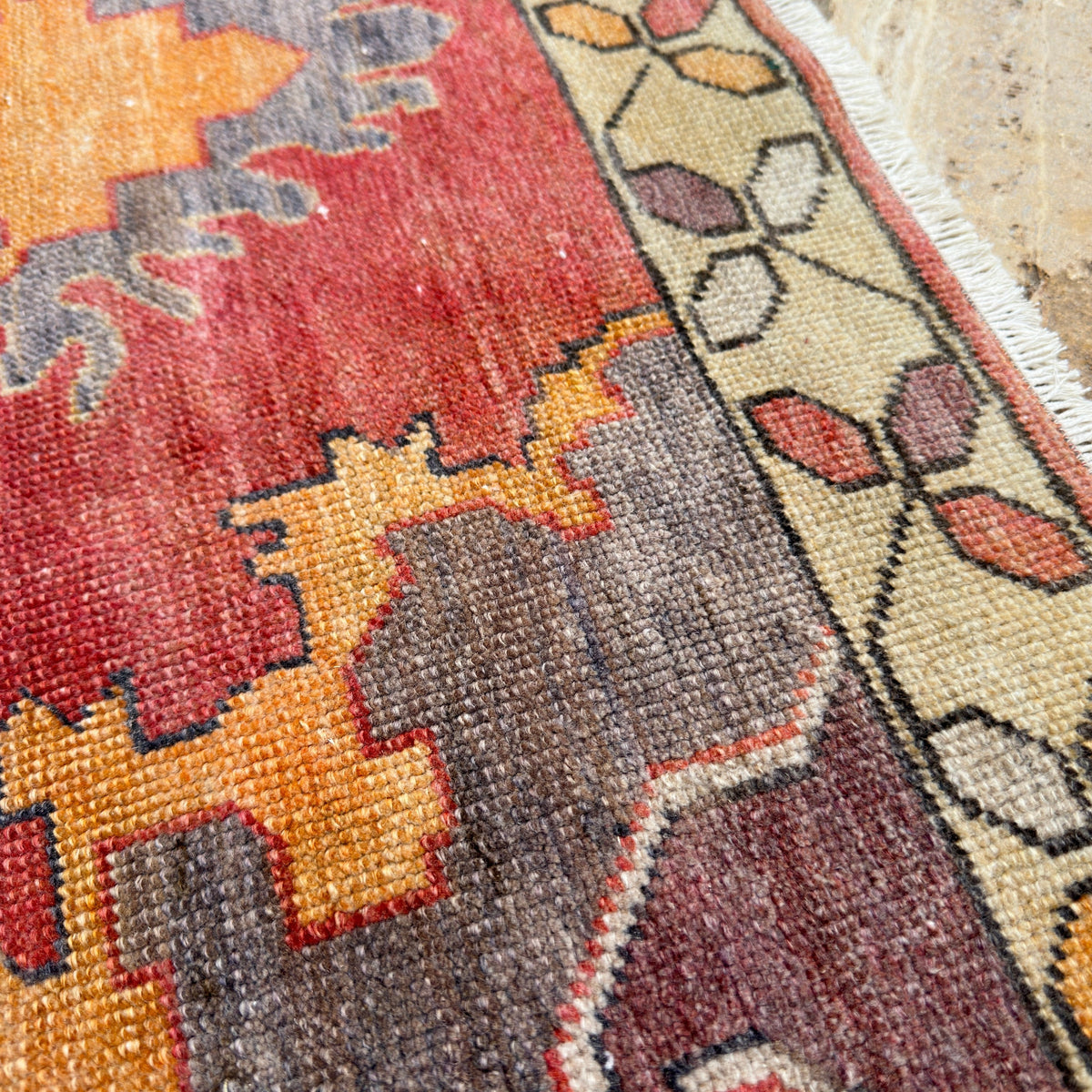
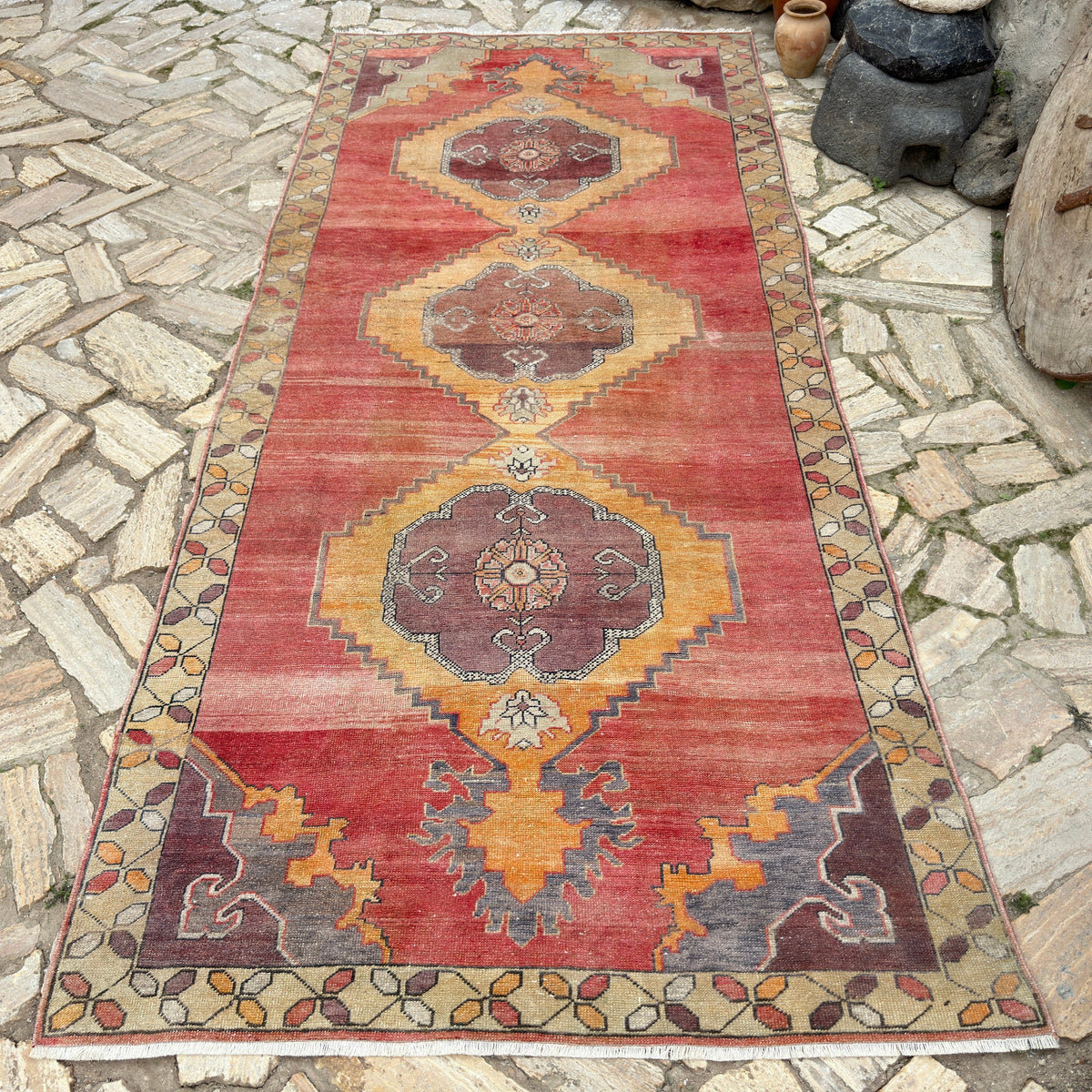
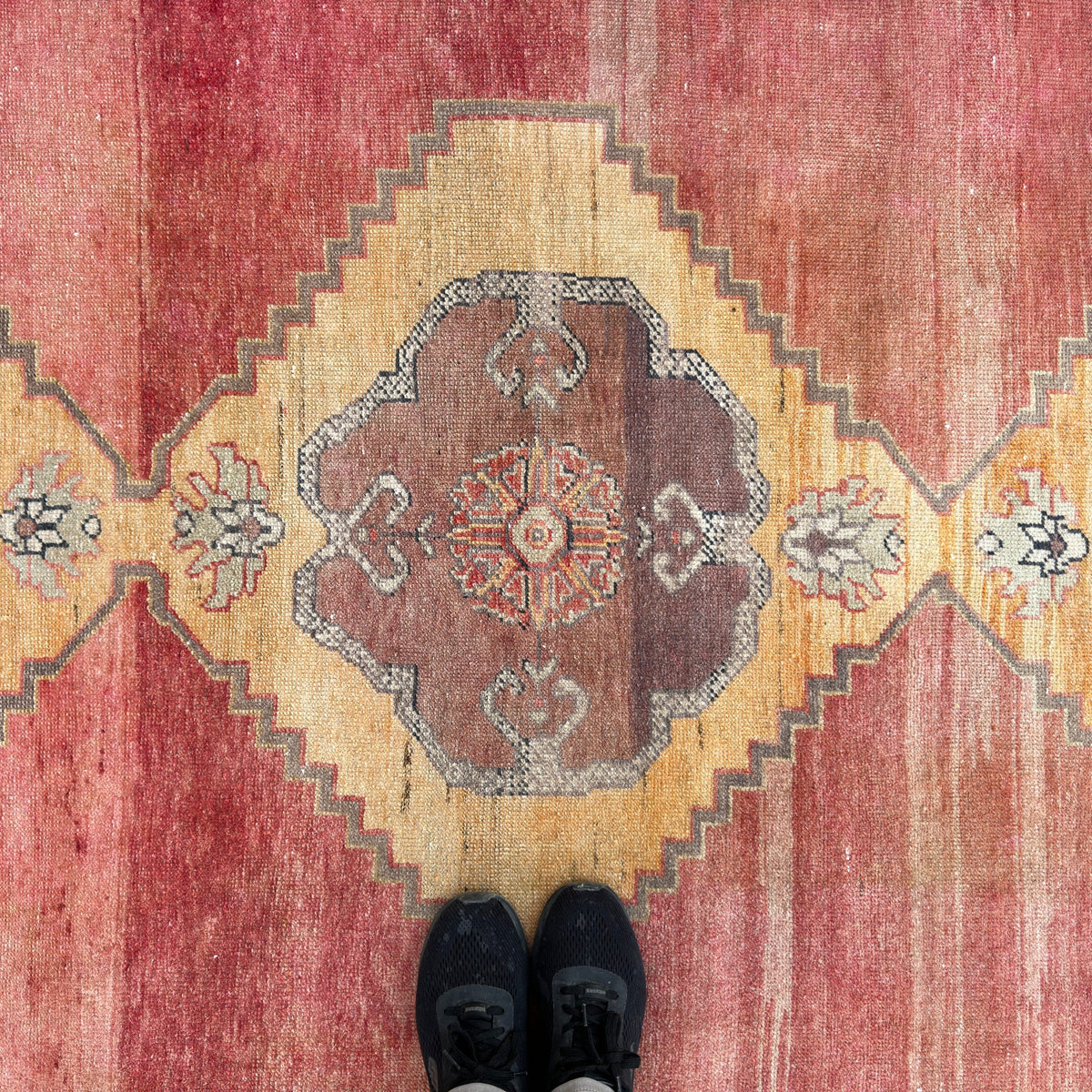
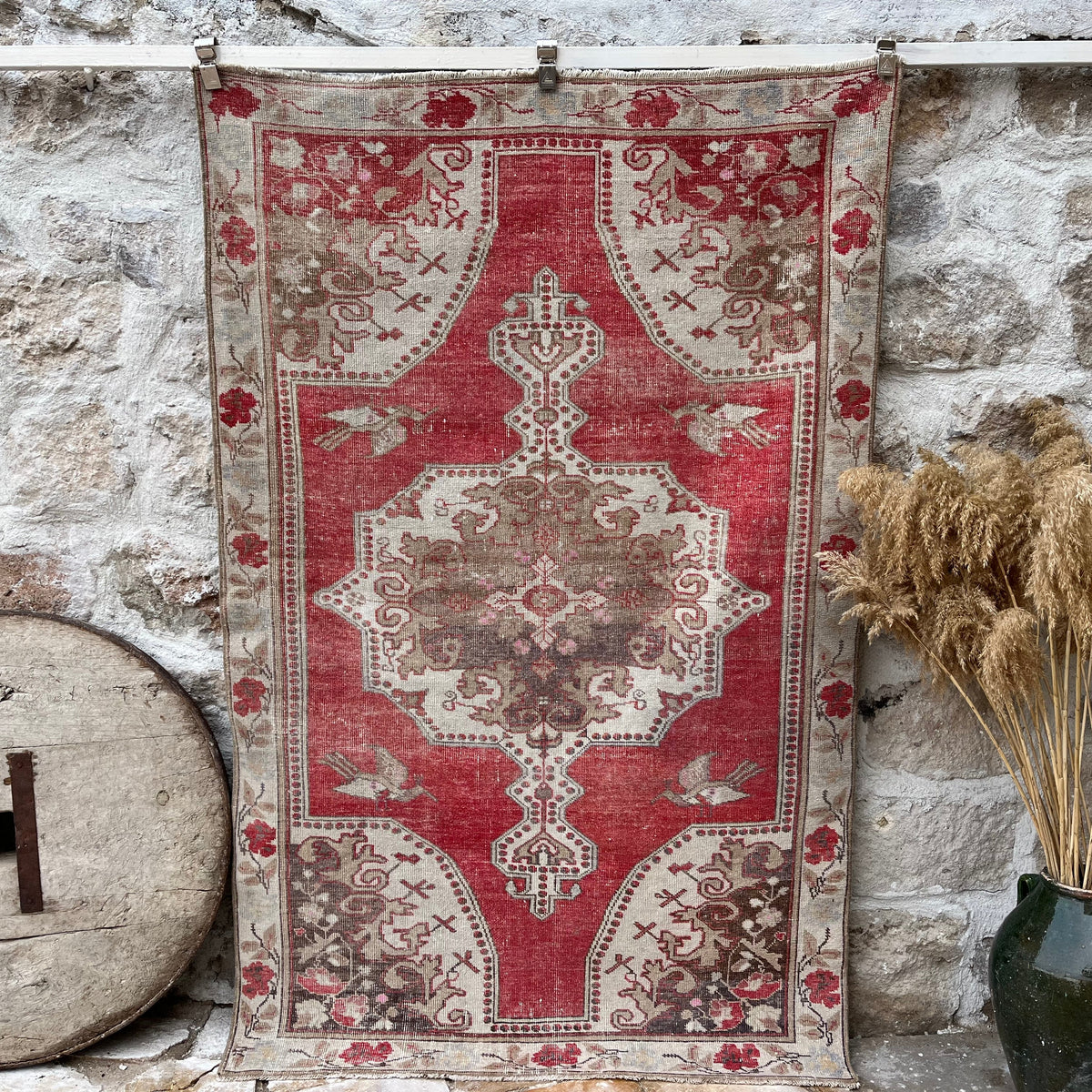
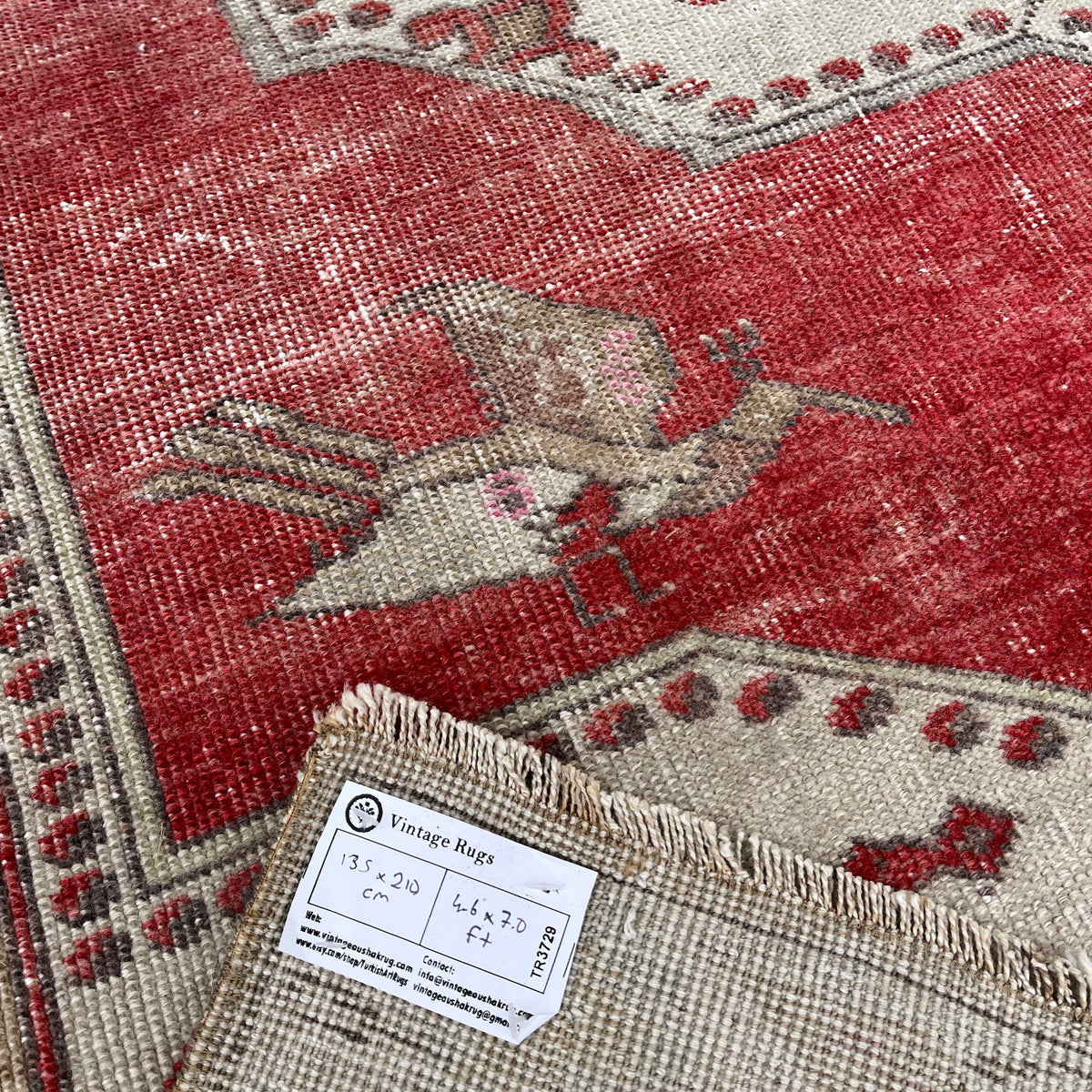
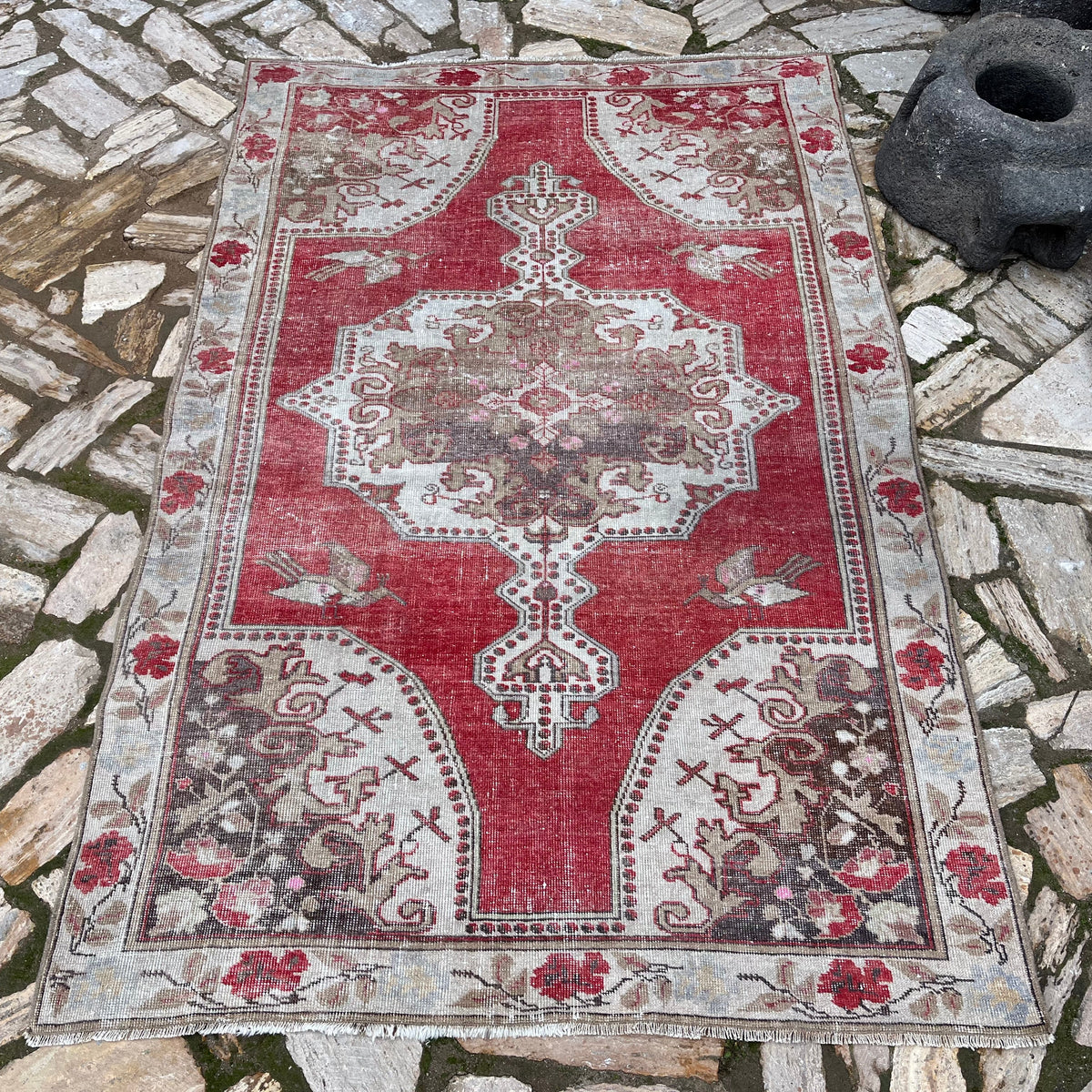
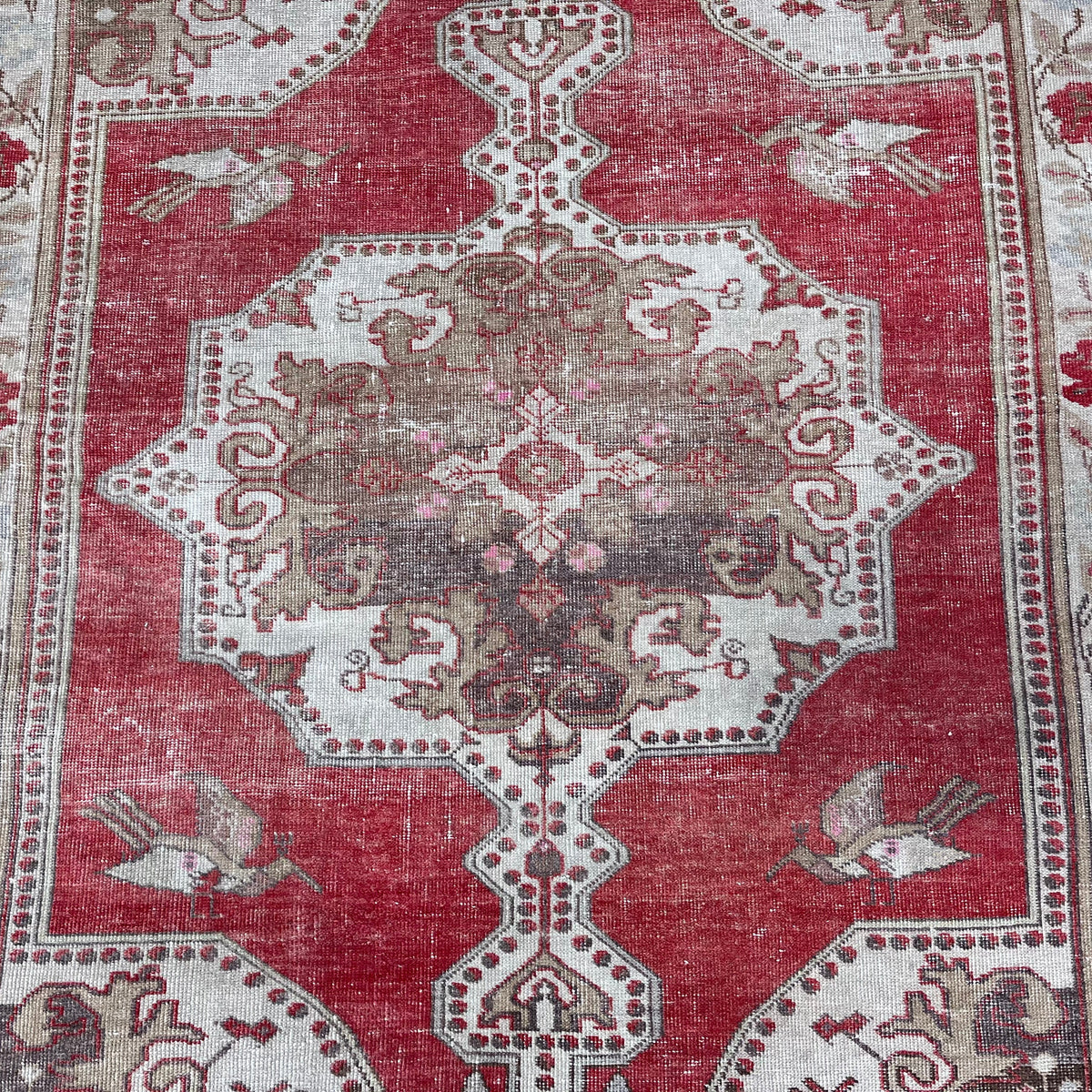
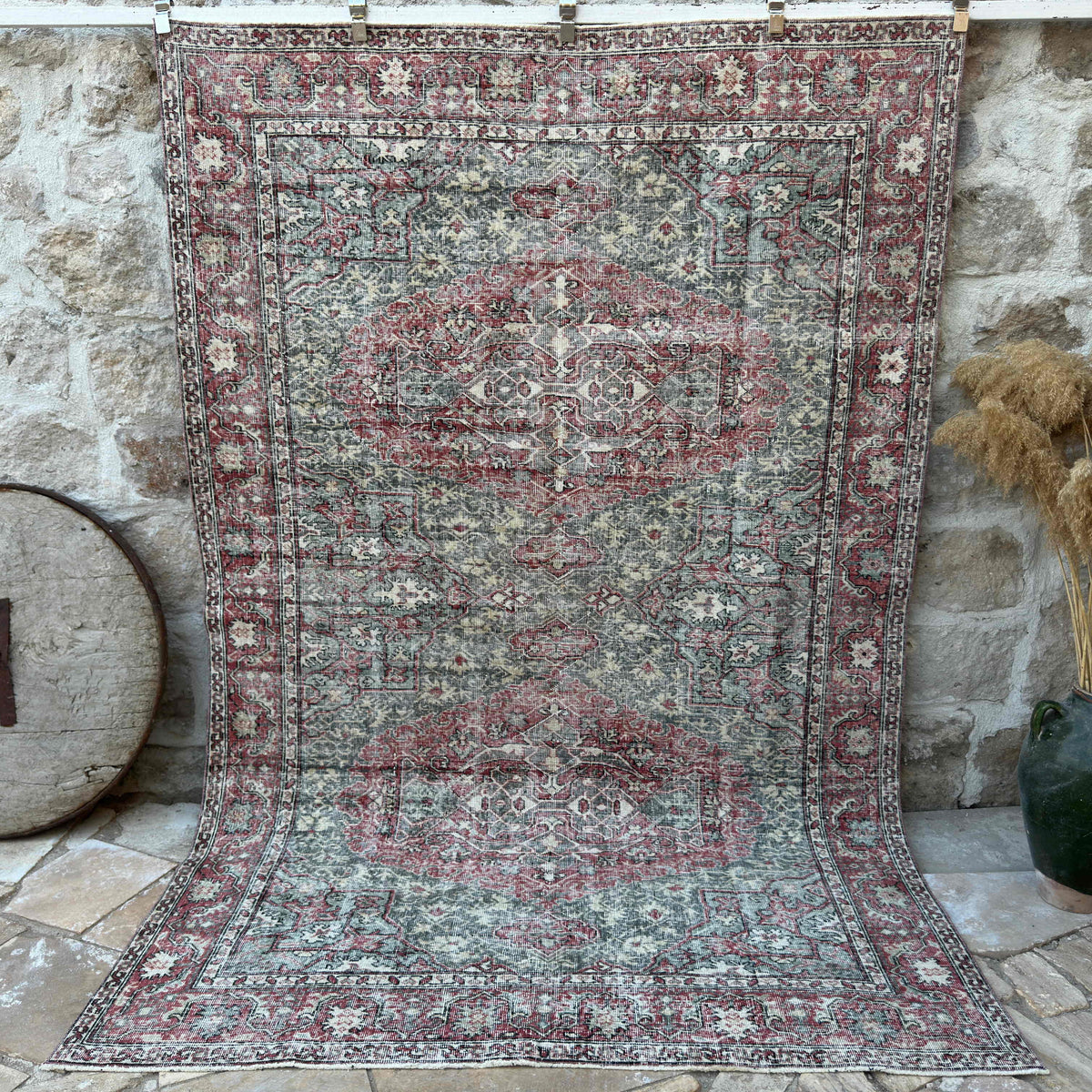
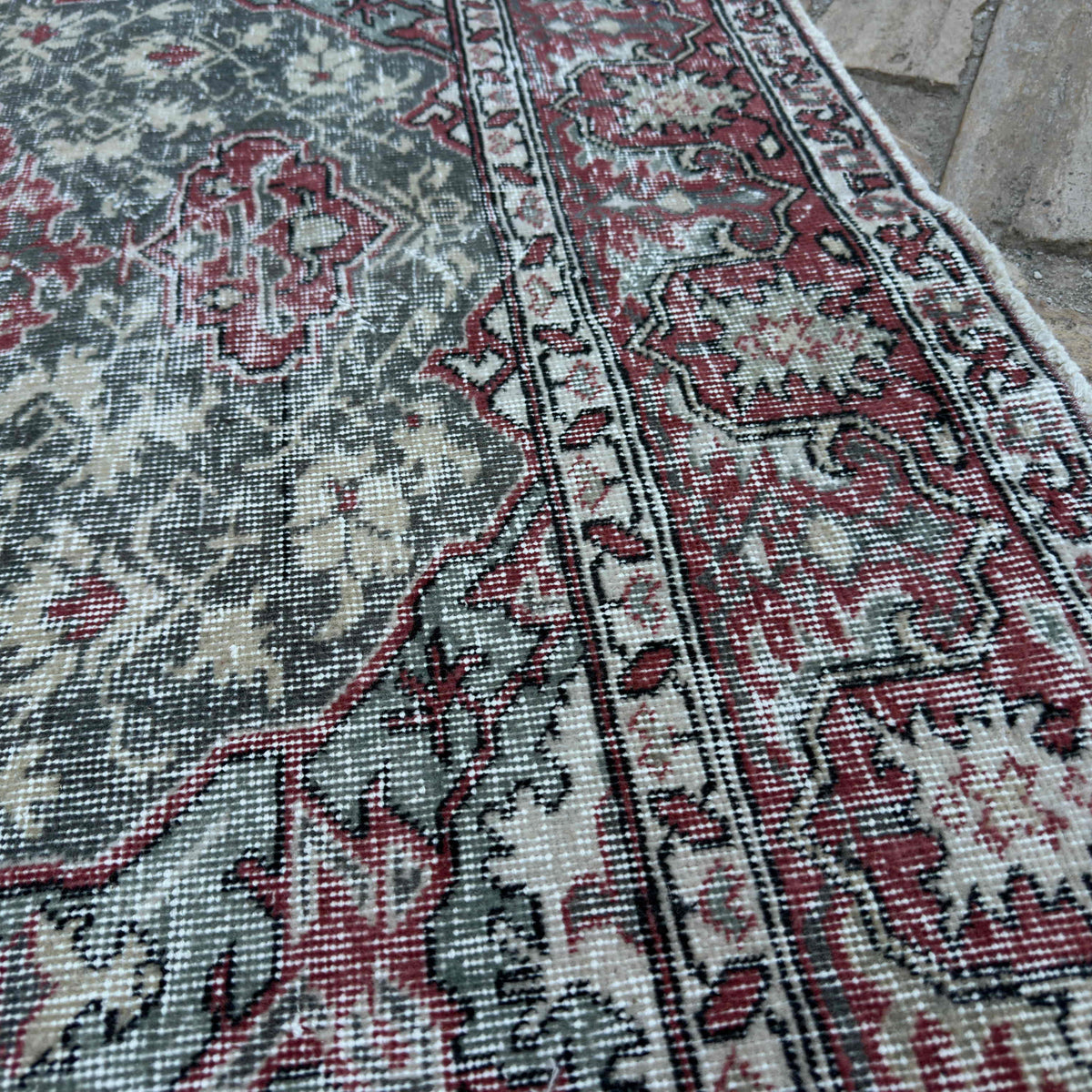
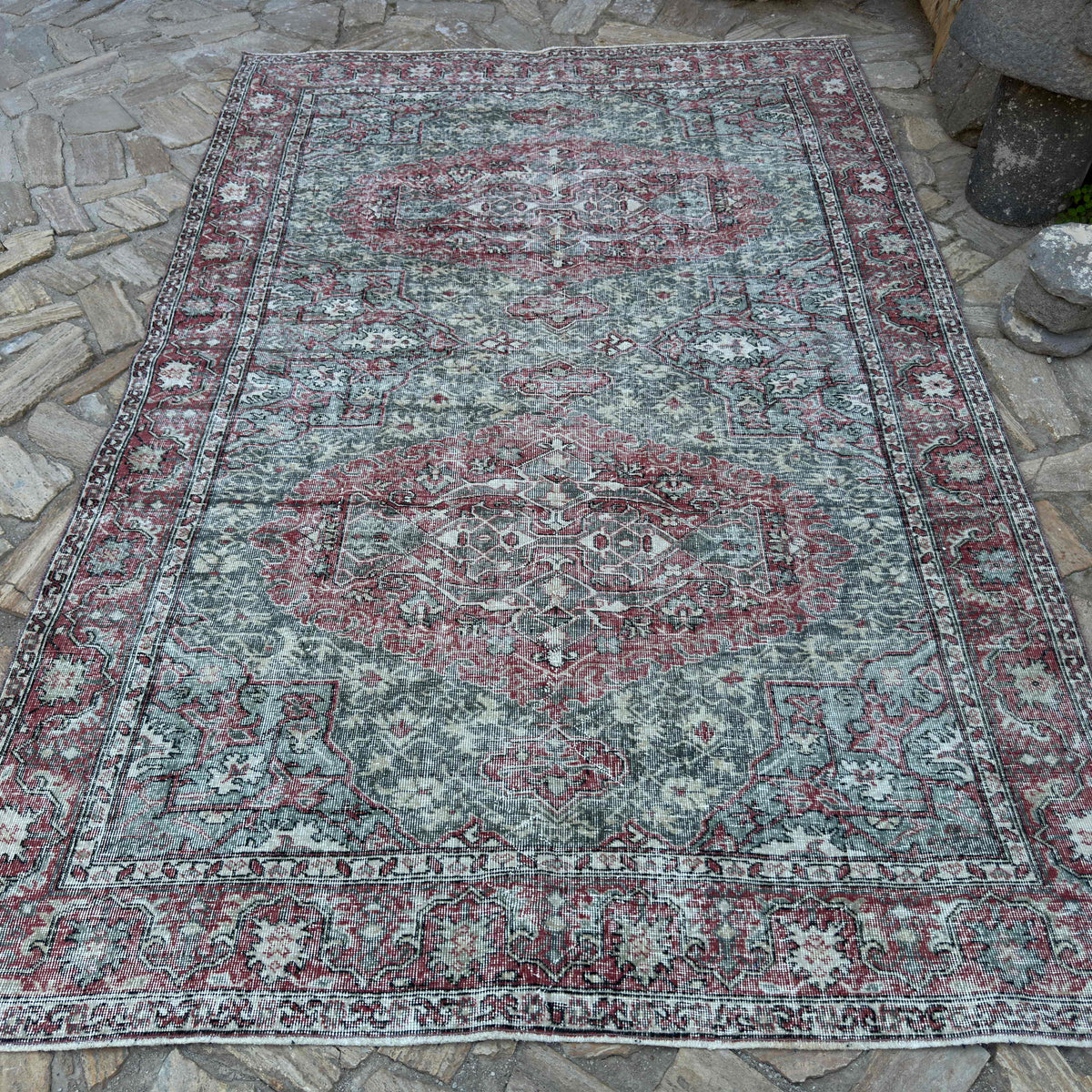
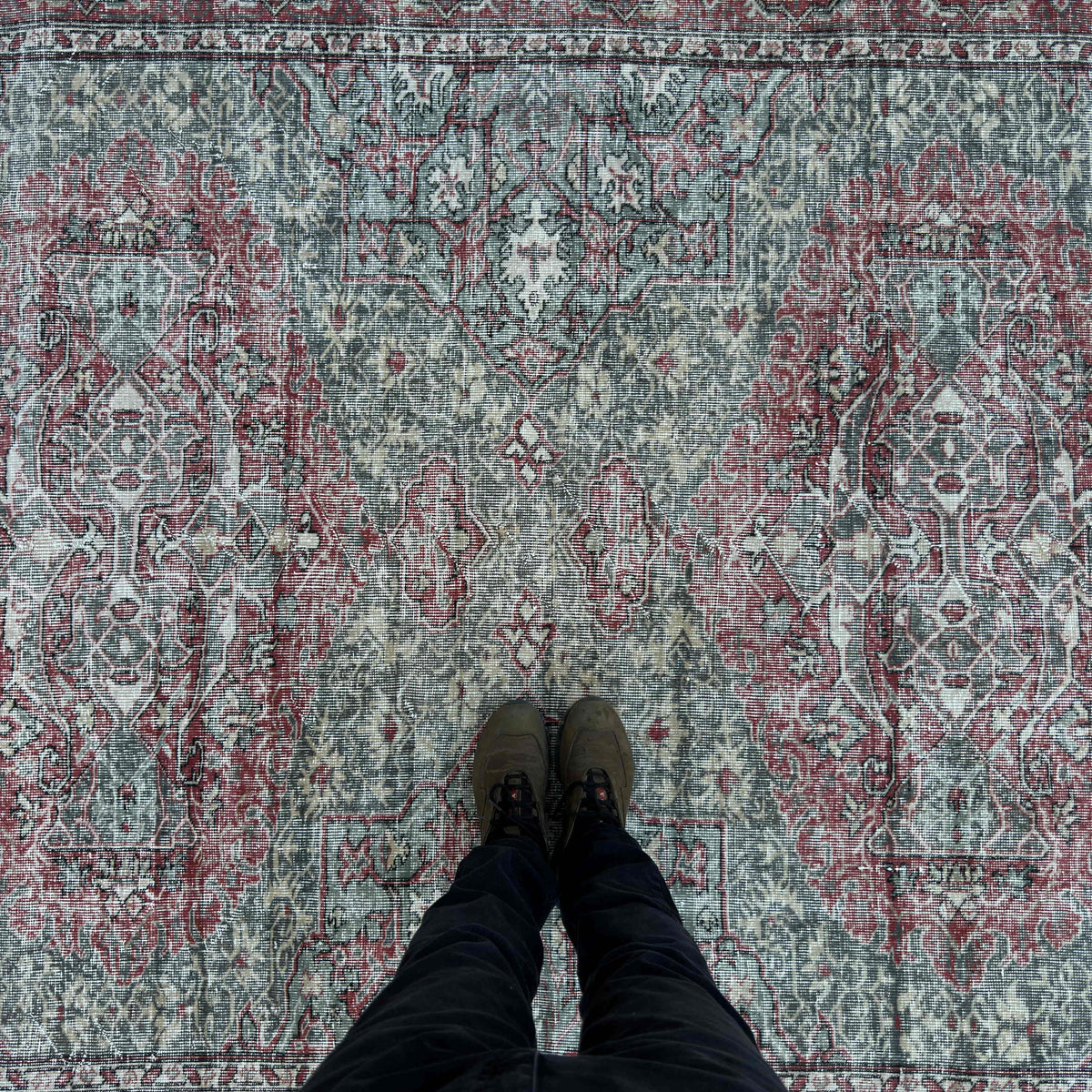
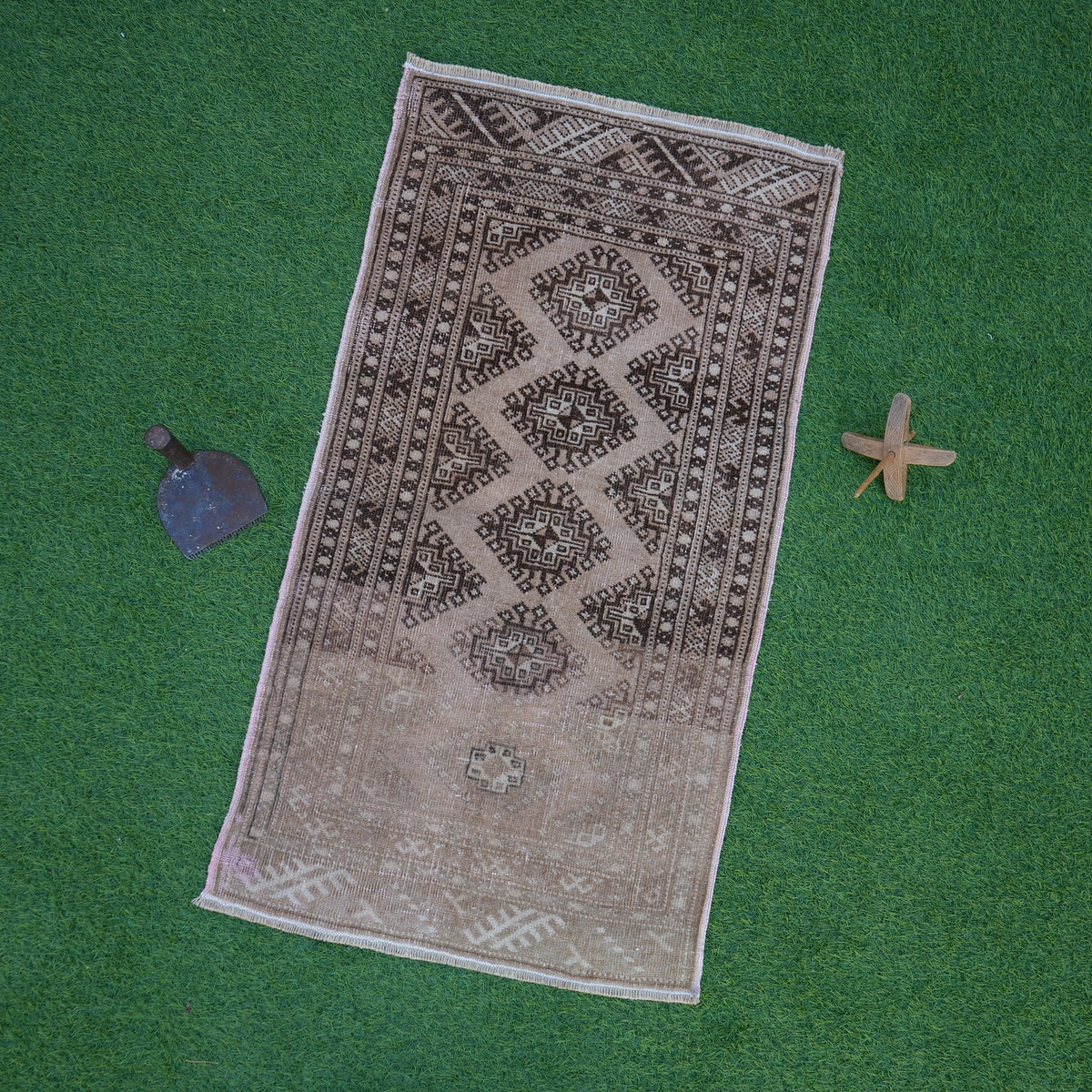
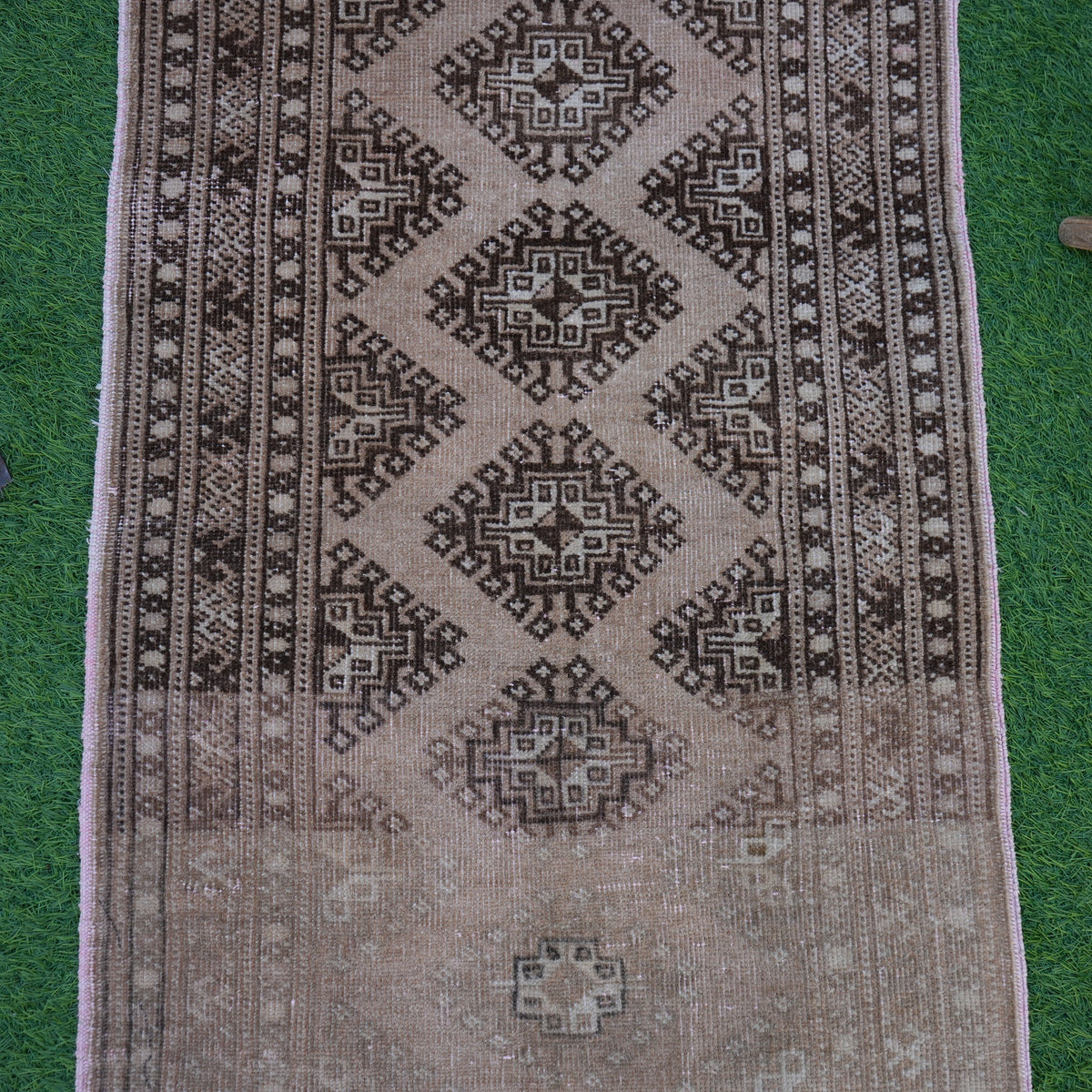
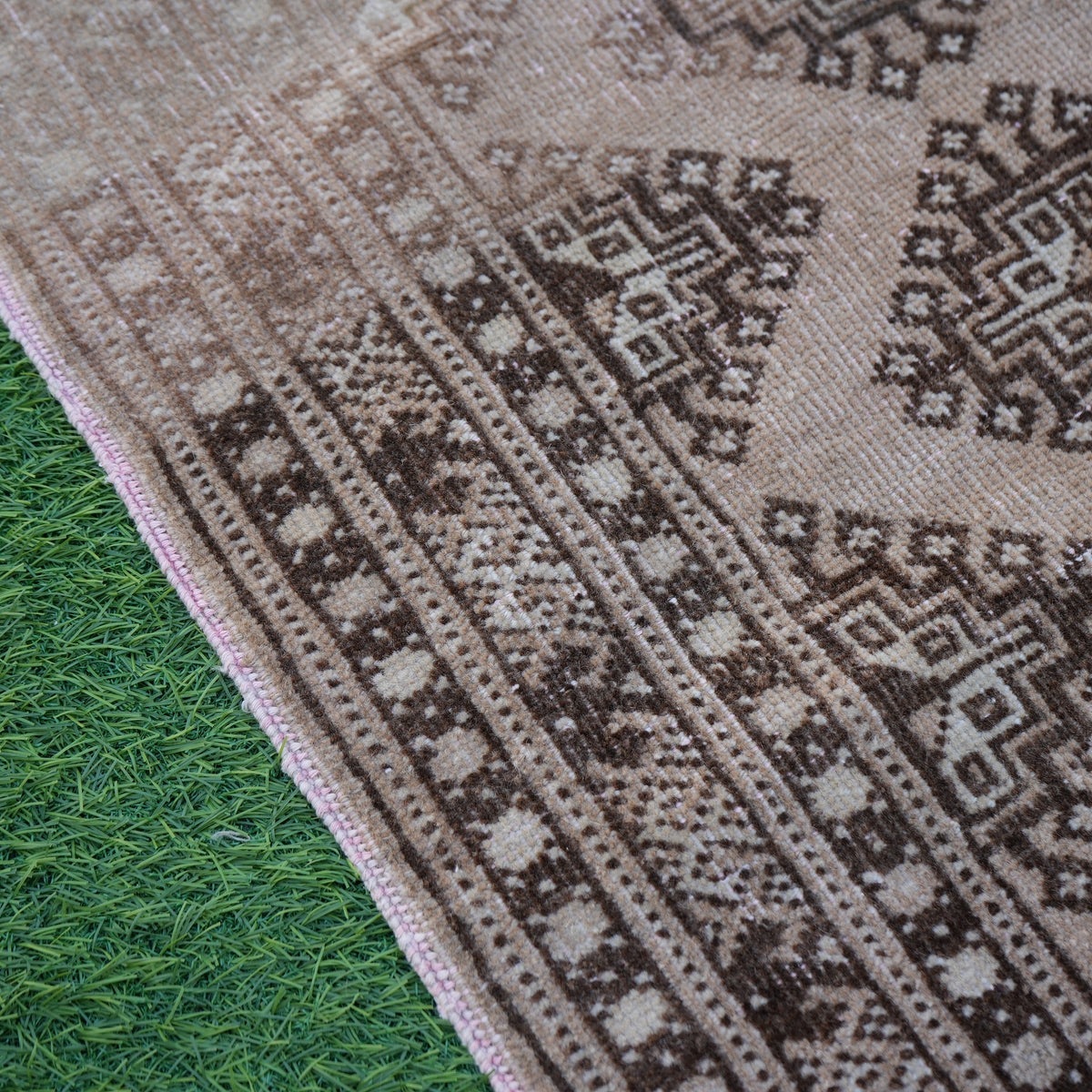
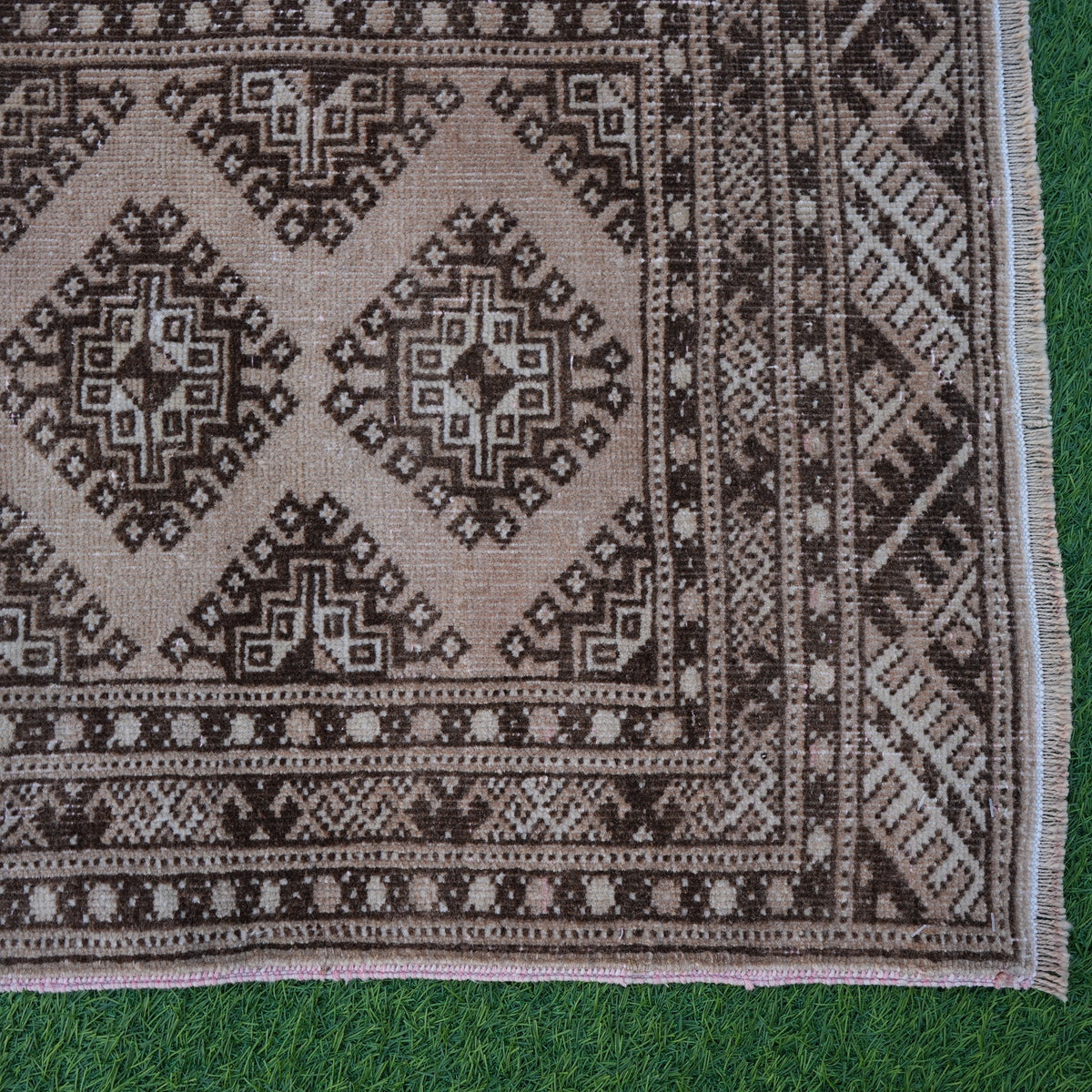
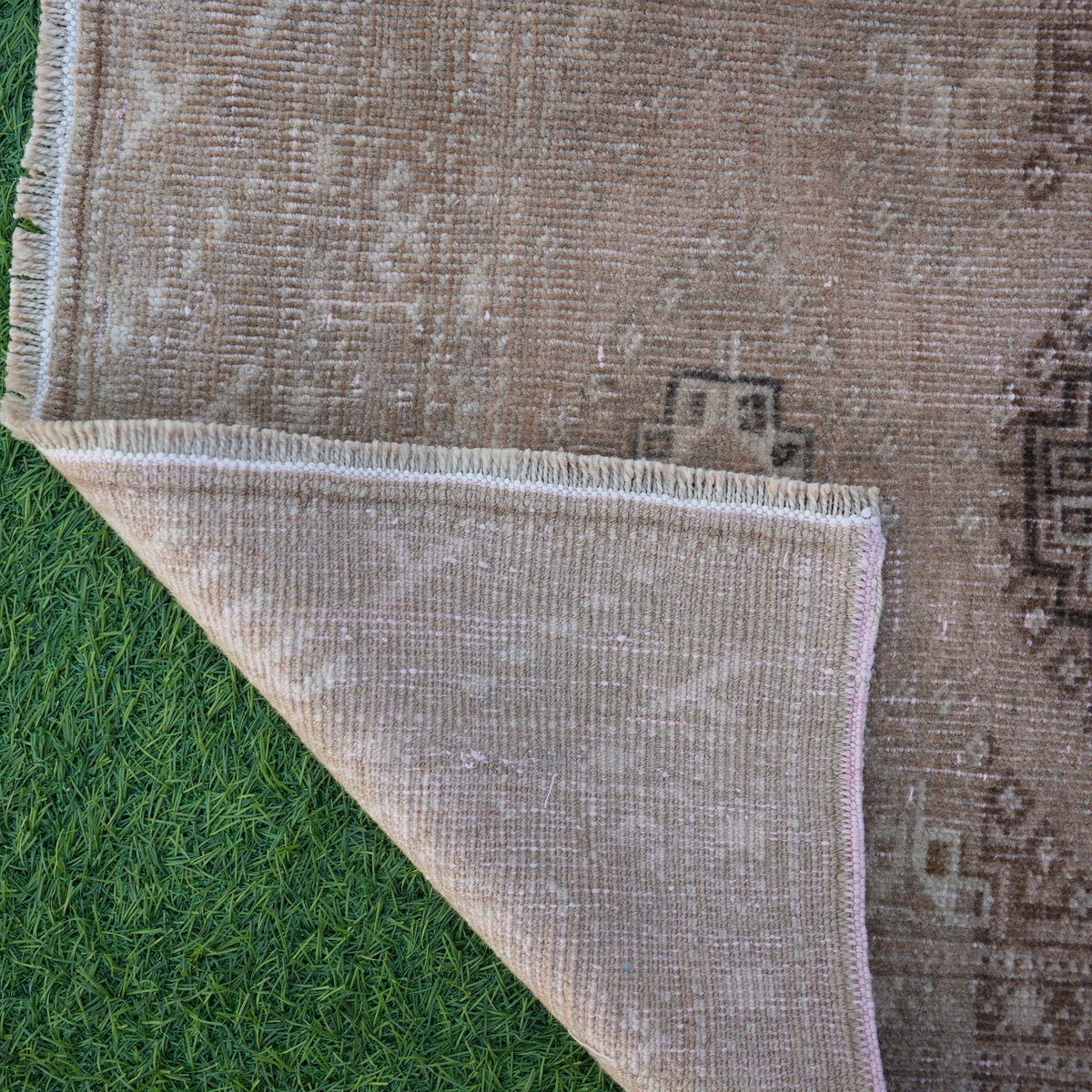


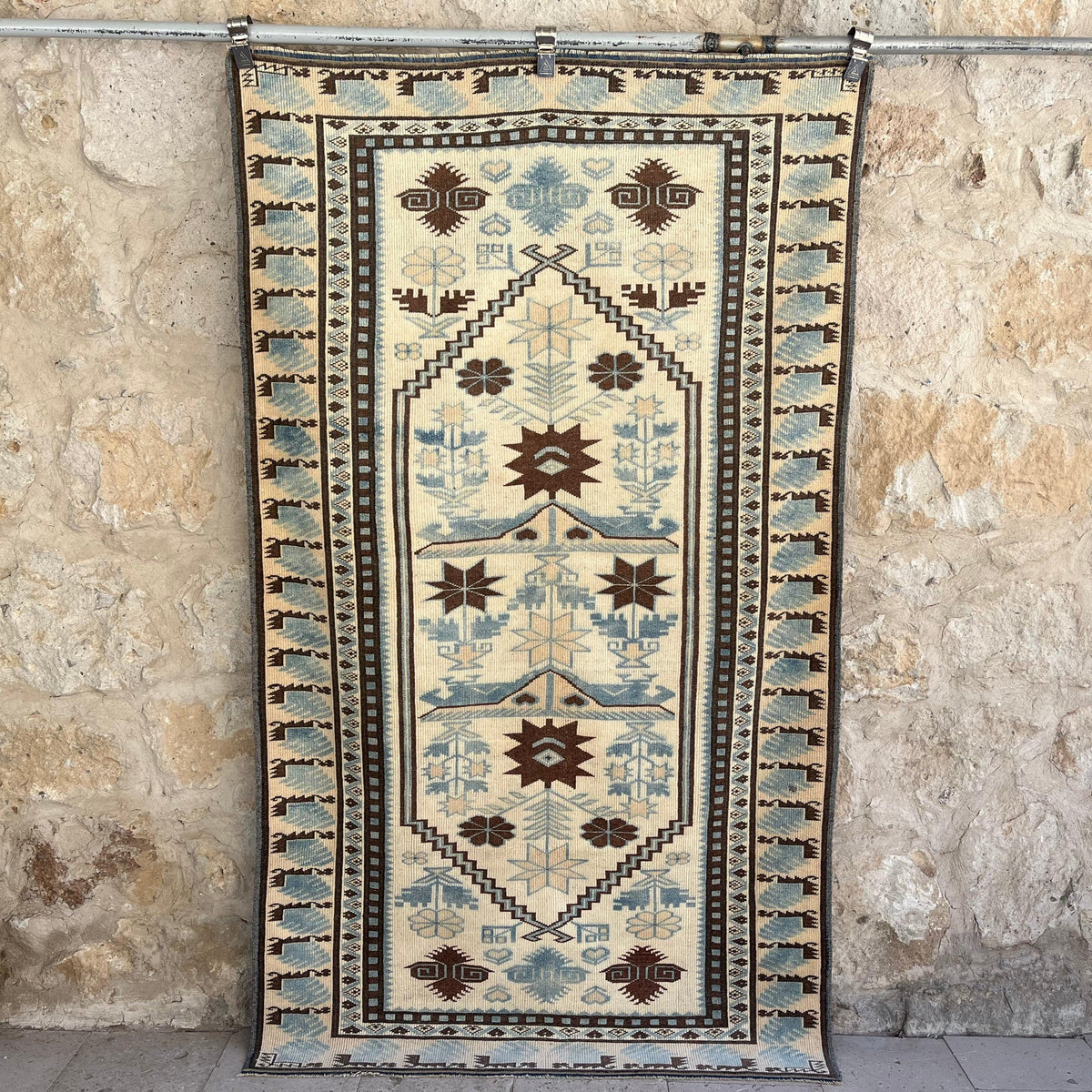
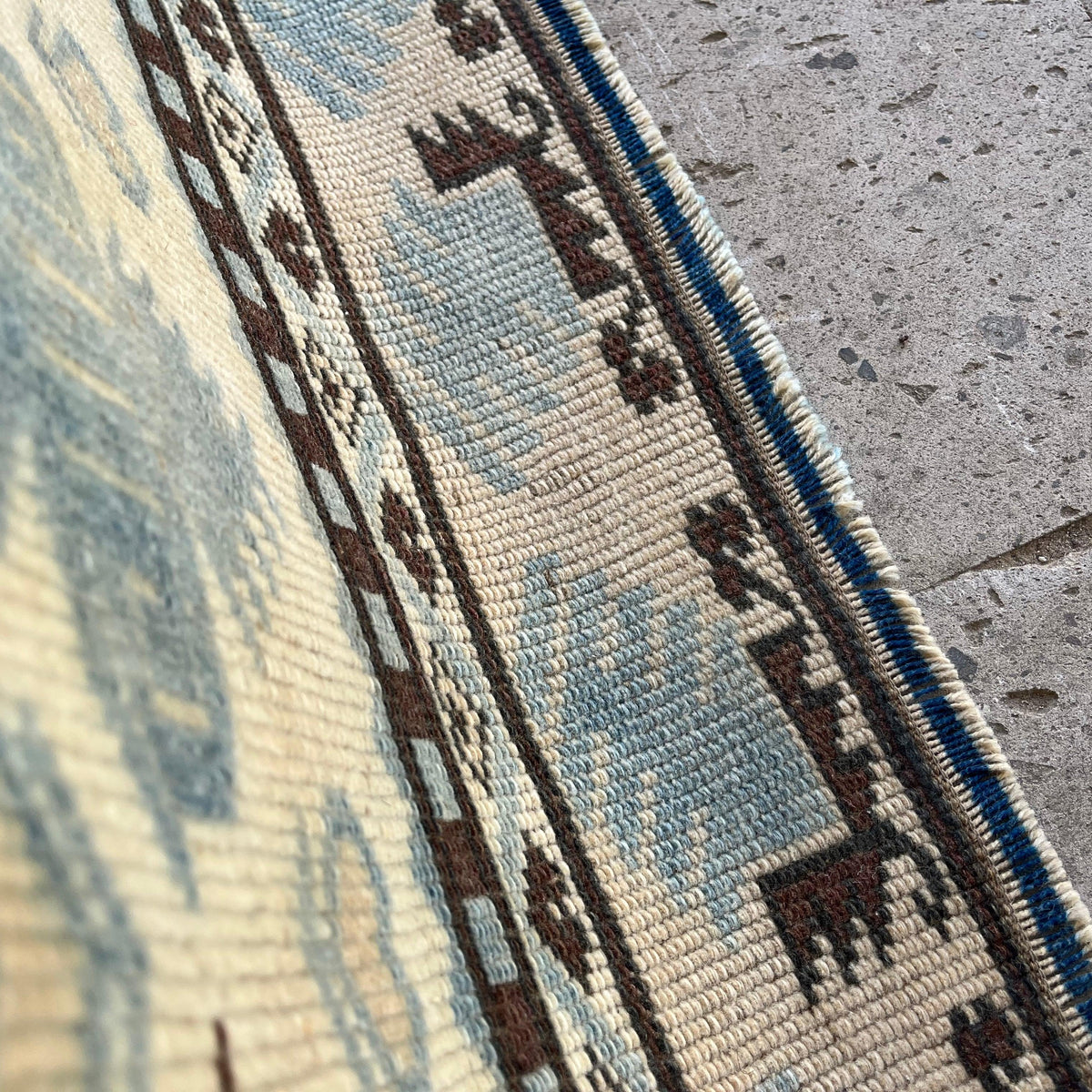
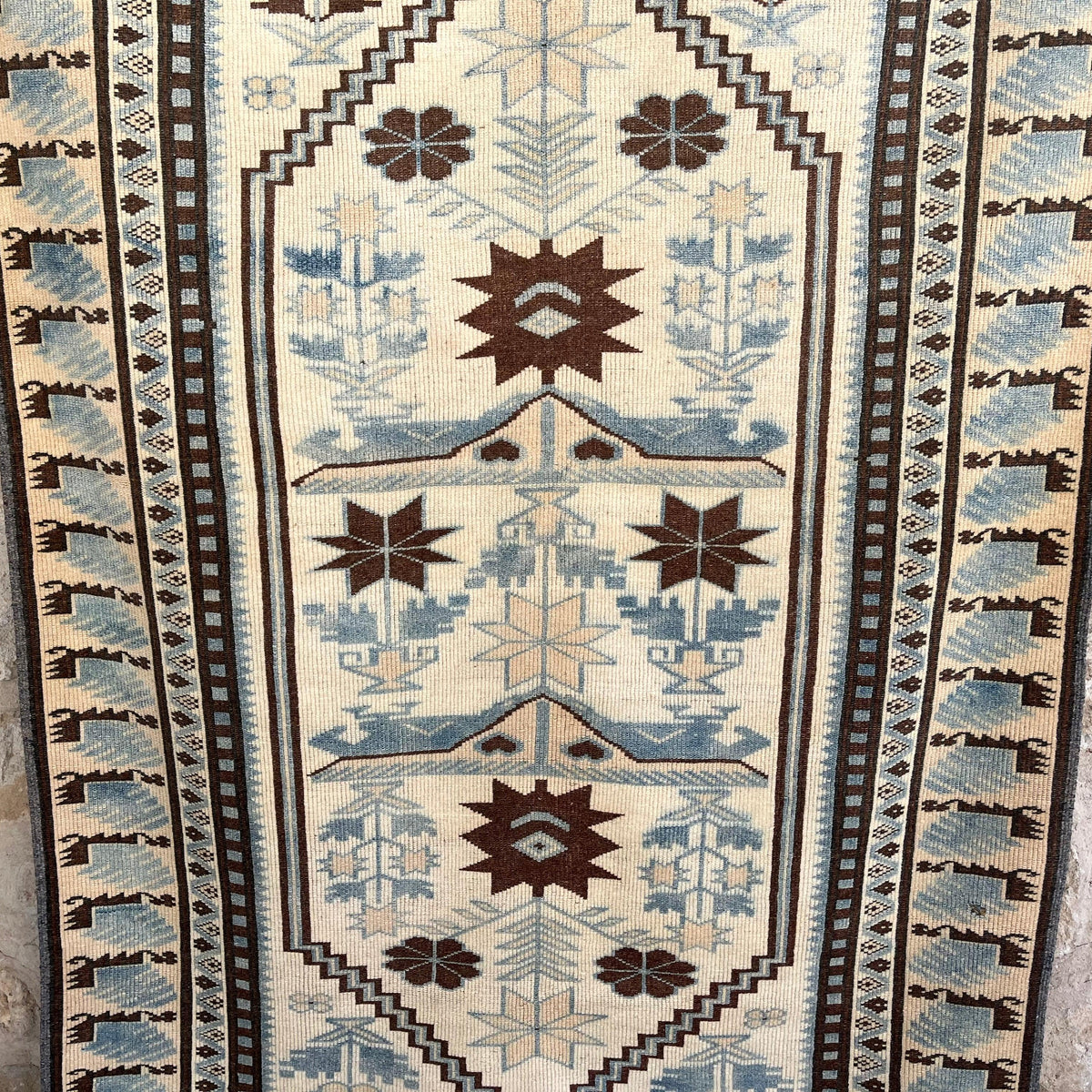
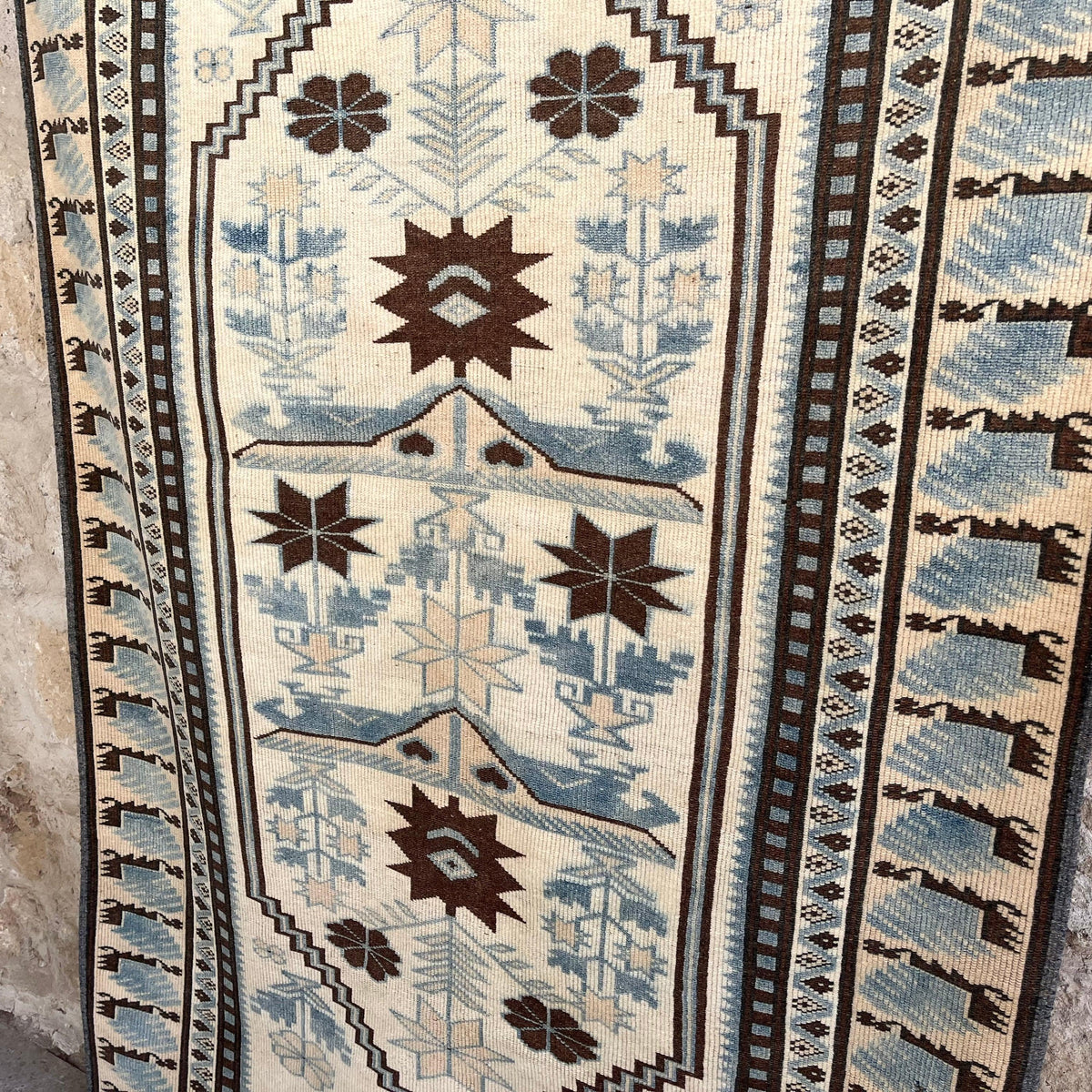
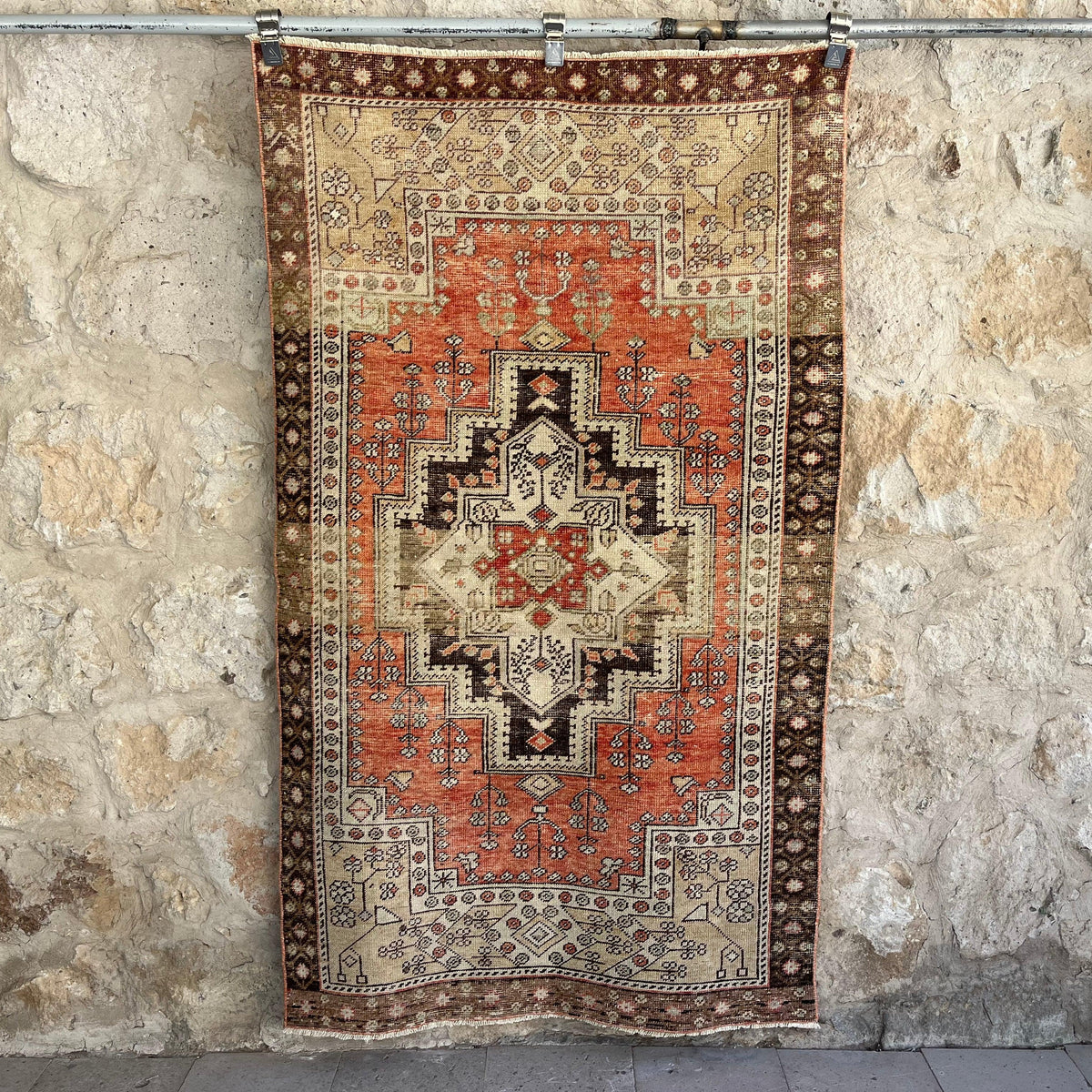
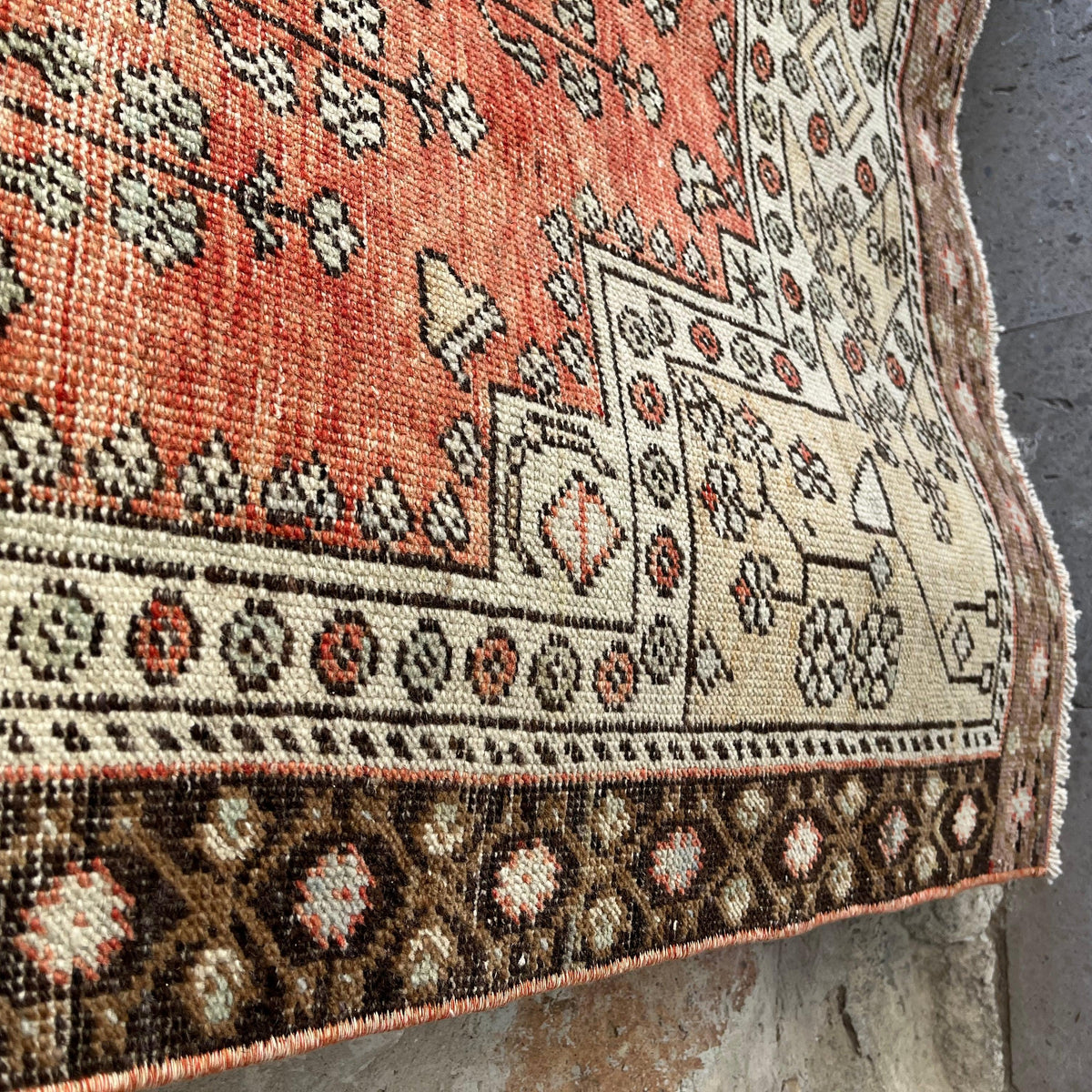
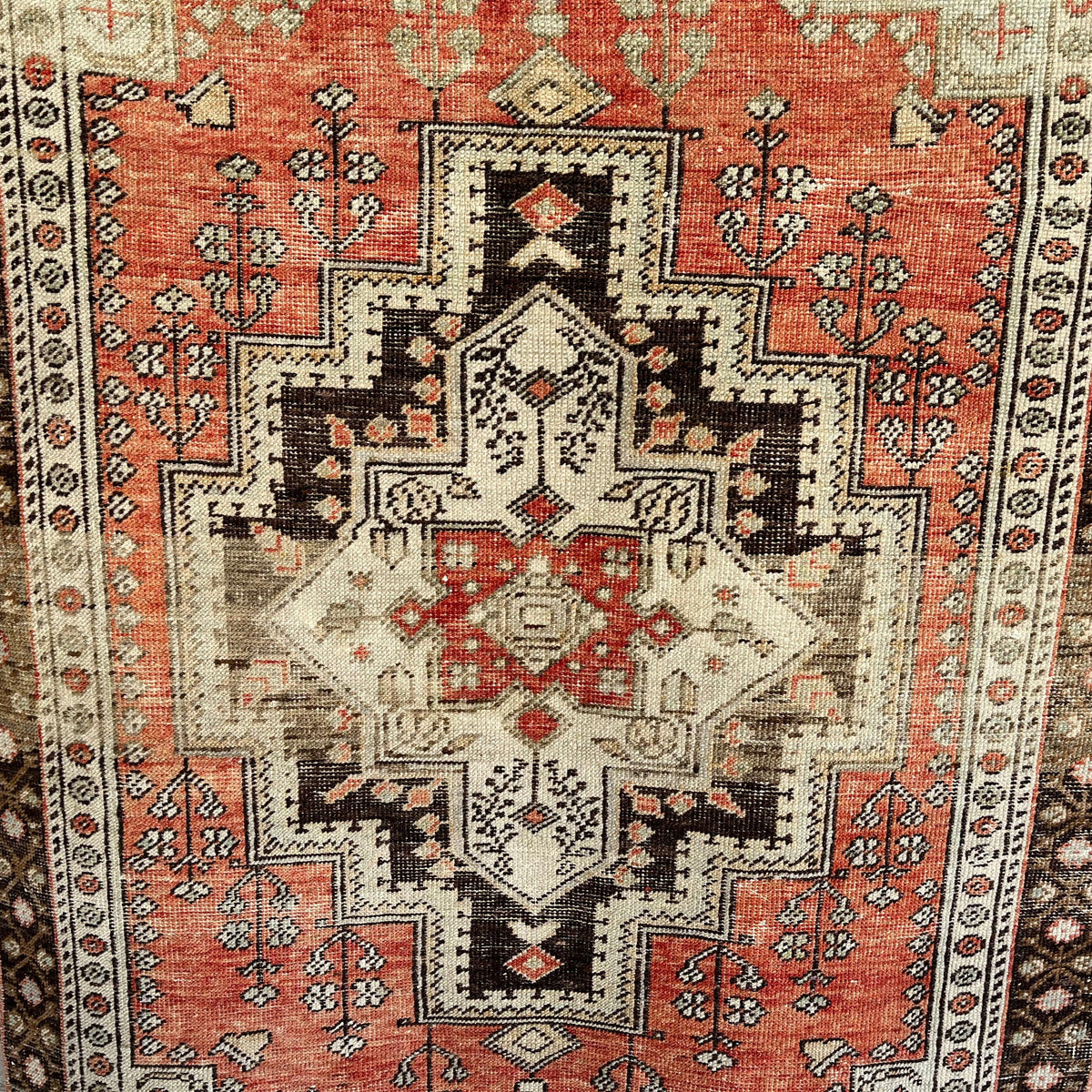
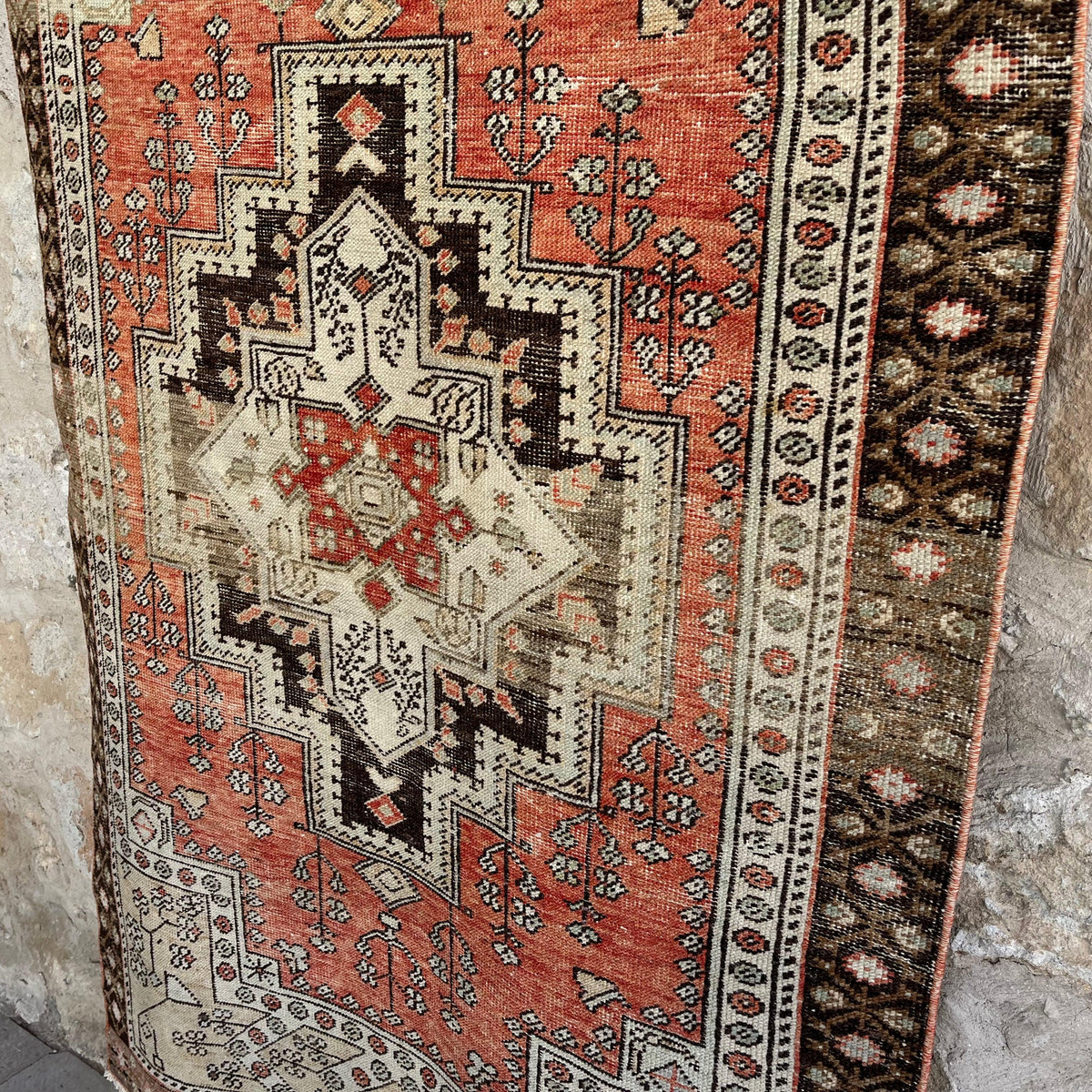


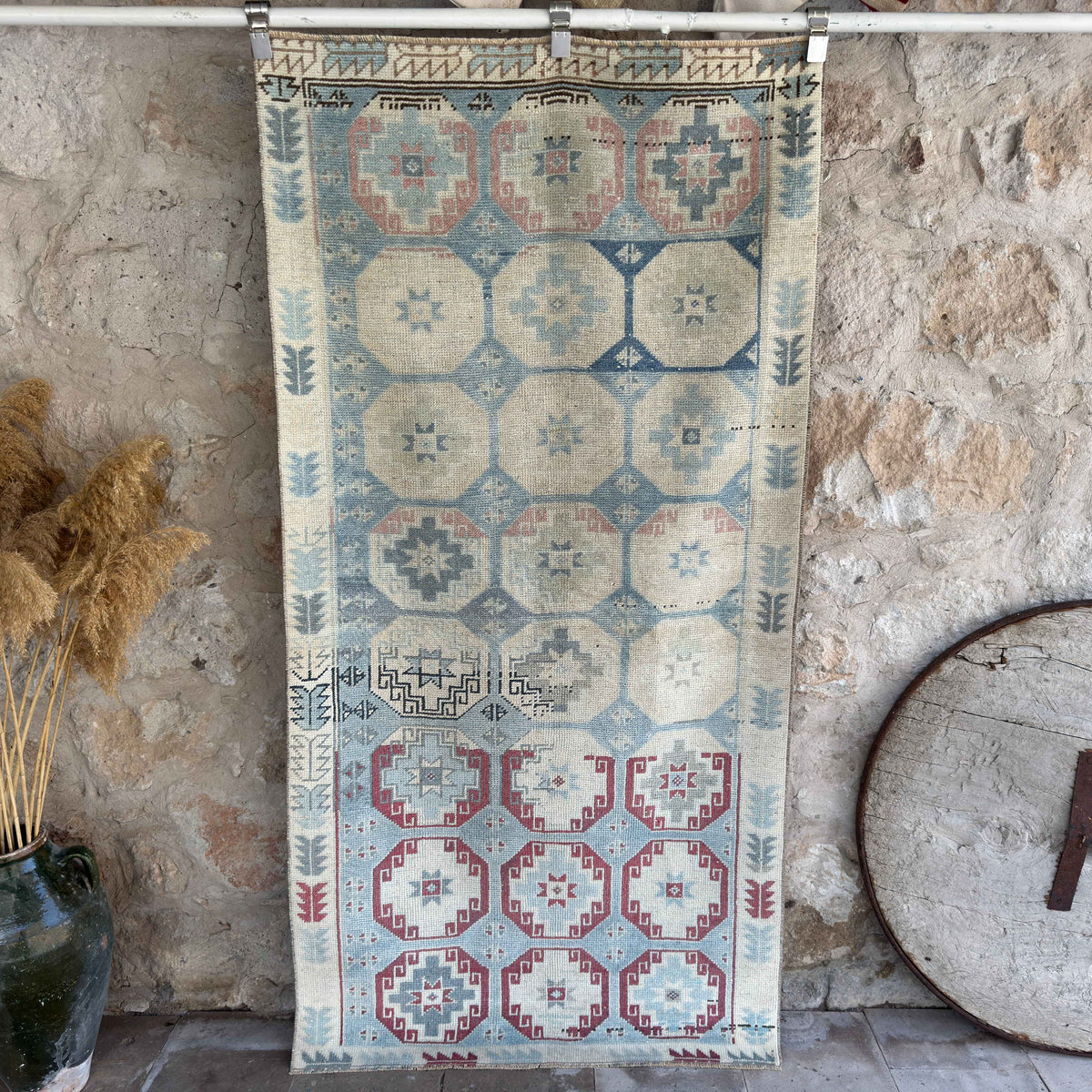
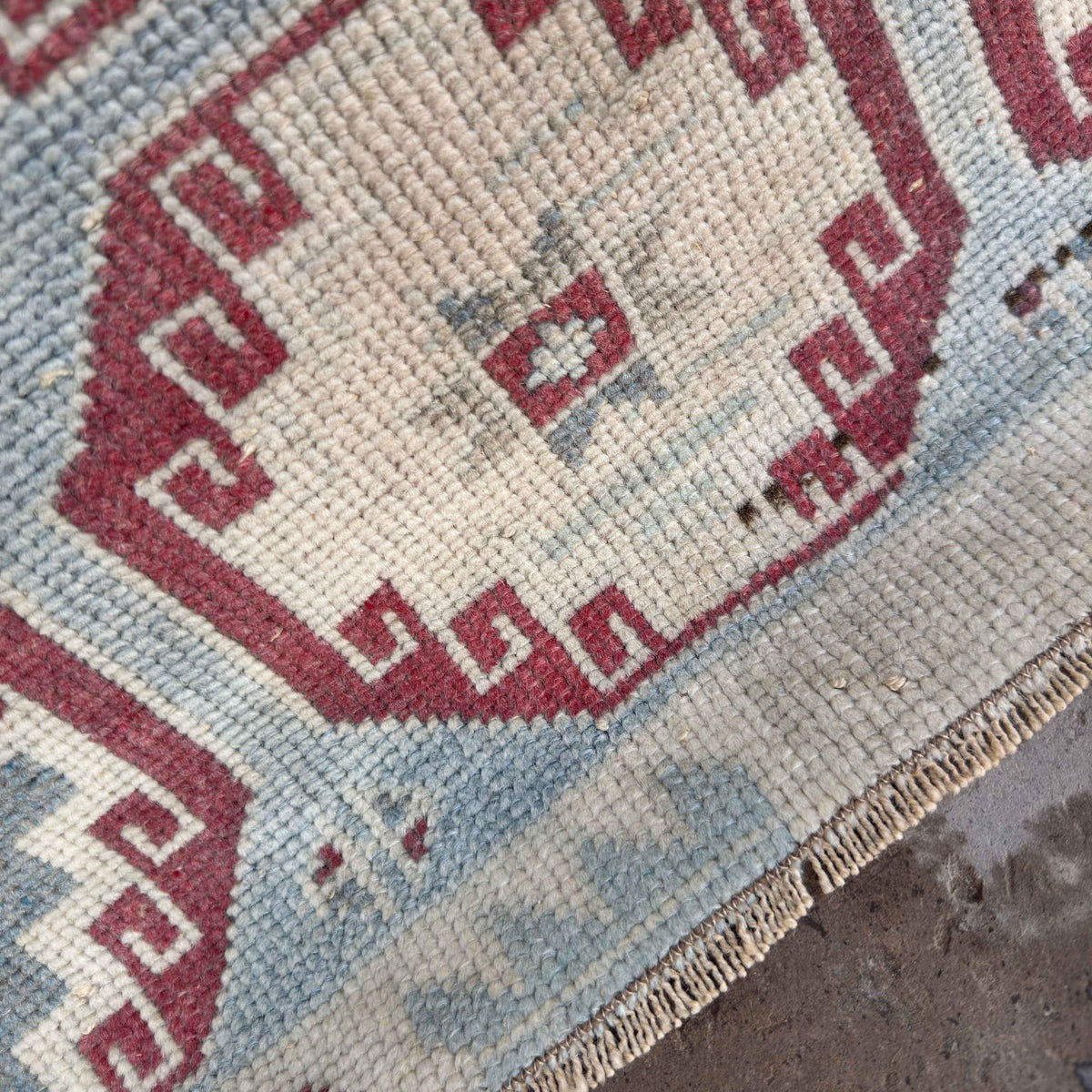
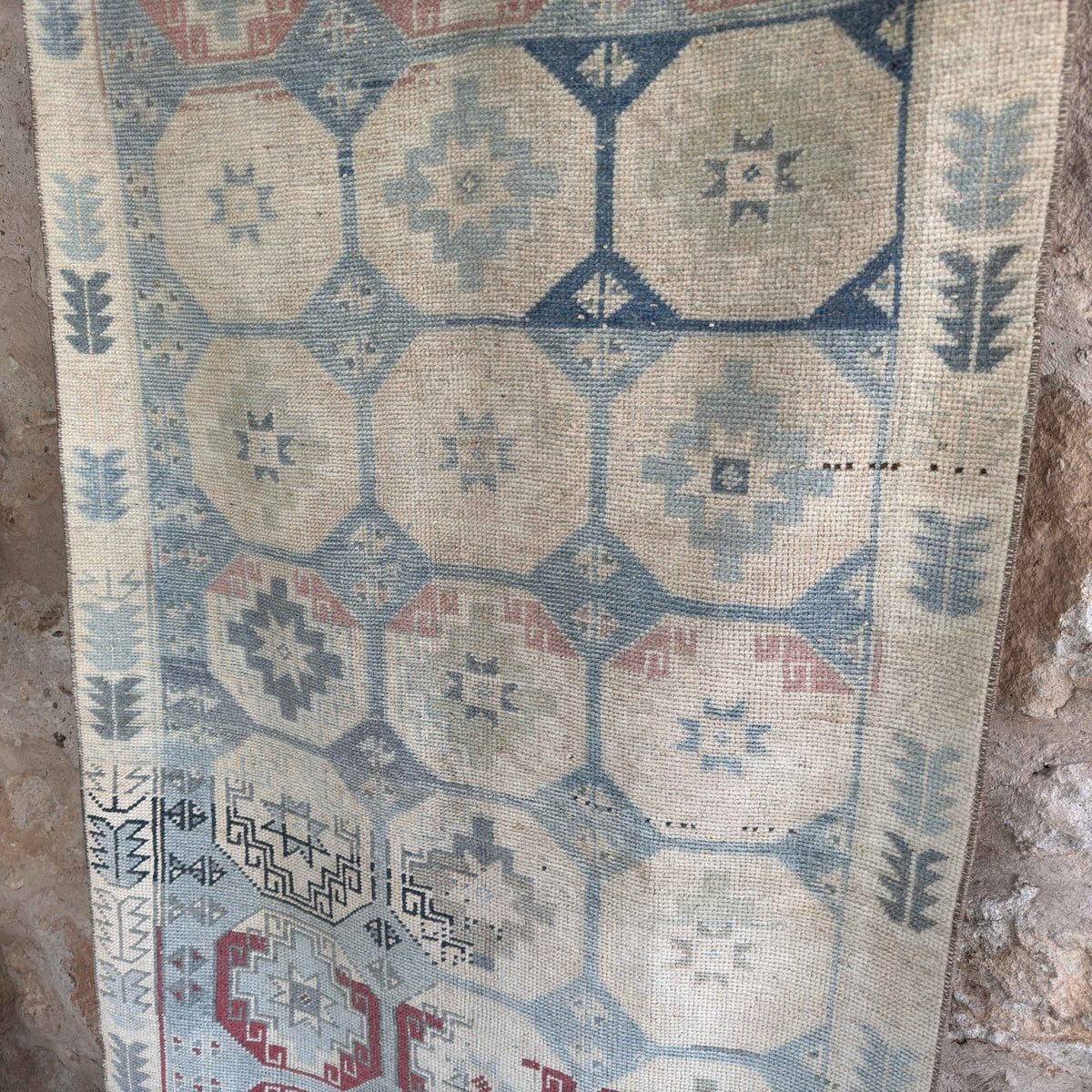
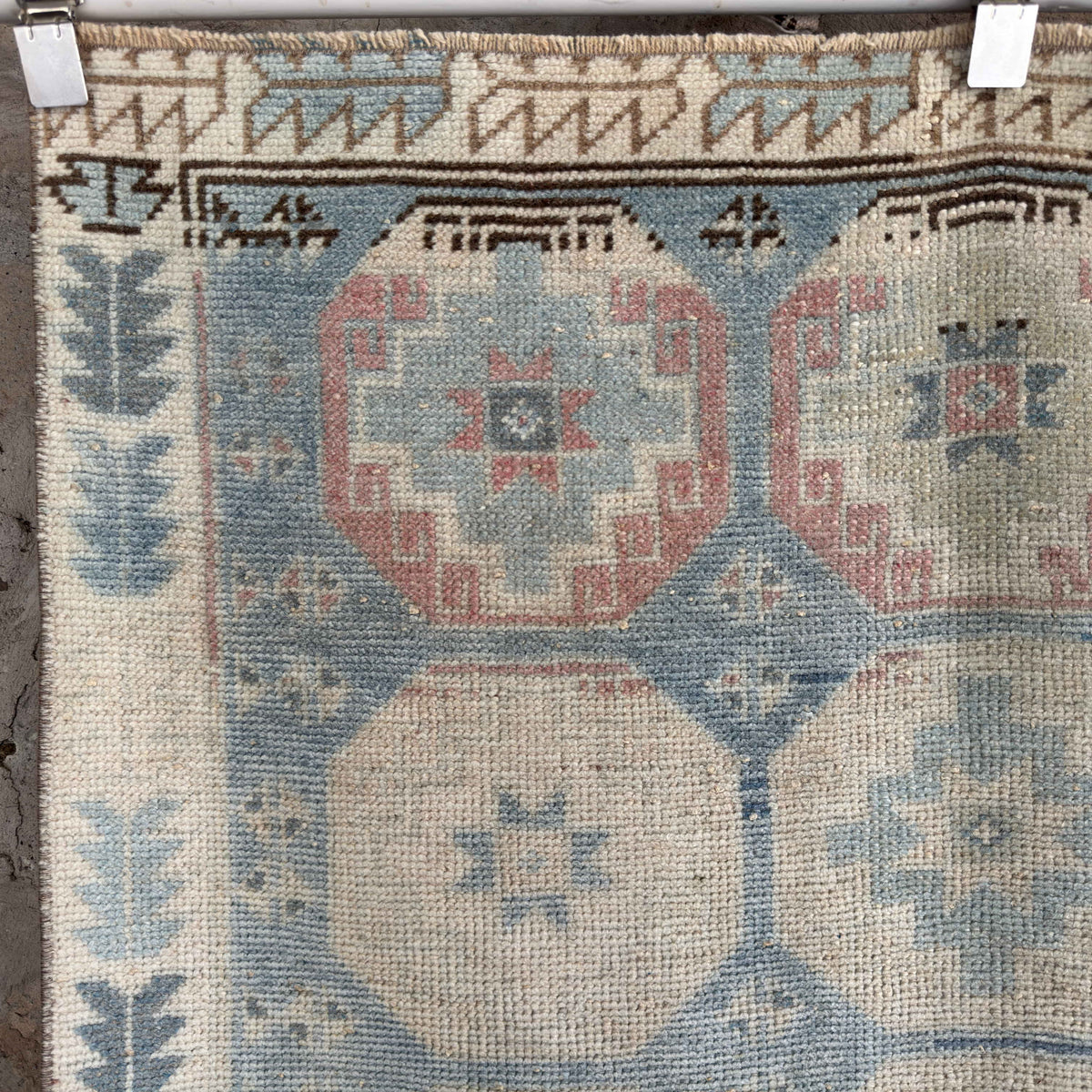
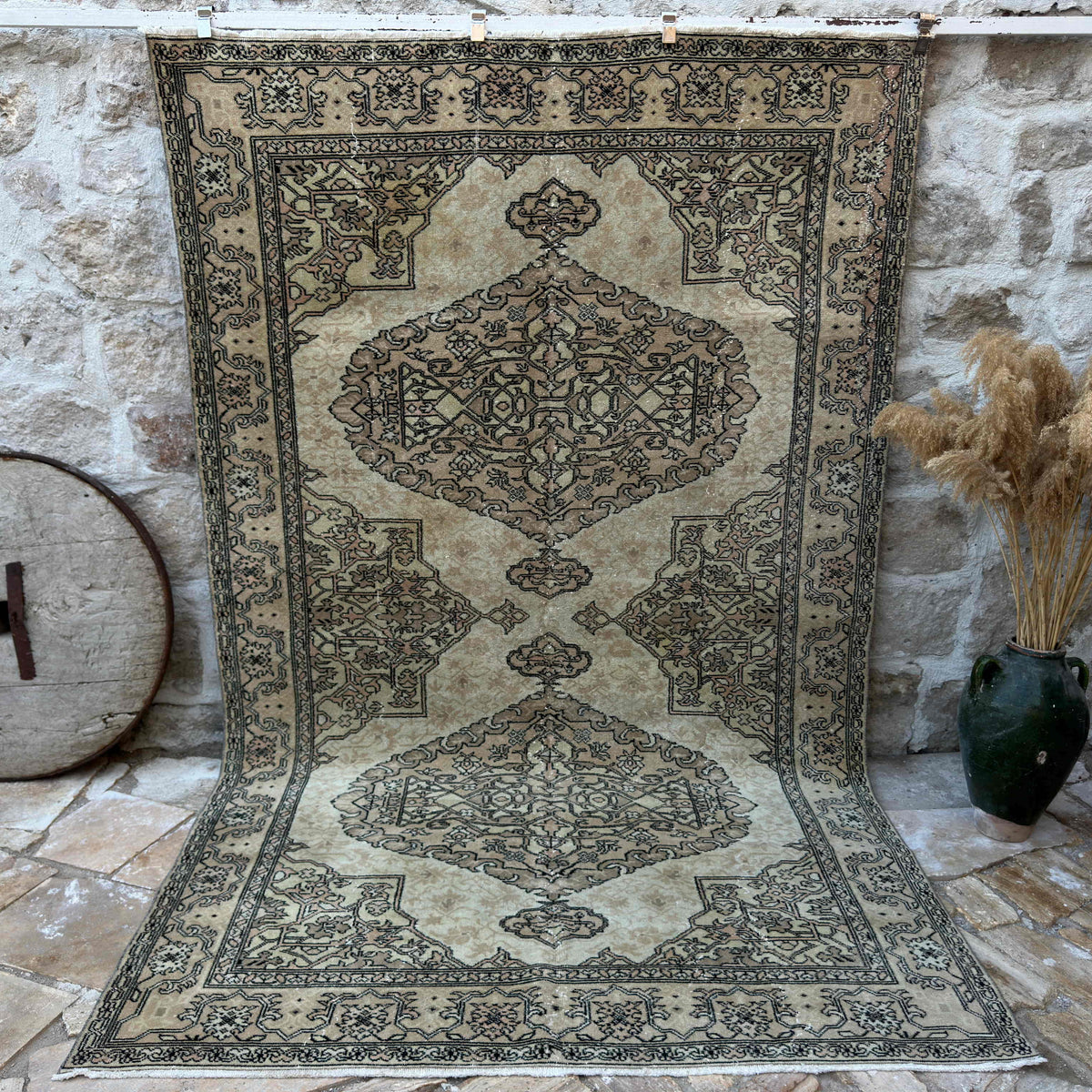
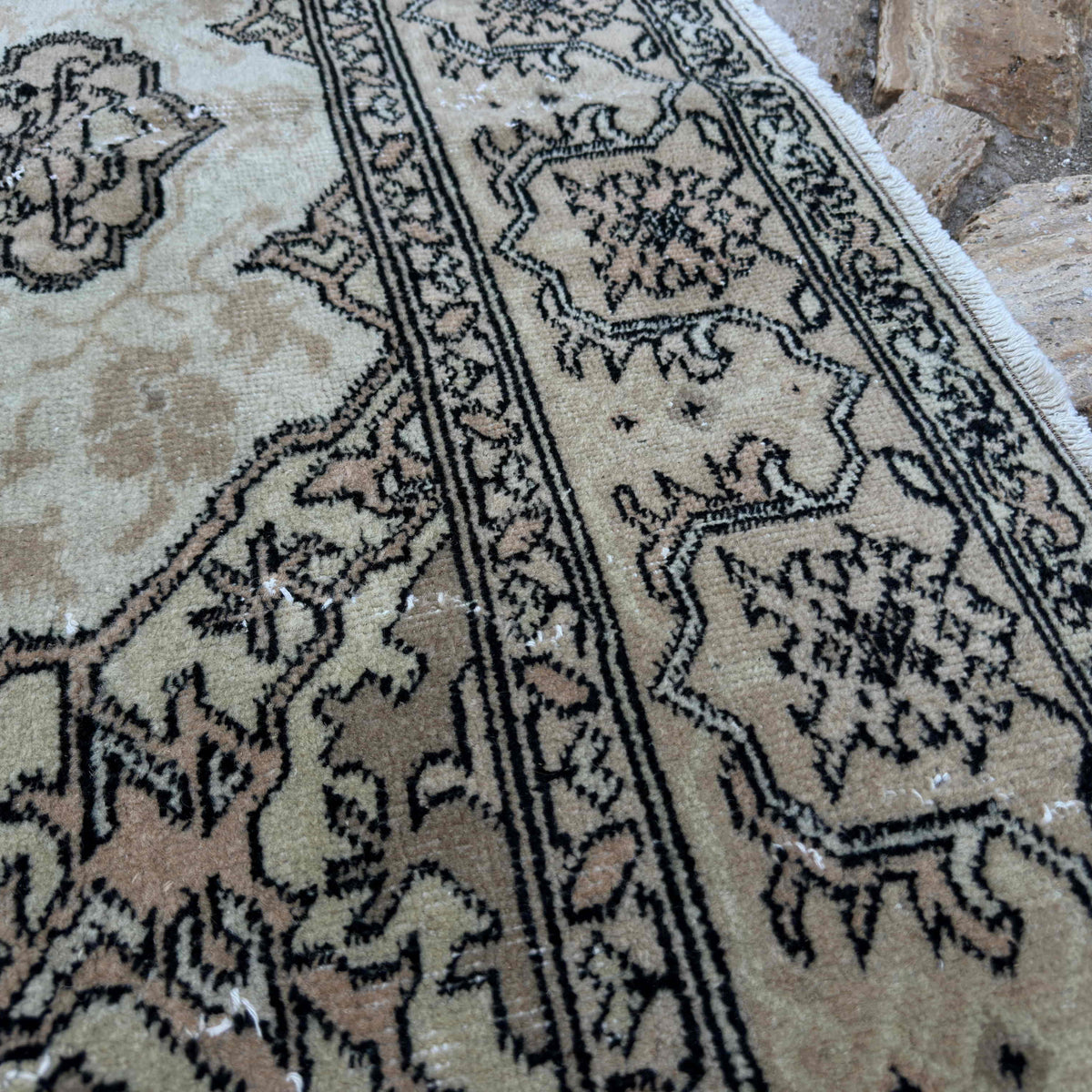
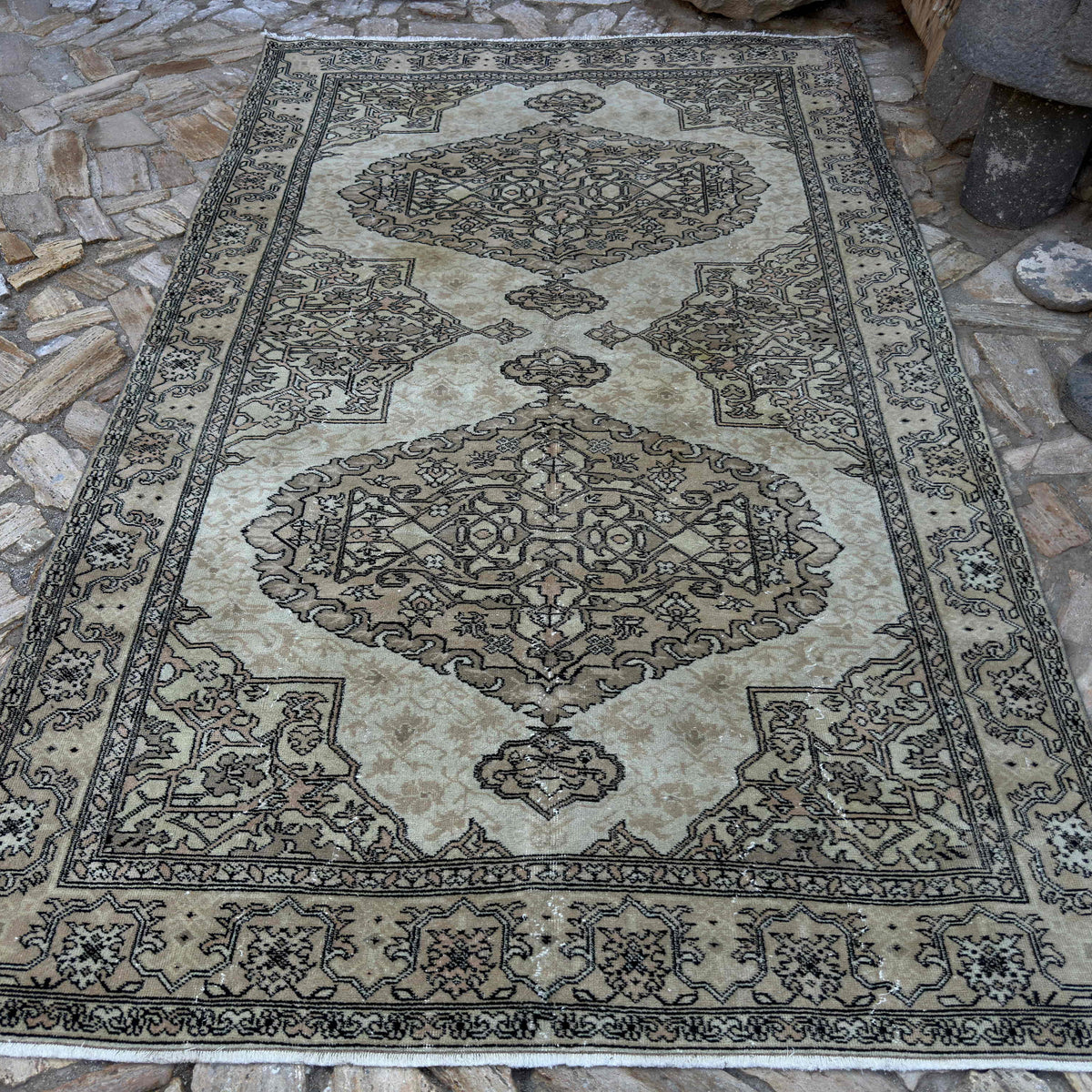
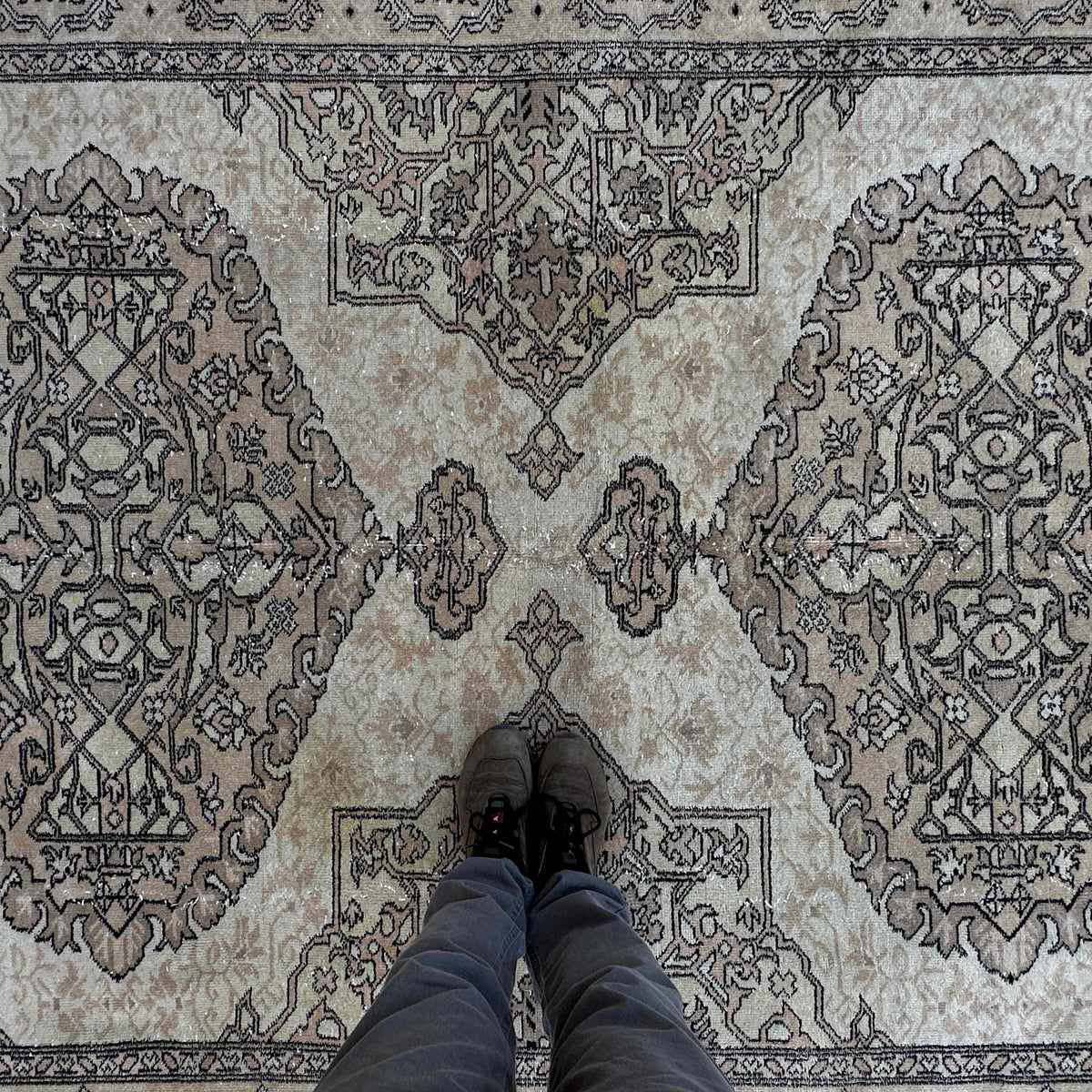


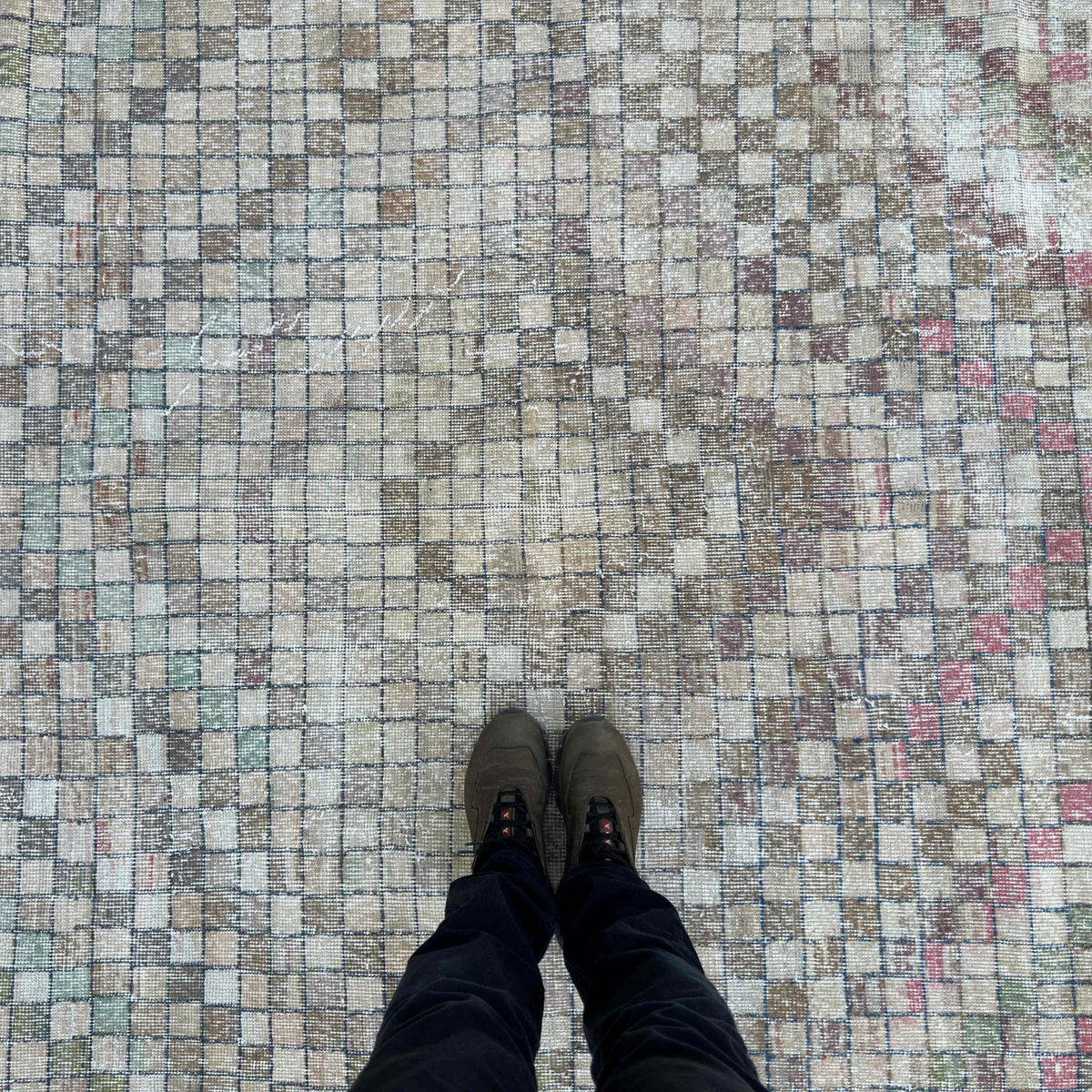
Kaiser - Vintage Flatweave Rug
Kirby - Vintage Kilim Rug
Lesley - Vintage Kilim Rug
Marcus - Vintage Flatweave Rug
Zechariah - Vintage Kilim Rug
Venn - Vintage Kilim Rug
Syed - Vintage Kilim Rug
Sana - Vintage Flatweave Rug
Peel - Flatweave Rug
Mina - Kilim Rug
Leigh - Flatwoven Rugs
Hayley - Vintage Kilim Rug
Weston - Vintage Turkish Rug
Everard - Vintage Turkish Rug
Konya Yatak 4'6'' x 6'10''
Kay - Vintage Turkish Rug
Ford - Vintage Turkish Runner Rug
Vane - Vintage Turkish Runner Rug
Ocean - Vintage Turkish Runner Rug
Lucas - Vintage Turkish Runner Rug
Codie - Vintage Distressed Runner Rug
Anson - Vintage Distressed Runner Rug
Zac - Vintage Turkish Runner Rug
Ringo - Vintage Morocco Runner Rug
Pell - Vintage Runner Rug
Christian - Vintage Turkish Rug
Kamil - Vintage Turkish Rug
Kieran - Vintage Turkish Rug
Joseph - Vintage Turkish Rug
Albi - Vintage Turkish Runner Rug
Ianis - Vintage Turkish Rug
Tyler - Vintage Turkish Rug
Zoey - Vintage Turkish Rug
Shiloh - Vintage Distressed Rug
Kingsley - Vintage Turkish Rug
Bly - Vintage Turkish Rug
Zoha - Vintage Oriental Rug
Nat - Vintage Distressed Rug
Elio - Vintage Turkish Rug
Nathaniel - Vintage Distressed Rug
Traditional Rugs
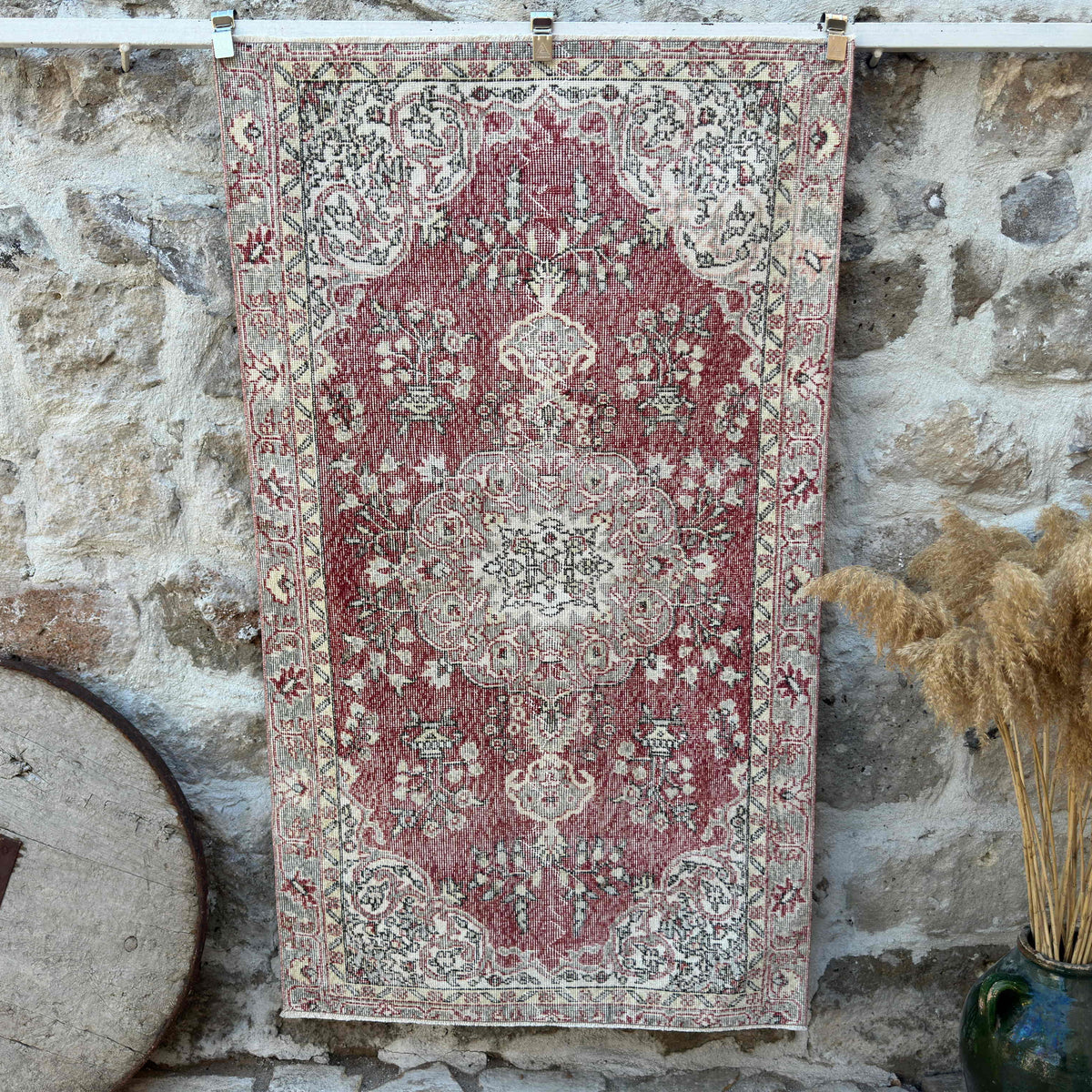
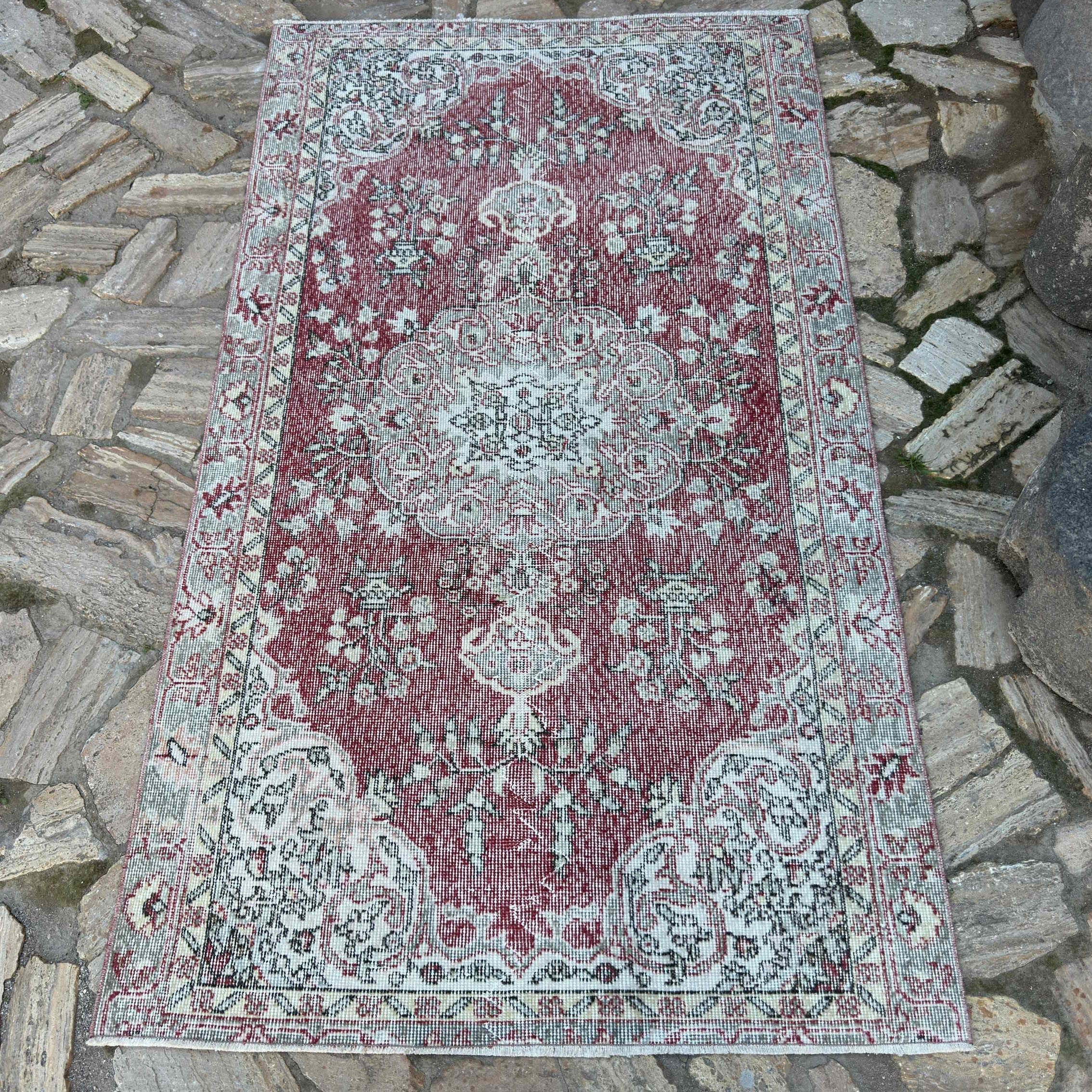
A traditional rug doesn't lean on one design idea the way a medallion rug or a floral rug does. It usually layers several classic motifs together — a central medallion, palmette shapes, a dense decorative border — into one pattern instead of building the whole rug around a single feature. That layered, multi-motif look is what actually earns the word "traditional" here, not just an old-fashioned feeling. Every rug in this collection is hand-knotted, Turkish, and Anatolian in origin. Whether you call it a traditional rug, a traditional area rug, or one of the traditional style rugs you've seen described elsewhere, the underlying idea here is the same.
What makes a rug count as traditional
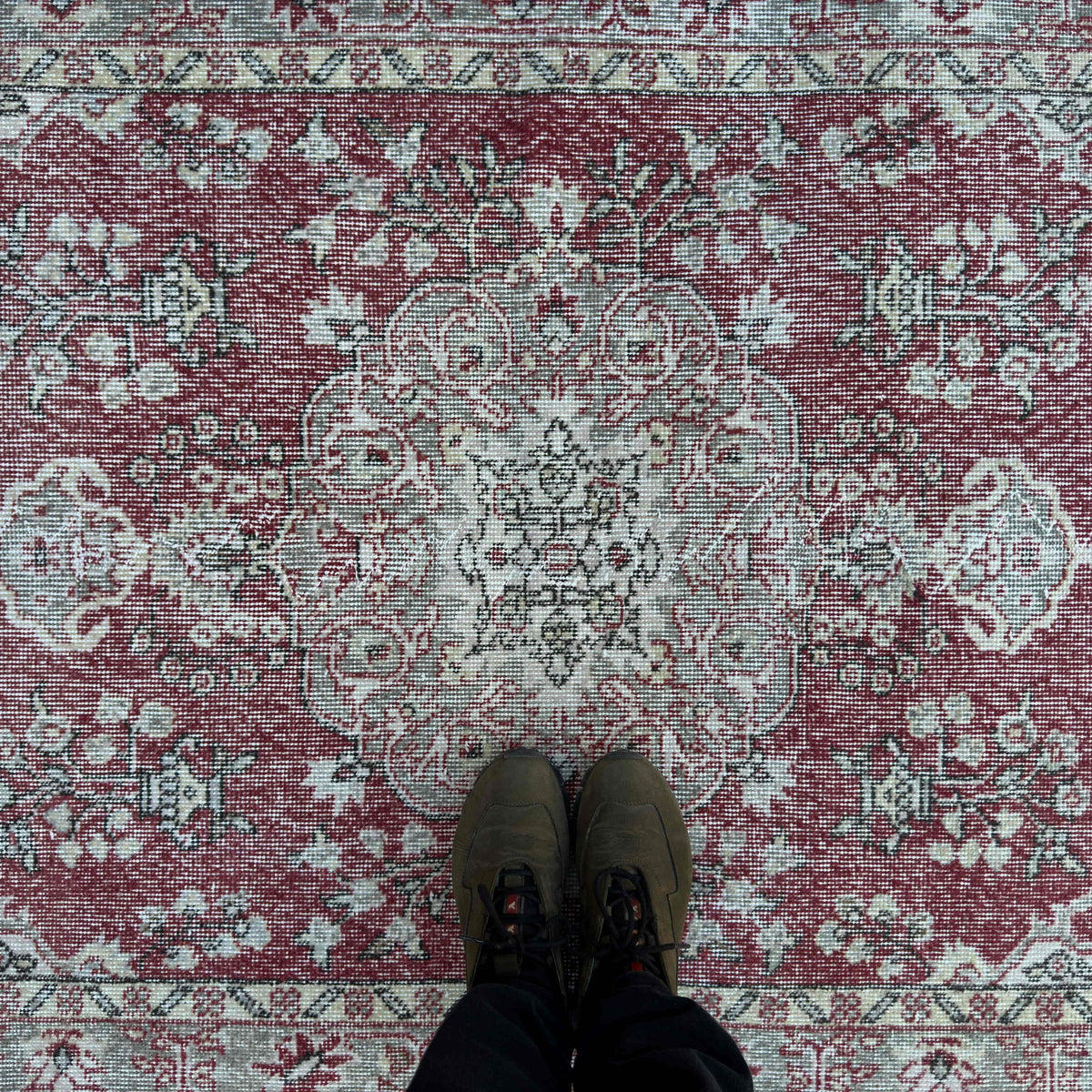
Traditional doesn't describe one specific pattern. It describes a combination — usually a central motif, secondary shapes repeated around it, and a detailed, multi-layered border, all working together instead of any single element carrying the whole design. A traditional rug is busier by design, built from several classic elements rather than one.
That's different from a rug built around a single strong idea. A traditional pattern rewards a longer look — there's usually a border detail or a secondary motif that isn't obvious from across the room, and often a small asymmetry between one corner and the next that only shows up once you've been looking at the rug for a while.
Some of the traditional rug designs in this collection lean closer to what people call classic area rugs — dense, formal, heavy on the border. Others read more like modern traditional rugs, where the same layered idea gets simplified into fewer colors and a cleaner field. A smaller number sit closer to folk art rugs, with looser, more irregular motifs that feel handmade in a more visible way. All three are still traditional in the sense that matters here: more than one classic element working together.
How a traditional rug differs from a single-medallion rug
A rug from our medallion rugs collection puts most of its visual weight on one central shape. A traditional rug spreads that weight across several elements — a medallion might still be there, but it shares the field with palmettes, vines, or a border pattern doing just as much visual work as the center. Take the medallion out of a traditional rug and there's usually still a full, busy pattern left behind, since it's the combination that defines it, not reliance on one part.
This is worth knowing before you buy, because a traditional rug reads differently in a room than a medallion rug does. A medallion draws the eye to one point and holds it there. A traditional pattern keeps the eye moving across the whole field, which is part of why it can carry a room on its own without feeling like it's missing a focal point.
Where these traditional rugs are woven
Every traditional wool rug in this collection is hand-knotted in Turkey, mostly across Anatolia, using the same weaving traditions behind our other collections. Unlike some of our pattern-based pages, there's no minority origin here — these are Turkish pieces throughout, not a mix of Turkish and Persian. Call it a traditional carpet or a traditional floor rug if you prefer either term; the origin and construction don't change either way.
Most are vintage, roughly 20 to 80 years old, though age isn't really the point of this particular collection. A vintage traditional rug earns its place here because of the pattern, not because of how old it happens to be — the same design combination shows up on pieces from different decades.
Why a traditional rug's pattern density affects its price
A more complex traditional pattern takes longer to weave than a simpler one, and that time shows up in the price more directly than age does. A rug with a tight, multi-layered border and several secondary motifs required more decisions and more knots per square inch than a looser, more open design of the same size.
If two traditional rugs are priced differently despite looking similar in a thumbnail photo, pattern density is usually why once you look closer — a busier field with a heavier border almost always costs more to produce than a lighter, more open version of the same layout. Among the traditional rugs for sale in this collection, that's the single biggest driver of price difference, more than size or even overall condition.

How to choose a traditional rug for a classic room
A traditional rug tends to work best in a room that can hold a busy pattern without feeling crowded — enough open floor or plain furniture nearby to give the eye somewhere to rest. Put a traditional rug in a room that's already full of pattern, and the detail that makes it interesting gets lost in the noise.
Because a traditional pattern combines several elements, it usually pairs more easily with solid or lightly textured furniture than with another bold print. The rug can carry the pattern for the room on its own; it doesn't need help from the sofa or the curtains to do that job too.

What I check before a traditional rug ships
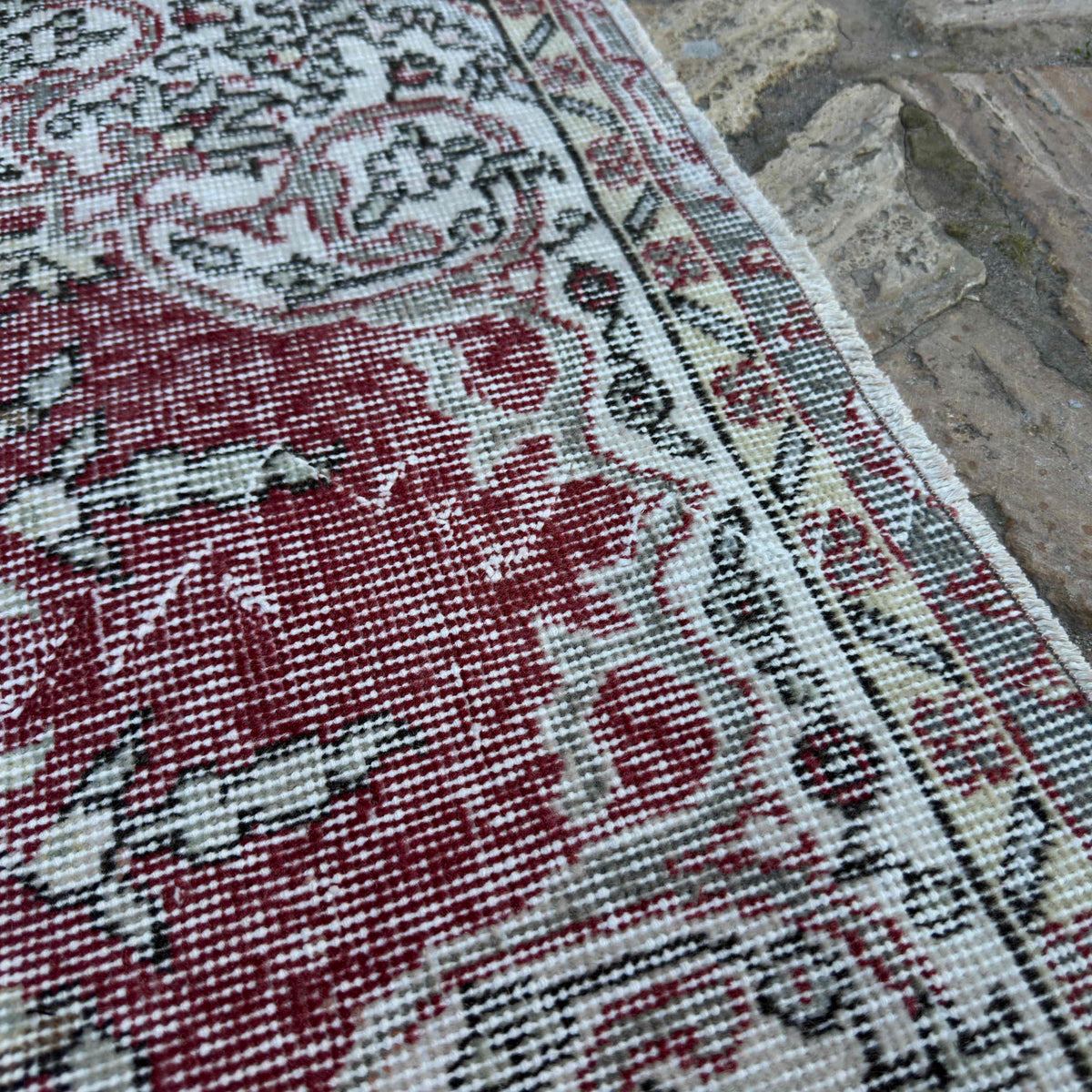
A traditional pattern has more places for wear to hide than a simpler design does — a worn section in the border or a faded motif can blend into the rest of the detail instead of standing out. I look across the whole field closely before a rug ships, not just the parts that catch the eye first, and note anything worth knowing directly in the listing.
Shipping is free worldwide, and for orders inside the United States, duties are already covered at checkout — nothing extra collected at your door.
How to care for a traditional rug's detailed pattern
A busy traditional rug doesn't need different care than a simpler one, but dirt hides more easily in a dense pattern, so it's worth vacuuming a little more attentively along borders and motif edges. Rotate the rug every few months so wear spreads evenly across the whole pattern instead of concentrating wherever people actually walk.
For a deeper clean, a gentle hand wash from someone who works with handmade wool rugs is safer than a machine that might be too aggressive for the fine detail in the weave.
What makes a rug "traditional" rather than another style?
A traditional rug combines several classic motifs — a central shape, secondary patterns, and a detailed border — instead of building the whole design around one feature. It's the combination that defines it, not any single element.
What's the difference between a traditional rug and a medallion rug?
A medallion rug centers on one strong shape. A traditional rug spreads its pattern across several motifs at once, so the design still holds together even without a single dominant centerpiece.
Are these traditional rugs Turkish?
Yes. Every rug in this collection is hand-knotted in Turkey, mostly across Anatolia. There's no other origin mixed in here.
Why do traditional rug prices vary so much for similar-looking pieces?
Pattern density is usually the reason. A tighter border and more secondary motifs take longer to weave than a simpler, more open version of the same layout, and that time affects price more than age does.
Do you ship traditional rugs to the USA, and are there extra import fees?
Yes. Shipping is free worldwide, and for orders inside the United States, duties are already included in the price you see at checkout, with nothing extra to pay when the rug arrives.
