












Antique Rugs
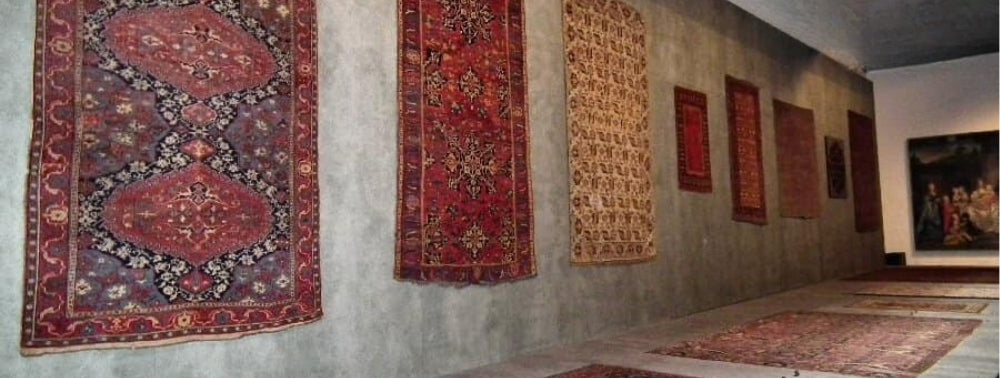
Antique rugs offer a captivating journey through time, showcasing the enduring beauty of craftsmanship from generations past. Each rug in our collection is a testament to the artistry of bygone eras, featuring intricate patterns and vibrant hues that whisper stories of history and heritage. Embrace the timeless charm of these exquisite treasures and enrich your living space with a touch of elegance that transcends the ages.

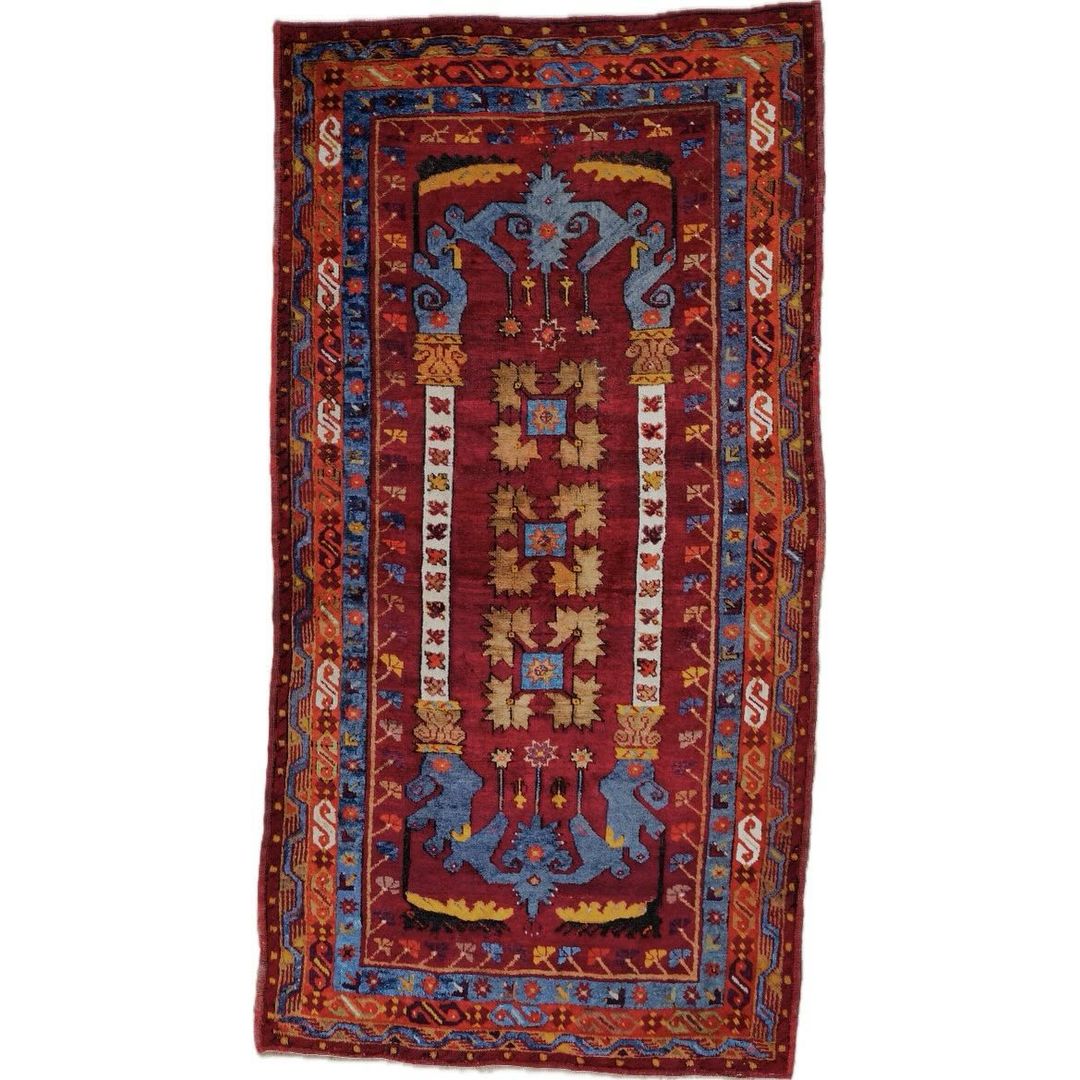
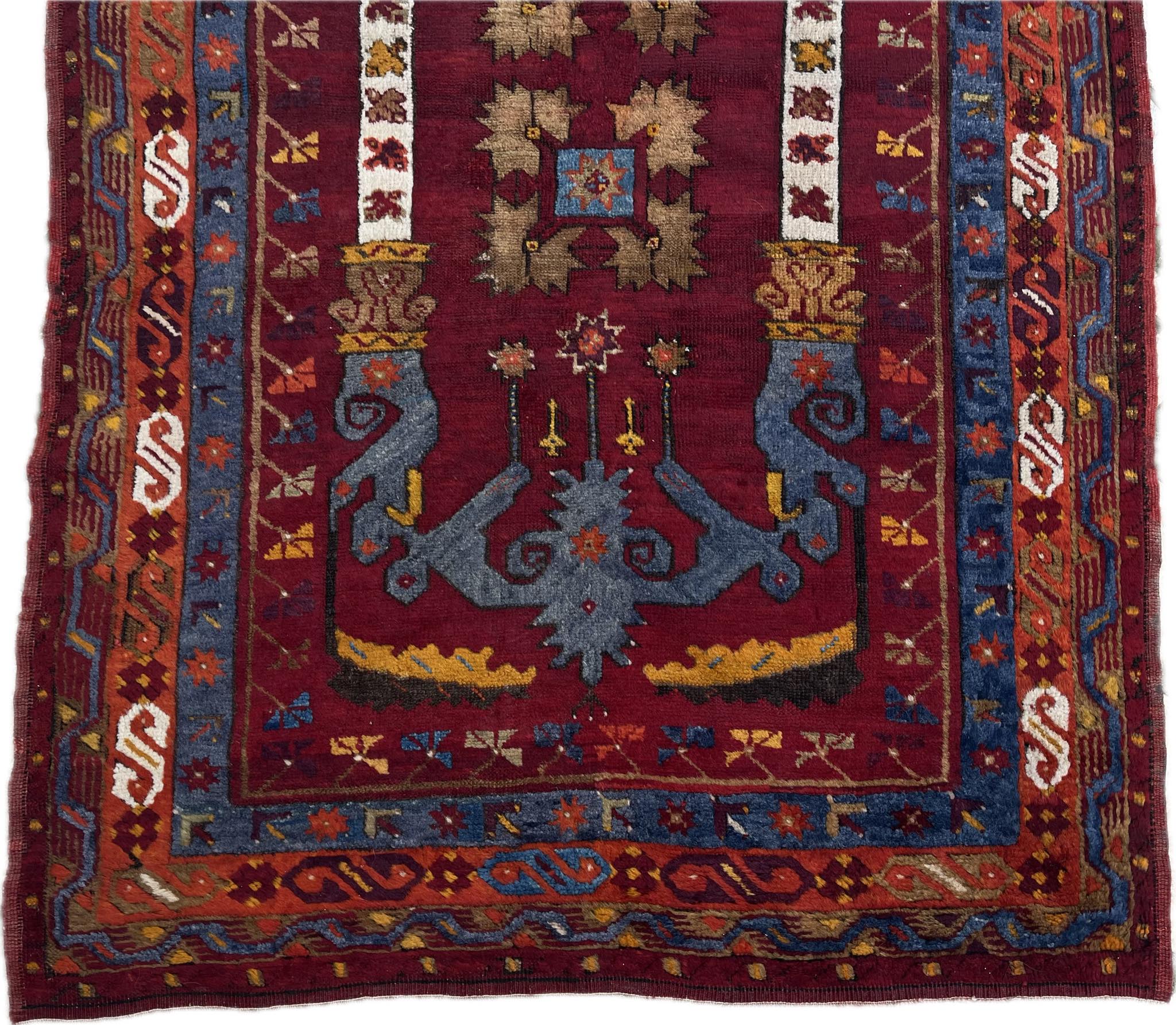
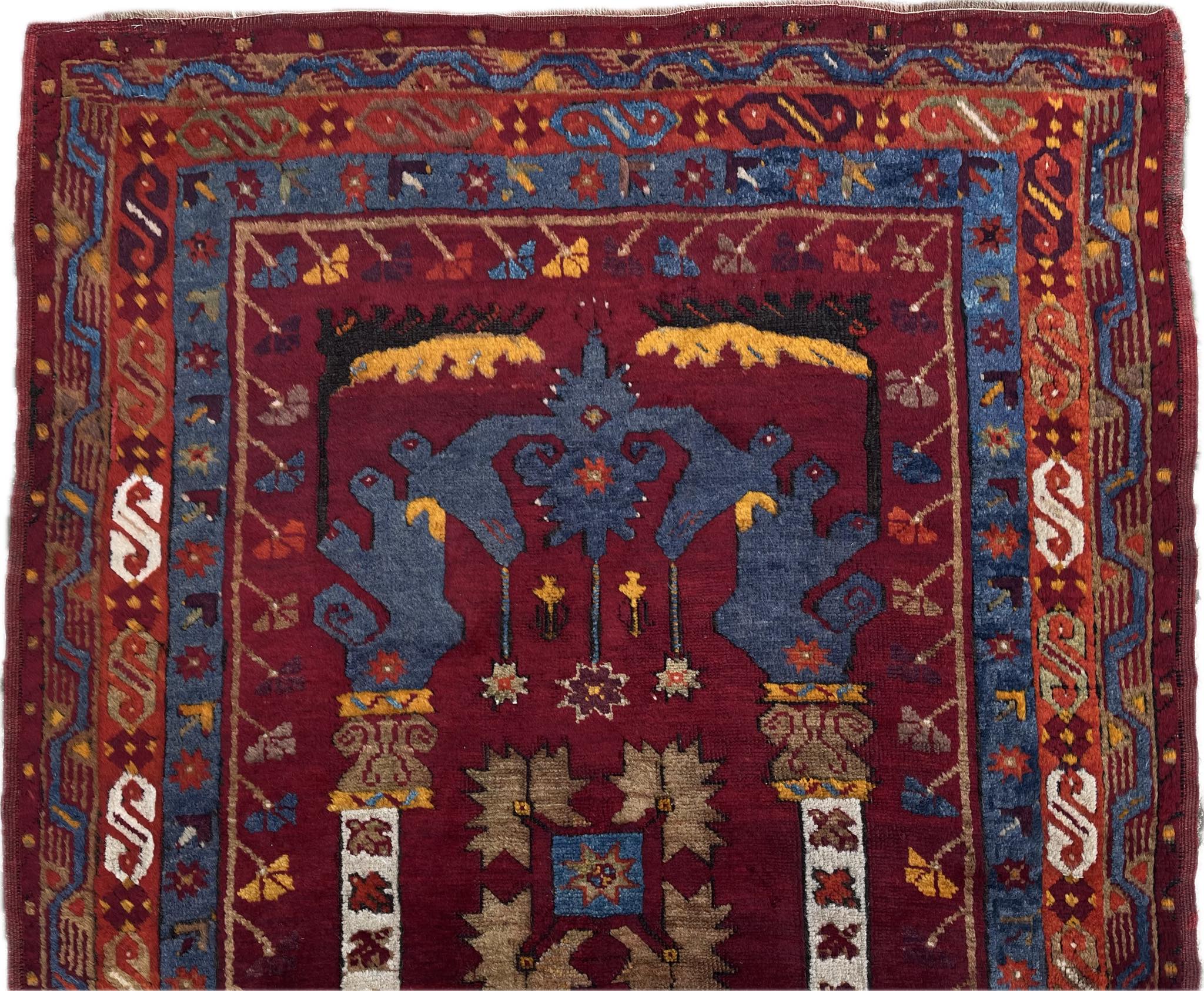
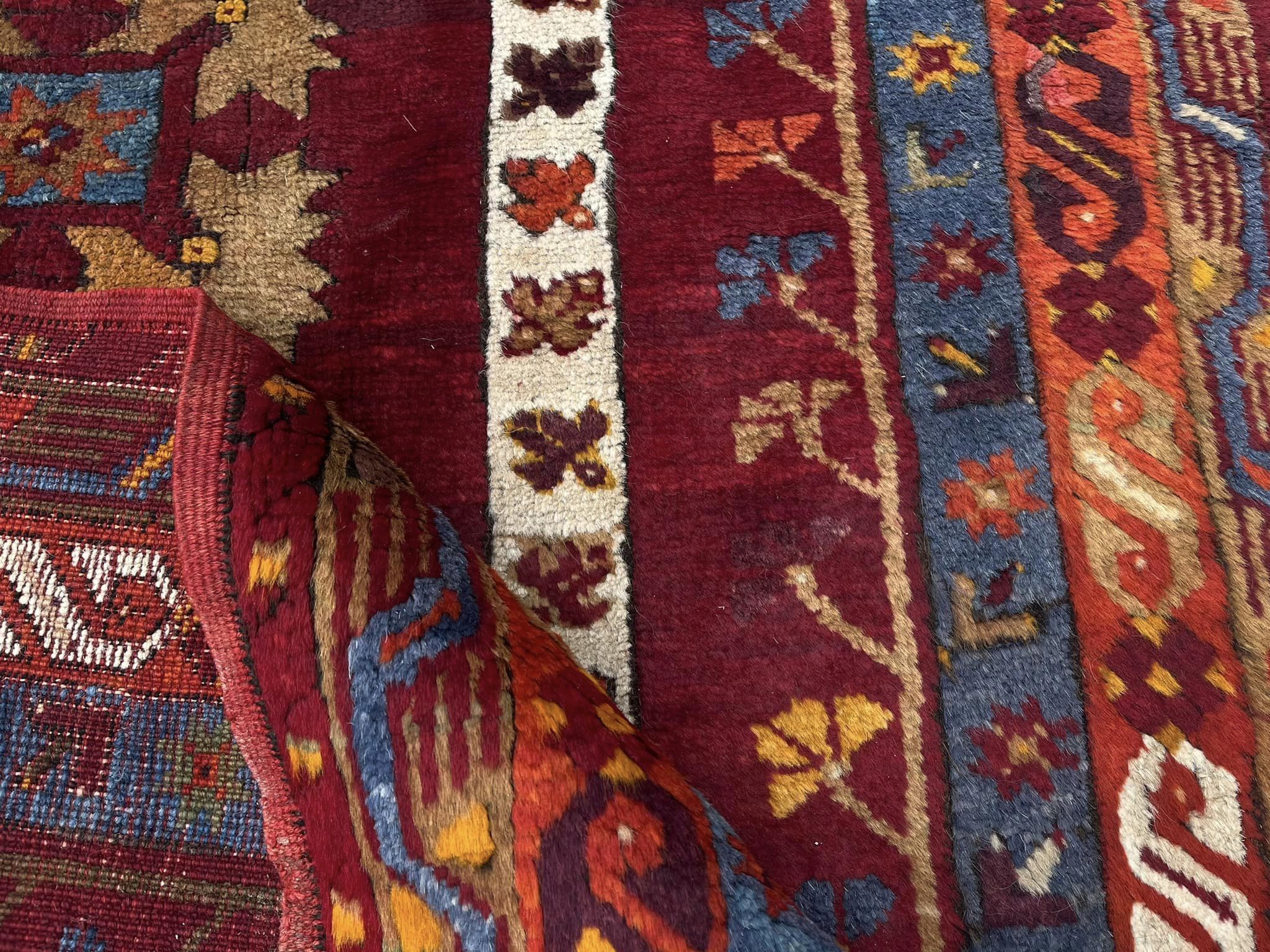
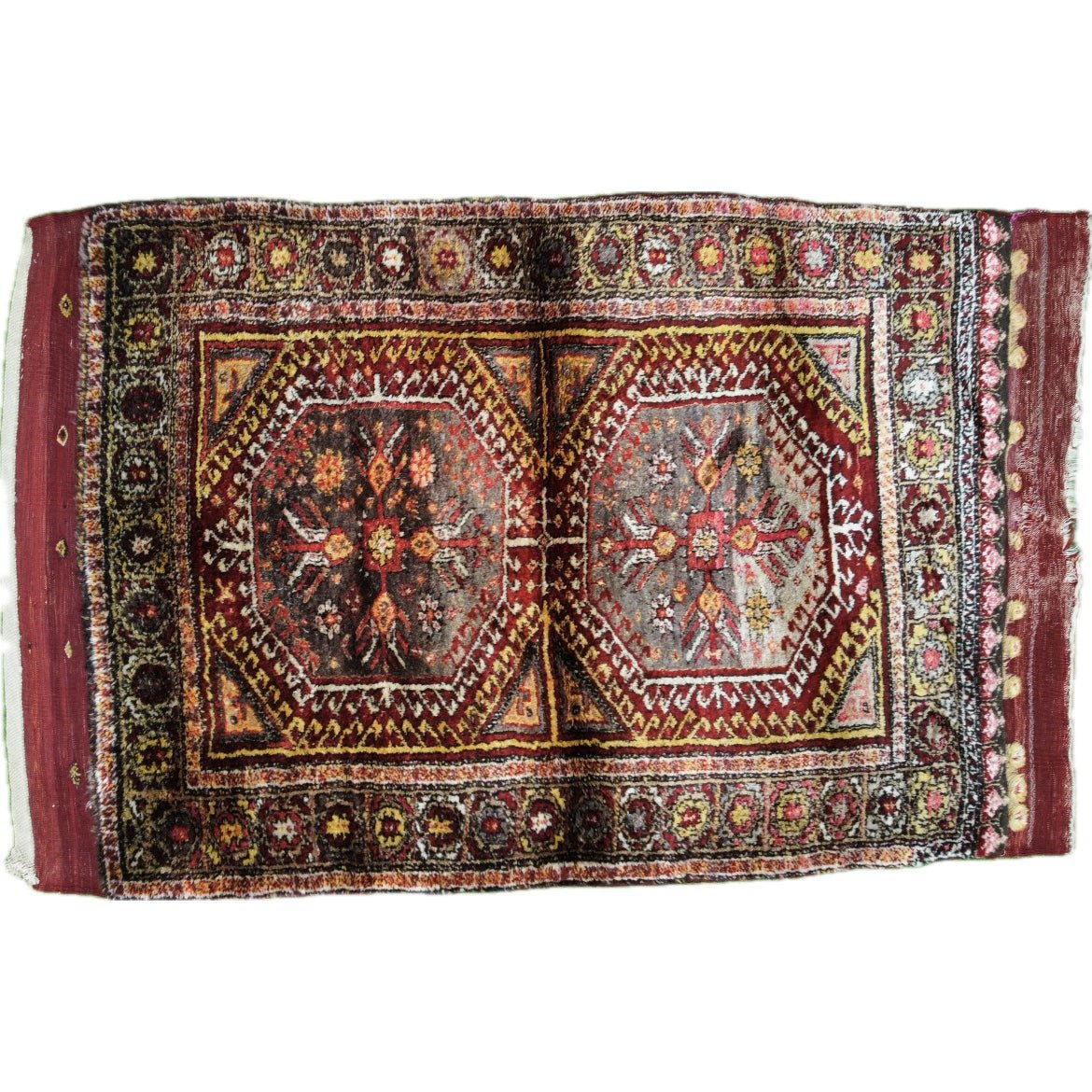
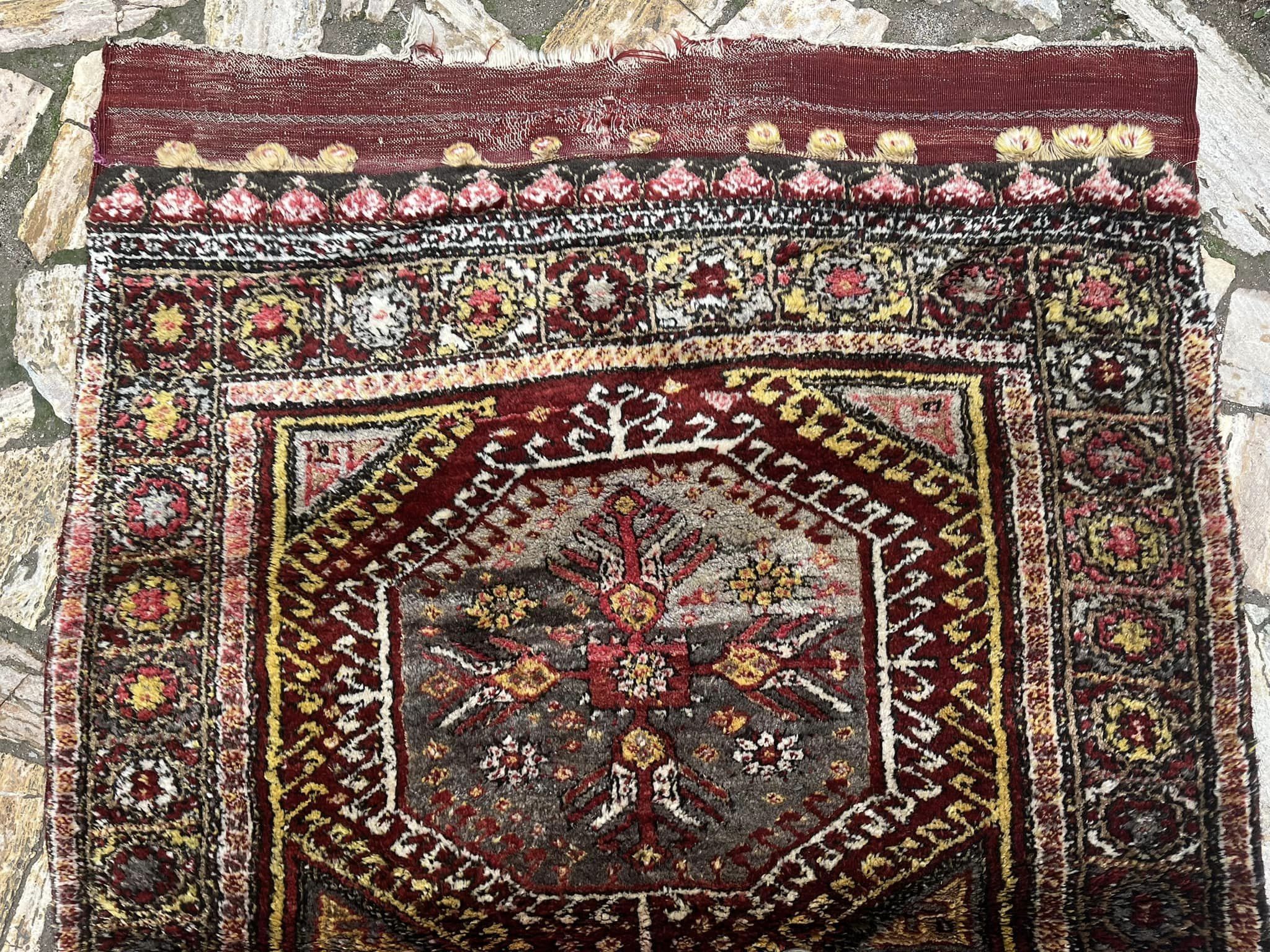
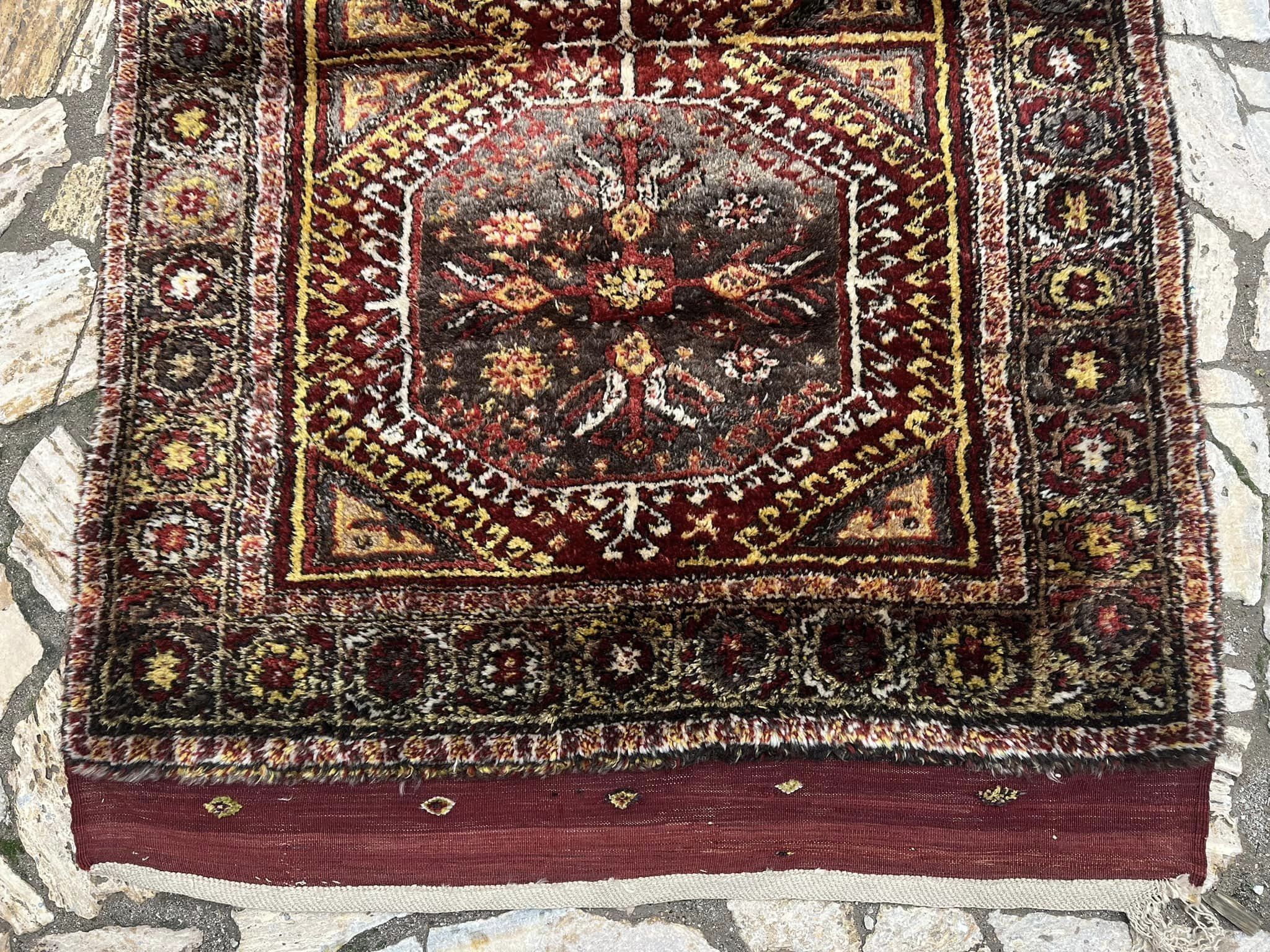
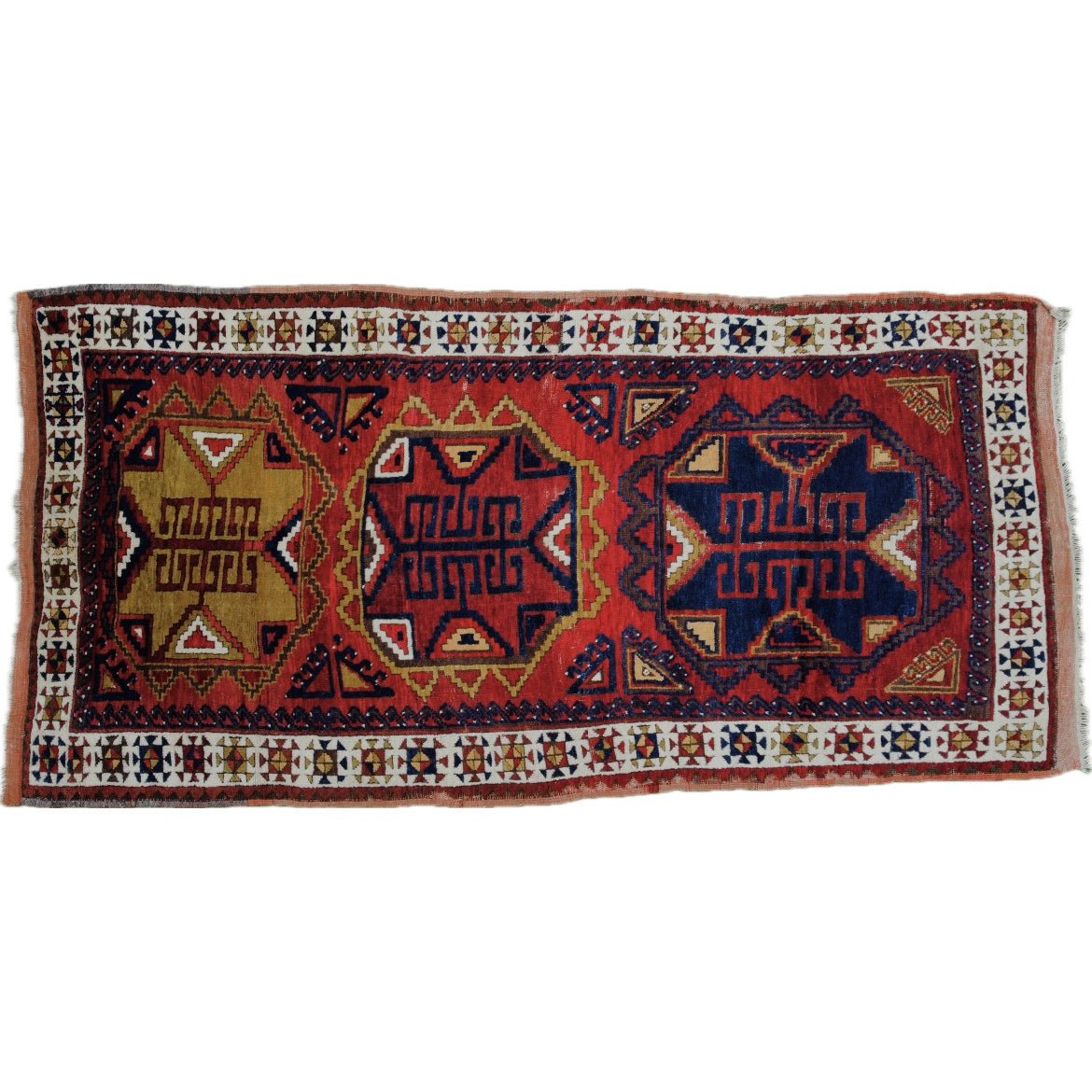
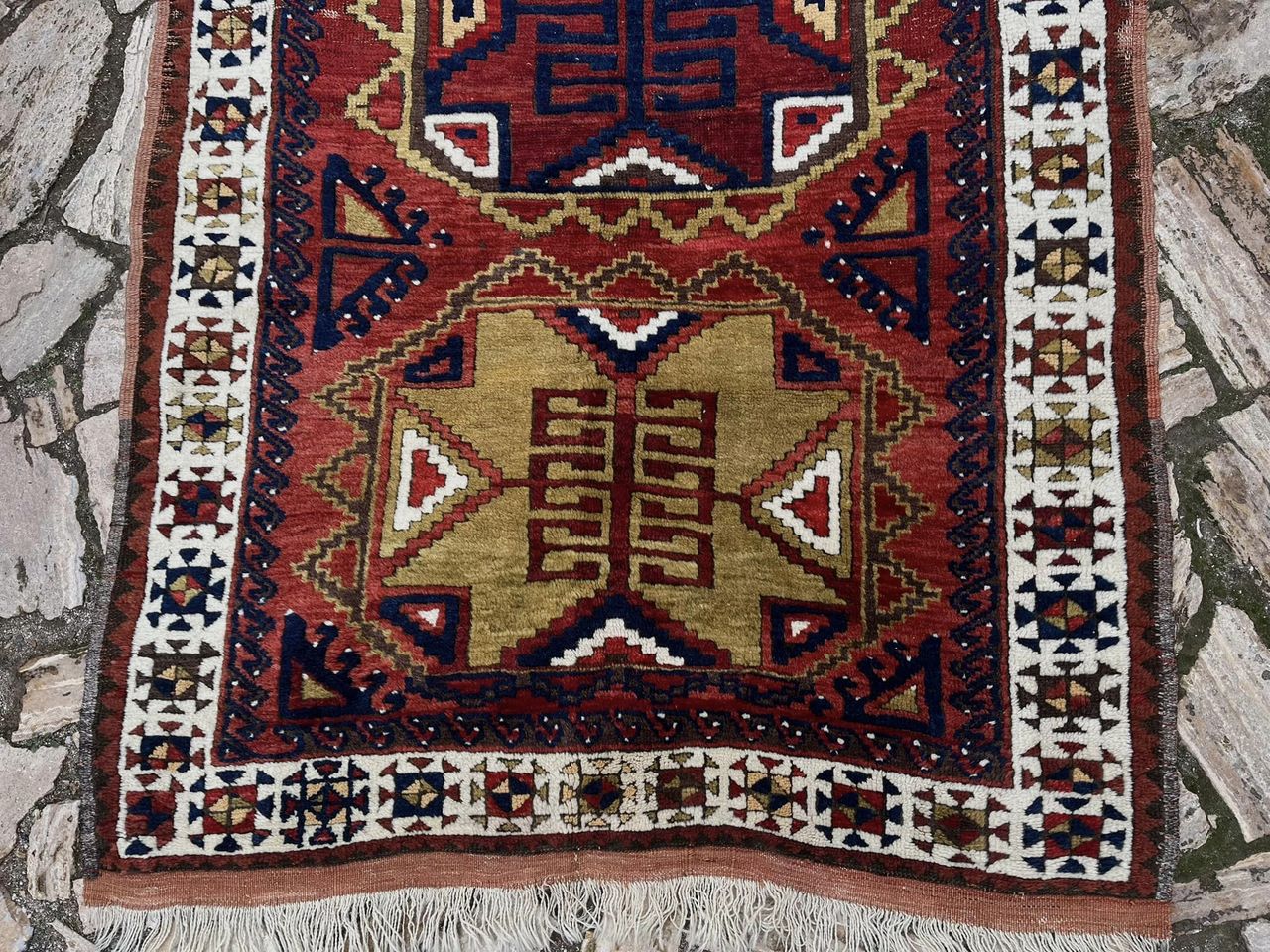
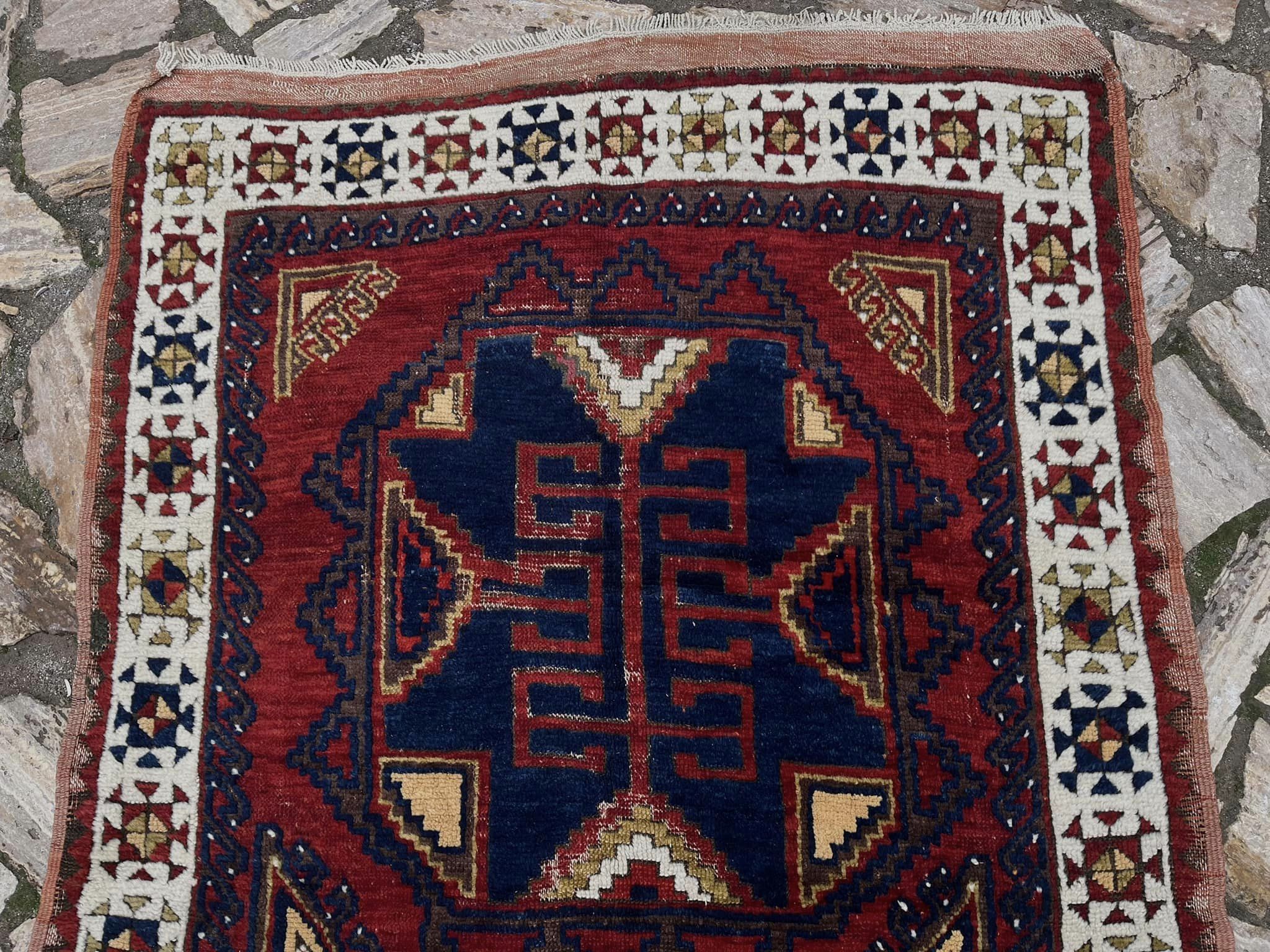
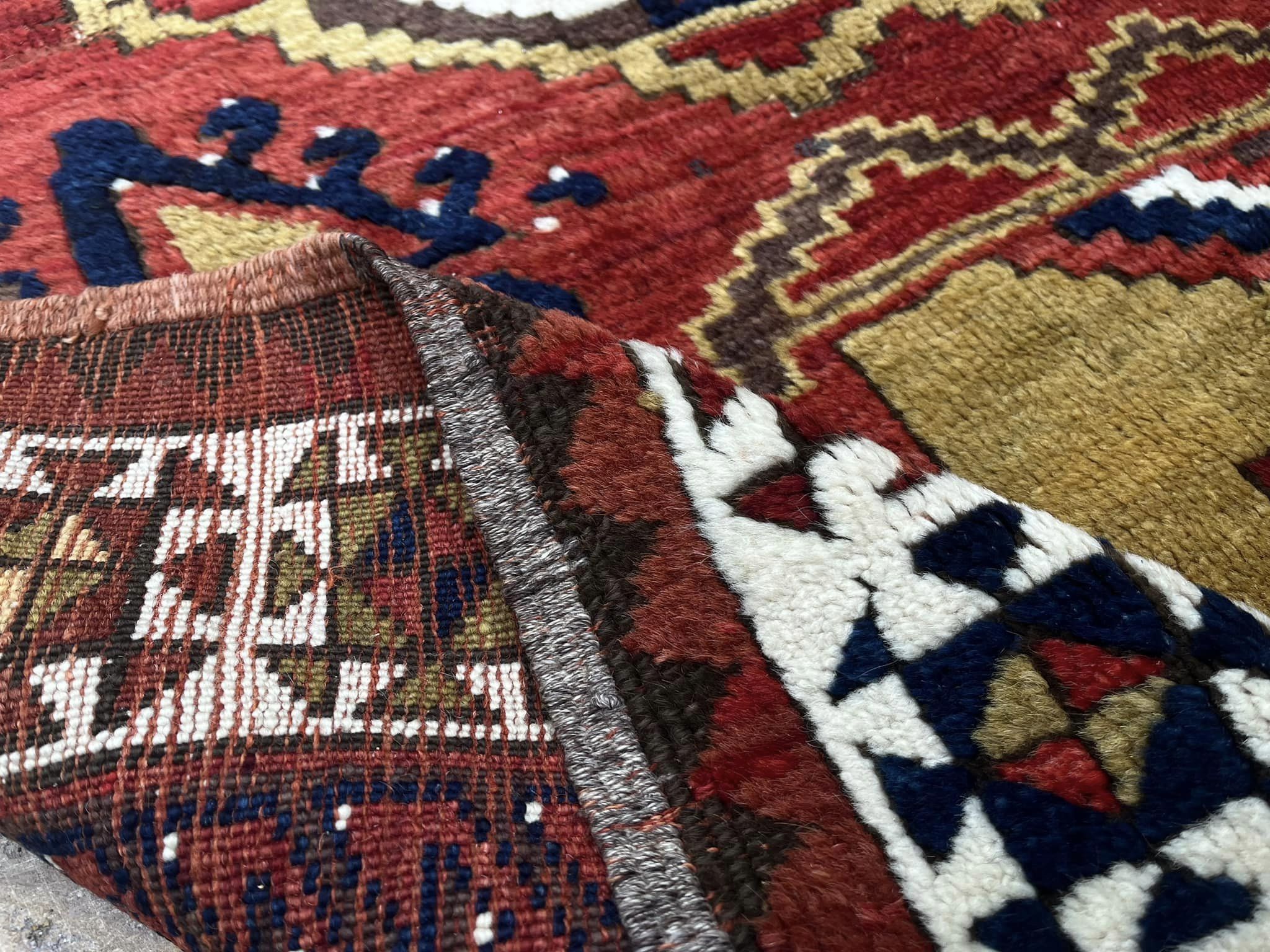
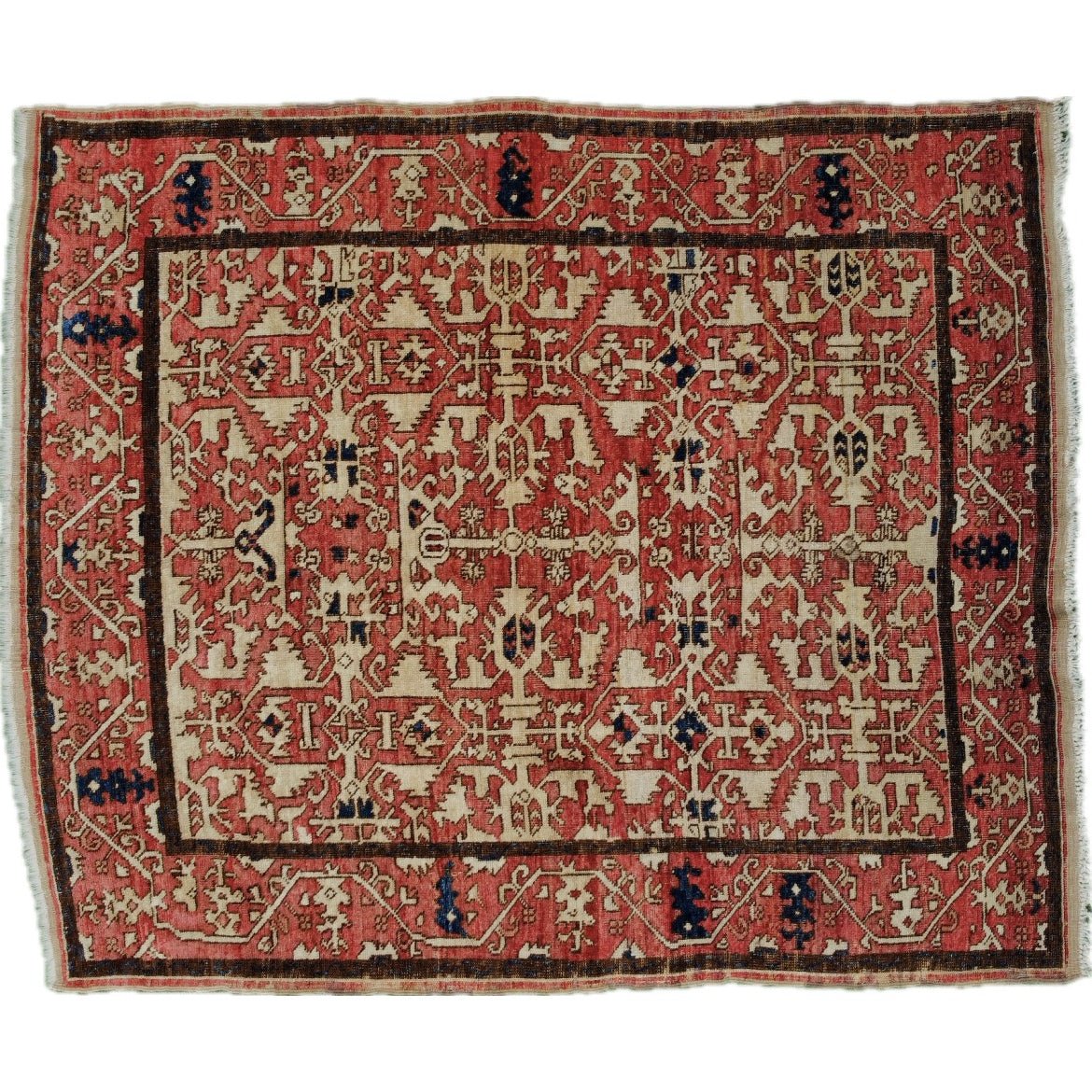
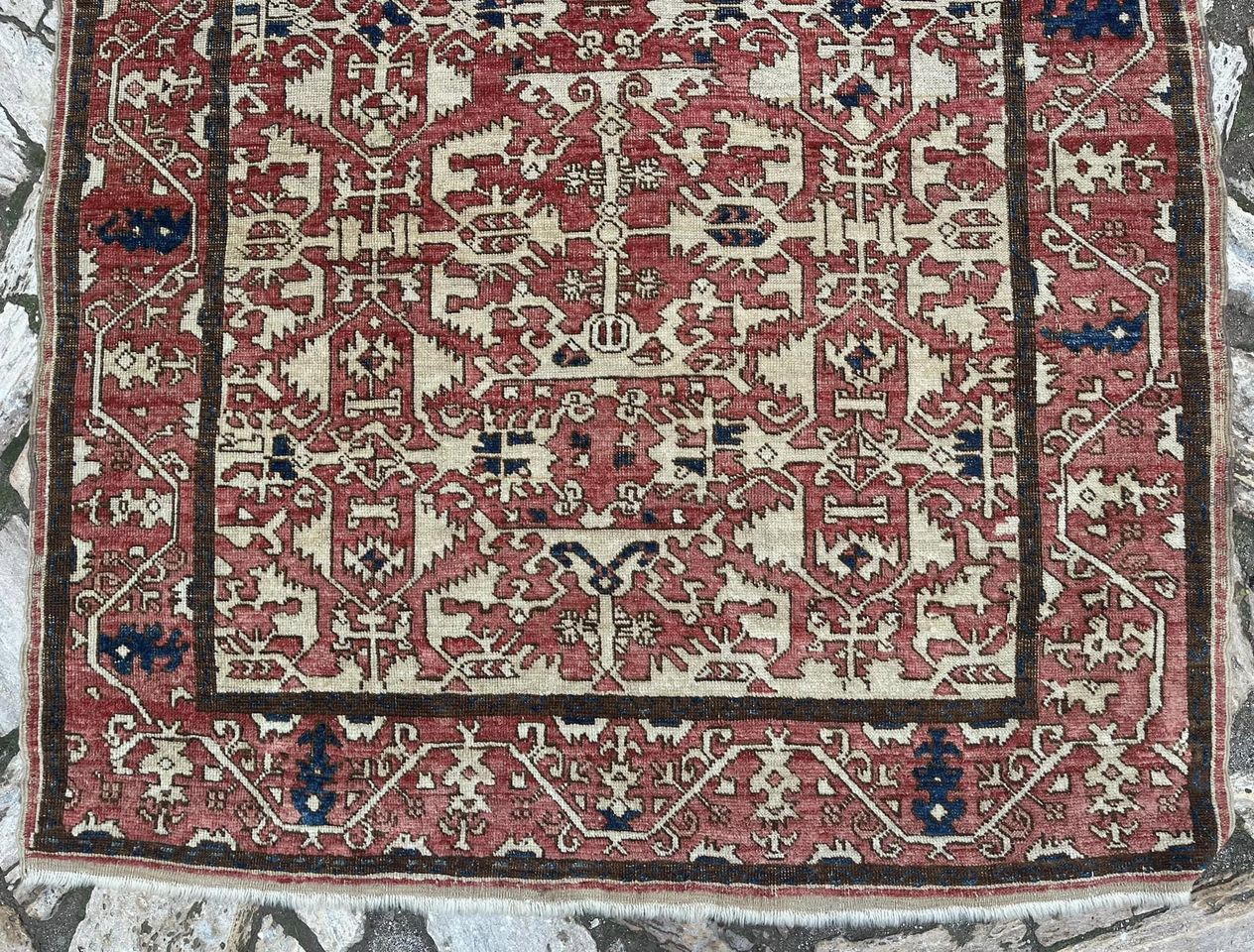
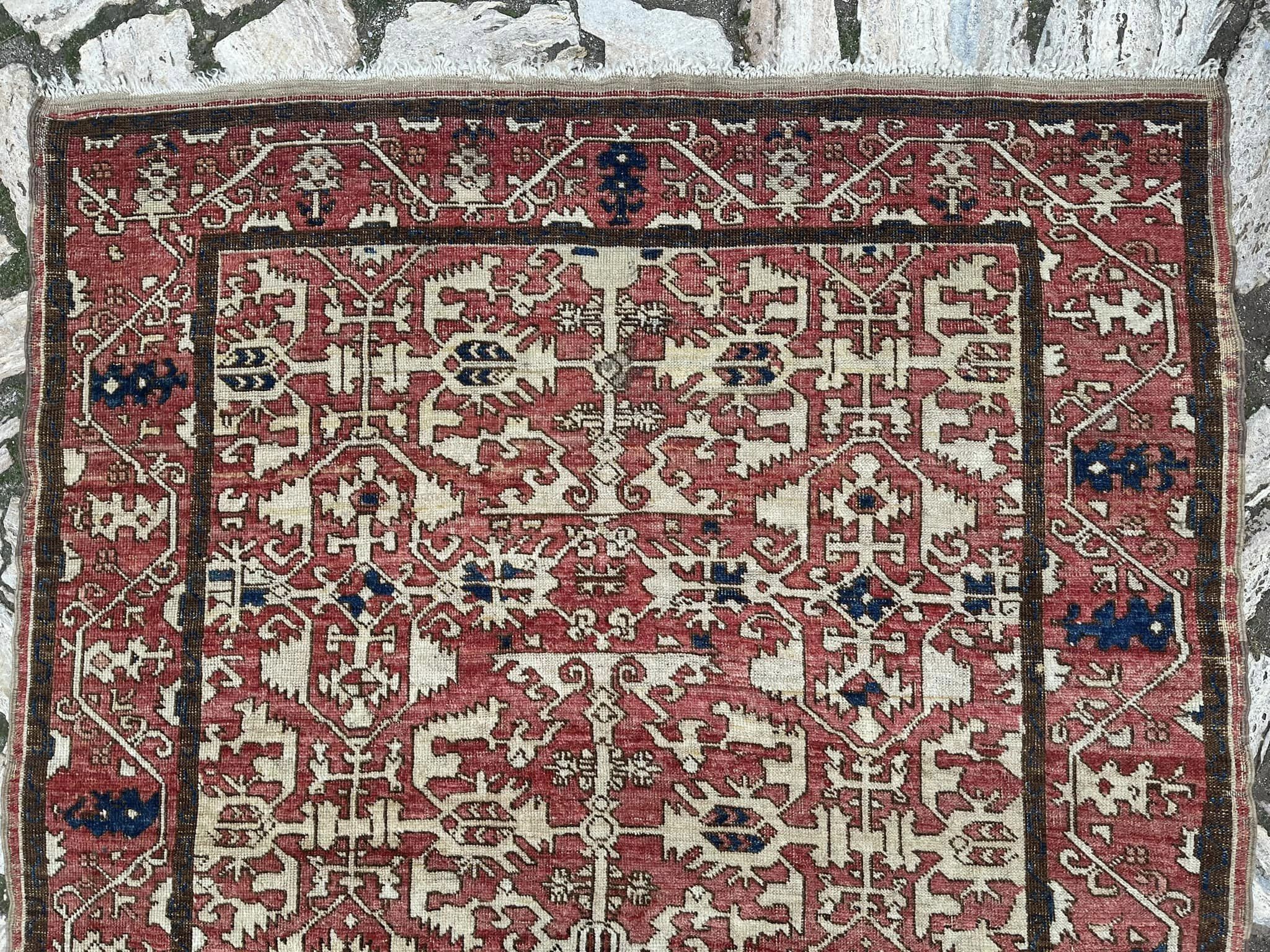
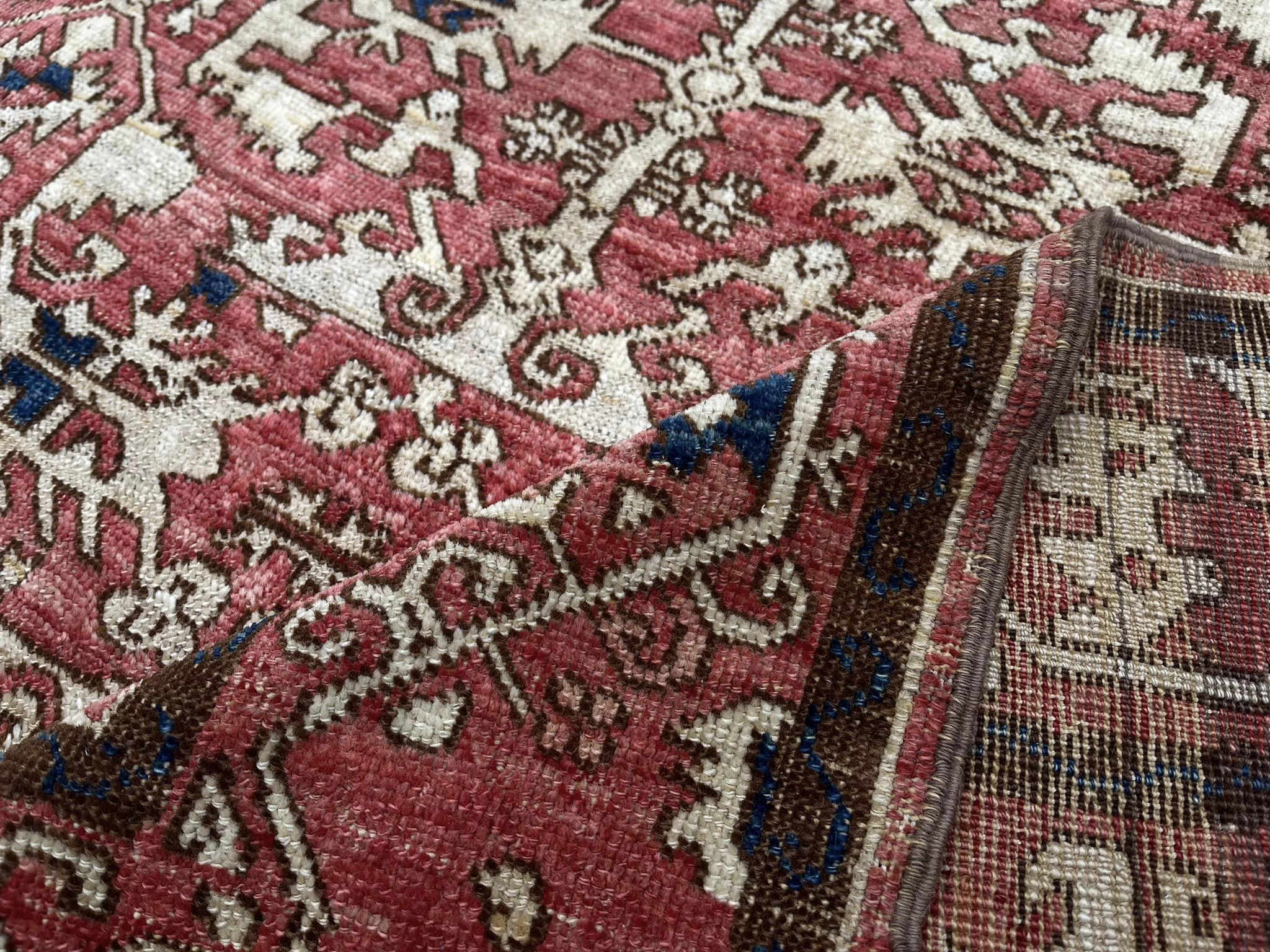
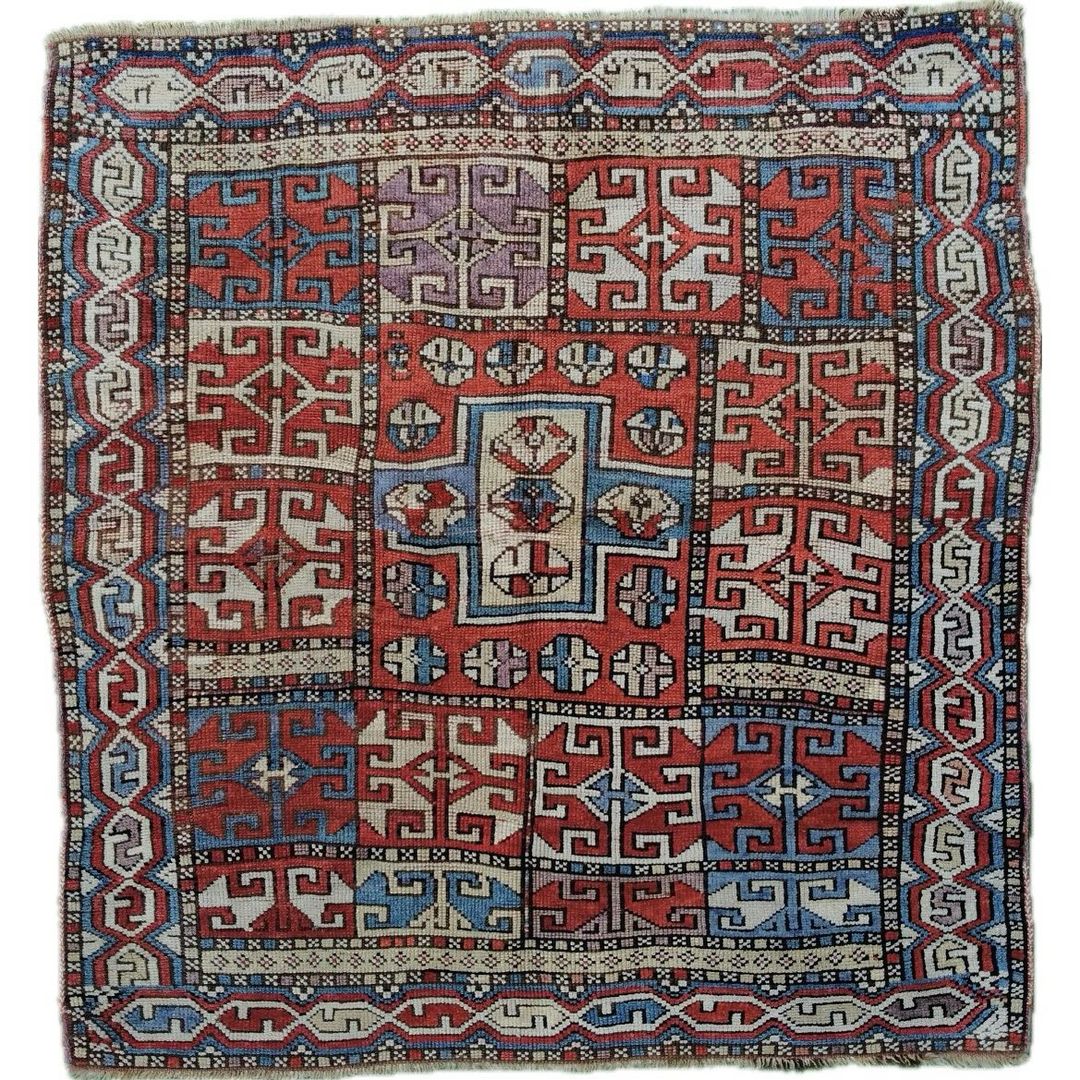
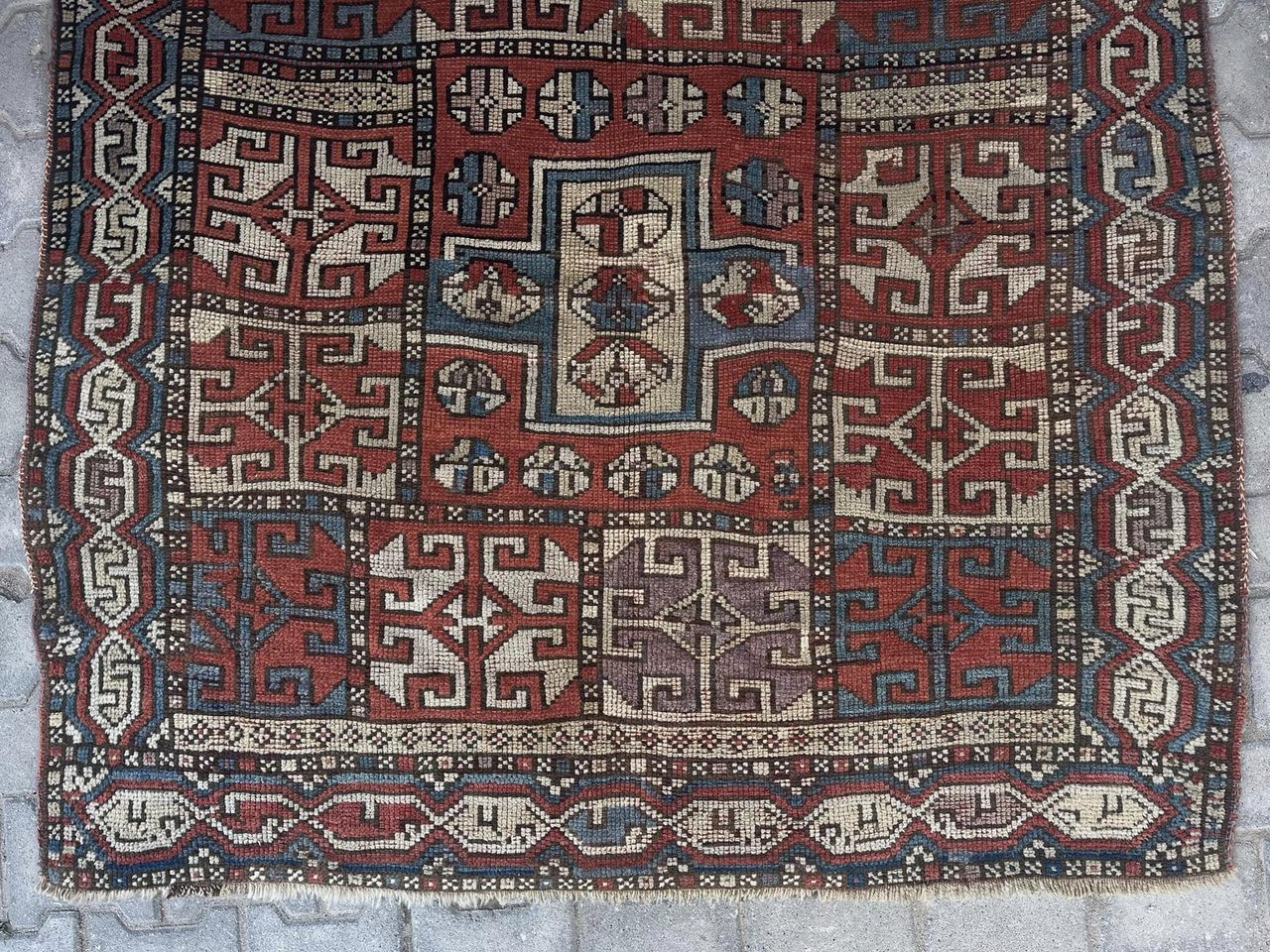
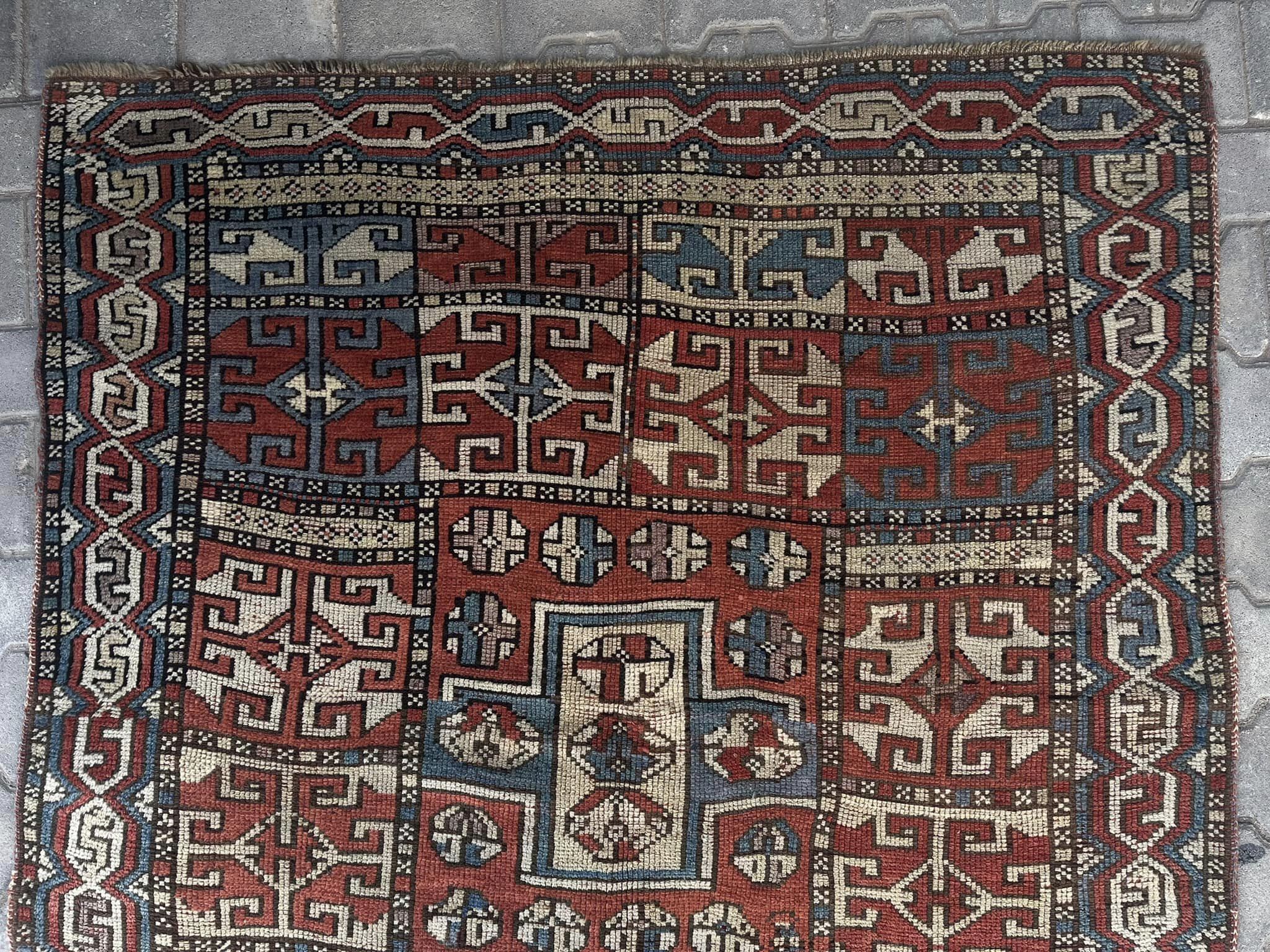
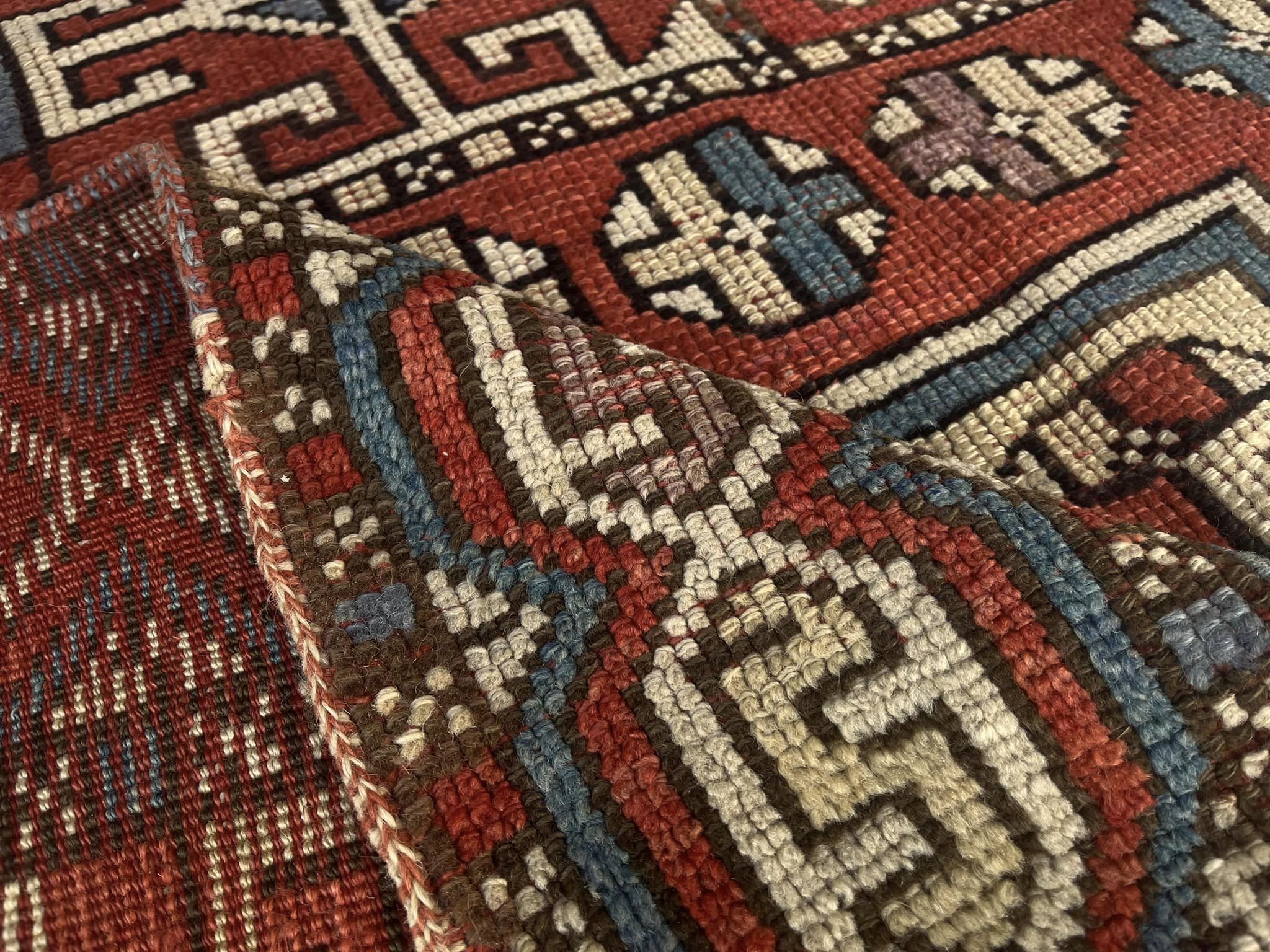
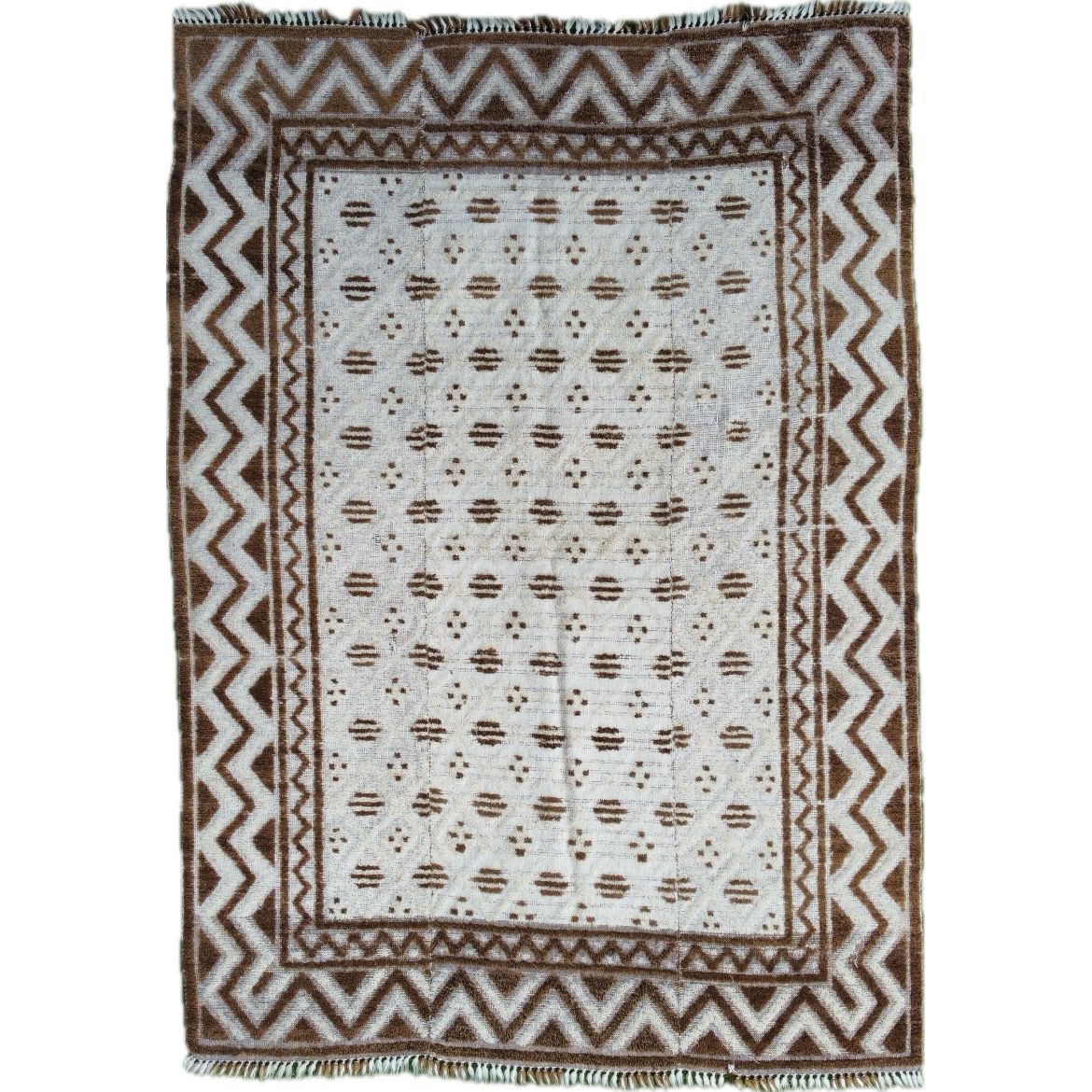
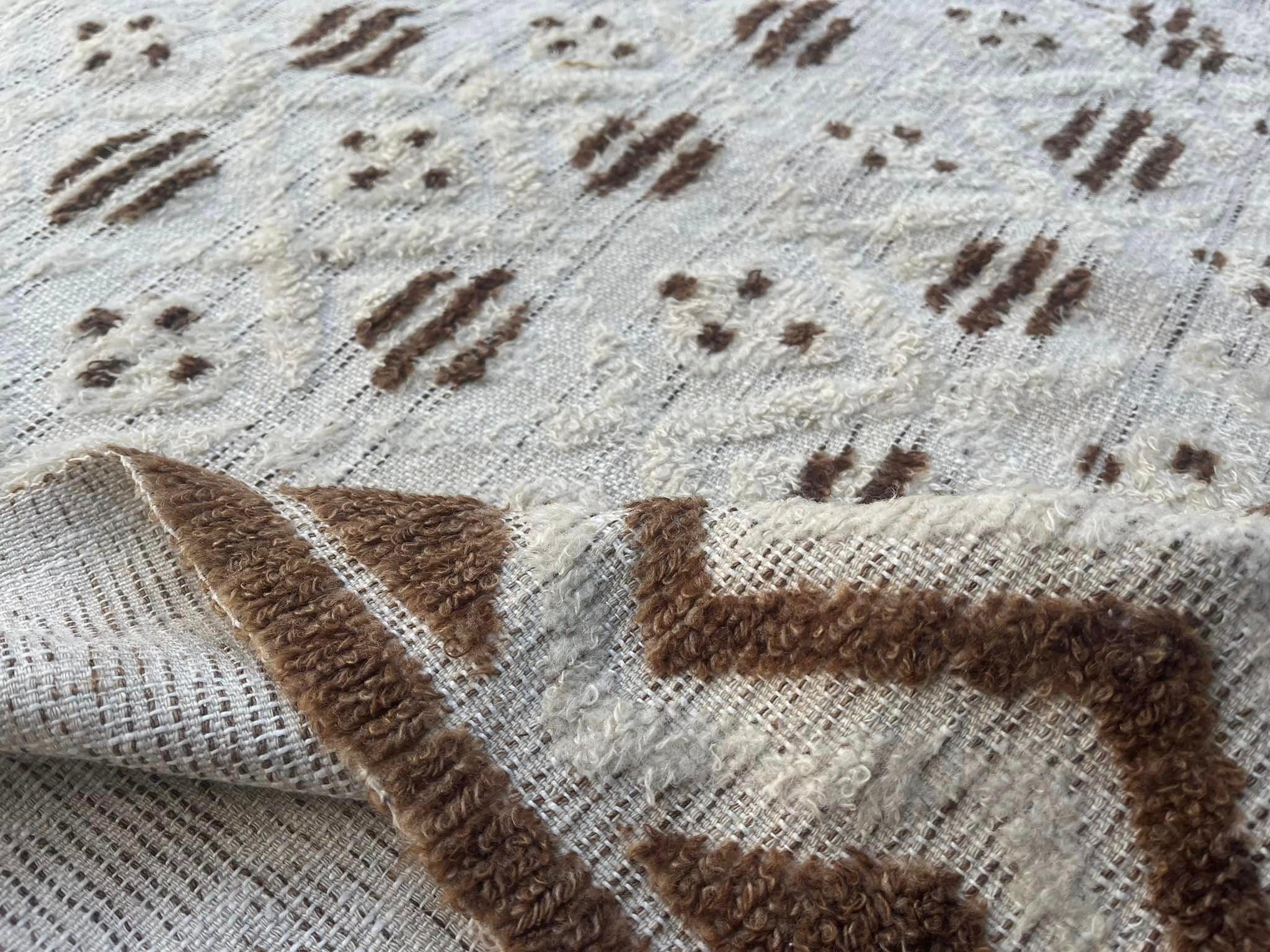
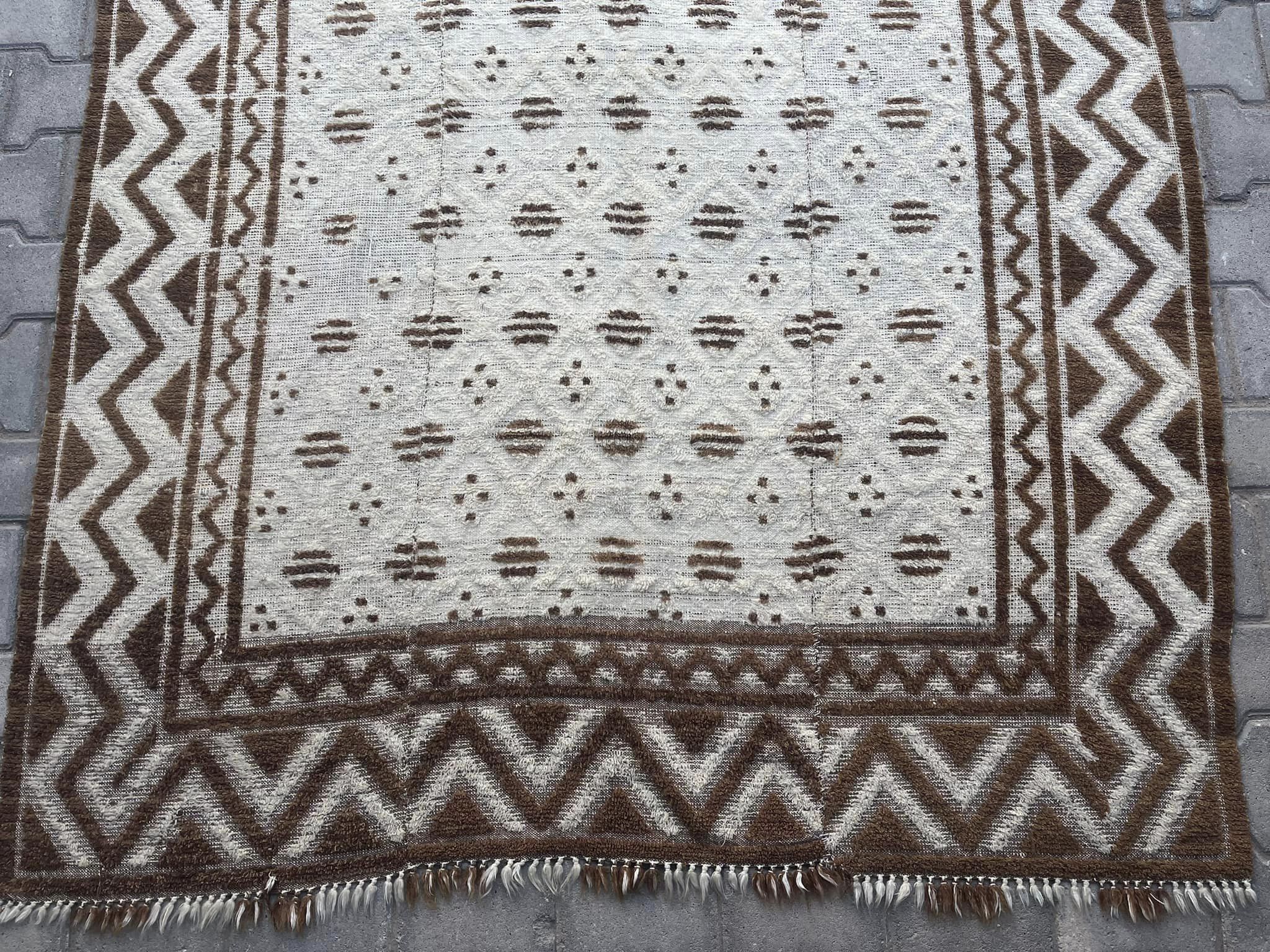
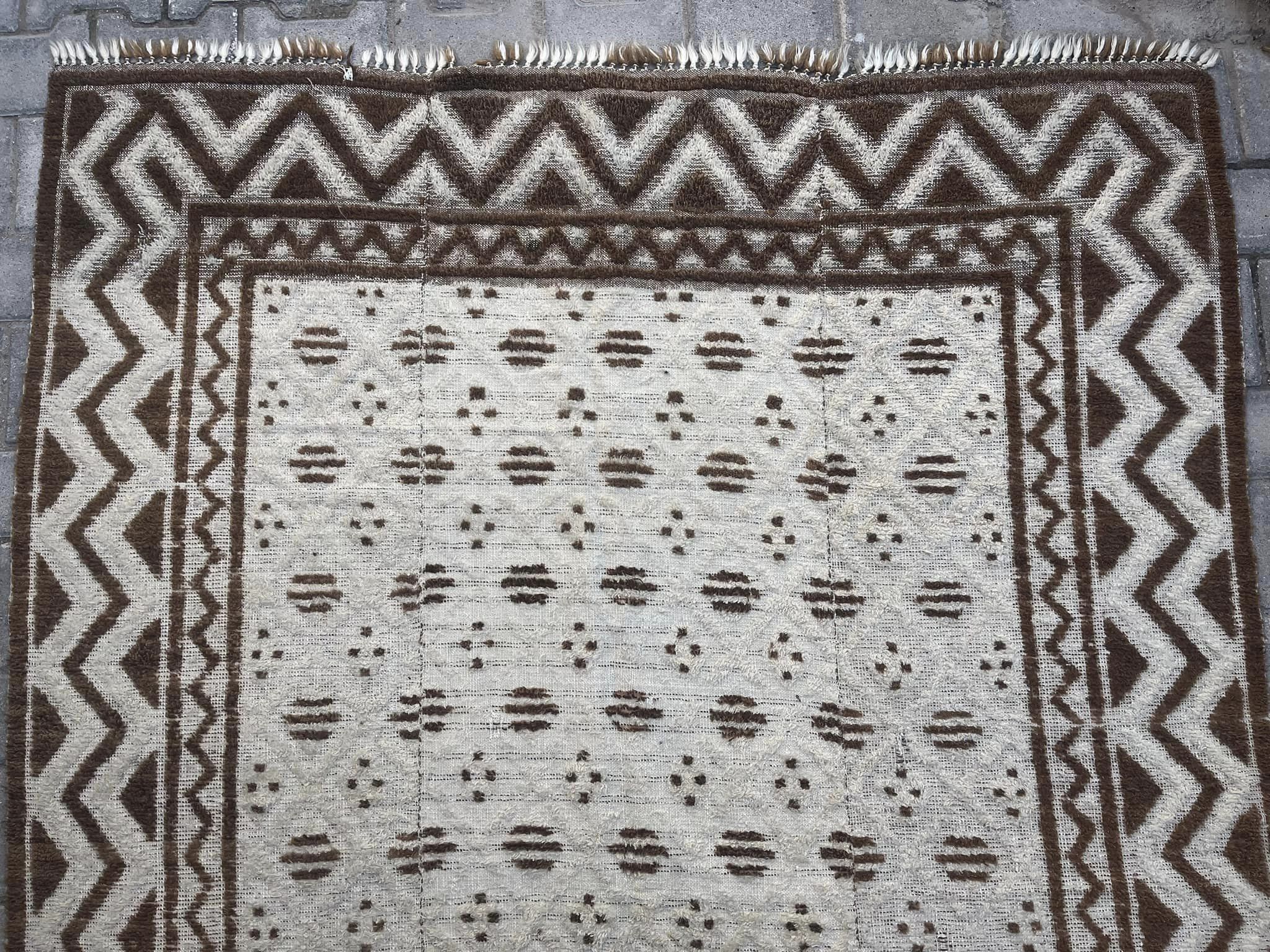
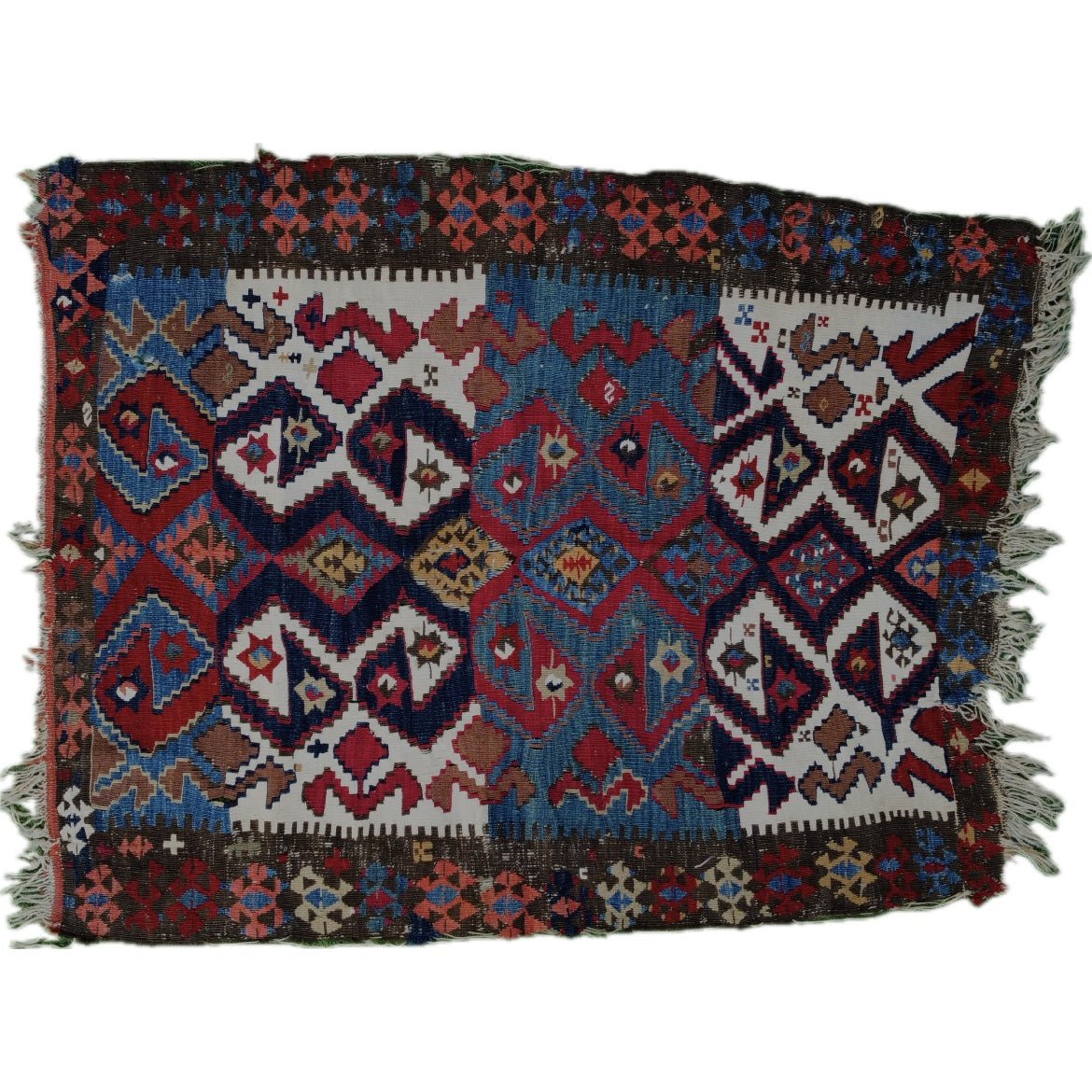
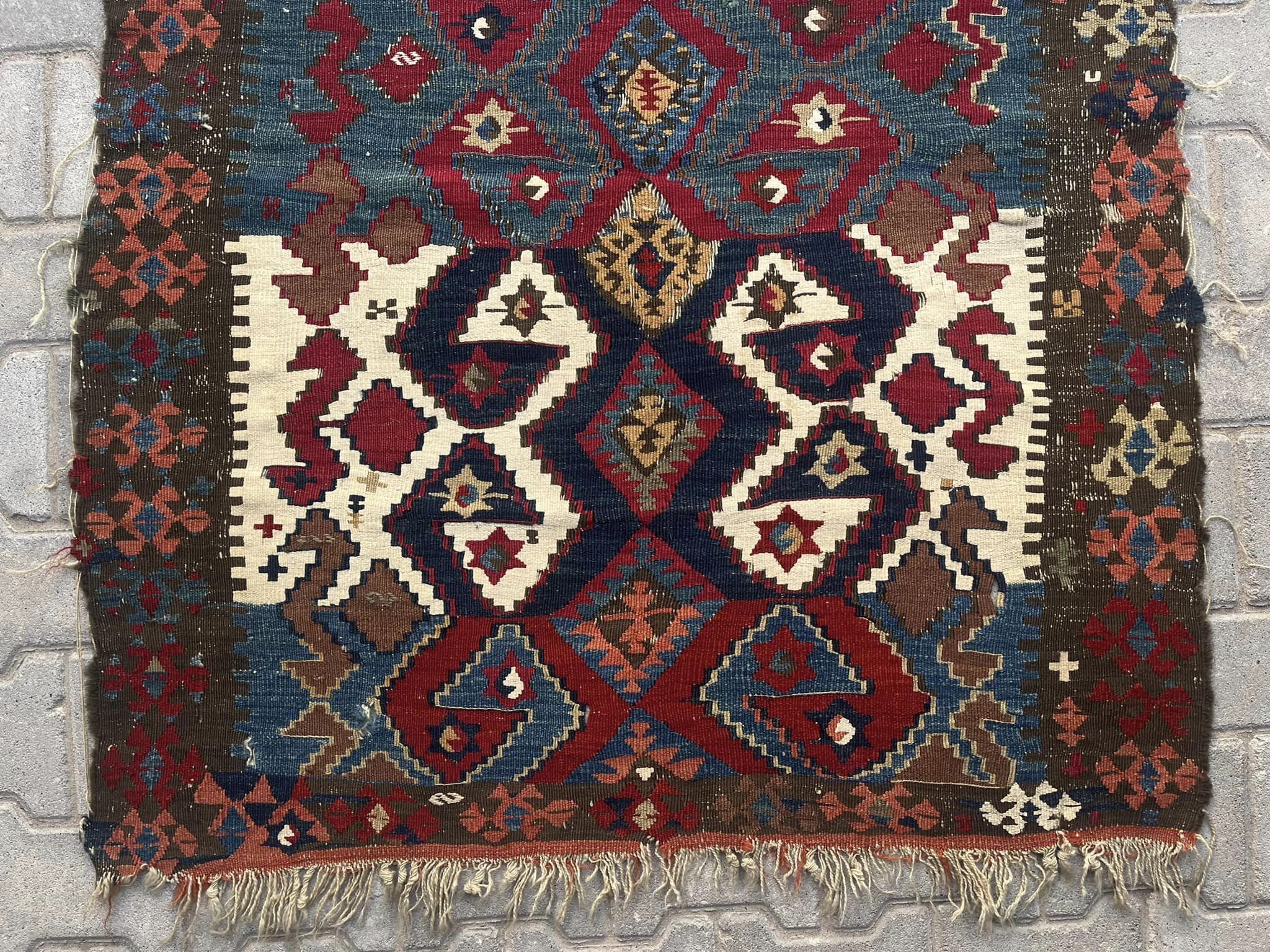
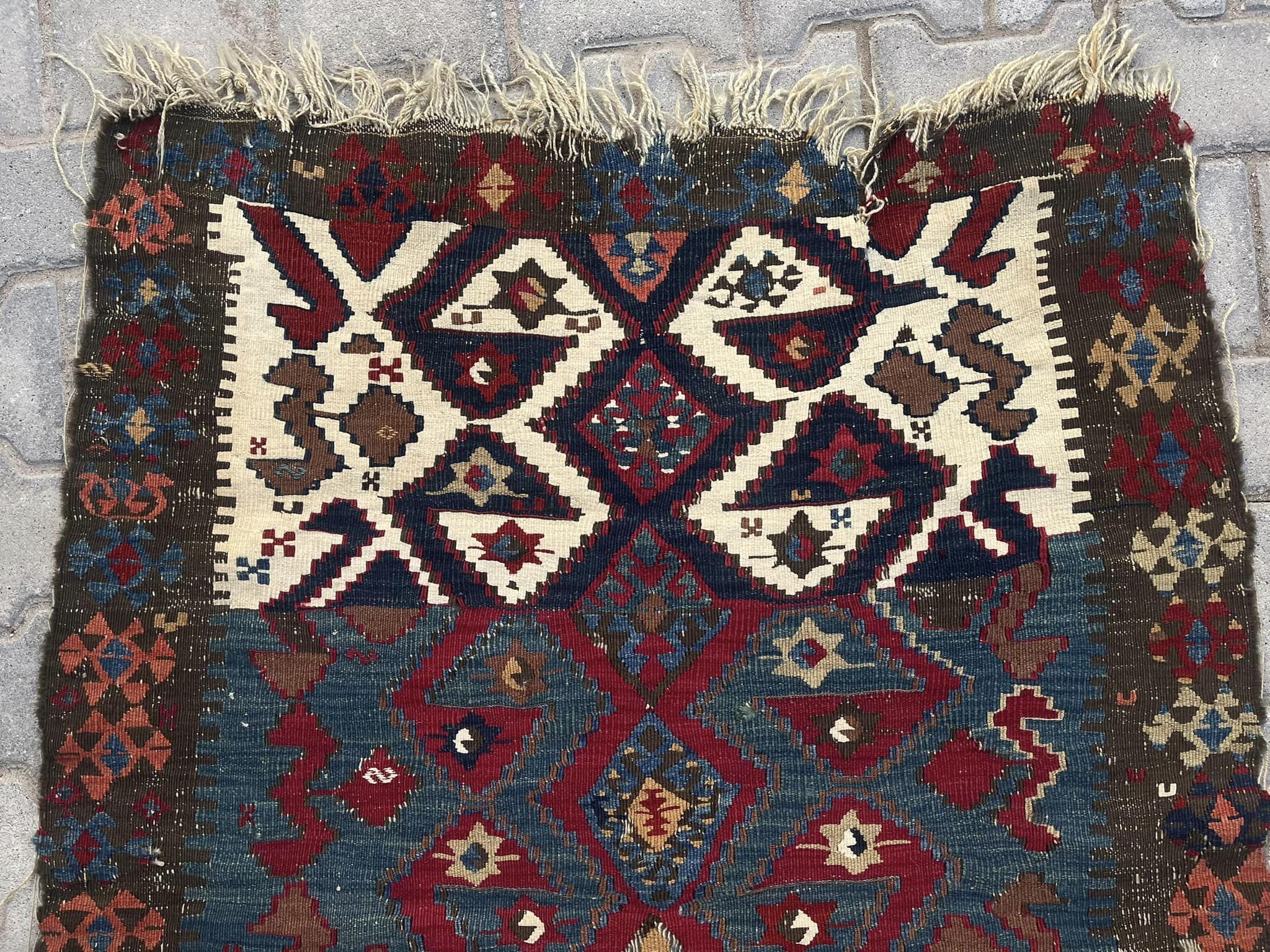
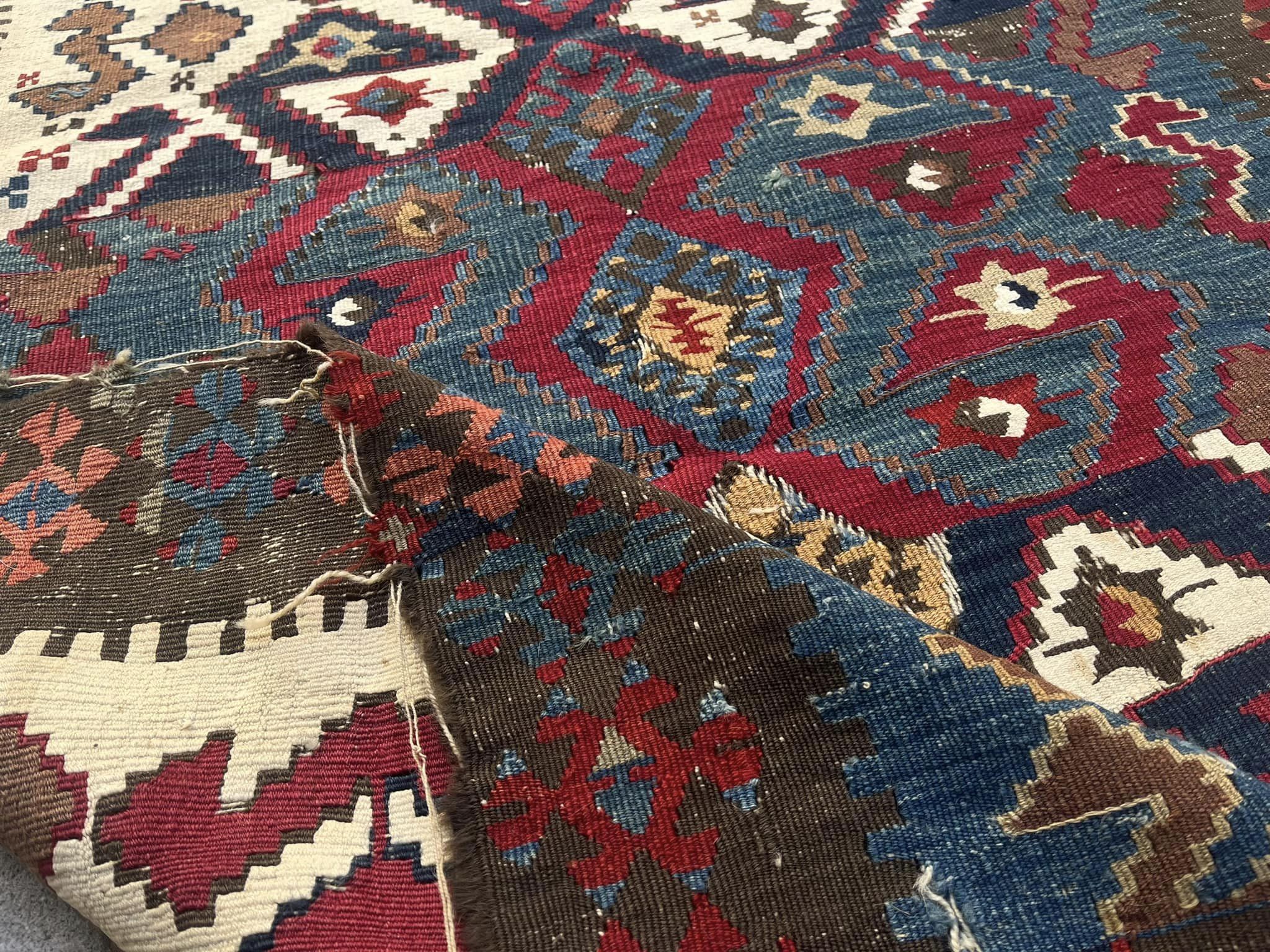
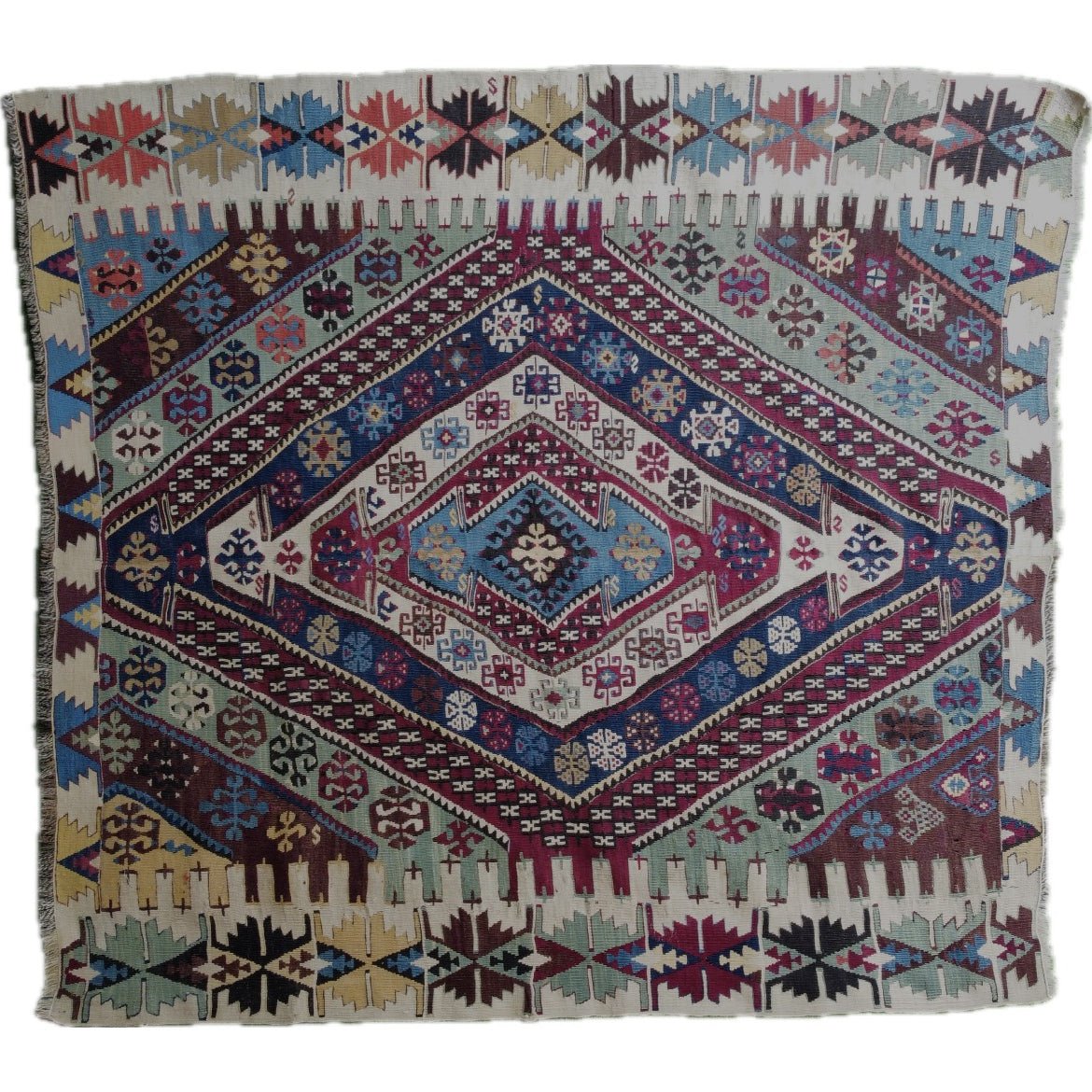
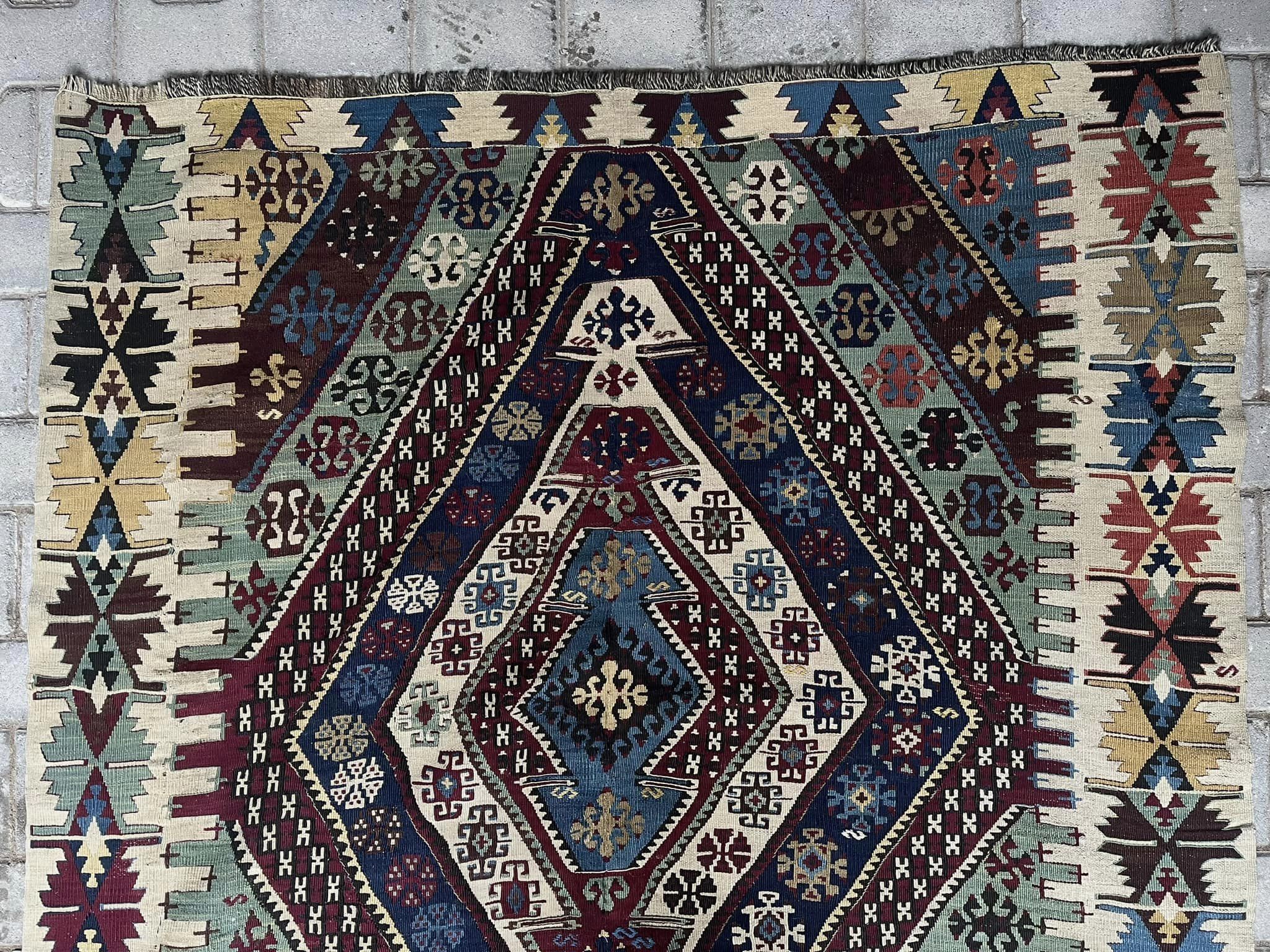
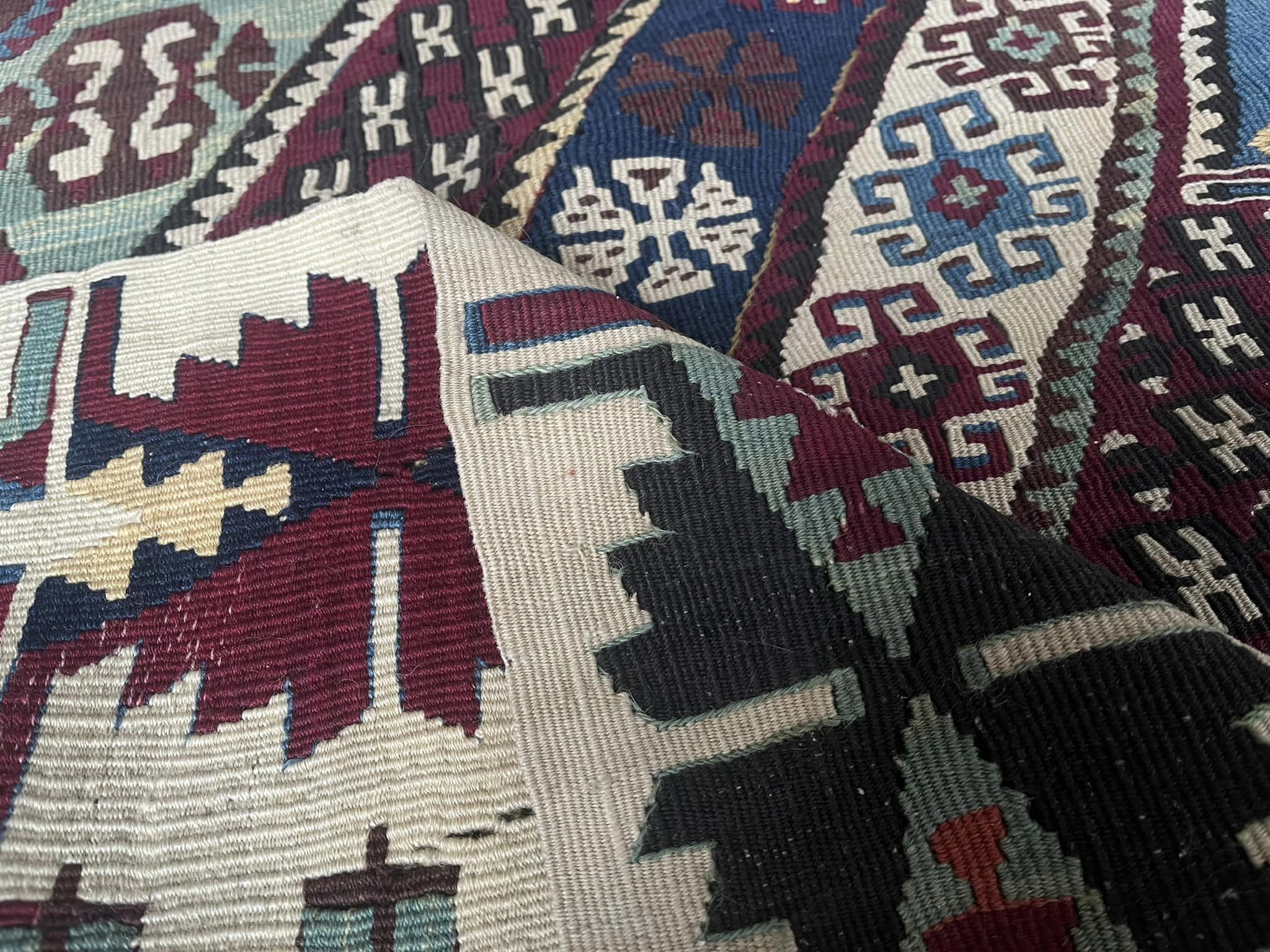
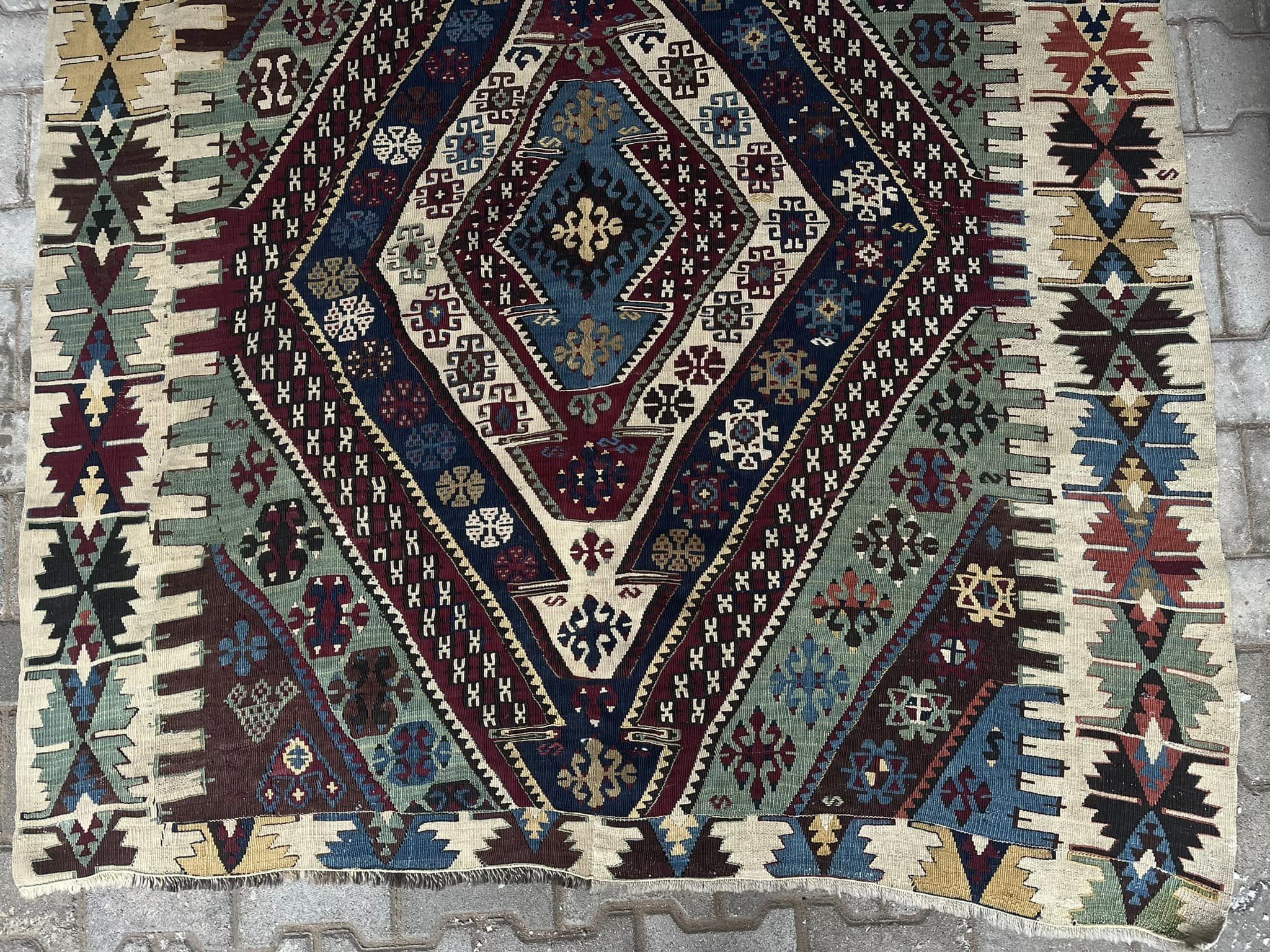
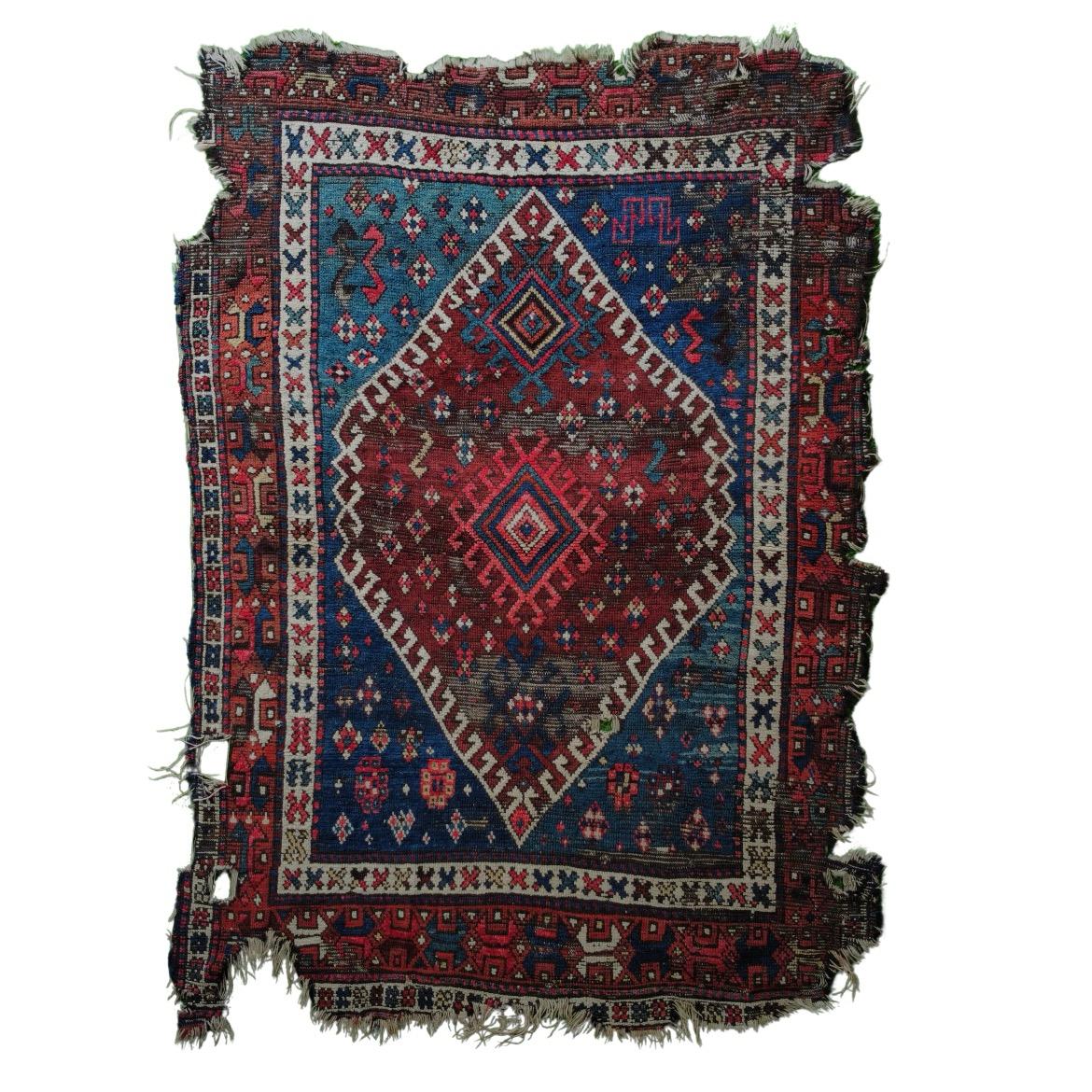
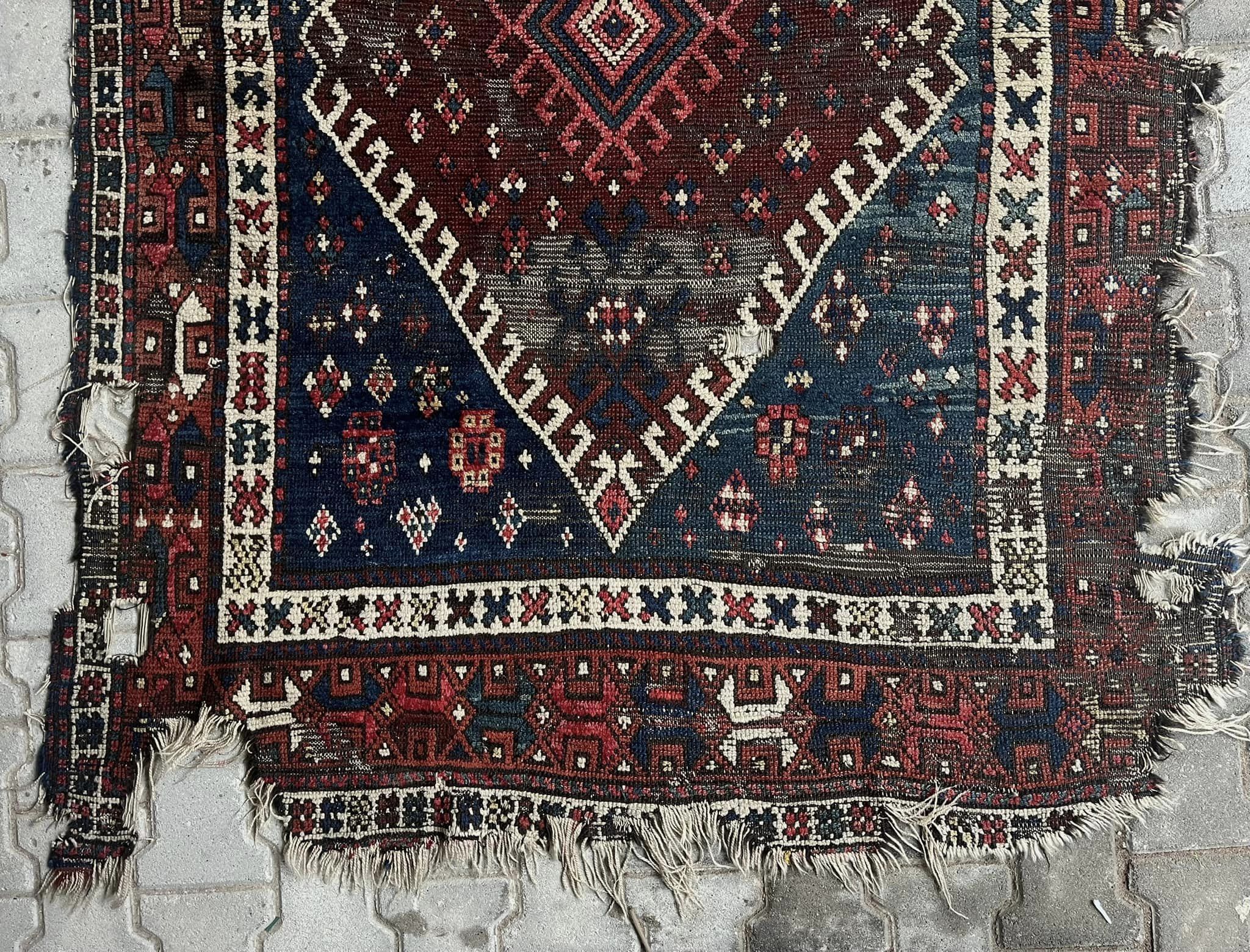
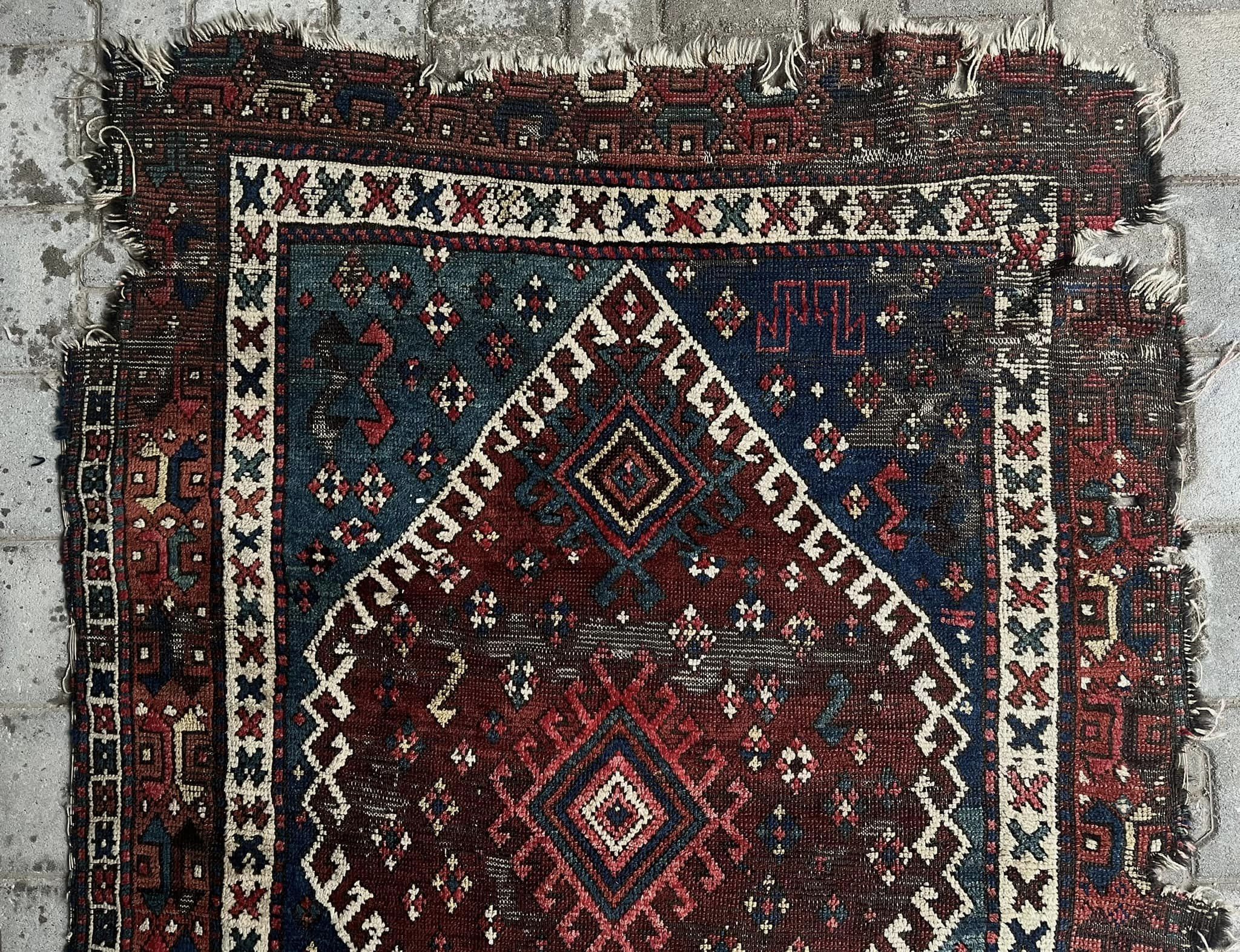
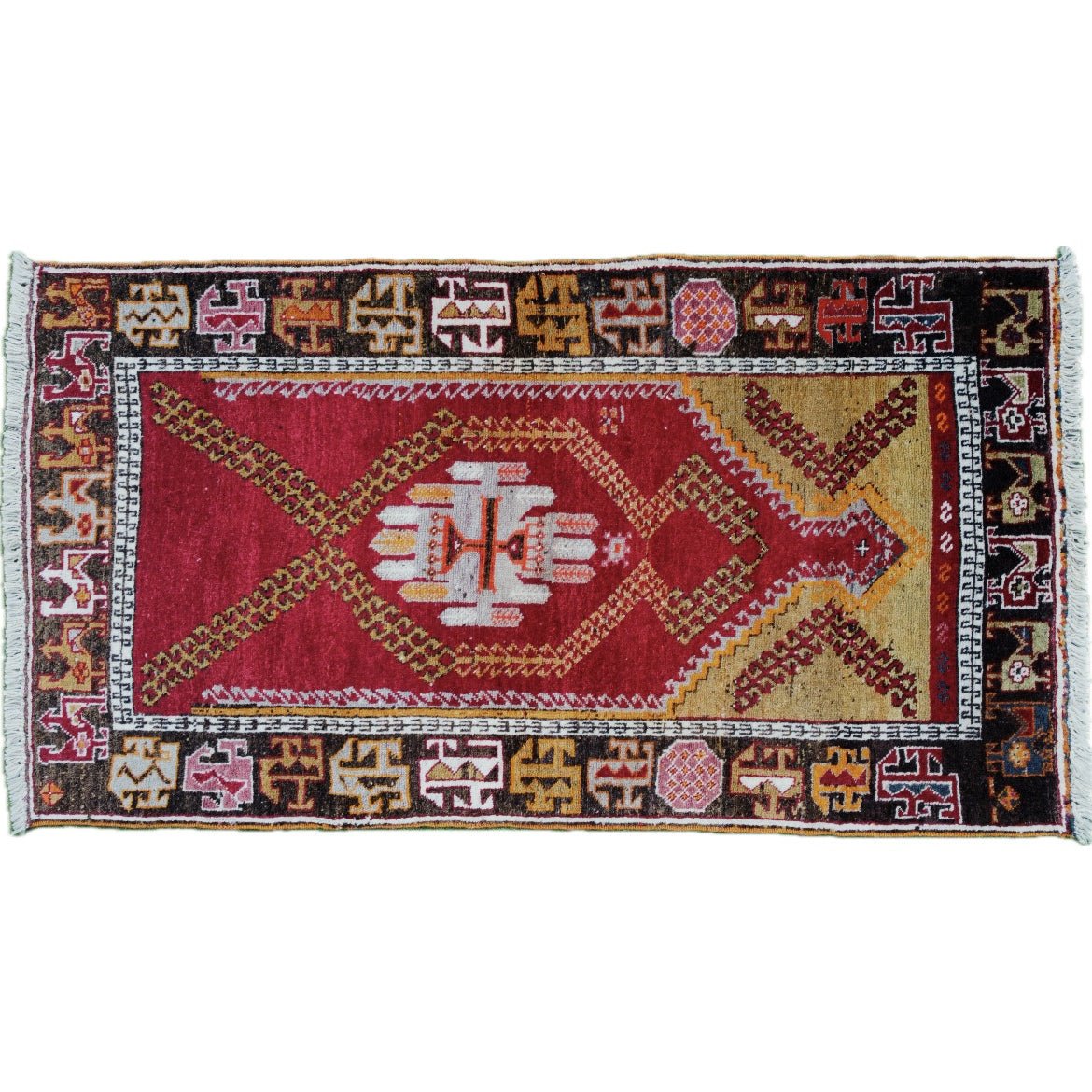
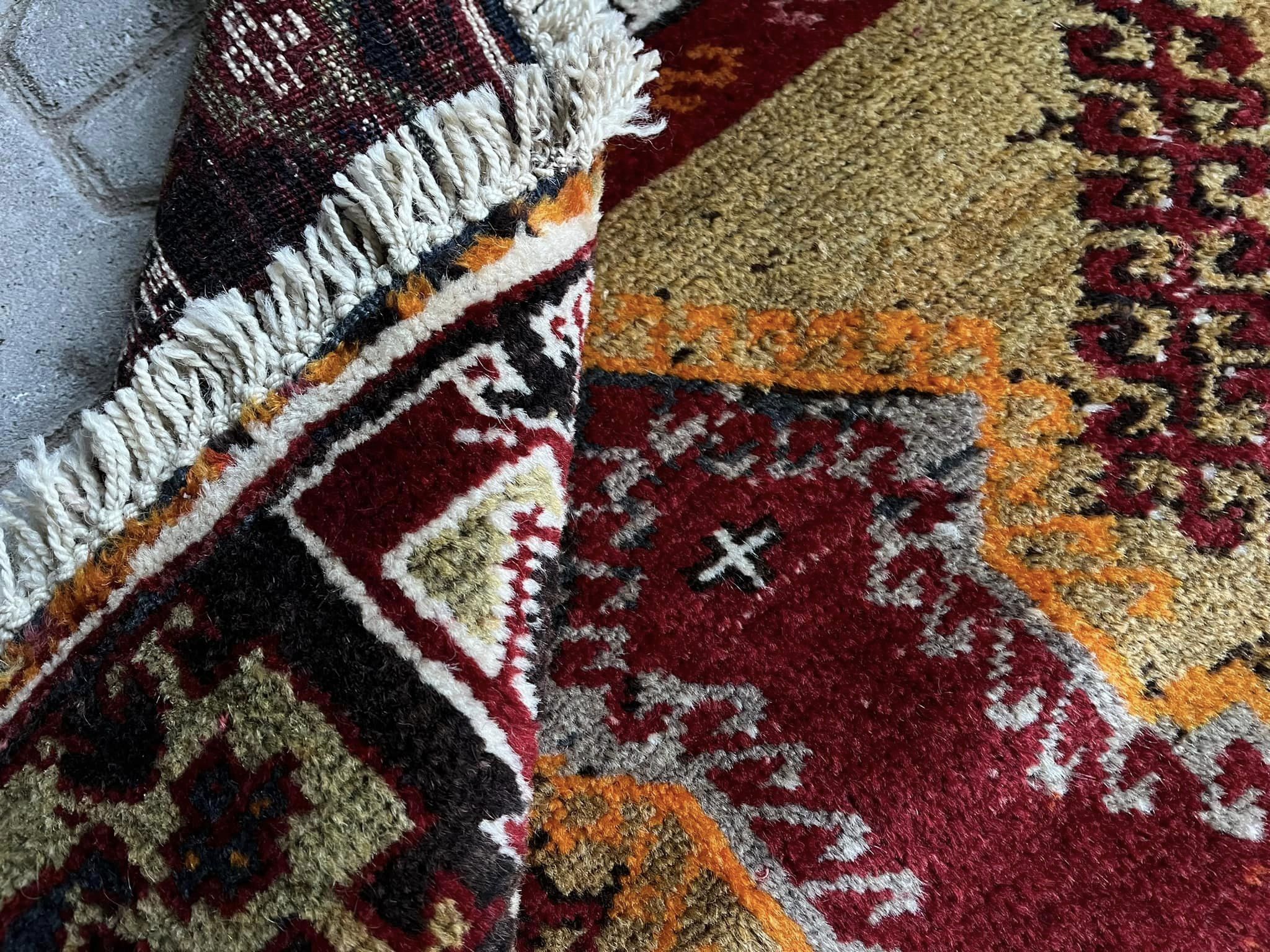
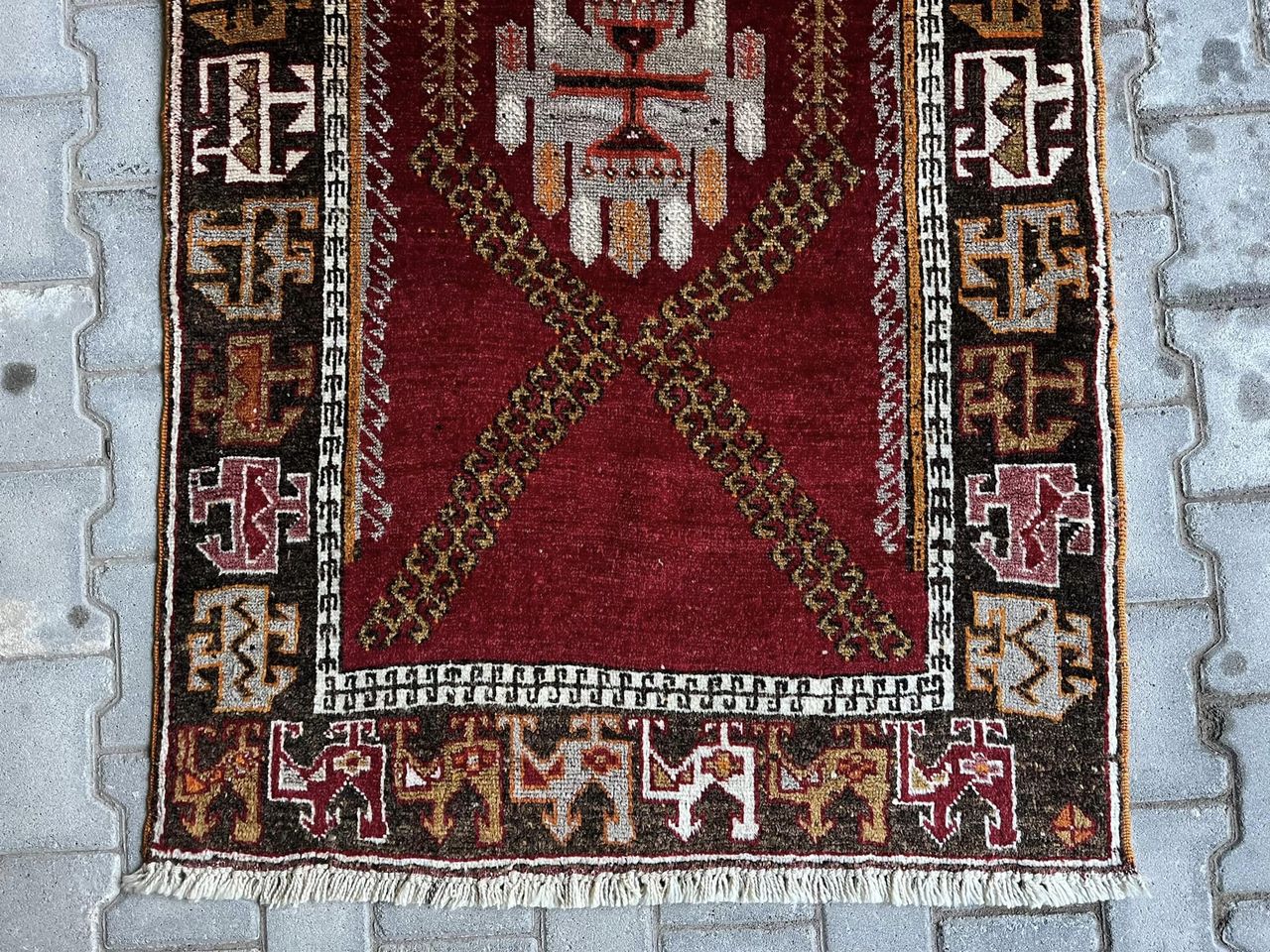
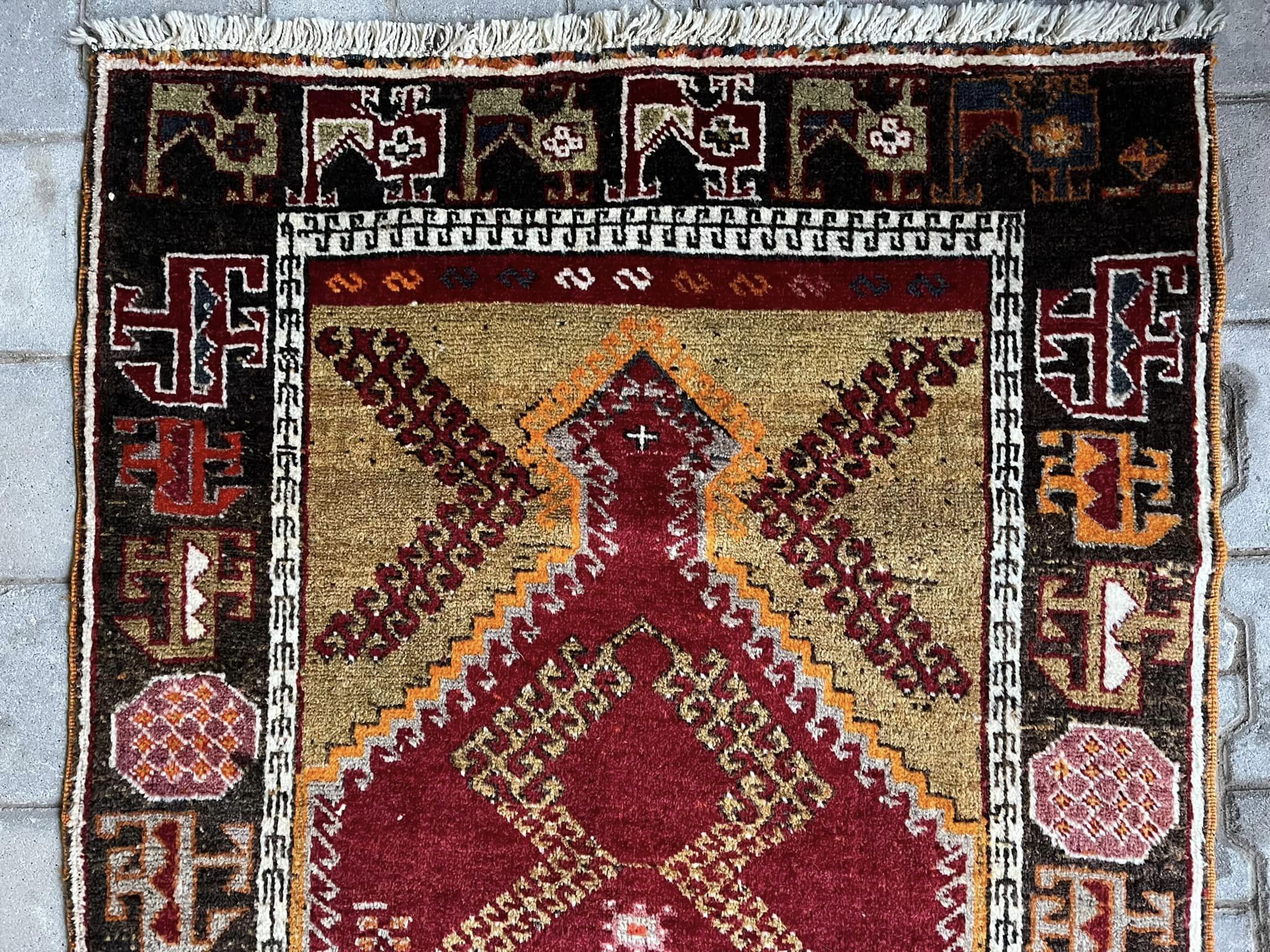
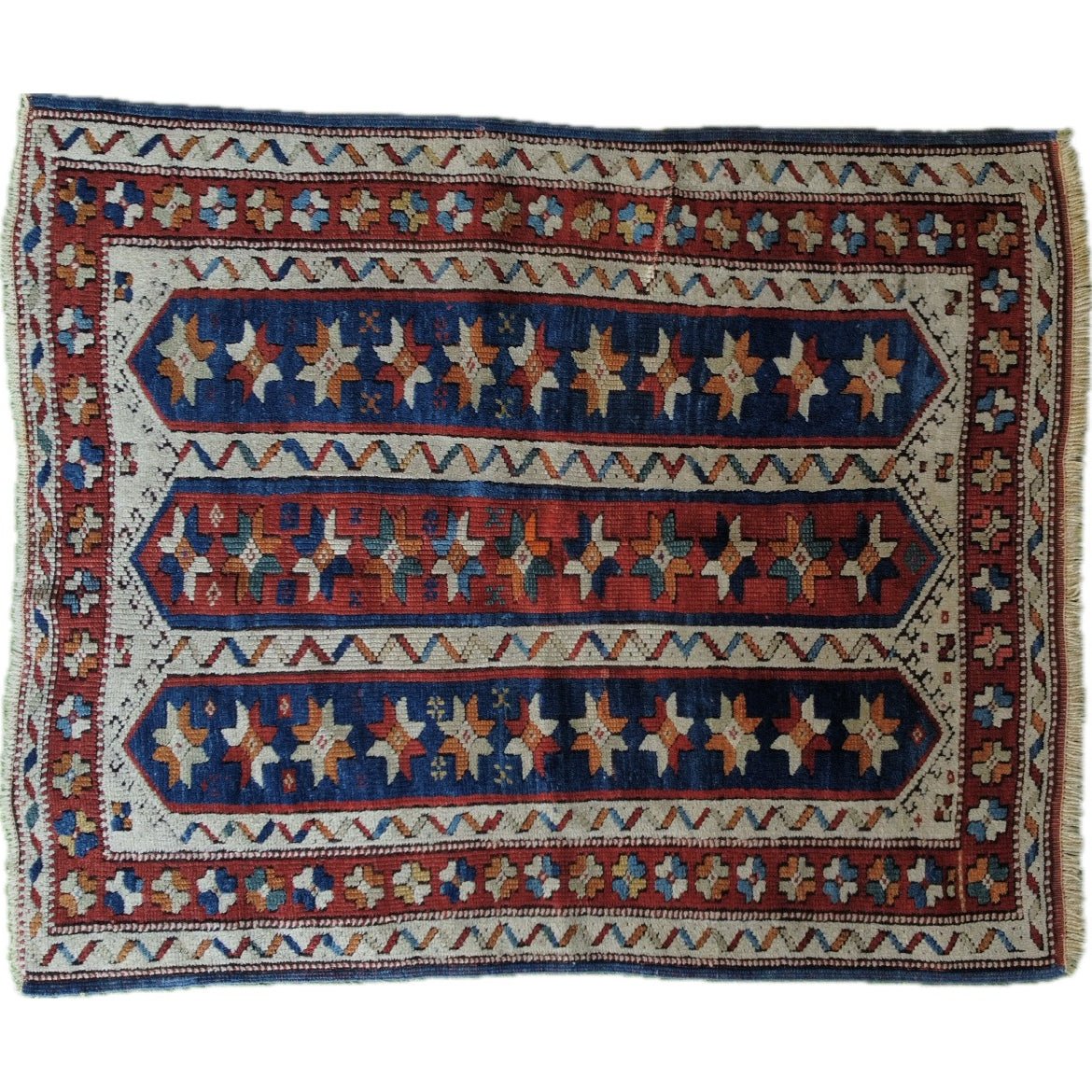
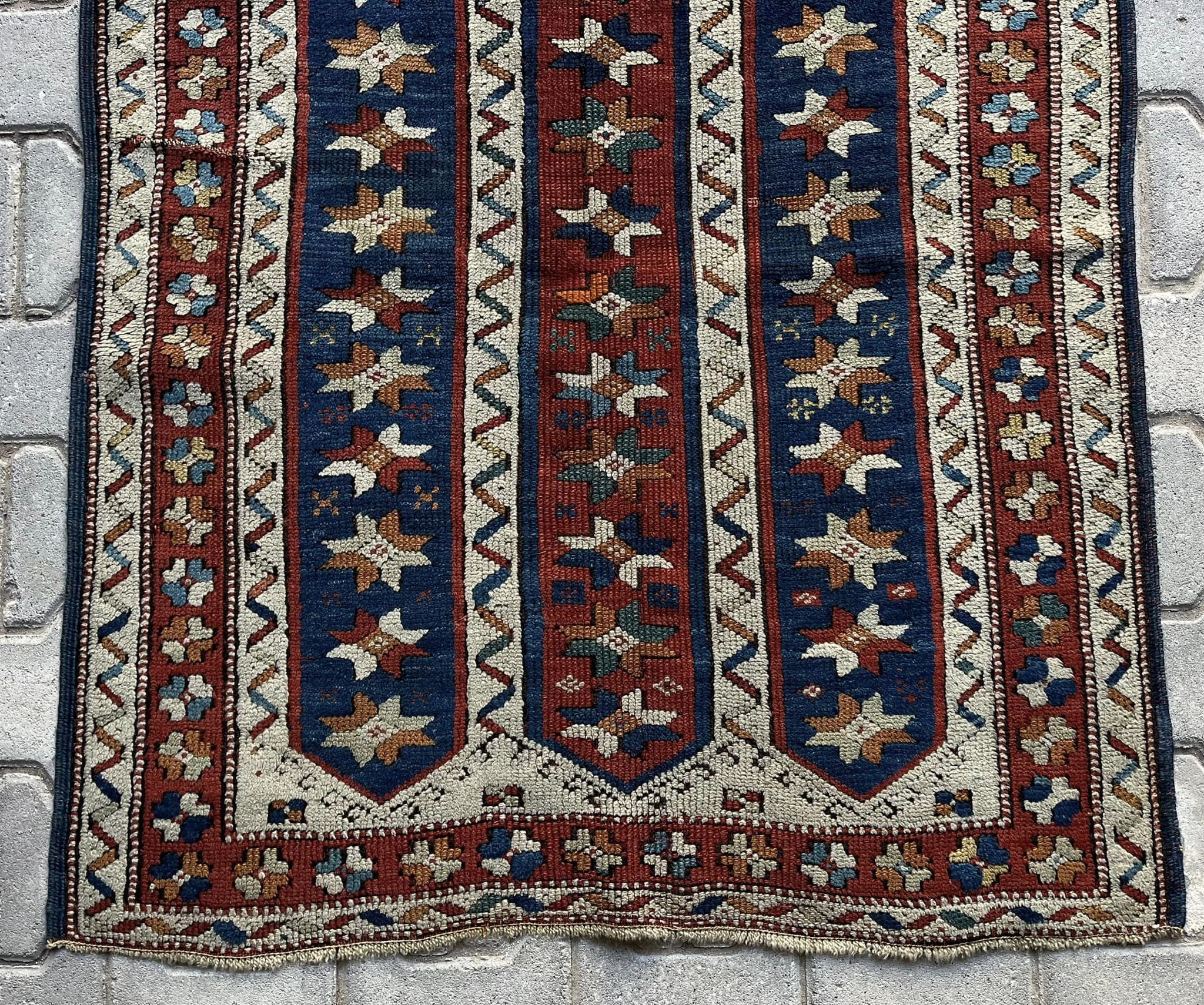
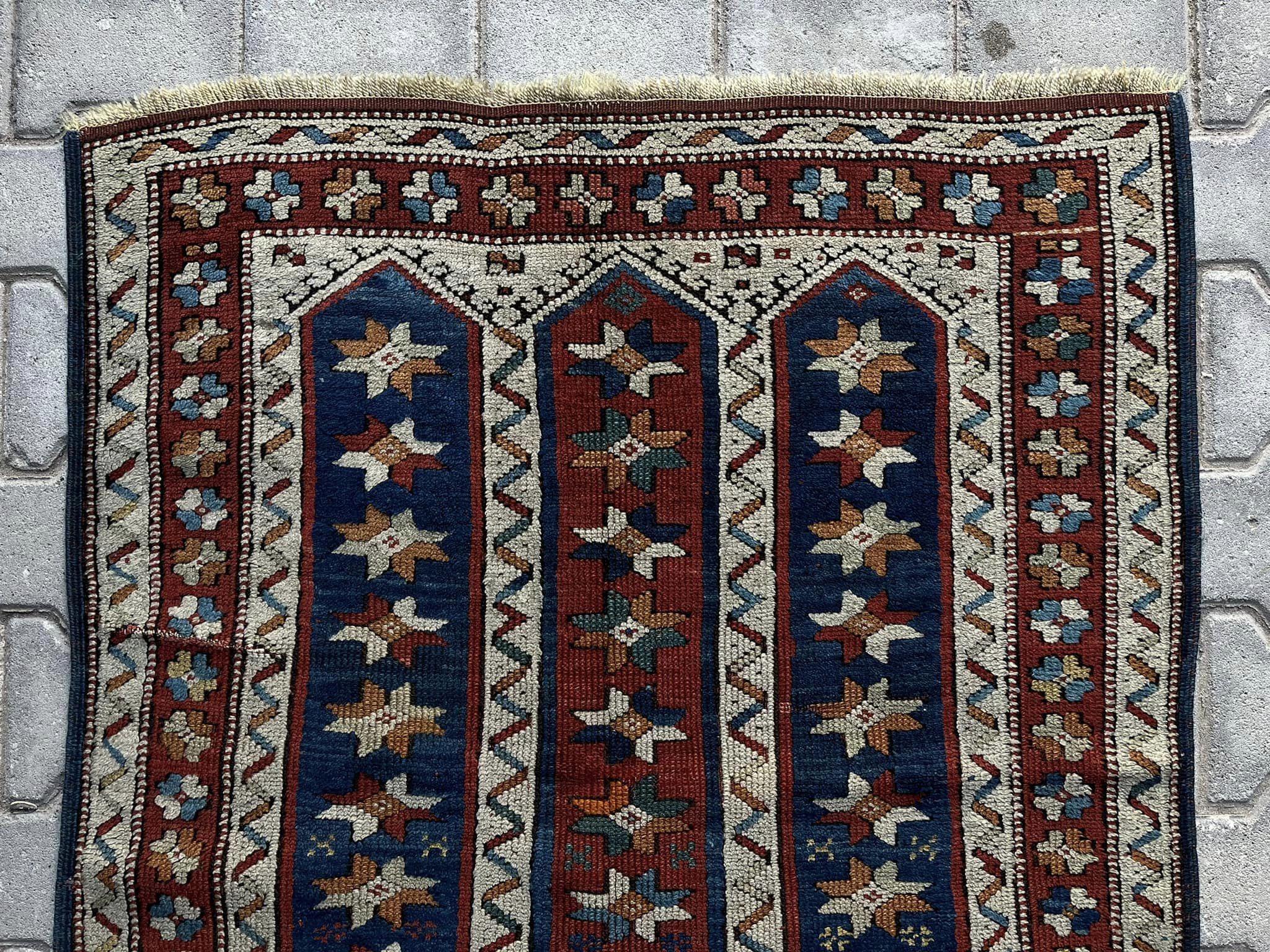
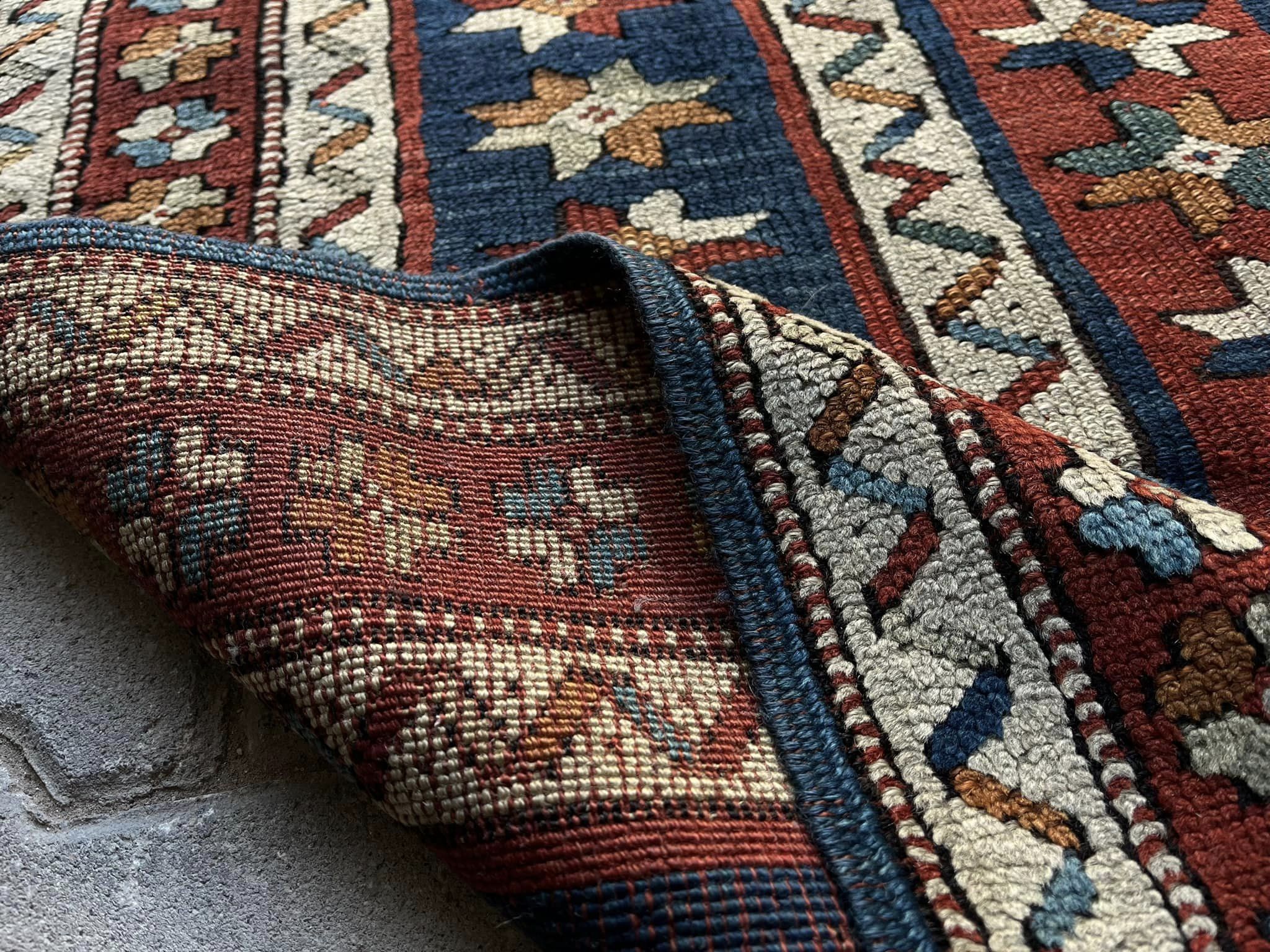
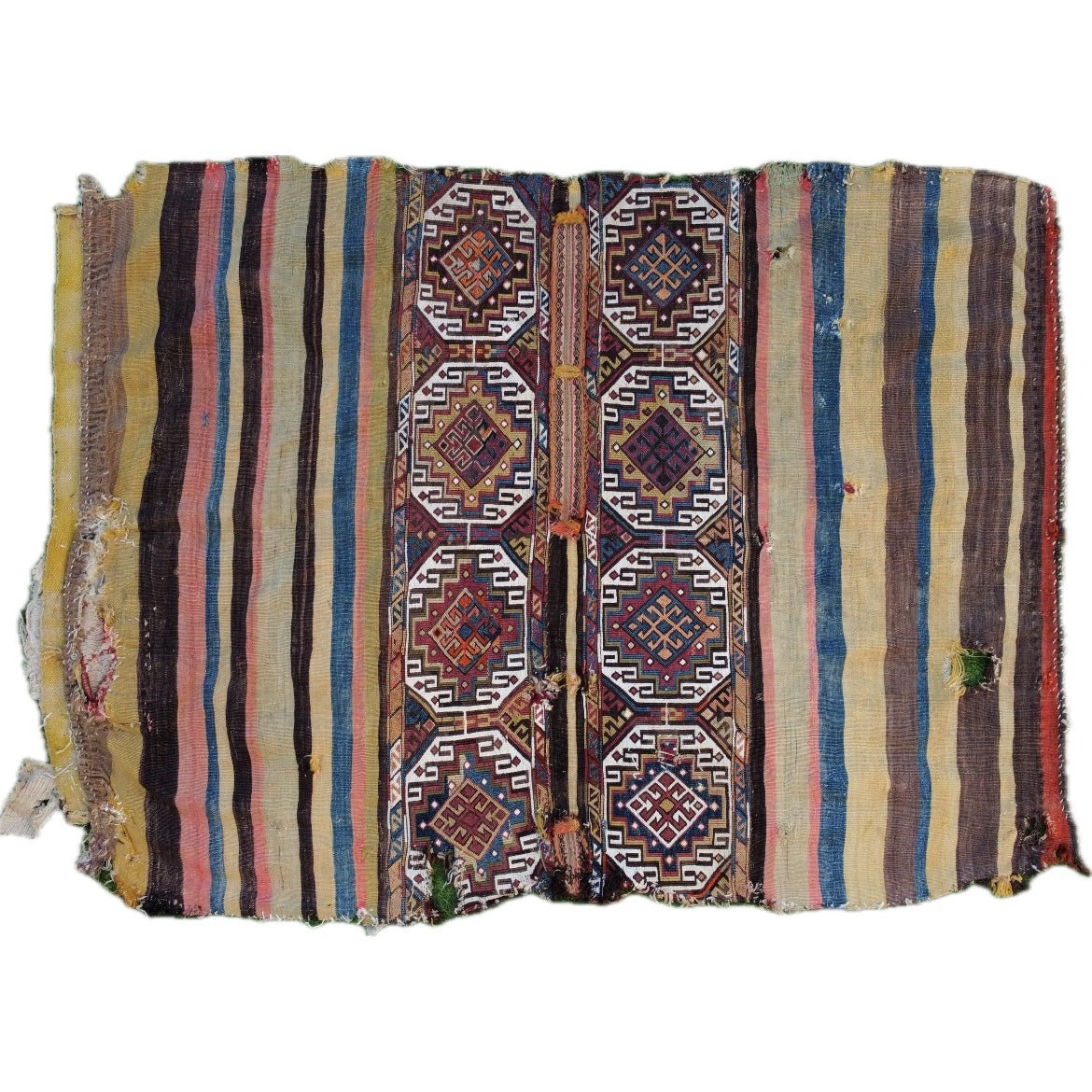
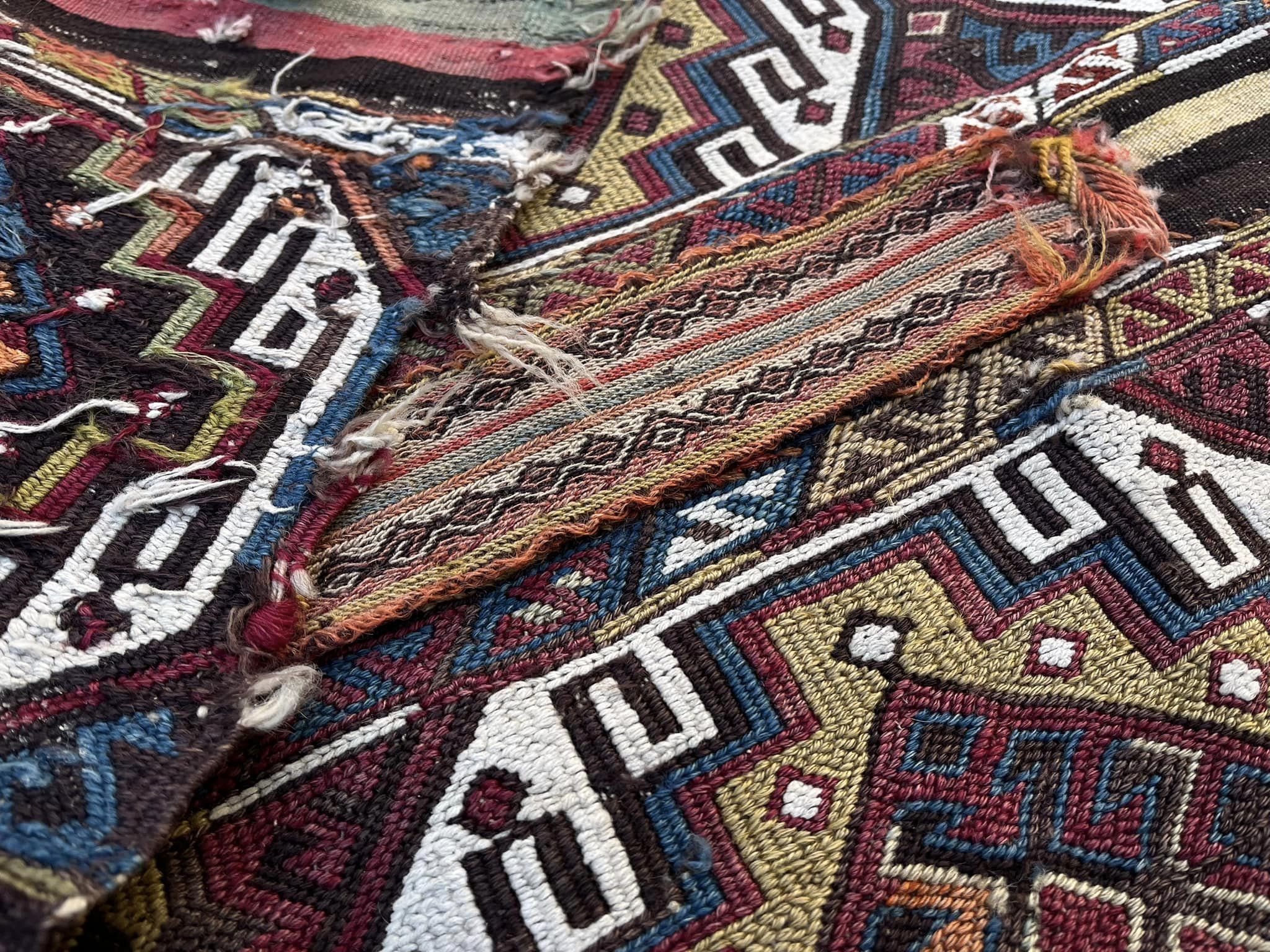
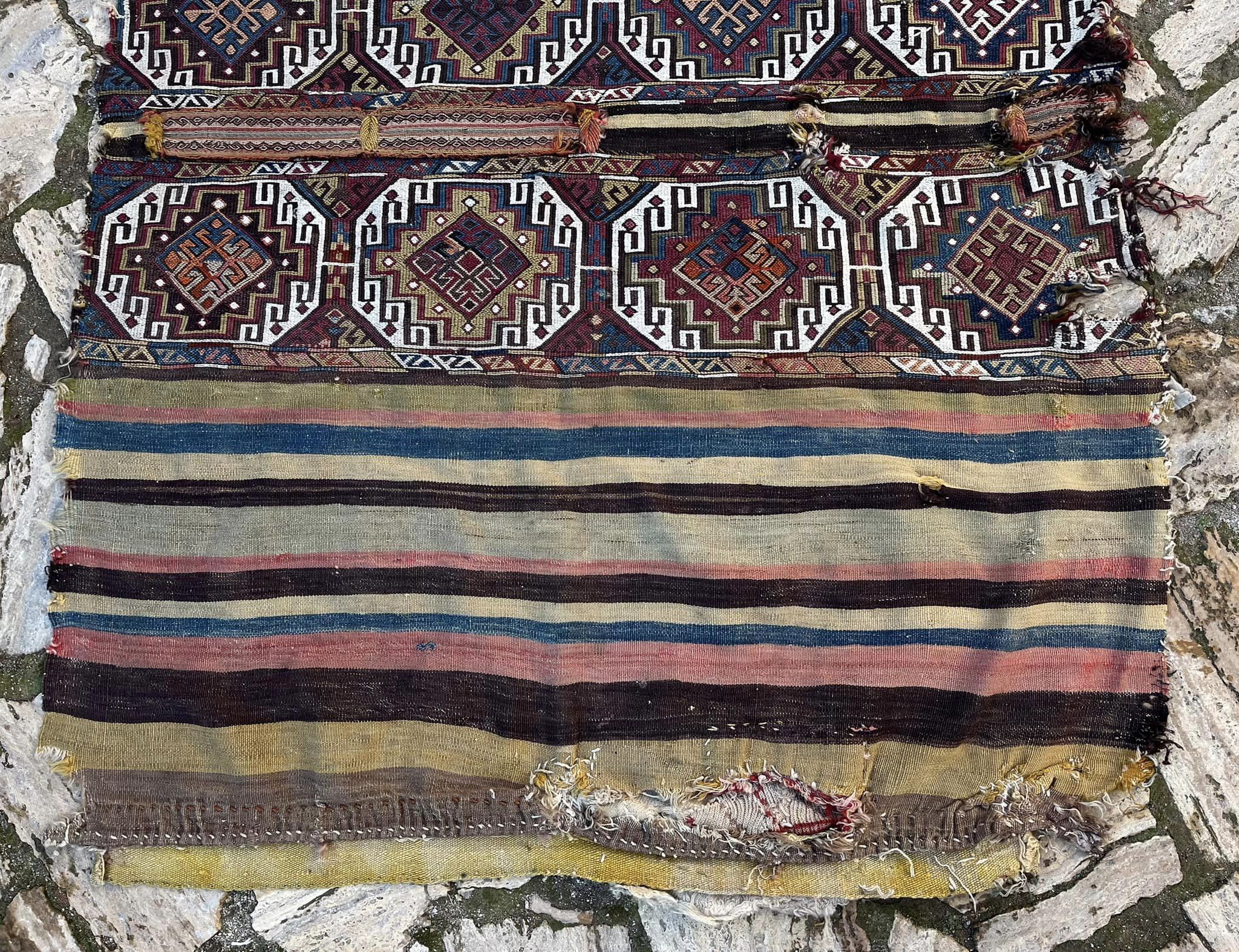
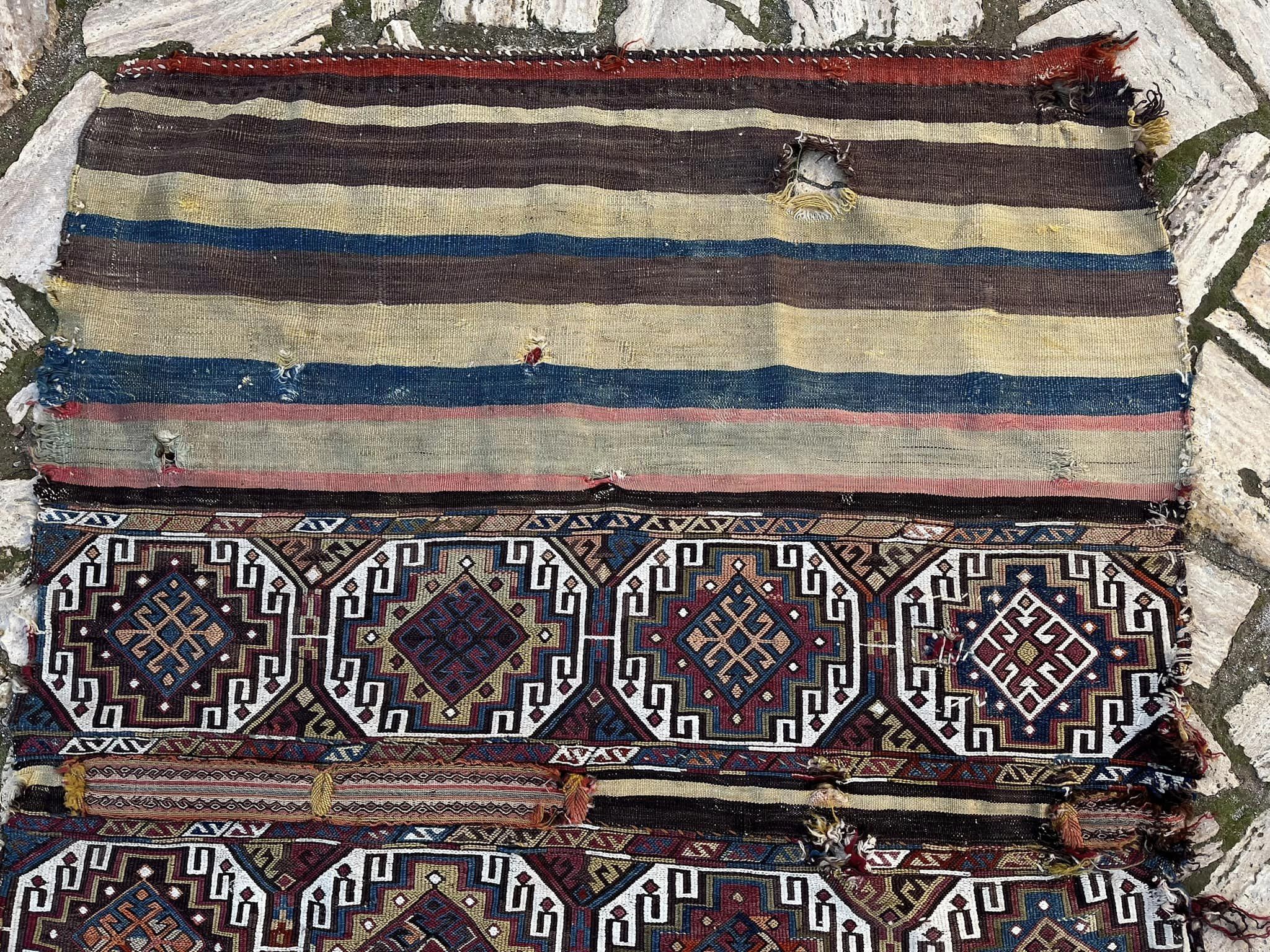
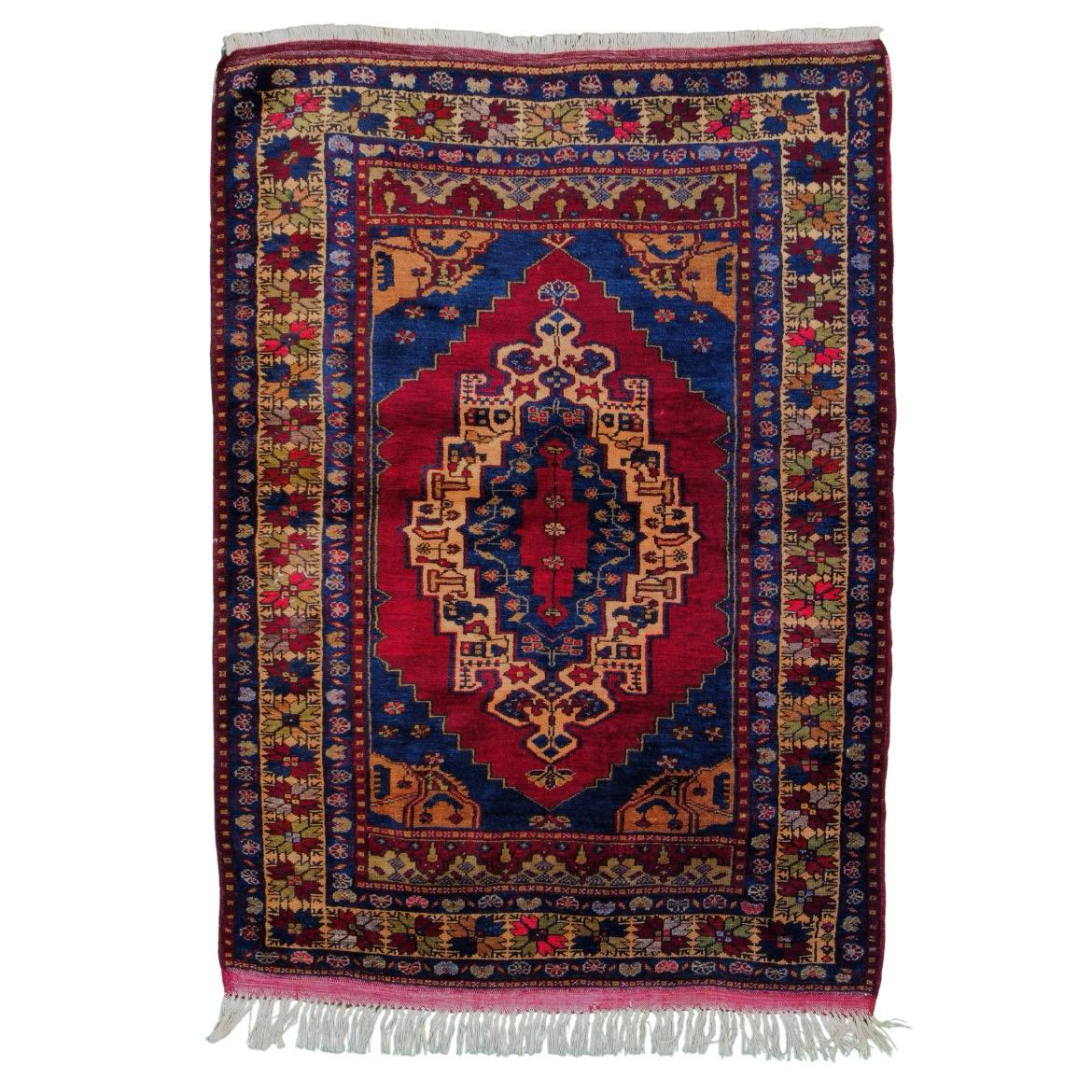
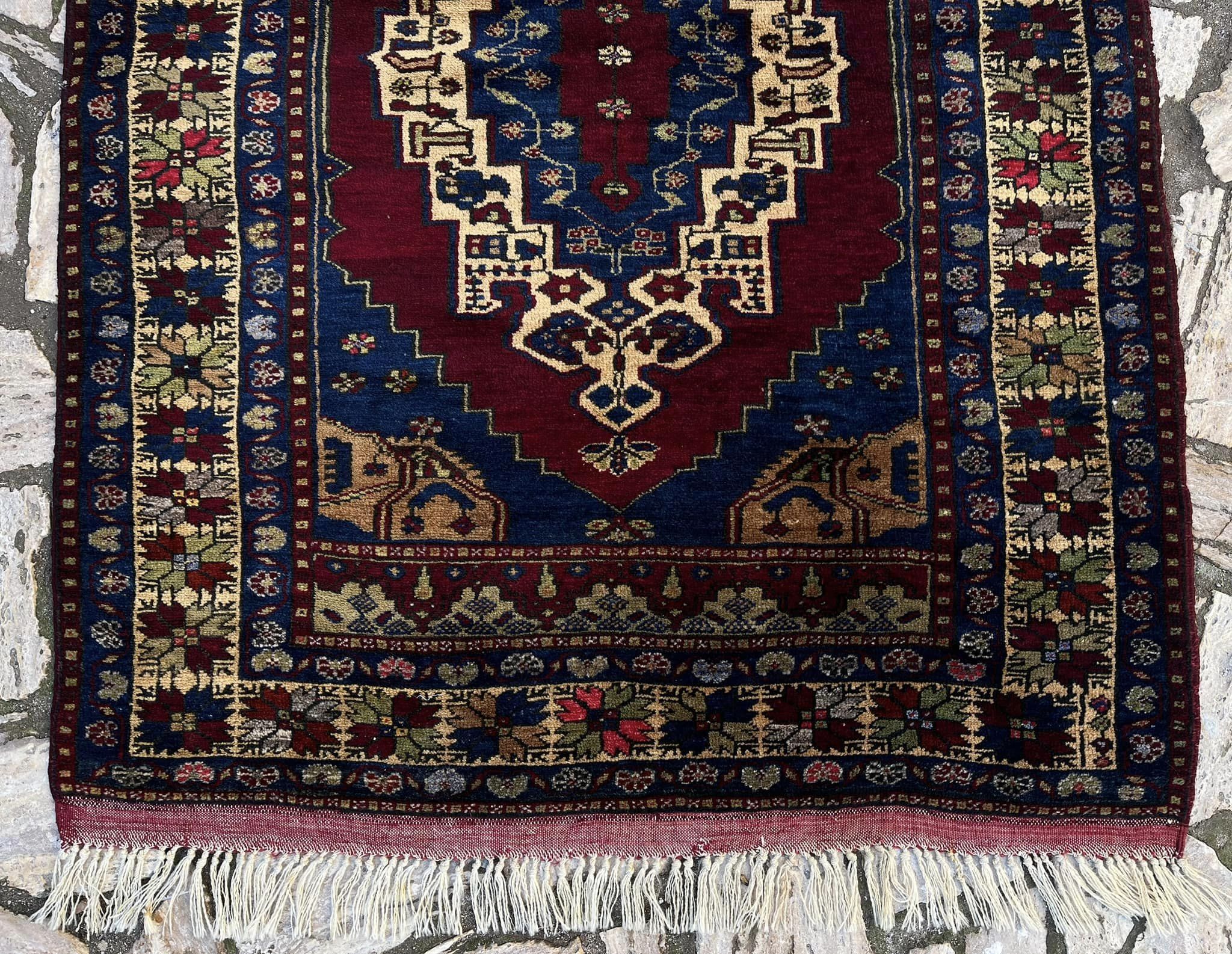
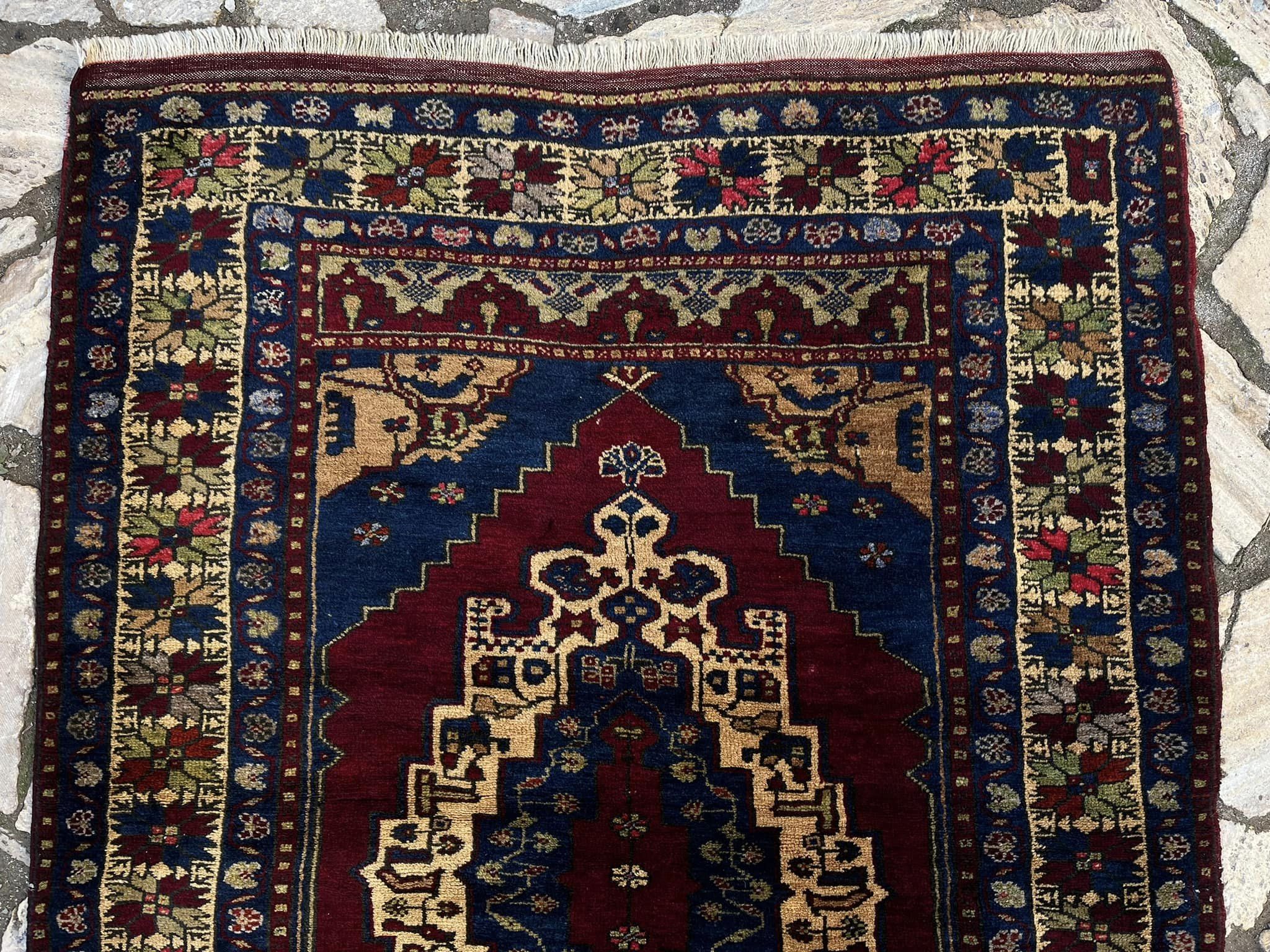
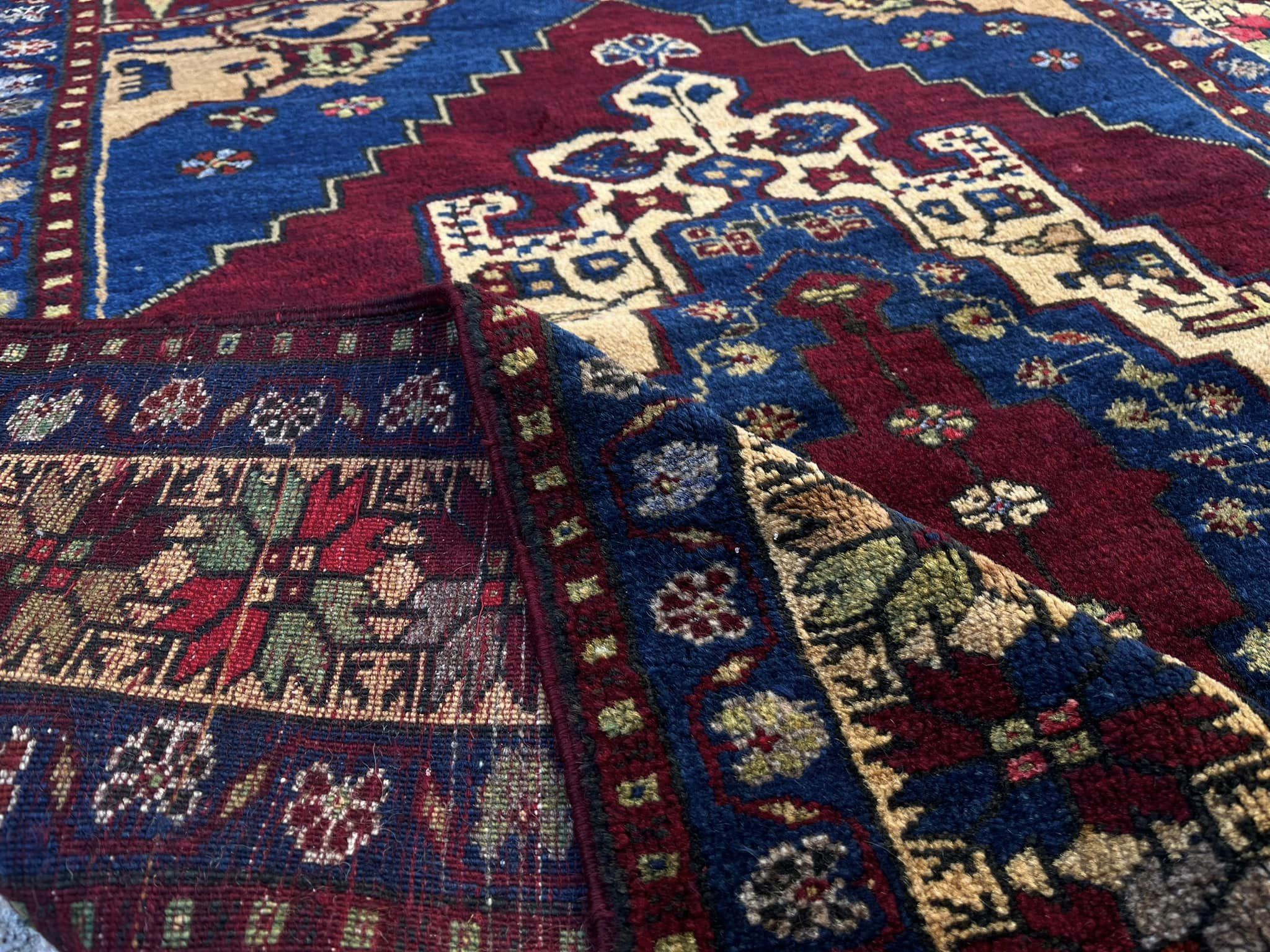
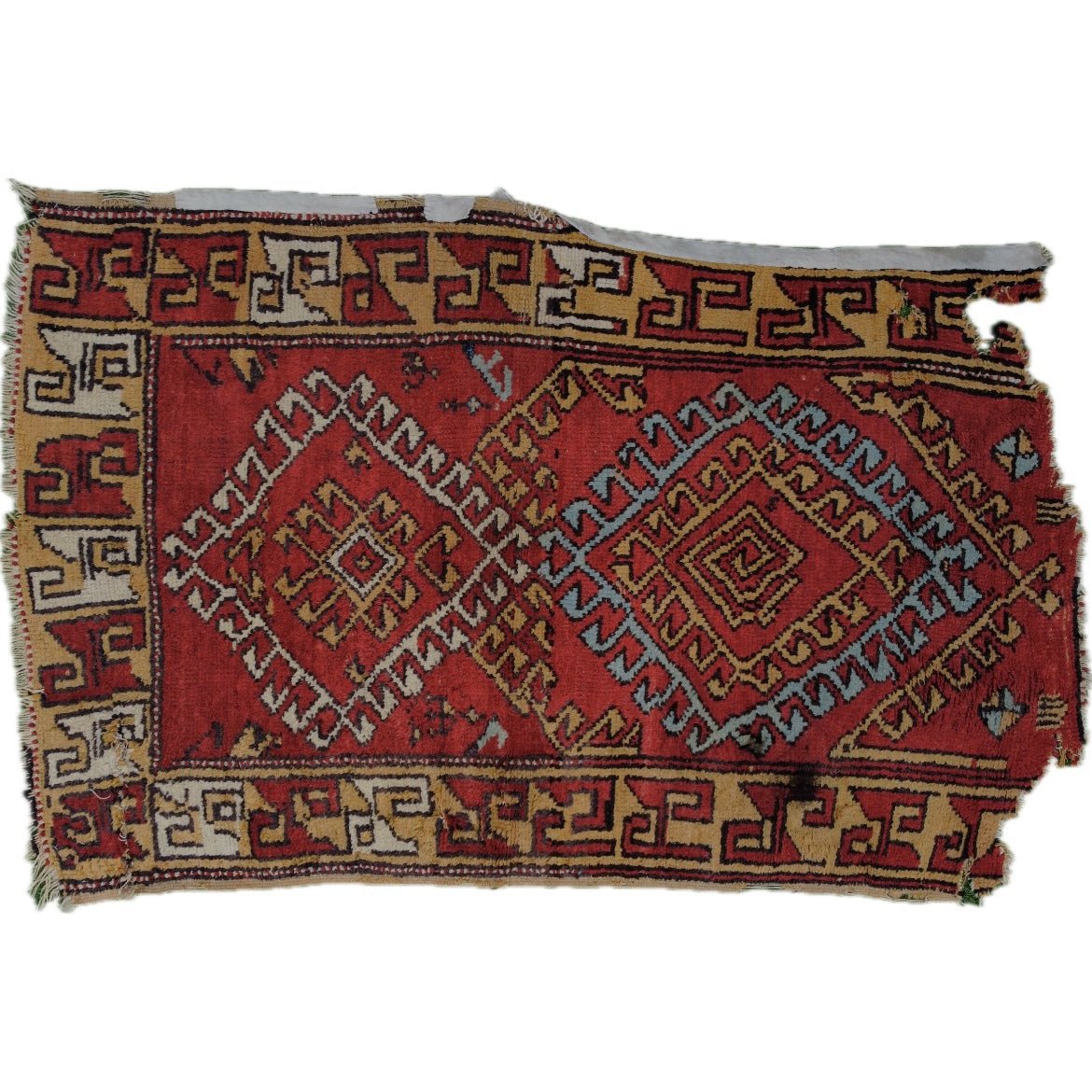
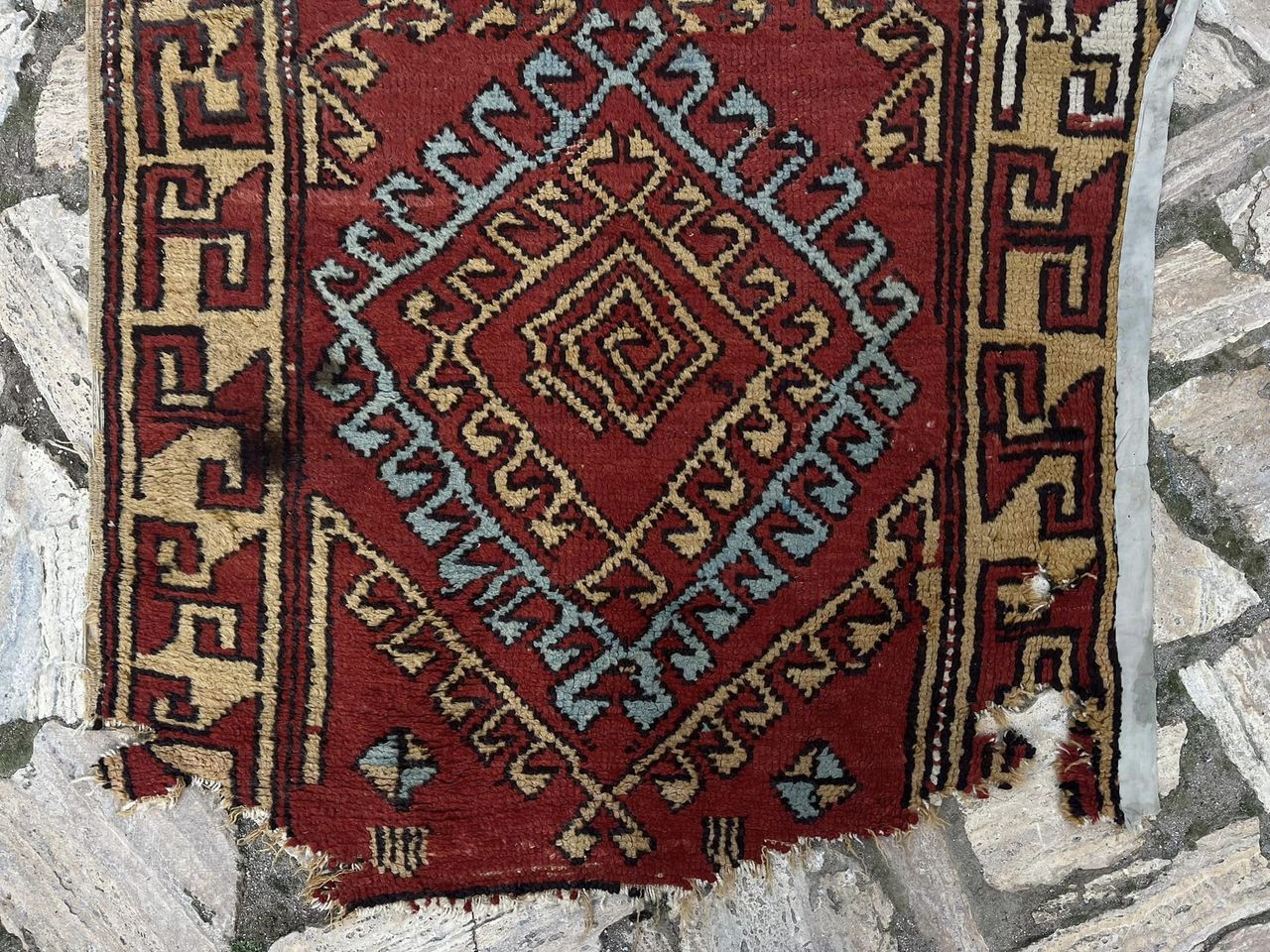
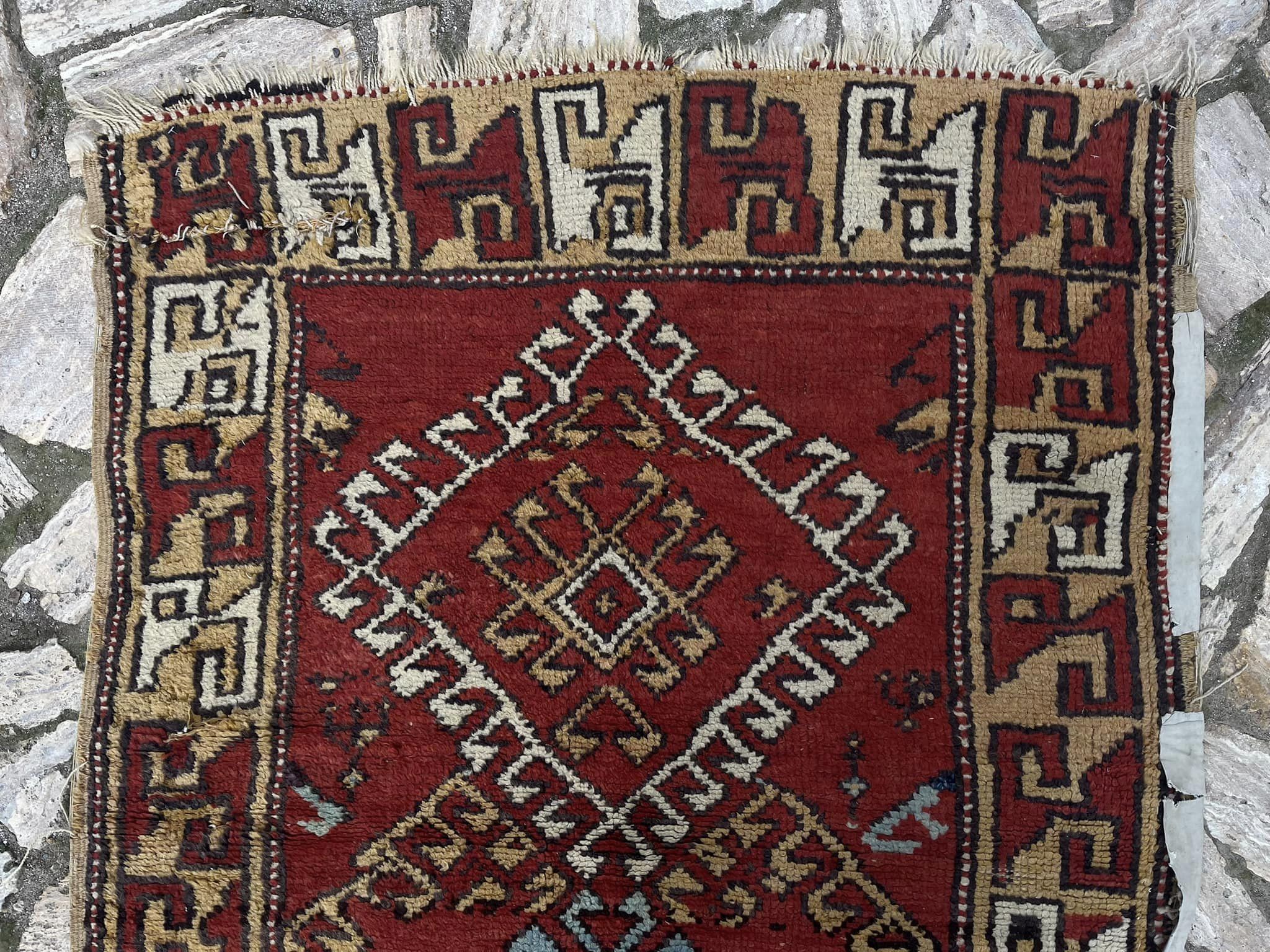
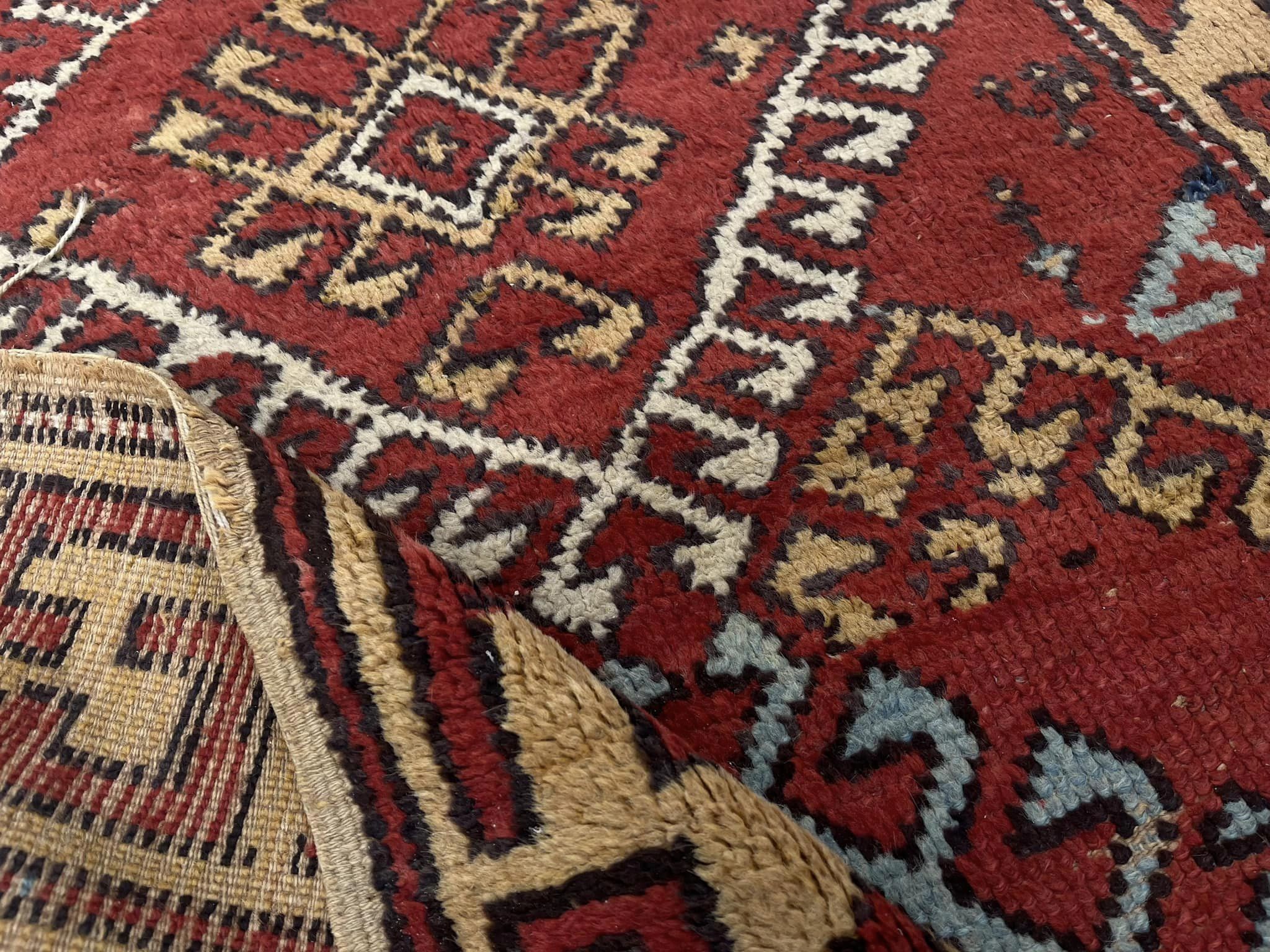
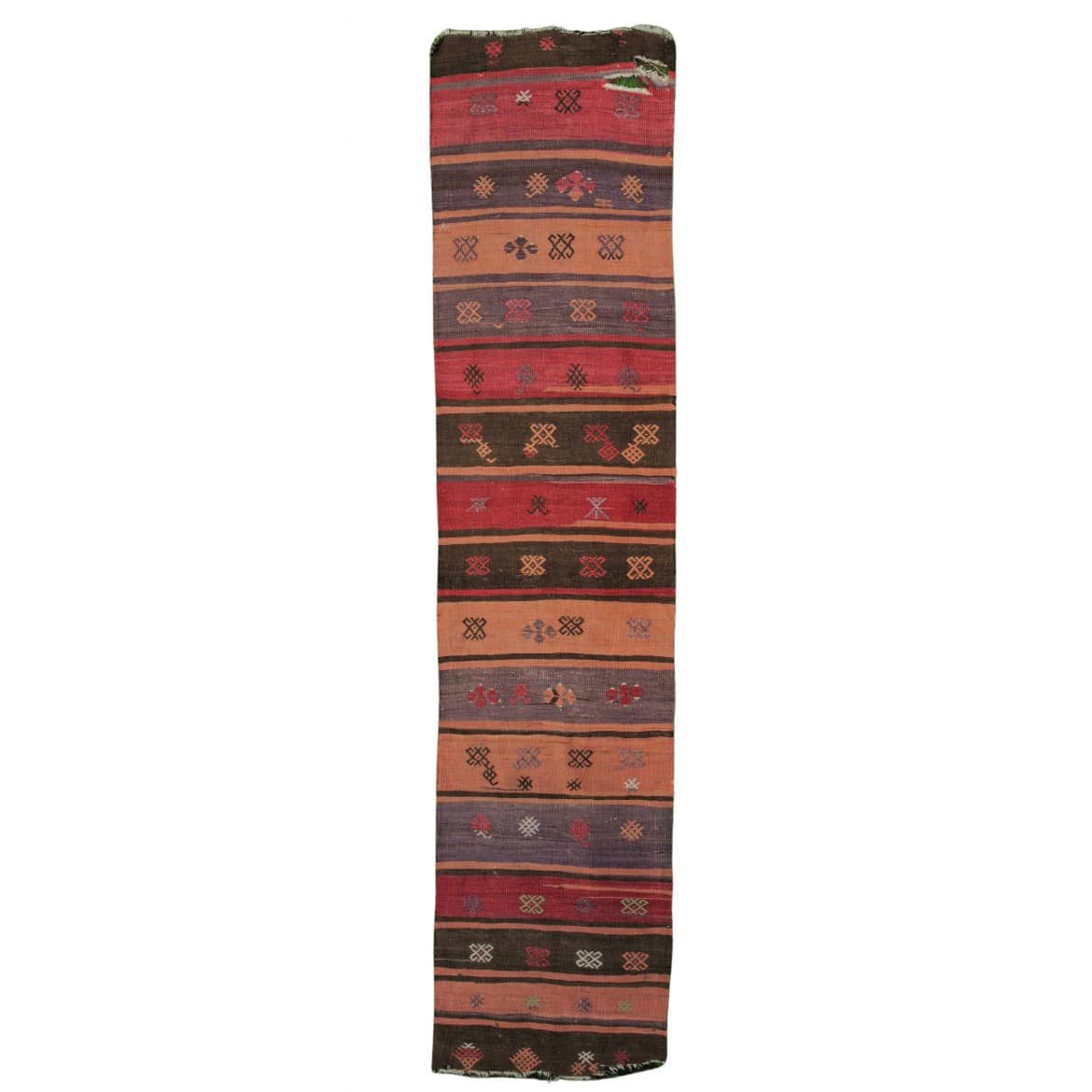
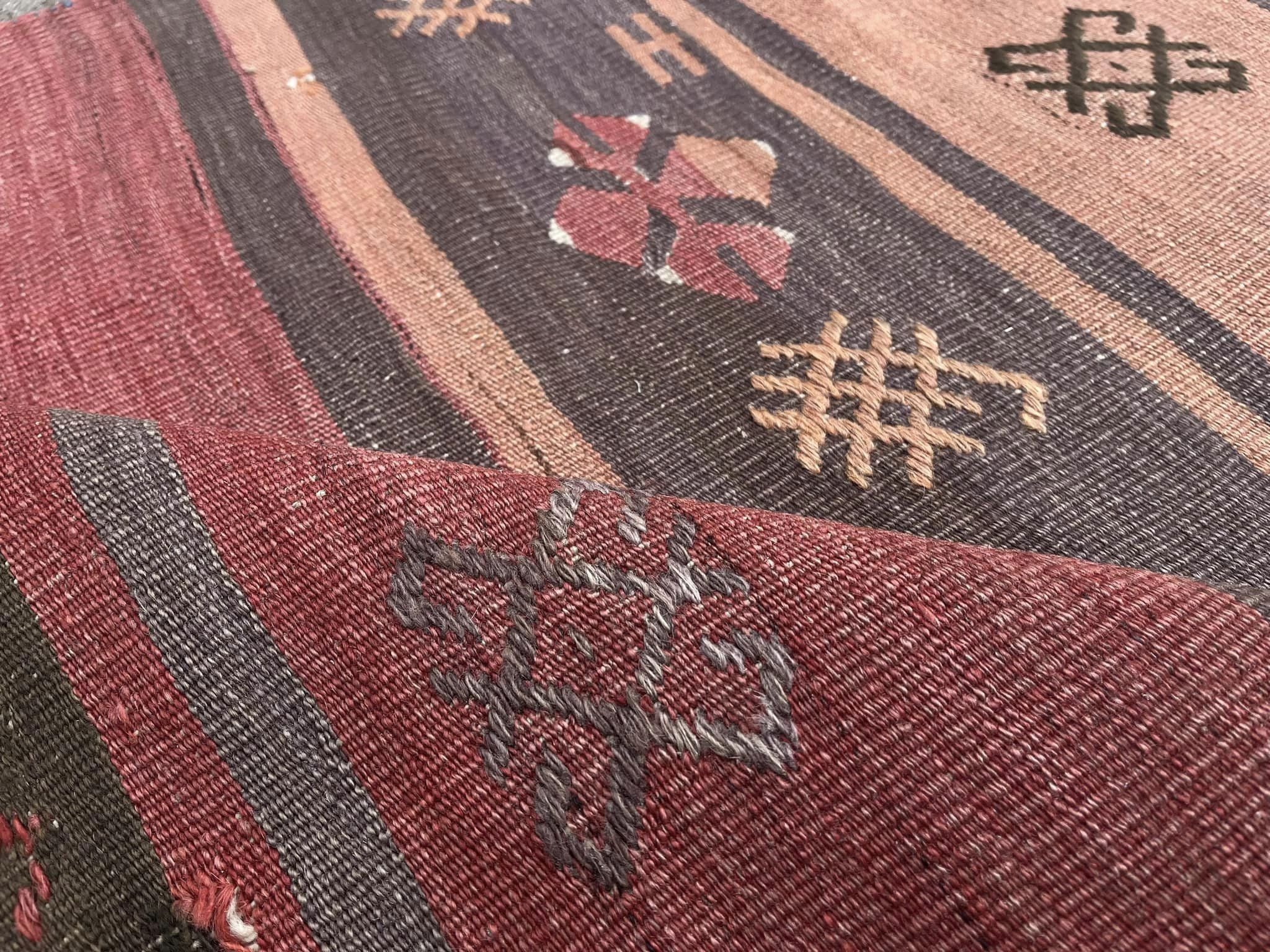
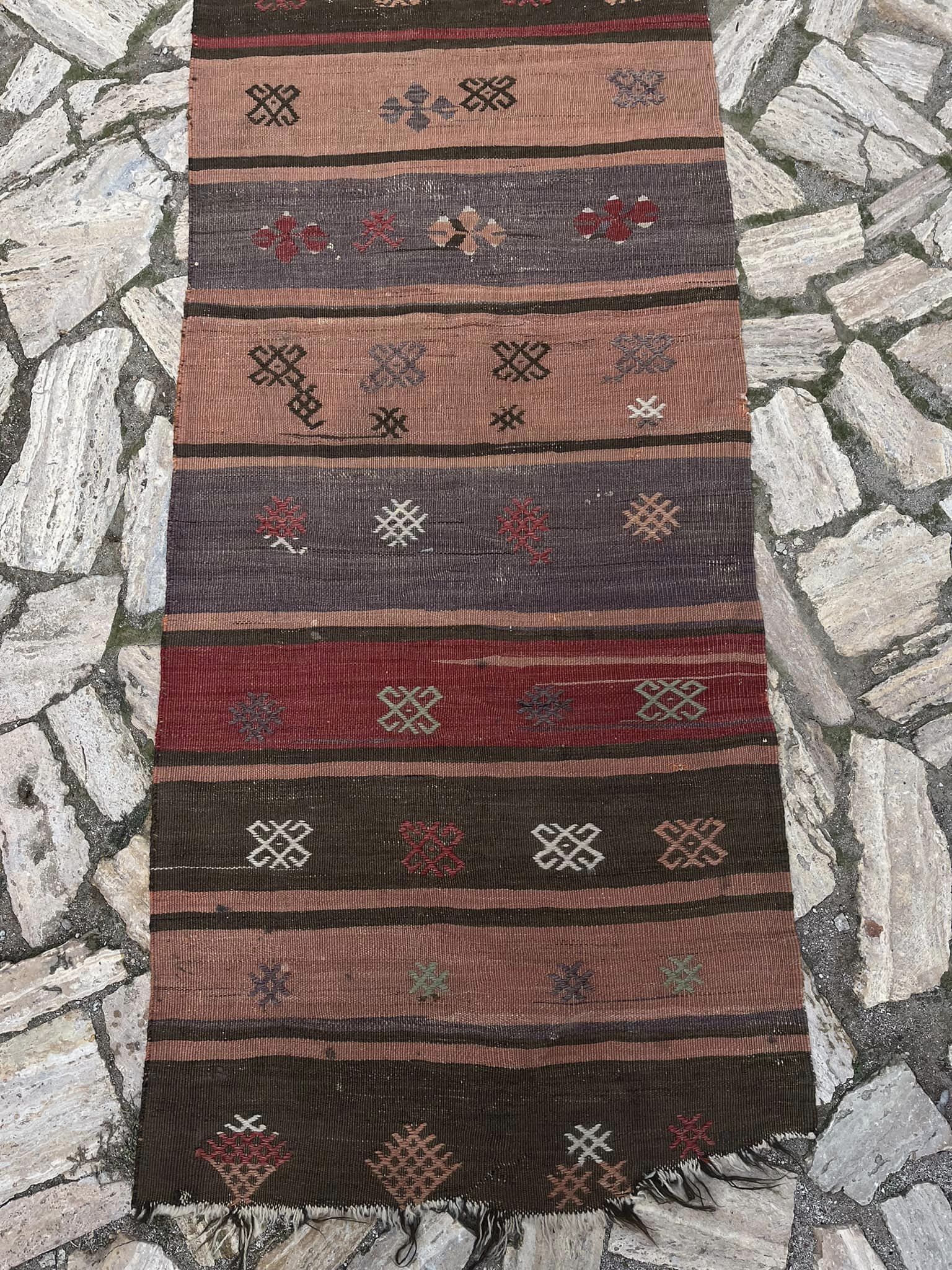
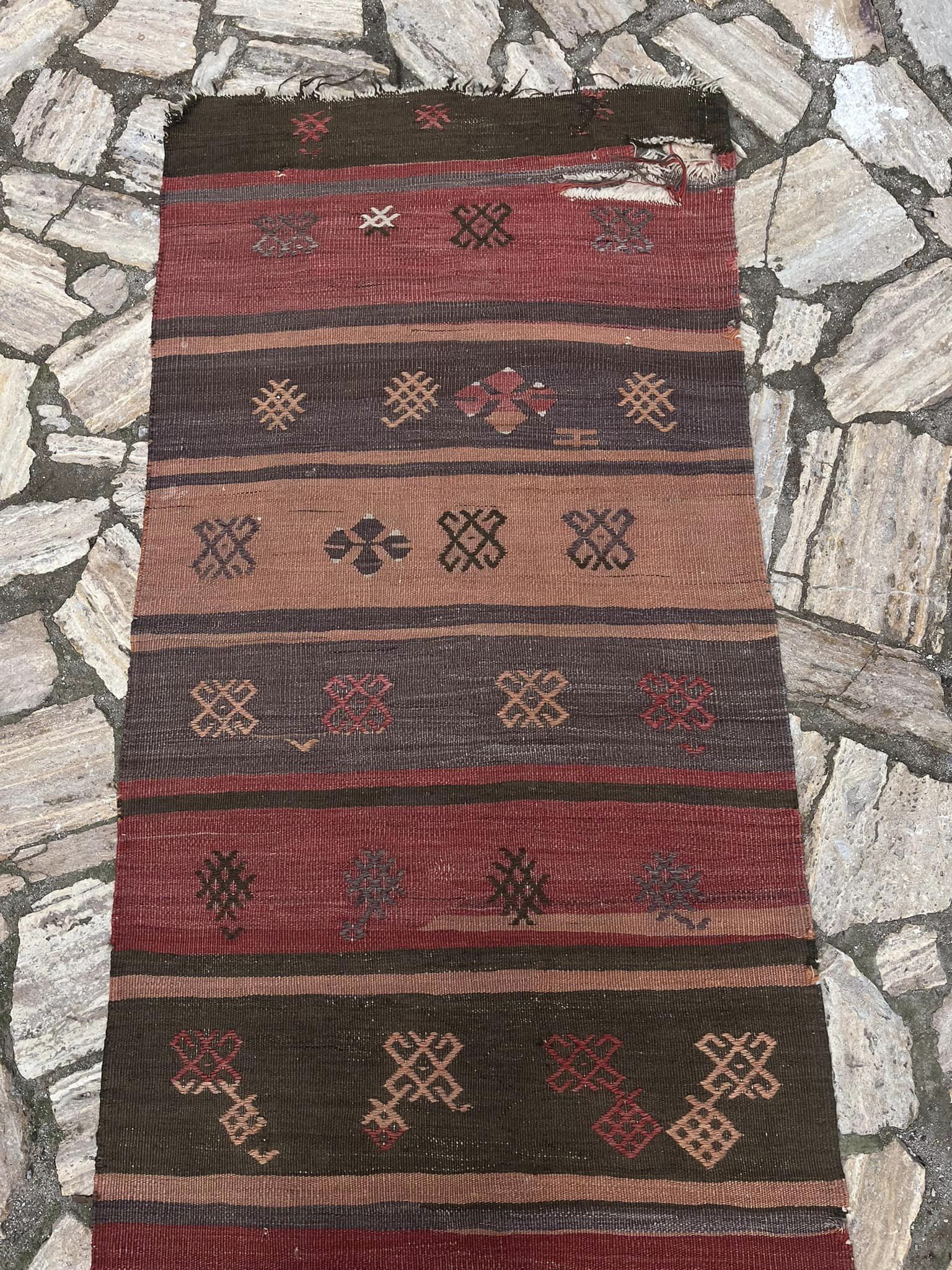
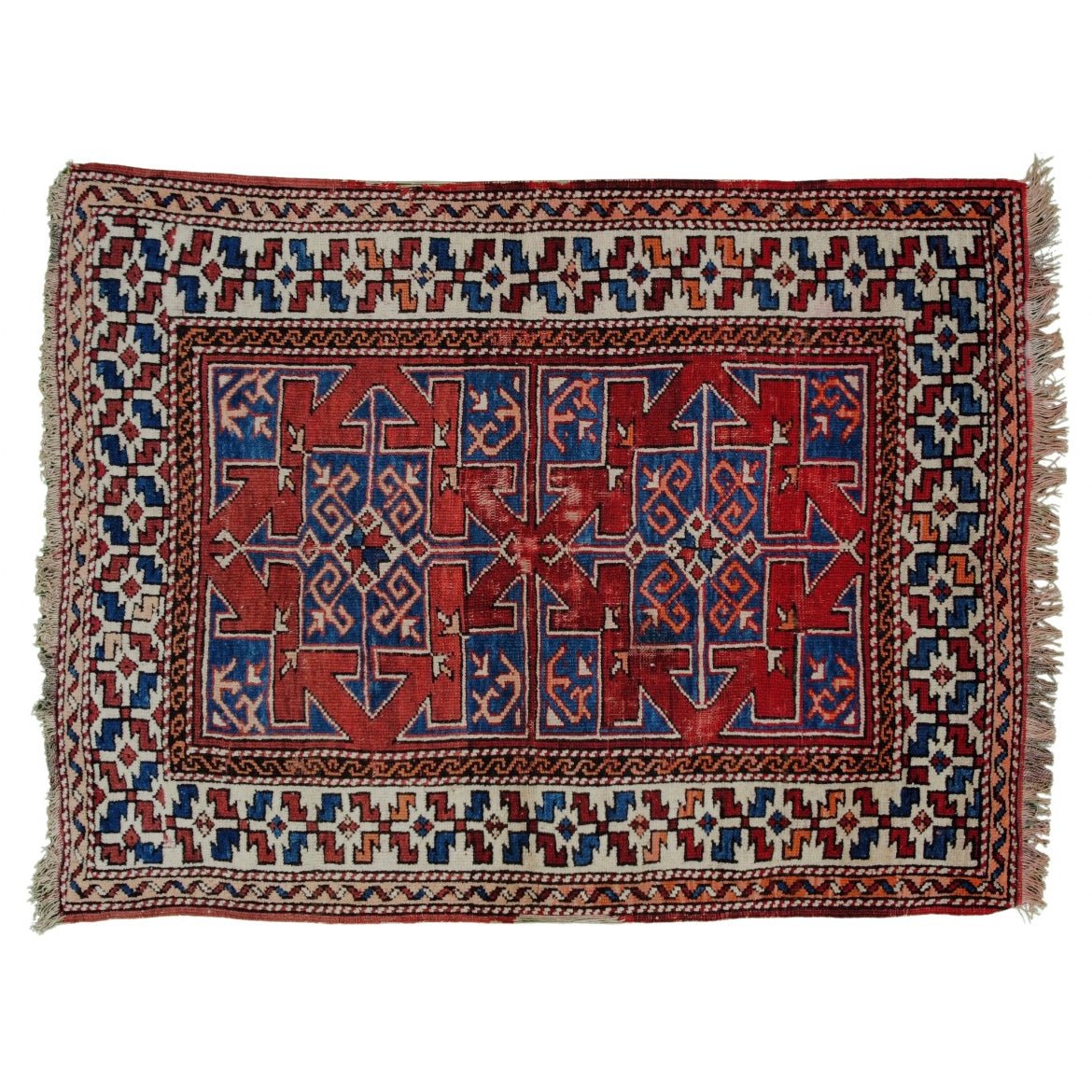
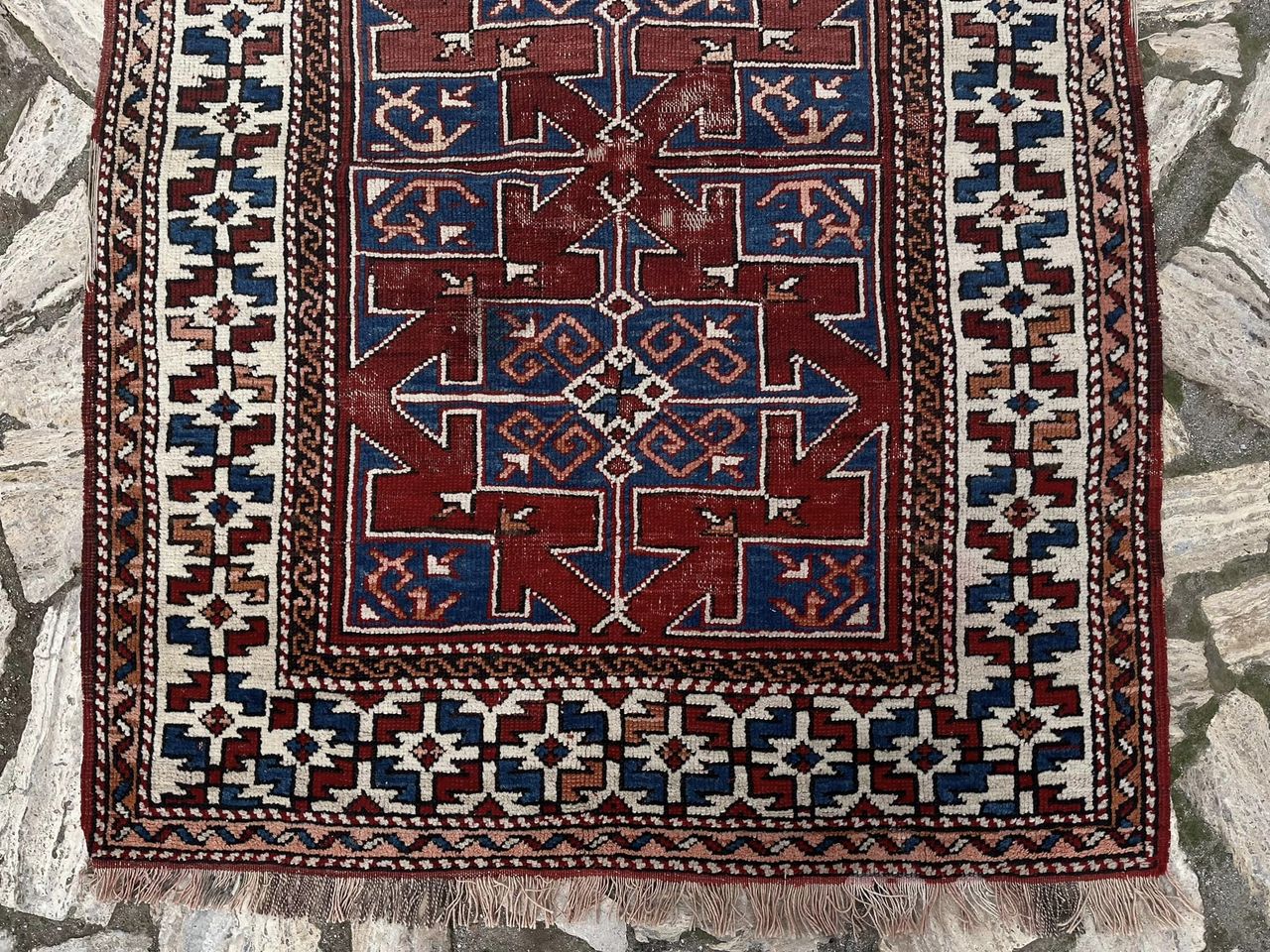
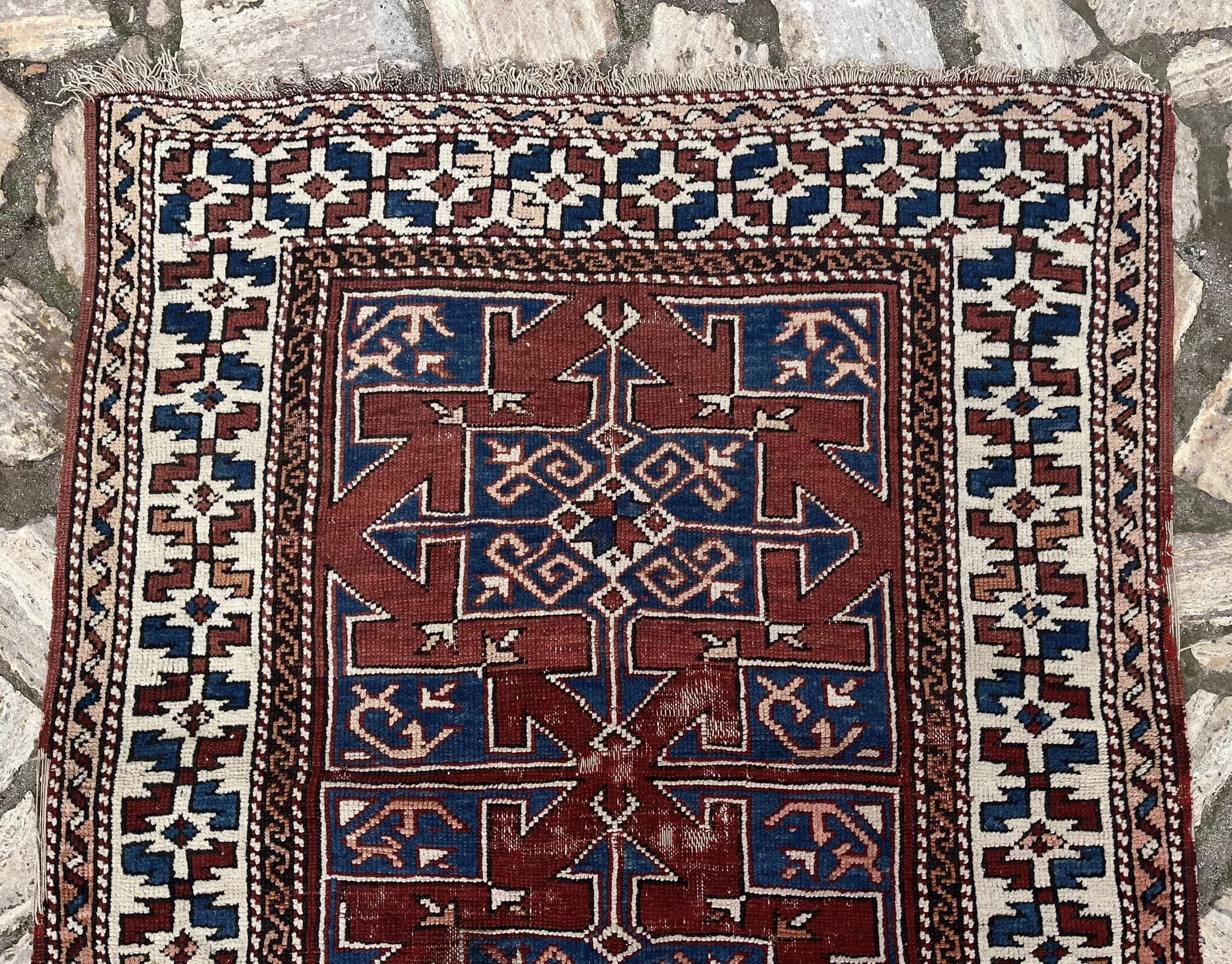
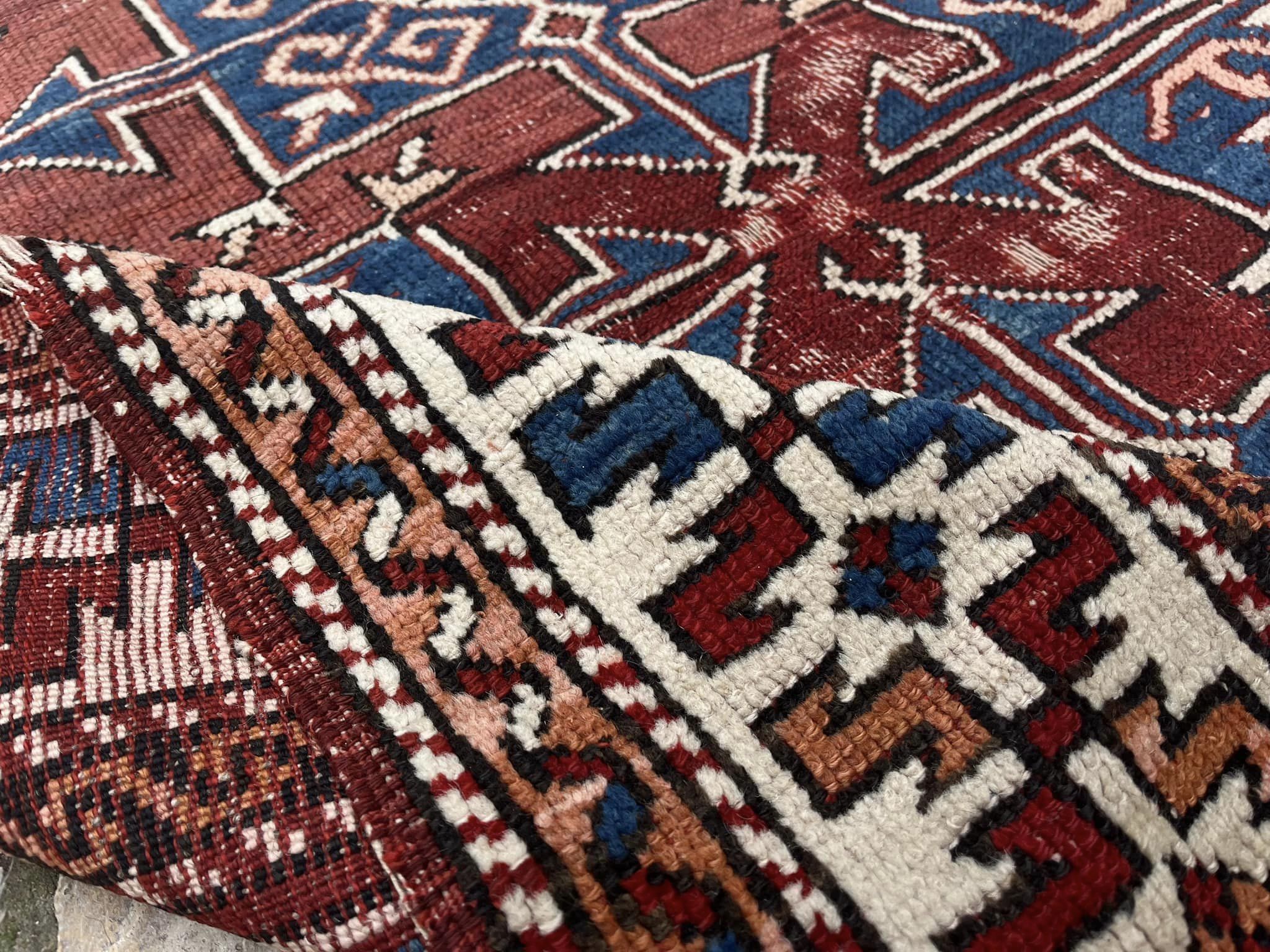
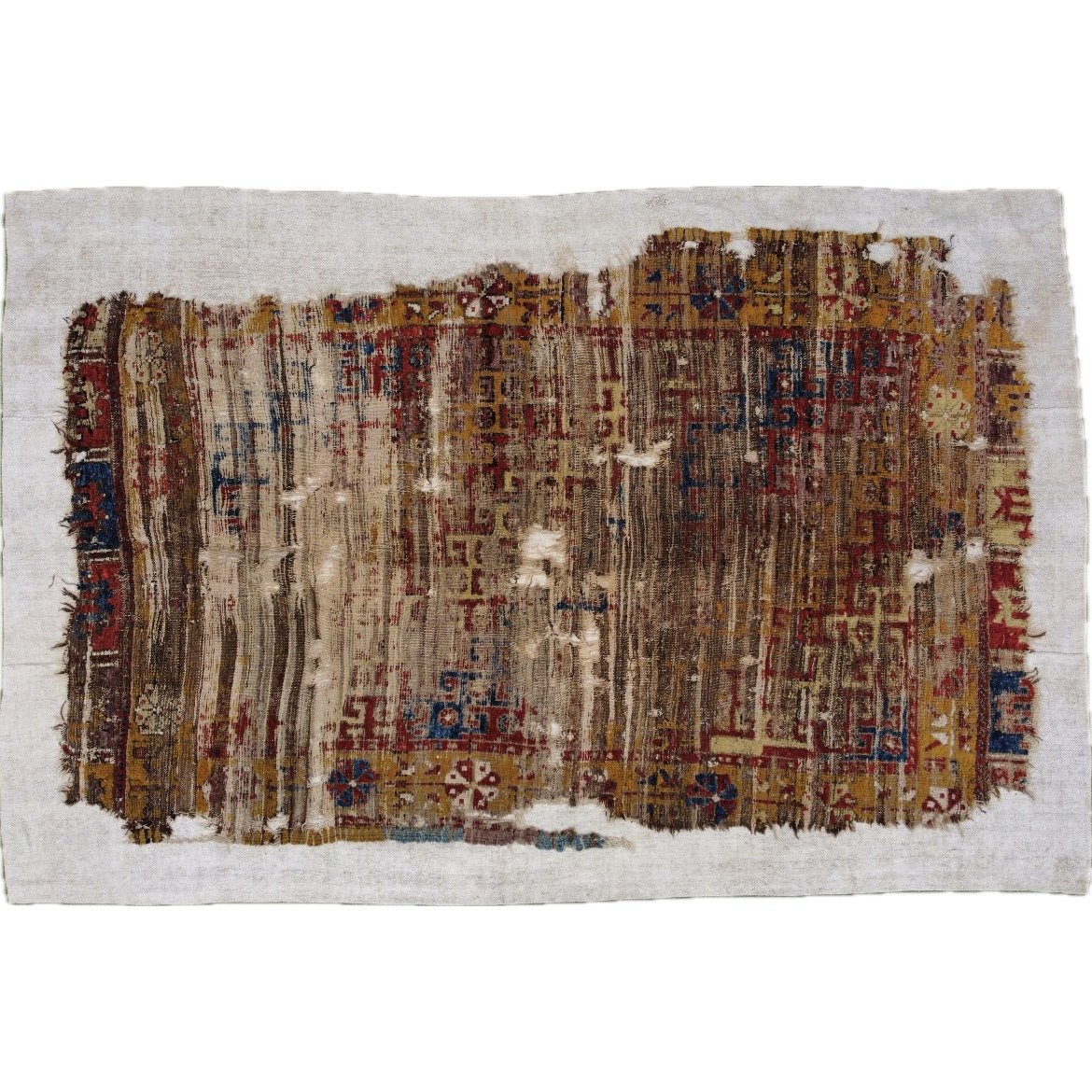
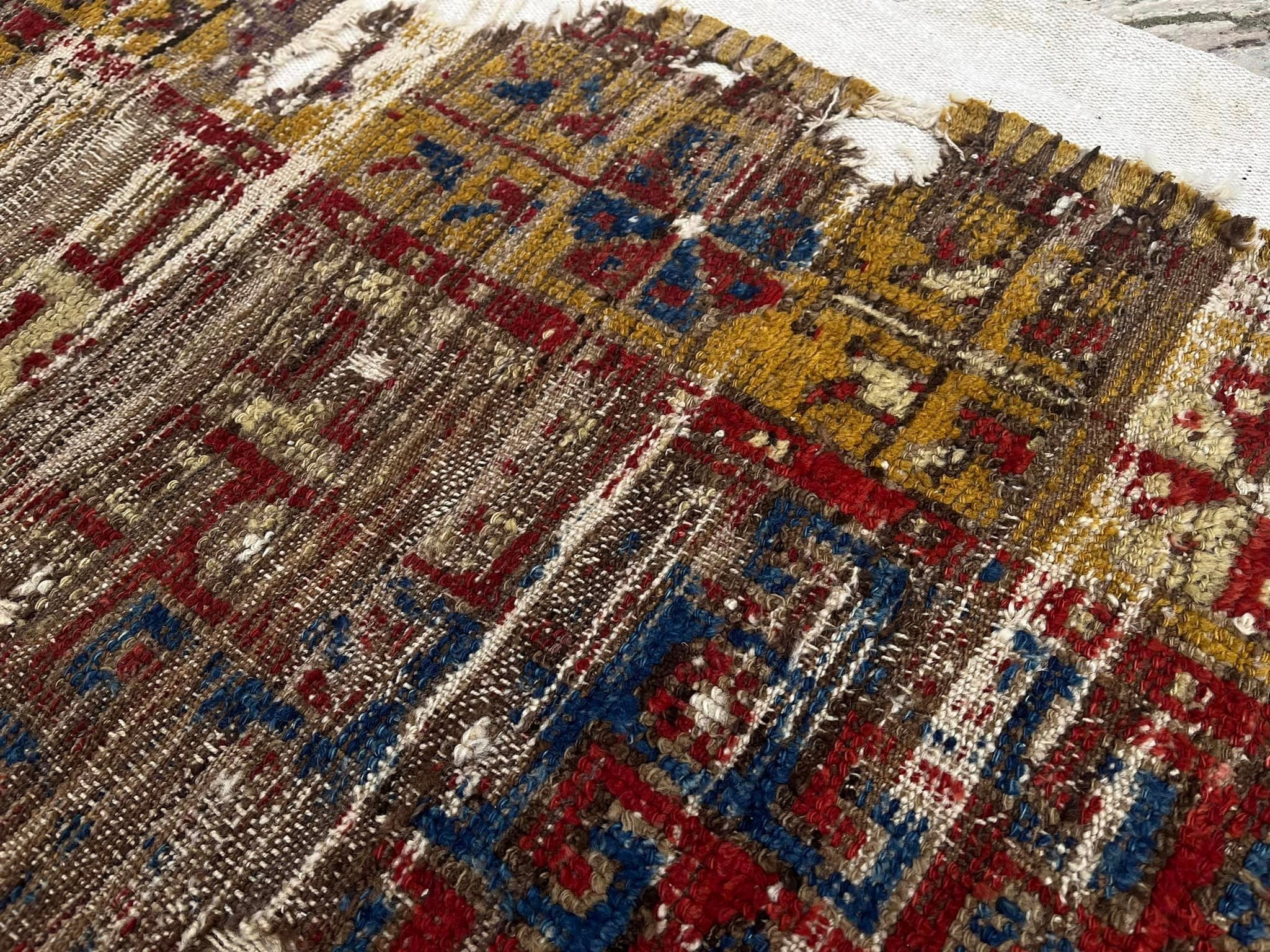
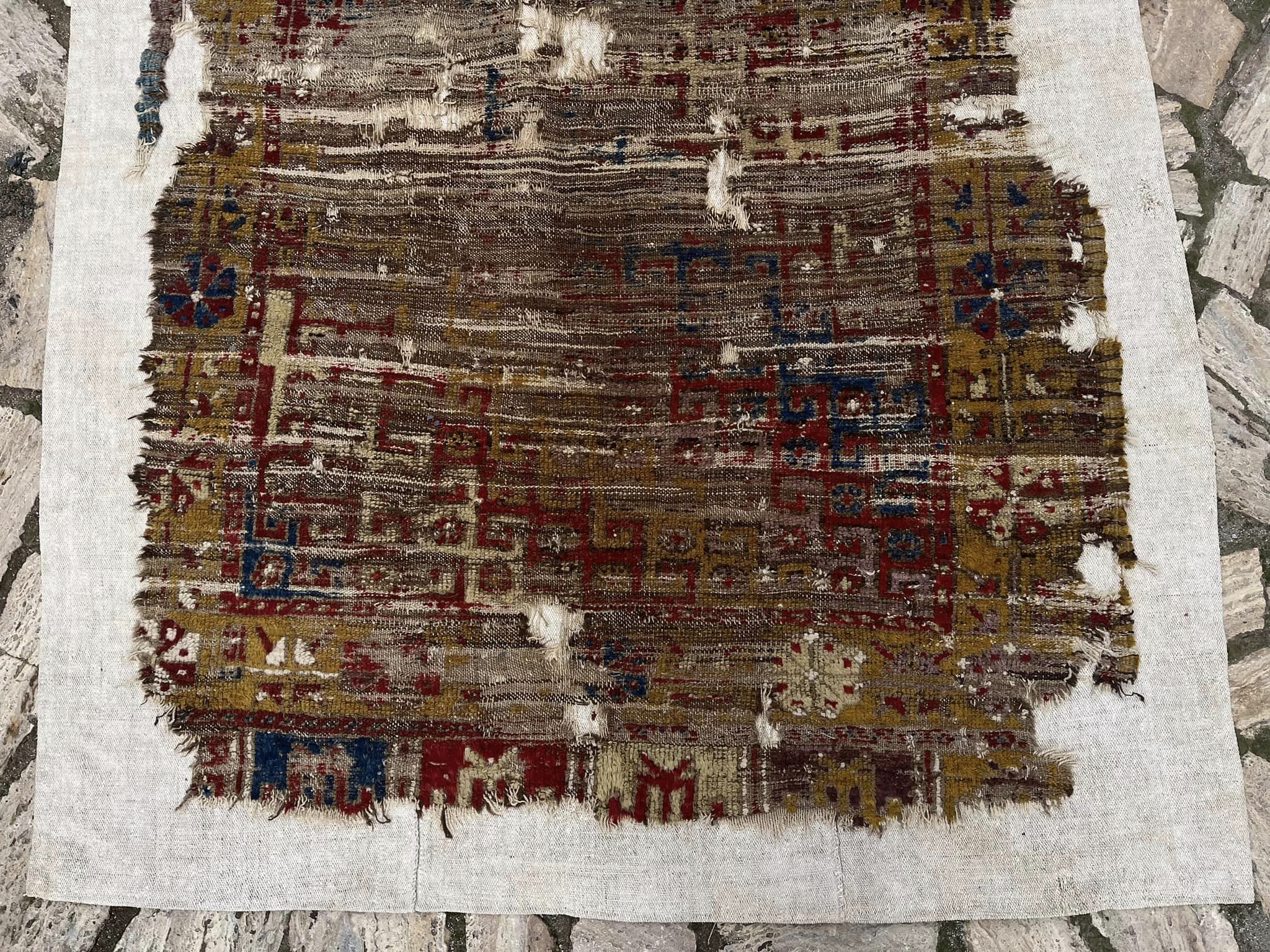
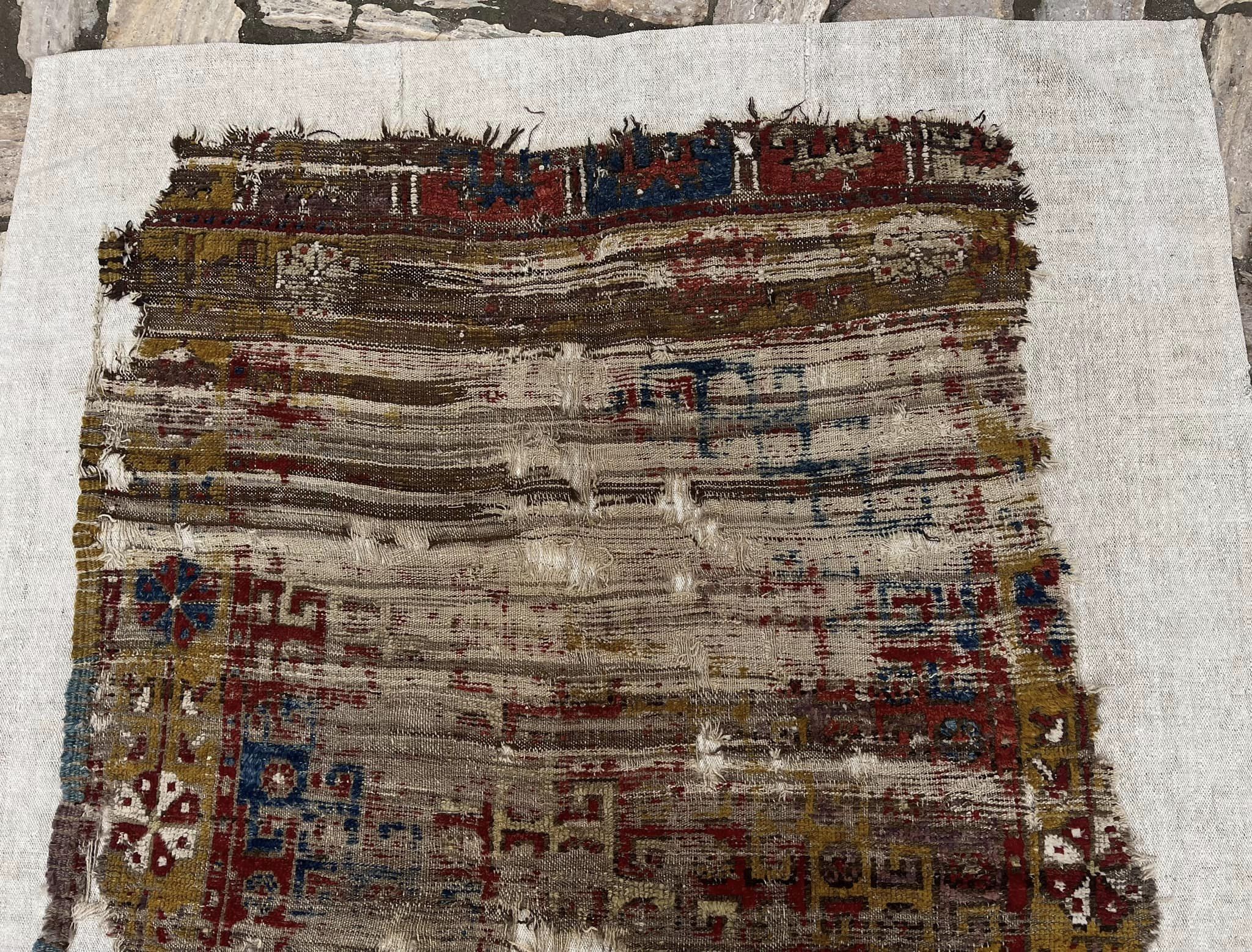
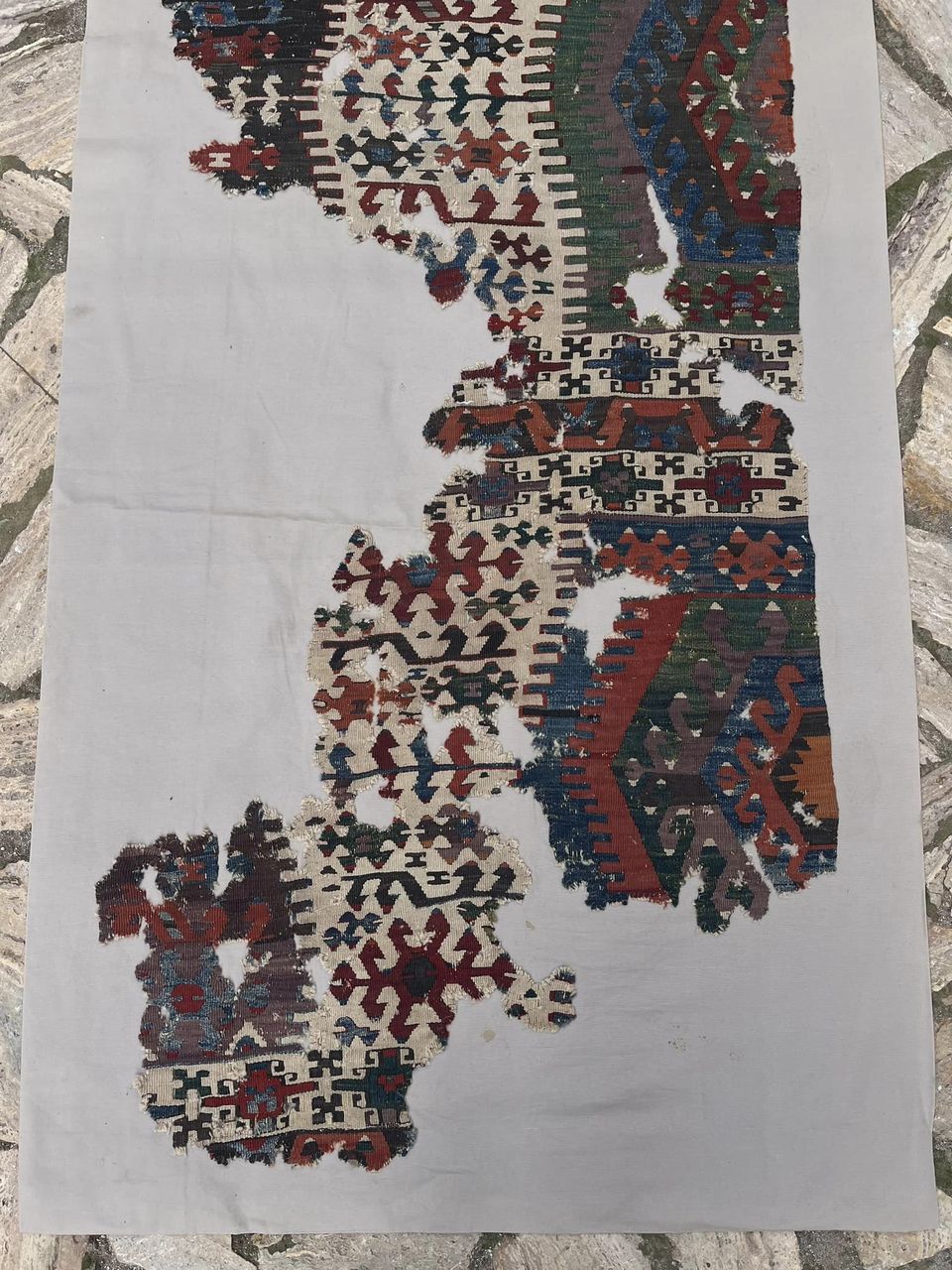
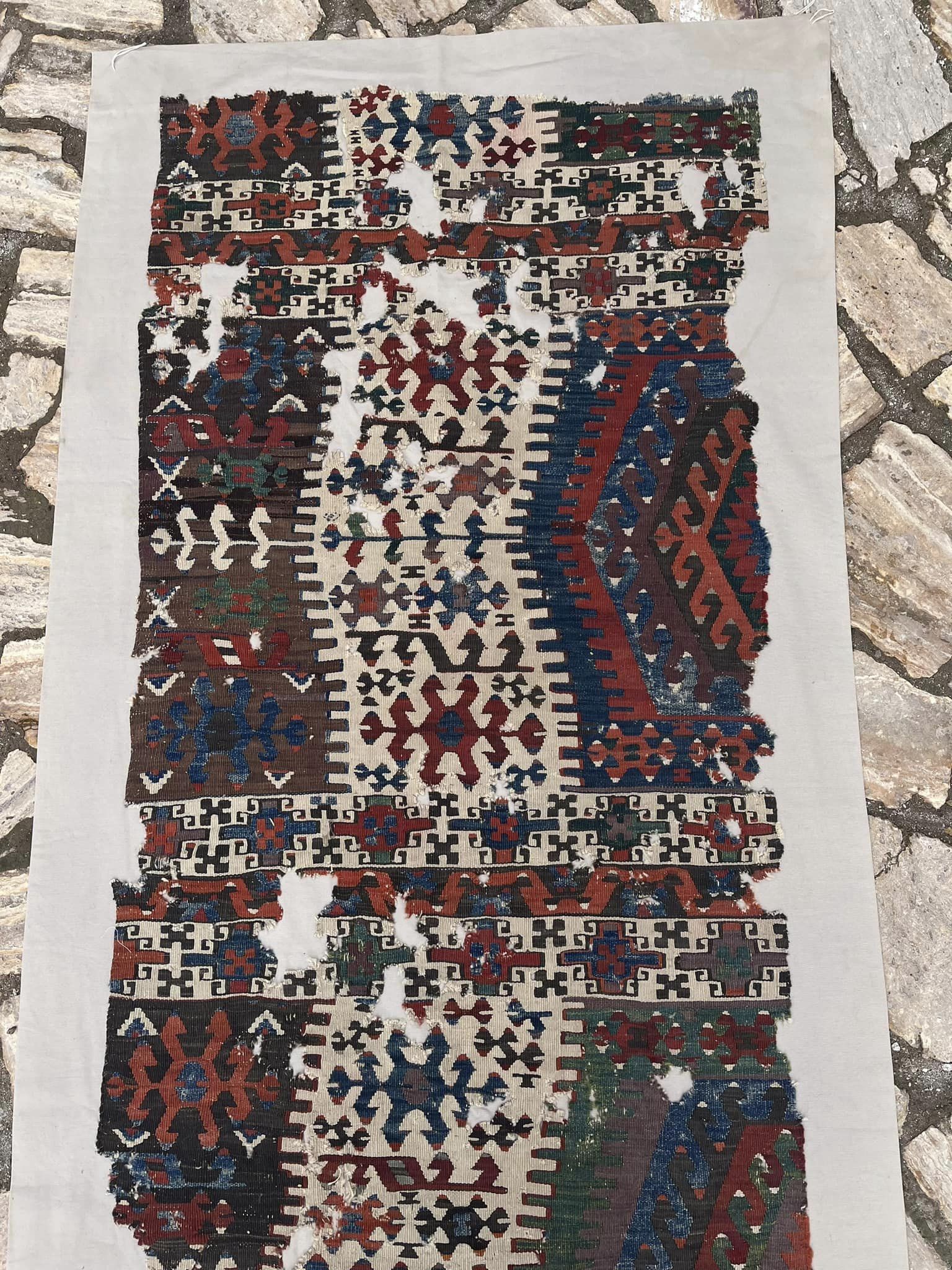
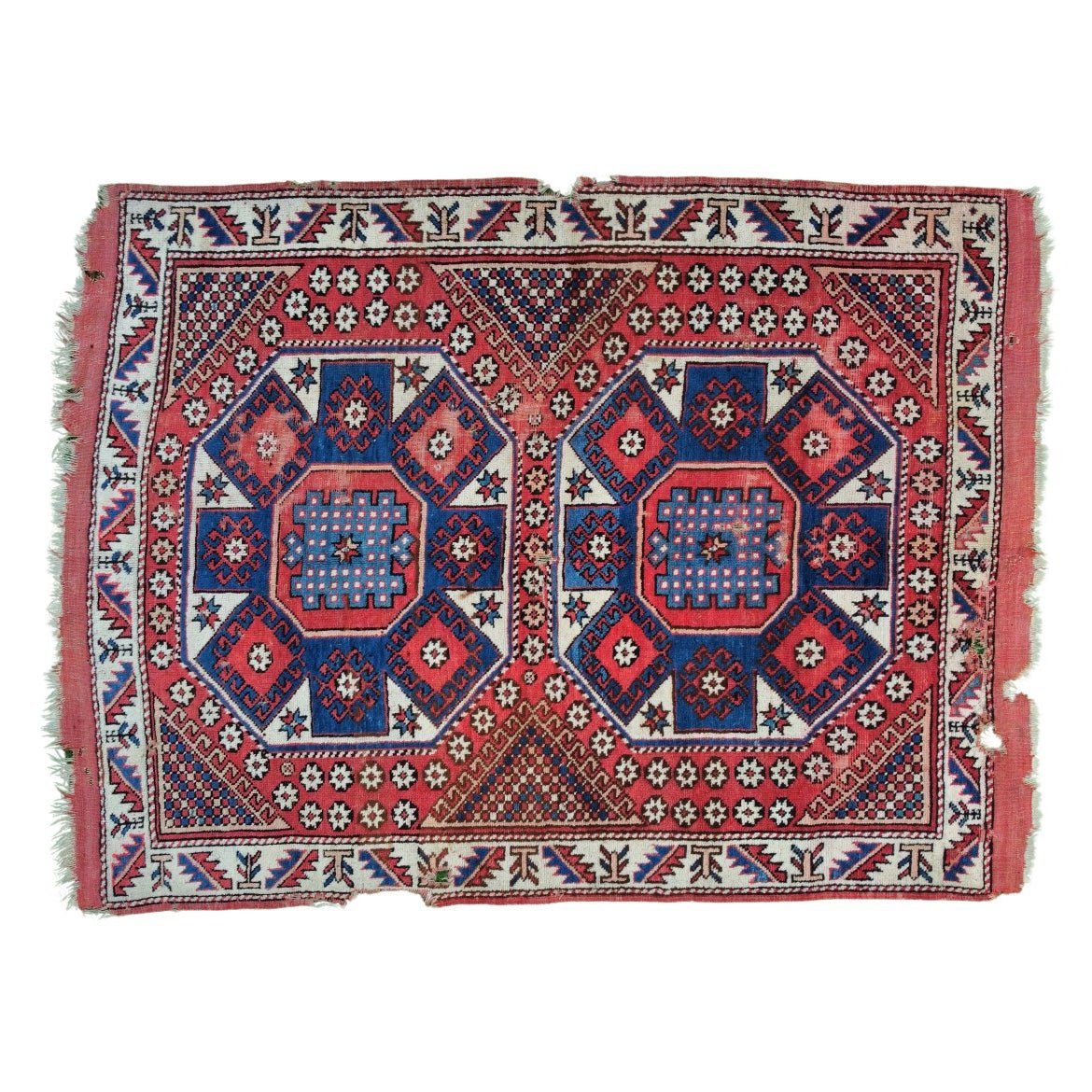
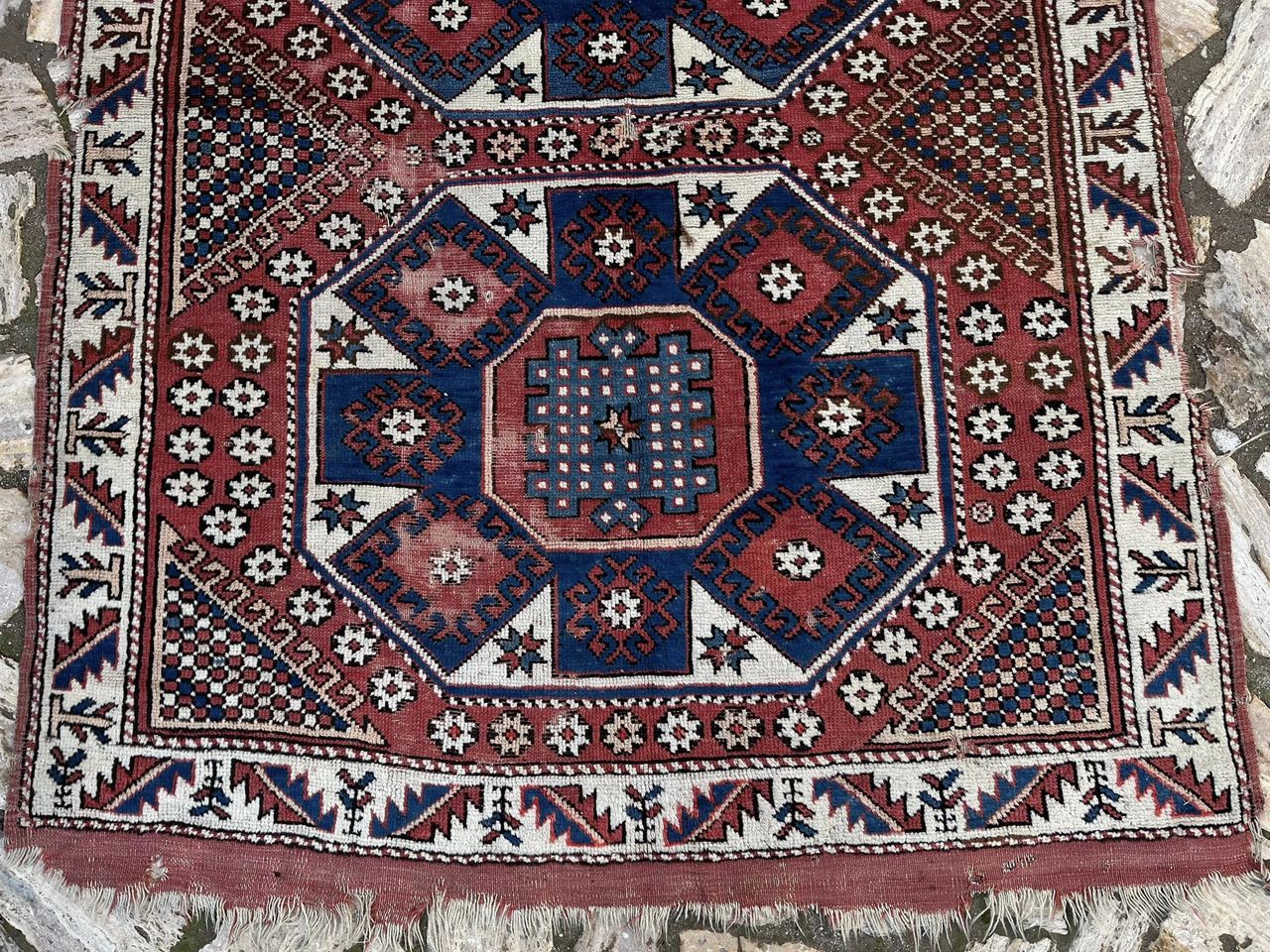
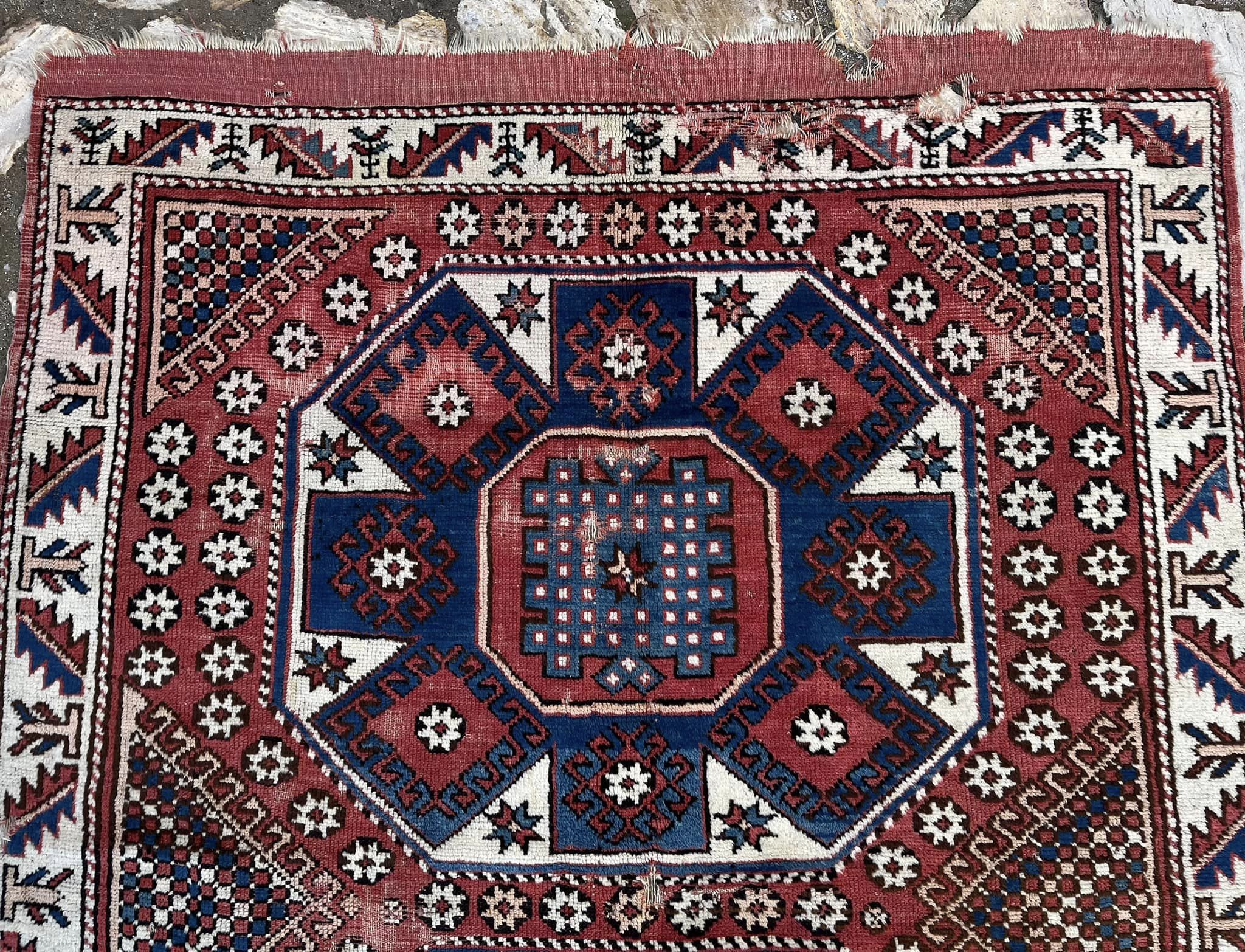
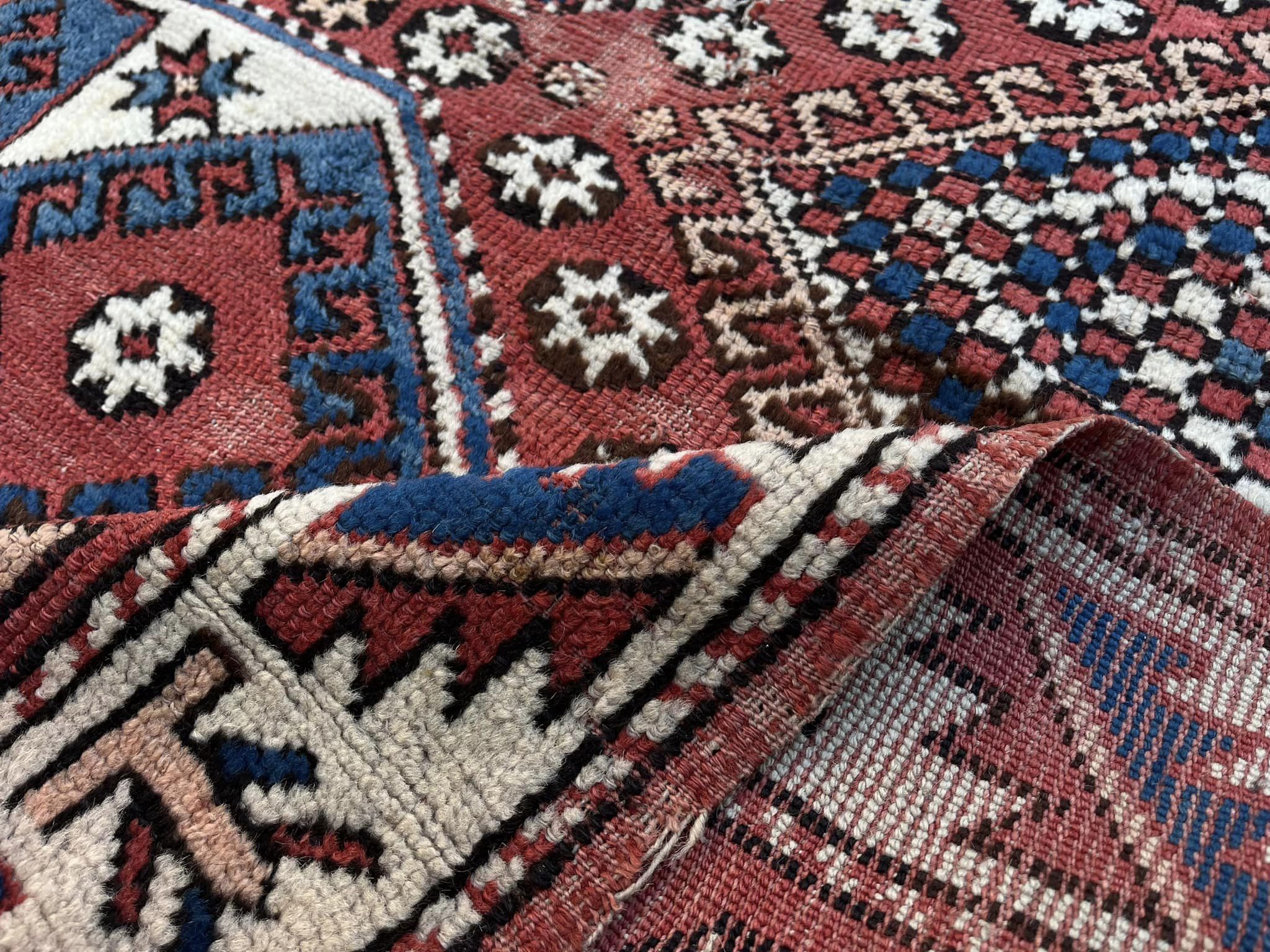
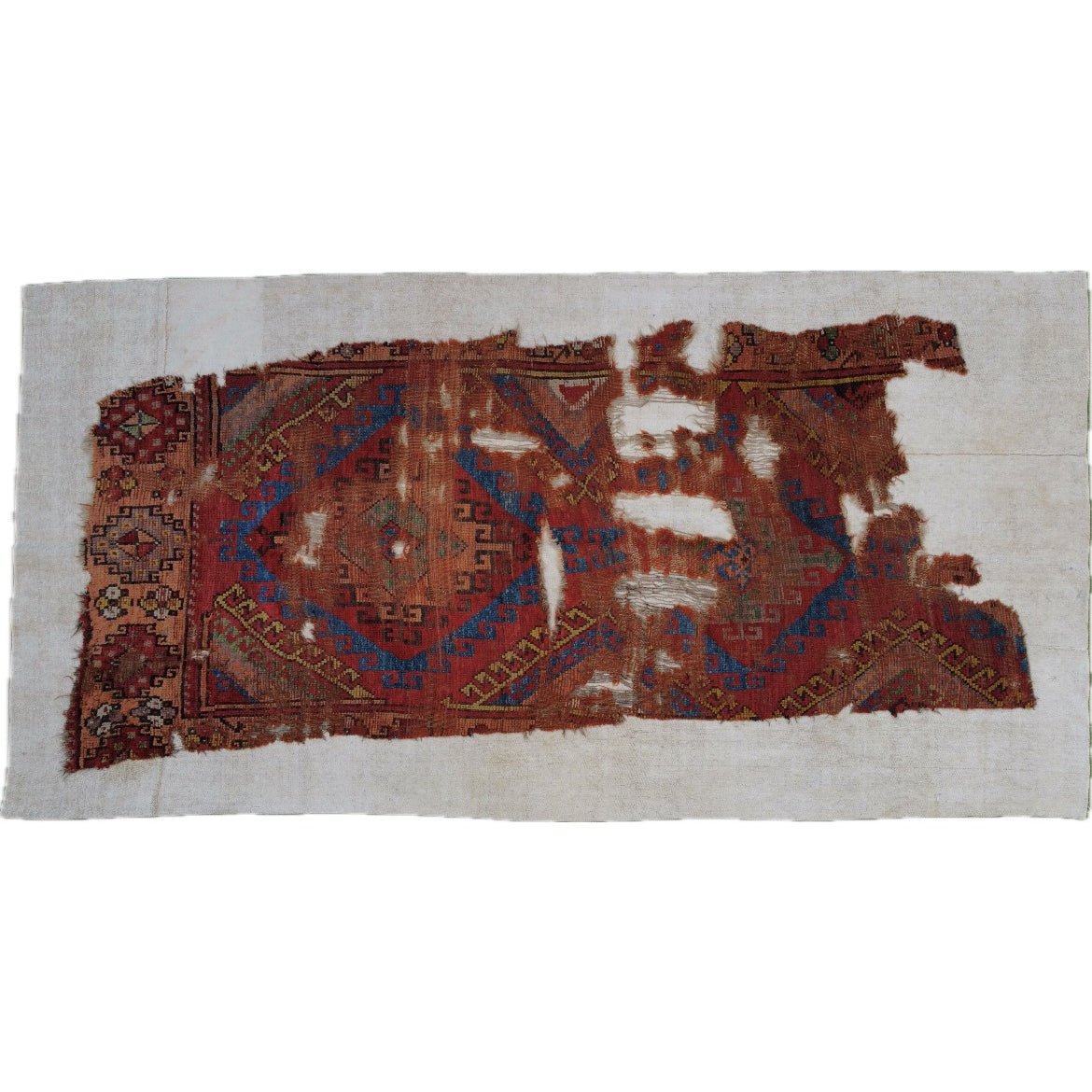
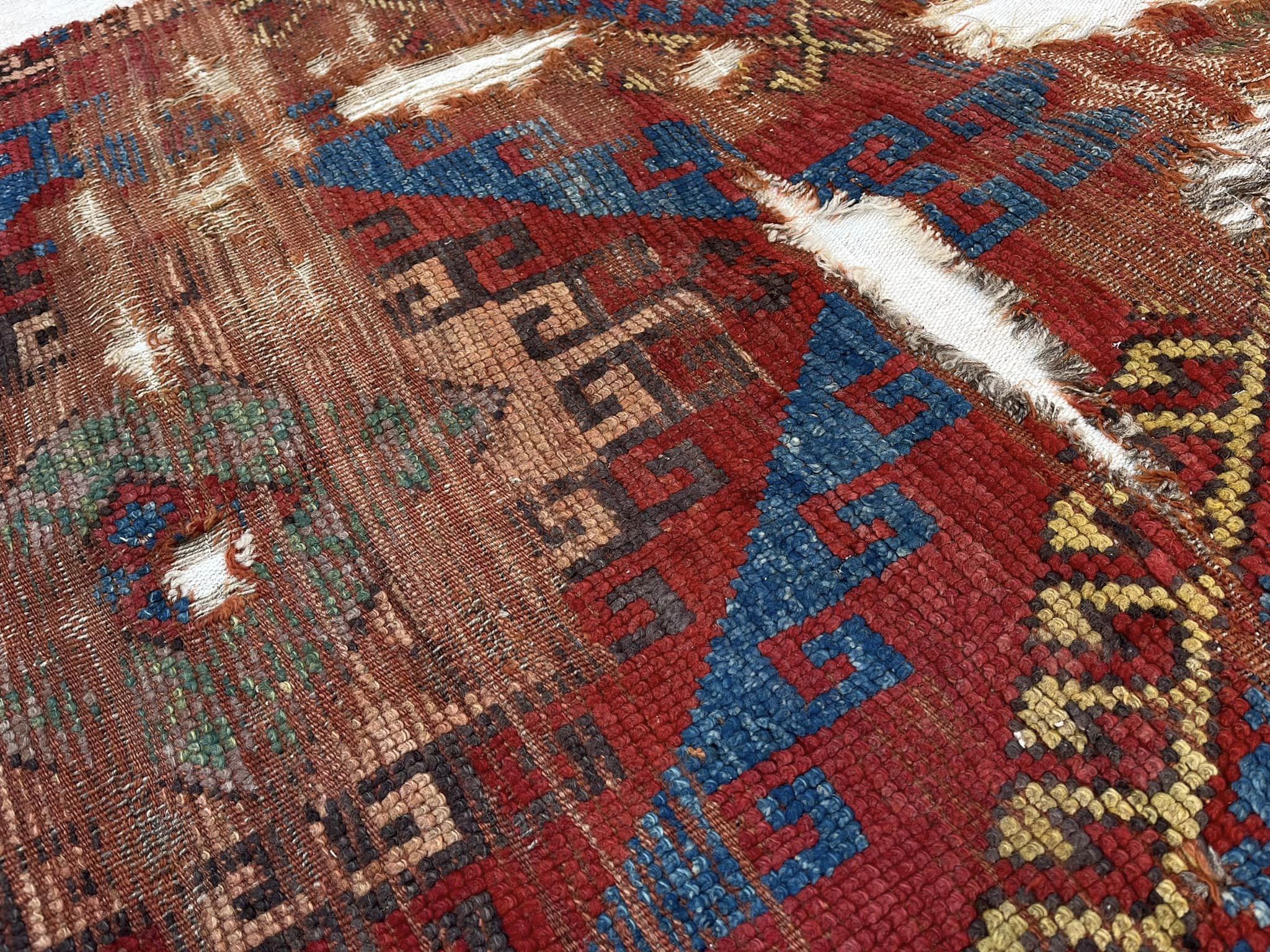
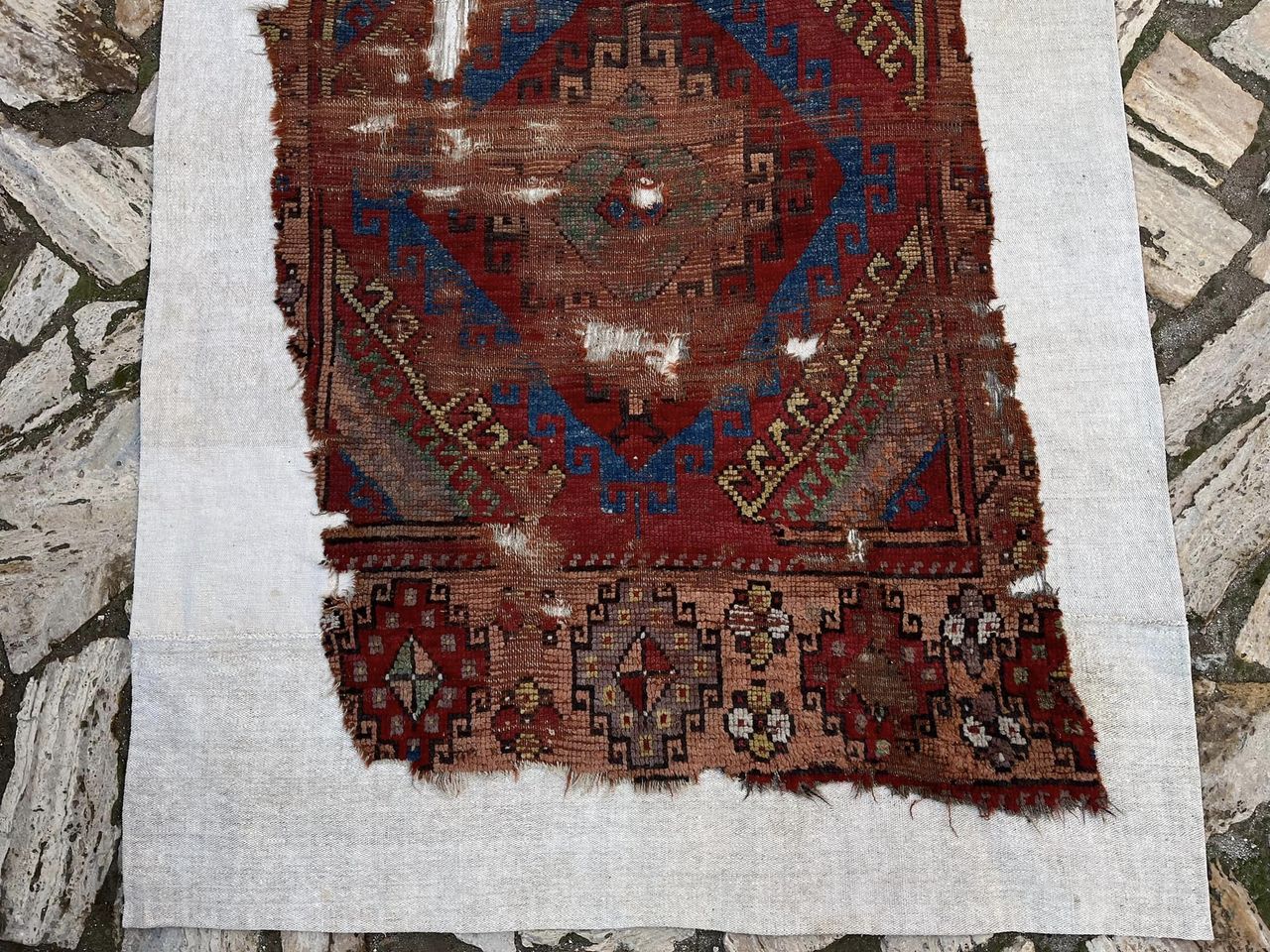
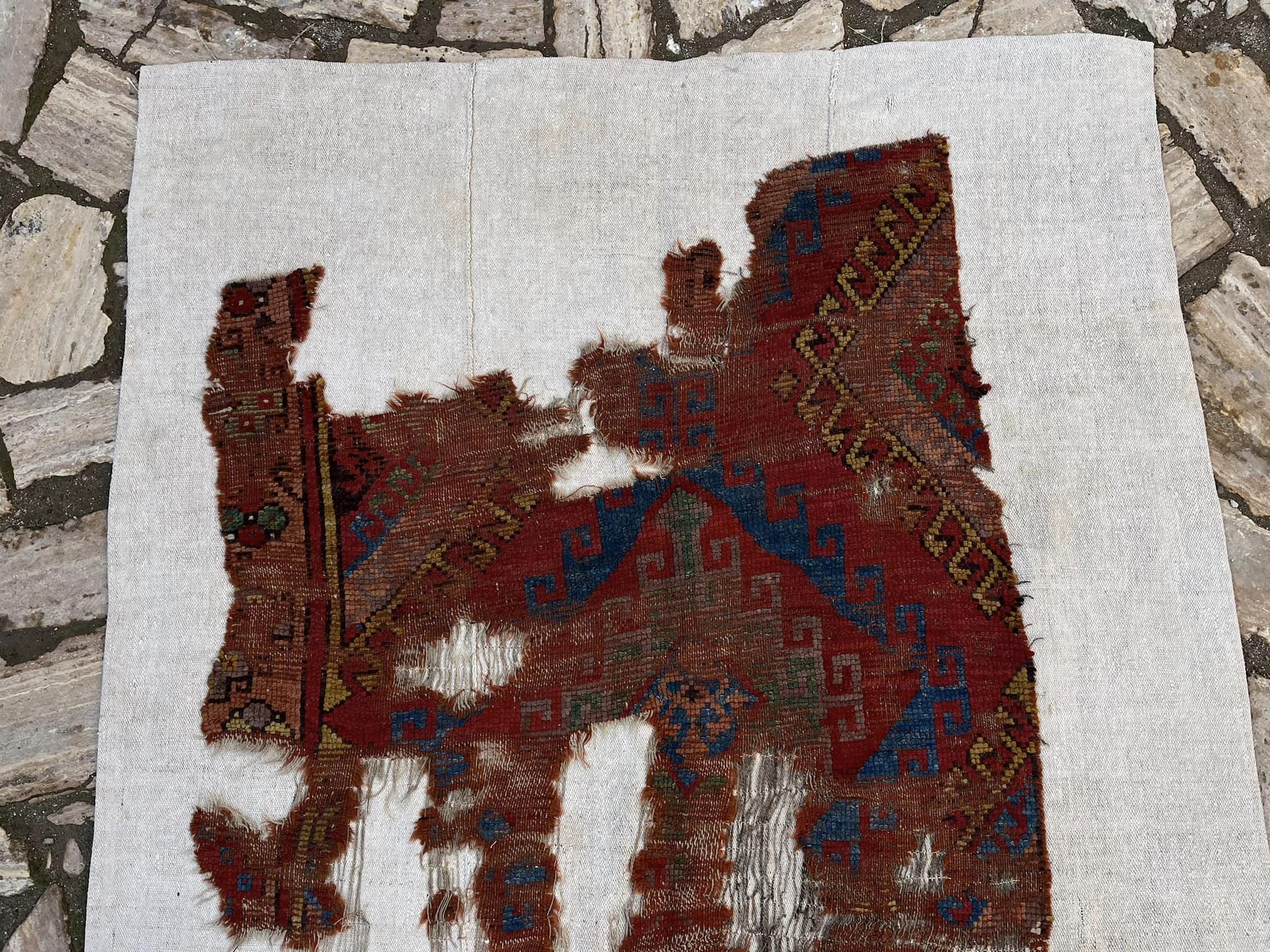
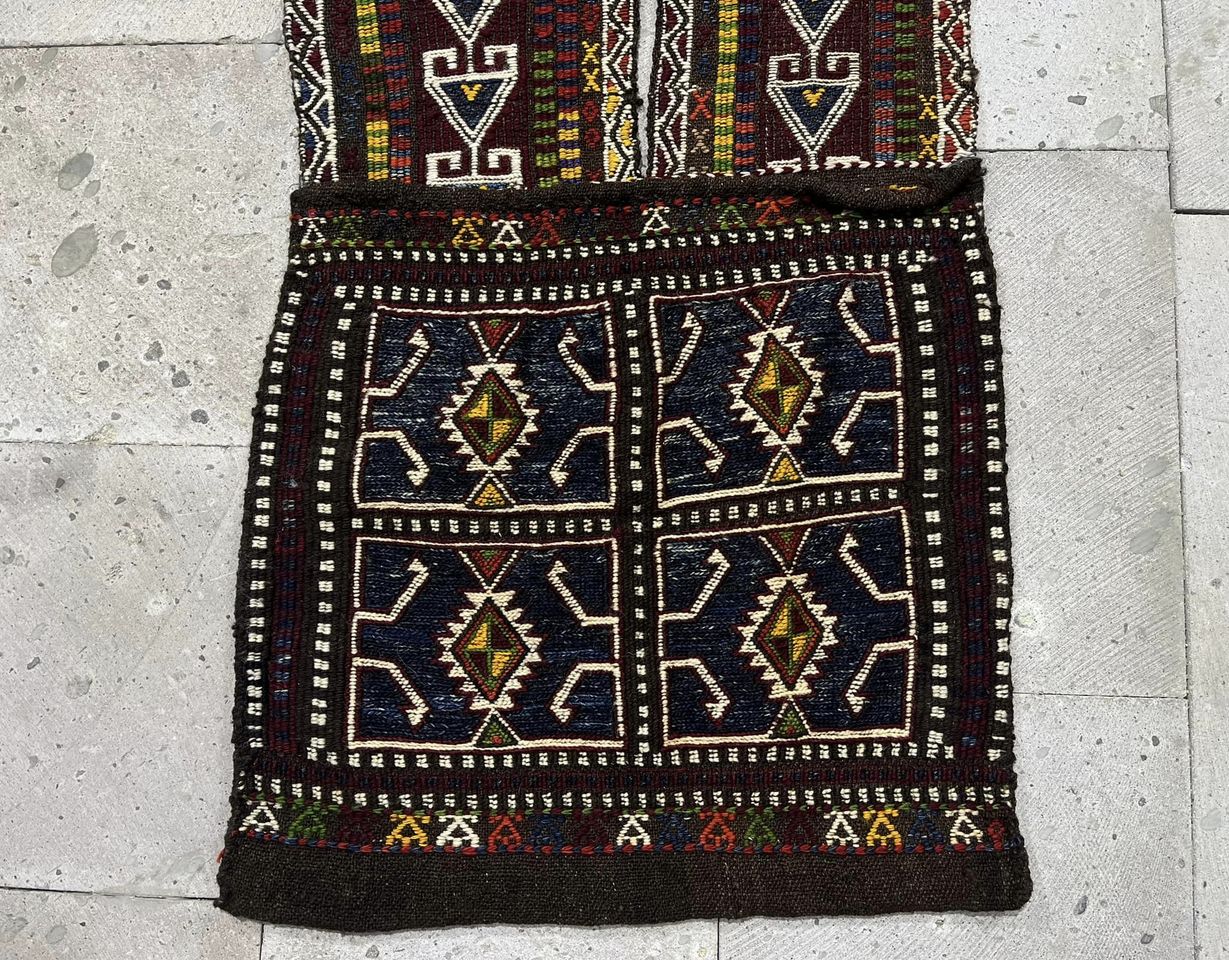
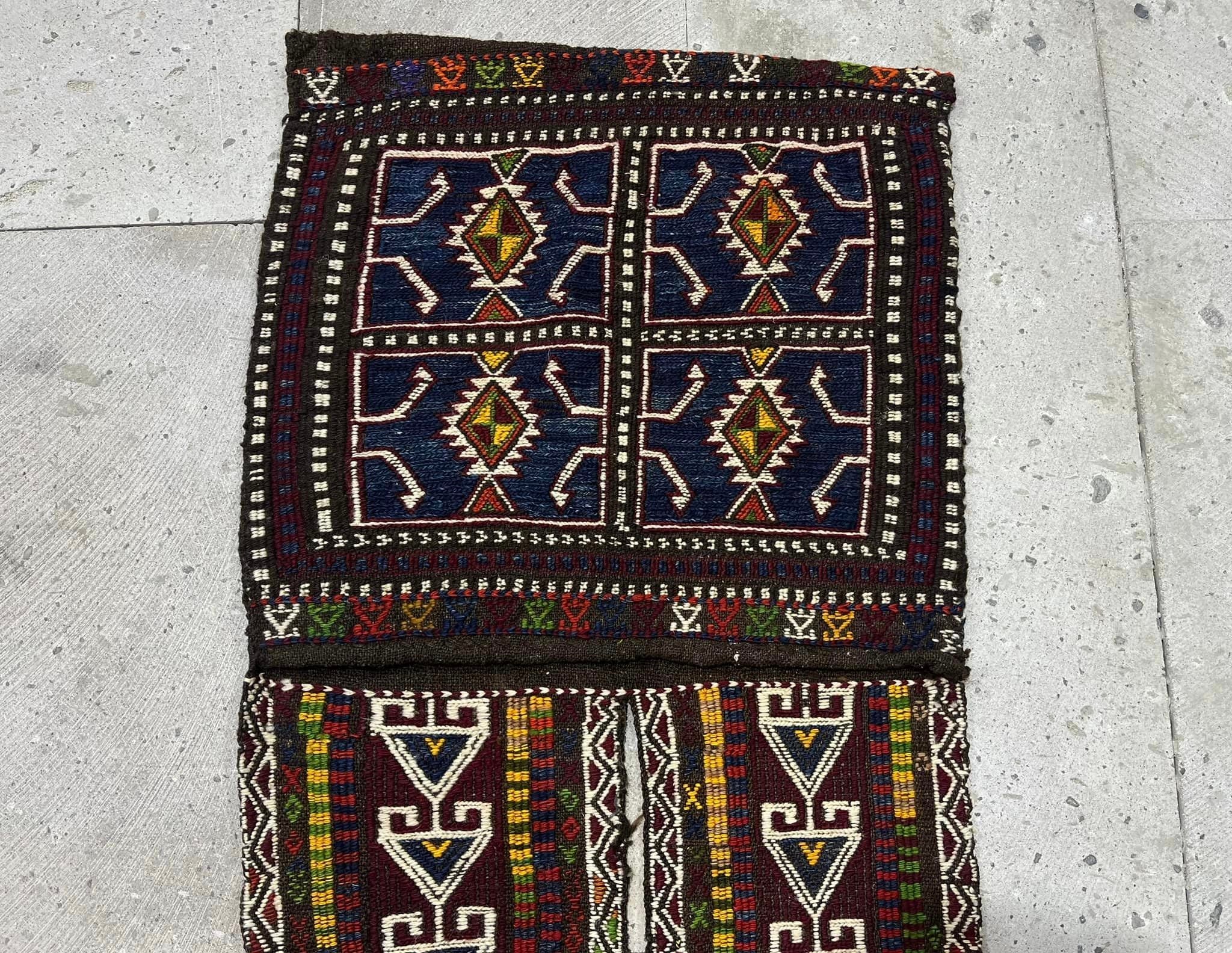
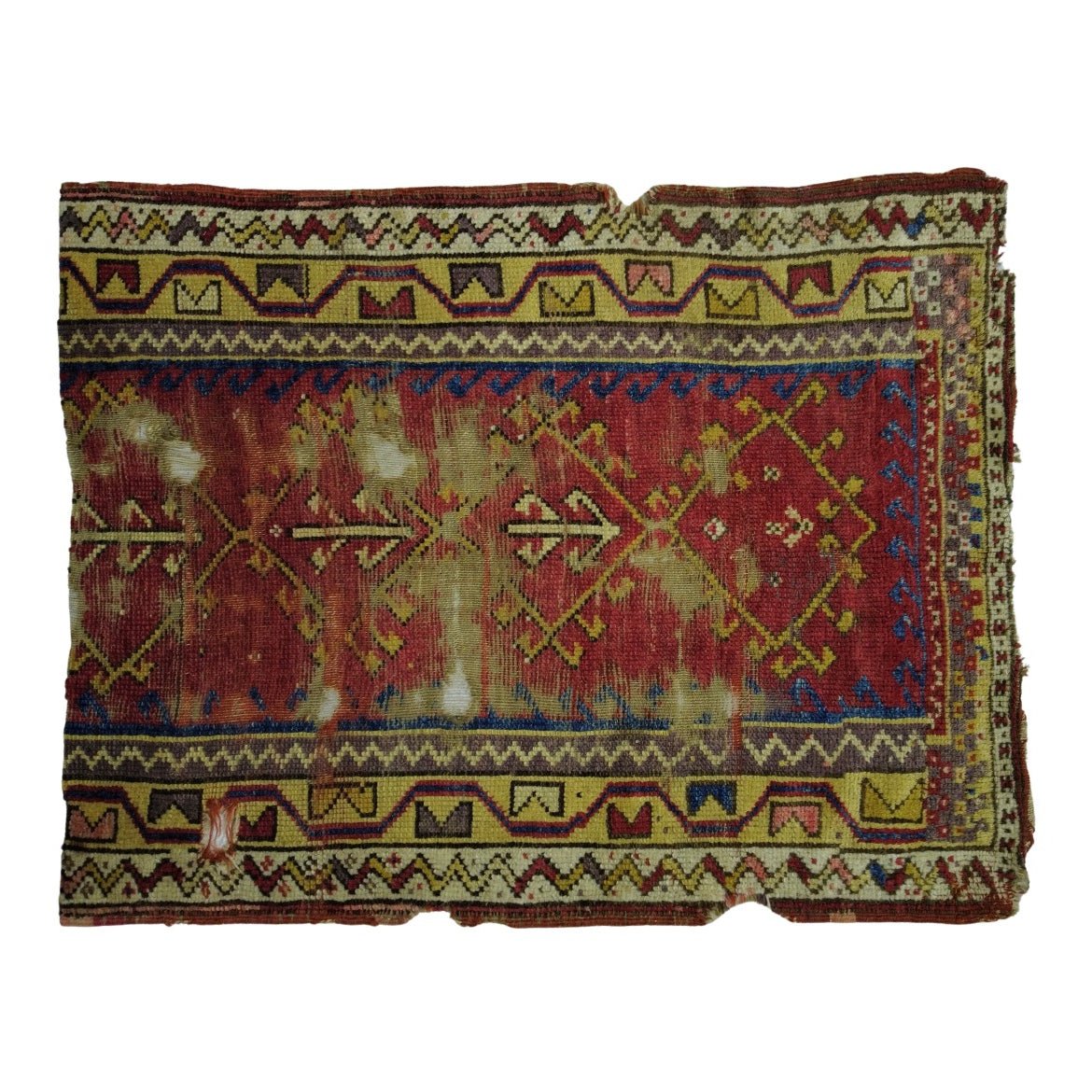
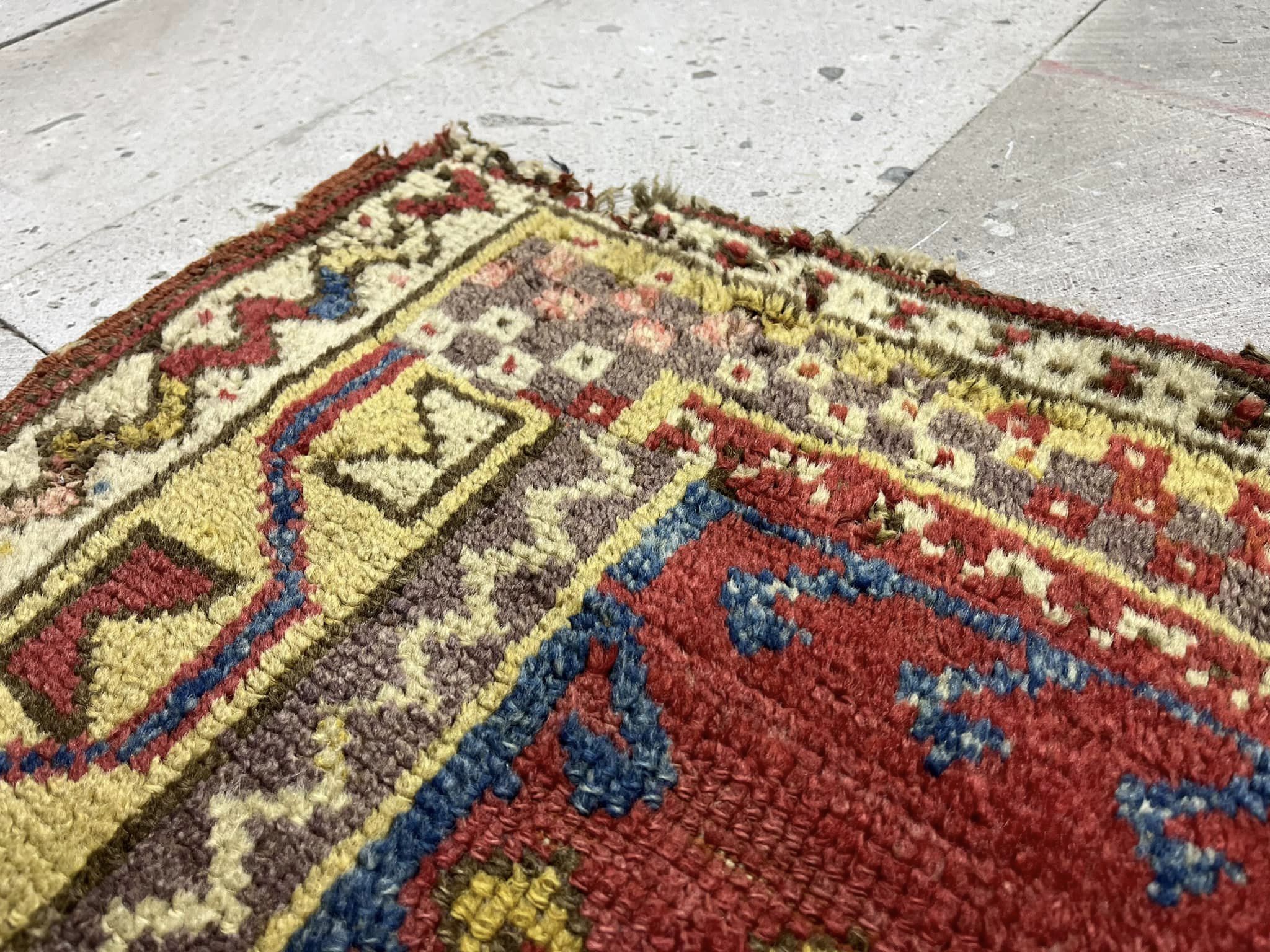
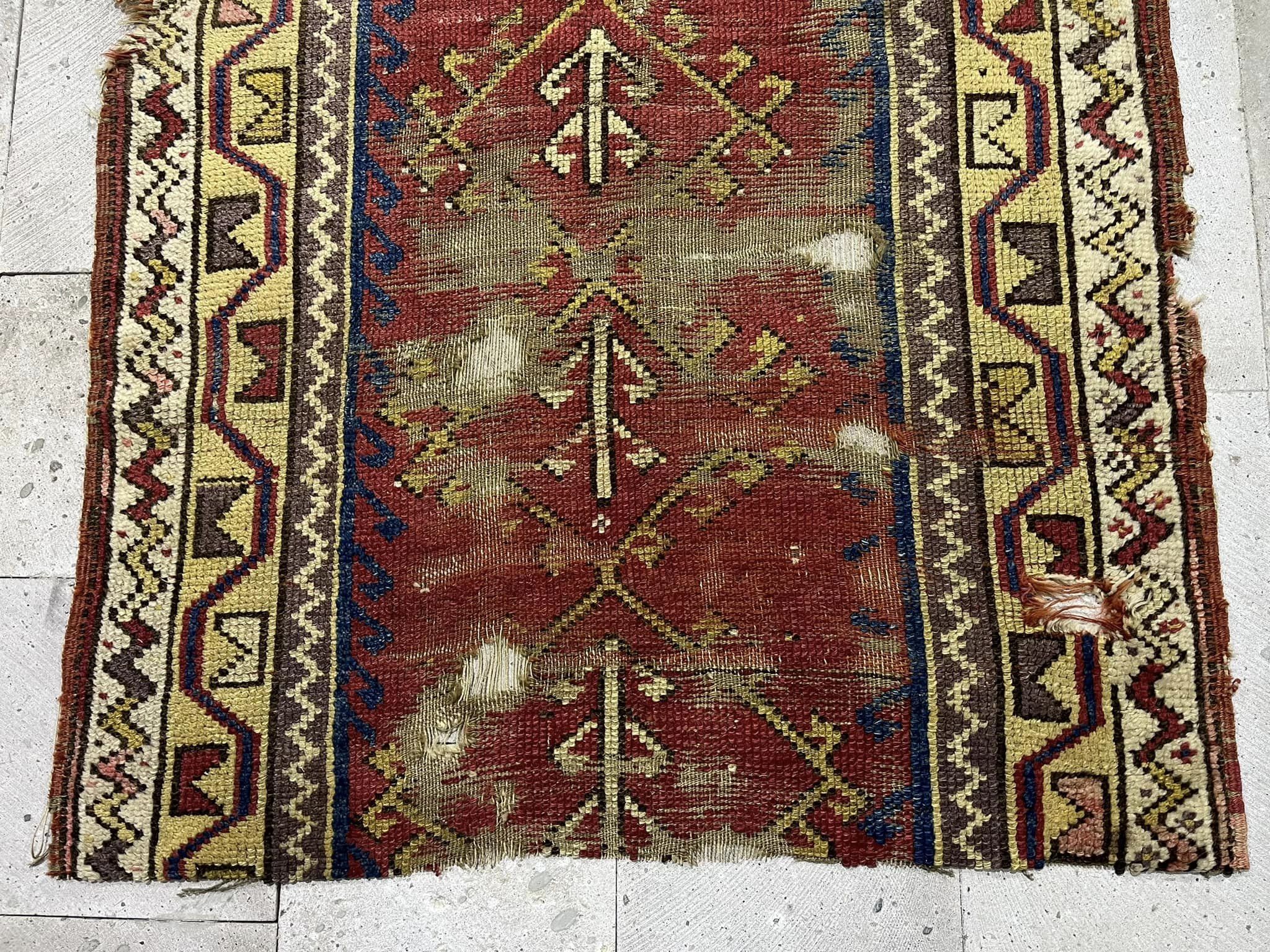
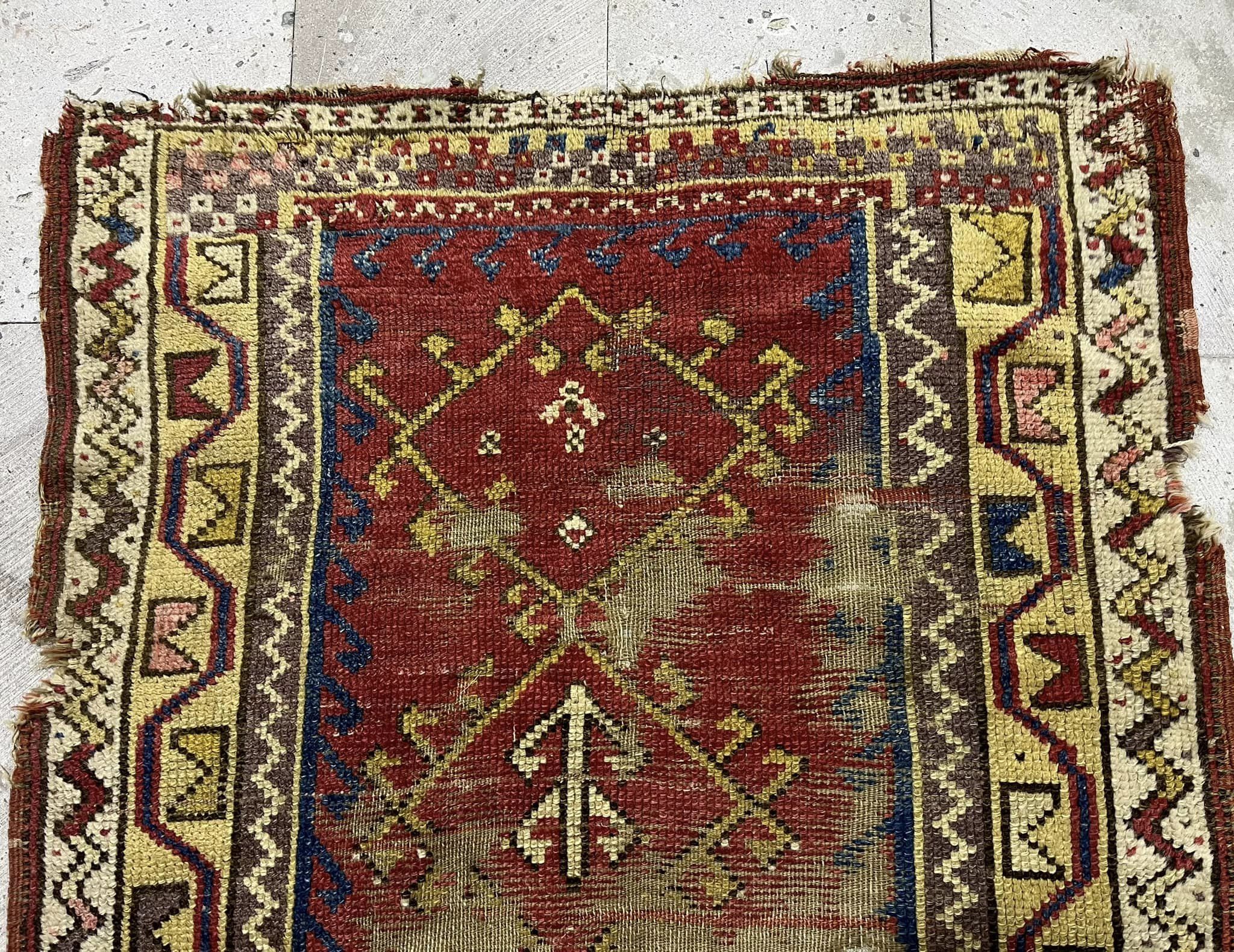
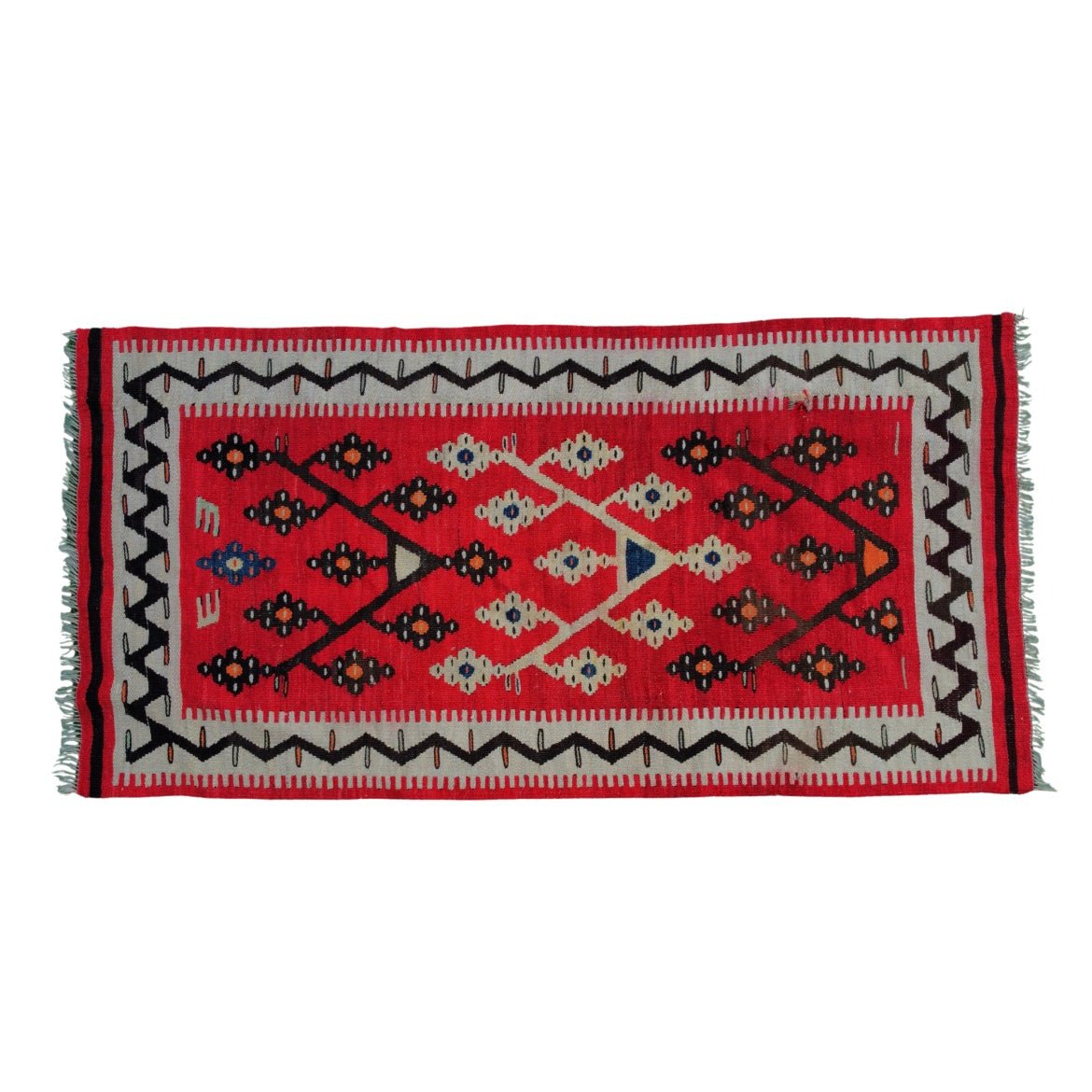
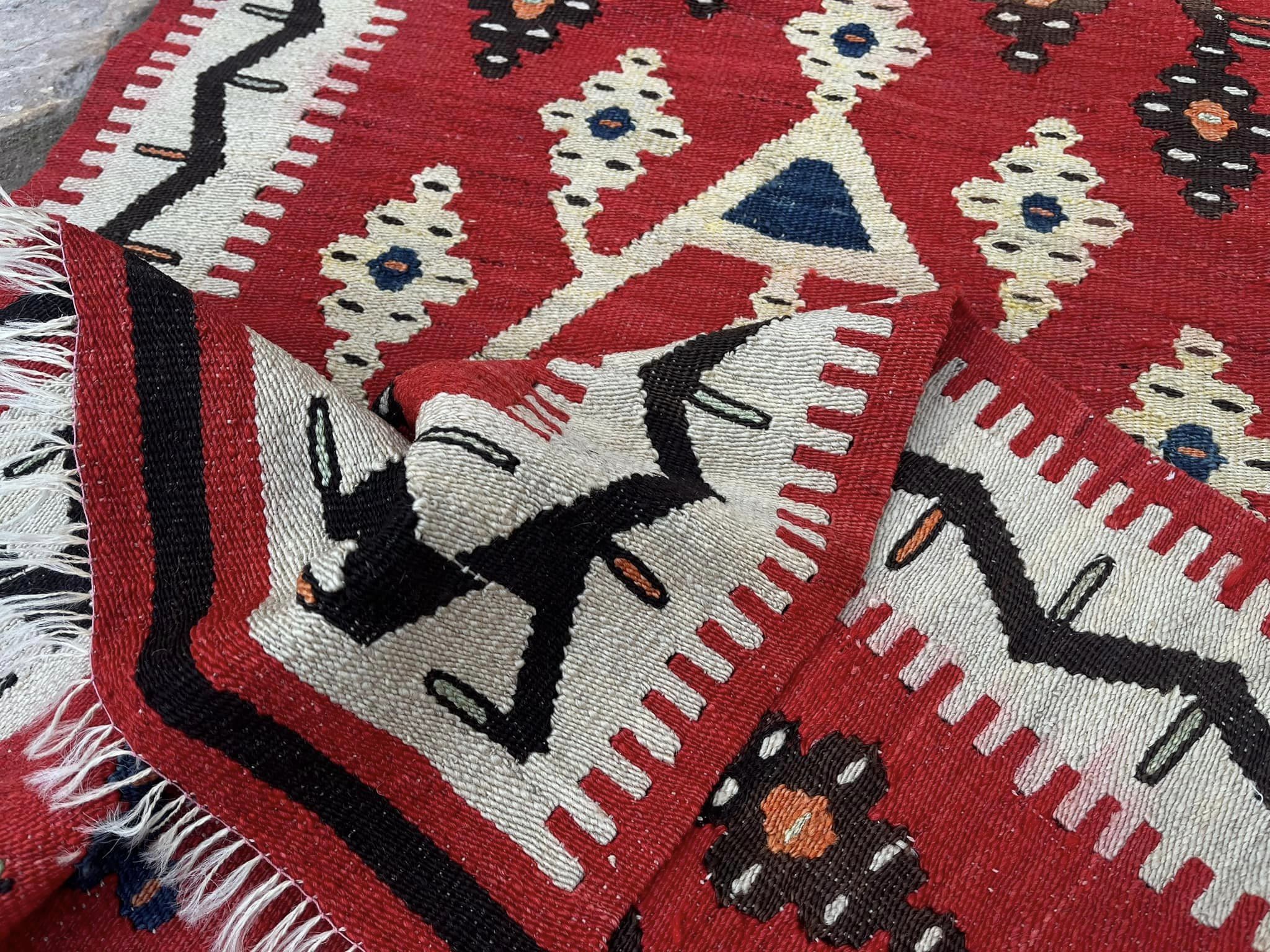
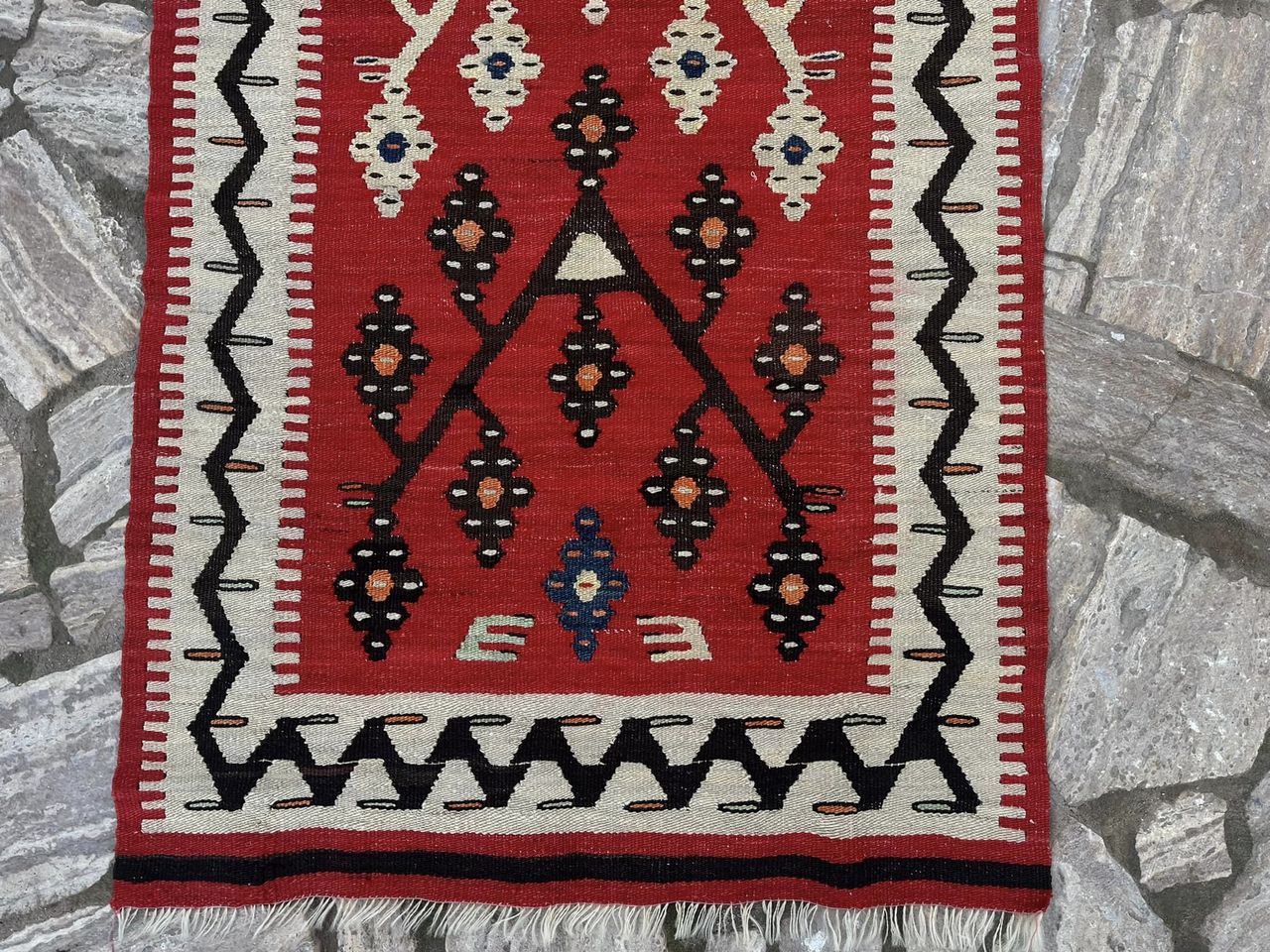
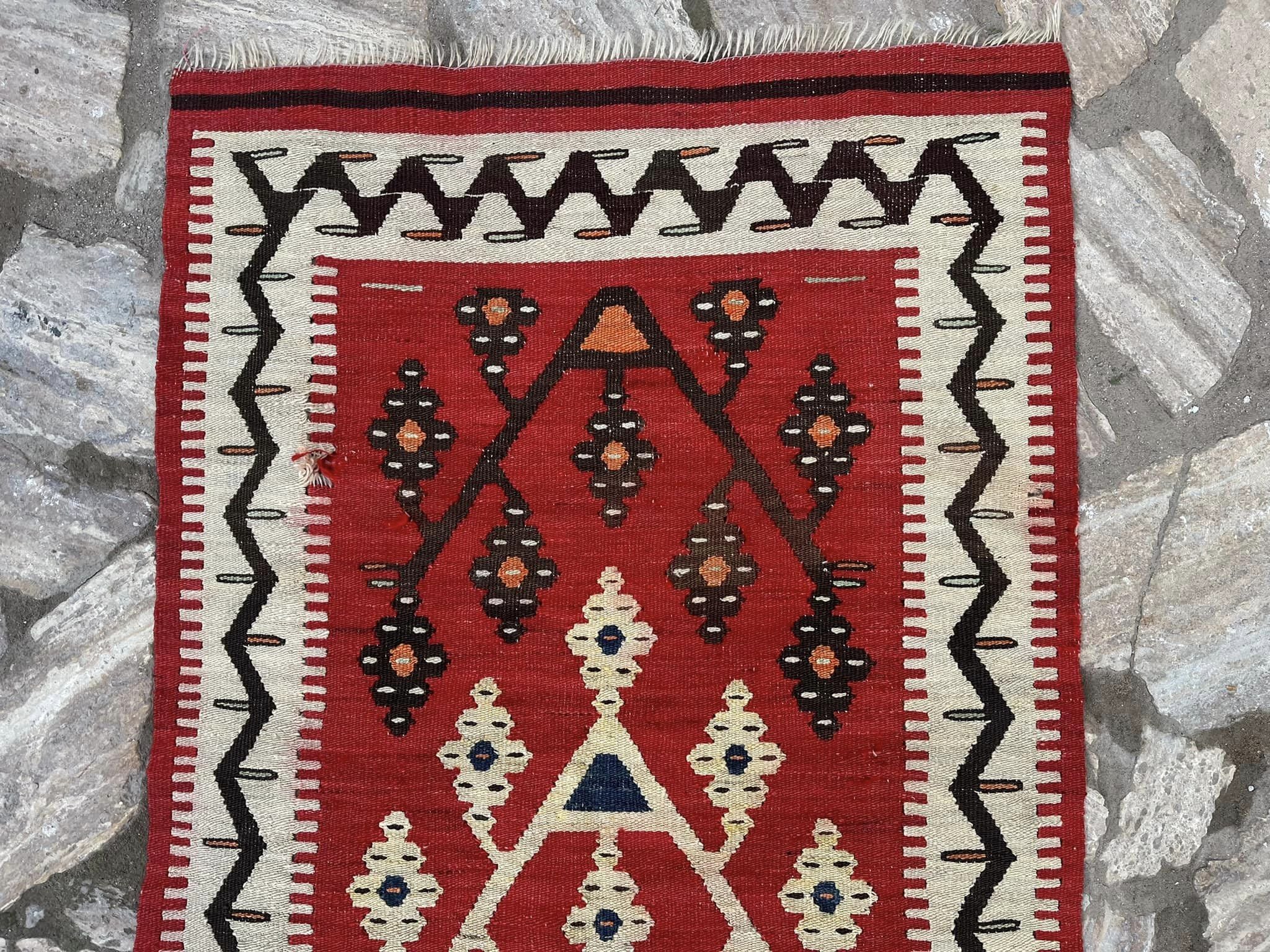
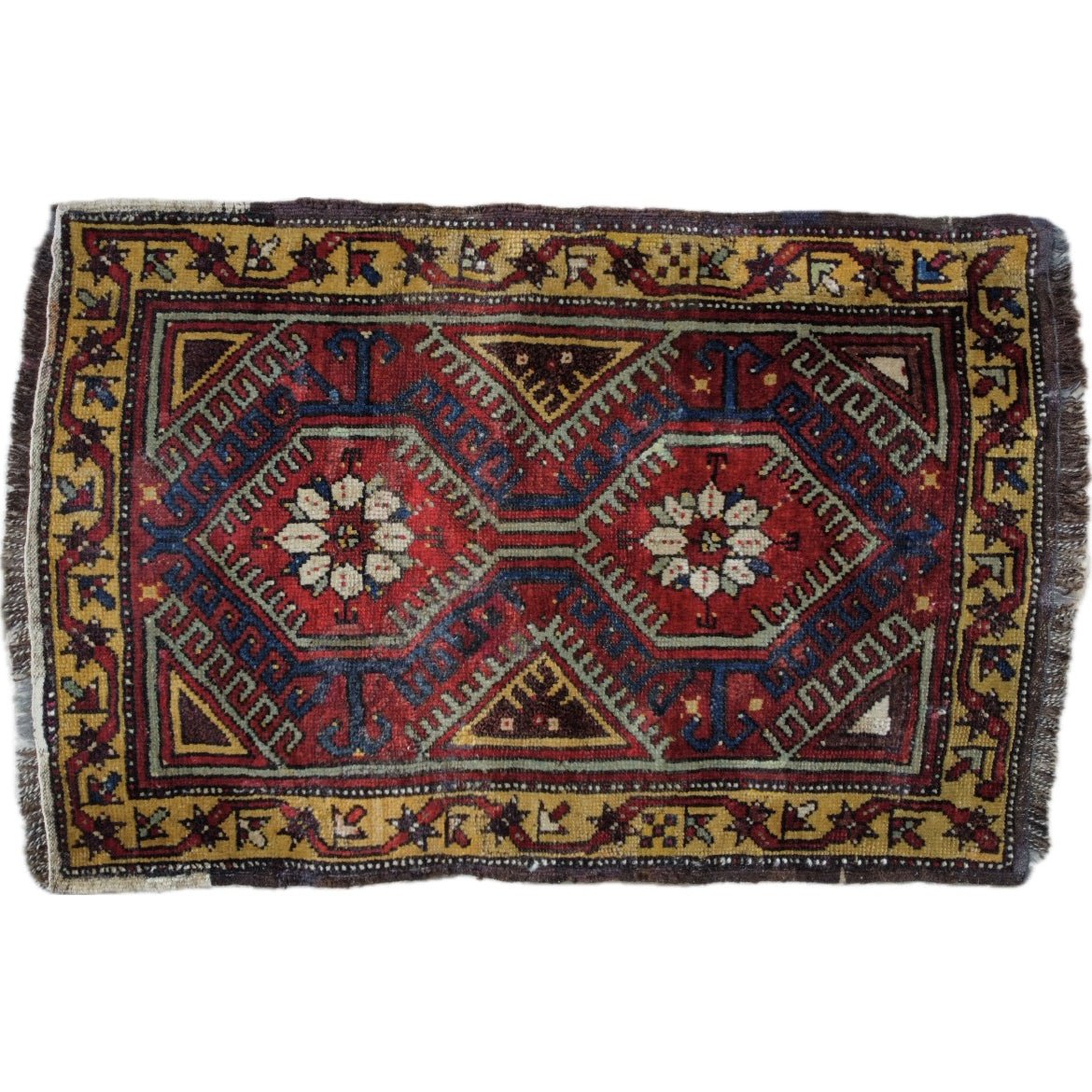
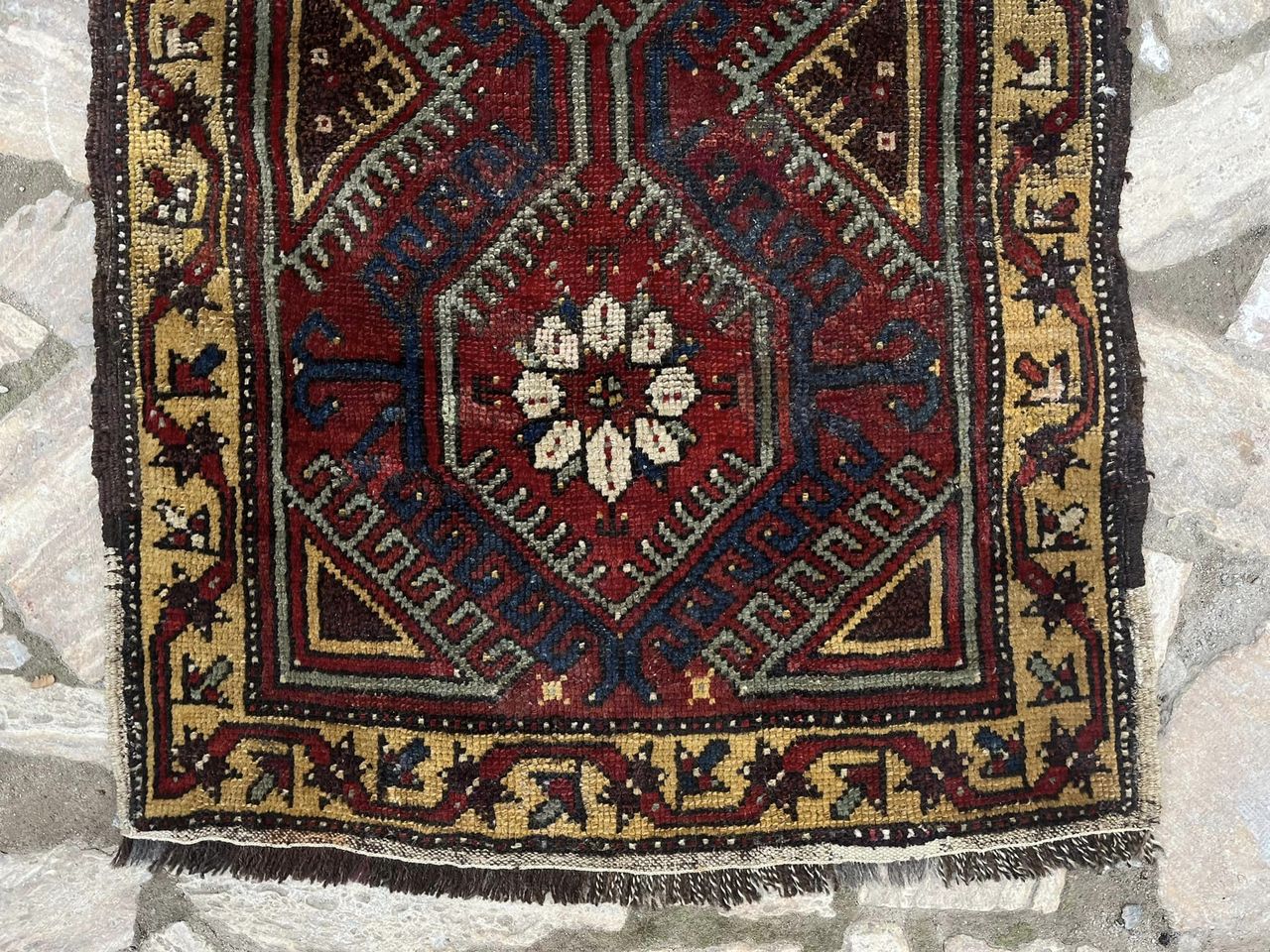
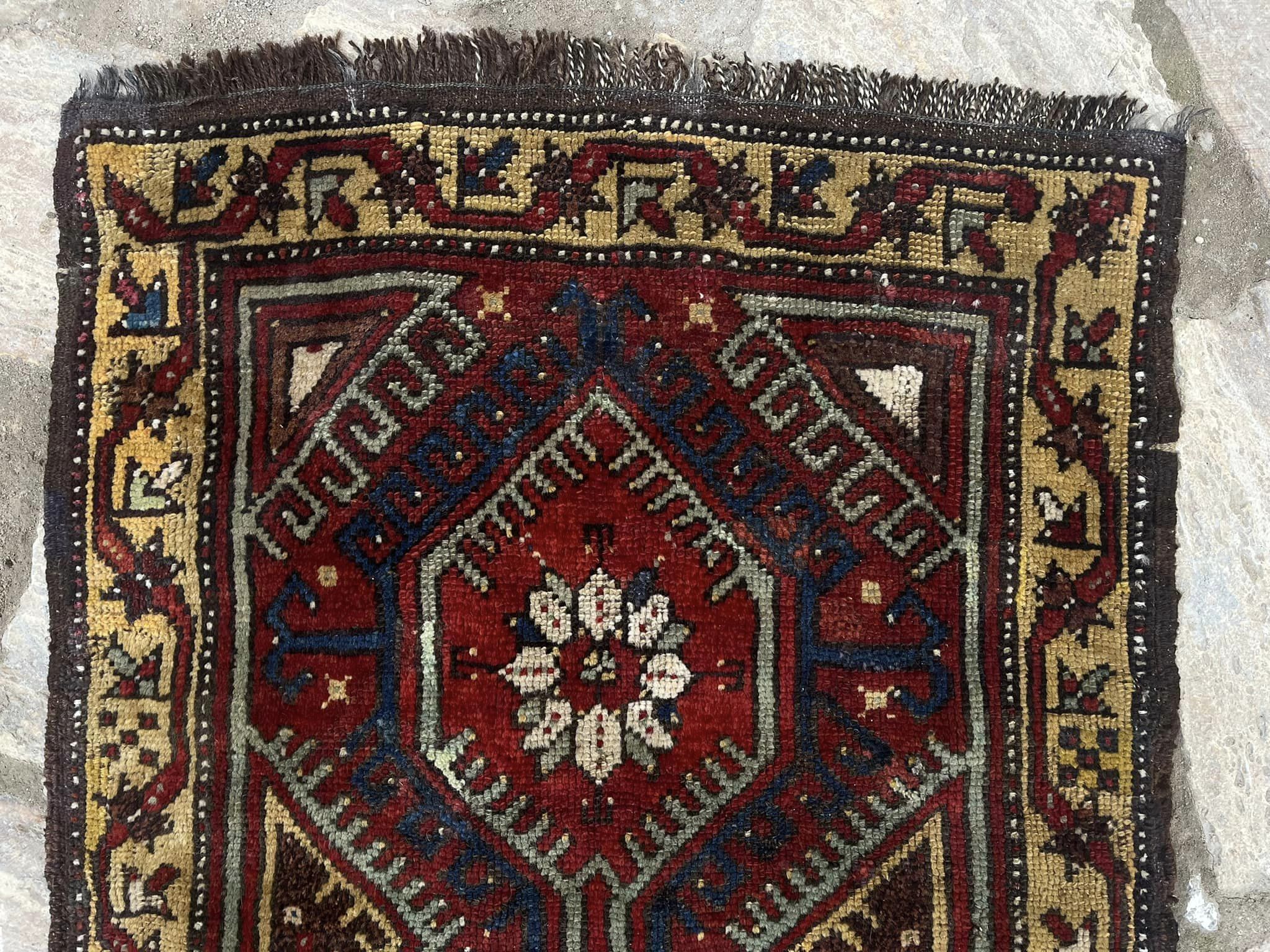
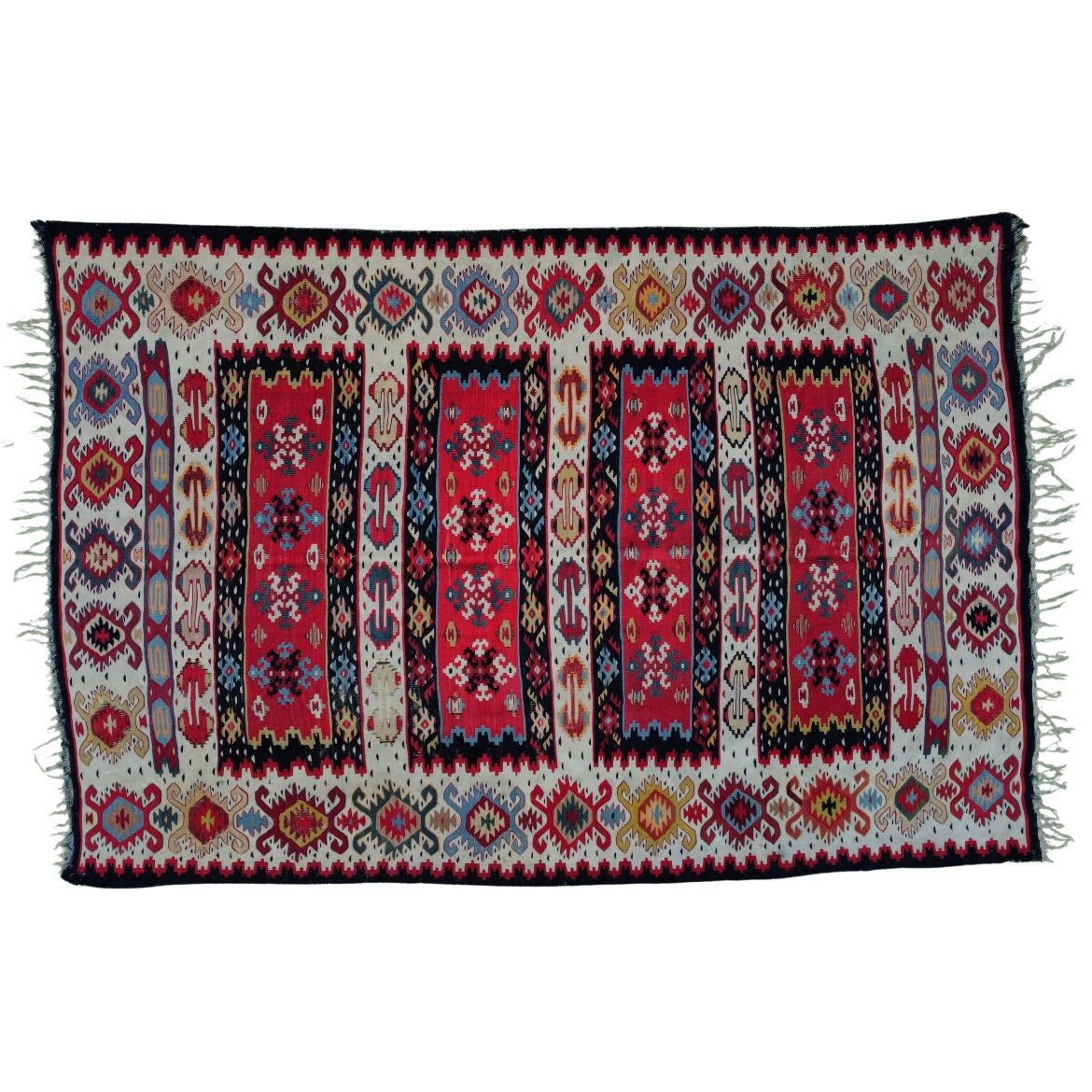
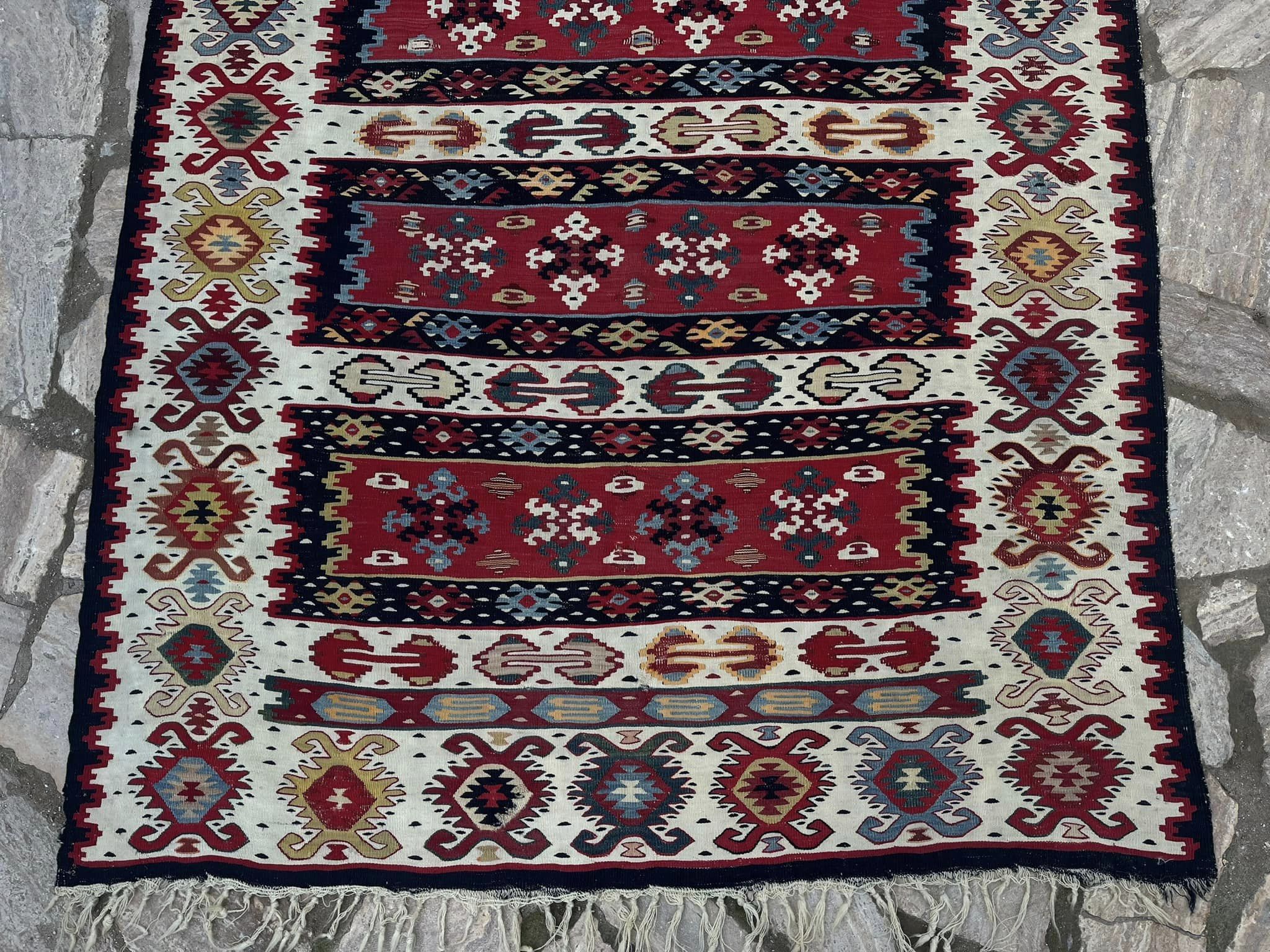
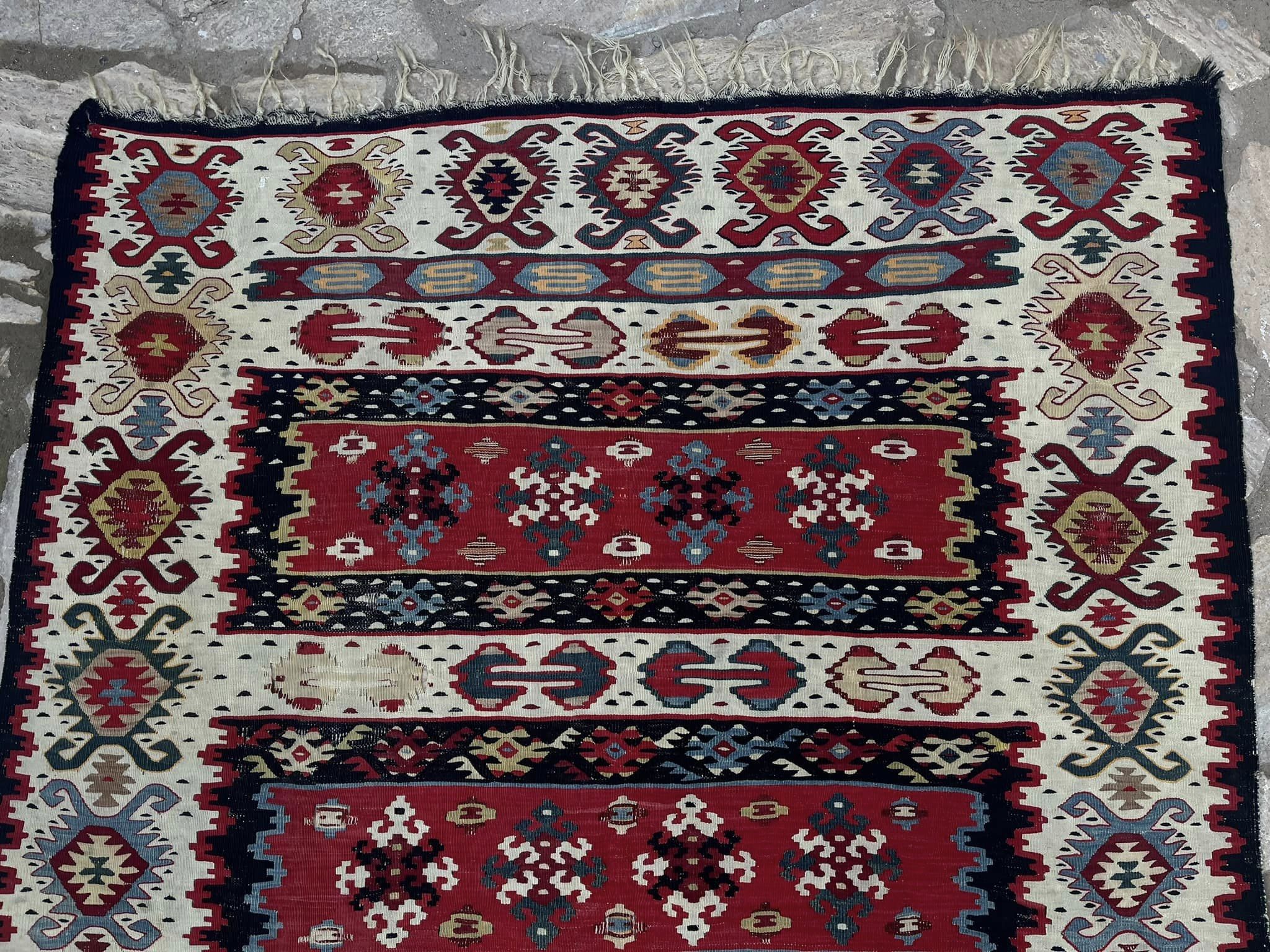
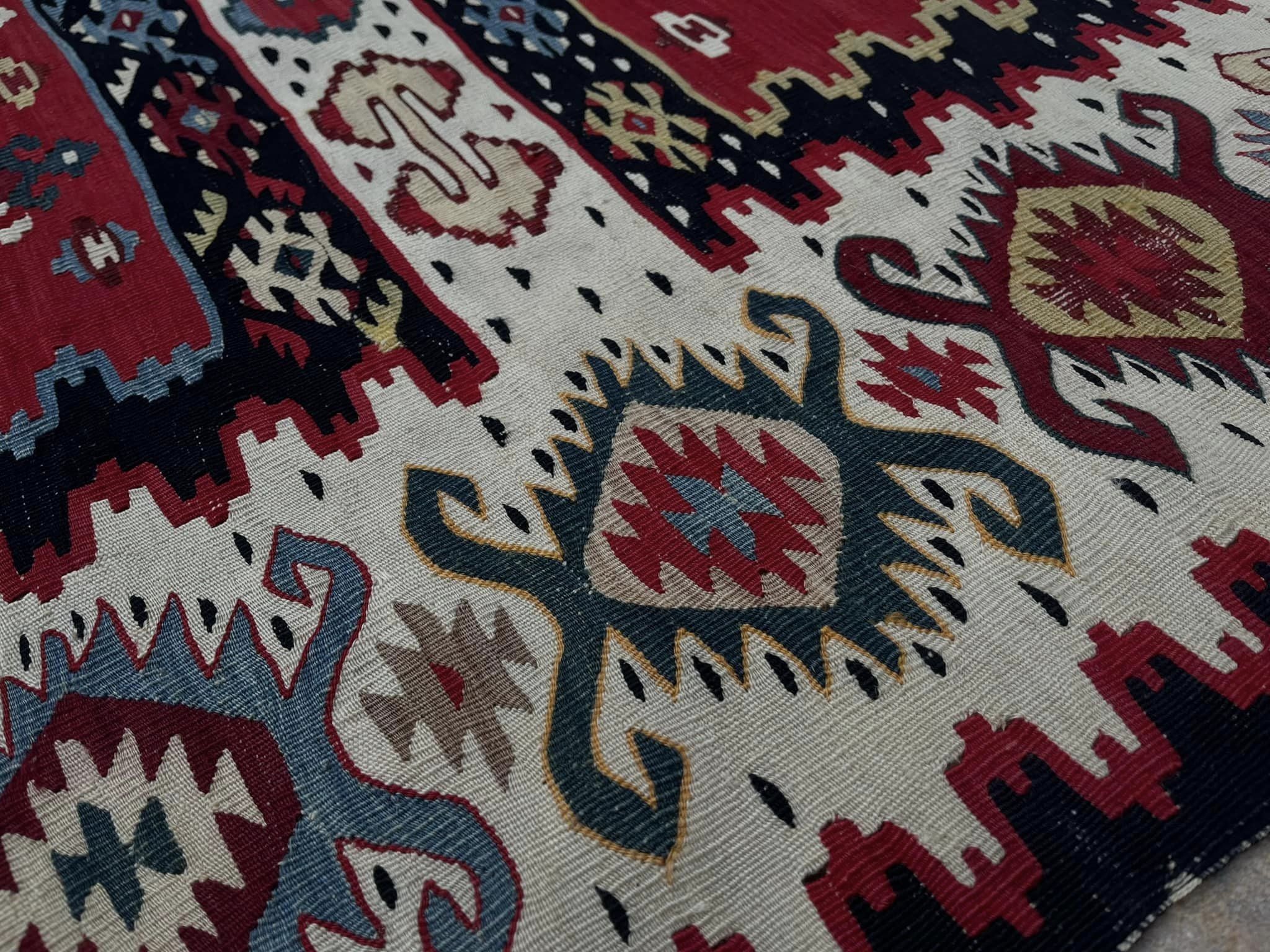
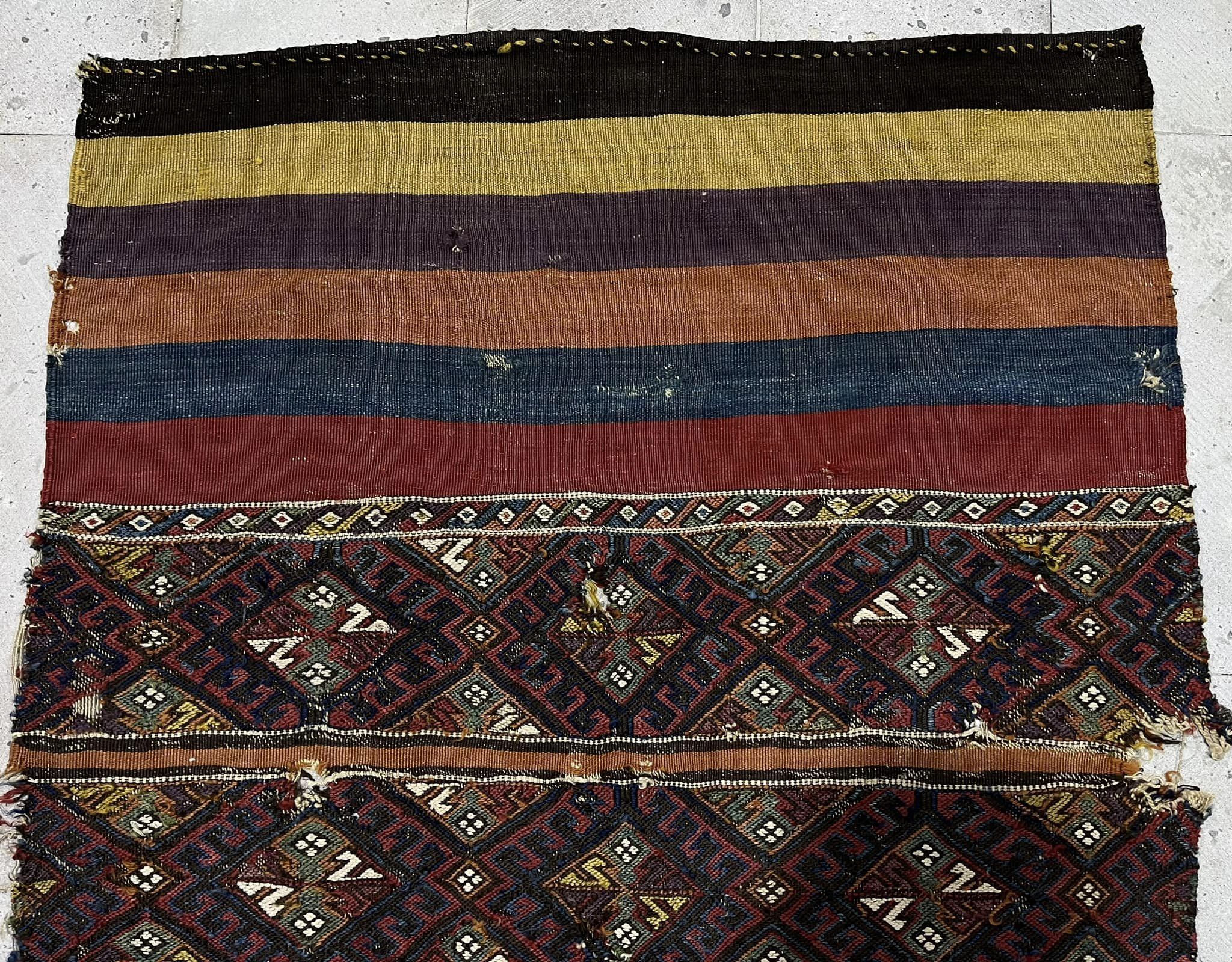
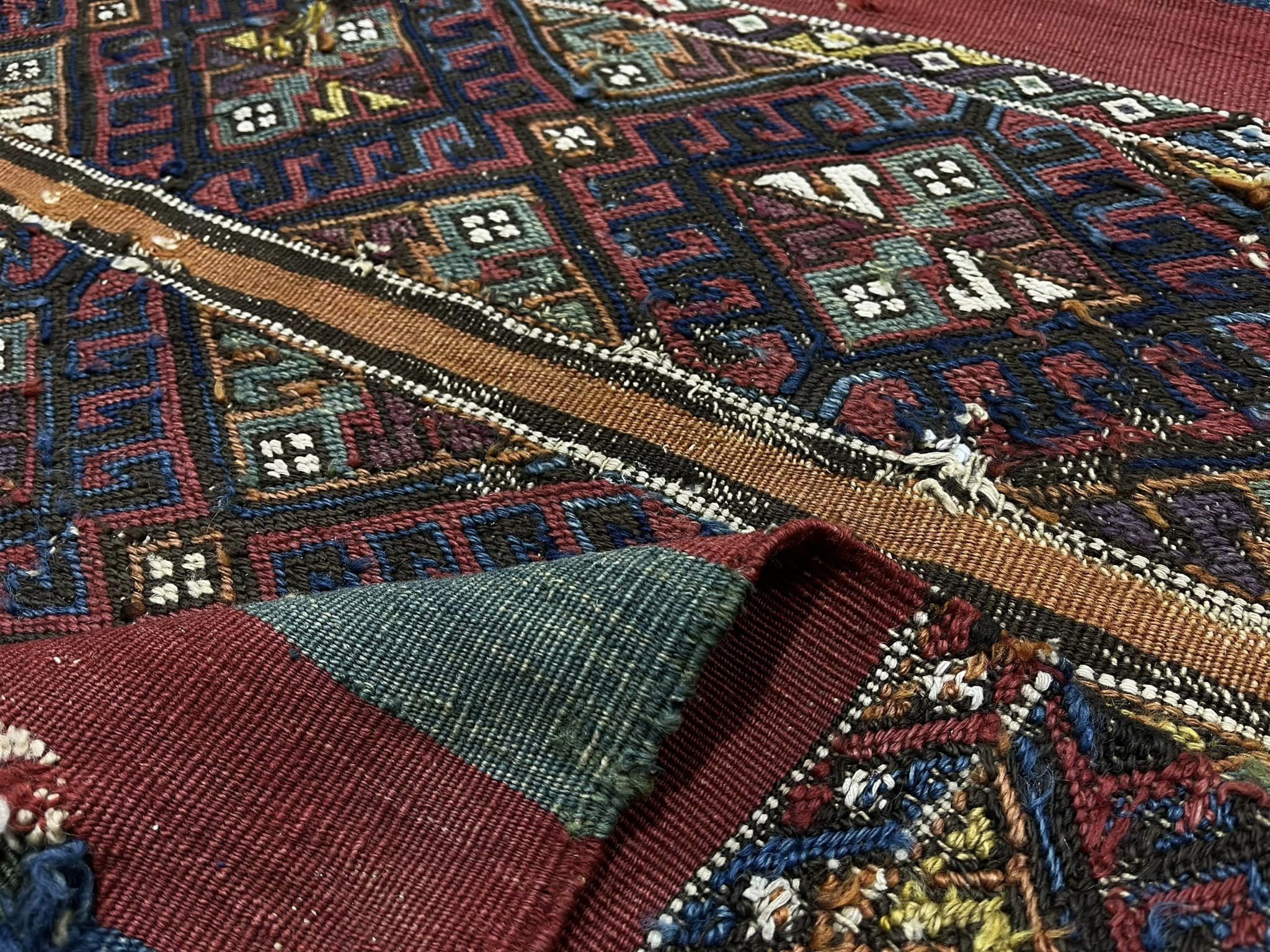
18 th Bergama
Gelveri 3'8'' x 7'2''
Konya Yatak 4'6'' x 6'10''
Yeşilova (Aksaray ) 4'2'' x 8'5''
Lotto Oushak 4'2'' x 5'1''
Bergama 4'6'' x 5'
Karapınar 5' x 7'1''
Çankırı 3'2'' x 4'1''
Maraş 5'1'' x 5'3''
Karakeçili 4'2'' x 5'9''
Cihanbeyli 3'2'' x 5'9''
Kozak 3' x 3'8''
Reyhanlı 3'7'' x 5'2''
Lemye 3'9'' x 5'3''
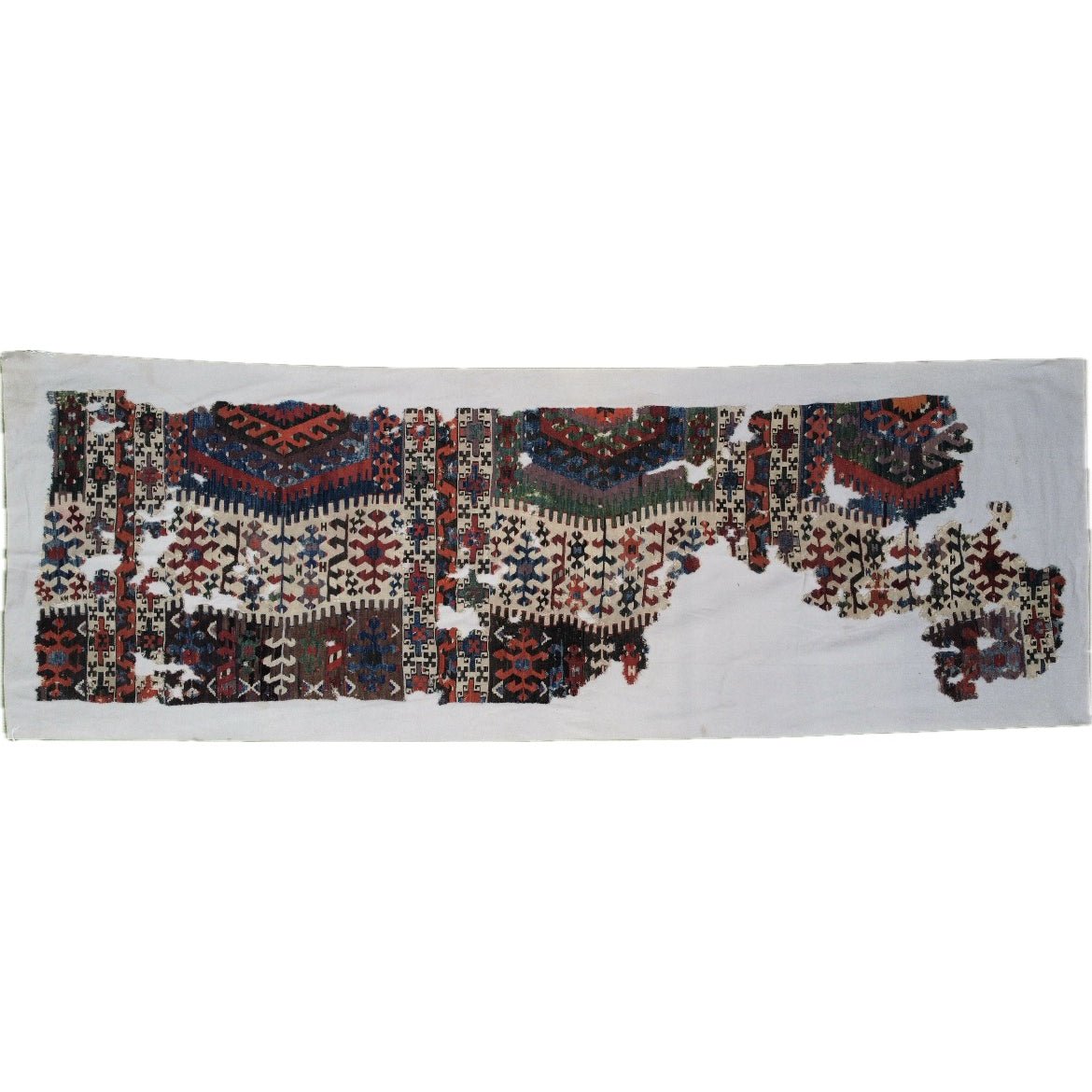
Cappadocia Fragment 3'3'' x 5'3''
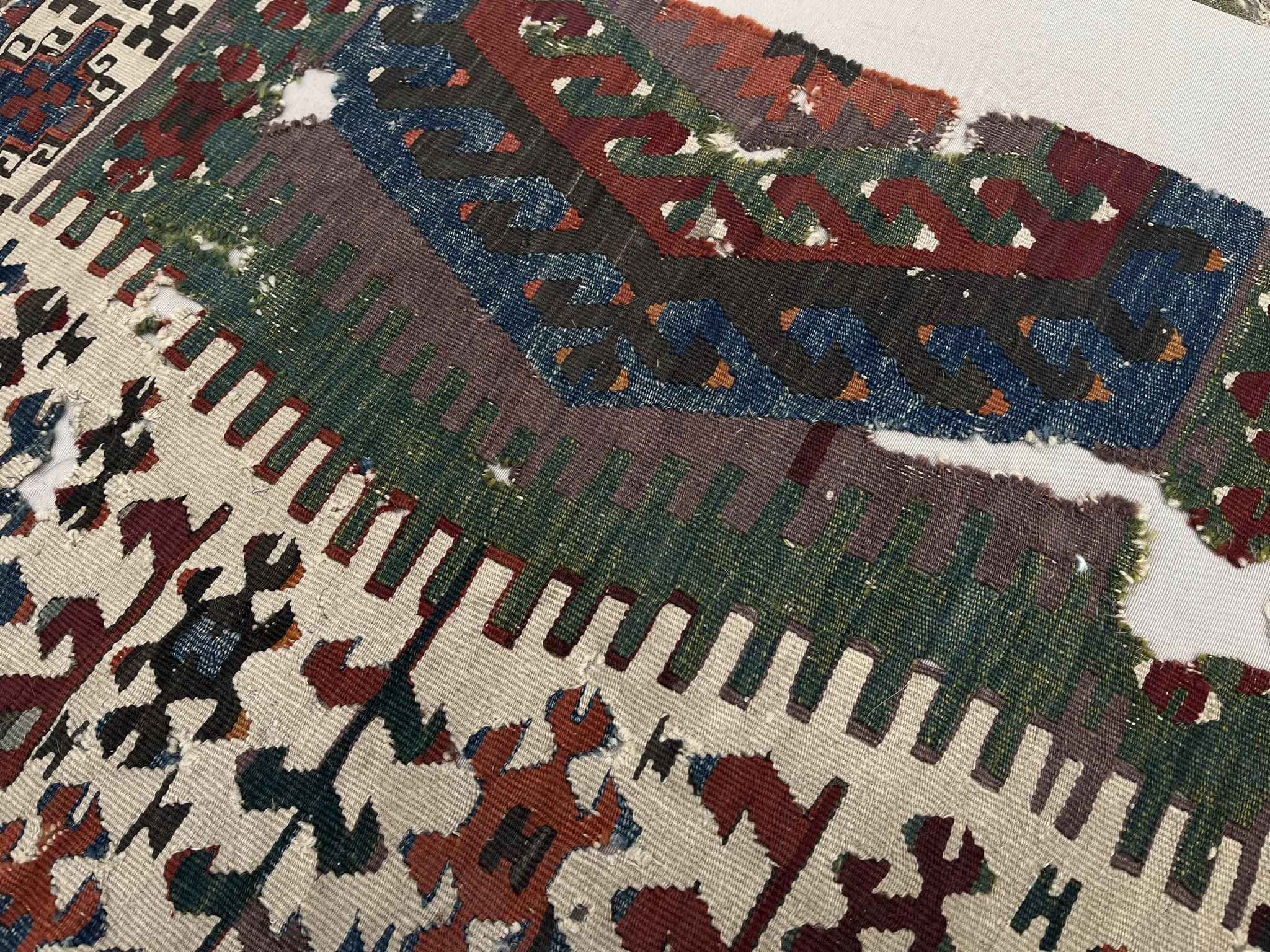
Konya Kilim 2'7'' x 12'
Bergama 3'6'' x 4'6''
Cappadocia 3'6'' x 6'
Aydın Kilim 2'5'' x 9'
Bergama 5' x 6'2''
Central Anatolia 3'1'' x 7'4''
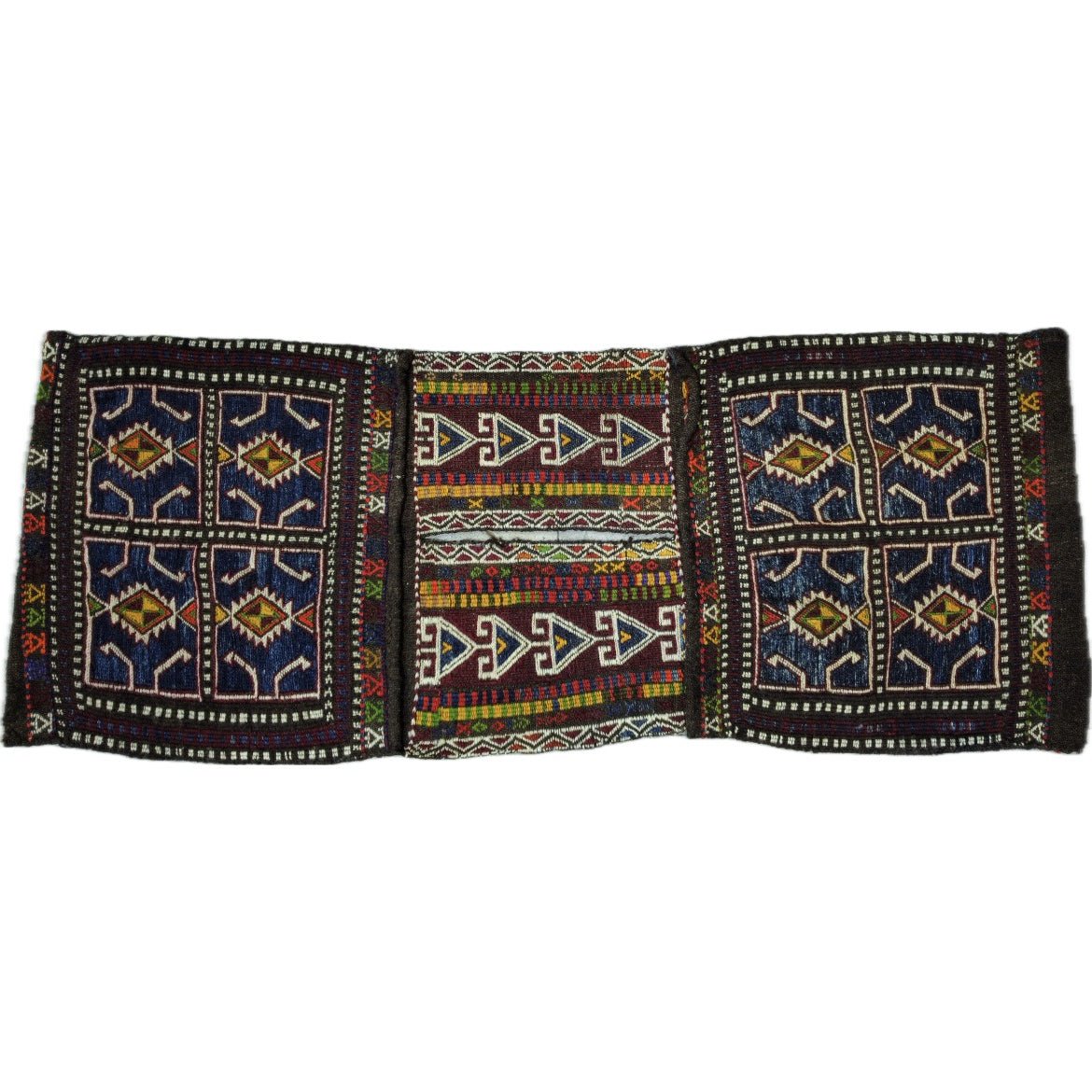
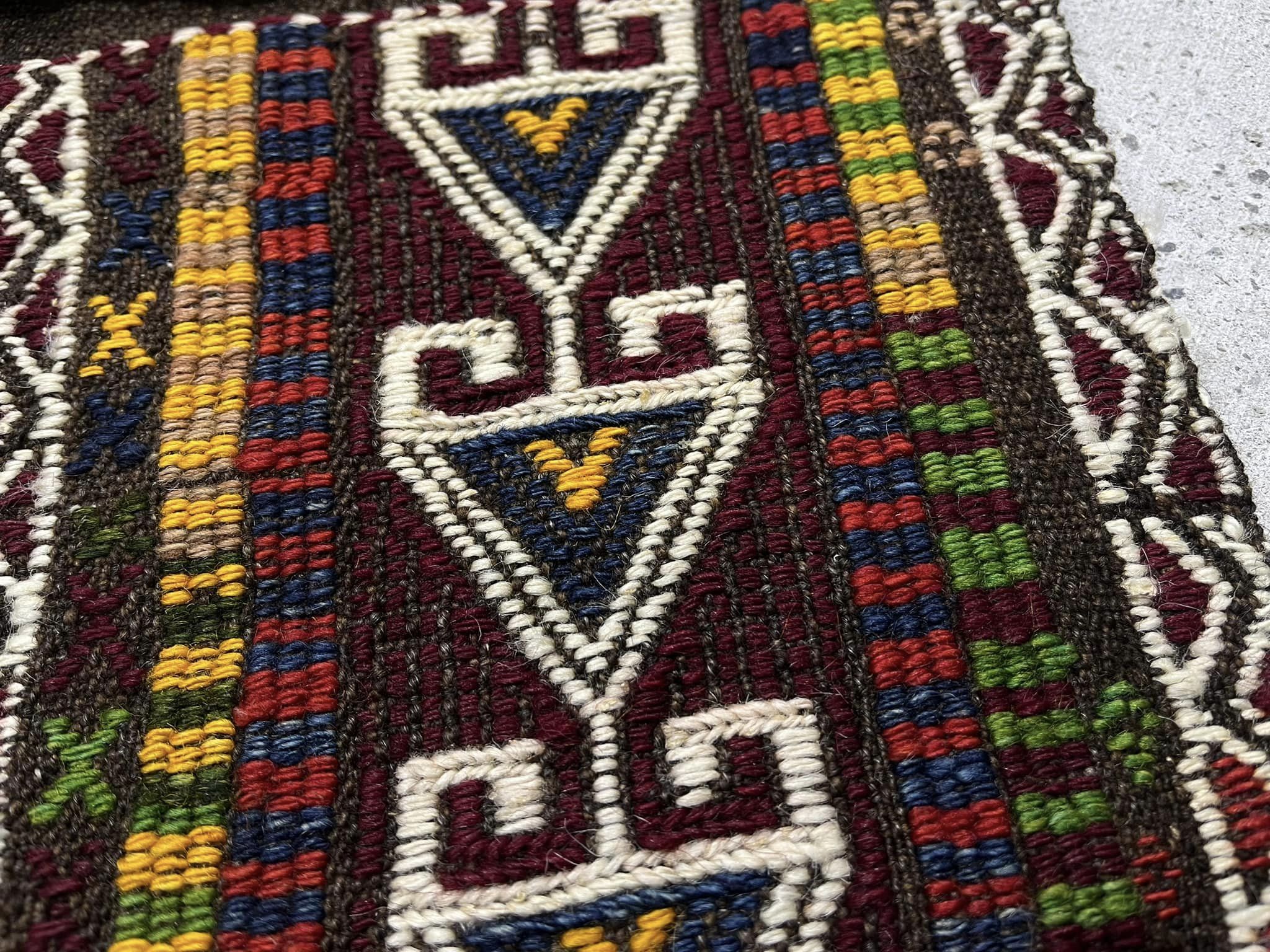
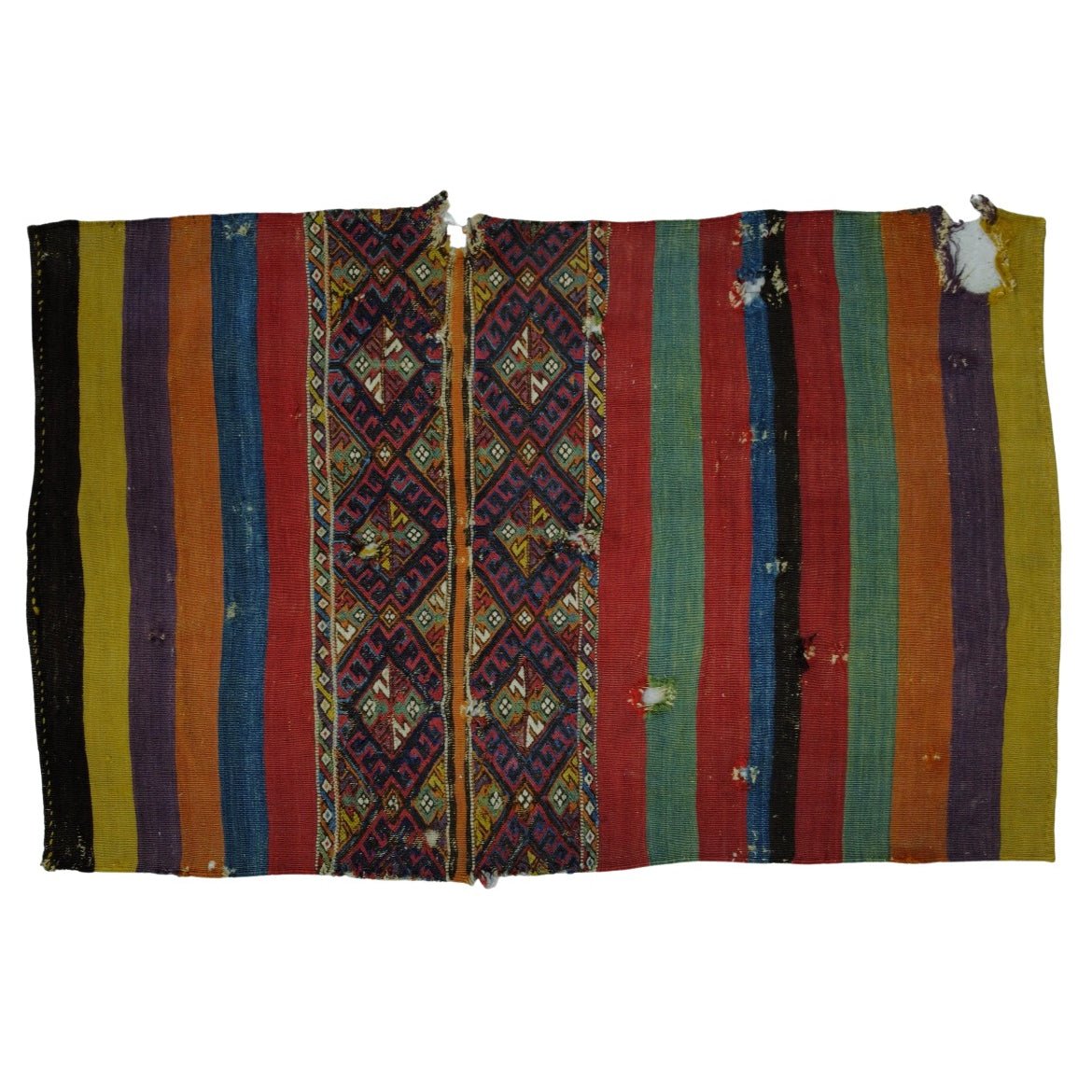
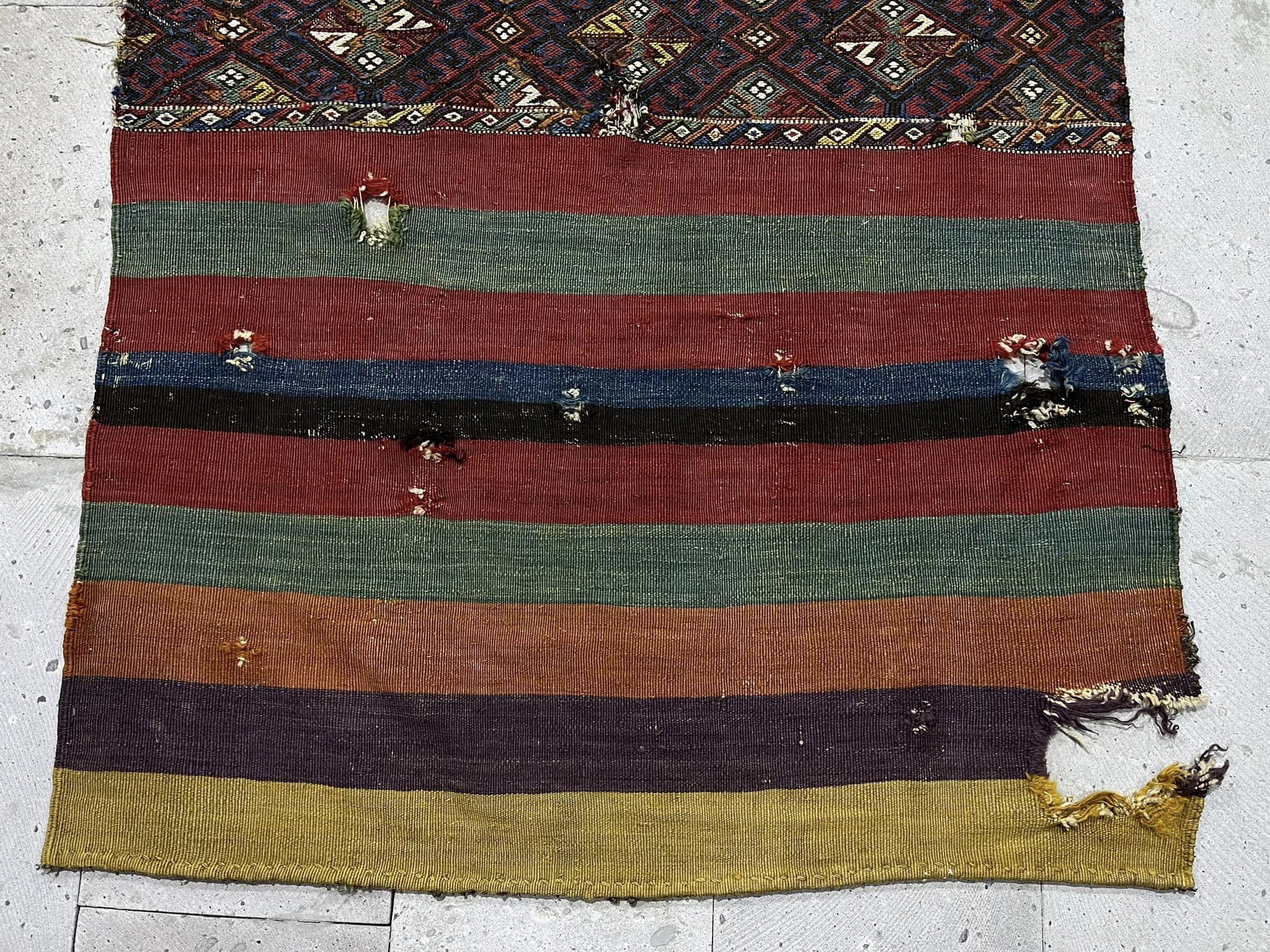
Obruk Saddlebag 1'6'' x 4'2''
Central Anatolia 3'4'' x 4'3''
Manastır 2'5'' x 4'9''
Konya Yastik 1'9'' x 2'8''
Şarköy - Kilim 4'4'' x 6'7''
Cappadocia 3'6'' x 5'6''
Antique Rugs
Most people who buy from this collection already know more about rugs than the average shopper. Some of you have spent time on rug forums, some have bought and sold pieces before, some just want a straight answer instead of marketing copy. So here's the straight answer: everything in this collection is roughly 80 years old or older, and I don't inflate that number to make a piece sound more impressive than it is. If I'm not sure exactly how old something is, I say so in the listing instead of rounding up. Some of you searched specifically for antique Turkish rugs and landed here; that's exactly what this collection is.
What actually makes a rug count as antique
A lot of sellers use "antique" and "vintage" as if they were the same word, sometimes in the same sentence about the same rug. We don't do that here. Our vintage rugs collection covers pieces roughly 20 to 80 years old. Antique means older than that — rugs with a longer, harder-to-verify history, generally more fragile handling needs, and usually a different price bracket entirely. Whether you call a piece an antique rug or an antique carpet, the same age threshold applies here.
If a rug is closer to that 20-to-80-year range, it belongs on the vintage page, not here. Keeping that line clear matters more to a buyer at this level than it does to someone shopping for a first area rug. Antique rugs and vintage rugs genuinely behave differently over time — in how they wear, how they should be handled, and what they cost — and blending the two categories, the way a lot of sellers of antique carpets and rugs do, doesn't do you any favors when you're trying to understand what you're actually buying.
How I actually judge whether an antique rug is genuinely old
I don't have a lab test for this. What I have is years of handling enough antique wool rugs to know what real age looks and feels like versus what a seller wants a rug to look like.
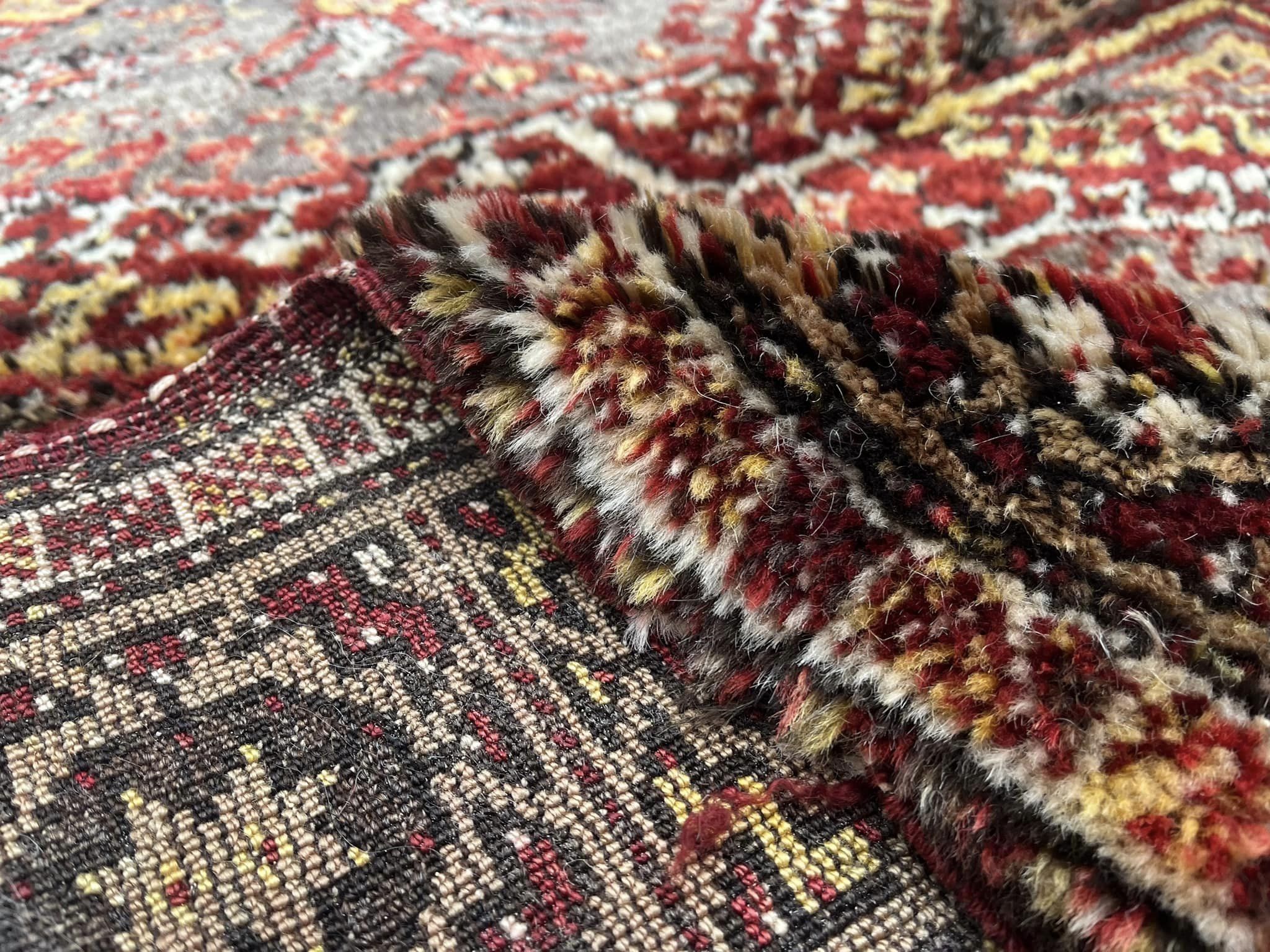
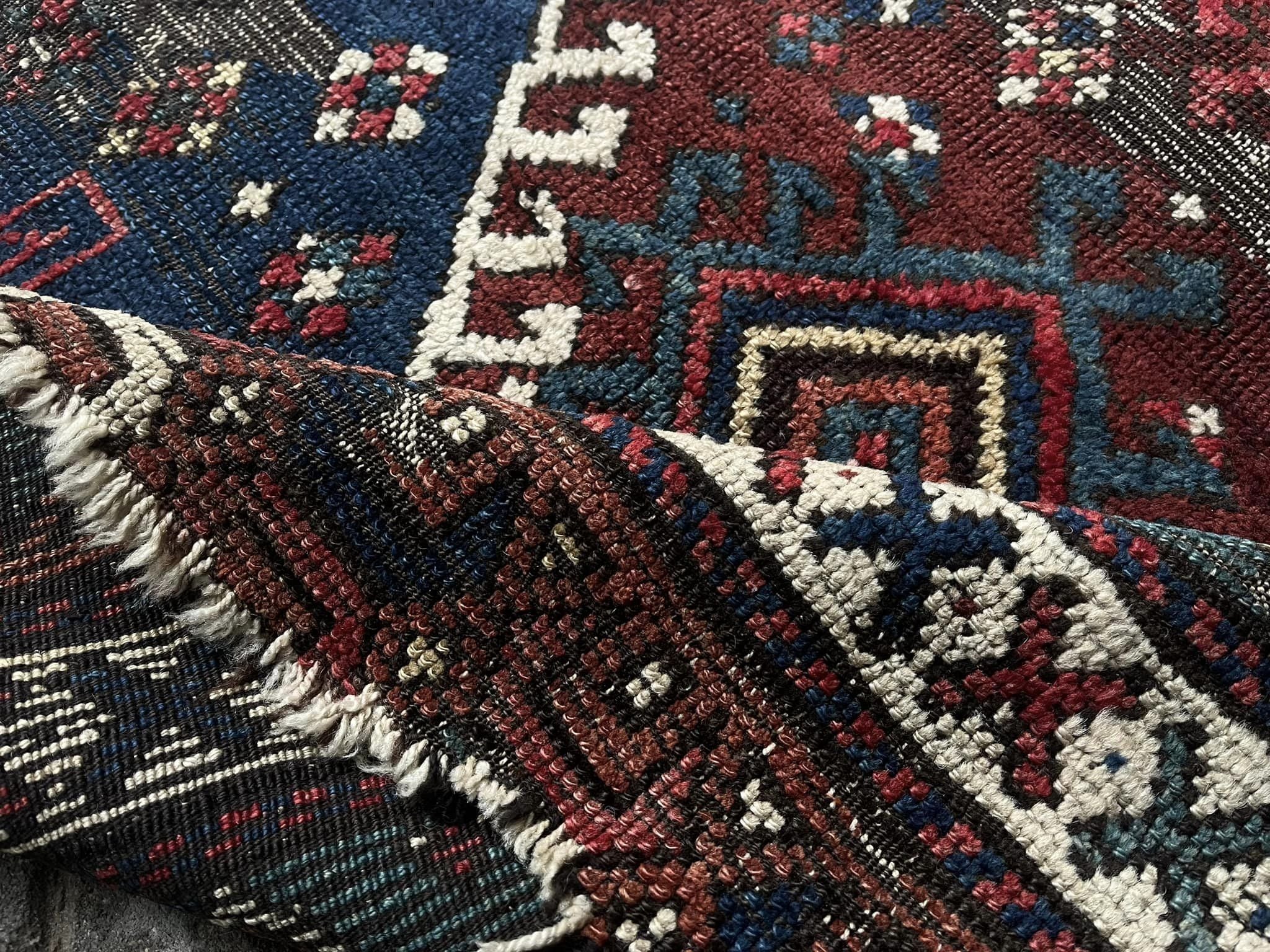
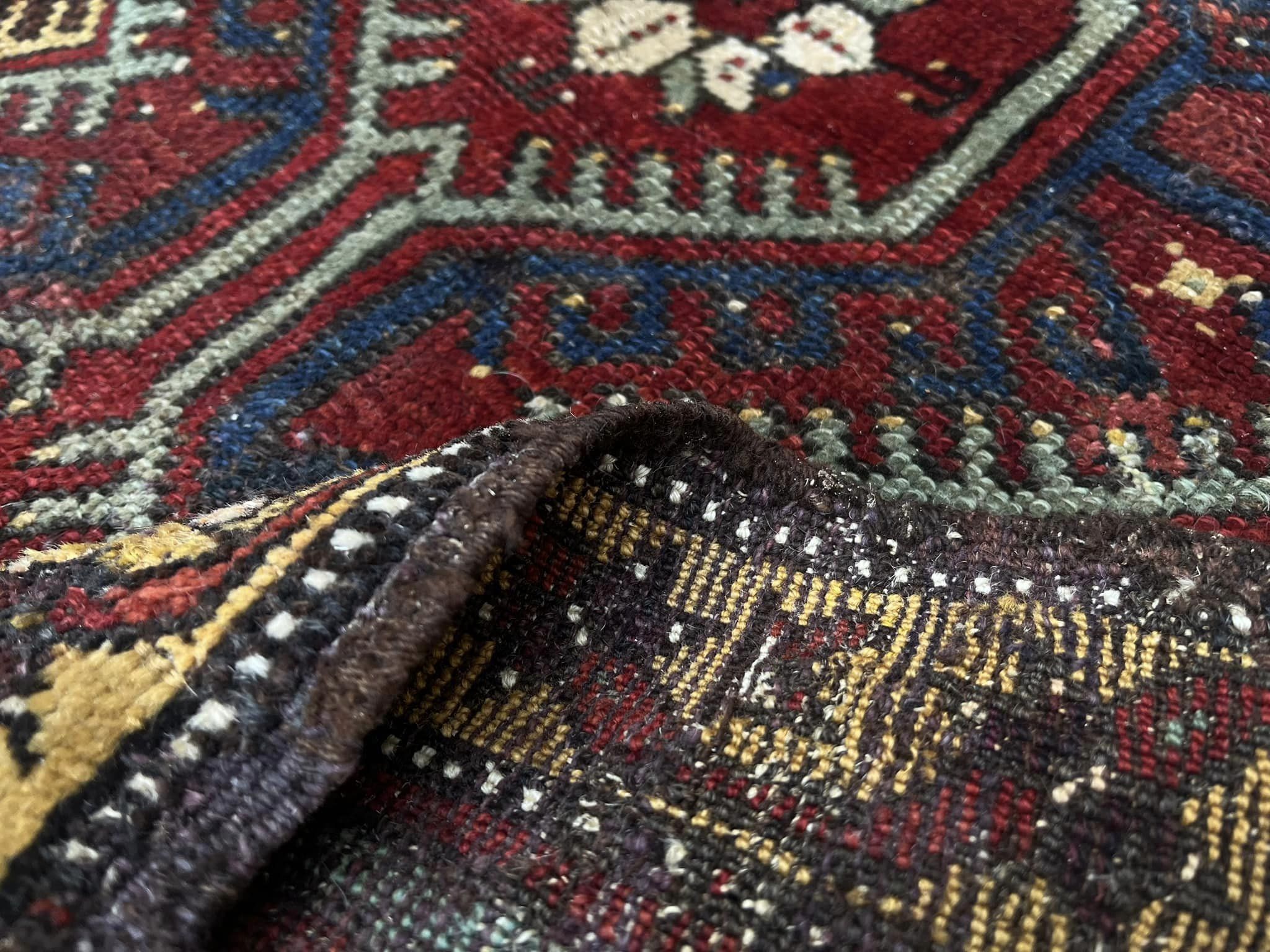
Wear tells you more than color does. On a genuinely old rug, wear concentrates where feet and furniture actually touched the piece for decades — an uneven pattern, not a uniform fade across the whole field. The back tells you almost as much as the front: knot density, how the foundation threads have aged, whether a repair was done recently or blended in decades ago. None of this is exact science, and I won't pretend otherwise. When I'm not confident about a piece's age, that uncertainty goes in the listing instead of a number that sounds more impressive.

What a century does to an antique rug's wool and natural dye
Most antique pieces here are wool, dyed with natural dye rather than synthetic color. Natural dye ages differently — it softens and shifts tone in a way synthetic dye doesn't, which is part of why an antique rug's palette often reads as more muted or layered than a newer piece in a similar pattern.
That aging isn't uniform, either. A red near a window that's had a century of sun exposure will read differently than the same red tucked under furniture the whole time. That unevenness isn't damage. It's closer to what you'd expect from any material that's been reacting to light and daily use for generations — the visual record of an object that's actually old, not staged to look that way. It's part of why a genuinely old antique oriental rug rarely looks perfectly uniform across the field, even in a single, simple pattern. Pattern-wise, some pieces read as a formal medallion design, while others lean closer to what people call an antique tribal rug — bolder, more angular motifs. Neither is more authentic than the other; they're just different weaving traditions within the same broad age category.
Why an antique rug's condition and restoration are always disclosed
A rug that's genuinely 80, 100, or more years old has usually been repaired at some point, and that's not something to hide. What actually matters is whether a repair was done well, and whether it's disclosed before you buy, not after.
I note visible repairs, reweaves, or fringe work directly in the listing rather than letting a buyer discover them once the rug arrives. A well-executed old repair isn't automatically a dealbreaker on a worn antique rug — sometimes it's proof the piece was valued enough to be fixed instead of thrown out. What I won't do is sell something with hidden, undisclosed restoration and let the price imply the piece is untouched. If you've shopped antique rugs online before, you've probably run into a listing that stayed vague on this exact point. Ours won't.

Why antique rug prices vary so much
People sometimes assume age alone sets the price on antique rugs for sale, and it doesn't. Condition matters more than age past a certain point — two rugs from a similar period can be priced very differently if one has tighter, more even knotting or a rarer color combination than the other. Size matters too, especially with large antique rugs, since a bigger old piece in good condition is genuinely harder to find than a small one.
I don't price things to suggest rarity that isn't there, and I don't inflate a piece into "old money rugs" territory just because that phrase sells. This also isn't a discount antique rugs clearance page — the pricing reflects actual condition and rarity, not markdown tactics dressed up as a sale. If something here is priced lower than you expected for an antique piece, it's usually the size or a disclosed repair. If it's priced higher, the wool, the dye, and the knotting are almost always why.
How to choose an antique rug for a serious space
An antique rug asks a little more of a room than a newer one does. Foot traffic, direct sun, and humidity all affect an older weave more than they would a vintage rug half its age, so where you put it matters as much as which piece you choose.
A lower-traffic room, or a spot out of direct afternoon sun, lets an antique area rug hold its condition longer without turning it into something you can't actually use day to day. That doesn't mean hiding it somewhere nobody enters, and it doesn't mean treating this like one of the luxury antique rugs showrooms where nothing is ever actually walked on — it means being realistic about where in the home a genuinely old rug will still look right in another twenty years, not just this one.
What I check before an antique rug ships
Before an antique piece leaves Cappadocia, I go over it more carefully than I would a vintage rug — checking the foundation, the fringe, every repair, anything that wouldn't show up in a normal photo. Then it's washed carefully, since an older weave needs a gentler process than a newer one, and photographed in daylight once it's fully dry.
The photo you see is the actual rug you receive. Shipping is free worldwide, and for orders inside the United States, duties are already covered at checkout — nothing extra collected at your door.
How to buy an antique rug online as a serious buyer
At this price point, questions are welcome, not an inconvenience. Ask about knot density, ask about any repairs, ask why one antique wool rug costs meaningfully more than another of a similar size — the answer is almost always condition, rarity of the pattern, or the quality of the wool and dye, not just age on its own. This applies whether you're looking at antique oriental rugs with dense, formal patterns or something simpler and more graphic.
If something about a listing feels vague, that vagueness is worth asking about before you commit, not after. I'd rather spend ten minutes answering a detailed question from someone who's done this before than have a buyer feel misled once an old rug is already on their floor.

What qualifies a rug as antique rather than vintage?
In this collection, antique means roughly 80 years old or older. Anything younger than that sits in our vintage rugs collection instead. We keep the two separate rather than blending them the way many sellers do.
How do you determine the age of an antique rug?
Mainly through wear patterns, knot density, and how the foundation and dye have aged, not a lab test. When I'm not confident about an exact age, I say so in the listing rather than rounding up.
Do antique rugs have repairs, and will you tell me about them?
Most genuinely old rugs have some repair history, and yes, it's disclosed directly in the listing. A well-executed old repair isn't automatically a problem — an undisclosed one would be, and we don't do that.
Why do antique rug prices vary so much for similar-looking pieces?
Condition, knotting quality, and rarity of the pattern affect price more than age alone. Two pieces from a similar period can be priced quite differently for exactly those reasons.
Do you ship antique rugs to the USA, and are there extra import fees?
Yes. Shipping is free worldwide, and for orders inside the United States, duties are already included in the price you see at checkout, with nothing extra to pay when the rug arrives.
