















Shag Rugs
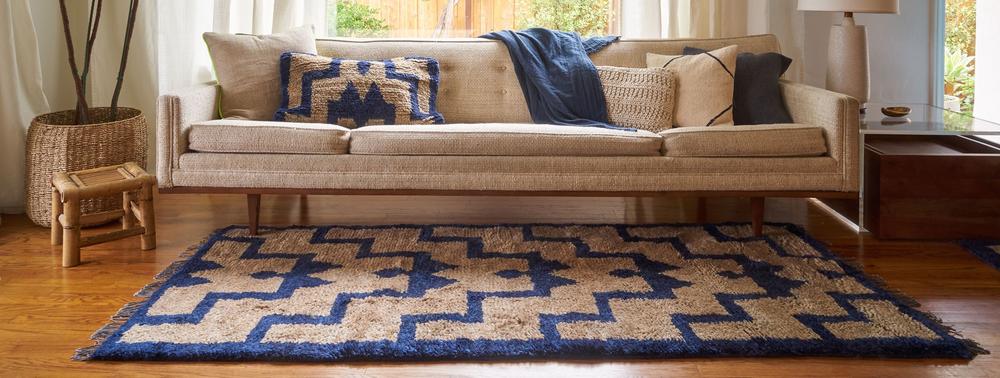
Shag rugs offer a luxurious retreat for your feet, inviting you to sink into their plush depths and experience unparalleled comfort in every step. Hand-woven with meticulous attention to detail, our shag rugs exude opulence and style, adding a touch of decadence to any room. Let the exquisite blend of artistry and coziness transform your living space into a haven of warmth and elegance, where every moment is infused with luxury.
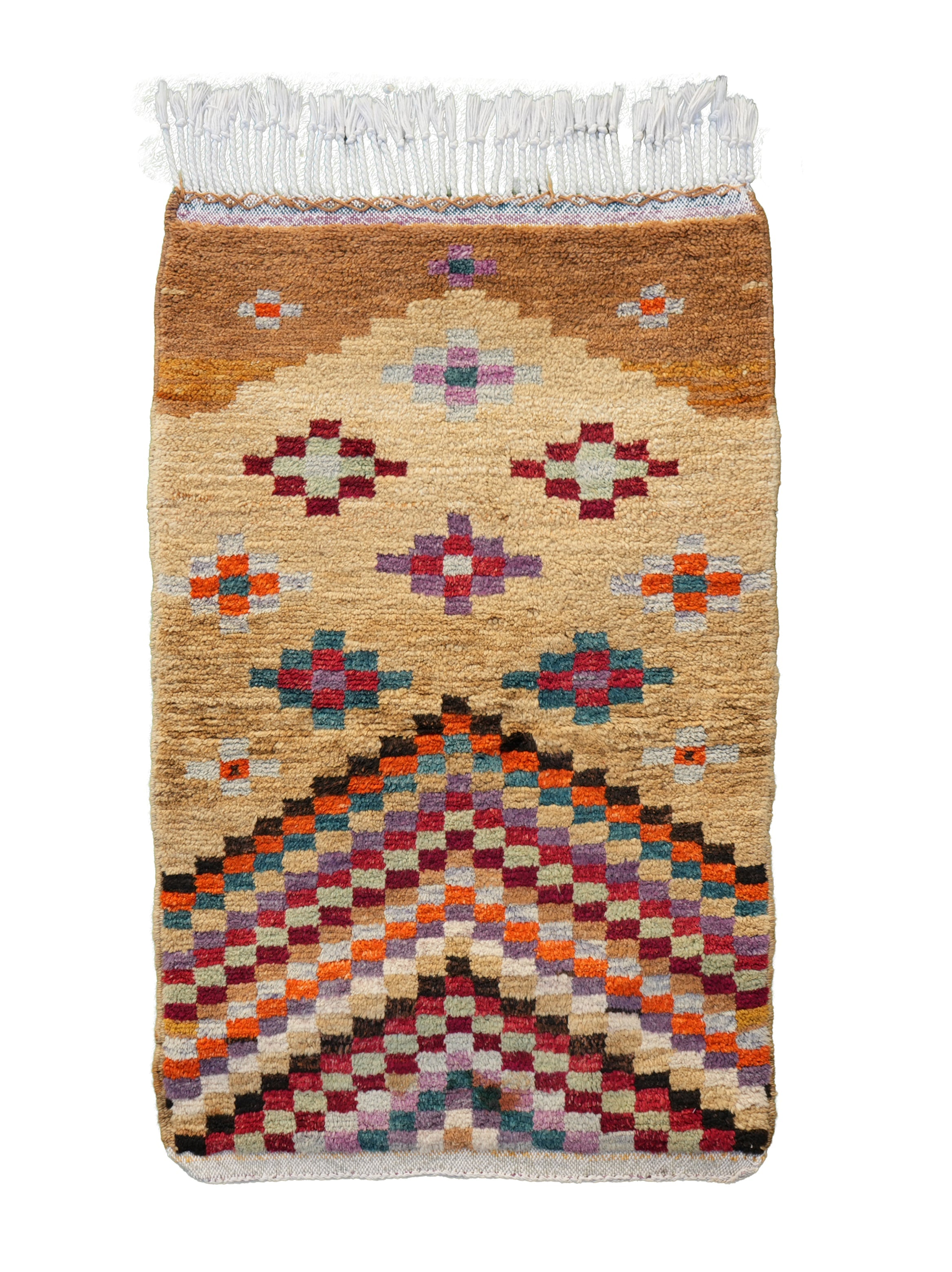
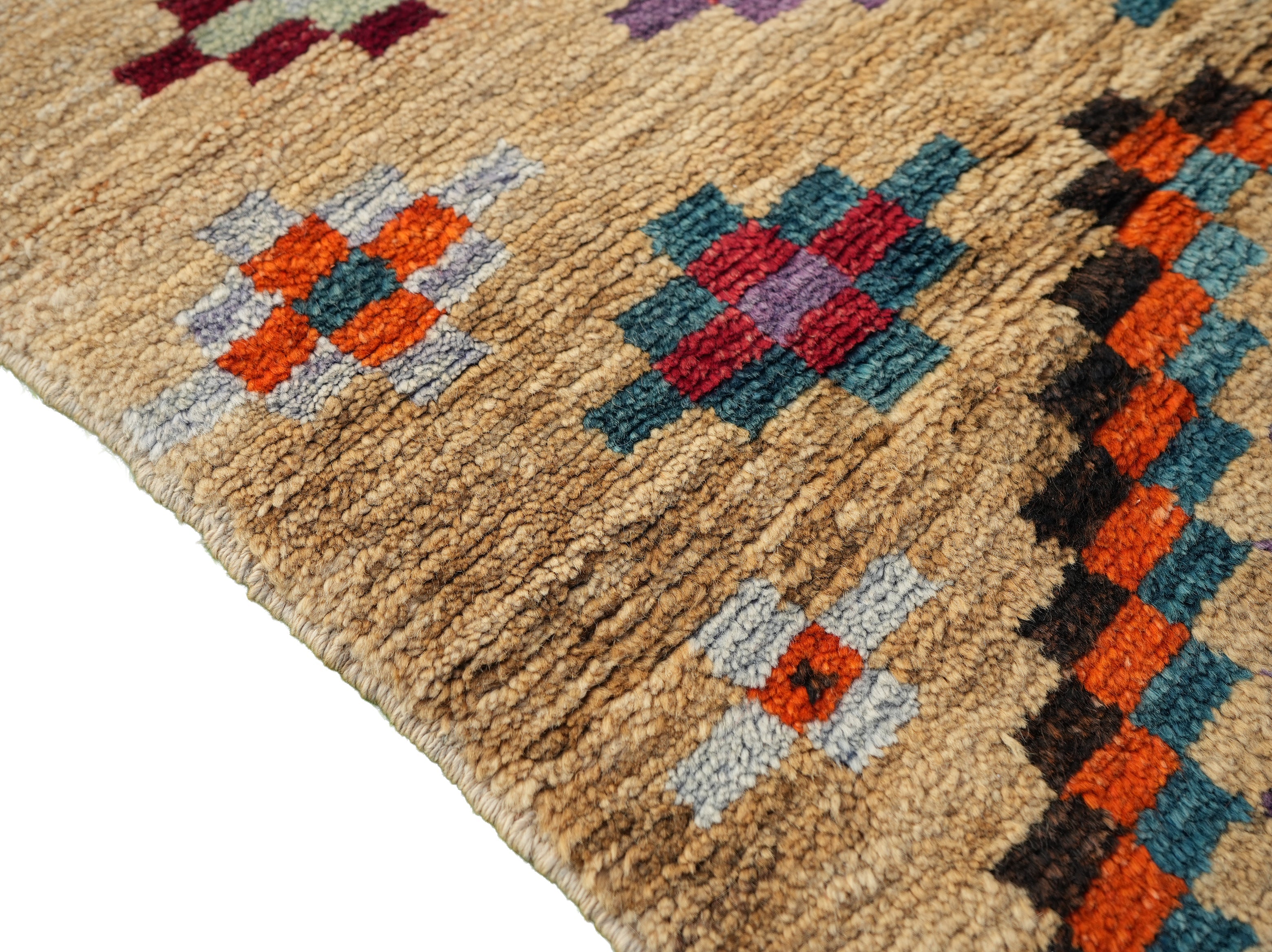
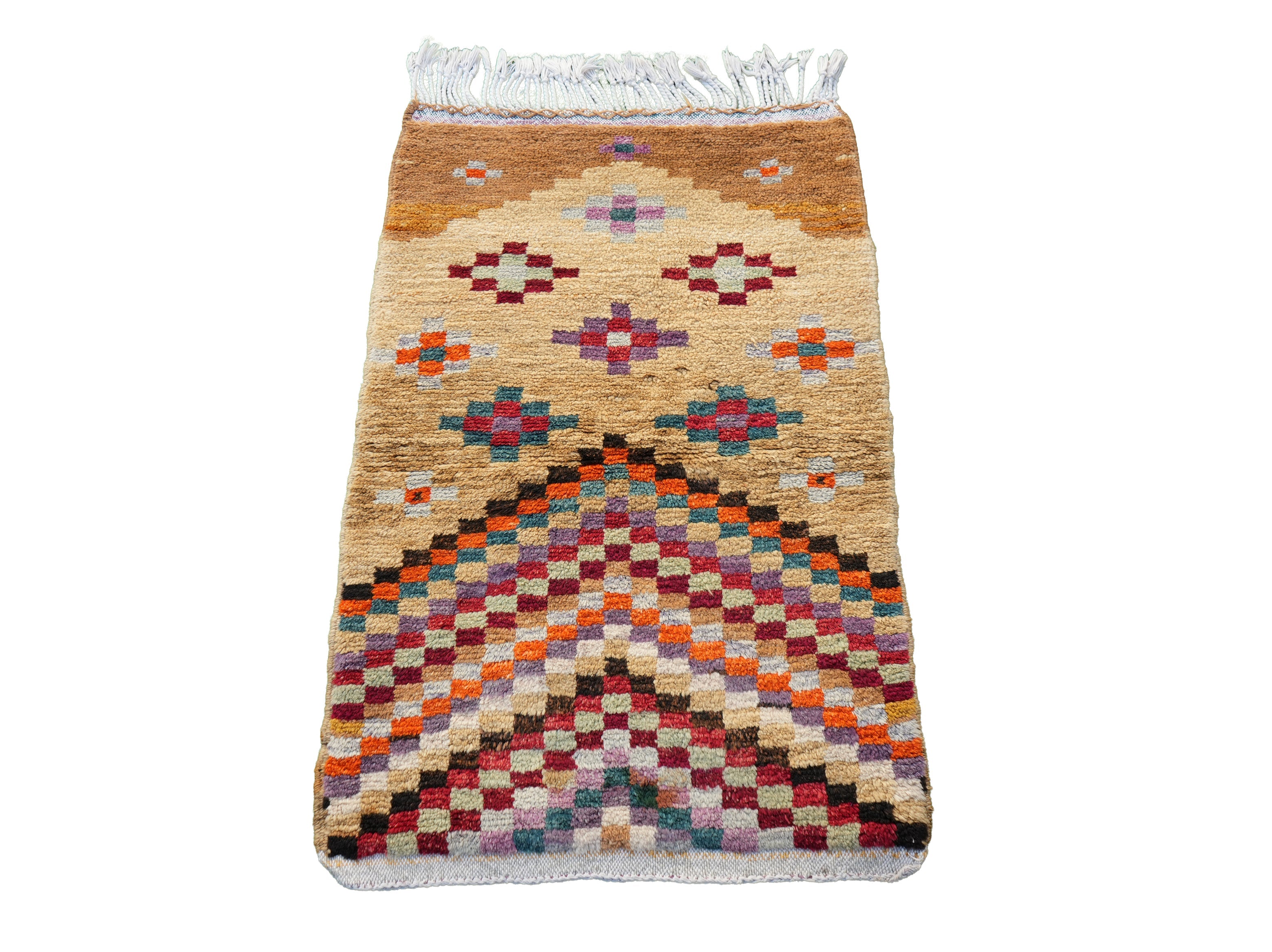
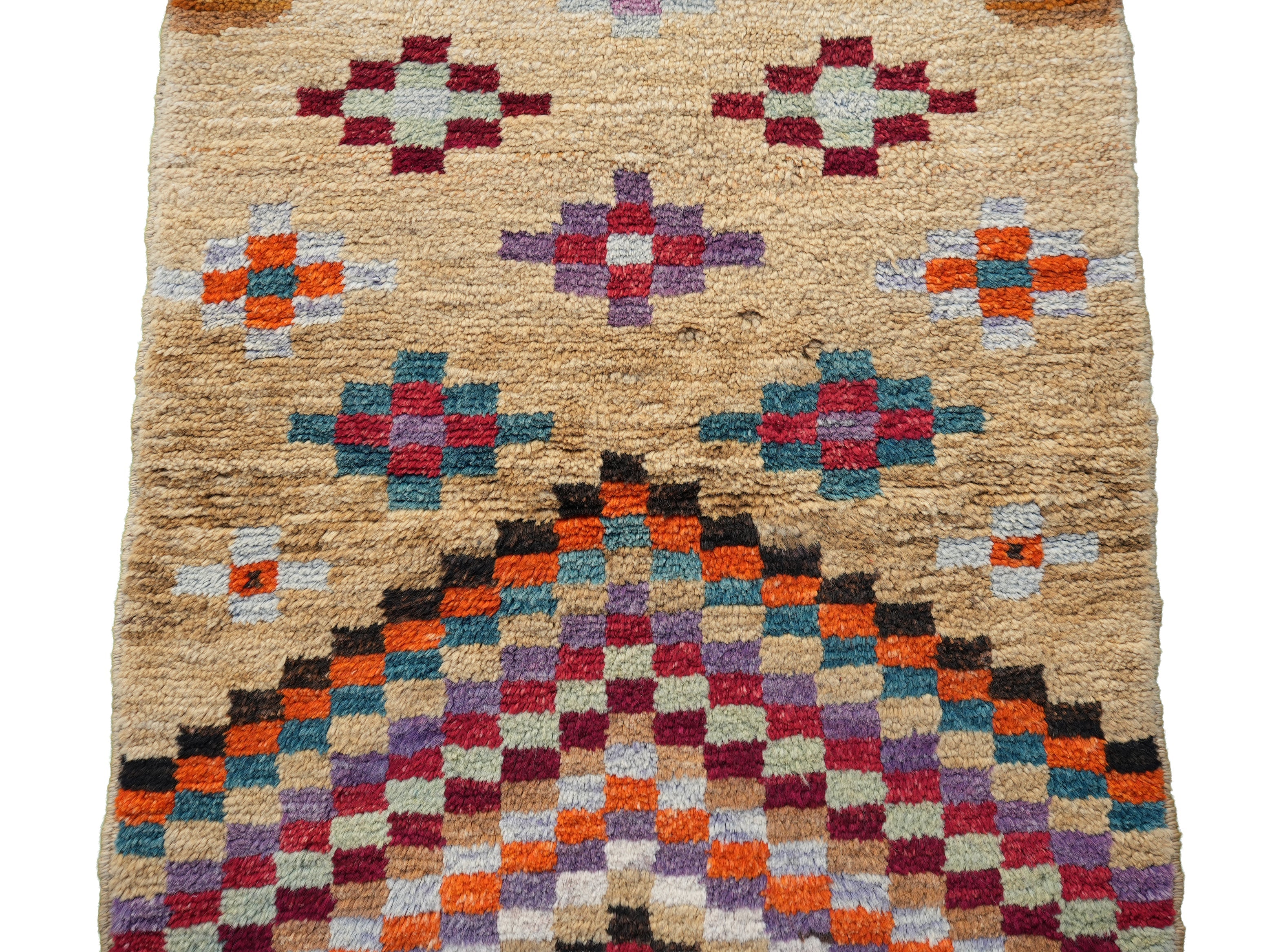
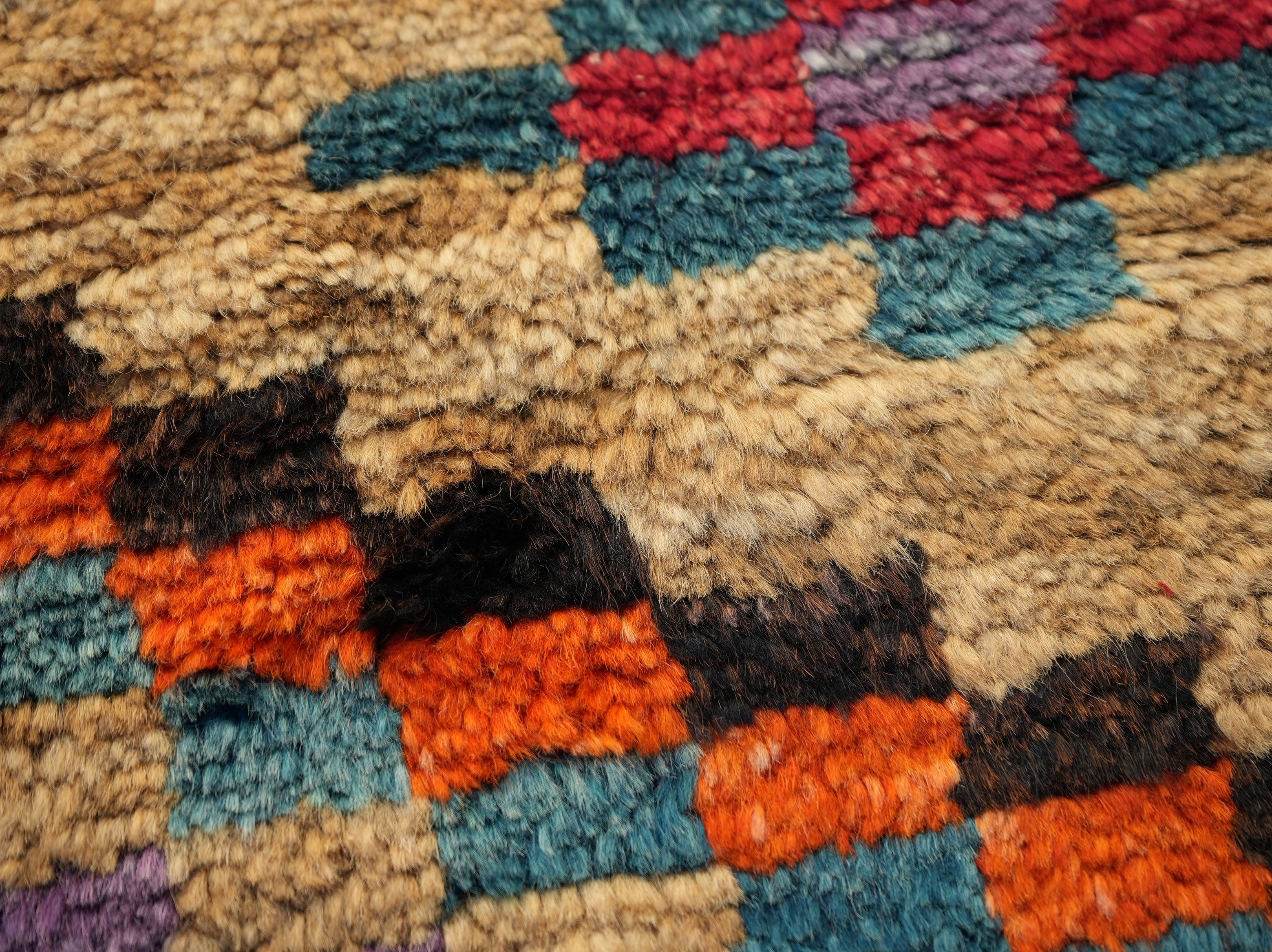
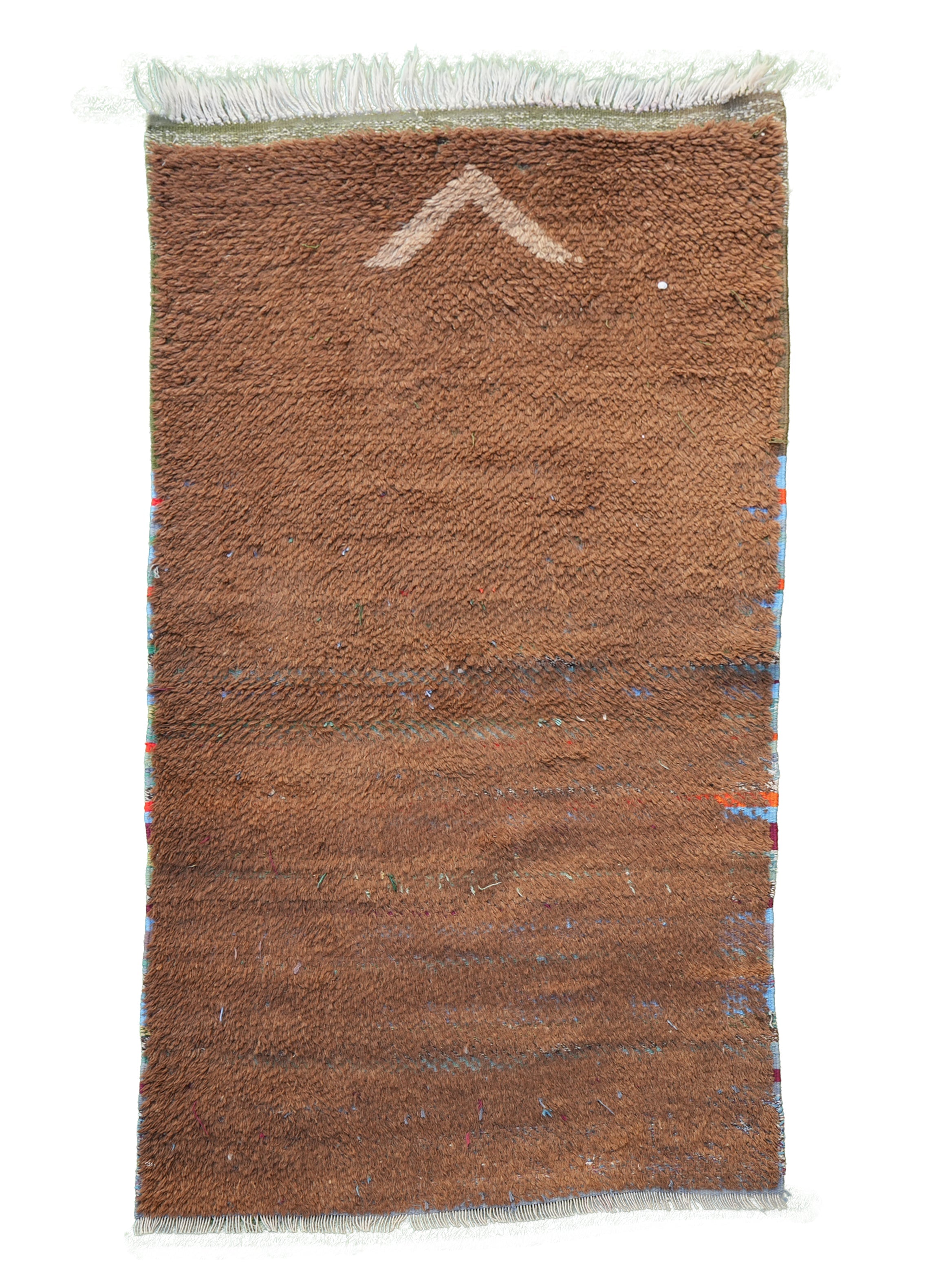
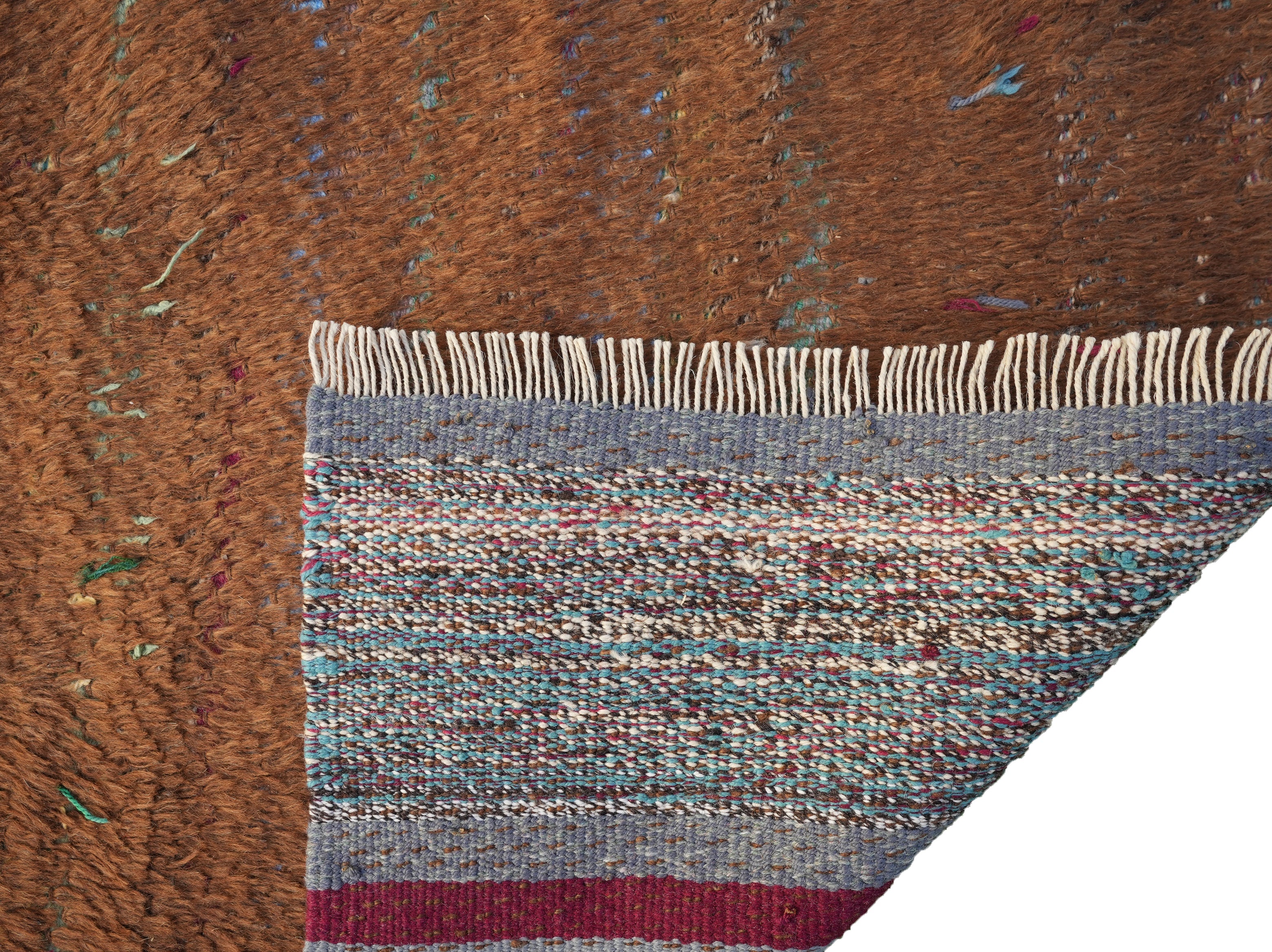
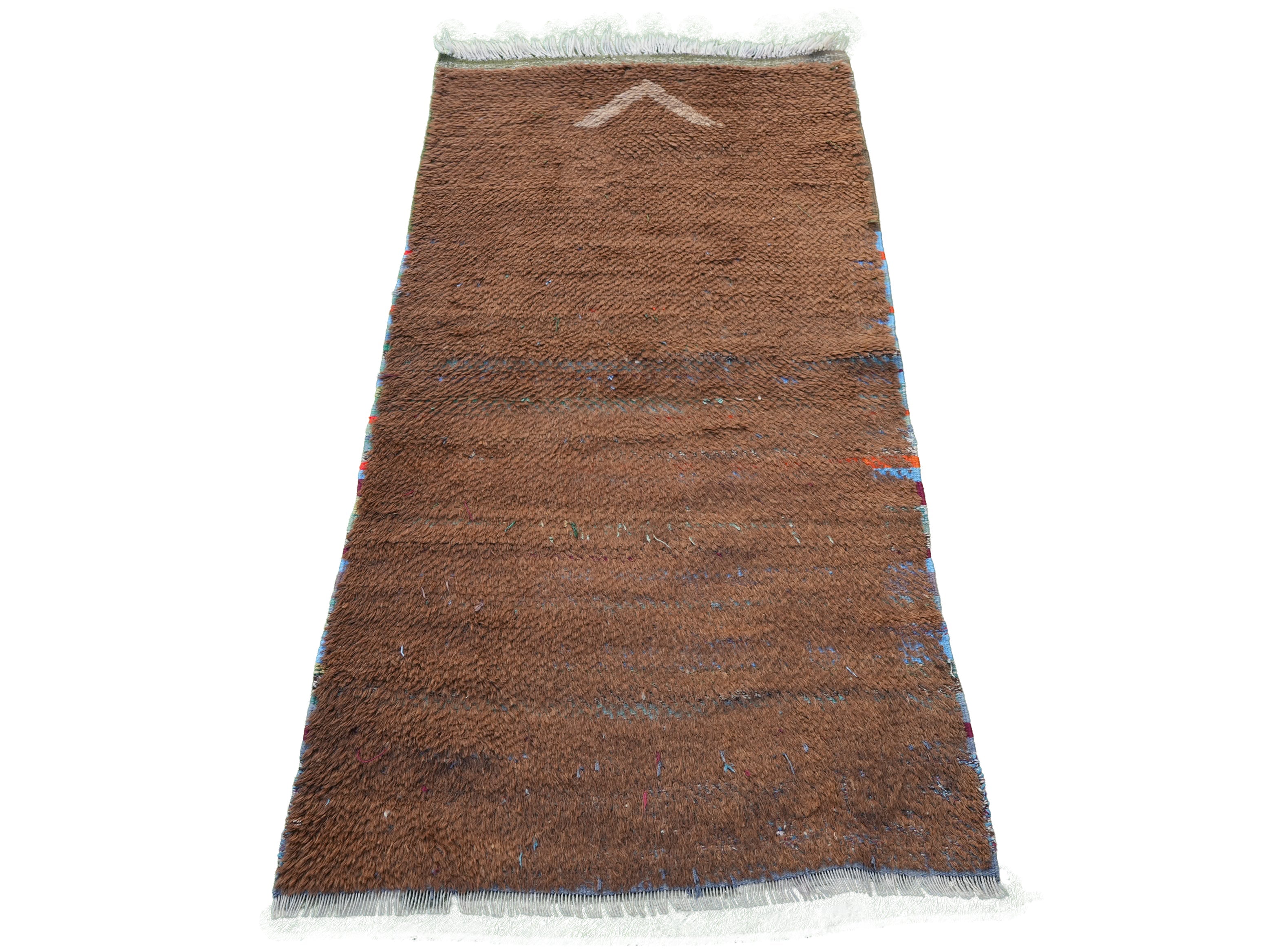
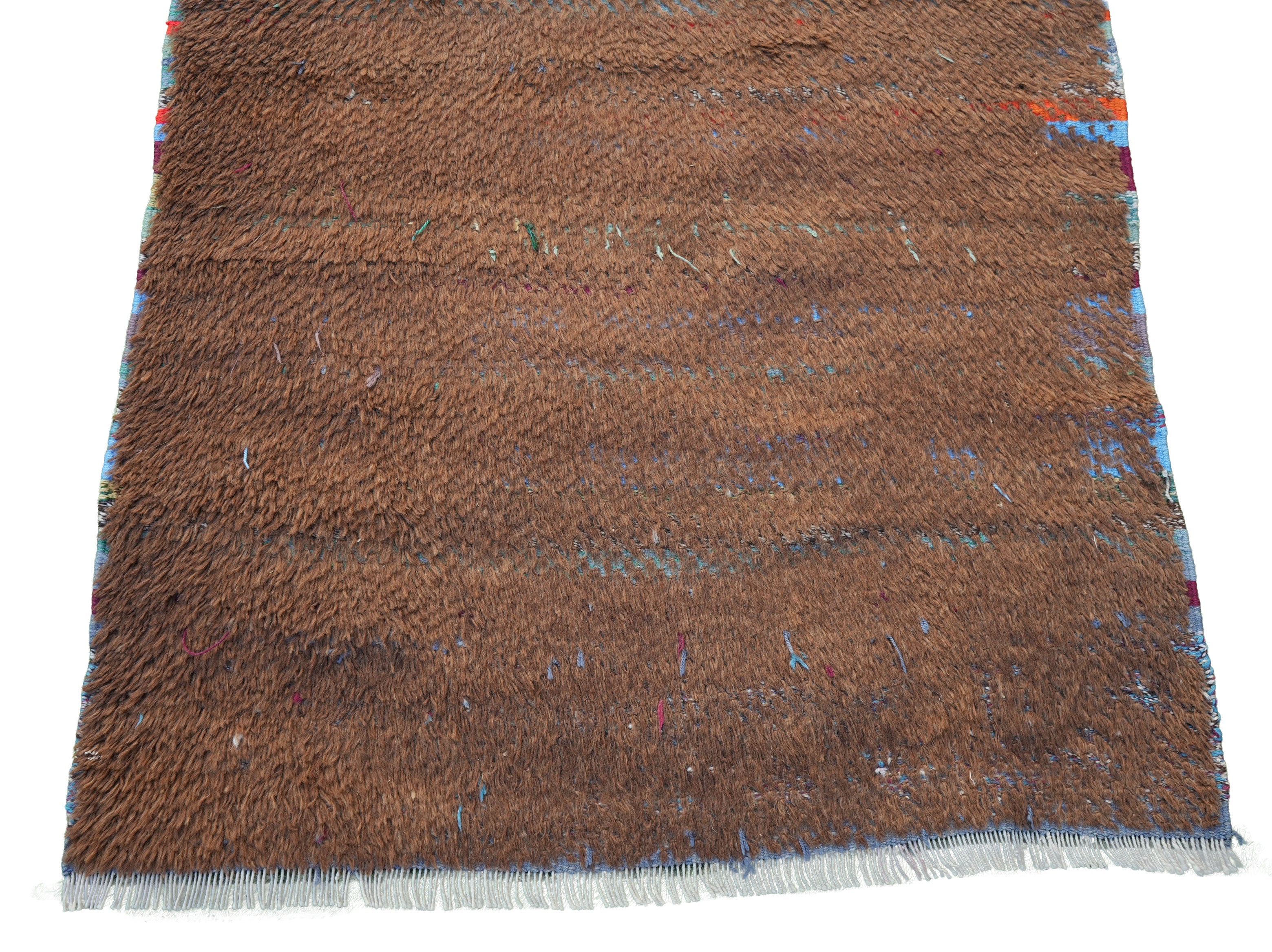
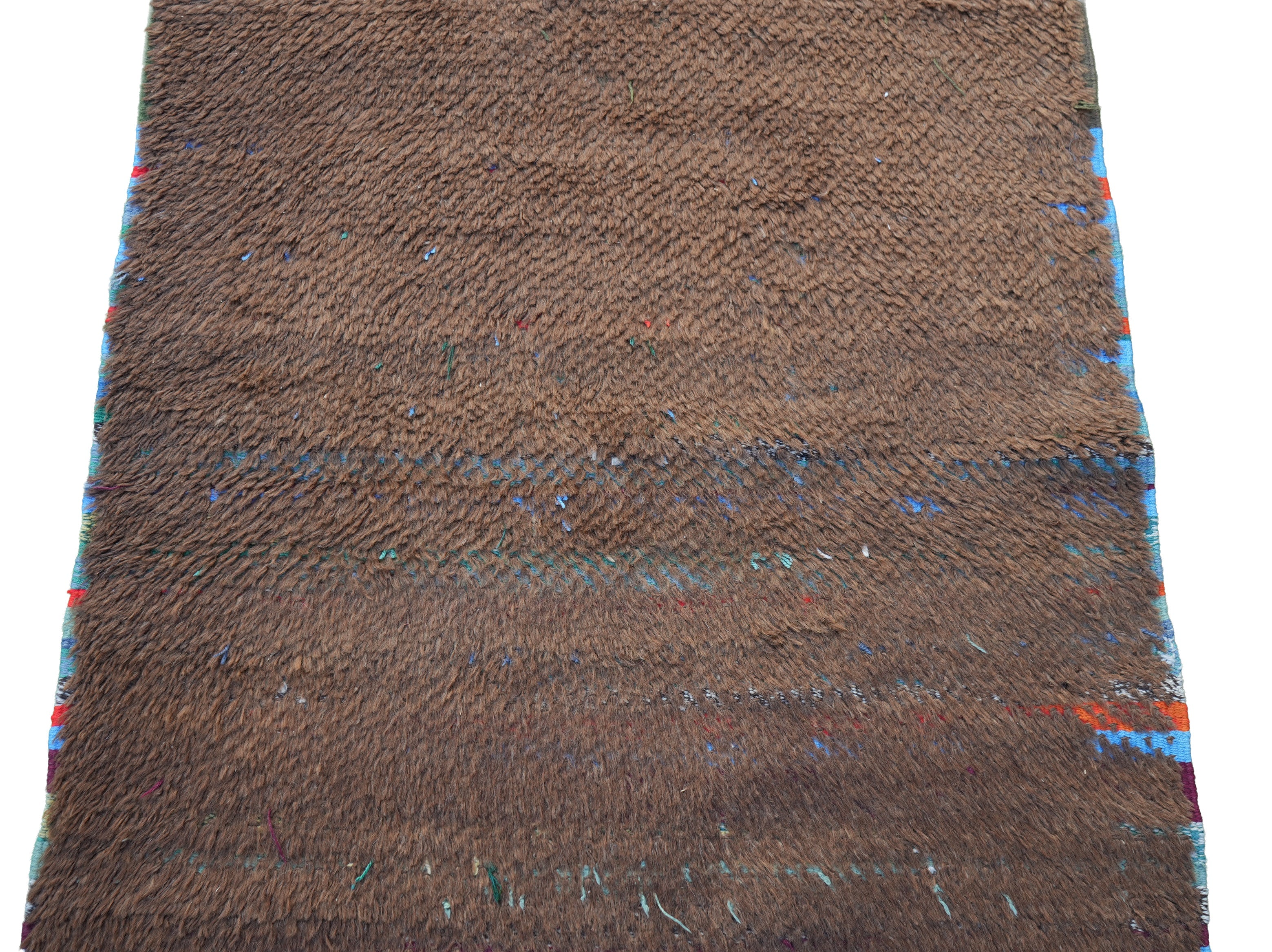
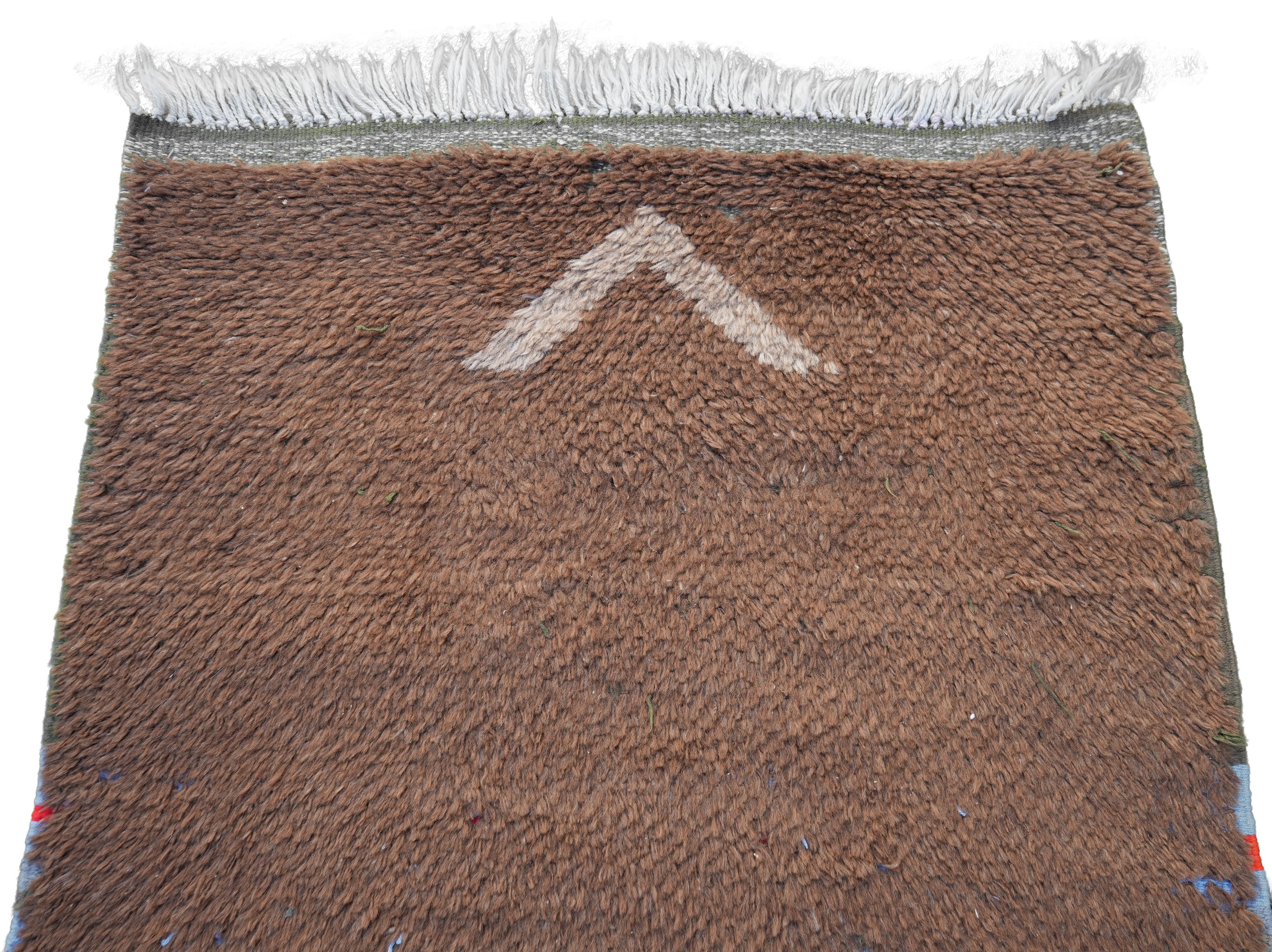
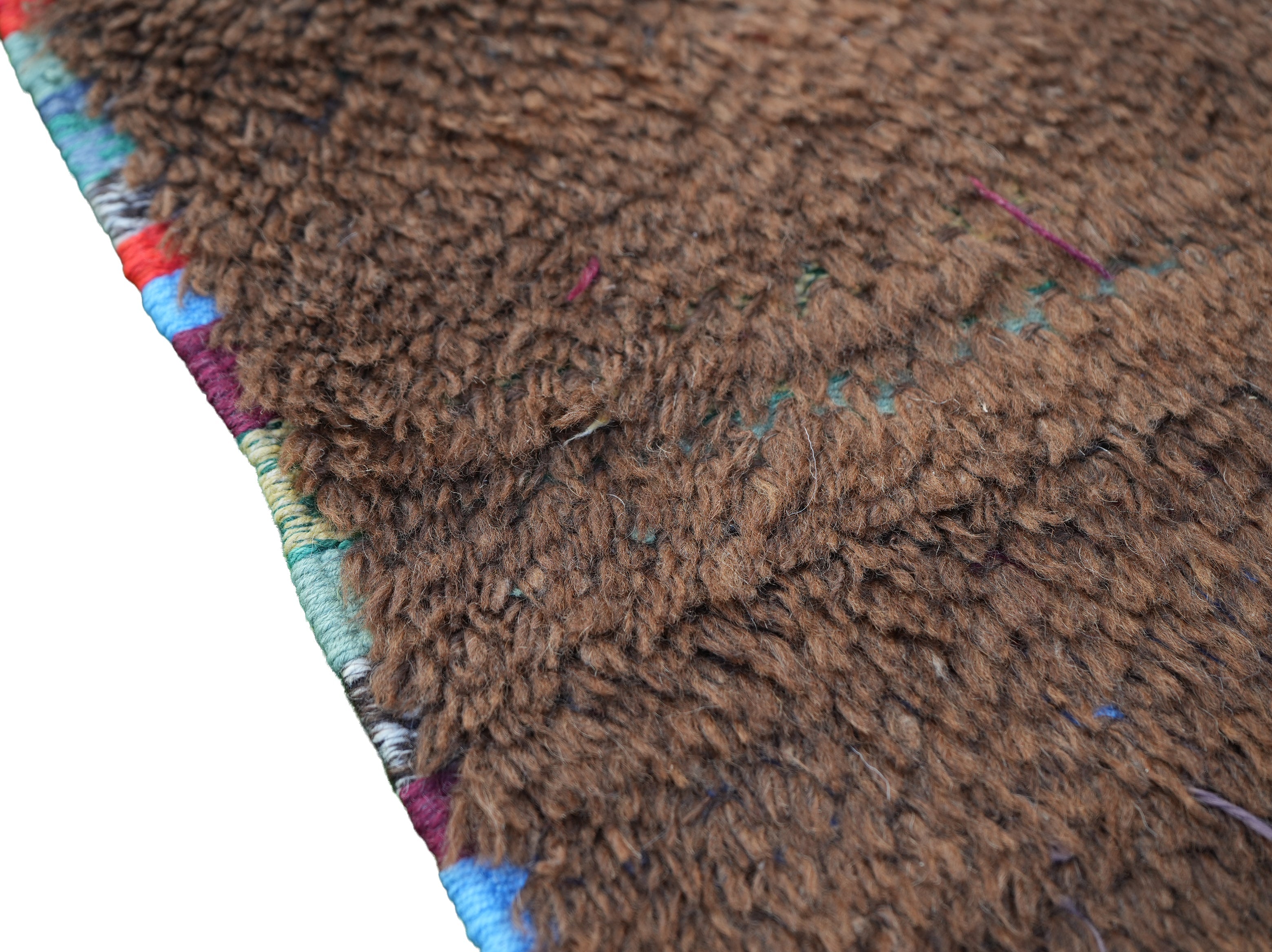
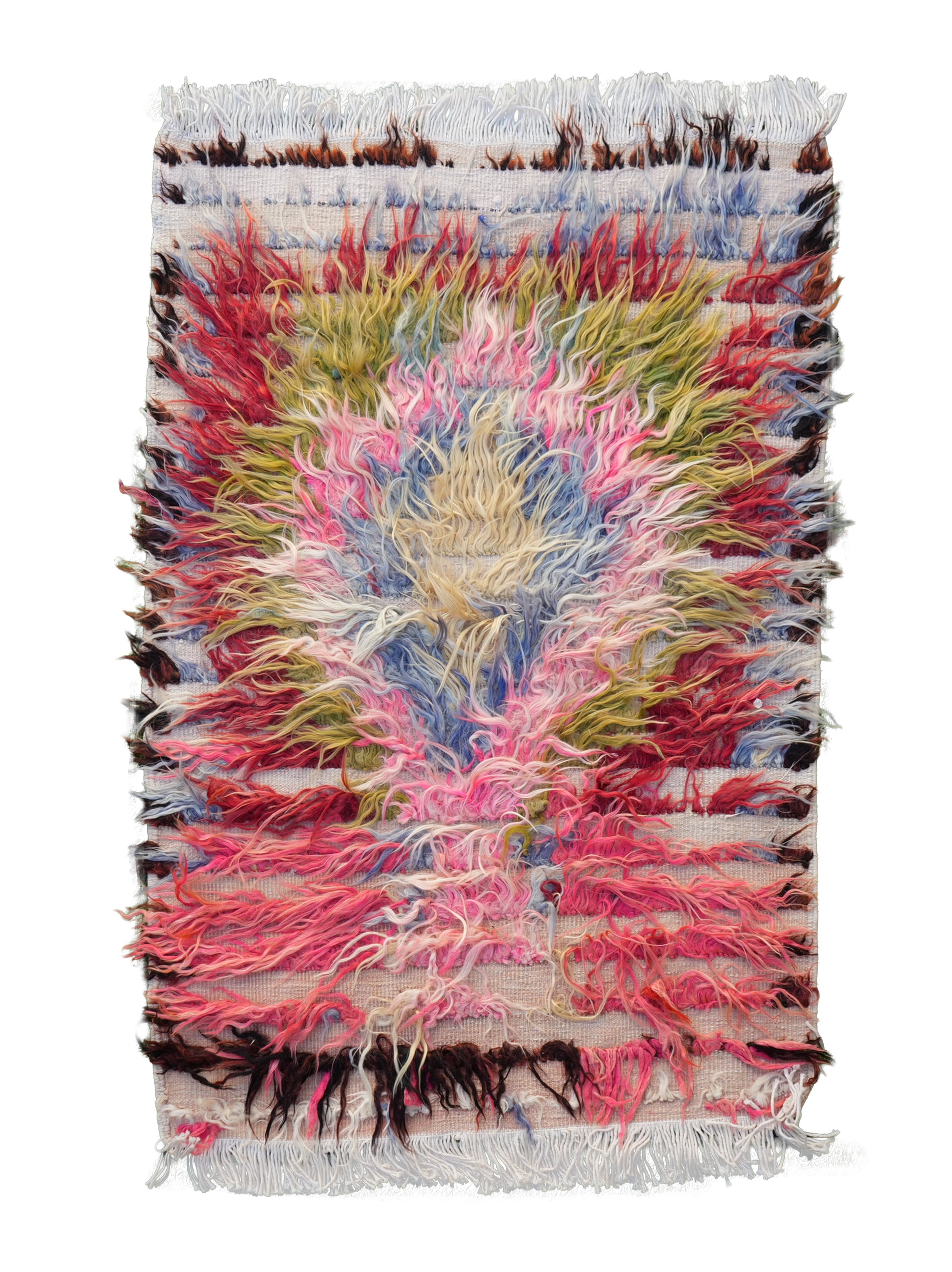
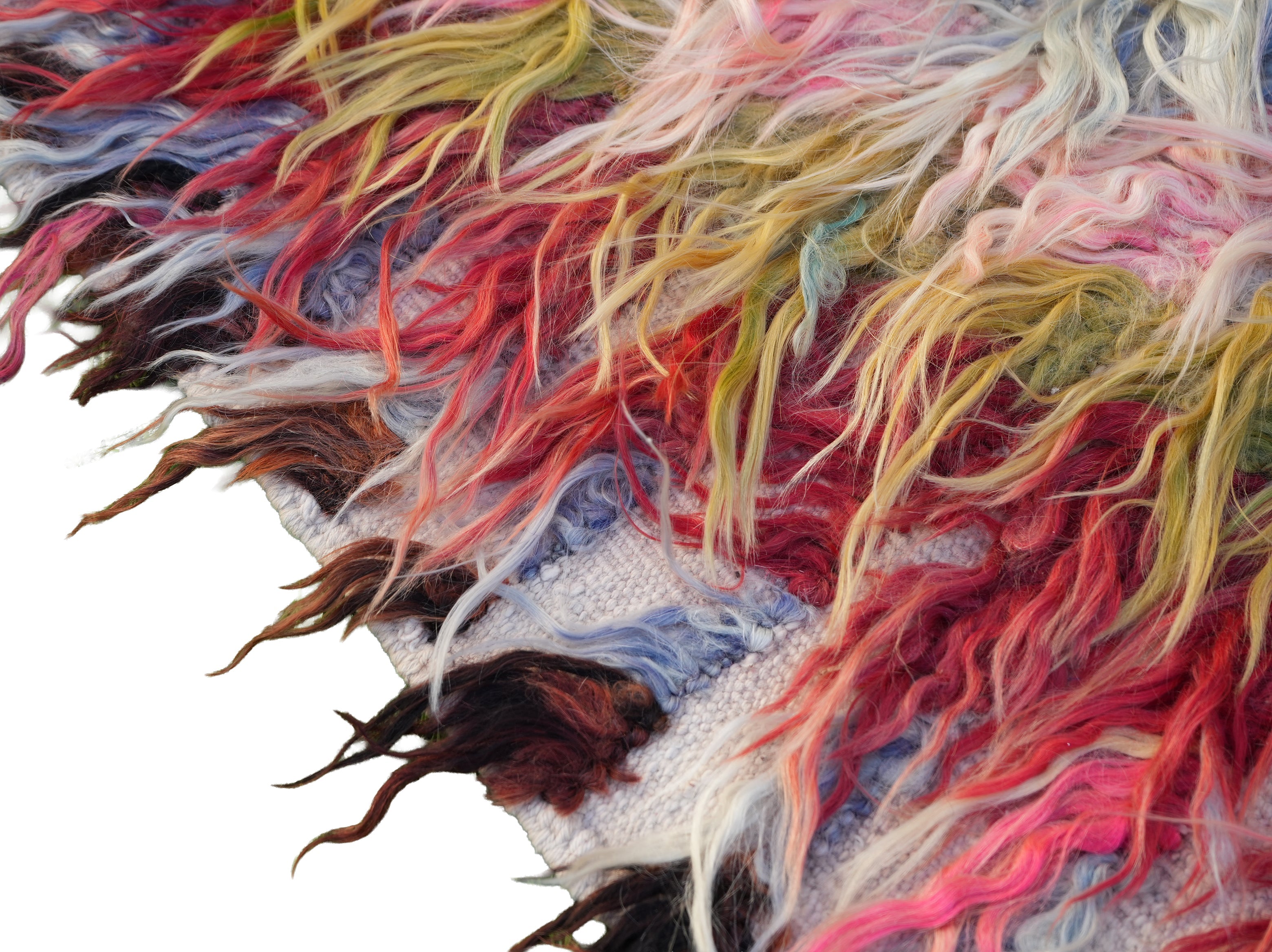
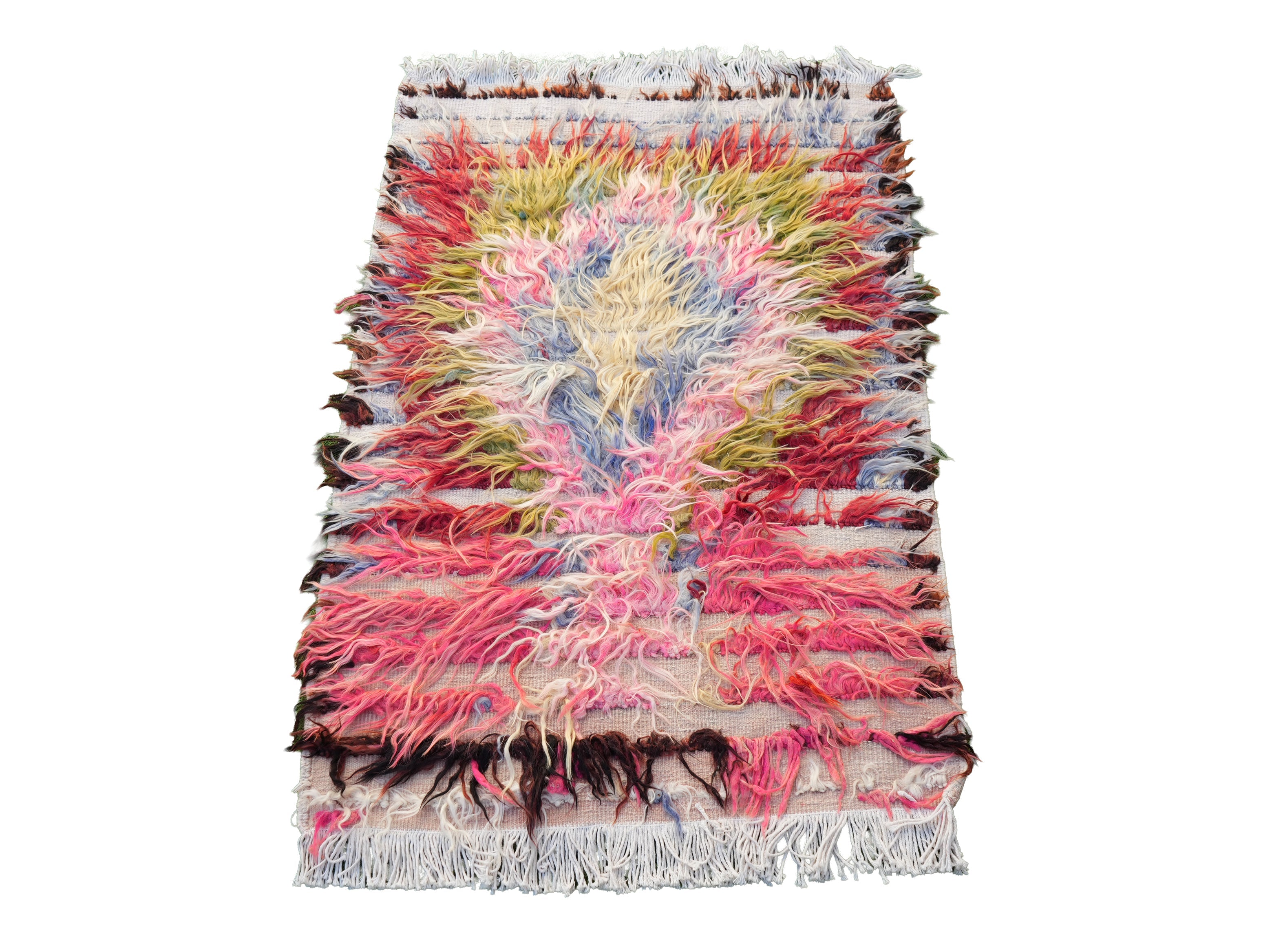
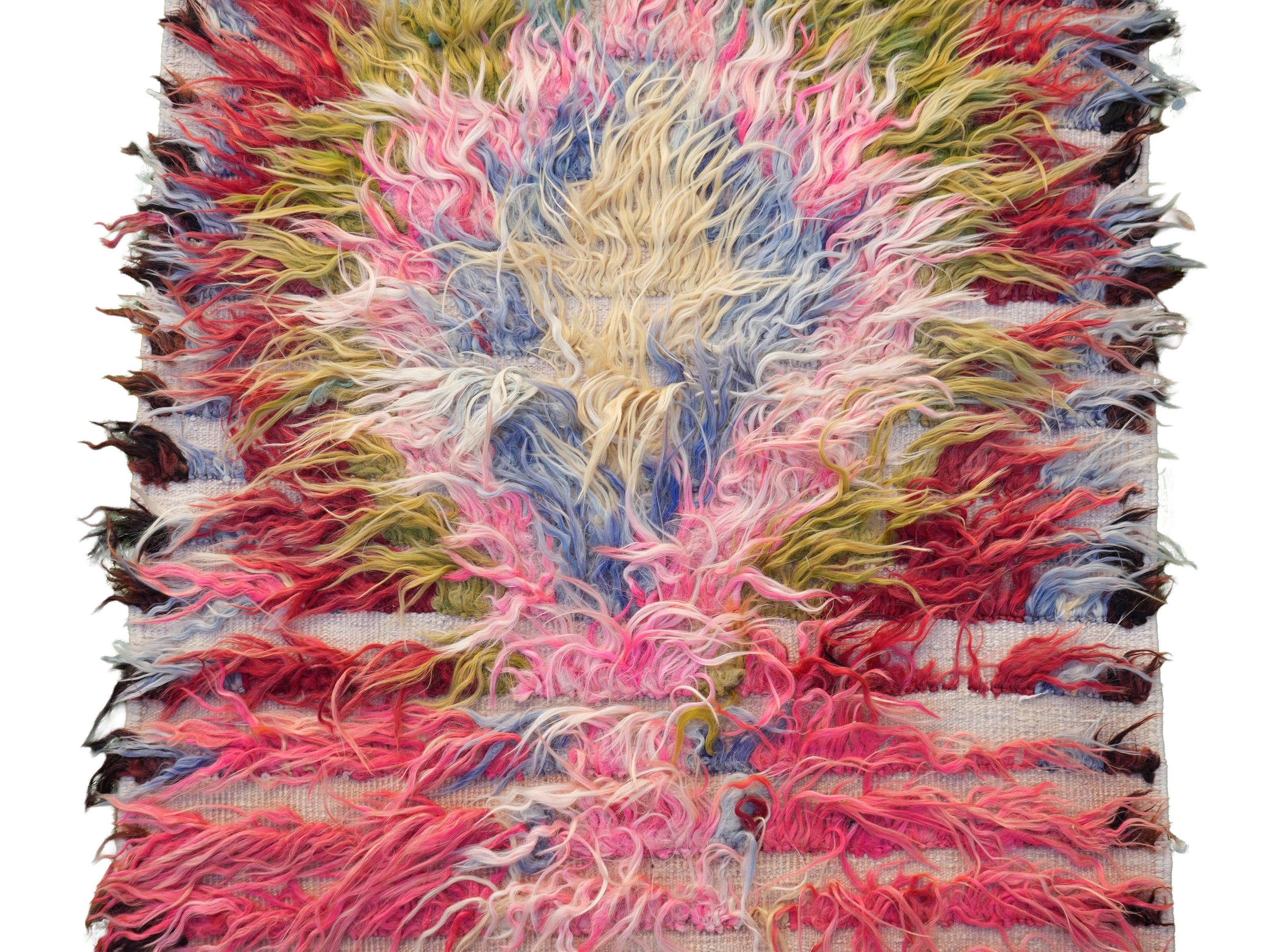
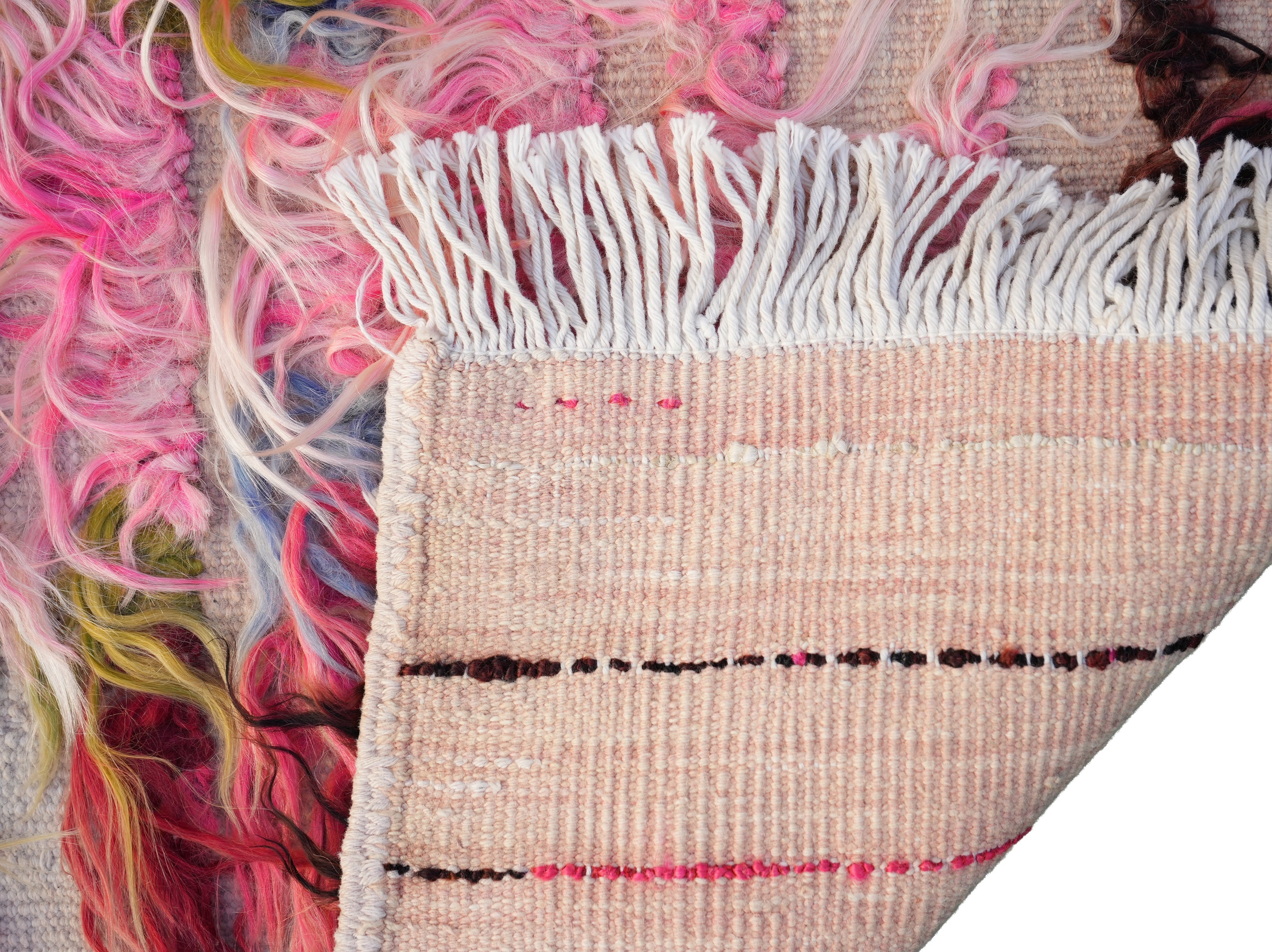
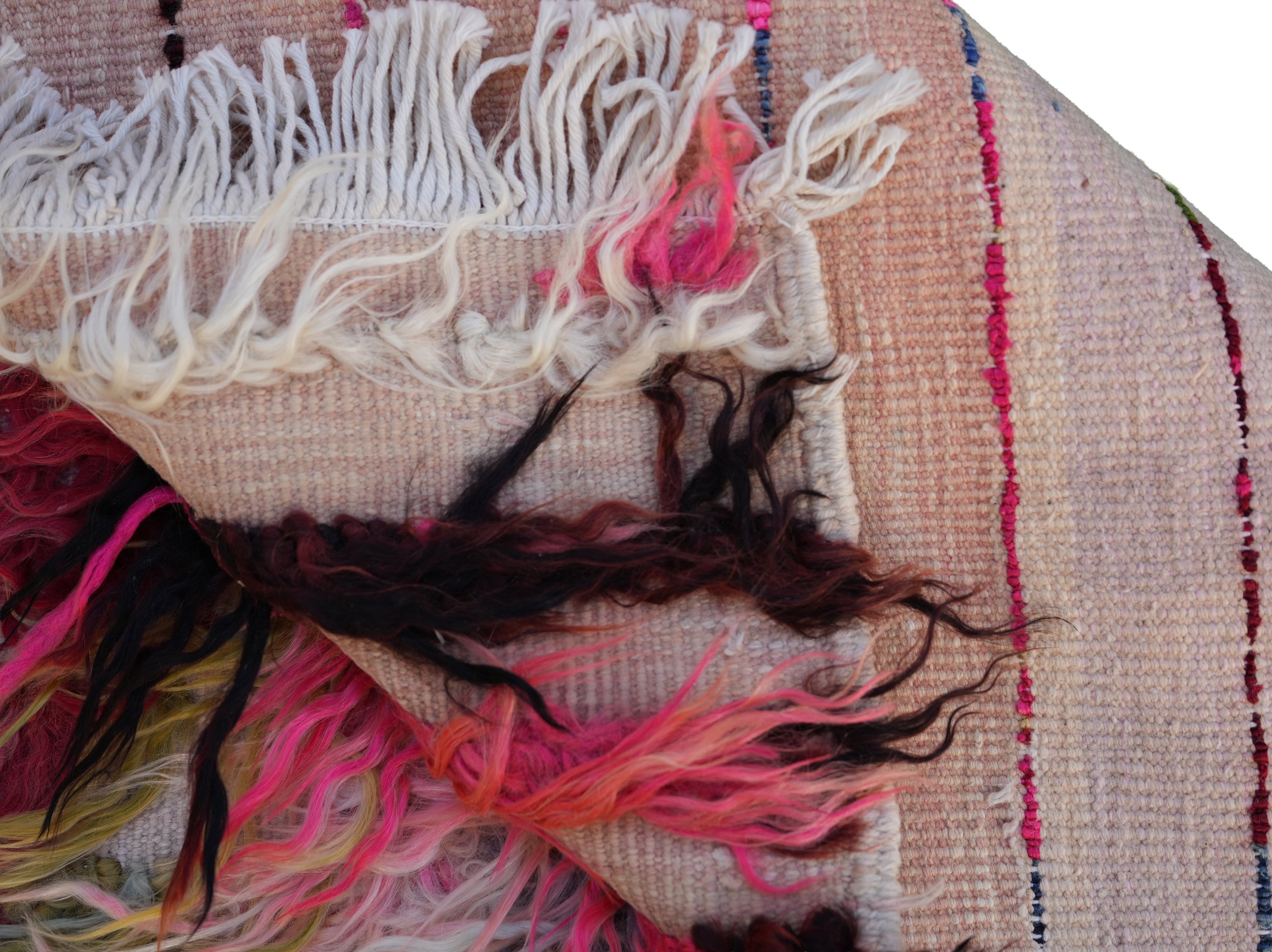
Bevvy - Vintage Tülü Rug
Cathi - Vintage Tülü Rug
Hicks - Vintage Shag Rug
Shag Rugs
Search "shag rugs" online and you'll mostly find thick, synthetic pile made to photograph soft. What's actually in this collection is something else: tulu, a long-pile wool rug handwoven in and around Konya, in central Anatolia. The page is still called shag rugs, mostly because that's the term more people type into a search bar in the US — but every piece that ships from here is a real, hand woven tulu rug, not the mass-produced version most people picture when they hear the word "shag." Some people call it a tulu carpet instead of a tulu rug, or search for an Anatolian tulu rug specifically; the words mean the same thing here.
What you're actually buying when you search shag rugs is a tulu rug
Tulu isn't a style label attached to an ordinary wool rug. It's a specific Anatolian weaving tradition, historically made for warmth through the cold winters around Konya, long before anyone in the US called anything a shag rug. A mass-market shag rug is usually synthetic fiber, machine-made, and uniform in a way that's easy to spot once you know what to look for. A genuine handmade tulu rug — some call it a Turkish tulu rug, which is accurate, since every piece here comes from Turkey — has the same kind of small irregularities you'd expect from anything shaped by hand over weeks rather than minutes on a machine.
We don't currently weave new tulu. Every piece in this collection, whether it's a vintage tulu rug or an older antique tulu rug, is an existing piece that's already been lived with for years before it reached us. That also means there's a limit to how many of any one color or pattern exist — once a particular tulu rug for sale here is gone, there isn't a matching one waiting behind it.

How a tulu rug is actually made
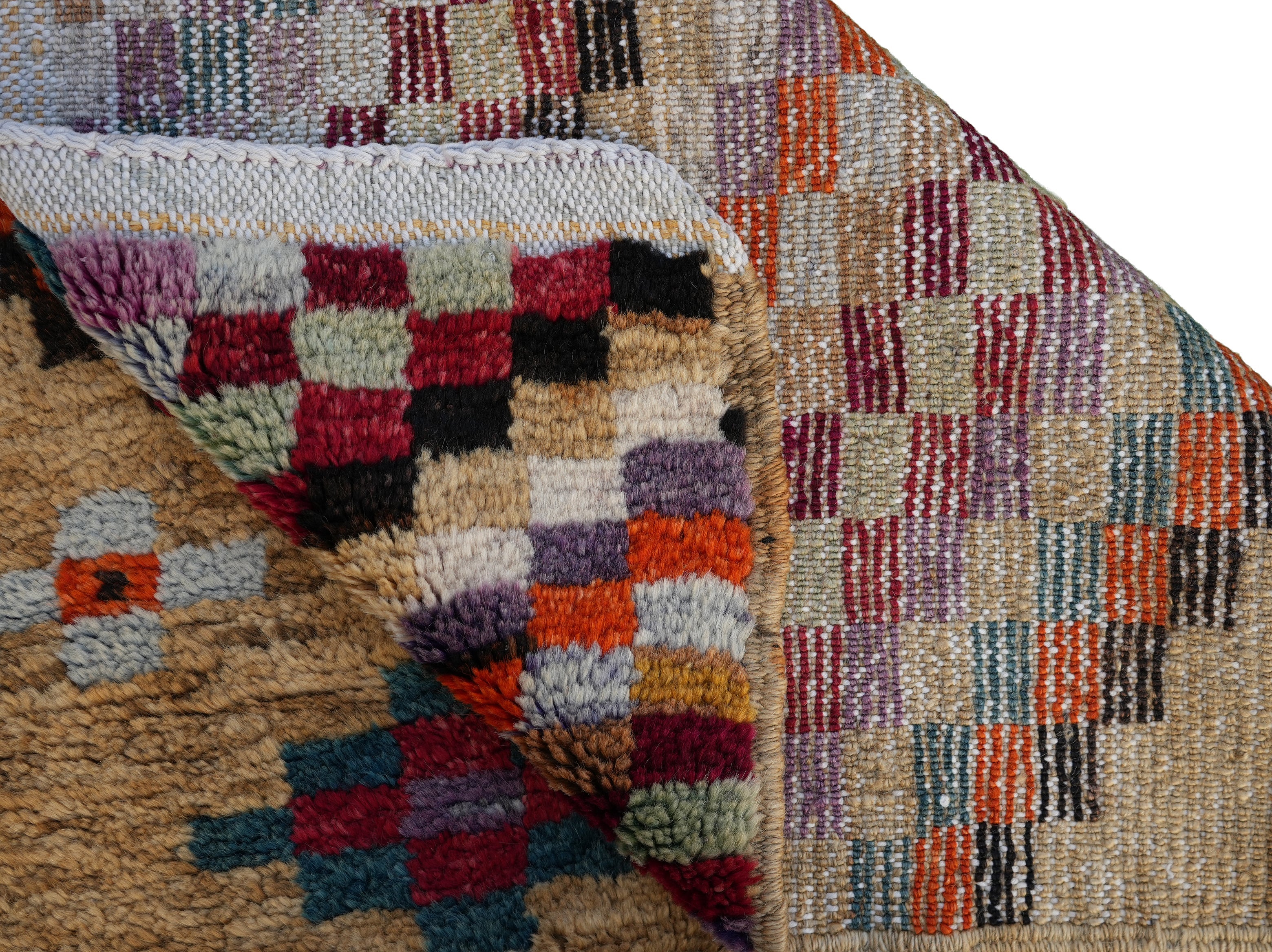
The construction is different from both a flat weave kilim and a standard knotted pile rug. A hand woven tulu rug alternates rows of tight flatweave with rows of long, sheared wool pile — the flat rows anchor the structure, and the pile rows create the deep, soft surface people associate with the word "shag." Most of the wool used is Angora wool, which gives an angora tulu rug a slightly different texture and sheen than the wool in a typical hand-knotted vintage rug.
That alternating structure is also why a genuine wool tulu rug holds its shape better over time than people expect from something with this much pile — the flatwoven rows underneath do the structural work, and the long pile on top just has to look and feel right. Some people describe this as a long pile wool rug or a long pile Turkish rug instead of tulu; all three point to the same construction.
Pile height is the main thing that moves the price within this collection. A shorter, denser piece takes less wool and less shearing work than a deep, dramatic pile of the same size, and that difference shows up at checkout more than age does. It's worth keeping in mind if two rugs of similar size look priced quite differently — the pile depth is usually why.

Why this tulu rug collection includes both vintage and antique pieces
Most of our collections split by age — a separate vintage rugs page for pieces roughly 20 to 80 years old, and a separate antique rugs page for anything older. Tulu doesn't work that way here. This collection holds both a vintage tulu rug and an antique tulu rug side by side, mostly because there isn't enough volume in this category to justify splitting it the way we split pile rugs.
Practically, that means age varies more within this collection than in most others. A piece on the antique end of that range may need slightly more careful handling than a 30-year-old Konya tulu rug, and I'll always note in the listing when something leans toward the older side.

Why a tulu rug works as a floor rug or a wall hanging
A fair number of people who buy from this collection aren't putting the rug on the floor at all. The deep pile and bold, simple pattern work well as a tulu wall hanging, especially in a room that already has enough going on at floor level. Neither use is more "correct" than the other.
If you're planning to hang one, weight matters more than it would for a floor rug — a large, densely piled tulu is heavier than it looks in a photo, so it's worth checking the actual dimensions and planning hardware that can support it, rather than assuming a standard picture hook will do the job. A smaller piece, say something closer to two by three feet, is much easier to mount and works well as a single statement piece above a headboard or console rather than as a full wall covering.
What I check before a tulu rug ships from Cappadocia
Long pile hides more than a flat weave does, so I check the base of every tulu carefully before it ships — thin spots in the pile, weak areas in the flatwoven rows underneath, anything that wouldn't show up in a photo taken from a normal distance. Then it's washed, dried fully, and photographed in daylight. Every one of the tulu rugs for sale in this collection ships as the exact piece photographed, not a similar one from the same batch.
Shipping is free worldwide, and for orders inside the United States, duties are already covered at checkout — nothing extra collected at your door. Full details are on our shipping and returns page.
How to care for a long-pile tulu rug
A tulu needs a bit more attention than a flat kilim or a low-pile rug, mostly because the long wool can trap dust and pet hair deeper than a shorter pile does. Vacuum on a low-suction setting without a beater bar — a full-strength beater bar can pull at the long fibers instead of just lifting dirt out of them. Shake smaller pieces outside occasionally if you can; it does more good than a vacuum alone.
Rotate it periodically so the pile doesn't compress unevenly in one high-traffic area, and keep it away from sustained direct sun, which fades long wool pile faster than it fades a tighter weave.

How to buy a tulu rug online with confidence
Deep pile photographs differently depending on the light — it can look flatter or shaggier than it actually is, depending on the angle a photo was taken from. If a listing photo looks unusually smooth and even across the whole surface, that evenness is worth asking about, since real hand-sheared pile rarely comes out perfectly uniform.
Ask about pile height if it matters for your space — a deep, dramatic tulu behaves differently underfoot than a shorter one, and that's not always obvious from a photo alone. I'd rather answer that question upfront than have it come up after the rug arrives.
What is a tulu rug?
A tulu rug is a long-pile wool rug handwoven in and around Konya, in central Anatolia, using alternating rows of flatweave and sheared pile. It's often searched for as a "shag rug" in the US, though the construction and origin are quite different from a mass-market shag rug.
Is a tulu rug the same as a shag rug?
Not really. A typical American shag rug is machine-made from synthetic fiber. A tulu rug is handwoven wool, made using a specific Anatolian technique, with the same small irregularities you'd expect from anything shaped by hand rather than a machine.
What are tulu rugs made of?
Mostly wool, often Angora wool, woven in alternating rows of tight flatweave and long, sheared pile. The flatwoven rows give the rug its structure, and the pile rows create the deep, soft surface.
Are these tulu rugs vintage or antique?
Both. Unlike our other collections, which split vintage and antique into separate pages, this collection includes both age ranges together, since there isn't enough volume in this category to split it the same way.
Can a tulu rug be used as a wall hanging?
Yes, and quite a few customers do exactly that. If you're planning to hang a larger, densely piled piece, check the actual weight and dimensions first so you can plan hardware that will support it properly.
How do I care for a tulu rug?
Vacuum on low suction without a beater bar, since a beater bar can pull at the long fibers instead of lifting dirt out. Shake smaller pieces outside occasionally, rotate periodically, and keep the rug out of sustained direct sun.
How do I know a tulu rug is genuine when buying online?
Look for small irregularities in the pile rather than a perfectly even surface, and ask for a daylight photo if the listing only shows studio lighting. Real hand-sheared wool rarely comes out uniform.
Do you ship tulu rugs to the USA, and are there extra import fees?
Yes. Shipping is free worldwide, and for orders inside the United States, duties are already included in the price you see at checkout, with nothing extra to pay when the rug arrives.
