















Turkish Rugs
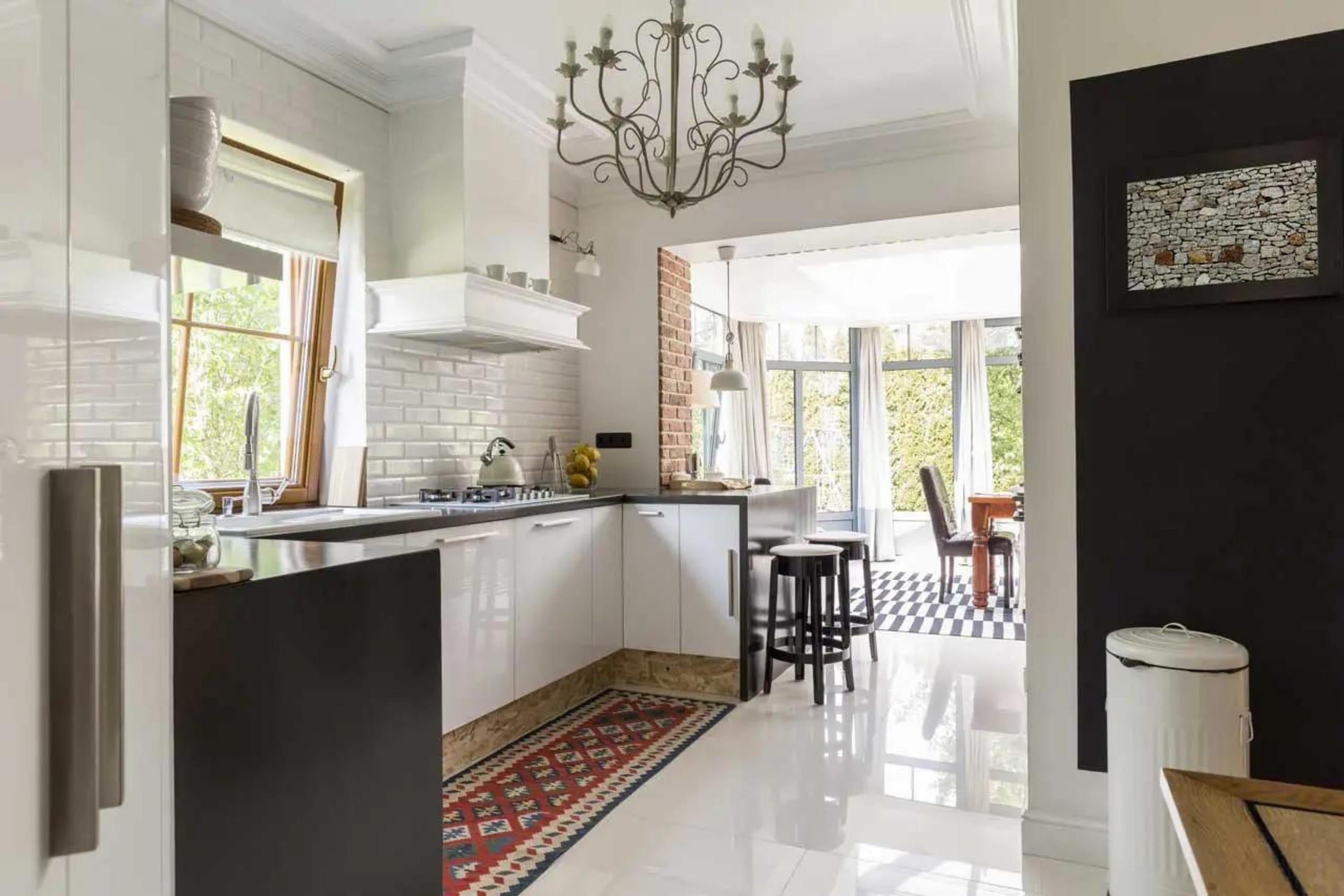
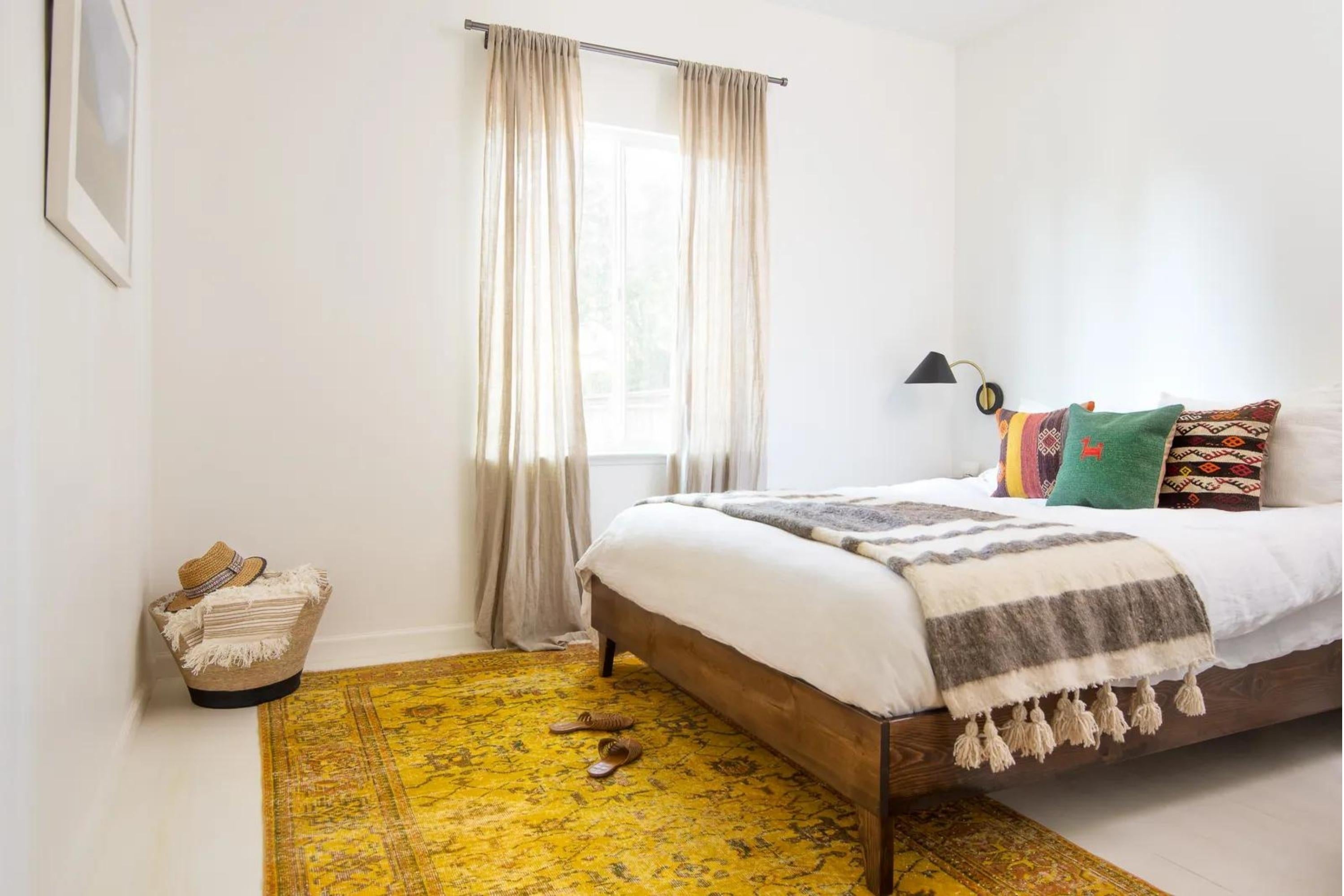
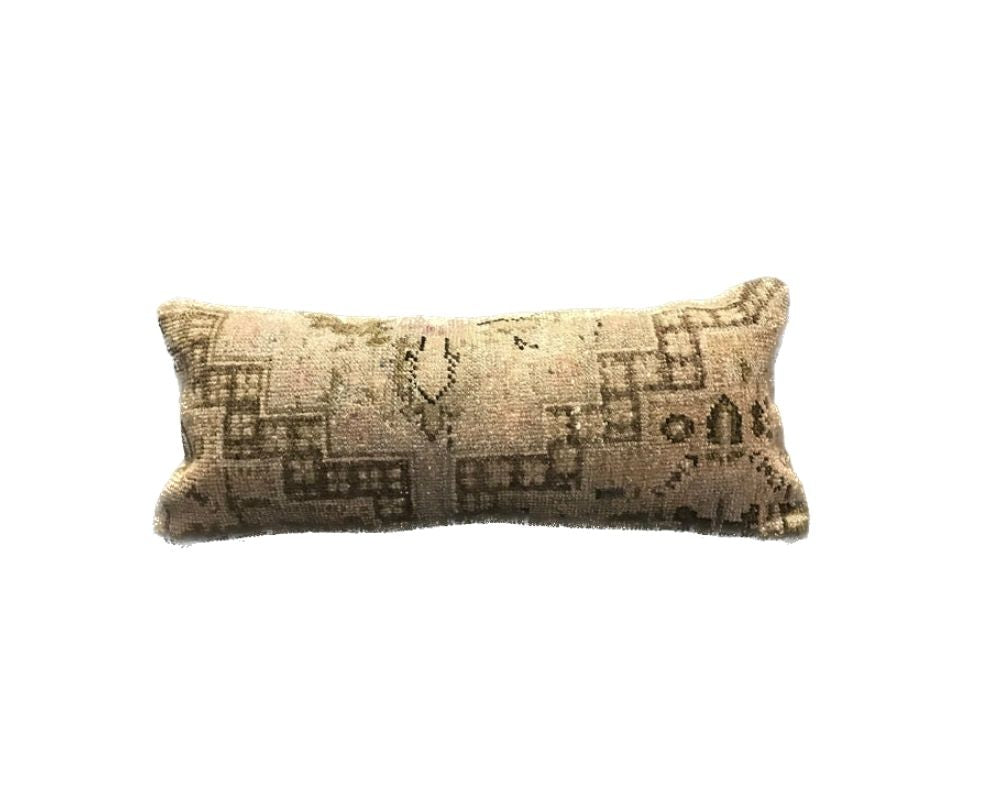
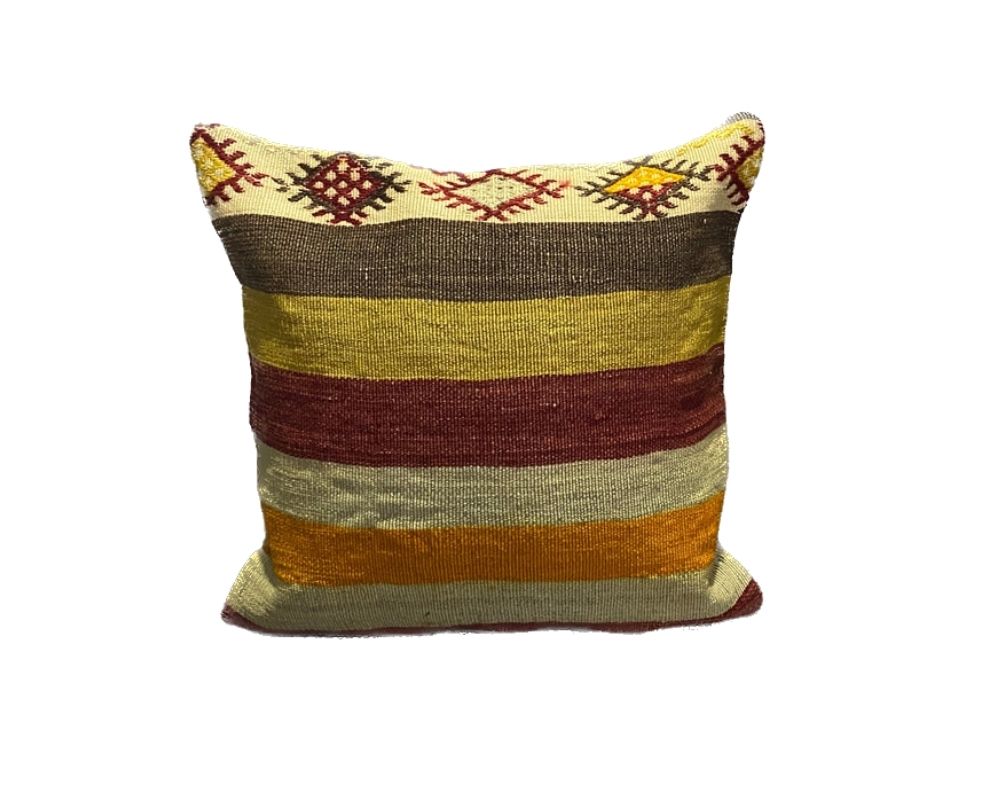
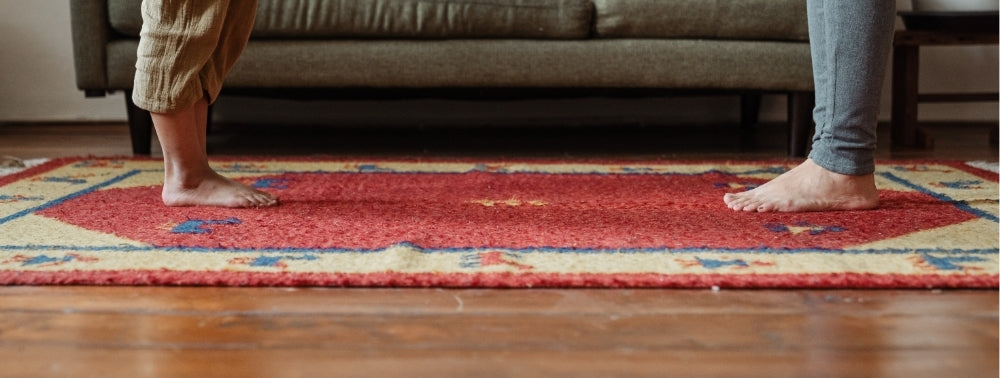
Turkish rugs capture the essence of rich cultural heritage and exquisite craftsmanship, bringing the timeless artistry of Turkey into your home. Each handcrafted piece showcases intricate designs and vibrant colors that infuse any space with life and warmth. These rugs are more than just decor; they are enduring works of art that add character and sophistication to your interior. Transform your living space with a Turkish rug and enjoy the perfect blend of history, beauty and quality.


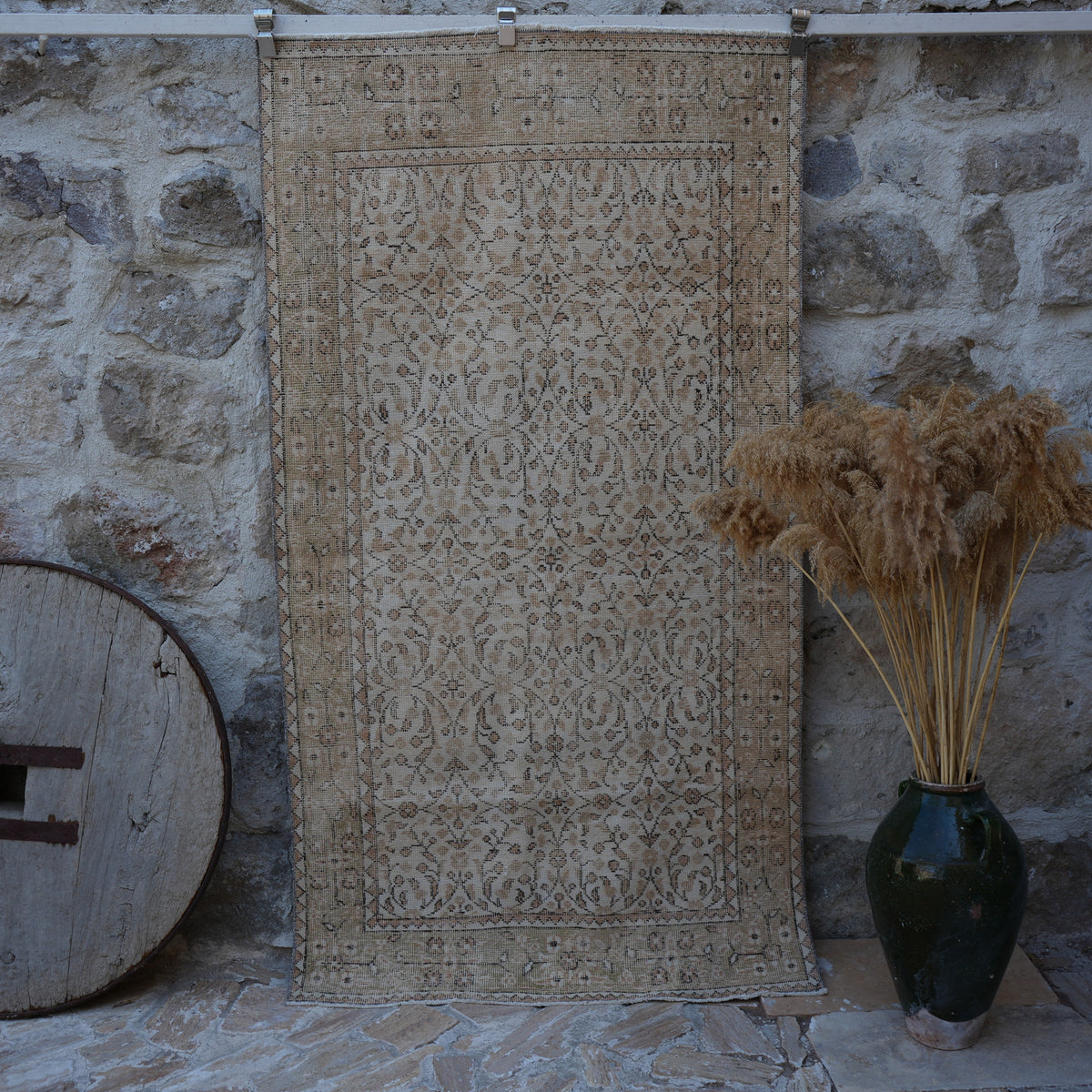
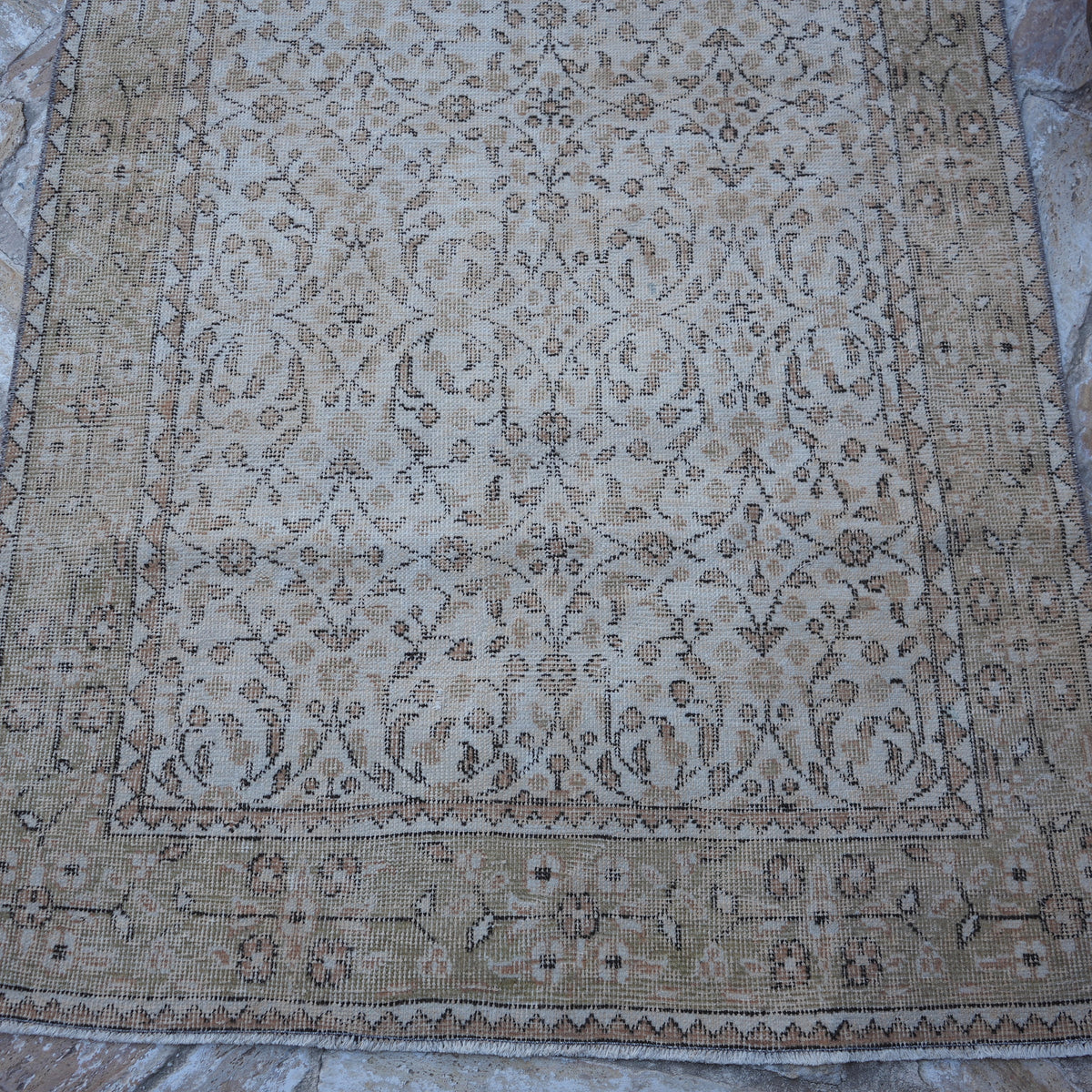

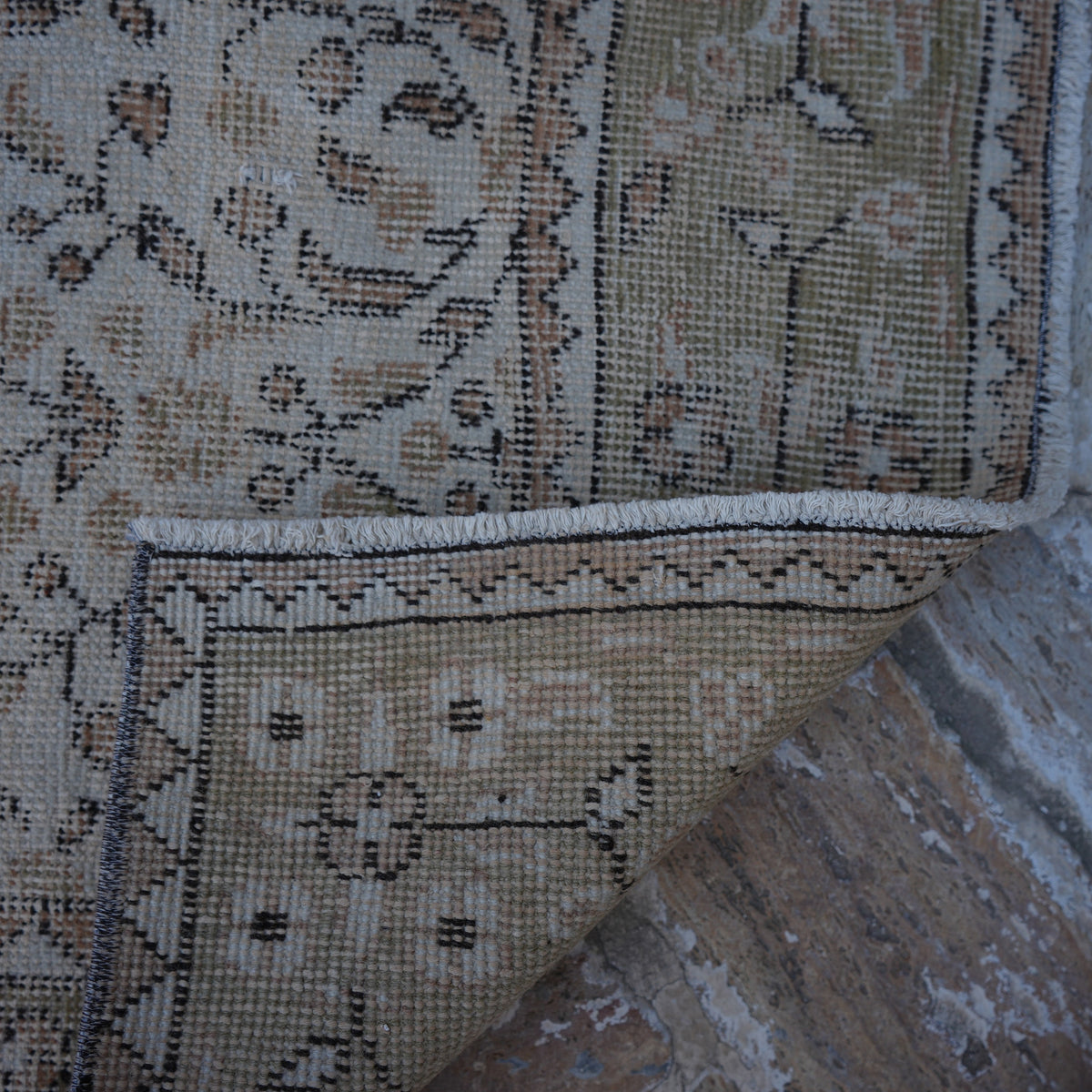
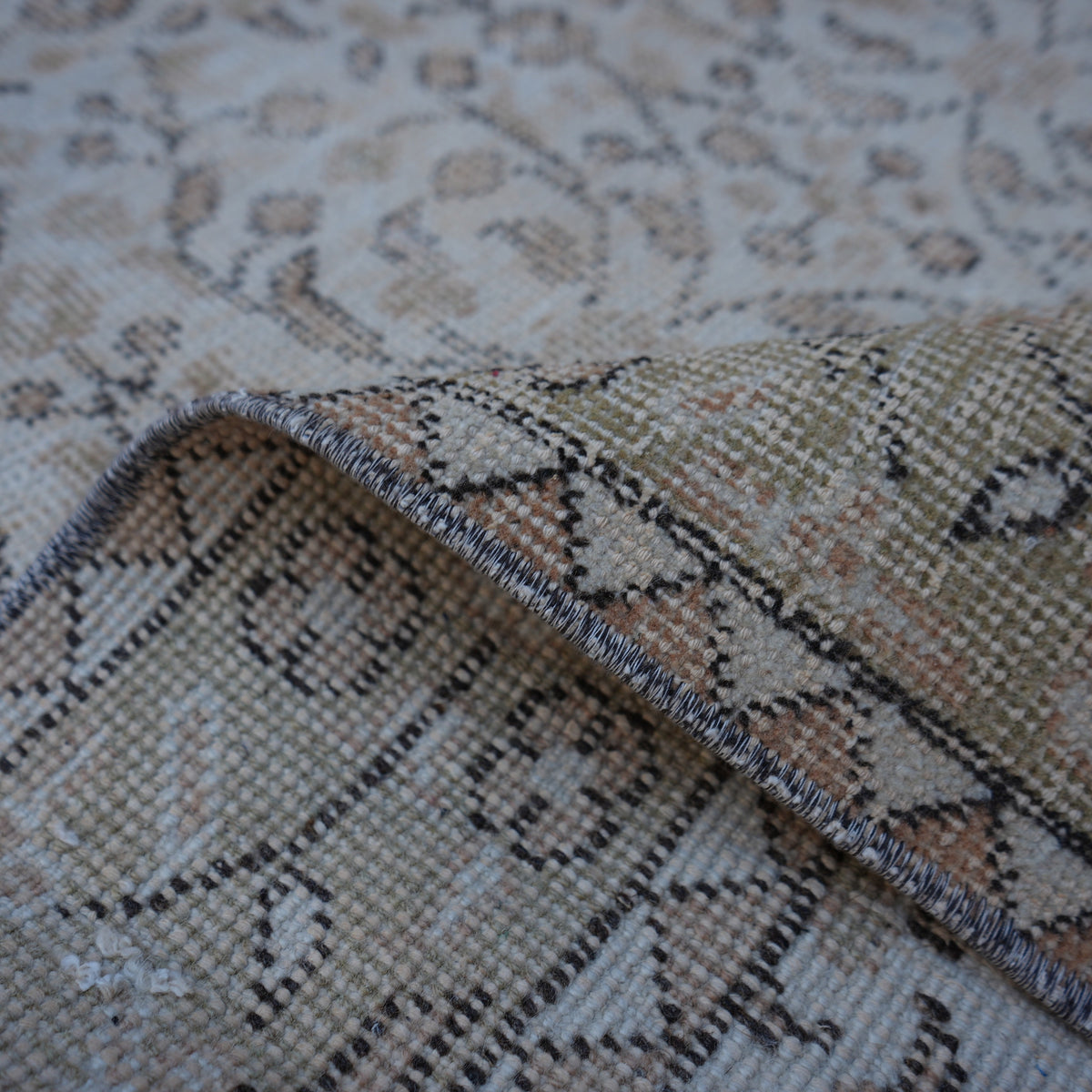
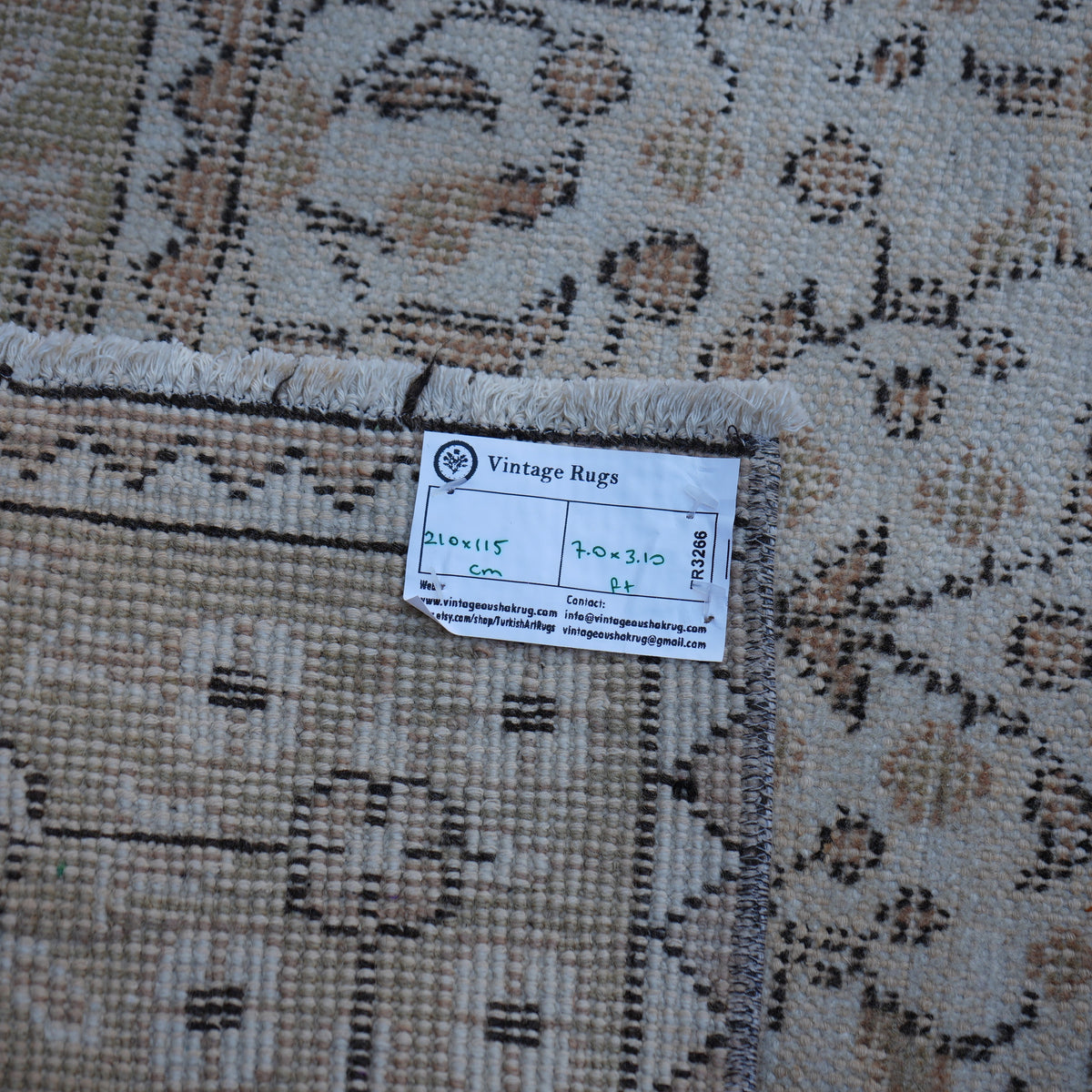
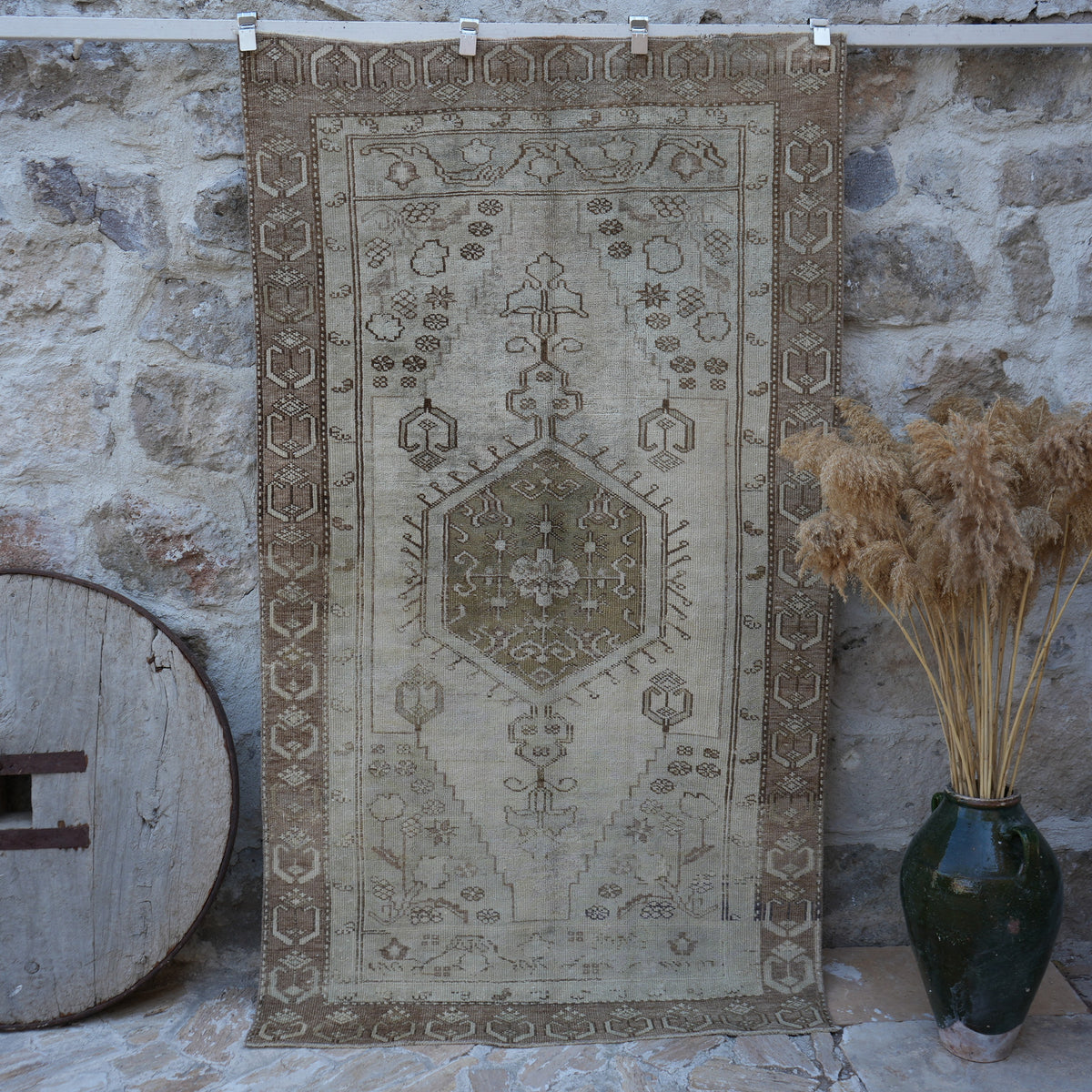

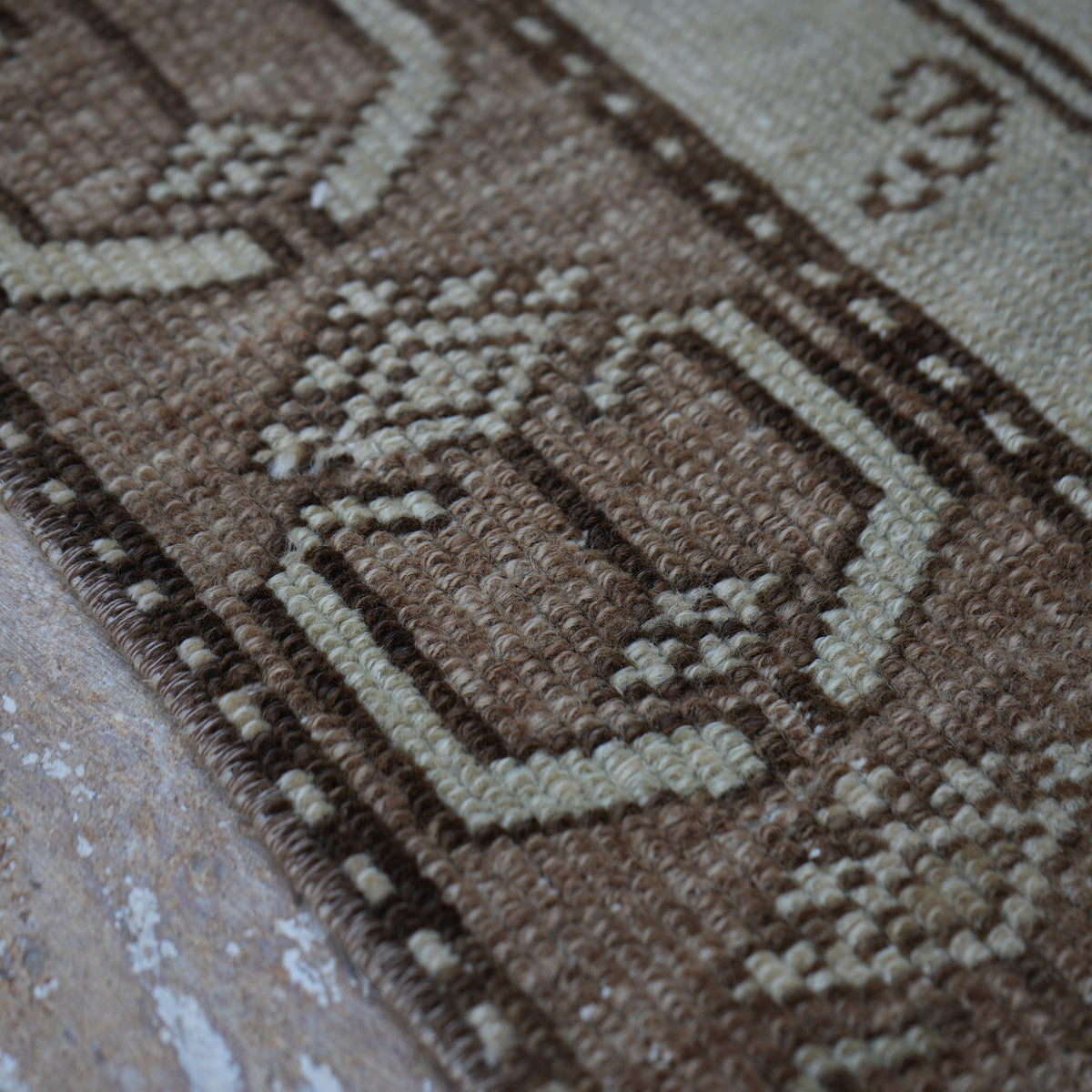
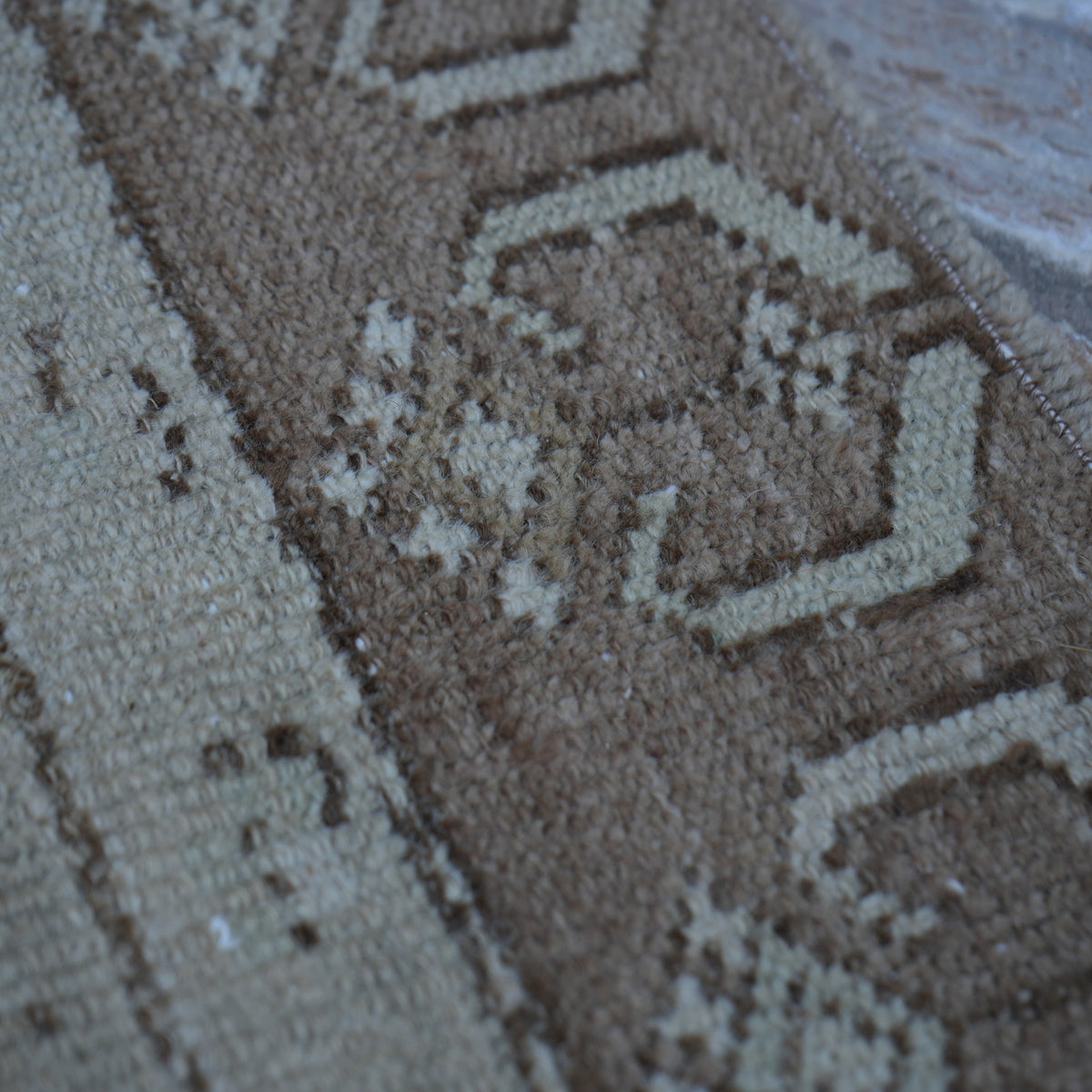
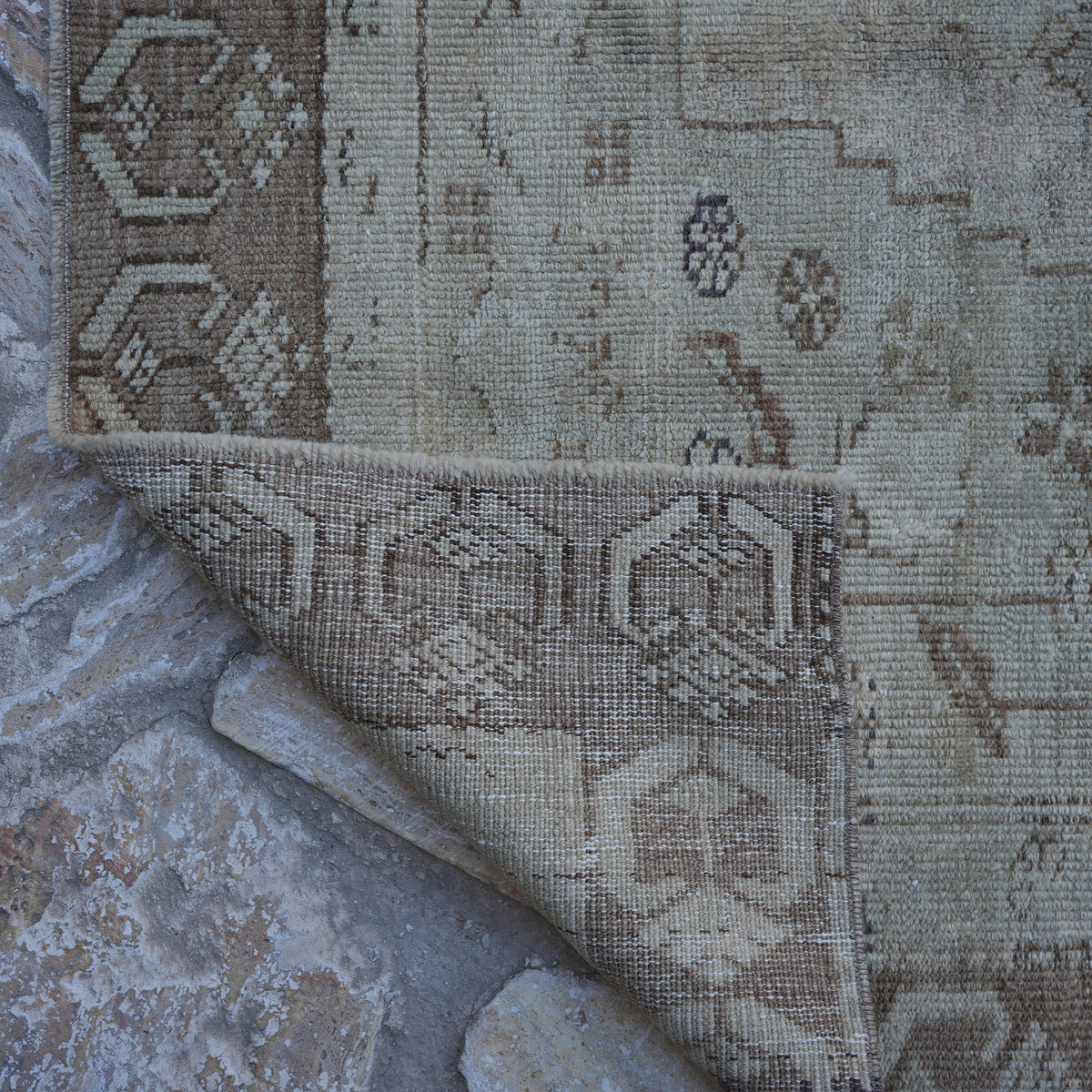
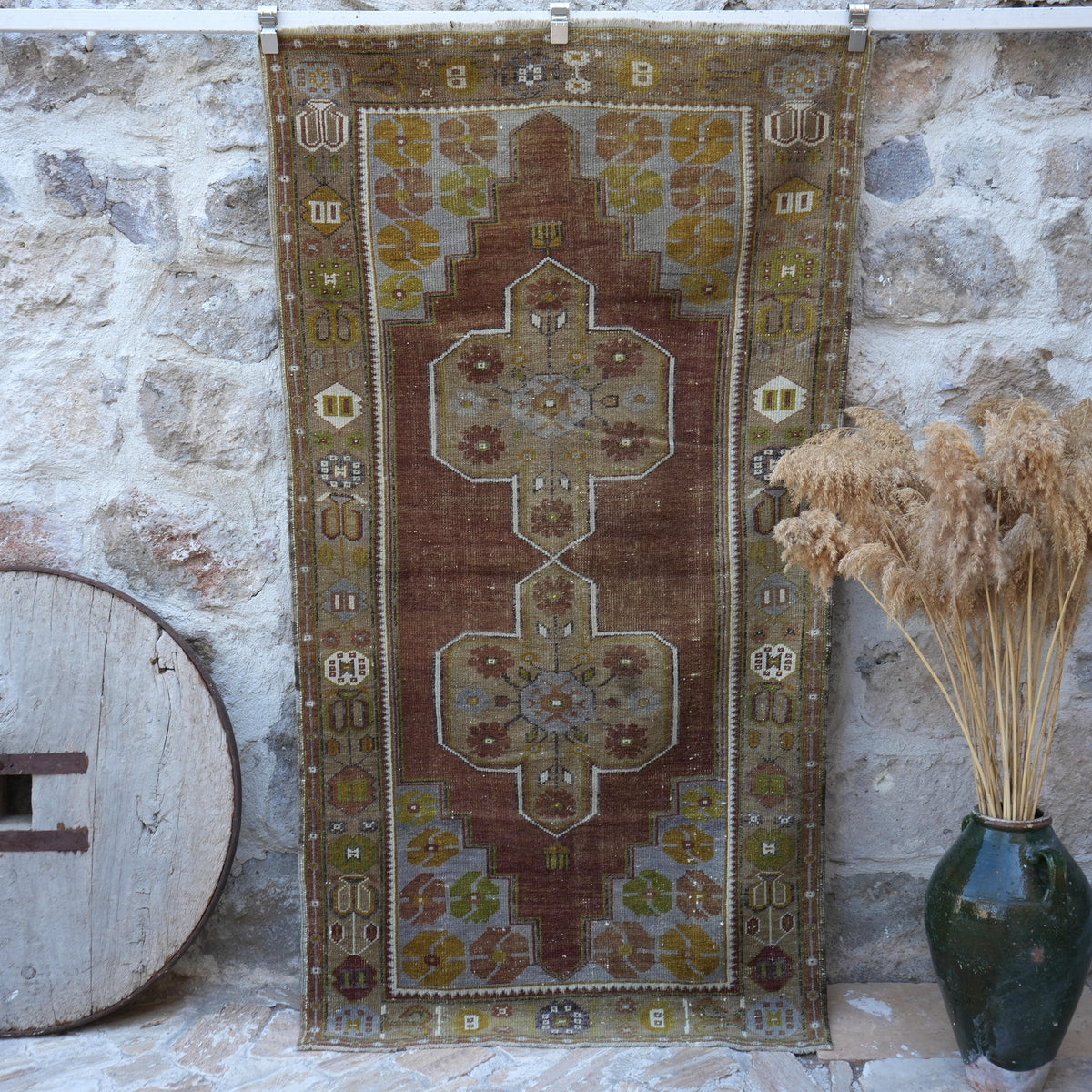
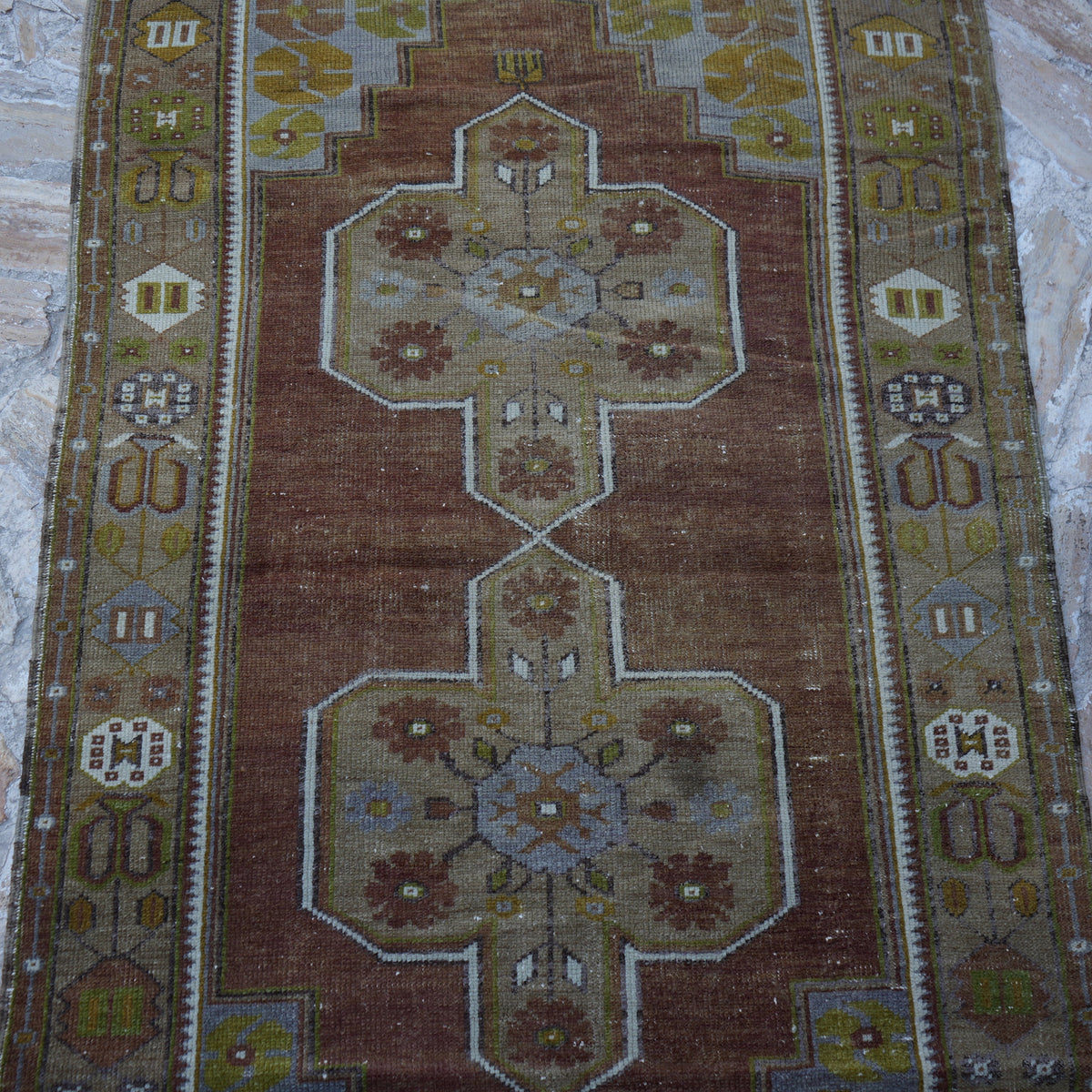
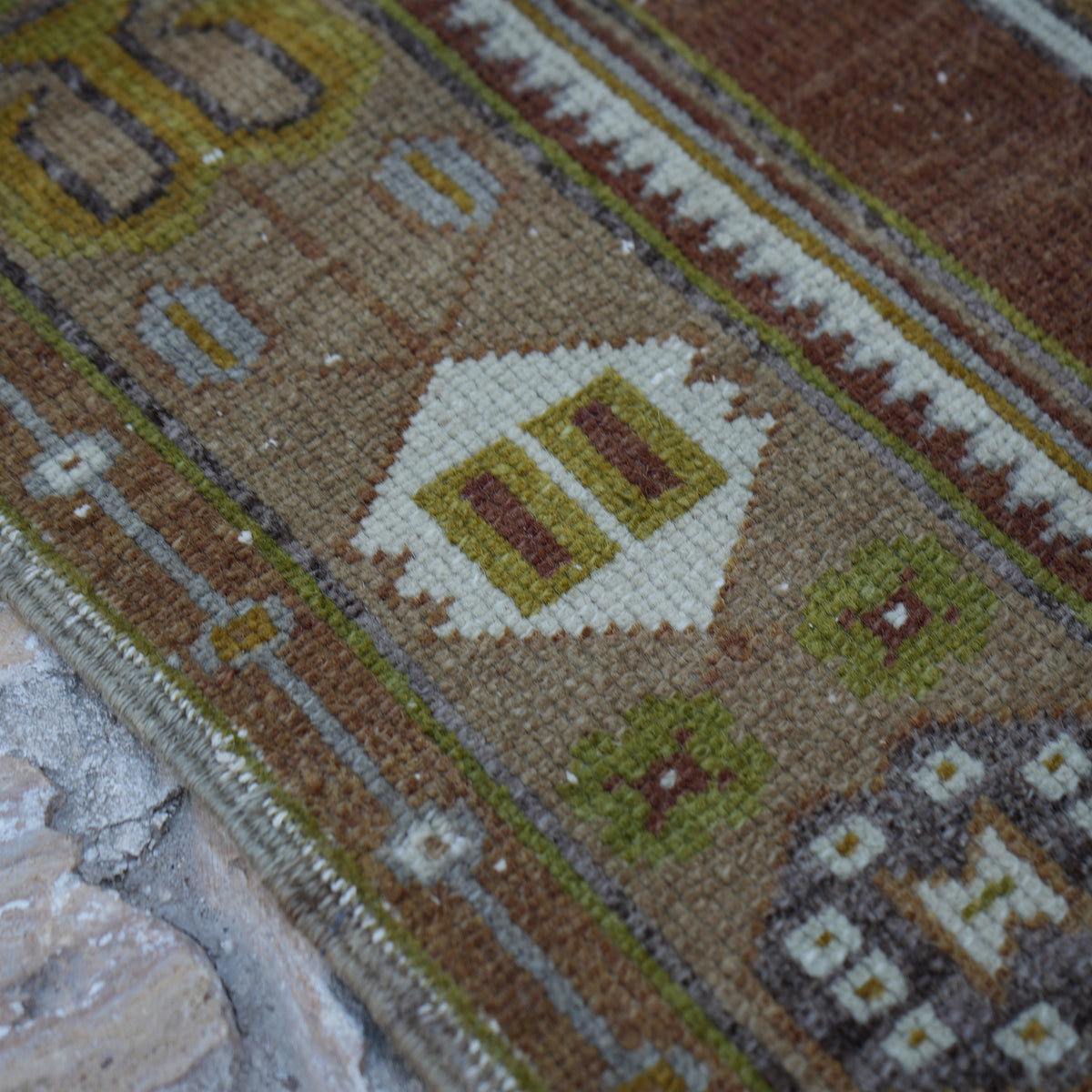


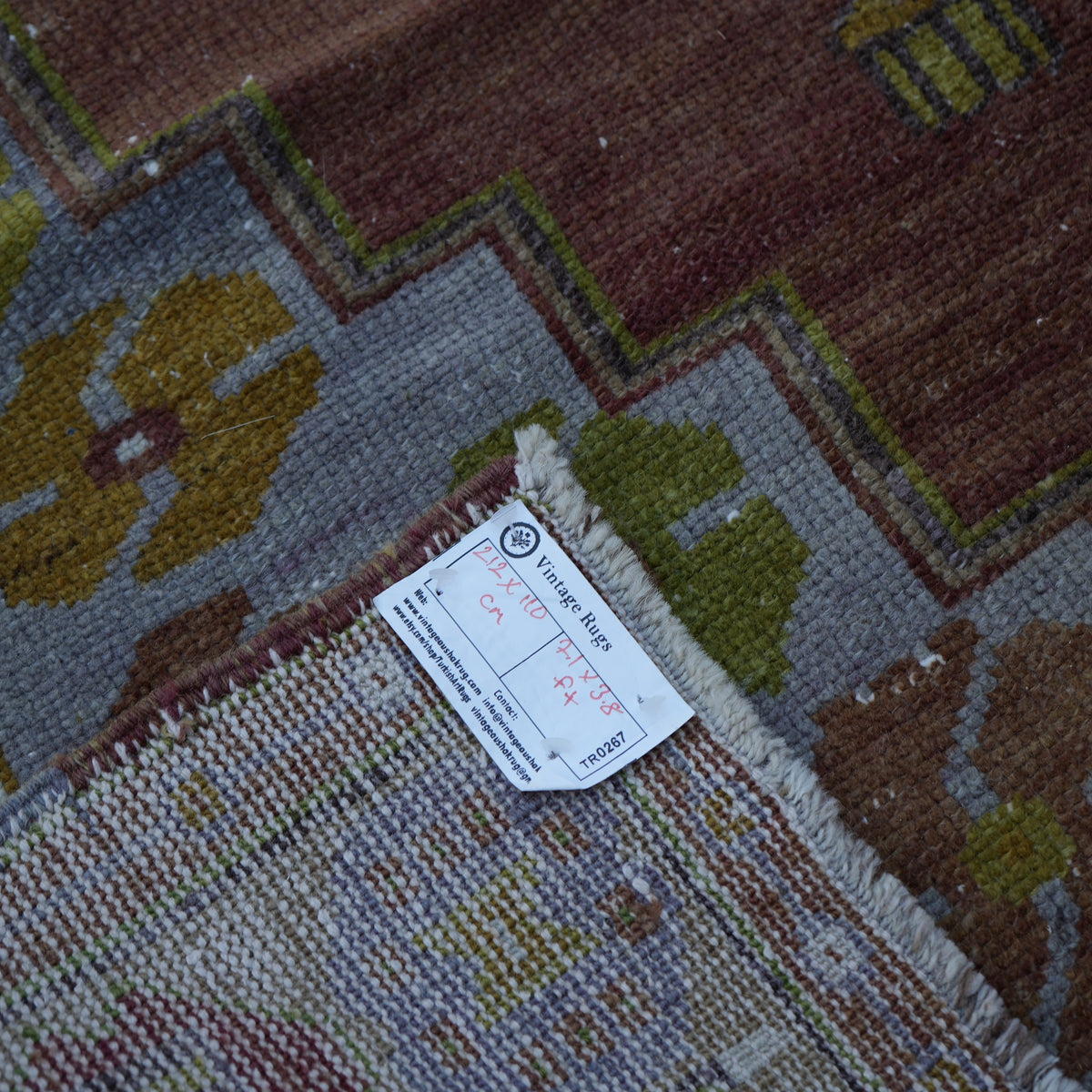
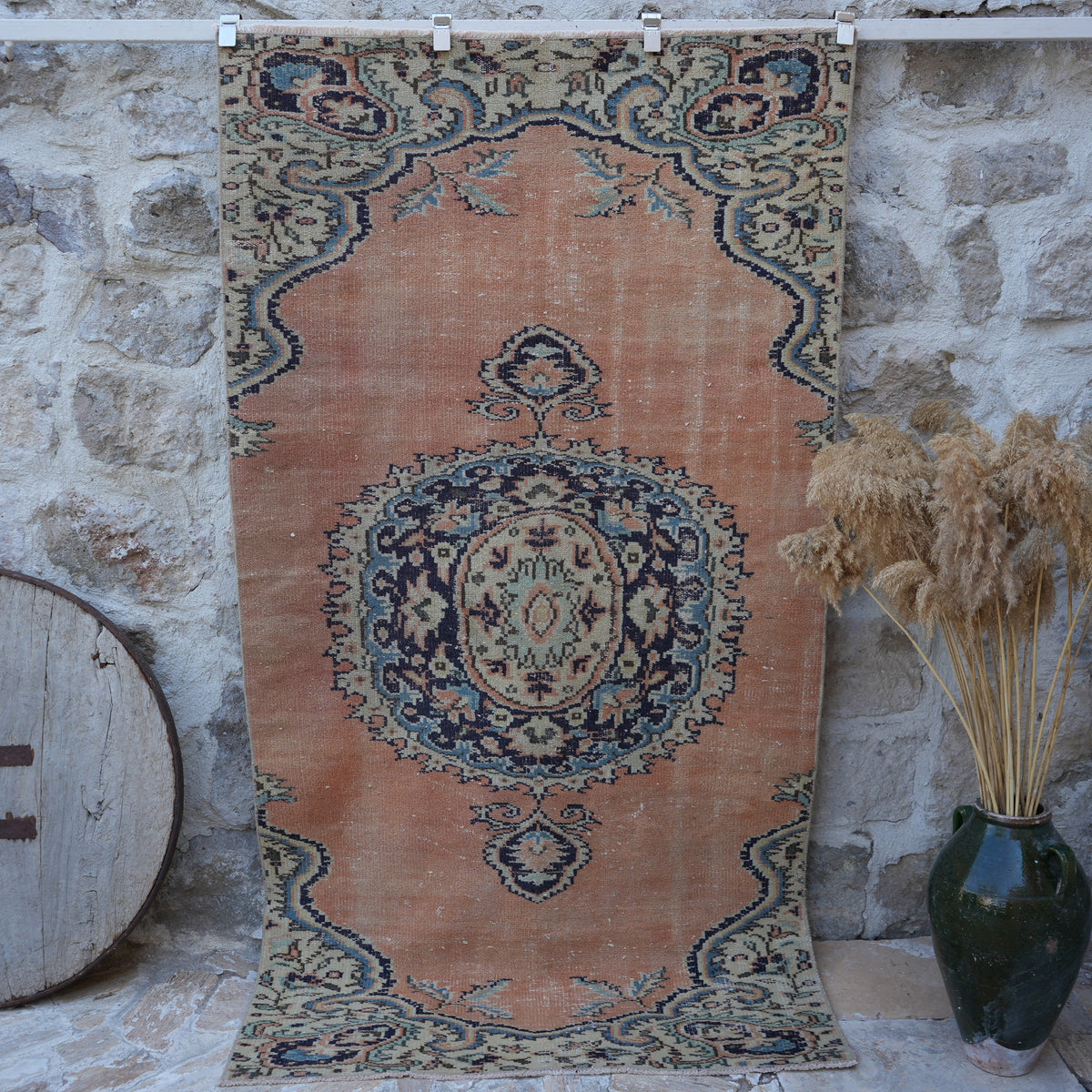
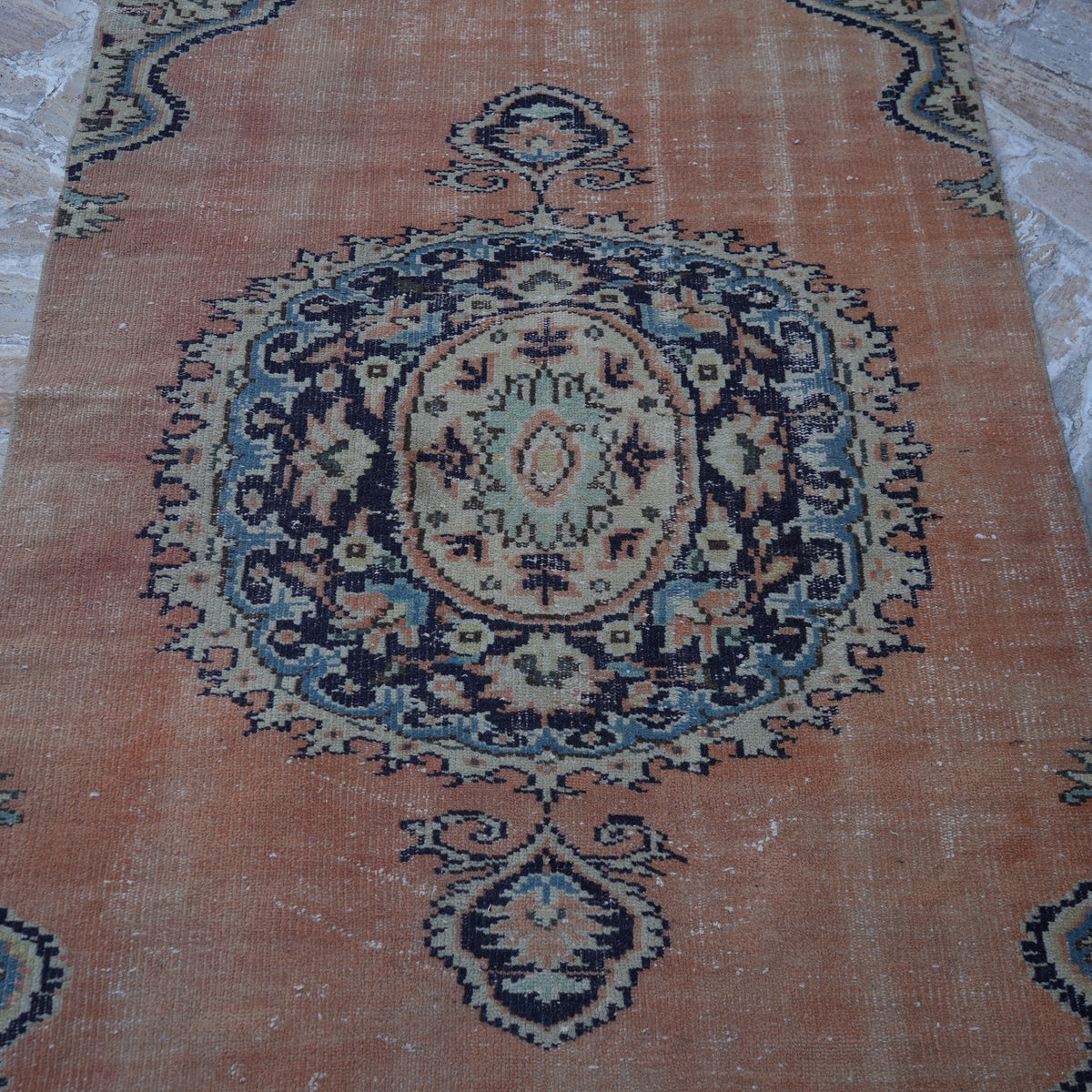
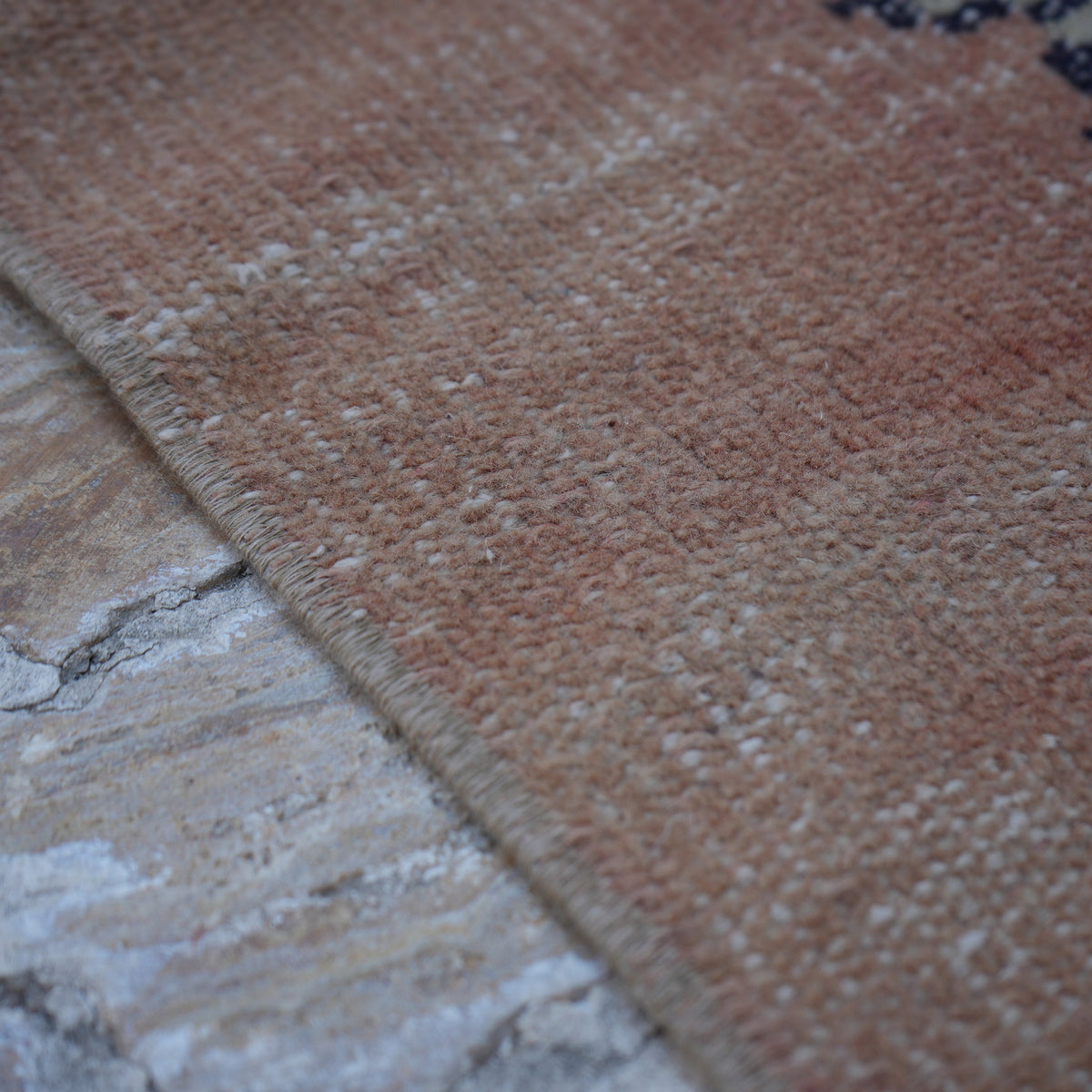

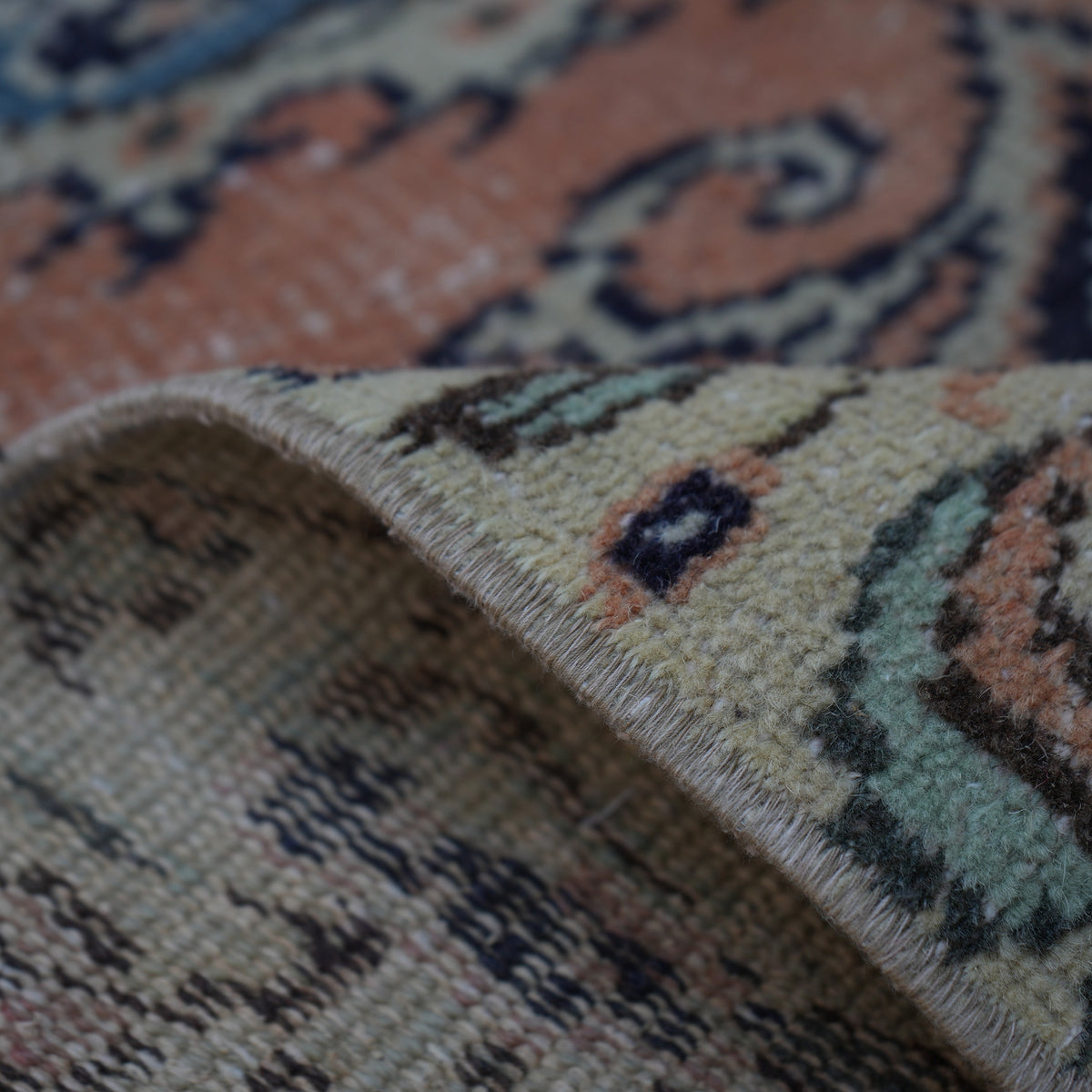
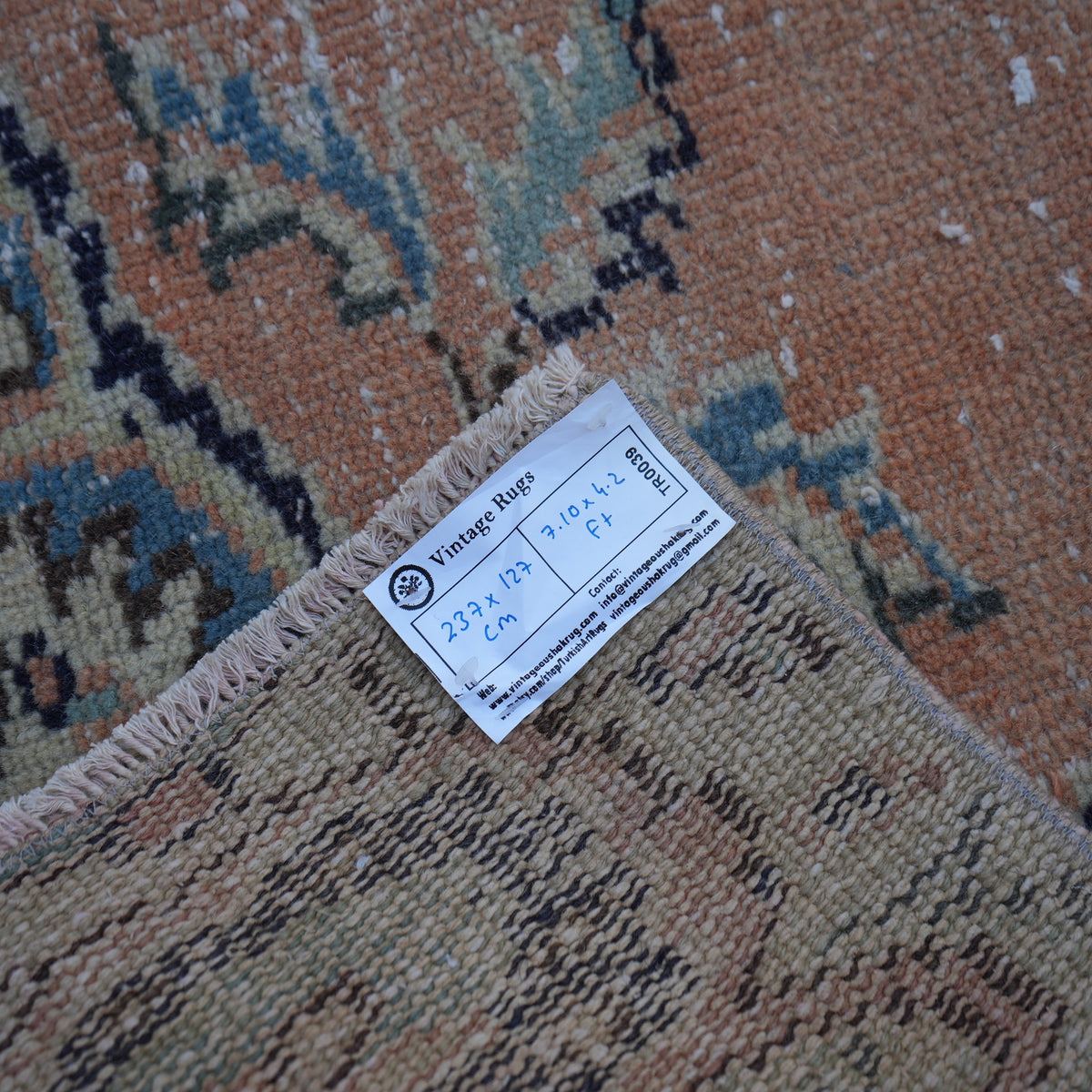
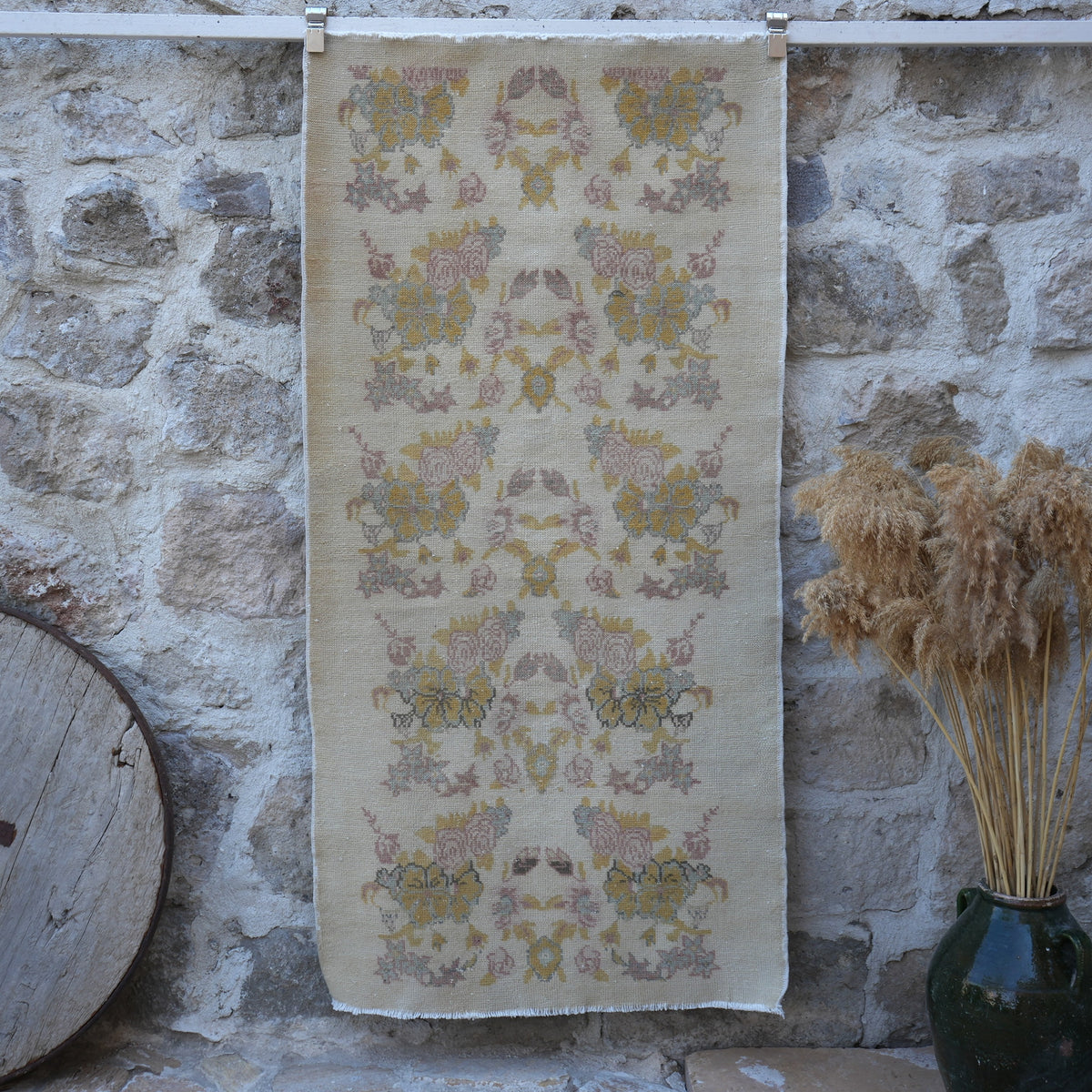
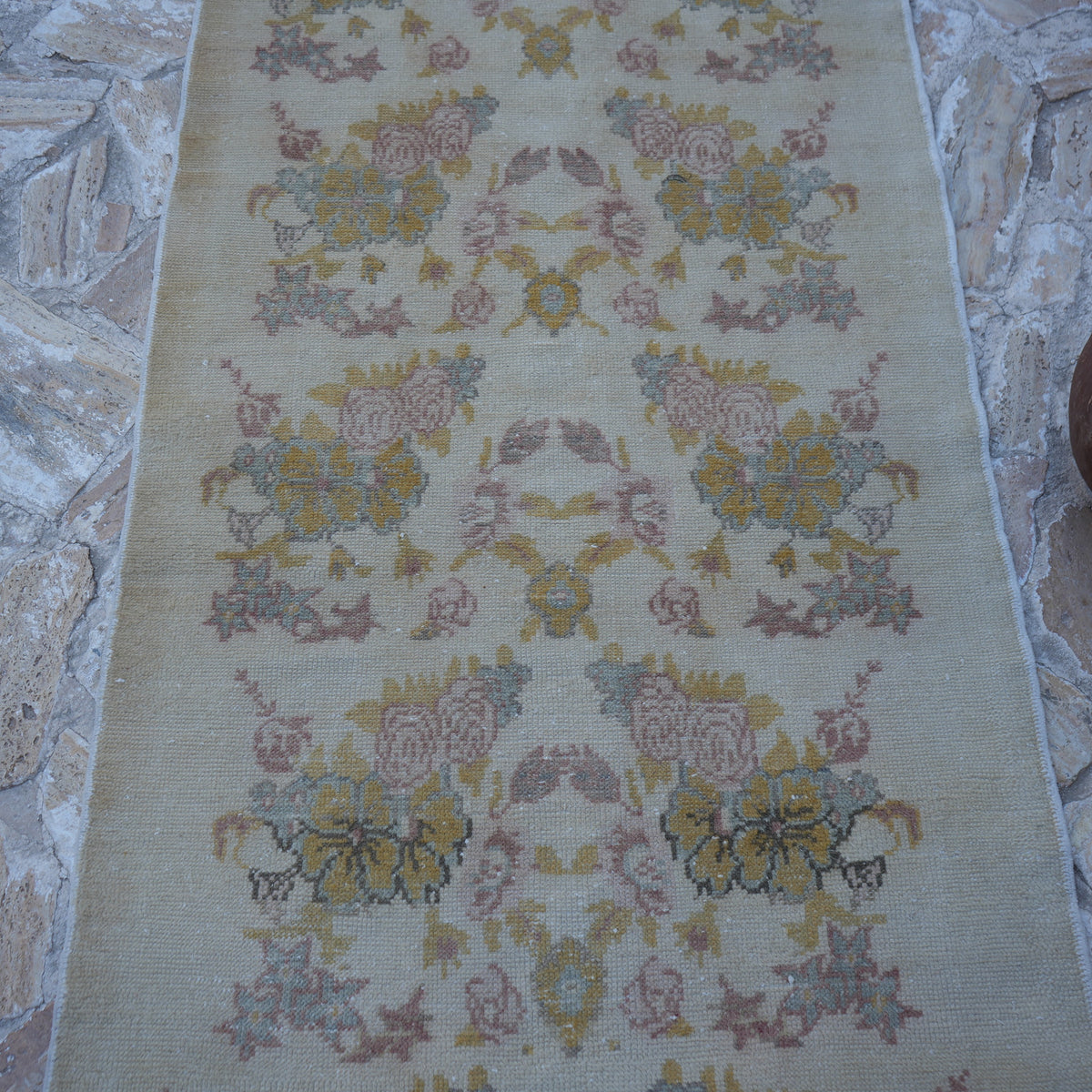
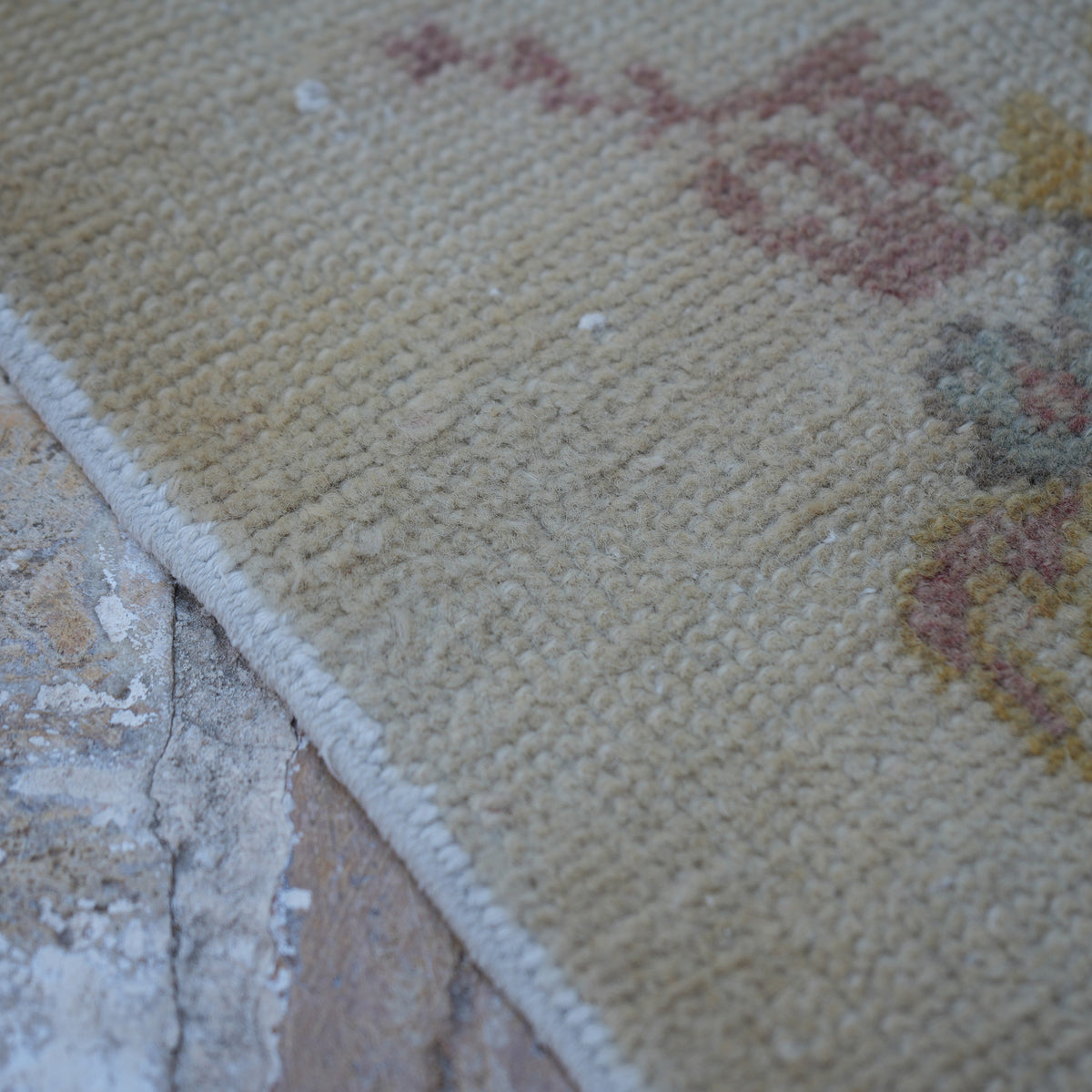
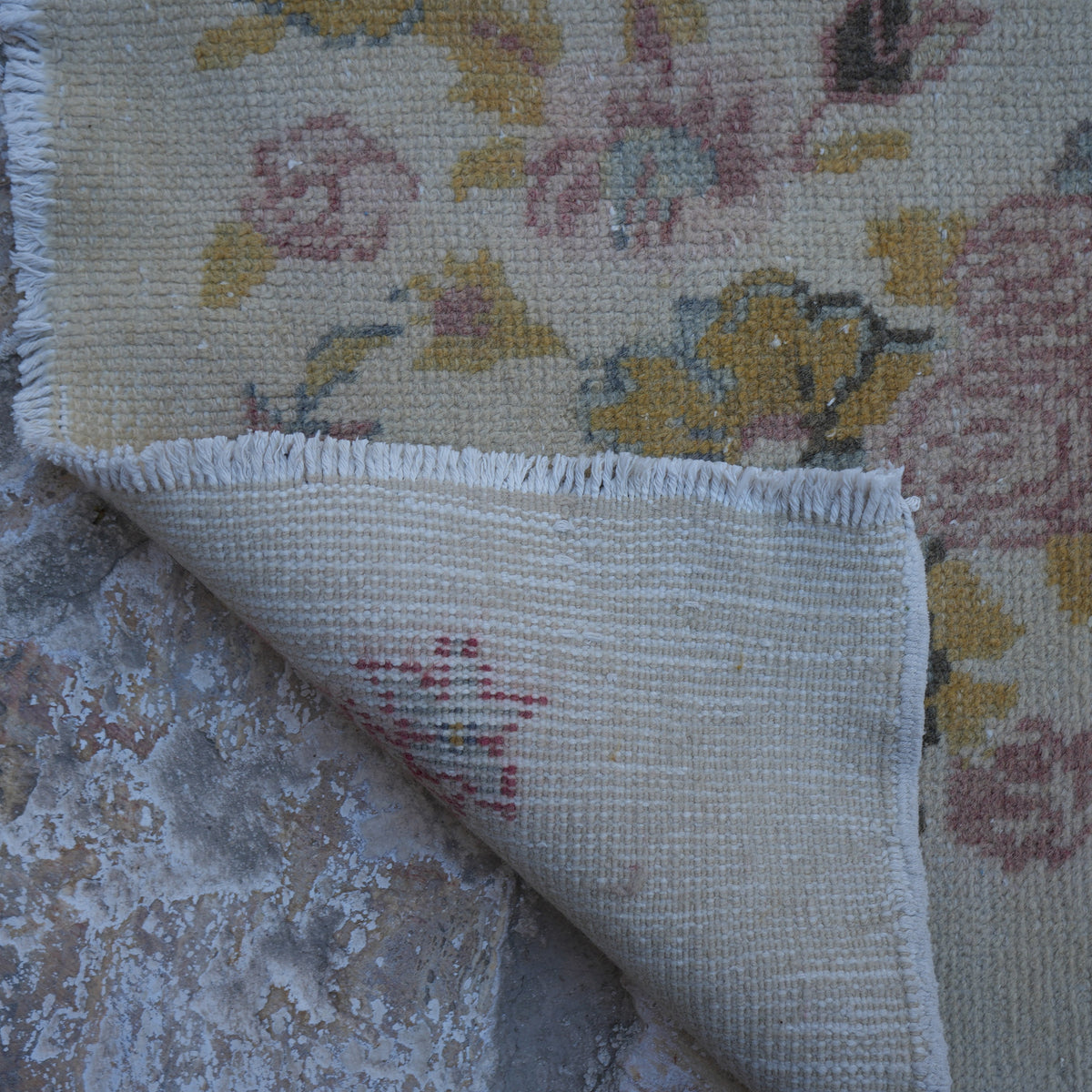
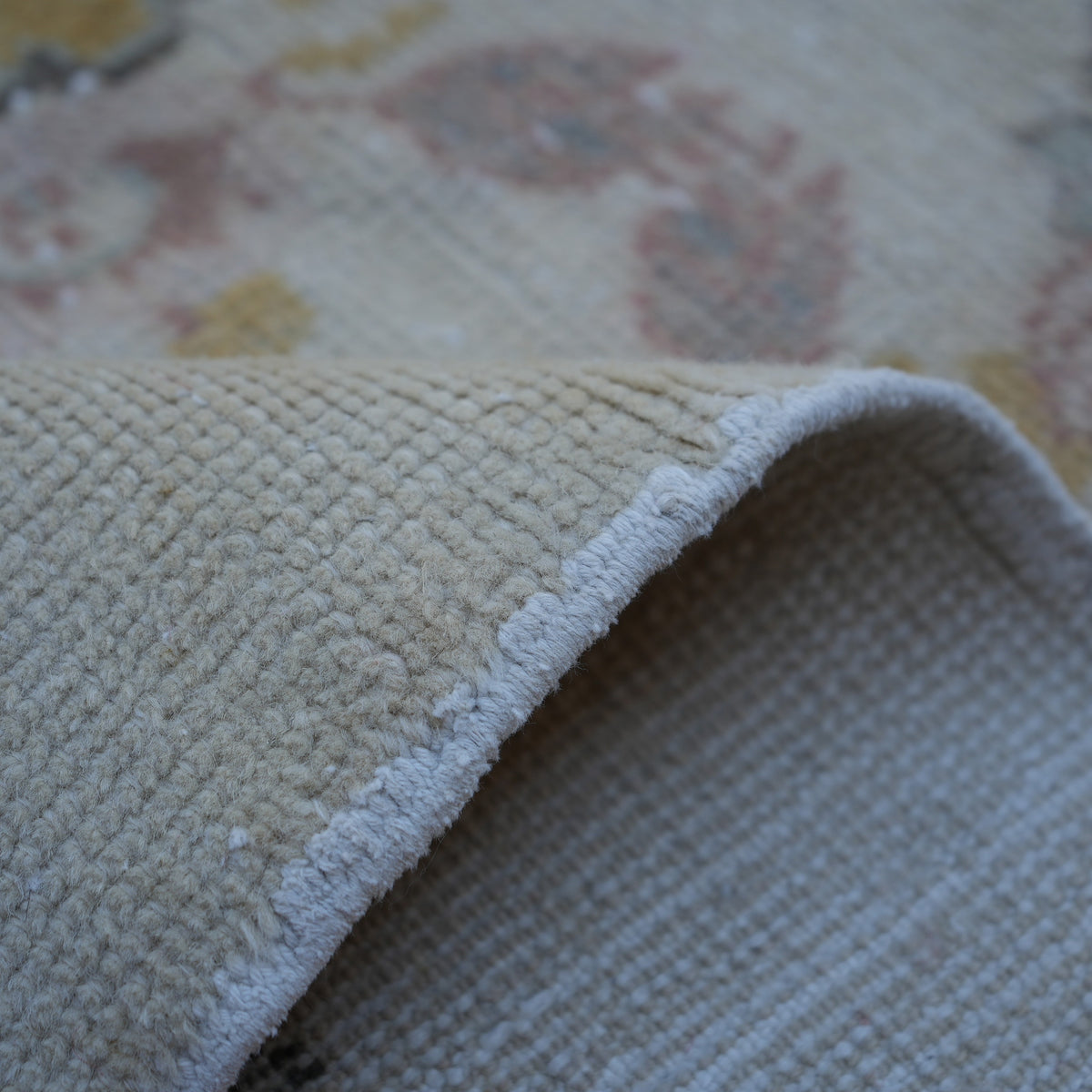
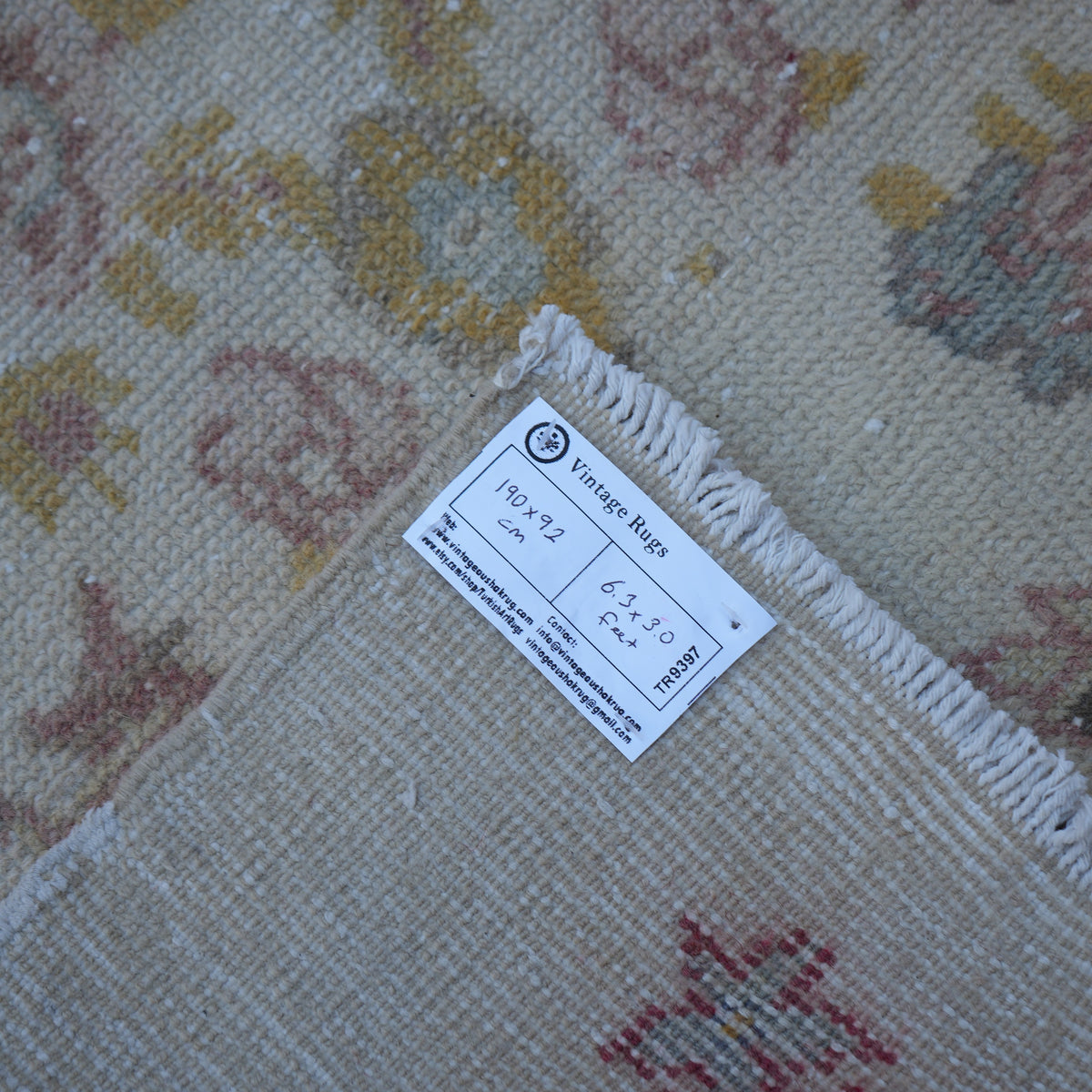
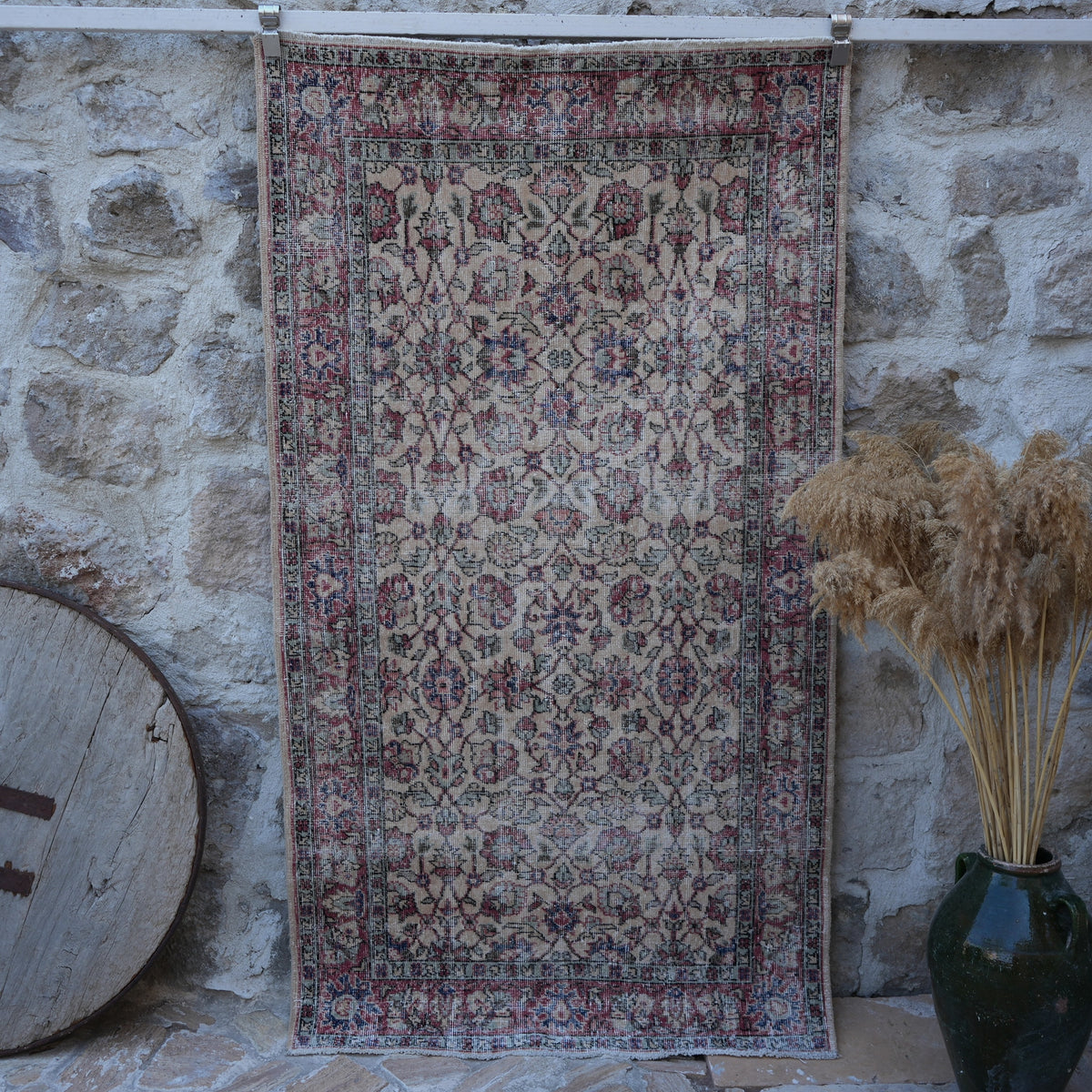



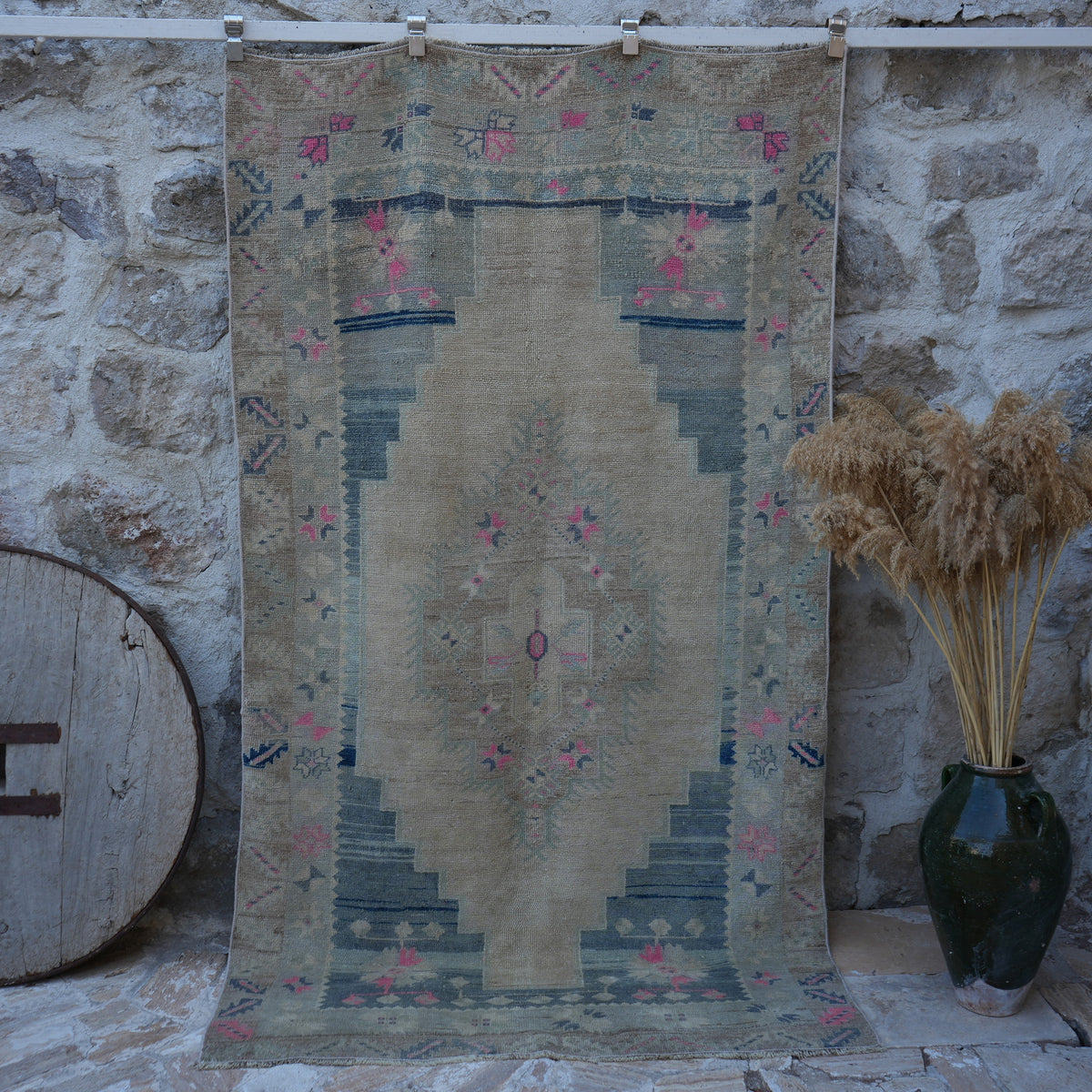
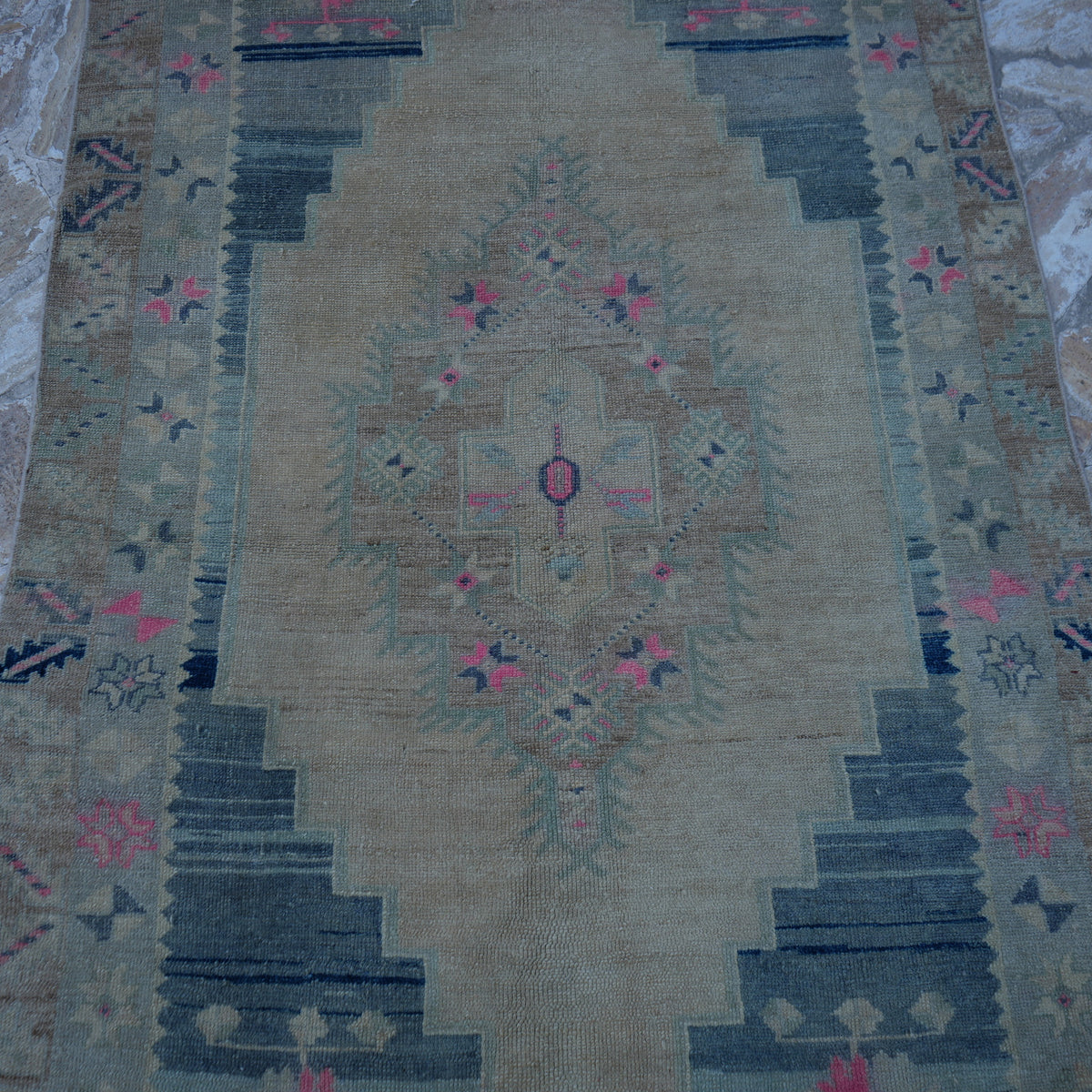
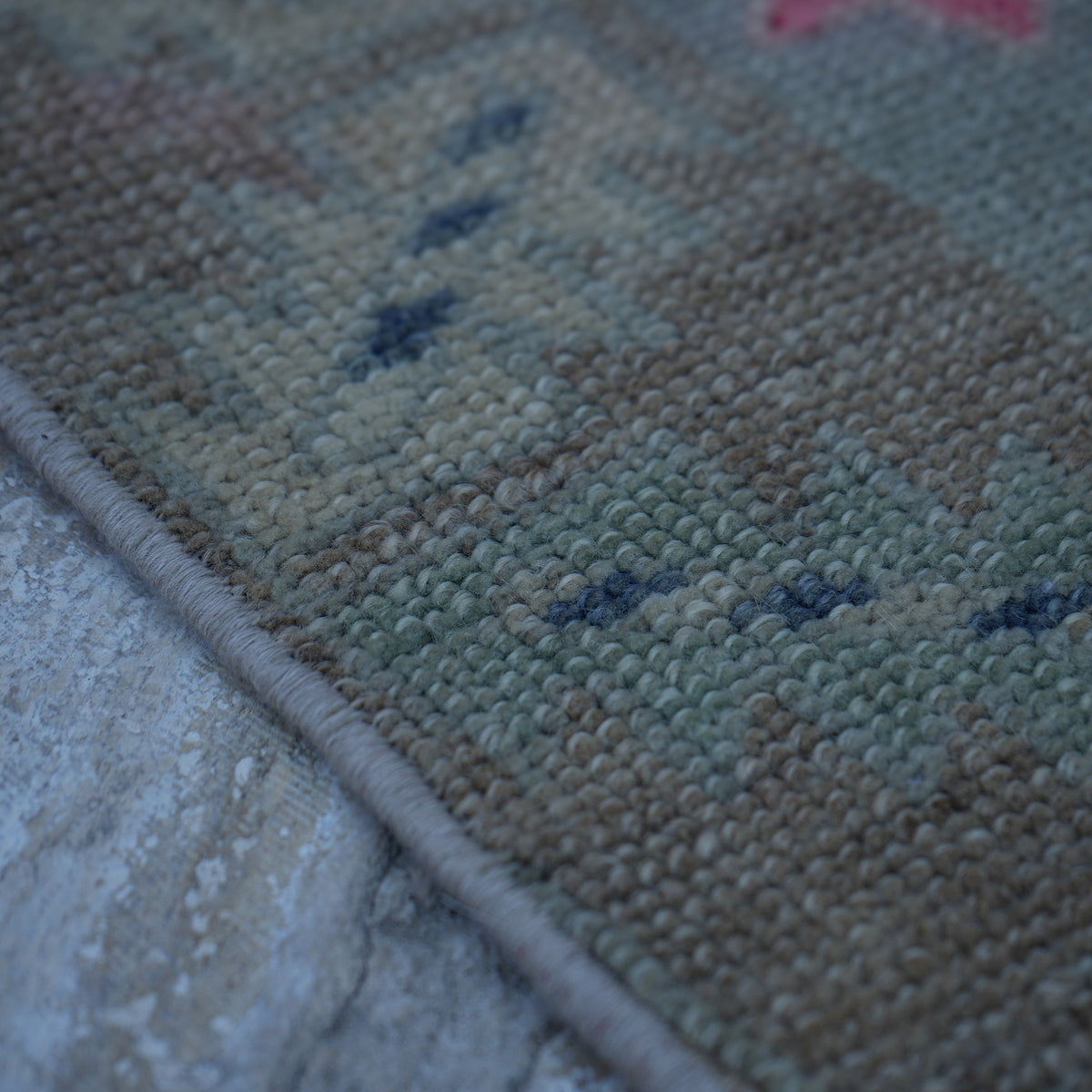
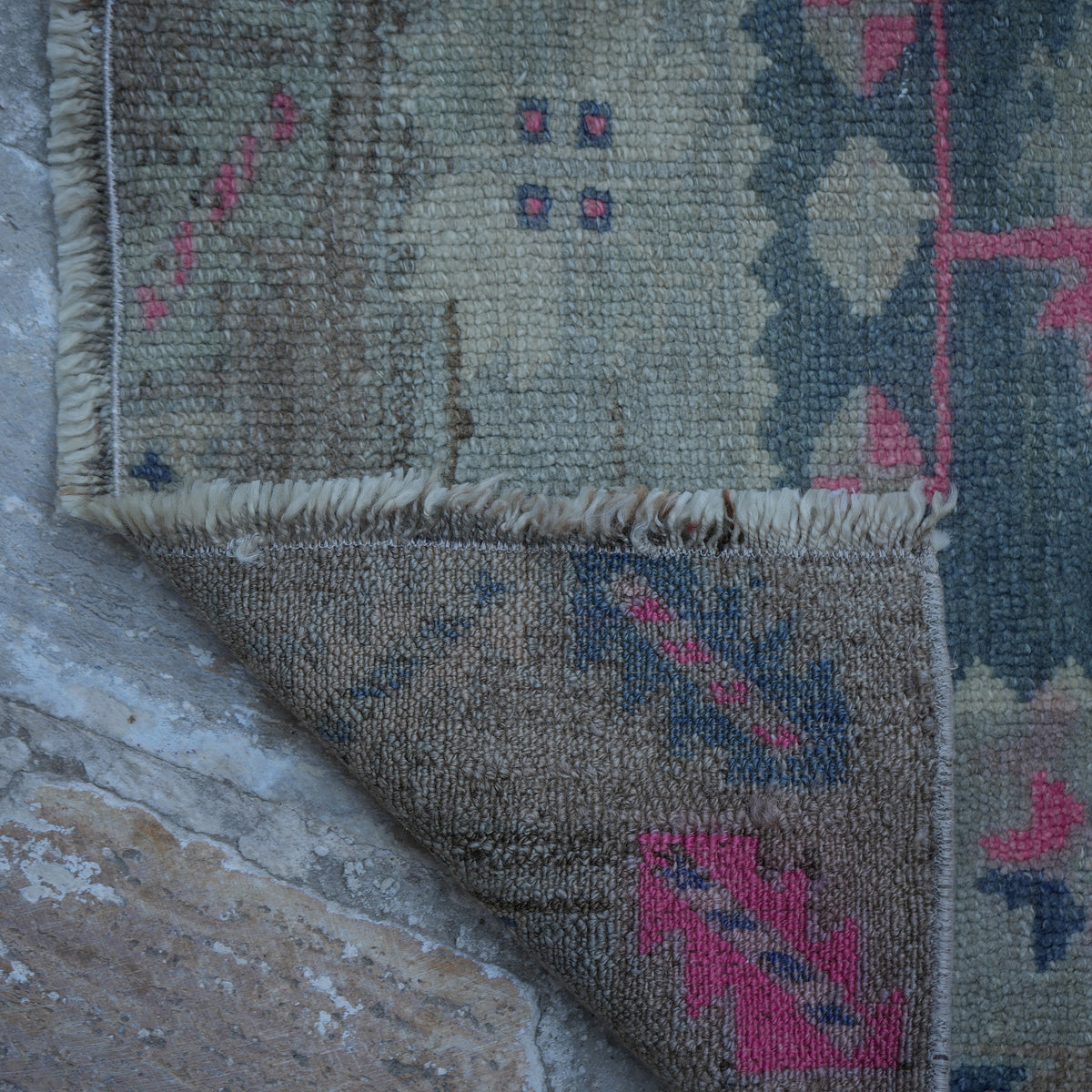
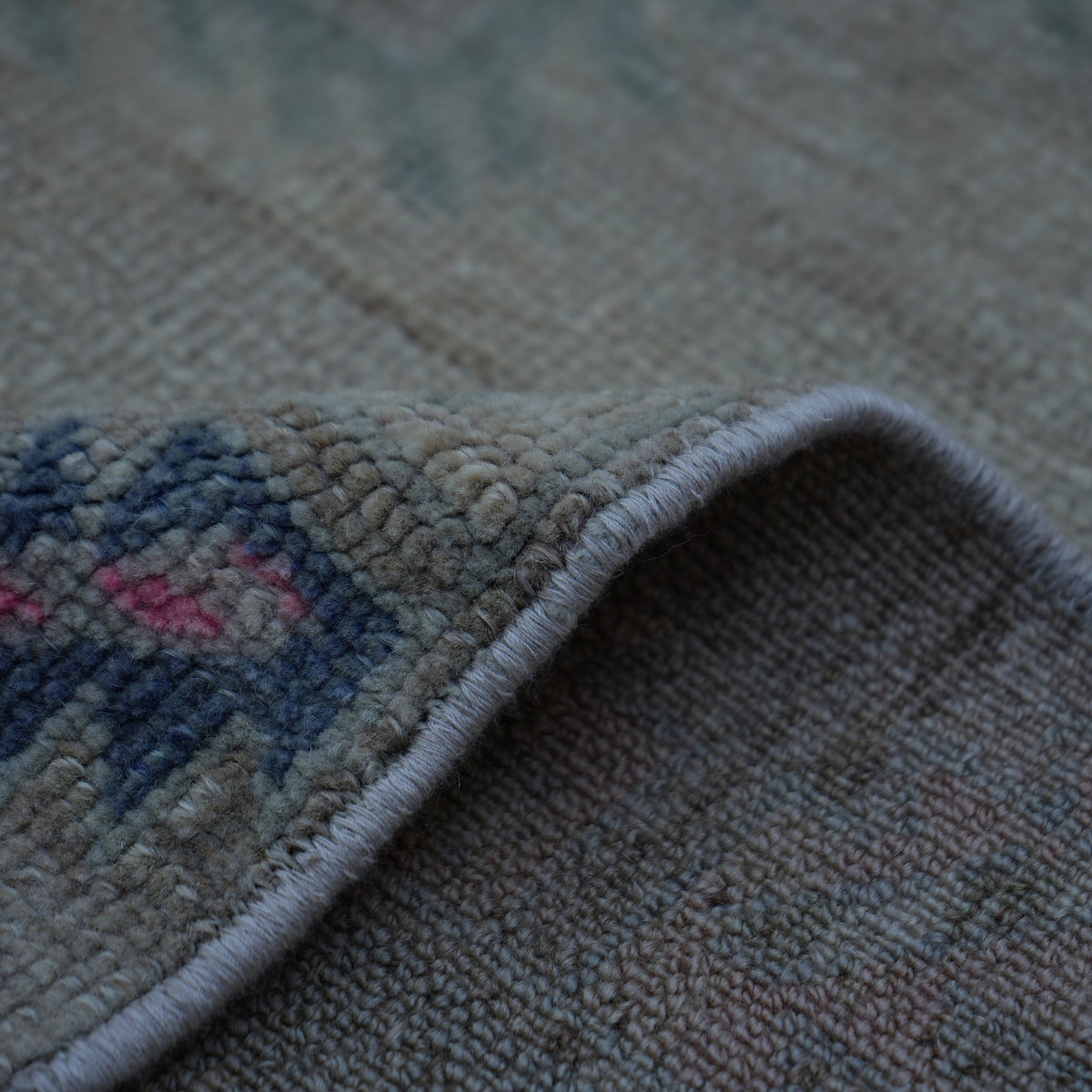
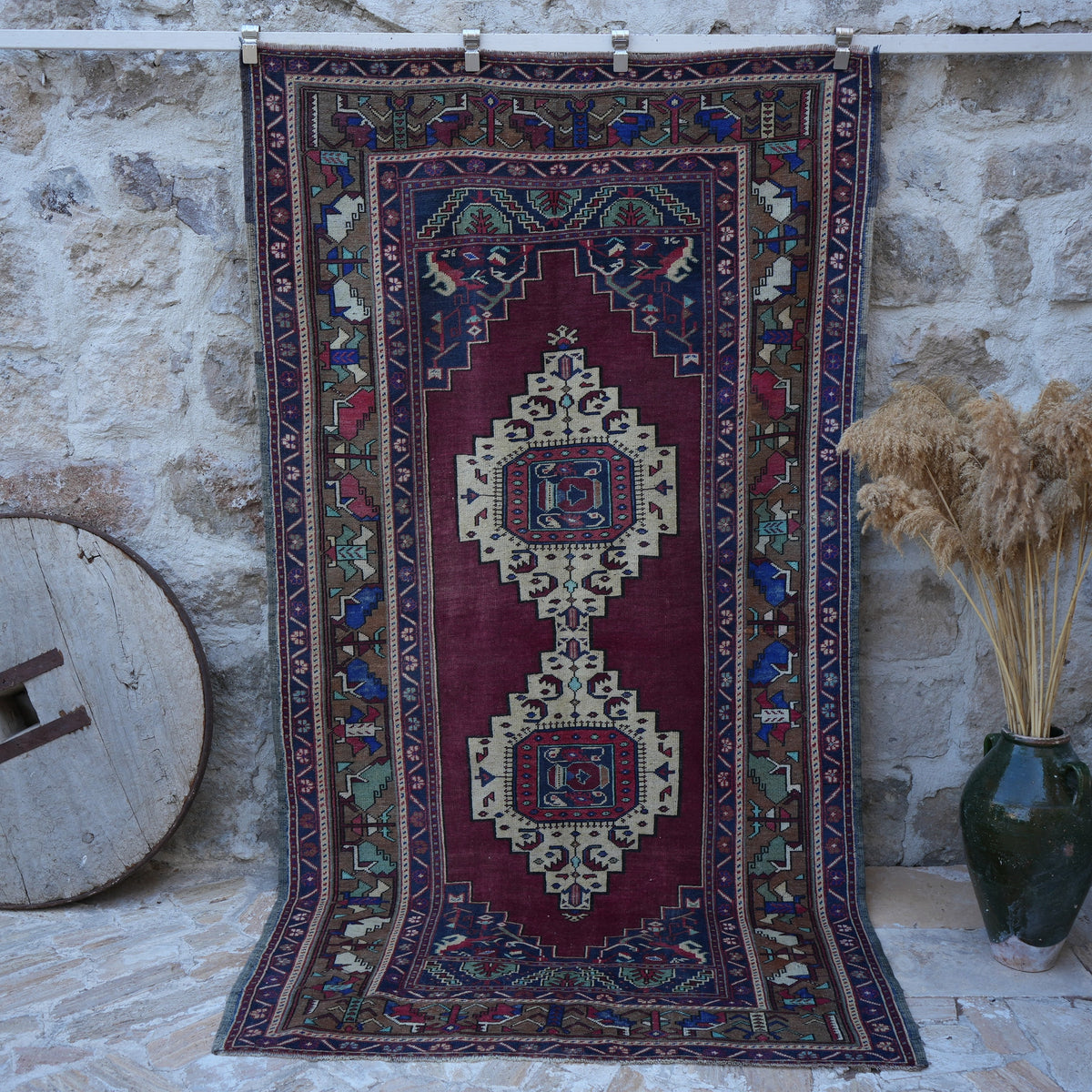

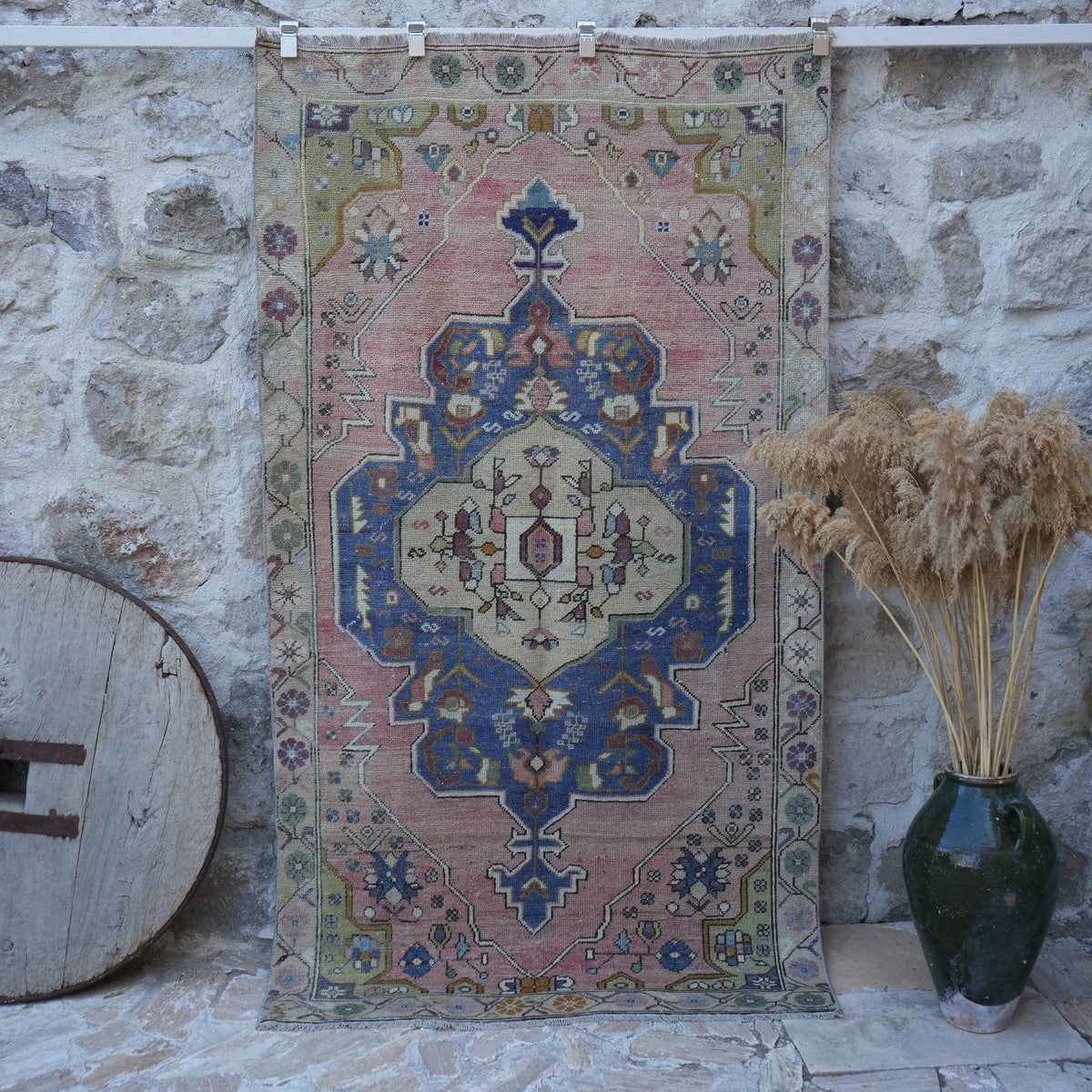
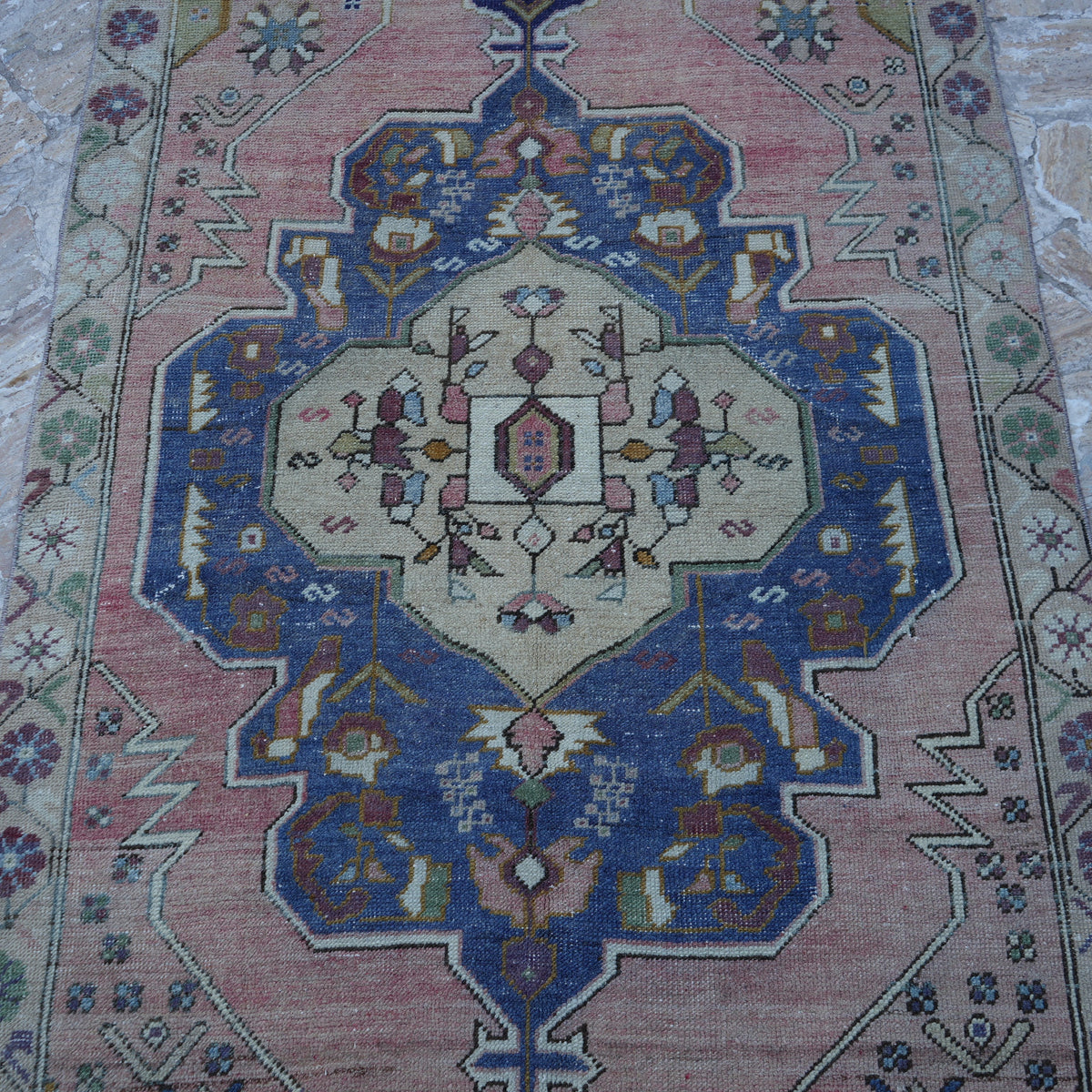


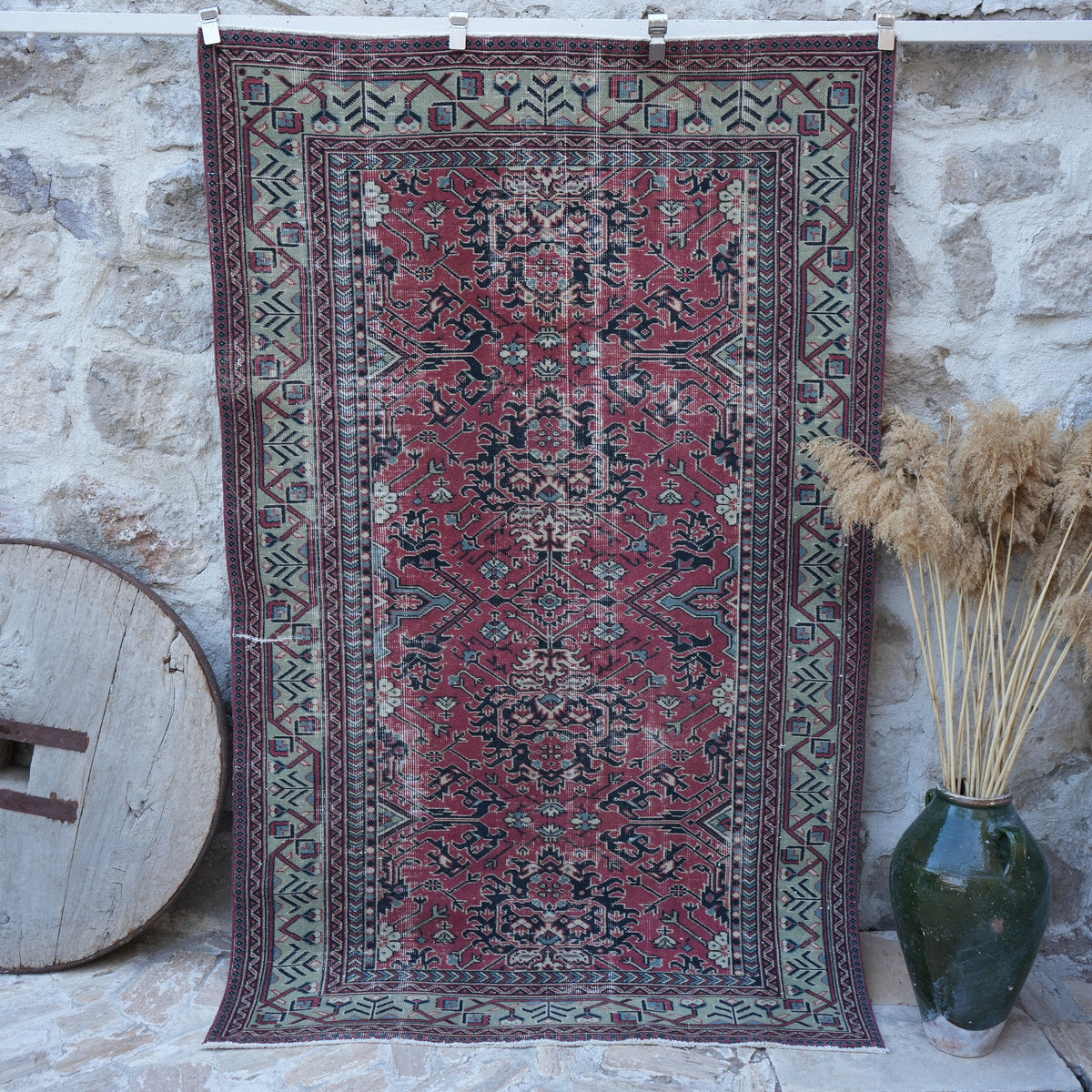
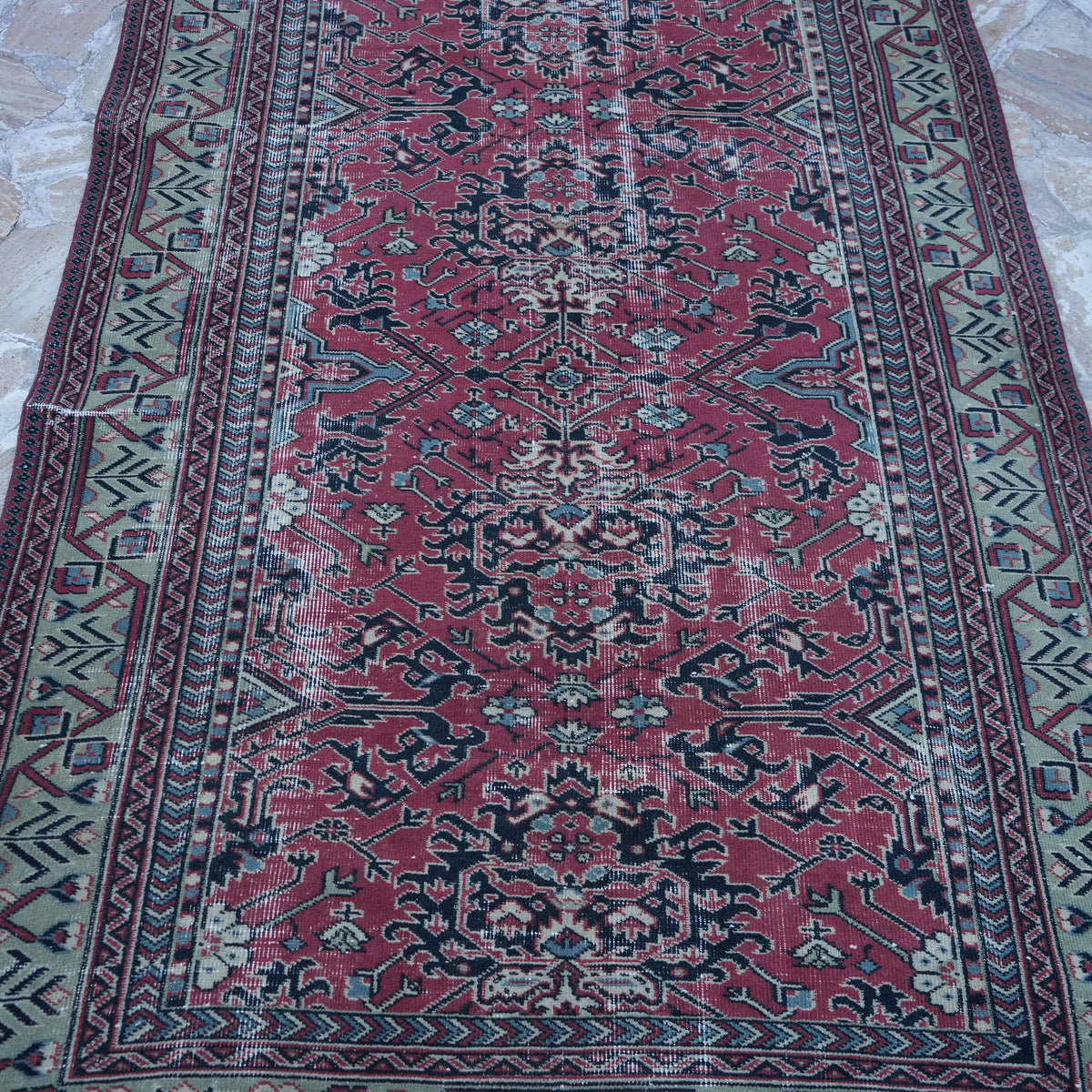
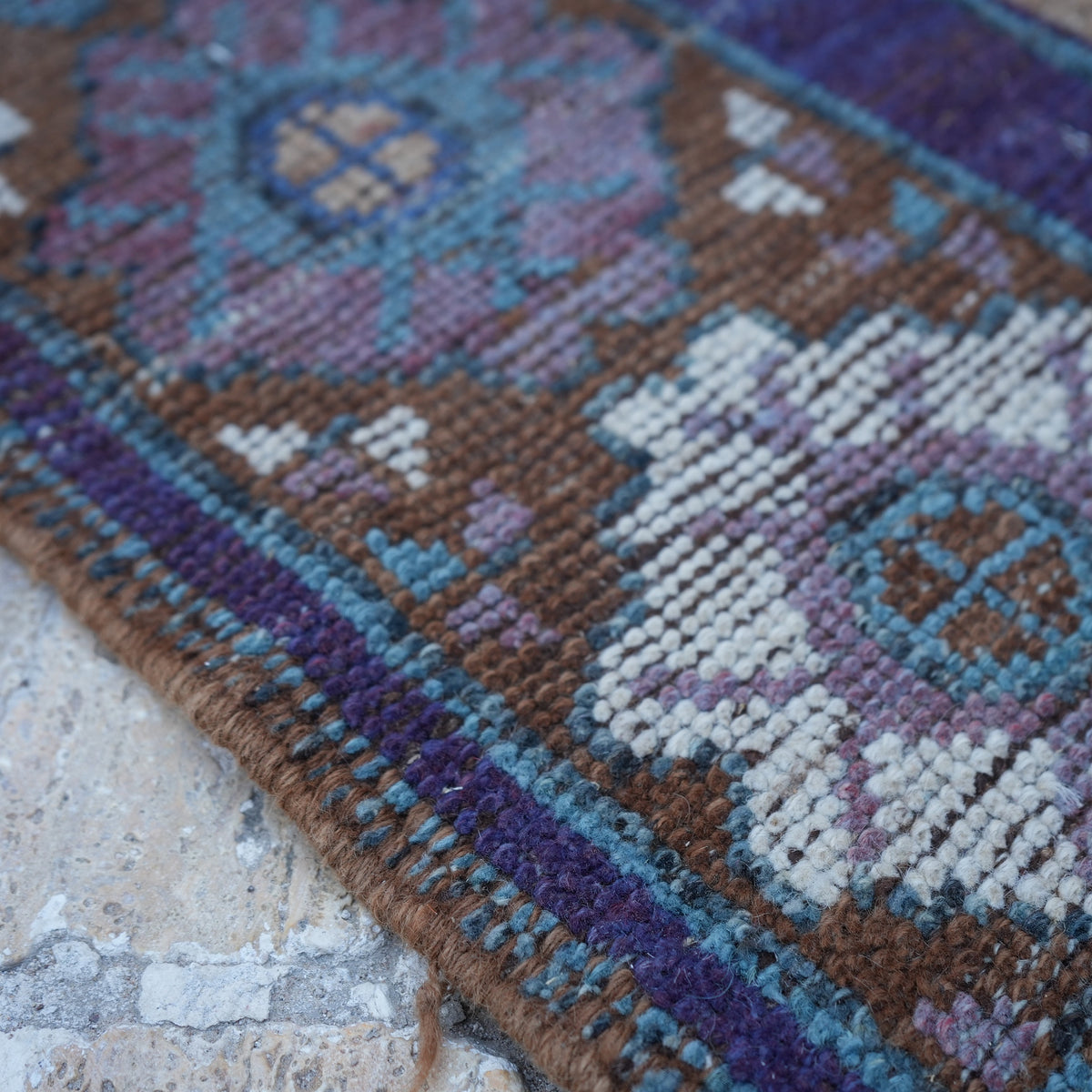
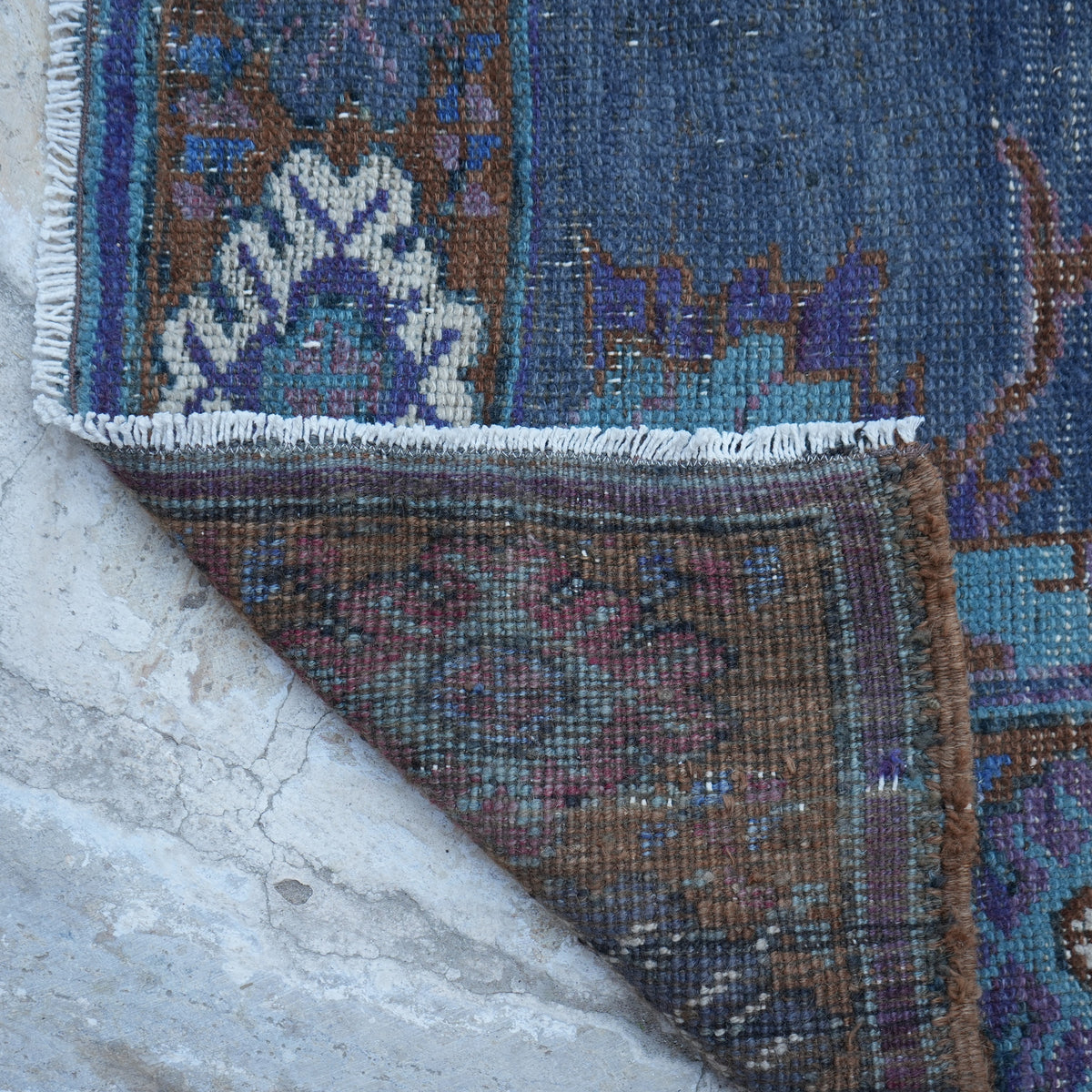
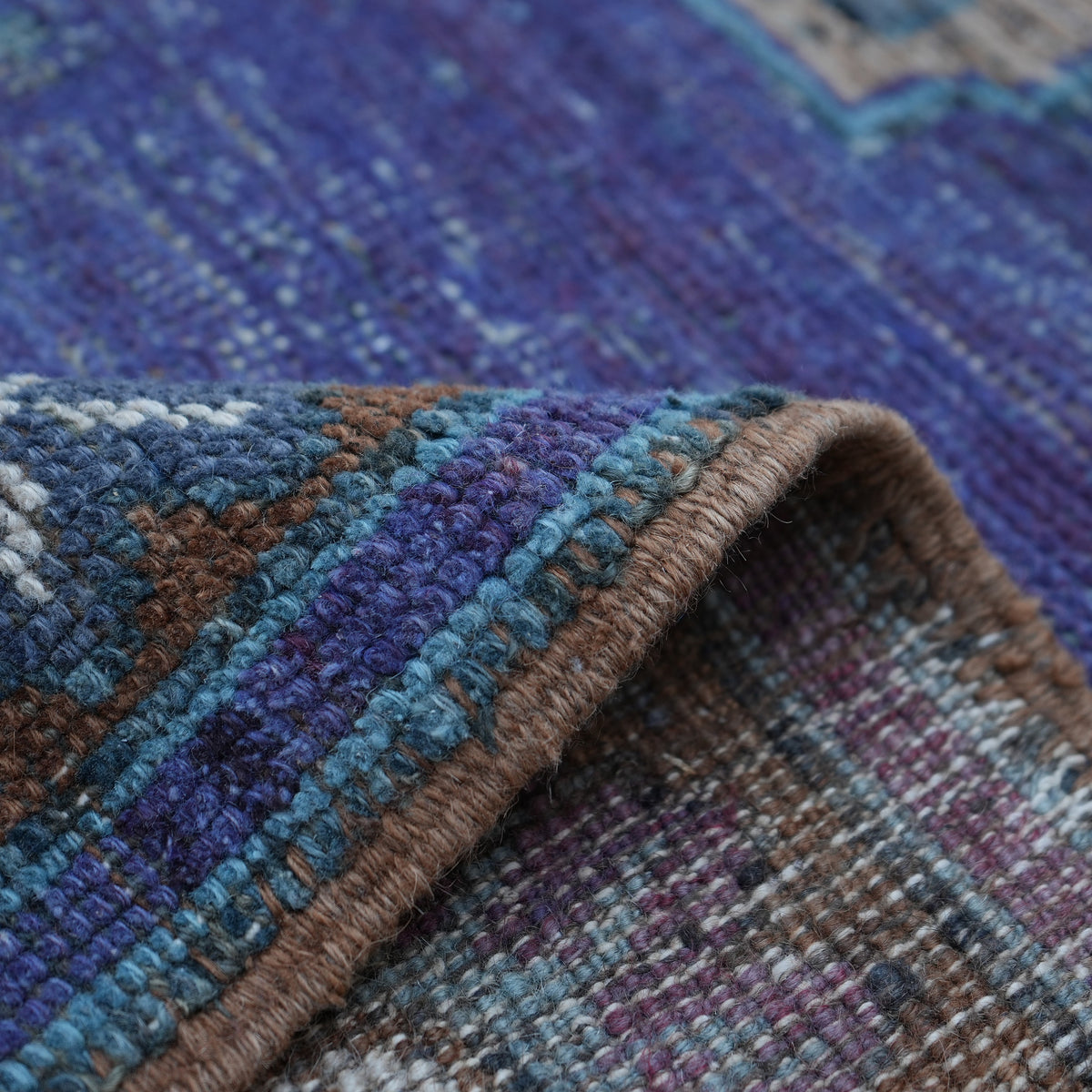
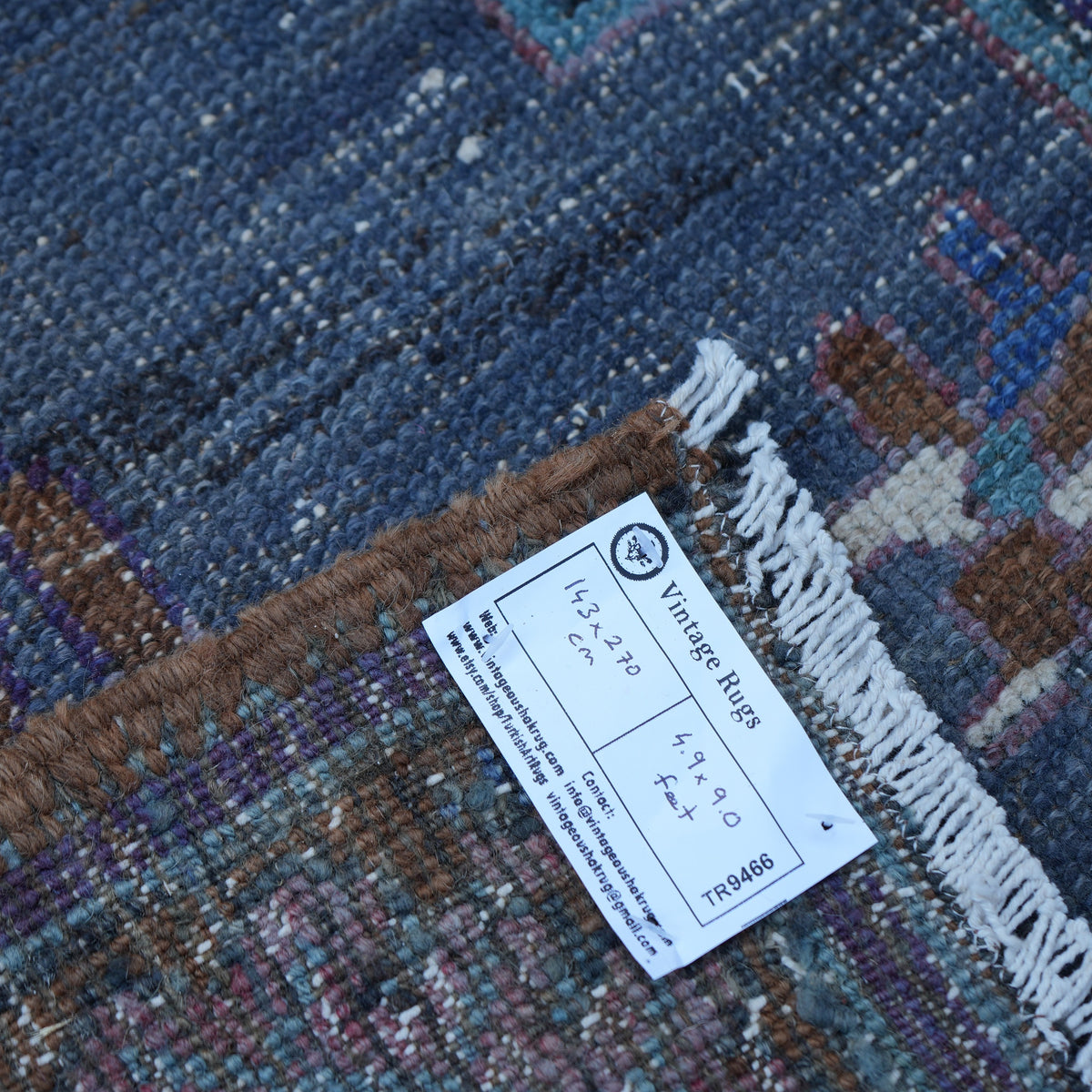
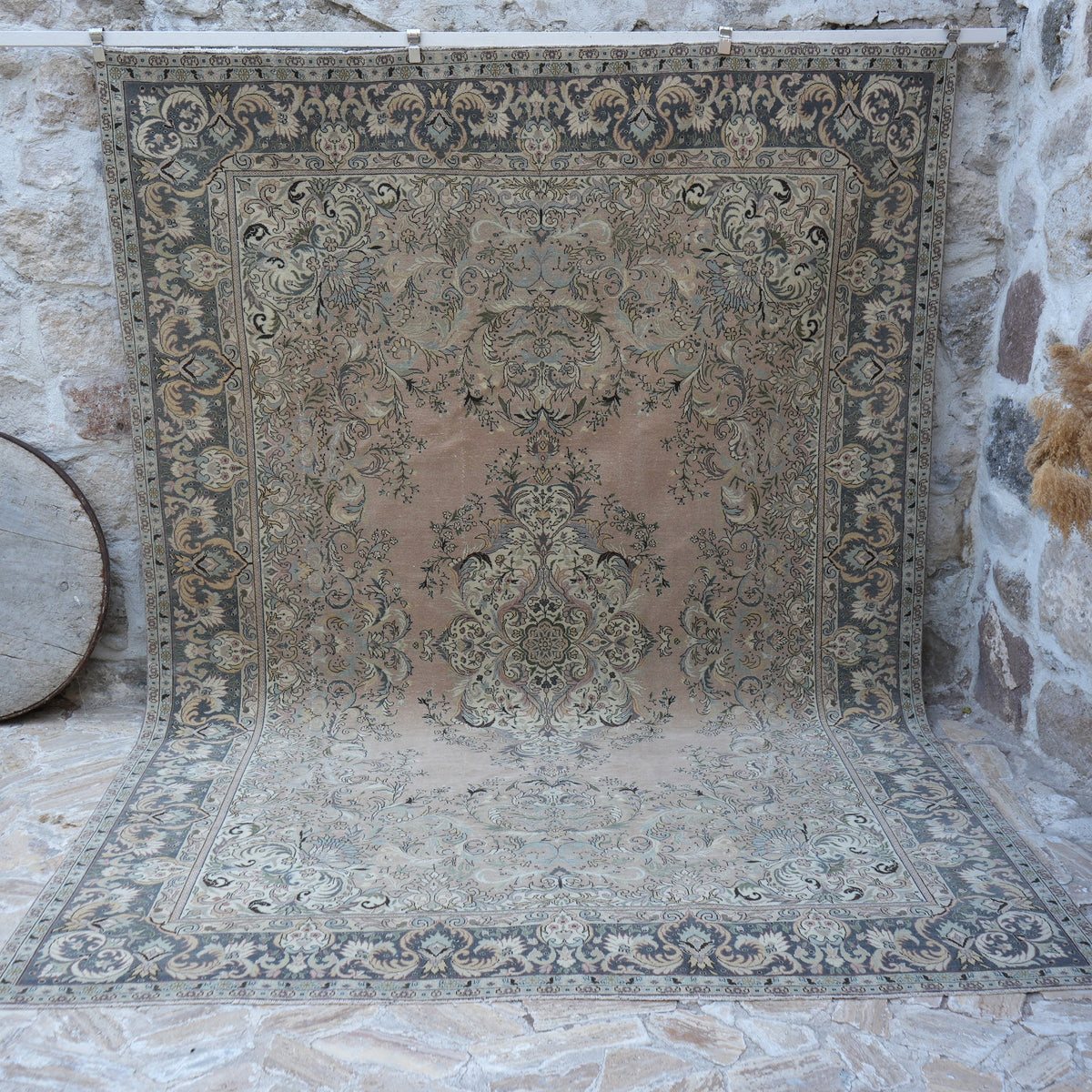
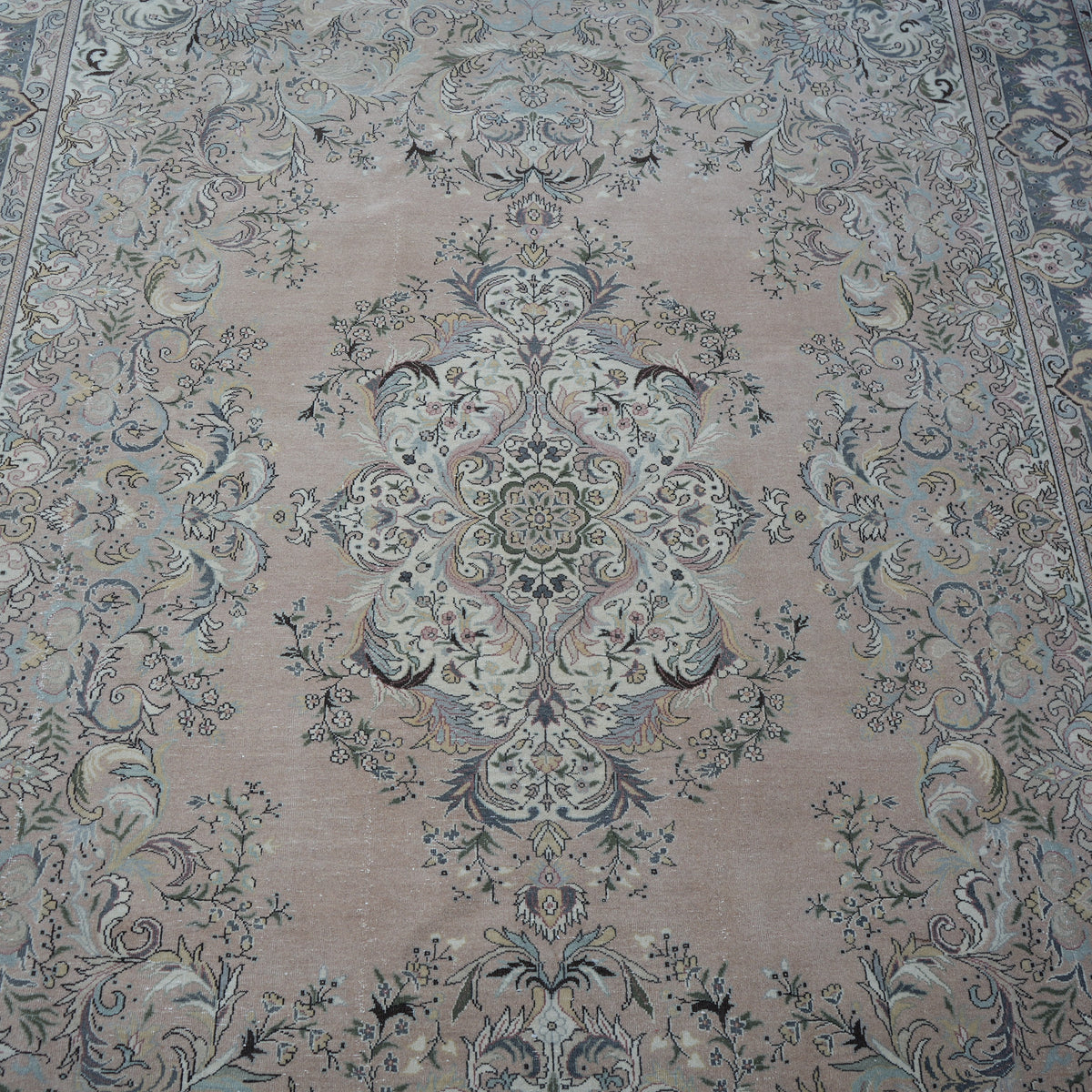
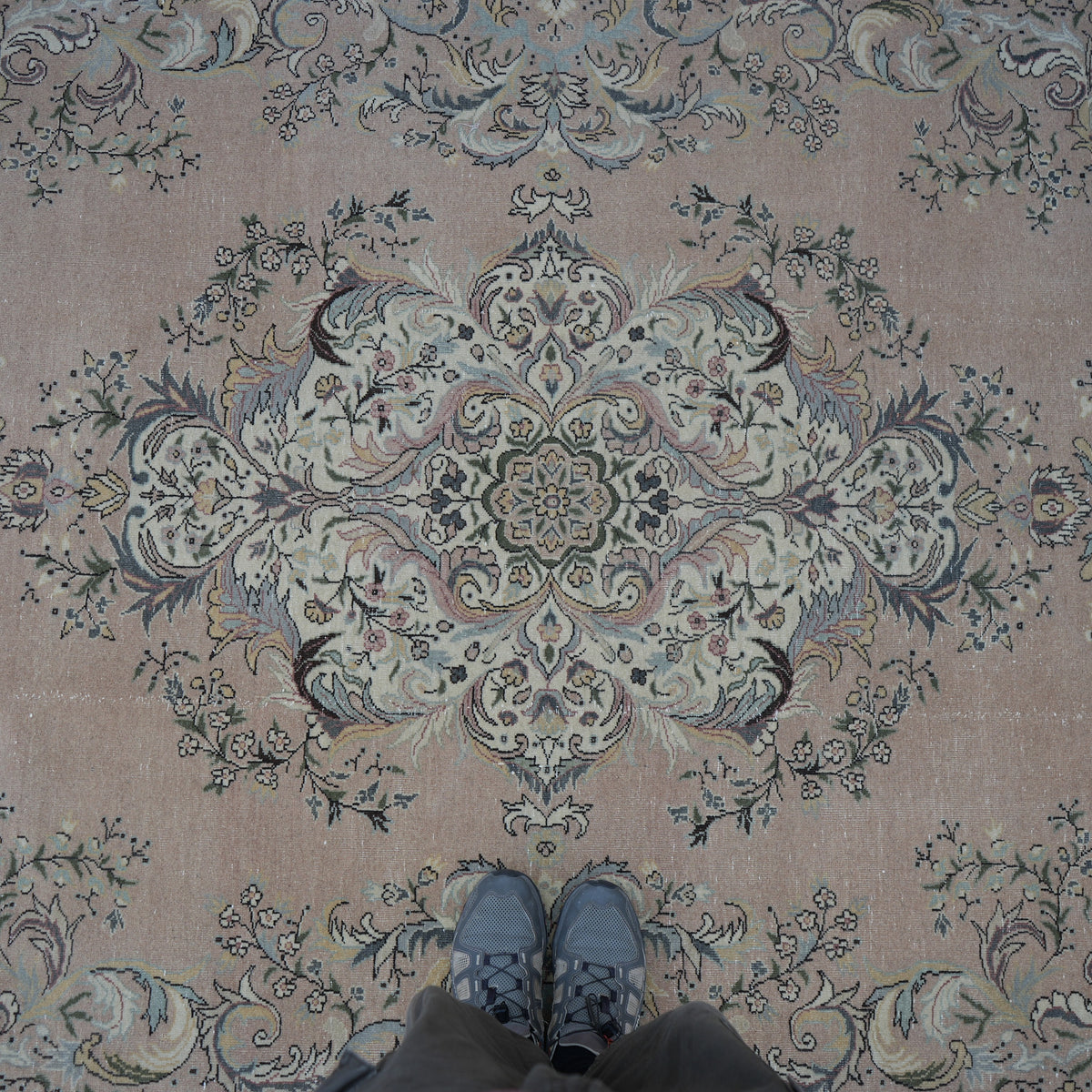
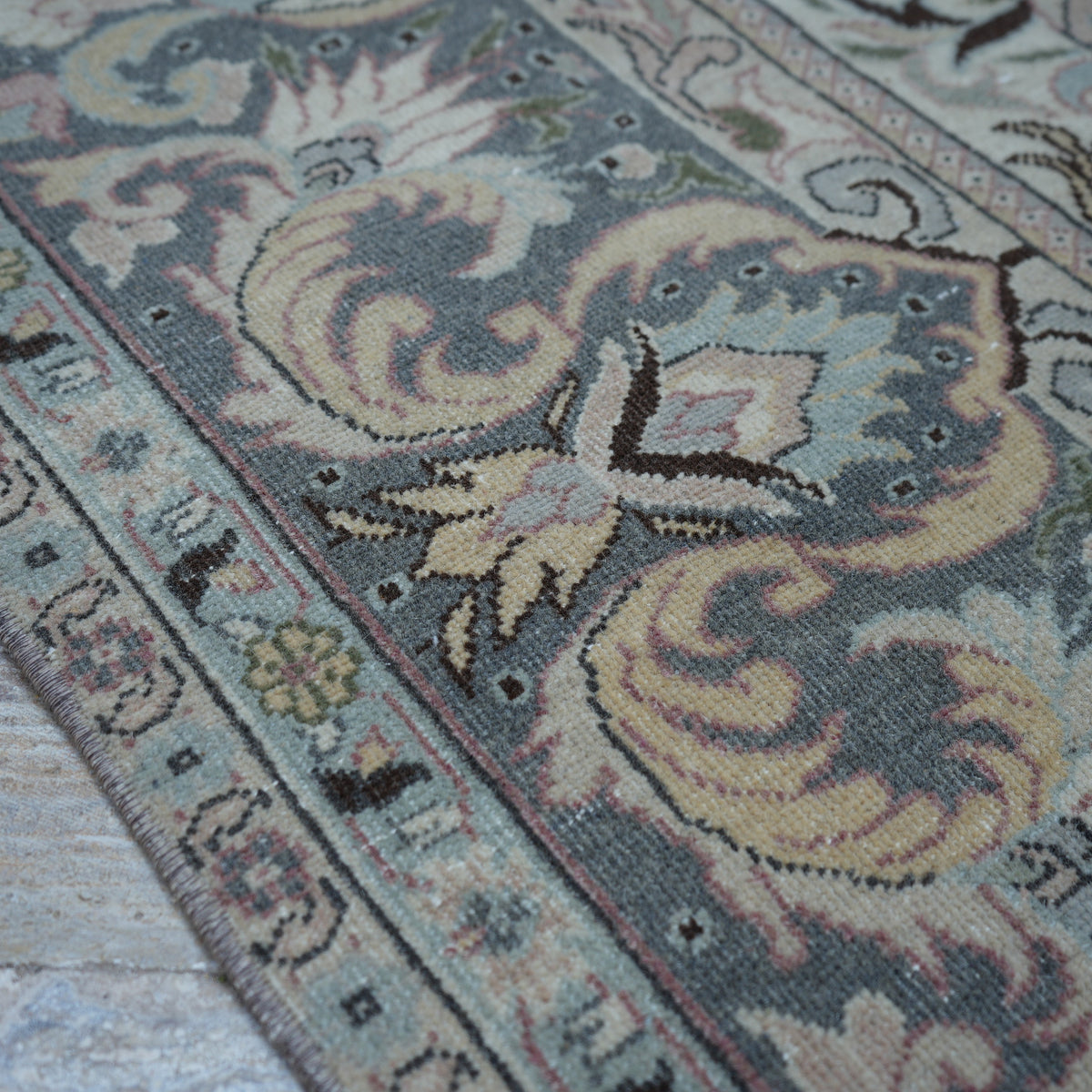
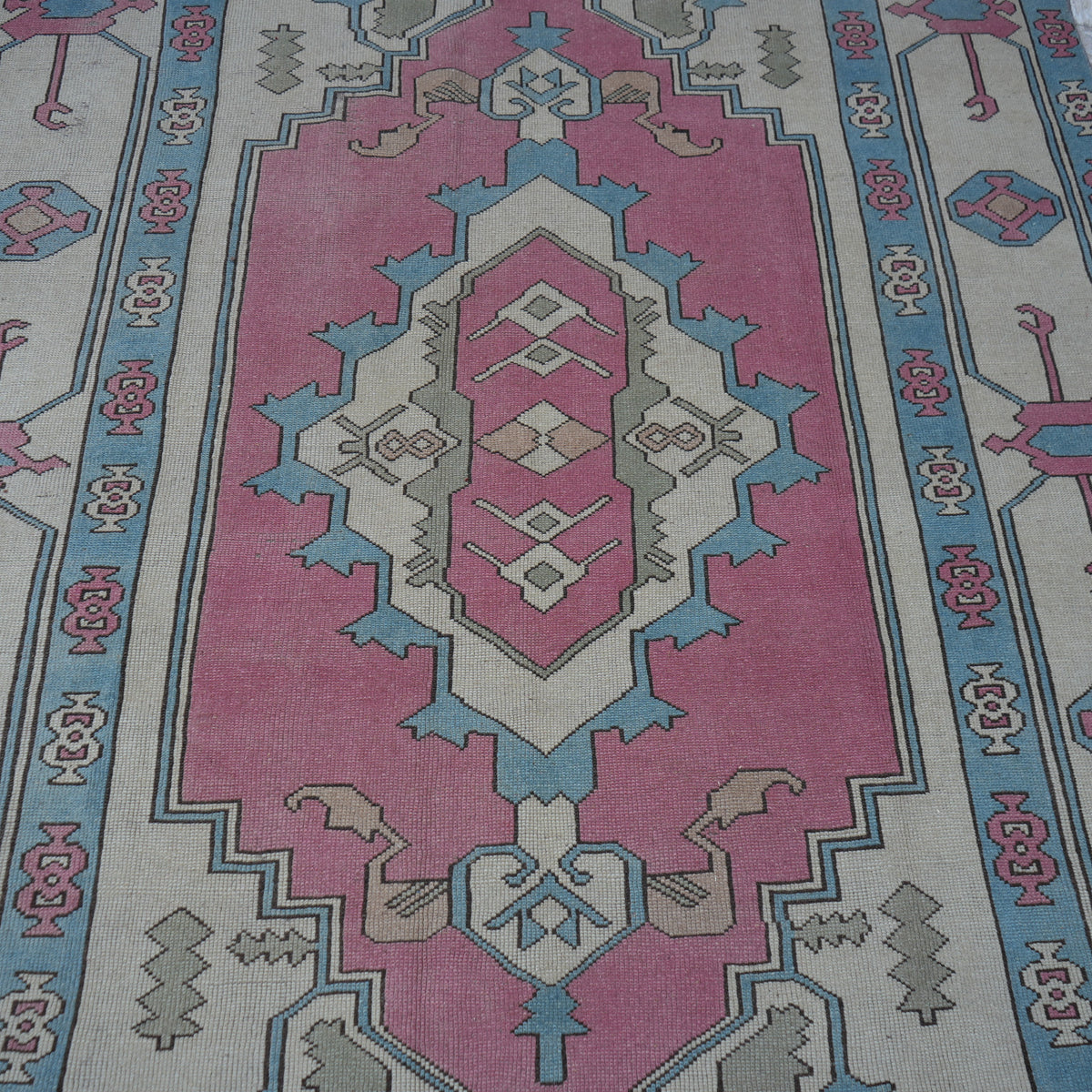
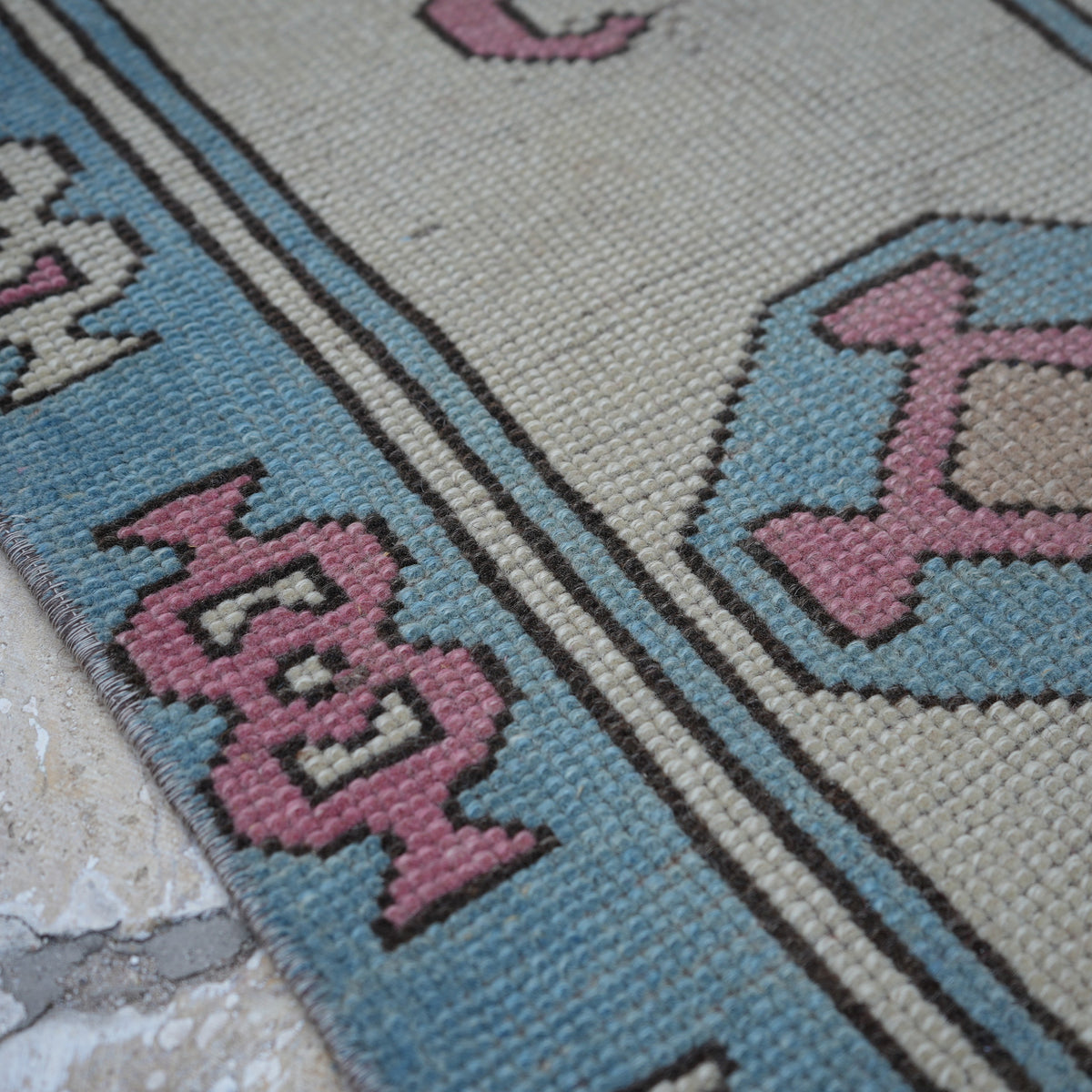
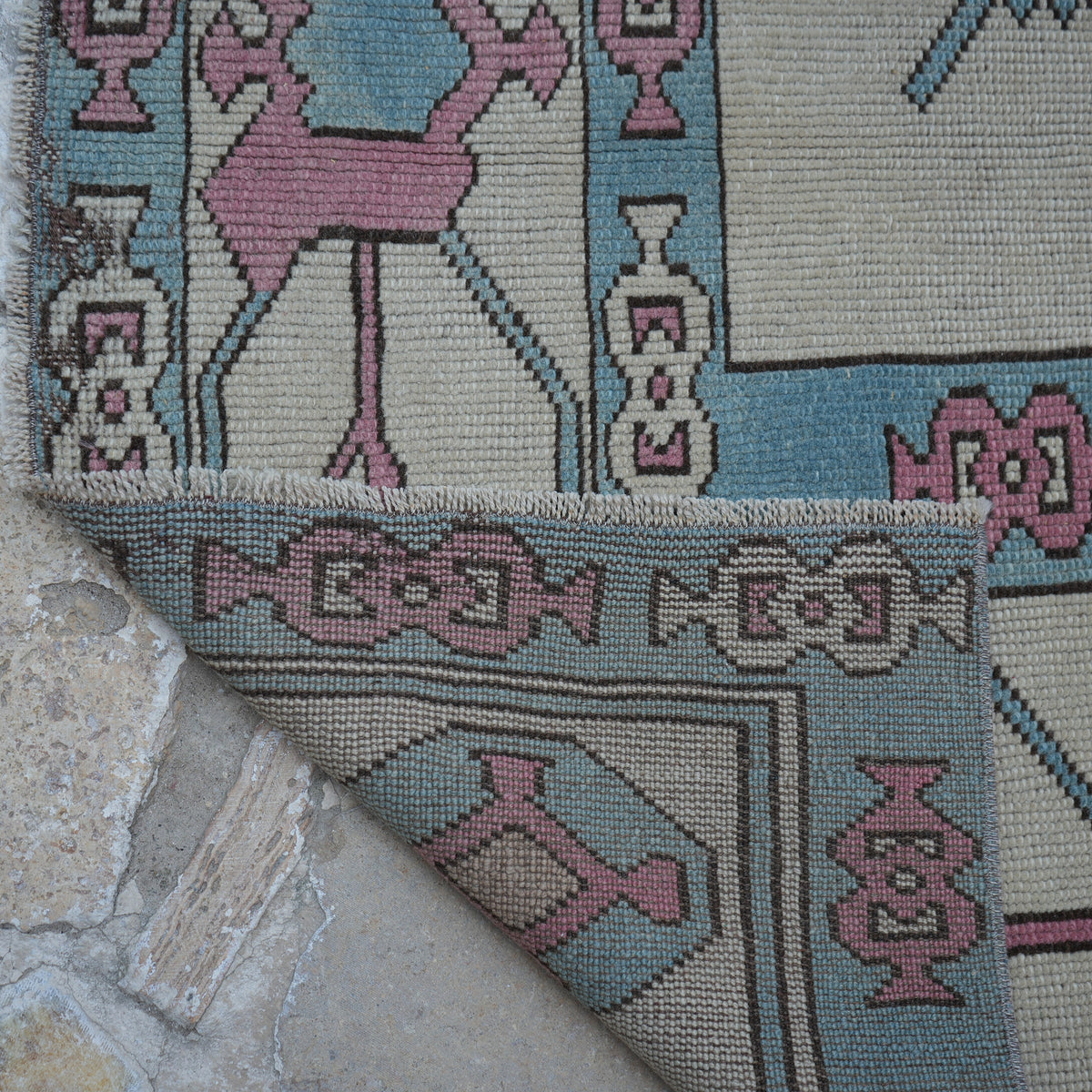
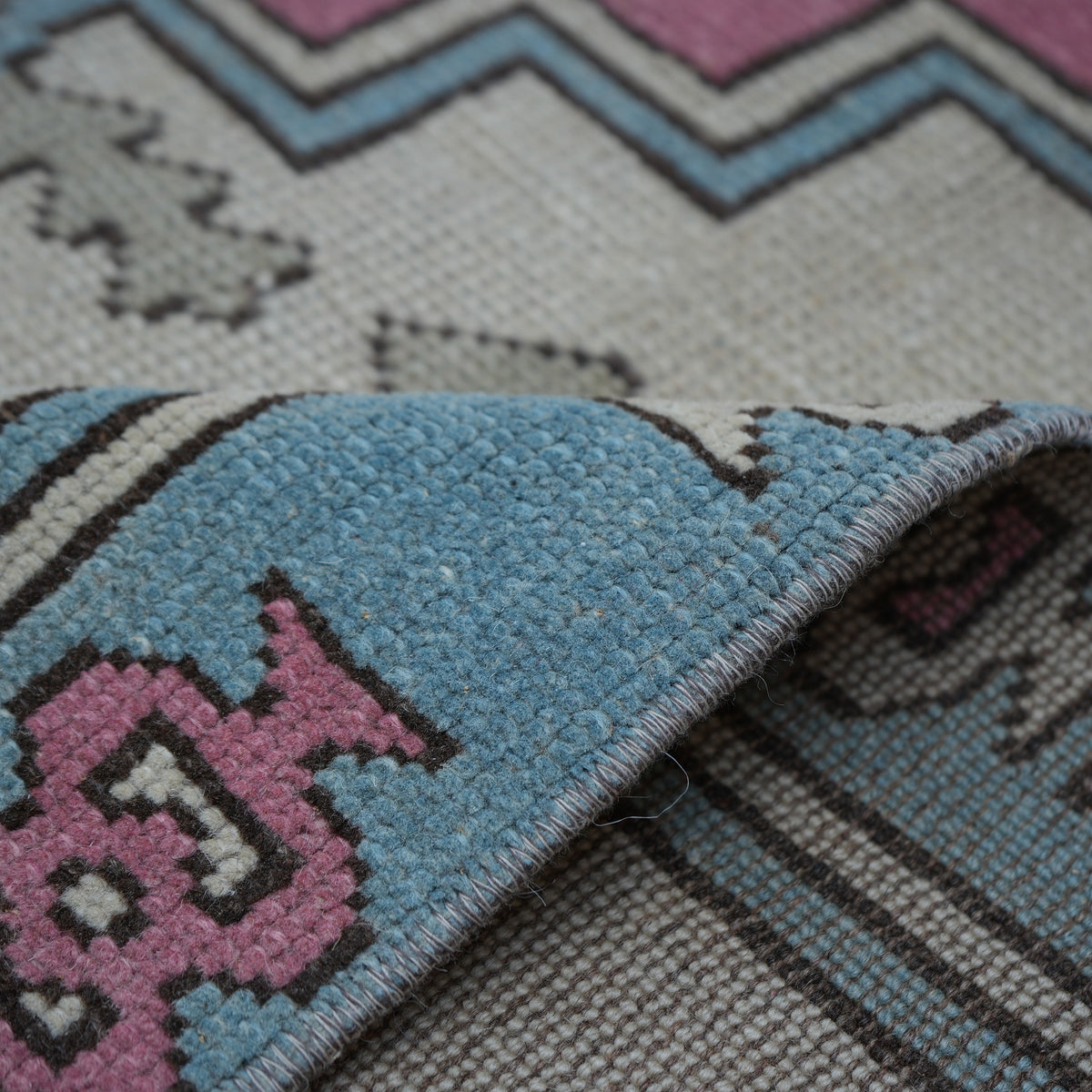
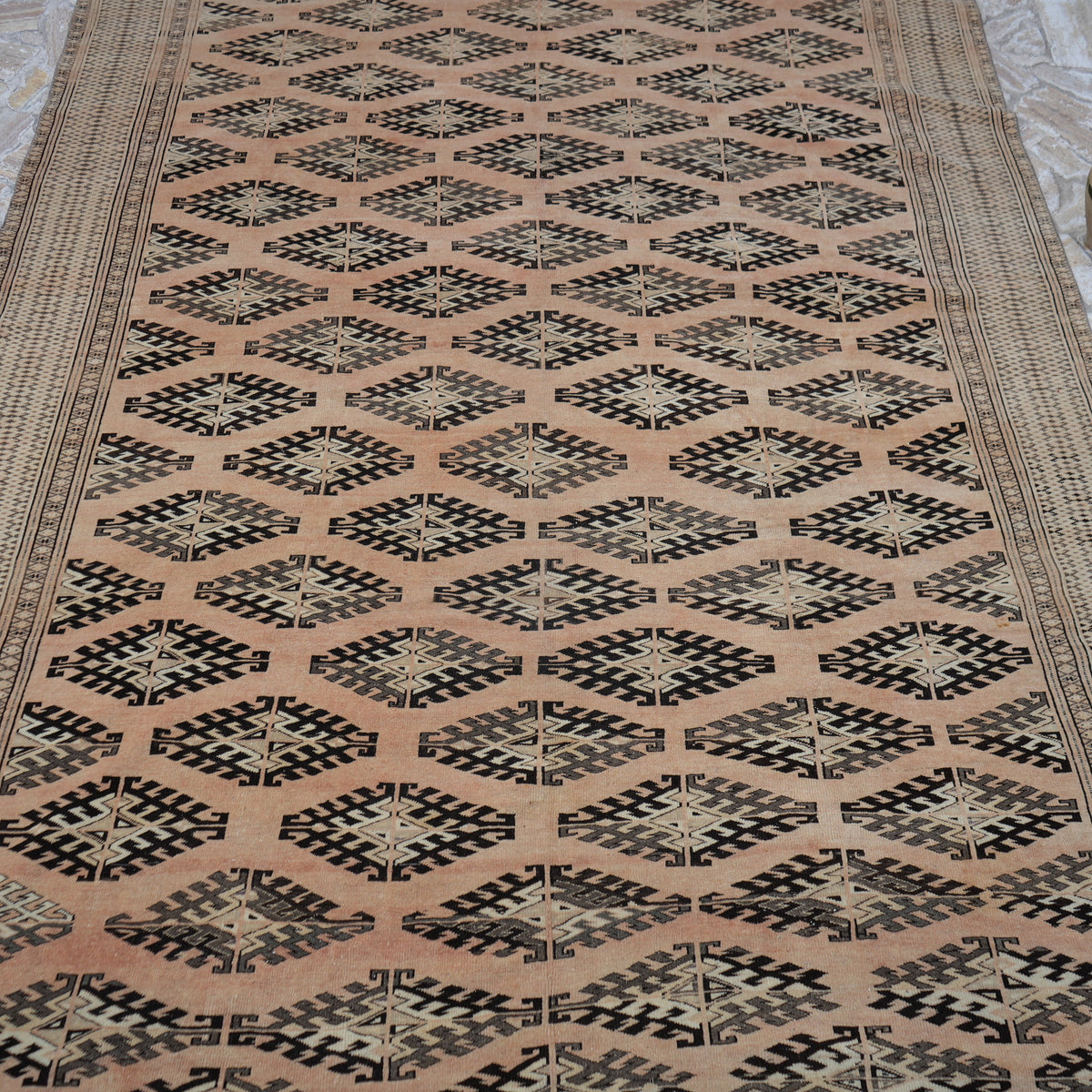
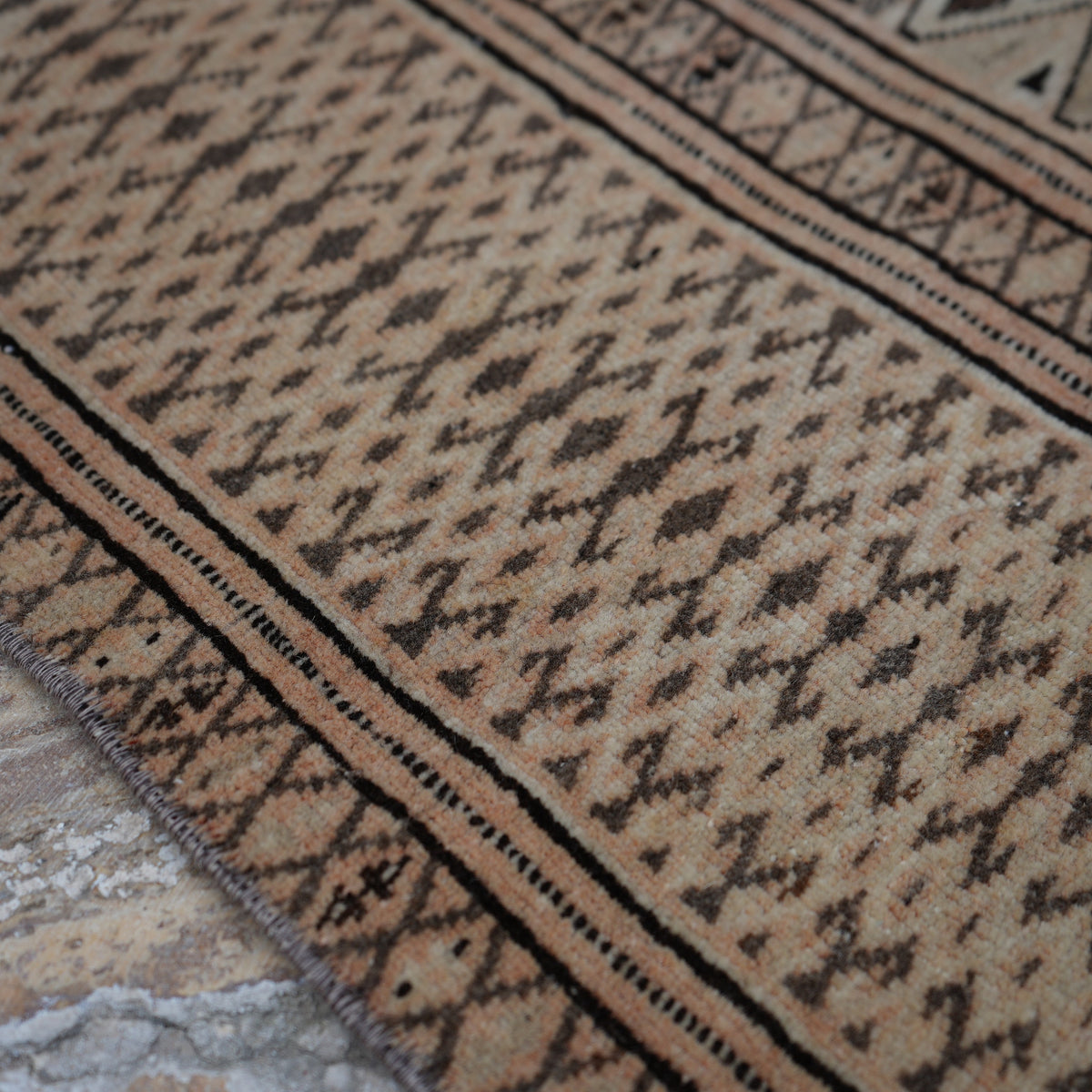
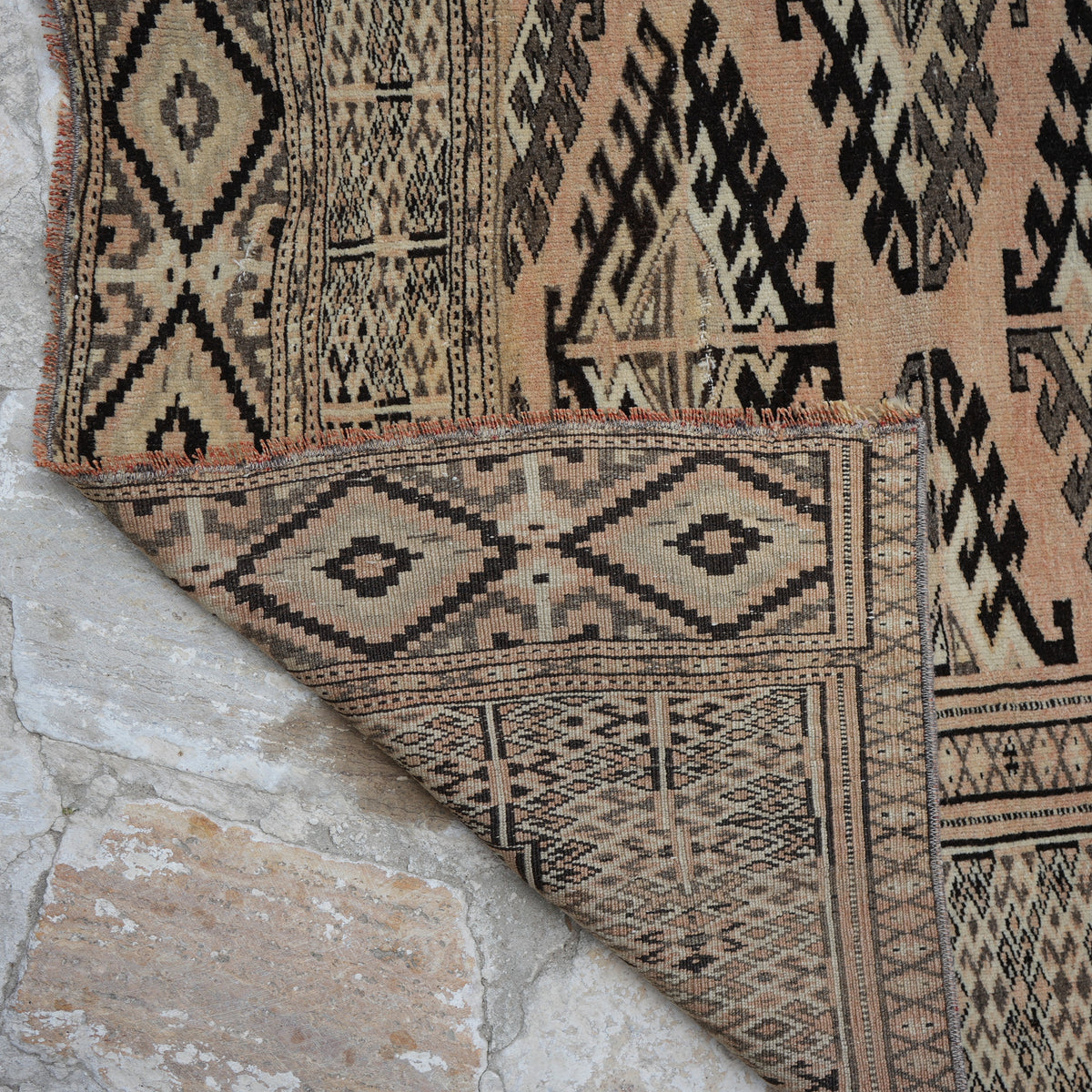
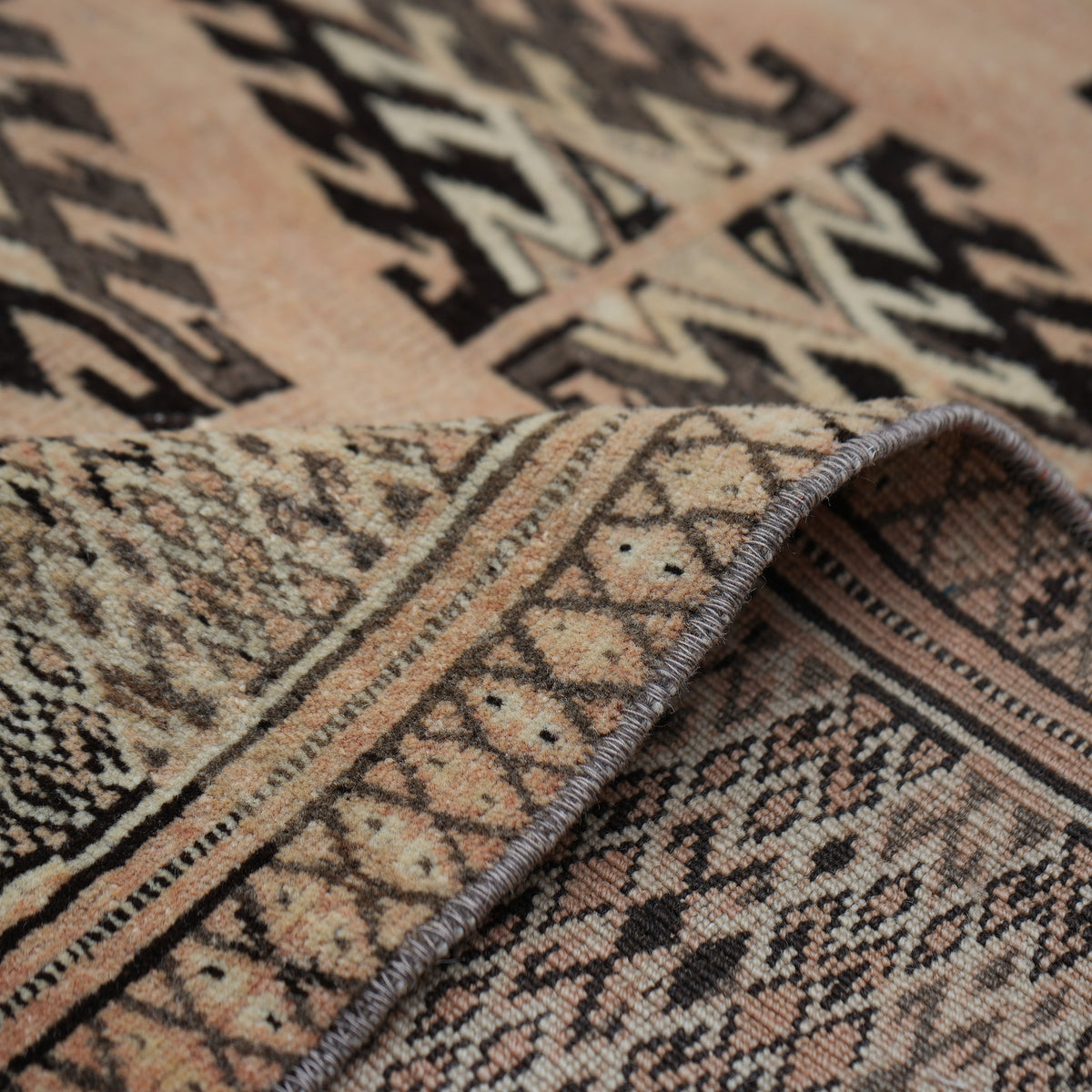
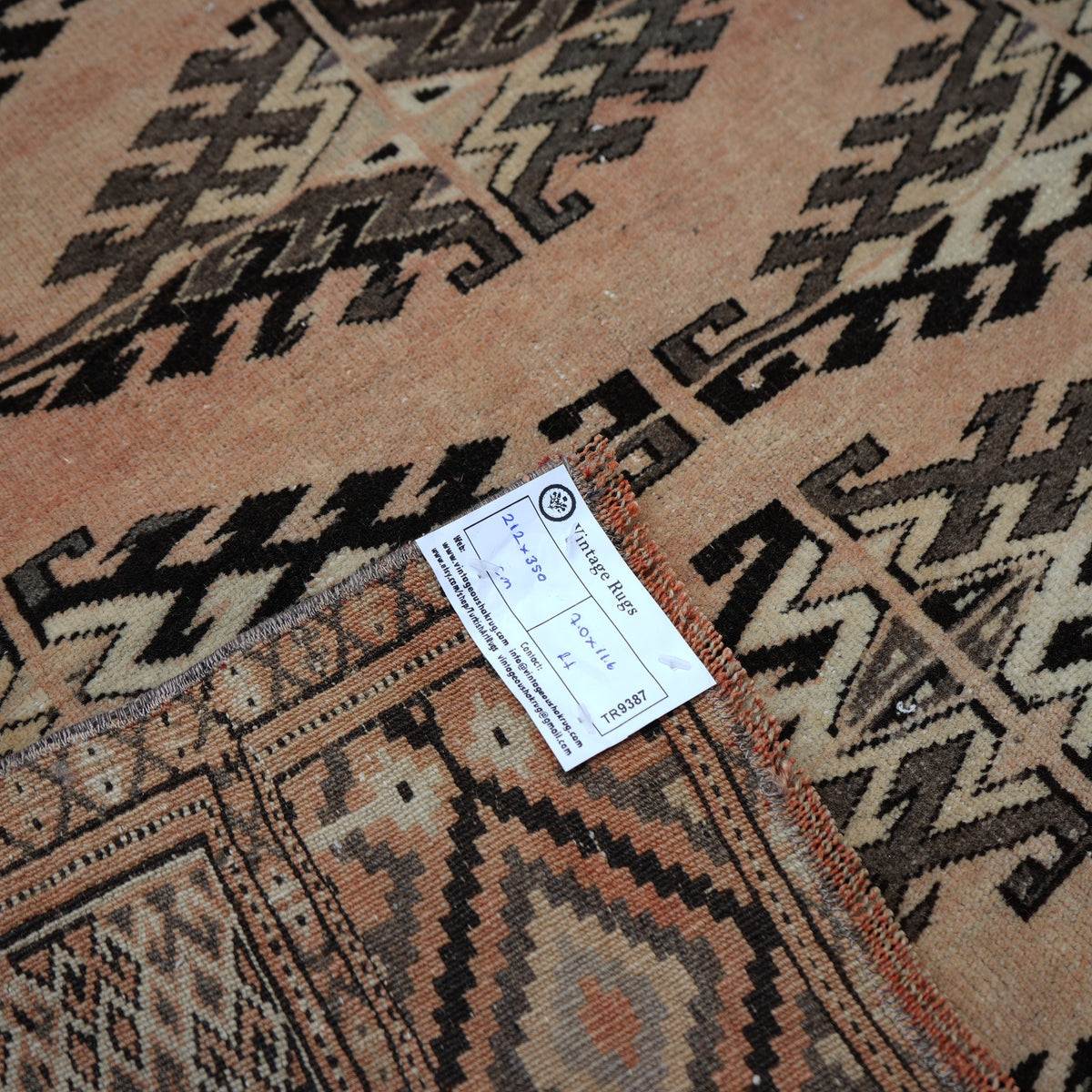
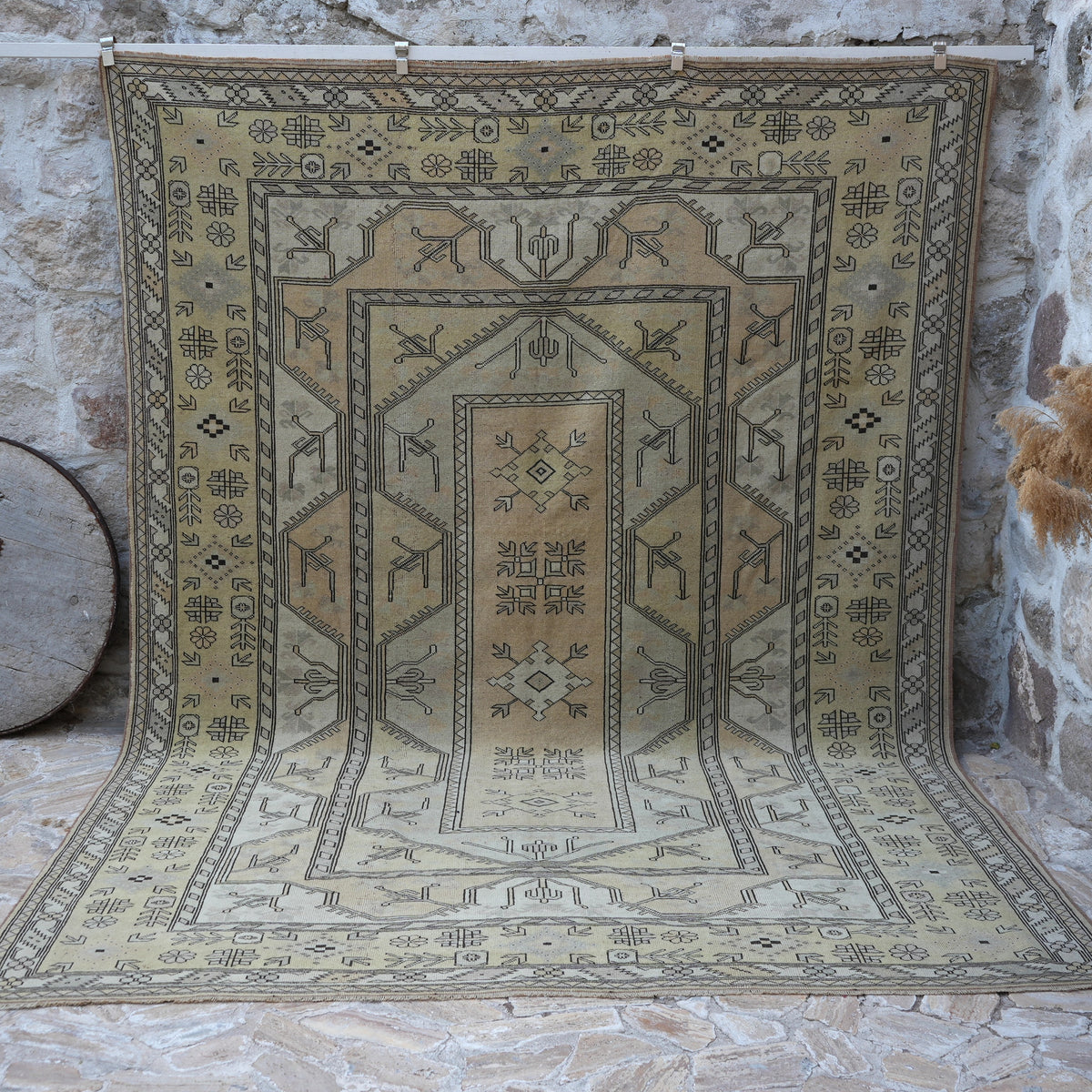
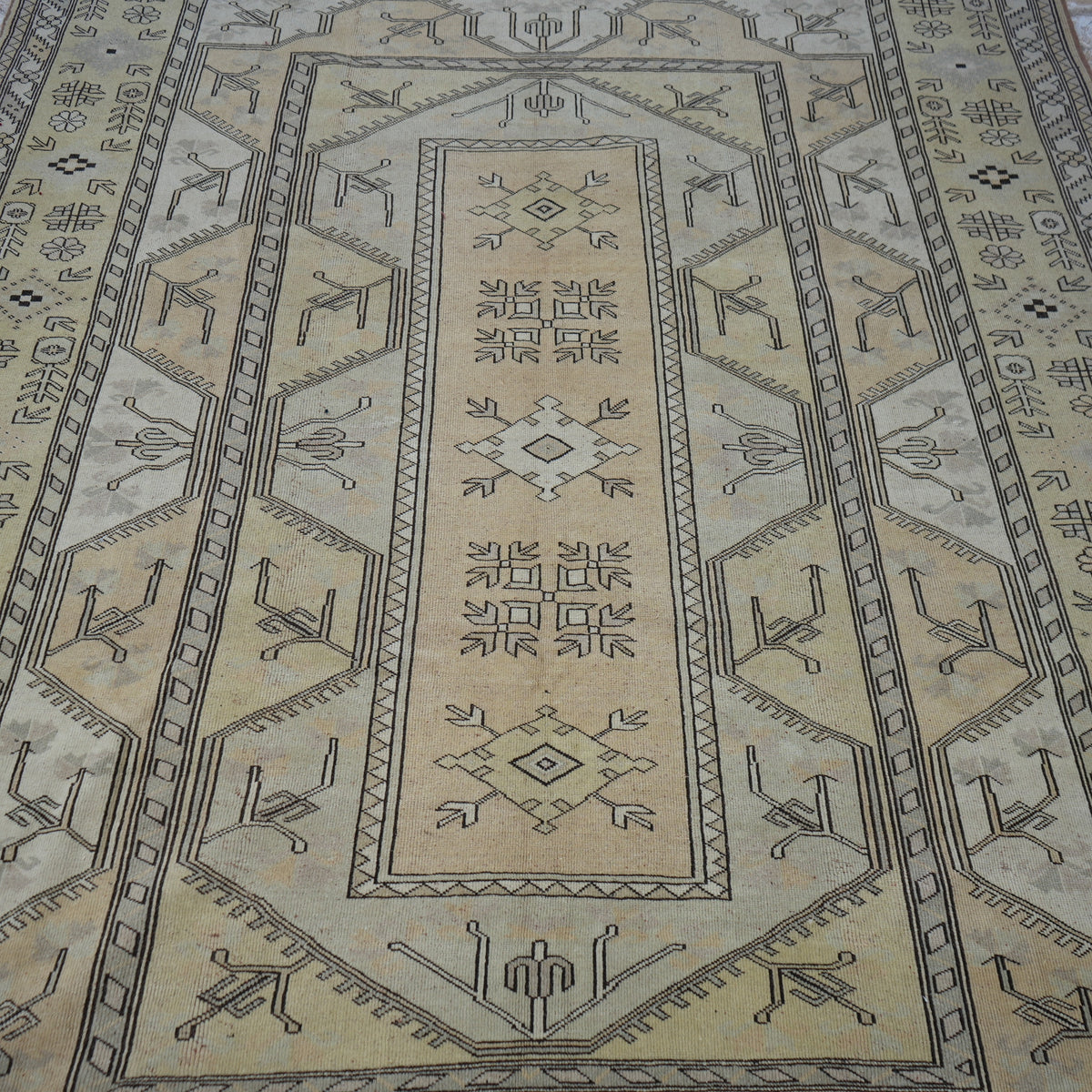
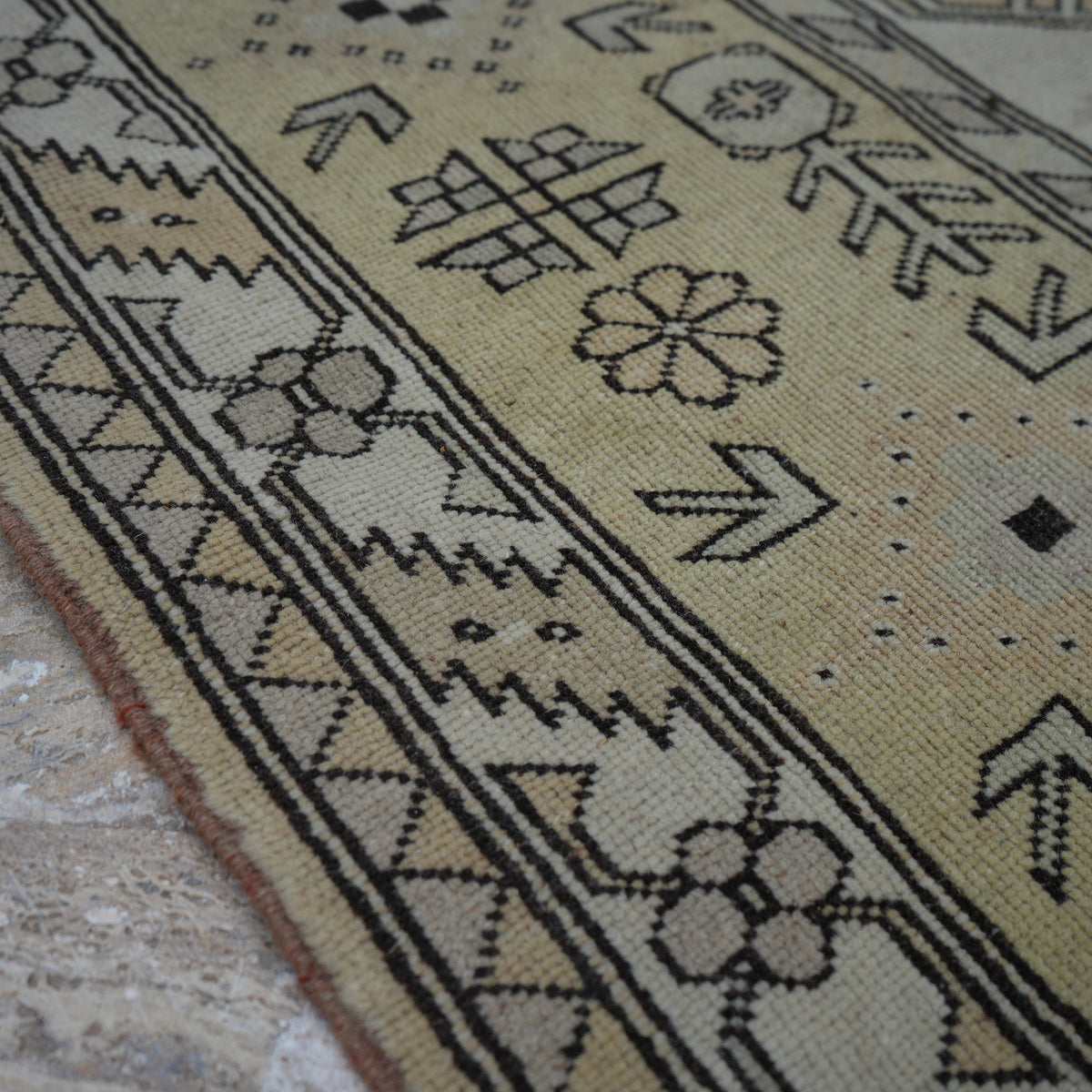
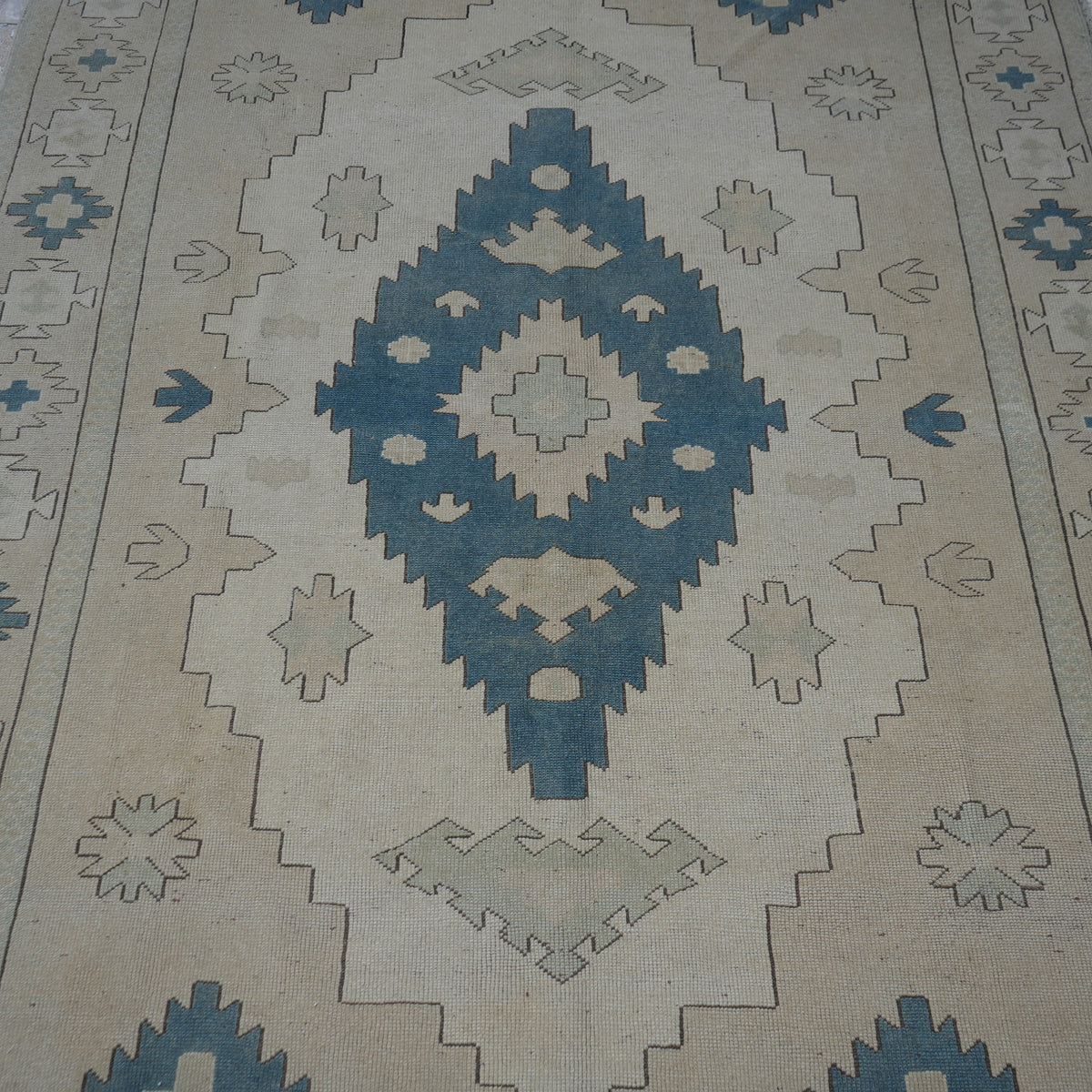
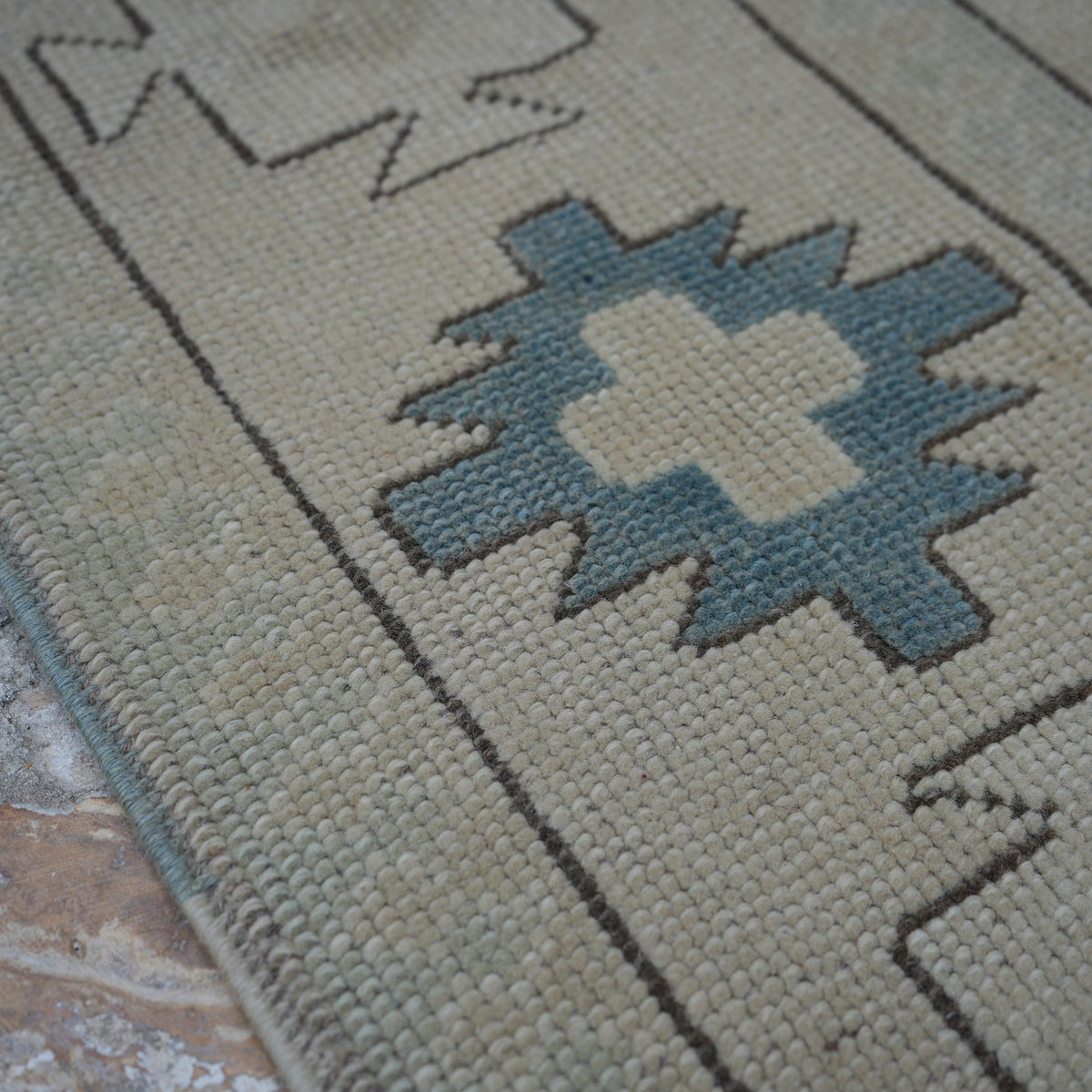
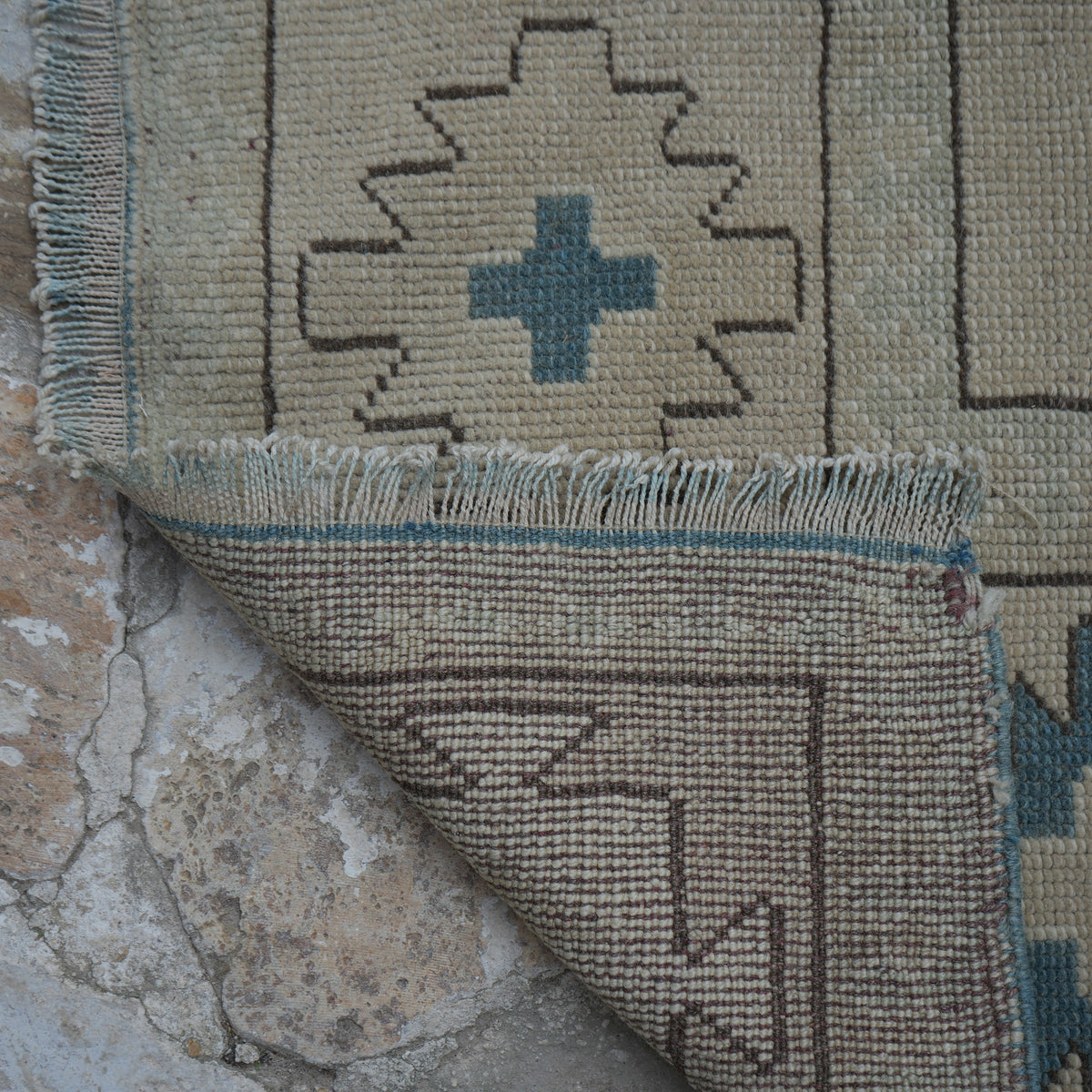
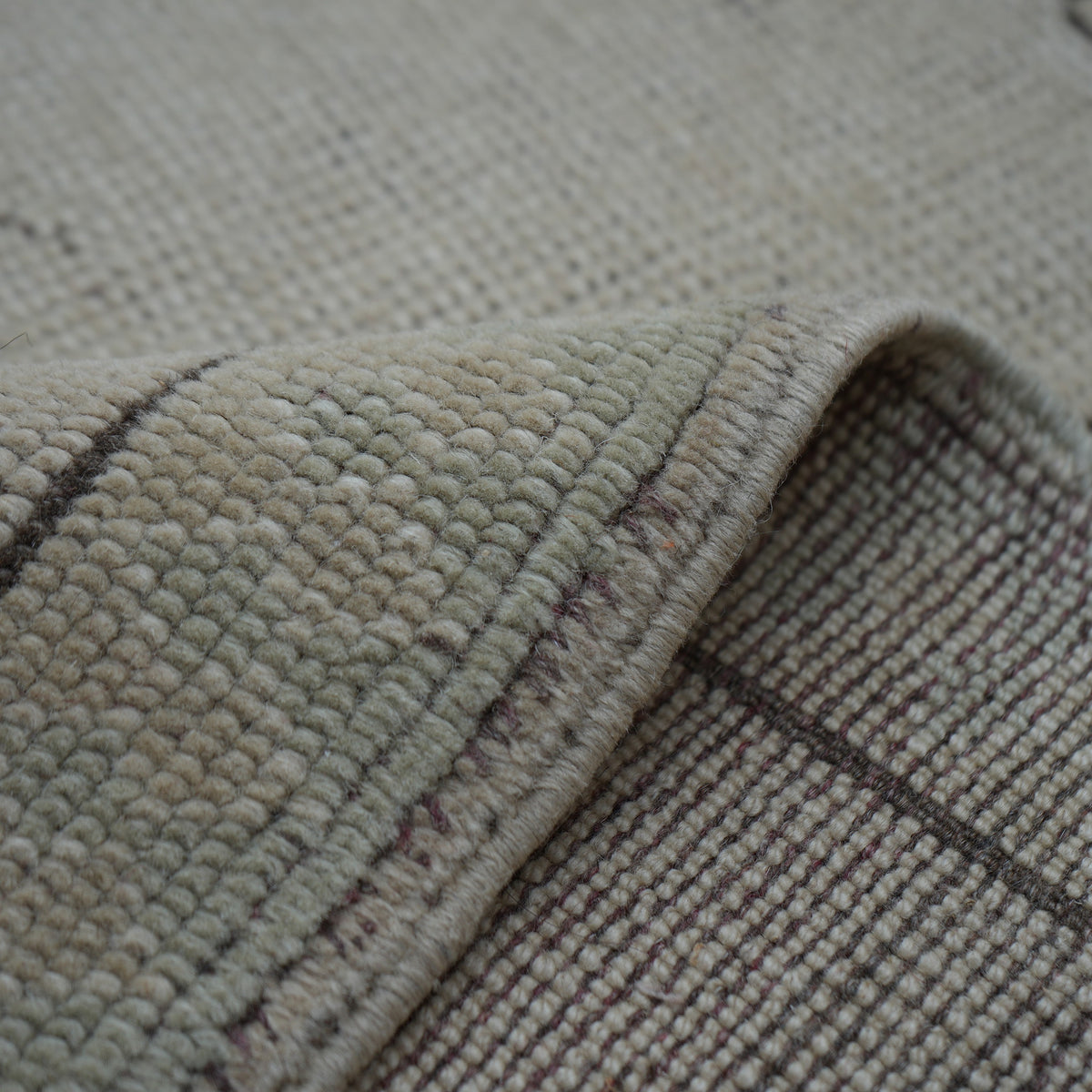
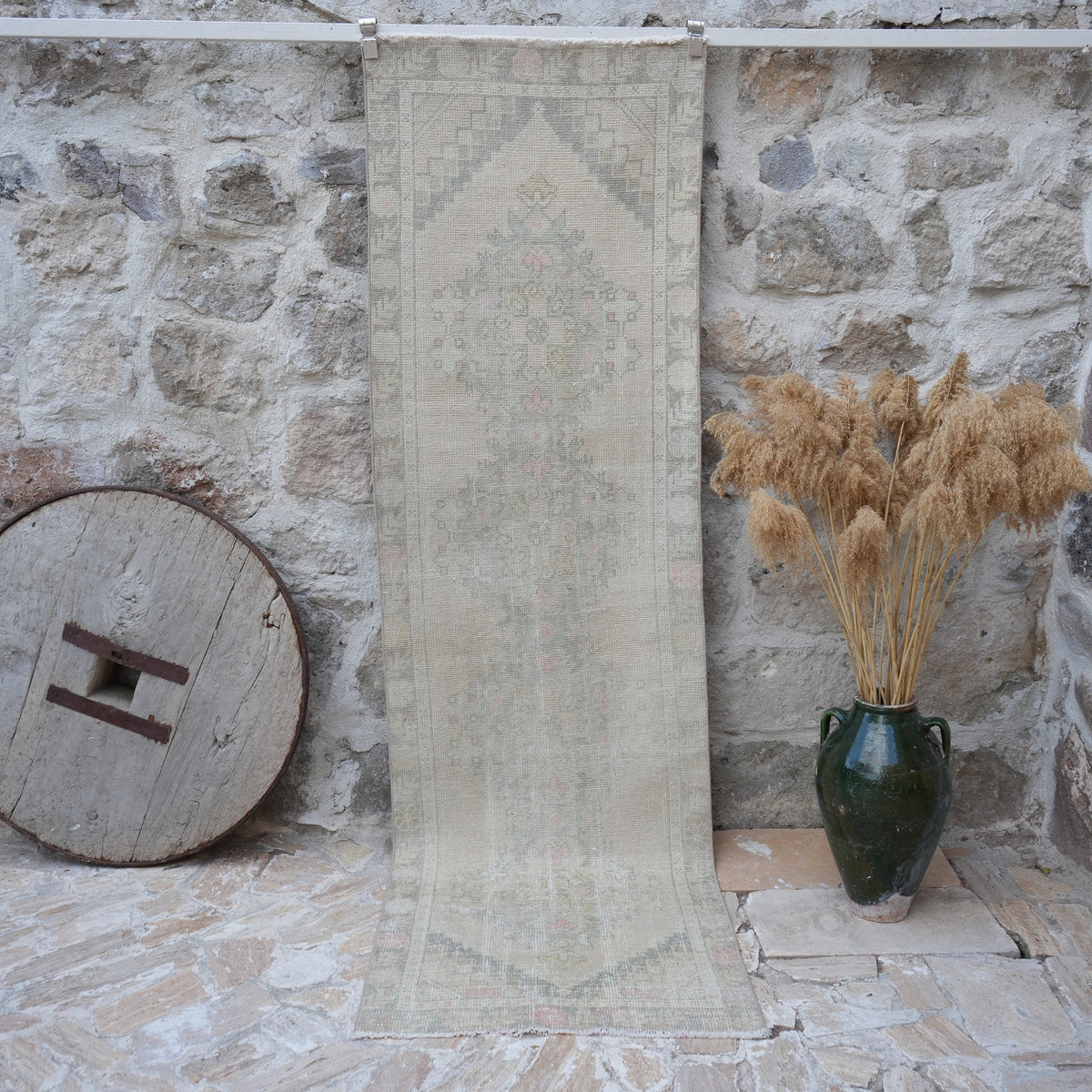
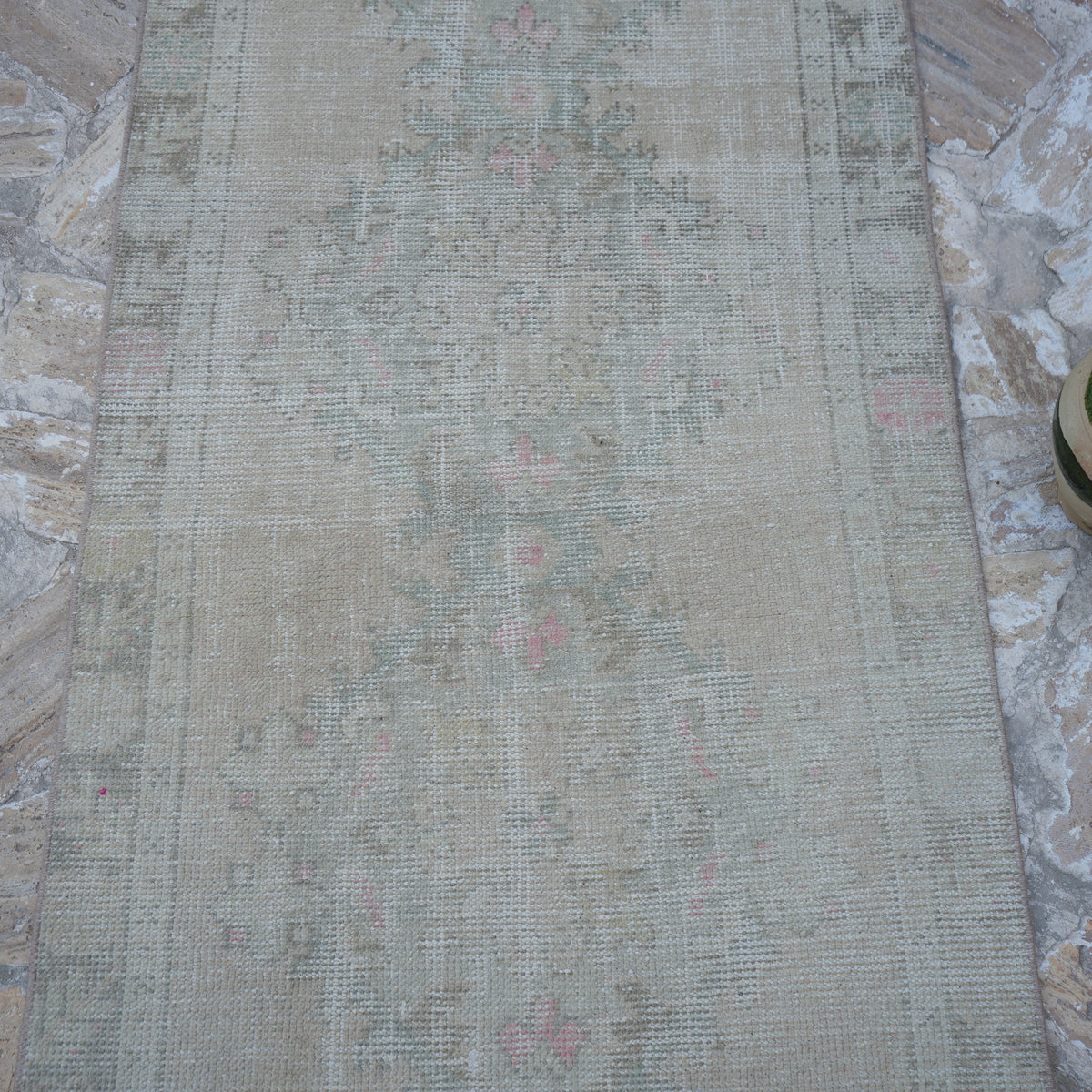
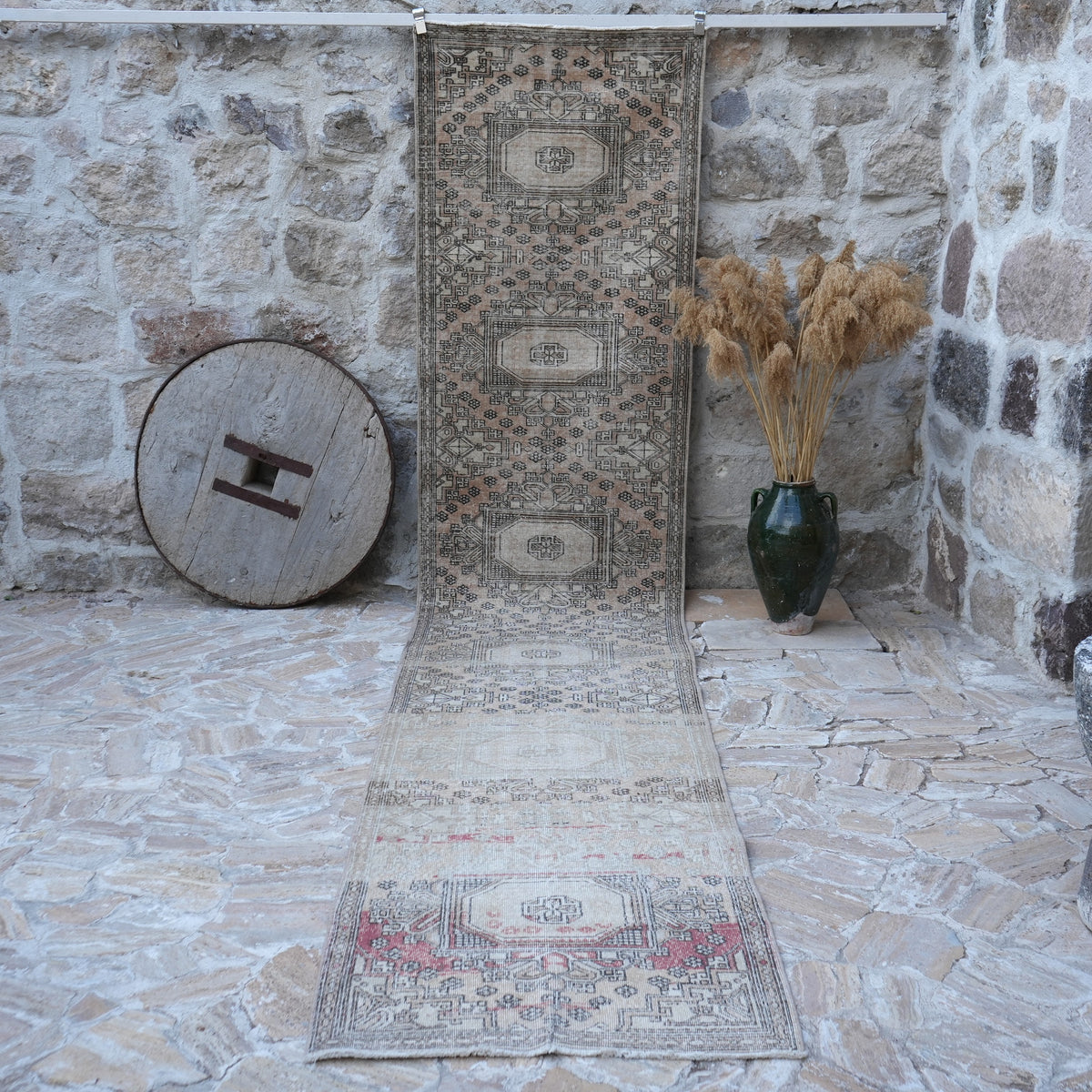
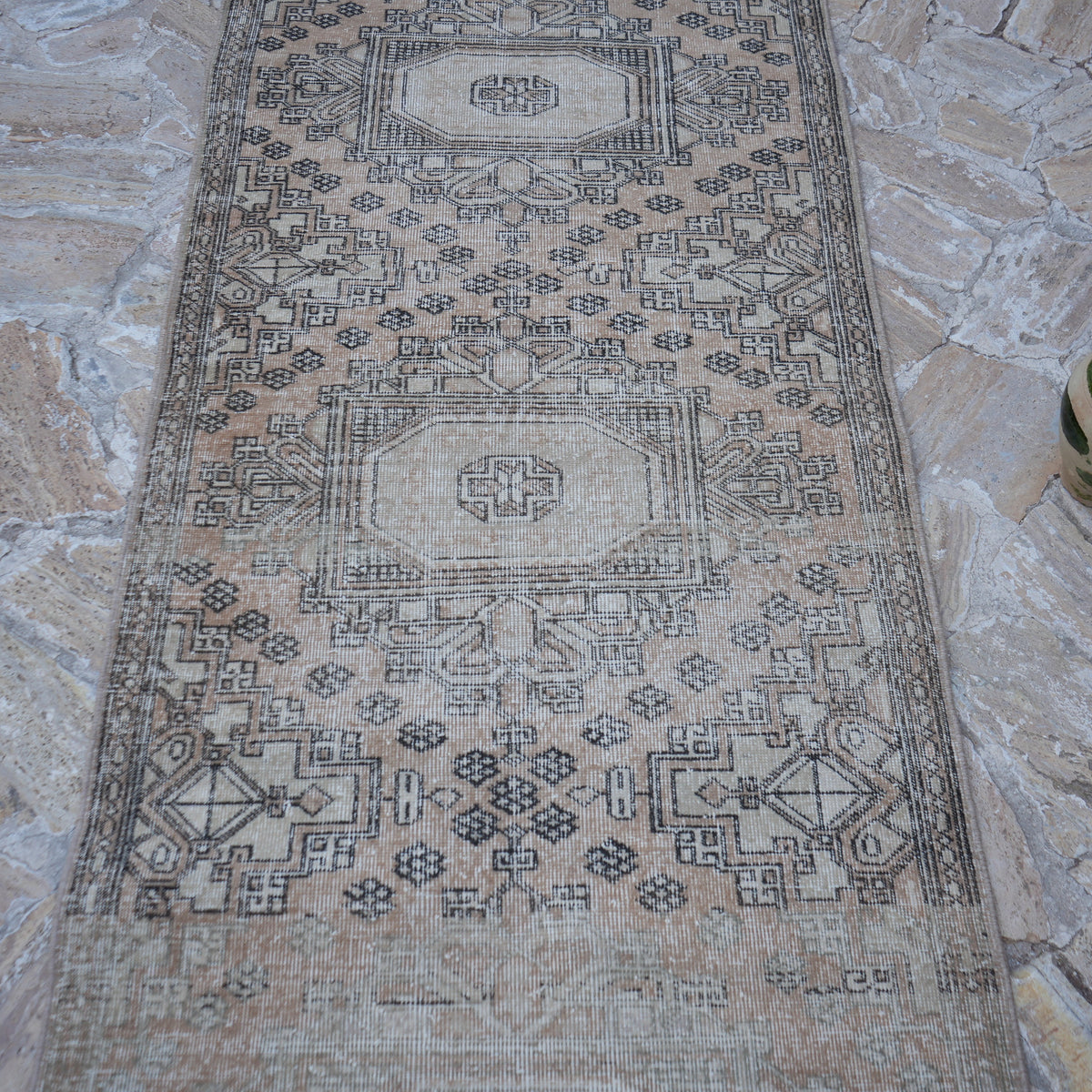
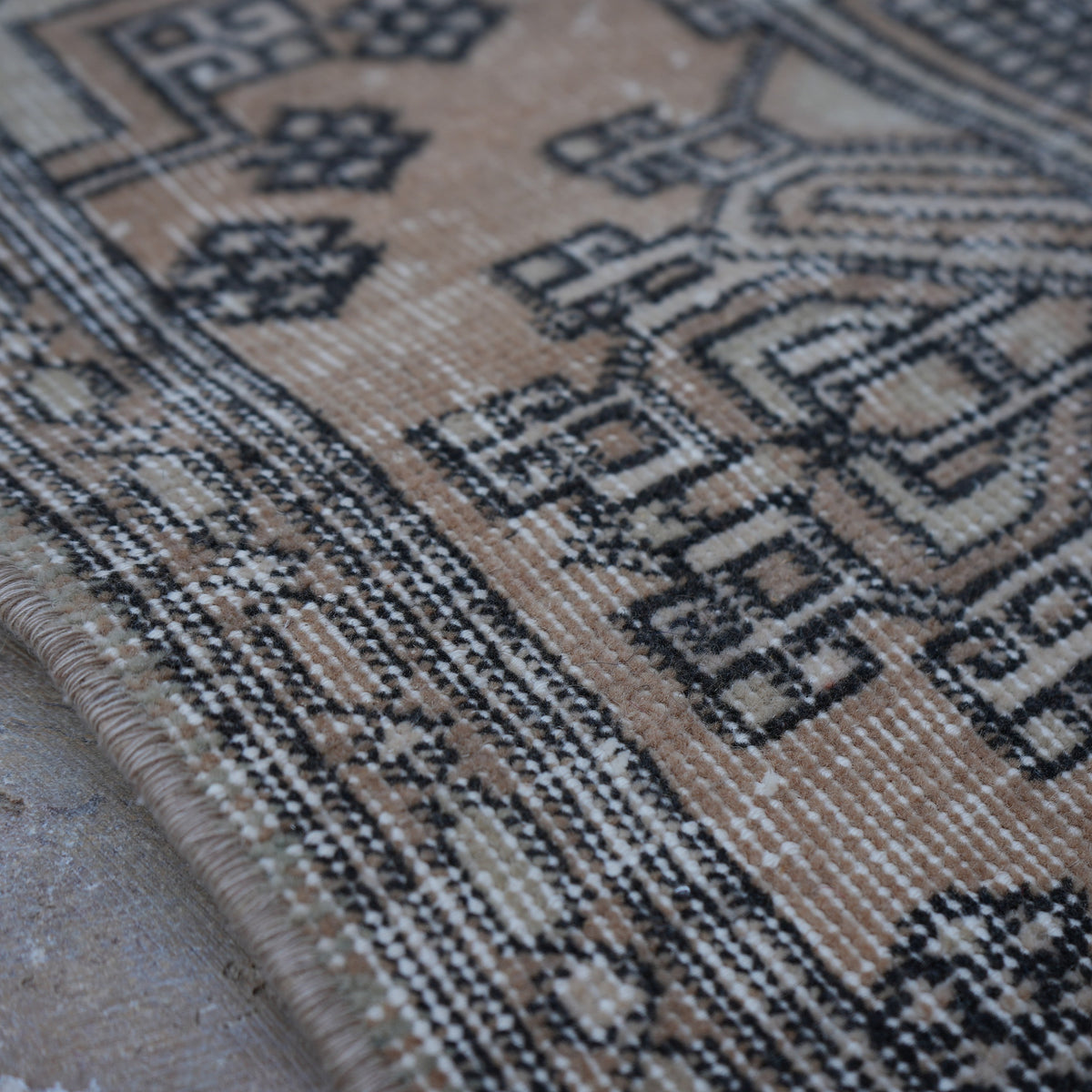
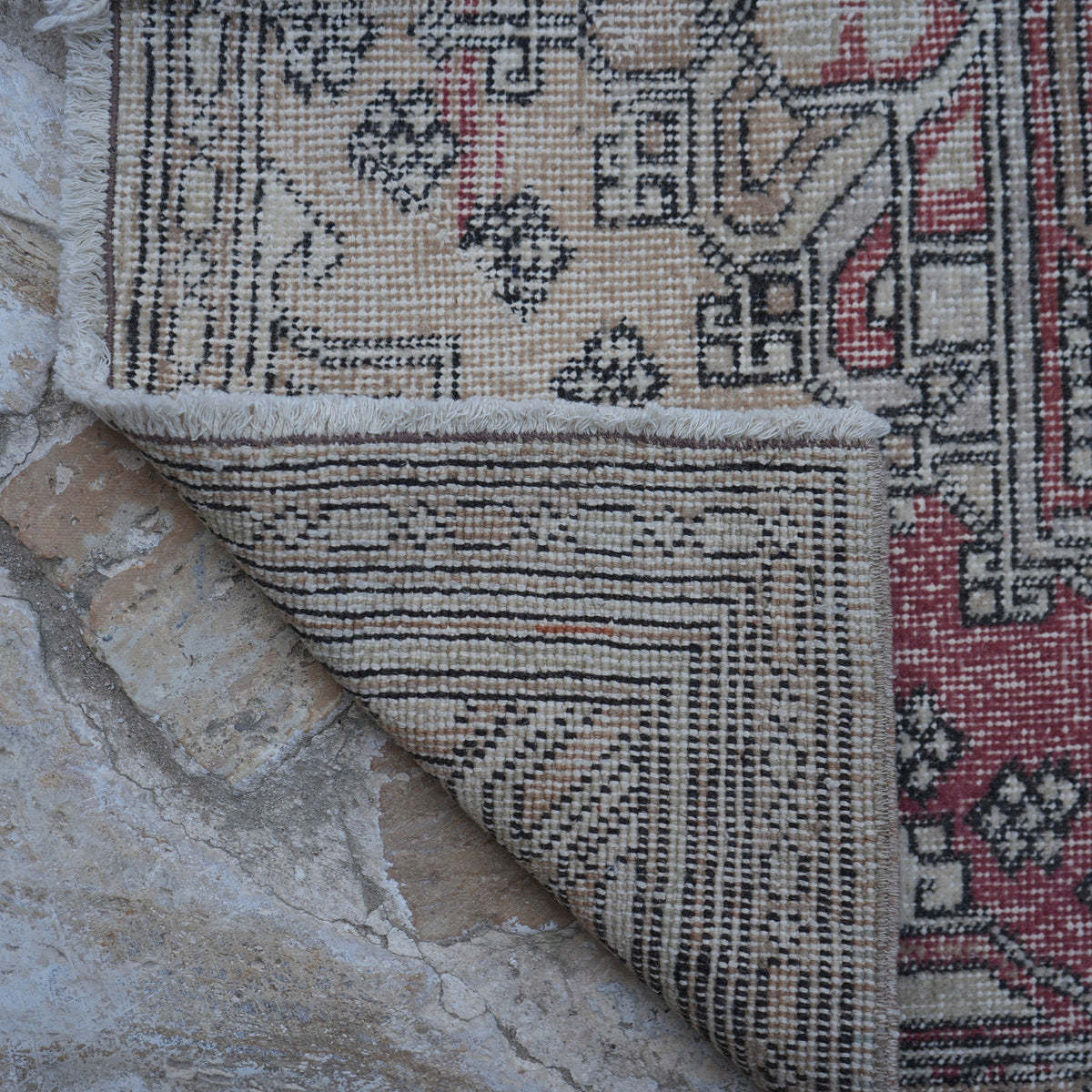
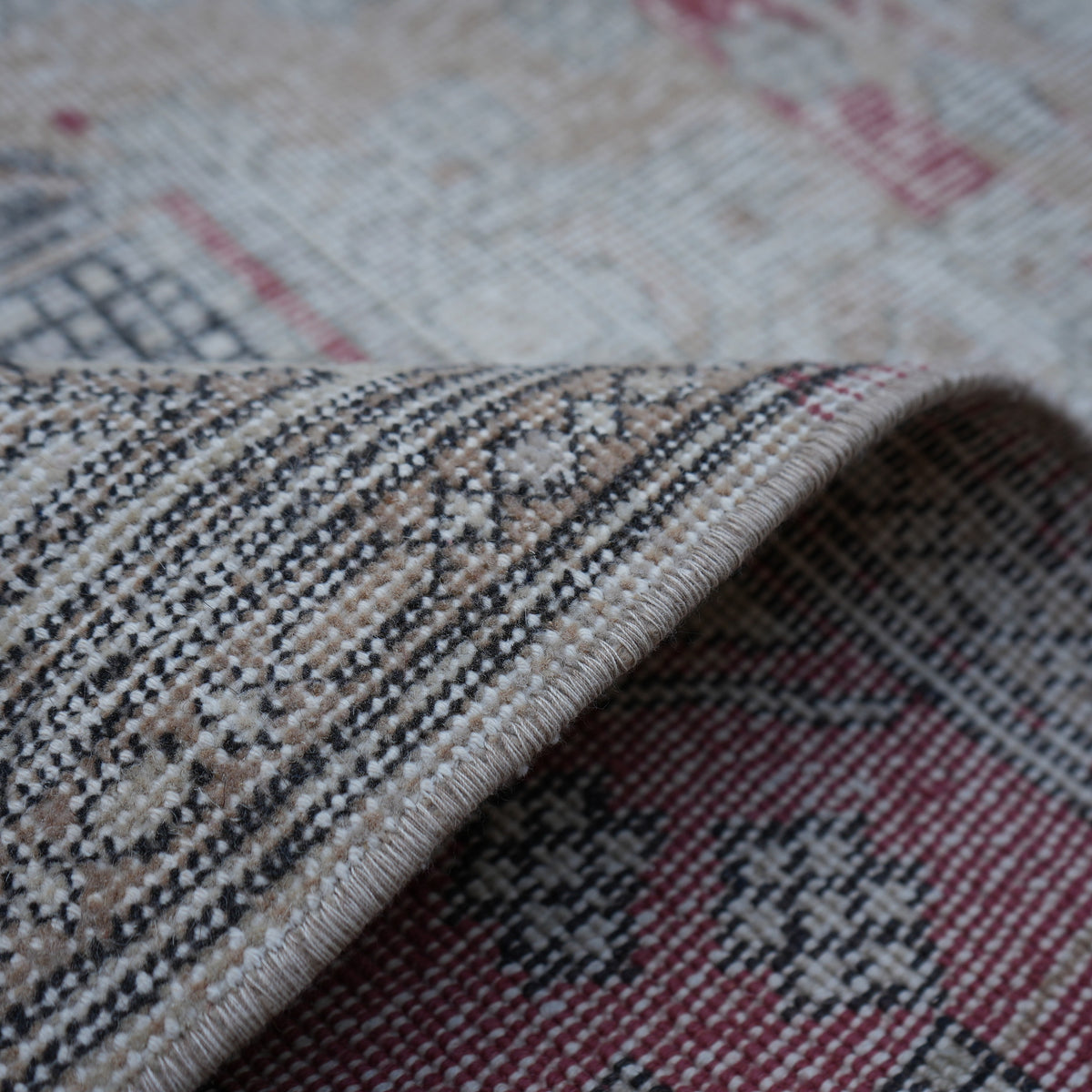
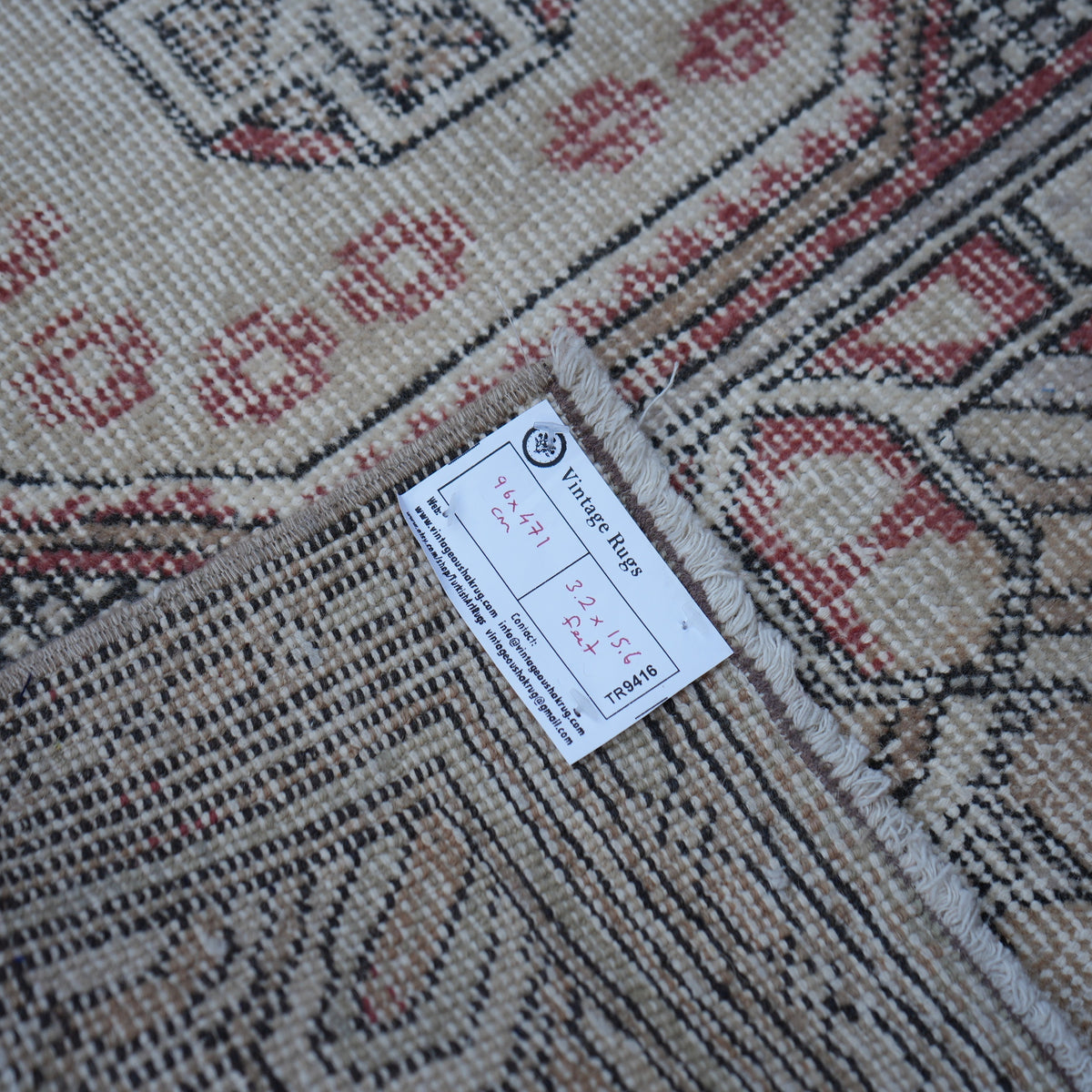
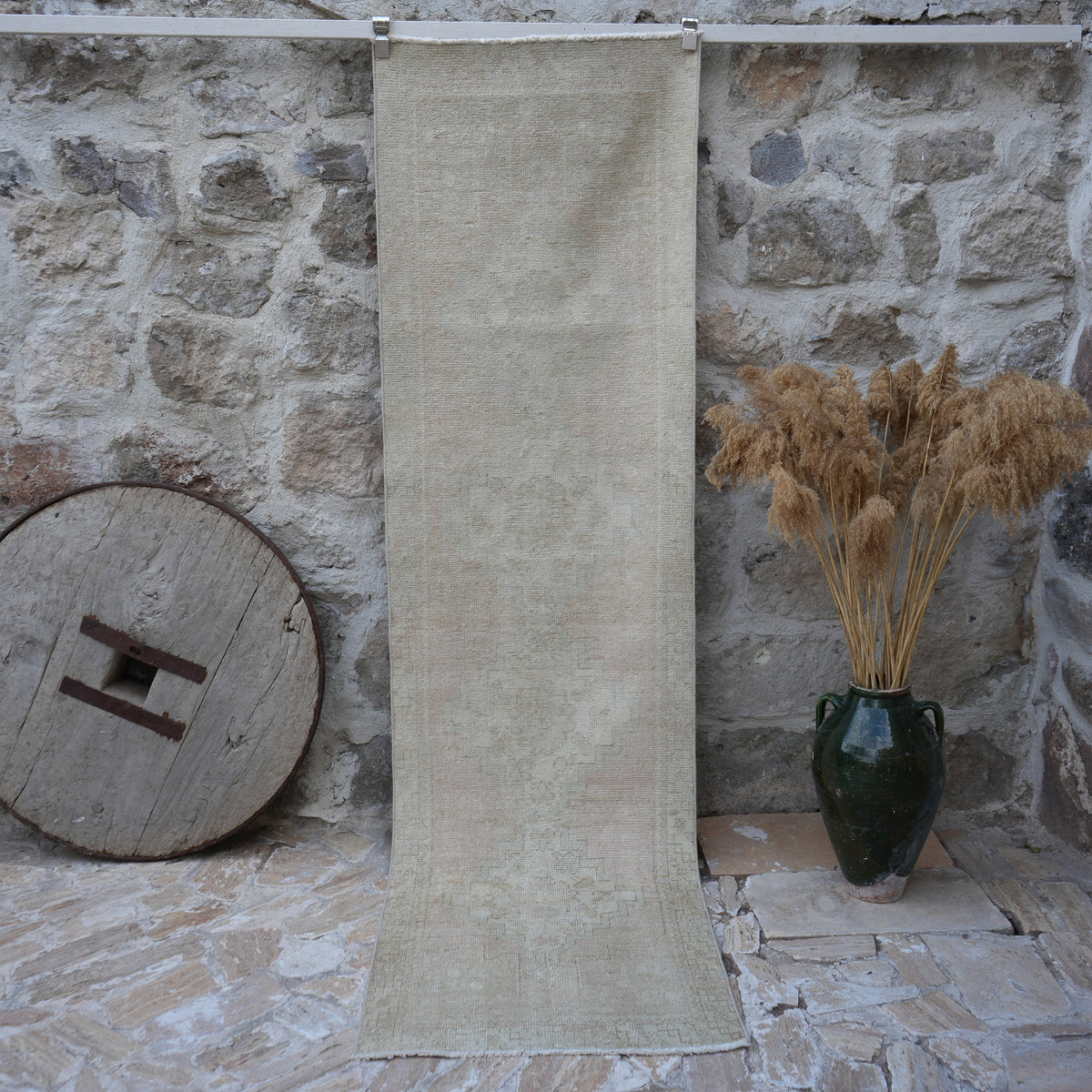
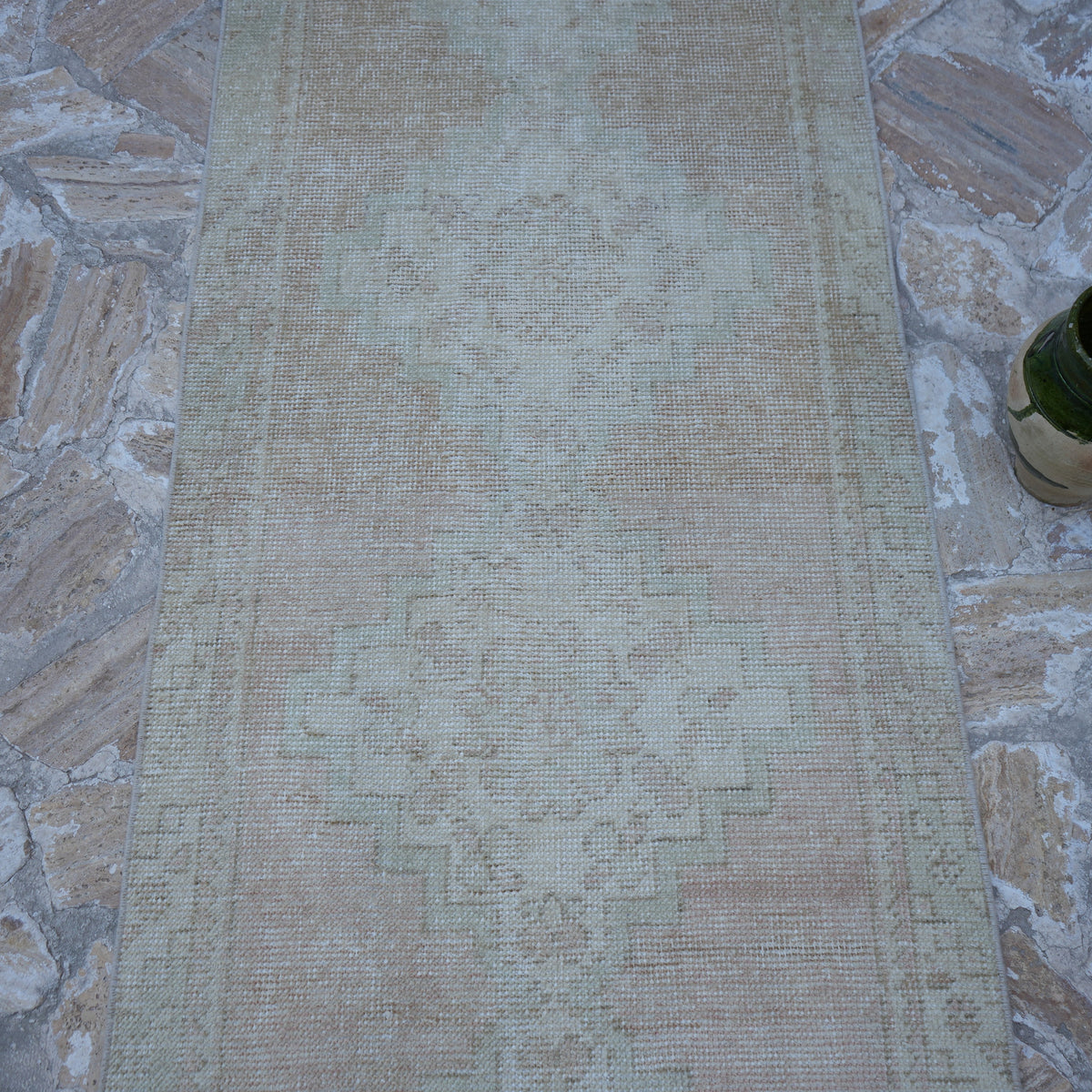
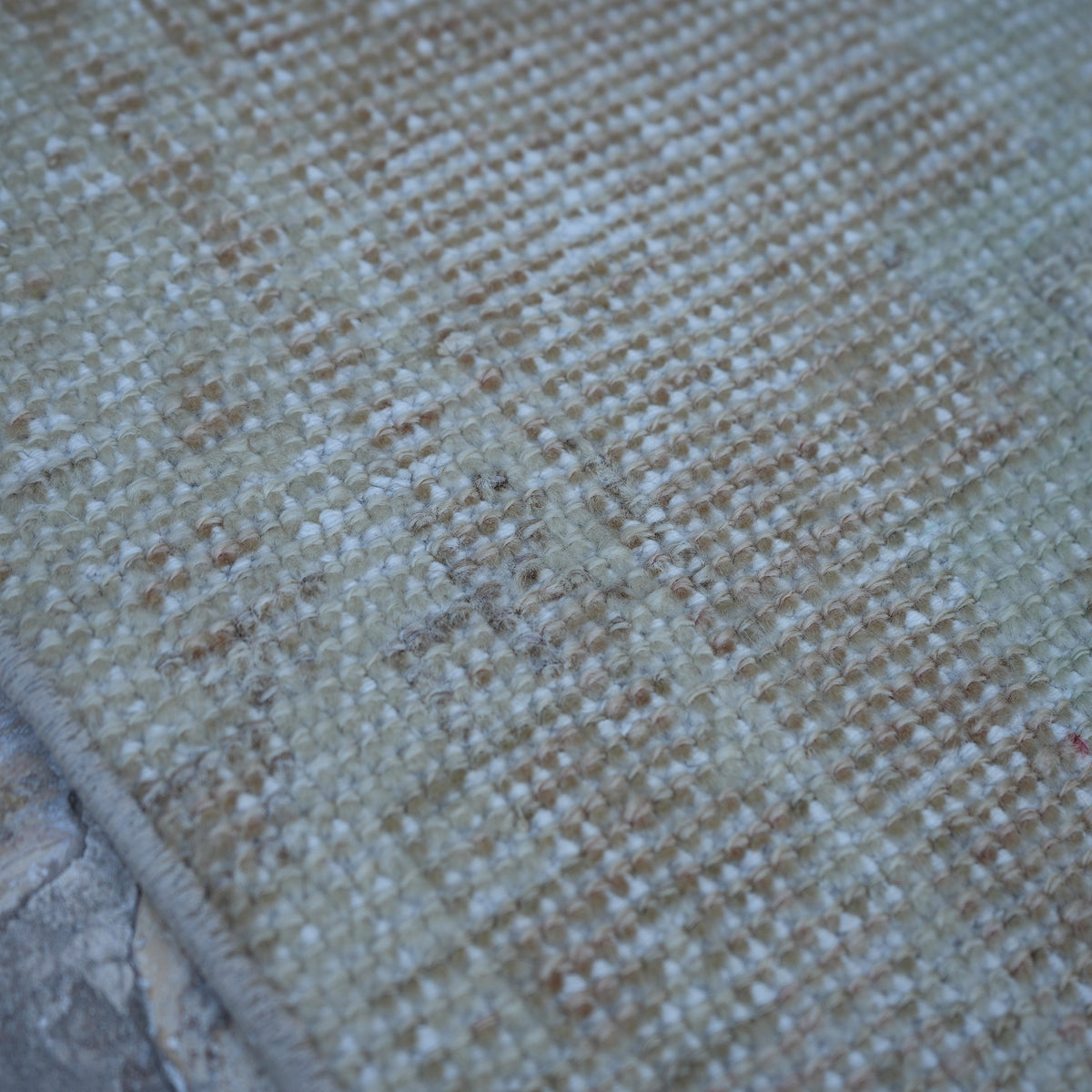
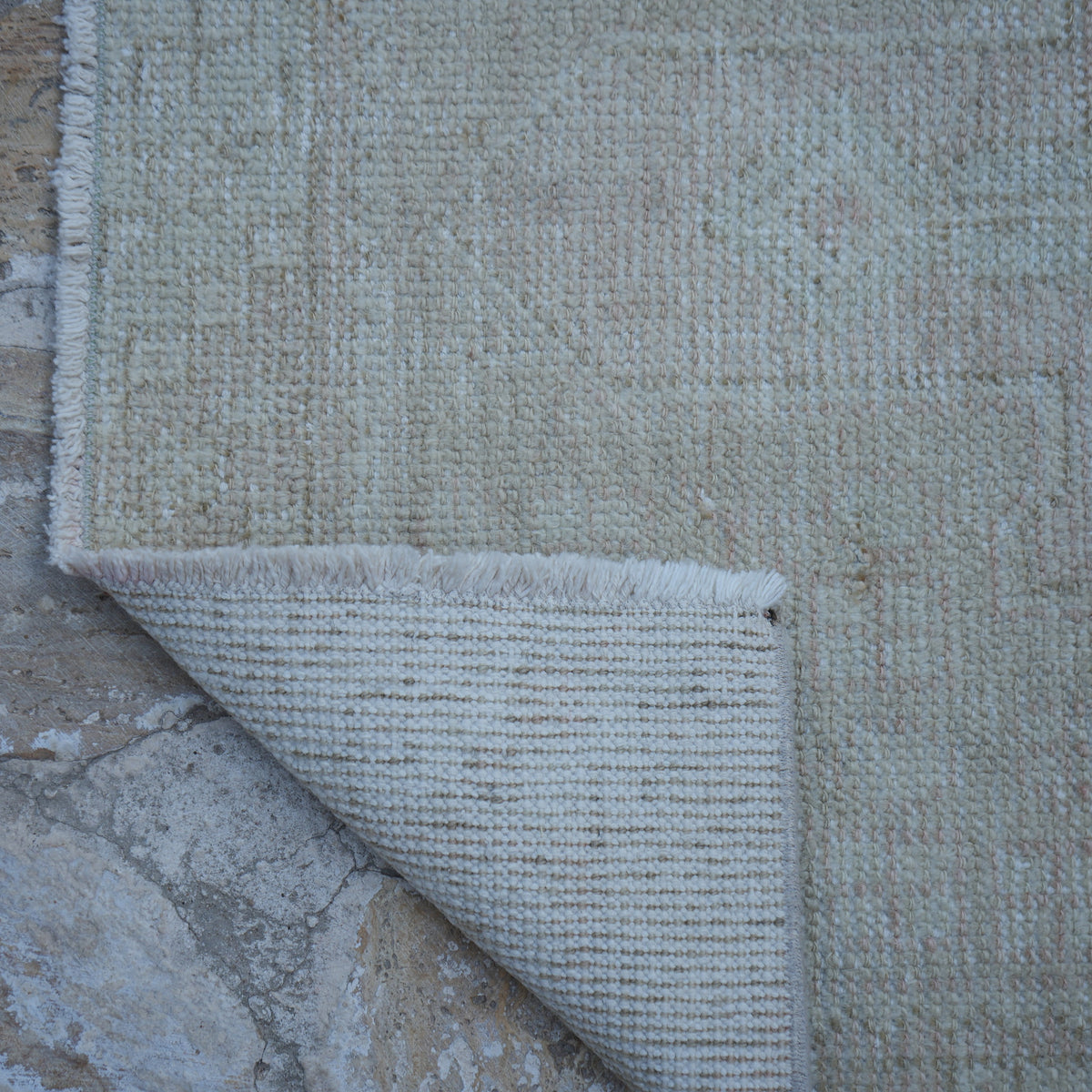
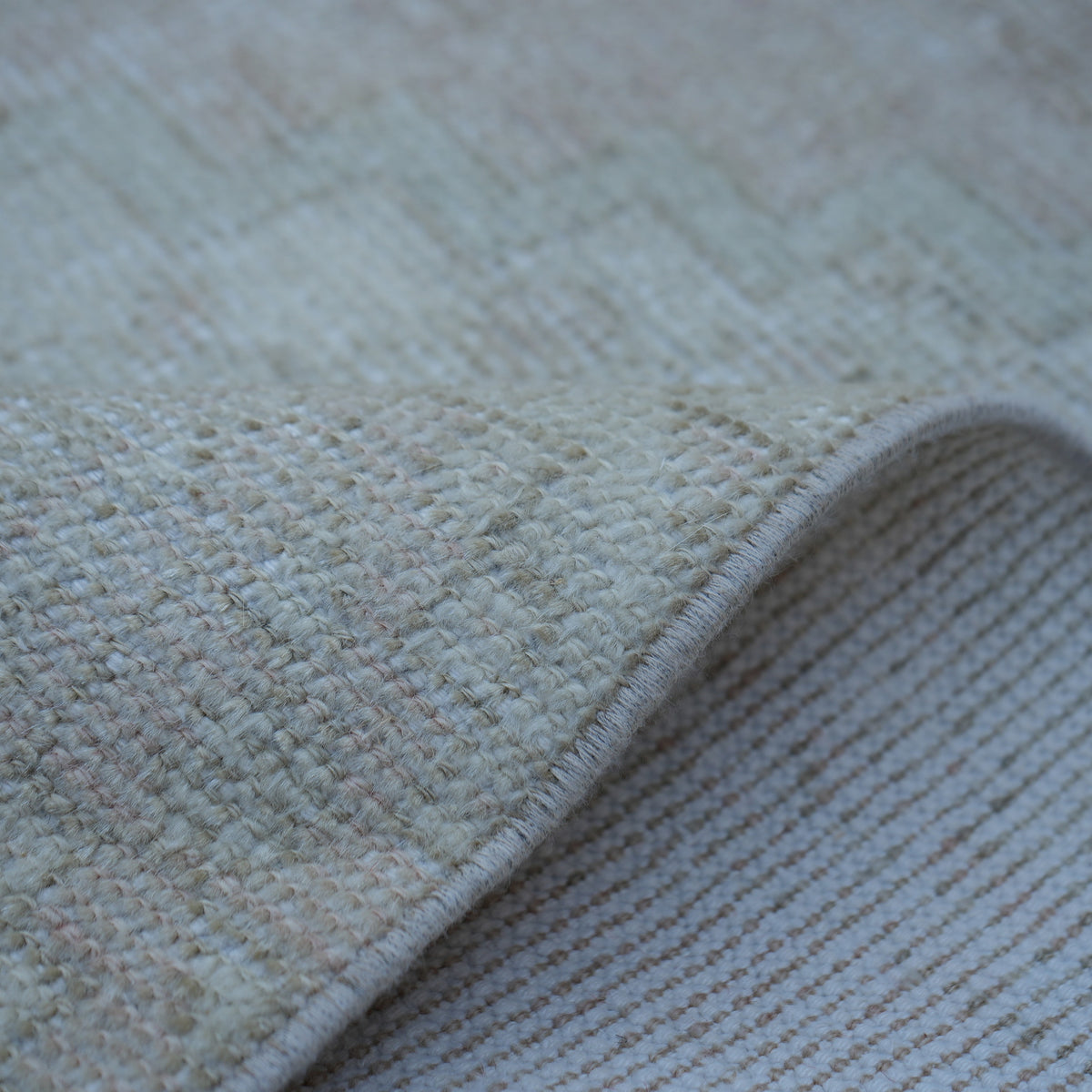
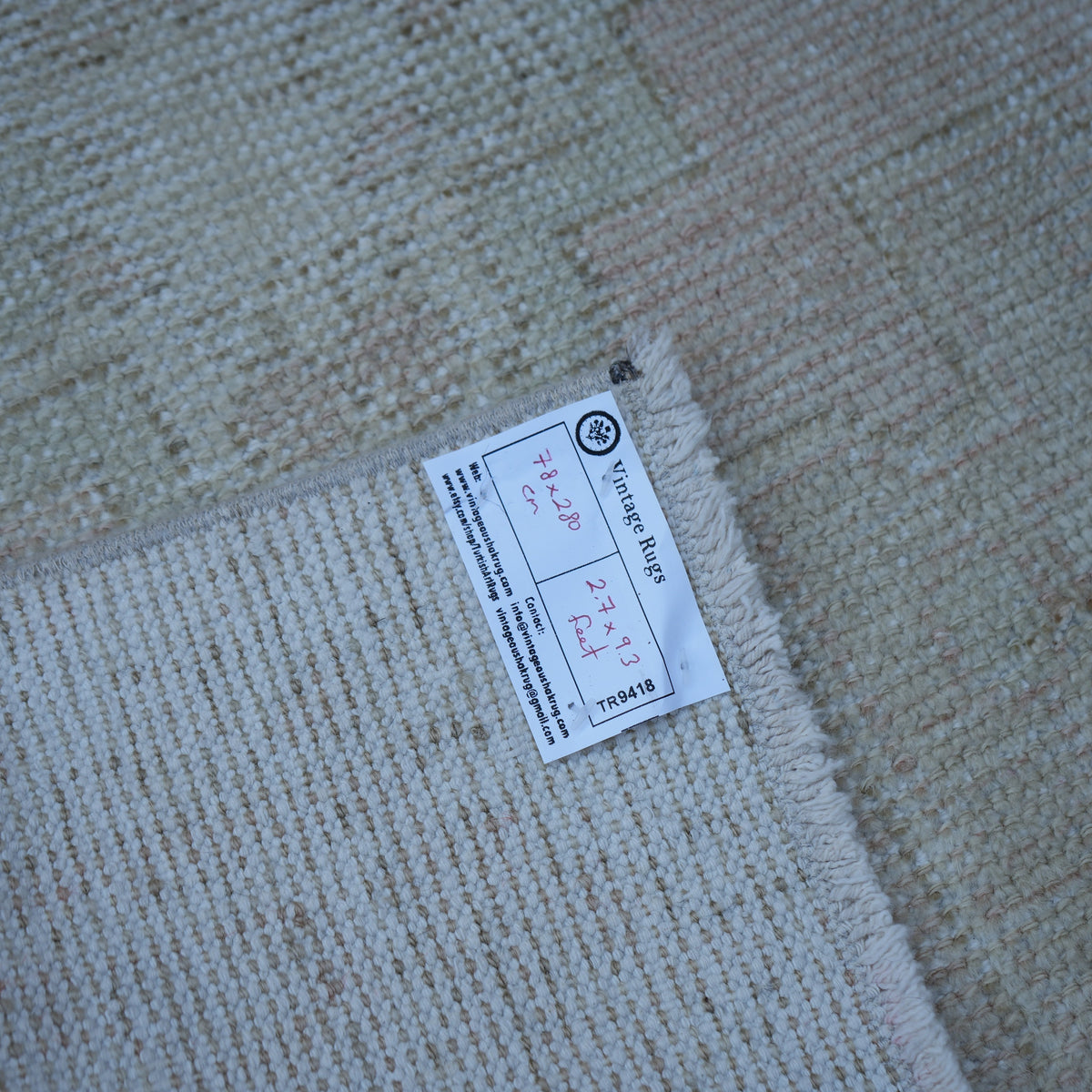
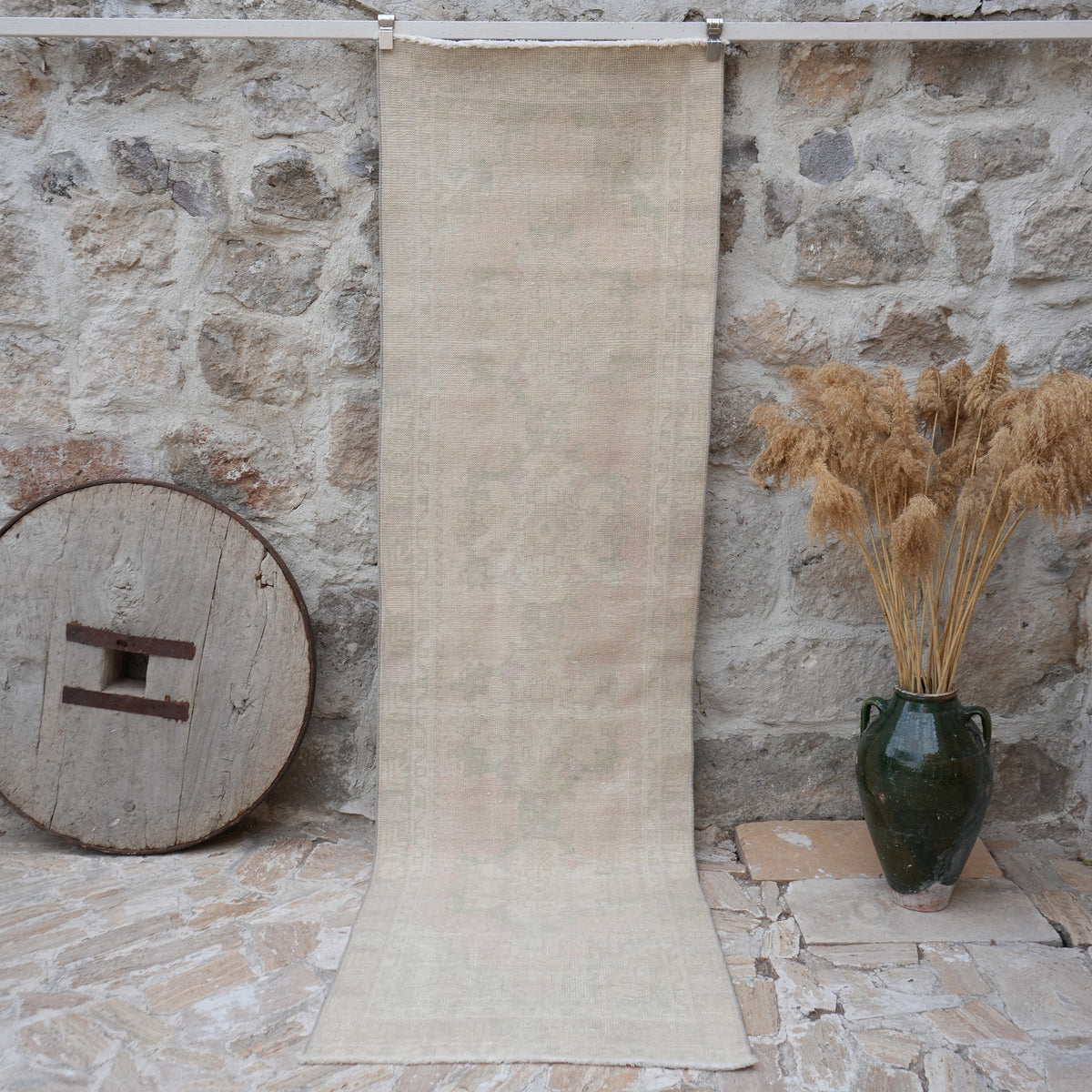
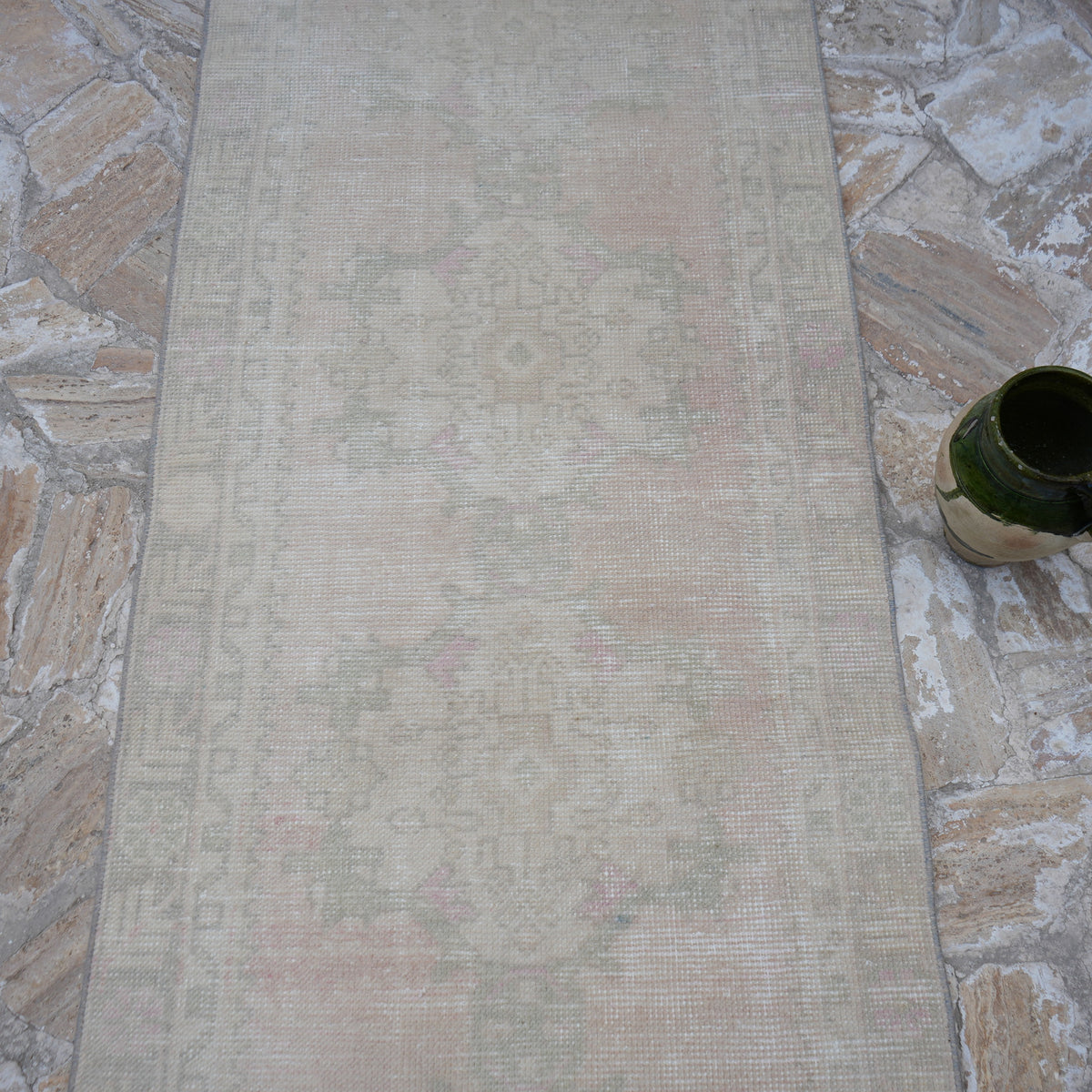
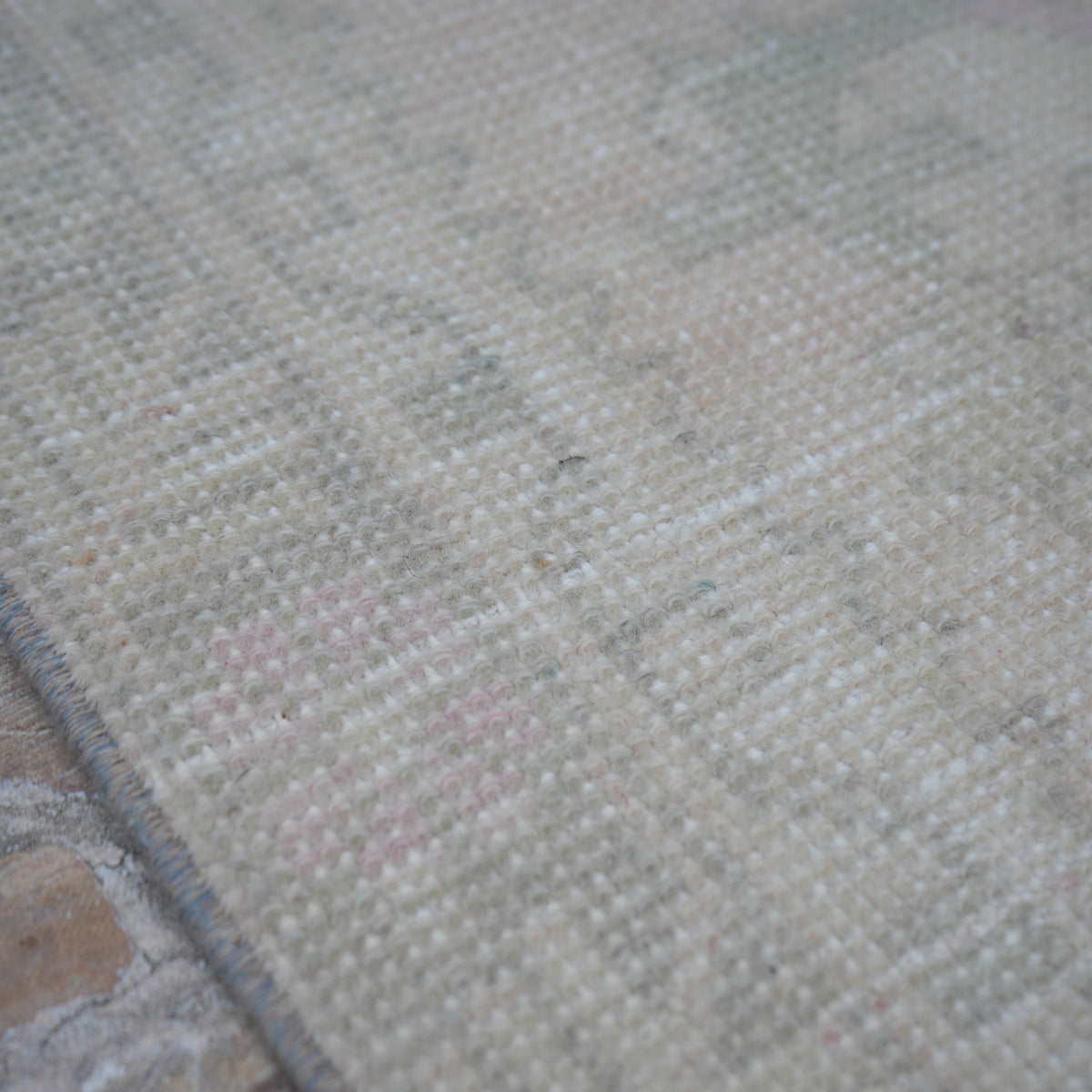
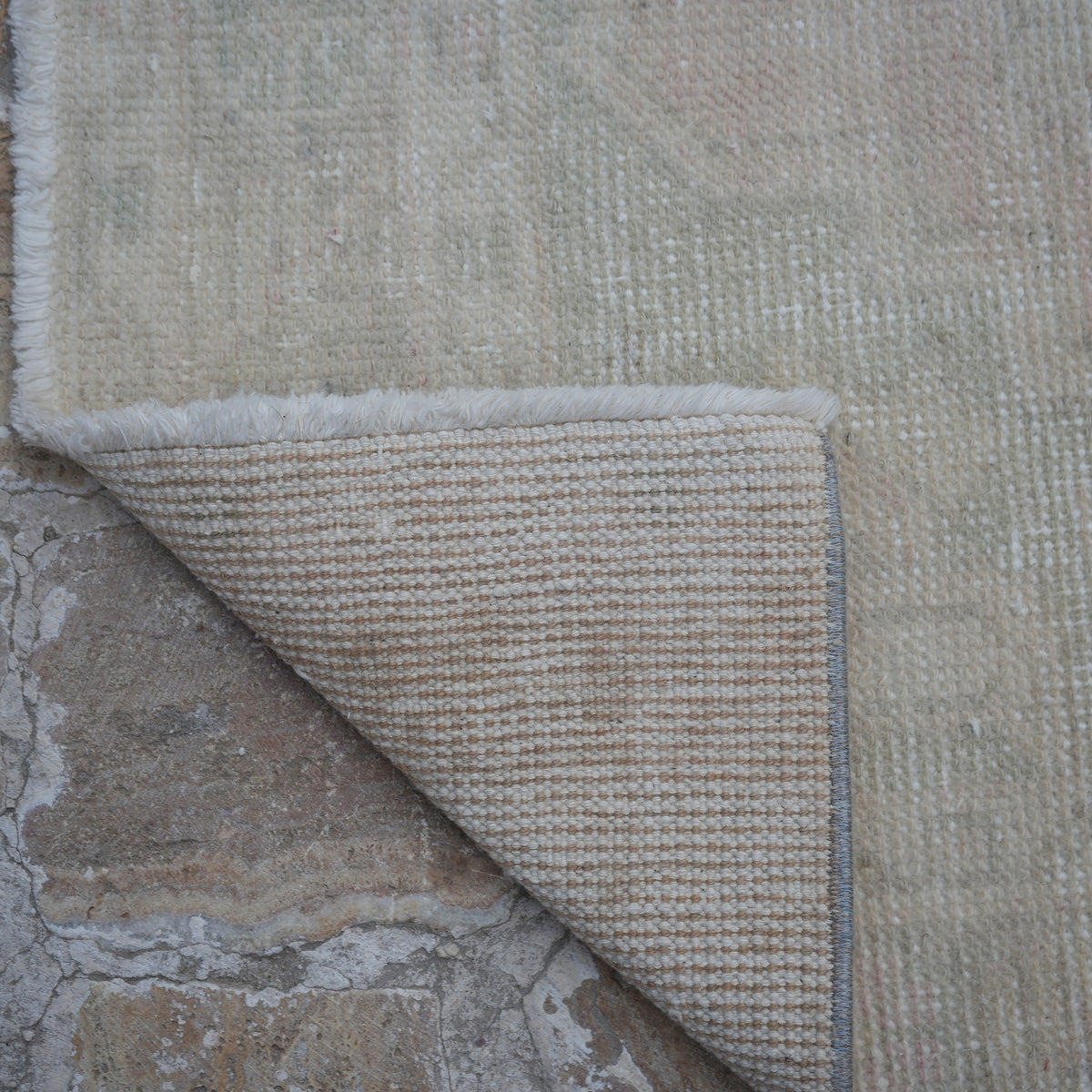
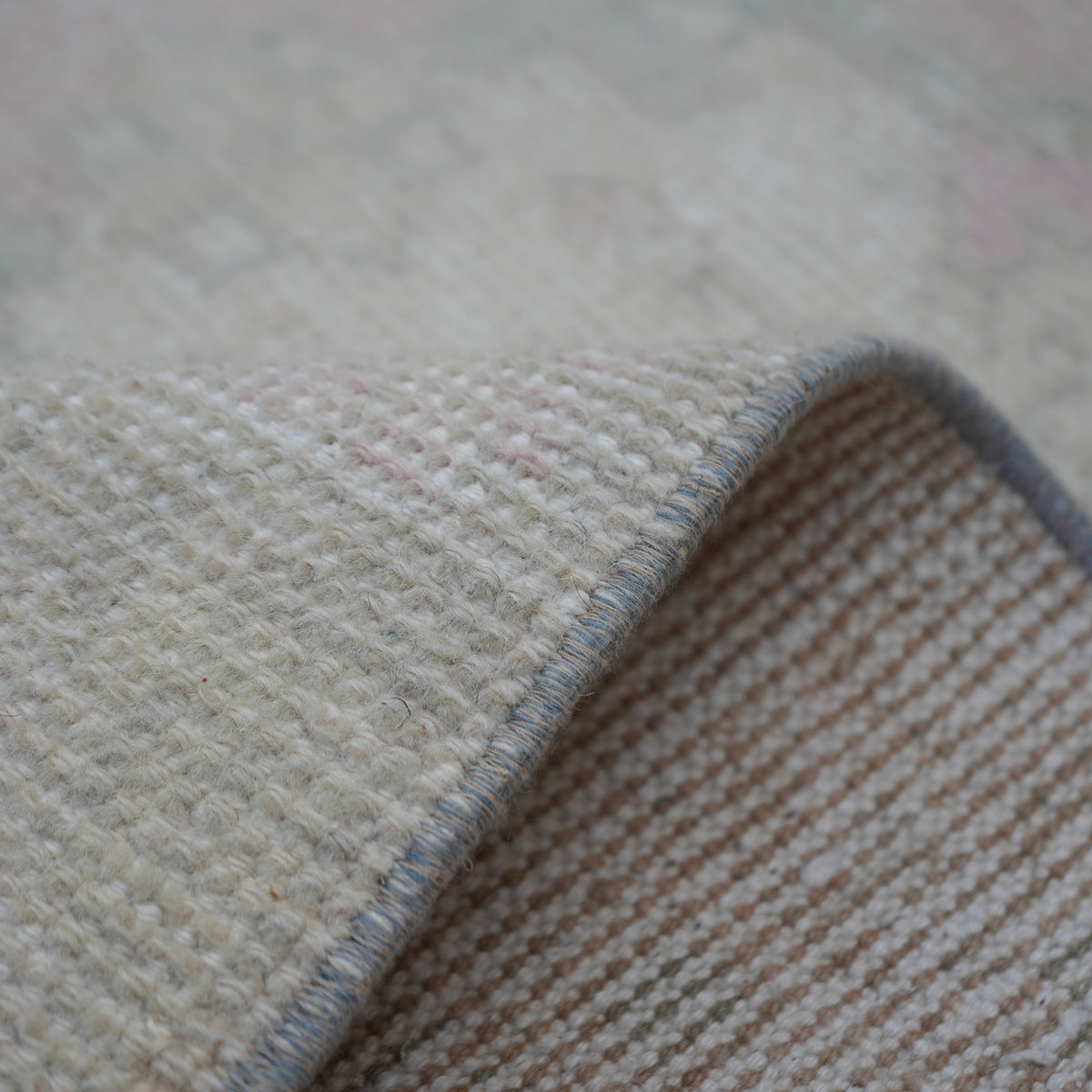
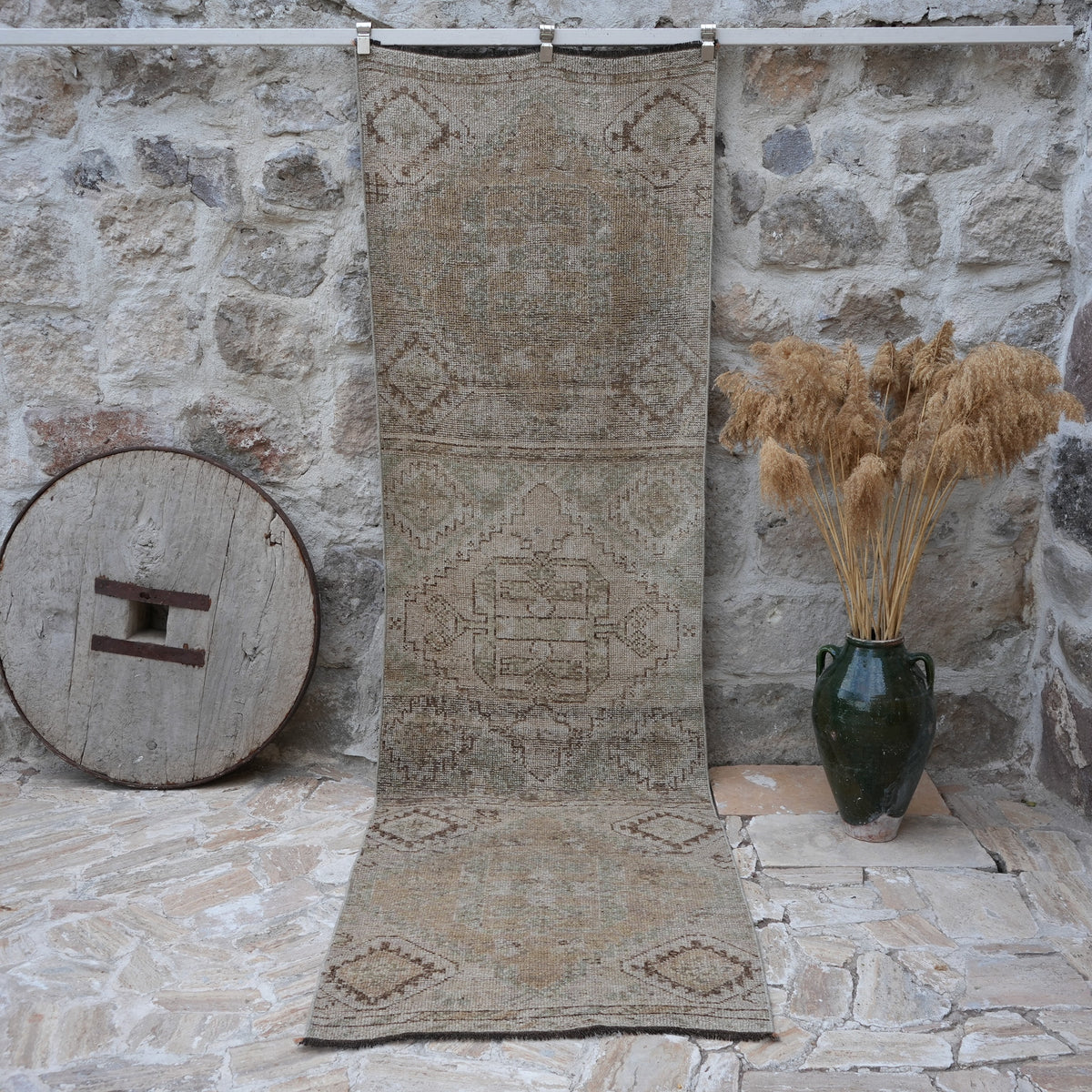
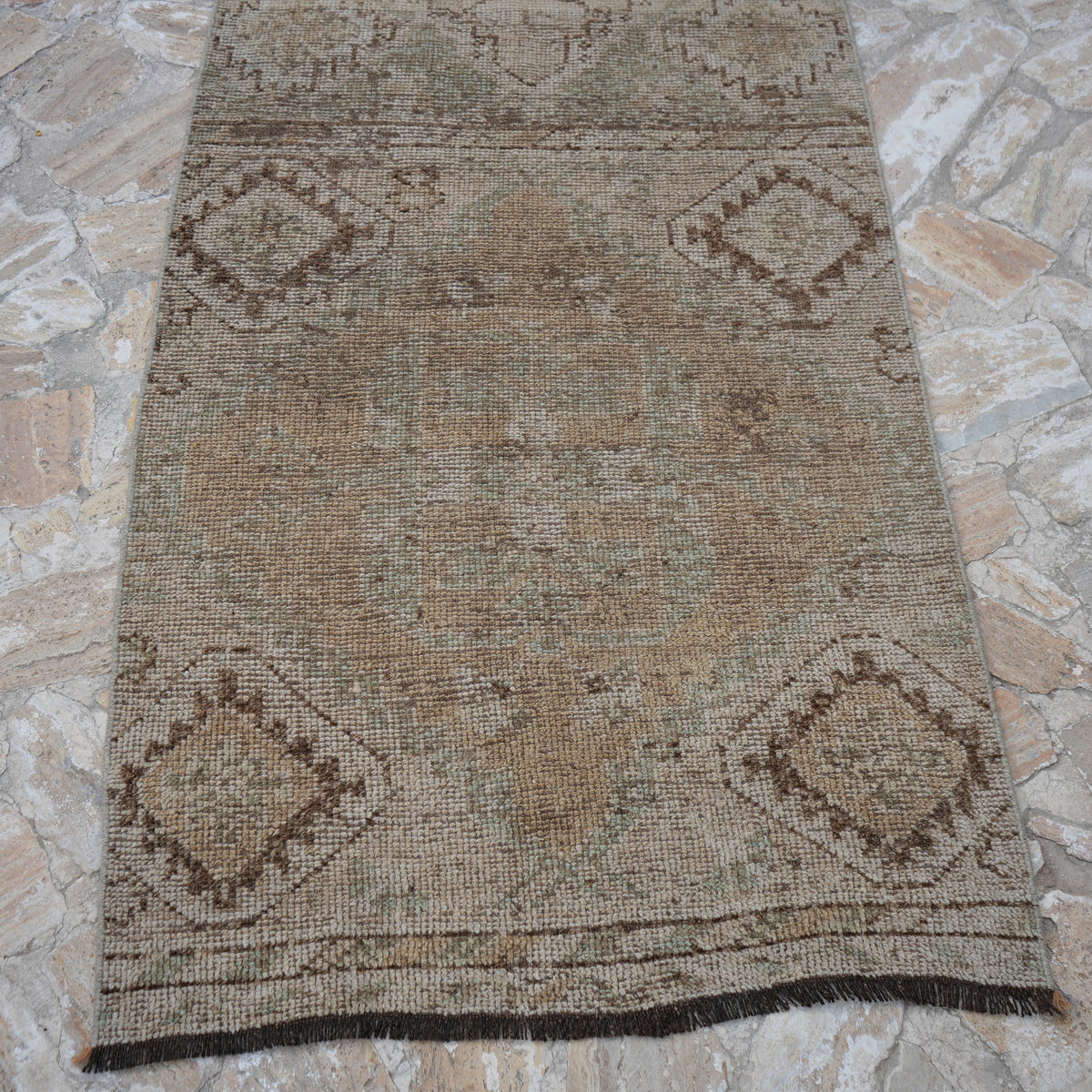
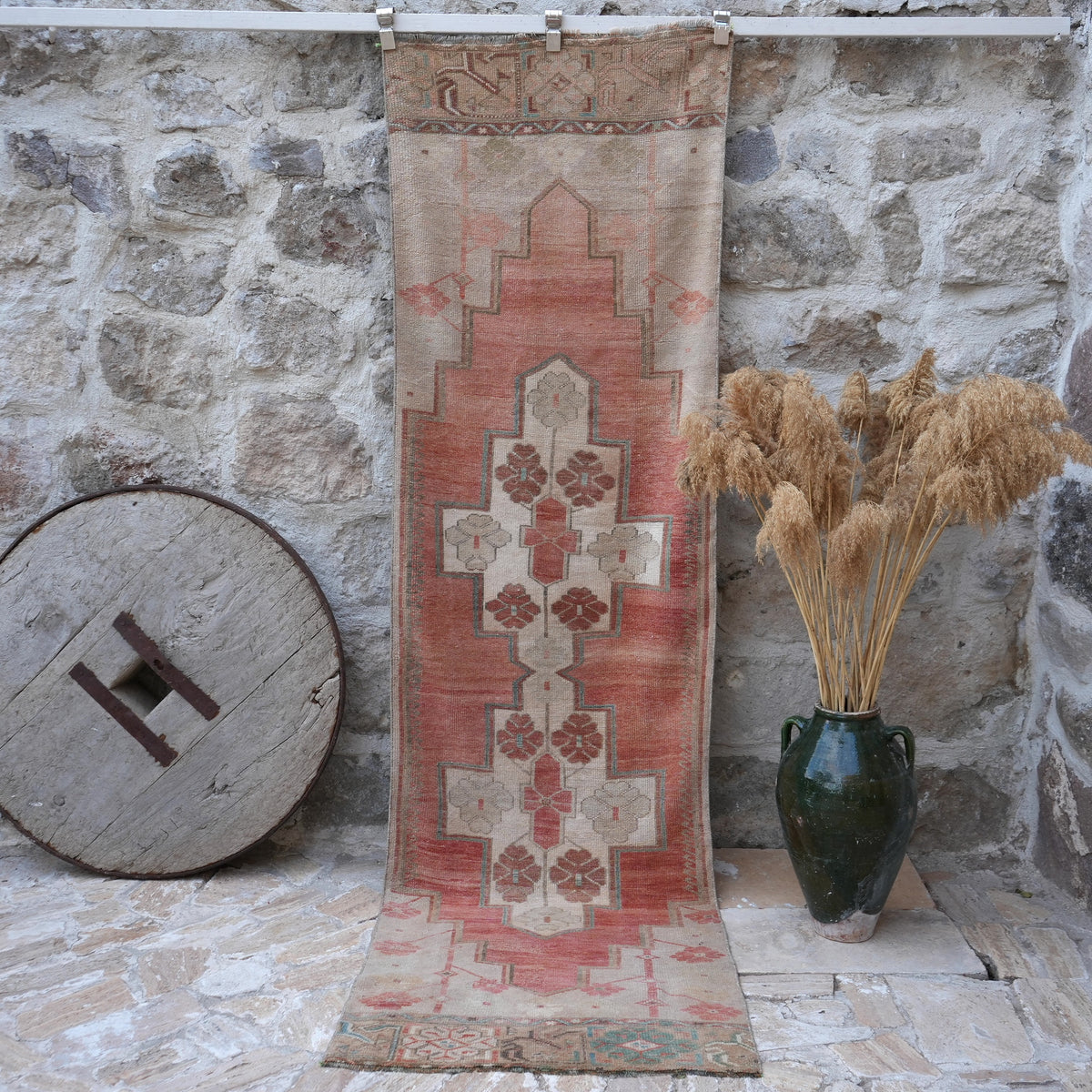
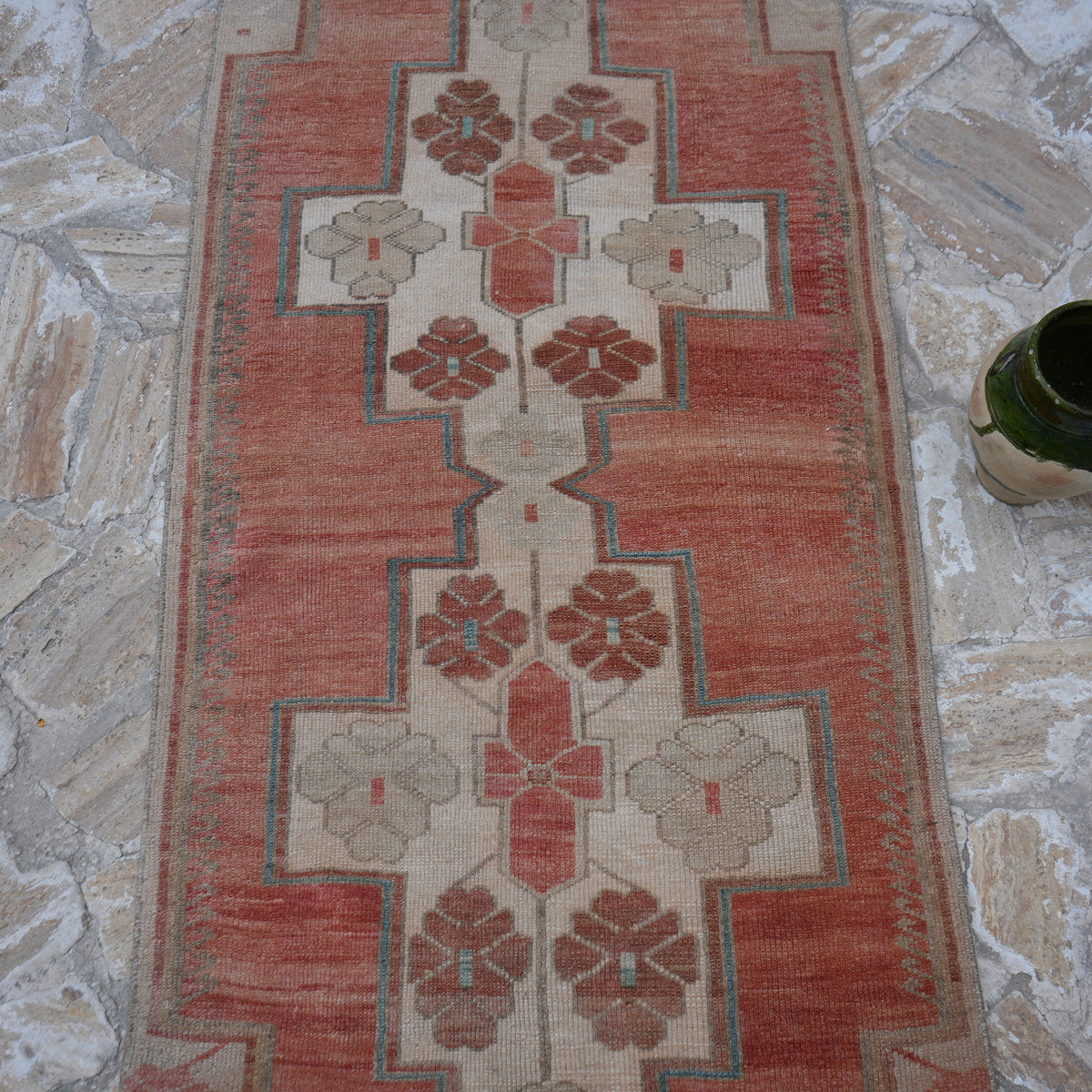
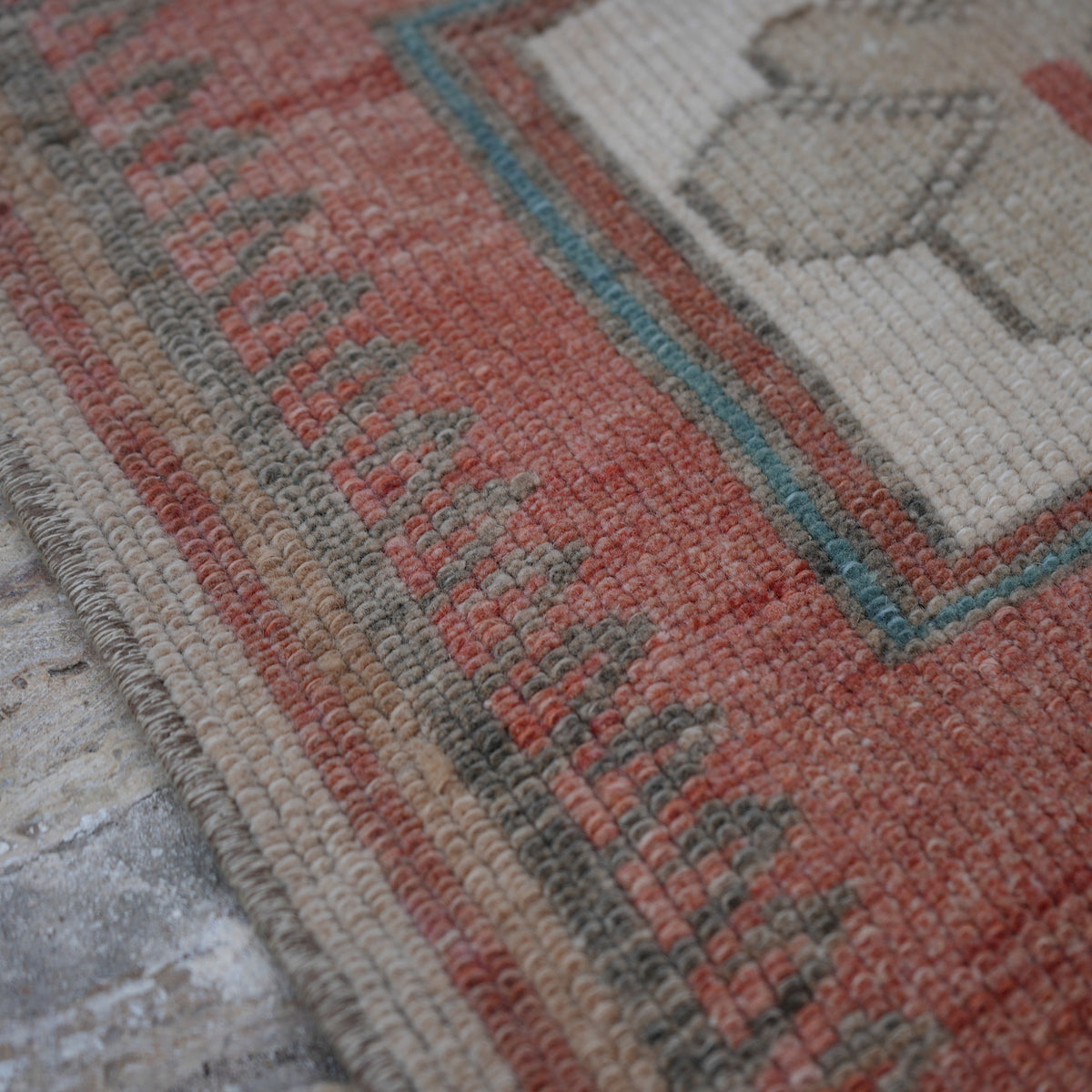
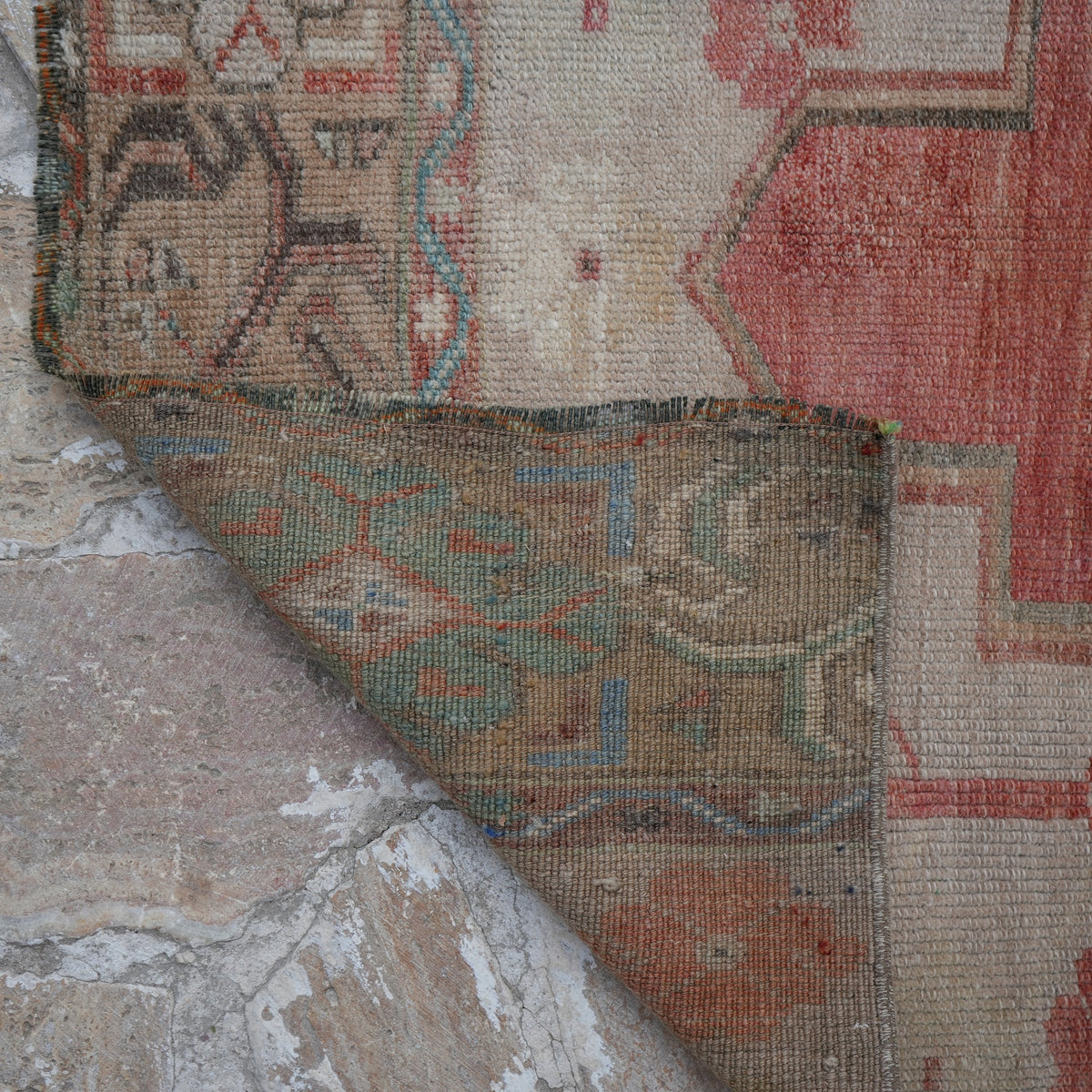
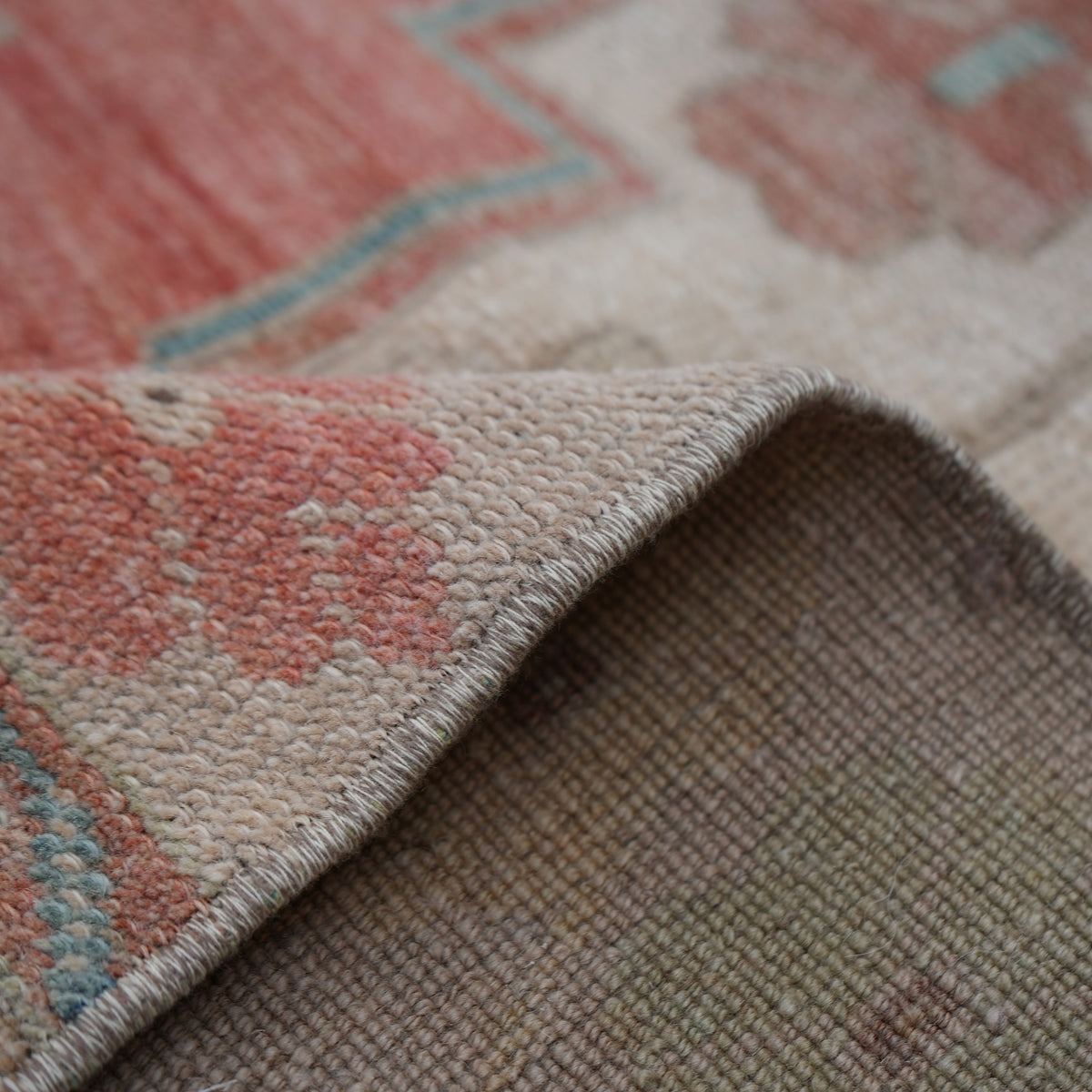
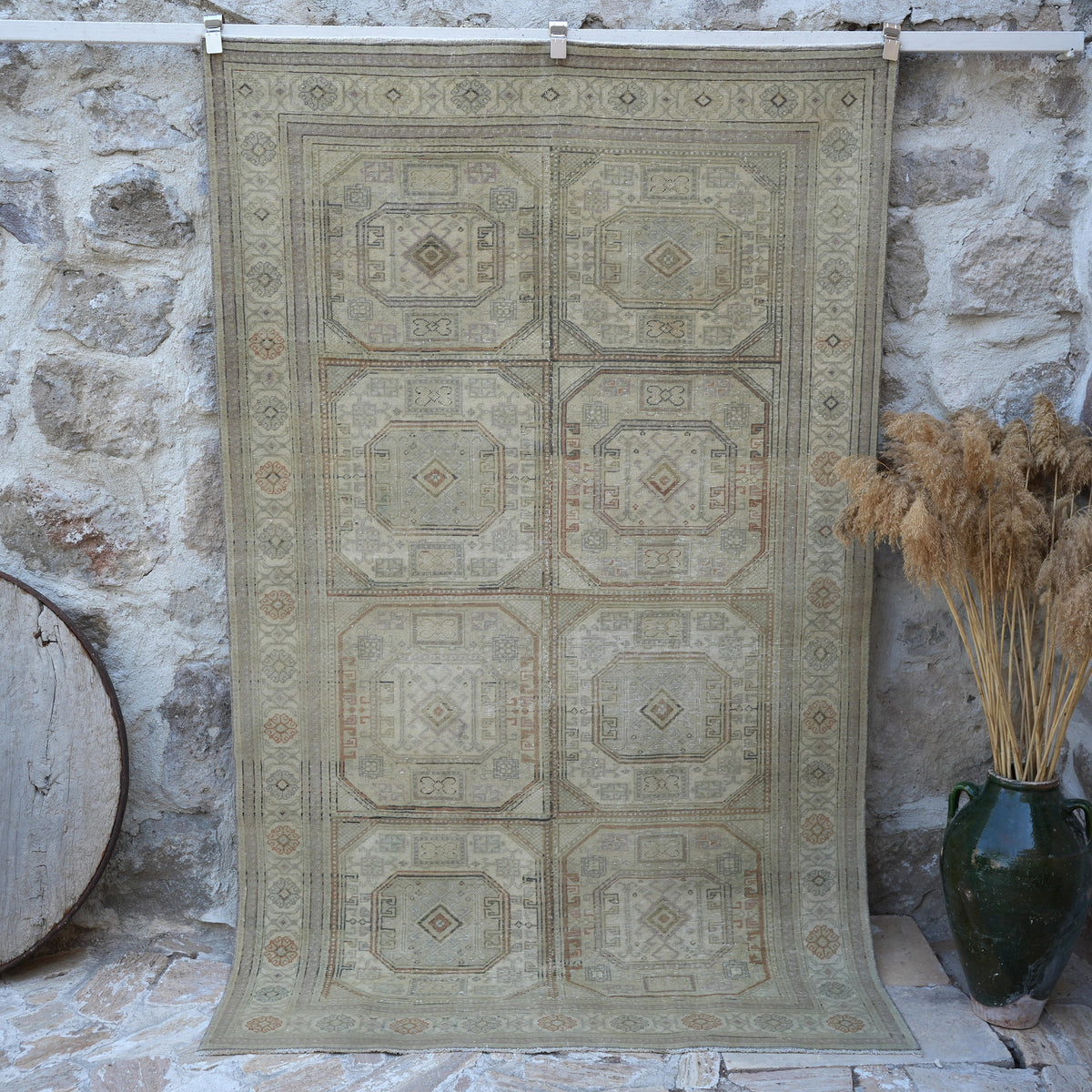
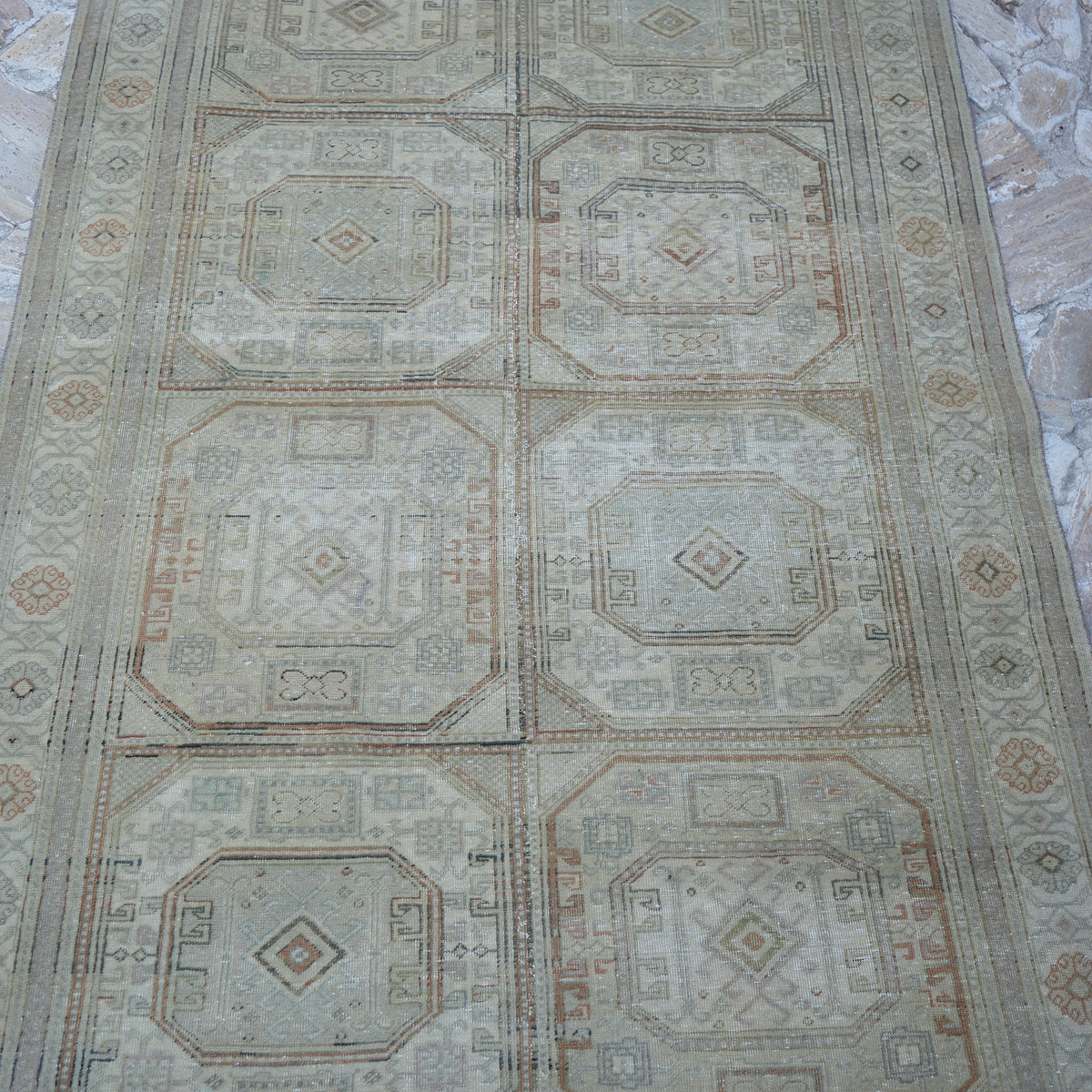
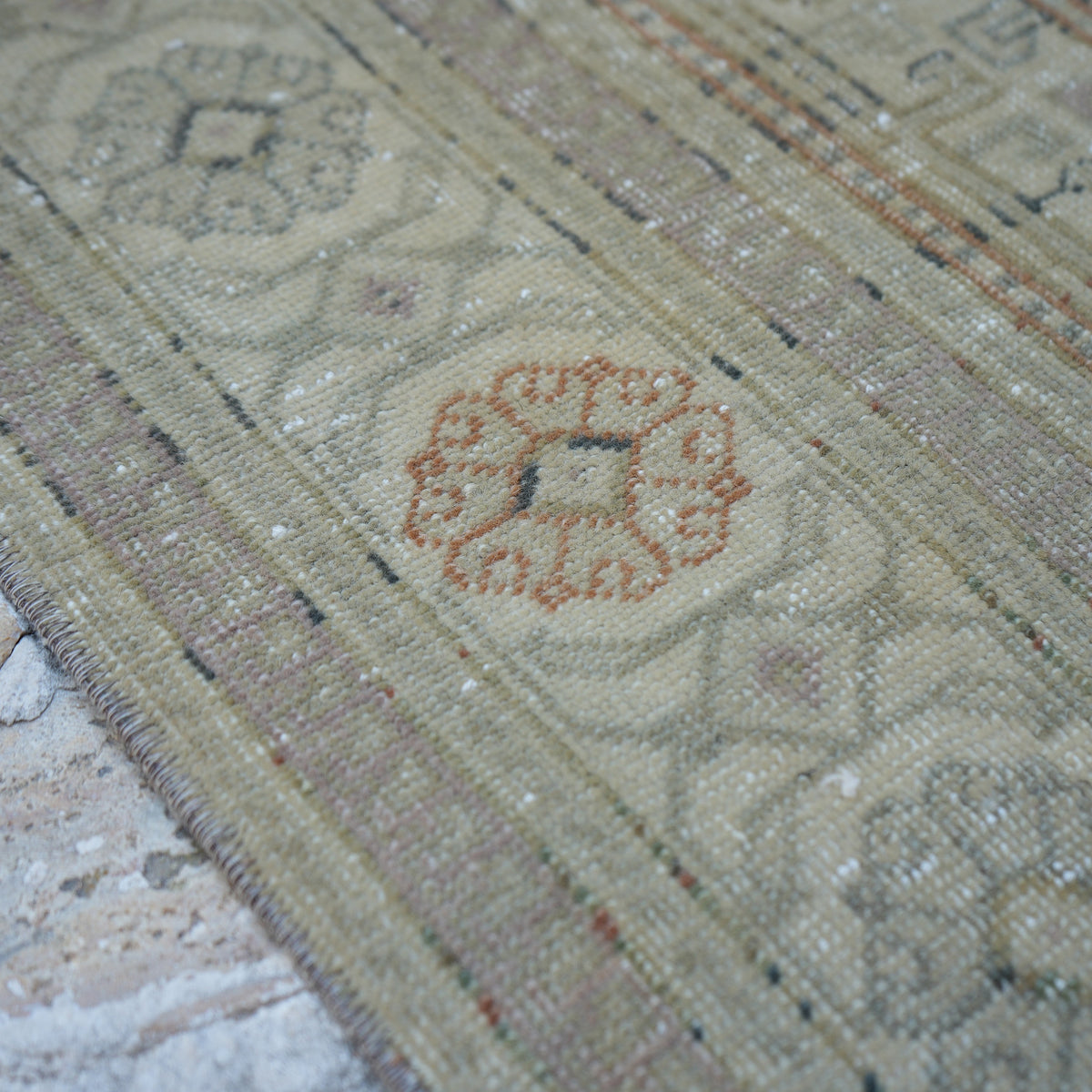
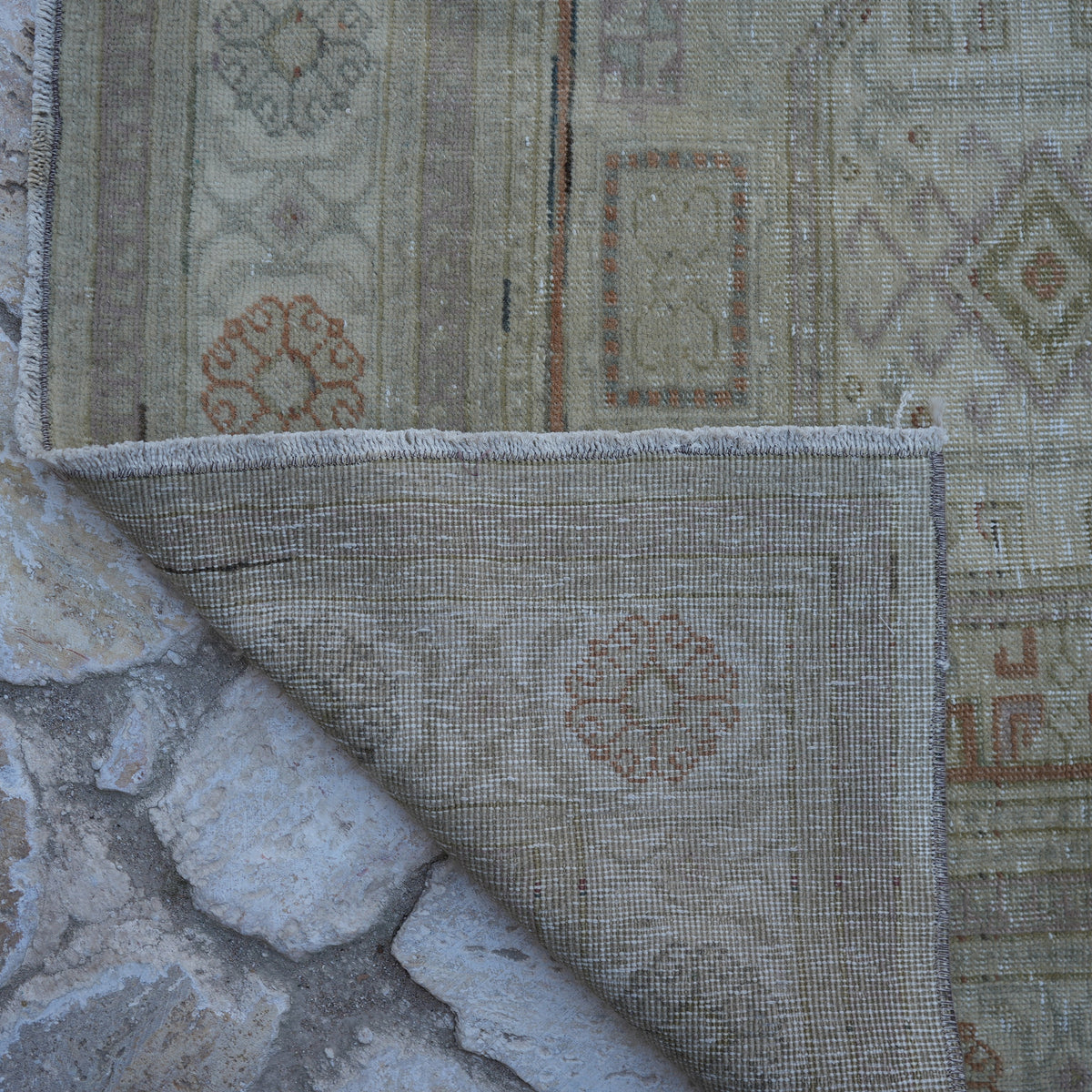
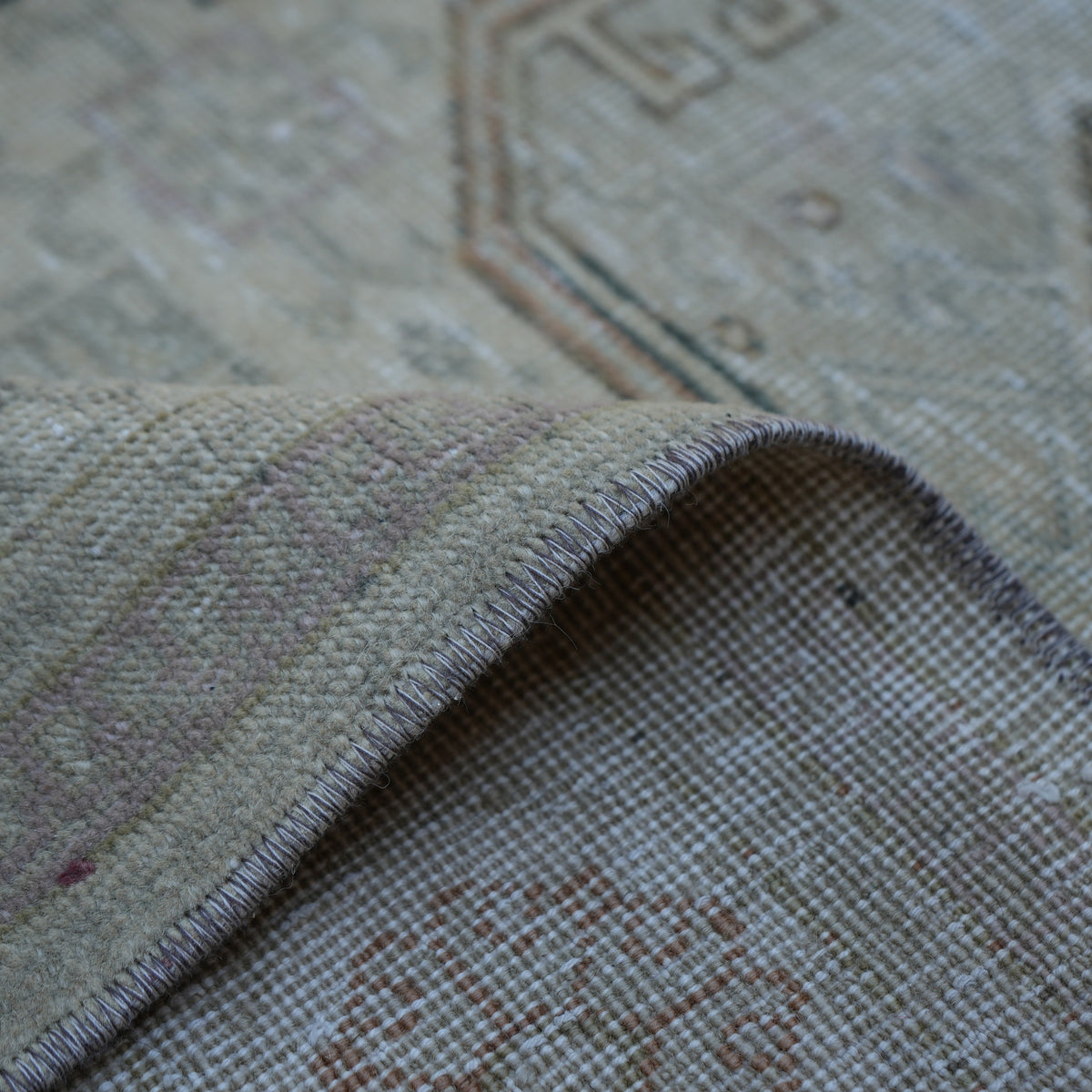
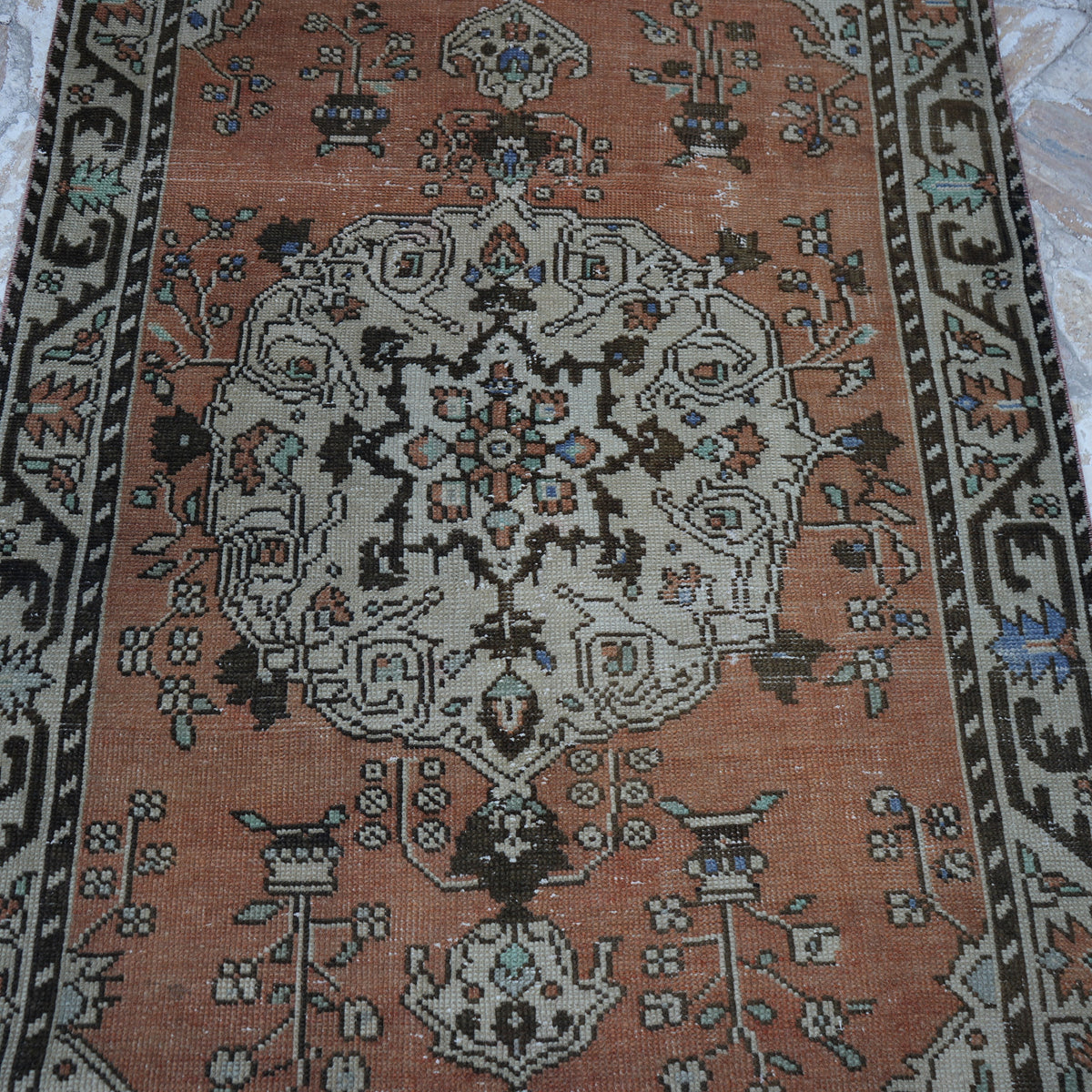
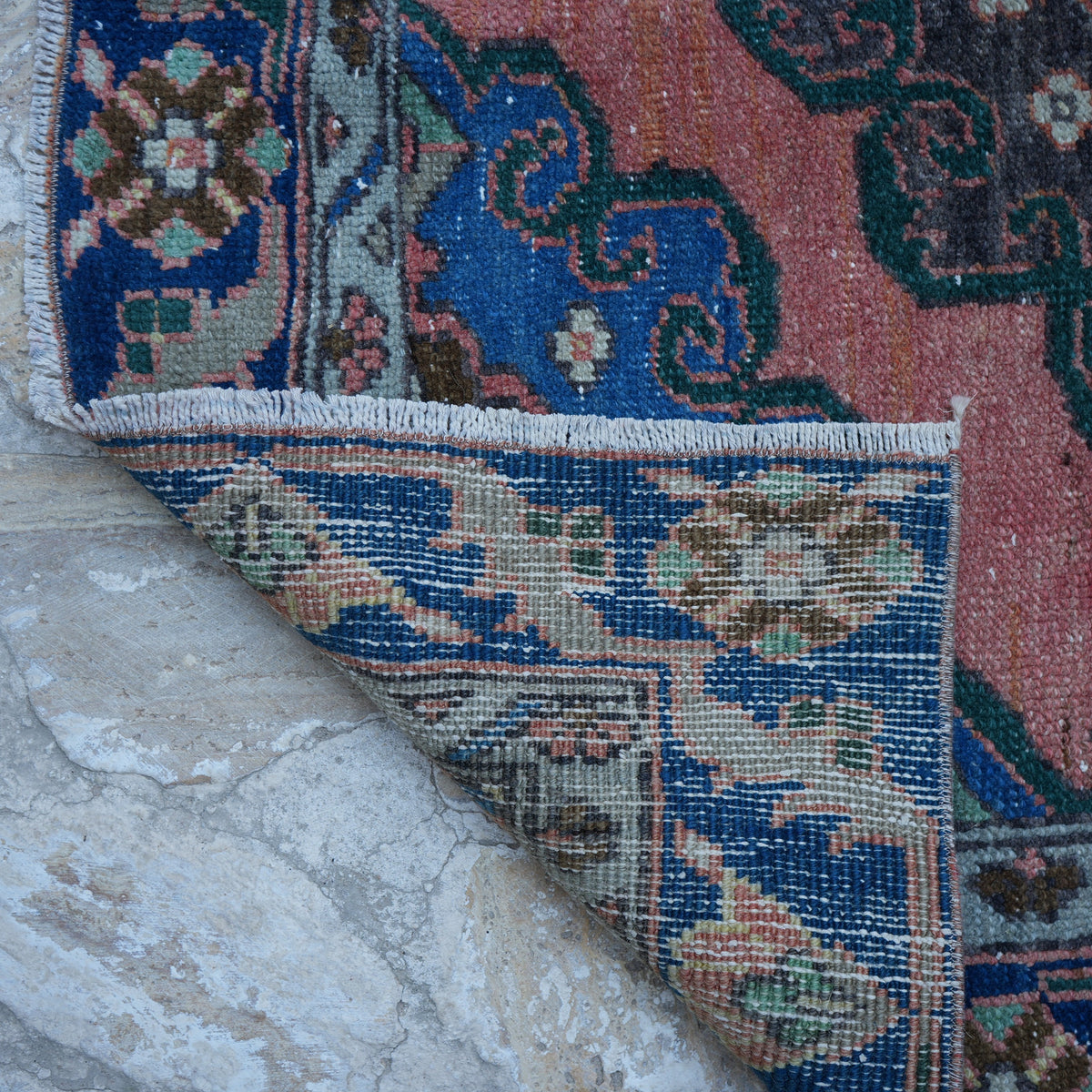
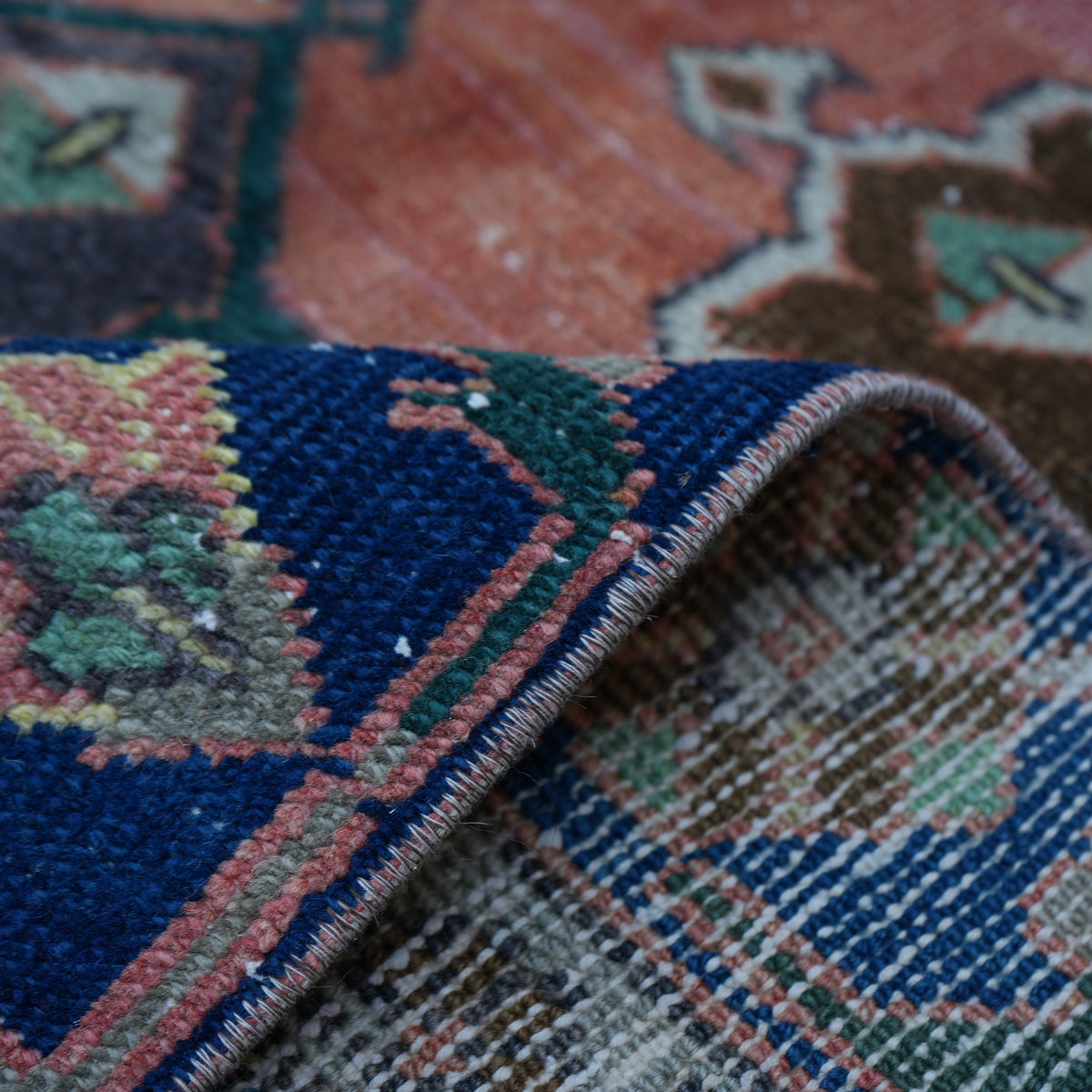
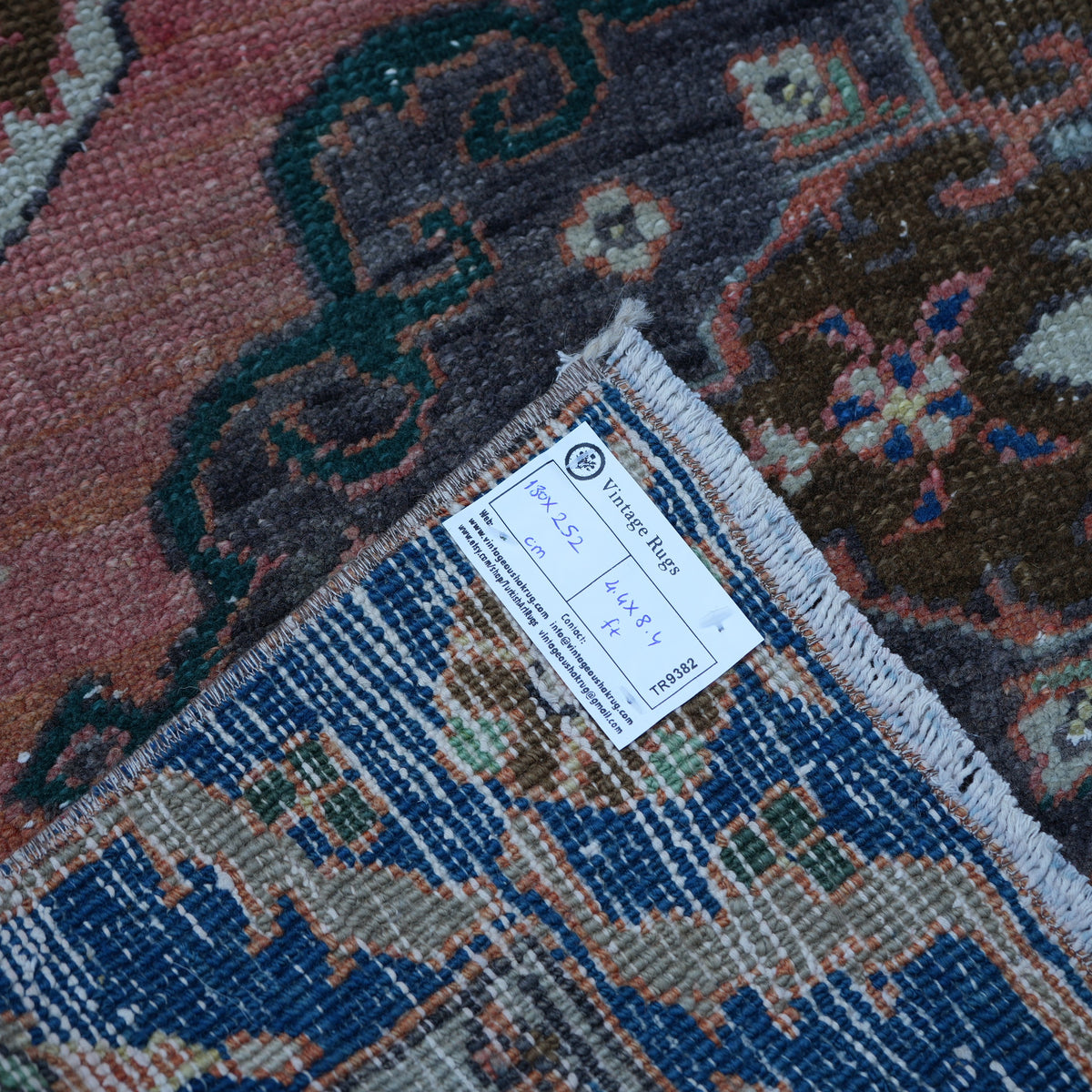
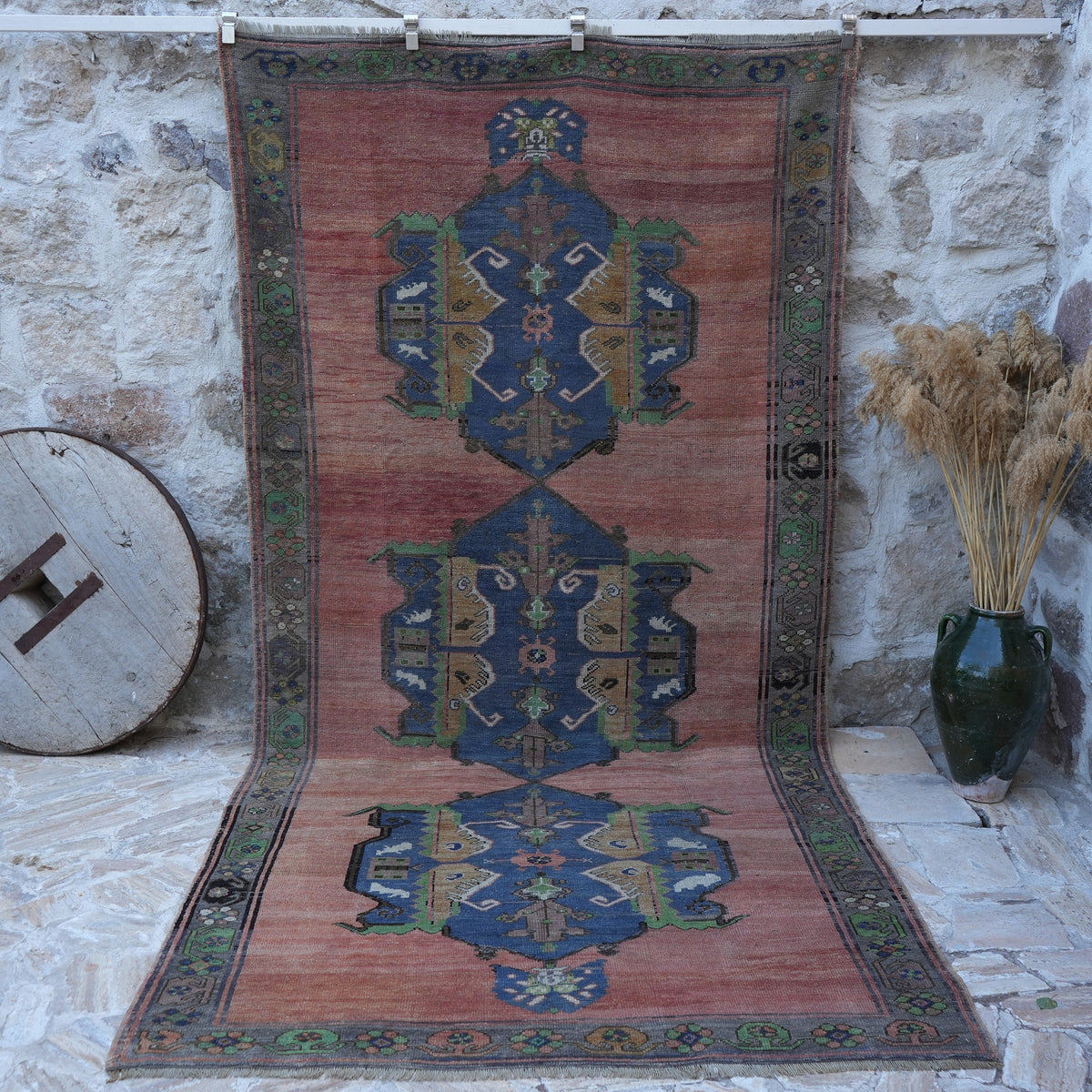
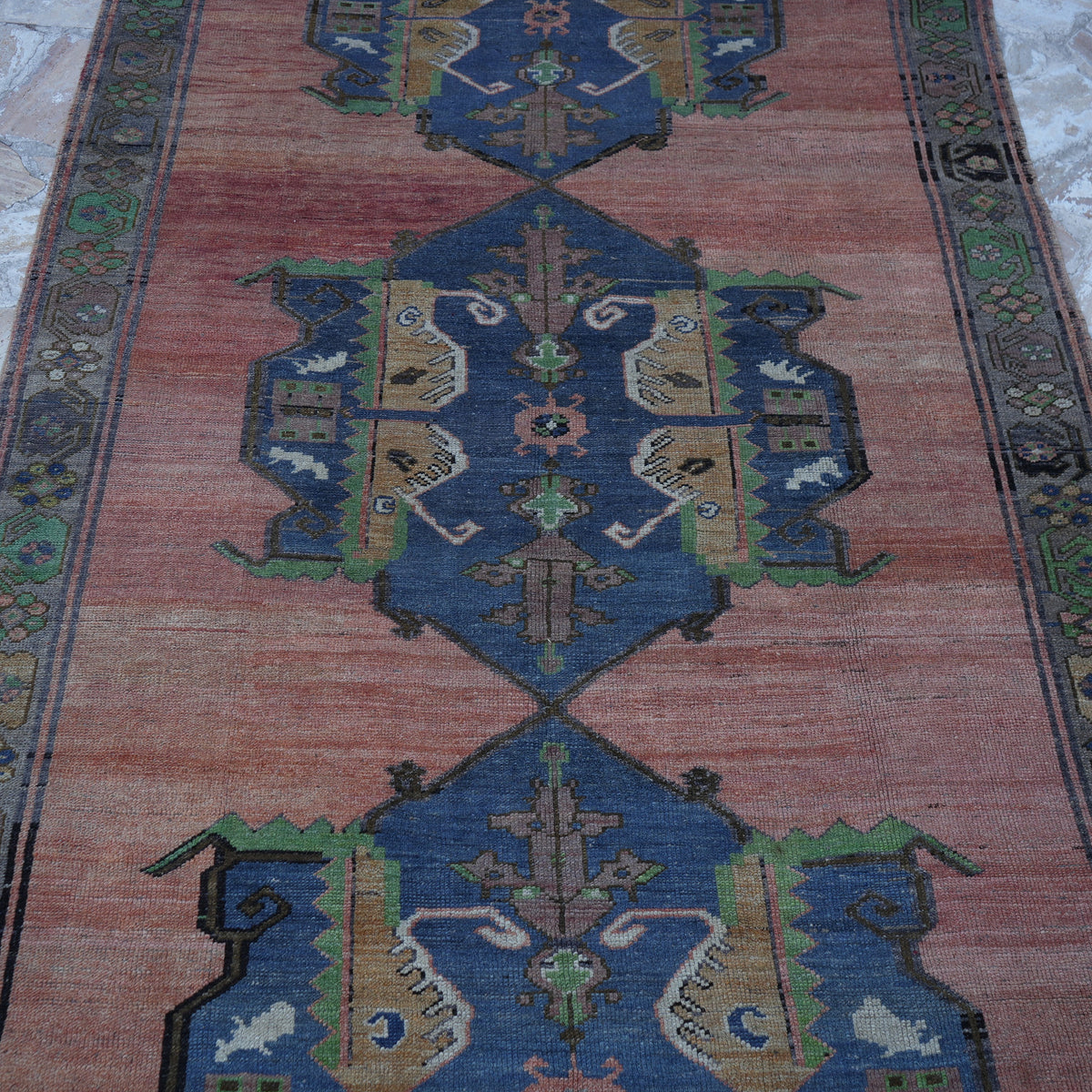
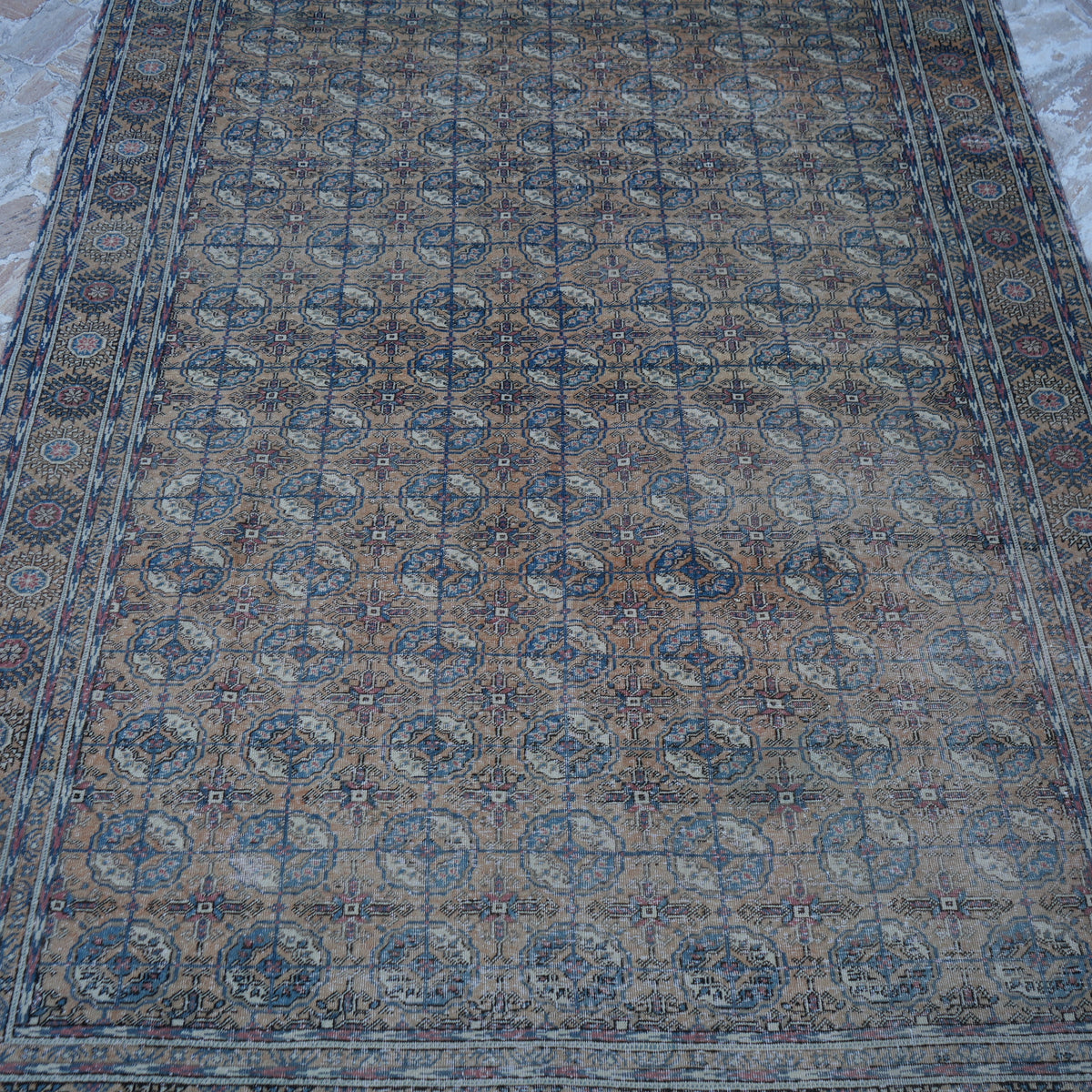
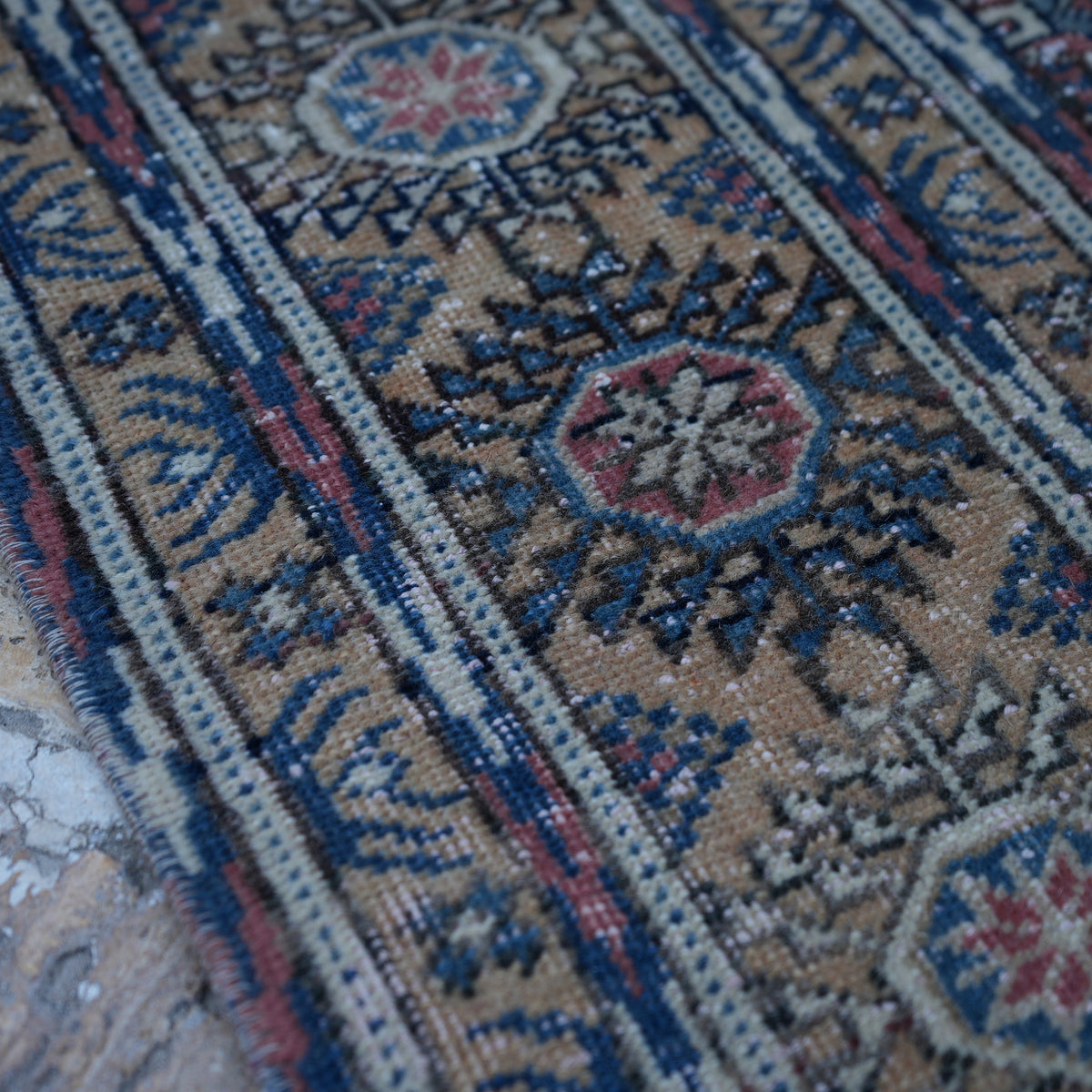
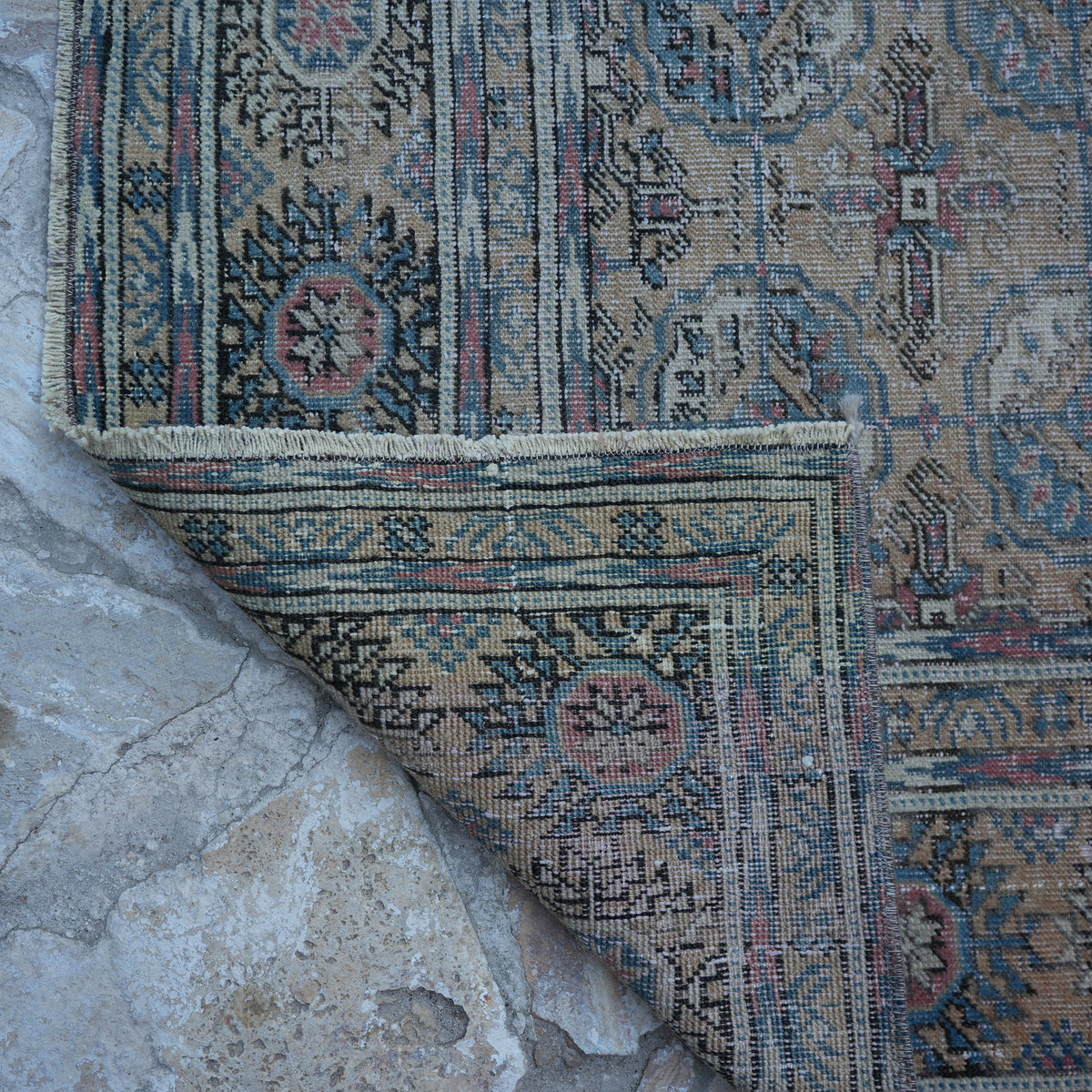
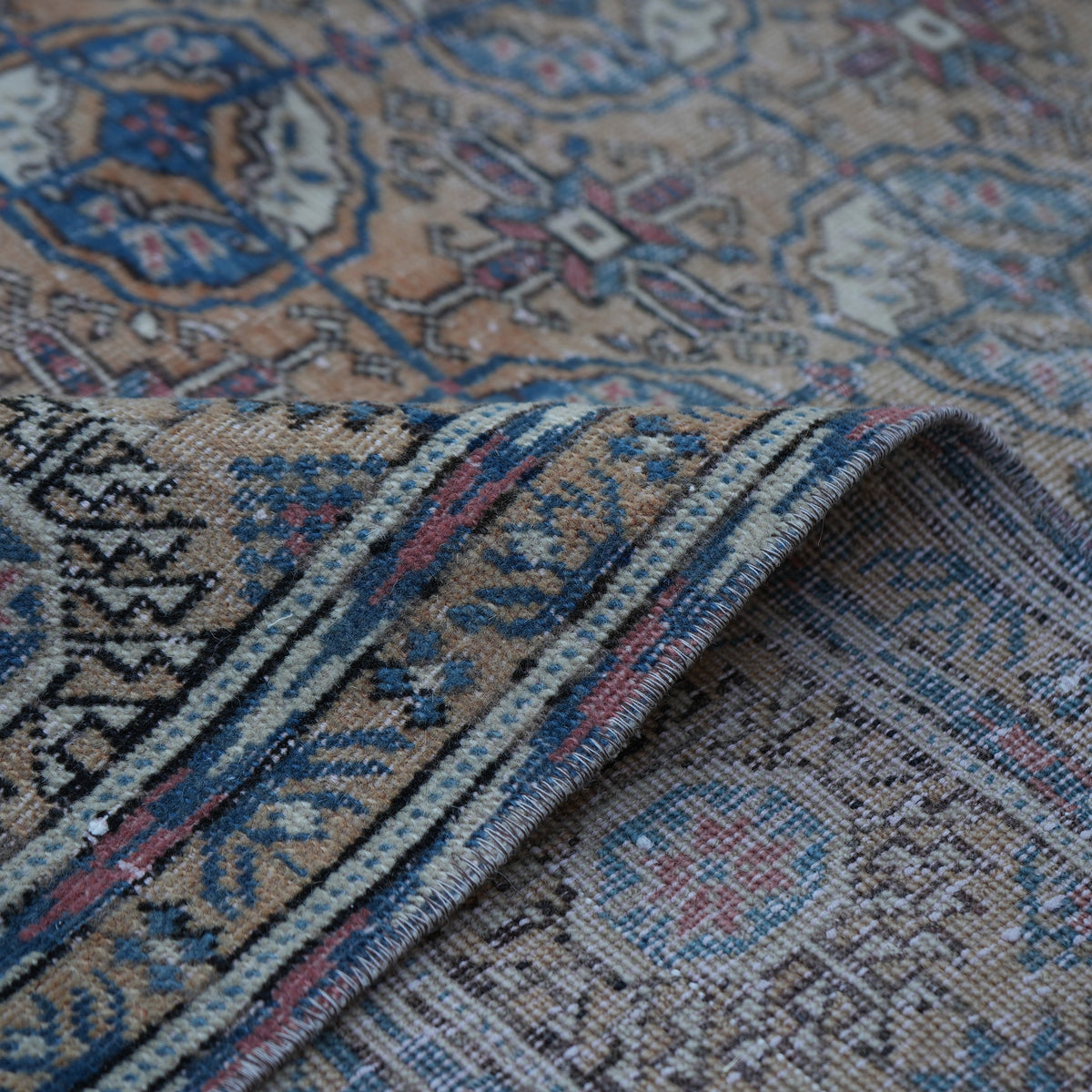
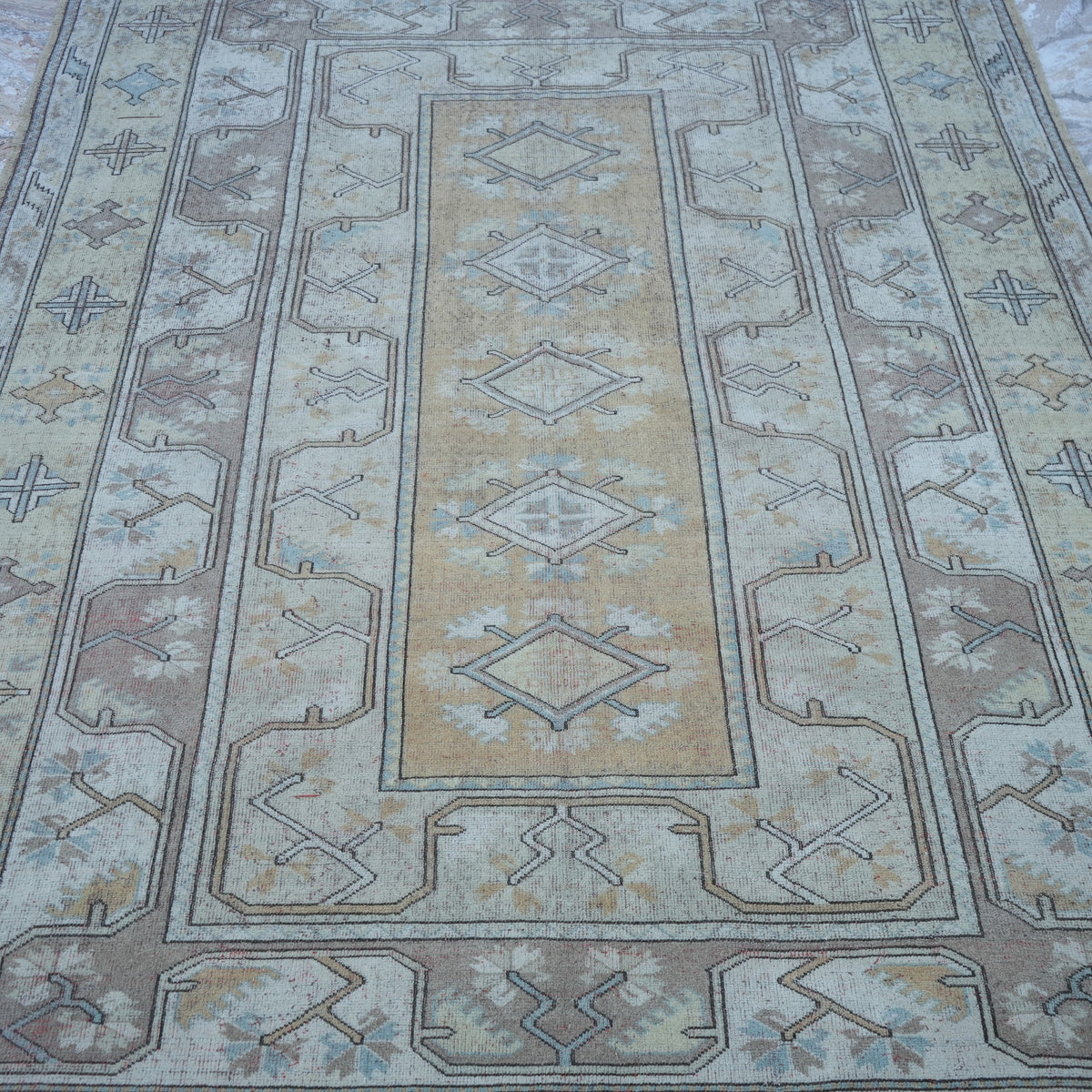
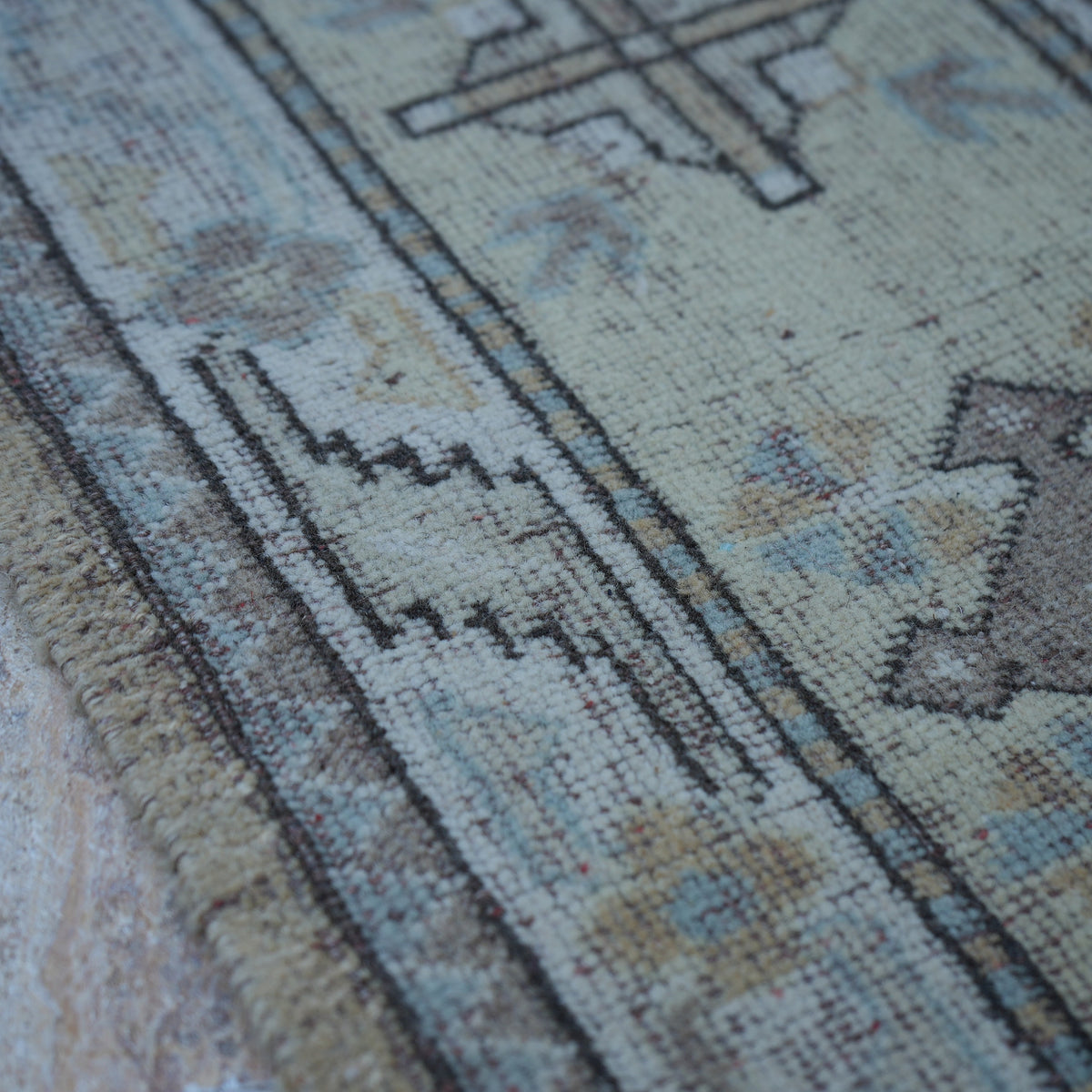
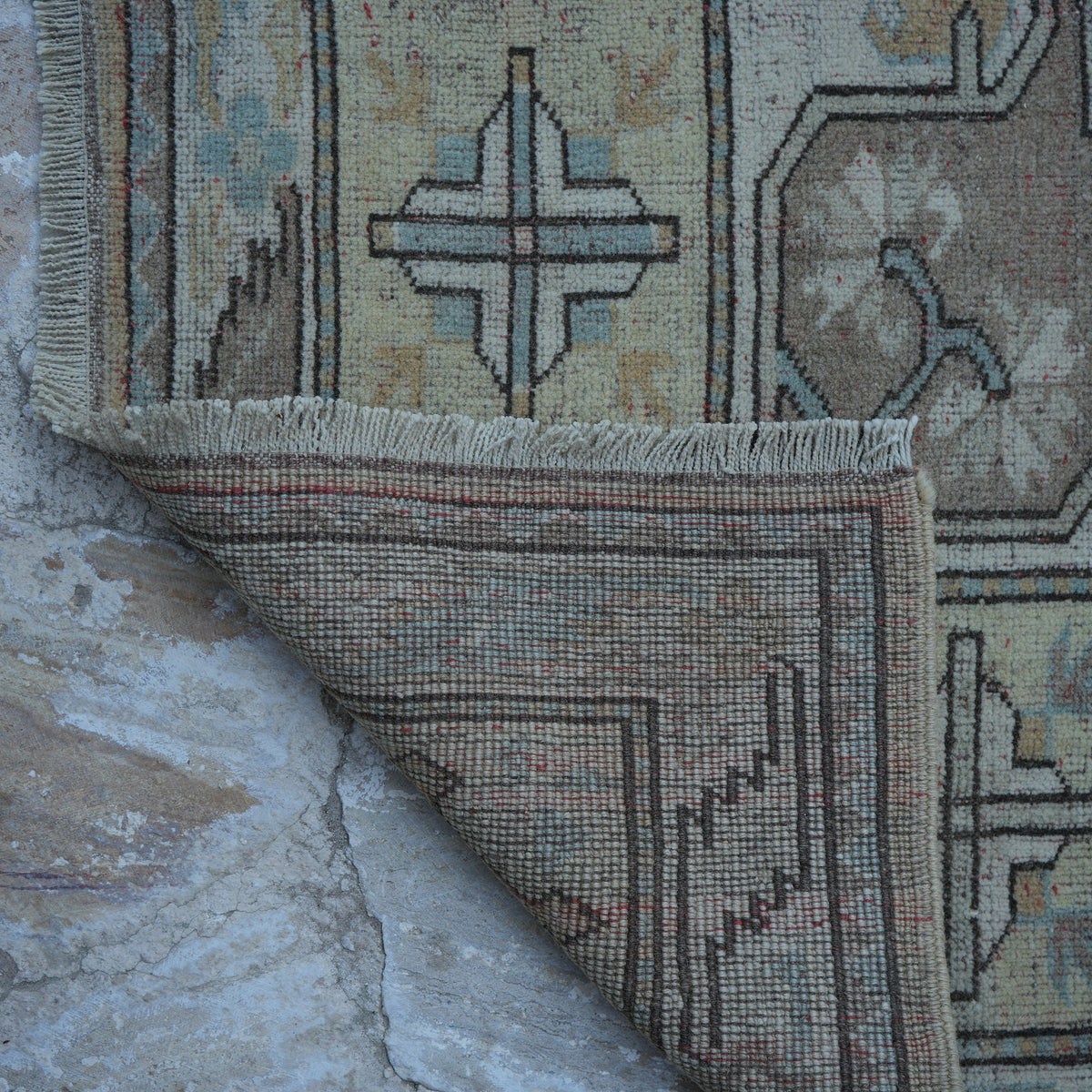
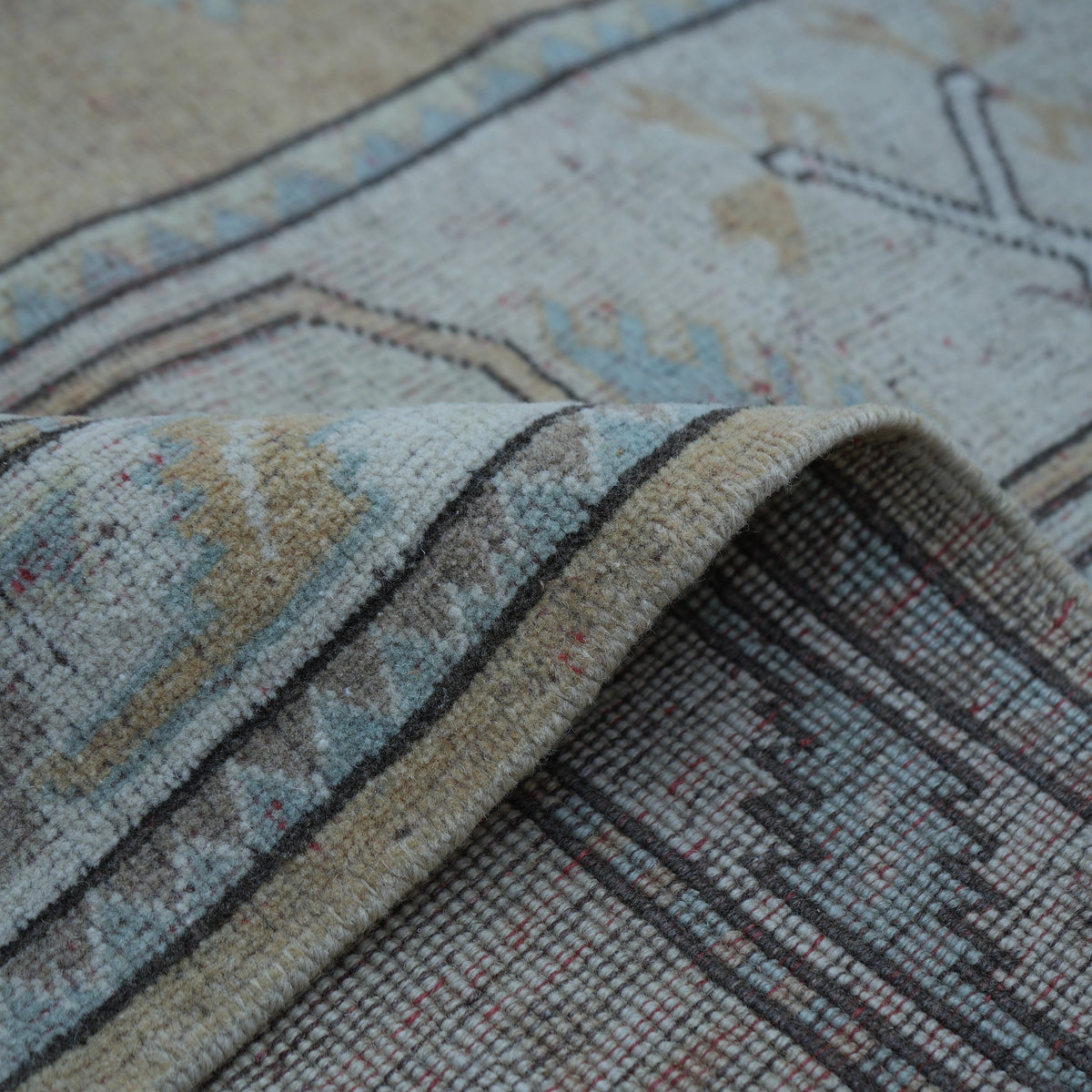
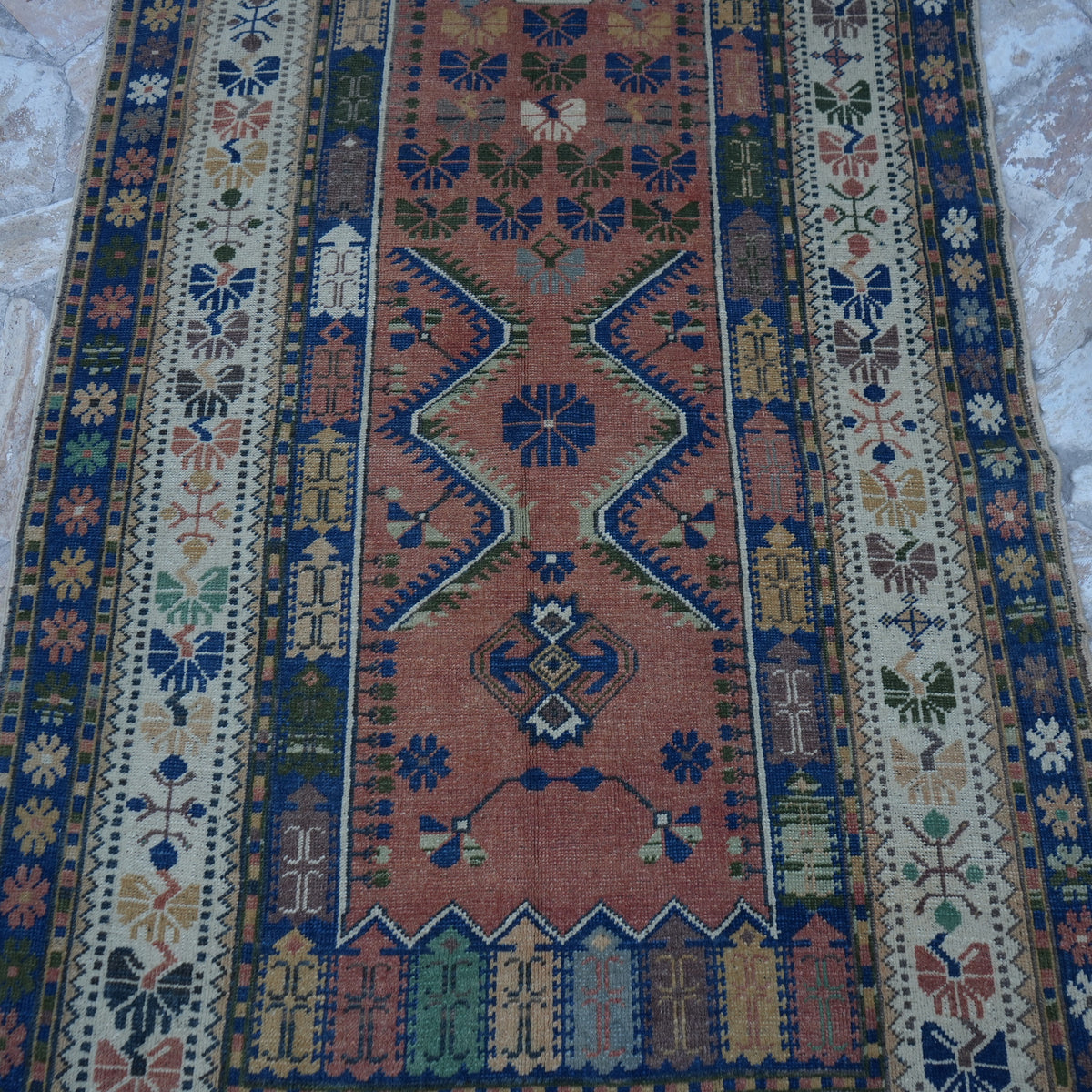
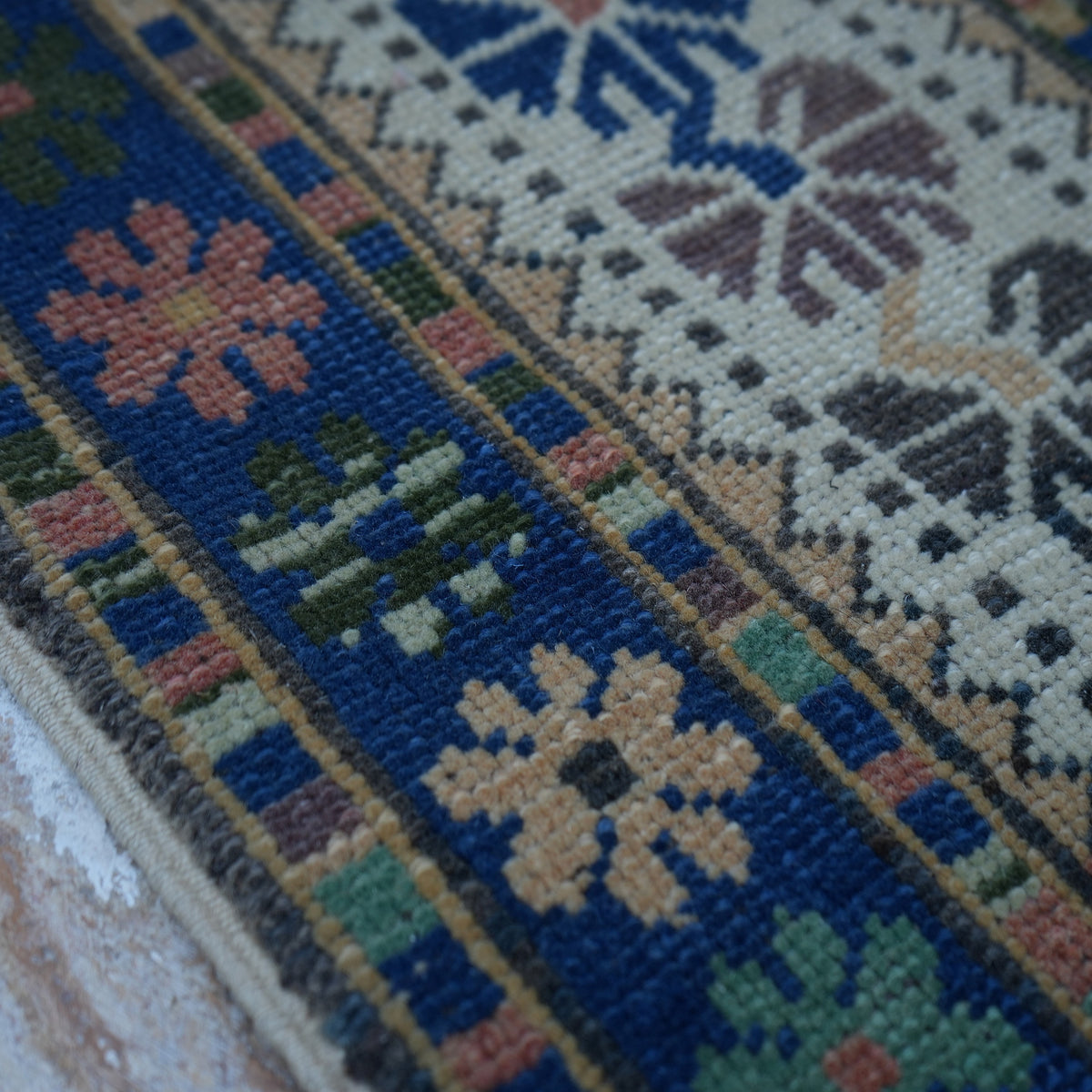
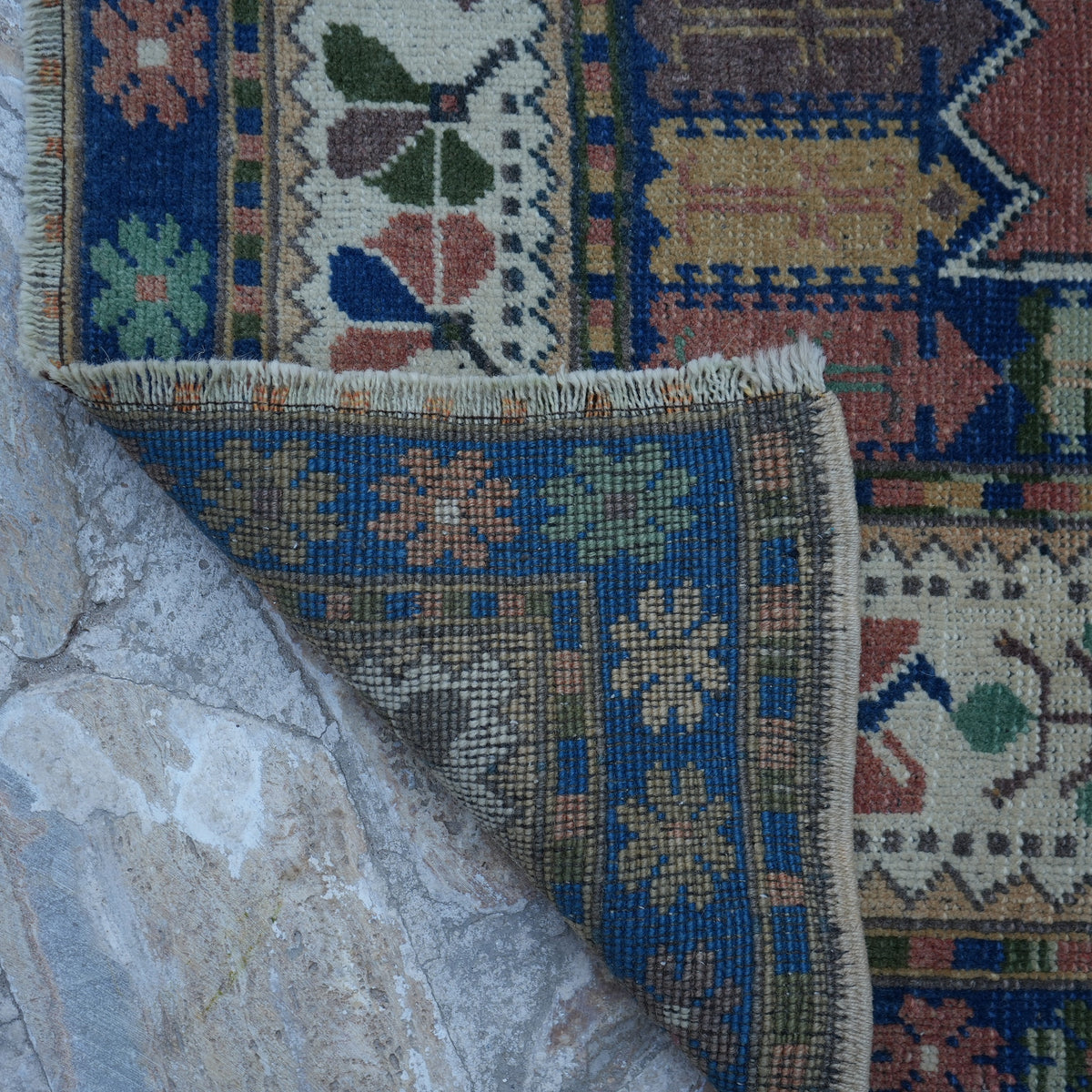
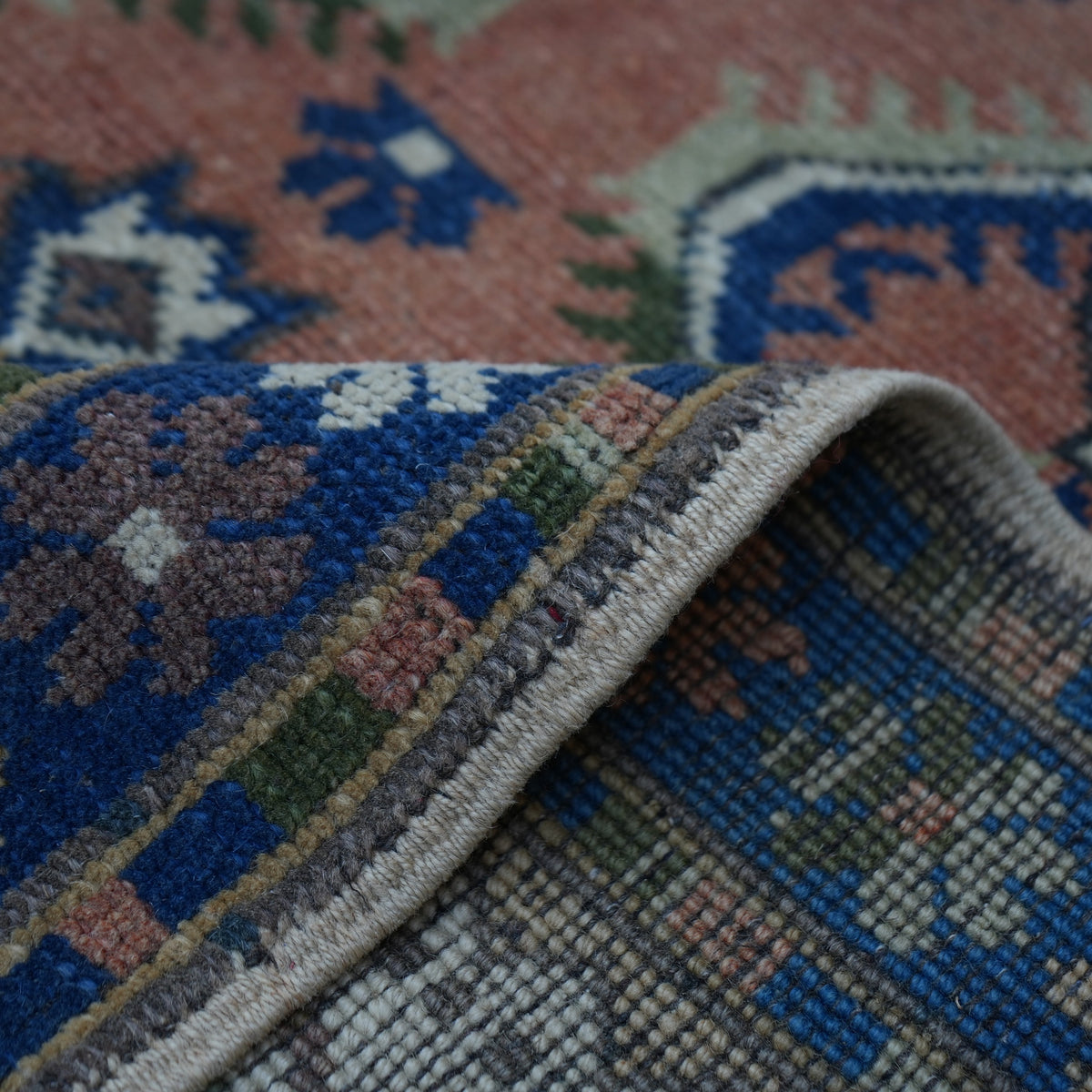
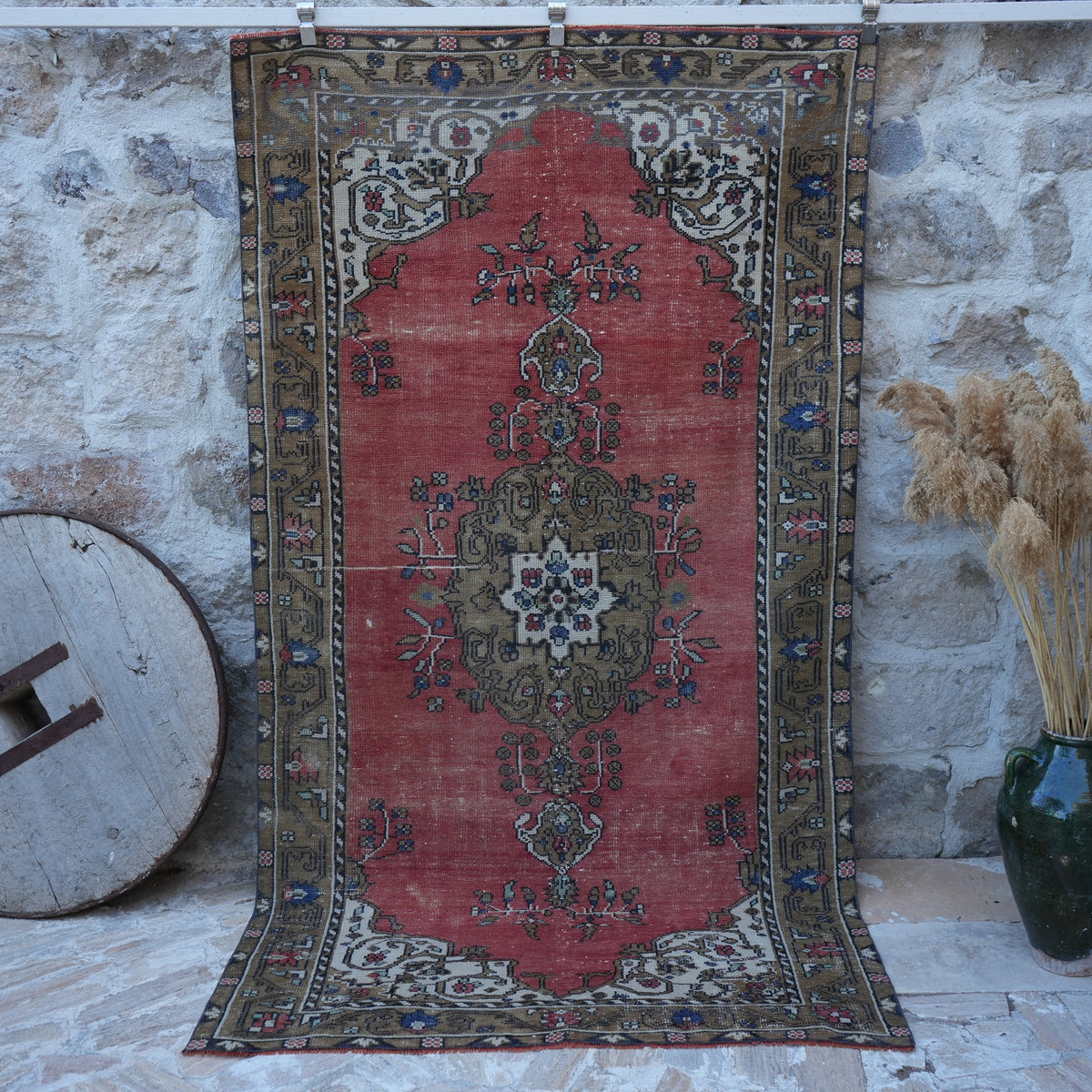
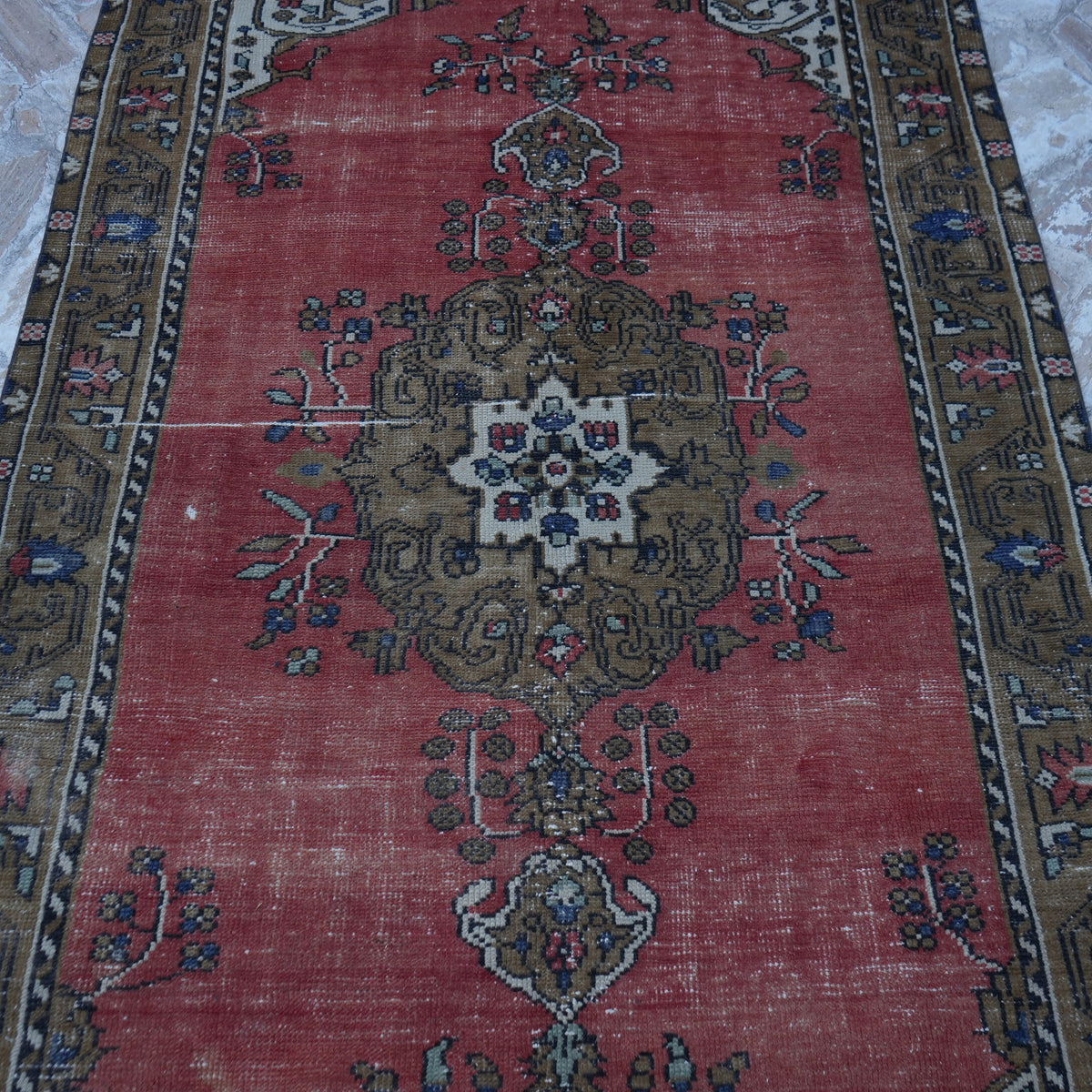
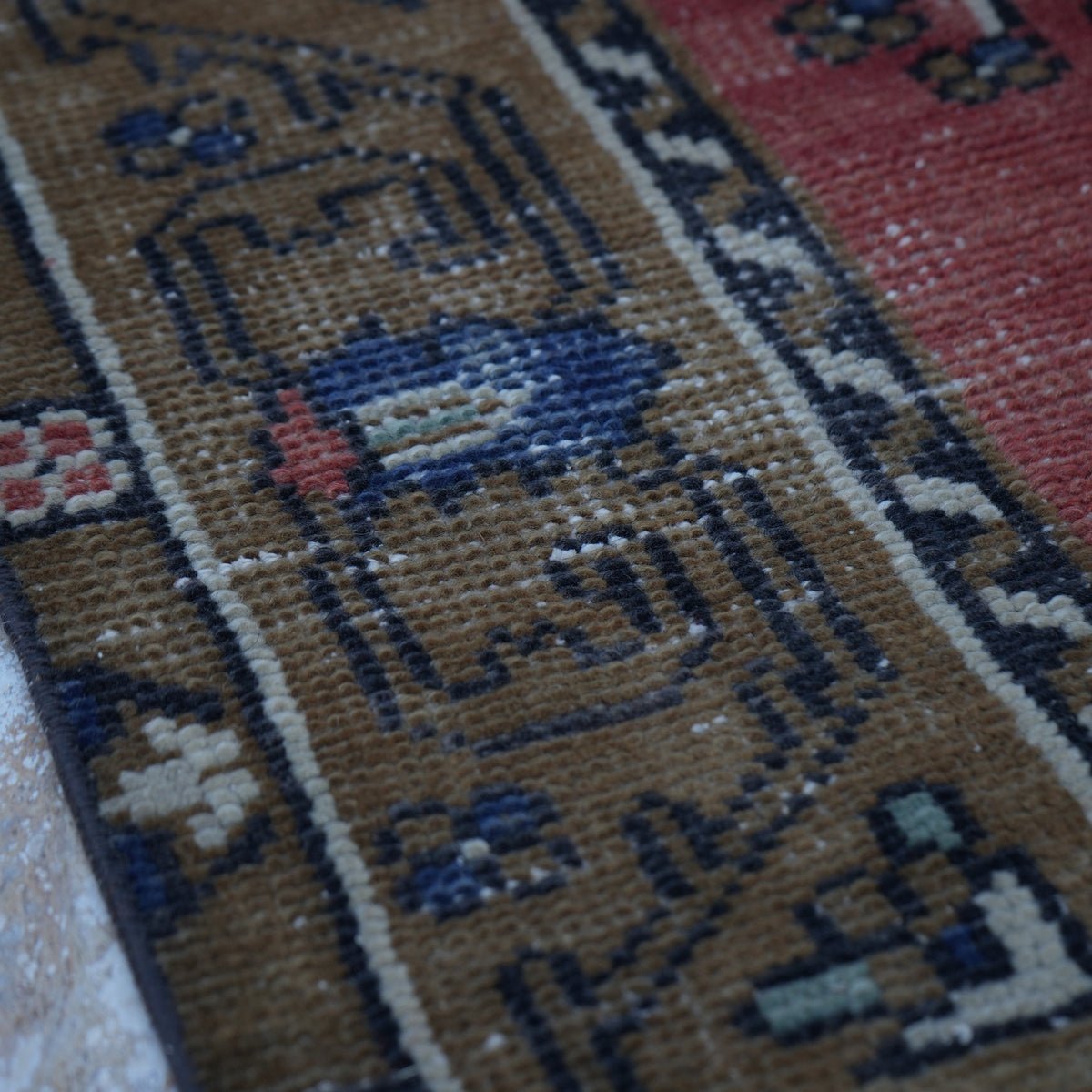
Philly - Vintage Runner Rug
Marylin - Vintage Floral Rug
Taryn - Distressed Vintage Rug
Sybil - Wool Vintage Rug
Simonne - Vintage Turkish Rug
Roze - Vintage Area Rug
Vyky - Vintage Turkish Rug
Pavia - Neutral Vintage Rug
Jayce - Vintage Wool Rug
Estel - Distressed Vintage Rug
Carlyn - Authentic Vintage Rug
Adena - Vintage Wool Rug
Quenby - Vintage Turkish Runner Rug
Lucila - Vintage Traditional Rug
Odelle - Vintage Wool Rug
Sadye - Hand-Knotted Persian Rug
Desiri - Large Wool Rug
Bria - Vintage Wool Rug
Farra - Vintage Wool Rug
Hanni - Wool Vintage Rug
Gertie - Vintage Wool Rug
Karly - Handwoven Runner Rug
Kevyn - Vintage Long Runner Rug
Vivyan - Vintage Runner Rug
Starlin - Turkish Runner Rug
Rorie - Vintage Runner Rug
Odette - Wool Runner Rug
Lona - Wool Vintage Rug
Ranna - Handknotted Vintage Rug
Sonni - Vintage Geometric Rug
Ulla - Vintage Turkish Rug
Lolly - Vintage Turkish Rug
Harris - Handmade Vintage Rug
Caren - Unique Vintage Rug
Barry - Vintage Geometric Rug
Dore - Unique Vintage Rug
Flor - Vintage Wool Rug
Leta - Handknotted Wool Rug
Tasia - Vintage Wool Rug
Tani - Vintage Traditional Rug
Turkish Rugs
Not every rug I bring back from a market ends up listed for sale. Some pieces look right in the light at the time — then you get them home, flip them over, and something is off. A repair someone tried to hide. Knot density that drops in one corner. I wash every rug myself before listing it, so these things come out during cleaning. The pieces you see here are ones I've handled, checked, and decided to stand behind.
What makes a Turkish rug different
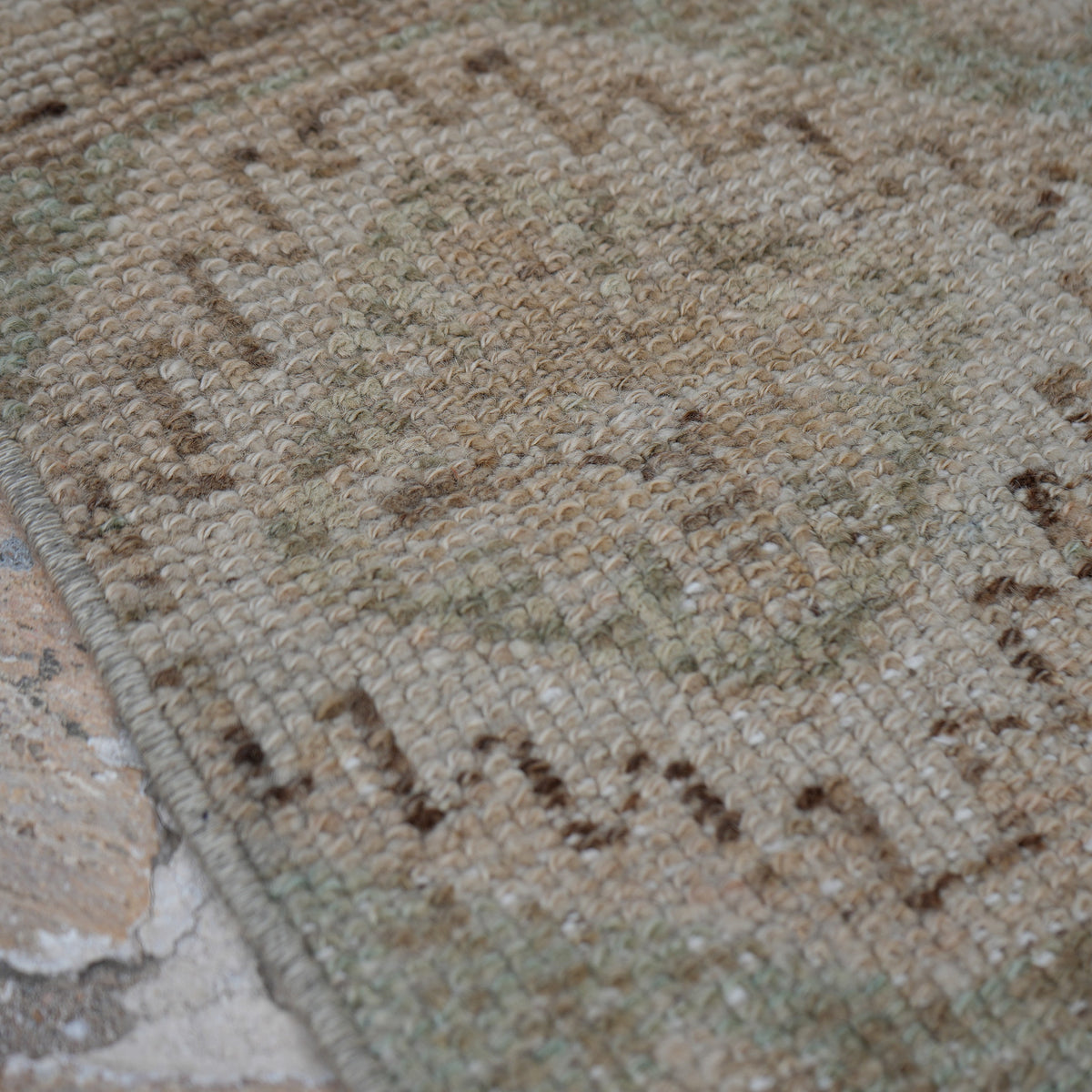
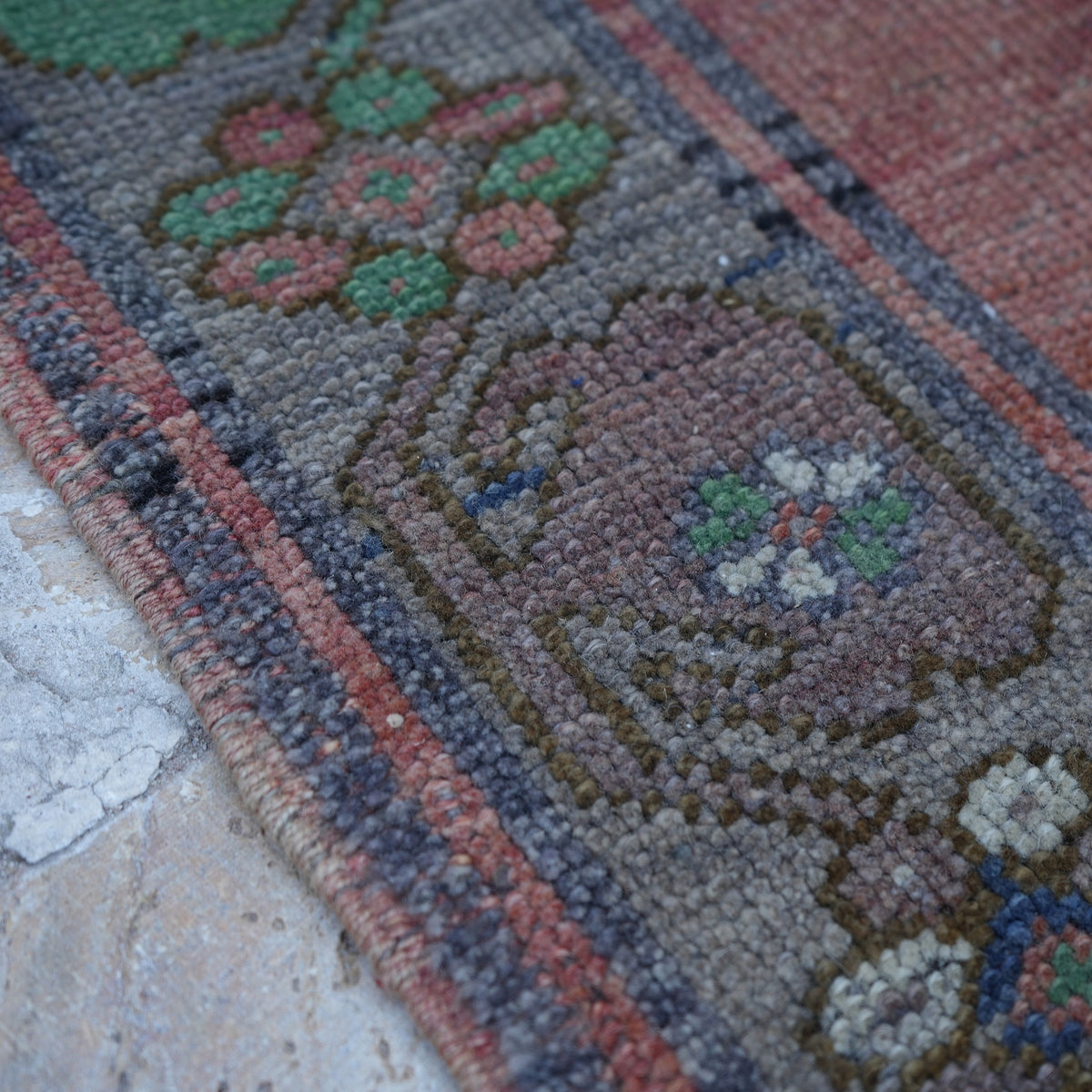
The technique is the starting point. A hand-knotted Turkish rug uses what weavers call the Ghiordes knot — both threads of pile wrap fully around two warp threads, locking in from both sides. It sounds like a technical detail. The result is a pile that sits dense and doesn't collapse. Run your hand across an old Turkish pile rug and it pushes back. It holds its shape under foot traffic in a way that softer-structured pile doesn't.
Persian rugs use a different knot — the asymmetric Senneh knot — which allows for finer curves and more intricate floral patterns. Neither approach is better. They're different tools for different visual traditions. Turkish patterns tend geometric: medallions, angular borders, repeating motifs. When someone sends me a photo asking where a rug might be from and I see strong angular geometry with bold borders, my first thought is Anatolia.

How to tell if a Turkish rug is actually handmade
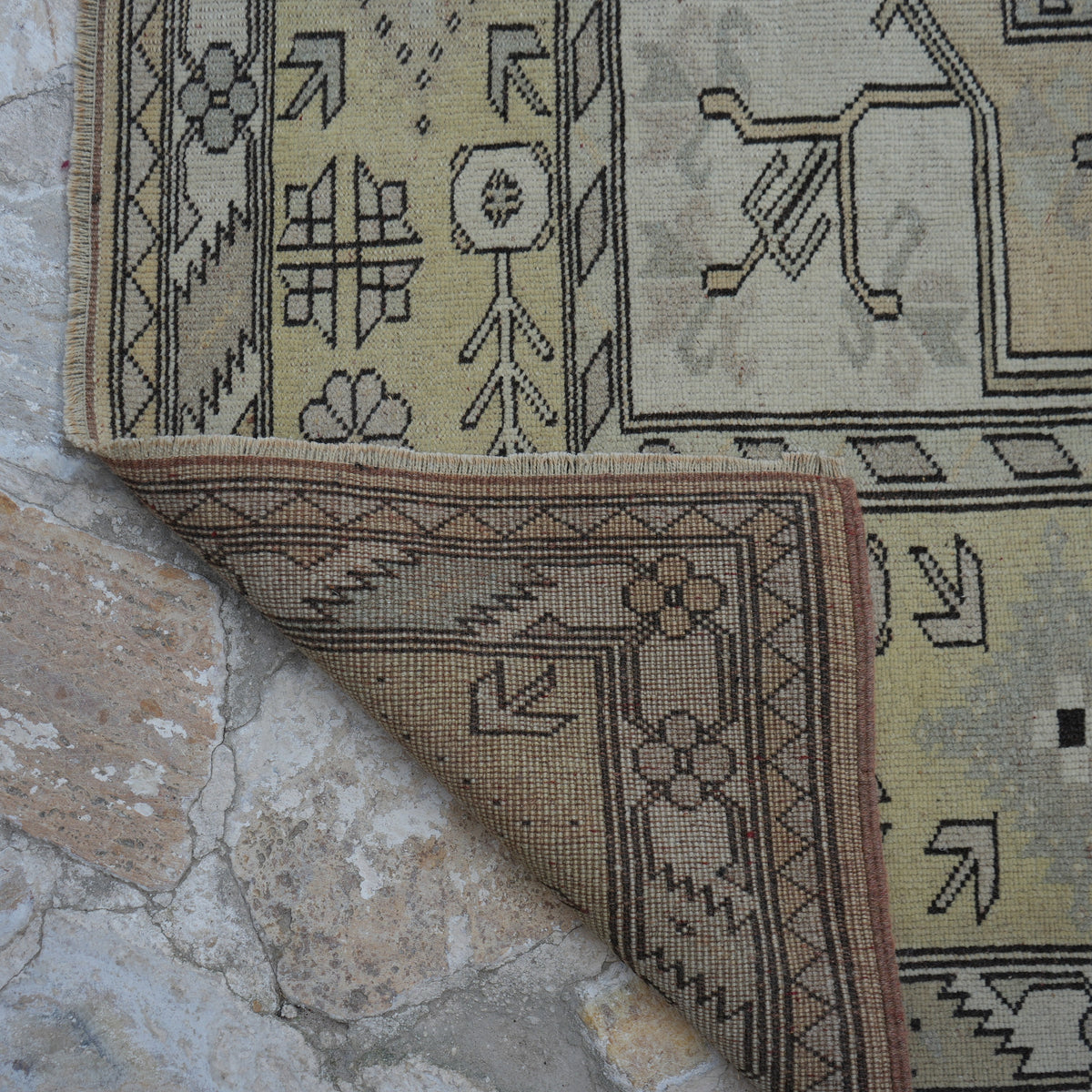
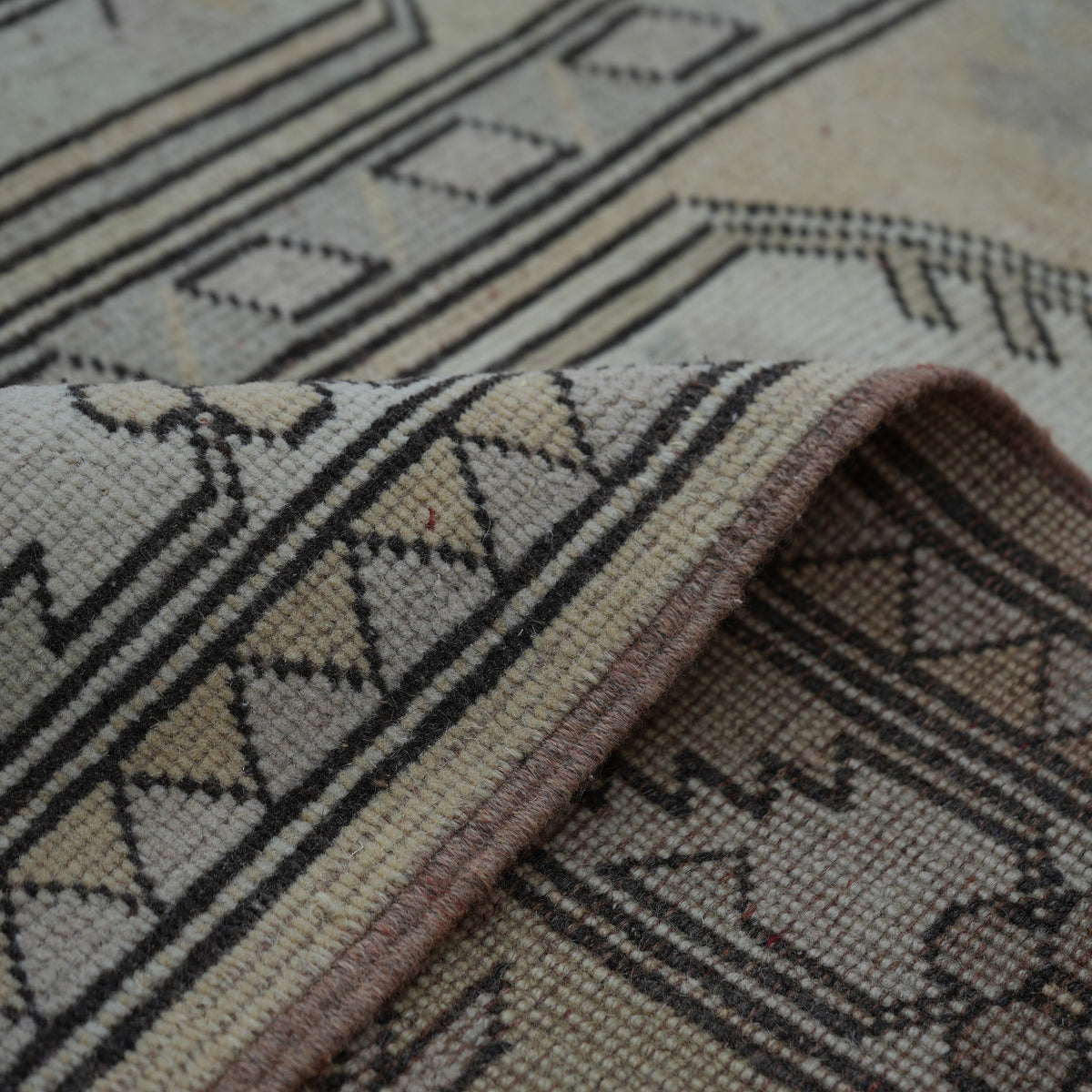
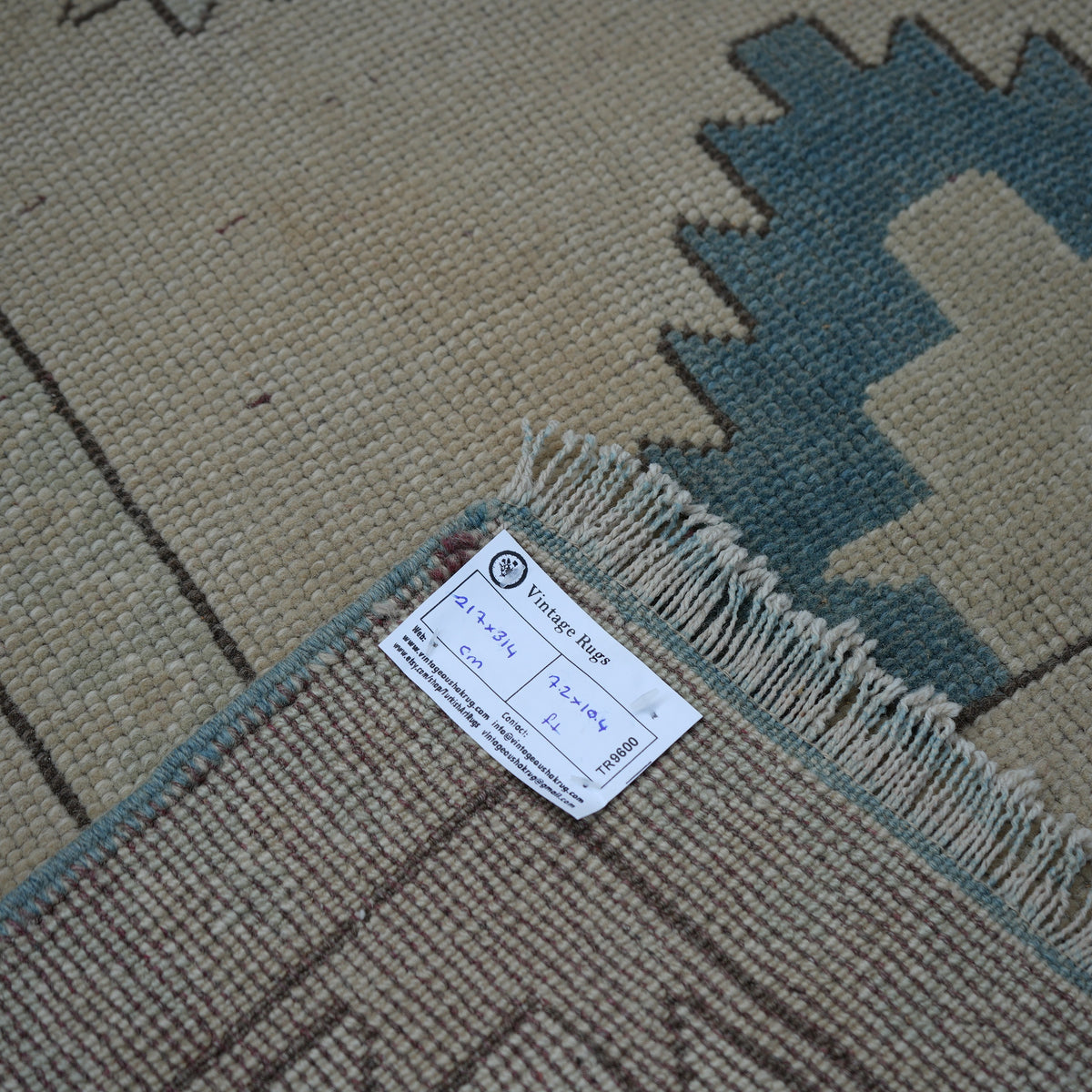
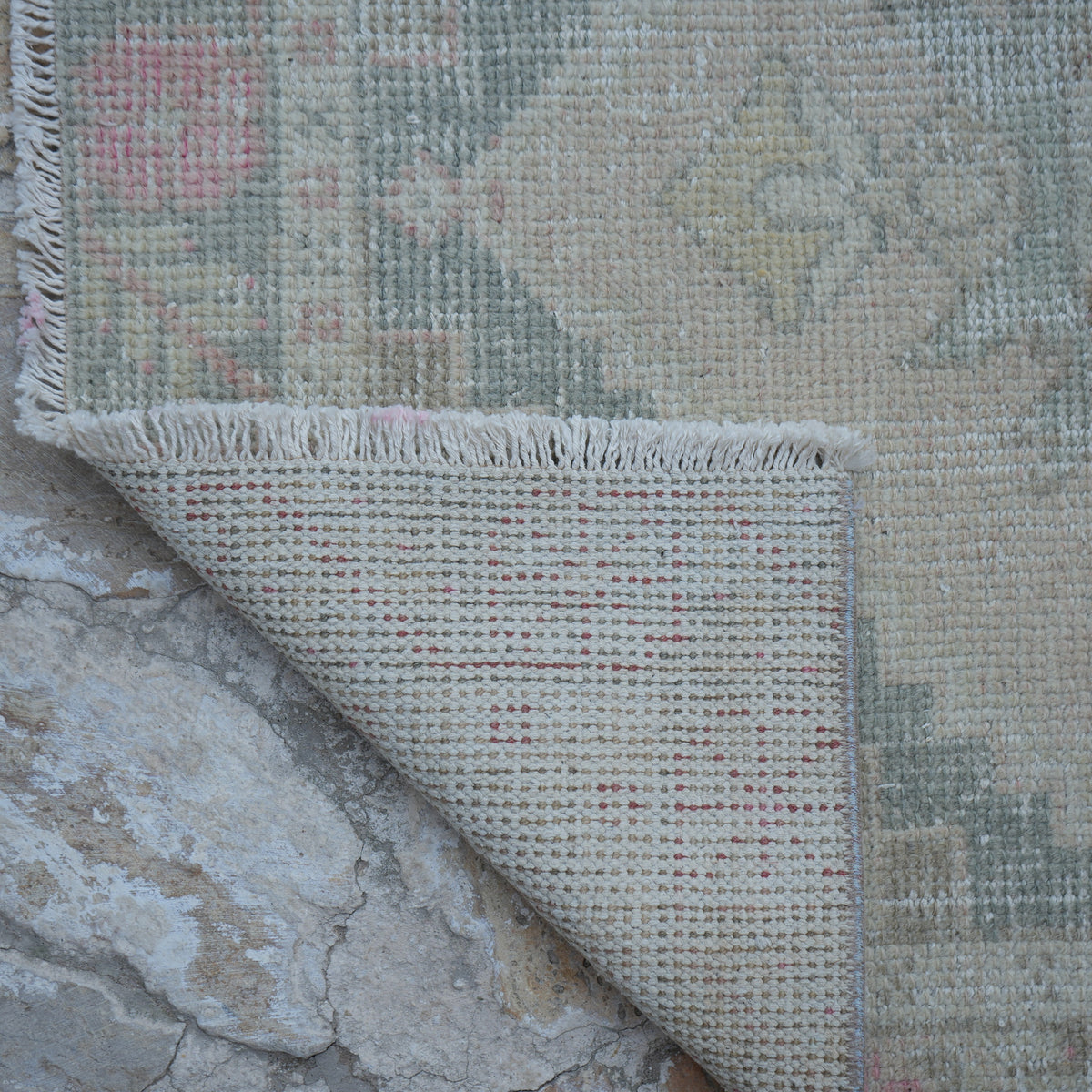
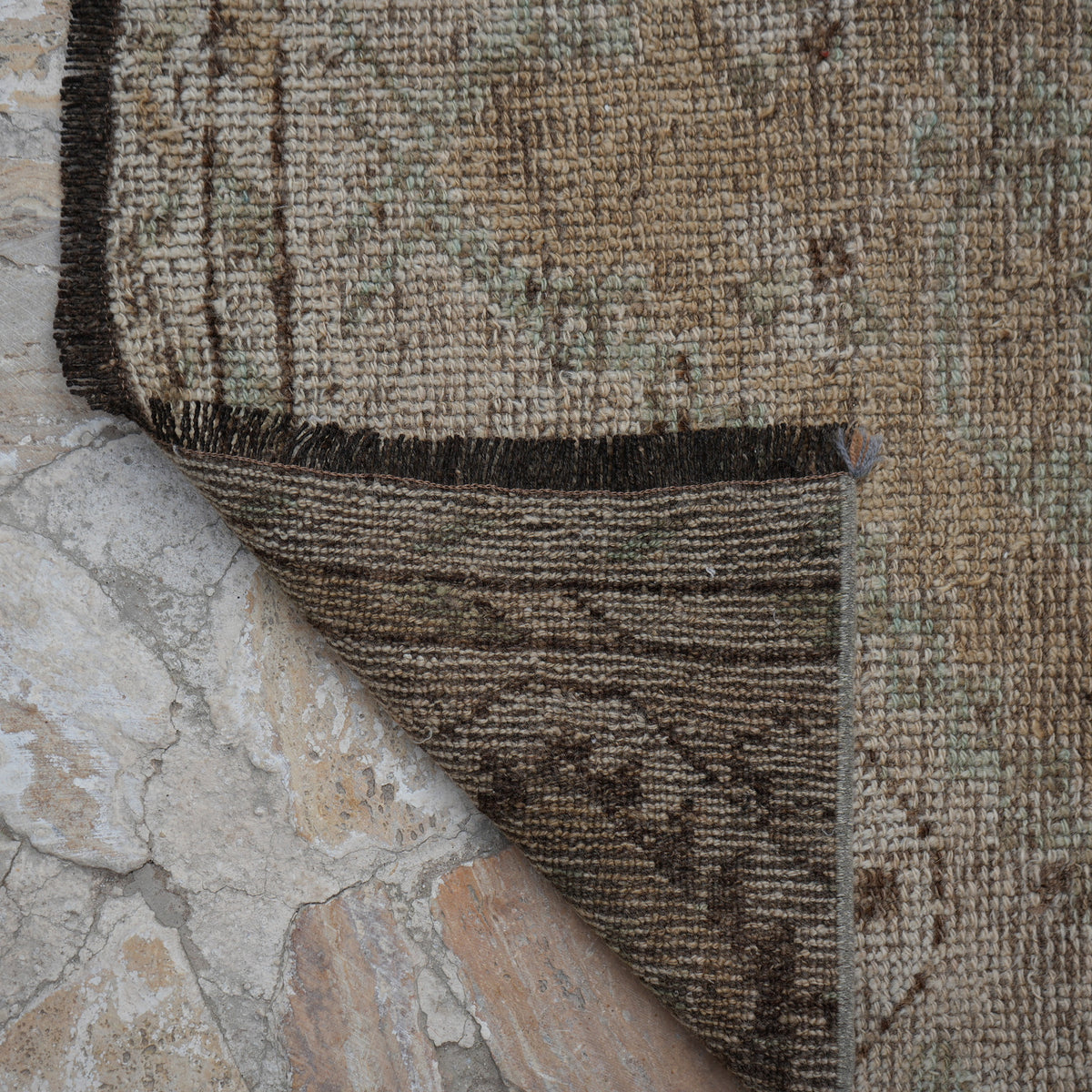
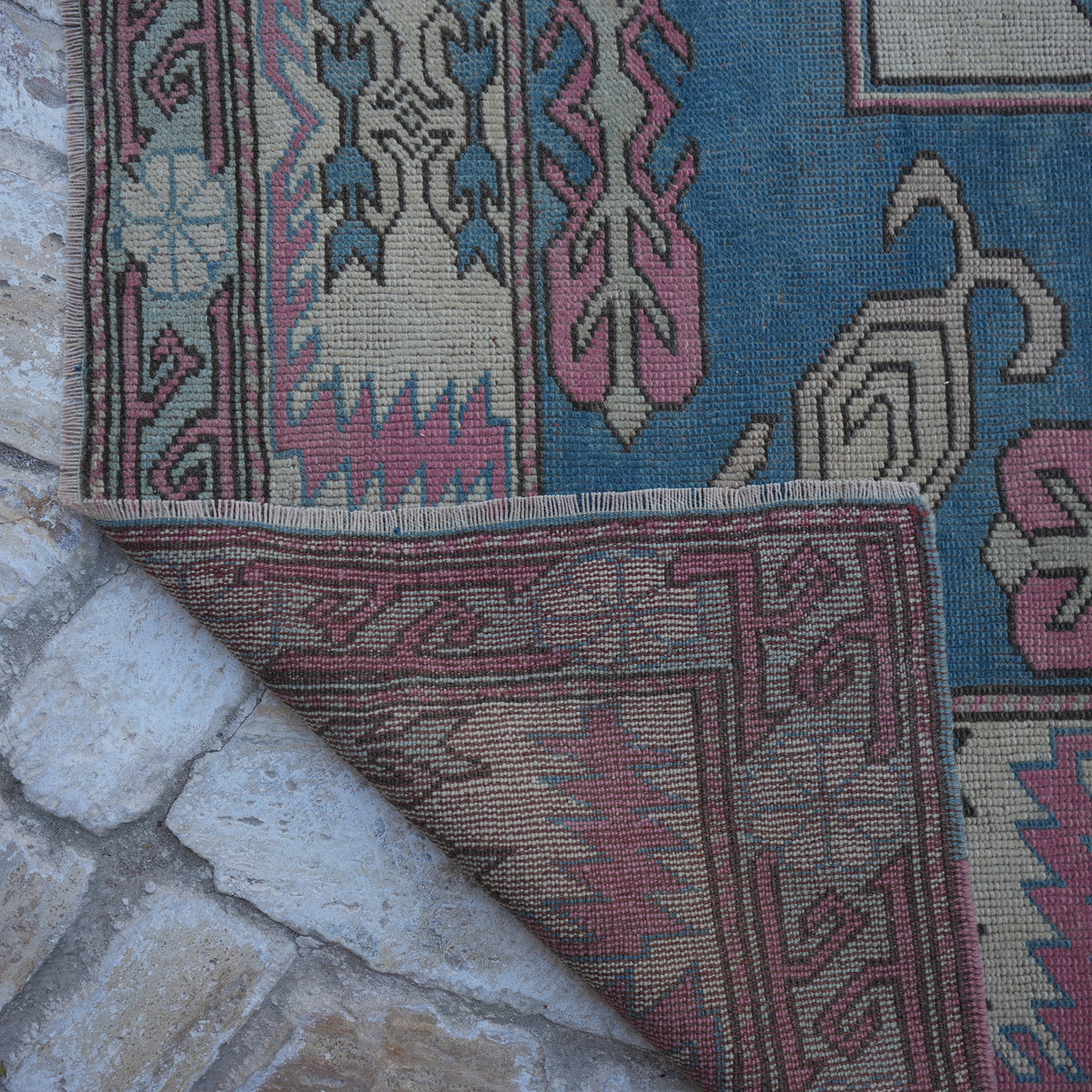
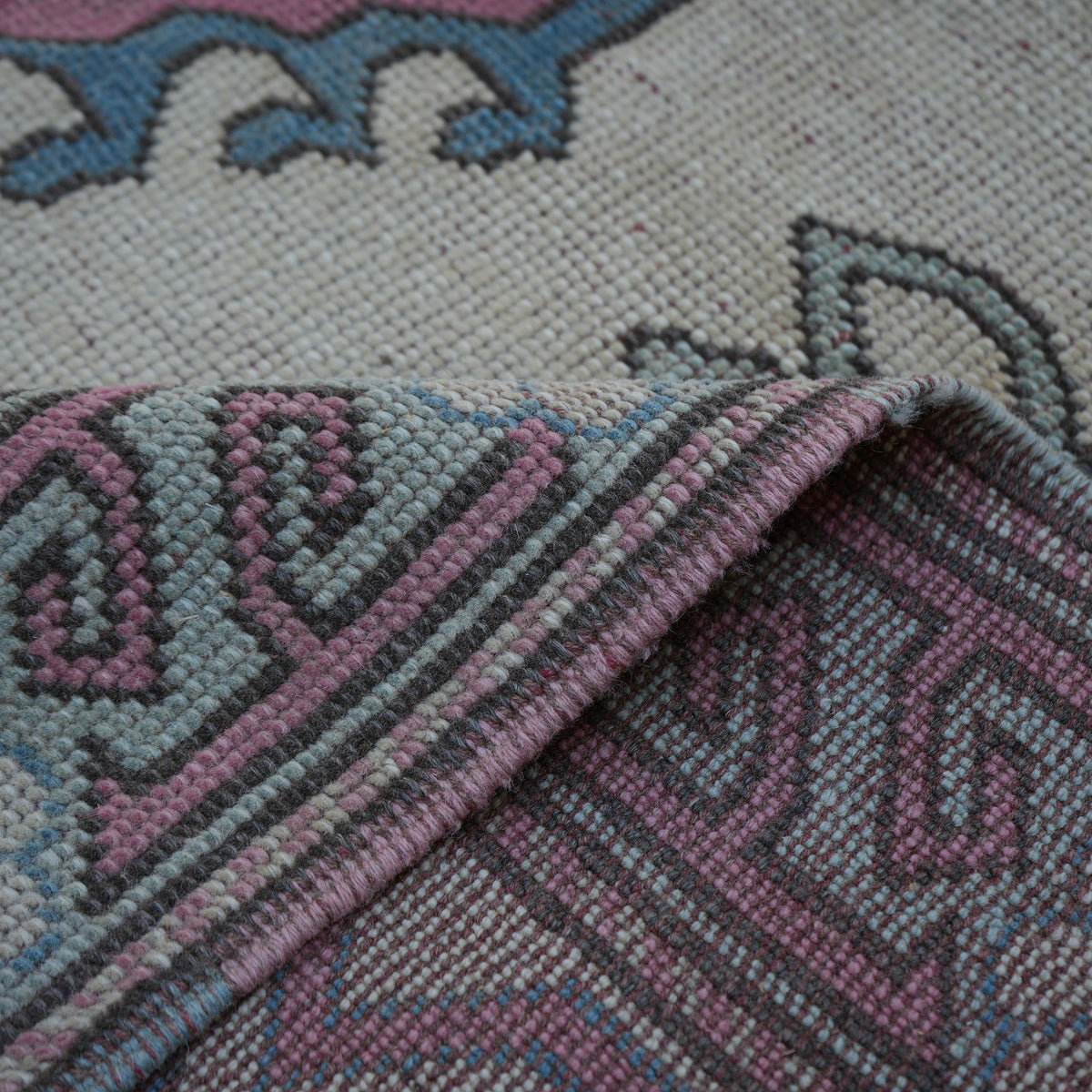
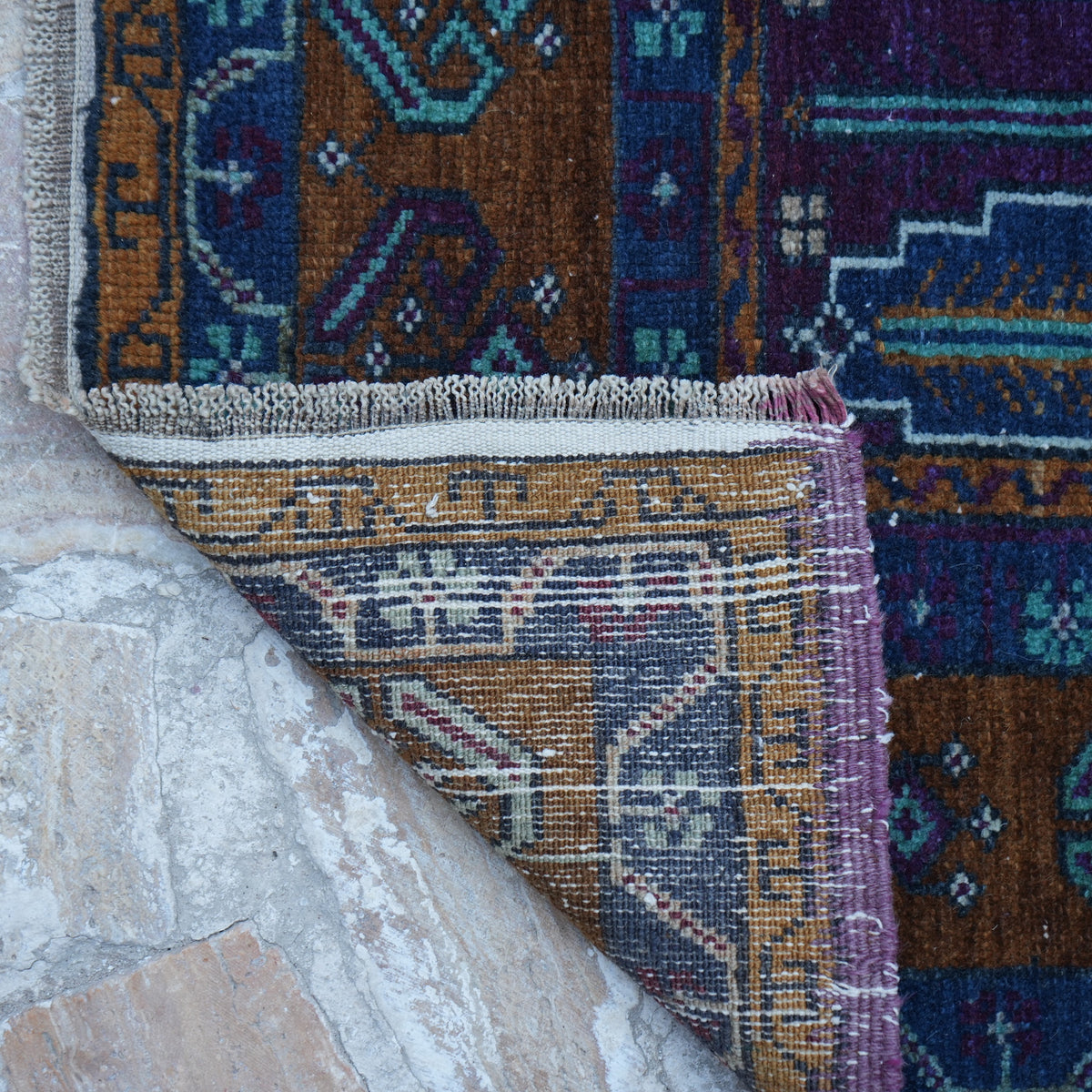
Flip it over. That's the most useful thing I can tell anyone.
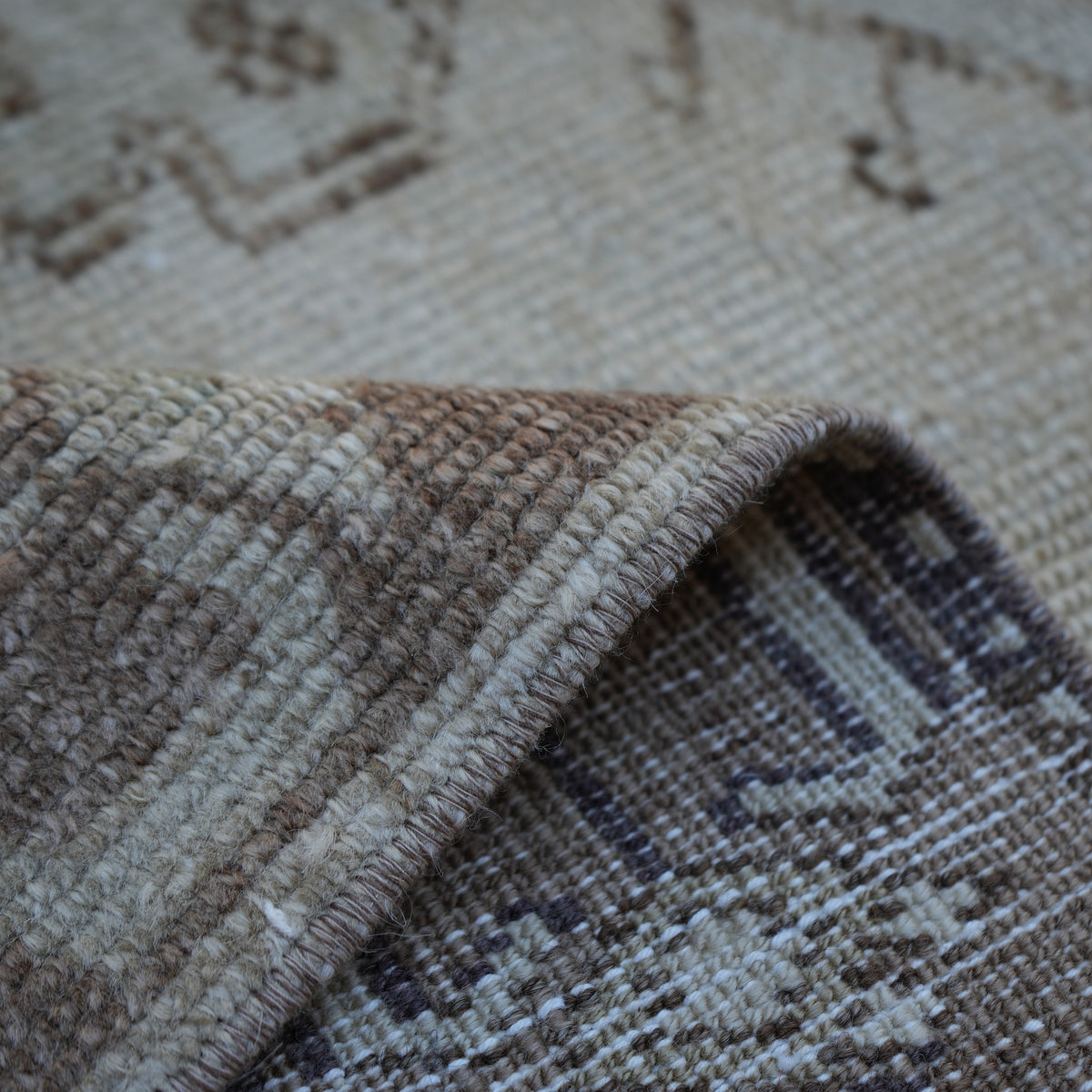
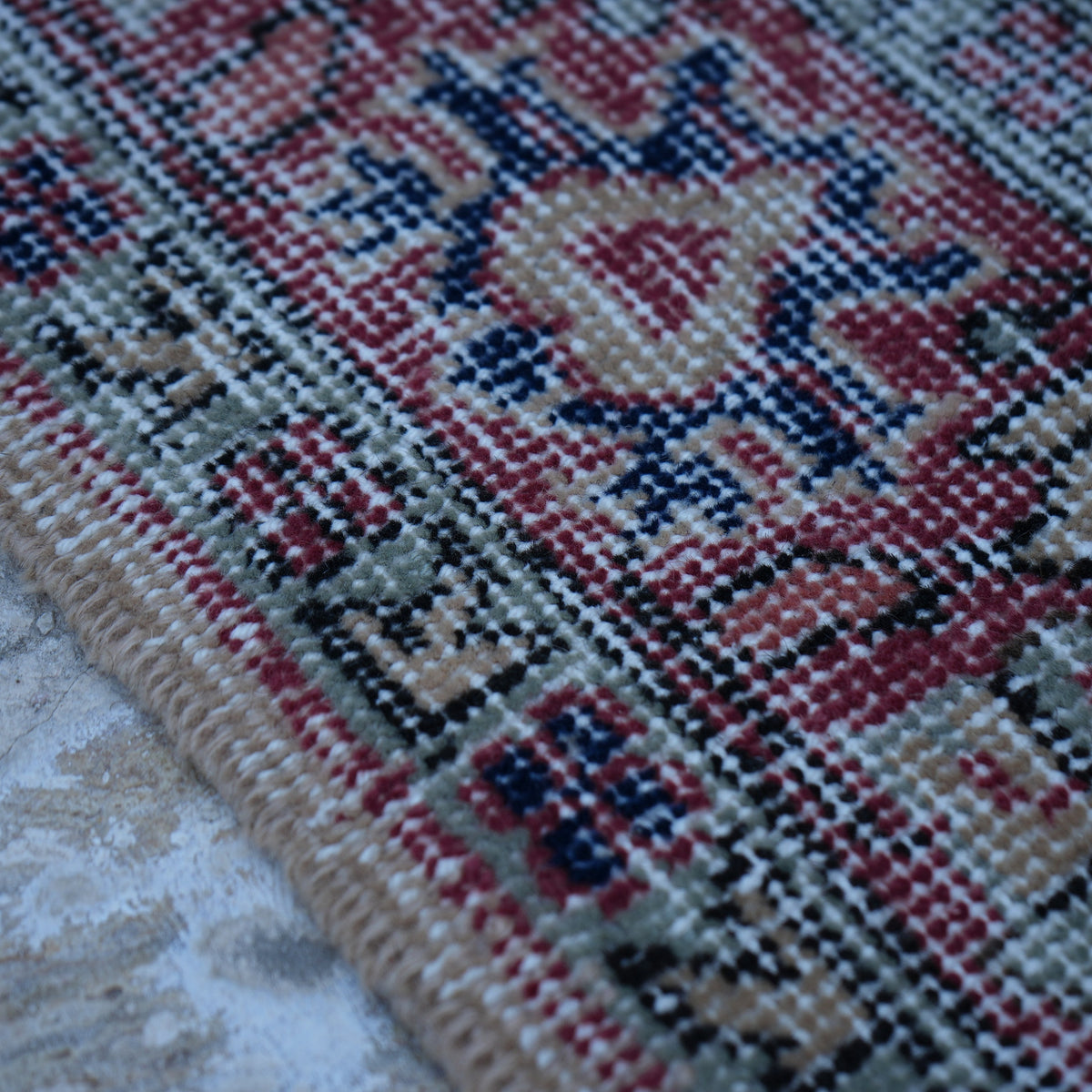
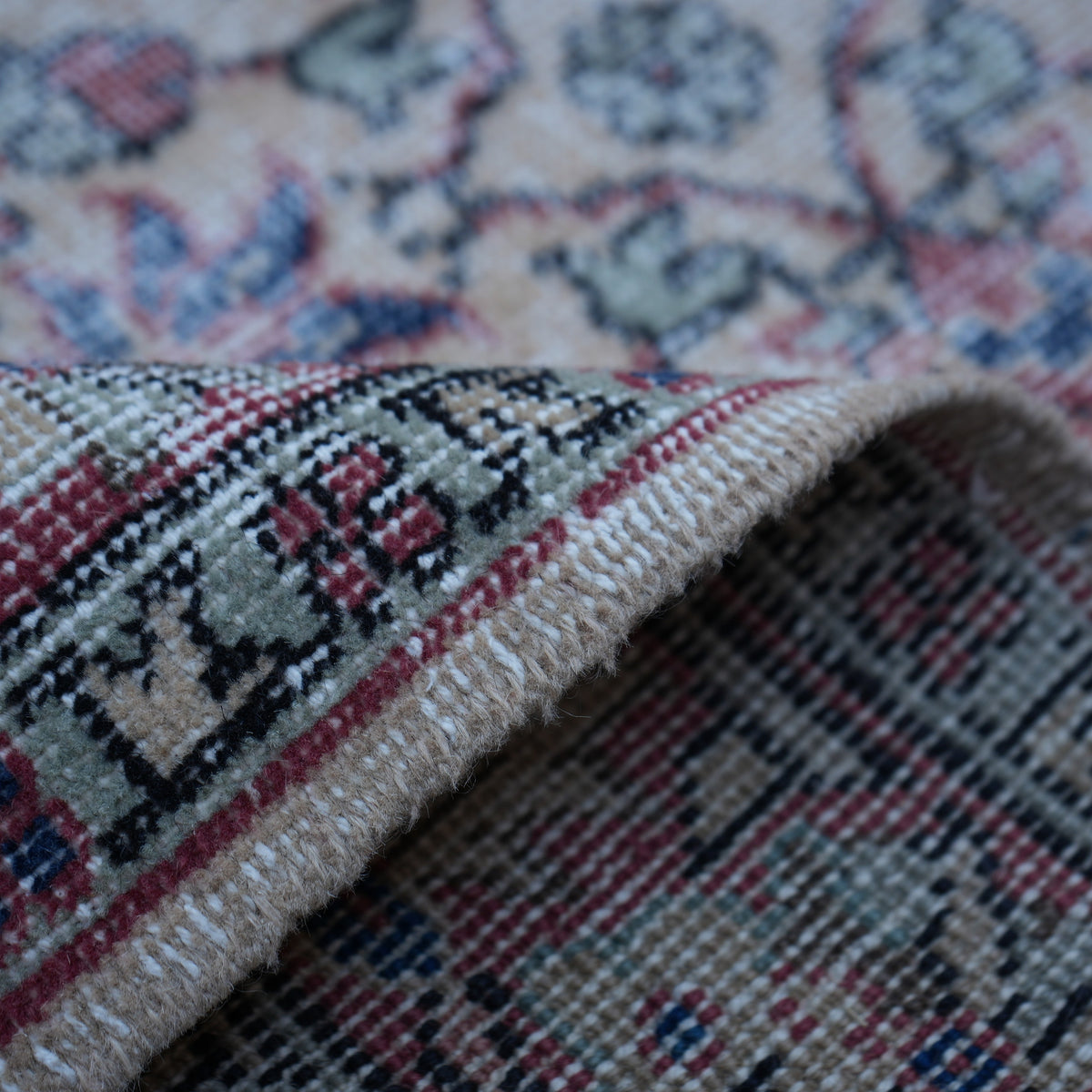
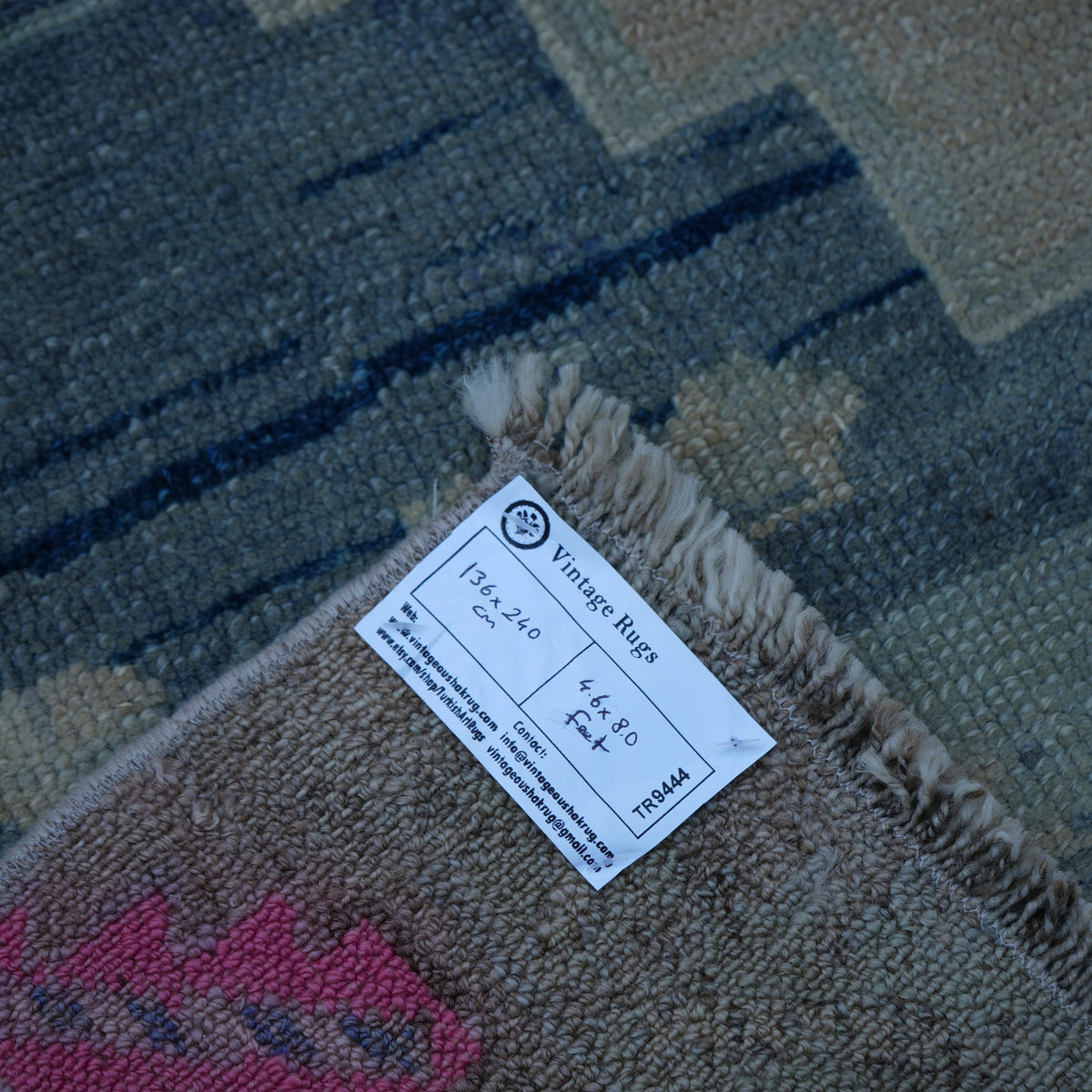
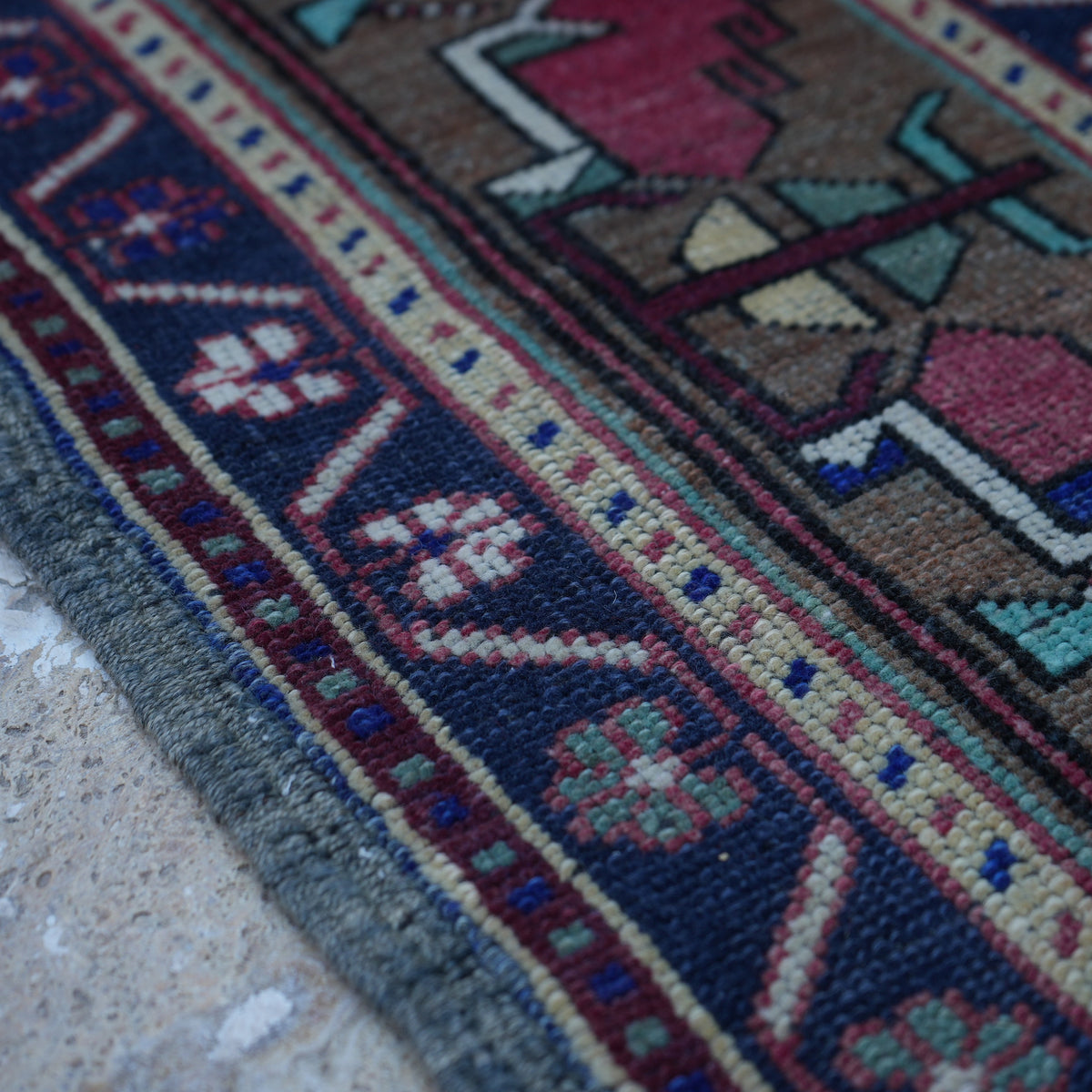
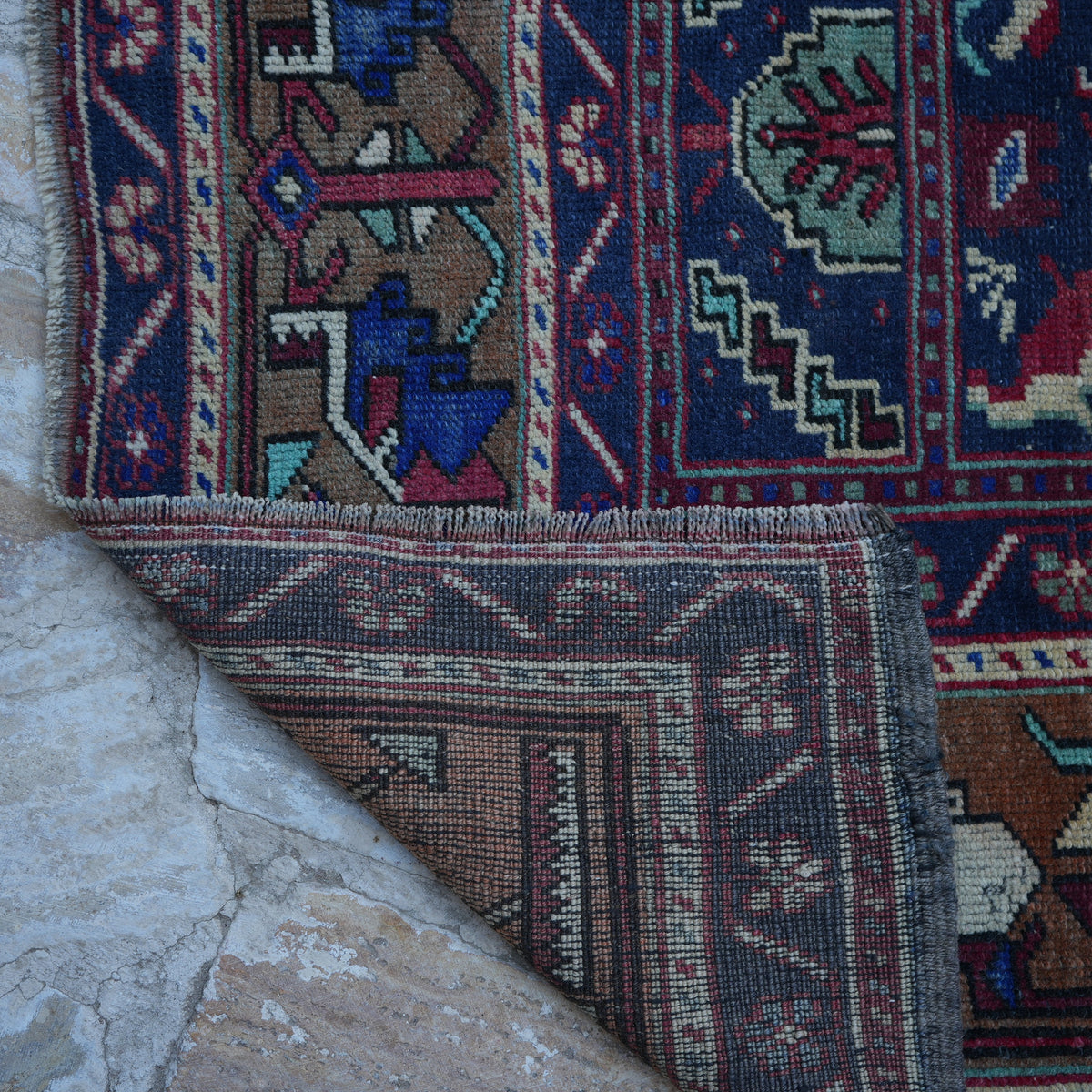
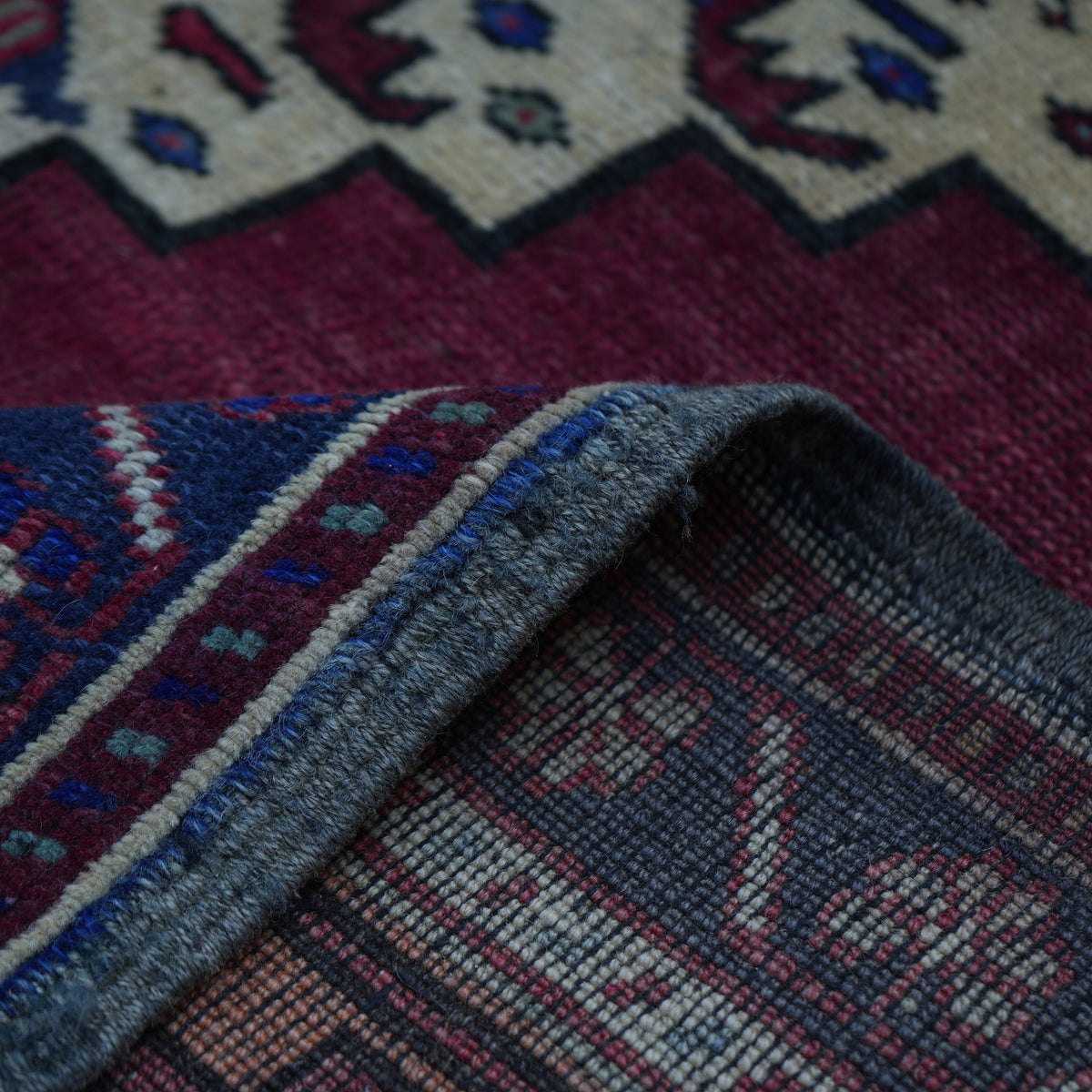
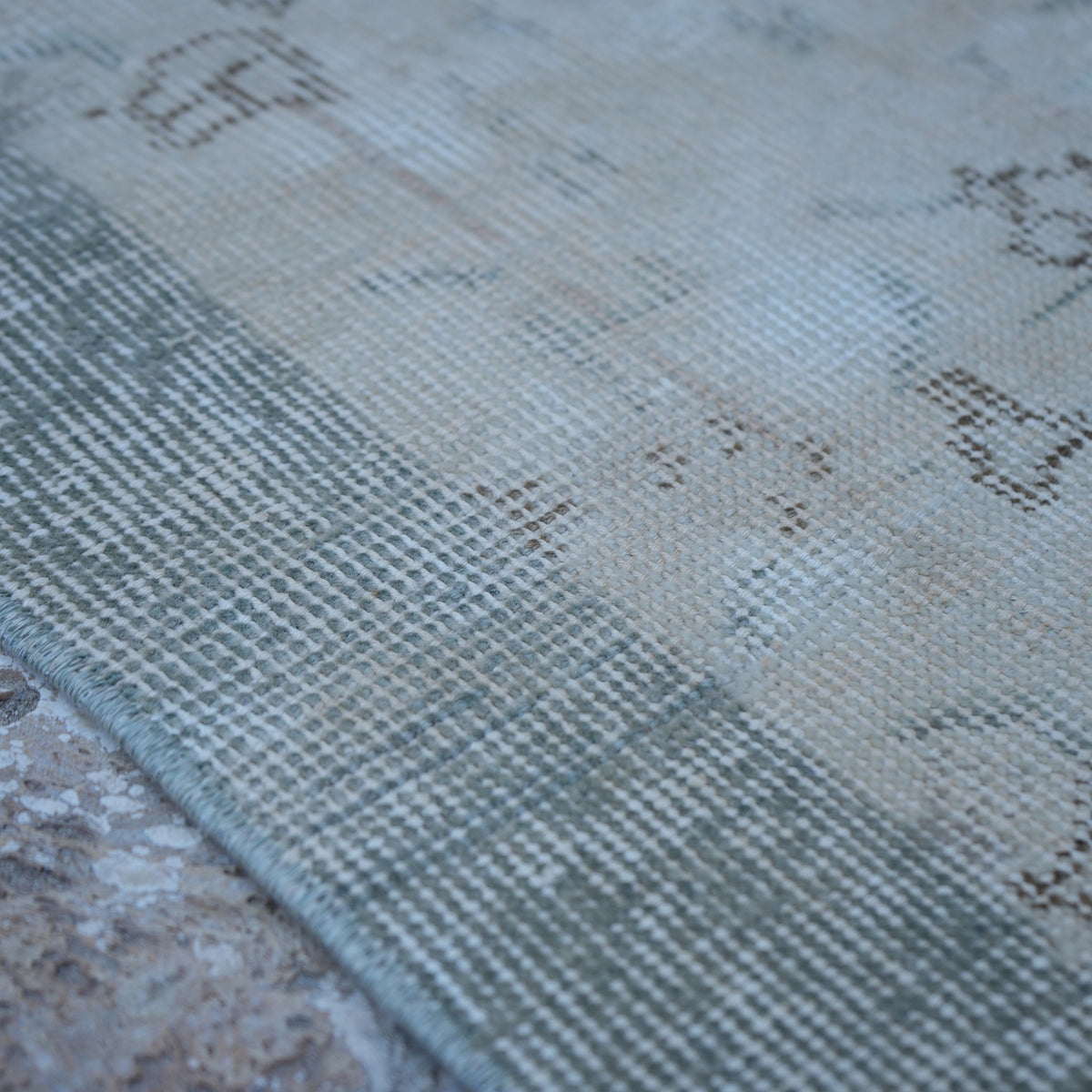
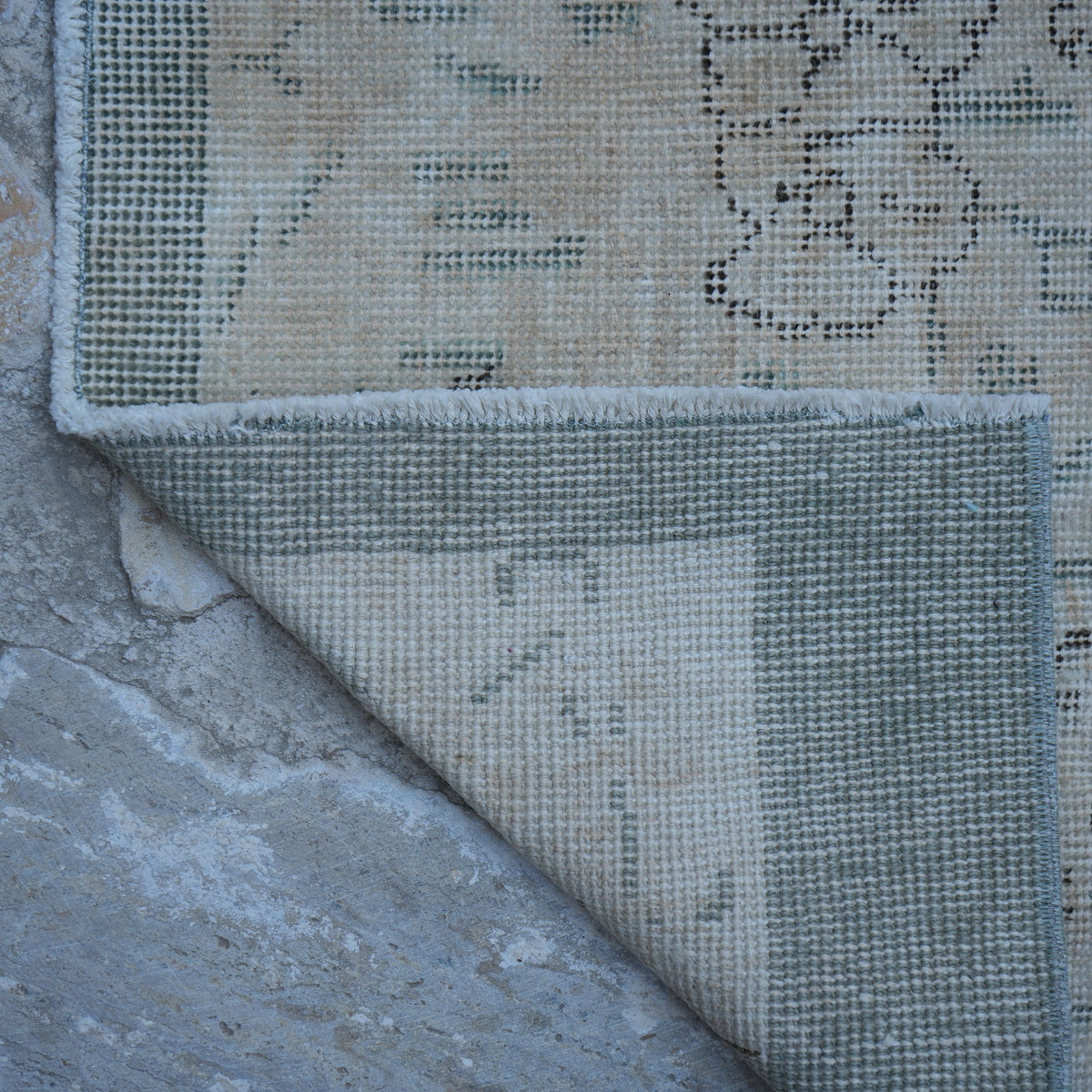
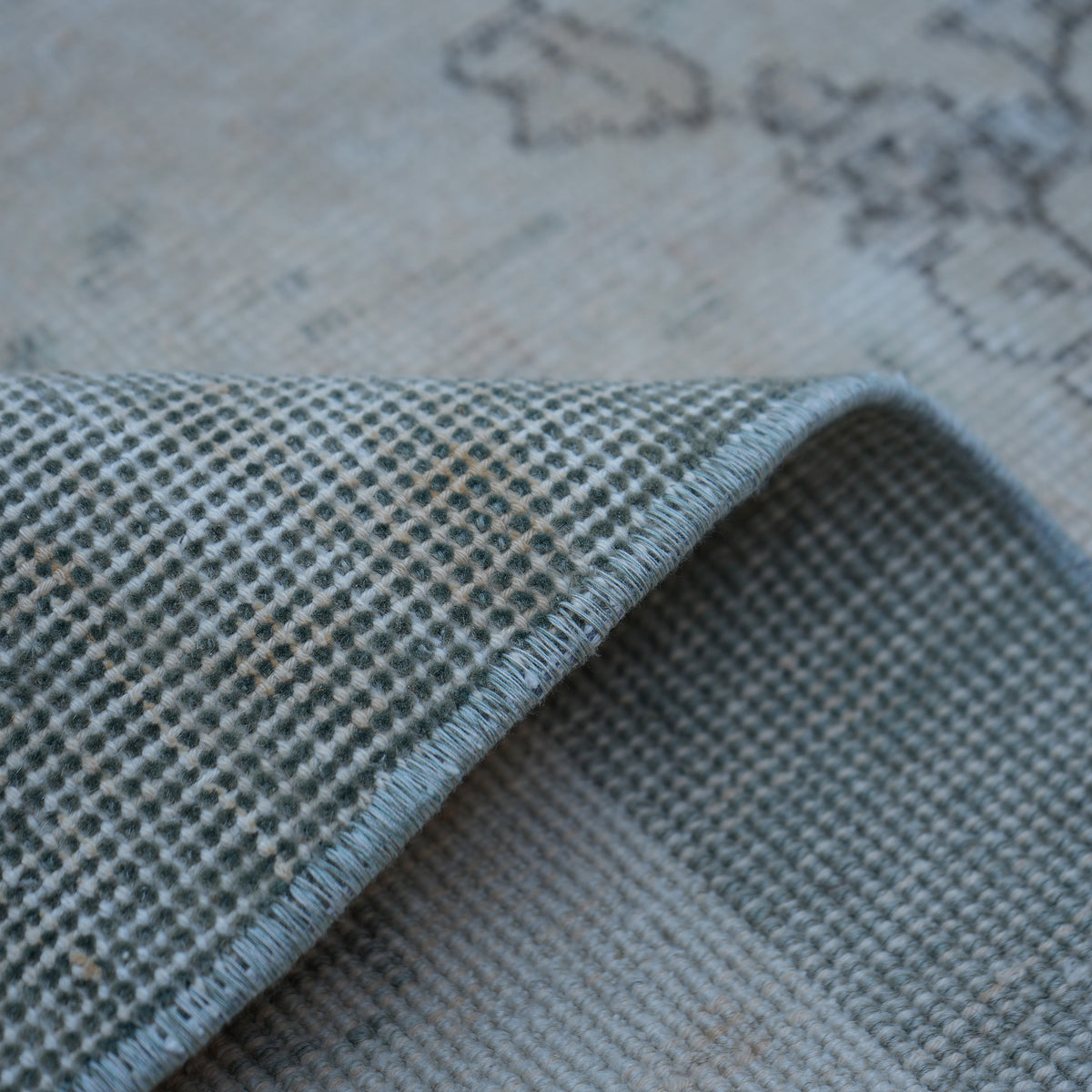
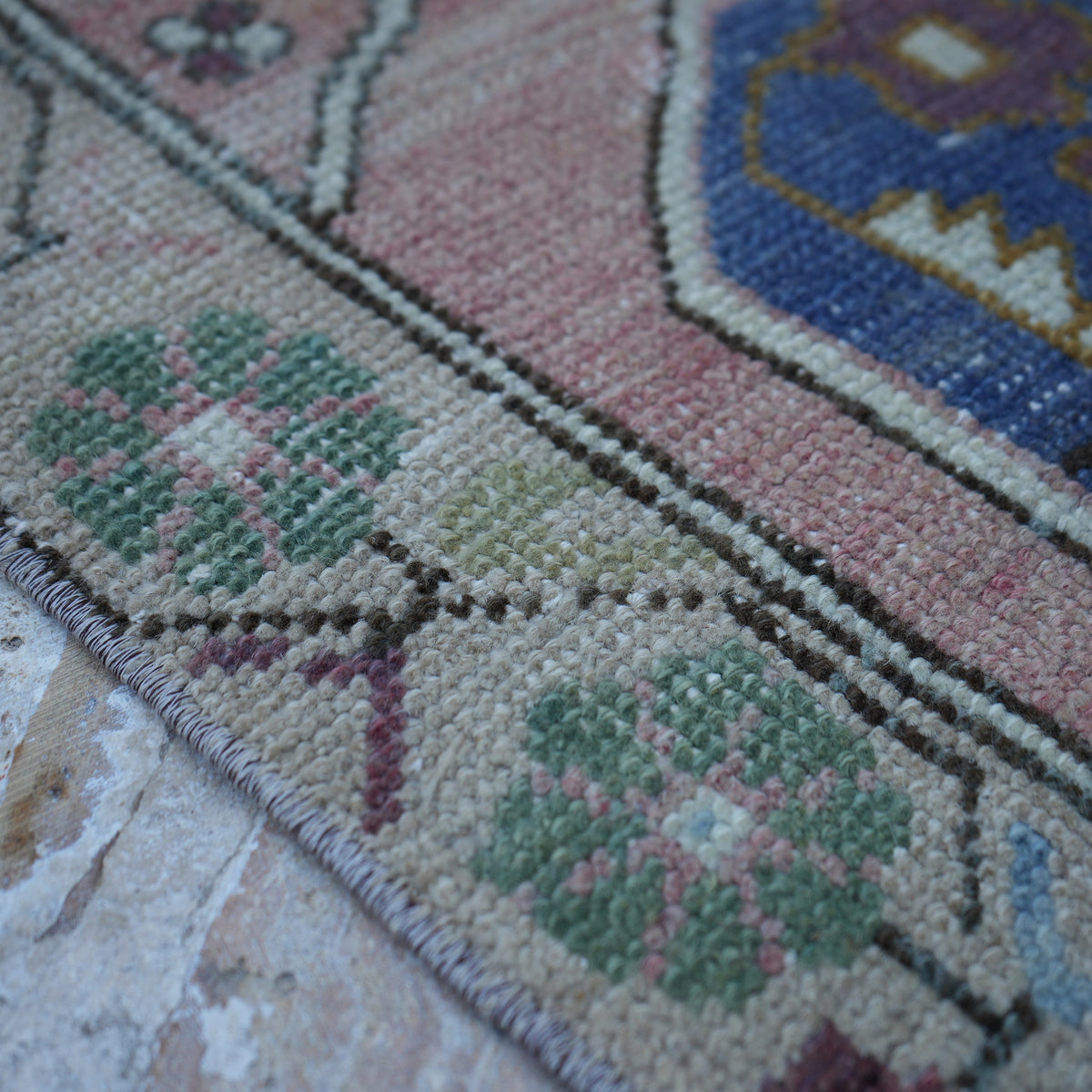
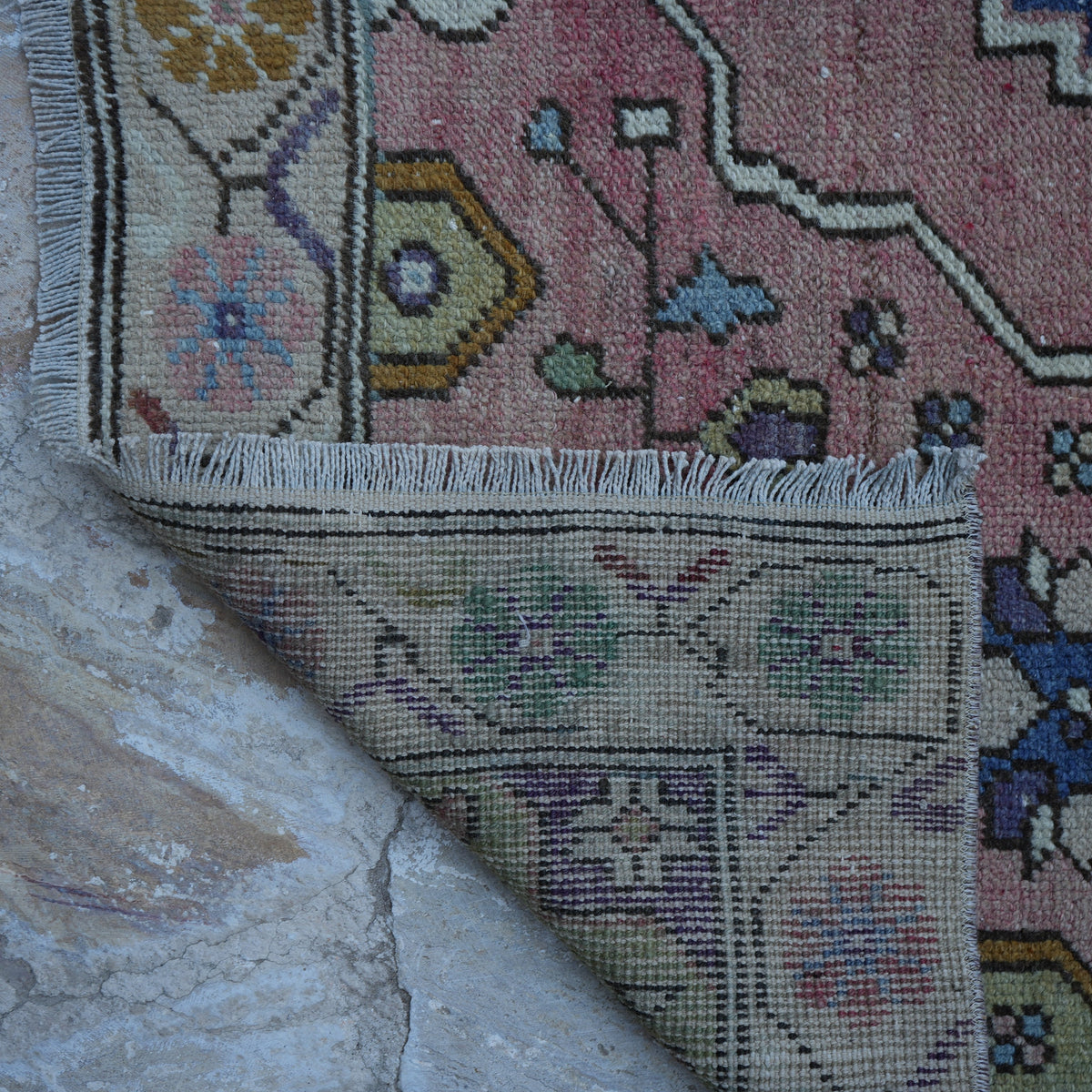
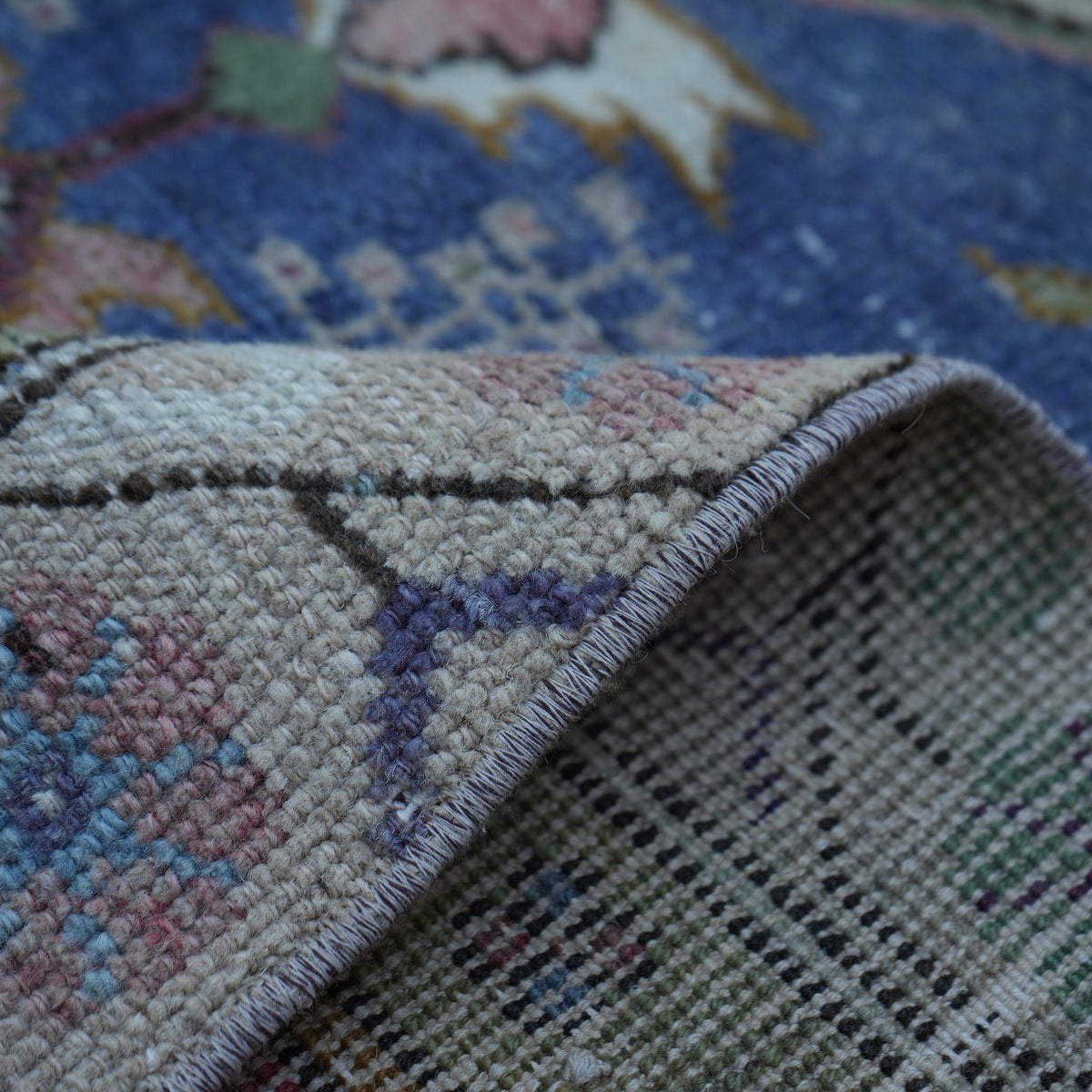
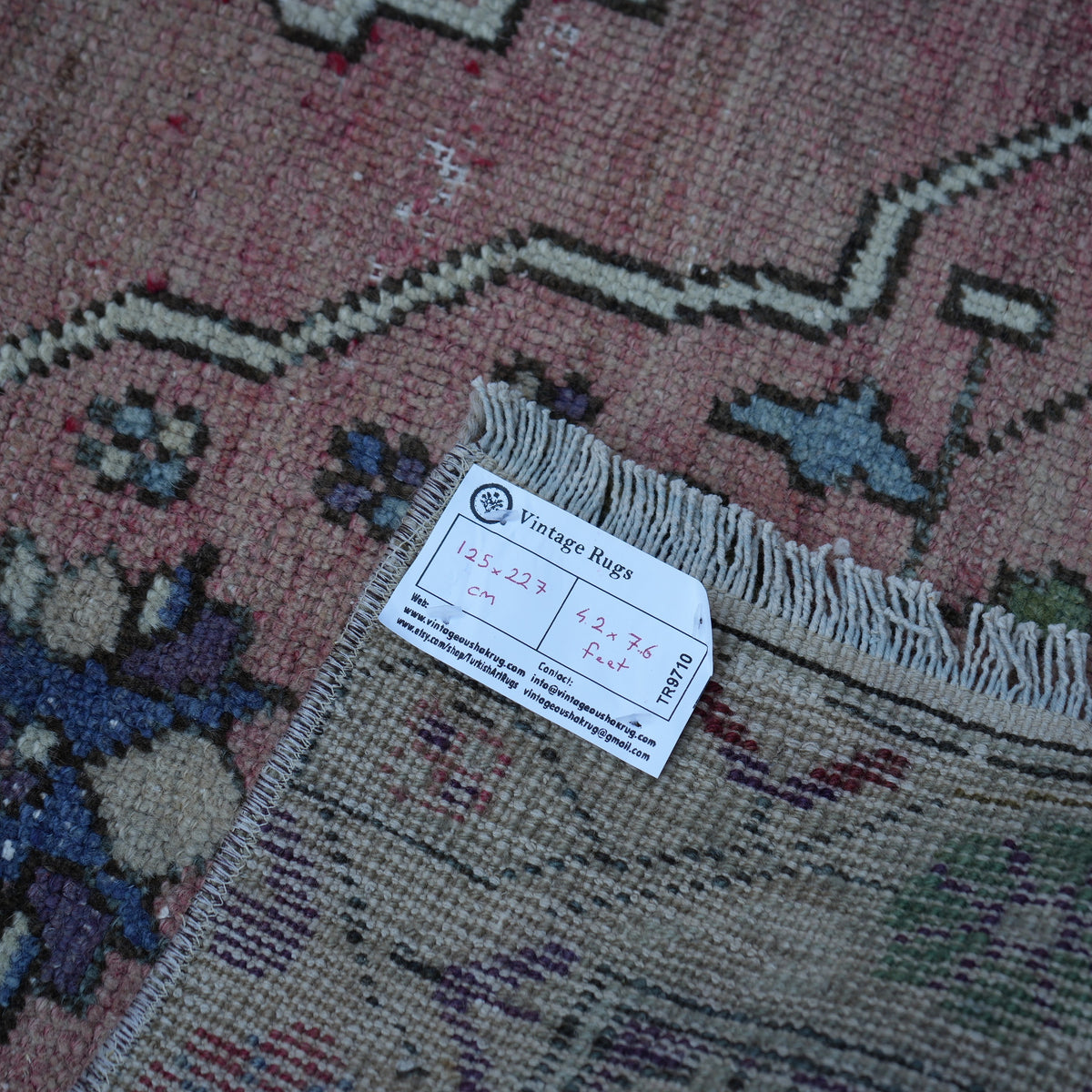
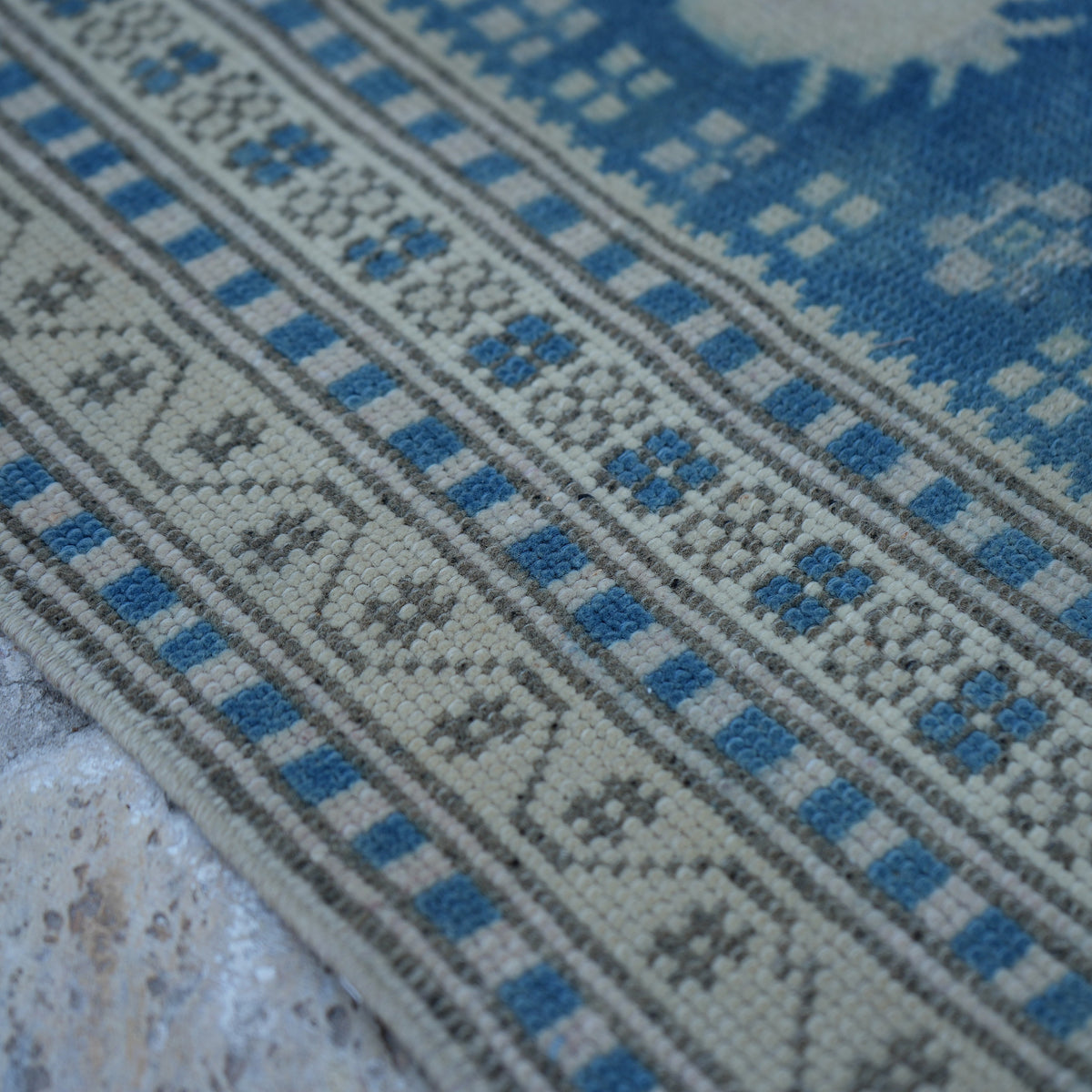
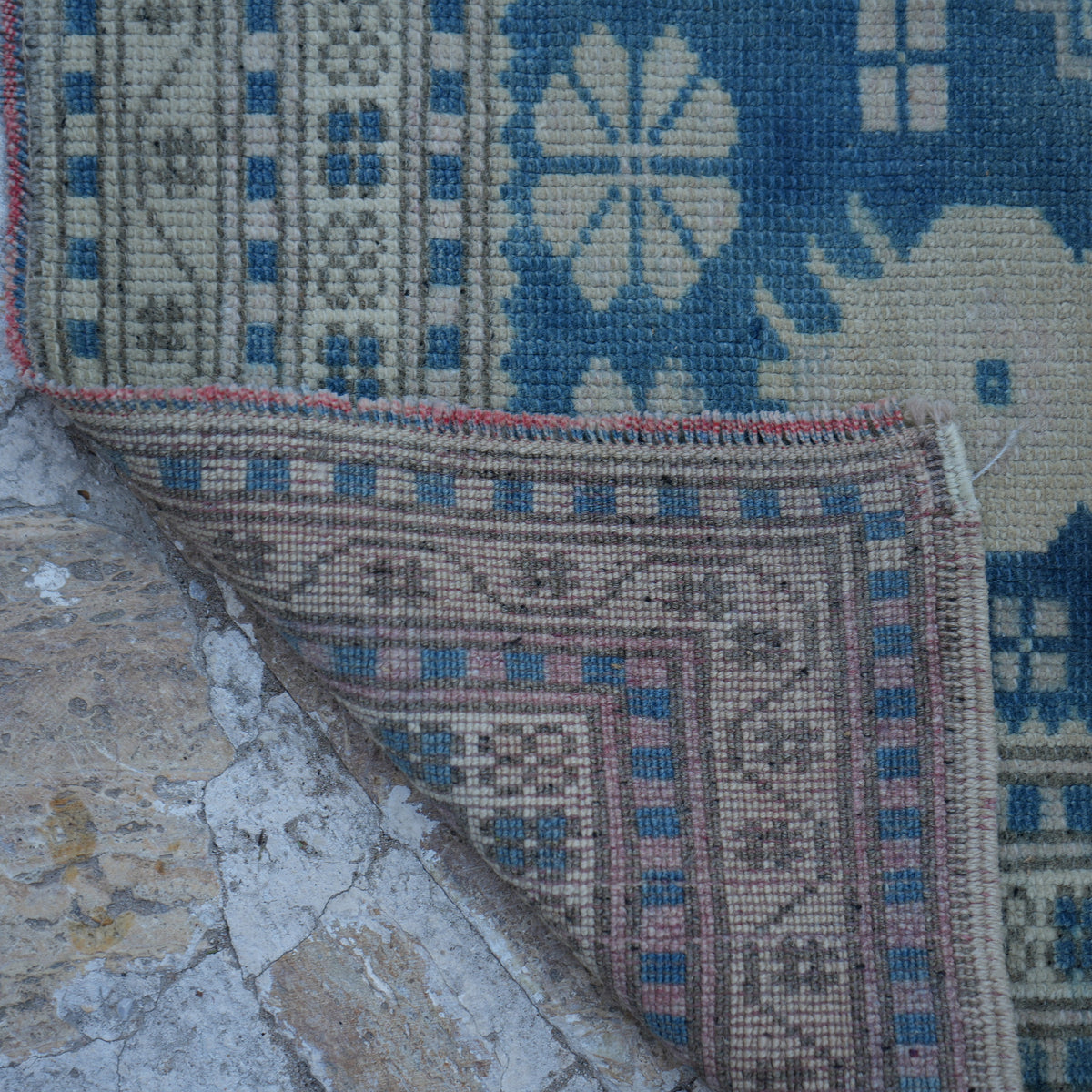
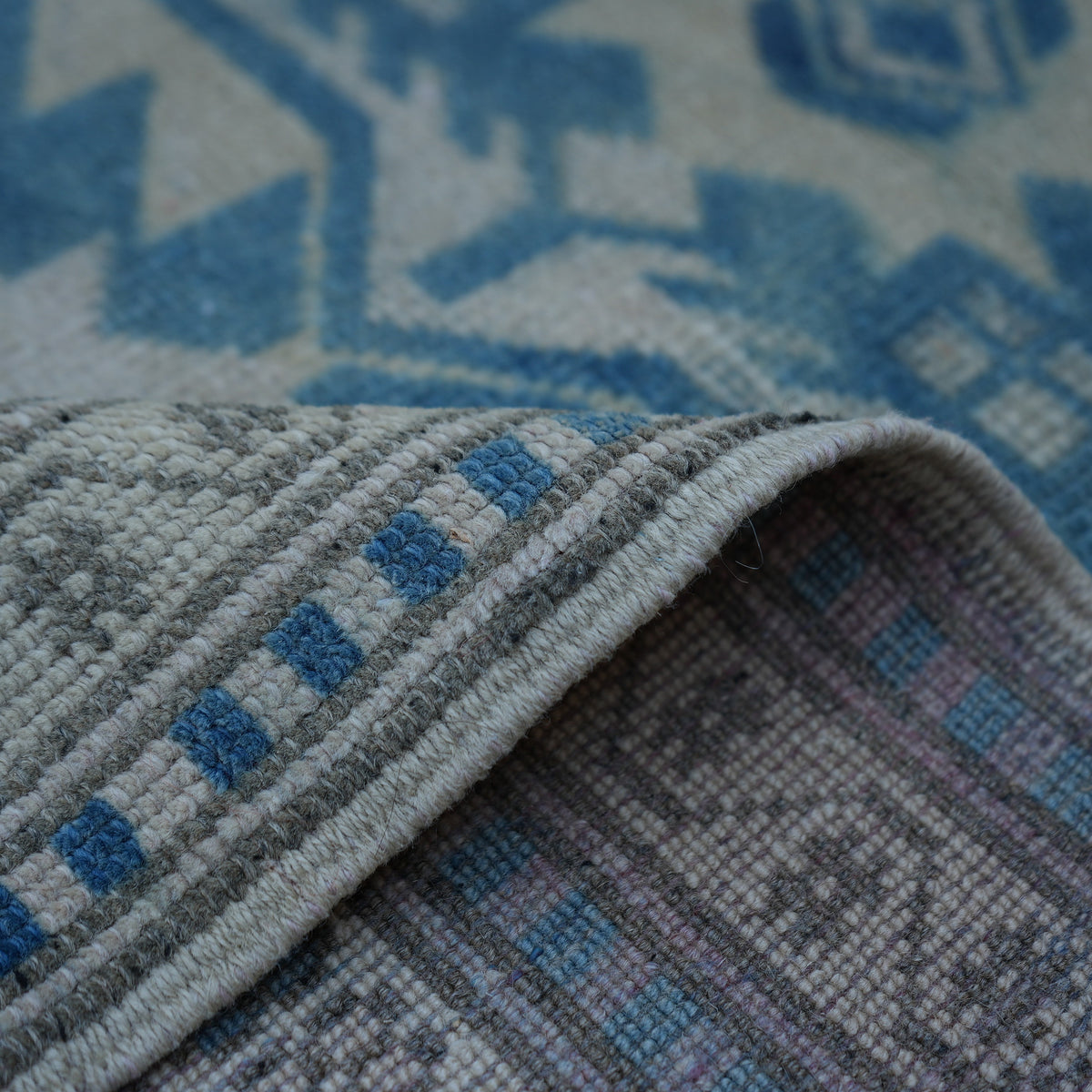
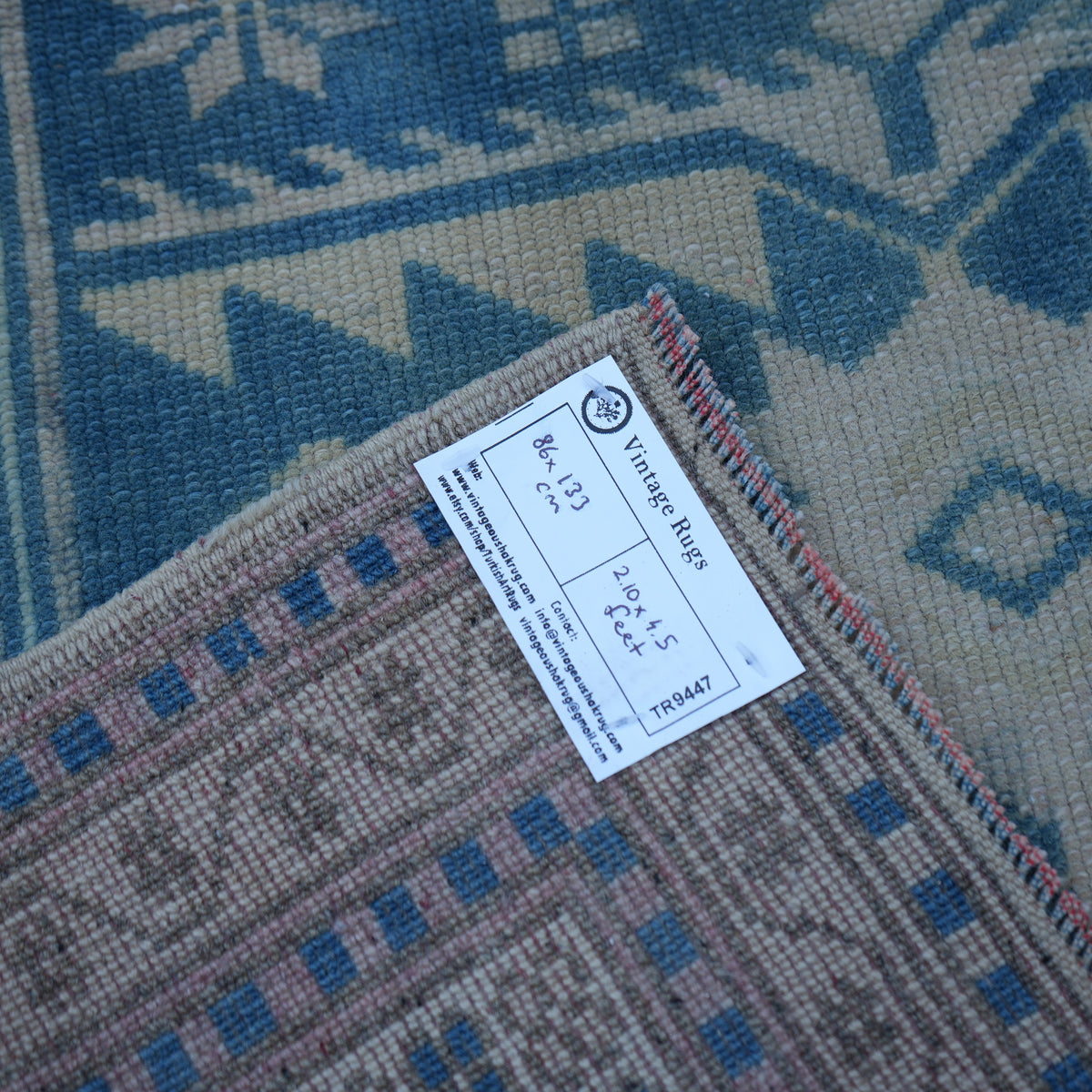
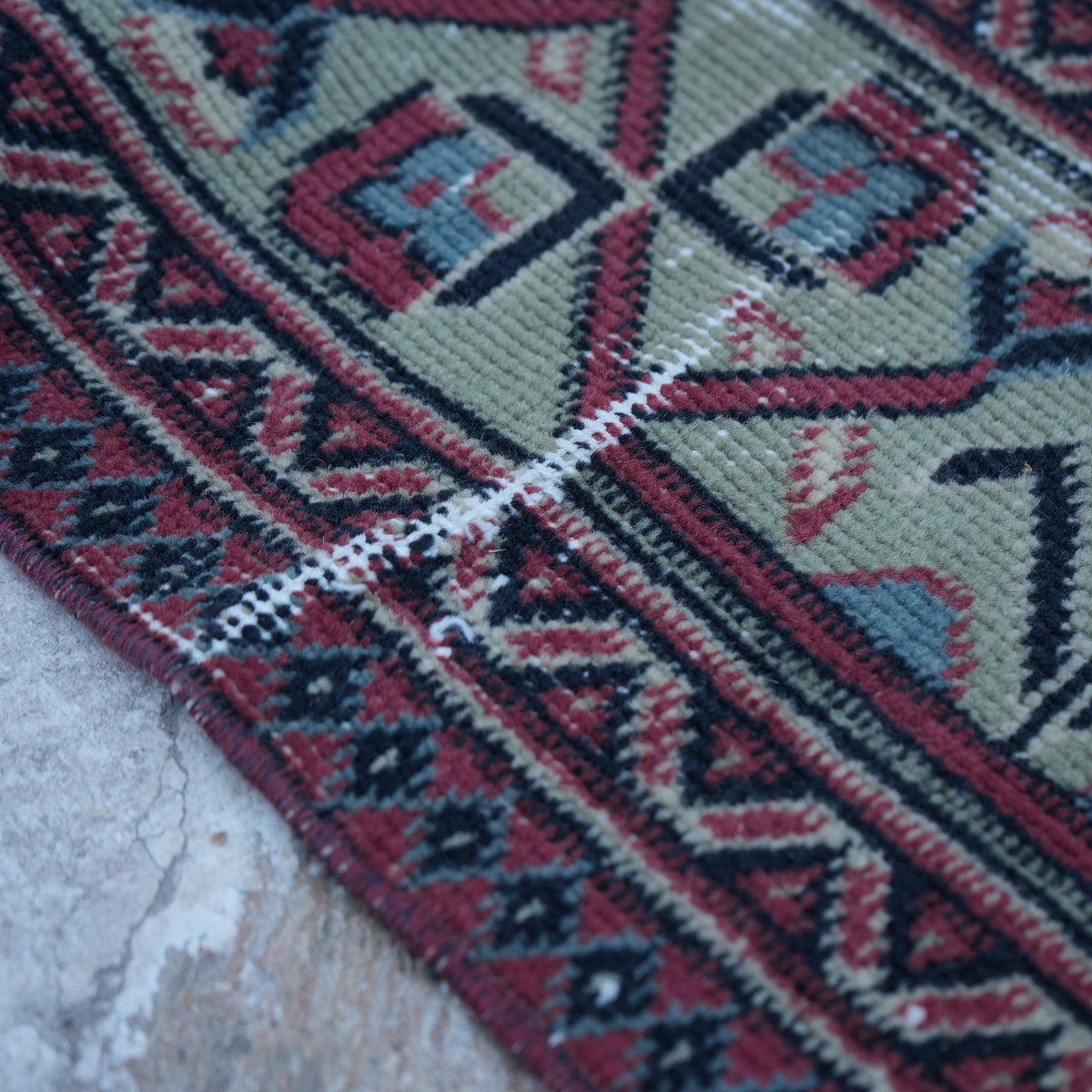
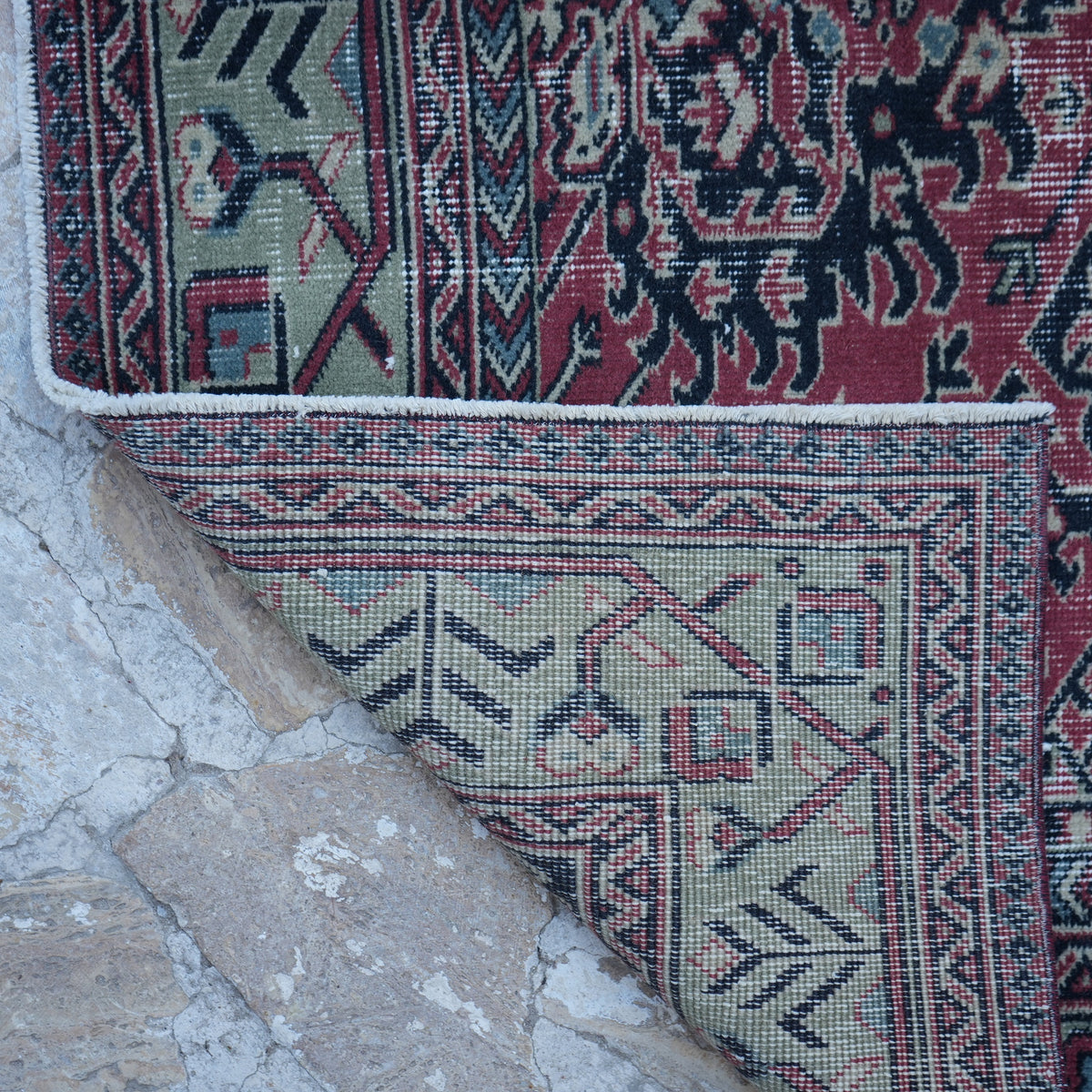
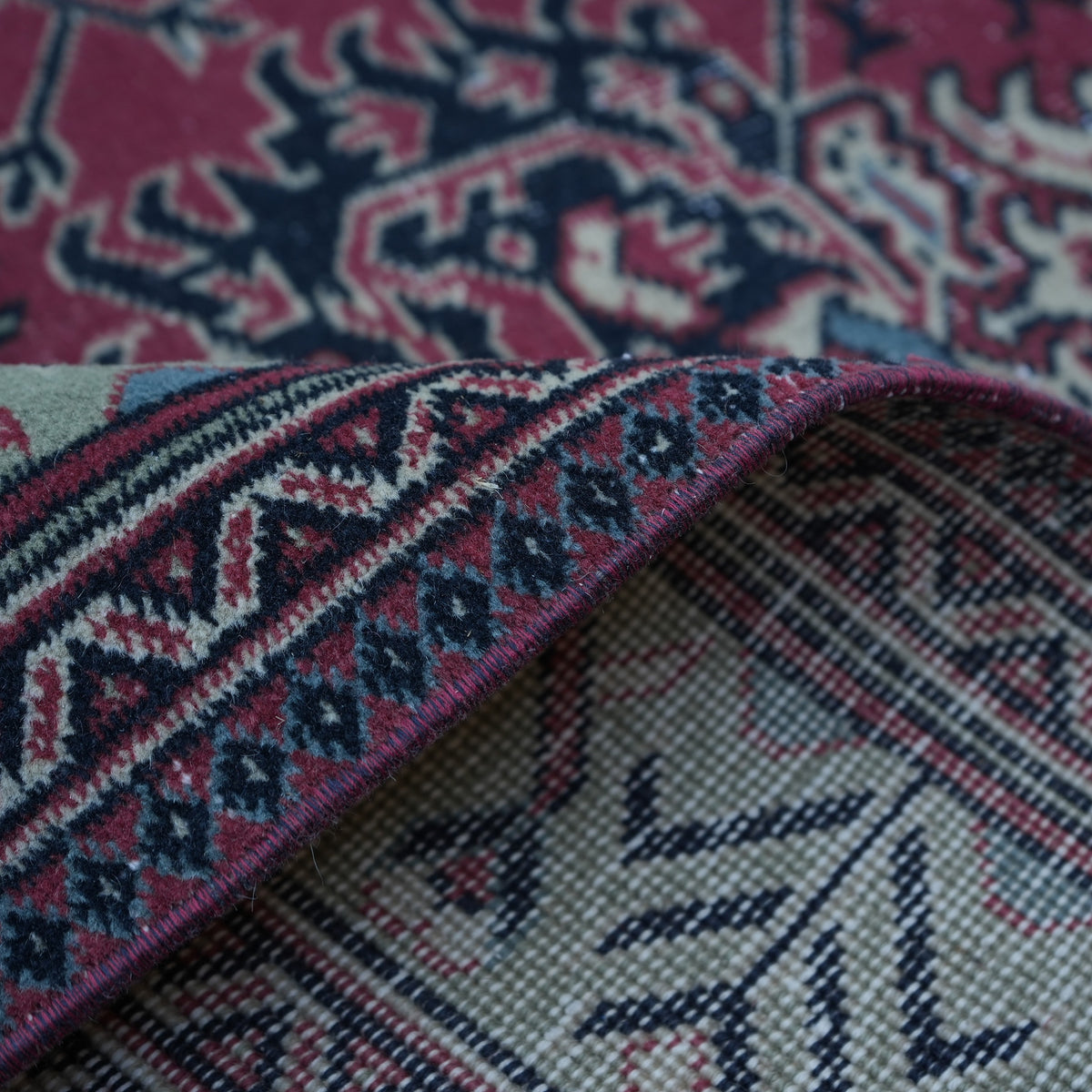
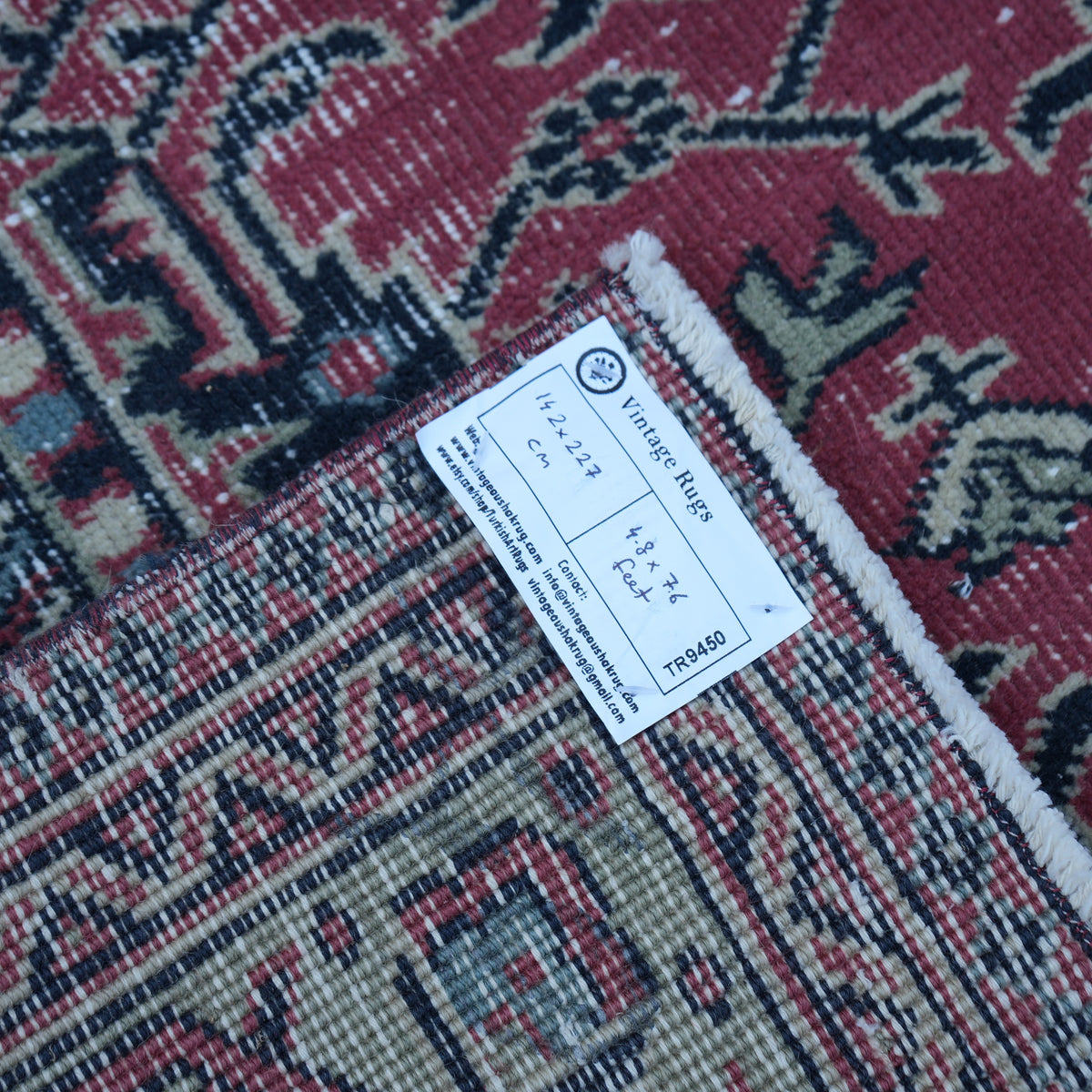
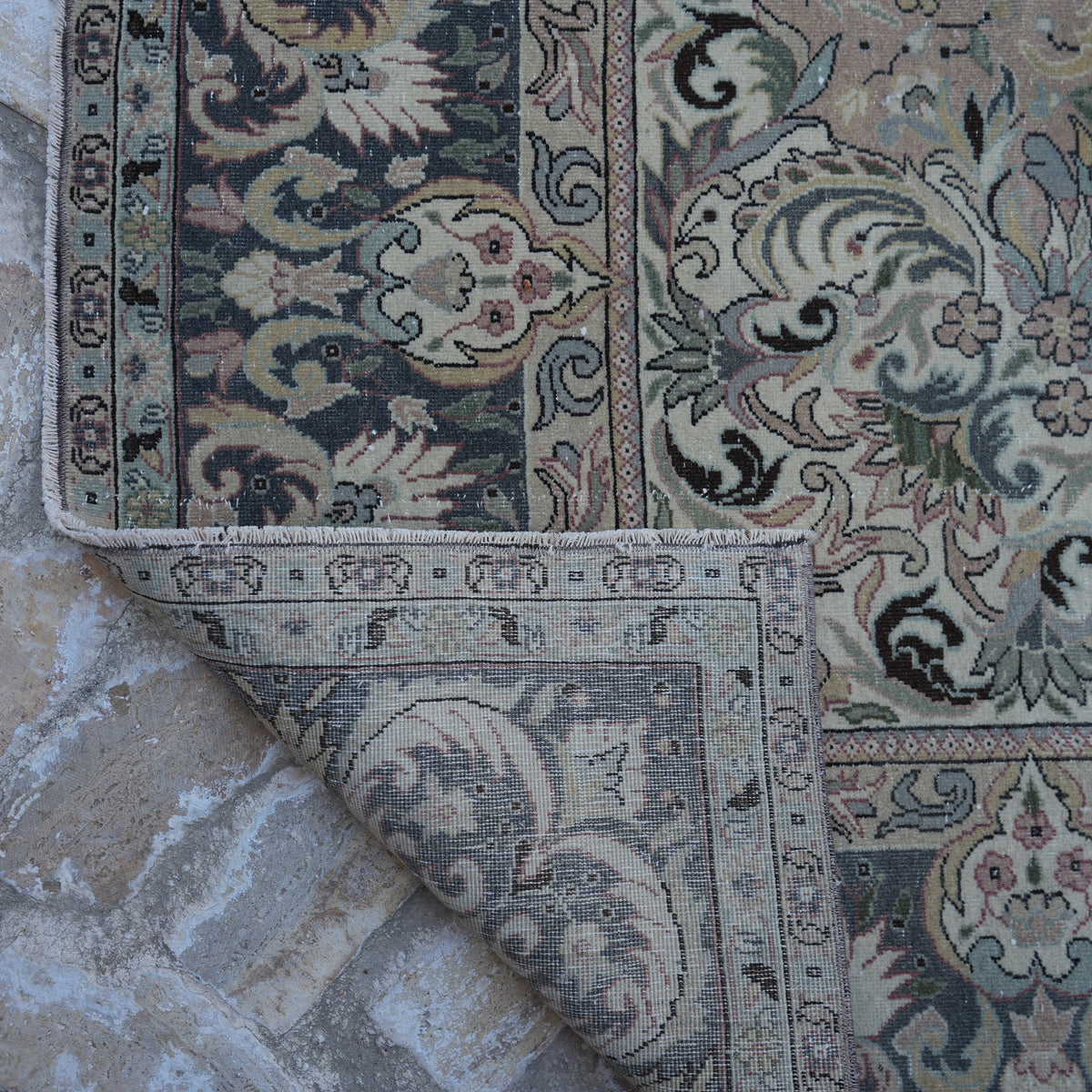
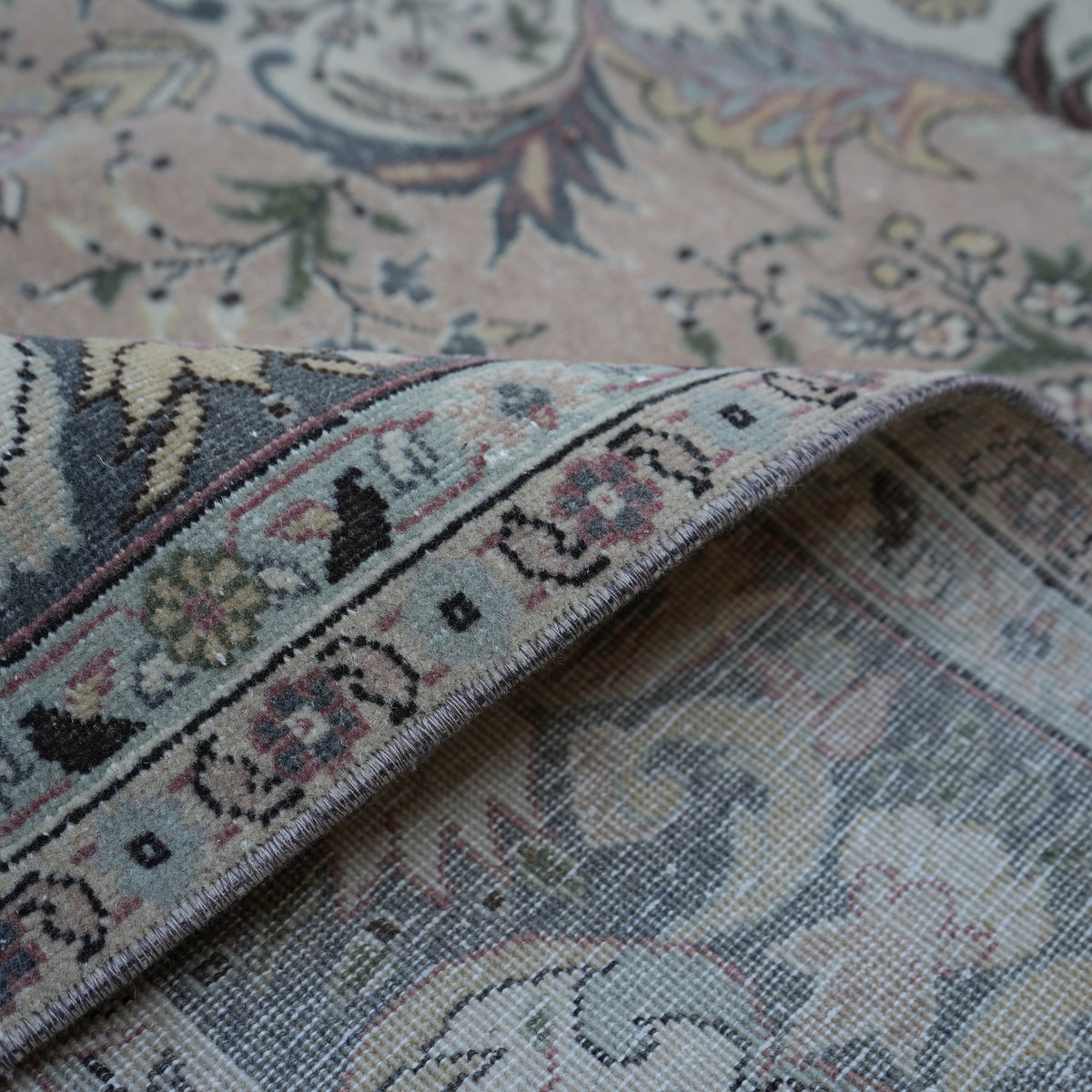
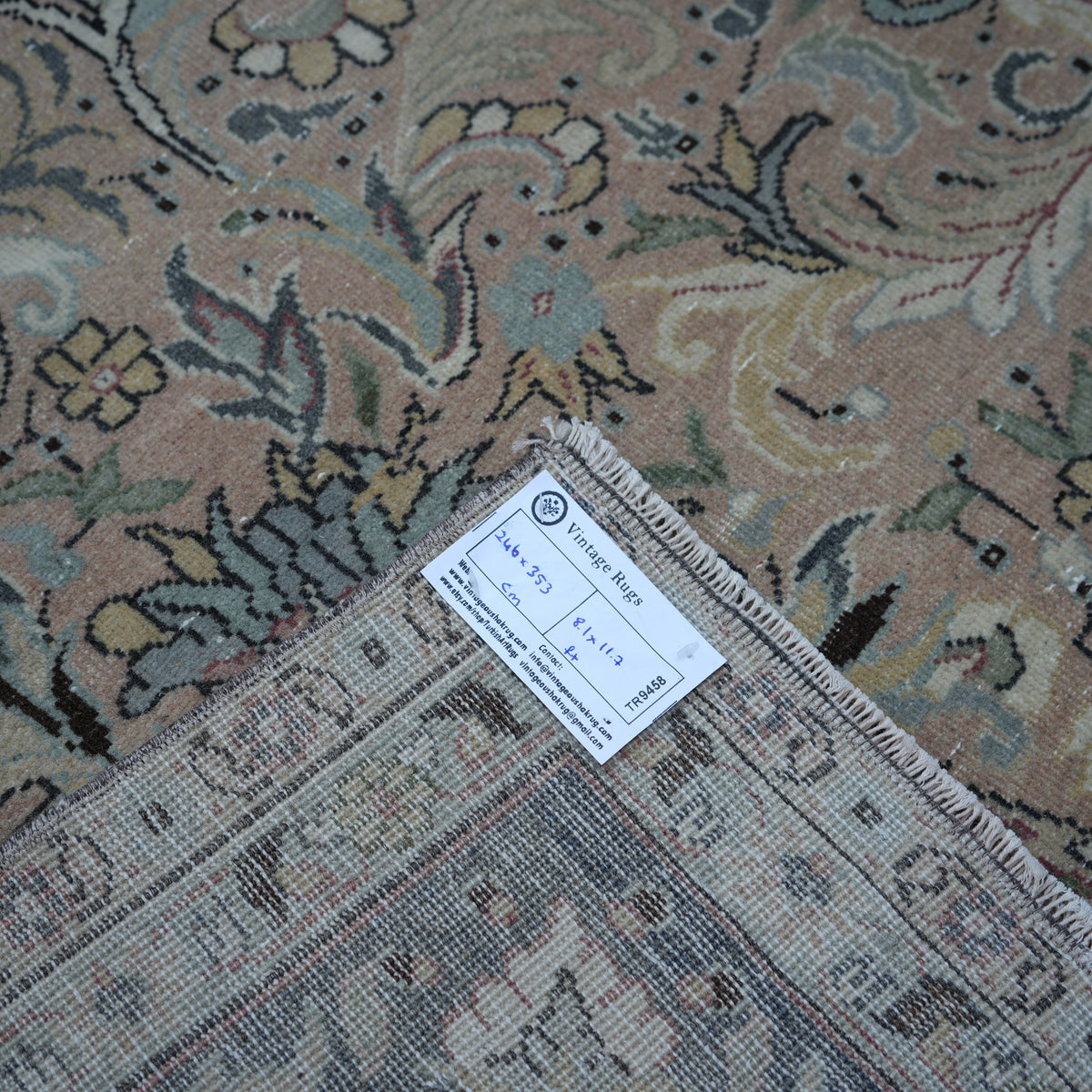
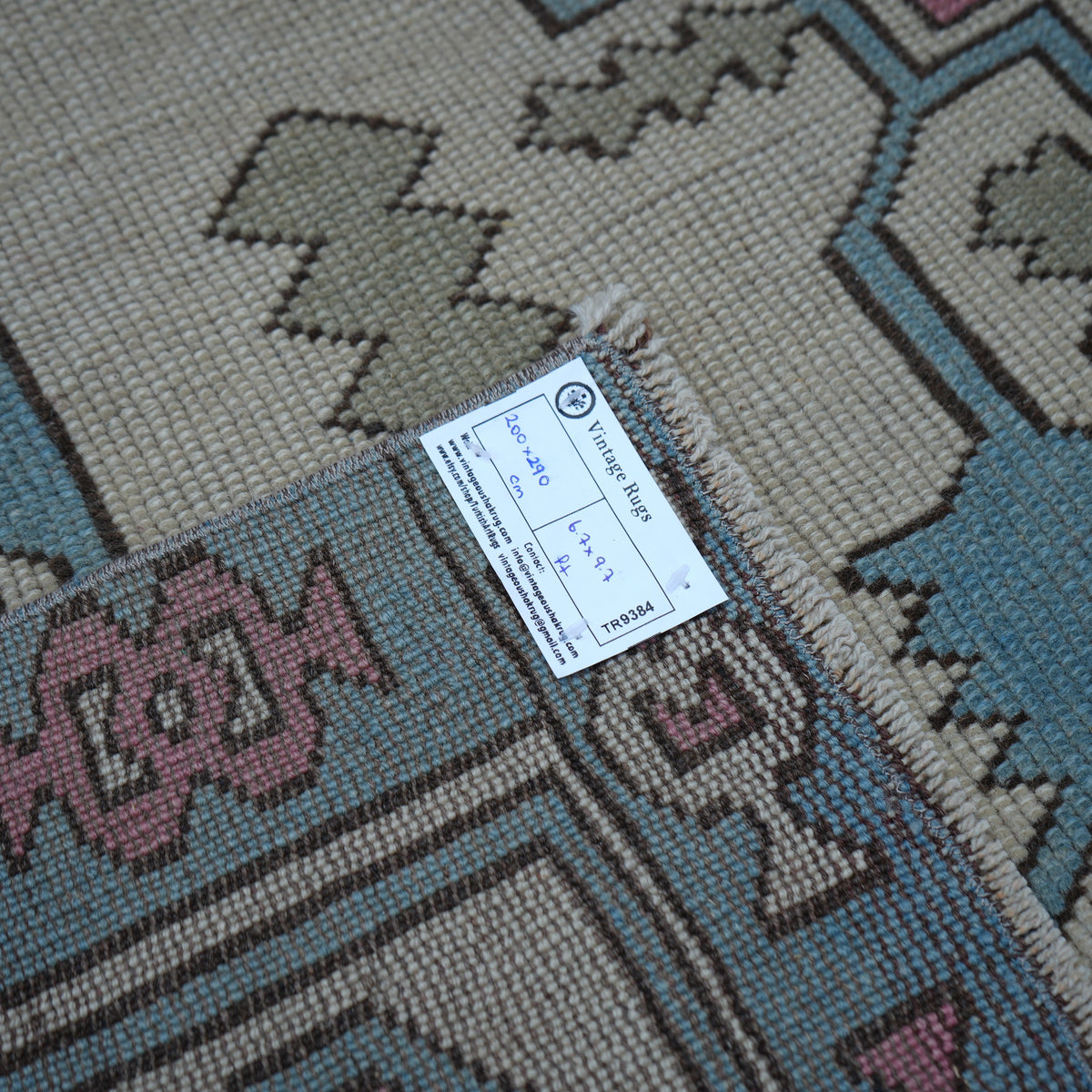
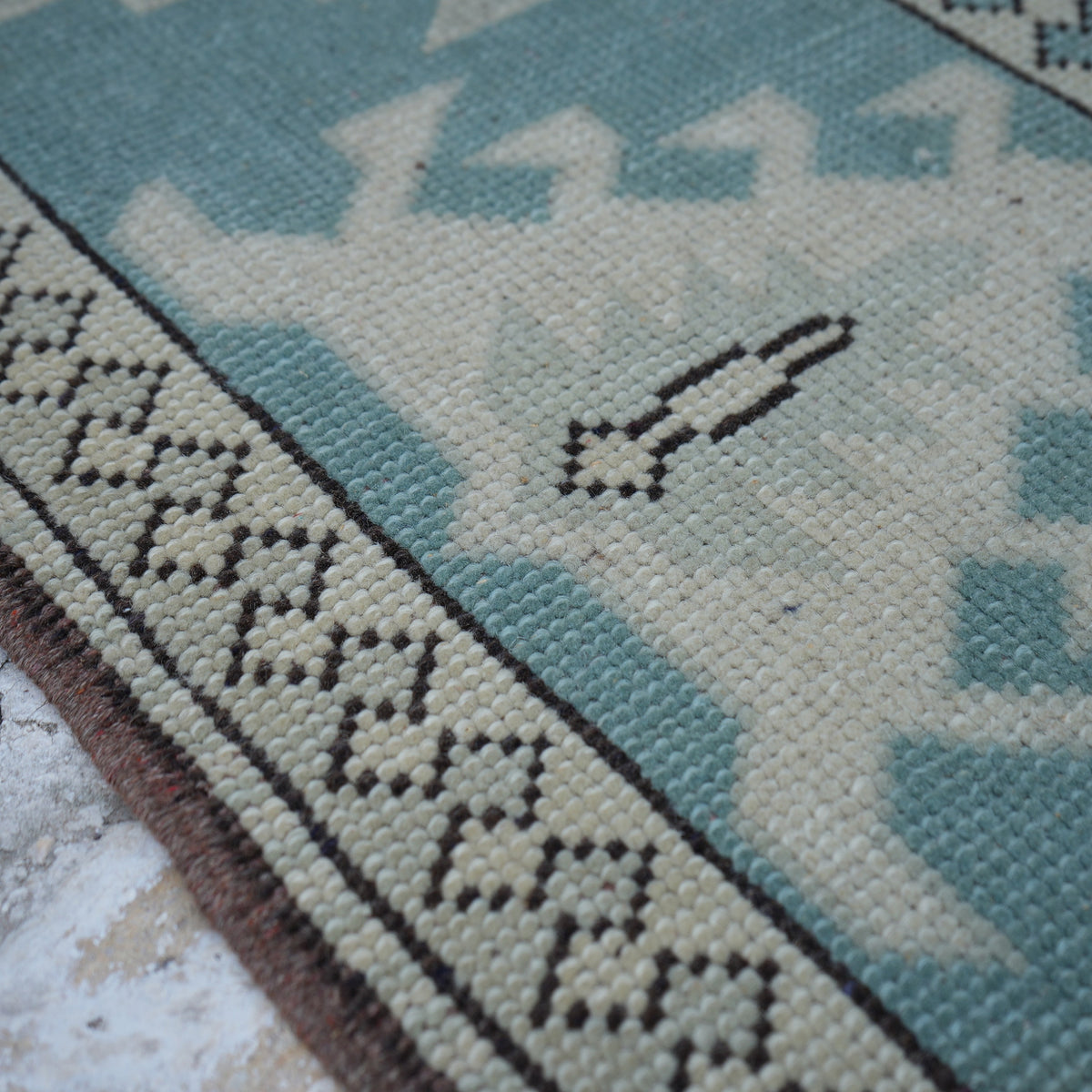
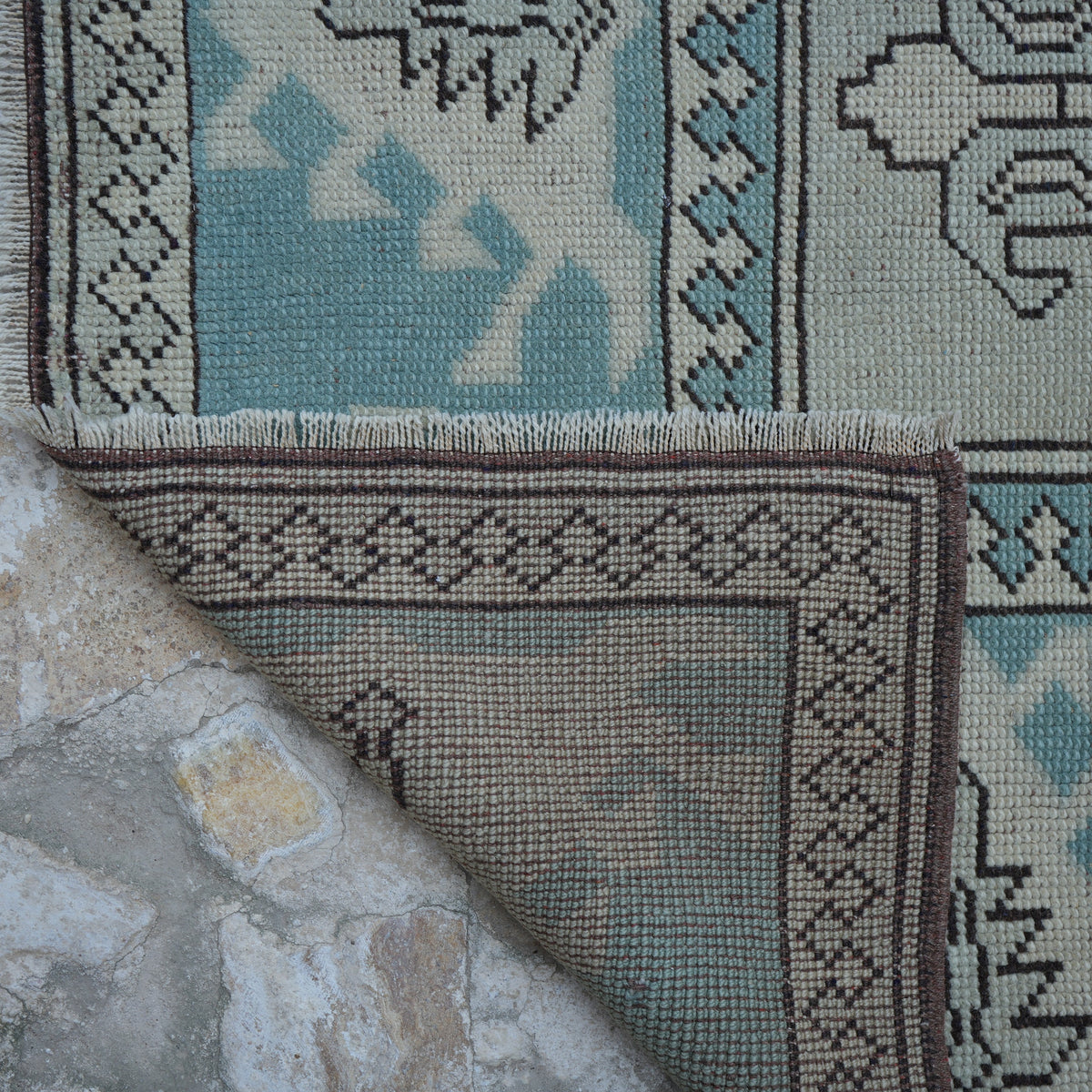
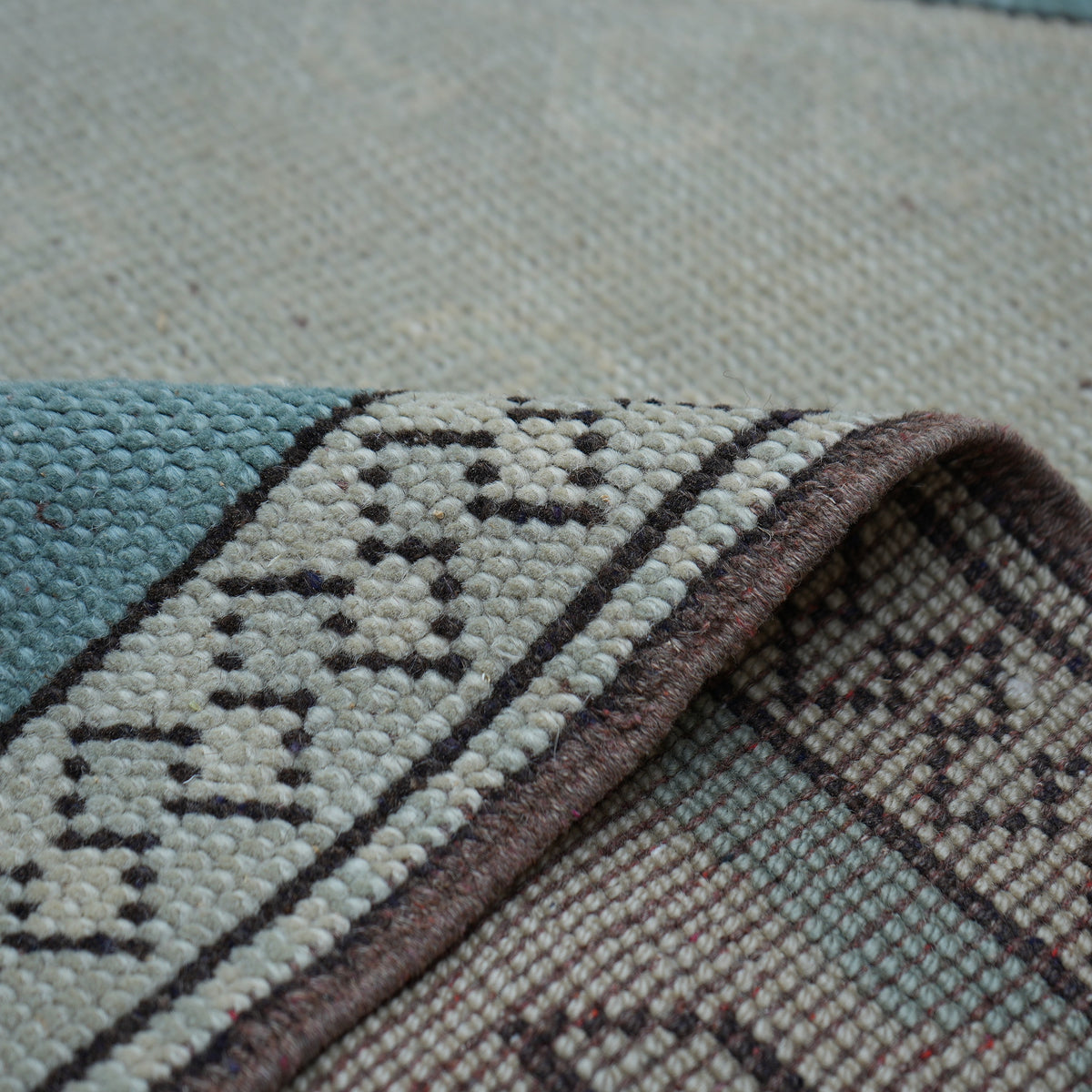
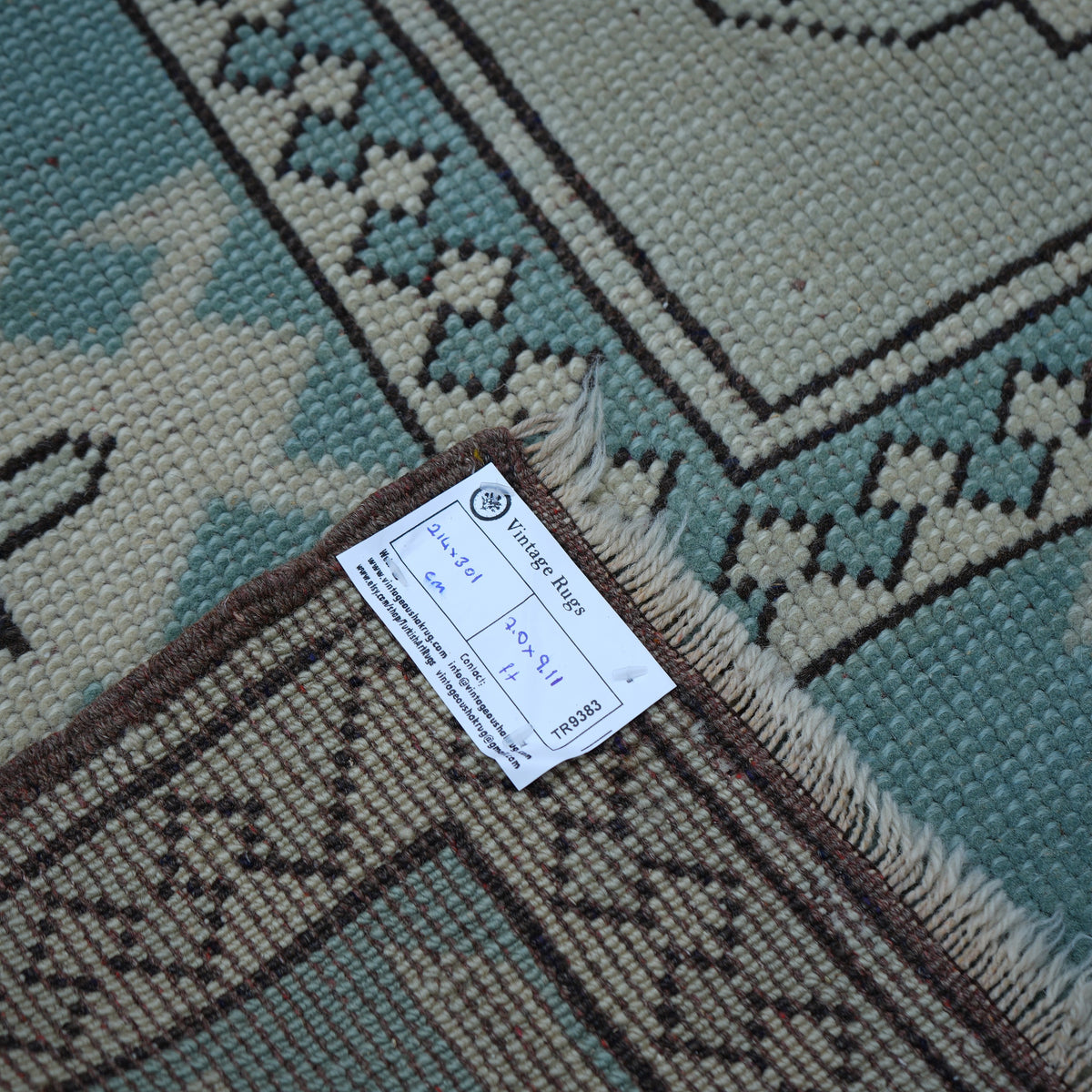
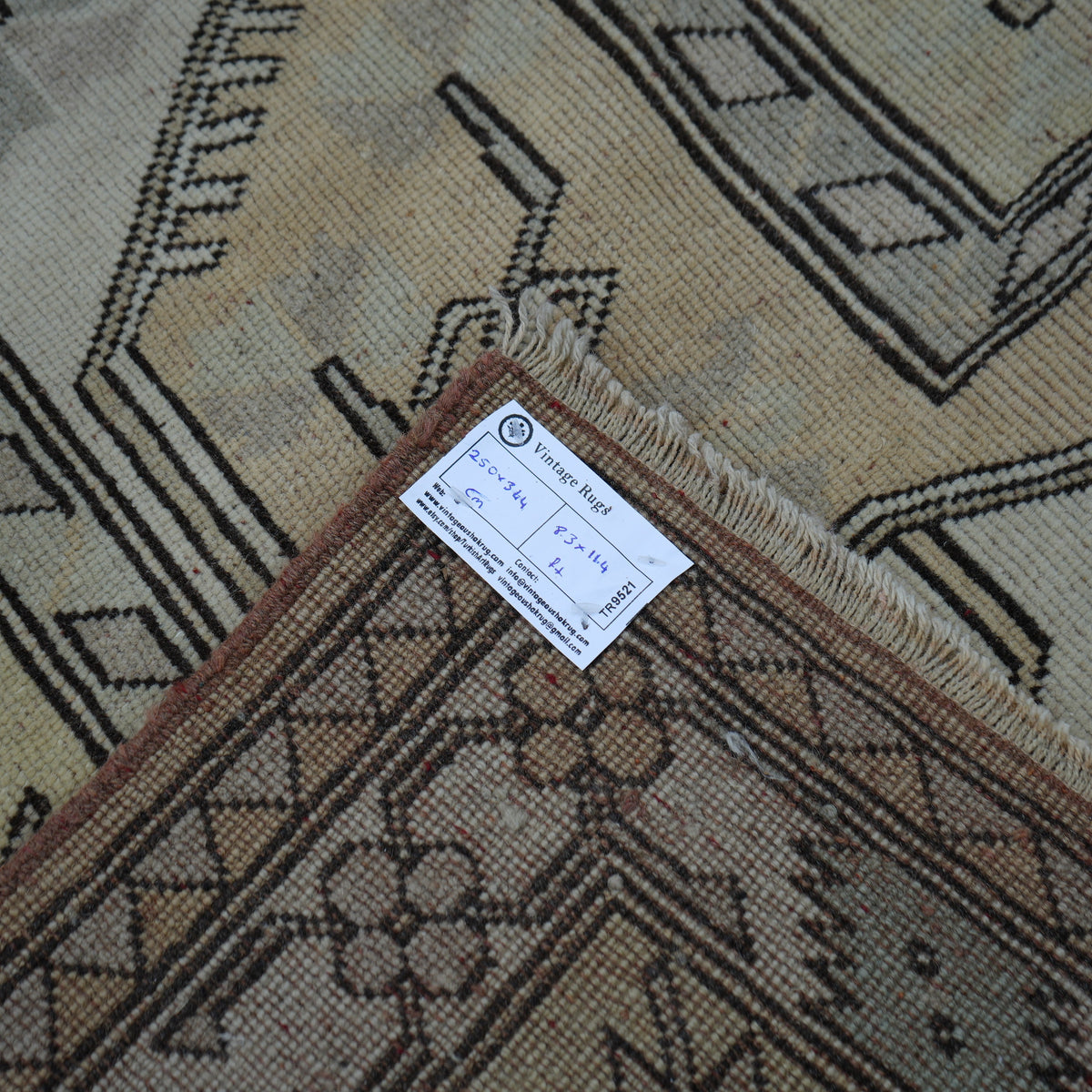
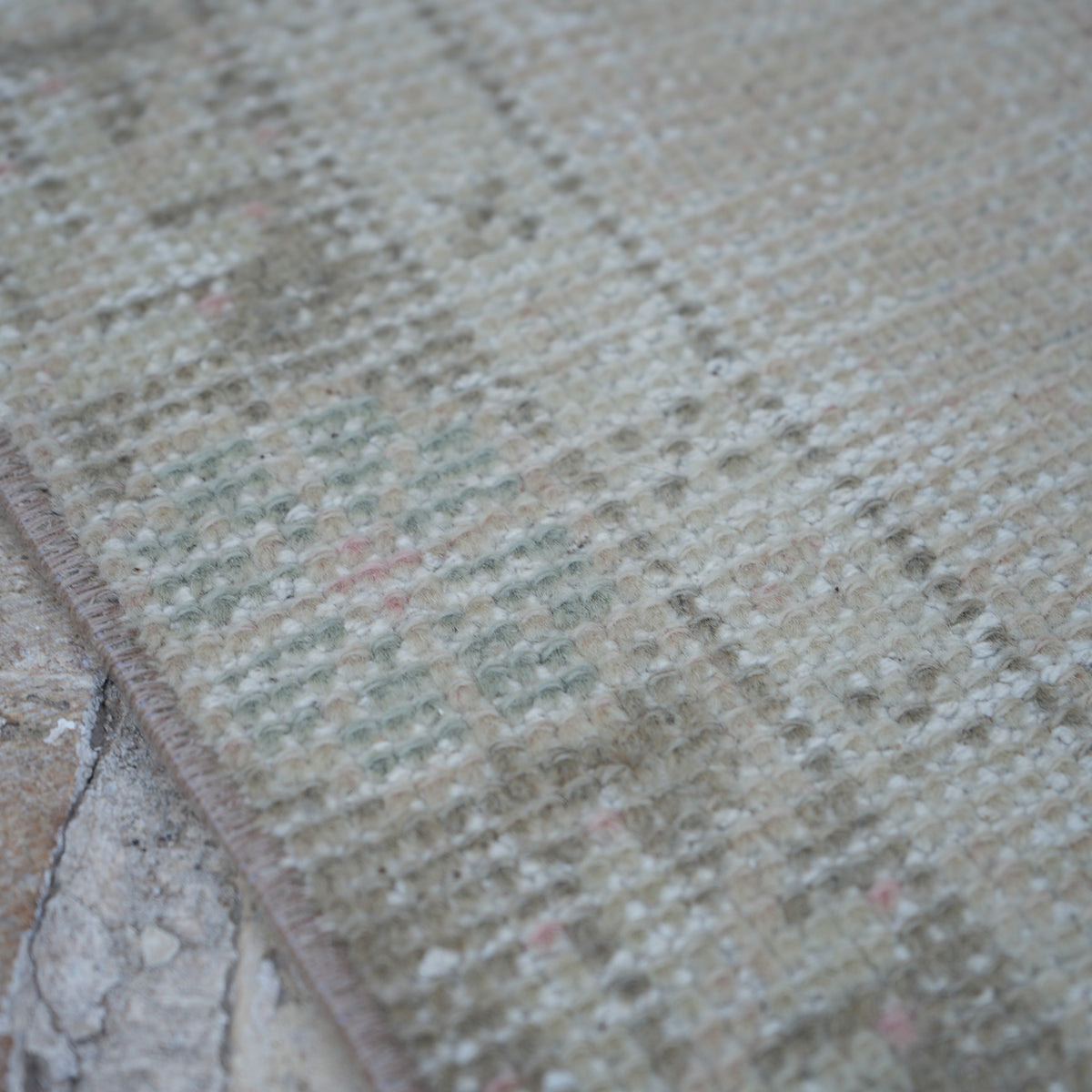
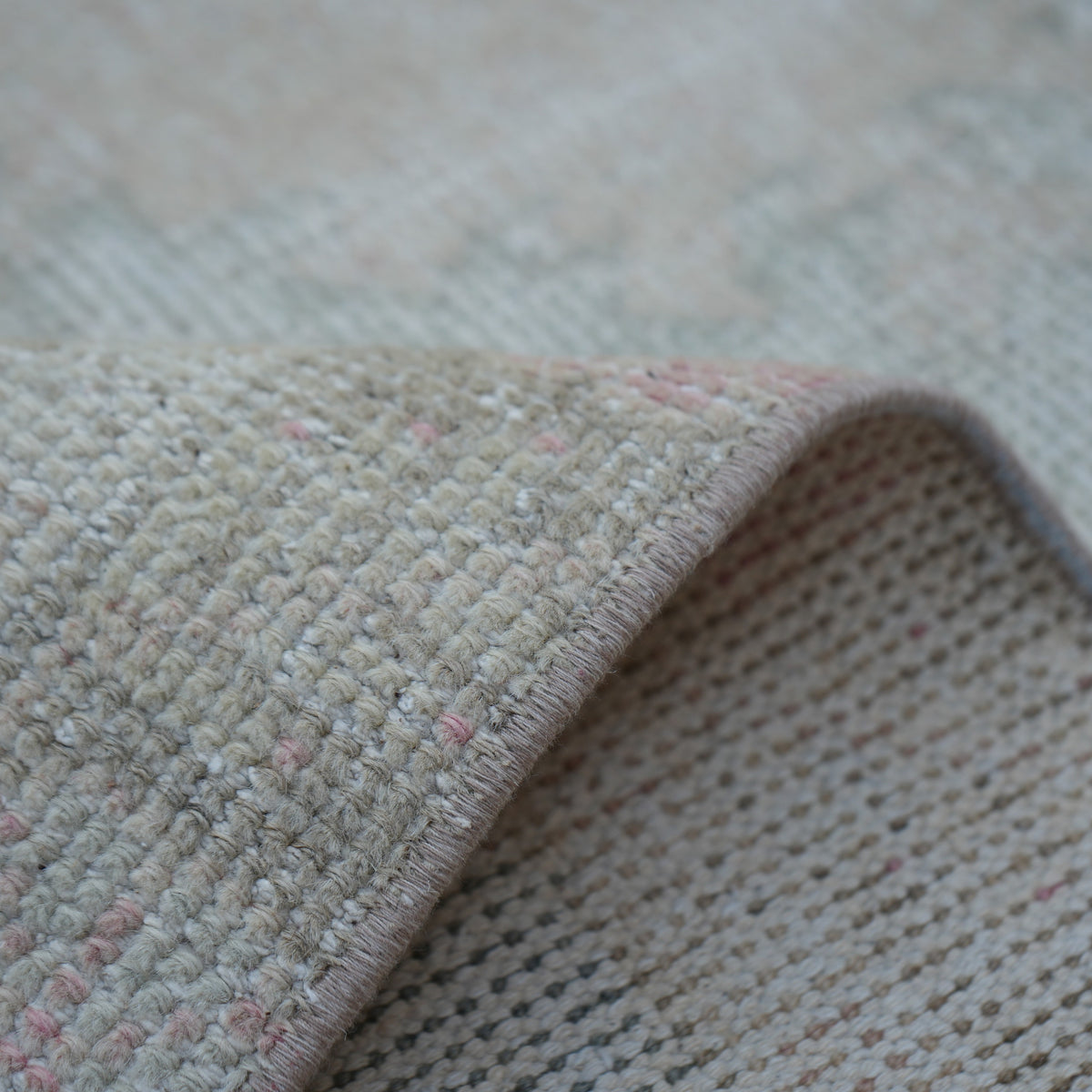
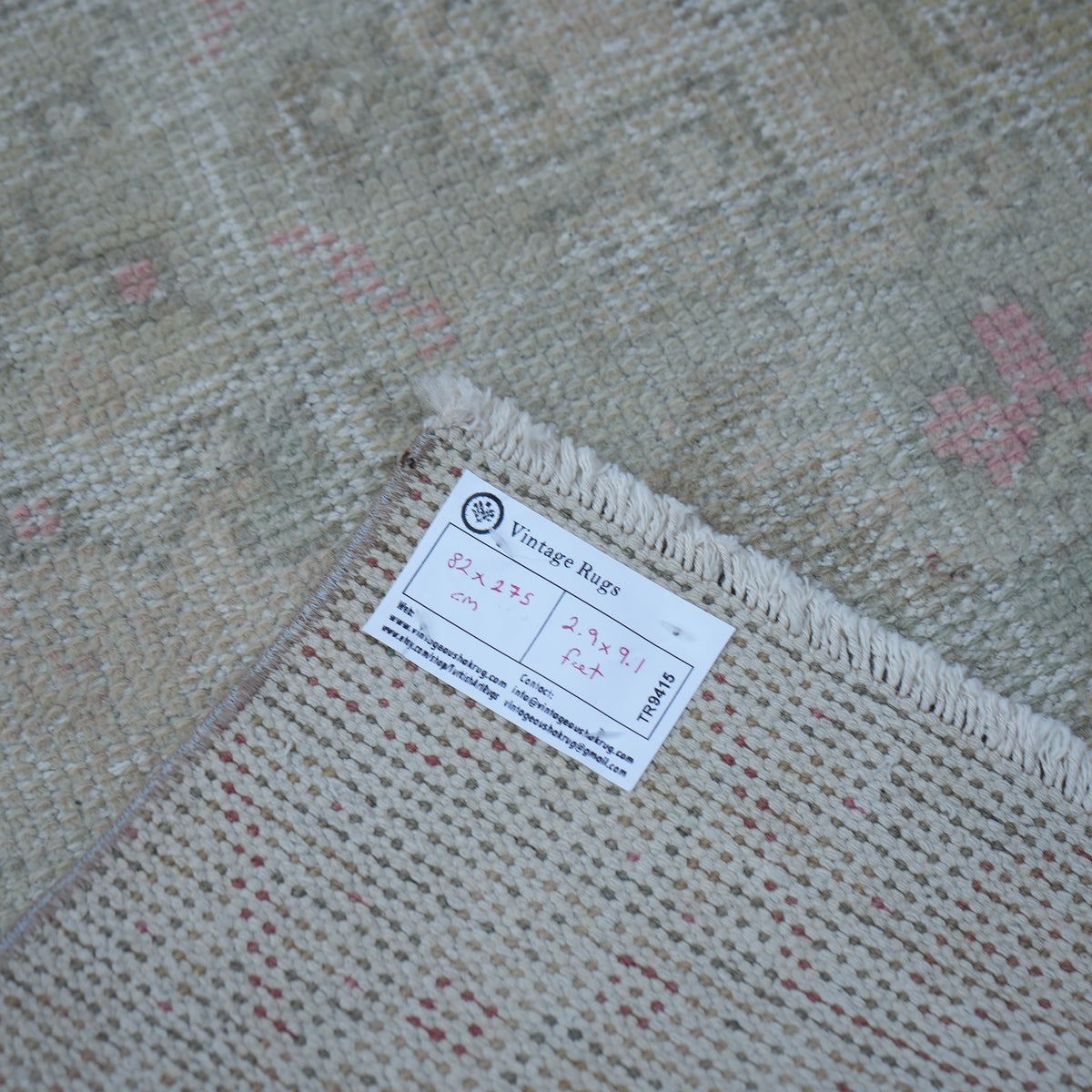
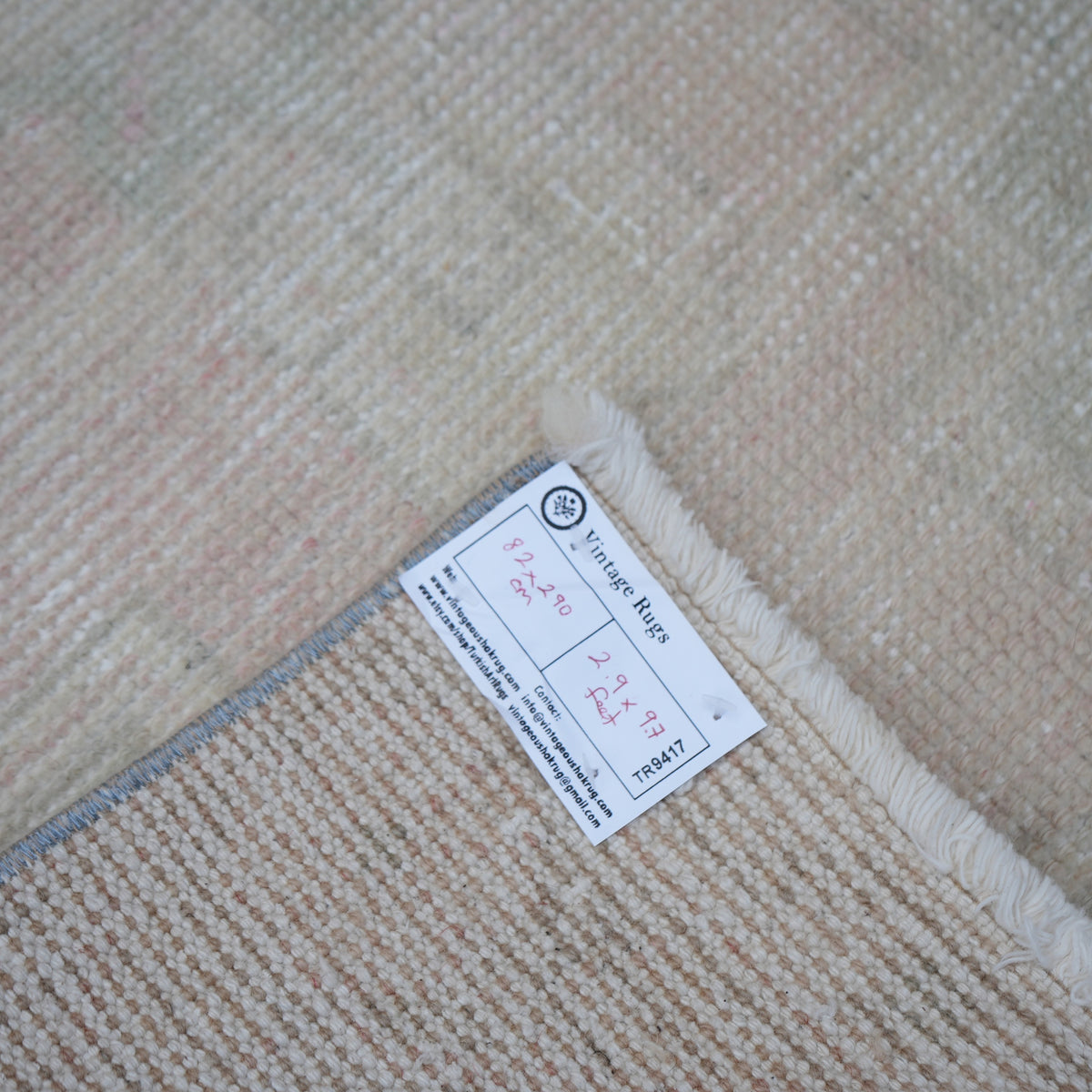
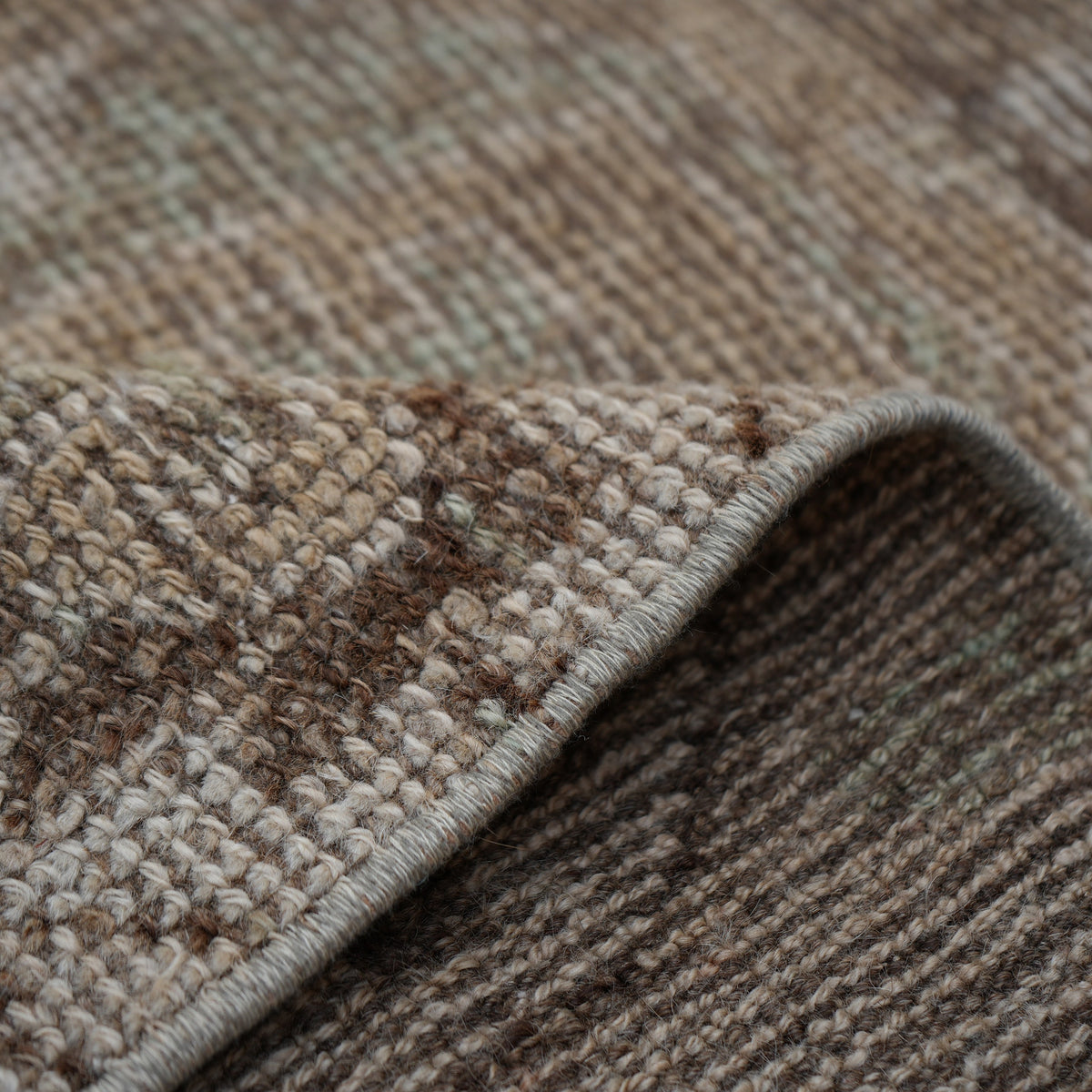
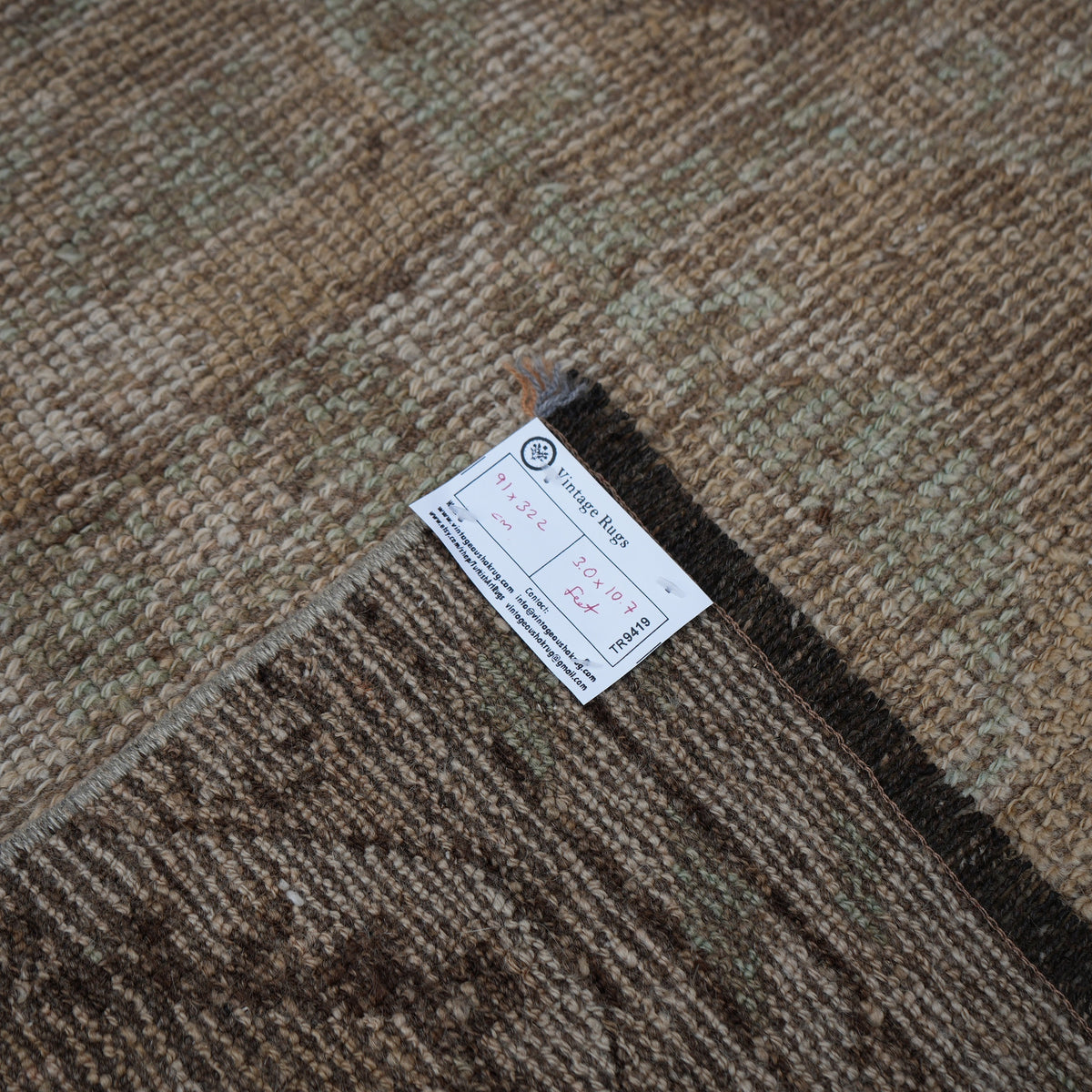
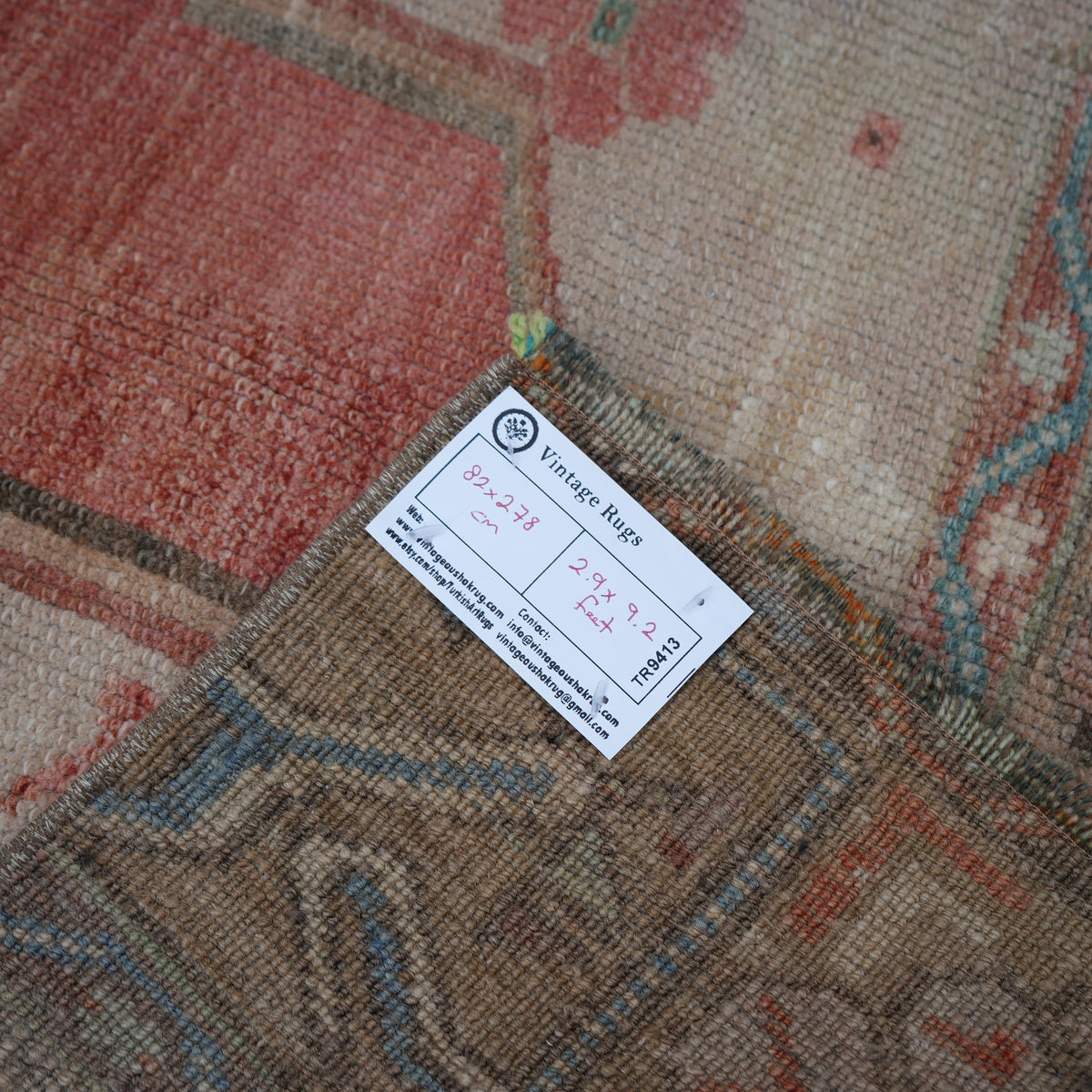
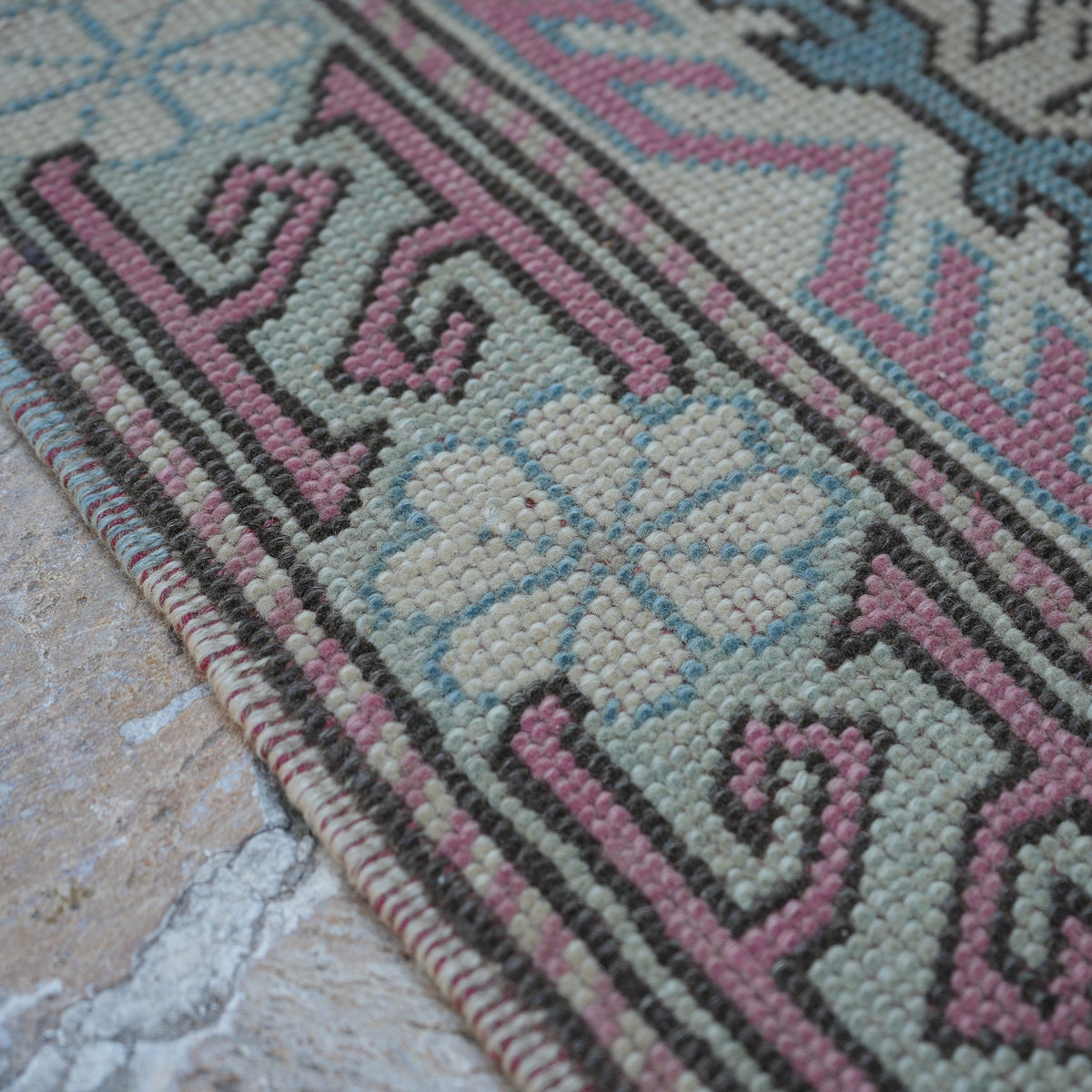
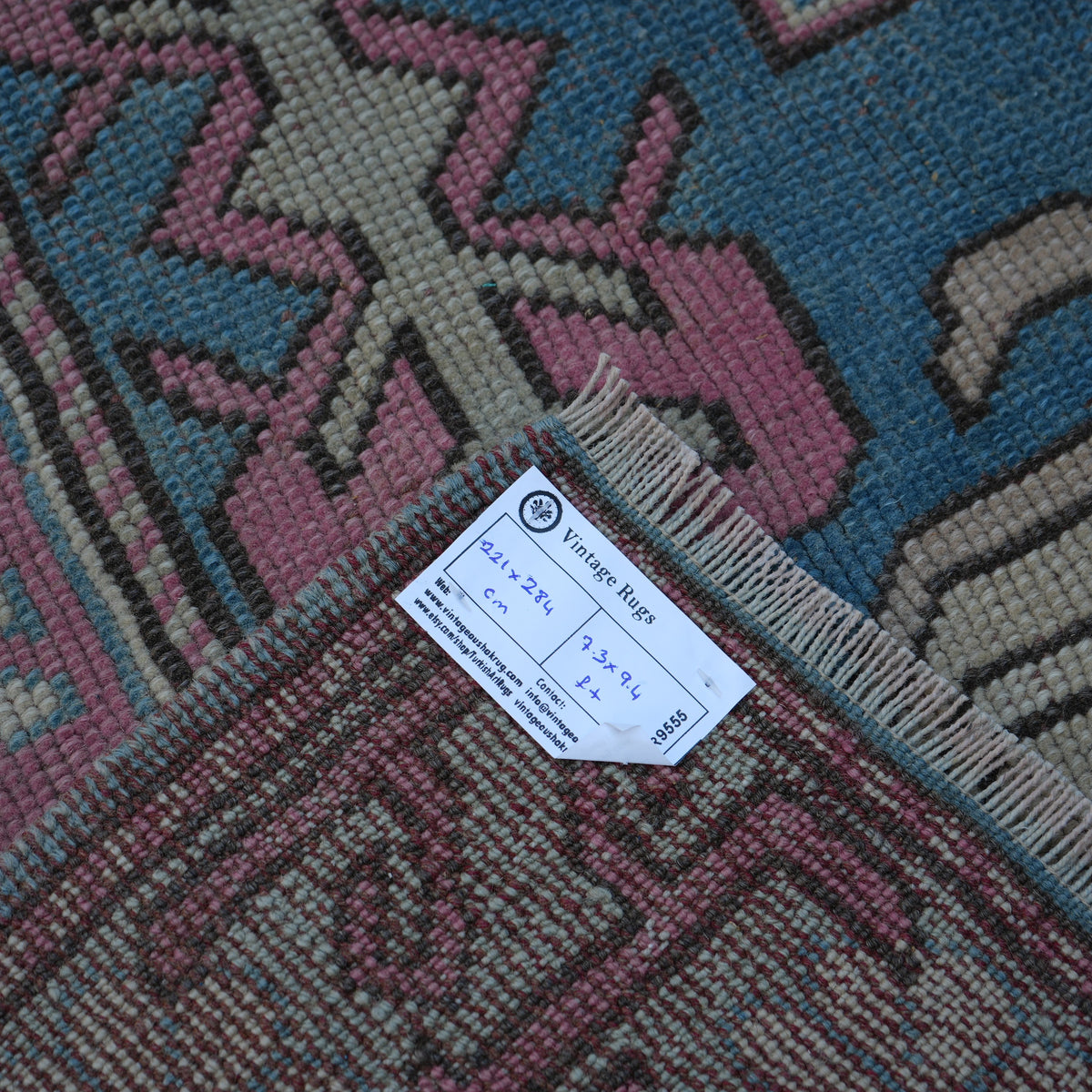
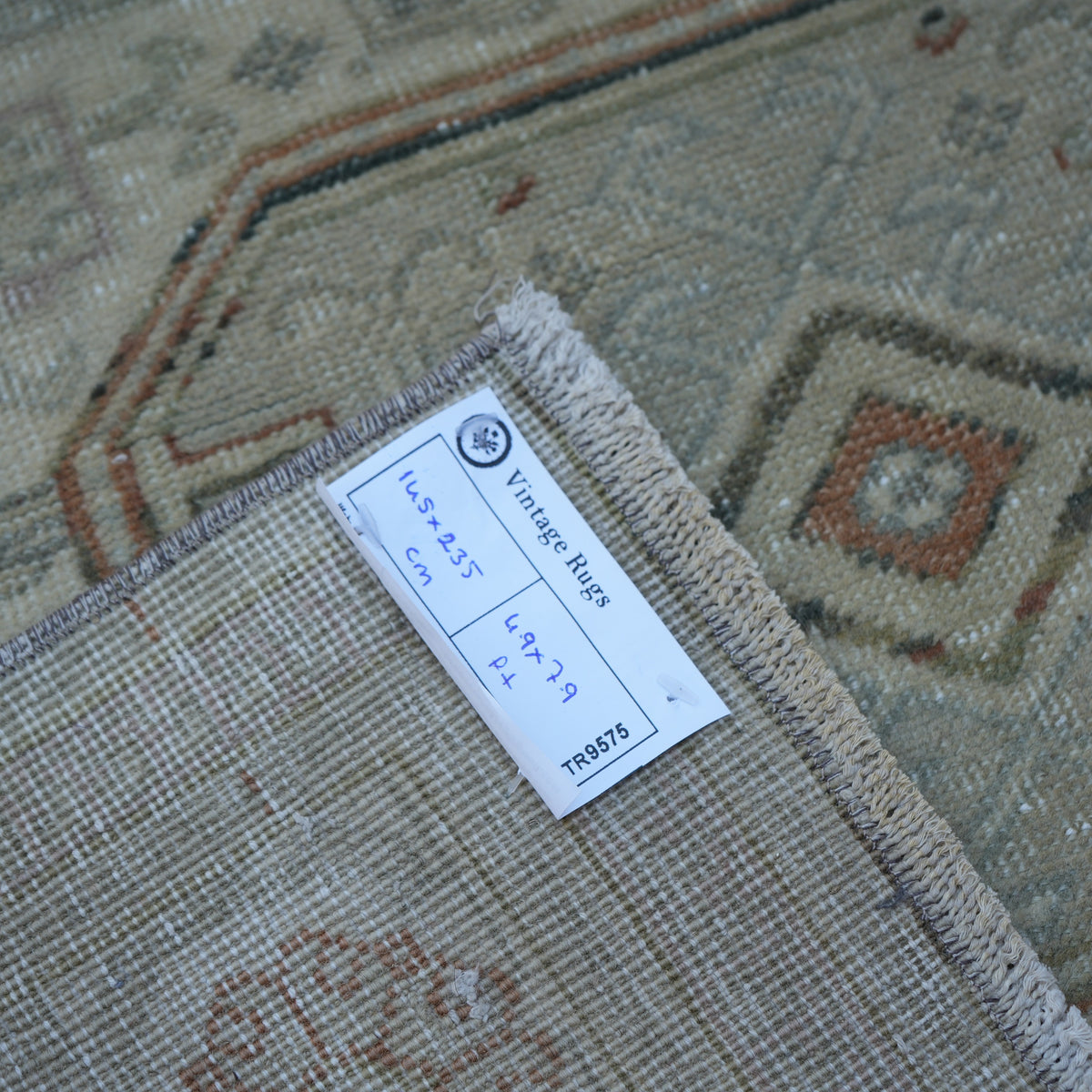
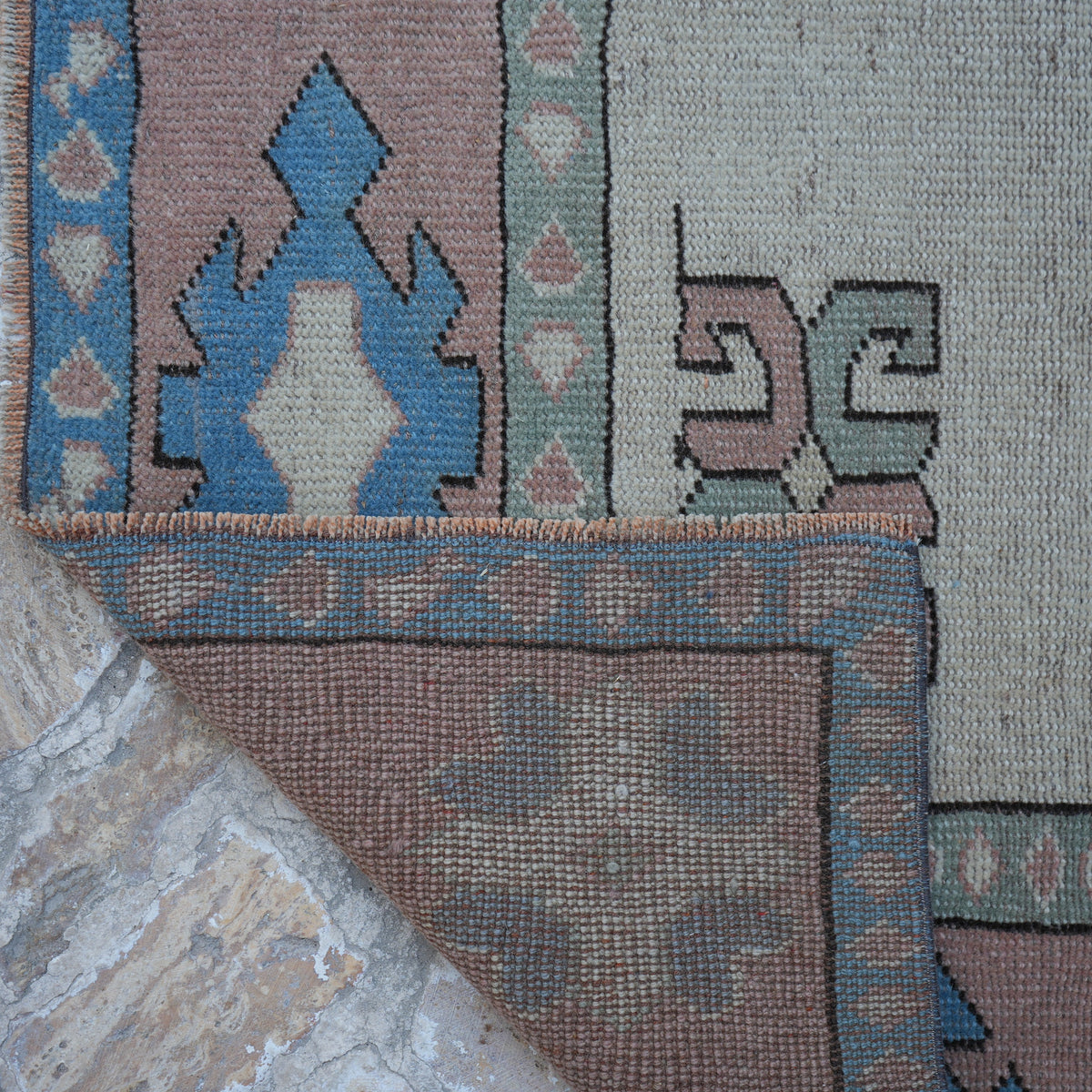
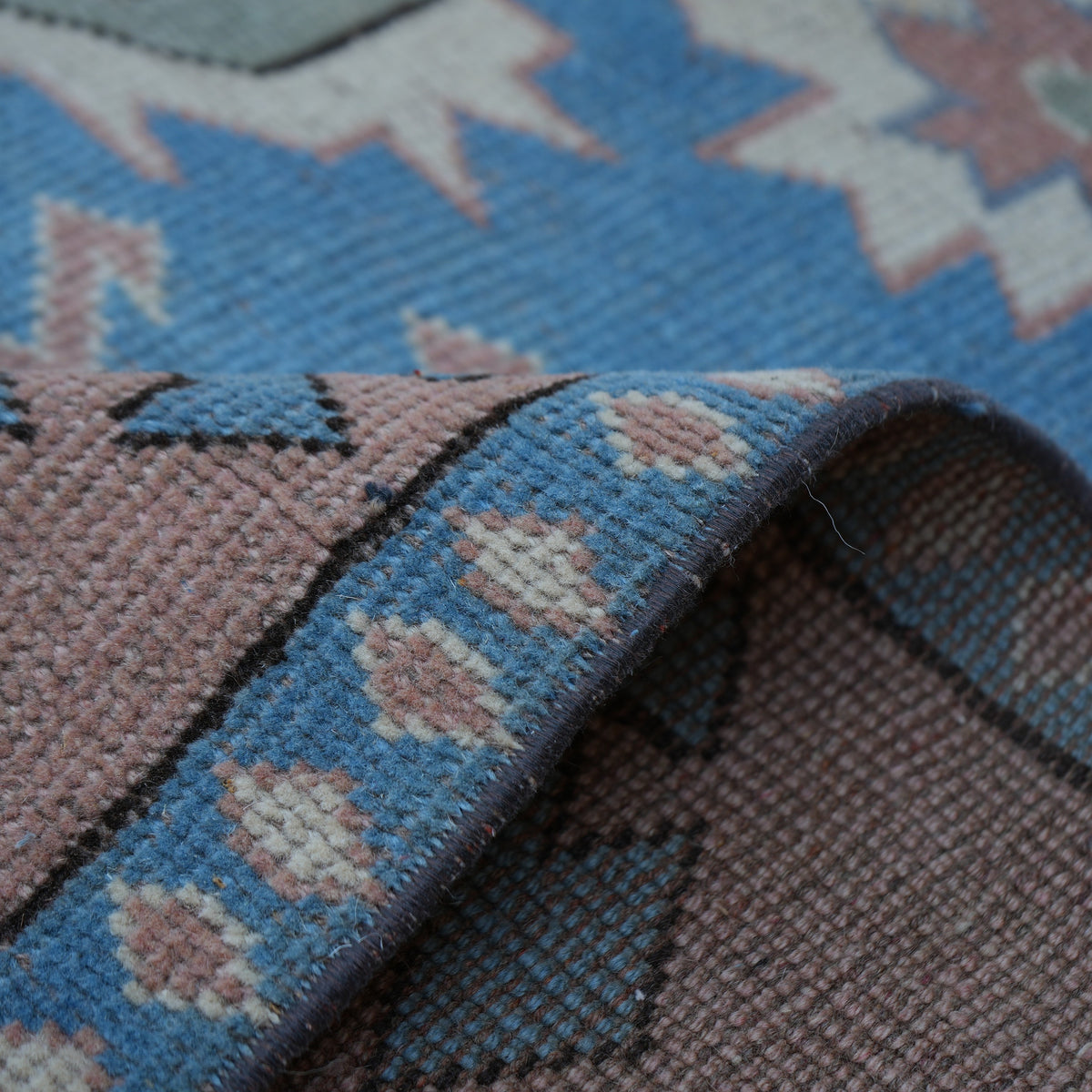
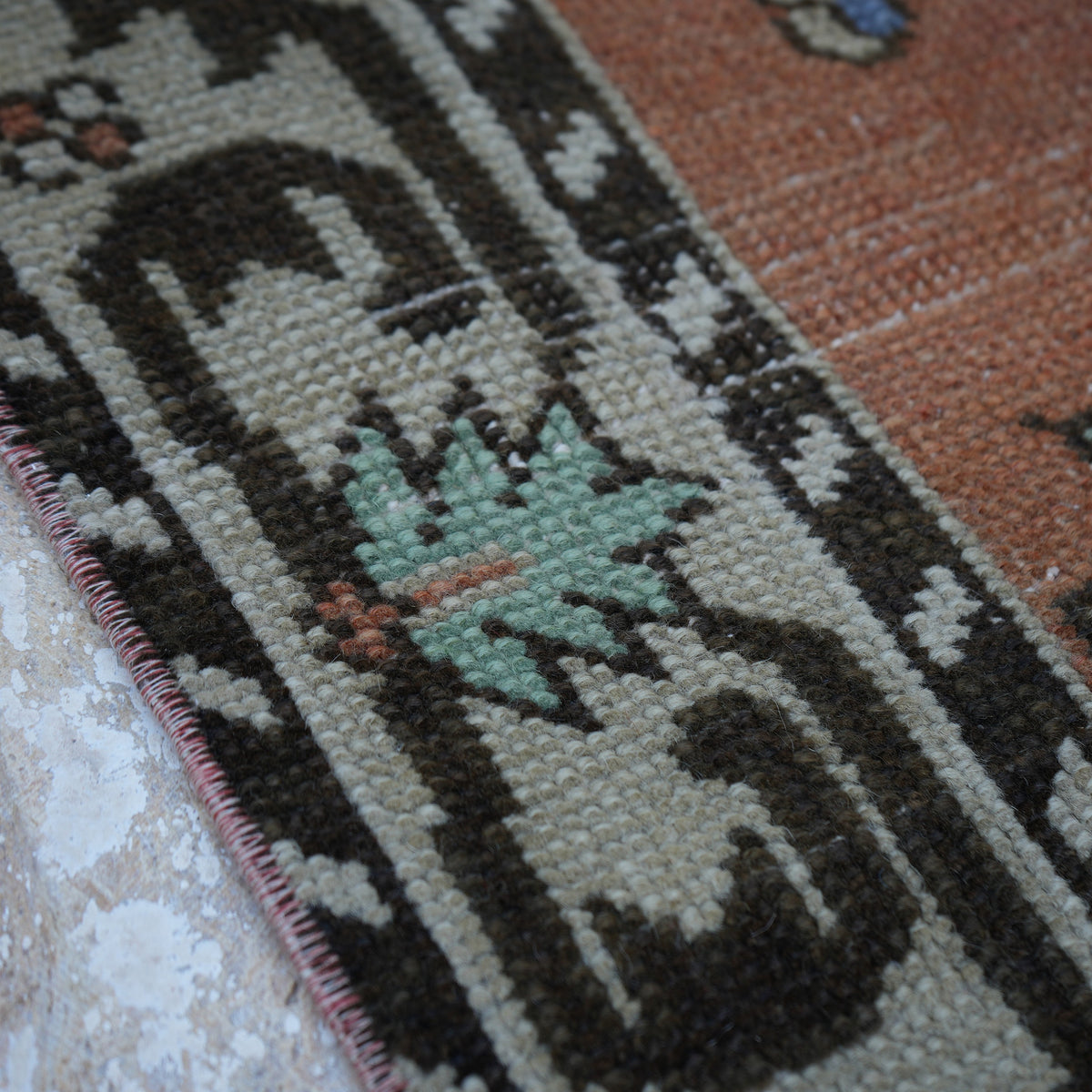
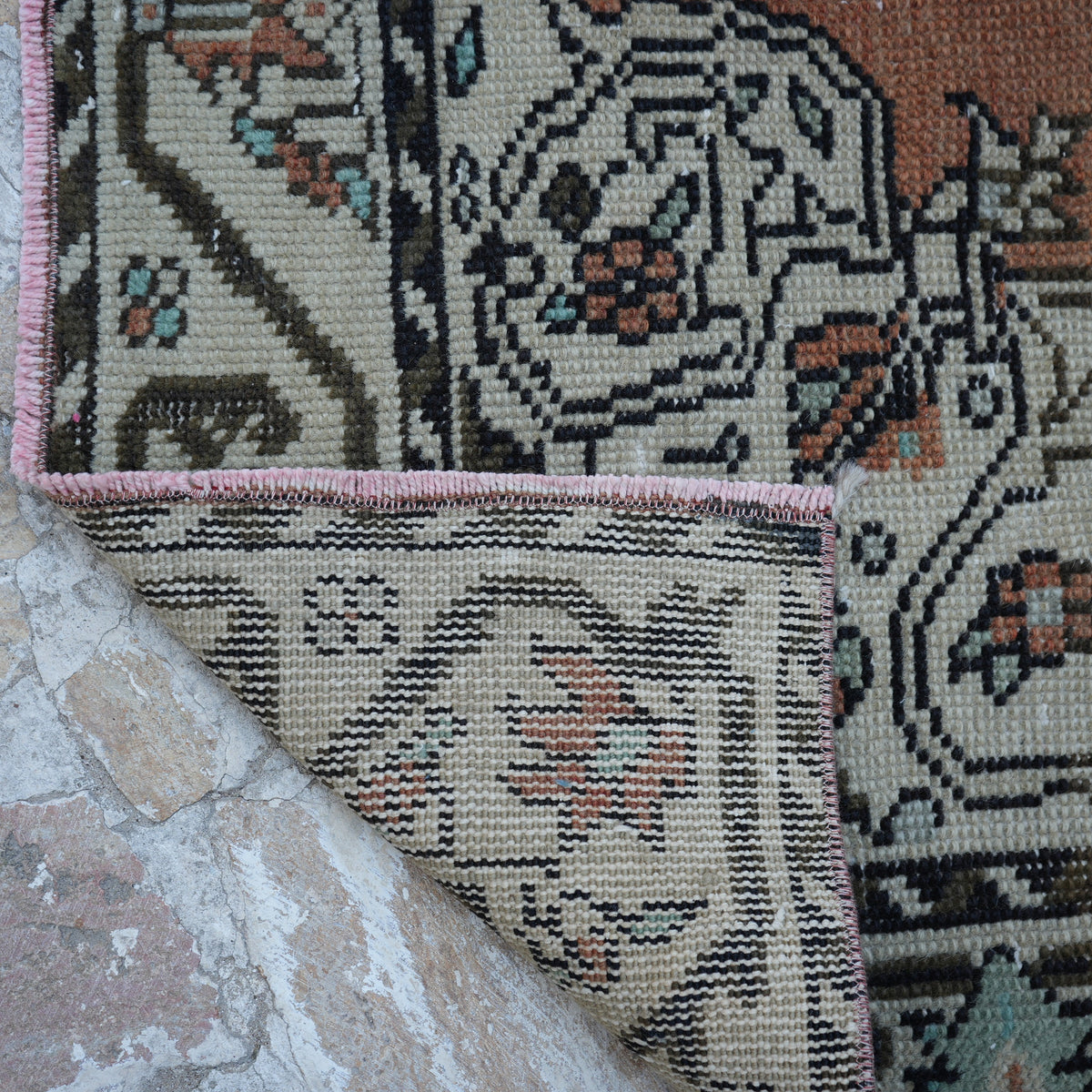
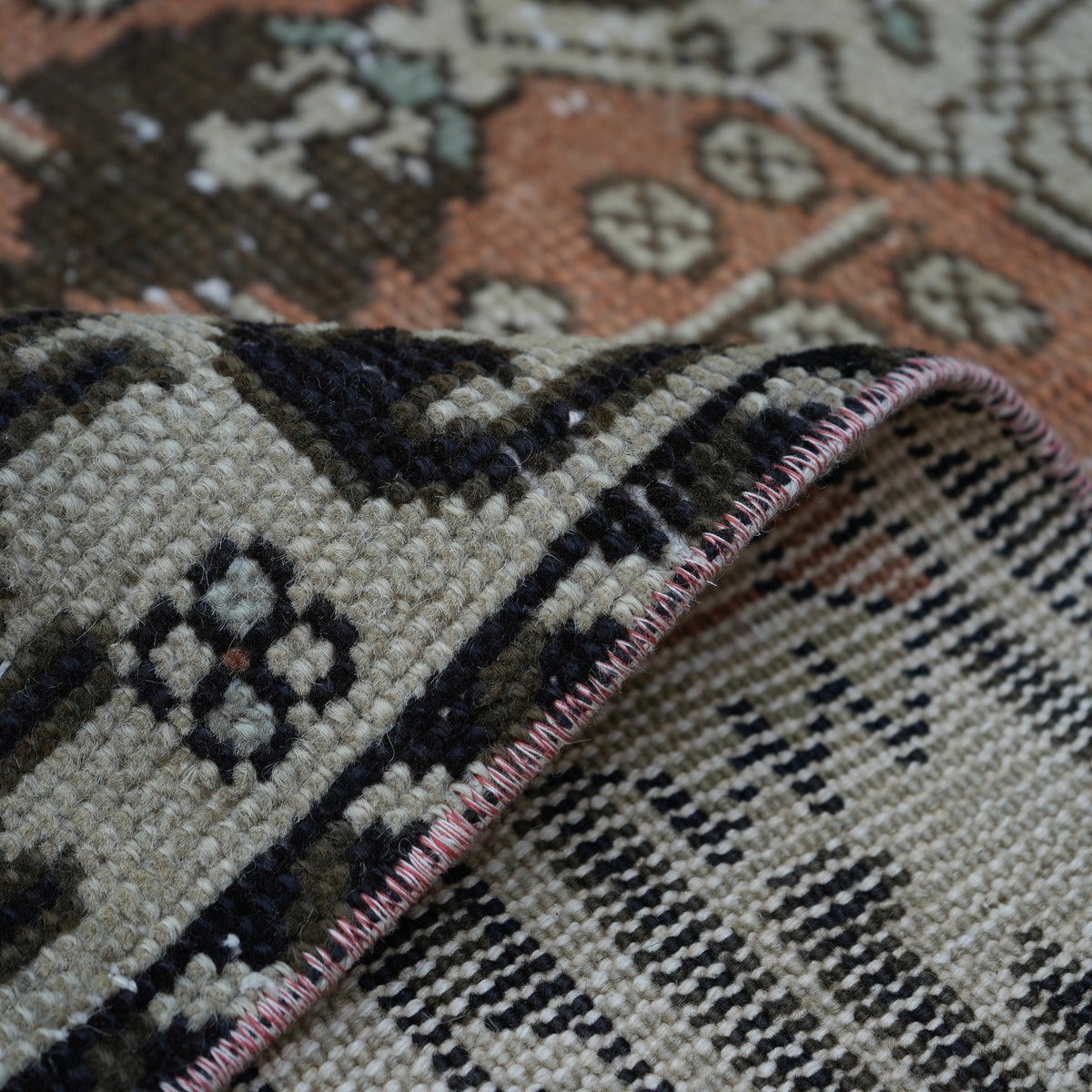
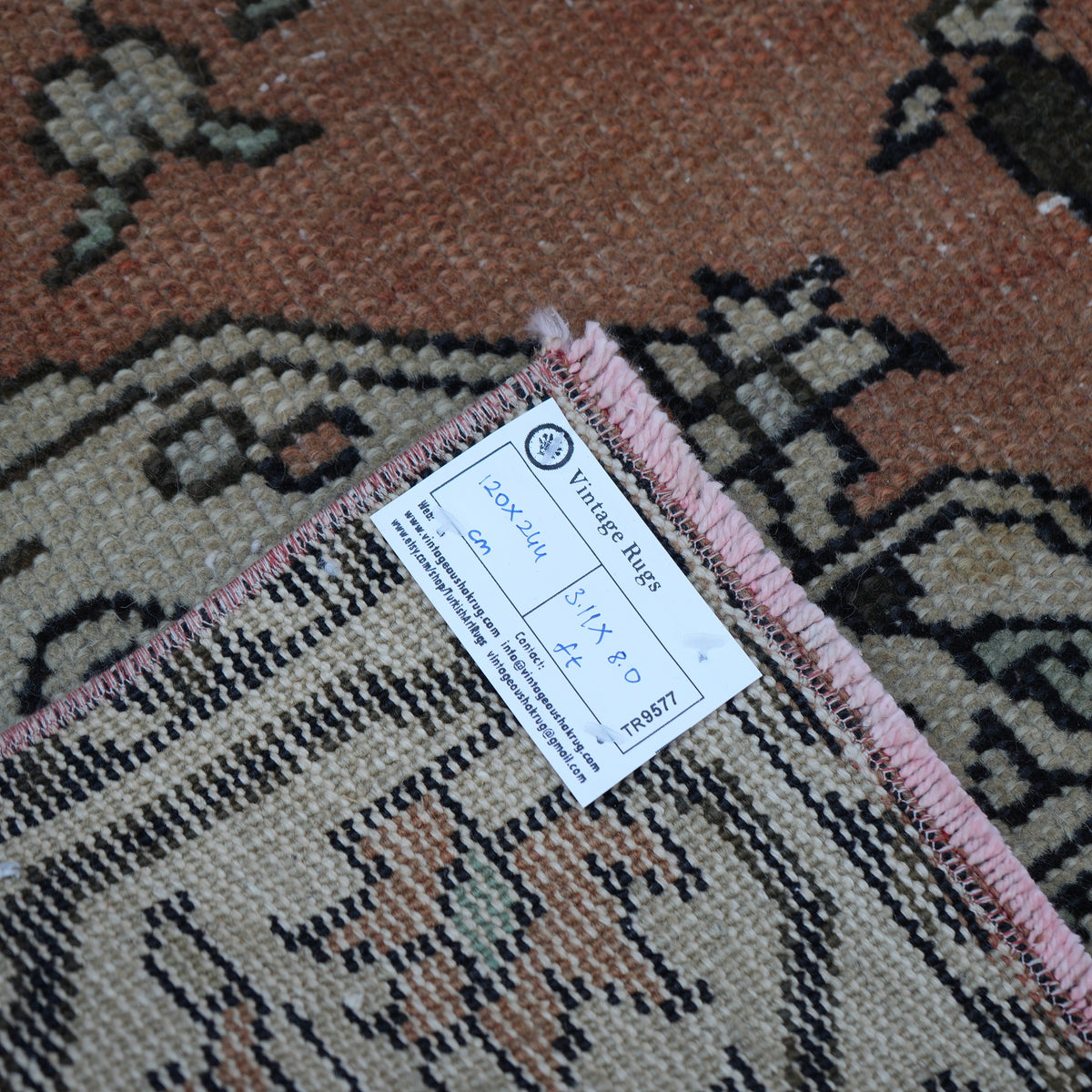
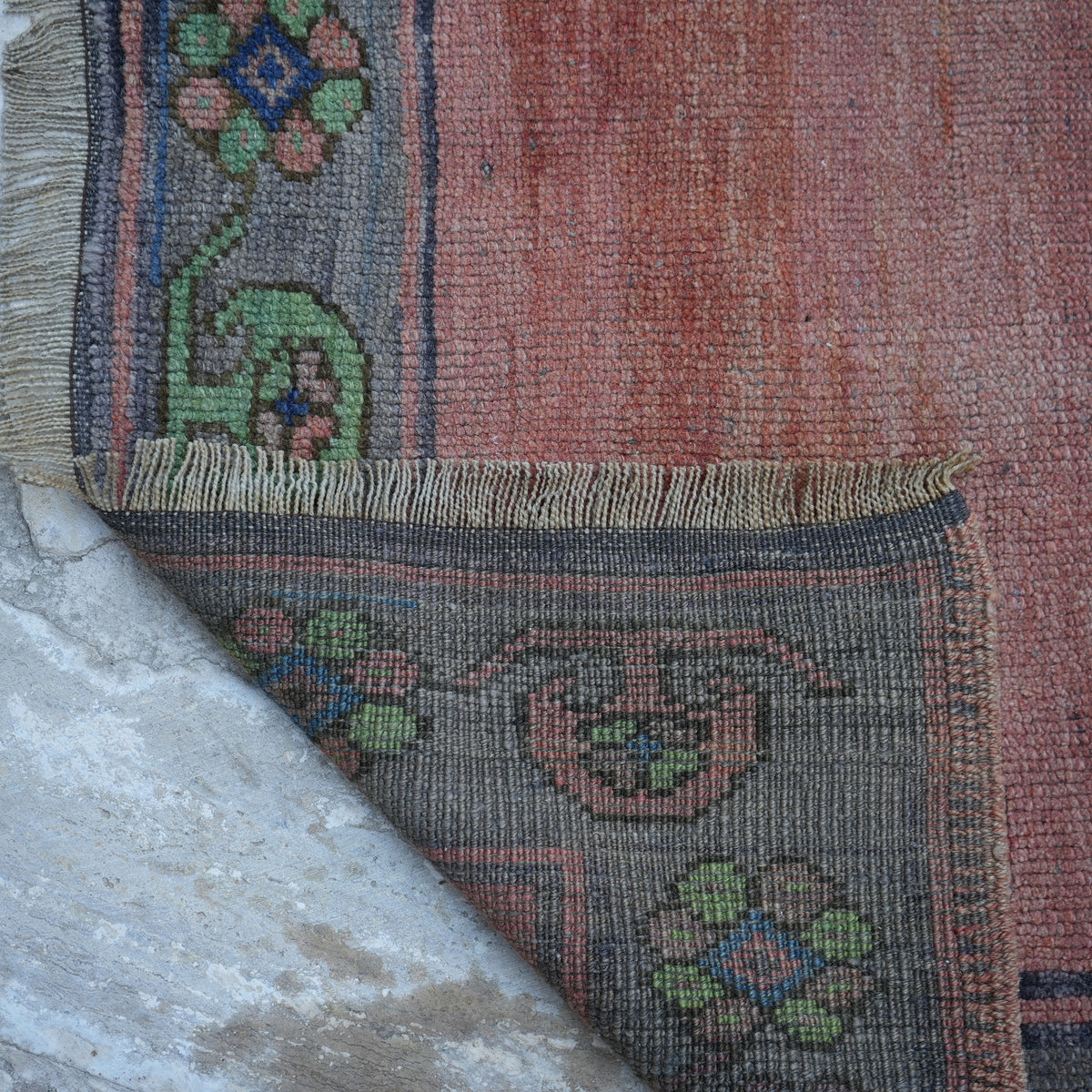
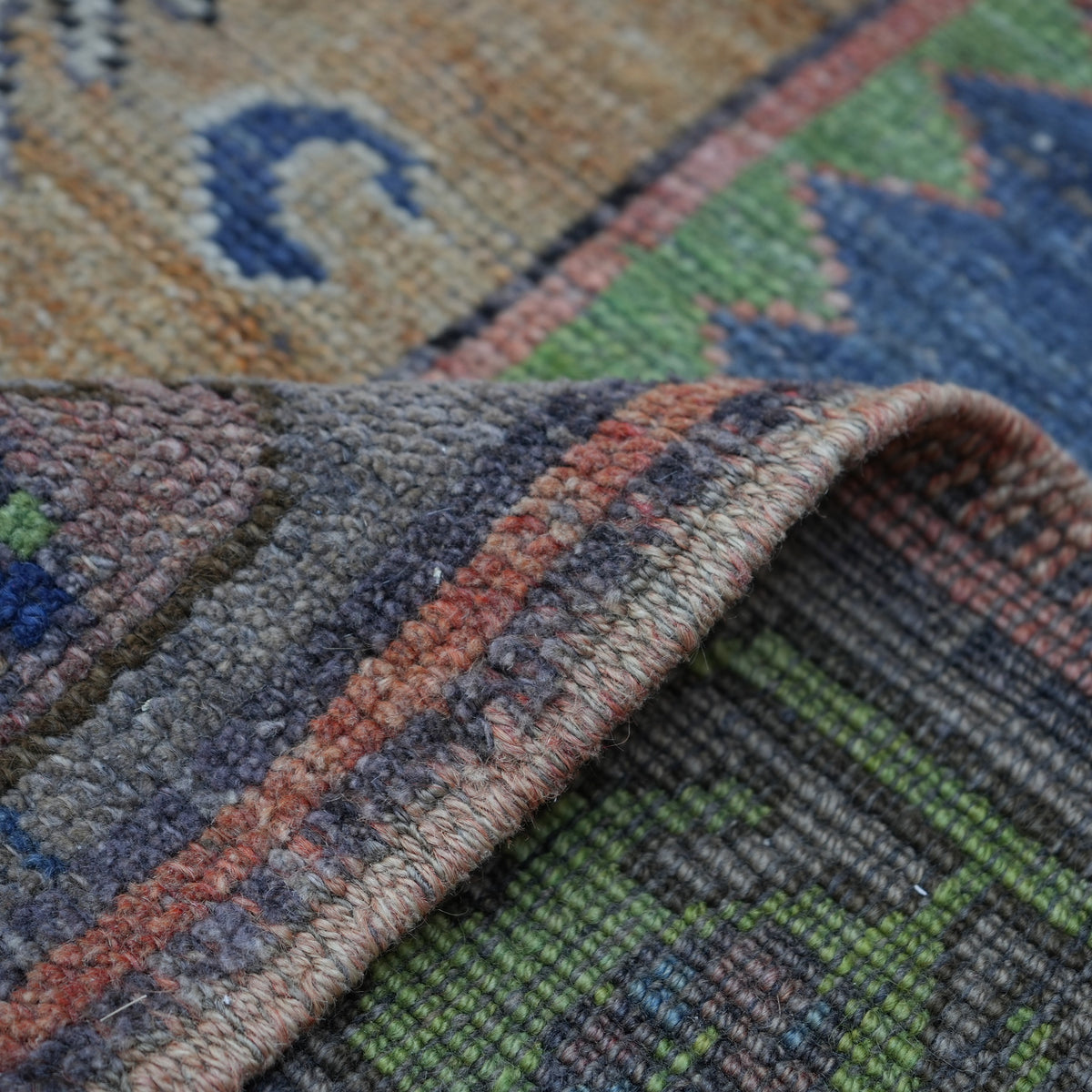
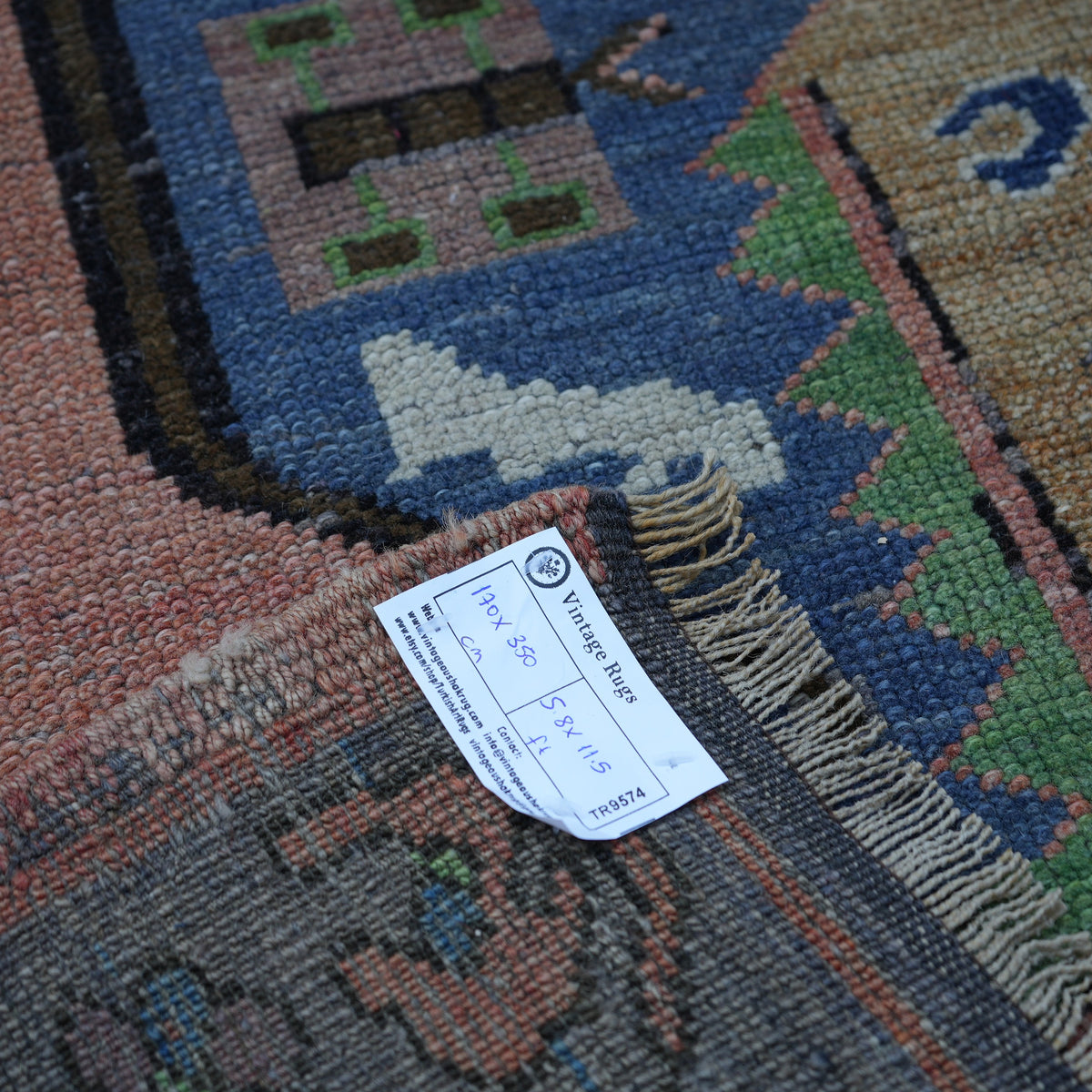
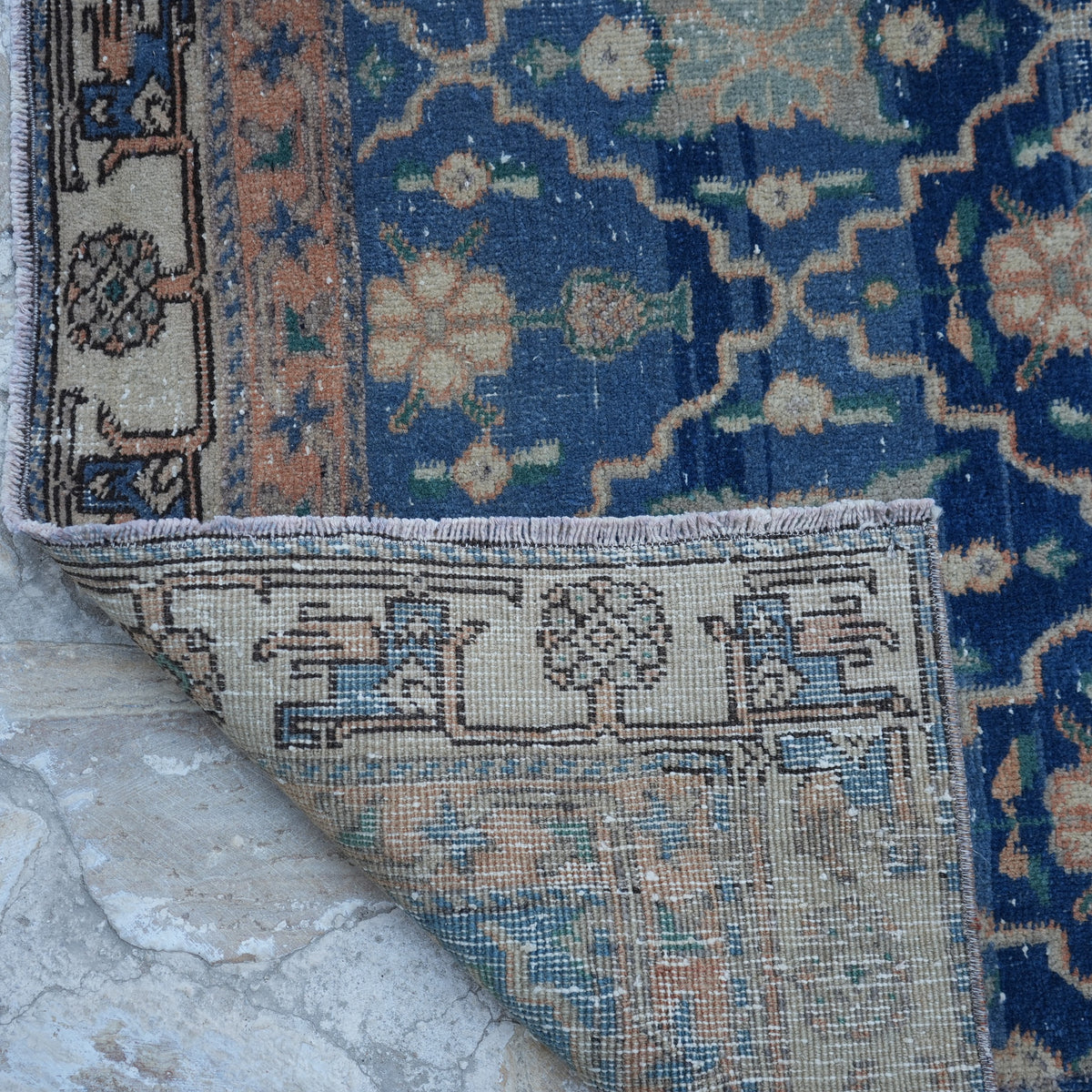
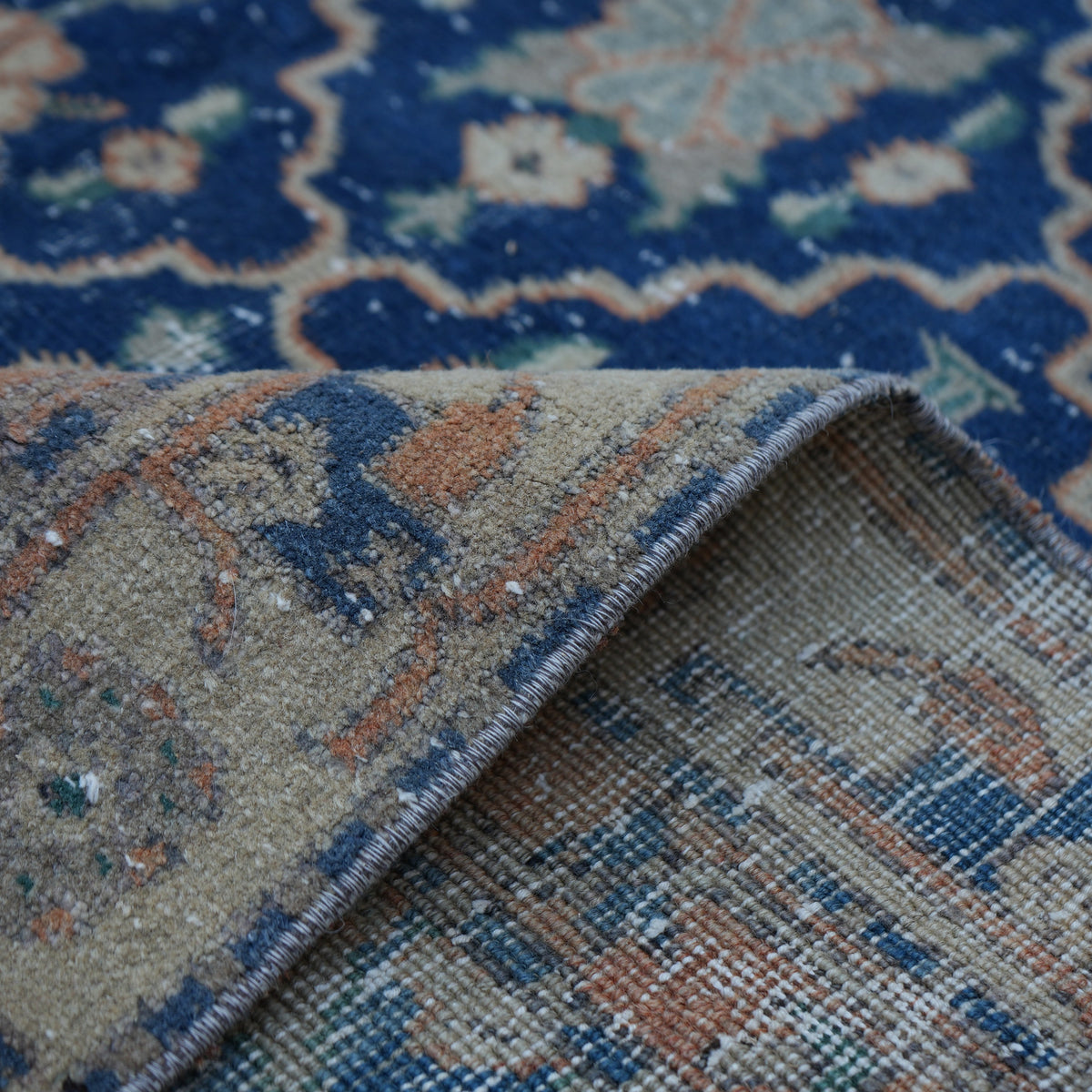
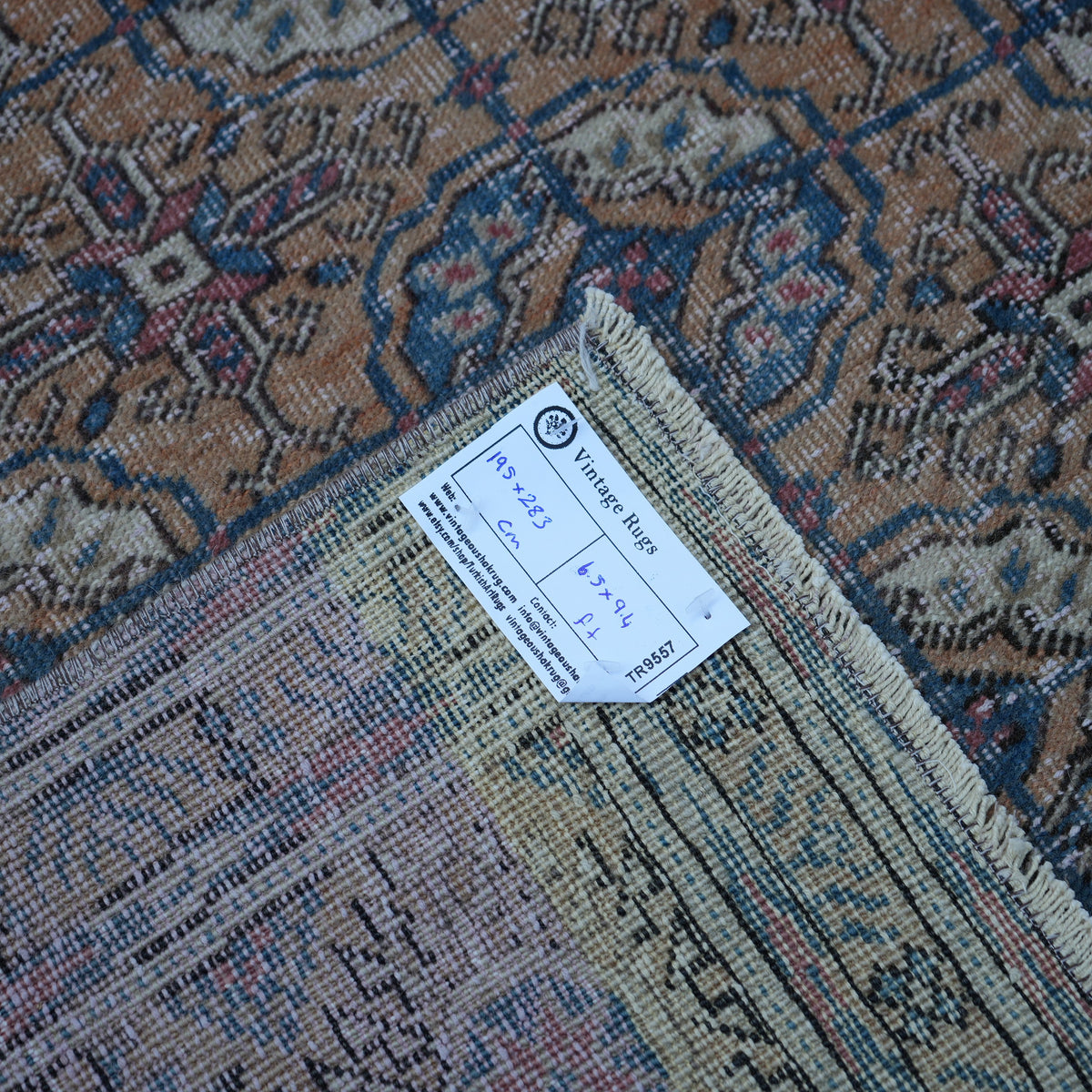
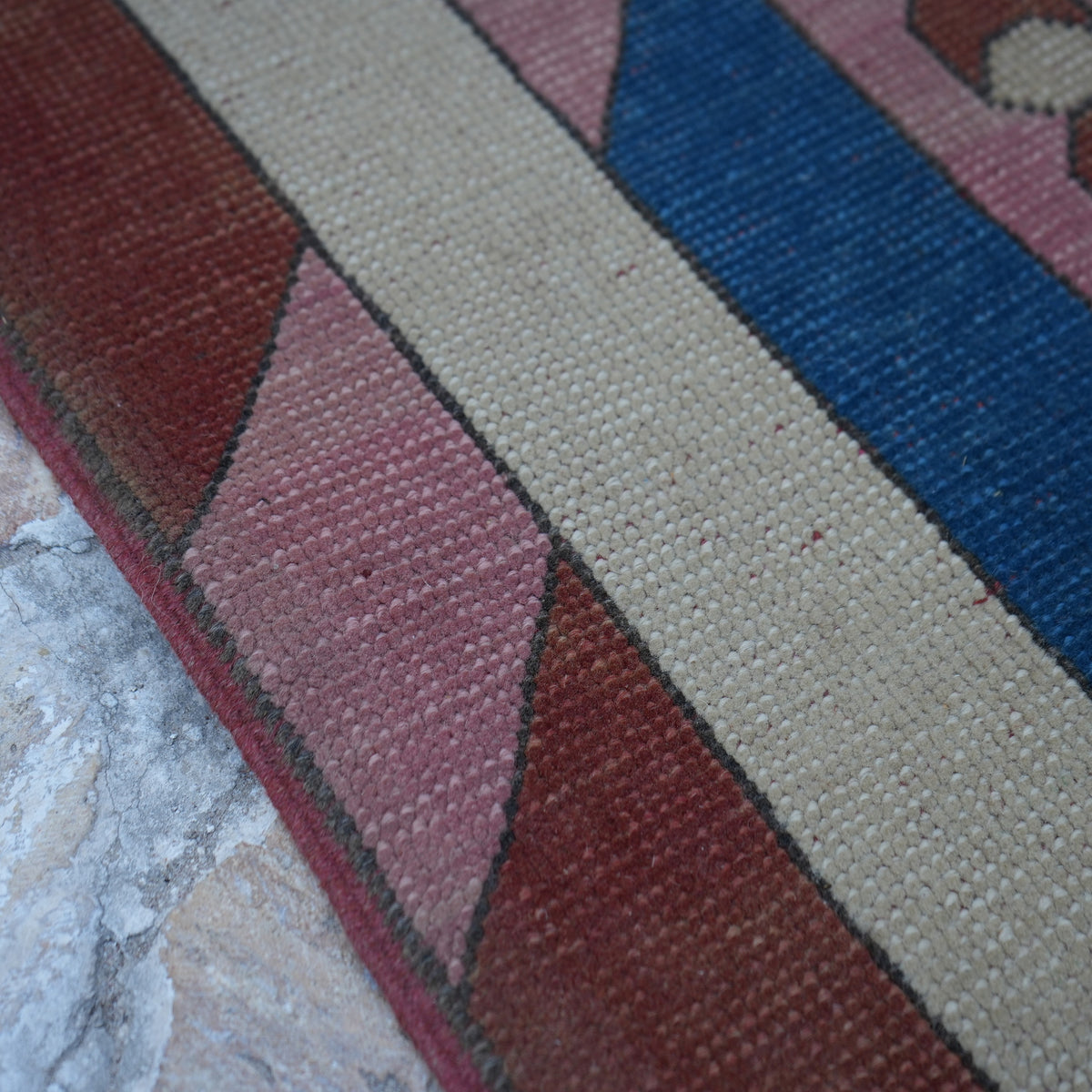
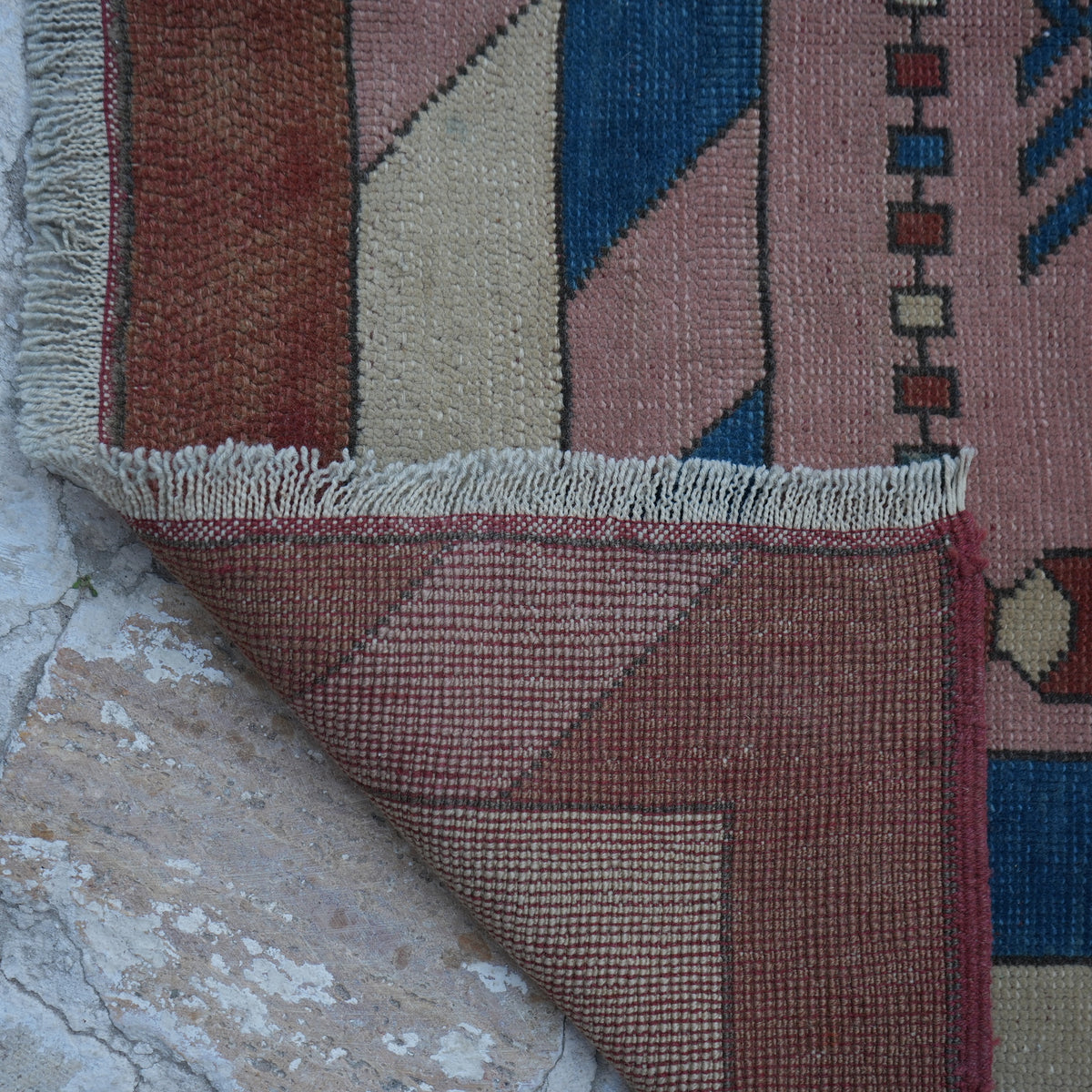
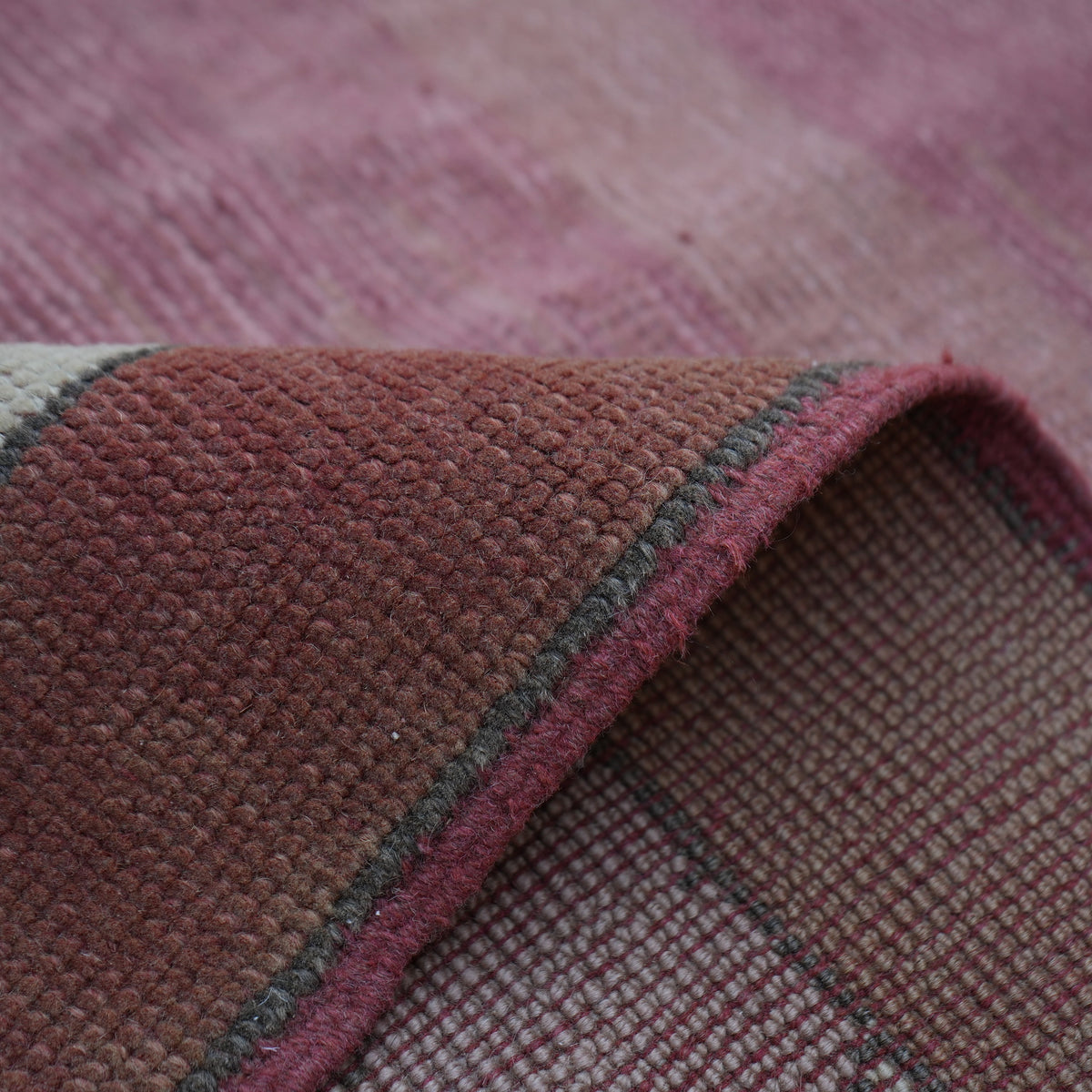
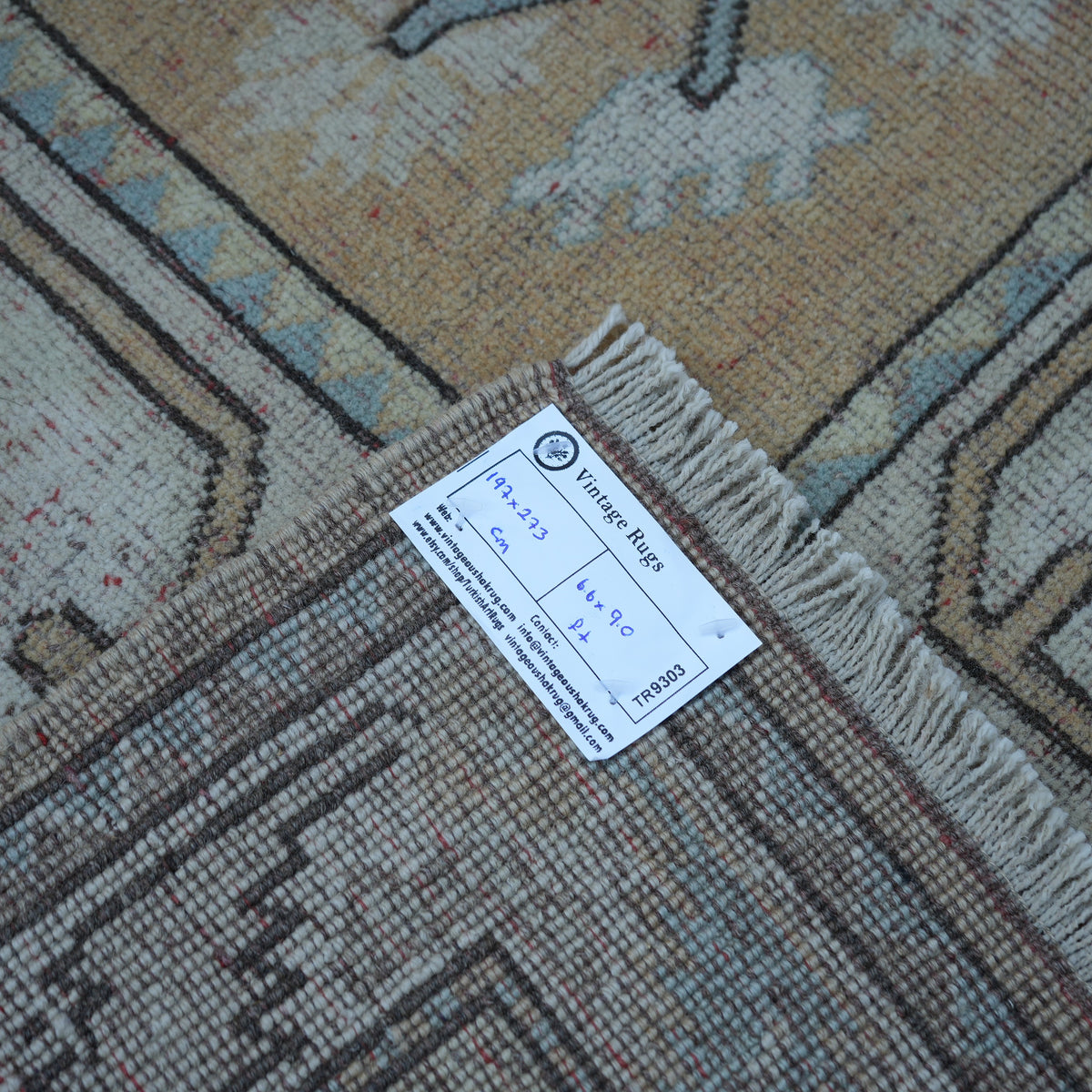
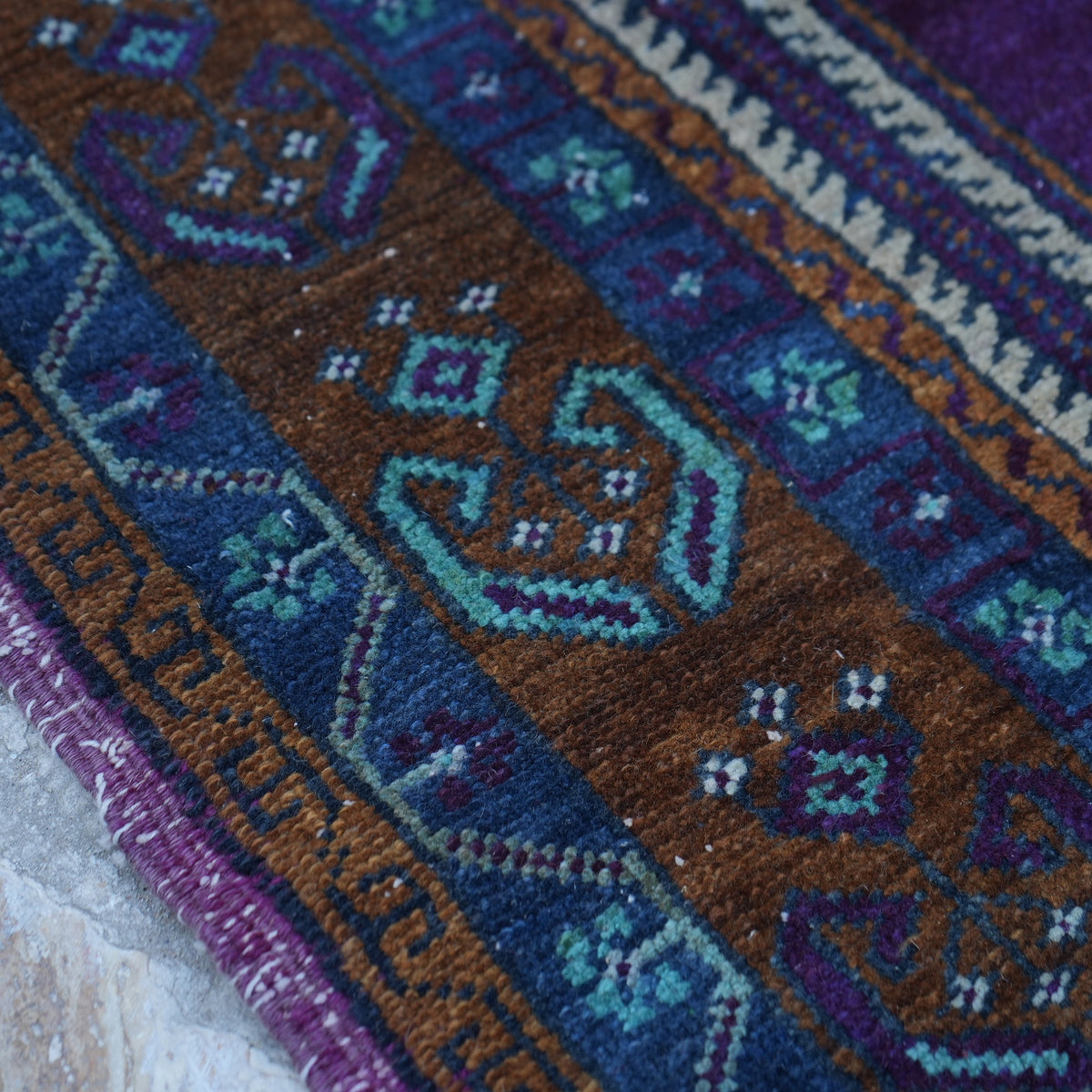
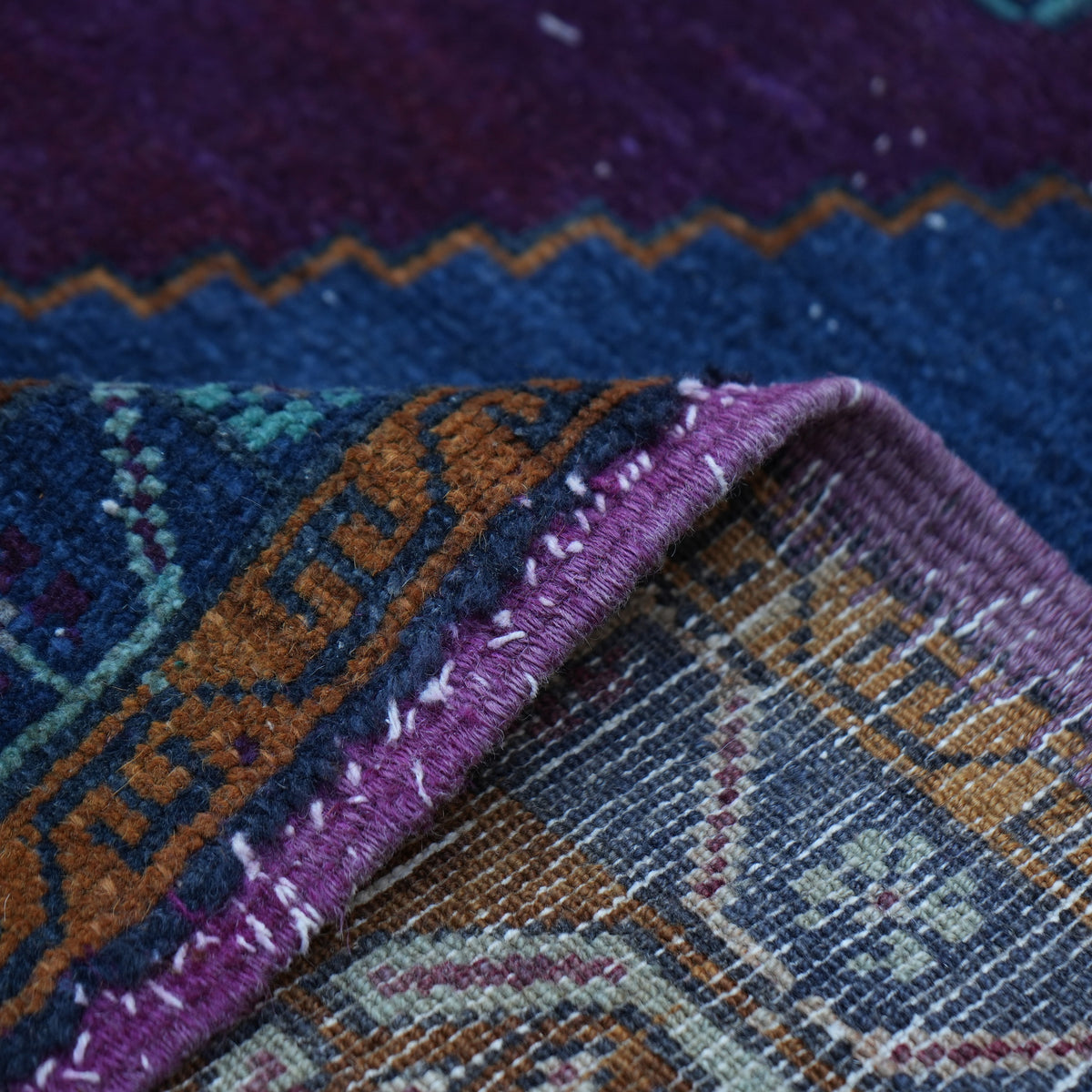
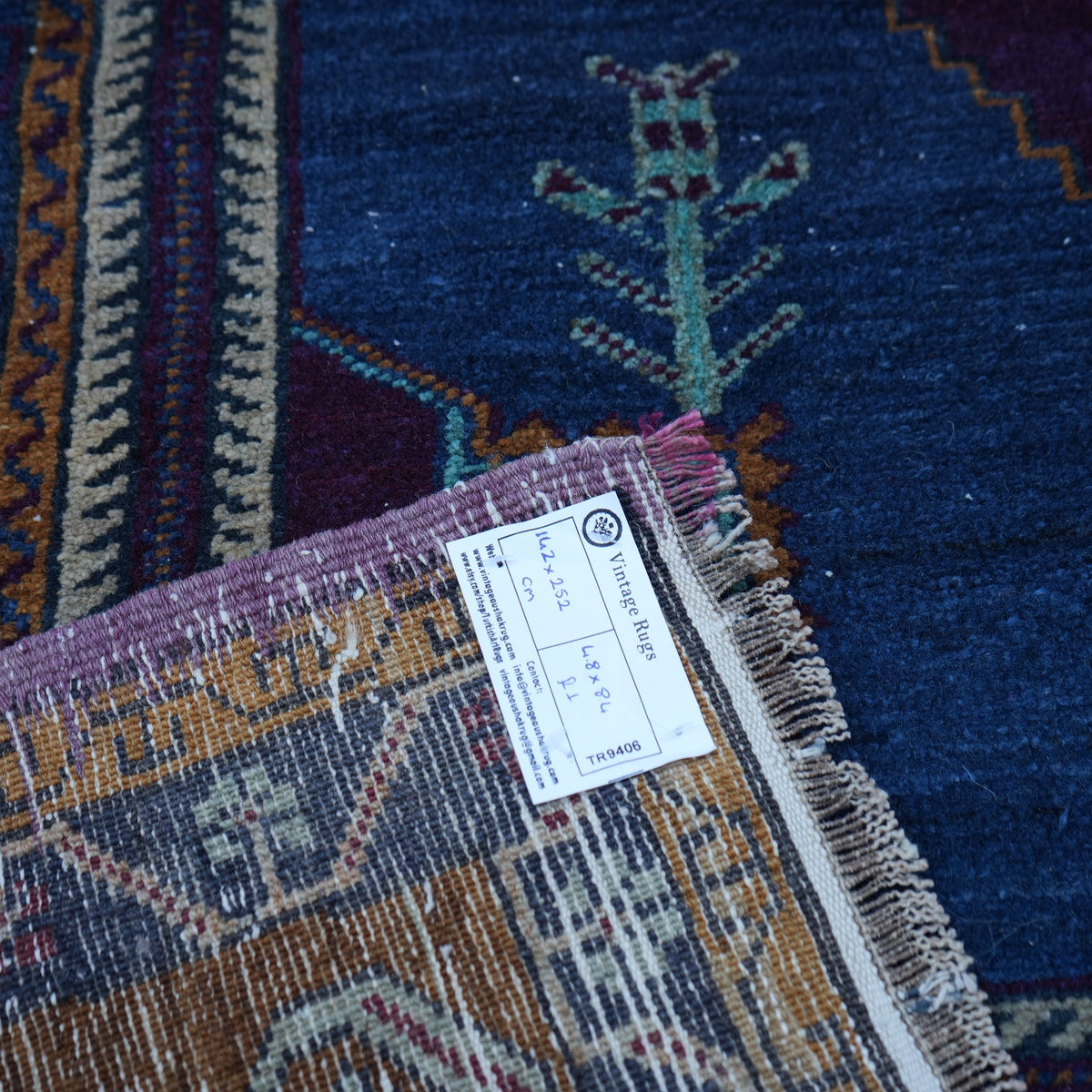
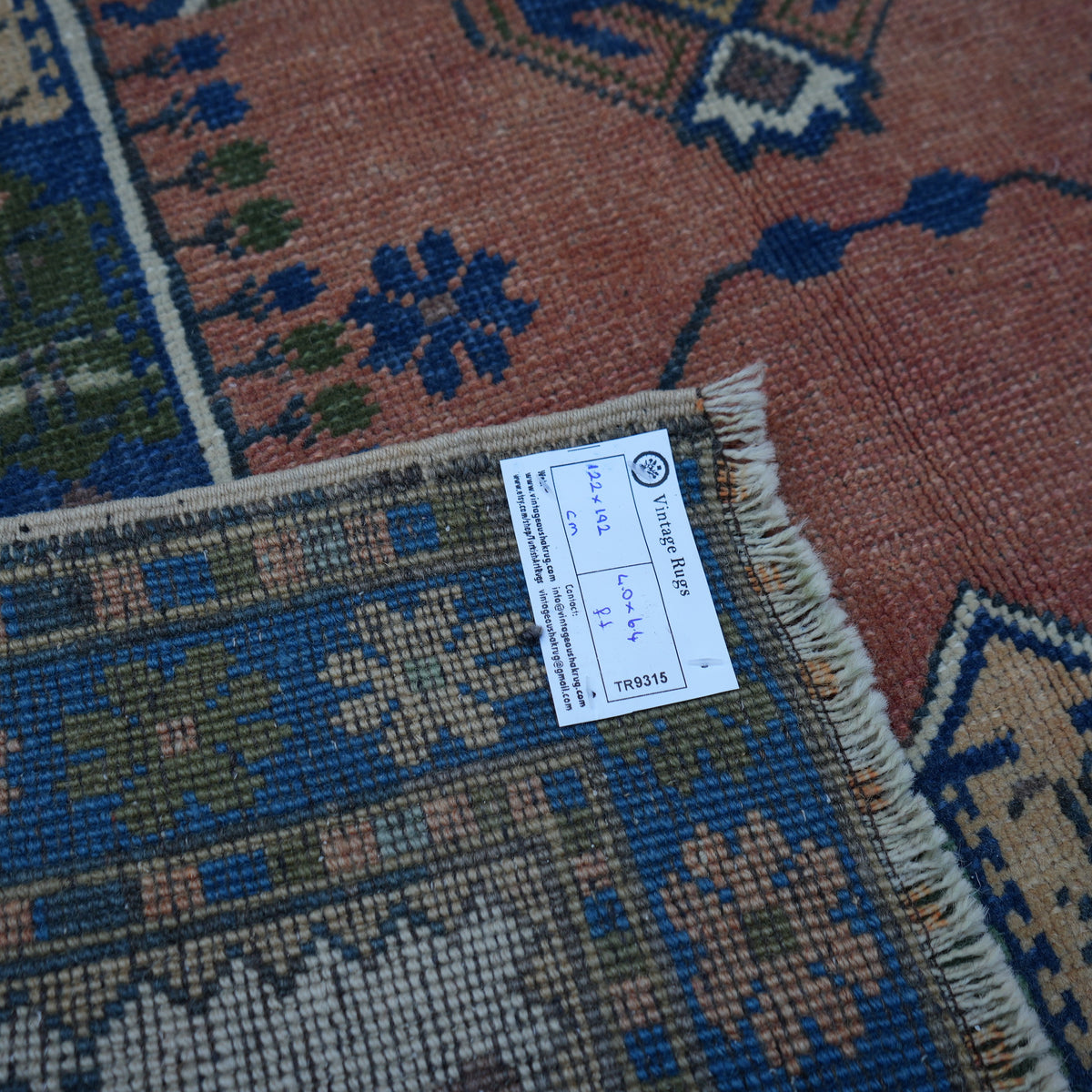
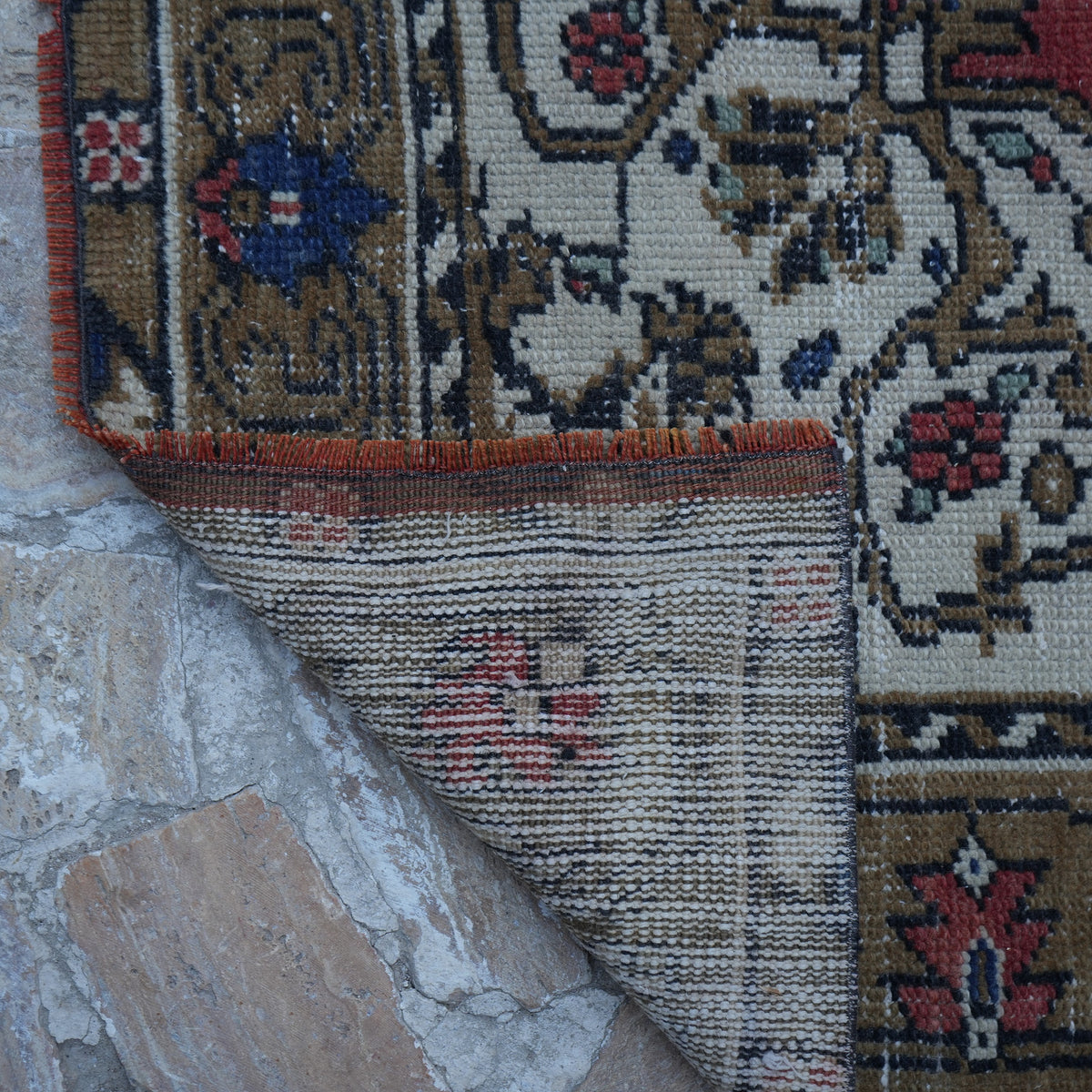
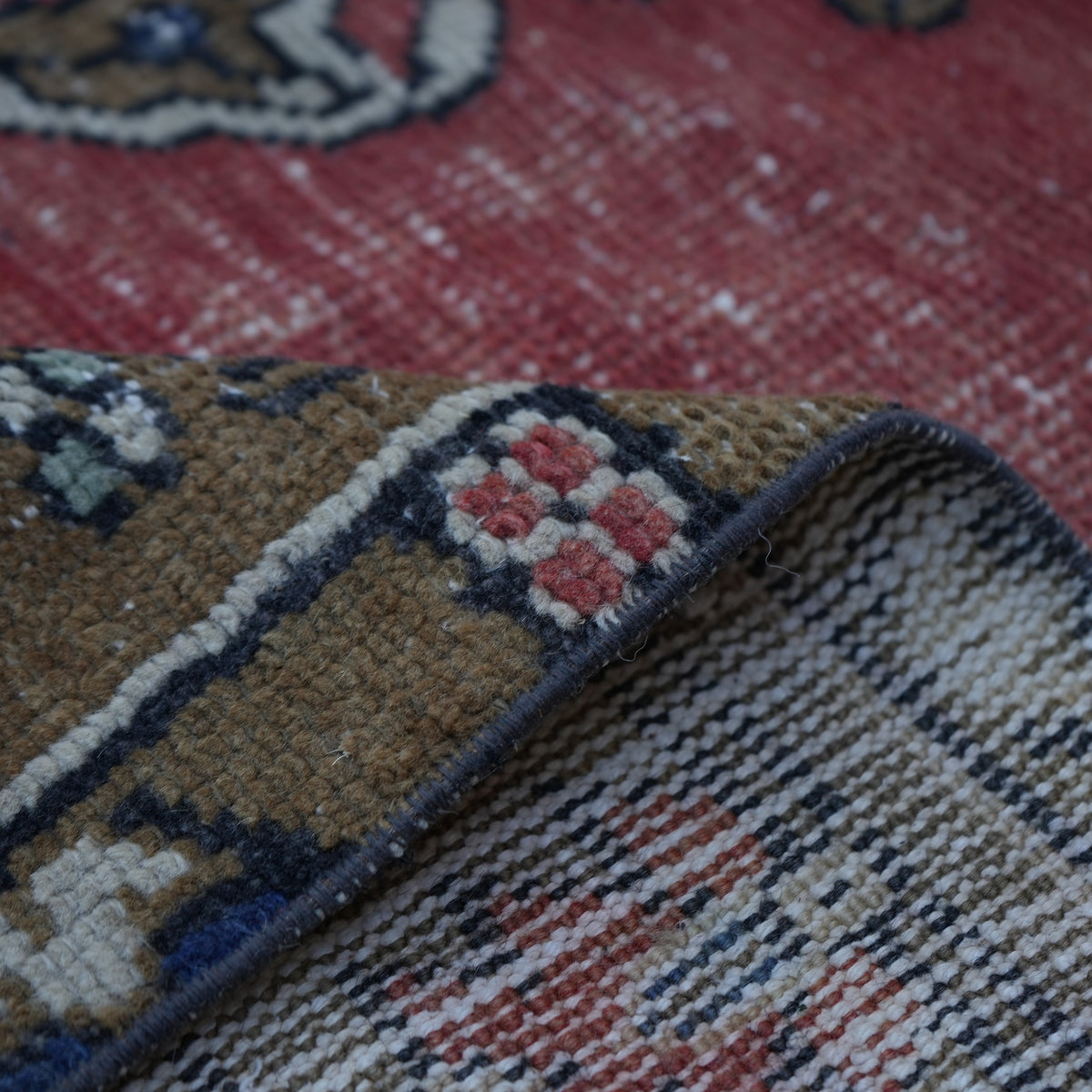
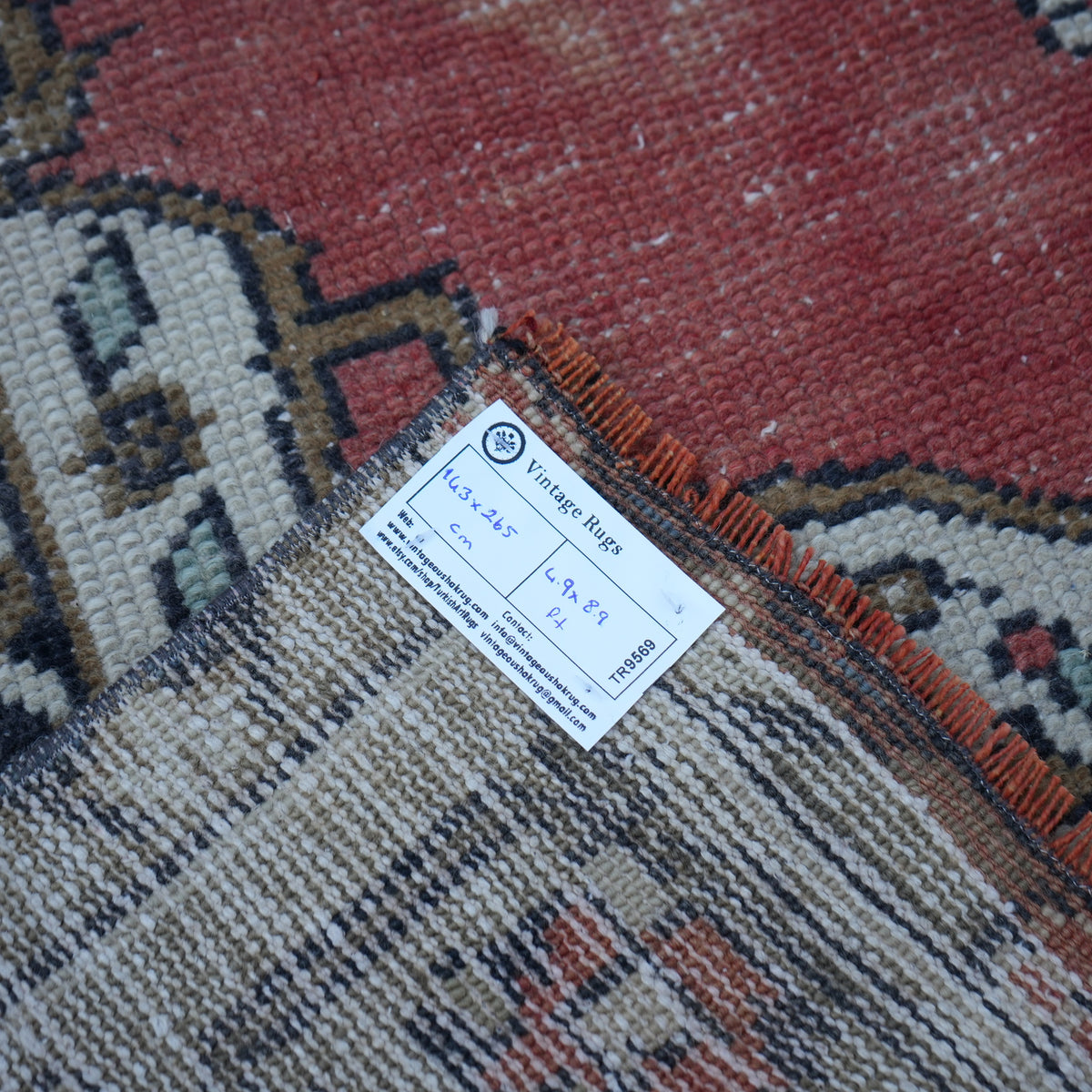
On a handmade rug, the back shows individual knots tied row by row. The pattern is visible but slightly irregular at color boundaries — because each knot was tied by hand, not printed by machine. A machine-made rug has a smooth, often plastic-feeling back, sometimes with a canvas or latex layer attached. The back tells you nothing about how it was made, because there's nothing to show.
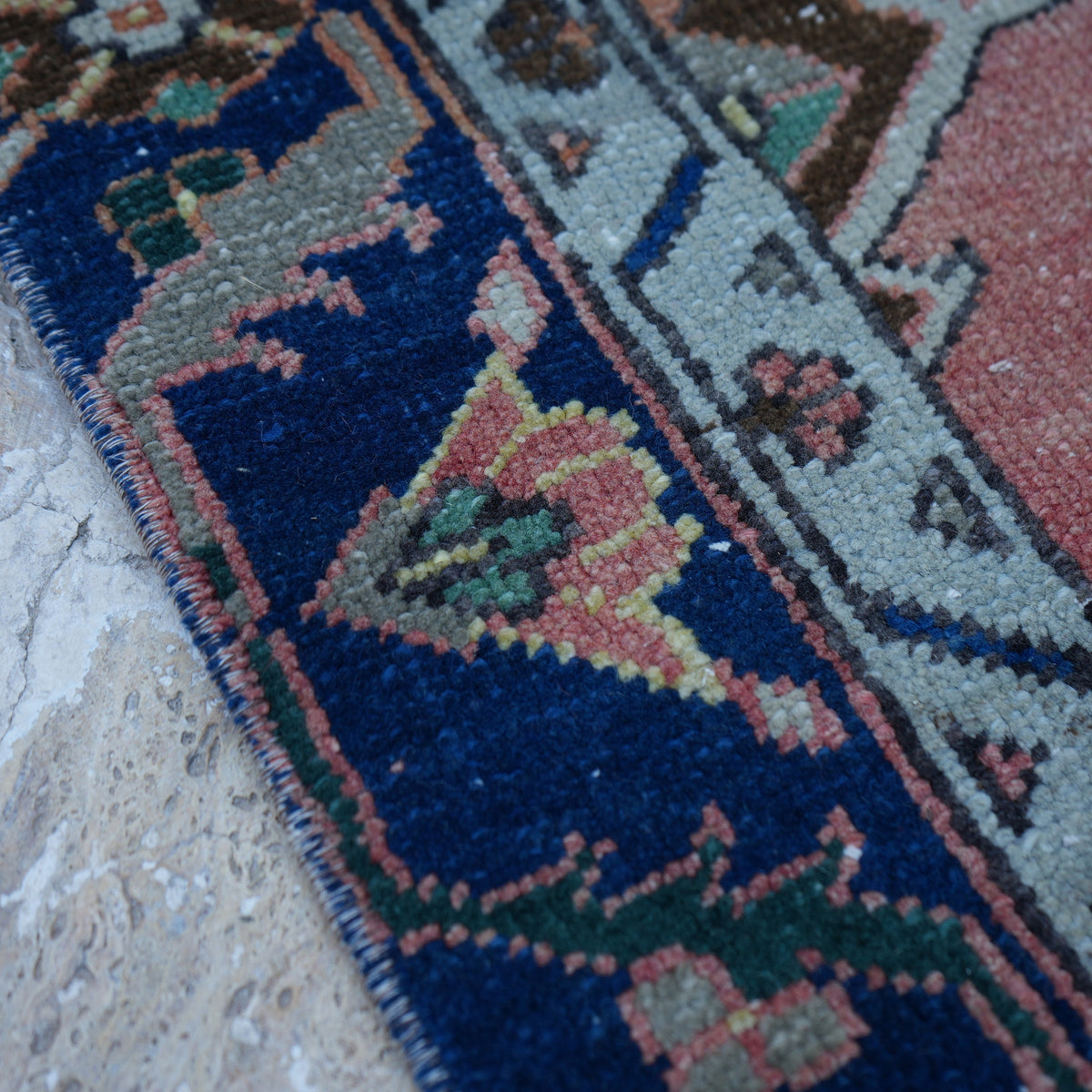
Fringe is another indicator. On a genuine hand-knotted rug, the fringe continues from the warp threads — the same threads the knots were tied around. On a machine-made rug, fringe is sewn on afterward. Look at the point where the fringe meets the rug body. If there's a seam or a visible attachment point, the fringe was added separately.
Pile height in a handmade rug varies slightly across the surface. Not dramatically, but you can feel it if you run your hand slowly in different directions. Machine-made pile is mechanically uniform. That uniformity is actually the tell — perfectly even pile is a machine characteristic, not a human one.
None of this requires expertise. You just have to know to look. There's more detail on each of these tests in how to tell if a rug is handmade.

Why Turkish pile rugs and kilims serve two different purposes
The question I hear most often: which is better, a pile rug or a kilim? Neither. They're for different things.
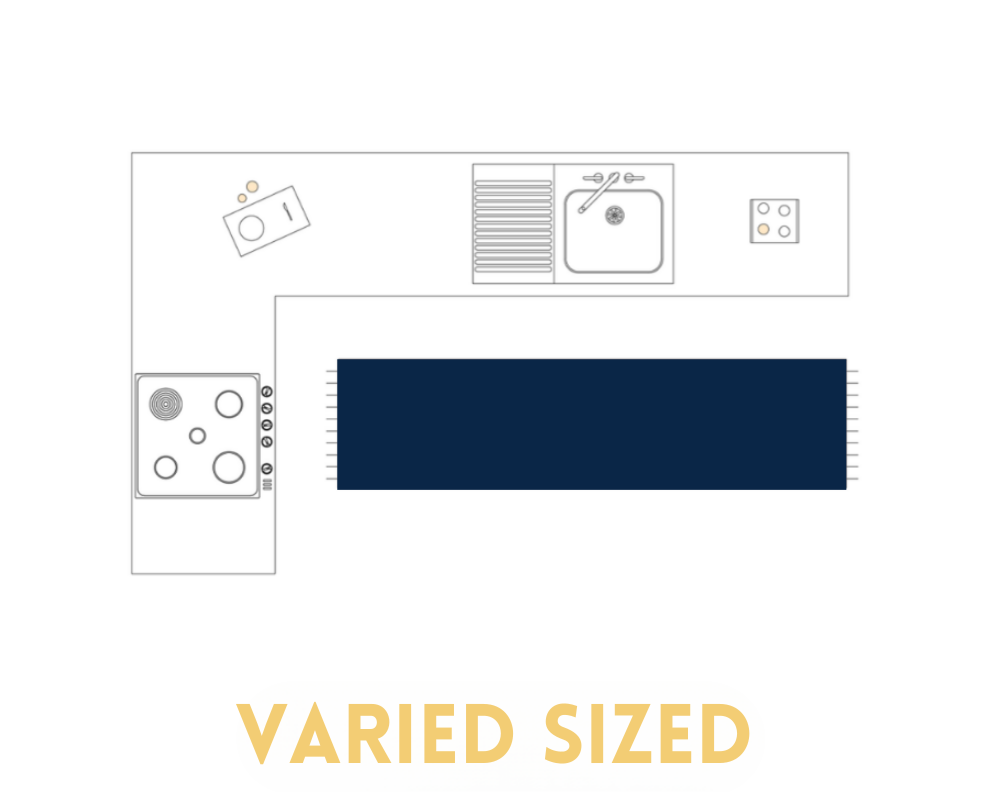
A pile rug has raised wool surface. Soft underfoot, absorbs sound, warmer. It works well in bedrooms and living rooms — anywhere you want texture and warmth. A kilim is flat-woven with no pile. Lighter, easier to move, more practical for high-traffic areas or spaces where you want something that lies completely flat. A kilim in a kitchen or entry handles daily use differently than a pile rug in the same spot.
Flatweave patterns go all the way through the rug. Flip a kilim and the back mirrors the front, reversed. This isn't a design quirk — it's structural. The weft threads that create the color are the same threads throughout.
What most buyers don't know: kilims weren't originally floor pieces. They were wall hangings, pack covers, bags. The ones sold as rugs now are rugs by common adoption, not original design. That history doesn't make them better or worse for your floor — just worth knowing.
If you know you want flatweave specifically, the kilim collection is separate from this page. And if you want to understand the full difference, the kilim rug guide goes into that in detail.

Why age can work in a Turkish rug's favor
Turkish pile rugs are mostly wool, and the quality of that wool varies more than most buyers realize from the outside.
Wool from sheep raised in colder, higher-altitude conditions tends to retain more lanolin — the natural oil in the fiber. Denser, more resilient, it behaves differently under foot traffic. The pile springs back after compression instead of staying flattened. Factory-processed wool, or wool that's been heavily washed during industrial processing, loses much of that lanolin. The two can look nearly identical when new. At ten years, the difference is clear.
A wool rug at ten or twenty years of use is often better than it was new. Not despite being used. Partly because of it. The pile has settled. The surface has a quality that a new rug doesn't have — a slight polish that comes from years of actual foot traffic, not from anything applied during production. A genuinely good rug earns its character over time.
The low vs high pile guide is useful if you're deciding between pile heights for a specific room.
What separates vintage and antique Turkish rugs
Technically, antique means 100 years old or older. Vintage gets applied more loosely — 30, 40, 50 years, sometimes more — to pieces that haven't reached that threshold. In practice, the distinction matters less than people expect.
What actually determines whether a piece is worth buying: the quality of the weaving, the quality of the wool, the condition, and whether you like it. A 60-year-old rug in excellent condition is more practical than a technically antique rug with structural damage that will continue to deteriorate.
I don't inflate ages. If I know a piece is from a specific period, I'll say so. If I don't know, I won't guess. Most market sellers guess. I've stood next to sellers who described the same rug as "at least 80 years old" with the confidence of someone reading from a document. Dating rugs is genuinely hard, and I'd rather say I'm uncertain than give a number I can't support.
The vintage rugs and antique rugs collections are separate from this page if you want to browse by age category. The blog post on things to consider when buying a vintage rug goes into condition assessment in more detail.
How to choose the right Turkish rug for your space
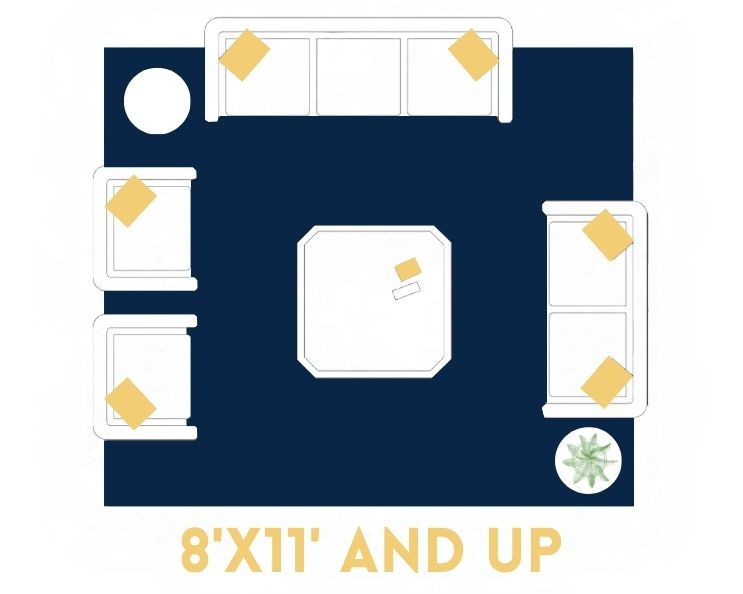
Size is where I see the most mistakes. I used to tell everyone the same thing: when in doubt, go bigger. That's still mostly right — a rug that's slightly too large reads better than one that's clearly too small. But I've seen it go wrong enough times to add a caveat. A 9x12 in a studio apartment can fill the entire floor. Bigger is right in most situations. Not every situation.
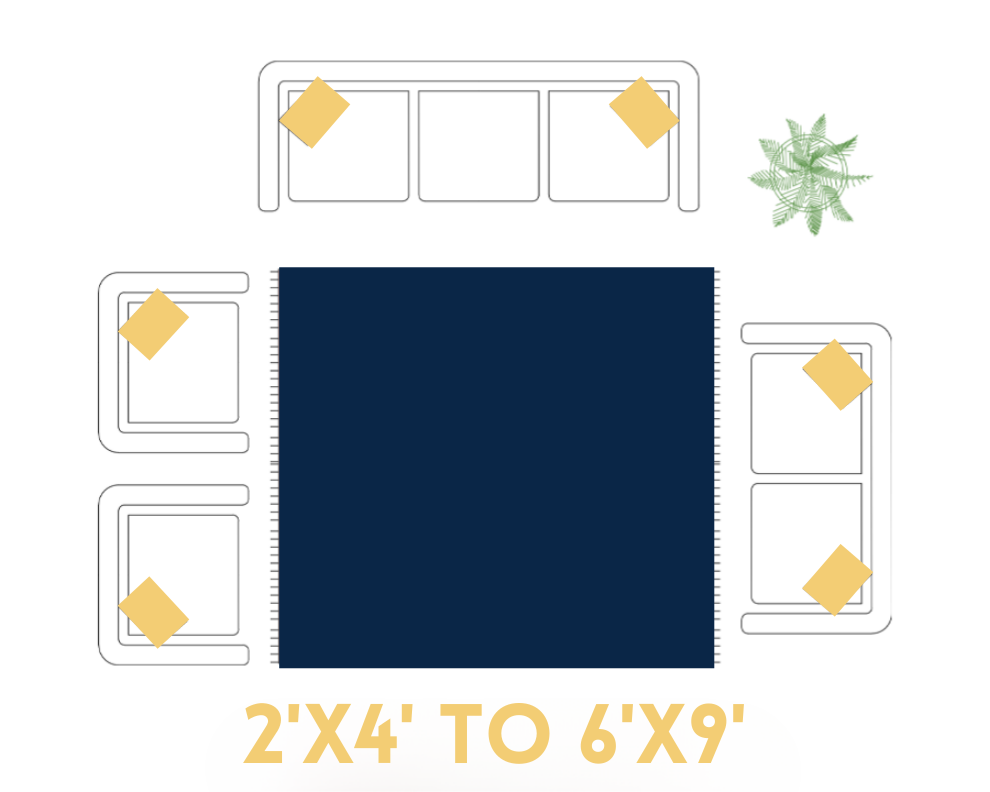
The rule that works for living rooms: the front legs of every major piece of seating — sofa, chairs — should sit on the rug. Not the whole sofa pushed back onto the rug. Just the front legs on, back legs off. That anchors the furniture to the space without needing a rug that covers the entire floor.
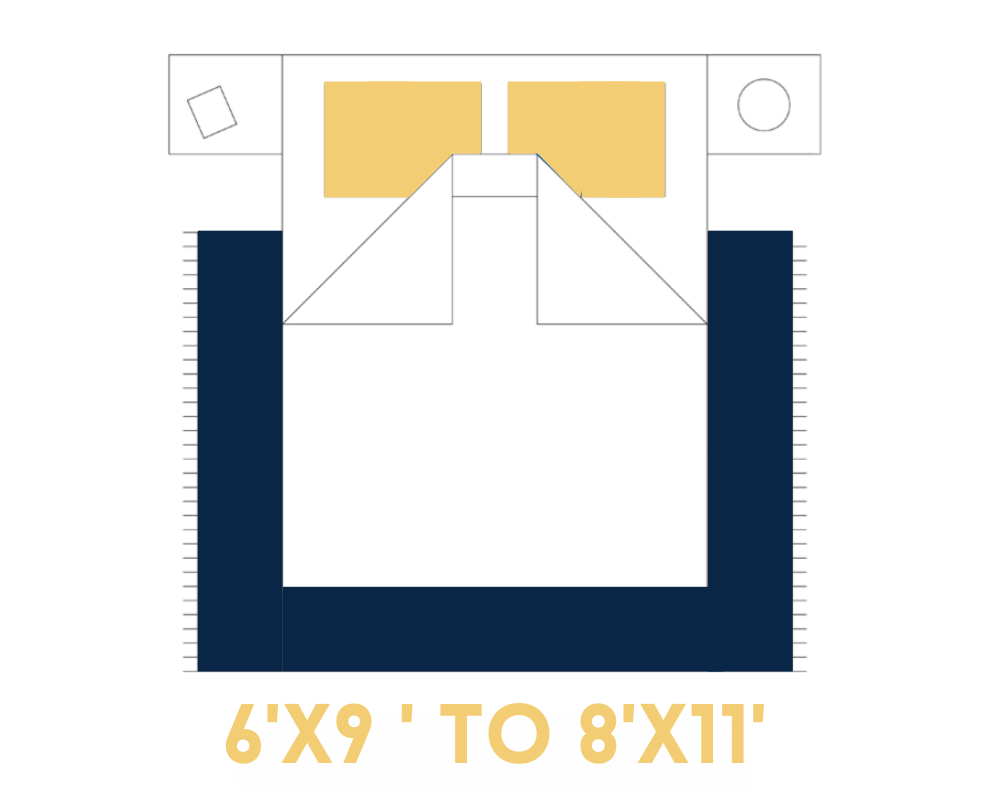
For bedrooms: a rug large enough to extend 24 to 36 inches beyond the sides of the bed means you step onto rug when you get up, not onto cold floor. That's the whole point of a bedroom rug. See the bedroom rugs collection if you're specifically looking for bedroom size.
Browse by size: 4x6, 5x7, 6x9, 8x10, 9x12. Or see large rugs and extra large rugs for bigger rooms.
On color: darker rugs hide traffic and spills better than lighter ones. That's just true. If you have kids or pets and you're choosing between a cream rug and something darker, the darker rug will be less work. But if you love the cream rug, buy it. You'll take care of something you love. You probably won't take care of something you settled for.
Something I keep coming back to: last spring I was at a market near Avanos looking at a pile of kilims. The seller kept pulling from the top of the stack — pieces that had been sitting under fluorescent lights for weeks. Everything looked flat and grey, a little lifeless. I kept asking to see what was underneath. Three pieces from the bottom of that stack photographed completely differently once we brought them outside into daylight. Same rugs, different light, almost different objects. I tell this to people who write saying their rug looks different from the website photos. It usually means the rug looks right in their actual light — their room has better natural light than they realized, not that anything is wrong with the piece.
See rugs by color: blue, red, beige, gray, green, neutral, orange.
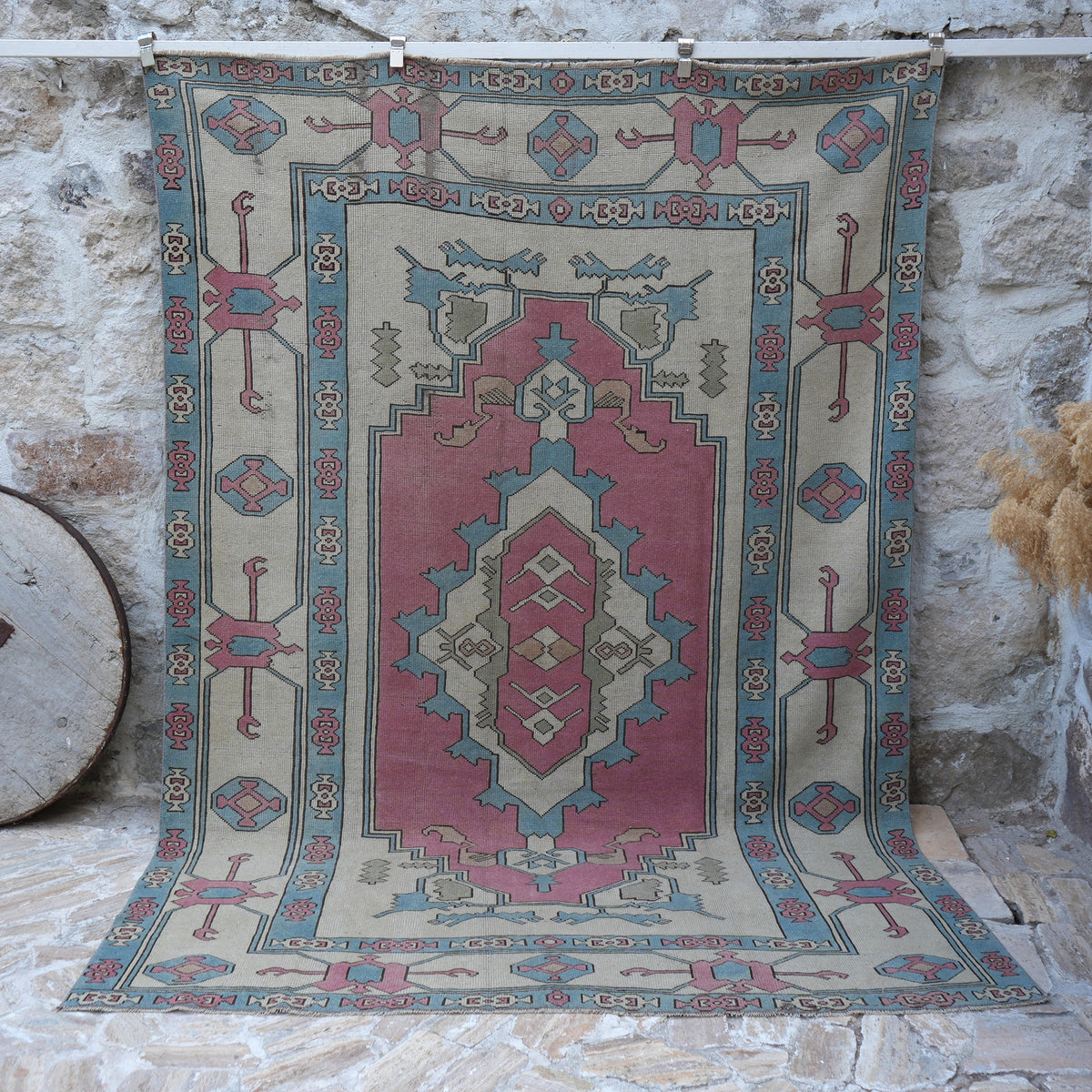
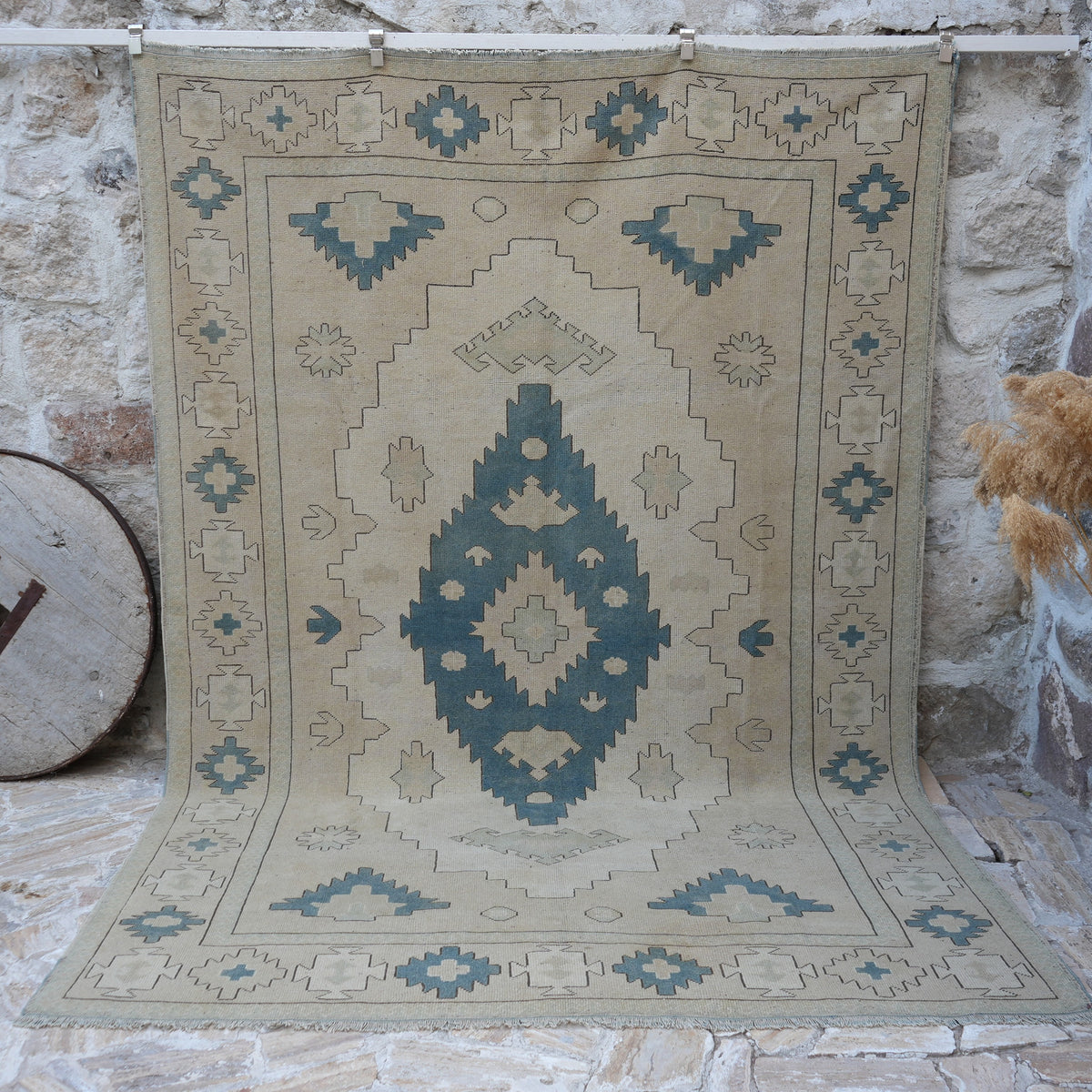
On pattern: geometric designs — the traditional Turkish vocabulary — hold up visually over time. They don't date the way trend-driven pieces do. Medallion patterns read well in most room orientations because there's a natural center point. All-over smaller-scale patterns work in rooms with a lot of furniture, because they don't compete for attention. For living rooms, pattern scale matters more than people expect — a bold large-scale pattern in a smaller room can feel overwhelming. Browse medallion rugs or traditional rugs if you're looking for specific pattern types.

How to buy Turkish rugs online with confidence
The concern most buyers have is reasonable. You can't feel the pile. You can't see exactly how the colors read in different light. You don't know if what arrives matches what you ordered.
I photograph everything in natural light, outside when possible. Every rug is washed before I photograph and list it — the colors you see are the post-cleaning colors, not the dusty version from a market. Each listing shows the actual rug, not a similar rug or a representative photo. What's in the photos is what ships.
For pile height and texture, ask me directly. I've handled every piece. I can describe what it feels like underfoot, whether the pile is firm or soft, whether the surface is smooth or has texture.
For vintage and antique pieces, I note condition in each listing — any wear, any repairs, anything structurally worth knowing before you buy. I don't hide issues. A guide to buying vintage rugs online covers the specific questions worth asking any seller before you commit.
If something arrives and it's genuinely not what was described, I deal with it. It doesn't happen often. When it does, I don't make it difficult.

How to care for handmade Turkish rugs
Handmade wool rugs are more durable than most people expect. They're also less fragile than people fear once they own one.
Vacuuming: Use suction only. The beater bar setting stresses pile roots, especially in older rugs. Turn it off.
Spills: Blot immediately, don't rub. Rubbing spreads liquid into more fibers and makes the stain harder to remove later. Cold water, blot, let dry flat. Most spills on wool come out completely if you get to them fast.
Rotation: In a living room where everyone walks the same path, pile wears faster along those lines. Rotating 180 degrees every year or two distributes that wear across the rug instead of concentrating it in one place.
Sun: Sustained direct afternoon sun will fade wool over years. Not immediately — but a rug in a south-facing room with strong direct light all day will fade faster than one in indirect light.
Professional cleaning: For vintage and antique pieces, find someone who does hand-washing. Steam cleaning can shrink wool fibers. Ask specifically before you hand anything over.
See the full Turkish rug cleaning guide for more on each of these.
How Turkish rugs ship to the USA without surprise customs fees
Every order ships free, express, worldwide. The rug is rolled — not folded — wrapped in protective material and sent with full tracking from Turkey.
For USA orders: import duties are covered under DDP (Delivered Duty Paid). No surprise customs bill when your rug arrives. Not every seller shipping from Turkey includes this, and the import fees on a rug can be significant — worth asking before you buy from anyone.
For orders outside the USA: shipping is still free and express, but local import duties depend on your country's customs regulations. I can't make guarantees about duty rates outside the USA because they vary significantly by country.
What is the difference between handmade and machine-made Turkish rugs?
A handmade Turkish rug is knotted by hand, one knot at a time. The back shows individual knots; the pattern has slight irregularities at color transitions; the fringe is part of the warp threads, not sewn on afterward. A machine-made rug is produced on a power loom — faster, cheaper, with uniform pile and usually a separate backing layer. Handmade wool pile rugs often improve with careful use over years. Machine-made rugs generally don't. The handmade vs machine-made guide covers the differences in more detail.
How do I know if a Turkish rug is authentic?
Flip it over. A hand-knotted rug shows its knots on the back — individual, slightly irregular, row by row. Pattern boundaries are slightly blurry at color changes. Machine-made rugs have smooth, uniform backs. Fringe on a genuine handmade rug is an extension of the warp threads, not attached separately. The how to tell if a rug is handmade post walks through the physical tests in full.
What is the difference between vintage and antique Turkish rugs?
Antique technically means 100 years old or older. Vintage applies more loosely to older pieces — typically 30 to 80 years — that haven't reached that threshold. In practice, condition and quality matter more than which side of the 100-year line a rug falls on. A well-preserved 60-year-old rug is often a better purchase than a technically antique piece in poor condition. Browse the vintage rugs and antique rugs collections separately if you want to sort by age.
What size Turkish rug do I need for my living room?
For most living room setups, the front legs of all major seating — sofas and chairs — should sit on the rug. This anchors the seating area without needing a rug that covers the entire floor. In general, slightly larger reads better than slightly smaller. Common sizes that work: 6x9 for smaller rooms, 8x10 for mid-size rooms, 9x12 for larger spaces. The rug size guide for living rooms goes through common configurations in detail.
How do I care for a handmade Turkish rug?
Vacuum on suction only — no beater bar. Blot spills immediately rather than rubbing. Rotate the rug 180 degrees every one to two years to distribute wear evenly. Avoid sustained direct sunlight in very bright exposures. For professional cleaning, use a service that does hand-washing, not steam cleaning. The Turkish rug cleaning guide covers each step in more detail.
Are Turkish rugs and Persian rugs the same thing?
No. Both are hand-knotted Oriental rugs, but they come from different weaving traditions and use different knotting techniques. Turkish rugs use the Ghiordes (symmetric) knot; Persian rugs use the Senneh (asymmetric) knot. The design vocabularies differ — Turkish rugs tend toward geometric patterns, Persian rugs often toward floral and curvilinear designs. A detailed comparison is in Turkish rugs vs Persian rugs. Browse the Persian rugs collection if you want to compare directly.
Do Turkish rugs from Kirmen Rugs ship duty-free to the USA?
For USA orders, yes — import duties are handled under DDP (Delivered Duty Paid). You won't receive a customs bill after your rug arrives. Shipping is also free and express on all orders. For orders outside the USA, shipping is still free worldwide, but local import duties depend on your country's customs regulations.
How long does shipping take for a Turkish rug from Turkey to the USA?
Typically five to ten business days with express shipping. Every order ships tracked from Turkey. You'll receive a tracking number as soon as the rug is dispatched.
