












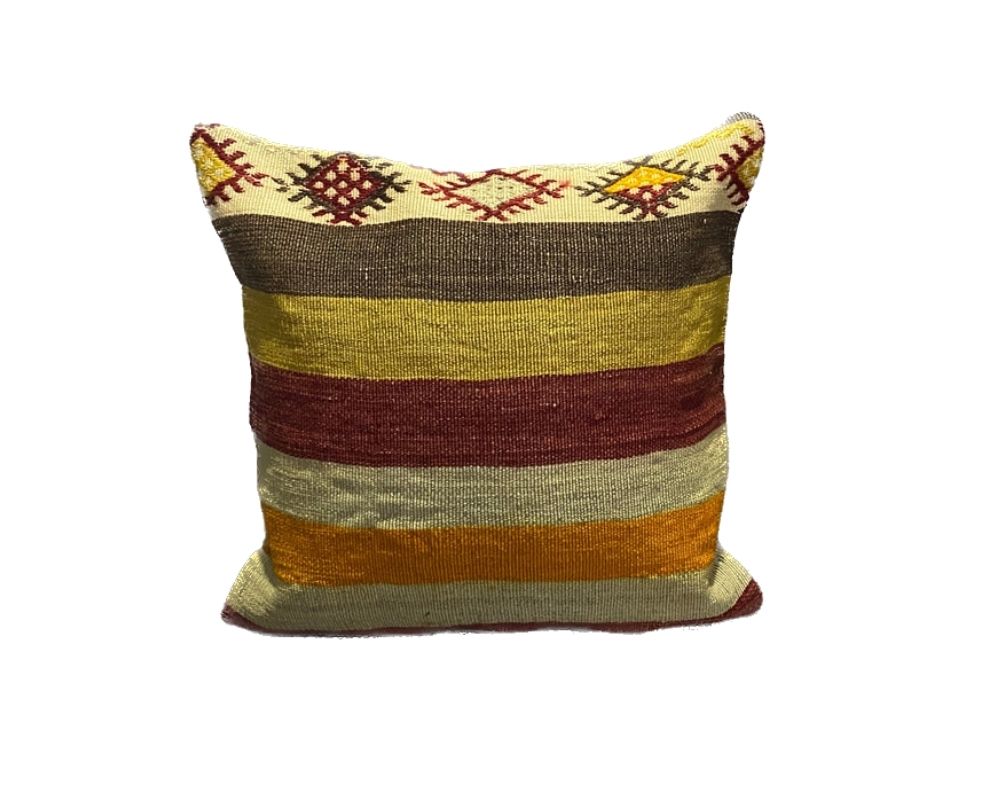
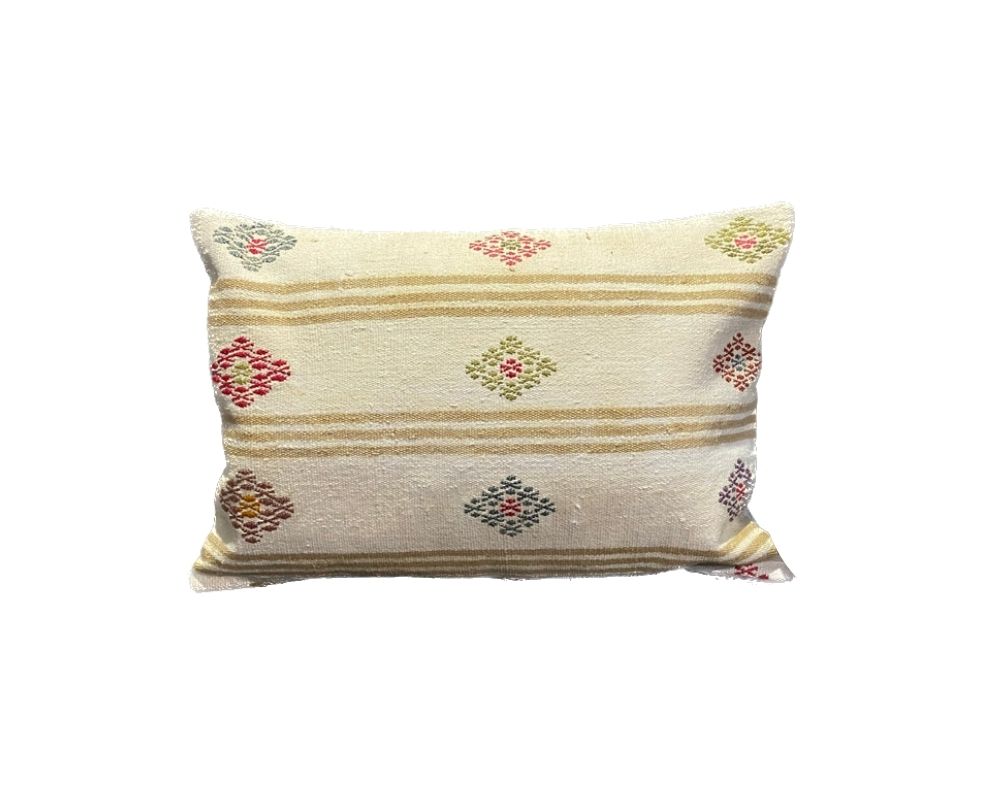
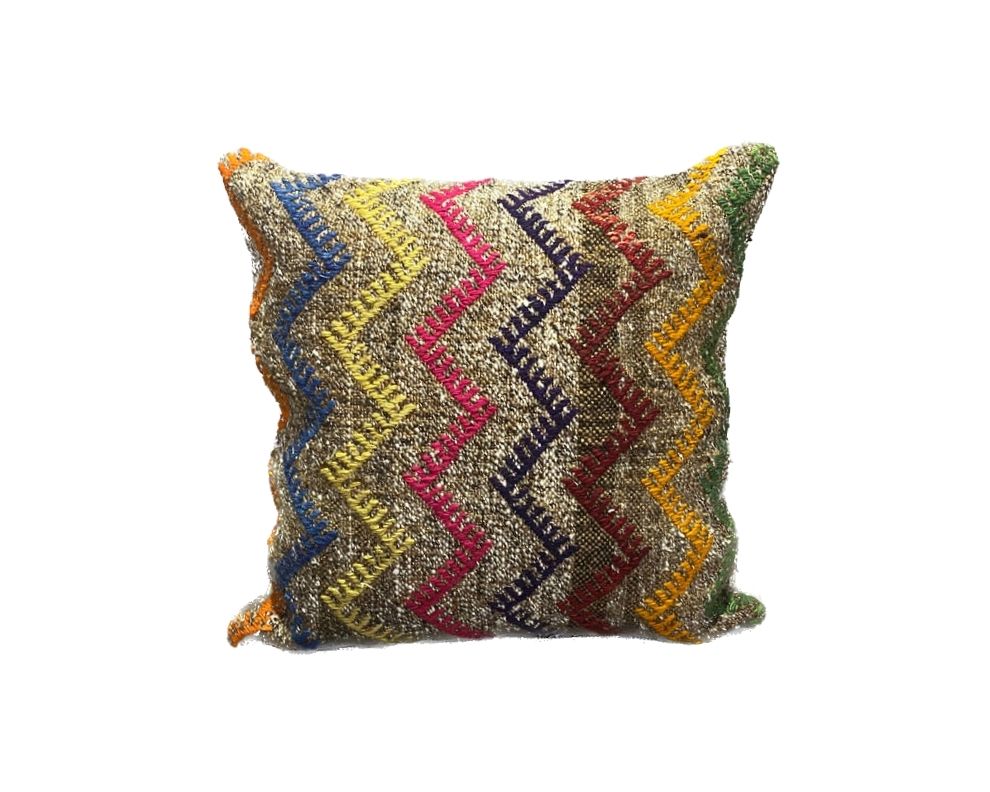
Kadir kneeling beside a cream and faded blue vintage Turkish rug spread across a gallery floor
FREE RUG IDENTIFICATION · FROM CAPPADOCIA, TURKEY

What Is My Rug?

Wondering what kind of rug you have? Send me four clear photos and I will give you my best identification: the likely origin, approximate age, whether it is handmade or machine-made, notable weaving details, and basic care guidance. Free.

Genuinely Free
No payment, account or required signup
Personal Reply
Answered by Kadir, not an automated tool
24–48 Hours
Often the same day on WhatsApp
Anatolian Specialty
Turkish rug identification is my strongest area
What I Look For

Identify Your Rug From Photos: What I Can Usually Tell

A photograph cannot prove everything, but the weave, back, fringe, side edges, wear and colour can reveal a great deal.

What Kind of Rug Do I Have?

I start with construction and regional features, not one motif by itself. With many Turkish rugs I can identify the regional family and sometimes narrow it to a weaving area or town.

Oushak, Konya, Kars, Milas, Bergama, Yağcıbedir, Döşemealtı, Sivas, Kayseri and Taşpınar are among the traditions I work with regularly.

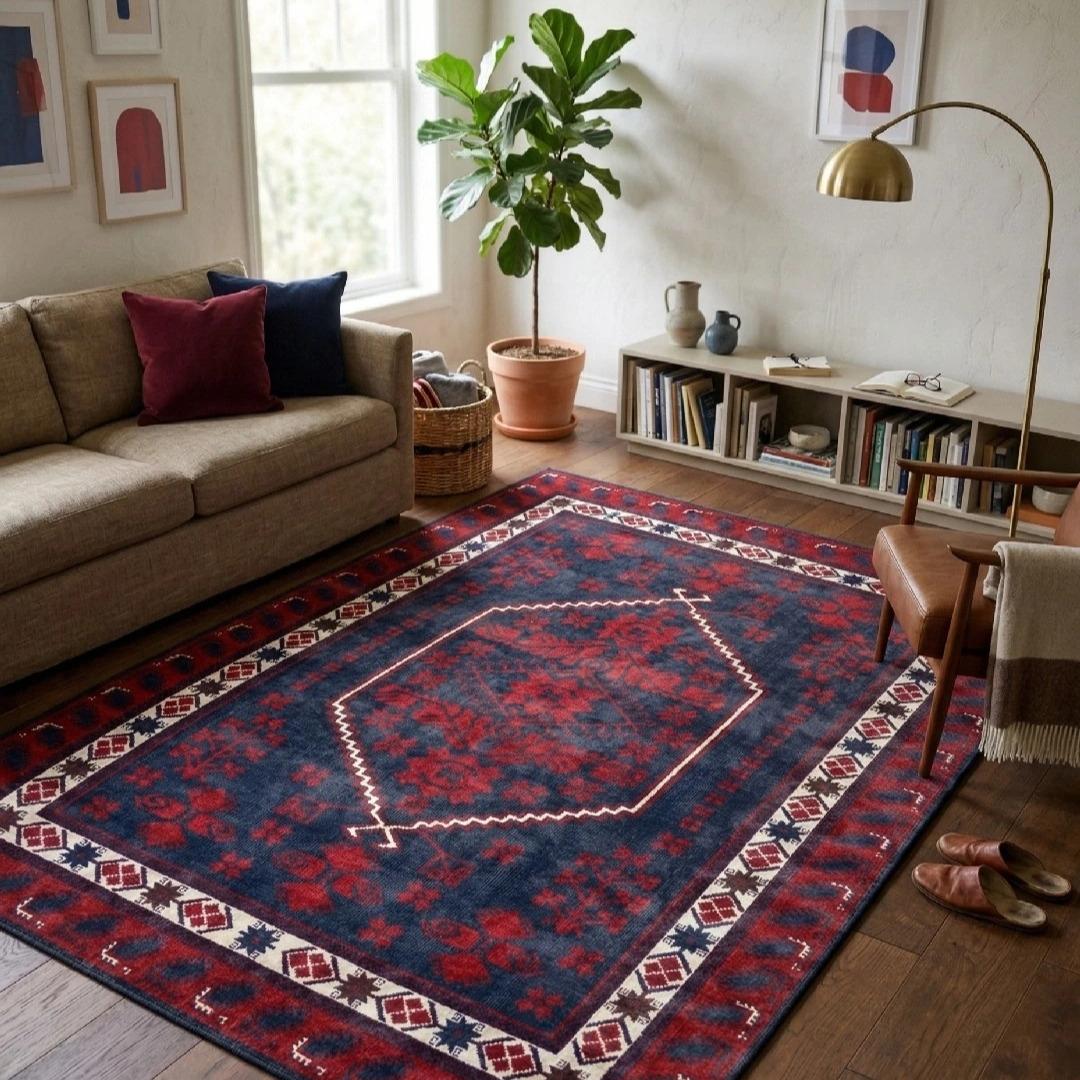
How Old Is It — and Is It Handmade?

A clear photograph of the back, fringe and side edge usually gives the strongest clues. I look at knot structure, foundation, finishing, wear and colour changes together.

That usually lets me give an approximate age range and explain whether the rug appears hand-knotted, handwoven or machine-made.

Turkish, Persian or Another Origin?

Turkish and Anatolian rugs are my strongest area. I can also look at Persian, Caucasian, Afghan, Moroccan and other rugs and often suggest the broad family or likely origin.

If the photographs do not support a confident answer, I will say that plainly or ask for another angle instead of guessing.

Kadir Cevik of Kirmen Rugs handling a hand-knotted wool rug in Anatolia, Turkey
WHO IS ANSWERING

I Am Kadir. I Work With Rugs Across Anatolia.

I grew up around rugs and looms in Cappadocia. My family has worked with Turkish rugs for more than forty years, and I still travel through Anatolia to source rugs and handle them myself.

When I suggest an origin or age, I look at the whole rug together — construction, wool, colour, finishing, wear and pattern. That direct handling experience is especially useful when identifying Turkish and Anatolian rugs from photographs.

What You Get Back

What a Rug Identification Reply Looks Like

I reply in plain English with the likely origin, approximate age, construction clues, anything unusual I notice, and practical care advice.

Vintage Yağcıbedir rug from the Balıkesir area of western Anatolia, shown as a rug identification example

“This looks like a Yağcıbedir rug from western Anatolia, most likely the Balıkesir area. From the weave, wear and finishing, I would place it around the 1950s–60s rather than give you one exact year.

It appears to be hand-knotted wool on a wool foundation. The back is especially useful here because the knot structure, small irregularities and foundation are visible.

The horizontal shade change is abrash — a colour variation commonly seen in handwoven rugs. I treat it as one clue among several, not proof by itself.

The red is consistent with the look of older madder-type reds, but a photograph alone cannot confirm dye chemistry. I would leave the old edge reinforcement in place unless it is actively coming loose.”

Example only. Your reply will be about your rug and will include the level of certainty for each point.
Before You Send

Four Photos That Make Rug Identification Easier

You do not need studio photographs. A phone camera in natural daylight is enough; avoid flash if possible.

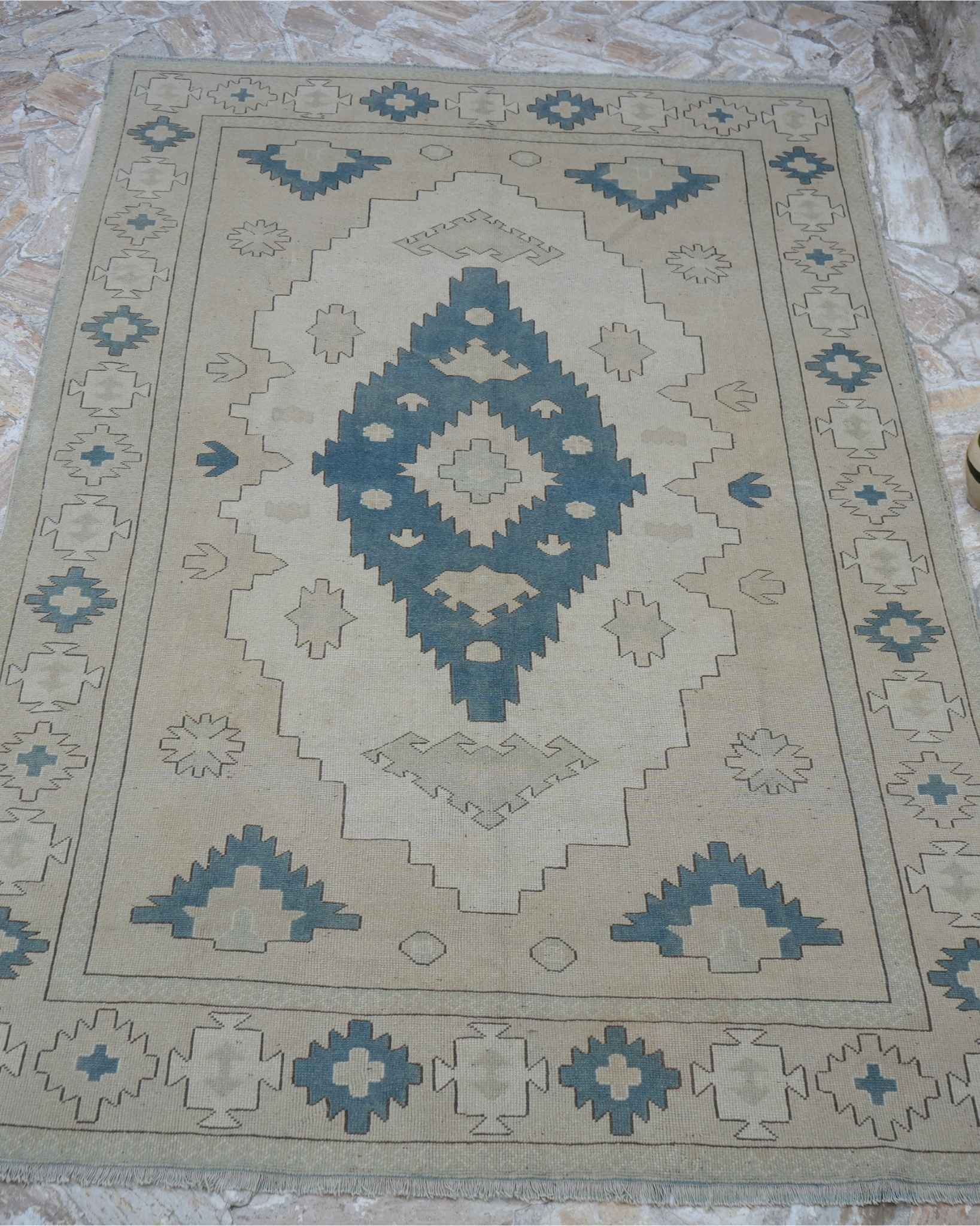
Whole vintage Turkish rug photographed from directly above, showing field, border and overall wear
01

The Whole Rug

Photograph the entire rug from above so the field, border, proportions and overall wear are visible.

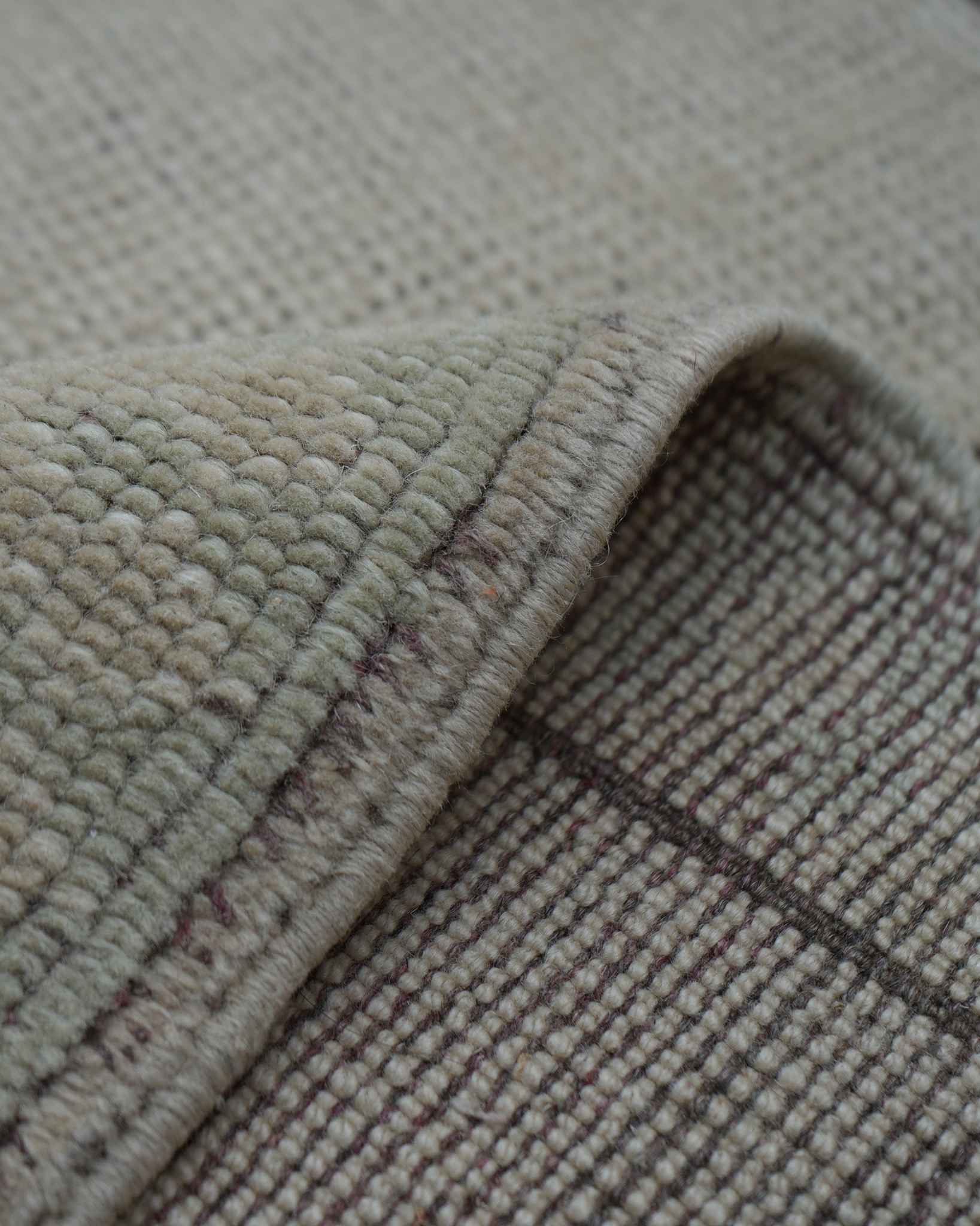
Back of a hand-knotted rug with one corner folded over, showing knot structure and foundation threads
02

The Back of the Rug

Fold one corner over and photograph the back clearly. This is often the most useful image for identifying construction.

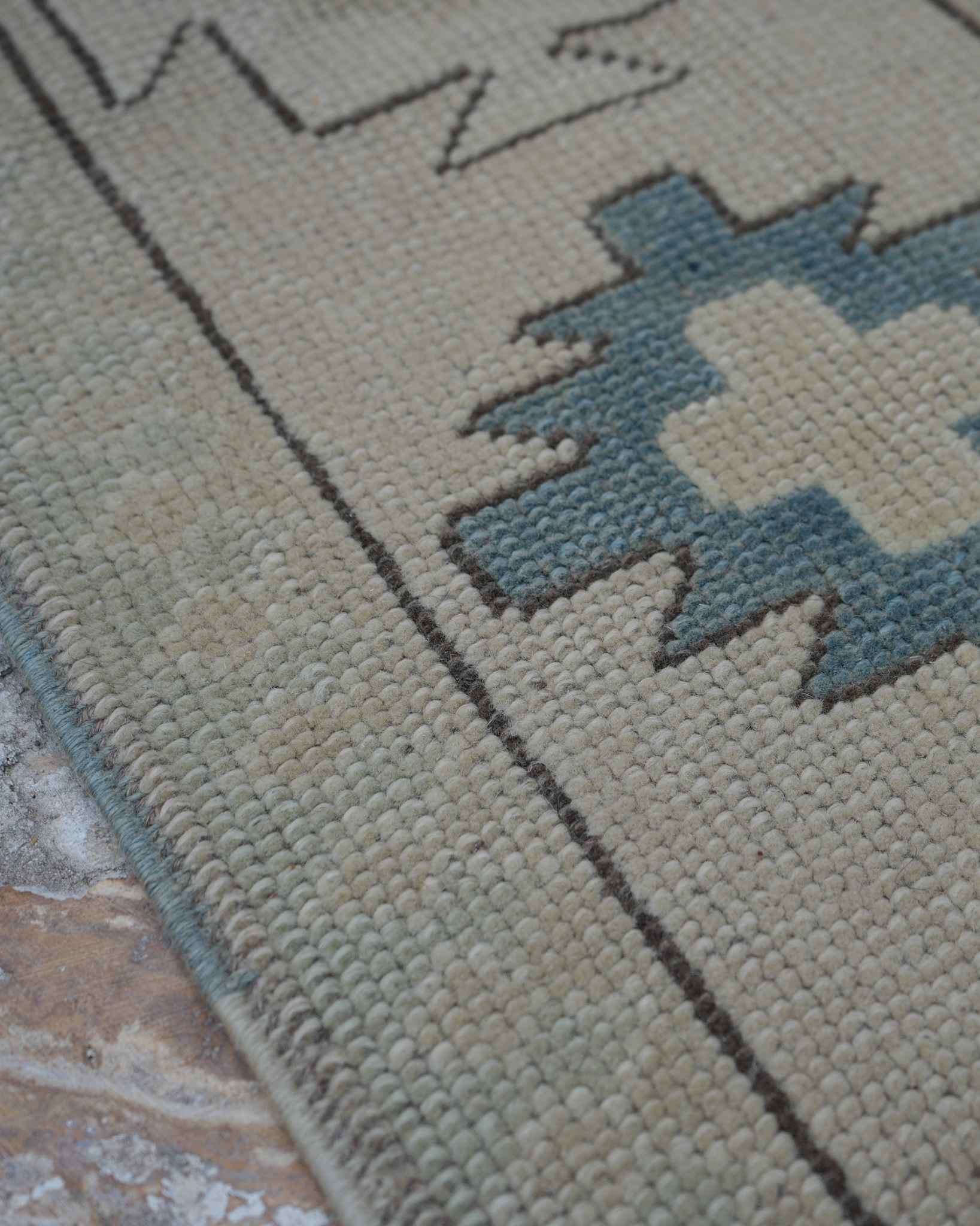
Close-up of hand-knotted wool pile showing individual knots and a subtle abrash colour change
03

A Close-Up

Get close enough to show the pile, wool, knot detail and colour transitions. A palm-sized area is plenty.

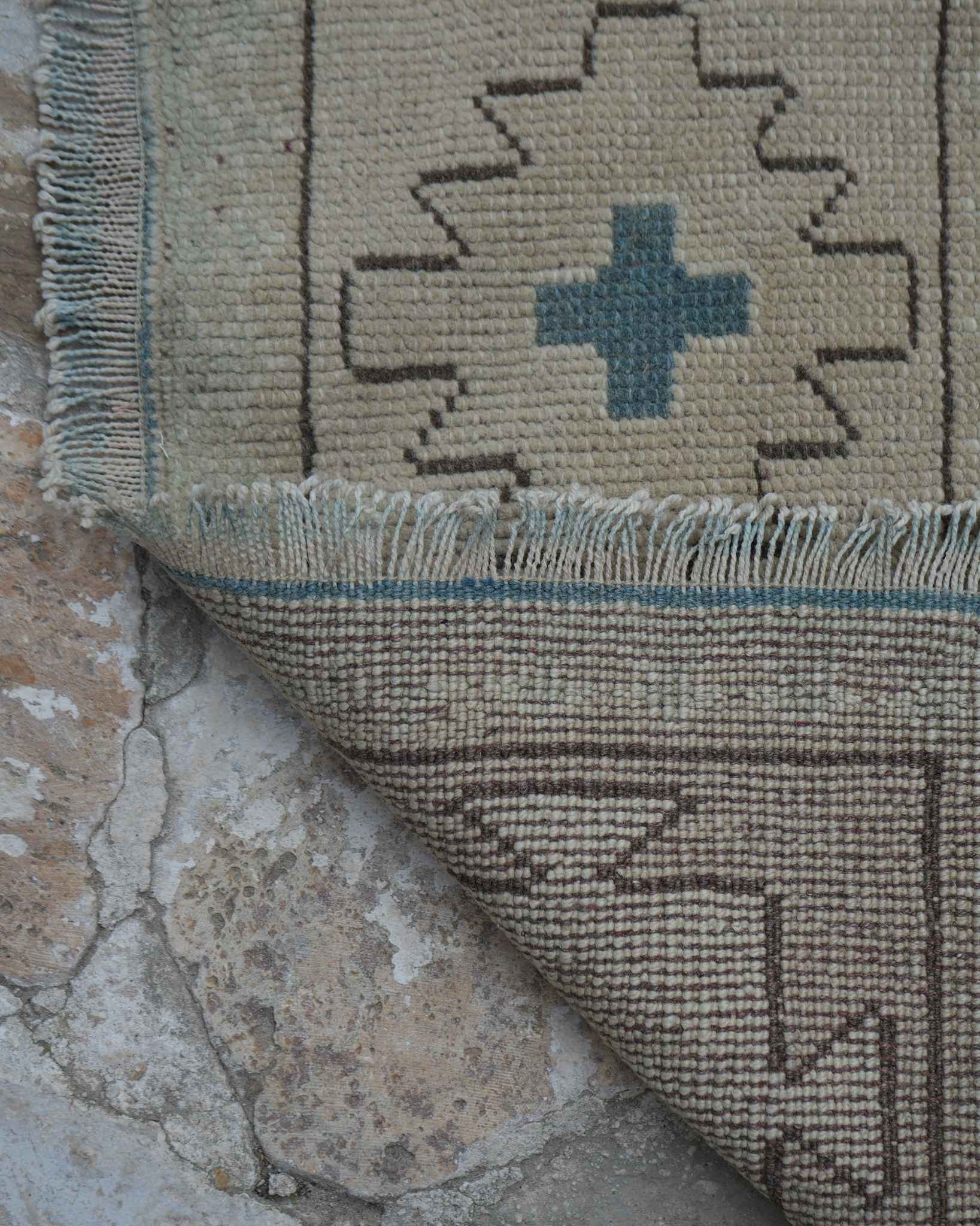
Fringe and selvedge side edge of a hand-knotted rug, showing warp threads and edge finishing
04

Fringe & Side Edge

Show the fringe and one side edge. The way they are finished can help with construction, origin and age.

Send the original-size photos by WhatsApp or email. If I need one more angle, I will ask in the same conversation.
Send Your Rug

Send Your Rug Photos on WhatsApp or by Email

WhatsApp is usually fastest; email works just as well. Include the approximate size and anything you already know about the rug.

Also Fine

Email

Usually answered within 48 hours

The button fills in a simple subject and a few useful details. Attach the four photos before you send the message.

Subject: RUG ID — Your Name Approximate size: 5 x 8 ft Where I got it: family / market / auction Anything I have been told: Email the photos
Privacy: I use your message to reply about your rug. I do not add you to marketing emails unless you specifically ask. Please note: A photo identification is an informal opinion, not an insurance appraisal, certificate of authenticity or legal valuation.
Comparison of a hand-knotted rug back and a machine-made rug back, with fringe construction and abrash
WHILE YOU WAIT

How to Tell if a Rug Is Hand-Knotted: Three Quick Checks

1. Check the back. On many hand-knotted rugs, the design is readable from the back and the knot structure shows small natural variations. Machine-made construction is usually more uniform.

2. Check the fringe. On a hand-knotted rug, the fringe is normally an extension of the warp foundation rather than a decorative strip sewn onto the finished rug.

3. Check more than one clue. Abrash, wear and irregularity can support an identification, but none proves age or handmade construction by itself. I look at the back, foundation, edges and pile together.

Rug Identification Questions, Answered

Is the rug identification really free?

Yes. There is no payment, account or required signup. Send the photographs and I will reply with what I can reasonably tell from them.

Can you identify a rug from photos?

Often, yes. Clear photographs can reveal construction, regional features, approximate age, wear and repairs. Some rugs need an extra photo or cannot be narrowed to one exact origin from images alone, and I will say so when that happens.

How can I tell what kind of rug I have?

Start with the back, fringe, side edge, materials and construction rather than the front pattern alone. Those details help separate hand-knotted, flatwoven and machine-made rugs and can point toward a regional weaving tradition.

How old is my rug?

I normally give an approximate period or range of decades based on construction, wear, finishing, foundation and colour behaviour. I avoid claiming an exact year unless there is unusually strong evidence.

Is my rug handmade or machine-made?

The back, fringe and side finishing usually provide the strongest clues. Hand-knotted rugs show their knot structure and normally have foundation threads continuing into the fringe. I look at several details together before giving an answer.

Is my rug Turkish, Persian or something else?

Turkish and Anatolian rugs are my strongest area. I can also look at Persian, Caucasian, Afghan, Moroccan and other rugs and often suggest the broad family or likely origin, while being clear about the level of confidence.

What photos do you need to identify a rug?

Four are ideal: the whole rug from above, the back with one corner folded over, a close-up of the pile or knots, and the fringe with one side edge. Natural daylight is best and flash is usually unnecessary.

Can you tell if my rug is vintage or antique?

I can usually give a useful age range and explain the clues behind it. I use terms such as vintage and antique cautiously and focus first on the approximate period rather than forcing a label that the photographs cannot support.

Can you tell me what my rug is worth?

I can sometimes give general market context for comparable rugs, but this free identification is not a formal appraisal. For insurance, estates, customs or legal purposes, use a qualified appraiser who can inspect the rug directly.

Free Rug Identification

Still Wondering “What Is My Rug?”

Send four clear photos — the whole rug, the back, a close-up, and the fringe with a side edge. I will reply with the most useful identification I can make from the photographs and explain how confident I am.

hello@kirmenrugs.com
Kadir — Cappadocia, Türkiye