













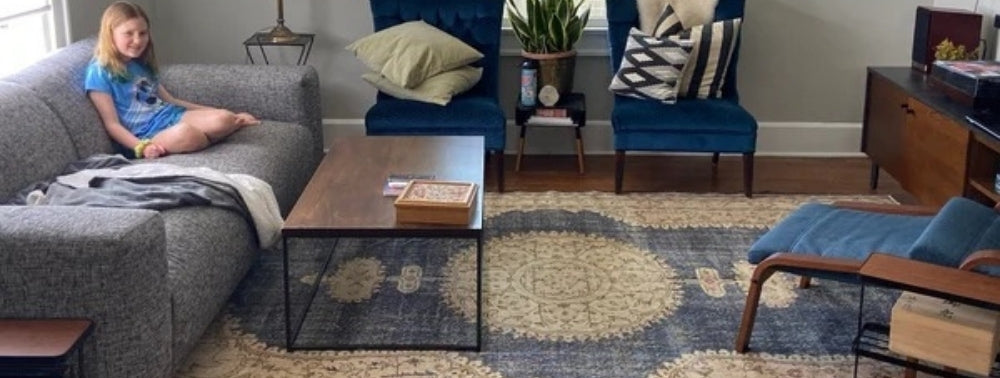
Medallion Rugs
Medallion rugs highlight one of the most iconic designs in traditional weaving, with a central motif that symbolizes unity and balance. Handwoven with natural wool and timeless techniques, these vintage medallion rugs showcase intricate borders and rich colors that reflect cultural artistry. Each hand-knotted piece is a lasting treasure, blending history, craftsmanship, and beauty that enhances any home.
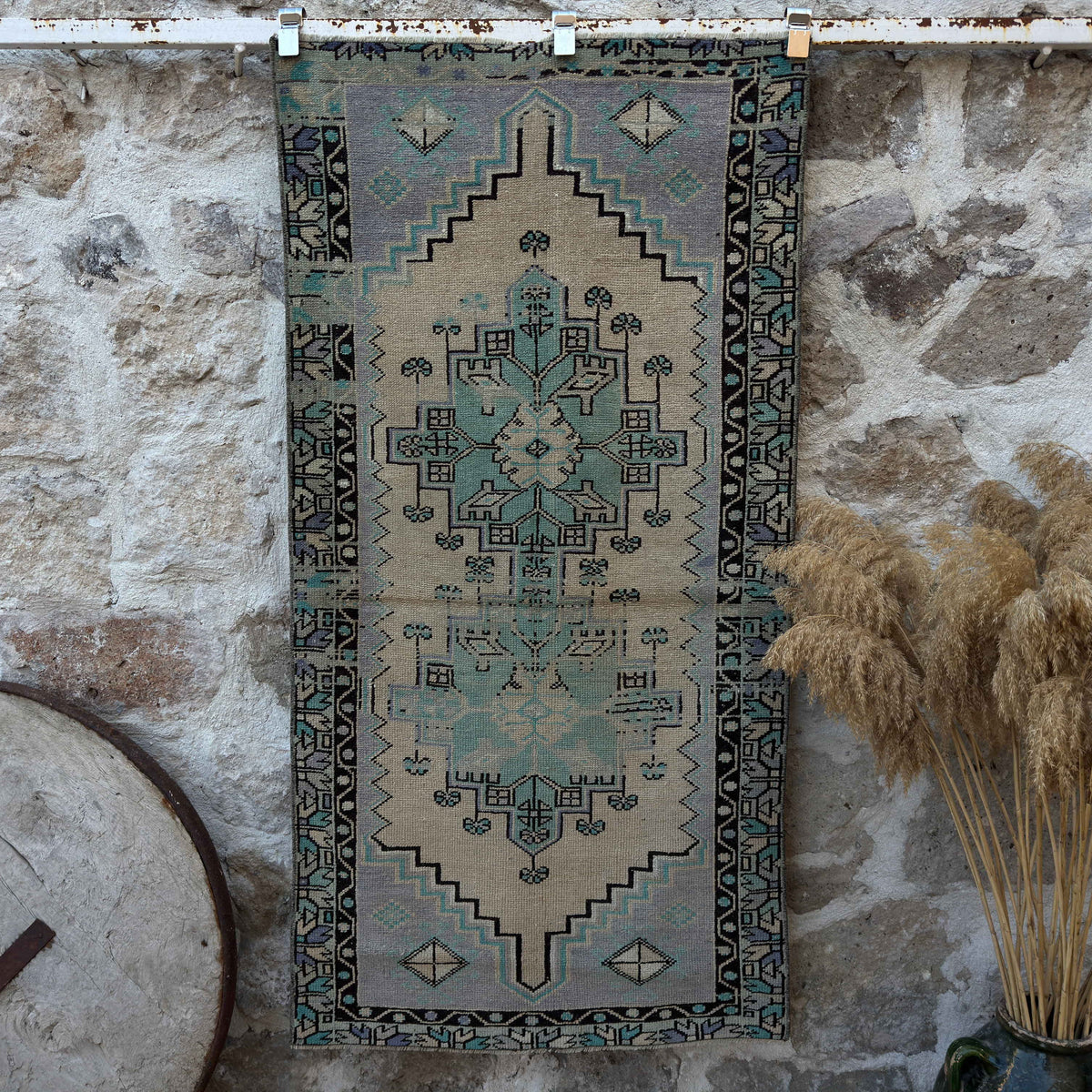
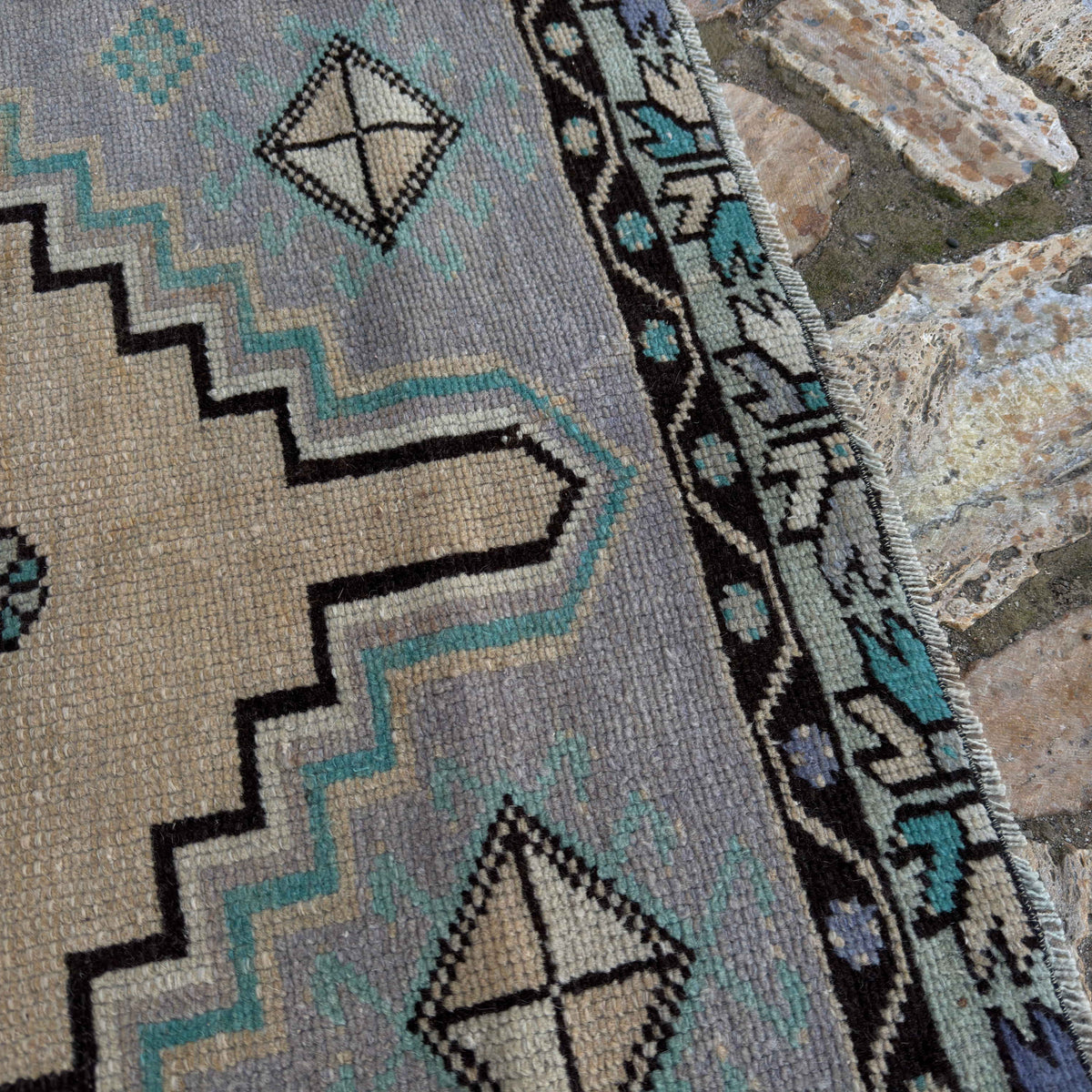
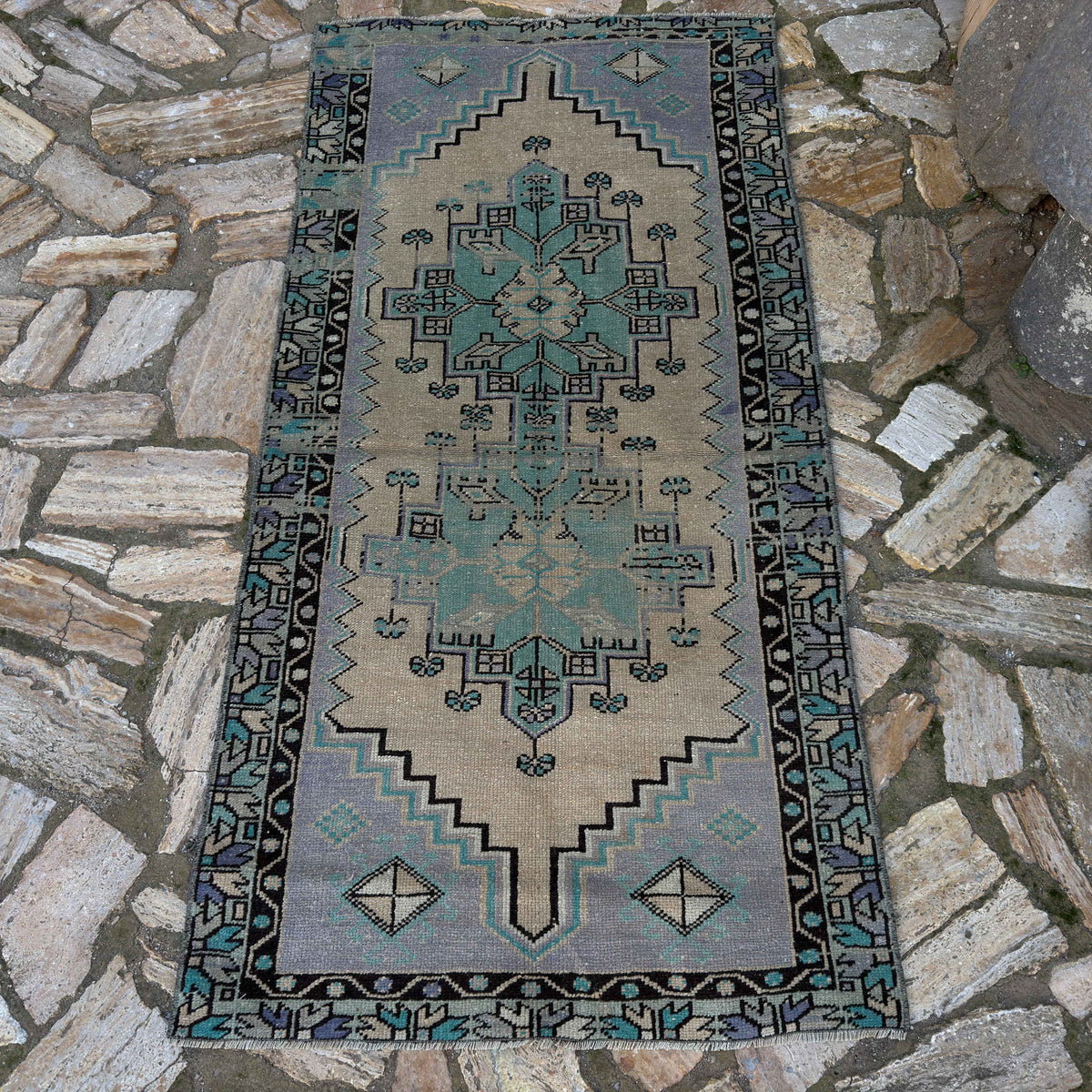
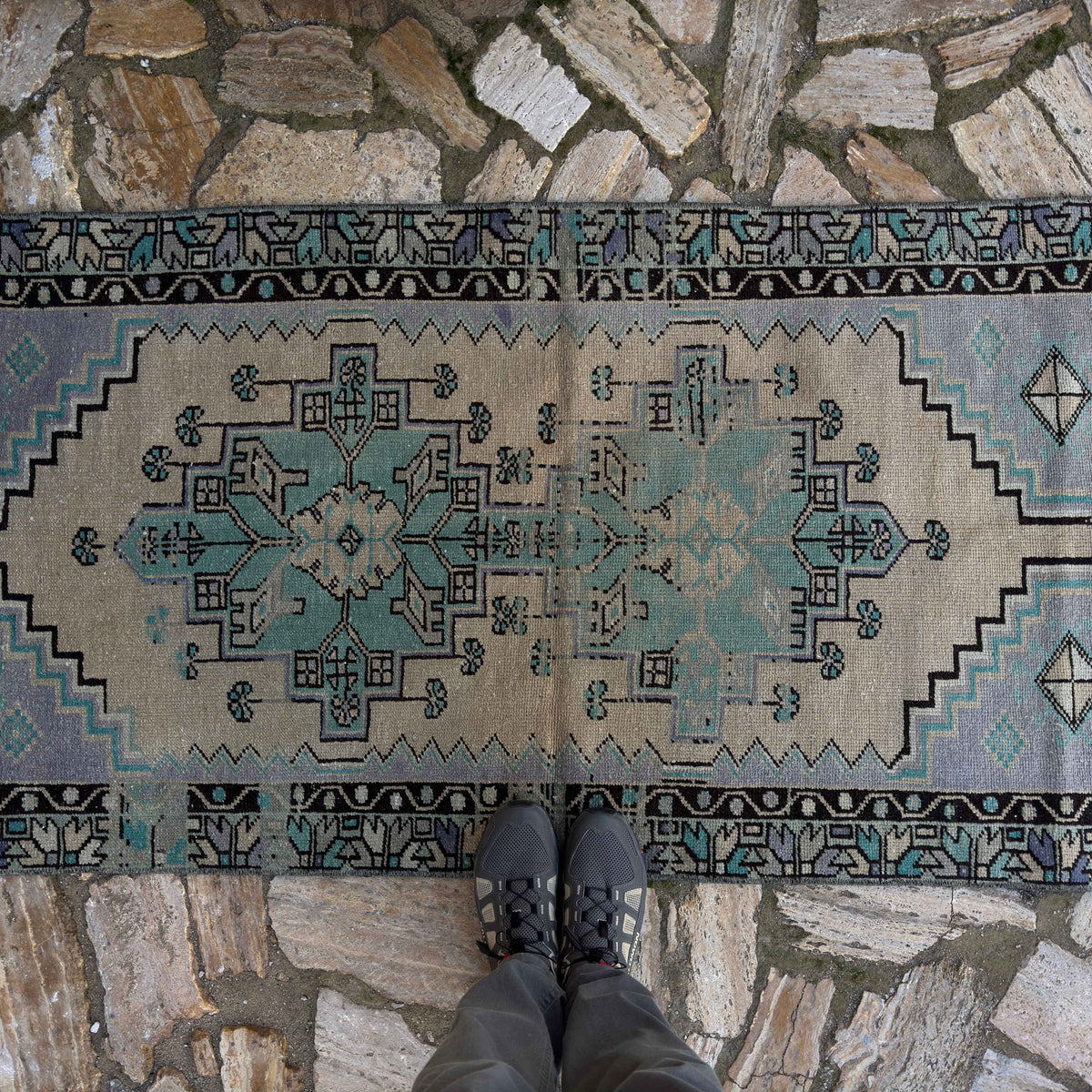


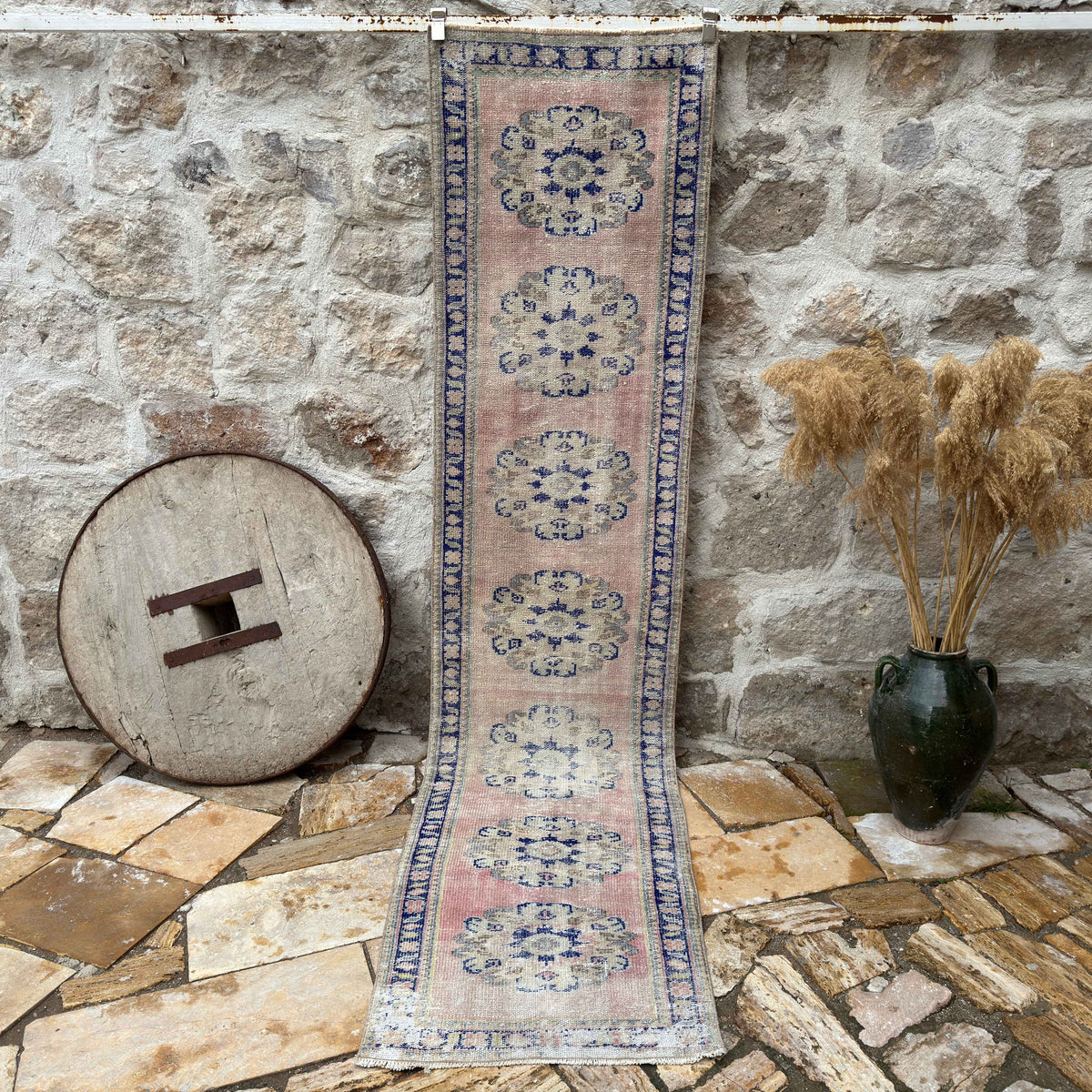
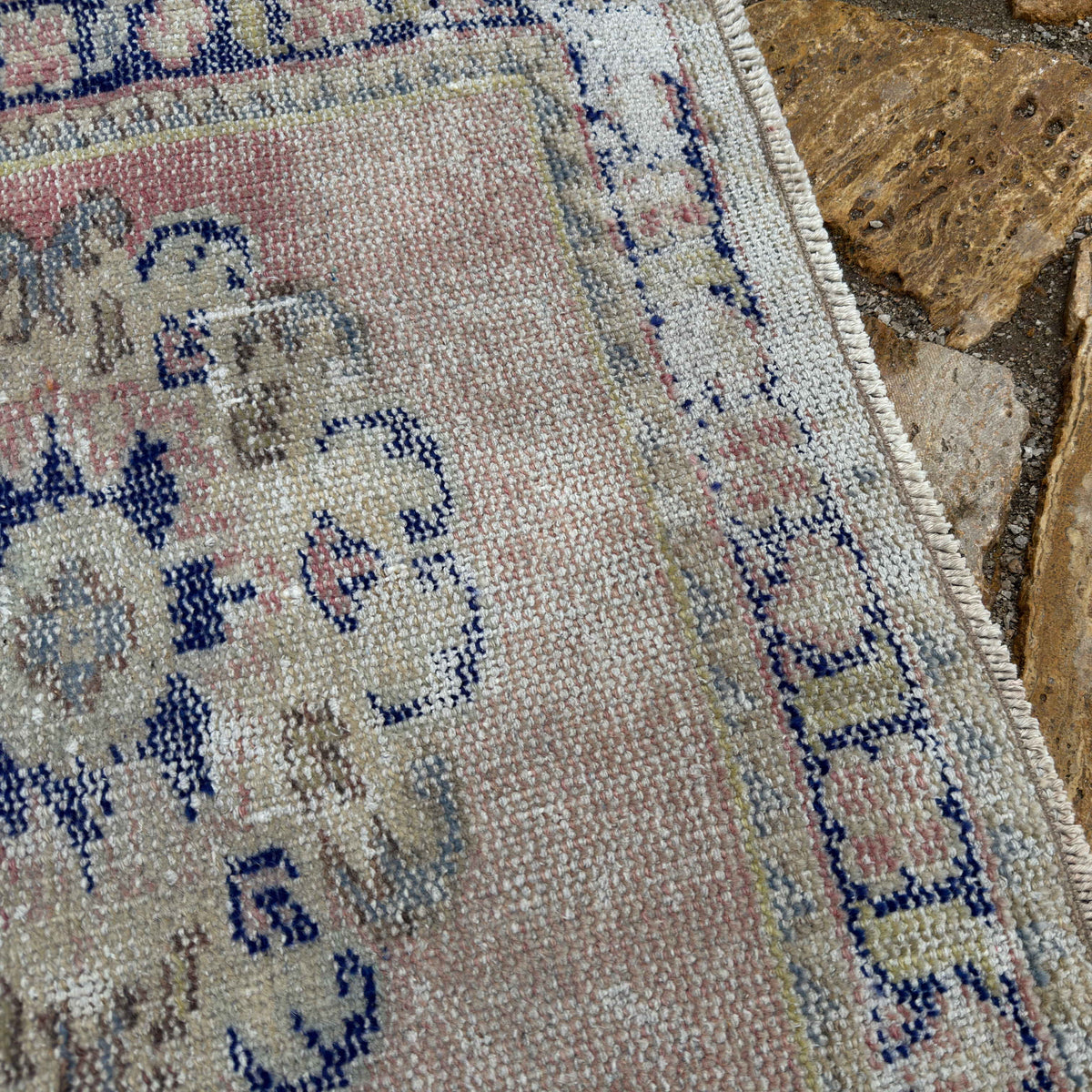
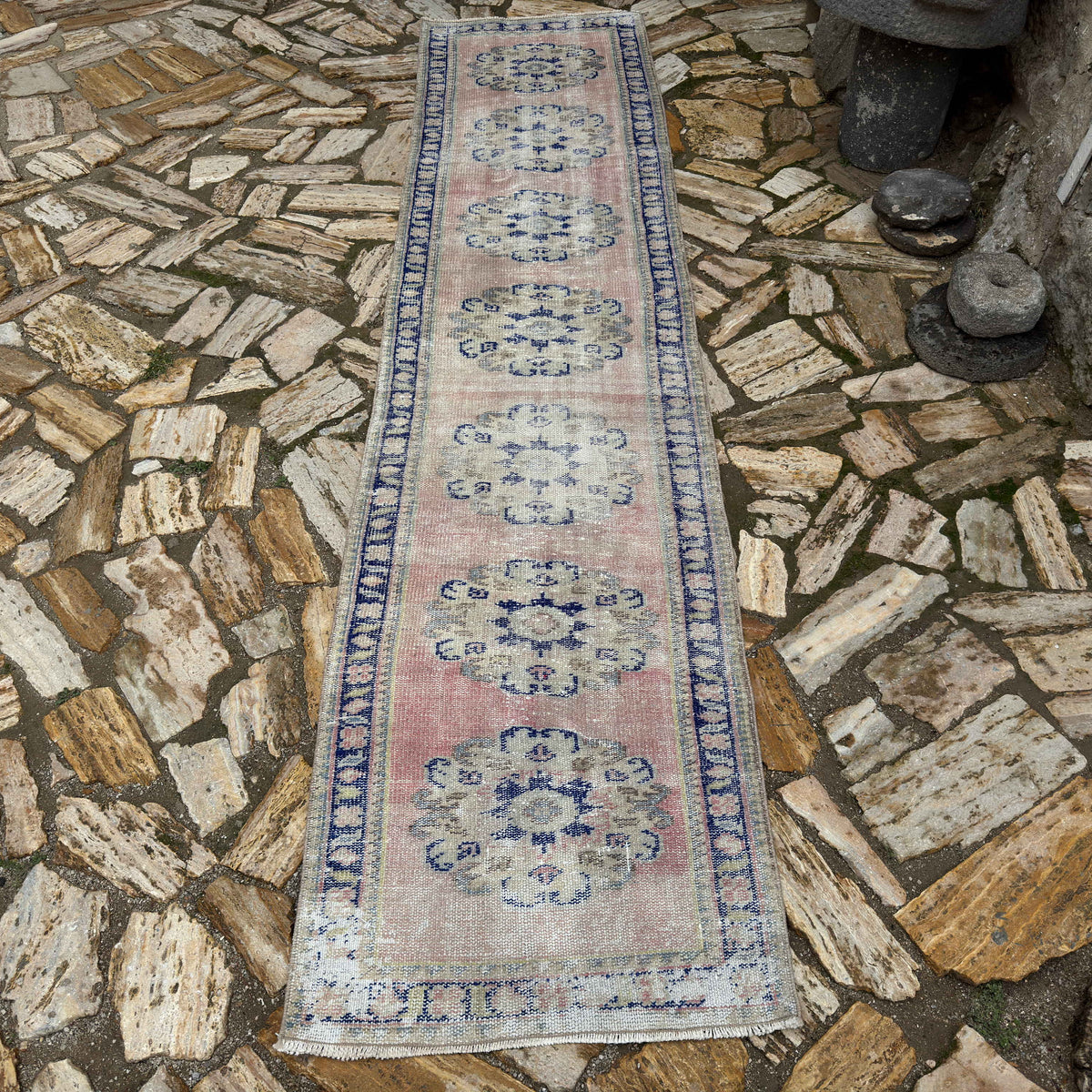
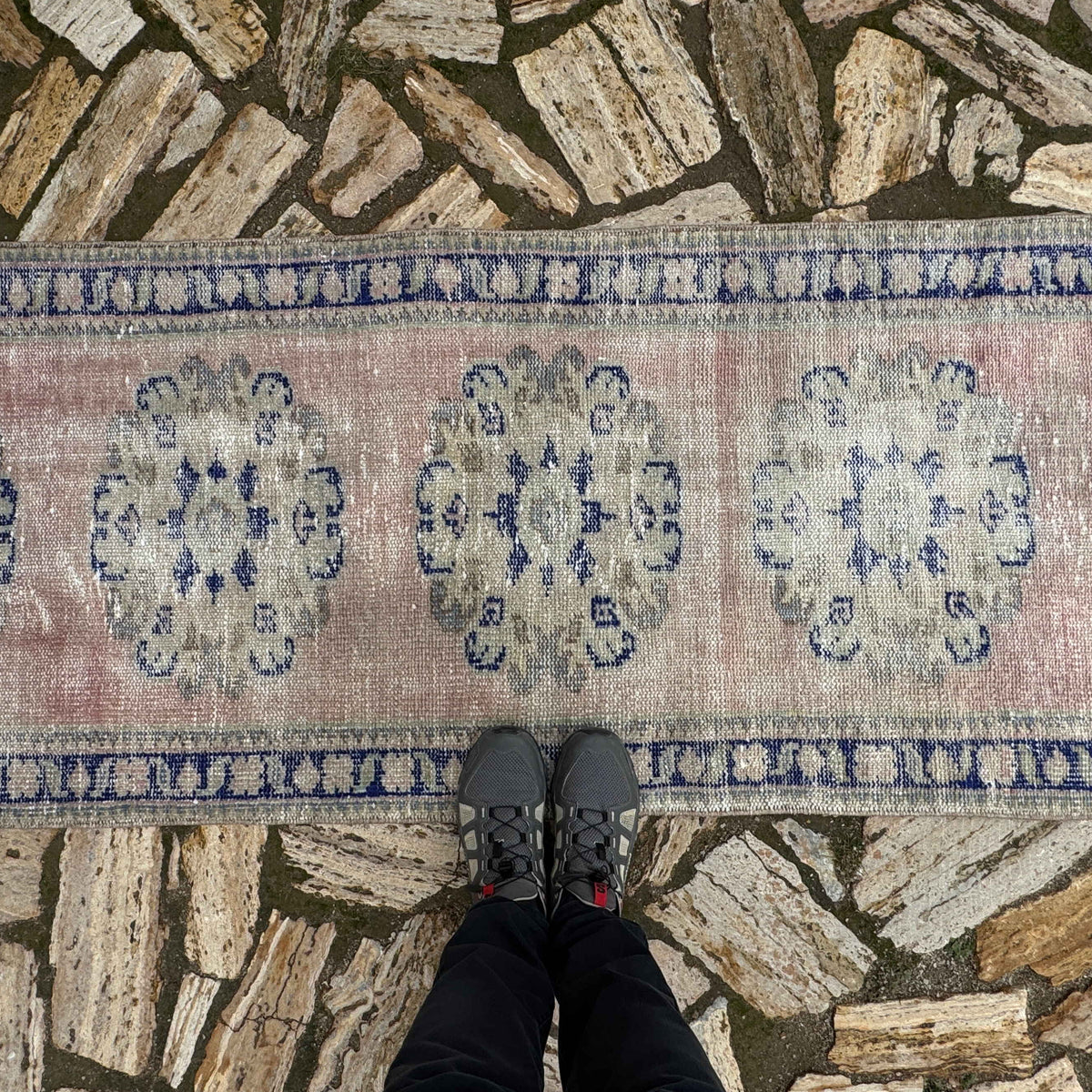


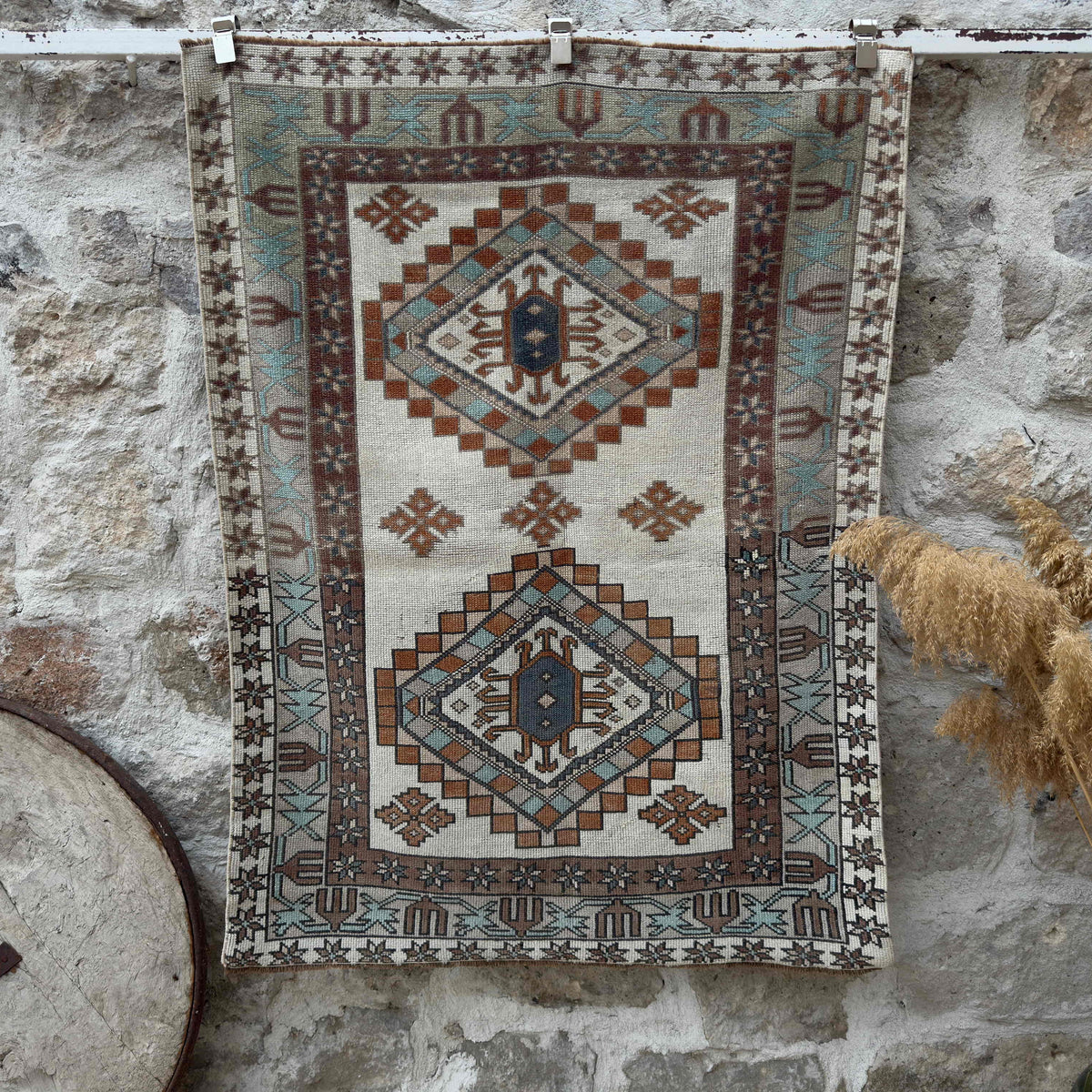
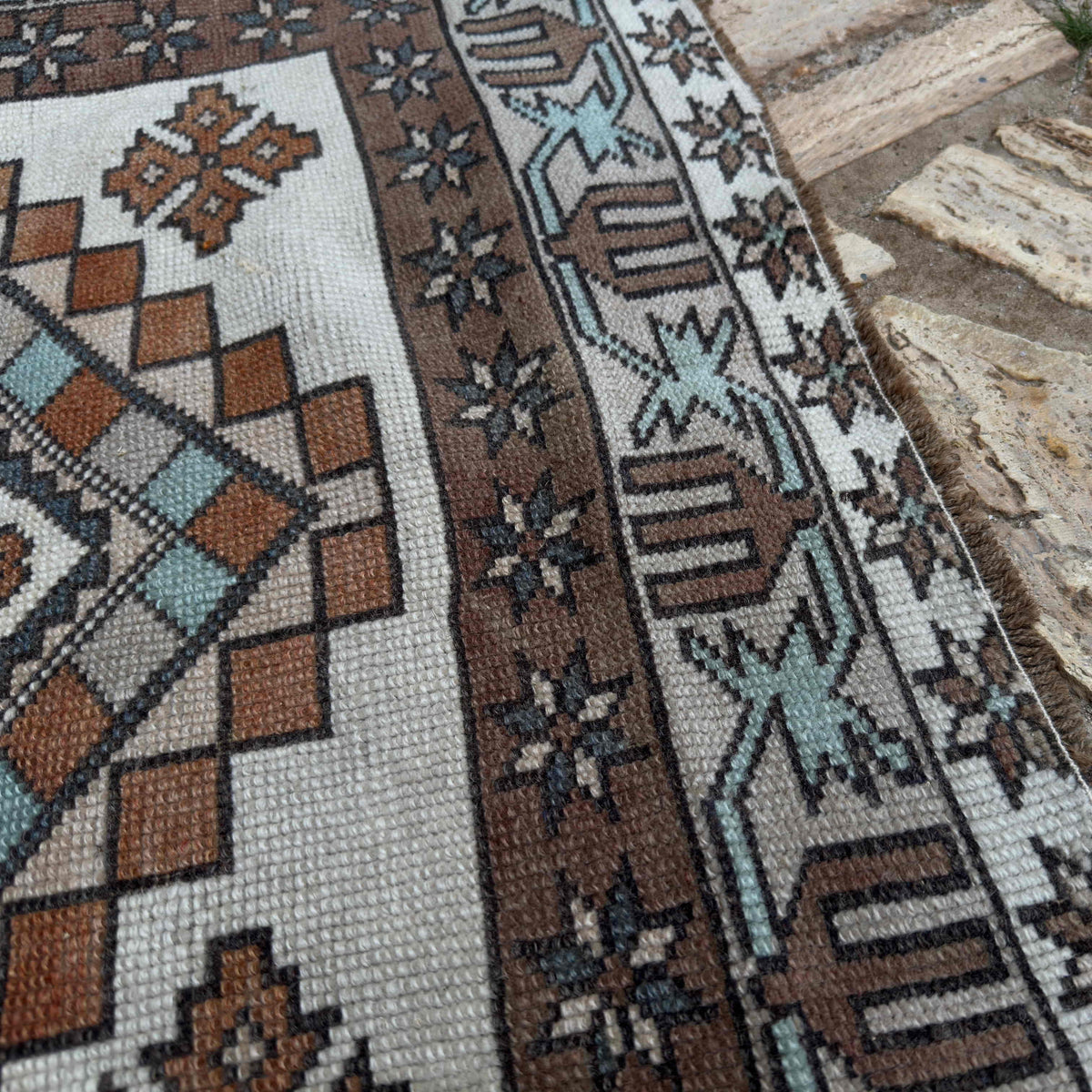
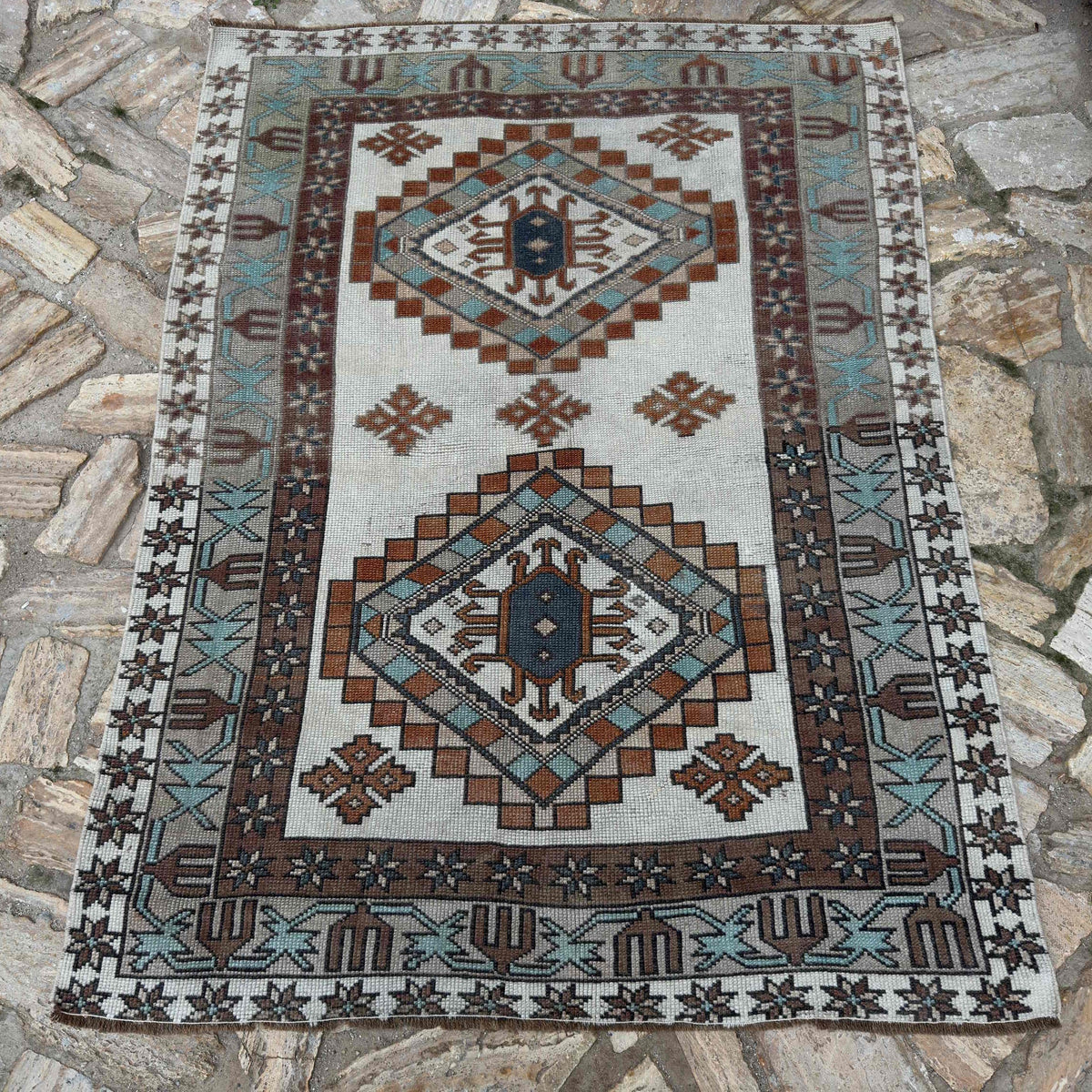
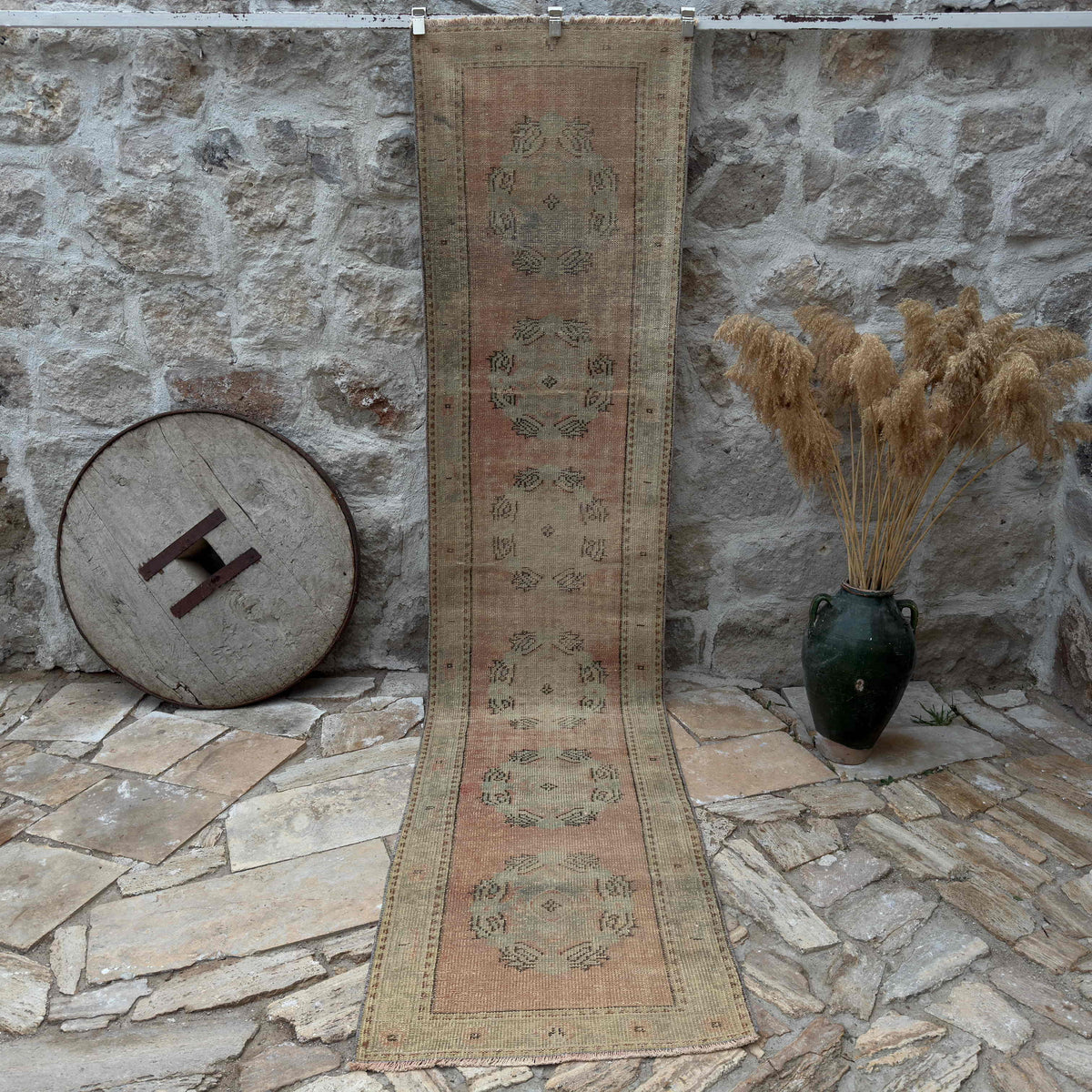
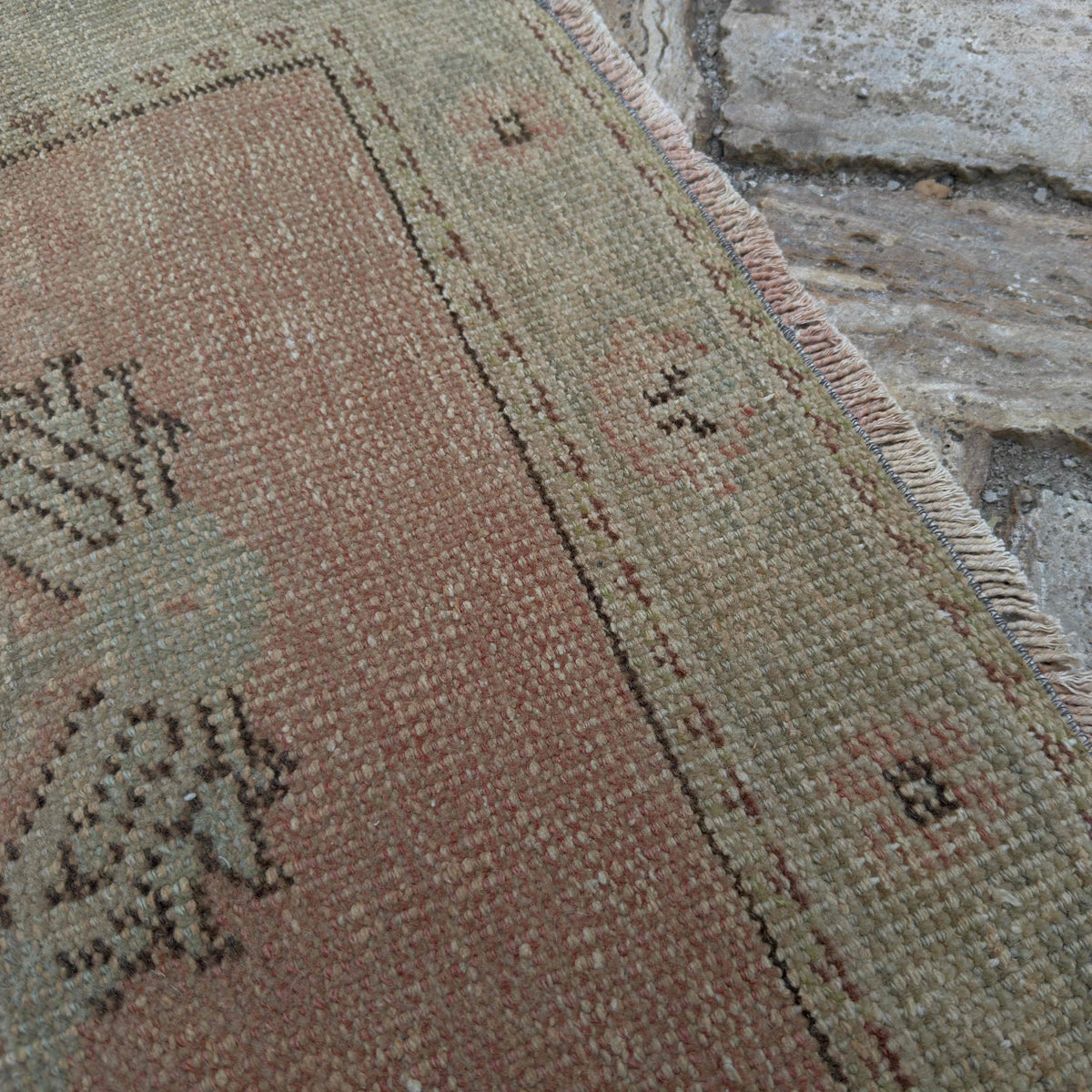
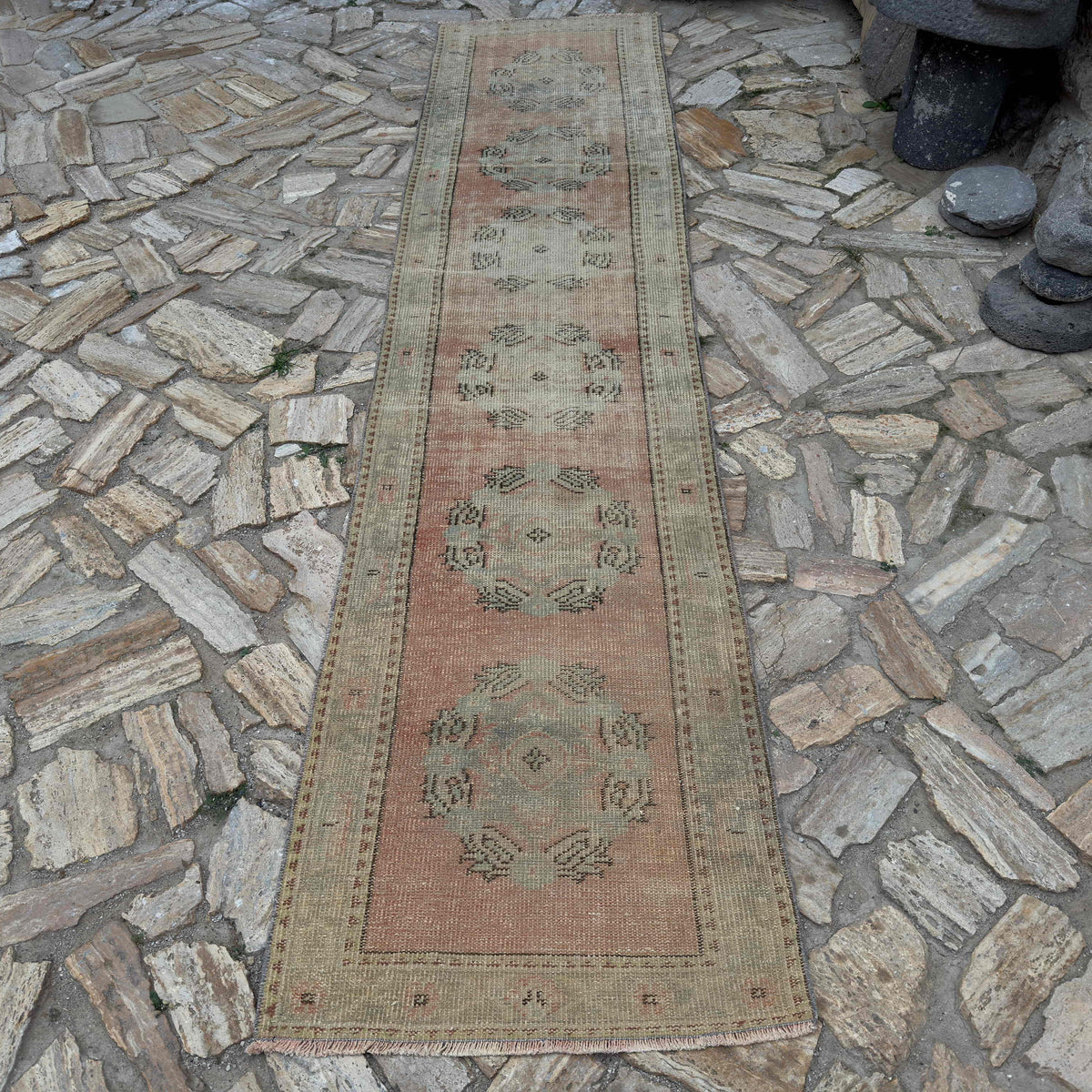
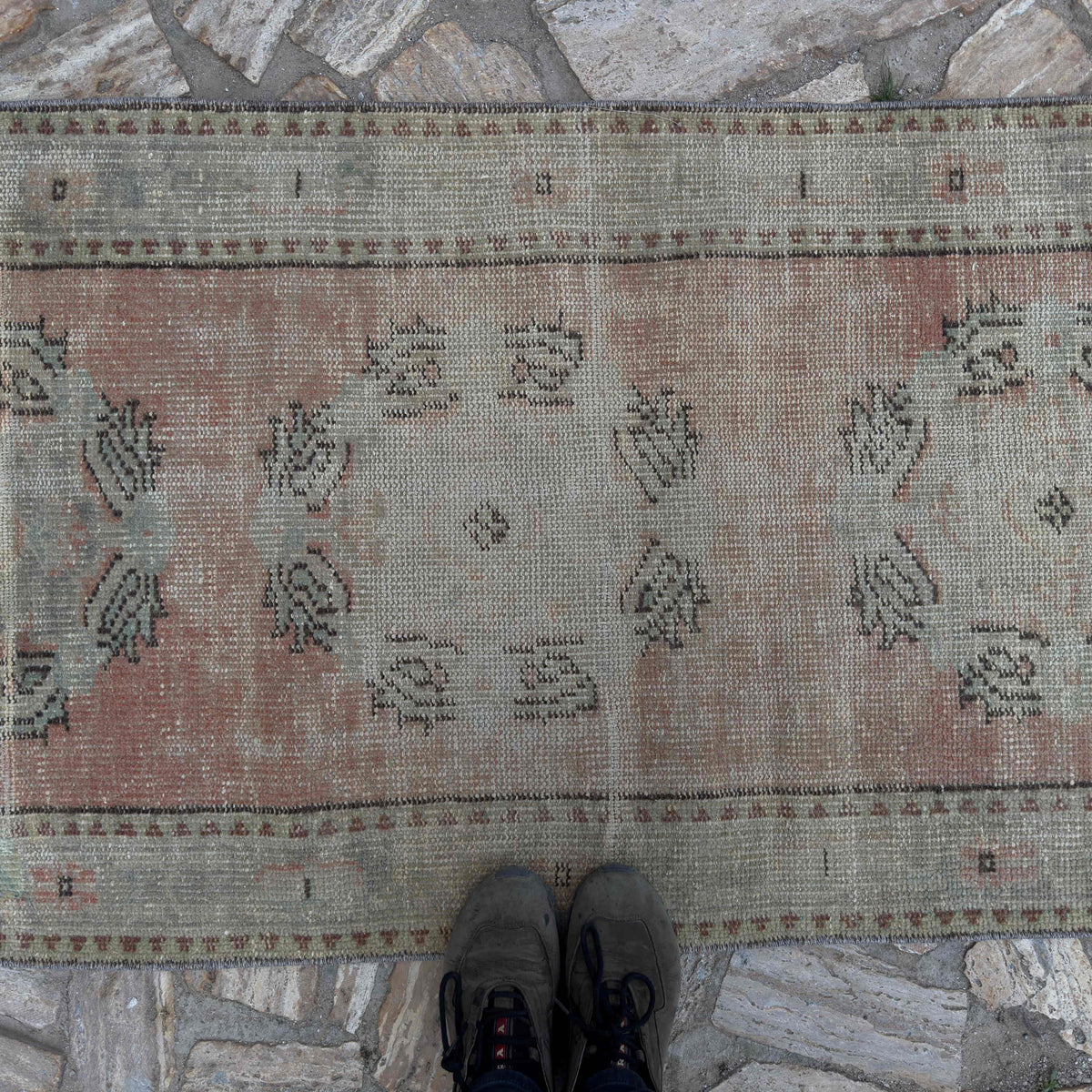


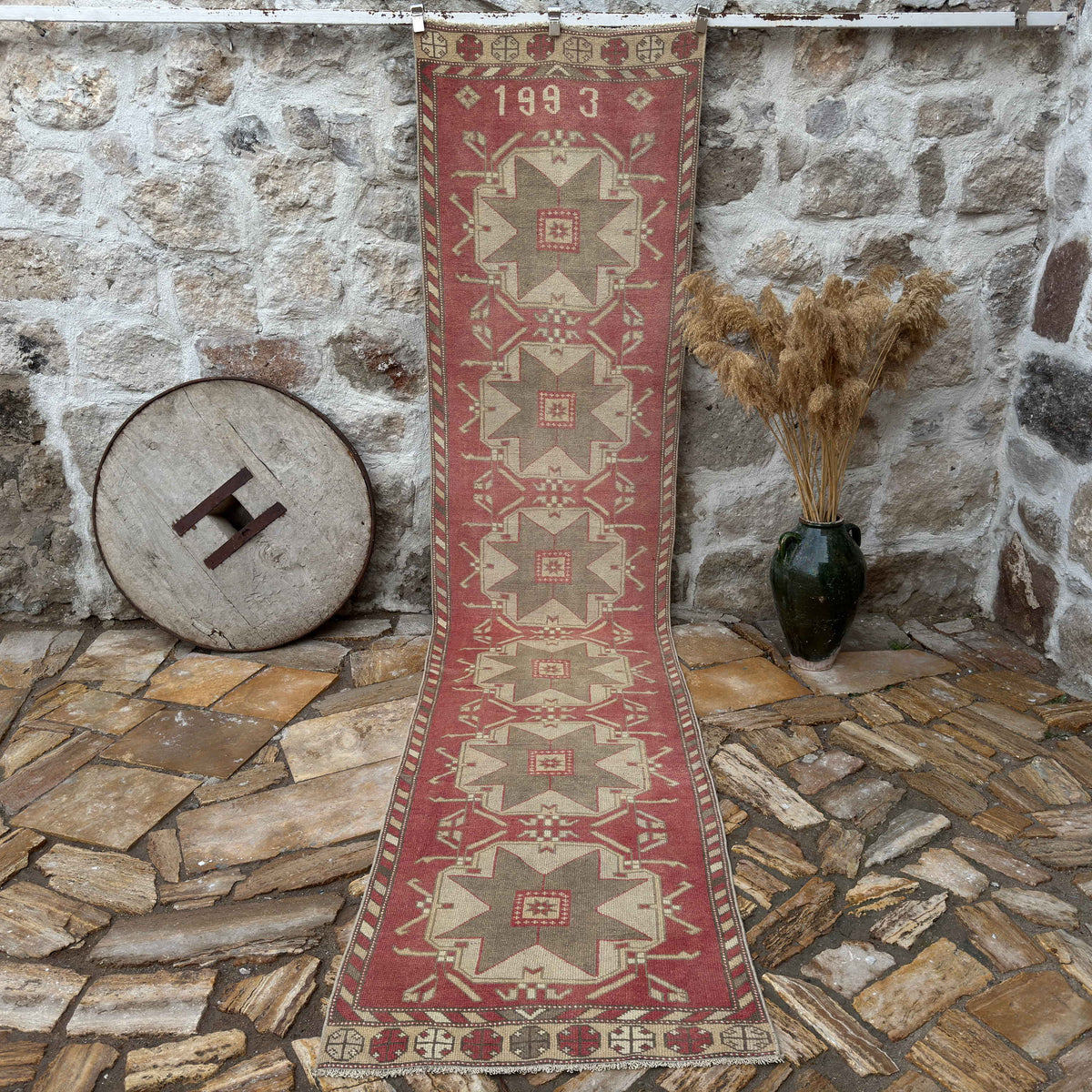
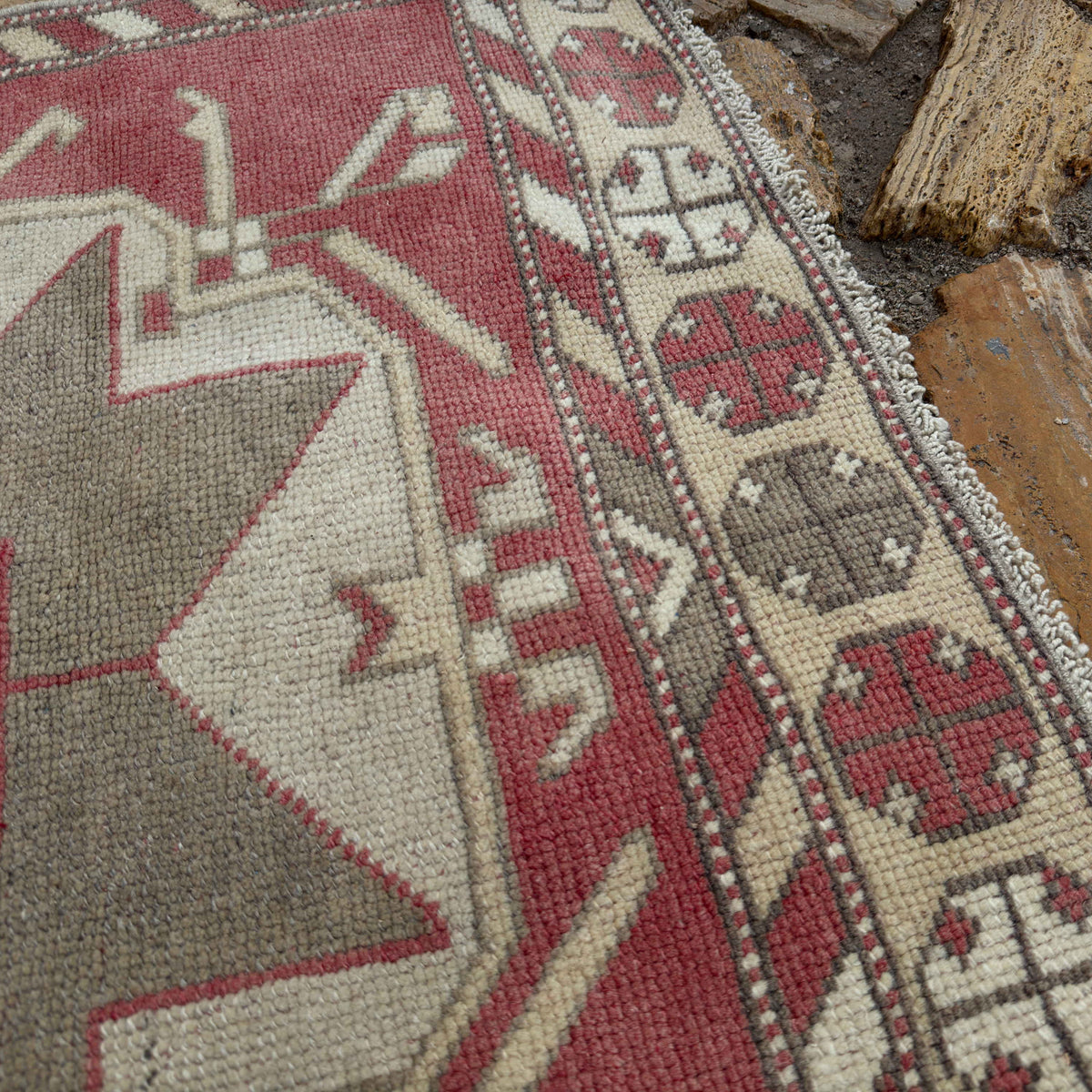
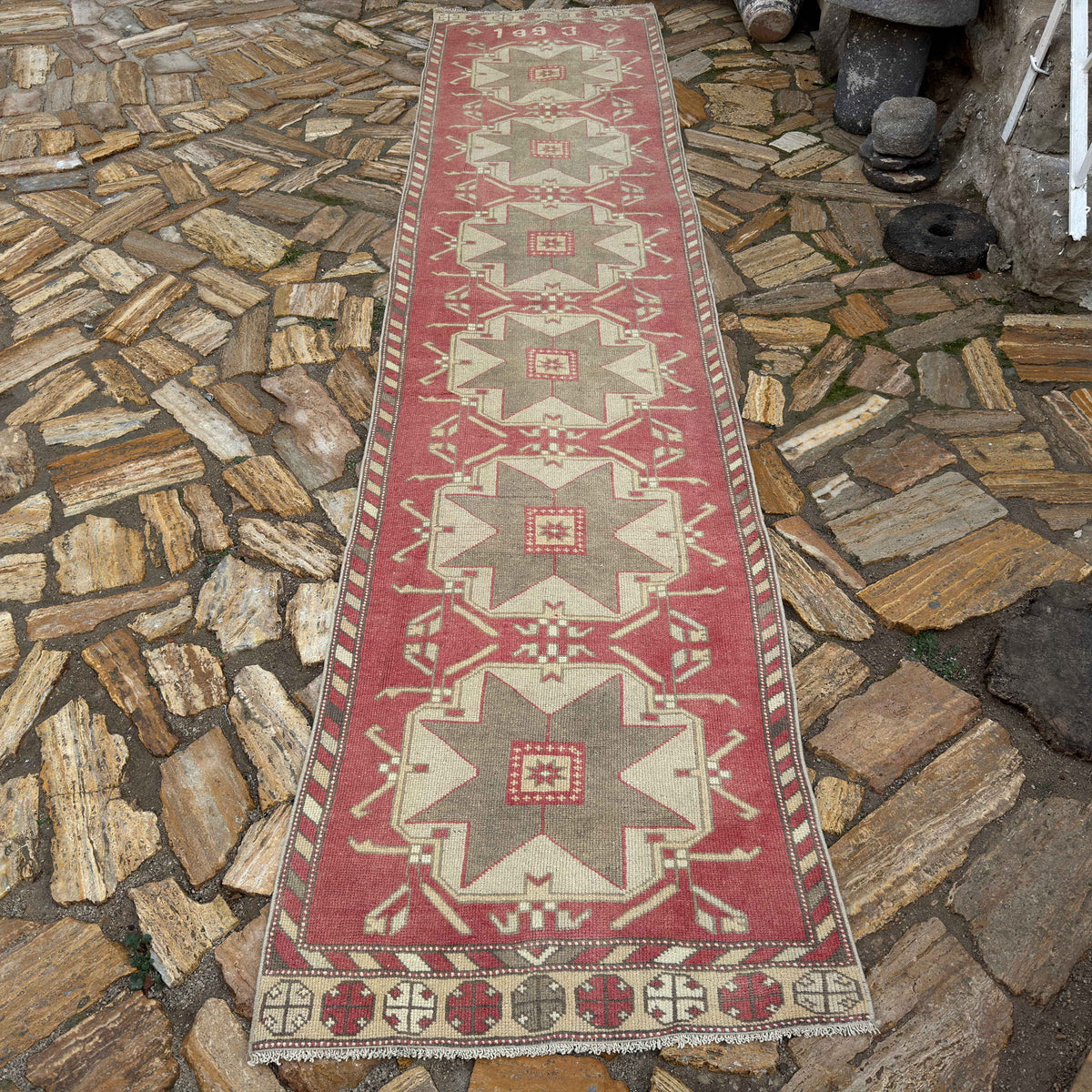
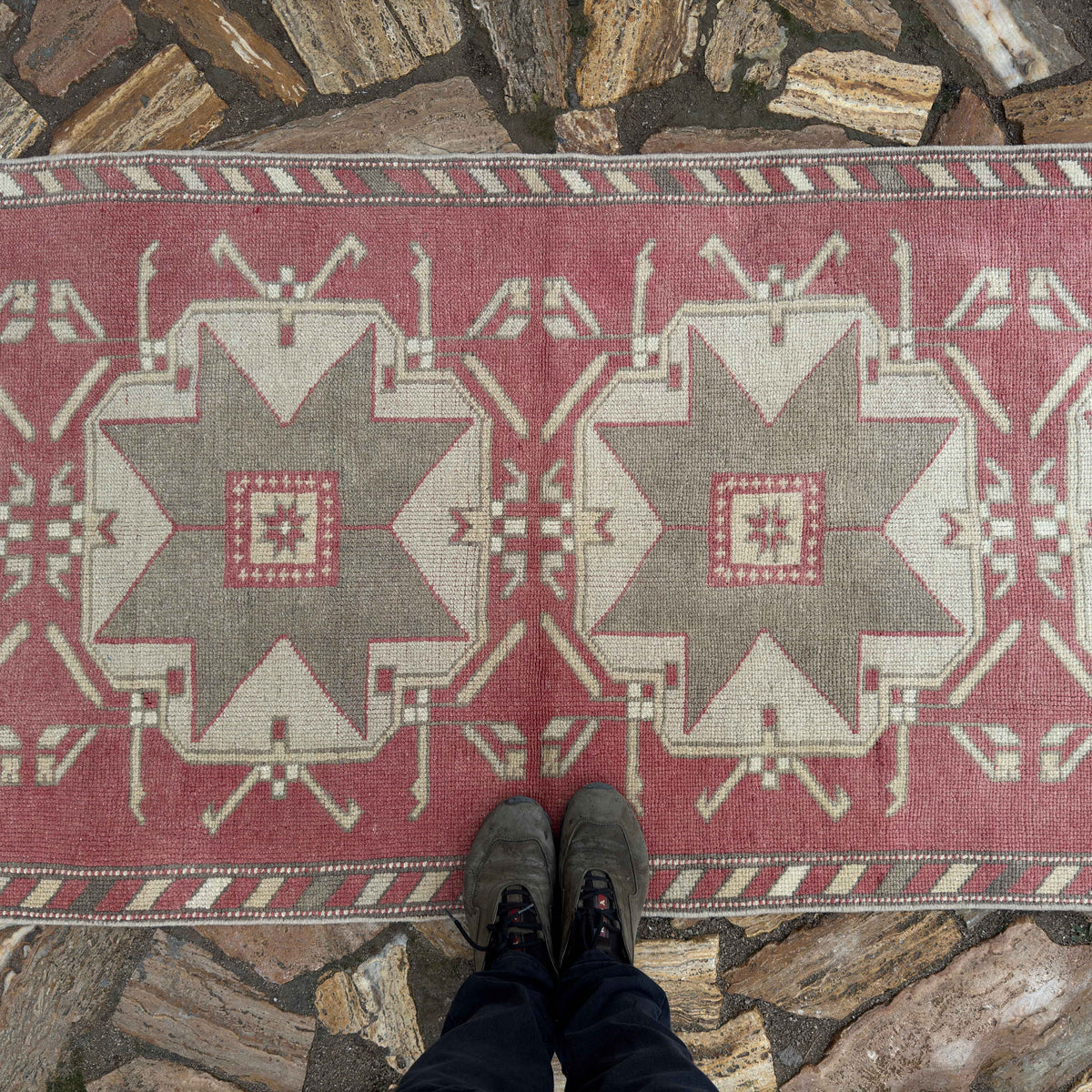


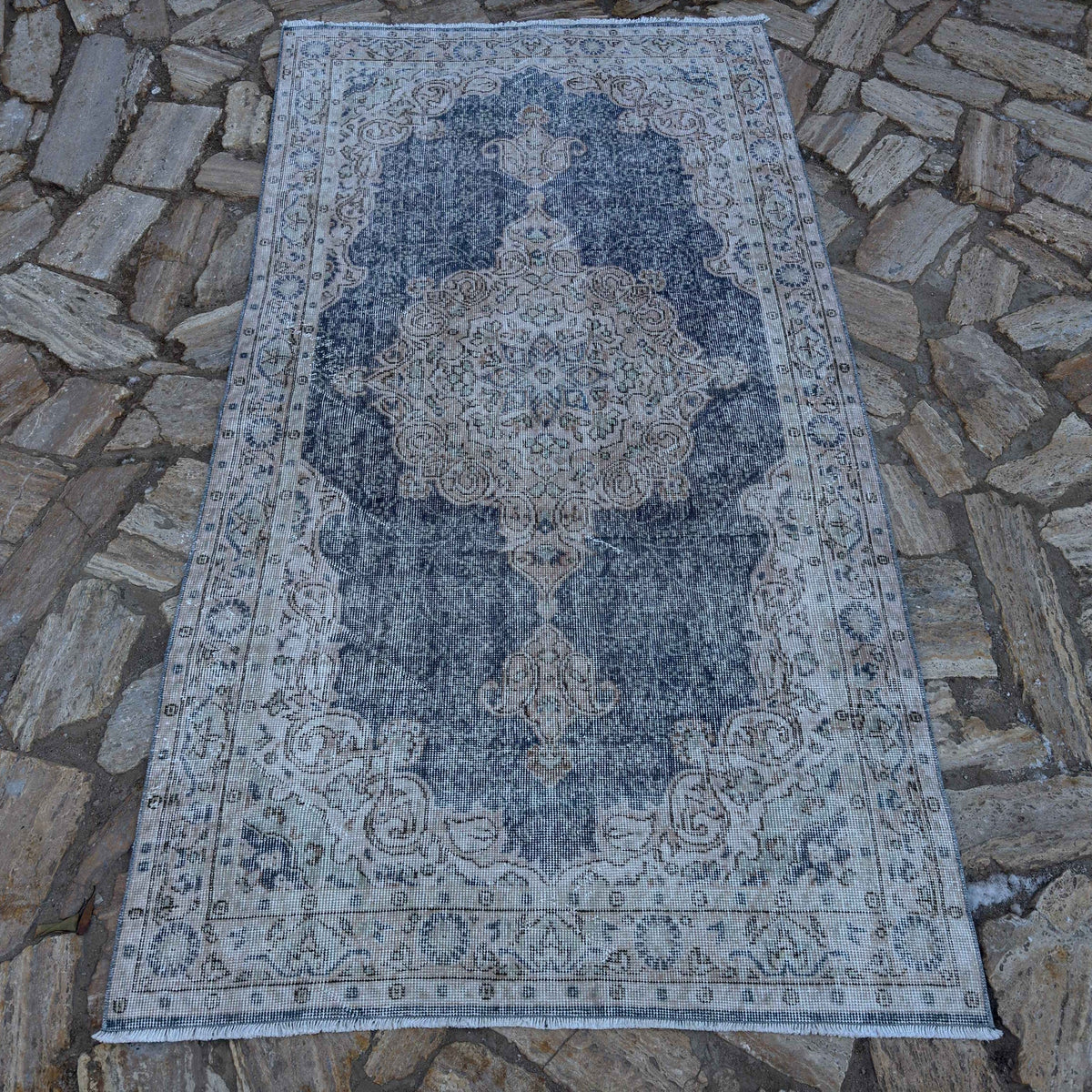


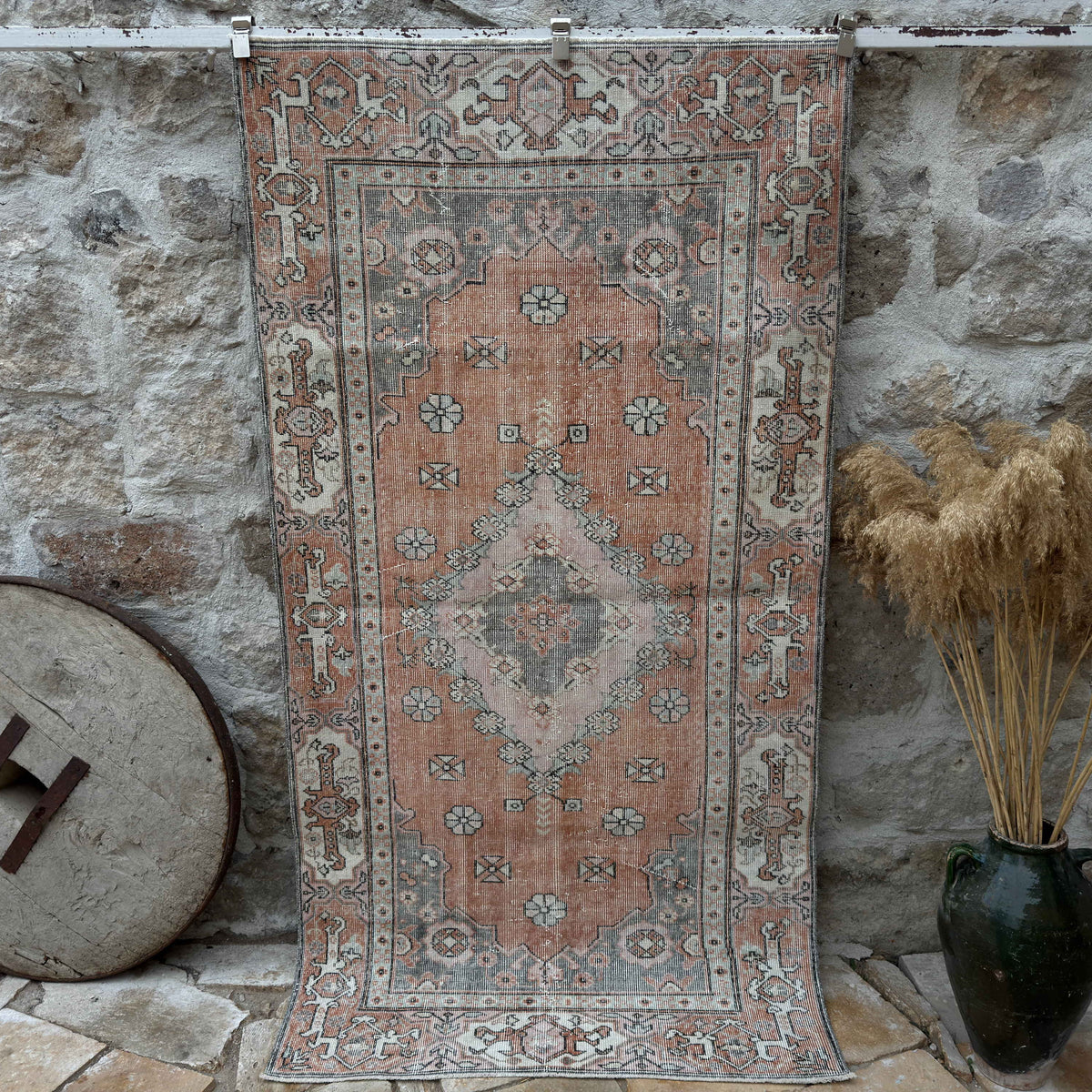
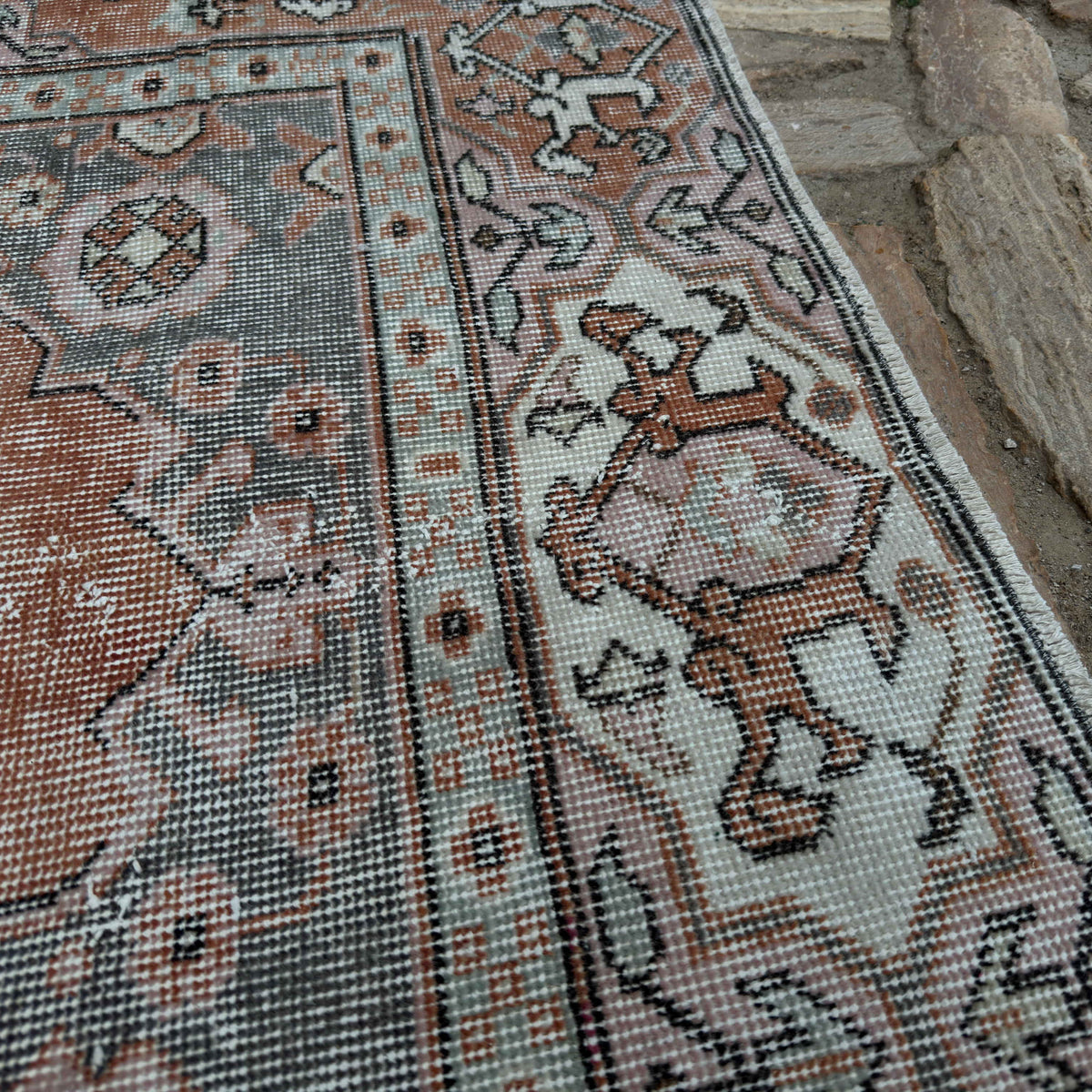
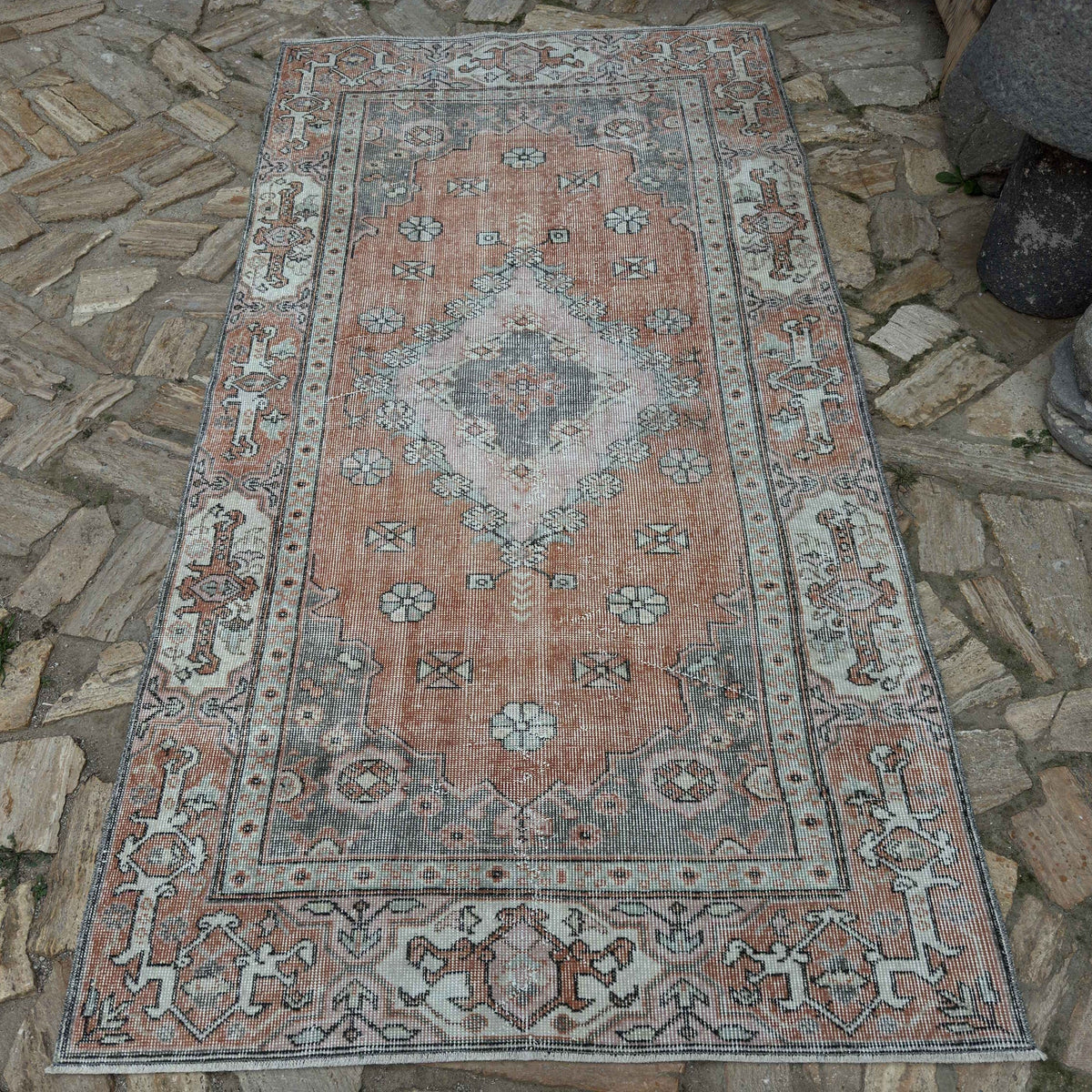
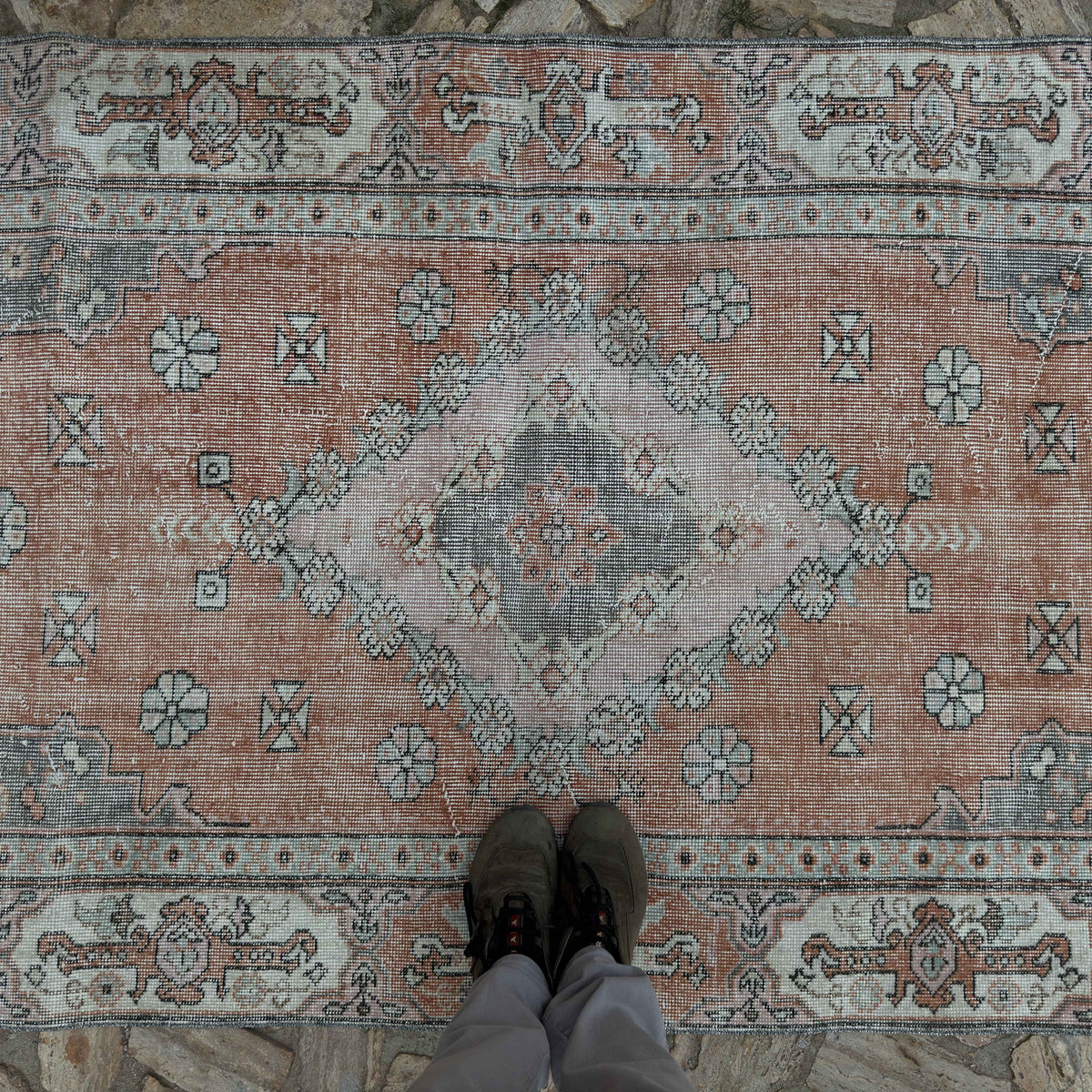


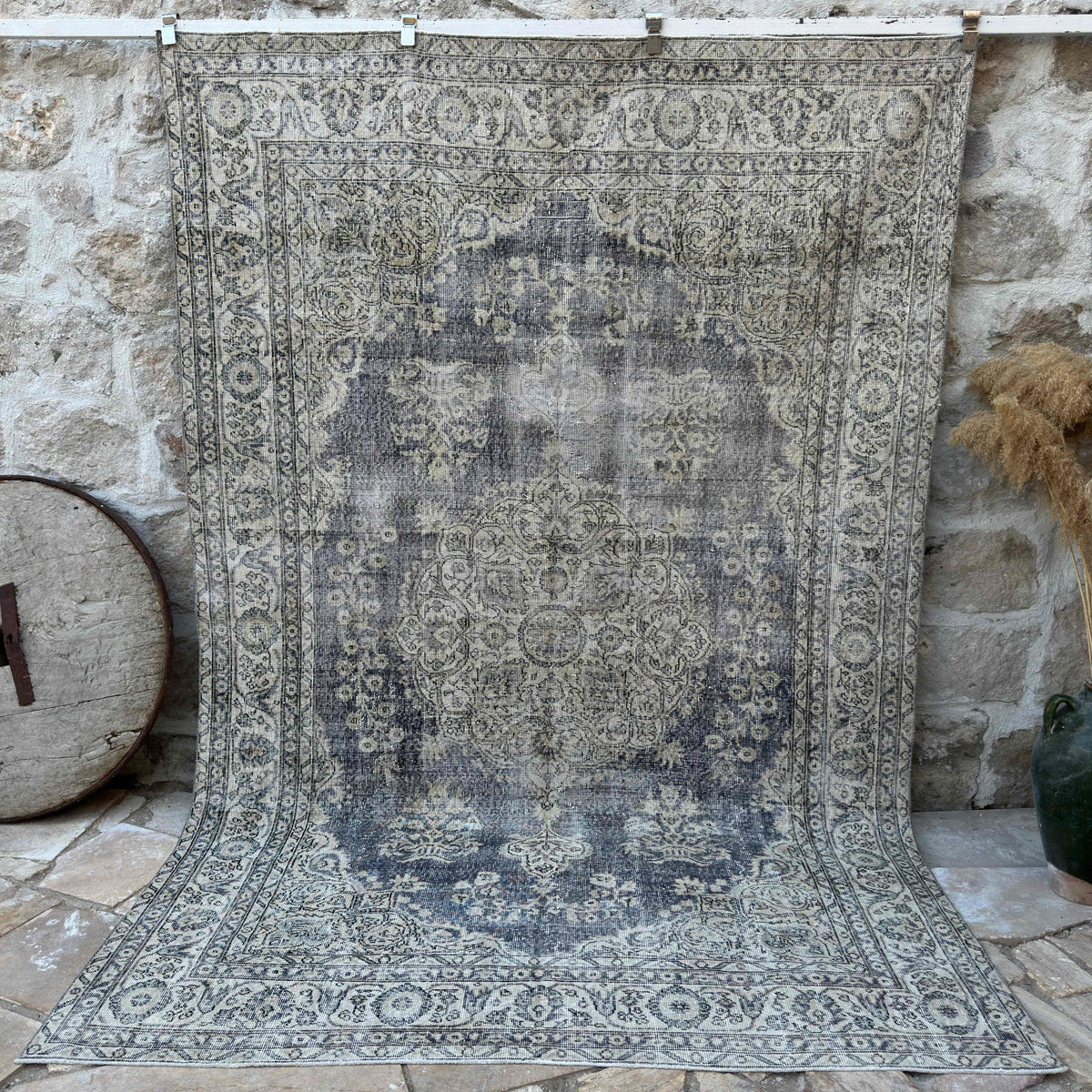
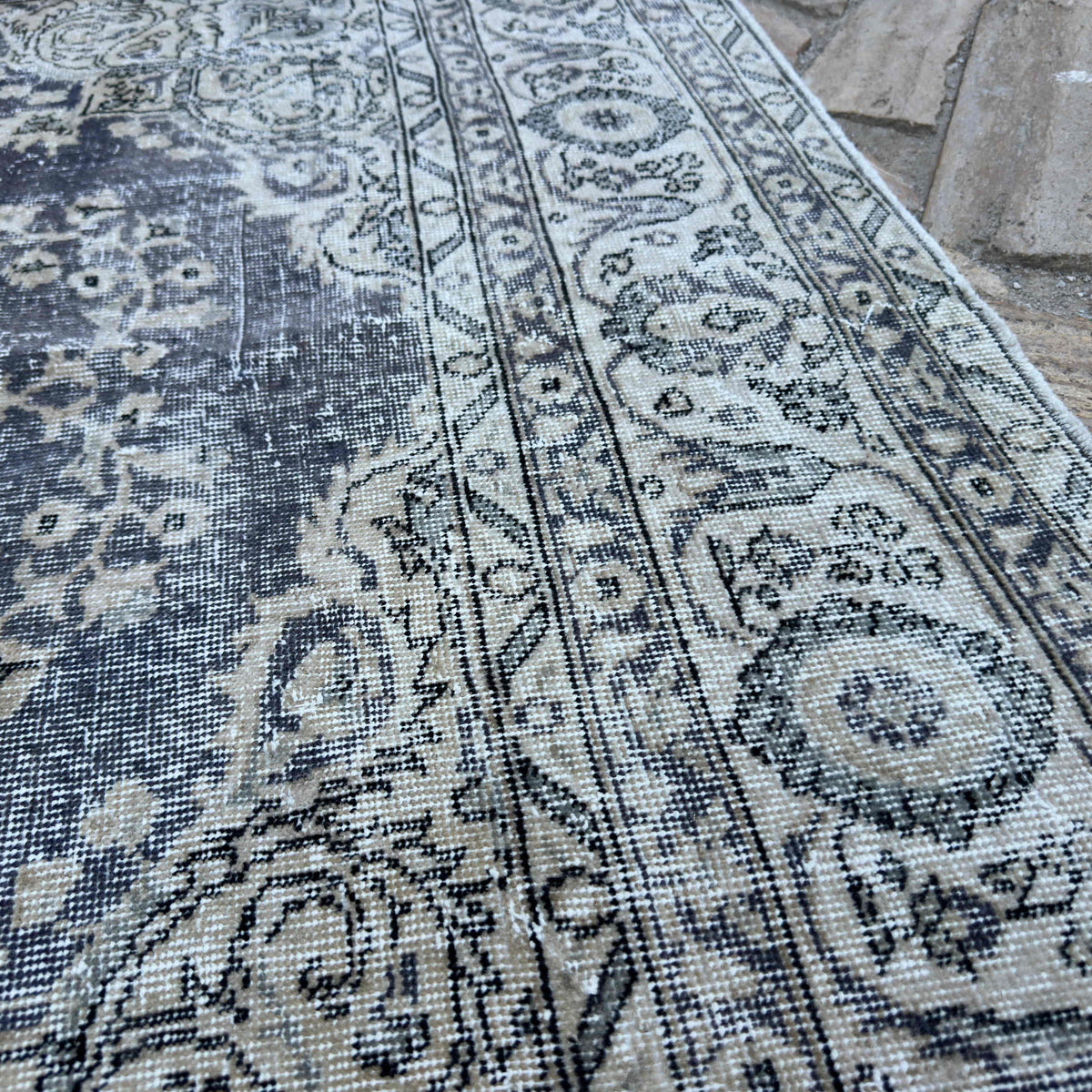
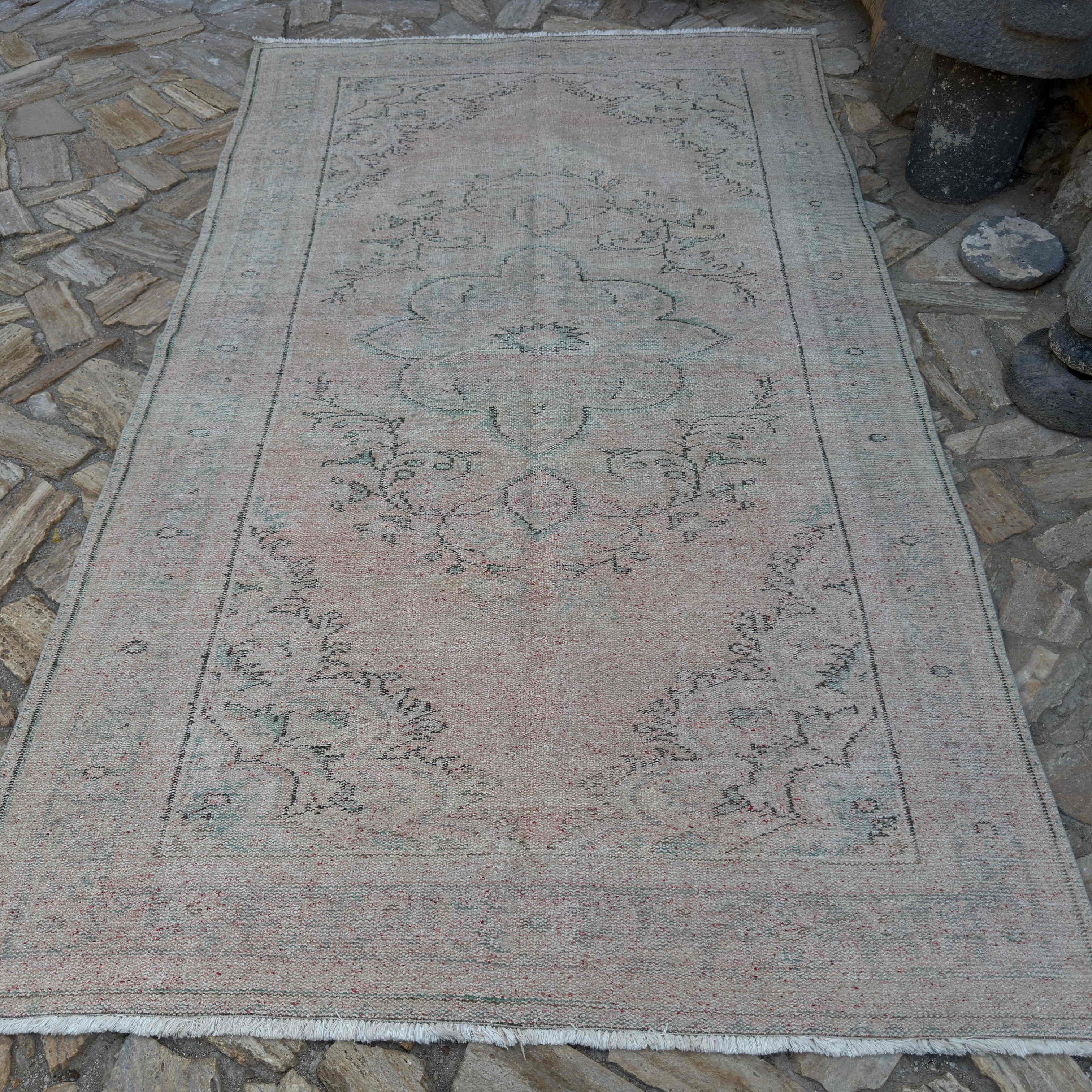

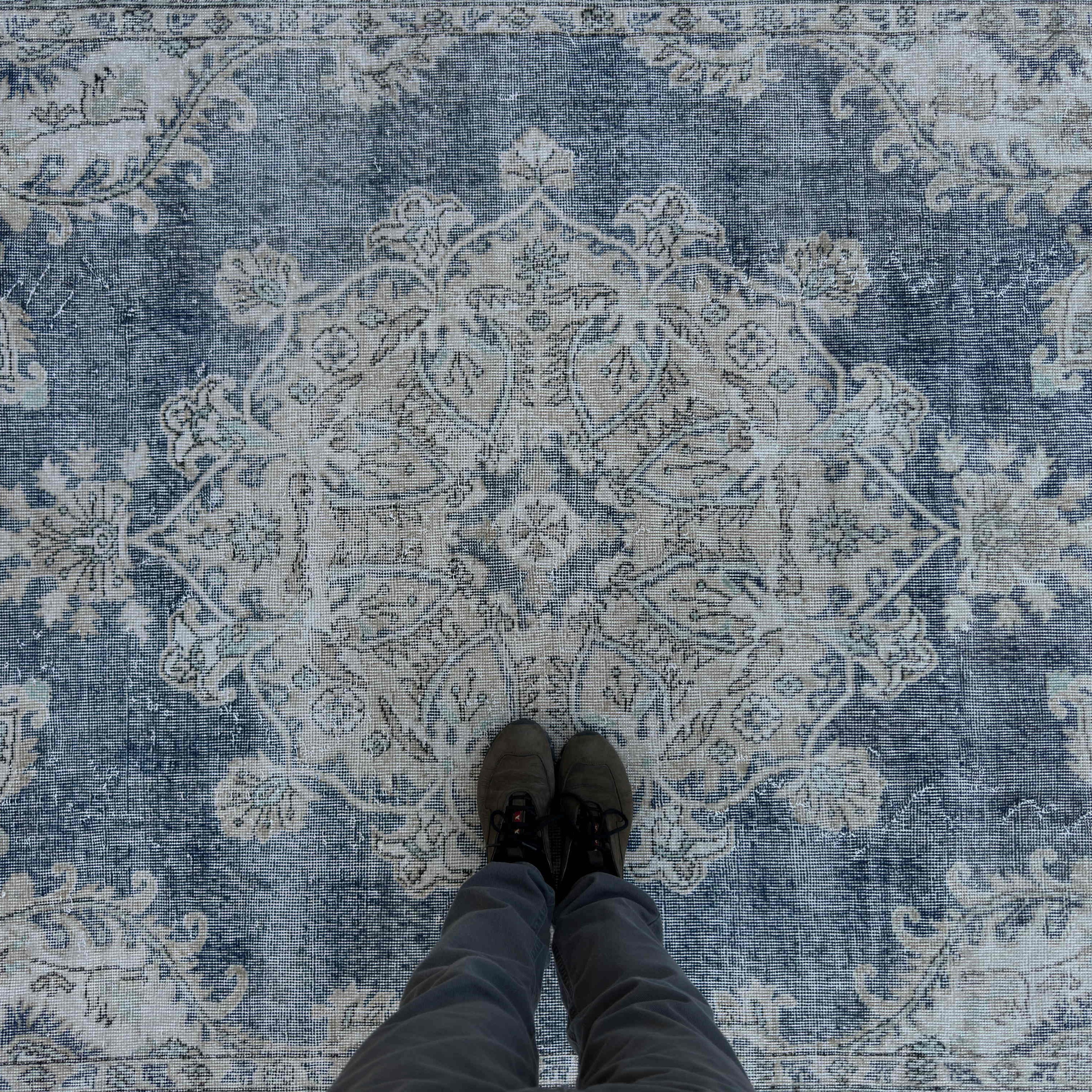
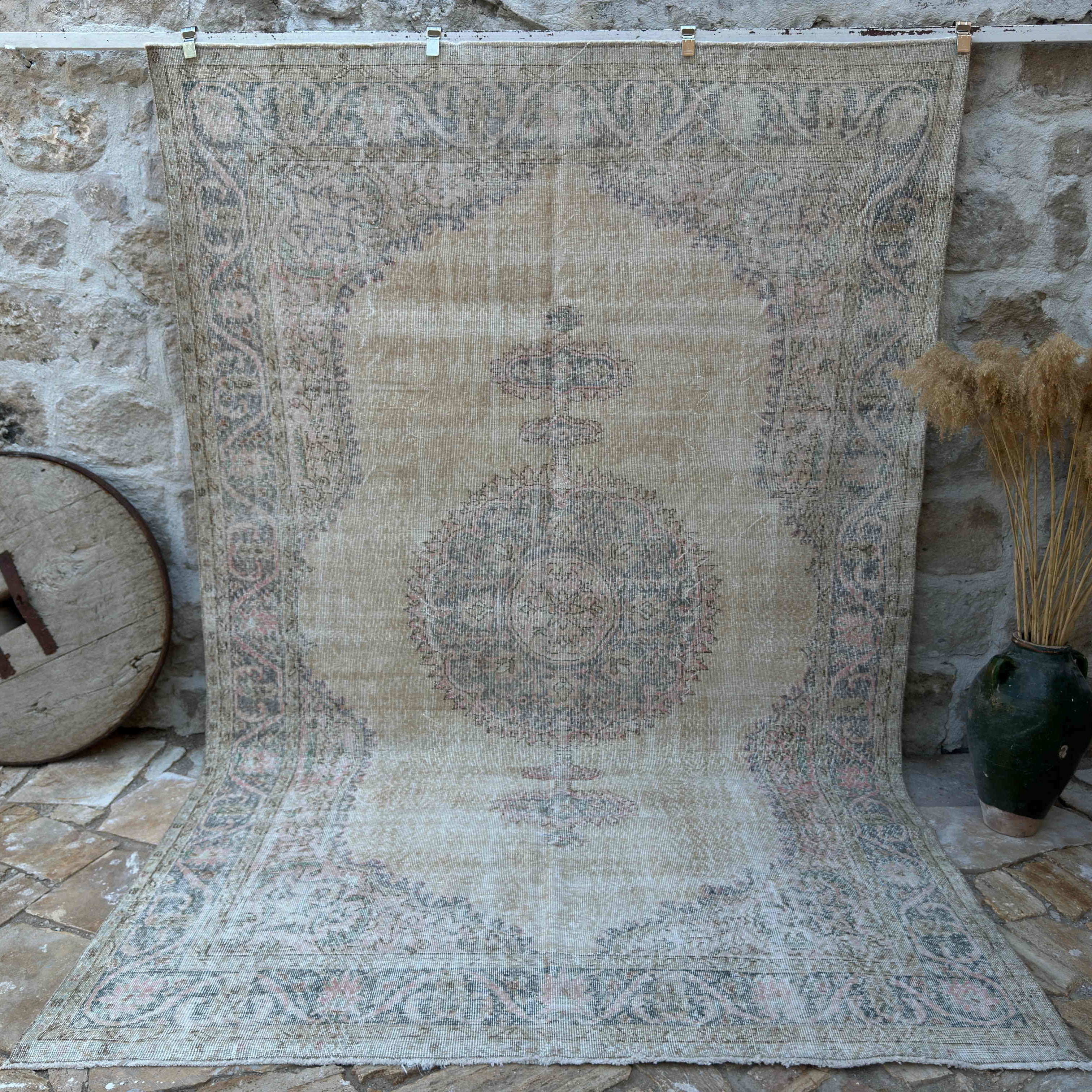
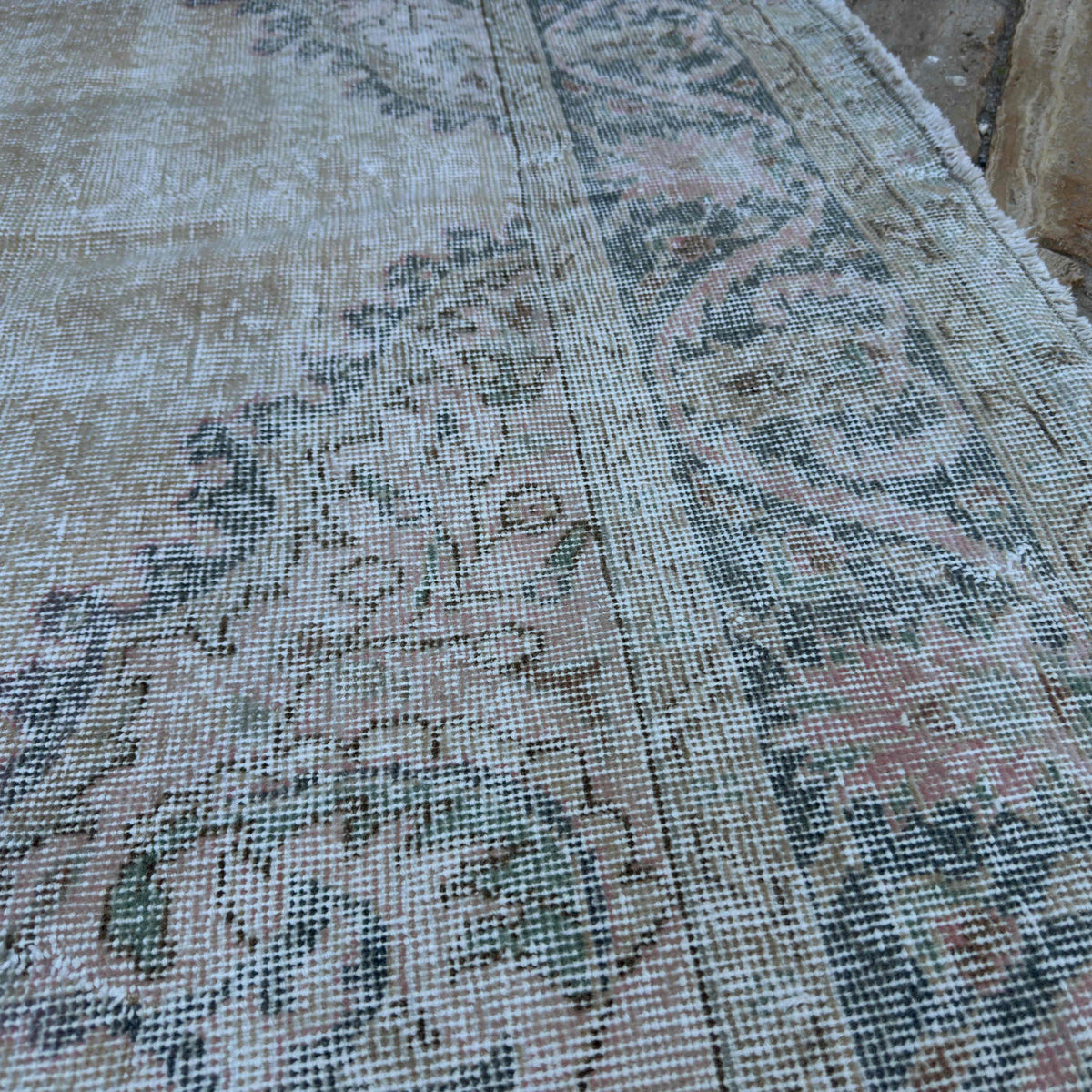
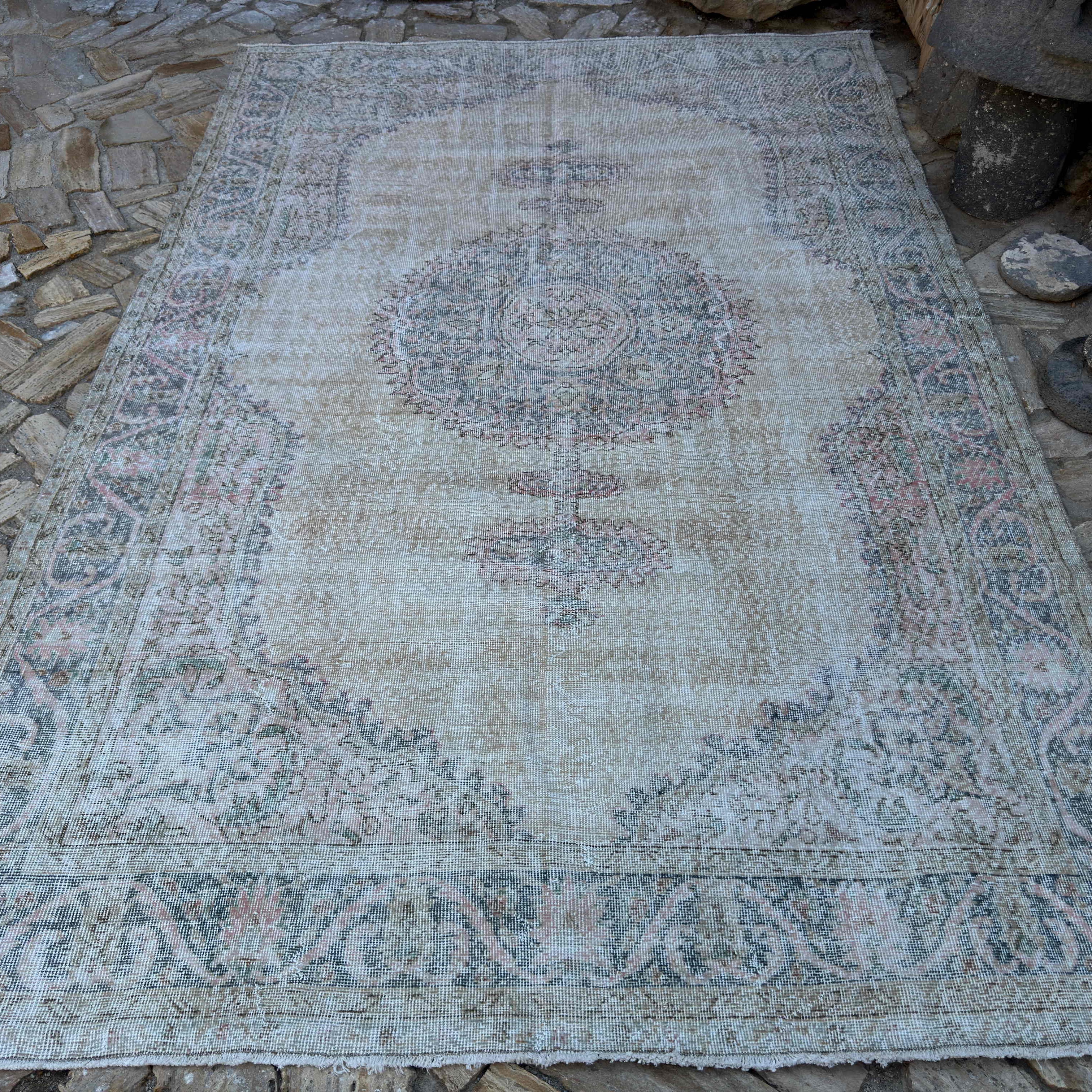
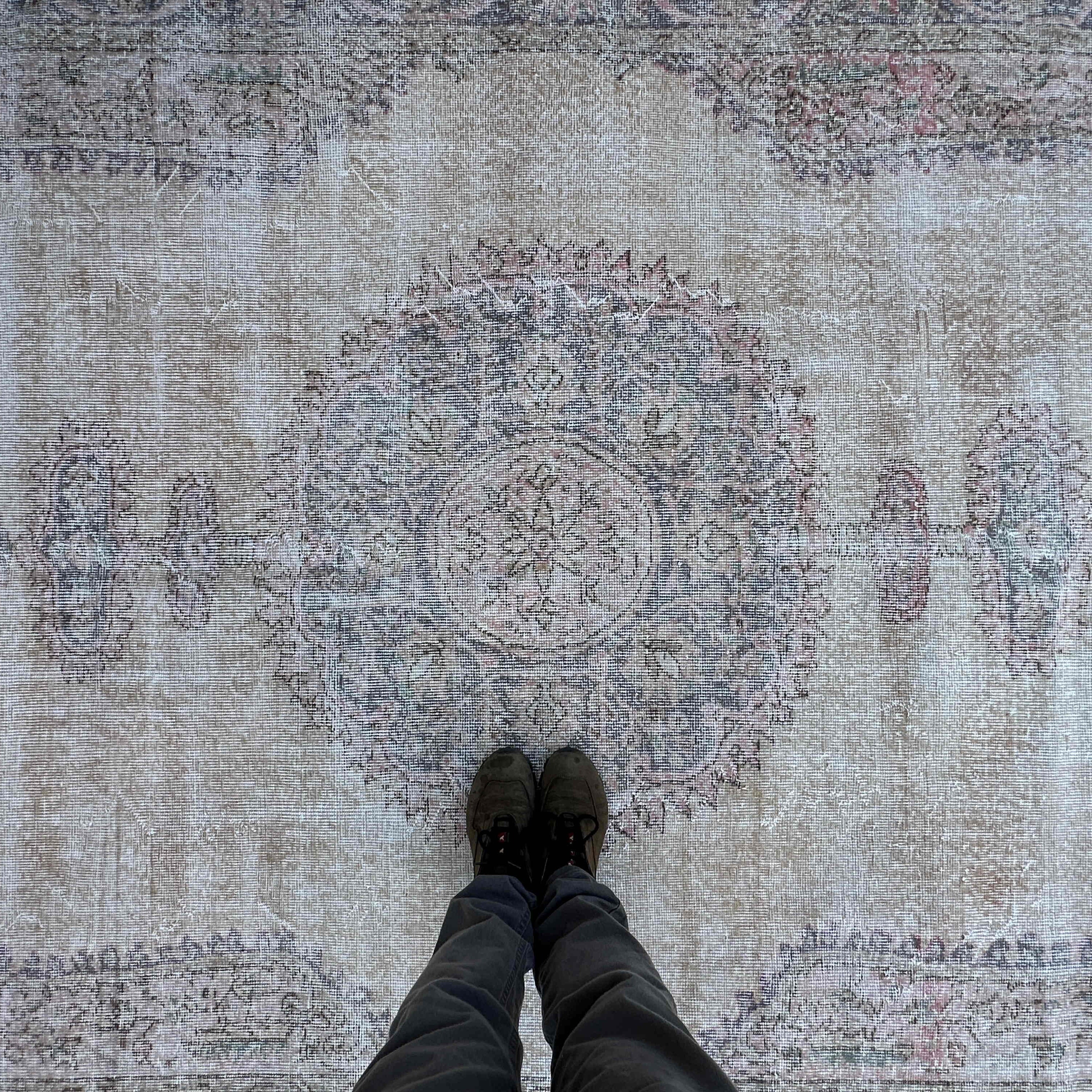
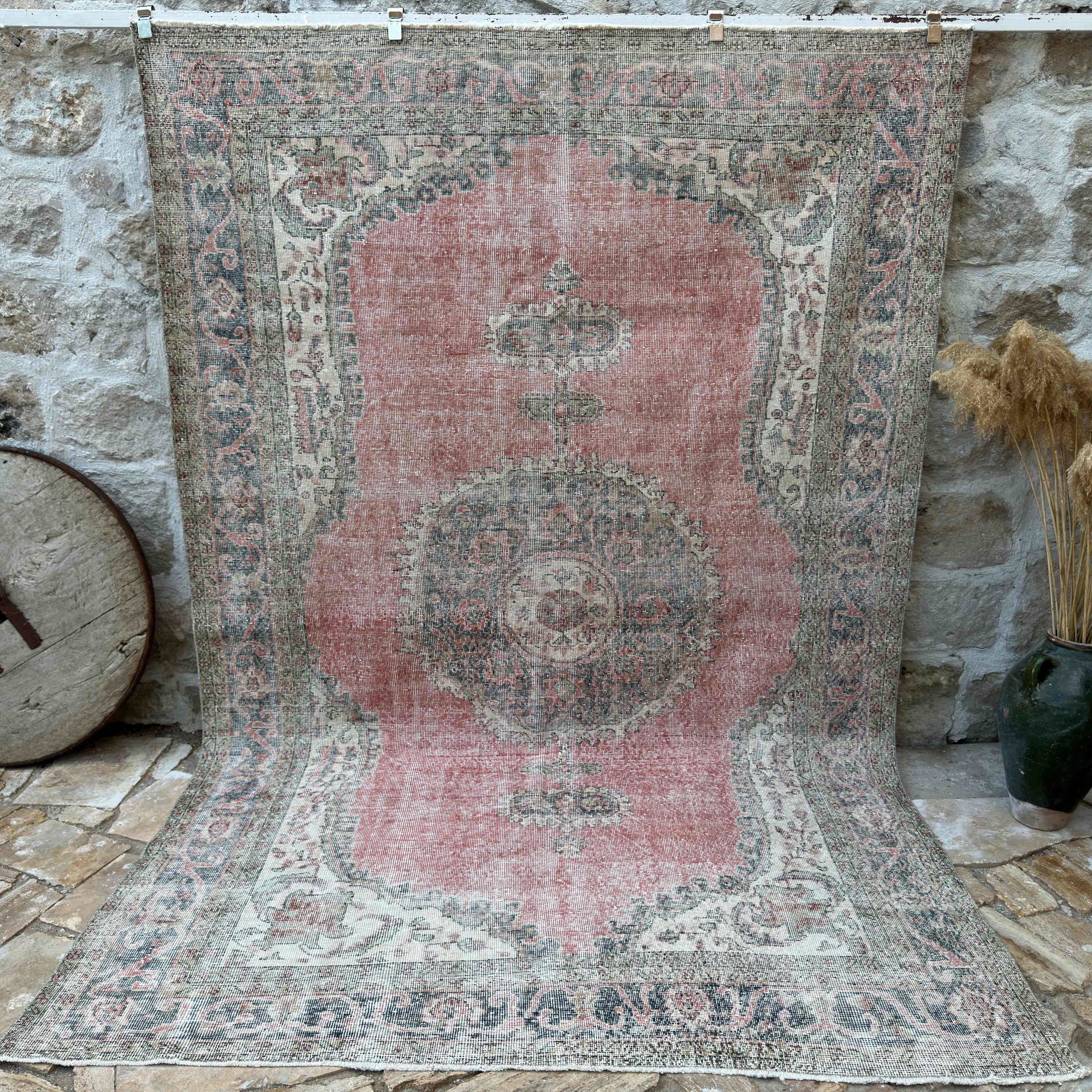
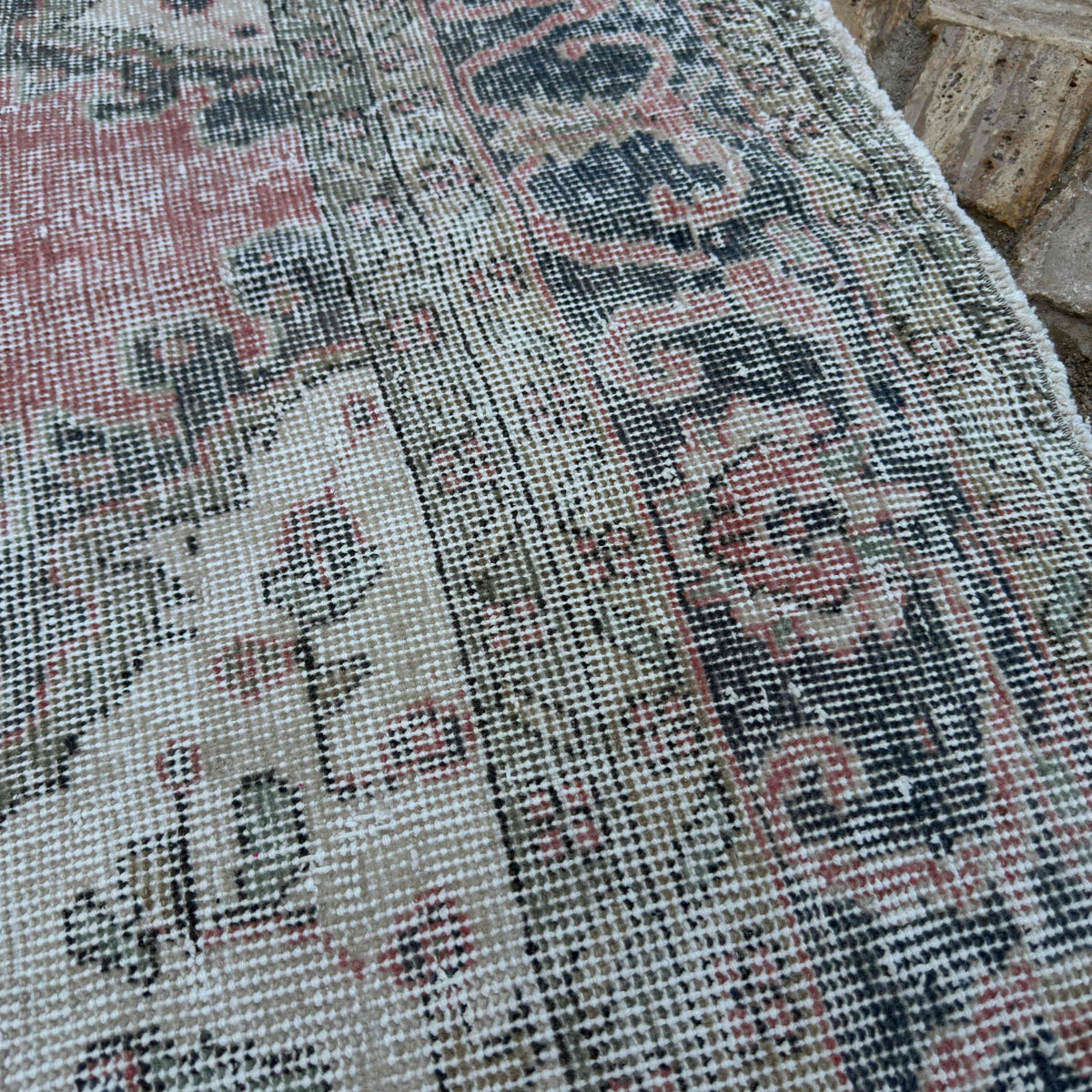
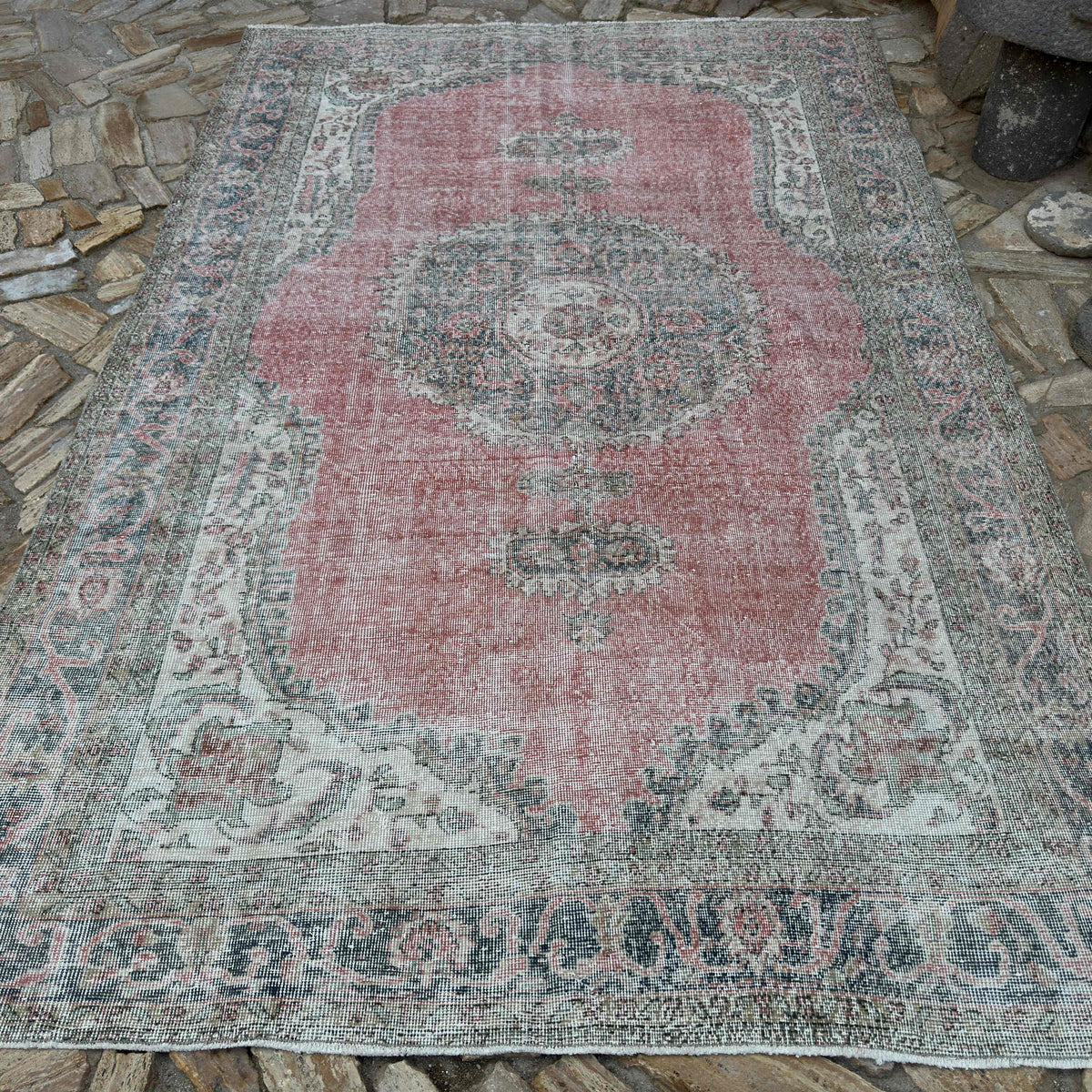
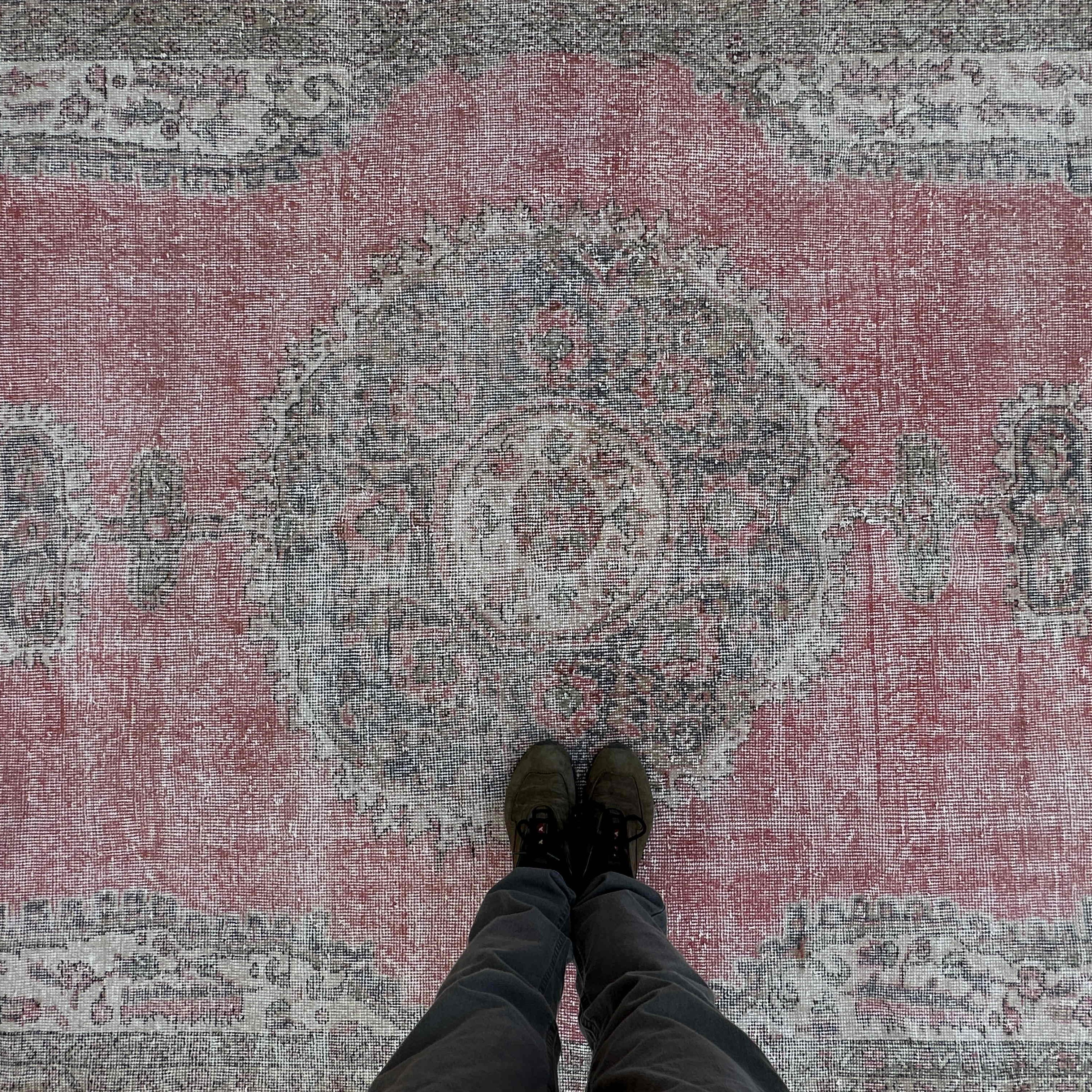
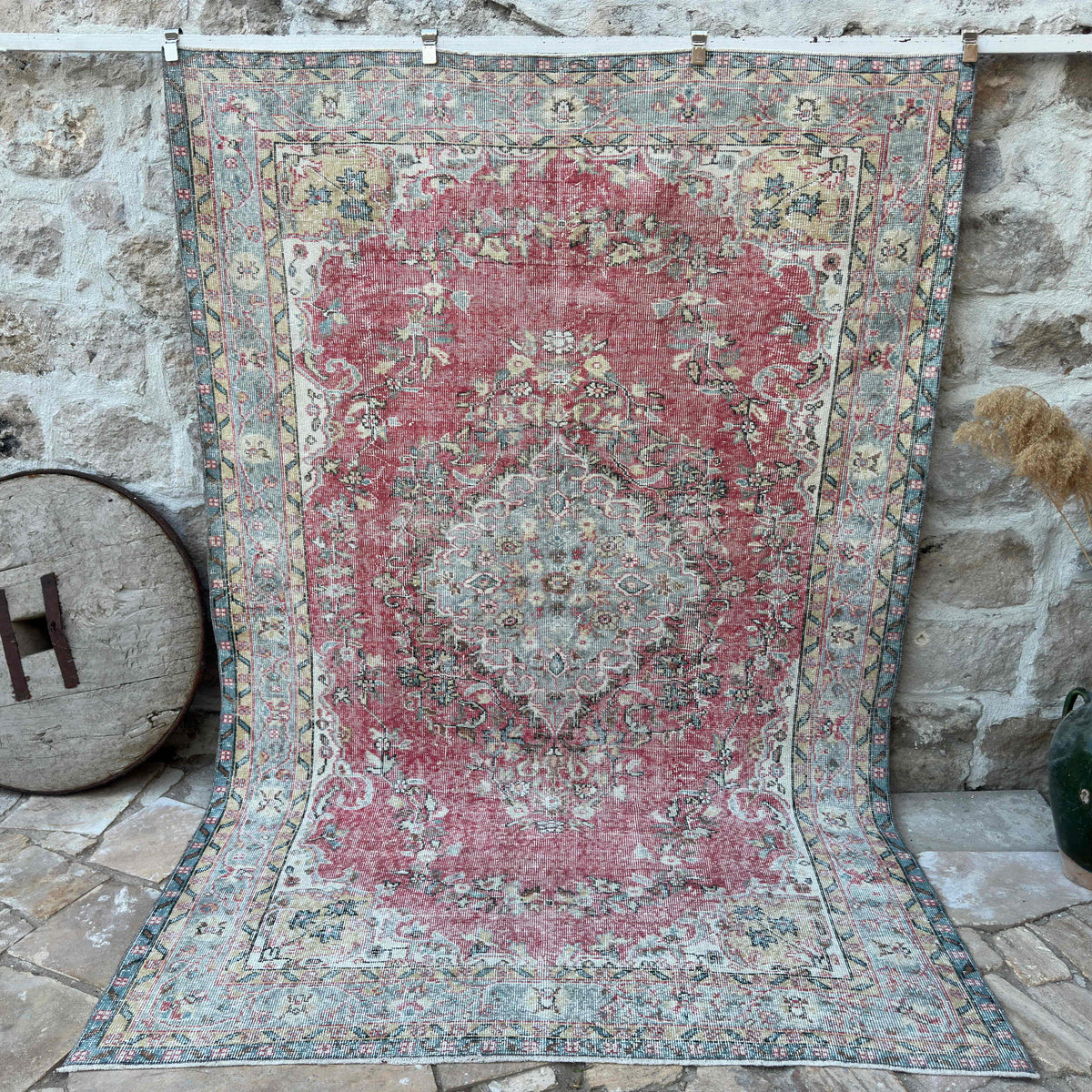
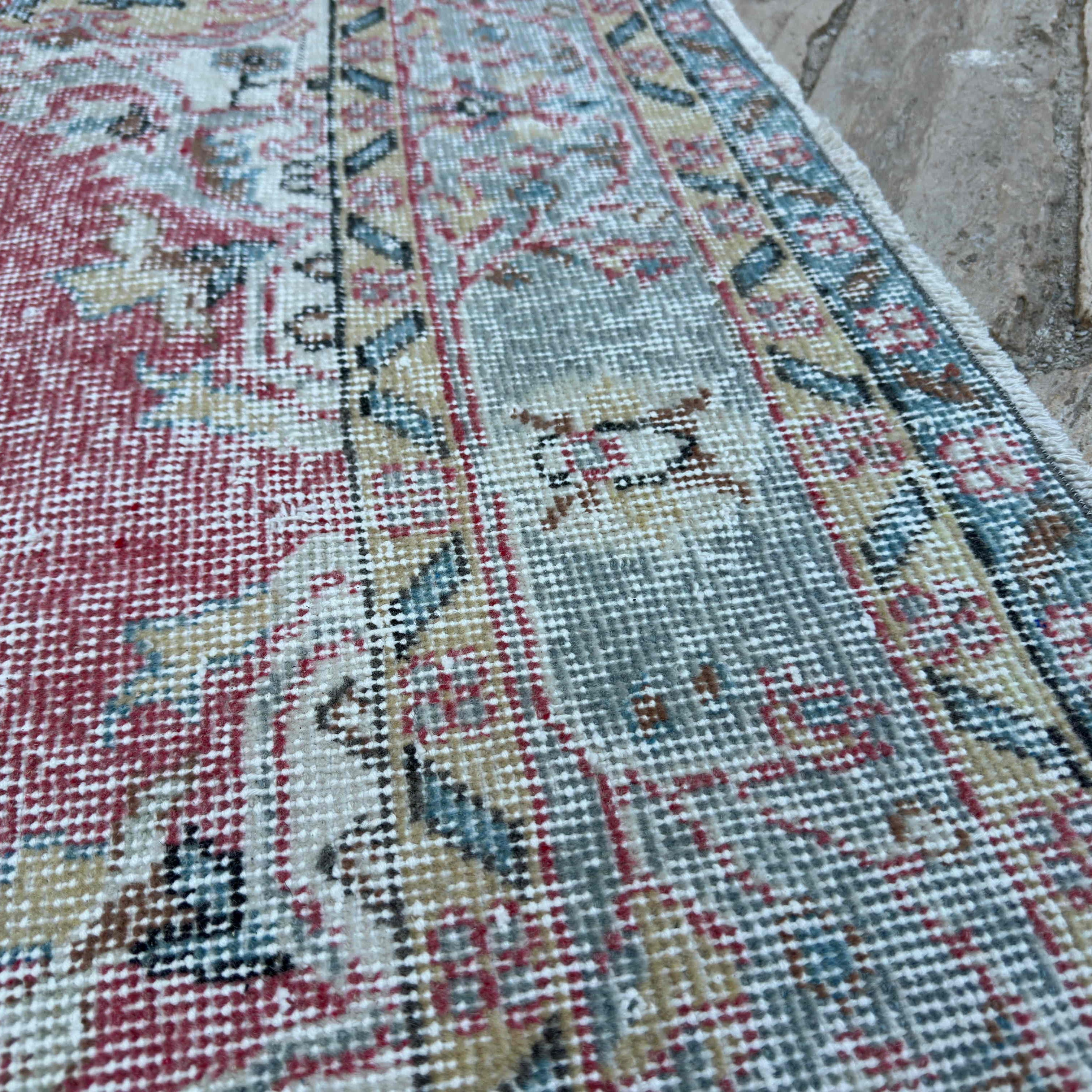
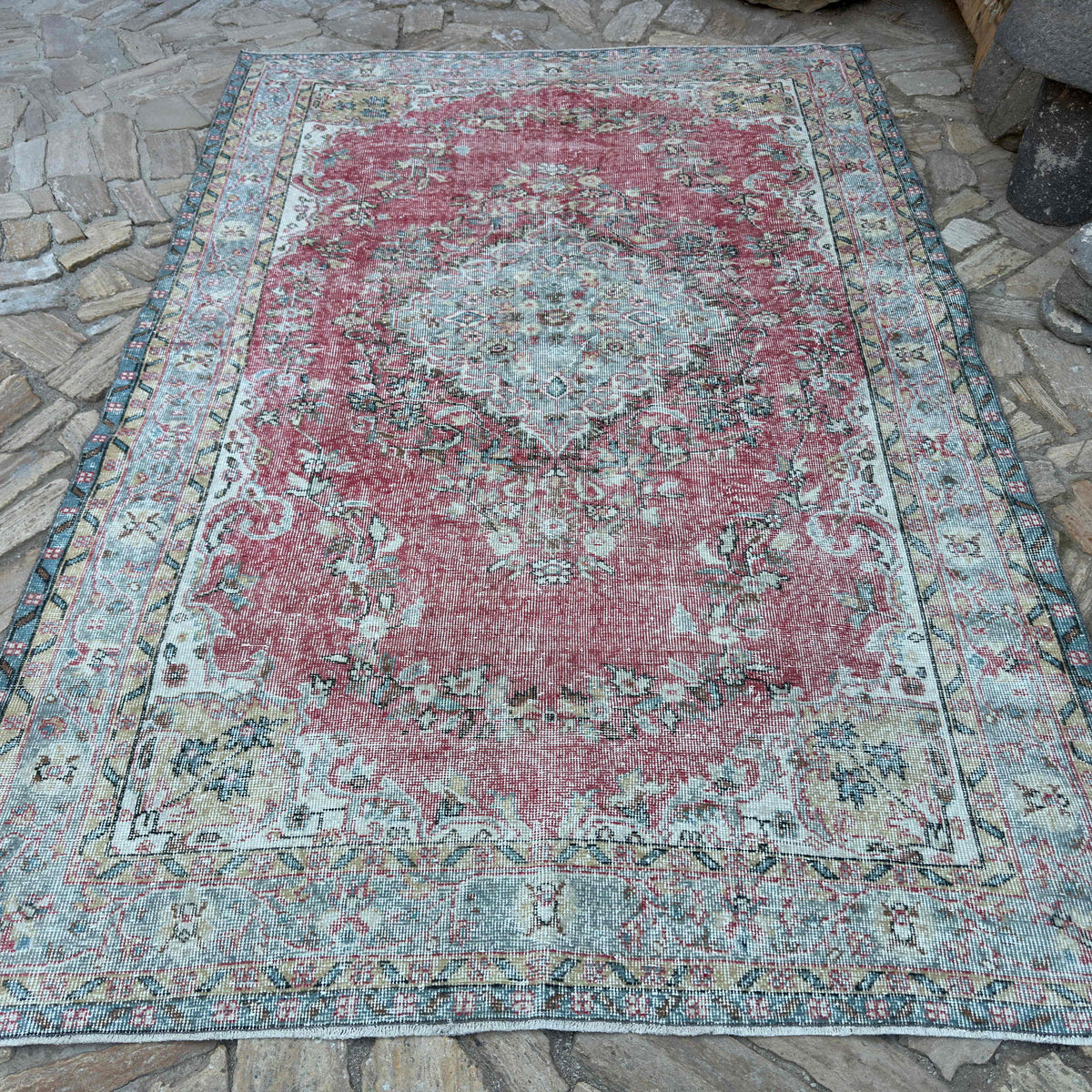
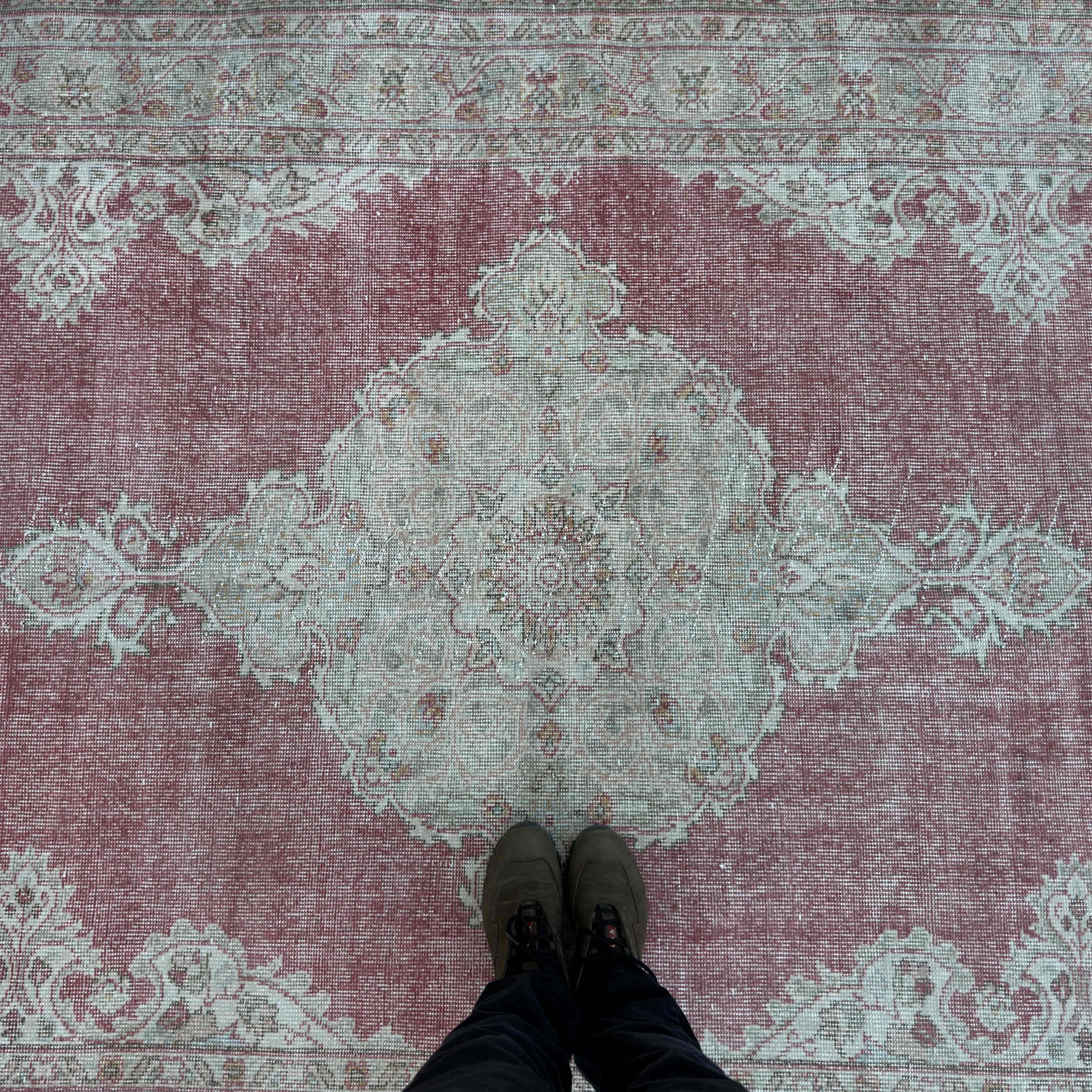
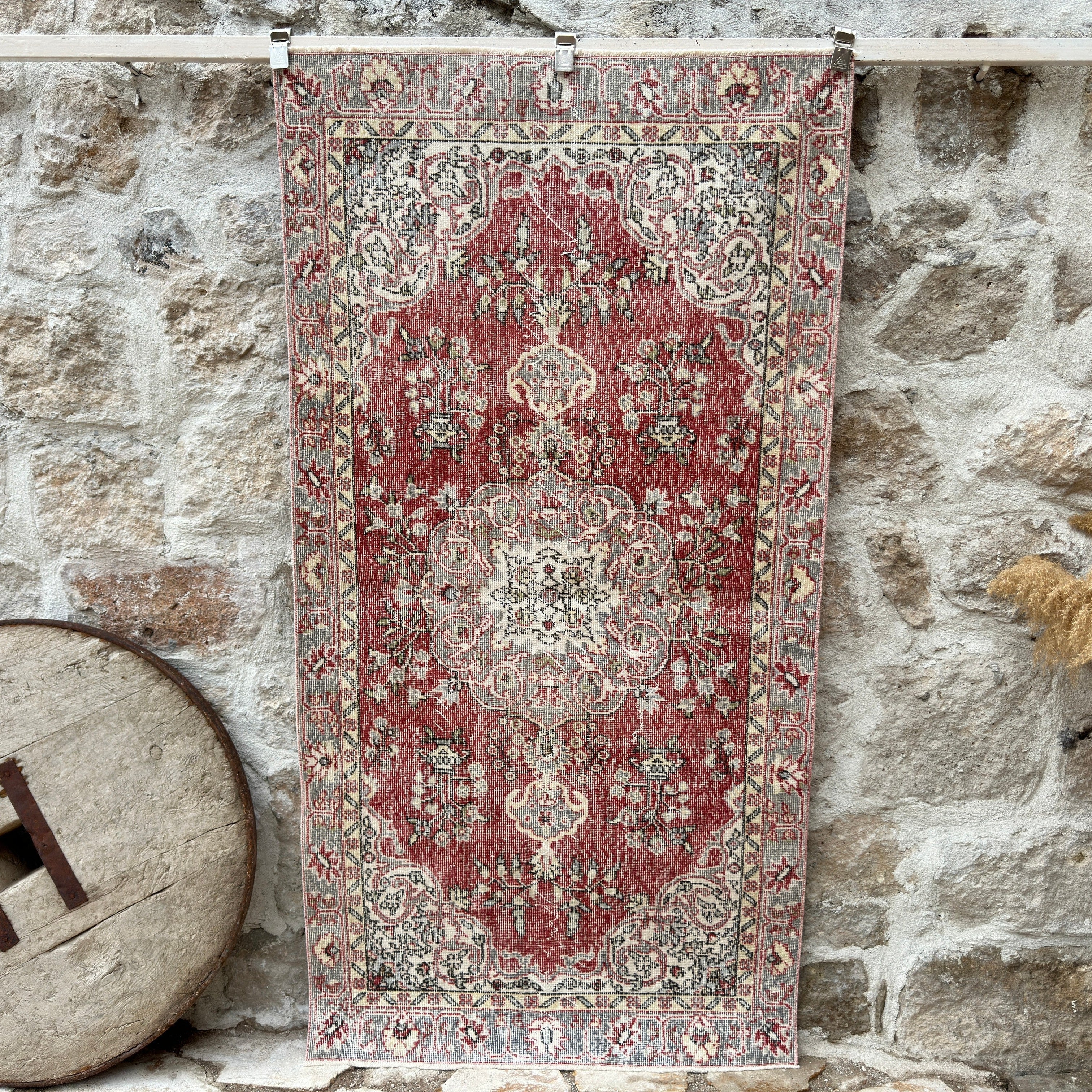
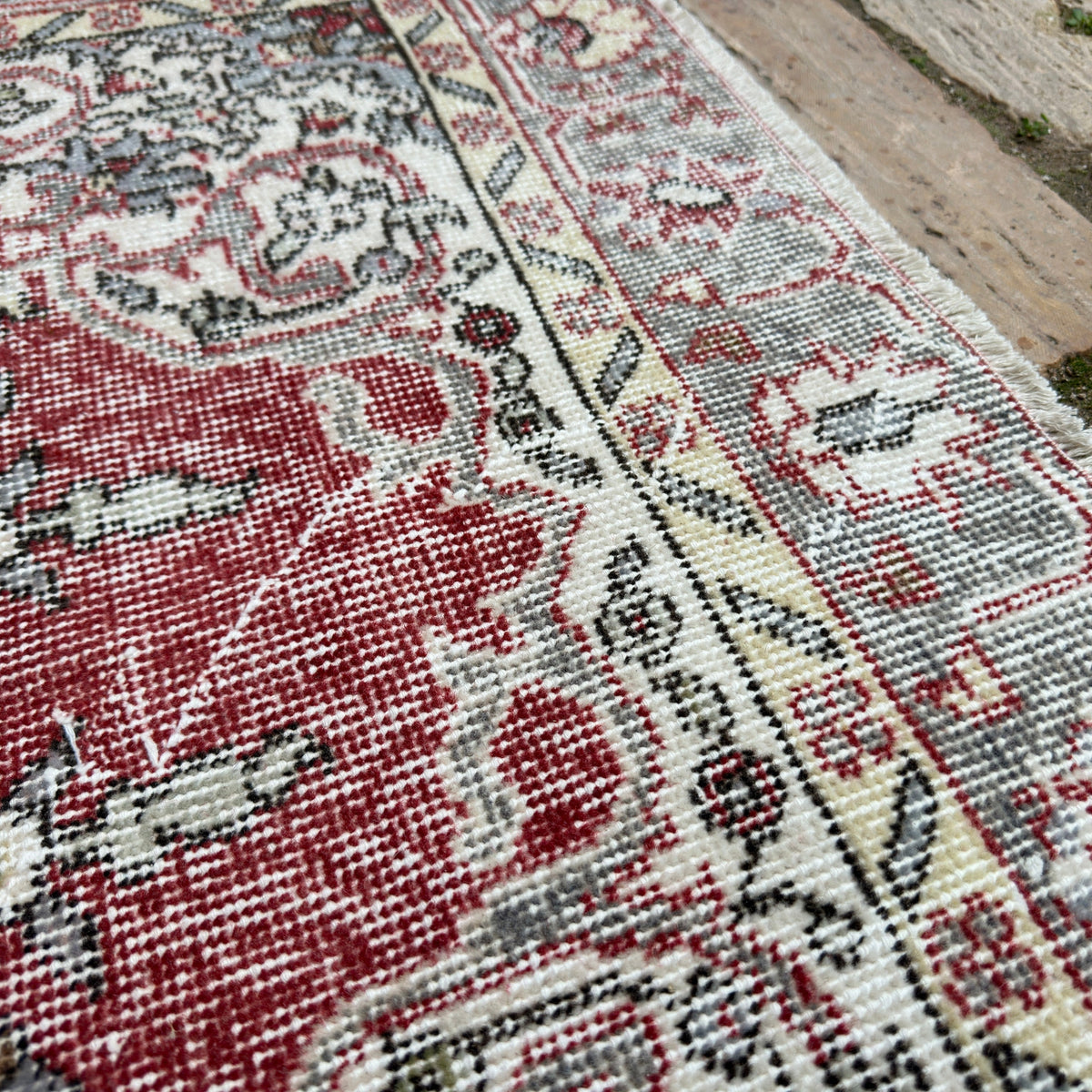
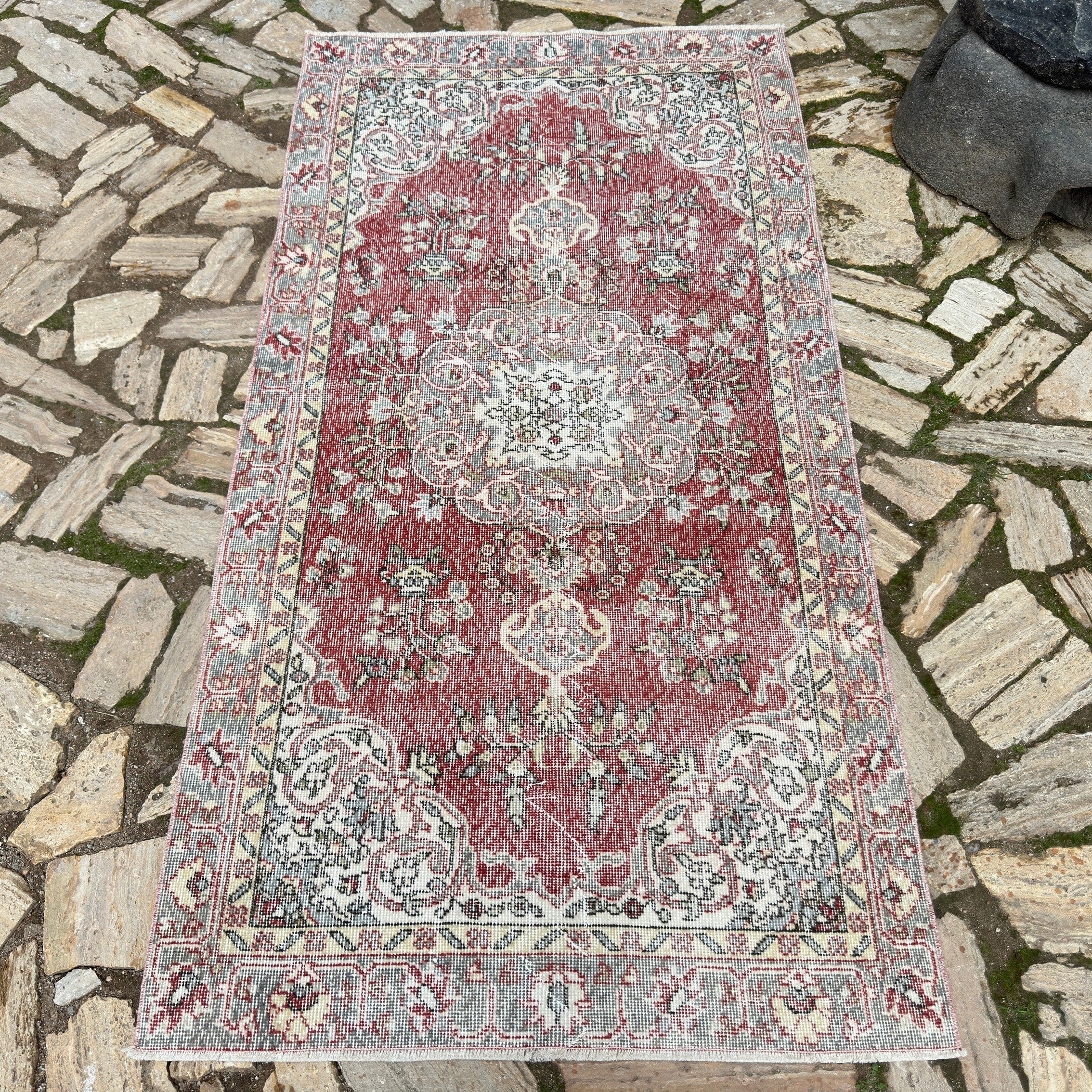


Haya - Vintage Geometric Rug
Melvin - Vintage Art Deco Rug
Randa - Turkish Runner Rug
Sara - Vintage Turkish Runner Rug
Ciara - Vintage Oushak Rug
Lord - Geometric Runner Rug
Lula - Vintage Oushak Rug
Kaysen - Vintage Geometric Rug
Moses - Vintage Geometric Carpet
Berold - Turkish Runner Rug
Kylen - Vintage Geometric Rug
Fox - Large Vintage Rug
Alvin - Vintage Distressed Rug
Emory - Vintage Traditional Rug
Oakes - Distressed Turkish Rug
Kole - Vintage Large Rug
Issa - Vintage Medallion Rug
Floyd - Turkish Large Rug
Francis - Vintage Large Rug
Wyatt - Vintage Turkish Rug
Nieve - Vintage Turkish Rug
Luis - Vintage Turkish Rug
Vlad - Vintage Turkish Rug
Roberts - Vintage Turkish Rug
Huntley - Vintage Turkish Rug
Kylan - Vintage Turkish Rug
Nala - Vintage Turkish Rug
Ollie - Vintage Turkish Rug
Adonis - Vintage Turkish Rug
Jay - Vintage Turkish Rug
Brent - Vintage Distressed Rug
Rhys - Vintage Turkish Rug
Zarah - Vintage Turkish Rug
Nan - Turkish Rug
Gracie - Vintage Distressed Rug
Damir - Vintage Turkish Rug
Manny - Vintage Turkish Rug
Zayden - Vintage Turkish Rug
Mel - Vintage Turkish Rug
Jair - Vintage Turkish Rug
Medallion Rugs
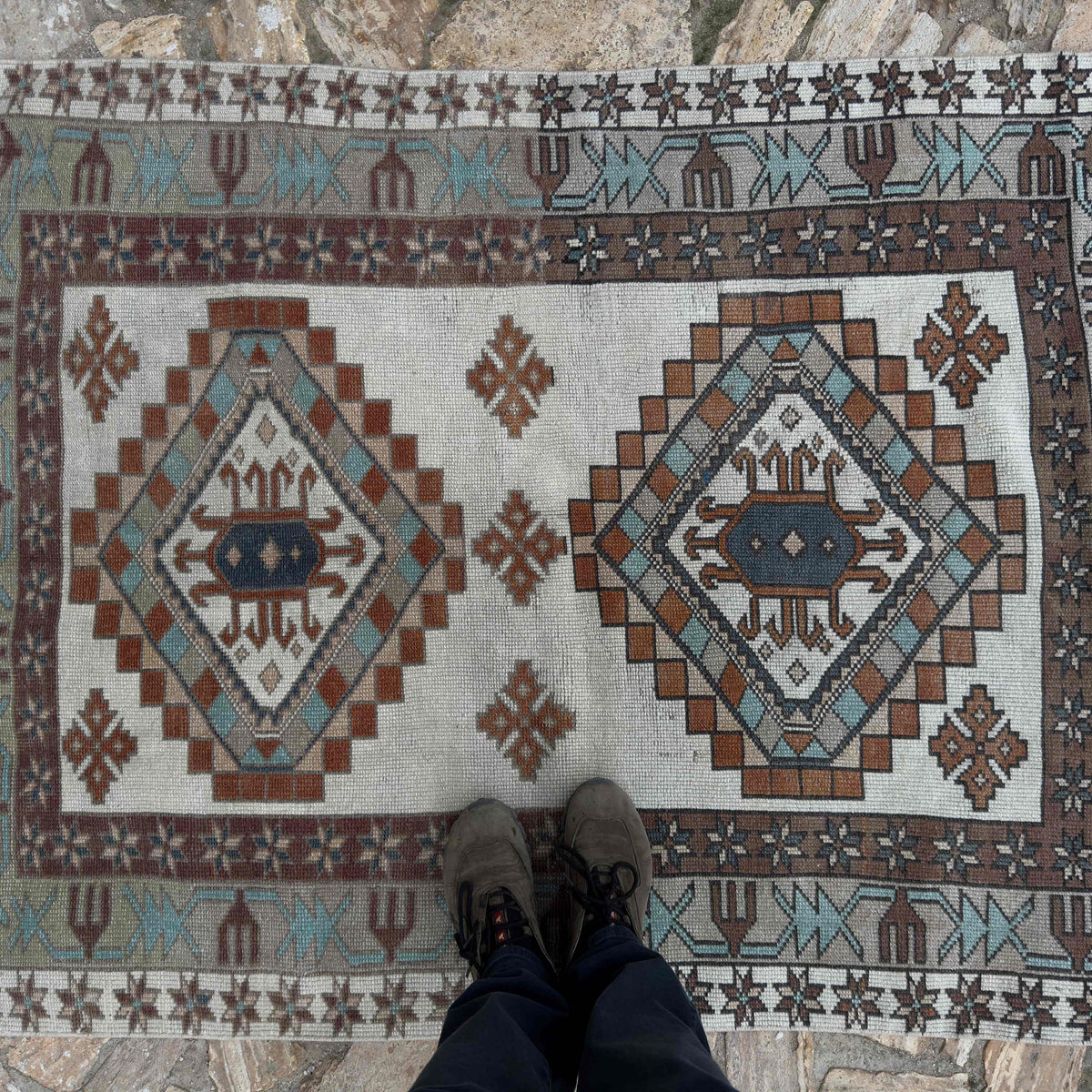
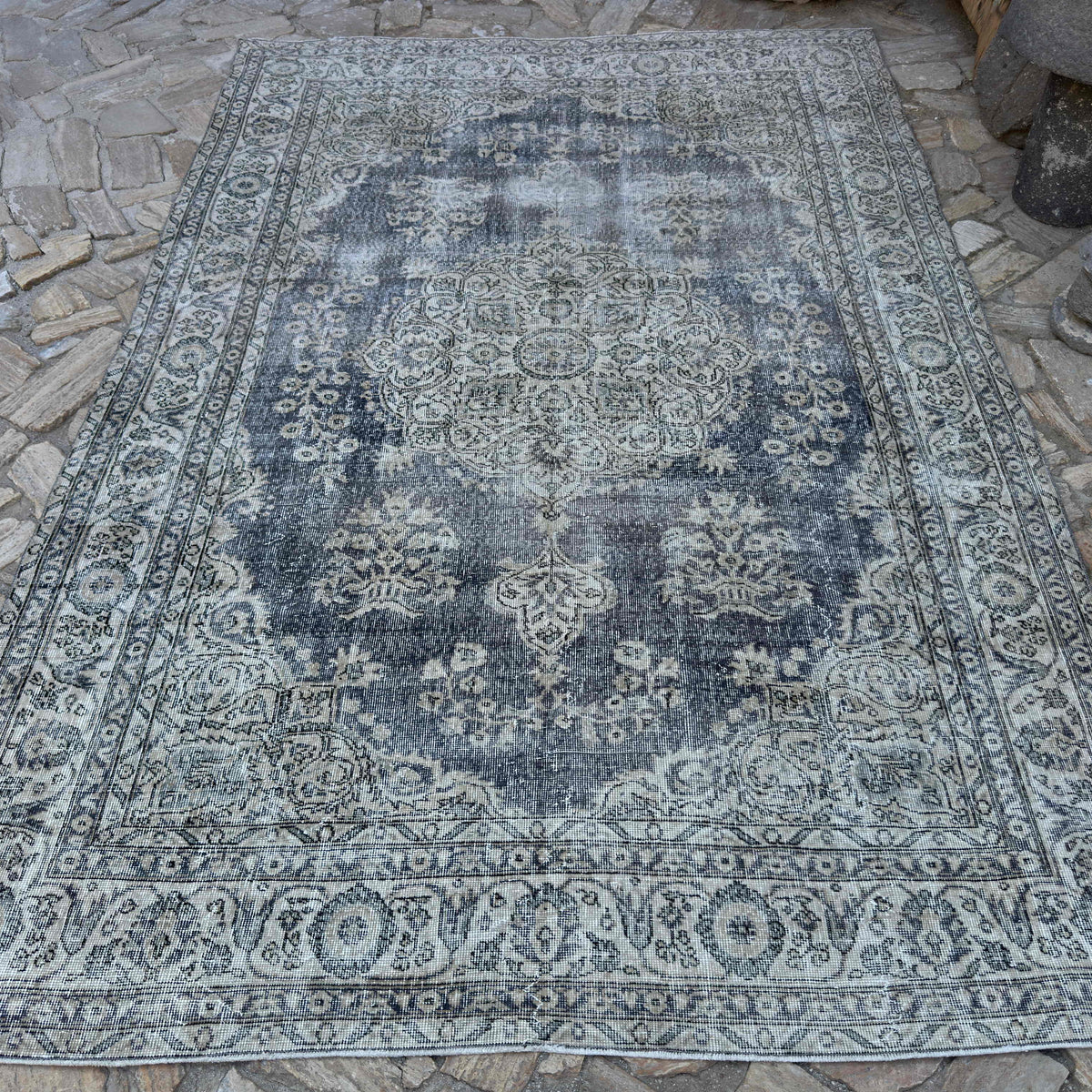
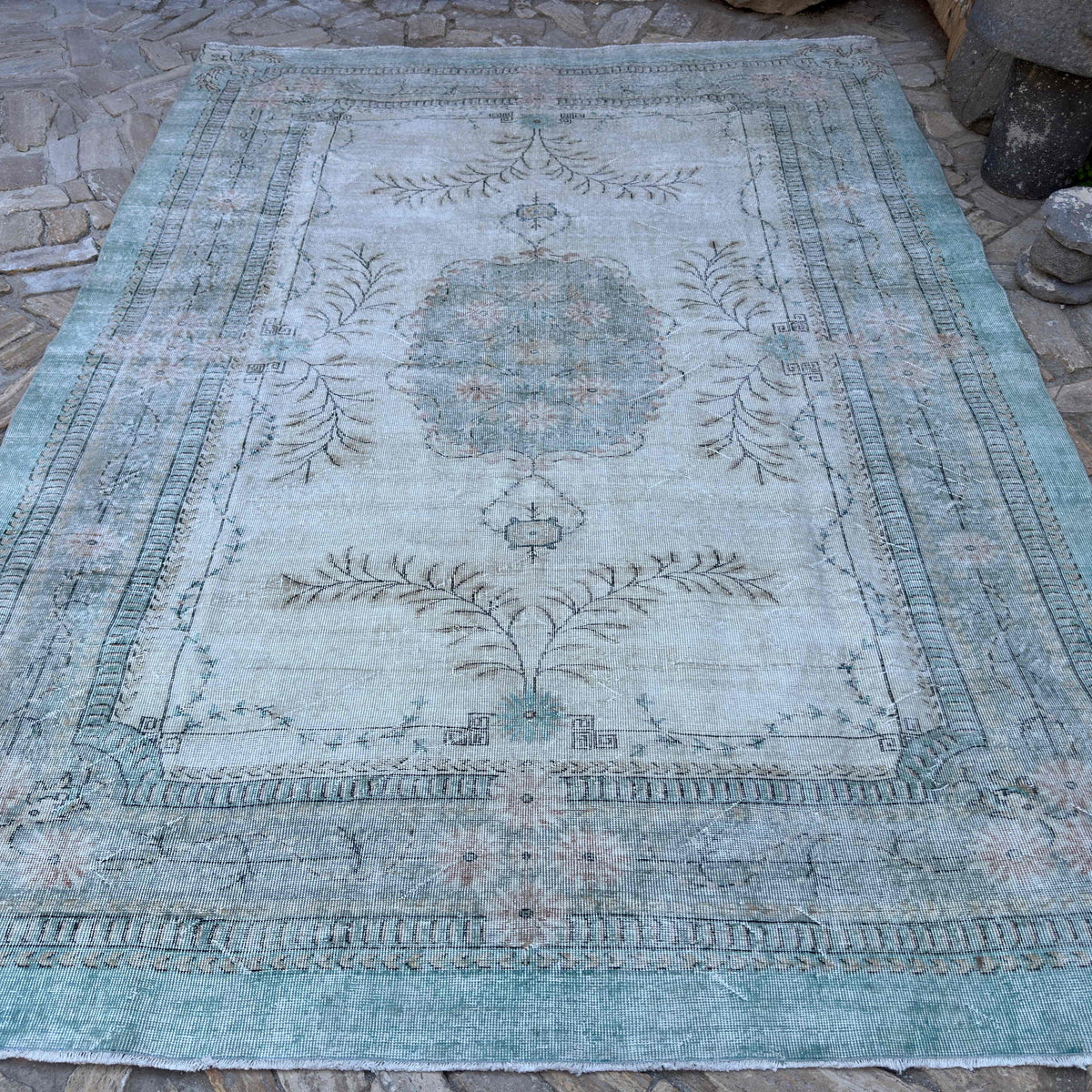
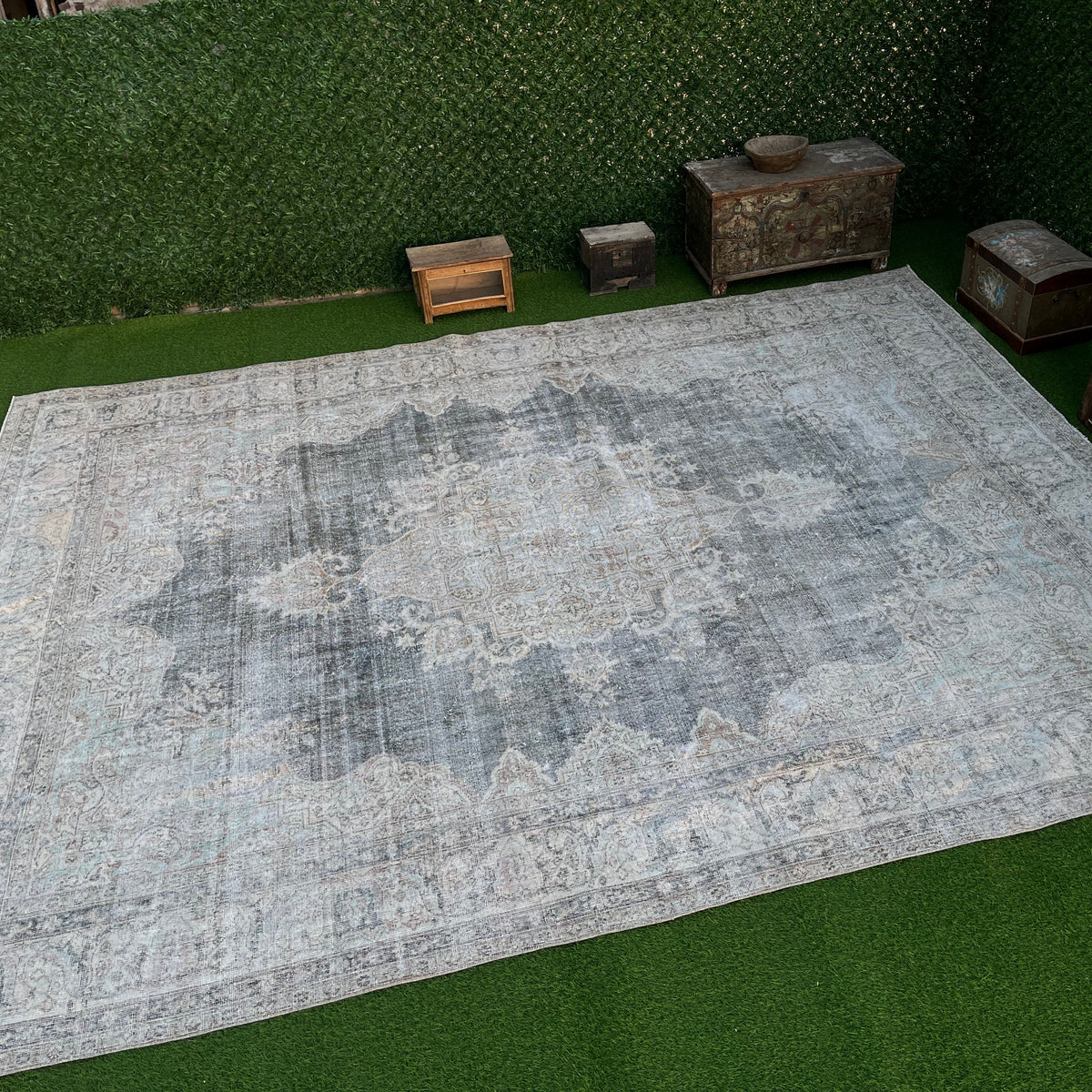
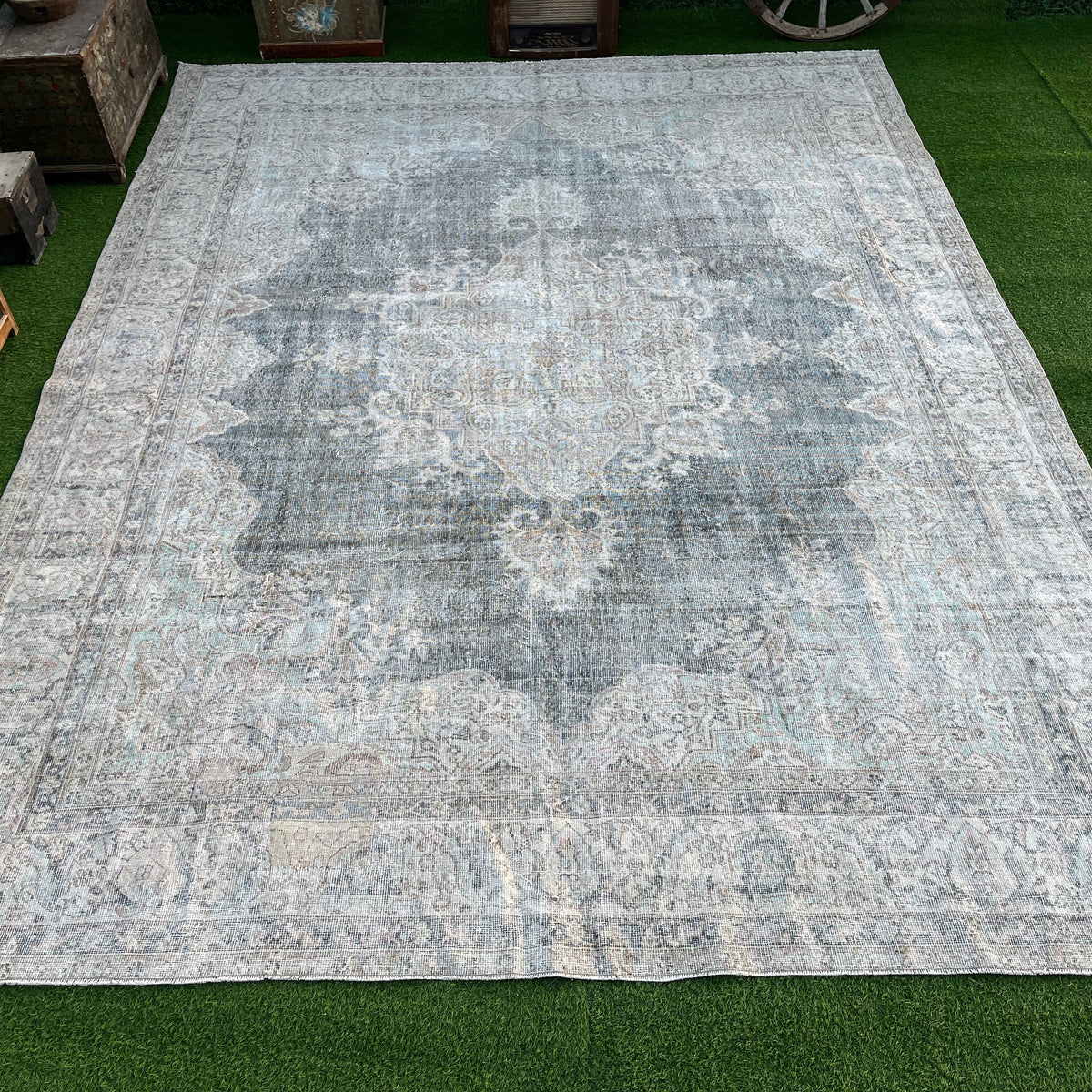
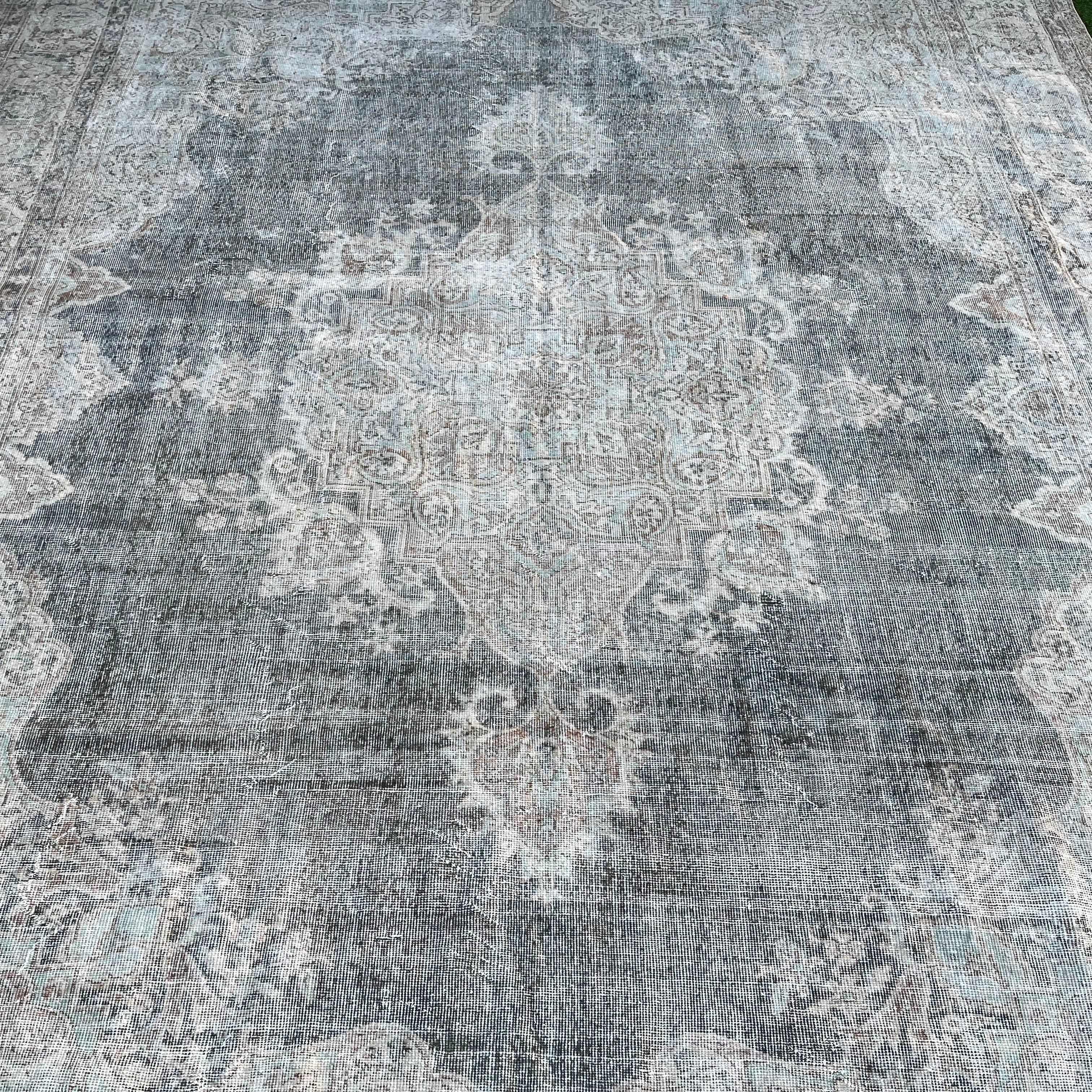
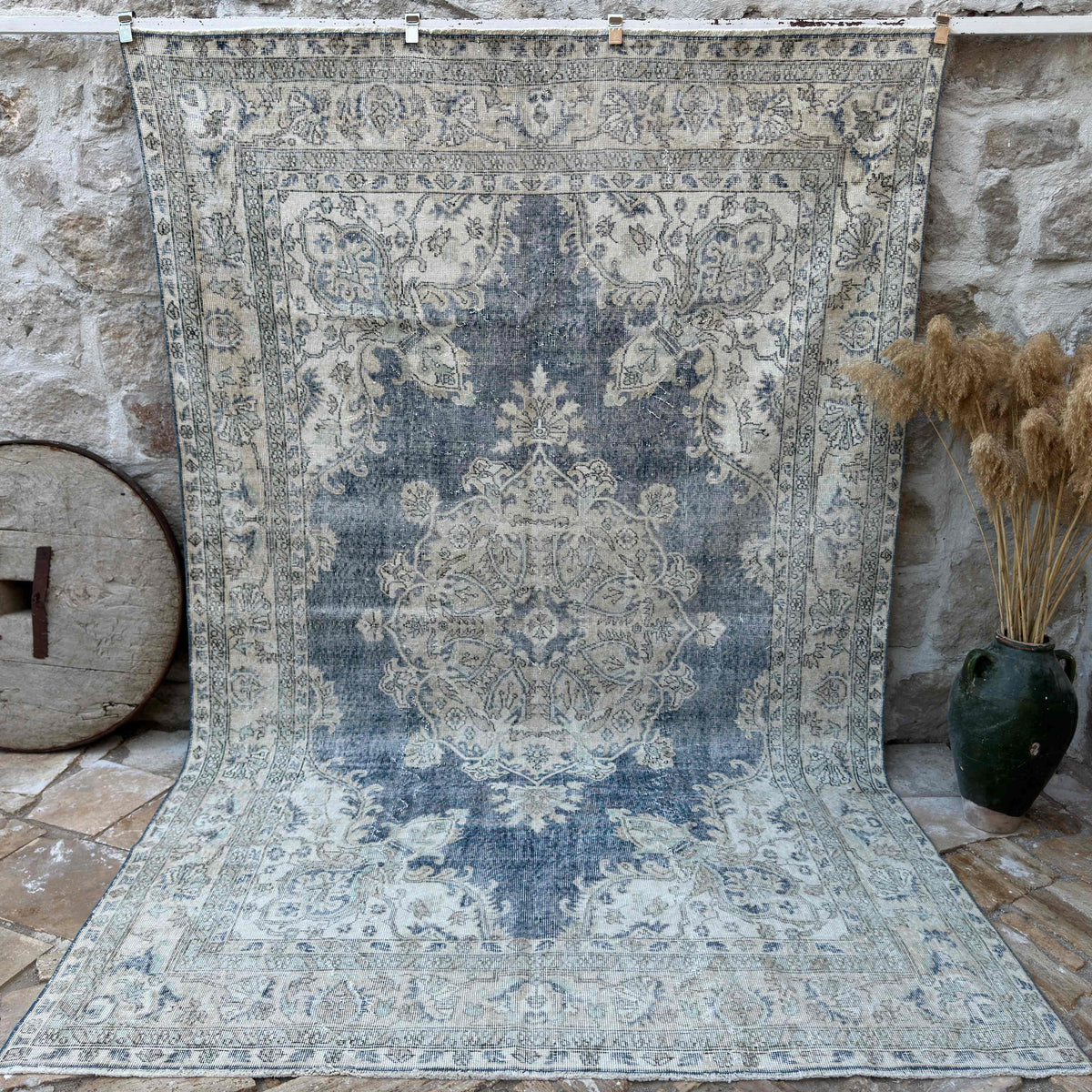
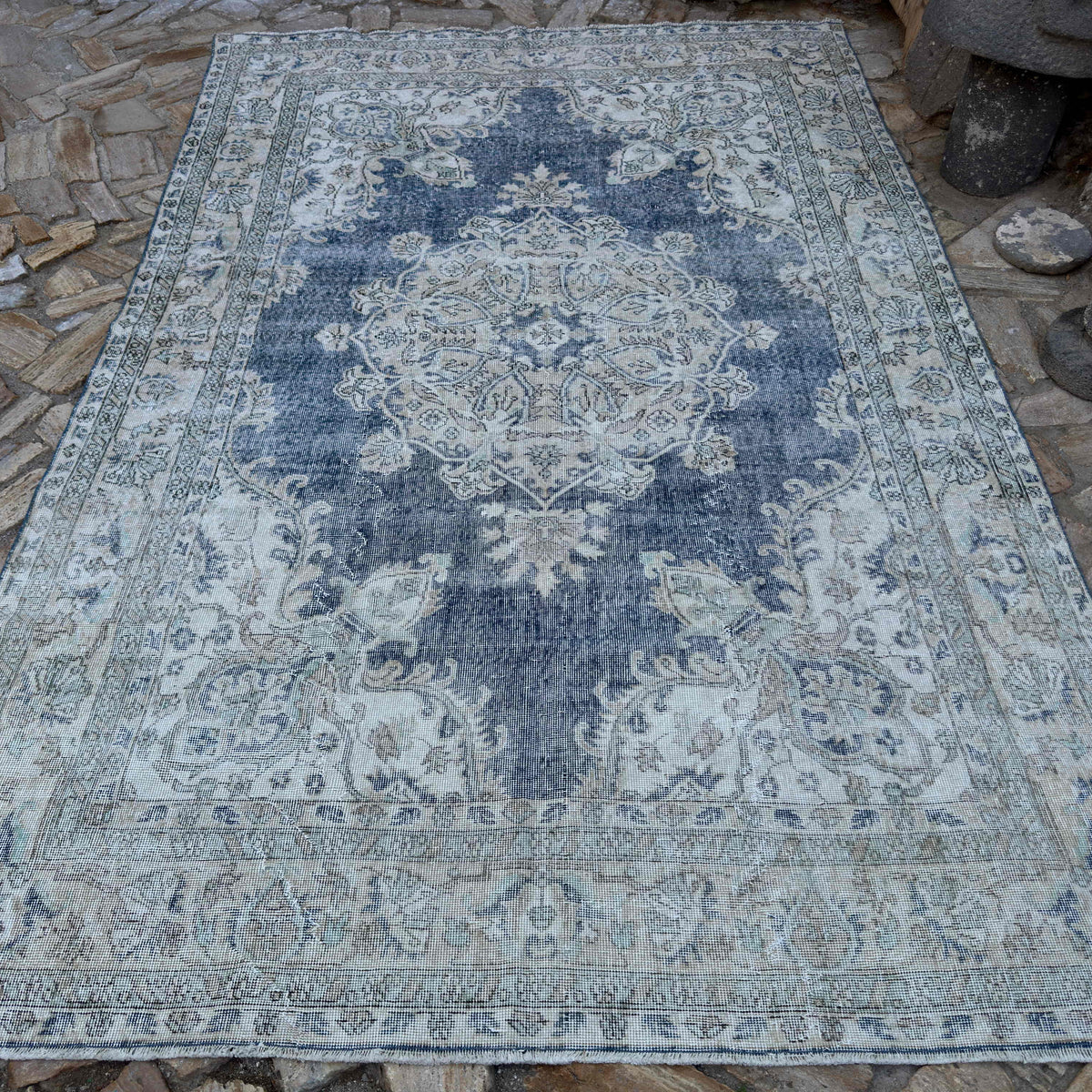
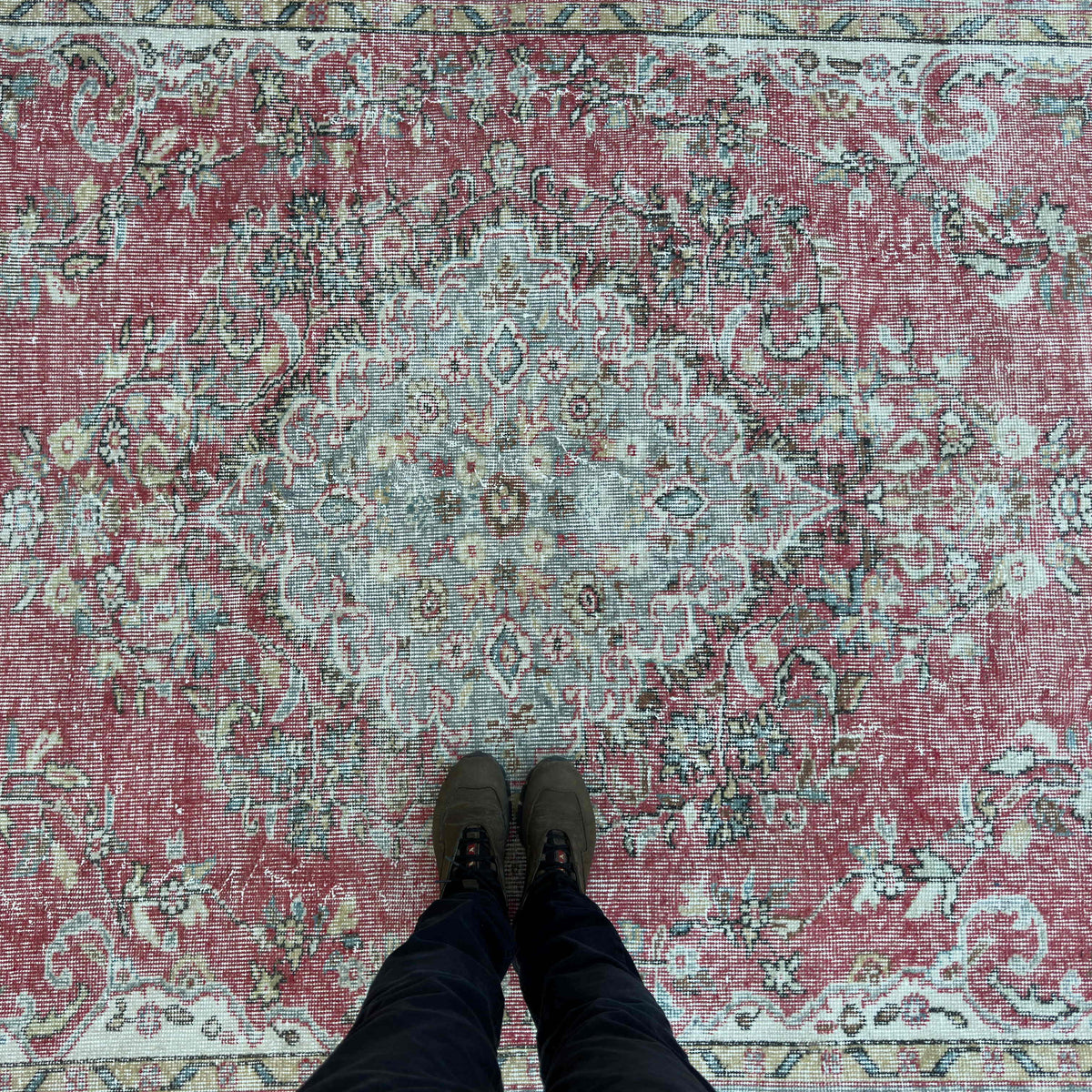
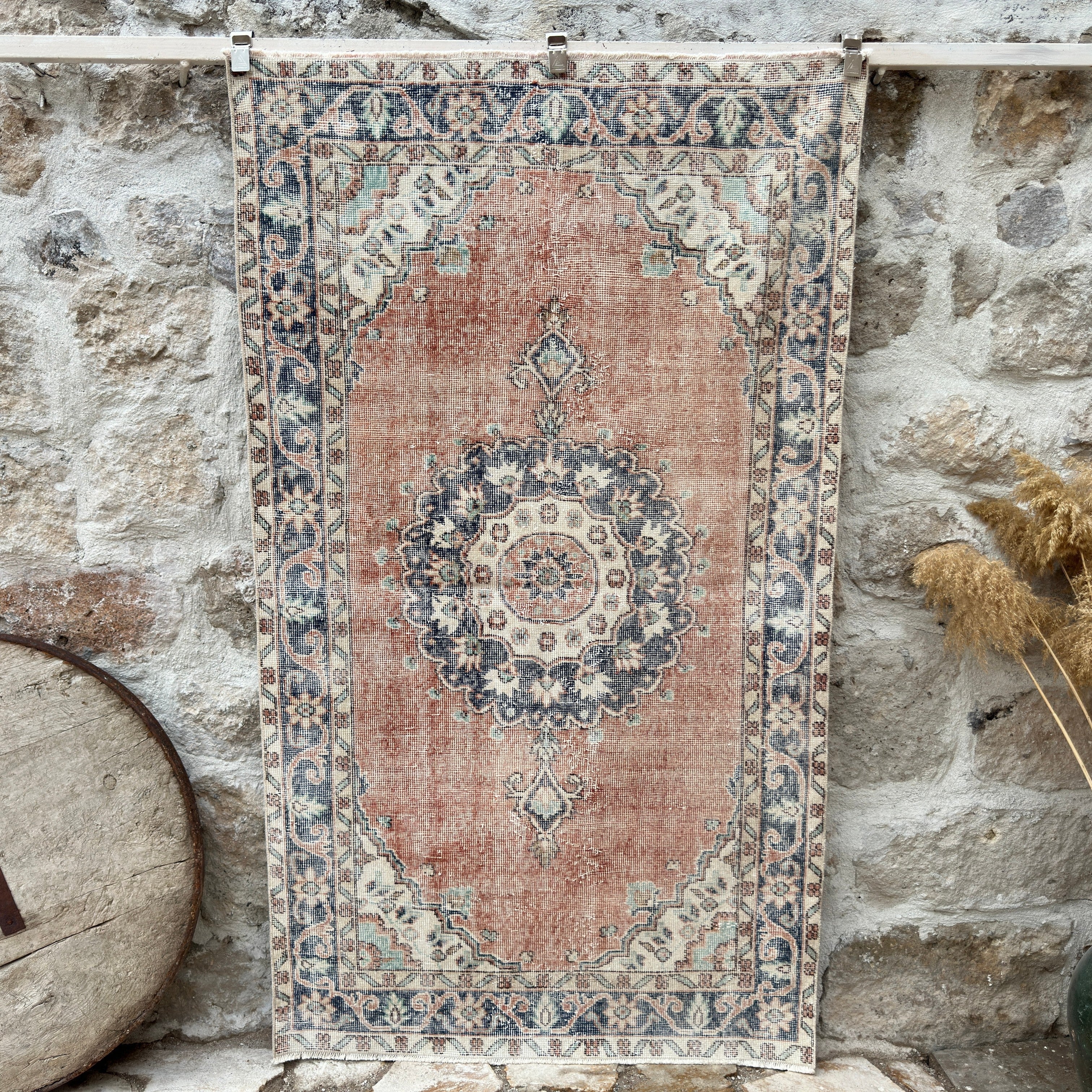
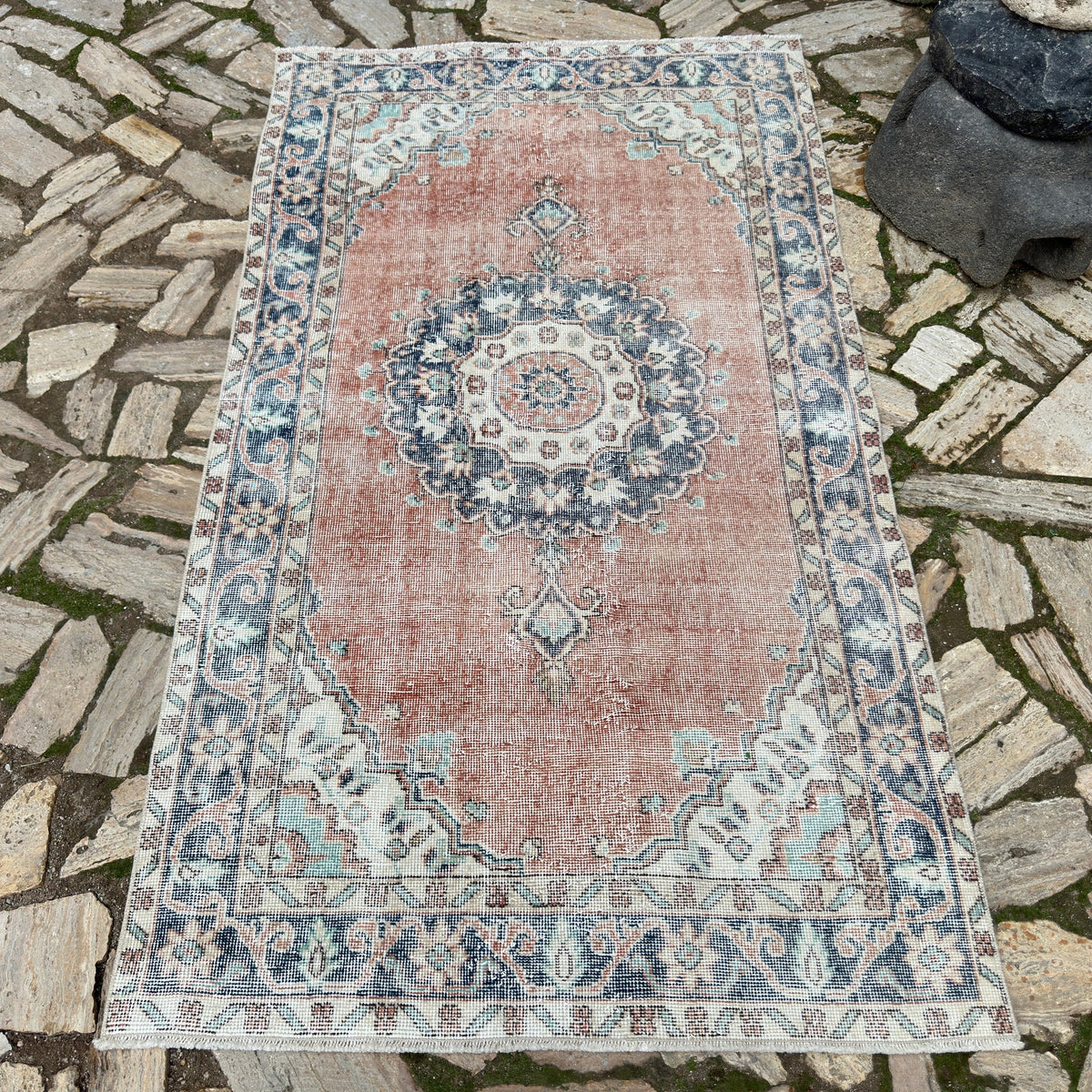
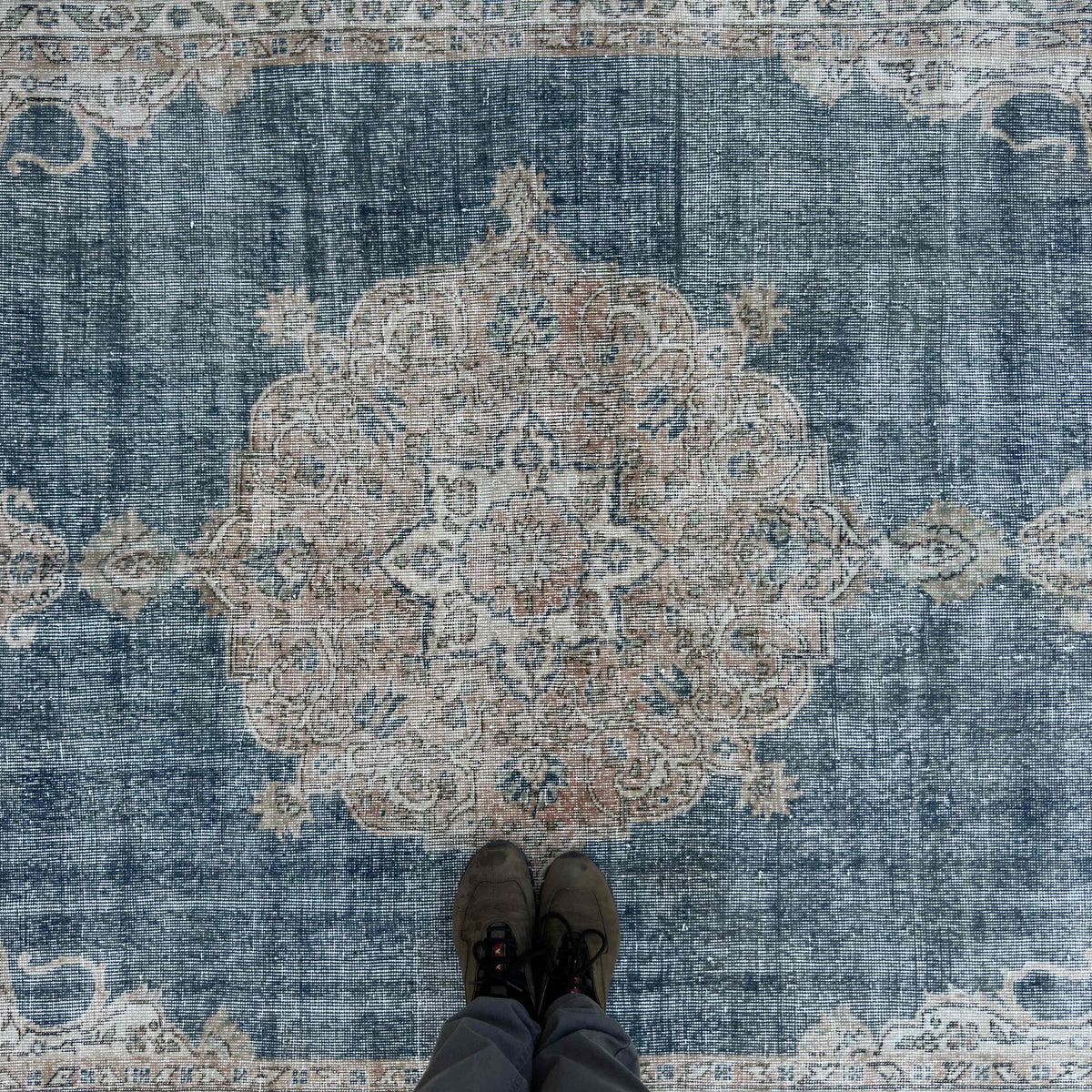
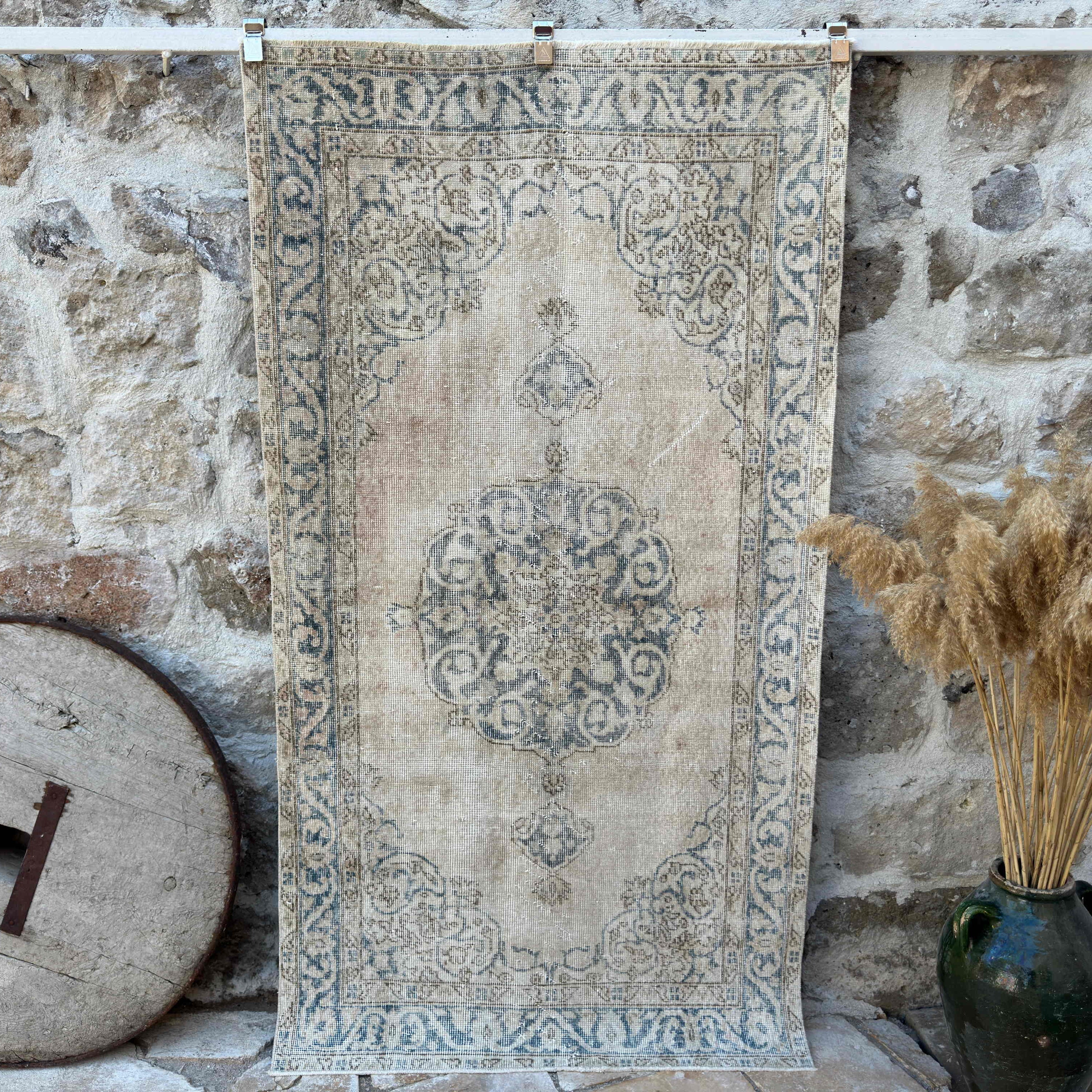
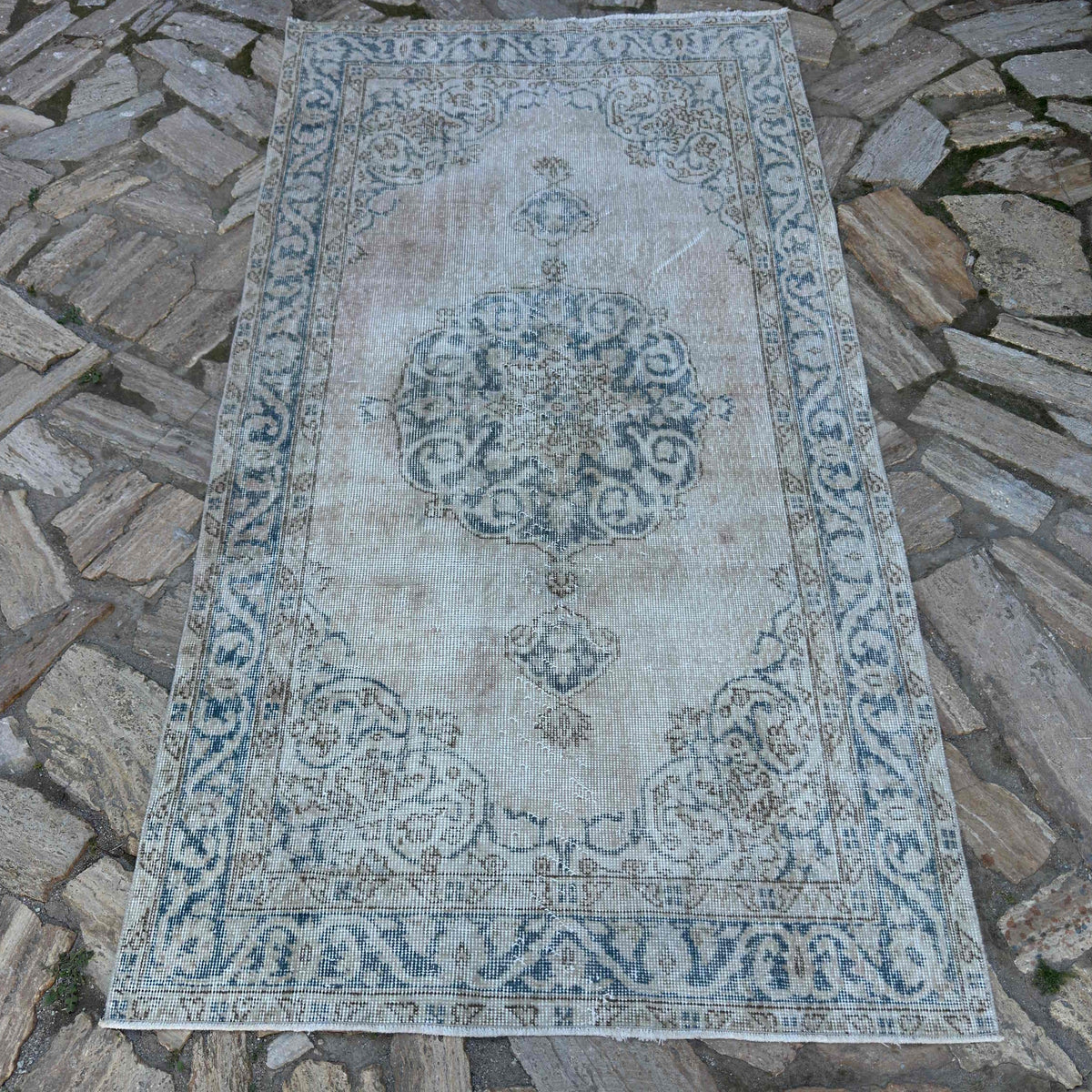
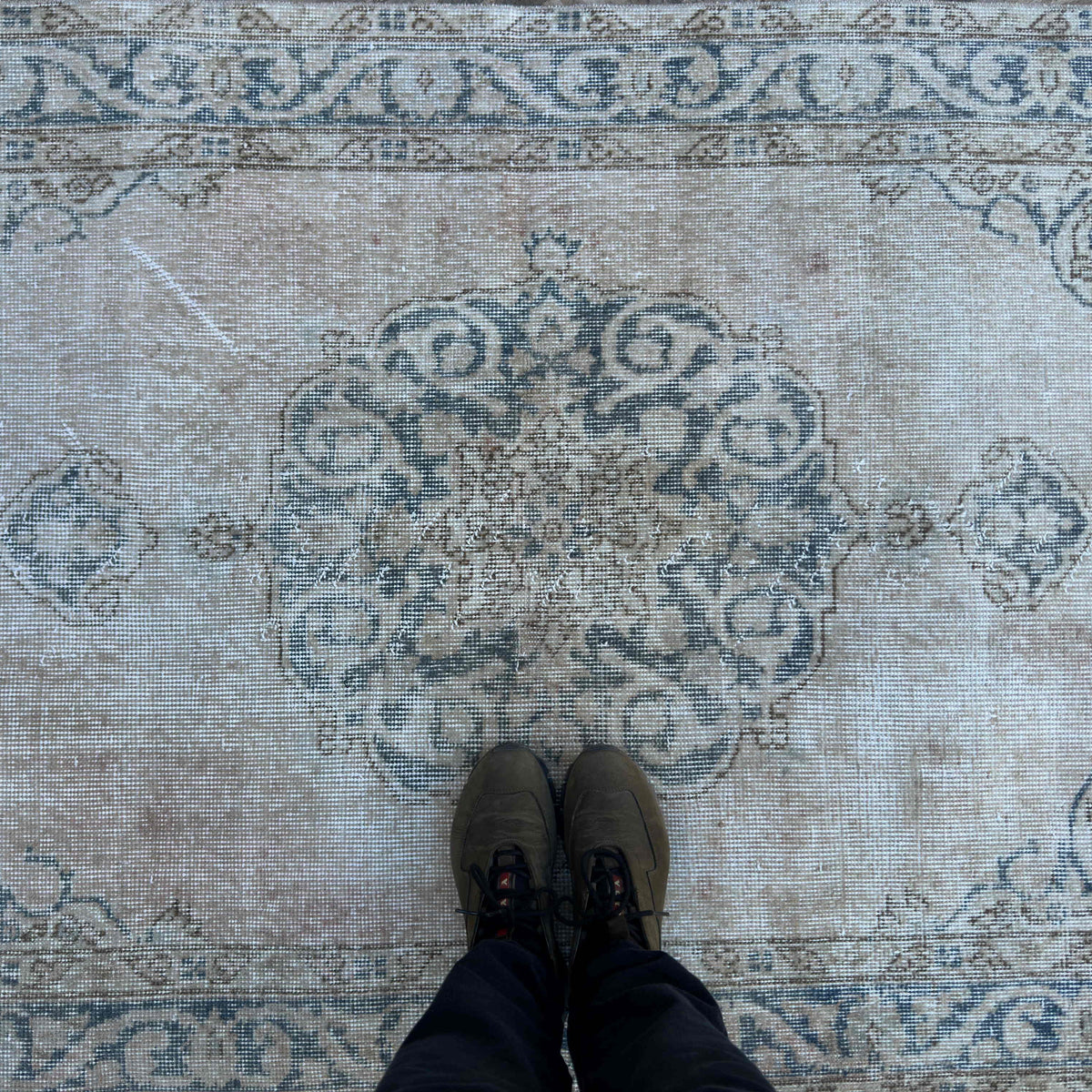
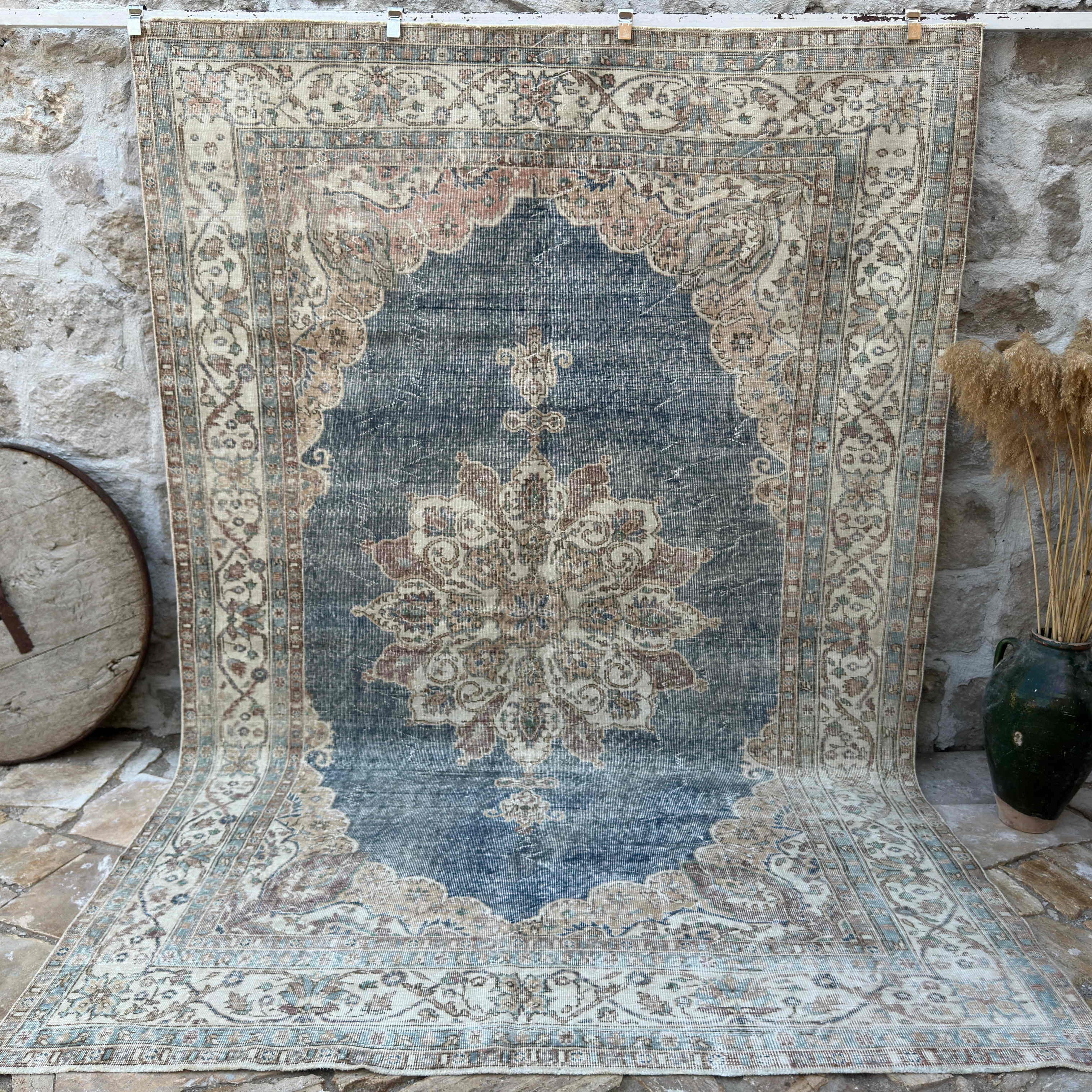
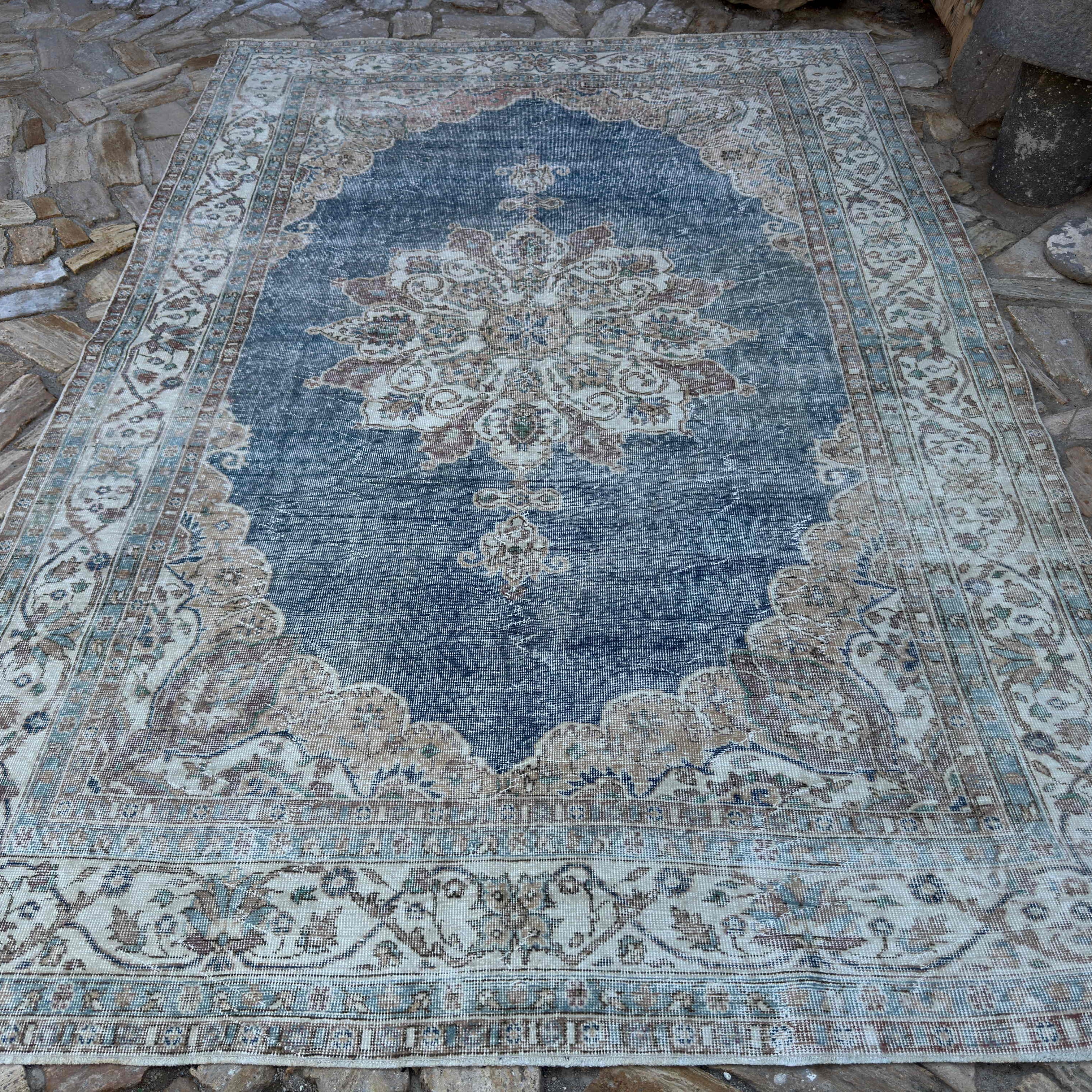
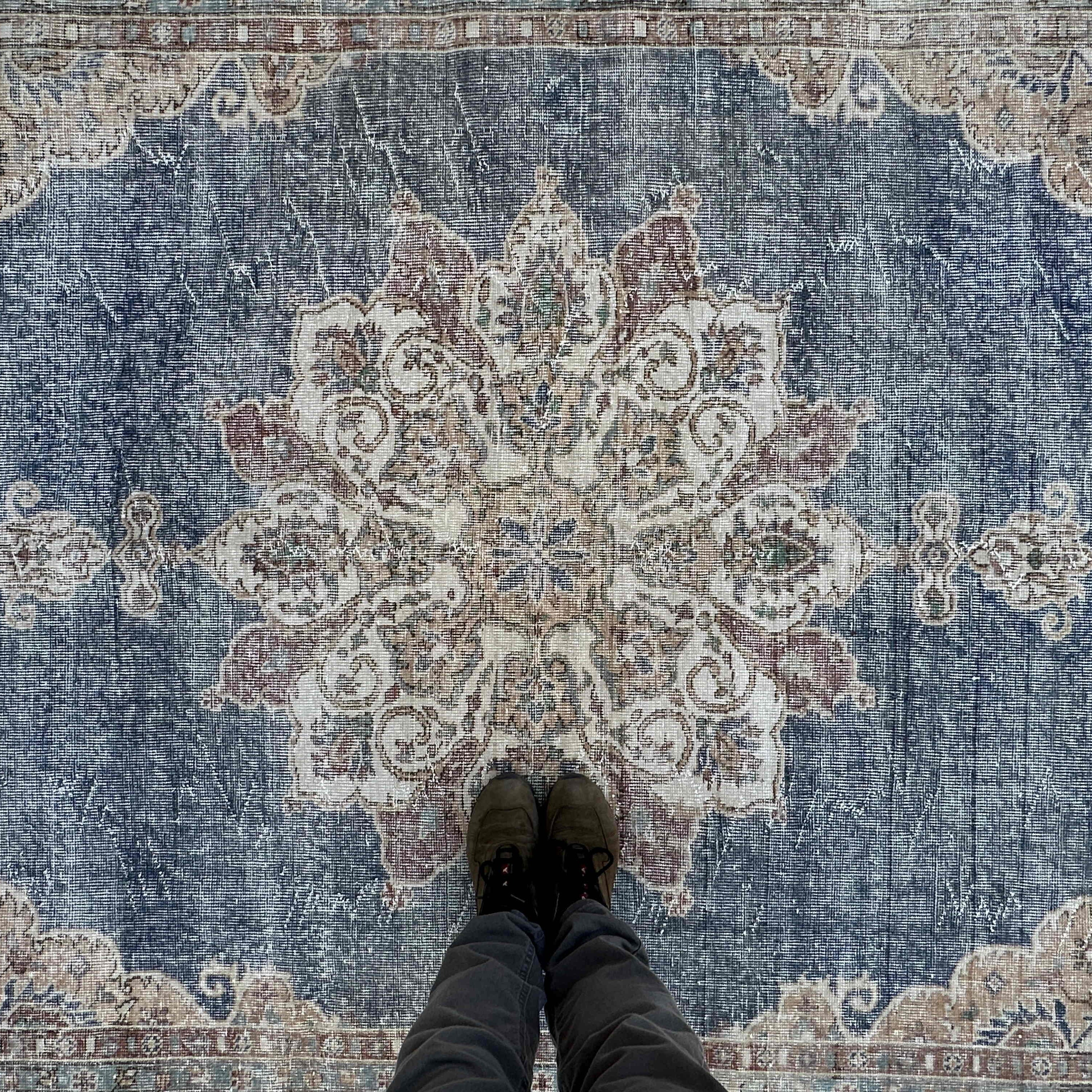
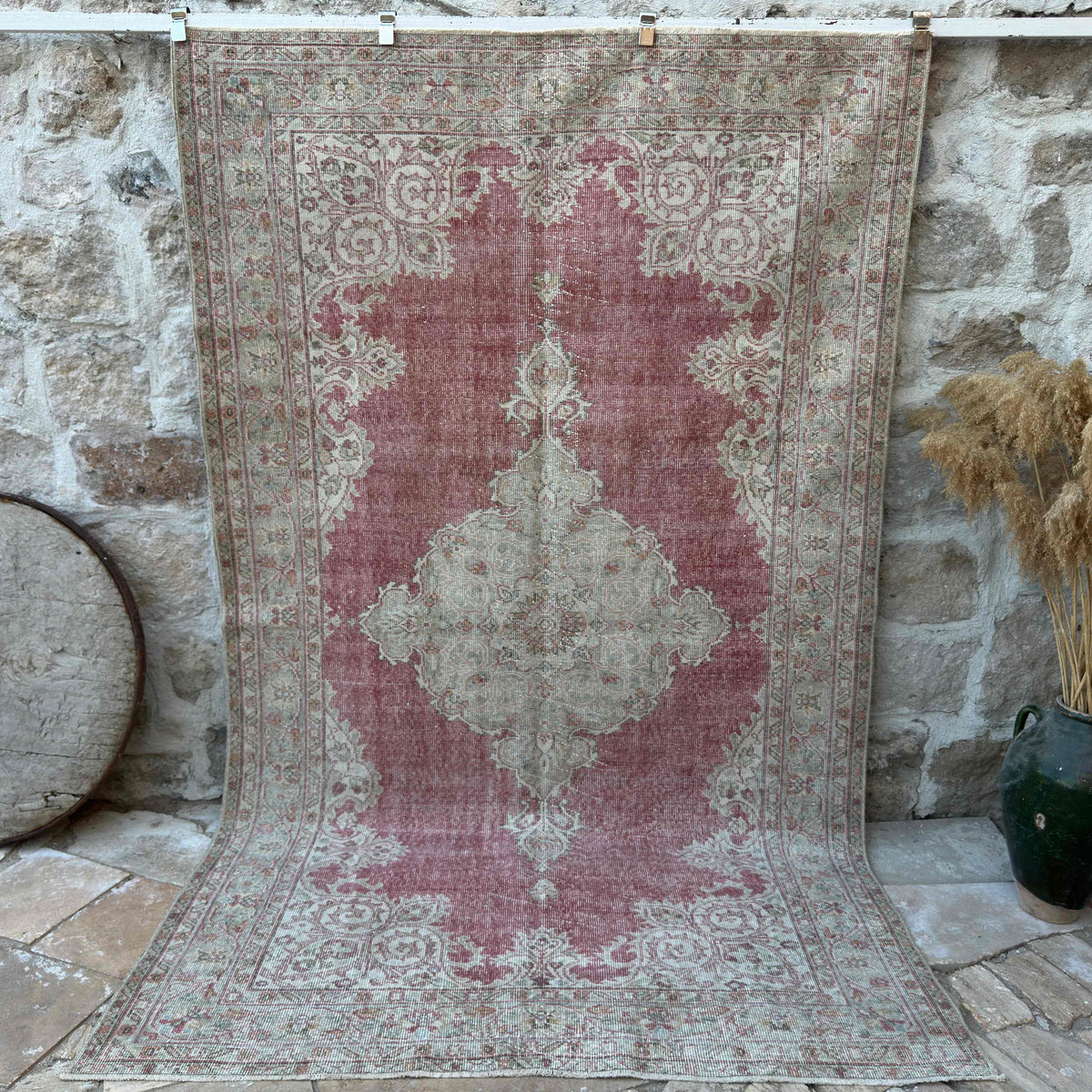
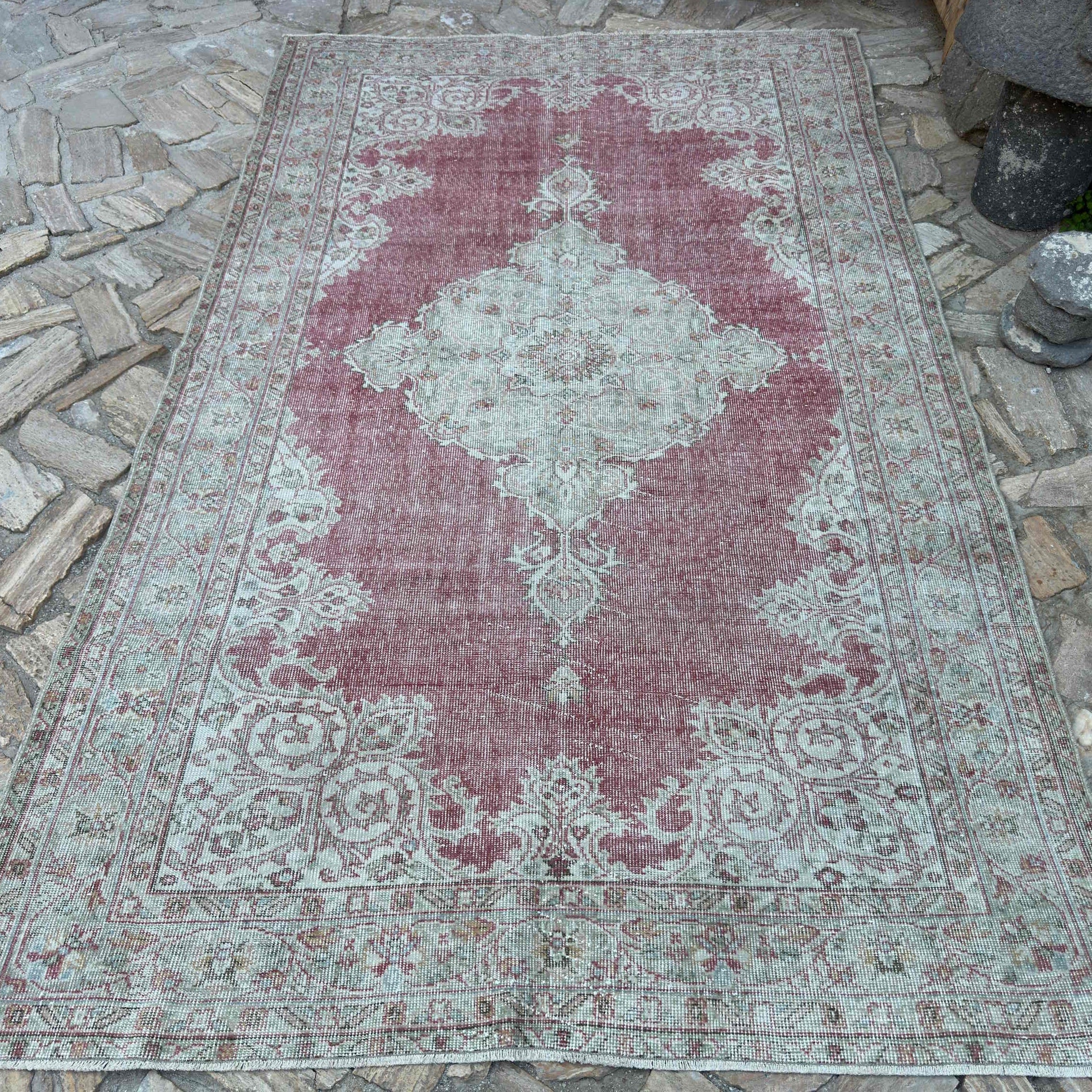
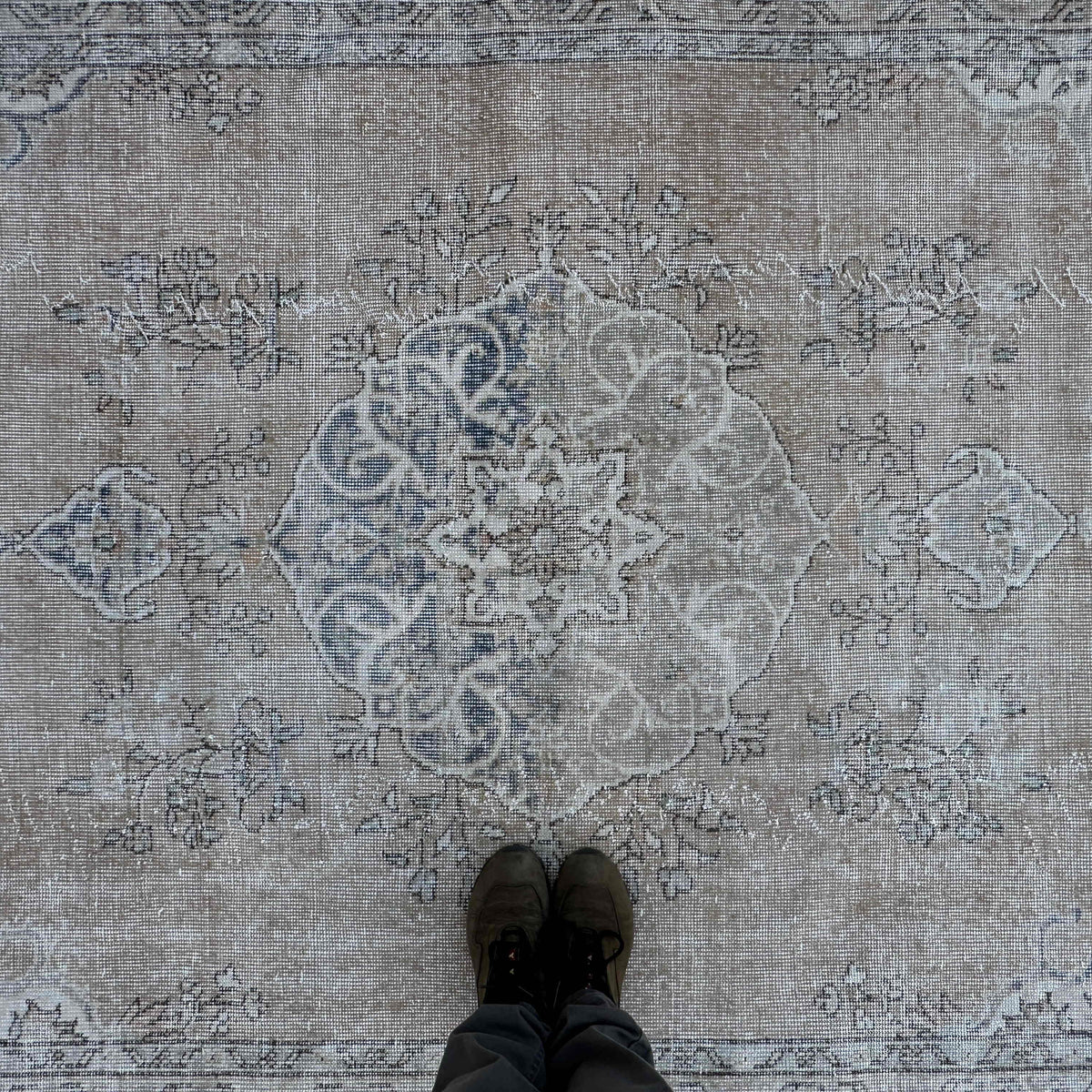
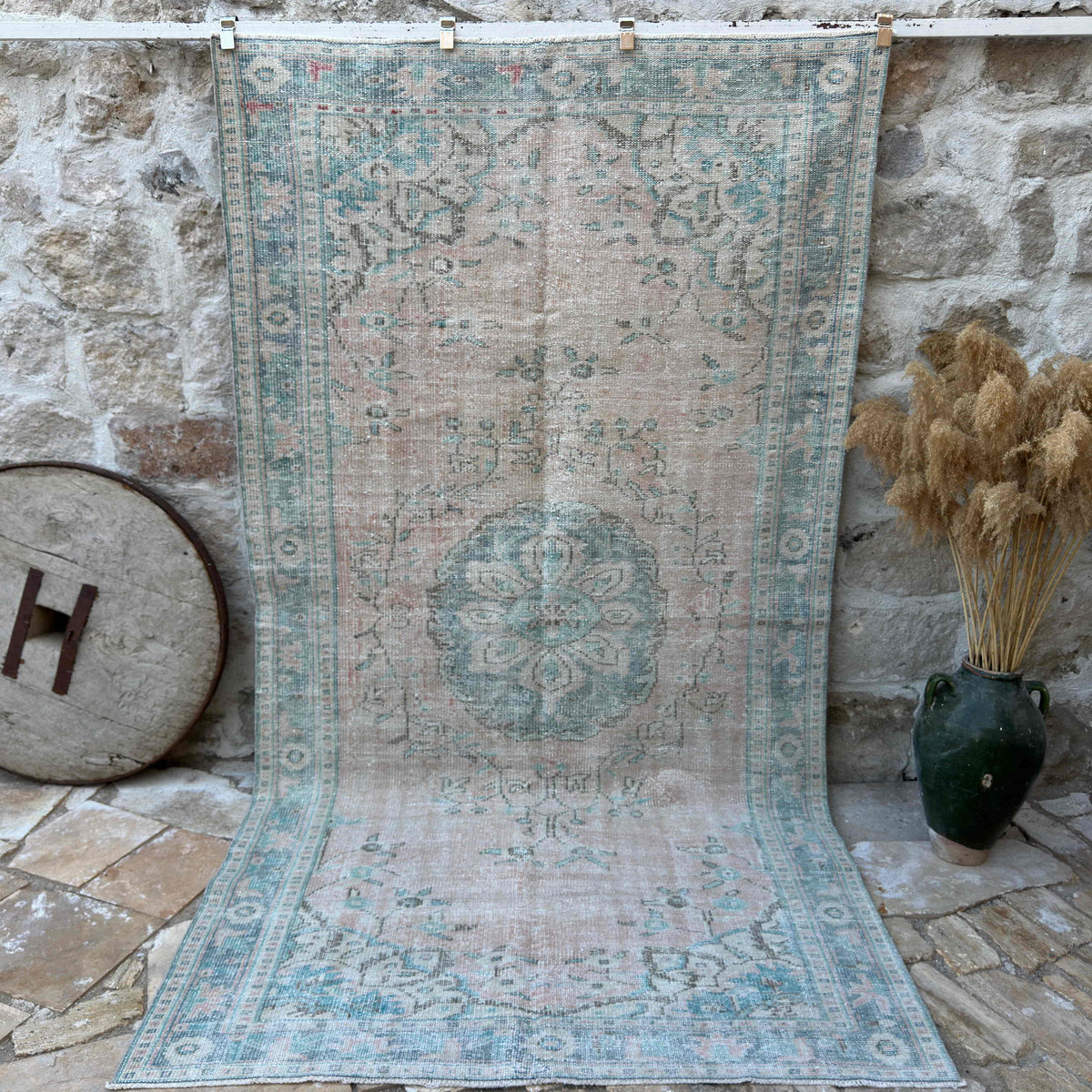
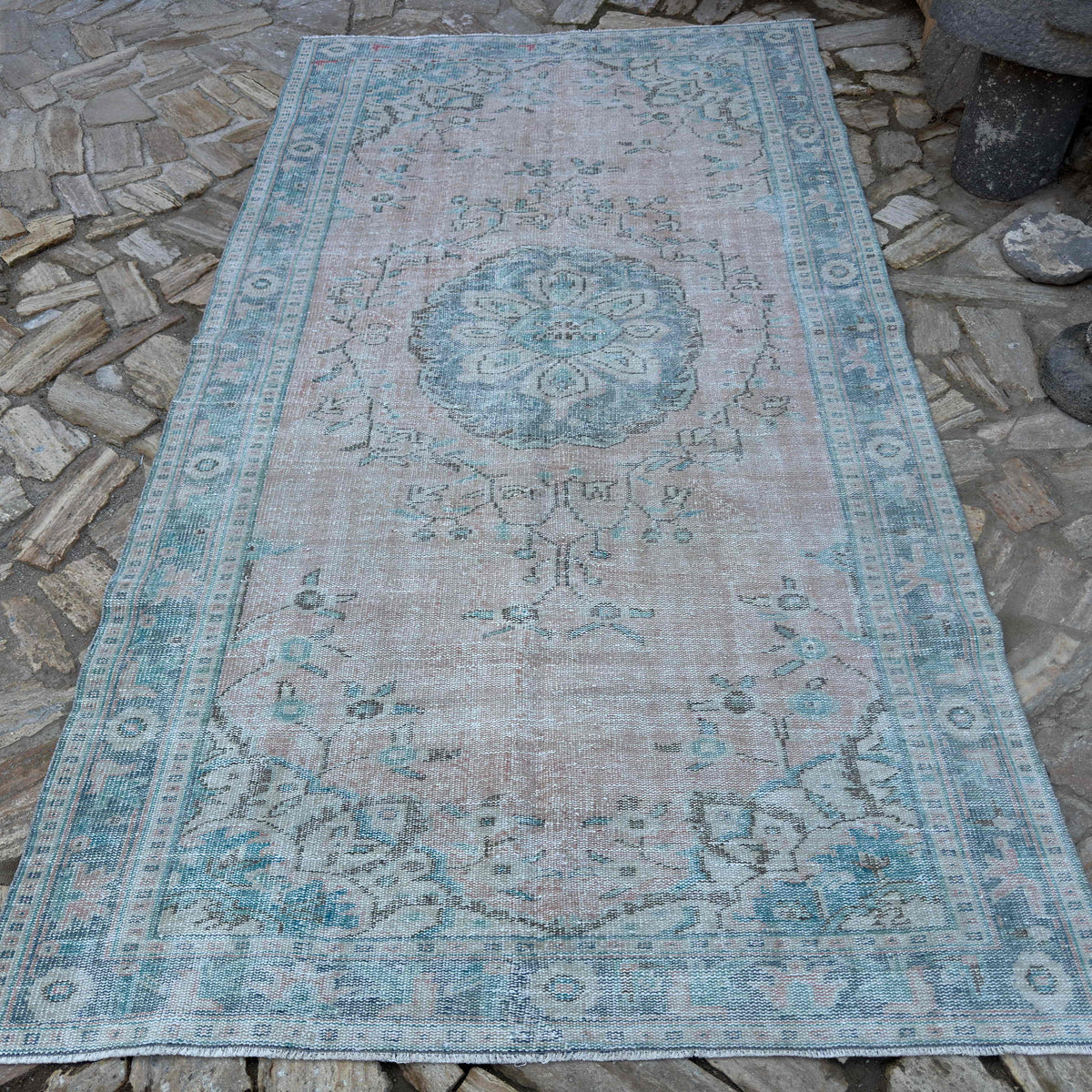
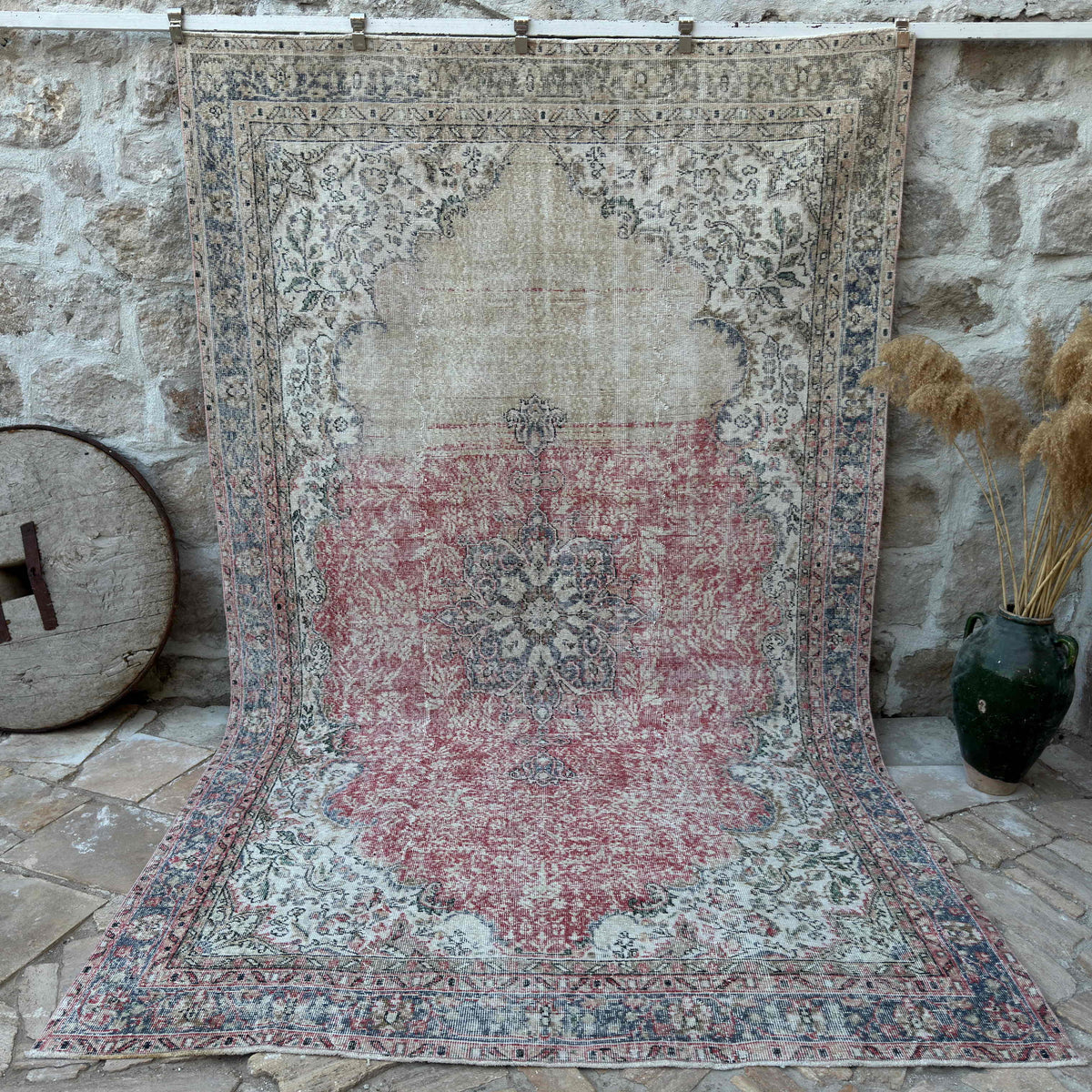
A medallion rug is easy to spot from across a room — a single large shape sitting in the middle of the field, usually round, diamond, or octagonal, surrounded by its own border and then the rug's outer border again. It's one of the oldest, most repeated layouts in handmade rug design, which is part of why it still shows up across such a wide range of colors, sizes, and ages. Every piece in this collection is a genuine vintage medallion rug, roughly 20 to 80 years old, hand-knotted mostly in Turkey, with a smaller number of pieces from Iran. Whether you call it a medallion rug or a medallion area rug, it's the same layout — the second word just describes the format, not a different product.
What a medallion rug's central pattern actually is
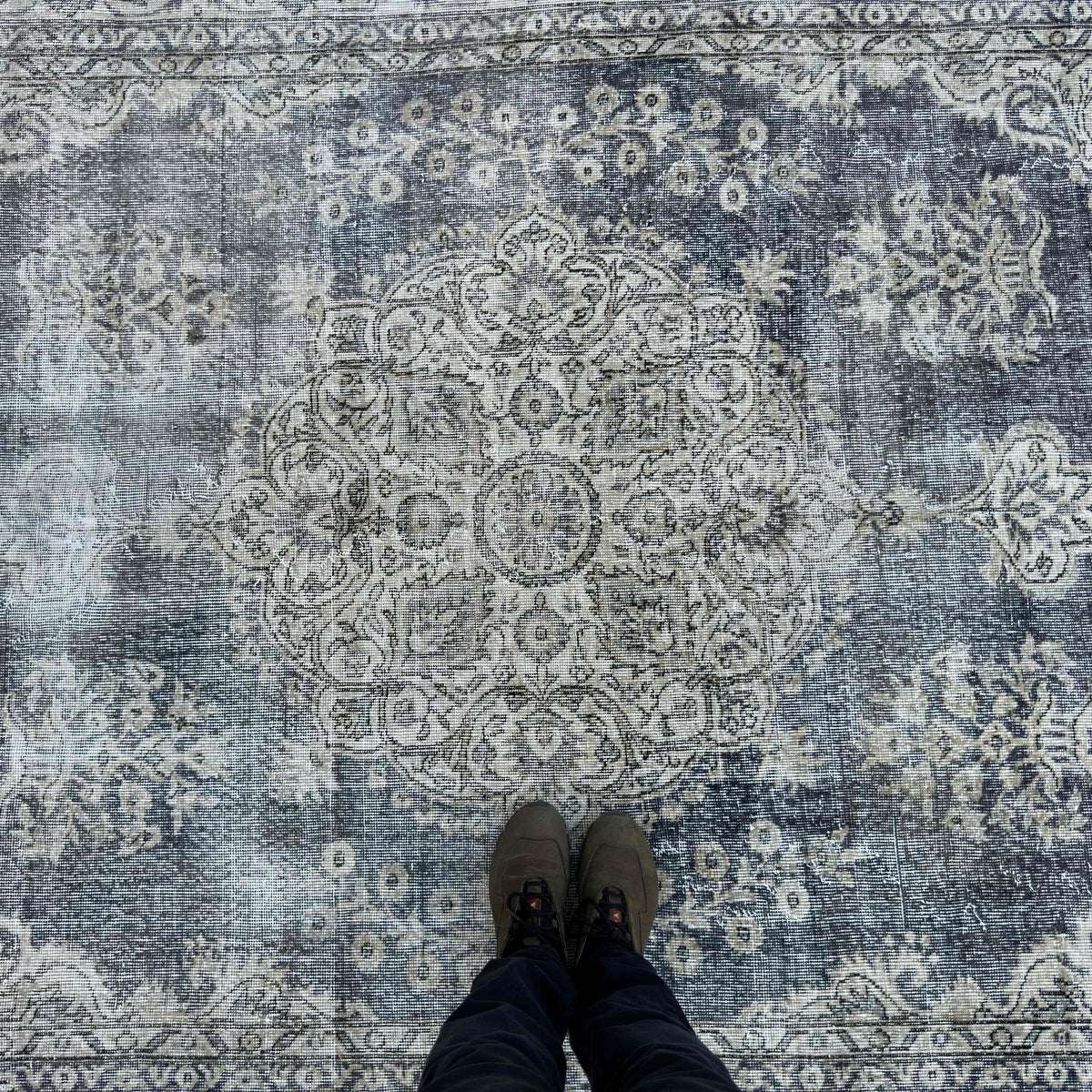
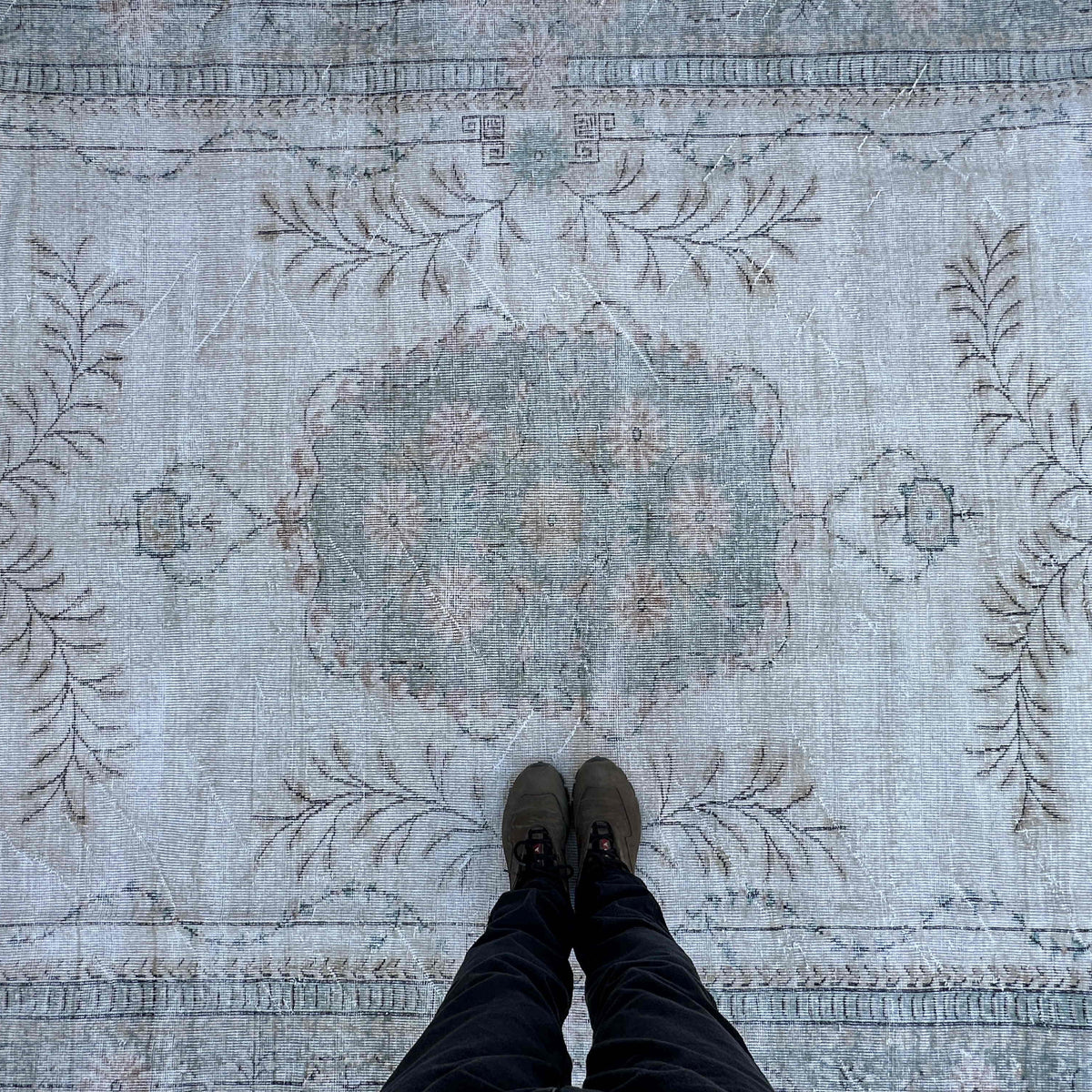
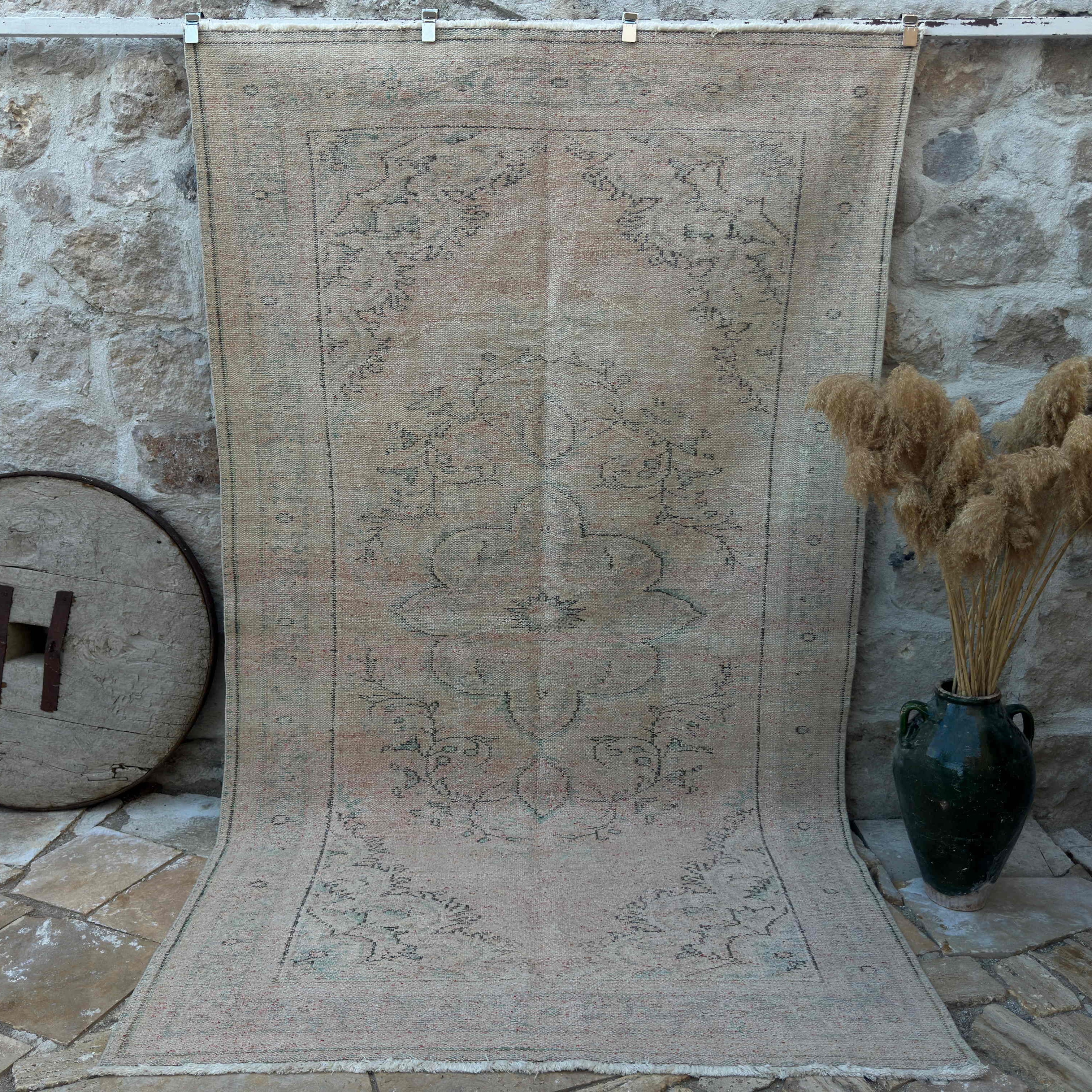
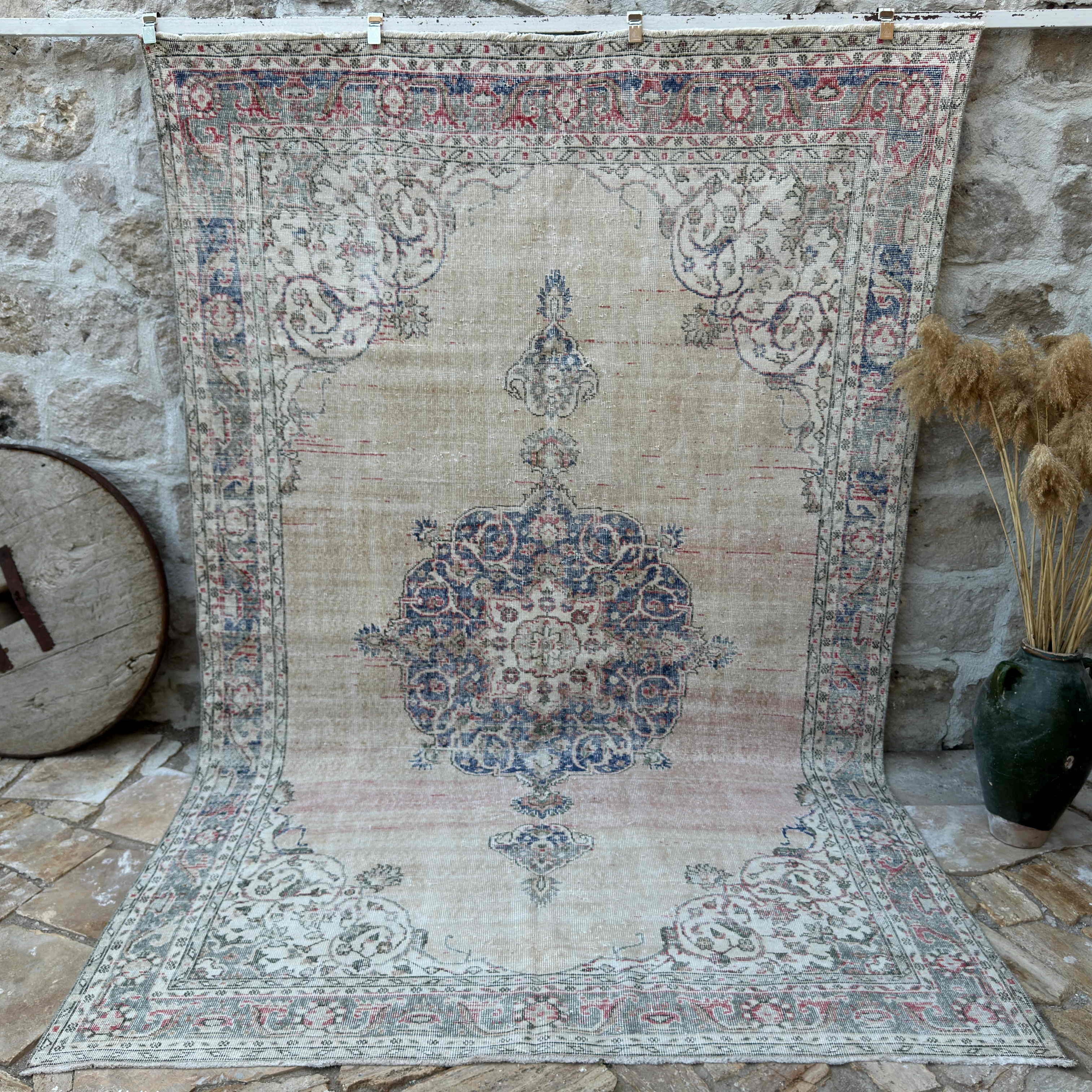
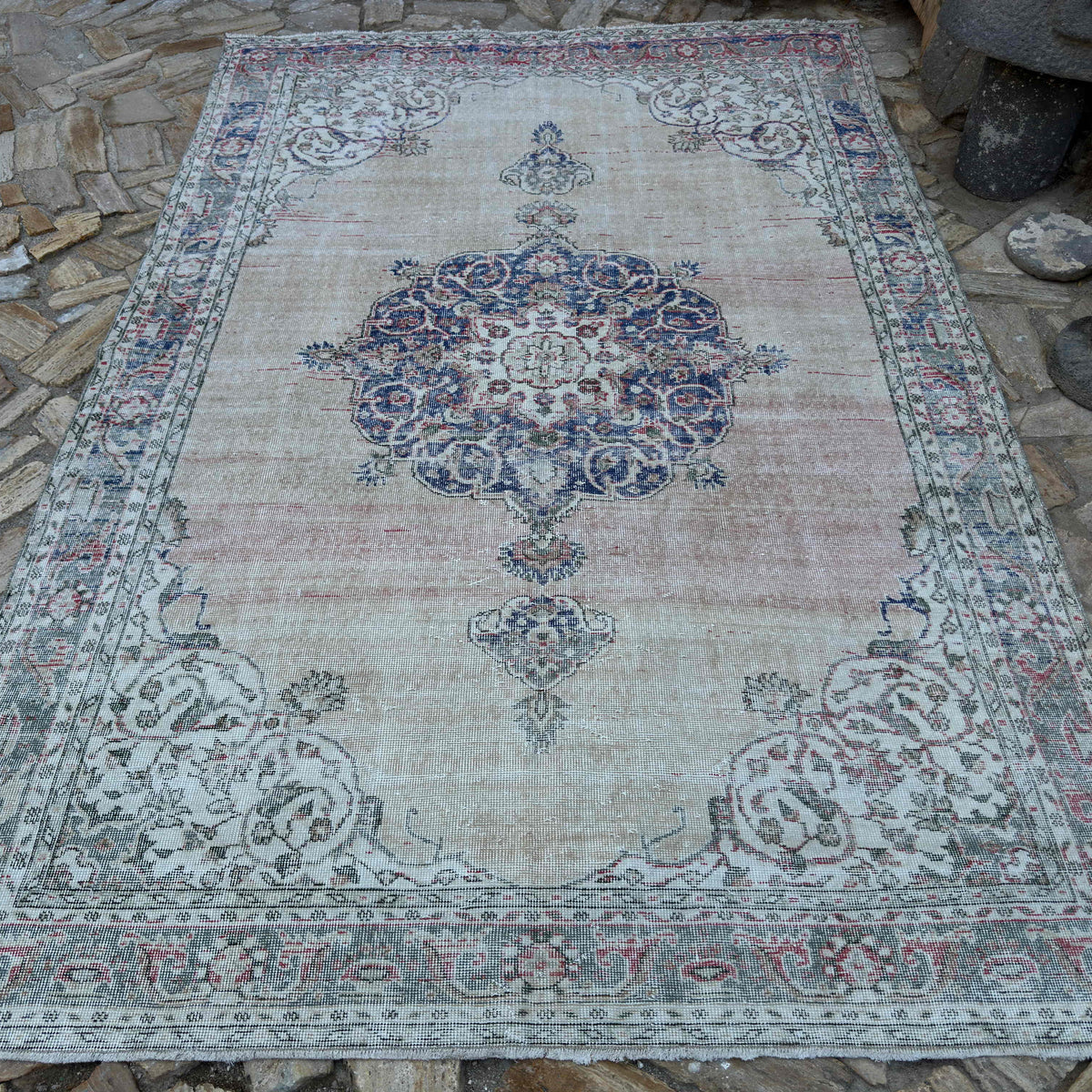
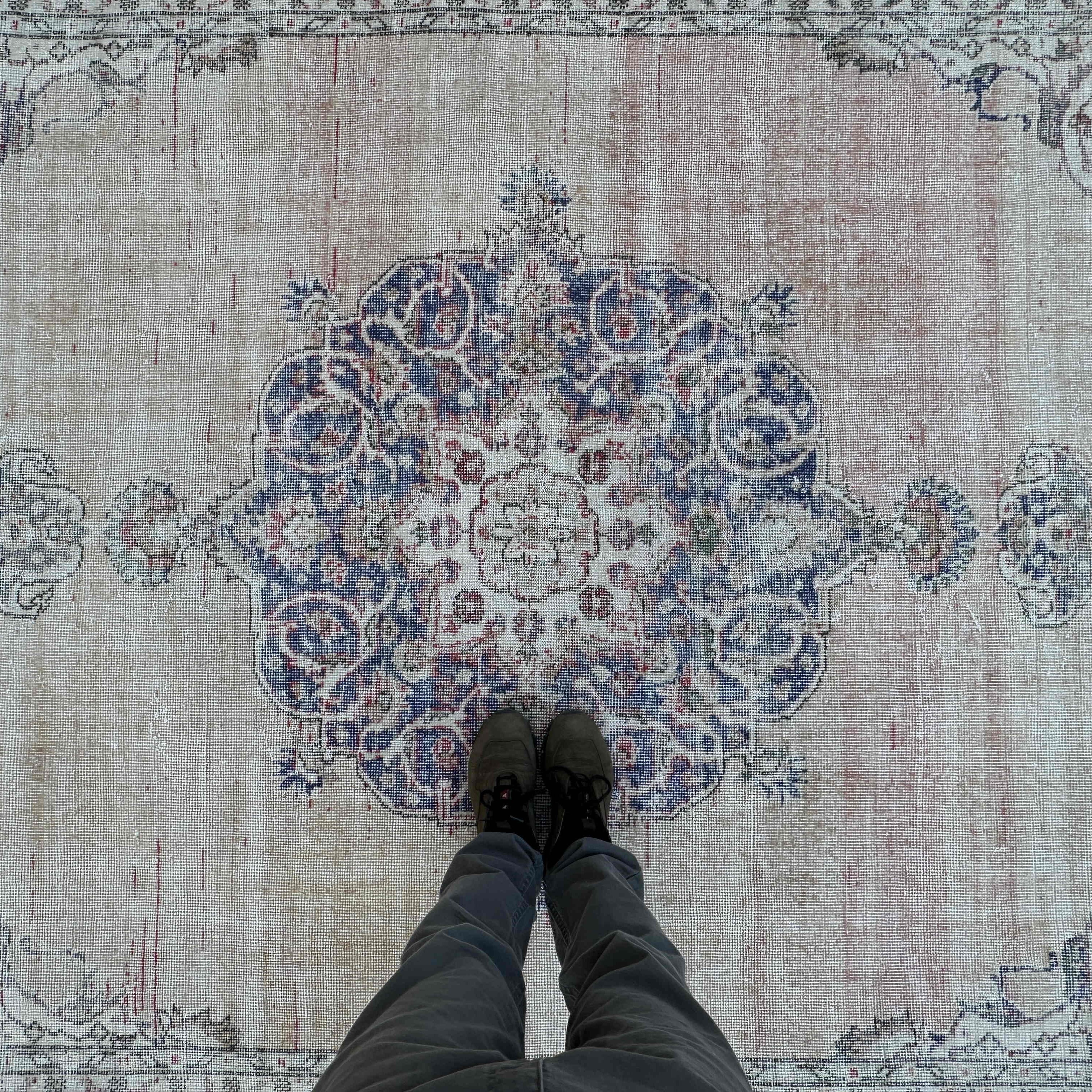
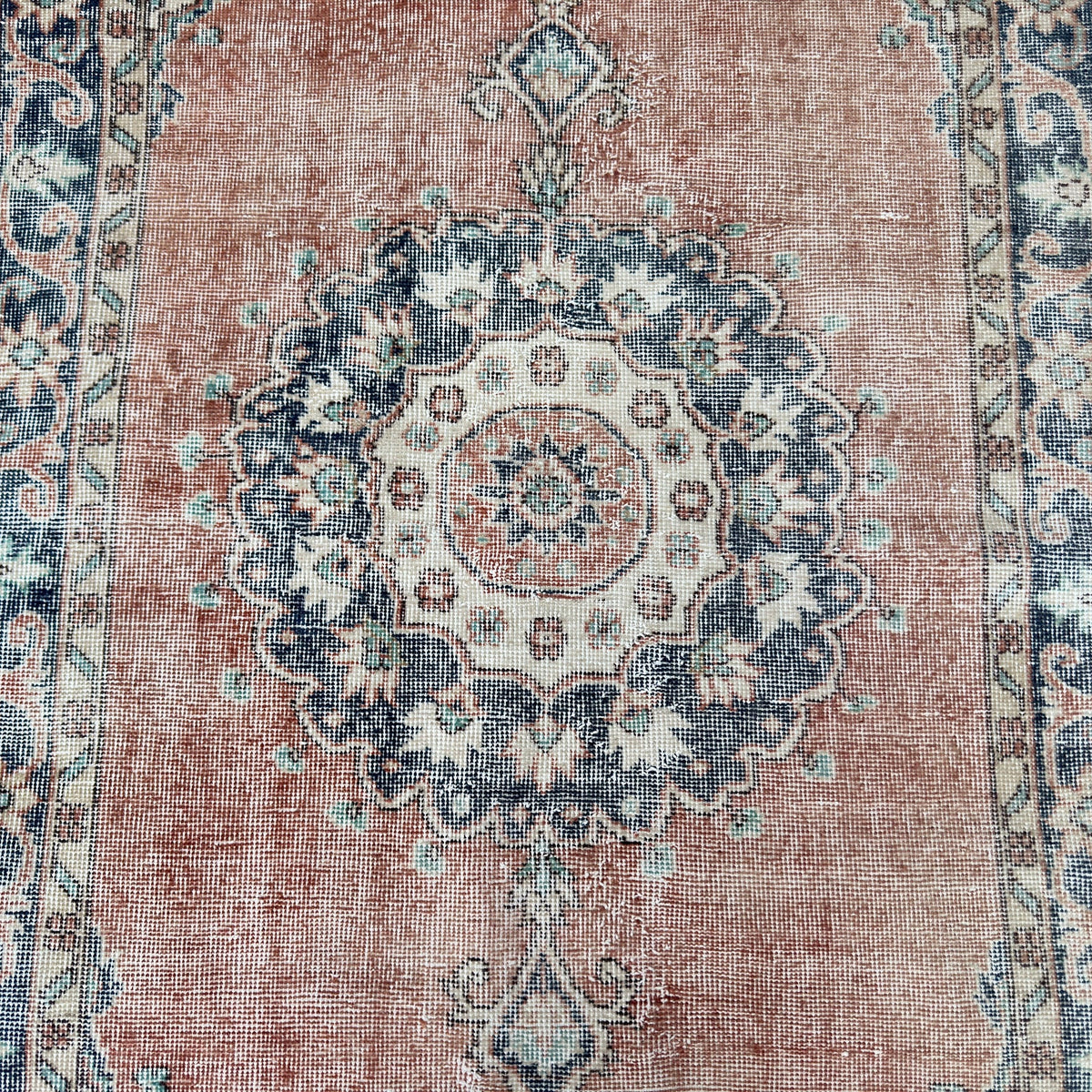
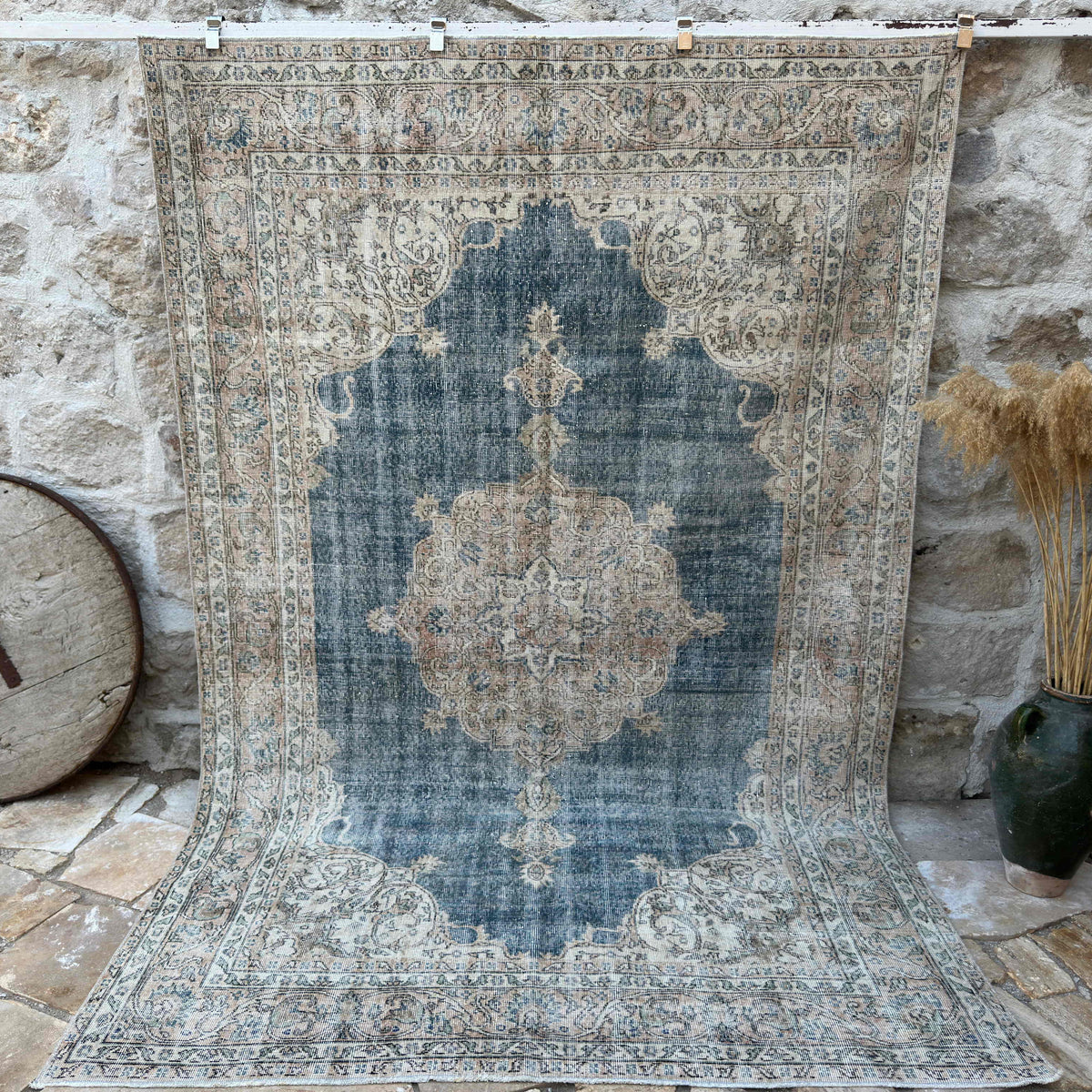
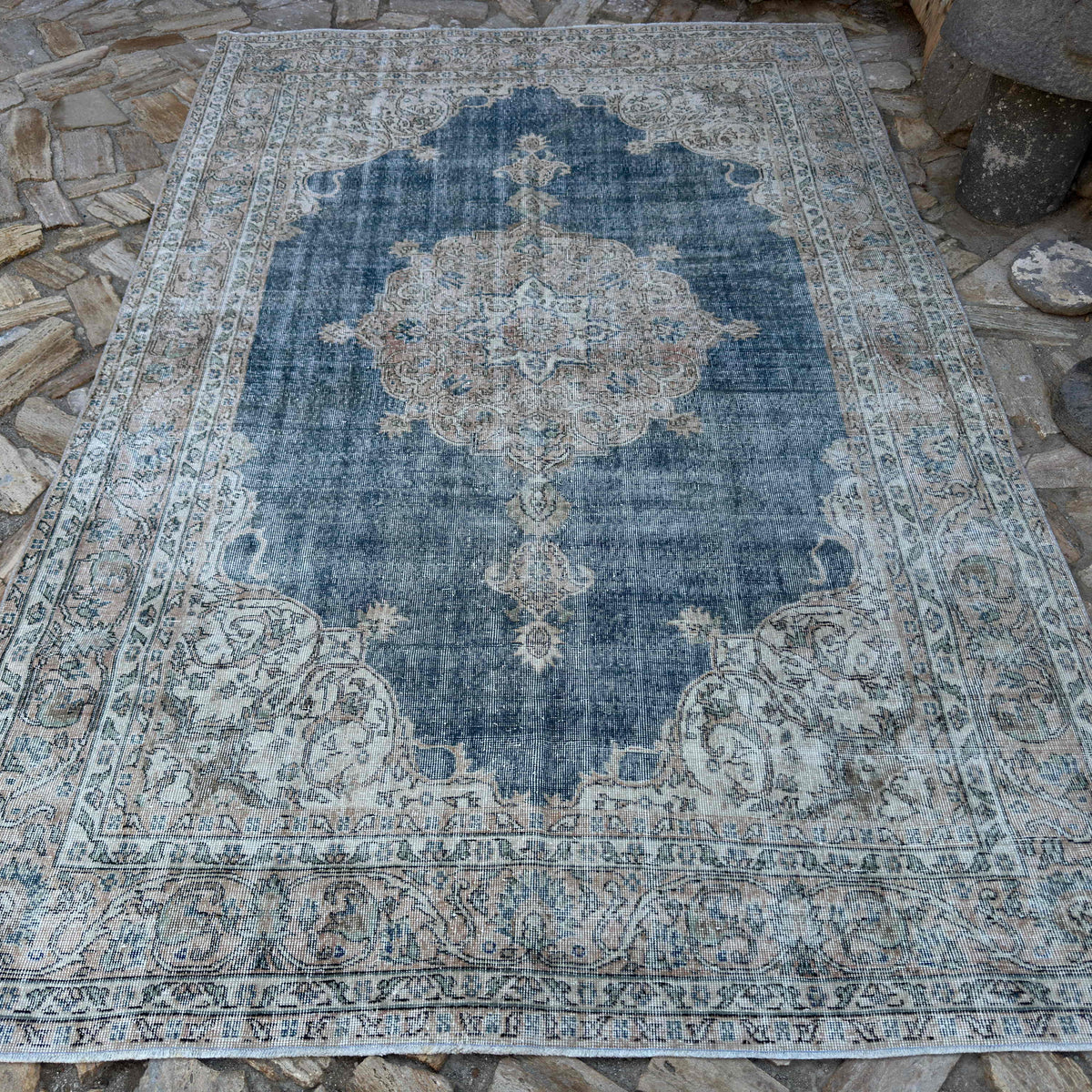
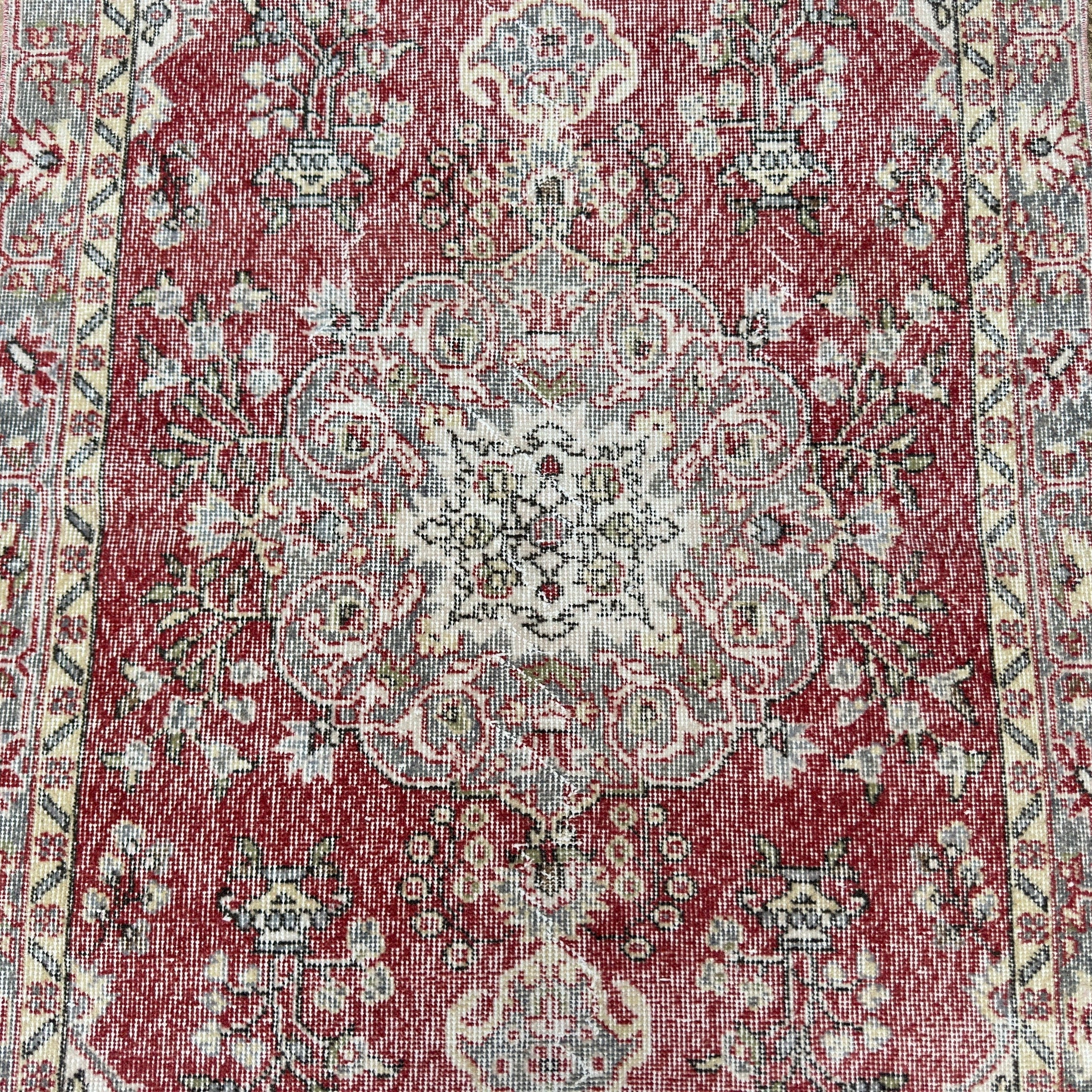
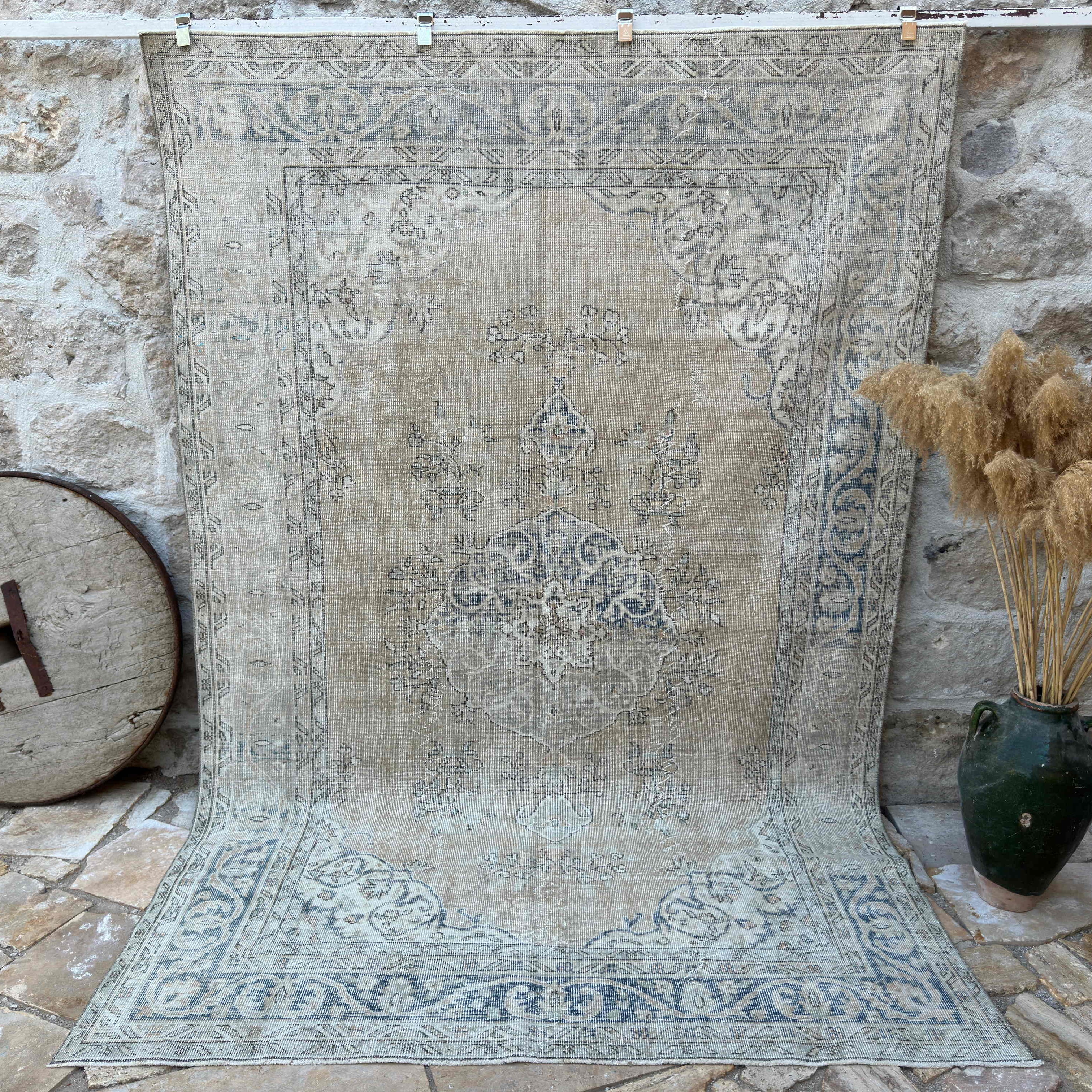
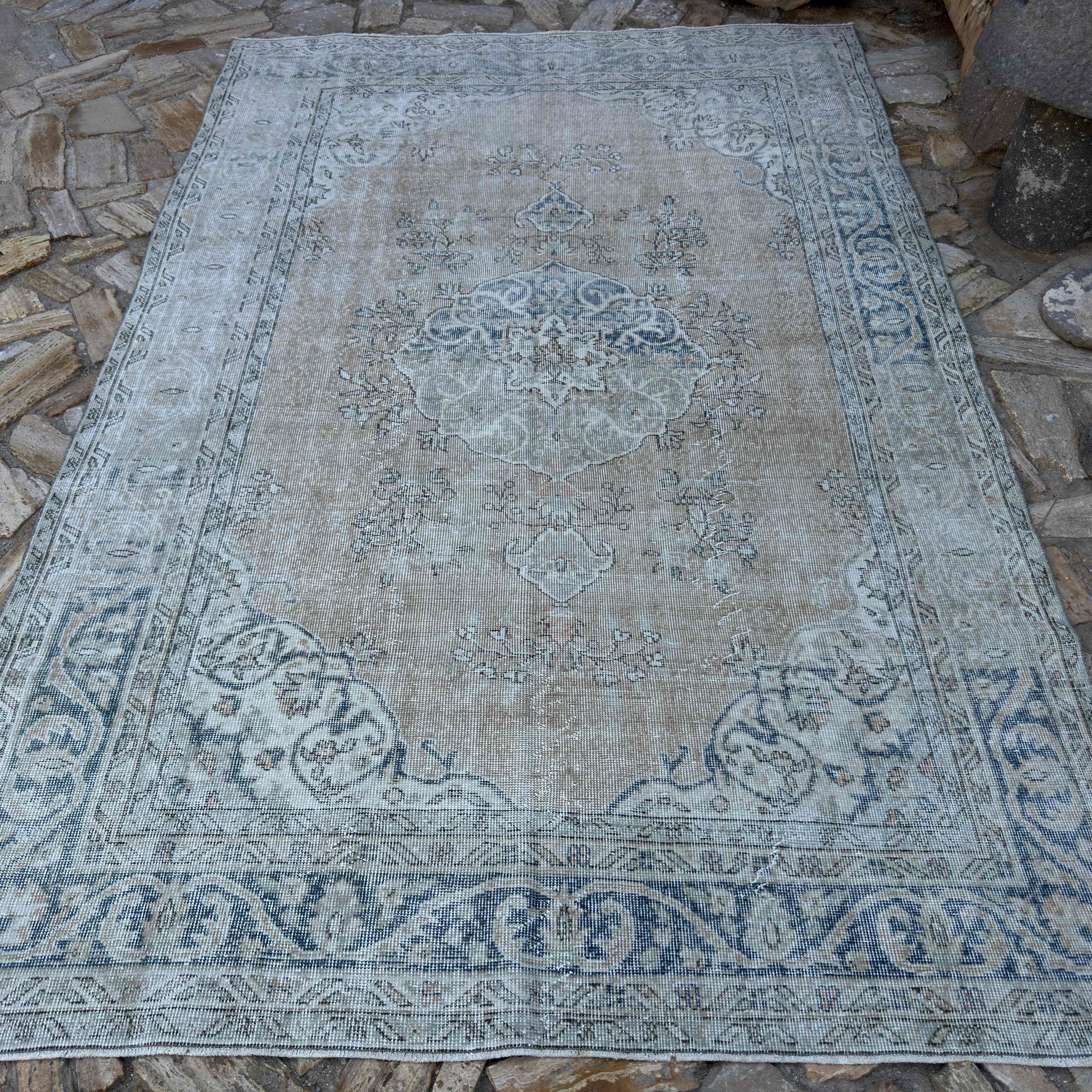
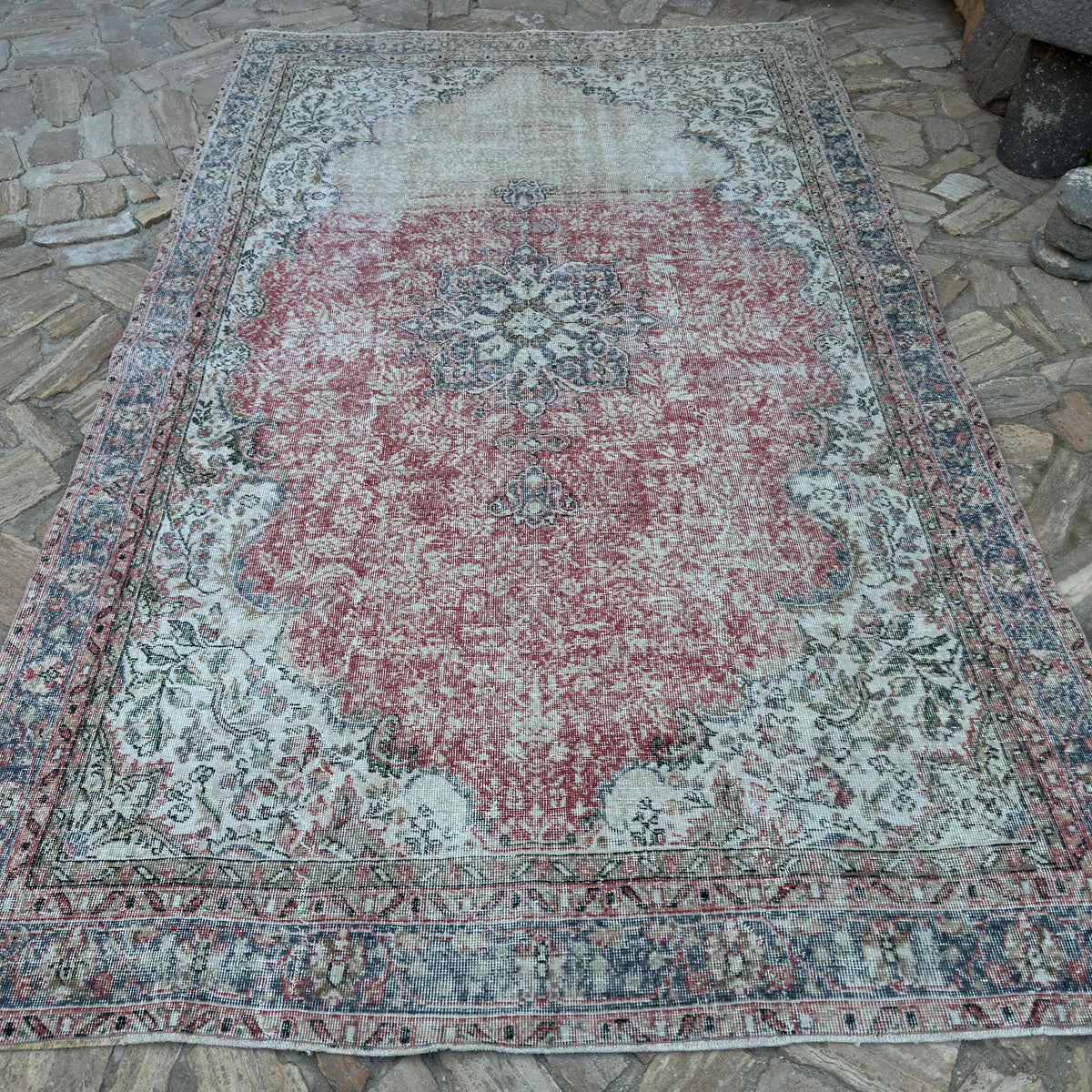
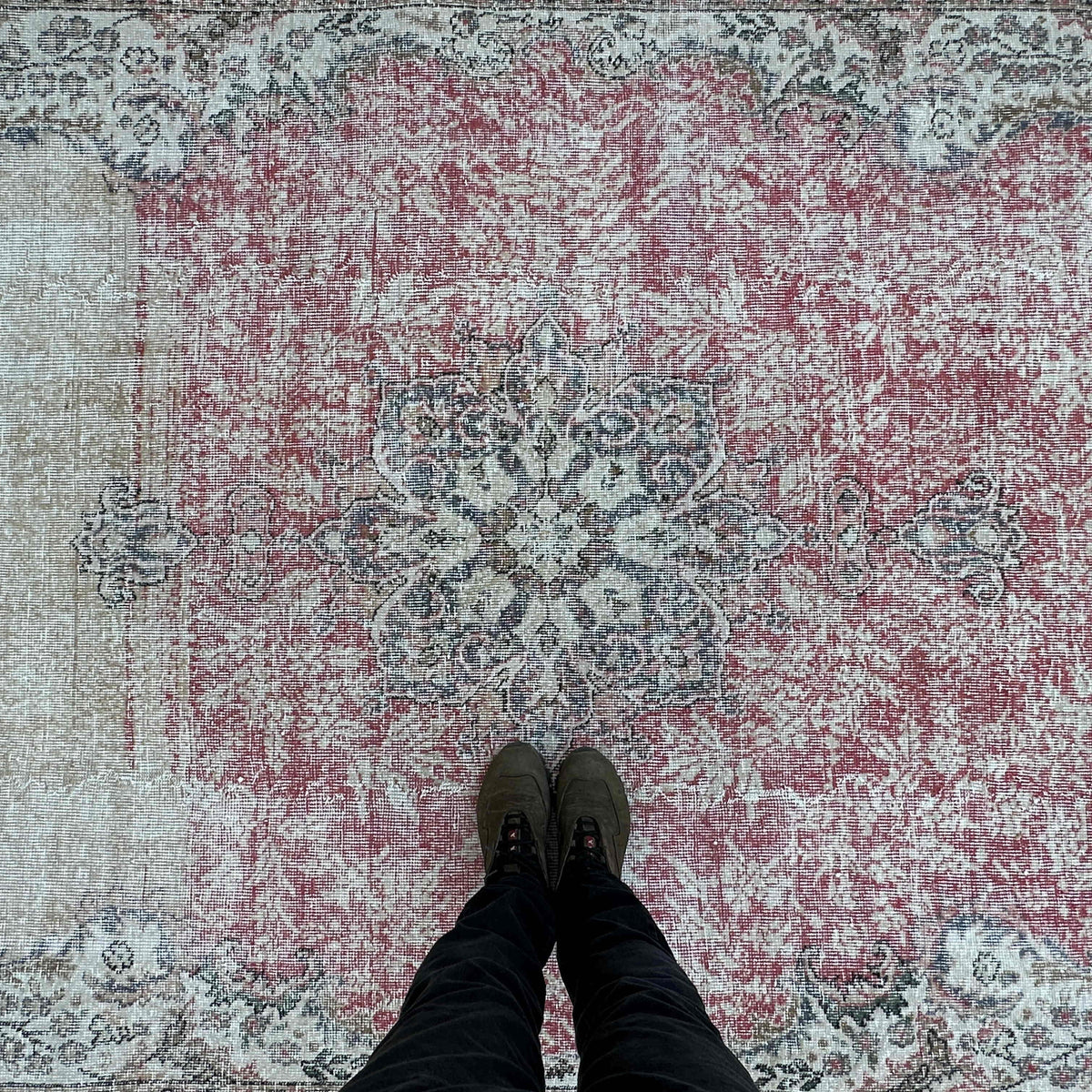
At its simplest, a medallion is a central motif — often round, diamond-shaped, or octagonal — placed in the middle of the rug's field and usually echoed by smaller corner pieces that repeat part of the same shape. The rest of the field around it can be plain, lightly patterned, or busy with its own secondary motifs, but the medallion is always the anchor the eye returns to.
This isn't a modern design trend. It's one of the most common layouts in traditional handmade rugs, largely because it works visually in almost any room — a rug needs one thing for the eye to land on, and a centered medallion does that job more reliably than an all-over pattern does. Some medallion rugs keep the motif simple and geometric; others surround it with floral detail, making it more of a floral medallion rug than a strictly geometric one, or repeat smaller medallions across the field, closer to a tribal medallion rug layout than a single formal centerpiece.
Why the medallion sits in the center of the rug
A centered medallion isn't just decoration — it's a layout choice that solves a real visual problem. A rug is usually viewed from multiple angles and distances in a room, not head-on like a painting hung on a wall, and a strong central point gives the eye something stable to reference no matter where you're standing or sitting.
That's also why a medallion rug tends to work best in rooms where furniture surrounds the rug rather than covers most of it — a dining room, a living room with seating pulled back from the center, an entryway you walk across rather than stand in the middle of. The medallion needs some open field around it to actually do its job.
Why a hand-knotted medallion rug is rarely perfectly centered
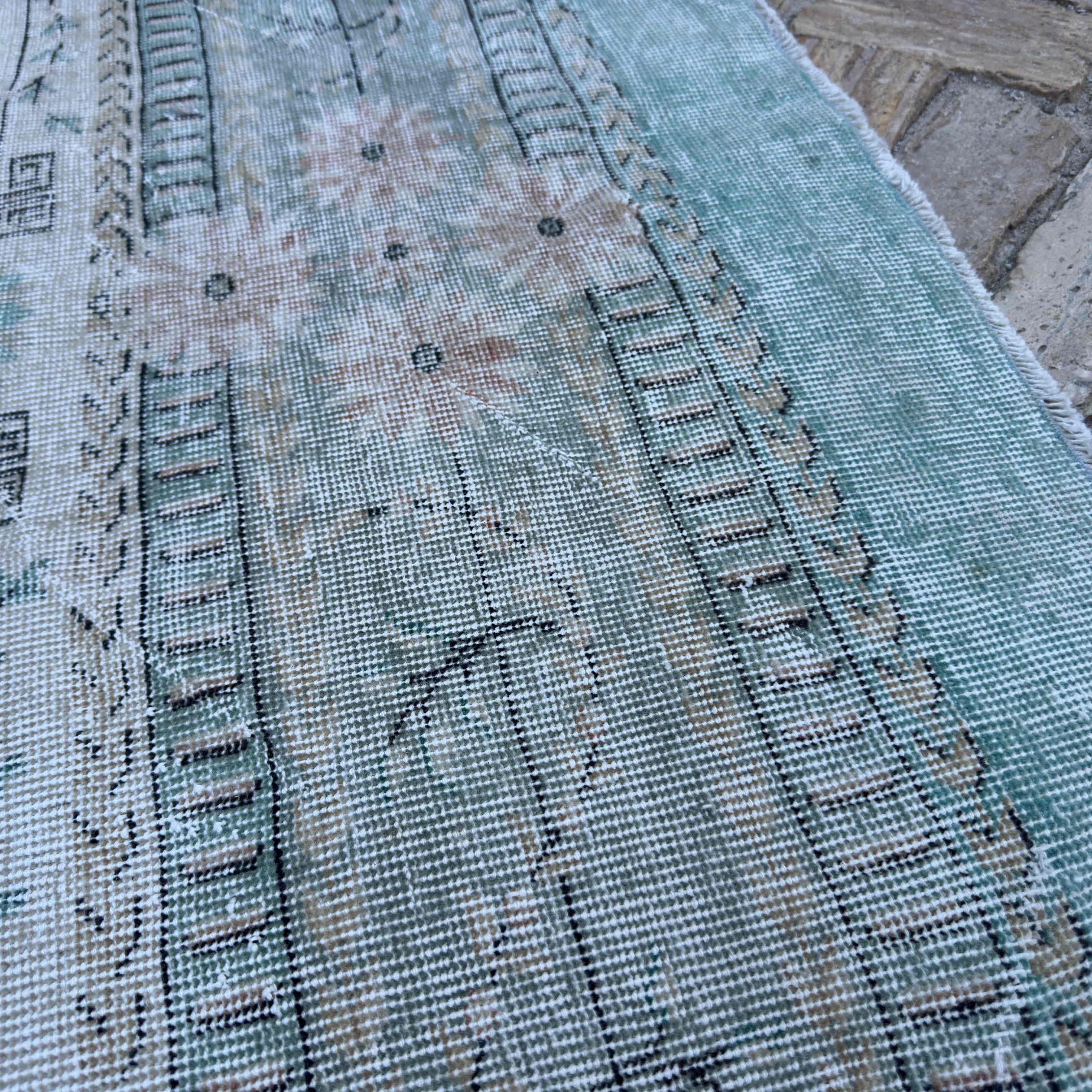
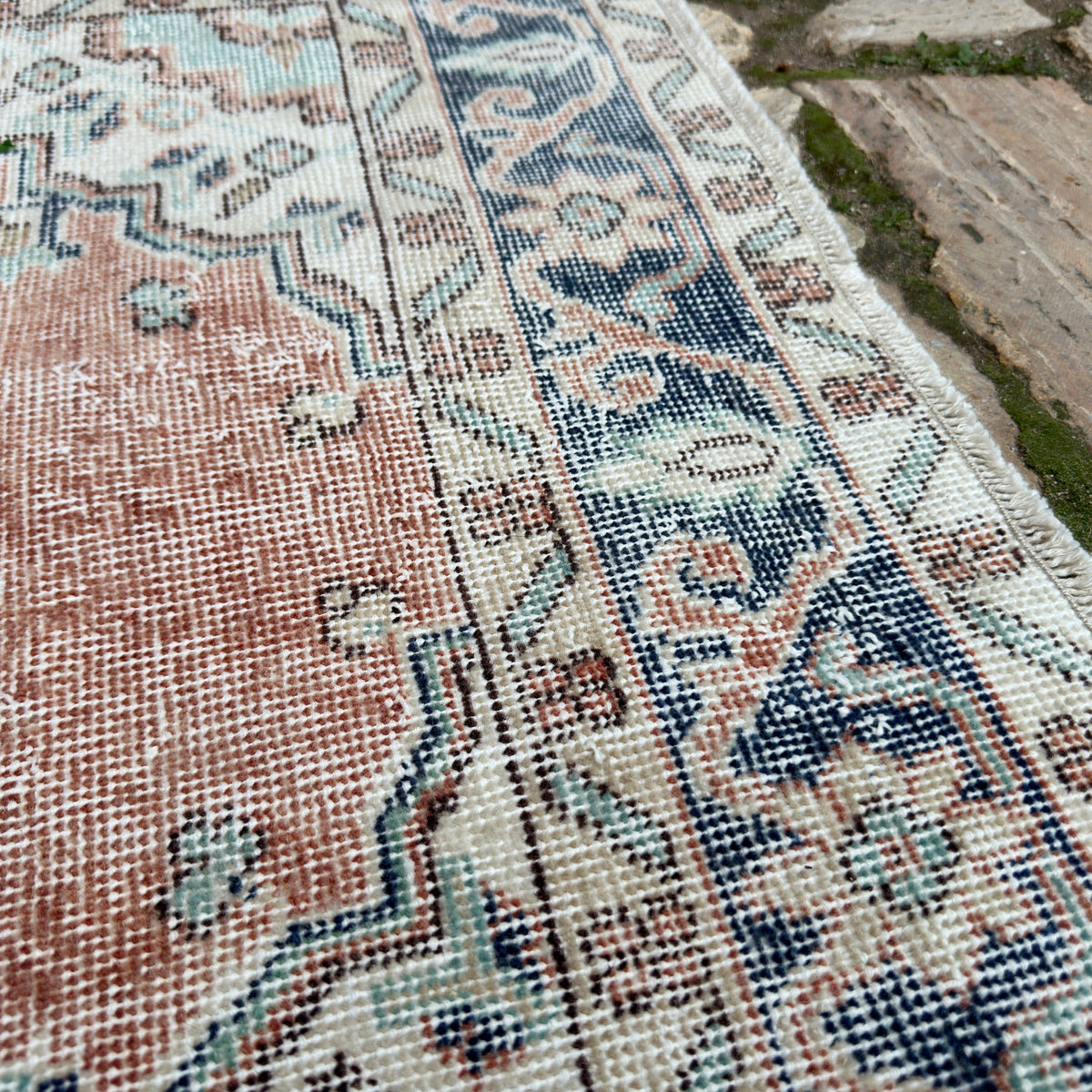
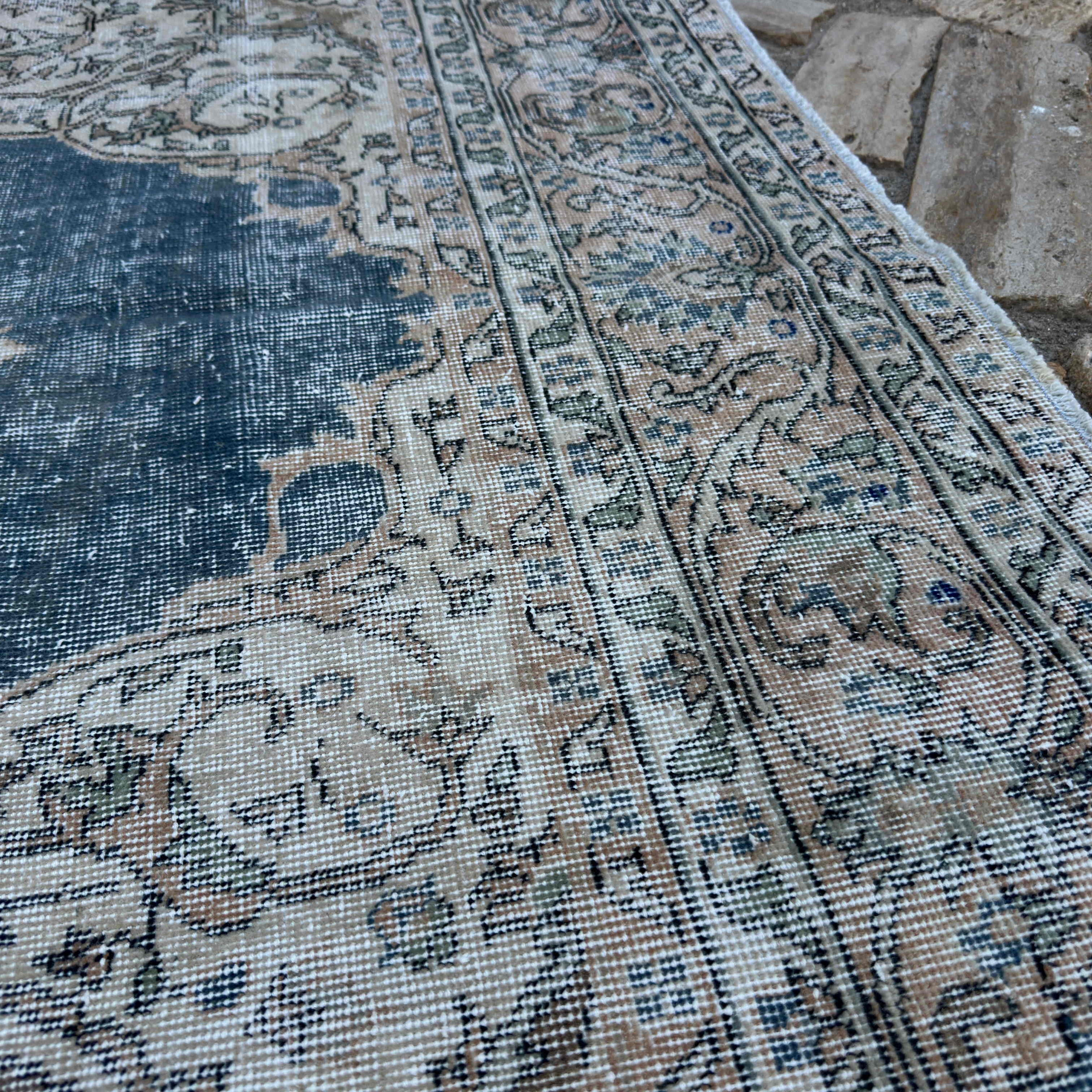
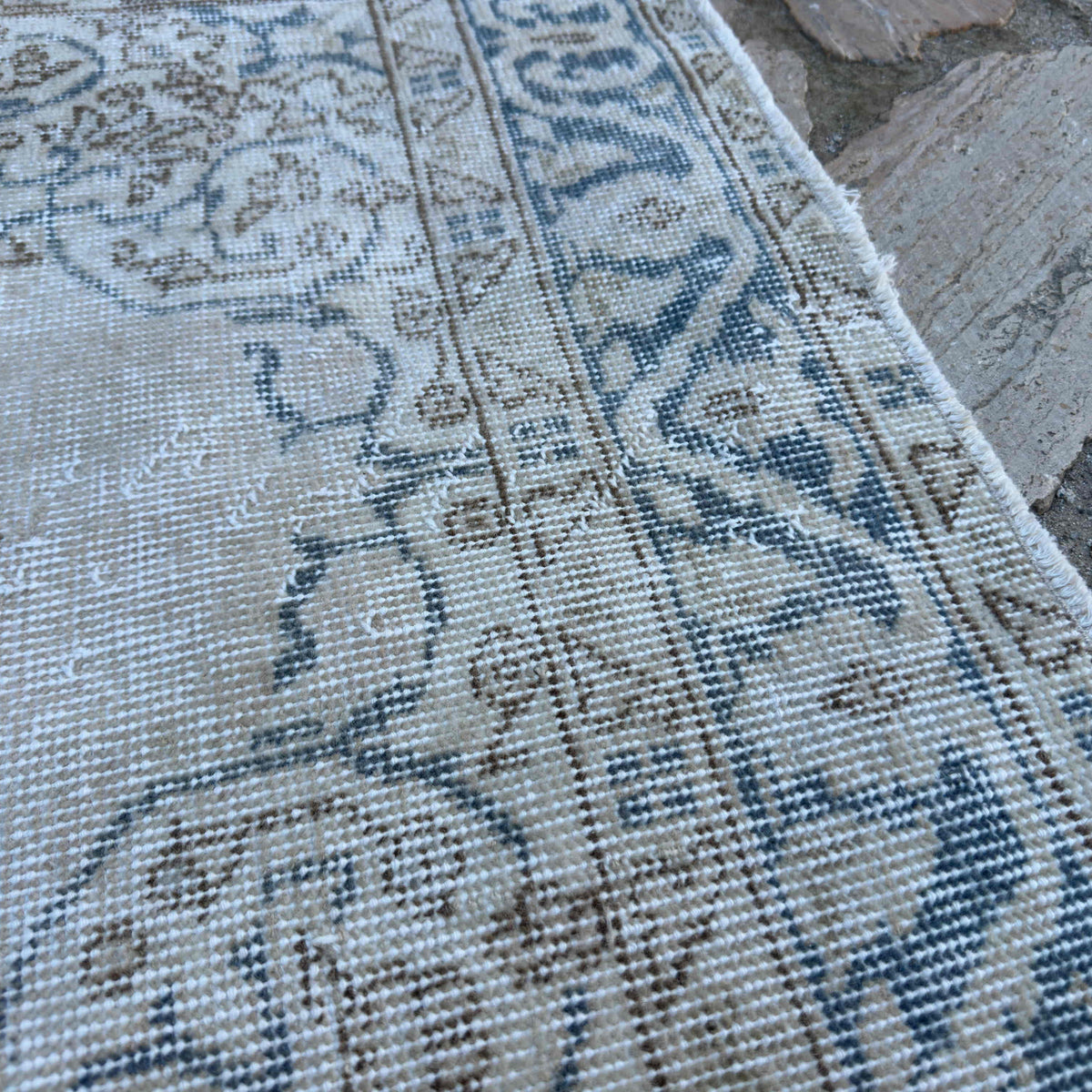
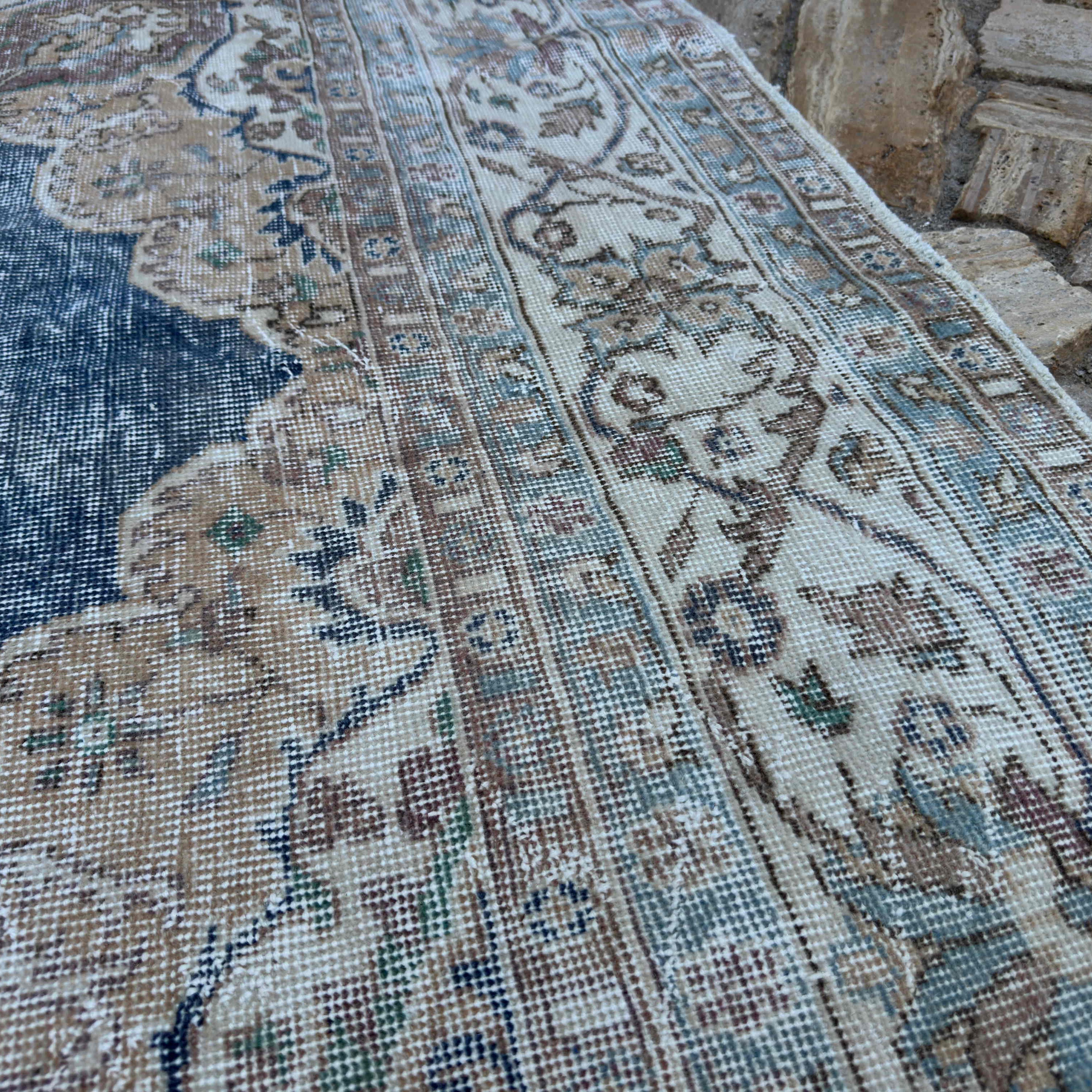
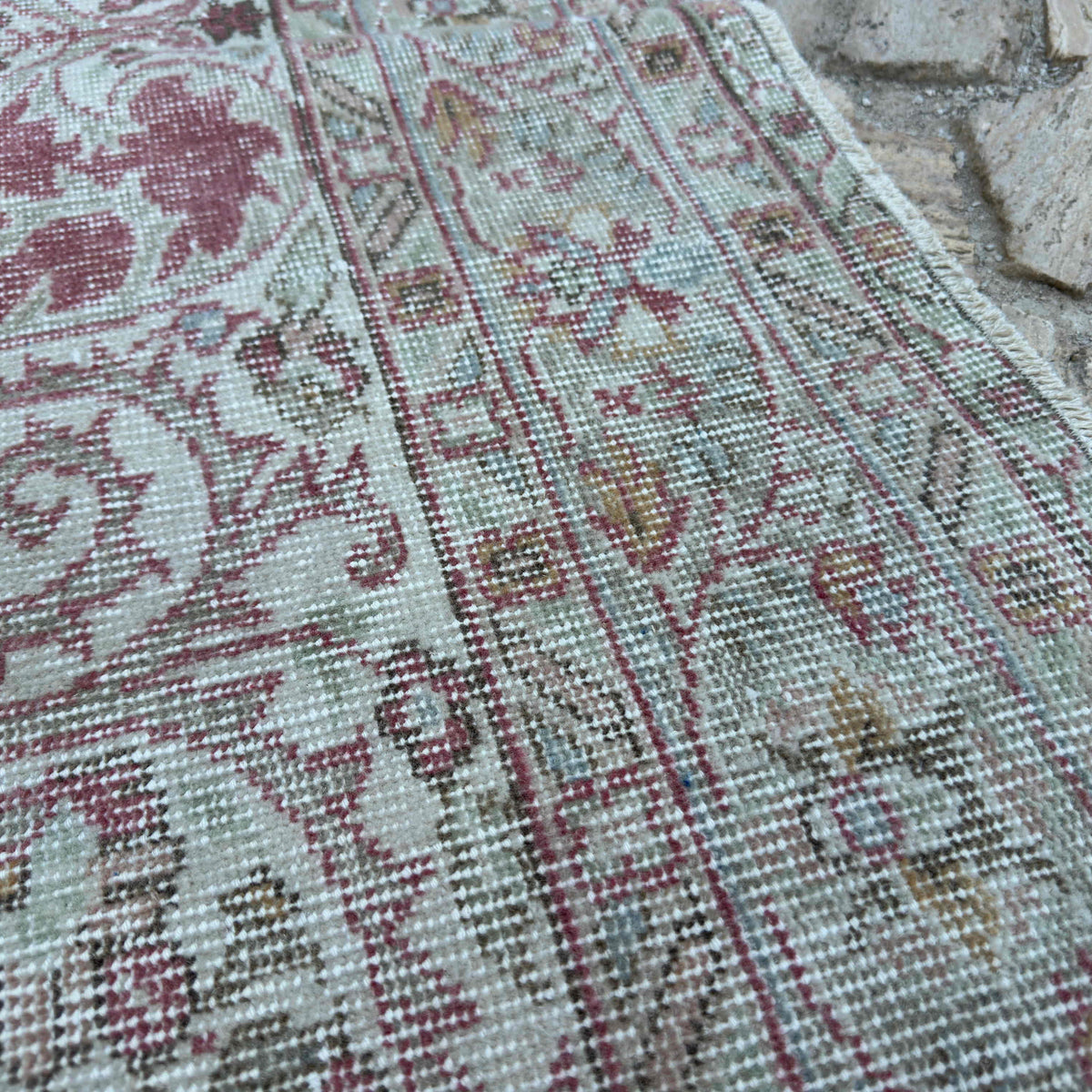
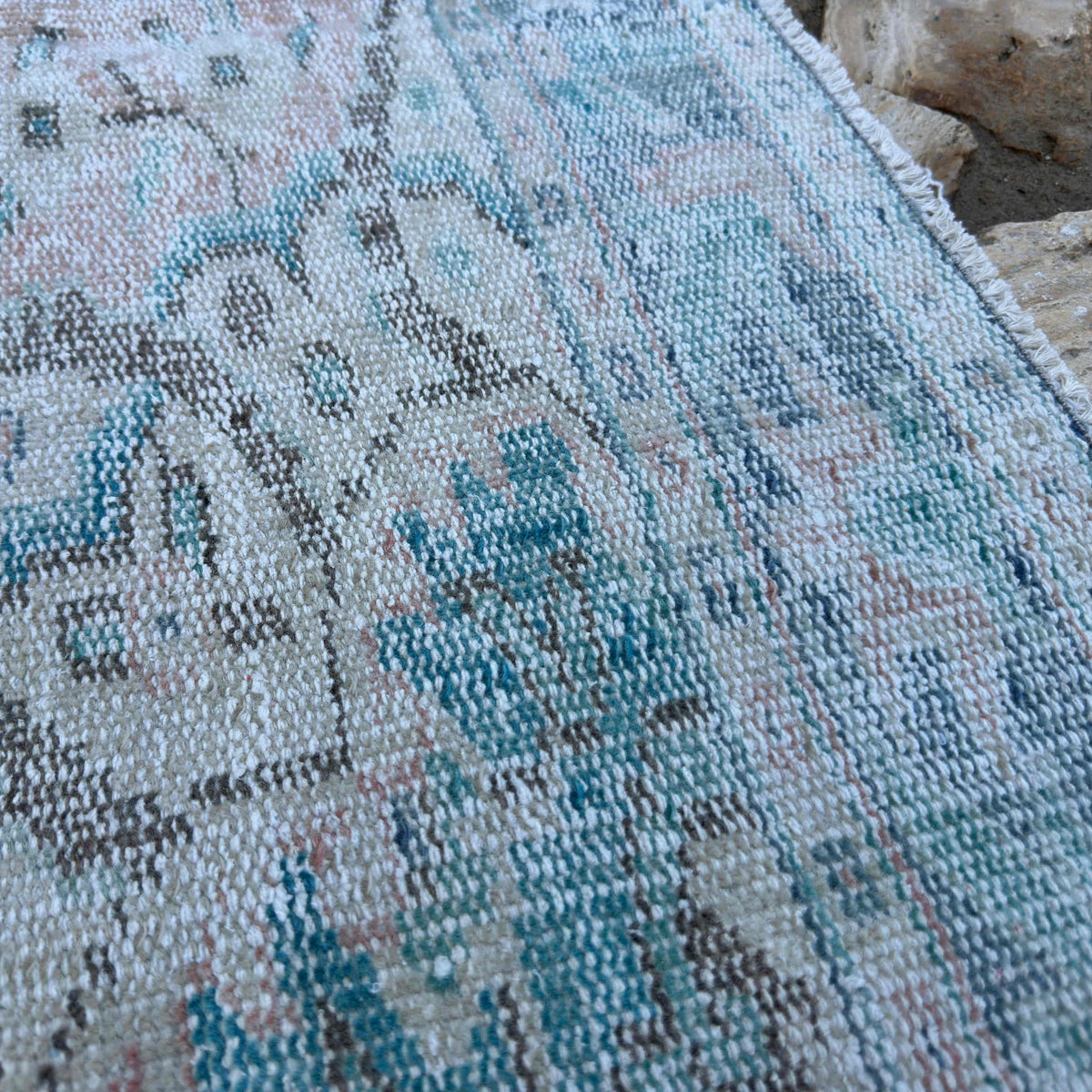
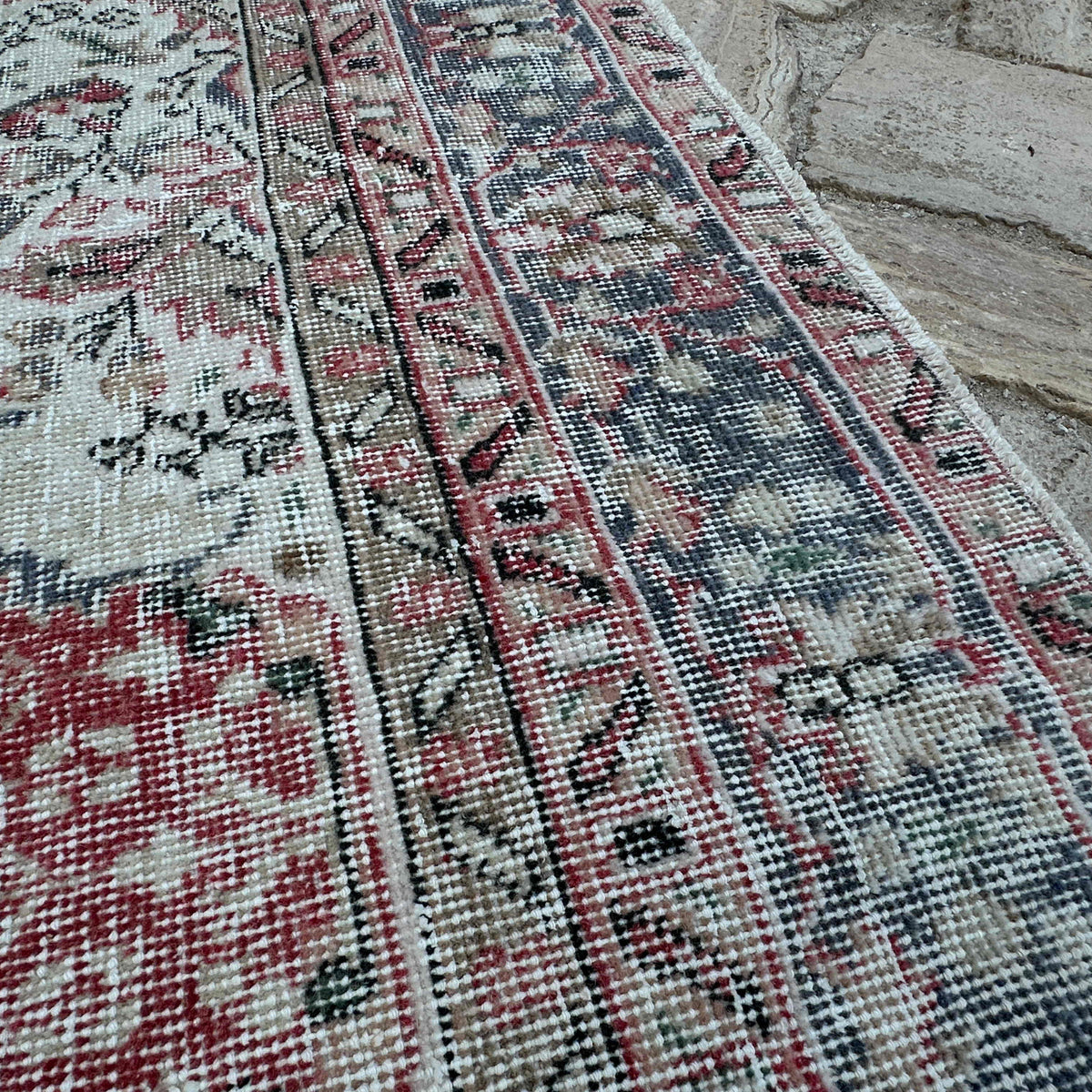
On a genuinely hand-knotted rug, the medallion is almost never mathematically centered, and it's usually not perfectly symmetrical either — one side of the surrounding motif might sit slightly closer to the border than the other, or the shape itself leans a little off true. That's not a manufacturing error. It's what happens when a pattern is built by a person counting knots row by row over weeks, rather than printed from a single template.
A medallion that looks suspiciously perfect edge to edge is worth a second look. That kind of precision usually points to a machine-made or printed rug rather than a genuinely hand-knotted one — the small, human unevenness is part of what you're actually paying for.

Where these vintage medallion rugs come from
Most of the medallion rugs in this collection are Turkish, hand-knotted, and vintage — roughly 20 to 80 years old, the same age range as our broader vintage rugs collection, just grouped here by pattern instead. A smaller number are genuinely Persian in origin, since medallion layouts are common in Iranian weaving traditions too, and a small share of what we source happens to come from that background.
We don't lead with the Persian pieces or suggest they're the majority, because they aren't. If you're specifically looking for a Persian medallion rug rather than a Turkish one, a few exist here, and the listing says so directly rather than leaving the origin vague.
What colors this medallion rug collection actually comes in
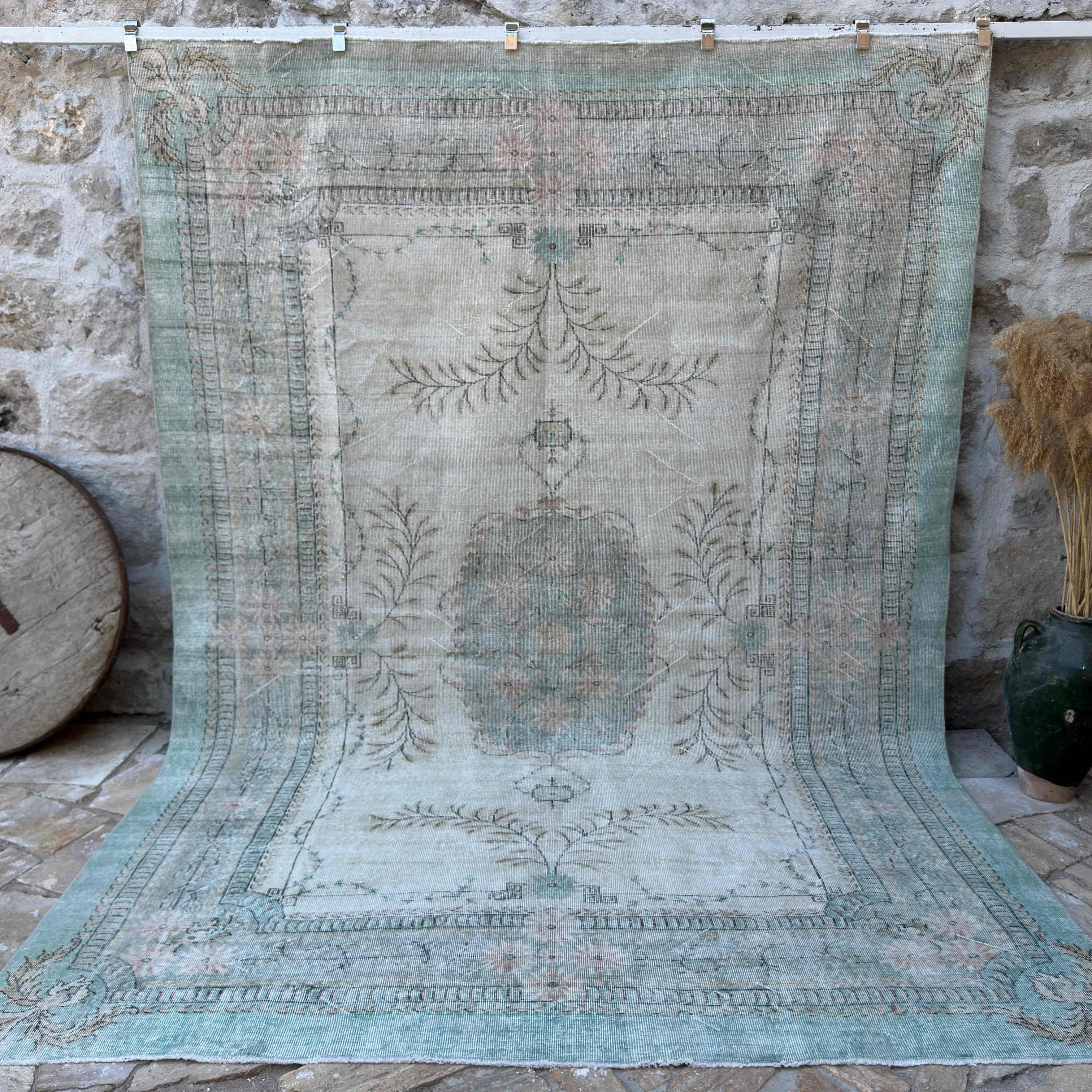
Unlike some of our other pattern-based collections, there's no color restriction here — this group includes beige medallion rugs, gray medallion rugs and black medallion rugs, white medallion rugs and green medallion rugs, and blue medallion rugs and red medallion rugs, along with everything in between. A red medallion rug tends to read as more traditional and formal, while a gray or beige medallion rug fits a quieter, more contemporary room without losing the pattern's structure. Traditional medallion rugs in general tend to lean toward these denser, more formal color combinations, while something closer to a spiral medallion rug usually reads looser and more graphic regardless of color. The range here is wide on purpose.

How to choose a medallion rug that works with your furniture
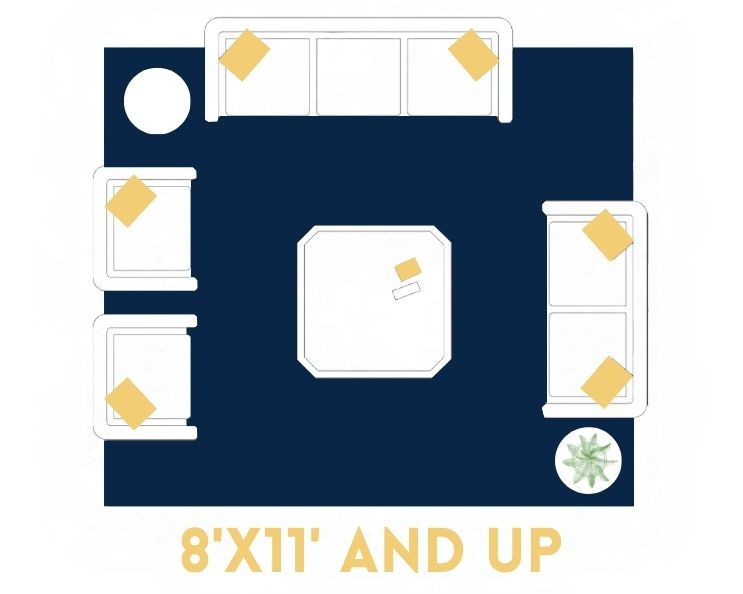
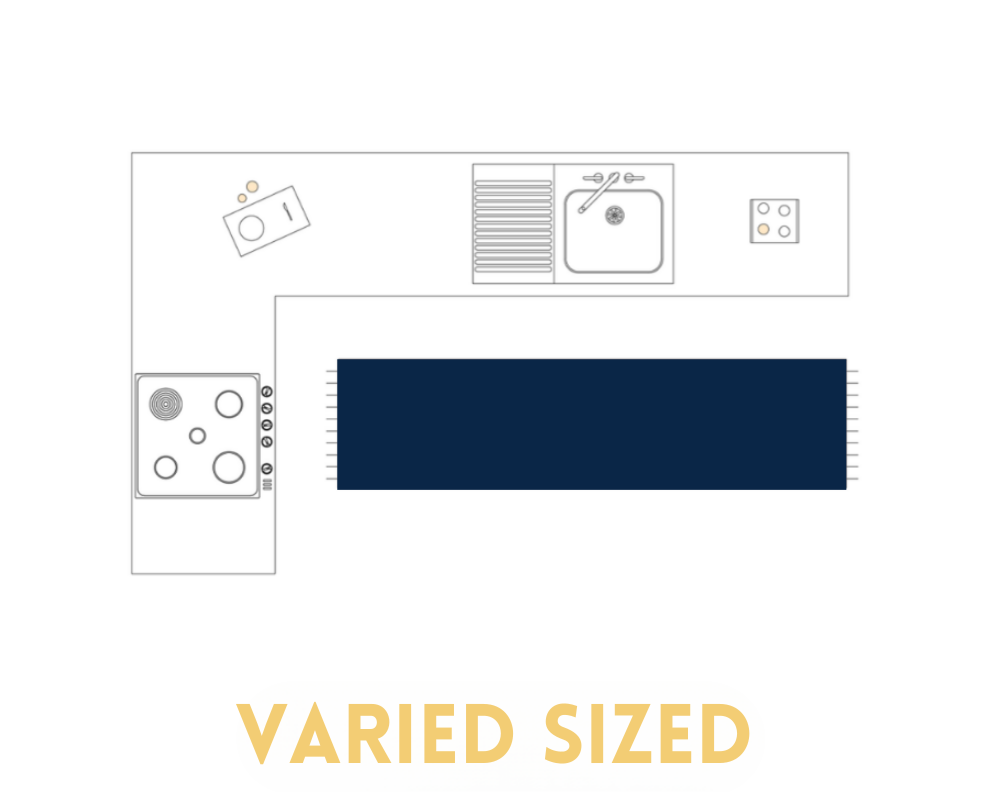
The most common mistake with a medallion rug is choosing the pattern first and the size second. If a coffee table, ottoman, or large piece of furniture is going to sit in the middle of the room, it can end up covering most of the medallion — which defeats the reason you picked that pattern in the first place.
Before buying, it's worth roughly mapping where furniture will actually sit on the rug. A medallion works best when it stays mostly visible, even if the edges of the rug disappear under furniture around the sides. Losing the center of the design is a bigger loss than losing the corners.

What I check before a medallion rug ships
Symmetry issues are easier to spot on a medallion rug than on an all-over pattern, so I look closely at the field and border alignment before a rug ships. Any repair near the medallion itself gets noted directly in the listing, since a repair there is more visible than one tucked into a busy pattern elsewhere. Then it's washed, dried fully, and photographed straight-on in daylight, so the medallion reads accurately in the photo instead of looking skewed from an angle.
Shipping is free worldwide, and for orders inside the United States, duties are already covered at checkout — nothing extra collected at your door.
What is a medallion rug?
A medallion rug has a large central motif — often round, diamond-shaped, or octagonal — placed in the middle of the field, usually echoed by smaller corner pieces that repeat part of the same shape.
Are these medallion rugs vintage or new?
Vintage. Every piece in this collection is a genuine hand-knotted rug, roughly 20 to 80 years old, not a new rug woven to imitate a traditional pattern.
Are medallion rugs Turkish or Persian?
Mostly Turkish. A small number of pieces are genuinely Persian in origin, since medallion layouts are common in Iranian weaving too. Any Persian-origin piece is noted directly in its listing.
Should the medallion be perfectly centered on the rug?
Not necessarily. On a genuinely hand-knotted rug, the medallion is rarely mathematically centered or perfectly symmetrical. A slightly off-center or uneven medallion is a normal sign of handmade construction, not a flaw.
Do you ship medallion rugs to the USA, and are there extra import fees?
Yes. Shipping is free worldwide, and for orders inside the United States, duties are already included in the price you see at checkout, with nothing extra to pay when the rug arrives.
