












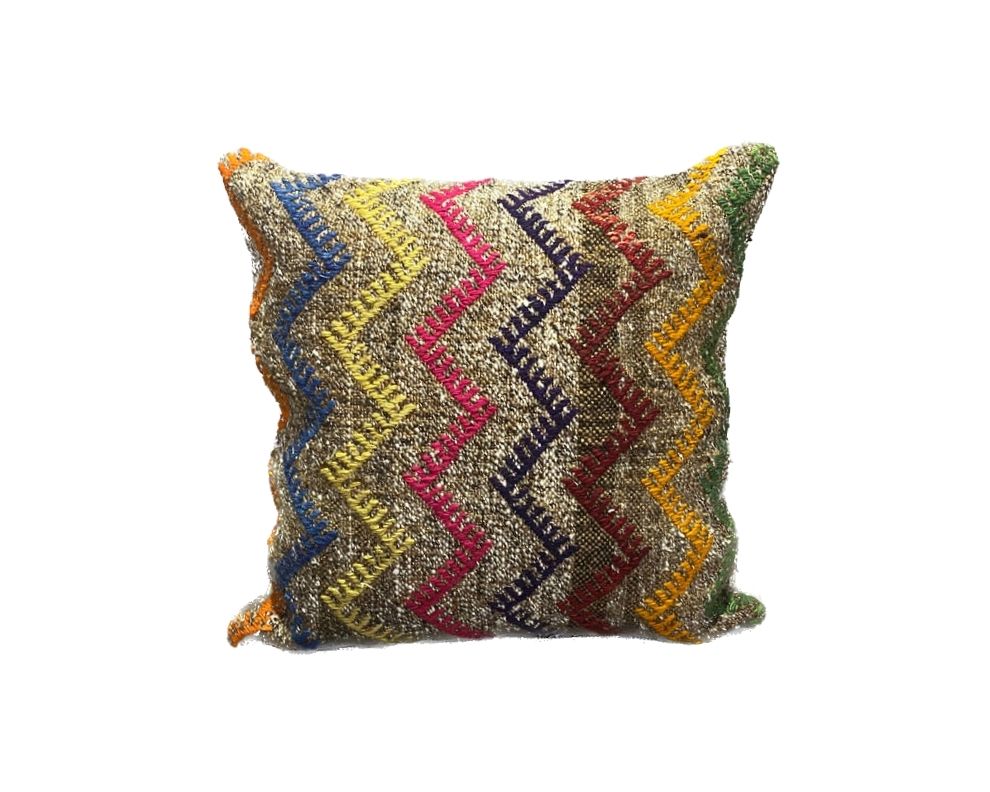

Walk through a beautifully designed home in 2026 and you'll notice something. The rooms that stay with you — the ones you mentally photograph — aren't built around the newest furniture or the latest paint color. They're built around pieces with character.
The contemporary rug trends shaping 2026 are less about what photographs well and more about what actually holds up. Less about the showroom. More about the room you live in.
The 2026 Rug Mood in One View
Contemporary design is not moving toward colder, newer, or more perfect rooms. It is moving toward pieces that feel real, collected, natural, and difficult to copy.
Authenticity
Buyers want handmade pieces with origin, age, and visible character.
Natural Color
Warm oat, muted blue, faded rust, clay and linen lead the palette.
Soft Tradition
Oushak-style softness and open traditional patterns are everywhere.
Large Scale
Open-concept living rooms need rugs that define space like architecture.

Why Contemporary Design Is Moving Toward Authenticity
The biggest trend of 2026 isn't a color. It's a question buyers are asking before they commit: Is this real?
Homeowners are tired of rooms that look assembled — coordinated but hollow. They want spaces that feel inhabited, layered, built up over time.
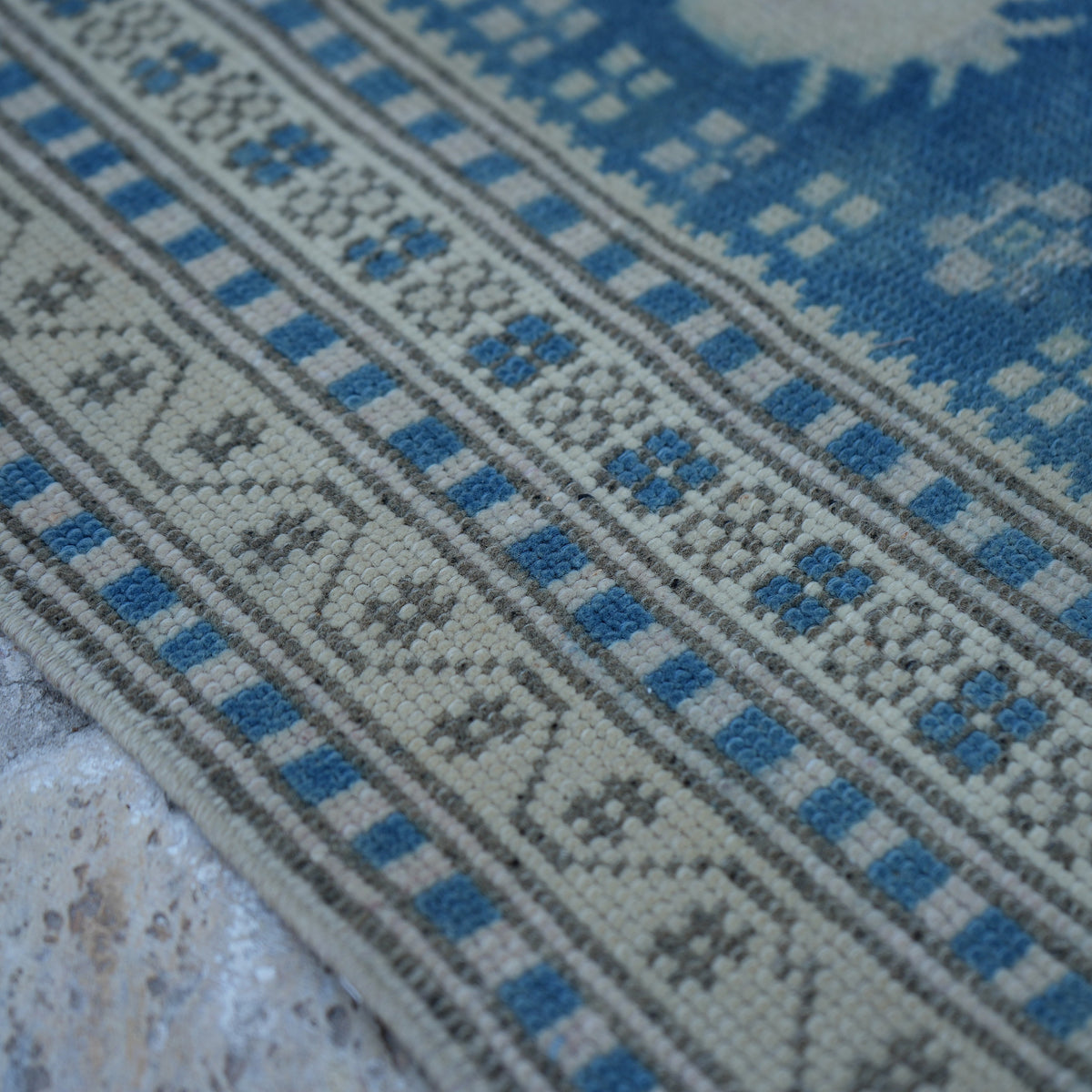
Rugs sit at the center of this shift because a rug, more than almost any other furnishing, tells you where it's from and who made it. The slight irregularities in a handmade Anatolian piece aren't flaws. They're evidence of a specific hand.

Character Over Perfection
For years, the aspirational interior looked flawless. Every element coordinated. Every surface clean.
That aesthetic has run its course.
What's replacing it isn't messiness or carelessness. It's the quiet recognition that objects made by hand carry something a machine cannot reproduce: the record of their own making.
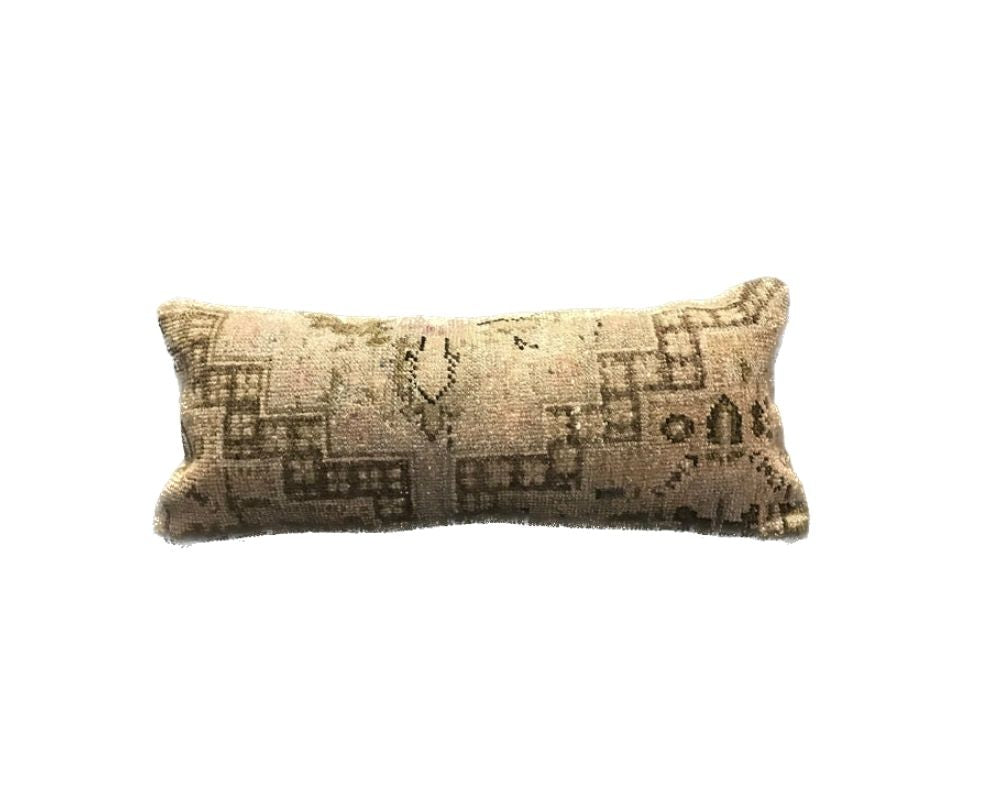
A hand-knotted rug with a slight variation in the repeat, a vintage piece whose colors have mellowed with time, an antique kilim with a worn corner — these aren't flaws buyers are learning to tolerate. They're the specific qualities buyers are now seeking out.
Natural Colors Continue to Lead Interior Design
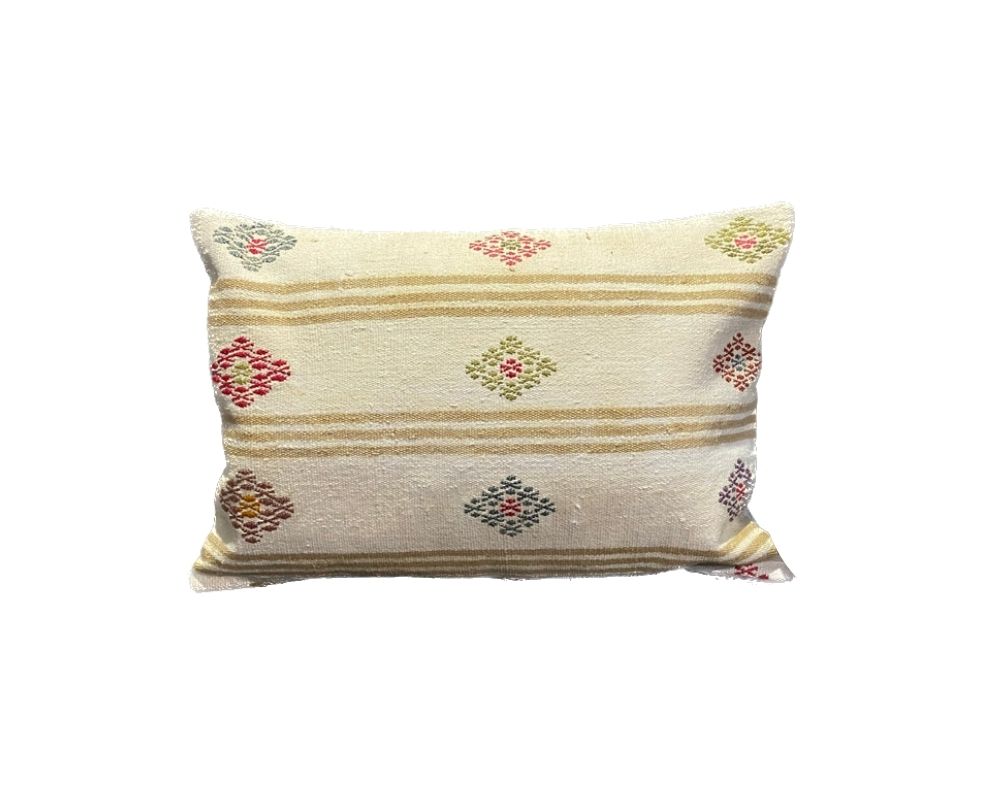
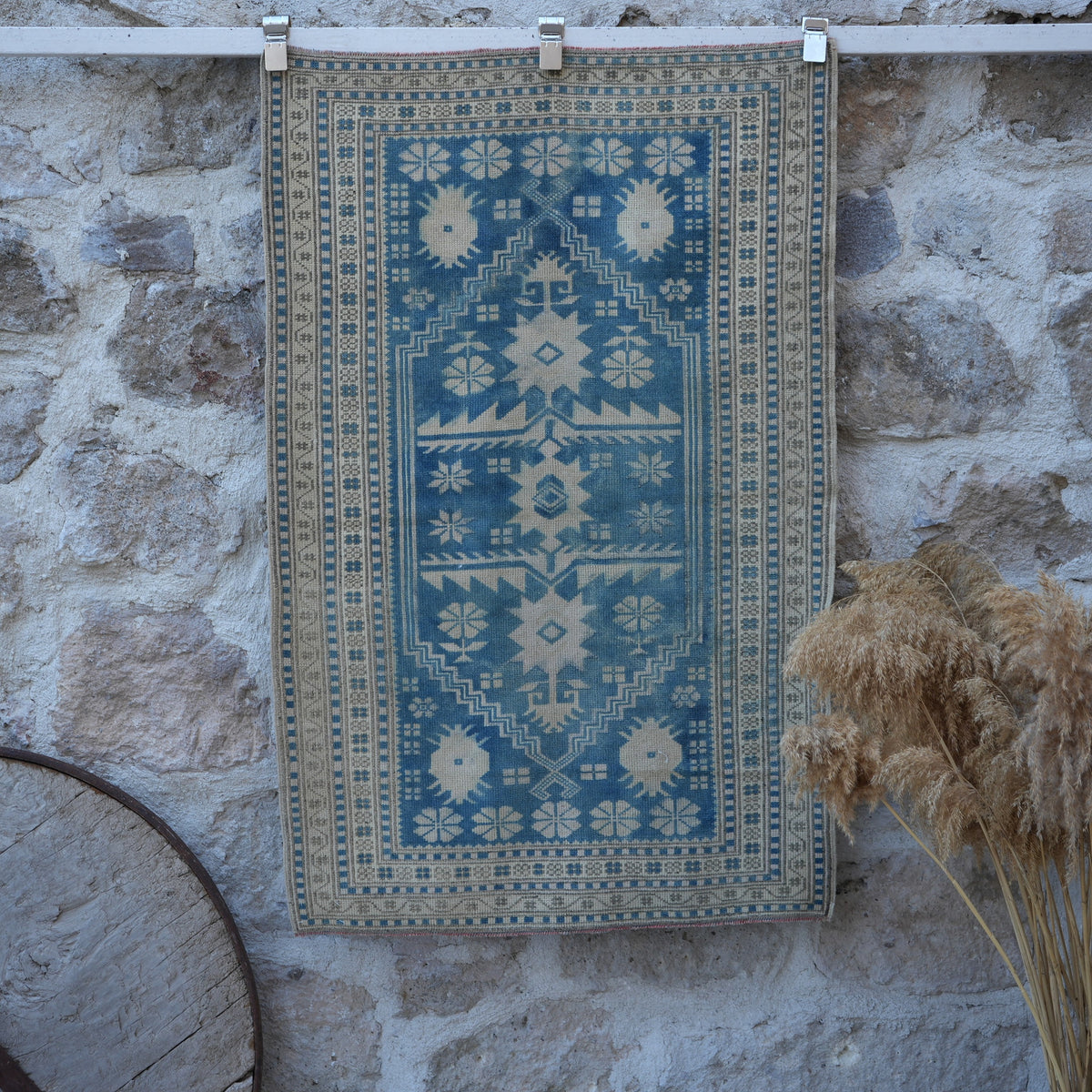
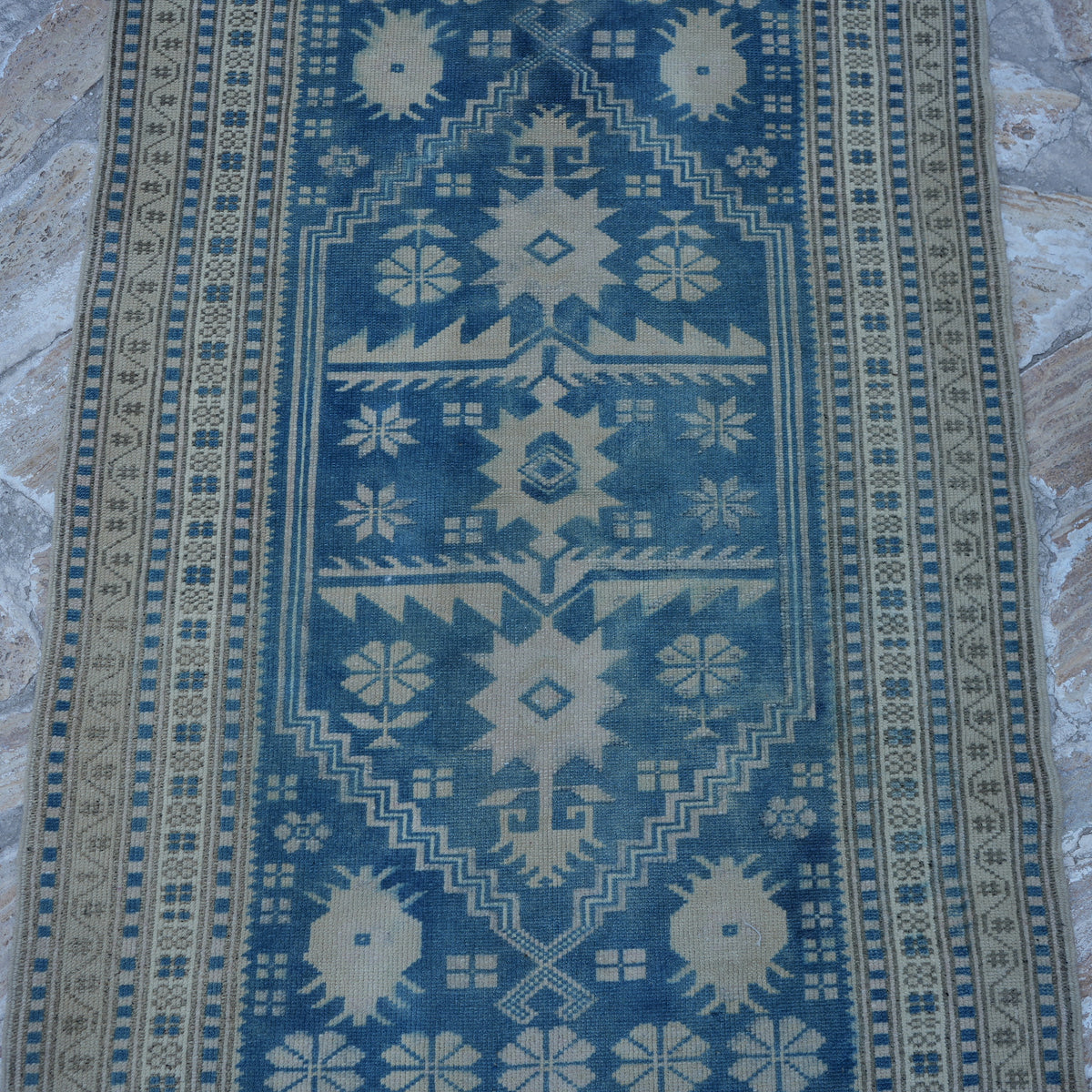
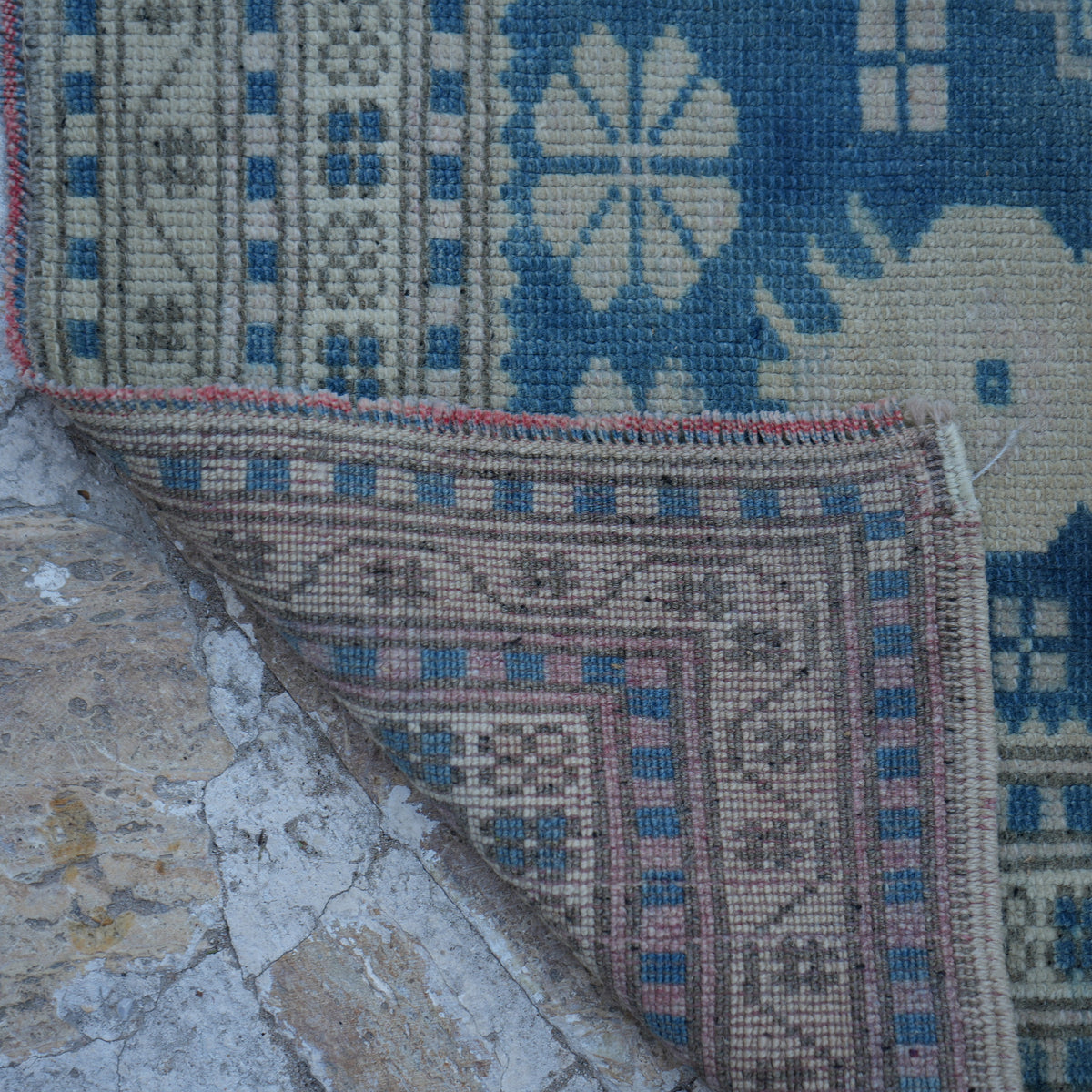
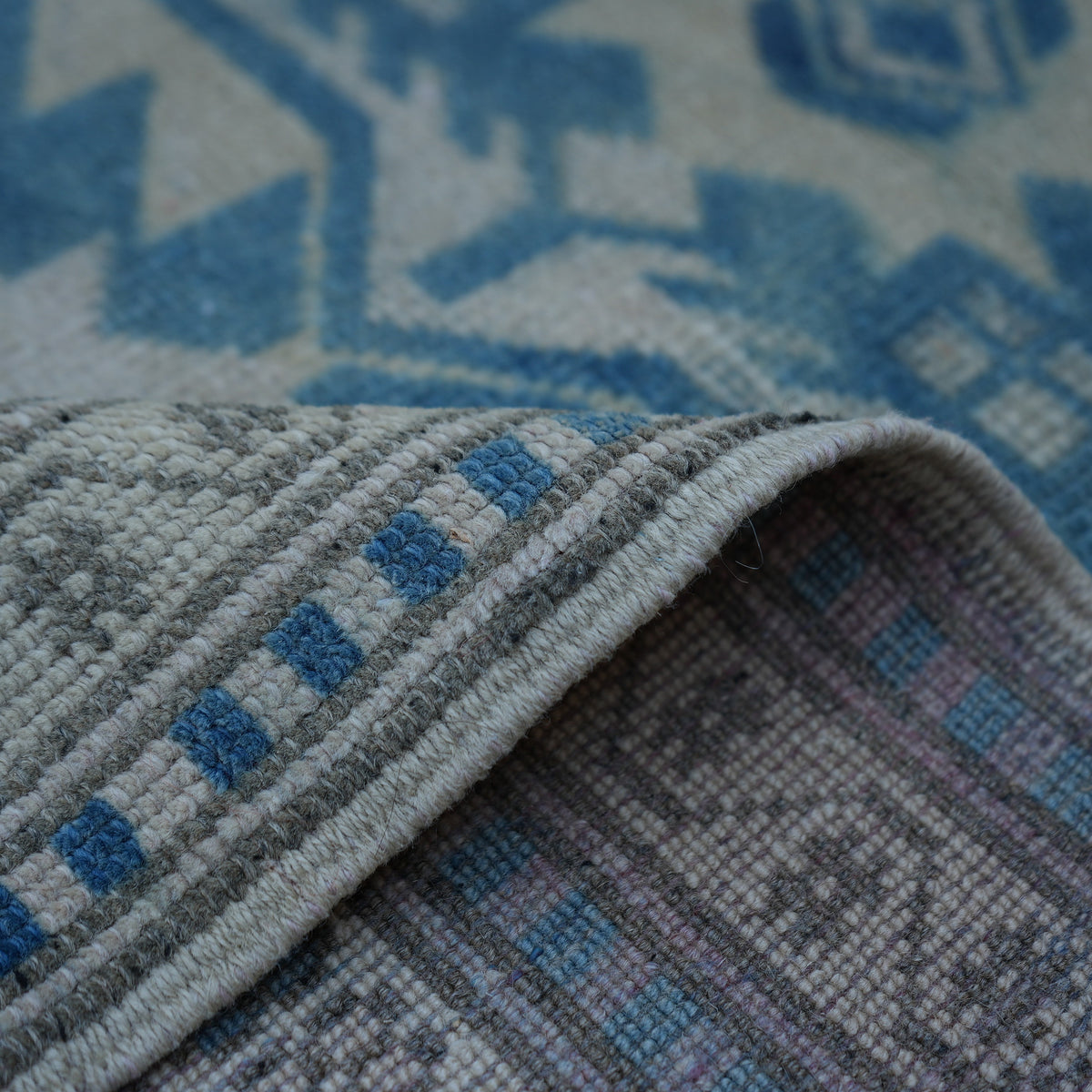
The palette has deepened beyond simple beige. What designers are specifying now looks less like a clean slate and more like color that absorbed decades of light: warm oat, muted dusty blue, faded rust, soft clay, weathered linen.
Among the handmade rug trends we observe most consistently is the preference for naturally faded tones. Soft beige, ivory, muted blue, and warm earth colors work across a wide range of interiors.
Browse our neutral rugs collection to see how these tones behave across different pile heights and weave structures.
Handmade Rugs Are Becoming More Valuable Than Mass Production
I'll be honest: for years I thought most buyers were primarily driven by price. I was wrong — at least for the customers who've found their way to genuinely handmade pieces.
At Kirmen Rugs, we photograph, inspect, clean, and prepare hundreds of handmade rugs each year. More people now ask about age, origin, and weaving technique. They want the story. A factory rug doesn't have a story — it has a SKU.
Origin, age, wool, technique, repair history, and one-of-a-kind character.
Repeated pattern, synthetic feel, no real story, and short-term value.

Why Vintage Rugs Remain Relevant in Every Design Era
People ask whether oriental rugs are still in style. The question reveals a misunderstanding of what makes a piece worth owning.
Style cycles. What doesn't cycle is the quality of the object itself.
A well-made vintage piece adapts to changing interior tastes more easily than almost any trend-driven furnishing. Our vintage rugs collection brings together pieces with that kind of permanence.
Oushak Rugs and Soft Traditional Patterns Are Everywhere in 2026
Oushak patterns are open and soft — a loose central field, gentle geometric motifs, and a warm neutral palette that doesn't compete with furniture, art, or the people in the room.
Explore our Turkish rugs collection to see what this kind of softness actually looks like in practice.
Large Rugs Are Defining Open-Concept Living Spaces
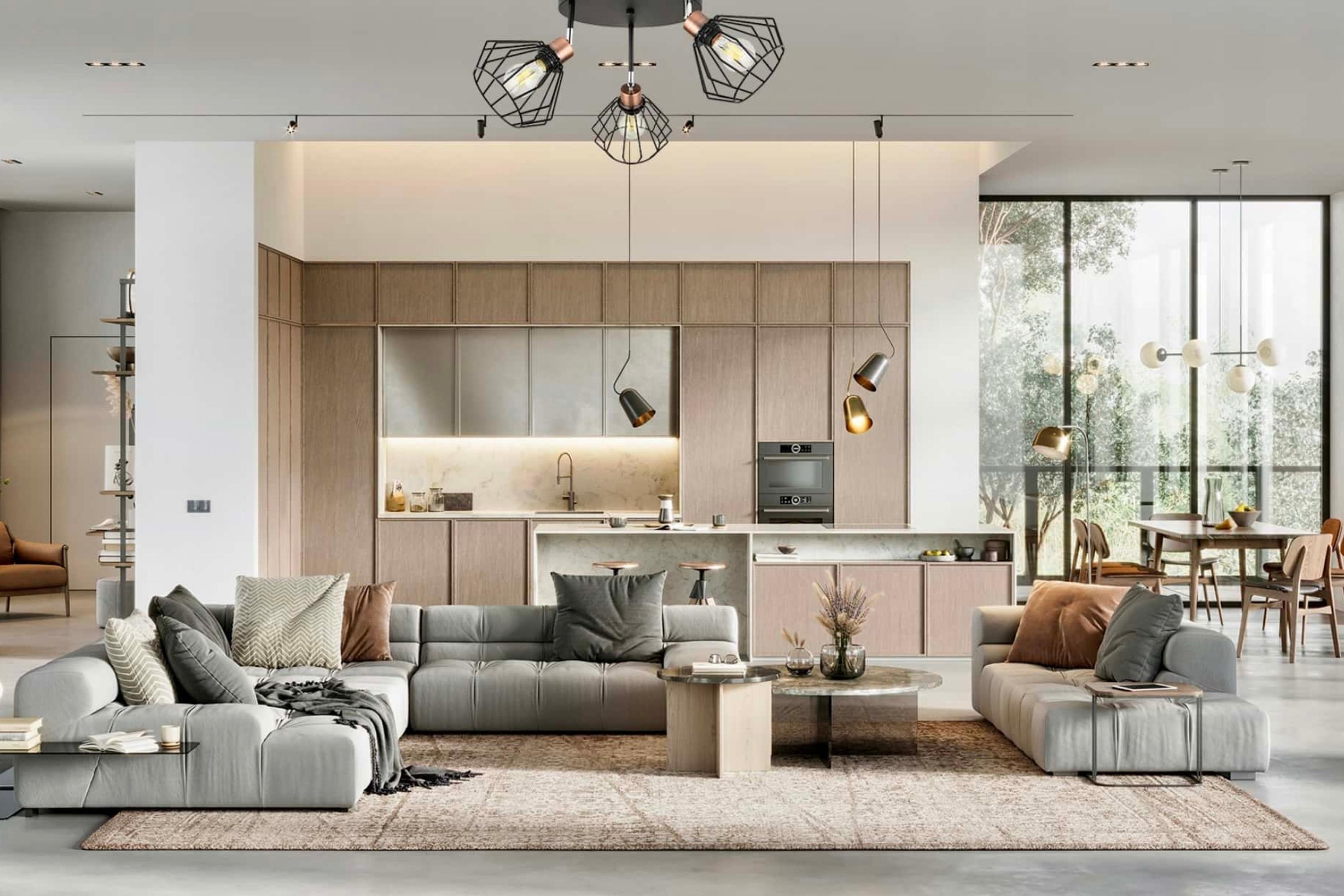
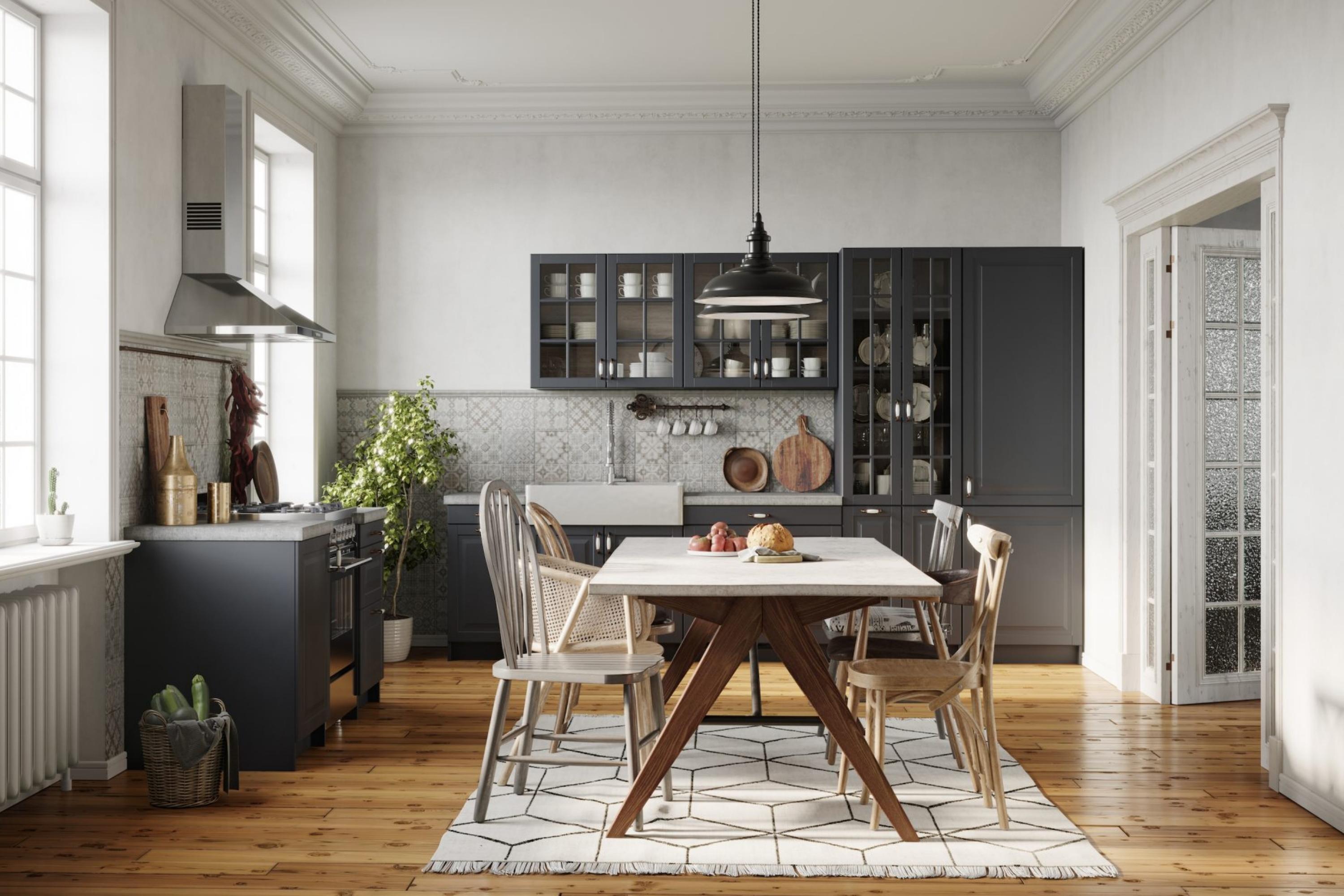
In open-concept layouts, a rug isn't just a decorative surface — it's architecture. It draws the invisible boundary between where you sit and where you eat.
A rug that's too small loses that authority entirely. The furniture floats. The space feels unresolved.
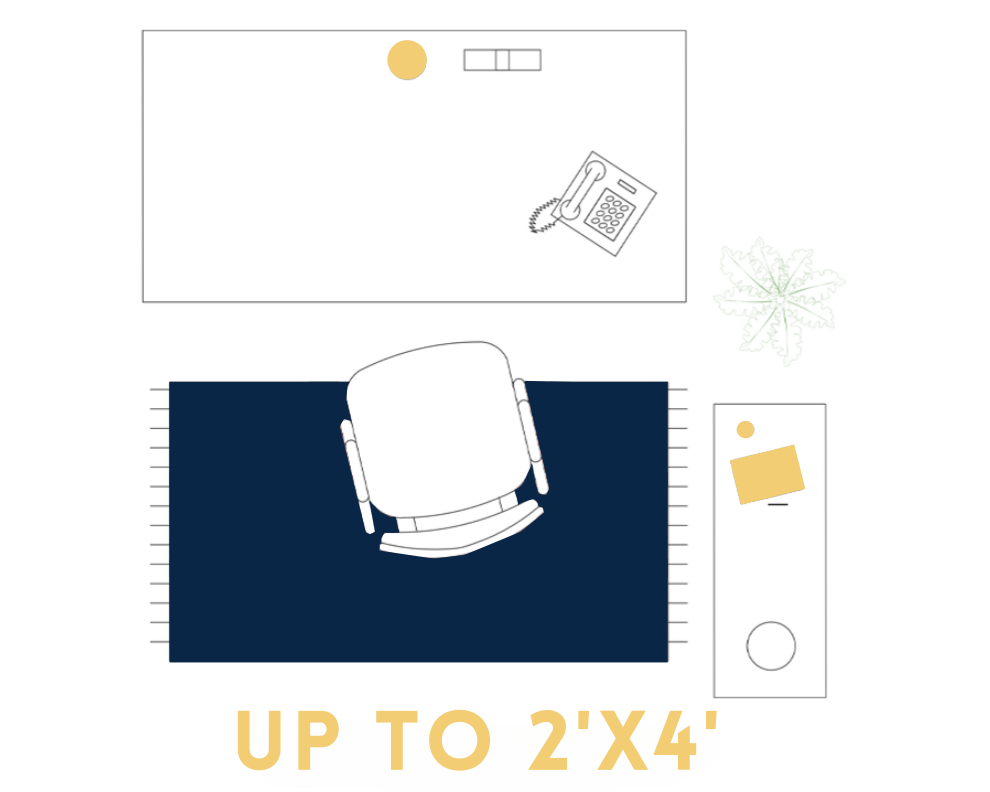
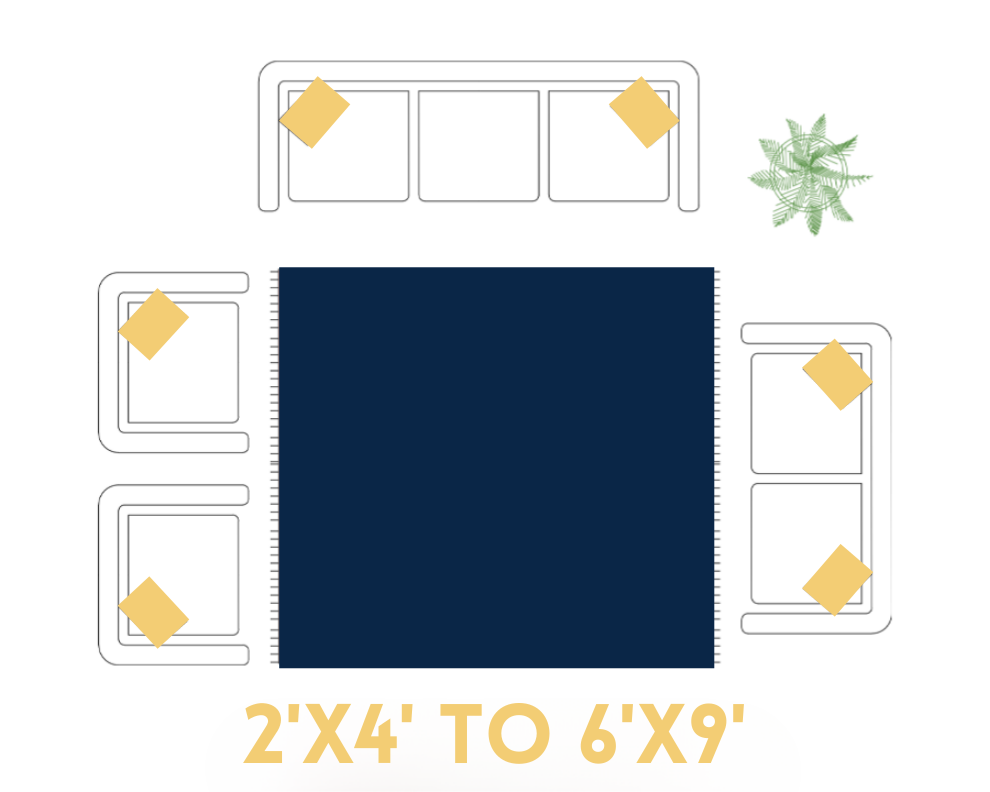
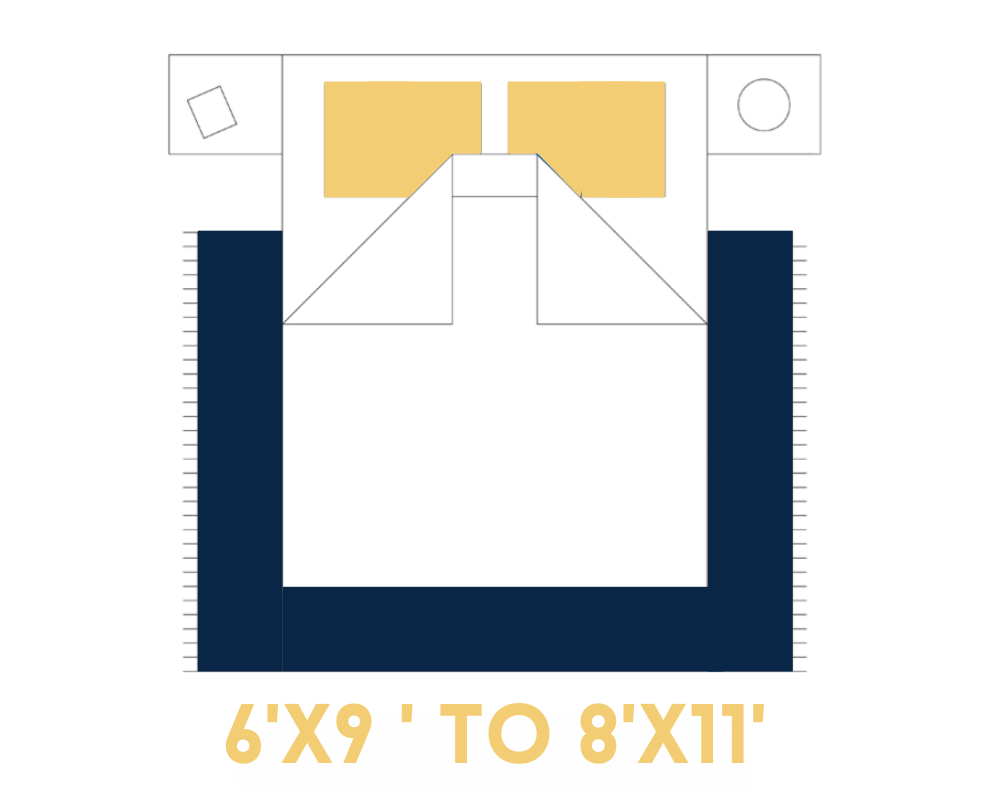
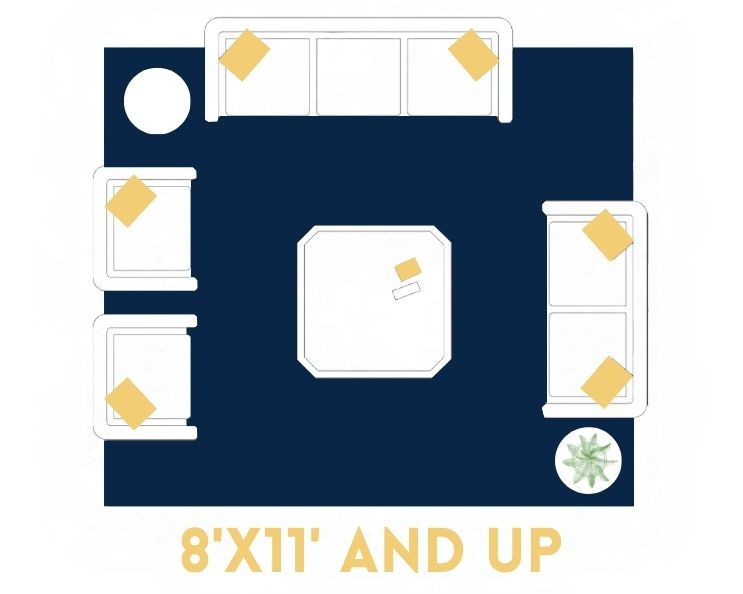
For living rooms with sofas and sectionals, large rugs in the 6×9 to 8×11 range typically provide the grounding a furniture grouping needs. For expansive open-plan spaces, extra-large rugs often turn out to be the right call.
Large Rug
Sustainability Is Changing the Way People Buy Rugs
A vintage rug already exists. Choosing it doesn't generate demand for a newly manufactured product — it extends the useful life of something already made, with no additional fiber, water, or synthetic backing entering the picture.
Many customers come to us specifically for this reason. Some of the handmade rugs we carry have already lasted sixty or seventy years and will outlast anything manufactured this decade.
The Rise of Individuality in Home Decor
The goal is no longer the perfectly coordinated showroom look. It's a room that couldn't exist in anyone else's house.
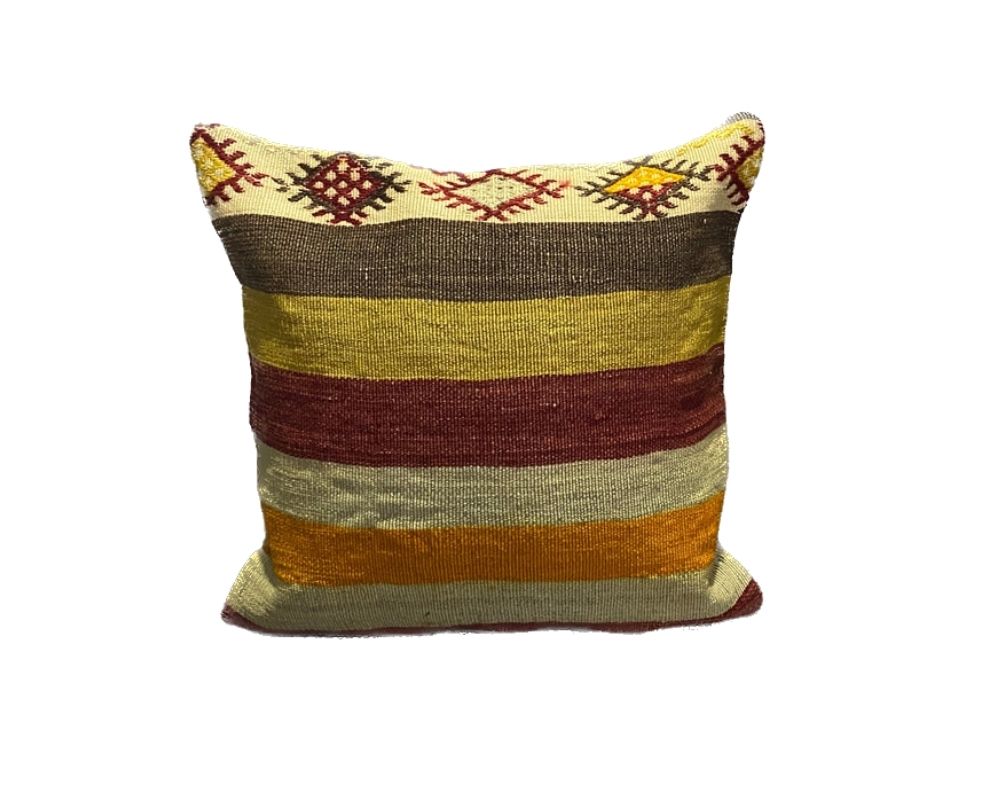
Some buyers express this through bold, colorful statement pieces — an overdyed rug in deep burgundy, a vivid kilim layered over a larger neutral, something that becomes the room's focal point rather than its backdrop.
Every one-of-a-kind handmade piece, by definition, belongs to exactly one home.

Choosing a Rug That Will Still Look Beautiful Ten Years From Now
Trends in contemporary rug design will keep moving. New palettes will be declared essential. Patterns will cycle. That's how it works.
What stays constant is the quality of the object itself.
A hand-knotted Turkish rug made from natural wool, placed on a proper pad and cleaned with care, looks better in ten years than it does today. The pile softens. The colors mellow into each other. It stops looking new and starts looking right.
A Note From Our Experience
As specialists in handmade Turkish rugs, we've learned that the pieces people cherish most are rarely those chosen because they were fashionable at the time. Authenticity has proven to be remarkably timeless.
Choose a Rug That Still Feels Right Years From Now
The best contemporary rug is not the one that follows the loudest trend. It is the one with real material, quiet character, and enough depth to stay beautiful as your home changes.
Explore Vintage Rugs




Frequently Asked Questions
Clear answers to the questions people usually ask before choosing a contemporary, vintage, or handmade rug.
What are the biggest contemporary rug trends for 2026?
The strongest trends are authenticity, natural color palettes, soft traditional patterns, larger rug sizes for open spaces, sustainability, and one-of-a-kind handmade pieces with visible character.
Are vintage rugs still in style in 2026?
Yes. Vintage rugs remain relevant because they are not tied to one short-lived trend. A well-made vintage piece adapts to changing interiors because its value comes from material, craftsmanship, age, and character.
What rug colors are trending in contemporary interiors?
Warm oat, soft beige, muted dusty blue, faded rust, clay, ivory, and weathered linen tones are leading. These colors feel natural and flexible, which helps them work across many different rooms.
Why are handmade rugs becoming more popular?
Buyers are moving away from generic factory pieces and looking for rugs with origin, age, weaving technique, natural wool, and a real story. Handmade rugs also tend to age better than synthetic machine-made rugs.
Are Oushak rugs a good choice for contemporary homes?
Yes. Oushak rugs work beautifully in contemporary homes because their patterns are open, soft, and usually calm enough to support the room without overpowering furniture or artwork.
What rug size is best for open-concept living spaces?
Open-concept spaces usually need larger rugs than people expect. A 6×9, 8×11, 9×12, or extra-large rug often works better because it defines the seating area and keeps the furniture from feeling like it is floating.

