













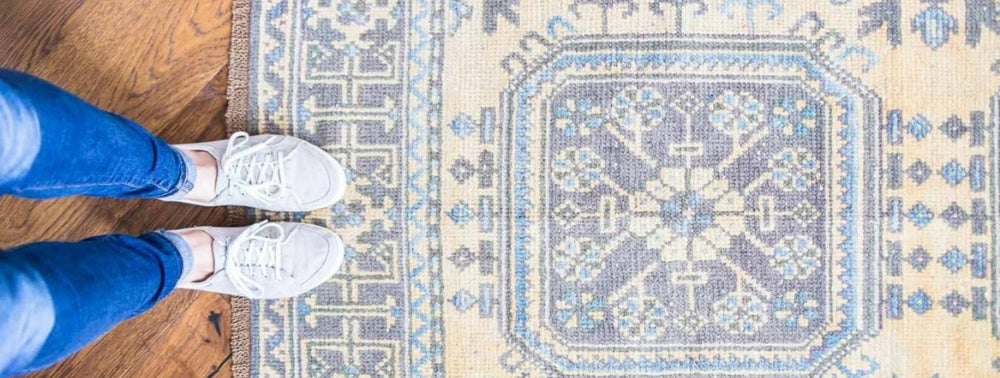
Vintage Rugs
Vintage rugs bring timeless elegance to your living space, transforming it with their unique stories woven from rich history and unmatched craftsmanship. Each piece in our collection adds warmth to any room with its intricate patterns and charmingly distressed appeal. Embrace the beauty of heritage and elevate your home decor with a one-of-a-kind vintage rug.
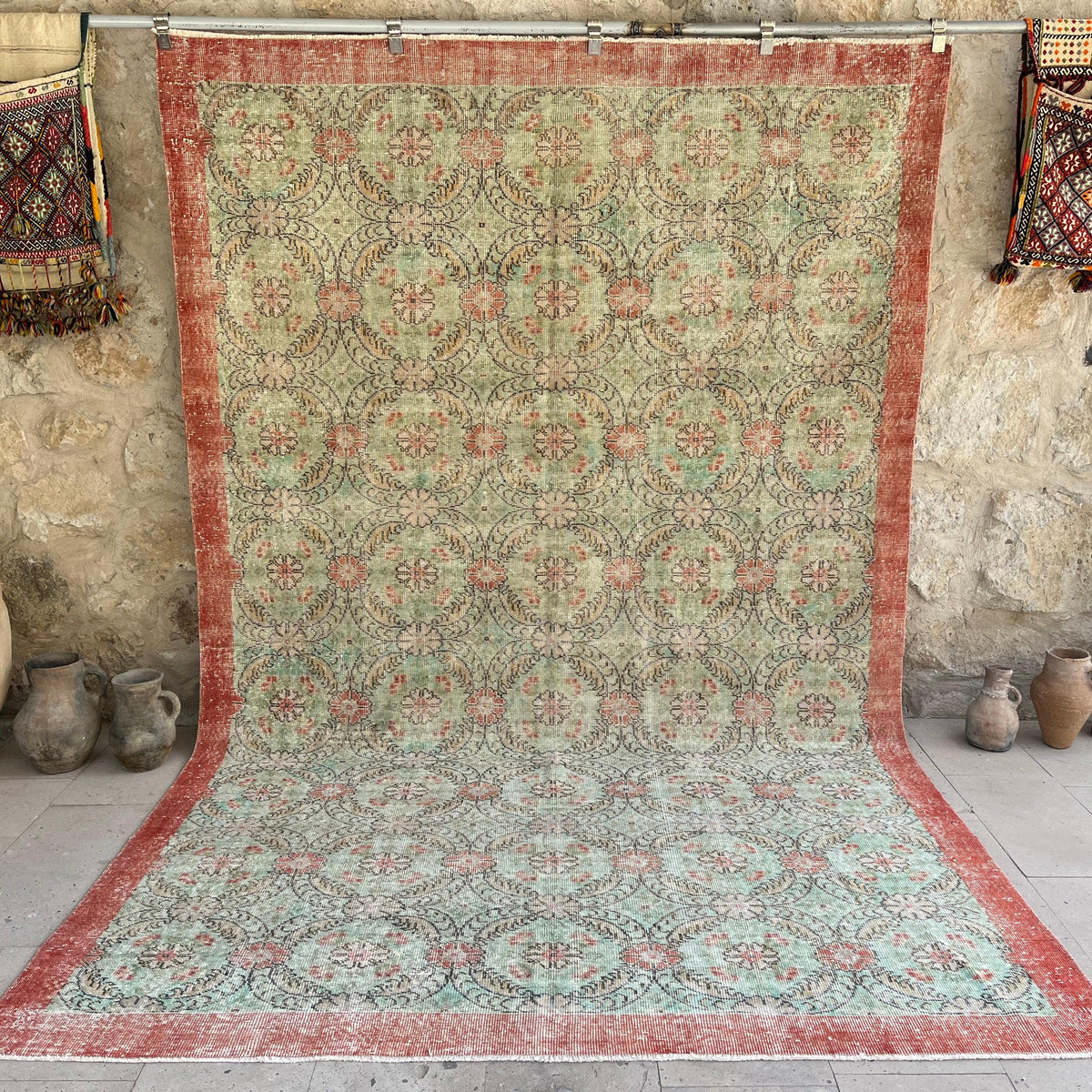
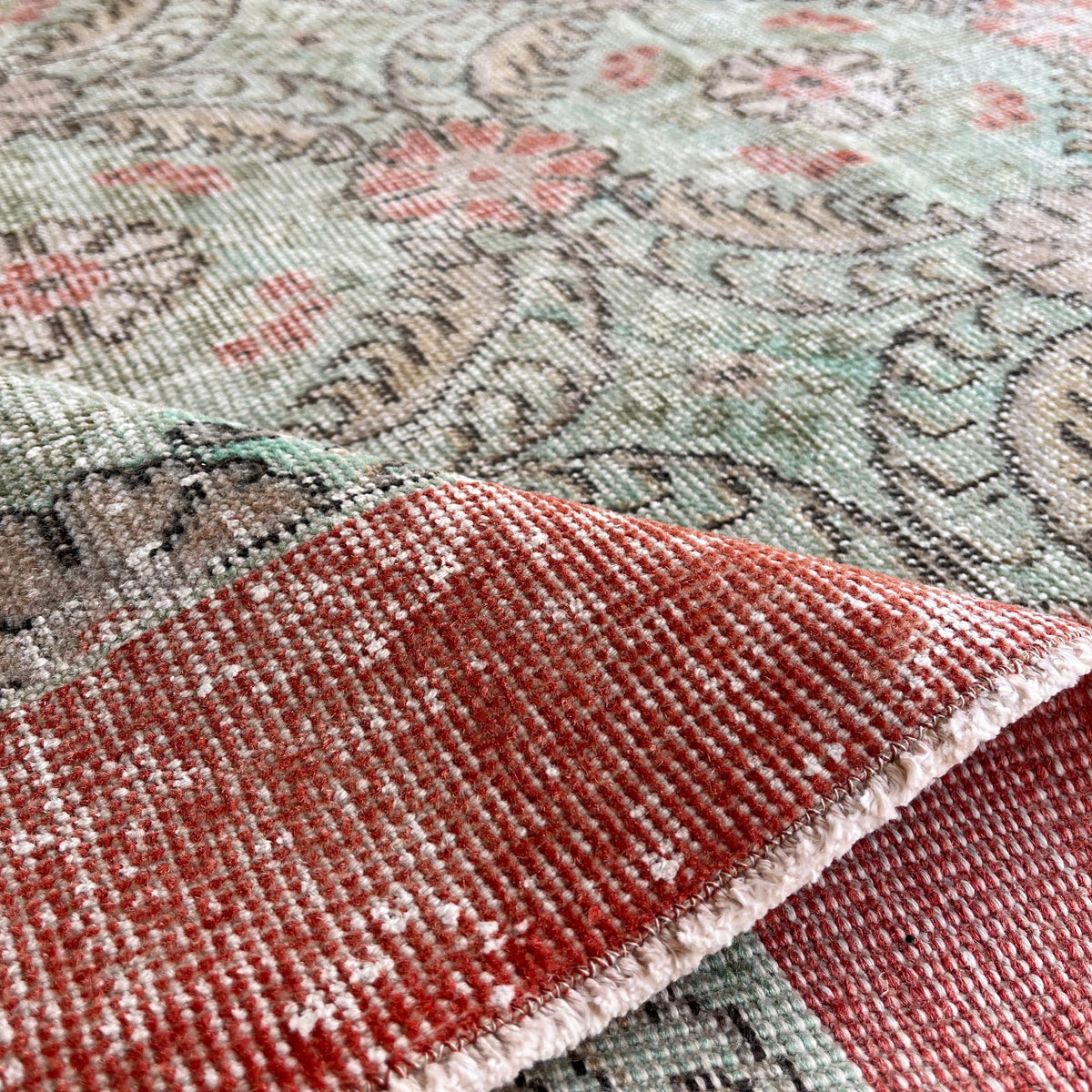
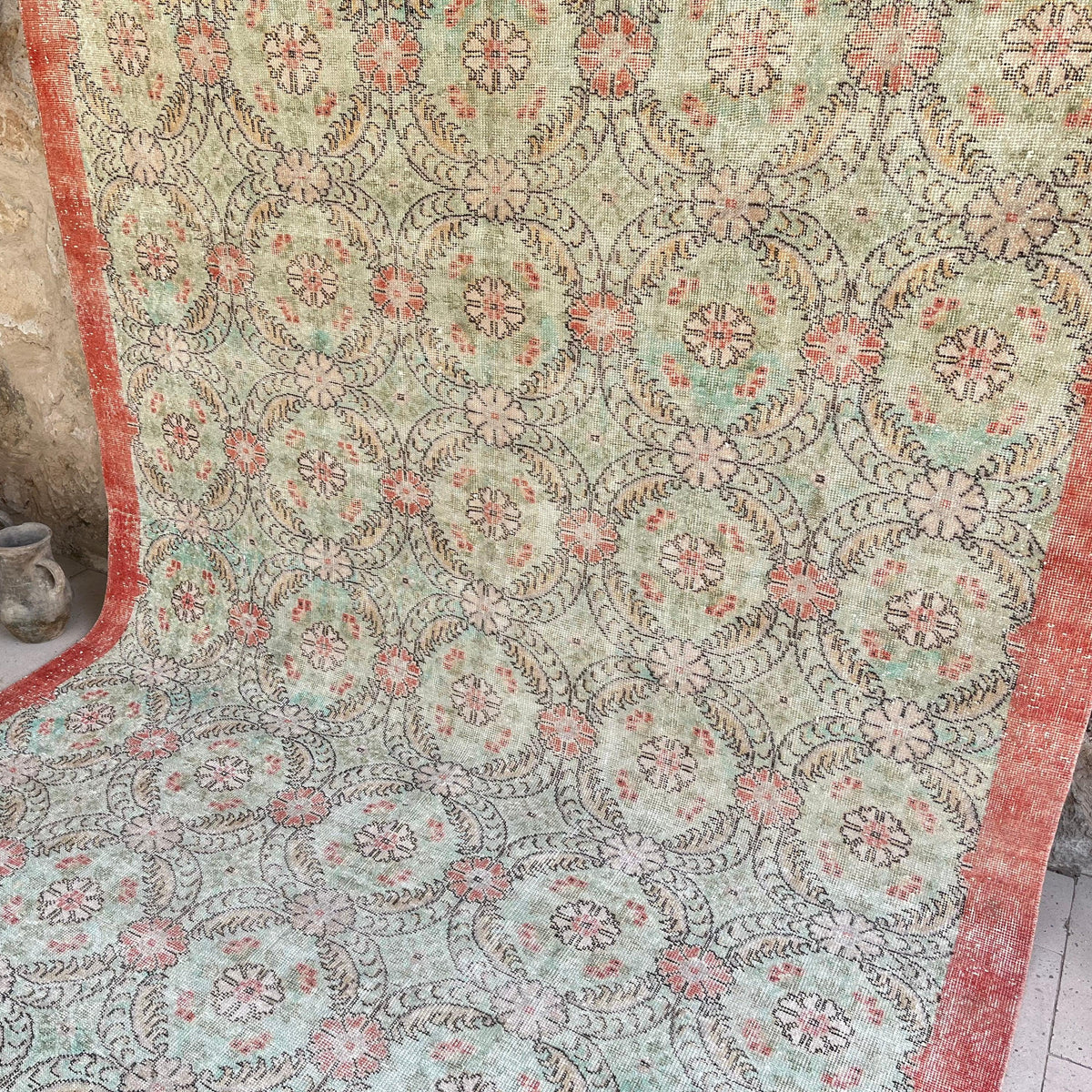
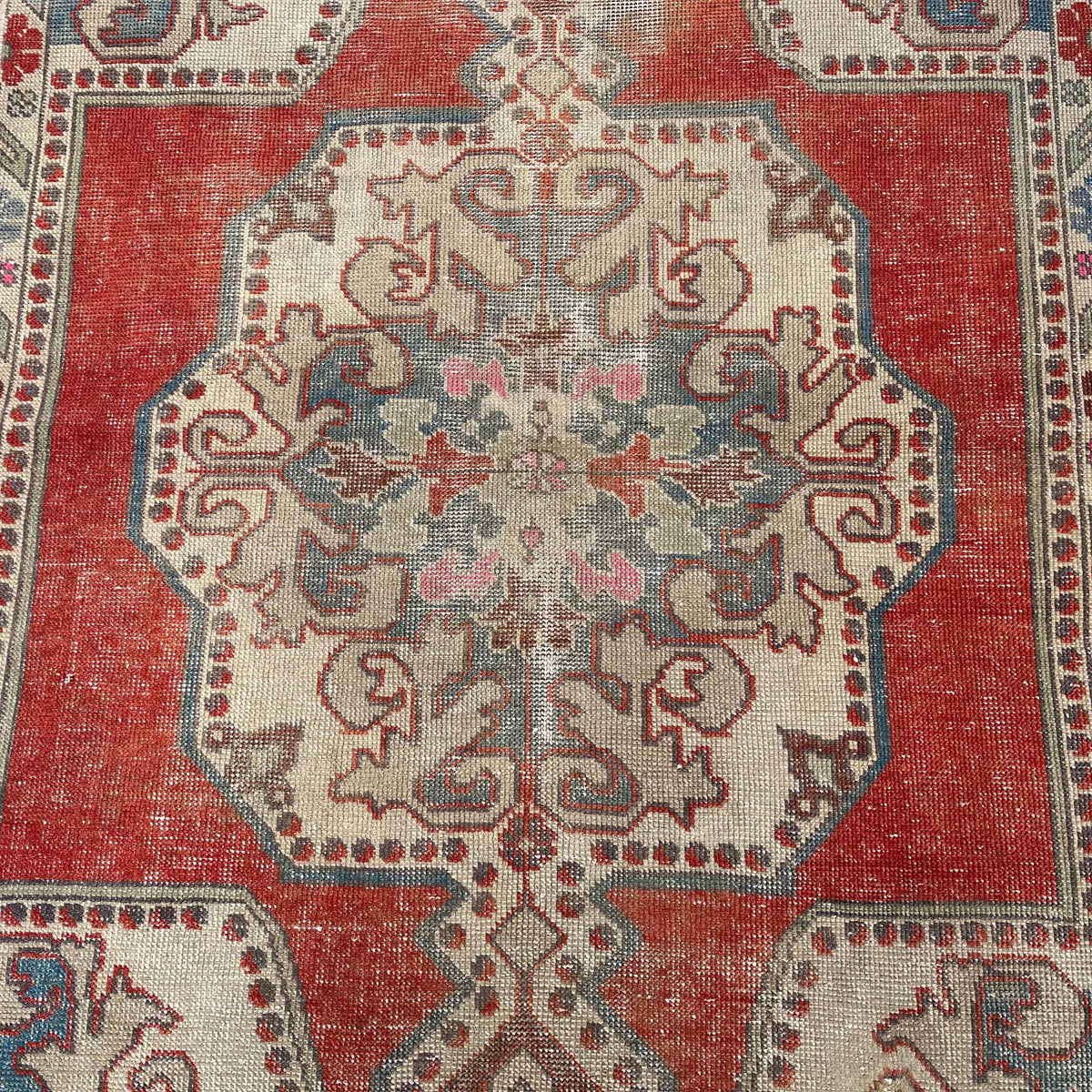
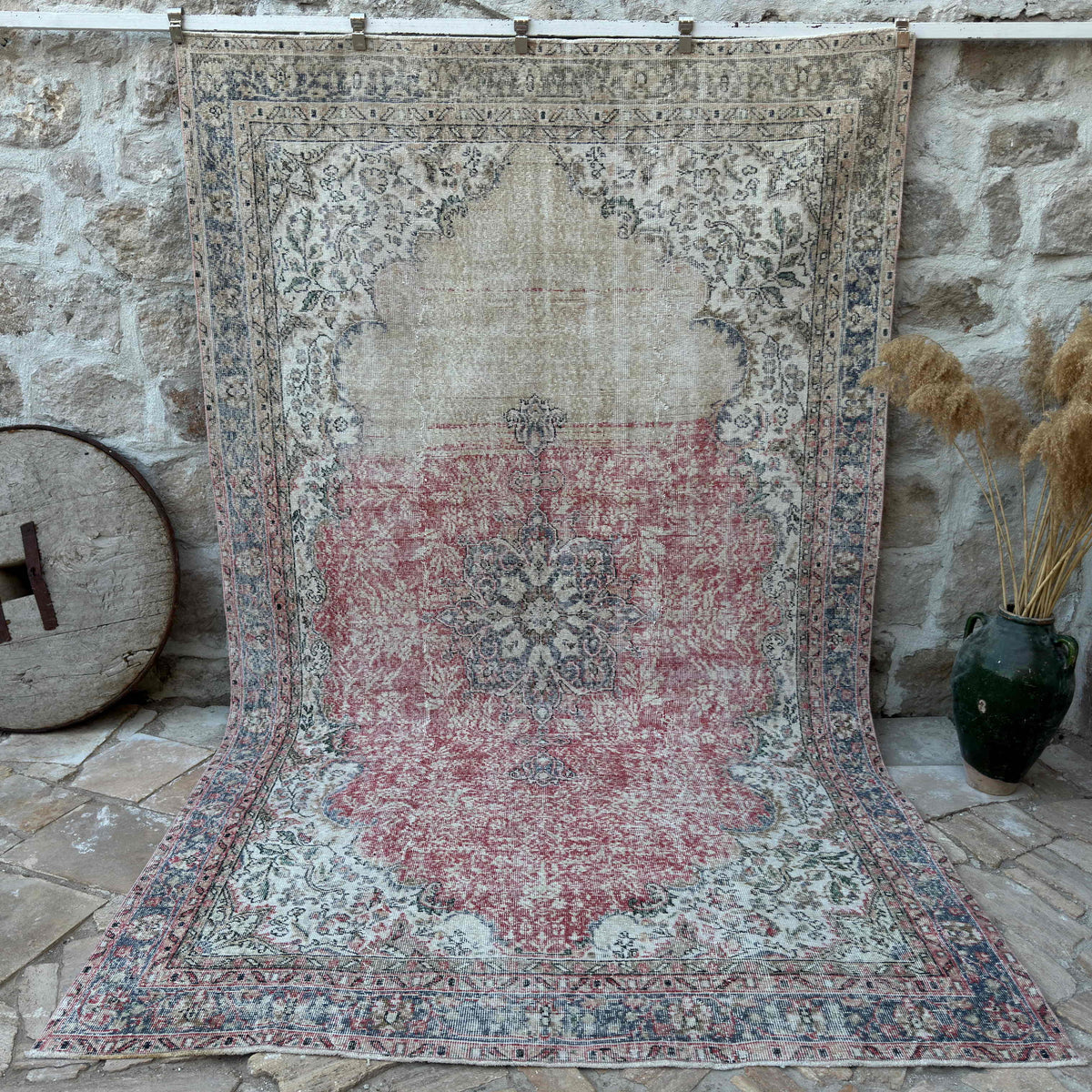
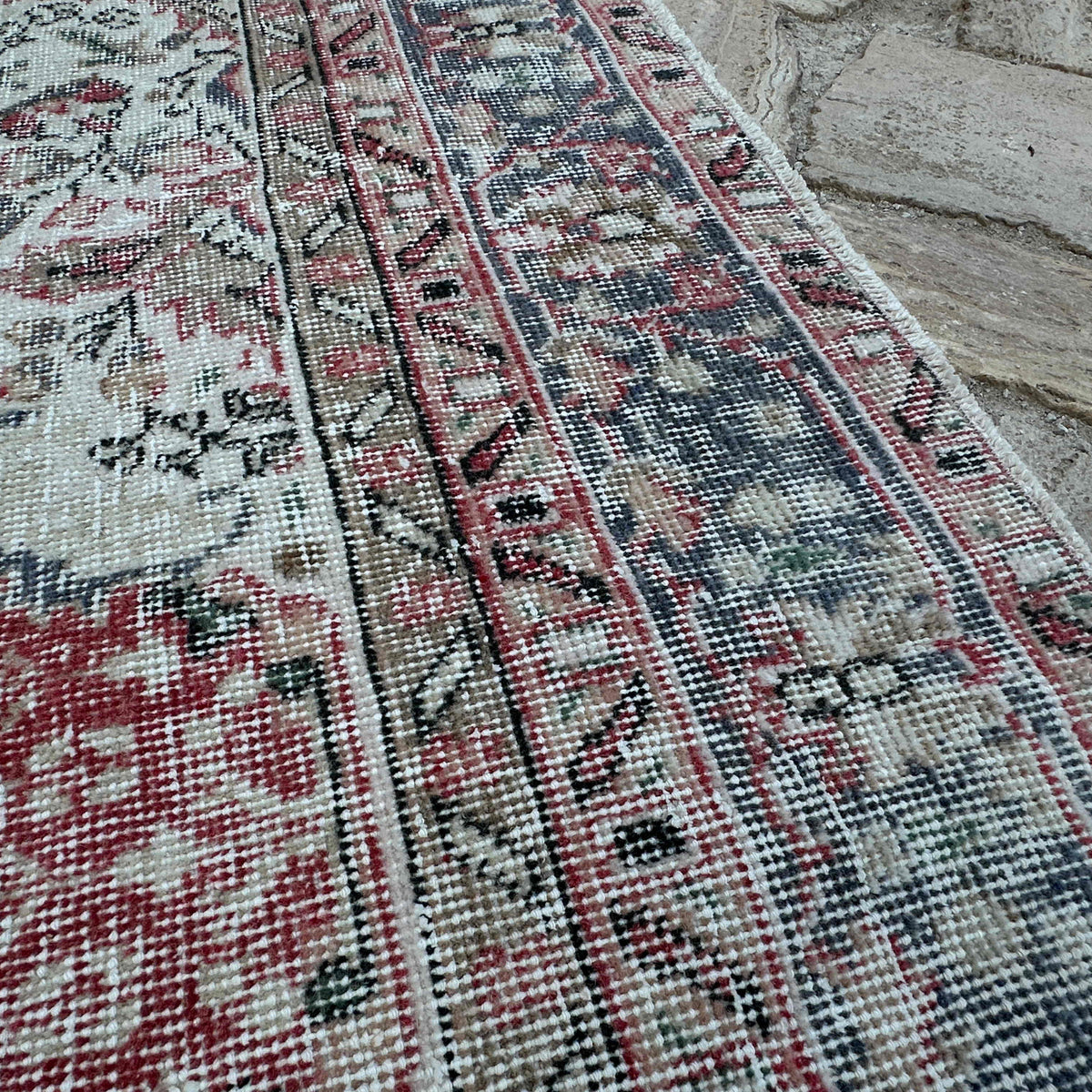
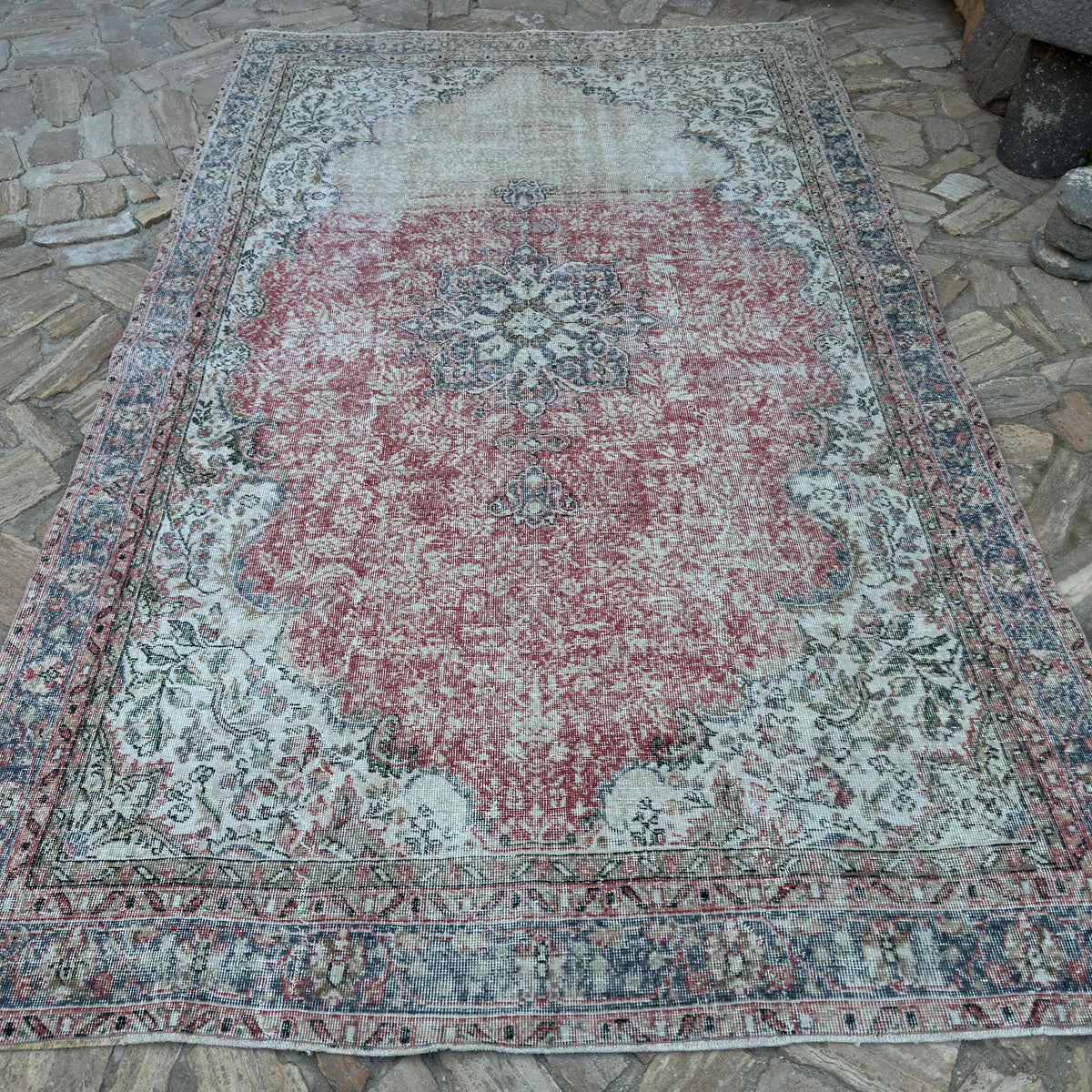
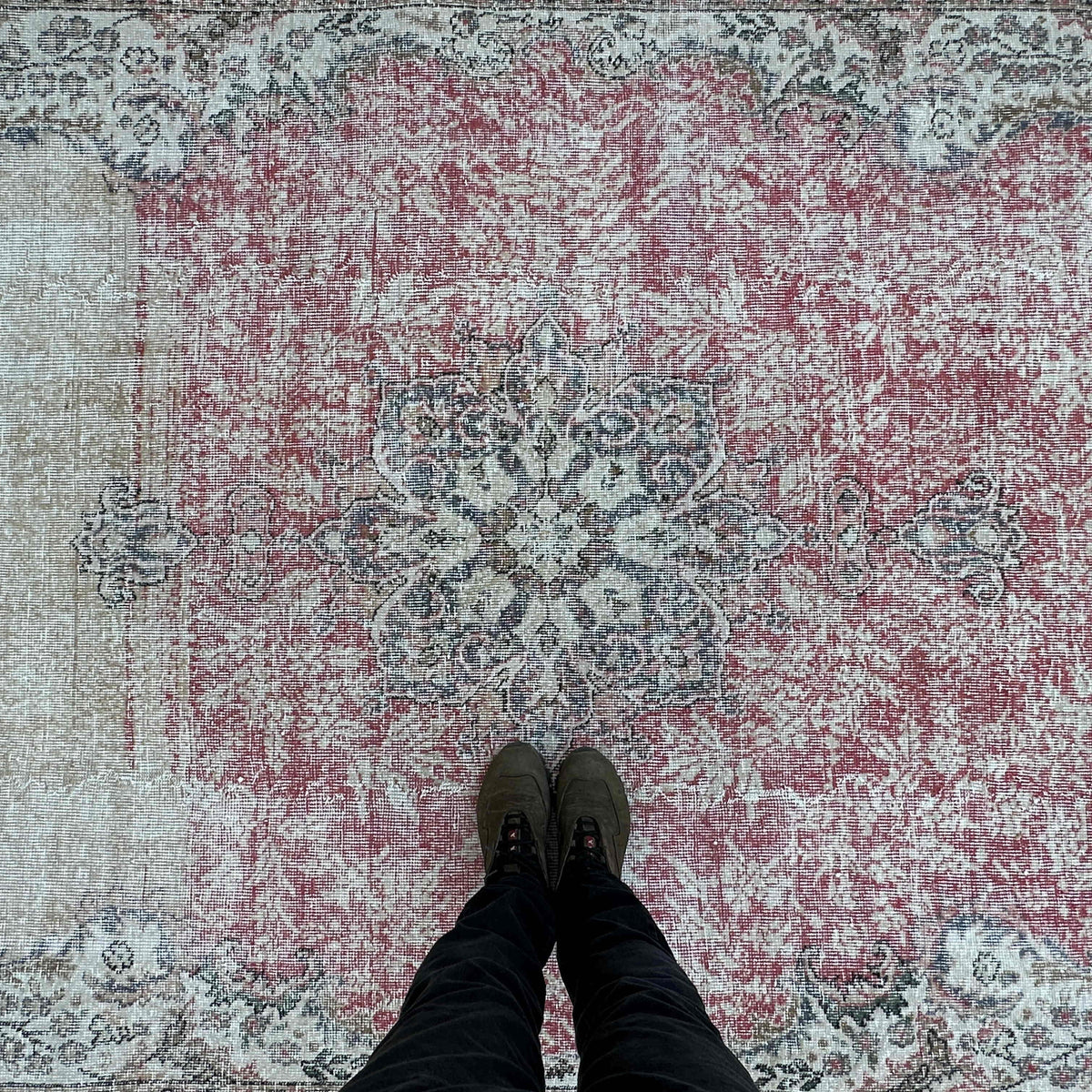
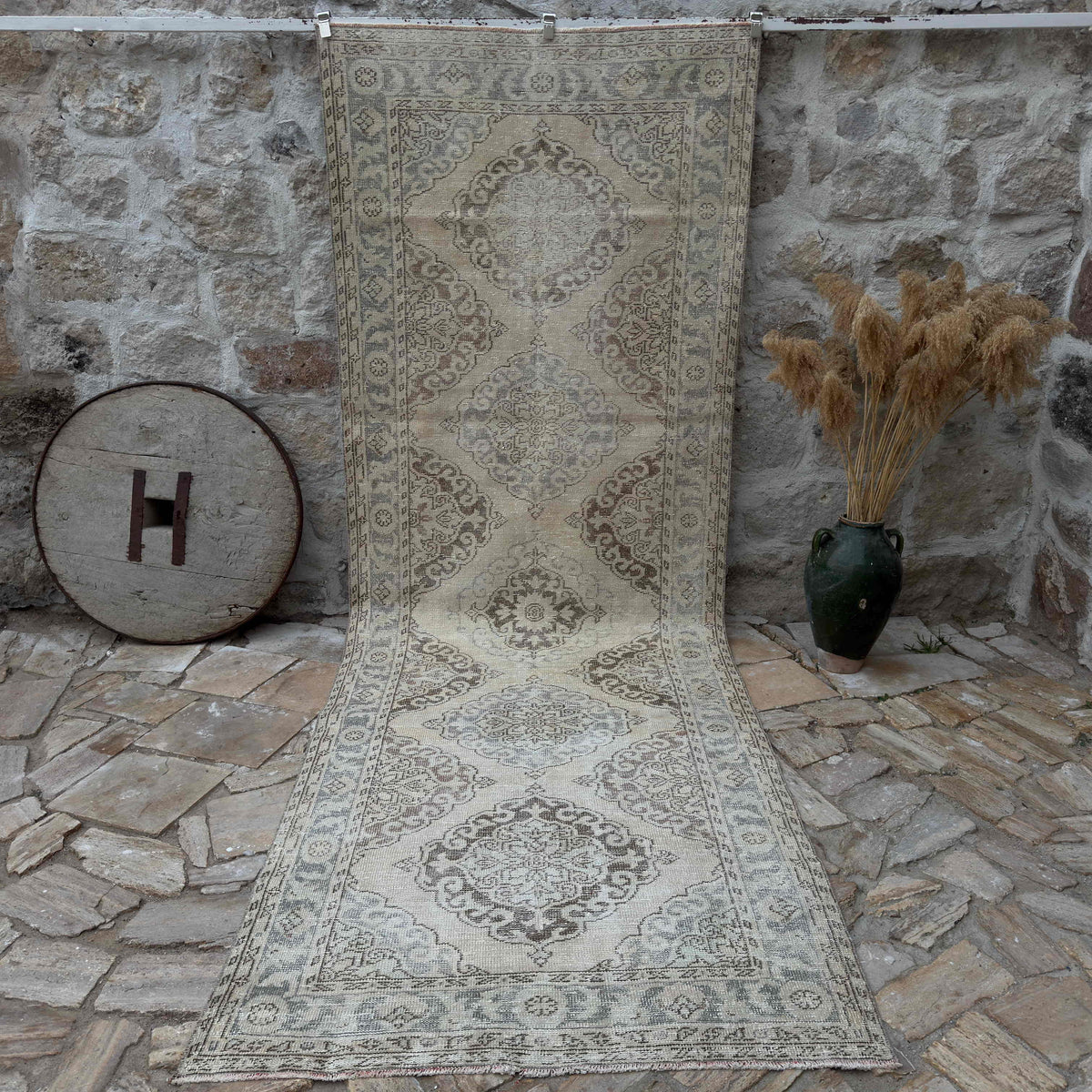
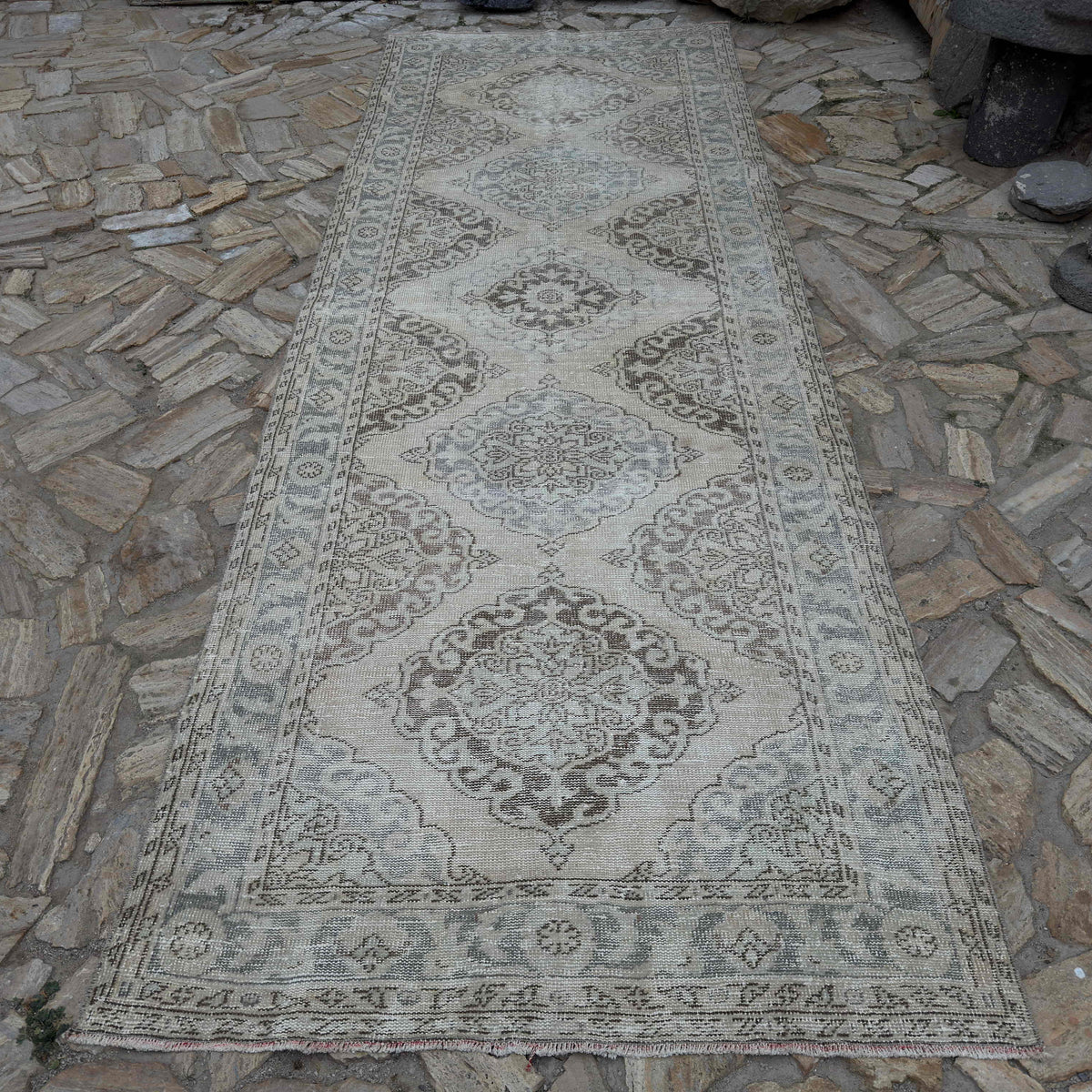
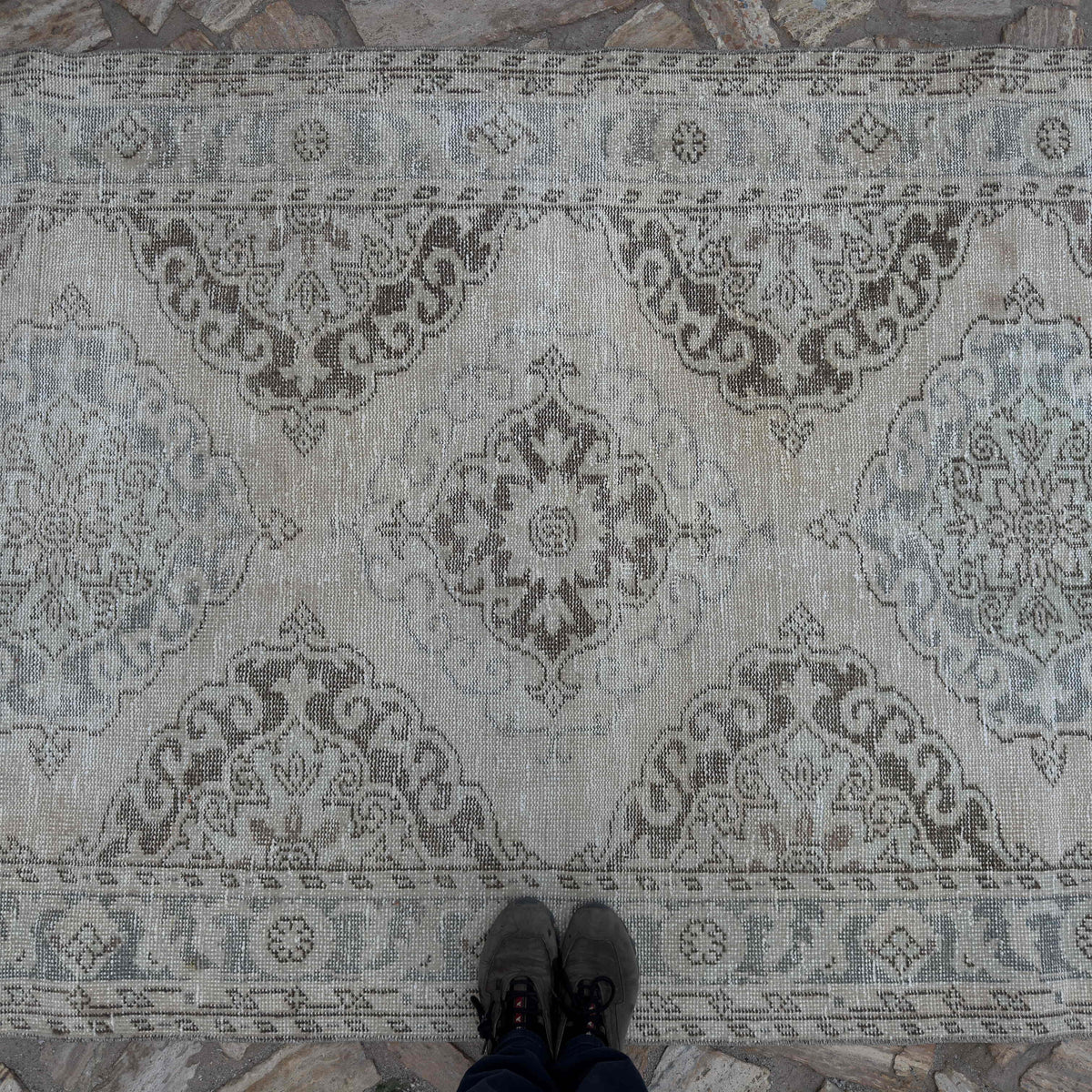
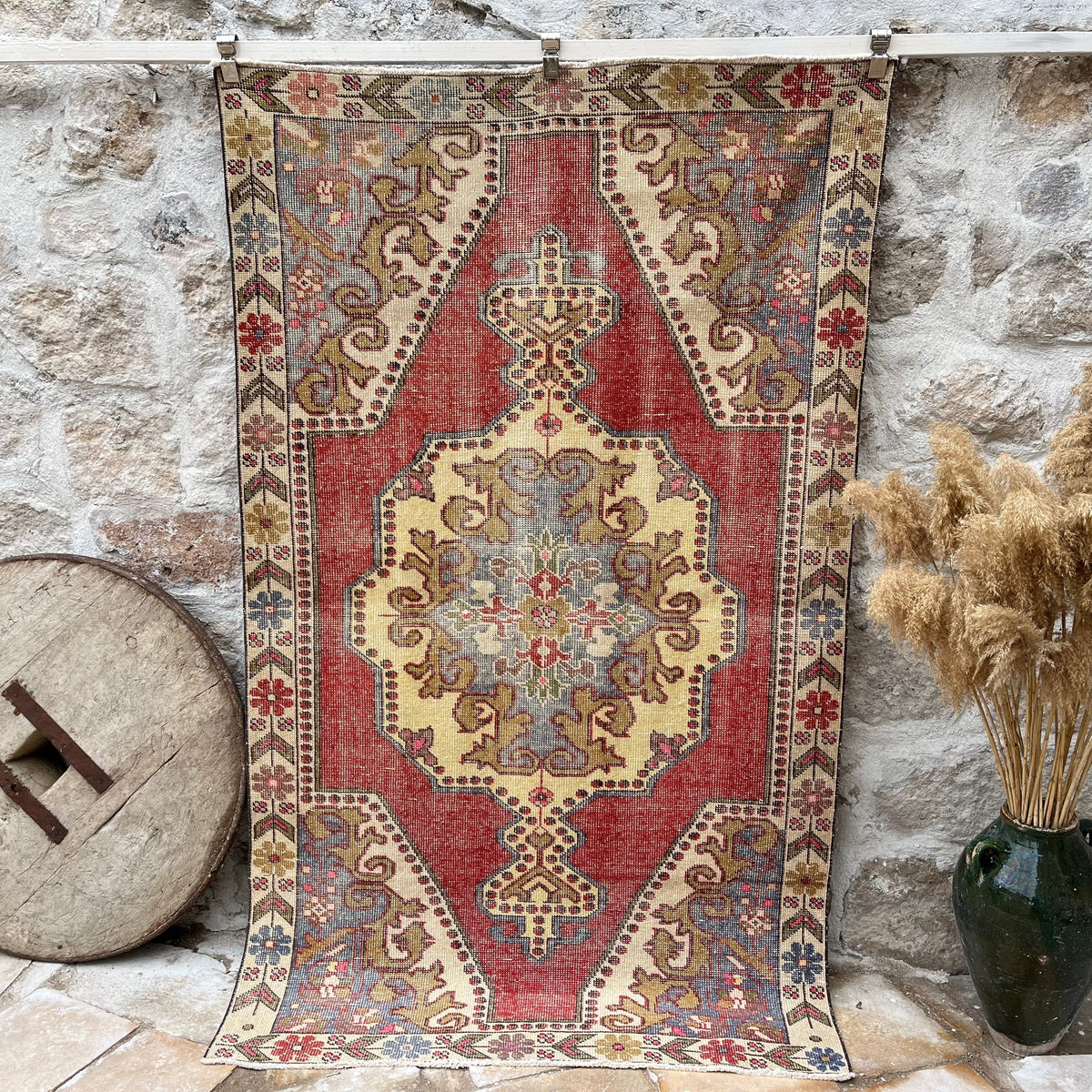

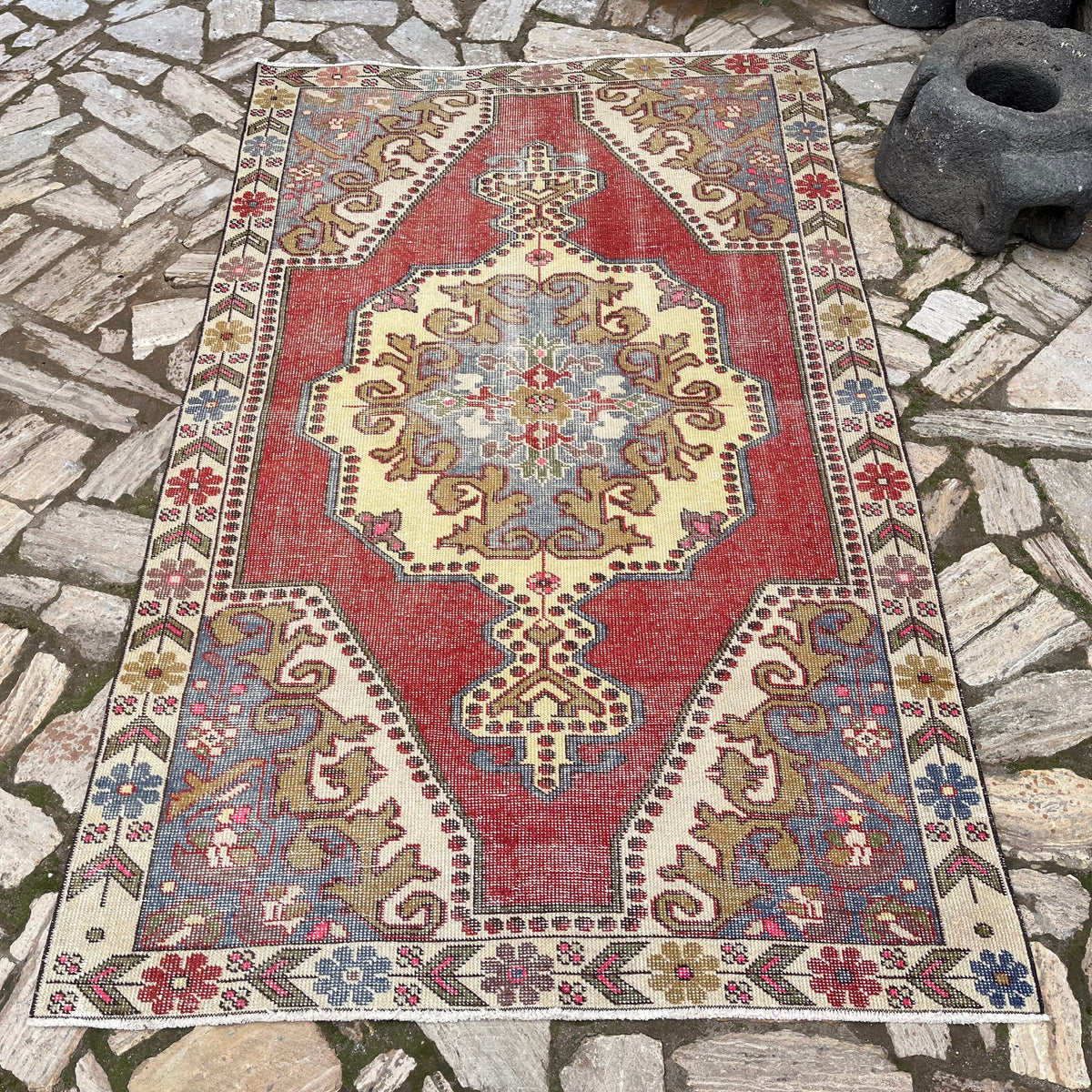


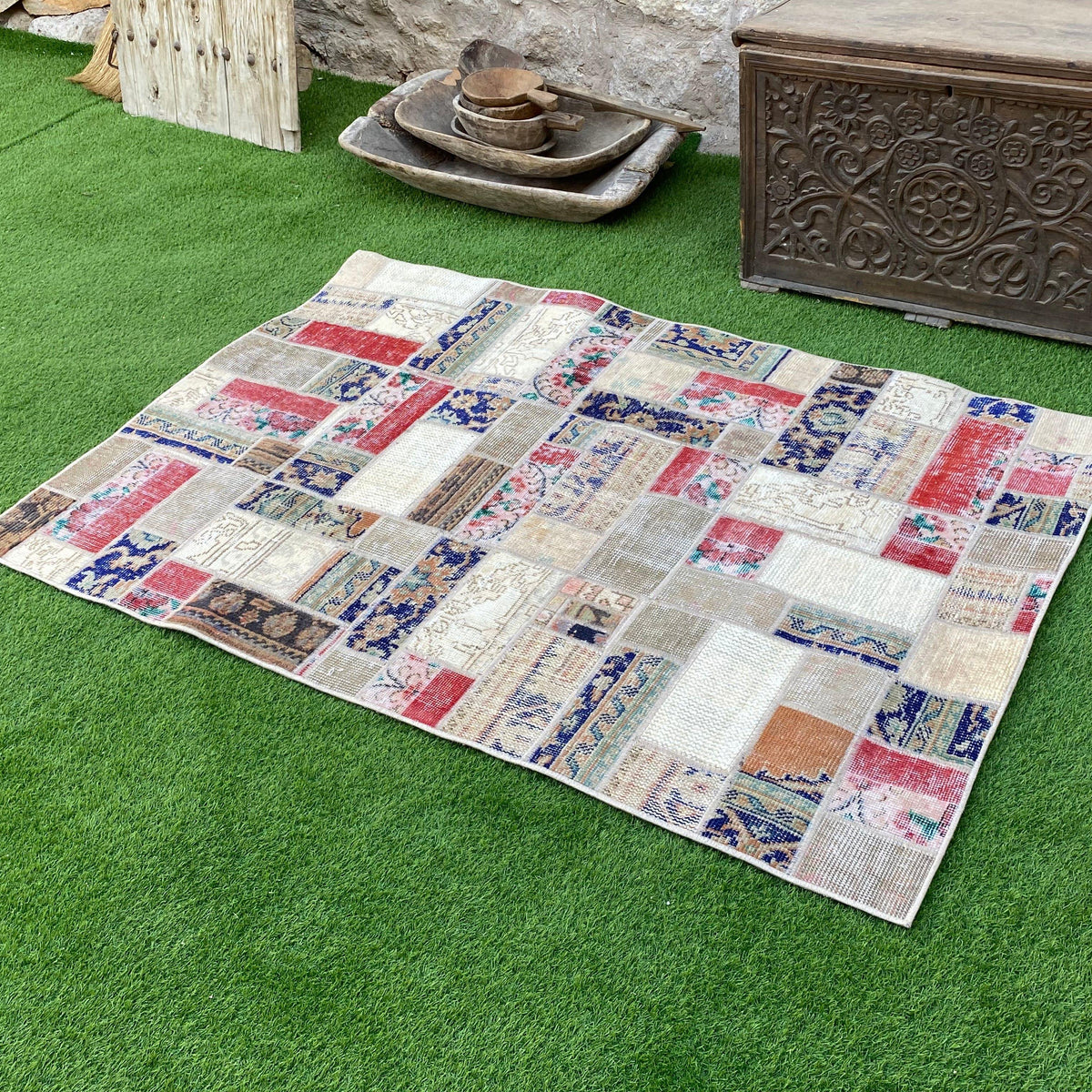
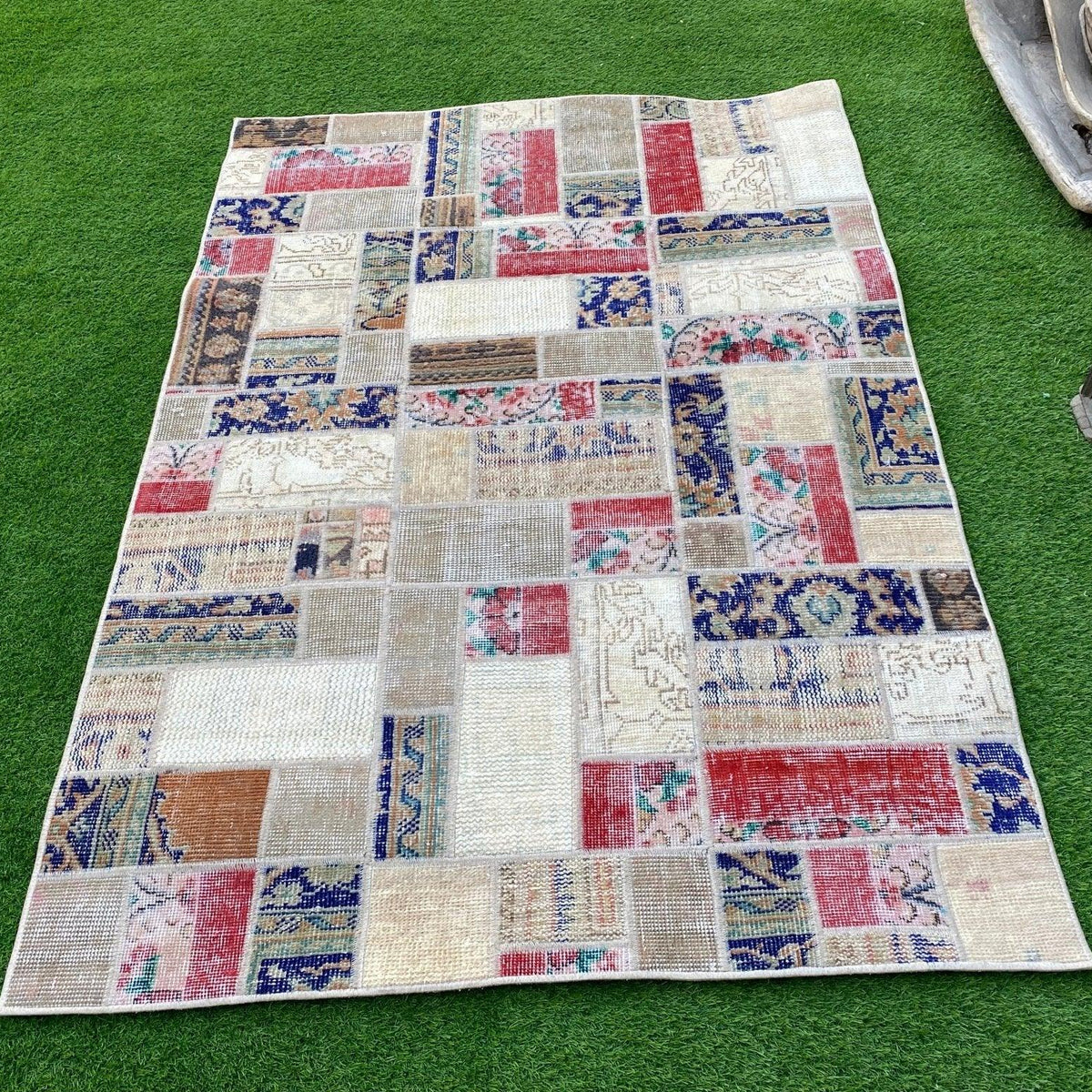
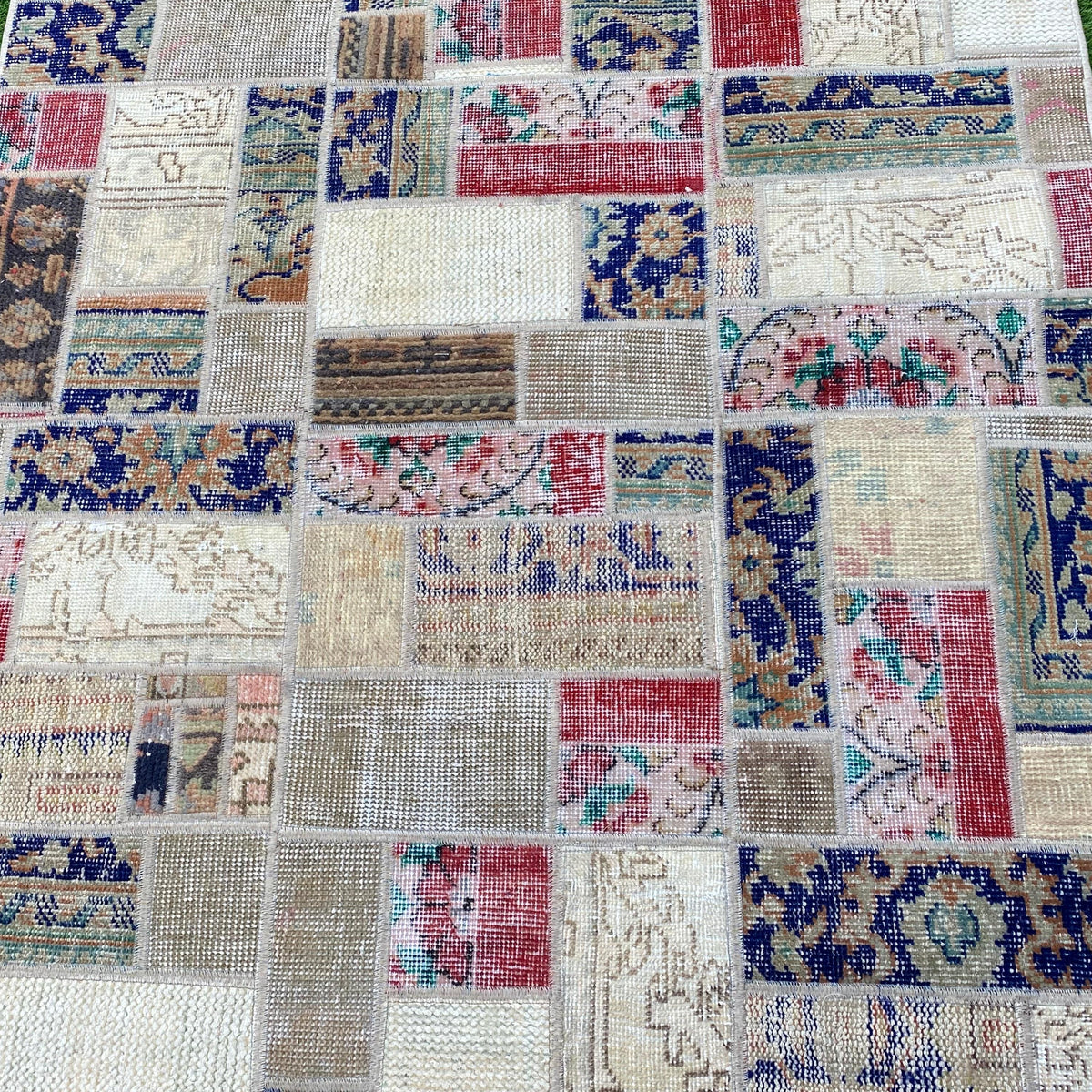
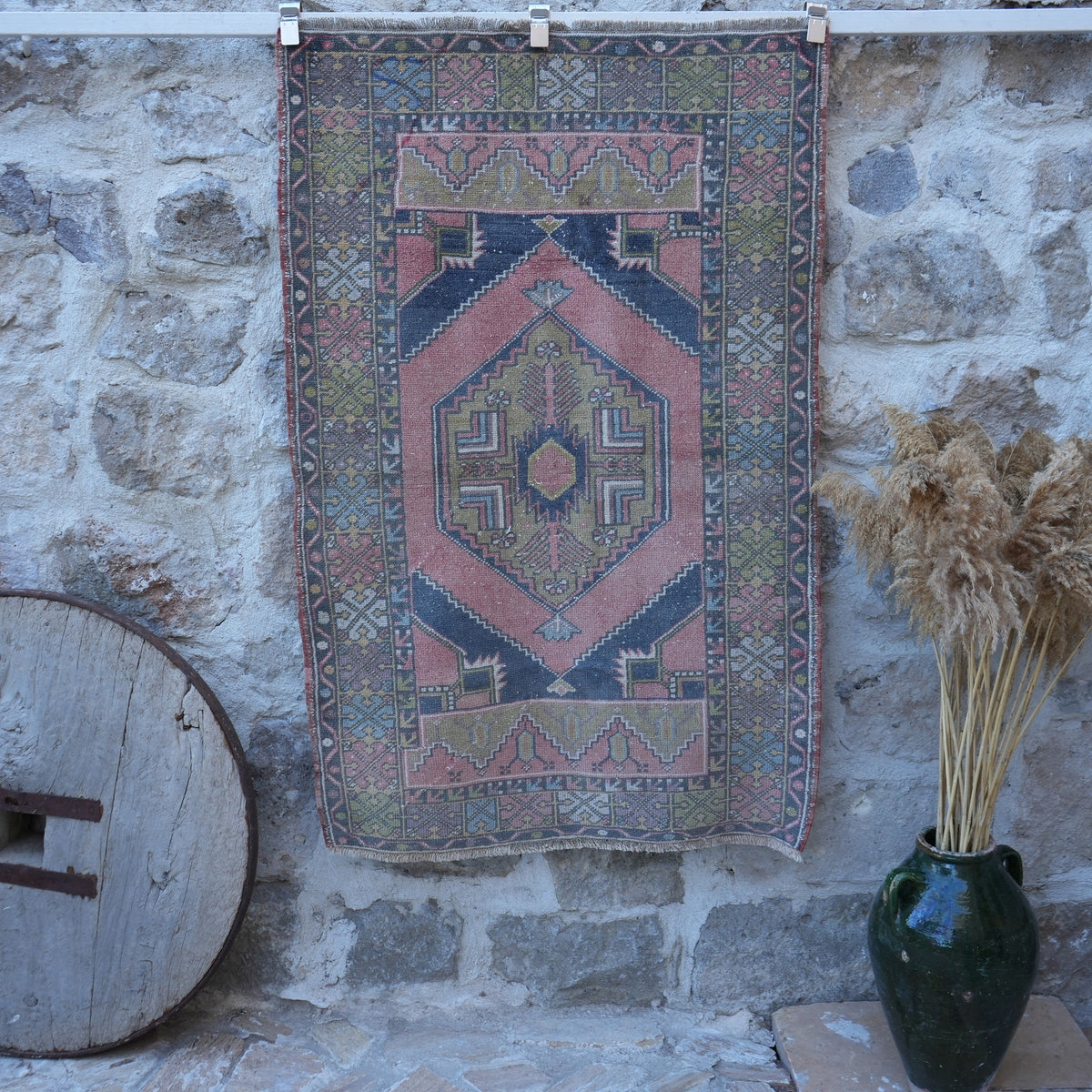
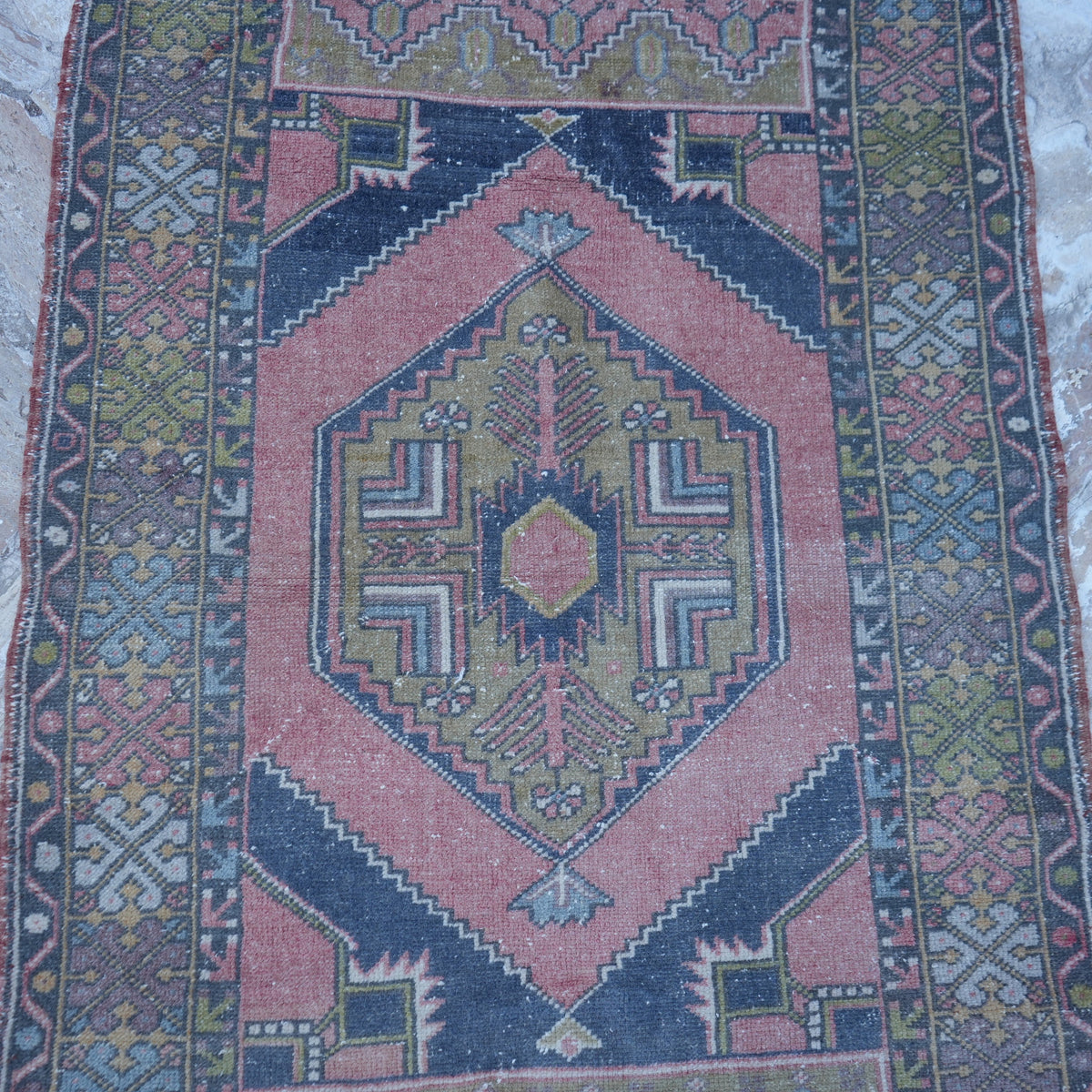
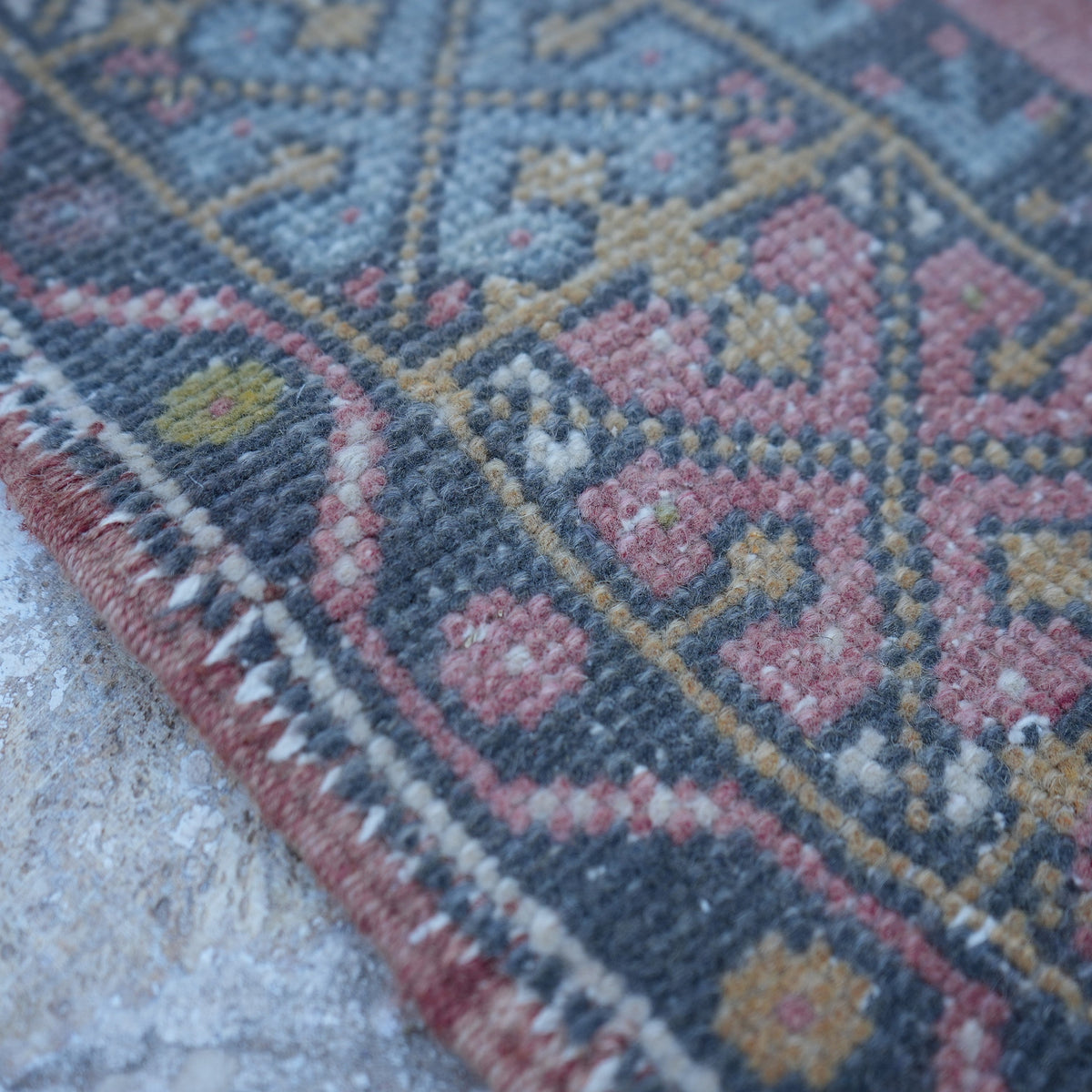
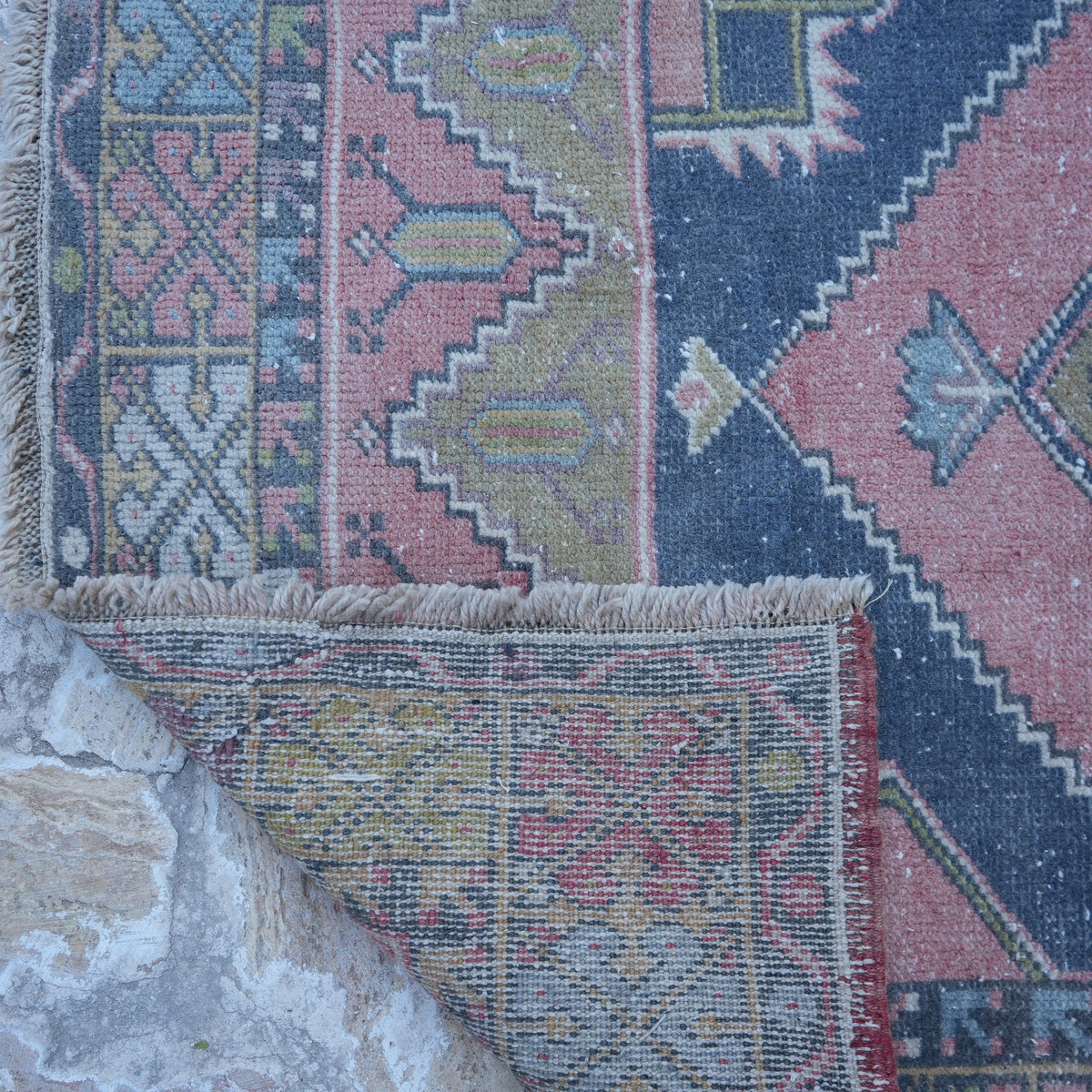
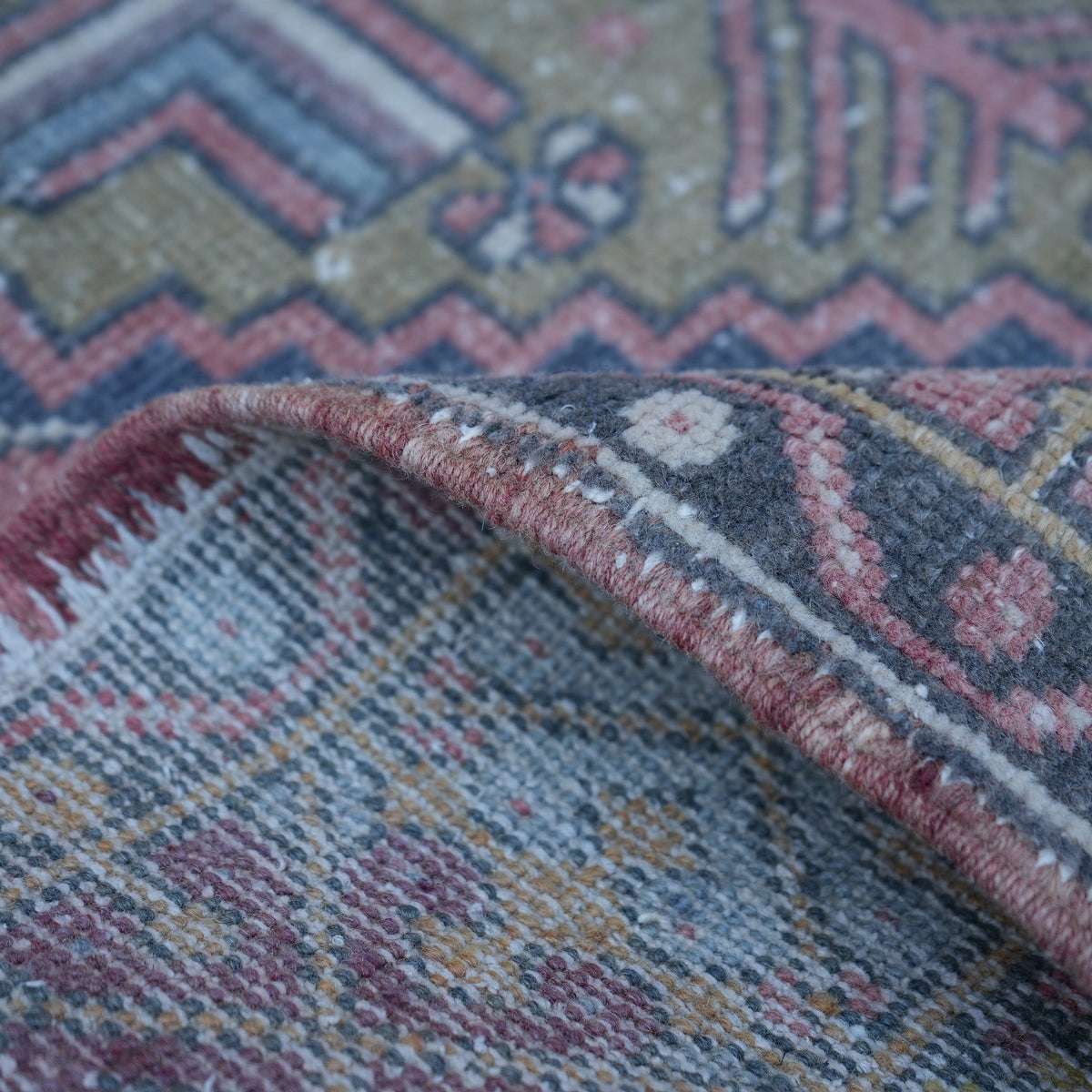
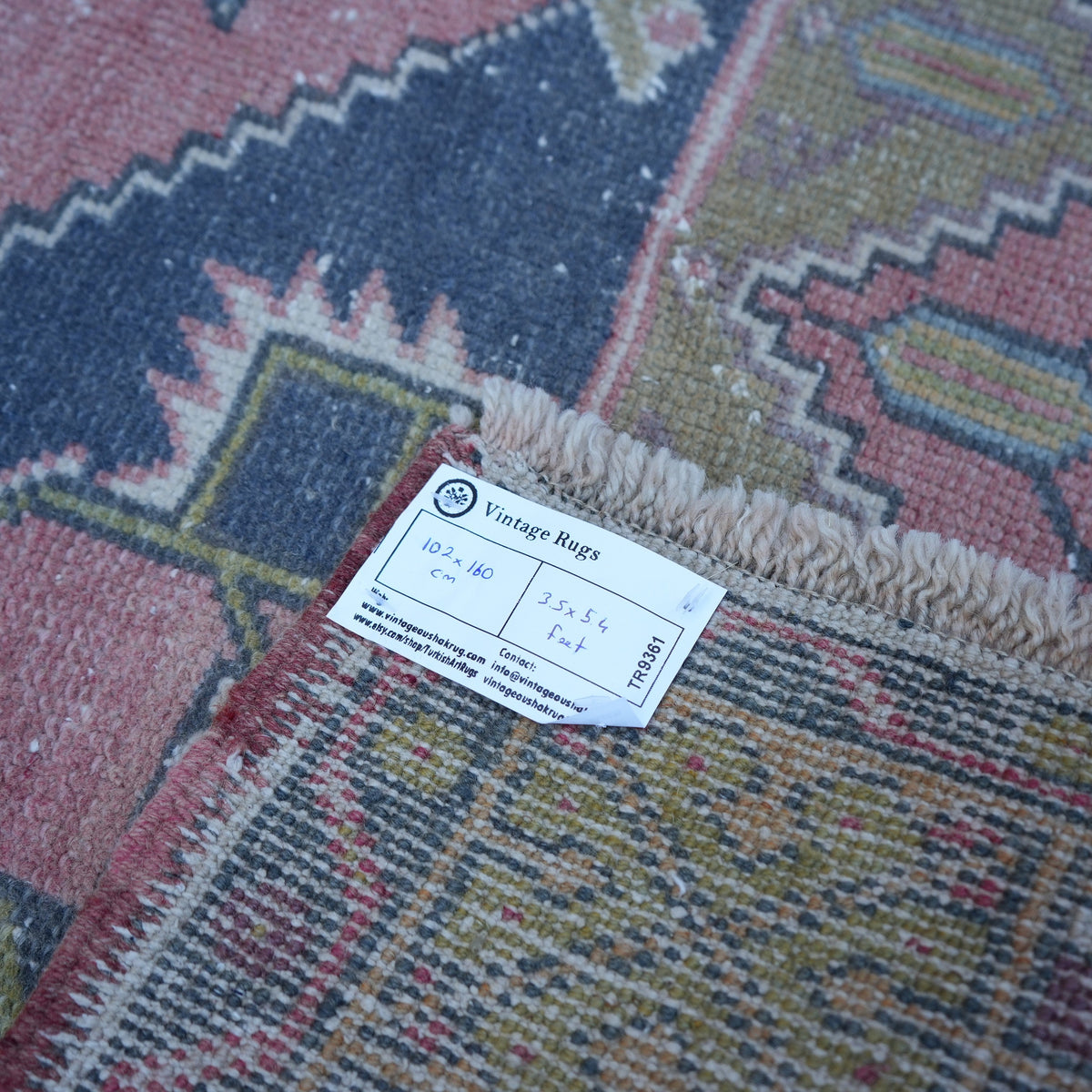


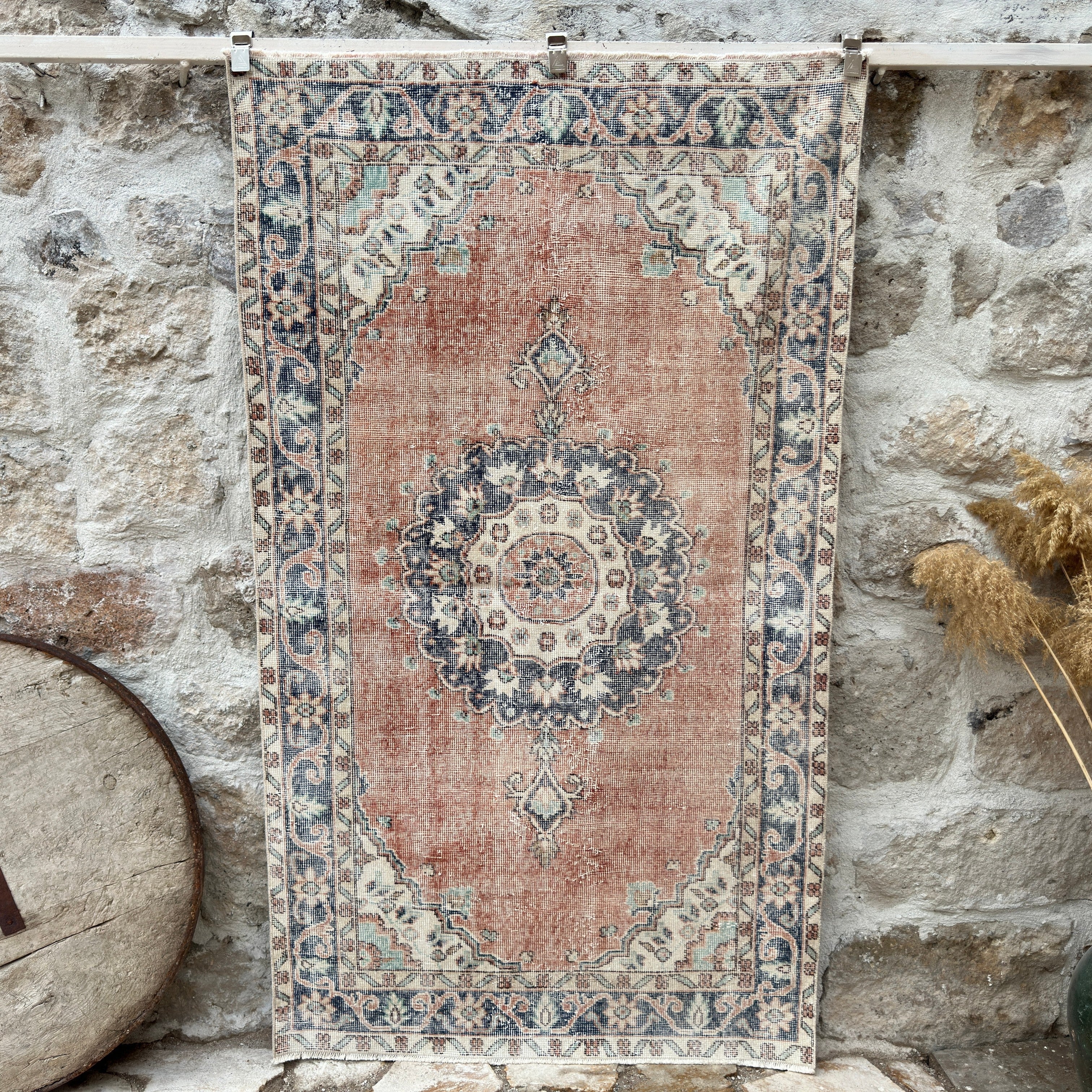
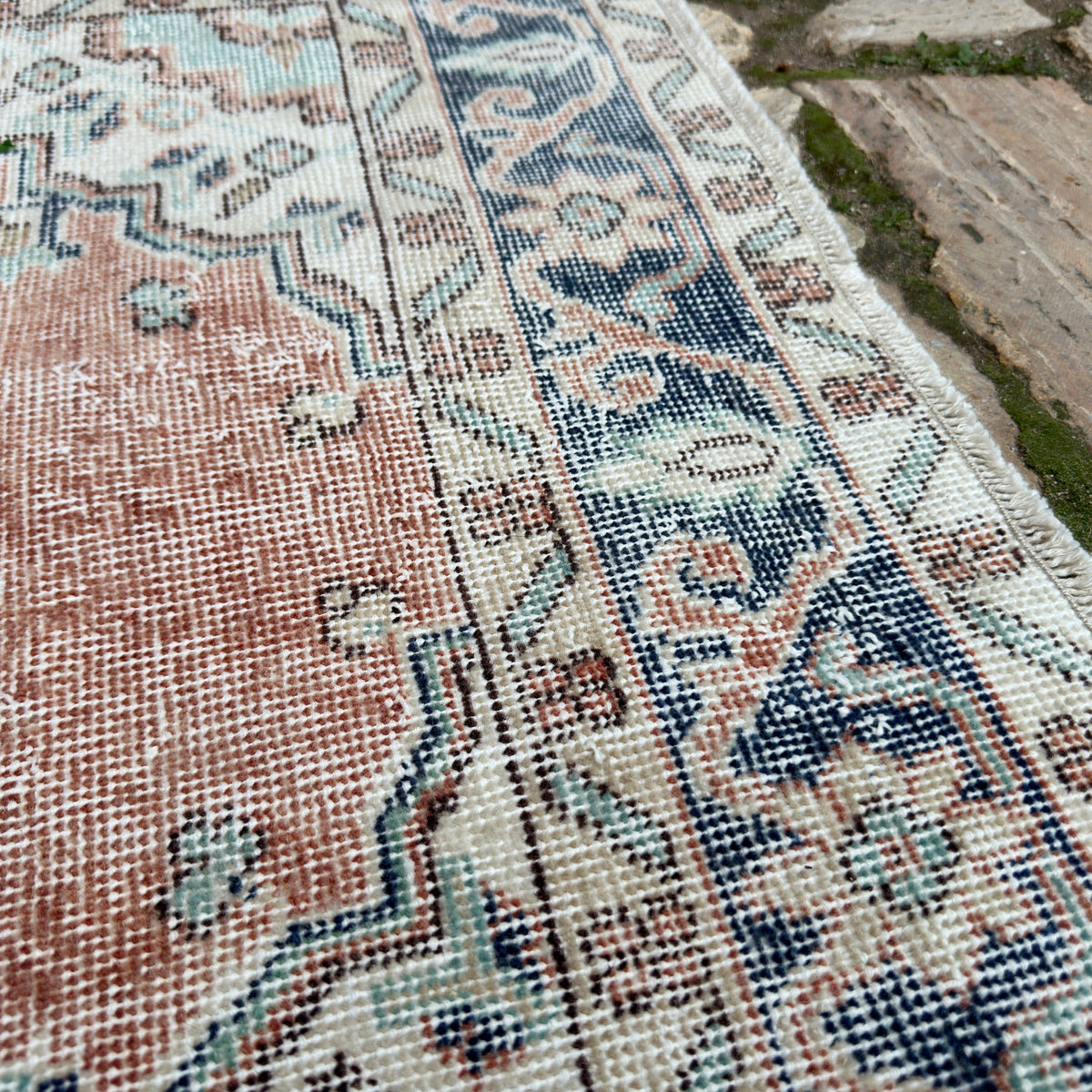
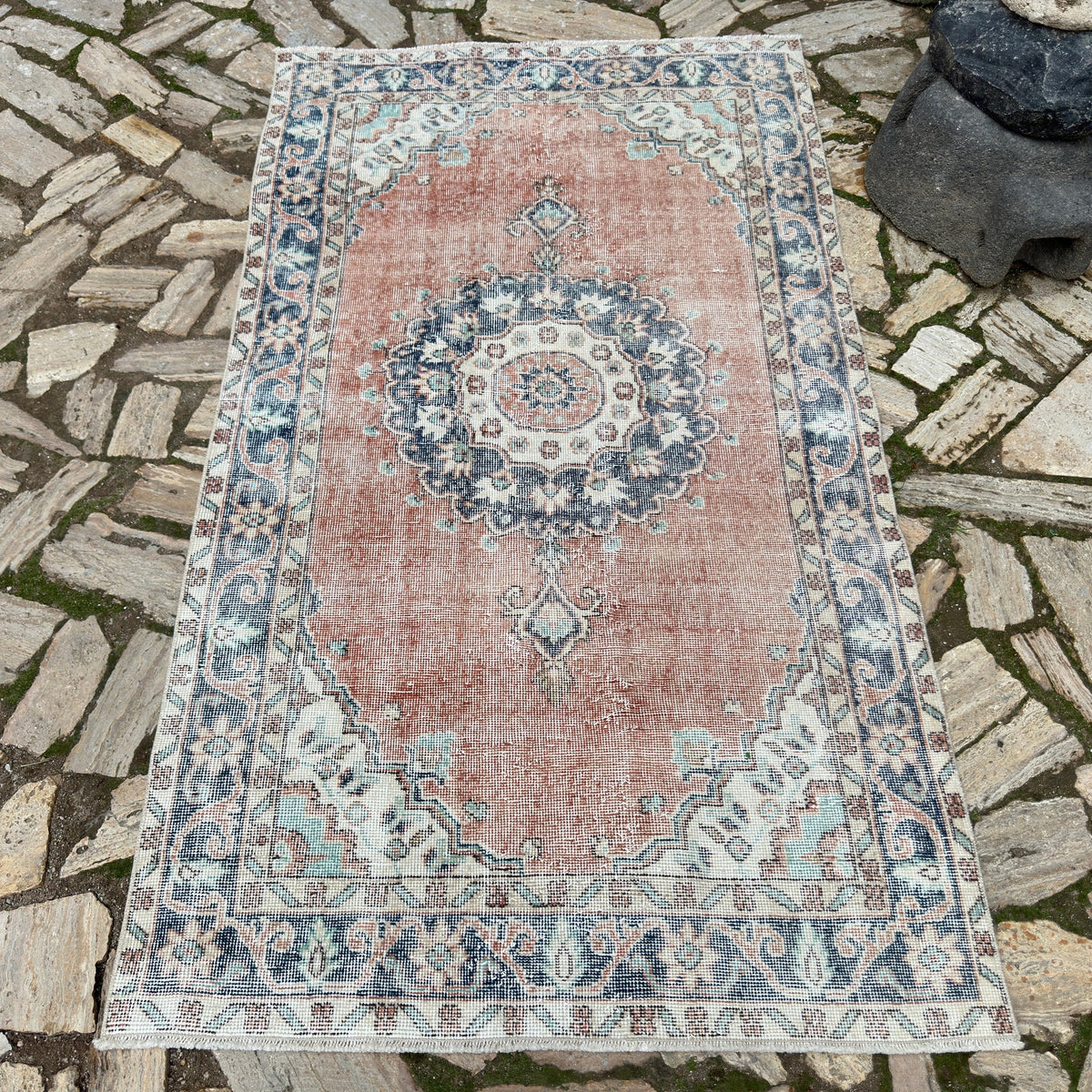
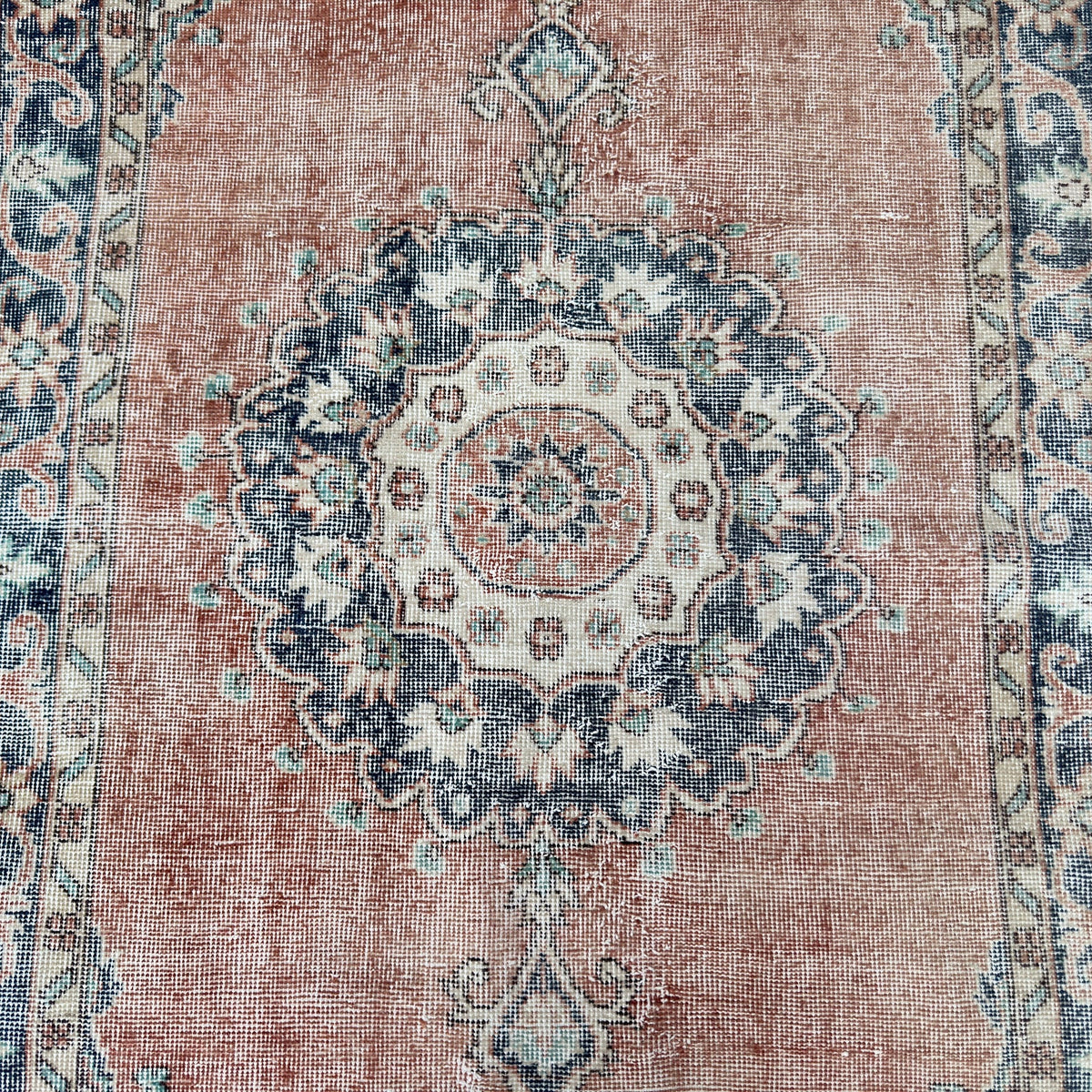
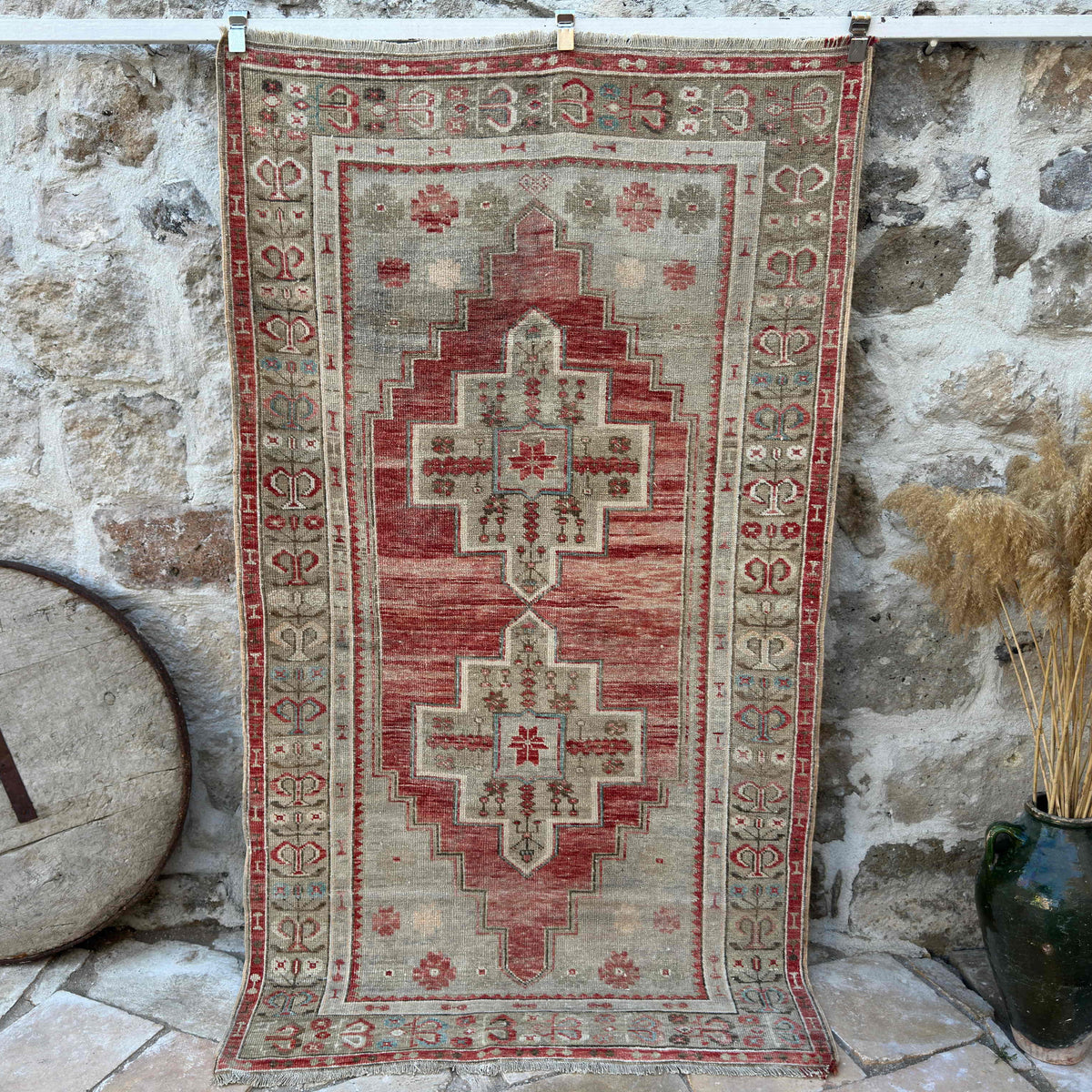
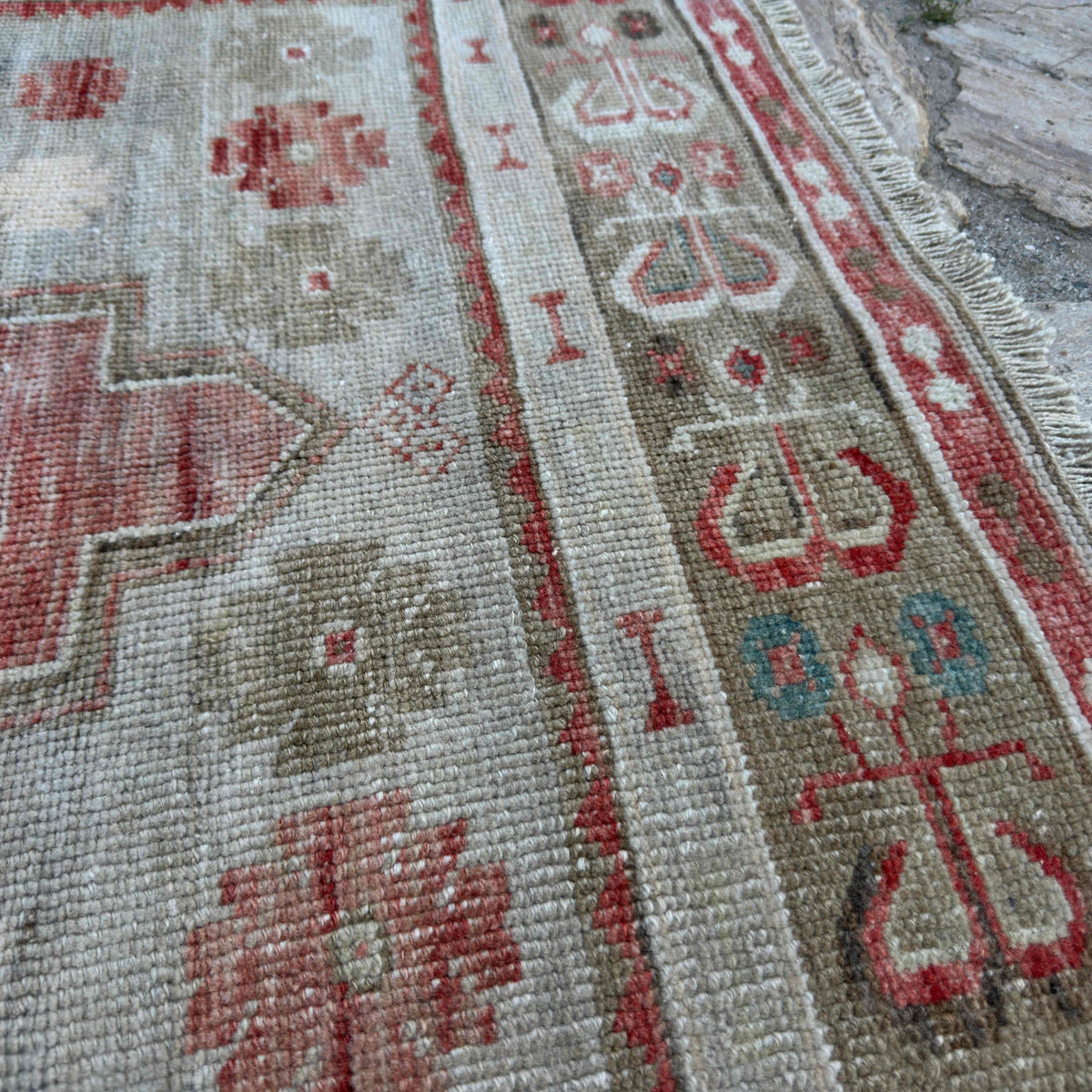
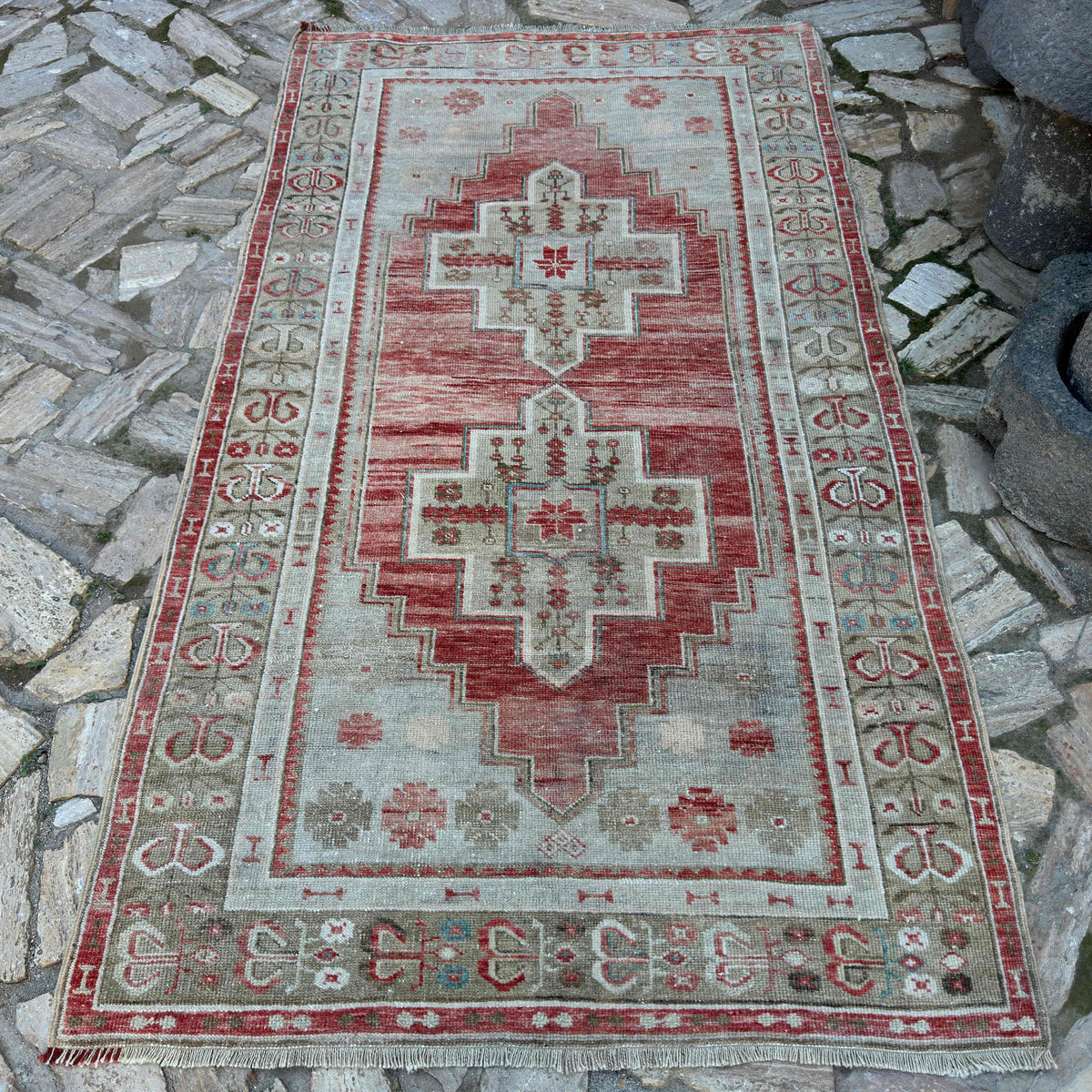
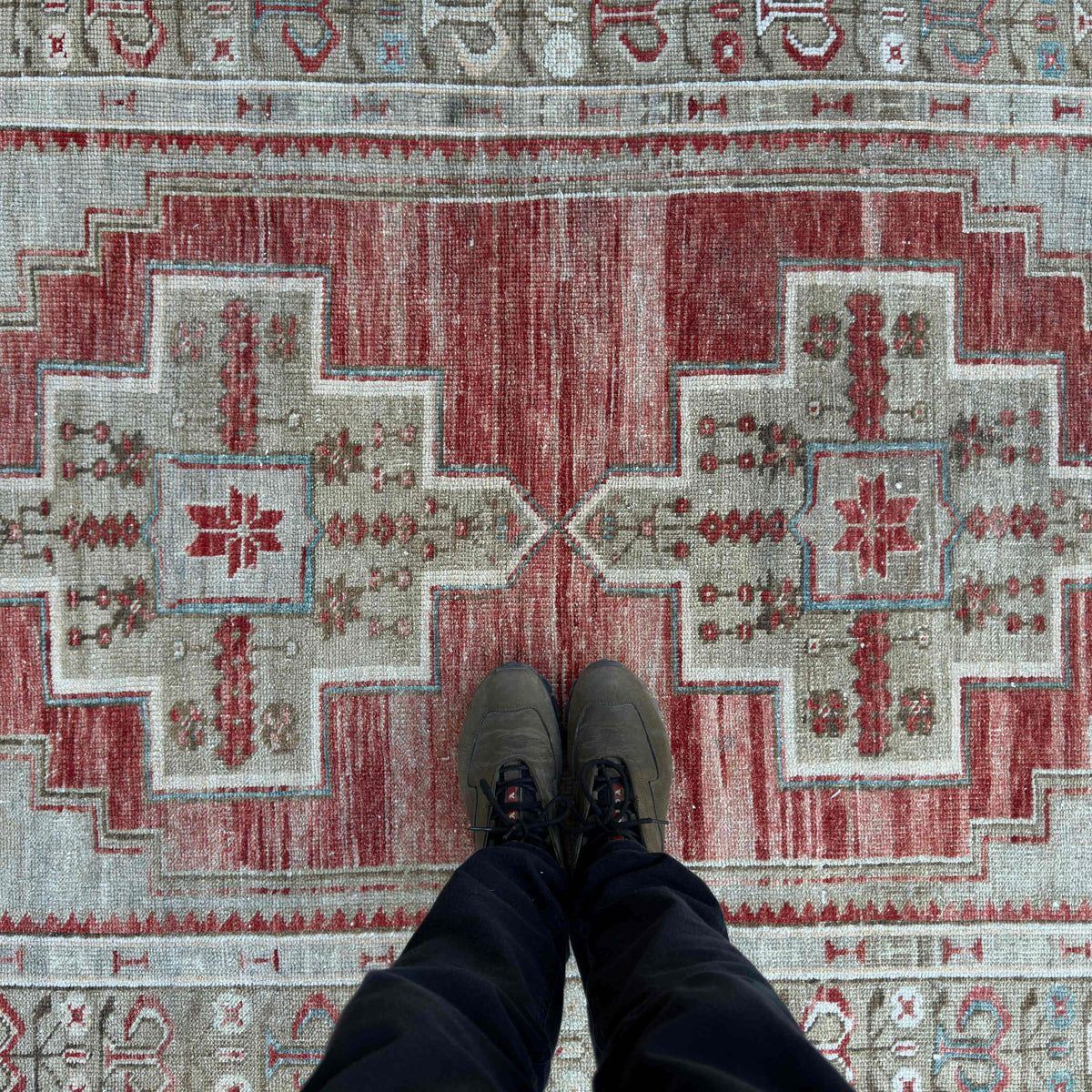

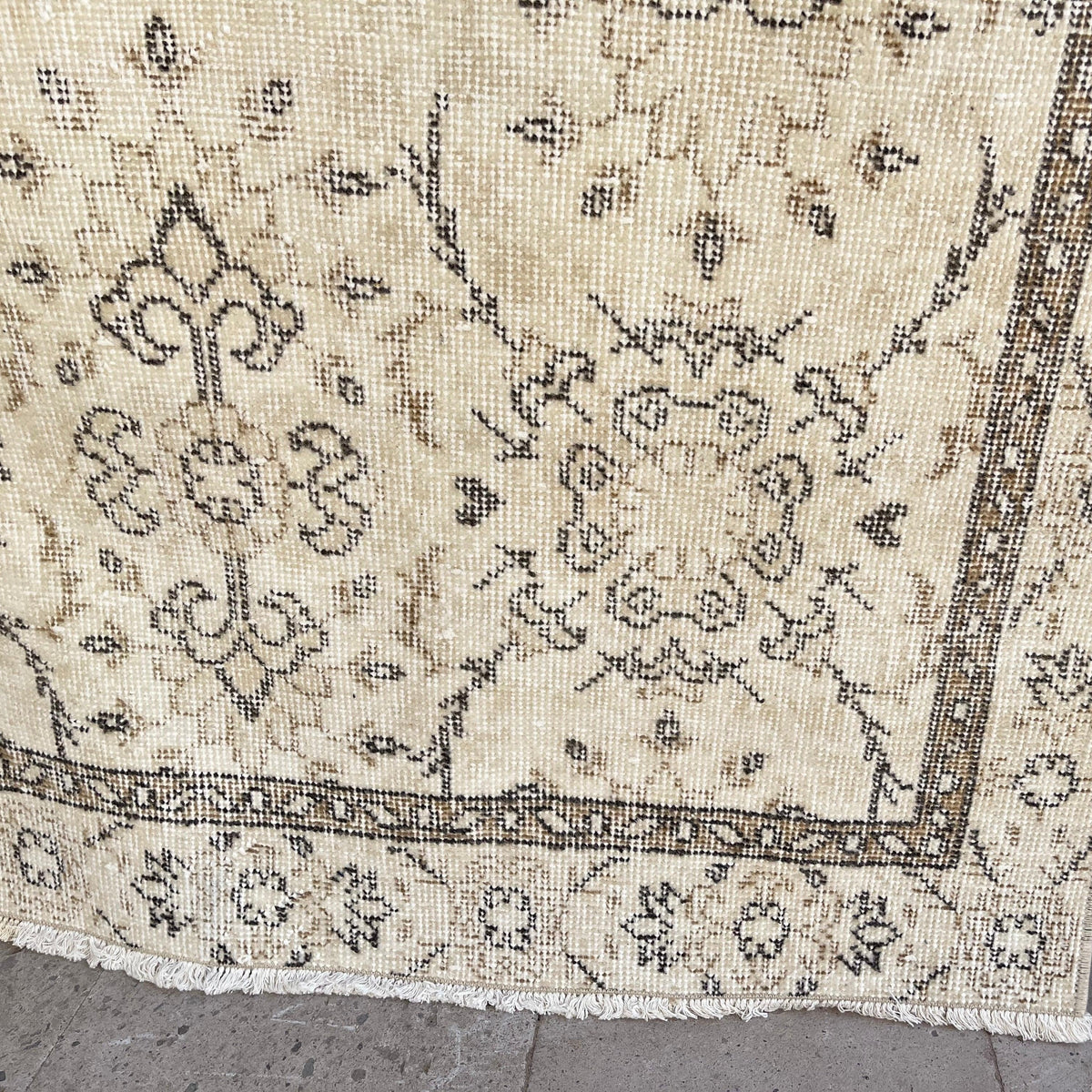
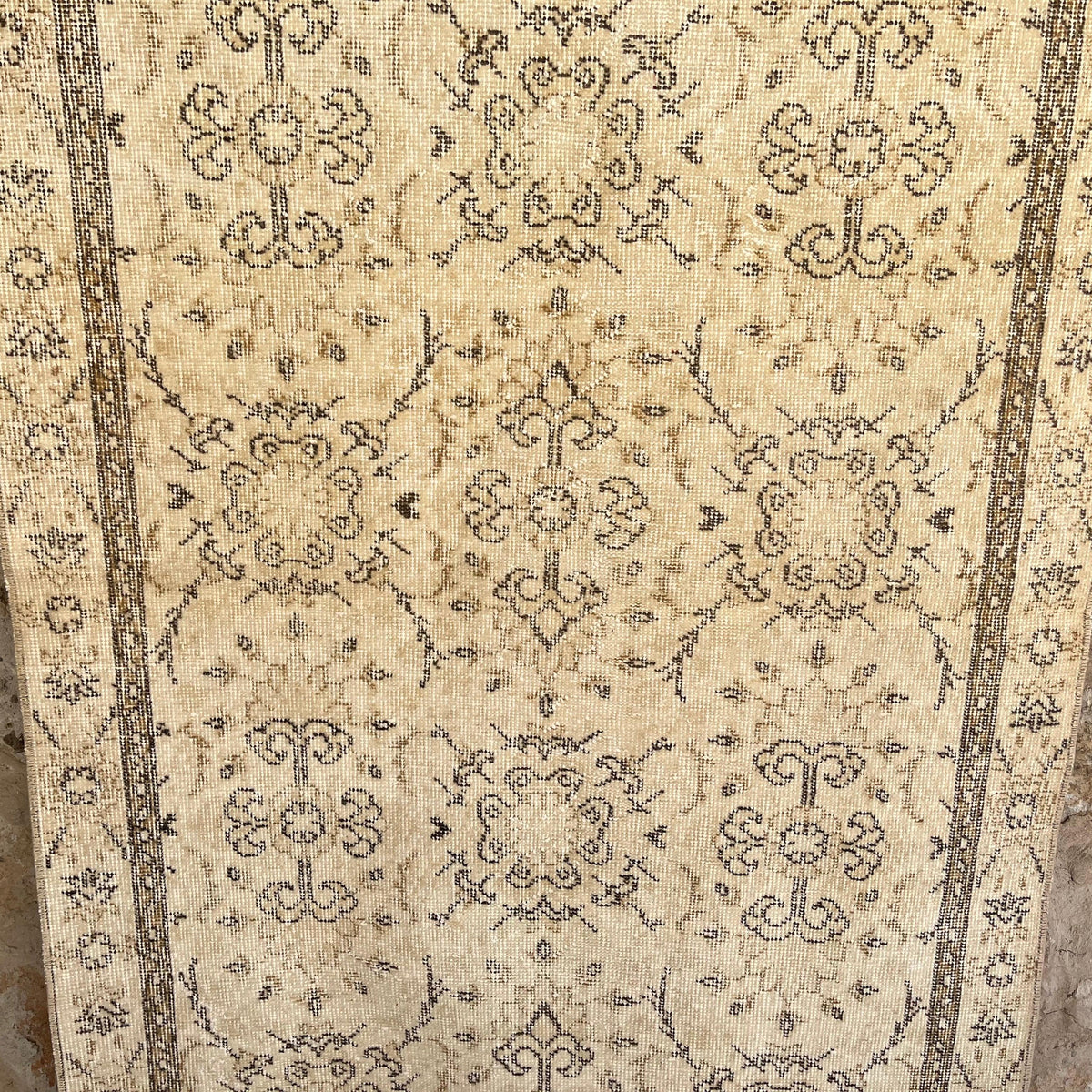
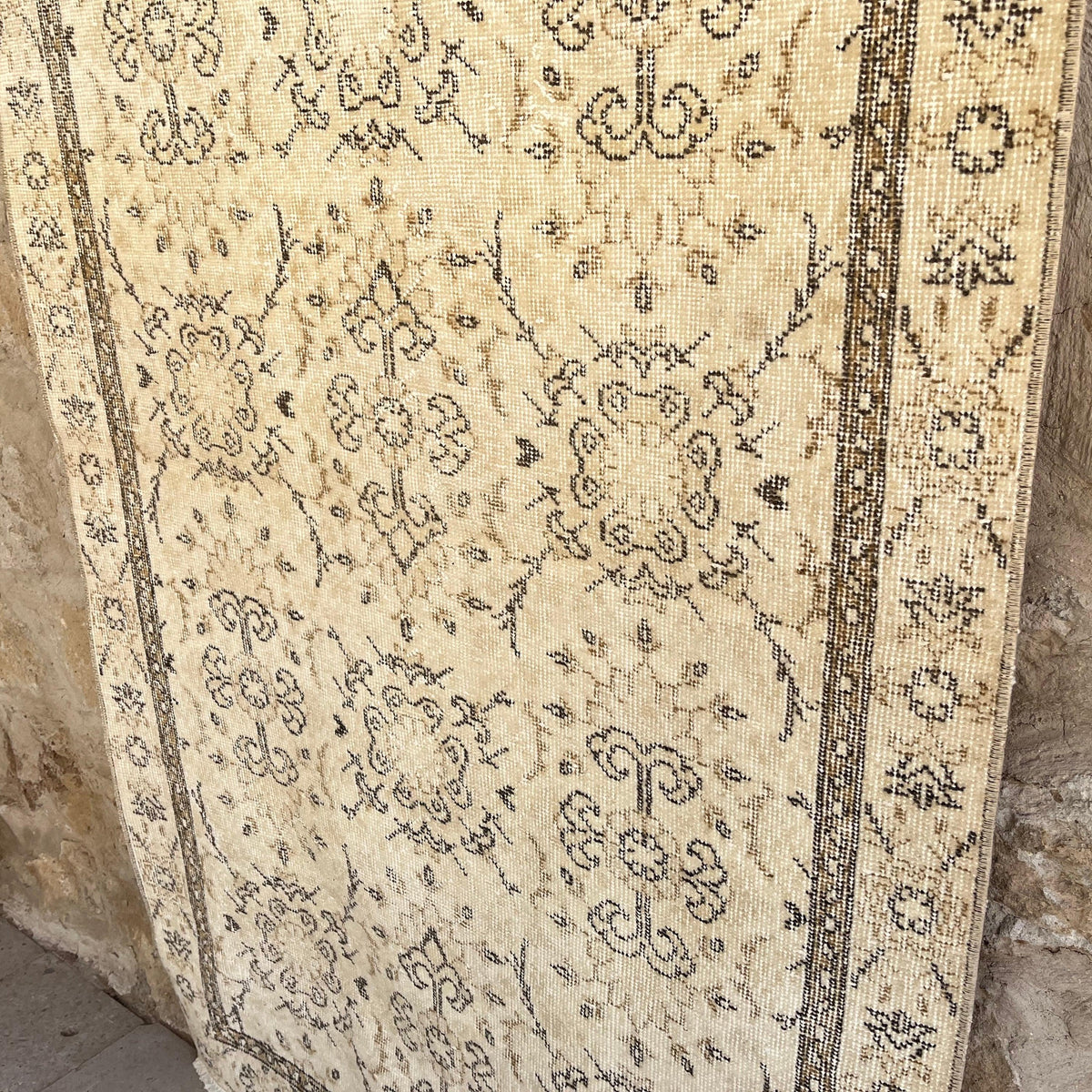
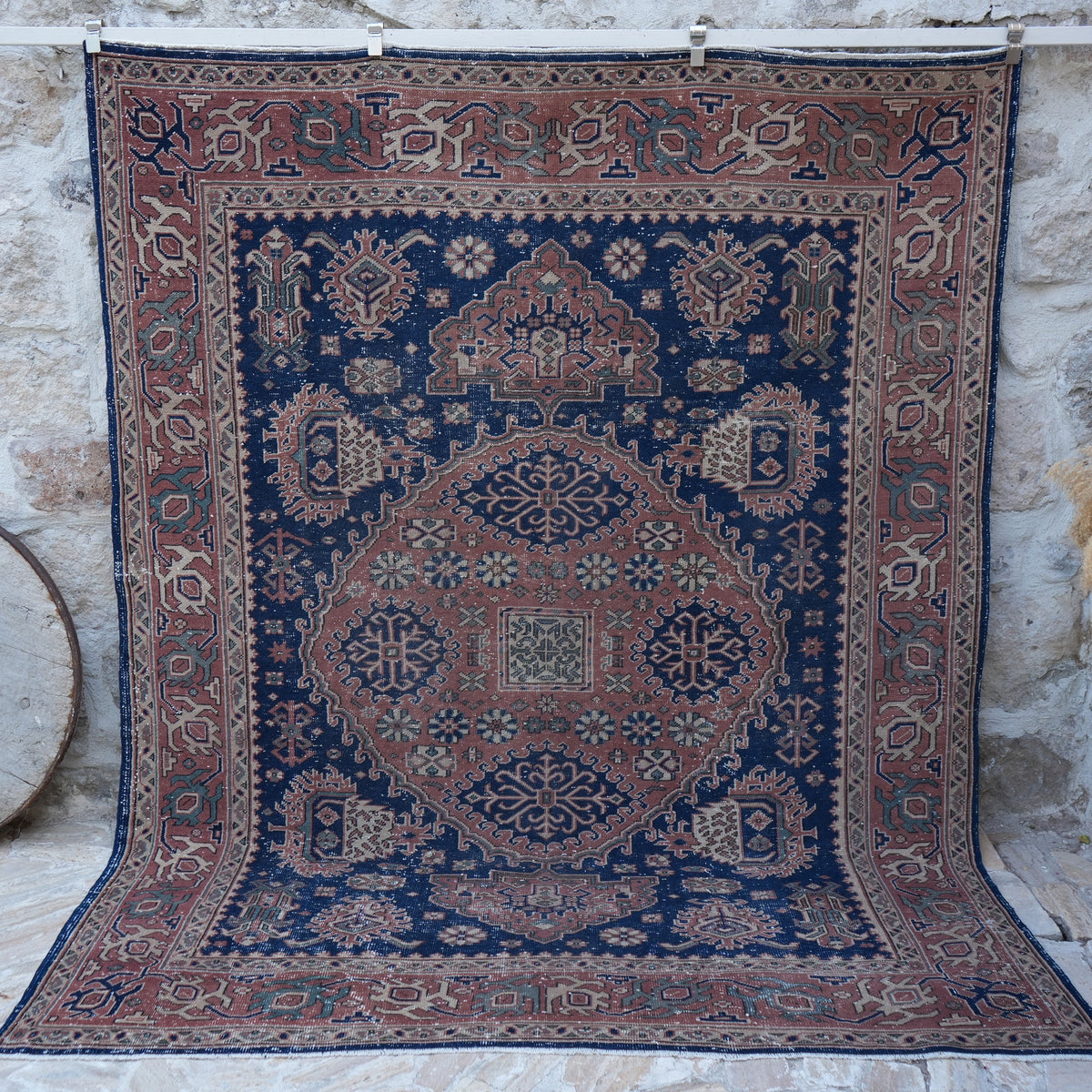
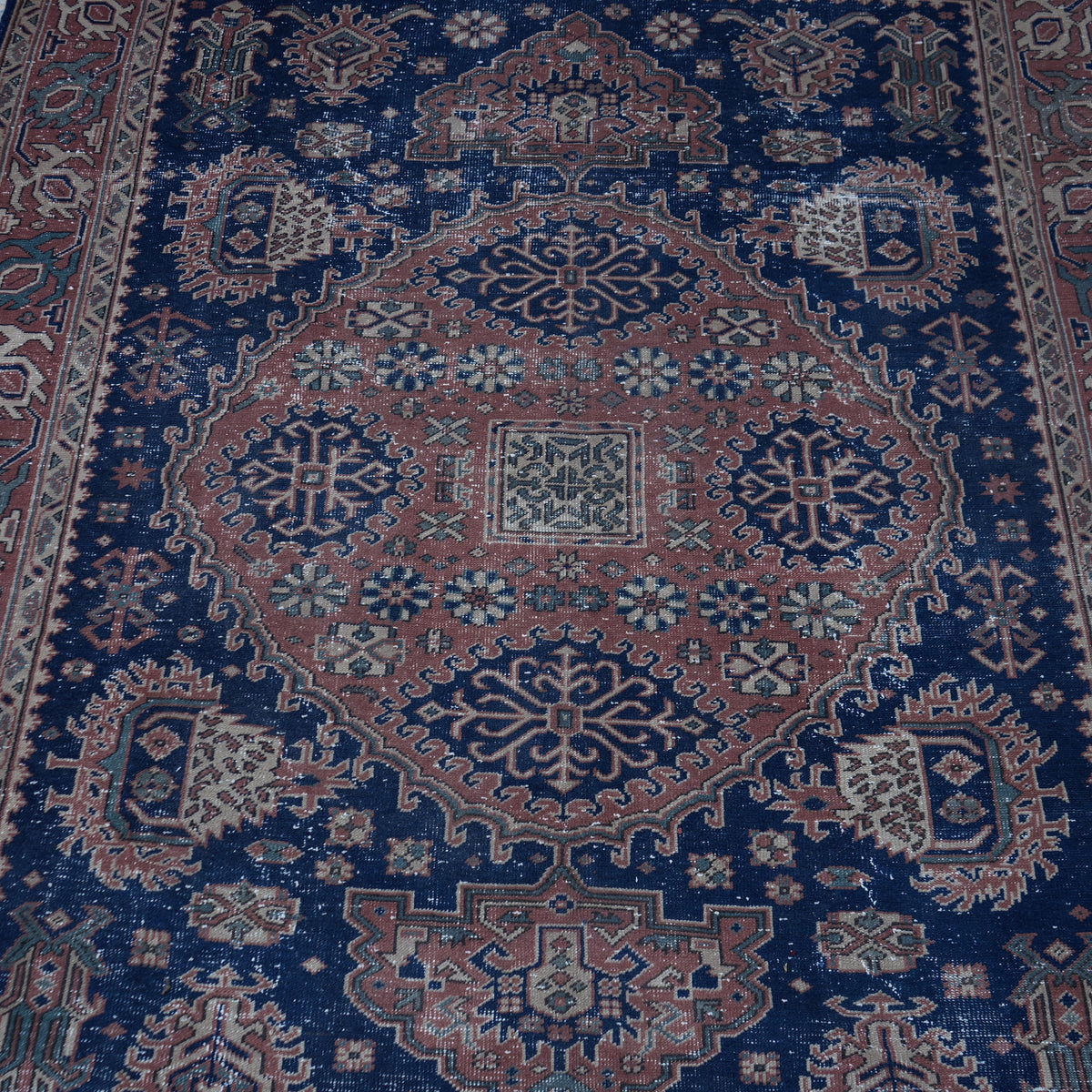
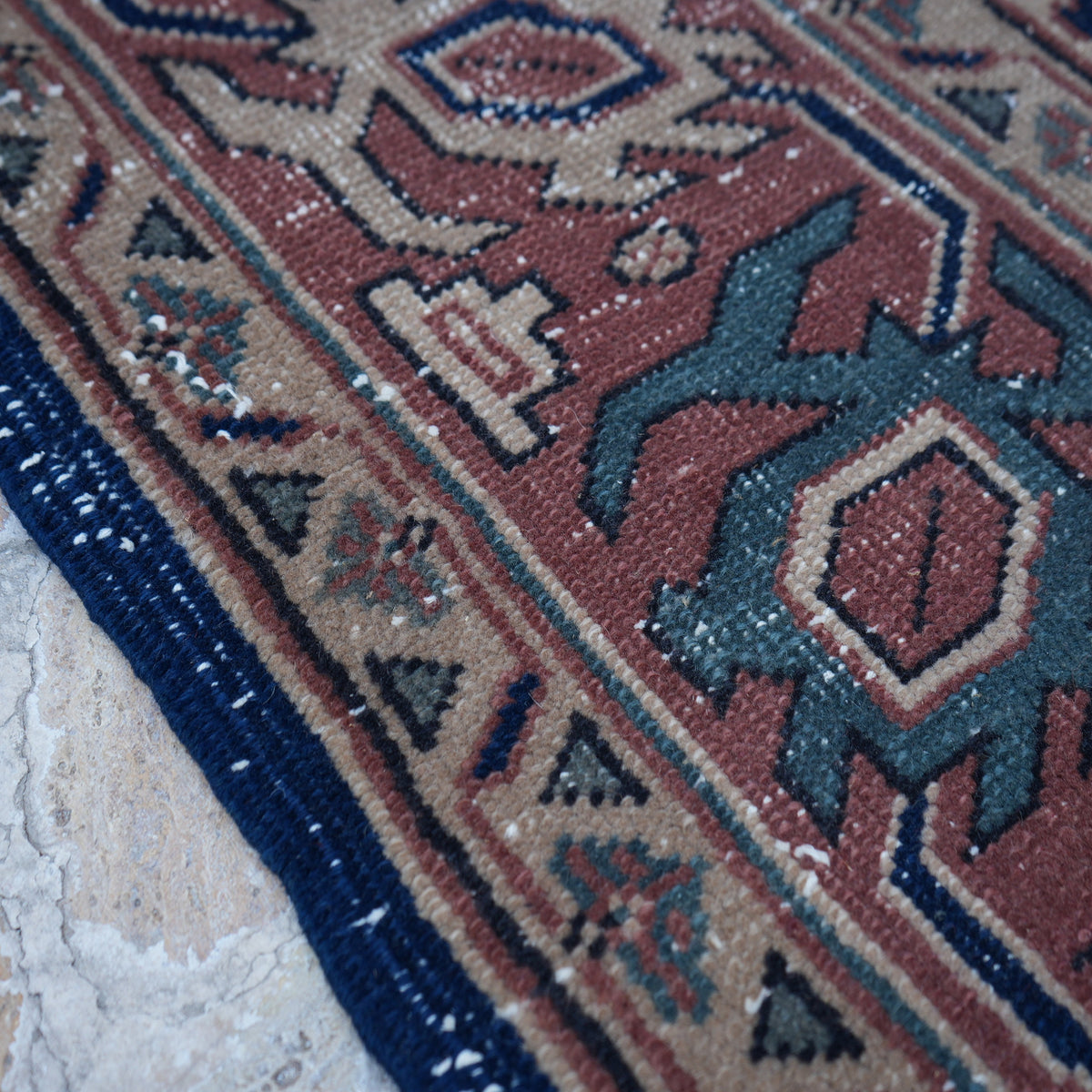
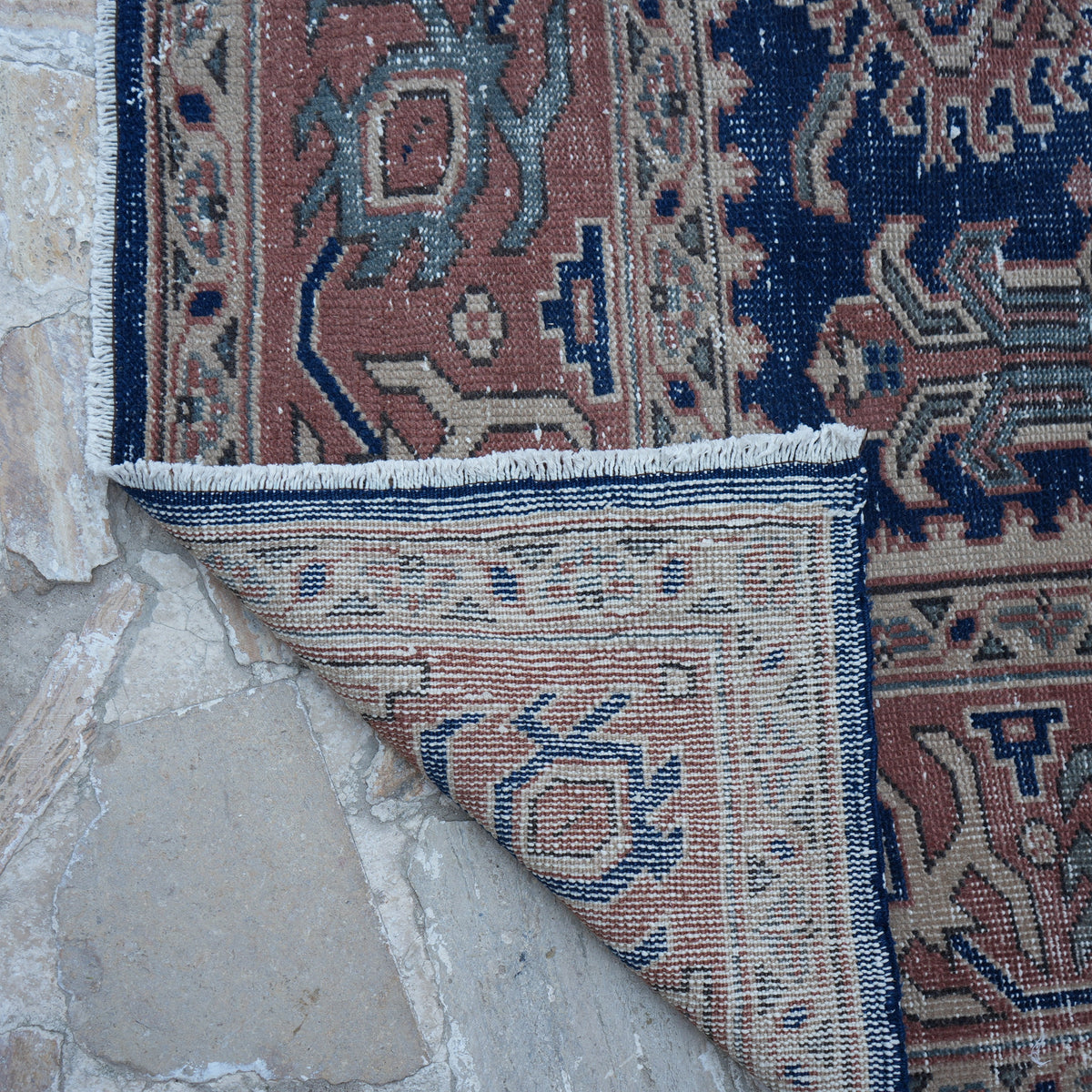
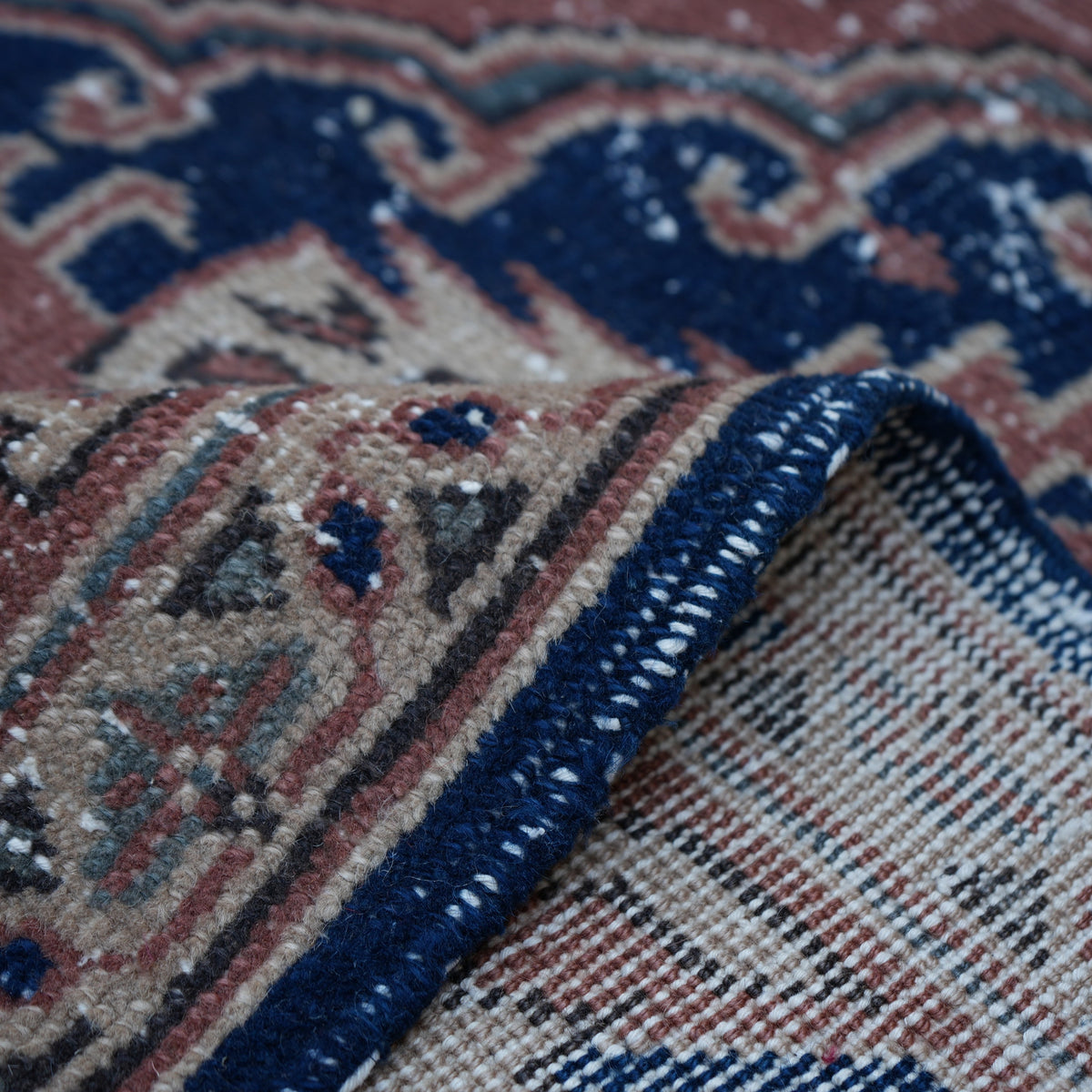
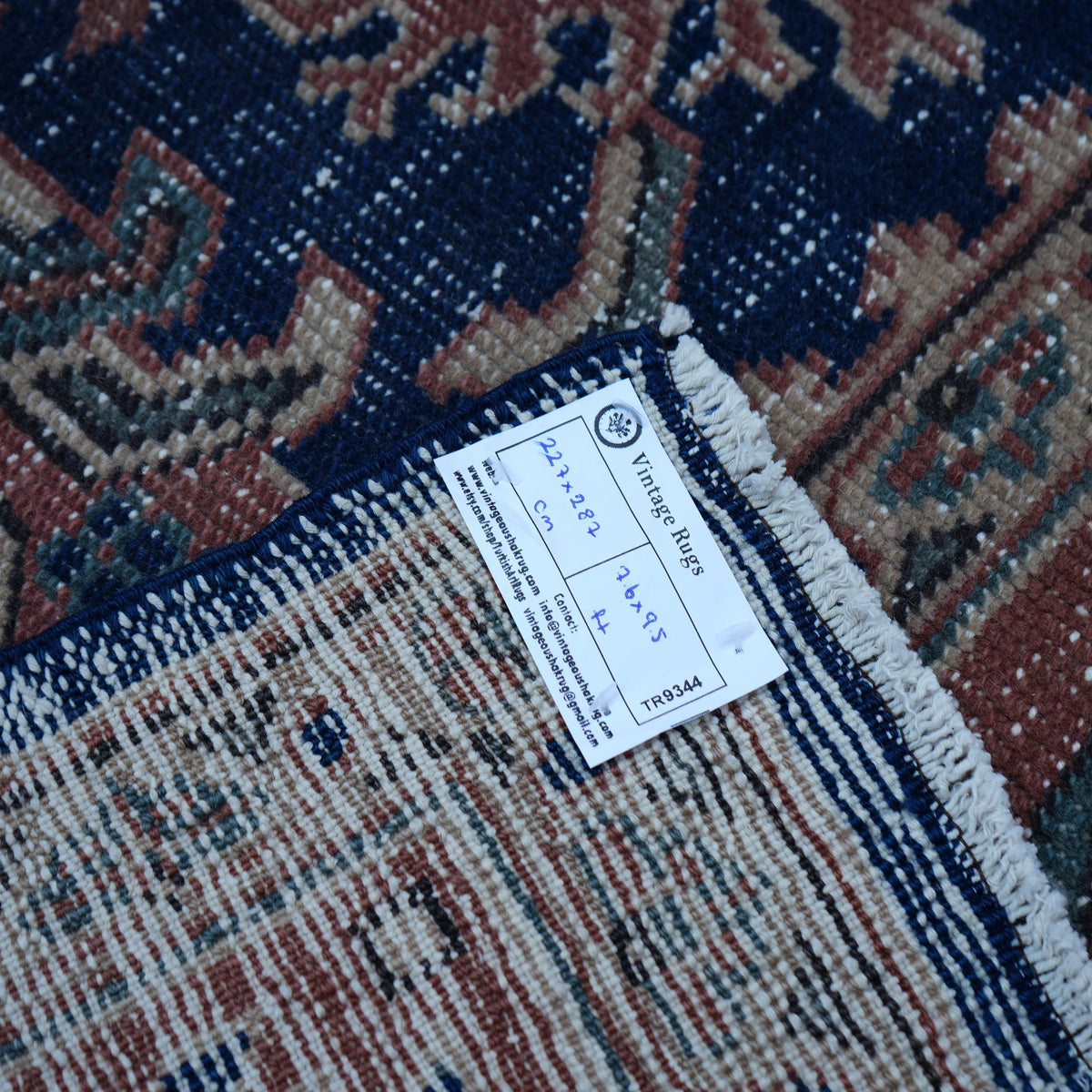
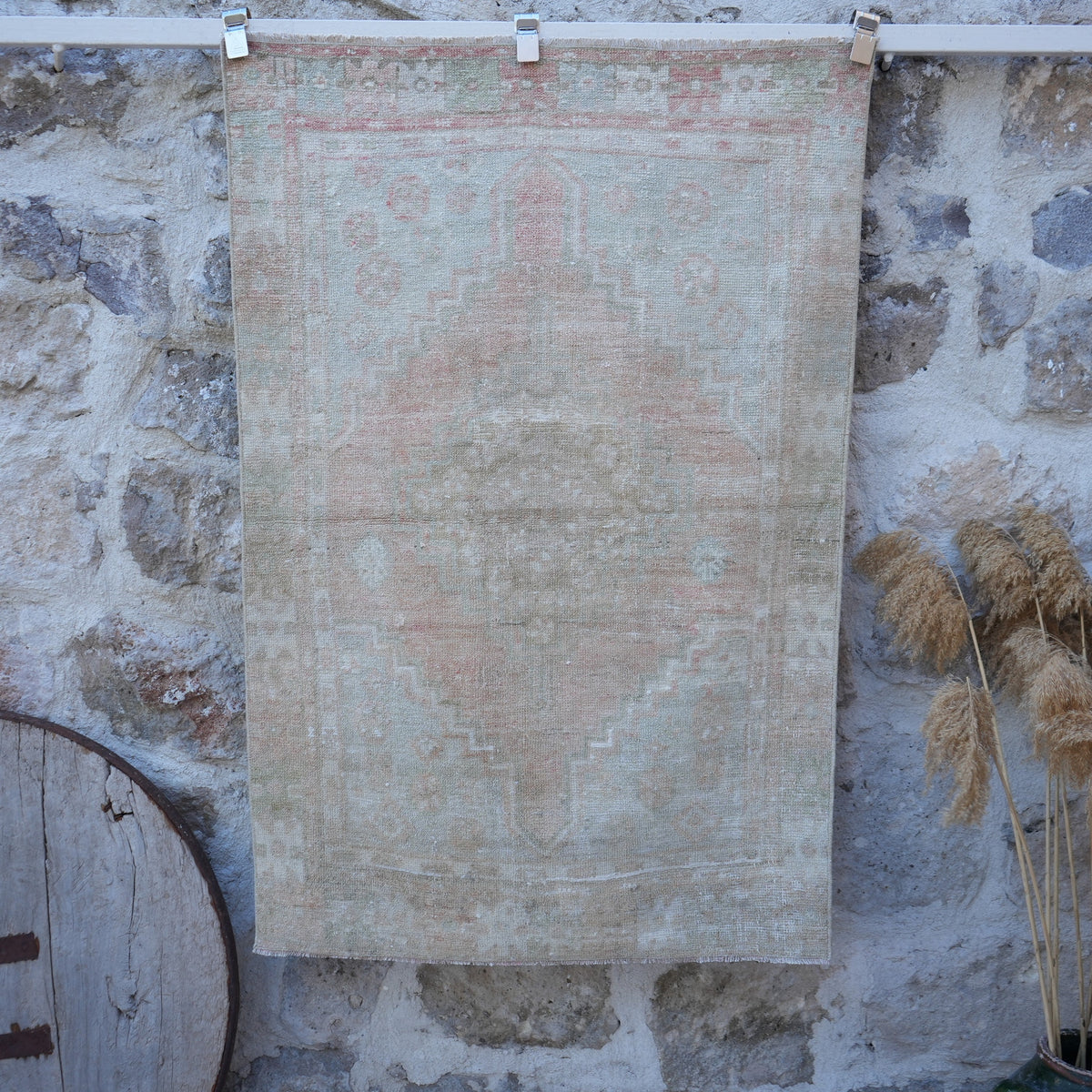
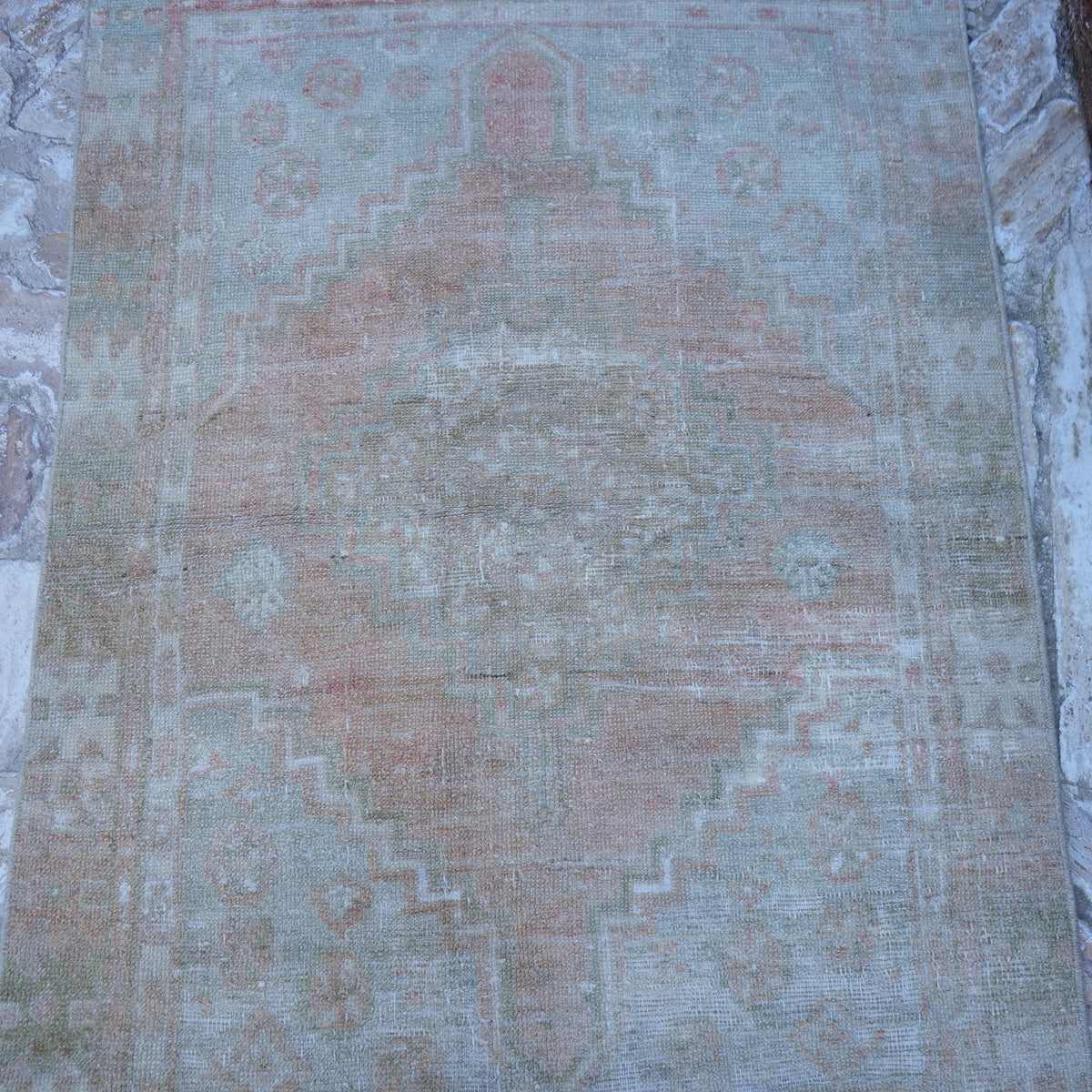
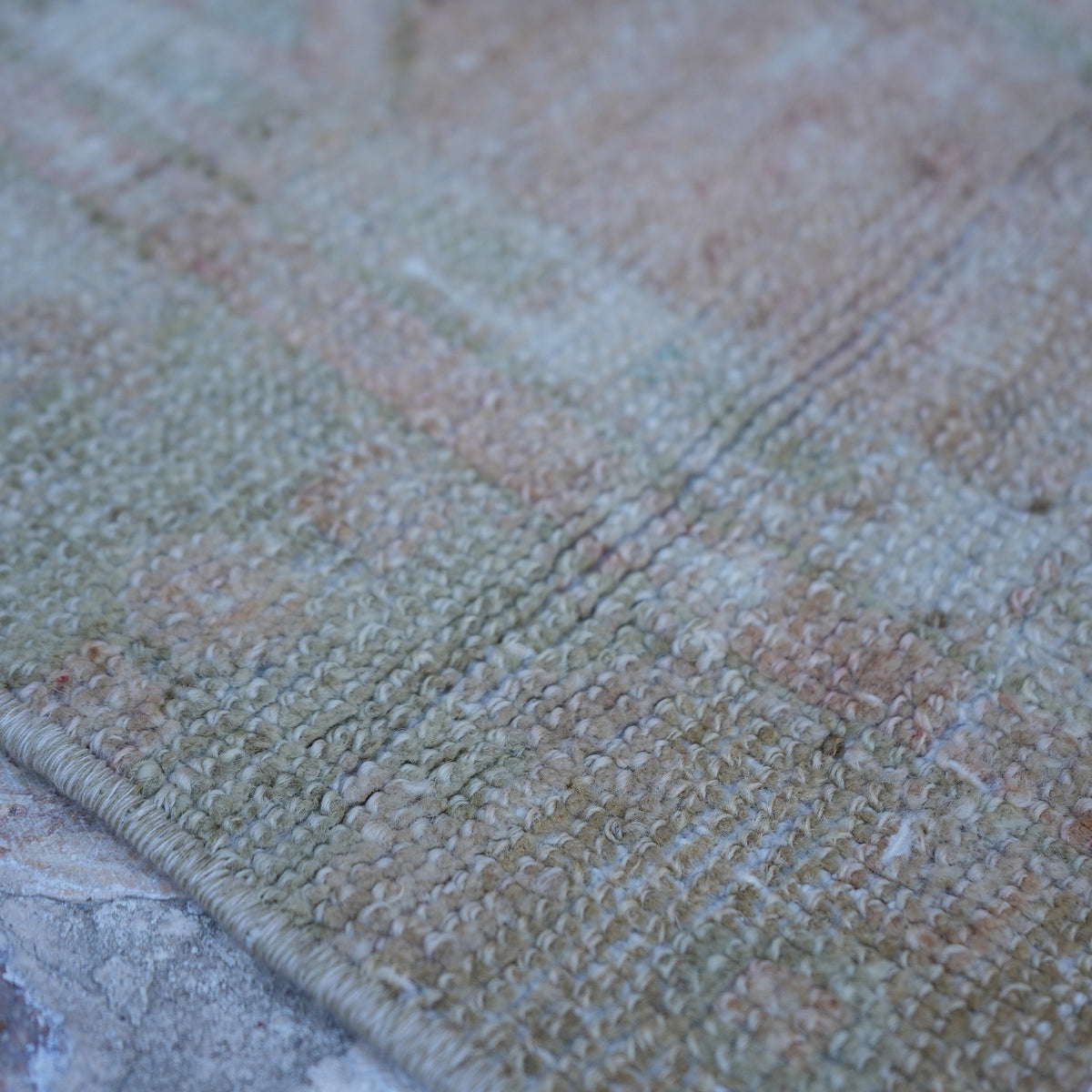
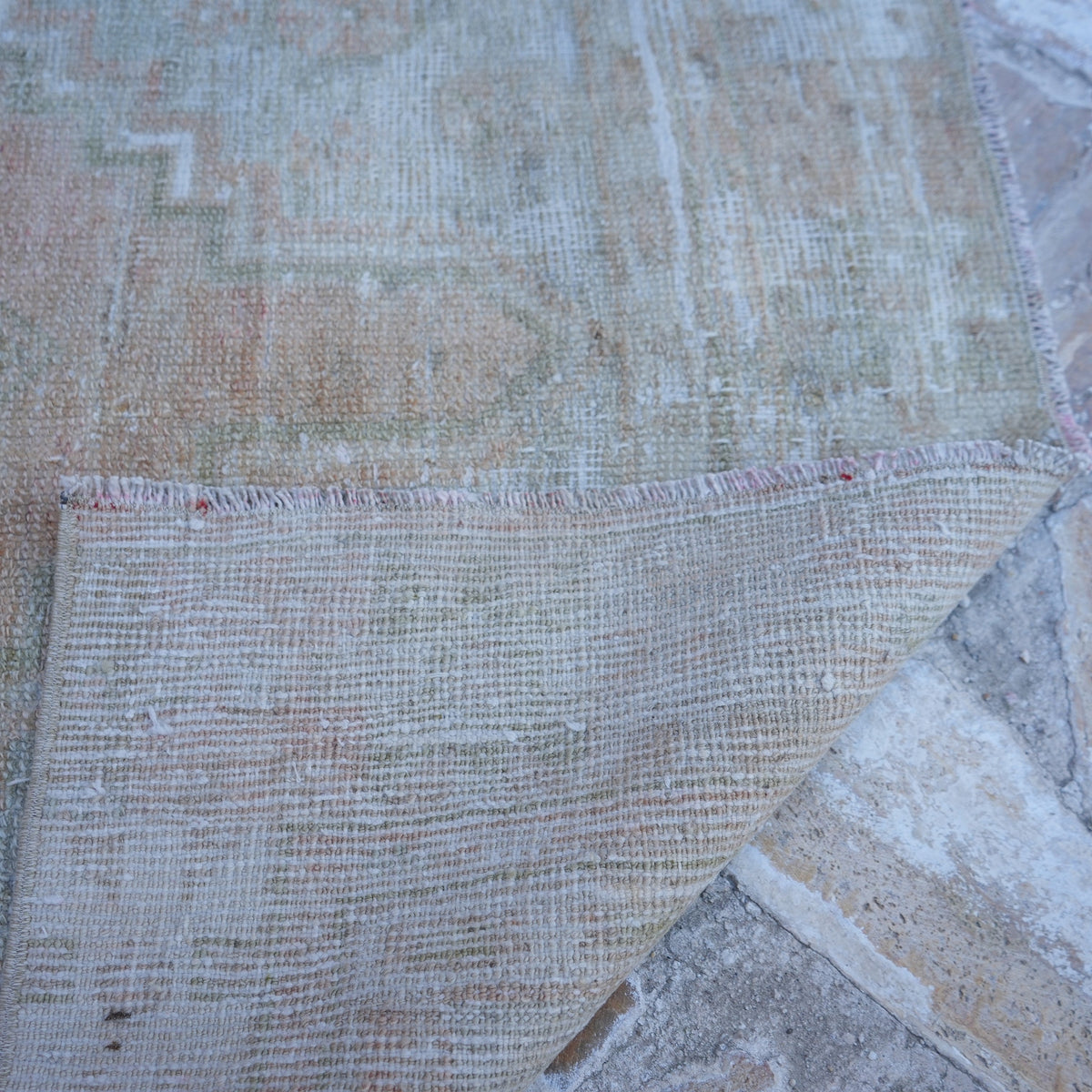
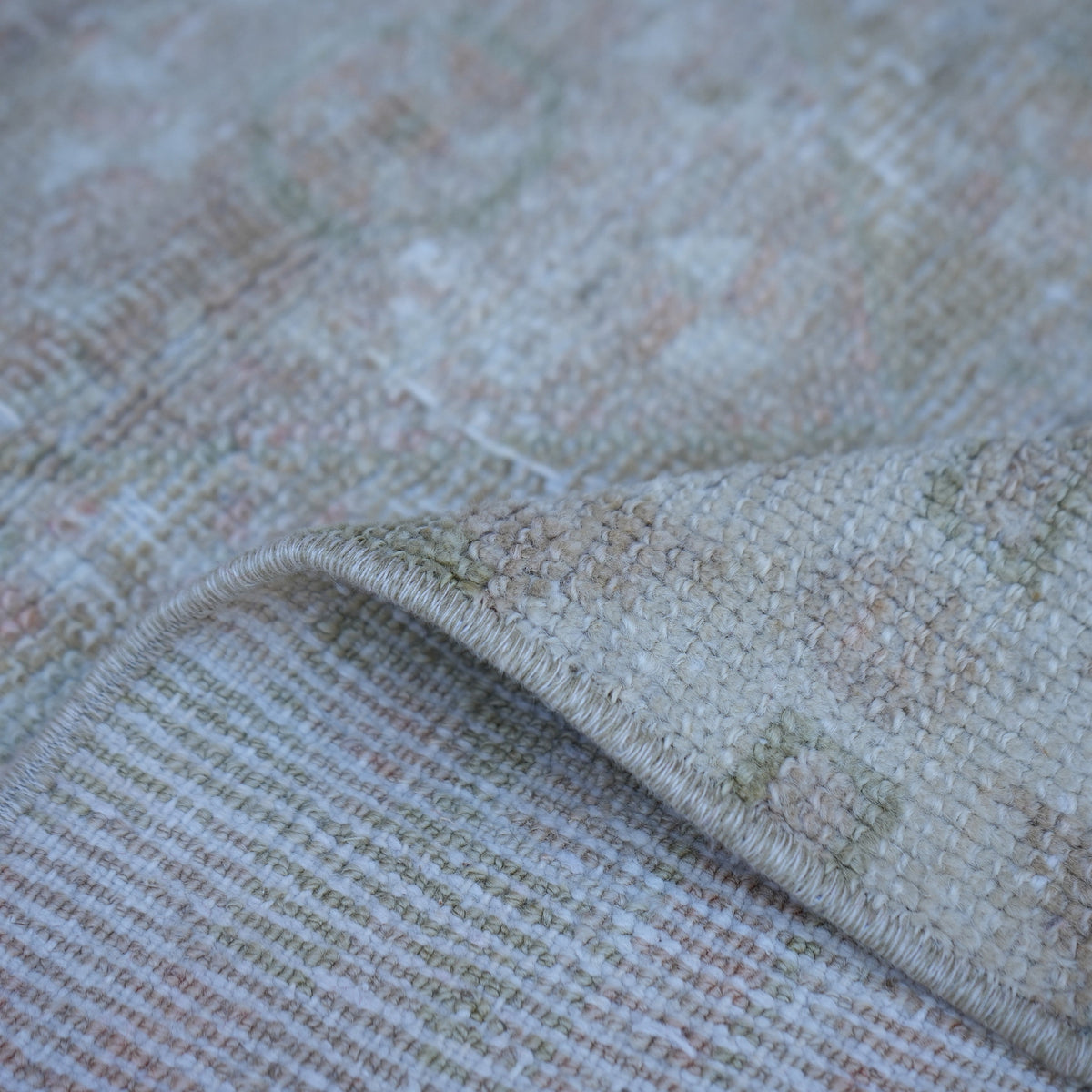
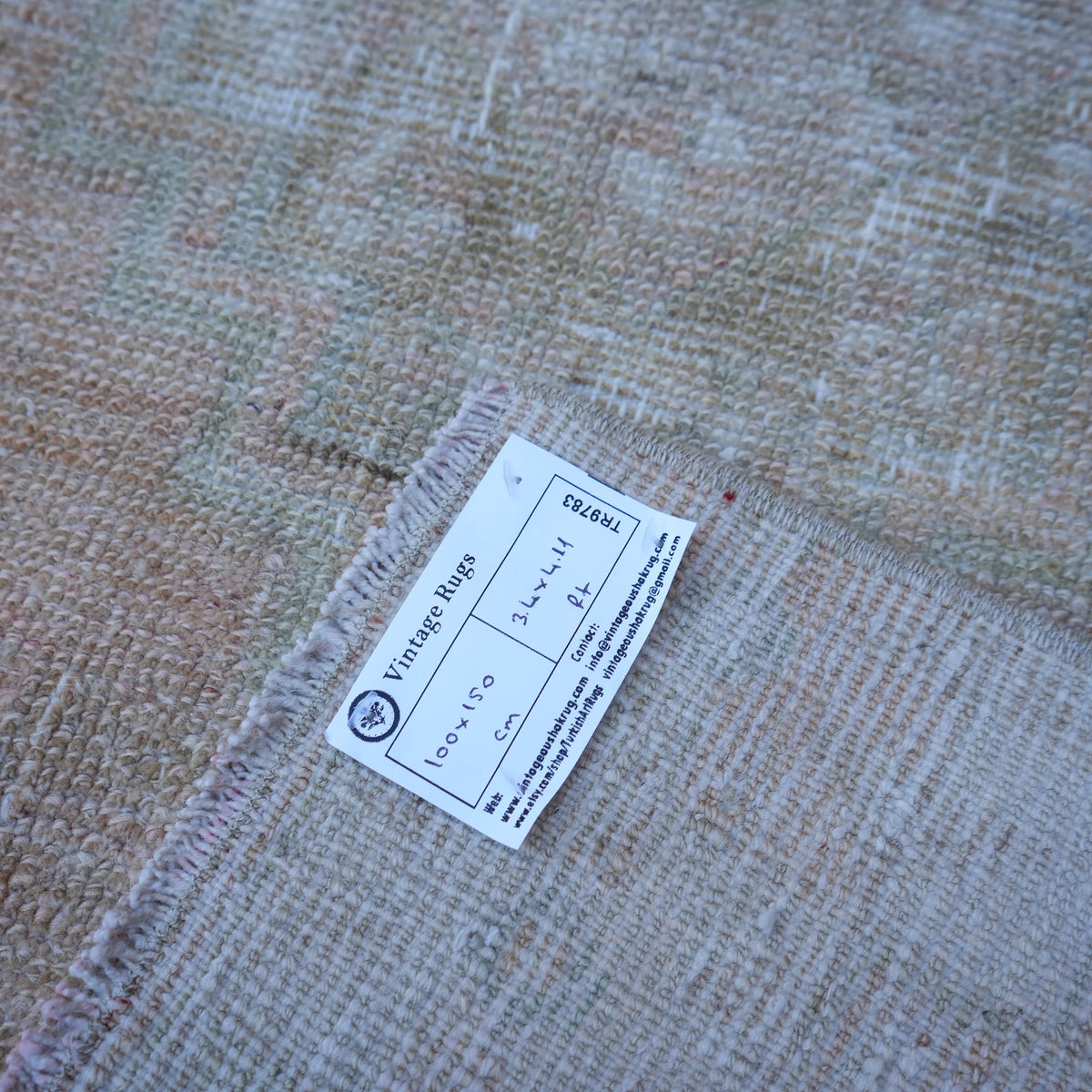
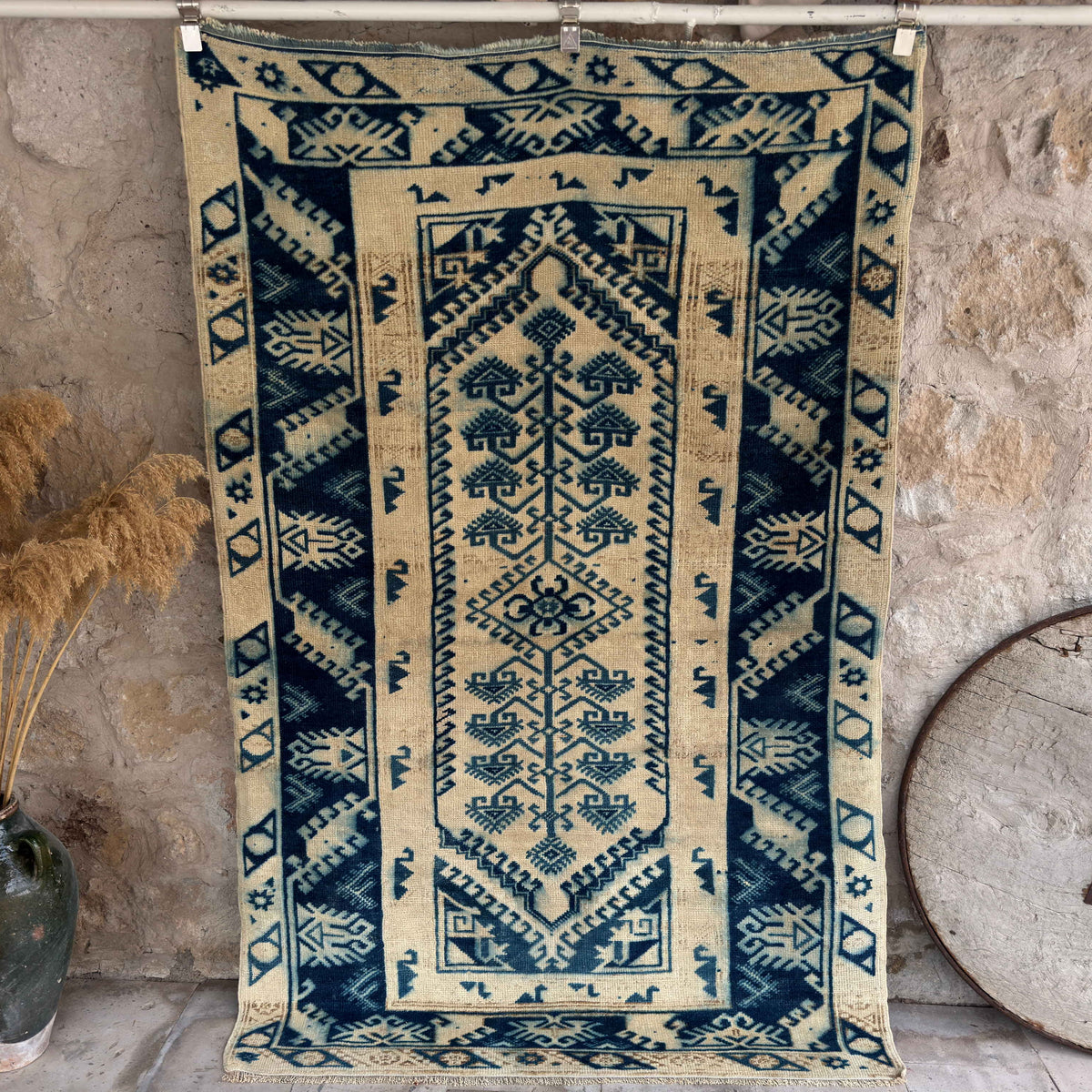
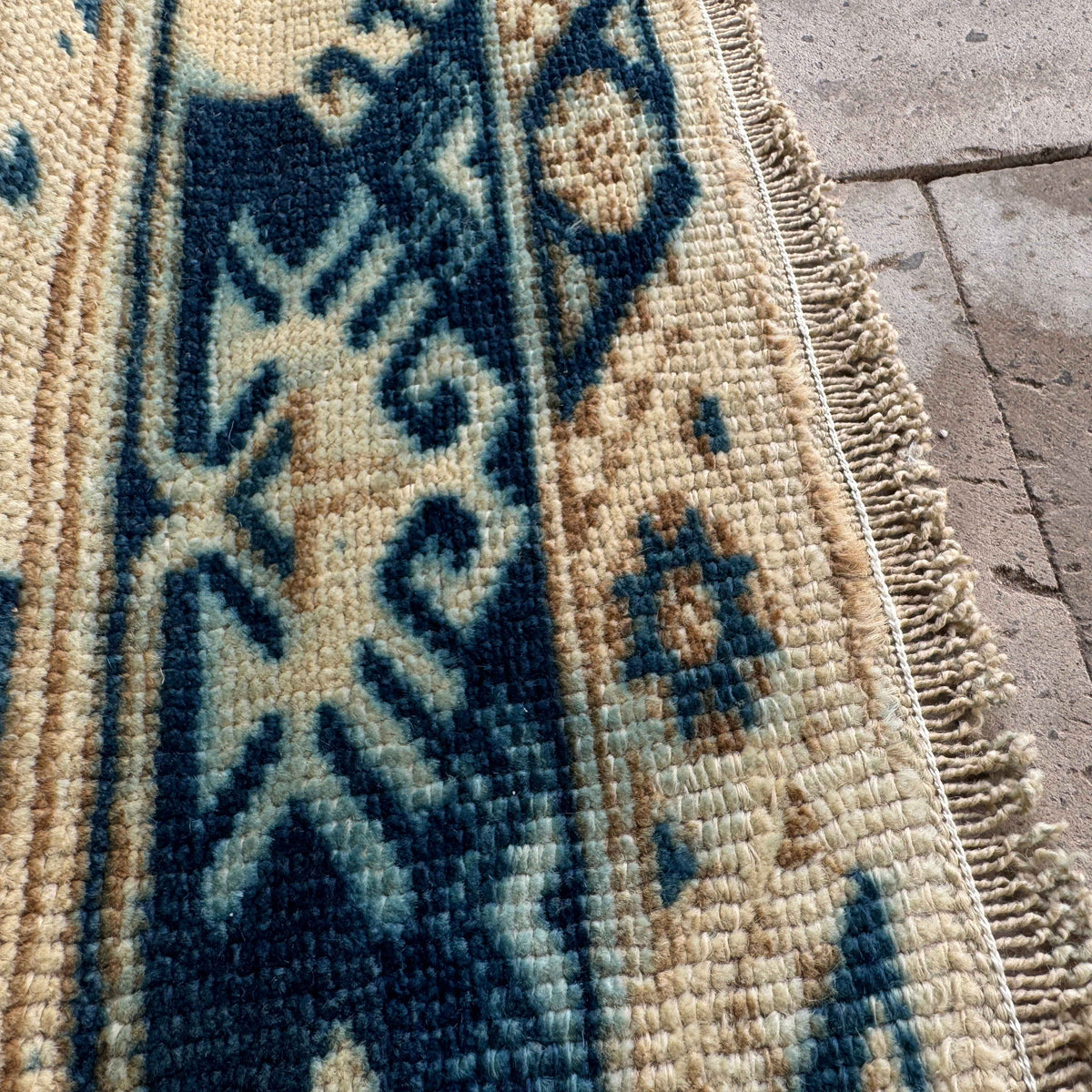

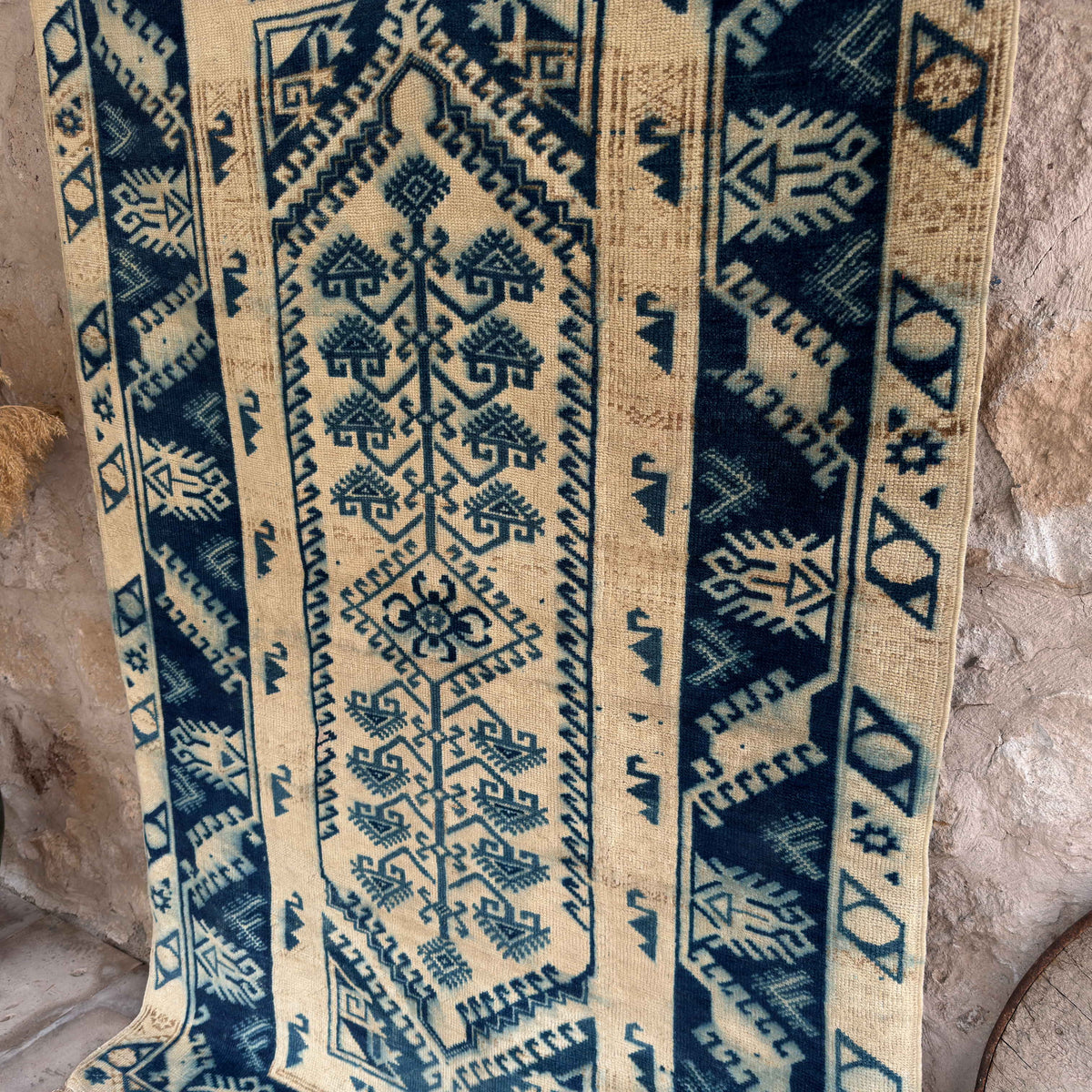
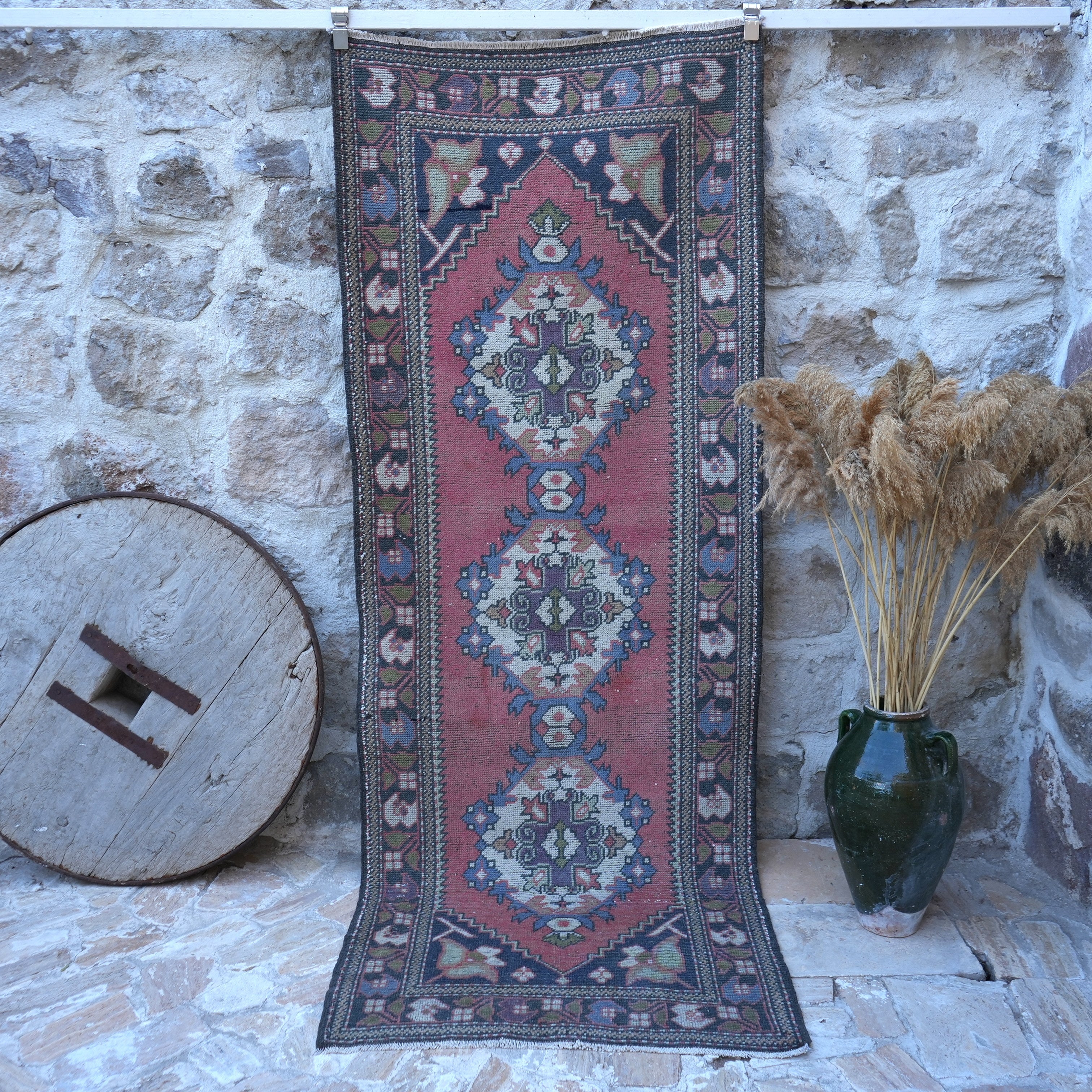
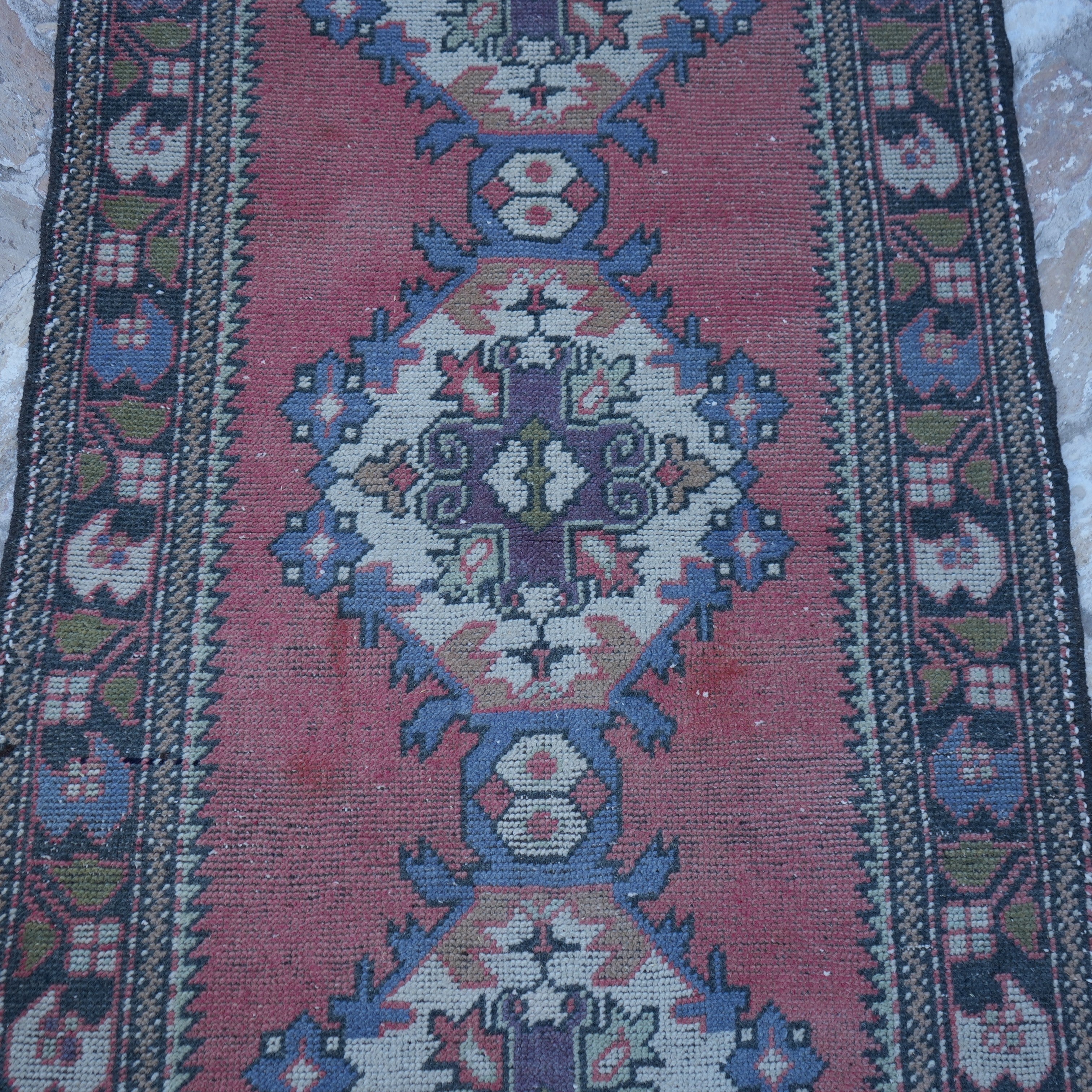
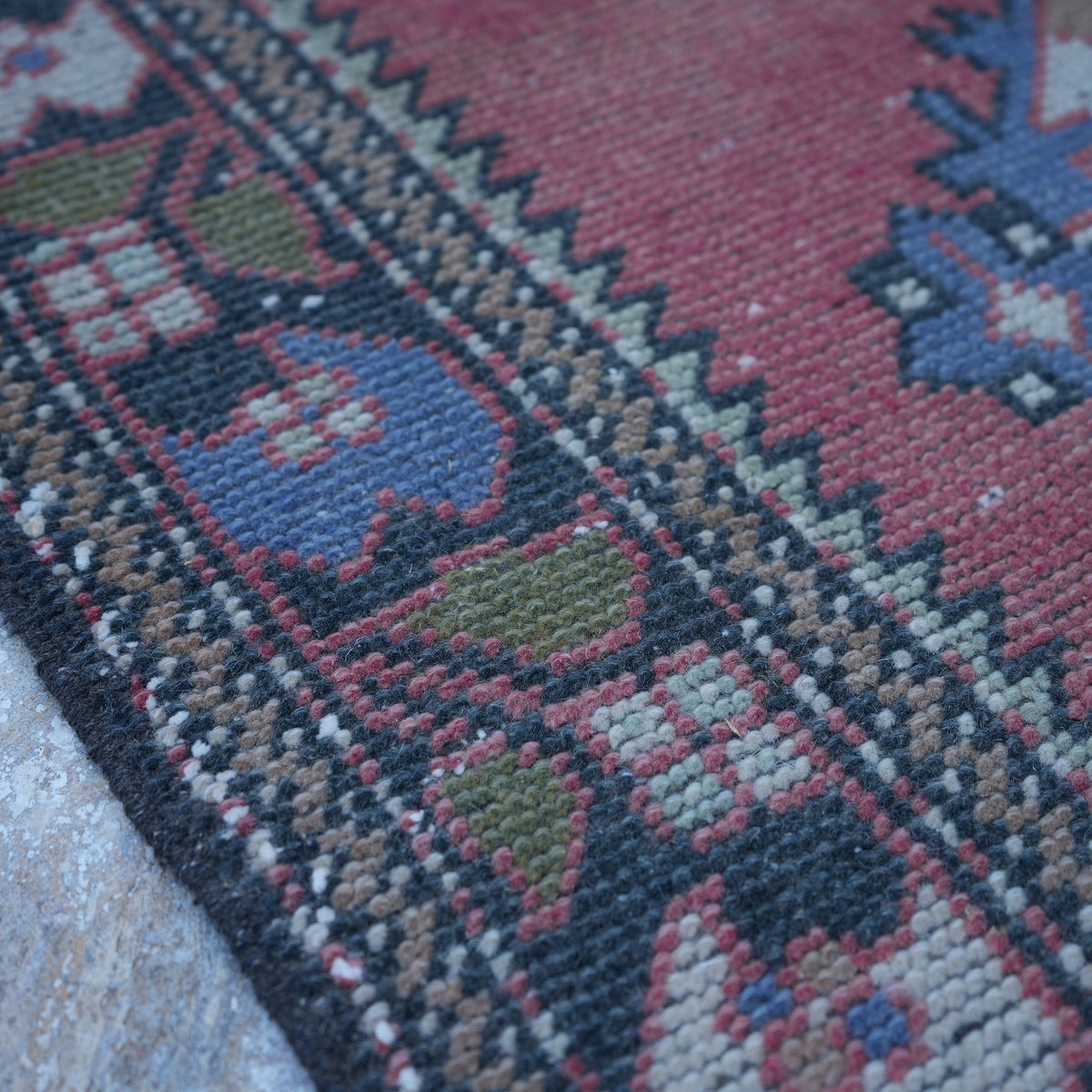
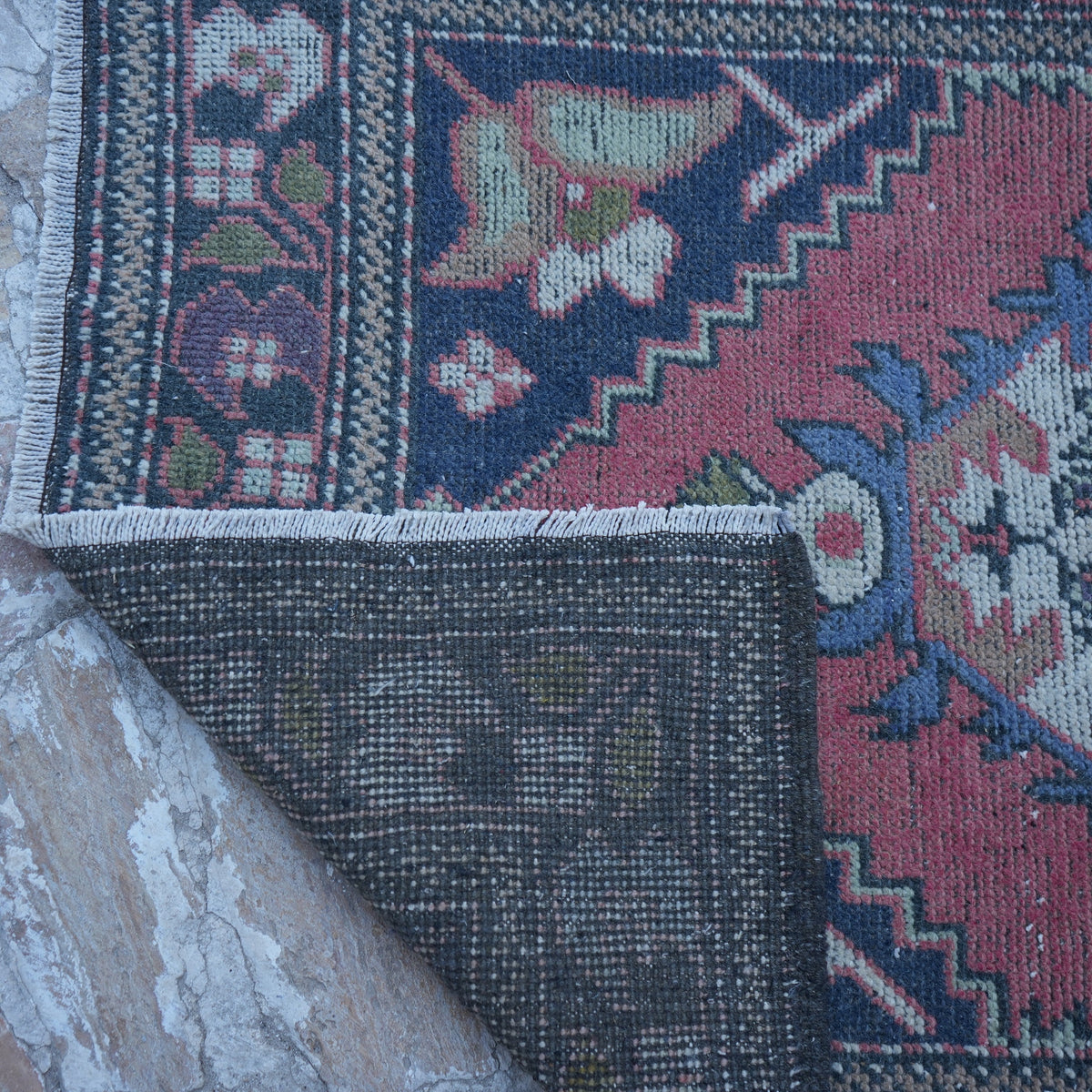
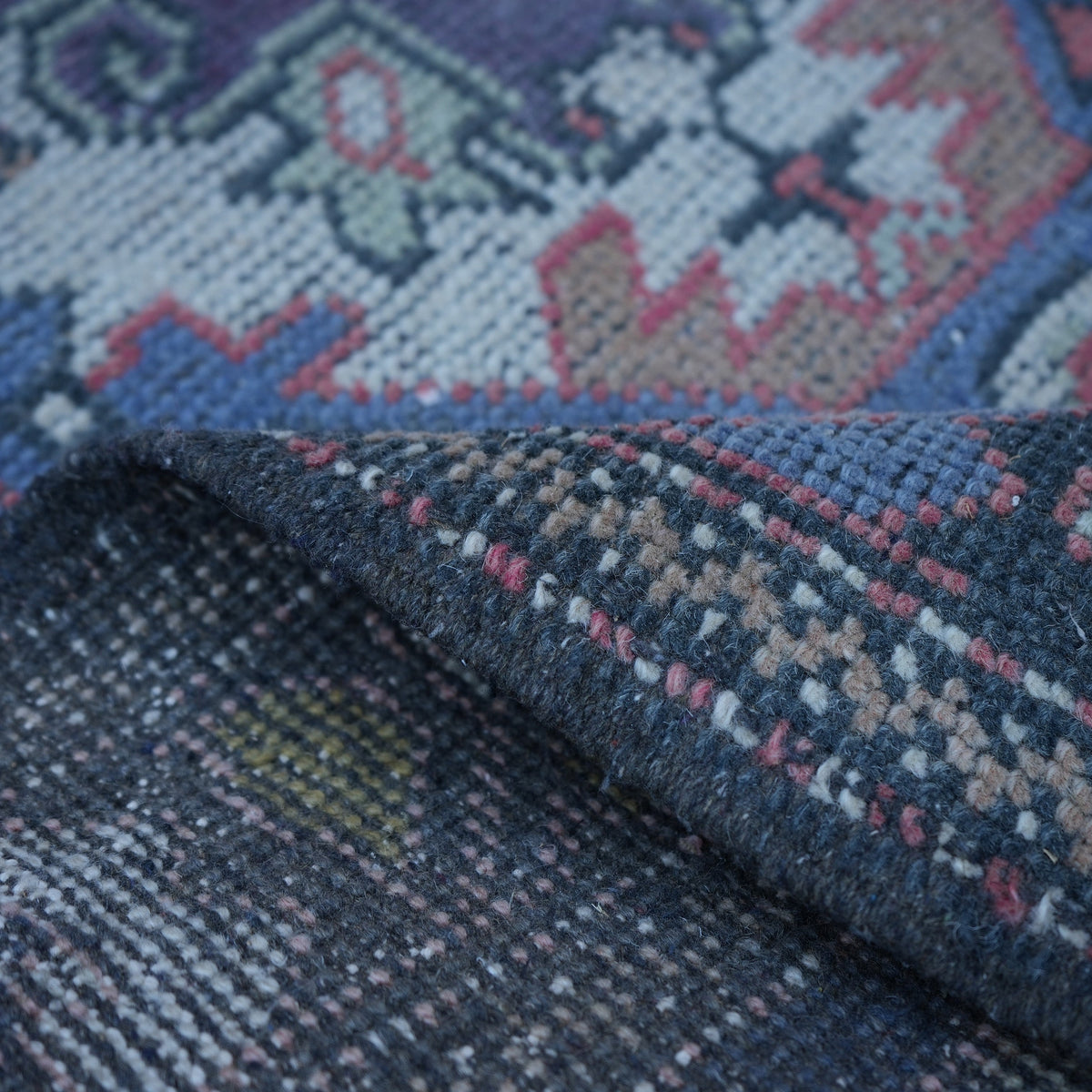
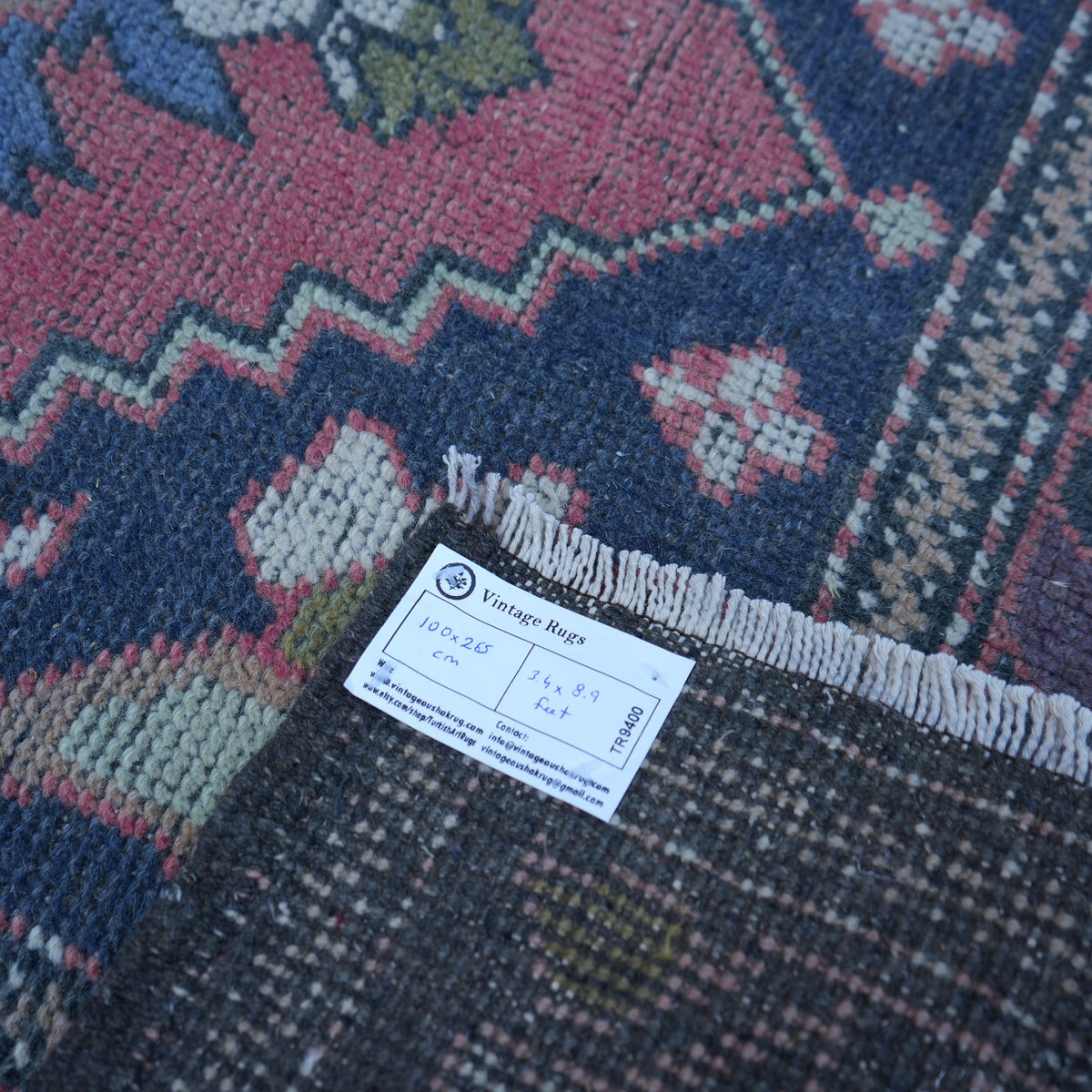
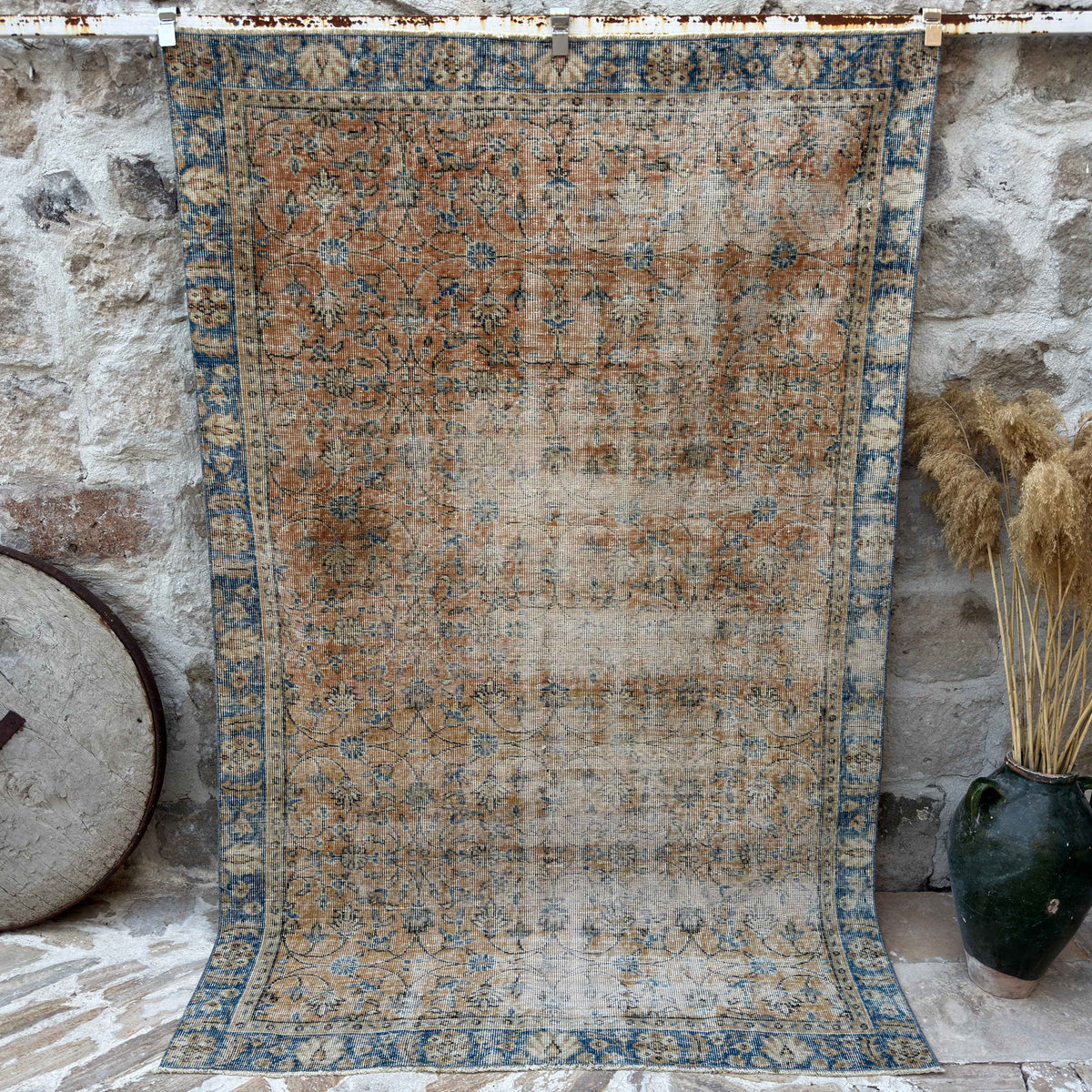
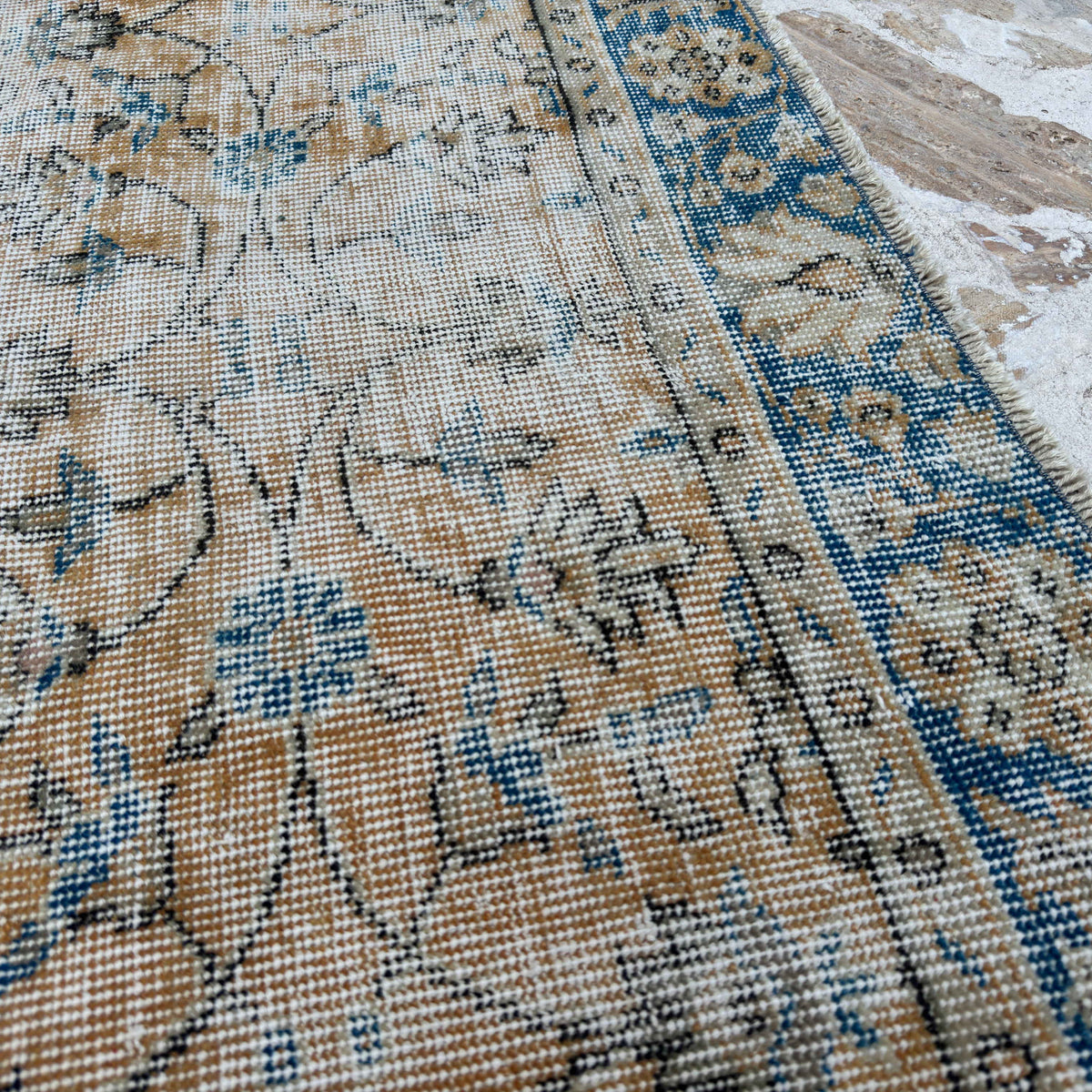
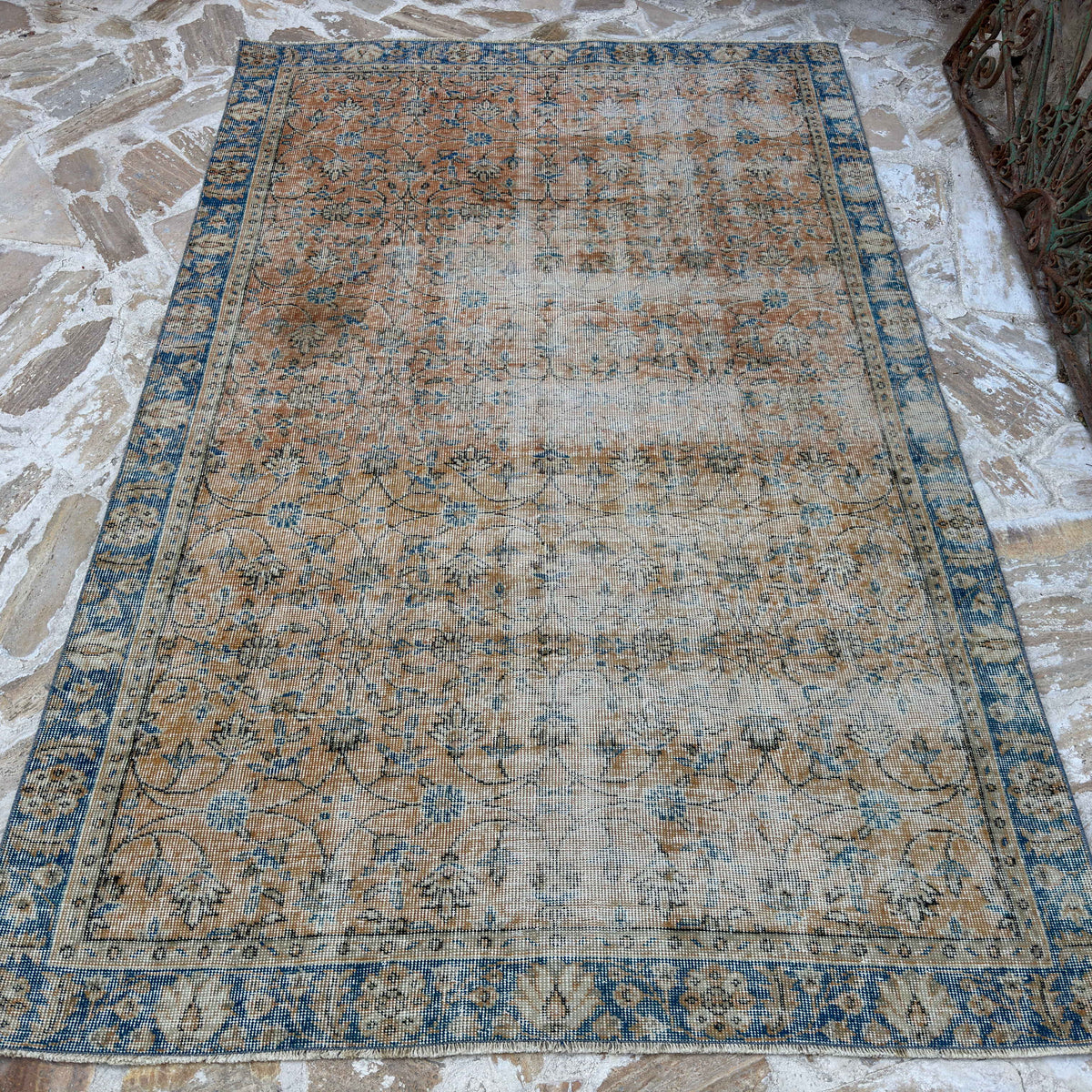
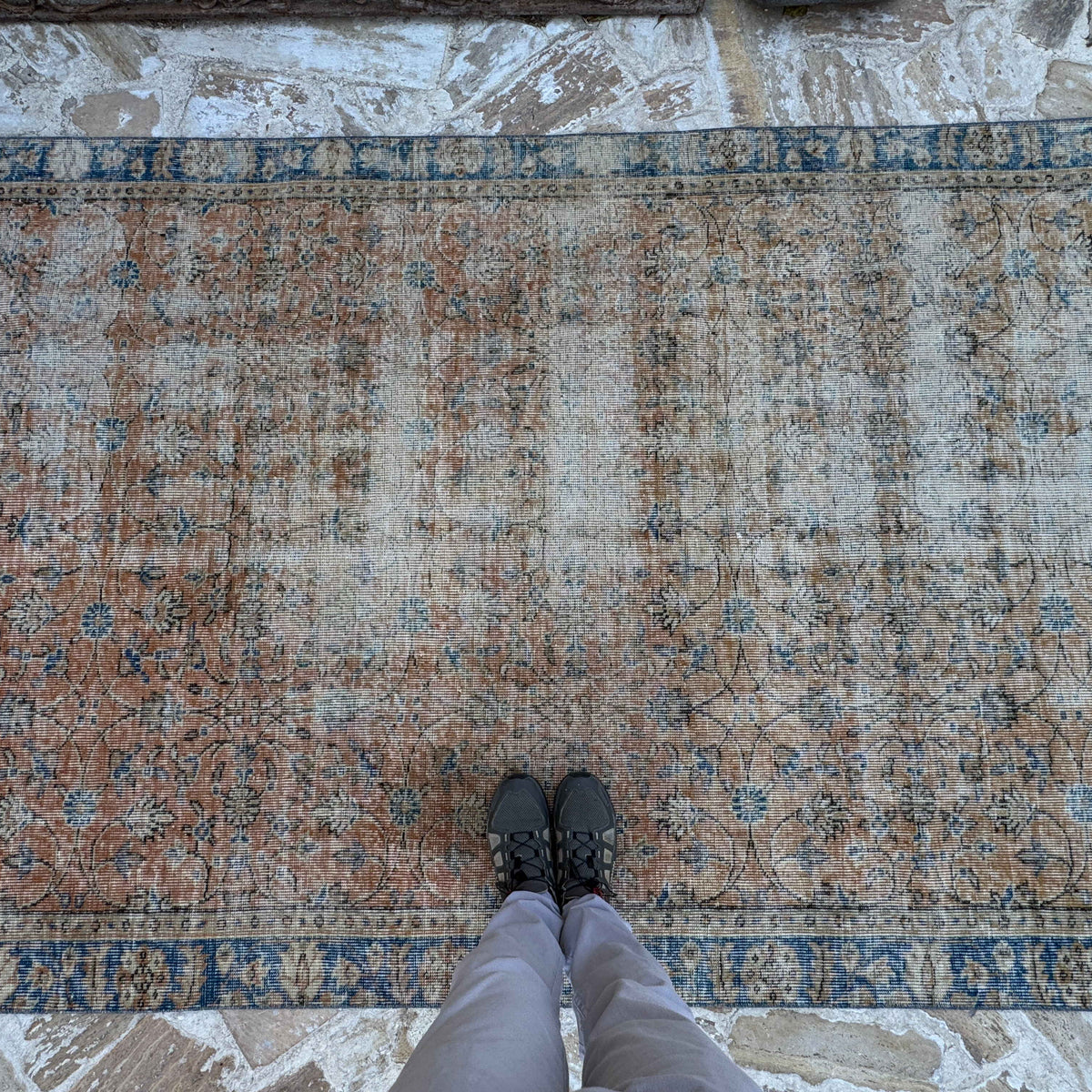


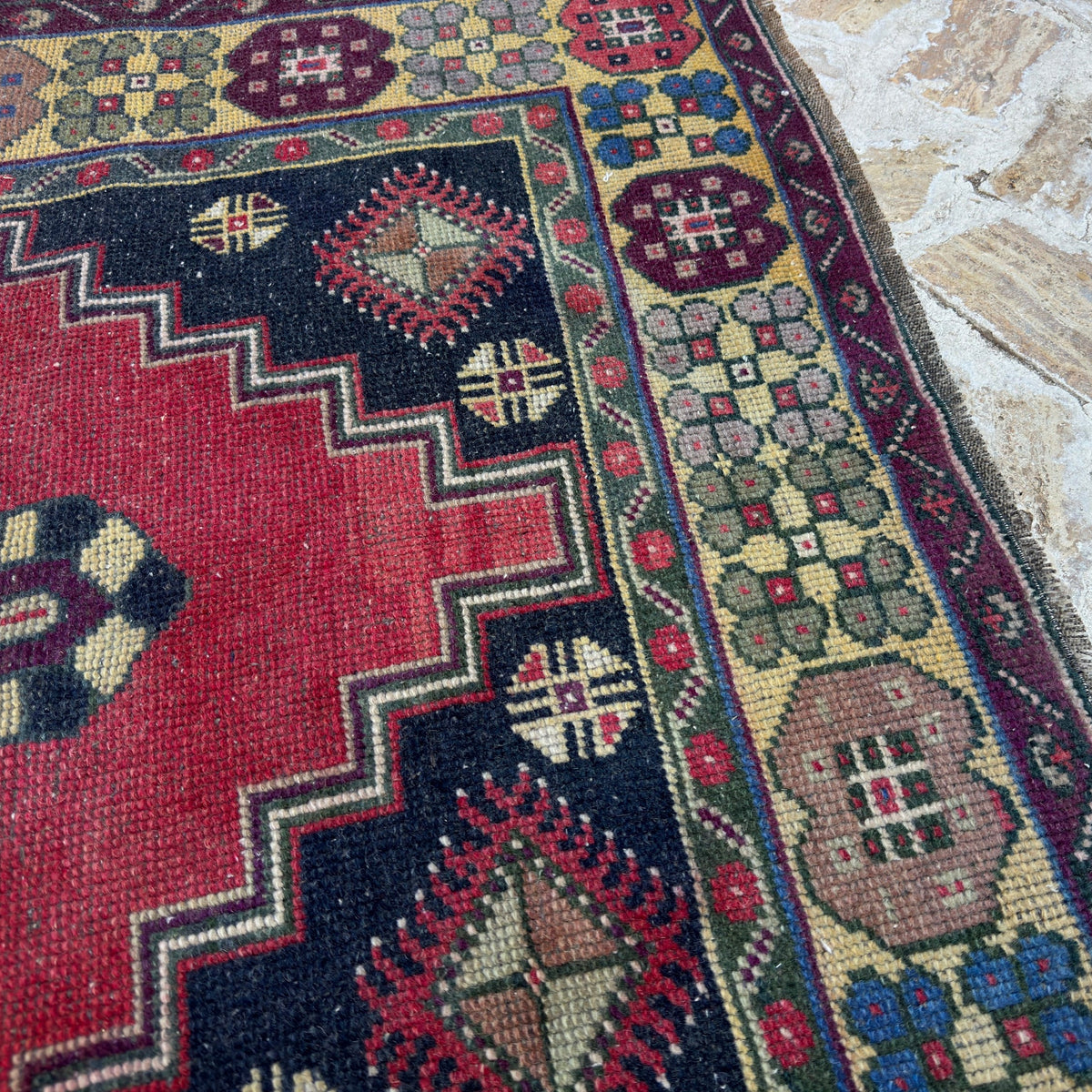
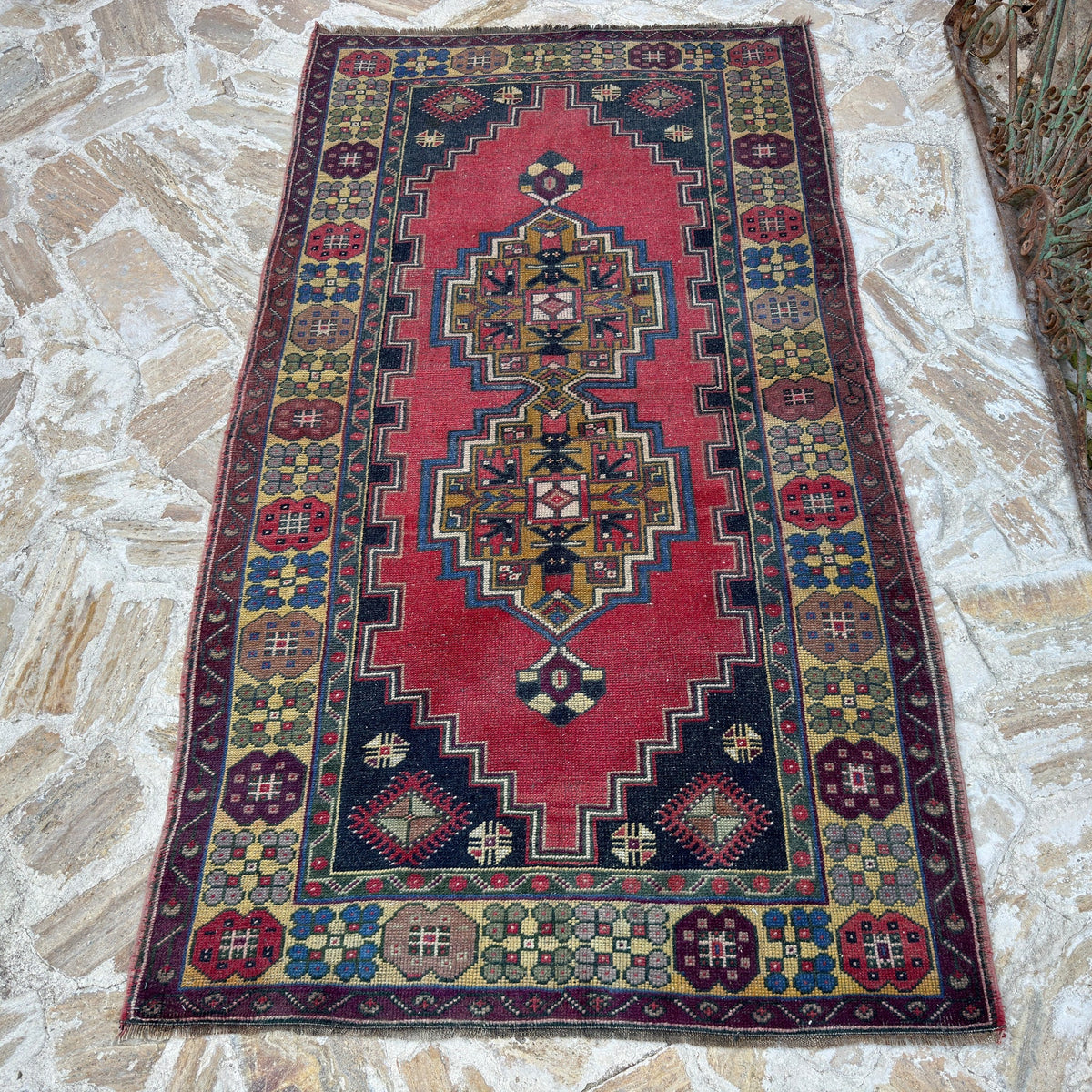
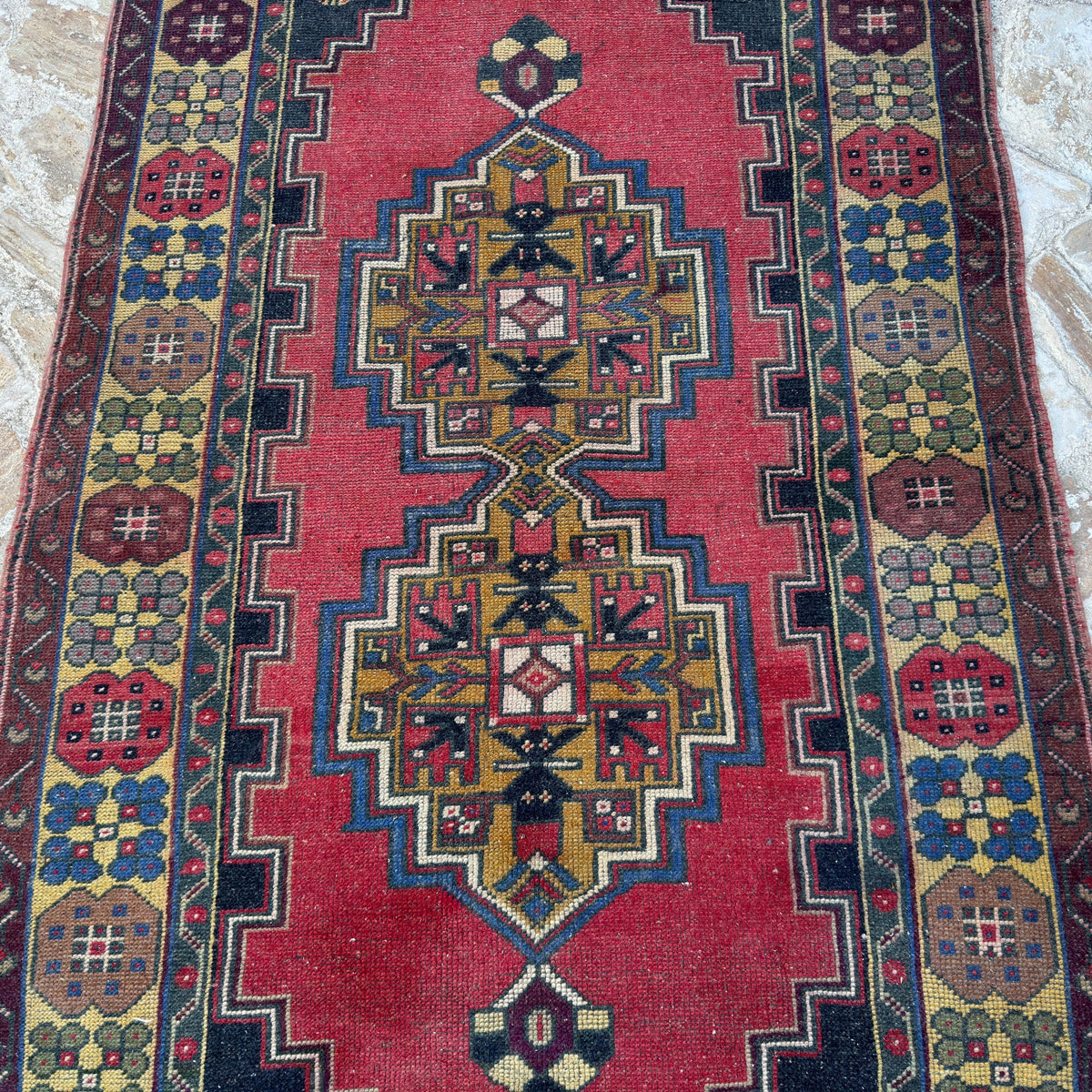
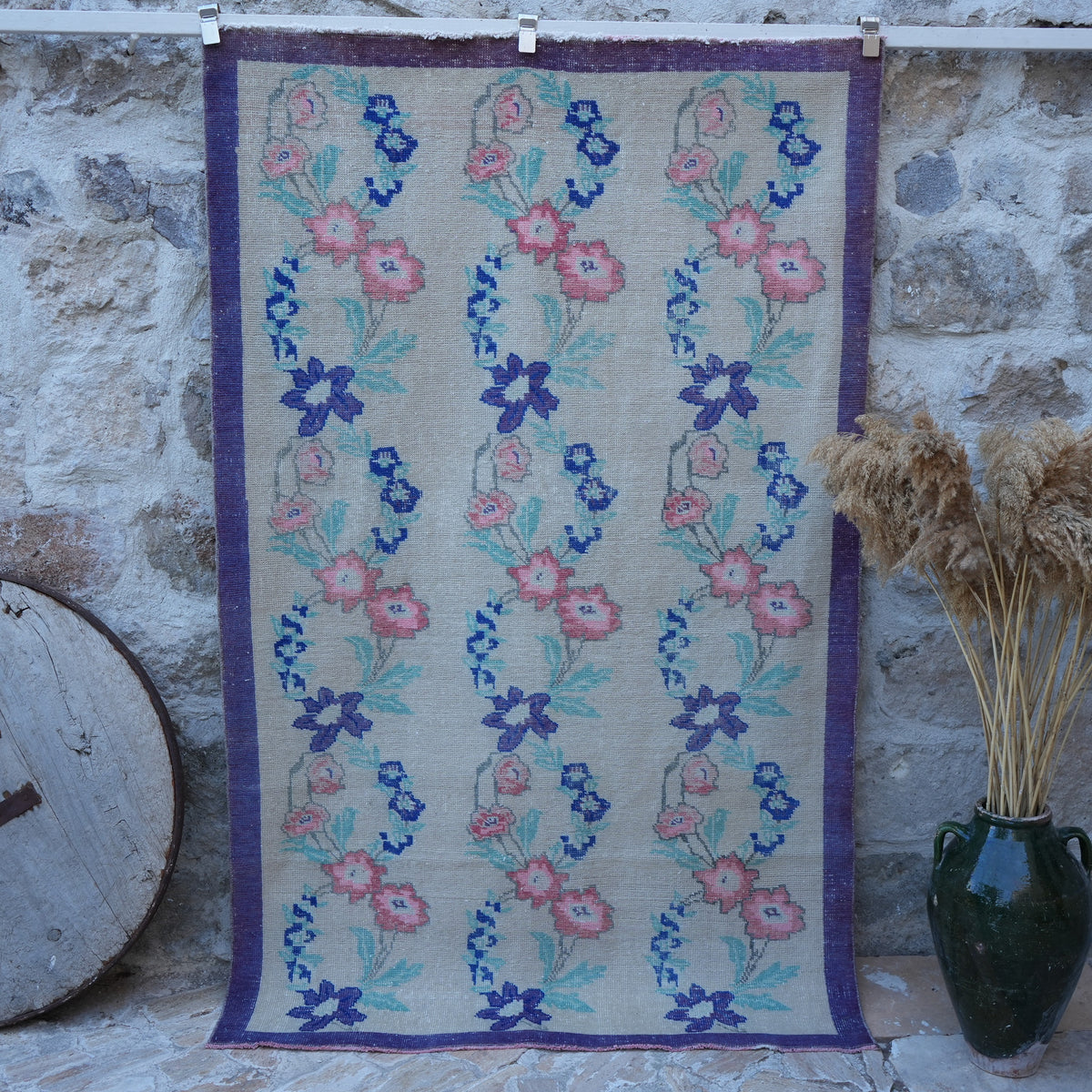
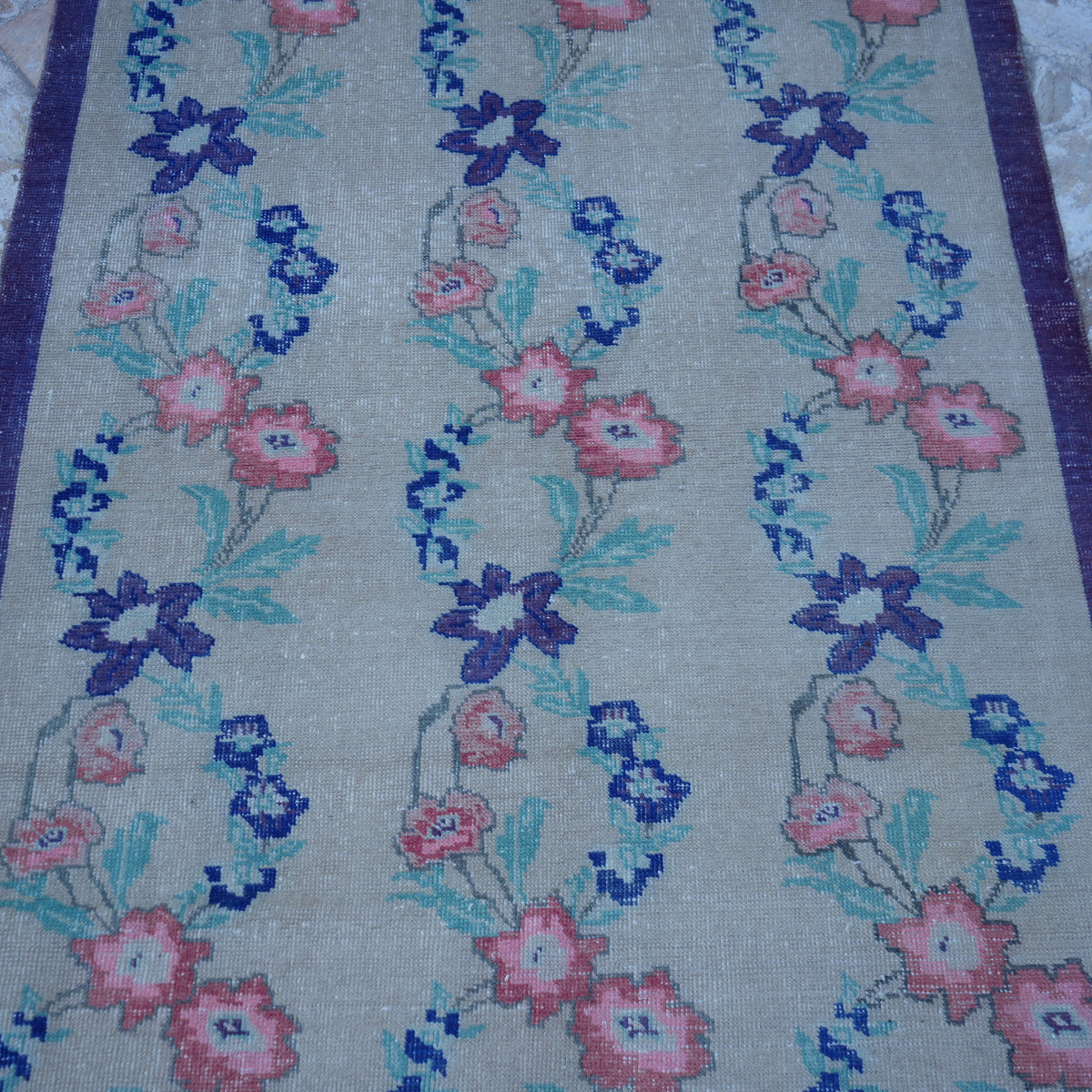
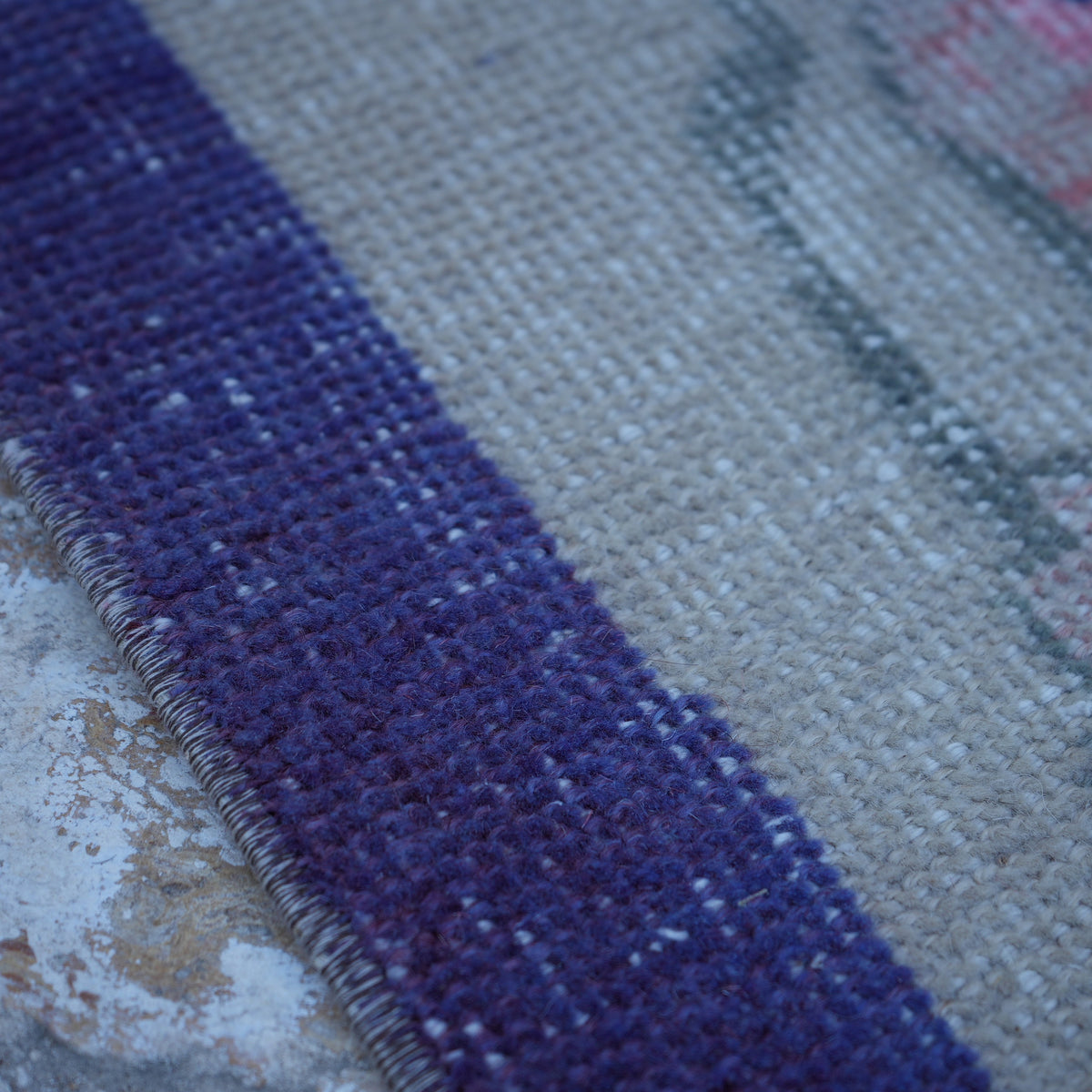
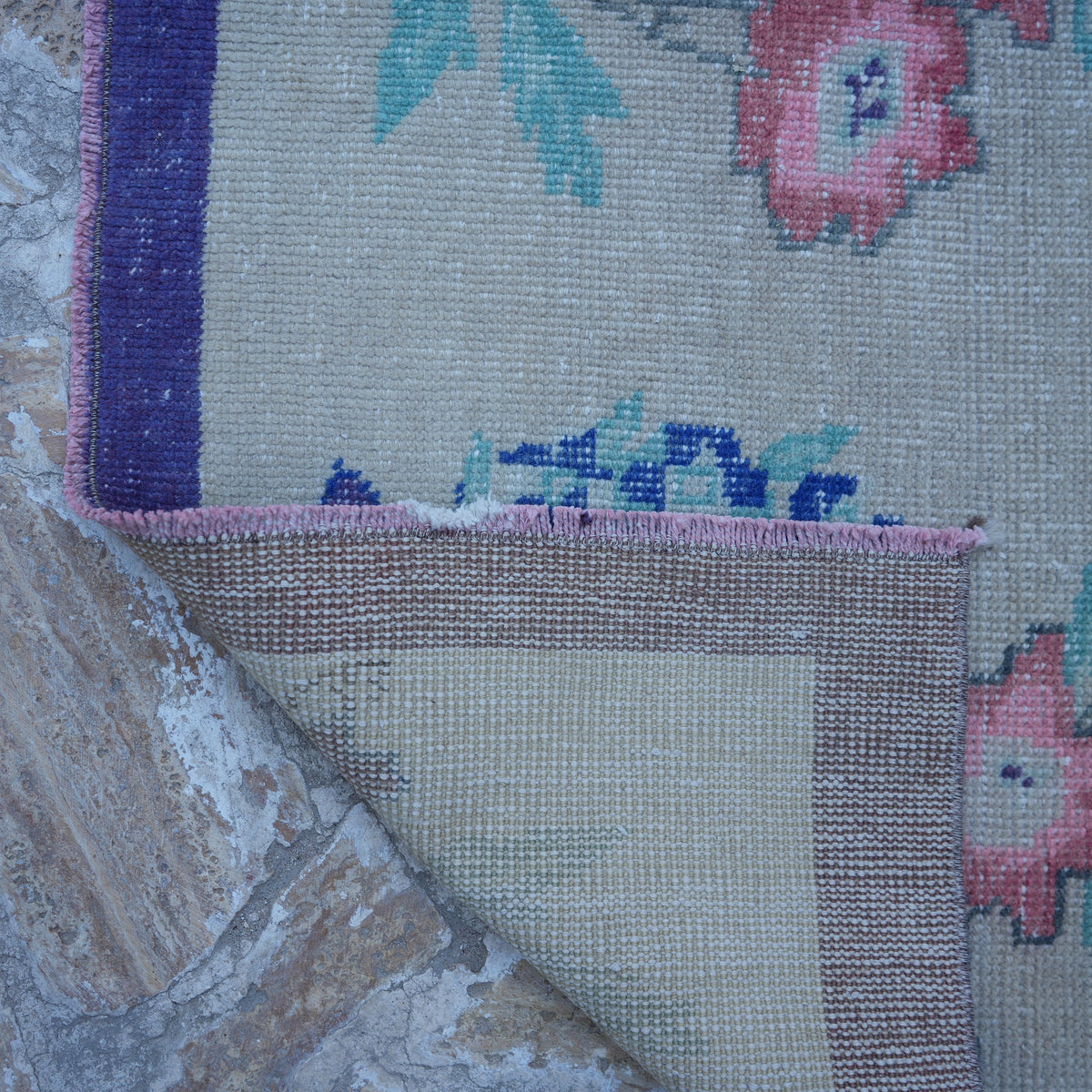
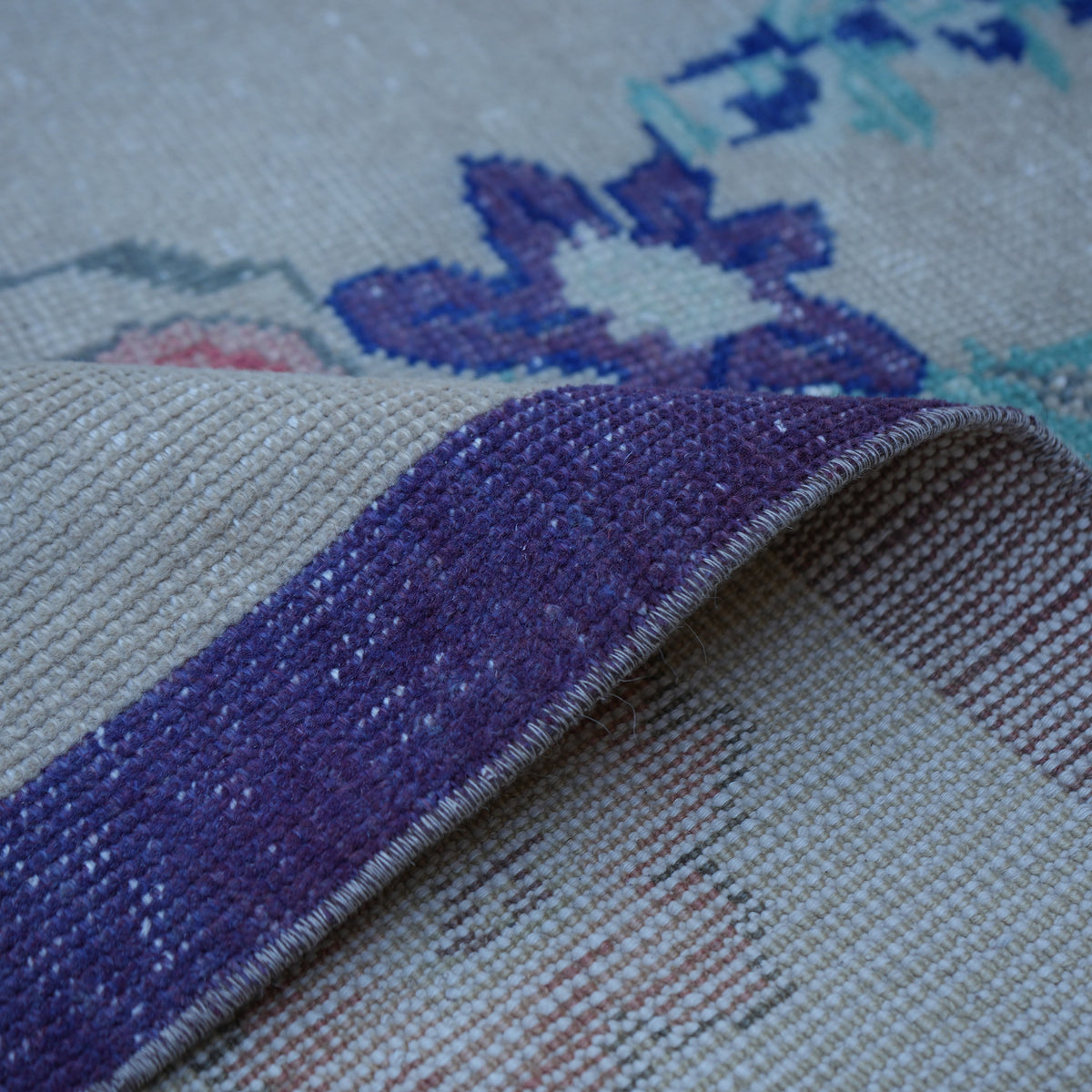
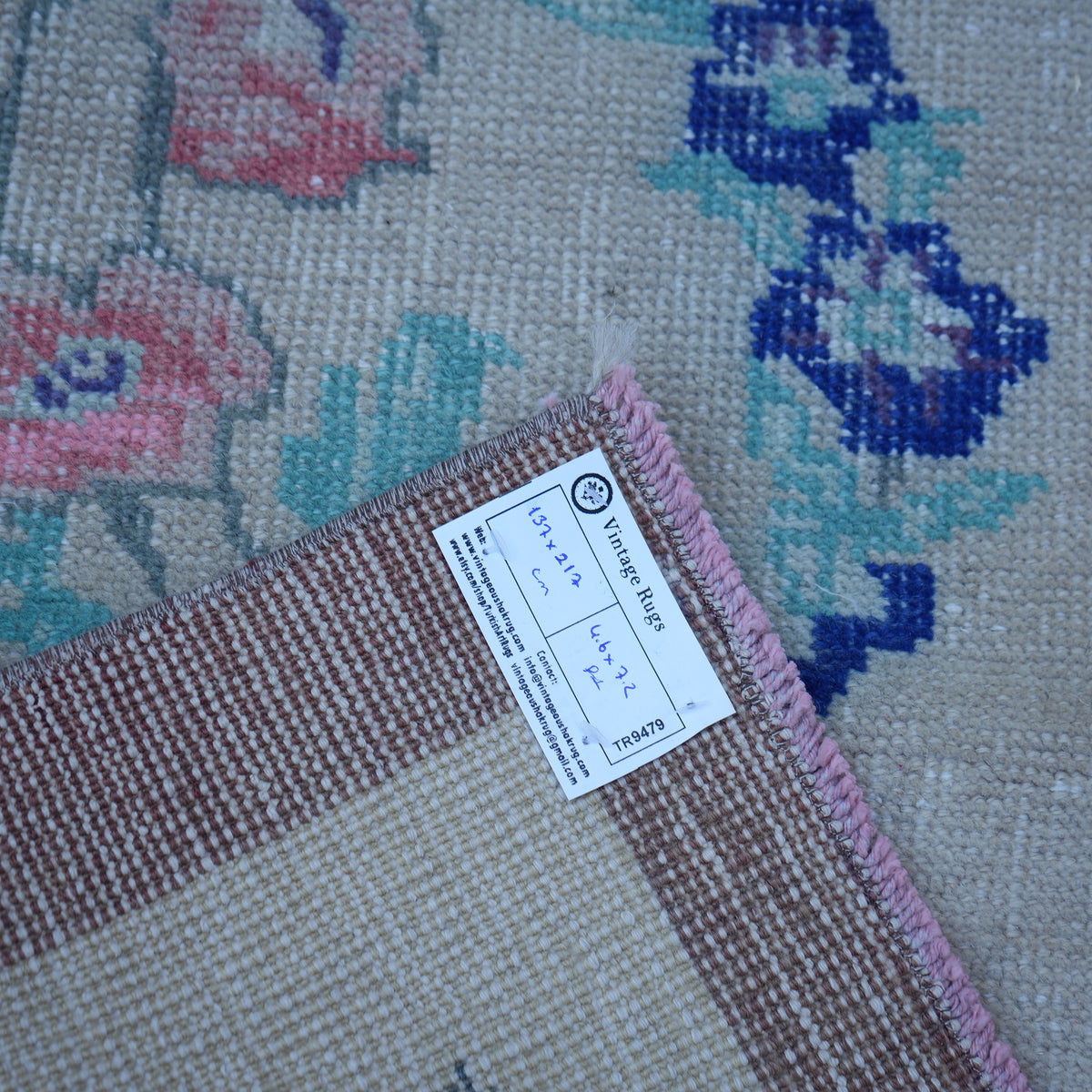
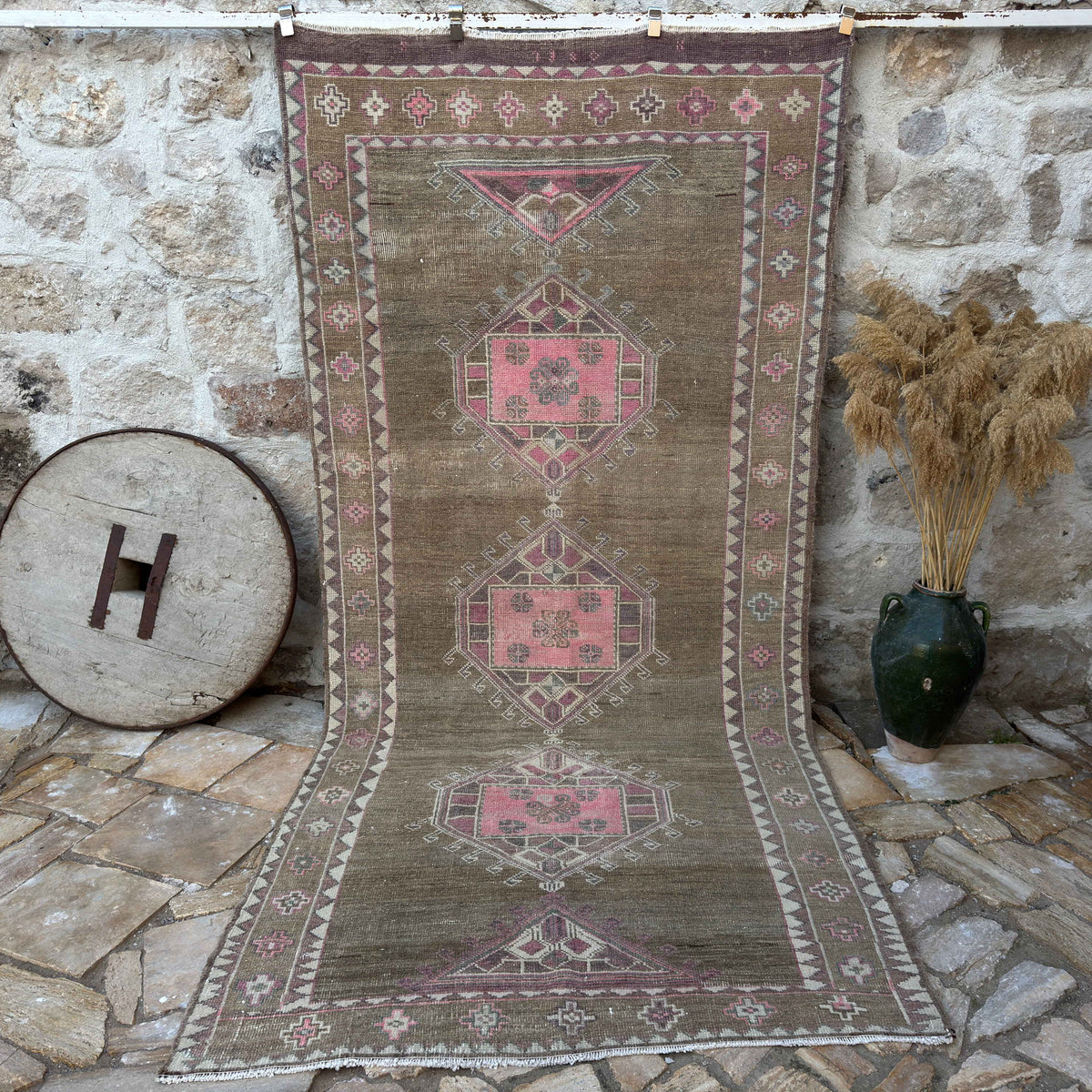
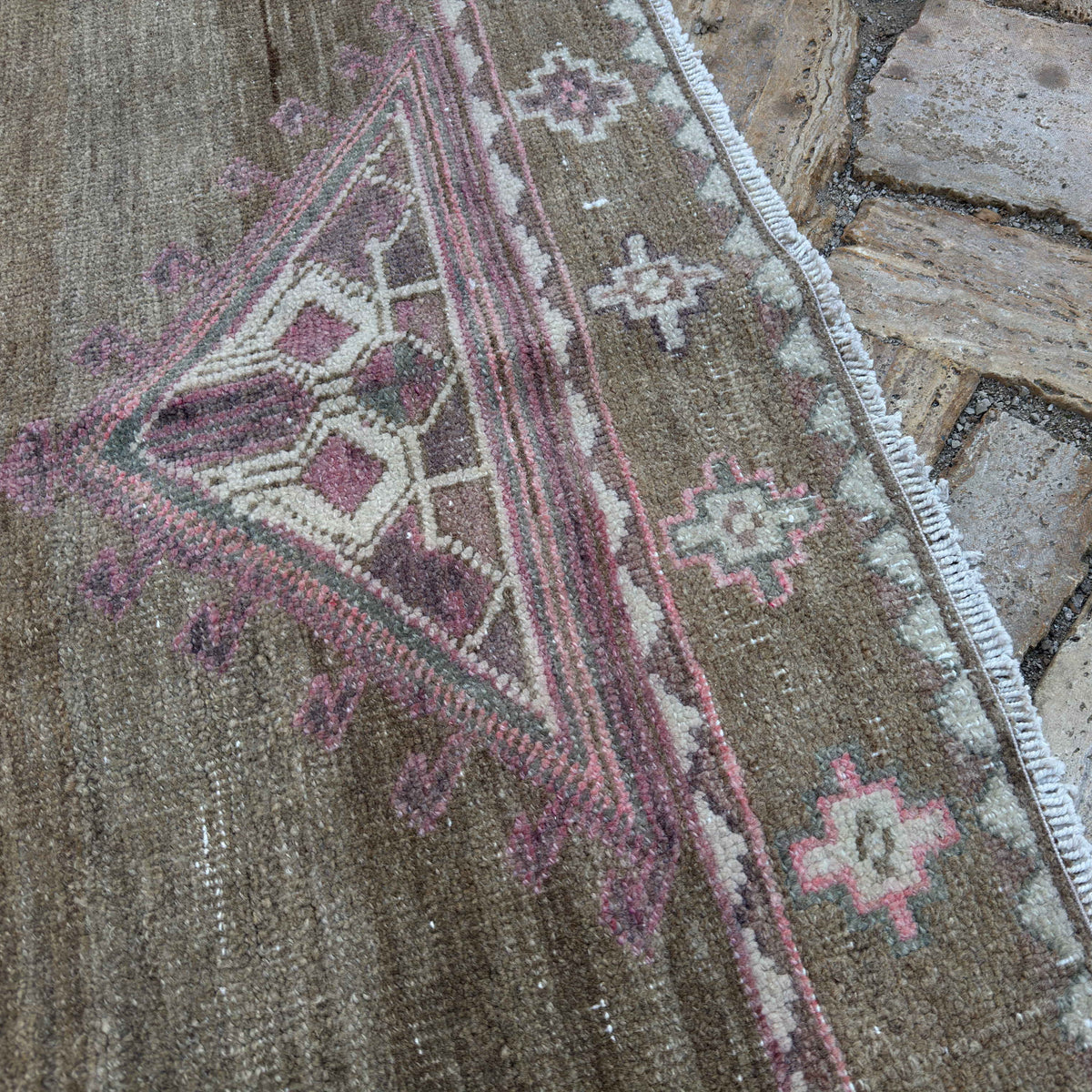
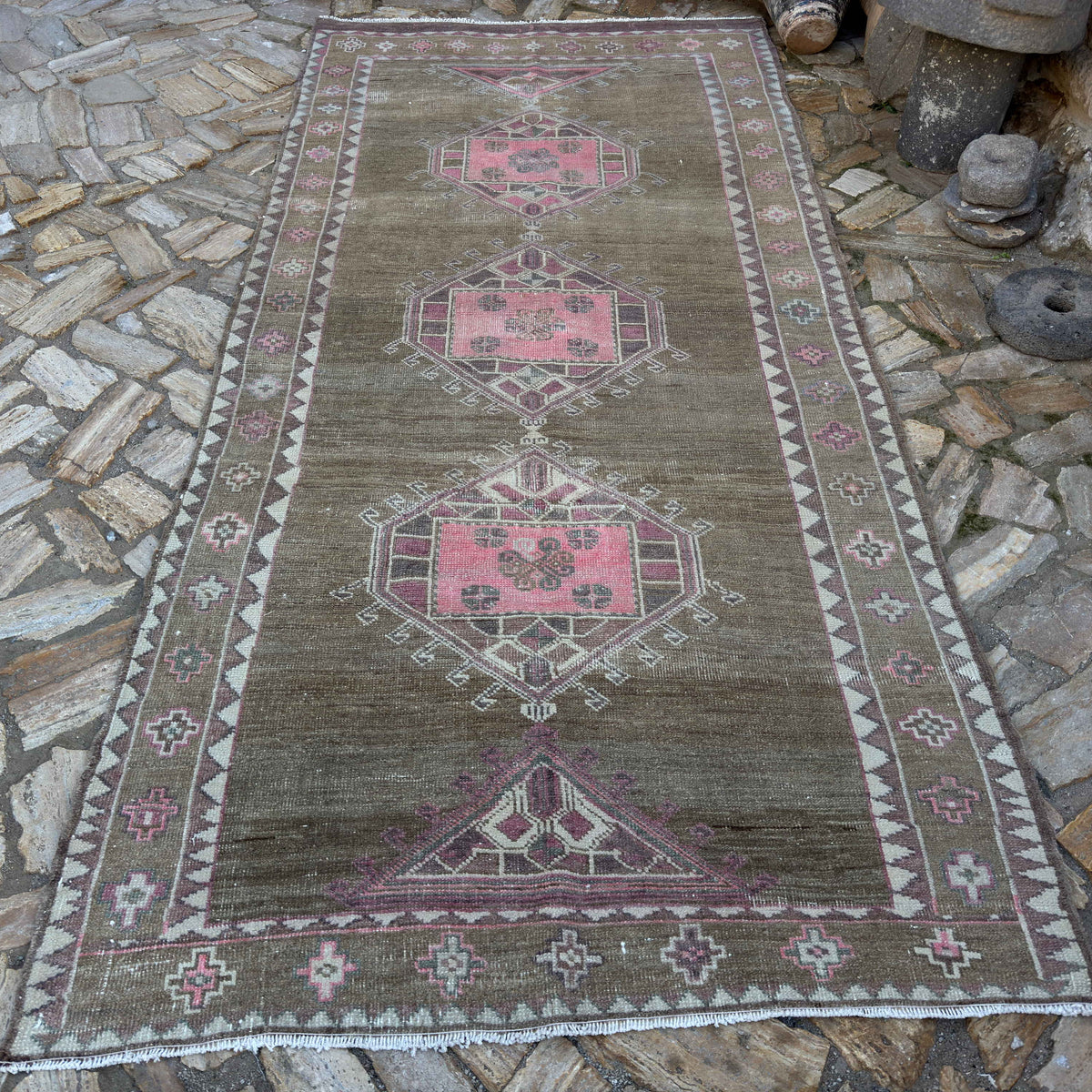
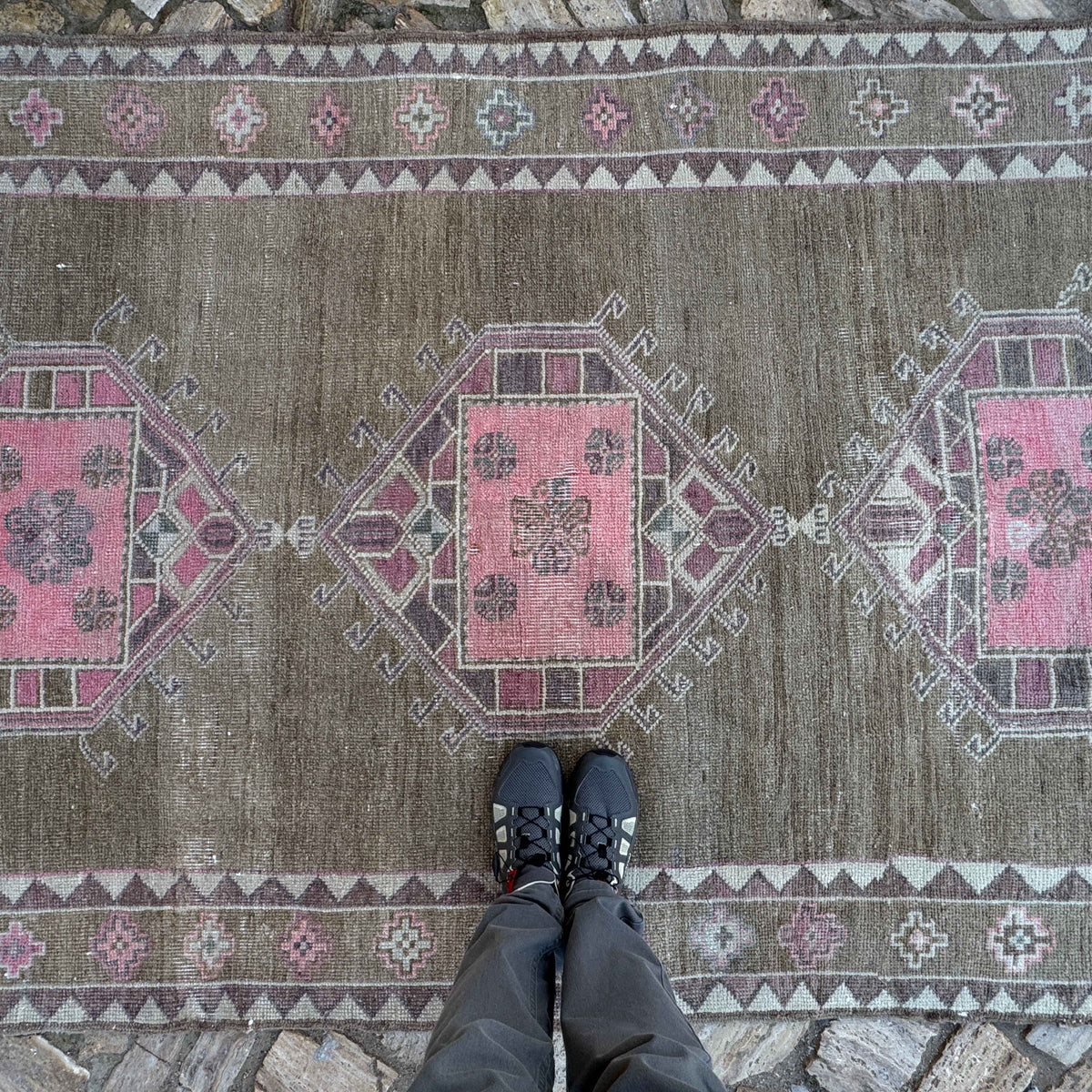
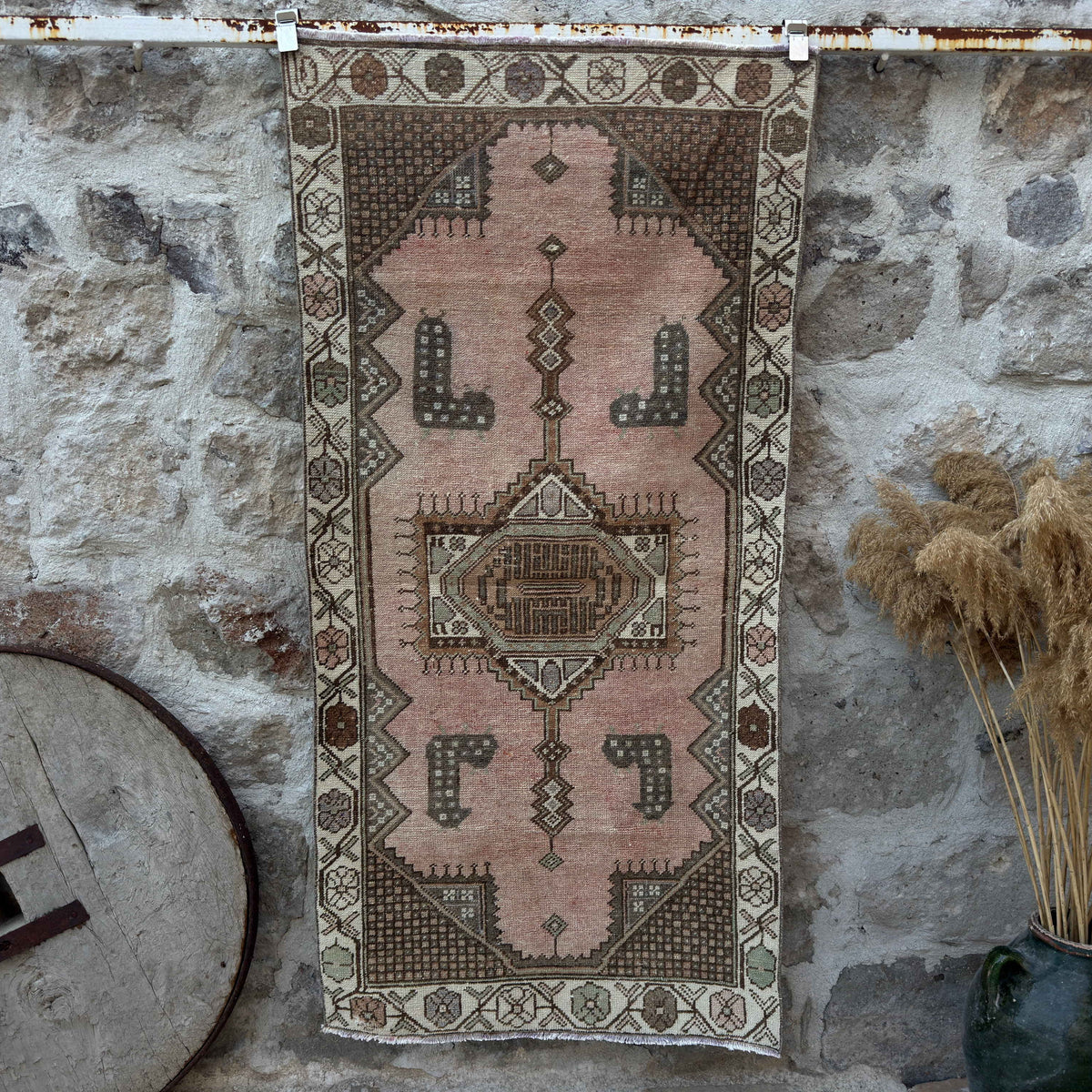

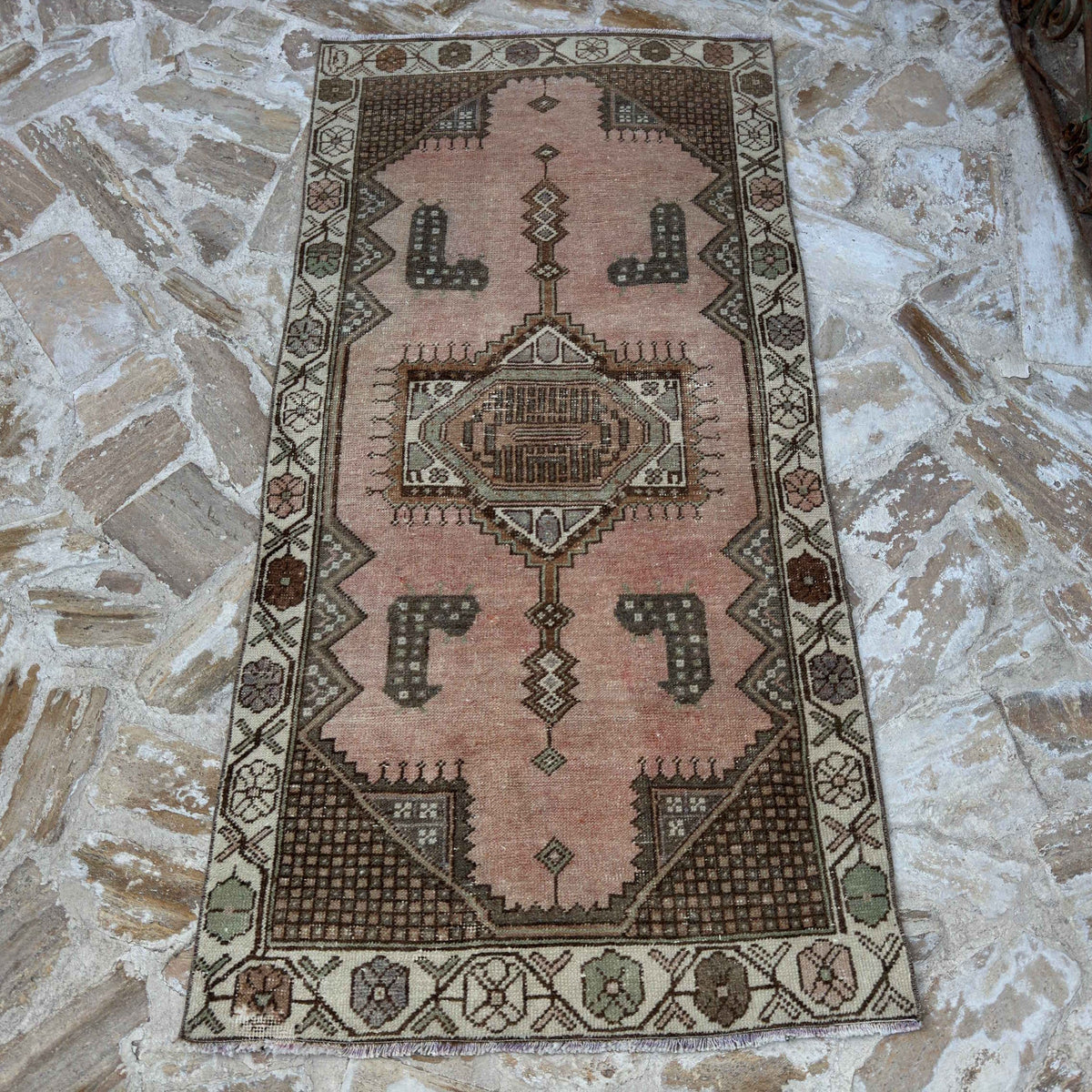

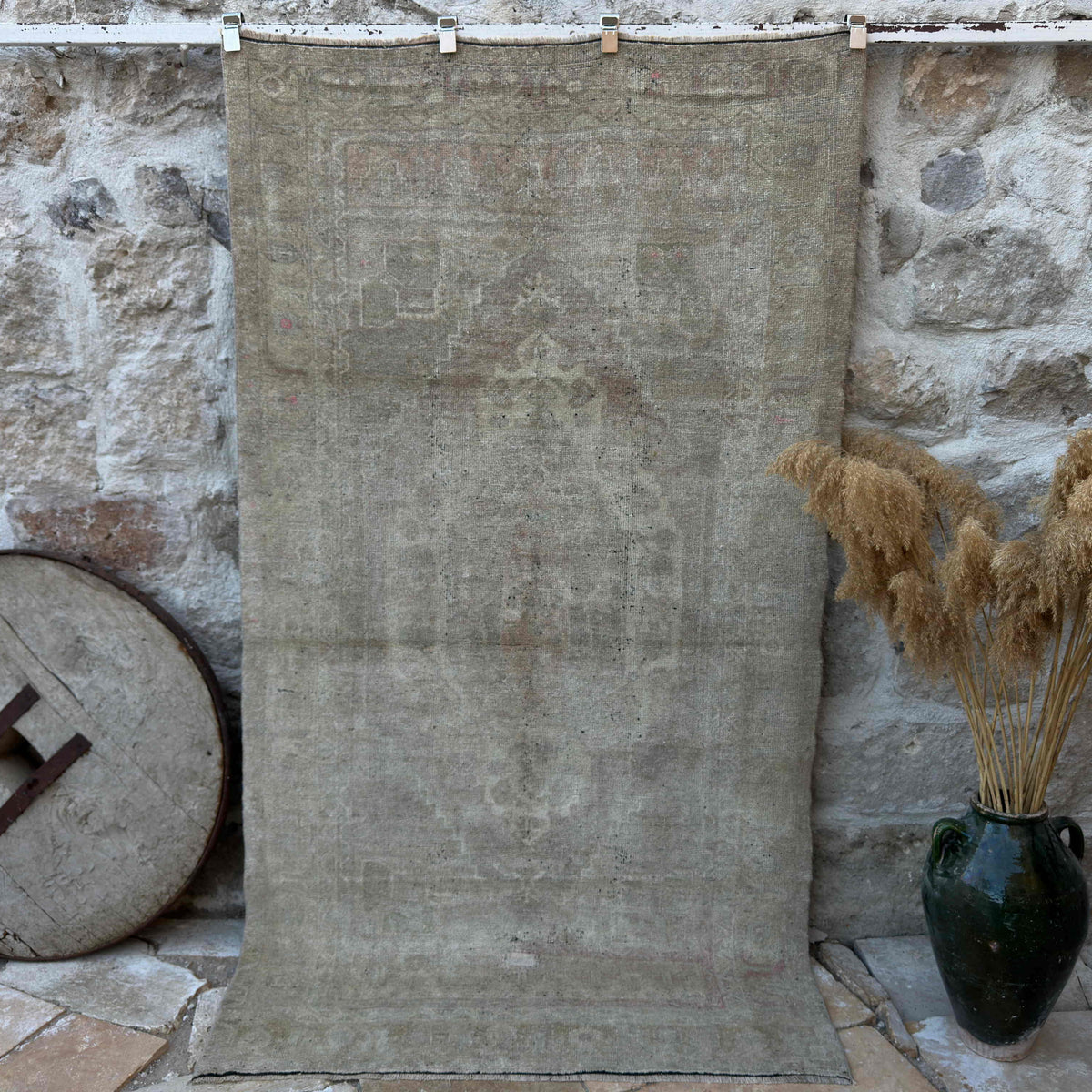
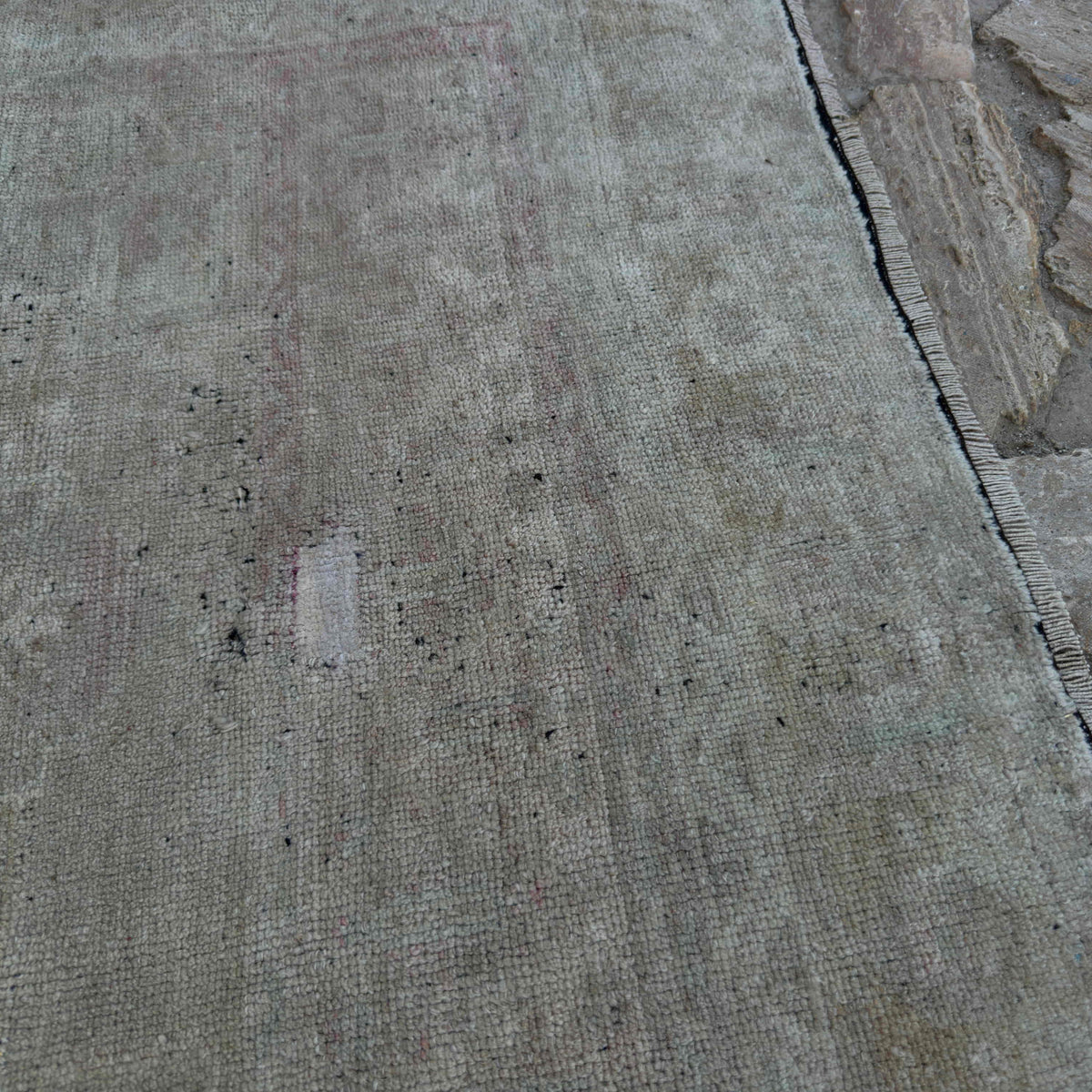
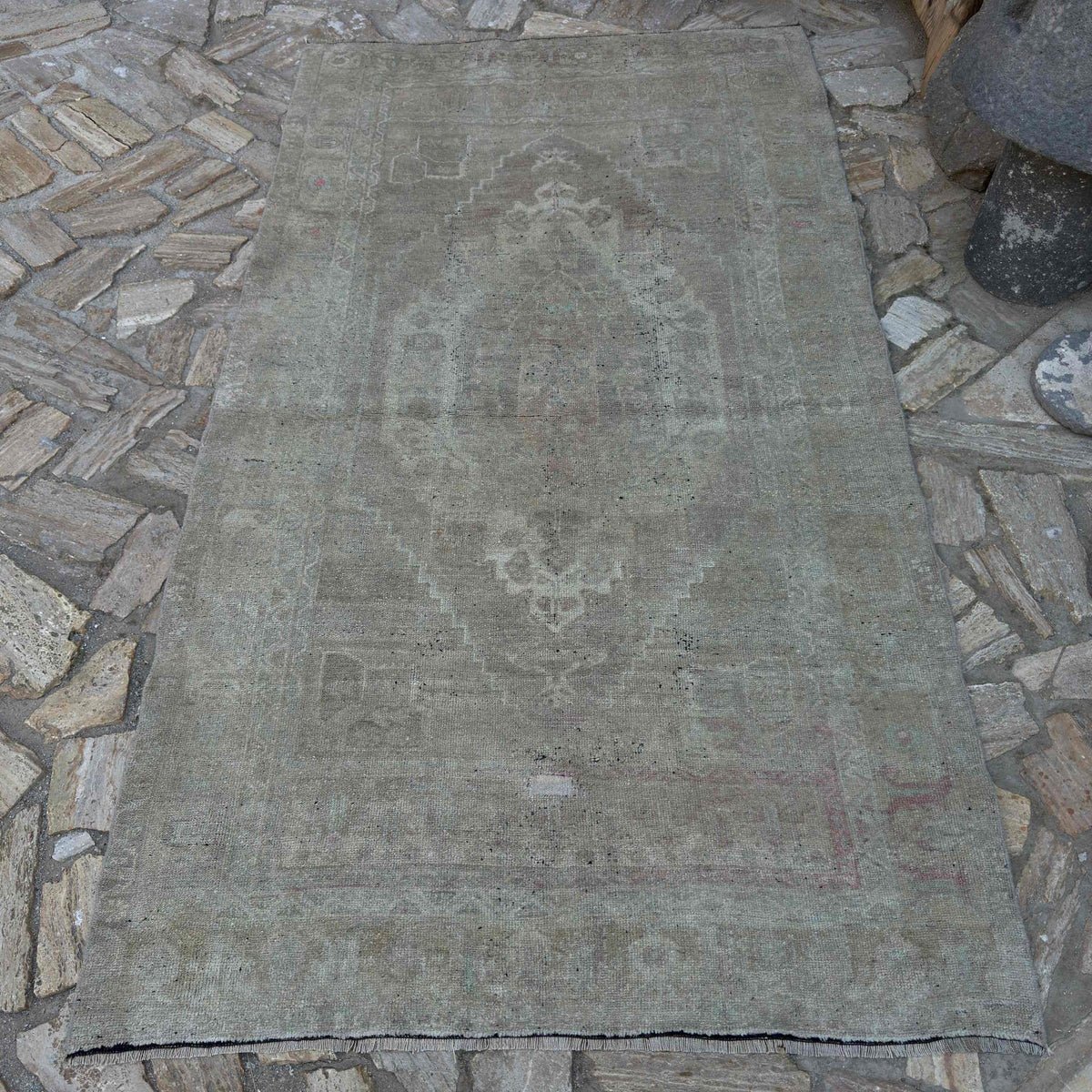
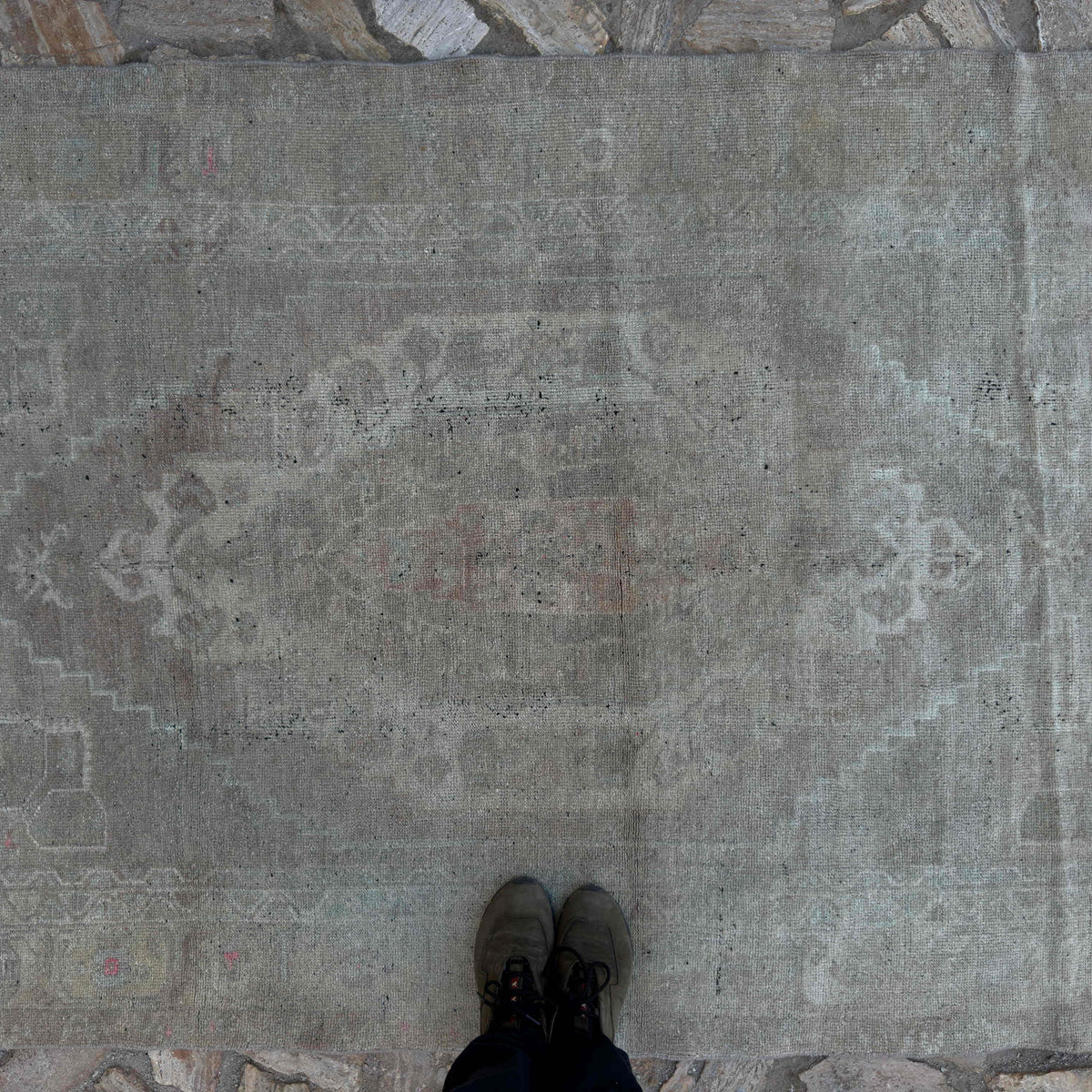
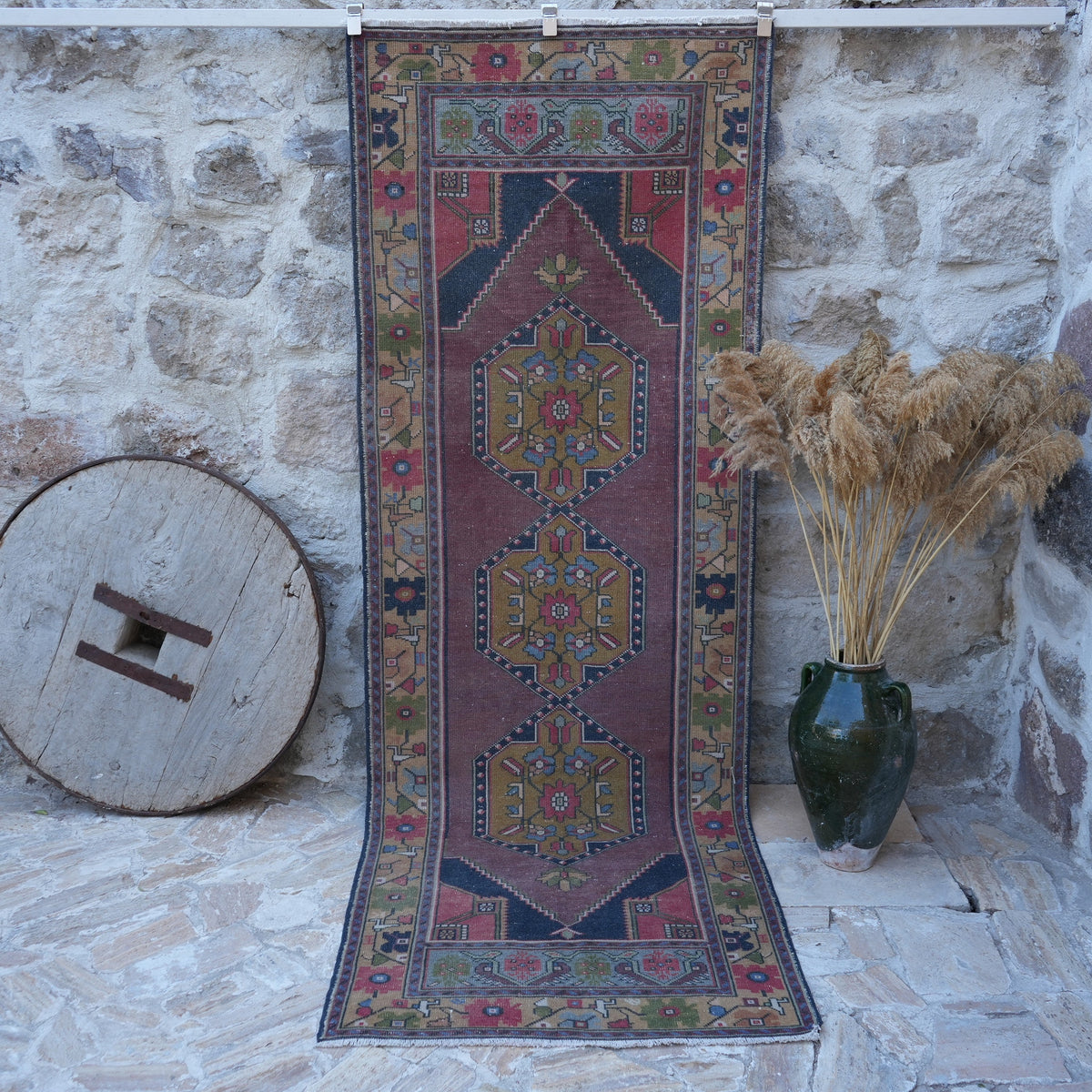
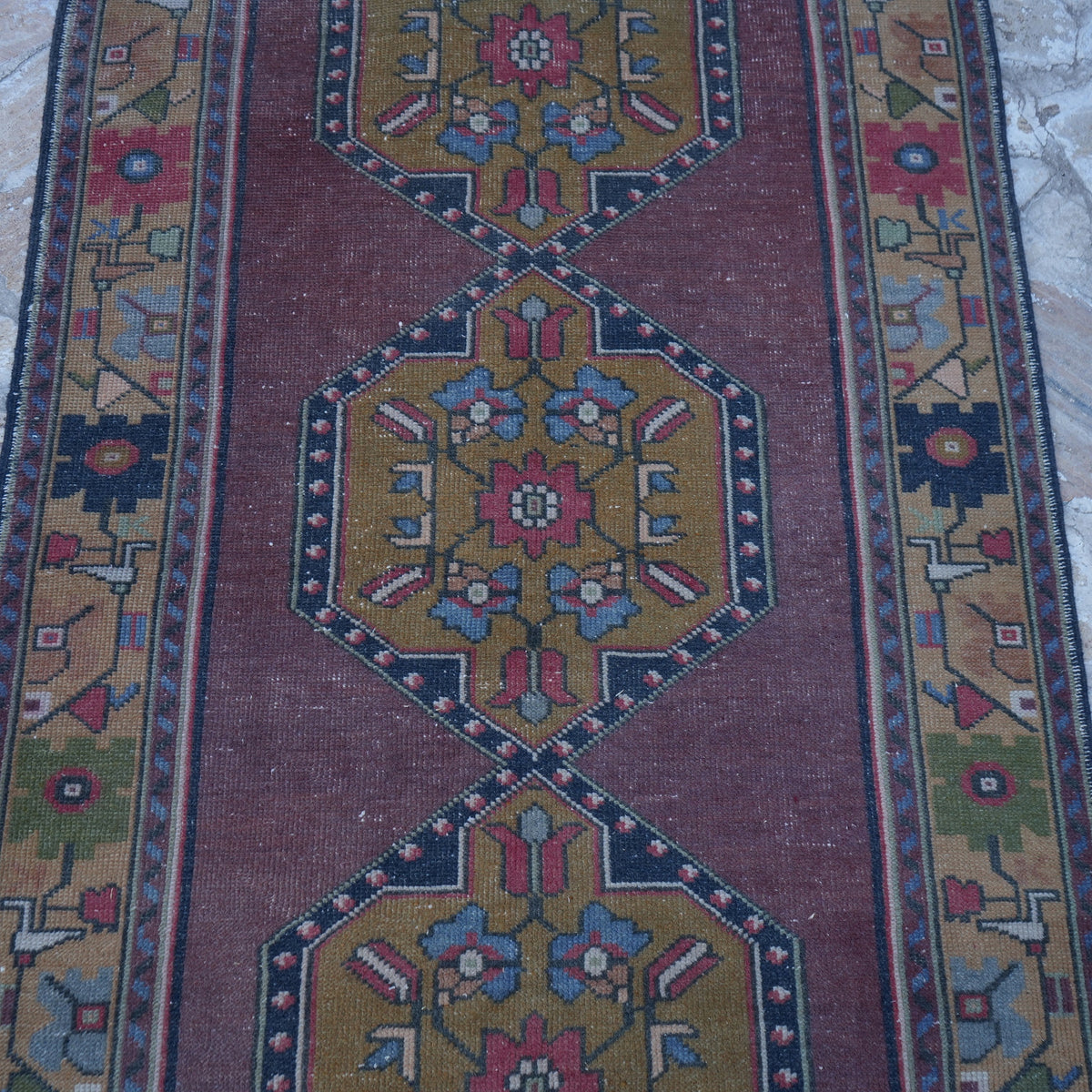
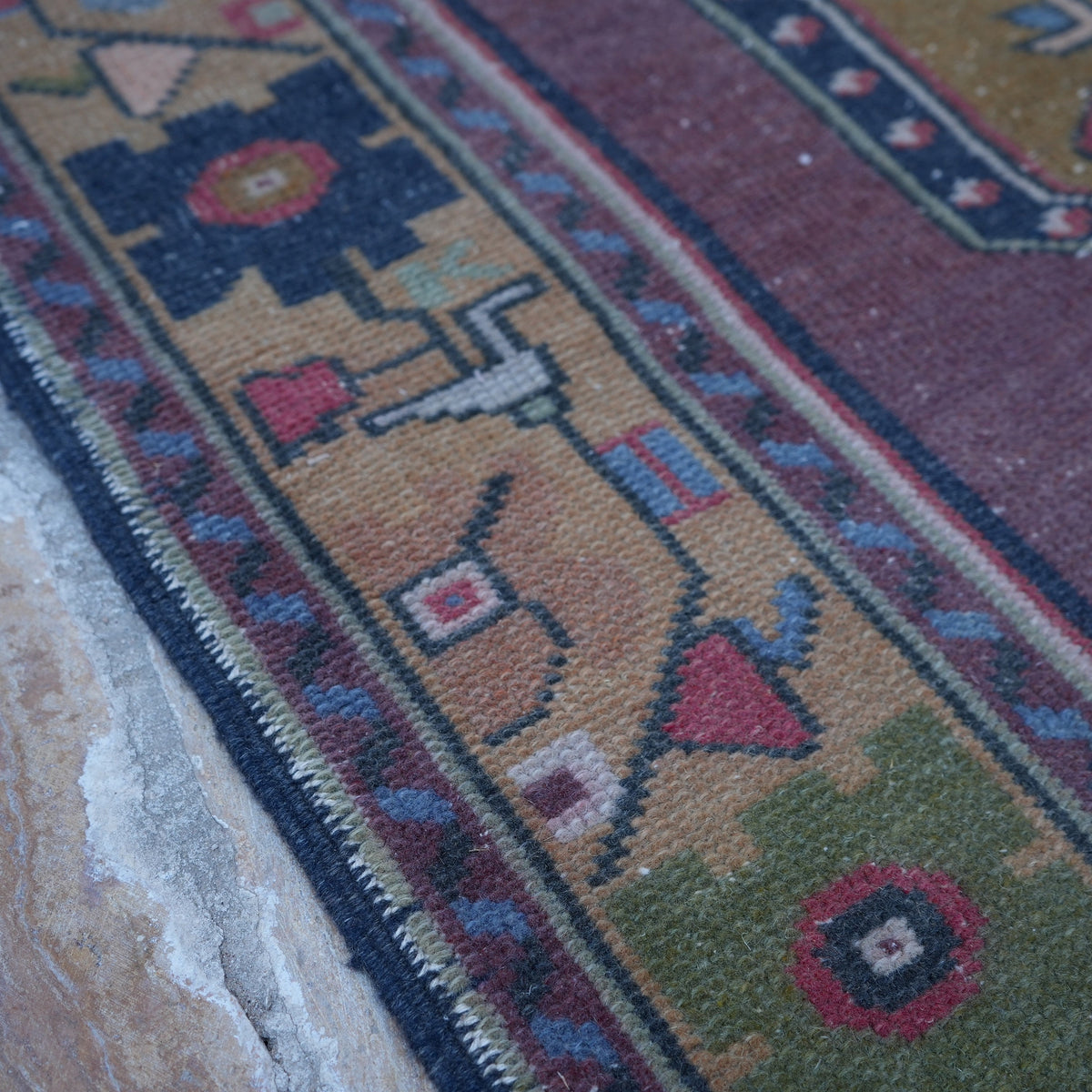
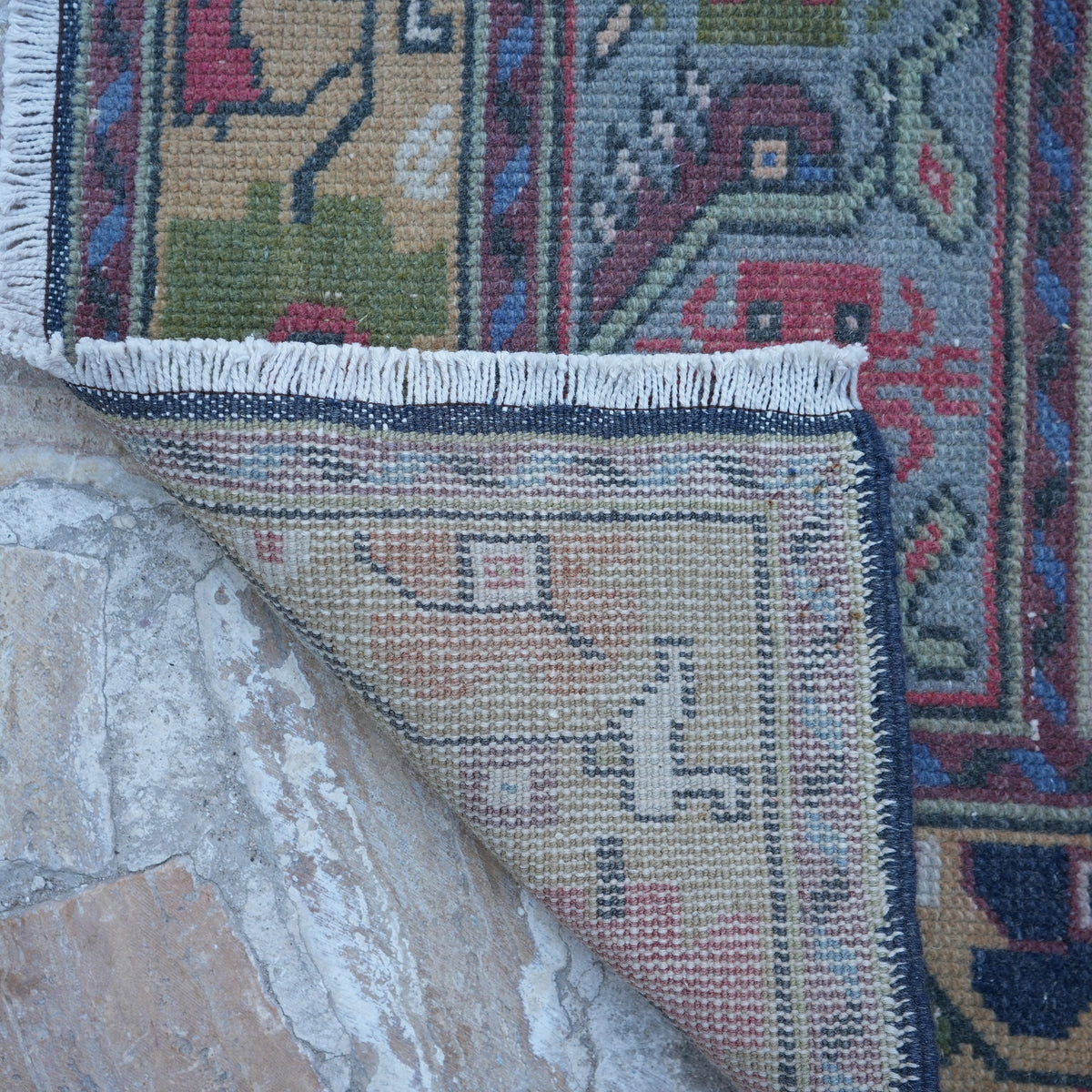




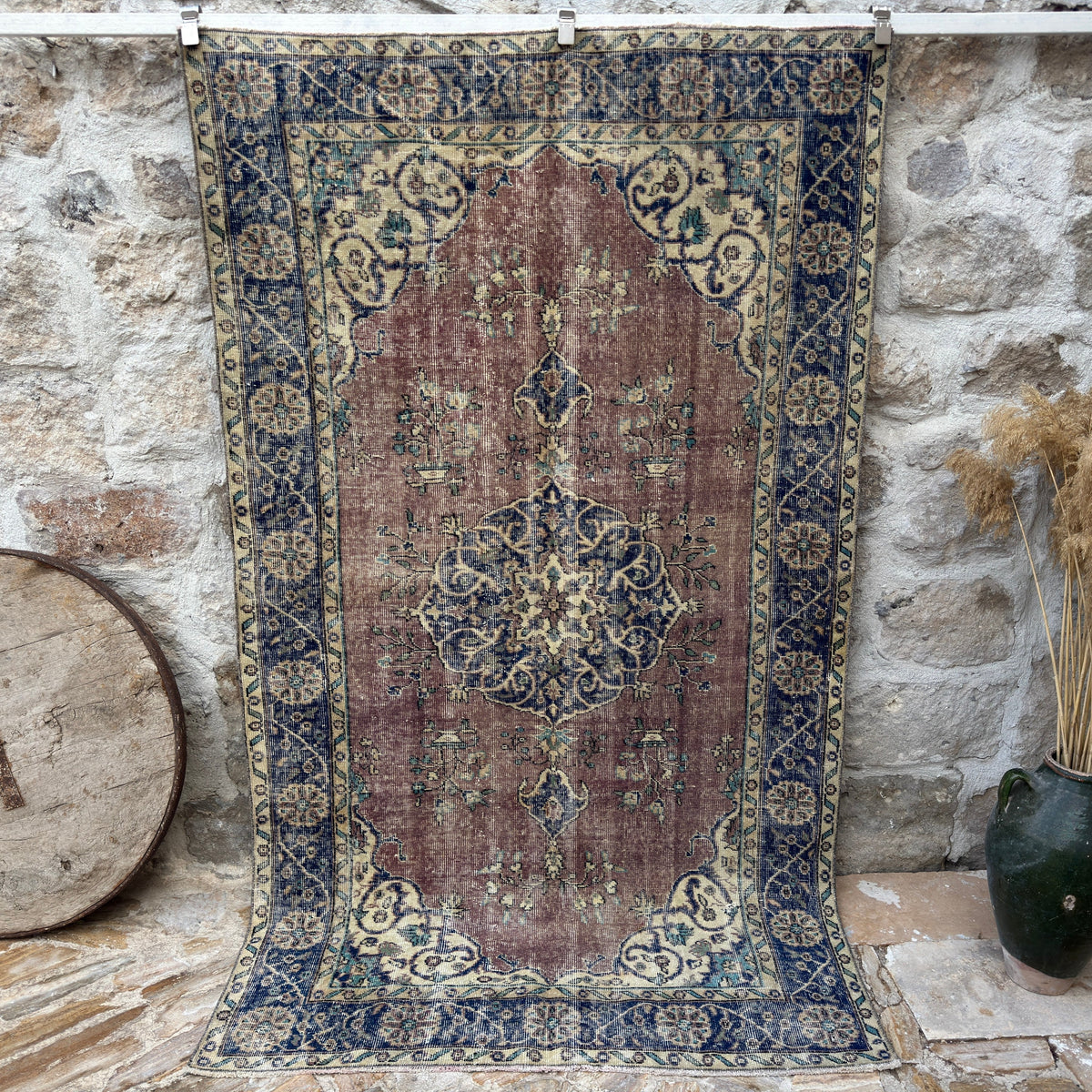
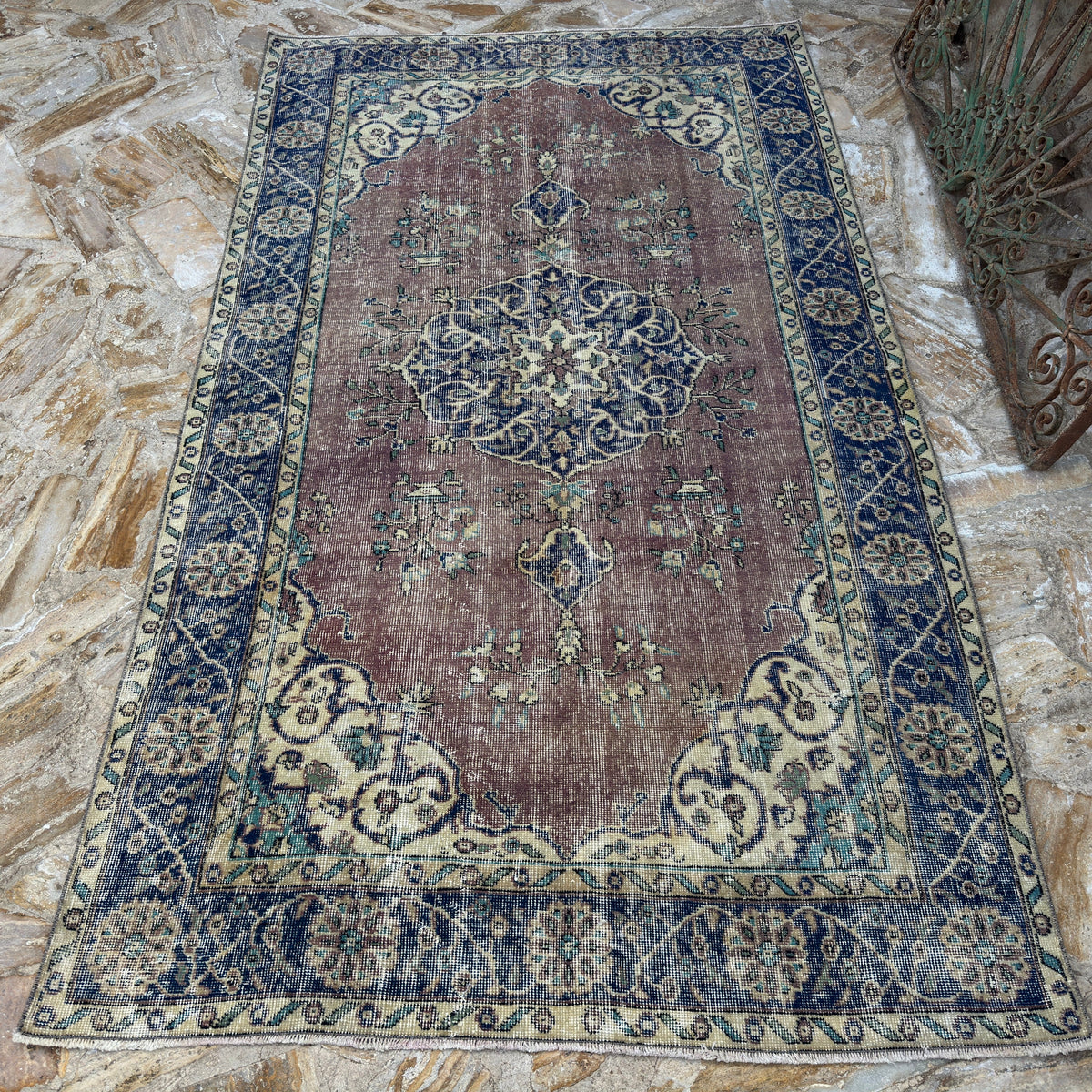
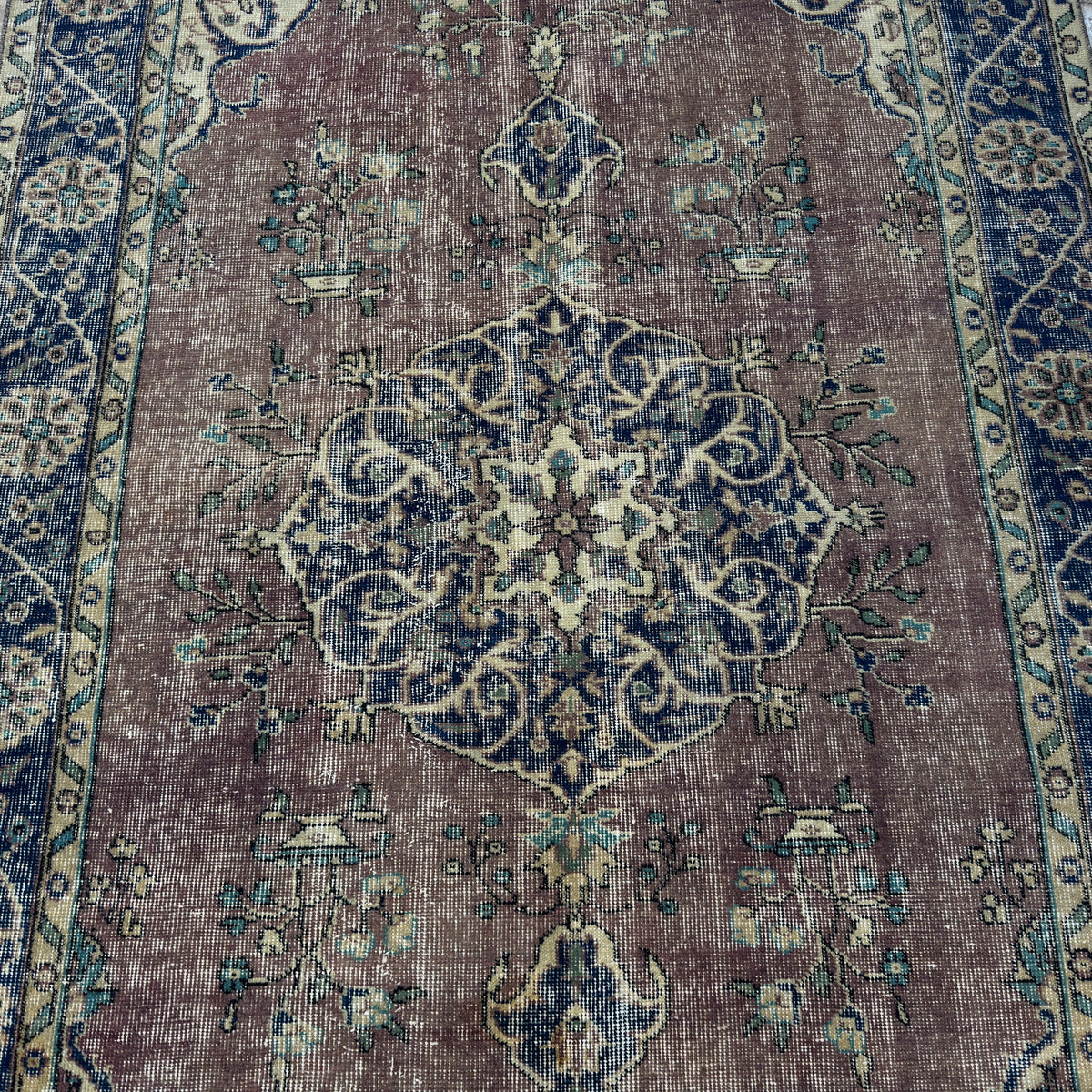
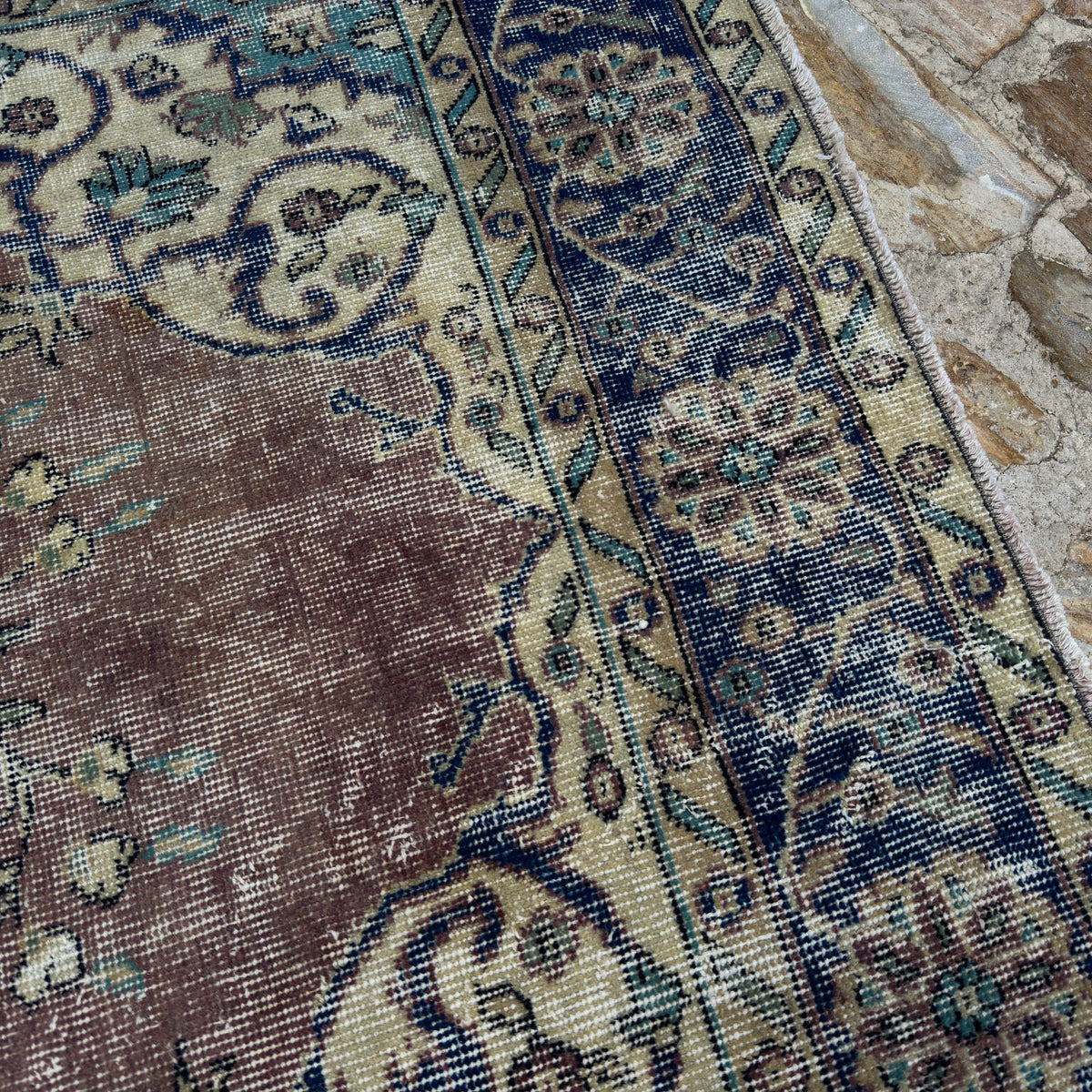
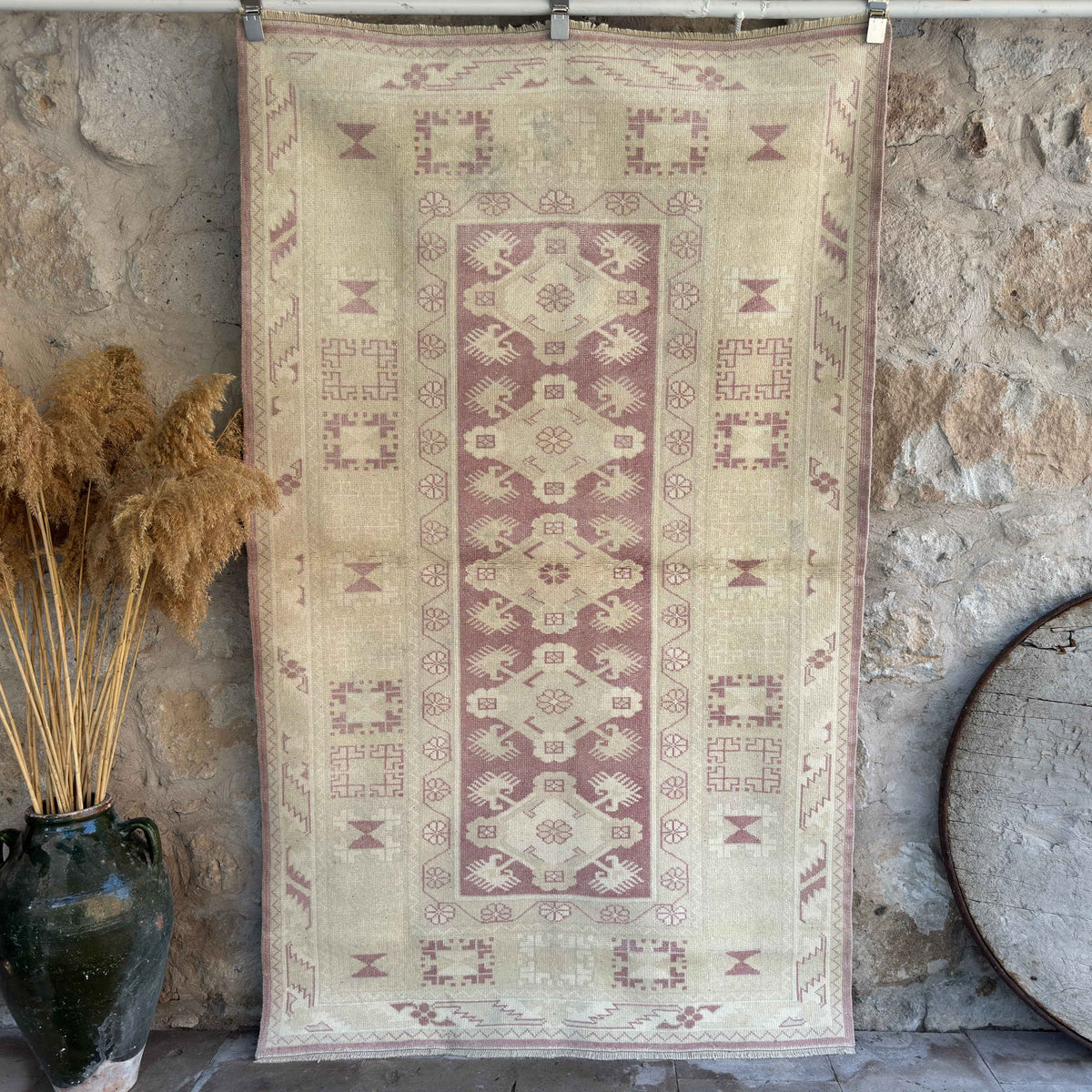
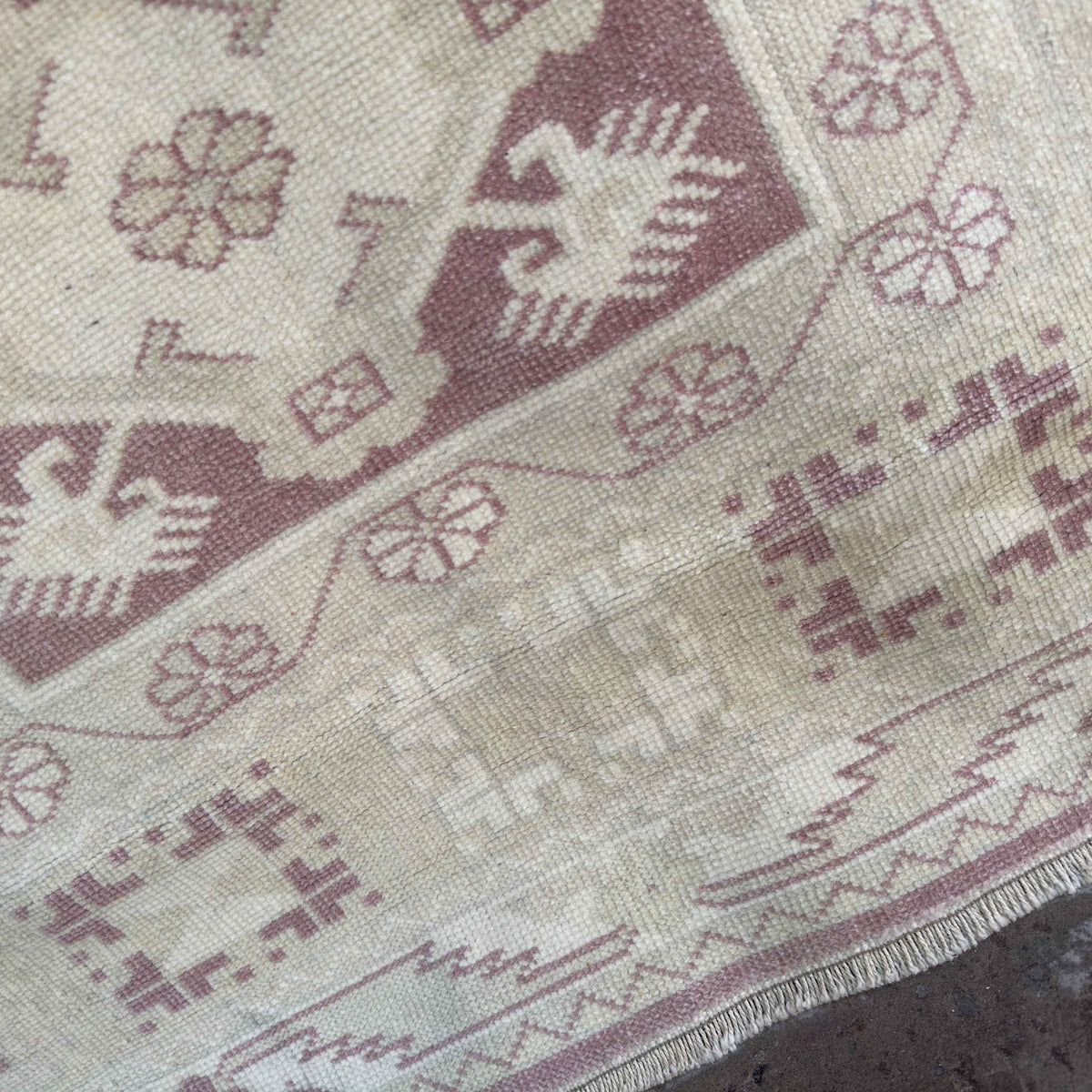
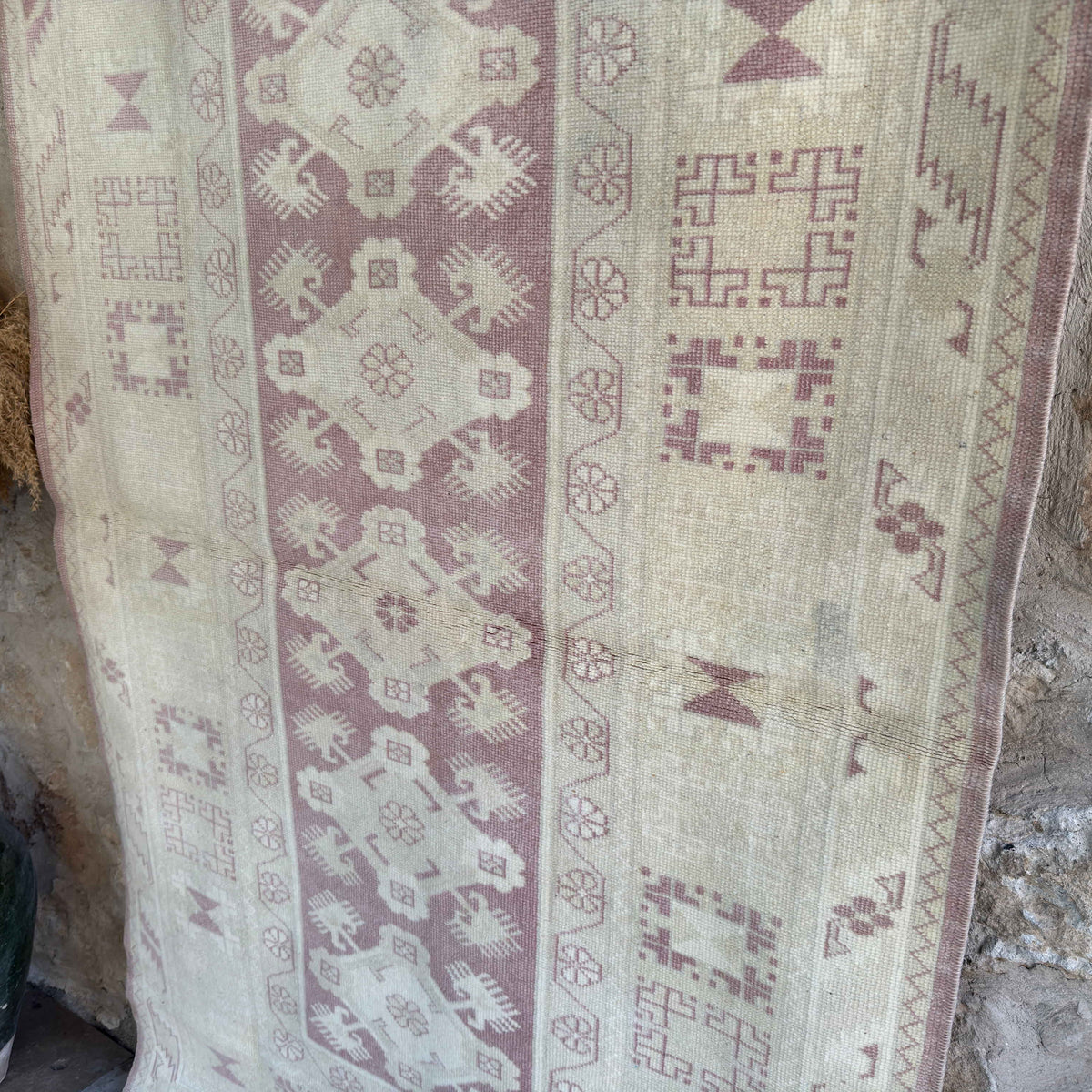
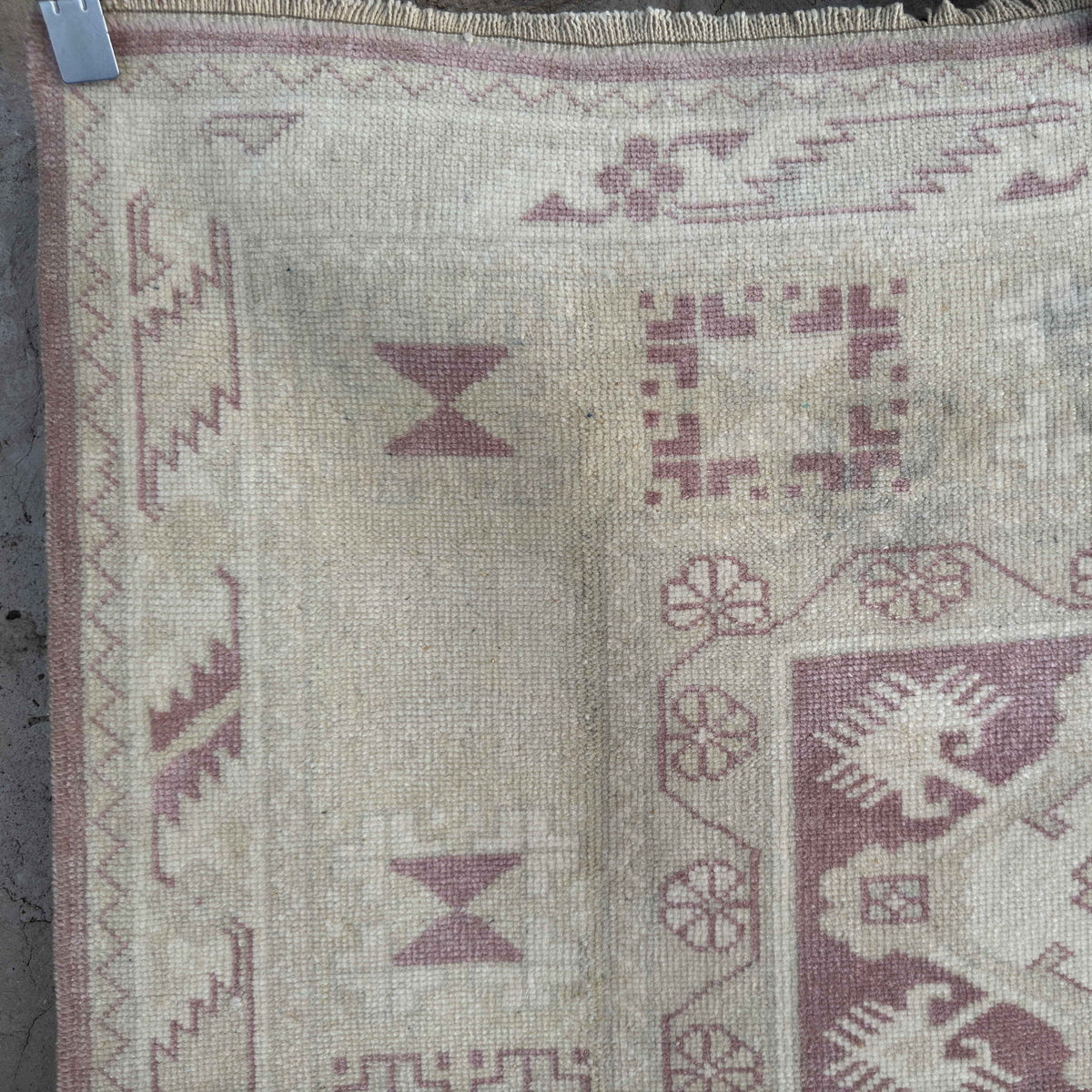


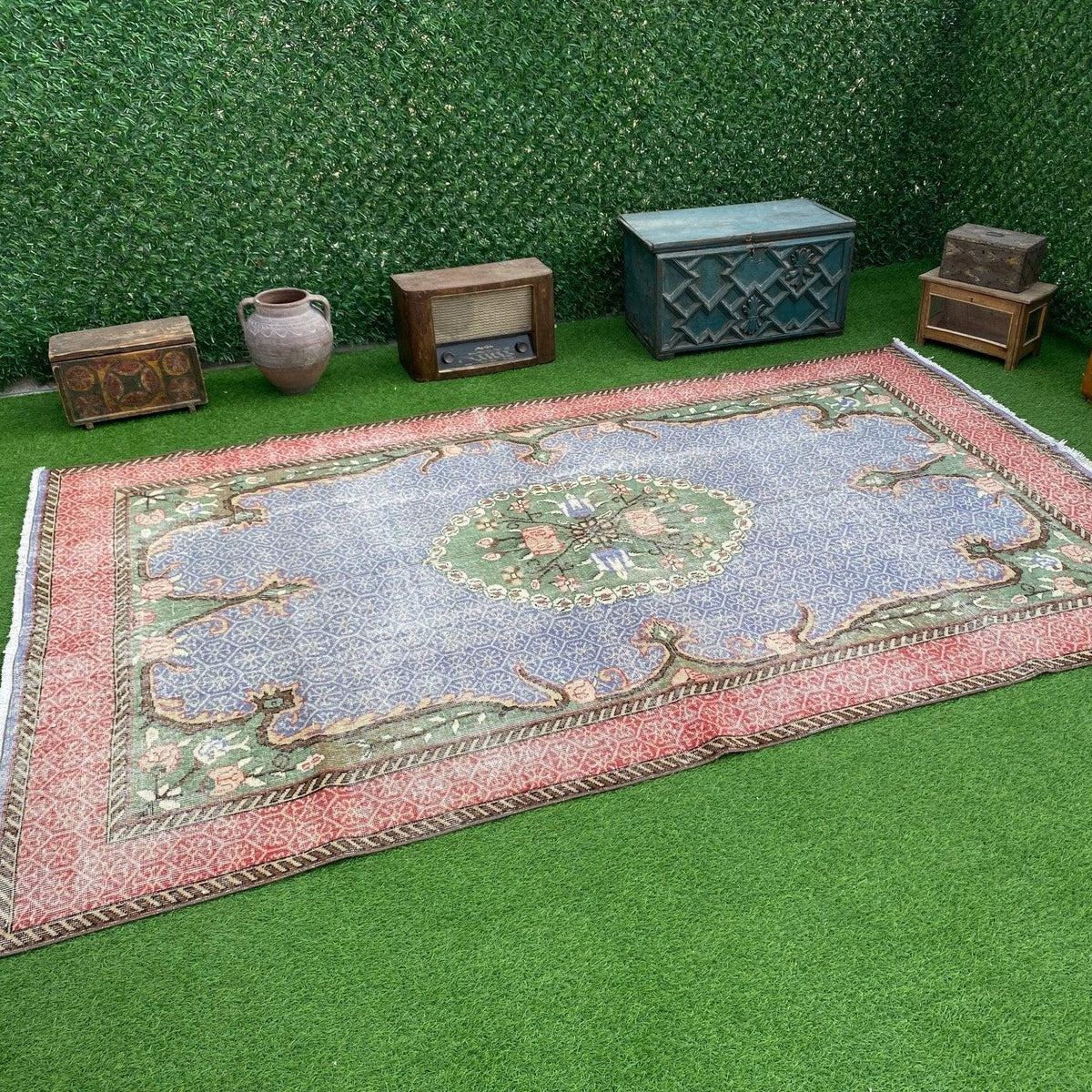
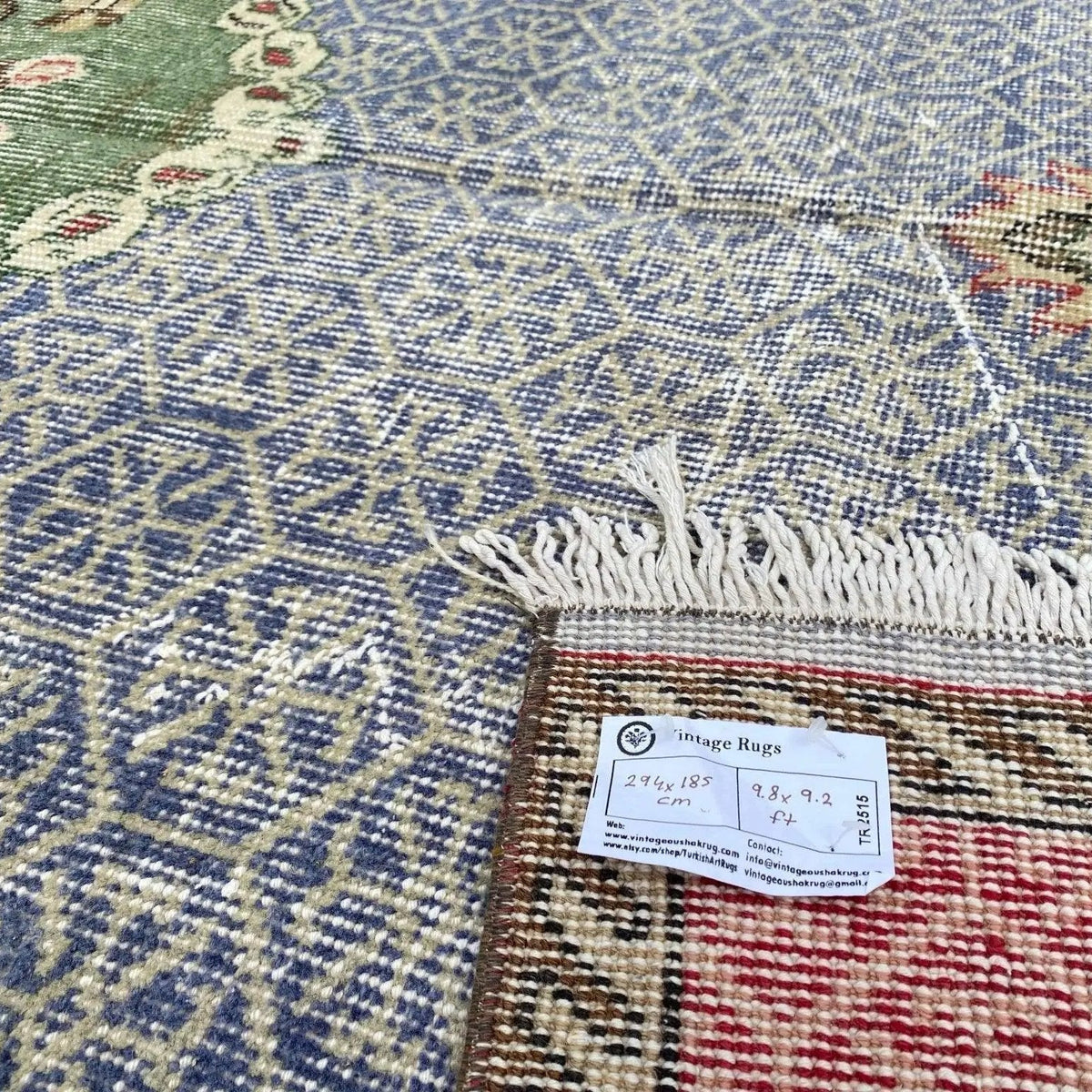
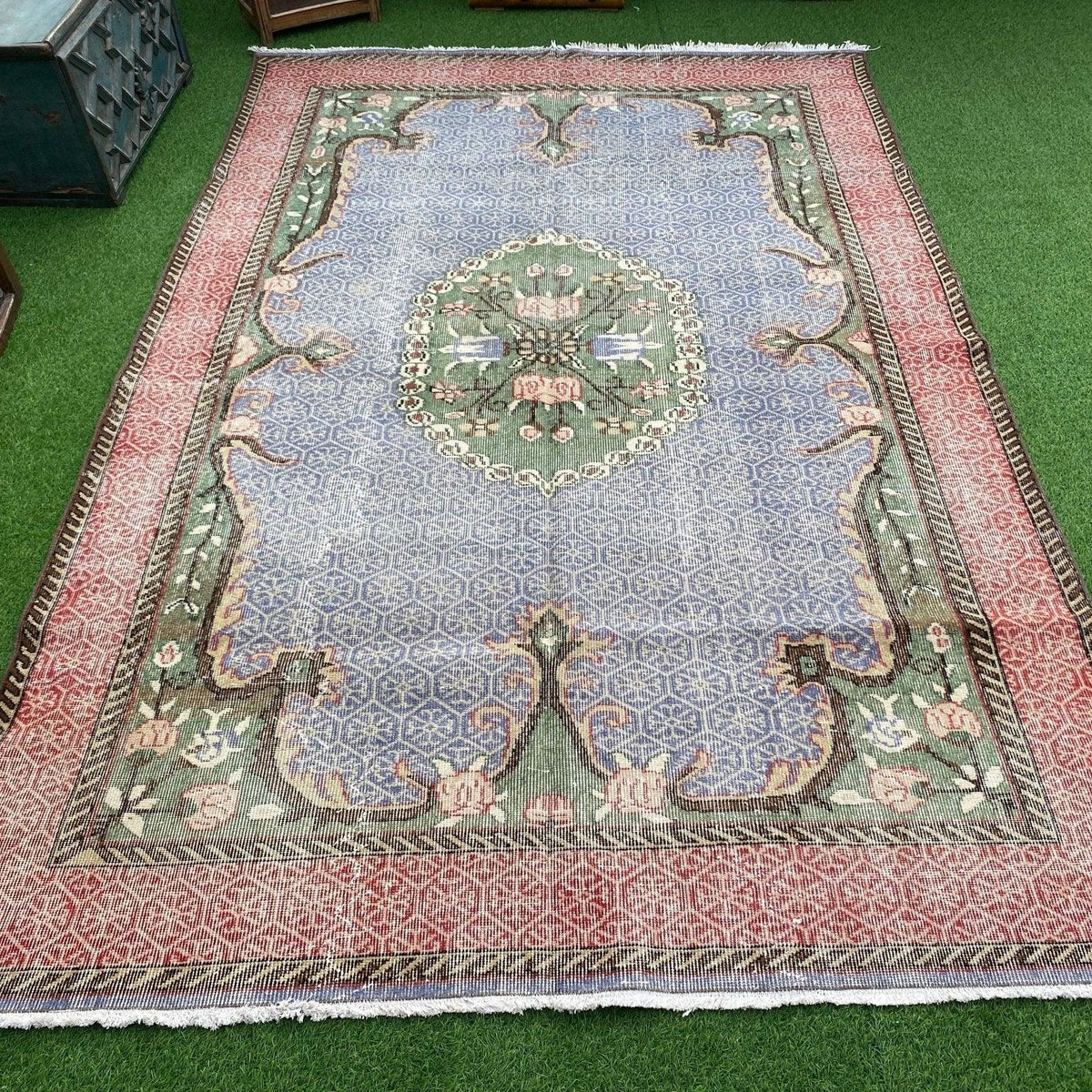
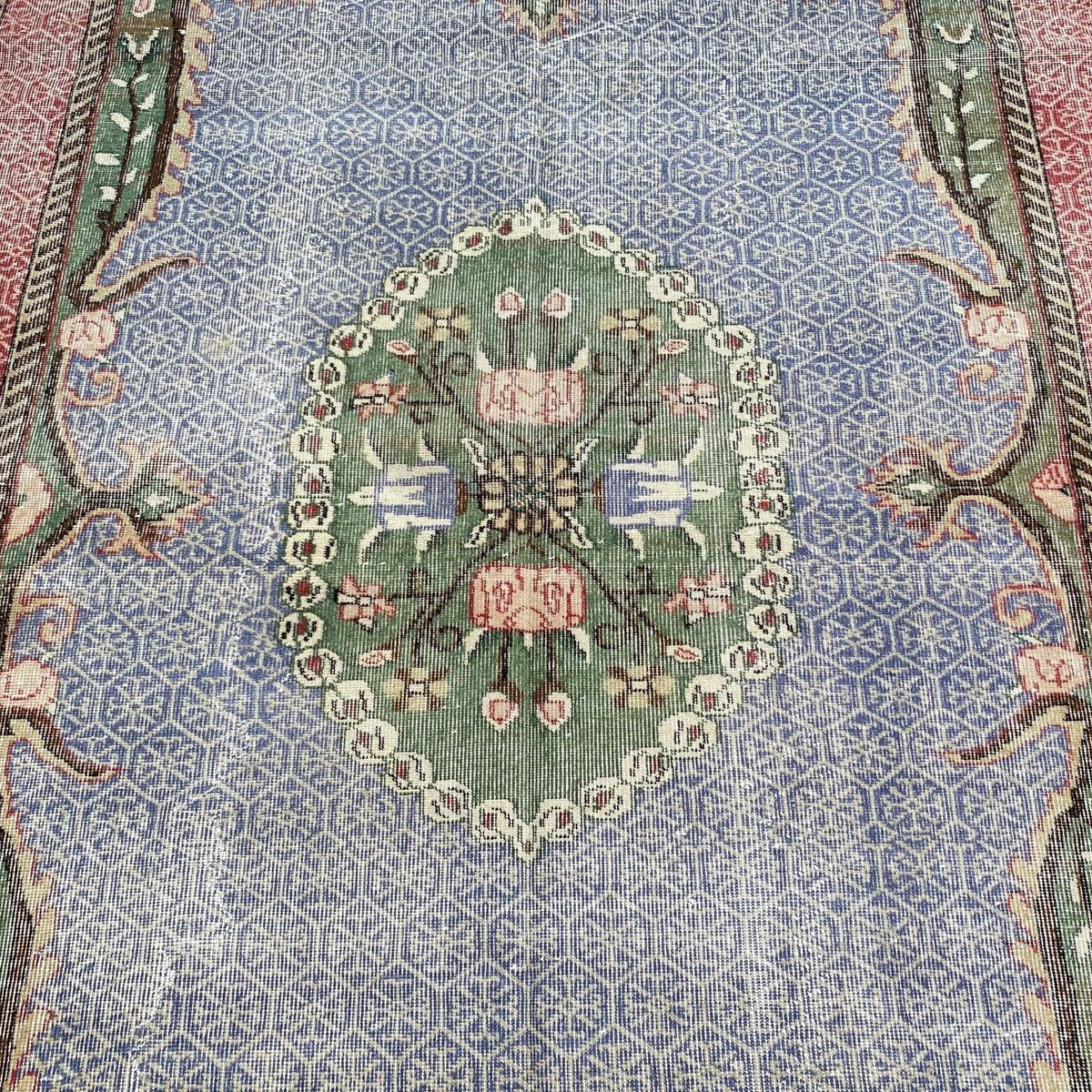
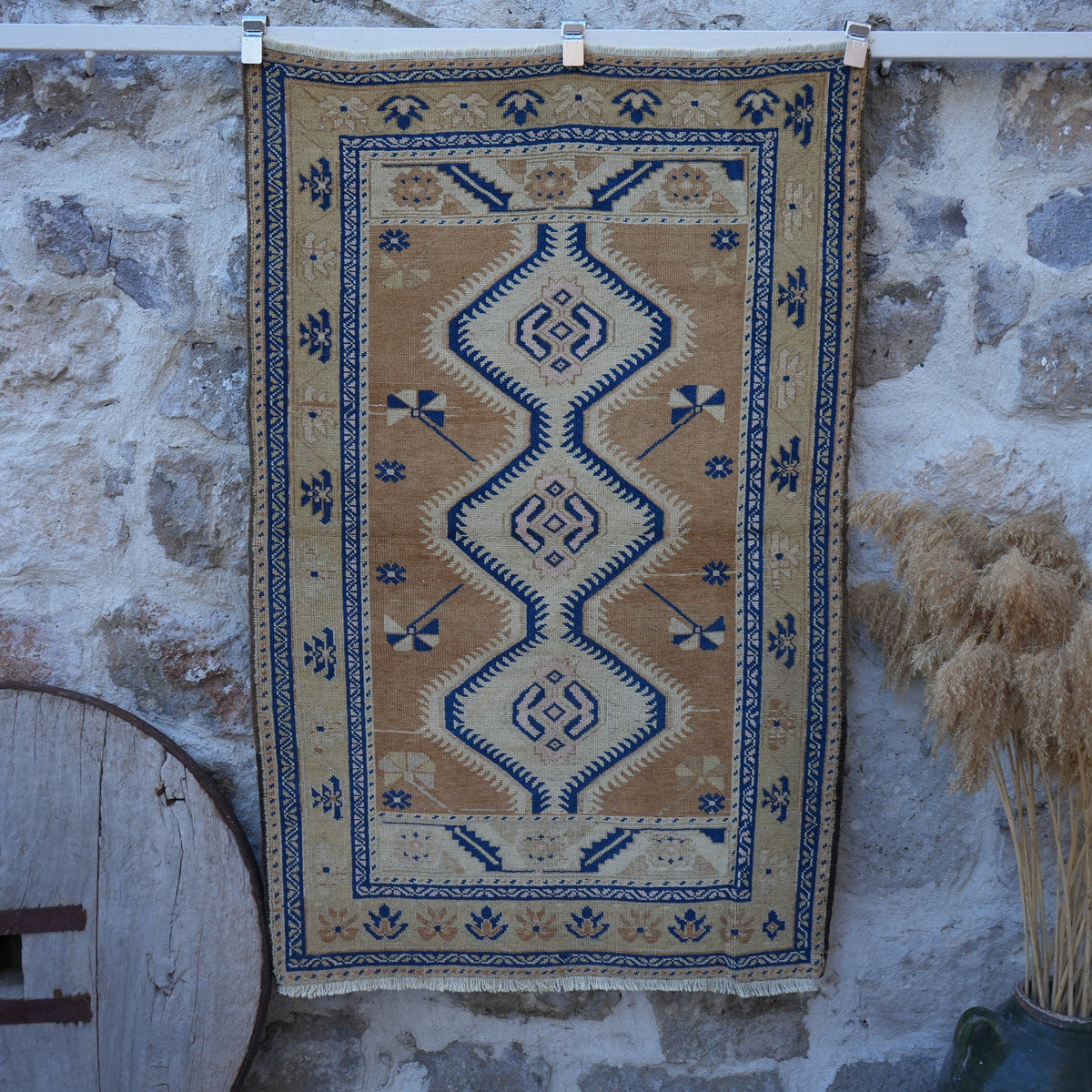
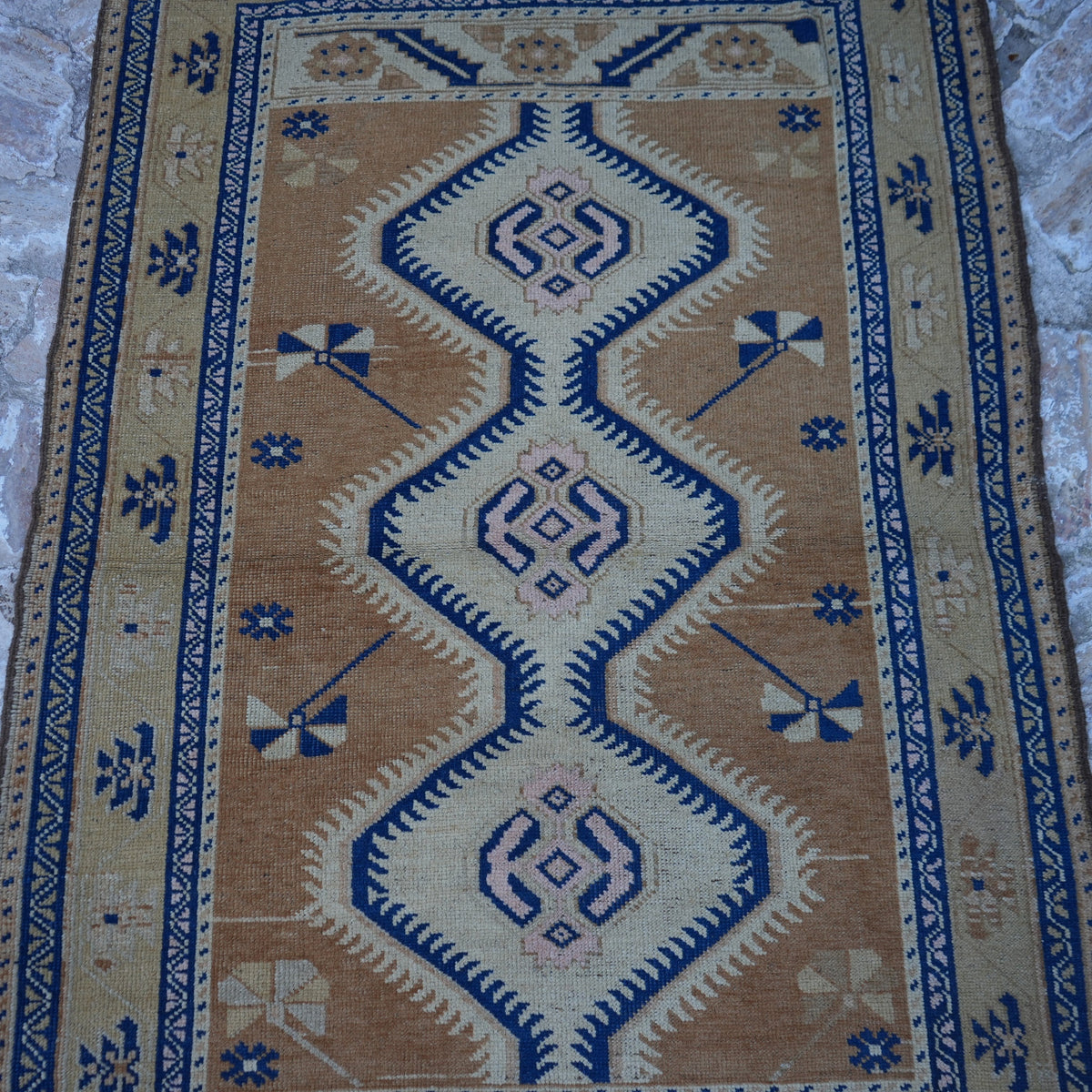
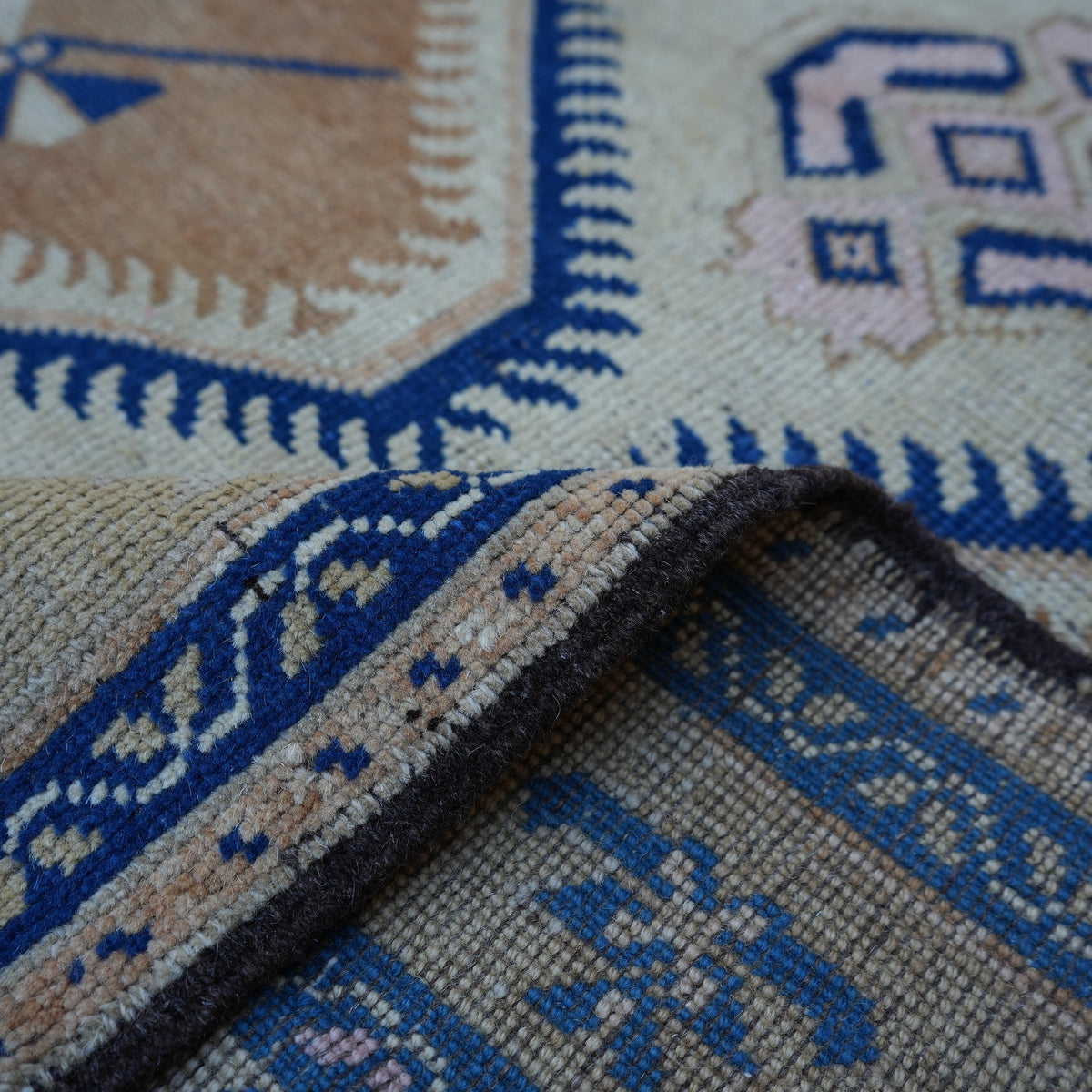


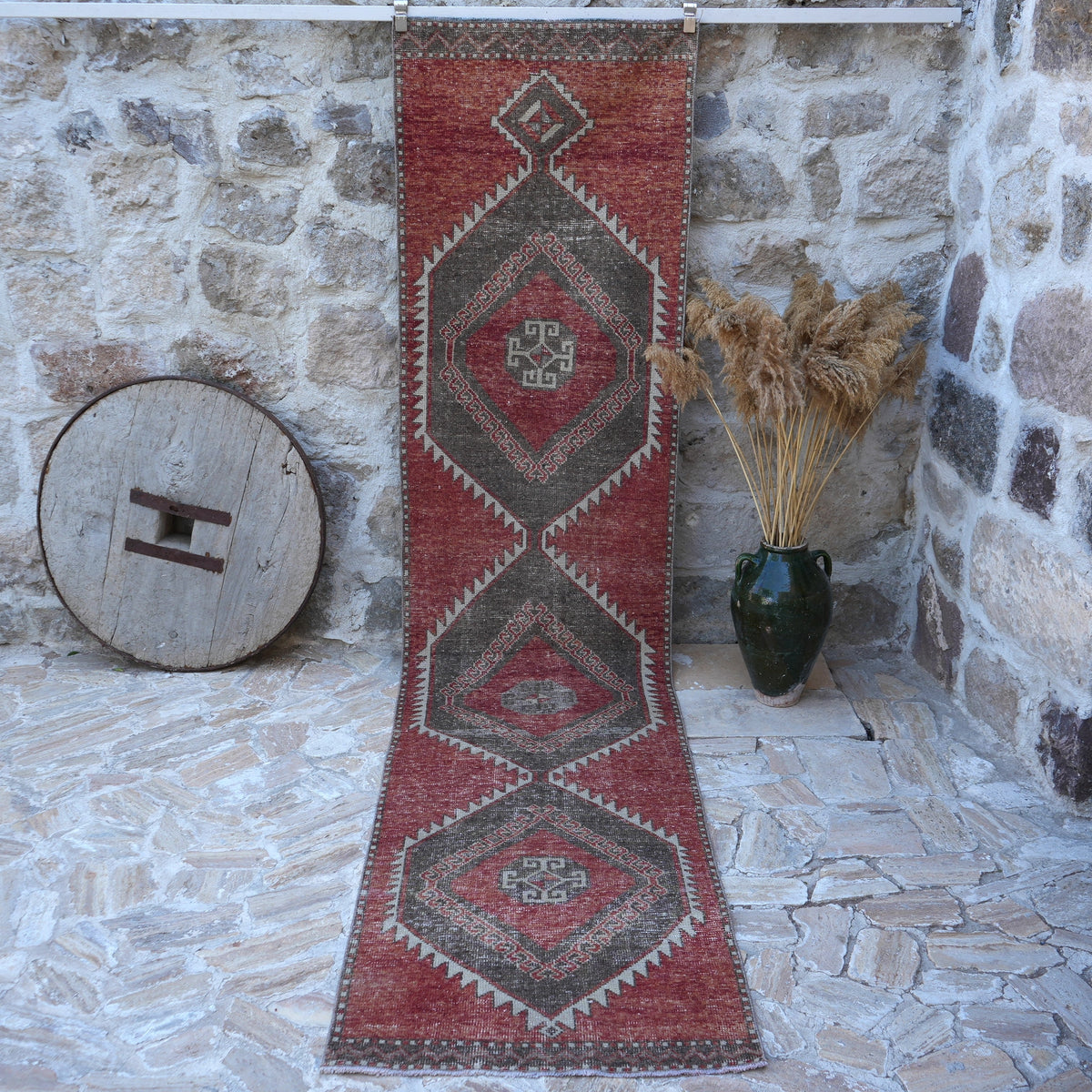
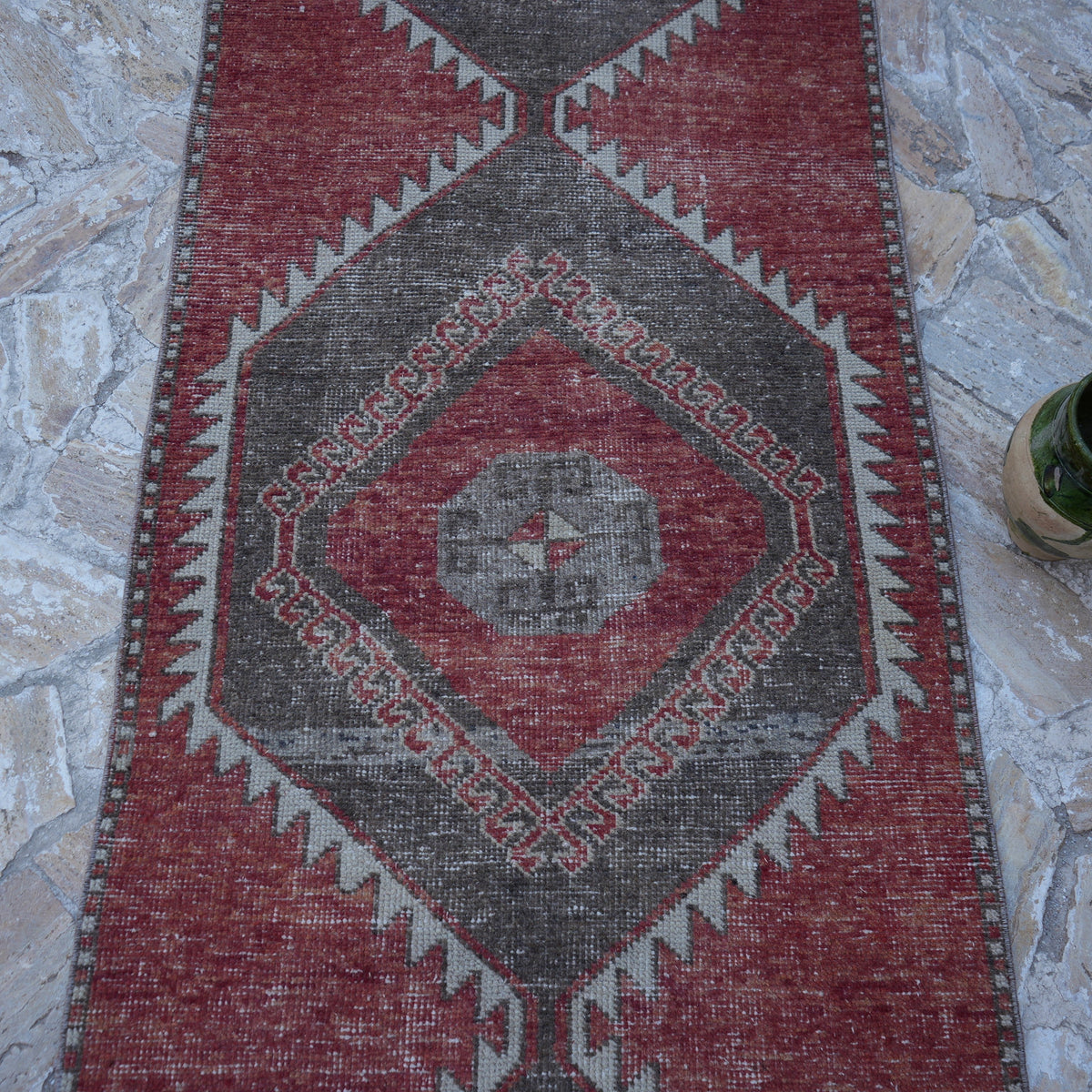
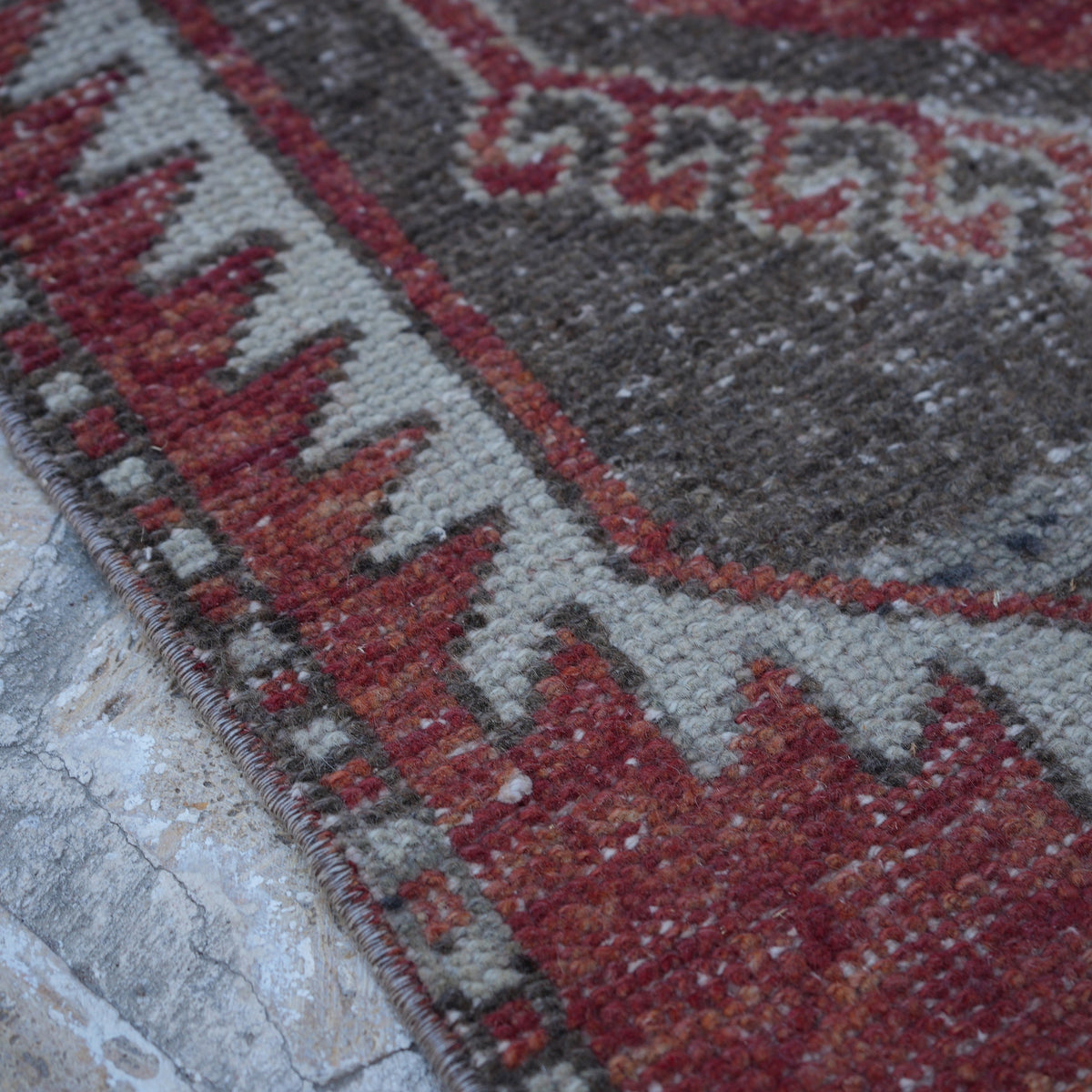
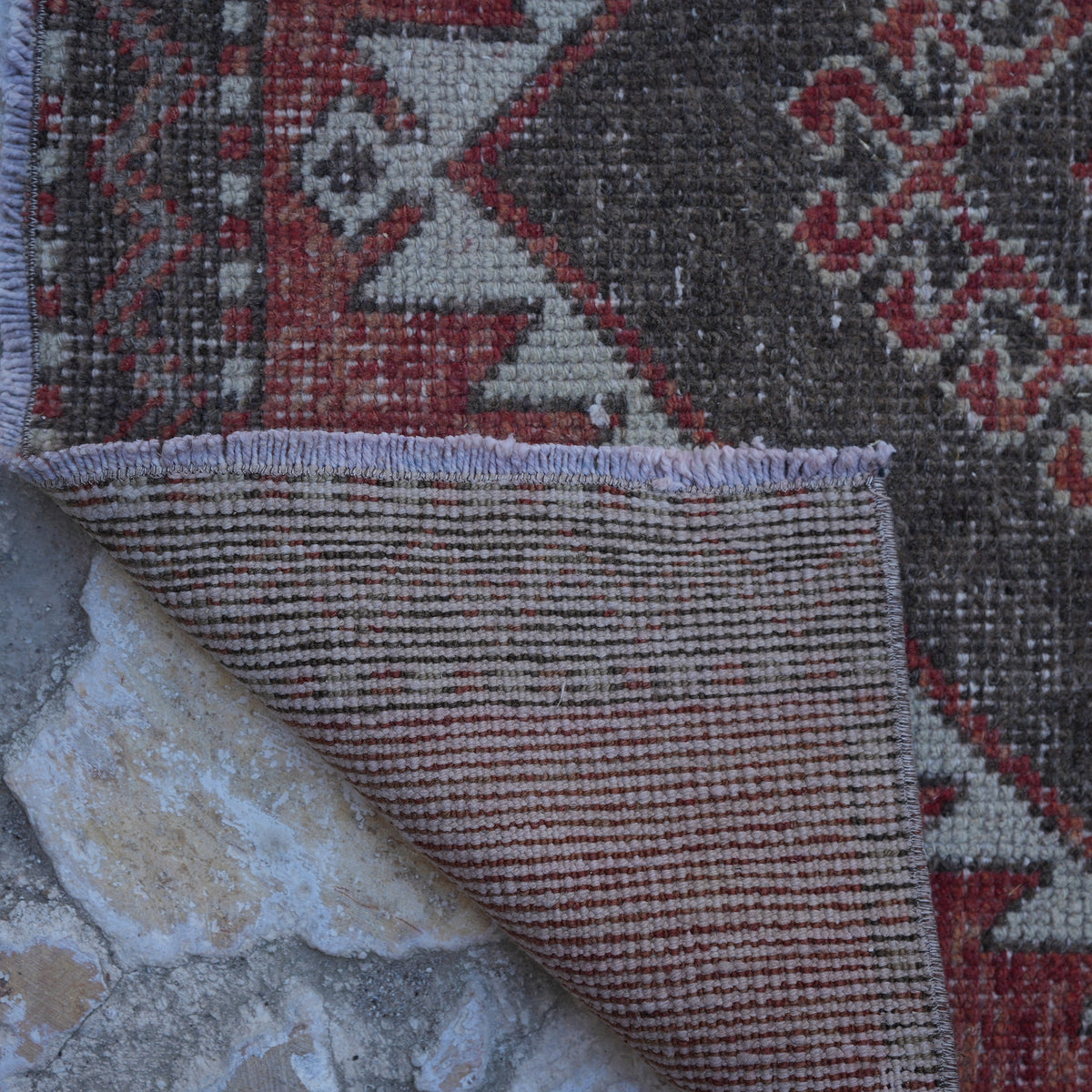
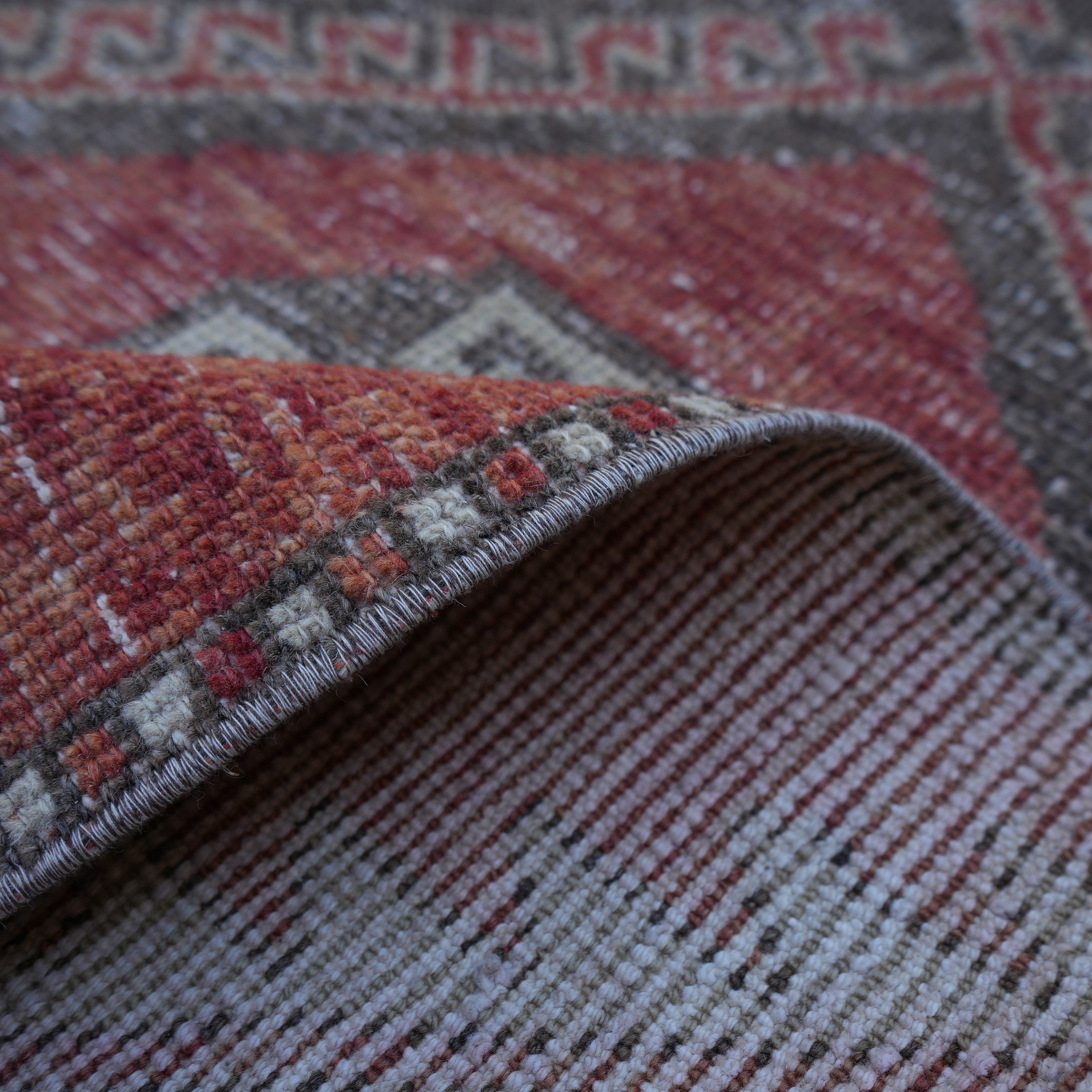
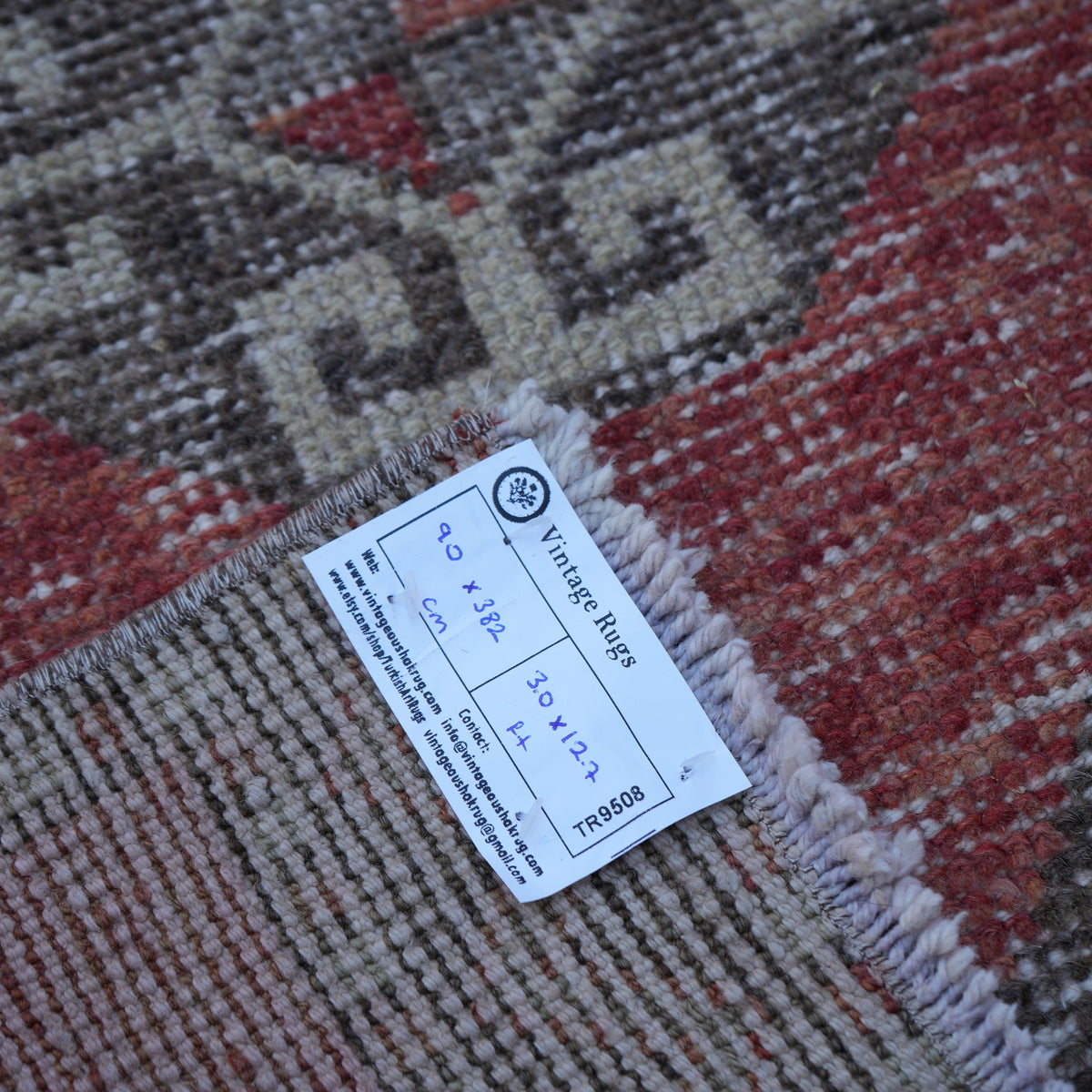
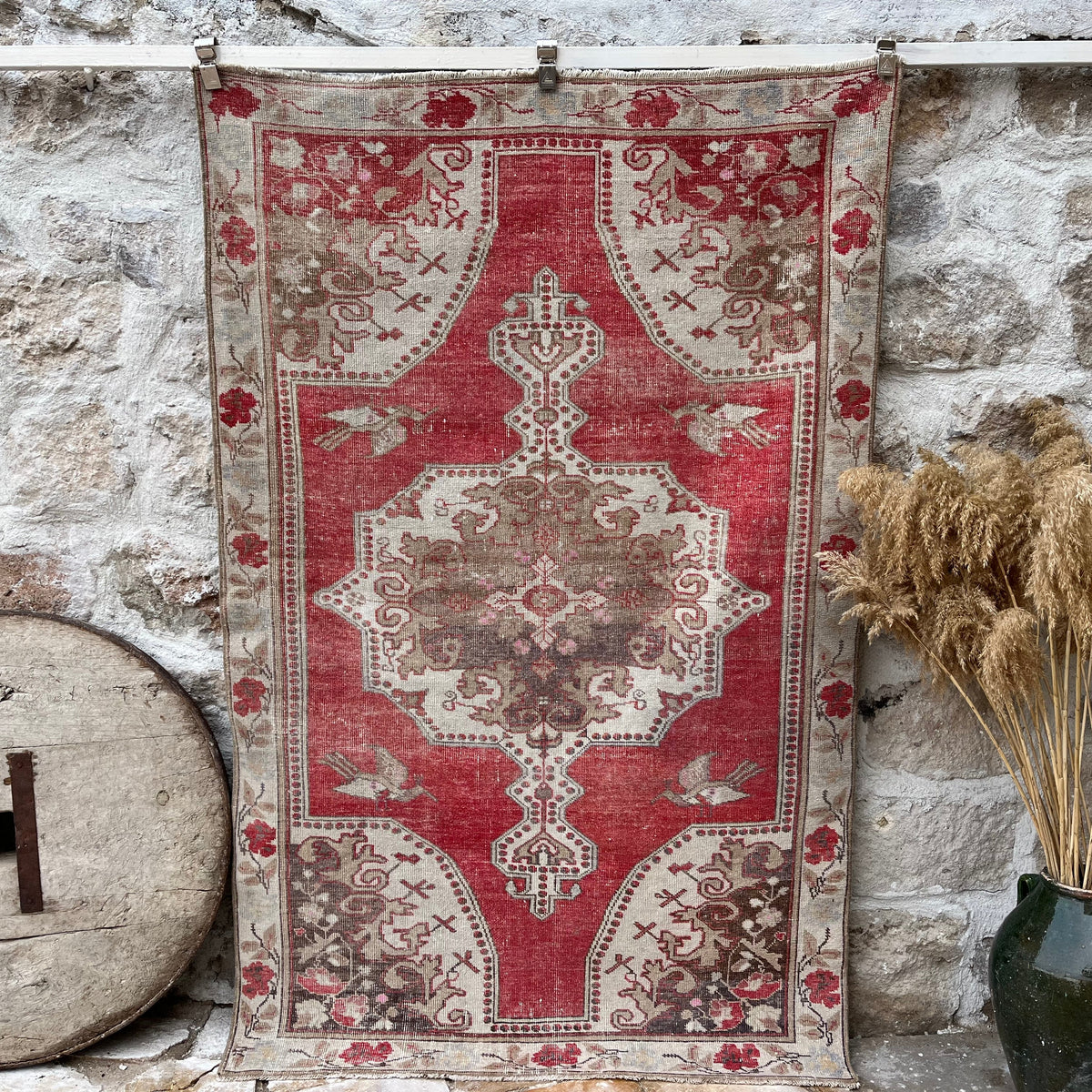
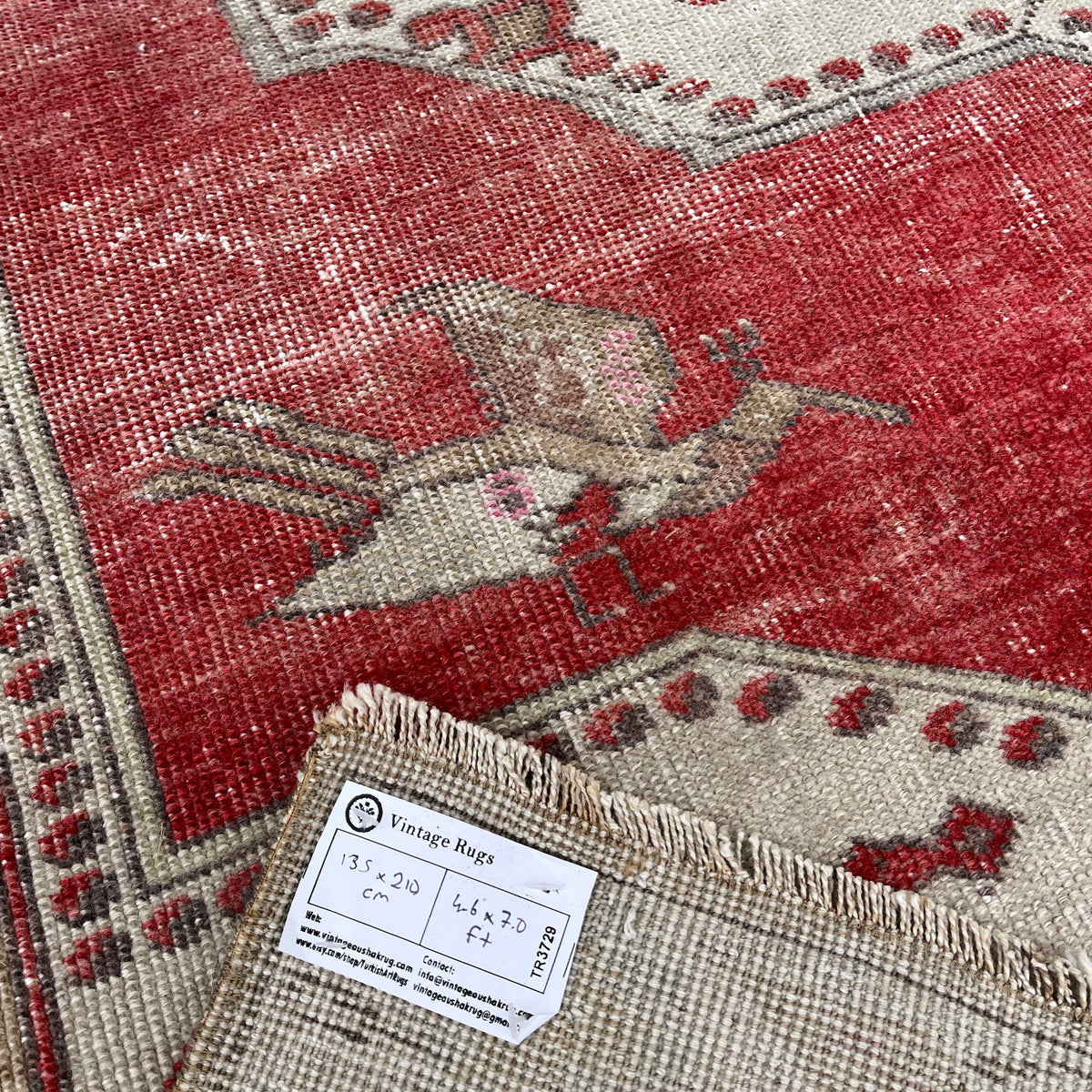
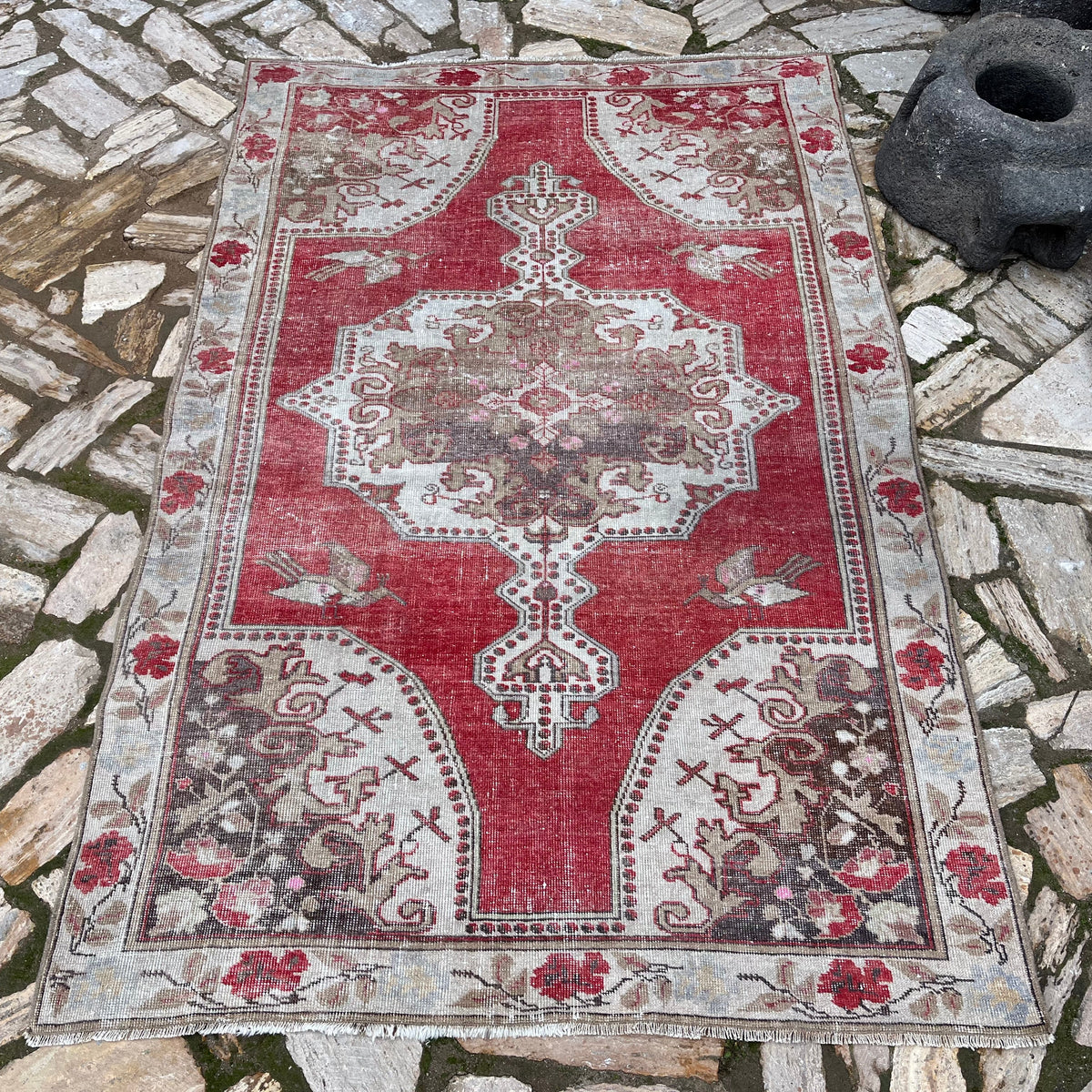
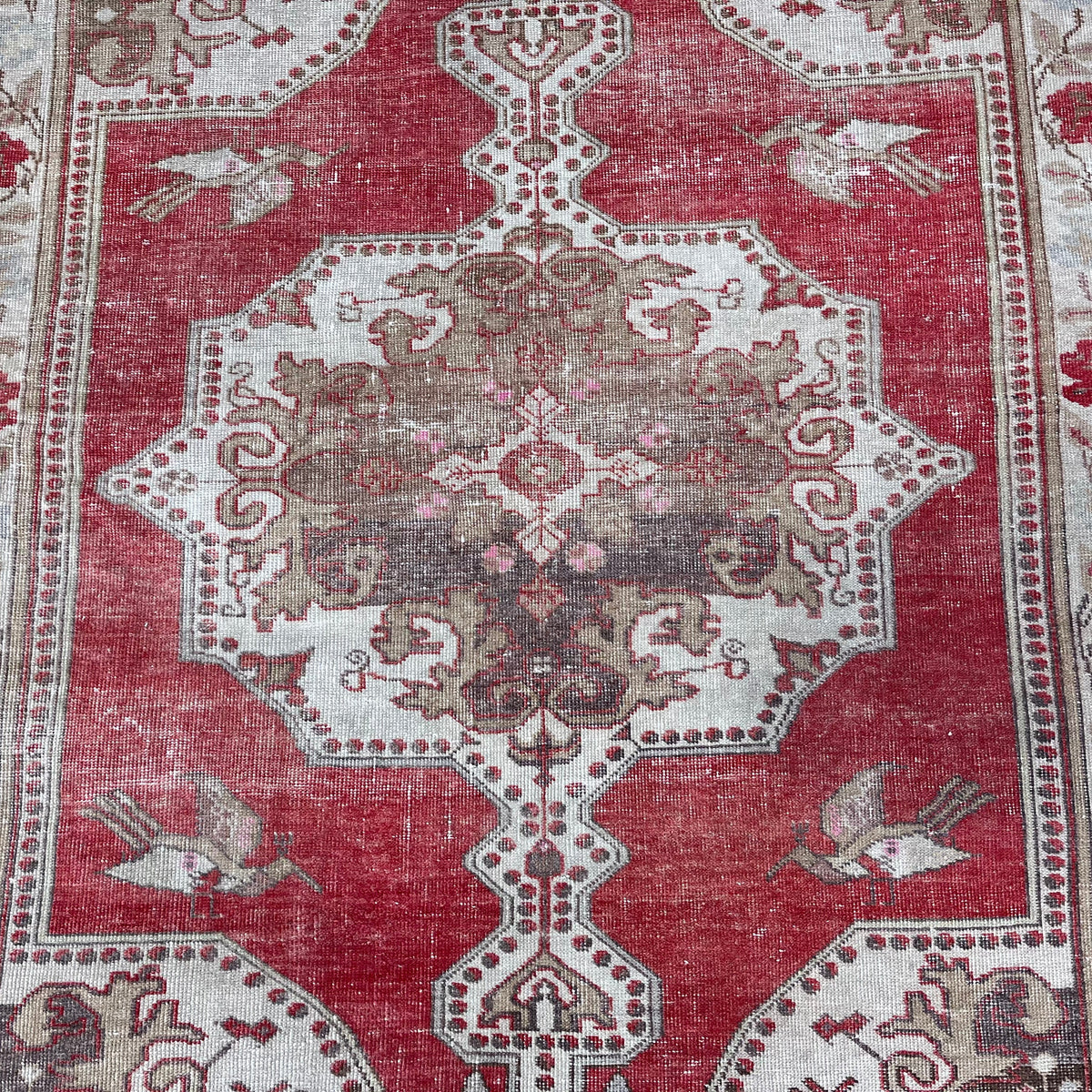


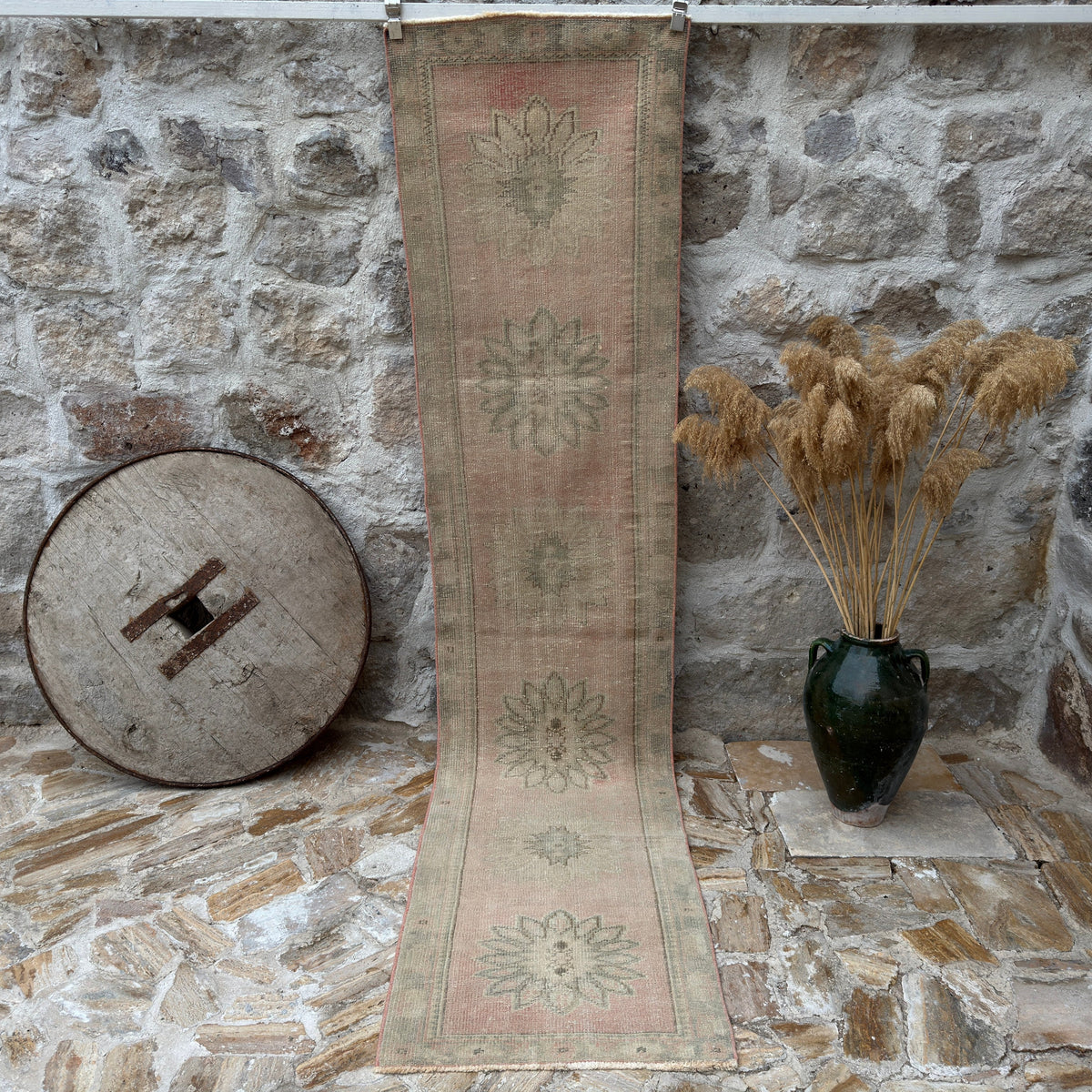
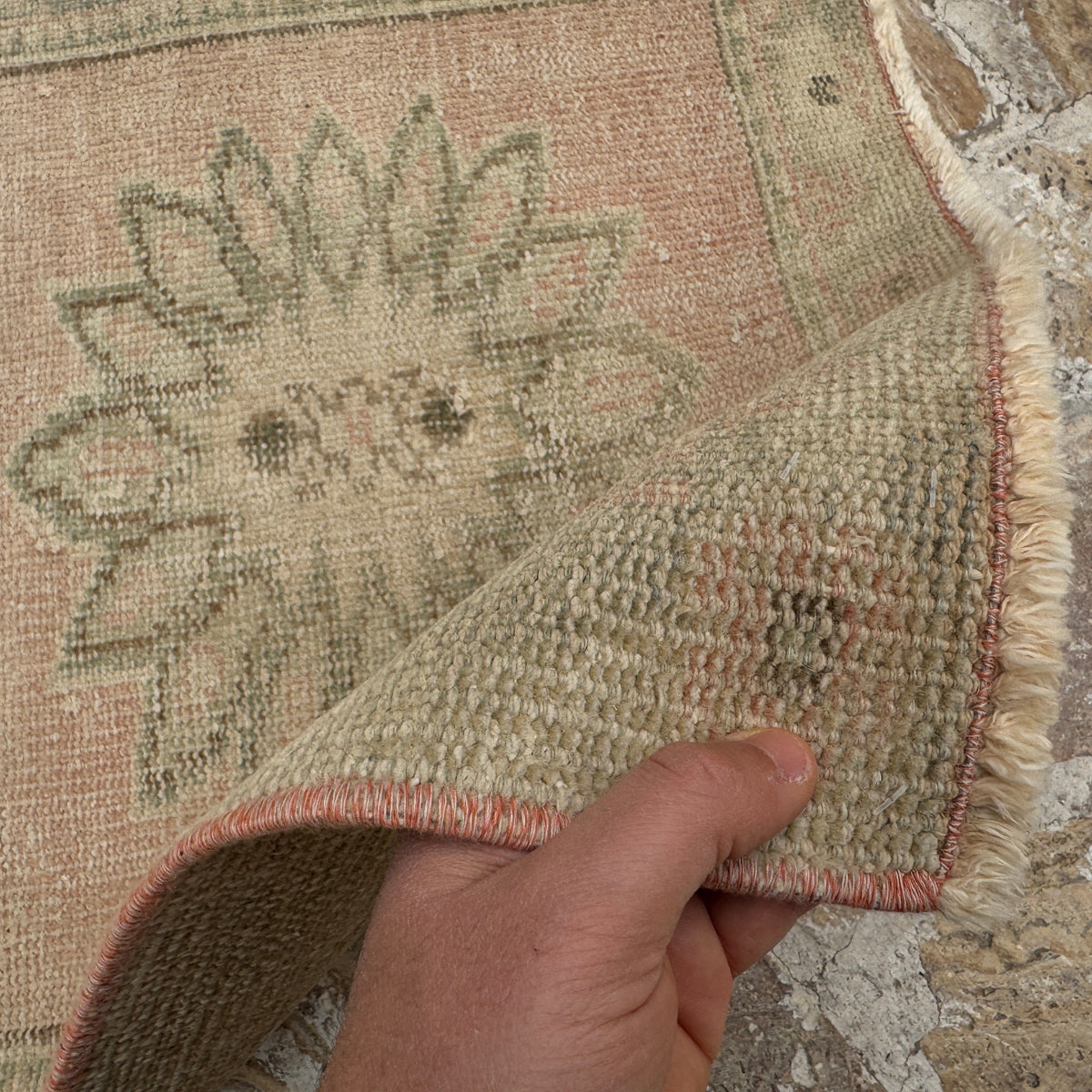
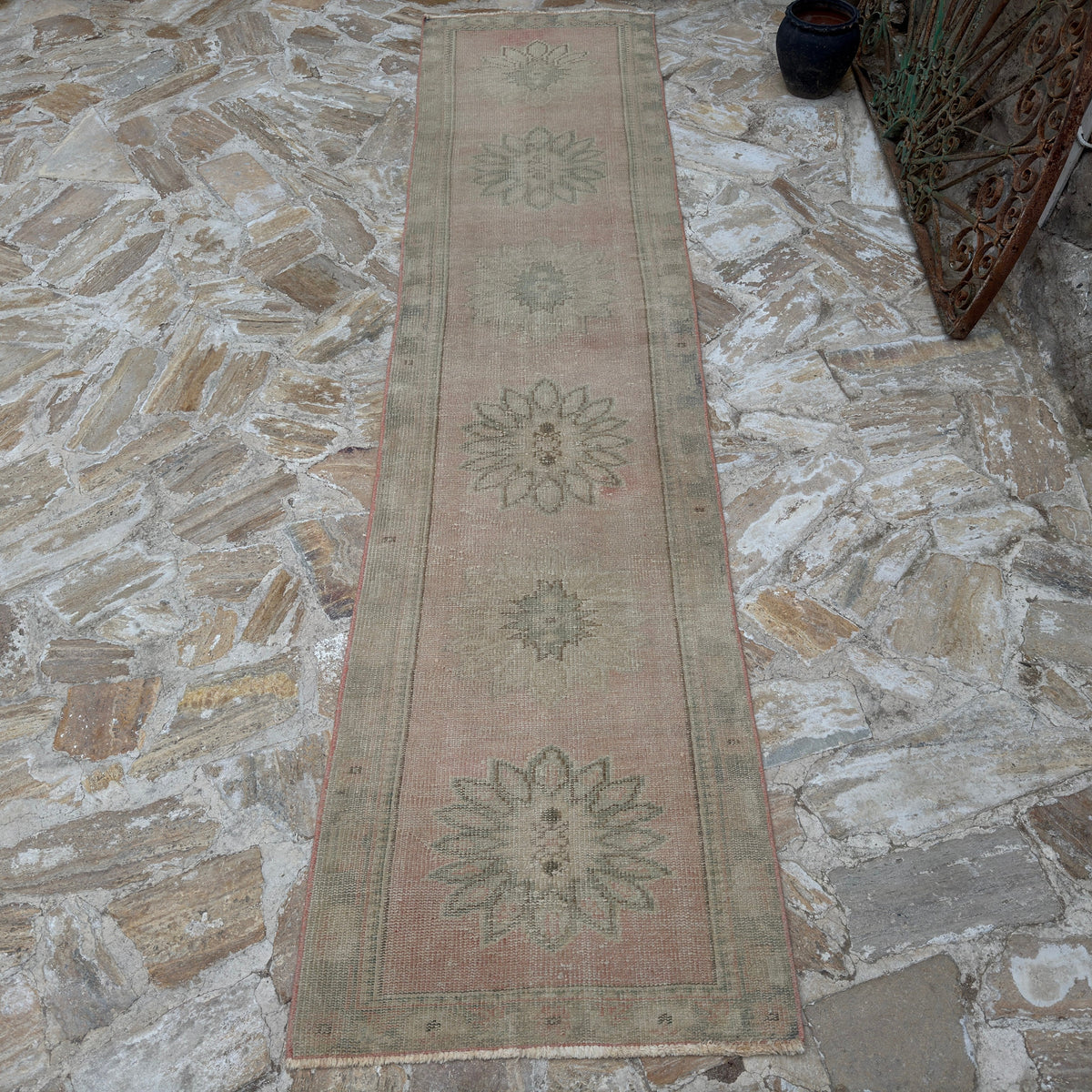
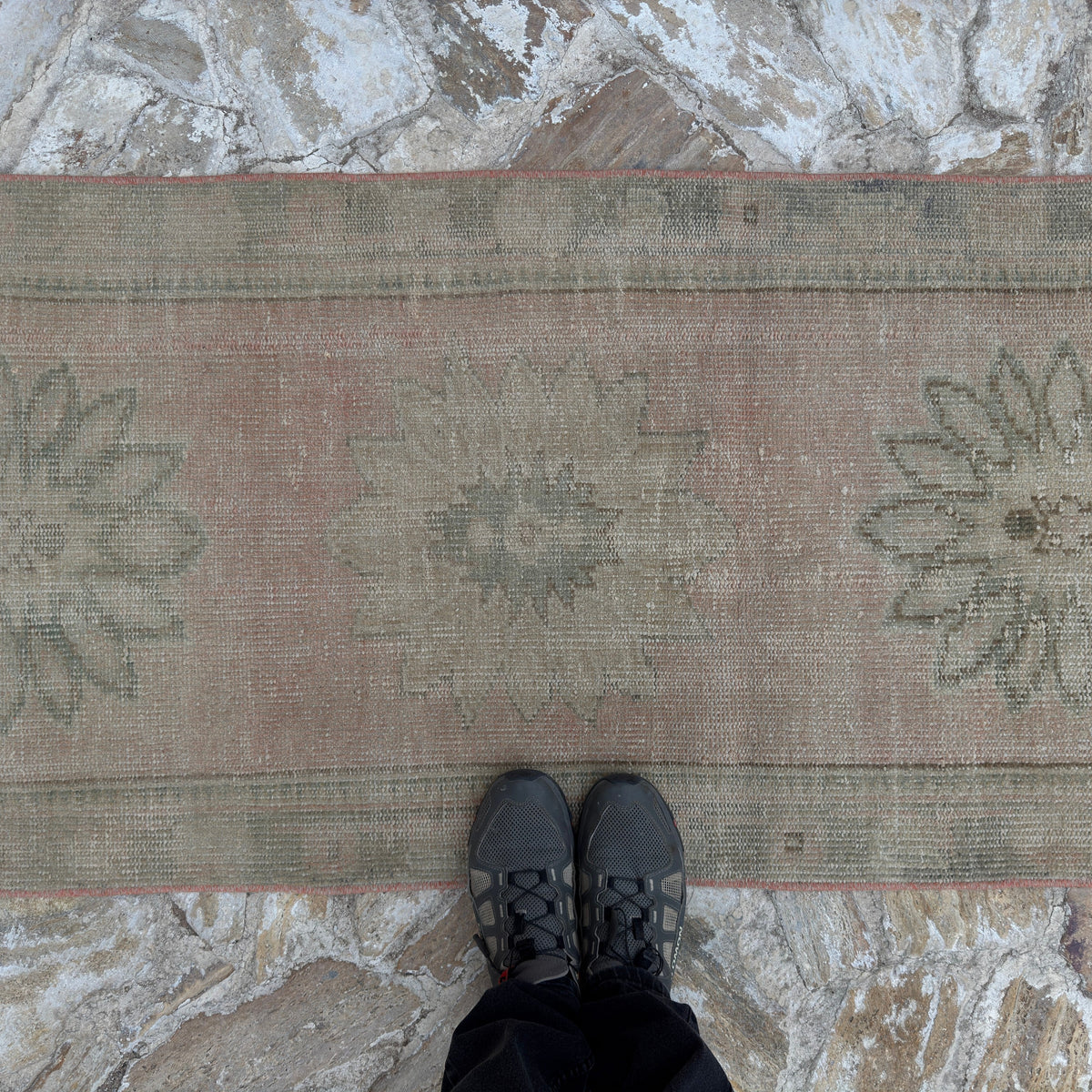
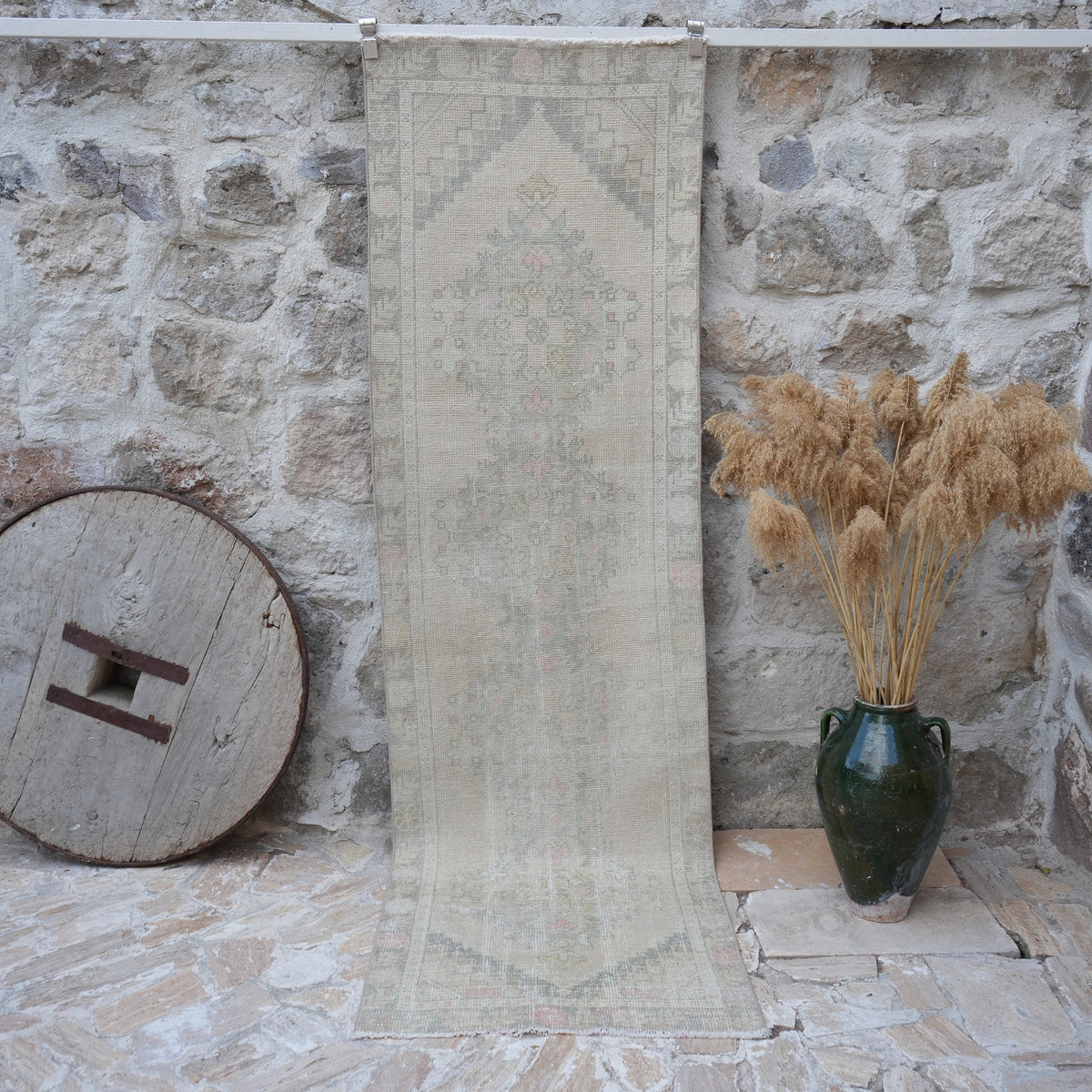
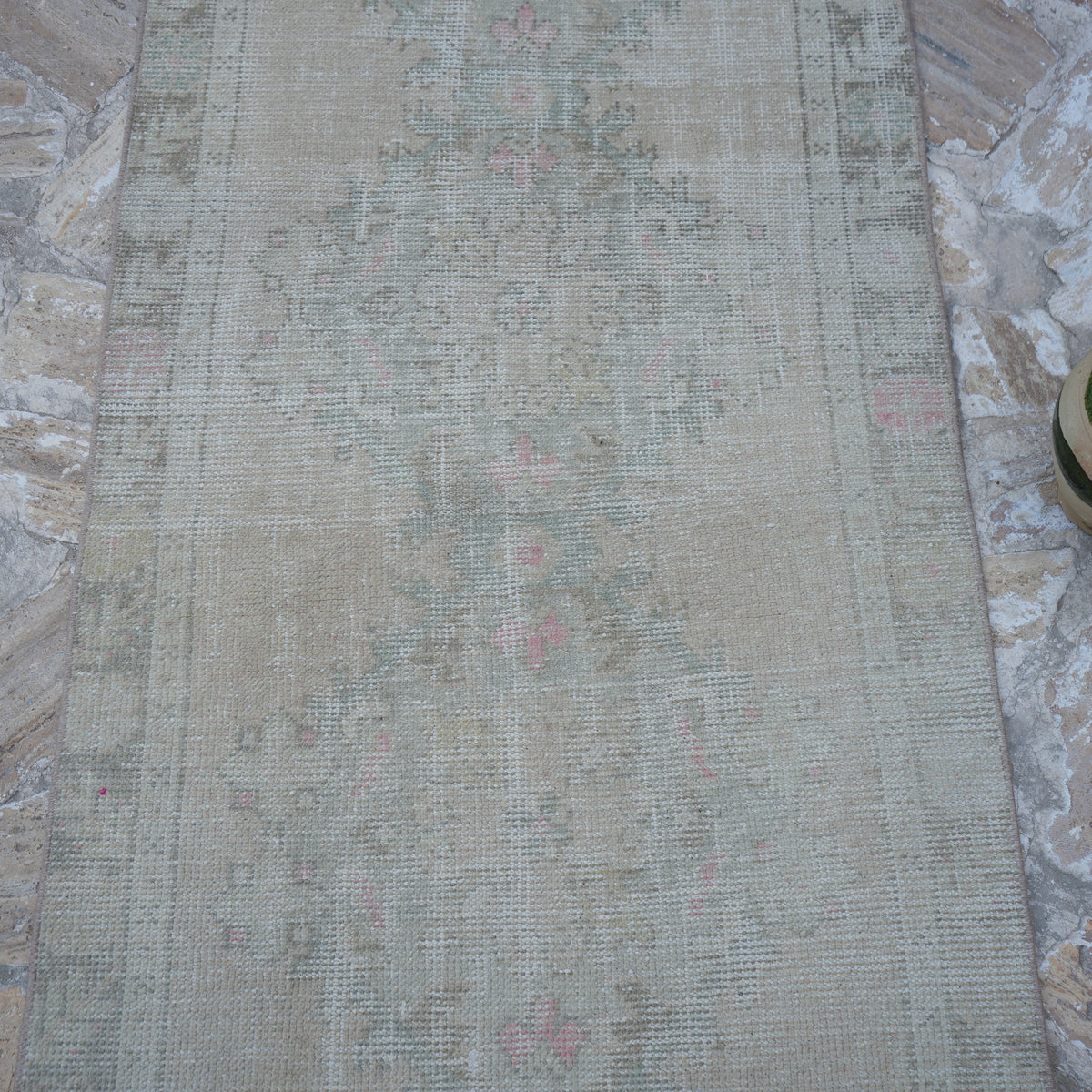
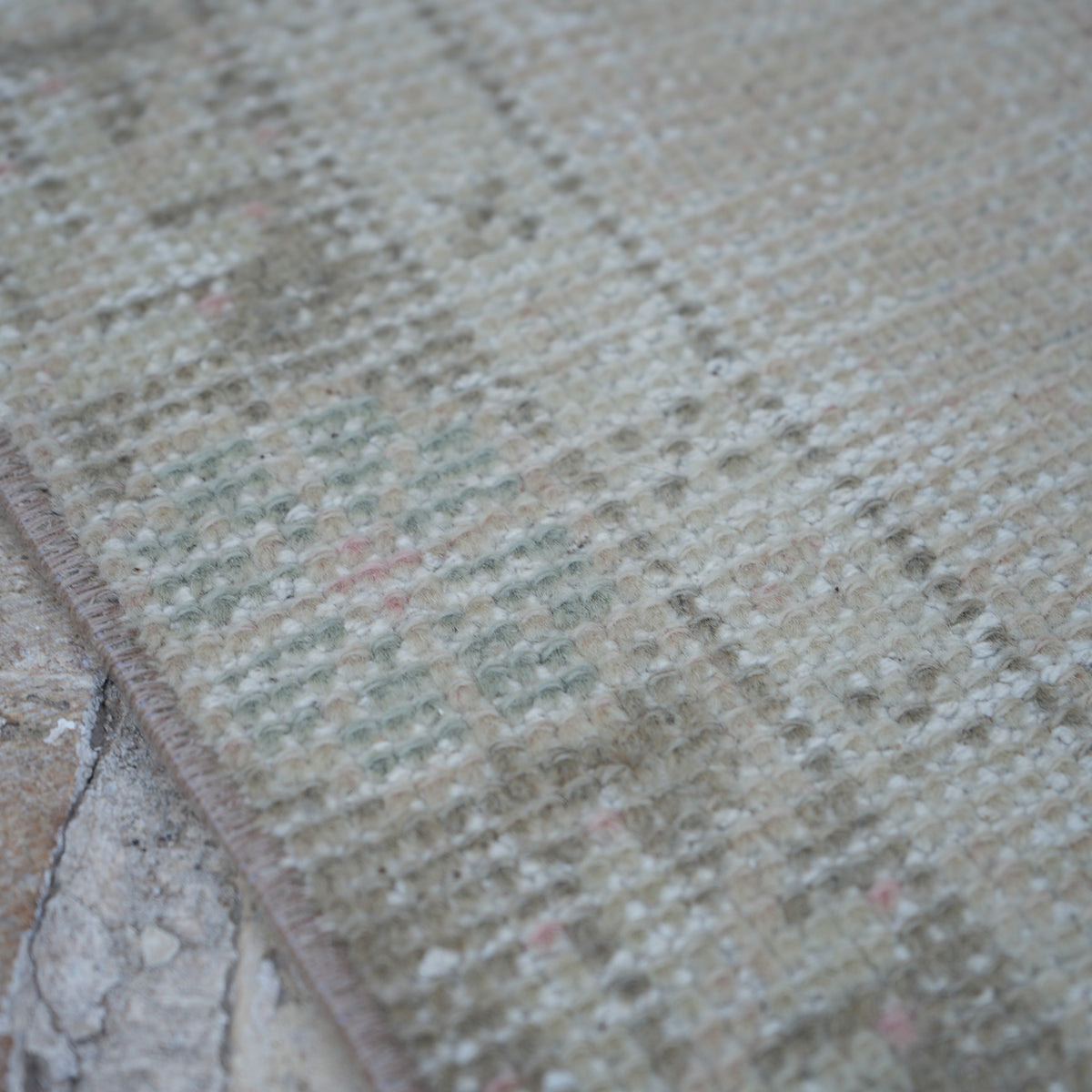
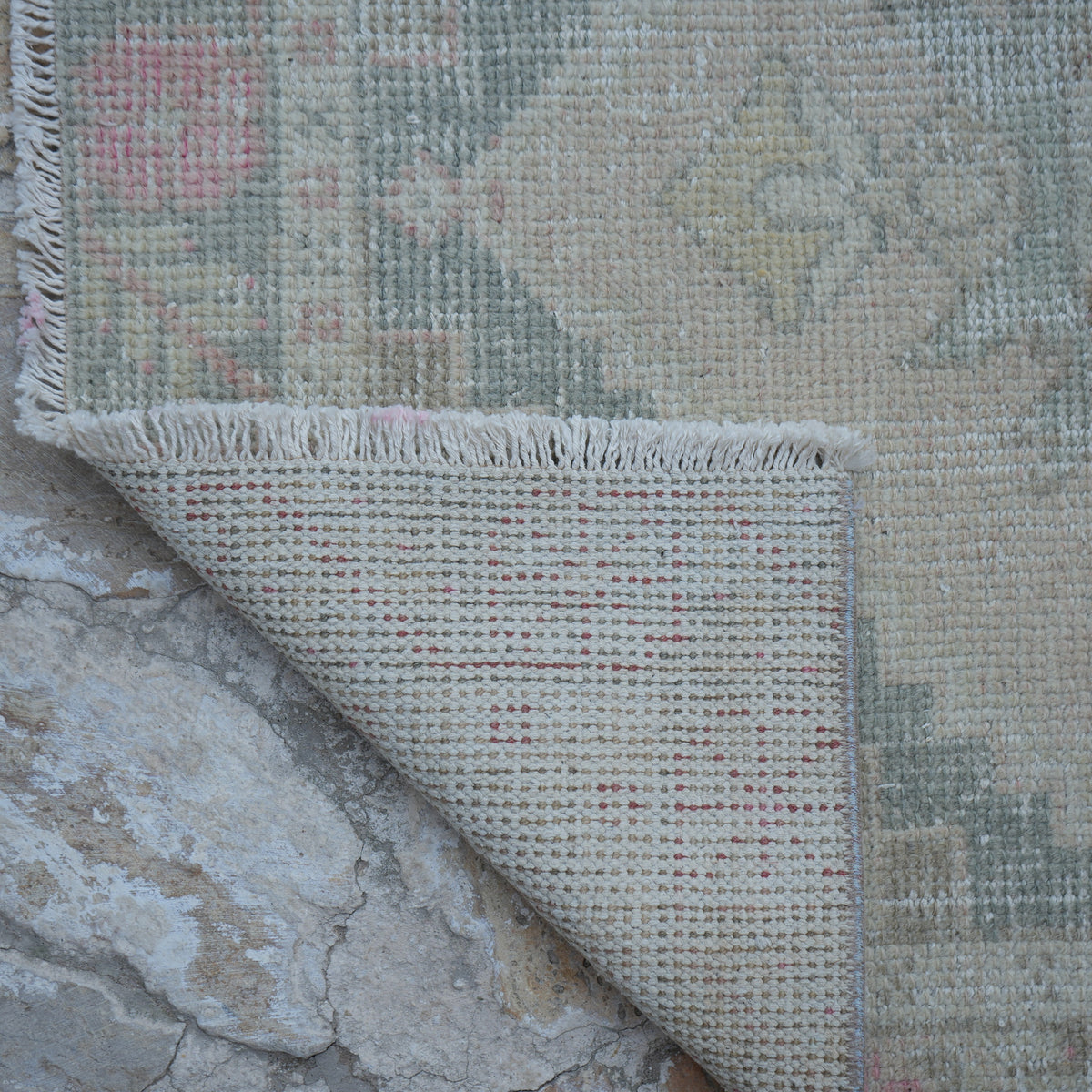
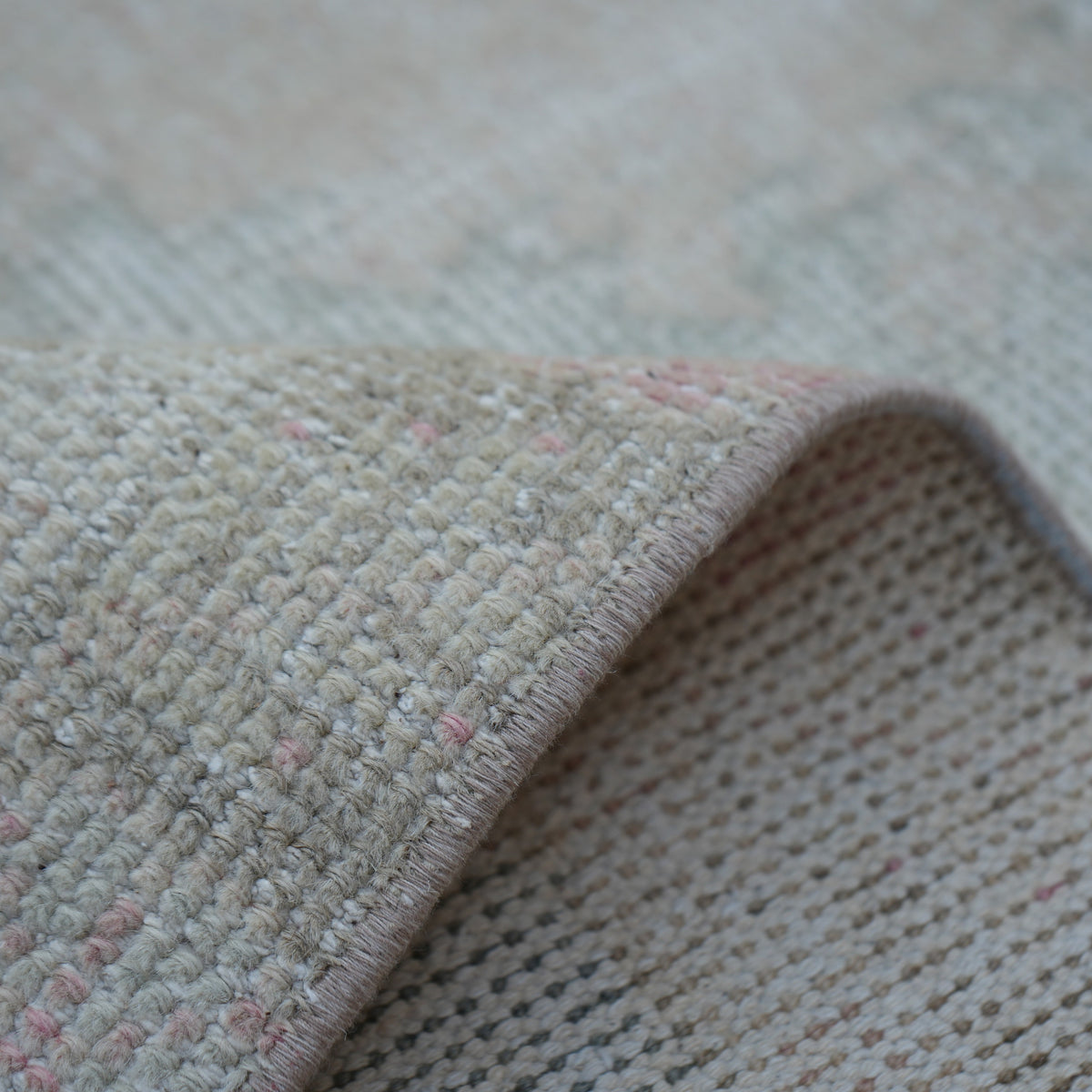
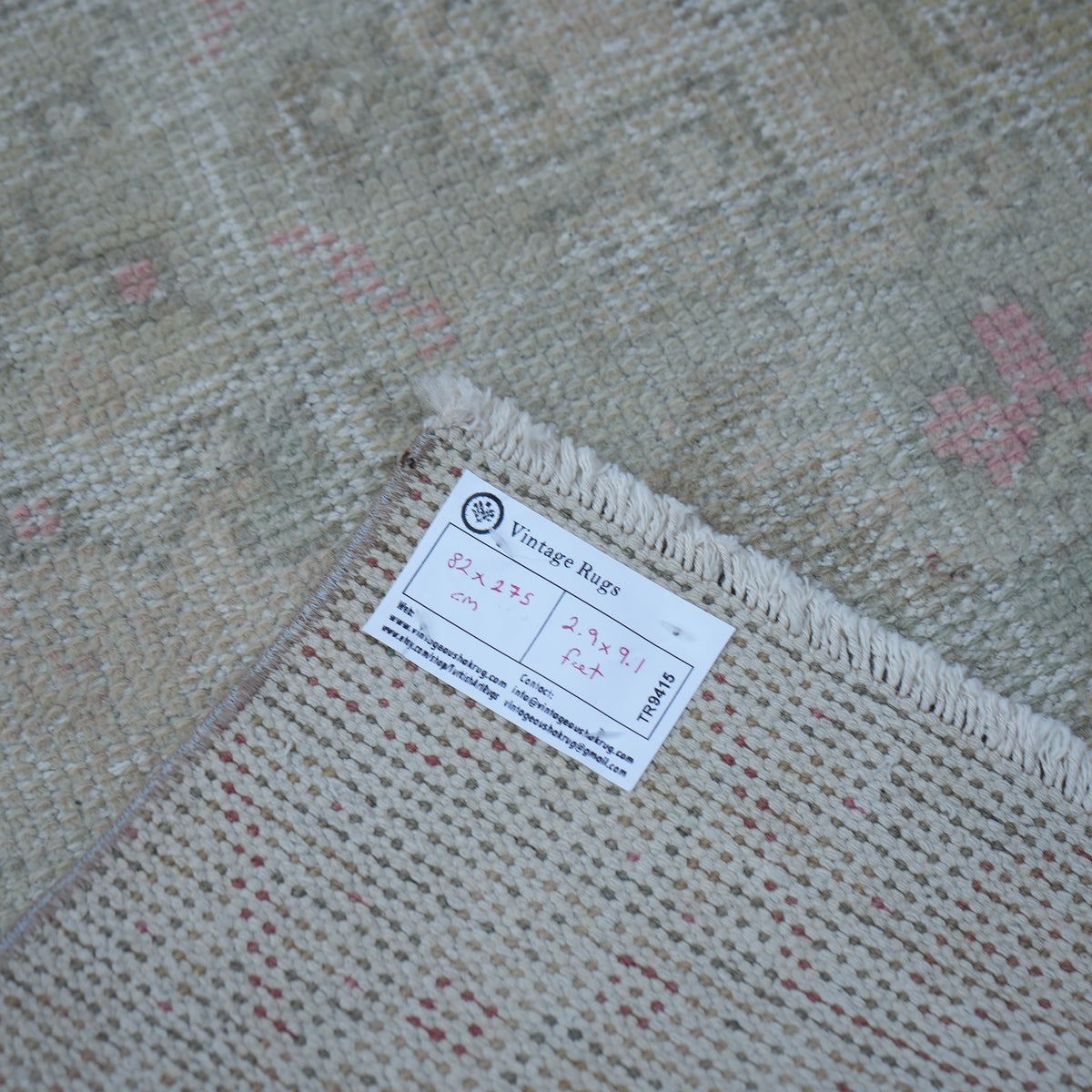
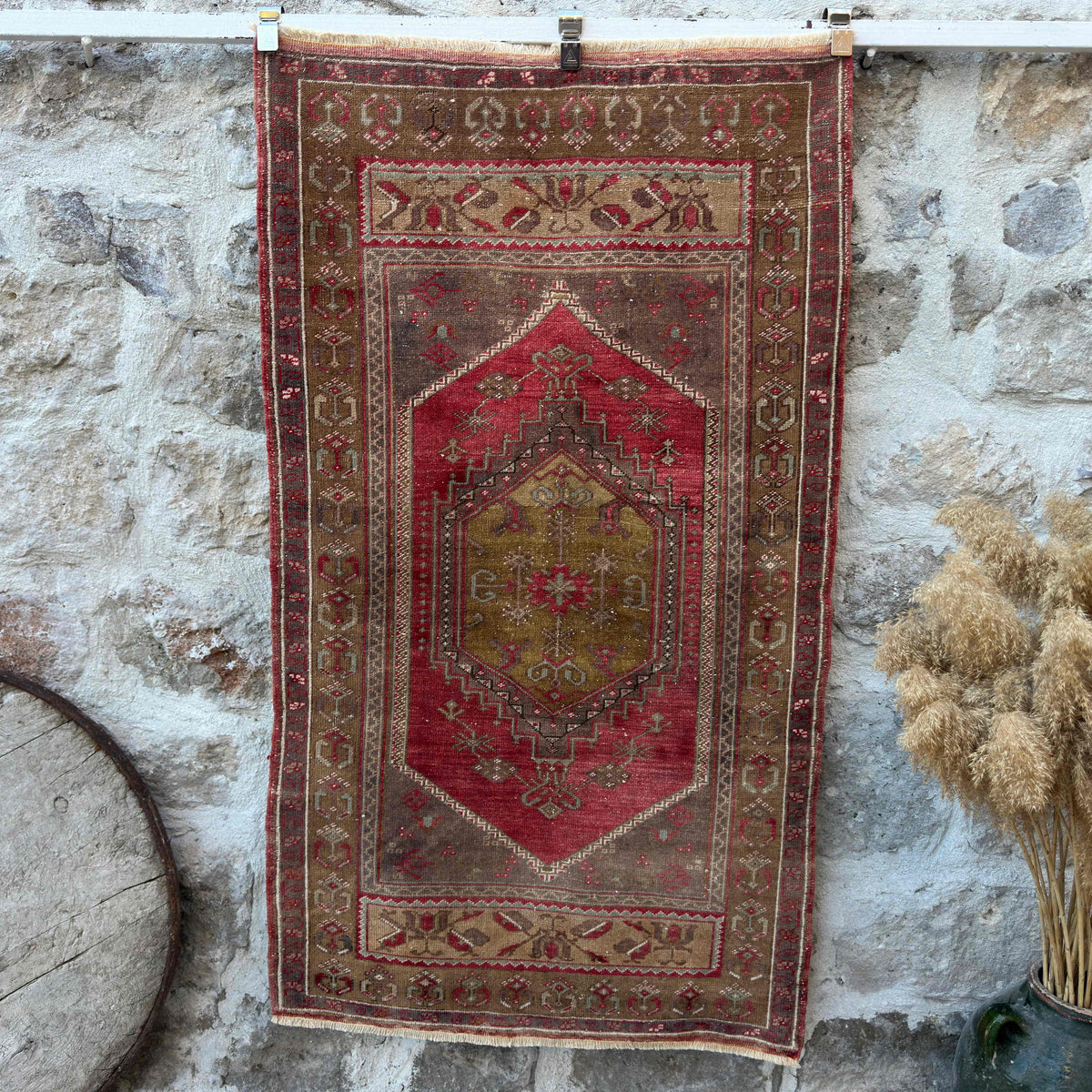

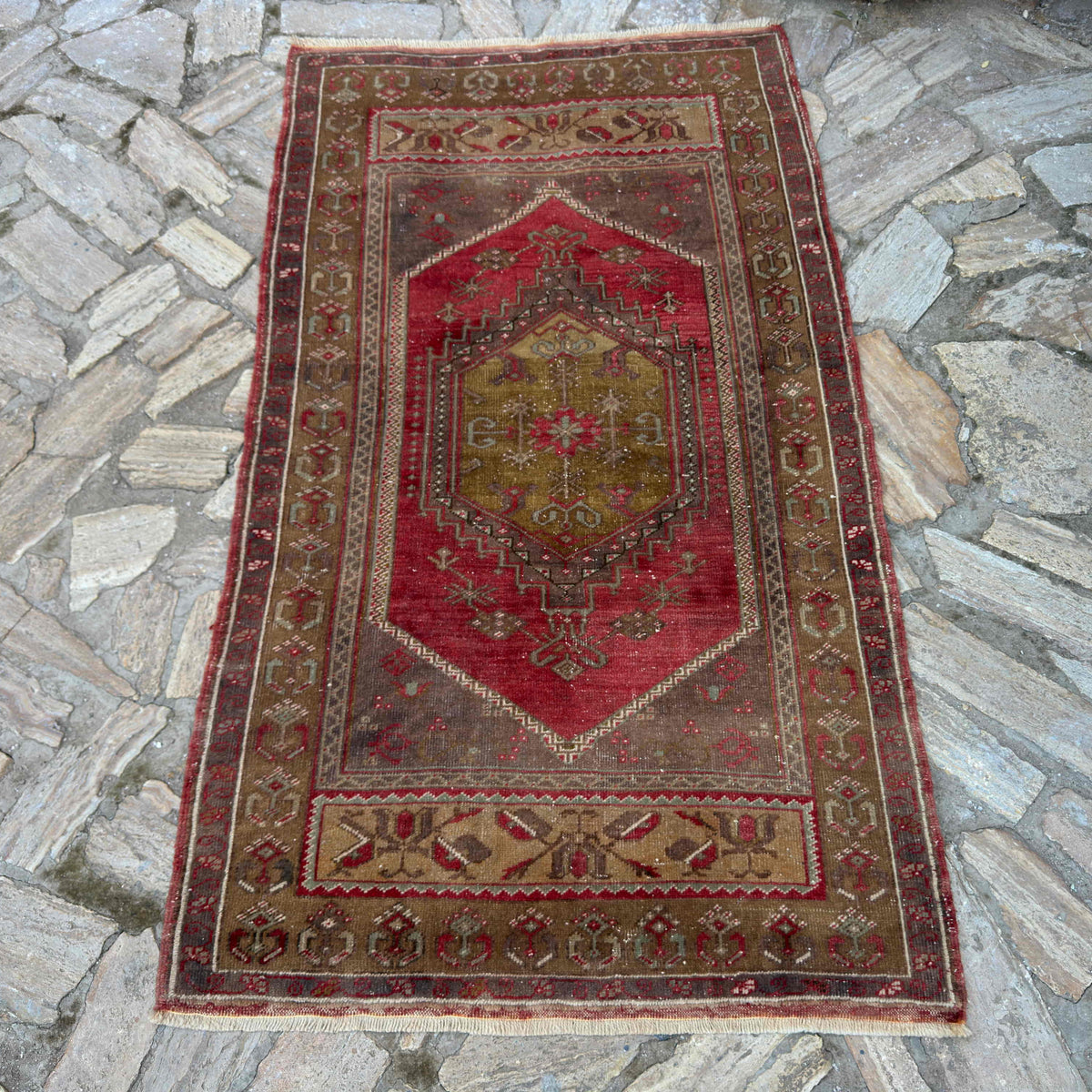
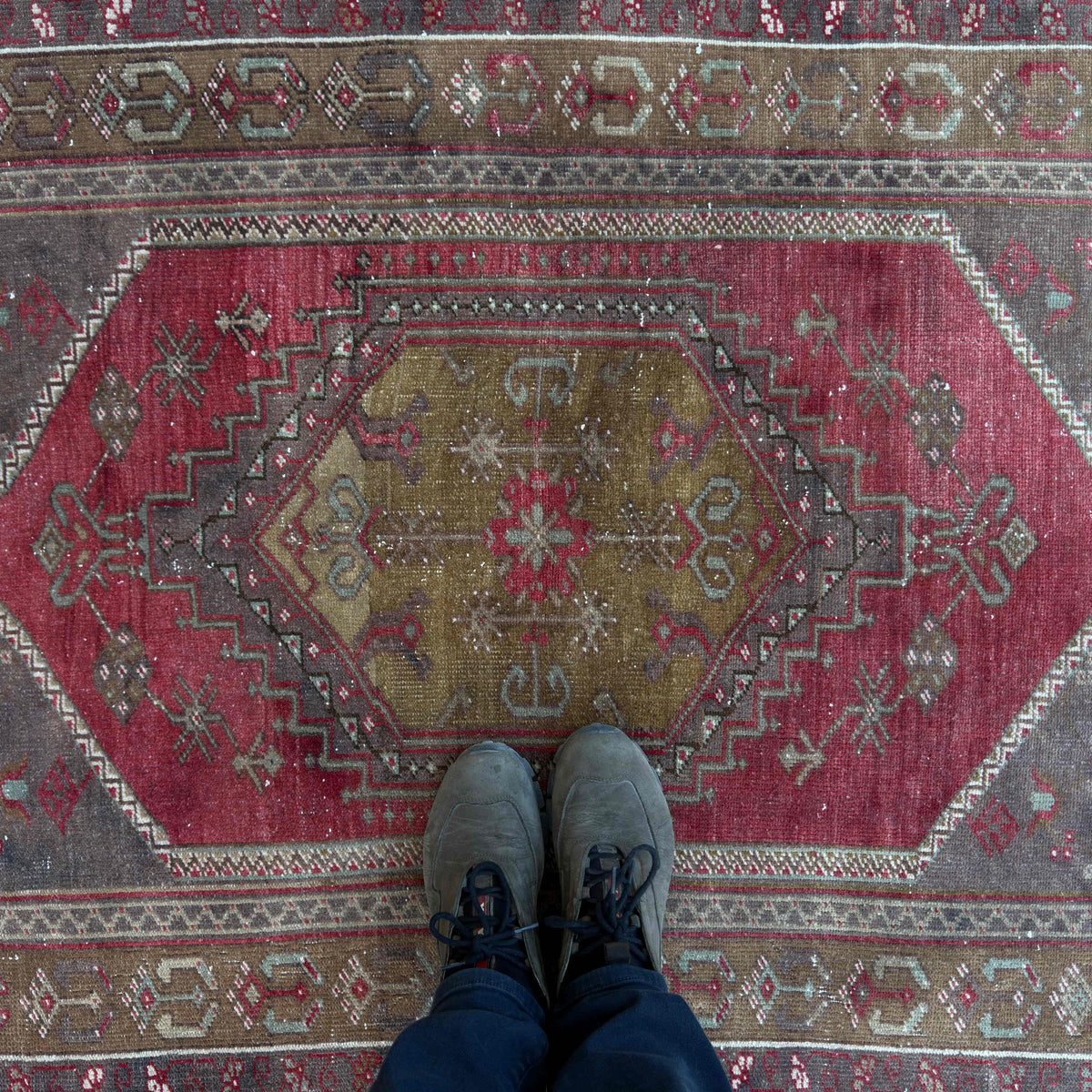
Jace - Vintage Floral Rug
Jacobs - Vintage Distressed Rug
Jair - Vintage Turkish Rug
Jakob - Large Traditional Rug
Jameson - Vintage Distressed Rug
Jane - Oversized Vintage Rug
Janine - Turkish Patchwork Rug
Janna - Small Turkish Rug
Jason - Vintage Traditional Rug
Javier - Vintage Distressed Rug
Jaxson - Vintage Runner Rug
Jay - Vintage Turkish Rug
Jayceon - Vintage Distressed Rug
Jayden - Vintage Turkish Rug
Jena - Unique Vintage Oushak Rug
Jenn - Vintage Neutral Rug
Jenny - Vintage Wool Rug
Jess - Turkish Runner Rug
Jessi - Vintage Floral Rug
Joanie - Hand-Knotted Vintage Rug
Jodi - Vintage Anatolian Rug
Joete - Floral Vintage Rug
Johnny - Vintage Kars Area Rug
Joly - Vintage Turkish Rug
Jonas - Muted Vintage Rug
Jorry - Vintage Runner Rug
Judah - Vintage Turkish Rug
Junie - Unique Vintage Rug
Jyoti - Vintage Medallion Rug
Kacie - Vintage Turkish Rug
Kacy - Large Vintage Persian Rug
Kaja - Vintage Turkish Rug
Kally - Turkish Area Rug
Kamari - Vintage Turkish Runner Rug
Kameko - Vintage Runner Rug
Kamil - Vintage Turkish Rug
Kareem - Vintage Persian Runner Rug
Karlen - Vintage Handmade Runner Rug
Karly - Handwoven Runner Rug
Karol - Vintage Oriental Rug
Vintage Rugs
A vintage rug rarely announces itself the moment you unroll it. The color usually looks a shade softer than the photo promised, one corner sits slightly differently than the other, and the wool feels different under bare feet than it did through a screen. That gap between photo and floor is where most buyers get nervous, and it's the reason I spend more time on the boring parts of this job — washing, checking backs, measuring twice — than on describing how beautiful a rug is. Every piece in this collection was handwoven roughly 20 to 80 years ago, mostly across Anatolia. Nothing here is new wool made to look old.
What actually makes a rug vintage
Vintage gets stretched to mean almost anything in this industry. I use it for one specific thing: a handmade rug that is roughly 20 to 80 years old, woven before power looms took over most of the market in Turkey. Not a new rug that's been sanded, bleached, or over-dyed to read older than it is.
The difference shows up in places a listing photo can't fake. Old wool takes light differently than new wool. The pile has usually been walked on enough to soften at the edges without losing its structure underneath. Some buyers use "vintage oriental rug" as a catch-all term for this kind of piece, and that's fine by us — the rugs here fall under that umbrella, they just happen to come specifically from Turkish and Anatolian looms rather than any other region.
Old rugs rarely look flawless, and that absence of polish isn't a defect. It's proof that someone used the rug before it reached you. Some people search for vintage carpets instead of vintage rugs — the words get used interchangeably in this business, and we don't fuss over which one you use.
Where vintage rugs end and antique rugs begin
This is the question I get more than almost any other about this collection, so it deserves a straight answer instead of marketing language.
Vintage, in how we use the word, means roughly 20 to 80 years old. Antique means older than that — pieces with a longer, harder-to-verify history and usually different handling needs. We keep the two collections separate on purpose. If you're specifically after something with a century or more behind it, the antique rugs collection is built for that, and folding both under one label would do neither justice.
Most vintage rugs are more forgiving day to day. The wool has already proven it holds up, but the piece isn't so old that a spill or a curious dog turns into a preservation problem. I'd call vintage the practical middle ground — old enough to have real character, young enough that you don't have to treat it like a museum piece.
How vintage rugs are hand-knotted and what wool does as it ages
Almost everything in this collection is hand-knotted or handwoven from wool on traditional looms. That process hasn't changed much in generations, which is part of why two vintage wool rugs in the same size and color are never really identical.
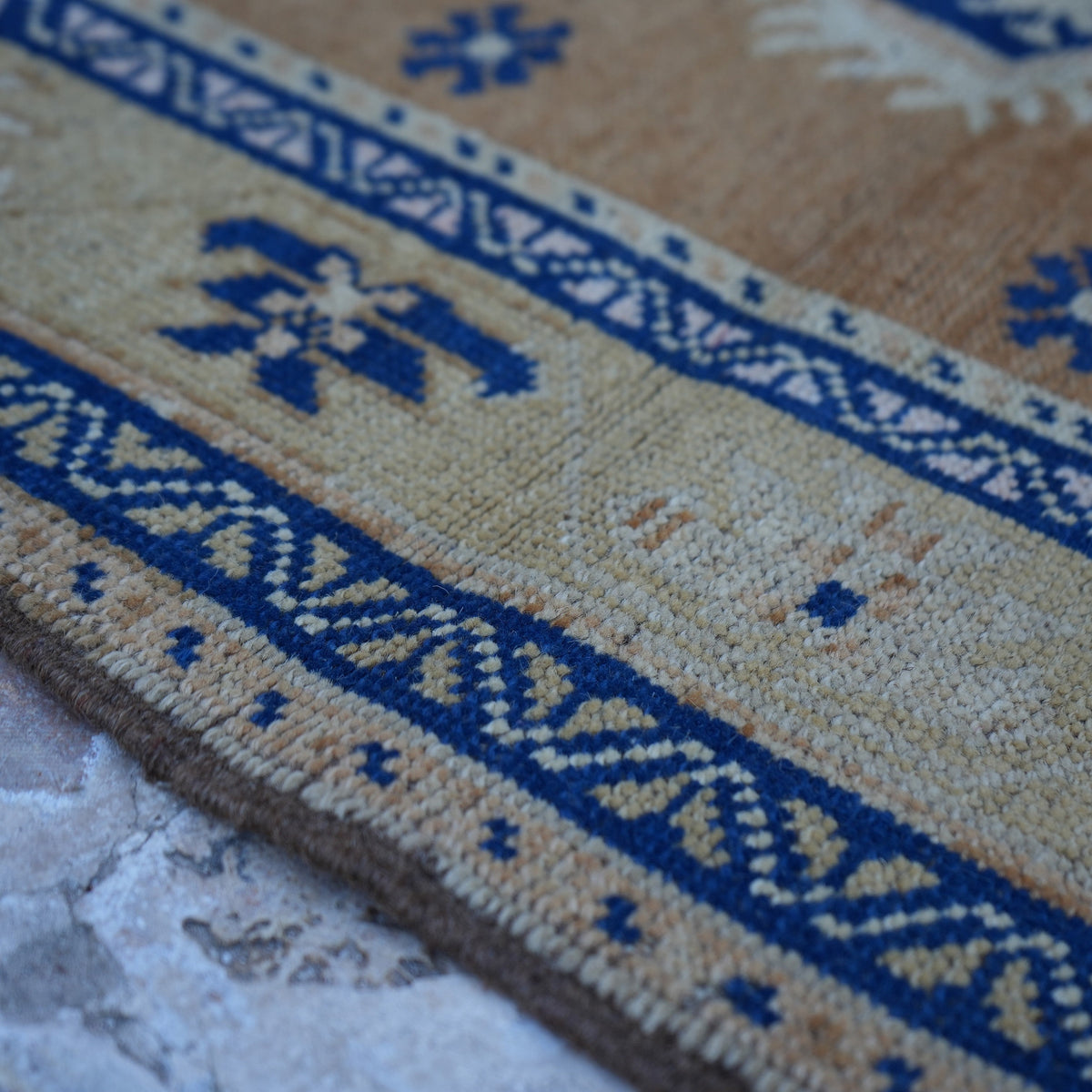
I get emails now and then from someone who bought two rugs described as nearly identical and wants to know why they feel different underfoot. A hand-knotted rug is built row by row, and the density of each knot — how tightly the weaver pulled it — genuinely varies across the piece. That's the answer. A machine can't fake that no matter how the fringe gets trimmed to imitate it.
Wool also behaves differently as it ages. It holds less dust than people expect, it catches light in a way synthetic fiber doesn't, and it tends to soften rather than flatten under years of foot traffic. Some of these pieces would qualify as vintage Turkish rugs by origin alone, though we keep that distinction separate from our main Turkish rugs collection — here, age is the main story, not the country. There's more on how to spot genuine hand construction in how to tell if a rug is handmade.

What age actually does to a vintage rug's color and border
Age isn't just a number here. It changes how a rug looks under different light, and it's worth understanding before the piece arrives.
A red that looks strong and saturated in a bright product photo often settles into something quieter once it sits under a lamp in the evening, or half-covered by a coffee table. That isn't fading in a bad sense — old dye simply reacts to light differently than a fresh batch, and most people find they prefer the calmer version once the rug is actually in the room.
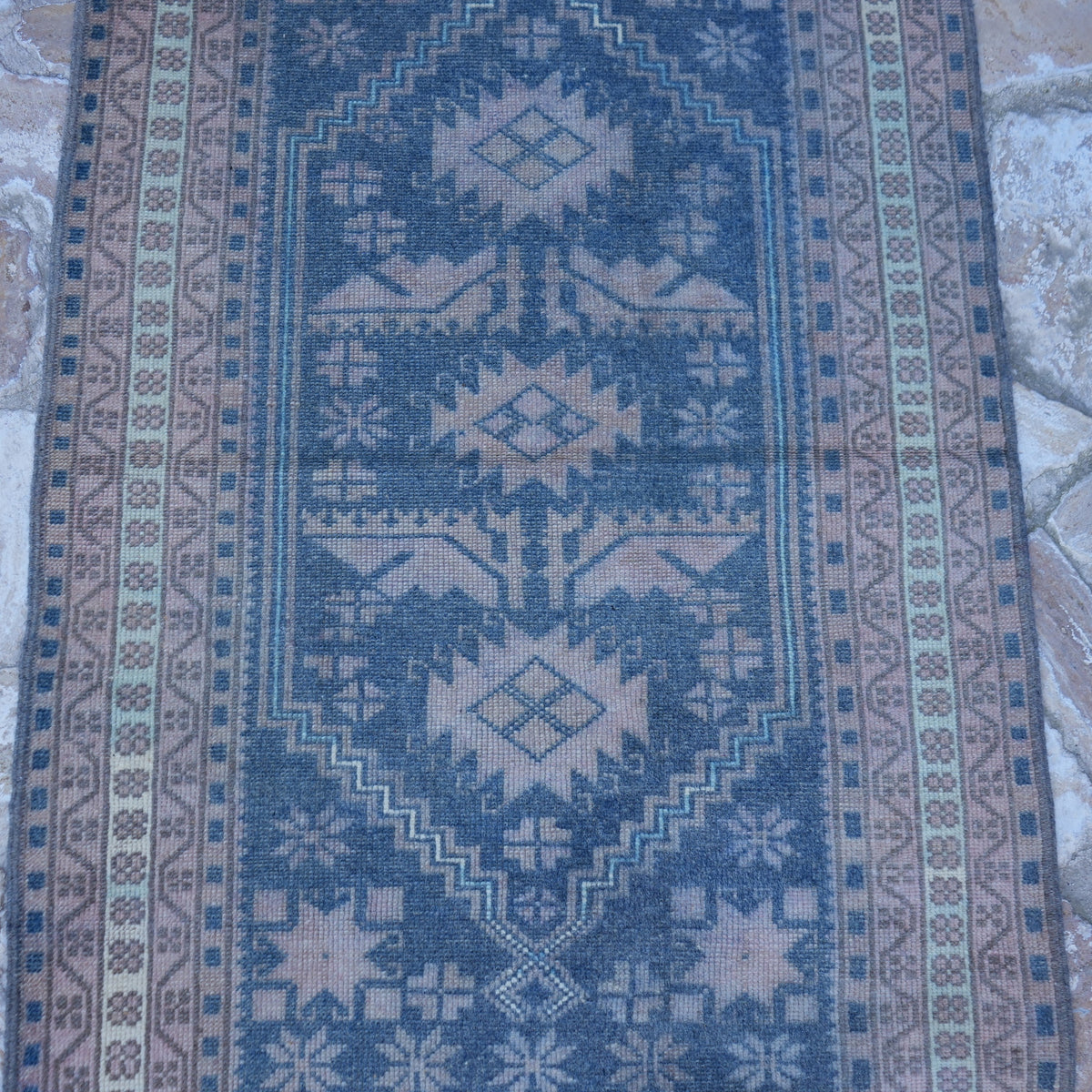
Borders are where age shows first. A slightly uneven line, a corner where the pattern doesn't perfectly repeat, a section running a shade darker — these aren't flaws we hide. We photograph them as they are. If a listing shows an irregular border, that irregularity is real, and it looks the same on your floor as it does in the photo.

How to choose the right vintage rug for your room
Most people who shop vintage rugs start with color, which makes sense — color is what catches your eye while scrolling. But size is usually what decides whether a vintage area rug actually works once it's in the room.
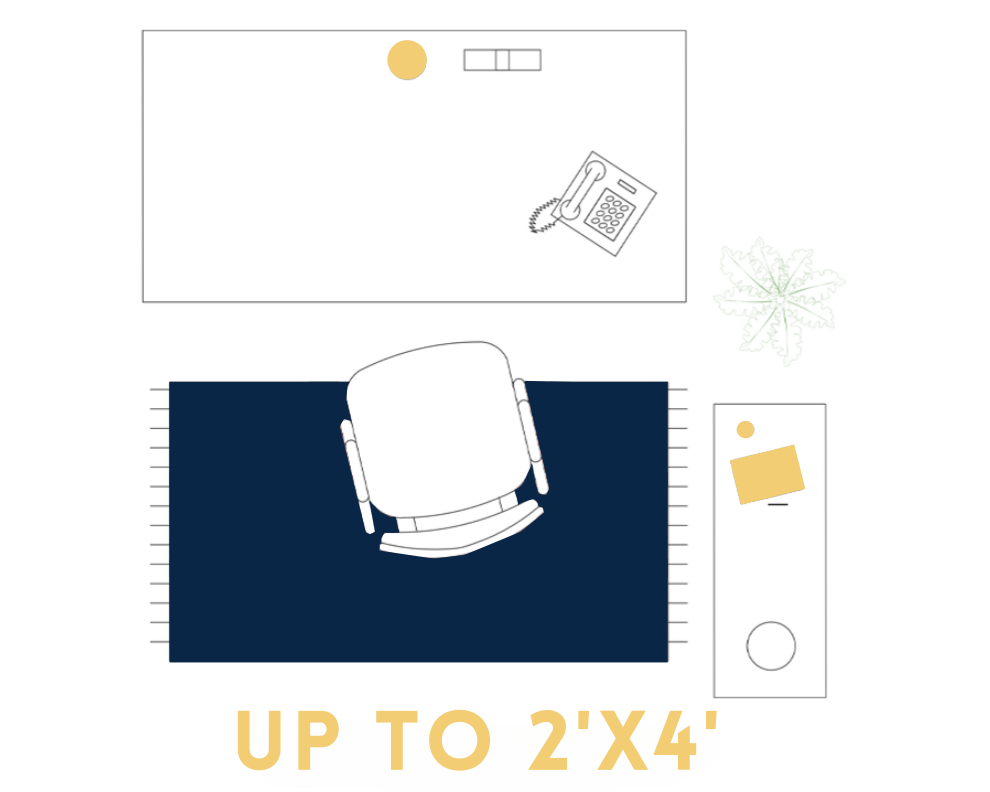
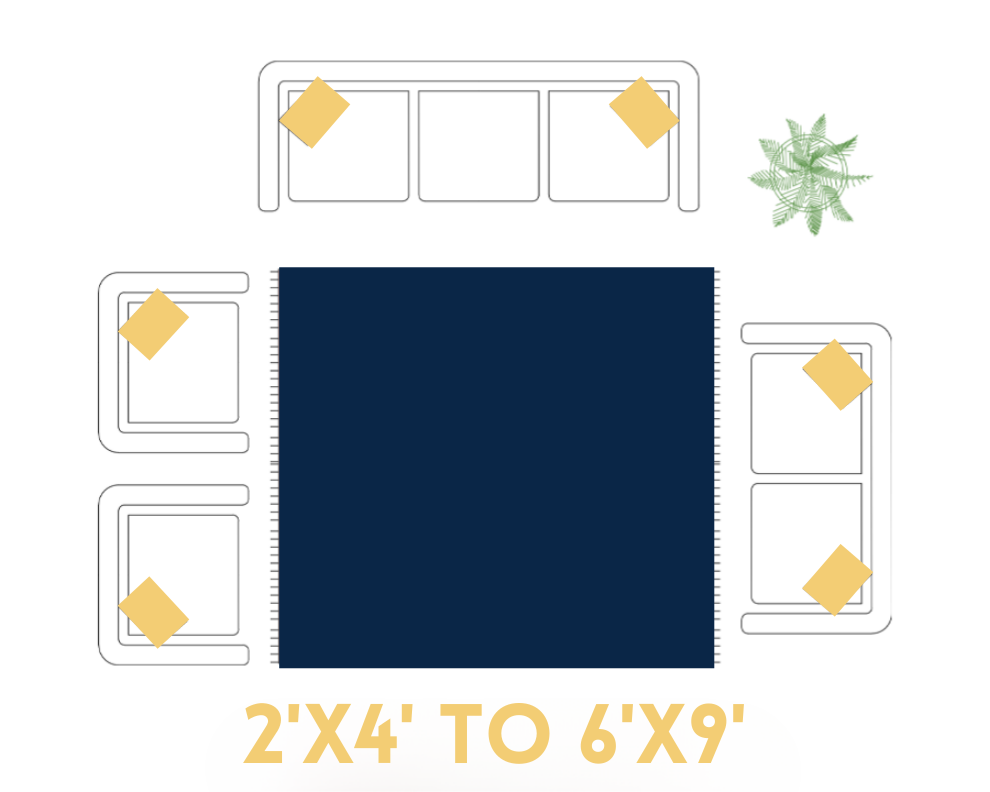
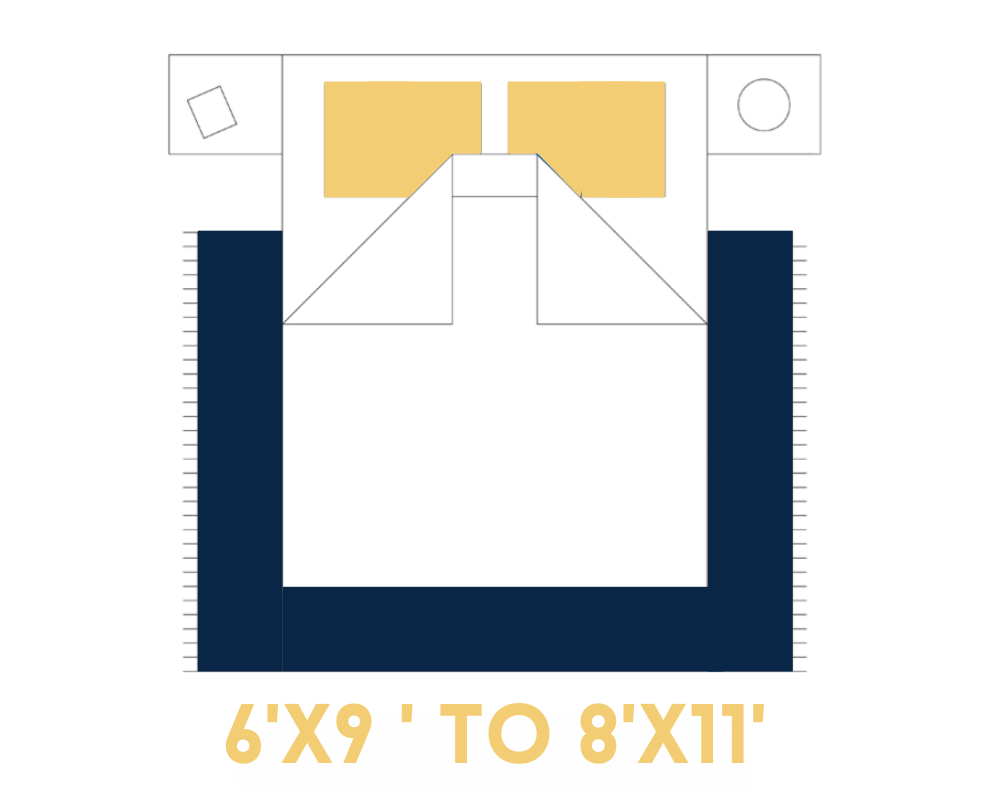
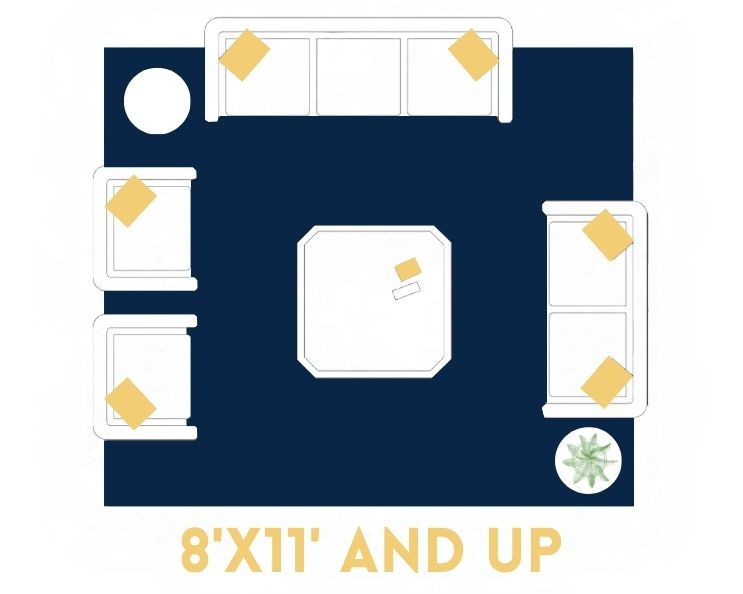
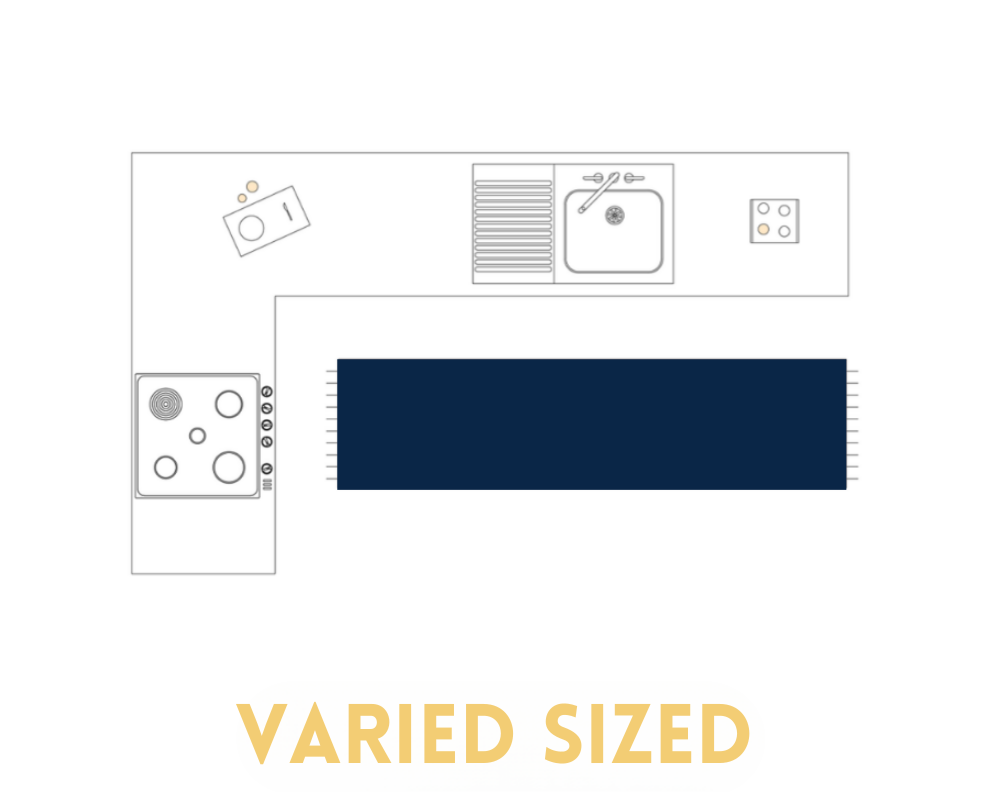
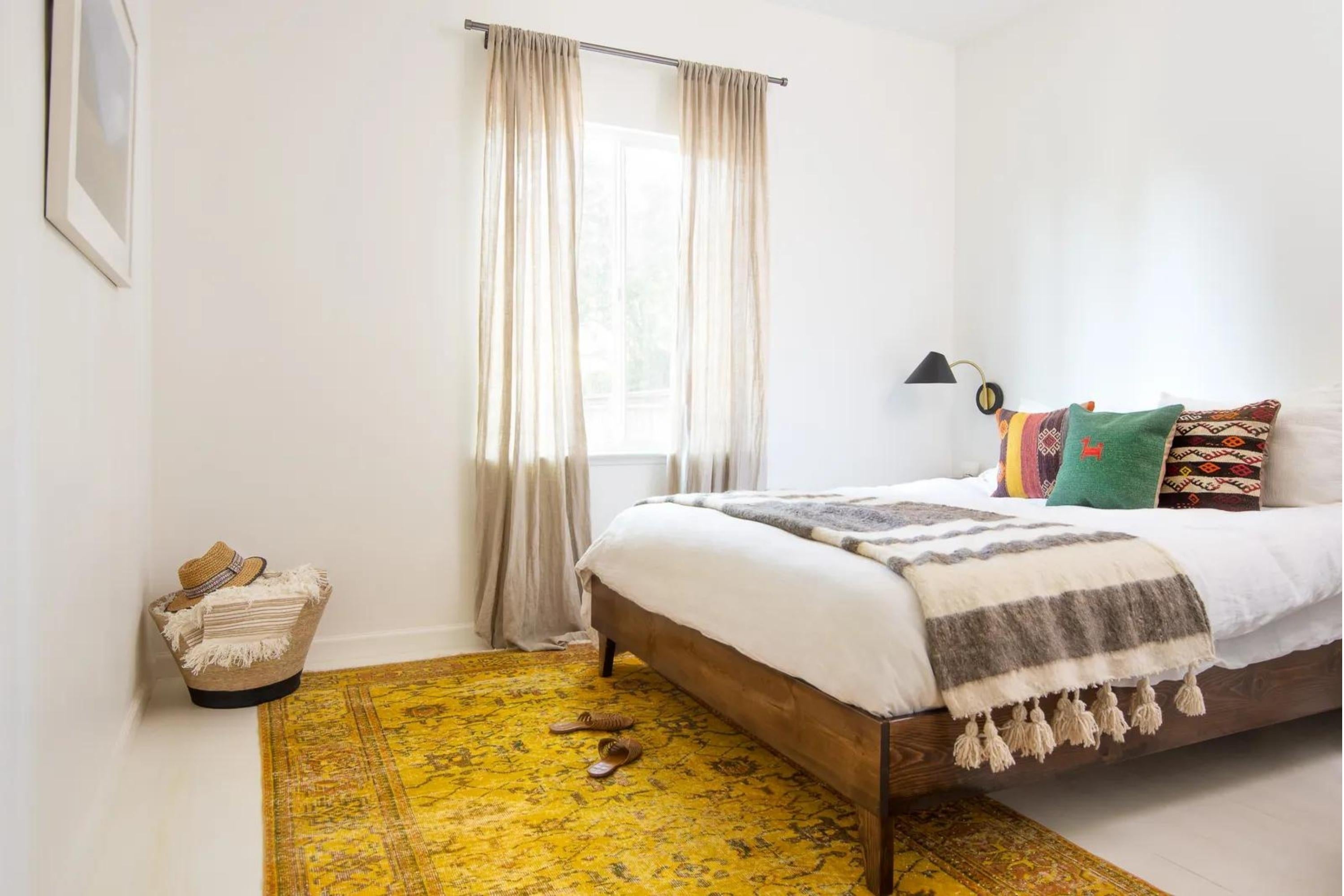
For a living room, the goal is normally to get at least the front legs of your main furniture sitting on the rug, not floating a few inches off it. In a bedroom, a rug extending past the sides of the bed by a foot or so tends to feel more grounded than a small mat centered under the nightstand. If you're unsure, the rug size guide walks through the more common room-by-room measurements, and how to decorate with vintage rugs covers placement in more detail.
Pattern is where these rugs earn their reputation. Because the field is rarely perfectly symmetrical, a vintage piece can sit next to patterned pillows or existing art more comfortably than a rigid, machine-repeated design would. It doesn't need to match the room. It mostly needs to belong to the same warm or cool temperature as everything else already in it.

What I check before a vintage rug ships
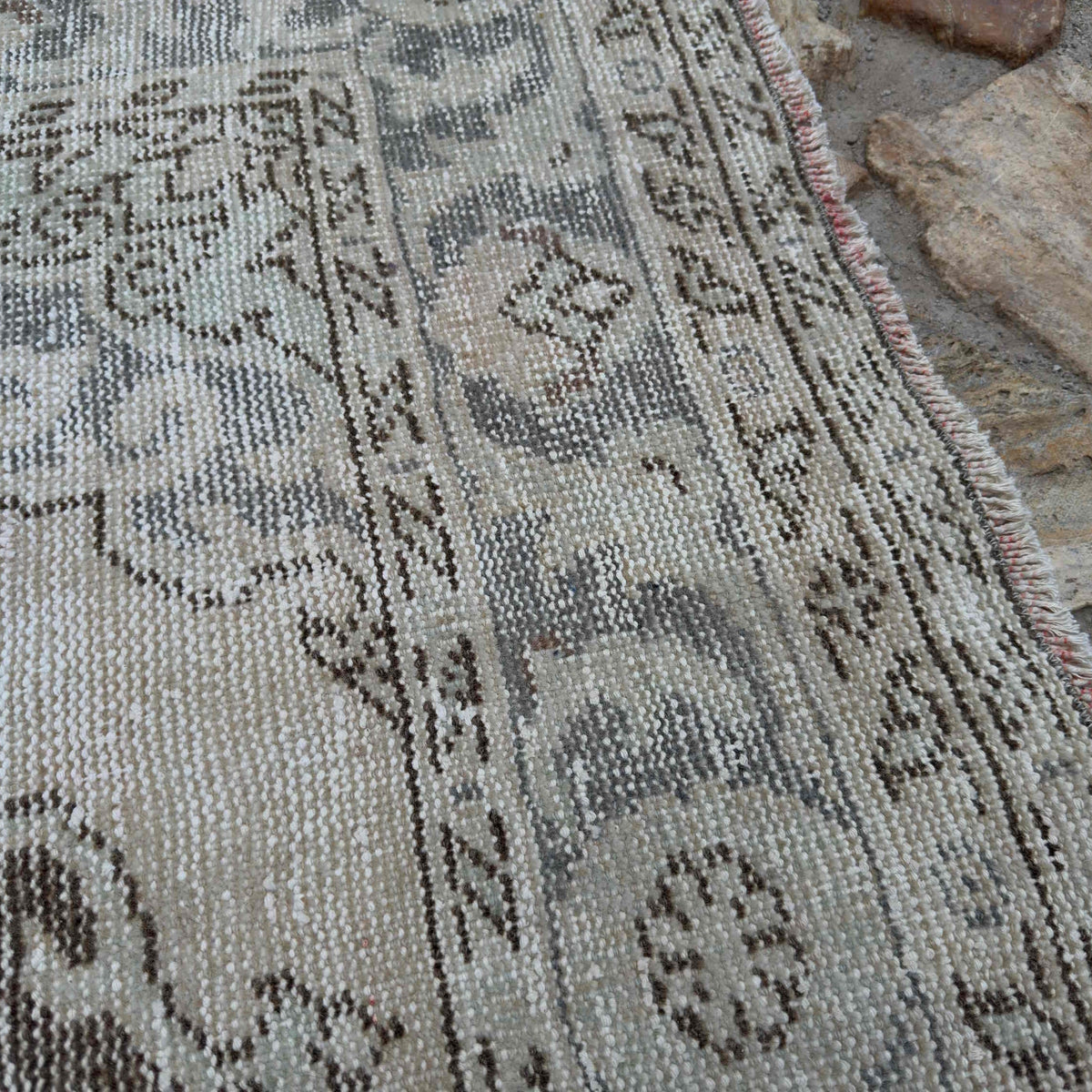
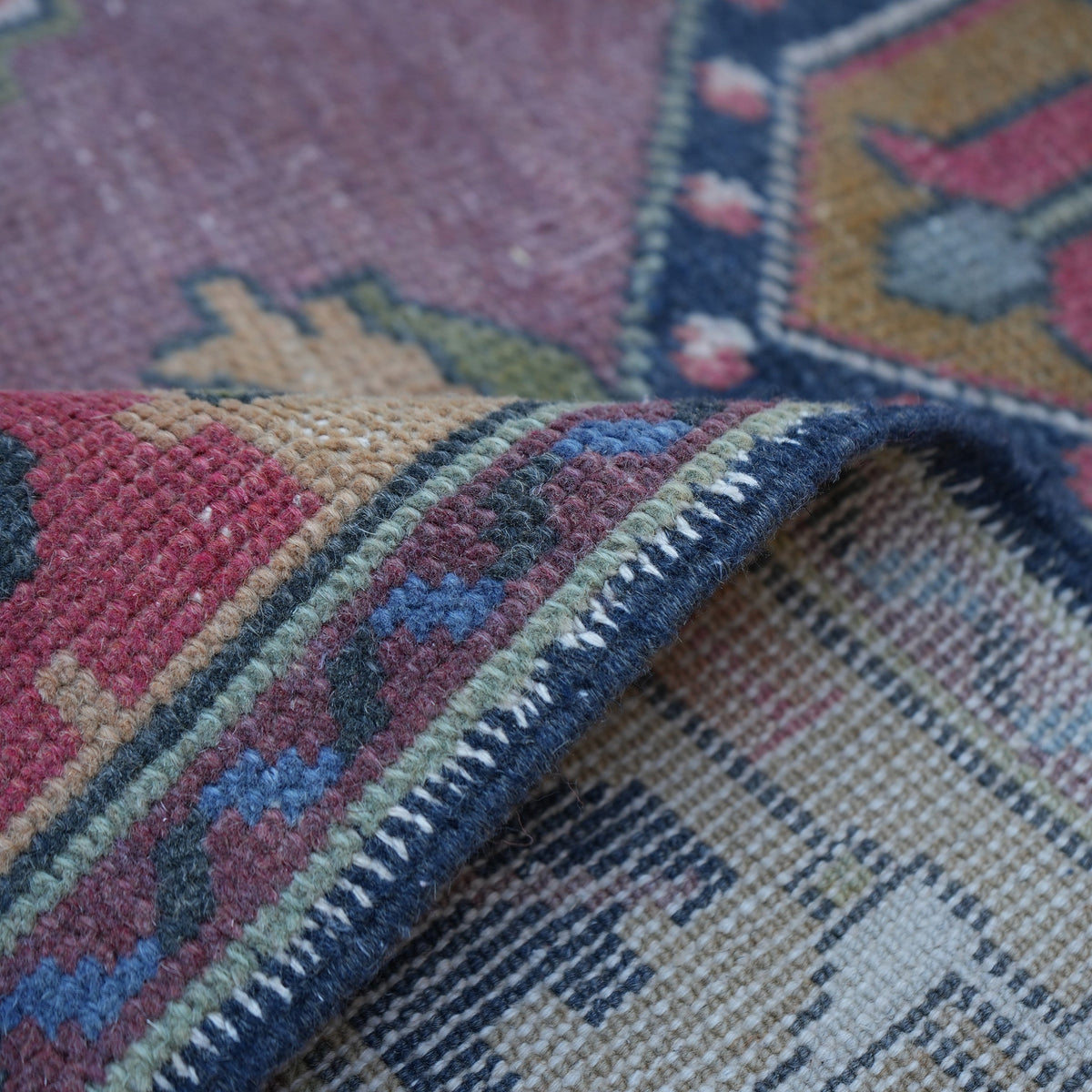
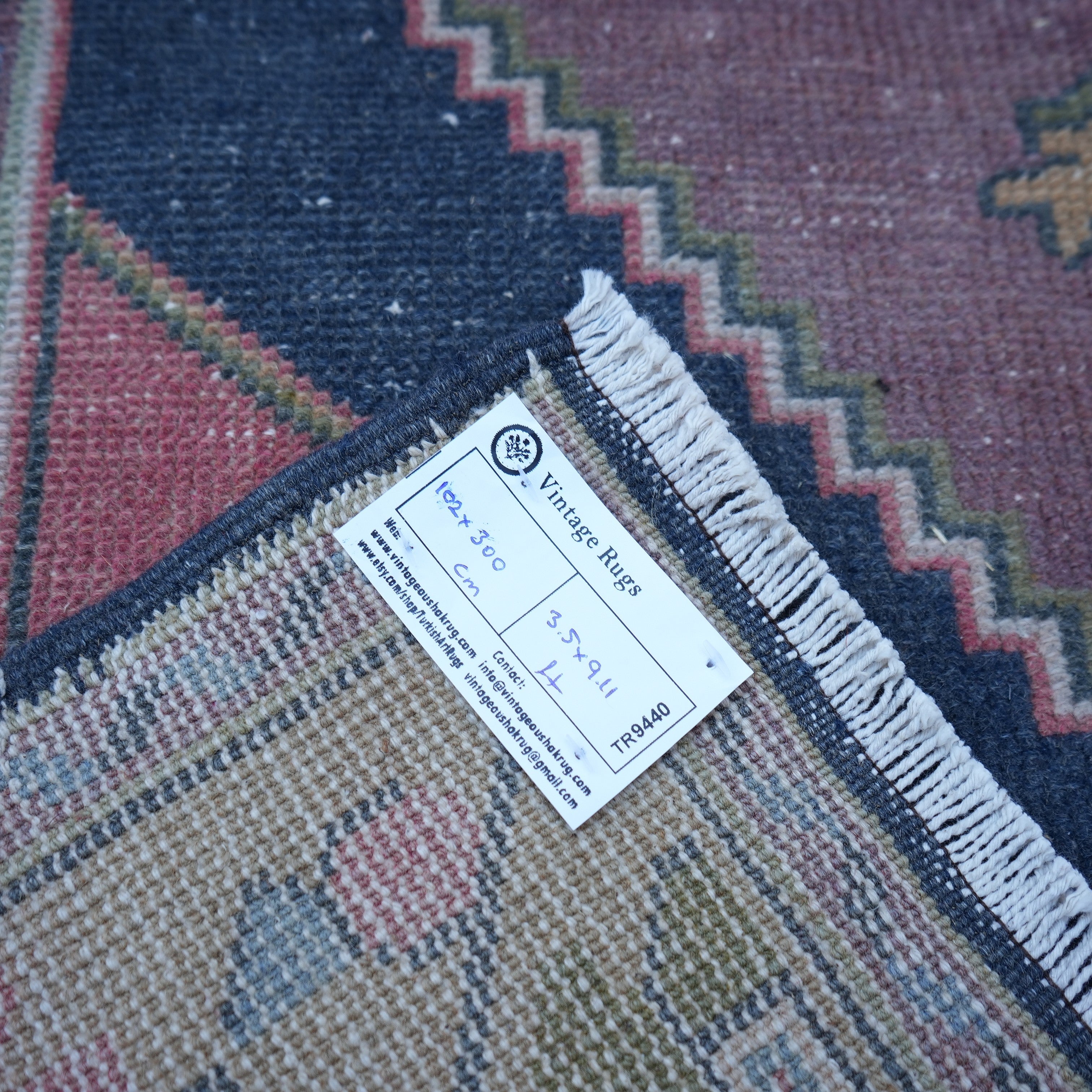
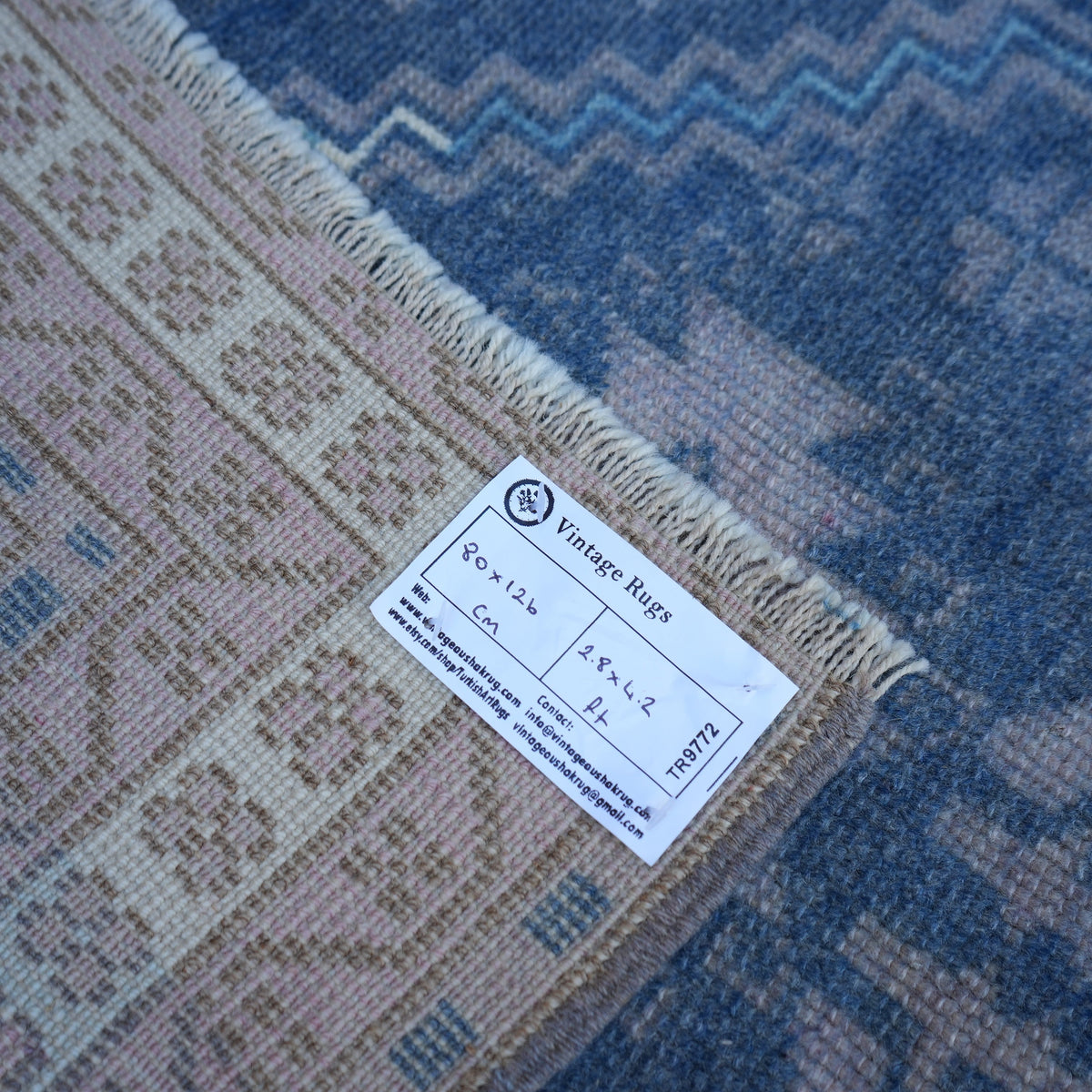
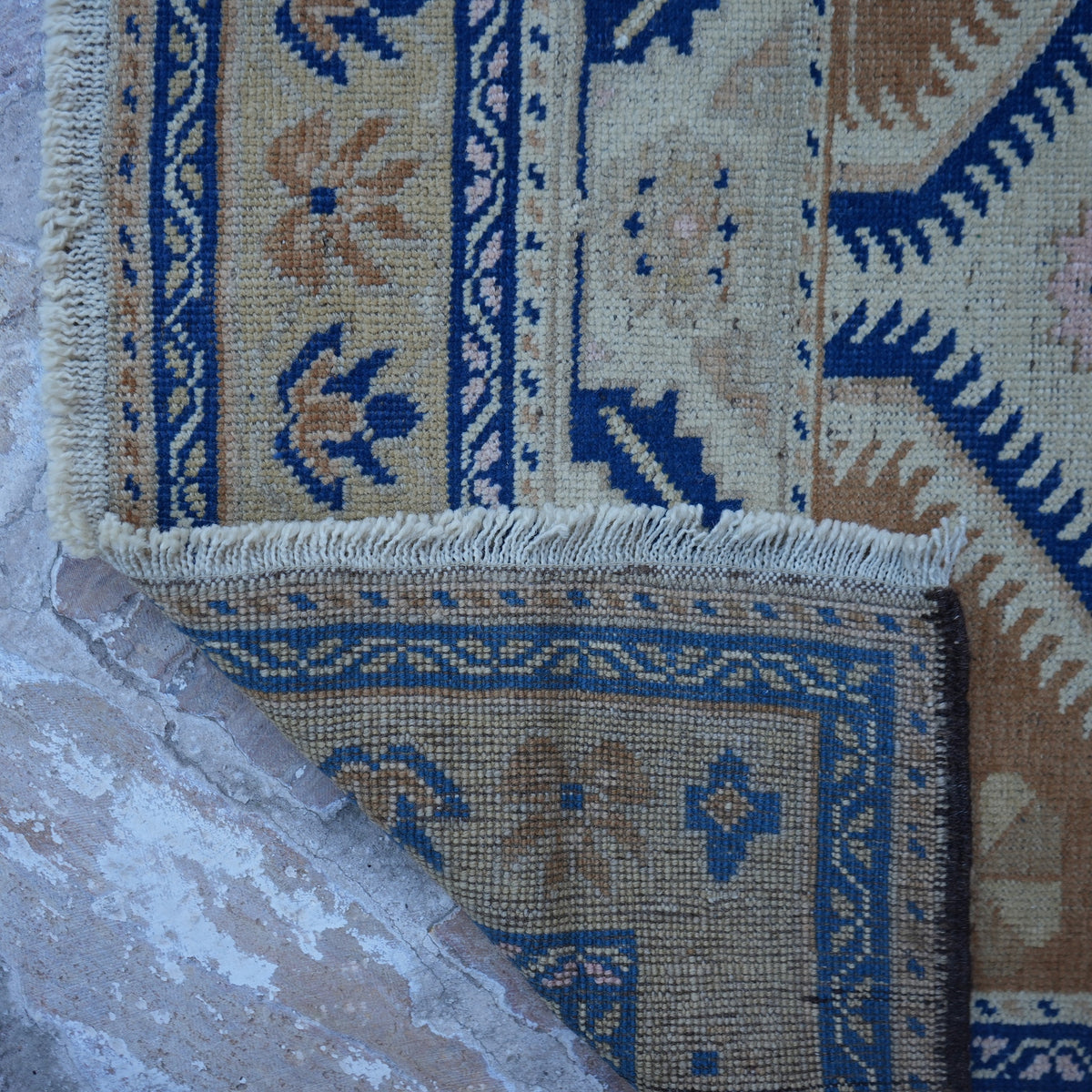
Before any vintage rug leaves Cappadocia, it goes through the same routine. I check the back as carefully as the front — repairs, old patches, and moth damage almost always show up there first, long before they're visible from above. Then it gets washed properly, not just aired out, and left to dry completely before it's measured again and photographed in natural light.
That last step is the one I'd want as a buyer. With a one-of-a-kind piece, there's no second rug waiting behind it if the first one disappoints you — the photo you see is the actual rug you receive, not a stock image or a similar piece from the same batch. It's a small thing to promise, and an easy one to check once the rug is in your hands.
Shipping is free worldwide, and for orders inside the United States, duties are already covered — what you see at checkout is what you pay, with nothing extra collected at your door. Full details are on the shipping and returns policy page, but that part alone removes one of the more common worries people have about ordering a handmade rug internationally.

How to buy a vintage rug online with confidence
Anyone who has searched for vintage rugs online eventually runs into the same problem: hundreds of listings, and no easy way to tell which seller actually knows what they're selling. Buying a rug you can't stand on before purchasing is always a bit of a leap. A few things make that leap smaller.
Ask for a photo in natural daylight if a listing only shows studio lighting — most sellers, us included, are happy to send one. Check the actual measurements against your room rather than trusting the size category alone, since a "5x8" can vary by a few inches from one weaver to the next. And if a color looks unusually vivid or perfectly uniform across an entire vintage piece, it's worth asking a direct question about it, because real age rarely produces that kind of evenness. We've written more on this in how to buy a vintage rug online and things to consider when buying a vintage rug.
I'd rather answer an honest question before you buy than deal with a return after. That's a cheaper conversation for everyone. If you've been wondering where to buy vintage rugs you can actually trust, the short answer isn't a secret marketplace — it's a seller willing to show you the real rug before you commit to it.

Why vintage rug prices vary so much
Vintage rug prices swing more than people expect for what looks like a similar product, and there's a real reason for that.
Size is the obvious factor, but condition, wool quality, and how tightly a piece was knotted all move the price too. A small, simply patterned vintage rug can be genuinely affordable, sometimes even inexpensive, while a large, densely knotted piece with an unusual color combination takes longer to weave in the first place and costs more before it ever reaches a shelf.
I don't inflate prices to suggest rarity that isn't there, and I don't sell reproductions positioned as something older than they are. Every one of these vintage rugs for sale has already been through the inspection and washing I described above, so the price reflects a piece that's ready to use, not one that still needs work. If a rug here is priced lower than you expected, it's usually because the size is smaller or the pattern is simpler — not because something is wrong with it. If a piece is priced higher, the wool, the knot count, or the size is almost always why.
How to care for a vintage rug at home
Most vintage rugs don't need complicated care. They need consistency more than effort.
Vacuum gently and skip the rotating brush head if your machine has one — it can pull at an already-softened pile more than a flat suction setting would. Rotate the rug every few months so one section isn't always the one catching direct sun; old dye fades more evenly when the light exposure is shared across the piece instead of concentrated on one corner. Blot spills right away instead of scrubbing, and let the rug dry flat rather than folded.
Deep cleaning is where people get nervous, understandably. Steam cleaning and harsh rotary machines can be too aggressive for an older weave. A gentle hand wash, or a professional cleaner who specifically works with handmade rugs, is worth the extra step. Old wool is forgiving. It isn't indestructible.
What is considered a vintage rug?
In this collection, vintage means handmade and roughly 20 to 80 years old. That range is old enough for the wool and dye to show real character, but young enough that the rug usually hasn't needed major repair work yet.
What's the difference between a vintage rug and an antique rug?
Age, mainly. Vintage rugs here are roughly 20 to 80 years old. Anything older sits in our antique rugs collection instead, since older pieces often need different handling, pricing, and care advice than a vintage one does.
Are vintage rugs durable enough for everyday use?
Most are. Hand-knotted wool holds up well to normal foot traffic, which is part of why the rug survived this long in the first place. A vintage rug in good condition is usually sturdier day to day than people expect from something described as old.
How do I know a vintage rug is genuinely old and not just made to look that way?
Real age leaves uneven wear — a softened corner, a border that isn't perfectly symmetrical, color that shifts slightly across the field. A rug that looks uniformly faded all over, with no variation anywhere, is worth asking questions about before you buy it.
Why do vintage rug prices vary so much?
Size, wool quality, and knot density affect price more than age alone does. A small, simply patterned piece can be genuinely affordable, while a large, finely knotted rug takes longer to make and costs more, regardless of how old it is.
Can I buy a vintage rug online with confidence?
You can, as long as the seller shows you the actual rug you'd receive, not a similar one from the same batch. Every rug listed here is the exact piece shown in the photos, which removes most of the guesswork.
How should I clean and care for a vintage rug?
Vacuum gently without a rotating brush head, rotate the rug every few months, and blot spills instead of scrubbing them. For a deeper clean, a professional who works specifically with handmade wool rugs is safer than steam cleaning or a home rotary machine.
Do you ship vintage rugs to the USA, and are there extra import fees?
Yes. Shipping is free worldwide, and for orders inside the United States, duties are already included in the price you see at checkout. There's nothing extra to pay when the rug arrives.
