















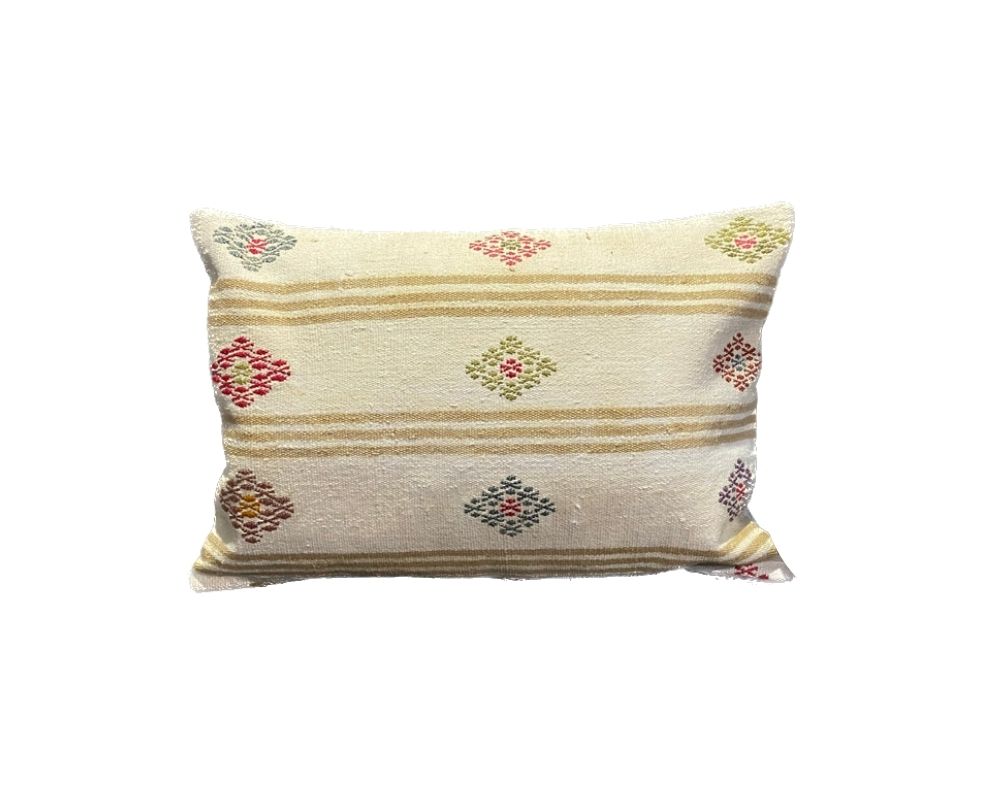
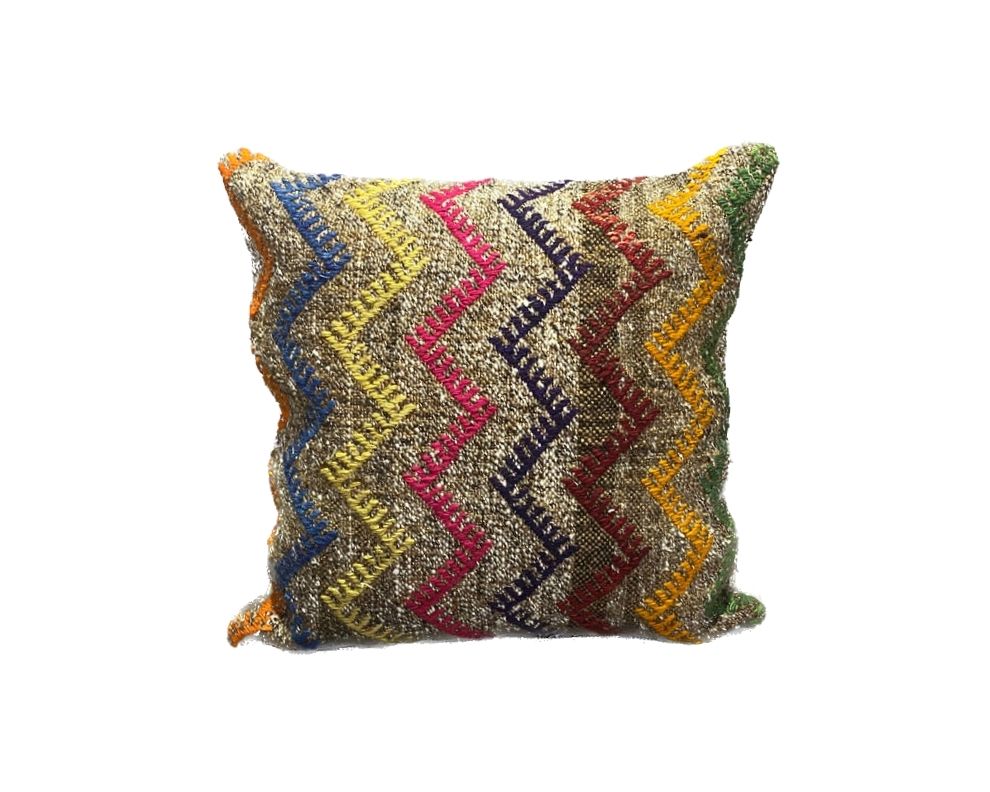

Throw Pillows
Crafted with care and attention to detail, these throw pillows bring a touch of elegance and comfort to any room. The diverse range of colors, patterns, and textures allows you to effortlessly personalize your decor, creating a cozy and inviting atmosphere. Perfect for adding a stylish accent to your sofa, bed, or favorite chair, throw pillows are more than just accessories—they are pieces of art.
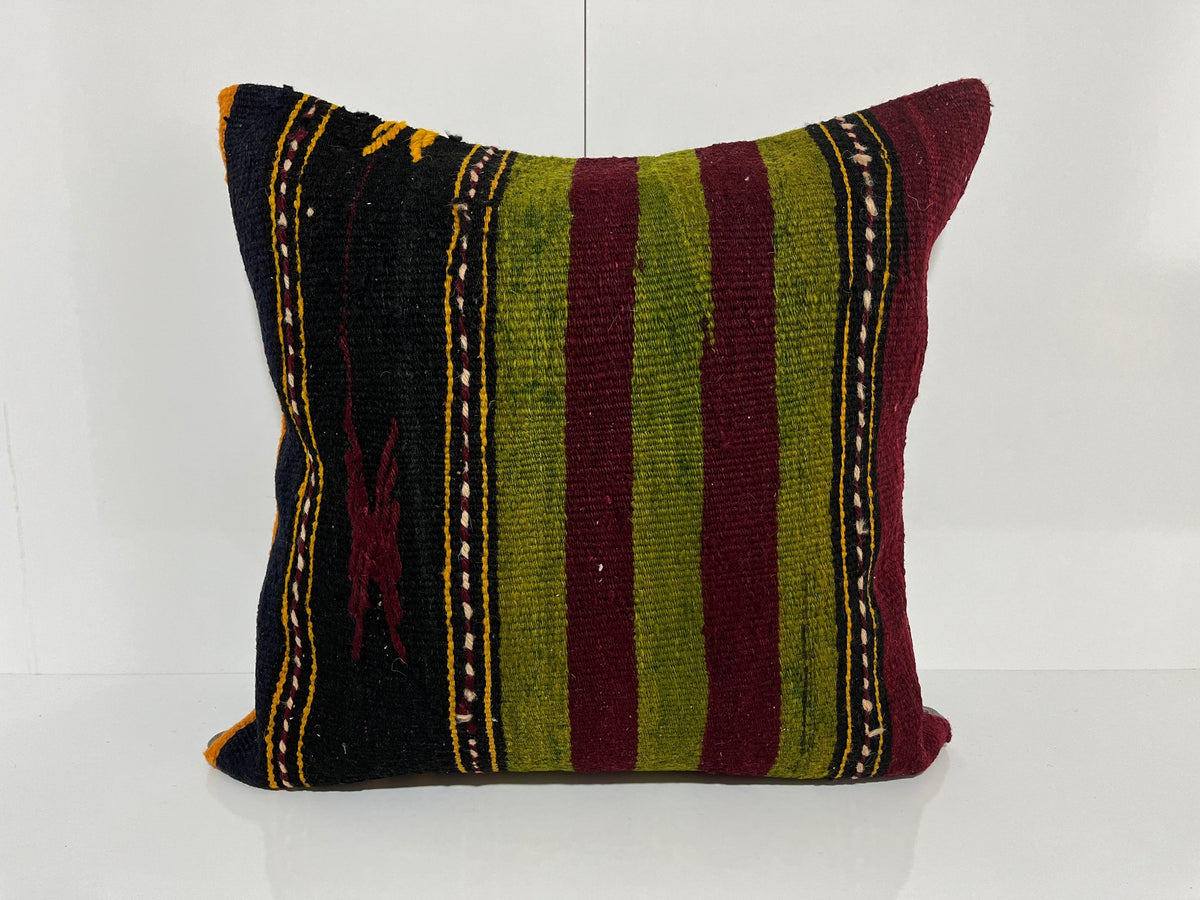
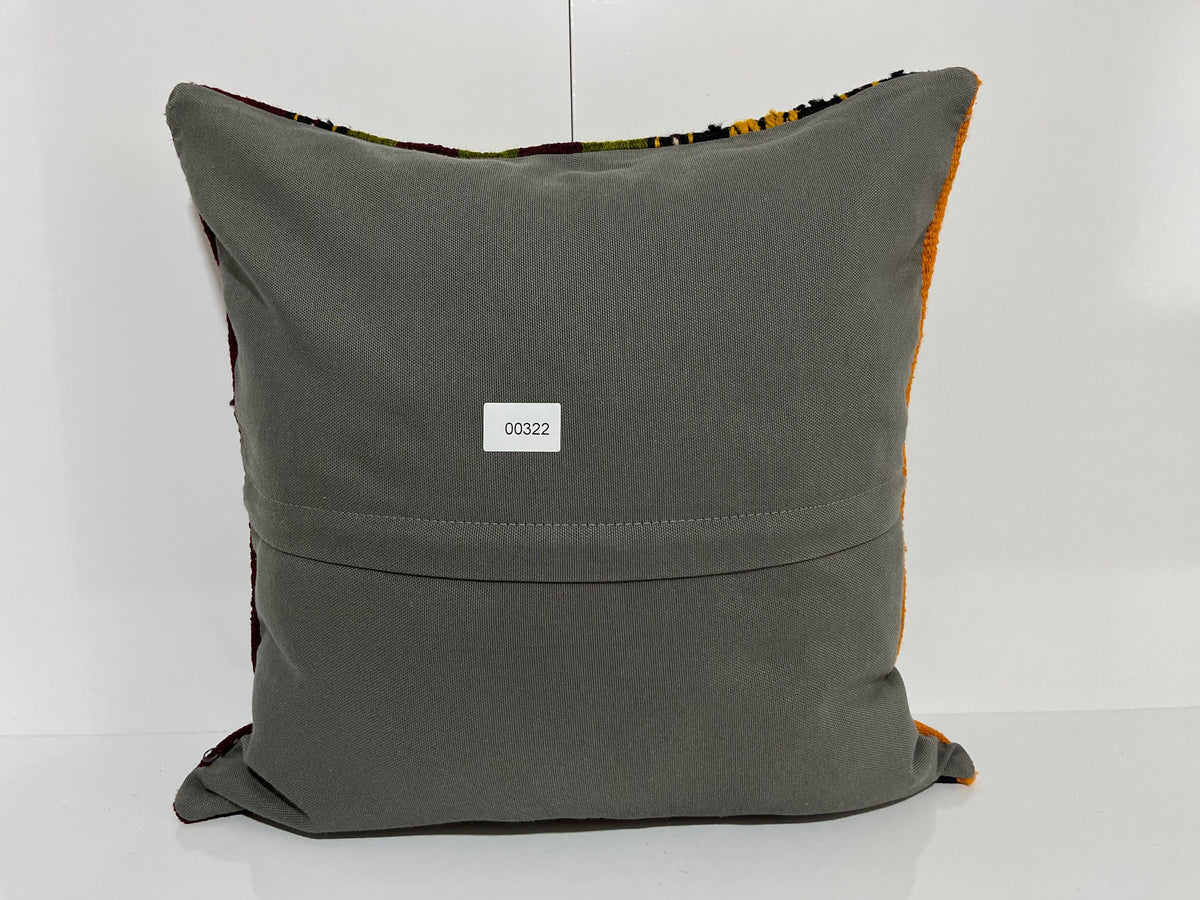
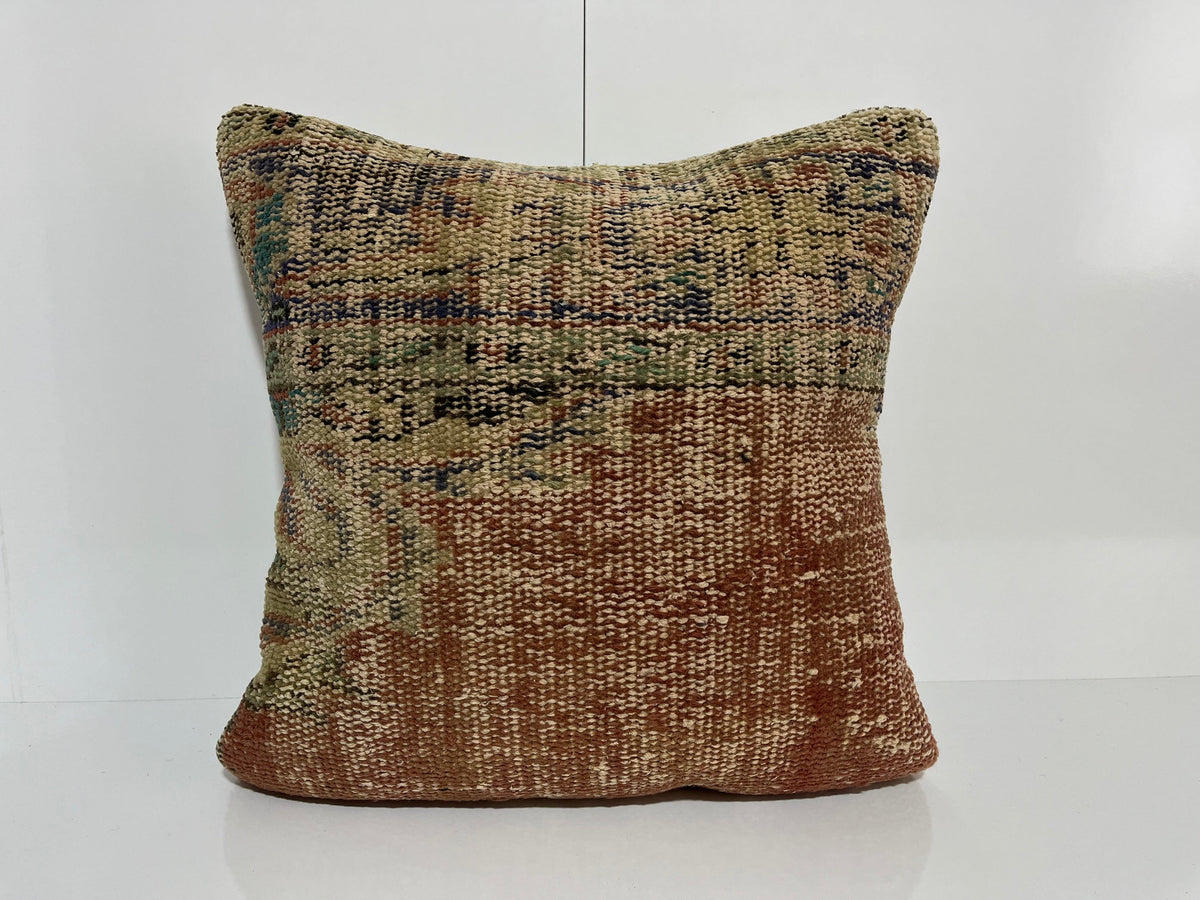
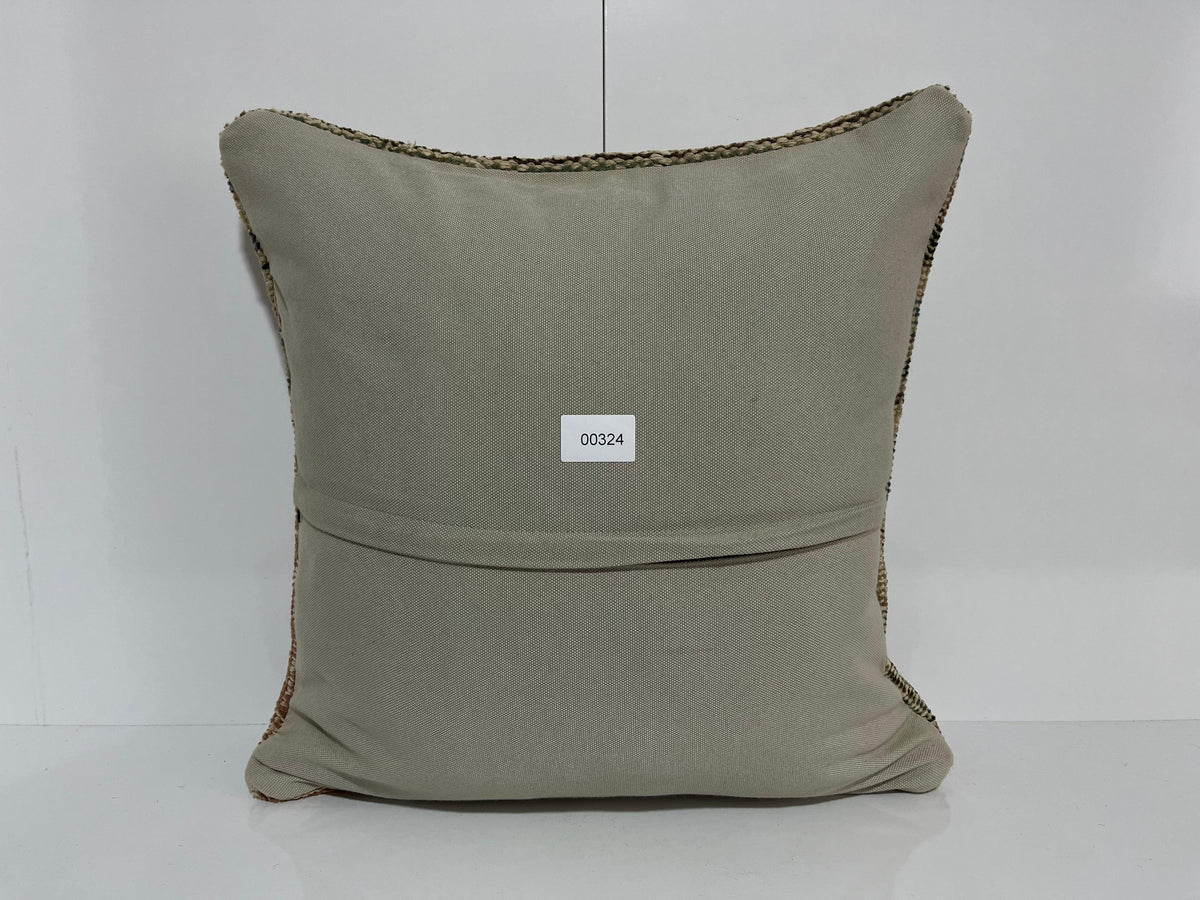
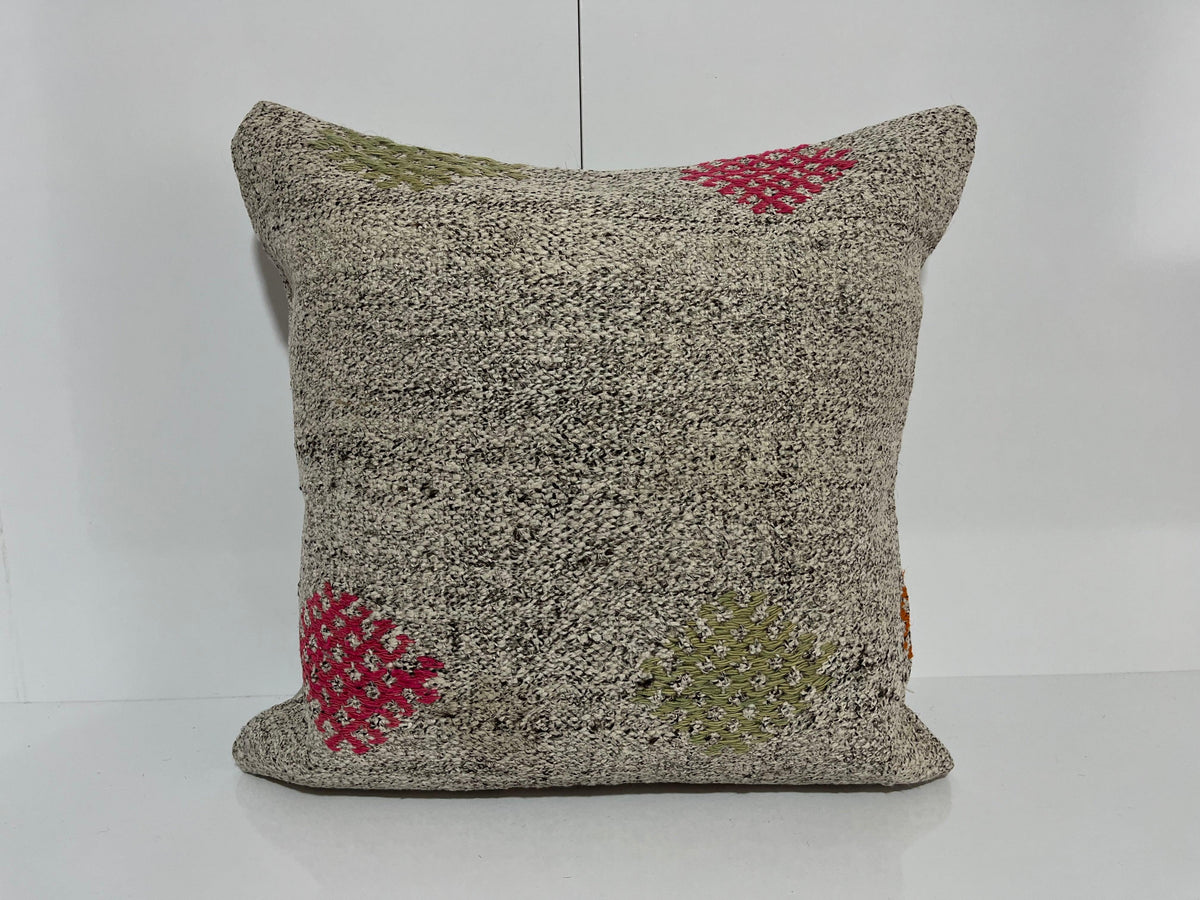
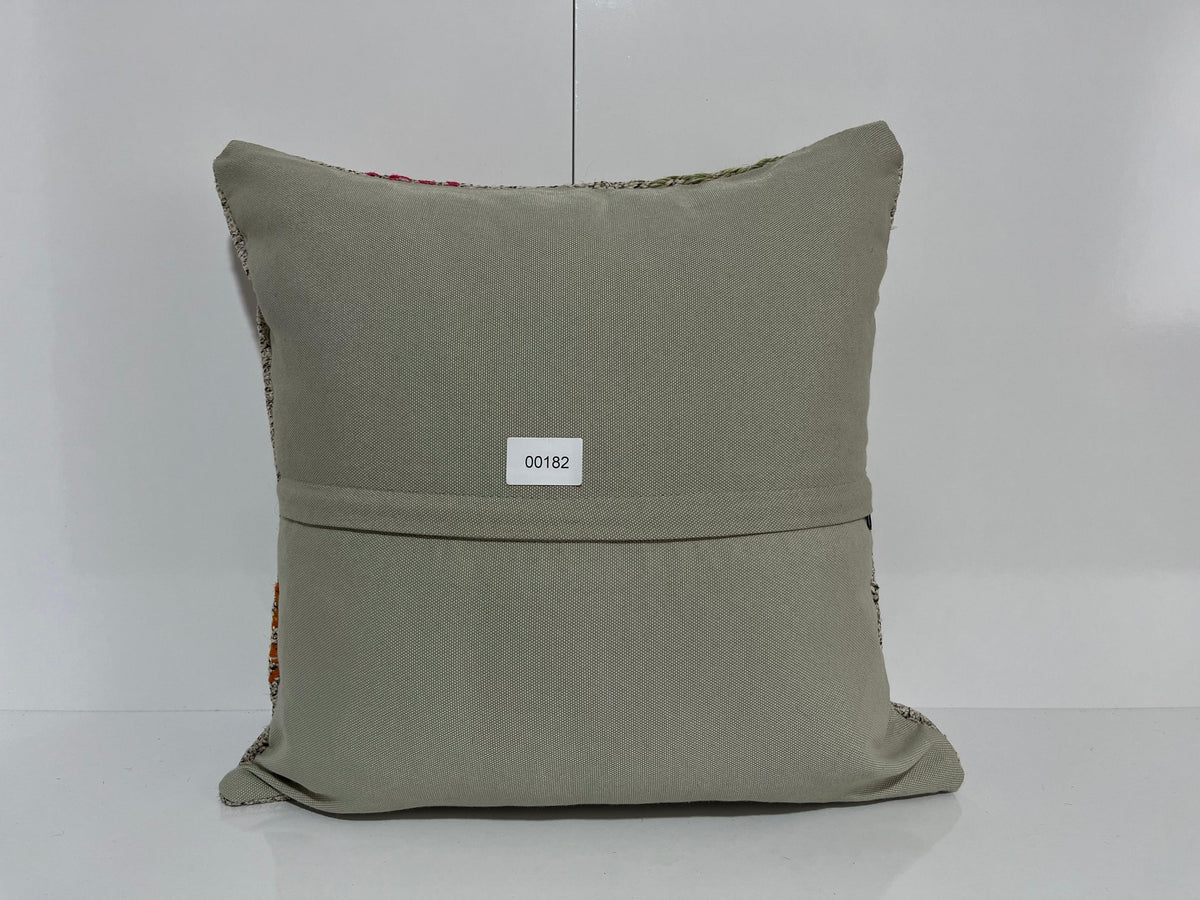
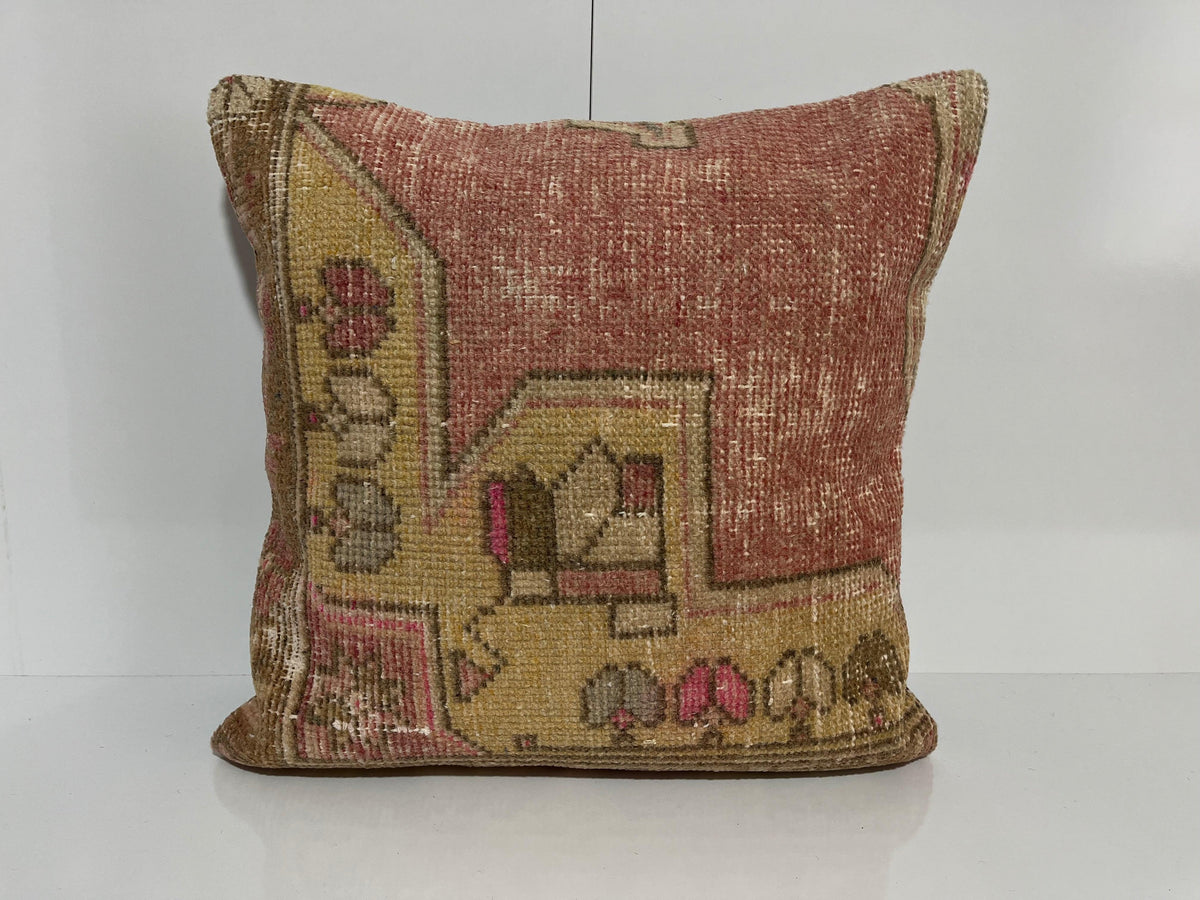
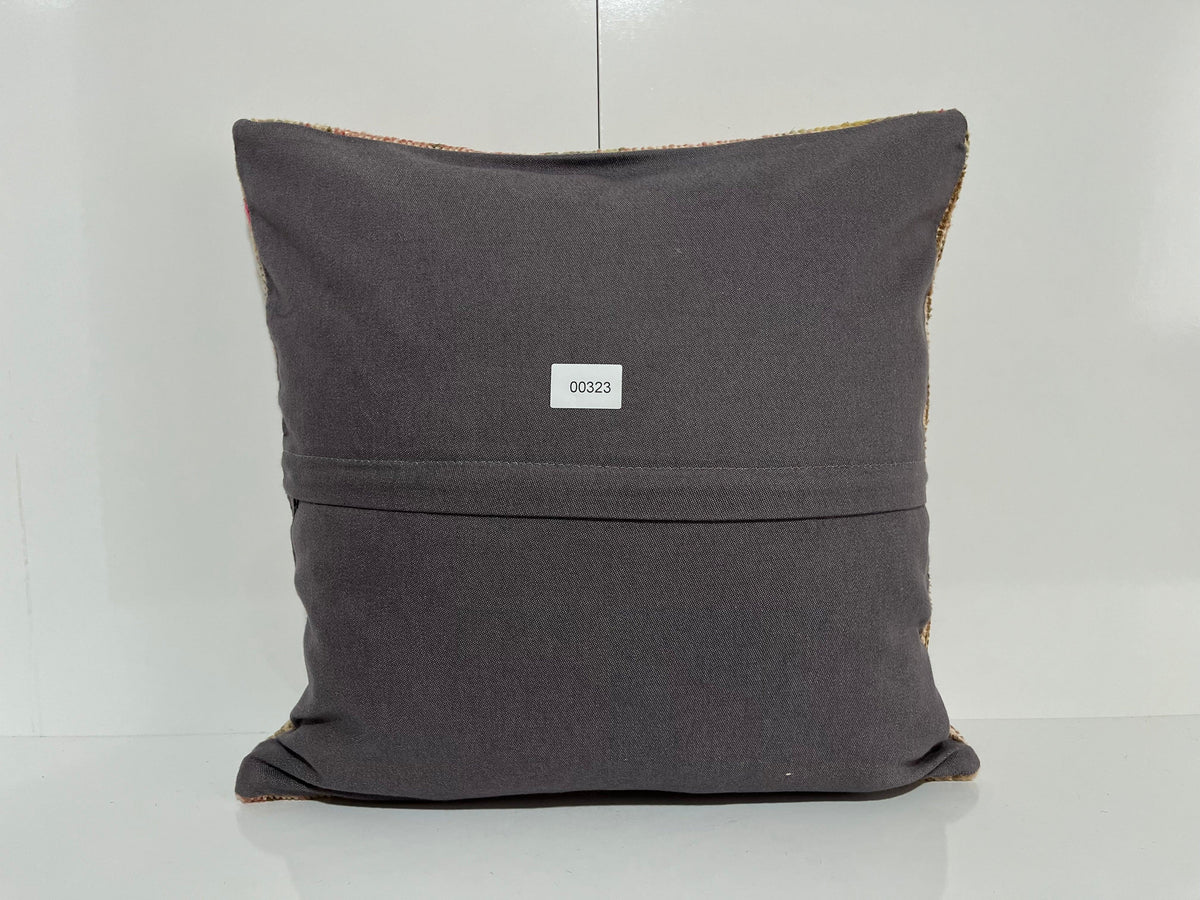
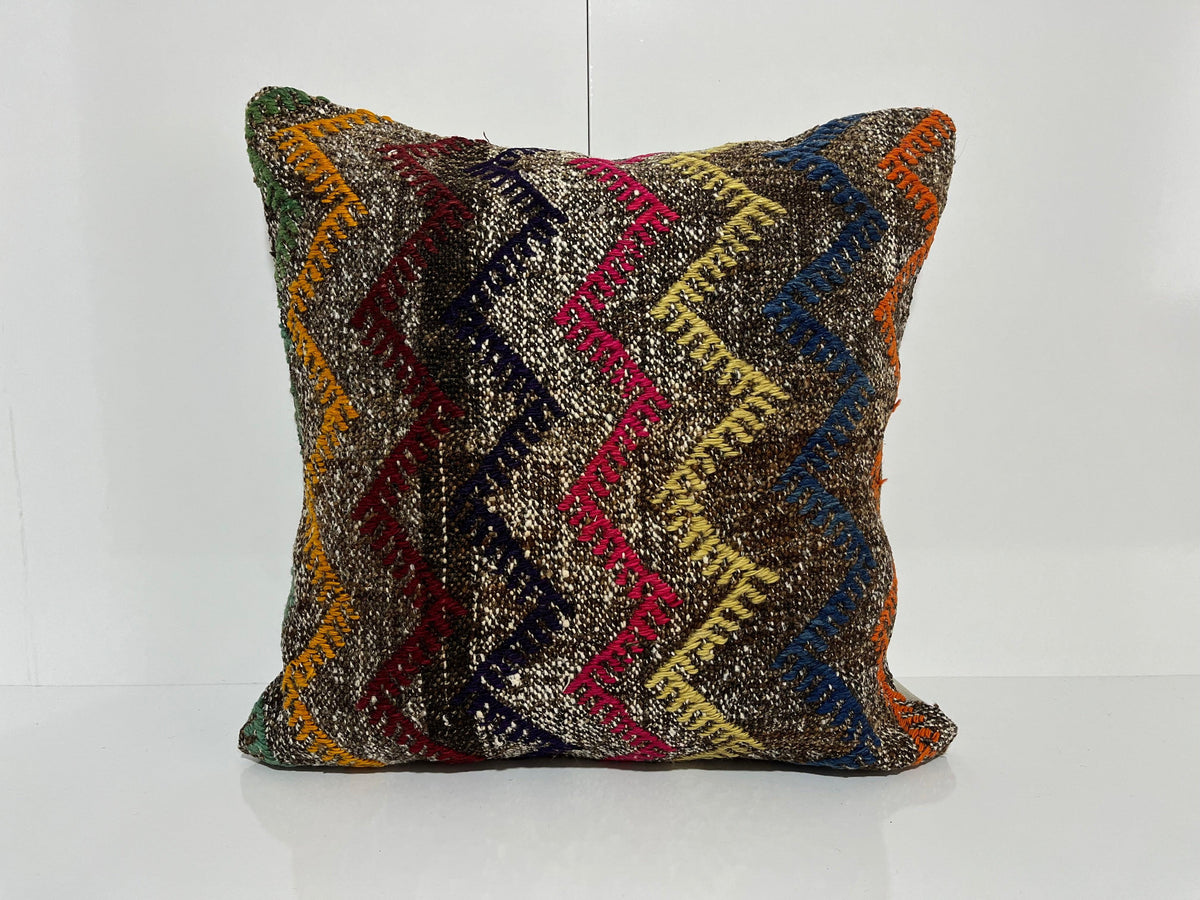
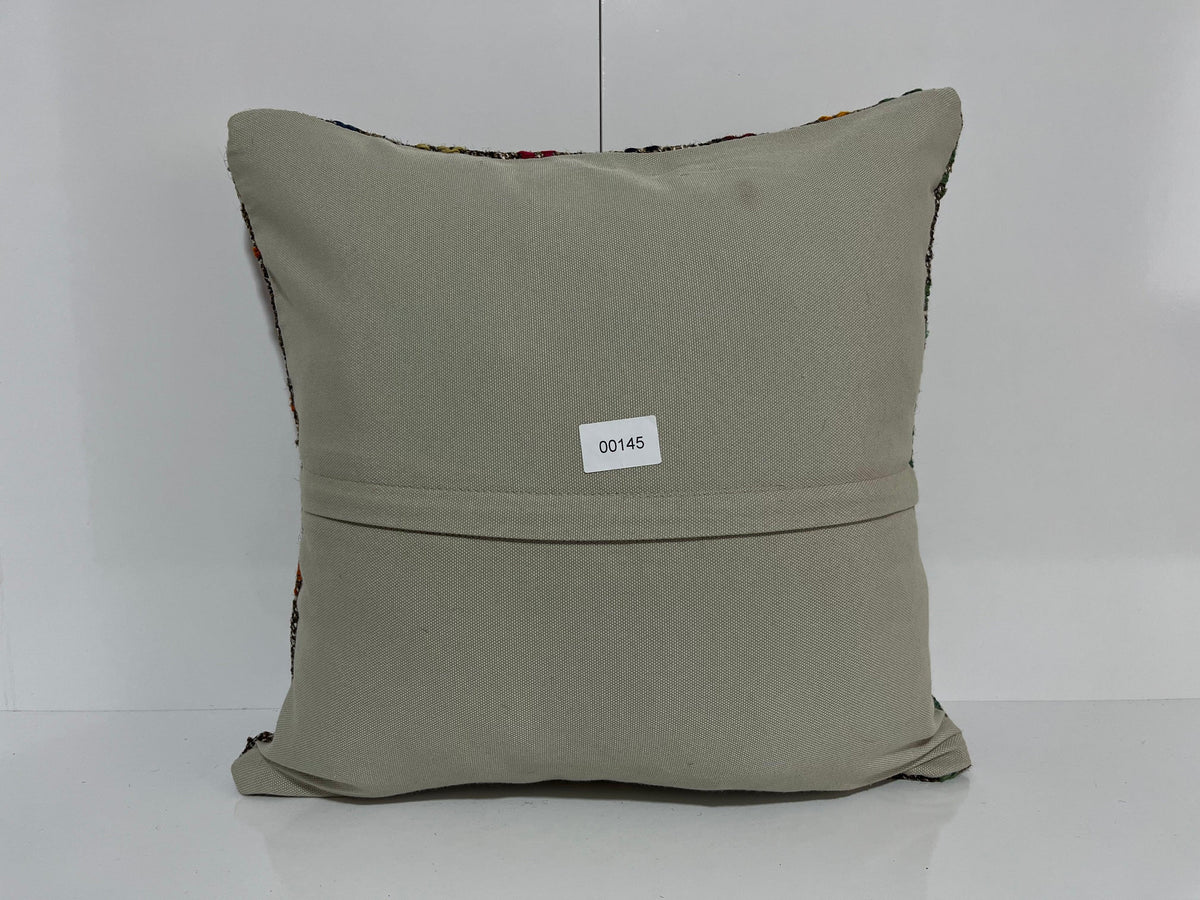
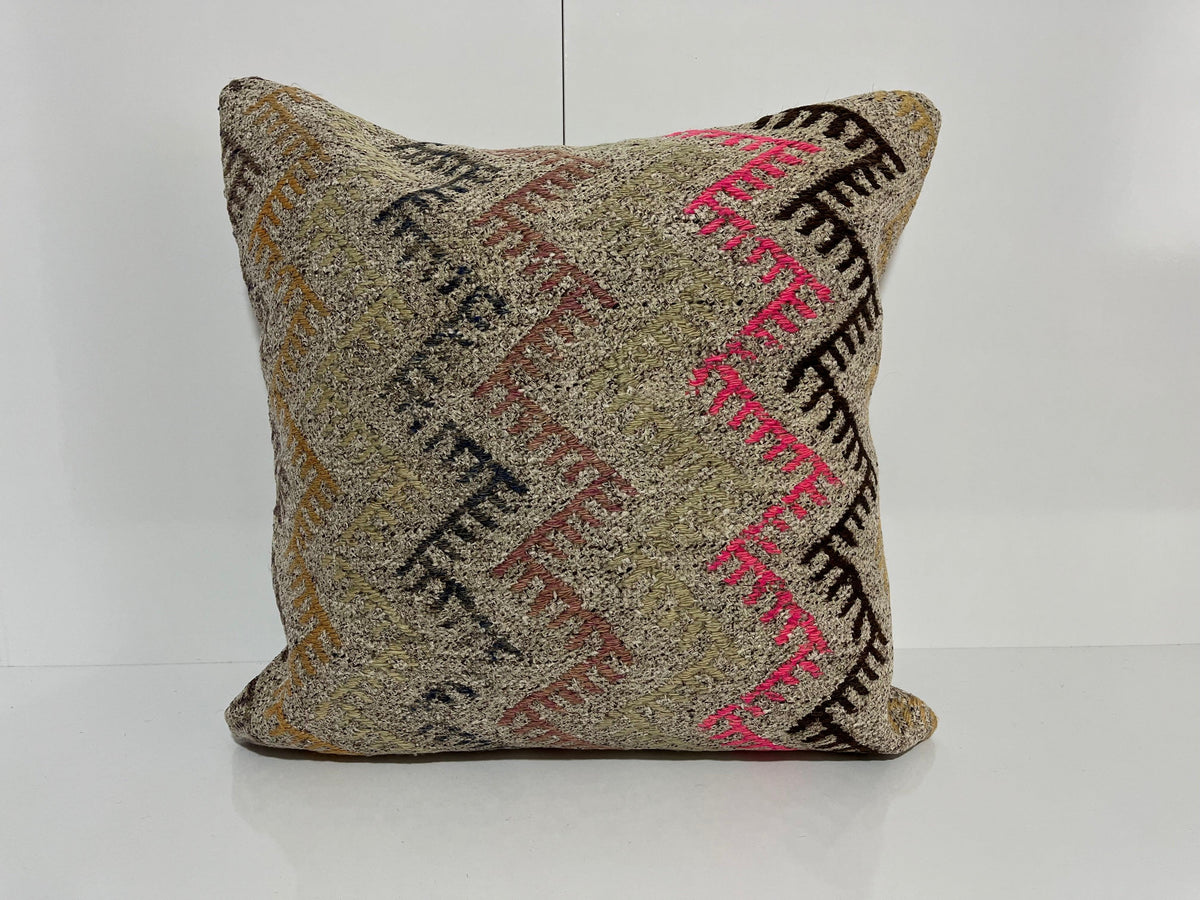
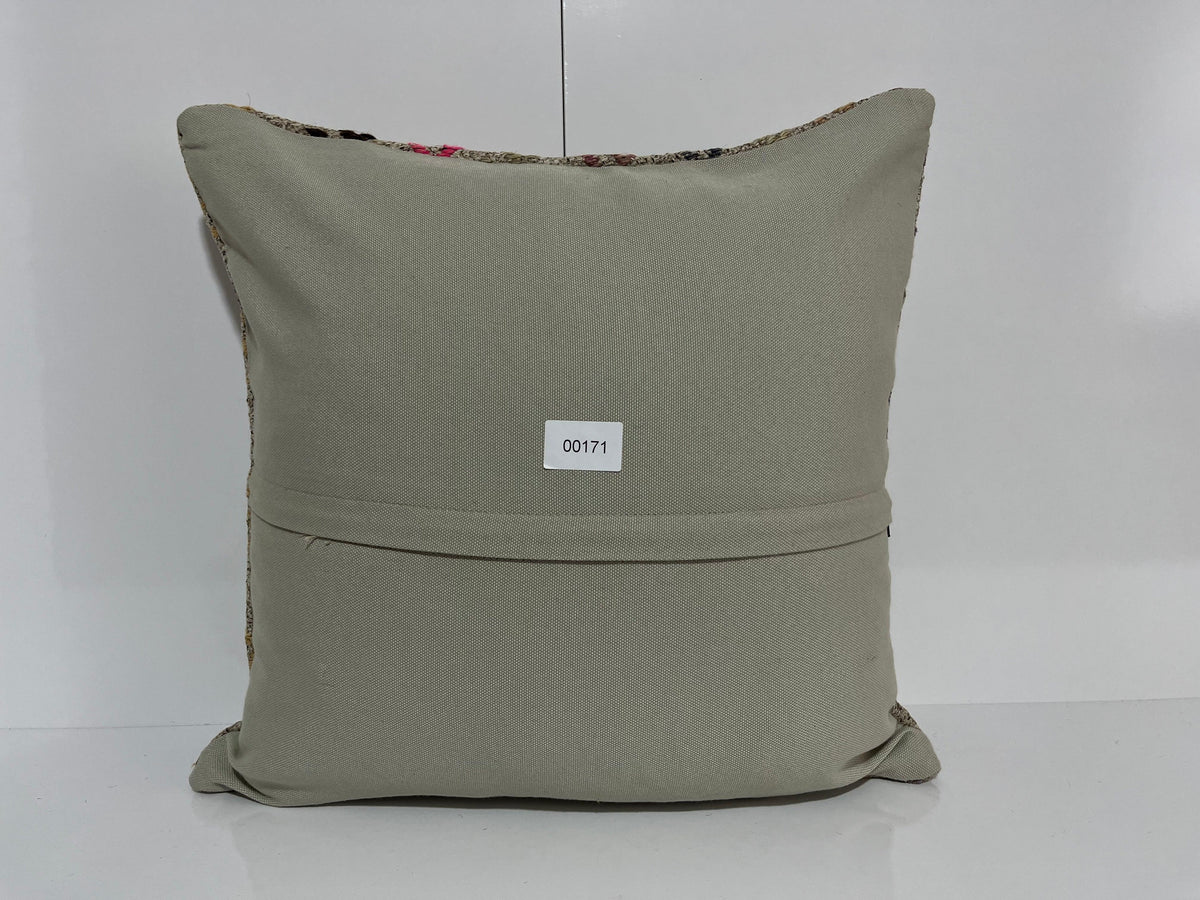
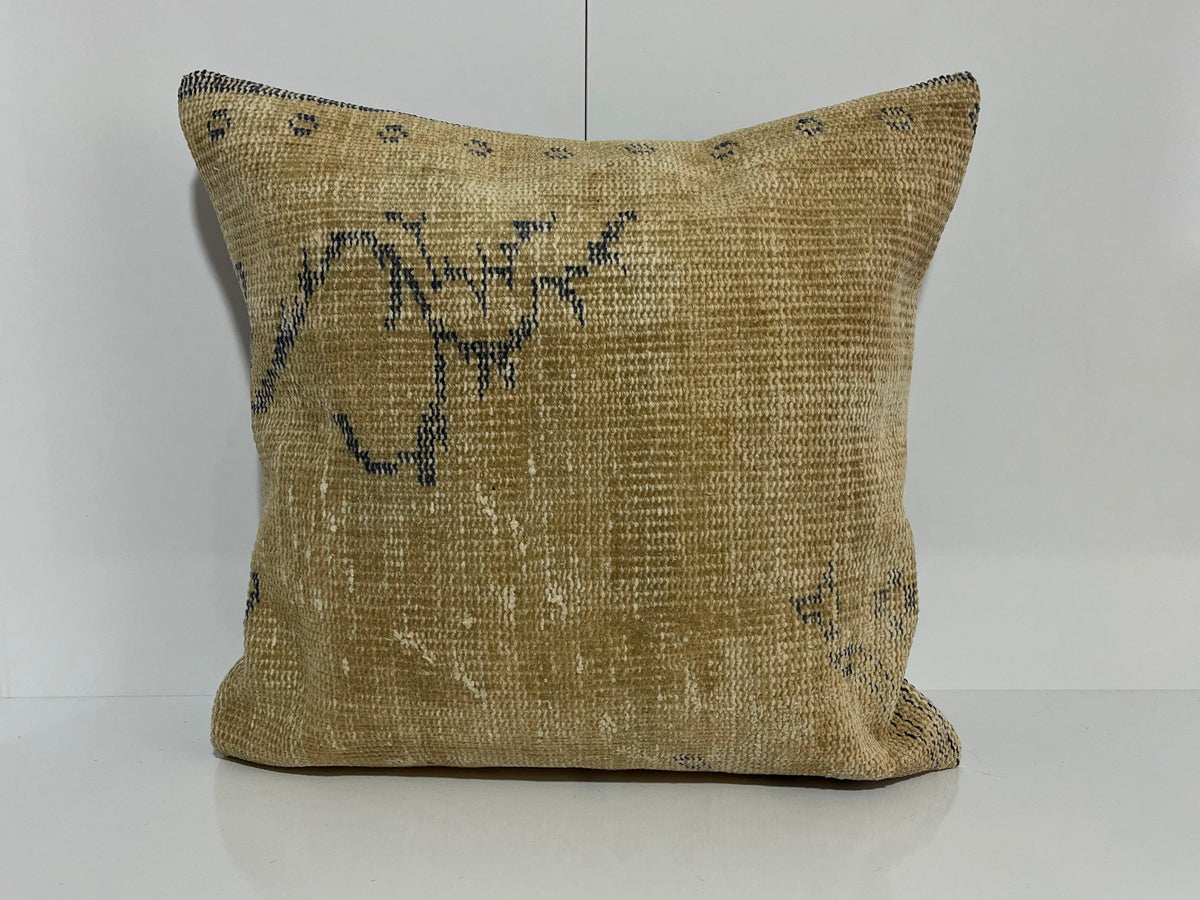
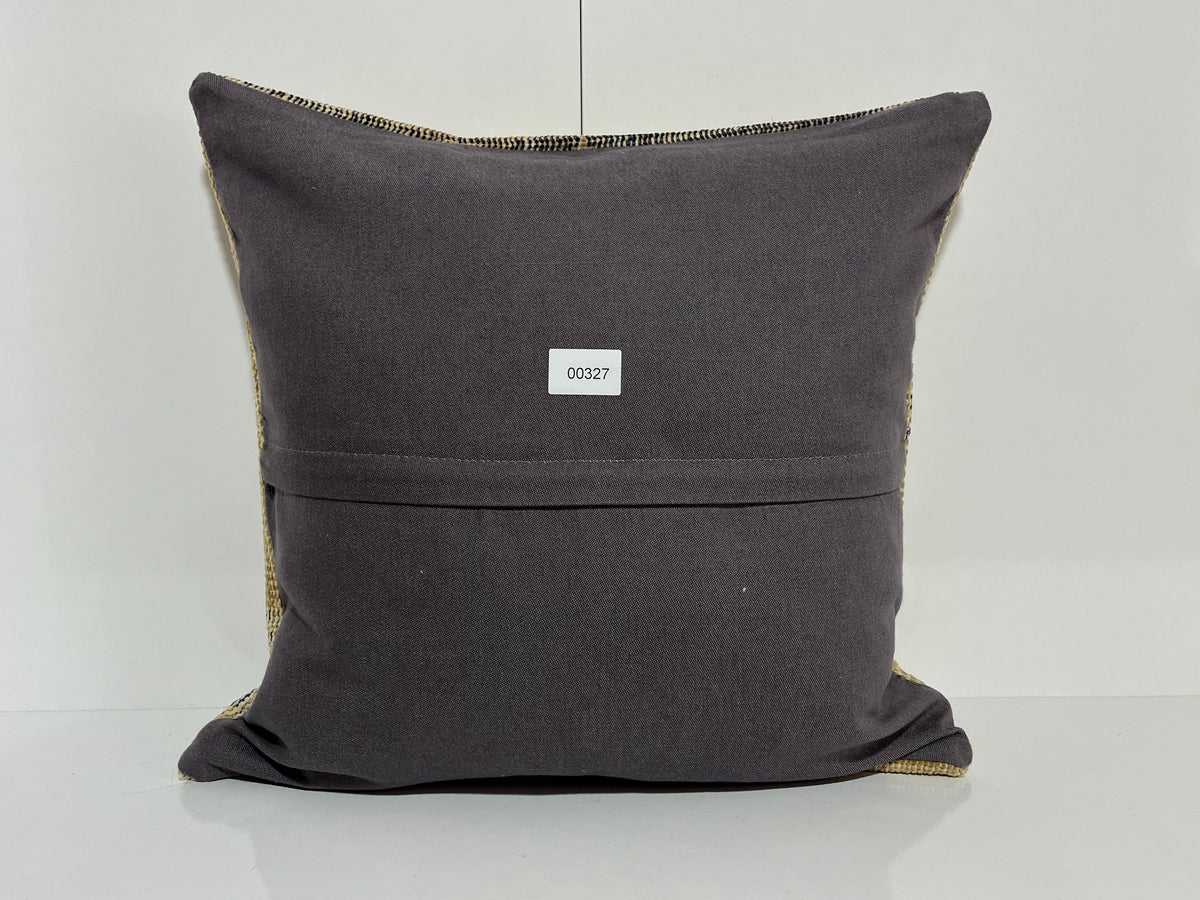
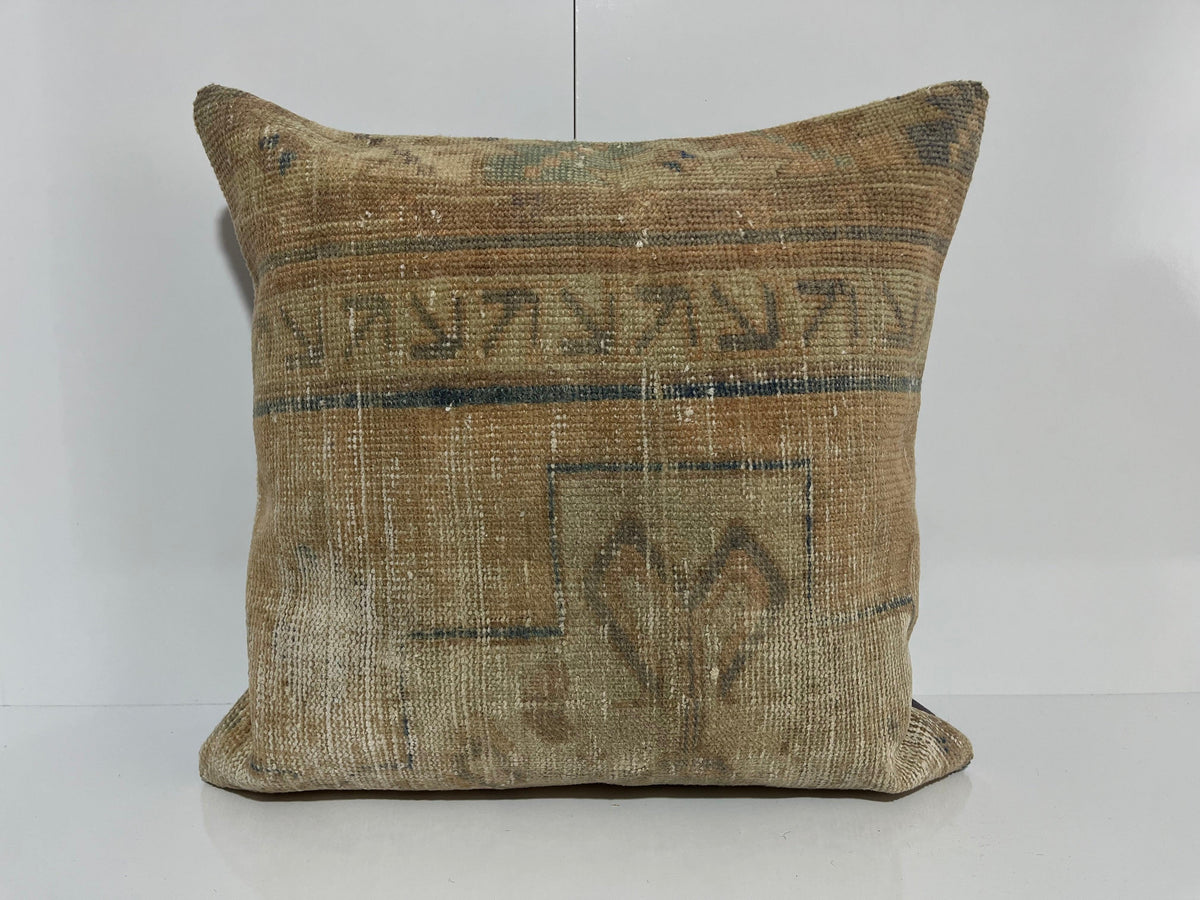
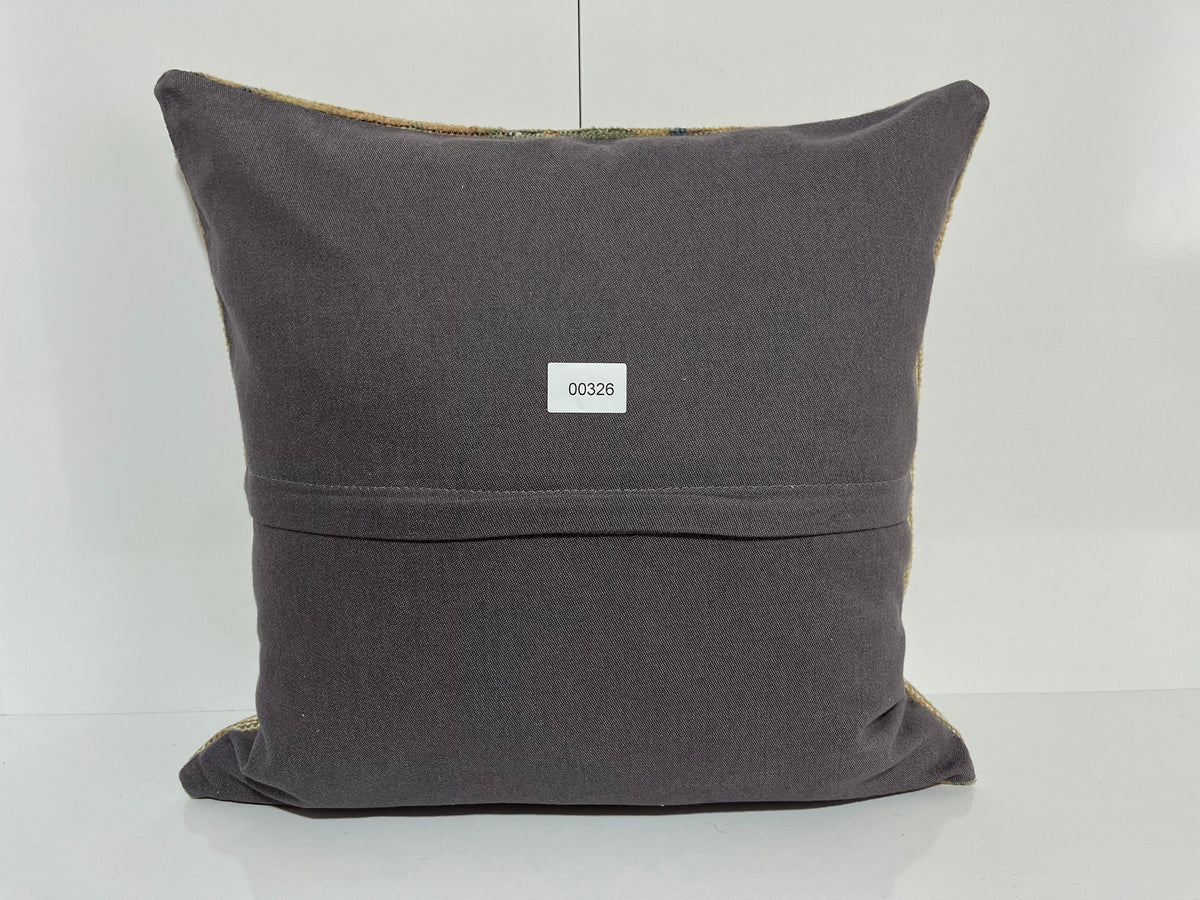
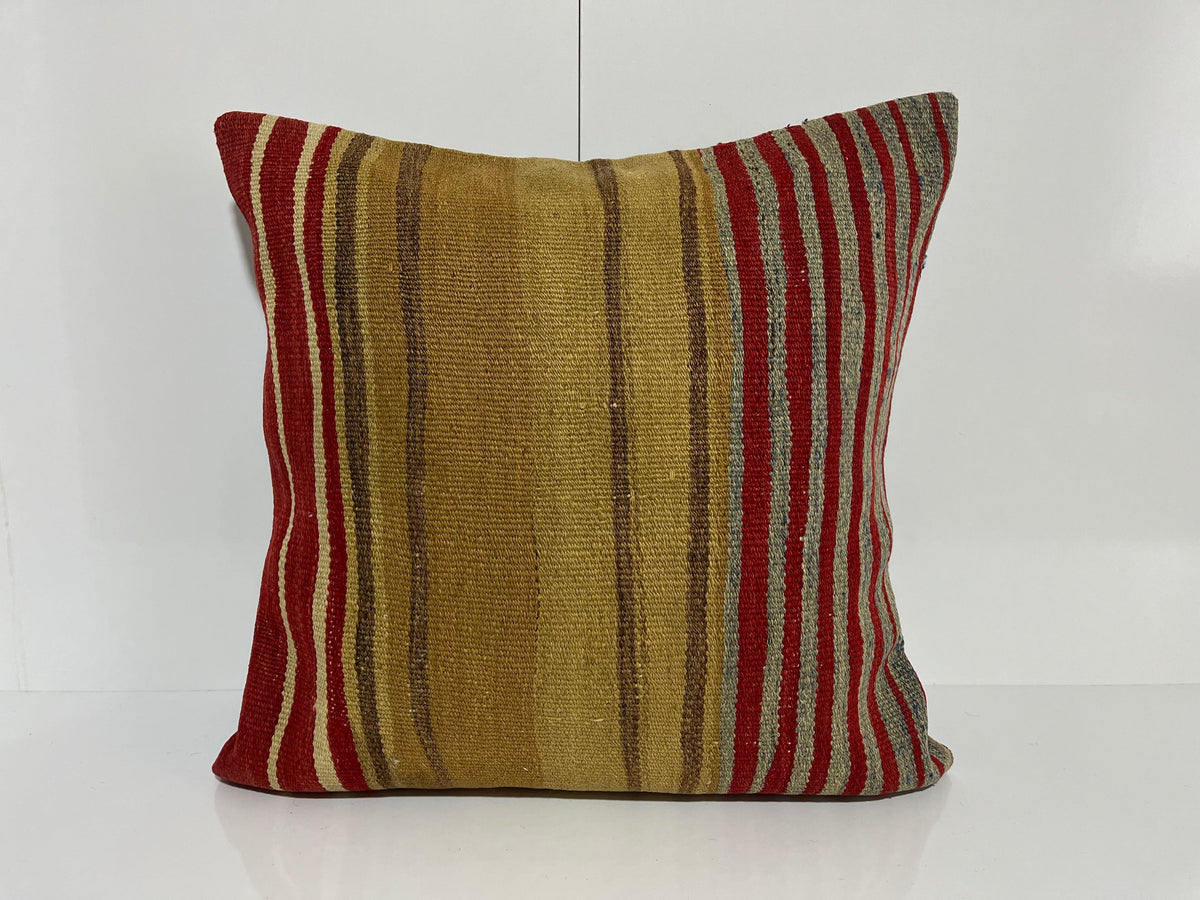
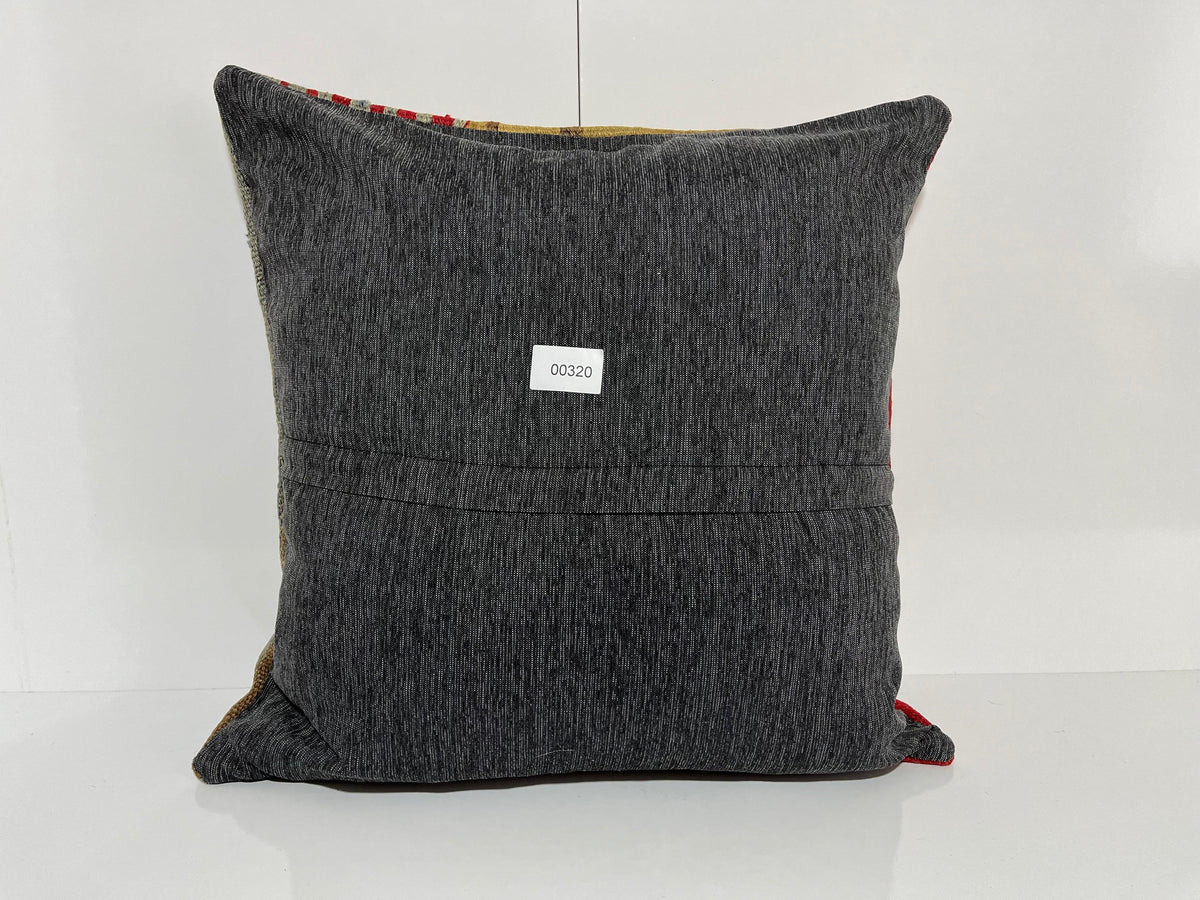
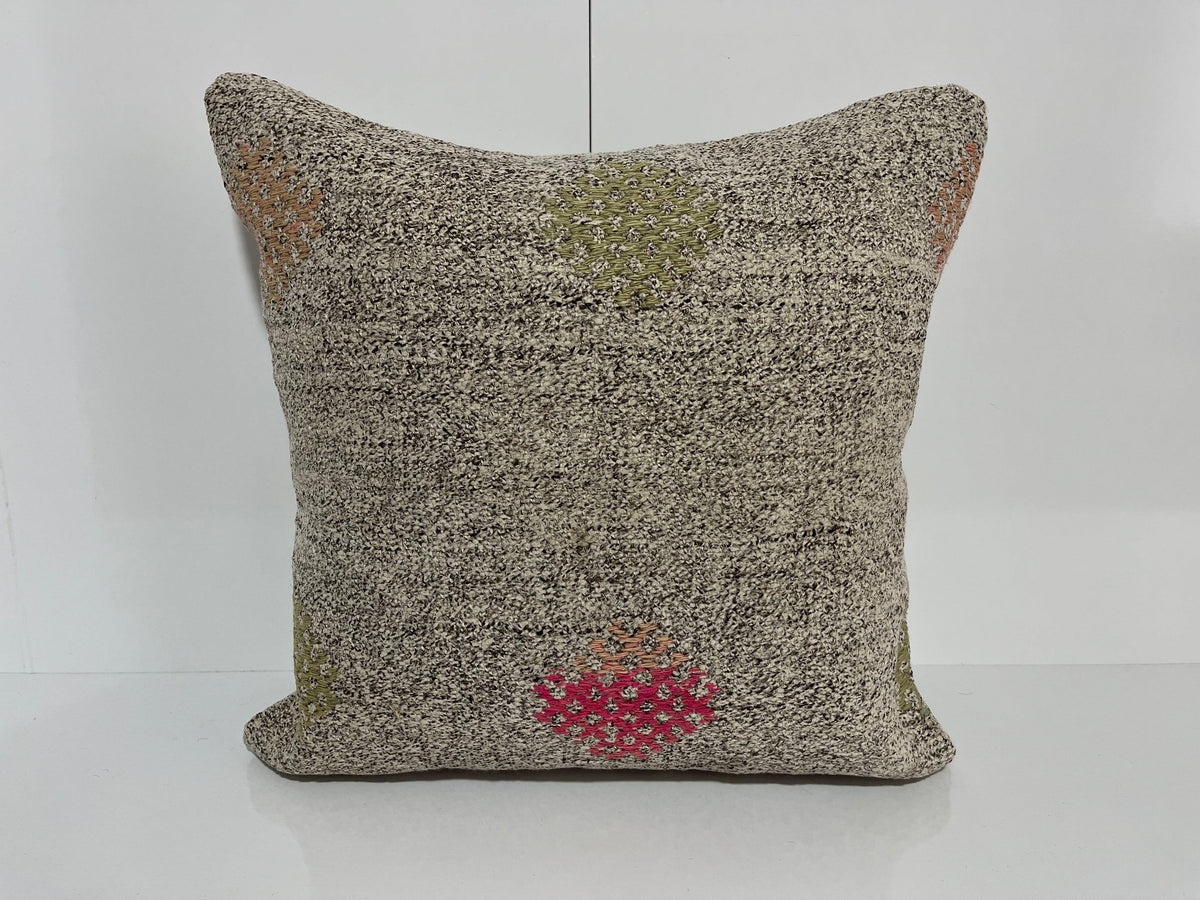
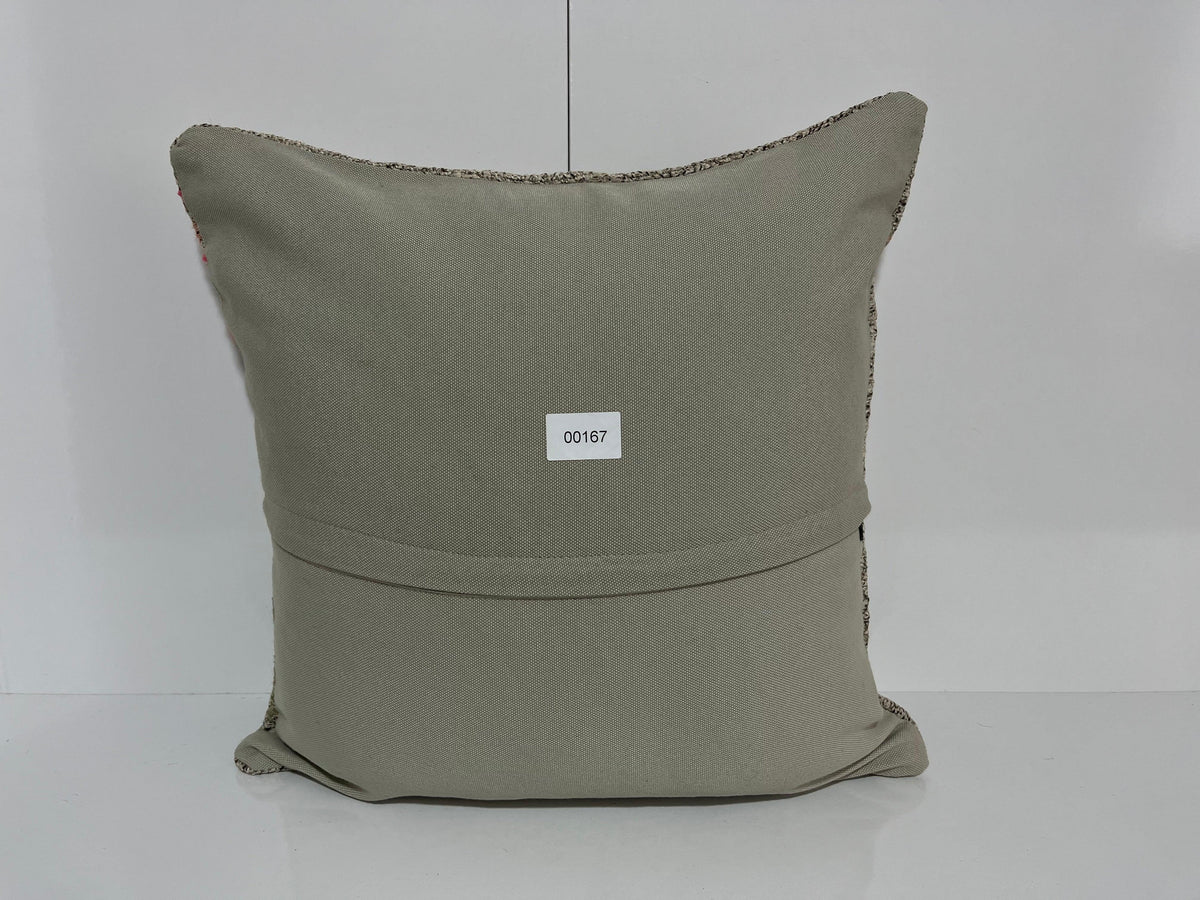

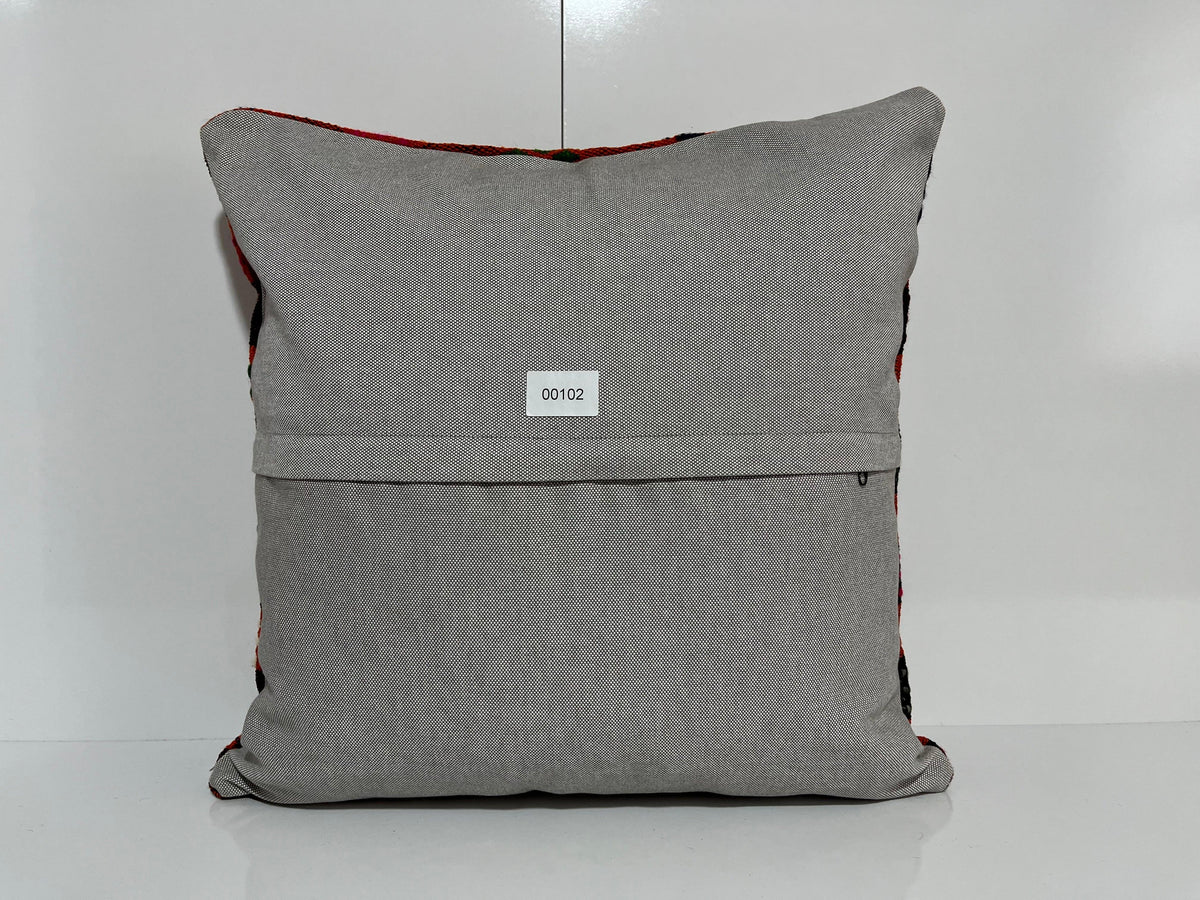
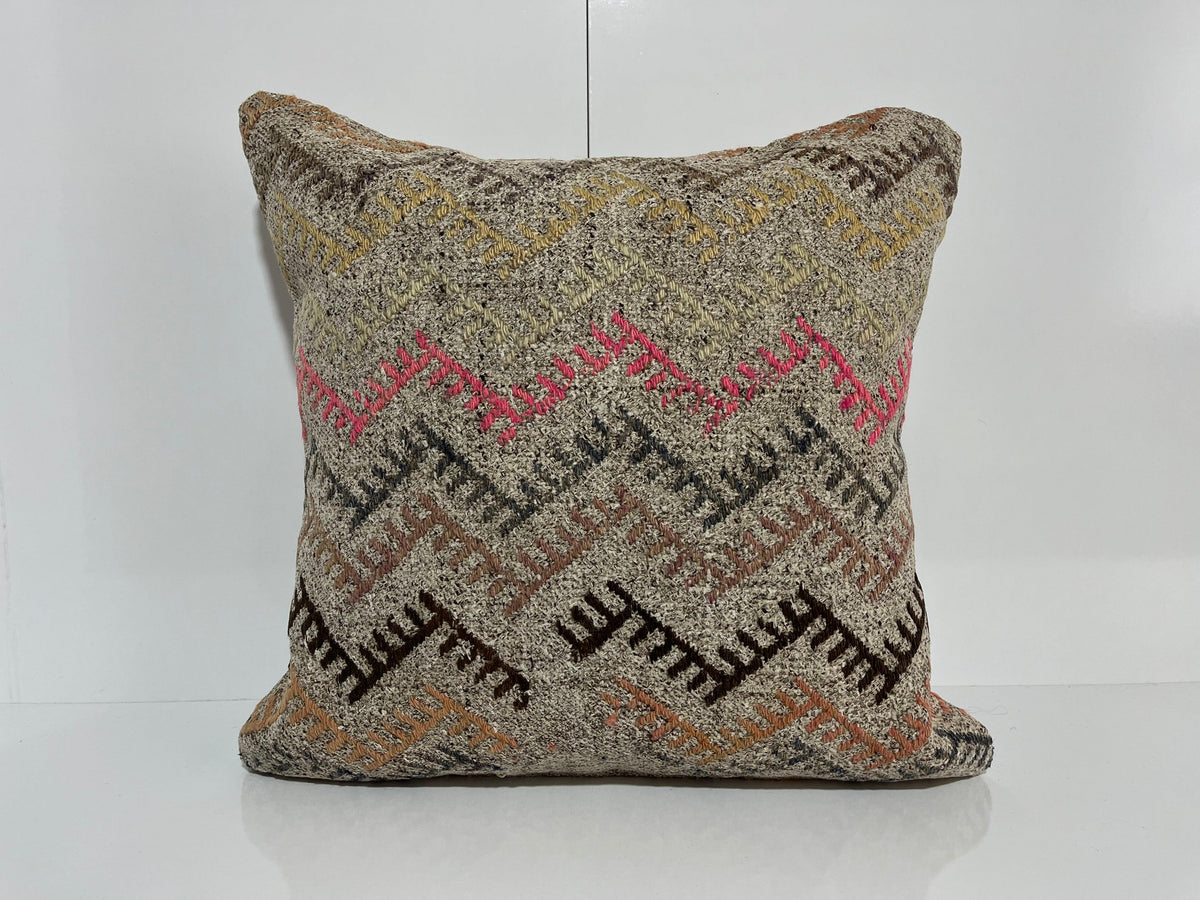
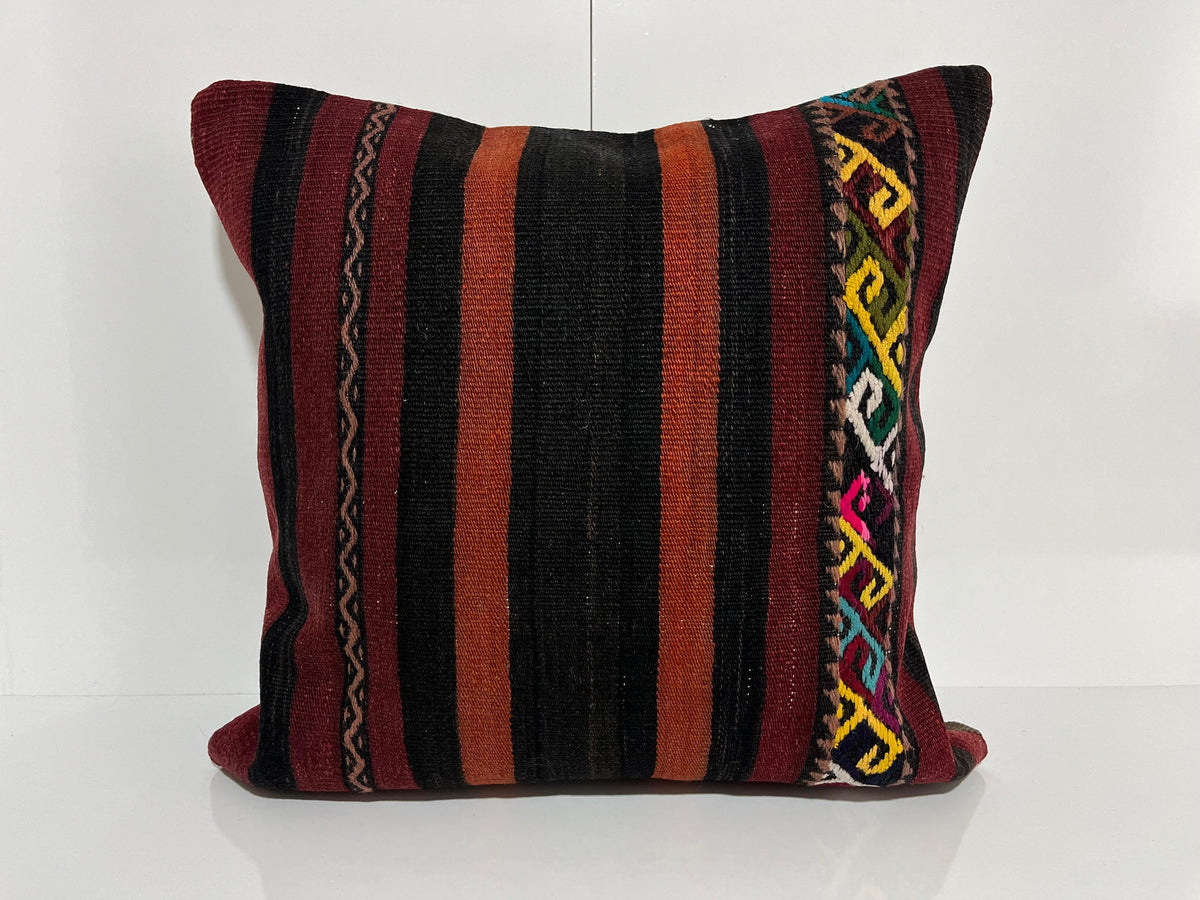
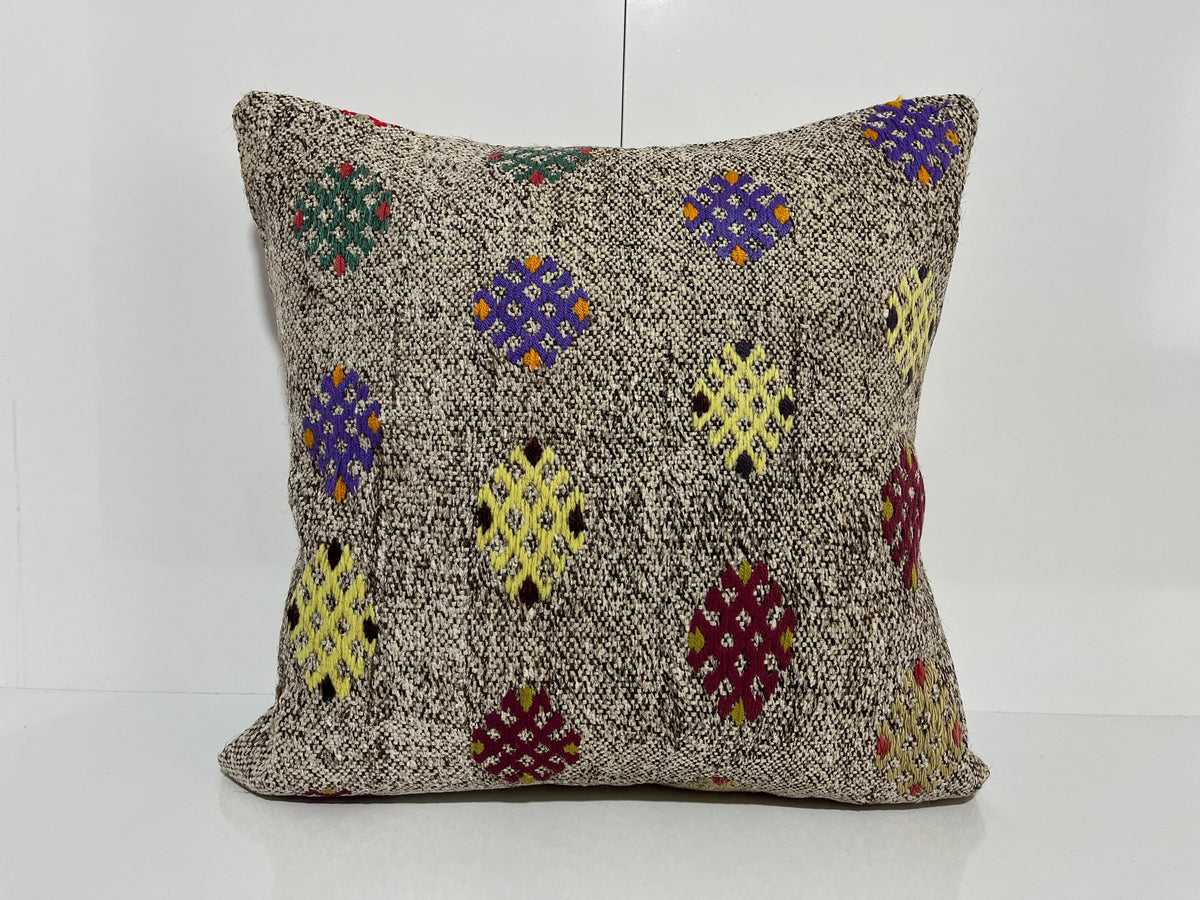
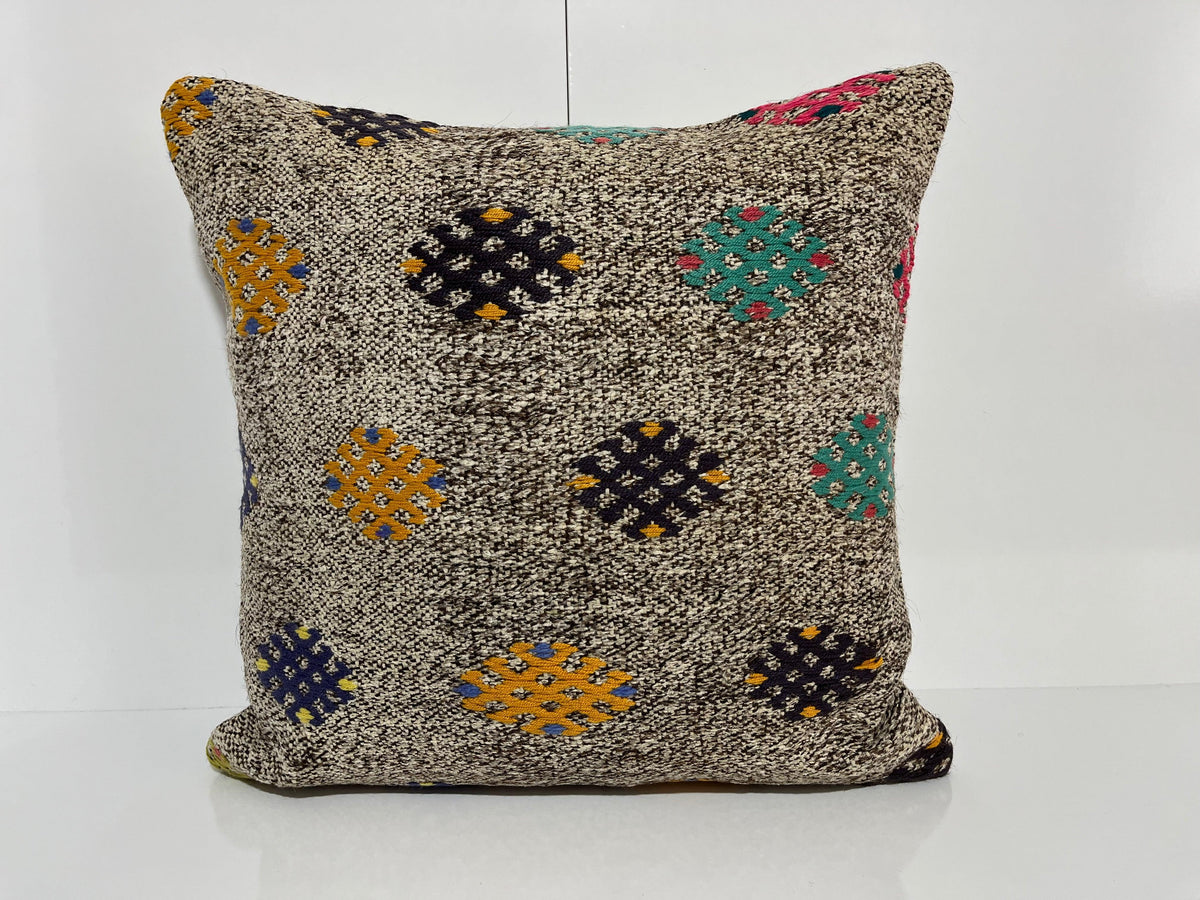

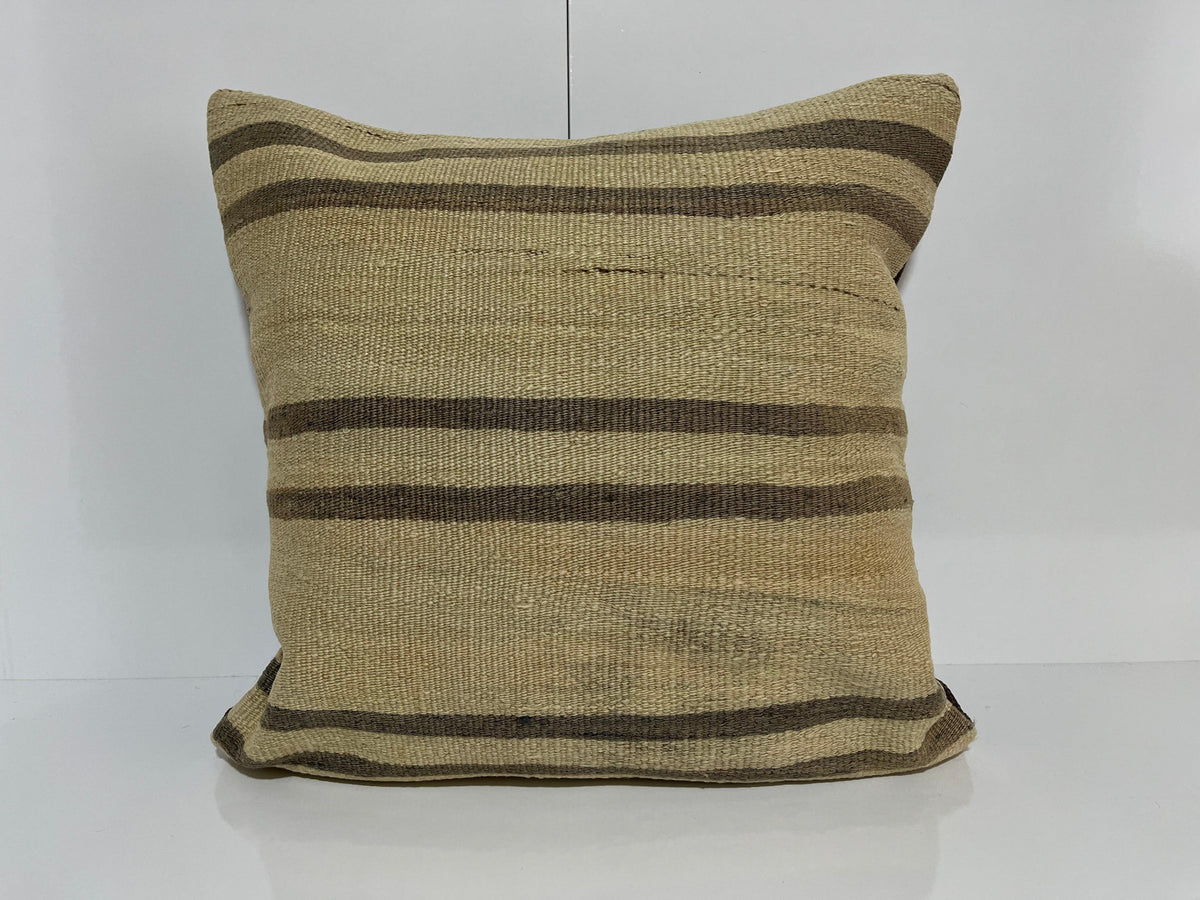
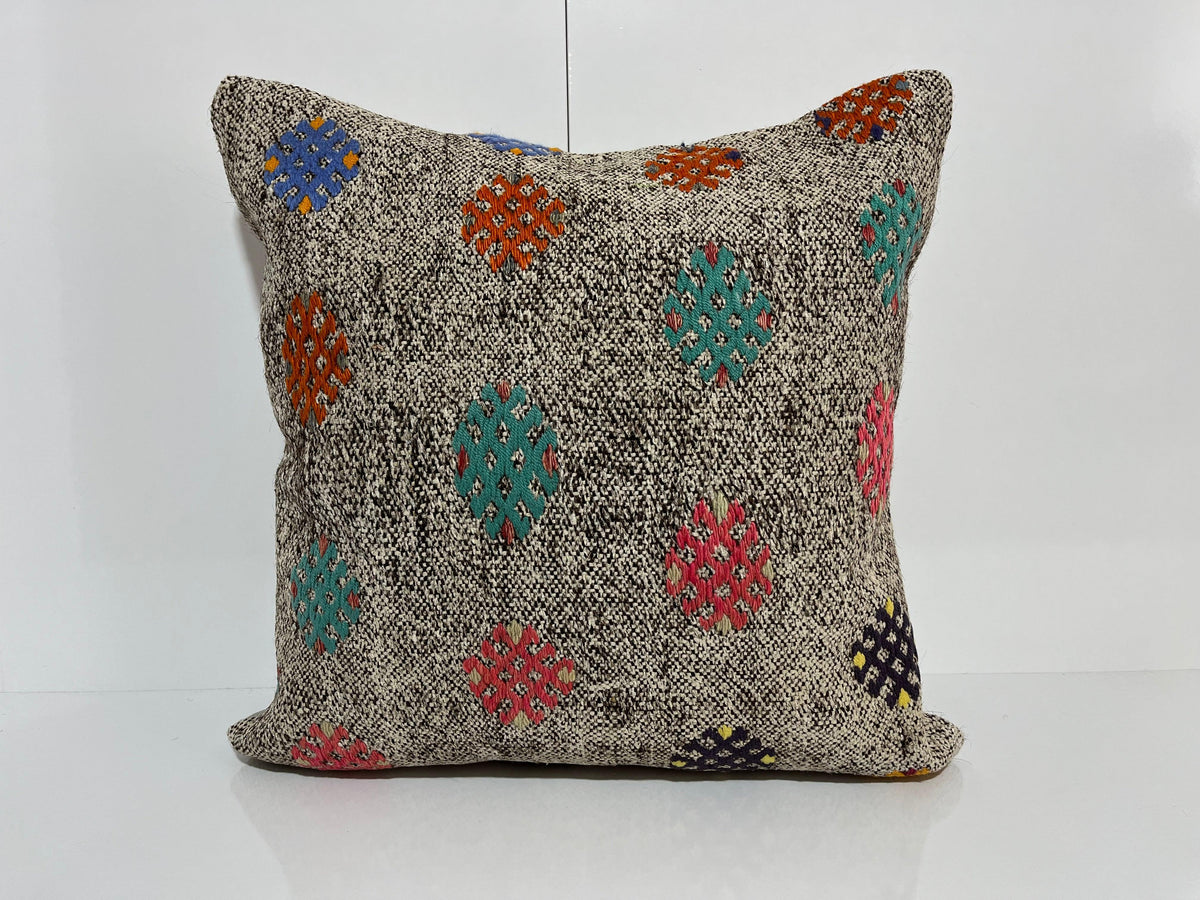
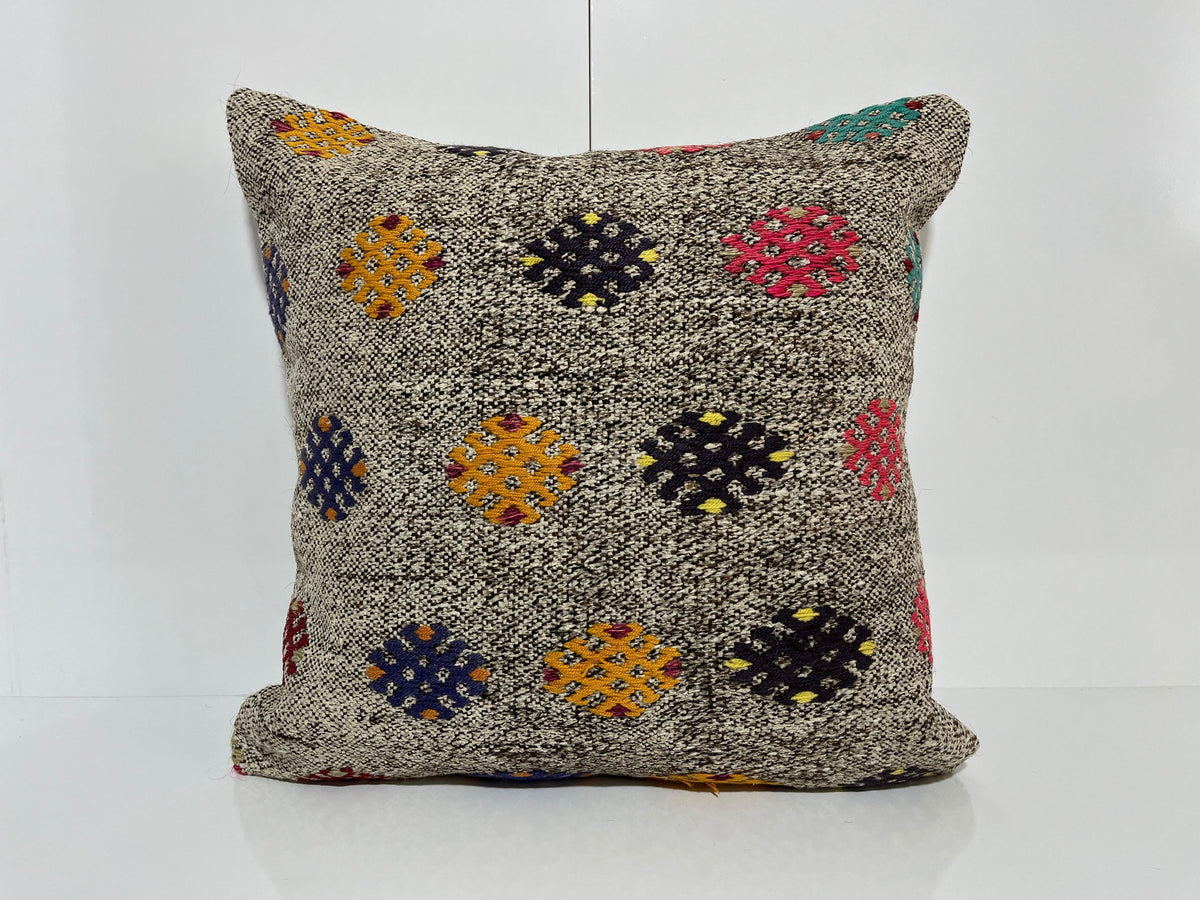
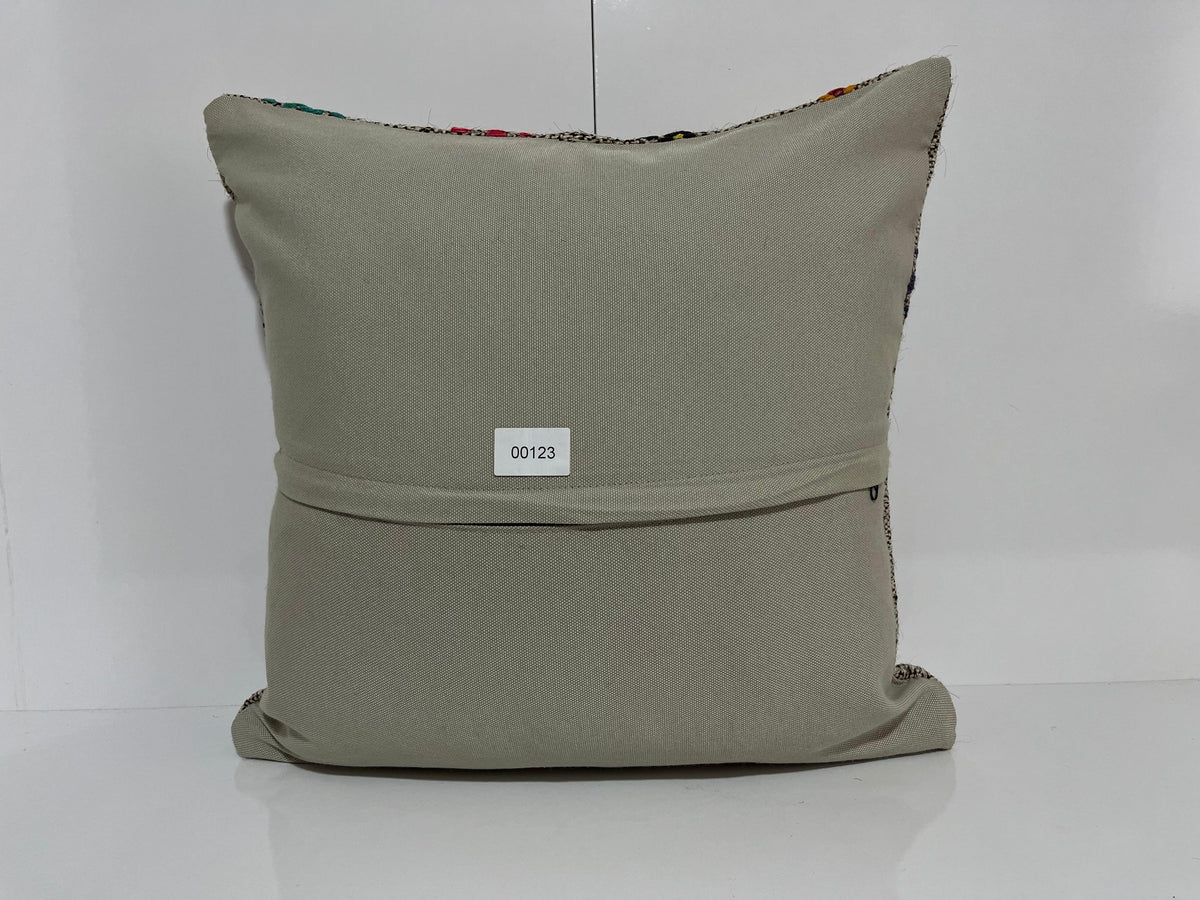
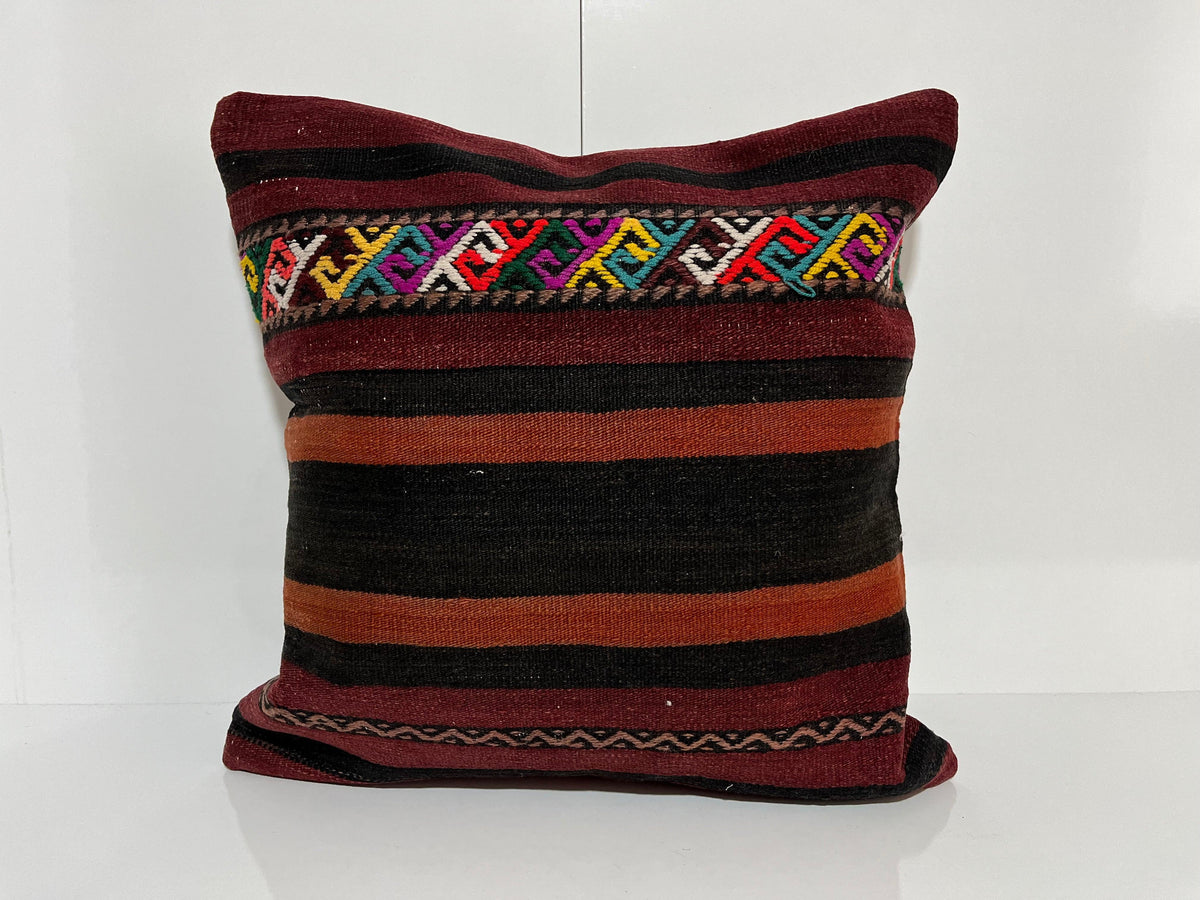
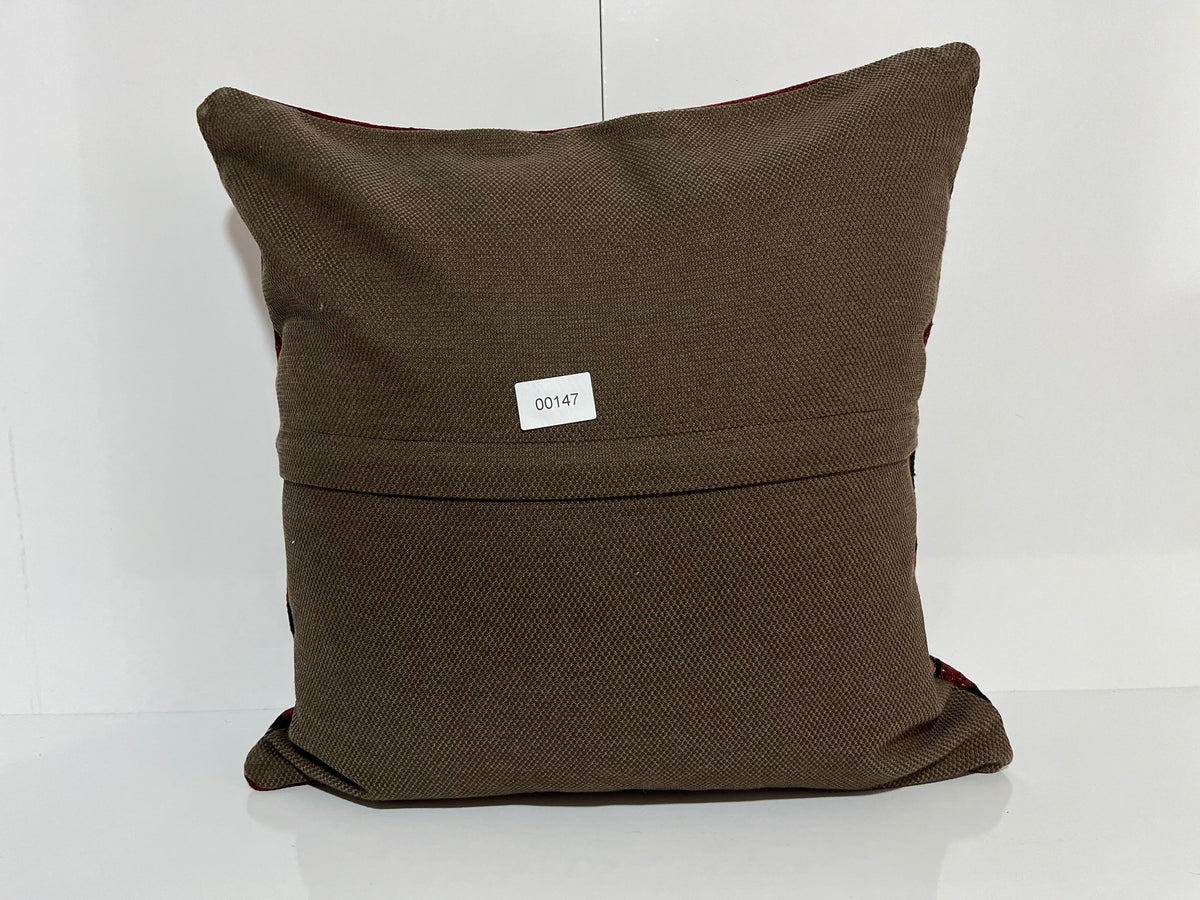
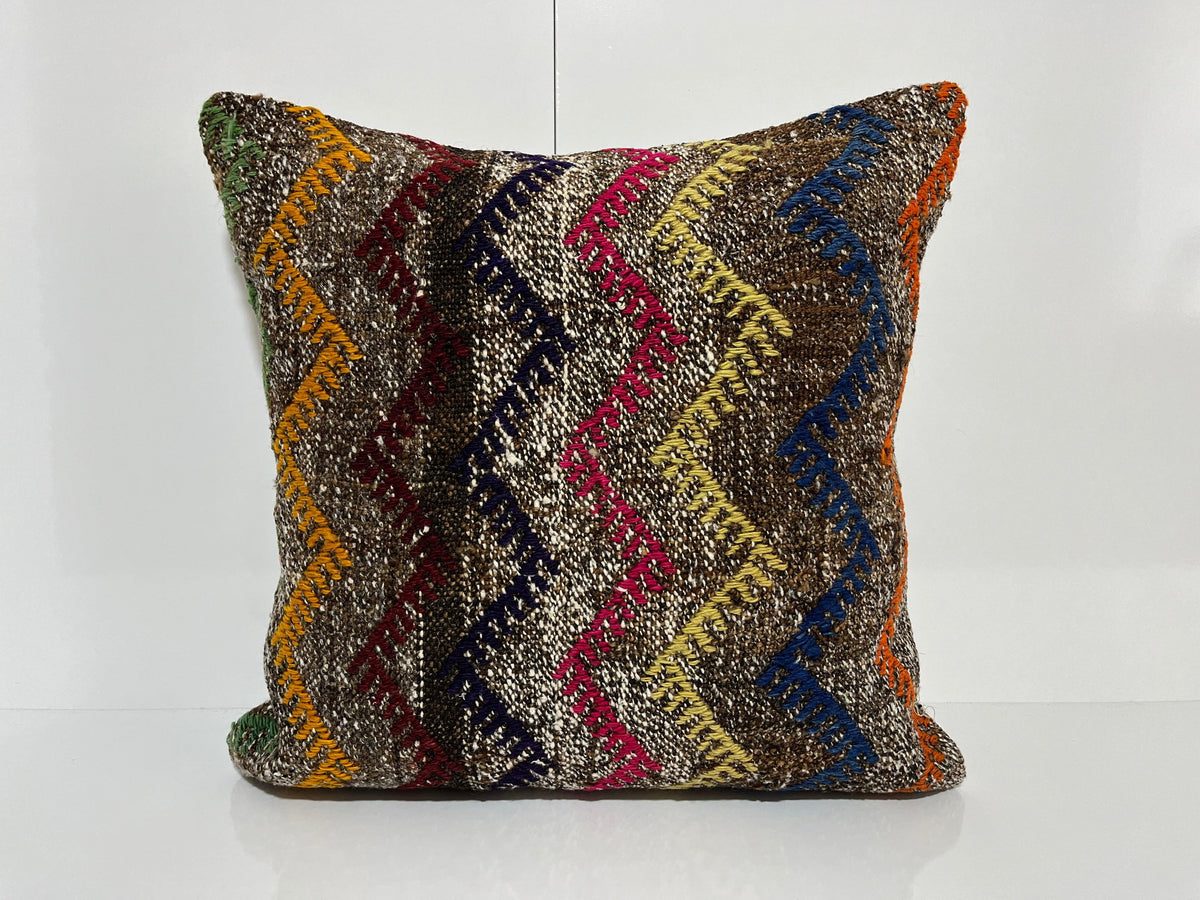
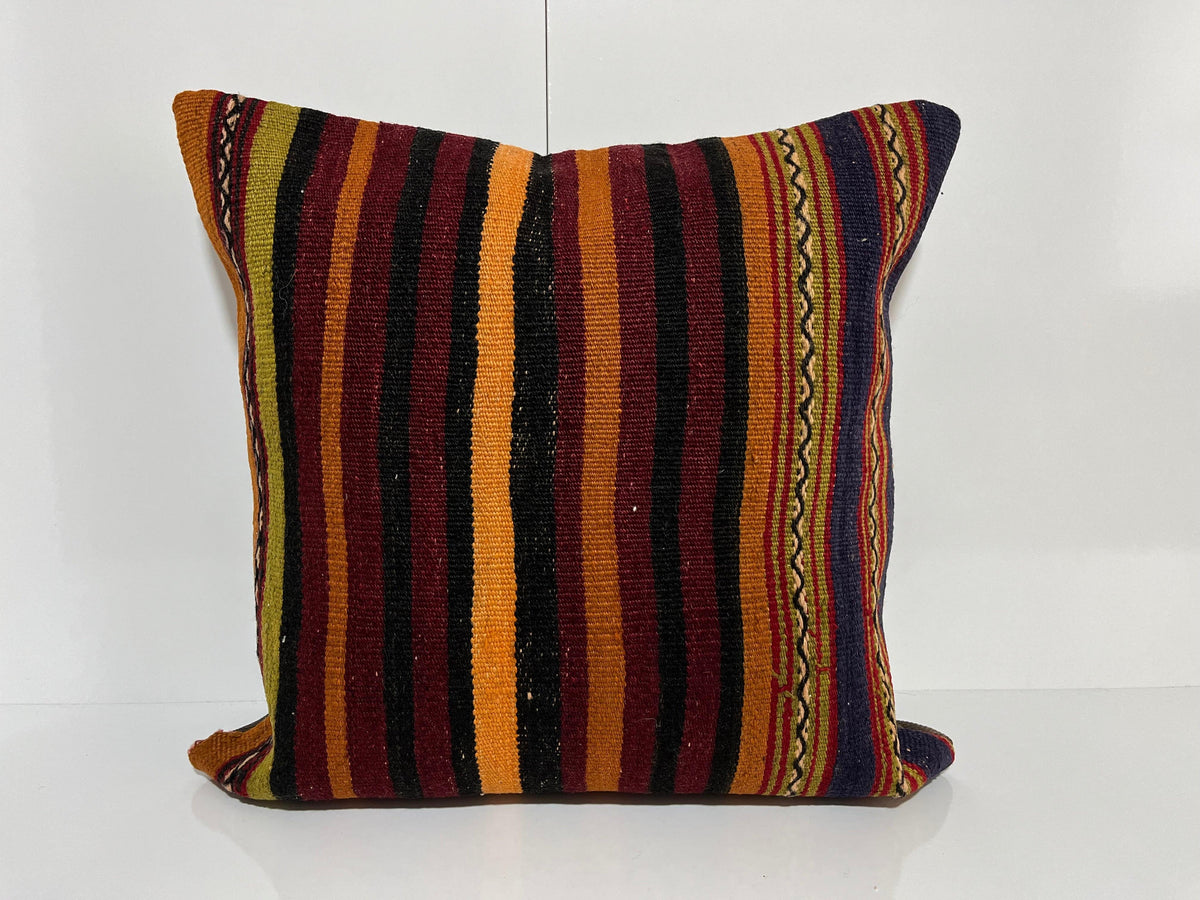

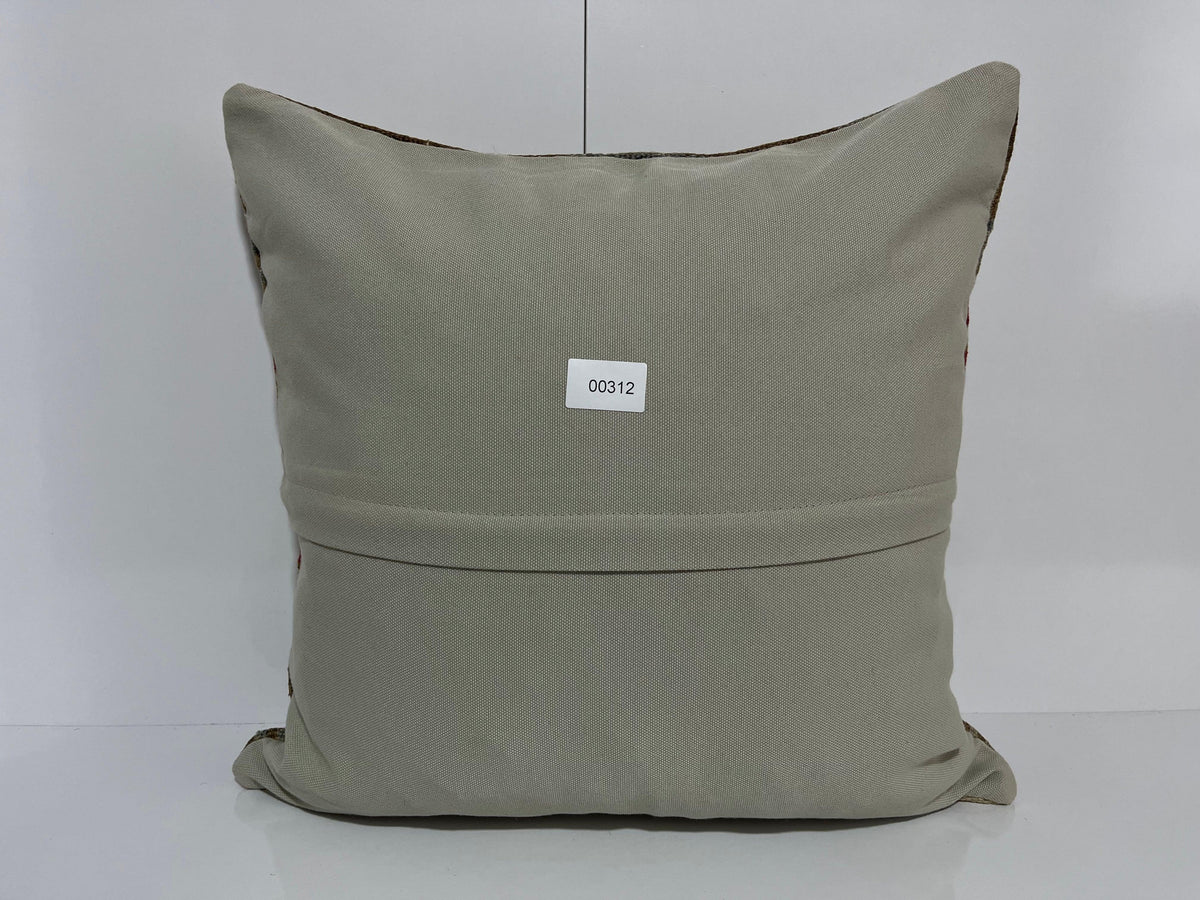
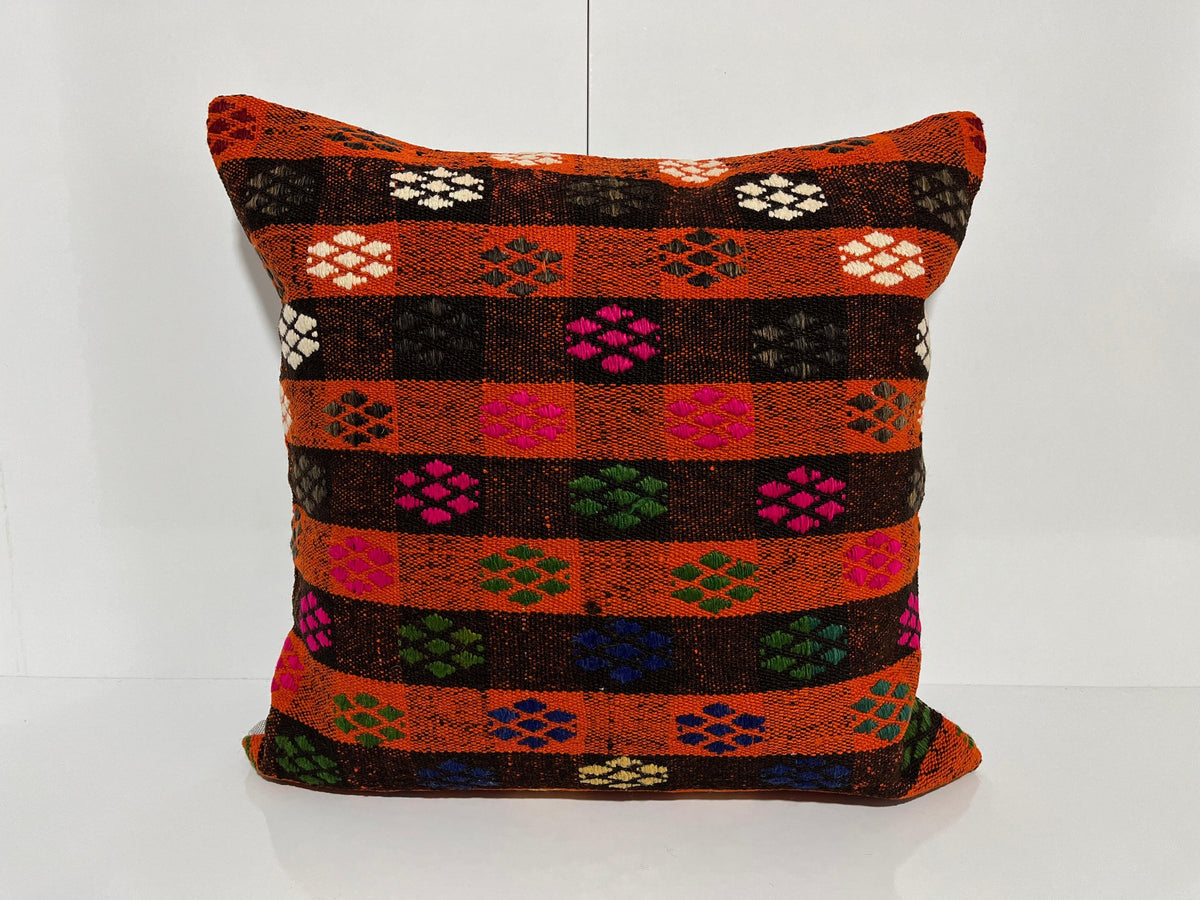
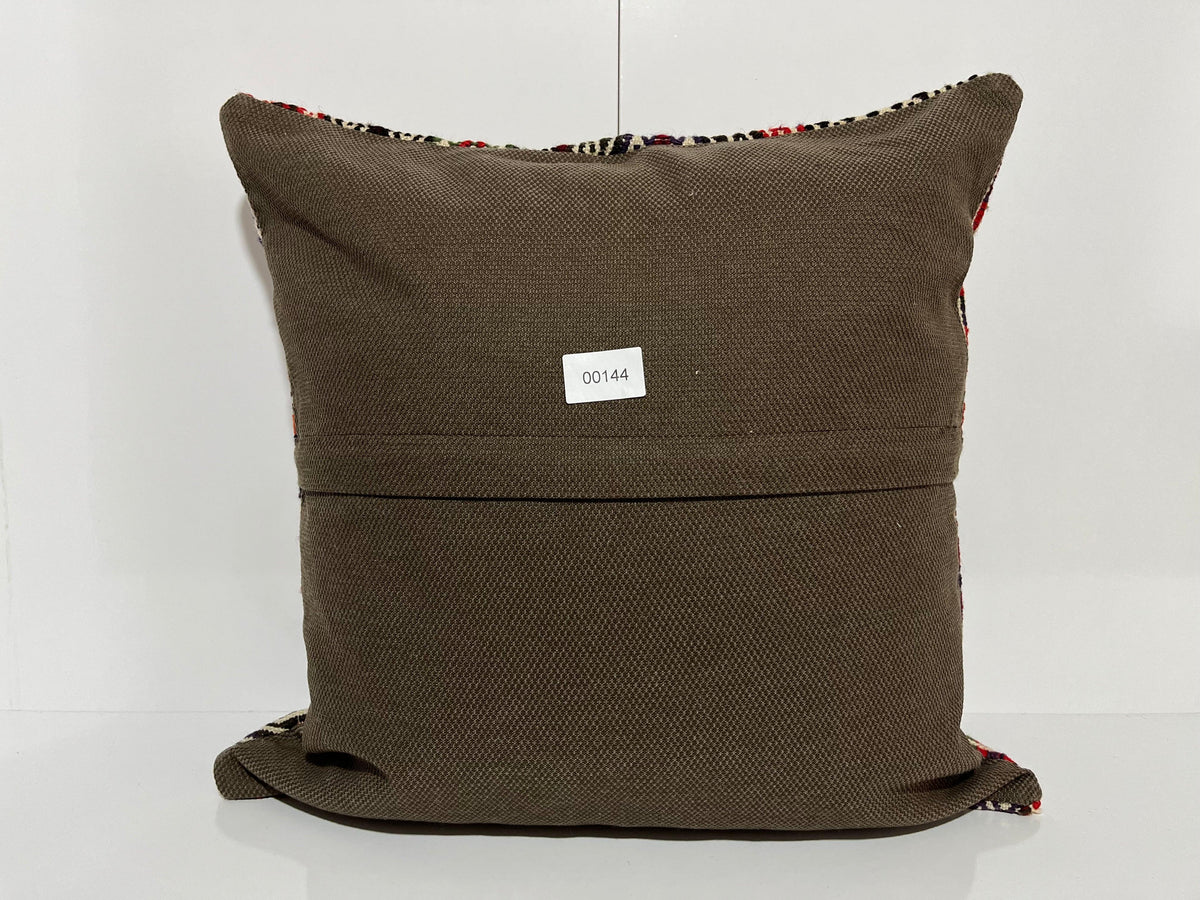
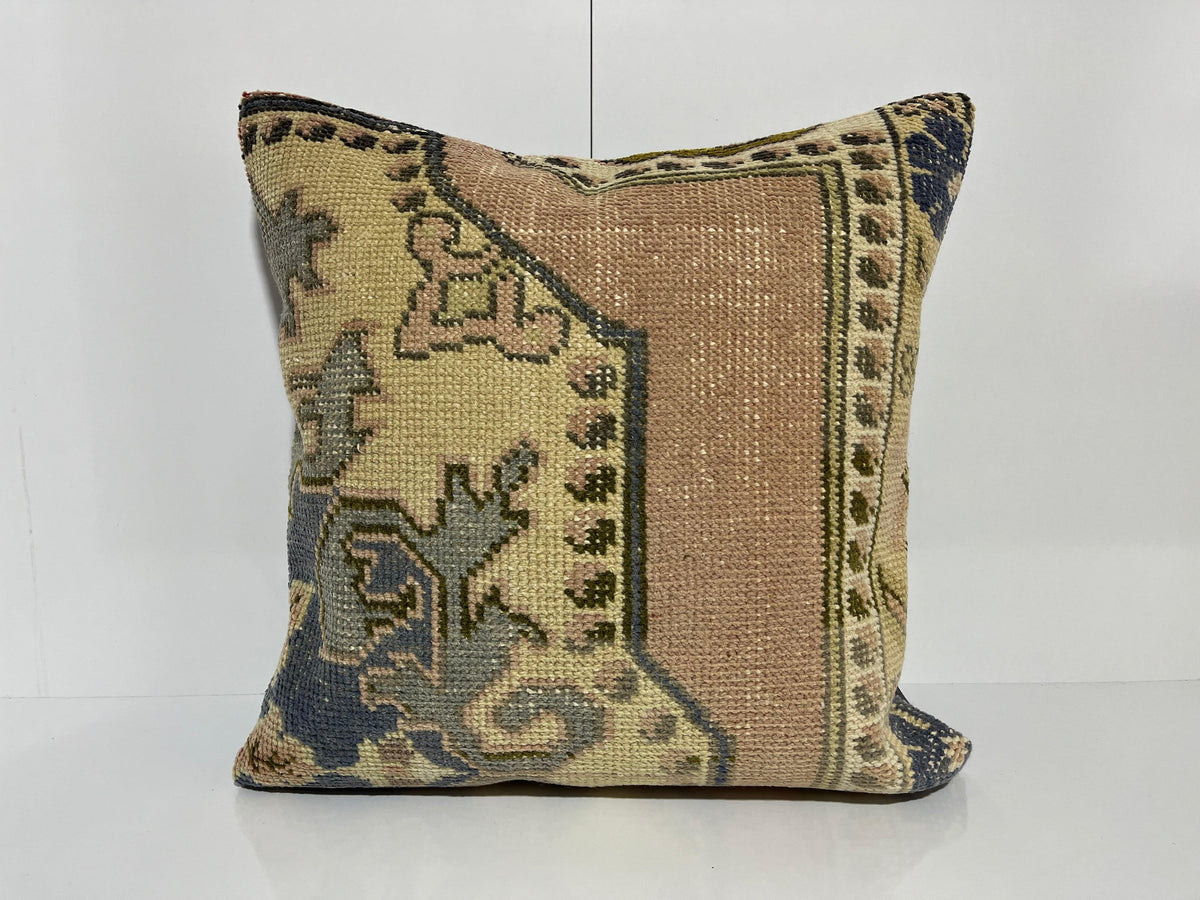
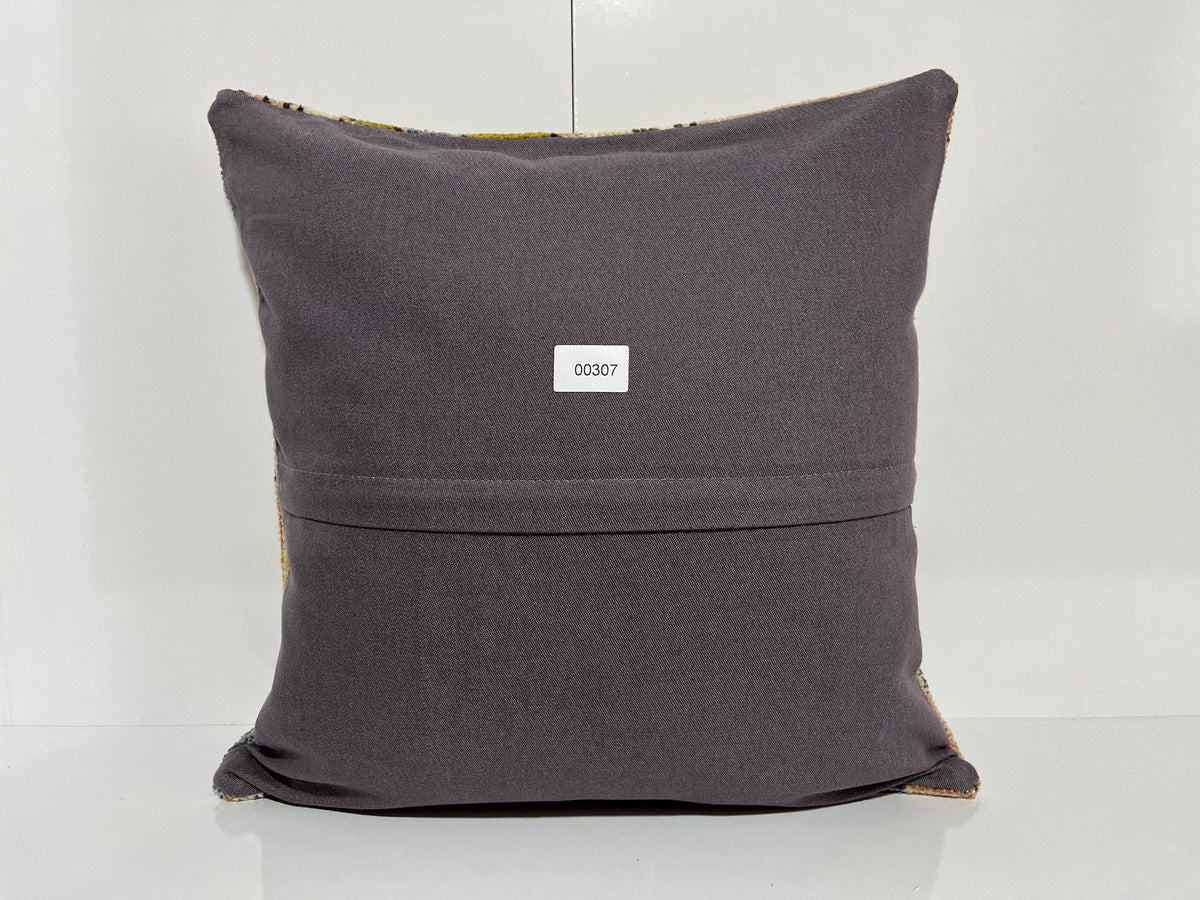
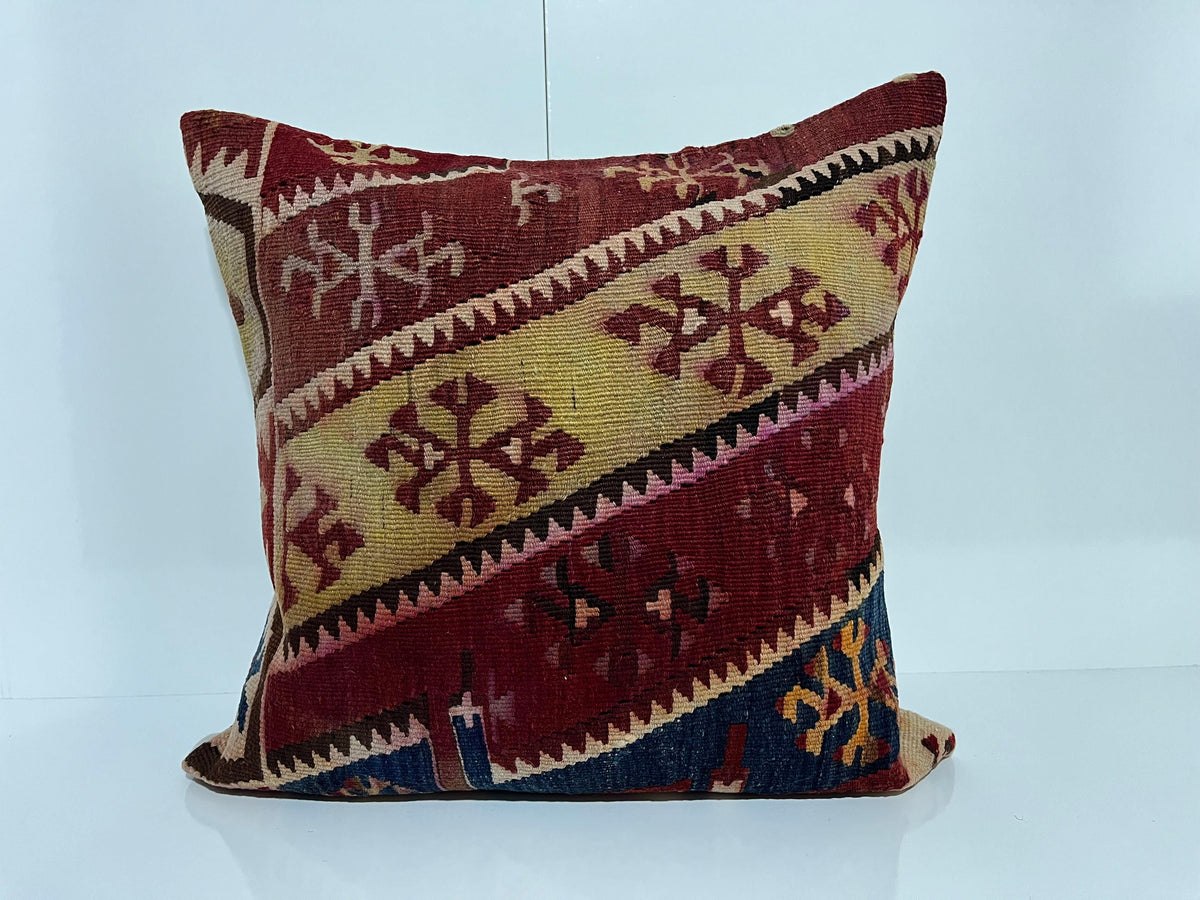

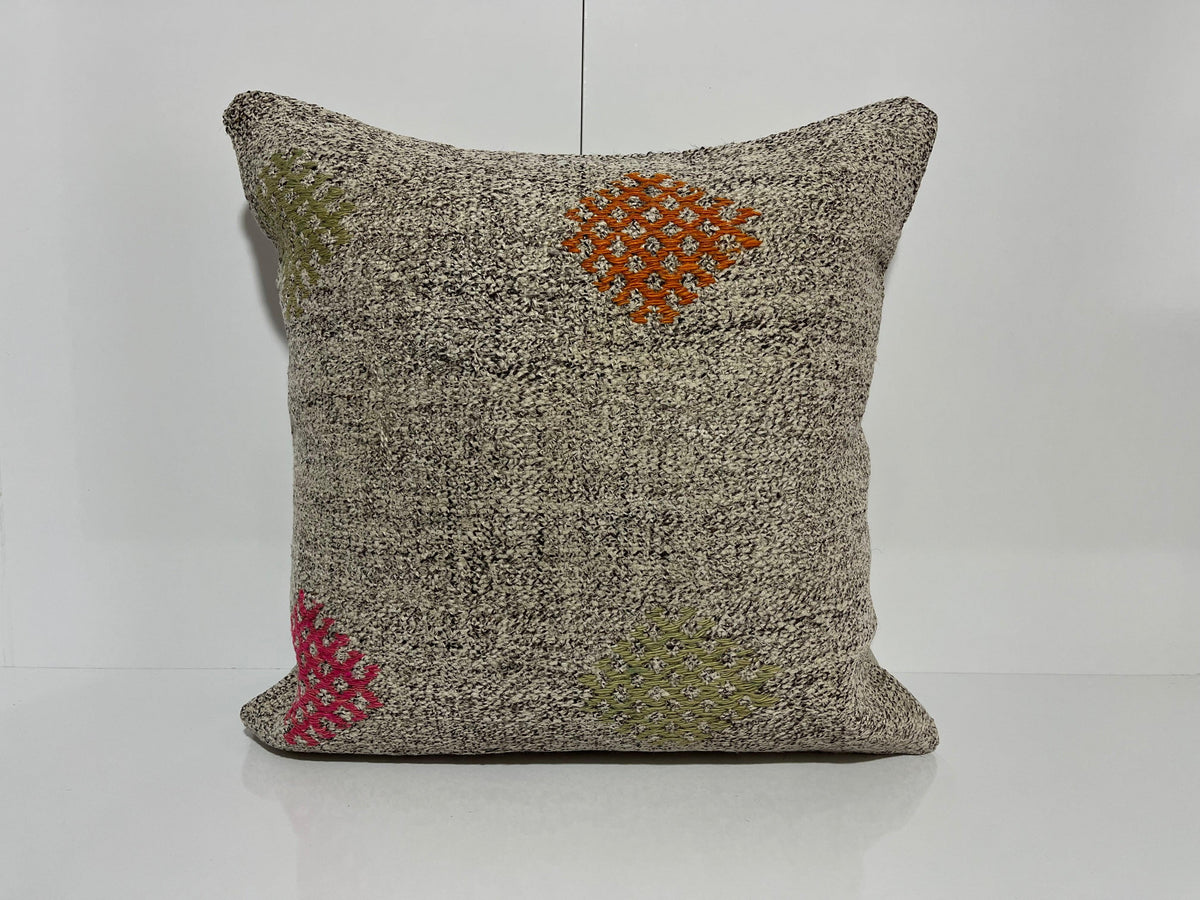
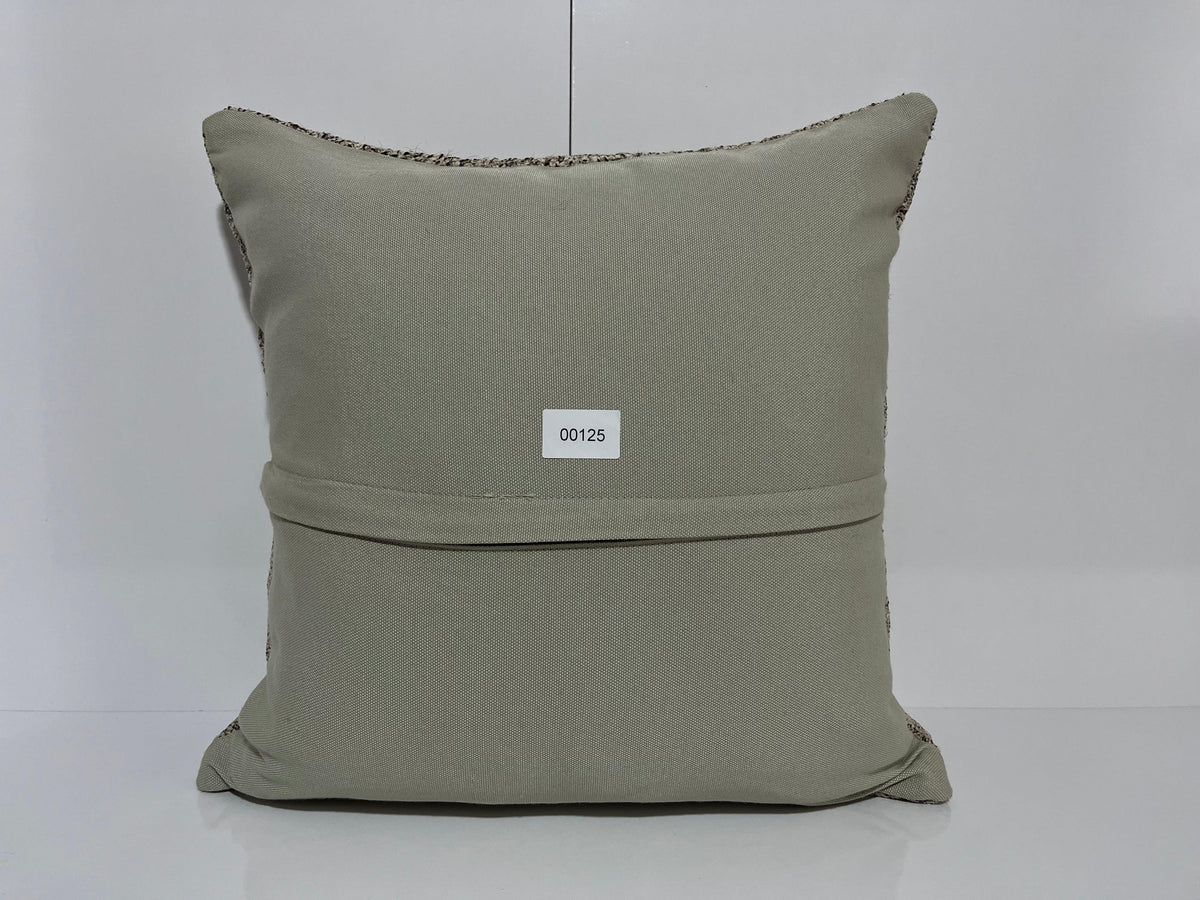
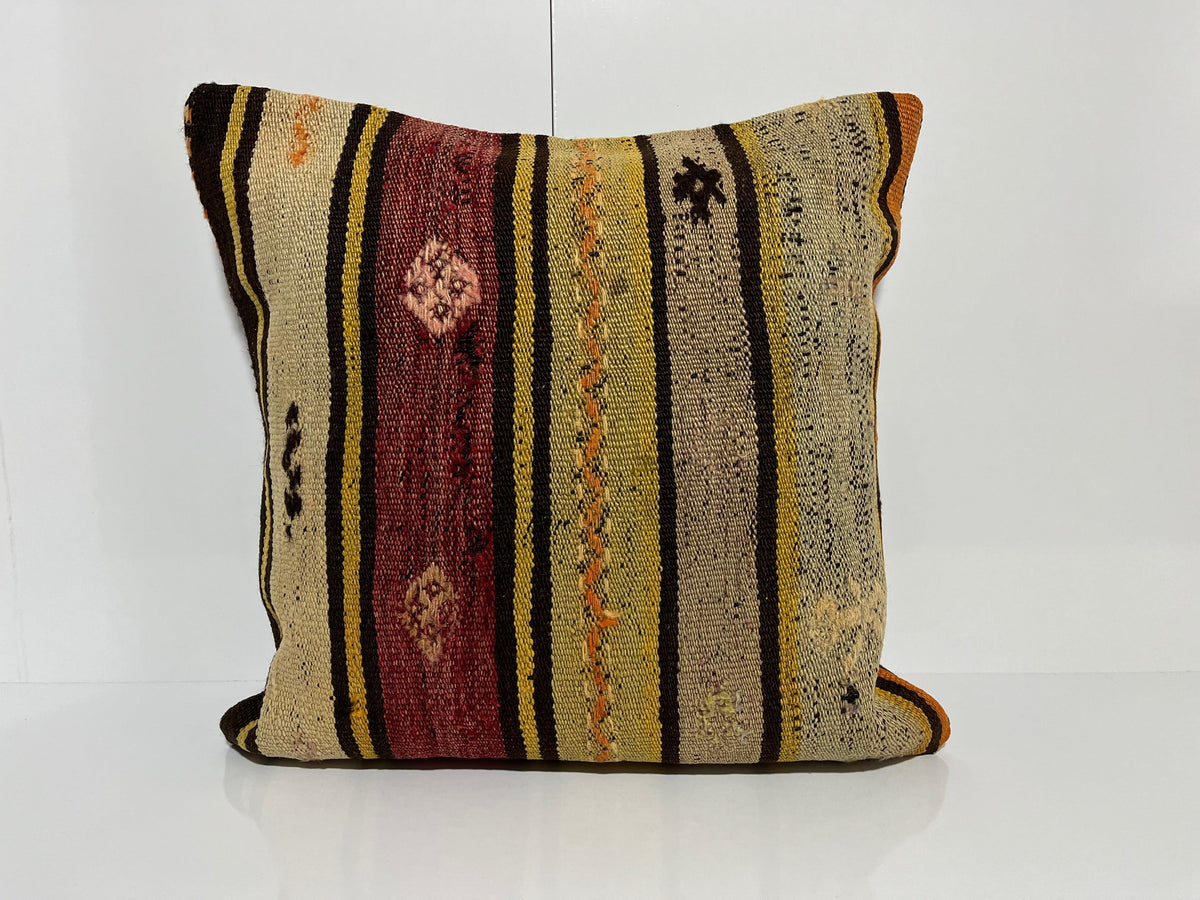
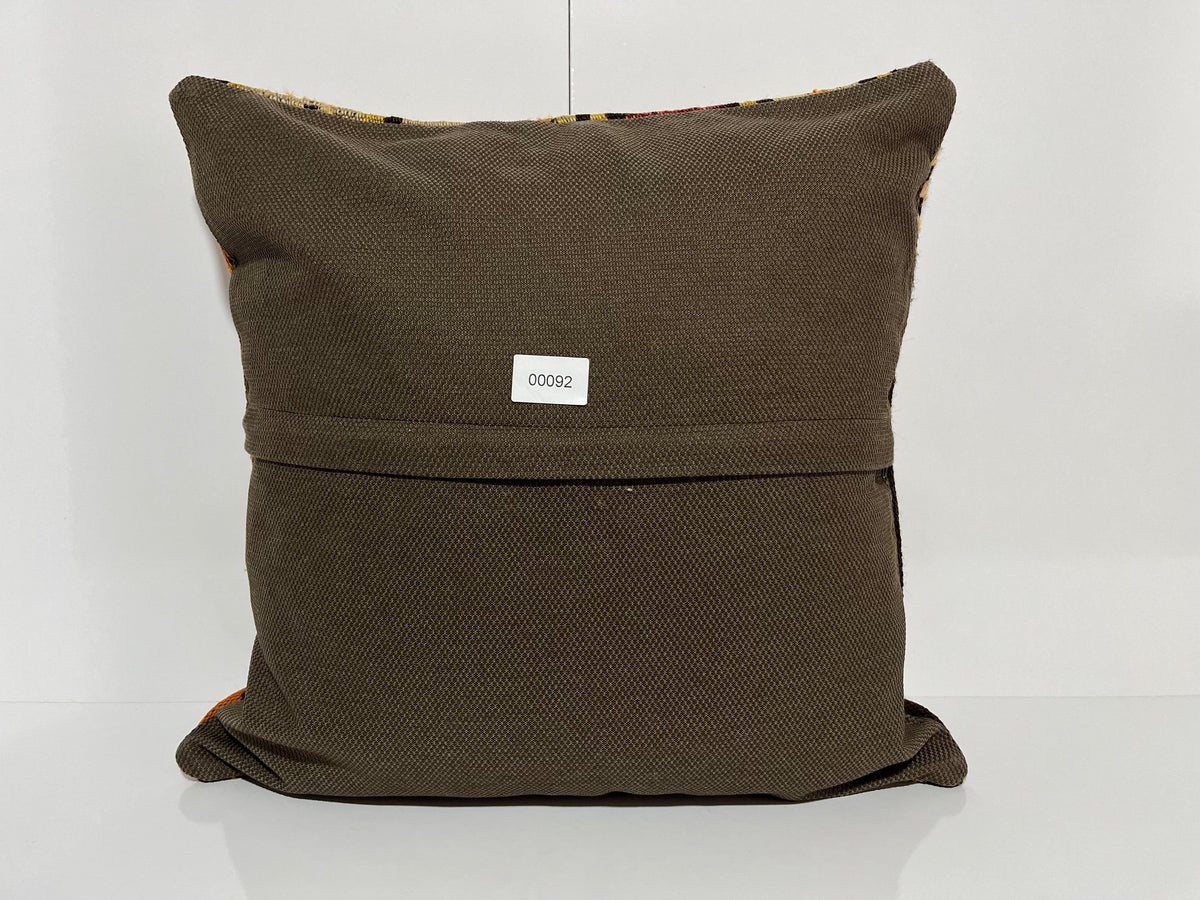
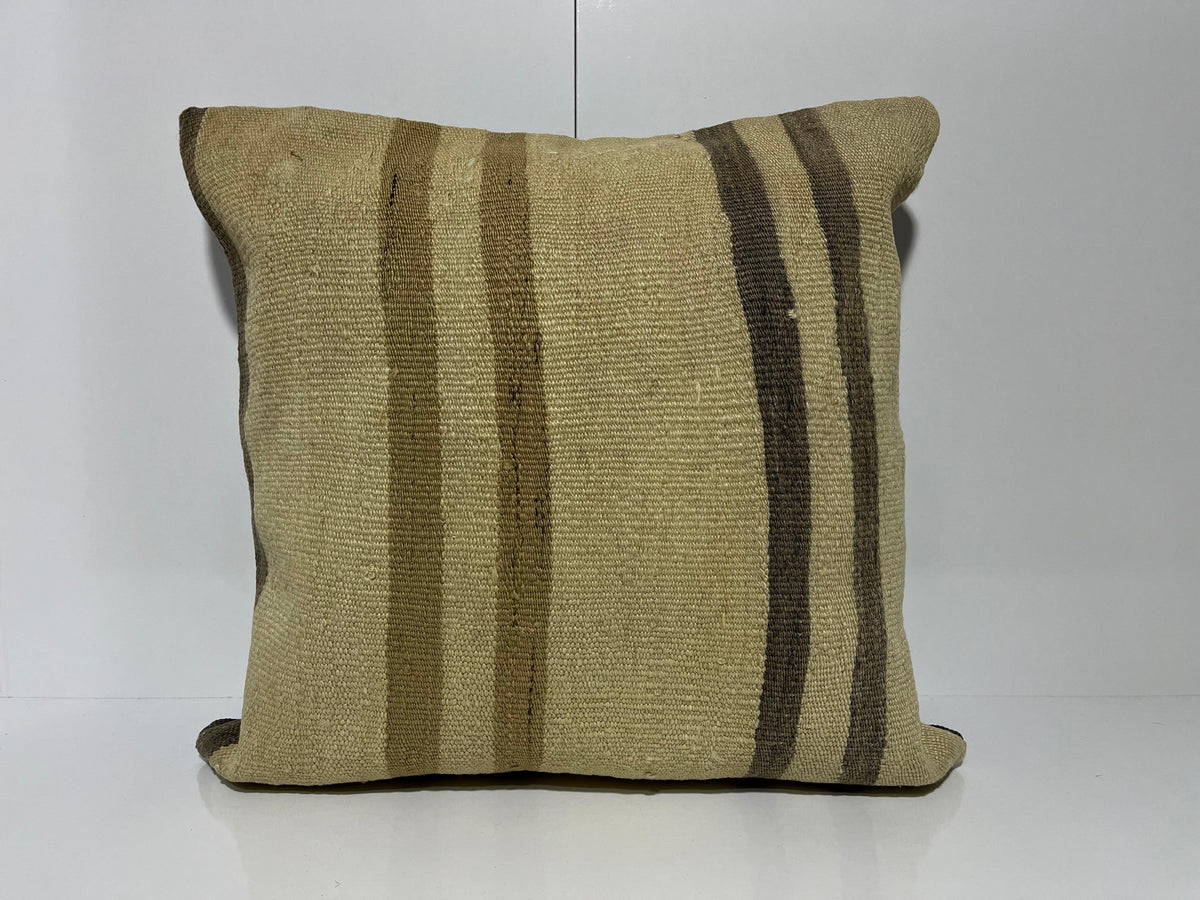
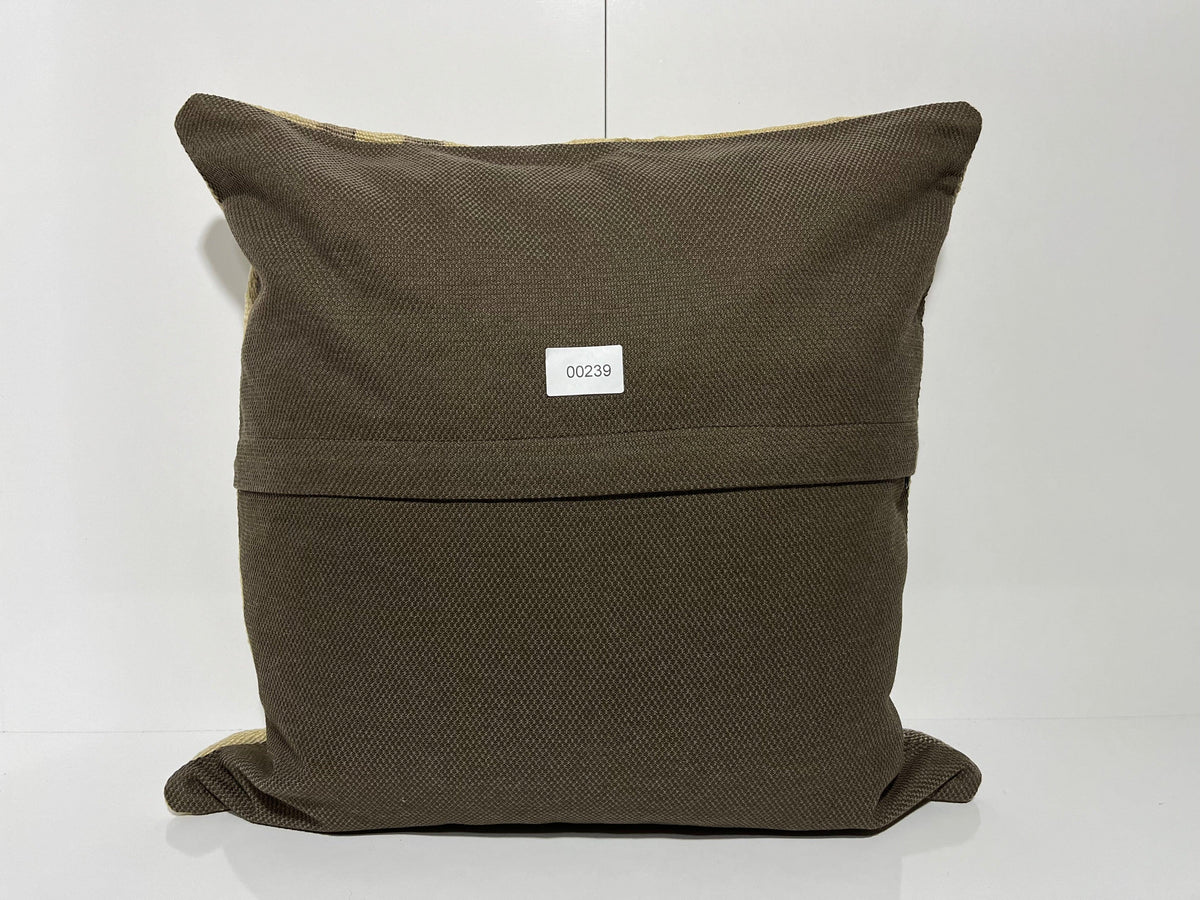
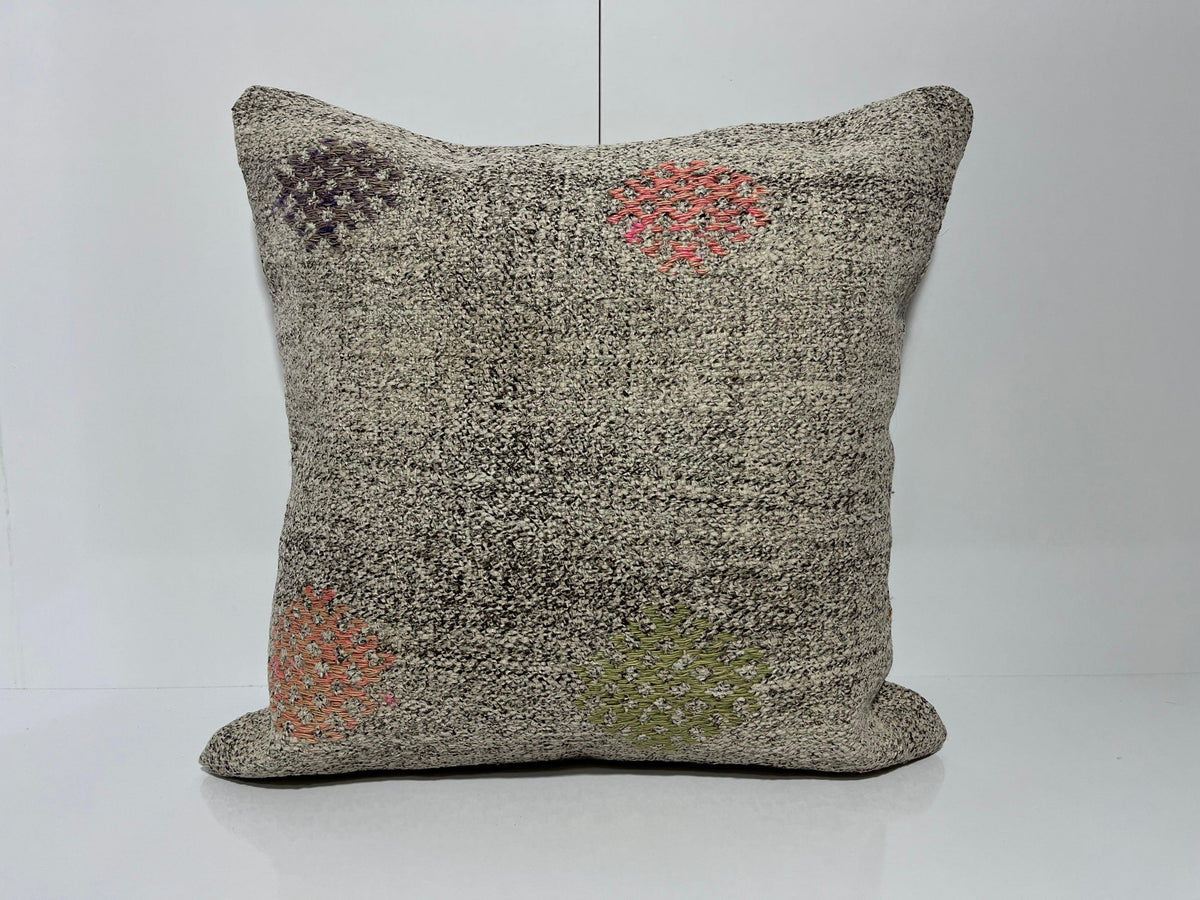
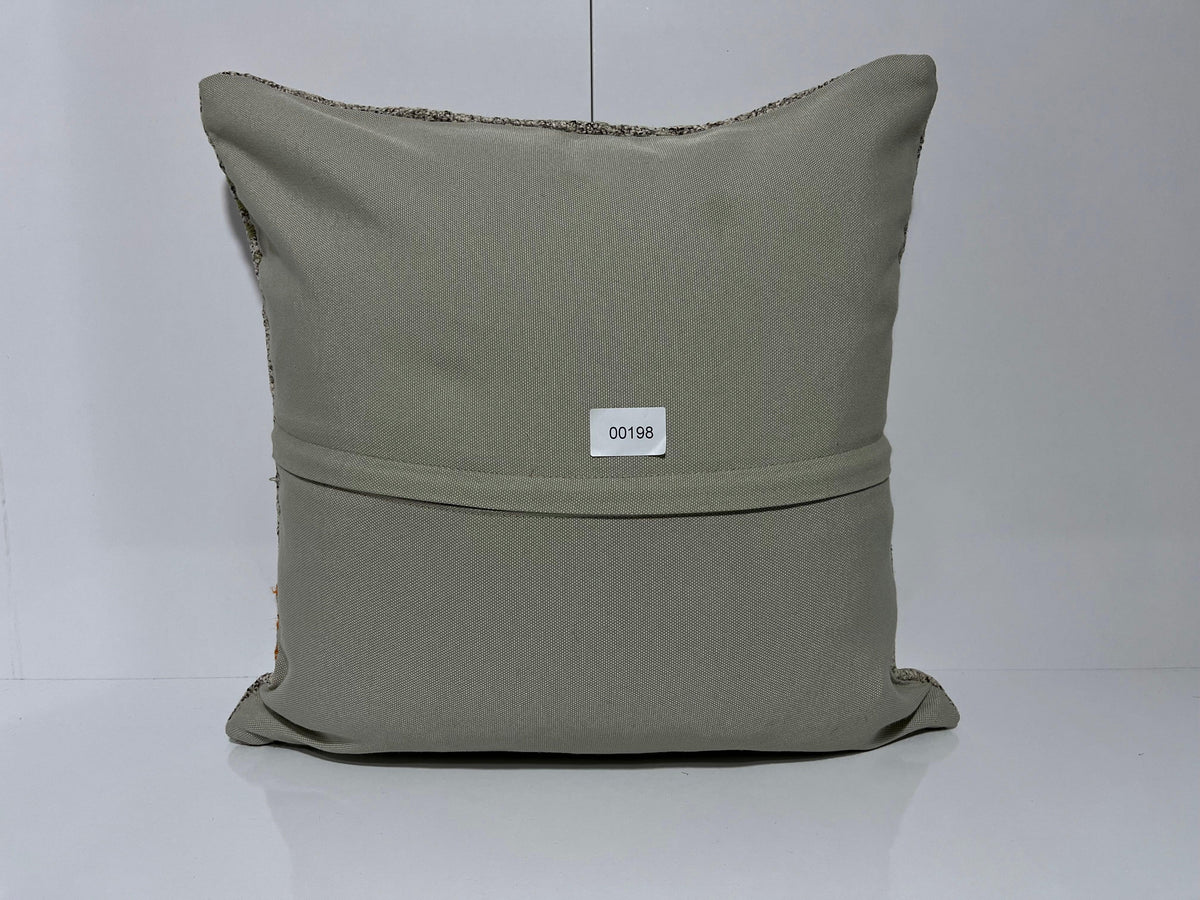
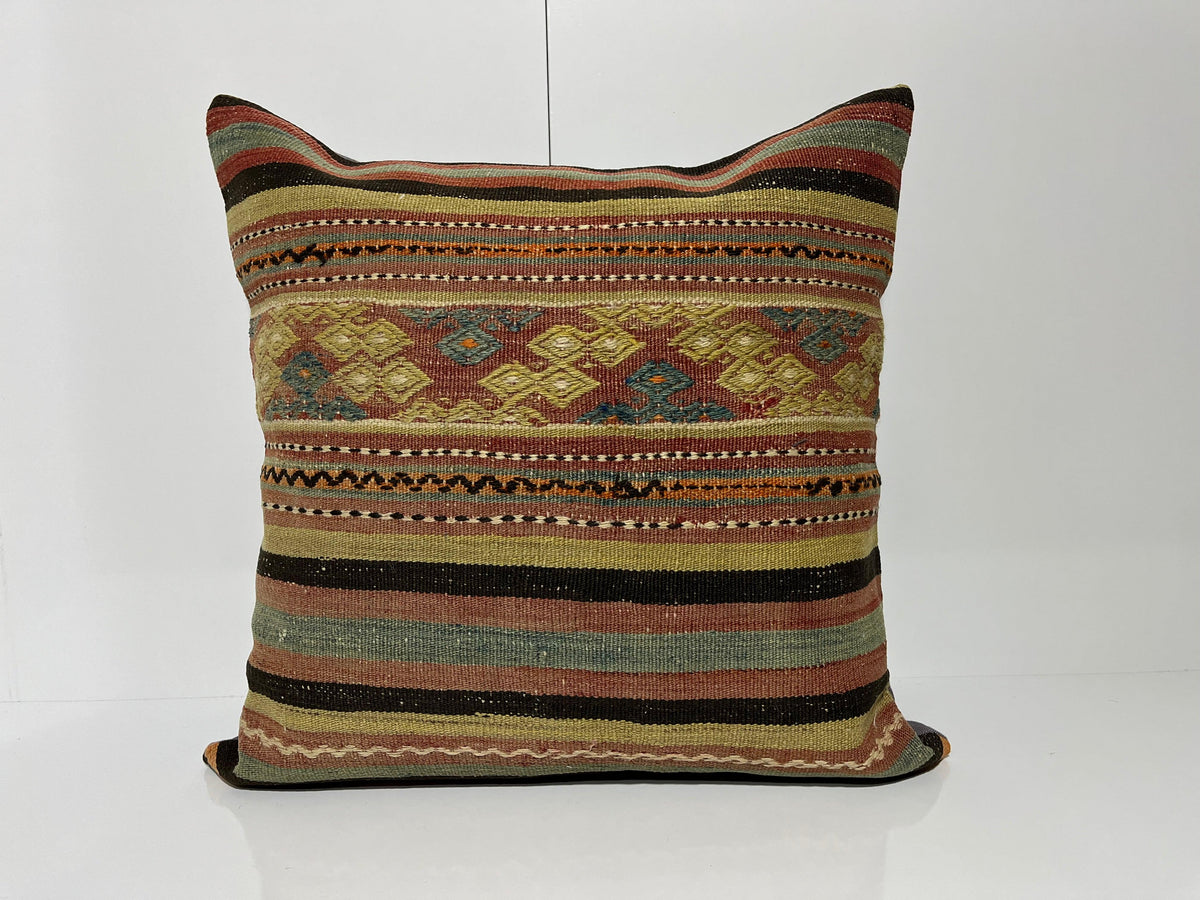
EE00322 - Kilim Pillow
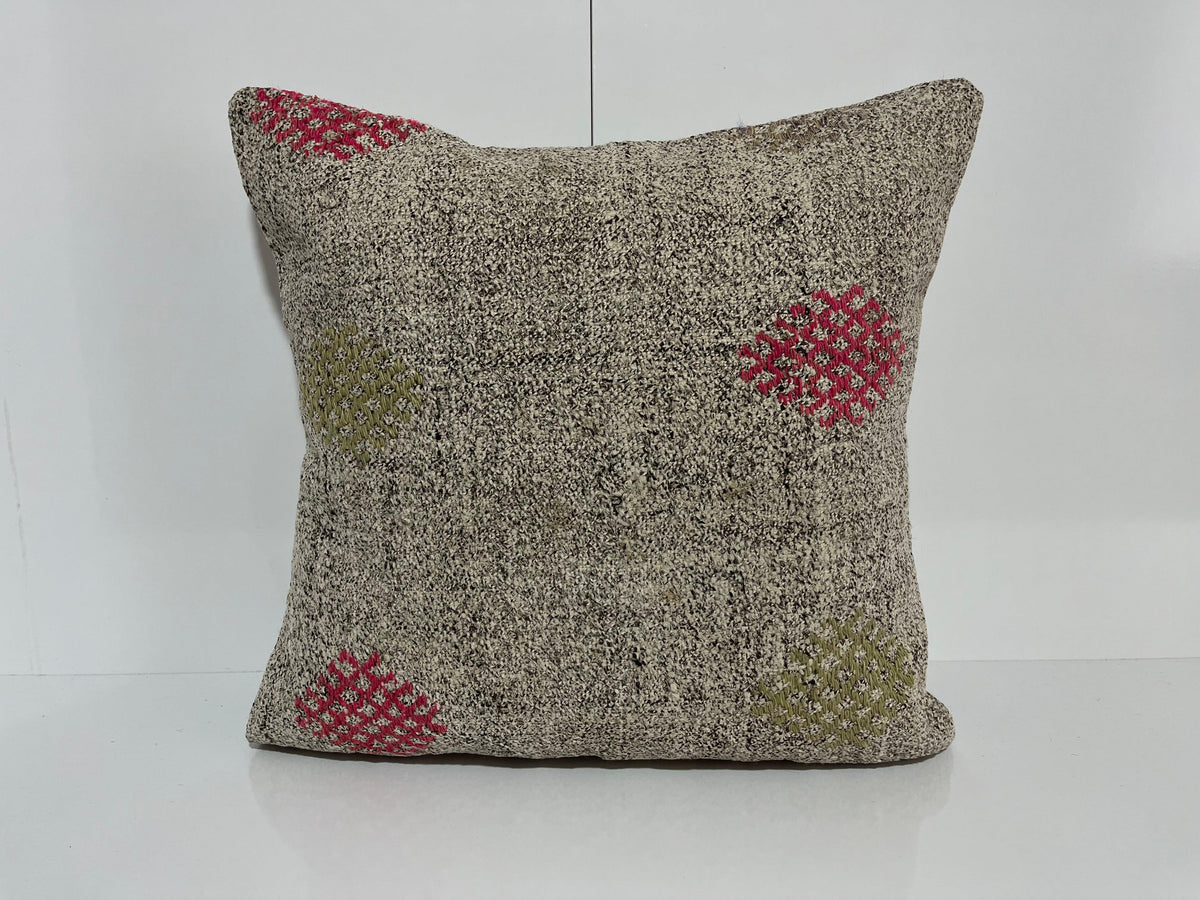
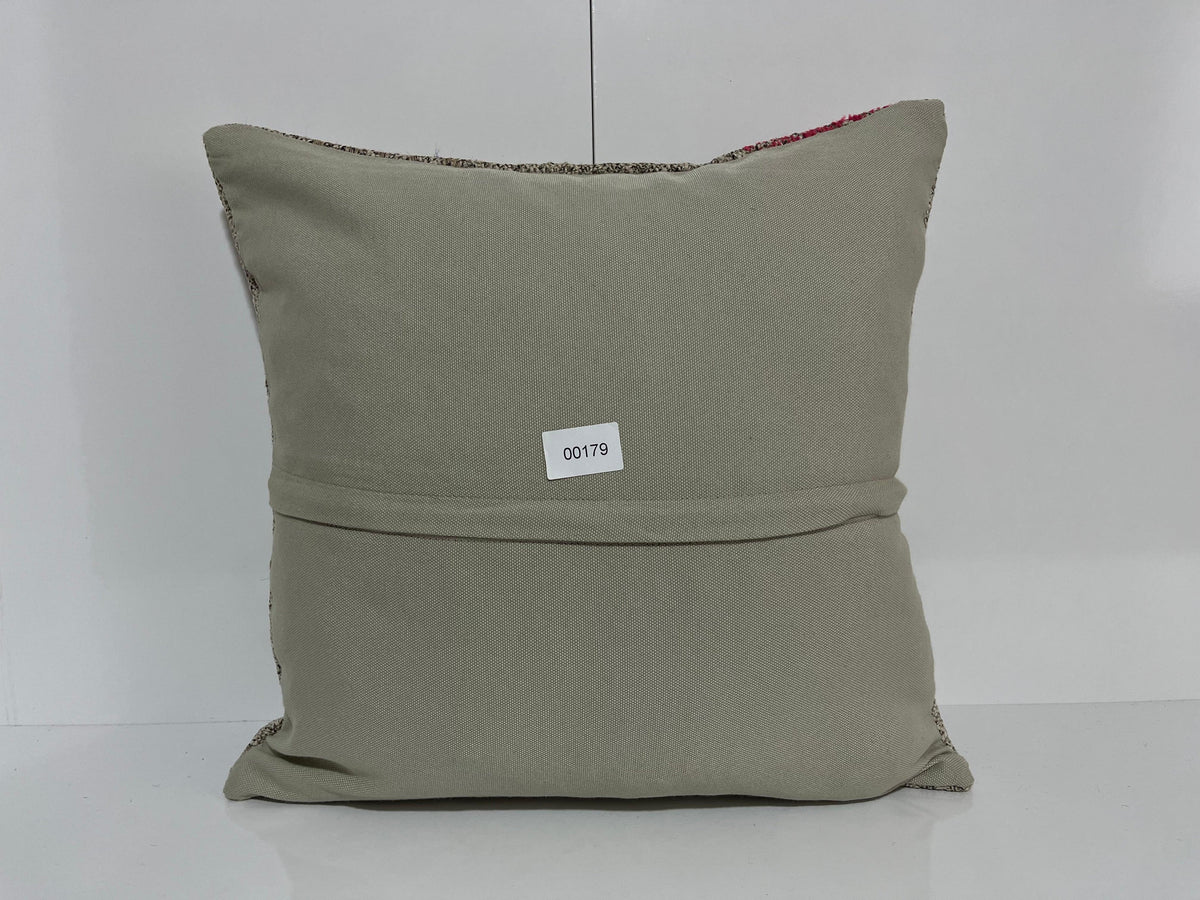
EE00179 - Kilim Pillow
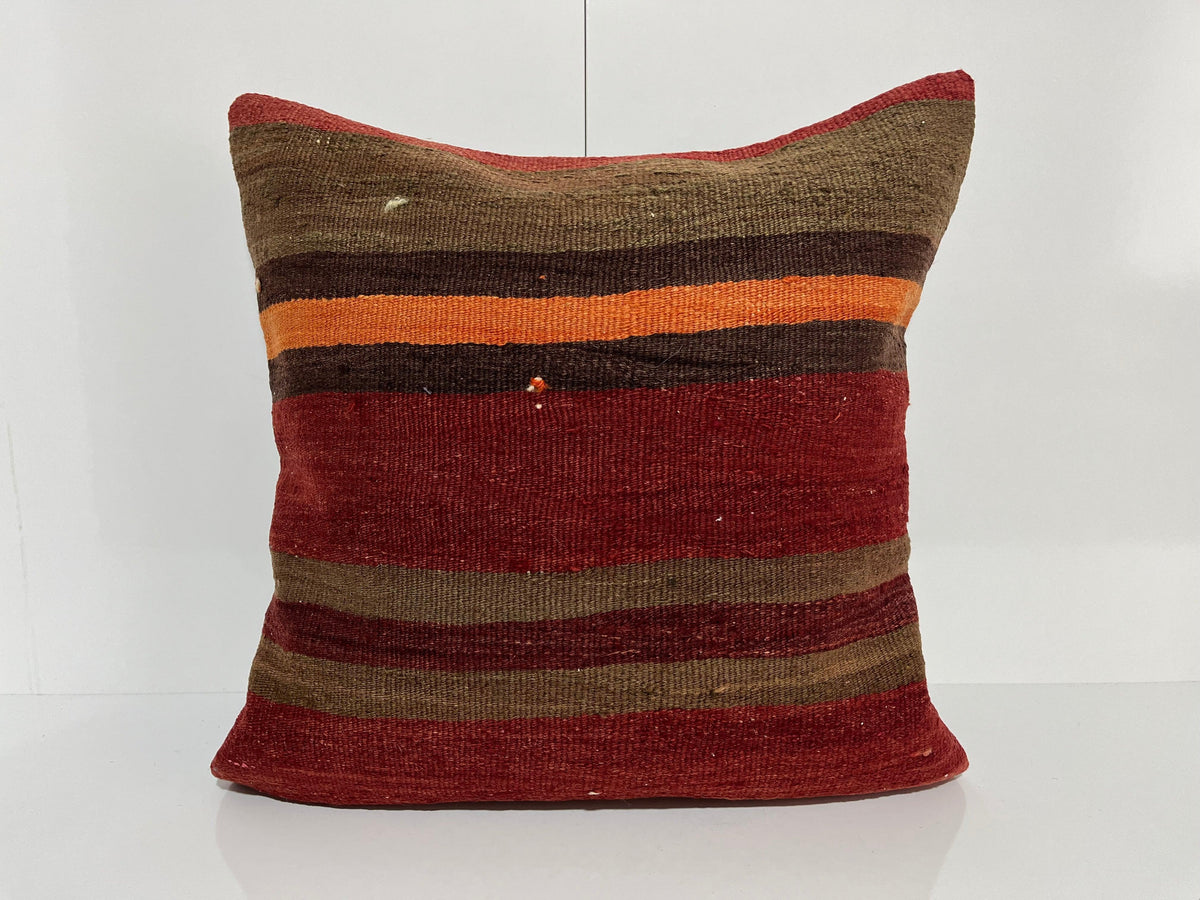
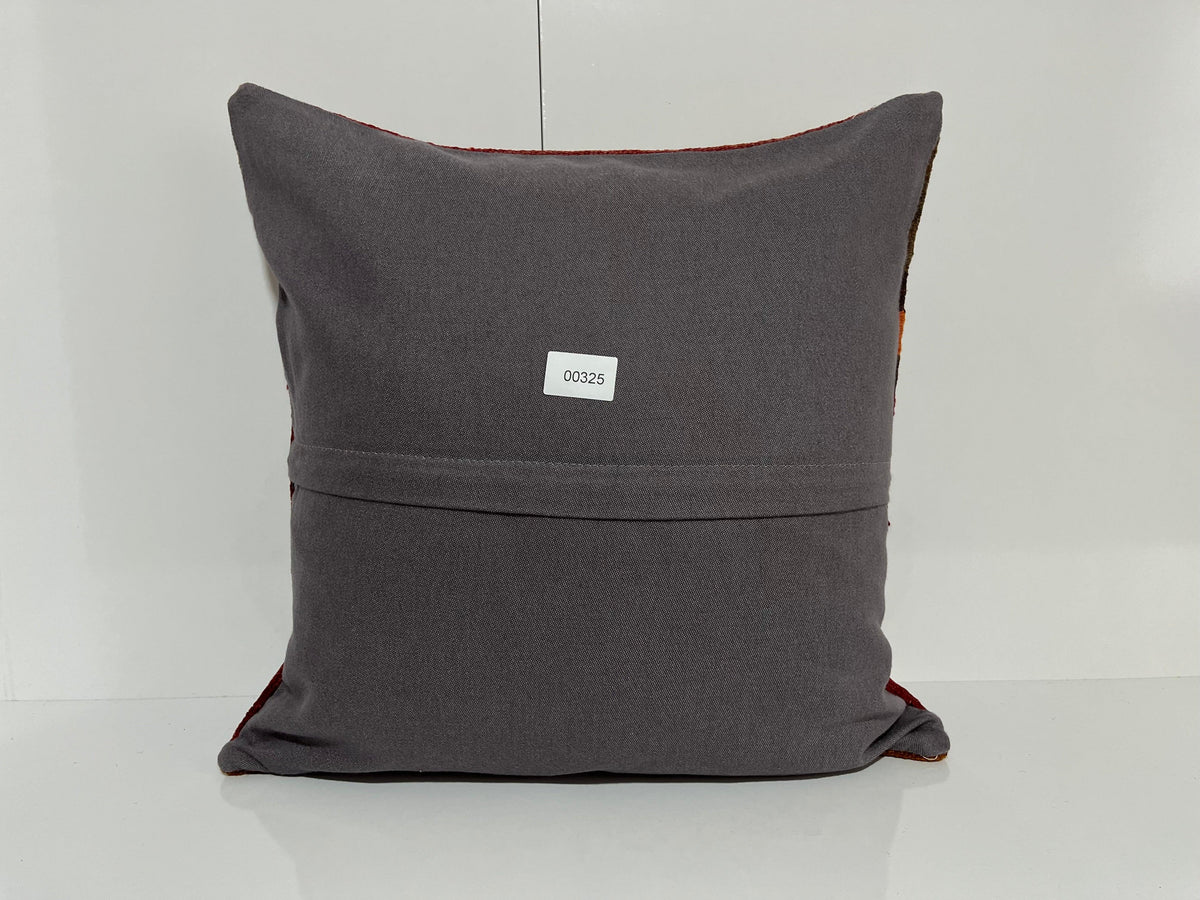
EE00325 - Kilim Pillow
EE00324 - Kilim Pillow
EE00182 - Kilim Pillow
EE00323 - Kilim Pillow
EE00145 - Kilim Pillow
EE00171 - Kilim Pillow
EE00327 - Kilim Pillow
EE00326 - Kilim Pillow
EE00320 - Kilim Pillow
EE00167 - Kilim Pillow
EE00102 - Kilim Pillow
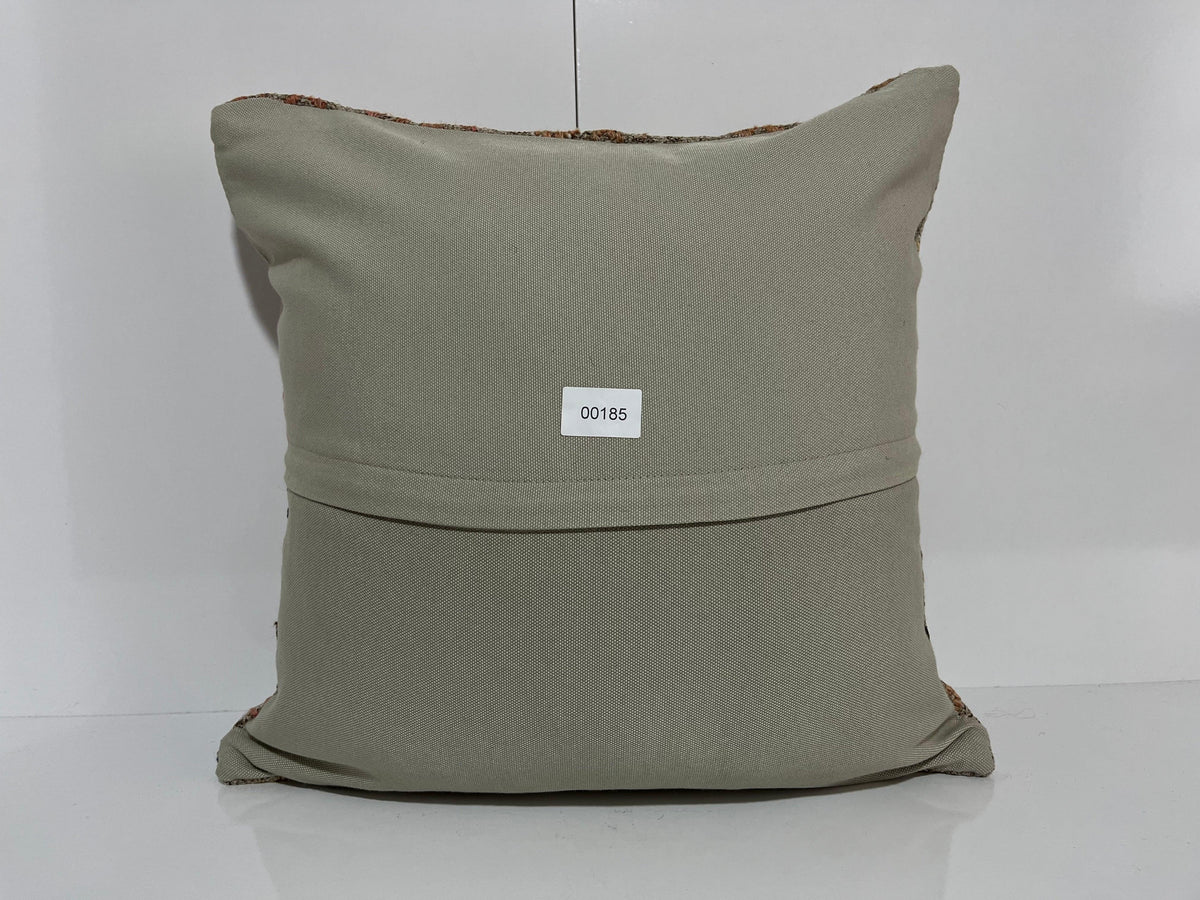
EE00185 - Kilim Pillow
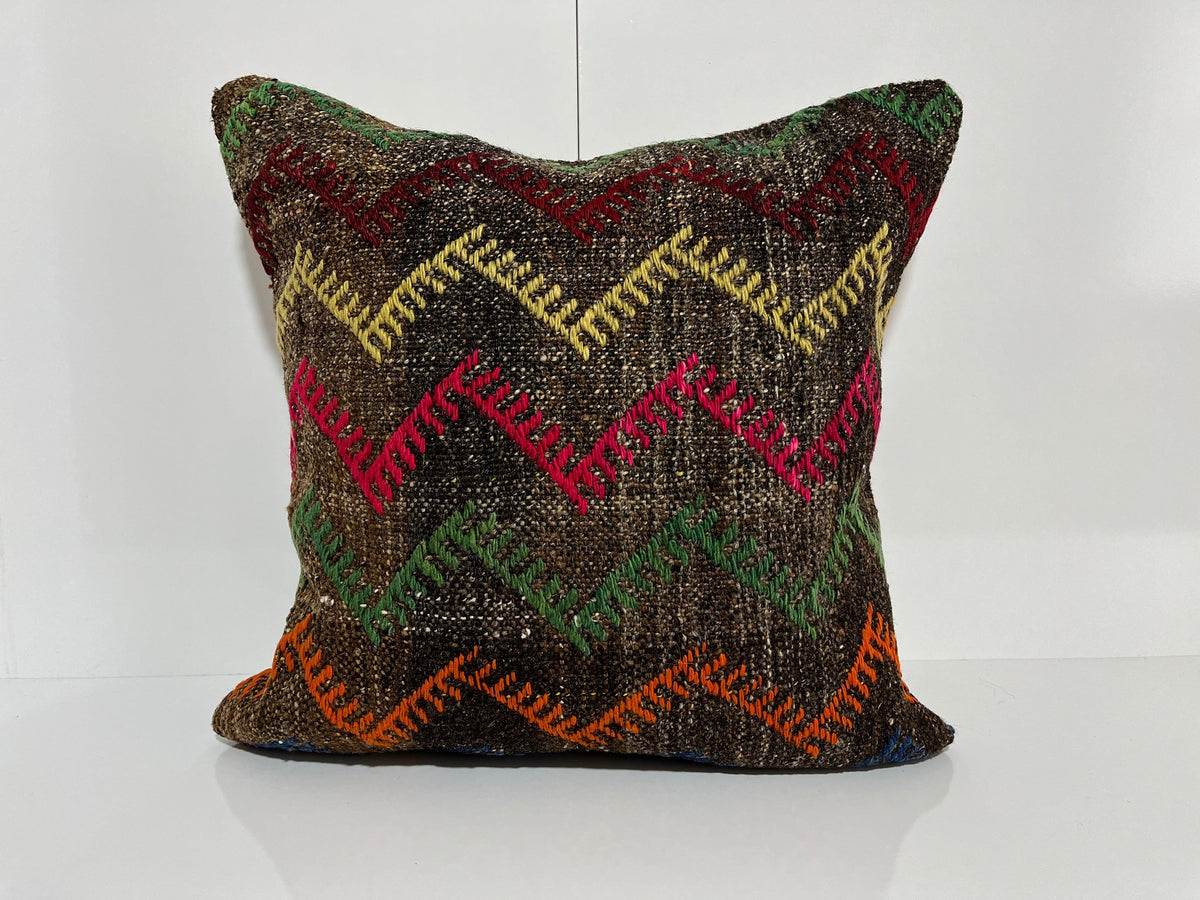
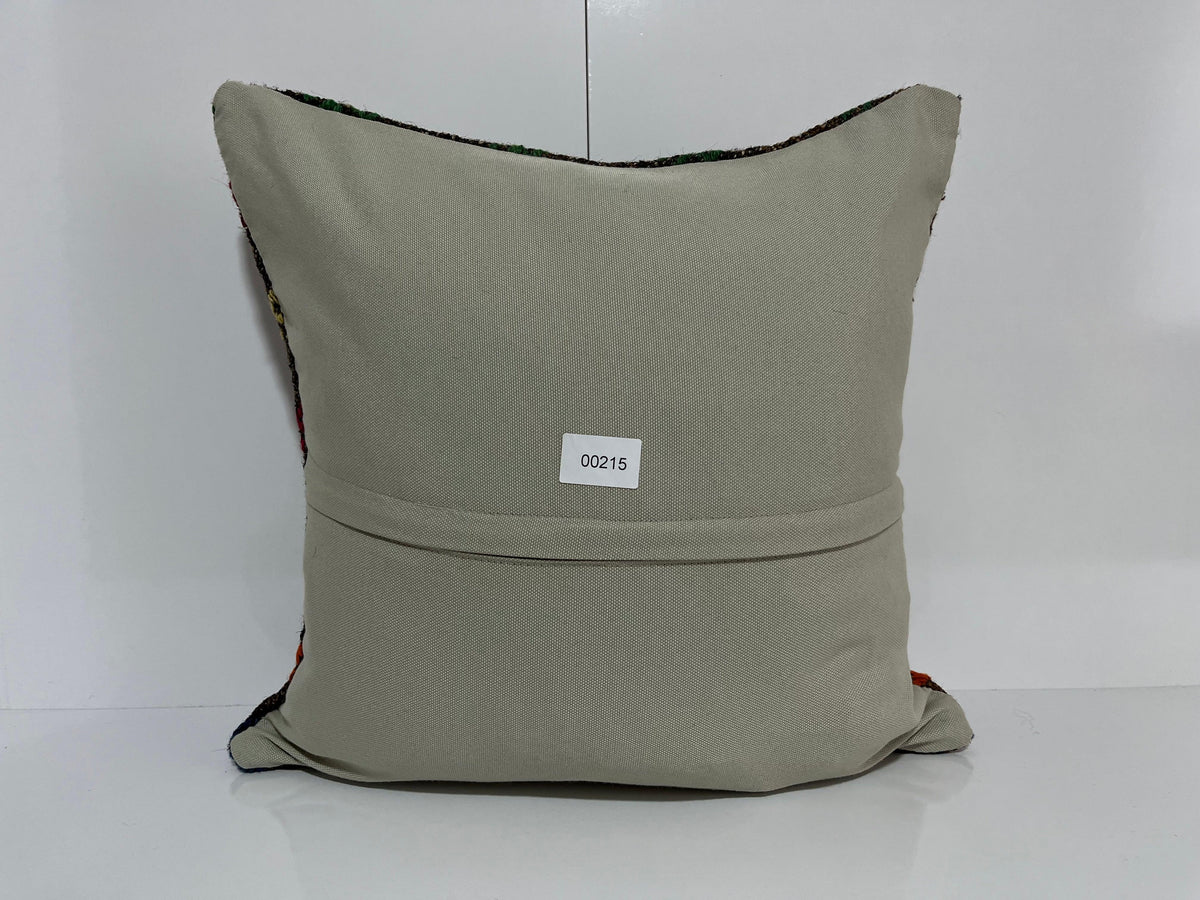
EE00215 - Kilim Pillow
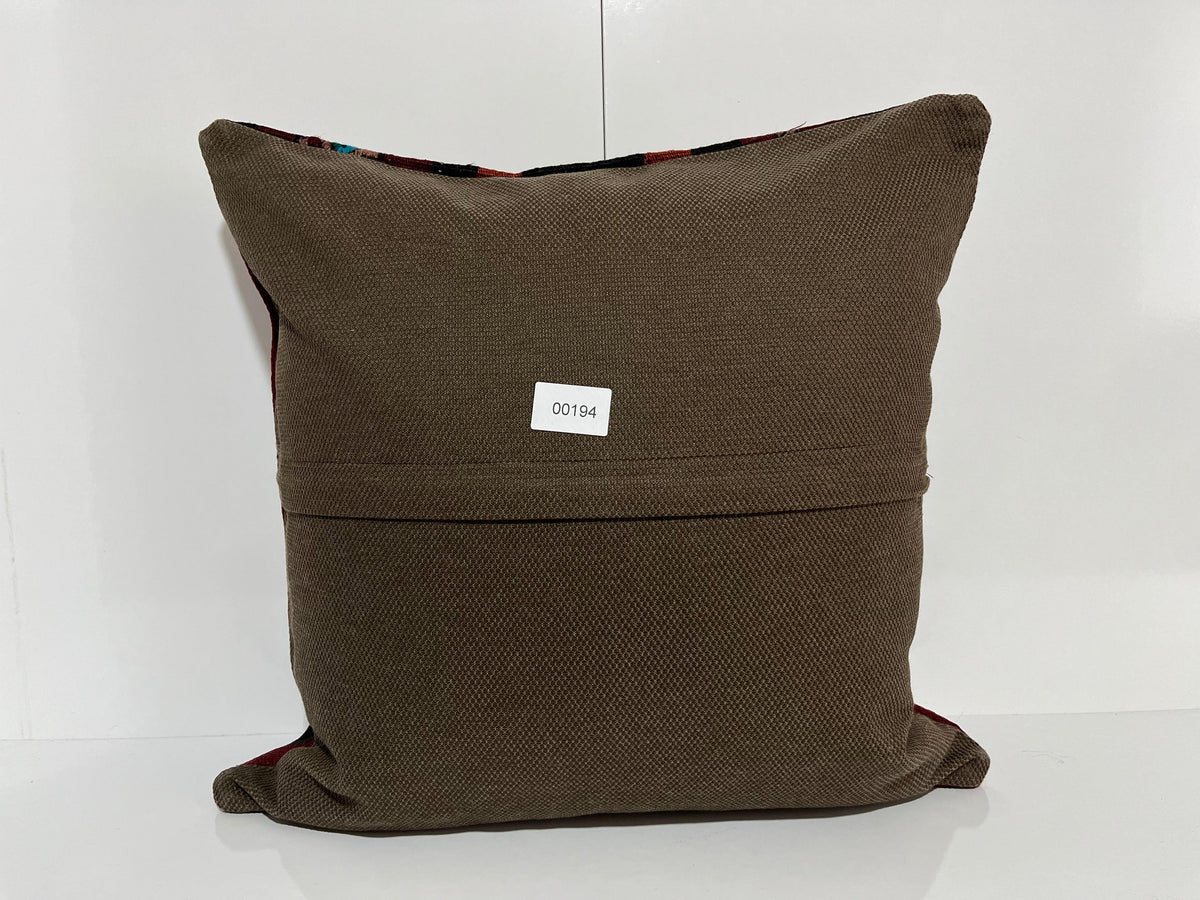
EE00194 - Kilim Pillow
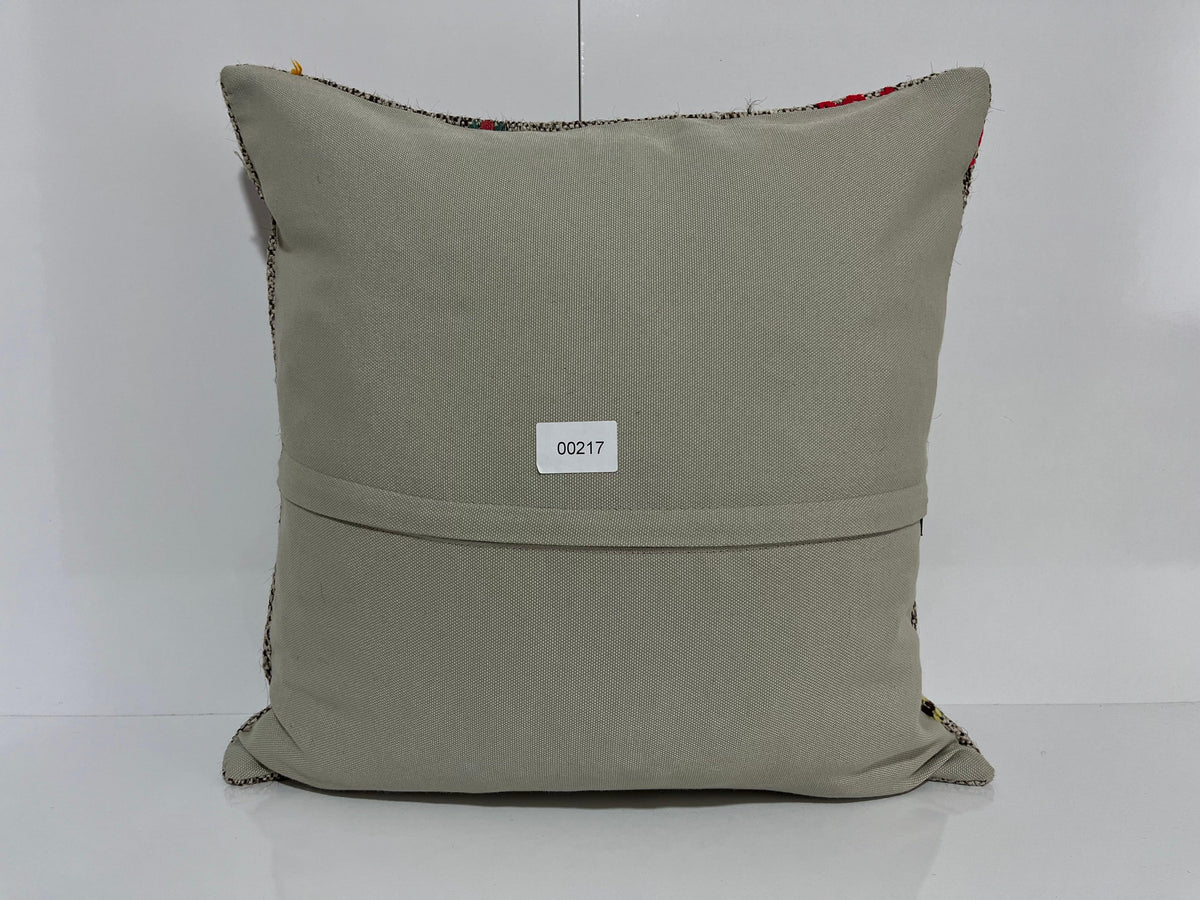
EE00217 - Kilim Pillow
EE00216 - Kilim Pillow
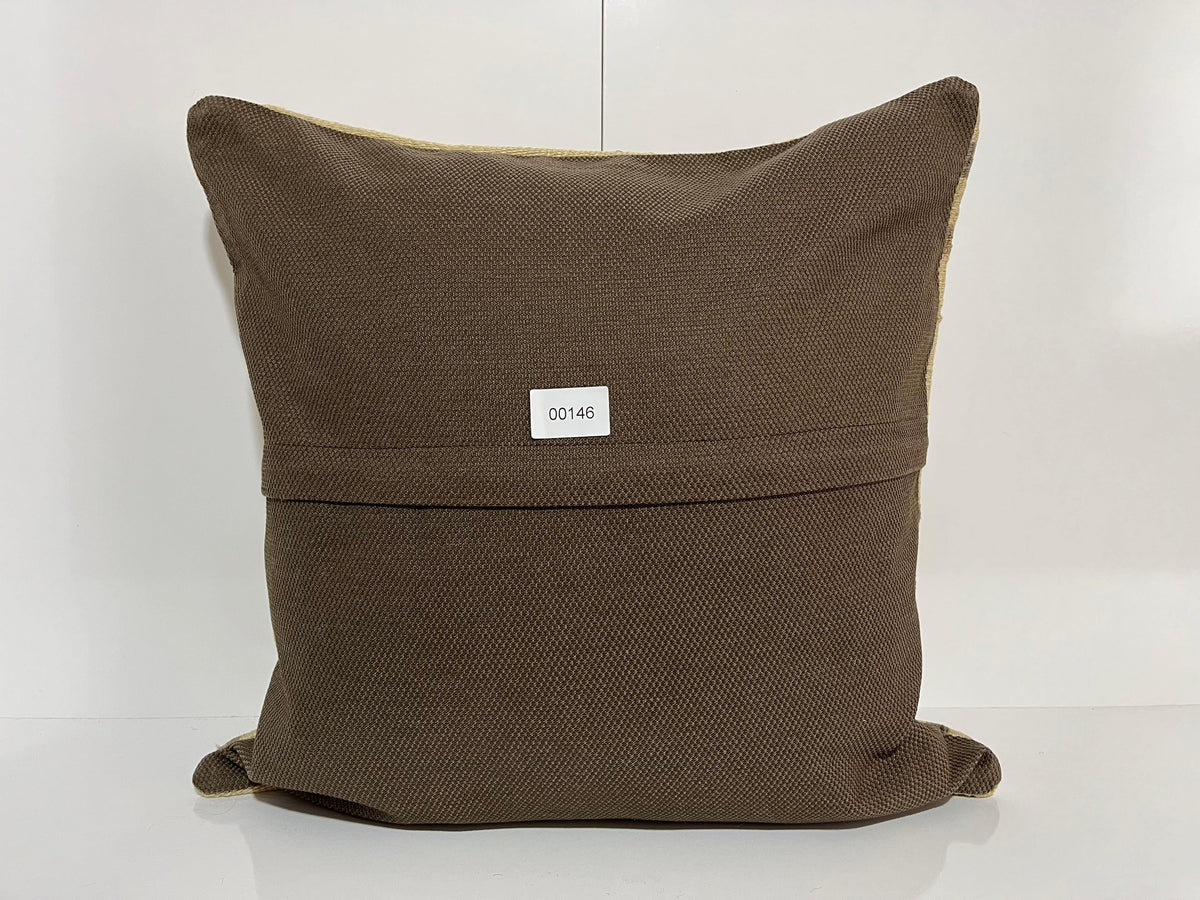
EE00146 - Kilim Pillow
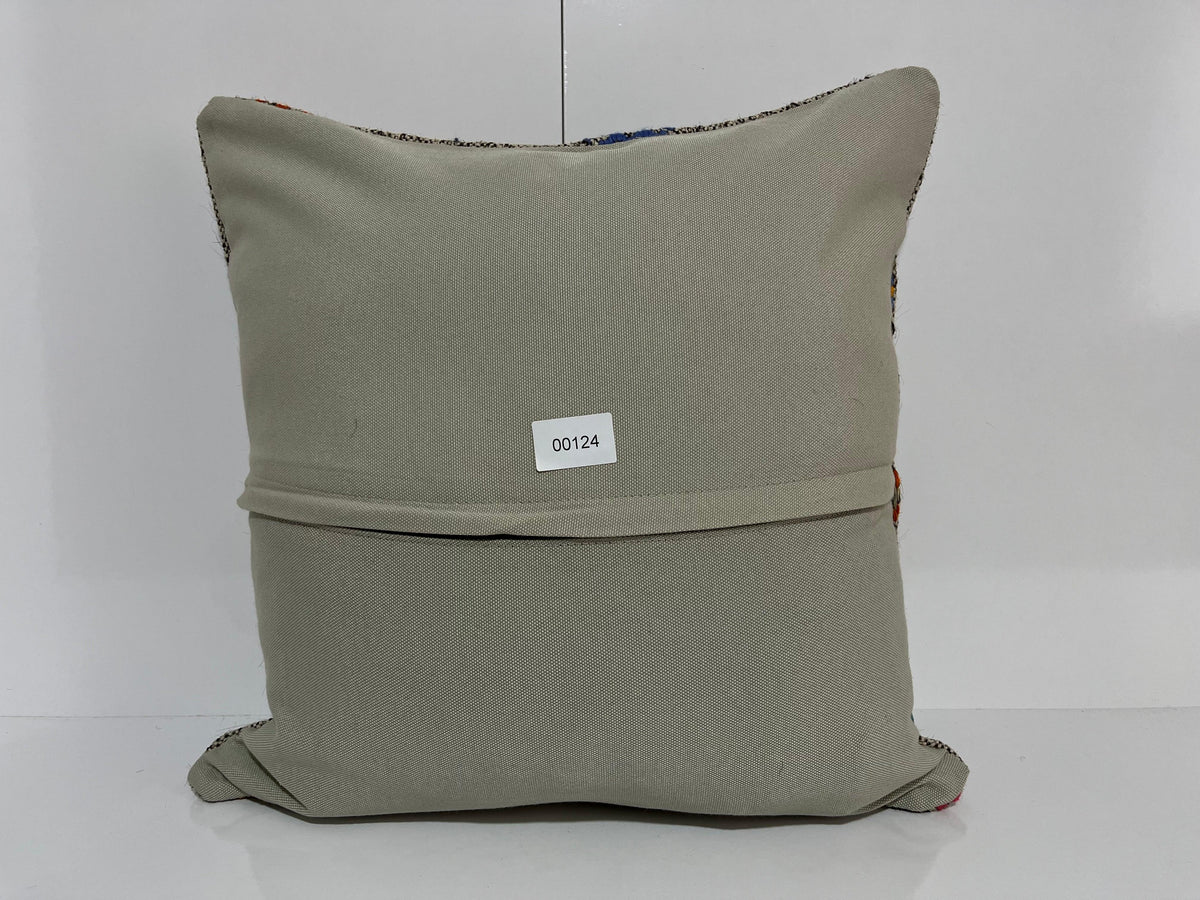
EE00124 - Kilim Pillow
EE00123 - Kilim Pillow
EE00147 - Kilim Pillow
EE00177 - Kilim Pillow
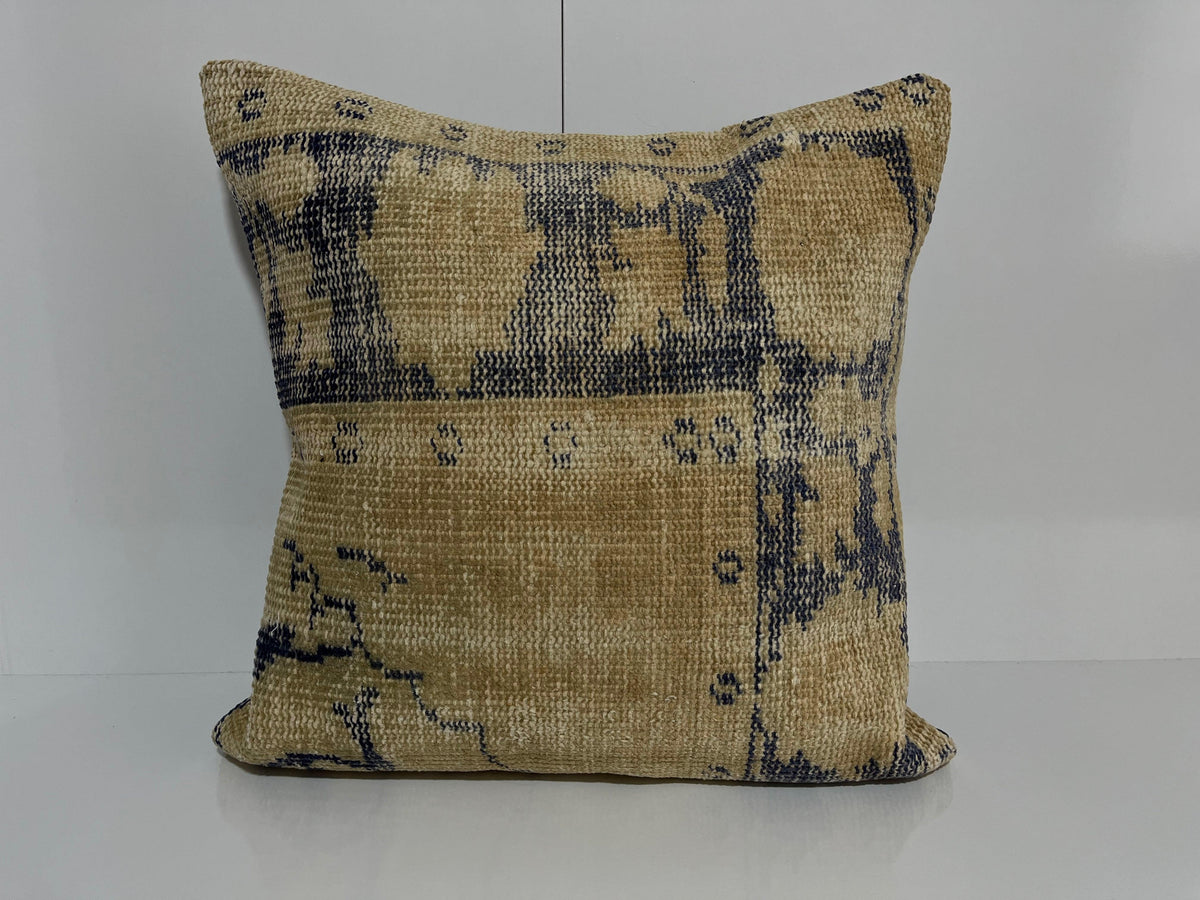
EE00337 - Kilim Pillow
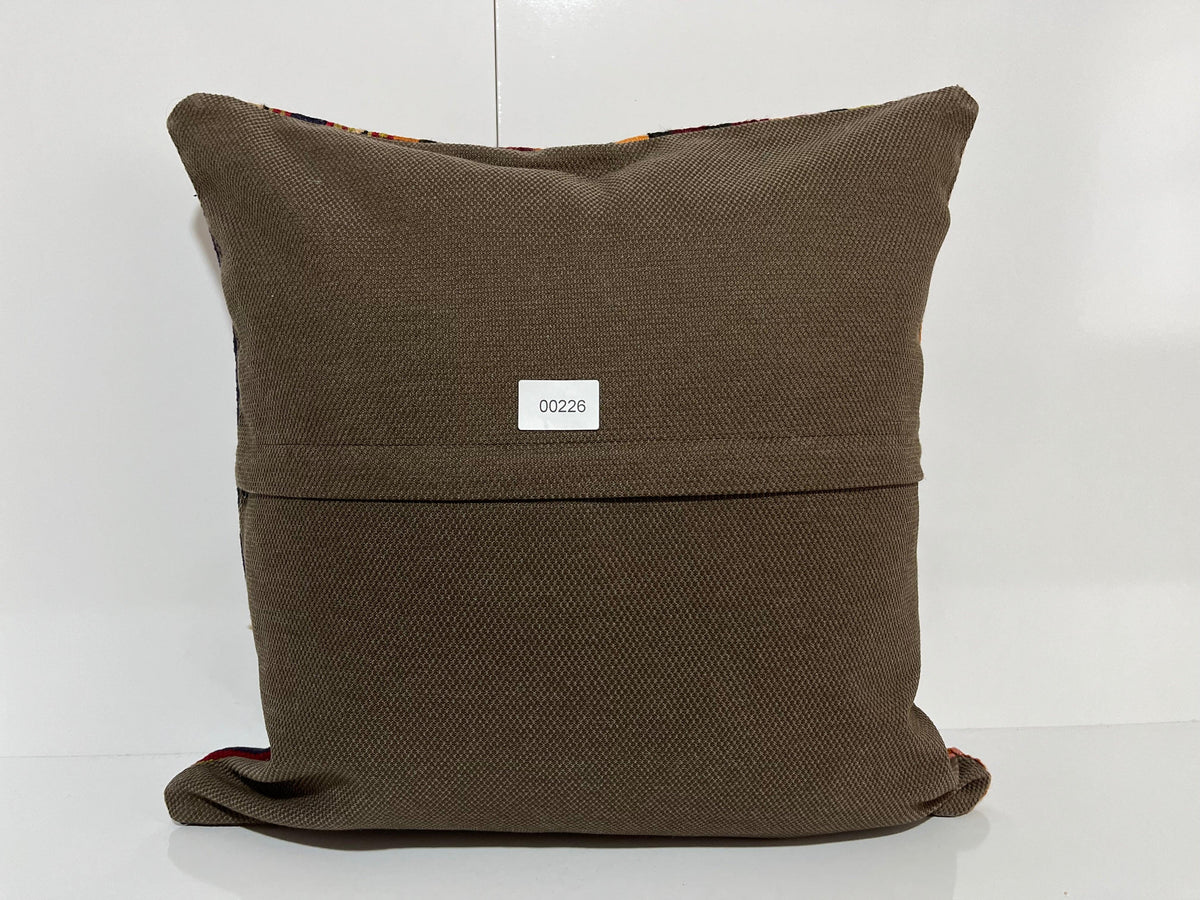
EE00226 - Kilim Pillow
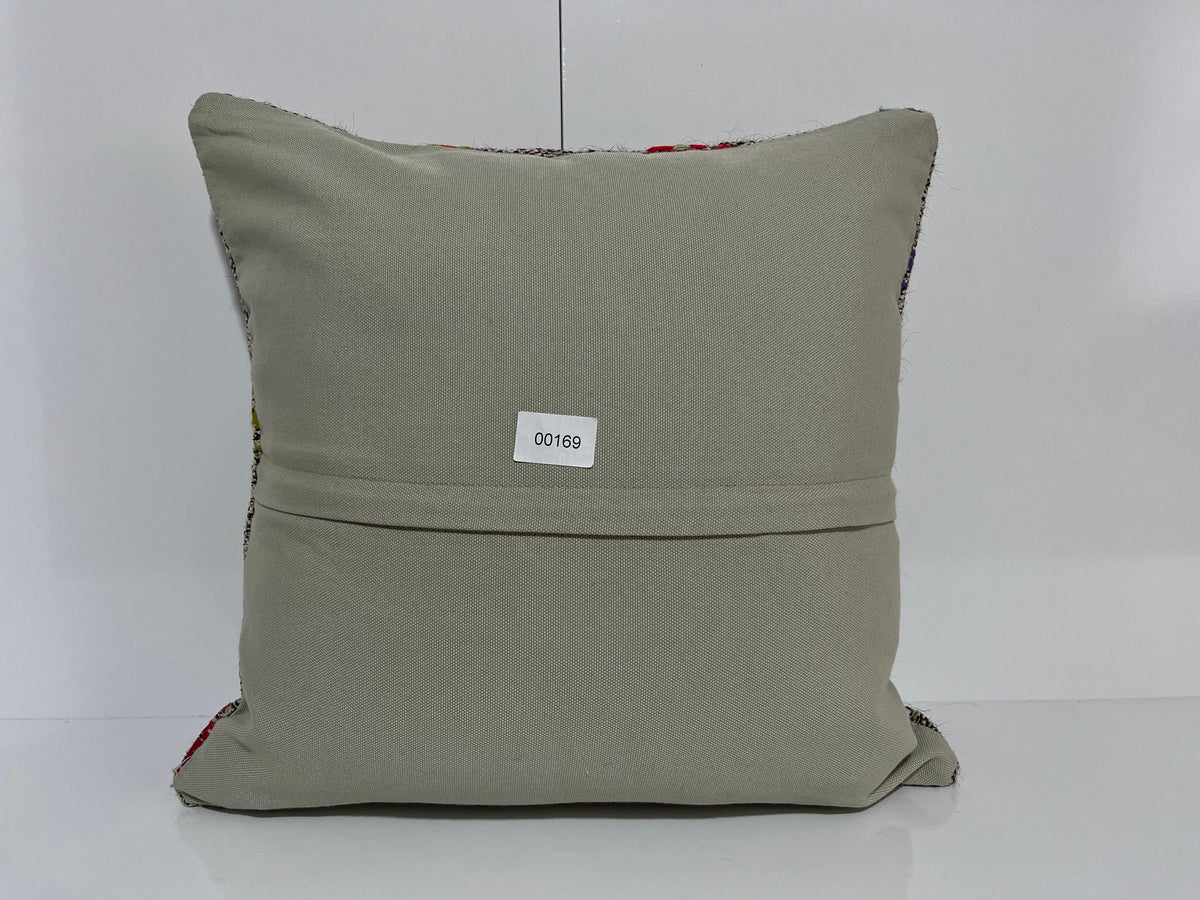
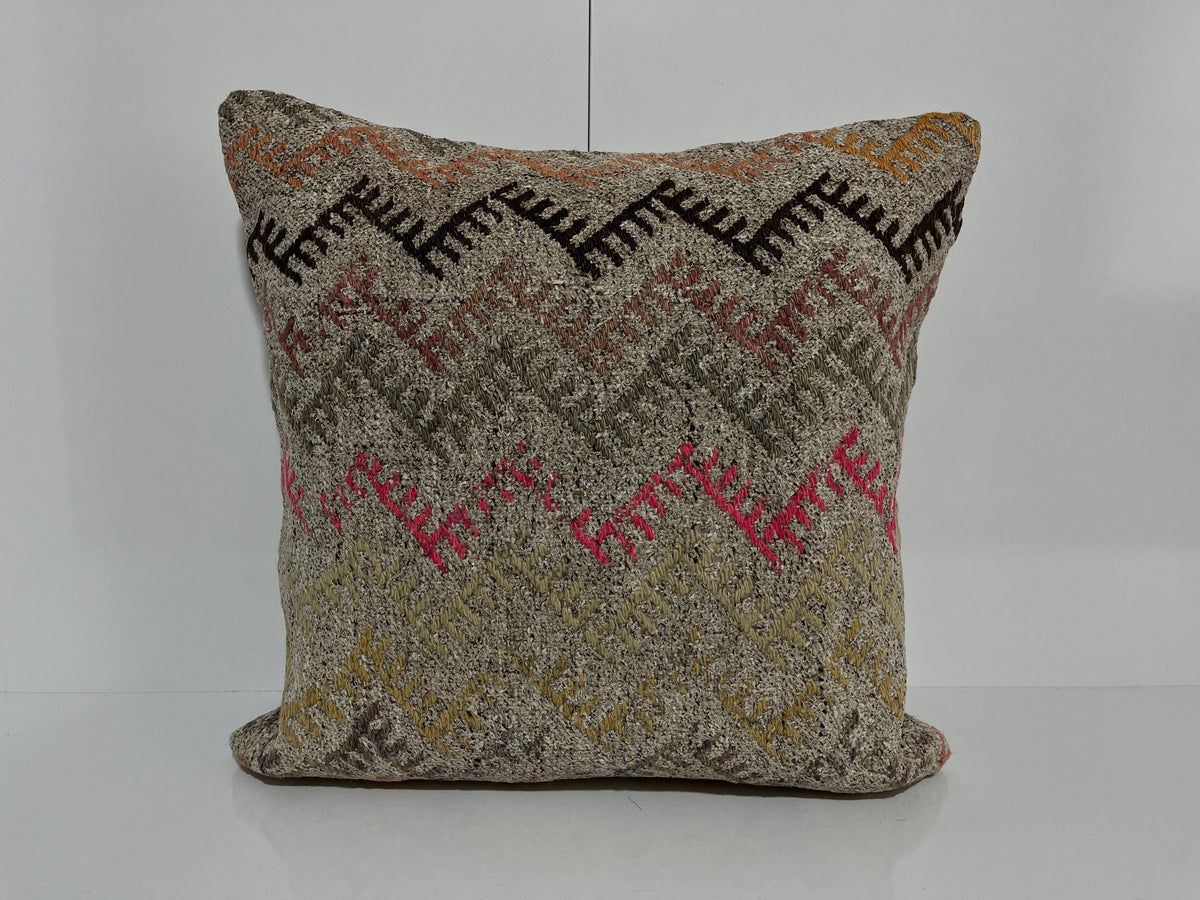
EE00169 - Kilim Pillow
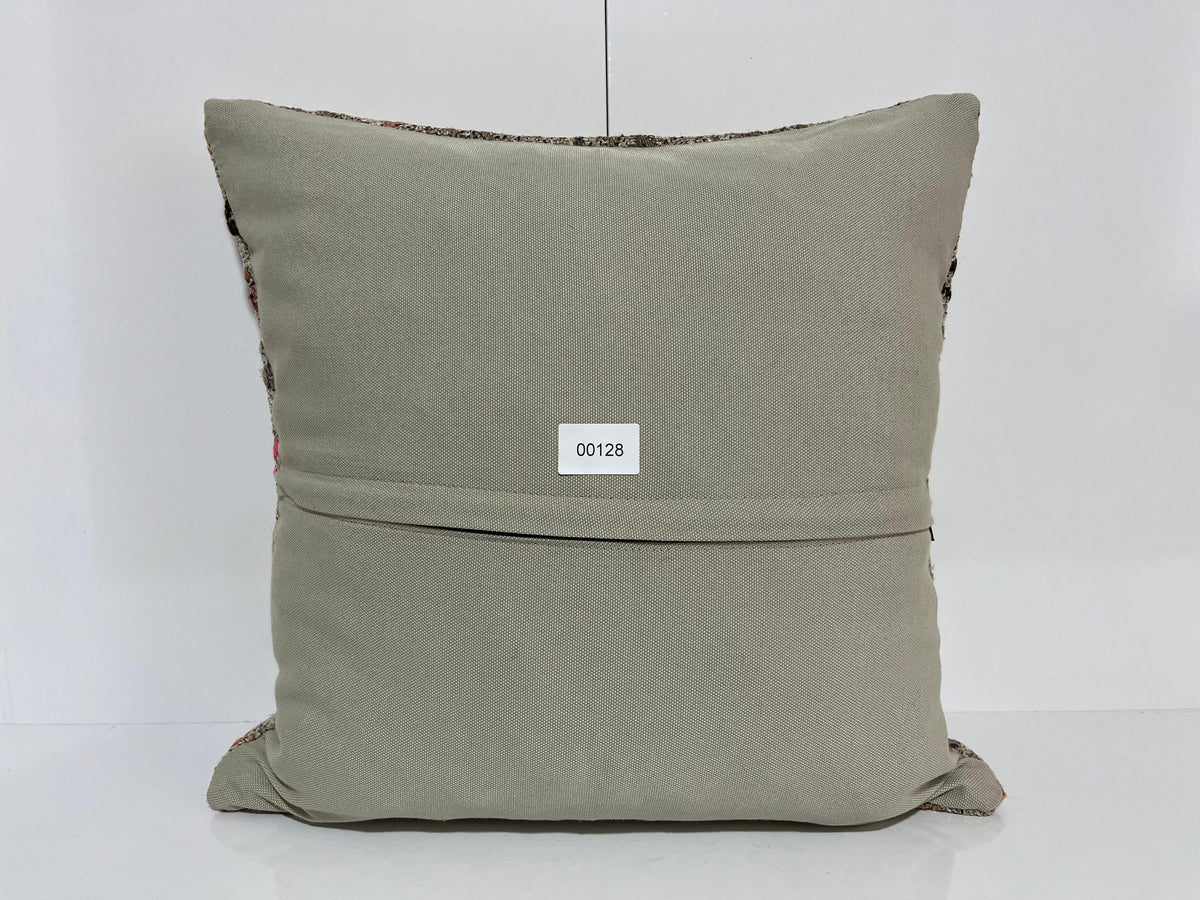
EE00128 - Kilim Pillow
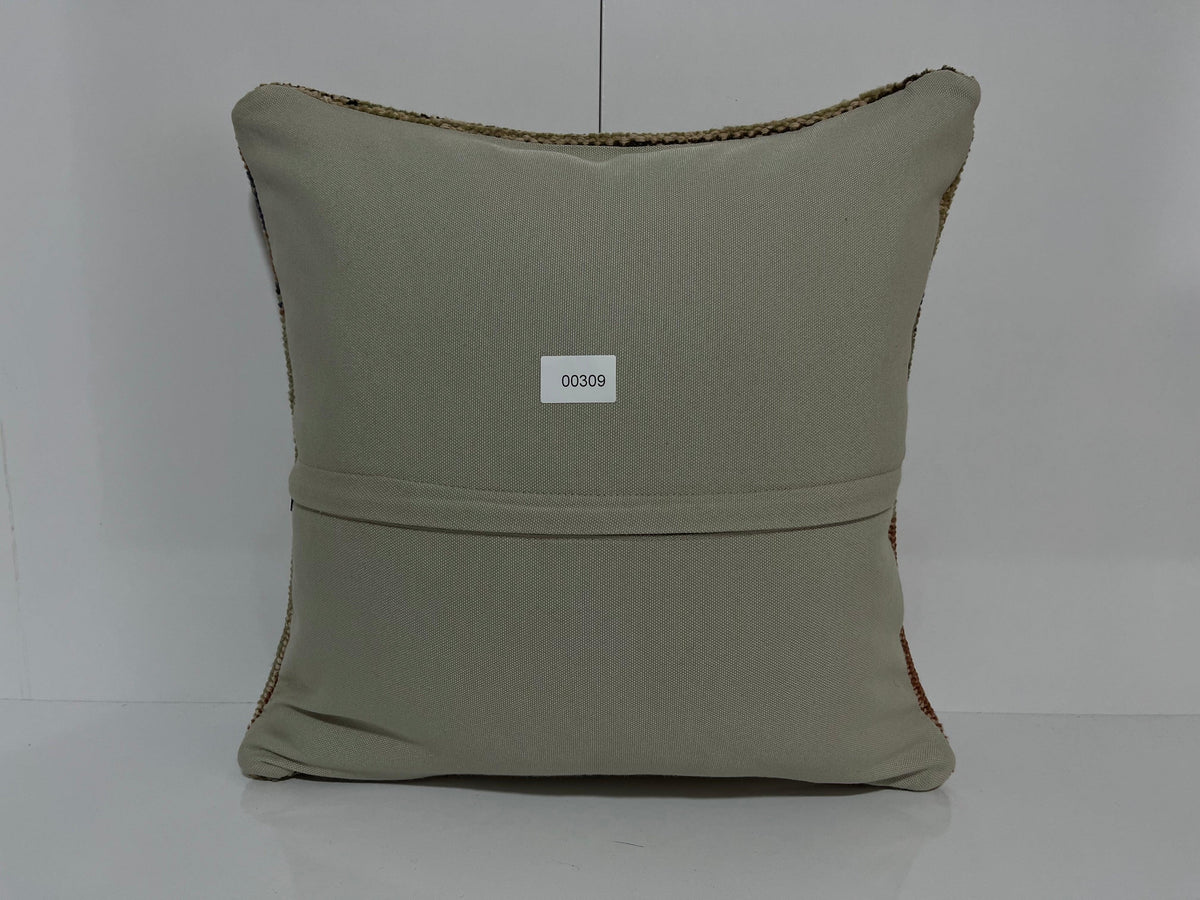
EE00309 - Kilim Pillow
EE00312 - Kilim Pillow
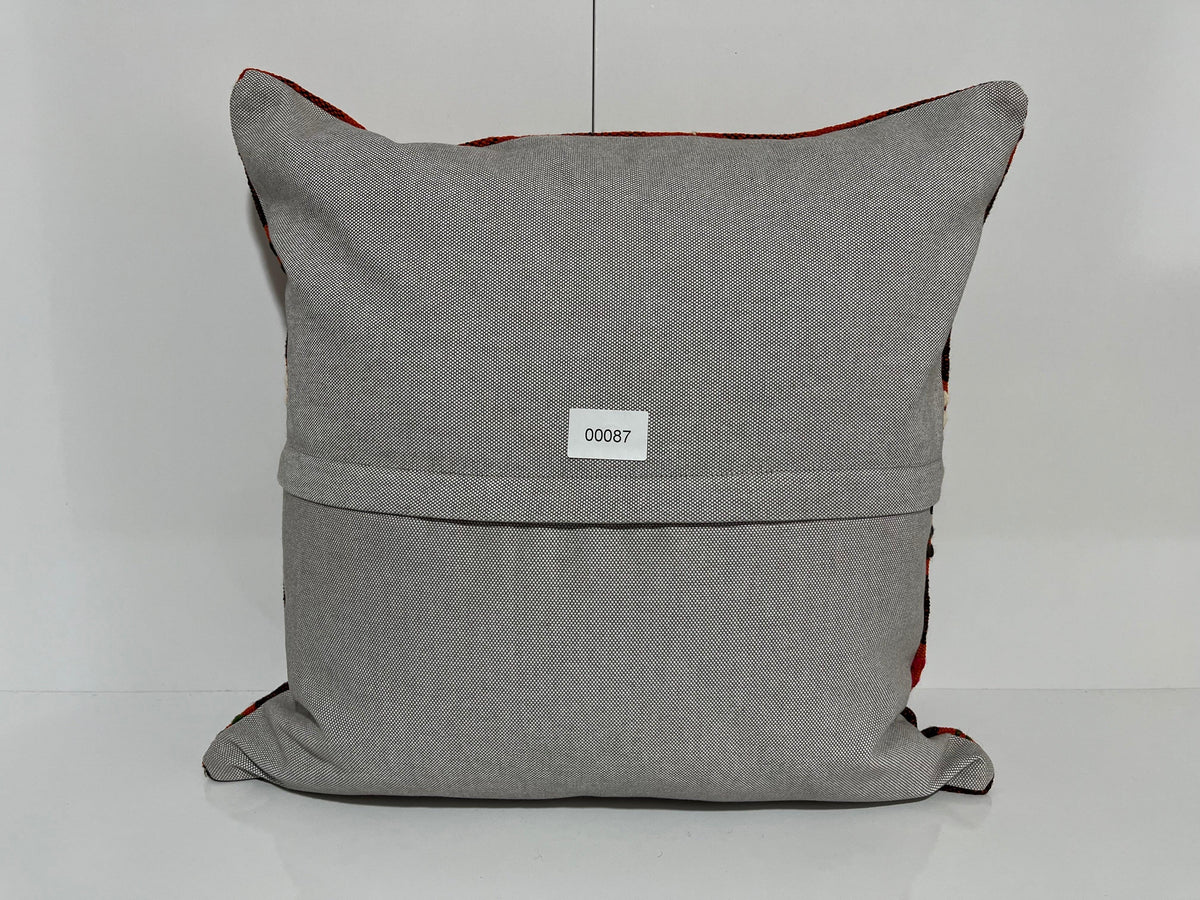
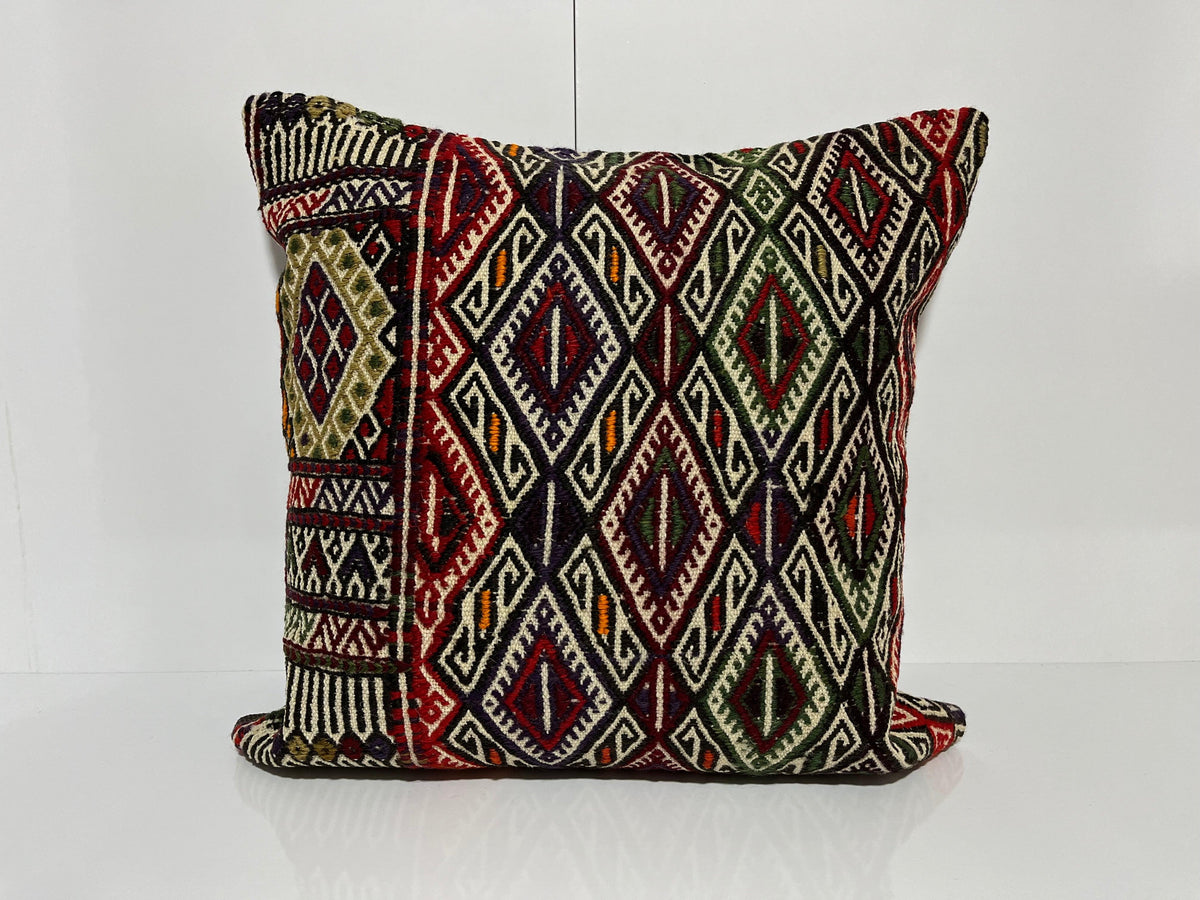
EE00087 - Kilim Pillow
EE00144 - Kilim Pillow
EE00307 - Kilim Pillow
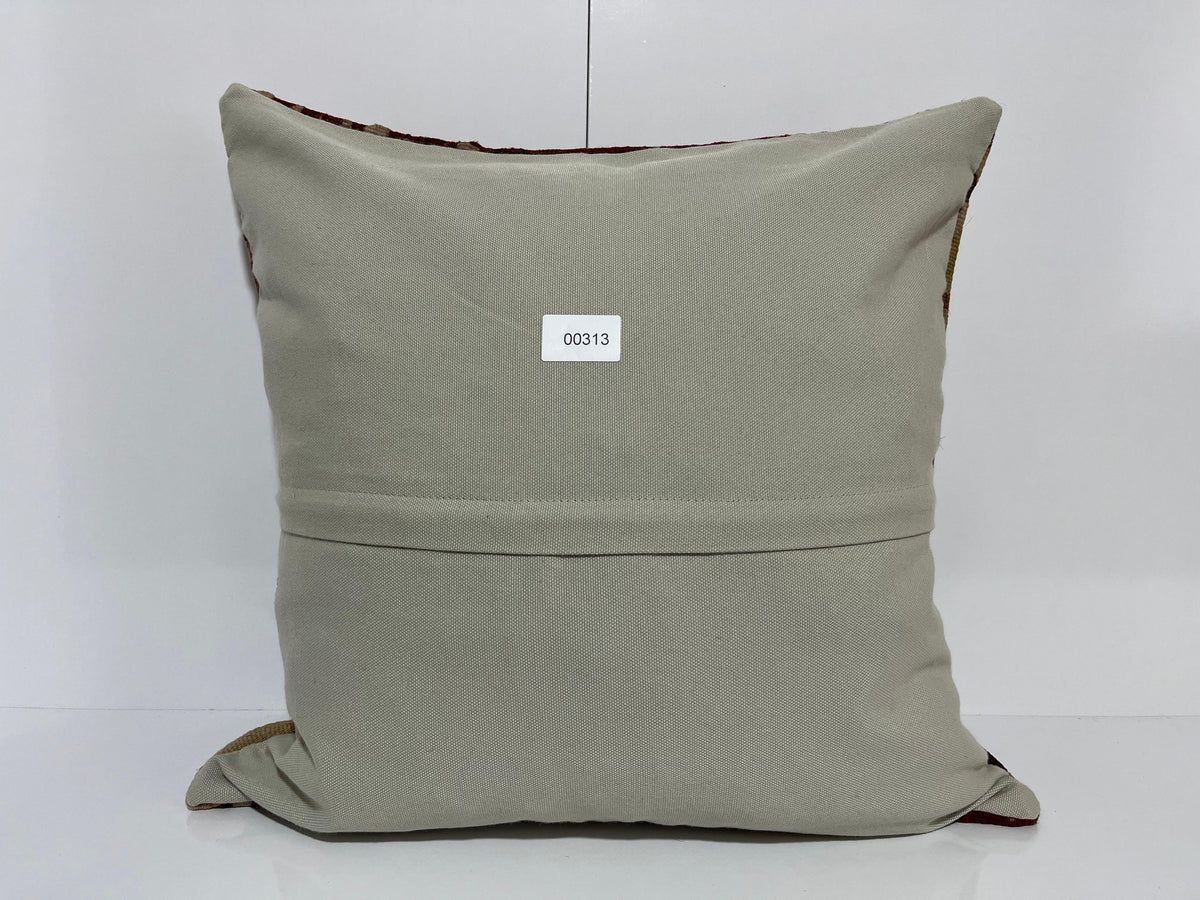
EE00313 - Kilim Pillow
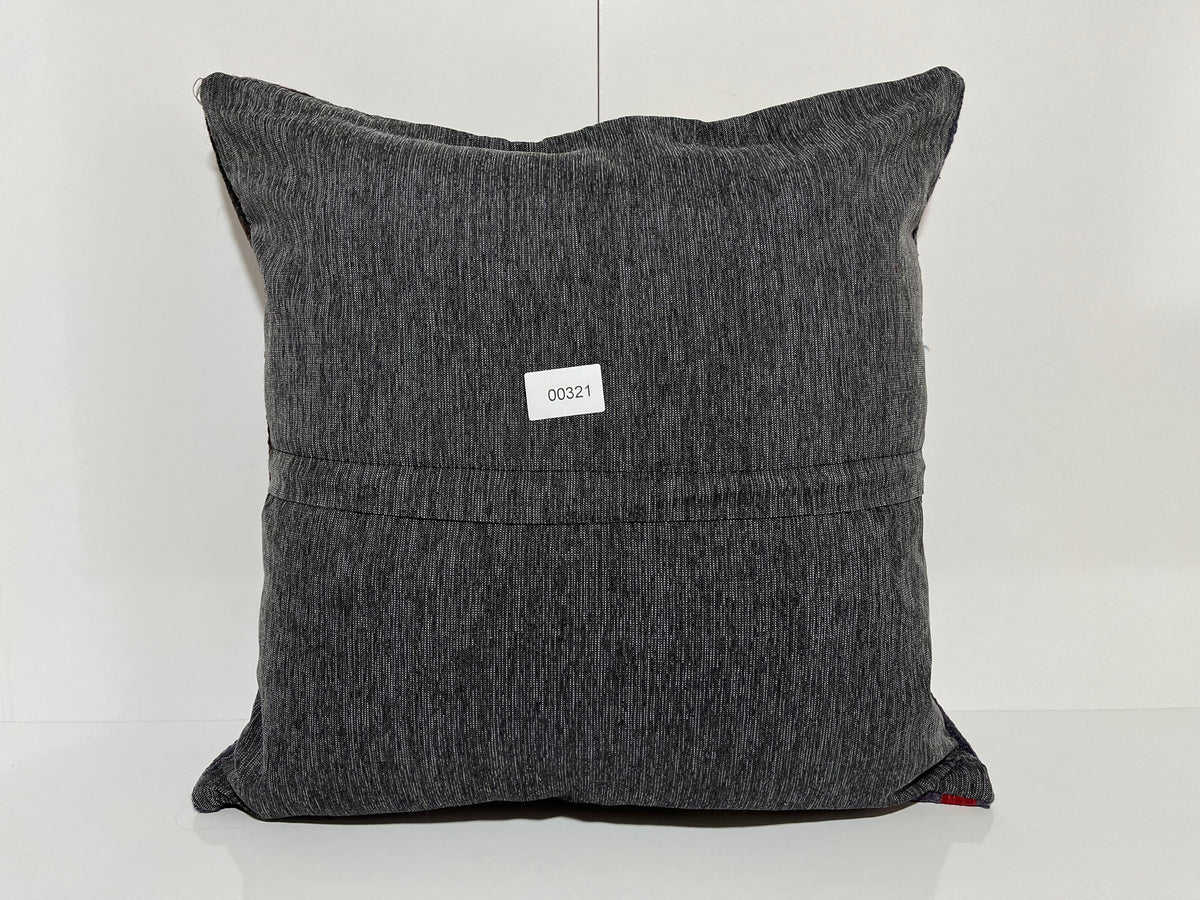
EE00321 - Kilim Pillow
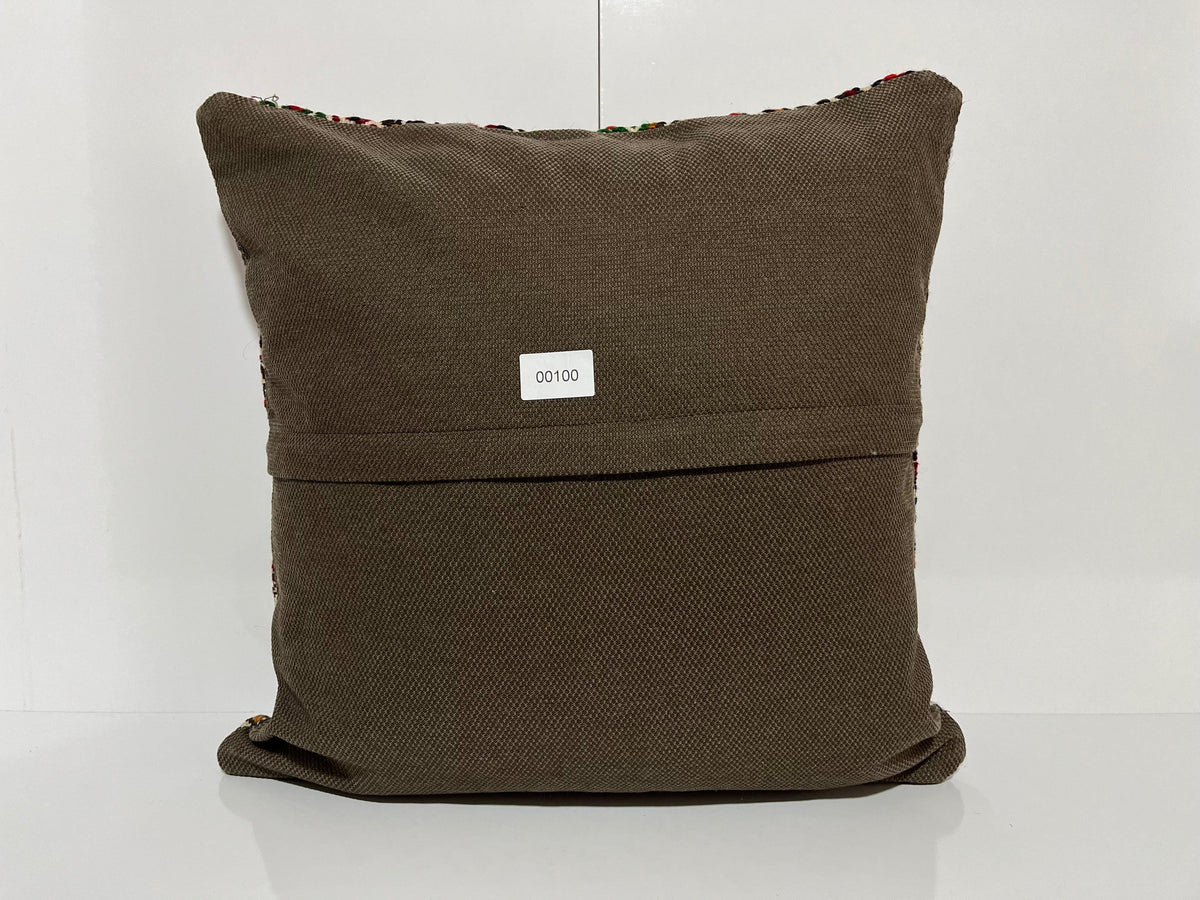
EE00100 - Kilim Pillow
EE00125 - Kilim Pillow
EE00092 - Kilim Pillow
EE00239 - Kilim Pillow
EE00198 - Kilim Pillow
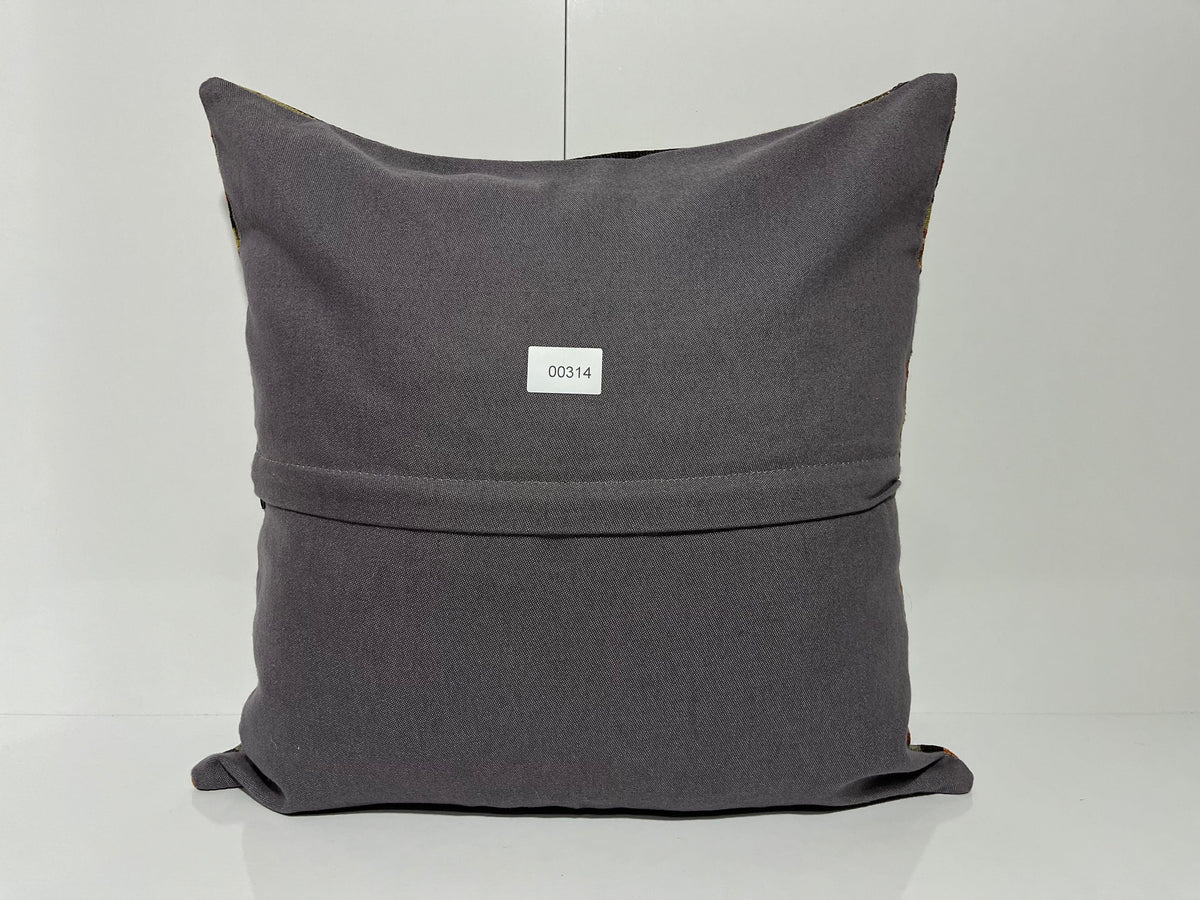
EE00314 - Kilim Pillow
Throw Pillows
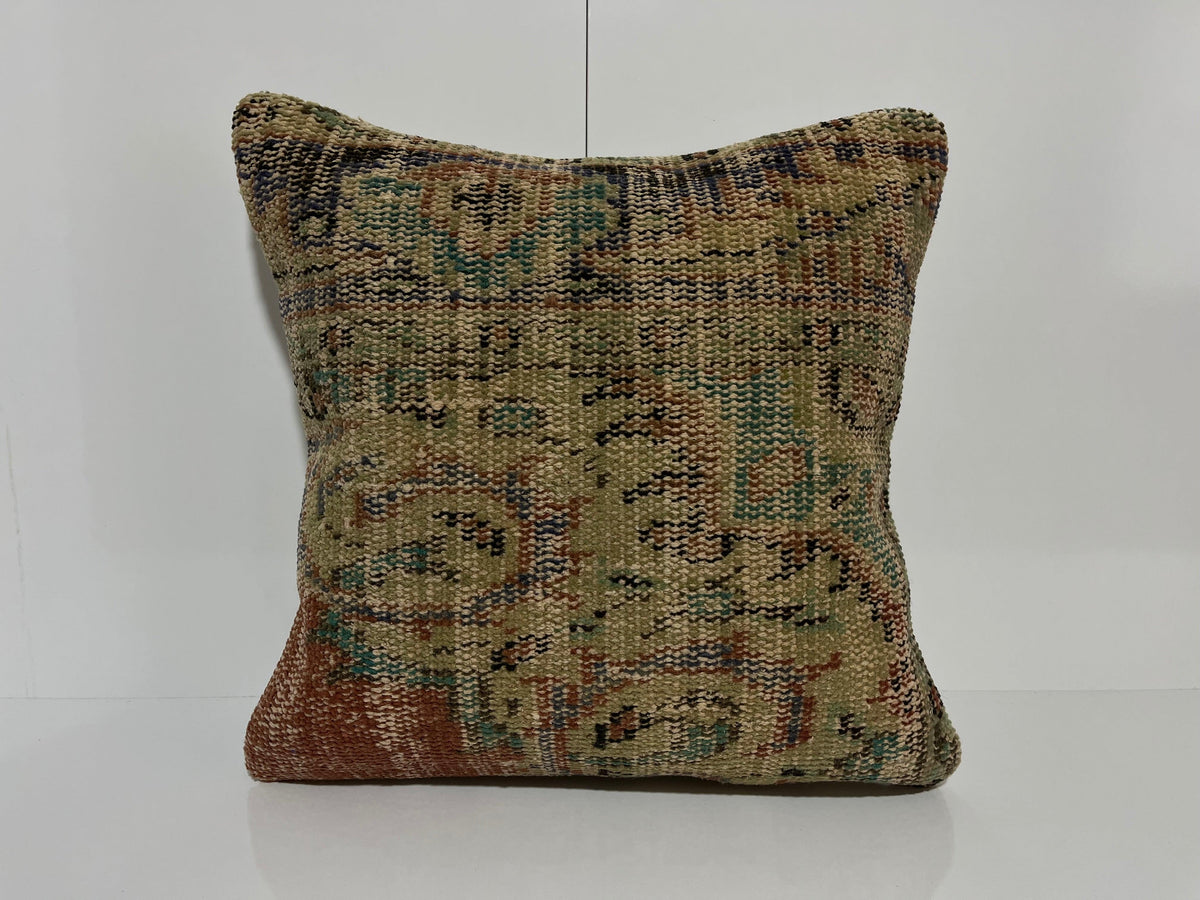
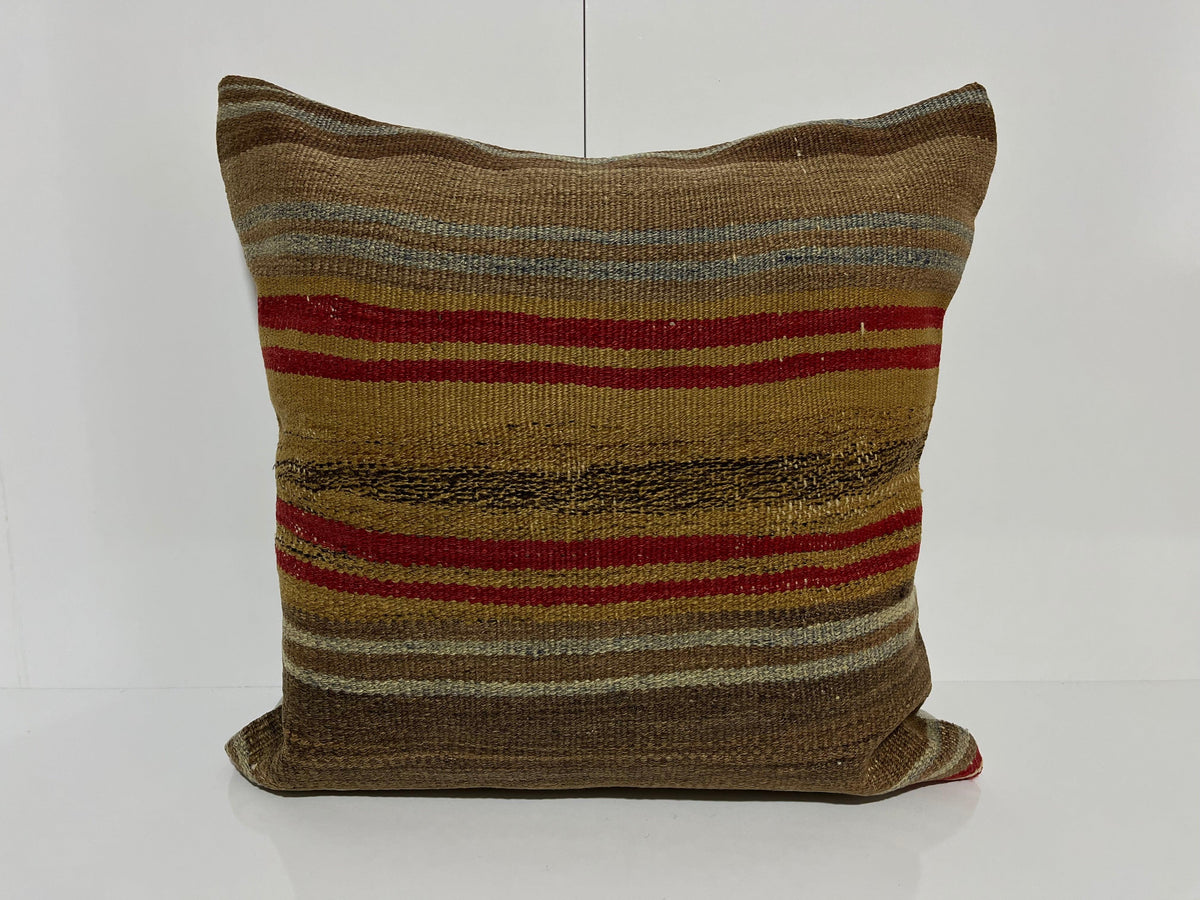
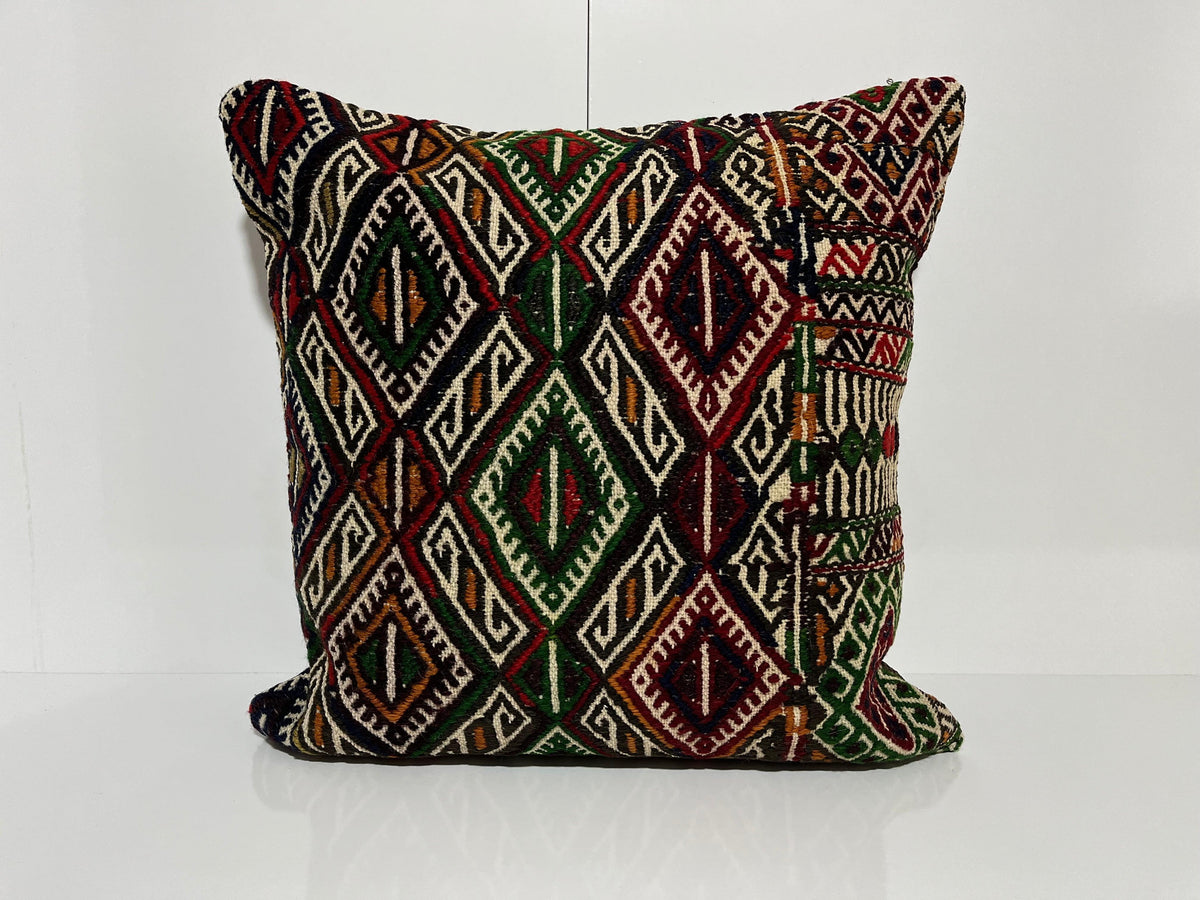
Most throw pillows described as "vintage style" are new fabric woven to look old. These are not that. Every pillow and cushion cover in this collection is cut from a real, retired piece of kilim or rug fabric, the same flatwoven wool that runs through our kilim rugs collection, salvaged rather than rewoven. Some fragments come from a worn corner of a larger kilim, others from a rug too damaged in one section to sell whole but perfectly sound everywhere else. Nothing here started life as a pillow. It became one, which means the wear you sometimes see at an edge or in a faded corner is not styling. It is the same decades of use that made the original piece a rug in the first place, just repurposed instead of thrown away.
Why Every Kirmen Throw Pillow Is Genuinely One of a Kind
"One of a kind" gets used loosely in home decor, but it is a literal fact here rather than a marketing line. Each cover is cut from a specific piece of retired kilim or rug fabric, and that piece does not exist twice. Once a fragment is cut and sewn into a cushion cover, the exact pattern, colorway, and wear pattern on that piece is gone from the world in any other form. A printed throw pillow can be reordered in the same design forever. A vintage kilim pillow cannot, because there is no second bolt of the original fabric sitting in a warehouse somewhere.
Pillow Cover or Filled Cushion: Which One Are You Really Buying?
This trips people up more than almost anything else in this category, and most sellers do not explain it clearly. We sell both, listed separately. A pillow cover is fabric only, a case with an opening or closure, meant to go over an insert you already own or buy separately. A filled cushion includes the insert, ready to use straight out of the box. Check the listing title and description before ordering, since the price difference reflects exactly this, and a cover ordered by mistake will arrive flat with nothing inside it. Neither option is the "real" one. They are two different purchases for two different situations.

What Is on the Back of a Vintage Kilim Pillow Cover?
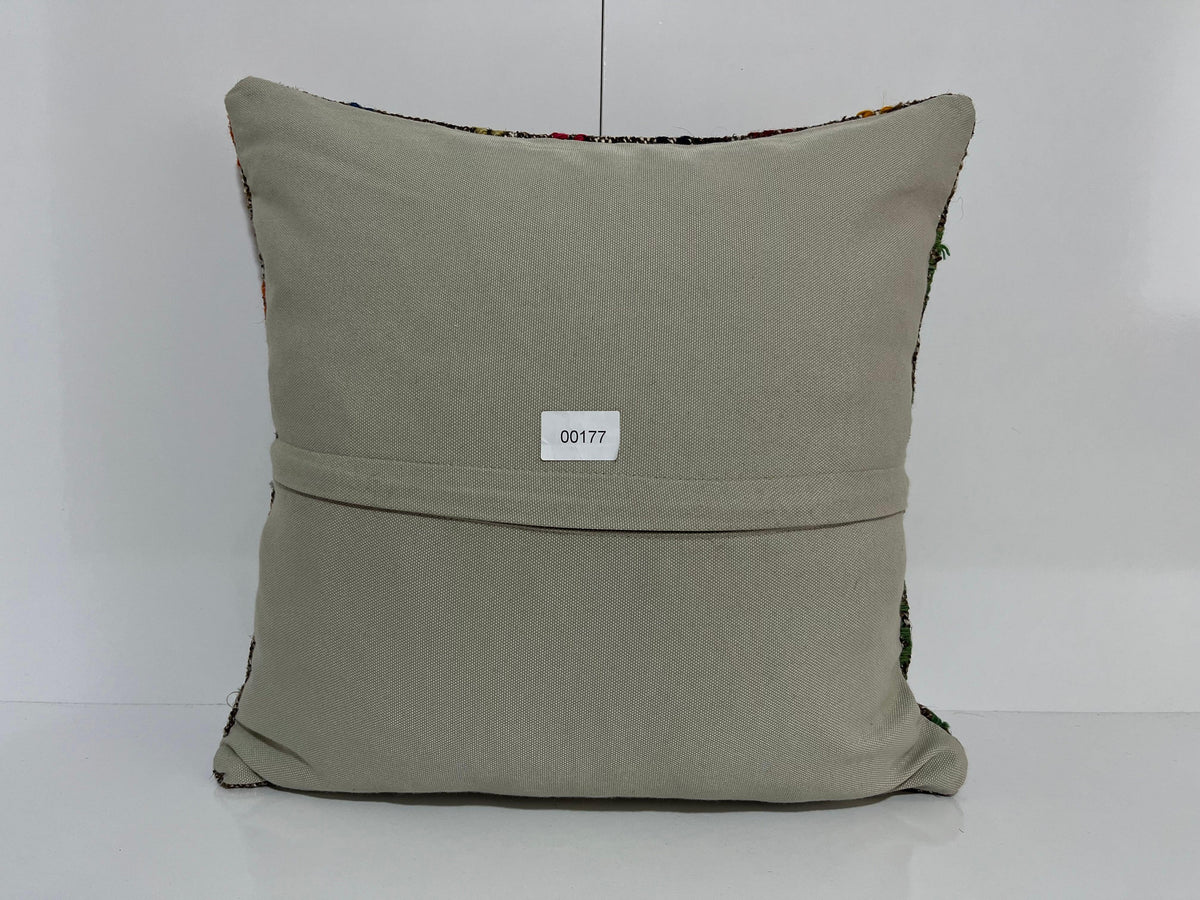
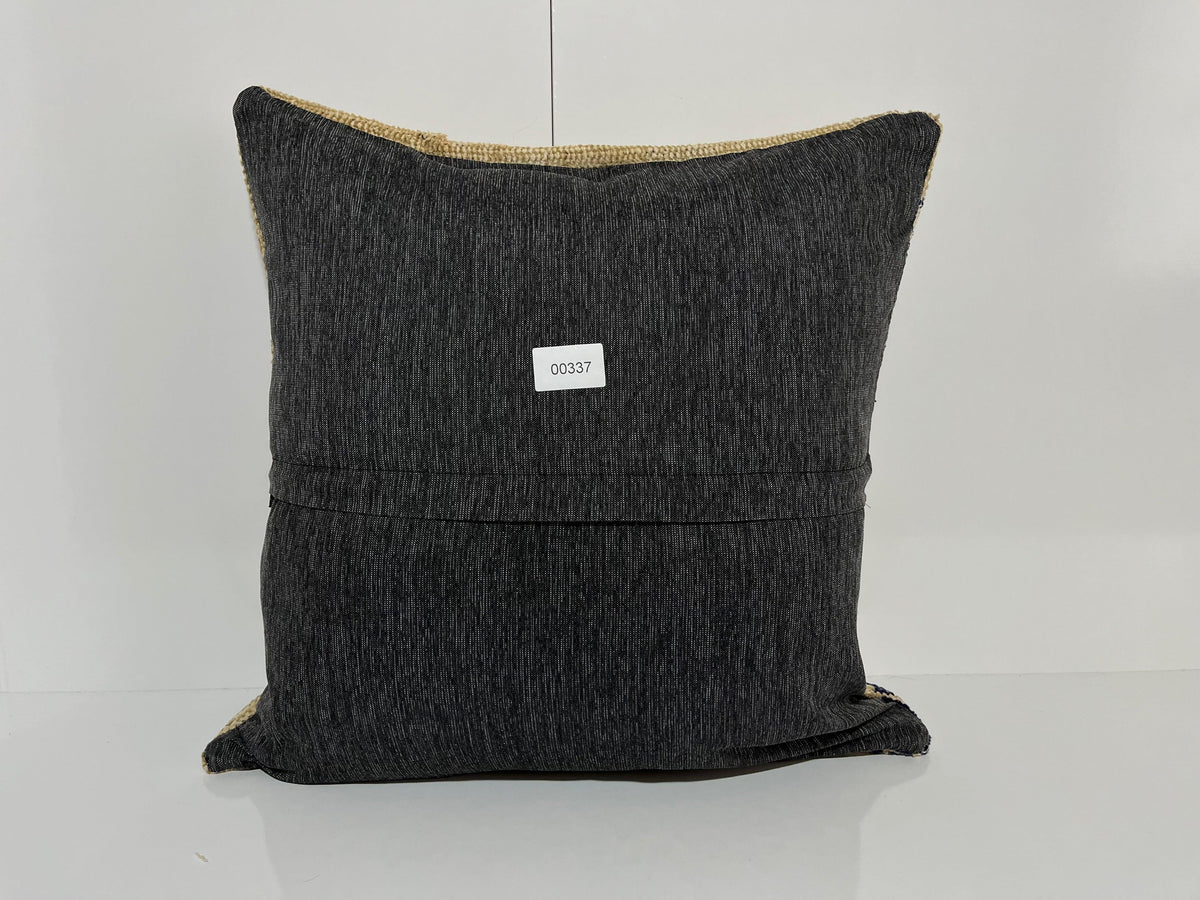
The front is the original woven kilim or rug fabric. The back is usually a plain, sturdy cotton or linen backing, sewn on rather than woven, since the source fabric fragment only covers one side of a cushion and the reverse needs its own material to close the cover and hold an insert. This is standard construction for this kind of pillow, not a shortcut, and most sellers do not bother explaining it. If a listing photo only shows the front, it is worth assuming the back is a plain neutral backing unless the description says otherwise.
What Makes a Turkish Kilim Pillow Different From a Printed Throw Pillow?
A kilim pillow is flatwoven wool, the pattern built into the weave itself rather than printed on top of a cotton or polyester base. You can feel the difference with your hand before you ever look closely. The front and back of a woven pattern do not look identical the way a printed one does, and the wool has a certain weight and texture that printed cotton does not try to replicate. Neither type is wrong for every room. A printed pillow is lighter, cheaper, and easier to match to a specific color scheme. A kilim pillow brings texture and a piece of real weaving history that a printed one cannot, along with a small amount of natural stiffness in the weave that softens with handling but never fully disappears.
Lumbar or Square: Which Pillow Shape Fits Your Sofa?
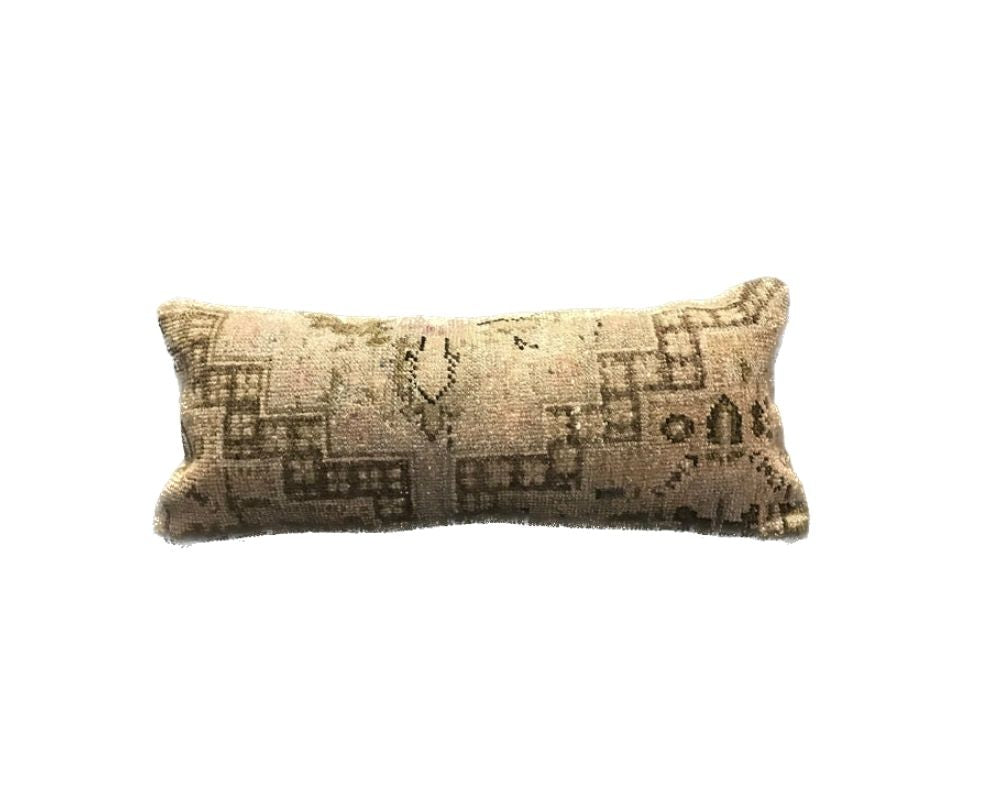
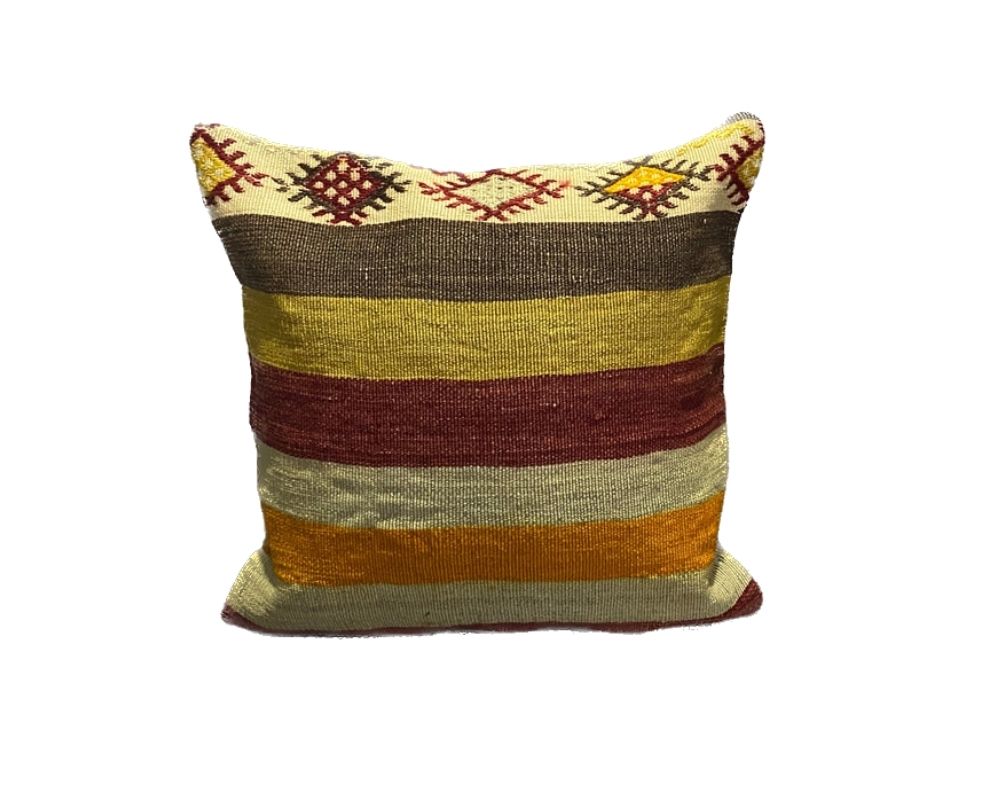
A square pillow is the more flexible default, working on a sofa, a bed, or a reading chair without needing much justification. A lumbar pillow, the longer rectangular shape, does a specific job: it supports the lower back on a sofa or bed and tends to look intentional stacked in front of larger square pillows rather than beside them. Since these covers are cut from existing fabric fragments rather than a bolt cut to a fixed size, exact measurements vary piece to piece within each shape category, which is worth knowing before you order if you need an exact fit for a specific insert. If you need a square cover closer to a set size, our 16x16 throw pillow and 20x20 decorative pillow collections narrow things down. For lumbar shapes, the 16x24 lumbar pillow and 8x20 lumbar pillow collections do the same.
How Many Throw Pillows Belong on a Sofa?
There is no fixed rule, but there is a pattern that tends to work: an odd number, usually three or five depending on the sofa's size, mixed rather than matched. A single kilim pillow against two or three plainer, solid pillows usually reads better than a sofa covered edge to edge in busy pattern. I would rather see one striking vintage piece doing real work in a room than four competing with each other for attention. More is not automatically better here.
Should a Throw Pillow Match Your Vintage Rug Exactly?
No, and trying too hard to match the two exactly usually backfires. A pillow cut from a different kilim than the one on your floor will never be an exact pattern match, since it came from a different piece of fabric entirely. What works better is picking a pillow that shares a color or two with the rug rather than repeating its whole pattern. A rug with a faded red field and a pillow that picks up just that red, in a completely different motif, tends to look more collected than two pieces that try to match stitch for stitch and almost, but not quite, succeed.

How Do You Clean or Care for a Vintage Kilim Pillow Cover?
Spot clean rather than machine wash. Old wool and a washing machine are not a good combination, the same as with any rug in our inventory, and a full wash risks shrinking or distorting the weave. Blot spills quickly, vacuum gently on a low setting if dust builds up, and keep the piece out of direct, prolonged sunlight if you want the colors to stay even. It is worth reading our page on the difference between a cushion and a throw pillow if the terminology itself is part of what is confusing.
What We Check on Every Throw Pillow Before It Ships
Every fabric fragment is inspected by hand before it becomes a pillow cover, or a handmade cushion if that's the term you use, checked for structural soundness even where there is visible wear, since a worn but sound piece of kilim is exactly what this collection is built on. Shipping is free everywhere we send an order, and for orders inside the United States, duties are already built into the price. Our shipping and returns page covers what happens if a cover or cushion does not look the way you expected once it arrives.
What is a vintage kilim throw pillow actually made from?
A real, retired piece of kilim or rug fabric, the same flatwoven wool used across our rug inventory, cut and sewn into a pillow cover rather than newly woven to imitate one.
Is a pillow cover the same as a filled throw pillow?
No. A pillow cover is fabric only and needs an insert. A filled cushion already includes one. The two are listed and sold separately, so check the title before ordering.
Does a Kirmen throw pillow come with an insert?
Only if you order the filled cushion option. A pillow cover on its own does not include an insert.
What size pillow insert fits these pillow covers?
It varies by piece, since each cover is cut from an existing fabric fragment rather than a bolt cut to one fixed size. Check the specific listing for that cover's measurements before buying an insert separately.
Is every throw pillow here really one of a kind?
Yes. Each cover comes from a specific, non-repeating piece of retired kilim or rug fabric, so the same exact pattern and colorway will not appear again once that piece is used.
How many throw pillows should I put on a couch?
An odd number, usually three or five depending on the sofa, mixed rather than matched, tends to look more intentional than an even, symmetrical arrangement.
How do I clean a vintage kilim pillow cover?
Spot clean rather than machine wash. Blot spills quickly, vacuum gently if needed, and keep it out of prolonged direct sunlight.
Is a lumbar pillow different from a square throw pillow?
Yes. A lumbar pillow is a longer rectangular shape built for lower-back support, usually placed in front of larger square pillows rather than beside them.
Do you sell Moroccan or Suzani style throw pillows?
No. Everything in this collection comes from genuine Turkish and Anatolian kilim or rug fabric, not Moroccan or Central Asian suzani textile traditions.
Will a vintage kilim pillow's colors match my rug or sofa exactly?
Probably not exactly, and it does not need to. Old wool holds dye unevenly by nature, so the goal is a piece in the same color family as the room rather than a precise match.
