














Runner Rugs
Runner rug is a unique creation, woven by skilled artisans who dedicate their expertise to producing intricate designs and vibrant patterns that reflect rich cultural traditions. These handcrafted runner rugs are perfect for adding a touch of sophistication to your hallways, entryways, or staircases, providing both beauty and functionality. Durable and stylish, our runner rugs are designed to withstand high-traffic areas while maintaining their stunning appearance.


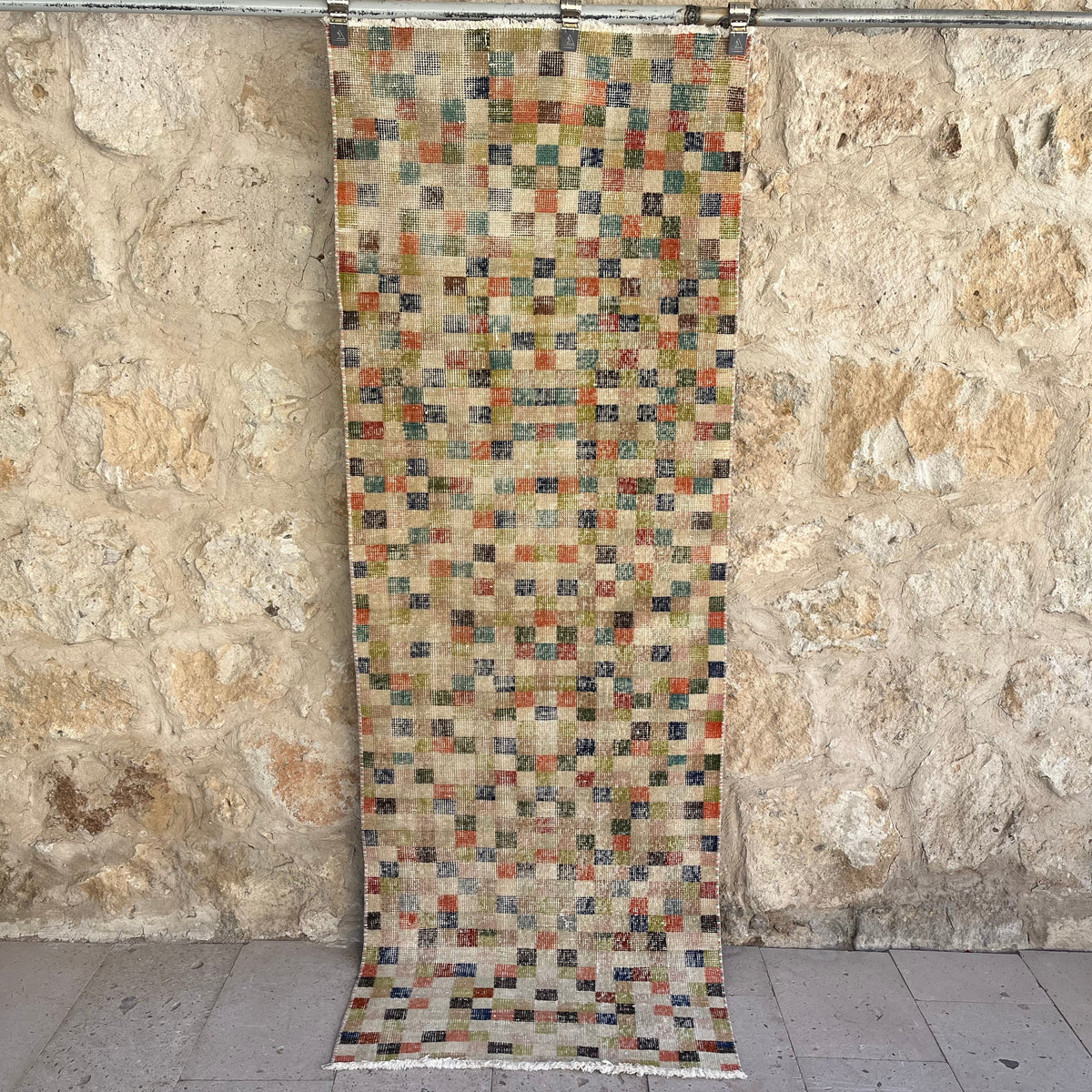
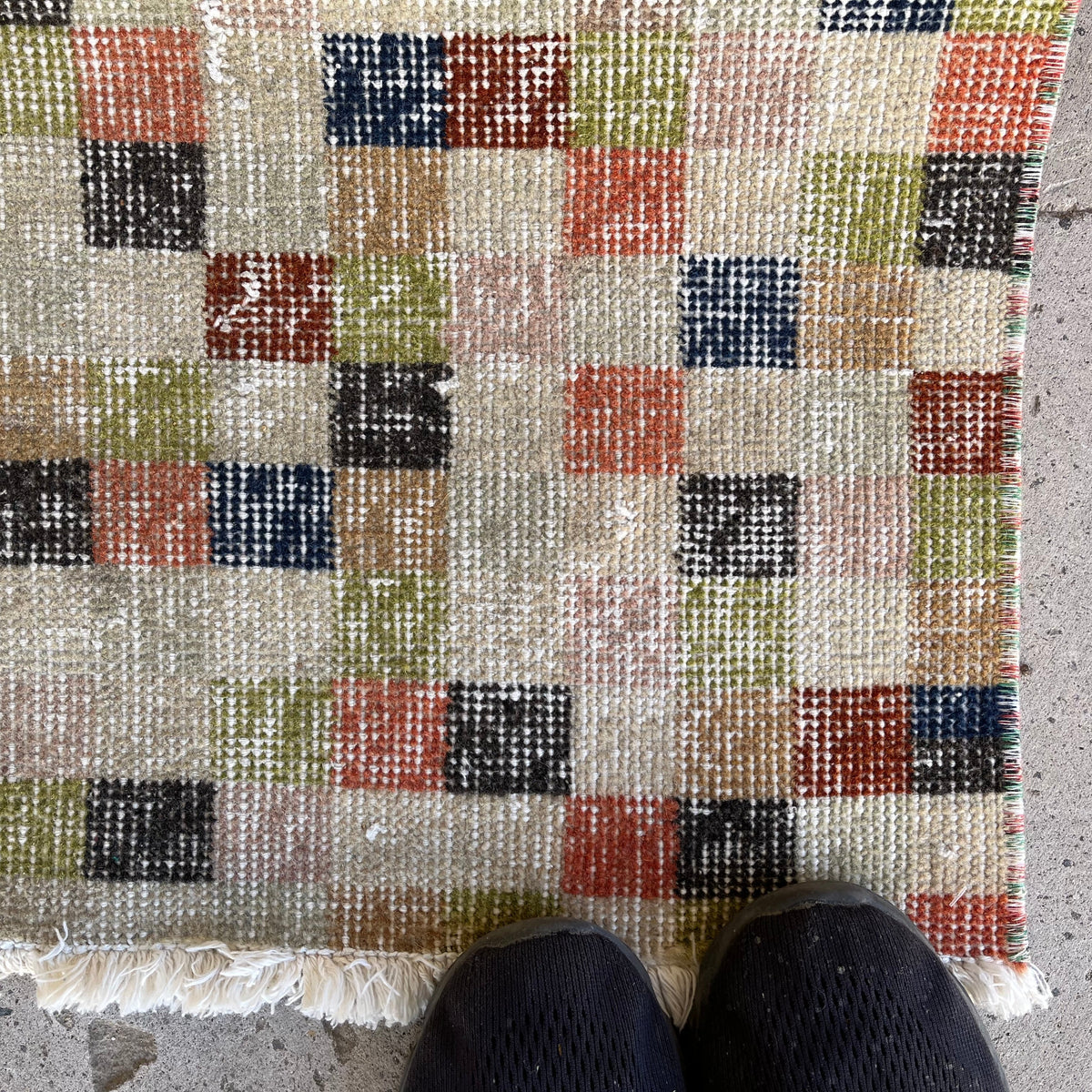
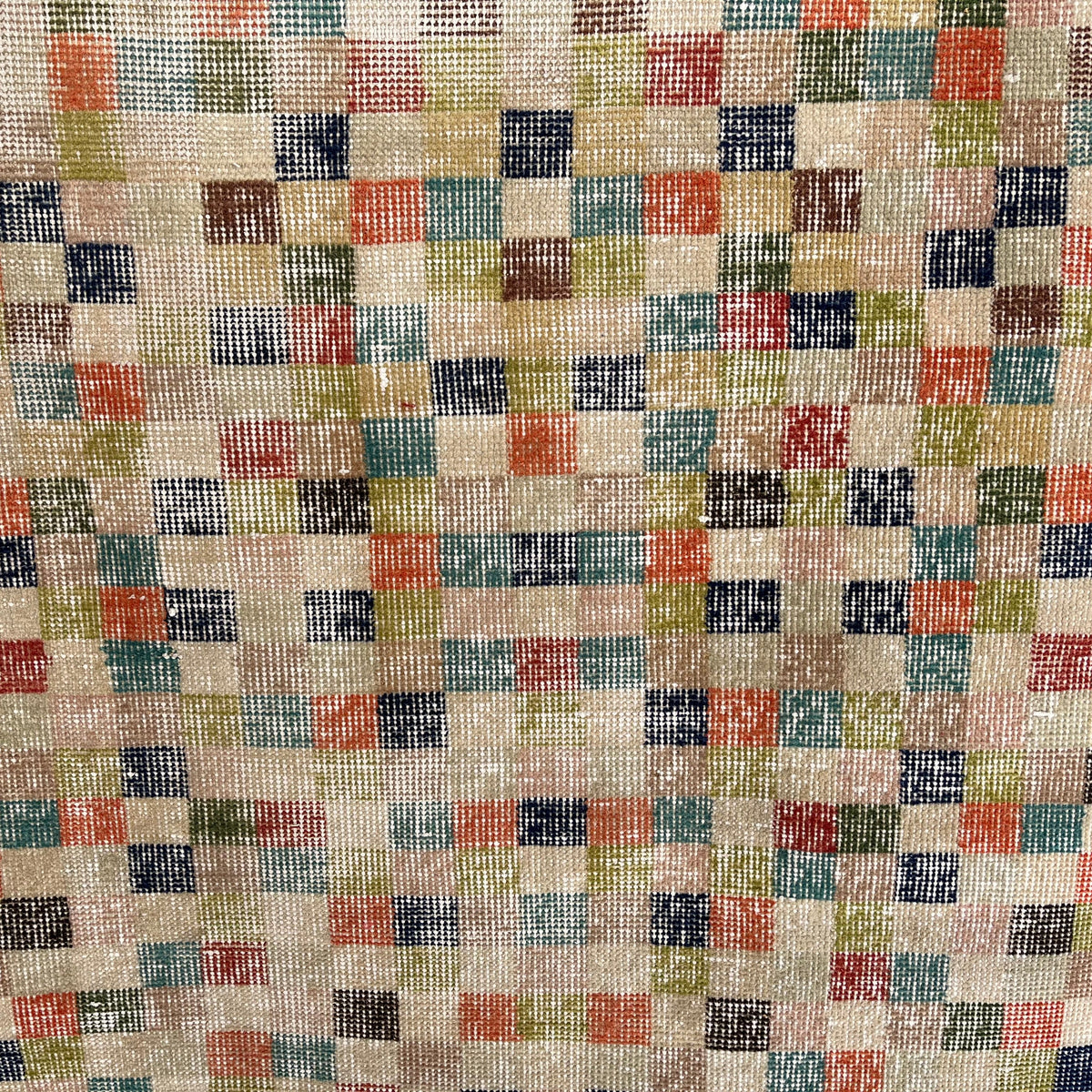
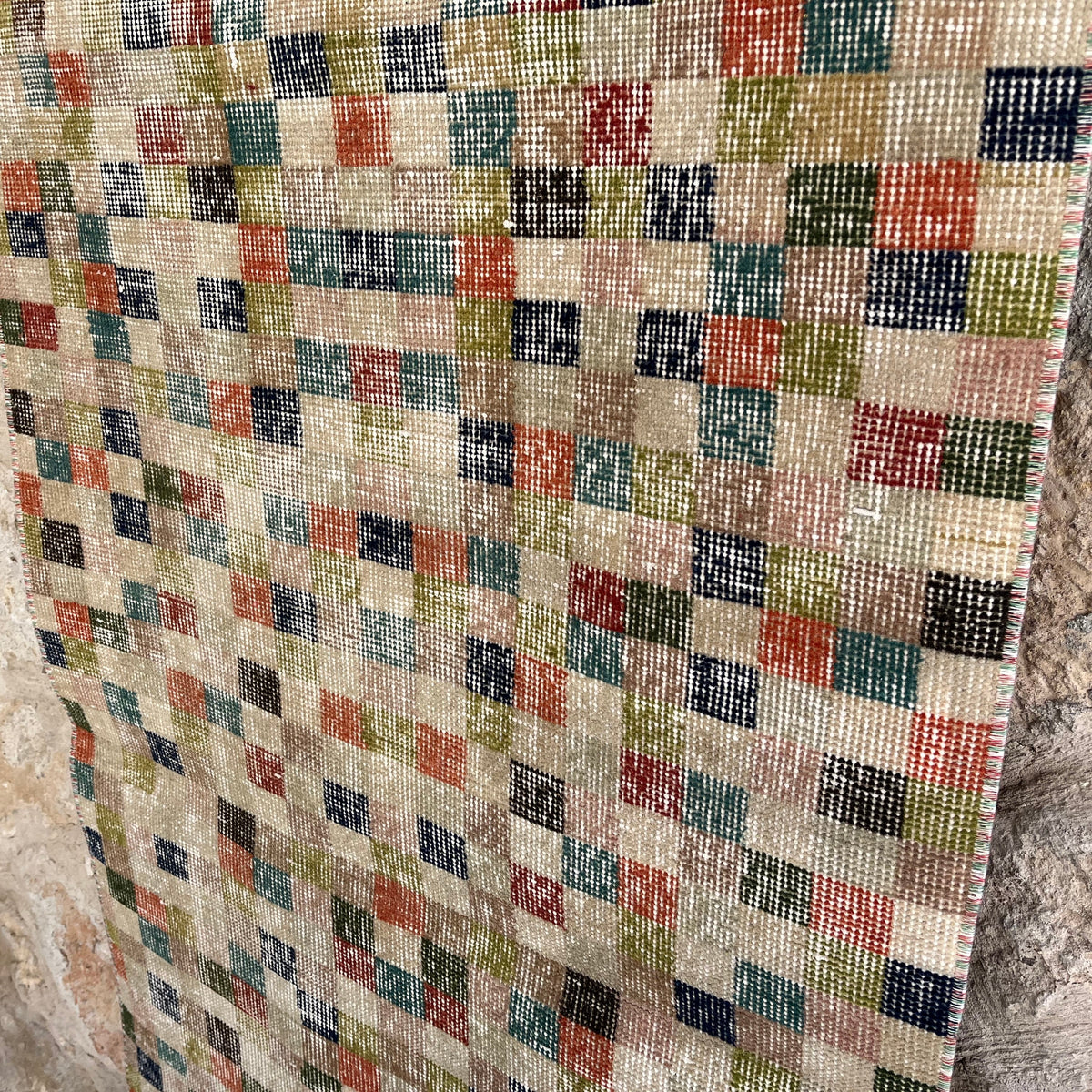


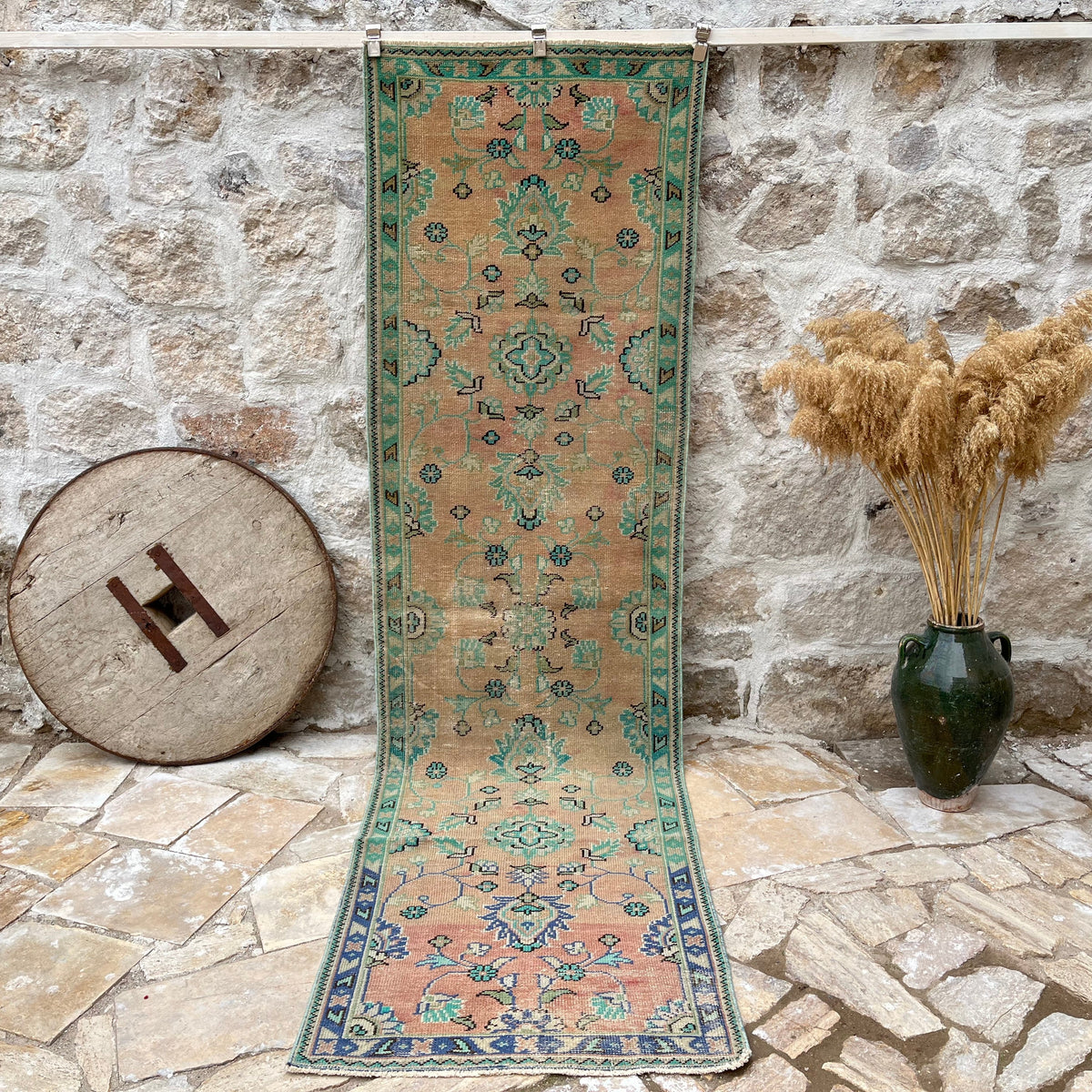
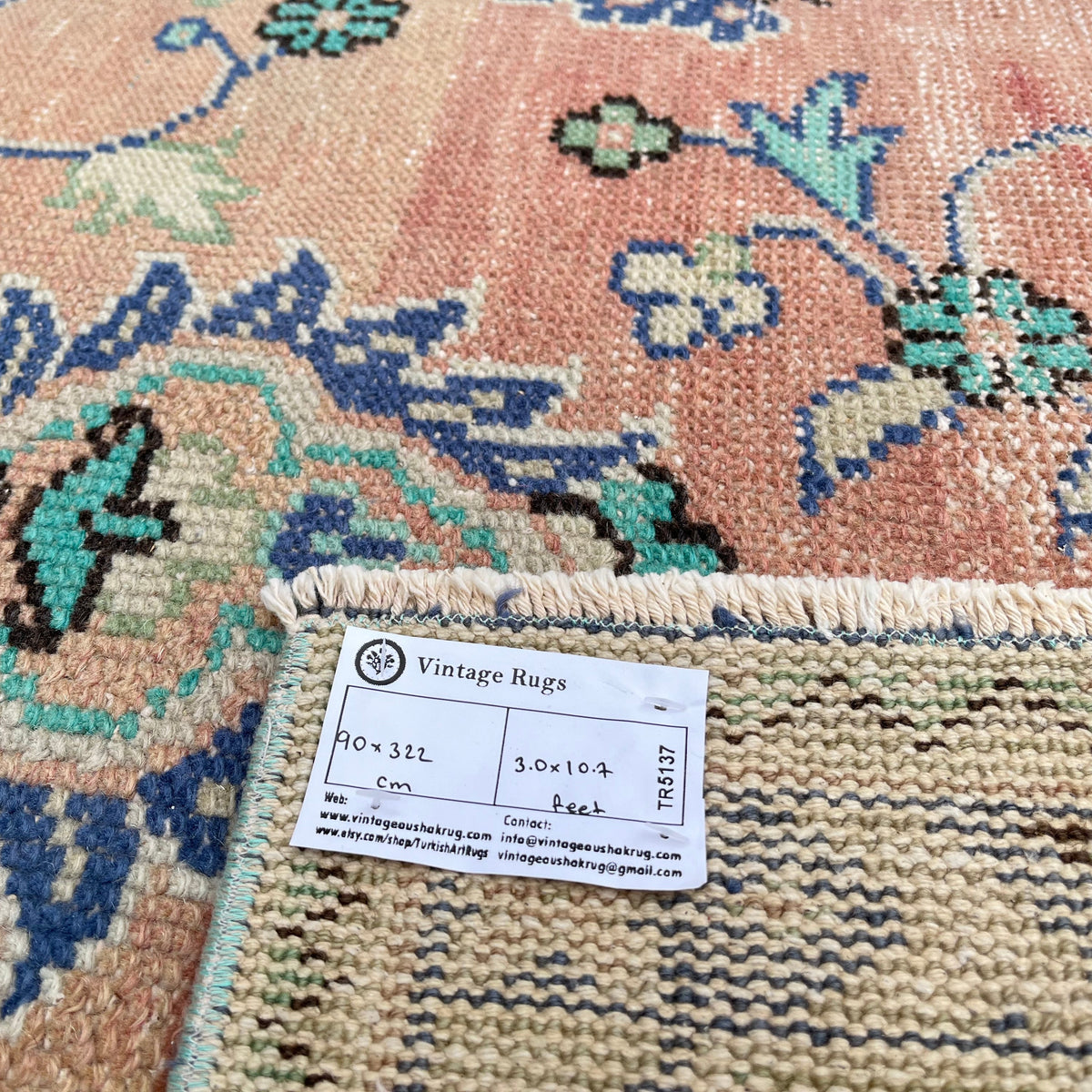
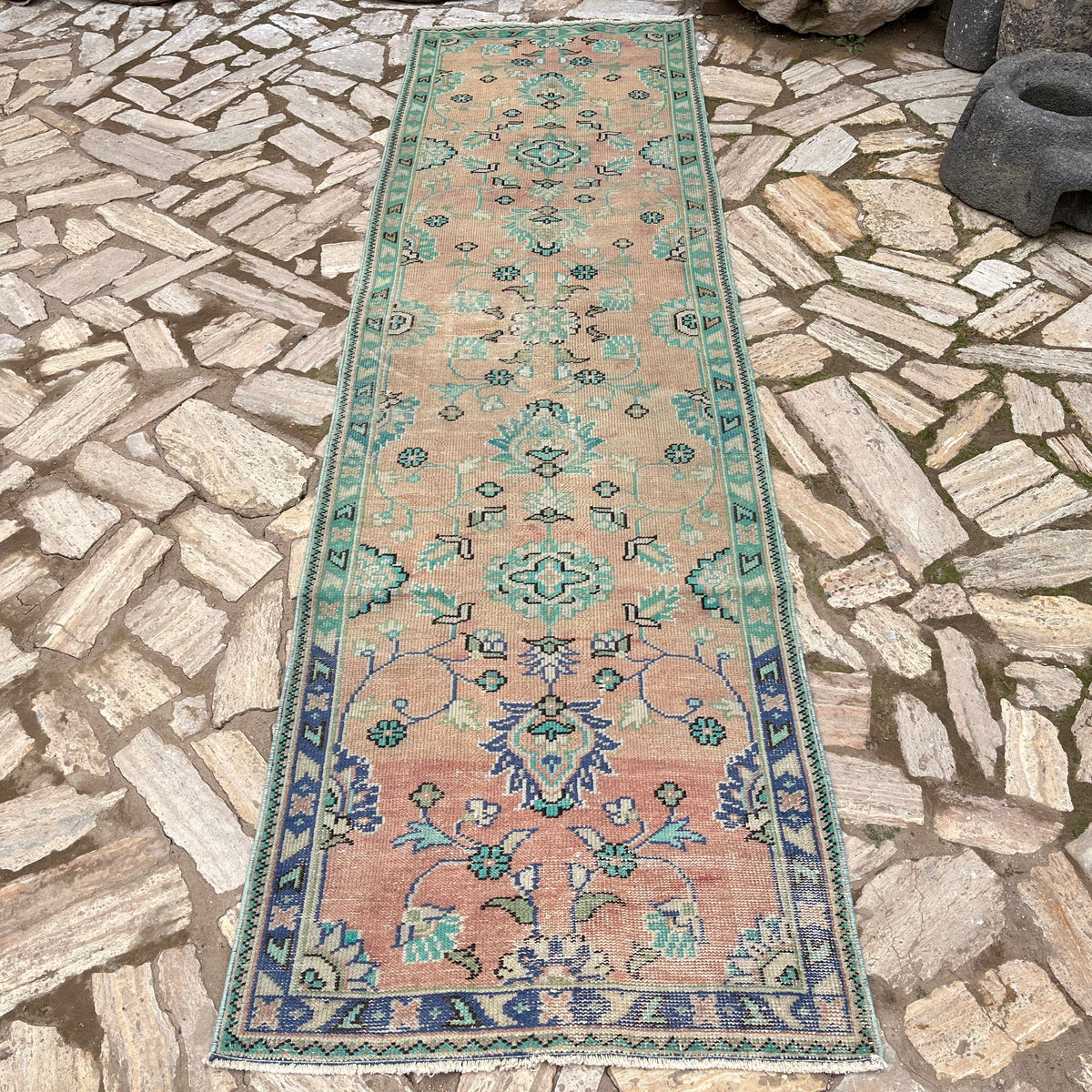
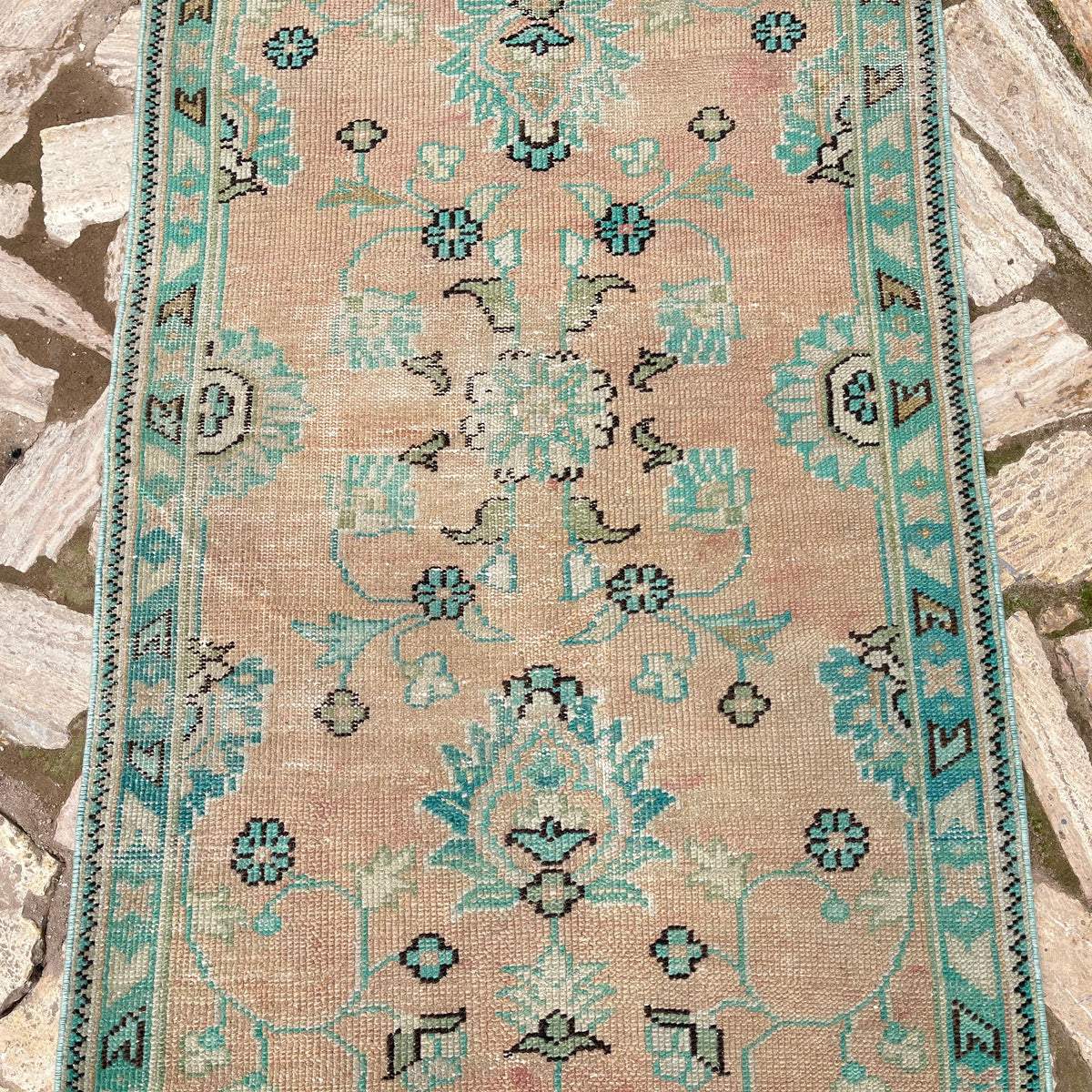


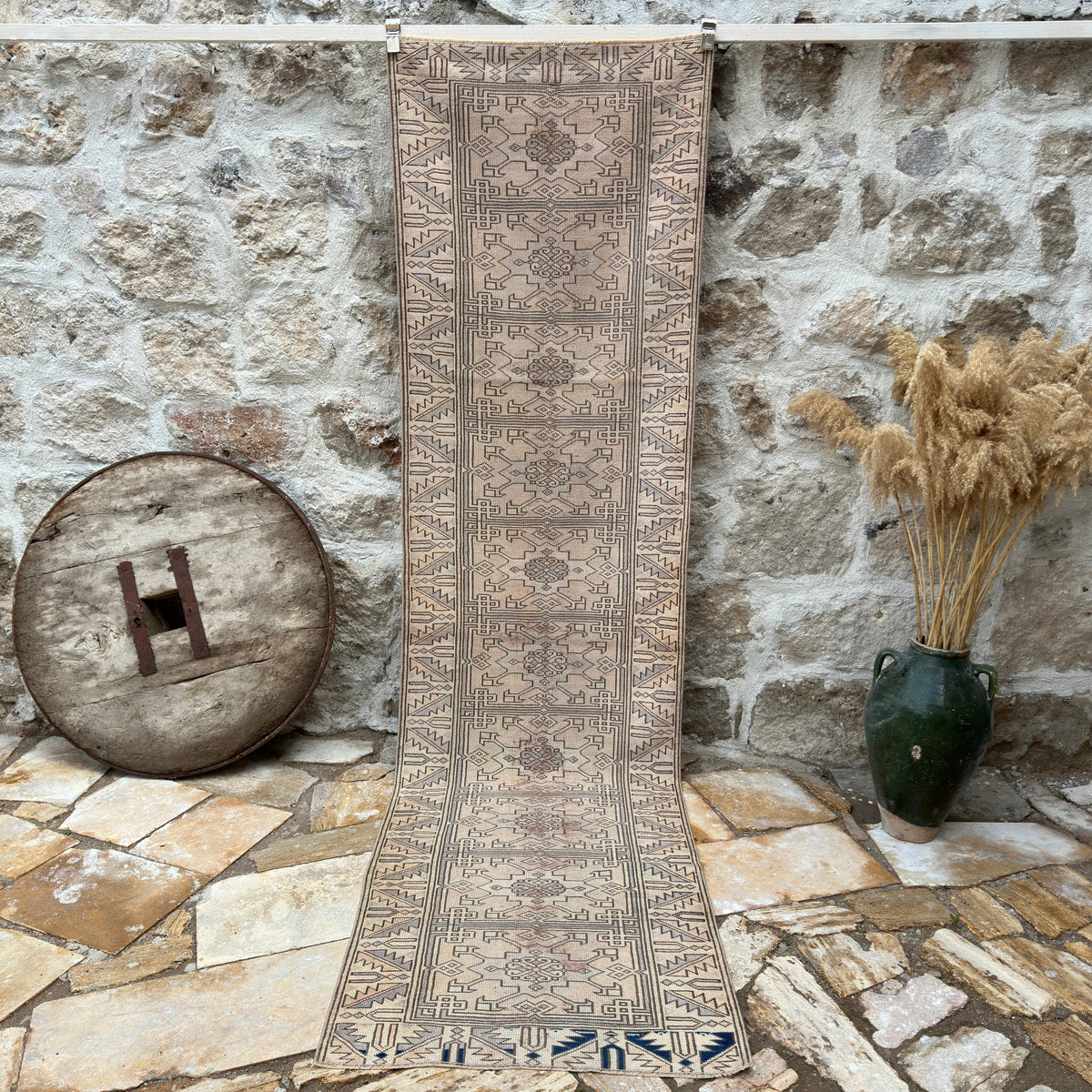
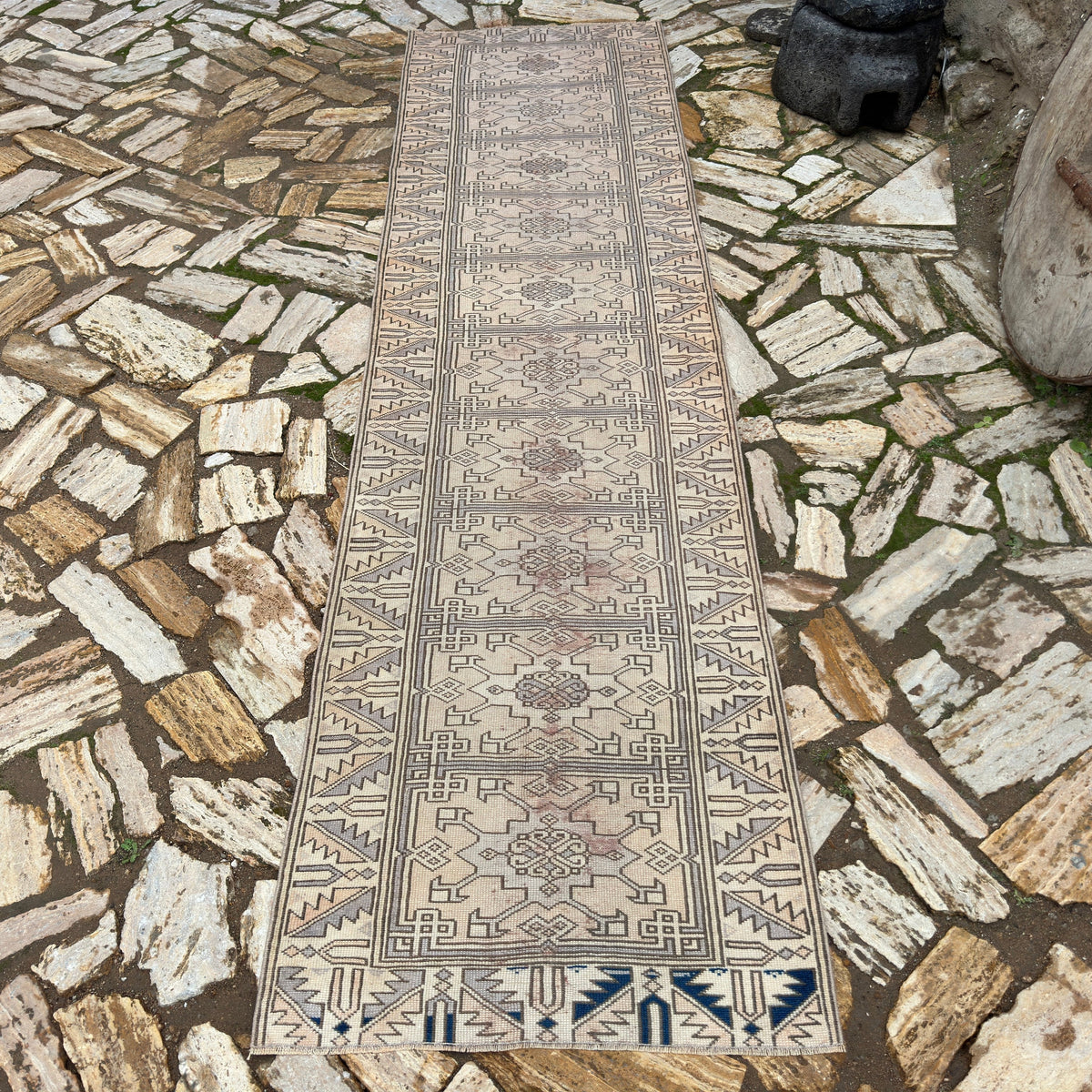


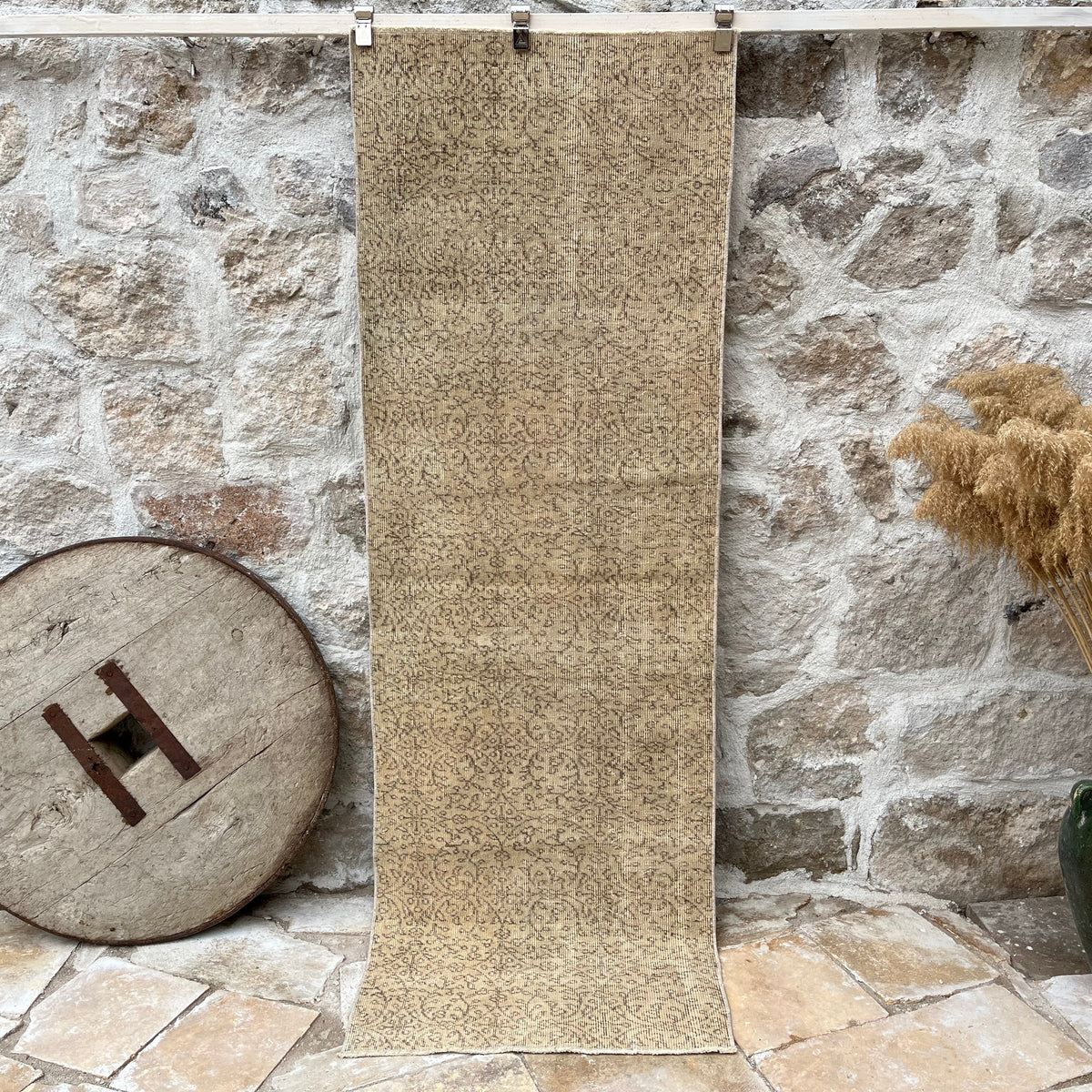
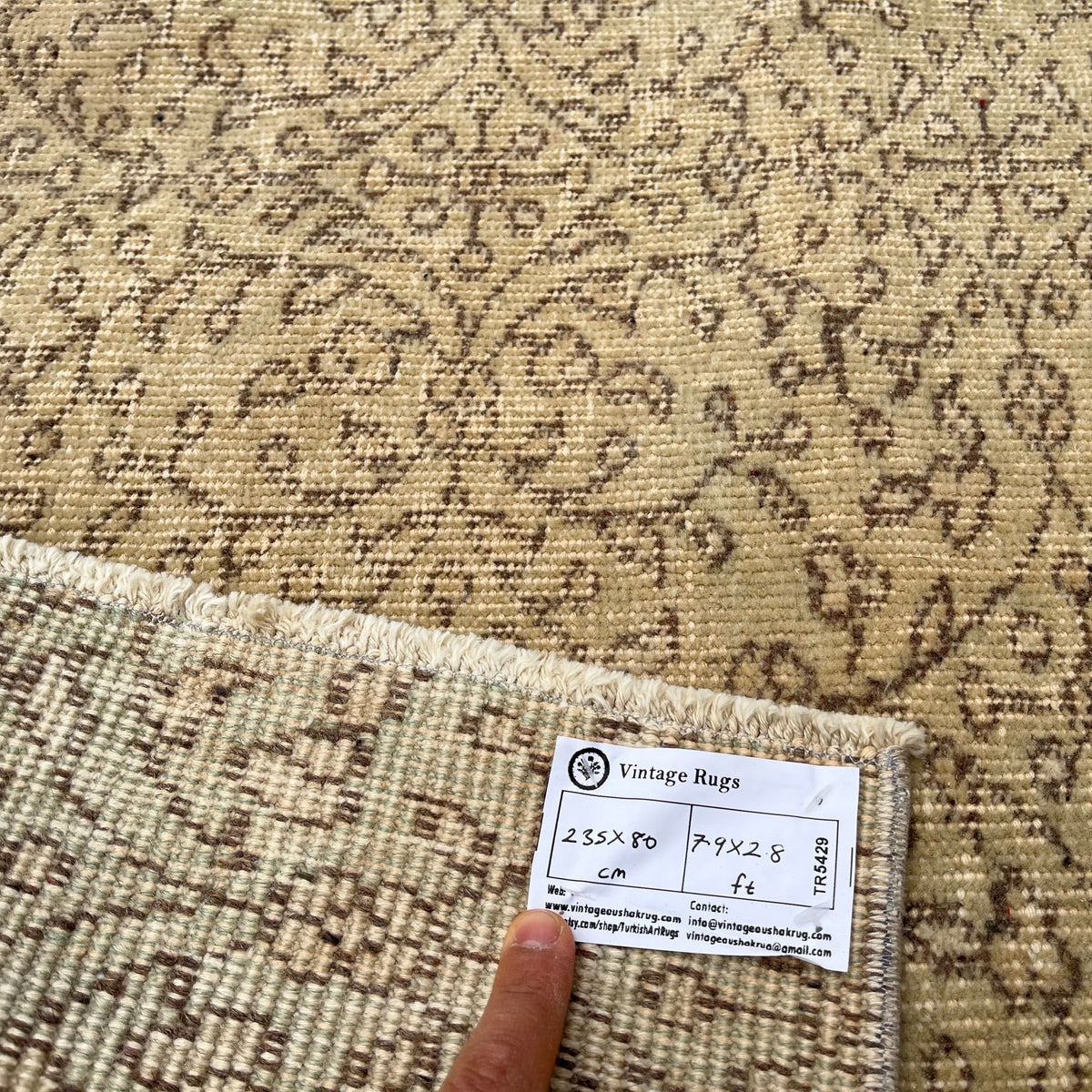
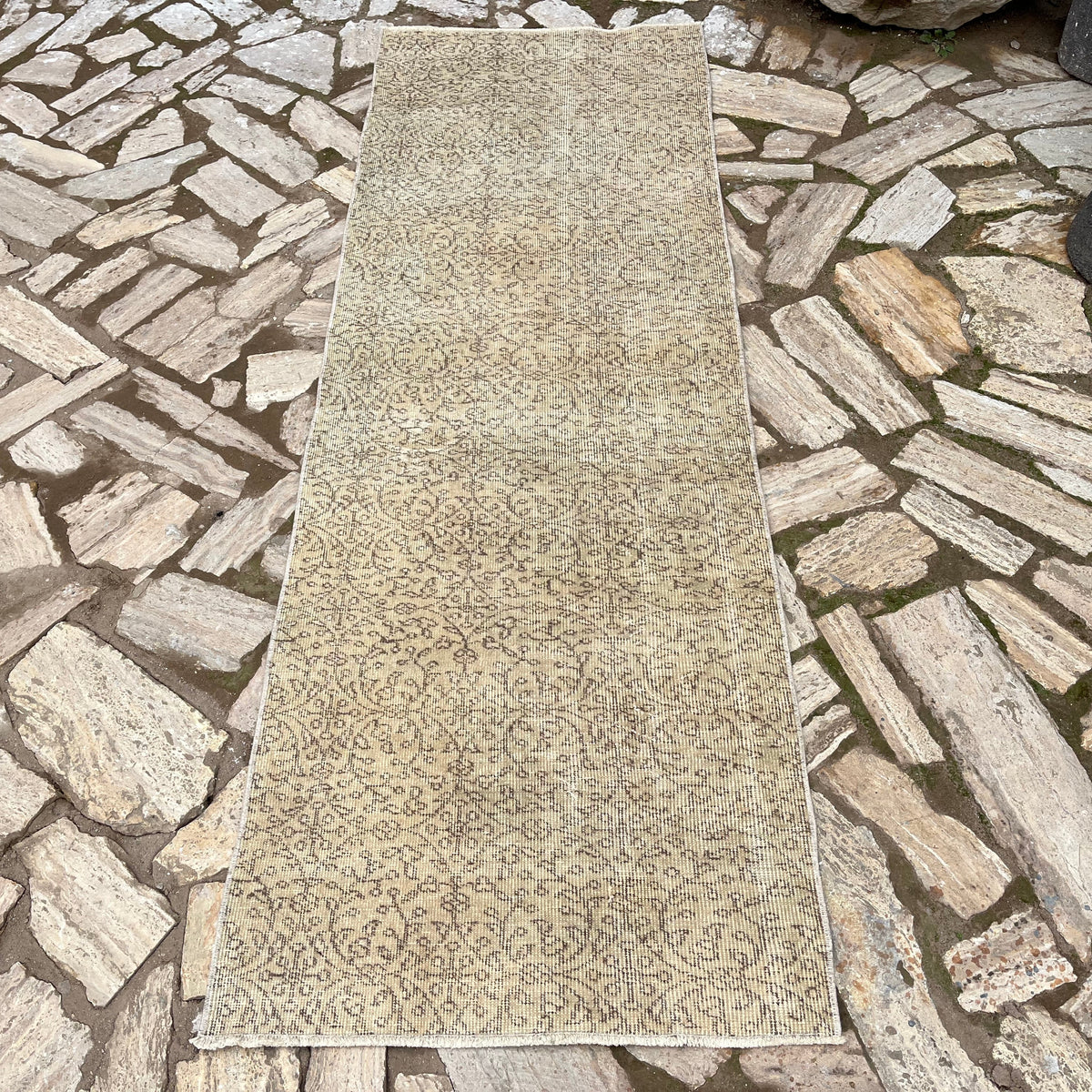
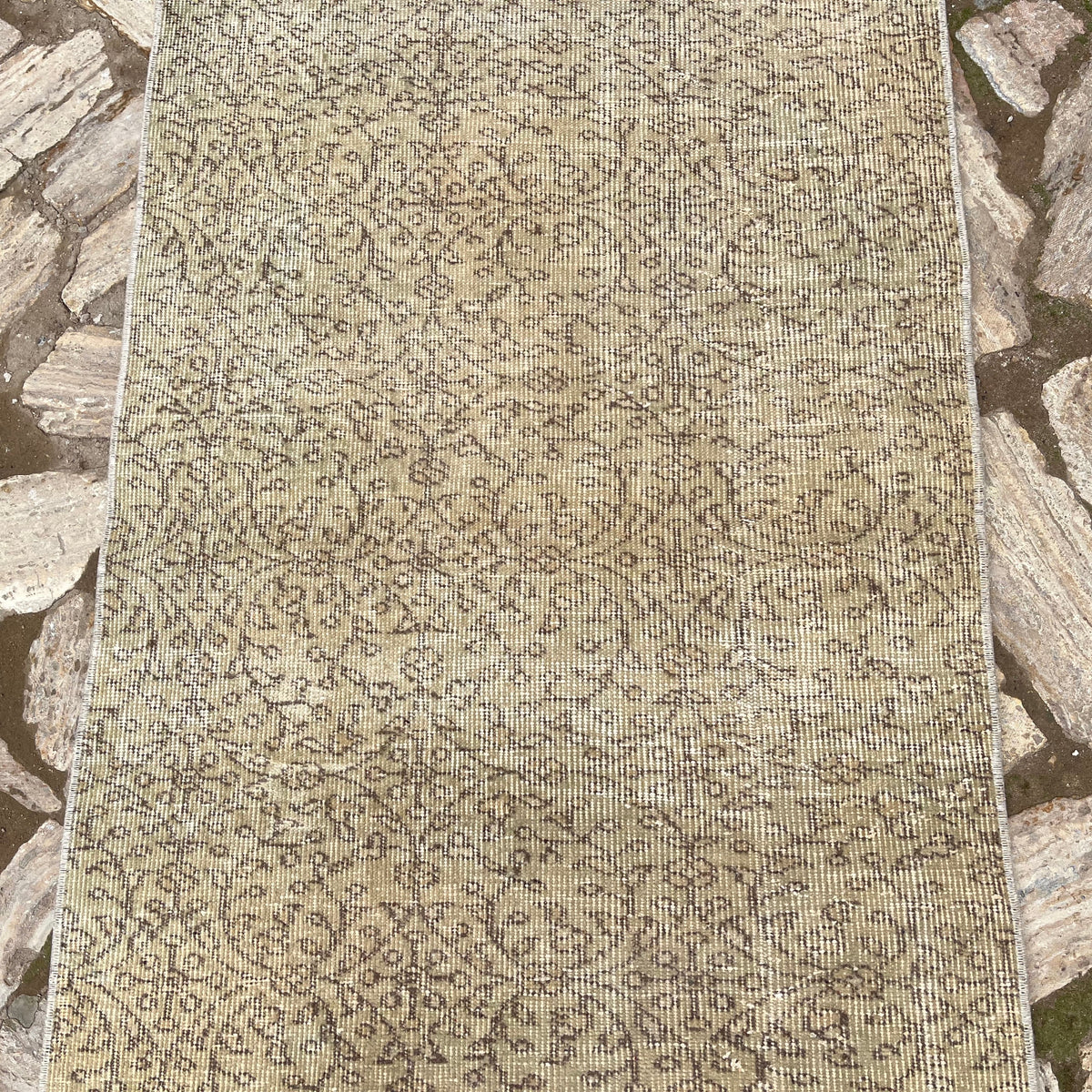


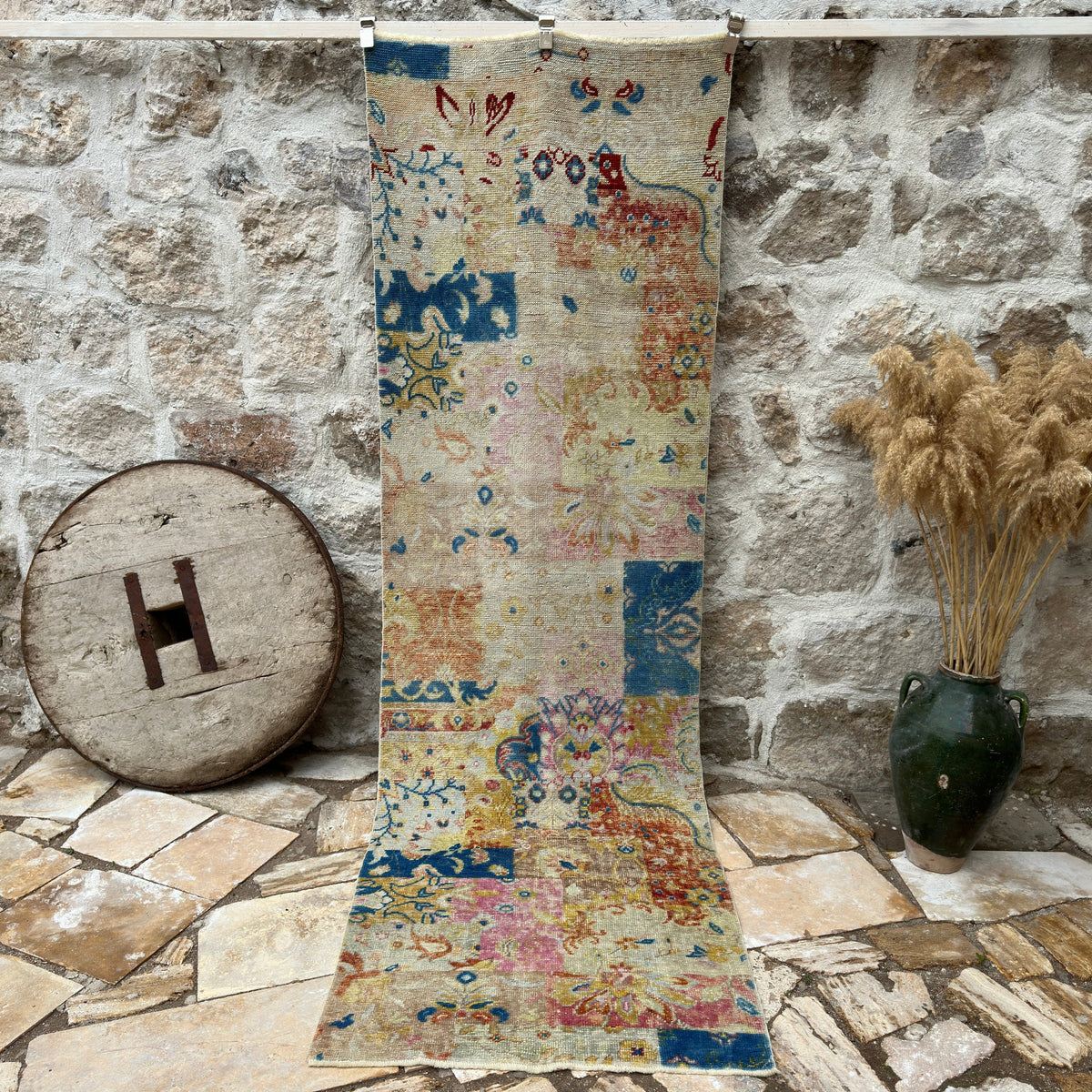
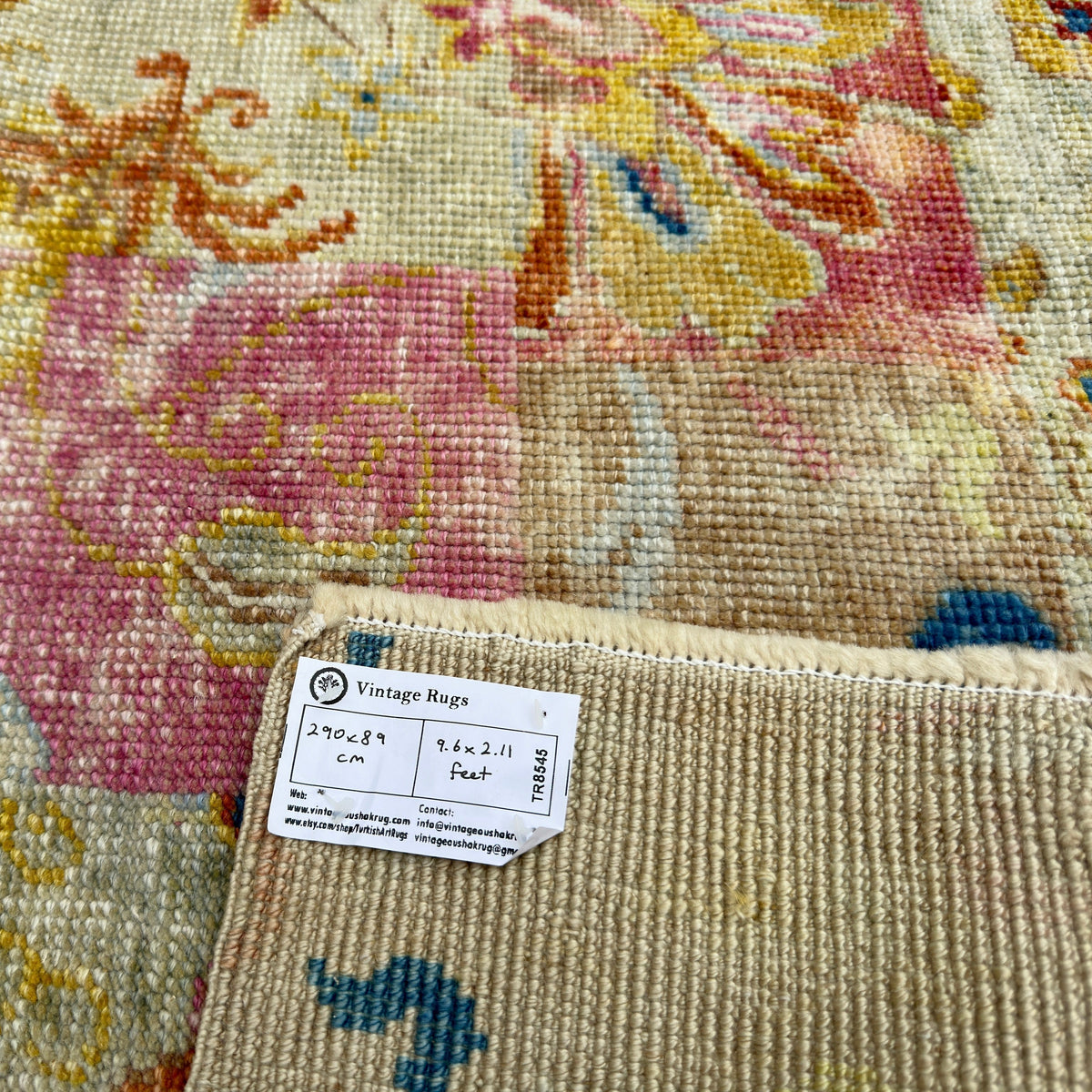
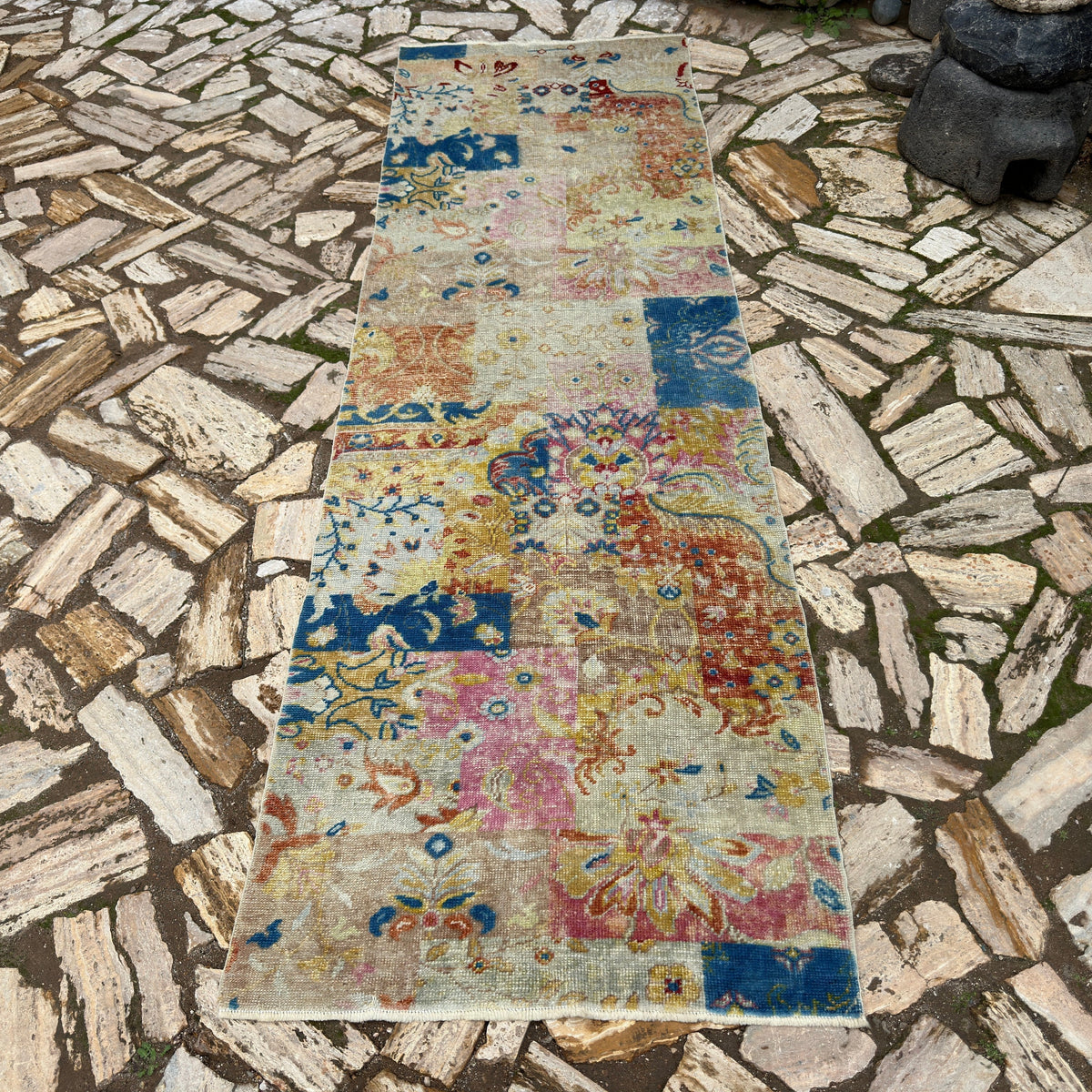
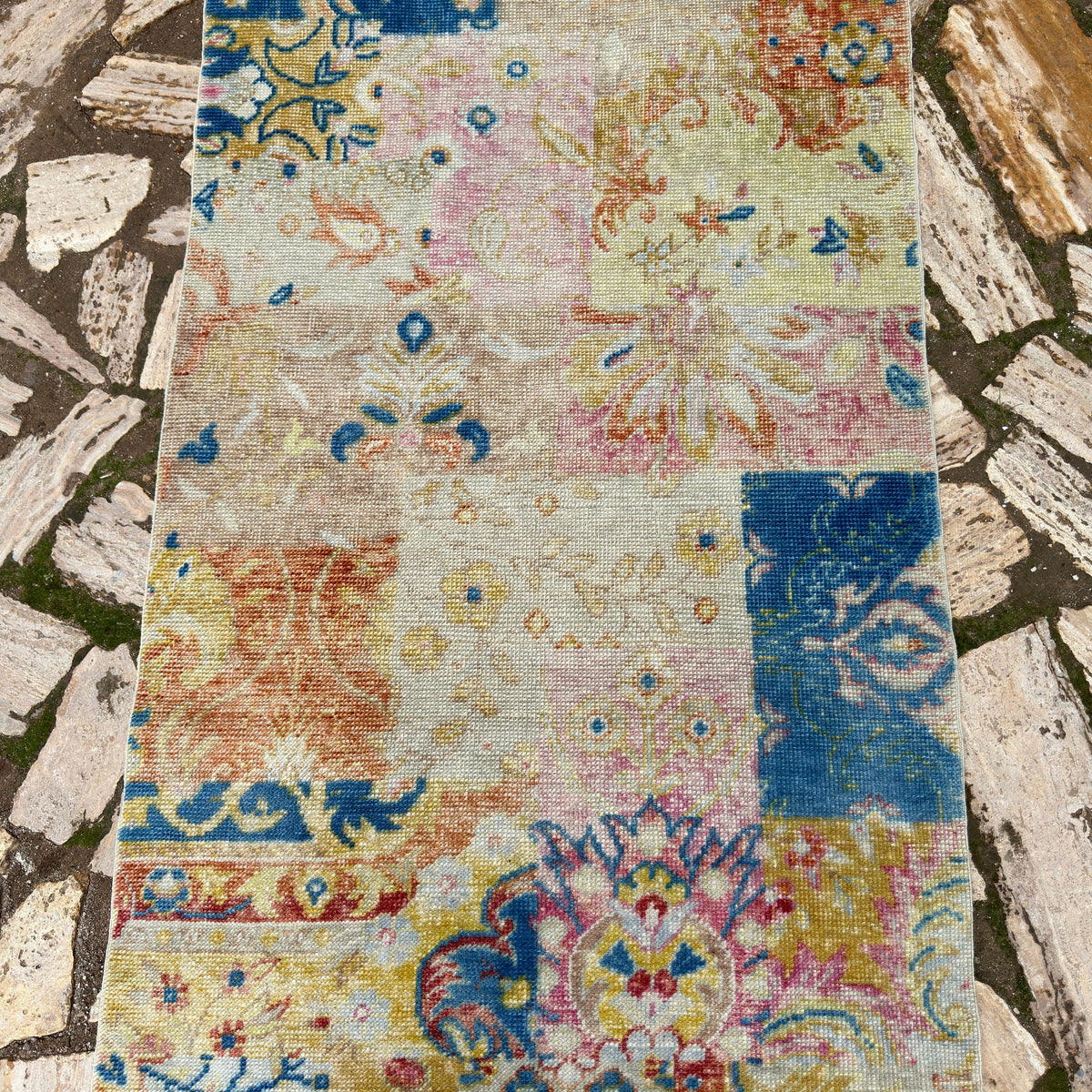


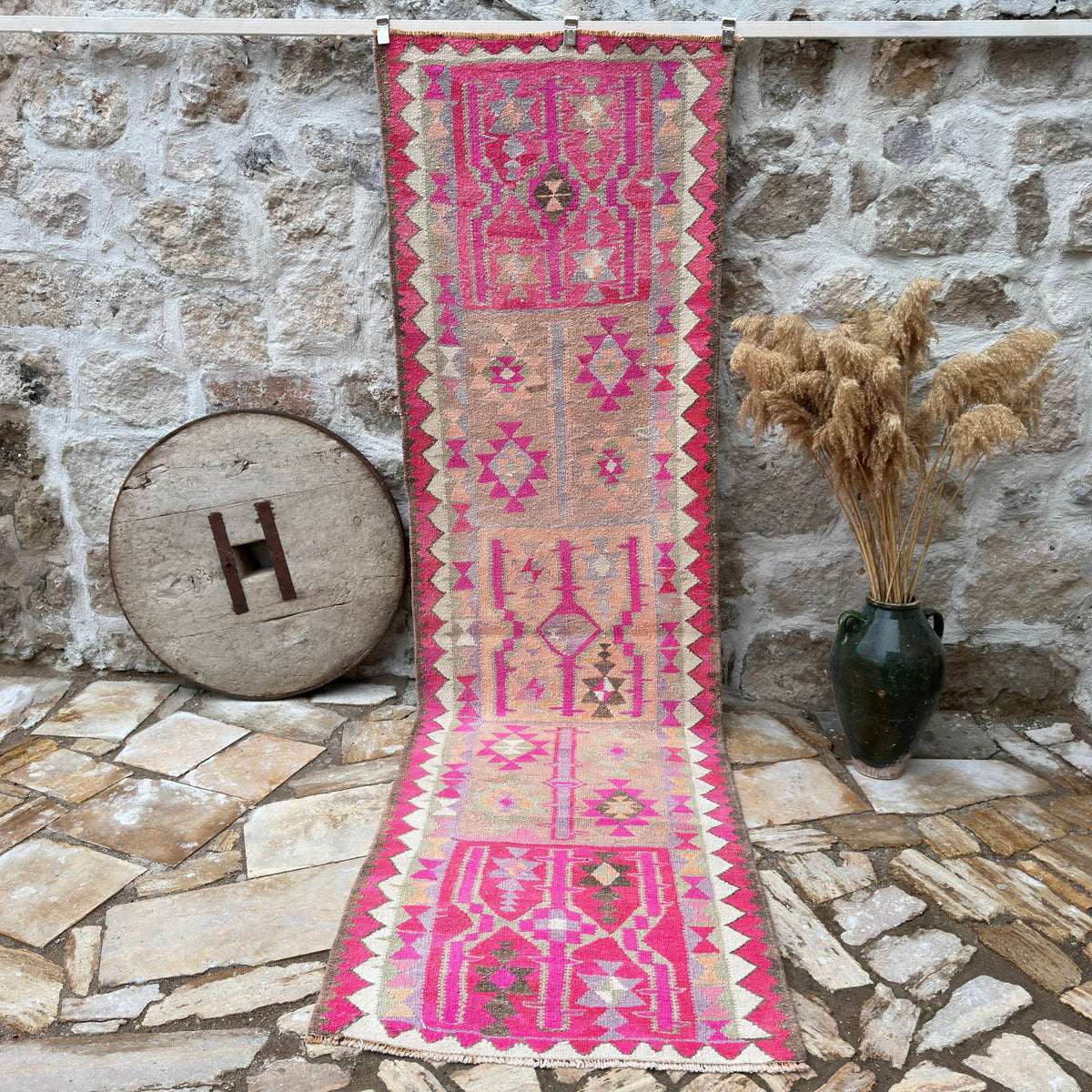

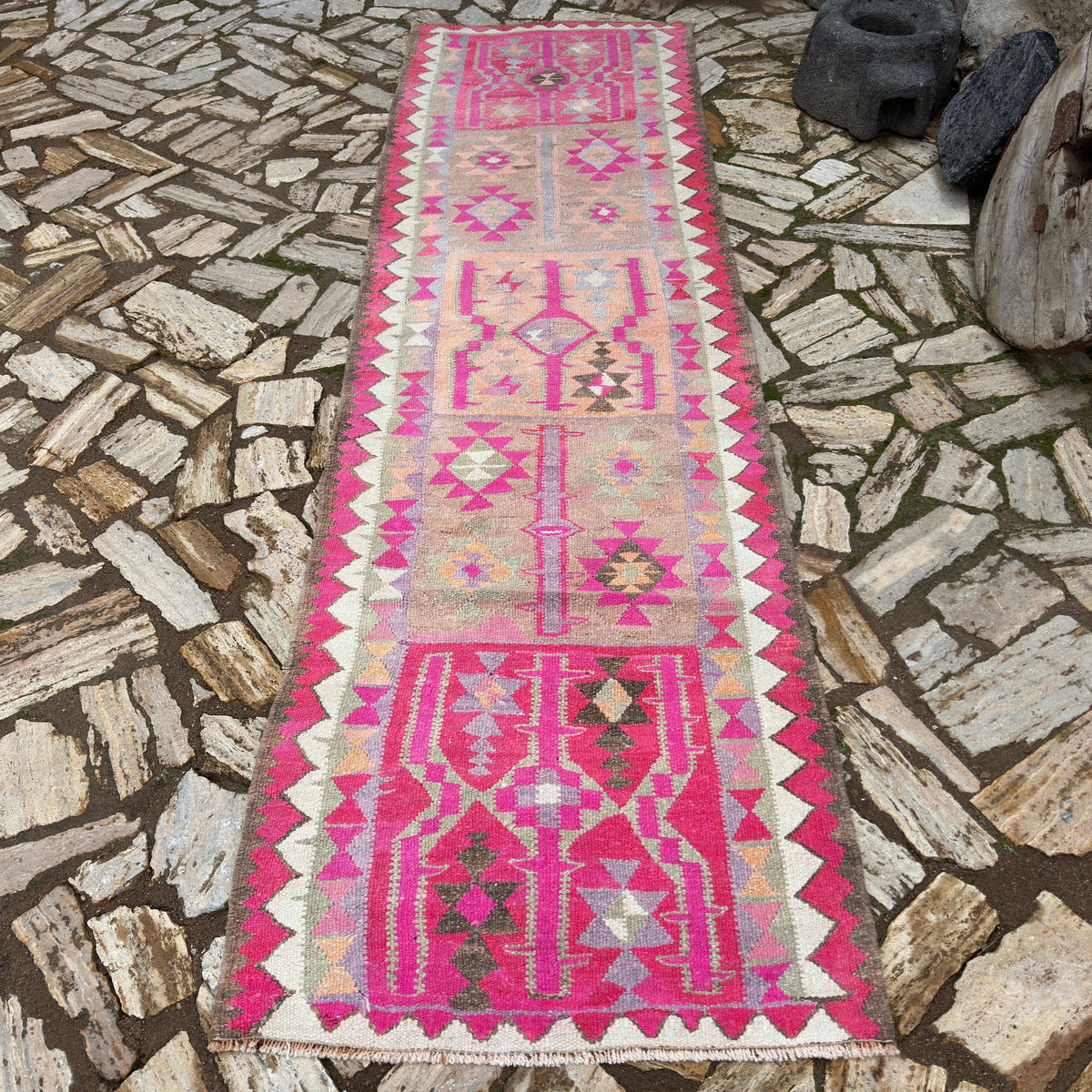
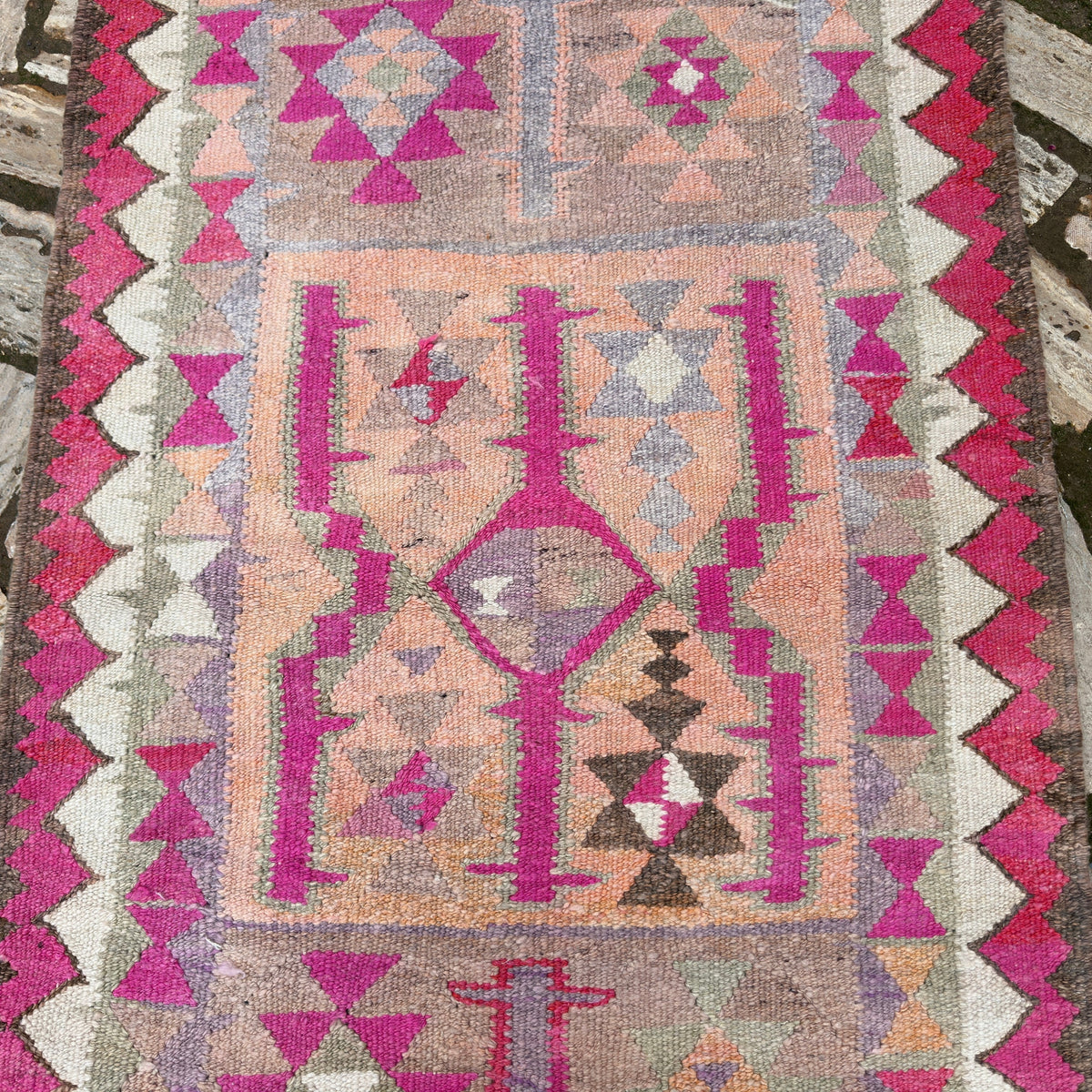


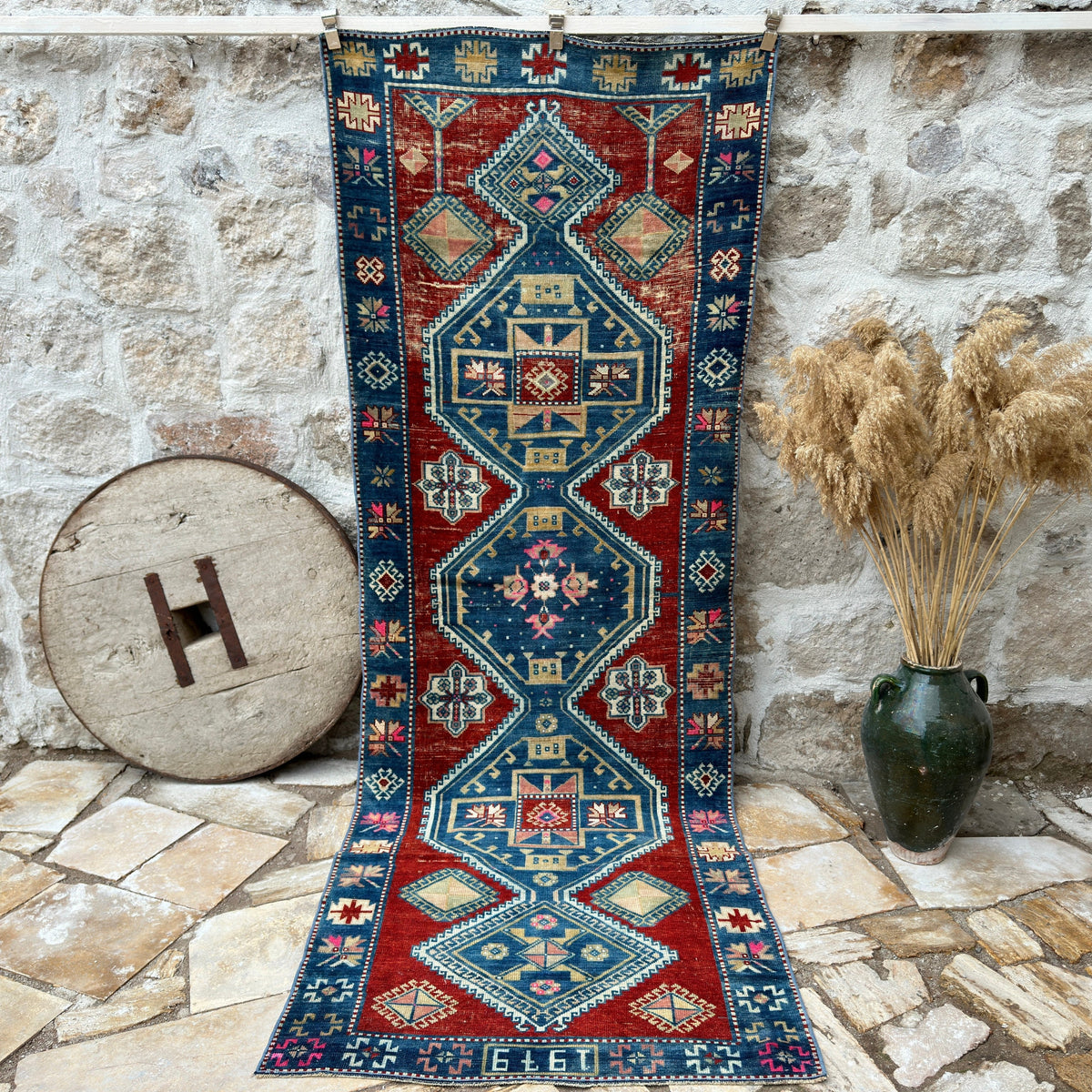
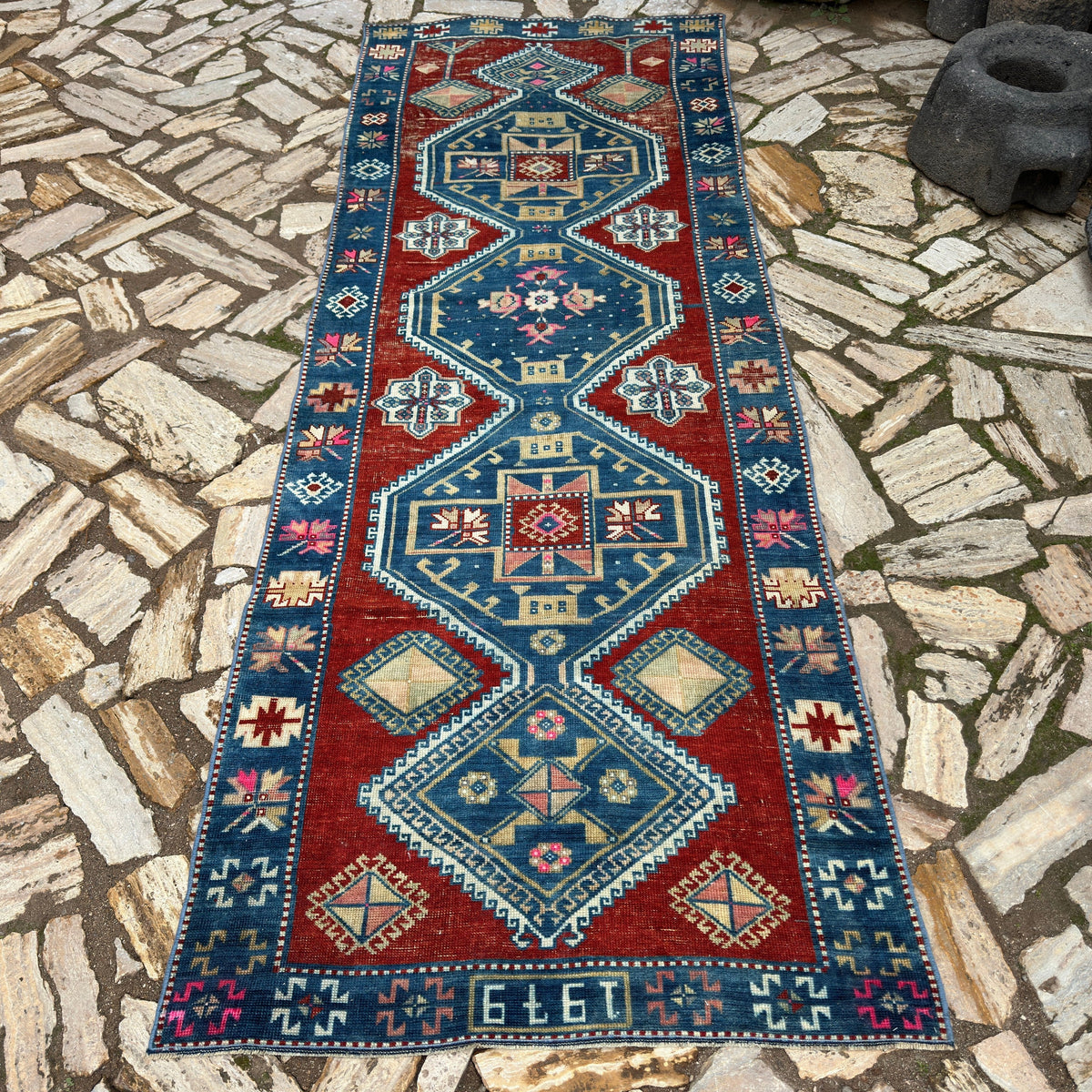
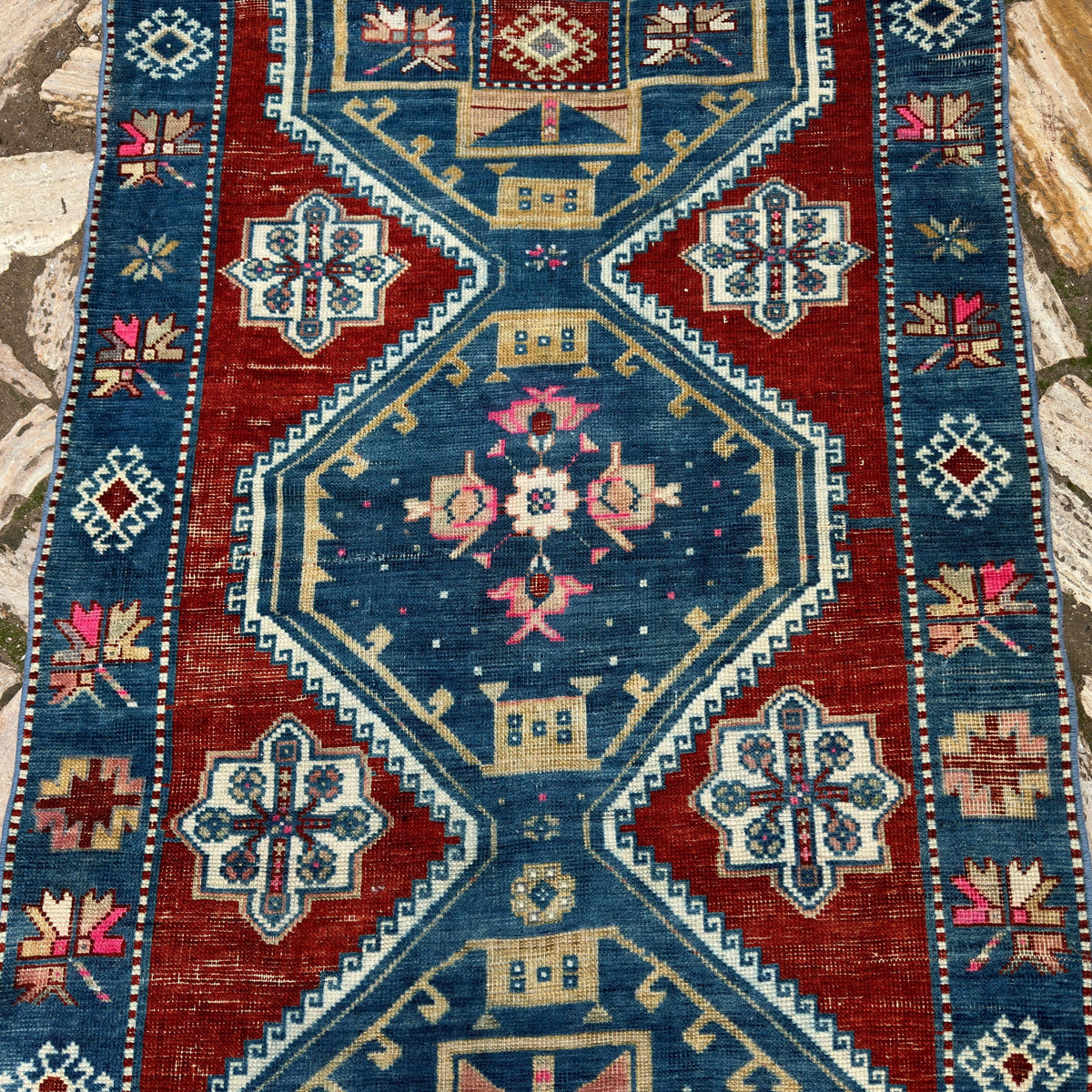
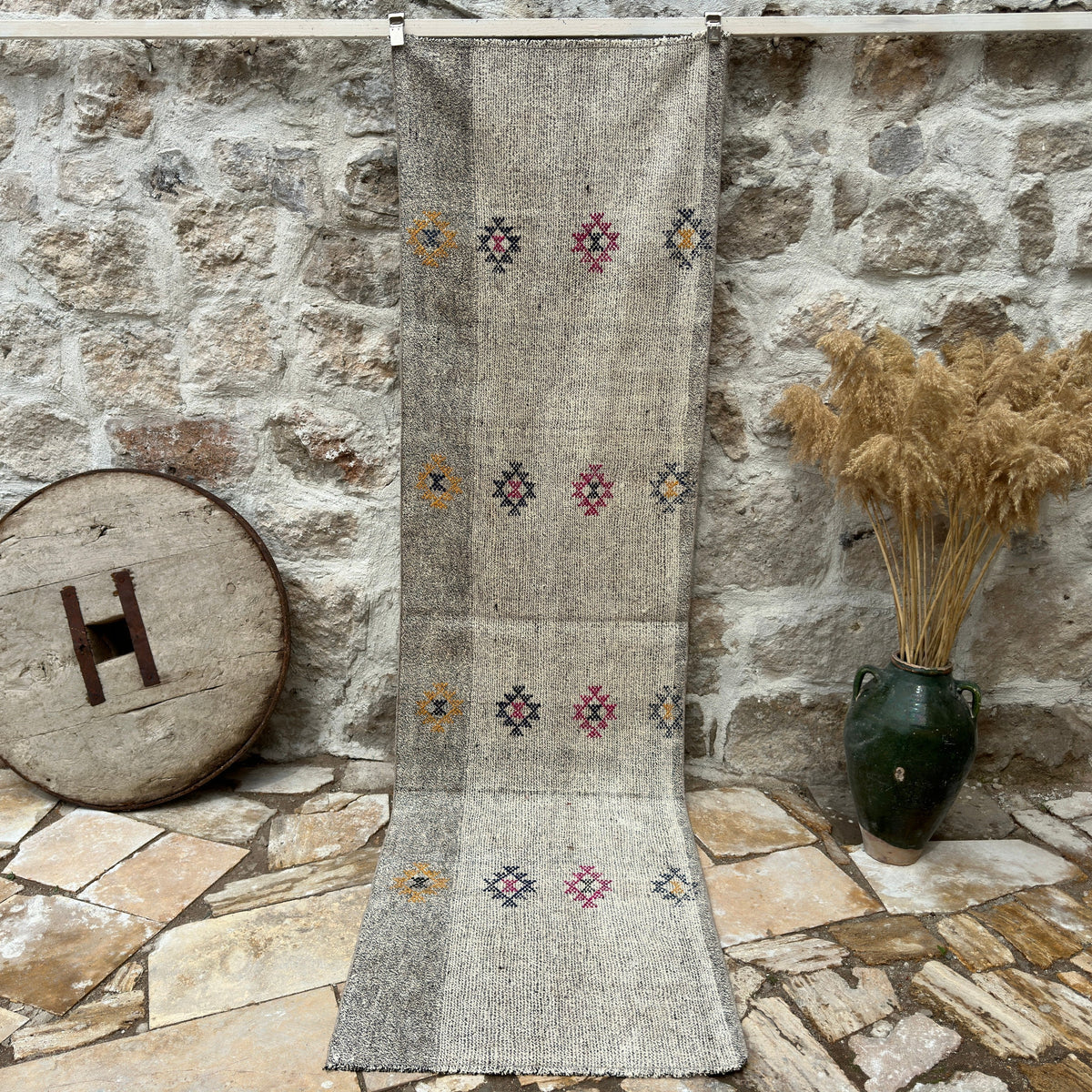
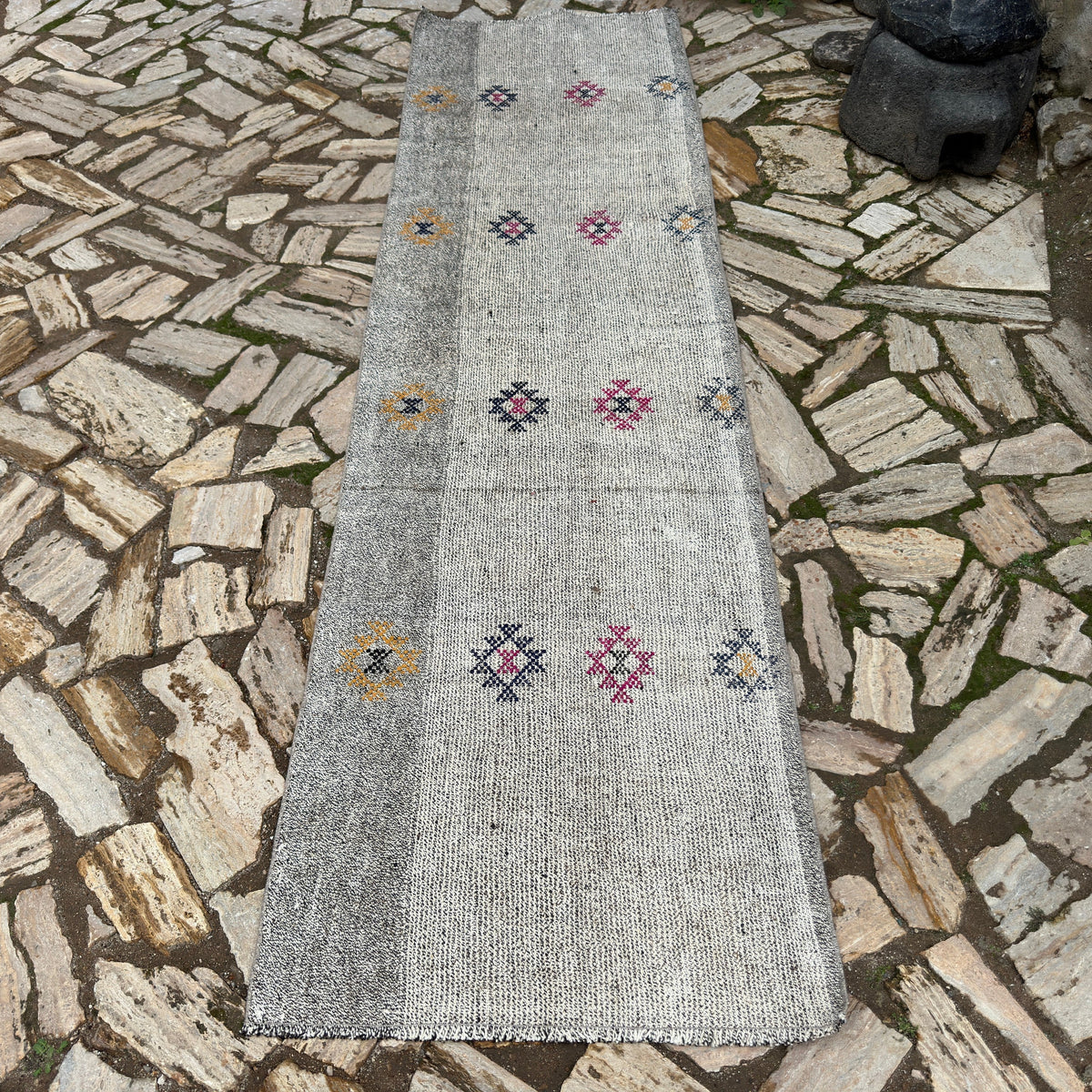
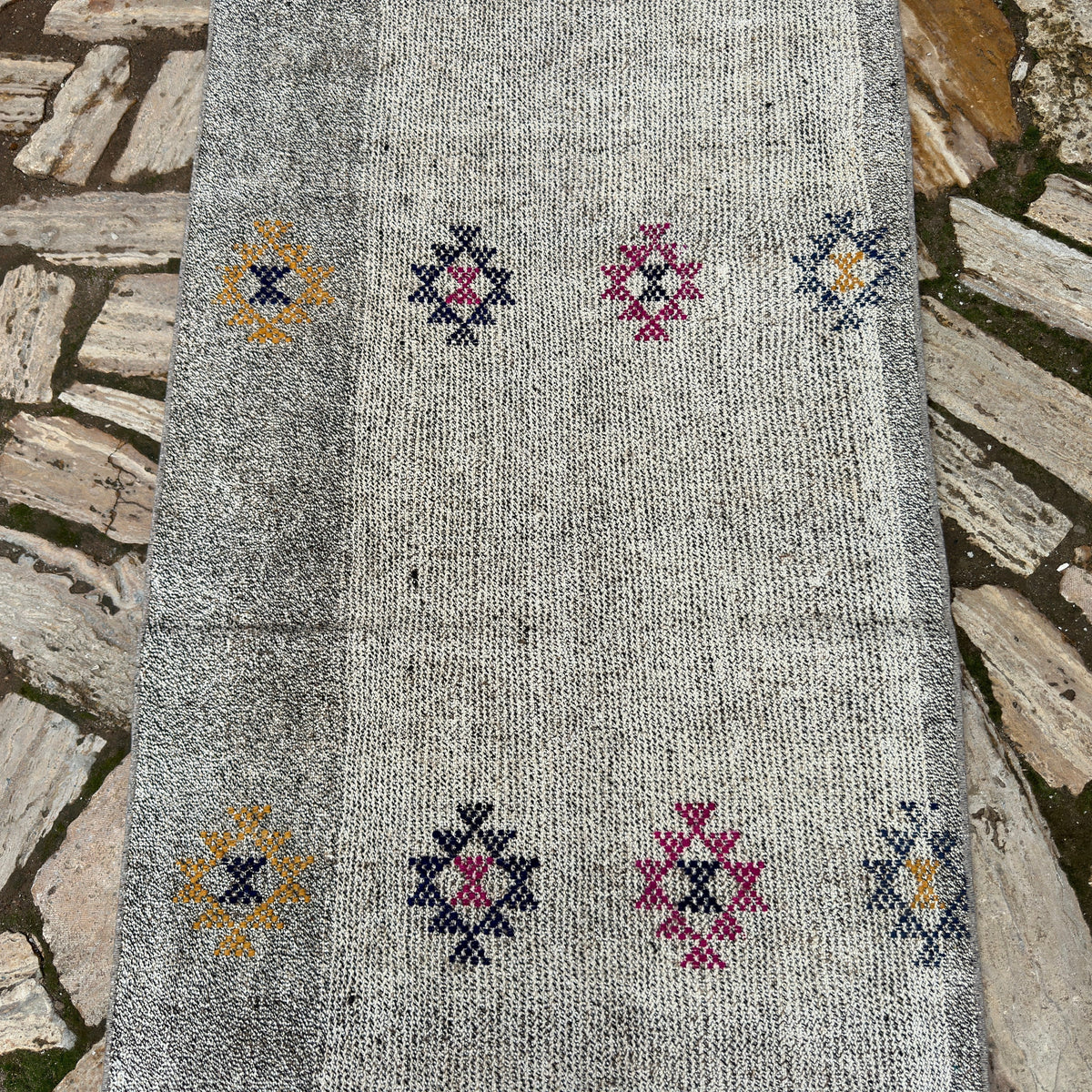
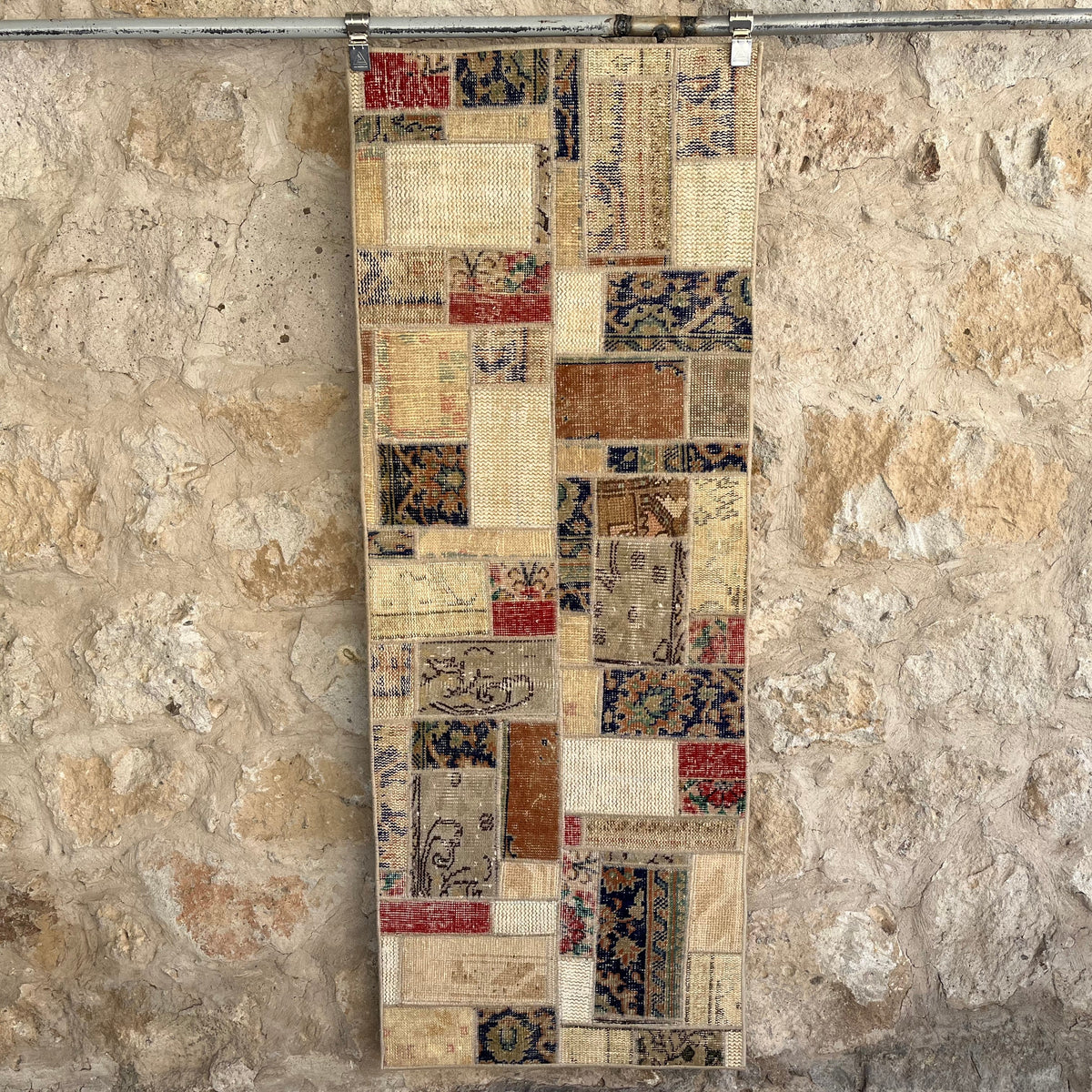


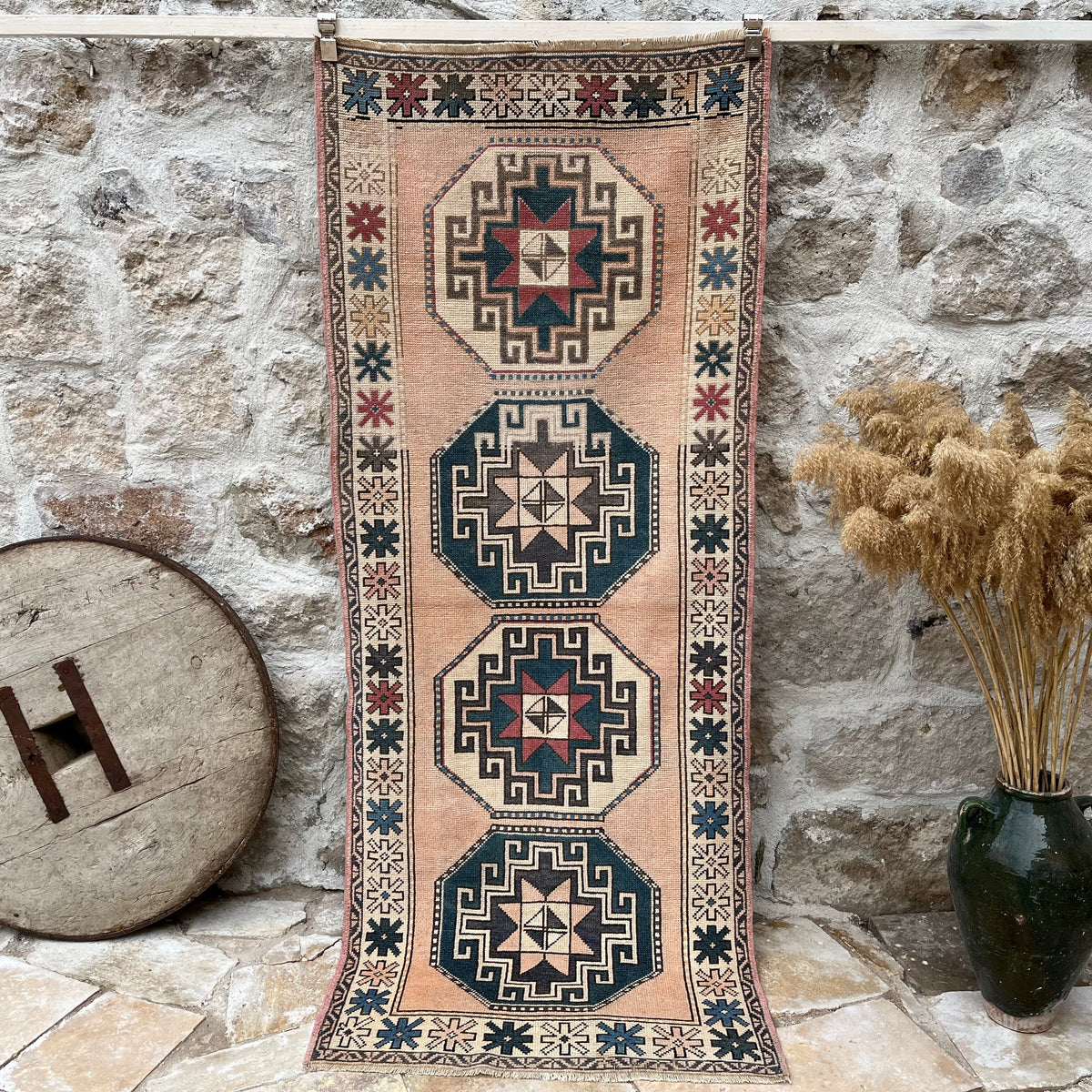
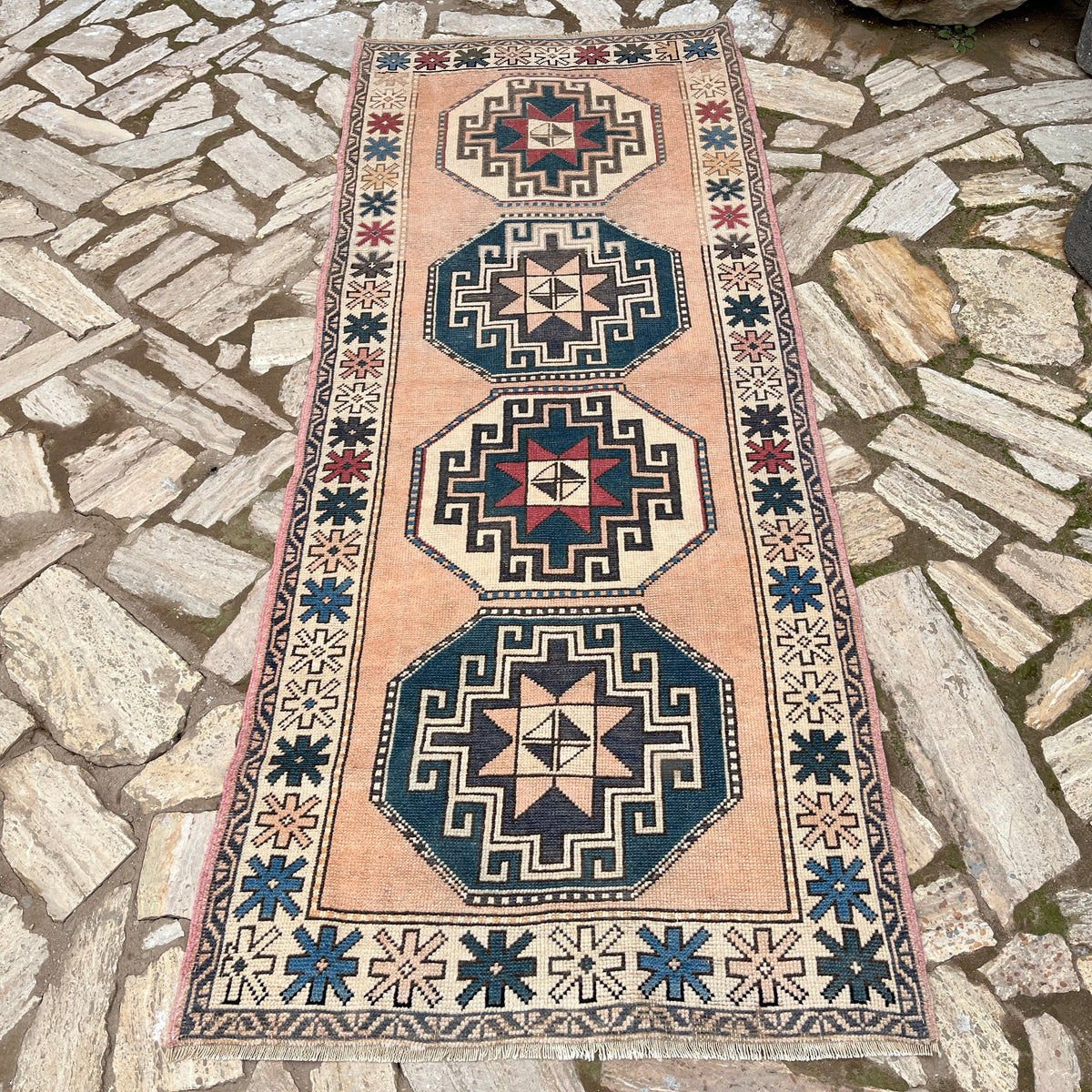



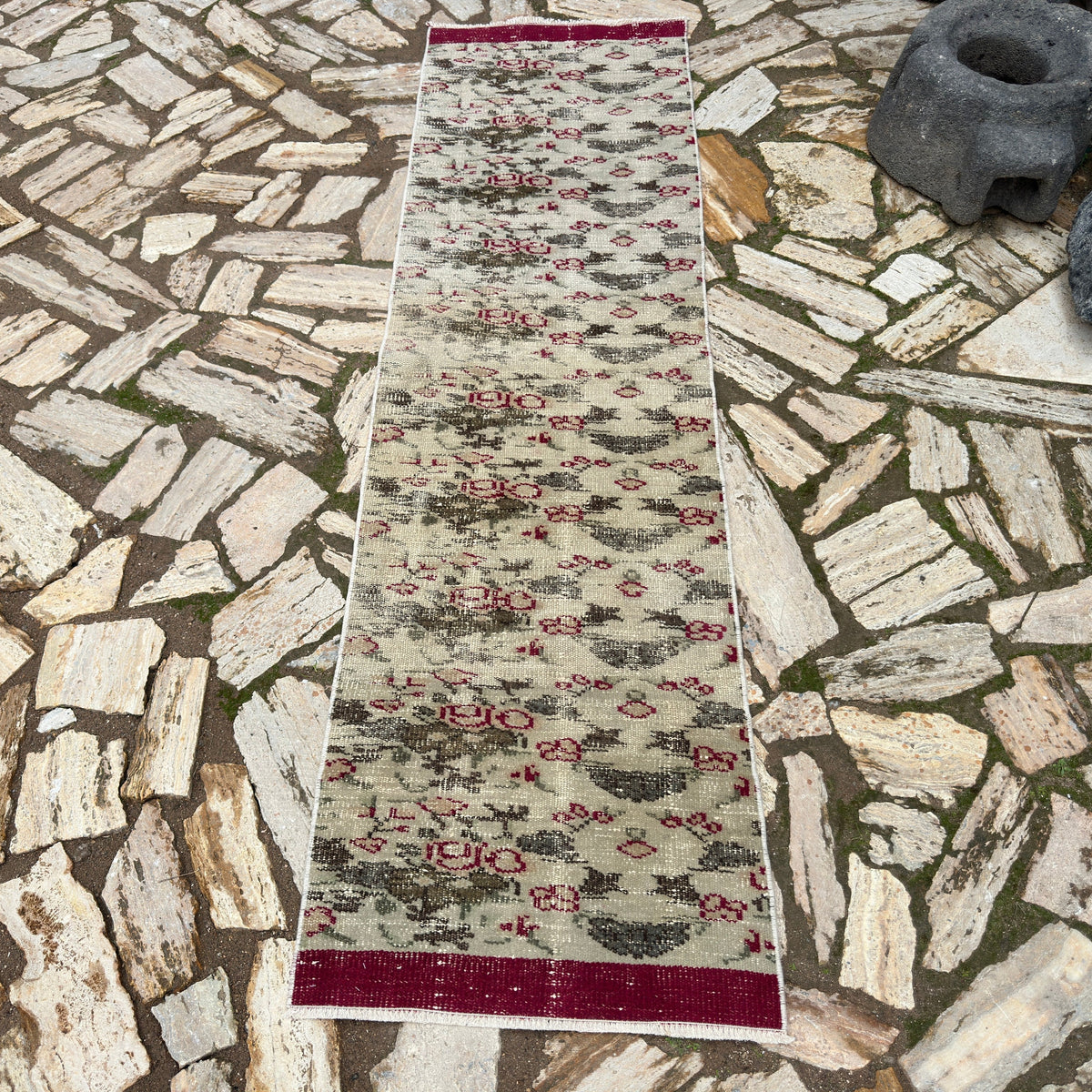
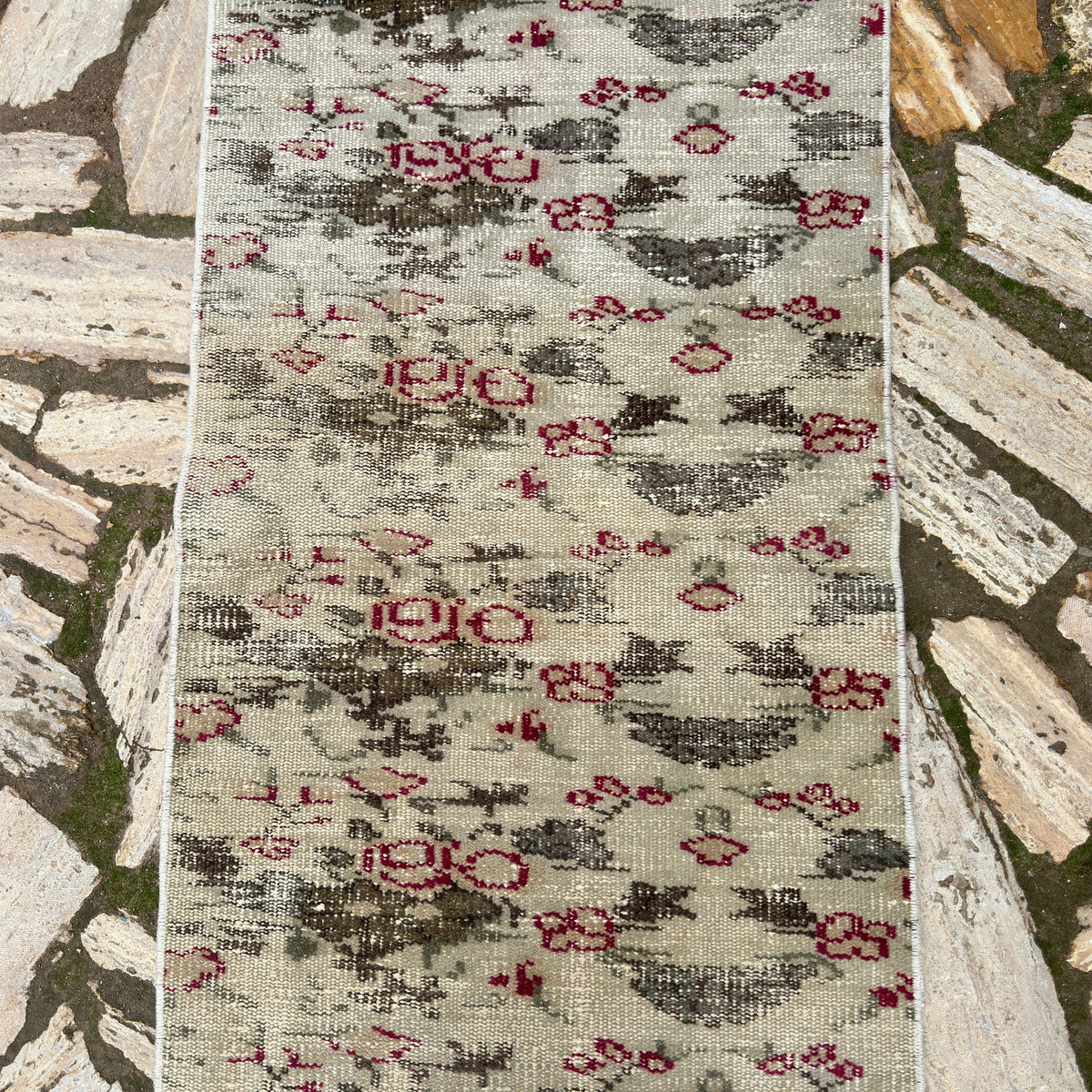
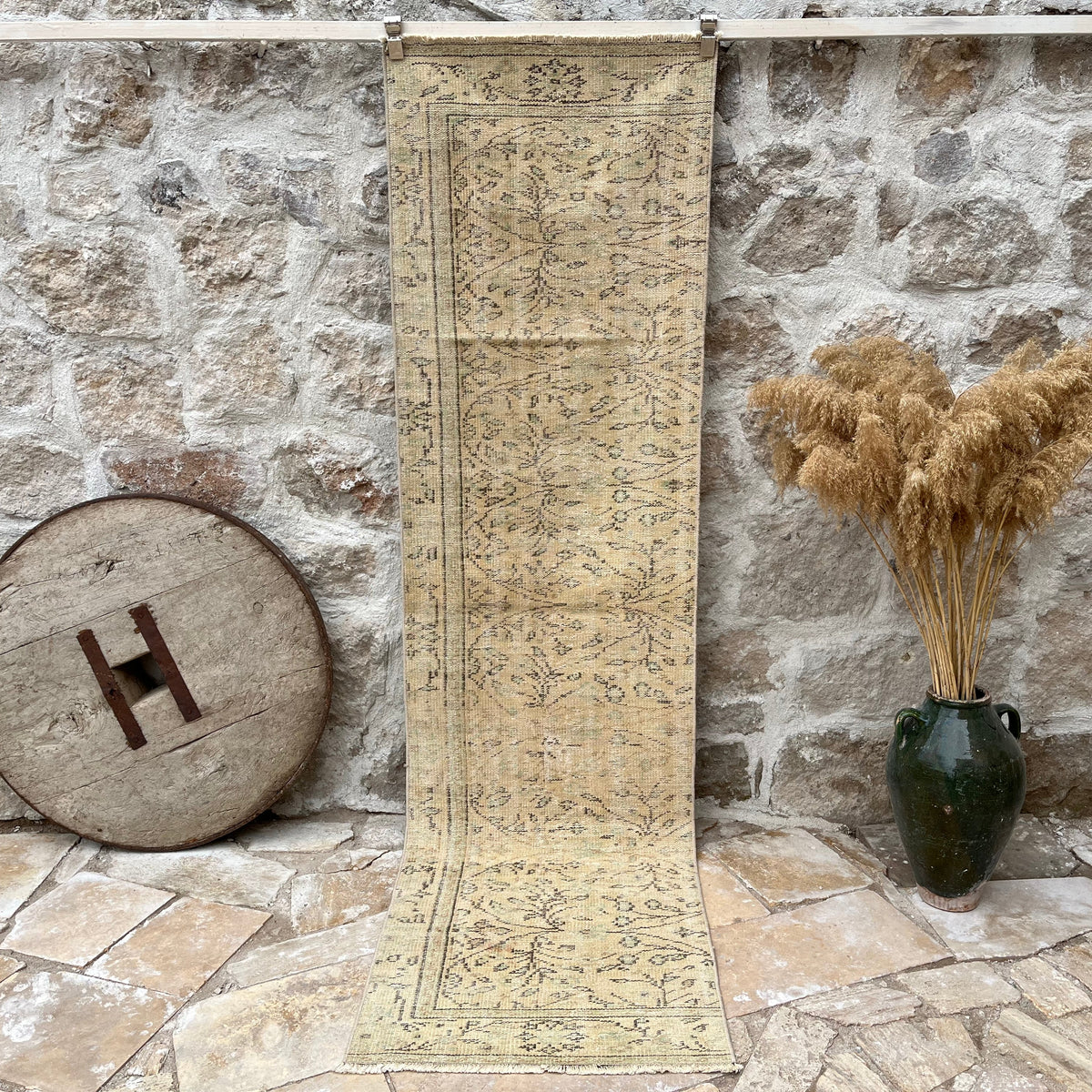
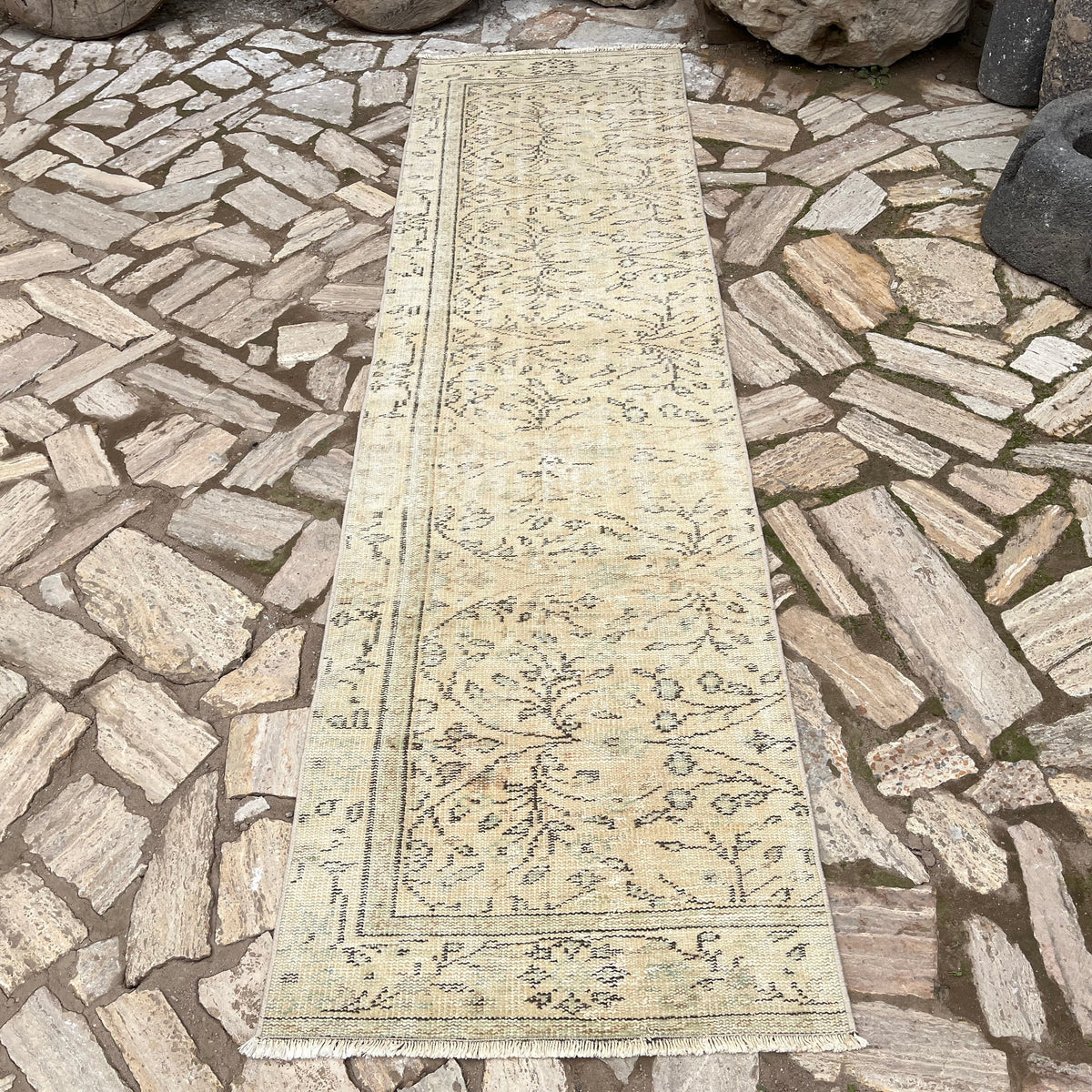
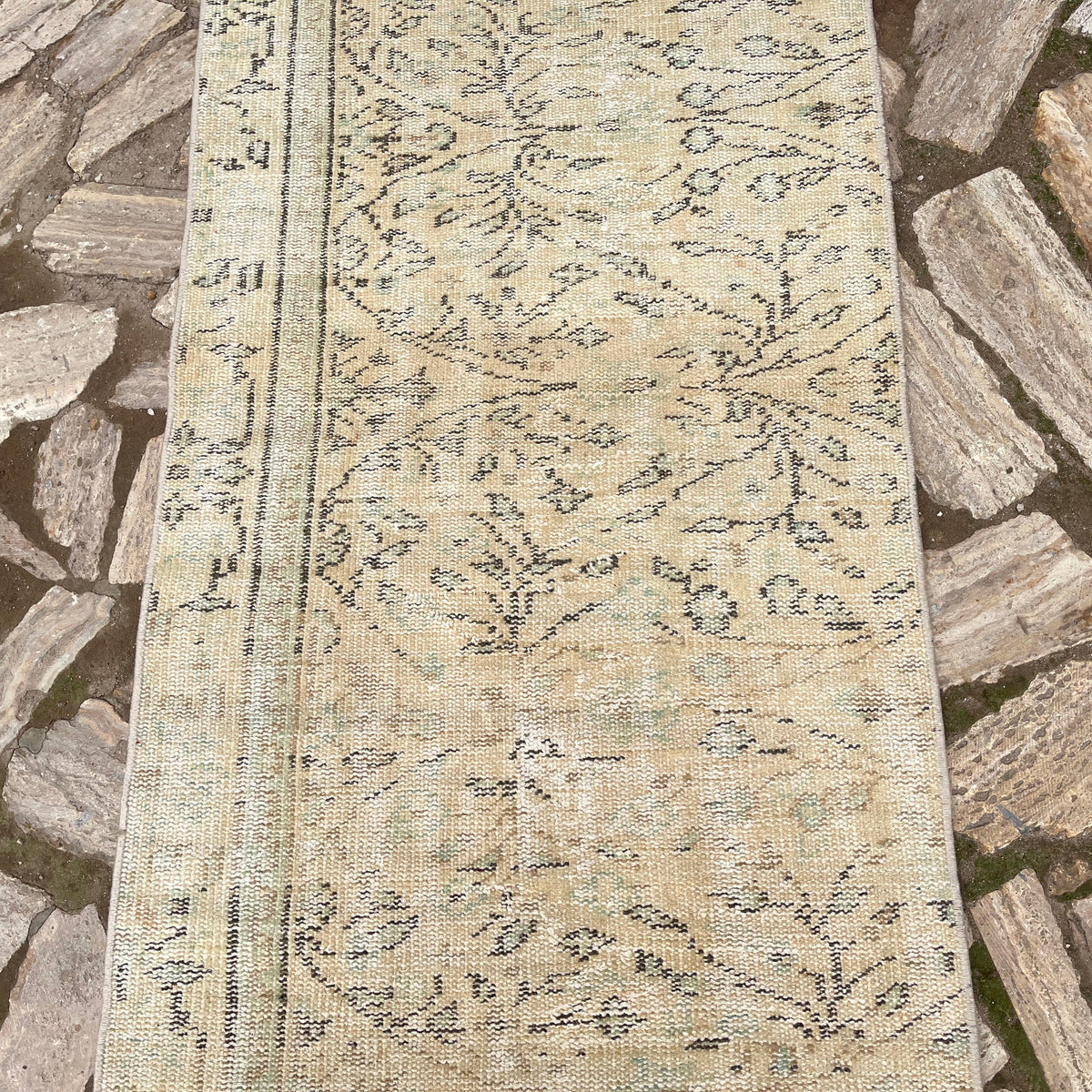


Zac - Vintage Turkish Runner Rug
Ringo - Vintage Morocco Runner Rug
Pell - Vintage Runner Rug
Albi - Vintage Turkish Runner Rug
Linton - Vintage Turkish Runner Rug
Sayer - Vintage Persian Runner Rug
Everly - Vintage Turkish Runner Rug
Carson - Vintage Turkish Runner Rug
Brayan - Vintage Turkish Runner Rug
Maribel - Vintage Distressed Runner Rug
Keegan - Vintage Turkish Runner Rug
Kamari - Vintage Turkish Runner Rug
Alistair - Vintage Wool Runner Rug
Ander - Vintage Wool Runner Rug
Nell - Vintage Turkish Runner Rug
Noyce - Vintage Floral Runner Rug
Charlie - Vintage Floral Runner Rug
Earla - Vintage Turkish Runner Rug
Arwen - Vintage Turkish Runner Rug
Gael - Vintage Persian Runner Rug
Moxie - Vintage Turkish Runner Rug
Kareem - Vintage Persian Runner Rug
Amaan - Persian Kilim Runner Rug
Eldon - Vintage Persian Runner Rug
Fane - Vintage Turkish Runner Rug
Chet - Vintage Persian Runner Rug
Allen - Vintage Persian Runner Rug
Paige - Vintage Turkish Runner Rug
Uriah - Vintage Kilim Runner Rug
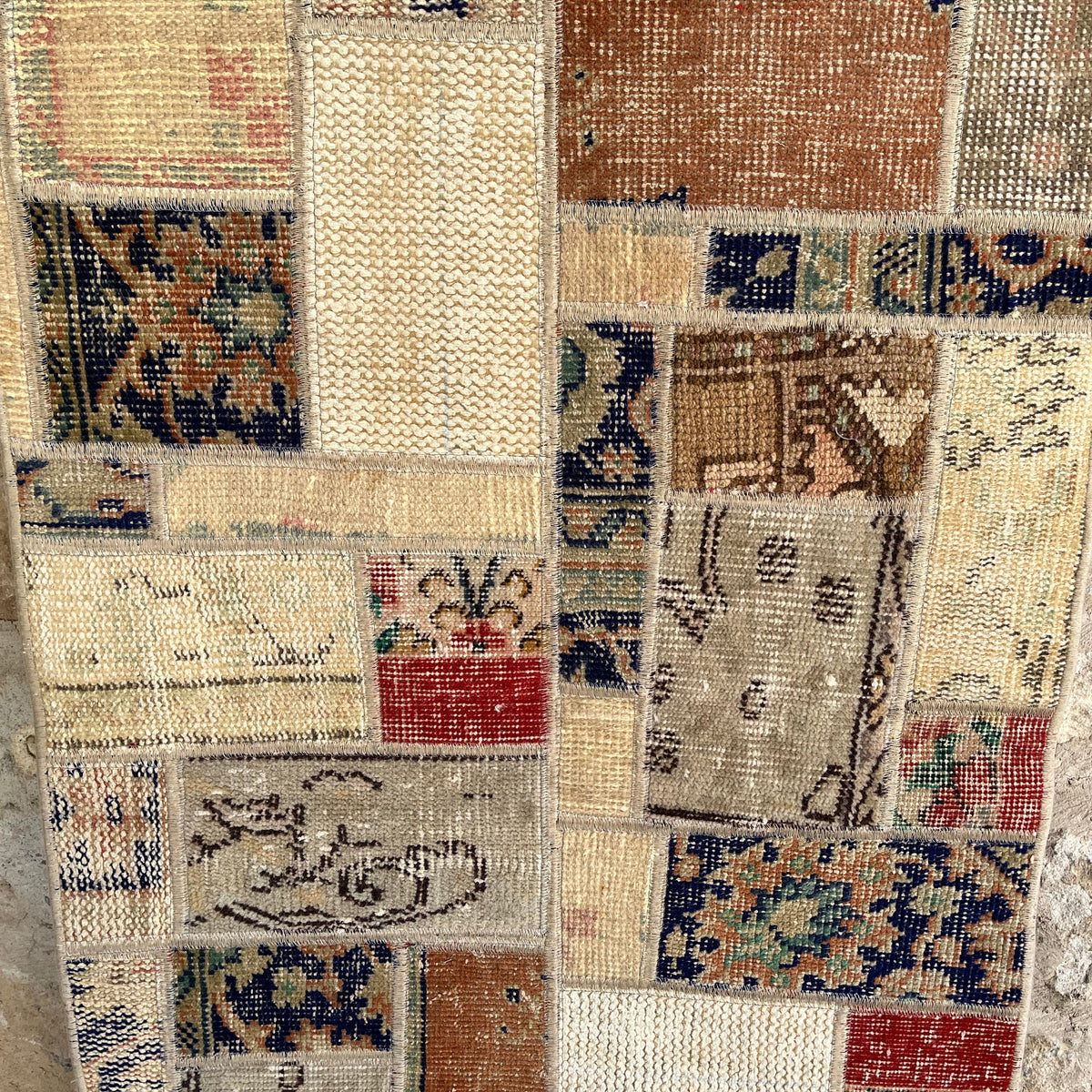
Kayden - Patchwork Runner Rug
Elias - Vintage Floral Runner Rug
Nasmith - Vintage Turkish Rug
Clover - Vintage Turkish Runner Rug
Vihaan - Vintage Geometric Runner Rug
Skyla - Vintage Floral Runner Rug
Damon - Vintage Distressed Runner Rug
Cleo - Vintage Runner Rug
Alcott - Vintage Oriental Runner Rug
Lilian - Vintage Turkish Runner Rug
Blythe - Vintage Kilim Runner Rug
Runner Rugs
A runner rug solves a problem most furniture never has to deal with: a space that is long, narrow, and impossible to fill with anything square. This collection gathers every runner-shaped piece we carry, sorted by proportion rather than size, age, or where it was woven. Some come from our vintage rugs, some from our Turkish rugs, some are flatwoven pieces pulled from our kilim rugs, and a few are genuinely Persian rather than Anatolian. A hallway does not care what a rug is called. It only cares whether the shape actually fits.
A runner rug here is defined by its shape, not its size or origin
This page does not sort by age or where a piece was woven, the way most of our other collections do. It sorts by proportion. A runner rug is narrow enough to leave floor showing on both sides in a hallway, and long enough that its length matters more than its width when you are deciding whether it will fit. Some pieces here run just a few feet long, made for a short entry or a narrow landing. Others stretch well past ten feet, for a hallway that just keeps going. What ties them together is the shape, not a specific measurement. Photos make judging that shape harder than they should. A runner rug photographed straight-on for a listing can look shorter or narrower than it actually is, since there is rarely anything else in the frame to judge it against. The measurements in the listing matter more here than they do for a square rug, where the eye can usually estimate scale from the shape alone.
Vintage runner rugs still come from the same wool and the same looms as our full-size pieces
Nothing changes about the weaving just because a rug ends up narrow and long instead of square. Some runners here are hand-knotted pile, tied knot by knot the same way a large rug is. Others are flatwoven kilim, with no pile at all, just interlocked wool threads pulled tight. The two feel completely different underfoot, and a lot of people buying their first runner do not realize there is a choice to make. A runner also wears differently than a square rug does. The end nearest a doorway usually takes more foot traffic than the far end, so the wool there flattens and softens first, sometimes years before the rest of the rug shows any wear at all. A wool runner rug like this occasionally carries the same natural dye lot as a rug three or four times its size, since the wool for both often comes from the same batch. A hand knotted runner also takes longer to weave per square foot than a wider rug does, simply because the loom setup does not shrink just because the finished piece is narrow.
Most runner rugs in this collection are Turkish, with a genuine Persian piece now and then
A turkish runner rug is the honest default here, same as almost everywhere else on this site. Turkey is where the majority of what we carry comes from. A smaller number of pieces are genuinely Persian, sourced through the same buying network but originally woven in Iran rather than Anatolia. That is a minority story here, not the main one. If a persian runner rug is specifically what you are after, it is worth asking before you buy rather than assuming it is what you are getting.
A runner rug can go wrong if you have not measured the width of your hallway first
Width matters more than most people expect. Too wide, and a runner rug eats the clearance on both sides until it looks like it was meant for a bigger space. Too narrow, and it reads as an afterthought instead of a deliberate choice, floating in the middle of the floor with too much bare space on either side. Length causes a different problem. I used to tell people that joining two runners end to end was a simple fix for a long hallway. It almost never looks as seamless as it sounds, even when the colors match closely, and the seam tends to become the first thing a guest notices. I would rather say that upfront than have it arrive as a surprise.
Measuring for a runner rug means measuring the width first, then the length
Start with the narrowest point of the hallway or entry, not the widest, and leave a few inches of bare floor visible on each side rather than running the rug edge to edge. Length is more forgiving. A runner rug that stops a foot or two short of the far wall usually still looks intentional, while one that gets cut short right in a doorway does not. Our rug size guide walks through this in more detail if you are deciding between two close lengths.

What happens to a runner rug before it leaves Cappadocia
Every rug gets washed and checked by hand before it ships, runners included, though the inspection looks a little different here. I pay particular attention to the two ends rather than the middle, since that is where a runner rug shows its age first, whichever end saw more foot traffic in its original home. Shipping is free everywhere we send rugs, and for orders going to the United States, duties are already built into the price, so nothing extra shows up at the door.
What size counts as a runner rug in this collection?
Anything narrow enough to leave floor visible on both sides in a hallway, and long enough that length matters more than width. Pieces here range from a few feet long to well past ten.
Are vintage runner rugs and turkish runner rugs the same thing here?
Mostly, yes. Every runner in this collection is vintage, and most are Turkish, so the two terms usually describe the same group of rugs.
Are runner rugs here Turkish or Persian?
Mostly Turkish. A small number are genuinely Persian, sourced through the same buying network but originally woven in Iran.
What is the difference between a kilim runner rug and a hand-knotted runner rug?
A kilim runner rug is flatwoven, with no pile, so it lies thinner and feels firmer underfoot. A hand-knotted runner rug has pile, tied knot by knot, and feels softer and slightly thicker. Both are equally genuine; it comes down to preference.
Can I use a runner rug in a kitchen or entryway?
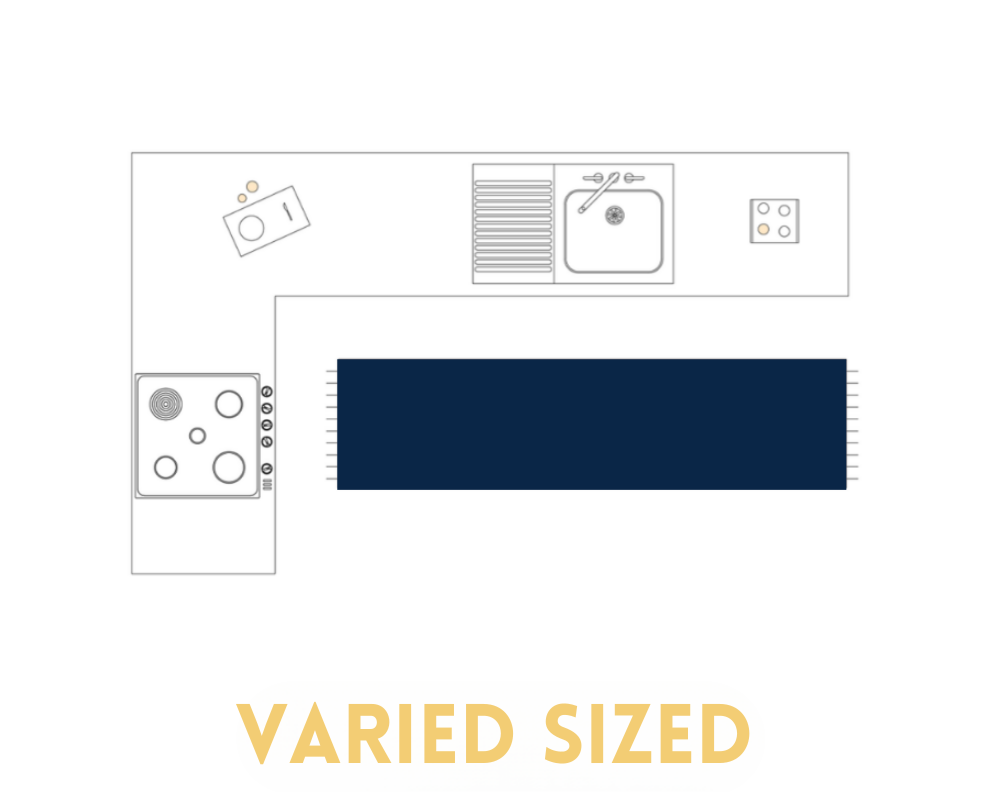
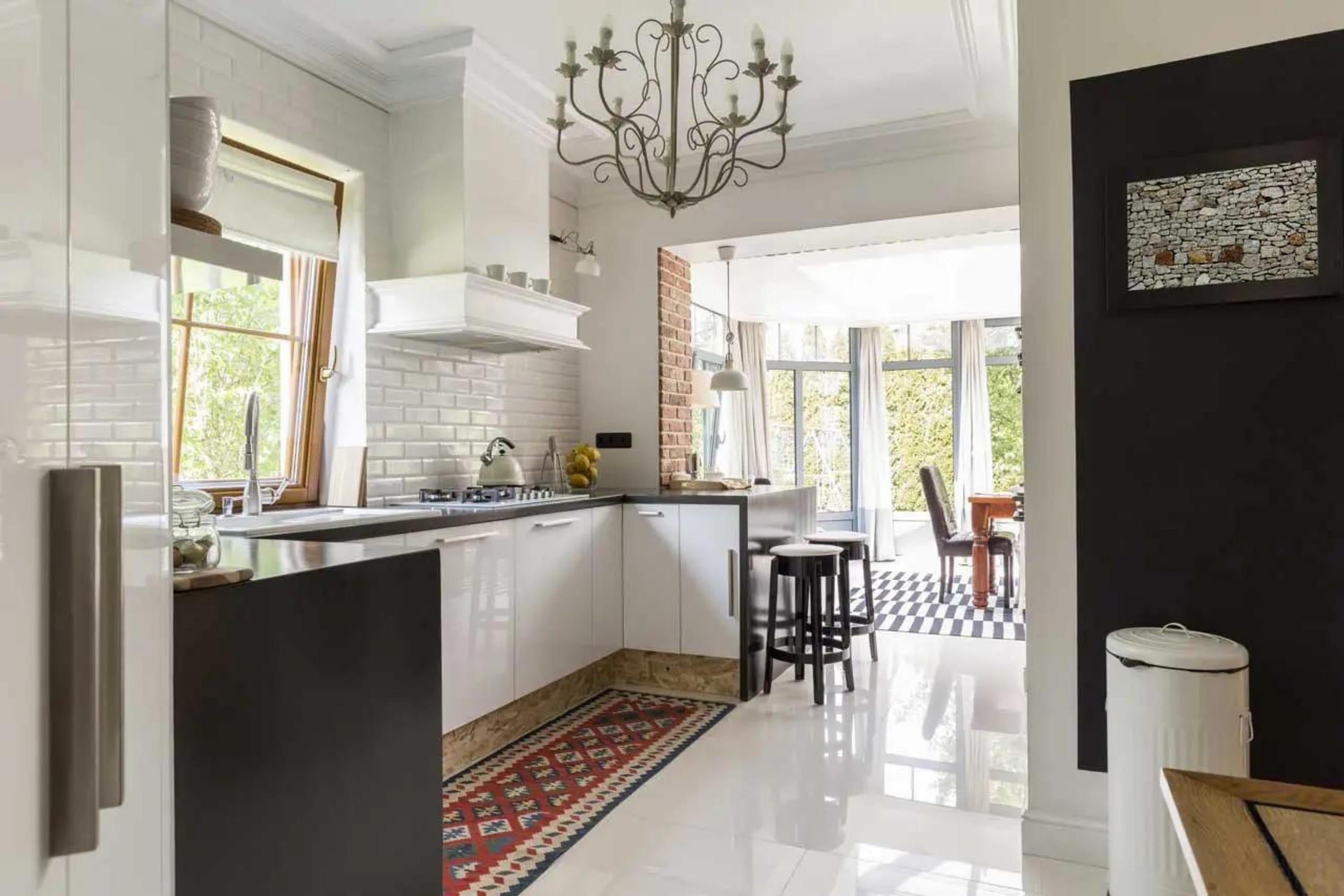
Yes, those are two of the most common places for this shape. If you want something wider than a true runner for a kitchen floor, our kitchen rugs collection is worth a look instead.
Will one runner rug cover my entire hallway?
Not always. Many hallways run longer than any single piece we carry, and joining two runners rarely looks as seamless as people expect, even with close colors. Measuring first avoids that surprise.
Are any runner rugs here antique instead of vintage?
No. Every runner in this collection is vintage, roughly 20 to 80 years old. We do not have genuinely antique-age runners in stock.
Do you ship runner rugs to the US with duties included?
Yes. Shipping is free worldwide, and for orders inside the United States, duties are already included in the price you see at checkout.
