


















Working closely with vintage rugs sourced out of Cappadocia, I've noticed one color reliably stops people mid-scroll: red. Not beige, not the safe gray everyone defaults to. The messages that come with red rug orders read differently too — less "will this work in my room" and more "this rug makes me feel something." Not a trend I'm chasing, just something I've watched happen, order after order. This piece covers Turkish red rugs — Oushak, kilim, Anatolian weaves — with an honest comparison to red Persian classics. If you already know you want one, our red rugs collection is a good place to start.

What Makes a Rug "Red" in Turkish Weaving Tradition?
Historically, madder root was one of the most important sources of red in Anatolian textile dyeing. Depending on the wool, water, mordant, and dyeing process, it can produce shades from soft coral and brick to deep, almost bloodred crimson.
The Madder Root Dye That Built an Anatolian Color Legacy
I watched an older woman dye wool this way once, in a village outside Aksaray, not far from where I grew up. The cauldron held dark reddish water, roots still floating in it, the air somewhere between earth and vinegar. The wool came out dull orange-brown, its real color only showing once dried in the sun. "This color comes with patience," she told me. "Not in a hurry." I still think about that sentence more than I should.
What Red Actually Symbolizes in Turkish and Anatolian Culture
Red is often tied to protection, celebration, and vitality in Anatolian weaving — dowry rugs and new-household pieces were frequently woven heavy with it. Some historians trace this to red's link with life force; others point to plain visibility, a color you could spot across a village. It was never a neutral choice.
But not every red rug tells the same story. Cross into Persia, and the tradition shifts.

Red Turkish Rugs vs. Red Persian Rugs: What's Really Different?
The mistake I hear most: people assume a Persian rug is simply the "better" version of a Turkish one. Not accurate — it's tradition, not quality. Turkish carpets often use the symmetrical Ghiordes knot; many Persian carpets use the asymmetrical Senneh knot, though exceptions exist in both. Persian designs lean toward finer curvilinear detail, while Anatolian rugs favor stronger geometric forms. I used to rank one tradition as more "skilled." I don't anymore — neither is inherently better; it depends on the room and the character you're drawn to. Our Turkish rugs vs Persian rugs guide covers the full breakdown.
Red Turkish (Anatolian) Rugs: Handwoven, Tribal, Warmer Tones
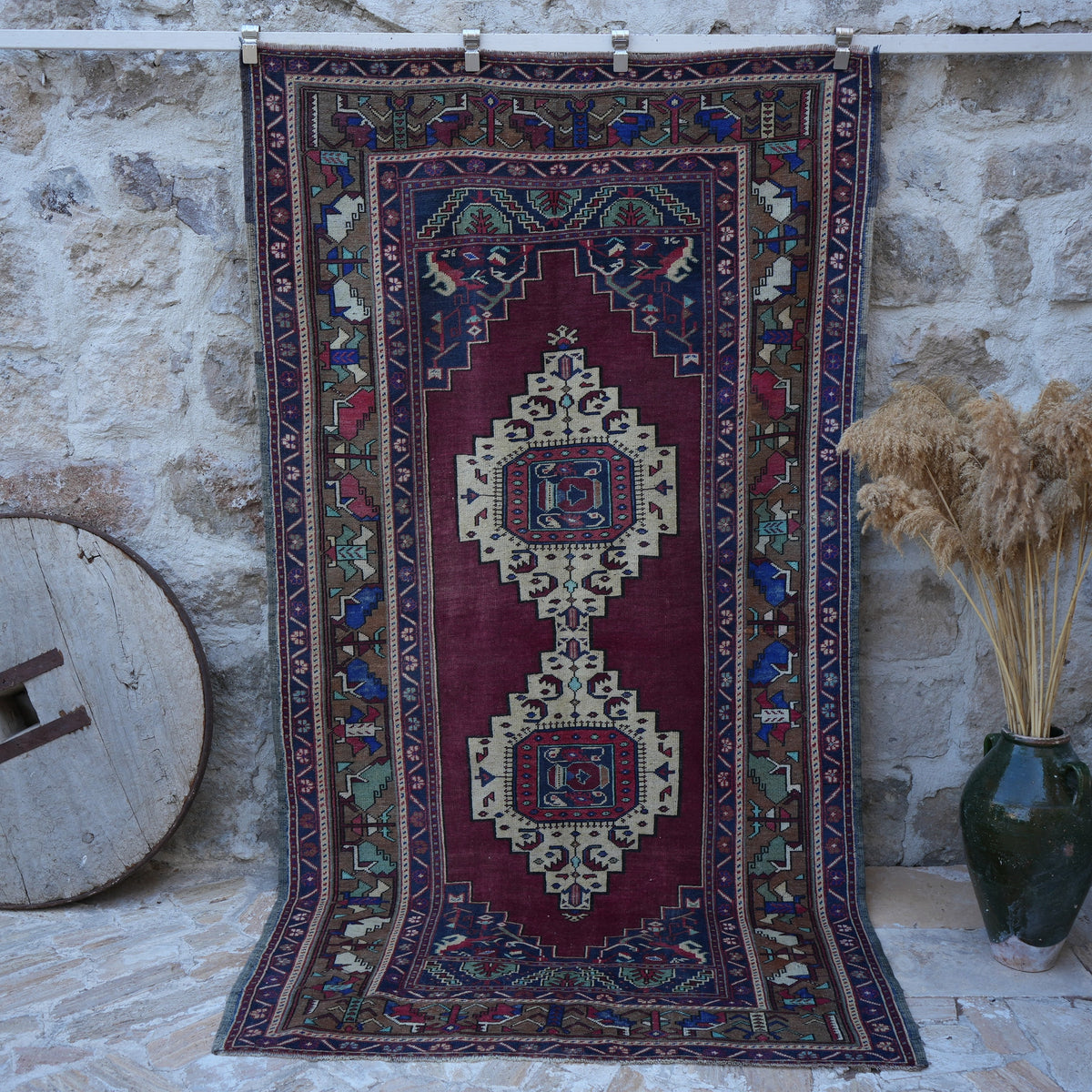
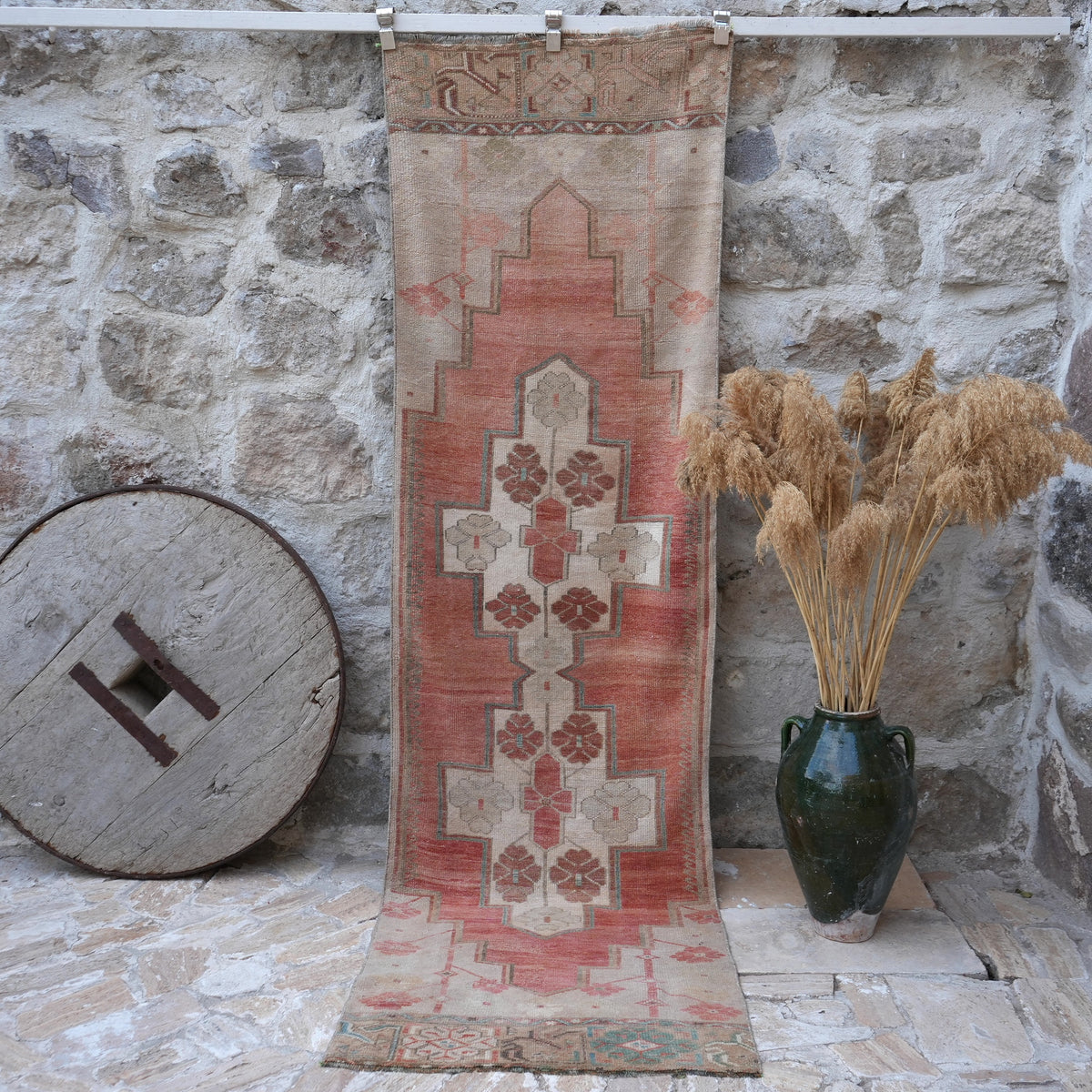
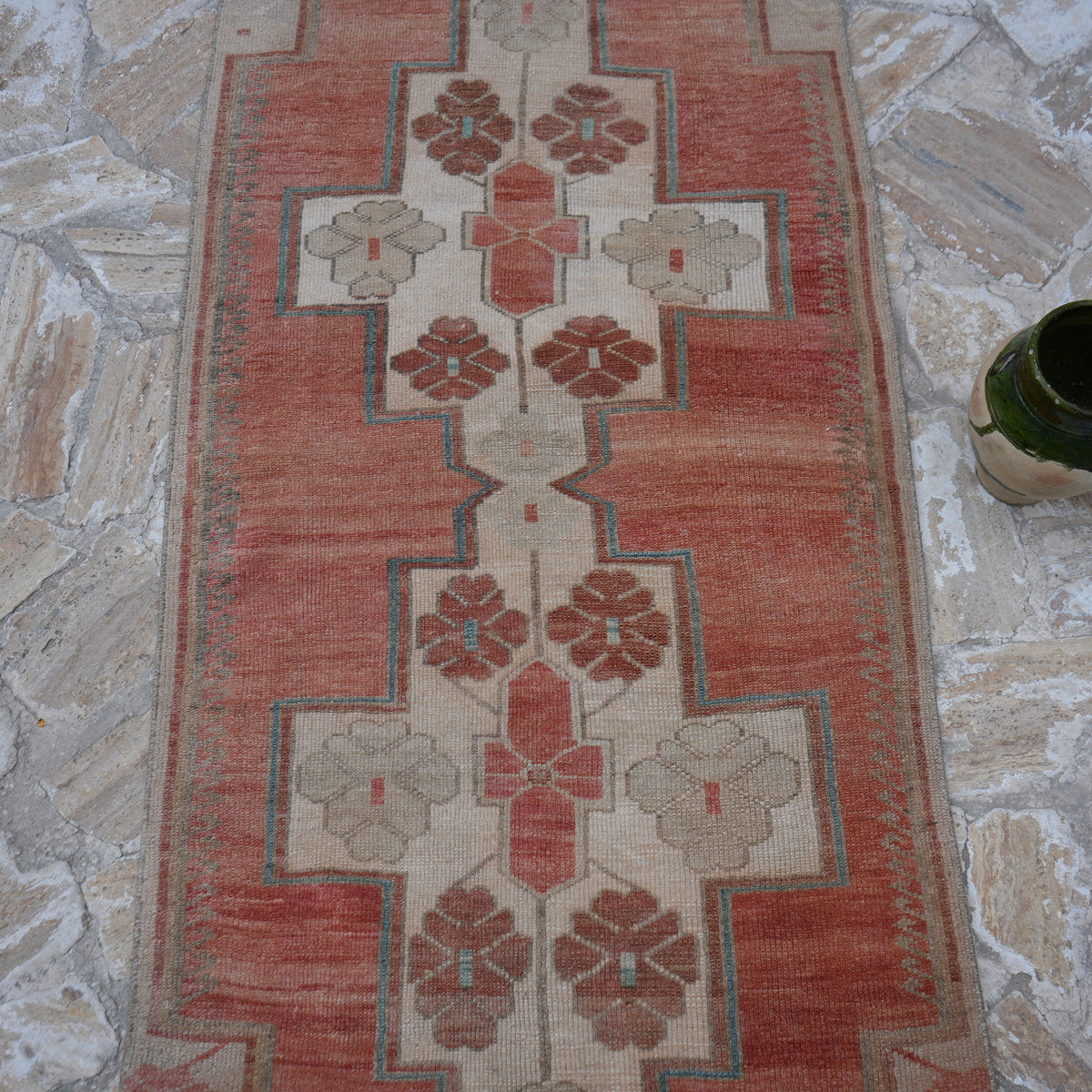
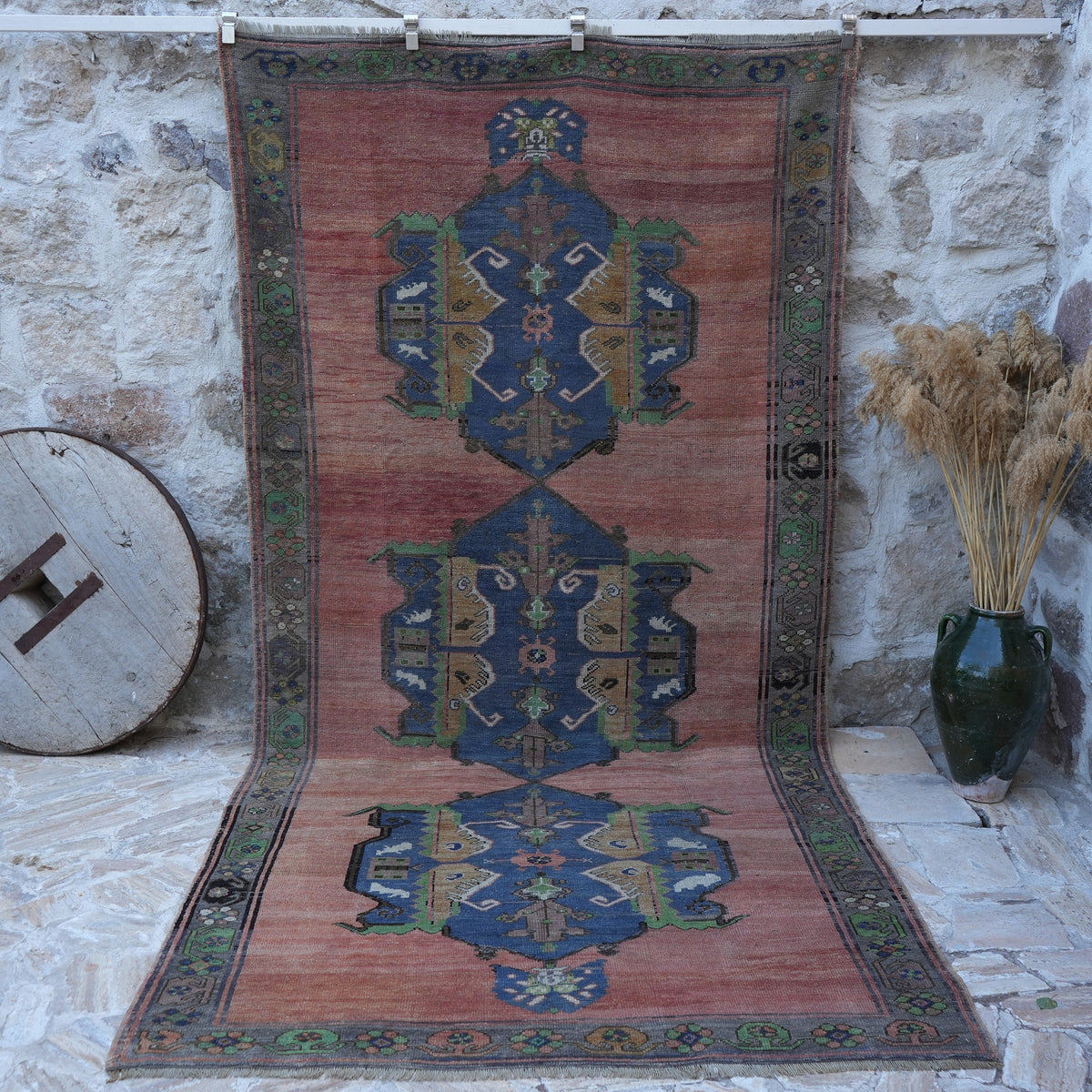
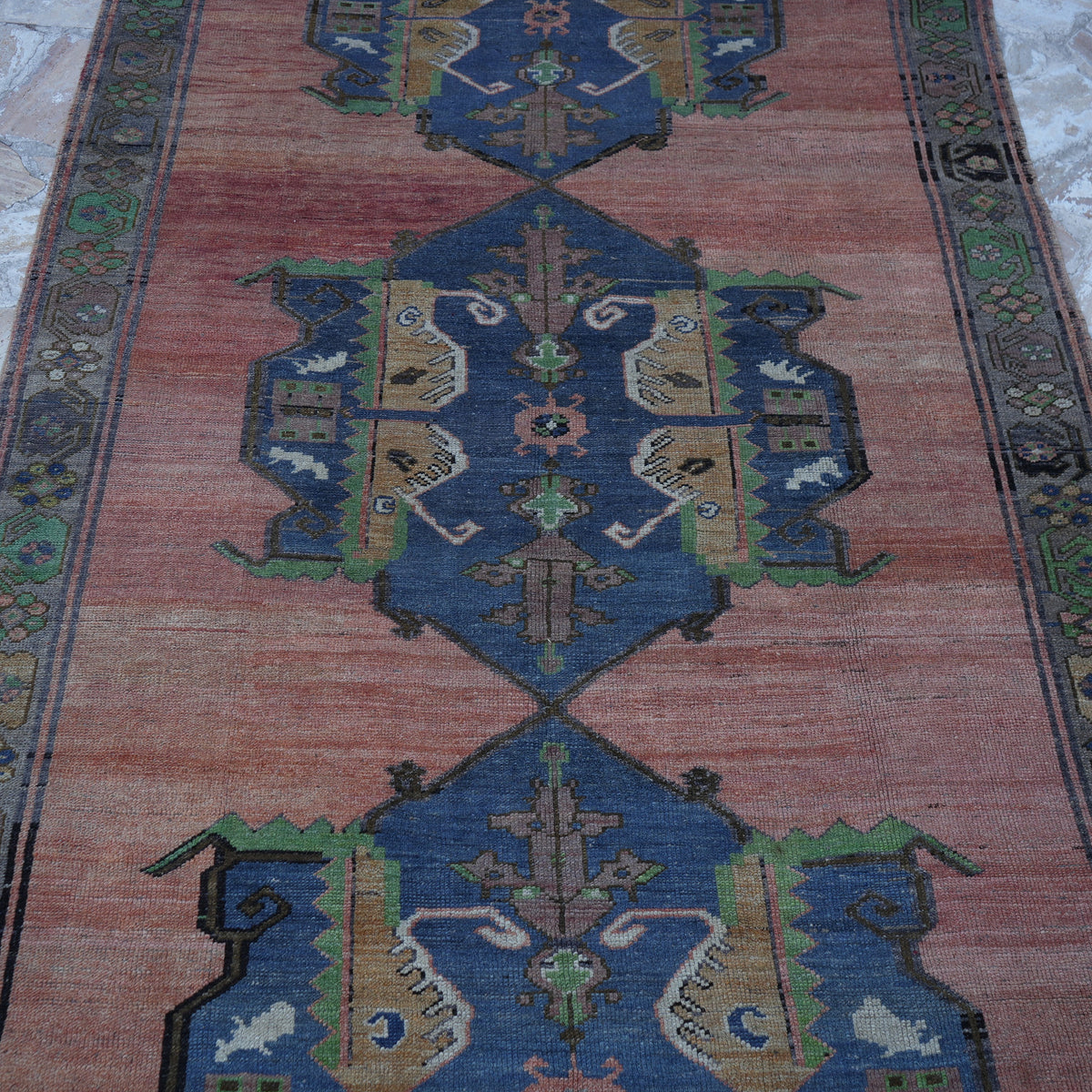
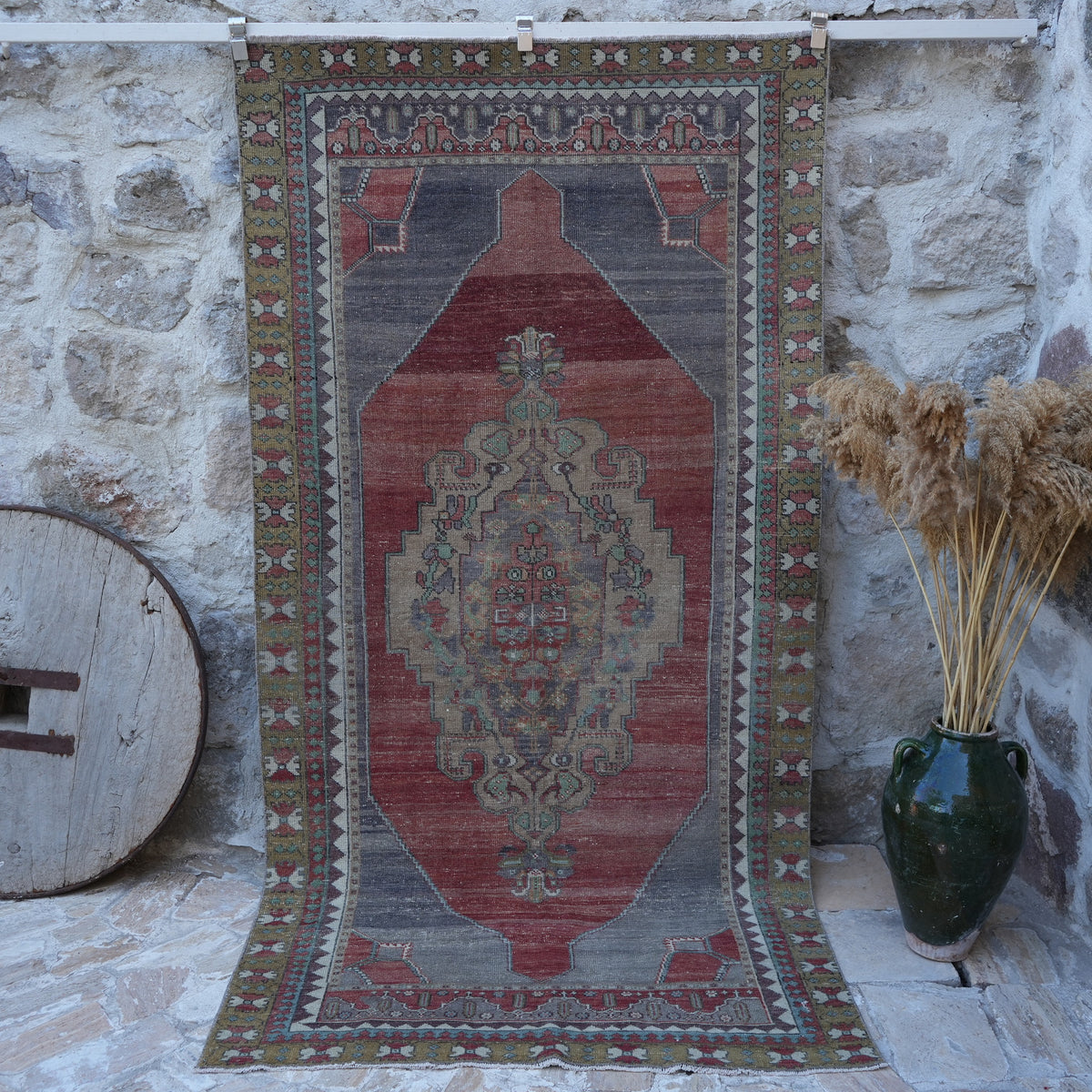
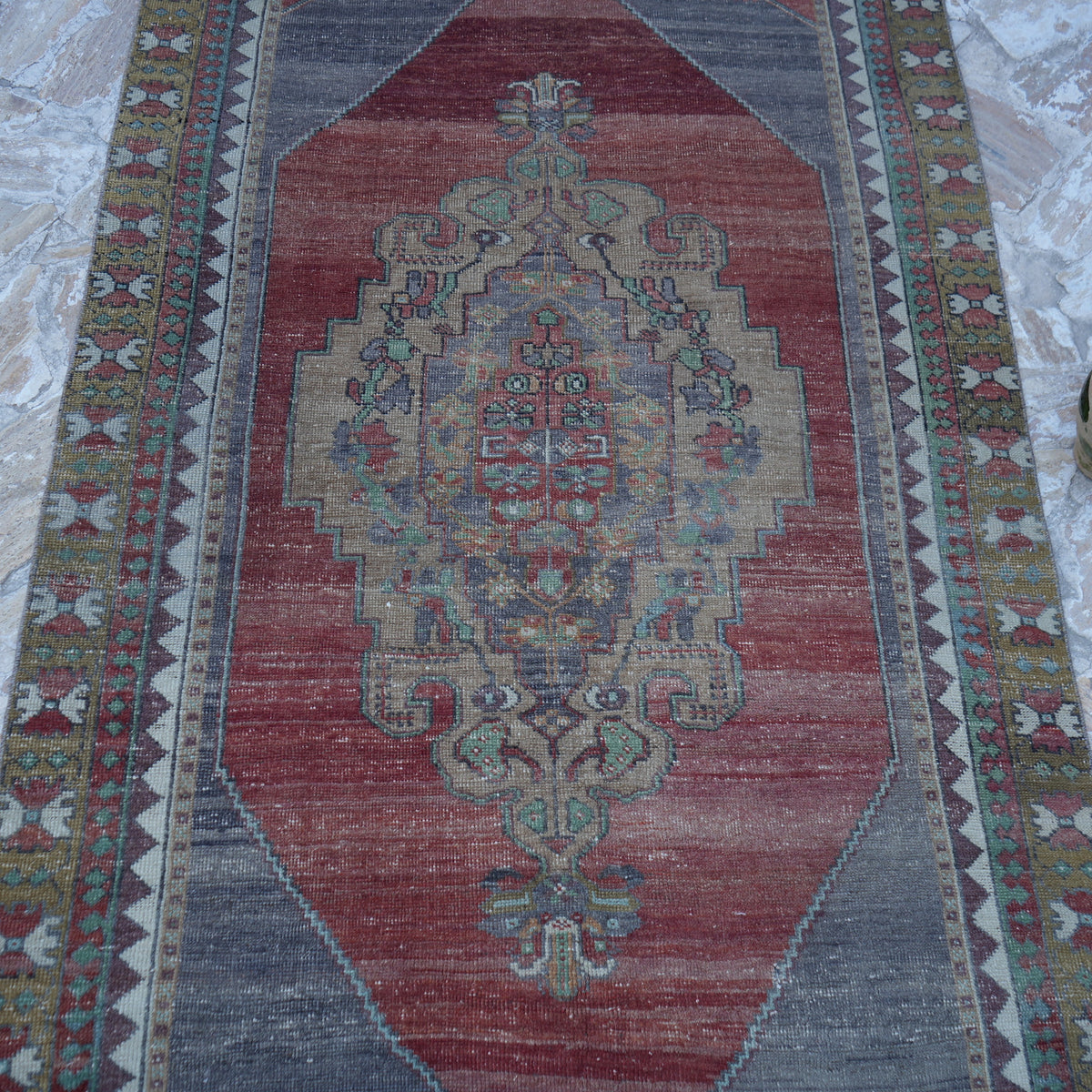
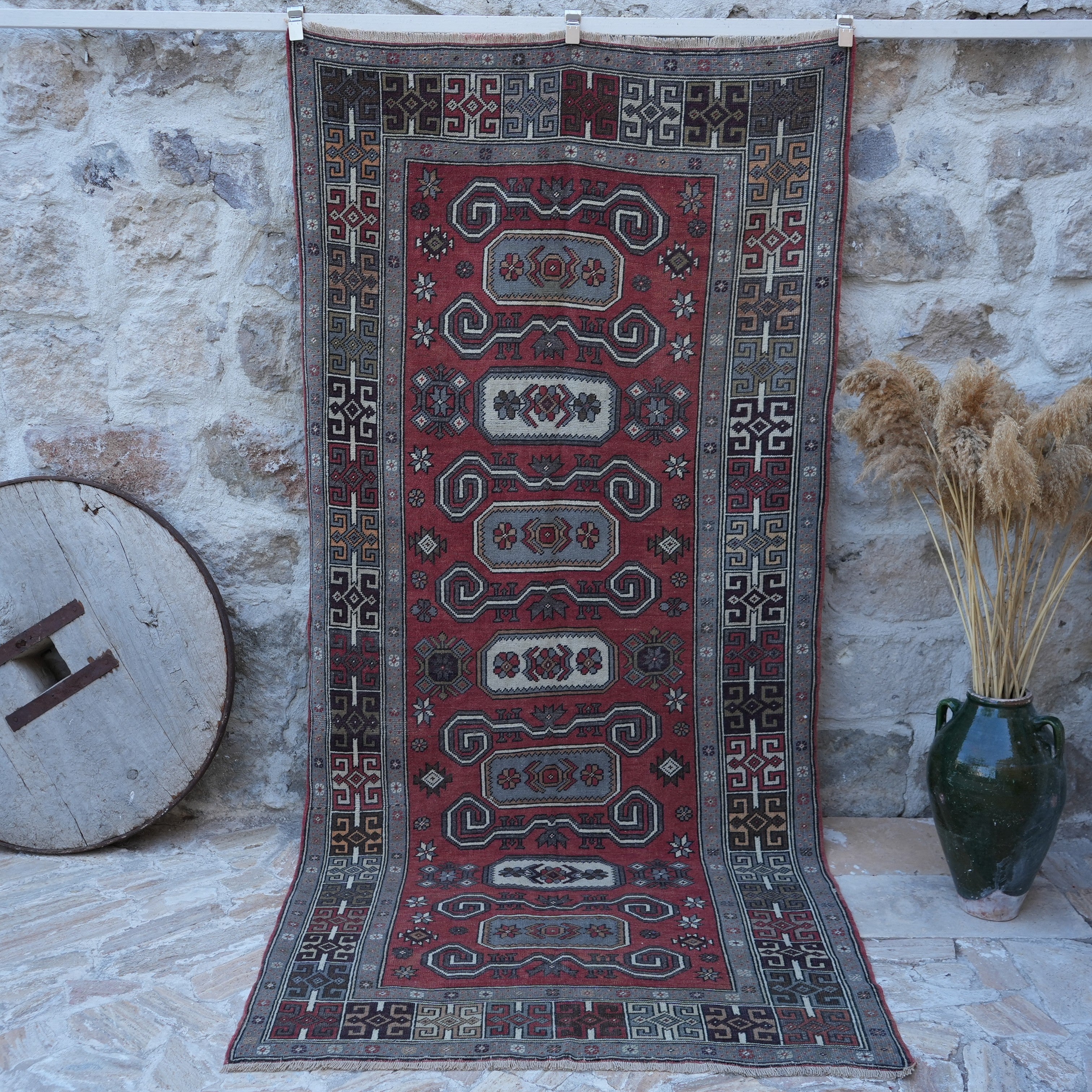
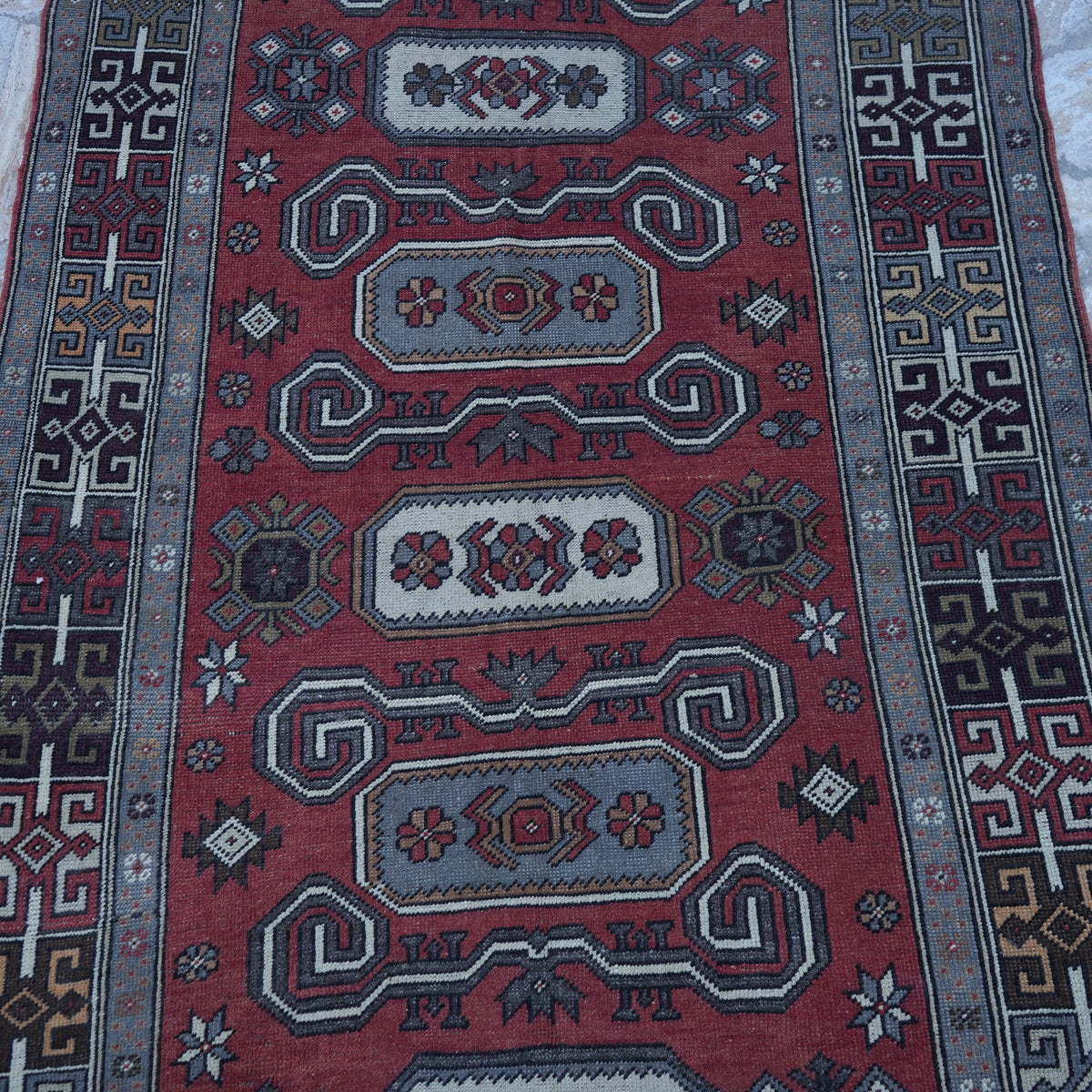
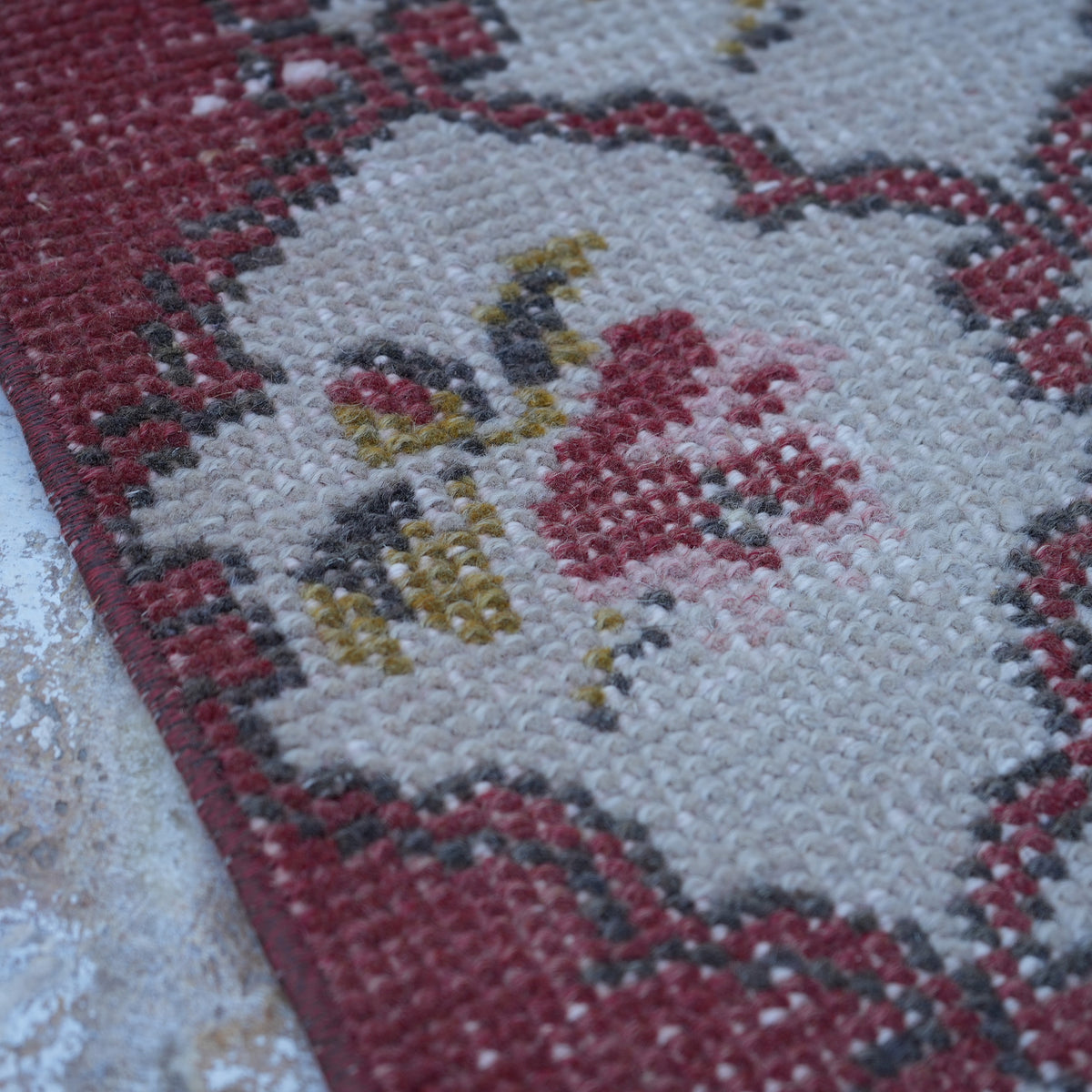
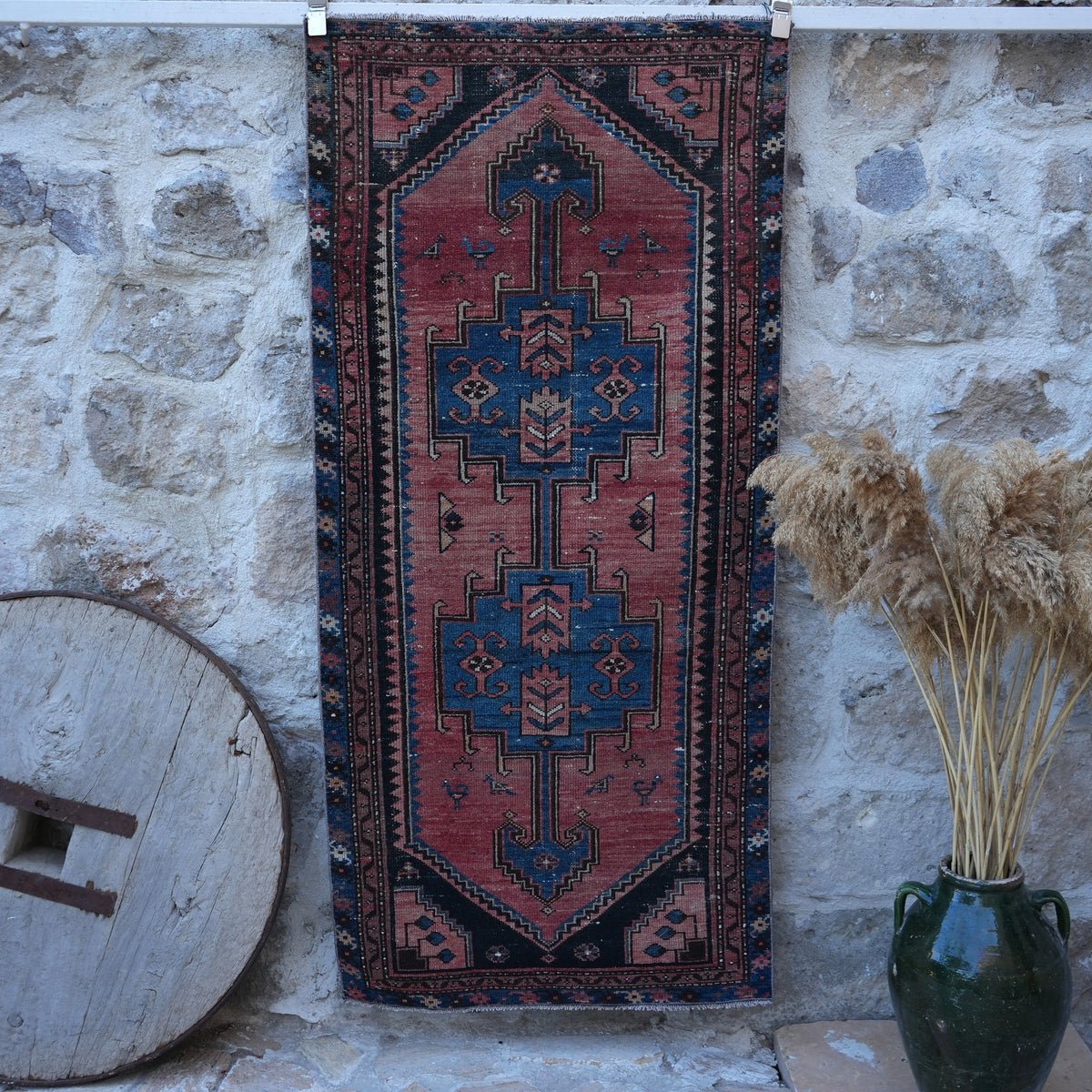
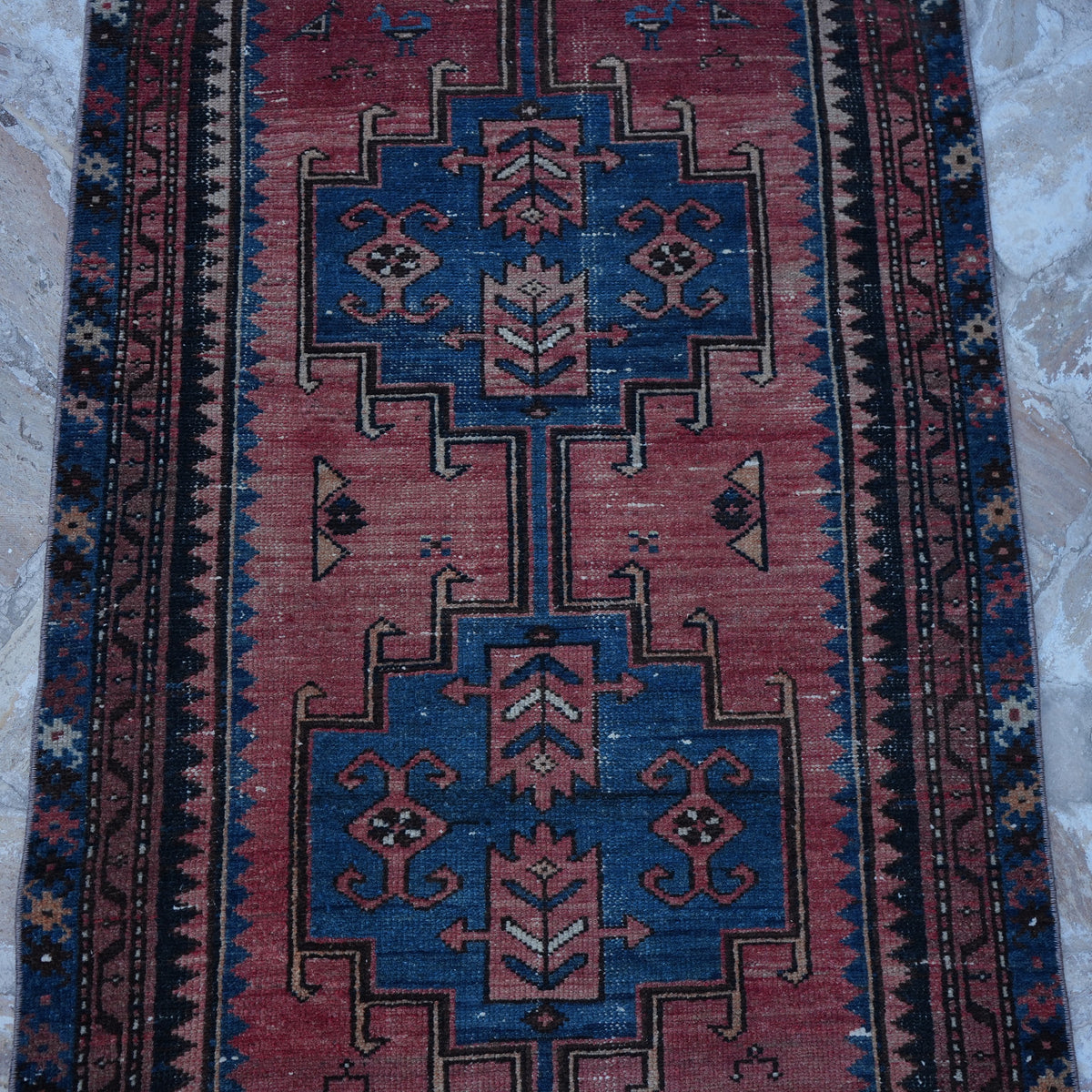
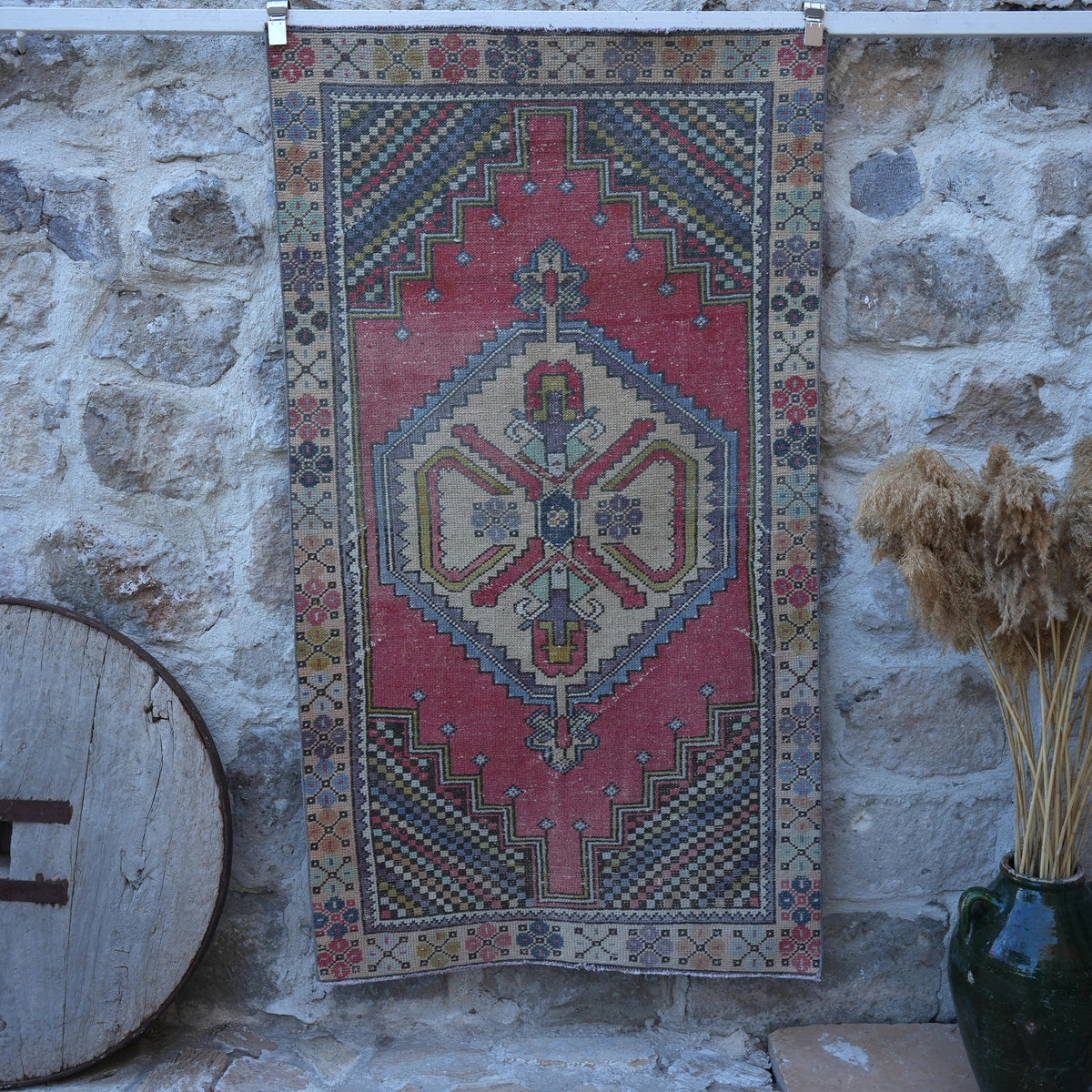
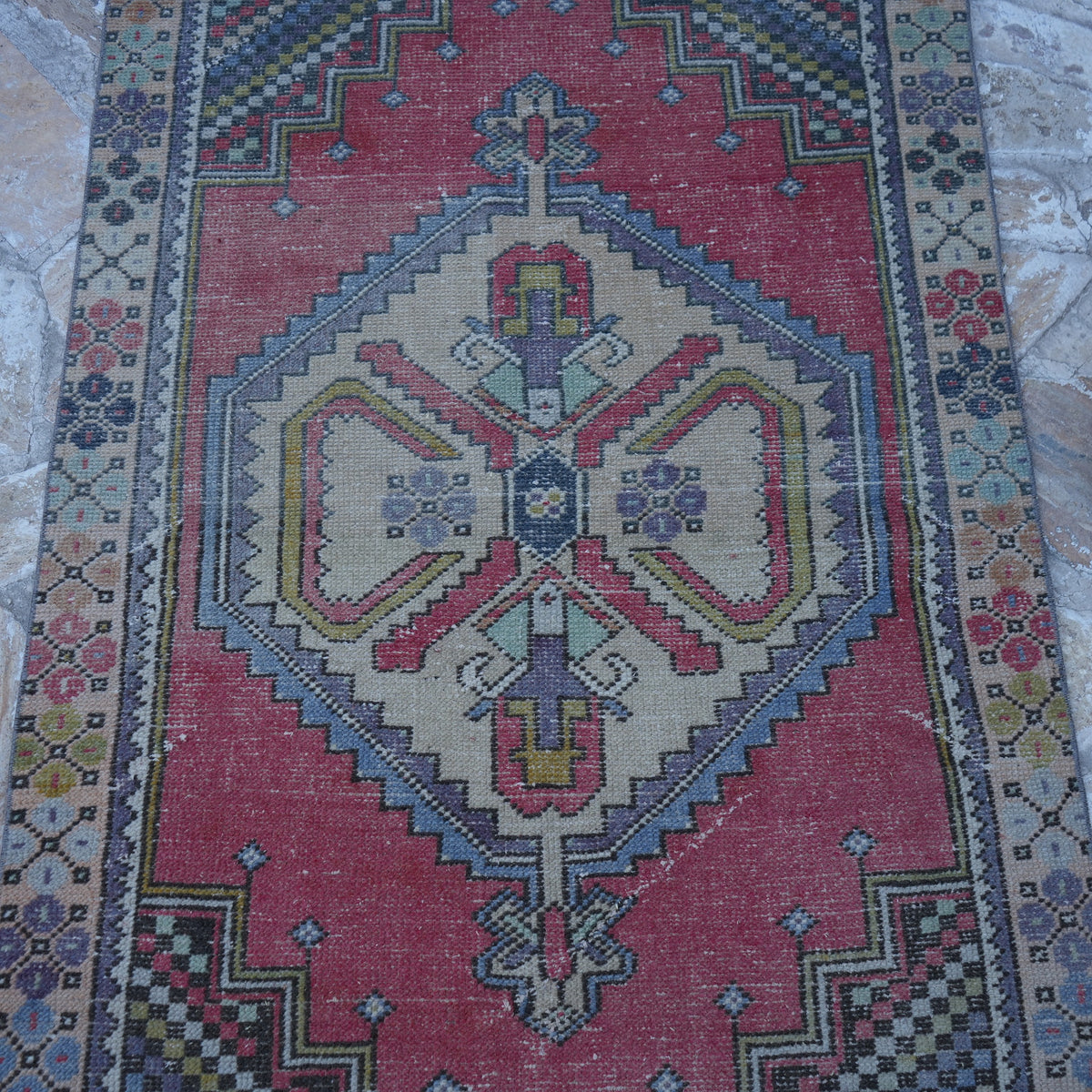
Many of the vintage Anatolian rugs we source lean toward earthier reds — terracotta, paprika, brick — the kind that looks like it always belonged in a sunbaked room. Patterns often favor geometry over florals: diamonds, hooks, stepped medallions. Browse our Turkish rugs and you'll notice how rarely two reds look identical.
Red Persian Rugs: Curvilinear Patterns and Formal Medallions
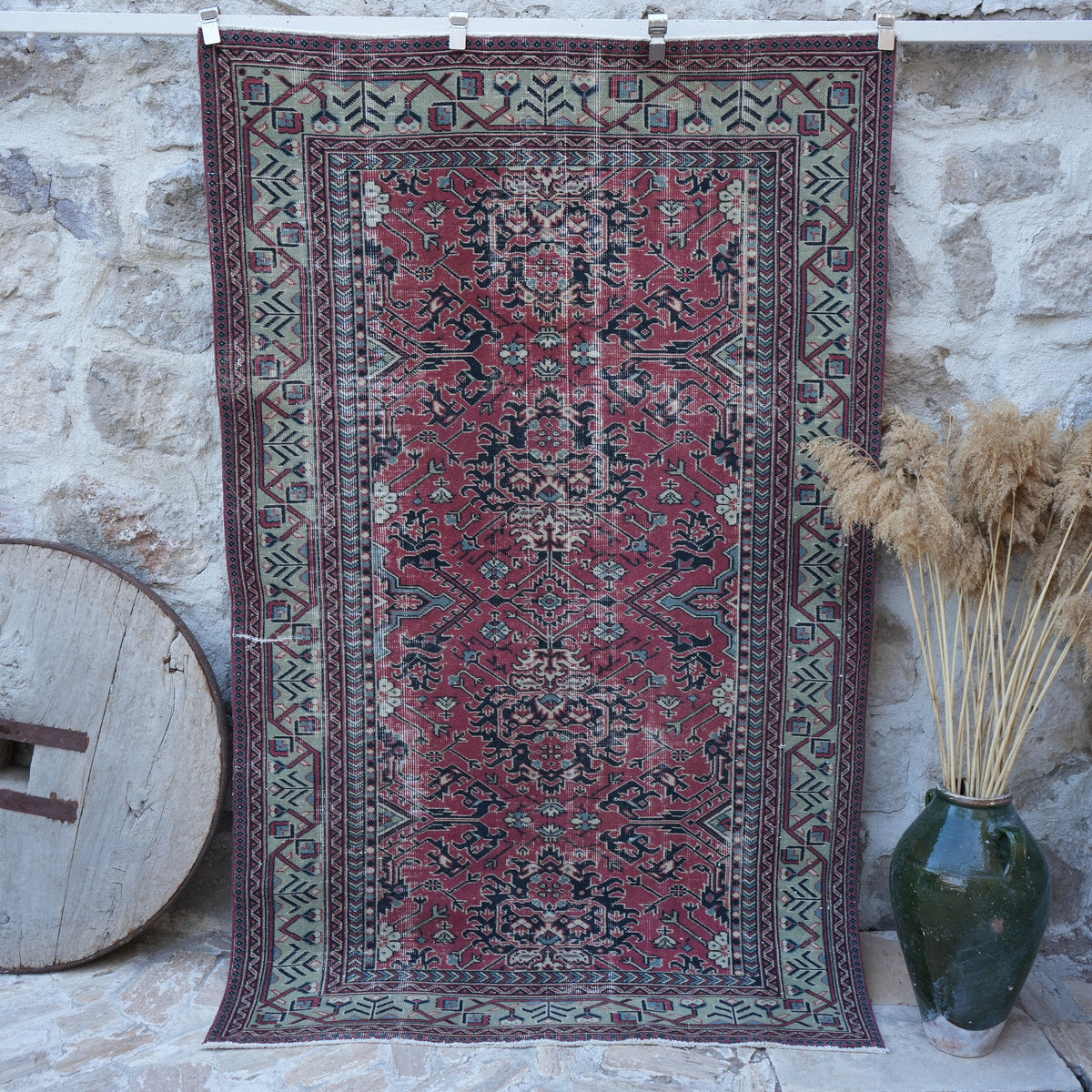
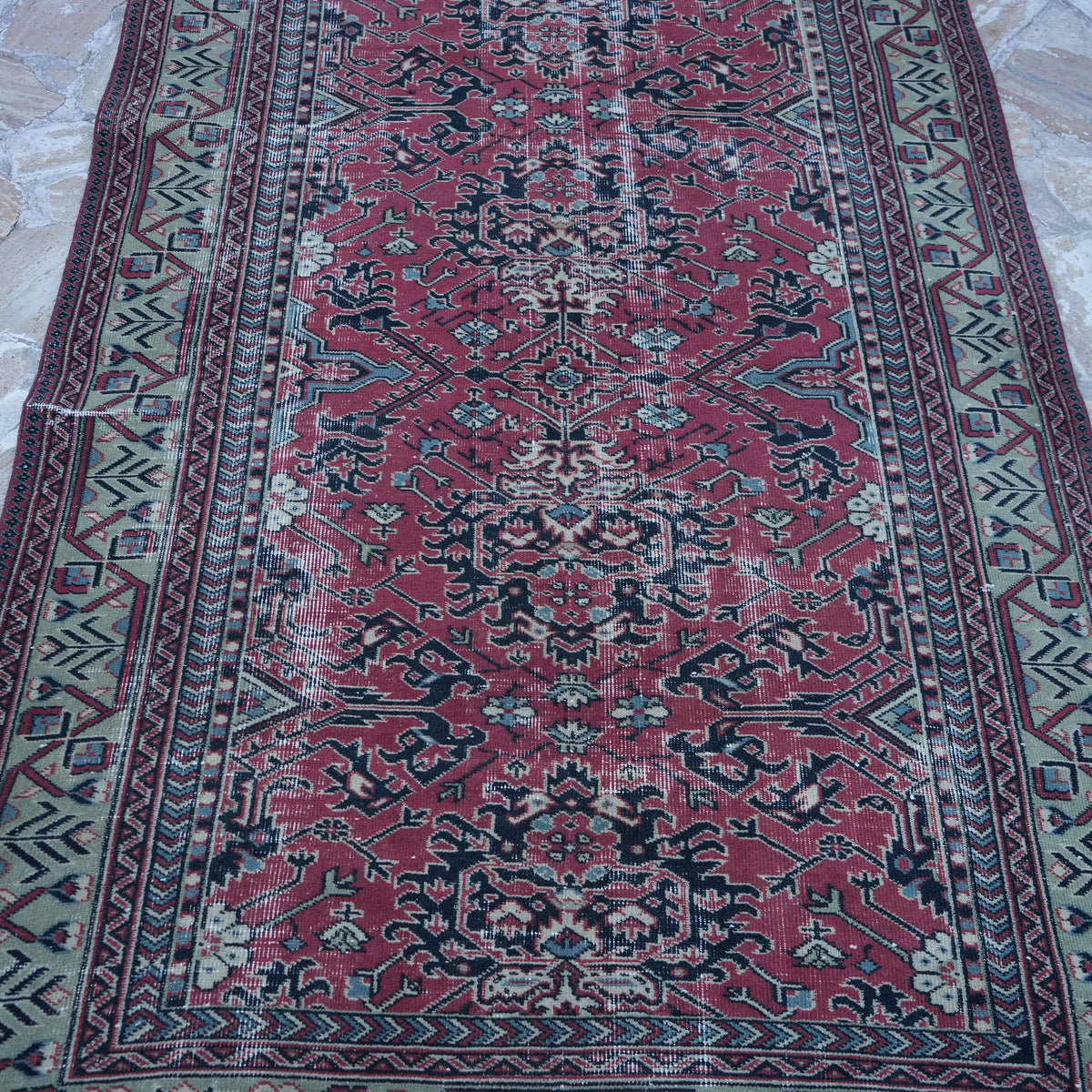
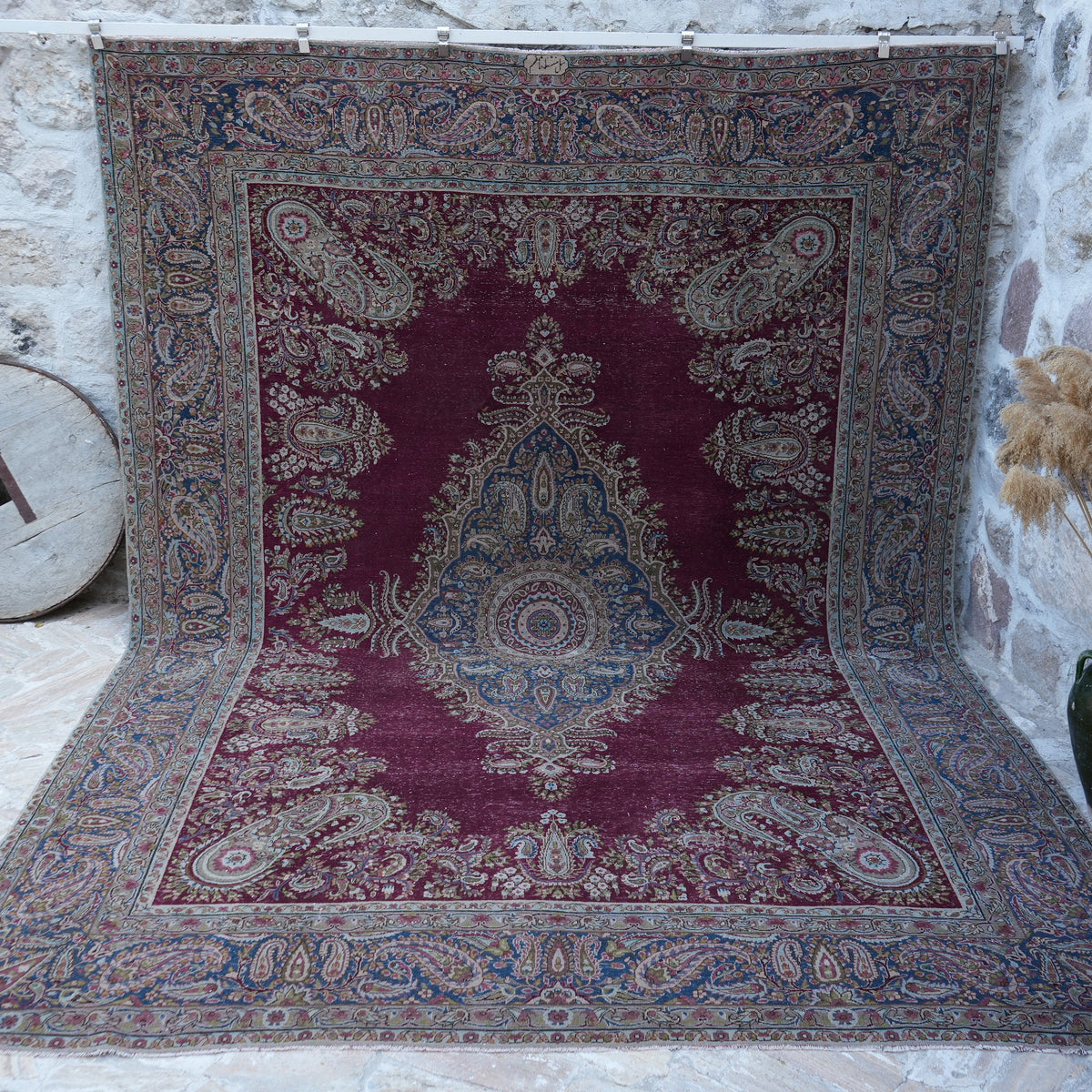
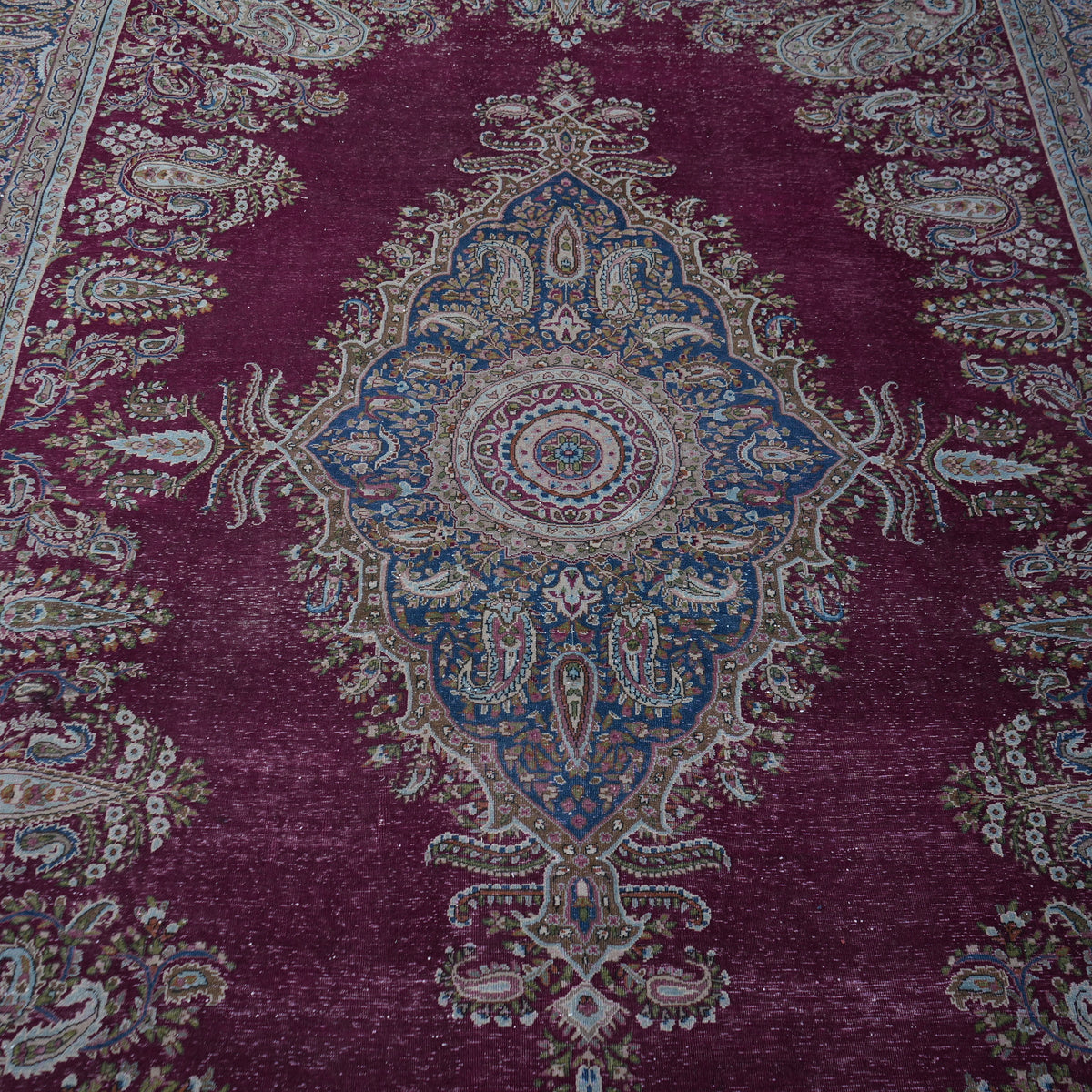
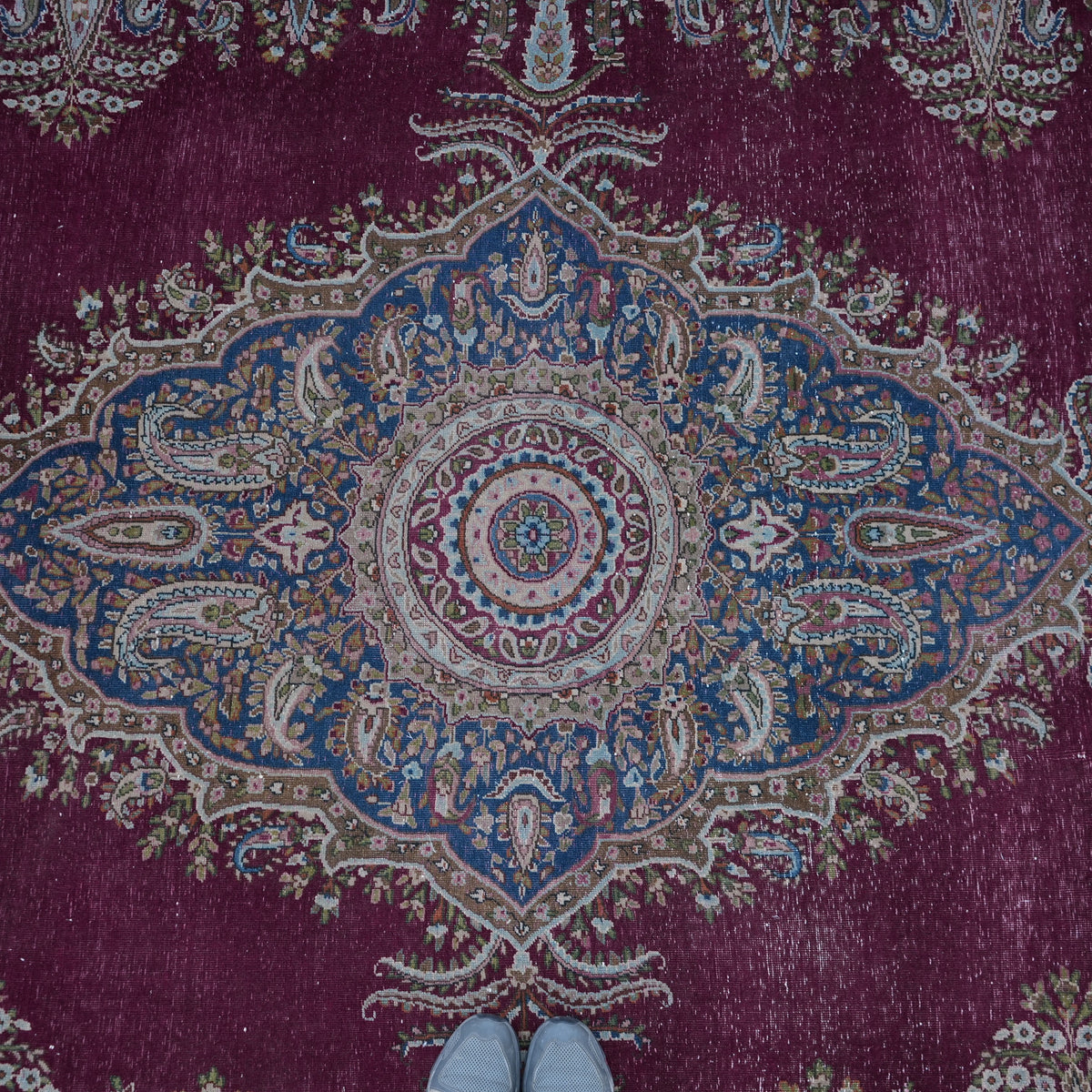
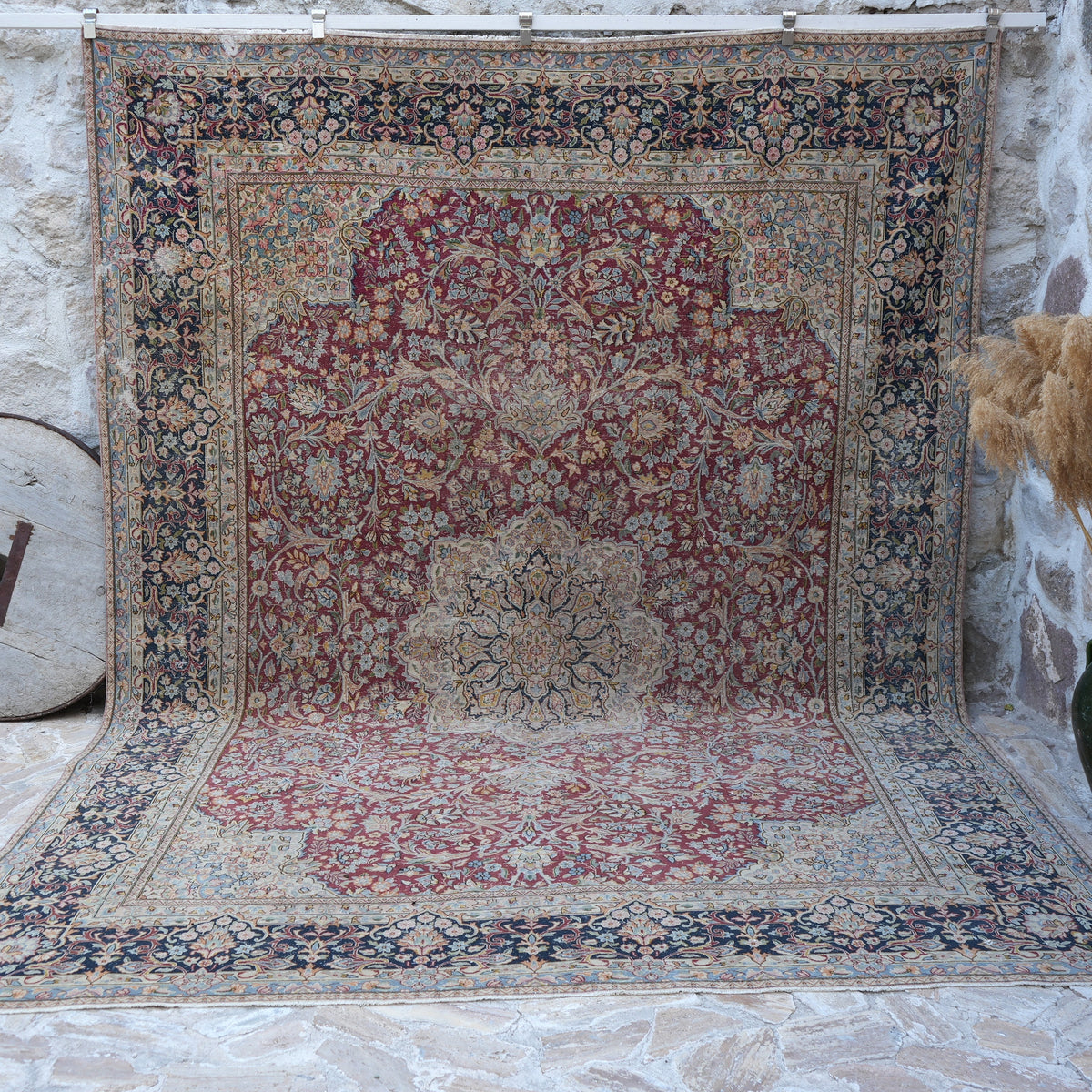
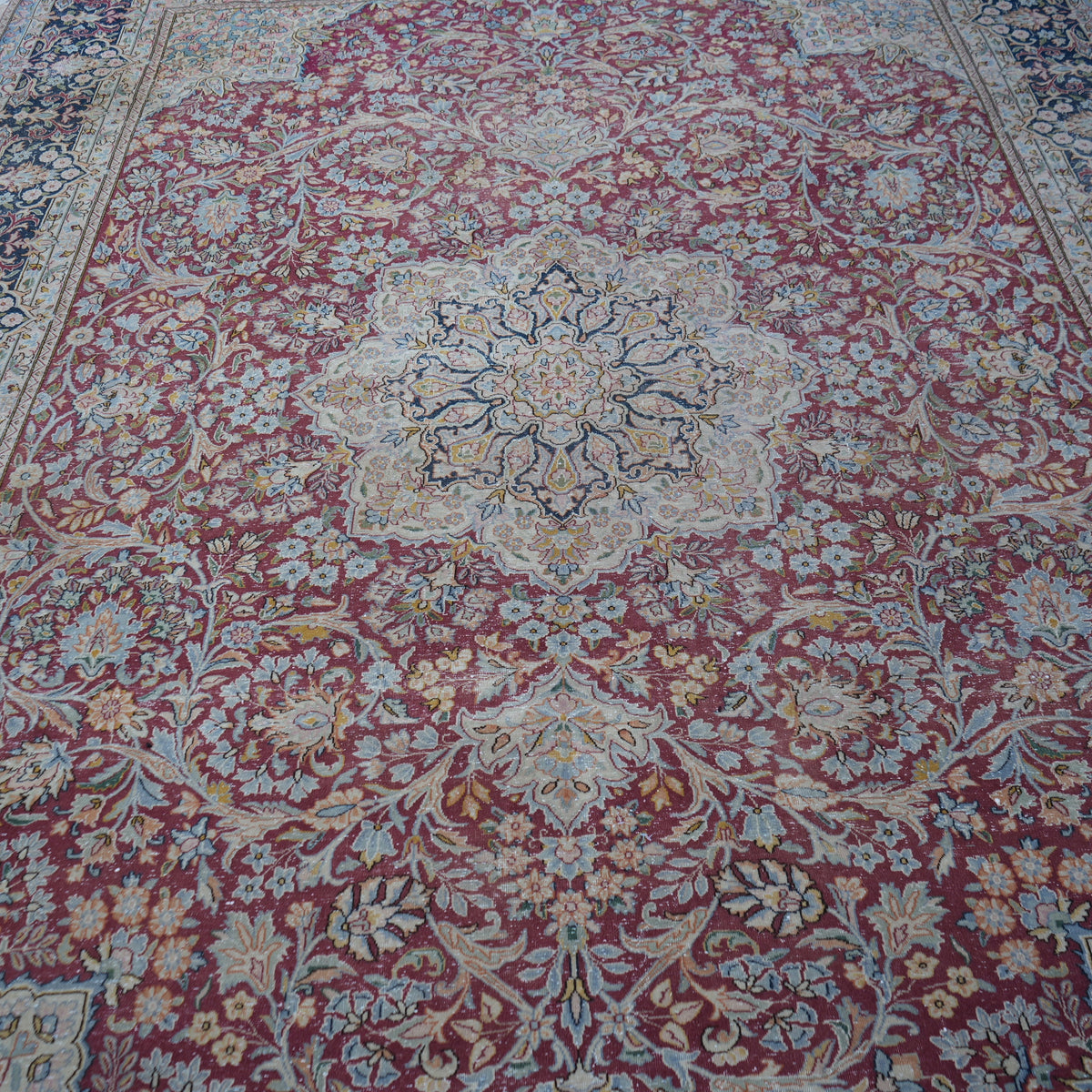
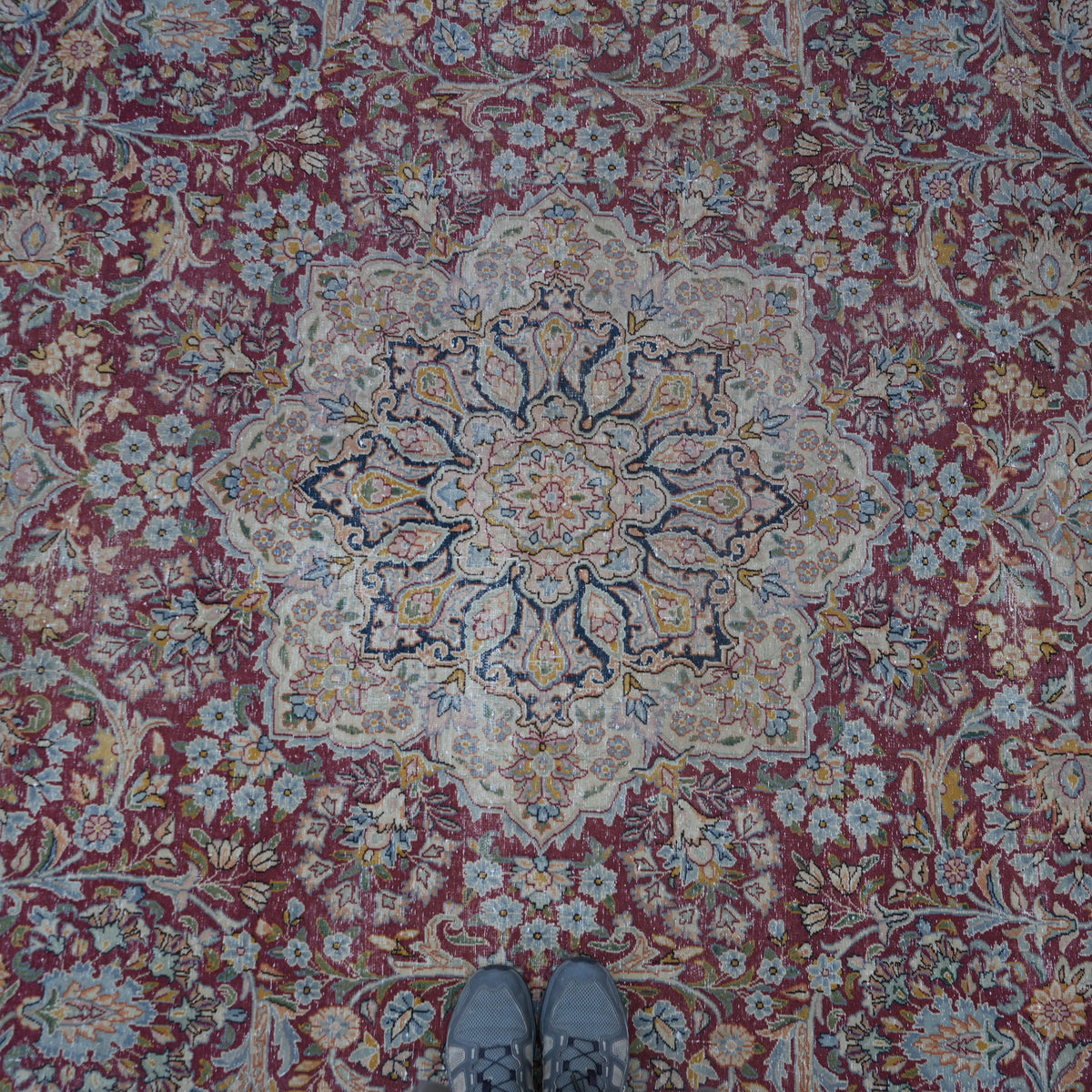
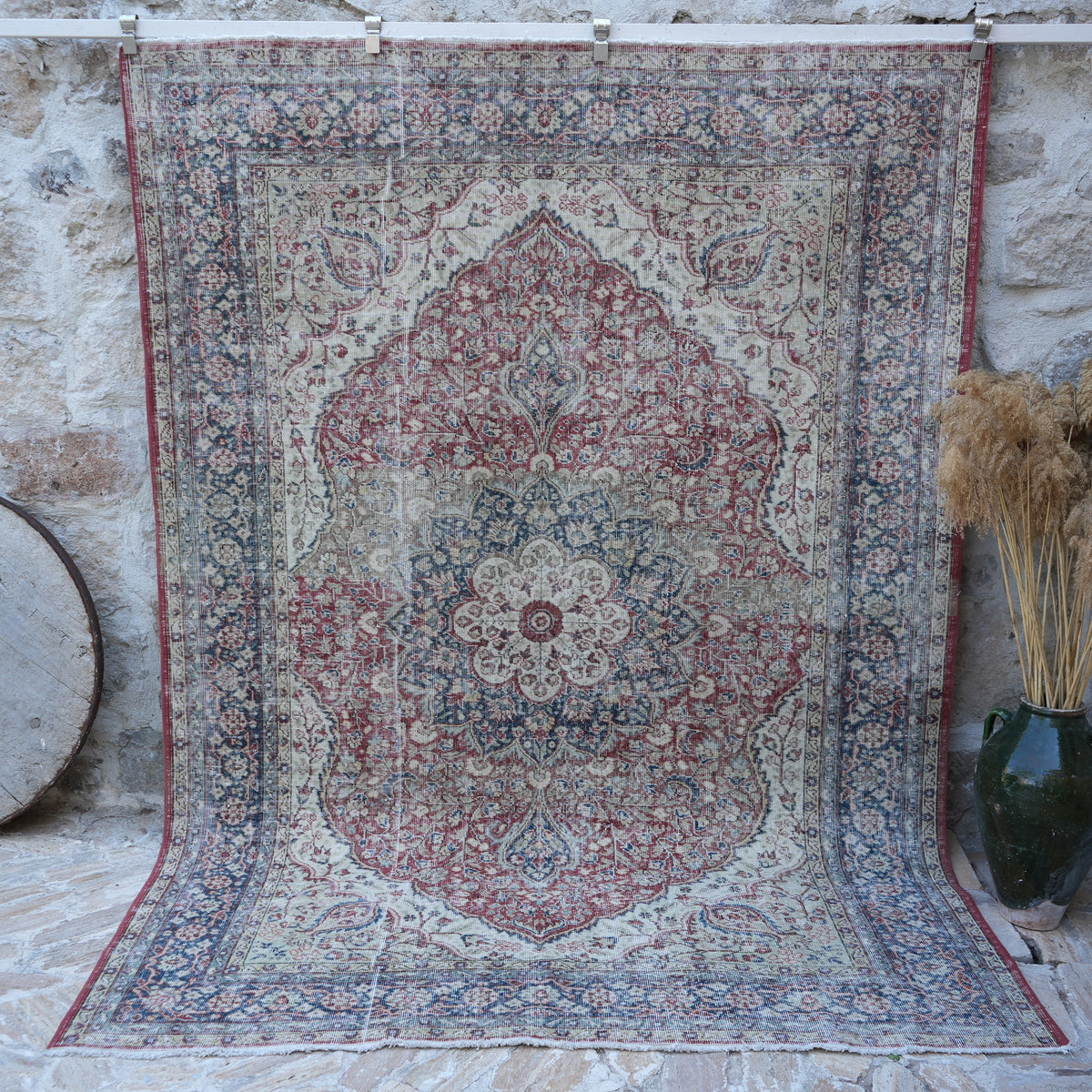
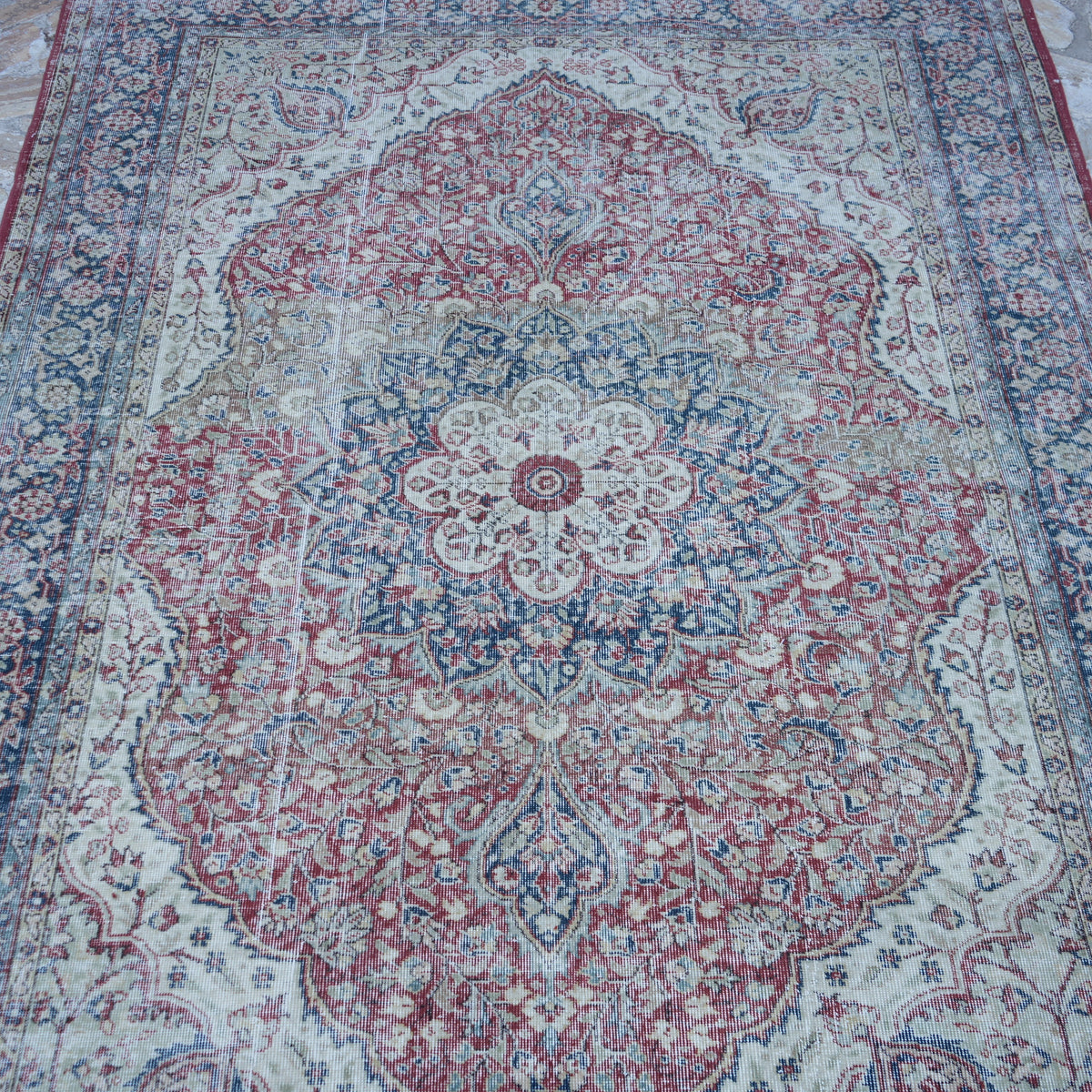
Red Persian rugs — the burgundies and crimsons people picture when they hear "red oriental rug" — often lean toward finer curvilinear detail and a central medallion. If that formality suits your room, our Persian rugs collection has striking examples, red and otherwise.

The Different Faces of a Red Turkish Rug: Oushak, Kilim, and Anatolian Weaves
Red Oushak Rugs: Soft, Faded, Room-Anchoring
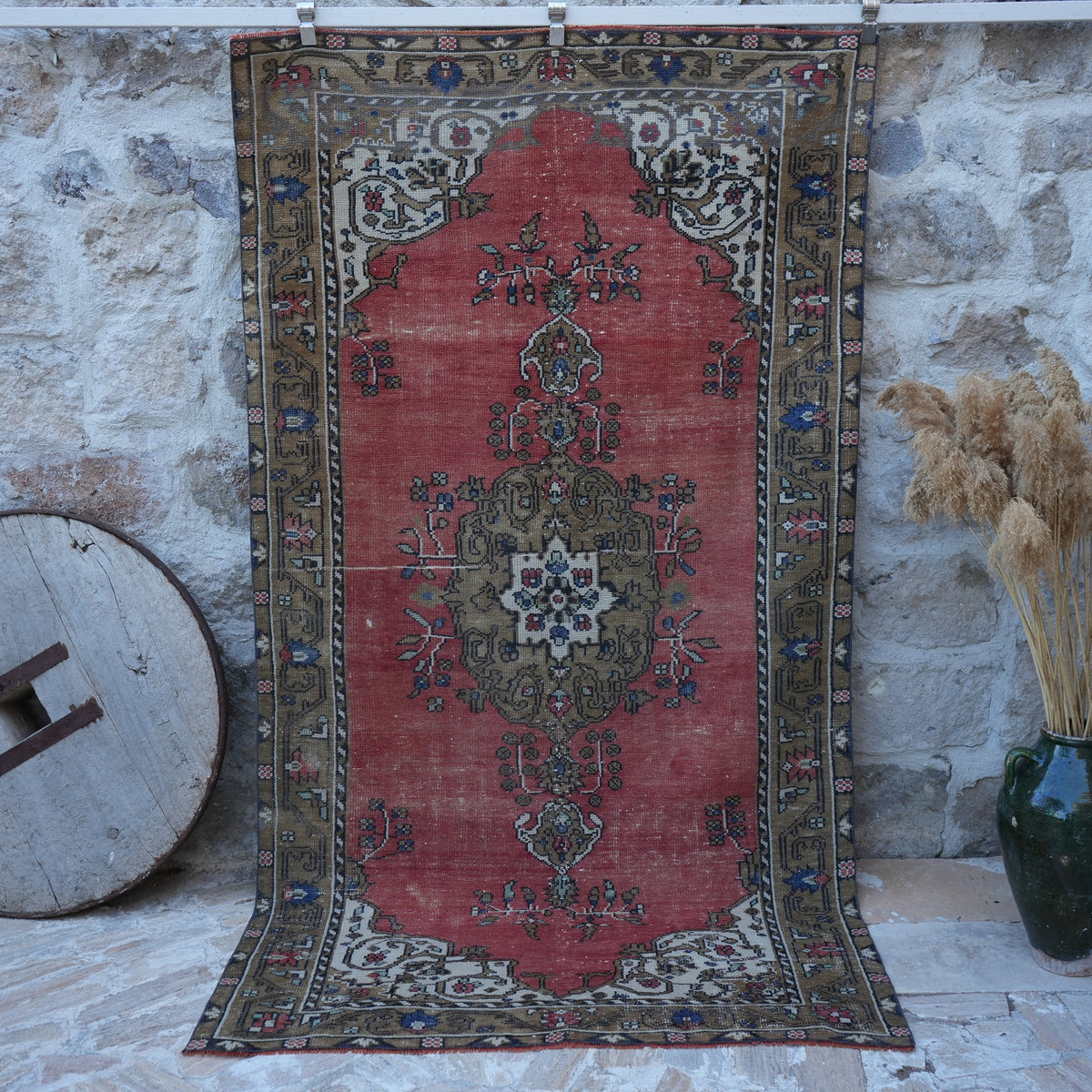
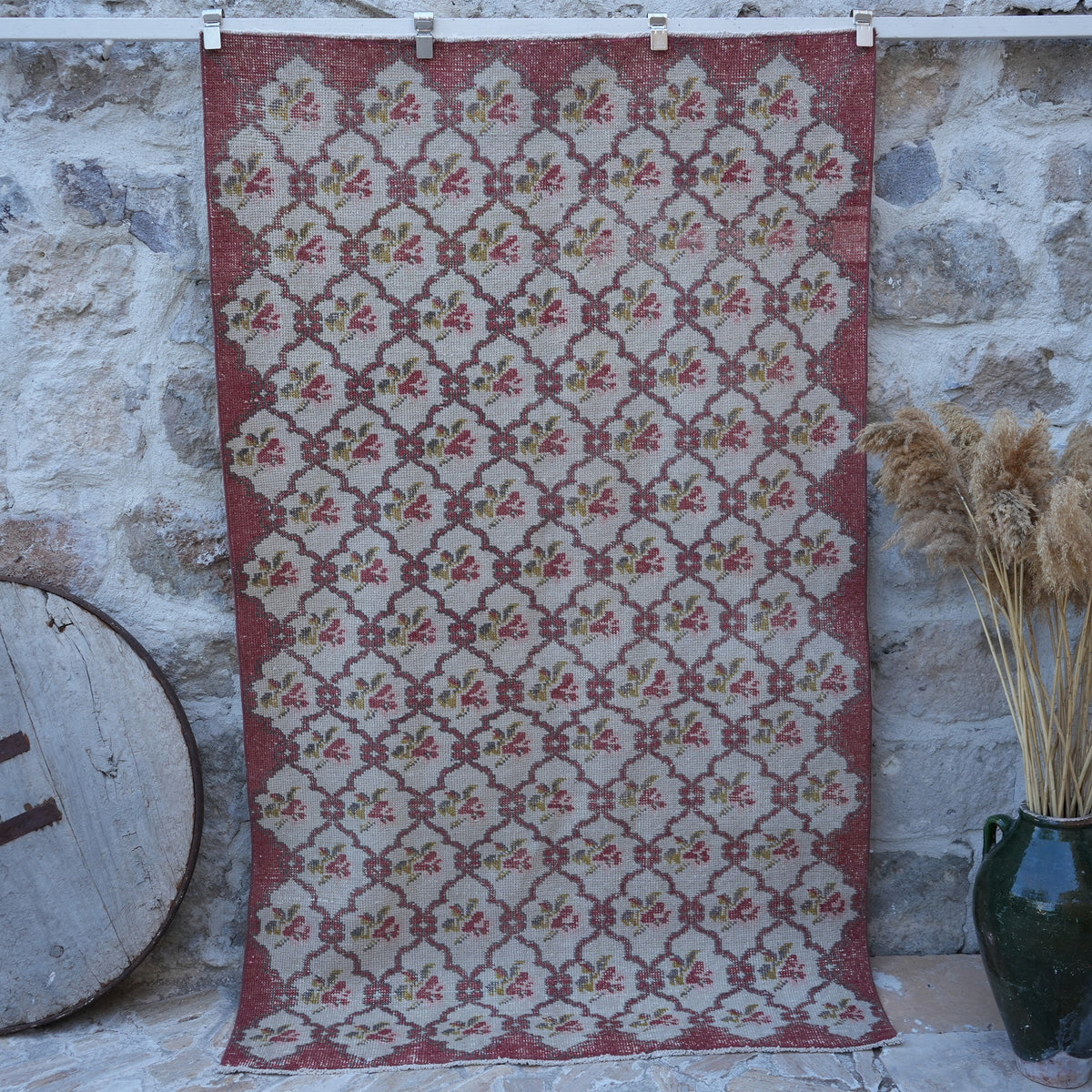
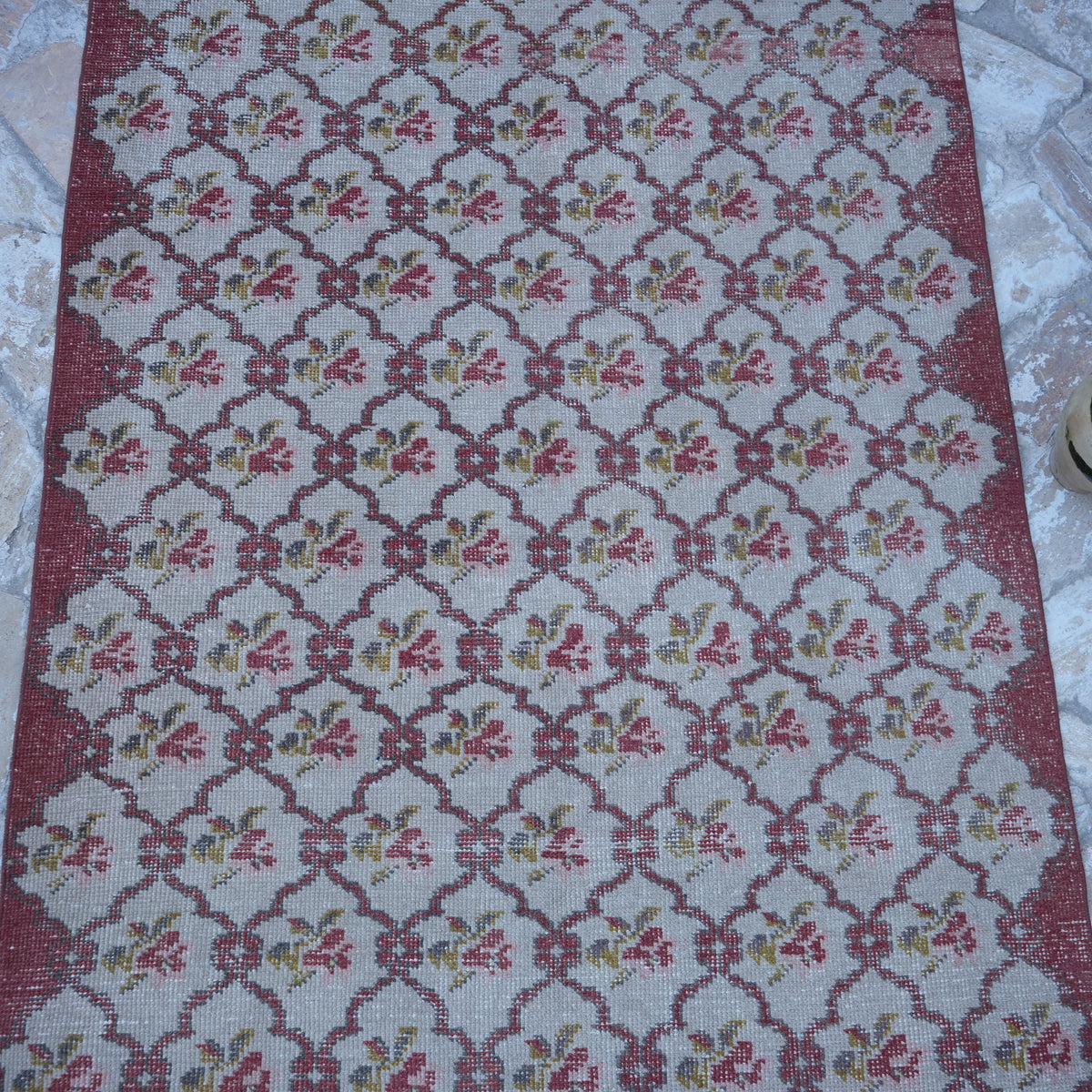
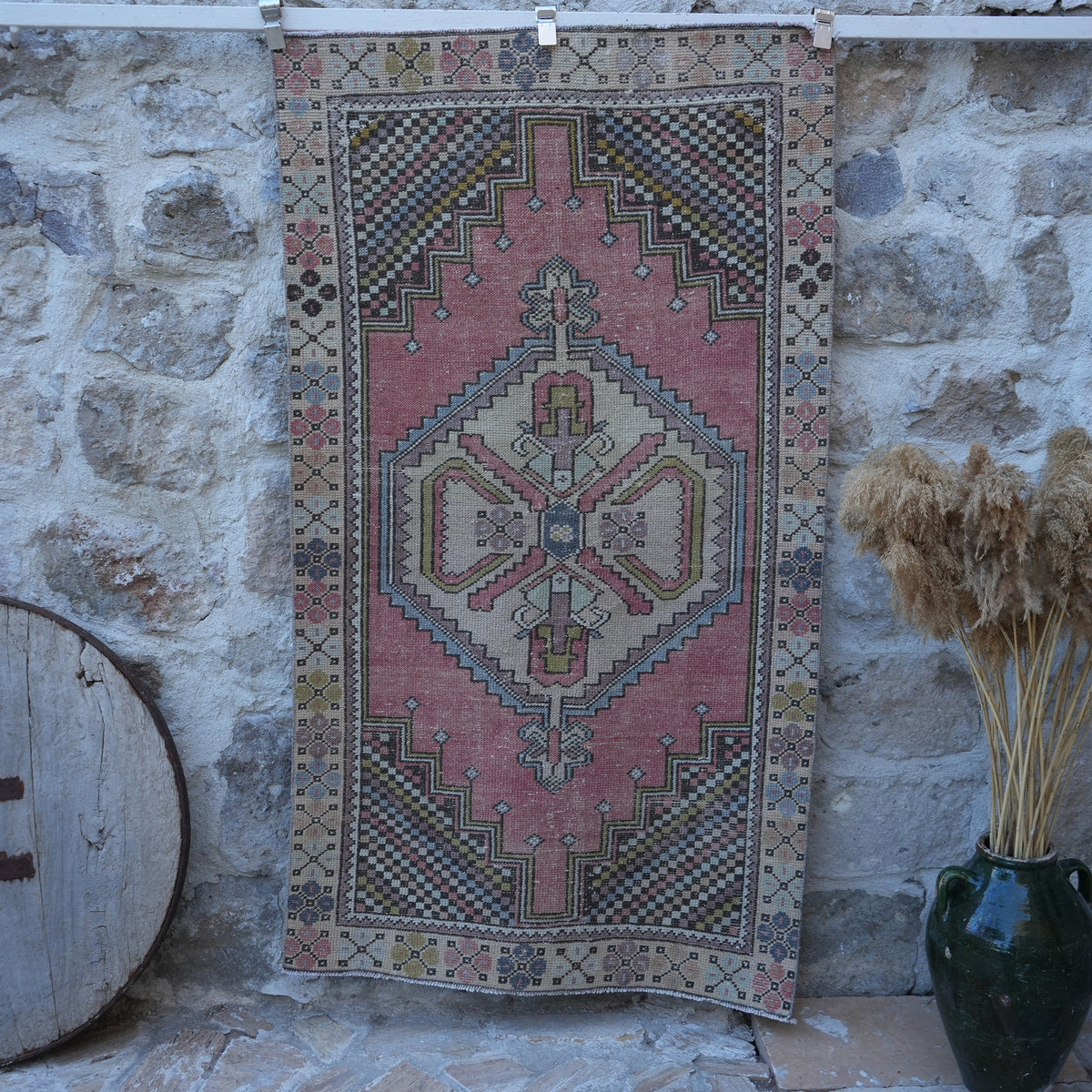
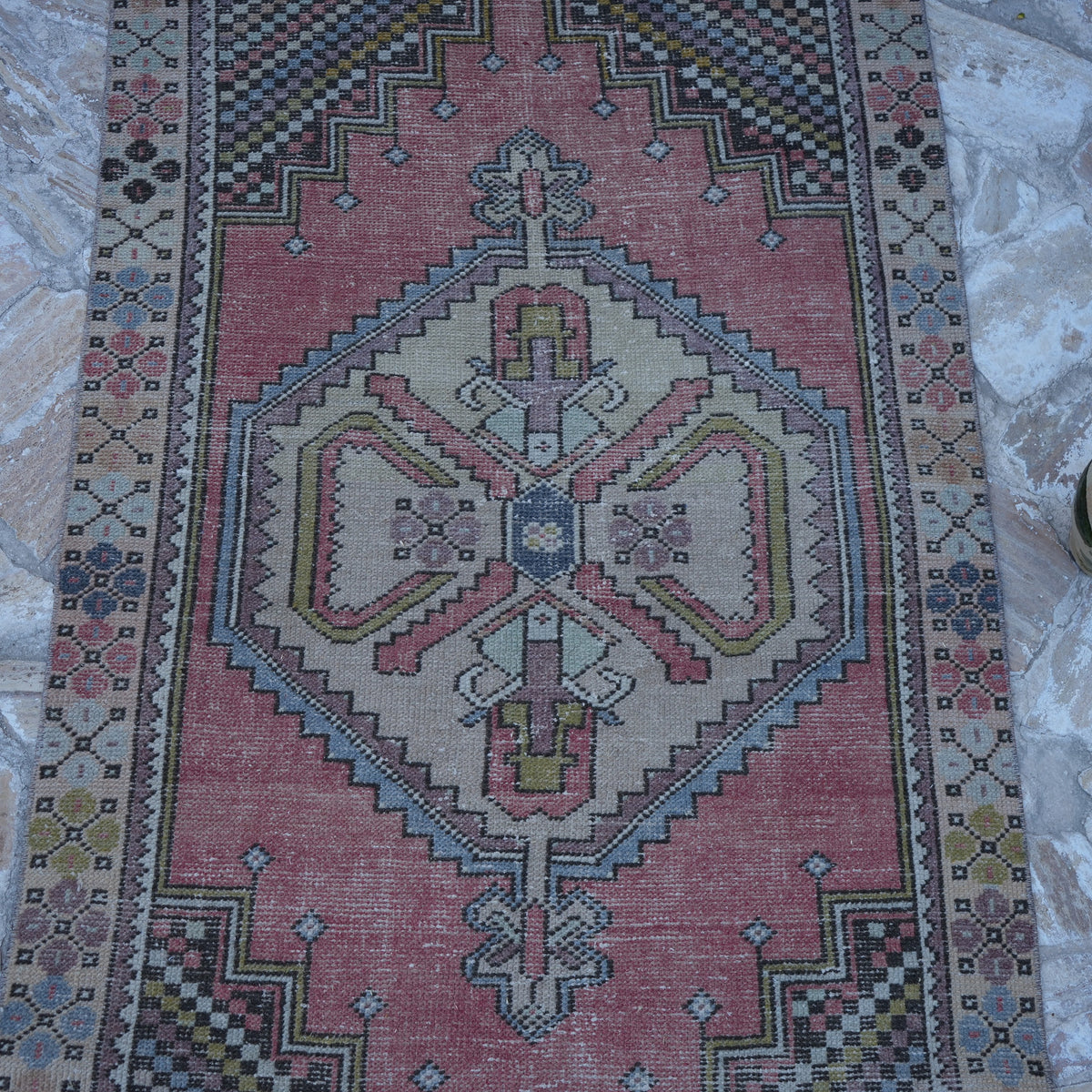
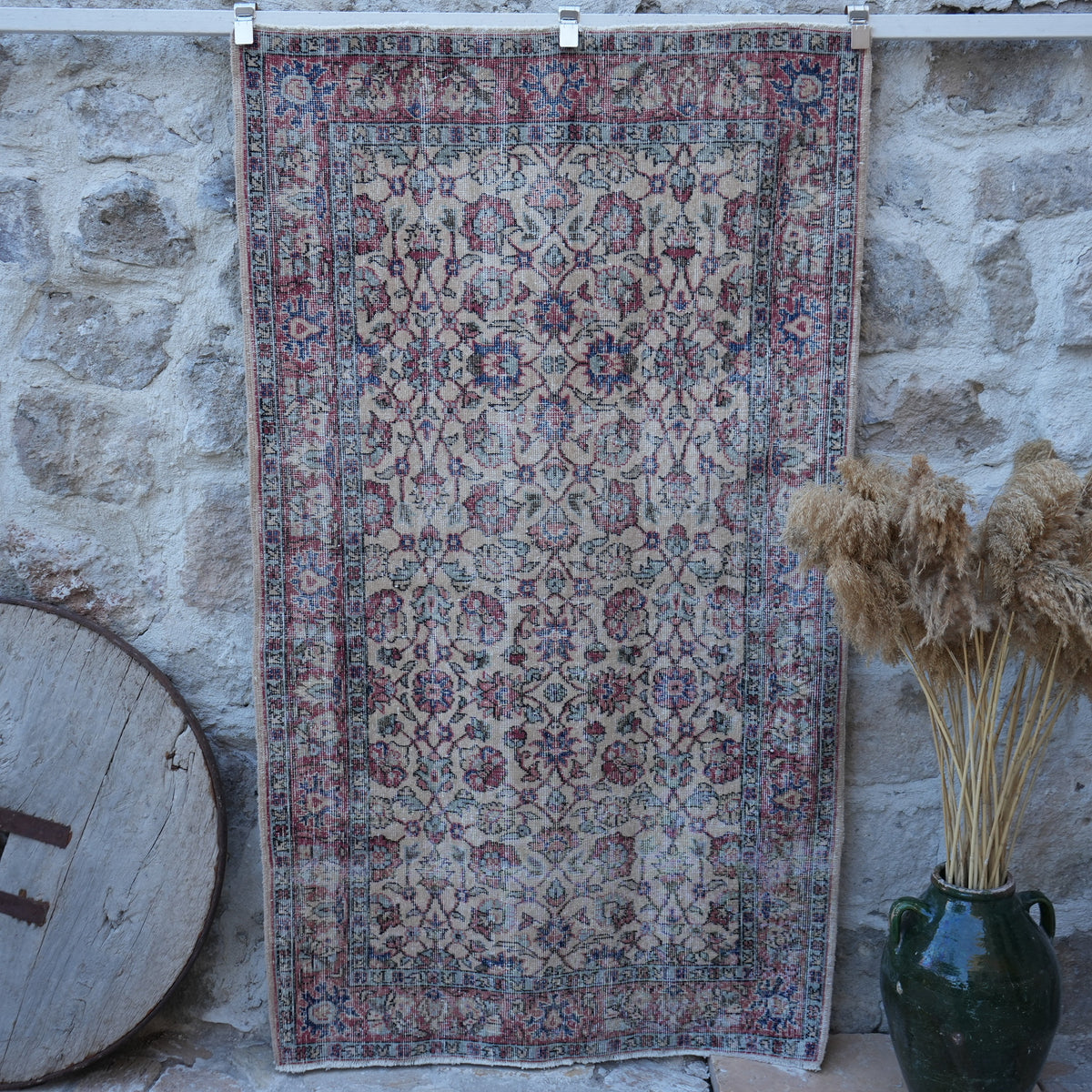
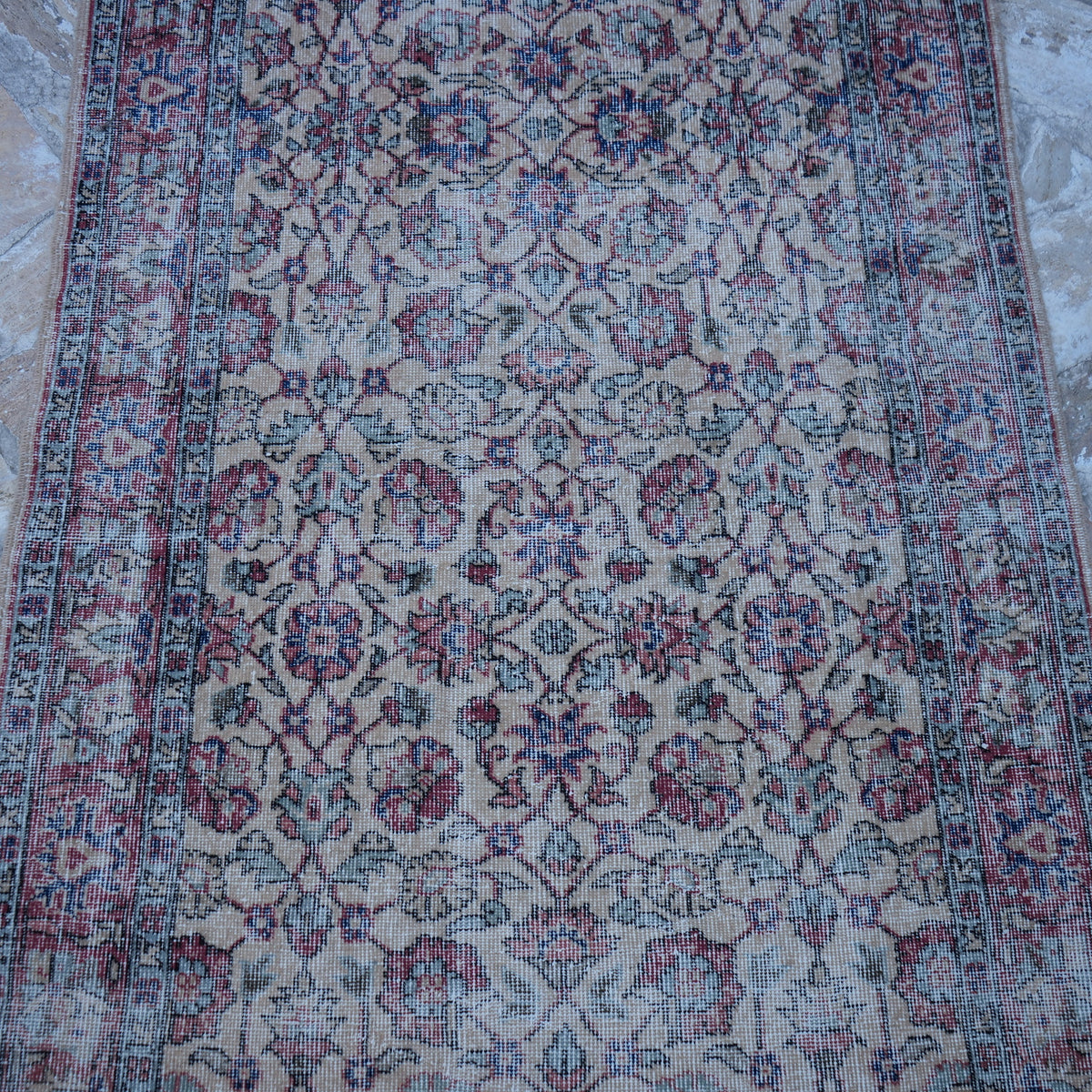
In many of the vintage Oushak rugs we handle, red appears as a softened rose, brick, or faded coral rather than a bright primary red. It adds warmth without visual noise, and tends to anchor a room rather than announce itself. Our Oushak rugs lean heavily into these softer, aged reds.
Red Kilim Rugs: Flatwoven and Full of Symbolism
Kilim red is the opposite: flatwoven, no pile, raw because you're looking straight at the dye rather than through wool tufts. Oushak red is a whisper, I tell customers, and kilim red is a shout — both beautiful, it depends which red rug pattern speaks to your room. Our kilim rug guide explains the flatweave structure, and our kilim rugs are worth a look.
Why does this color still look this vivid decades later?

Why Does Hand-Knotted Wool Hold Red Better Than Machine-Made Rugs?
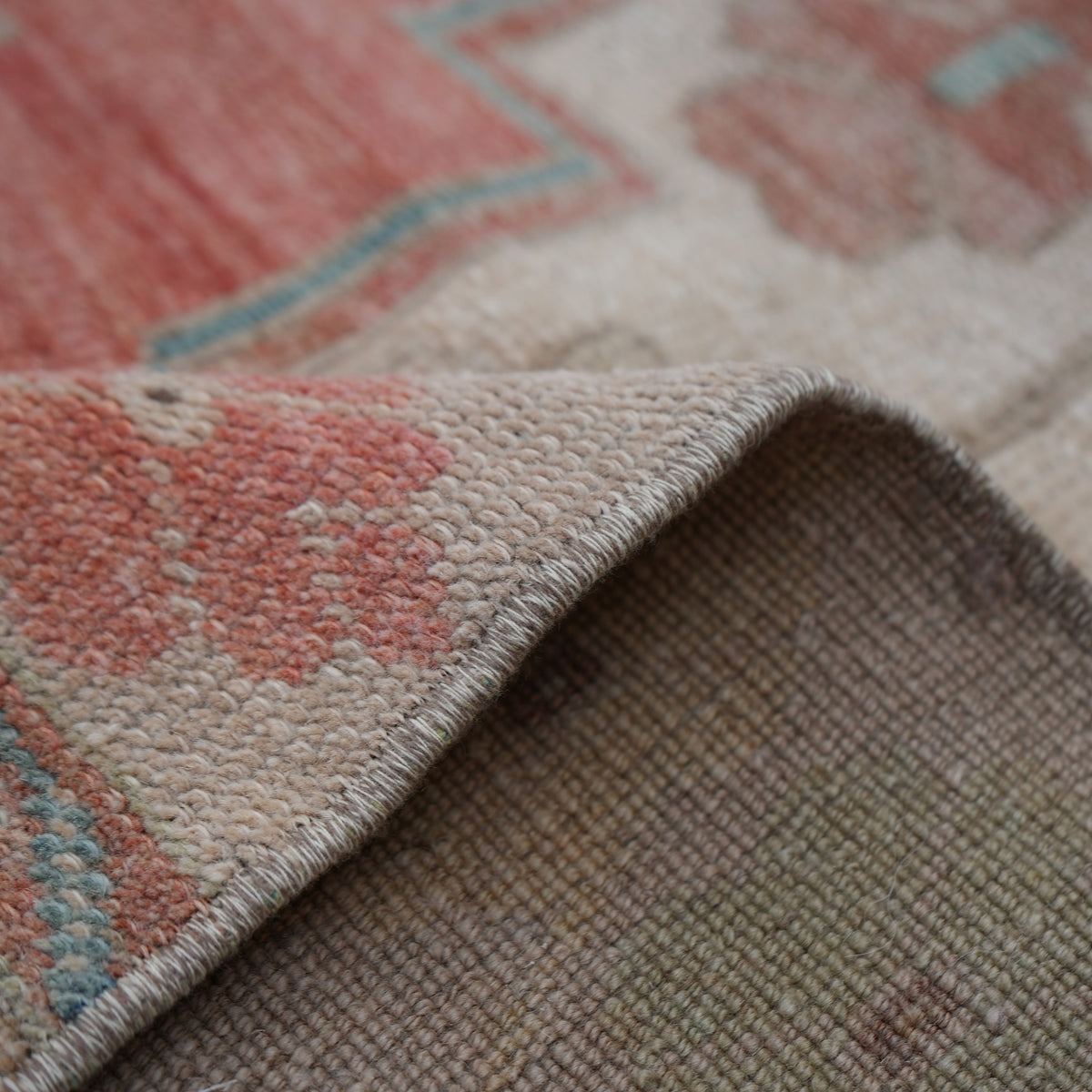
It isn't simply lanolin, the natural wax in raw wool — most wool is actually scoured, or cleaned, before dyeing so the color takes evenly. Durability comes down to the wool's quality, how it was prepared, the dye and mordant used, and how the rug has been cared for since. Construction plays a role too. I've pressed my thumb into a well-made hand-knotted pile and watched it spring back within seconds, though how well a pile recovers depends on the specific rug, handmade or machine-made. One customer, watching over video call, asked if the rug was breathing. I told her yes, more or less exactly that.
None of that matters if the rug doesn't fit the room.

Where Does a Red Turkish Rug Work Best in Your Home?
Red Rugs in the Living Room
This is where hesitation shows up most. People worry that large red rugs will overwhelm a living room, but the opposite is often true — a room built around neutral furniture and soft wall color can carry a bold red rug better than a room already full of color. Browse our living room rugs with your sofa's undertone in mind, not just its color name.
Red Runner Rugs for Hallways
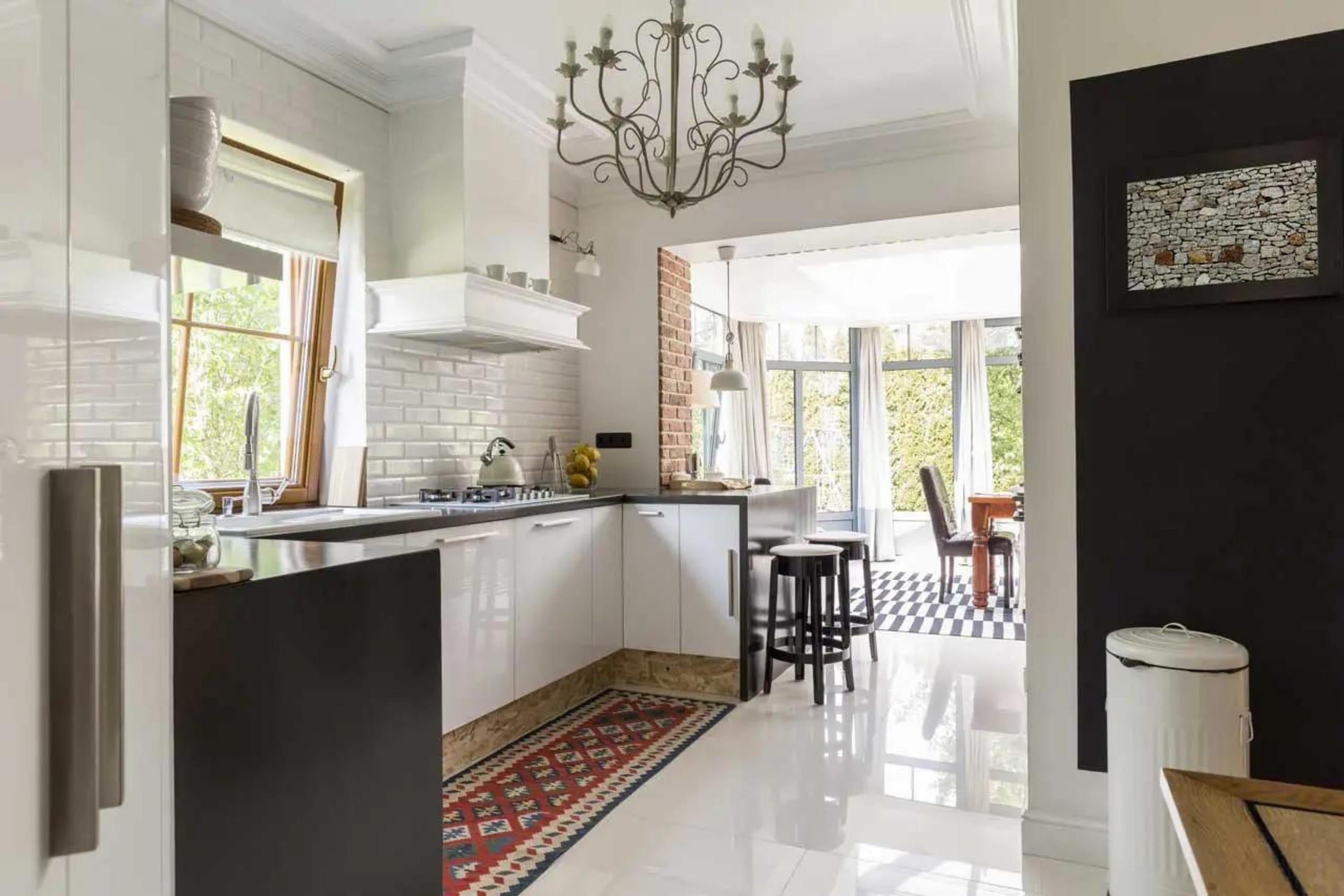
Hallways get the most questions, oddly enough — people ask if a red runner is too bold there. Be bold there, I say. You pass through in seconds; it's the living room or bedroom, where you sit for hours, that calls for a softer, faded red. Our runner rugs collection has both the vivid and the sun-faded versions.
Small Red Accent Rugs for the Bedroom
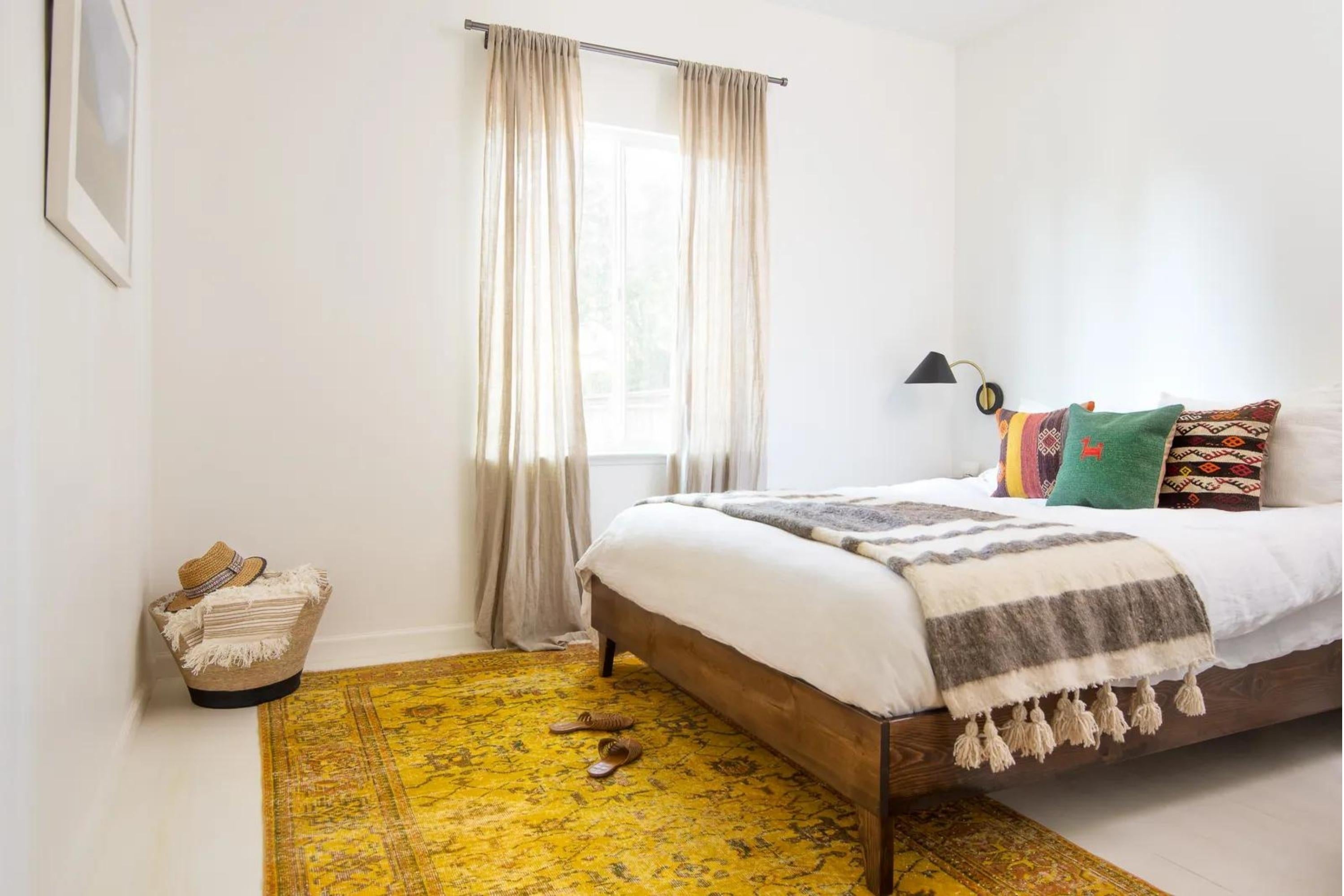
In bedrooms, I point people toward smaller, quieter reds — faded Oushak tones rather than saturated kilim red, a room meant for winding down, not waking up. Our bedroom rugs collection has sizes built for that.

How Do You Know a Vintage Red Rug Is Actually Authentic?
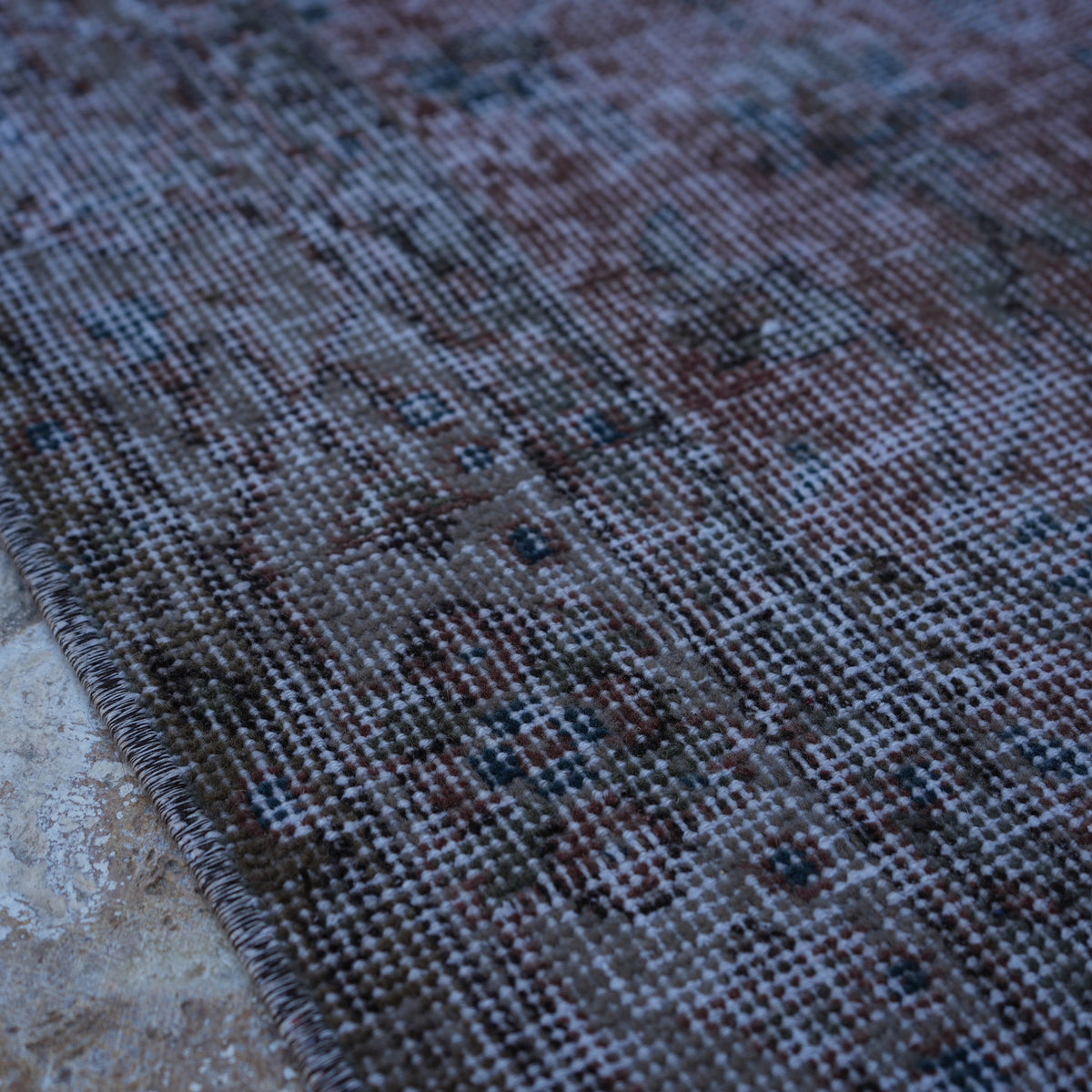
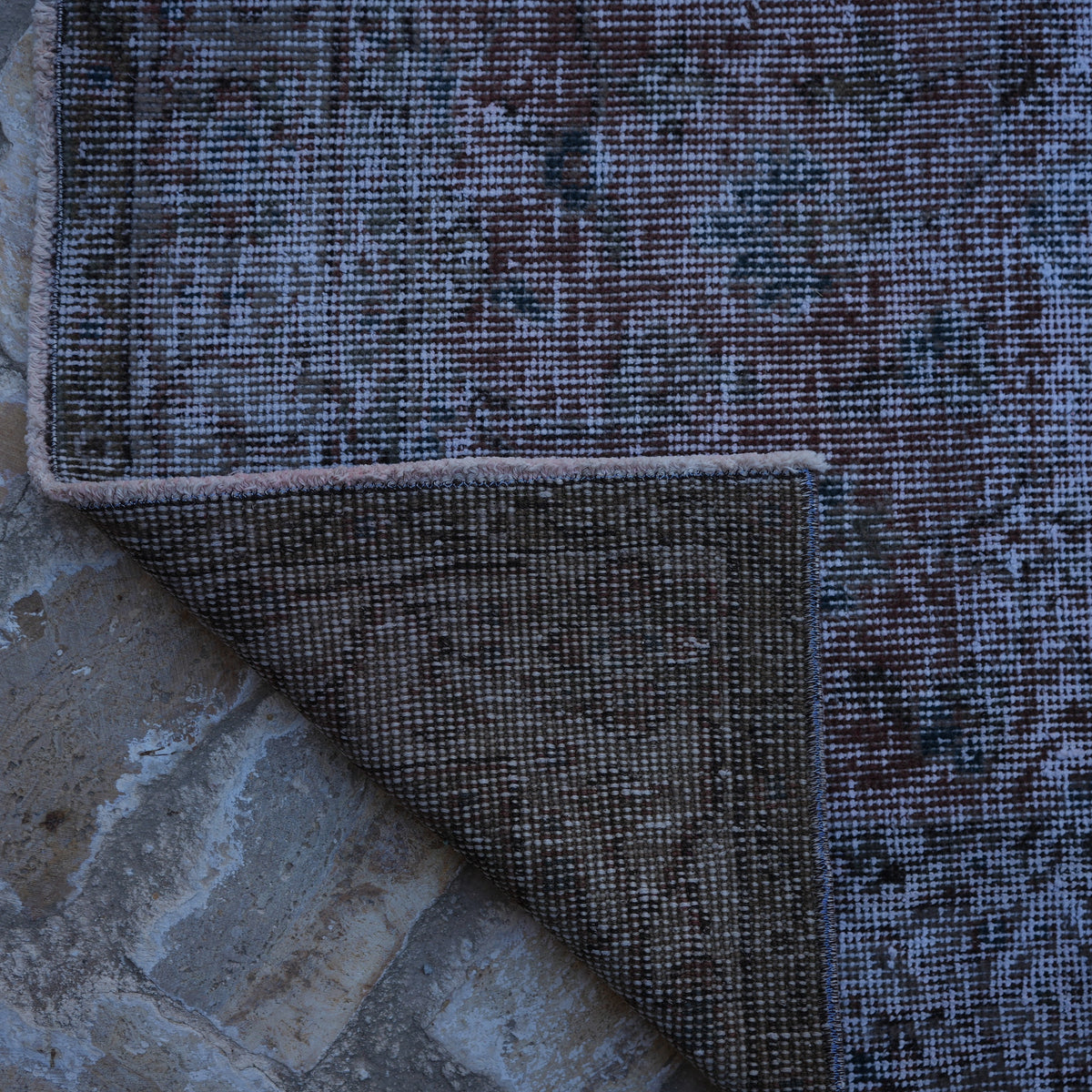
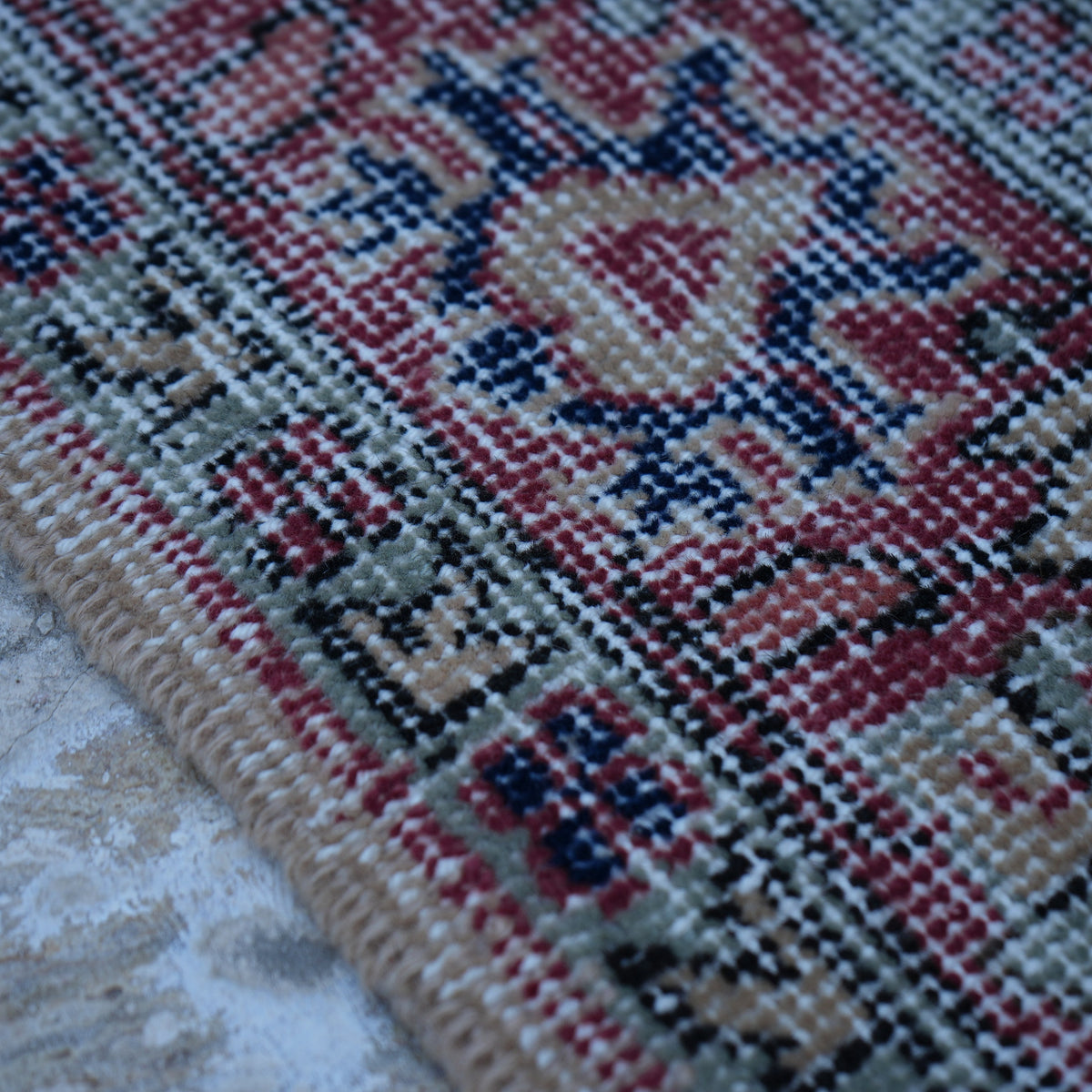
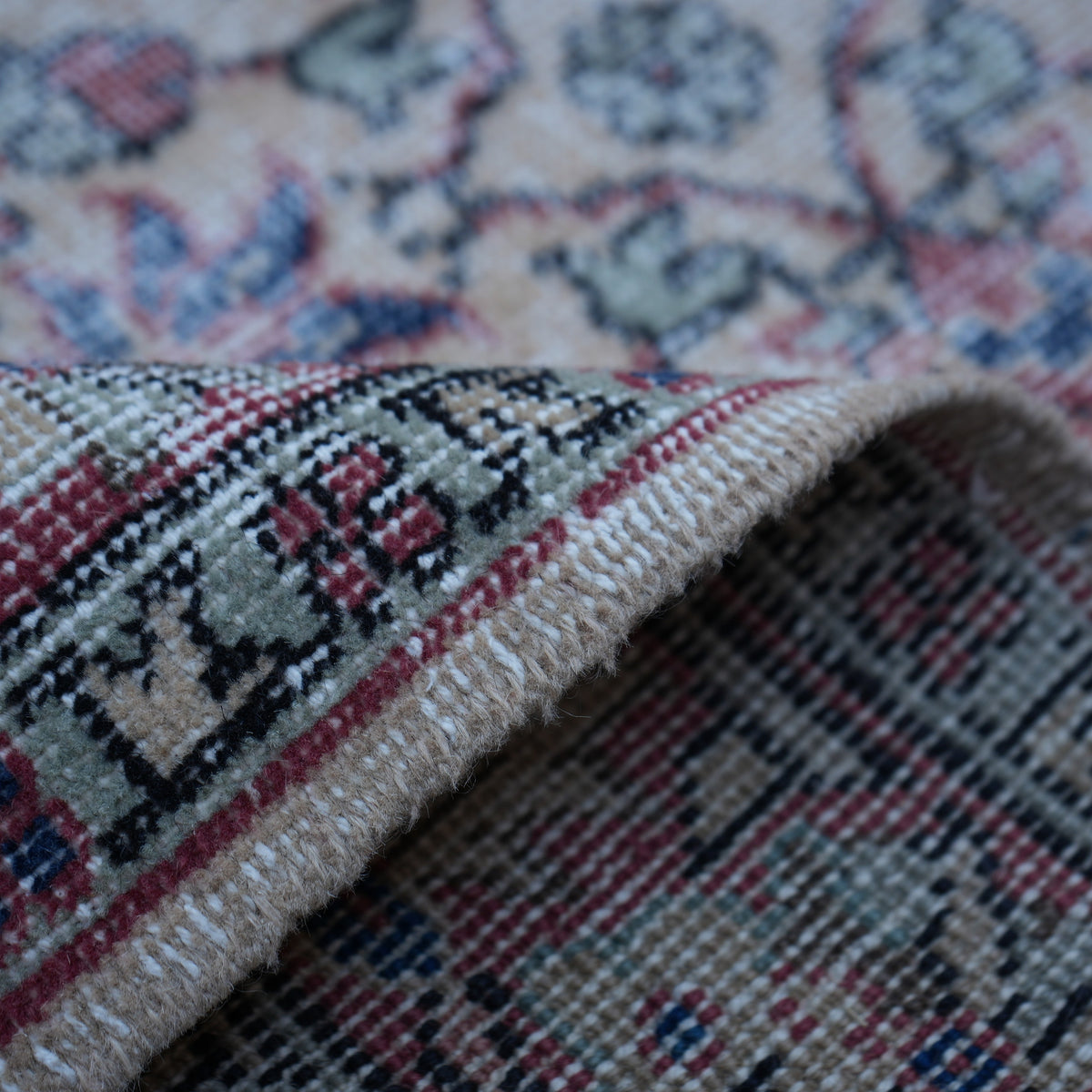
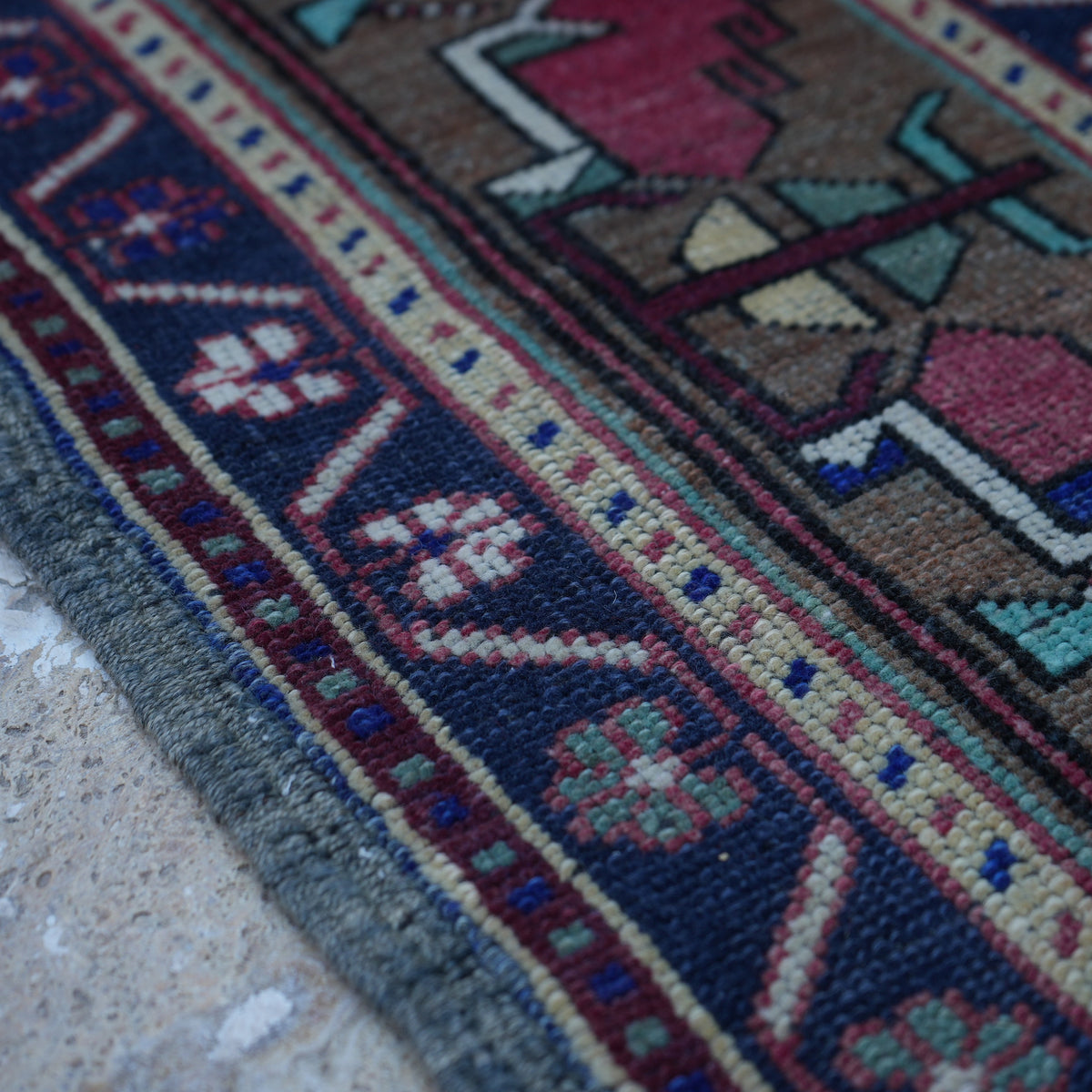
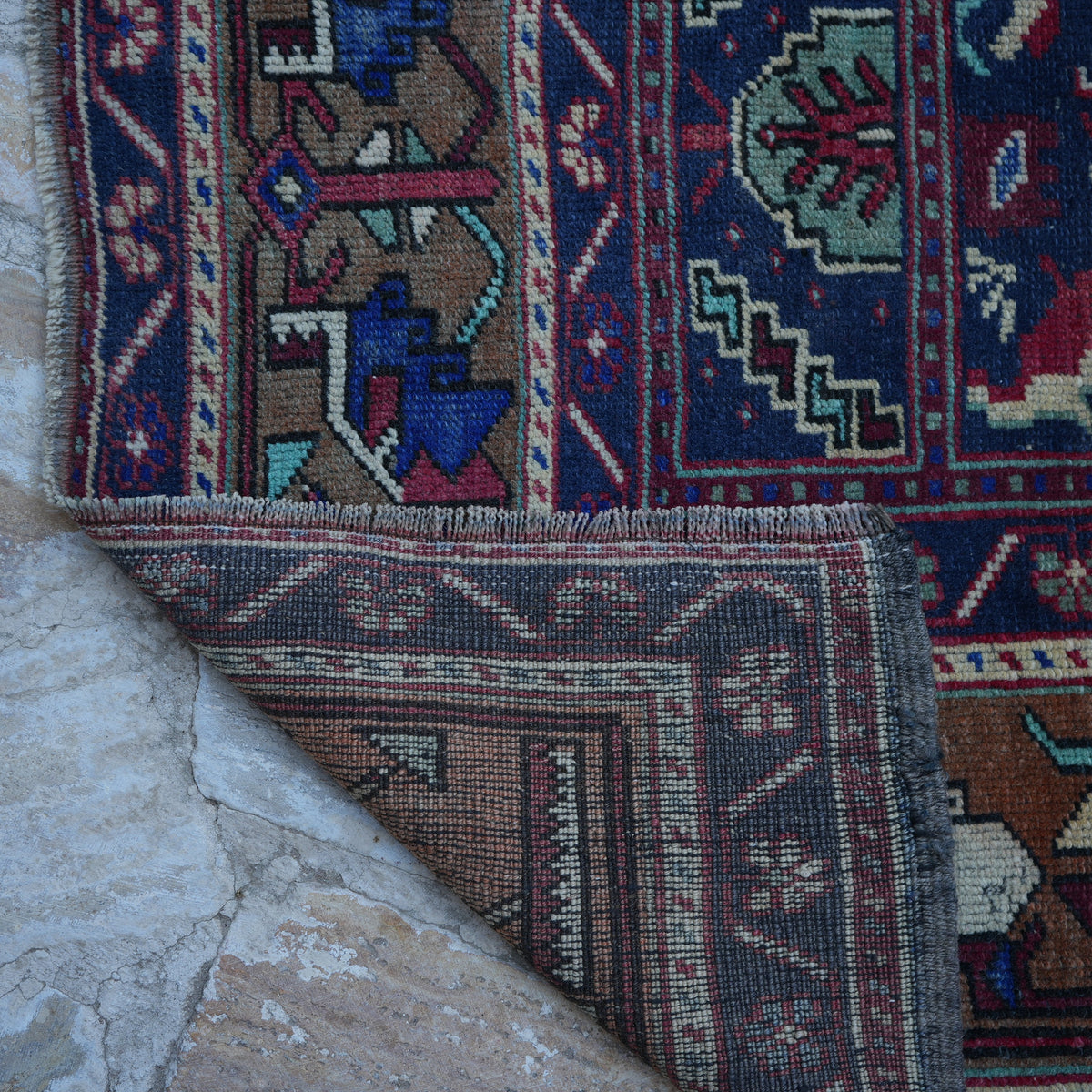
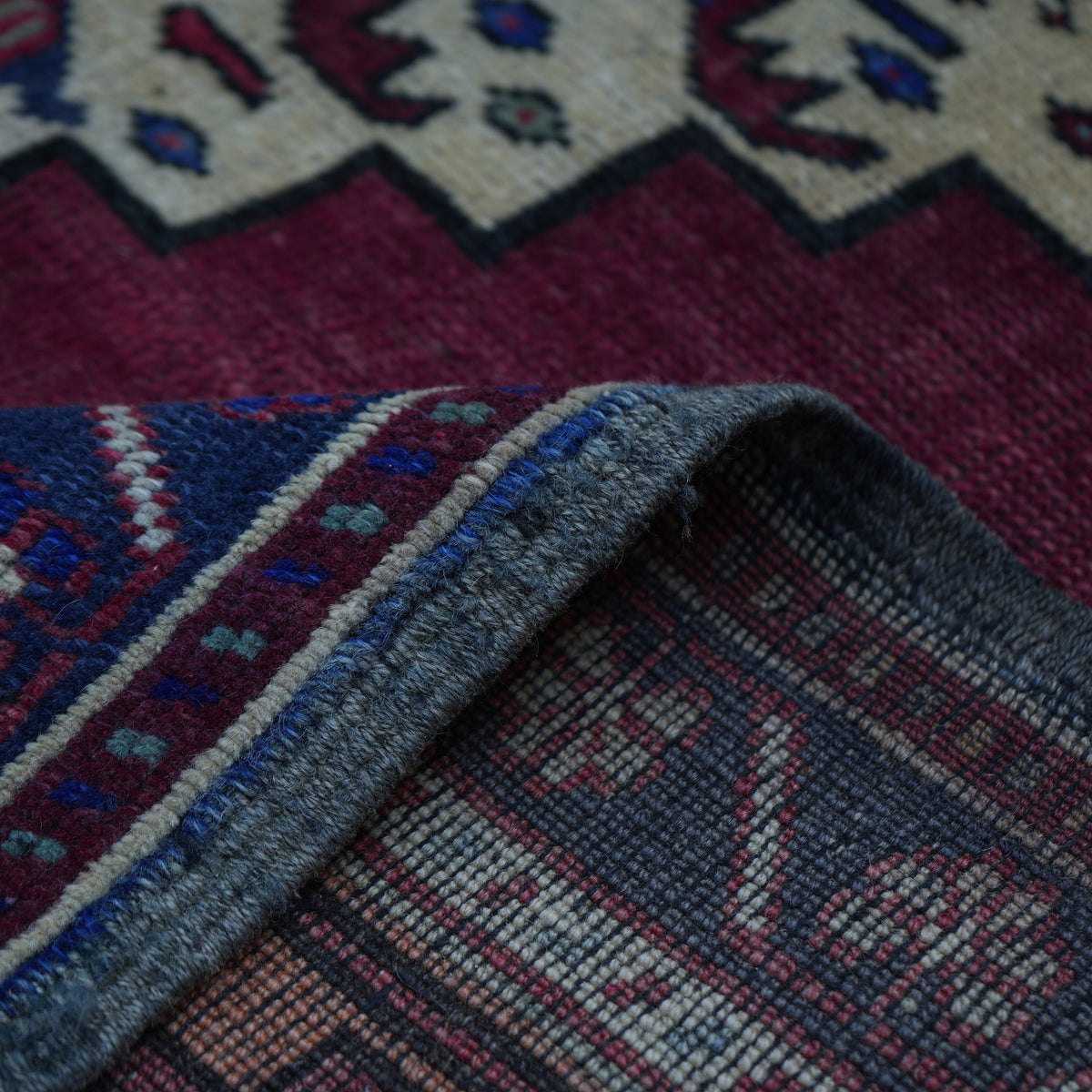
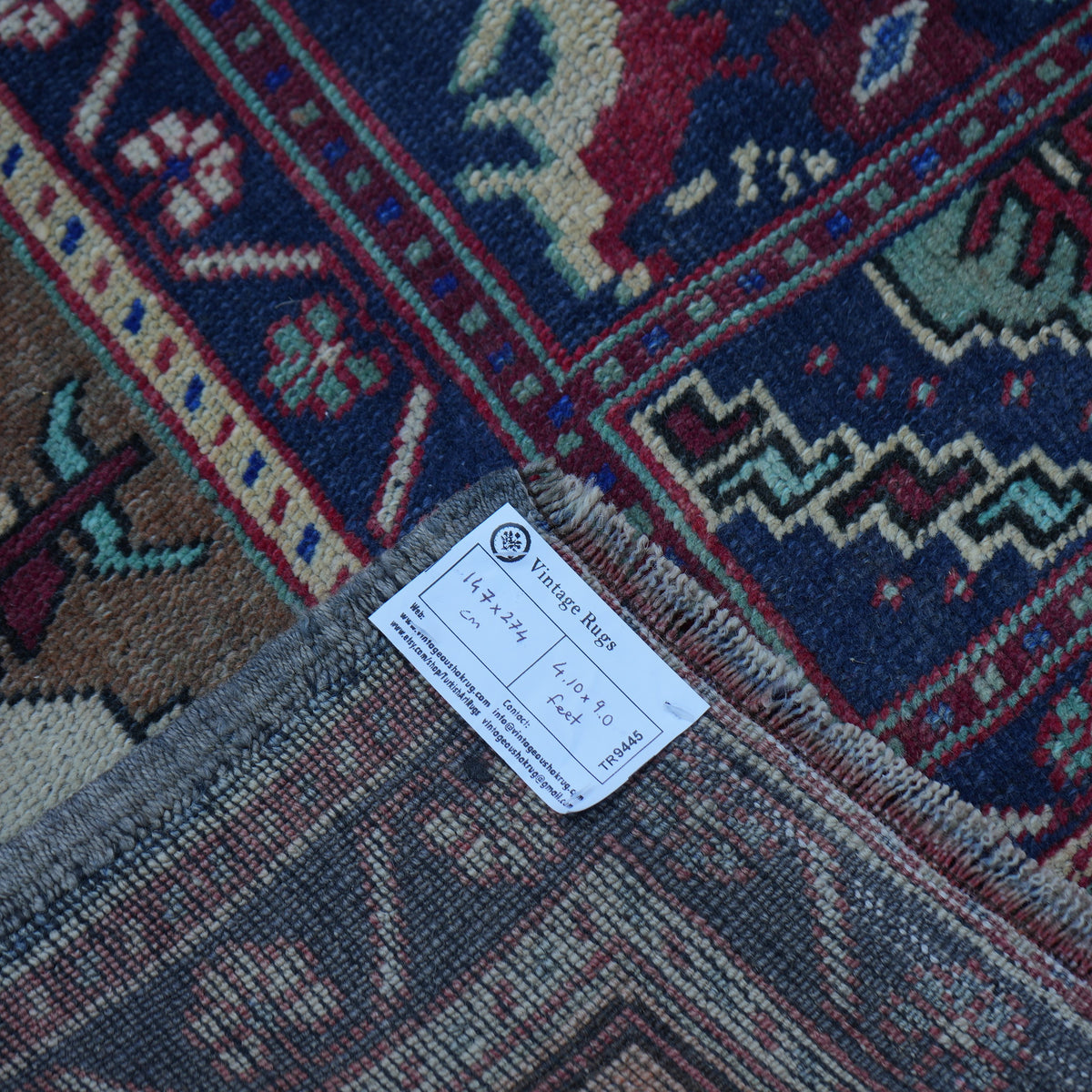
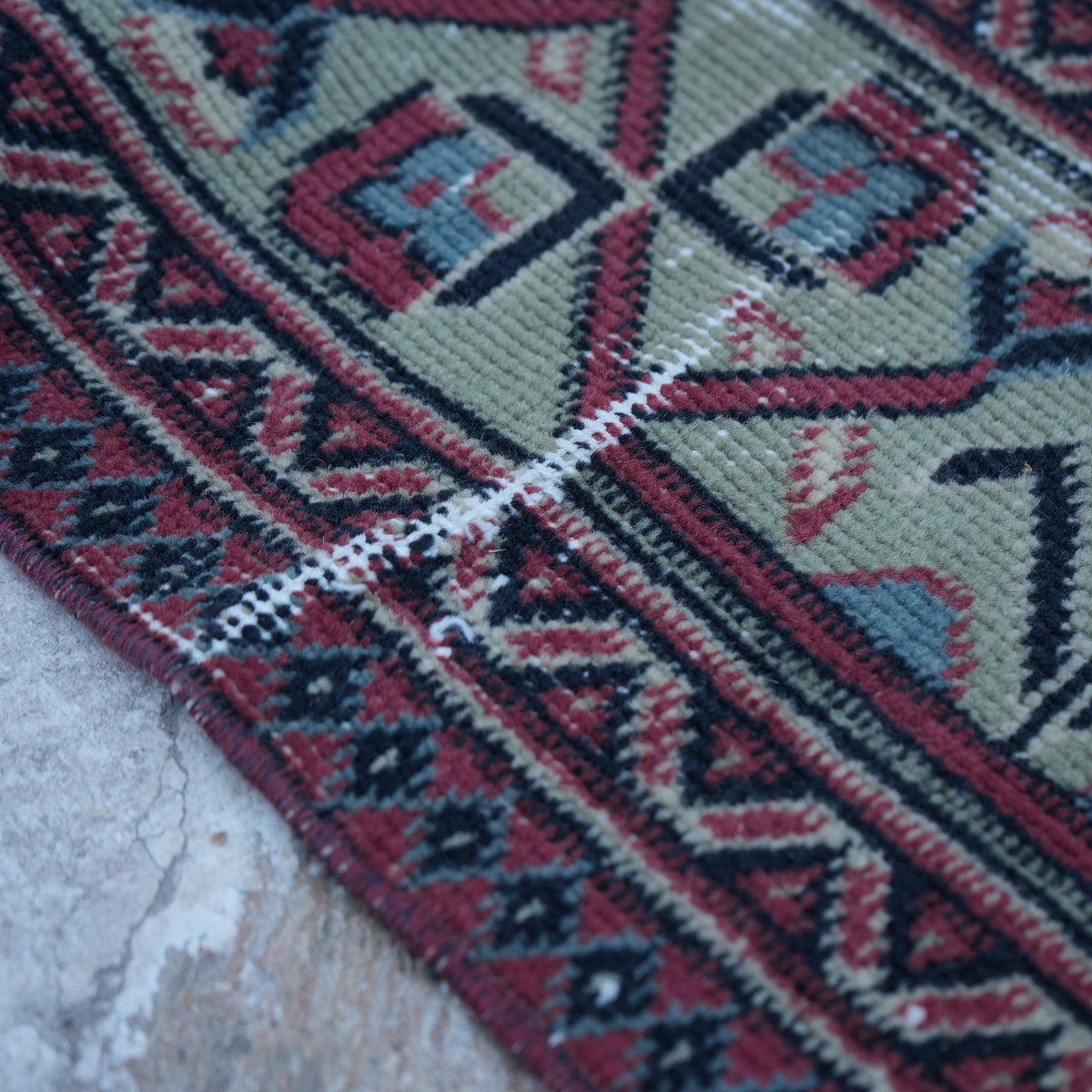
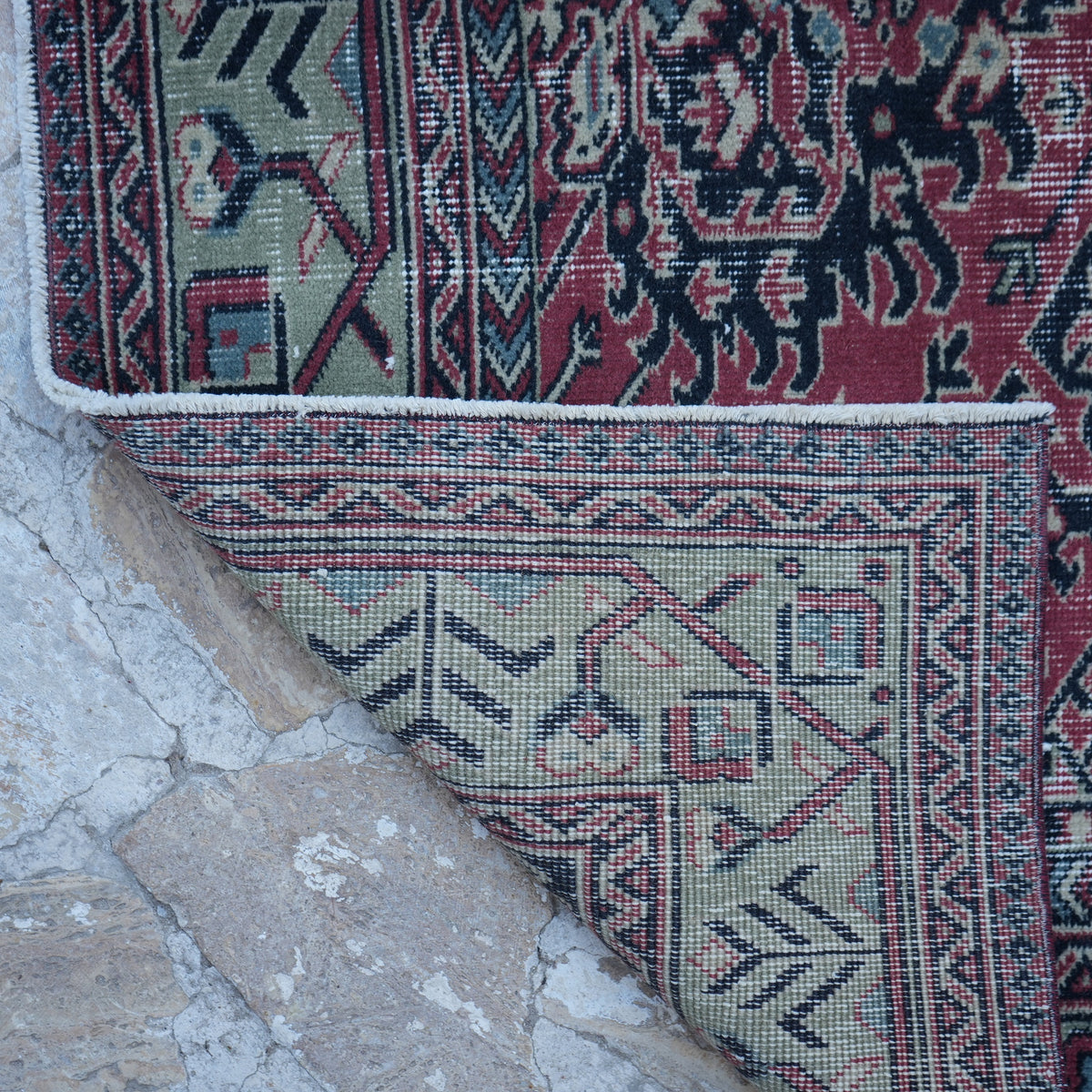
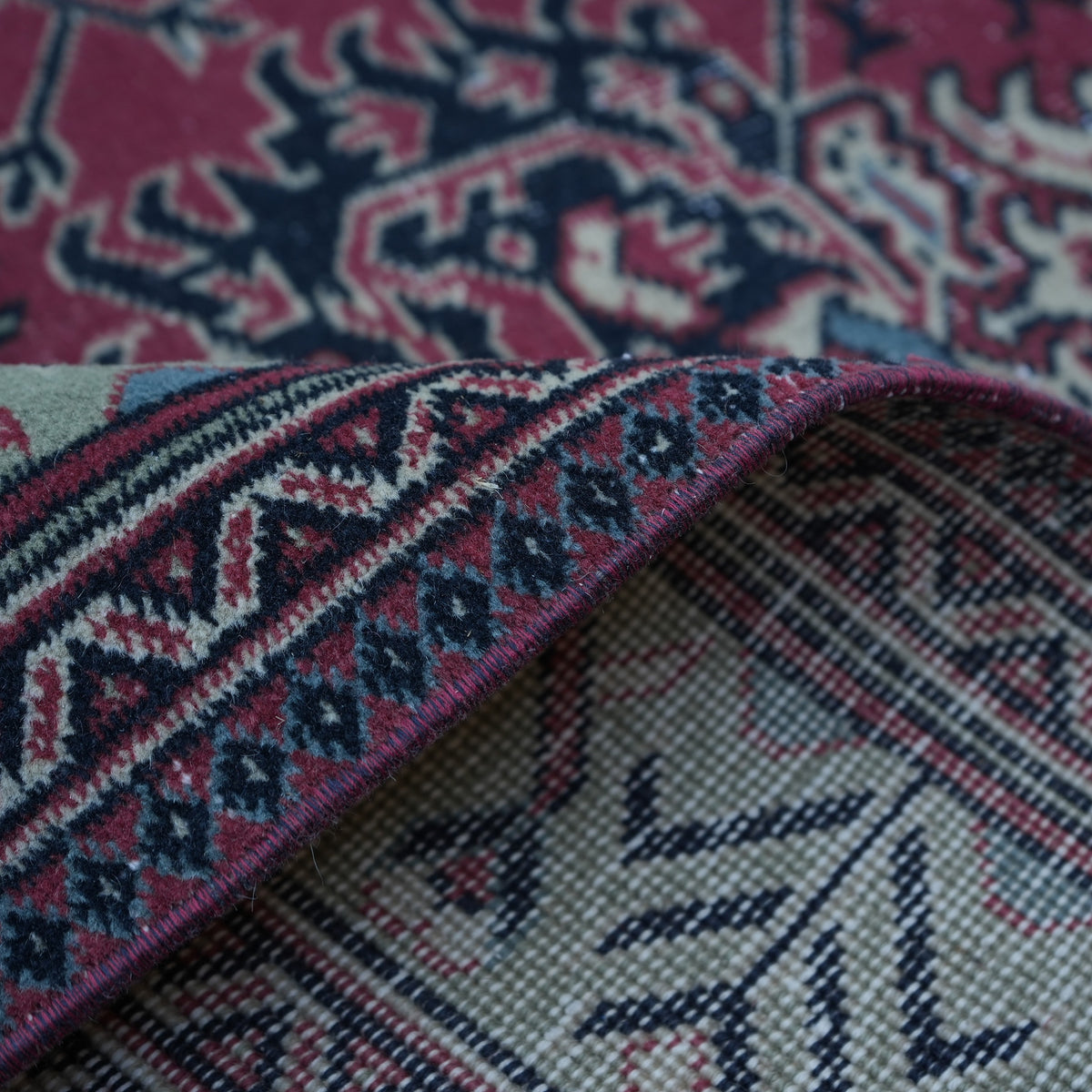
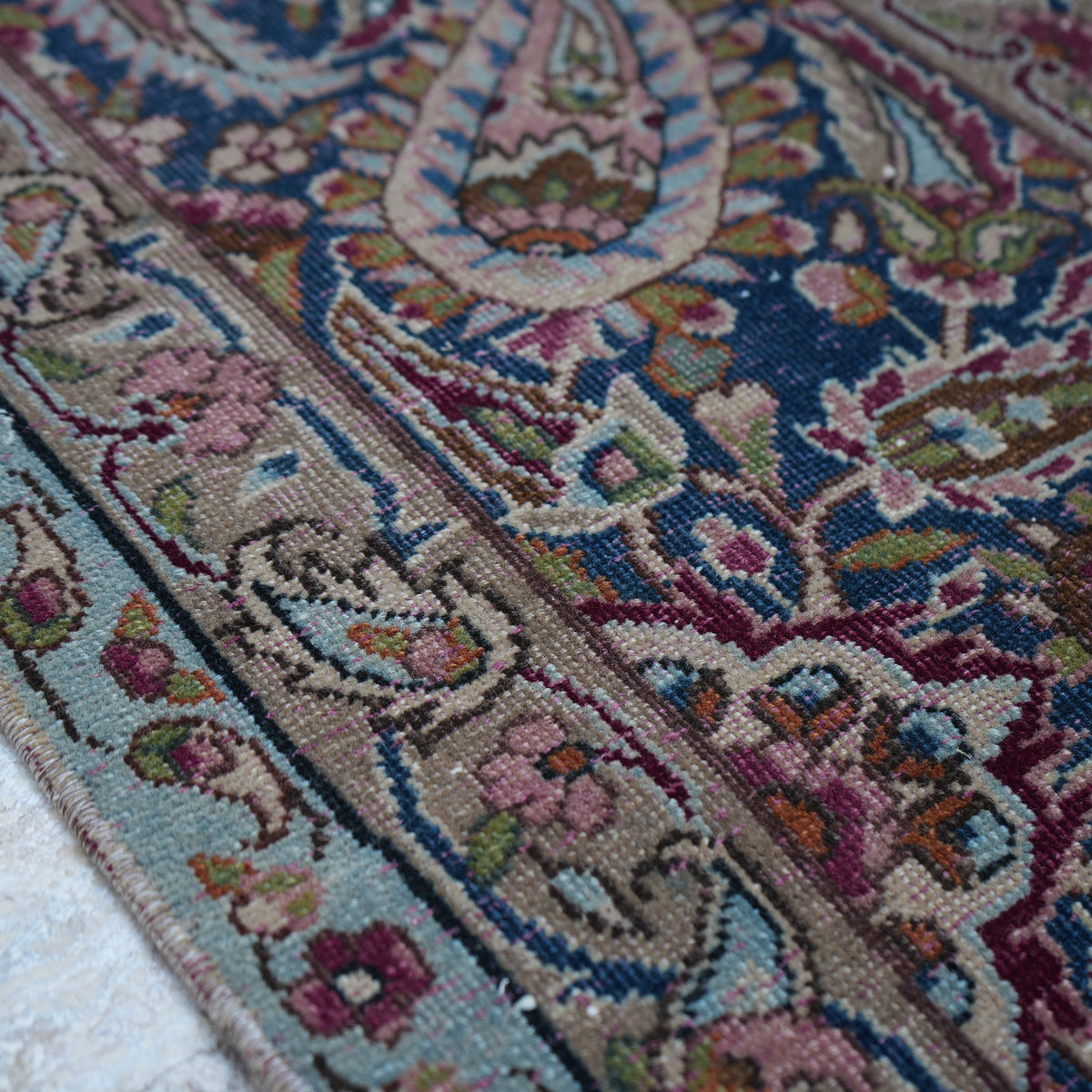
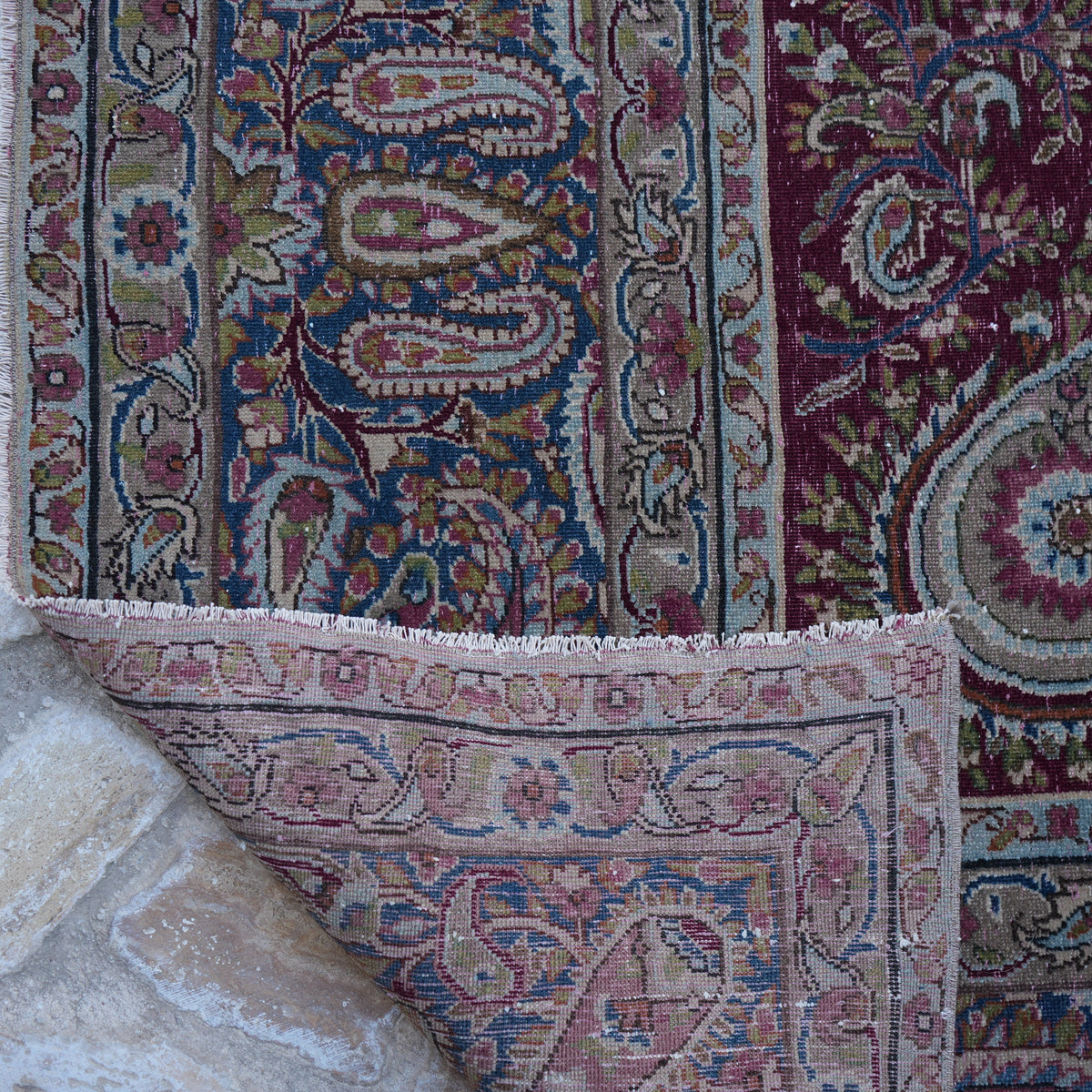
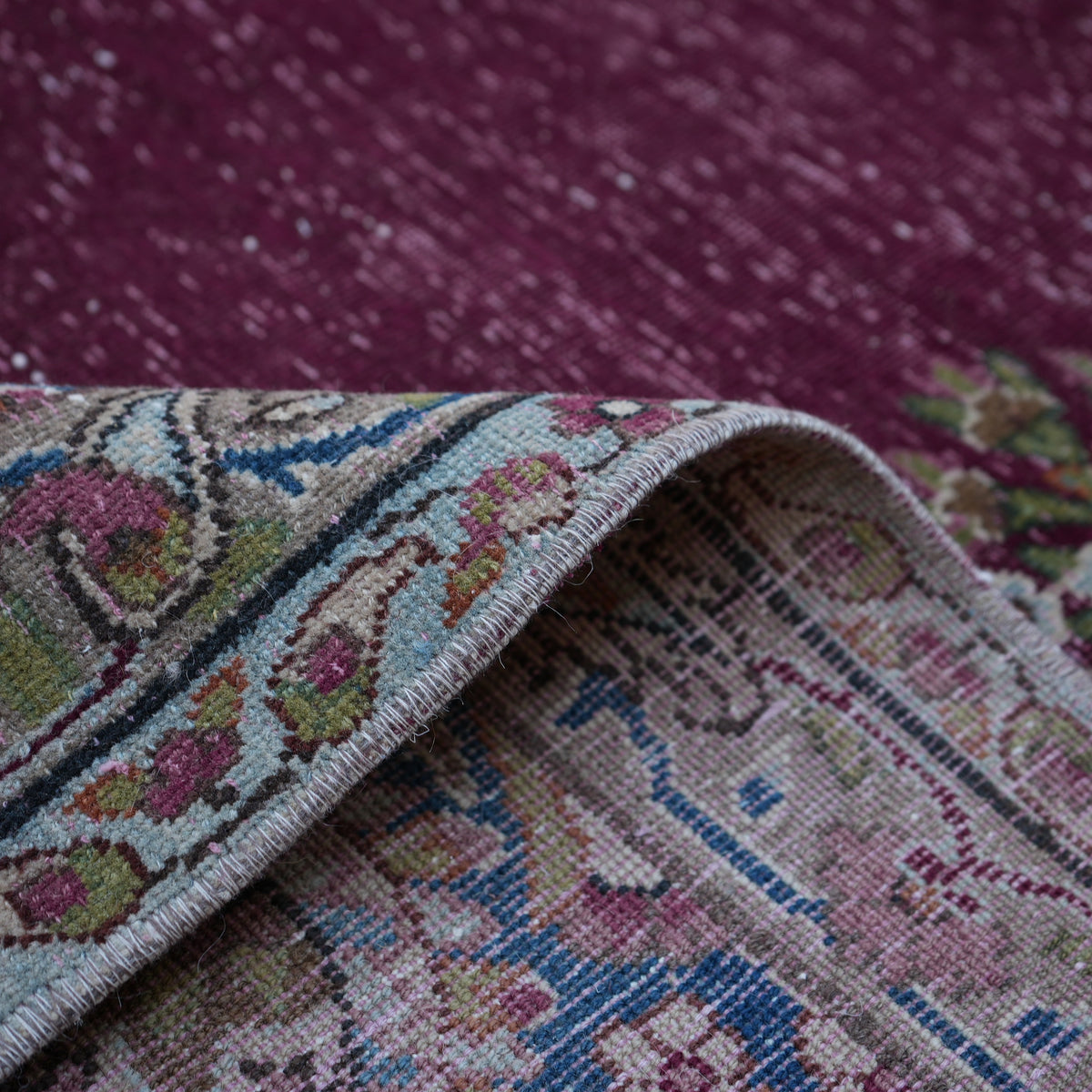
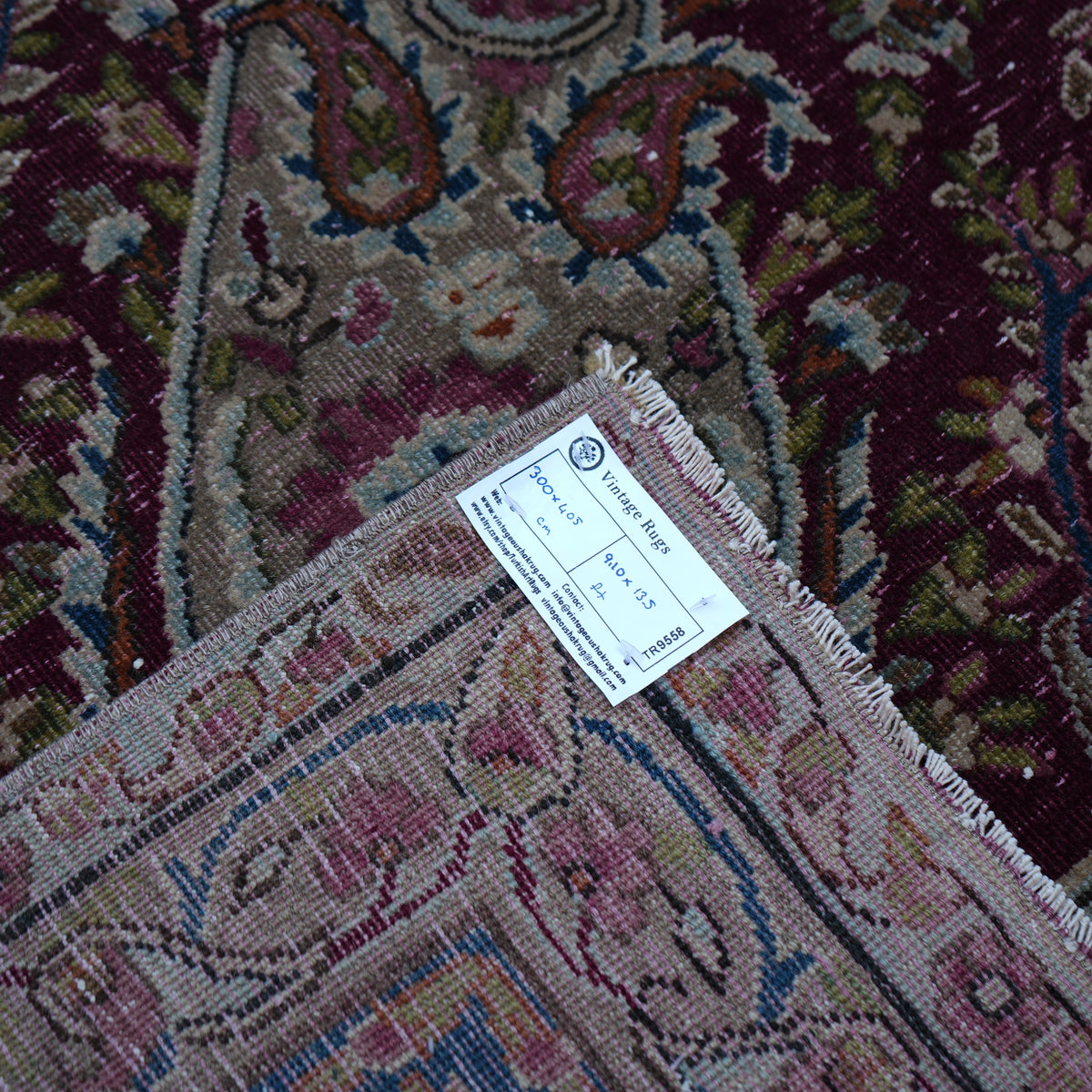
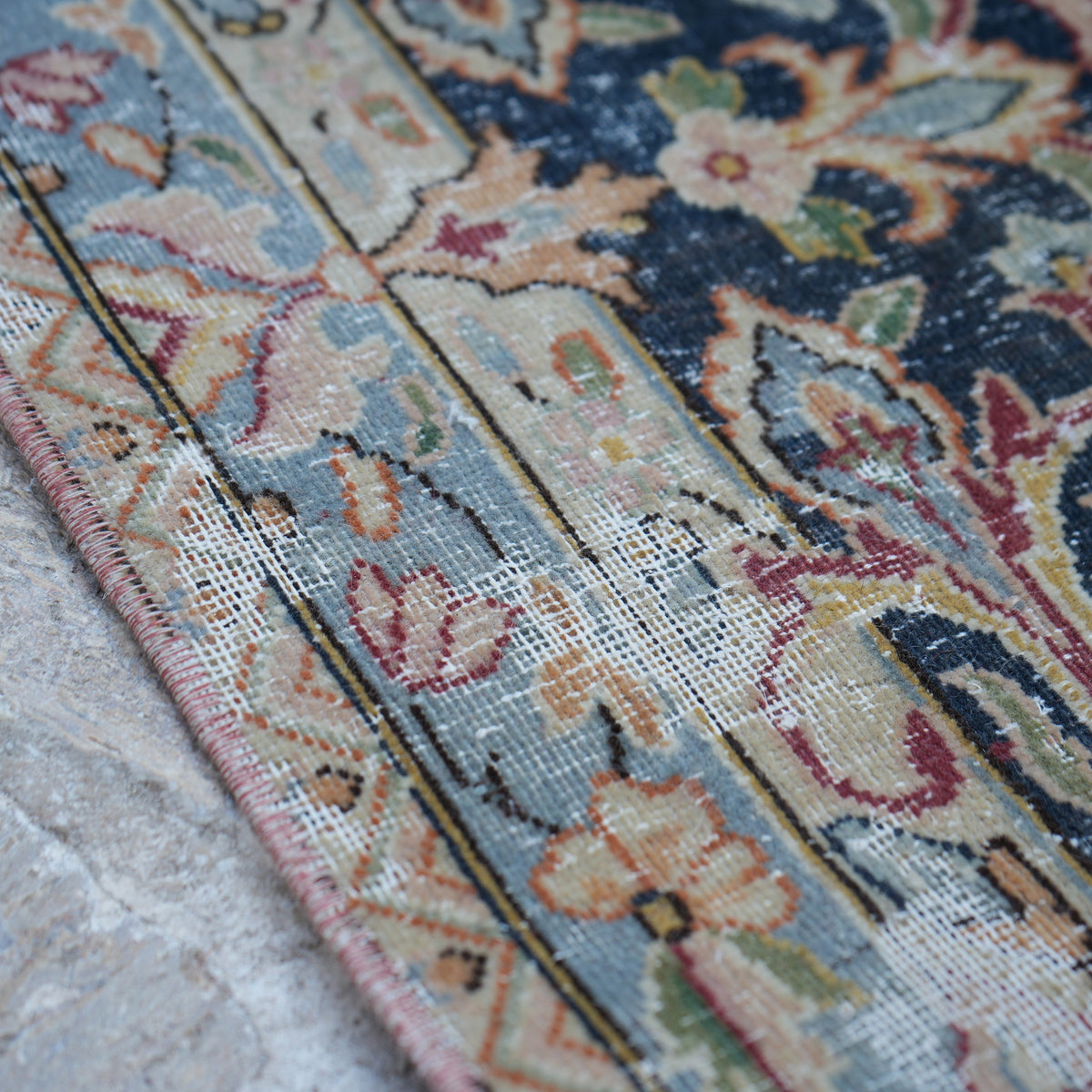
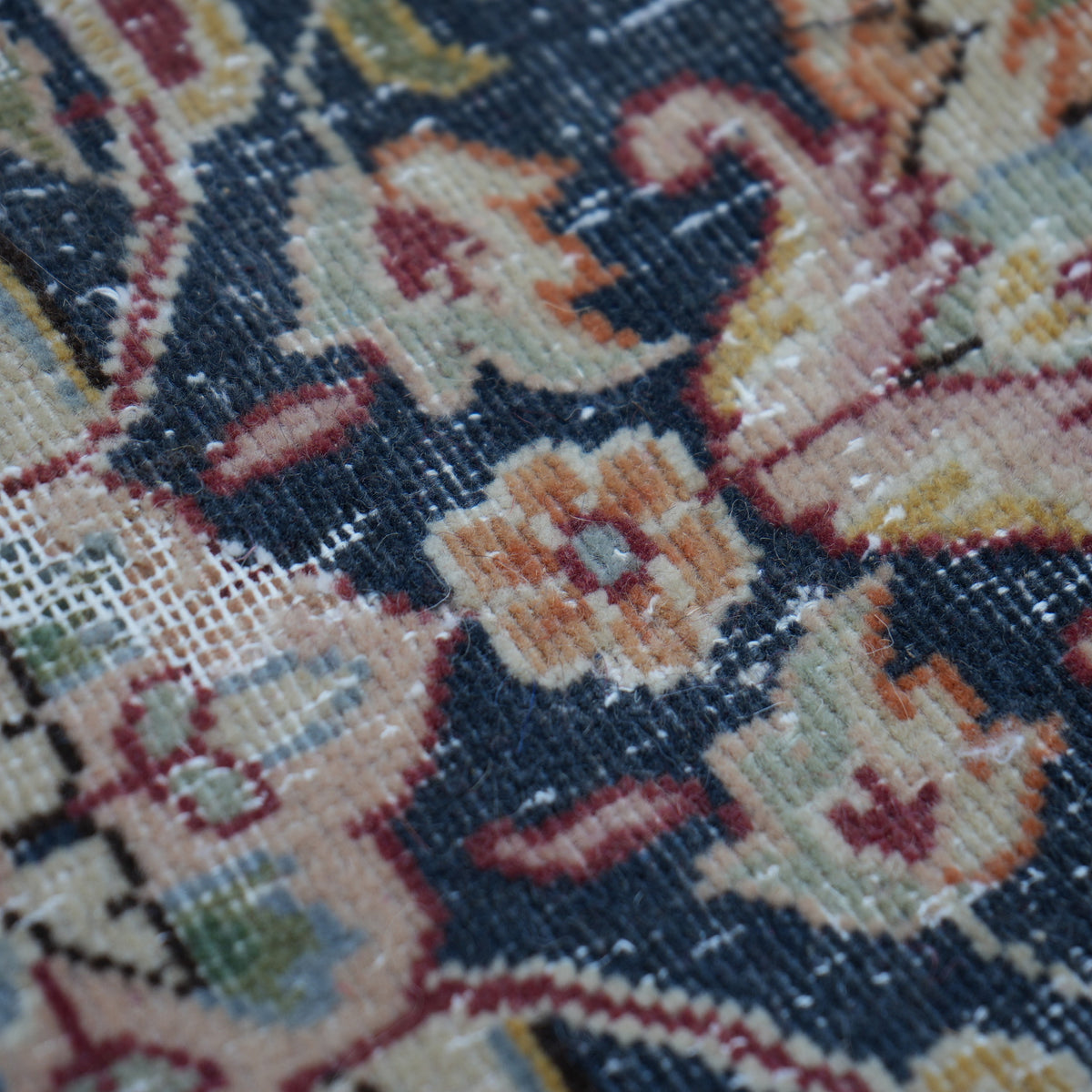
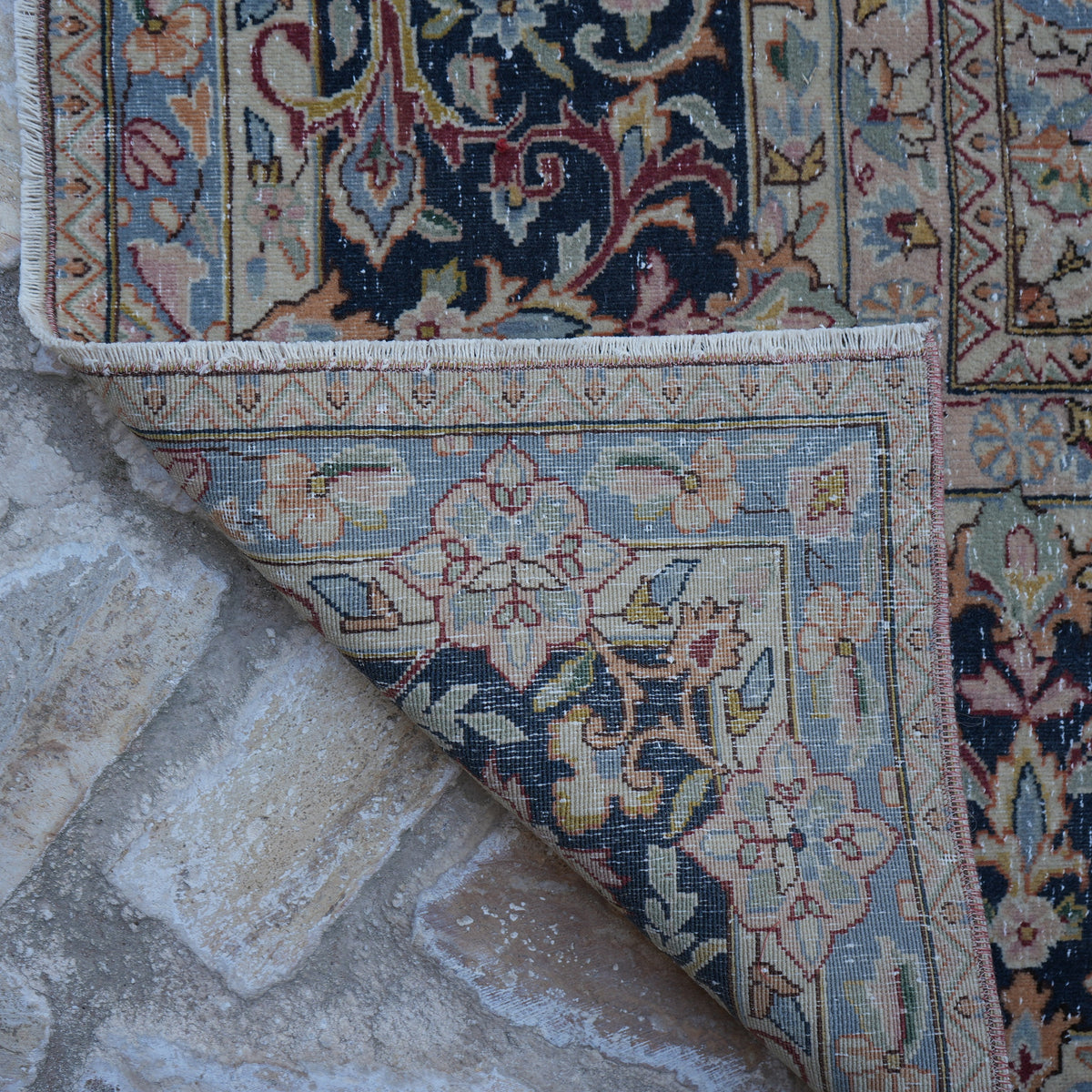
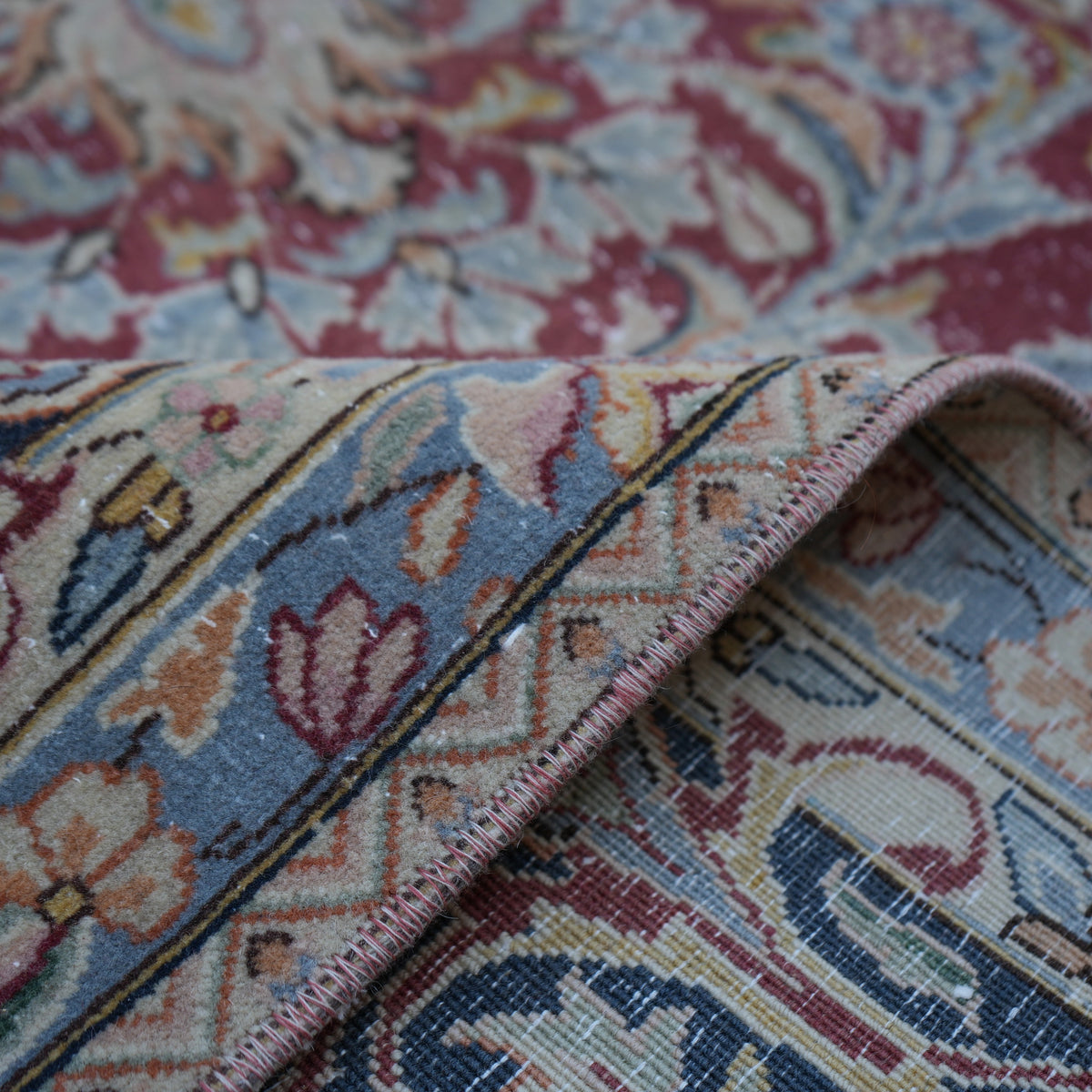
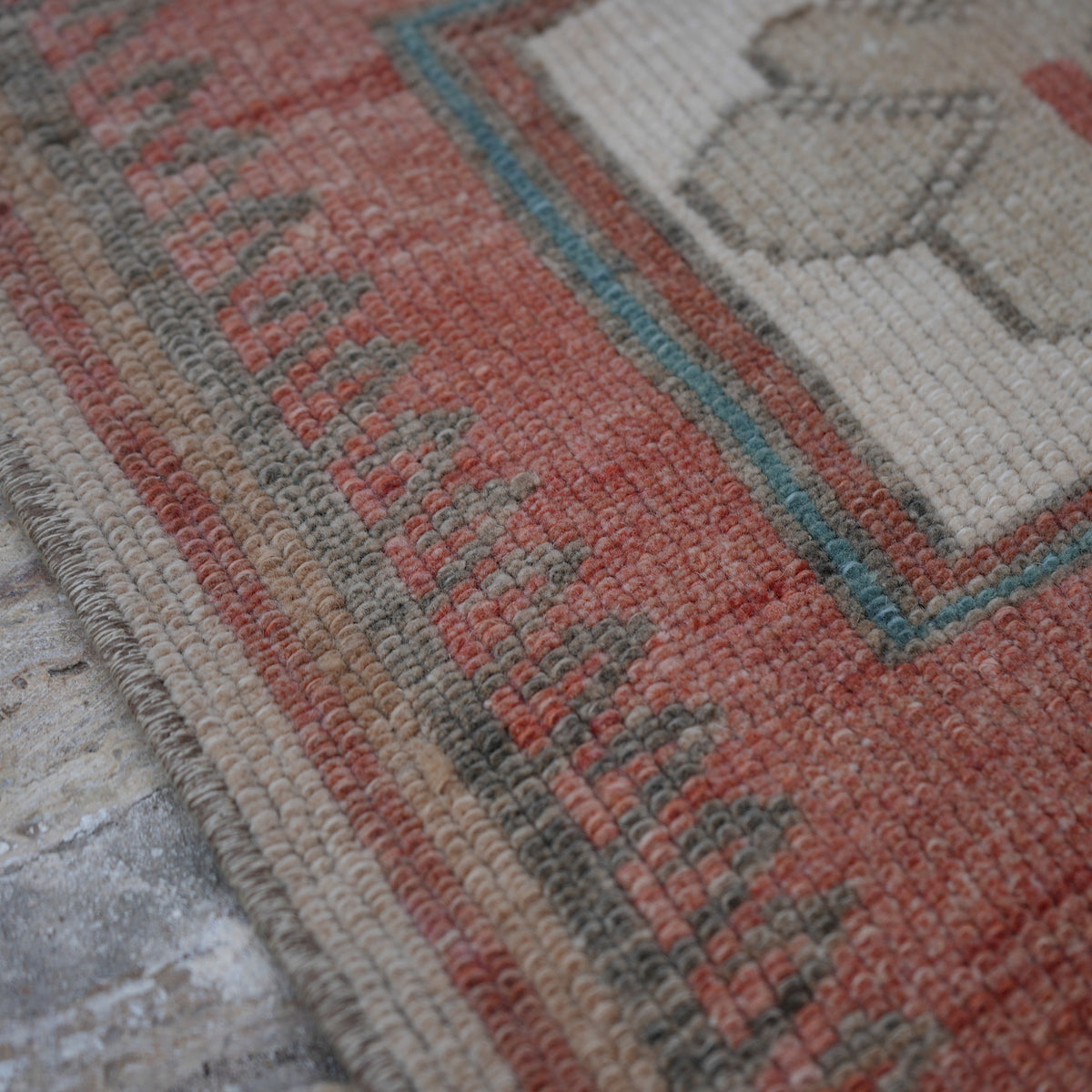
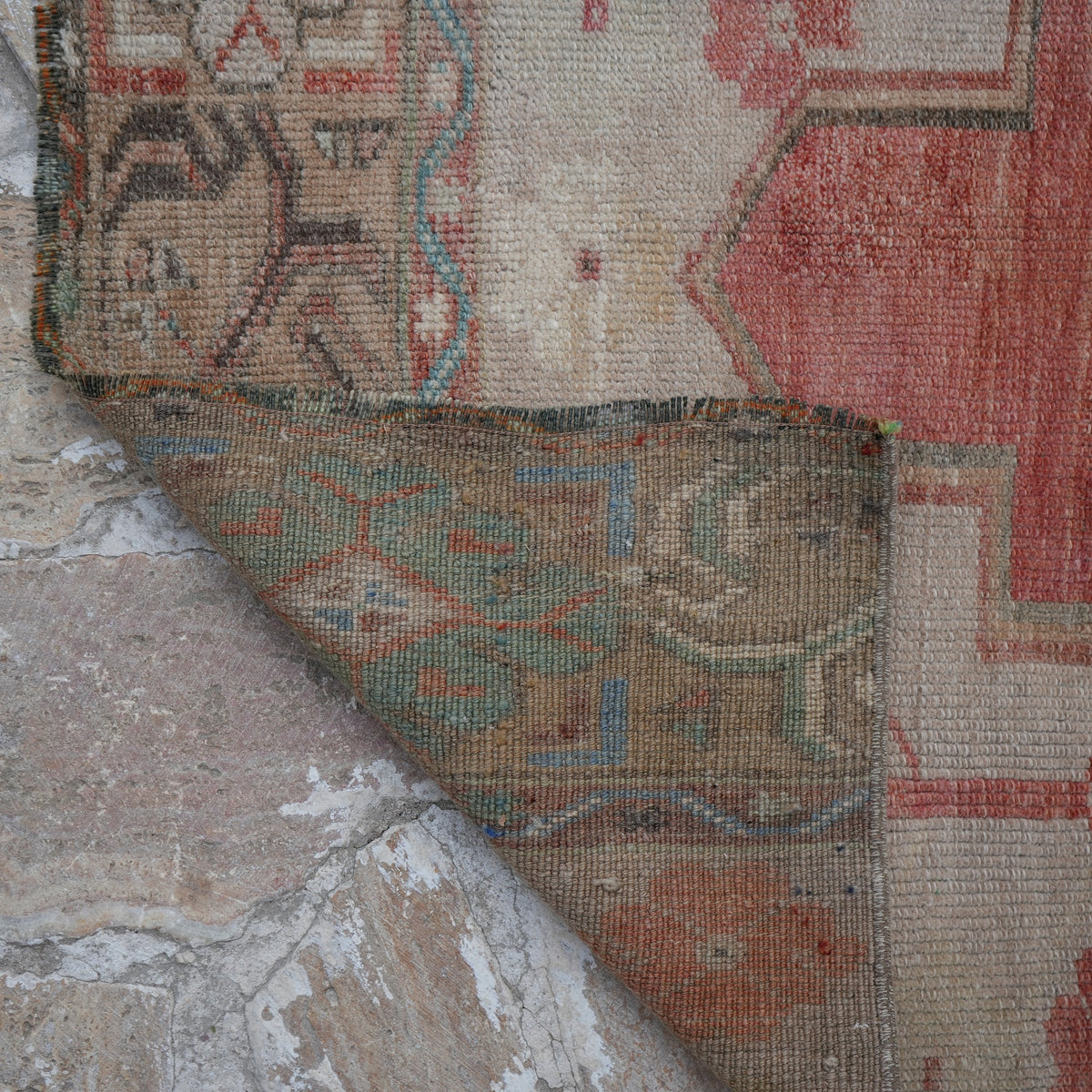
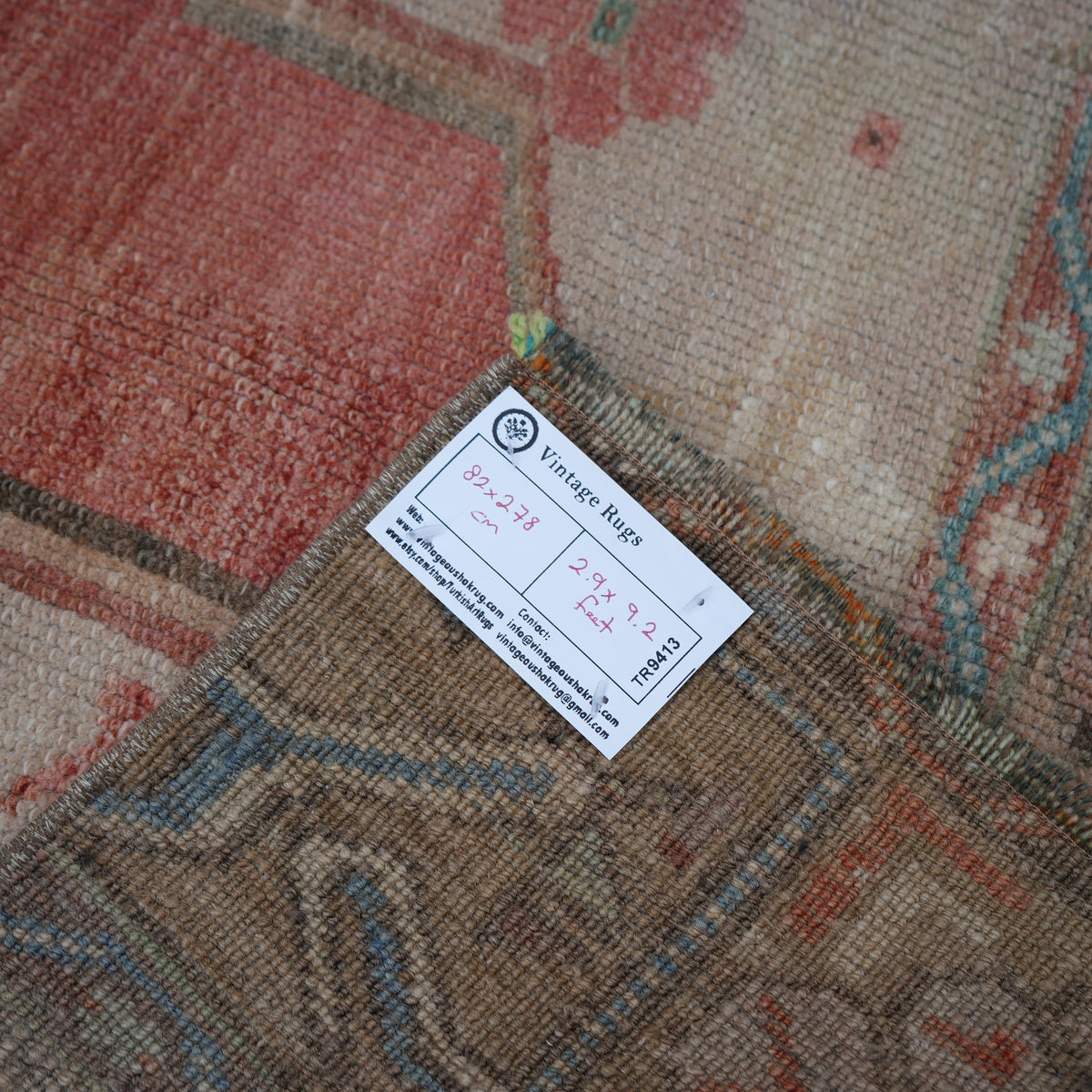
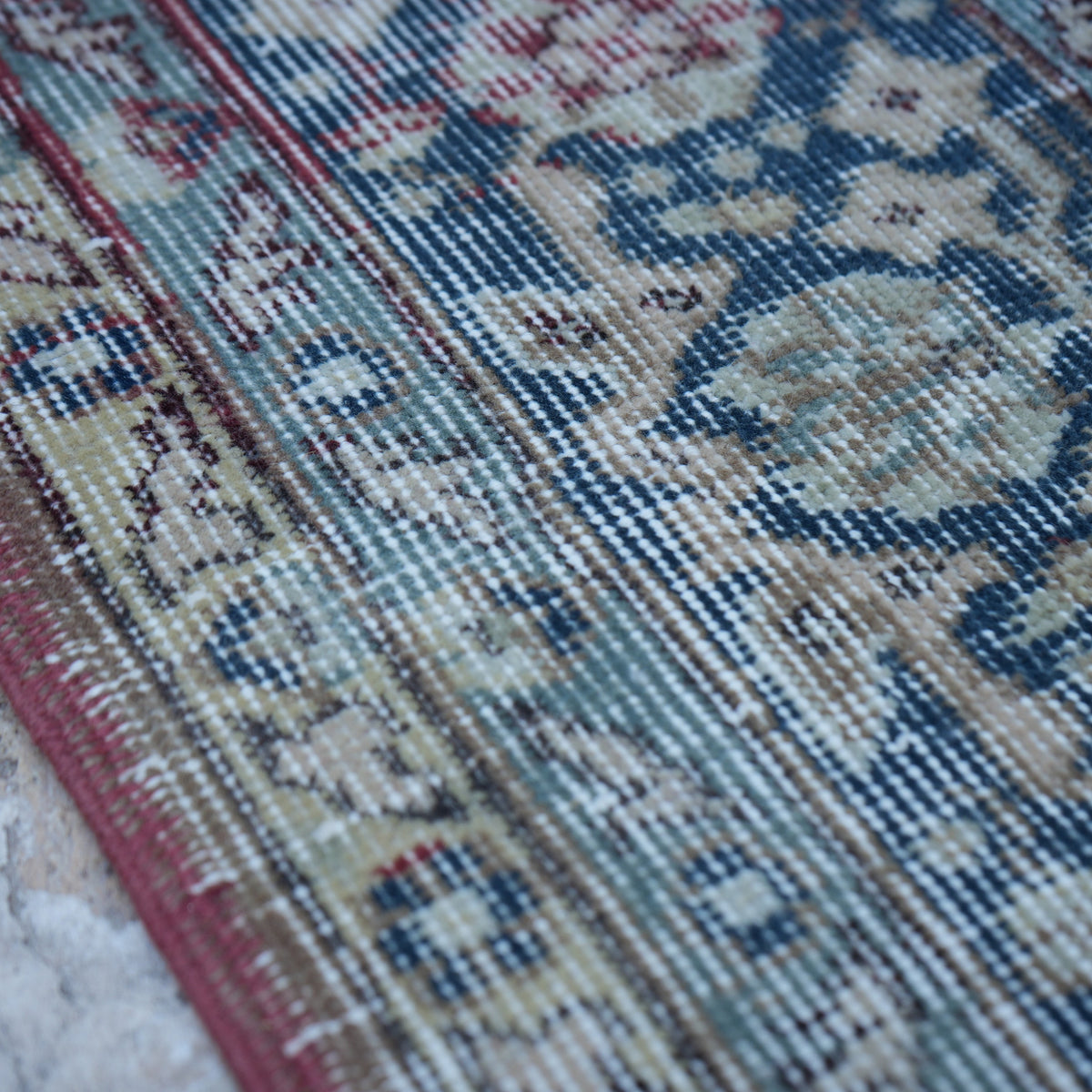
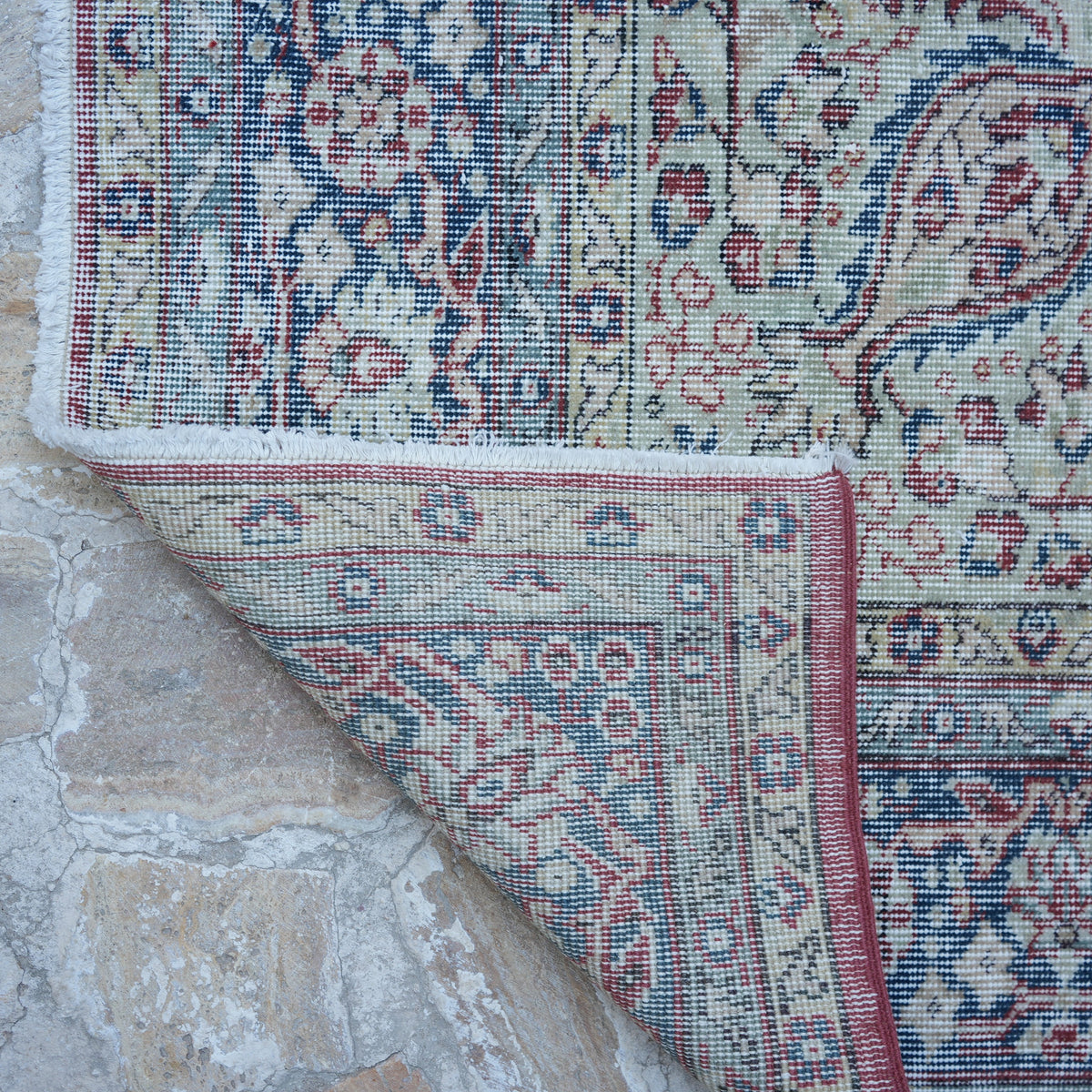
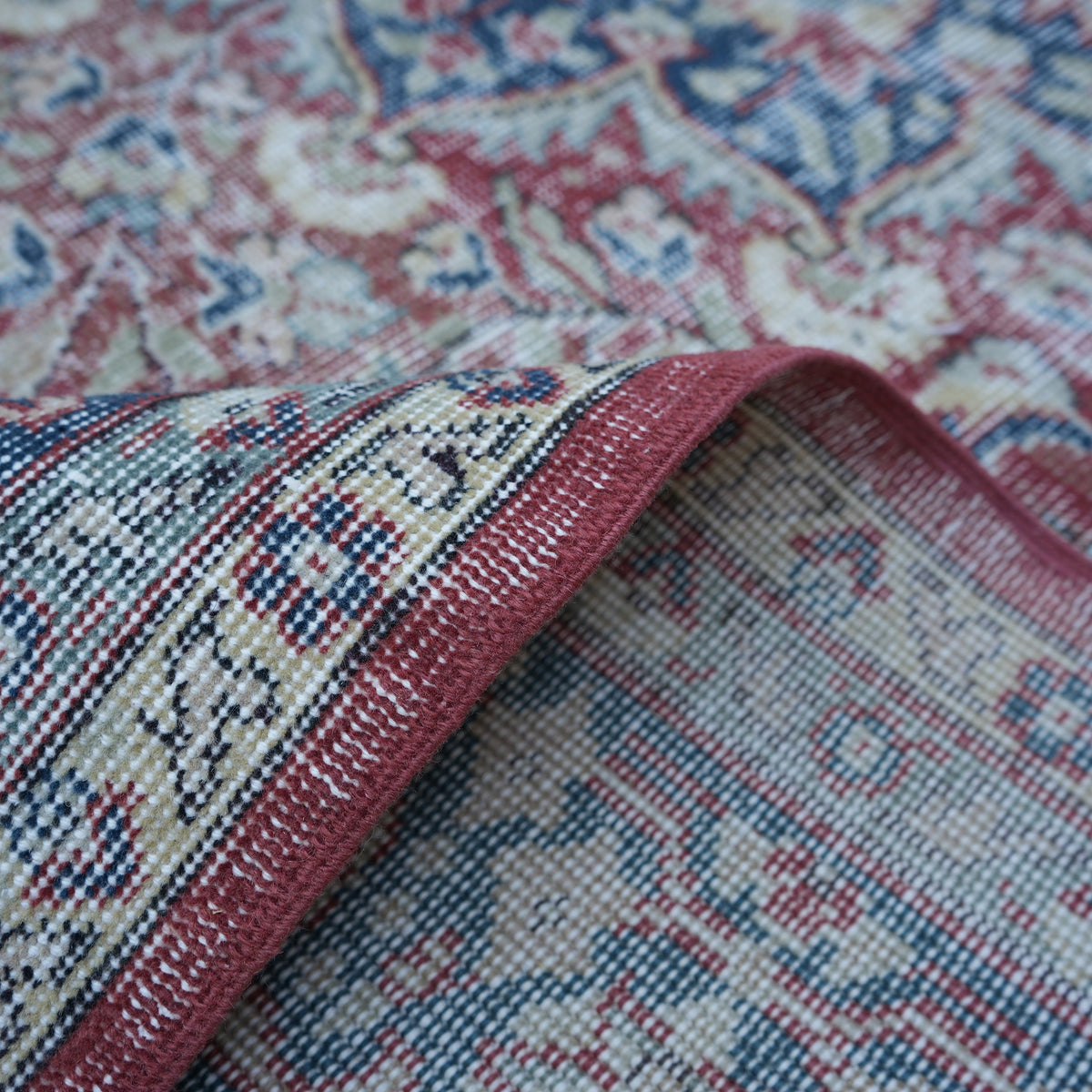
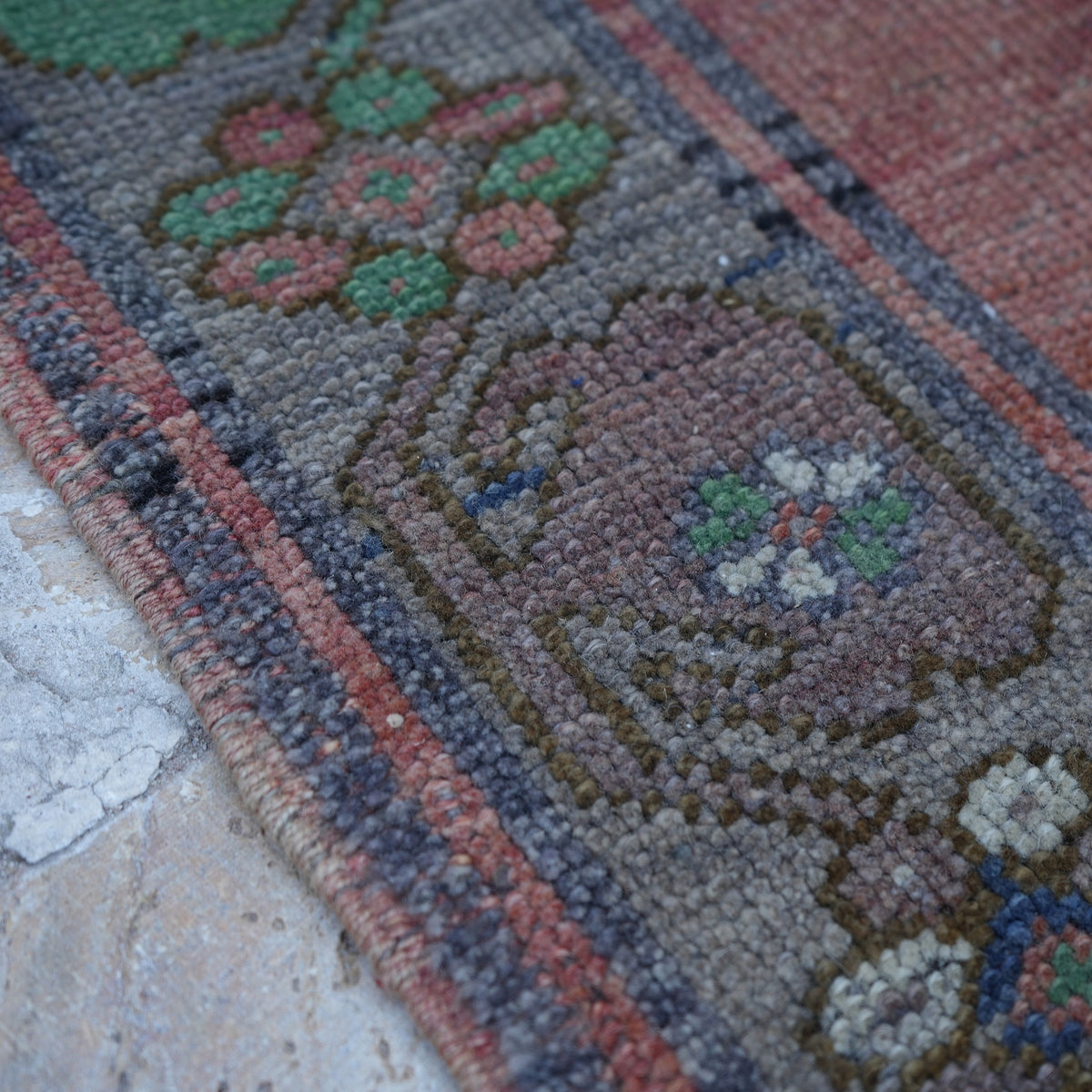
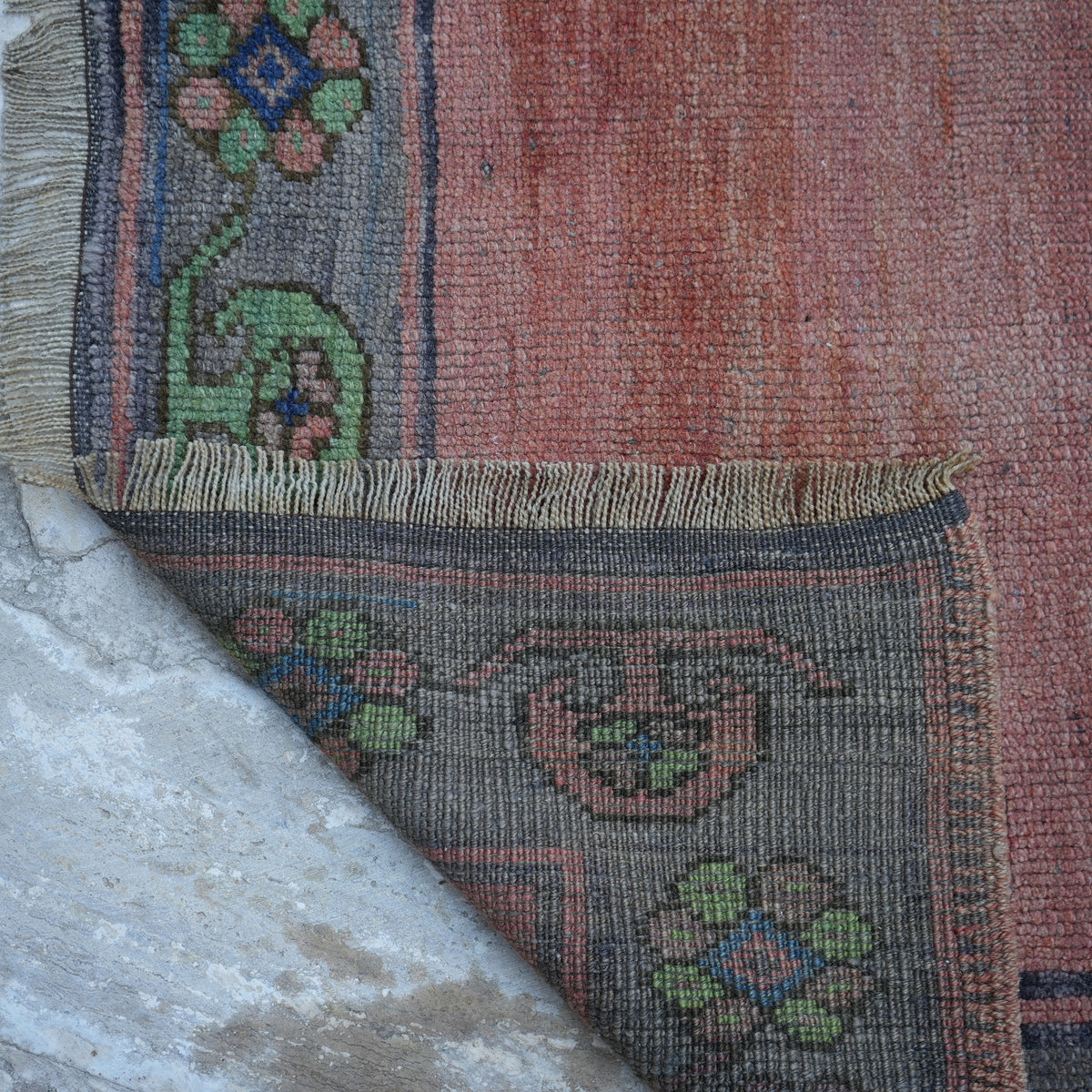
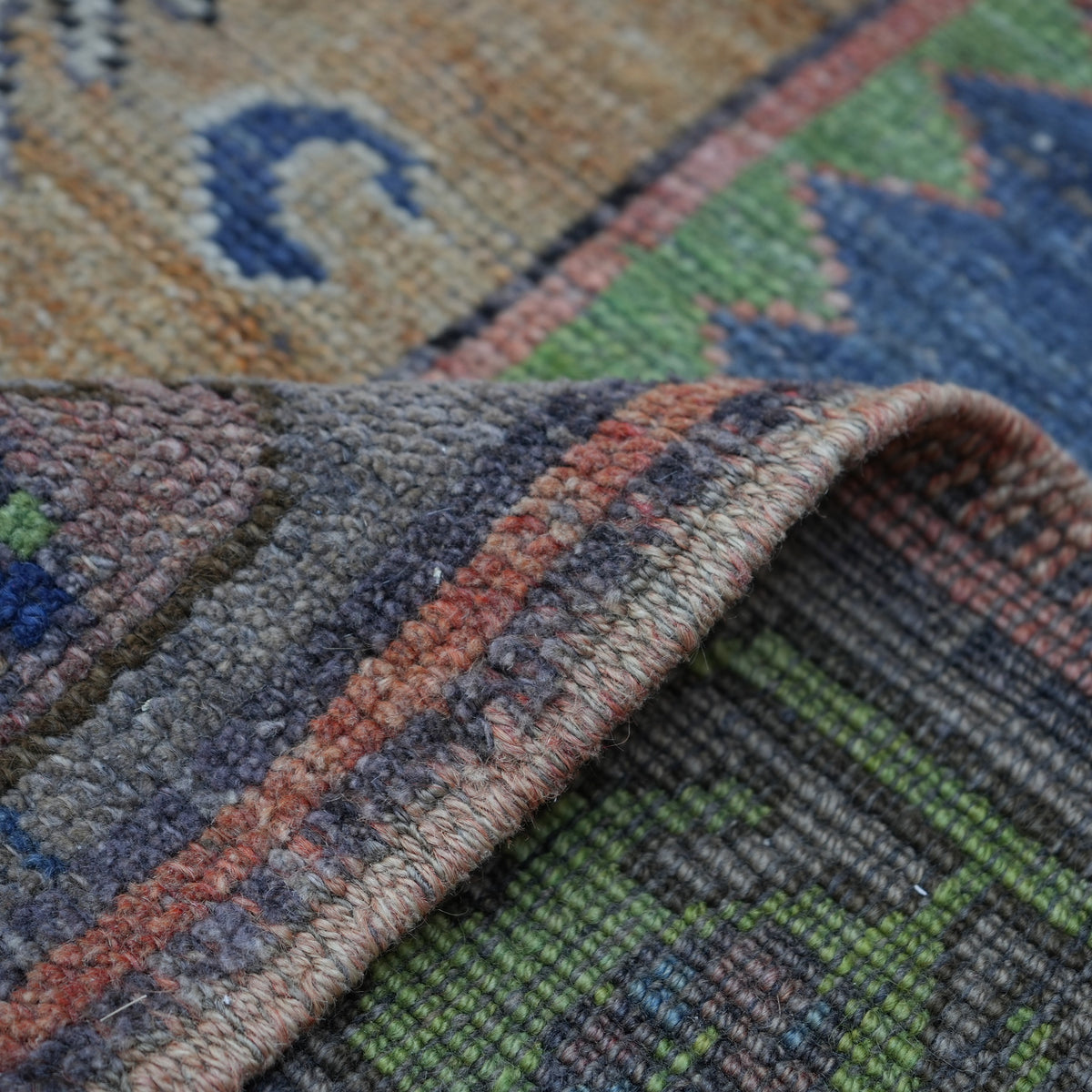
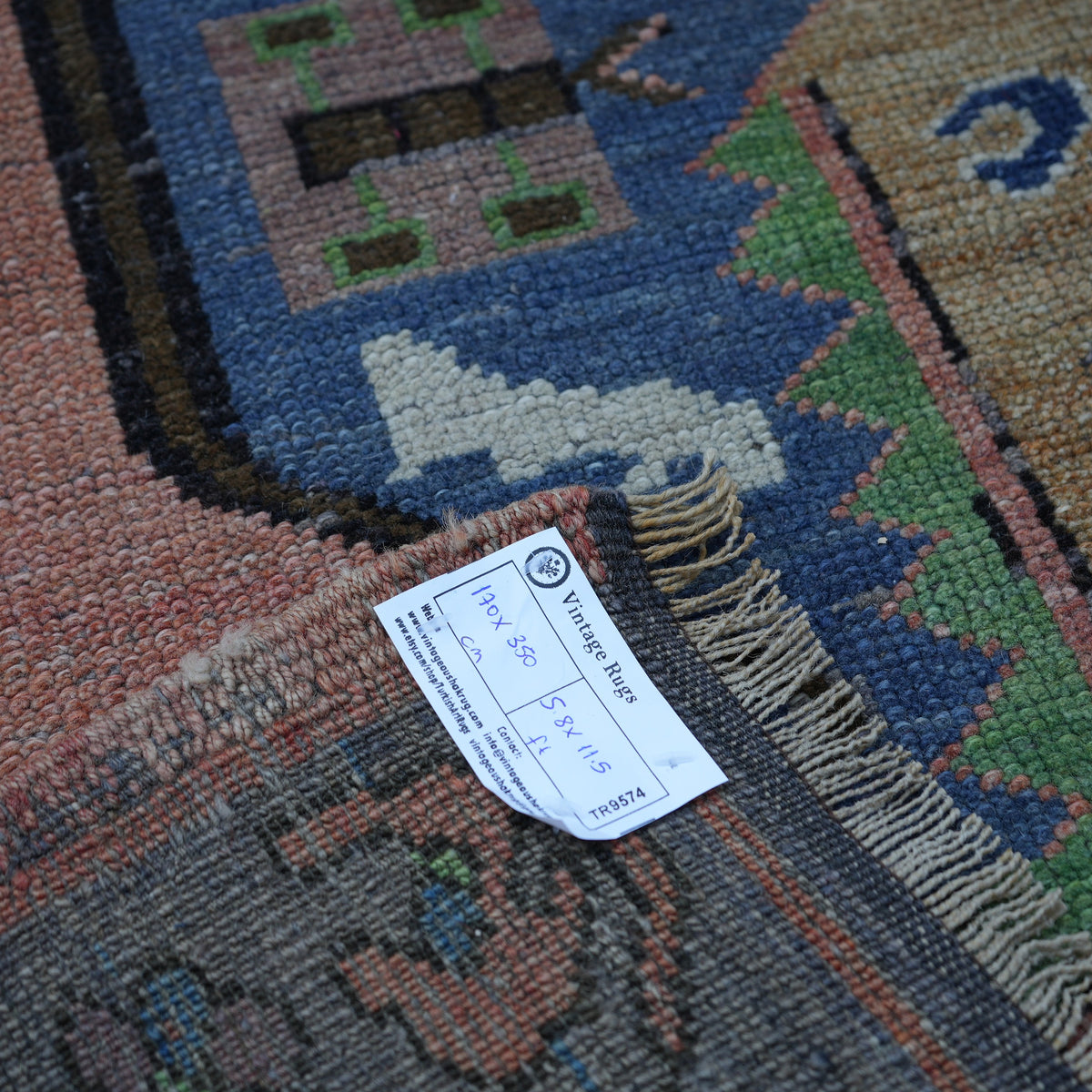
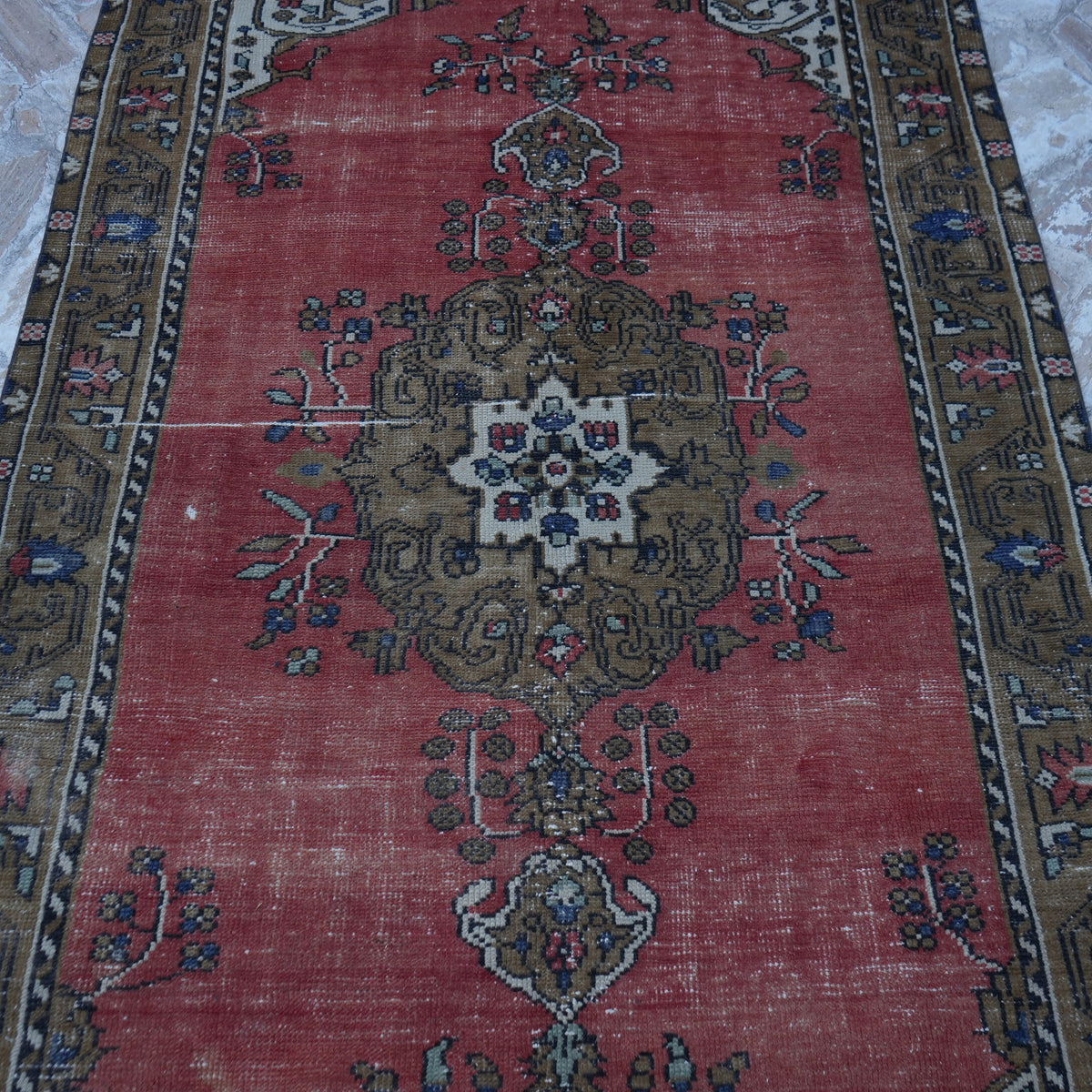
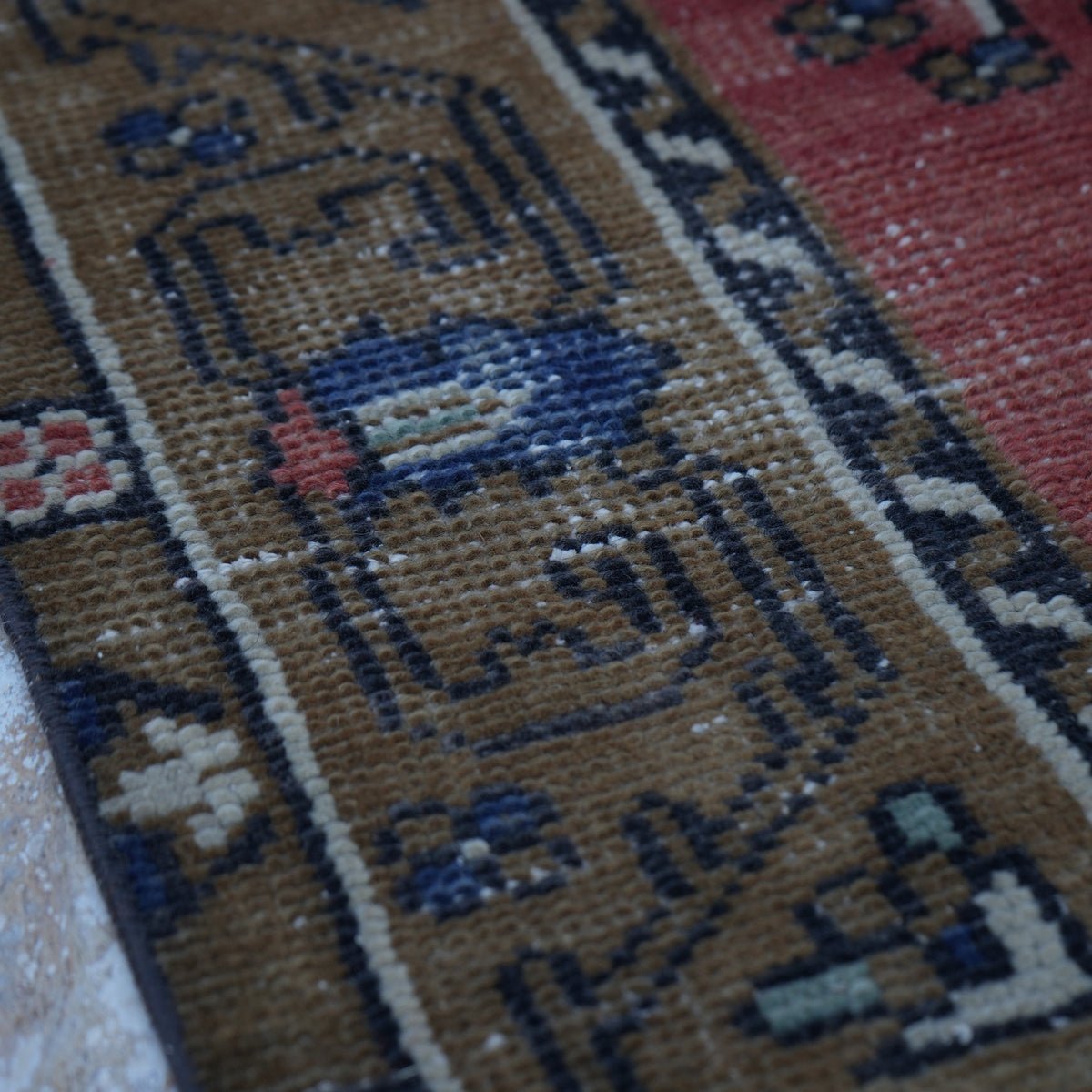
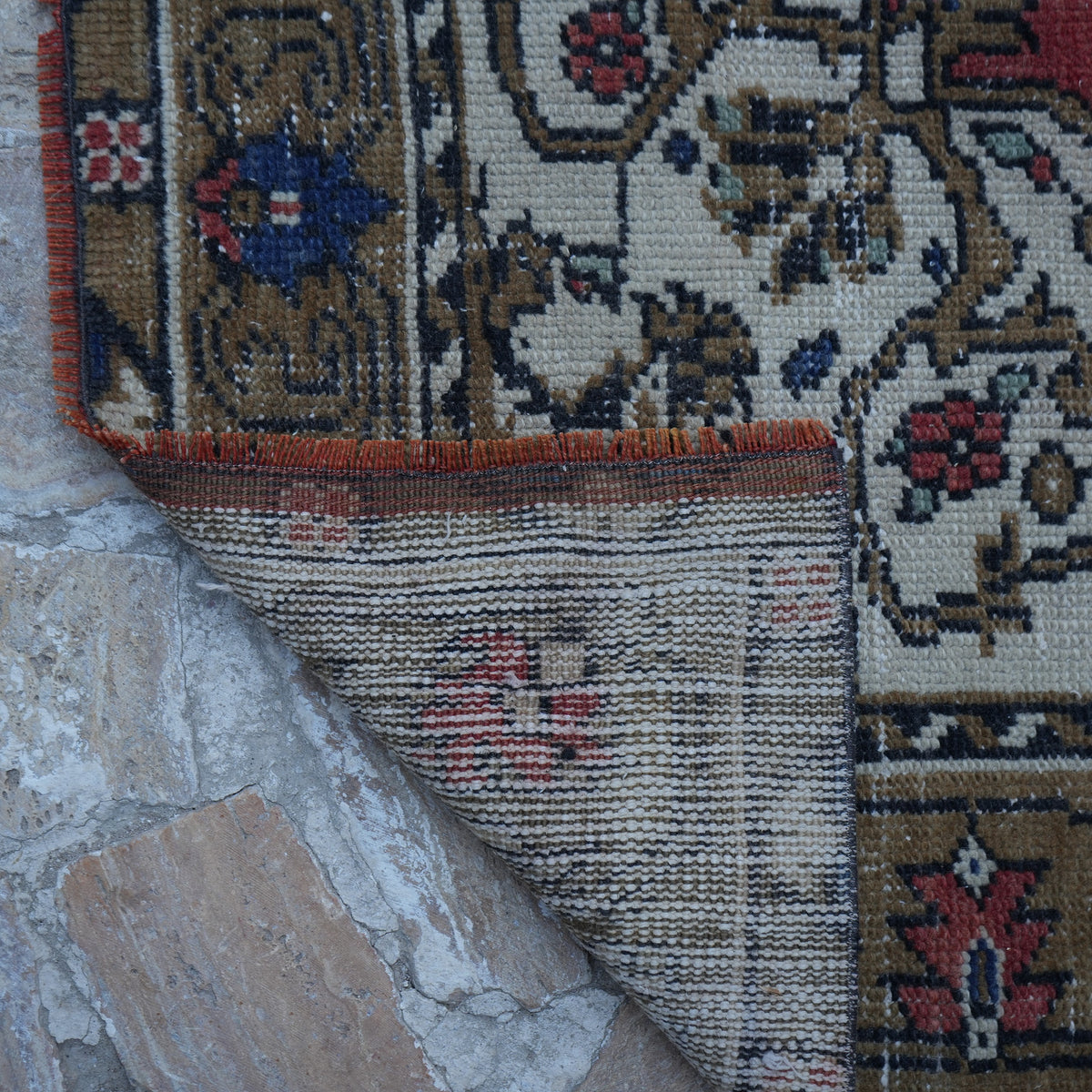
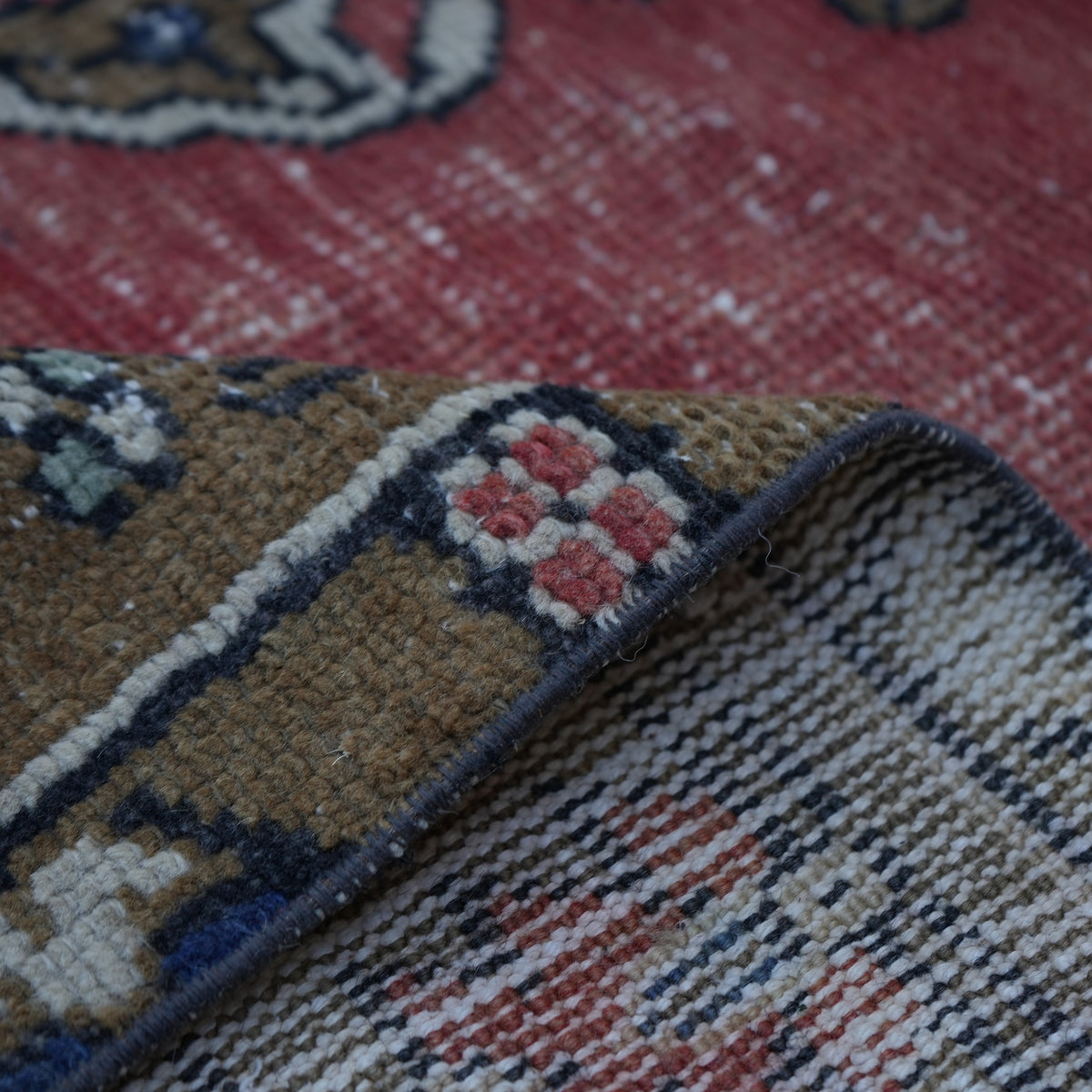
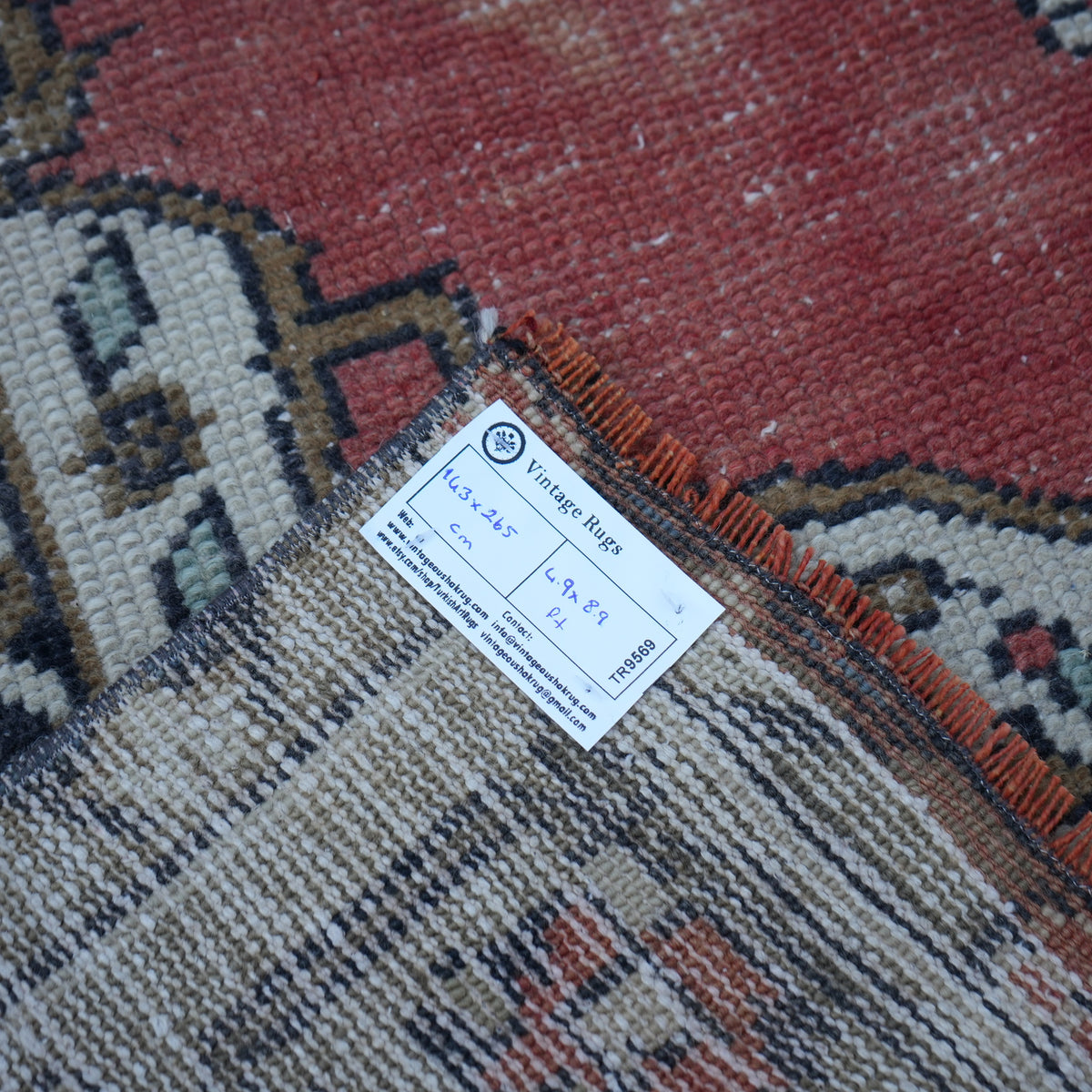
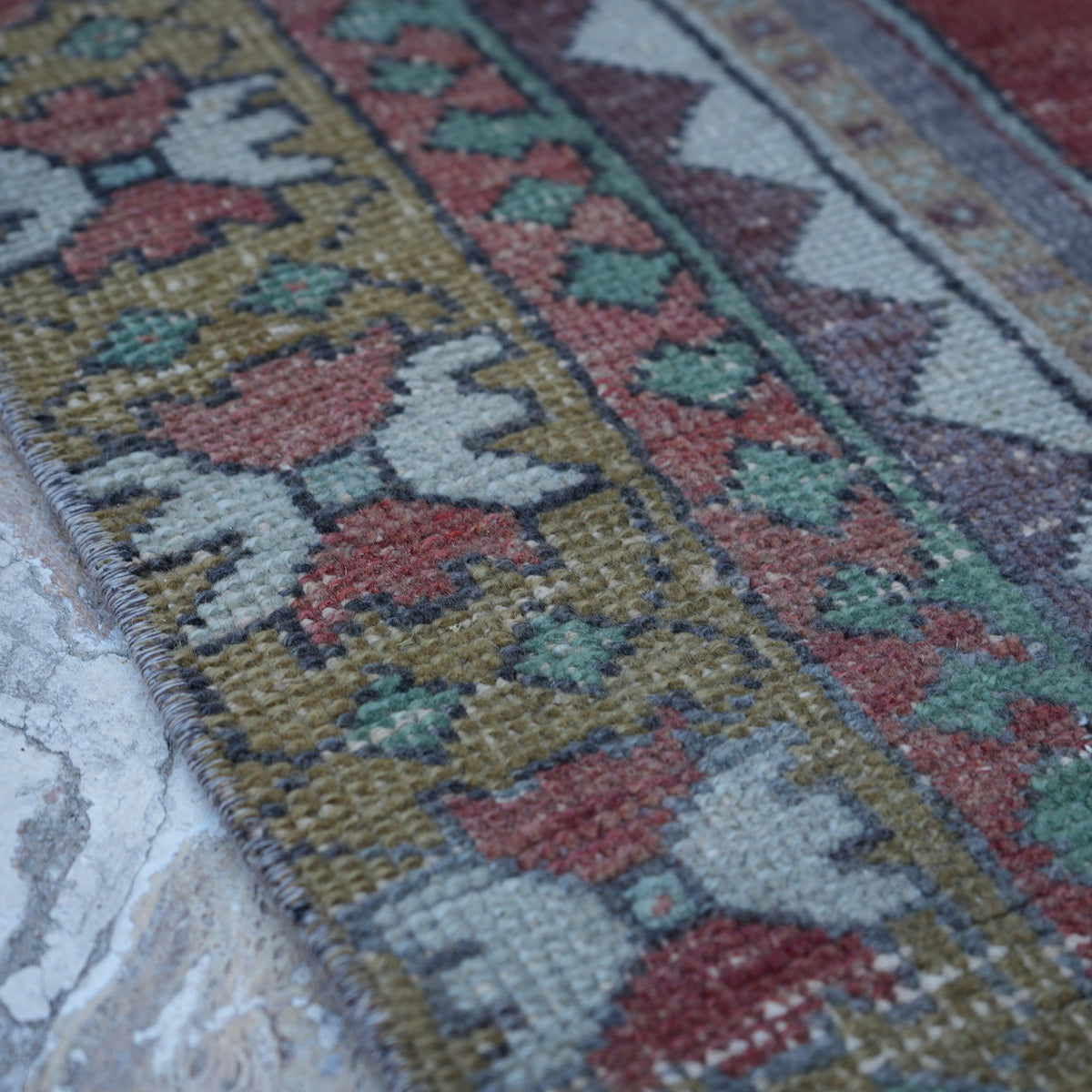
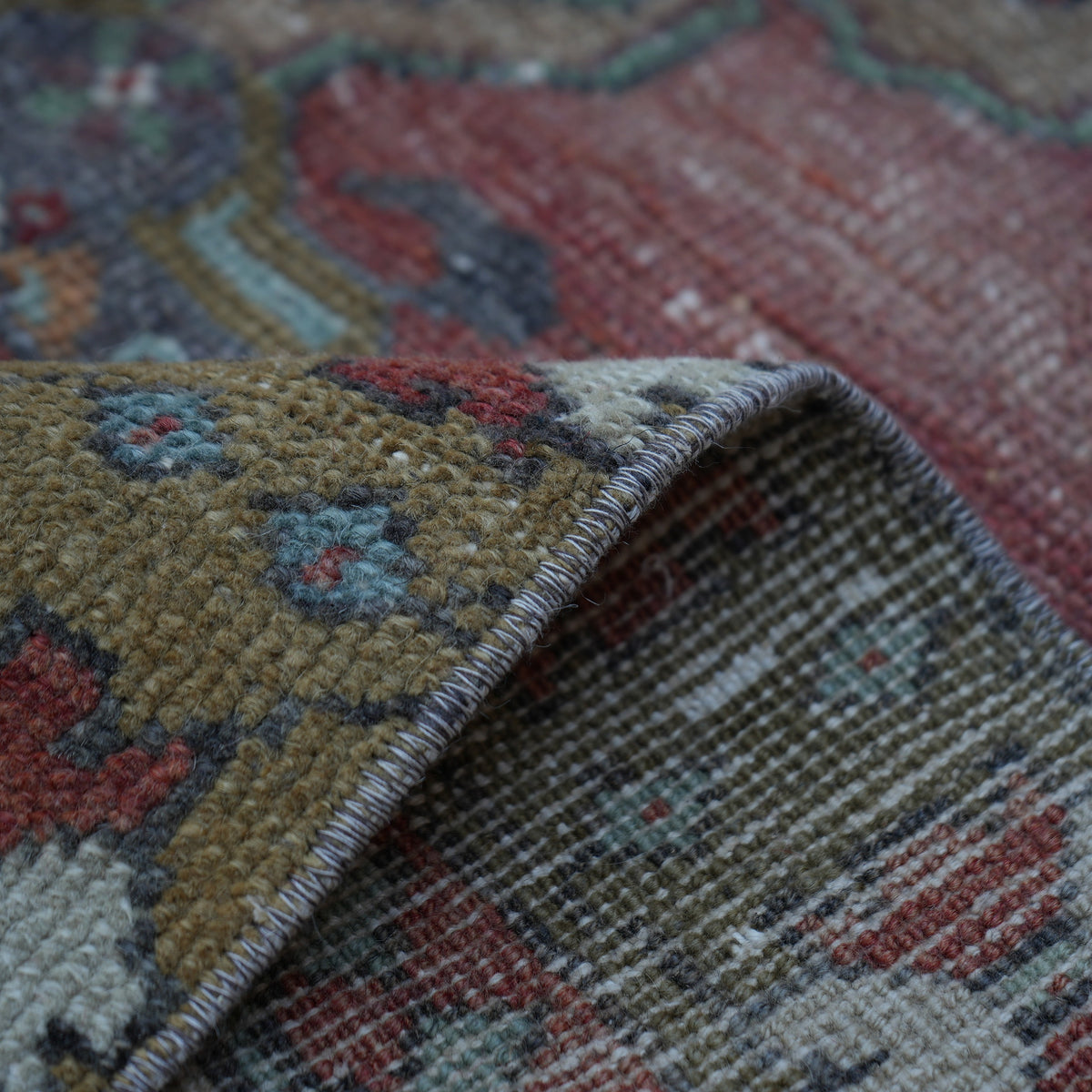
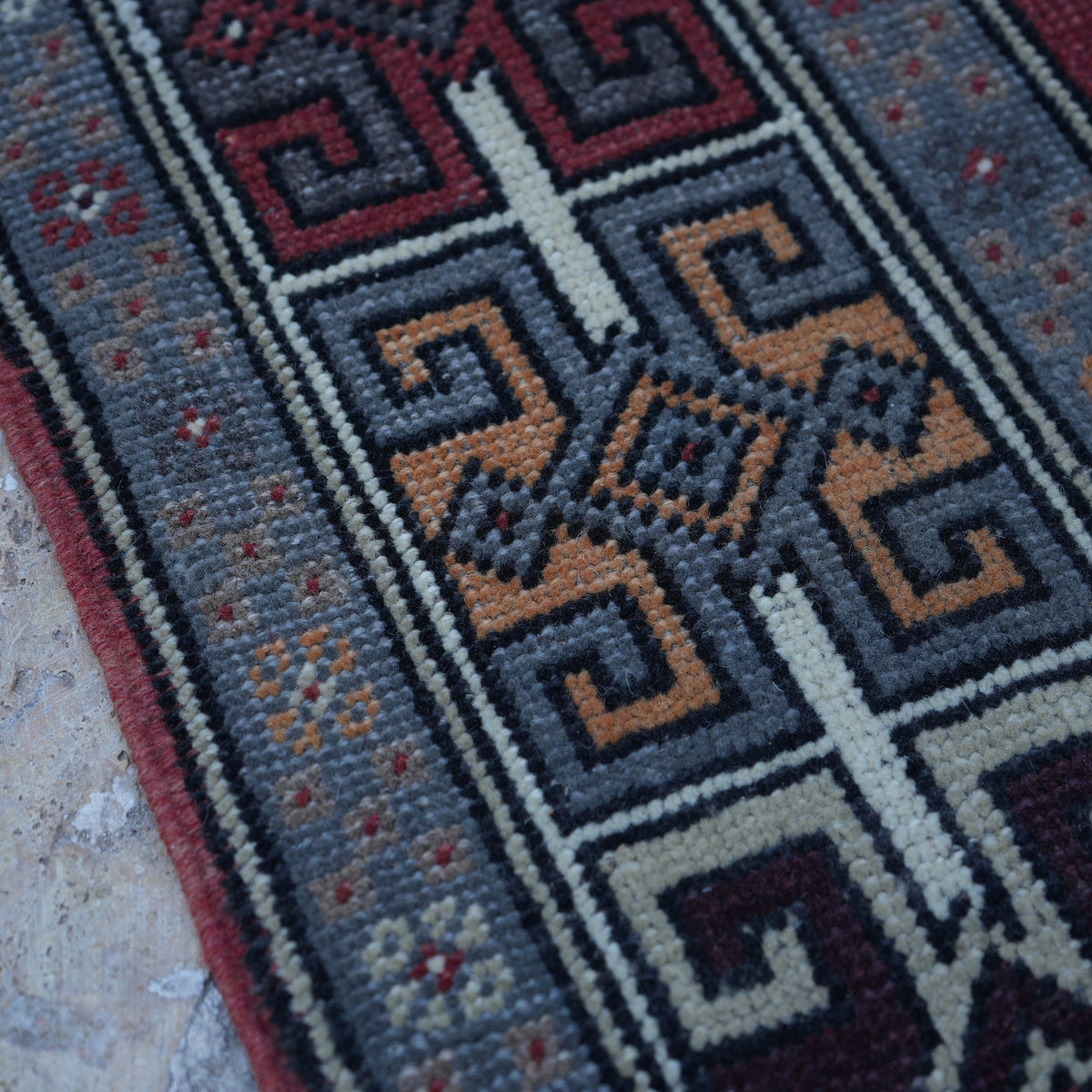
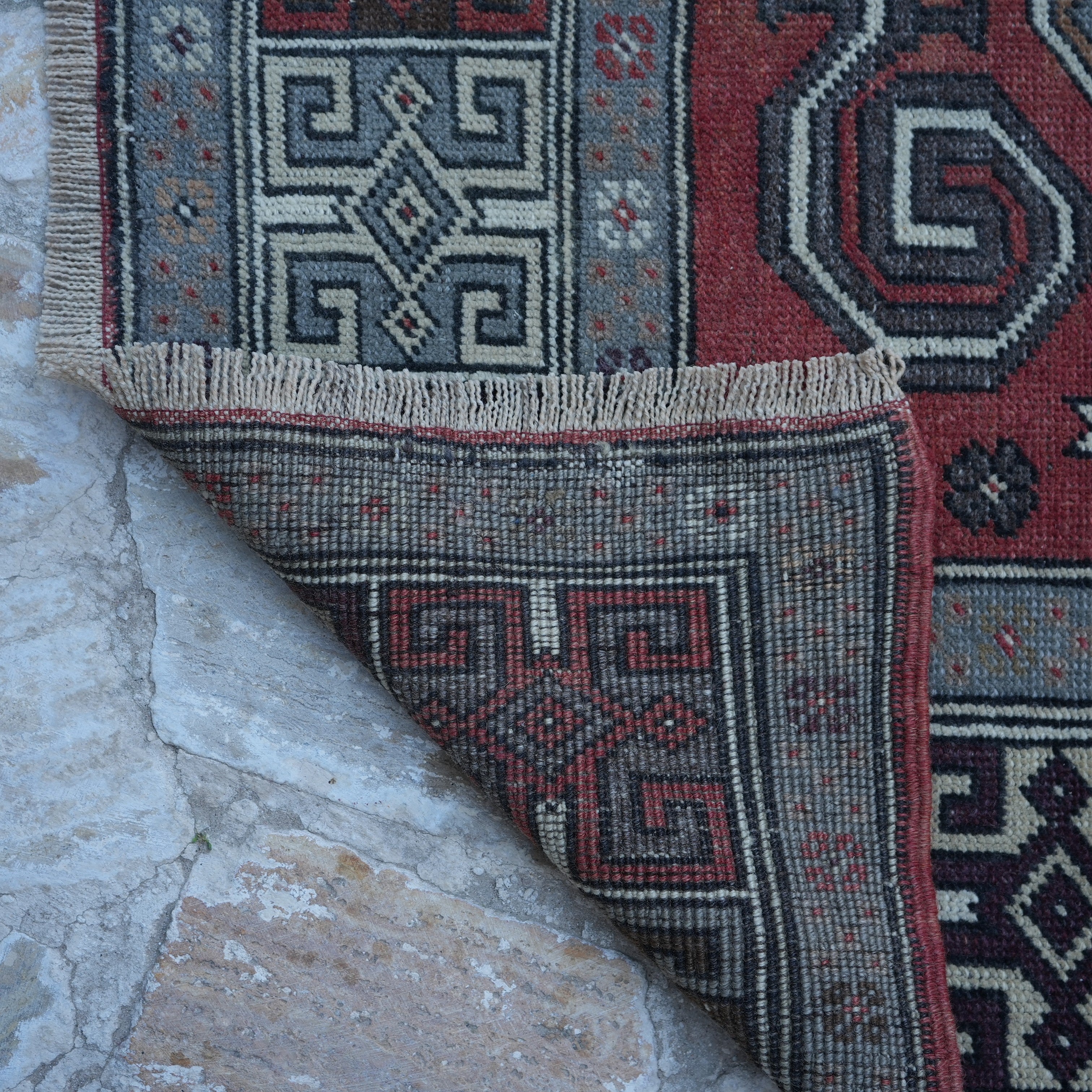
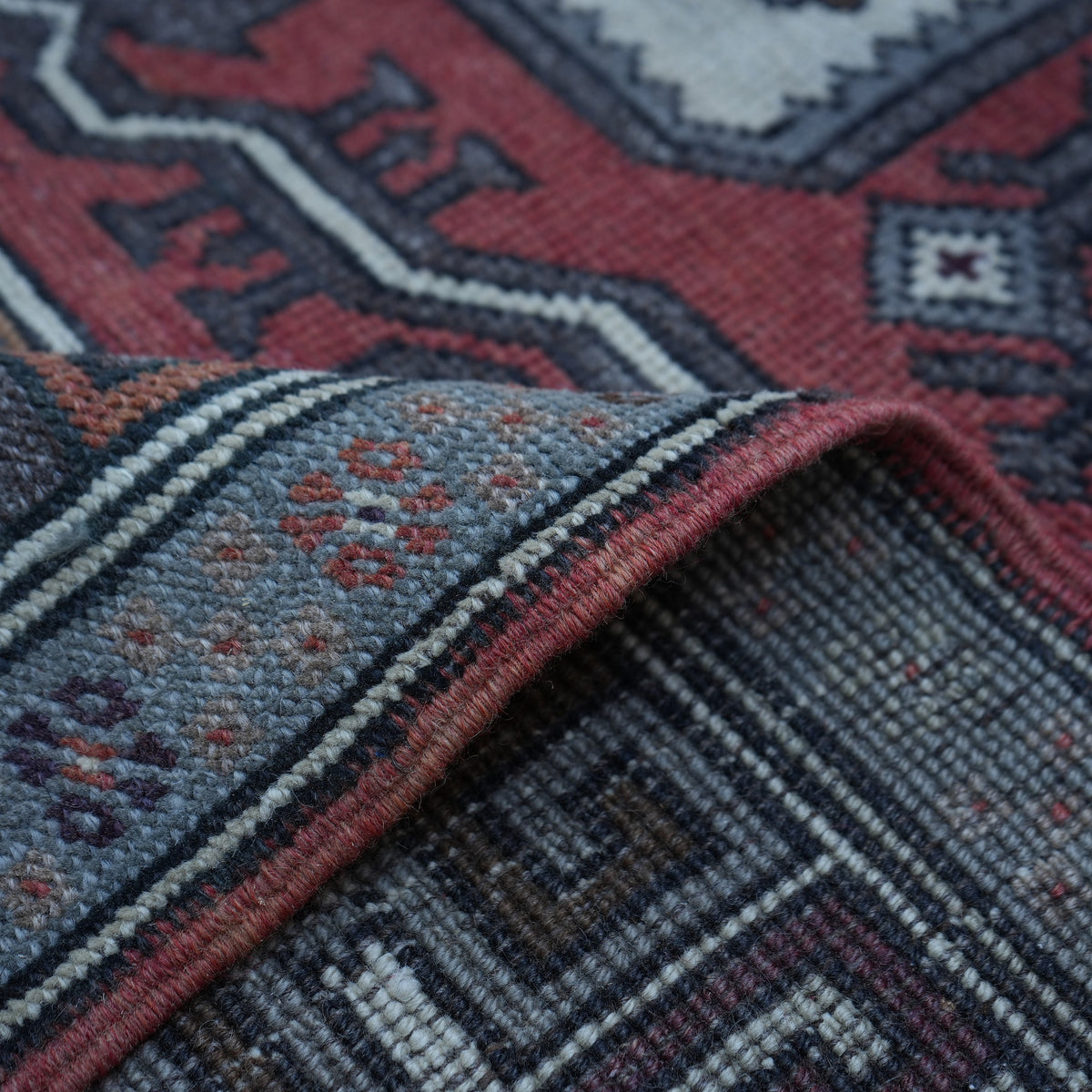
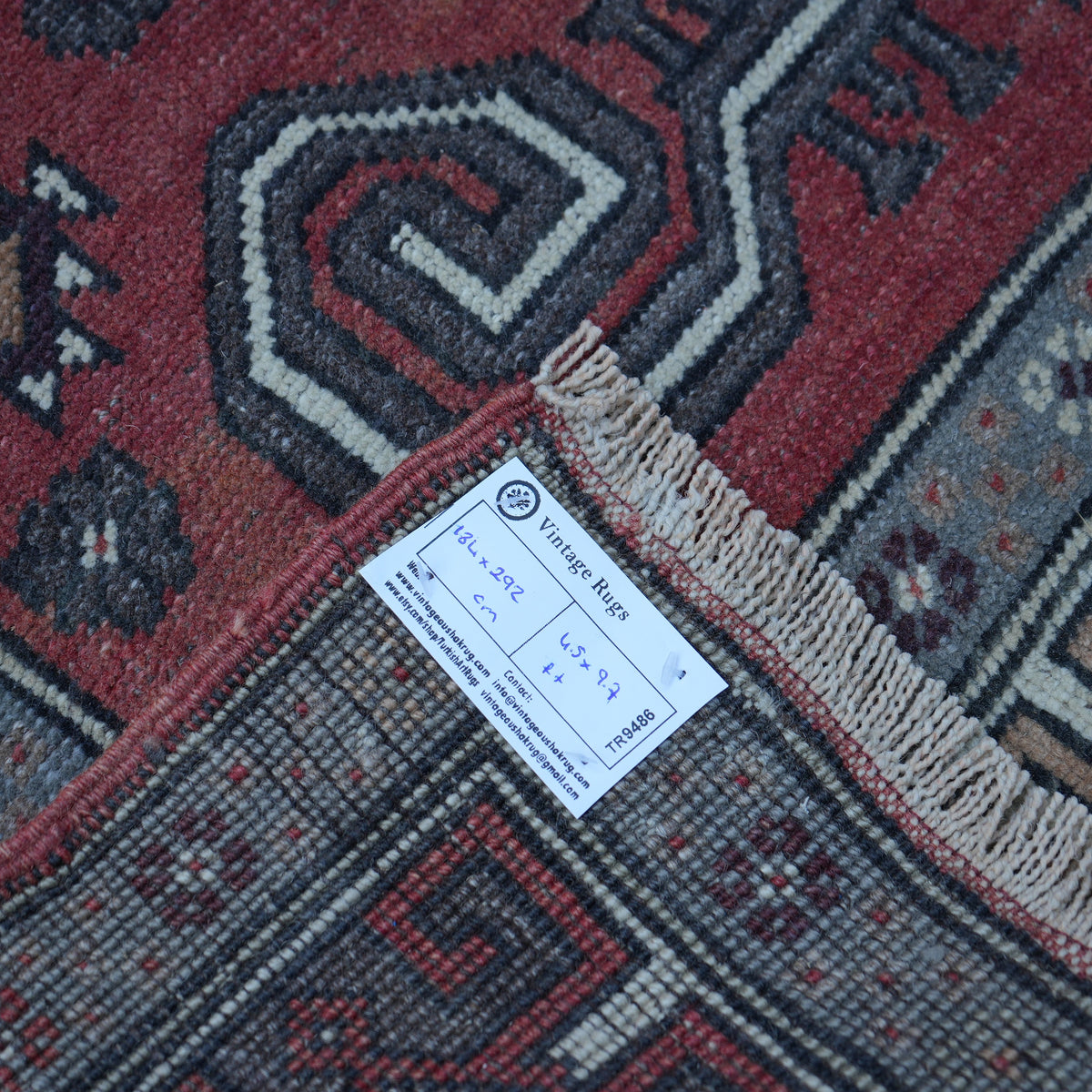
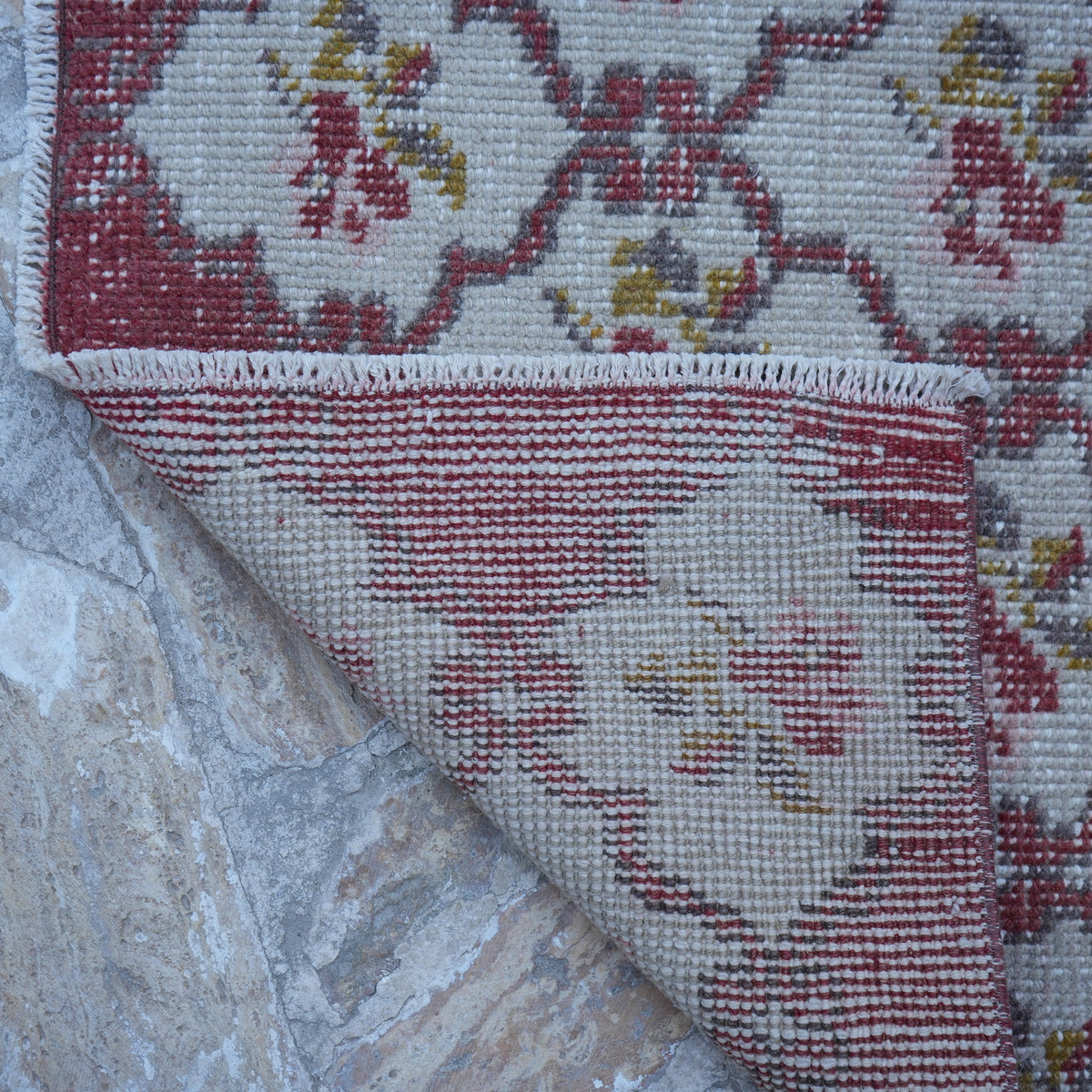
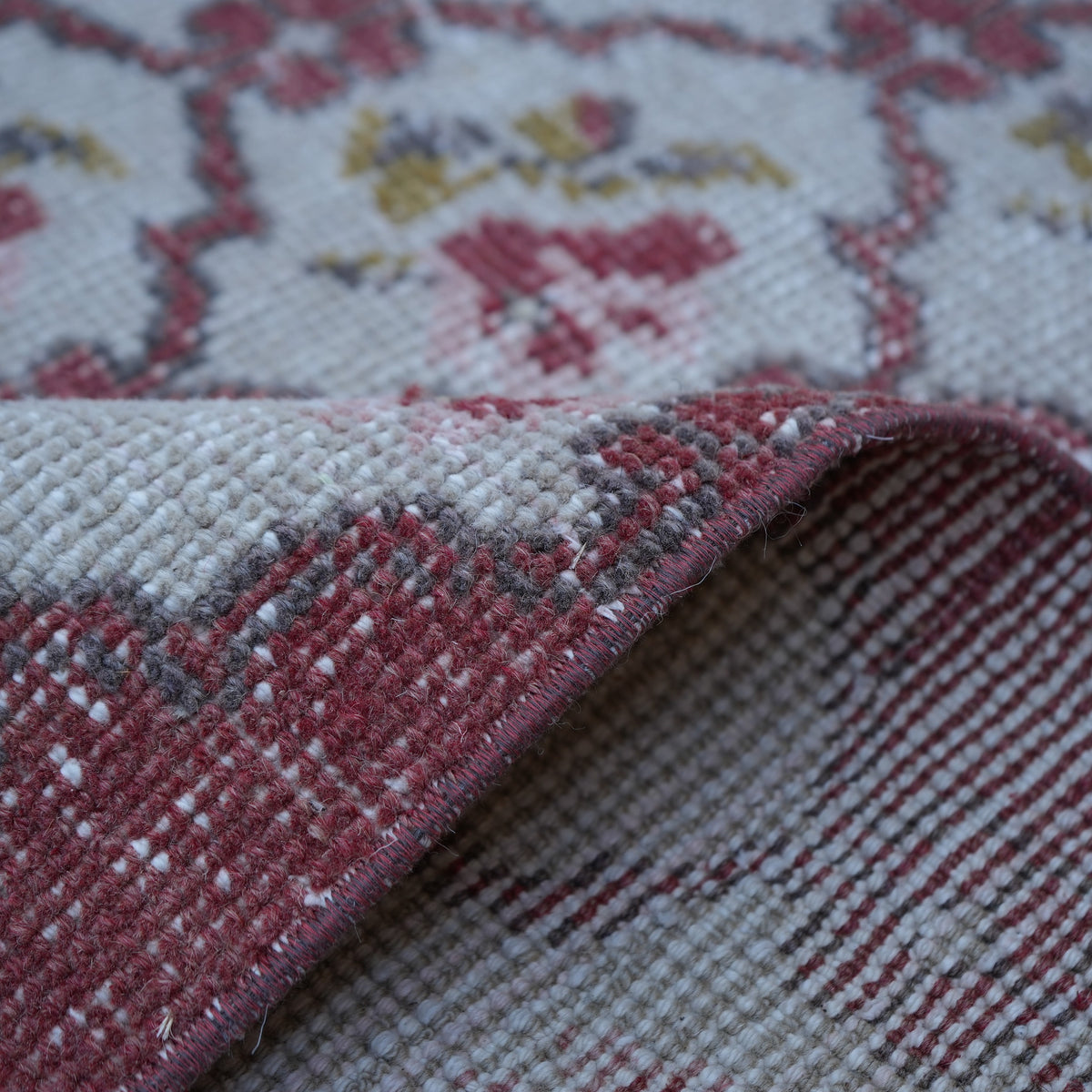
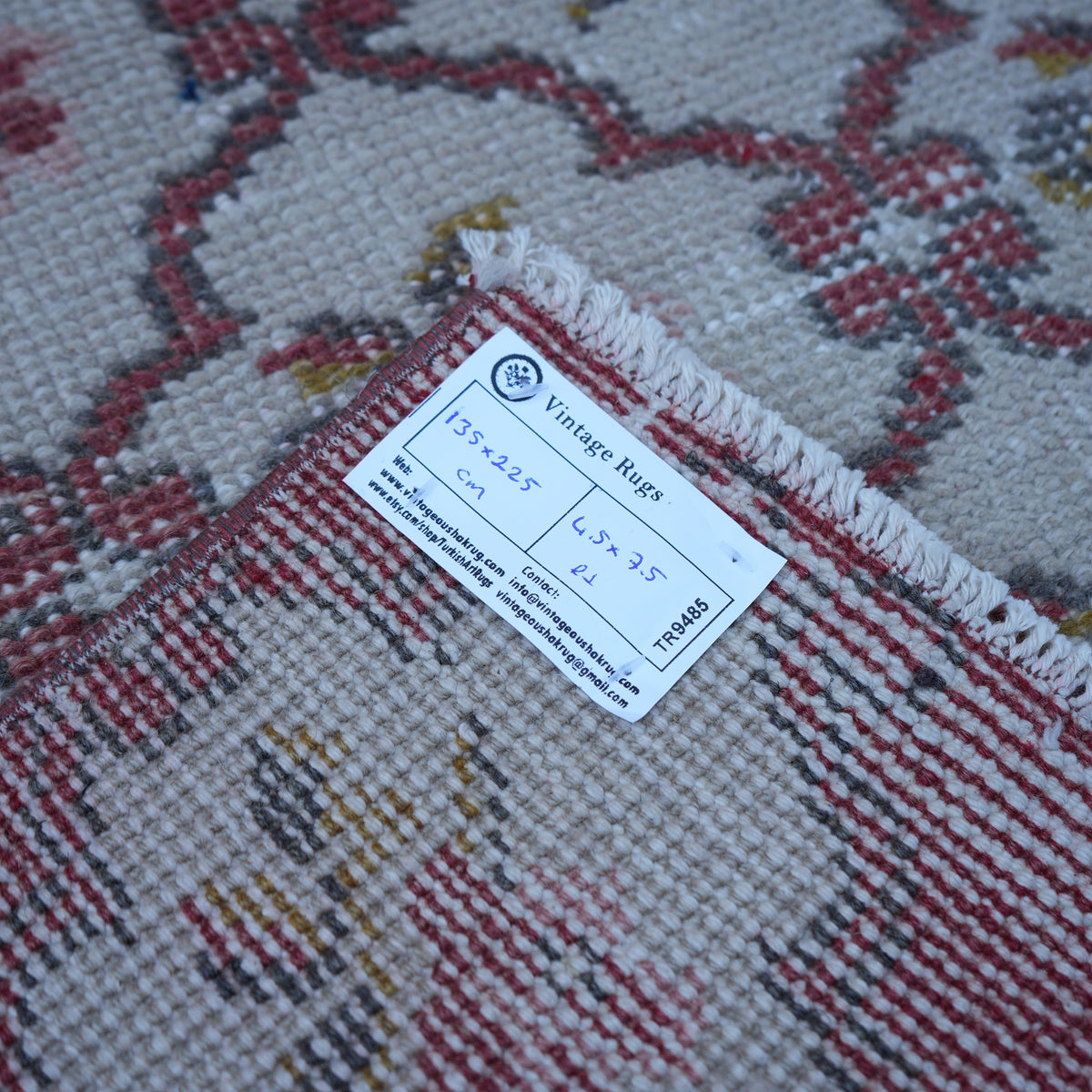
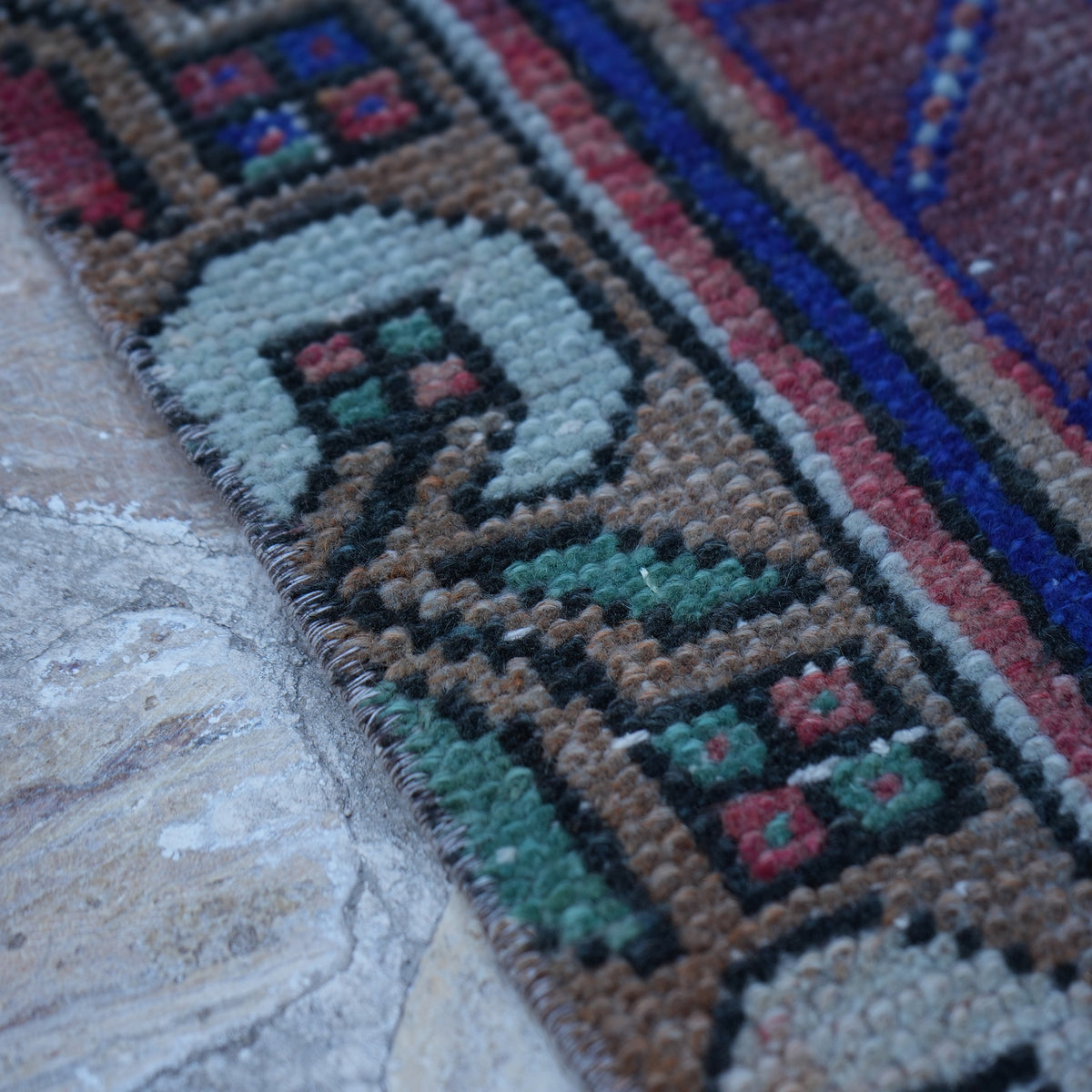
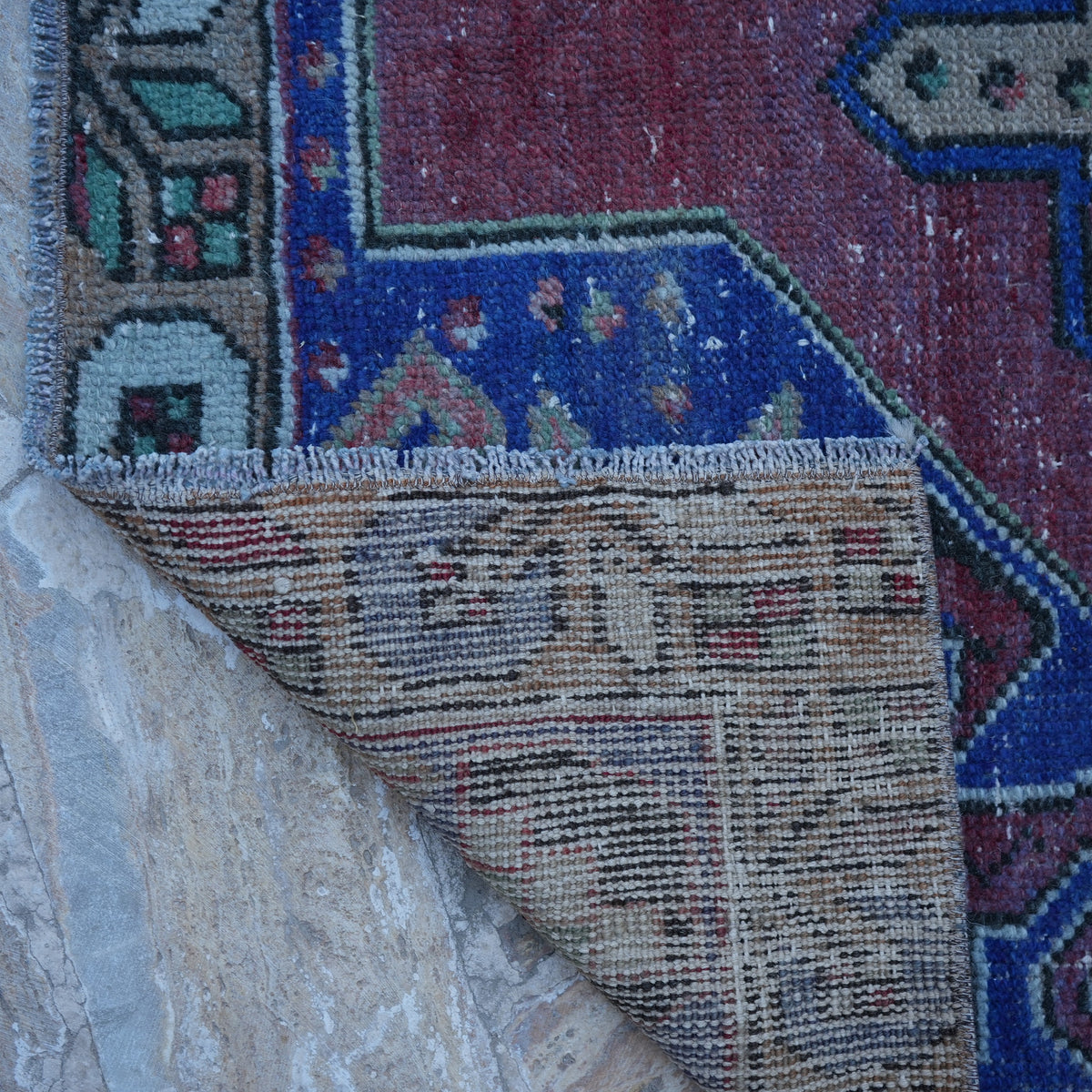
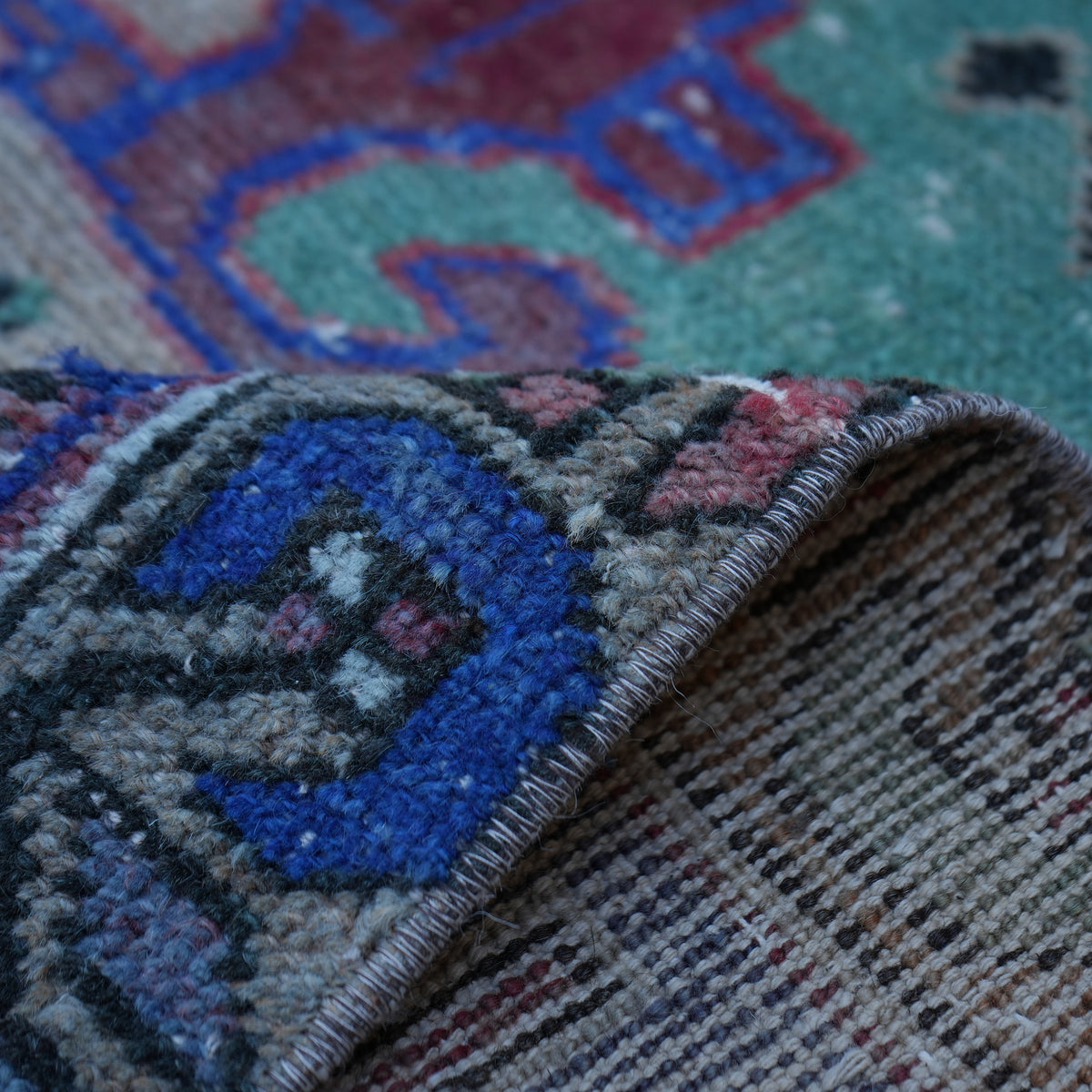
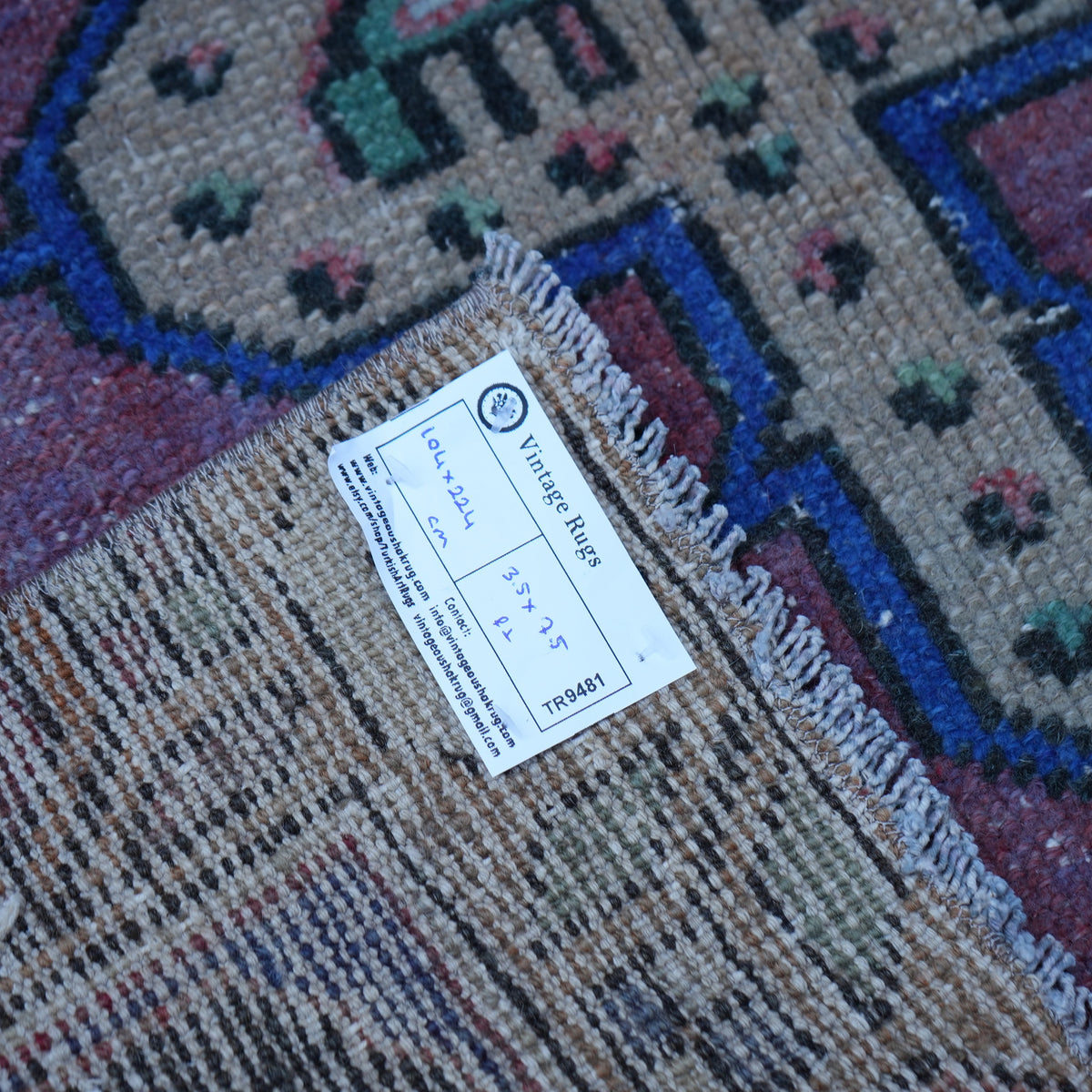
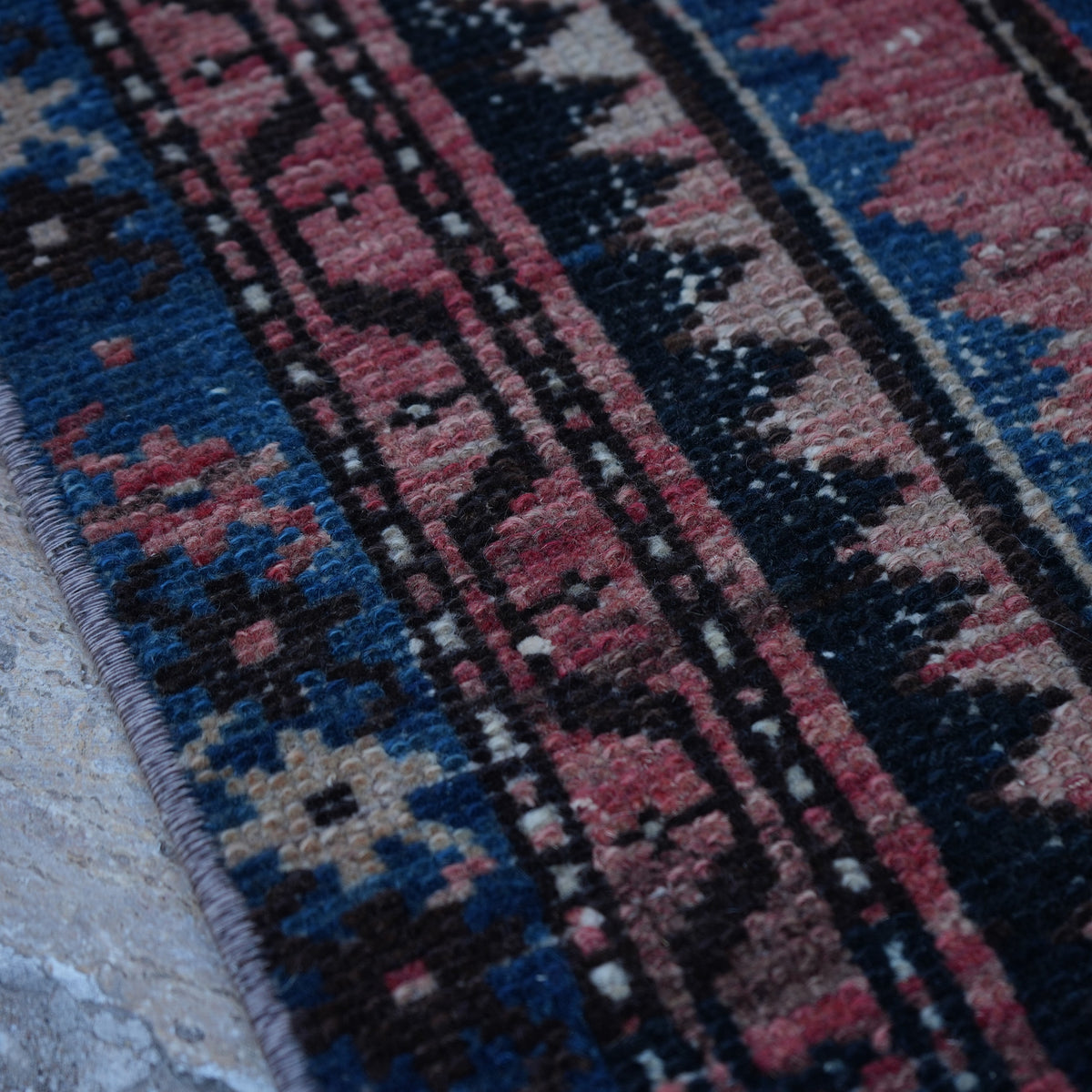
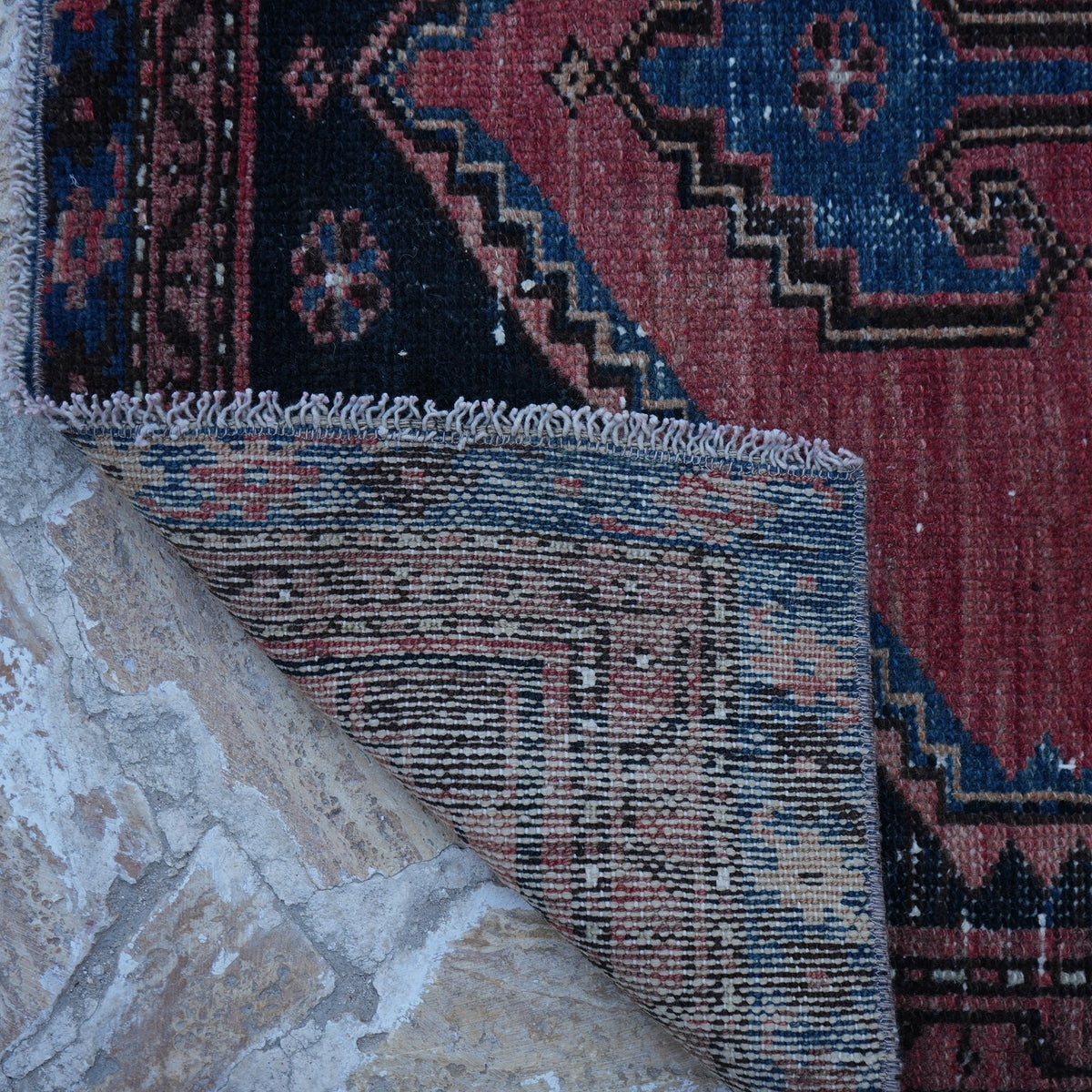
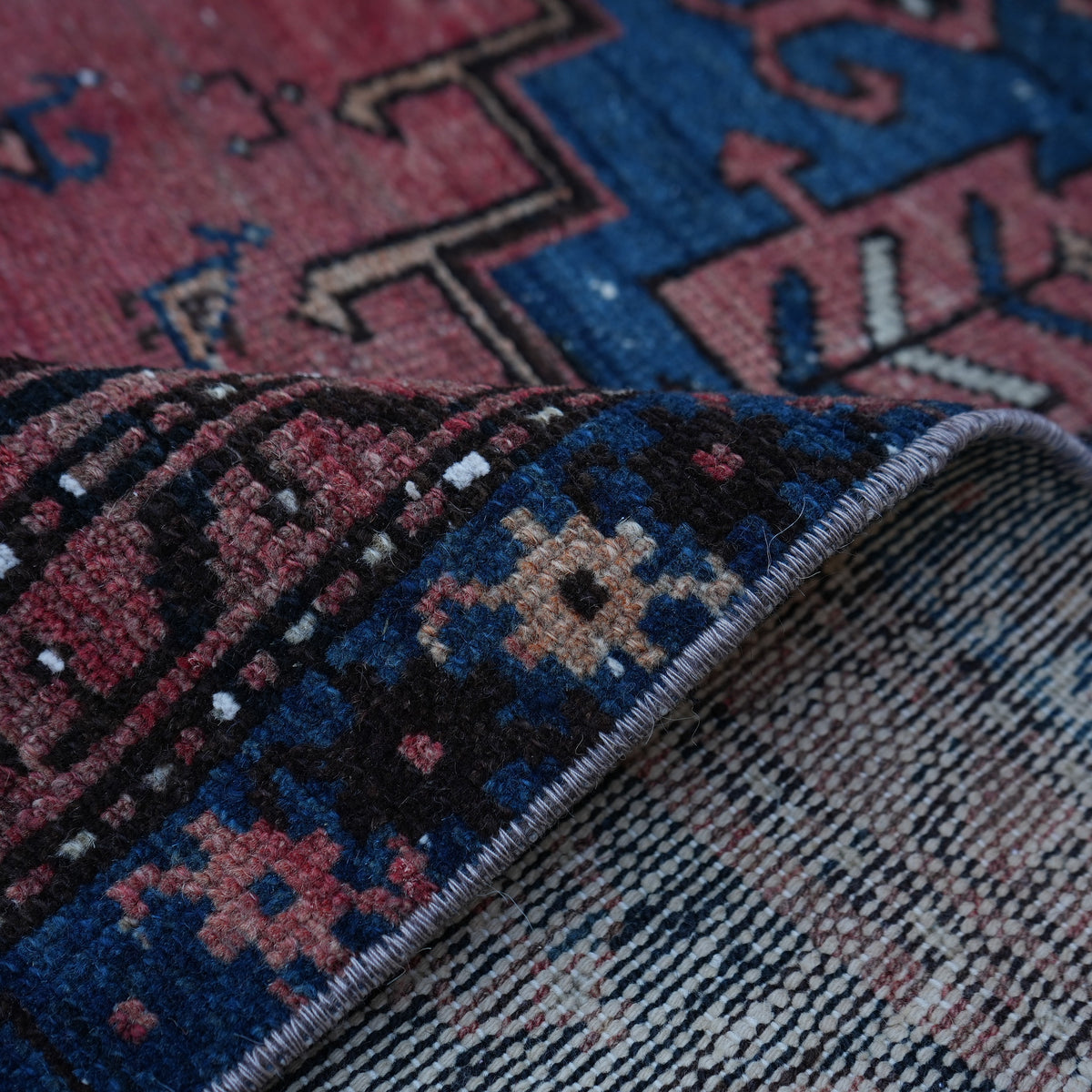
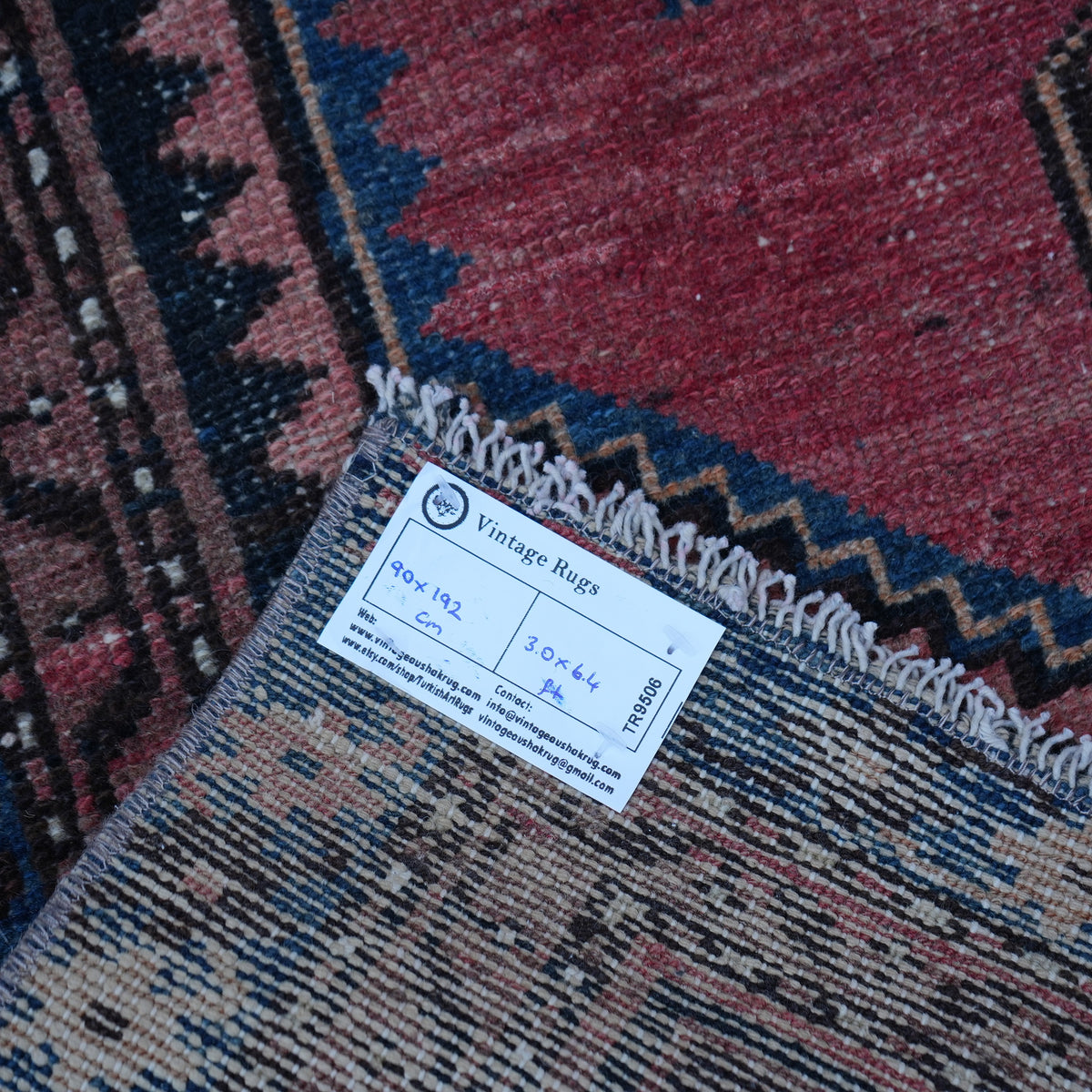
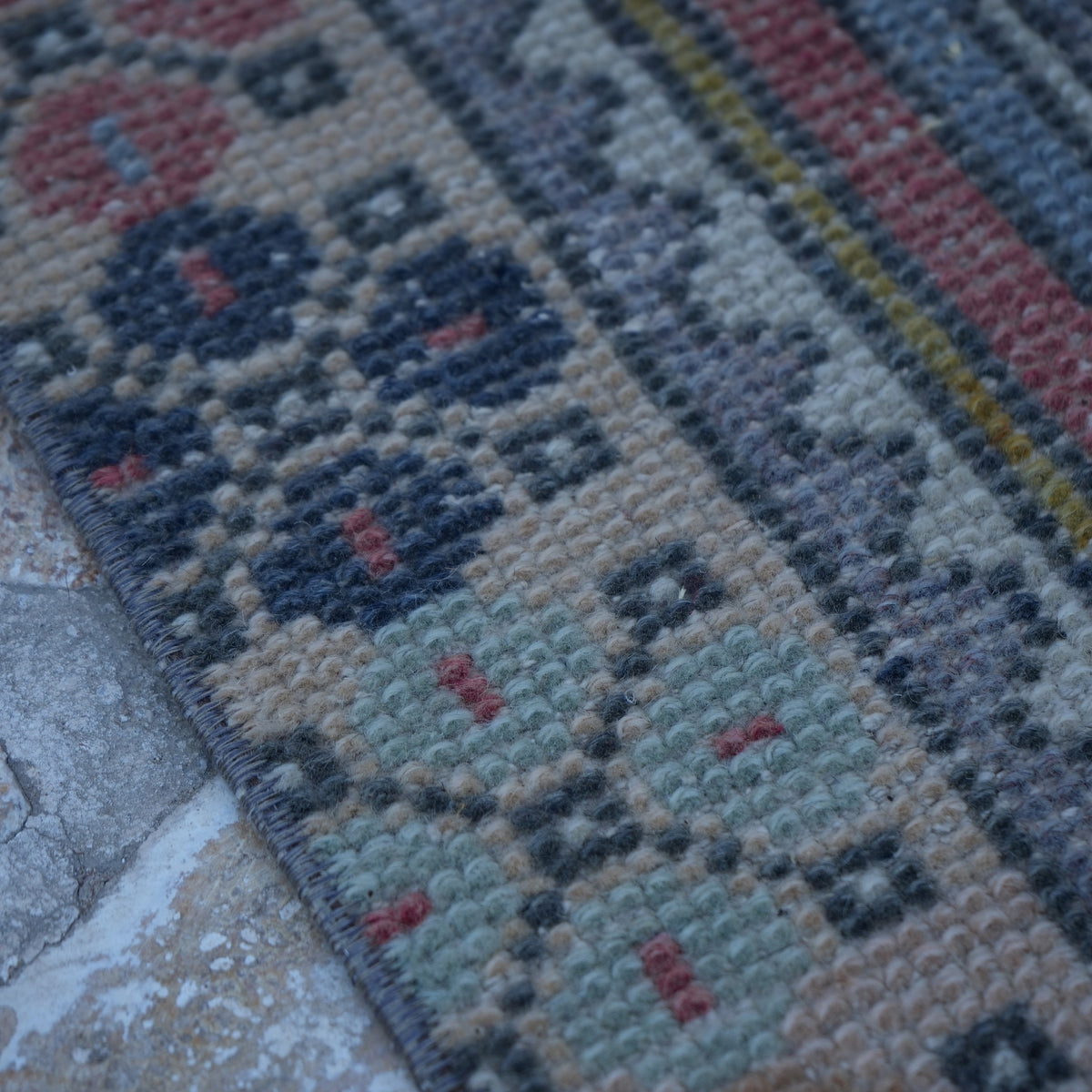
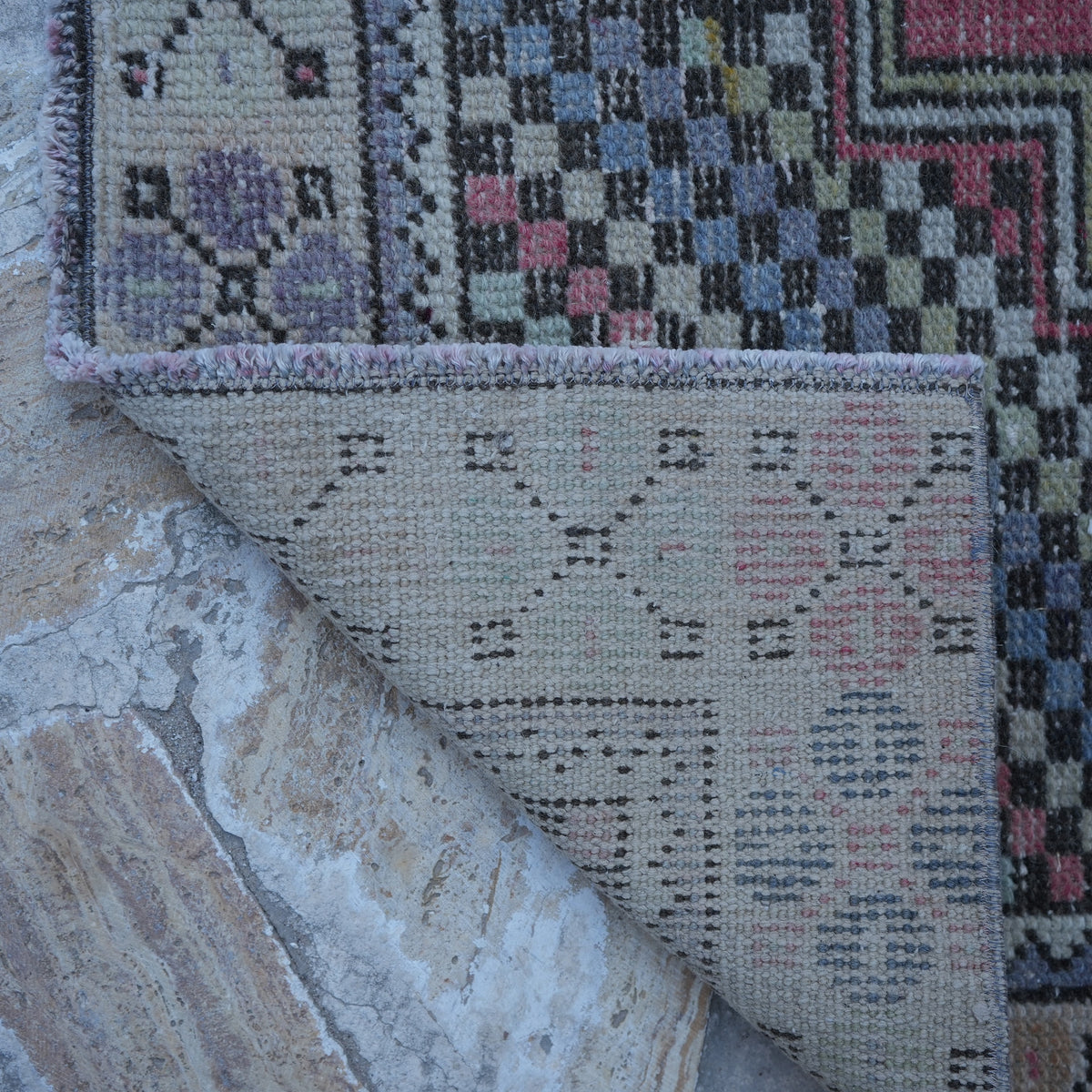
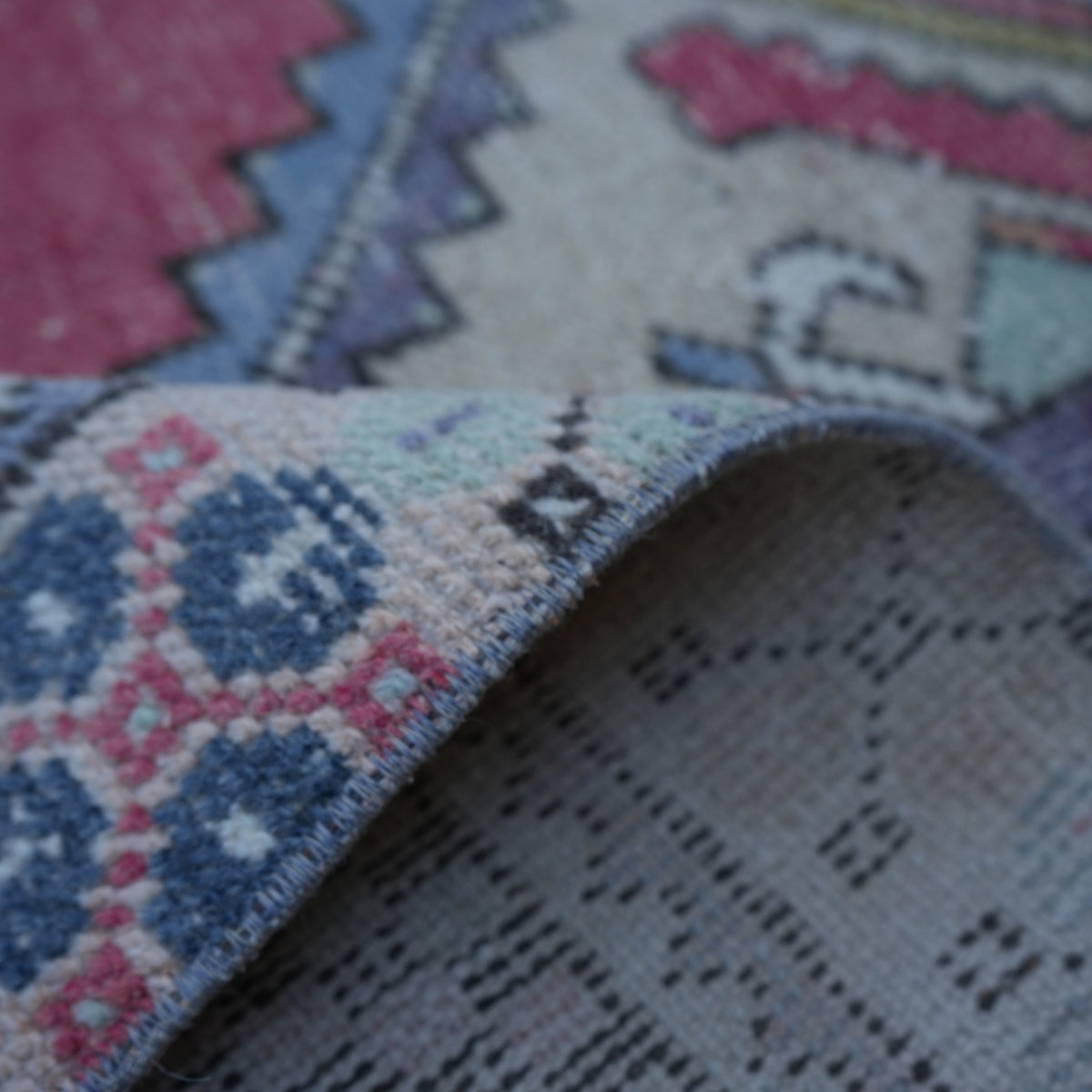
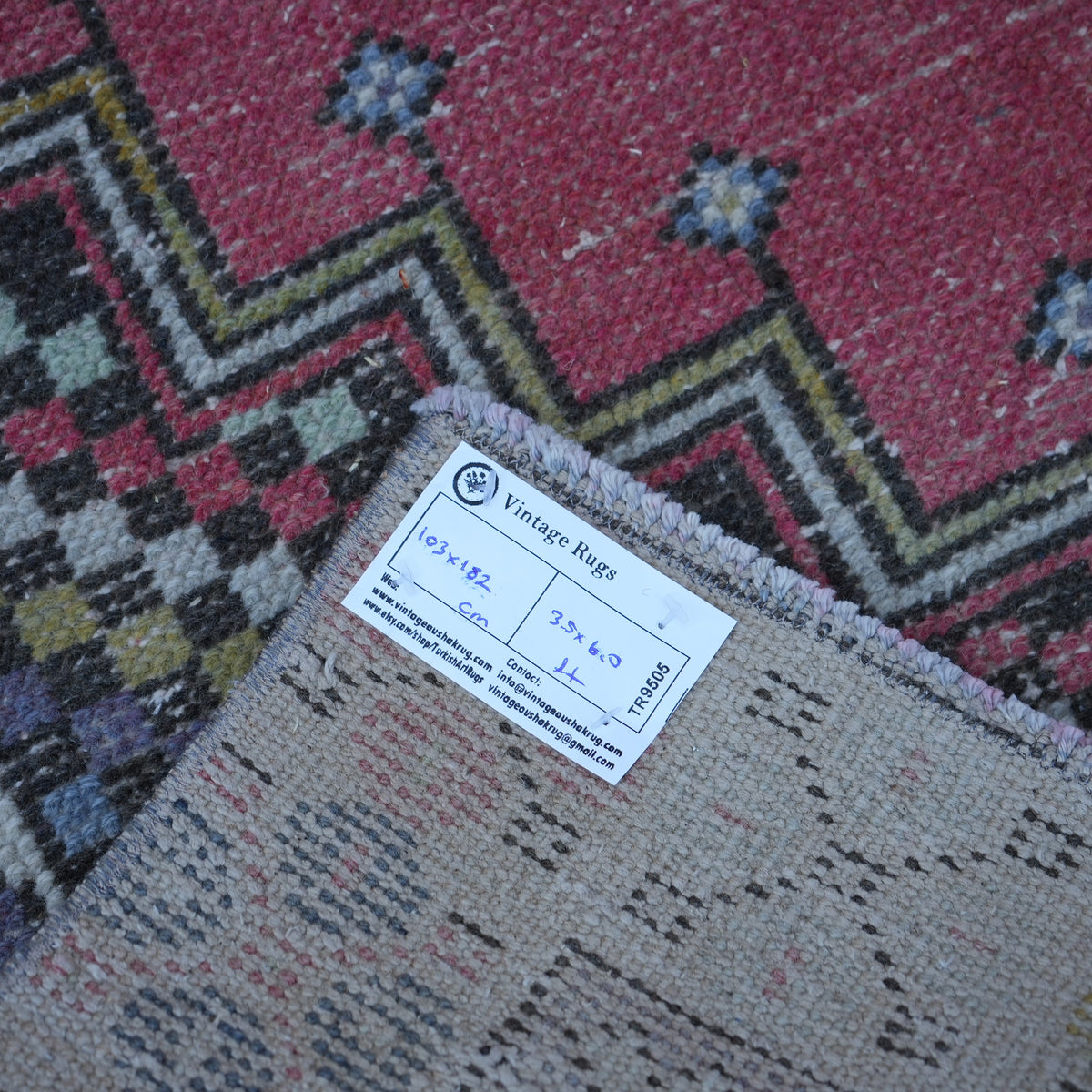
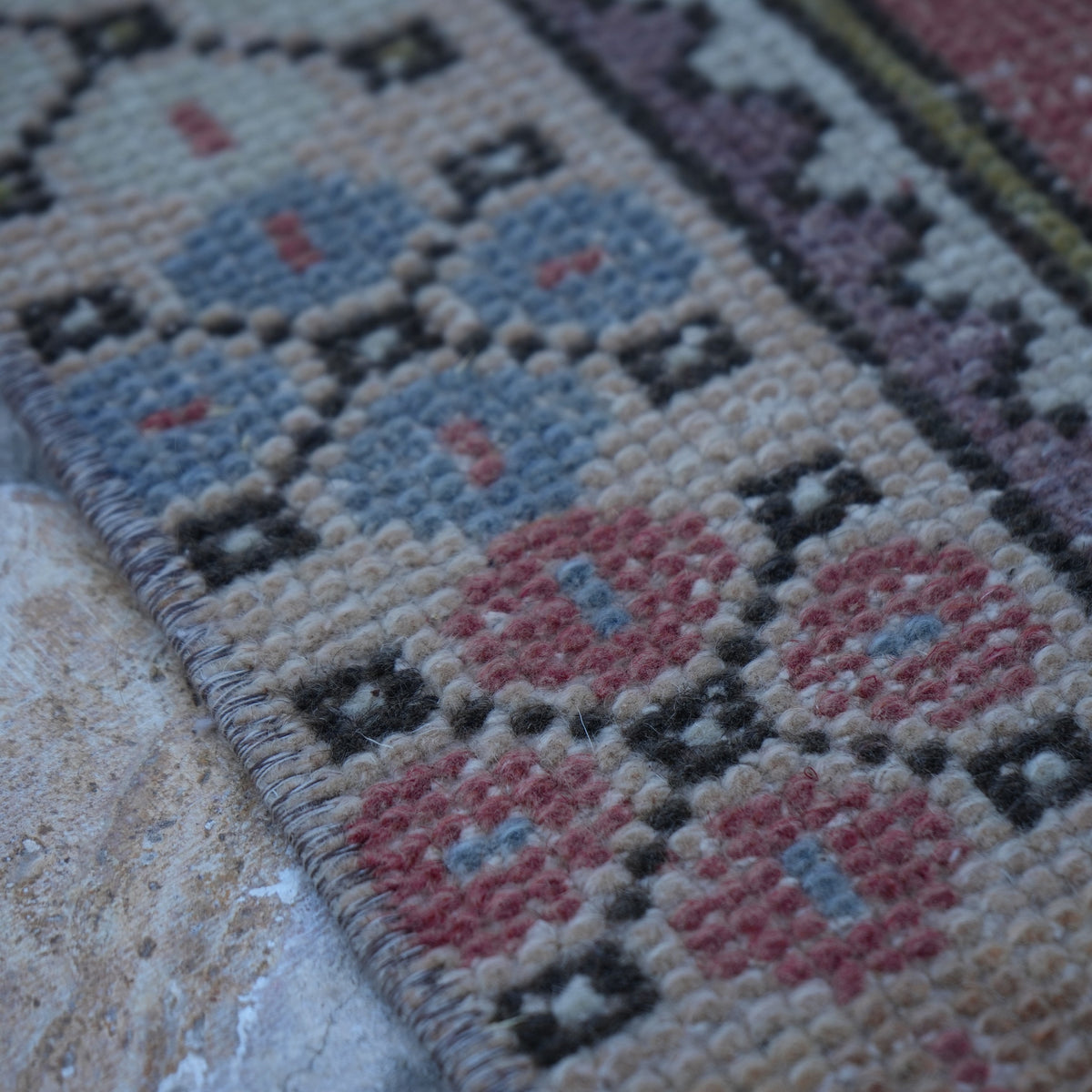
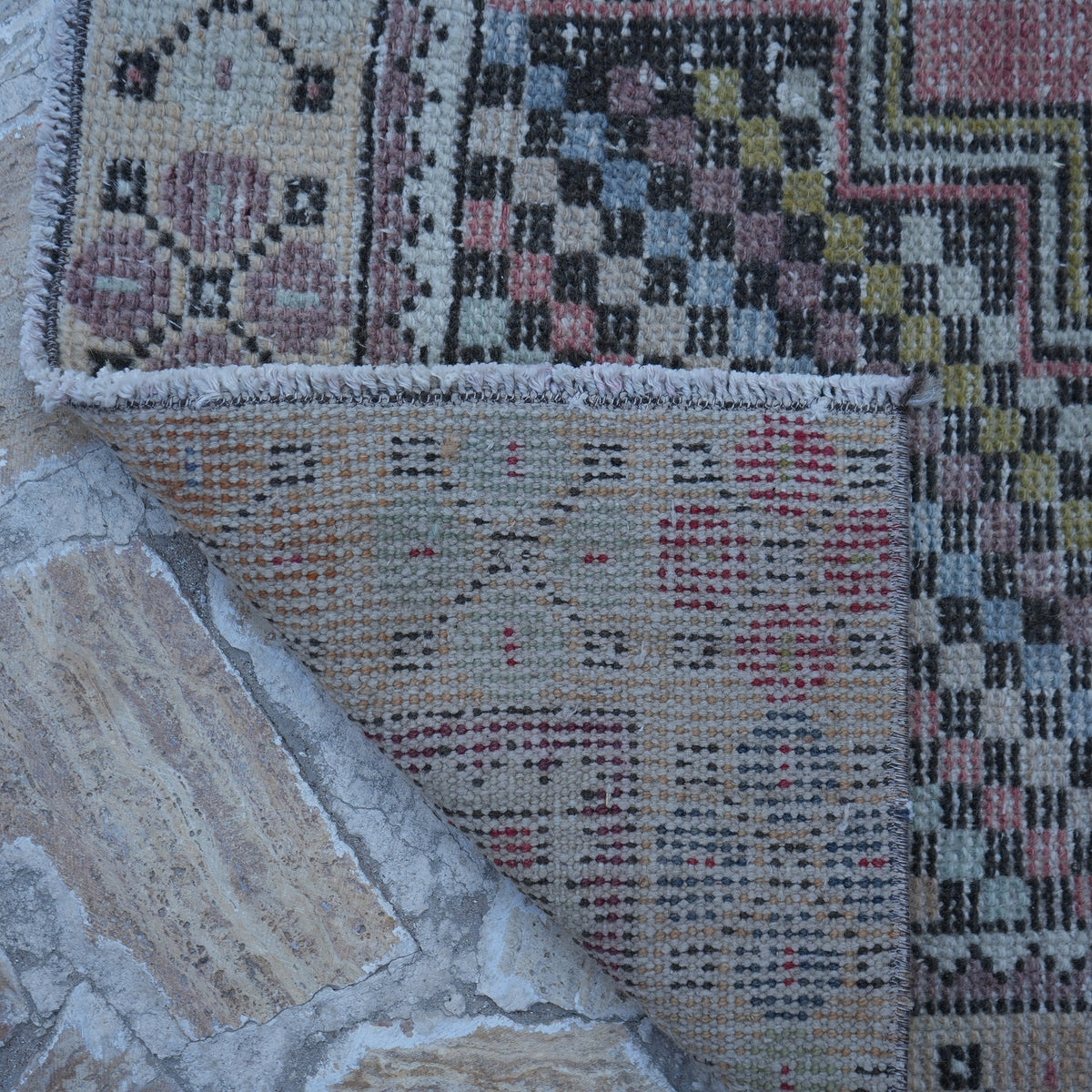
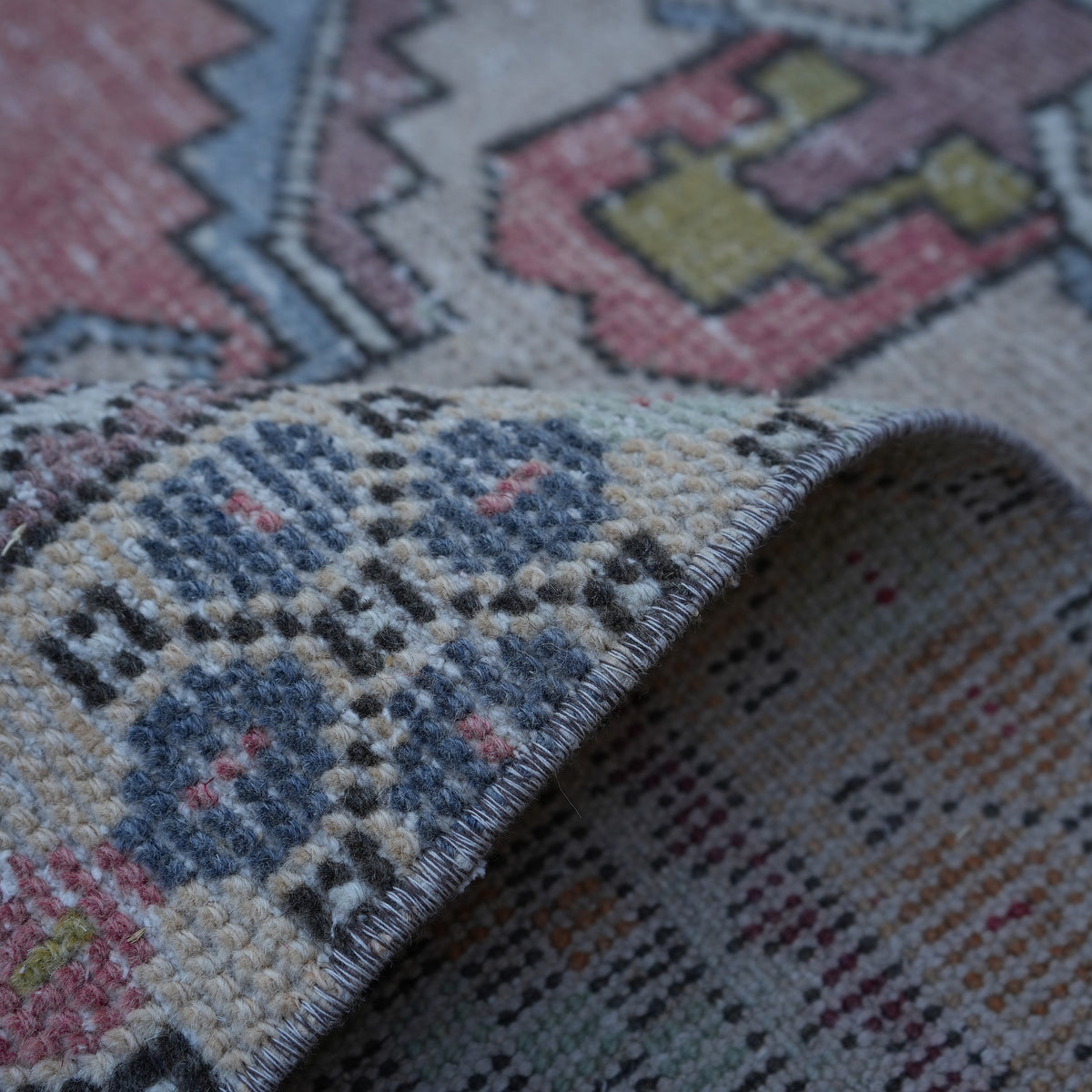
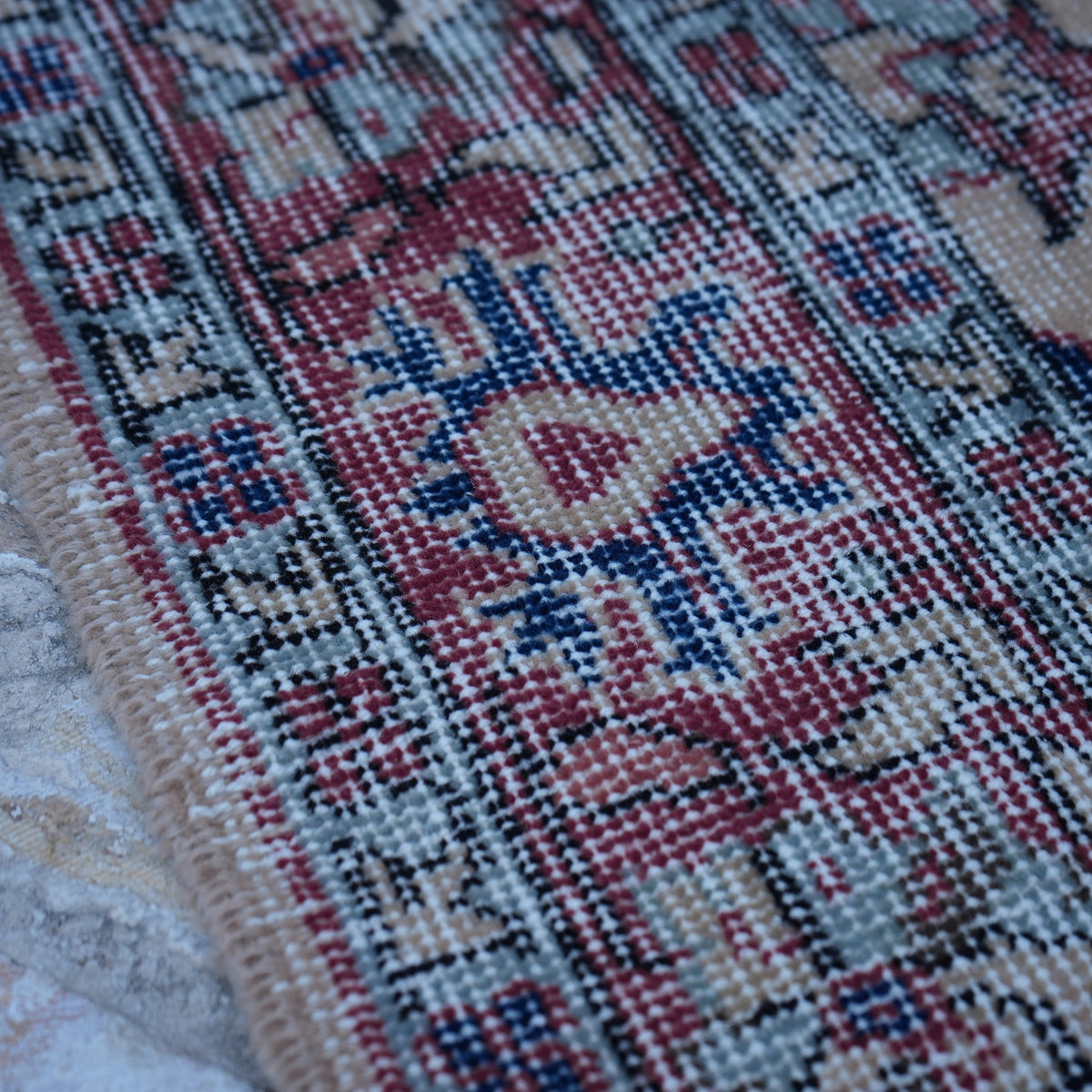
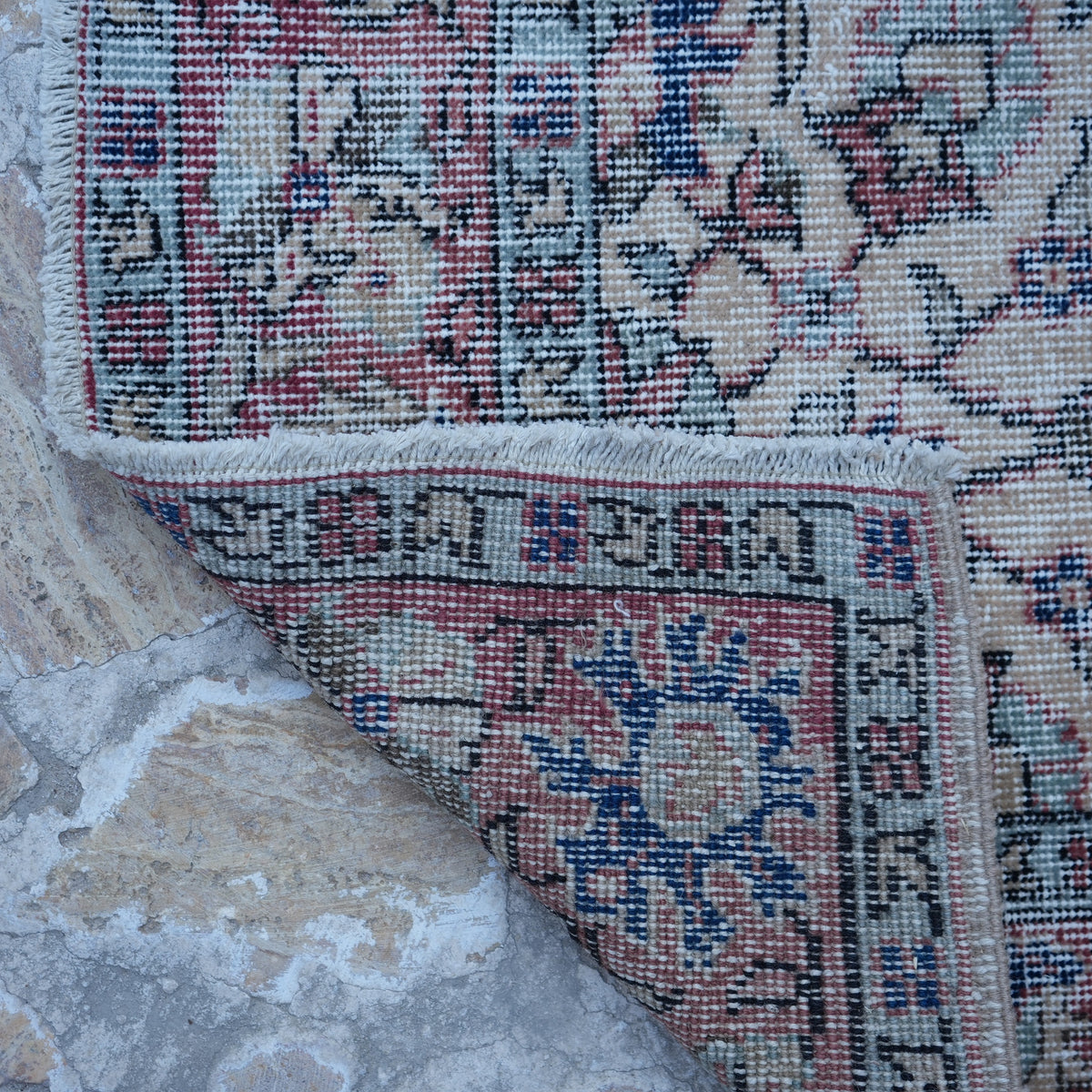
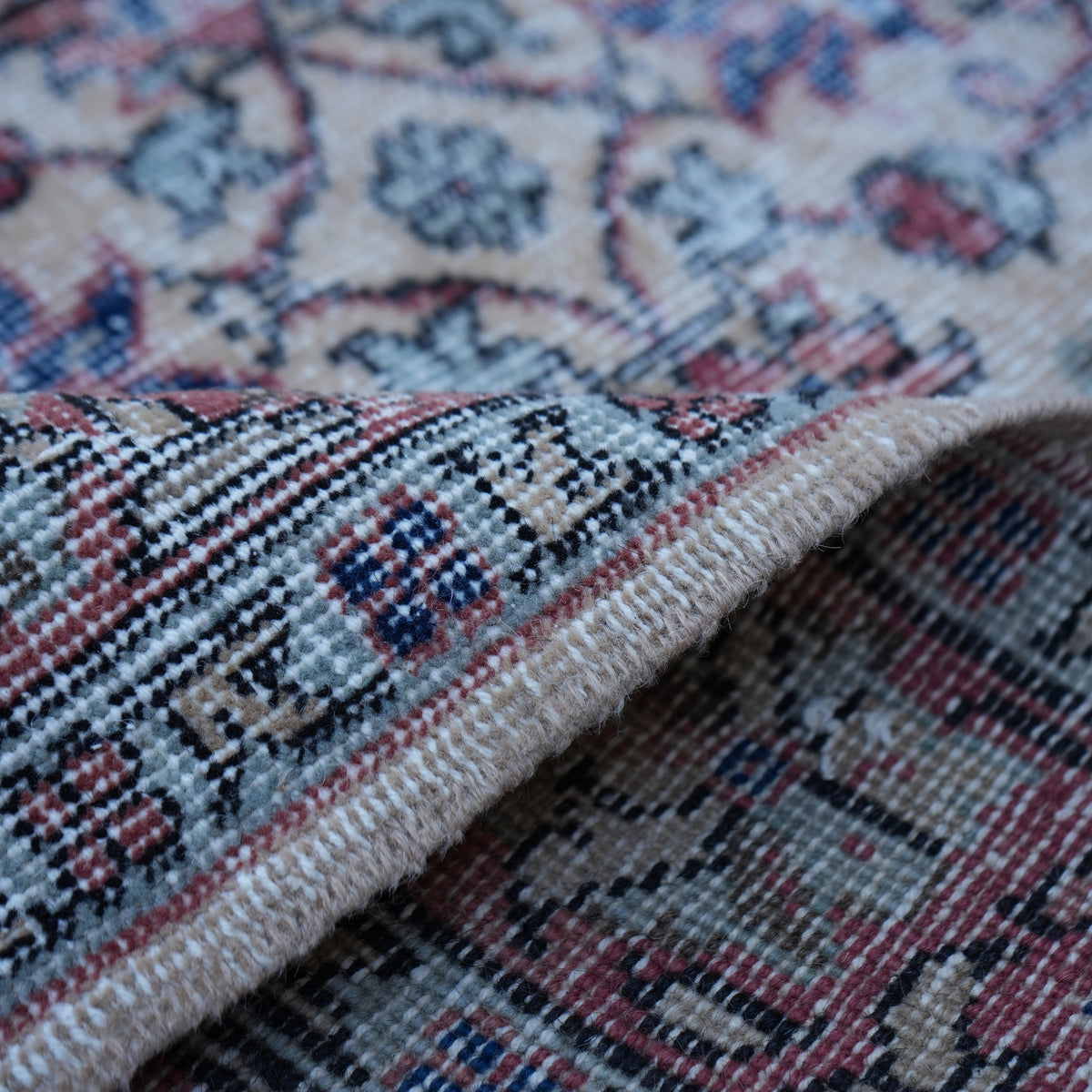
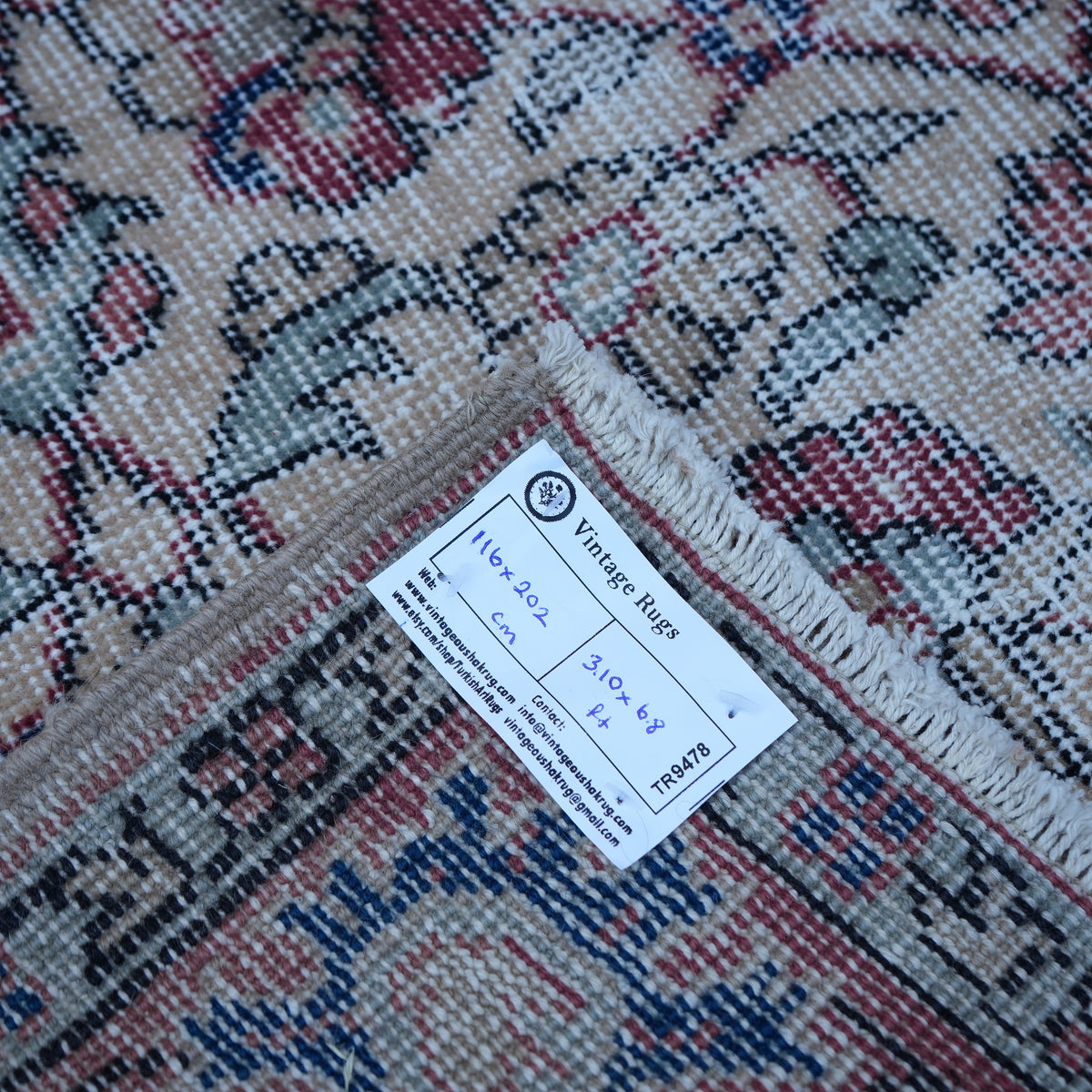
I check the back first — knots should look irregular and hand-tied, not glued or machine-uniform. But the detail that really convinces me is abrash, the subtle shift in red from one section of a rug to another, caused by a dyer mixing a new batch of madder that came out slightly redder or more brown. Machine-made rugs generally show more uniform color and patterning, while abrash is one of the natural variations often found in handwoven pieces — a small sign of a human hand, not a machine, responding to a plant, a season, a batch of water. To me, it's the most honest part of the rug — look for it across our antique rugs and vintage rugs. A feature, not a flaw.

How Do You Clean and Care for a Red Vintage Rug?
Vacuum on low suction and skip the aggressive rotating brush, especially near worn areas and fringes. Rotate every few months so fading stays even, and keep the rug out of direct afternoon sun. The biggest mistake is what people do the moment something spills — rubbing a stain, especially red wine or coffee, pushes it deeper into the fiber instead of lifting it out. Blot, don't rub, and for a stubborn stain or uncertain dye stability, a professional cleaner beats a home chemical. Red wine finds its way onto red rugs more than you'd think, so here's exactly what to do. For everyday upkeep, this guide covers the basics.

Why Is a Red Vintage Turkish Rug the More Sustainable Choice?
A vintage rug that's already survived thirty or forty years doesn't need new wool, new dye, or a new loom, just a good home. Buying direct cuts out something else, too — this rug goes from my hands to yours, without three or four dealers marking it up along the way. One customer once asked, half surprised, if I'd picked the rug myself. Yes, I told her — washed and packed it myself. Not really about price. About knowing whose hands a rug passed through before it reached yours.
Final Thoughts on Bringing Red Into Your Home
A red rug isn't a neutral decision, and it was never meant to be one. It's closer to a piece of furniture with a pulse, something that changes how a room feels the moment you walk in. There's a reason people who buy one red rug often come back for a second — hard to explain until you've lived with one underfoot. Ready to look? Our red rugs collection is where I'd start.
Bring Home a Red Rug With Real Character
Each vintage red rug at Kirmen is one of a kind — sourced in Turkey, professionally washed in Cappadocia, carefully inspected, and ready to live in a real home.
Every piece is cleaned and inspected before shipping.
Natural materials, real age, and no repeated factory pattern.
Carefully packed in Turkey and shipped worldwide.









Frequently Asked Questions
Is a red Turkish rug too bold for a modern home?
Not inherently — boldness comes from shade and setting, not the color. A faded Oushak red sits quietly in a minimal room; a saturated kilim red holds its own in a bolder, eclectic one.
Do red vintage rugs stain easily?
No more than any wool rug, and red hides certain stains better than pale colors do. The real risk is rubbing a spill in rather than blotting it, especially with wine, as covered above.
Can I use a red rug in a high-traffic hallway?
Yes — it's one of the better places for a bold red, since you pass through quickly rather than living in the space.
How do I clean a red rug at home?
Vacuum on low suction, rotate occasionally, and blot spills promptly rather than scrubbing them.
What wall colors pair with red rugs?
Warm neutrals — cream, taupe, soft ivory — keep a red rug as the focal point. Navy or forest green add more drama.

