























Someone laughs a little too hard at dinner, an elbow catches a glass, and the wine is already in the wool, spreading faster than expected. If this happened to you tonight, keep reading before you reach for anything — the first sixty seconds matter more than what you do afterward.
This isn't a generic carpet-cleaning listicle. Most wine-stain advice is written for machine-made synthetic carpet and doesn't translate to a hand-knotted wool rug, a naturally dyed vintage piece, or a flatweave kilim. I'm Kadir, from Aksaray near Cappadocia, and I've spent years buying, washing, and repairing handmade Turkish rugs. Here's what I'd tell you with a wine glass still in your hand.
Blot red wine with a plain white cloth, use cold water only, avoid scrubbing, and choose your cleaning method according to the rug material. Handmade wool, naturally dyed vintage rugs, silk, viscose, and flatweave kilims do not all react the same way.

What to Do in the First Few Minutes After a Wine Spill on Your Rug
Press a plain white or light-colored cloth straight down onto the stain. Don't wipe or scrub — pressing pulls the wine up; scrubbing pushes it sideways into the pile, which is how a small spill becomes a stain the size of a dinner plate. Move to a clean section of the cloth often.
Use cold water only, if any — hot water opens the fibers and helps pigment bond permanently. A colored towel risks dye transfer, so stick with white fabric, and resist pouring a cleaning solution on immediately. Blot first, assess, then decide.
Step-by-Step: Removing a Fresh Red Wine Stain From a Rug
Club Soda Method
Club soda is your fastest tool for a stain that's minutes old. The carbonation lifts pigment away from the fiber rather than pushing it deeper. Add a small amount of club soda to the stained area — enough to dampen it, not soak it — then blot from the outer edge inward, and repeat three or four times.
Dish Soap and Vinegar Solution
For anything more stubborn, mix one tablespoon dish soap, one tablespoon white vinegar, and two cups of cool to lukewarm water — never hot. Apply with a soft cloth, working outside in, then rinse with plain water and blot dry. On a vintage or naturally dyed rug, test this on a hidden corner first — natural dyes react to acid differently than synthetic ones, which I'll get into shortly.
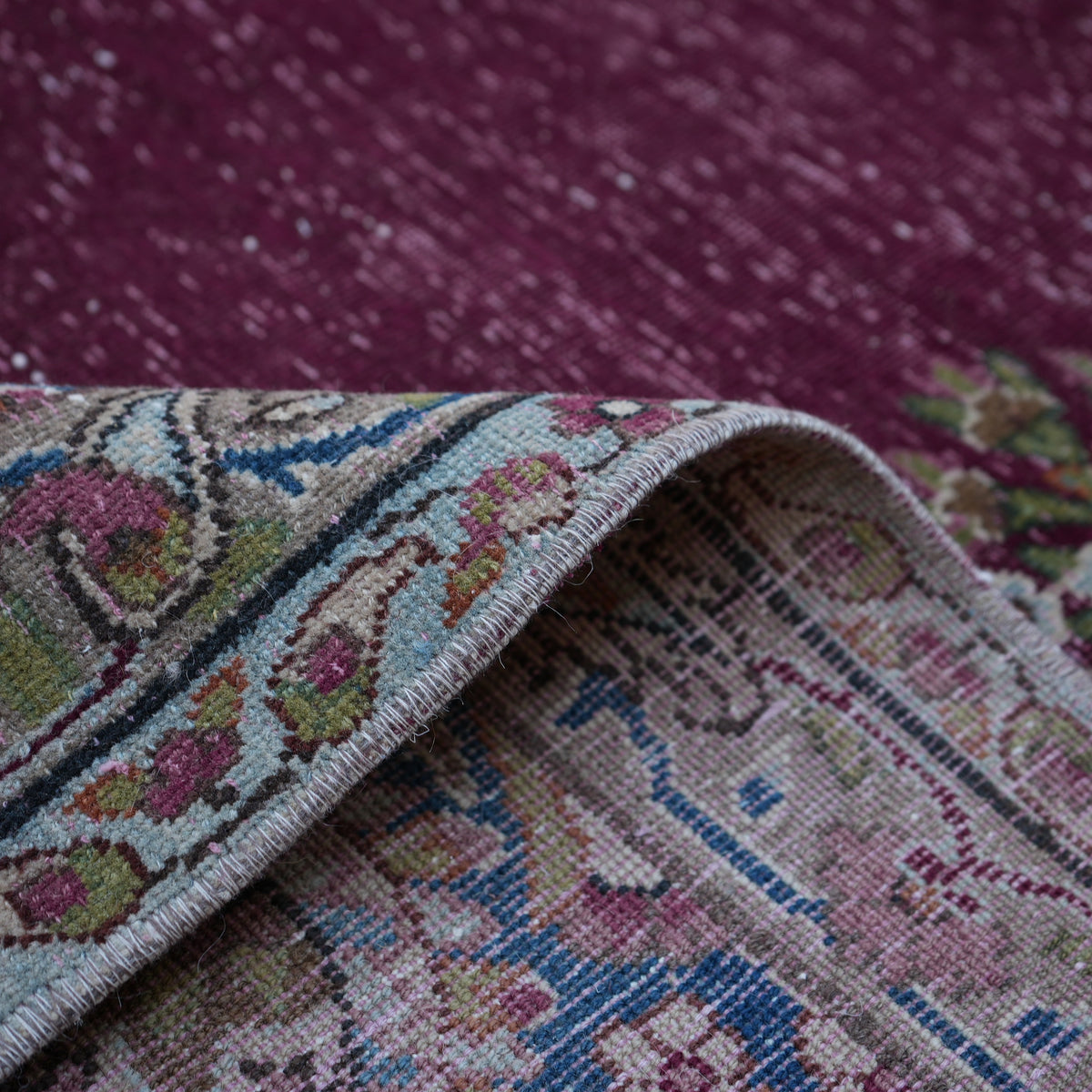
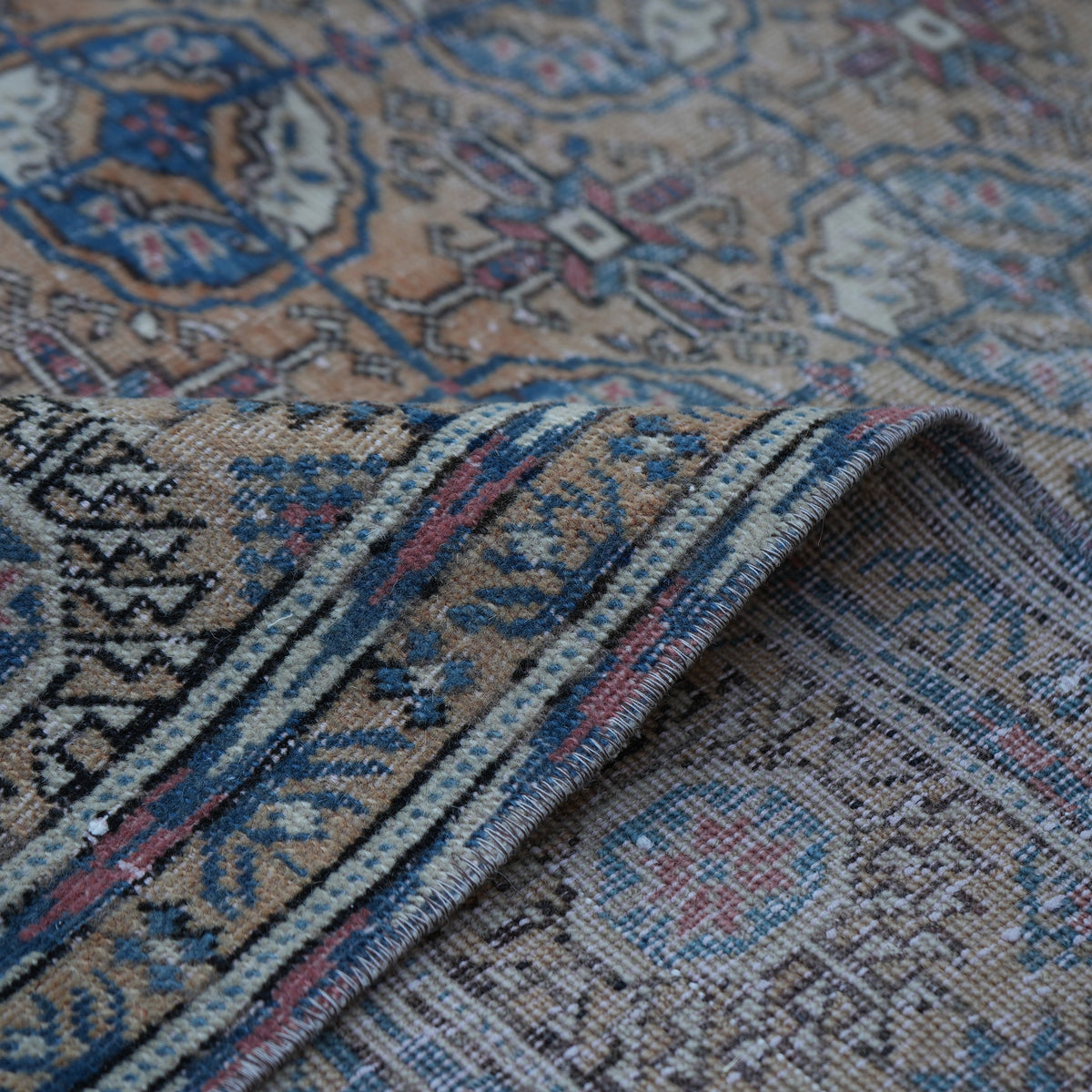
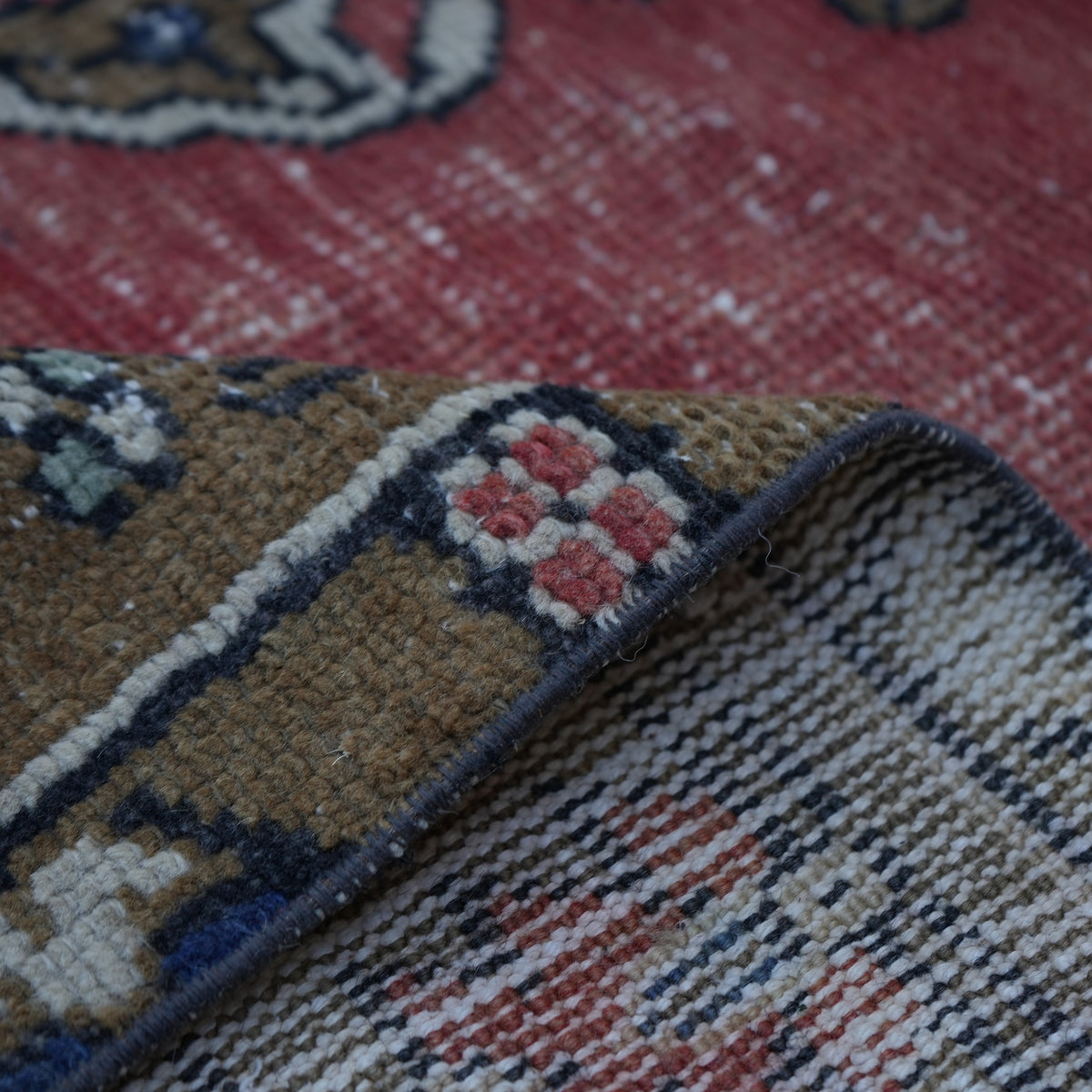
The principle that matters most: small amounts, repeated, rather than one heavy application. Excess liquid reaching the backing is how mildew starts. For an oily residue, a light dusting of baking soda or salt as an absorbent — not a scrub — helps before vacuuming. Our Turkish rug cleaning guide covers everyday care beyond wine.

Removing a Dried or Set-In Wine Stain From a Rug
Found it the next morning instead? Rehydrate the area with cold water, just enough to dampen it, then apply the vinegar-and-soap solution and let it sit a minute or two longer before blotting. Expect to repeat this more than once.
Most people quit after one attempt because they don't see a miracle. A stain that's sat overnight can take three or four gentle rounds — lightening a little each time is real progress. If it's still visible after several tries, or moisture reached the backing, call a professional.

Safe Rug Cleaning by Material
Hand-Knotted Wool Rugs
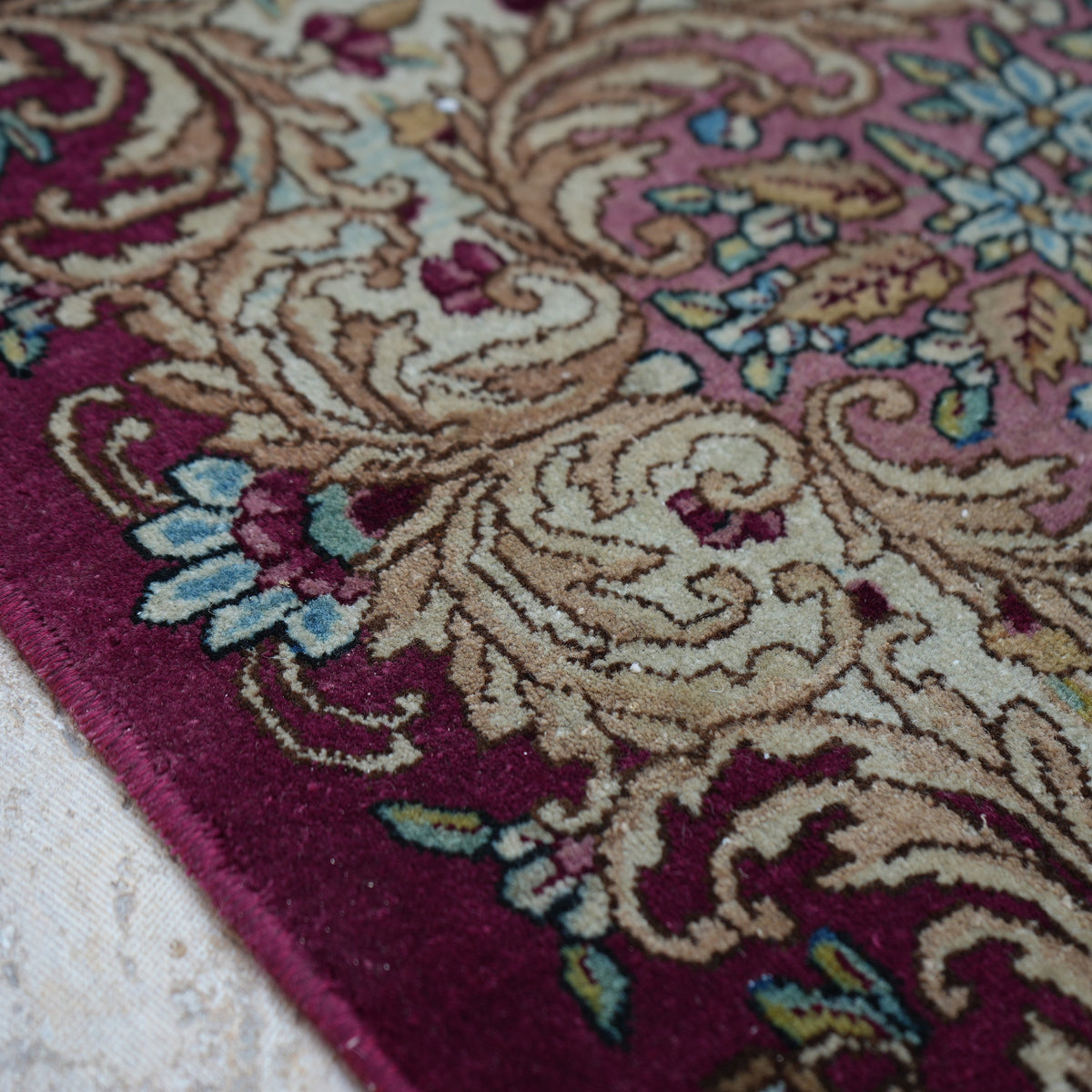
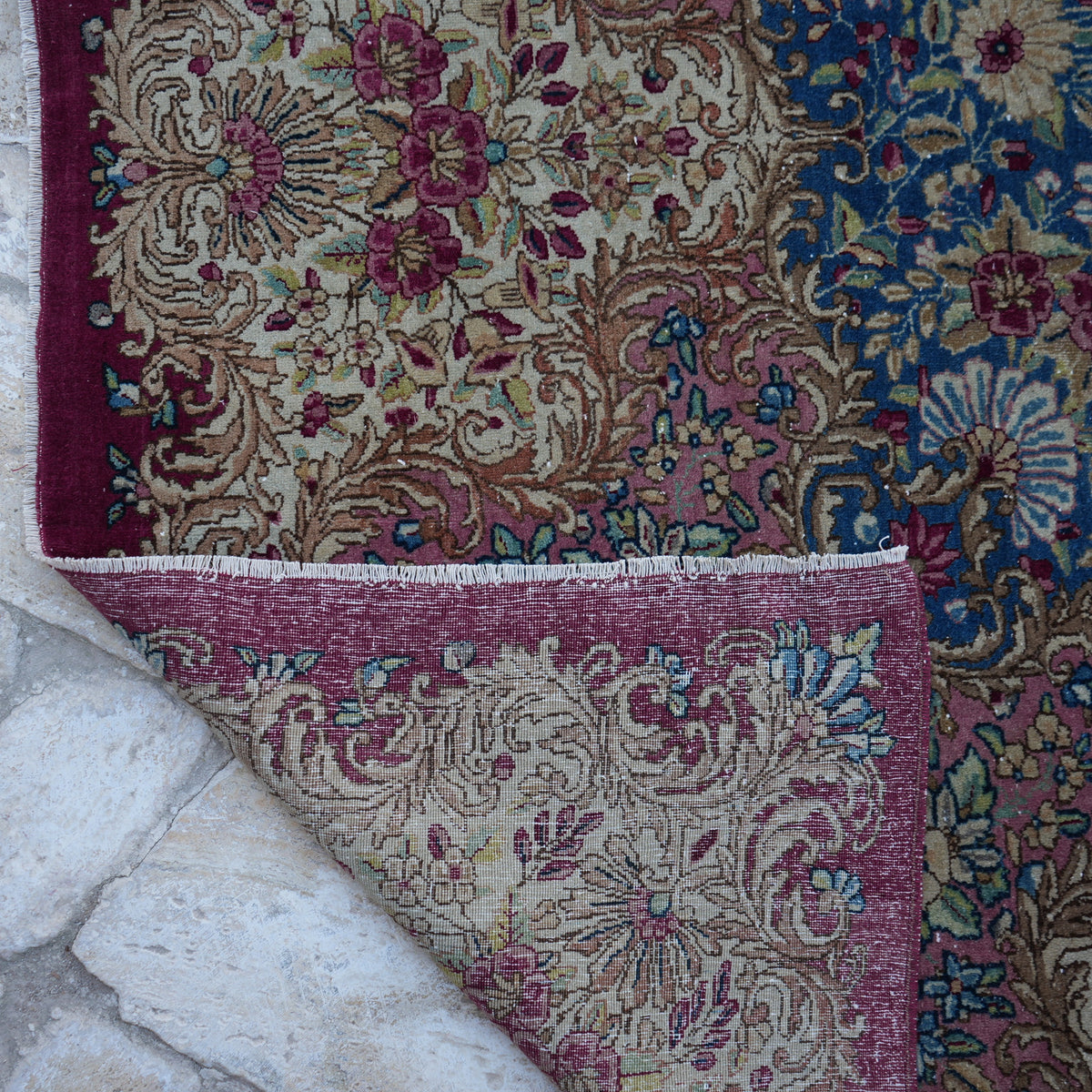
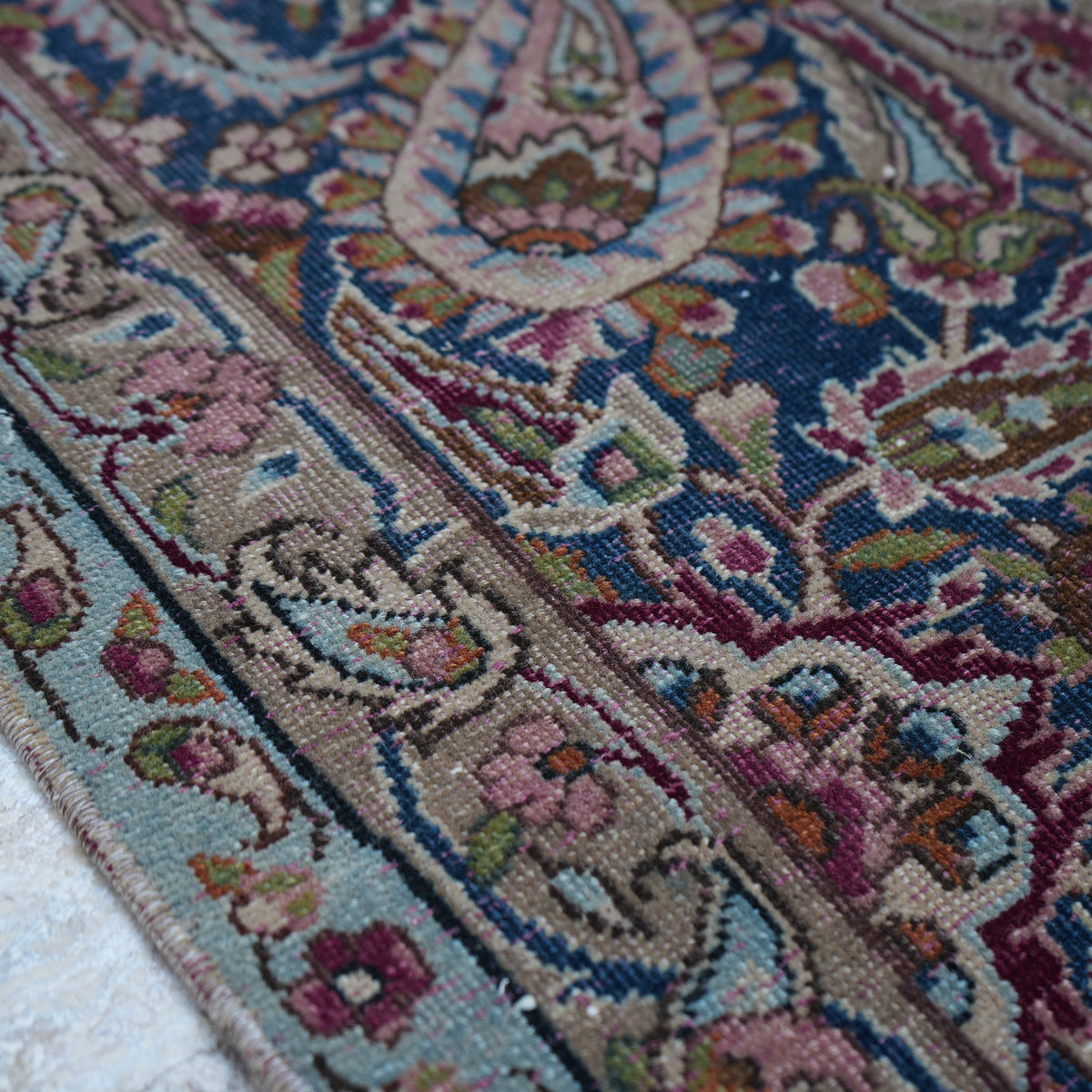
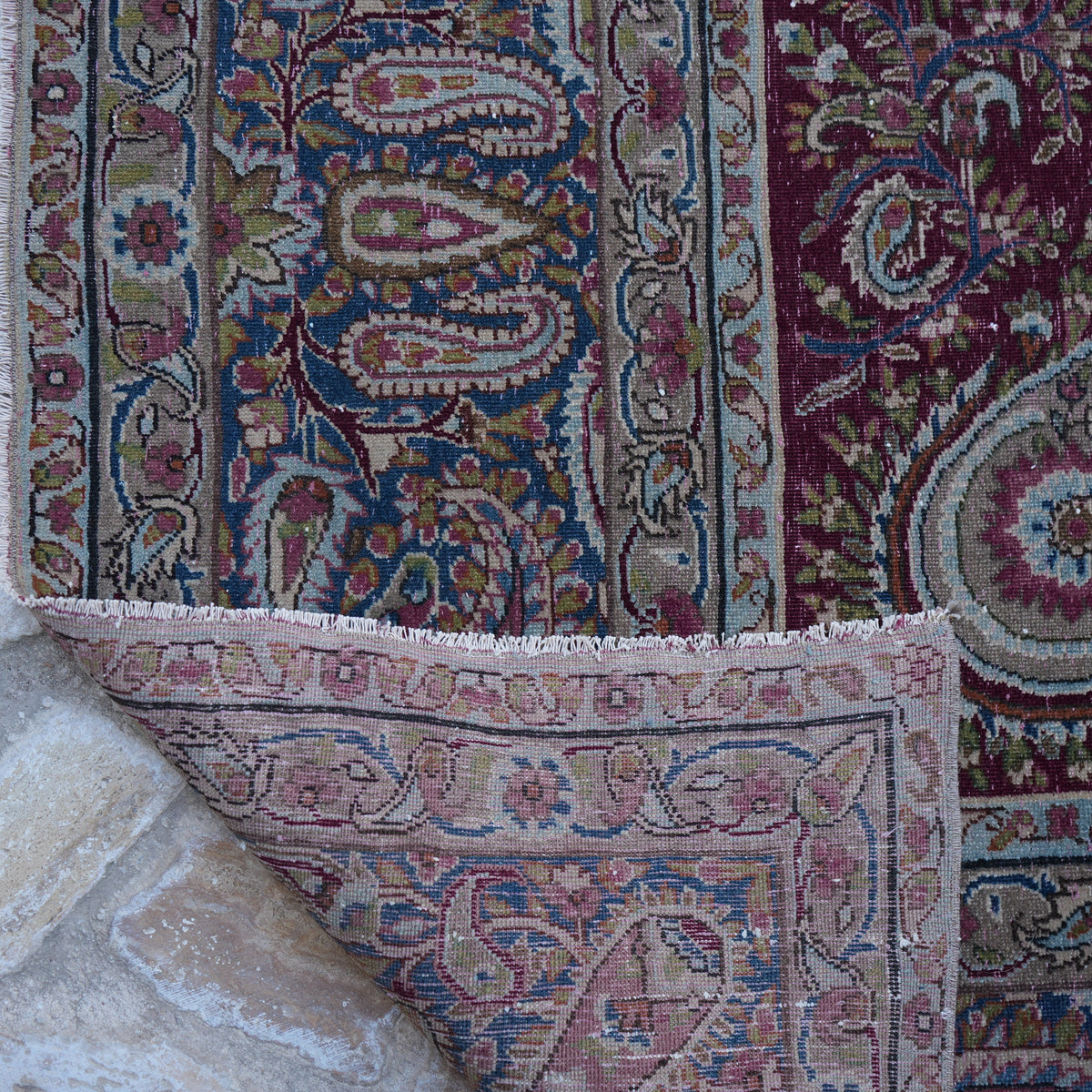
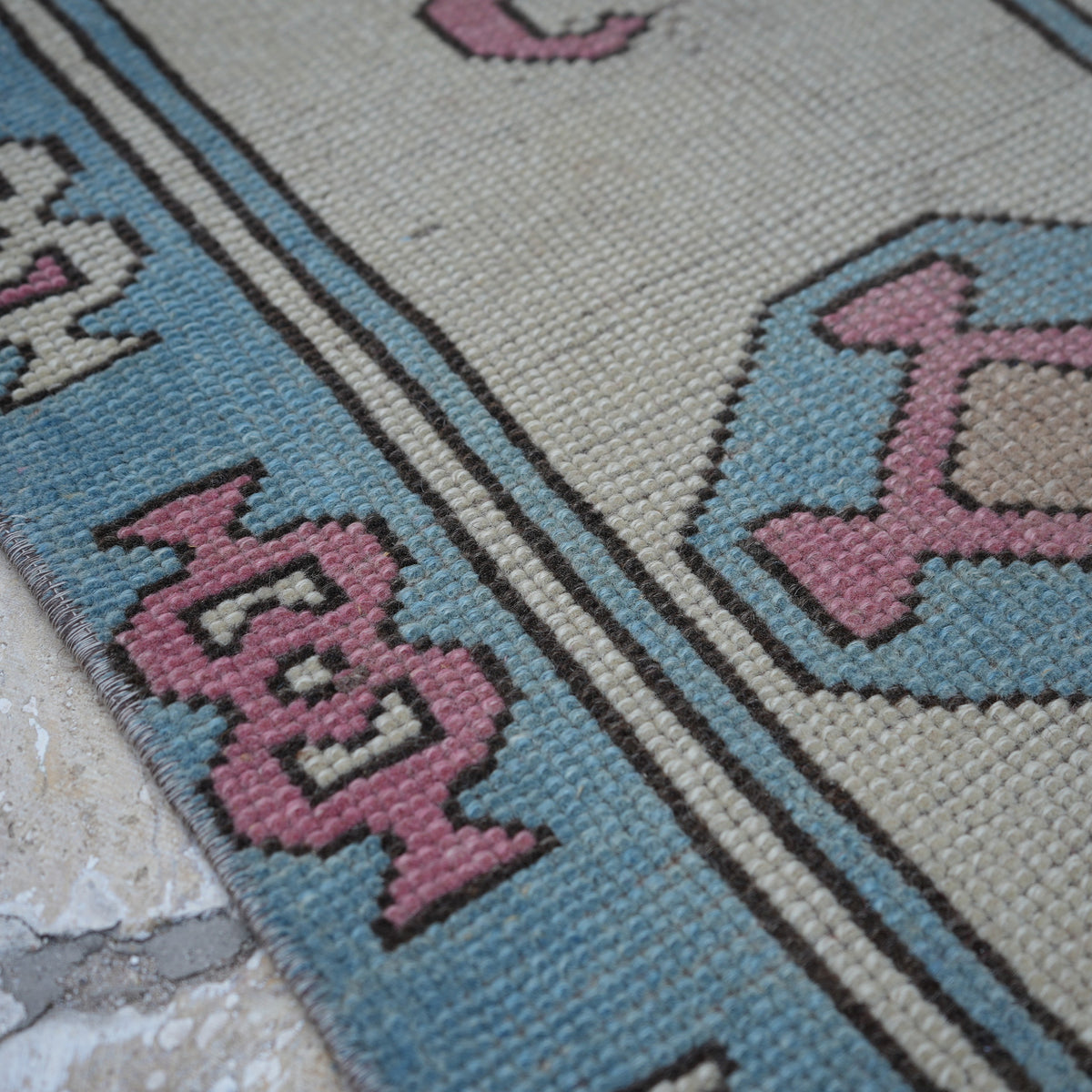
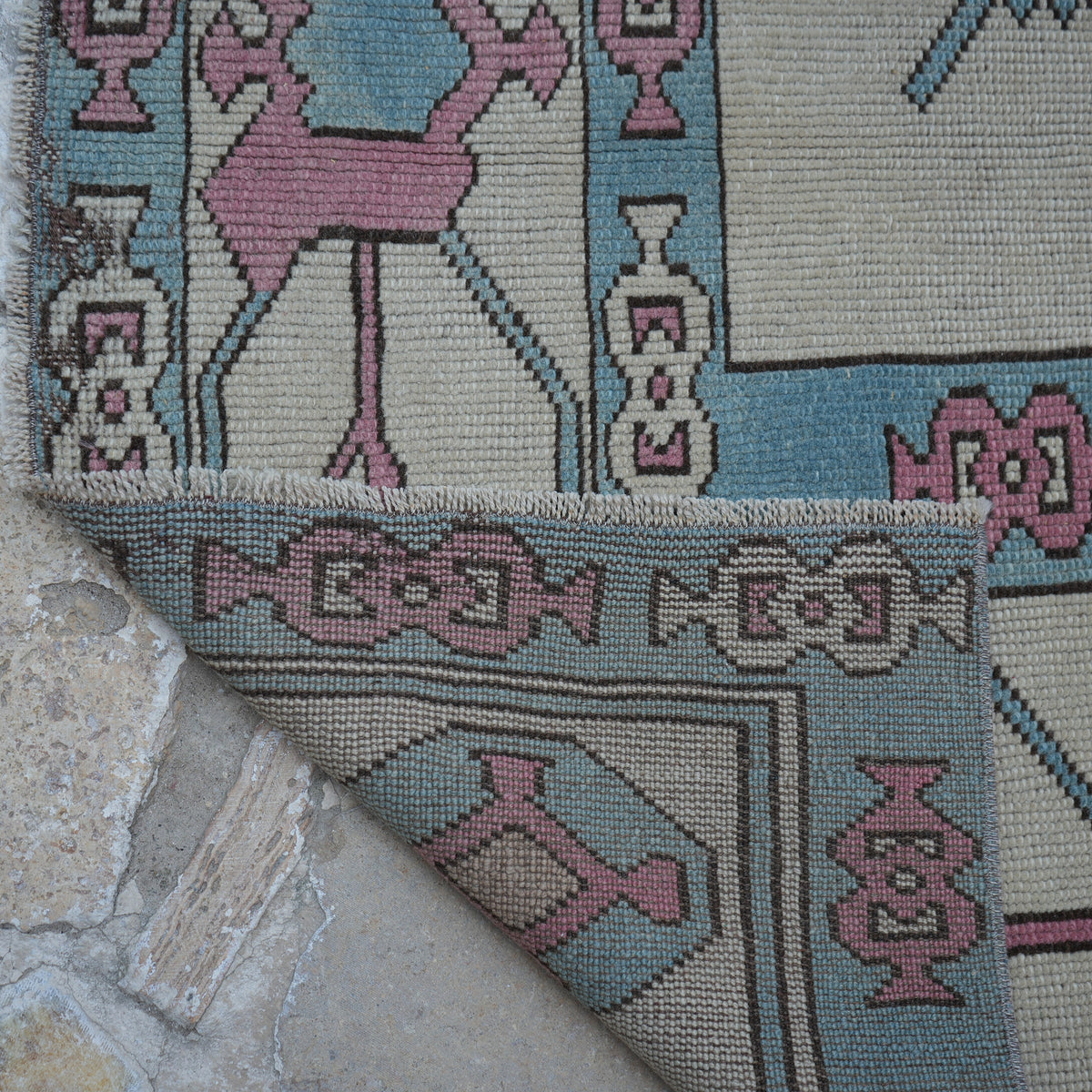
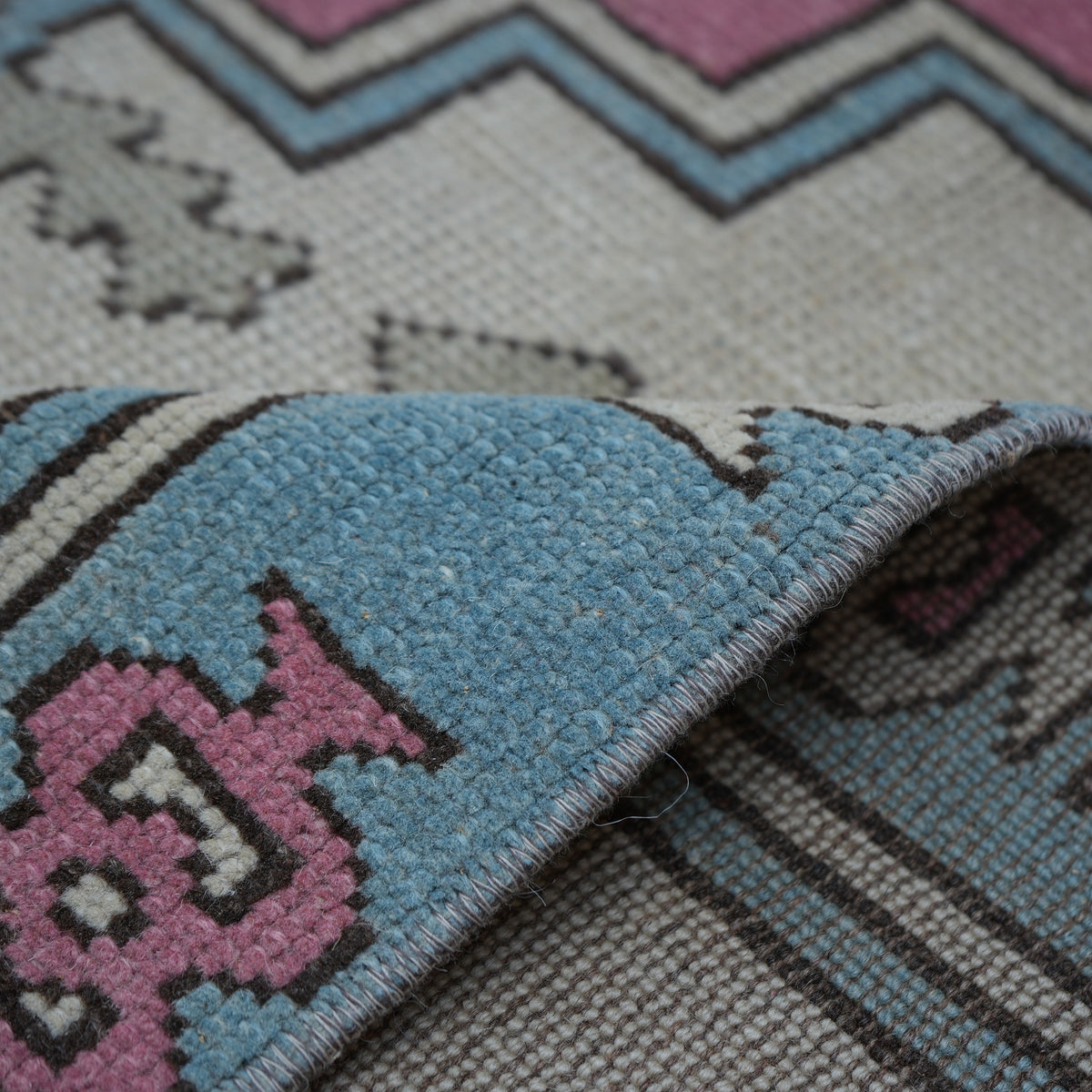
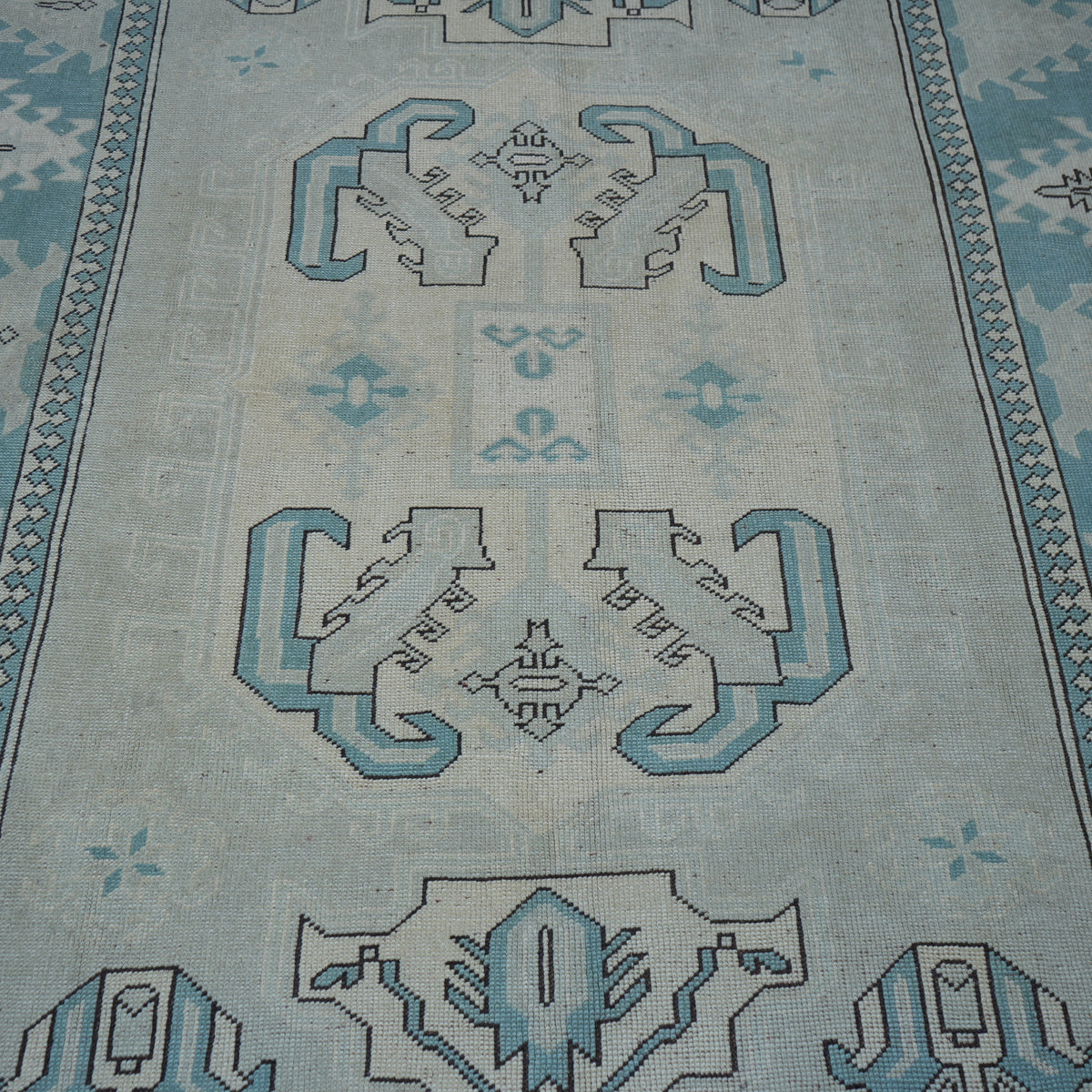
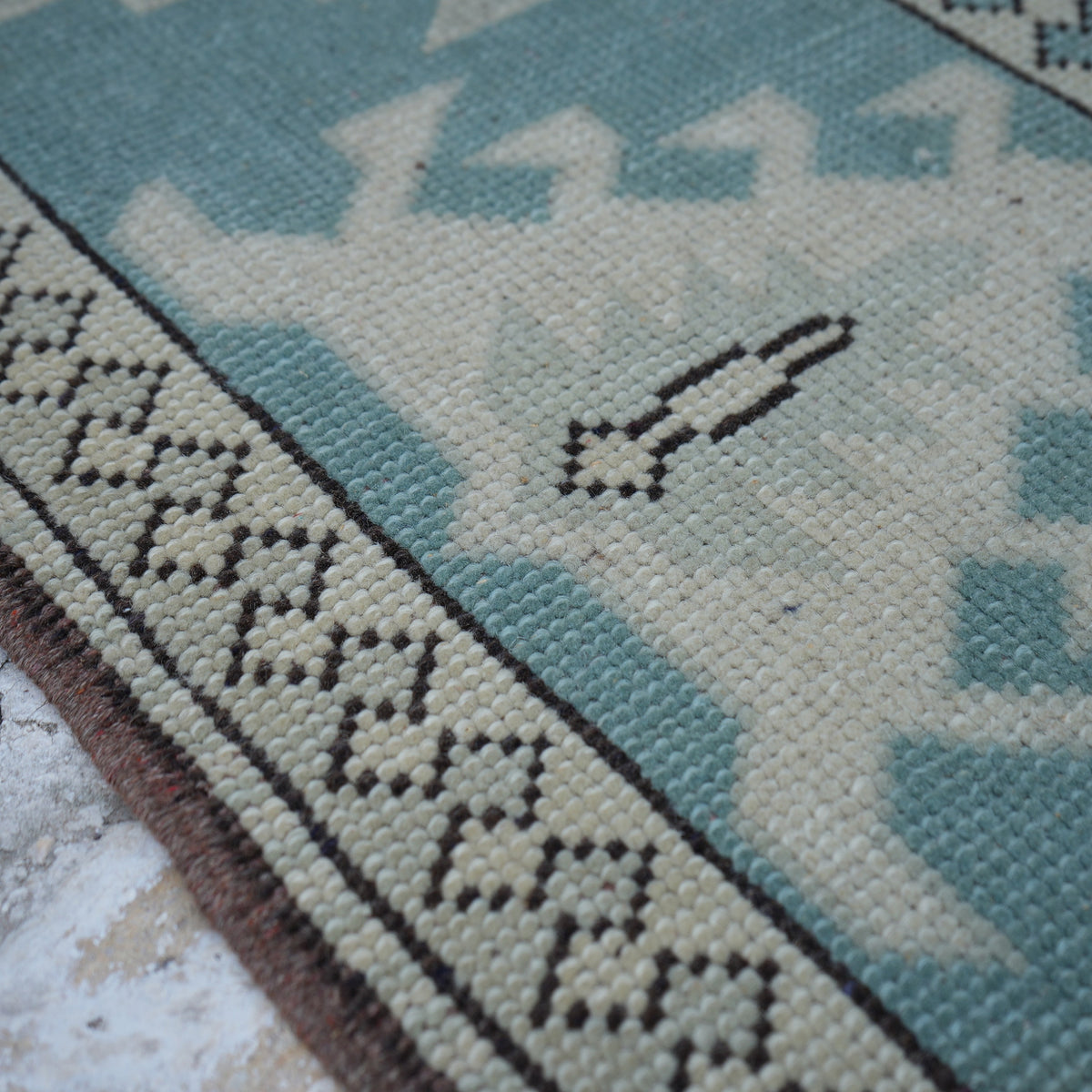
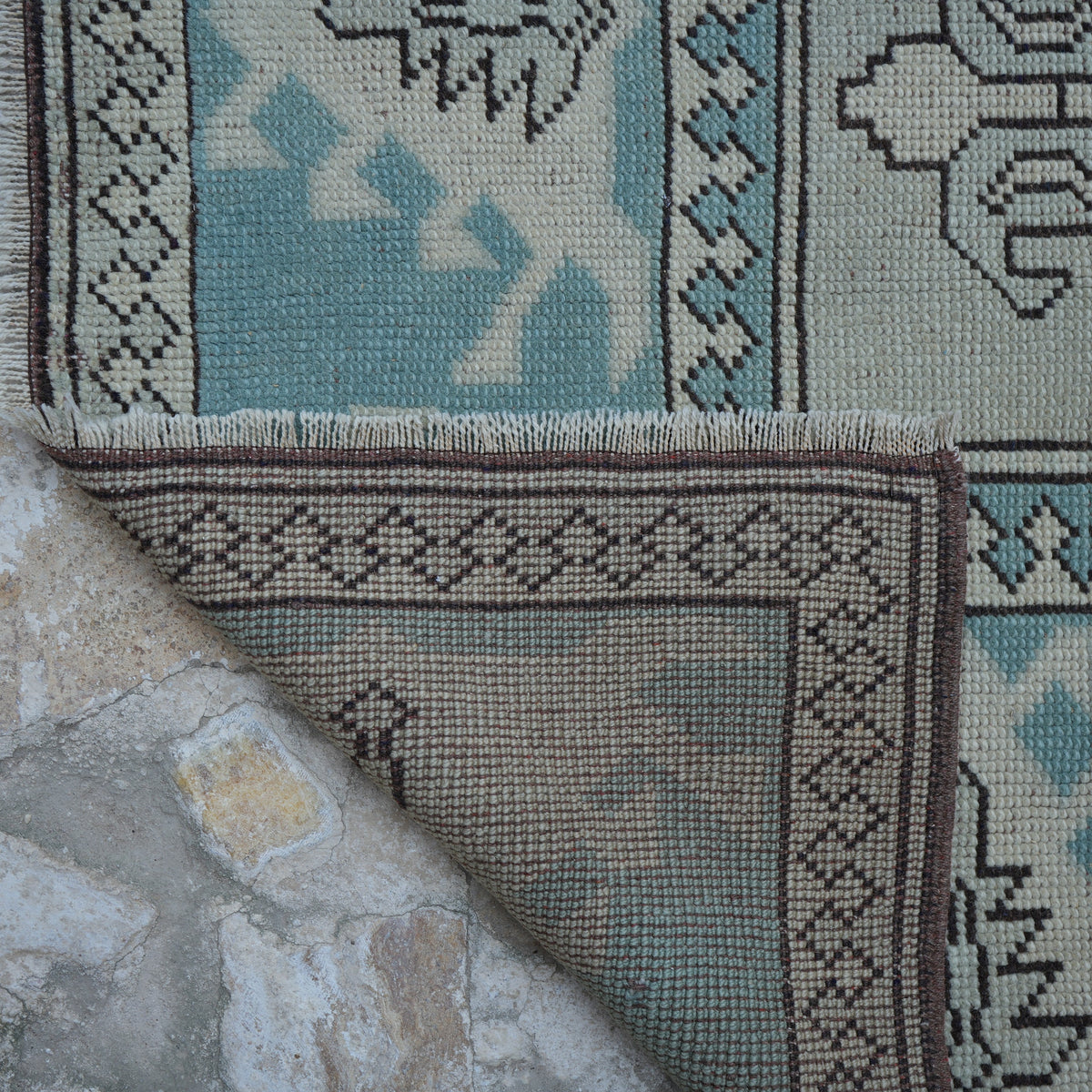
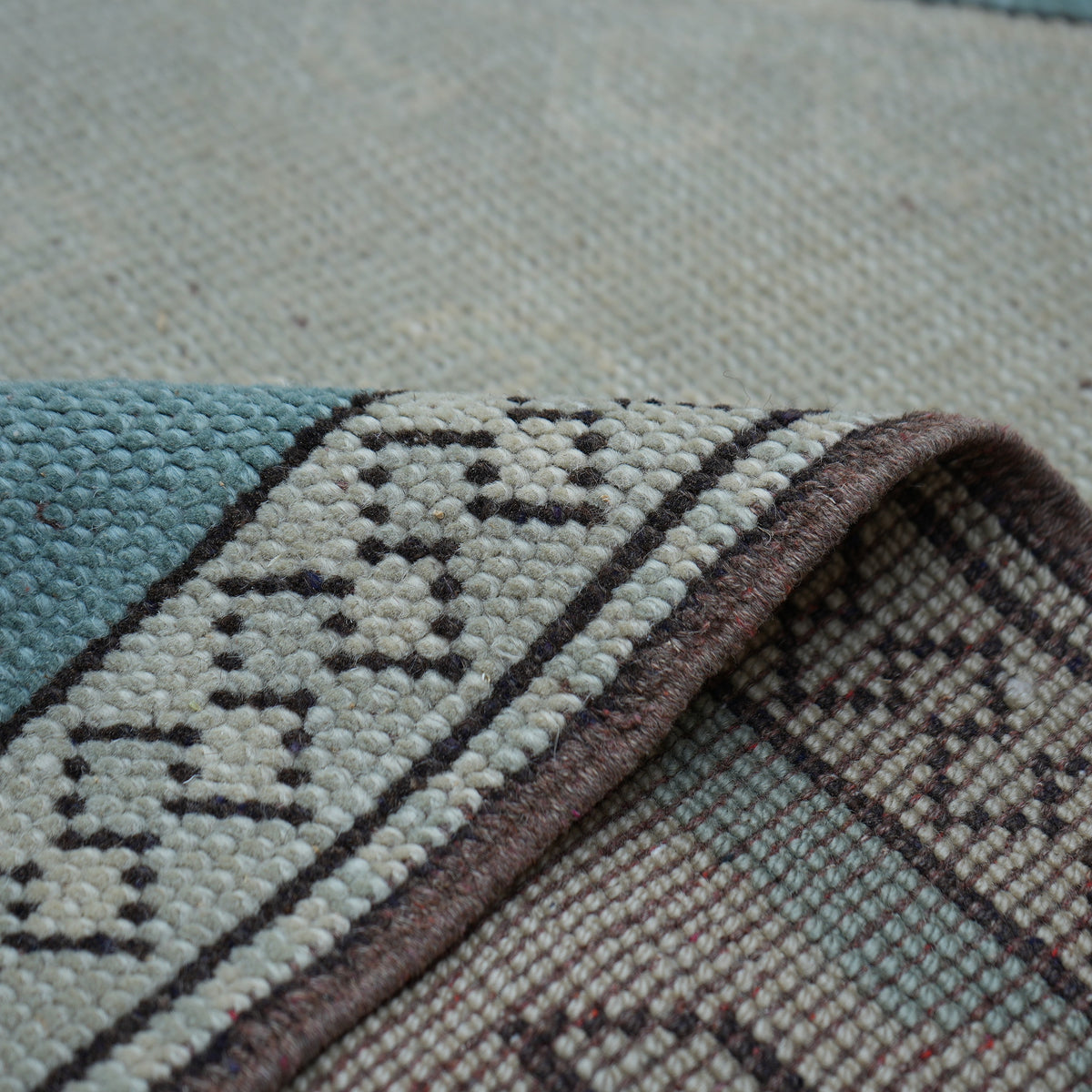
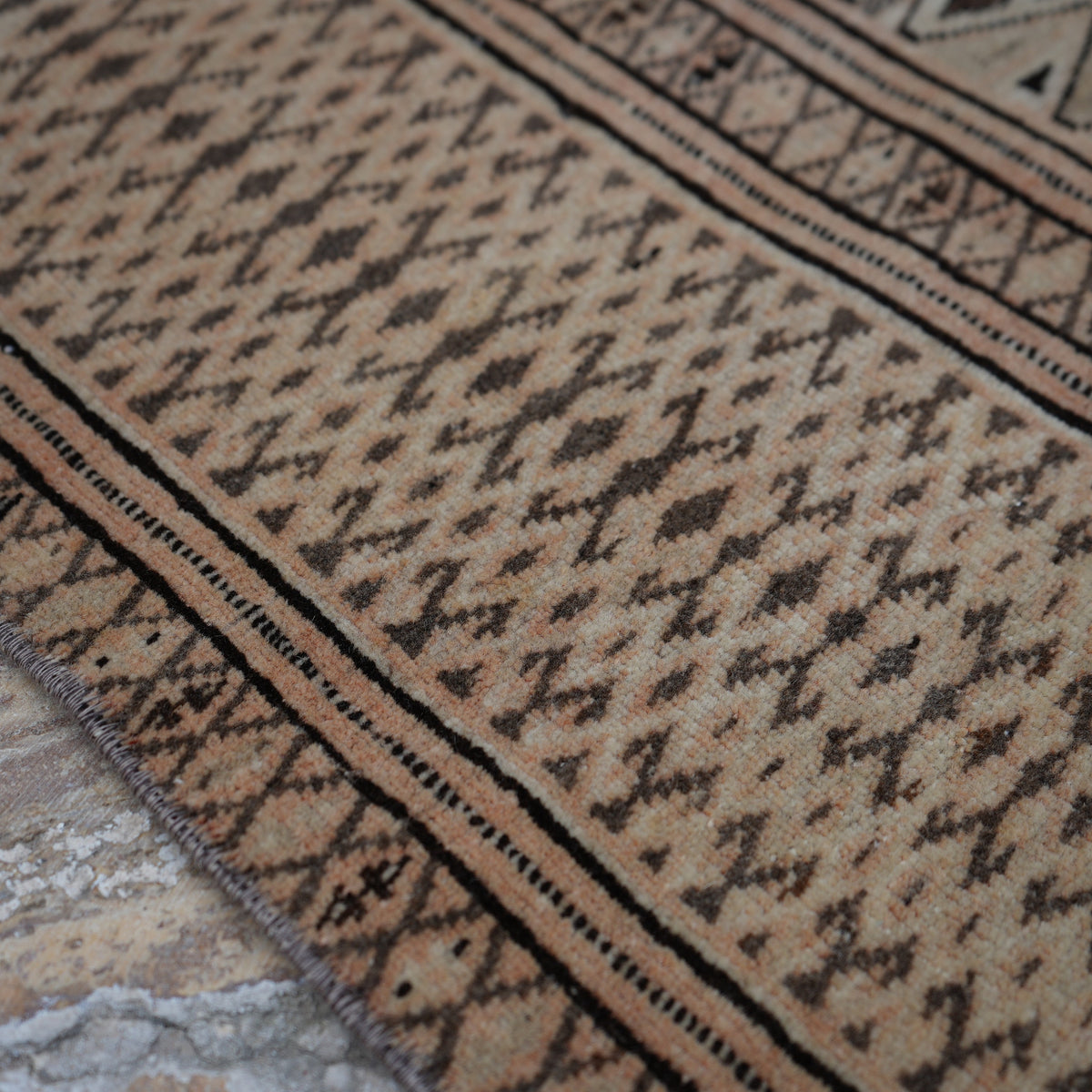
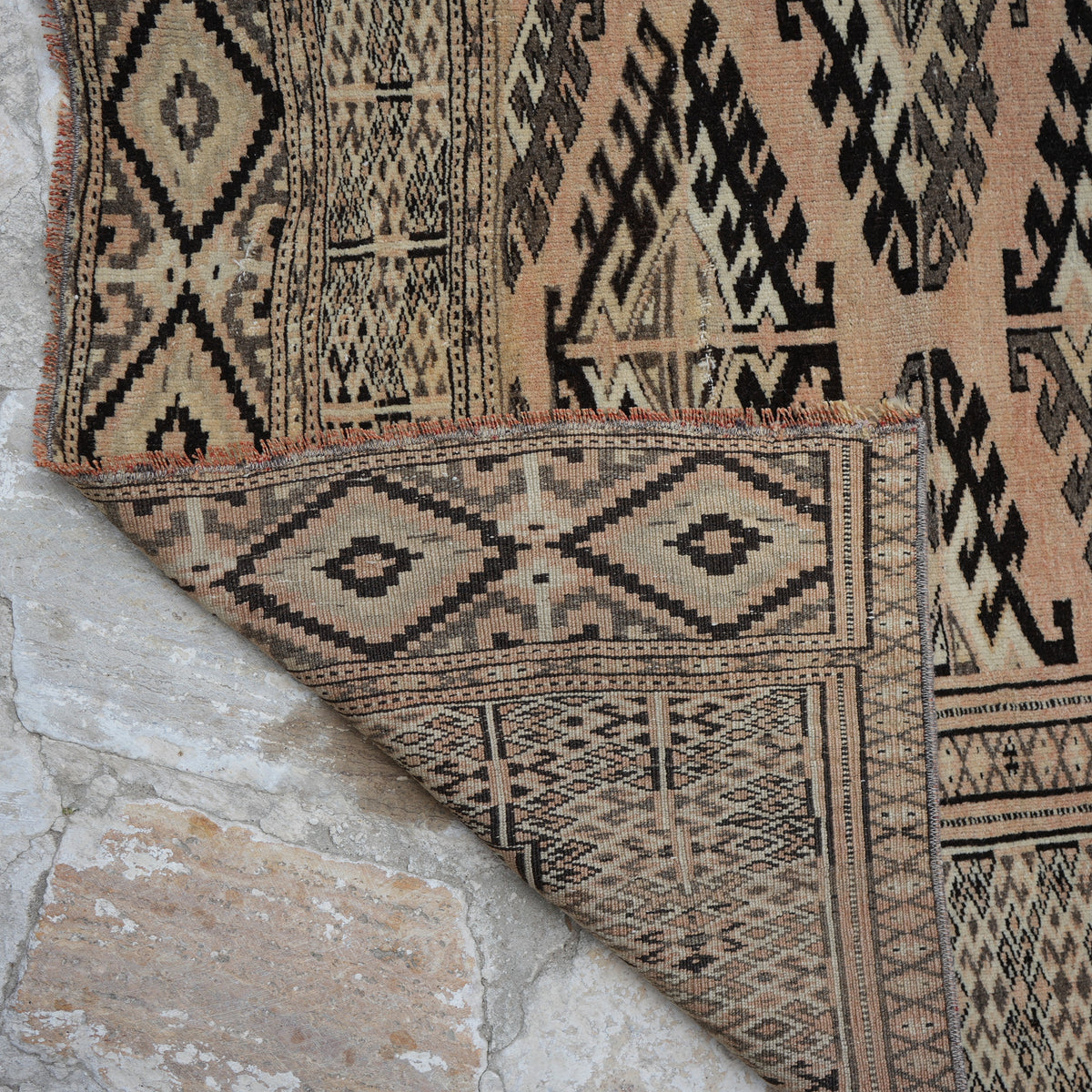
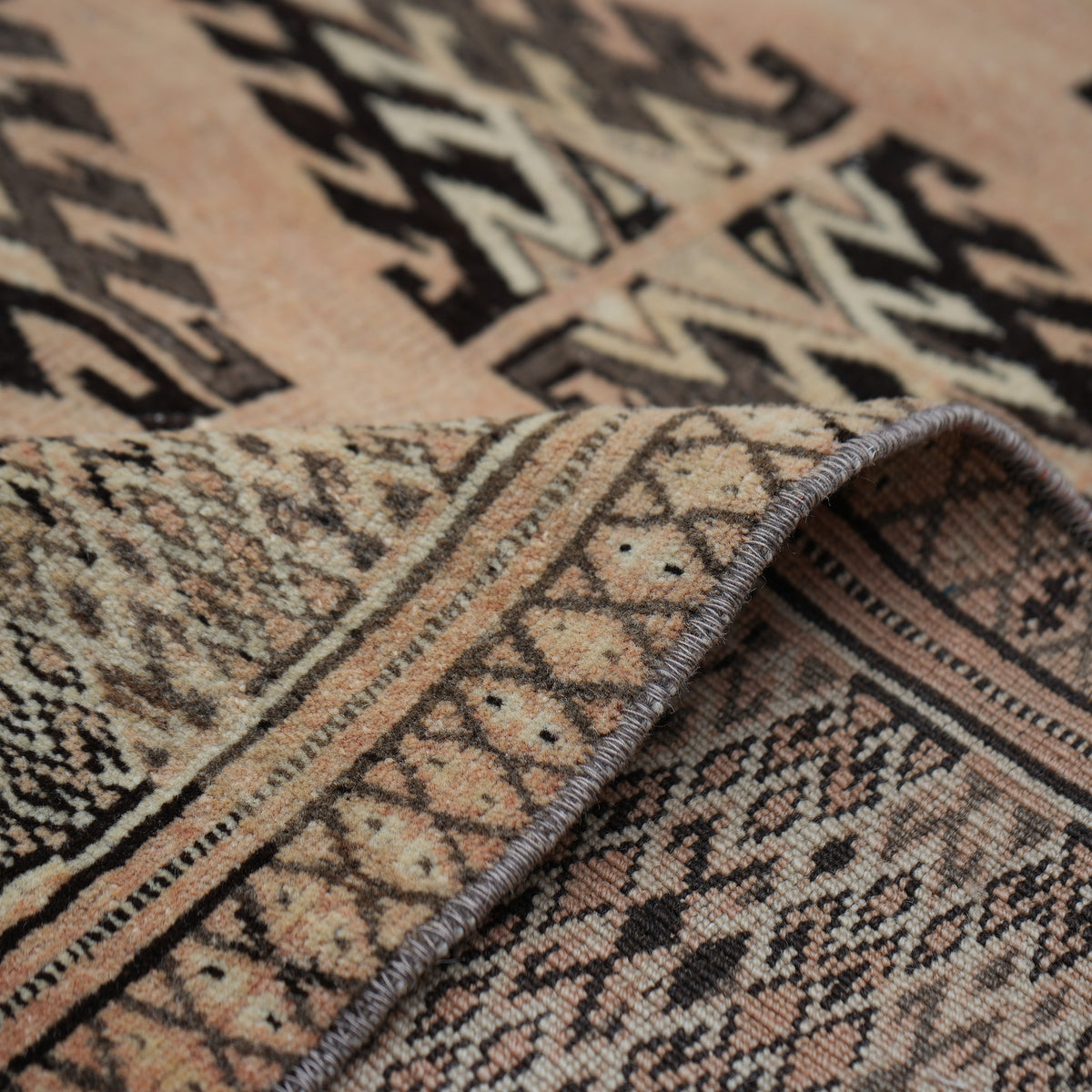
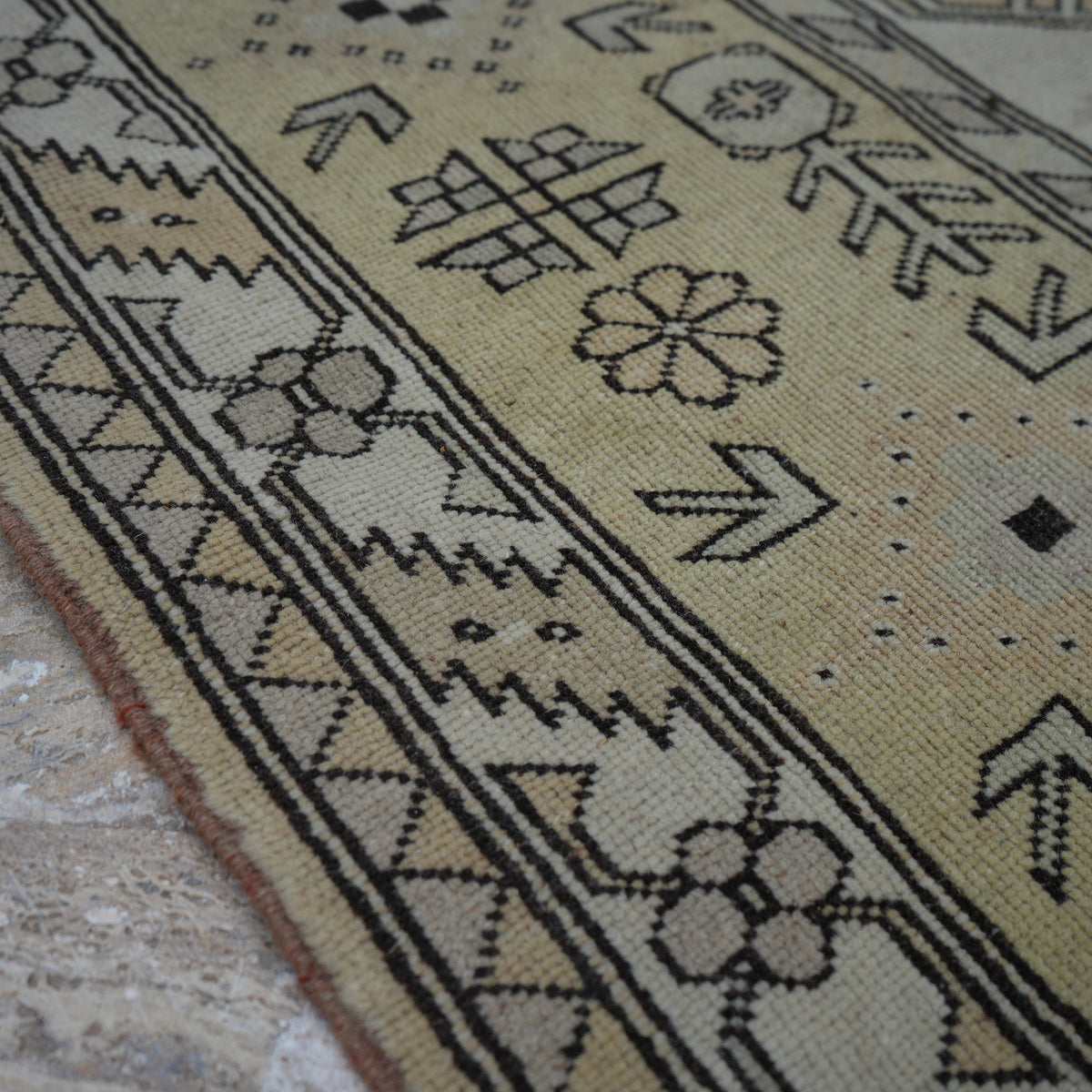
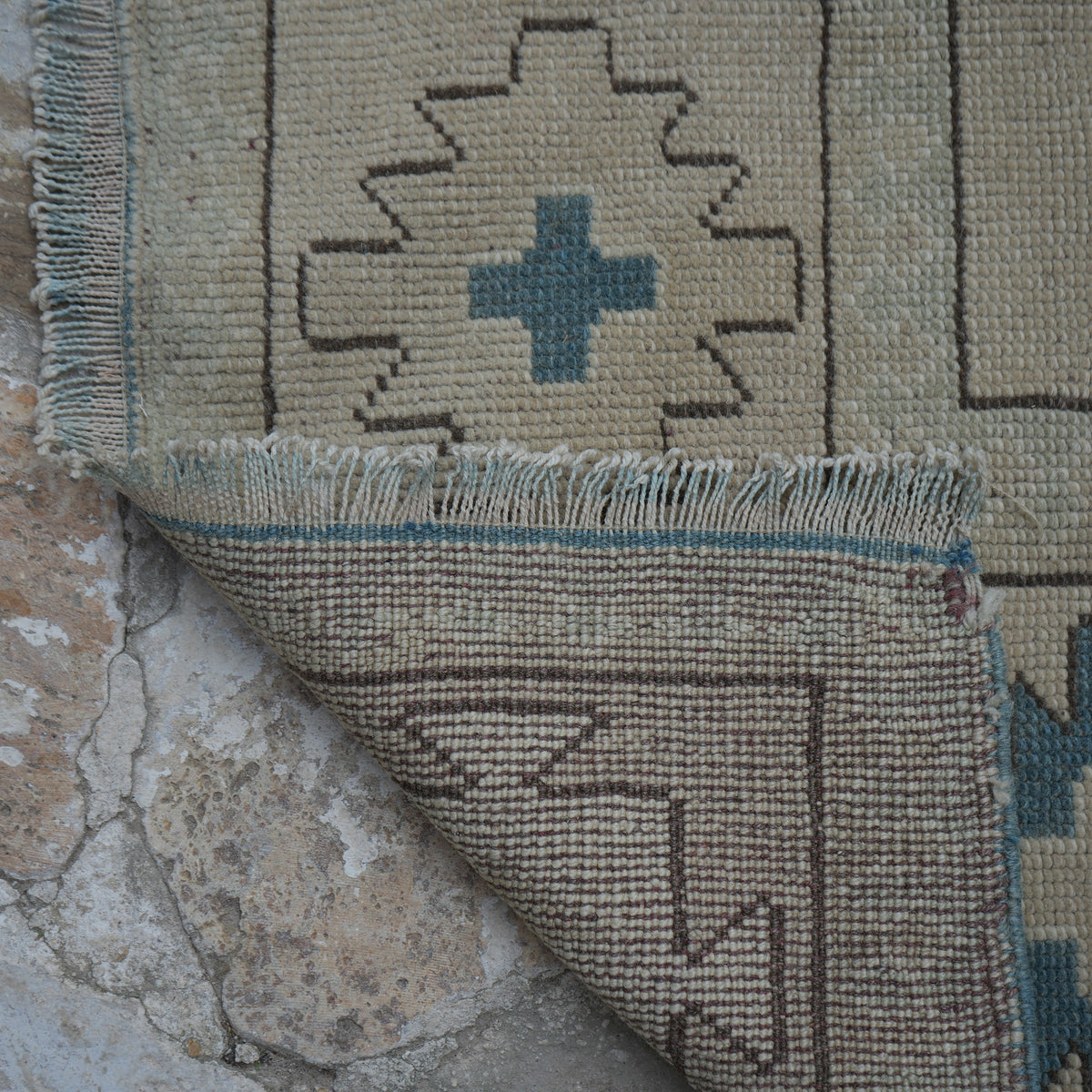
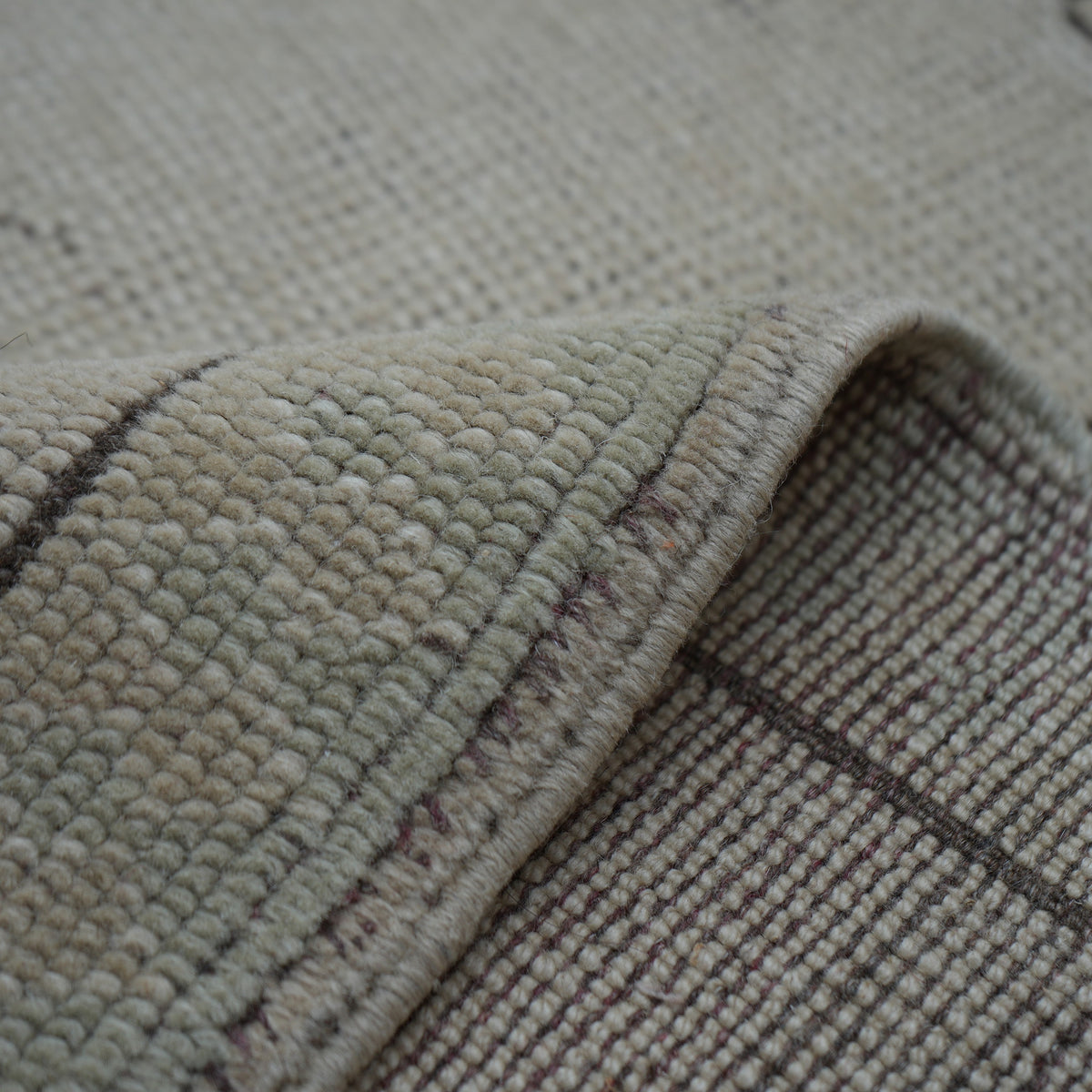
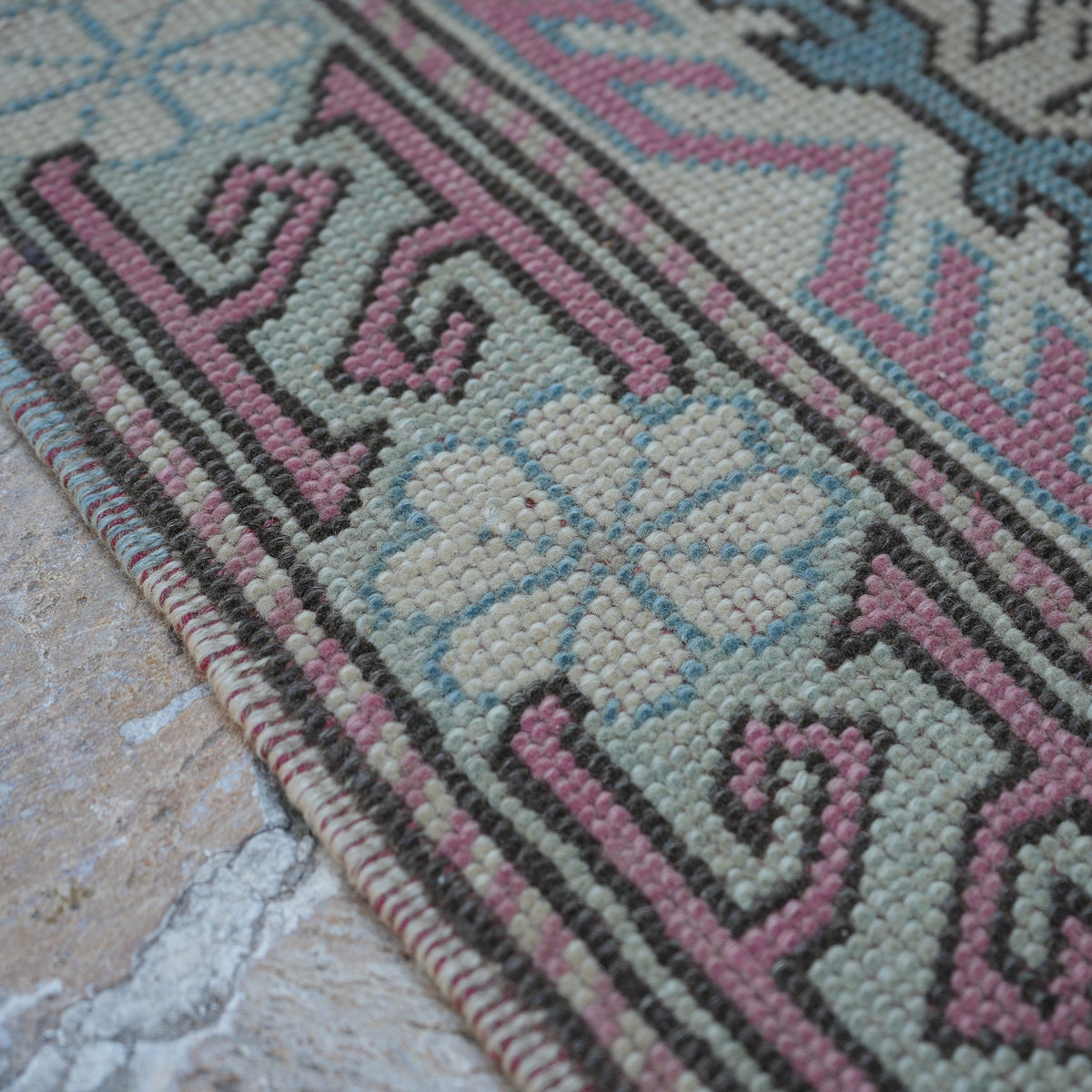
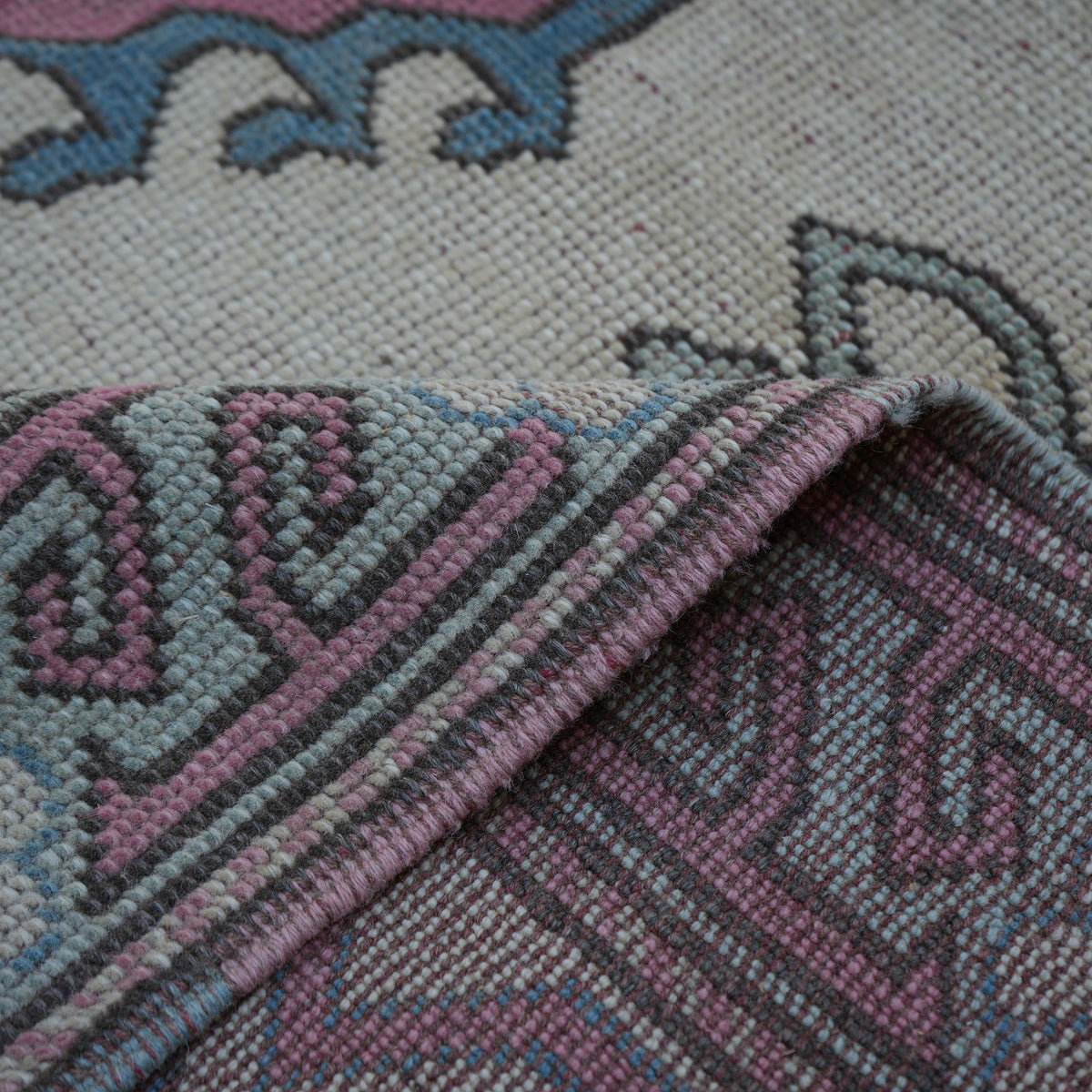
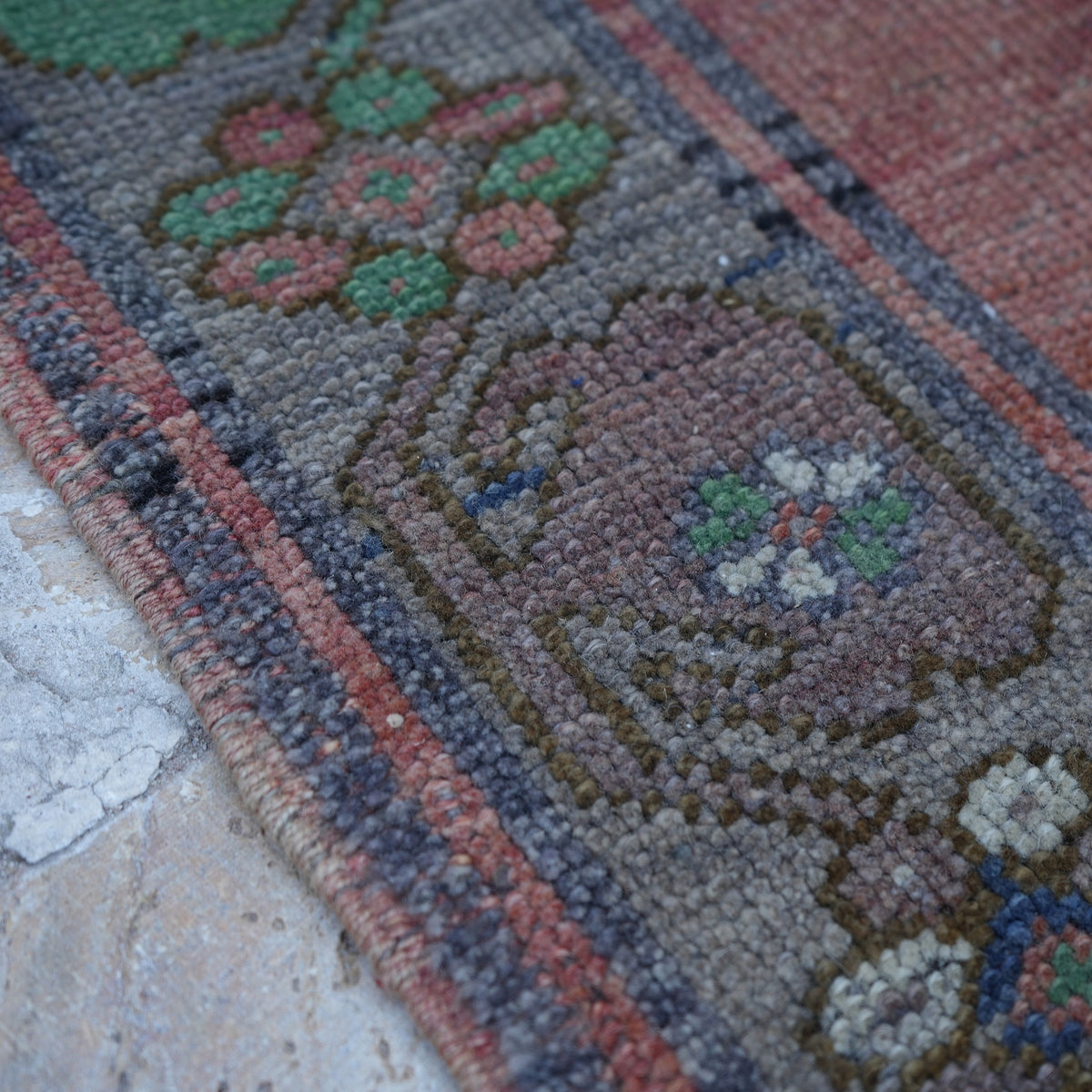
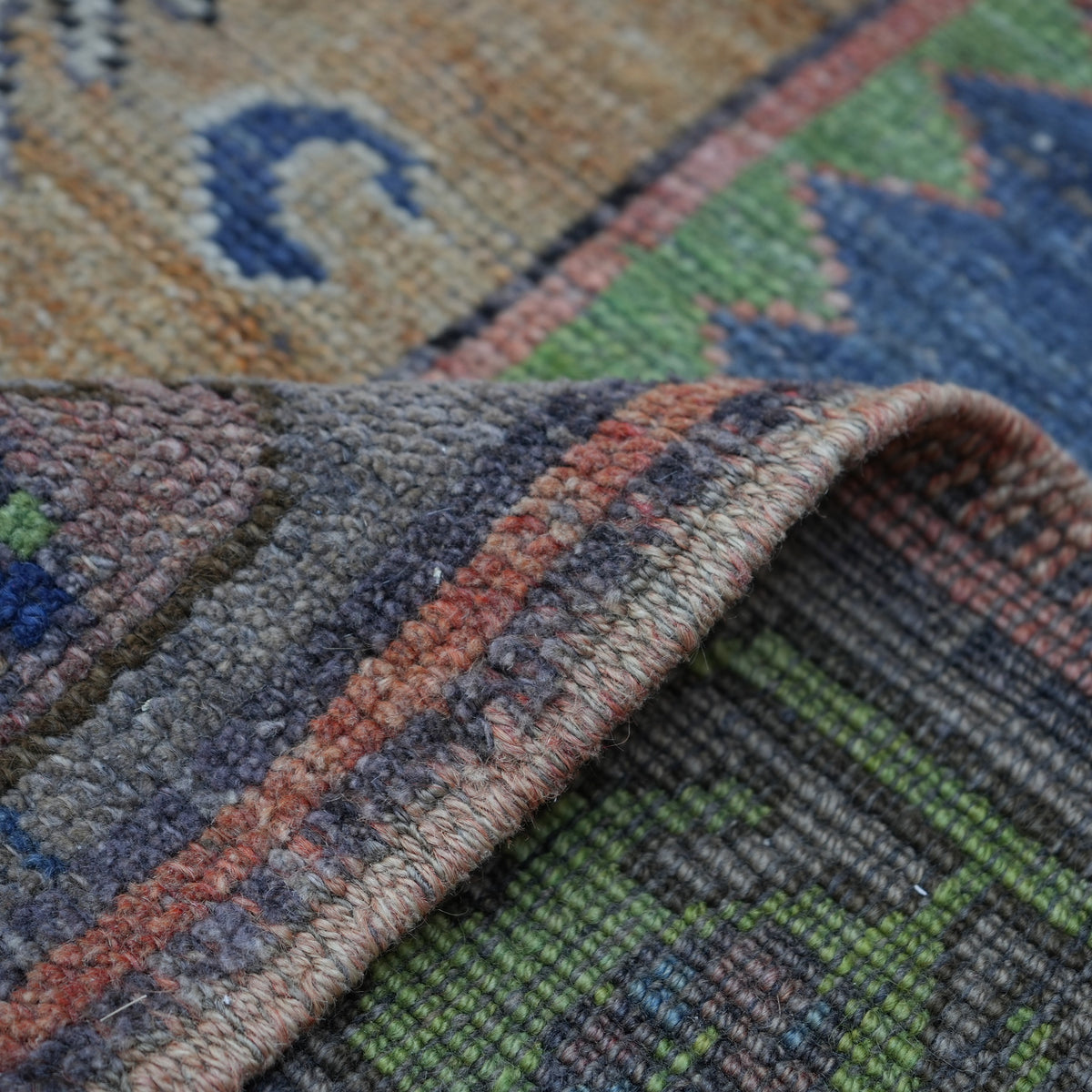
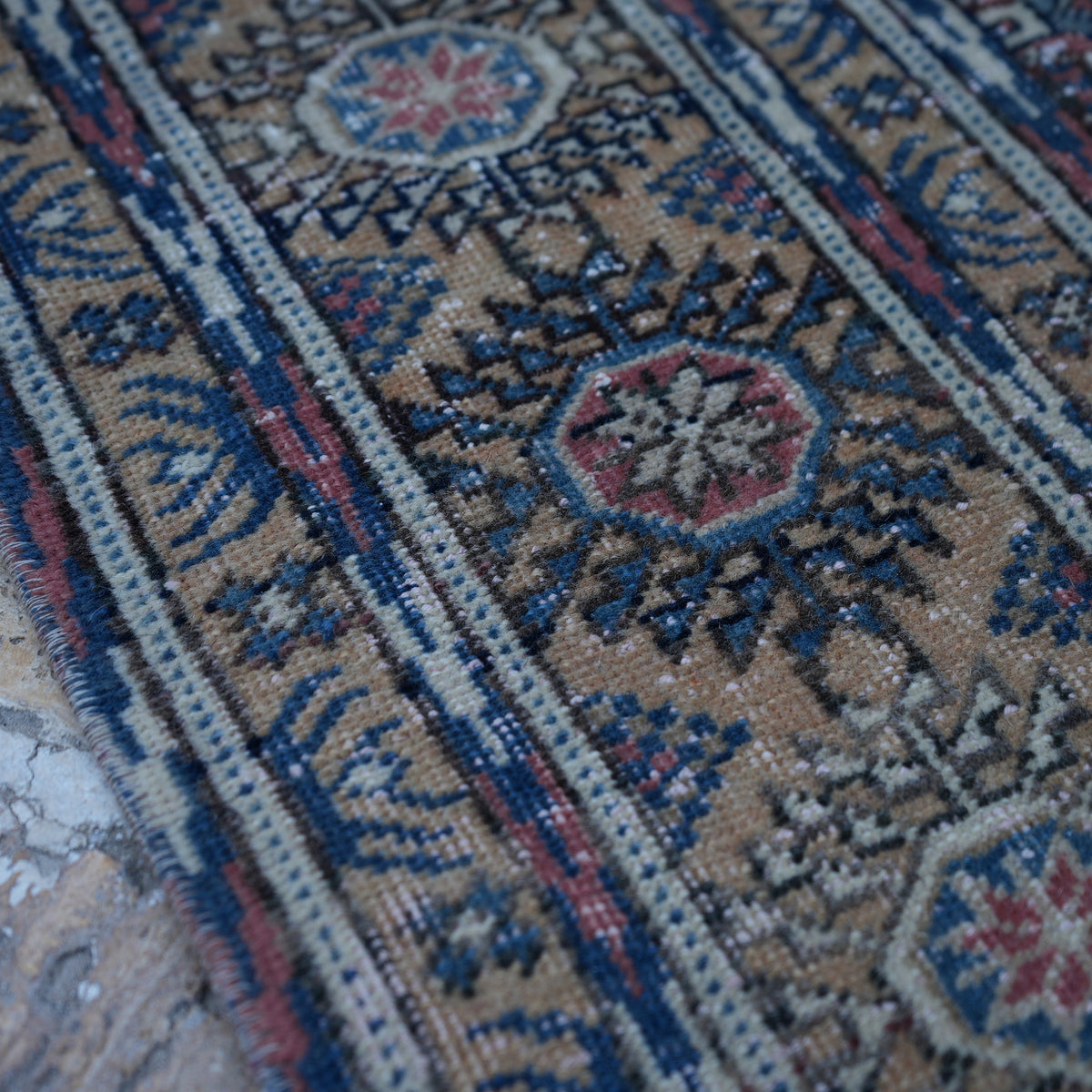
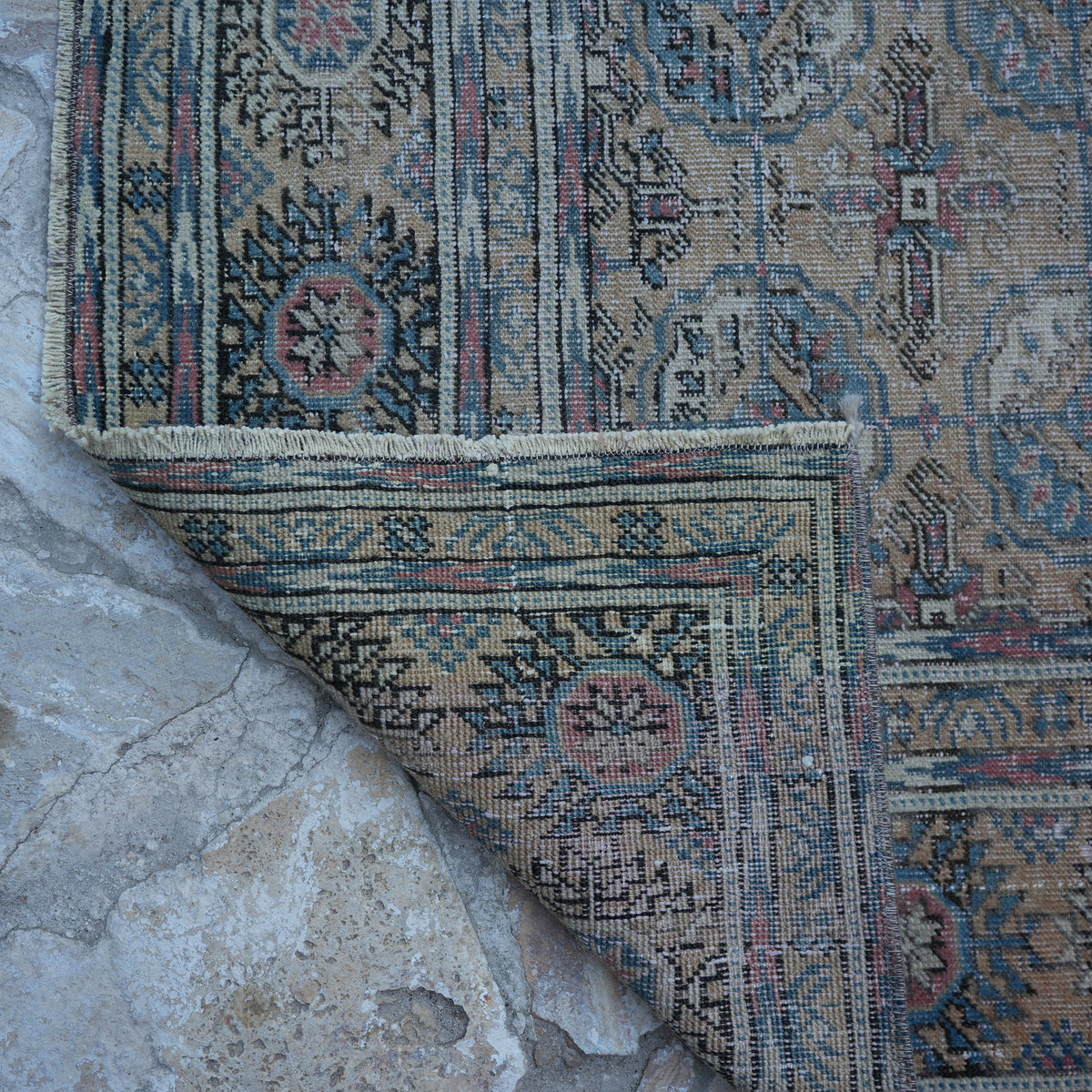
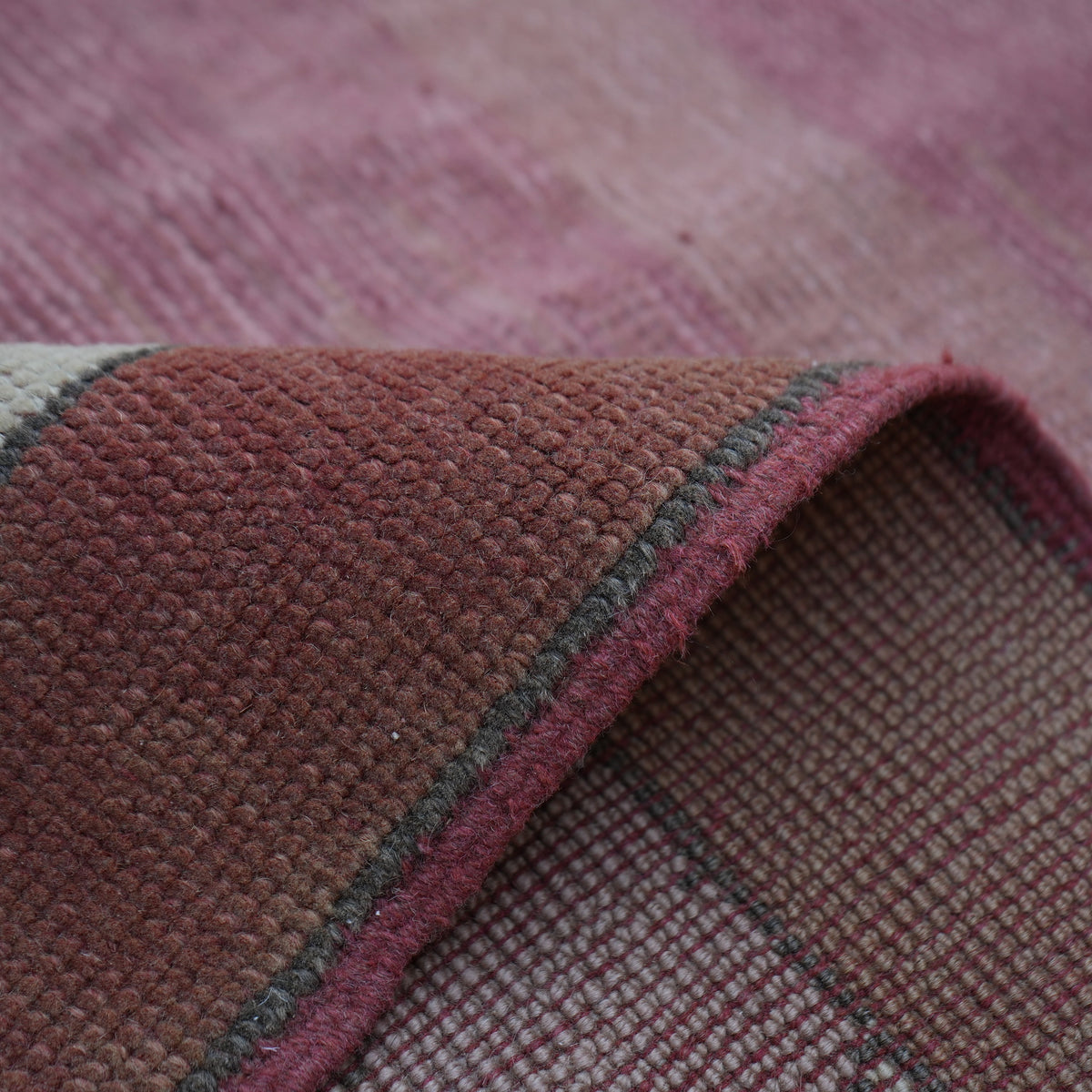
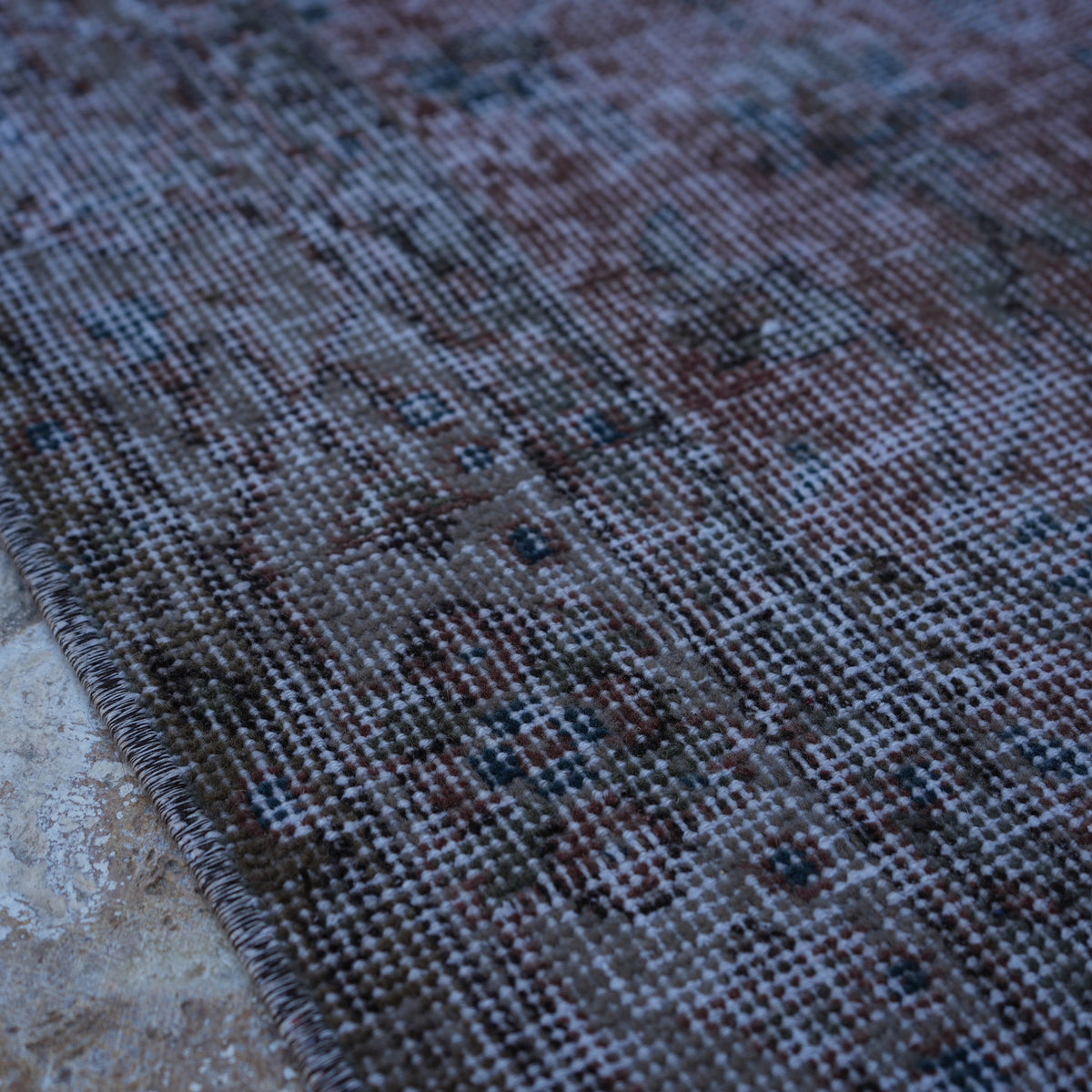
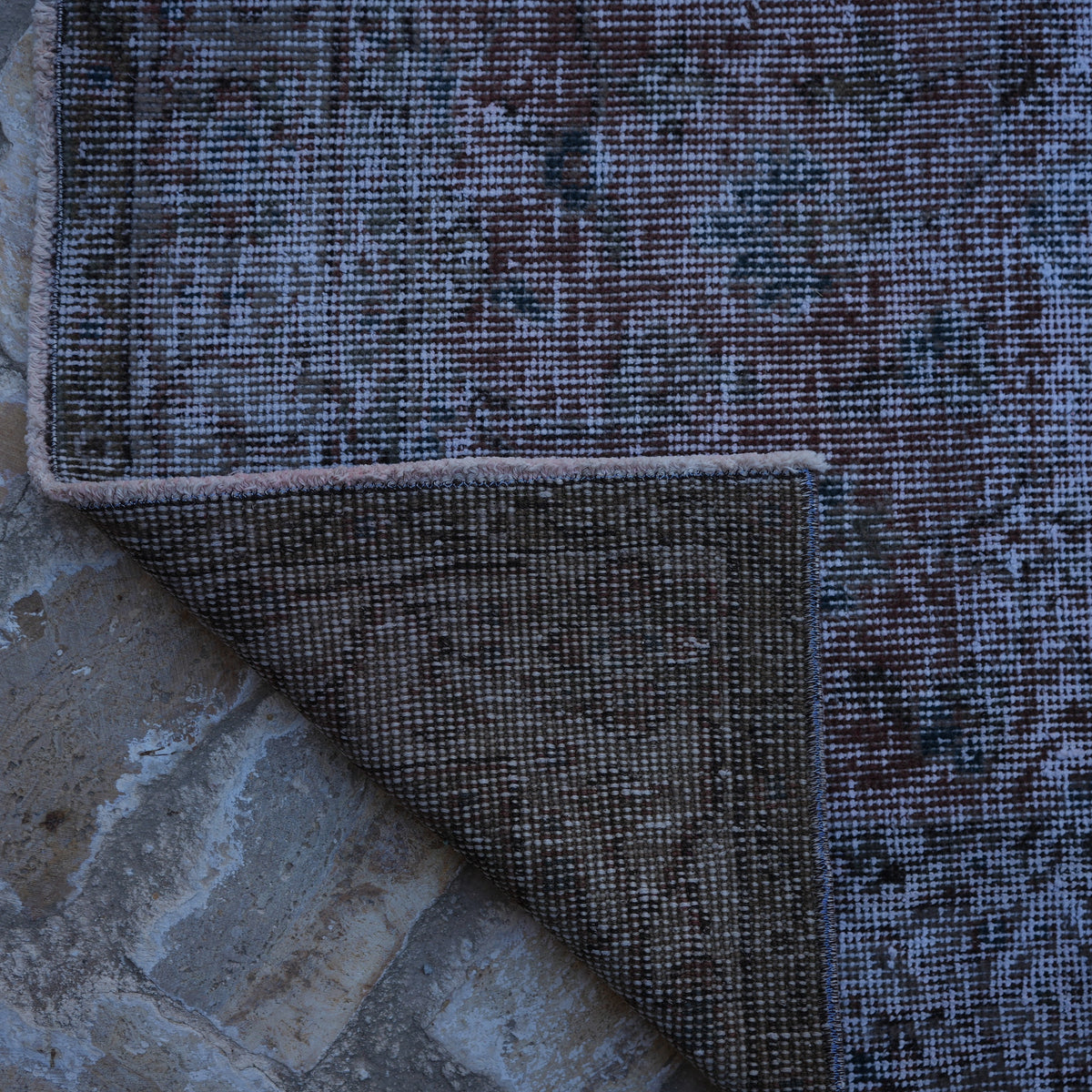
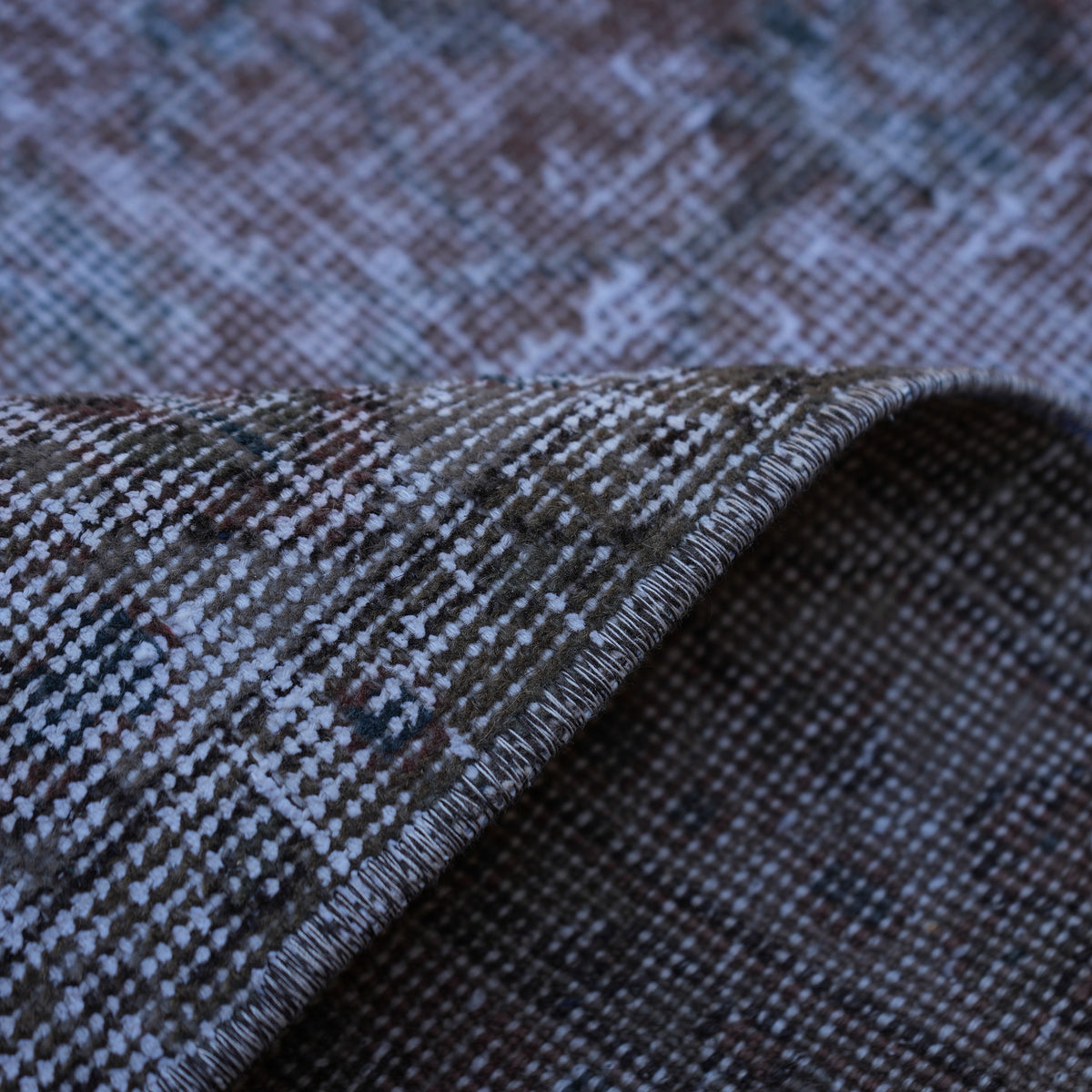
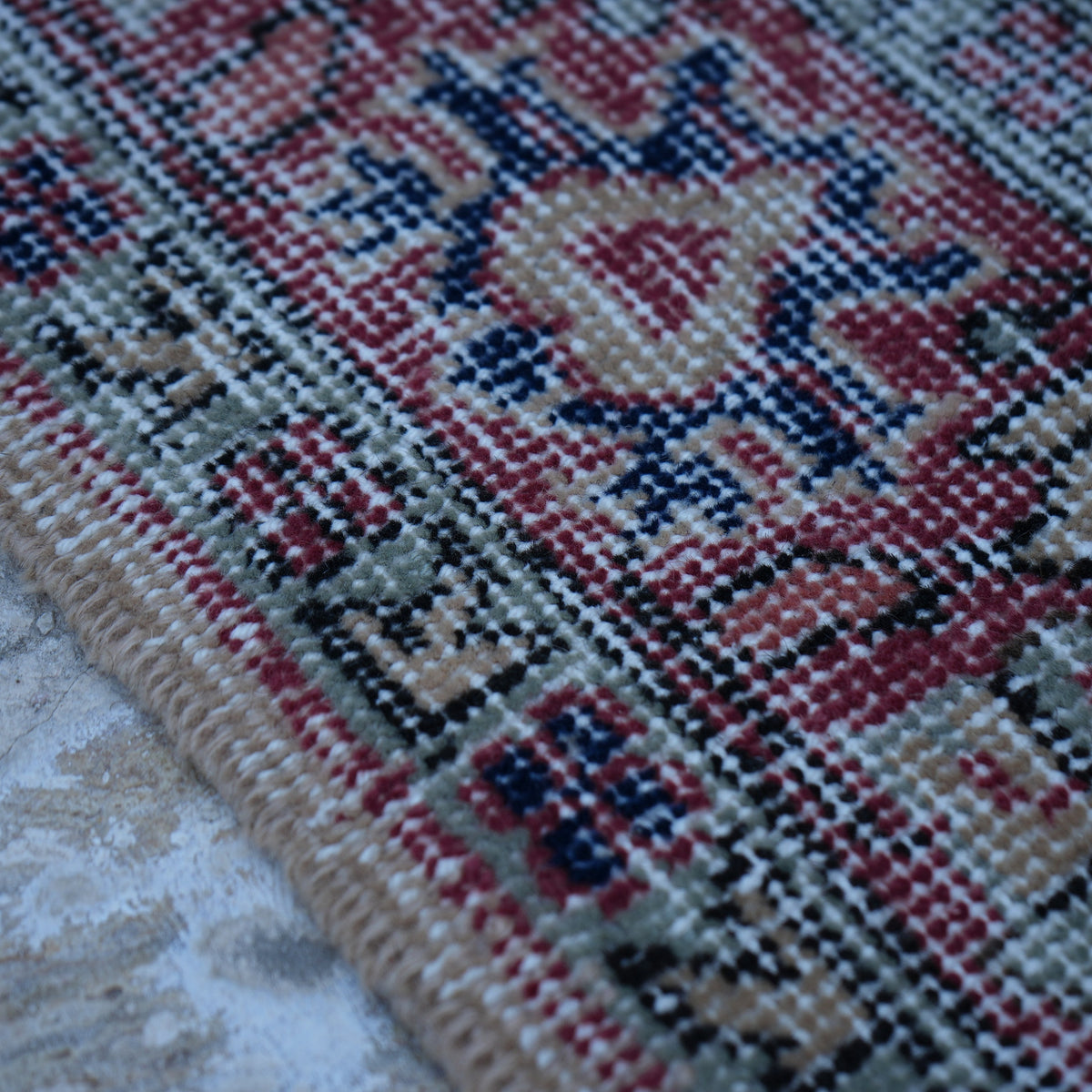
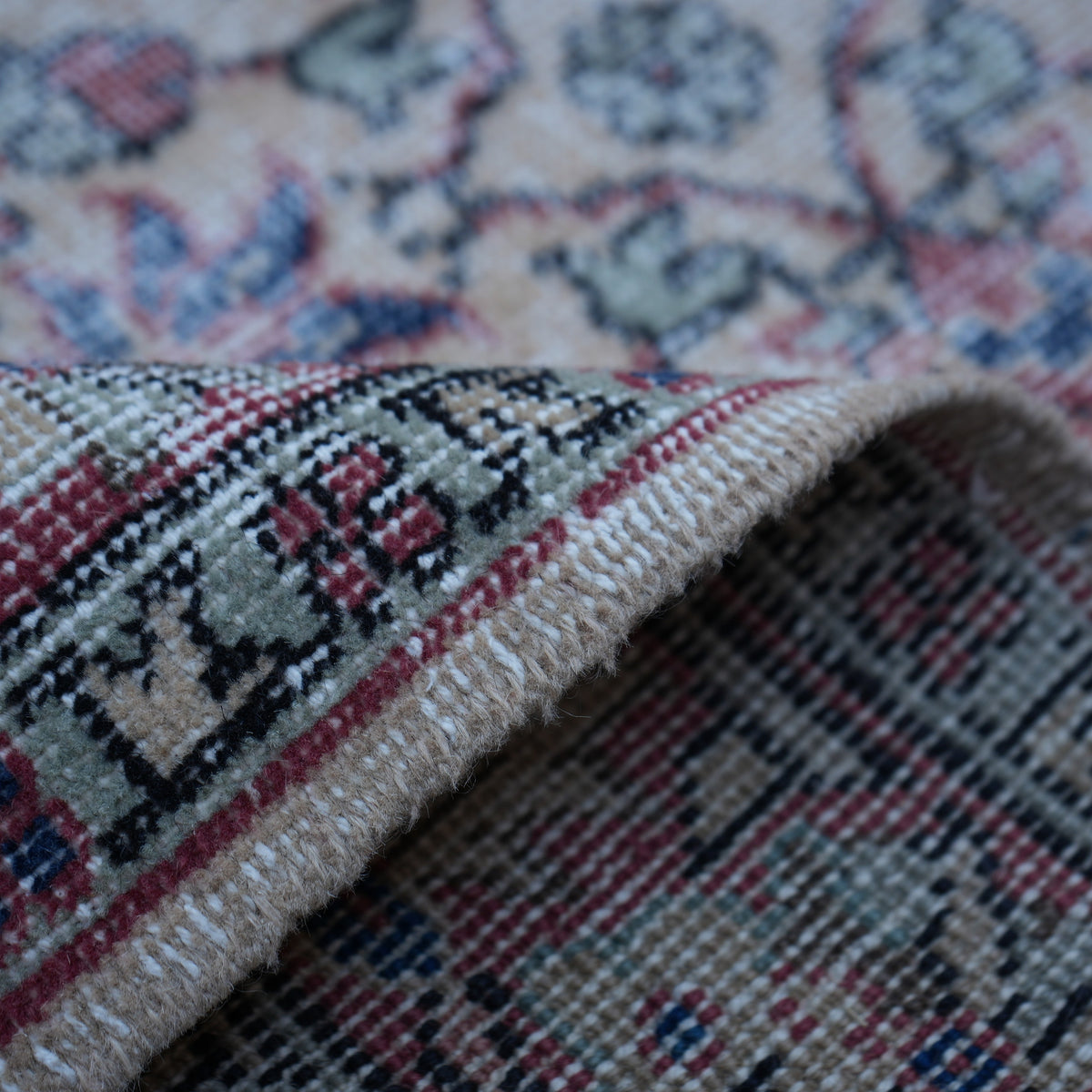
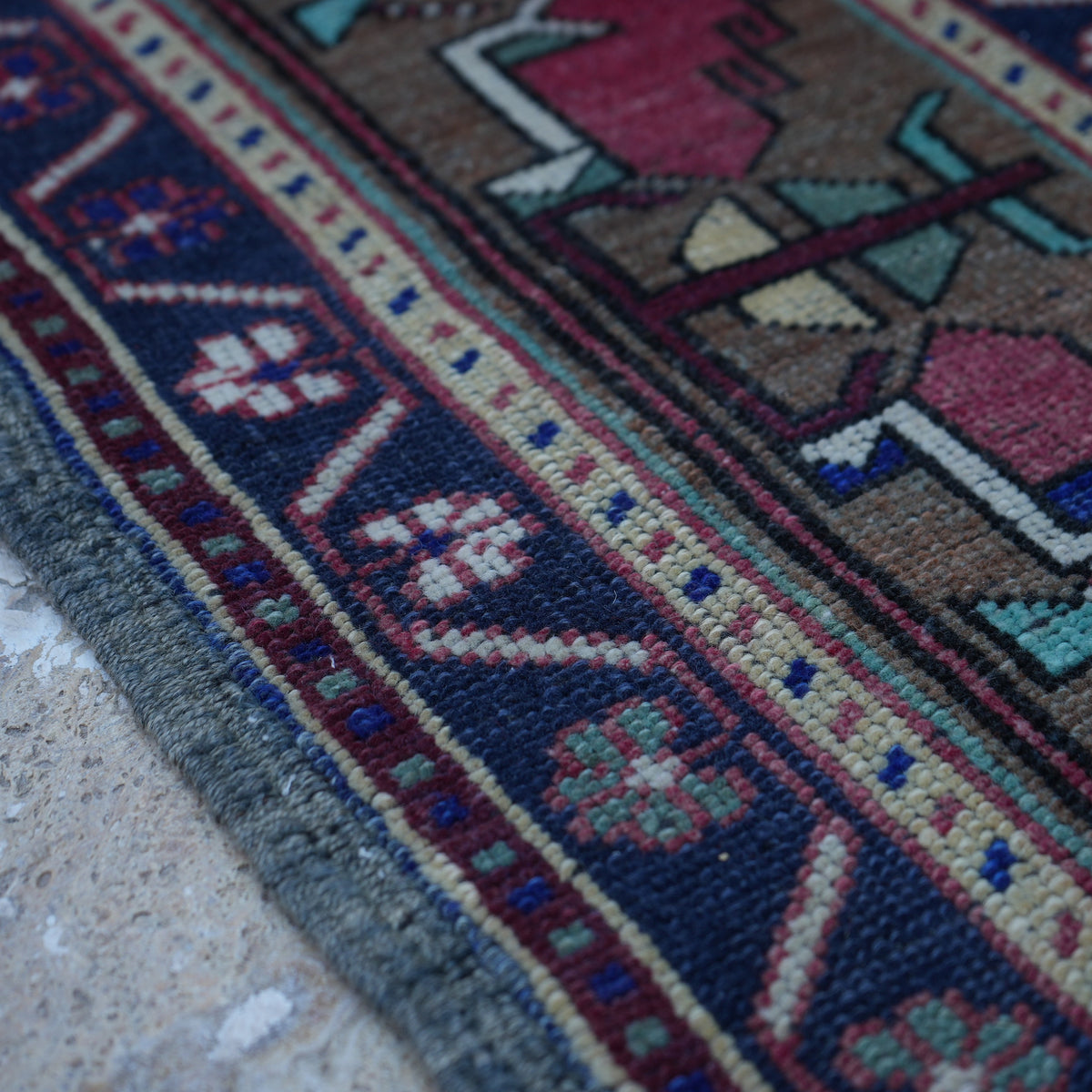
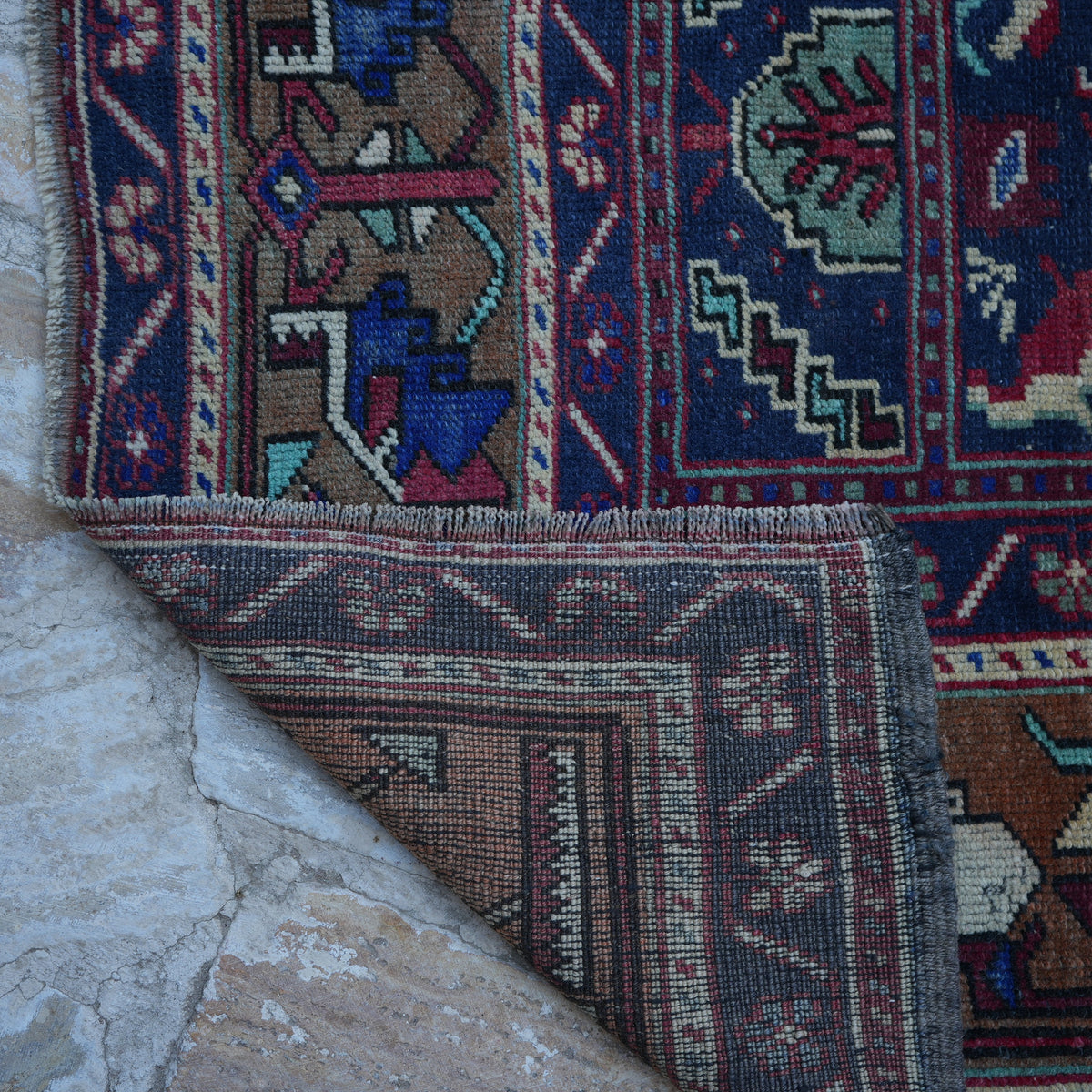
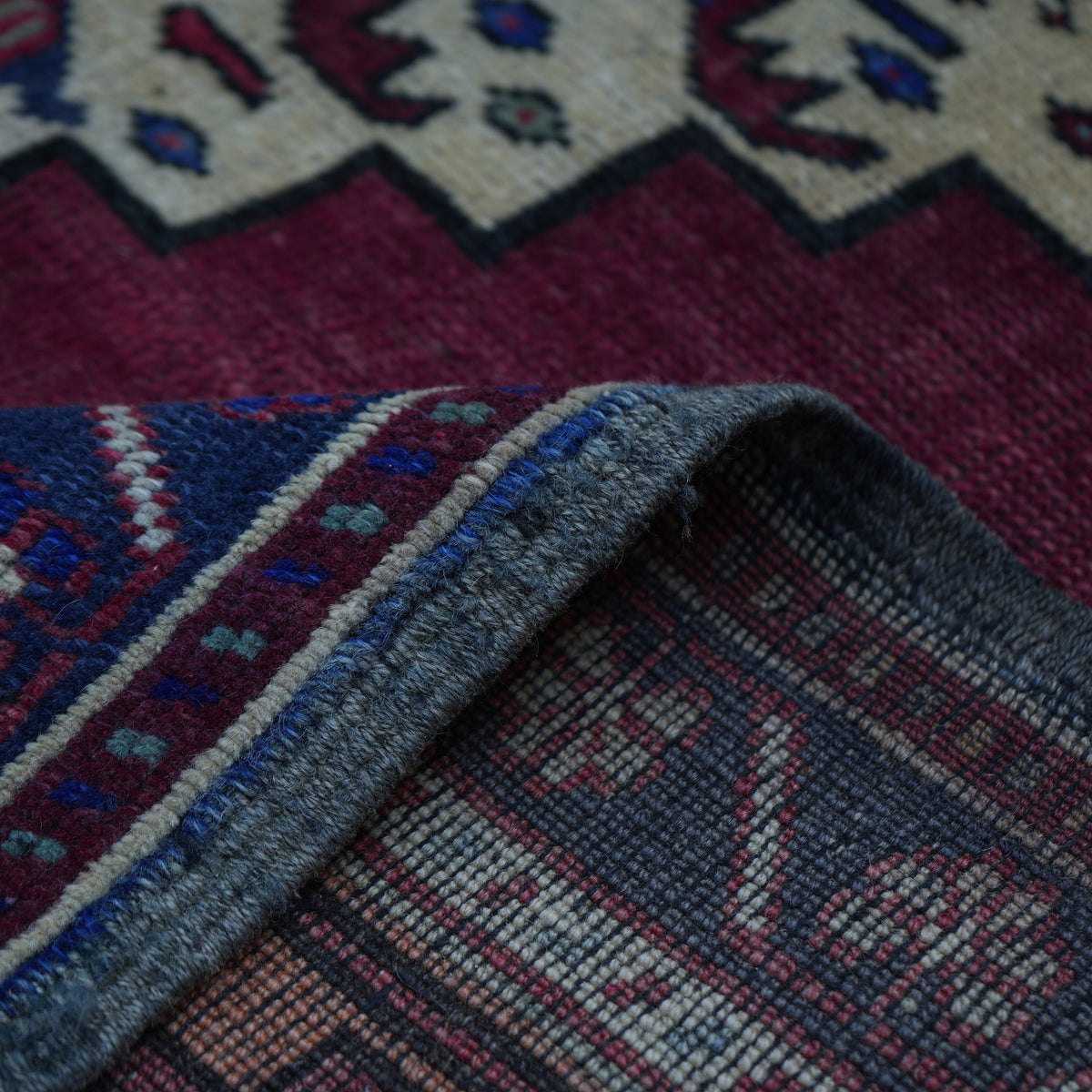
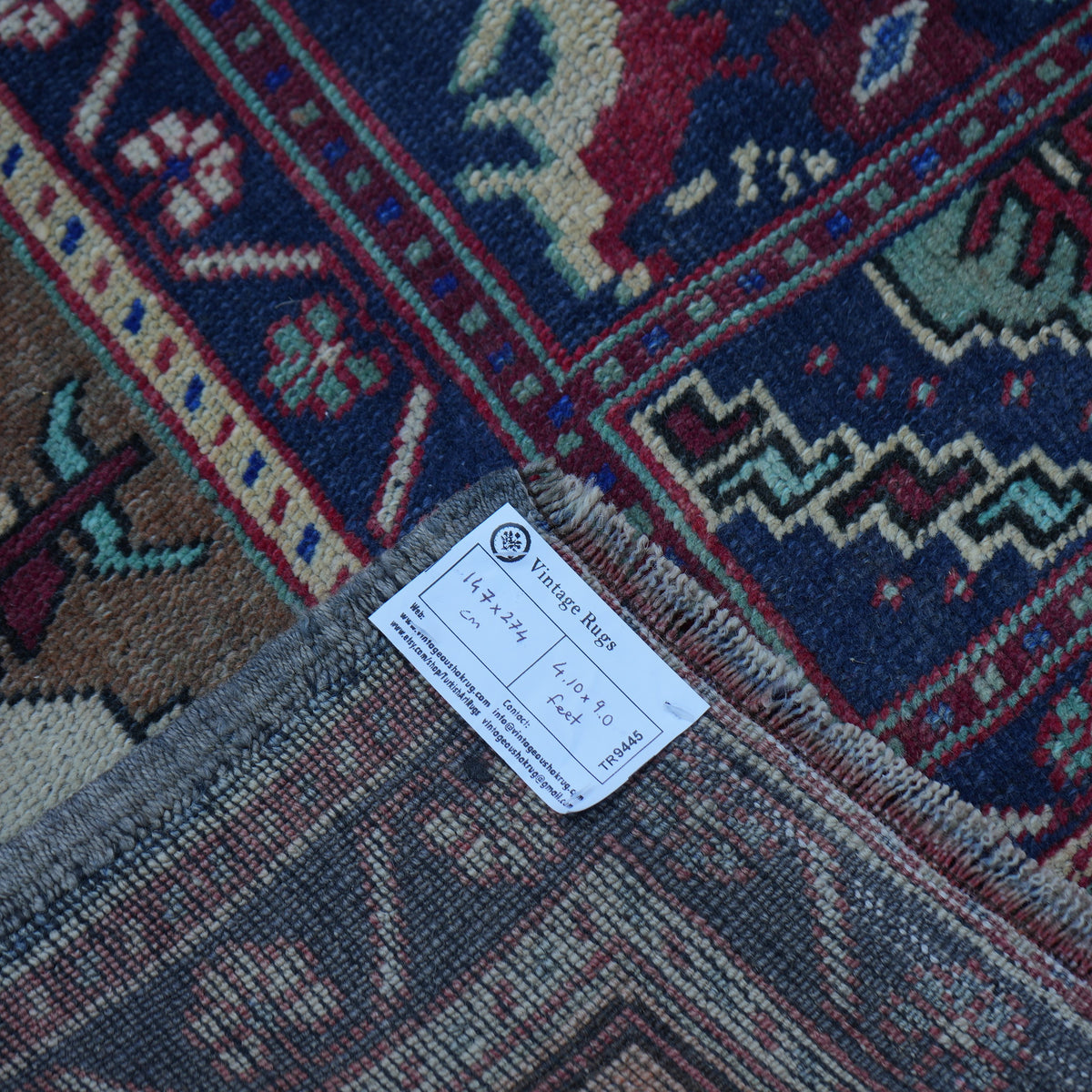
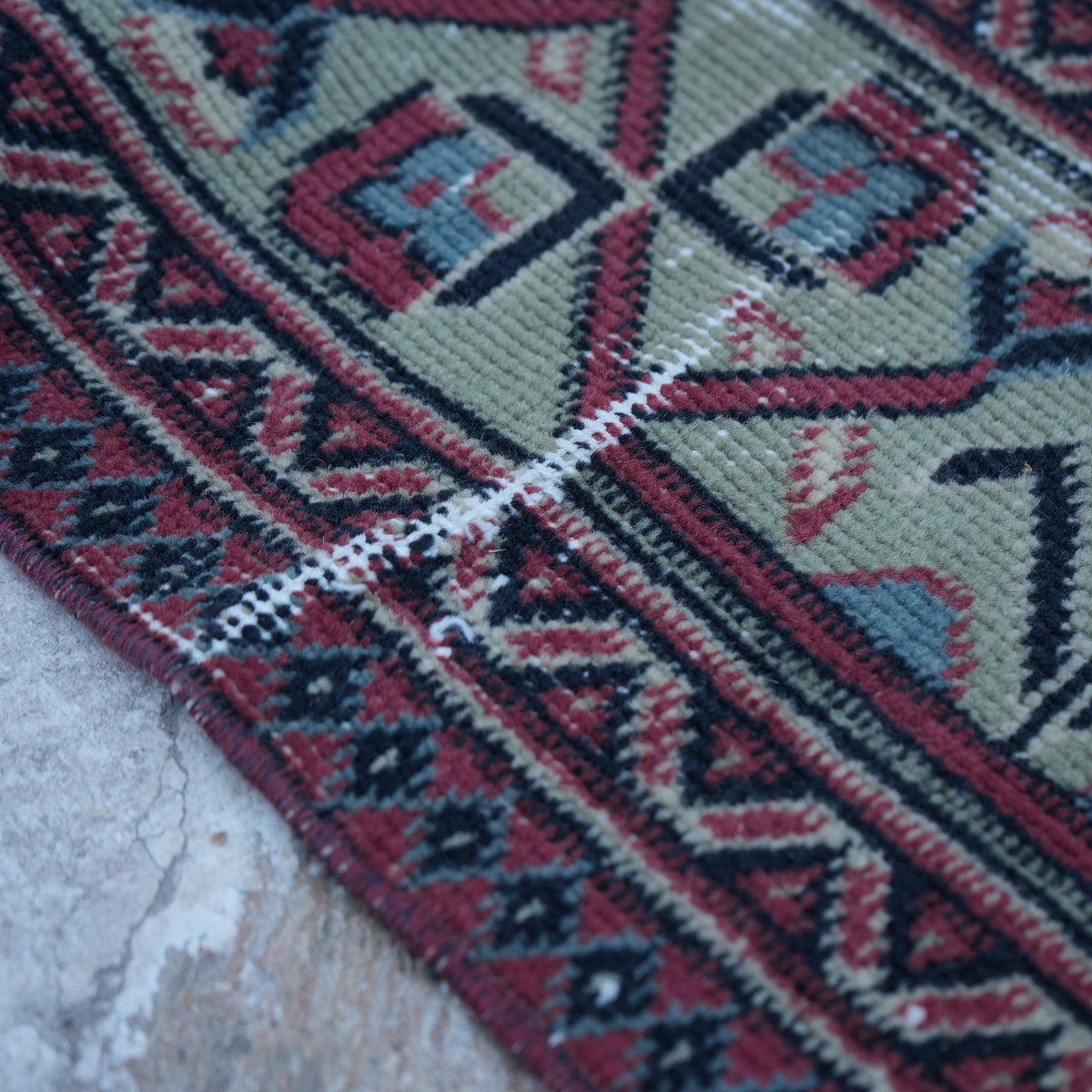
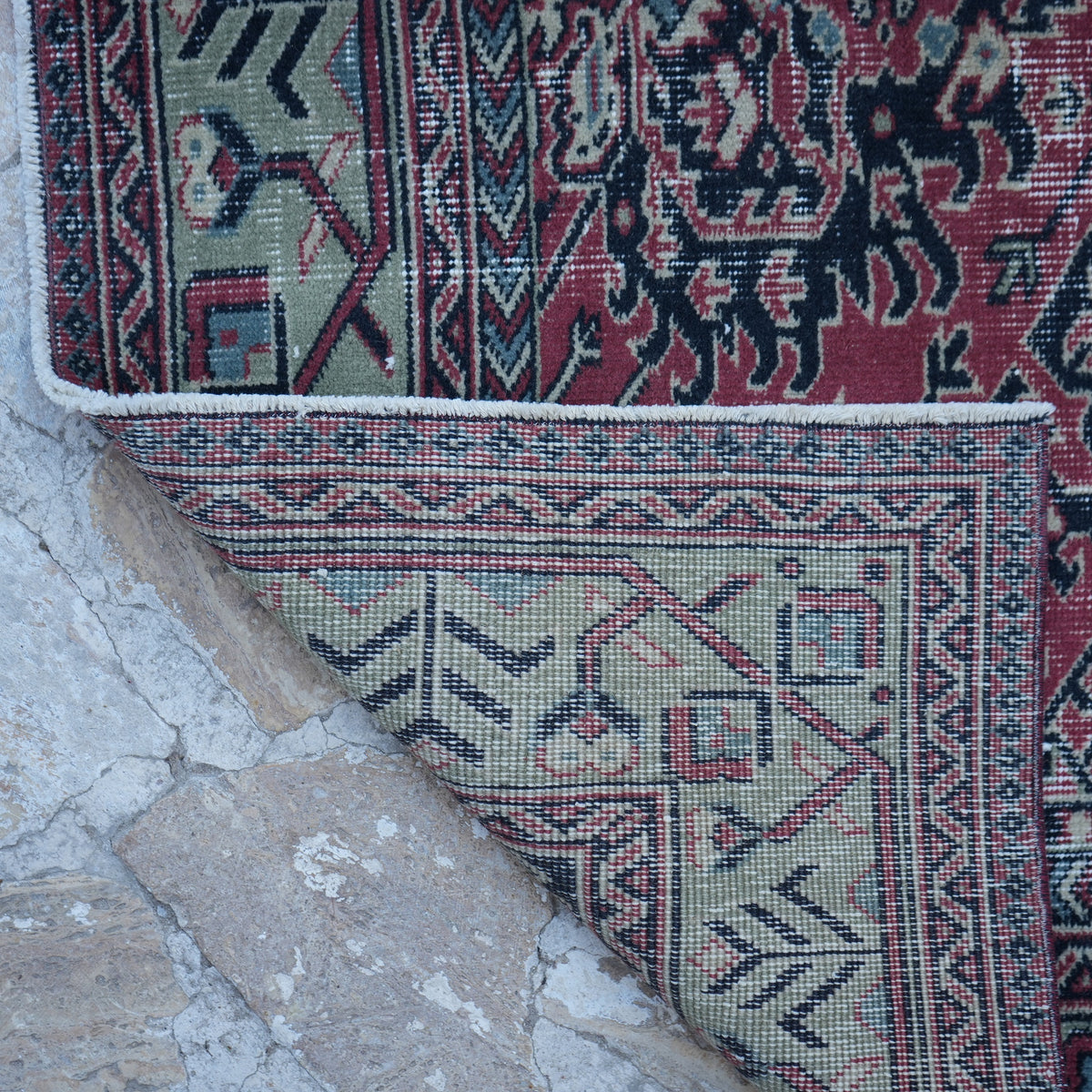
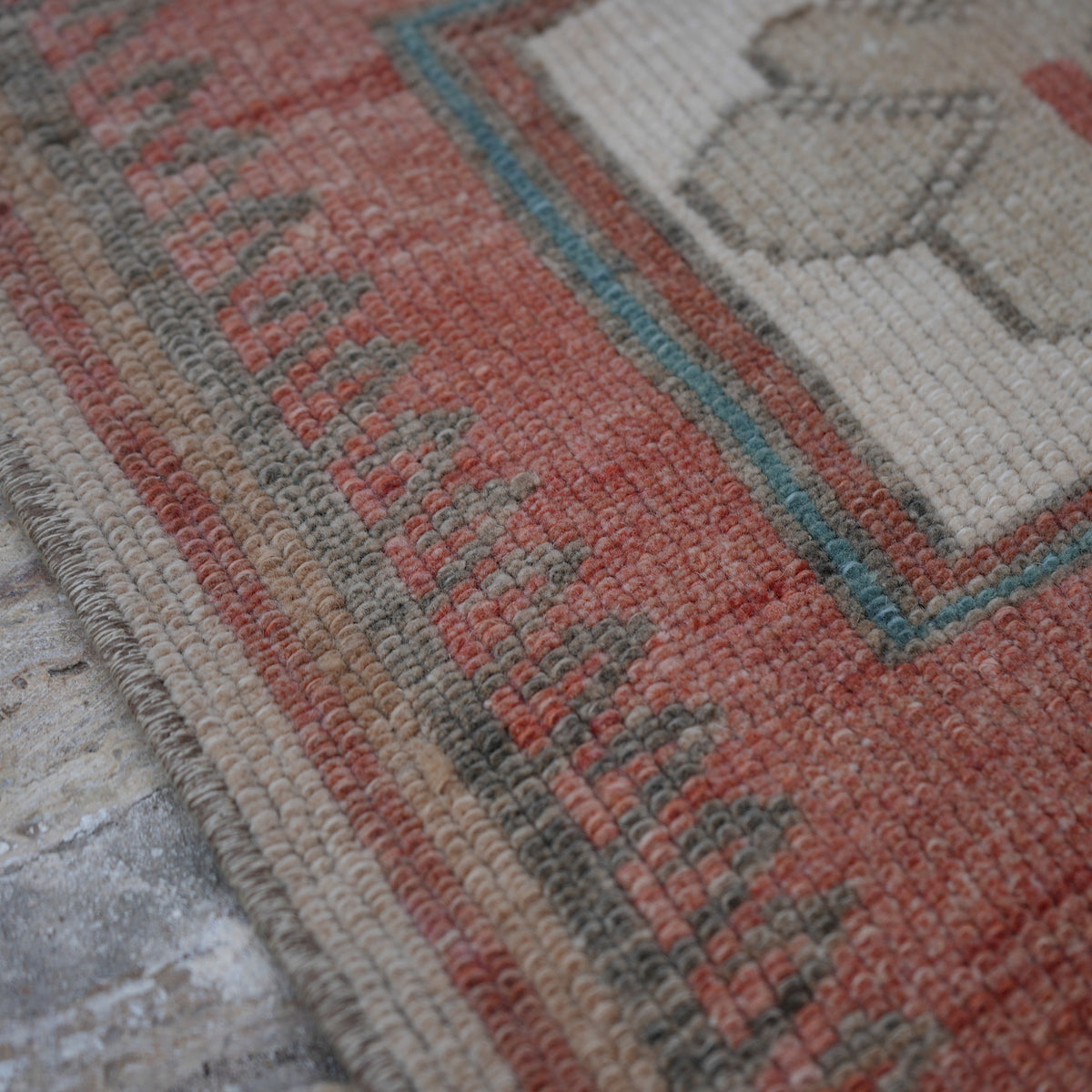
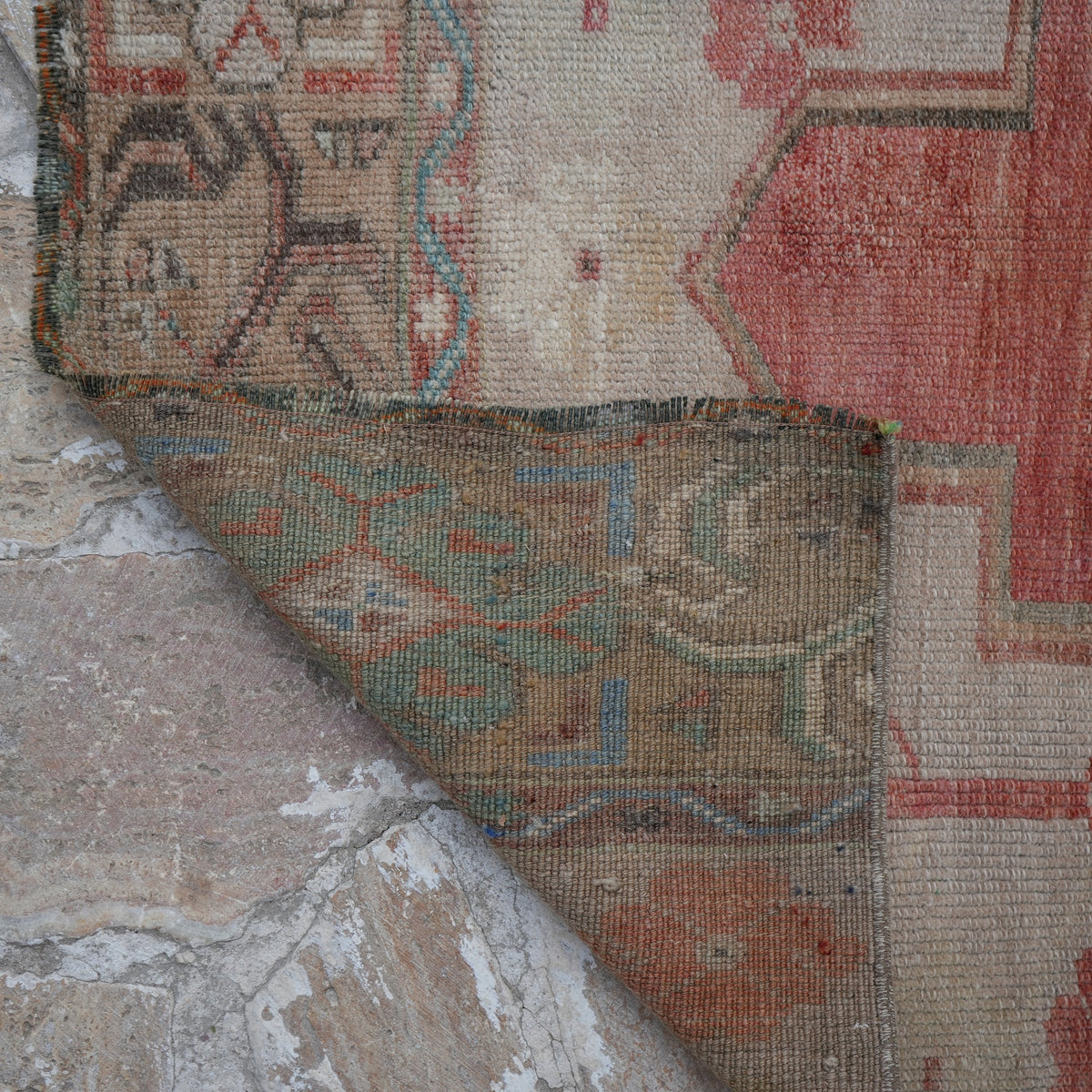
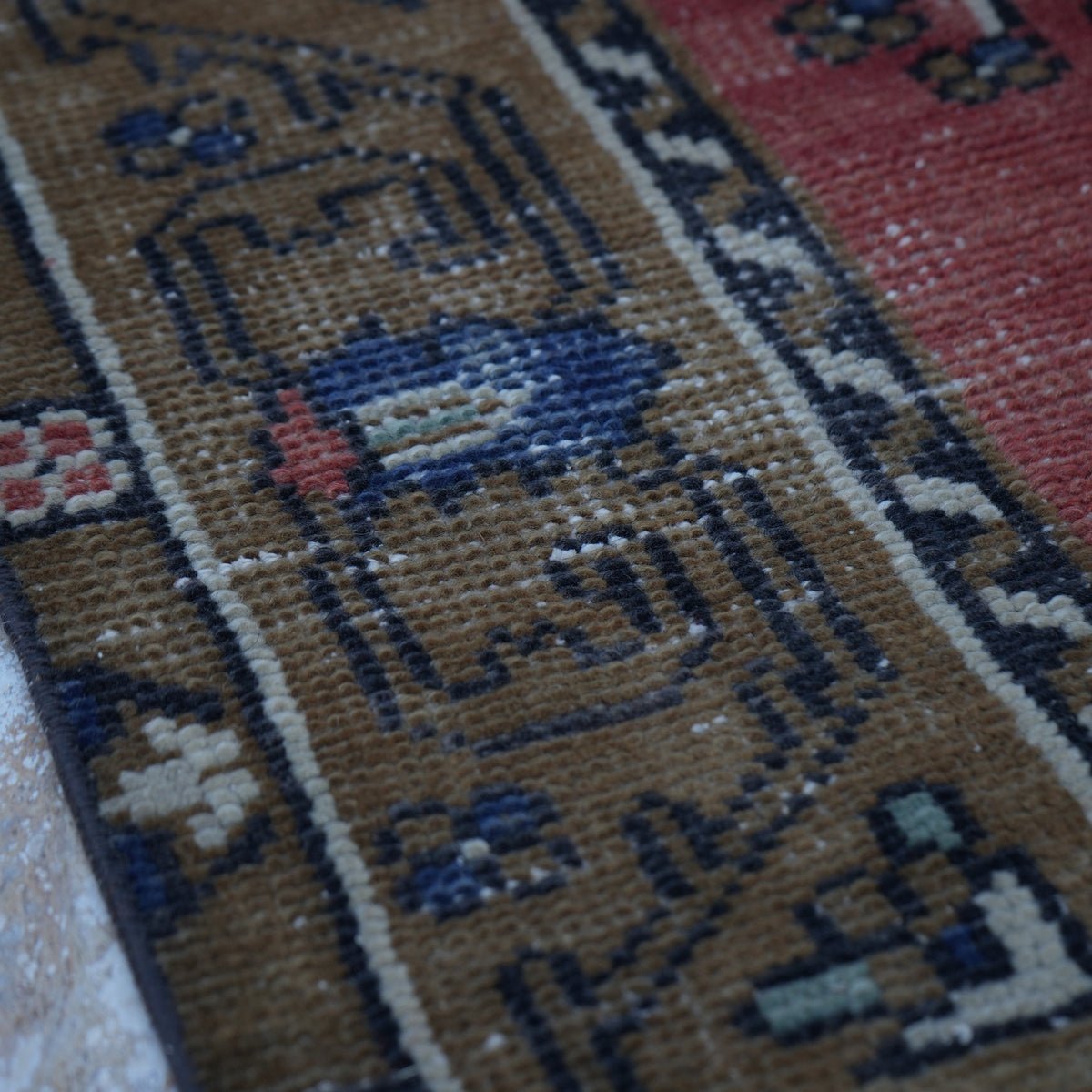
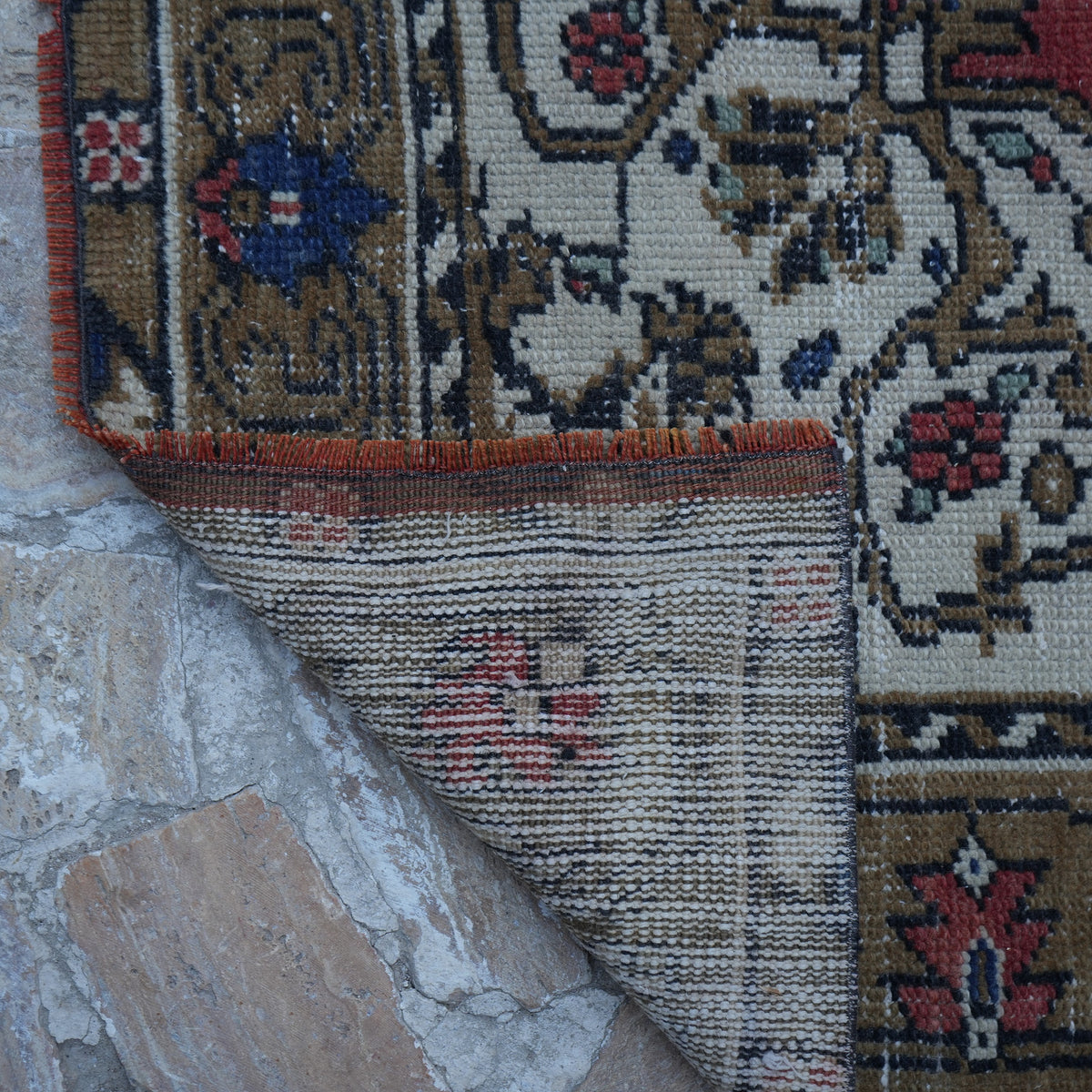
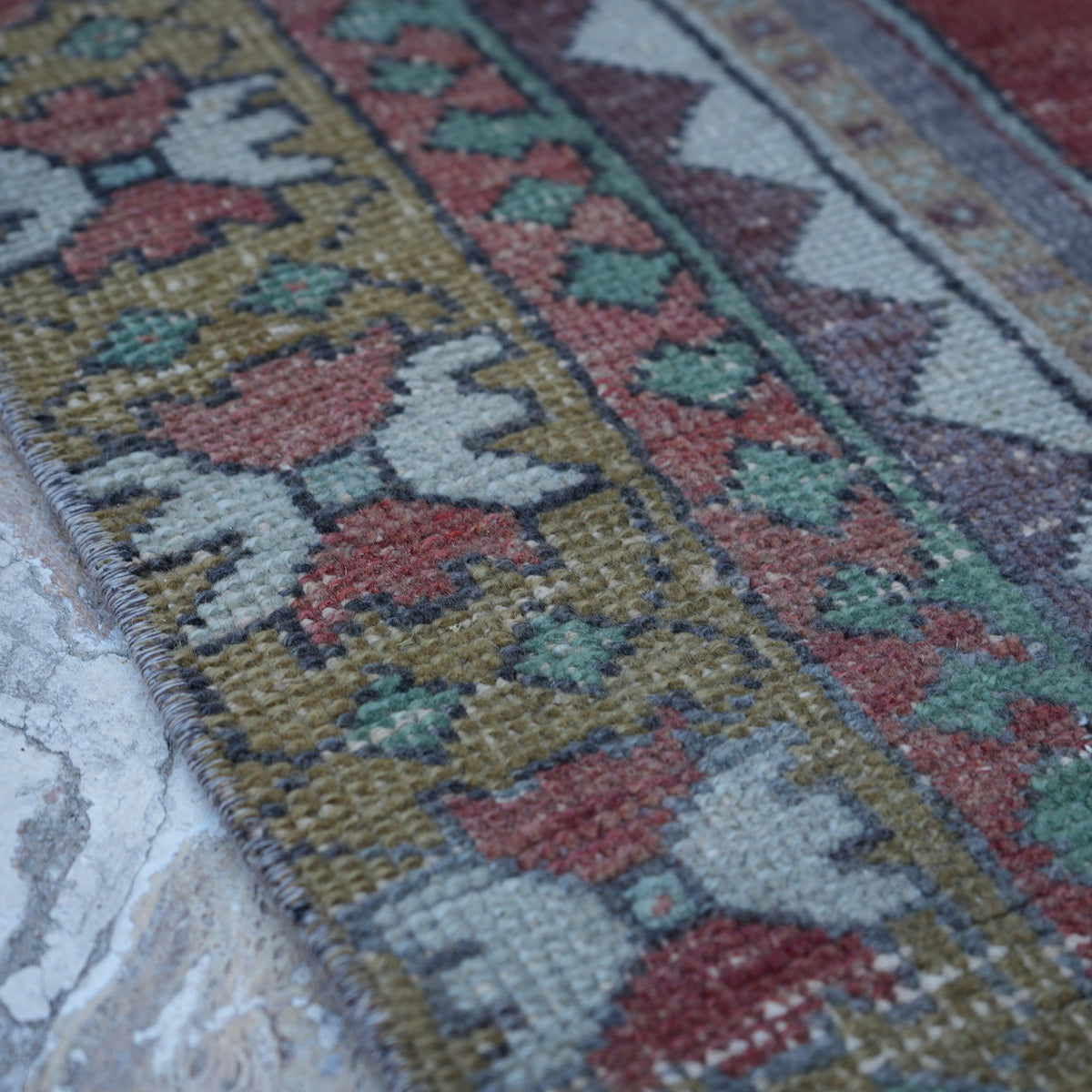
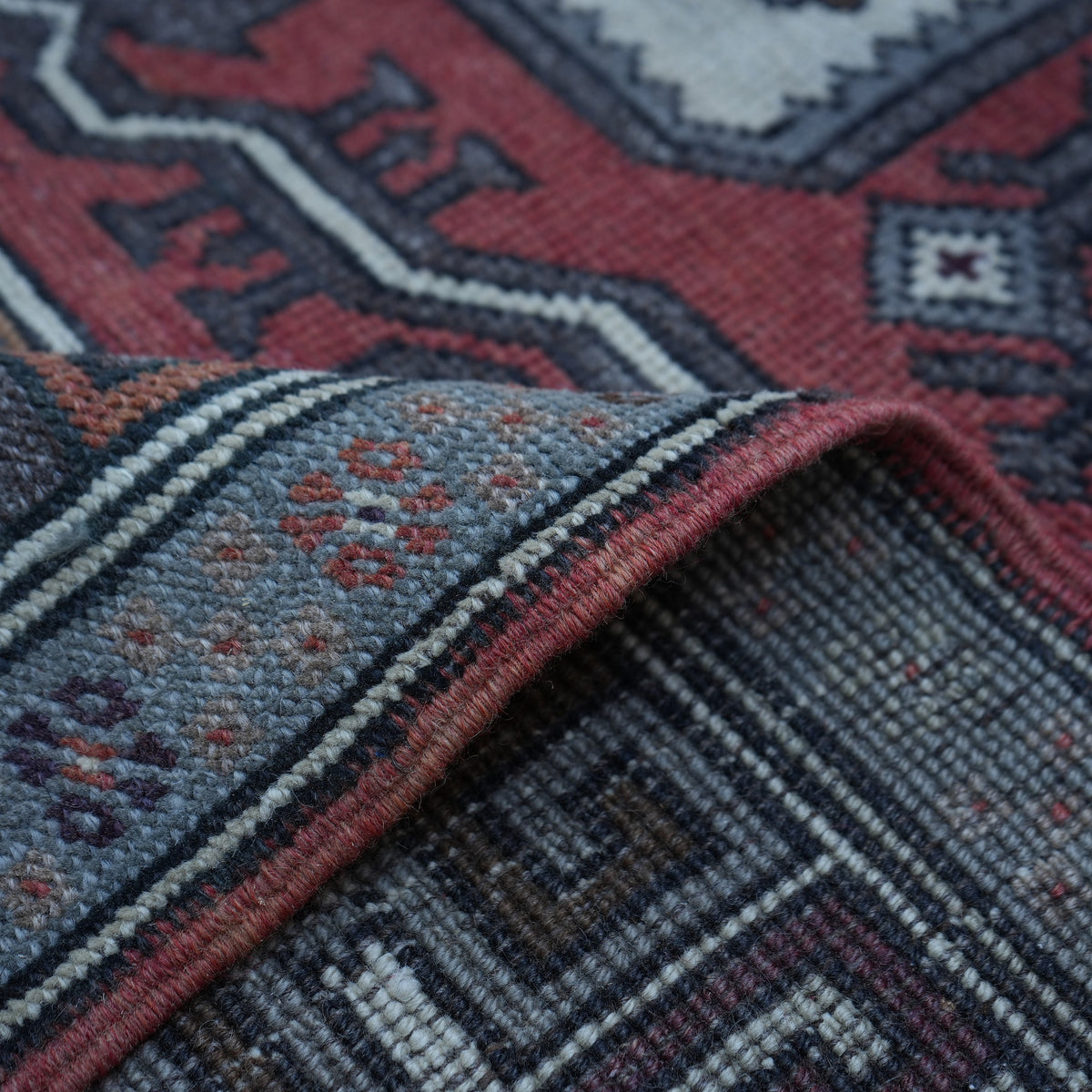
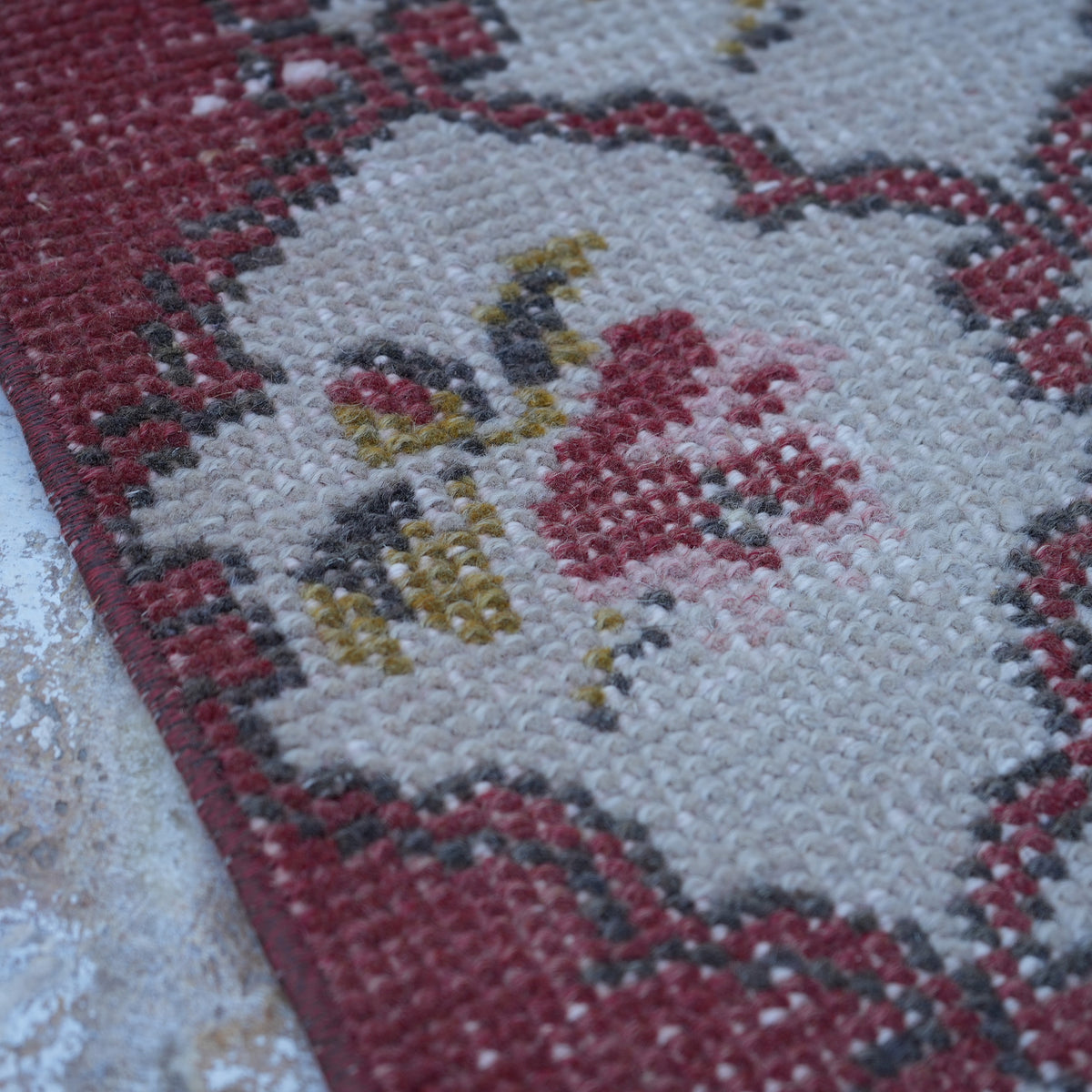
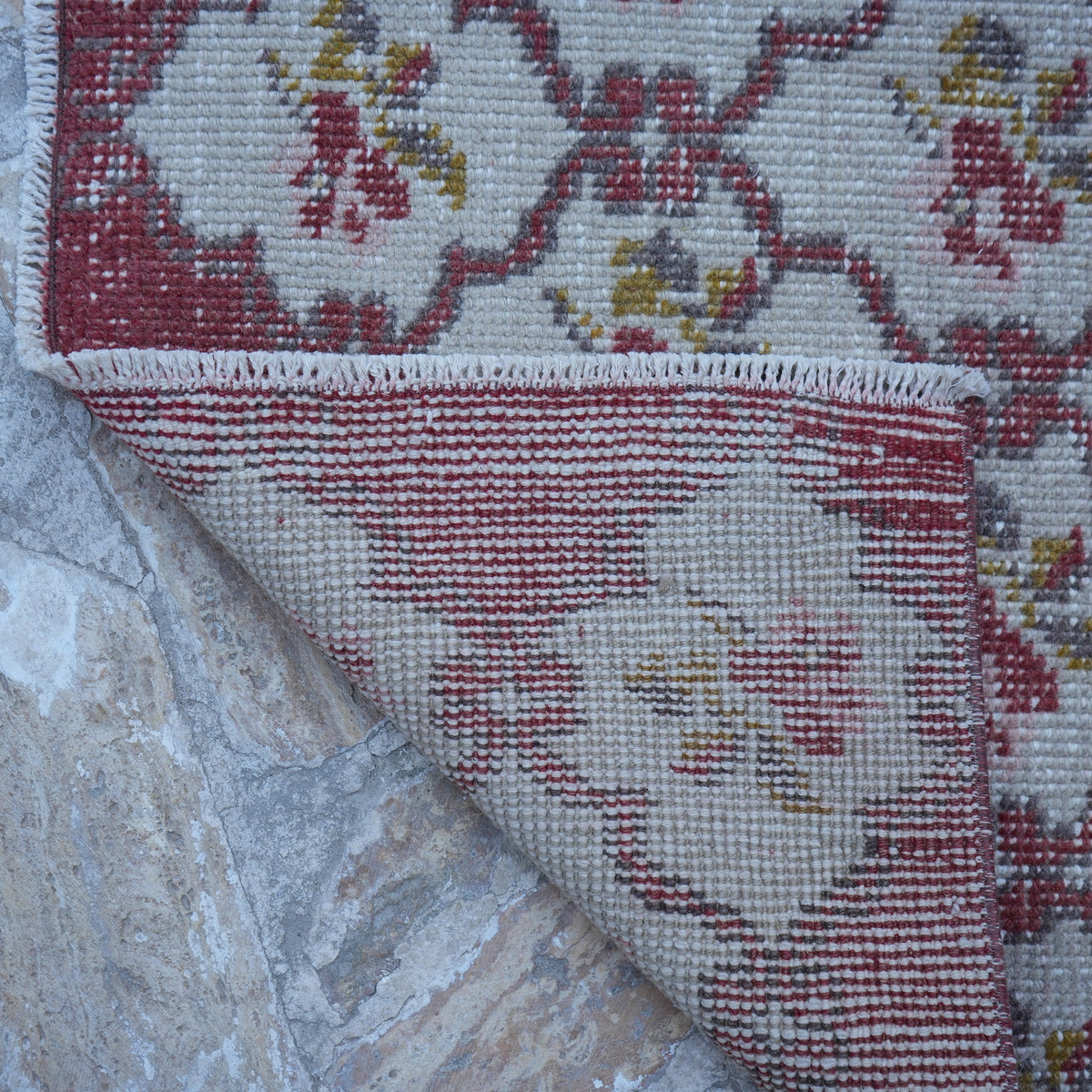
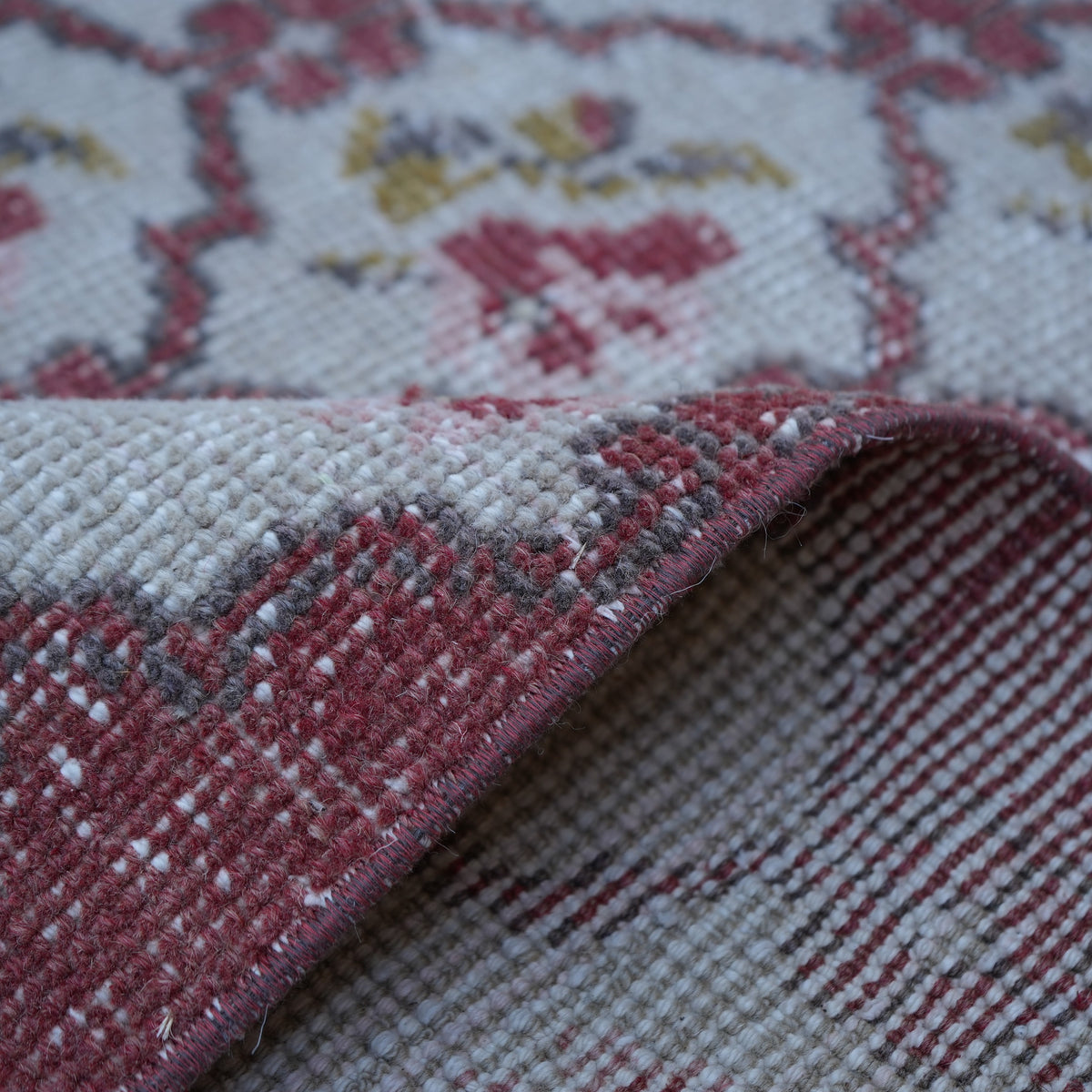
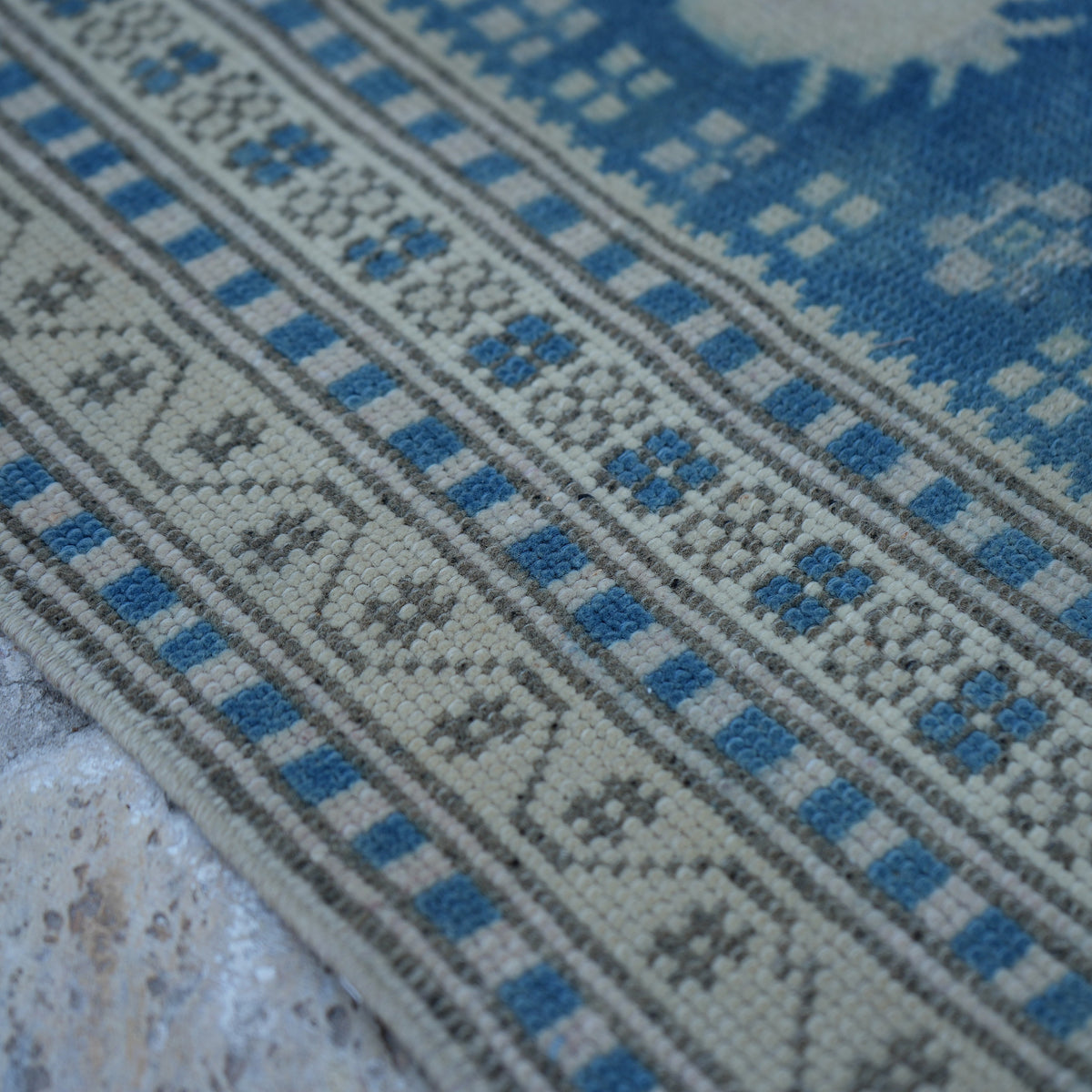
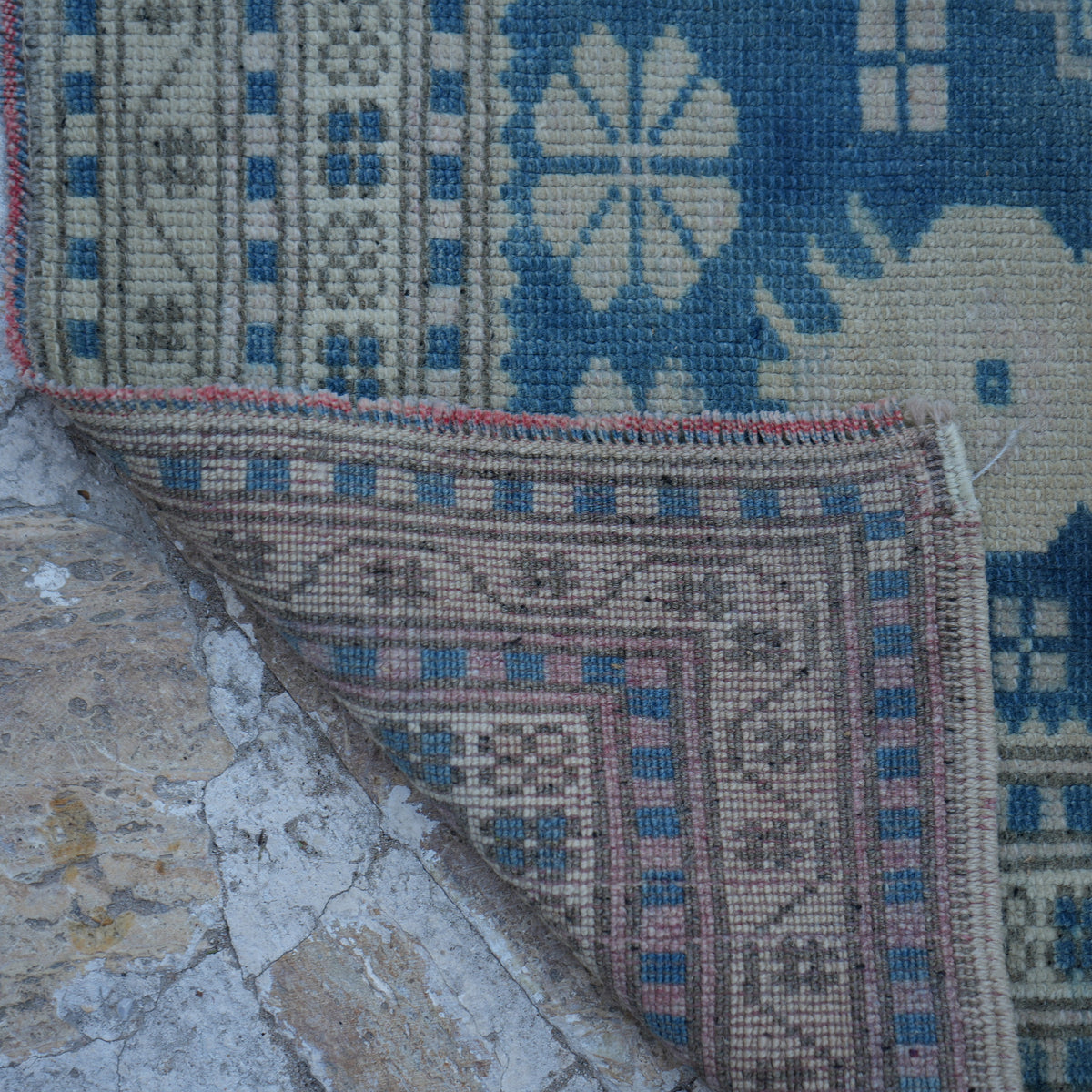
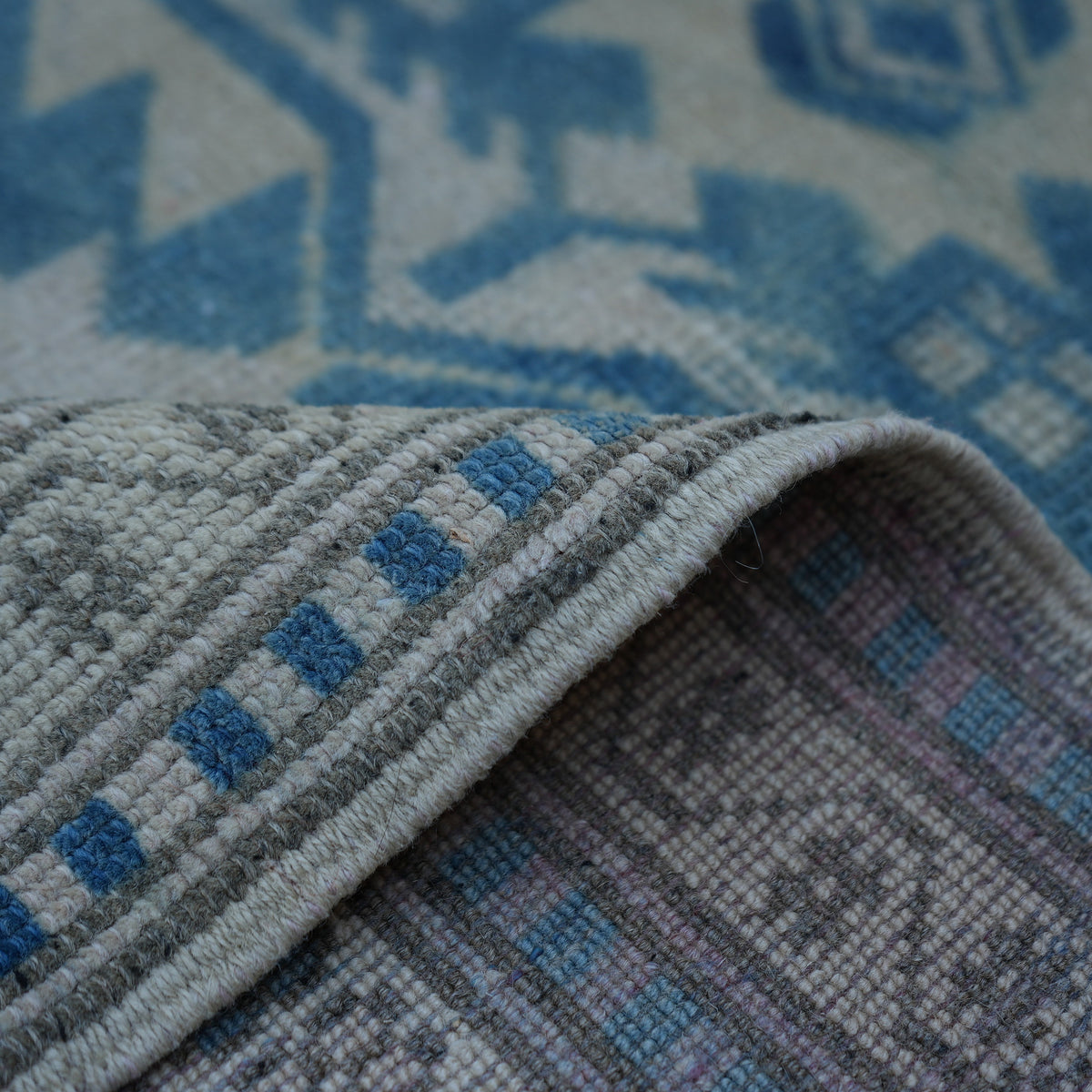
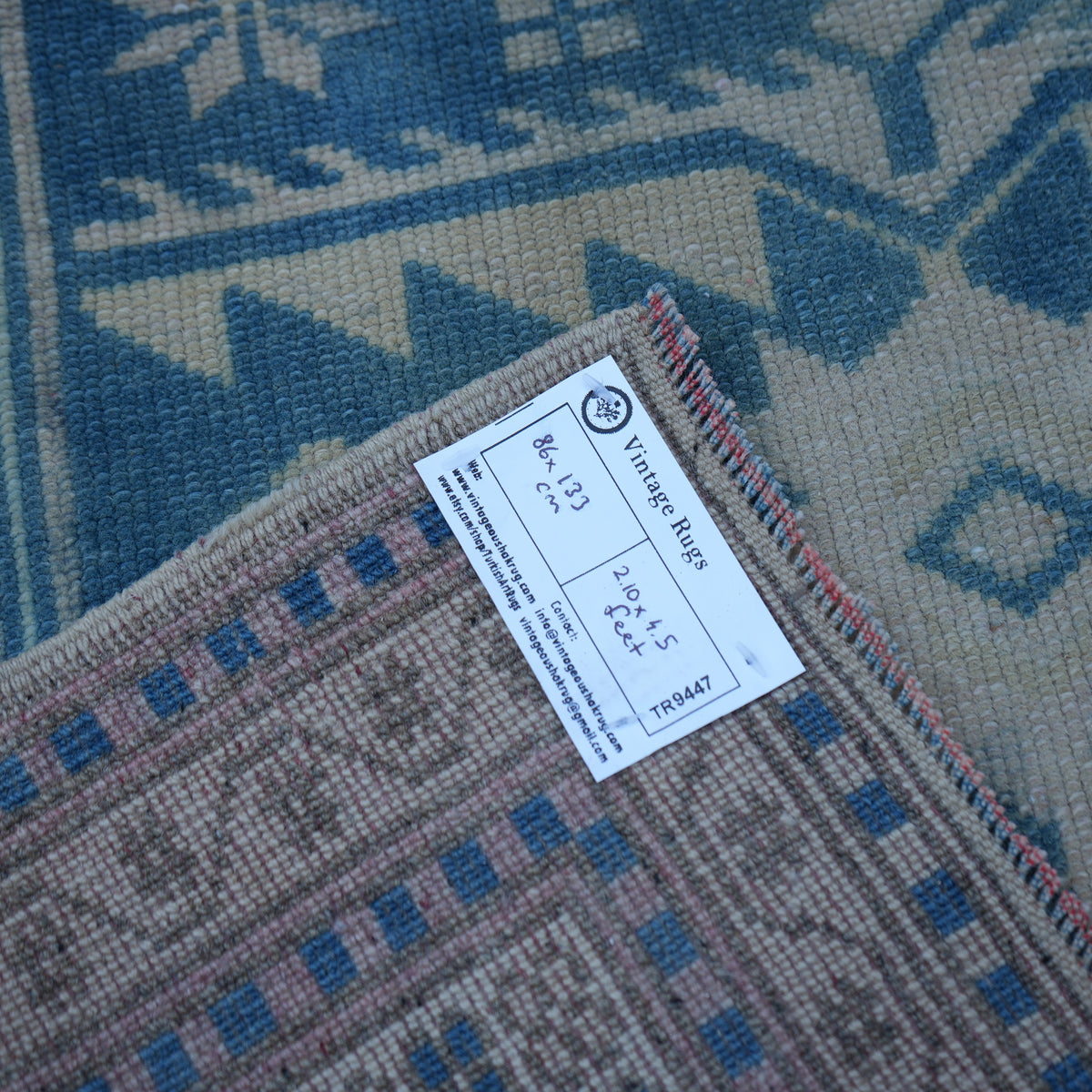
Wool is more forgiving than its reputation suggests — natural lanolin gives it some water resistance. What wool is sensitive to is pH, so stick with the mild vinegar solution rather than anything stronger. Our Turkish rugs and vintage rugs are almost entirely hand-knotted wool.
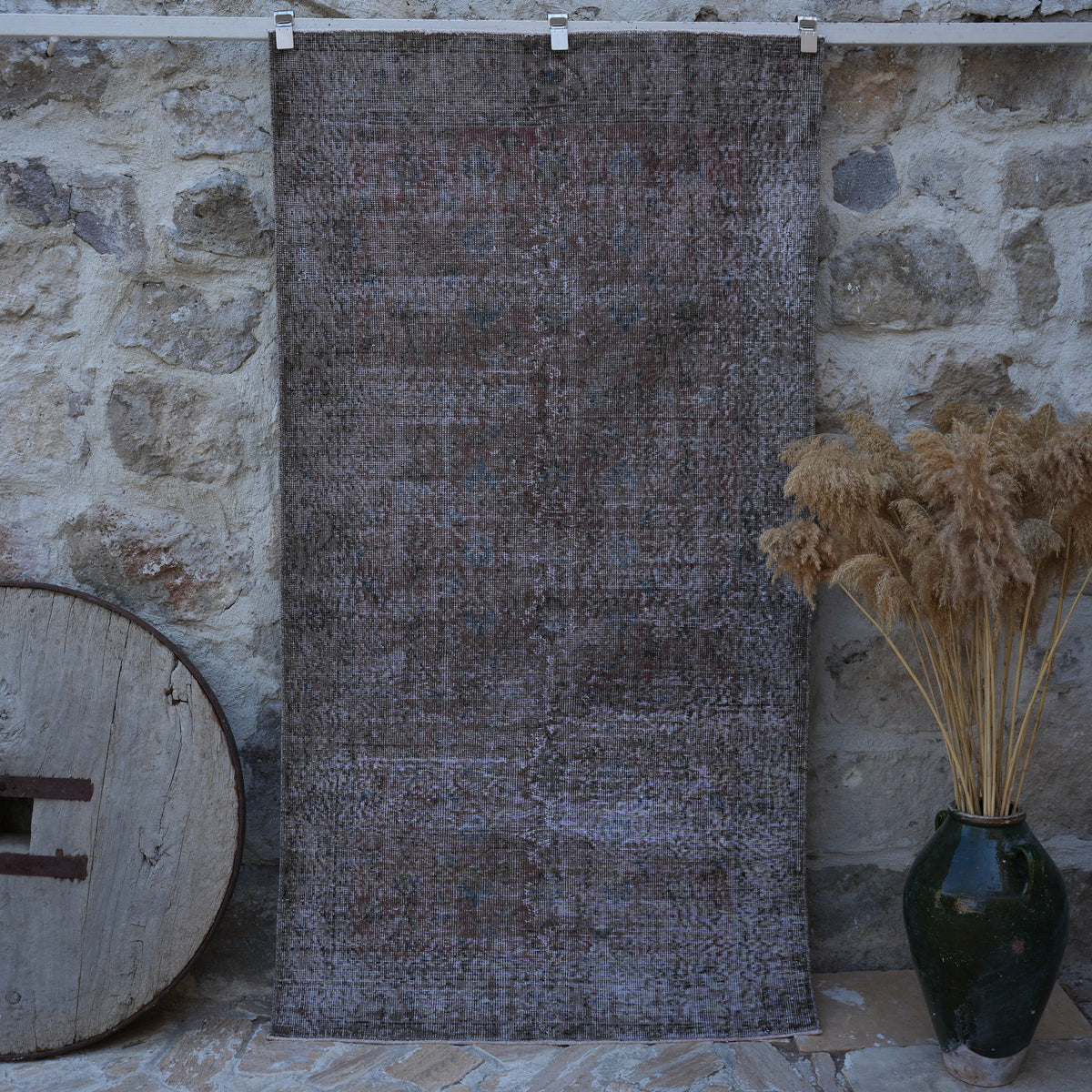
Vintage and Naturally Dyed Rugs
These need the test-first rule taken seriously. Dyes like madder root or walnut husk bond chemically through a natural mordant, reacting to acidity more than synthetic dye does. The same solution safe on one rug can lighten color on another.
Silk and Viscose Rugs
These aren't DIY territory. Viscose loses structural integrity when wet — it can flatten or mark permanently just from dampness. Blot gently to absorb what you can, then stop and call a specialist.
Flatweave Kilims and Runners
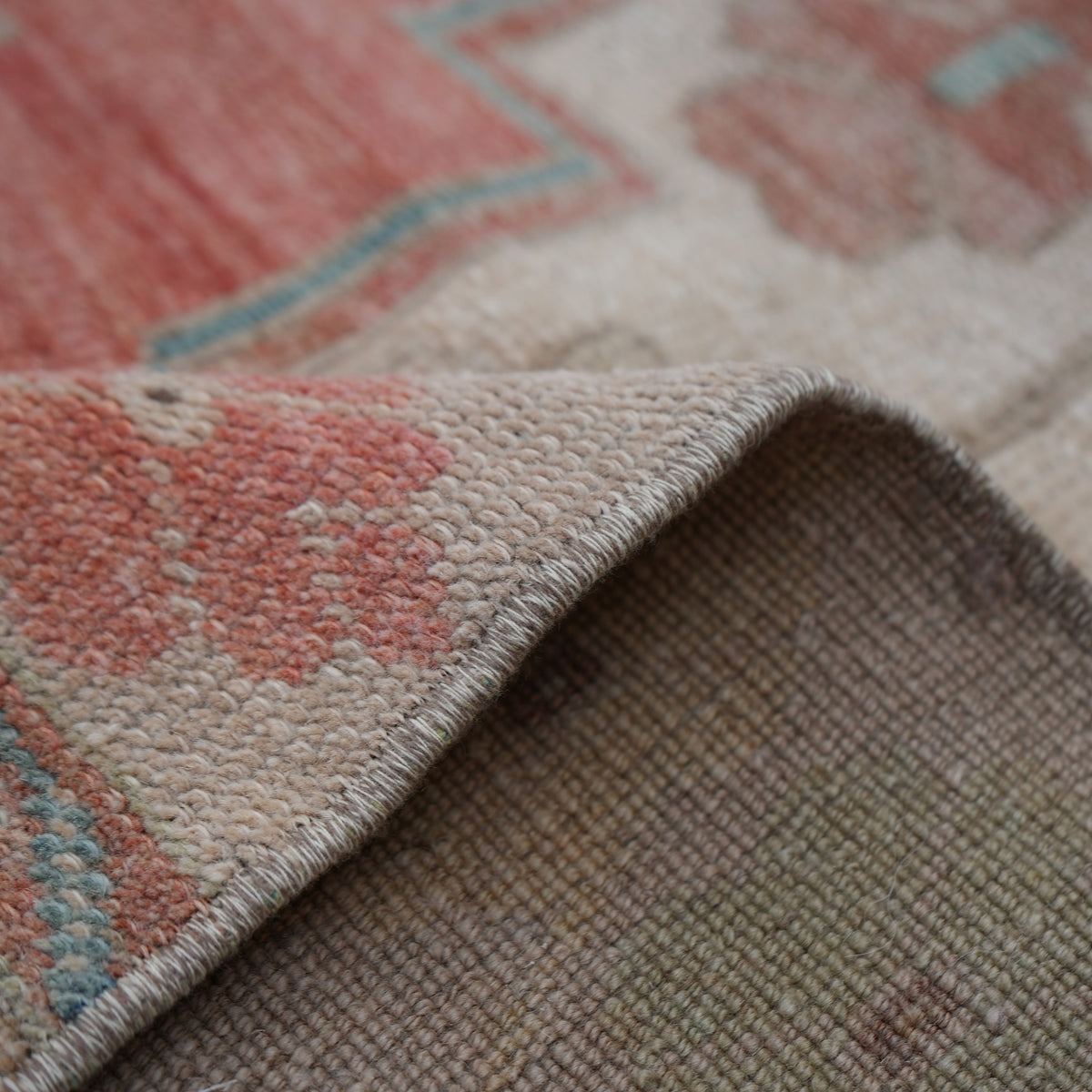
These need the opposite instinct. With no pile to hide moisture, liquid travels straight along the horizontal fibers and gets trapped — often worse than the stain itself. Our FAQ page explains why in more detail. Blot until dry; if that's not enough, call a specialist rather than adding more liquid. Our runner rugs collection includes several flatweave options.

Why Red Wine Stains Are So Hard to Remove From a Rug
Wine stains twice over. Anthocyanins, the pigments giving wine its color, bond quickly to fiber like a dye would. Tannins bond separately and harden over time through oxidation. In the first few minutes, neither has fully set — why speed matters.
Natural dye adds another layer. Rugs colored with madder root or pomegranate rind rely on a mordant, often alum or iron, to fix pigment to the wool — a chemical bond, not a coating, and more reactive to acids than synthetic dye.
Does White Wine Really Remove Red Wine Stains?
You'll hear this at every dinner party: pour white wine on the stain and it vanishes. It's mostly folklore — what's actually happening is dilution, not removal. White wine also carries sugar and alcohol that can leave a residue attracting new dirt within days.
I've watched a stain look gone one night and reappear darker a week later. If it's the only thing on hand, use it as a stopgap, then rinse immediately with cold water or the vinegar solution.

Rug Cleaning Mistakes That Cause Permanent Damage
- Hydrogen peroxide without testing — its mild bleaching effect isn't always reversible on dark or naturally dyed rugs.
- Soaking instead of blotting — more water sitting in the backing is how mildew starts.
- Hot water — it sets the stain rather than lifting it.
- Scrubbing — pushes wine deeper and can loosen hand-tied knots over time.
- Grinding salt into the pile — fine as a gentle absorbent, damaging if worked in hard.
When to Call a Professional Rug Cleaner
Silk, viscose, genuine antiques, and any stain soaked through to the backing belong with a specialist. Professional cleaning typically runs $3 to $8 per square foot — roughly $240 to $640 for an 8x10 rug. Against replacing a comparable hand-knotted rug, often $1,500 to well over $10,000, that's reasonable to restore something irreplaceable. Our Turkish rug cleaning guide covers how often a deeper clean makes sense.

Preventing Wine Stains on Dining and Living Room Rugs
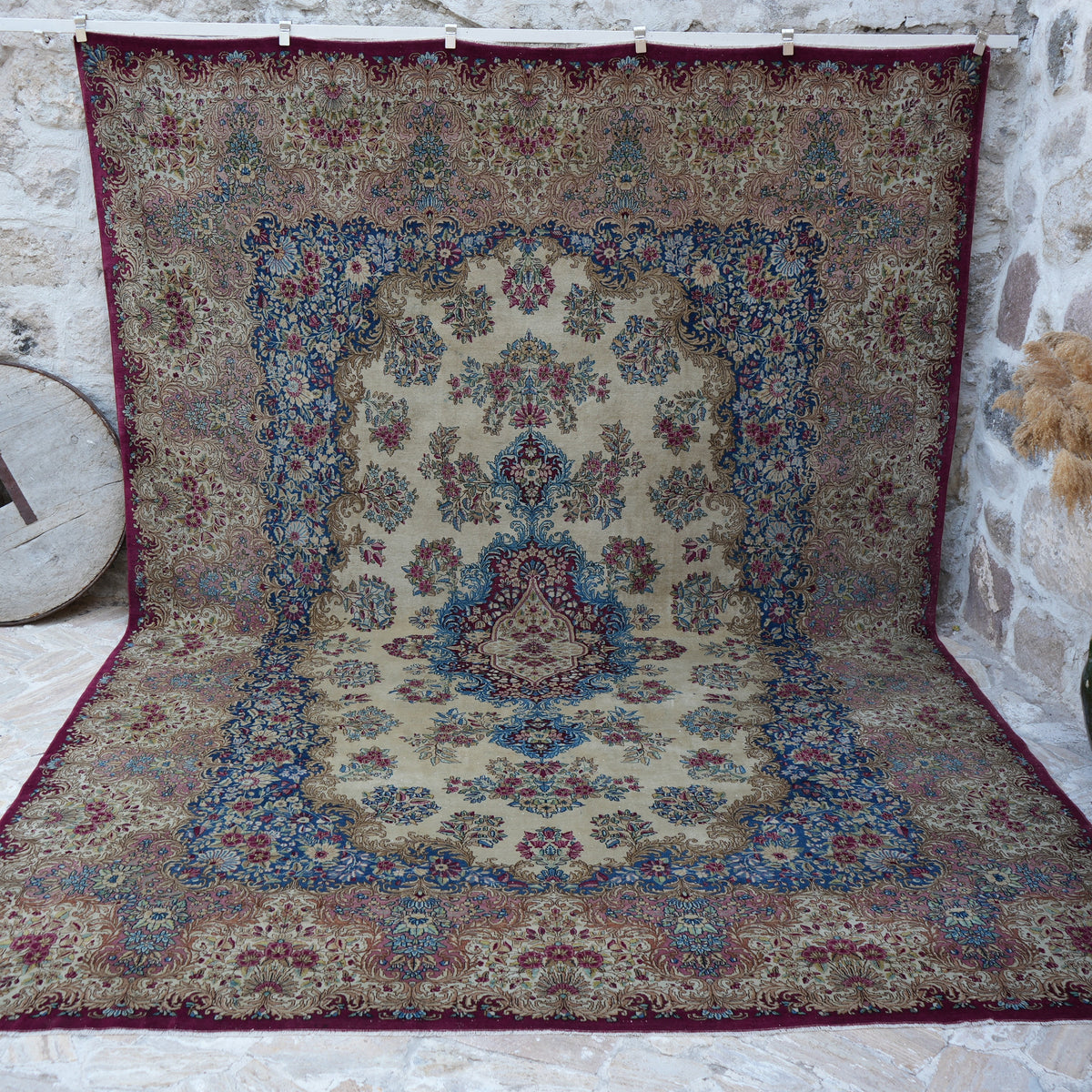
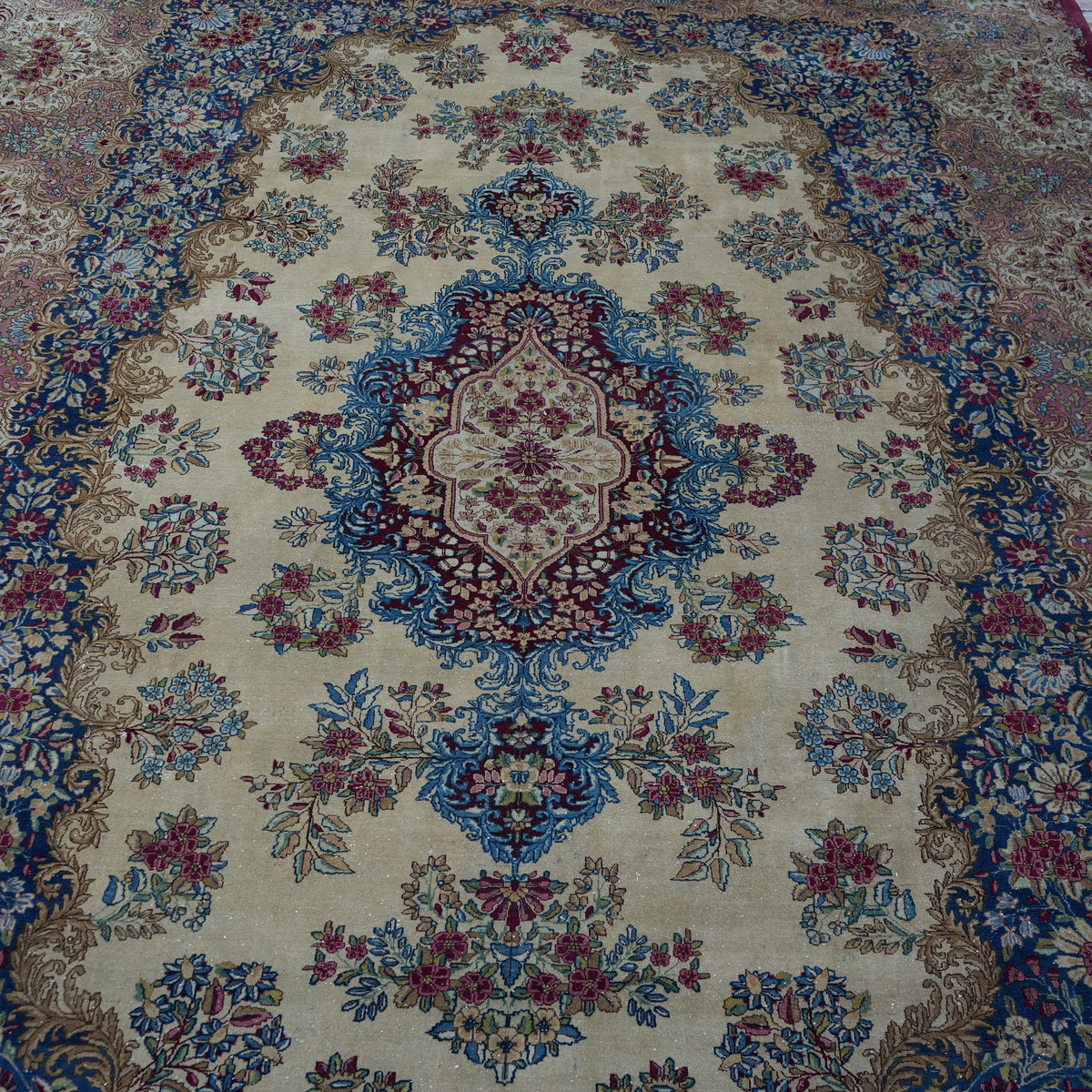
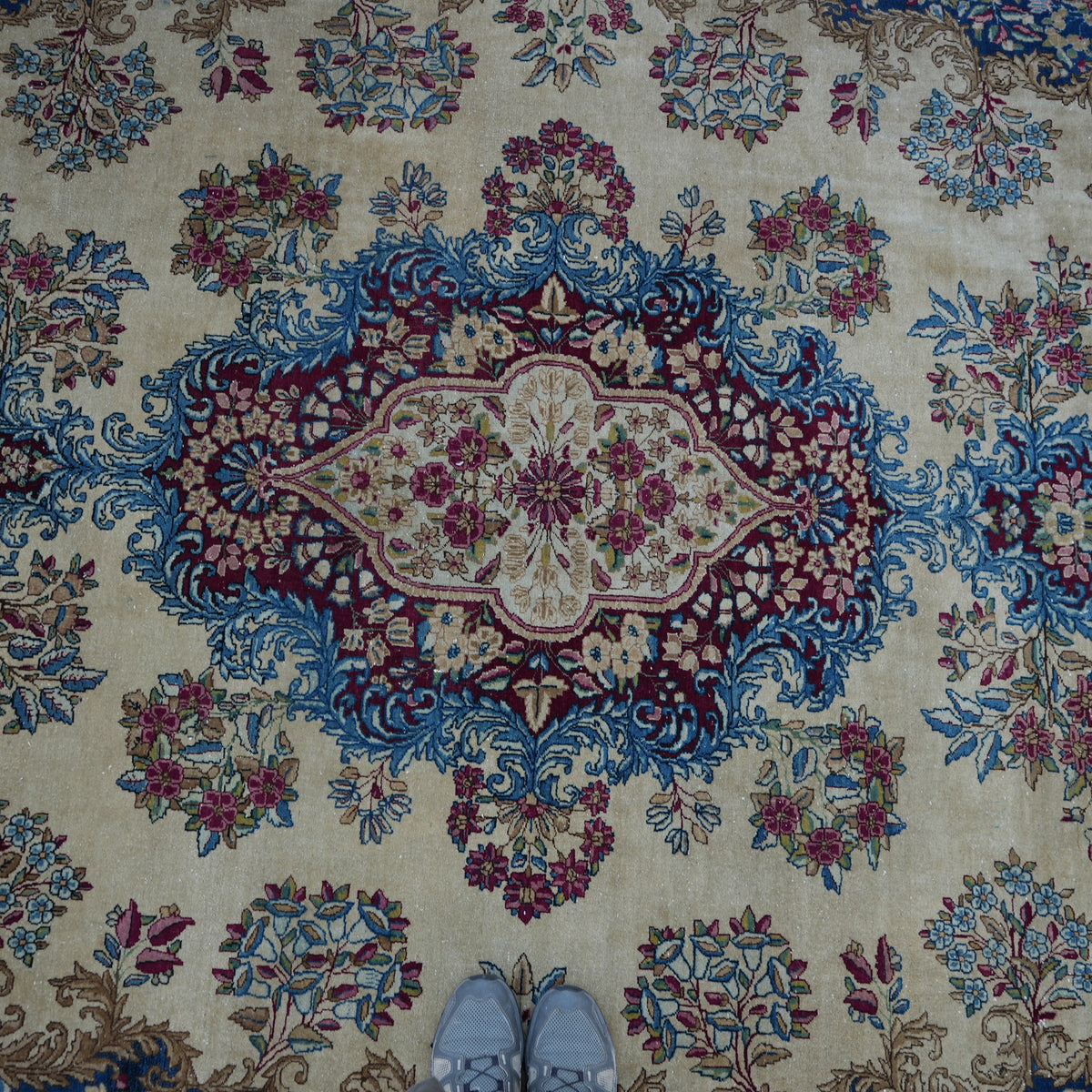
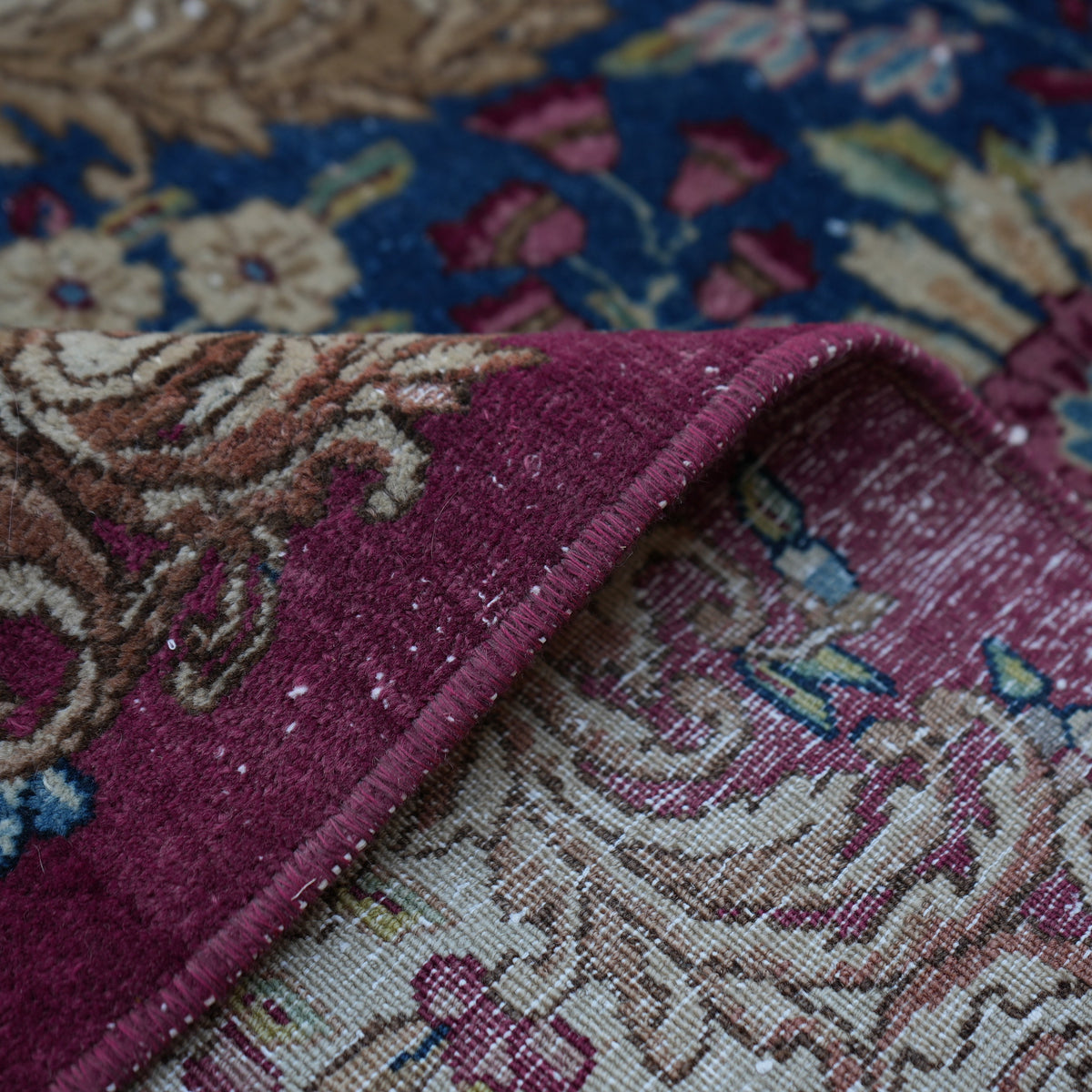
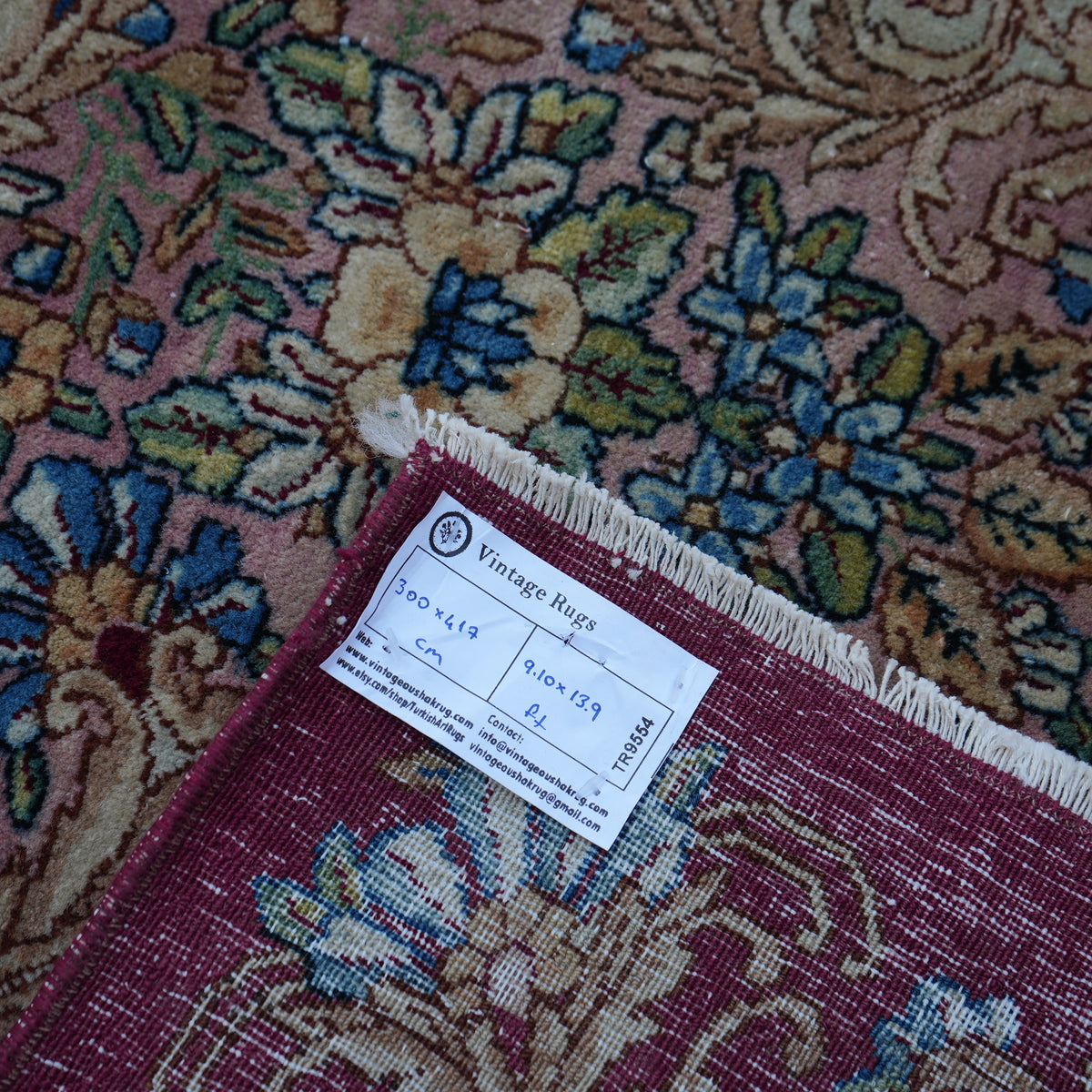
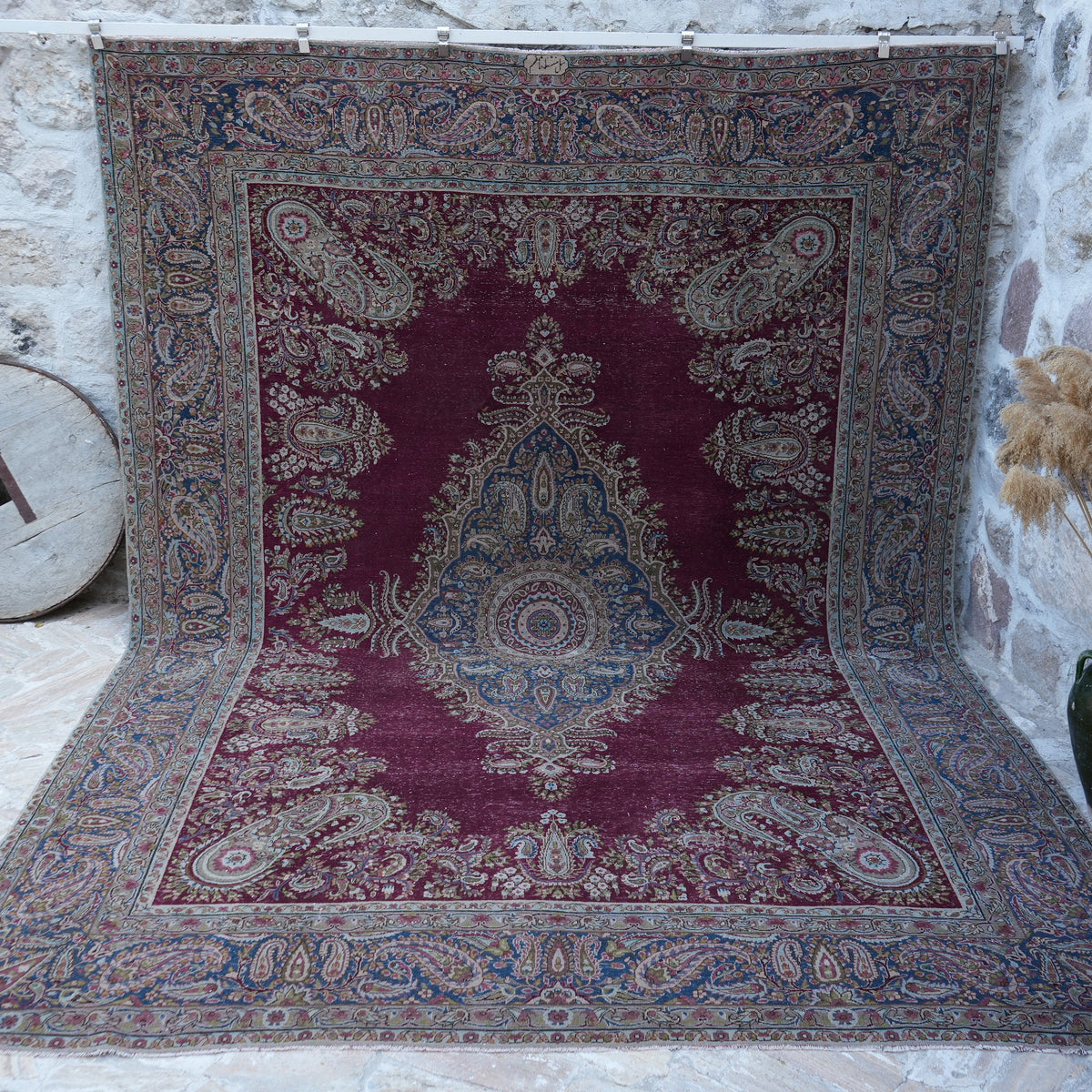
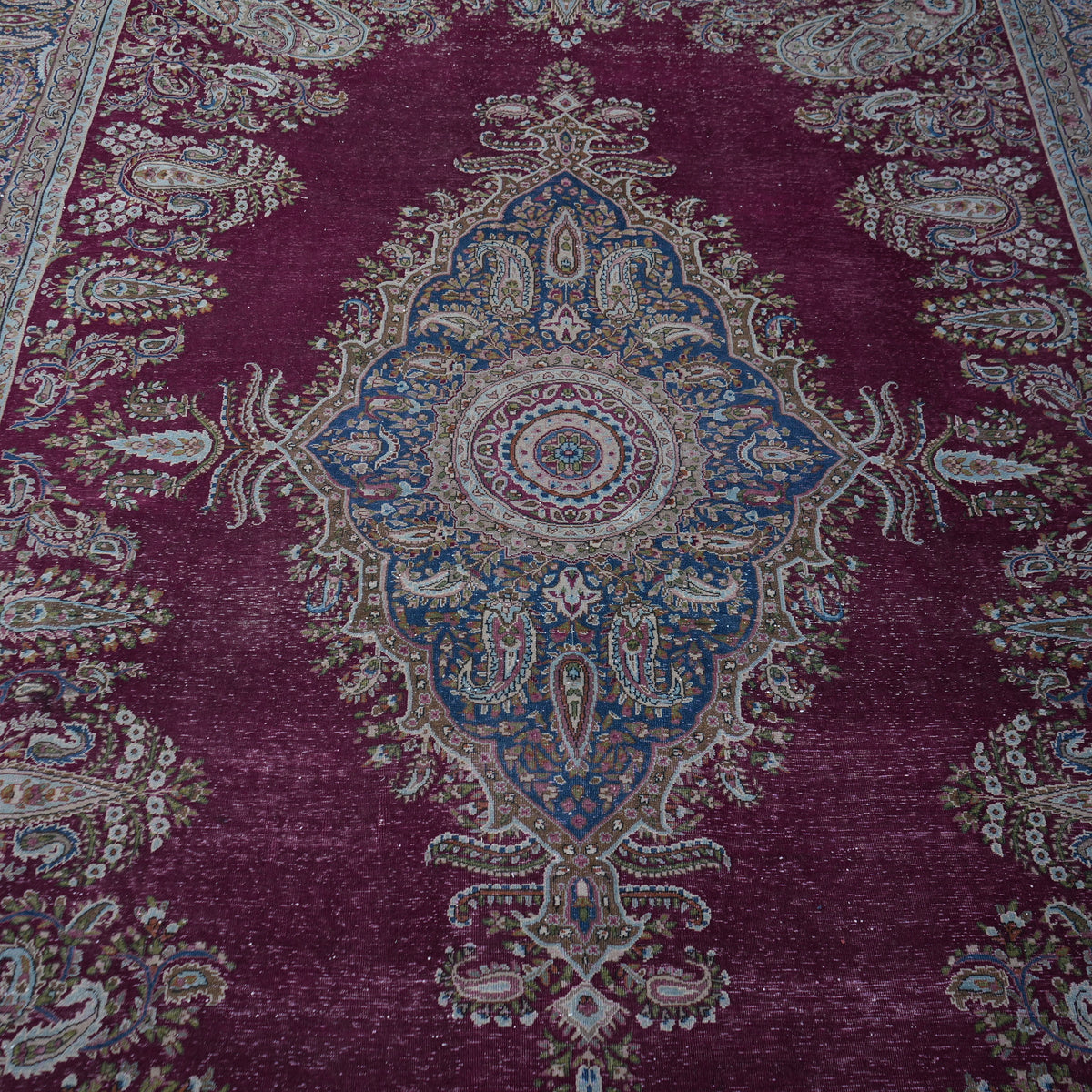
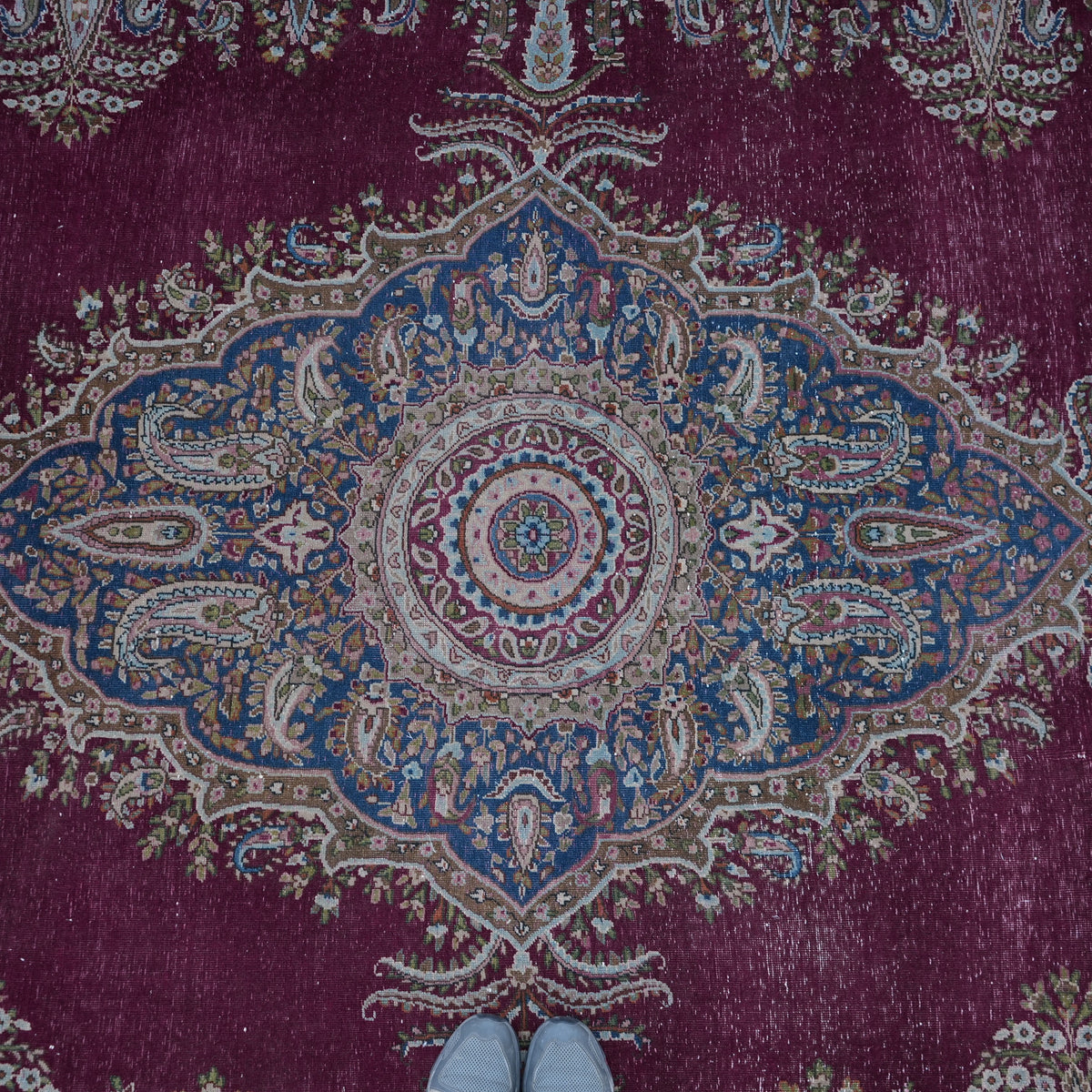
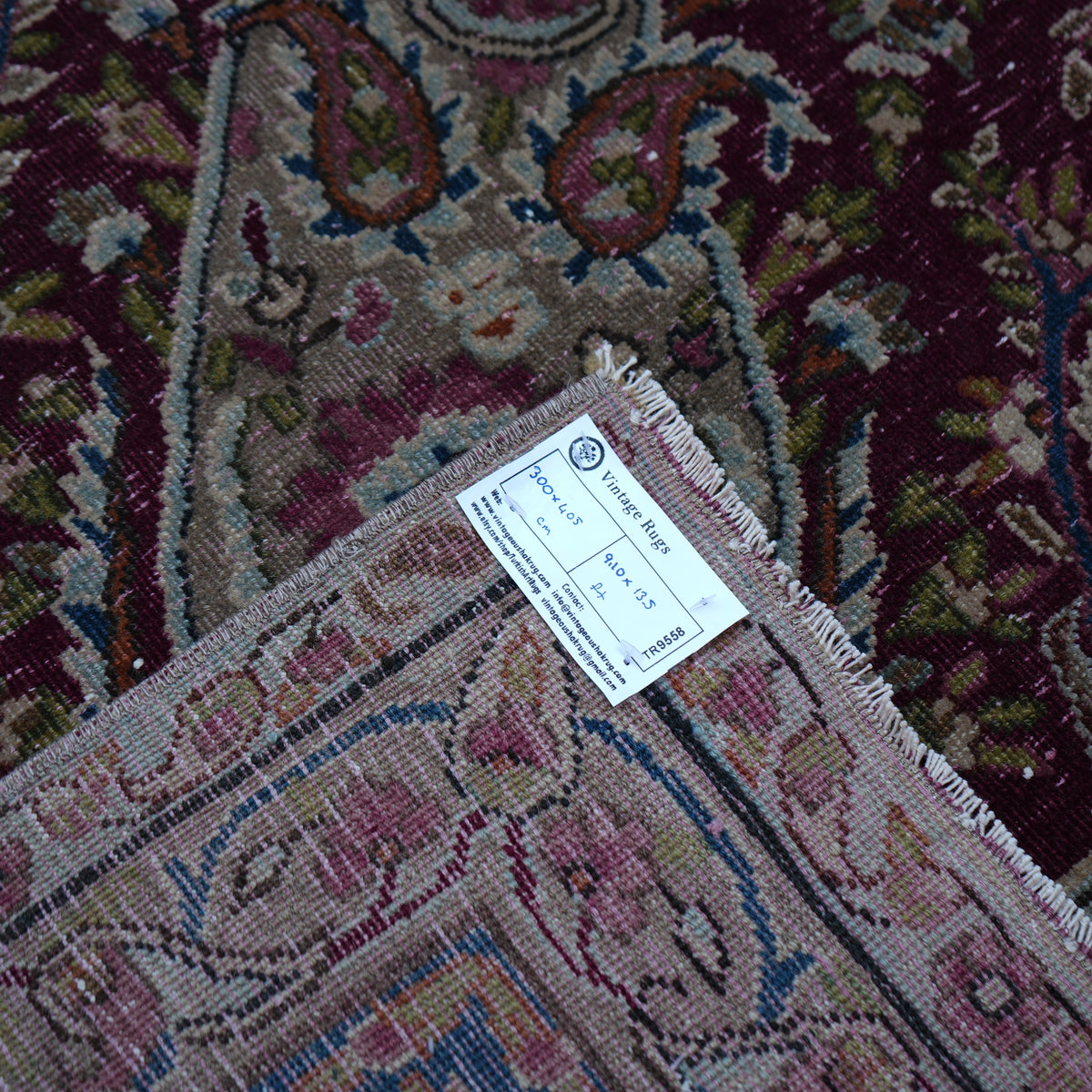
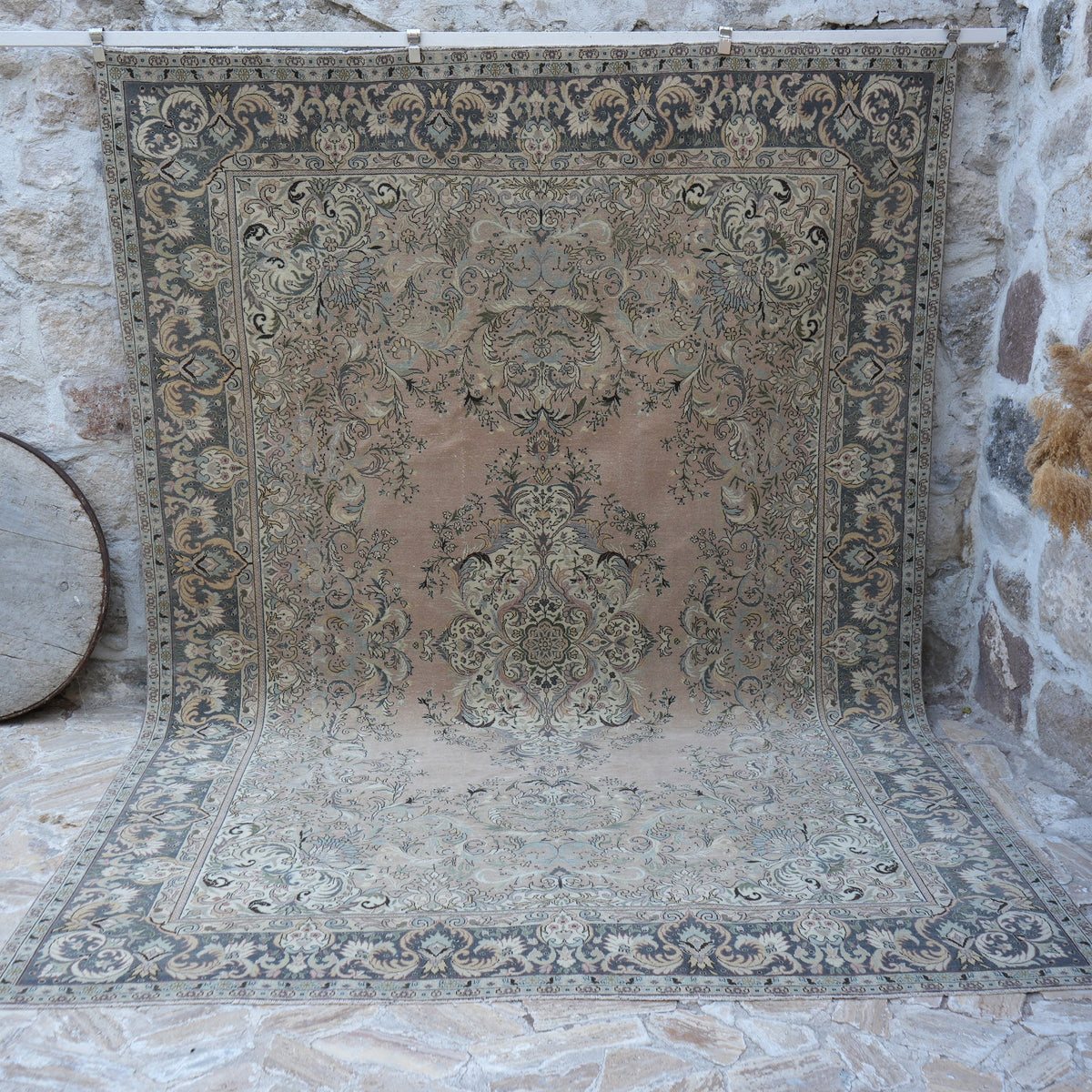
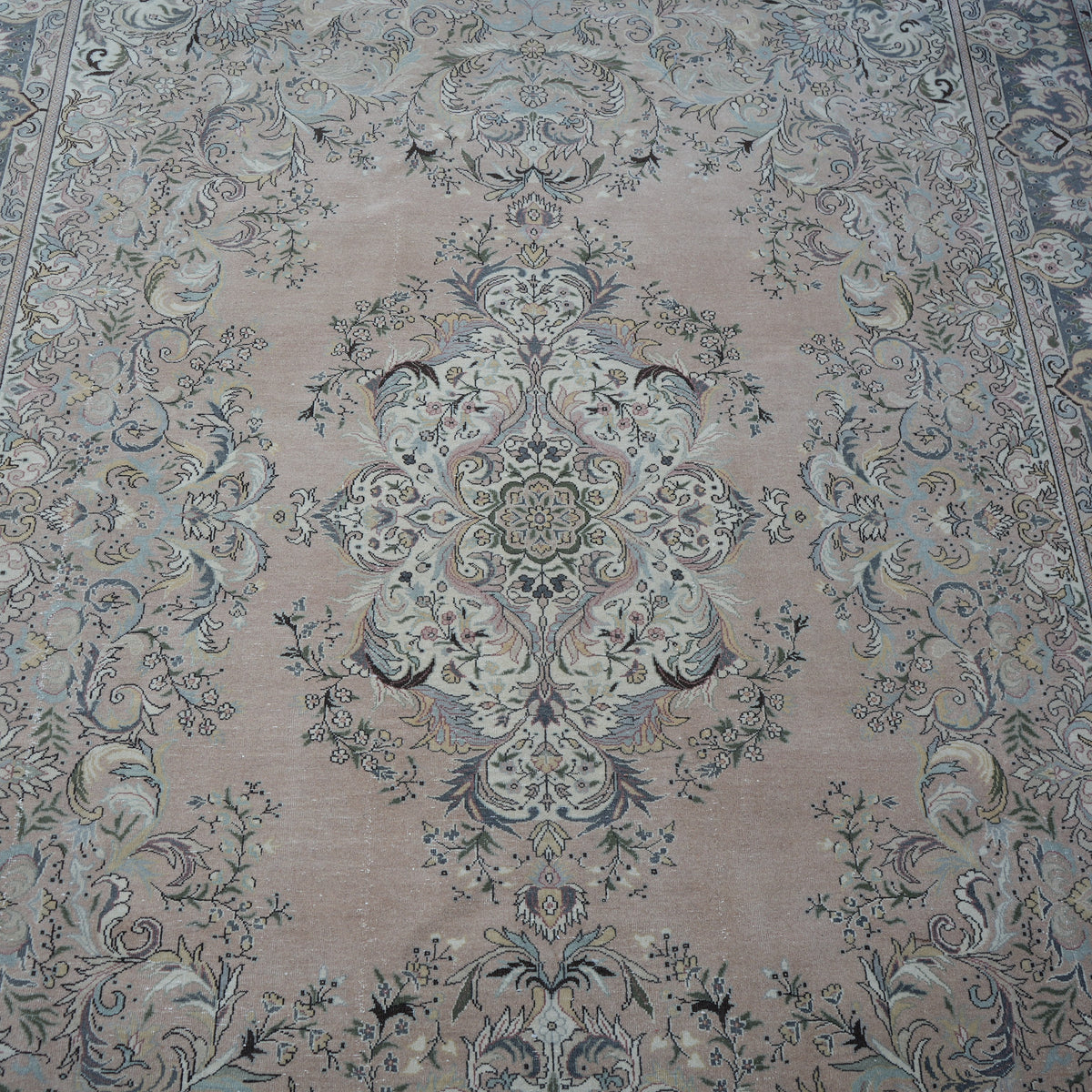
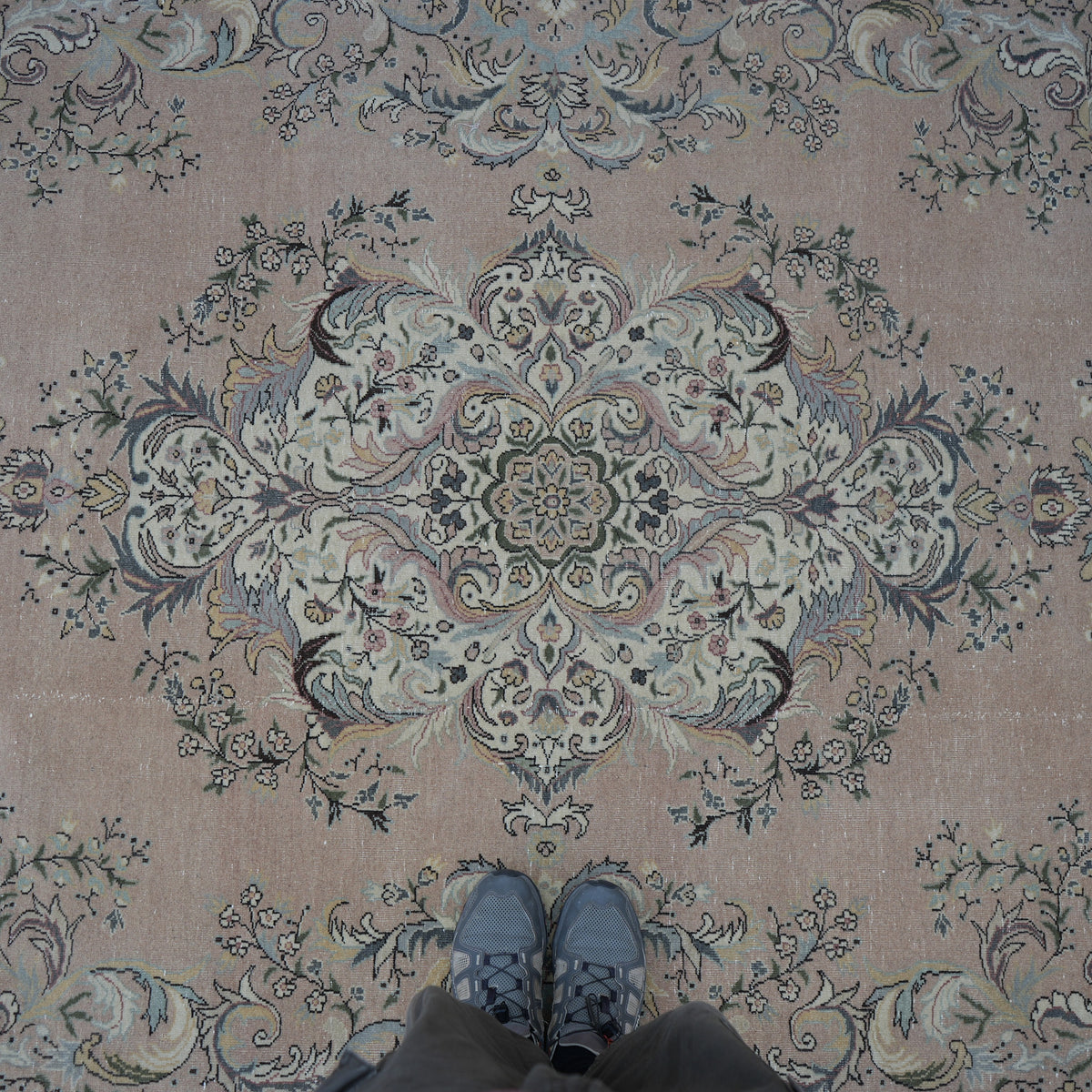
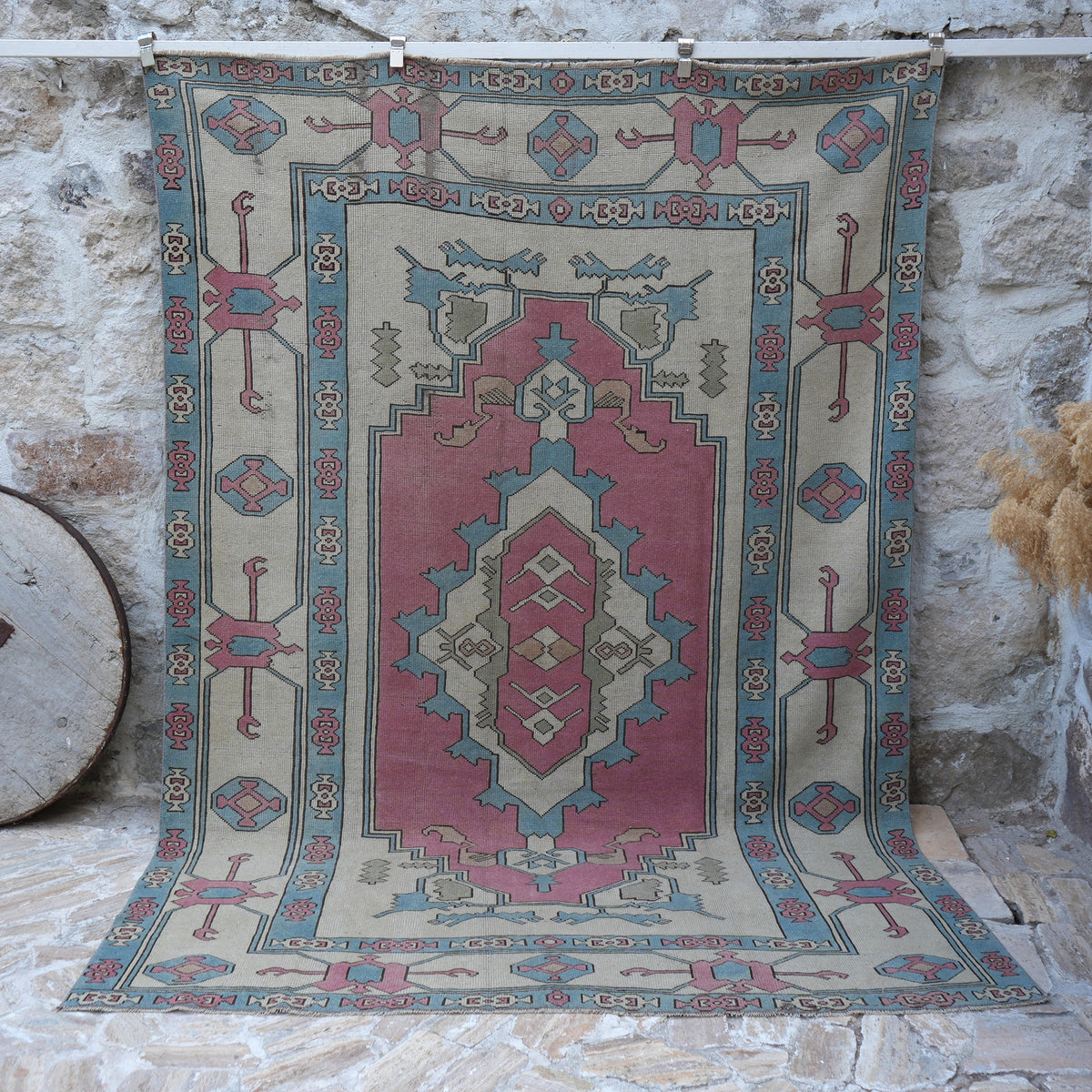
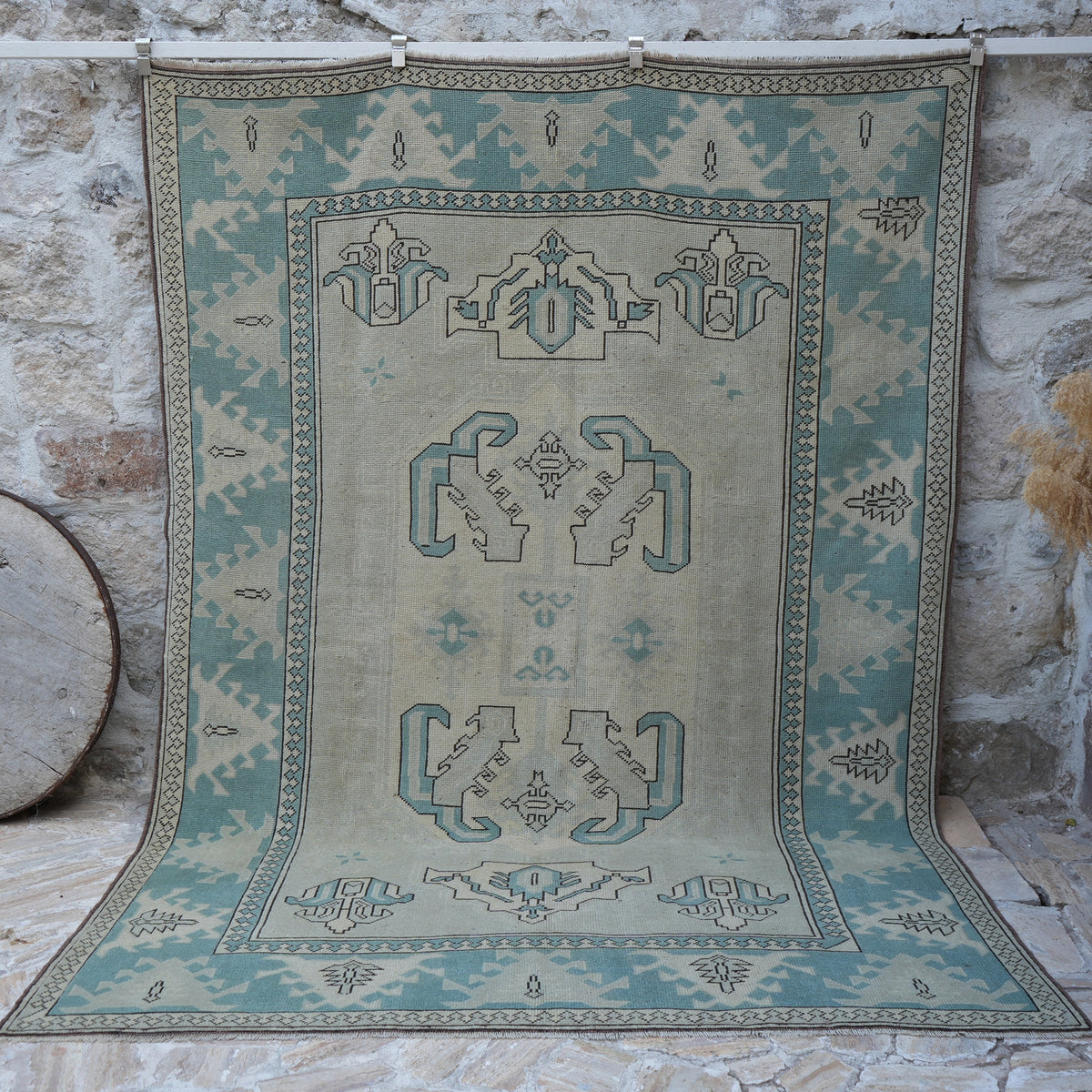
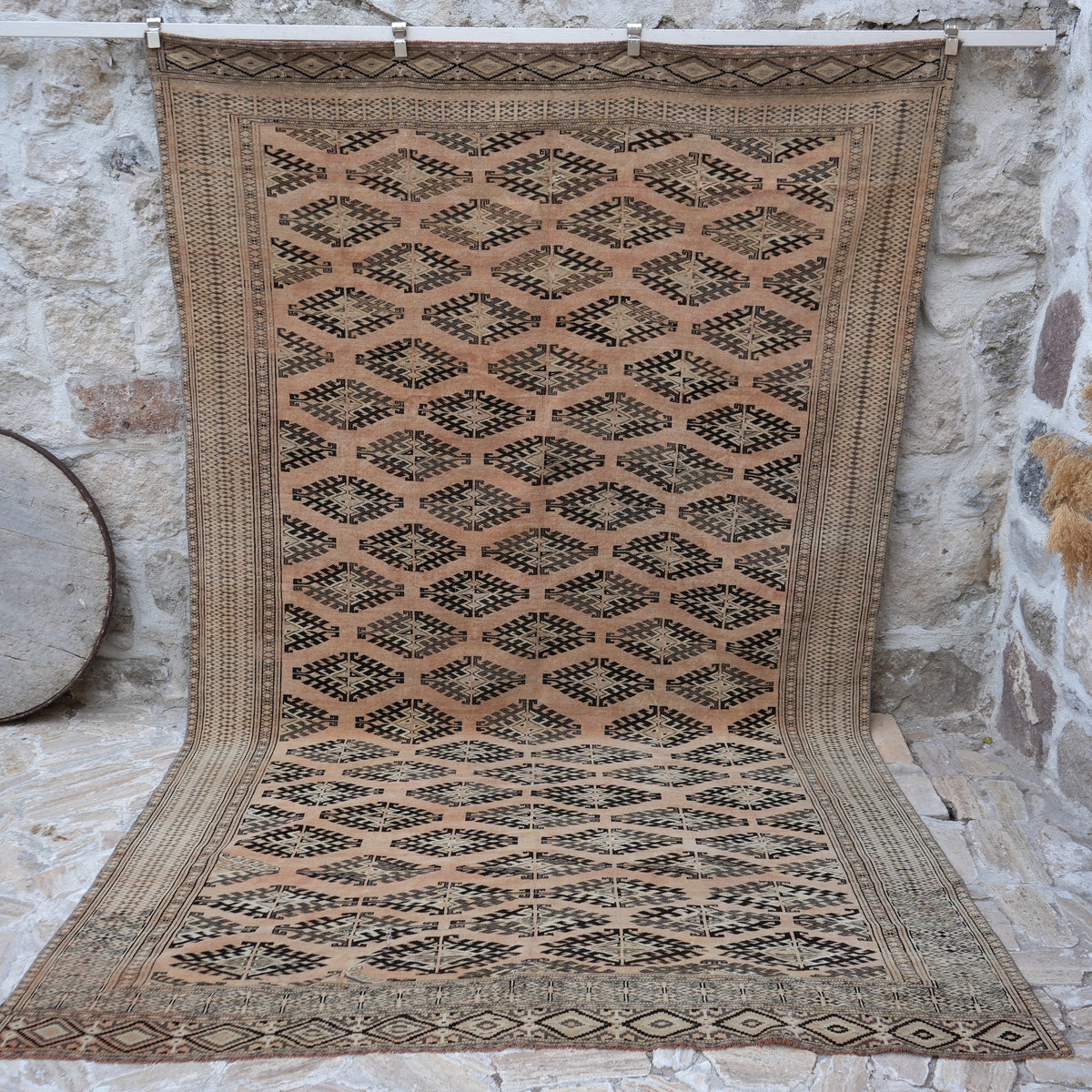
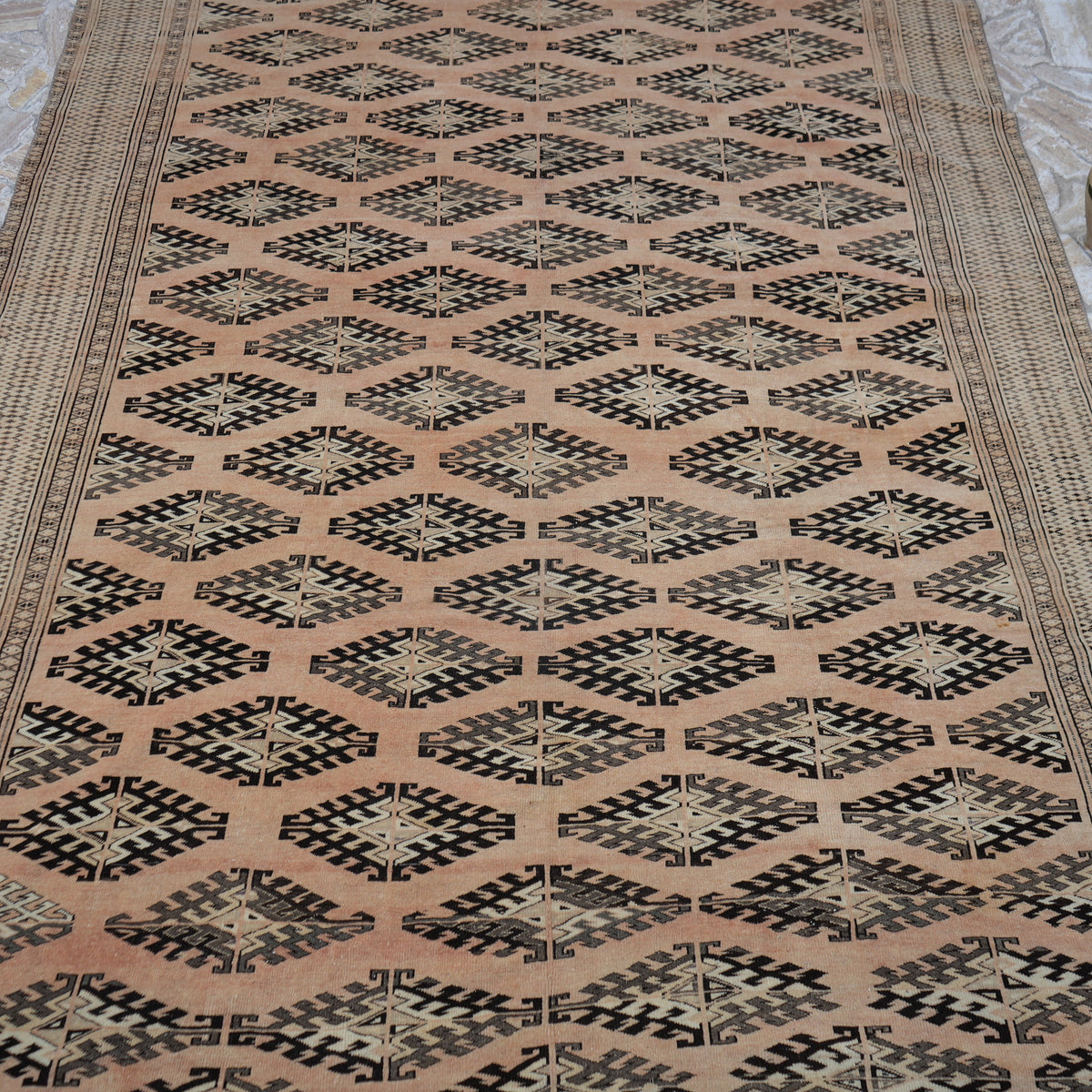
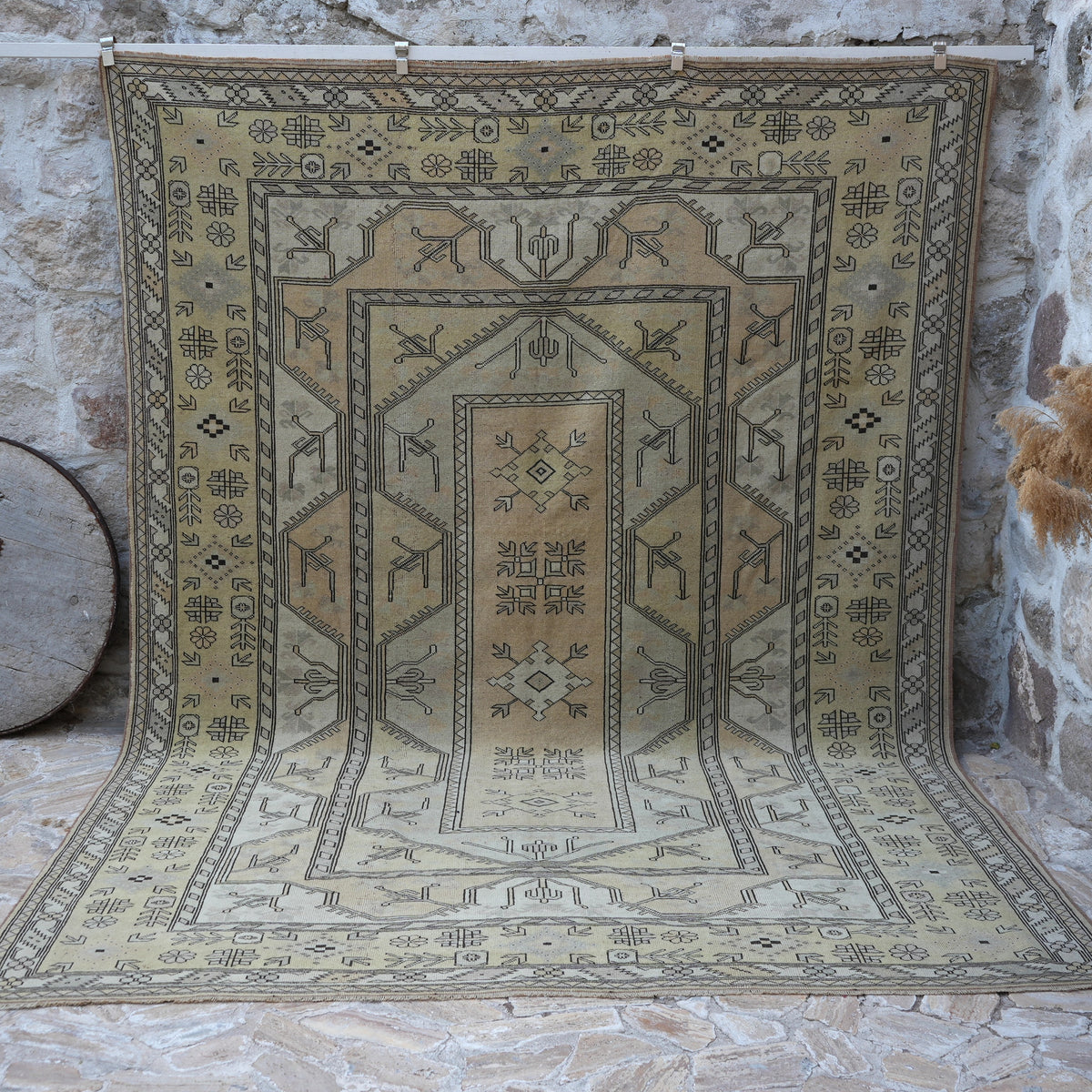
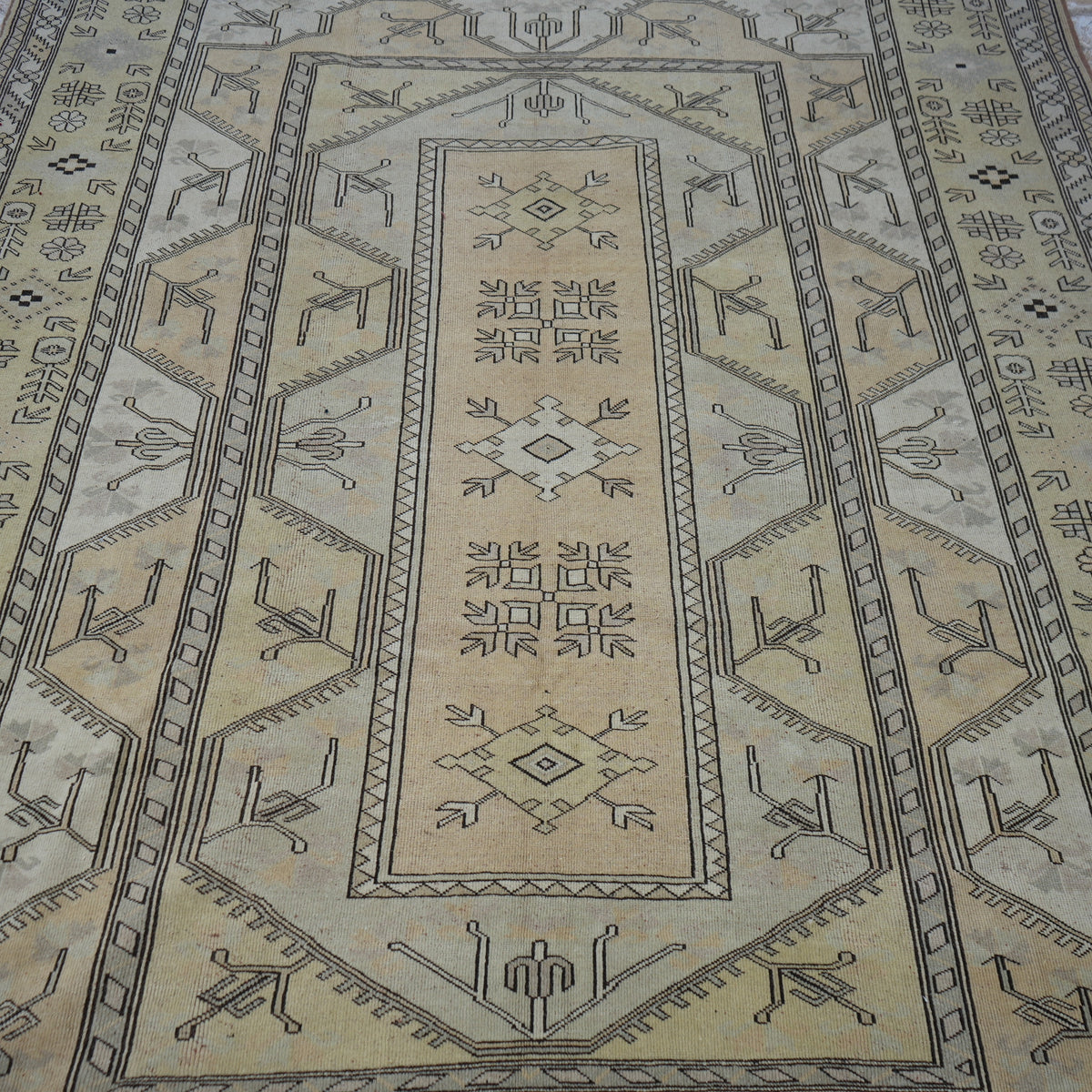
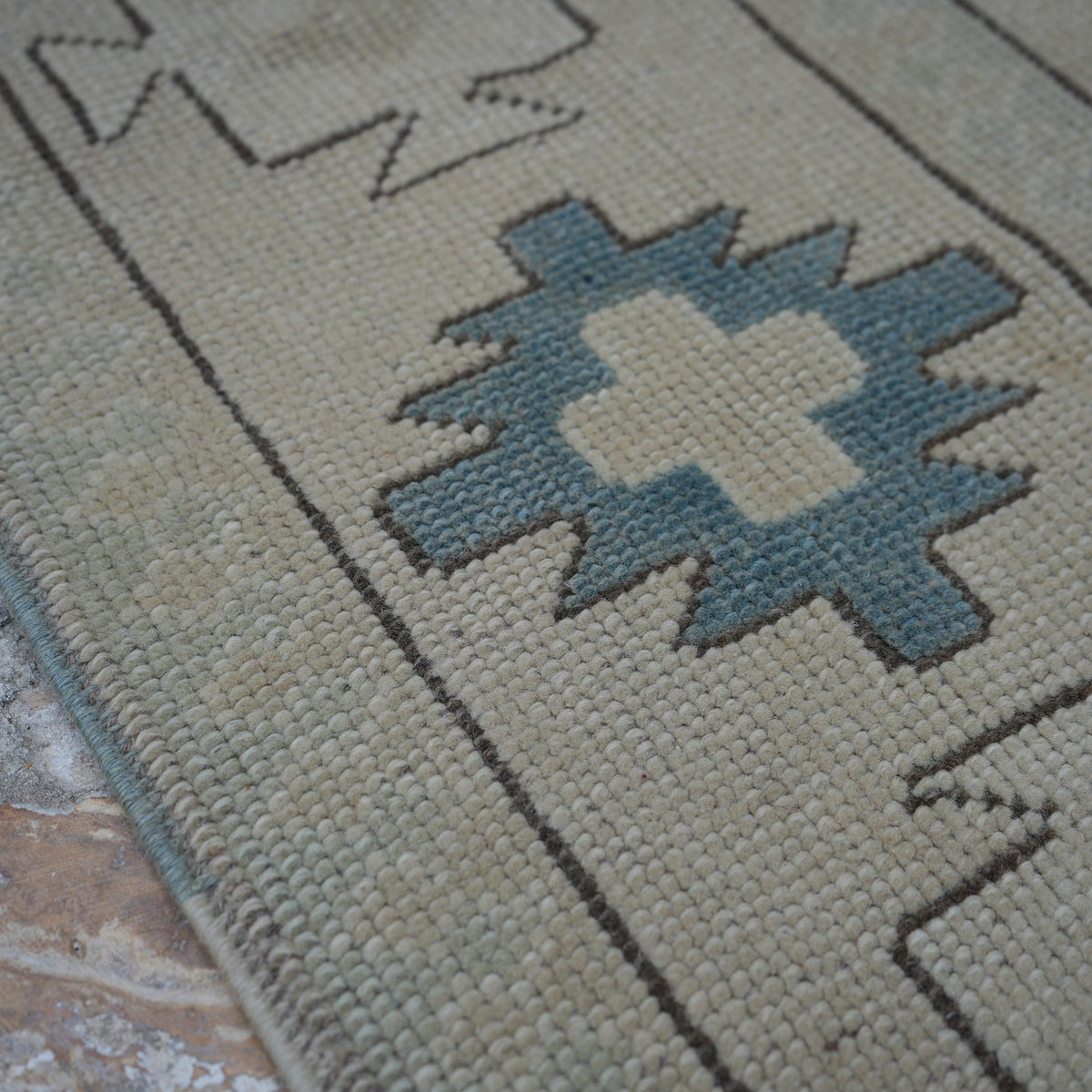
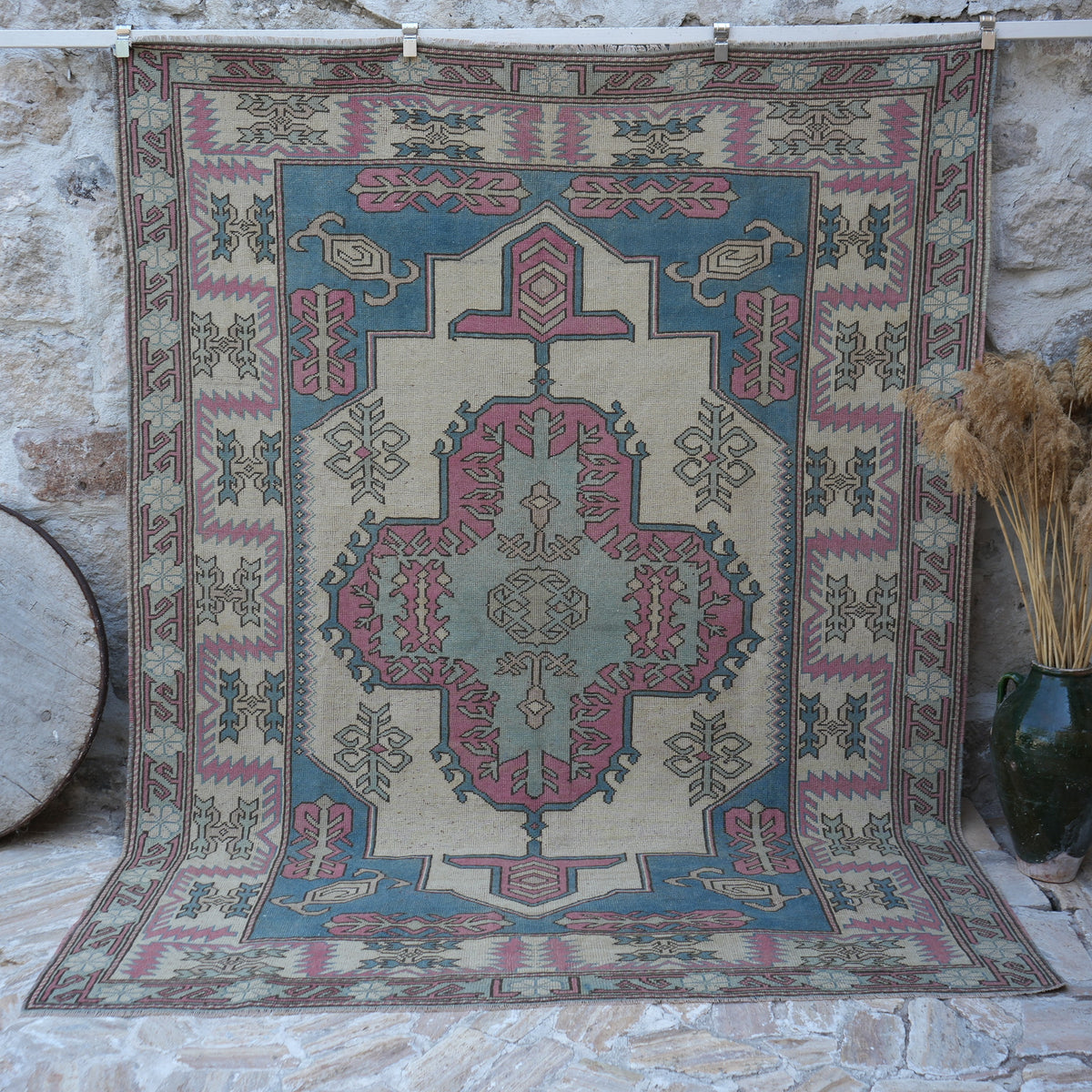
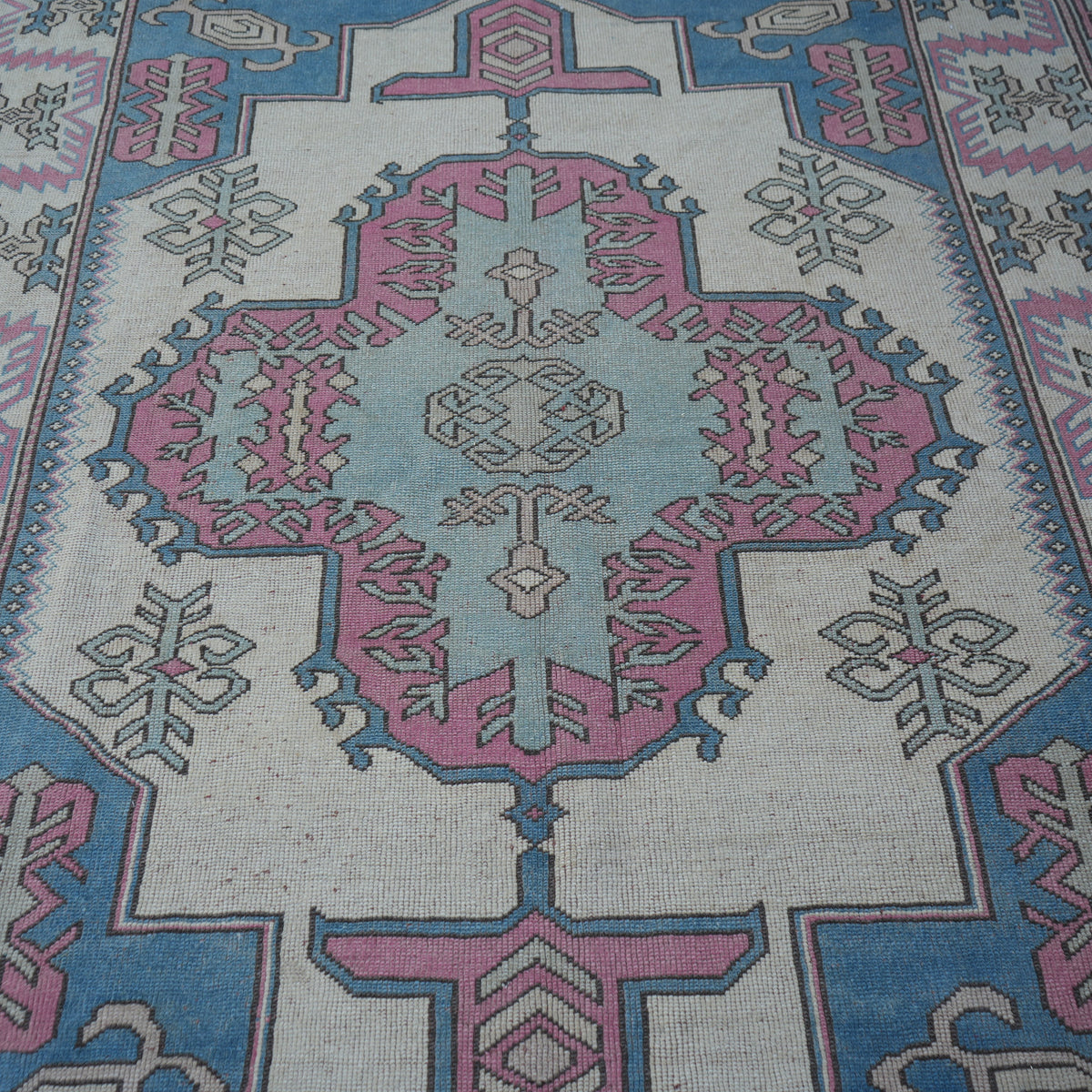
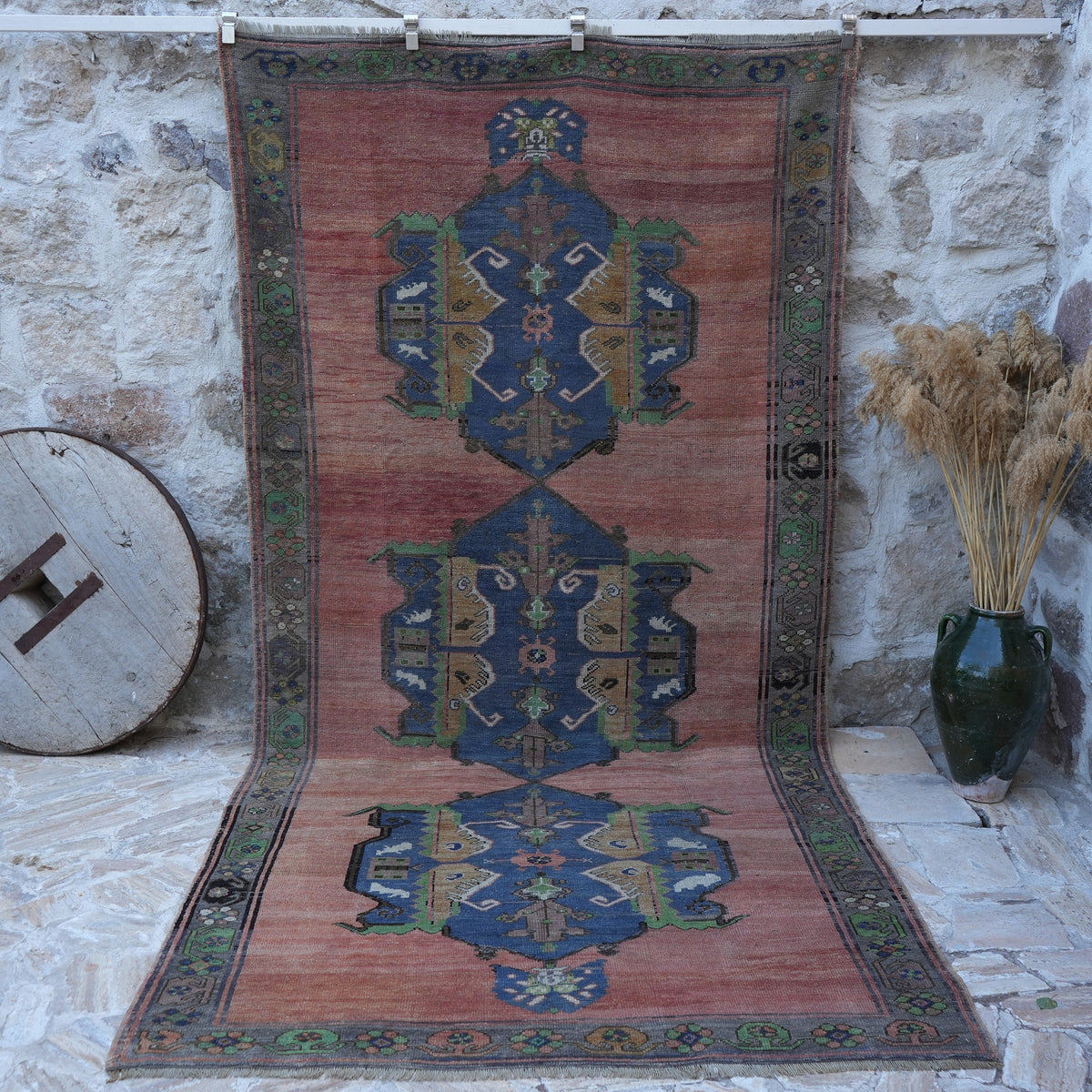
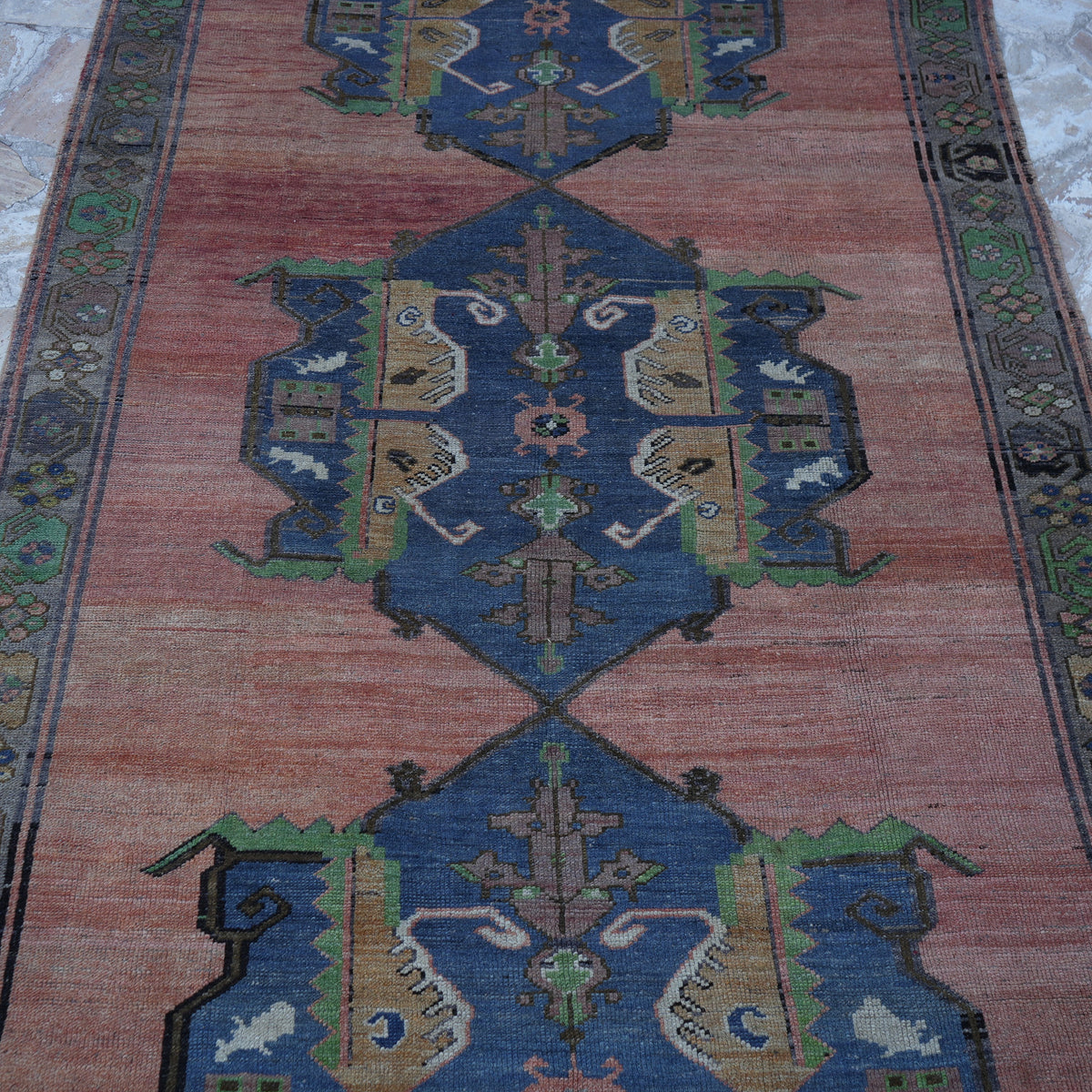
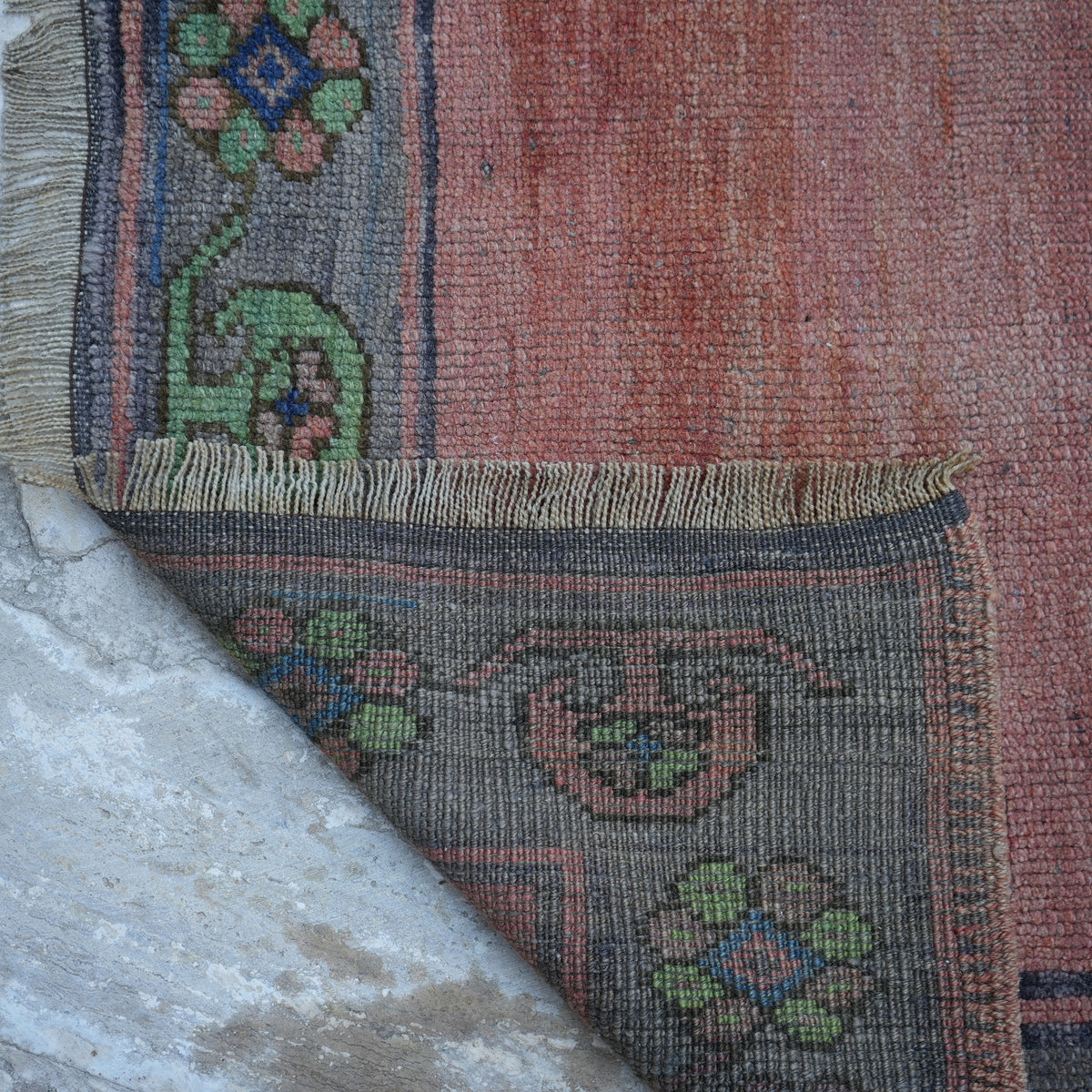
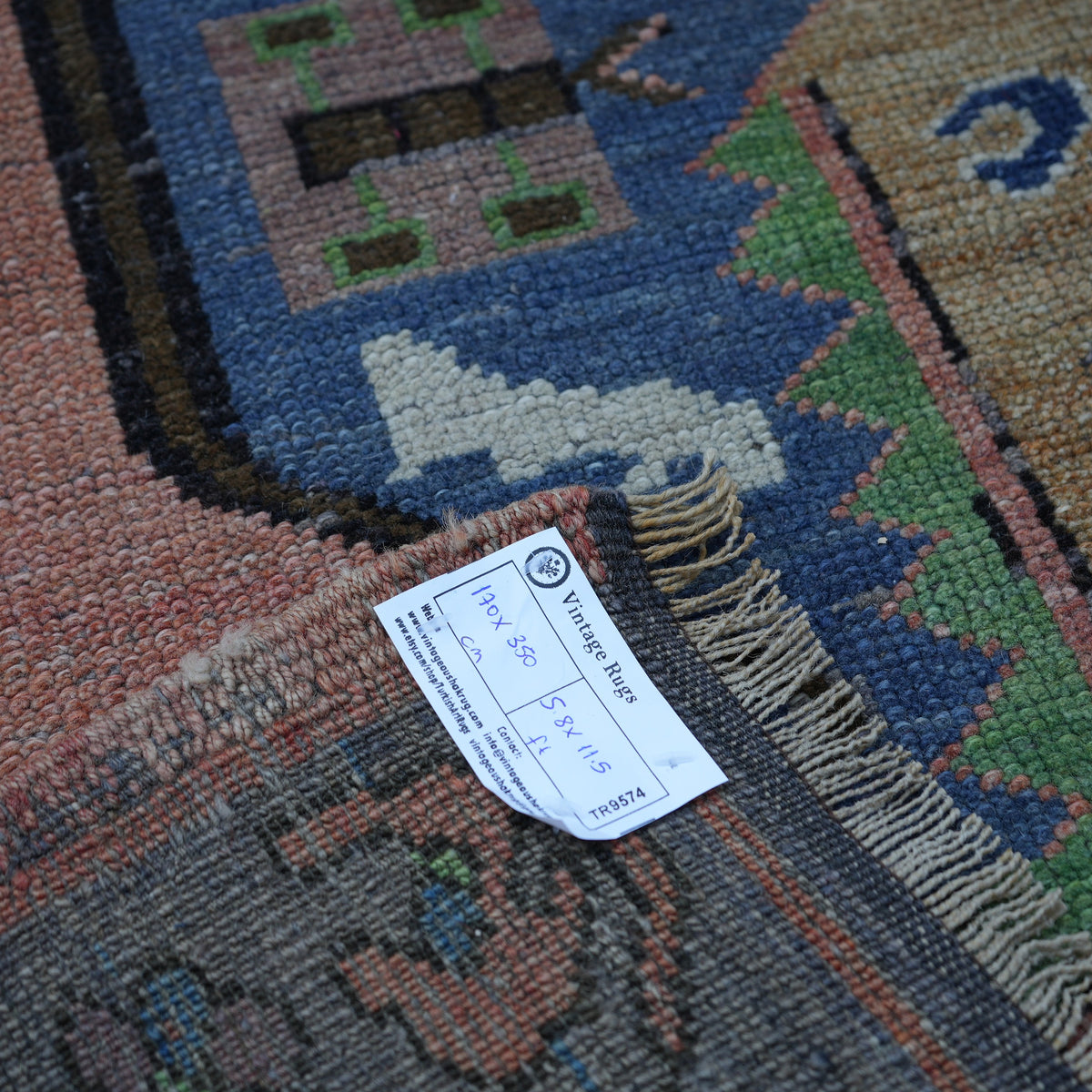
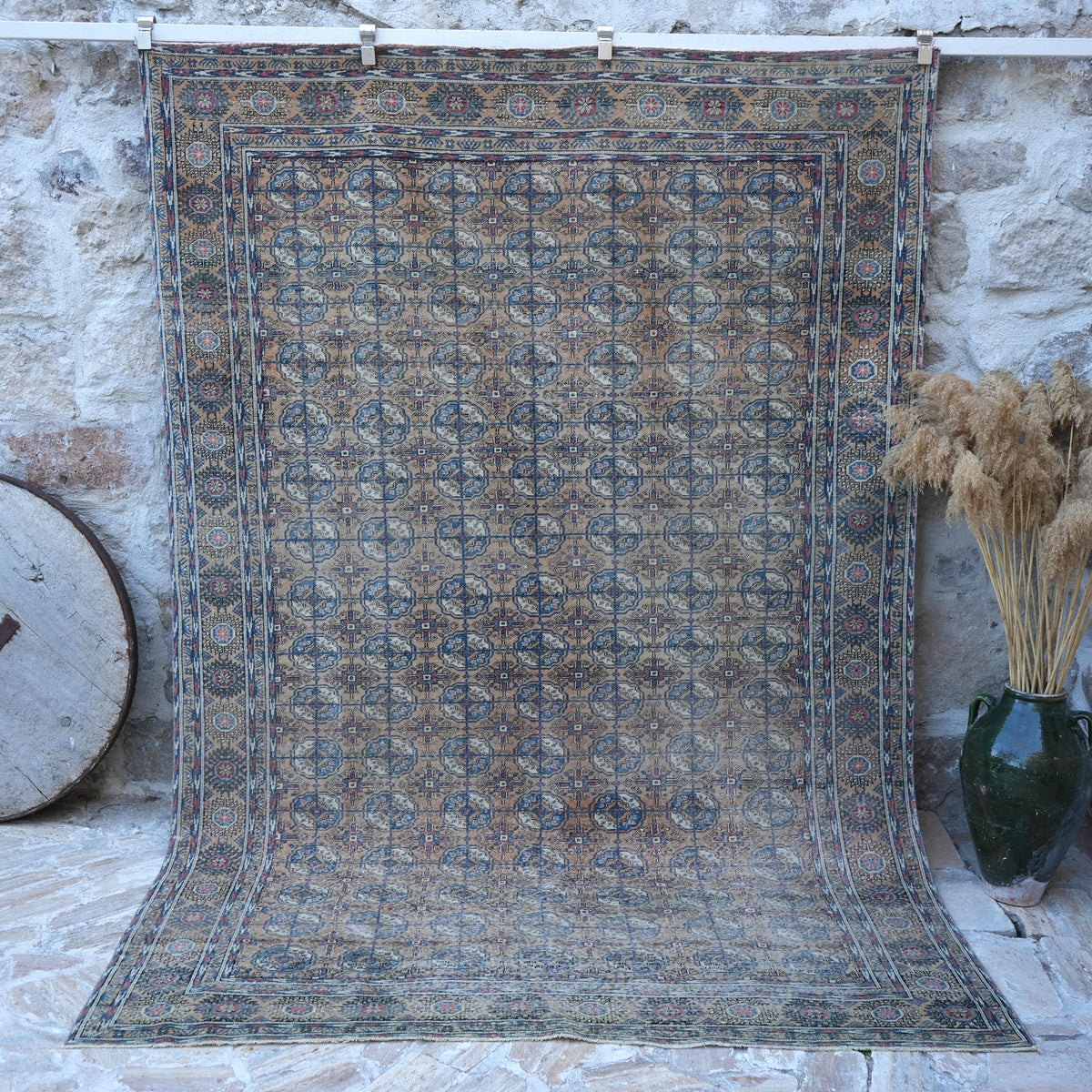
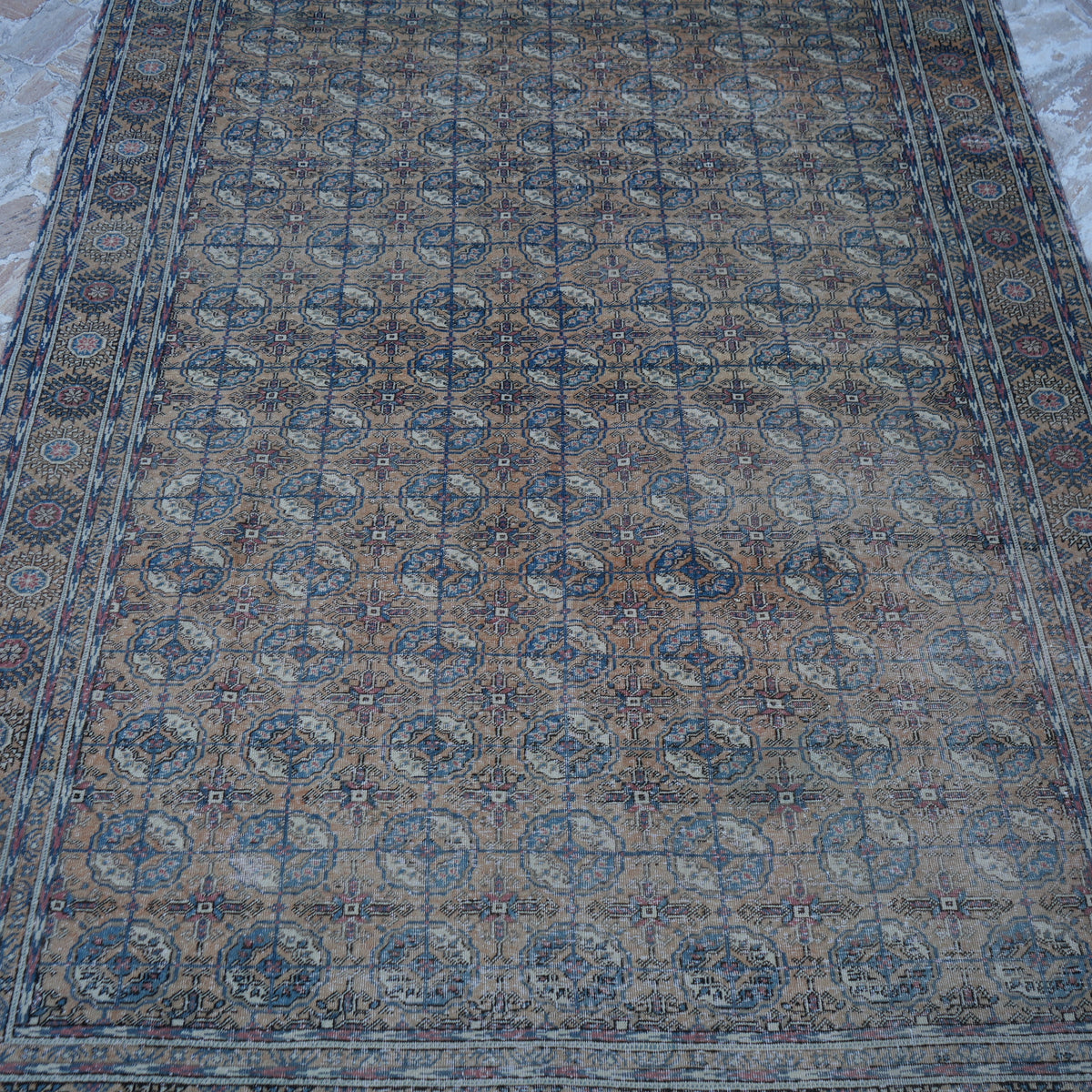
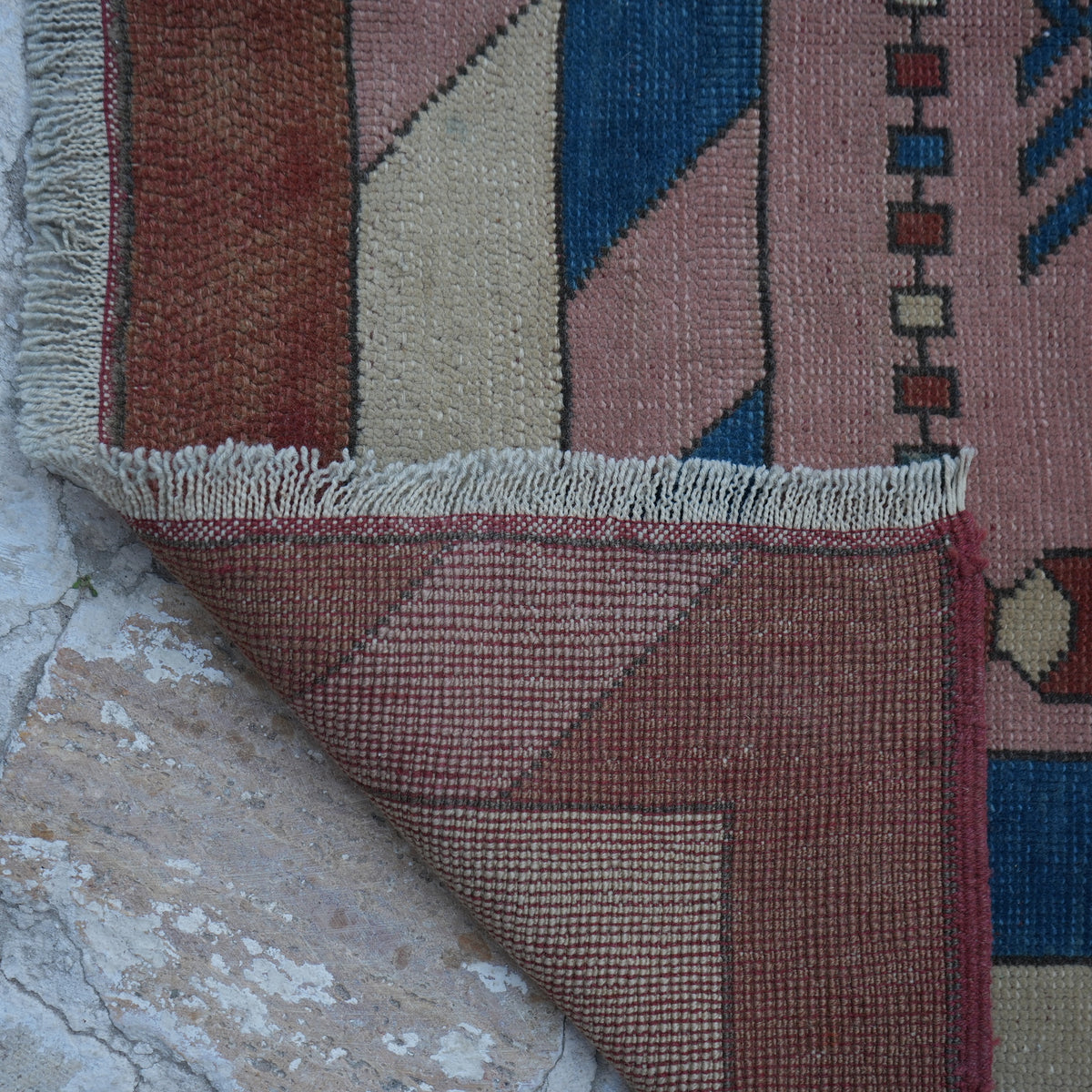
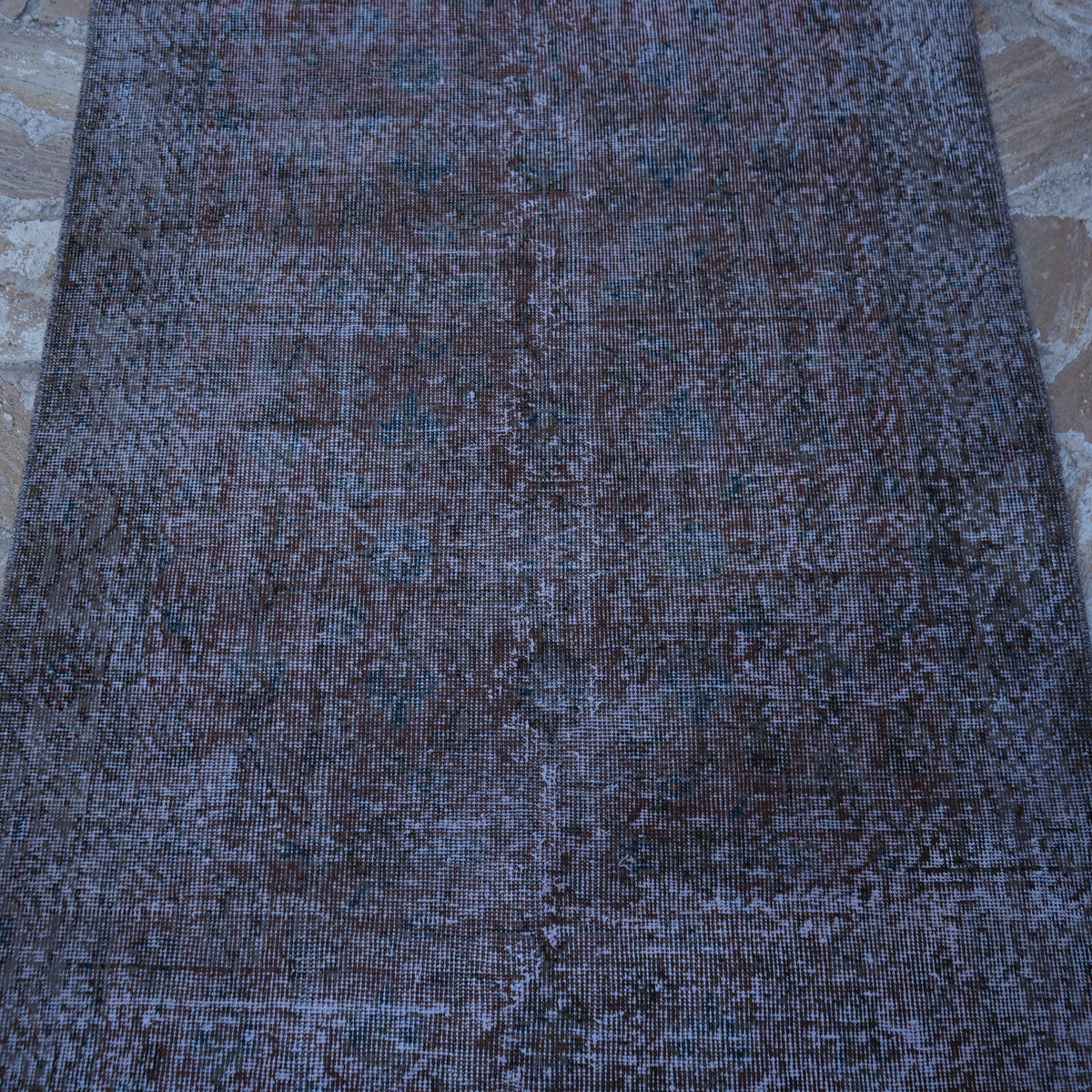
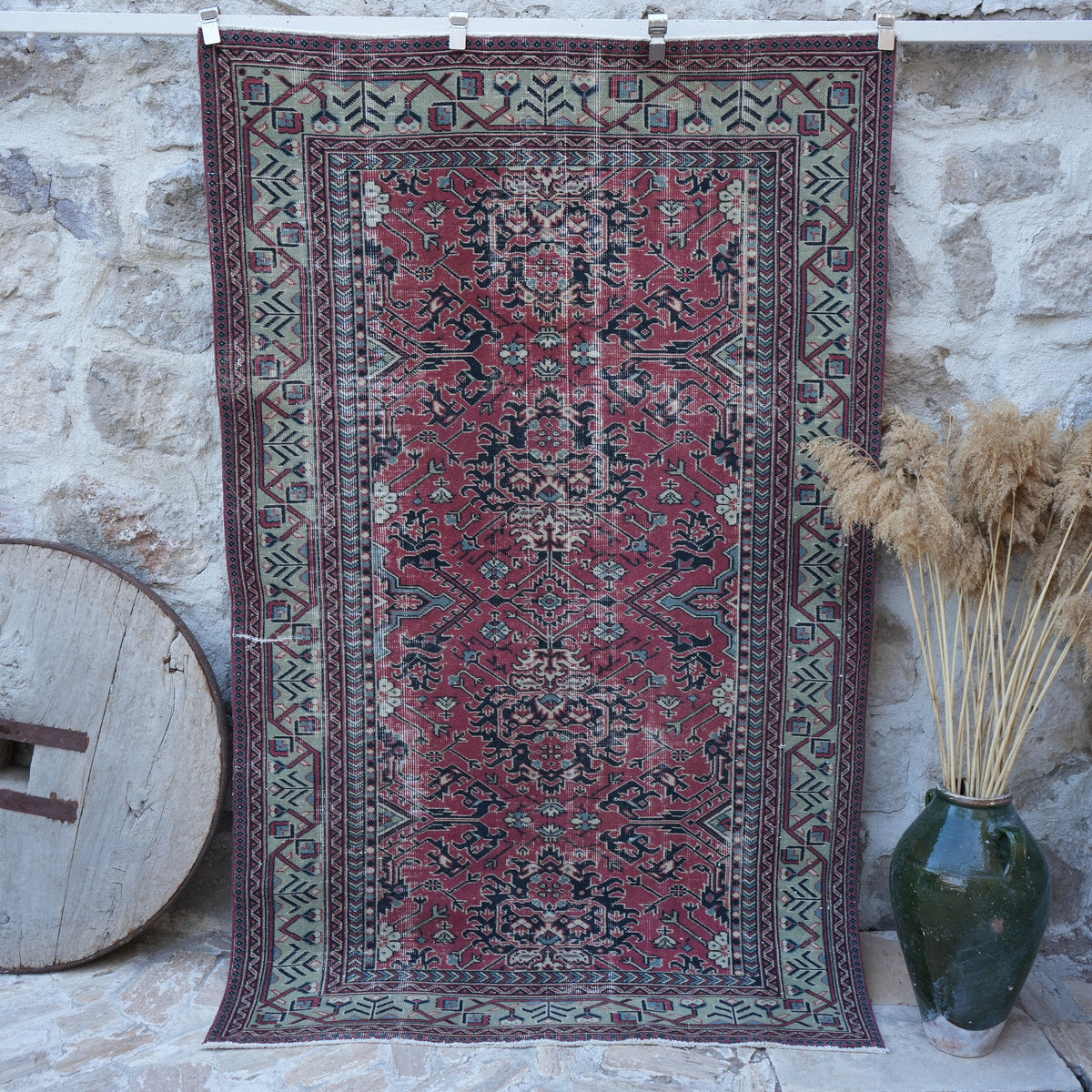
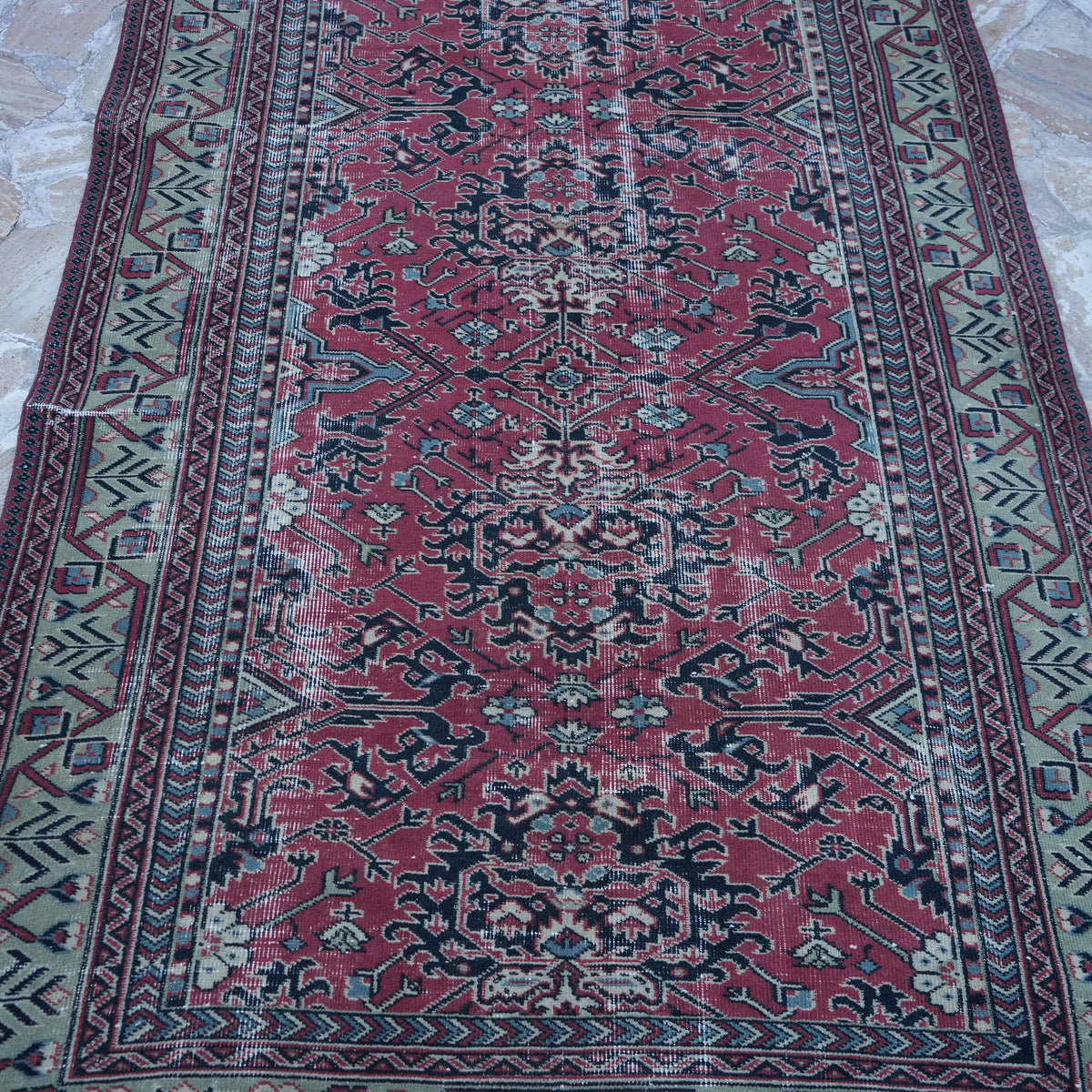
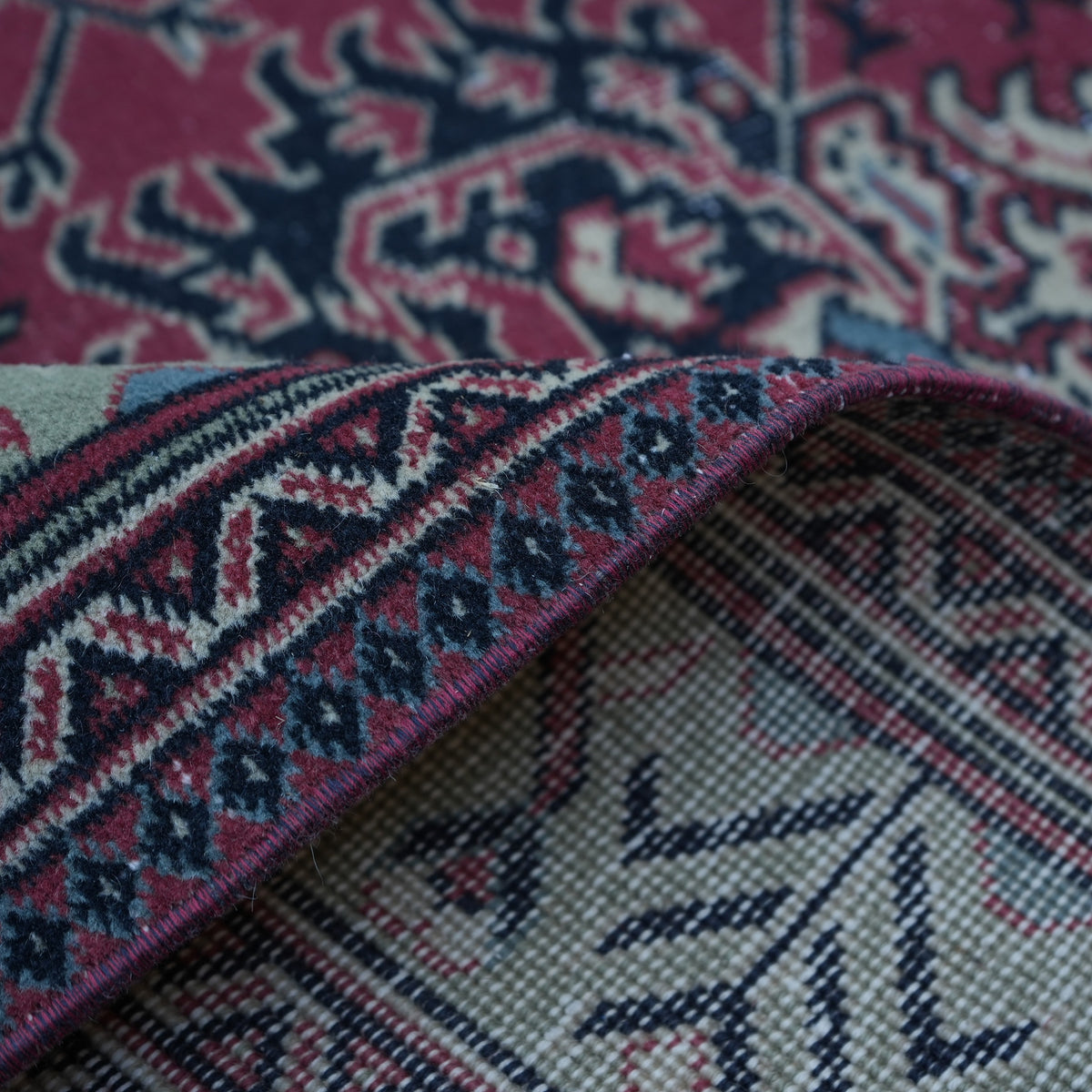
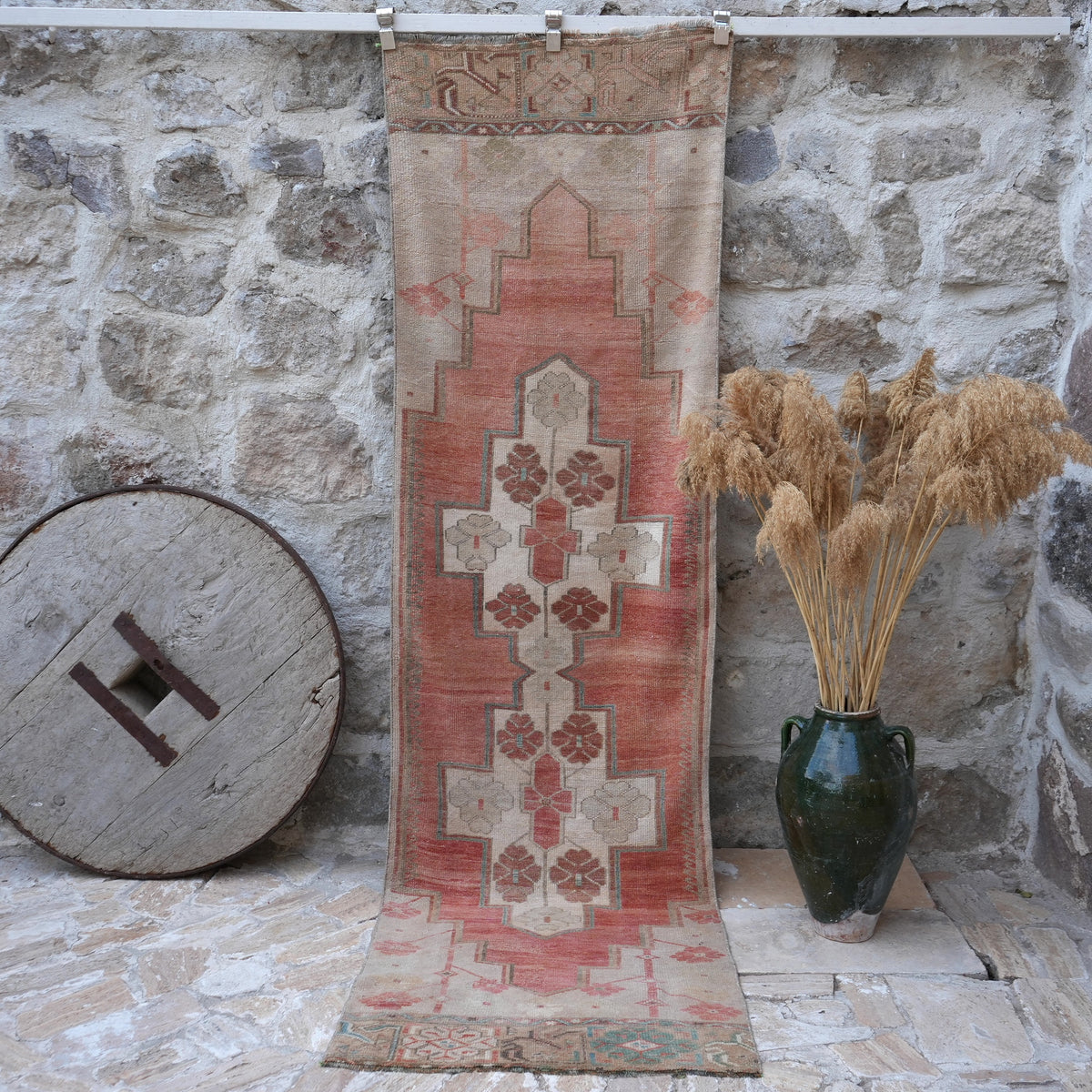
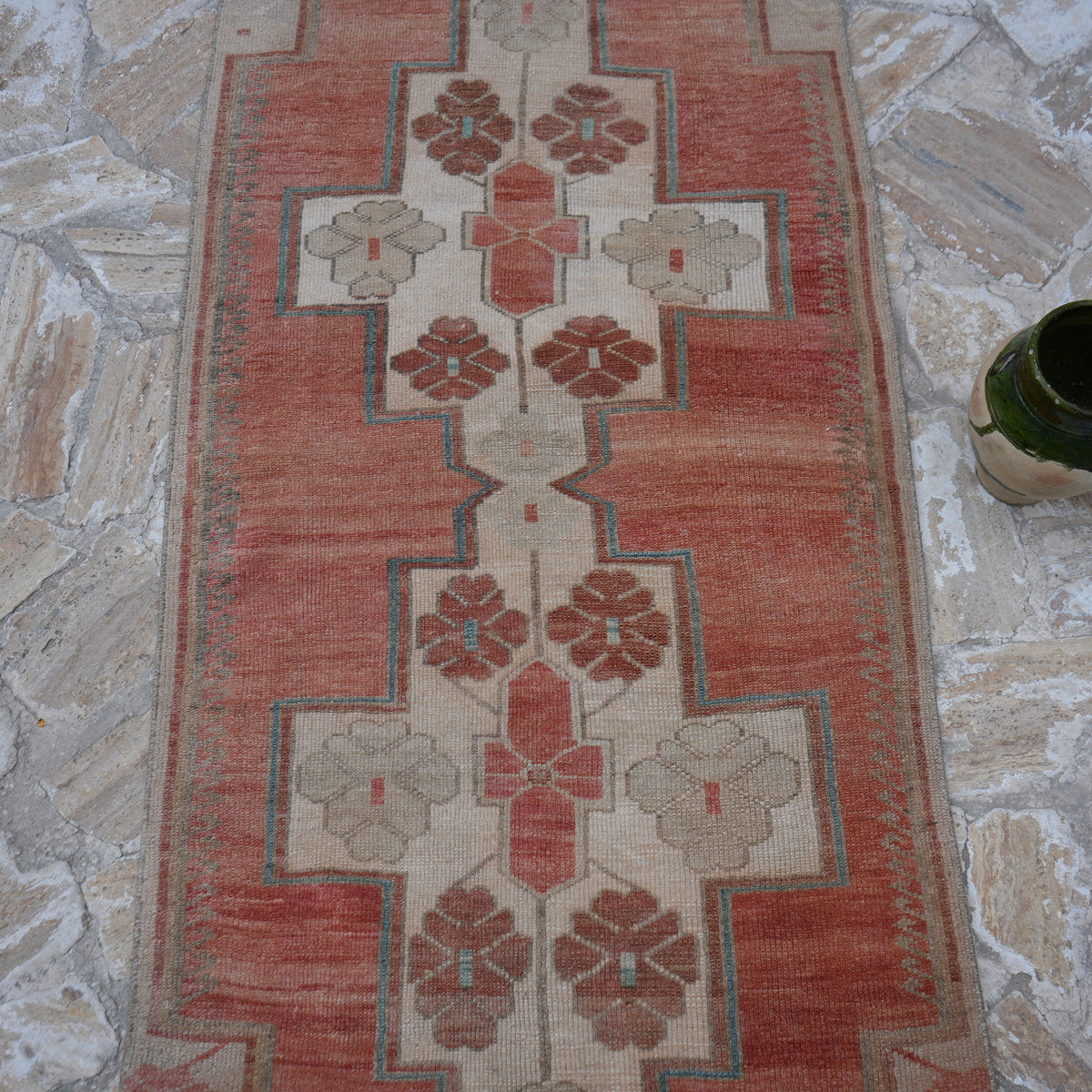
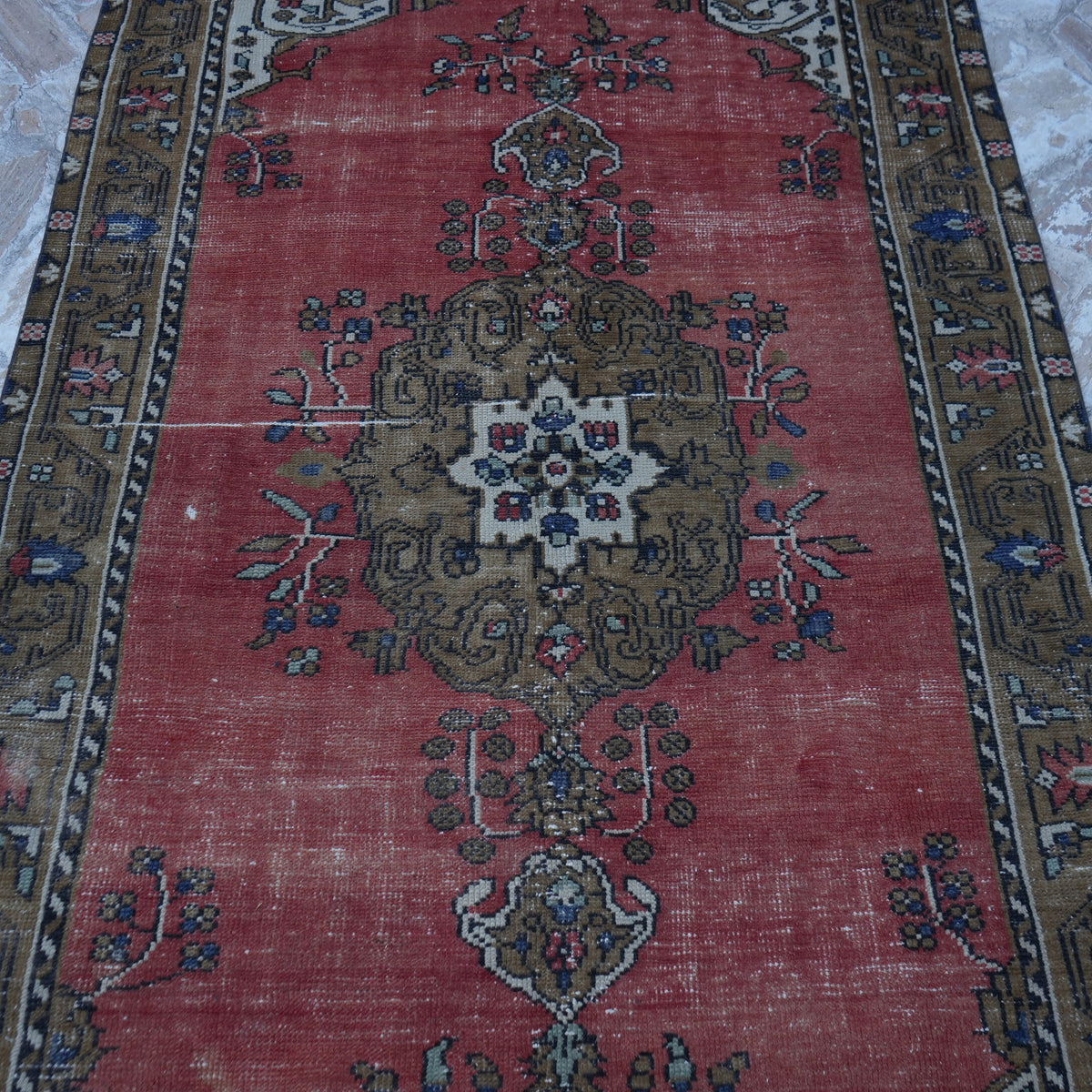
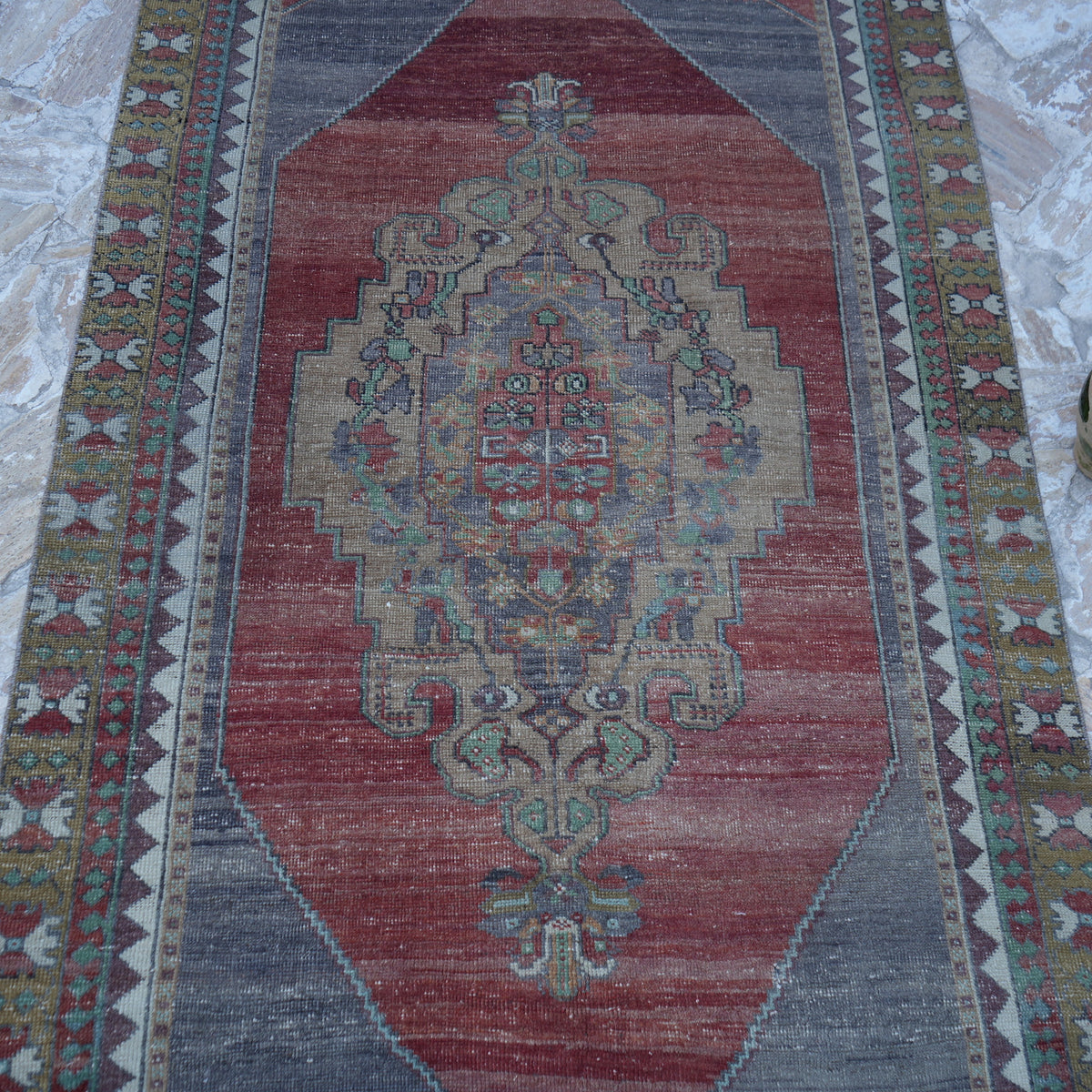
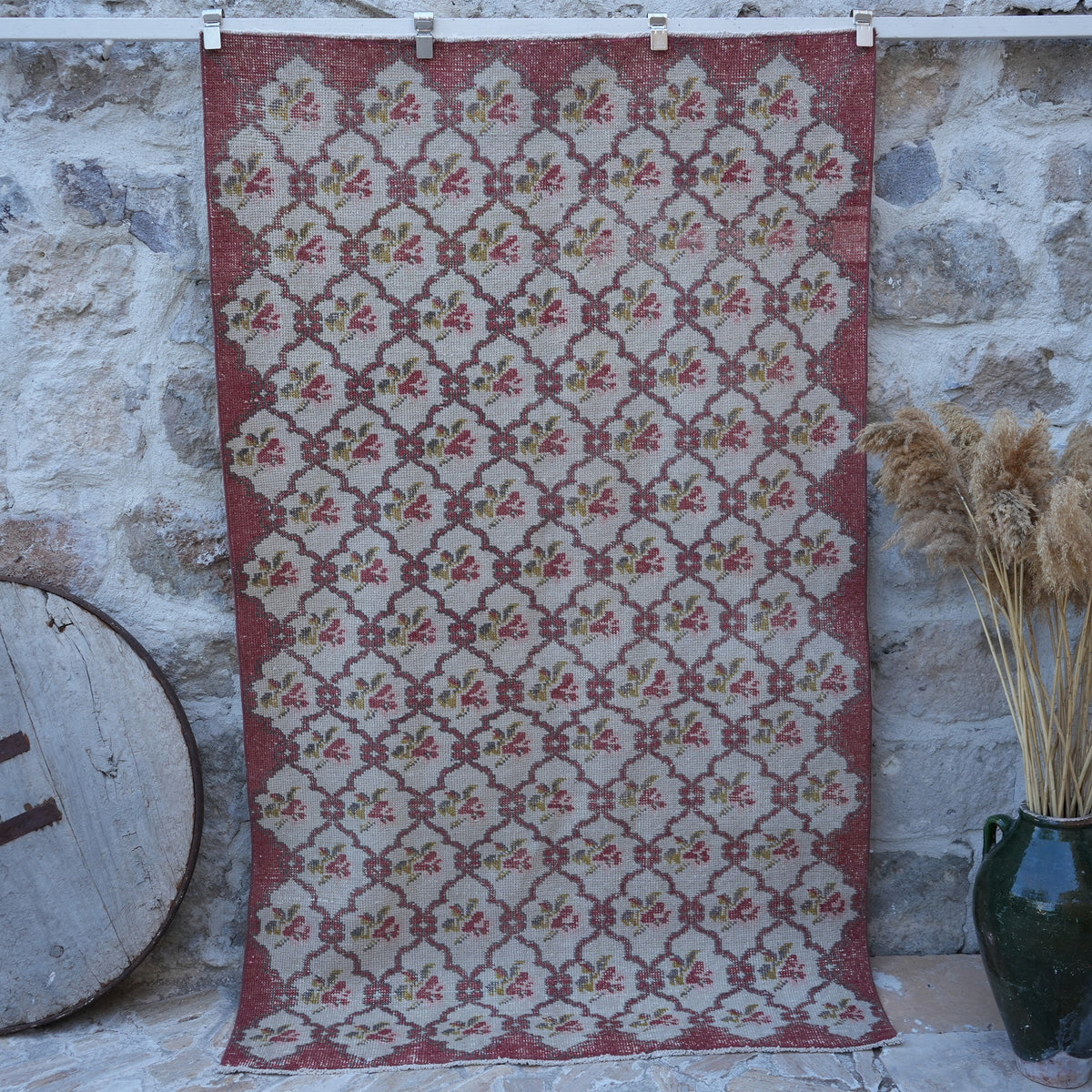
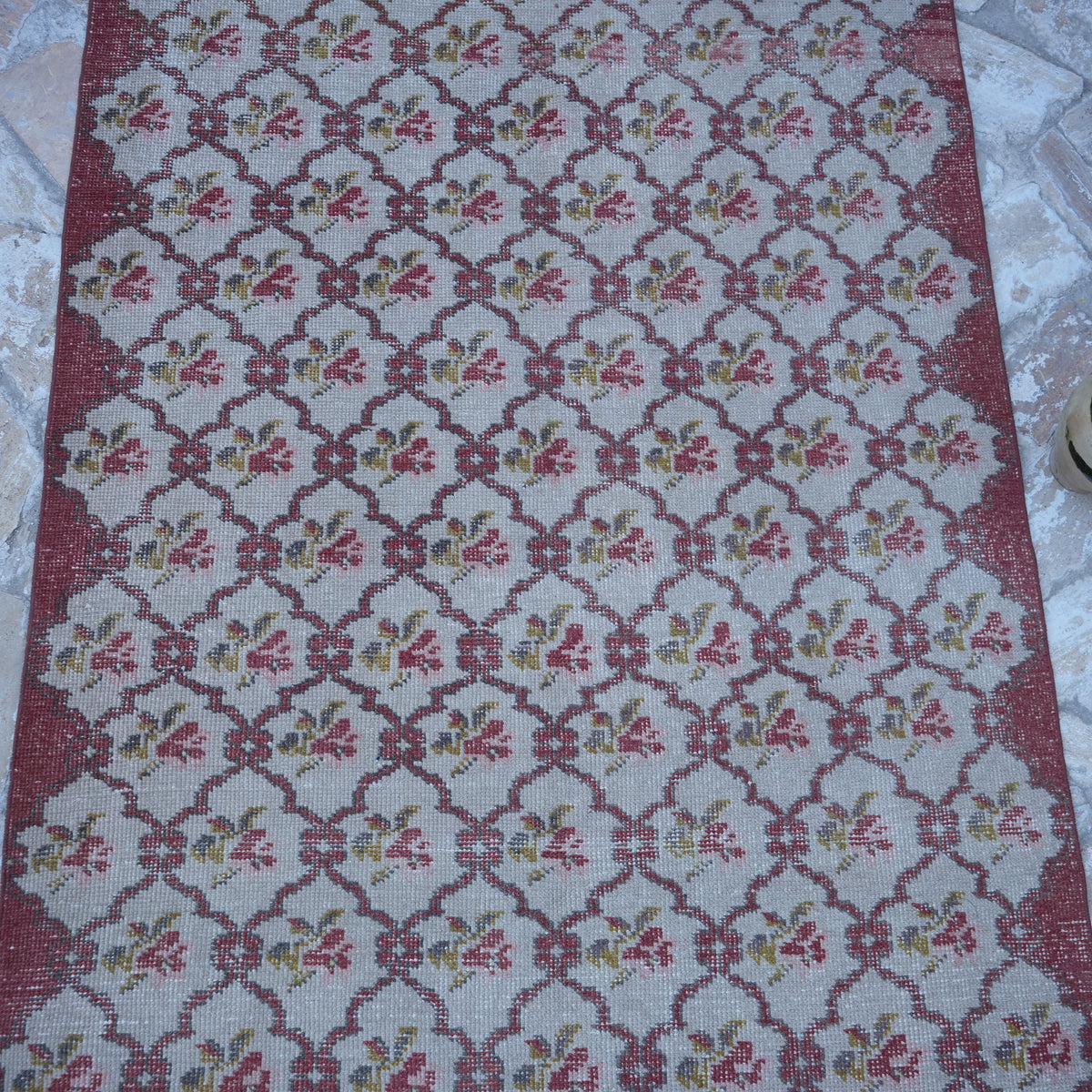
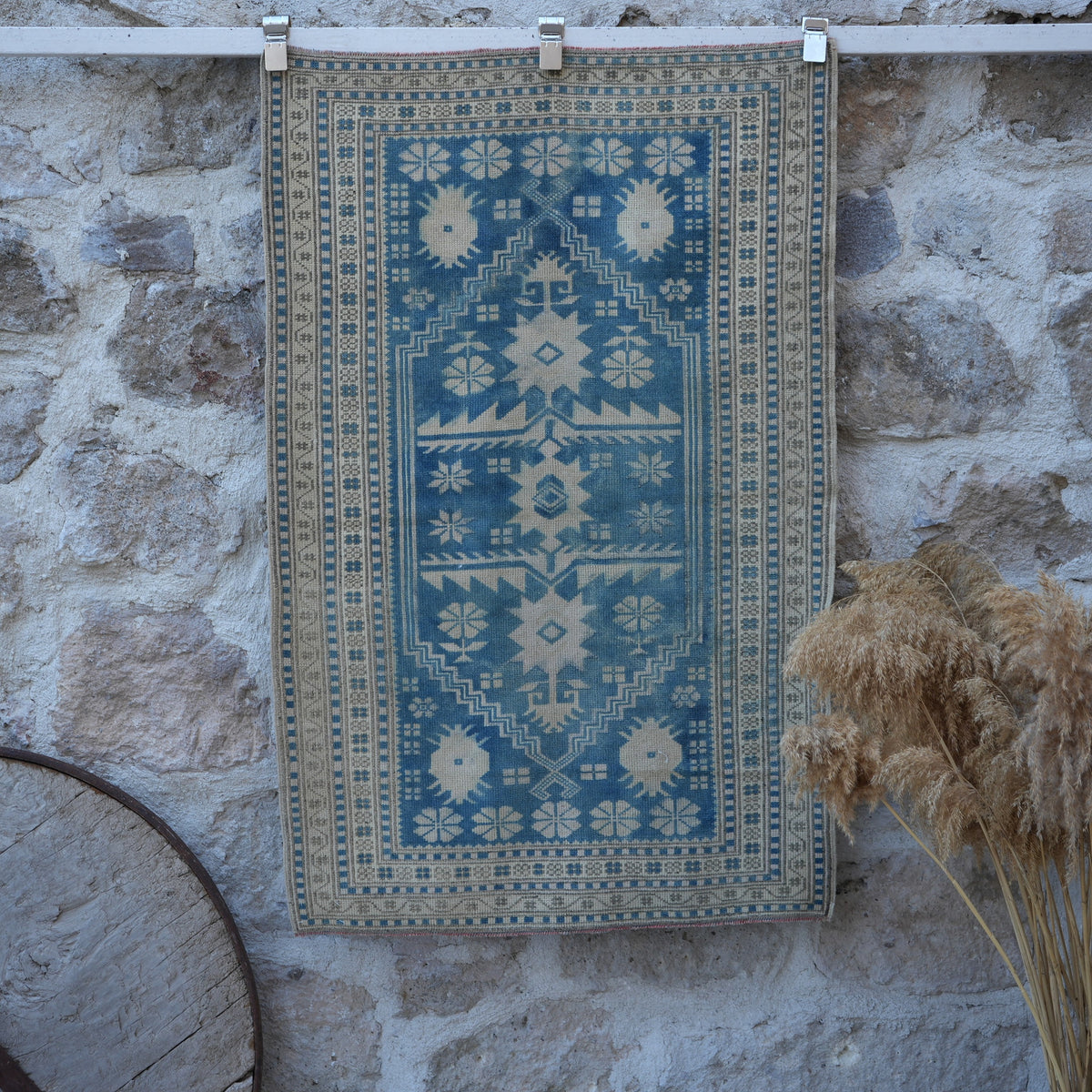
A coaster habit and a fixed spot for glasses prevent more stains than any cleaning method fixes afterward. Rug choice matters too — a busy pattern or deeper color hides everyday wear better than pale, solid ones. Our dining room rugs, living room rugs, and red rugs collections lean toward this forgiving beauty, and our dining room rug guide covers sizing in more depth.
A Note From Kadir
Where I grew up, near Aksaray, a rug was never something you tiptoed around. People ate and drank tea on it. I remember a neighbor's tea tray tipping as she carried it into the sitting room — the panic on her face before anyone moved. No scrubbing followed. Someone appeared with a damp cloth and water, and pressed it into the spot, calm and unhurried. Older neighbors sometimes reached for household items like yogurt or lemon out of habit — village remedies passed down long before anyone thought about pH or dye chemistry, and not something I'd suggest reaching for today.
I didn't understand the chemistry then. I understand it now — that instinct to blot instead of scrub is knowledge passed down by people who lived with these rugs, not something read in a manual.
Final Thoughts on Rug Wine Stain Removal
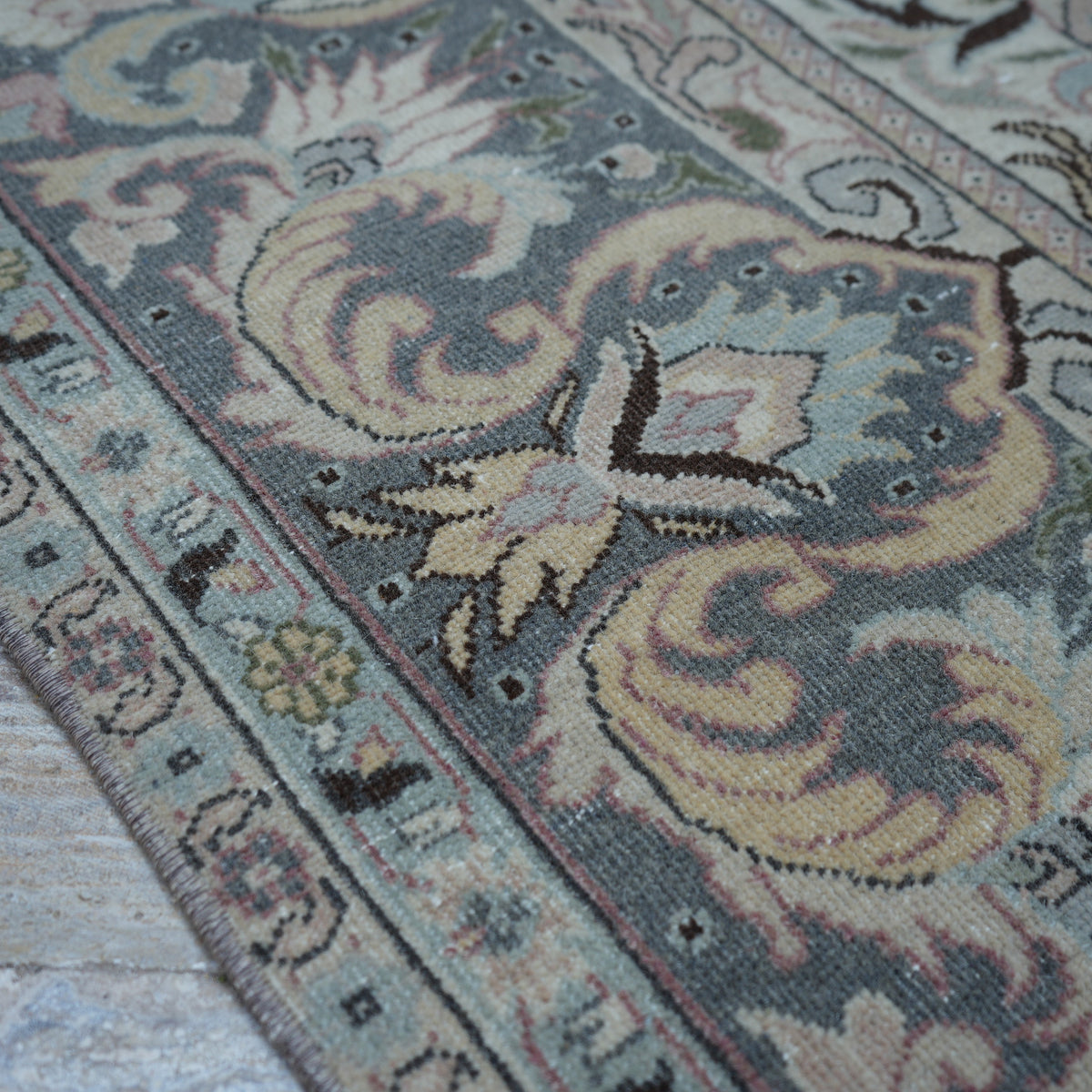
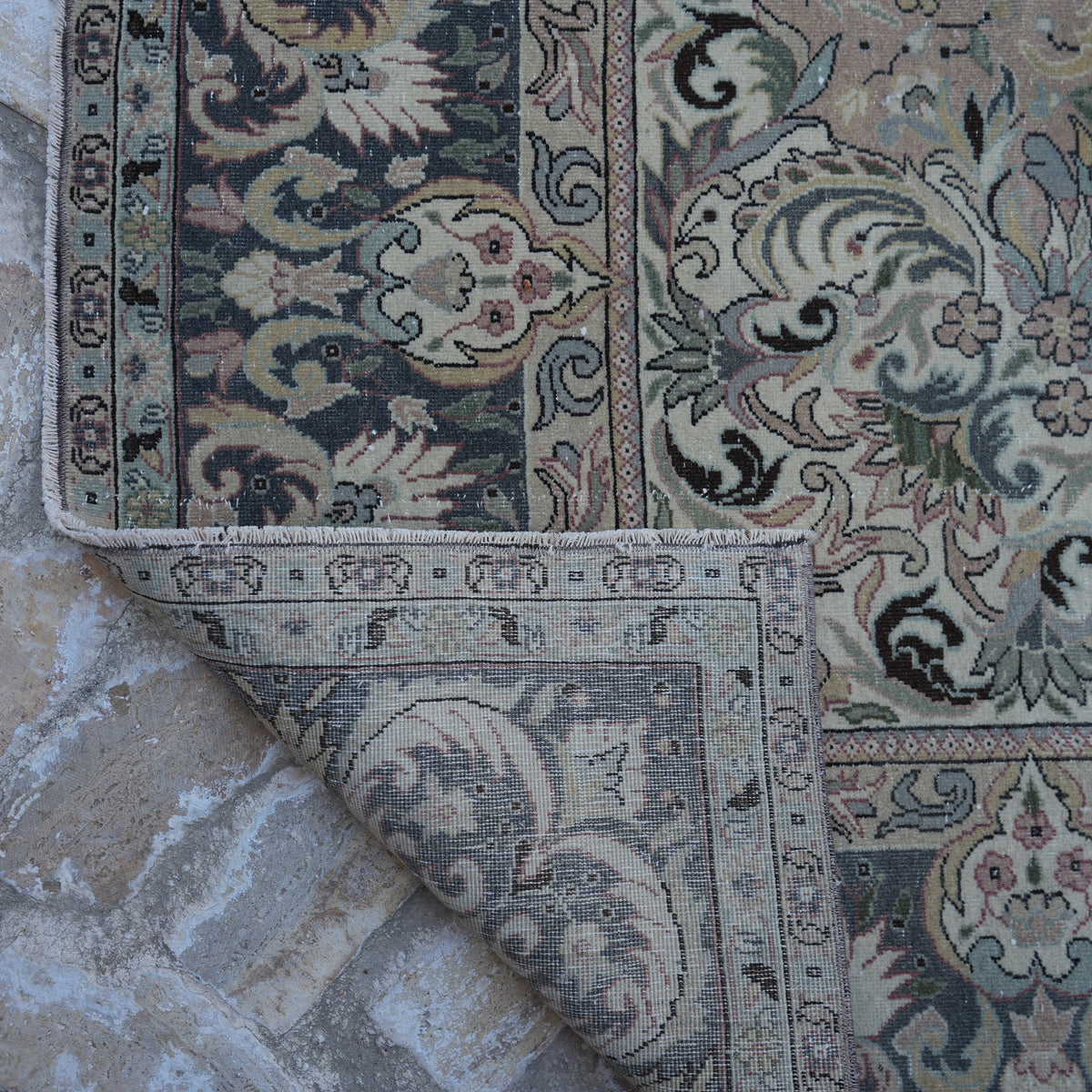
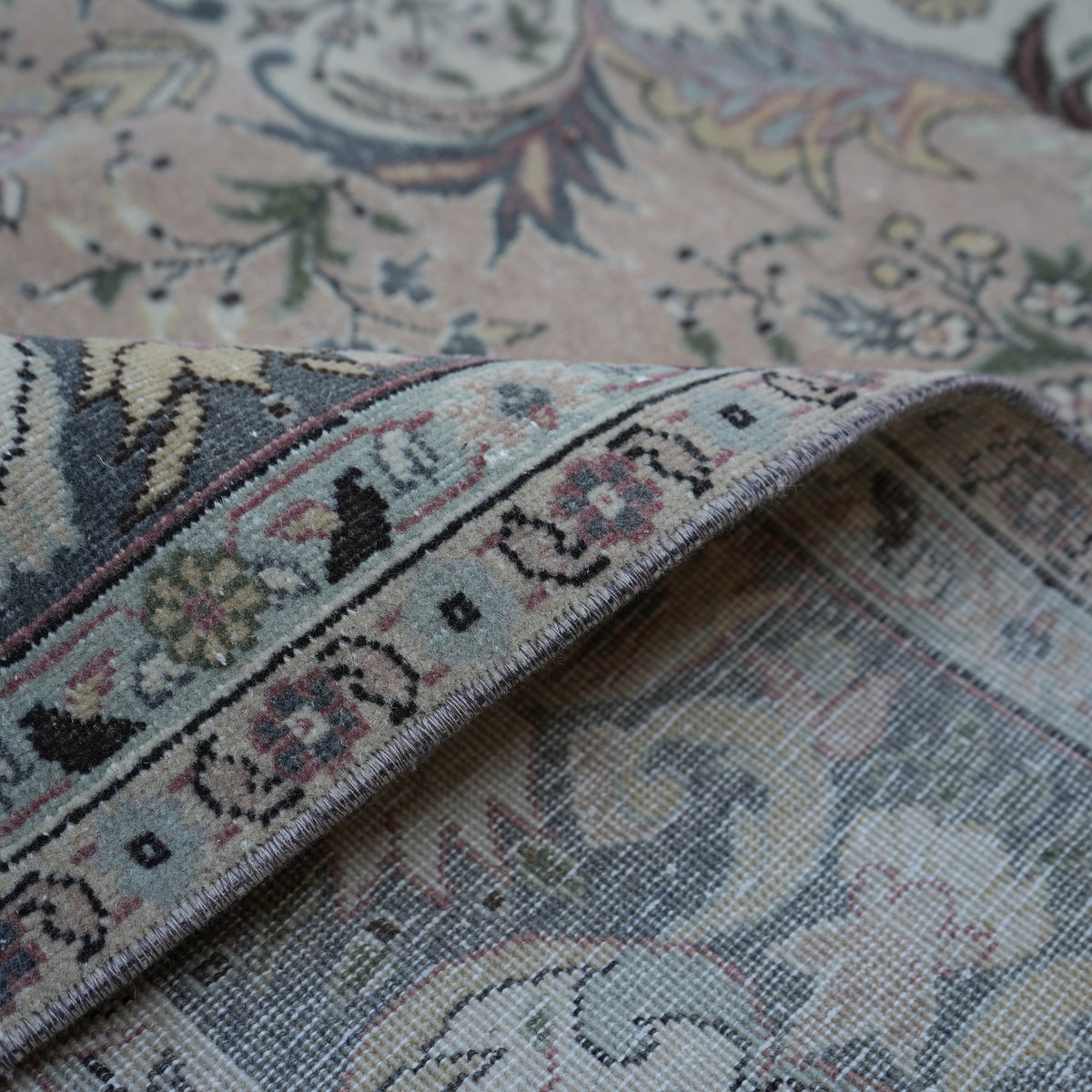
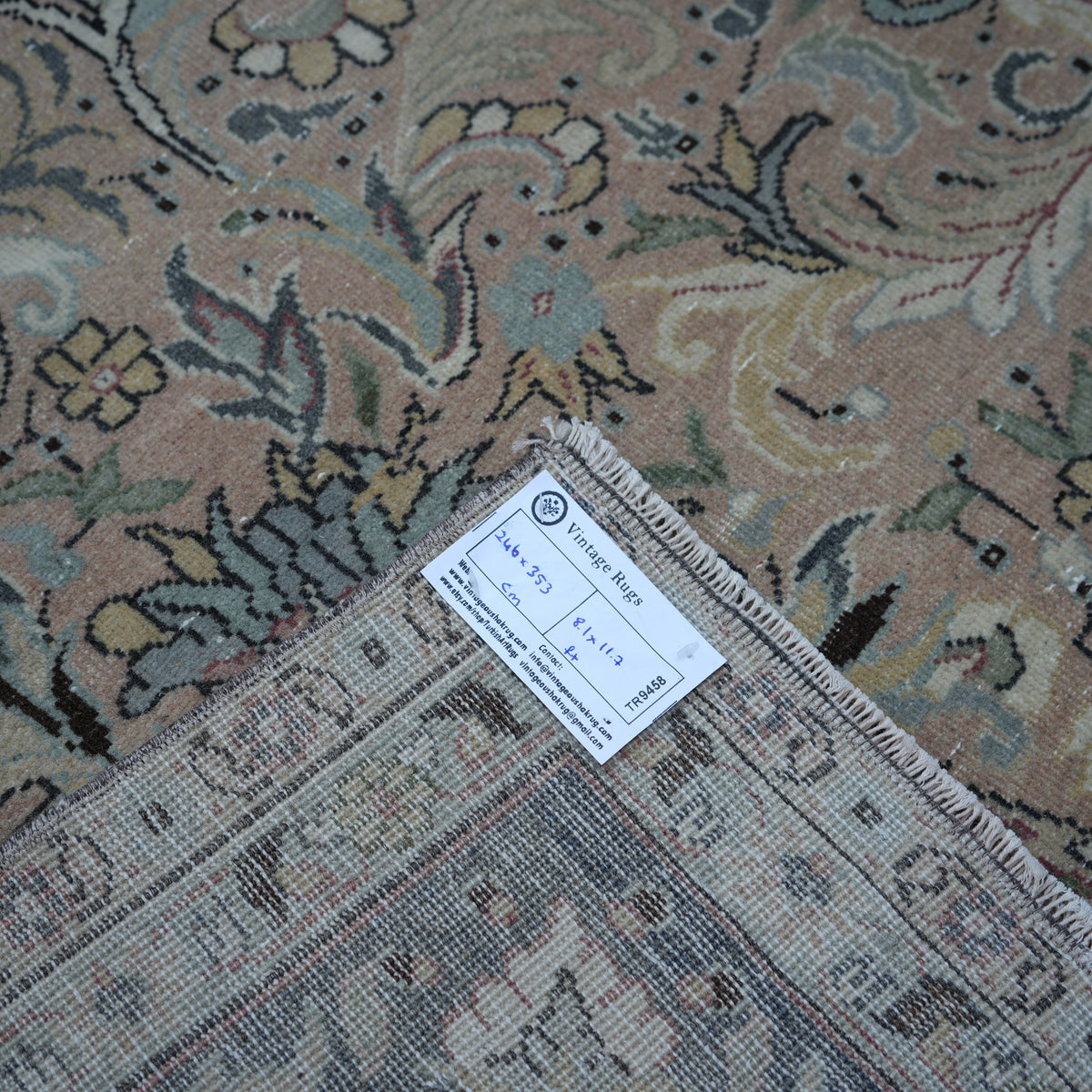
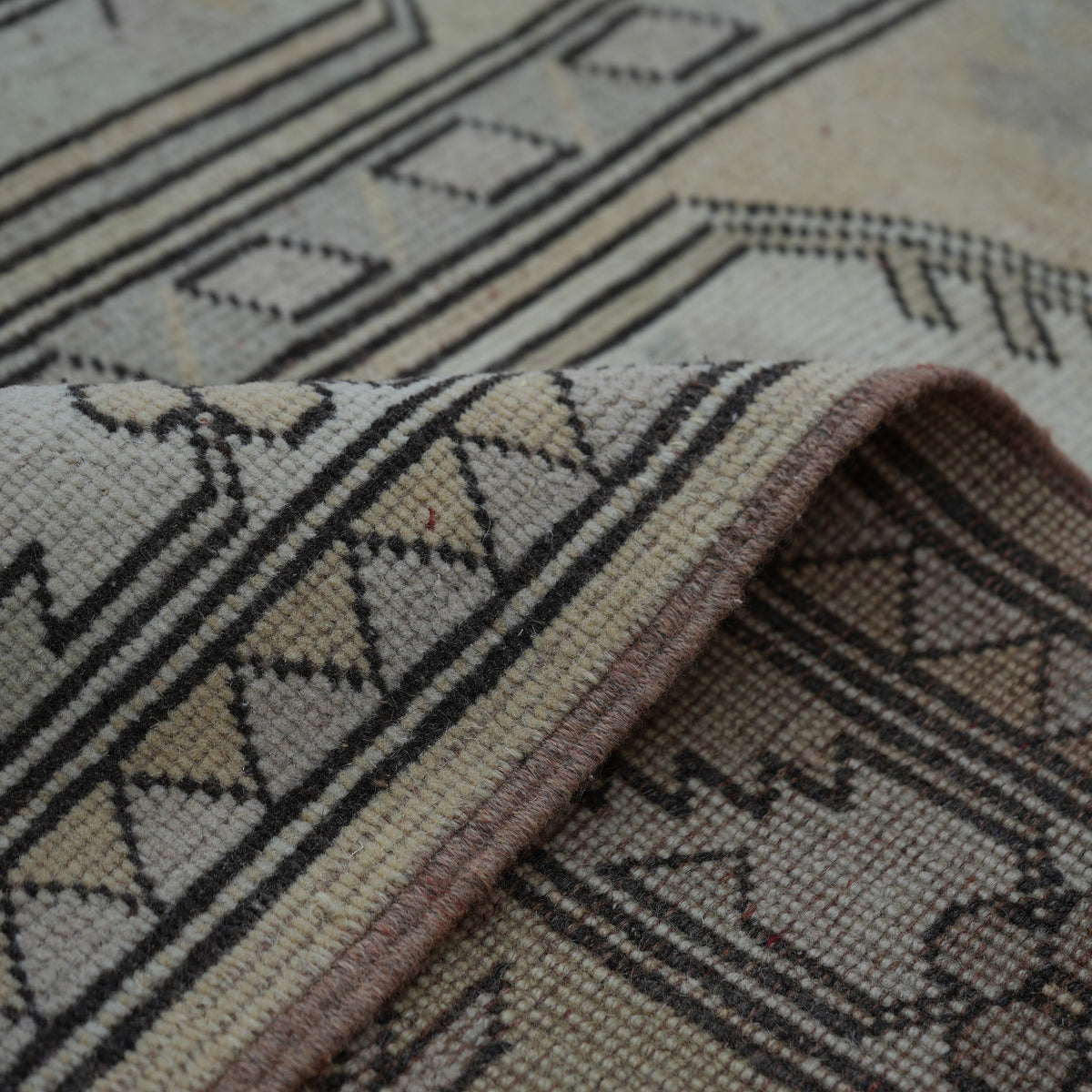
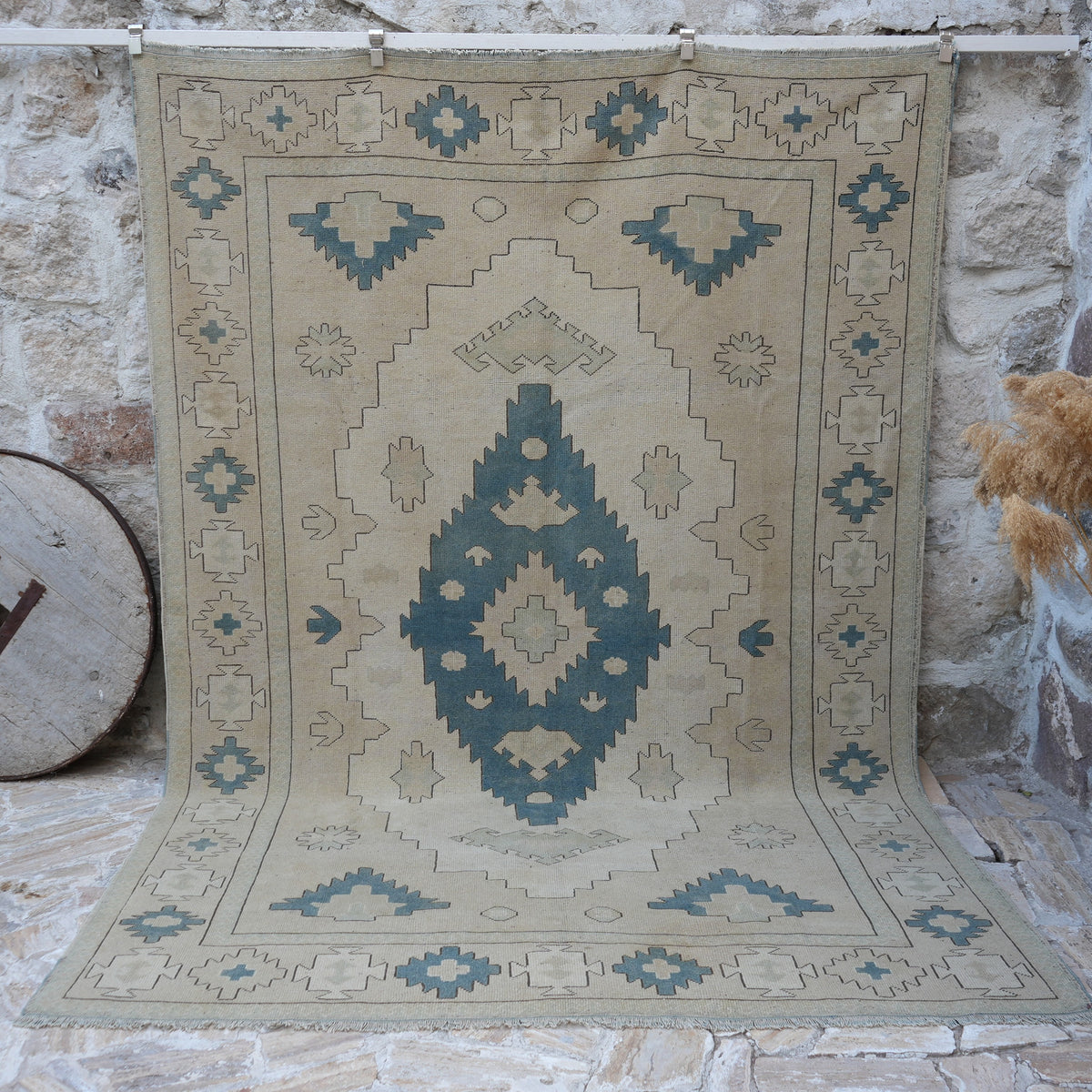
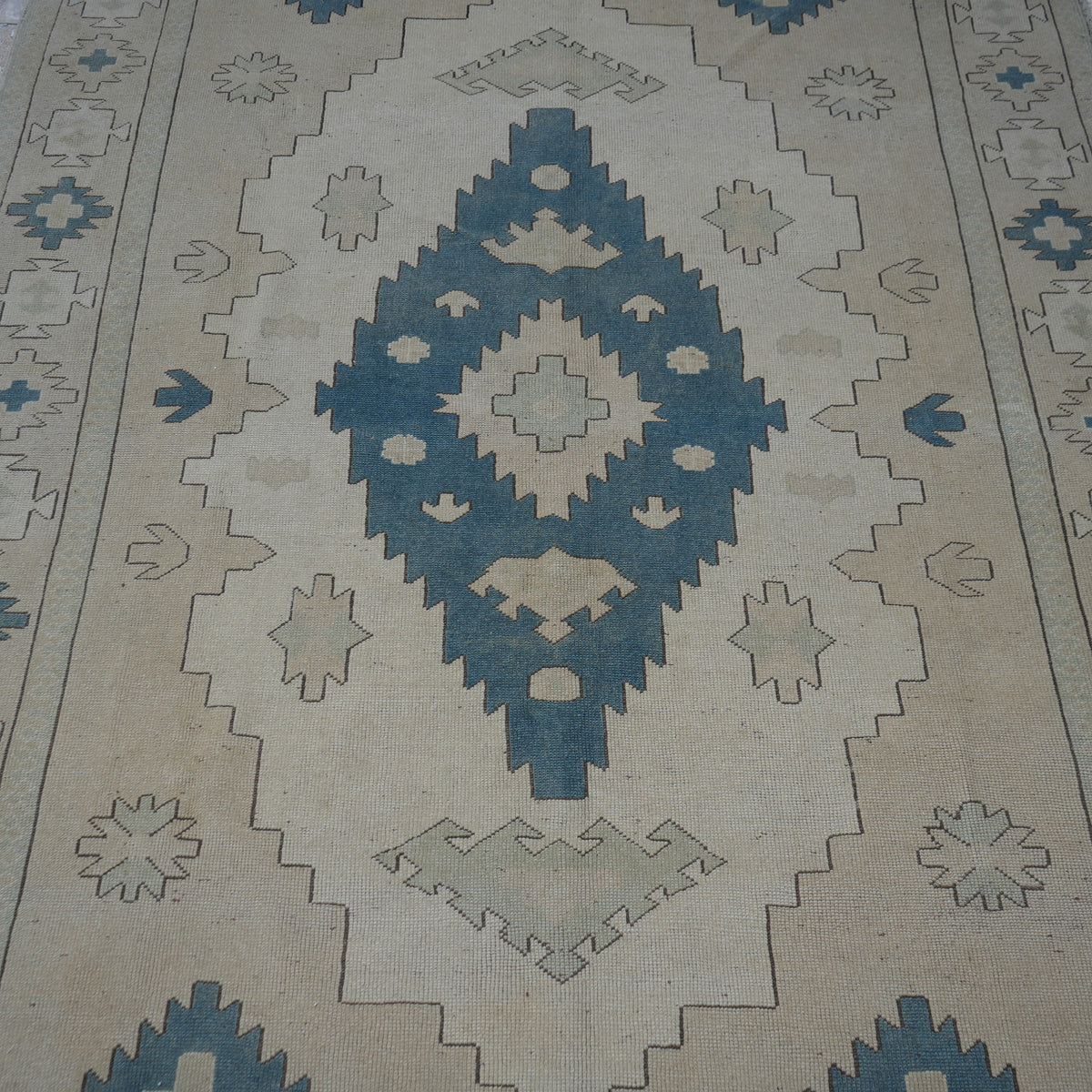
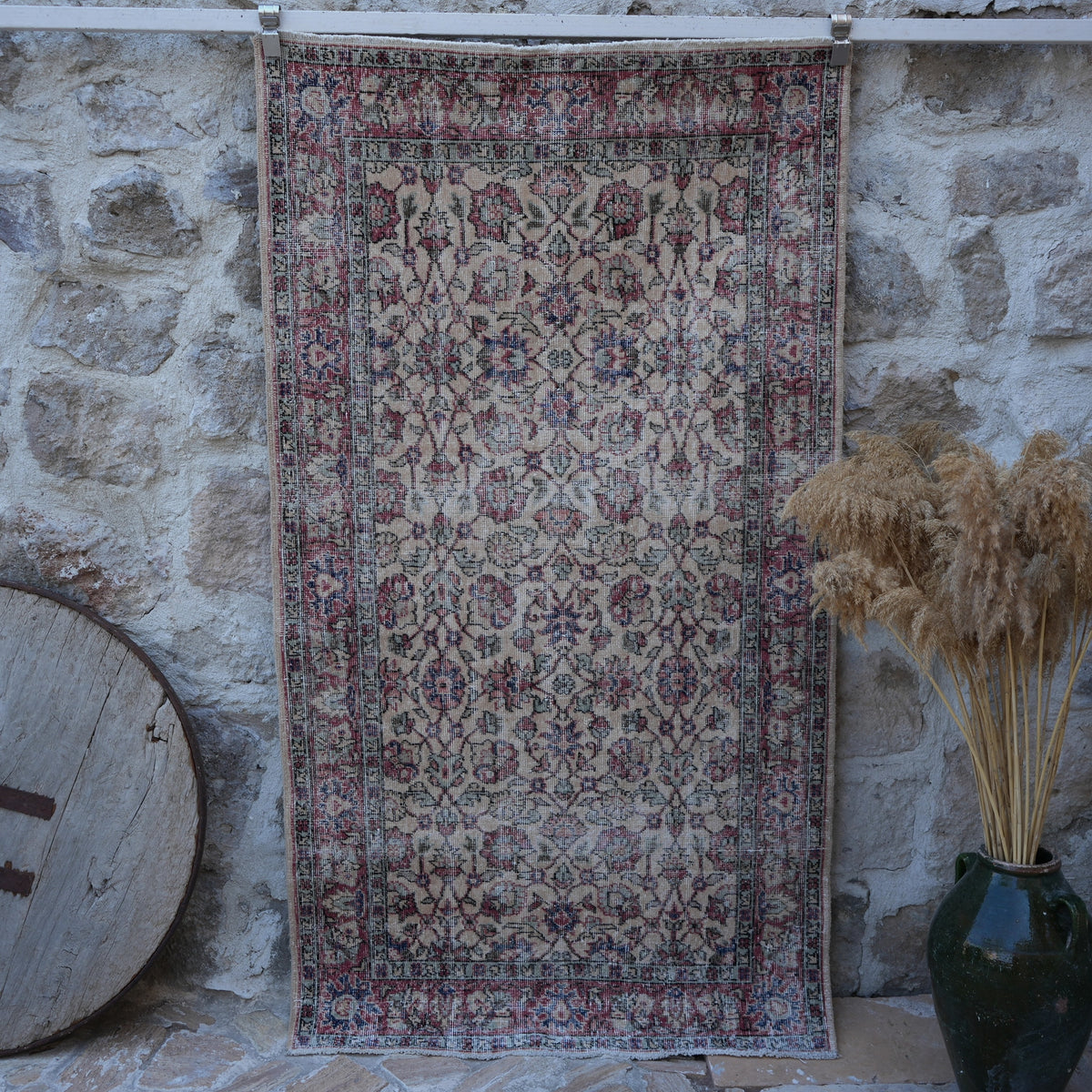
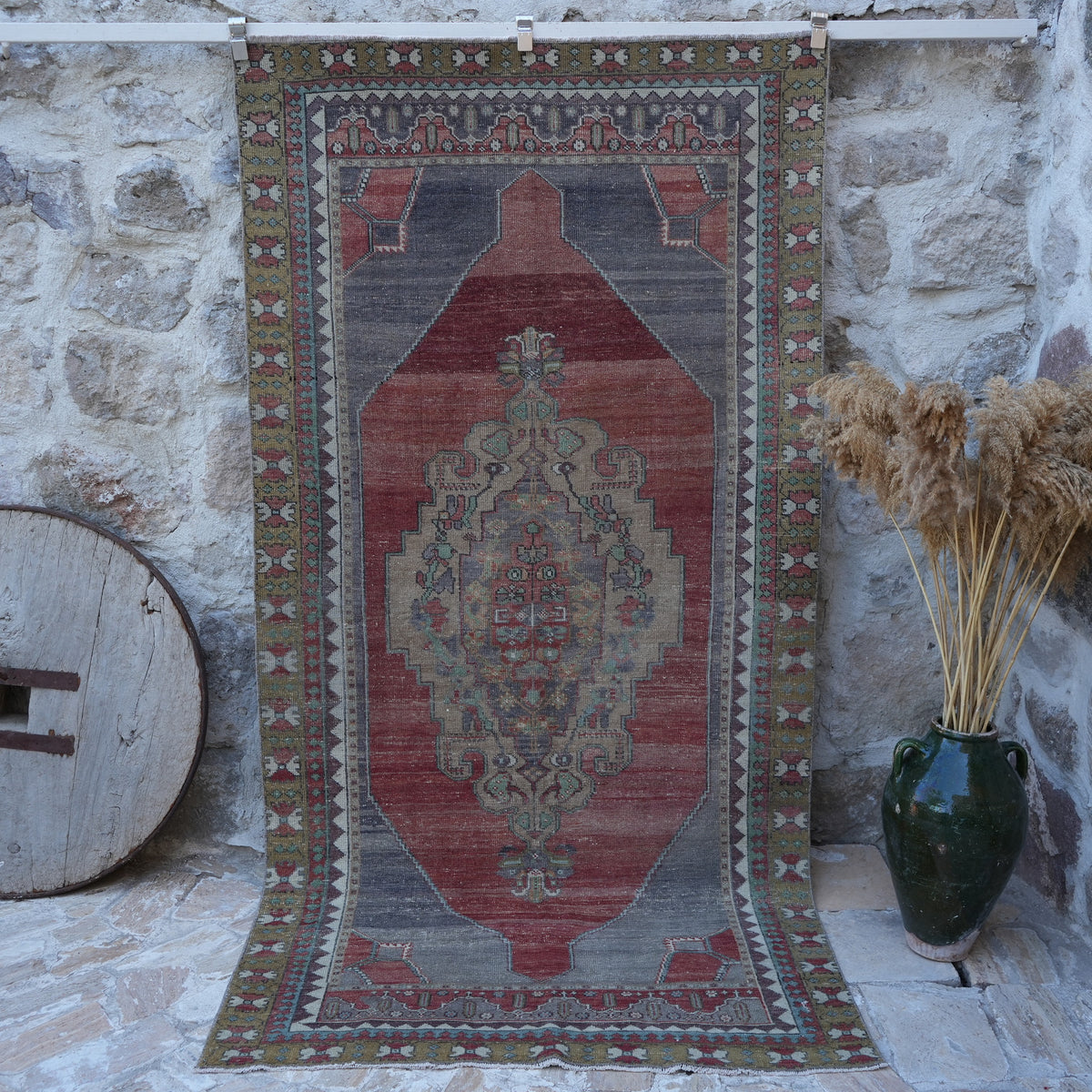
Speed matters more than any specific product. Blot before you treat, treat gently before you scrub, and match your method to the material in front of you. Many fresh wine stains can be improved significantly, and in some cases removed completely, when treated quickly and gently with club soda, a mild vinegar solution, and patience. For a rug that shrugs off the occasional mishap, our vintage rugs collection is worth a look.
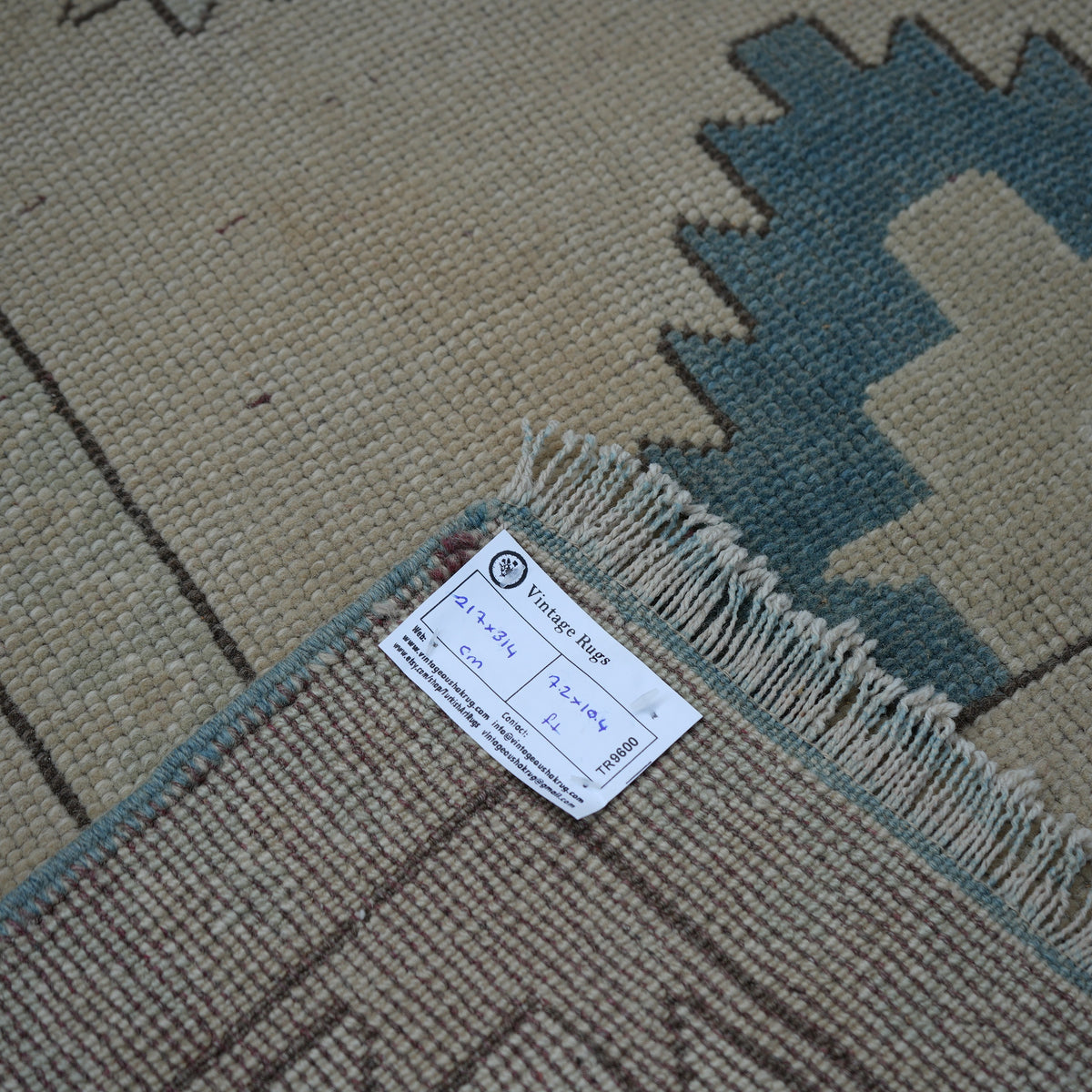
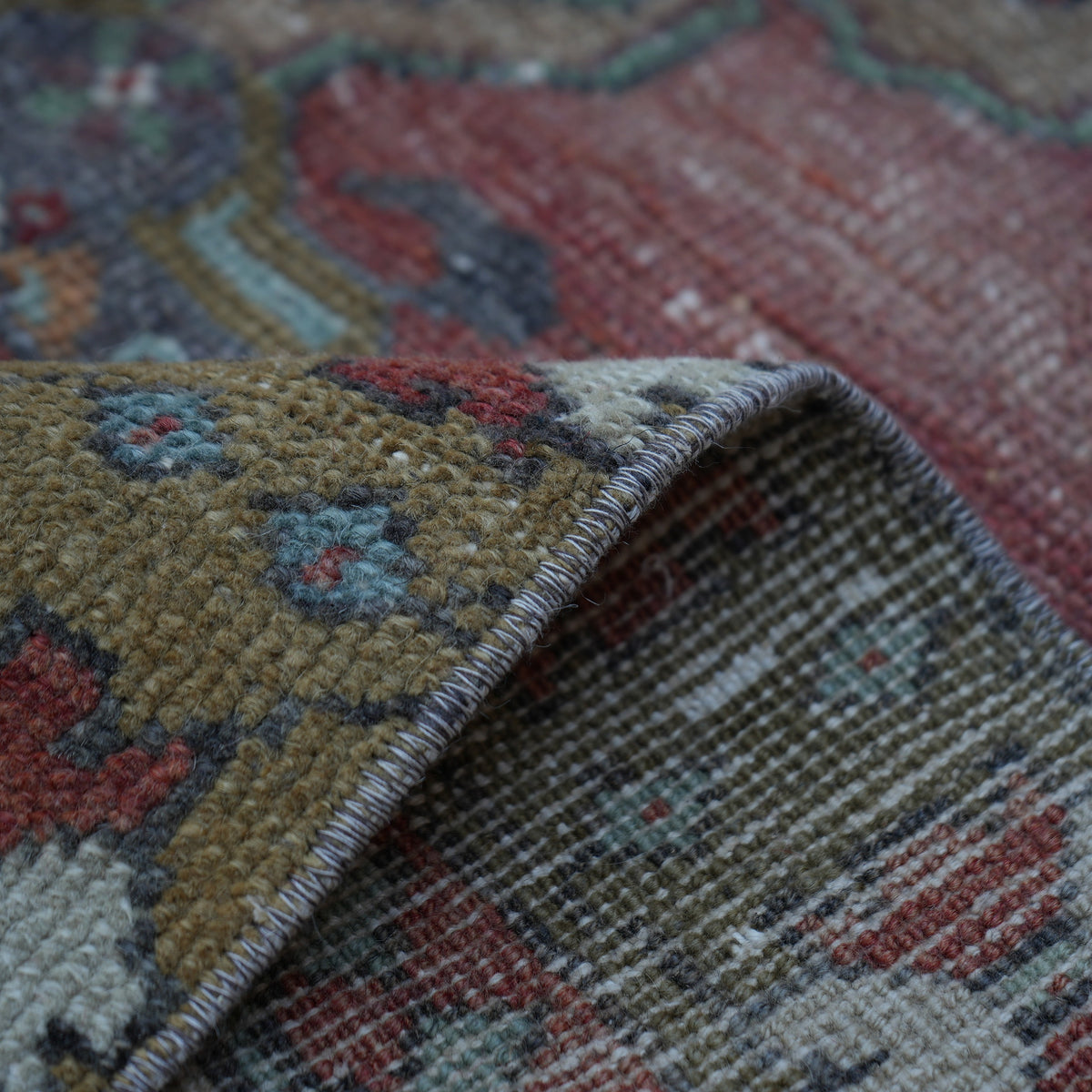
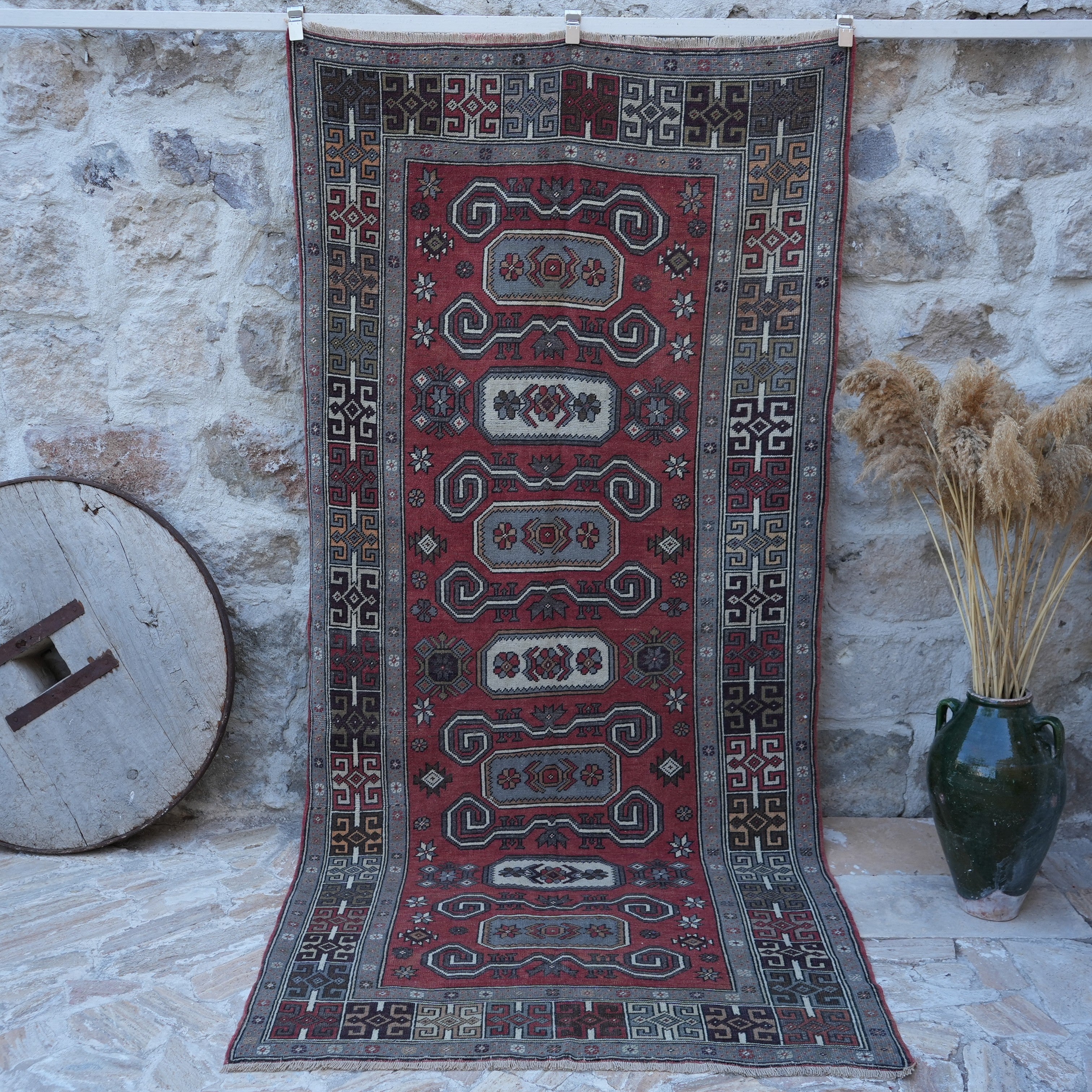
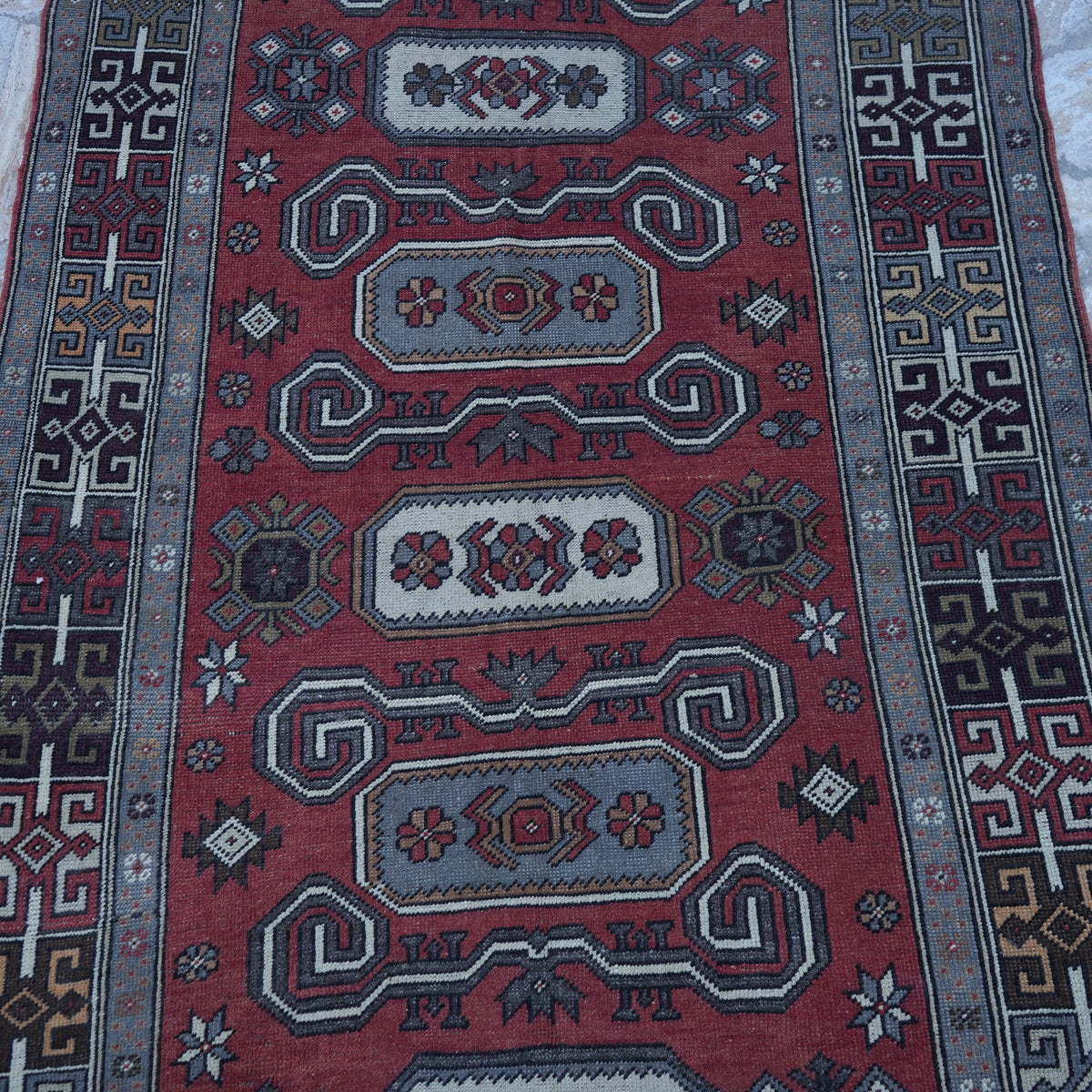
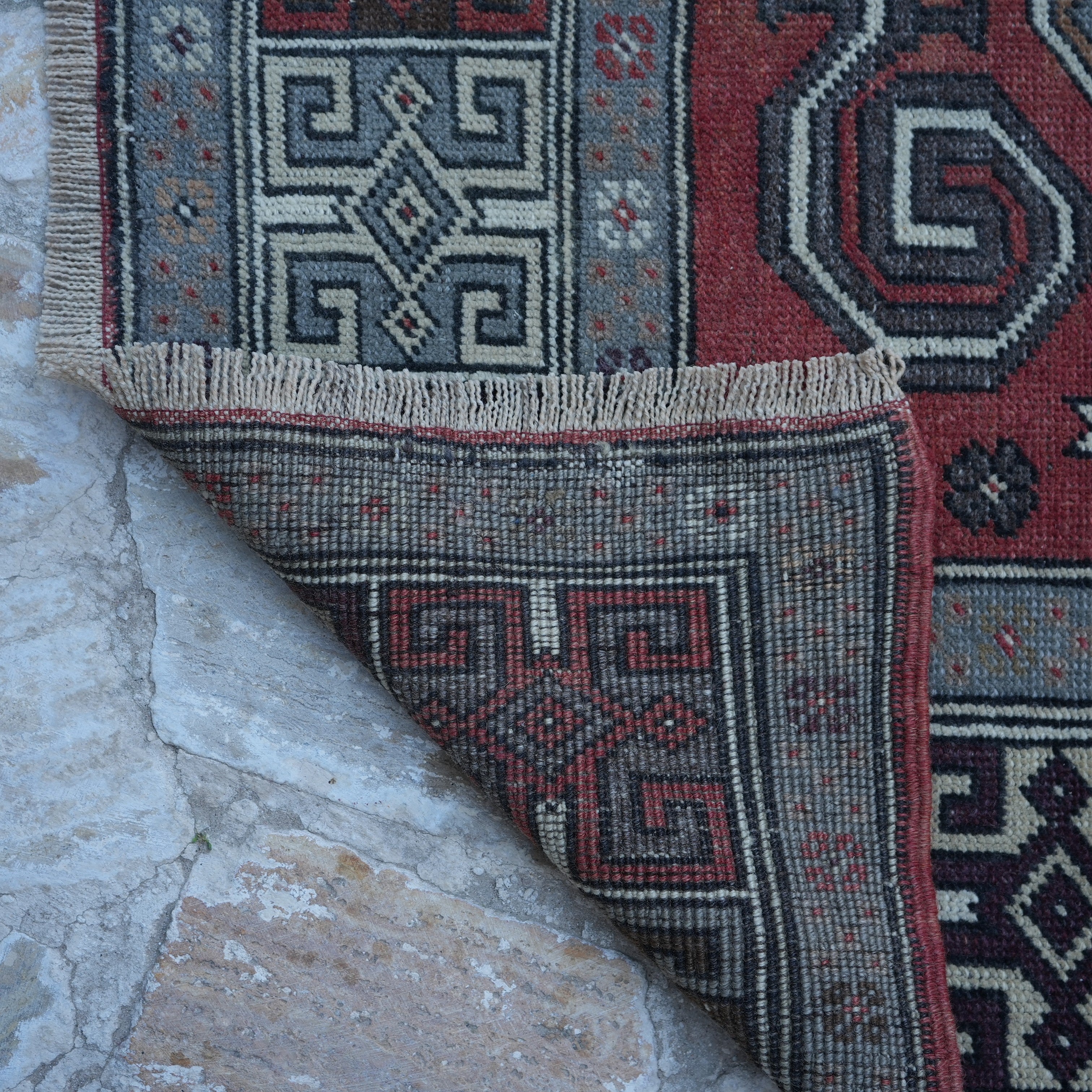
Wine spills are stressful, but the right handmade rug should still feel usable, not untouchable. Pattern, wool, darker tones, and vintage character make a room more forgiving without losing beauty.
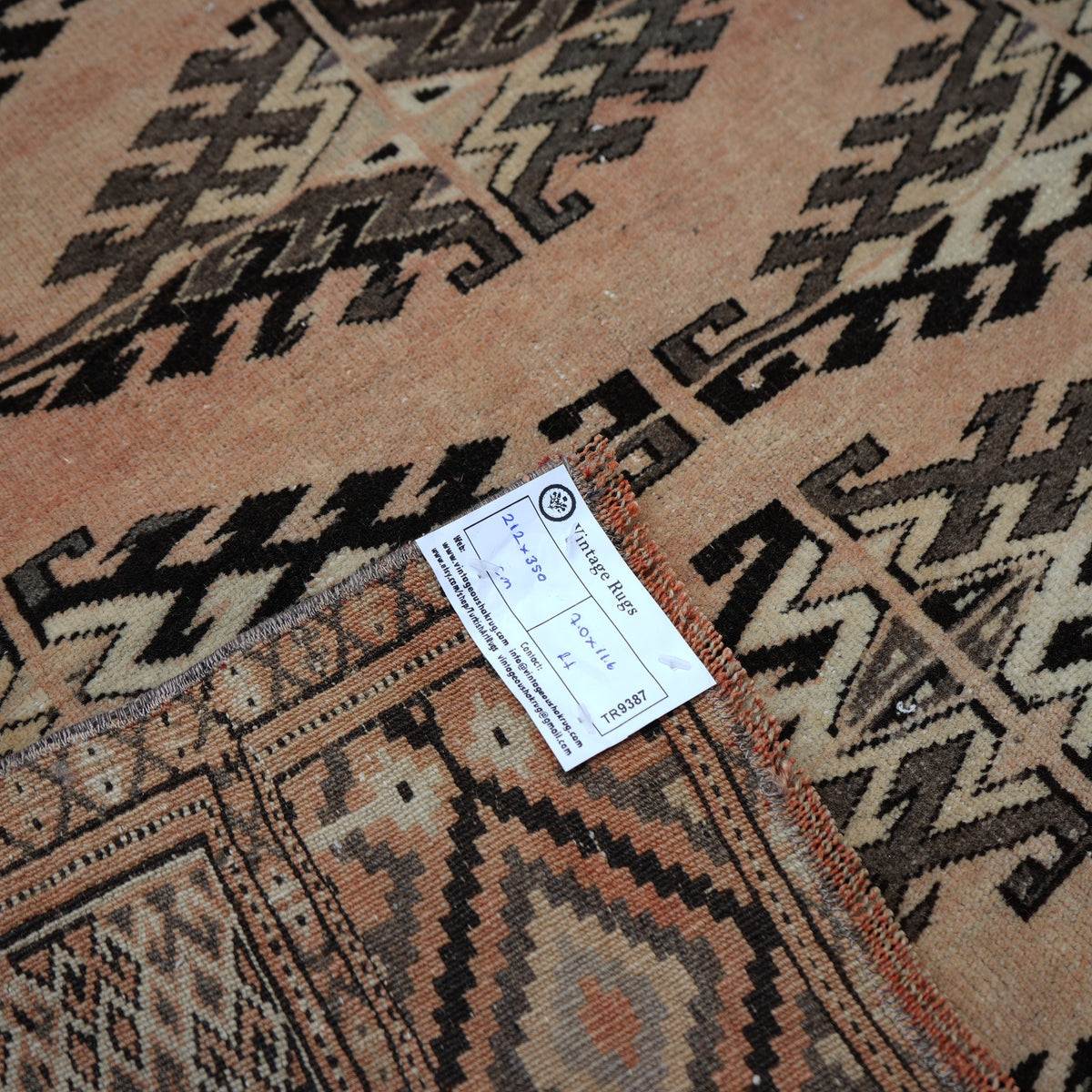
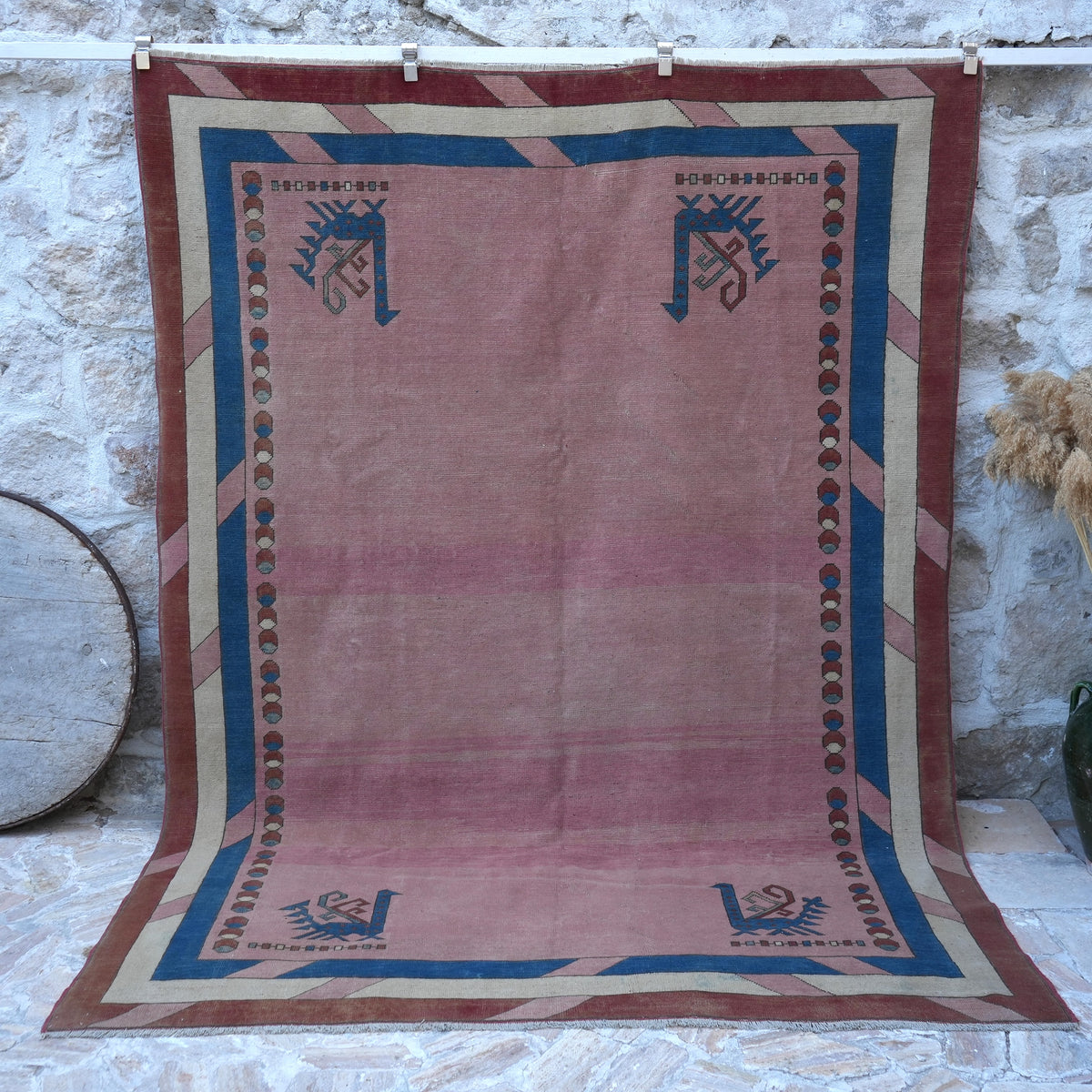
Shop Rugs That Hide Everyday Marks Beautifully


















Does salt actually remove red wine stains?
Partially — it absorbs moisture from a fresh stain, but on hand-knotted rugs it can leave residue. Let it sit, then vacuum gently rather than grinding it in.
Can I use hydrogen peroxide on a hand-knotted rug?
Only after testing on a hidden section. Avoid it on dark or naturally dyed rugs due to its bleaching effect.
Is club soda or vinegar better?
Club soda for a fresh spill; the vinegar-and-soap solution for a stain that's had time to set.
Does white wine really remove red wine stains?
No — it dilutes the color and can leave a sugary residue. Rinse afterward if you use it.
How much does professional cleaning cost?
Typically $3 to $8 per square foot, around $240 to $640 for an 8x10 rug.
Will professional cleaning fade natural dyes?
Not if done correctly by someone experienced with hand-knotted or vintage rugs using pH-balanced methods.
Do dark or patterned rugs hide wine stains better?
Yes — rich color and pattern disguise everyday marks far better than pale, solid rugs.

