














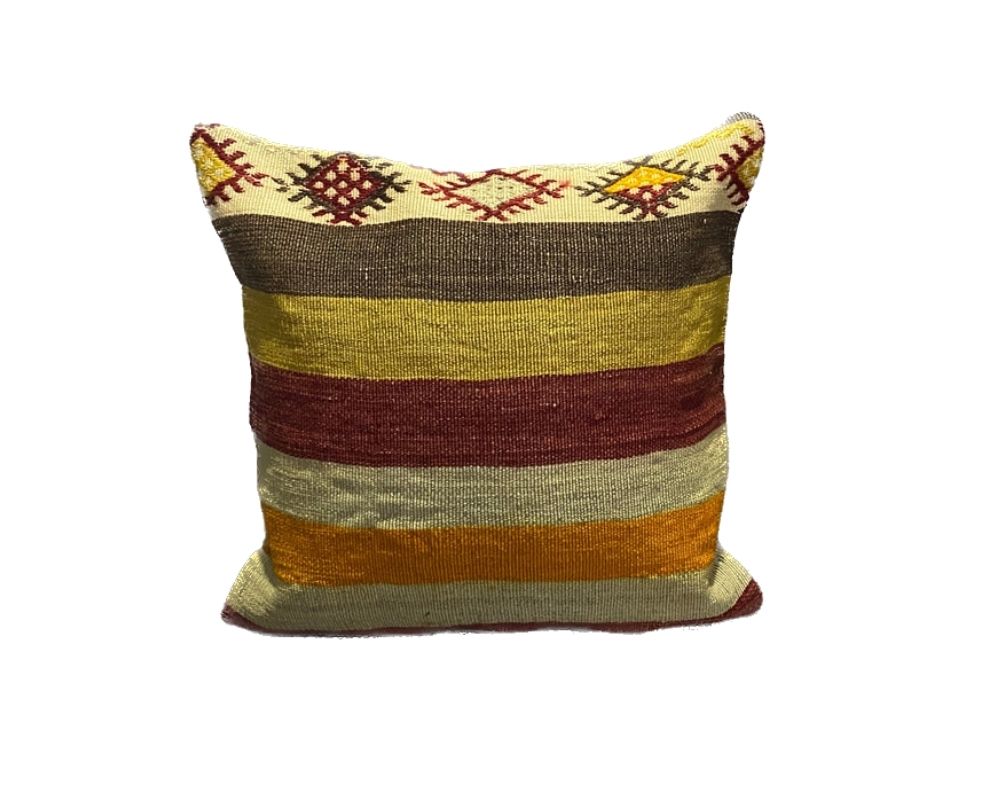
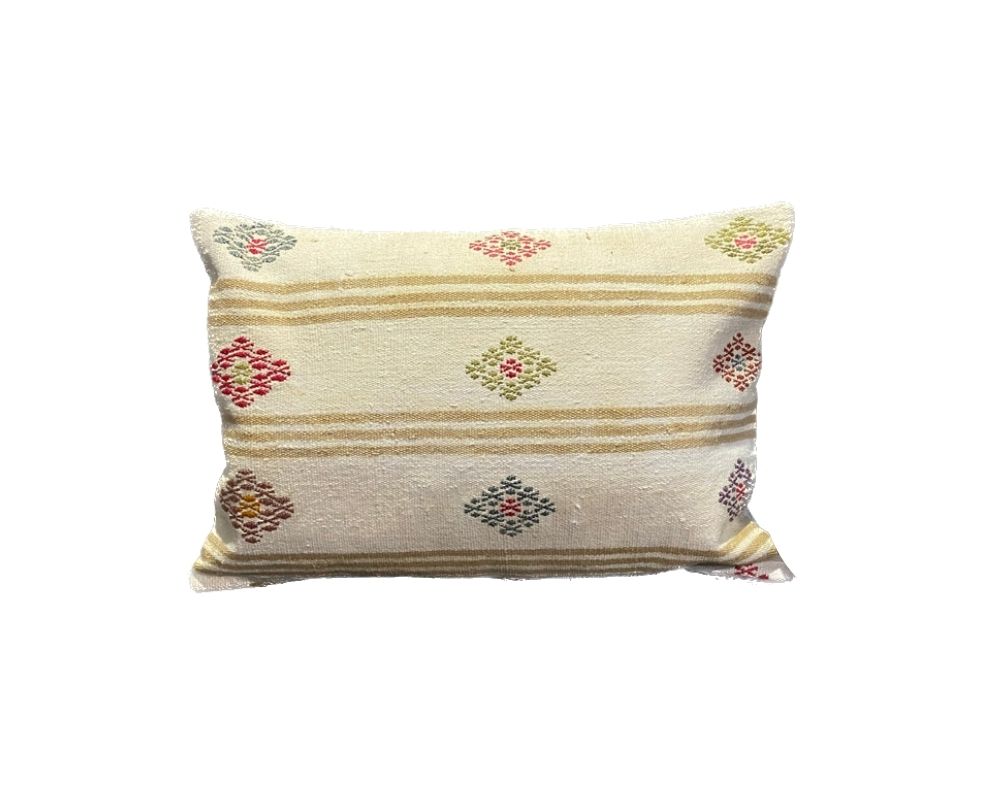
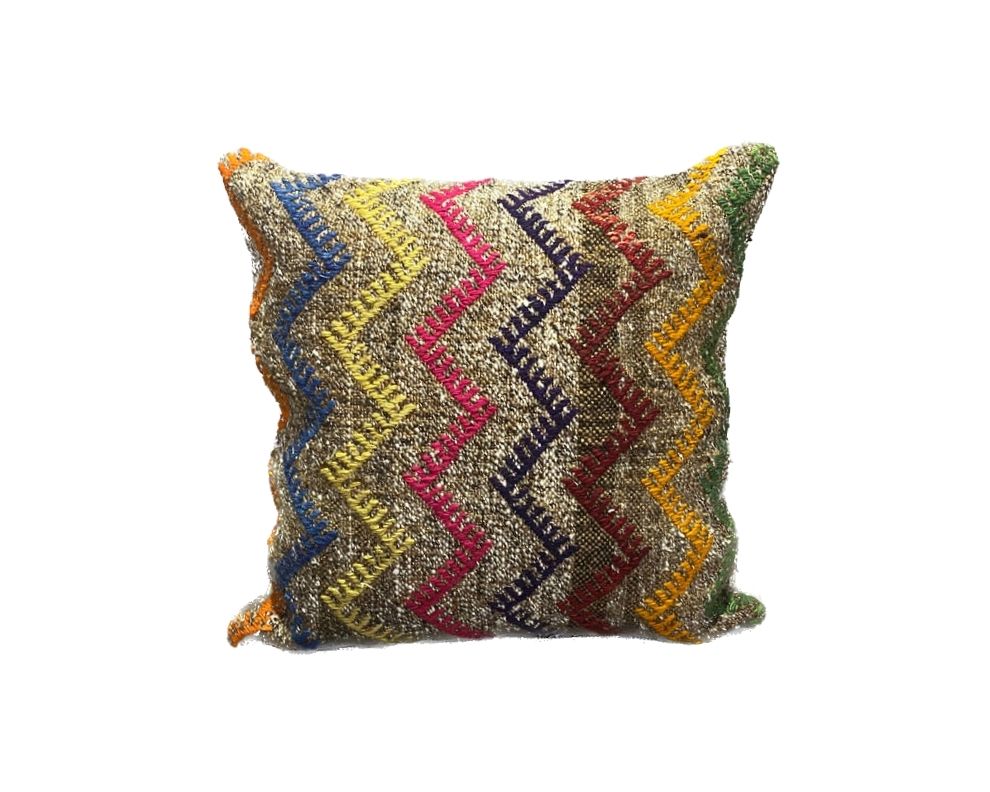

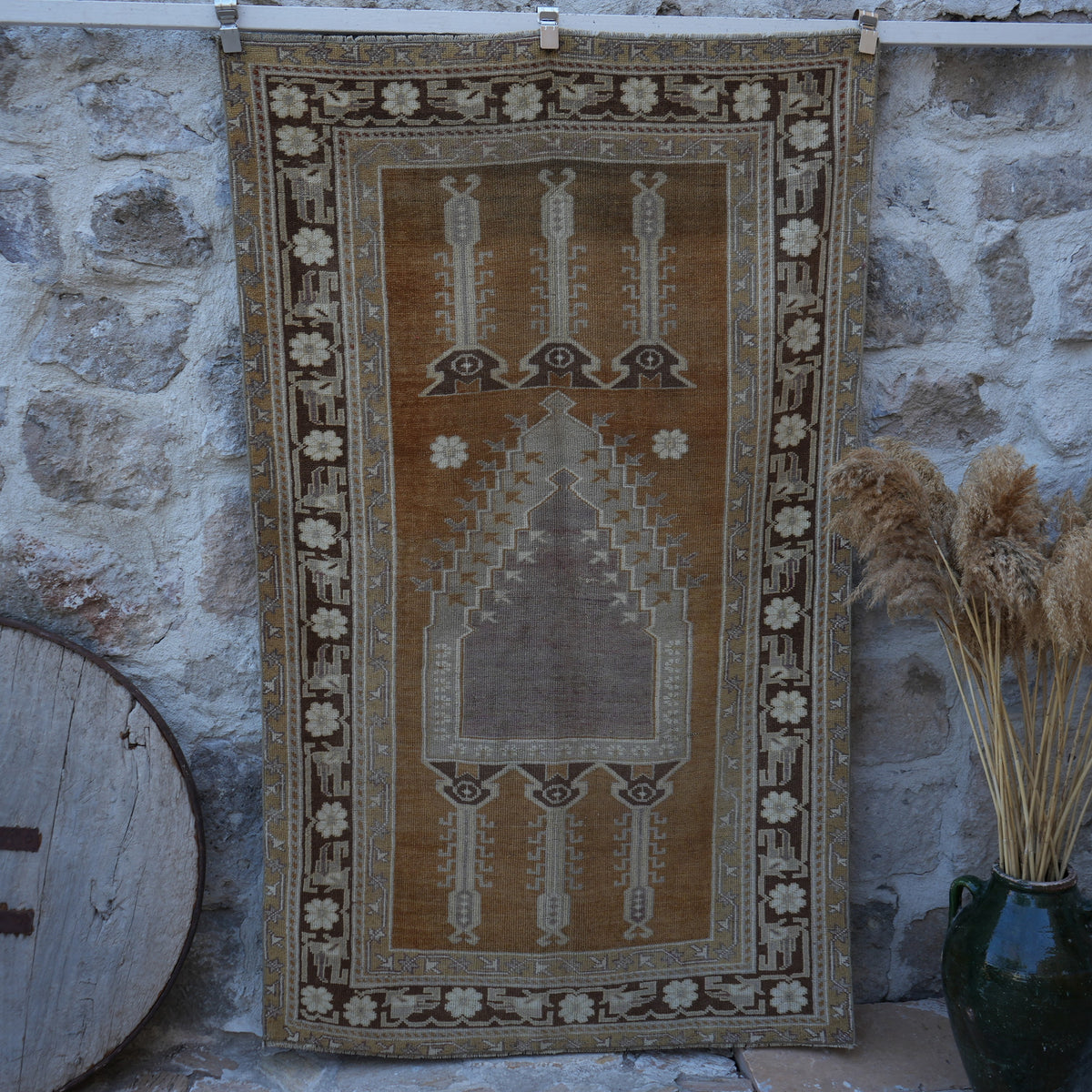
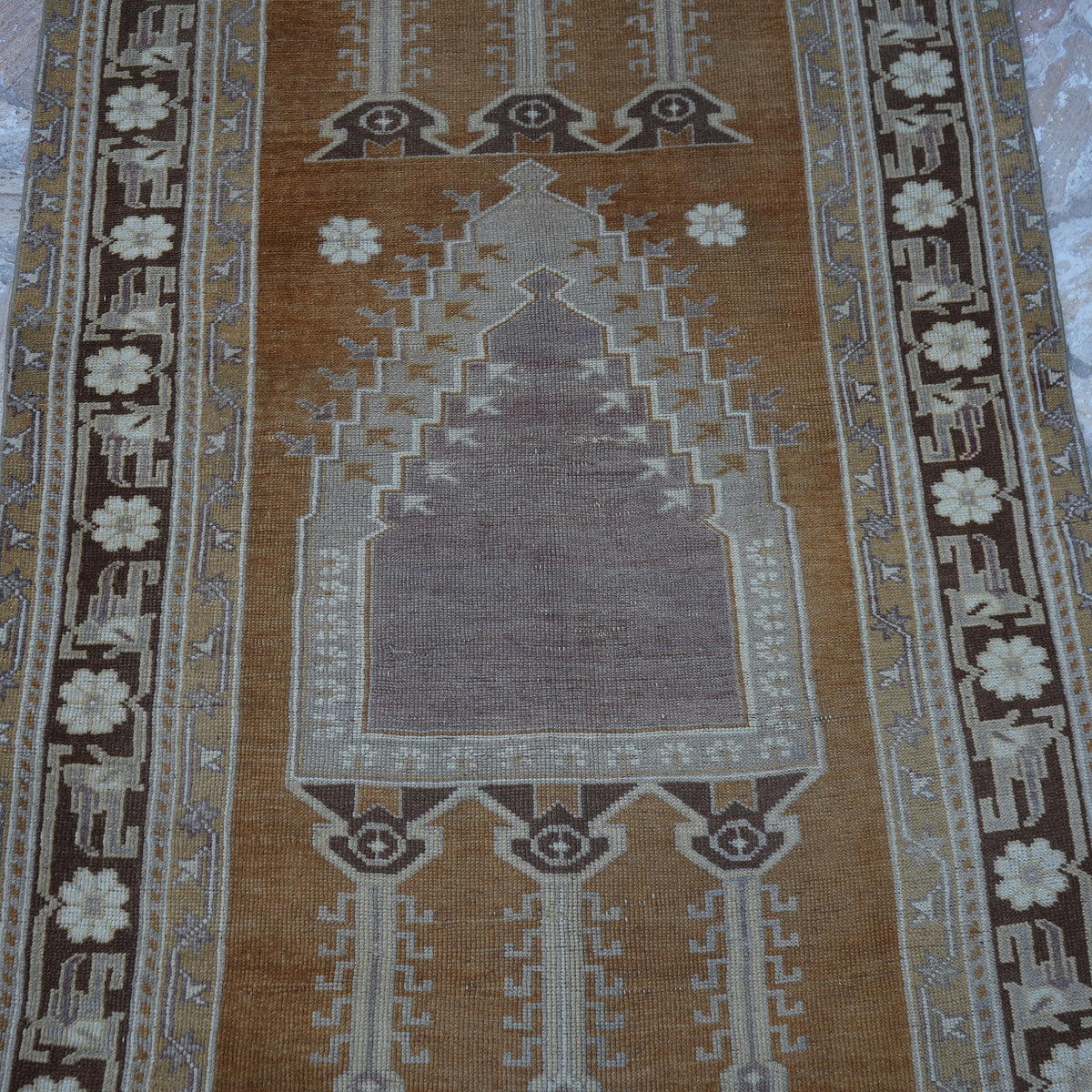
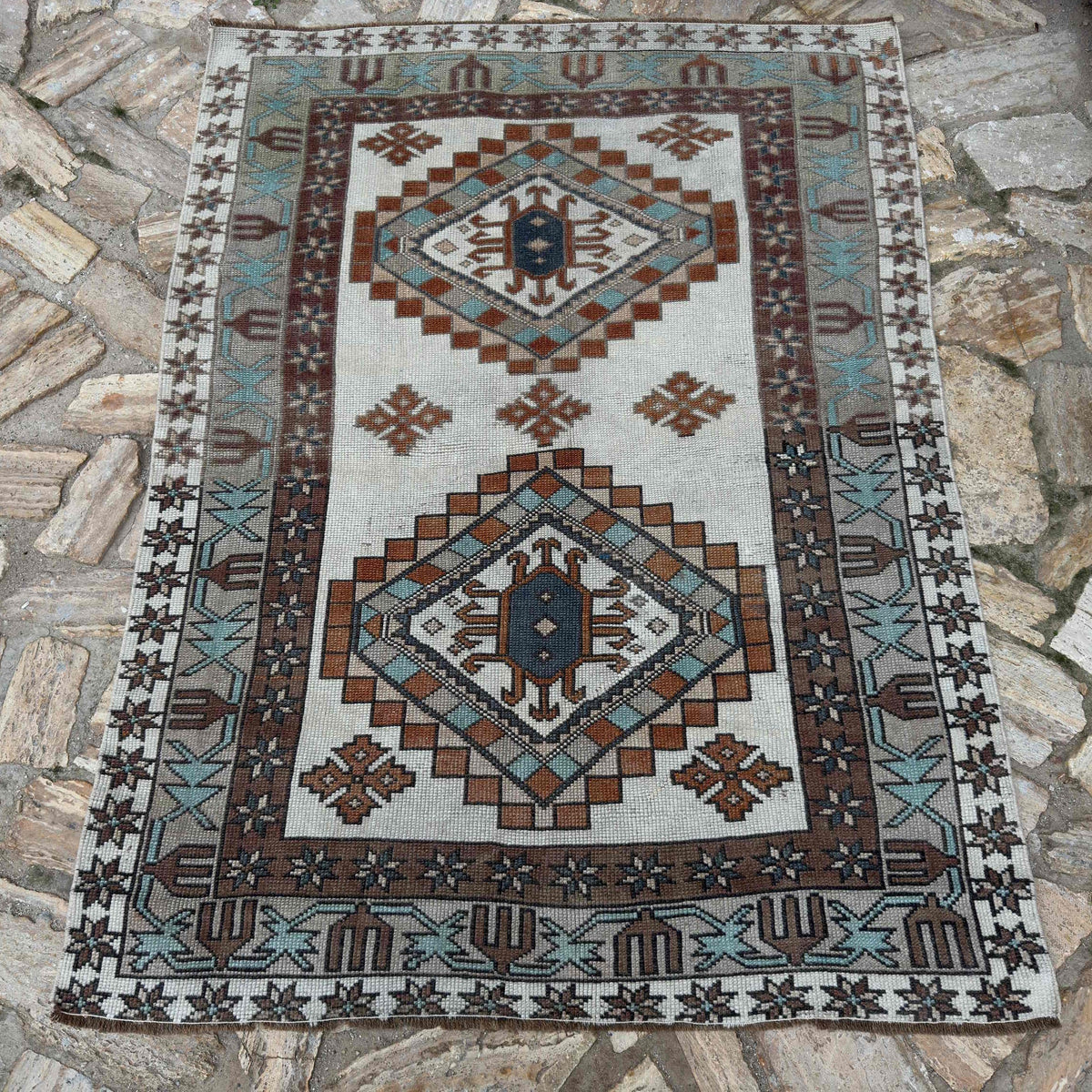
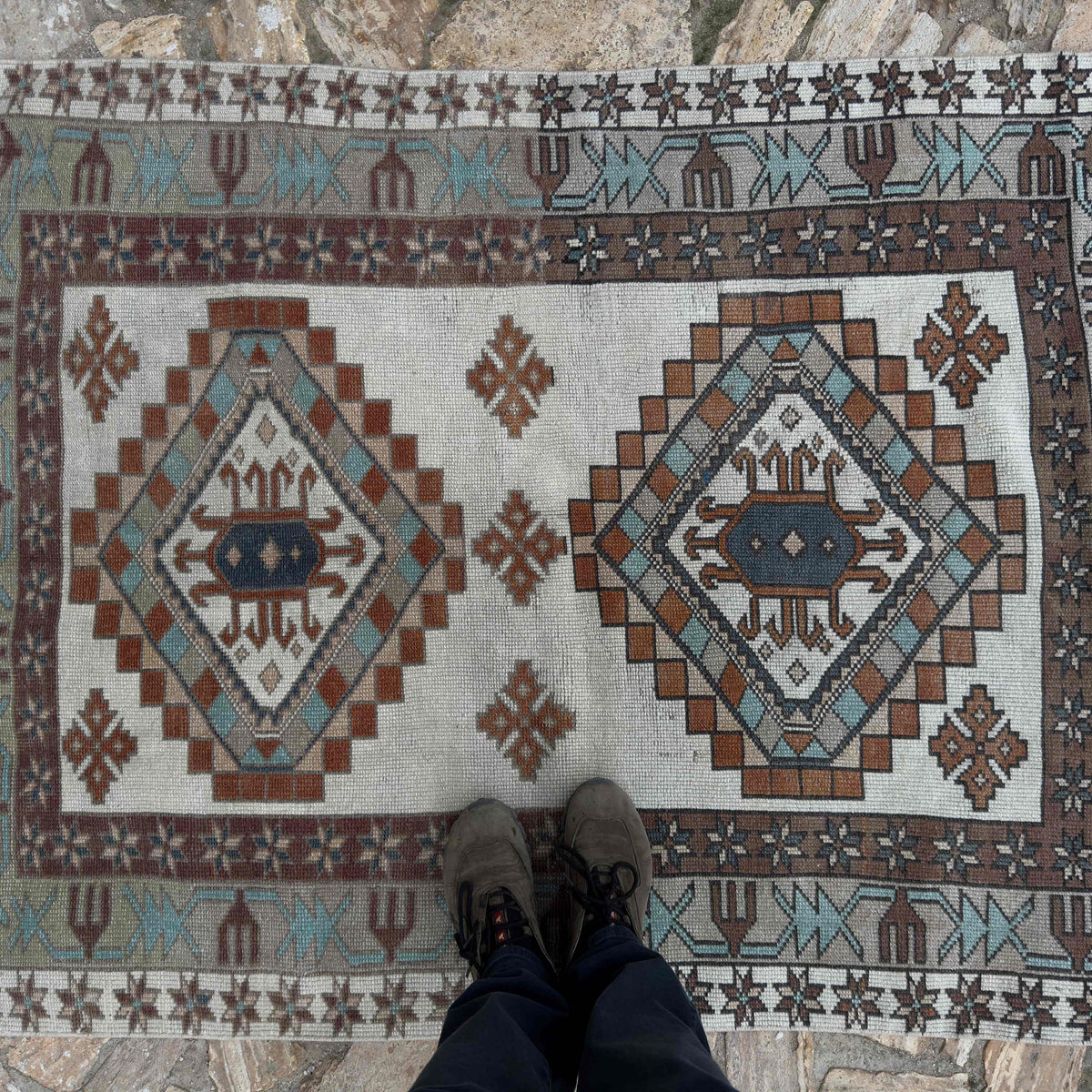
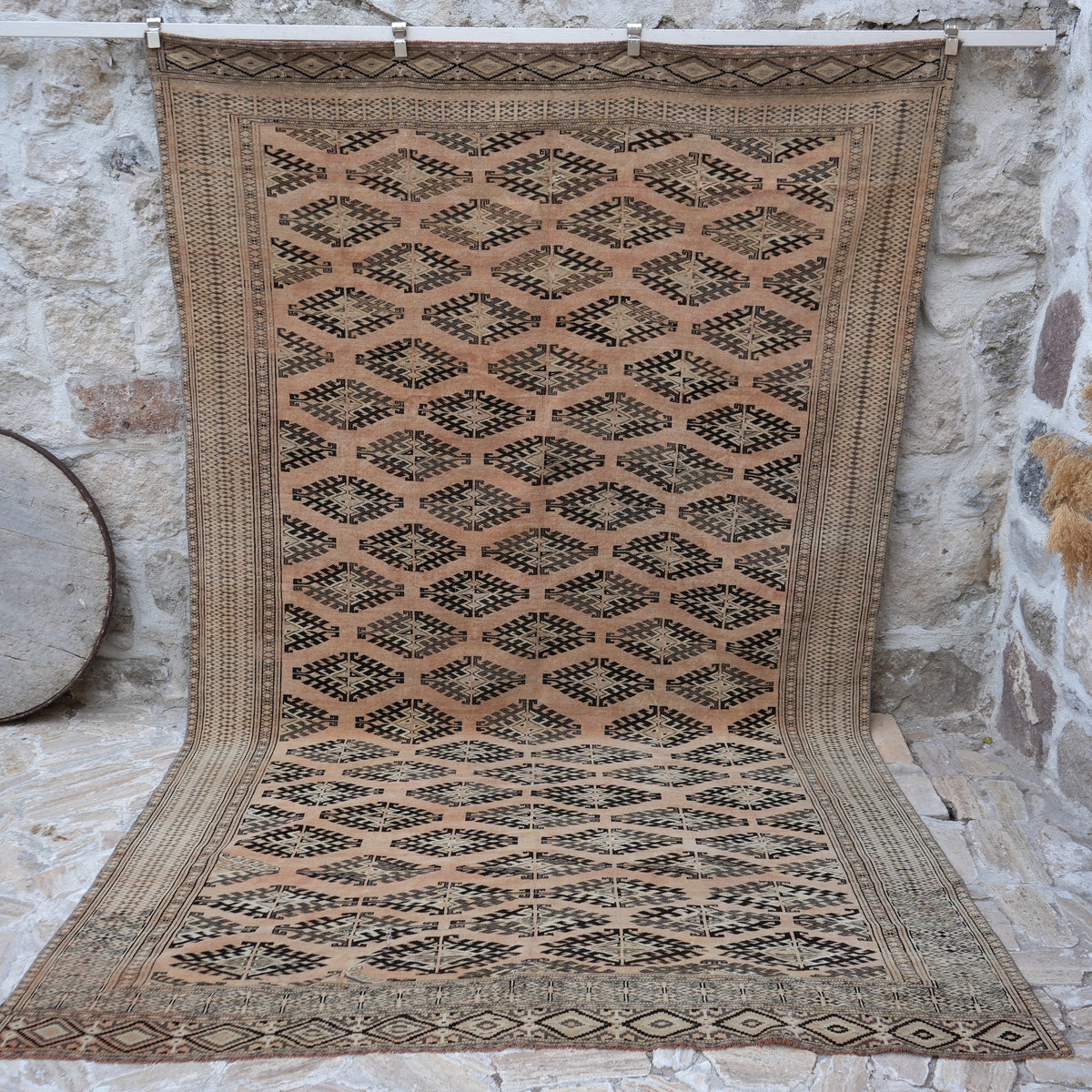
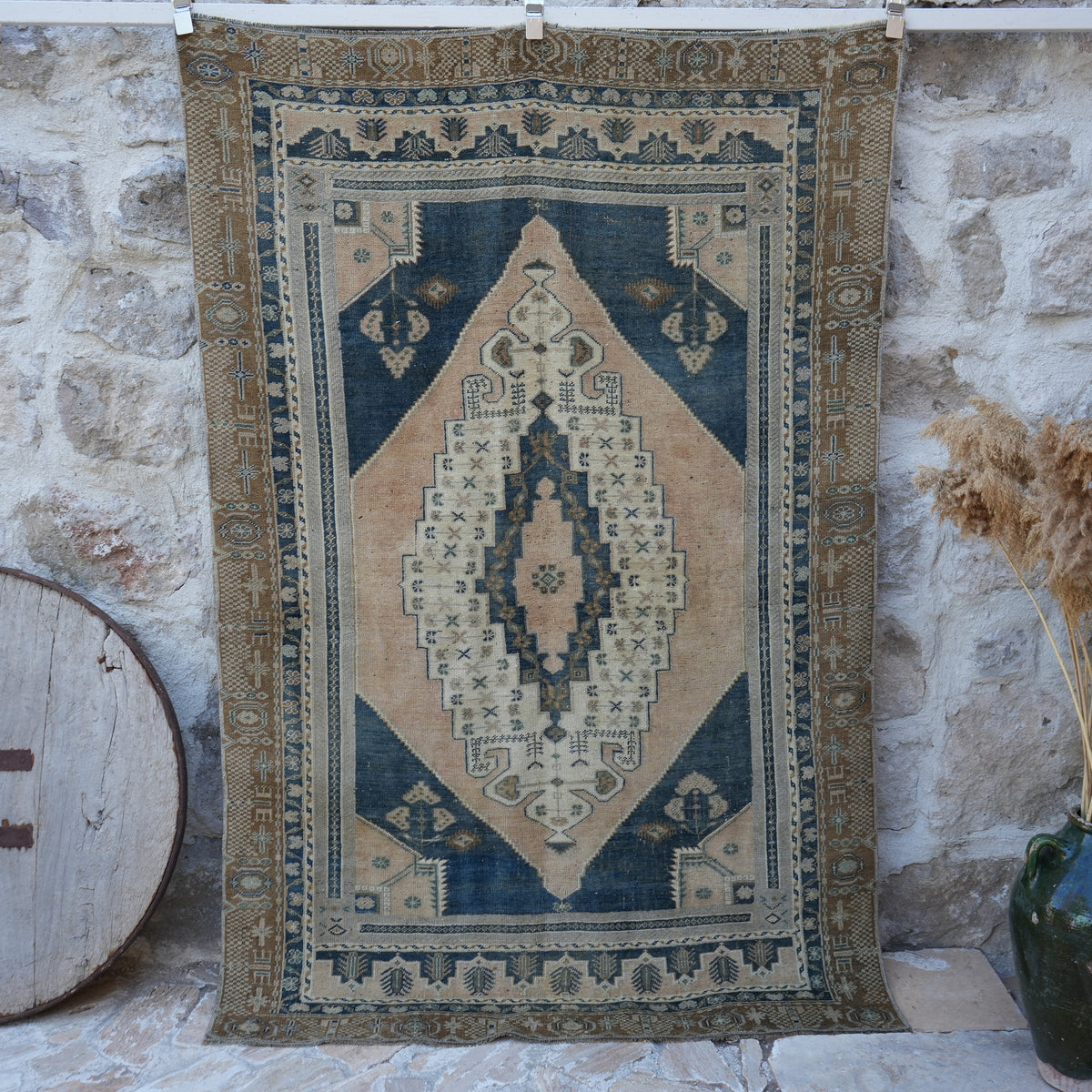
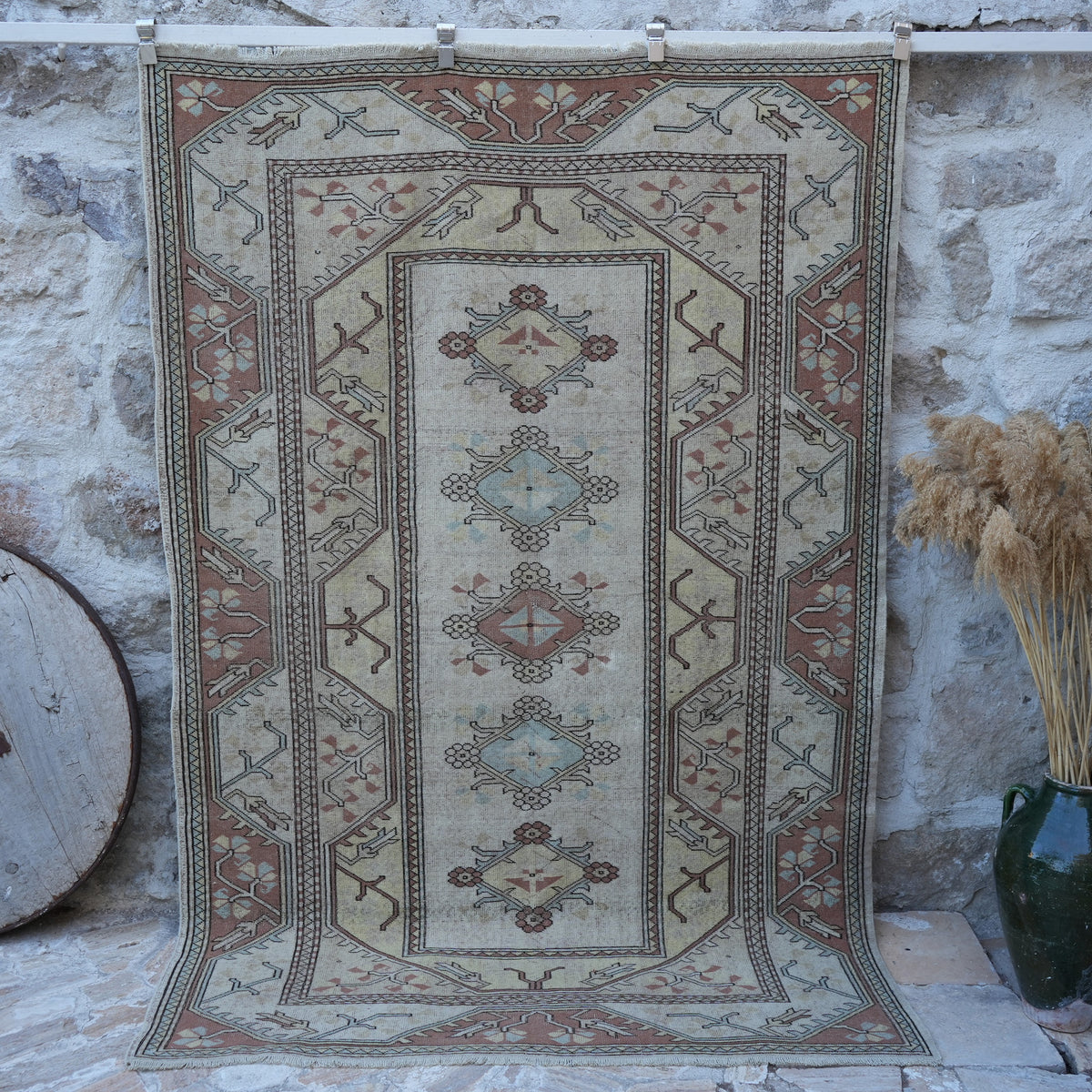
Brown spent a decade being called boring. Now interior designers keep circling back to it — less a trend than a return to what "neutral" meant before gray took over every room. If you're standing in your living room wondering what colors go with a brown rug, here's the direct answer: the colors that complement a brown rug best are sage green, terracotta, navy blue, mustard gold, dusty pink, ivory and cream, charcoal gray, burgundy, teal, and warm beige — though which one is right depends on your room's light, your furniture, and how warm or cool your particular brown runs.
That shift mirrors a broader move in current interior trends: away from cool, flat grays and back toward warm neutrals — chocolate, camel, terracotta — and a renewed appreciation for natural wood, visible patina, and handmade surfaces that don't try to look machine-perfect.
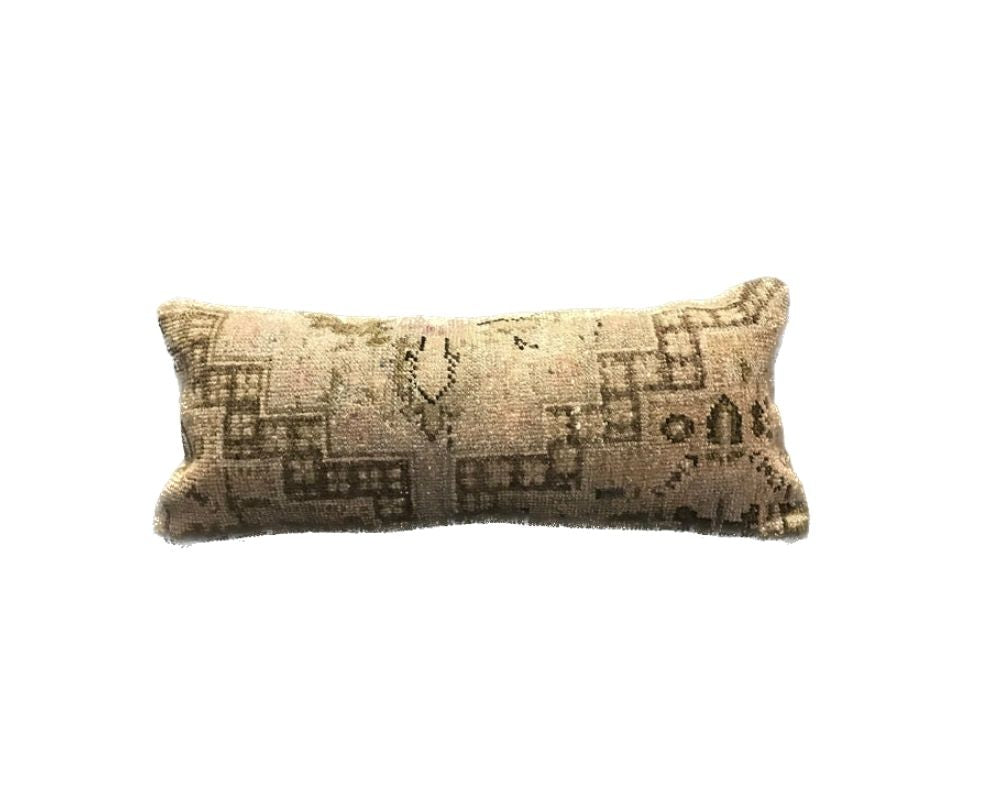
I grew up around this color before it had a name to me. In the villages near Aksaray, sheep's wool that's never touched a dye vat settles into a brown-beige somewhere between sand and walnut. That was just what a rug looked like at home. Nobody called it a palette. It was wool doing what wool does.

Why Brown Rugs Are the Foundation Color of 2026 Home Decor
Brown is warm without demanding attention — unlike cool gray or some pale, washed-out beiges, which can appear flat under the wrong light. Morning sun deepens it; lamp light pulls out reddish undertones most people never notice until they're sitting in their own living room wondering why the rug suddenly looks different.
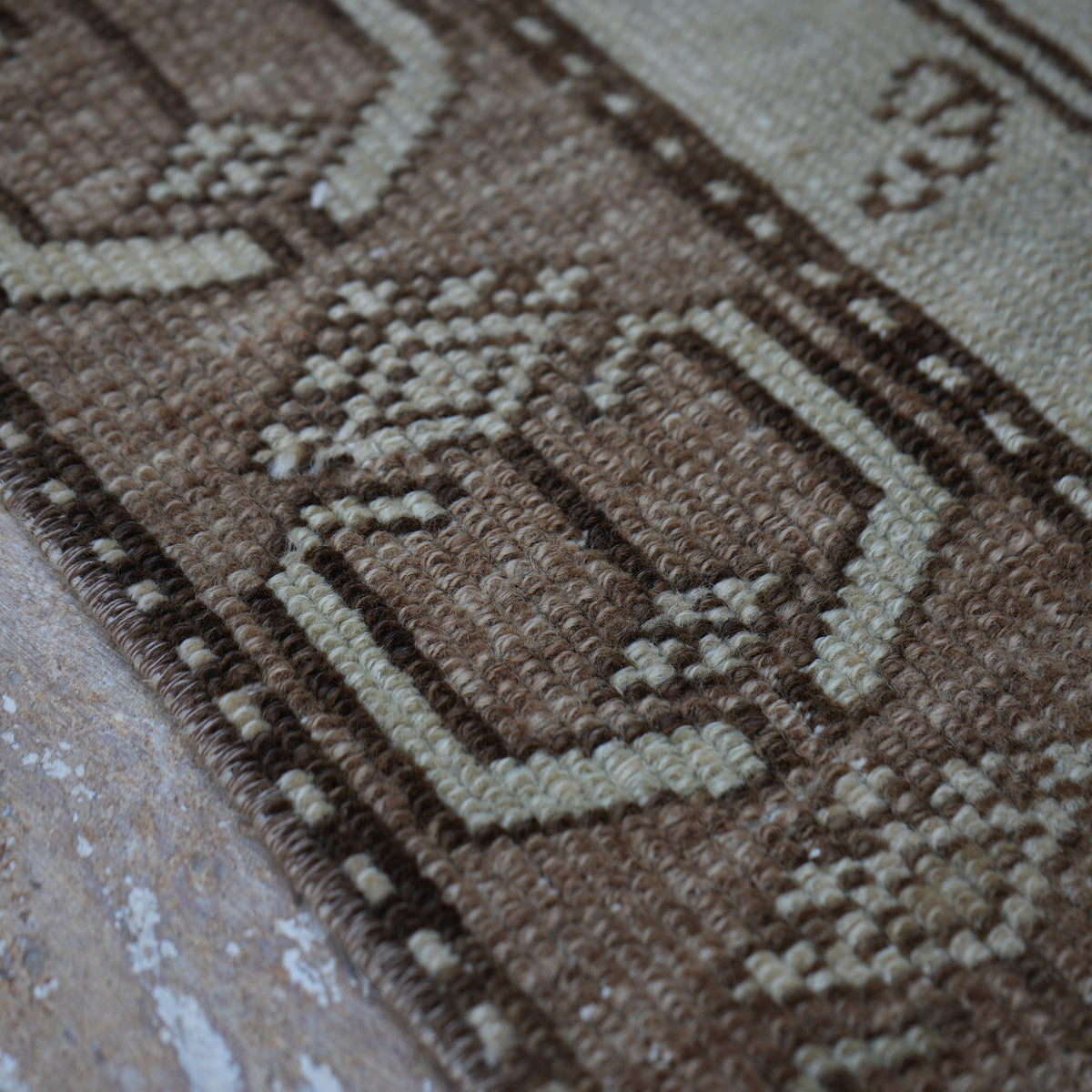
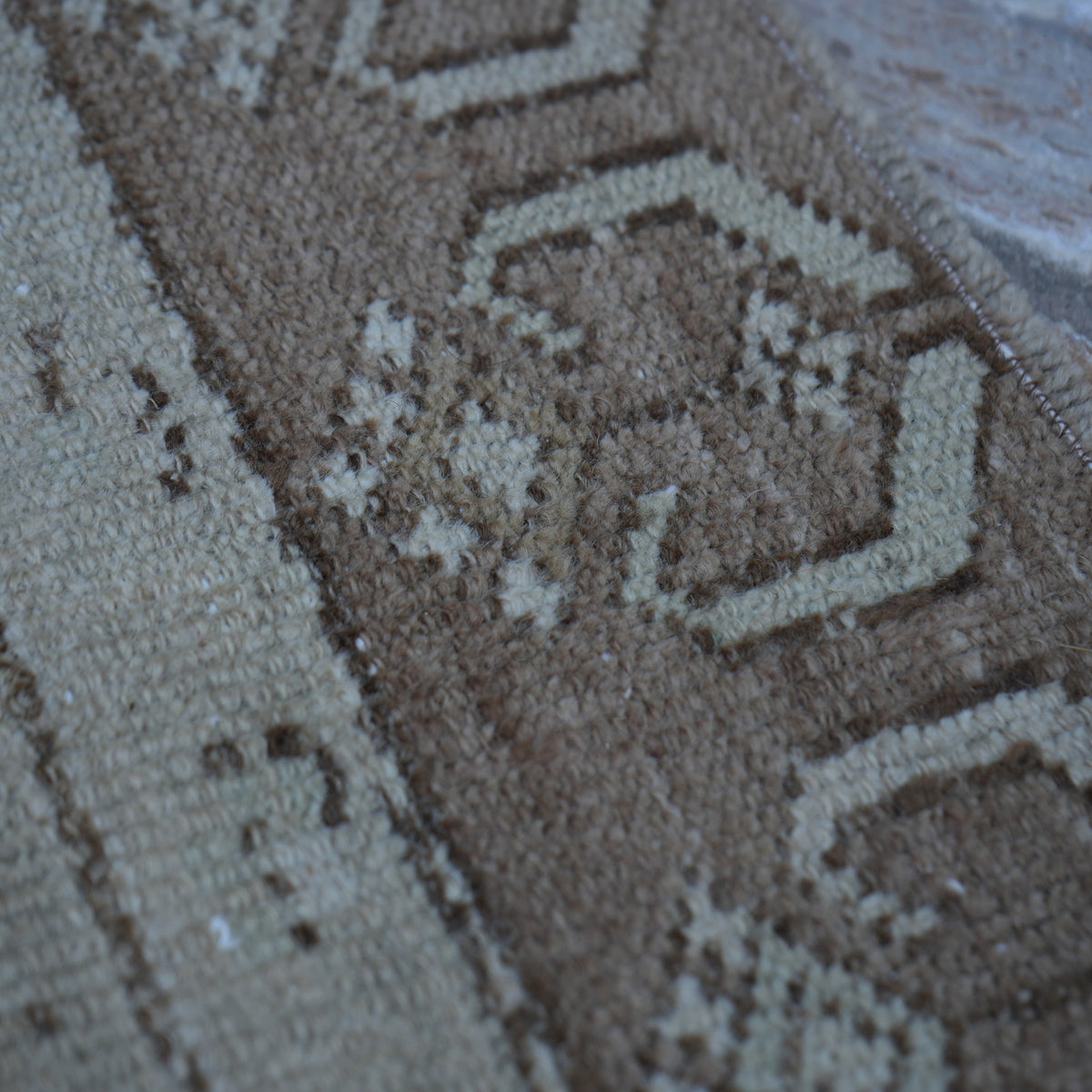
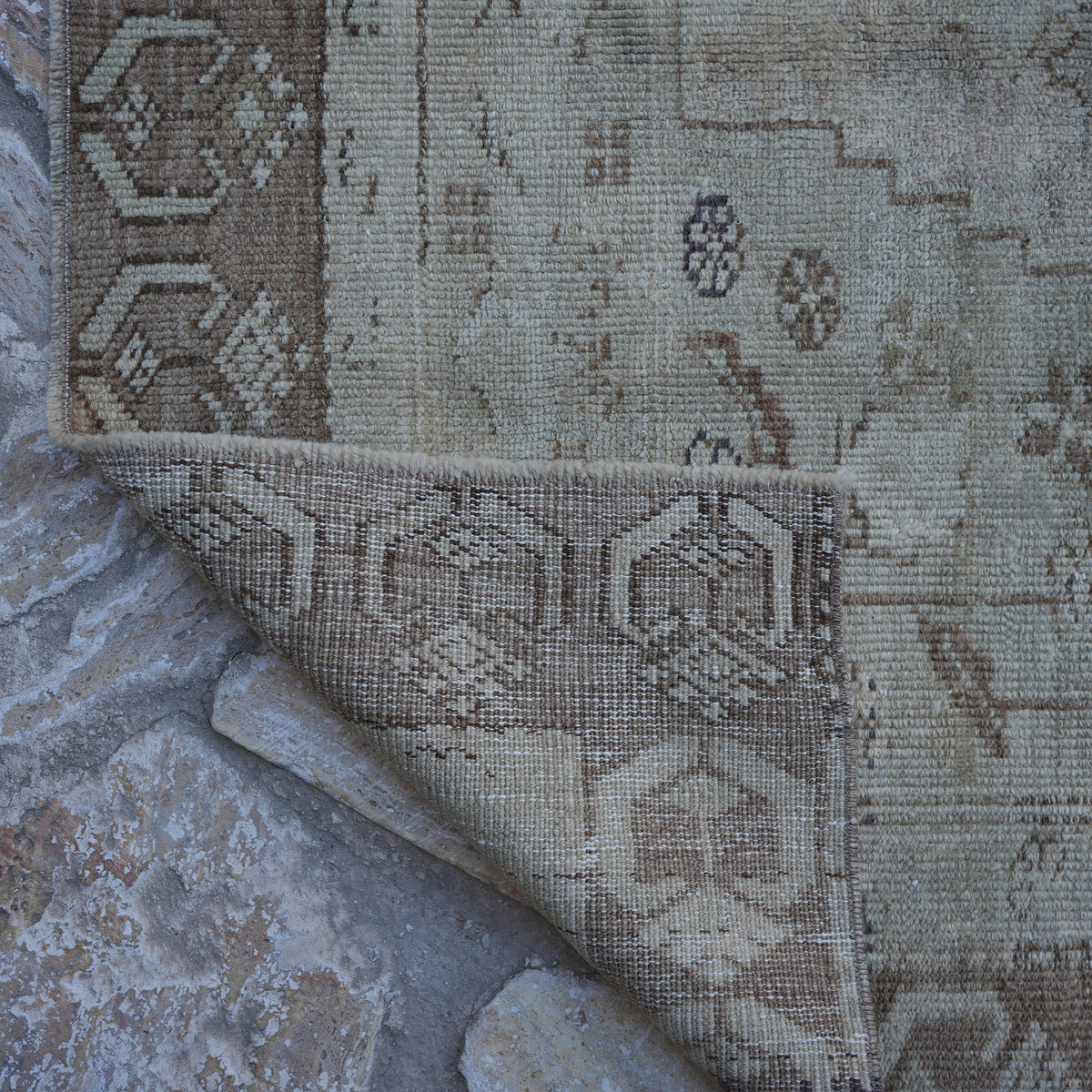
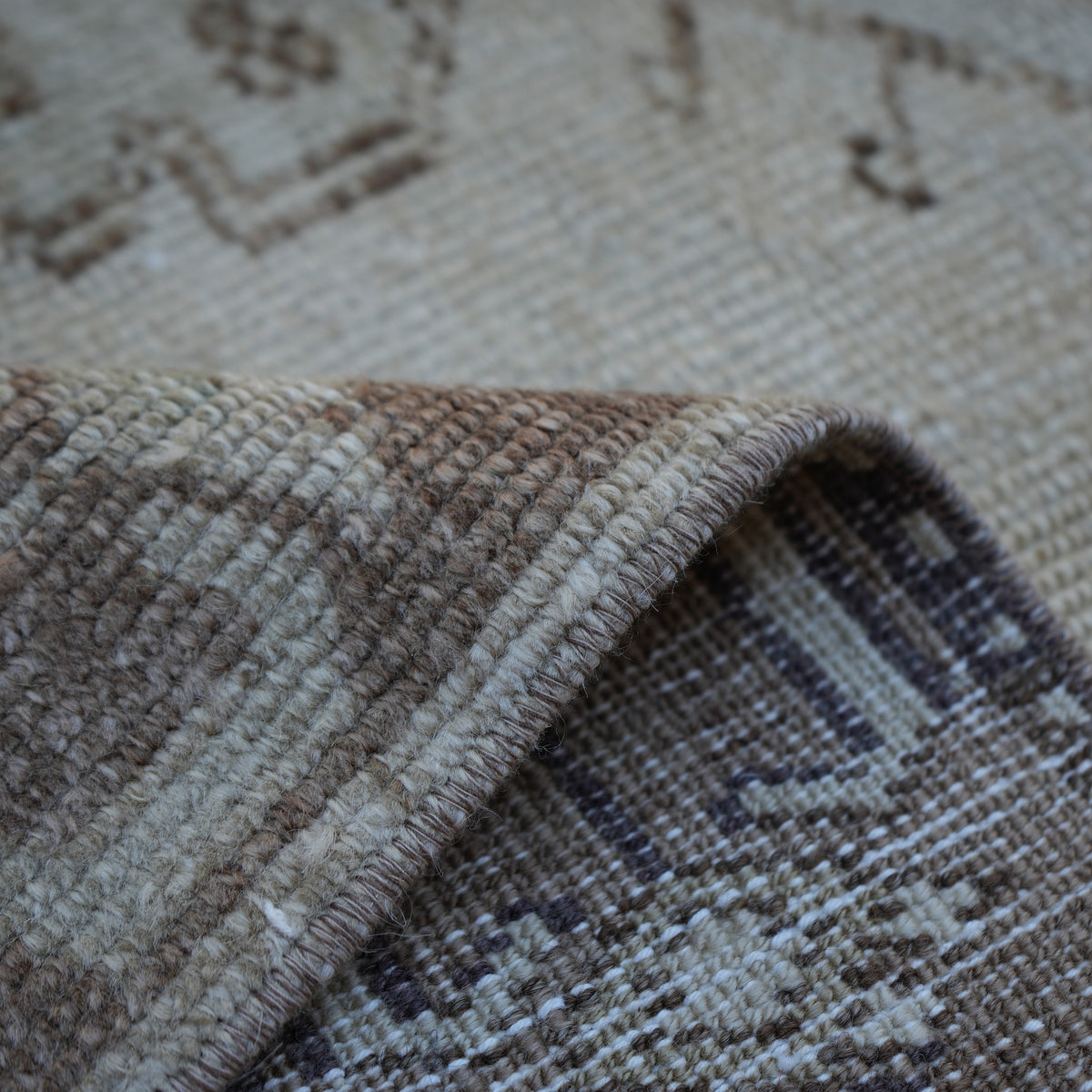
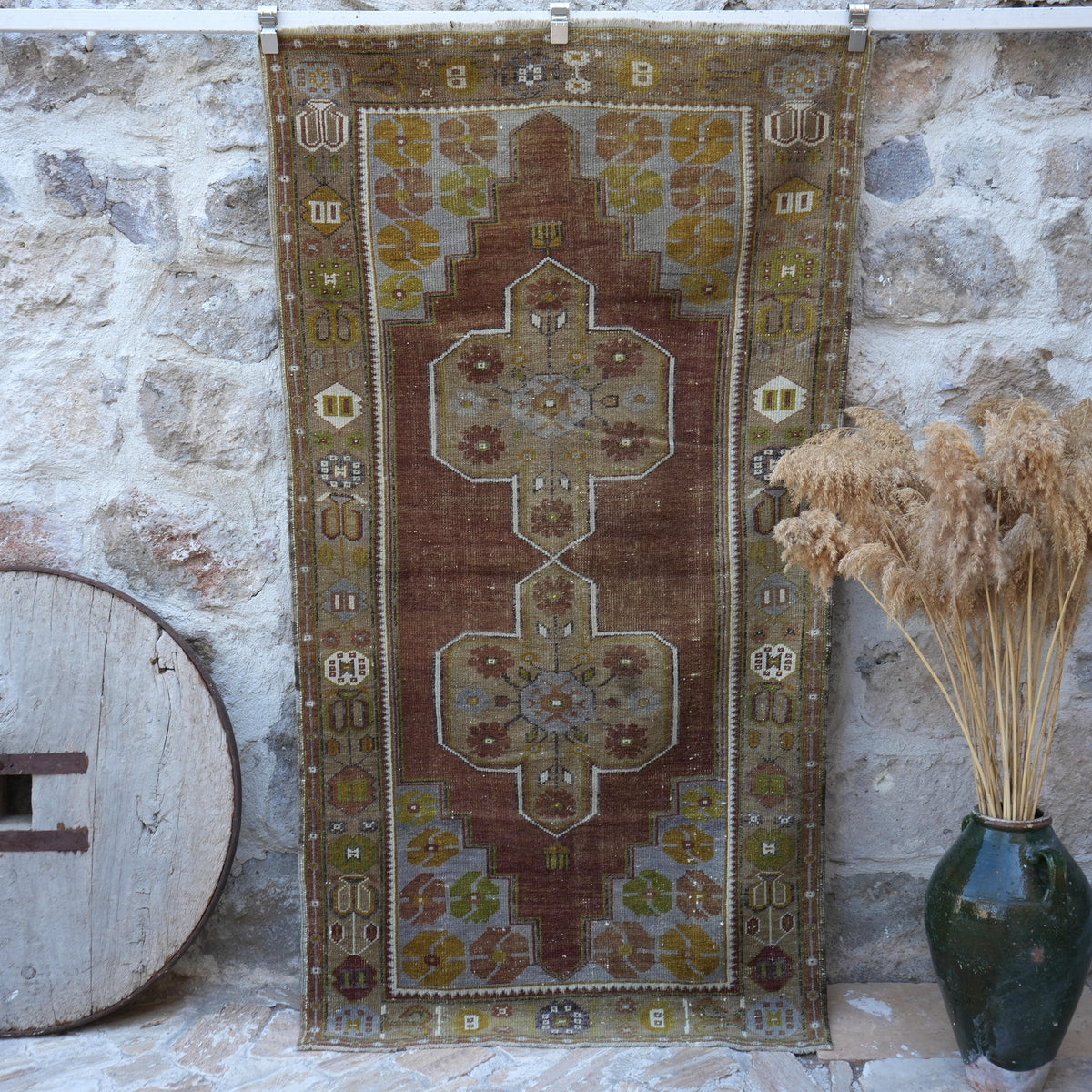
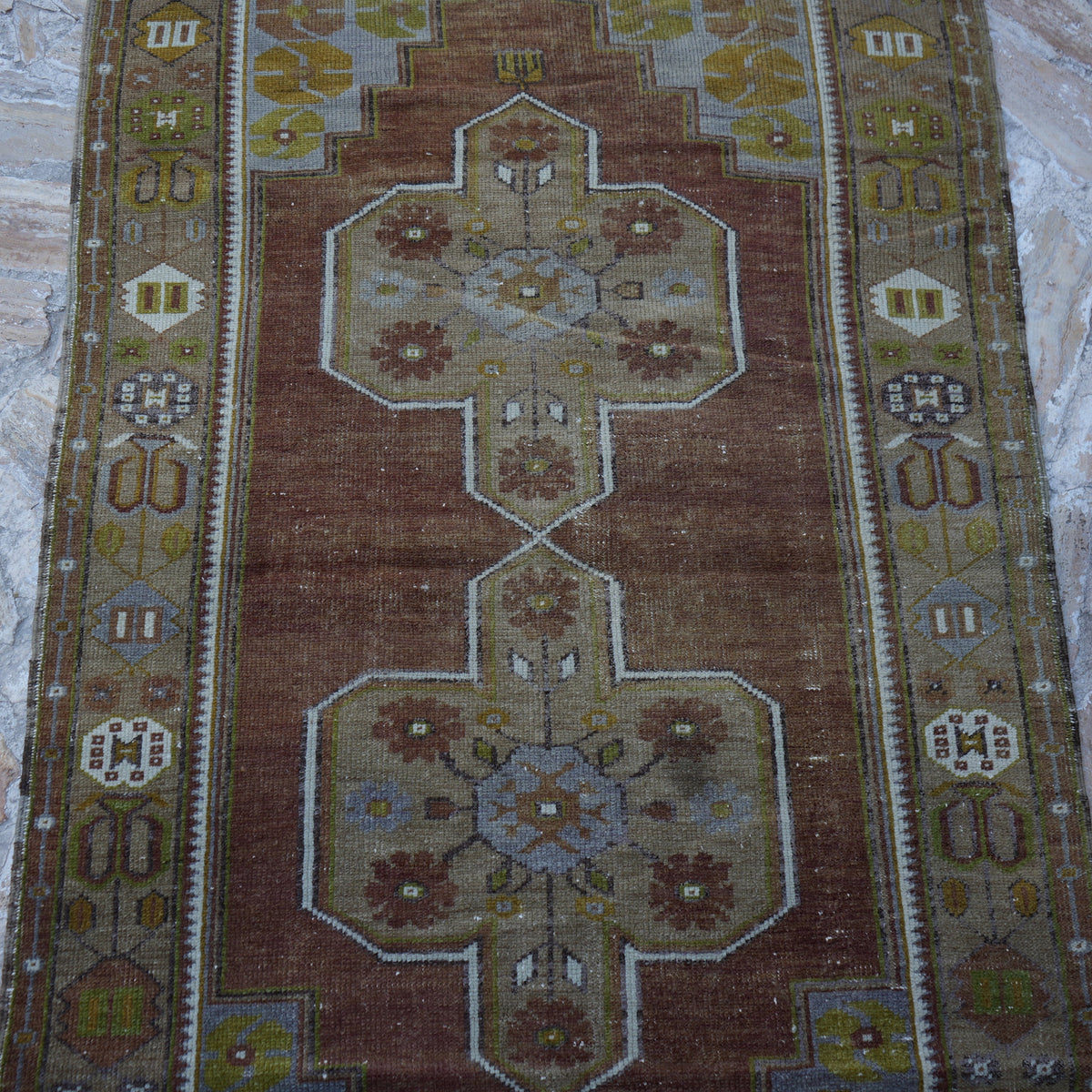
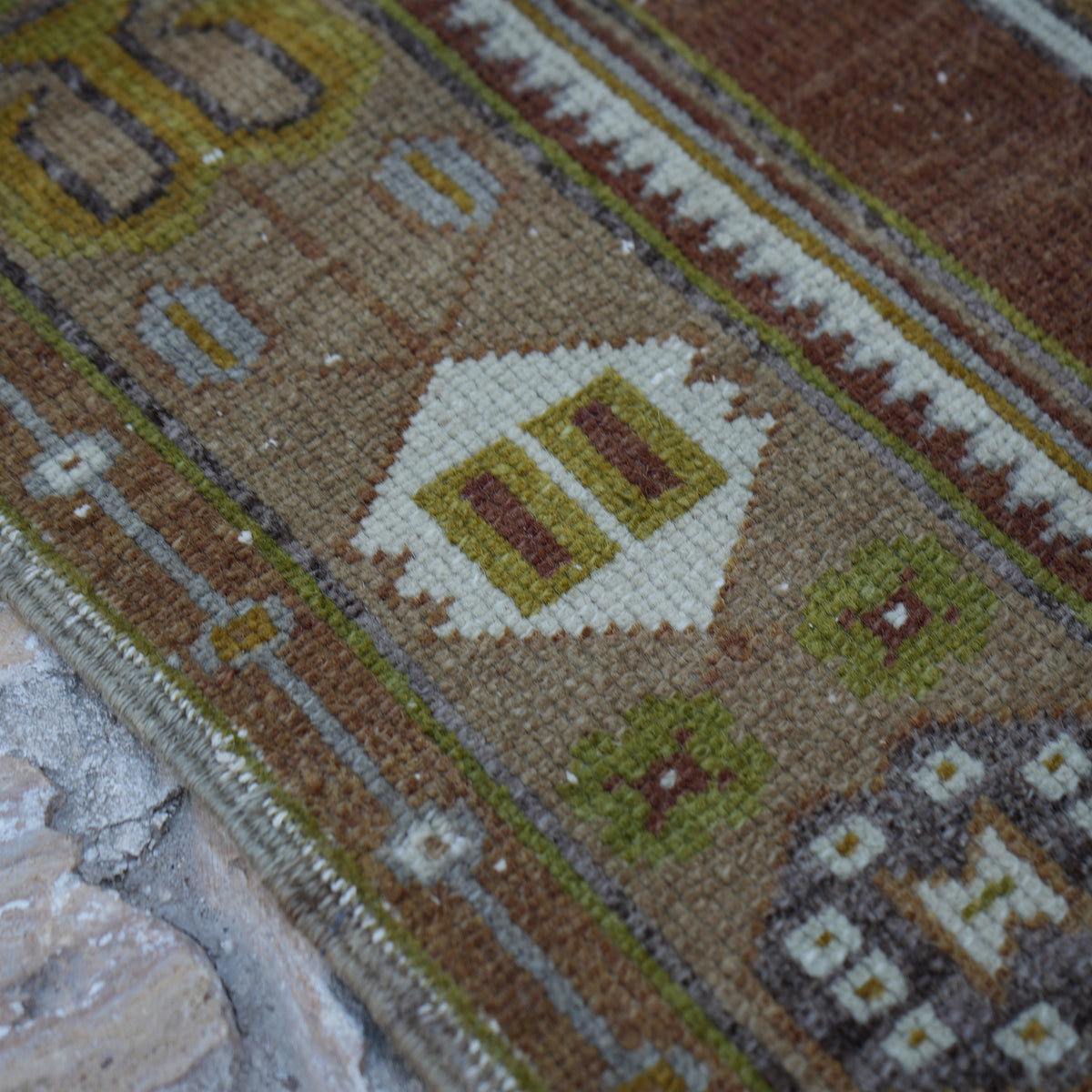
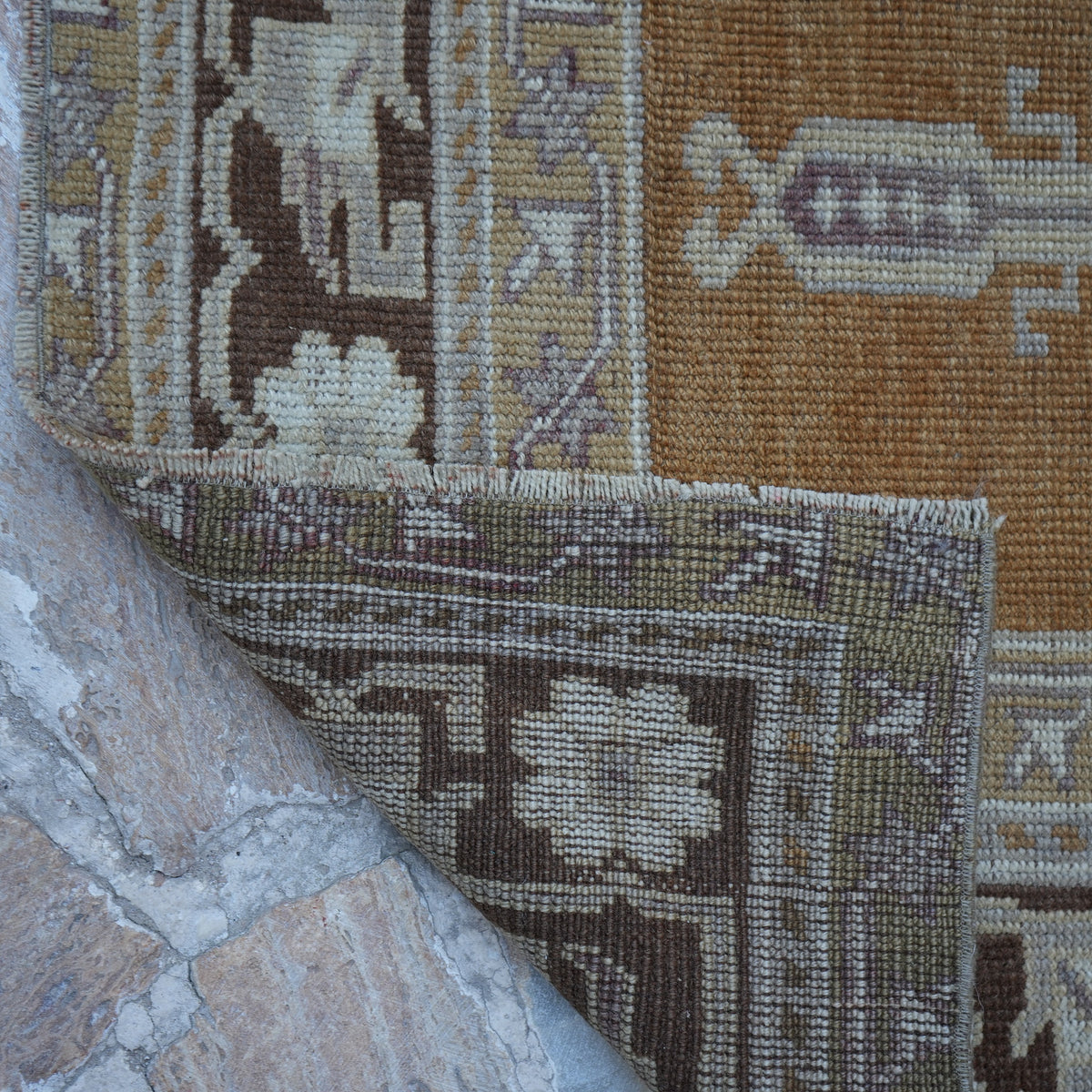
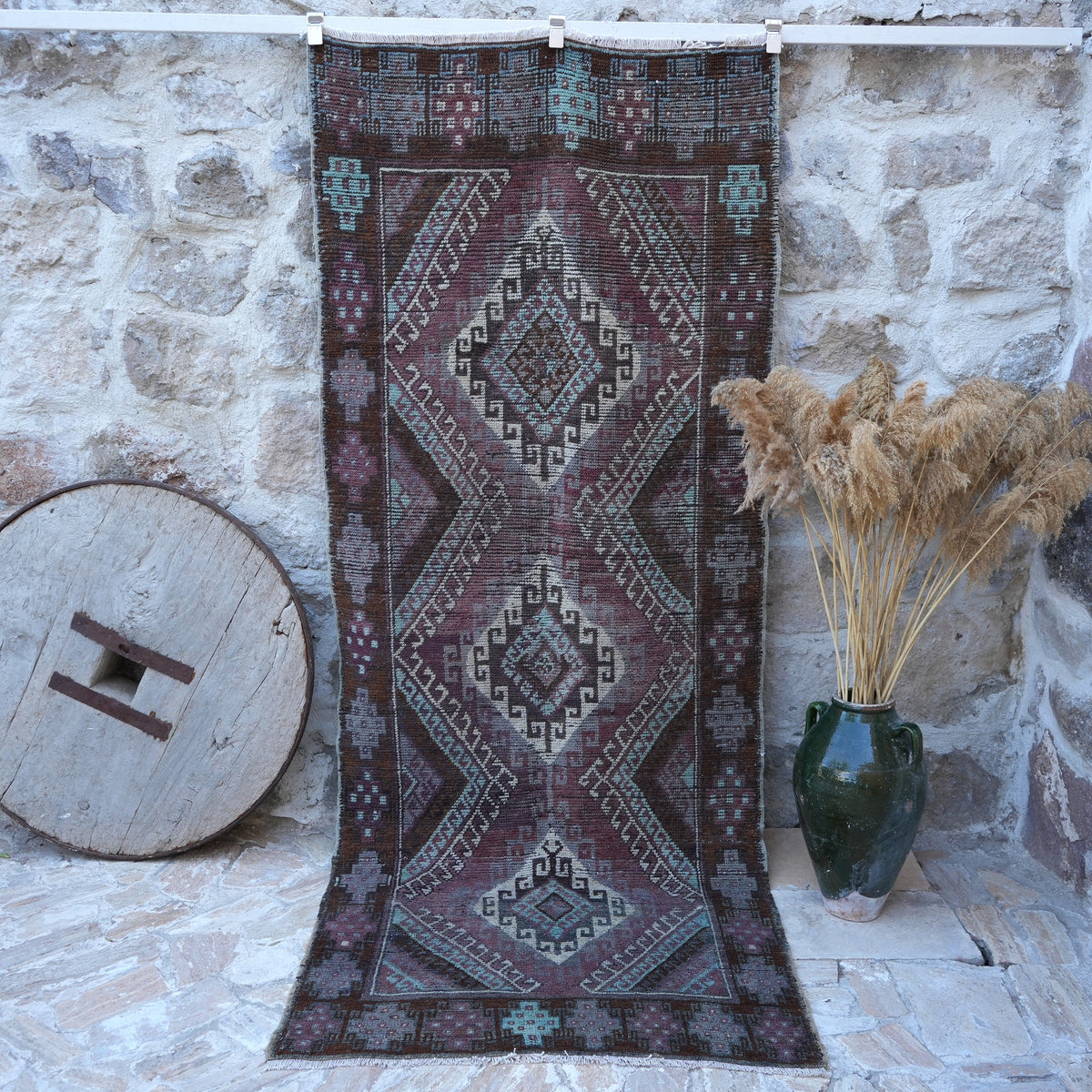
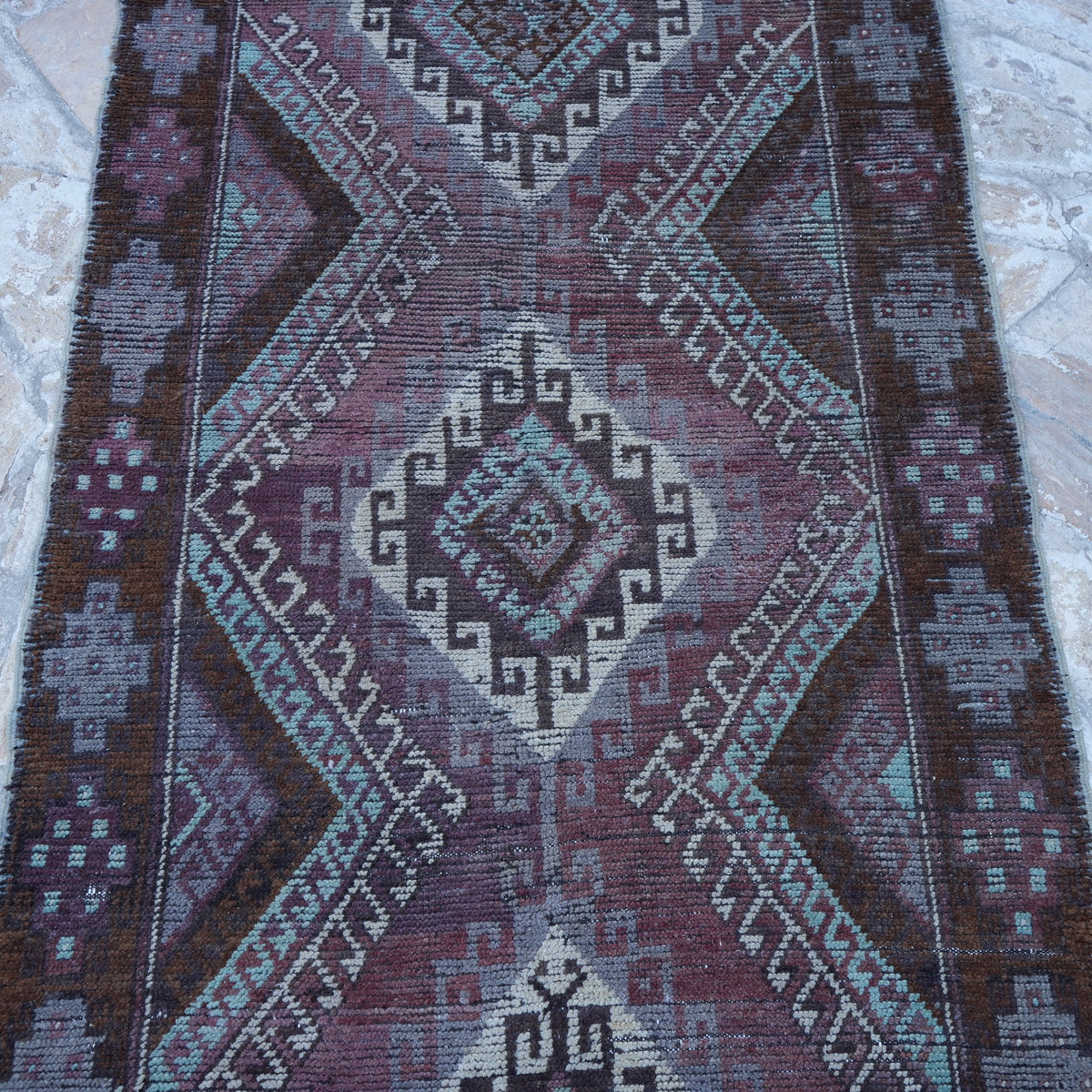
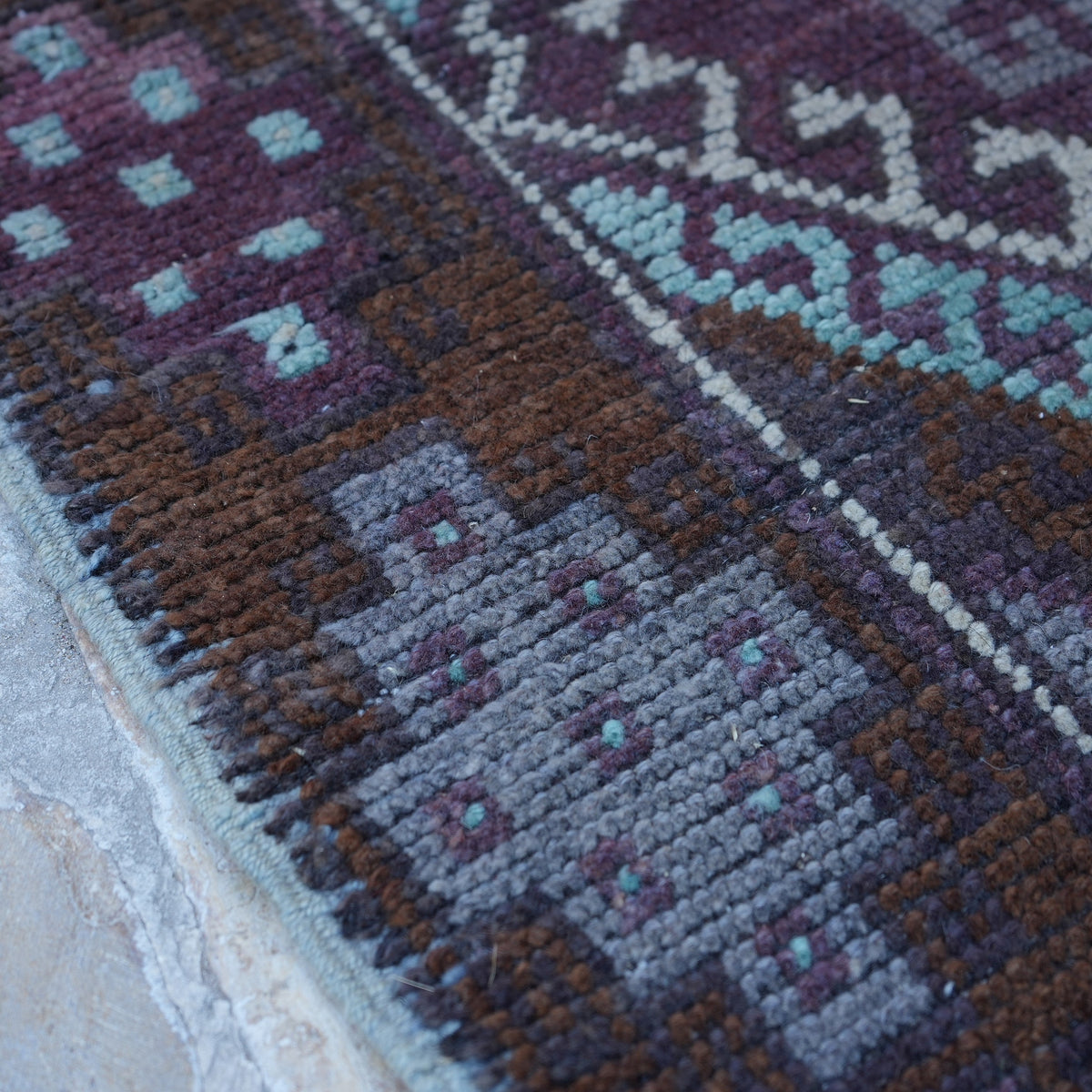
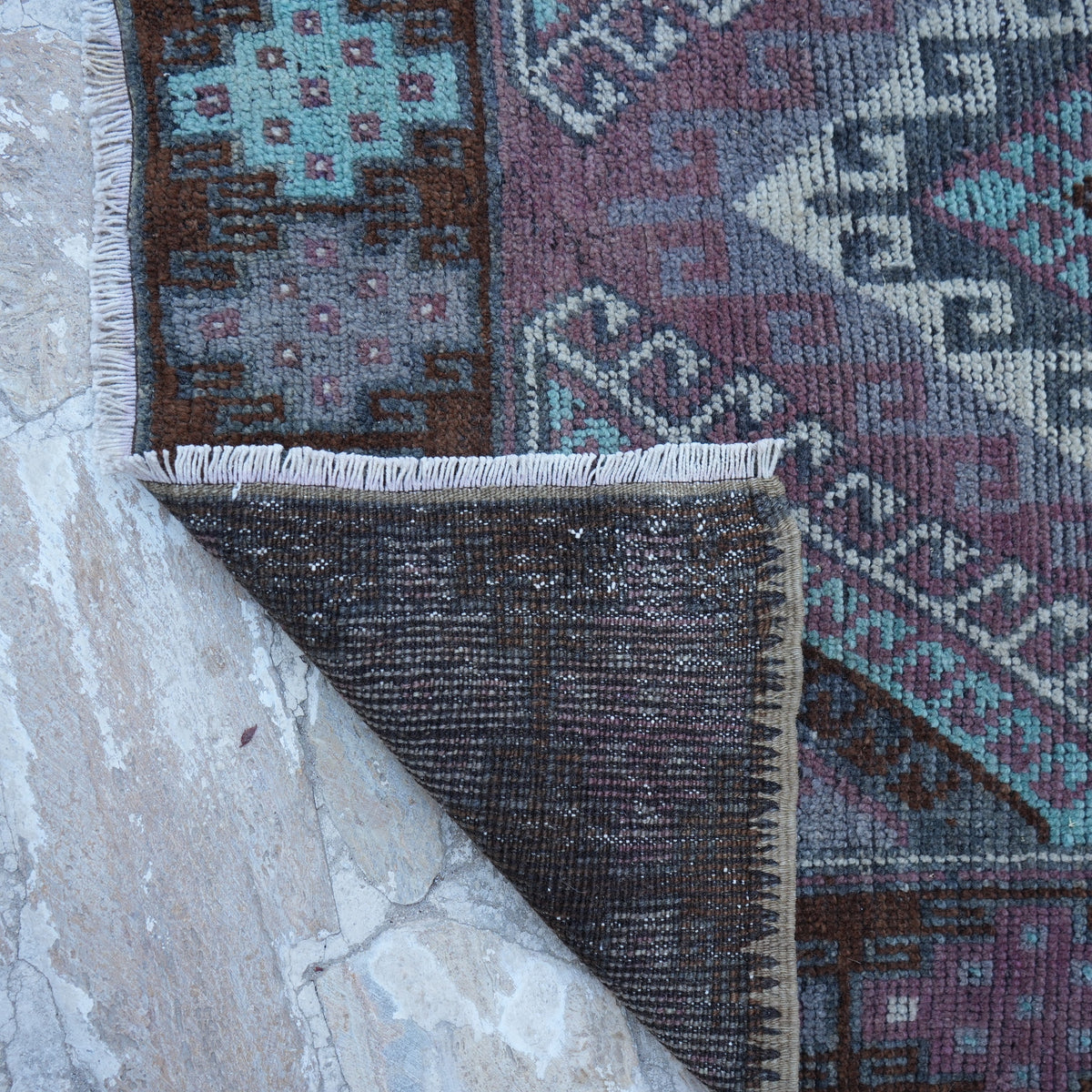
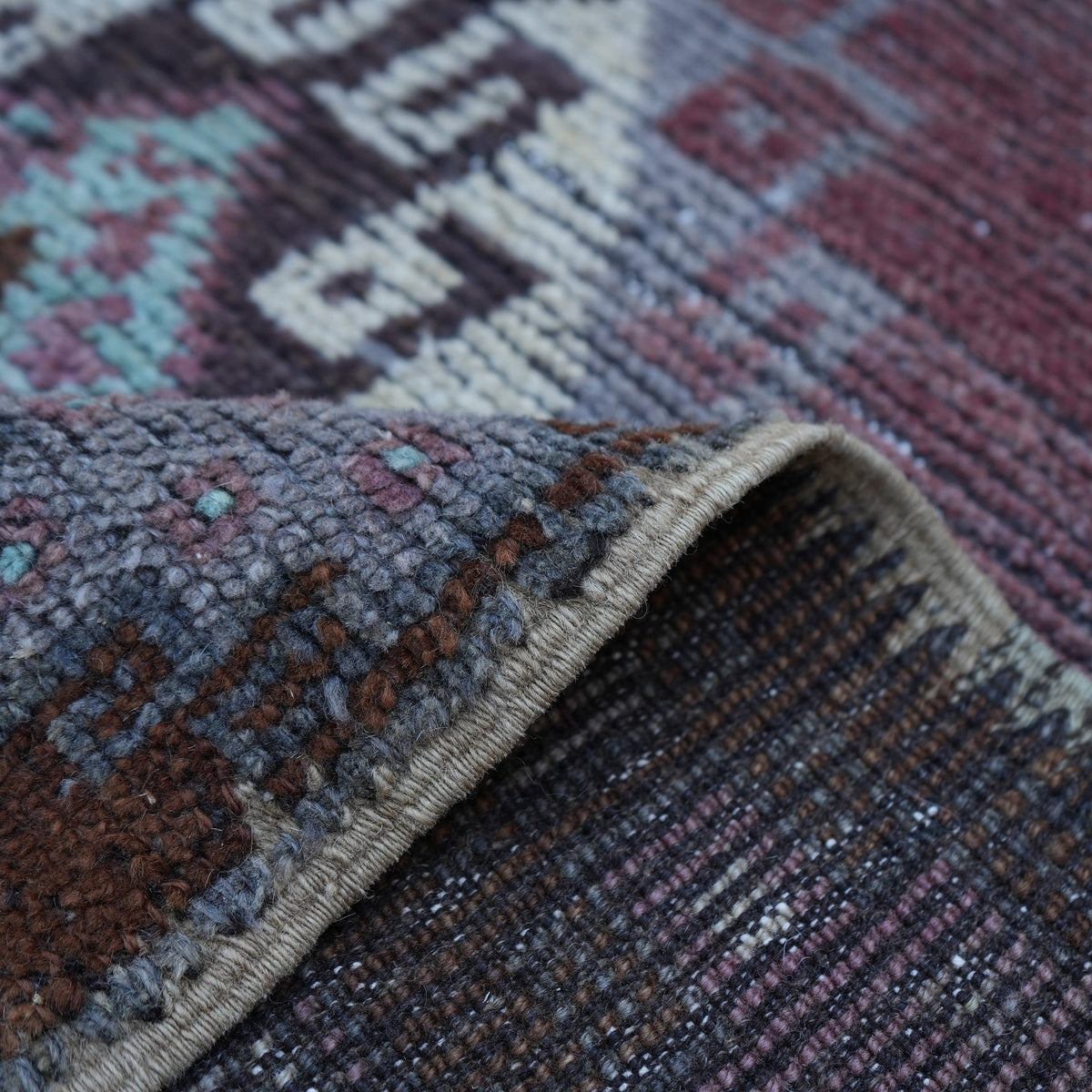
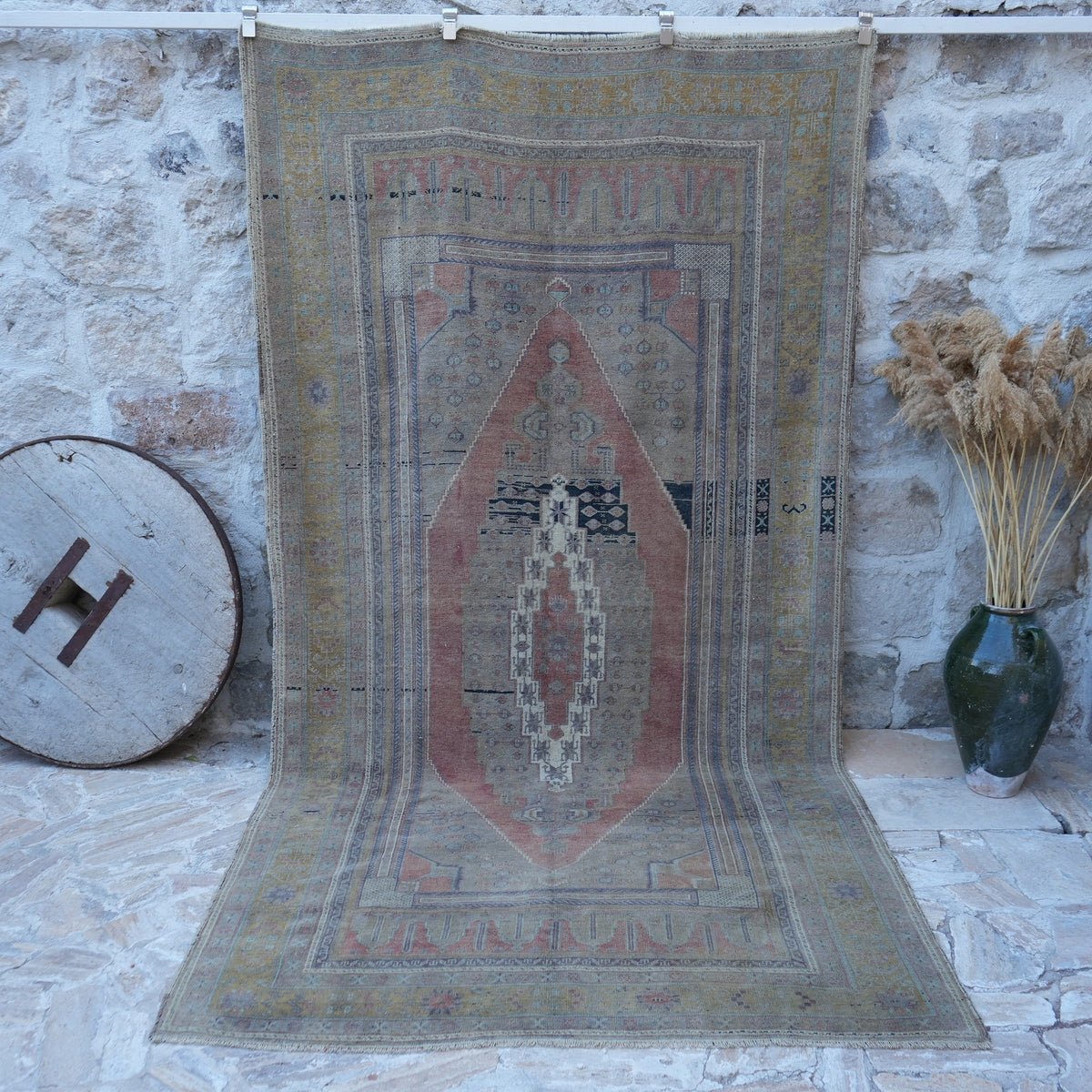
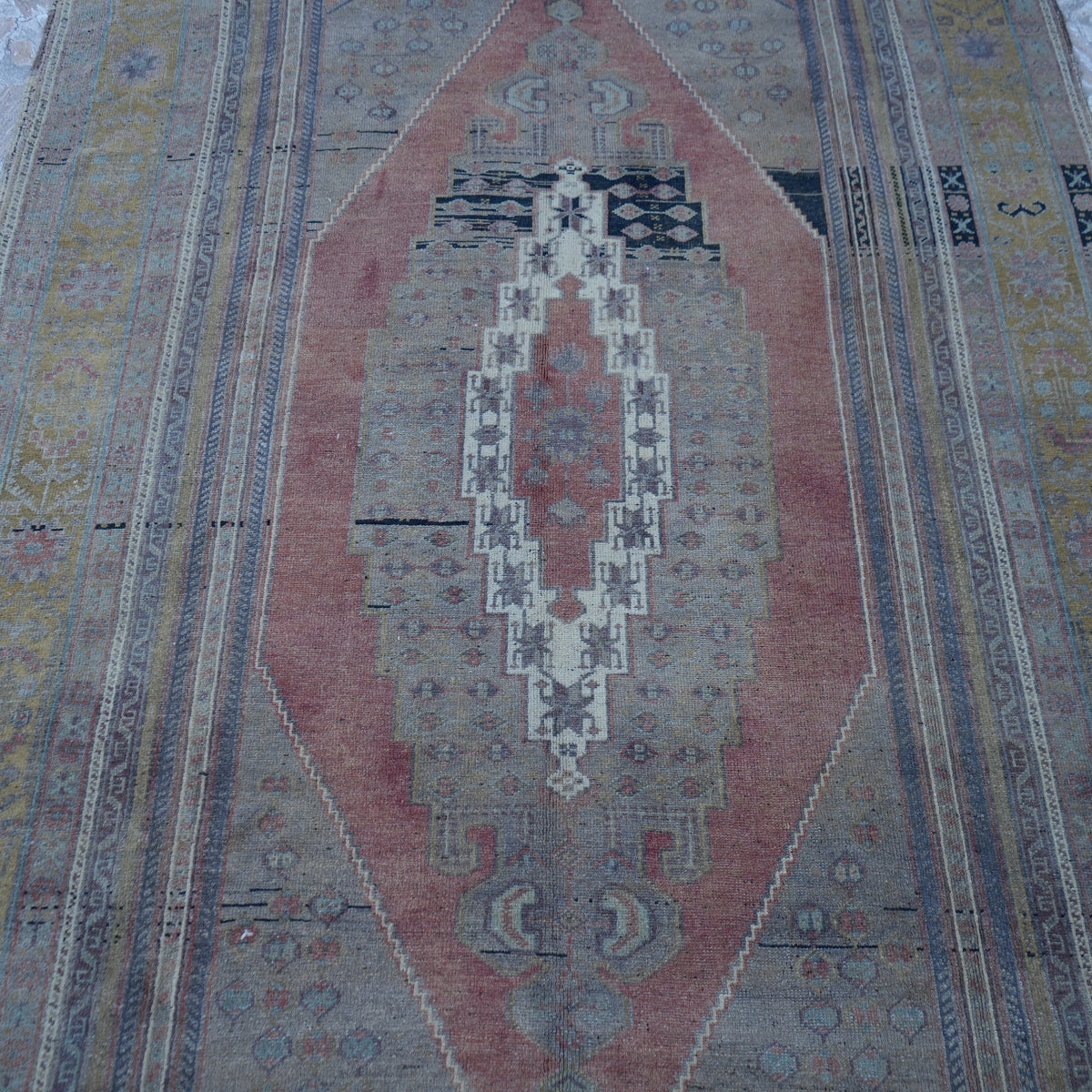
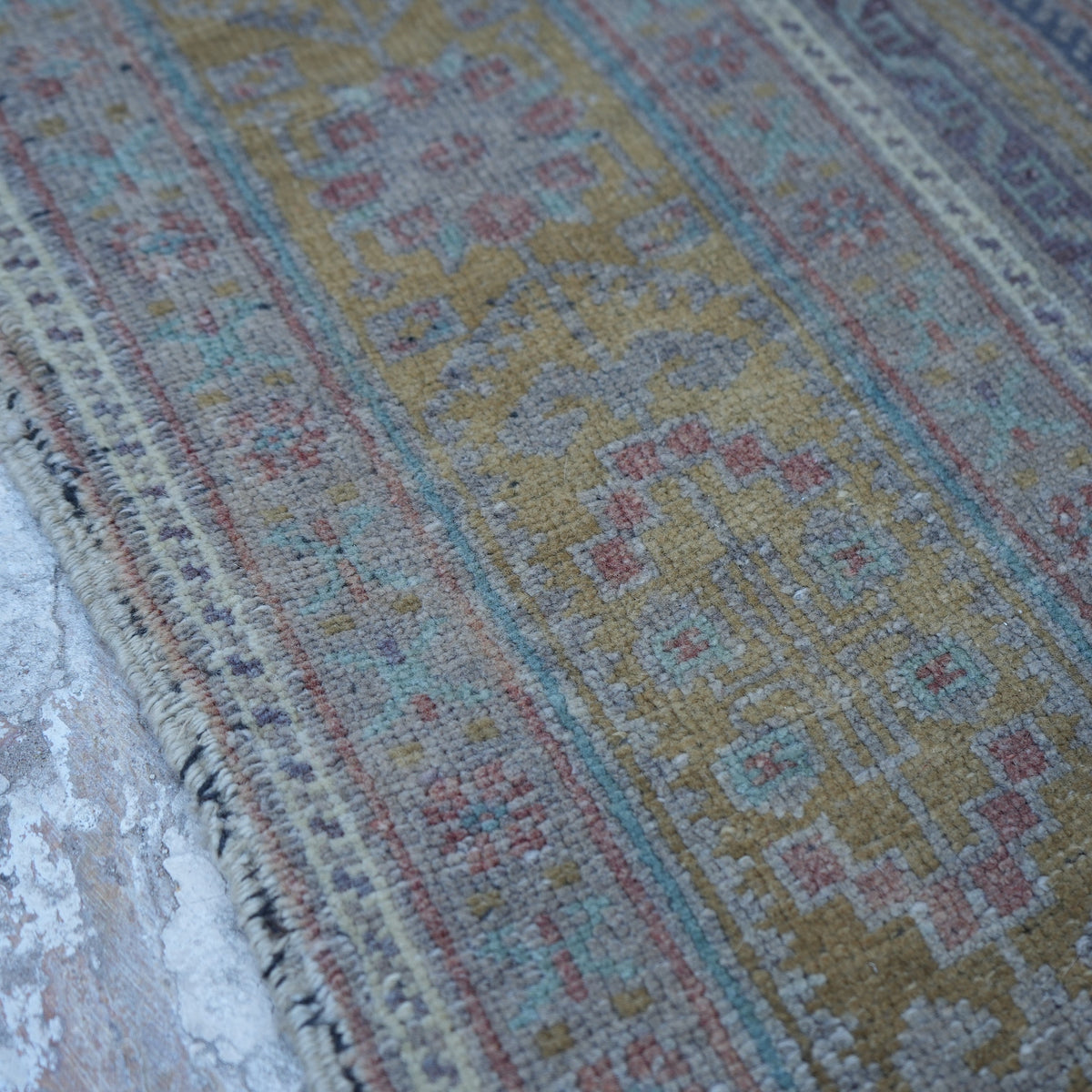
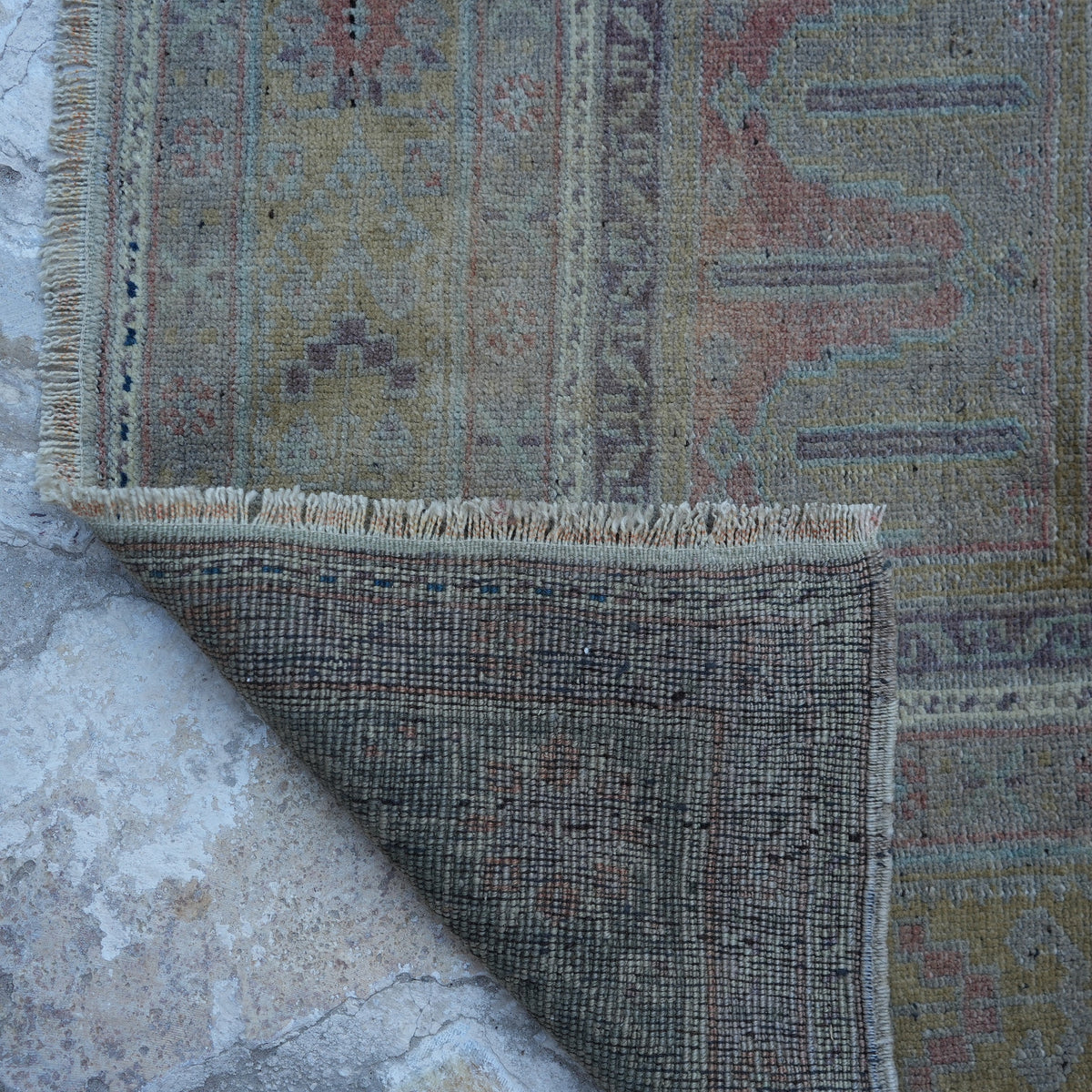
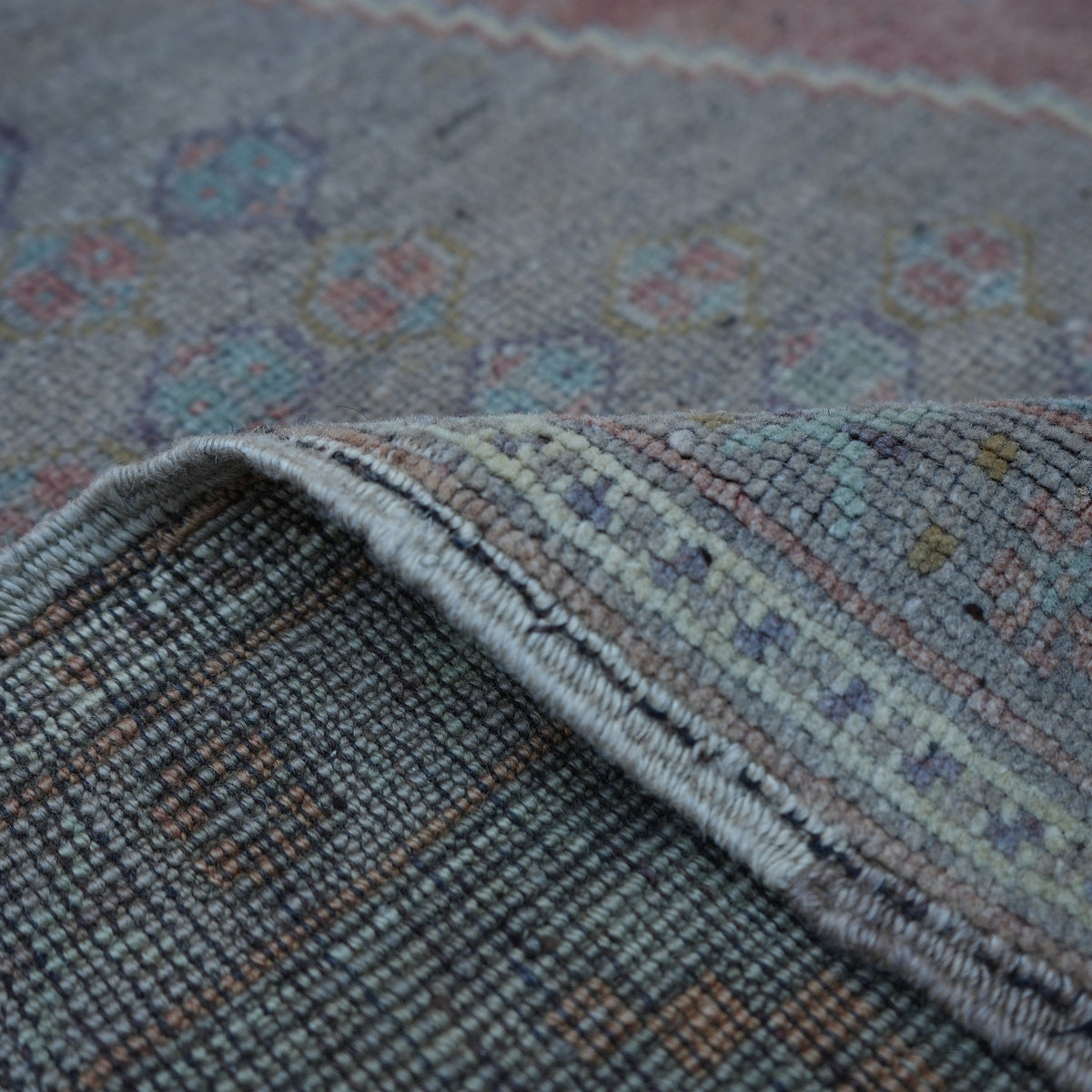
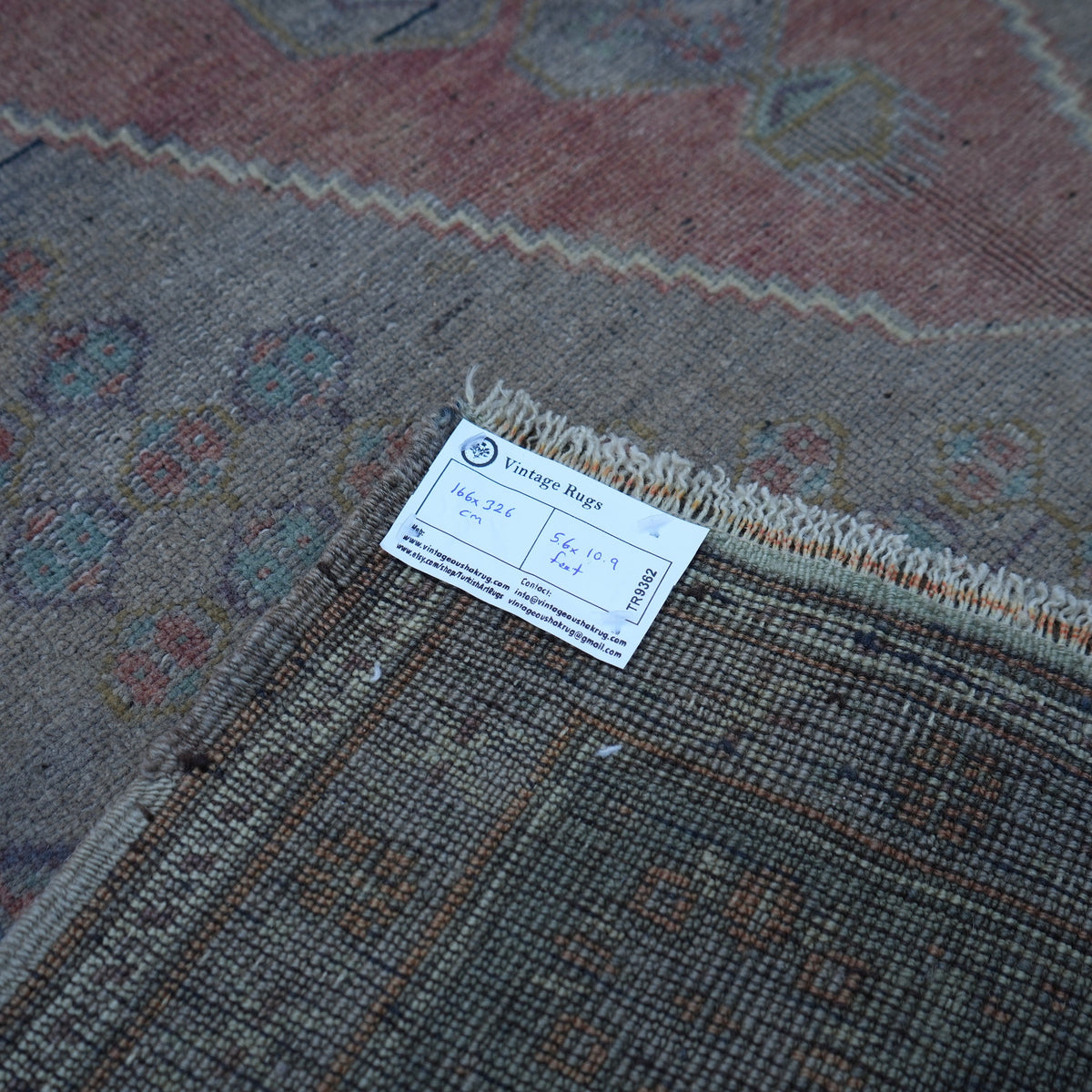
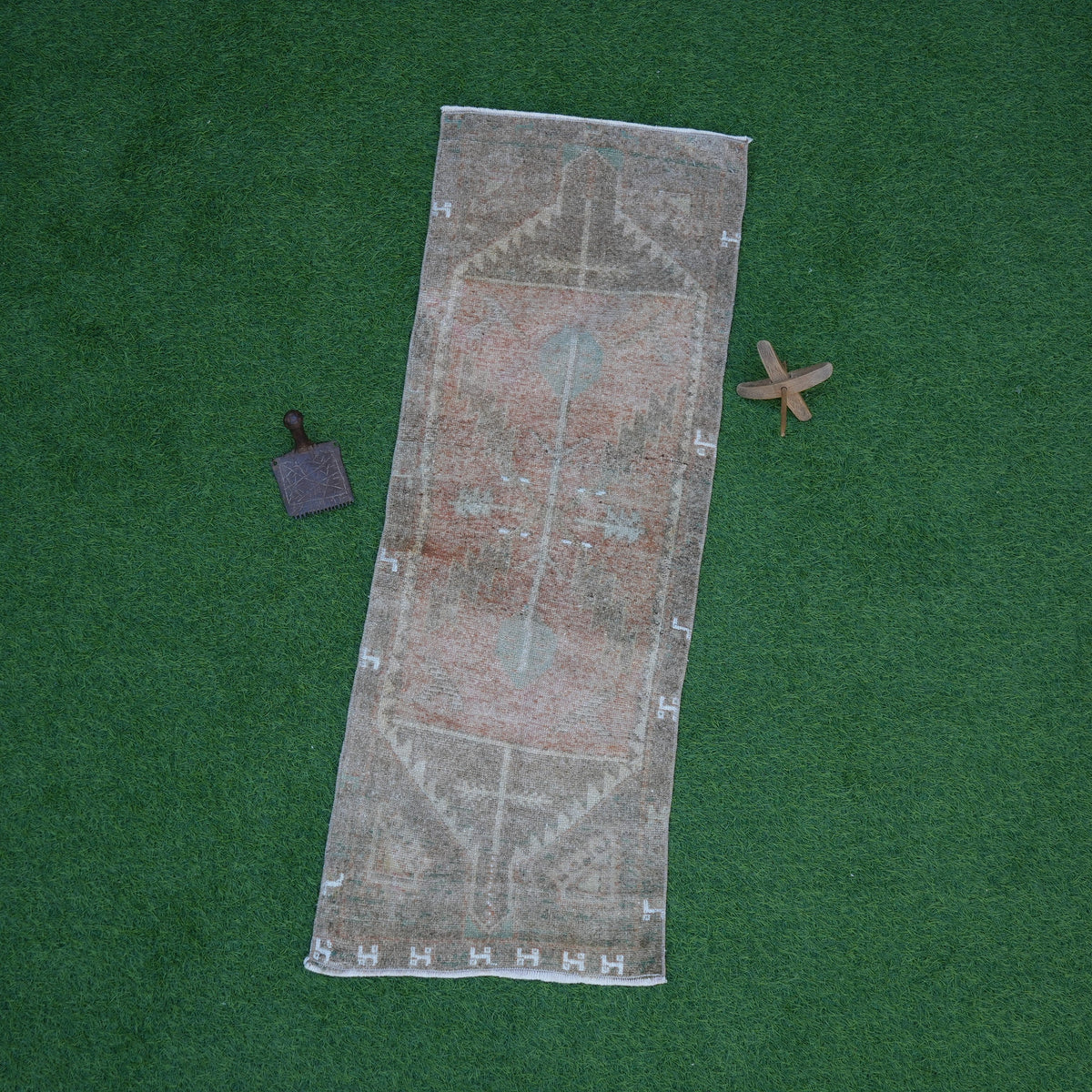
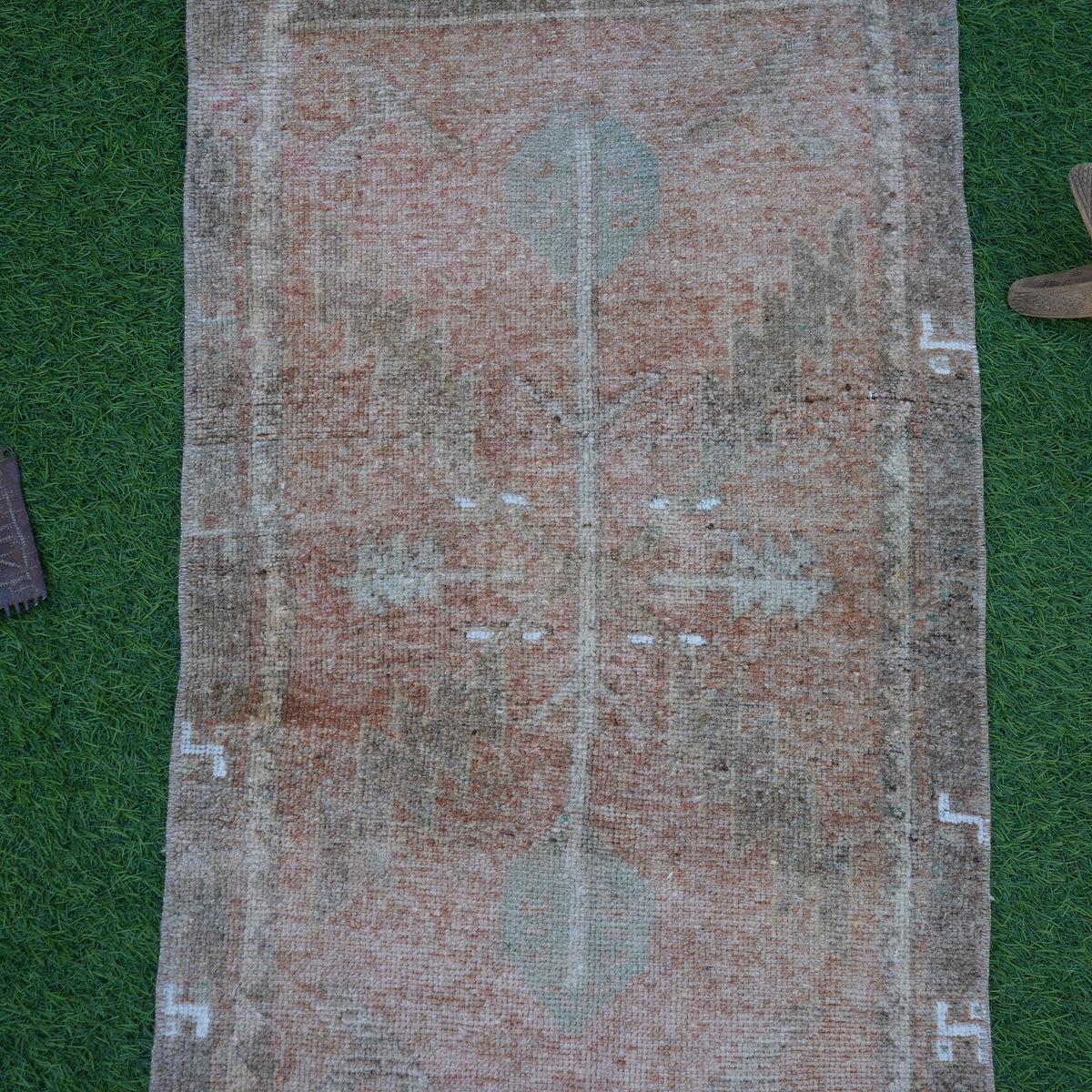
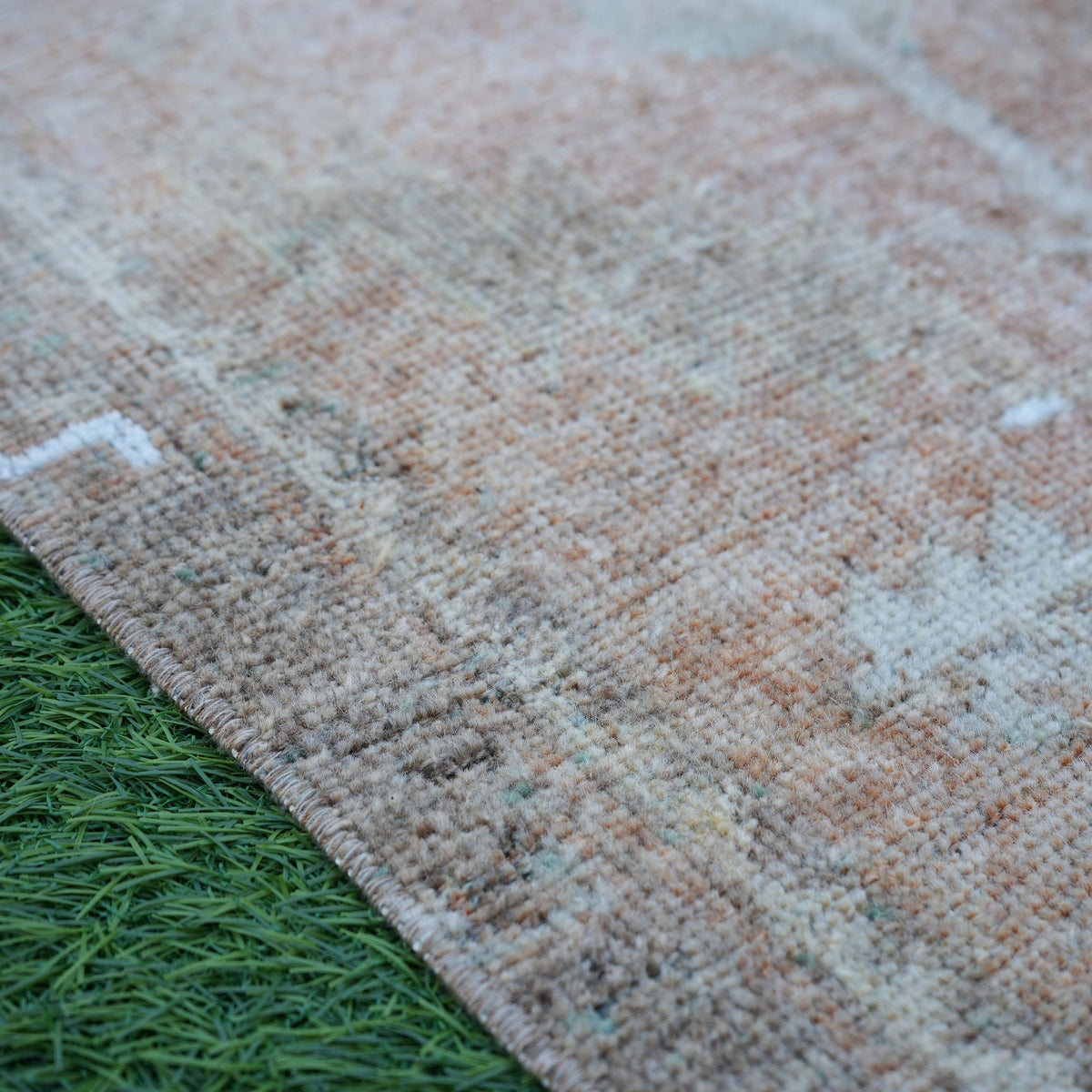
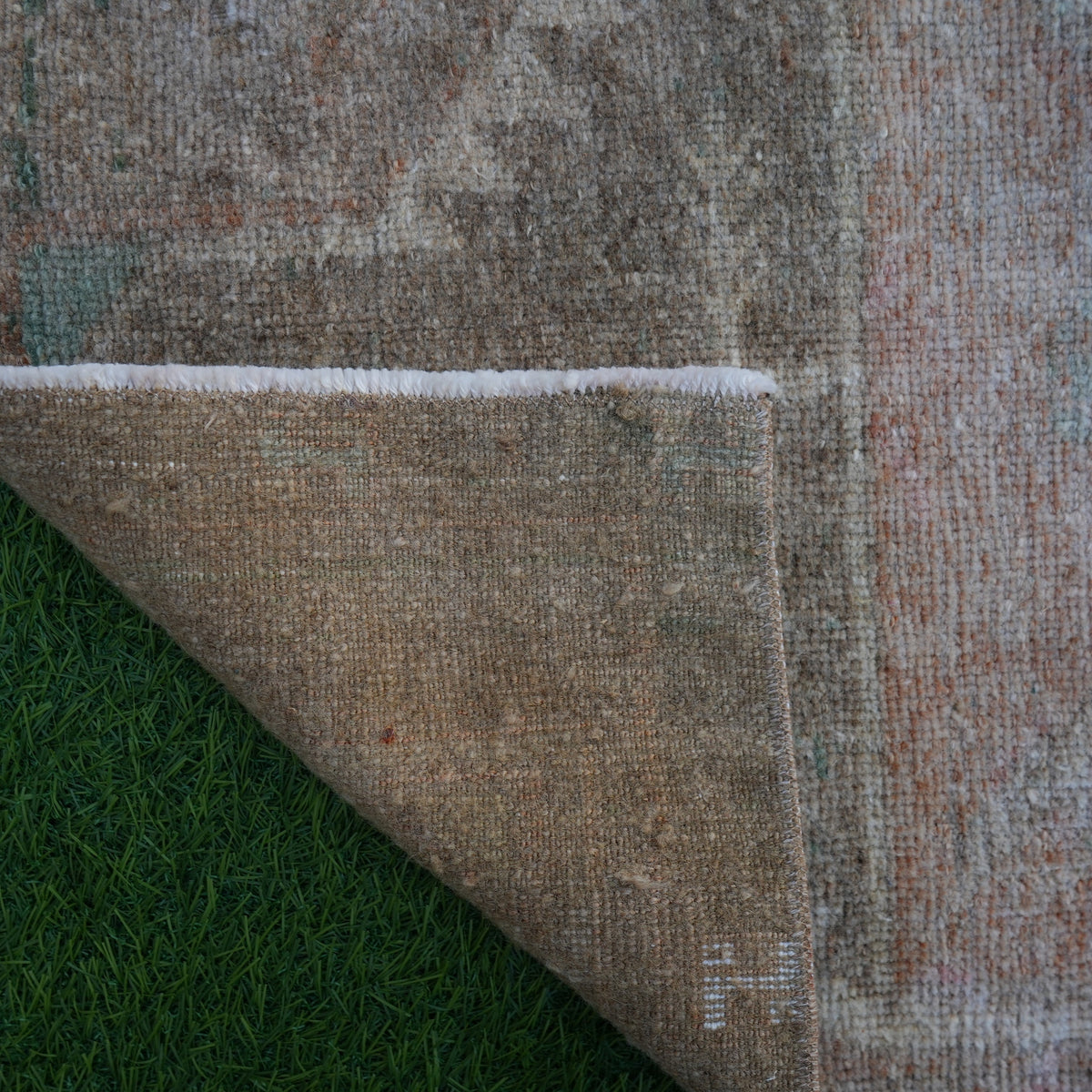
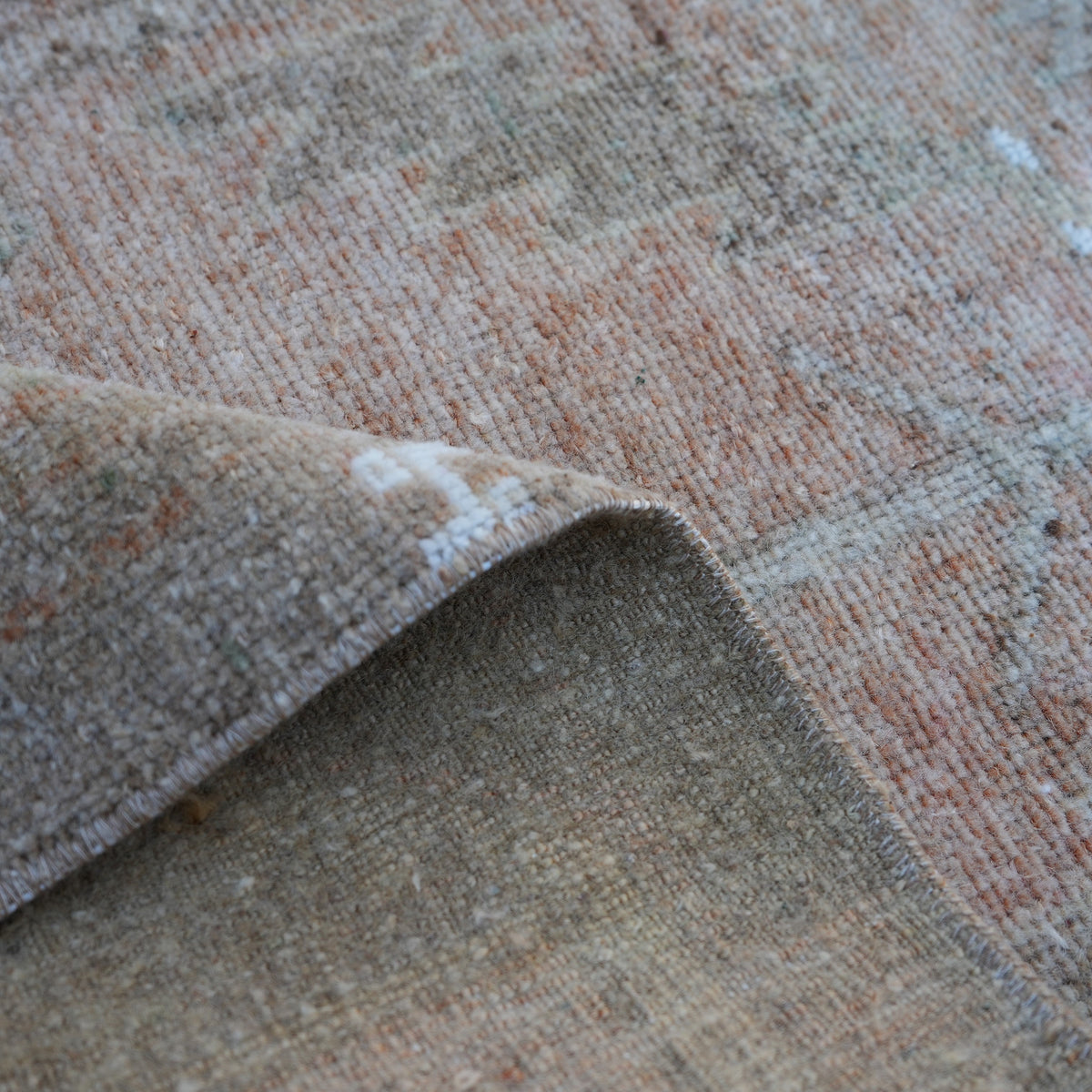
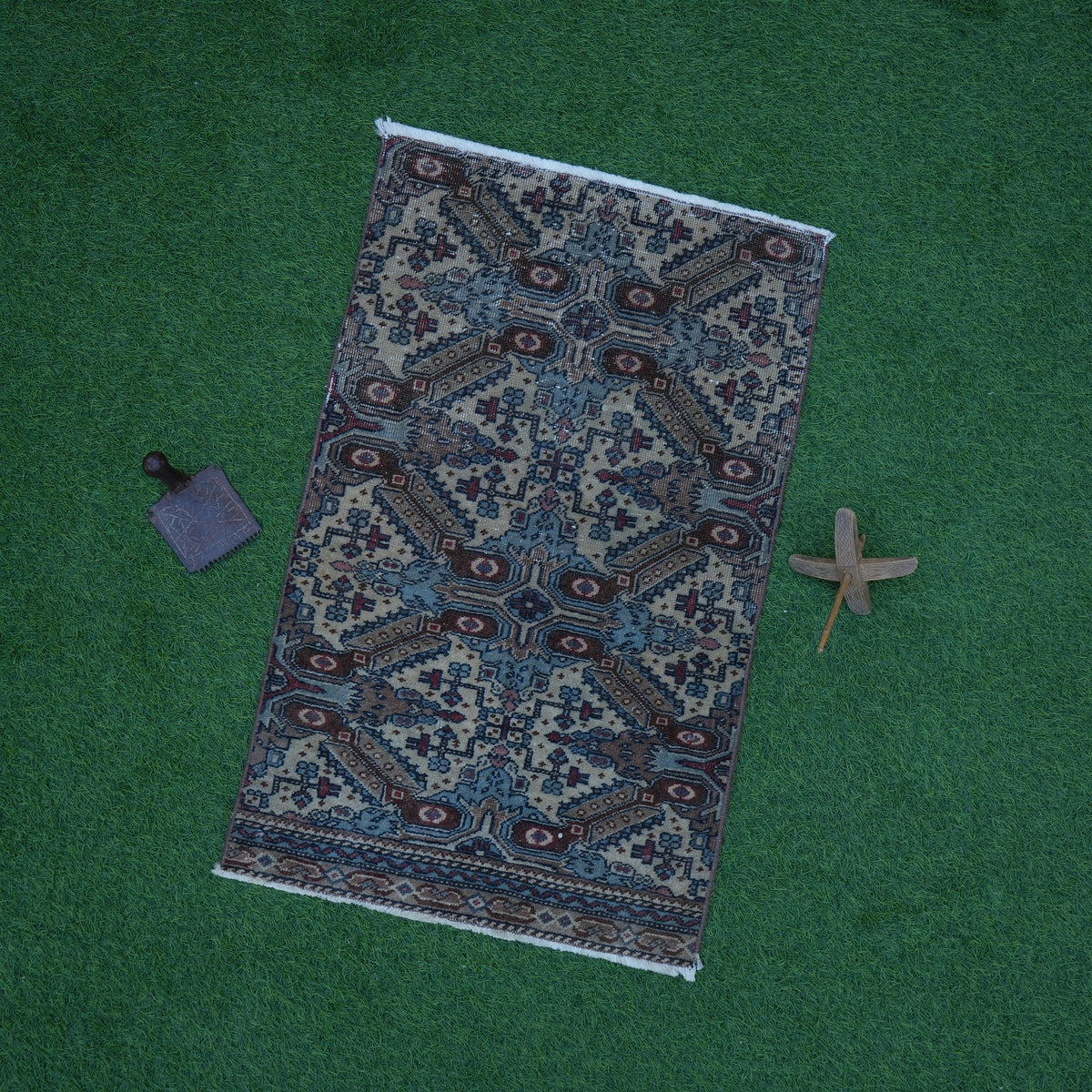
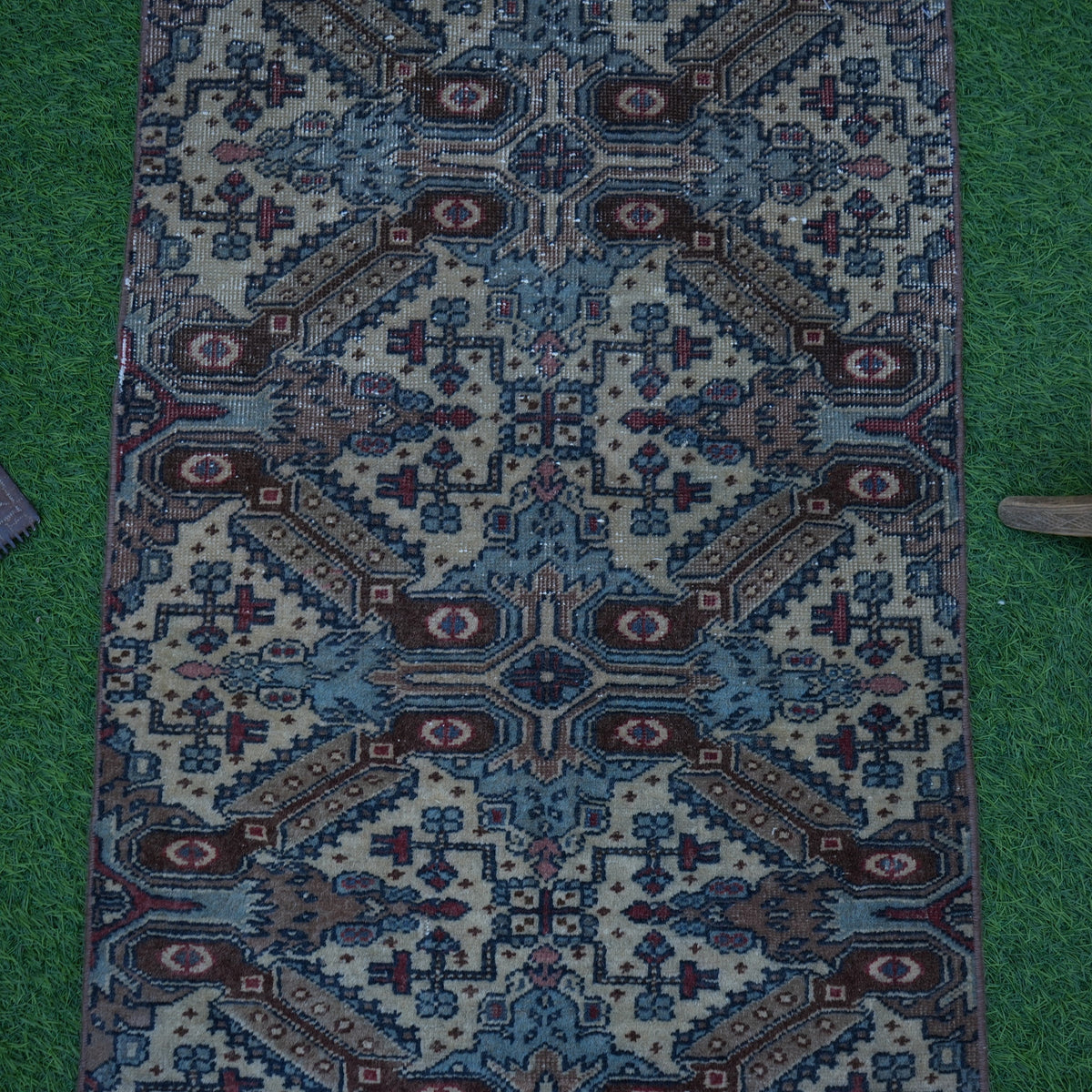
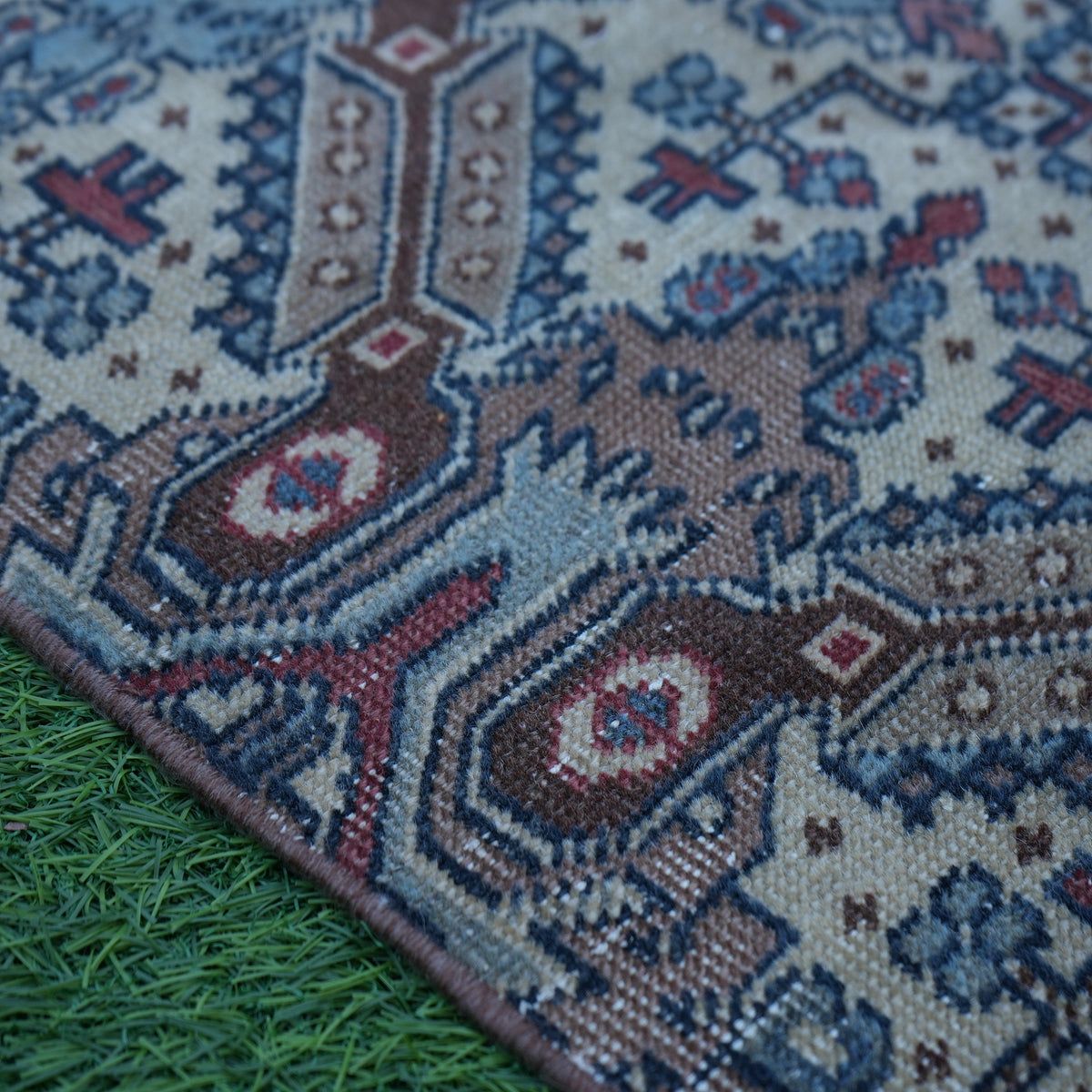
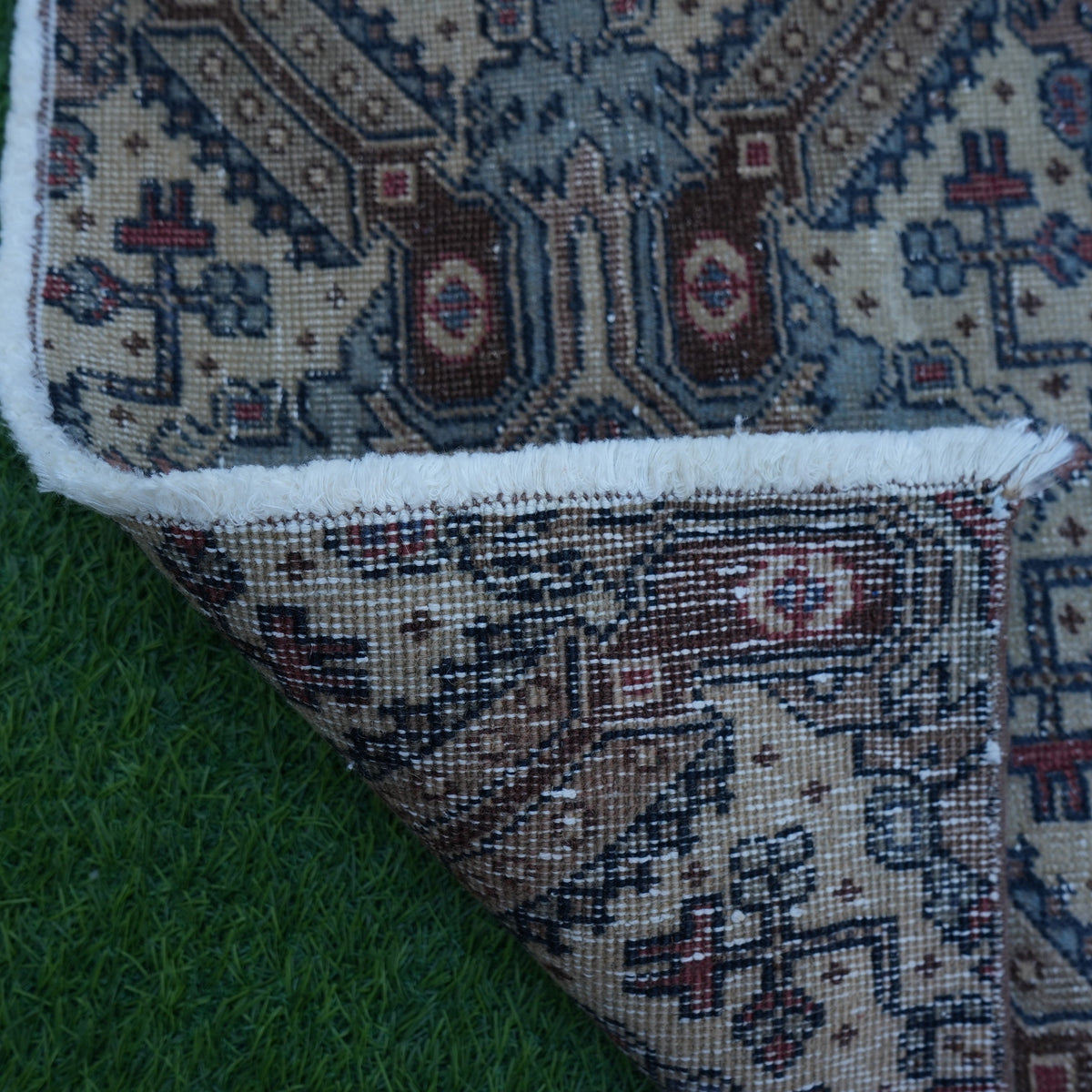
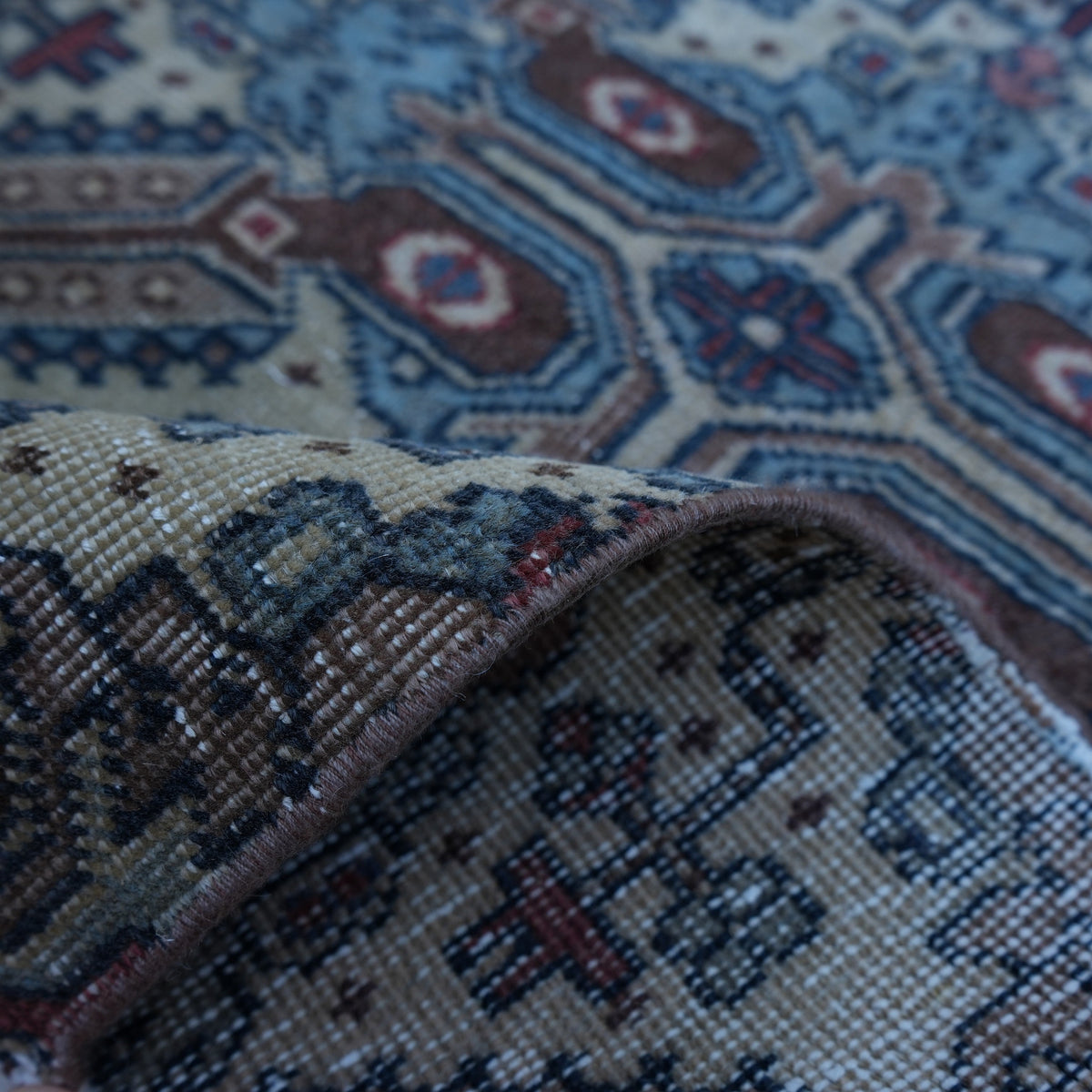
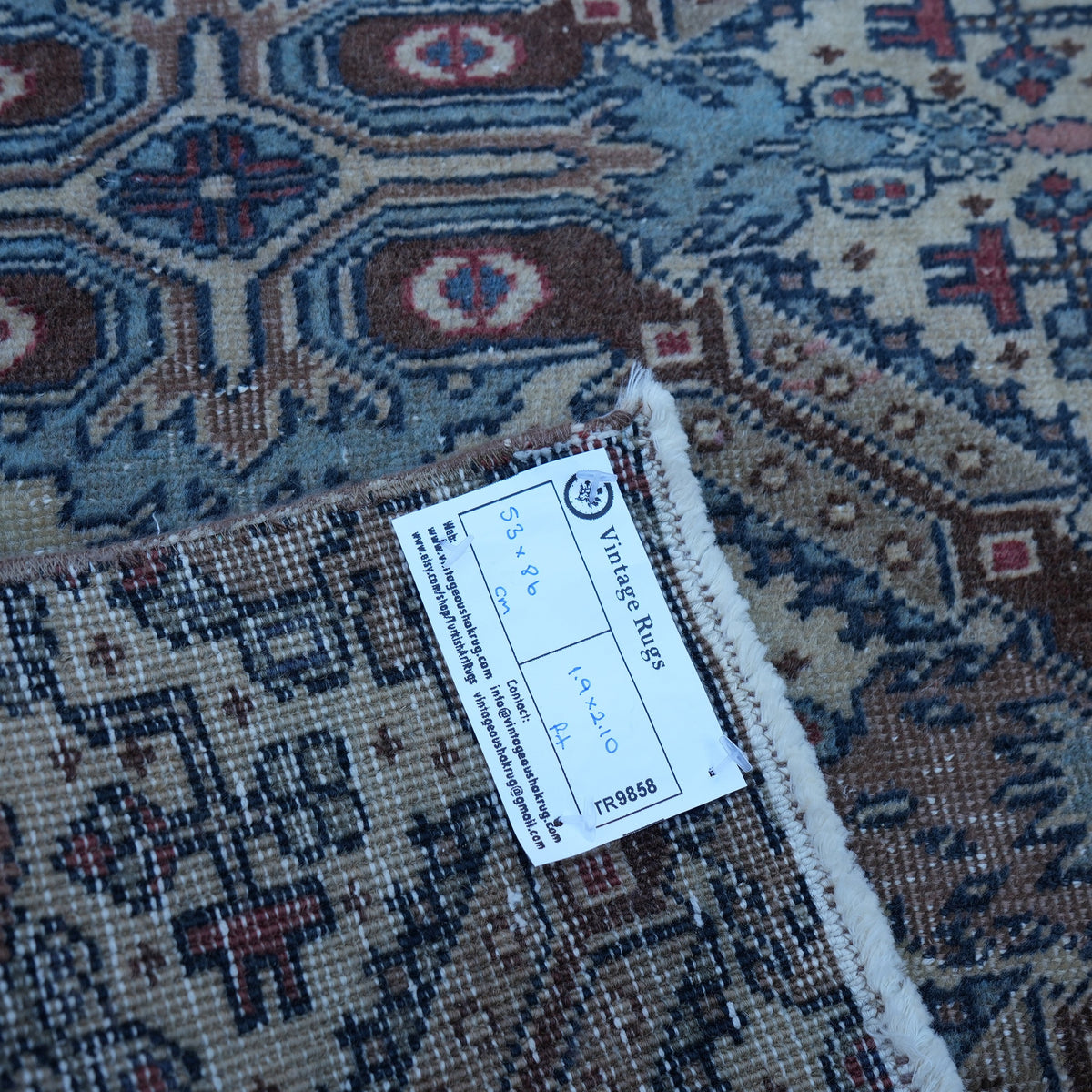
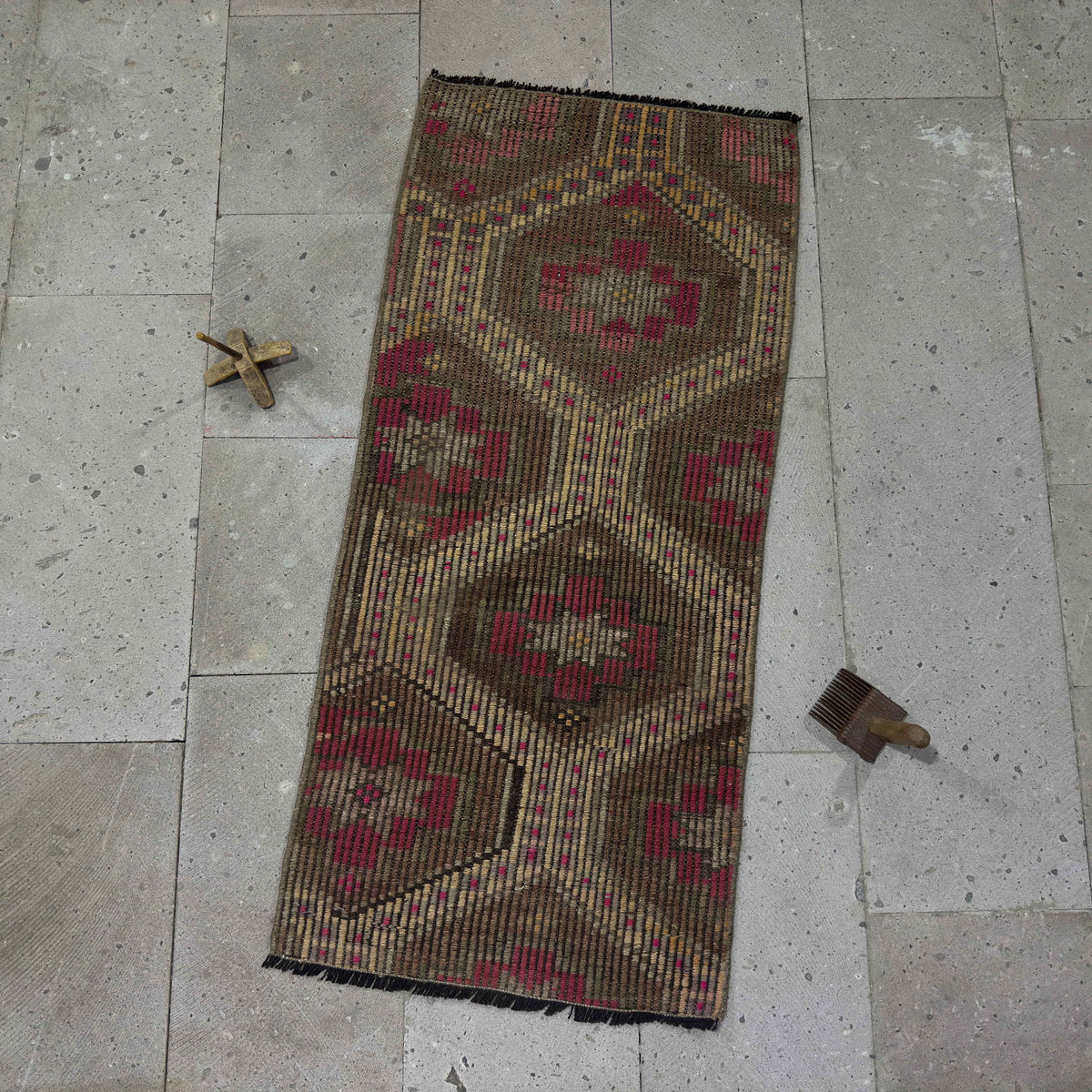
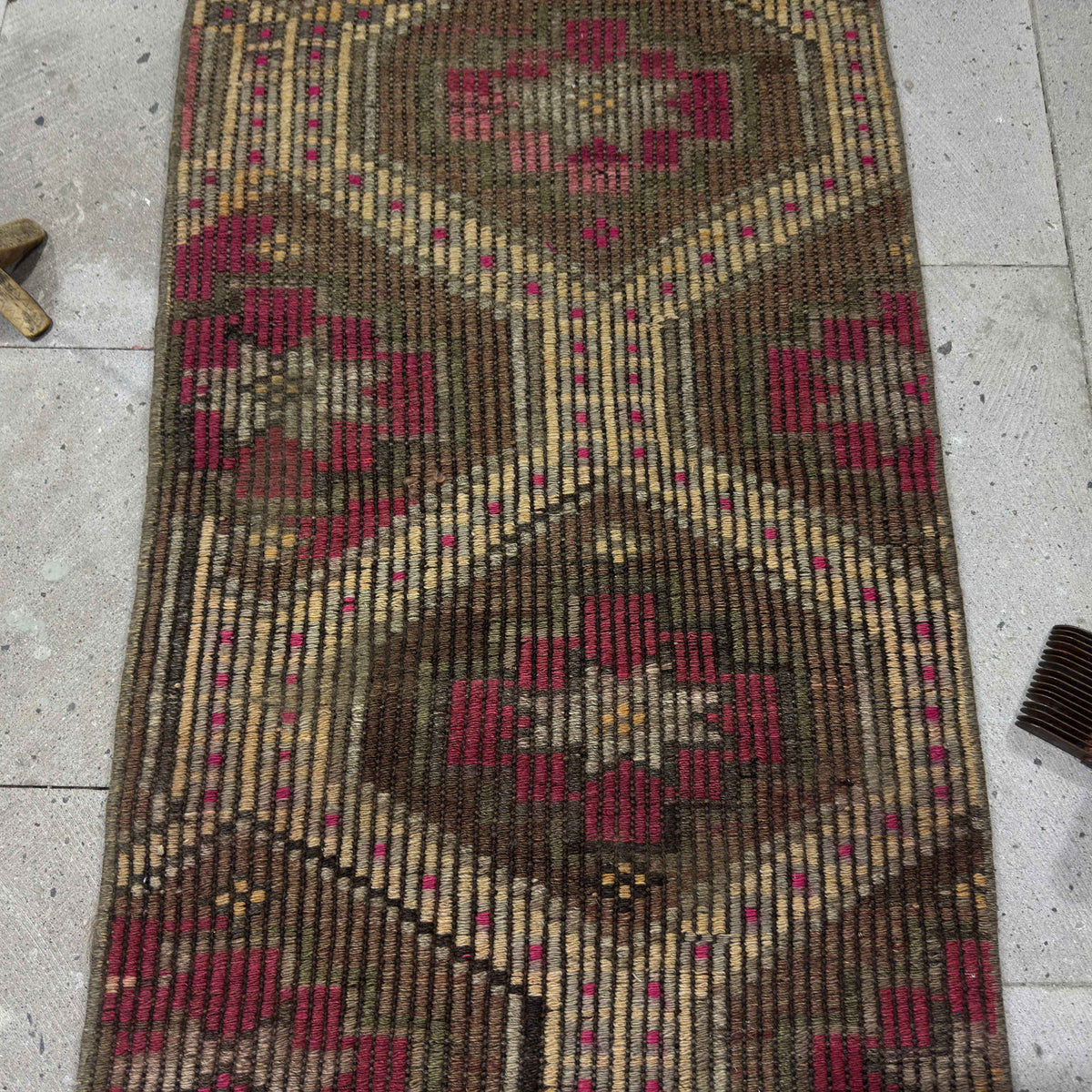
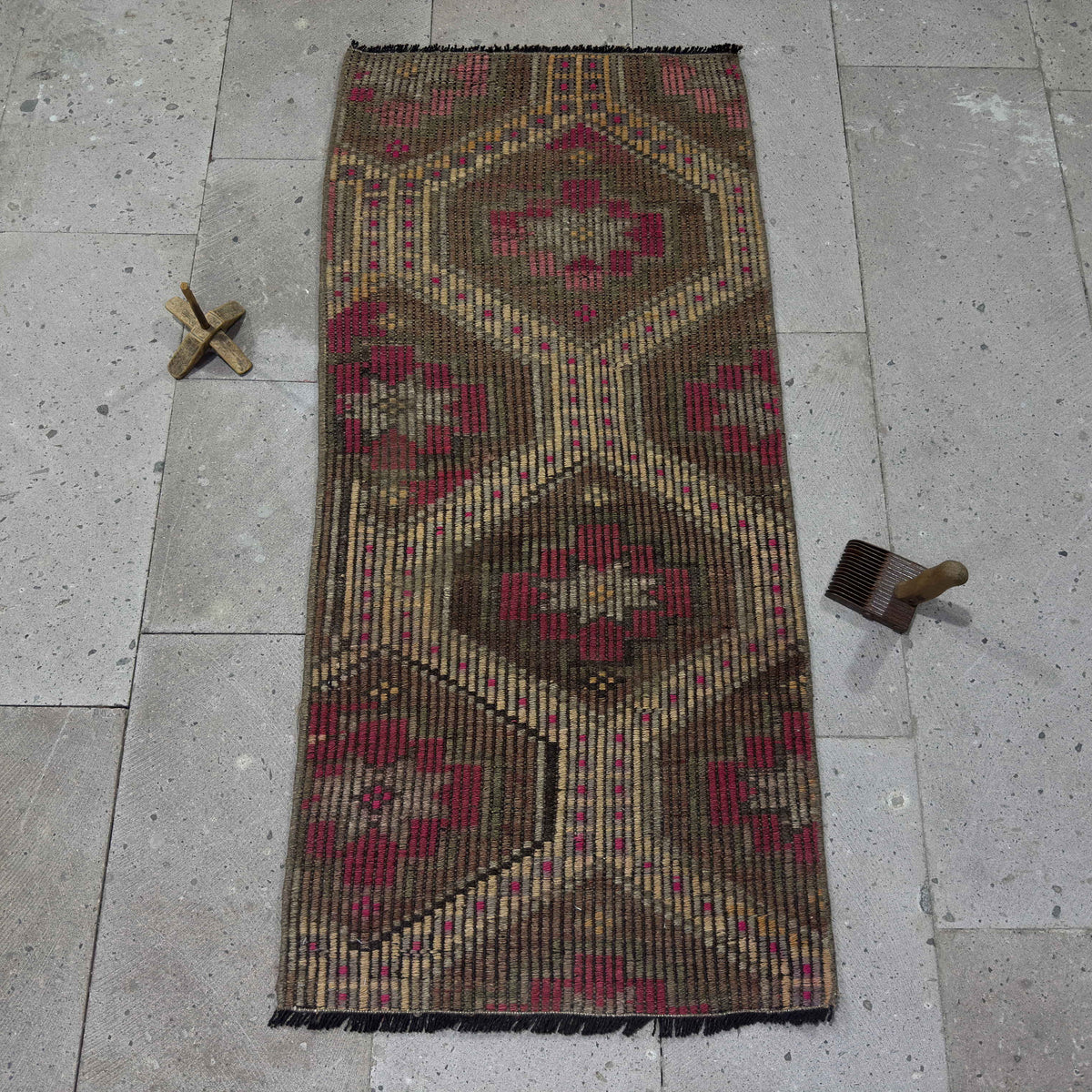
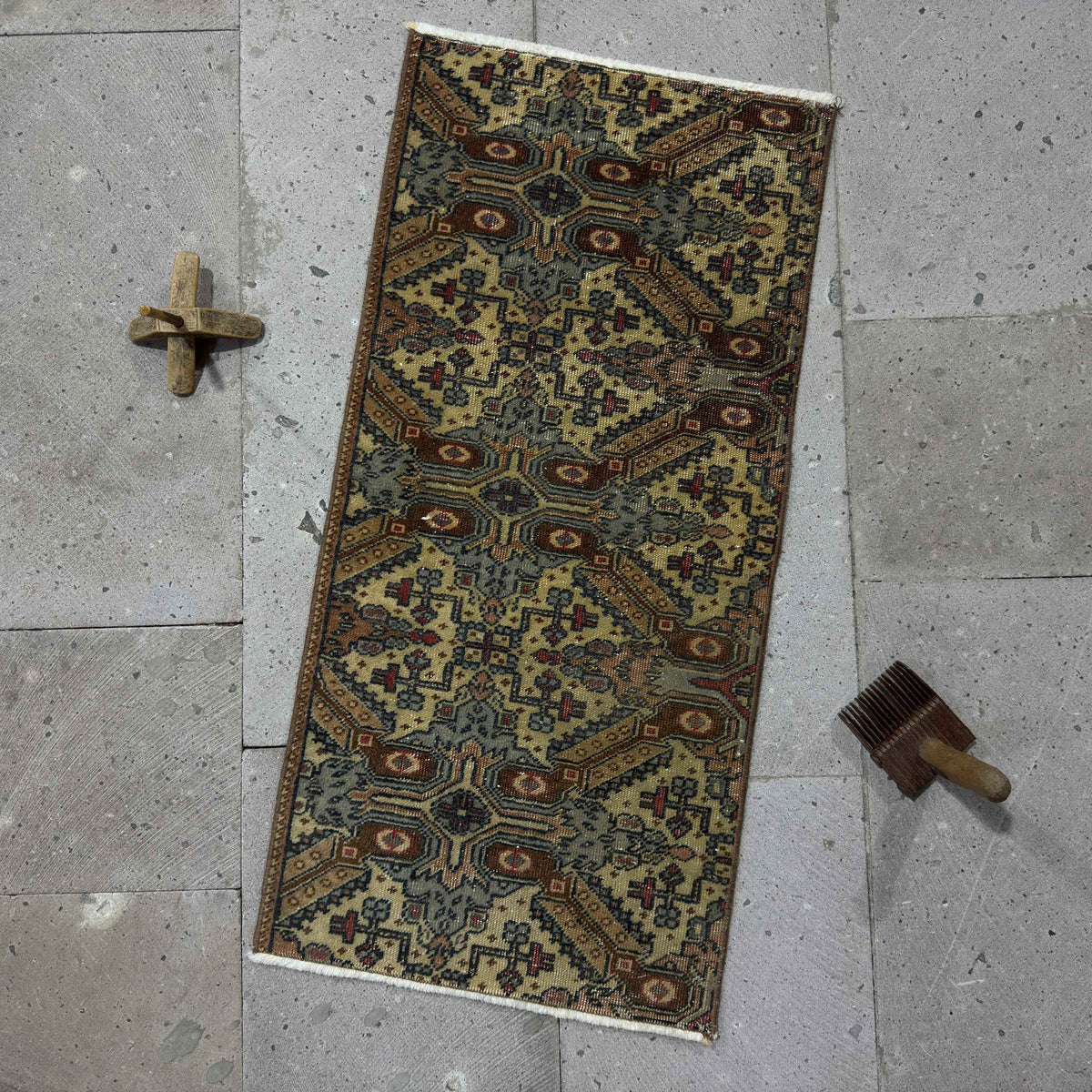
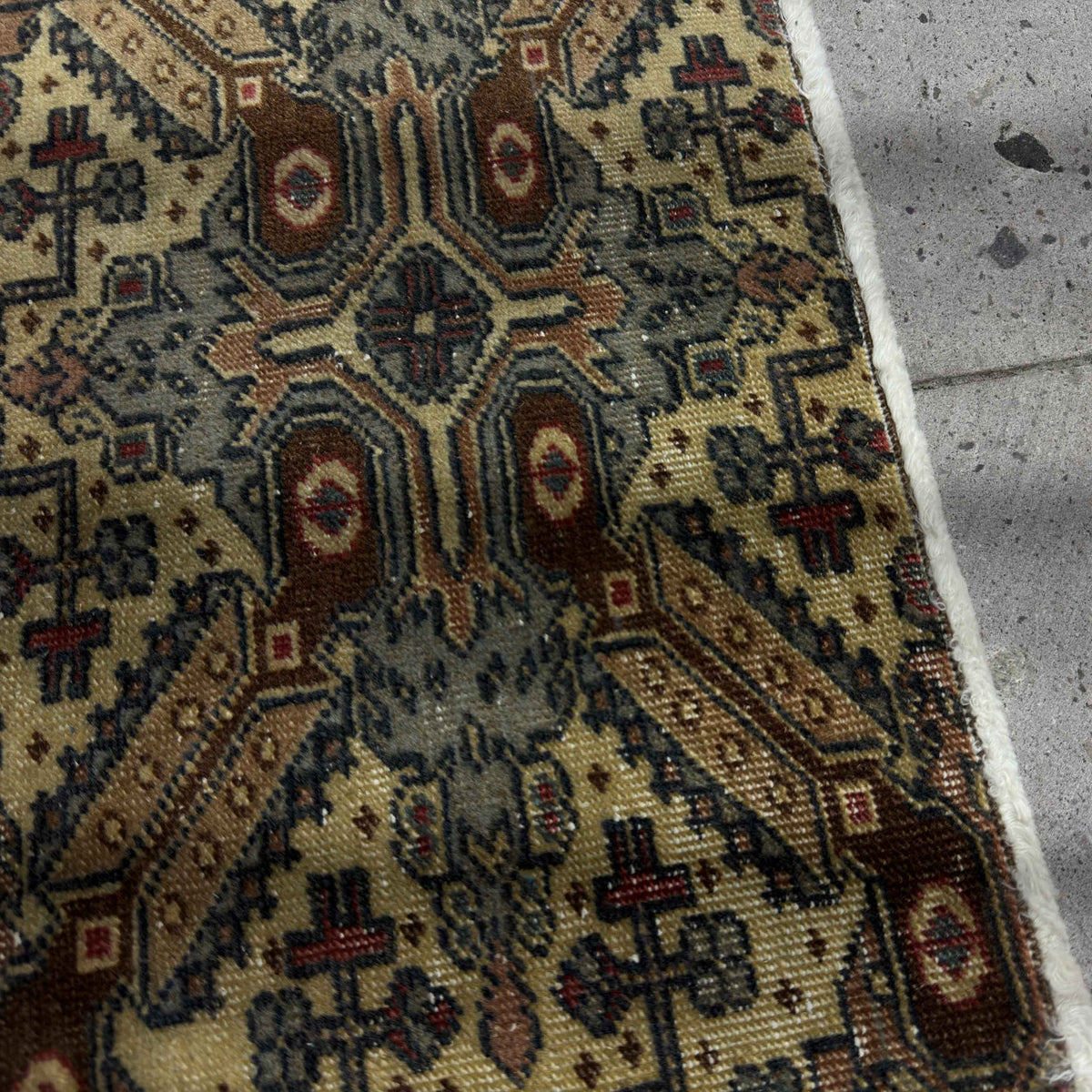
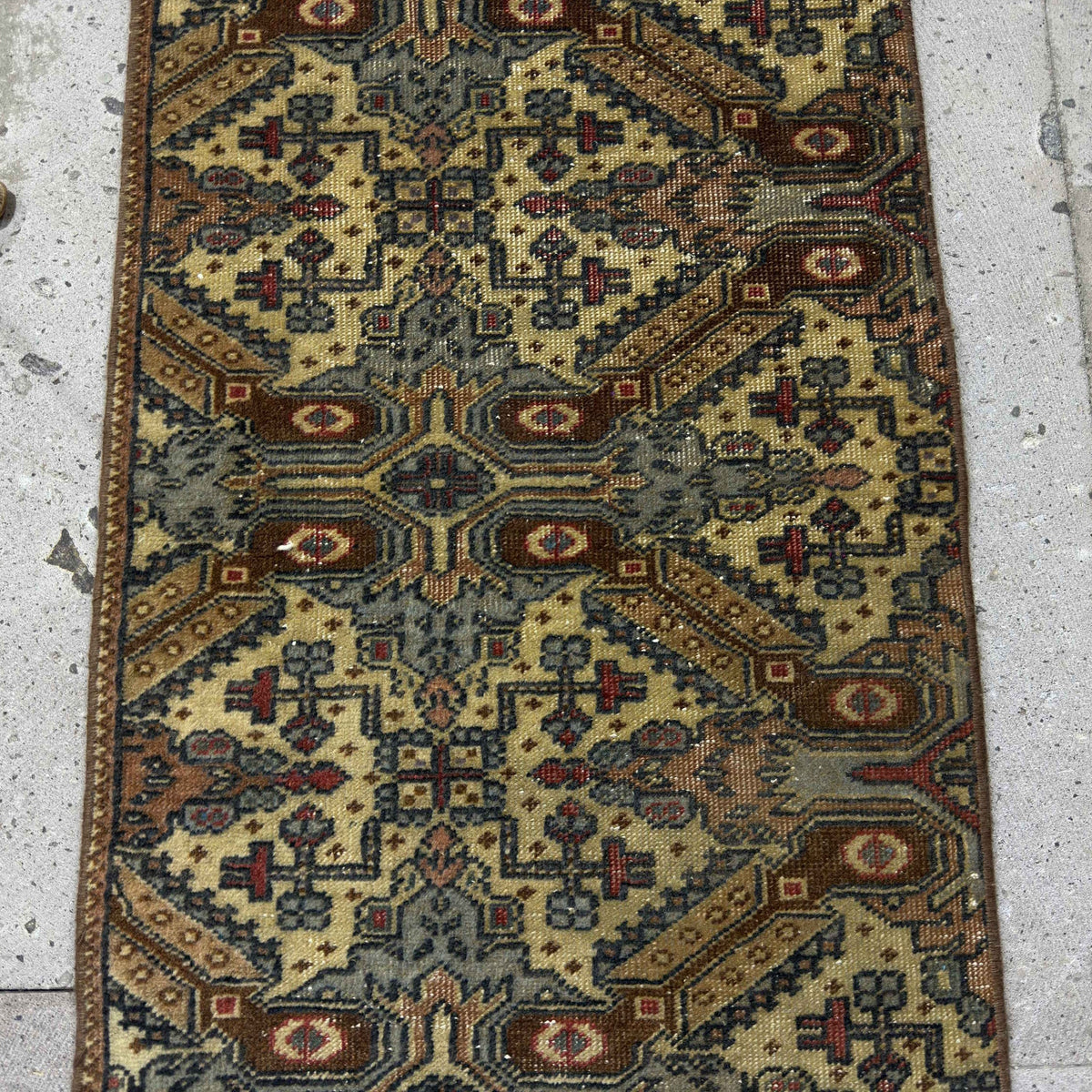
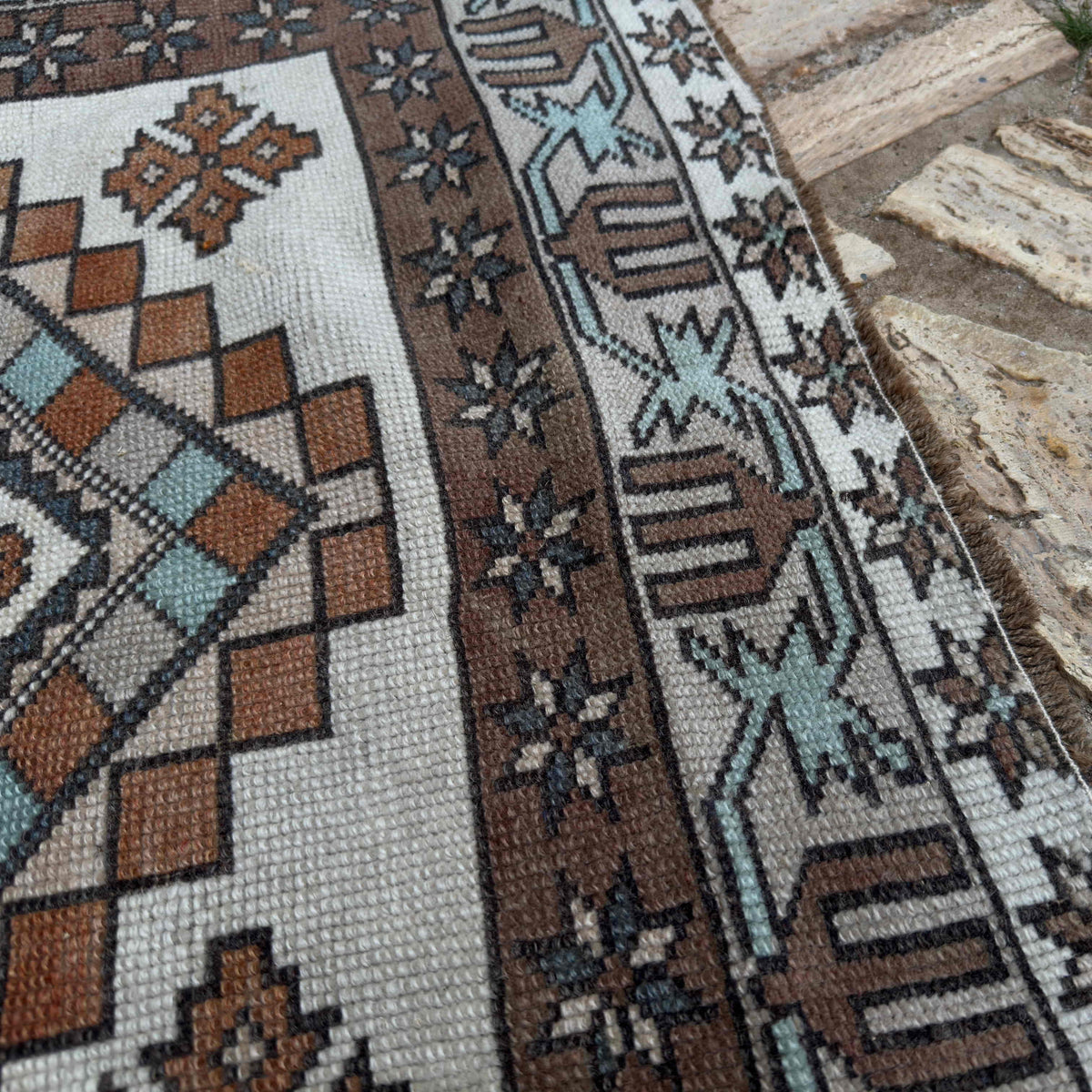
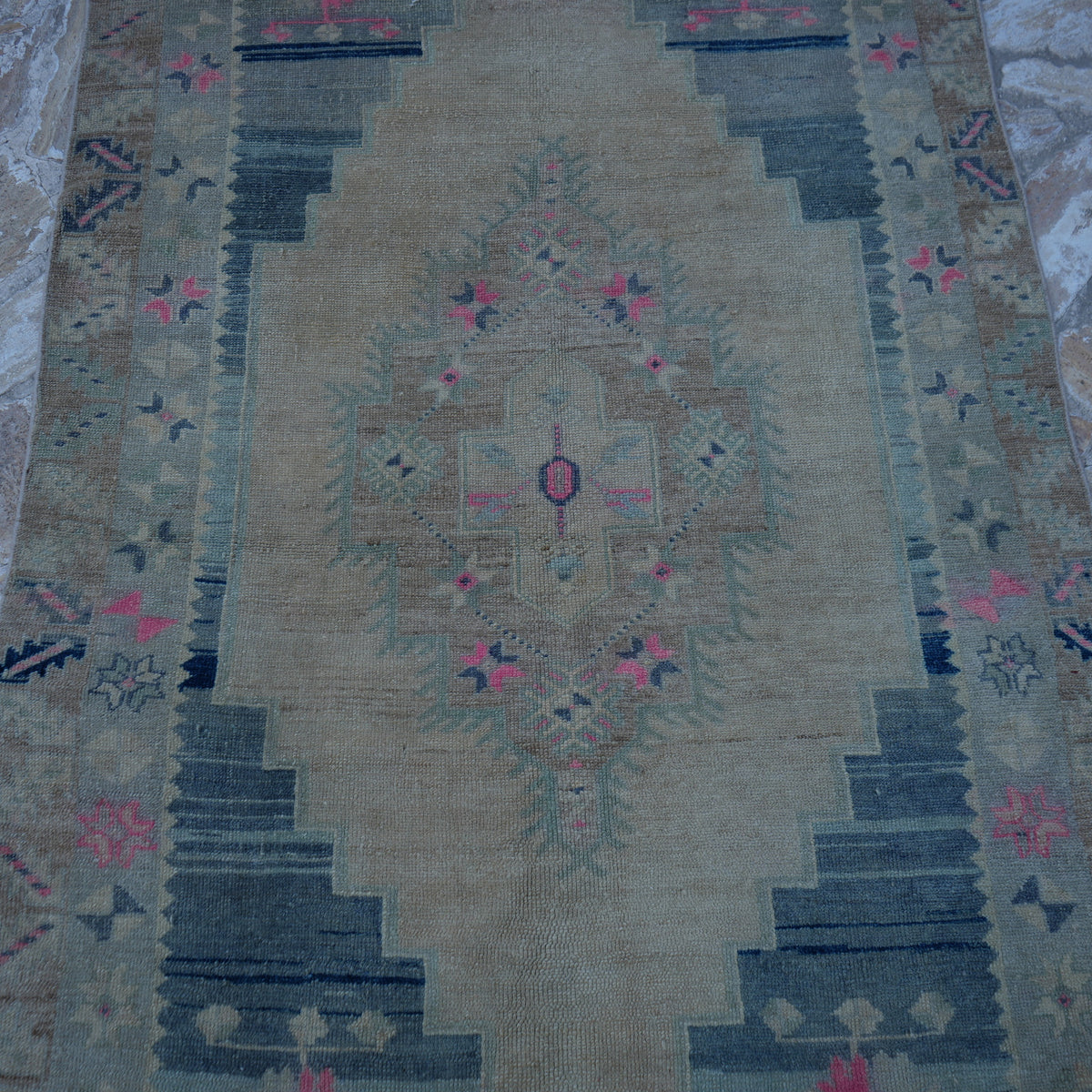
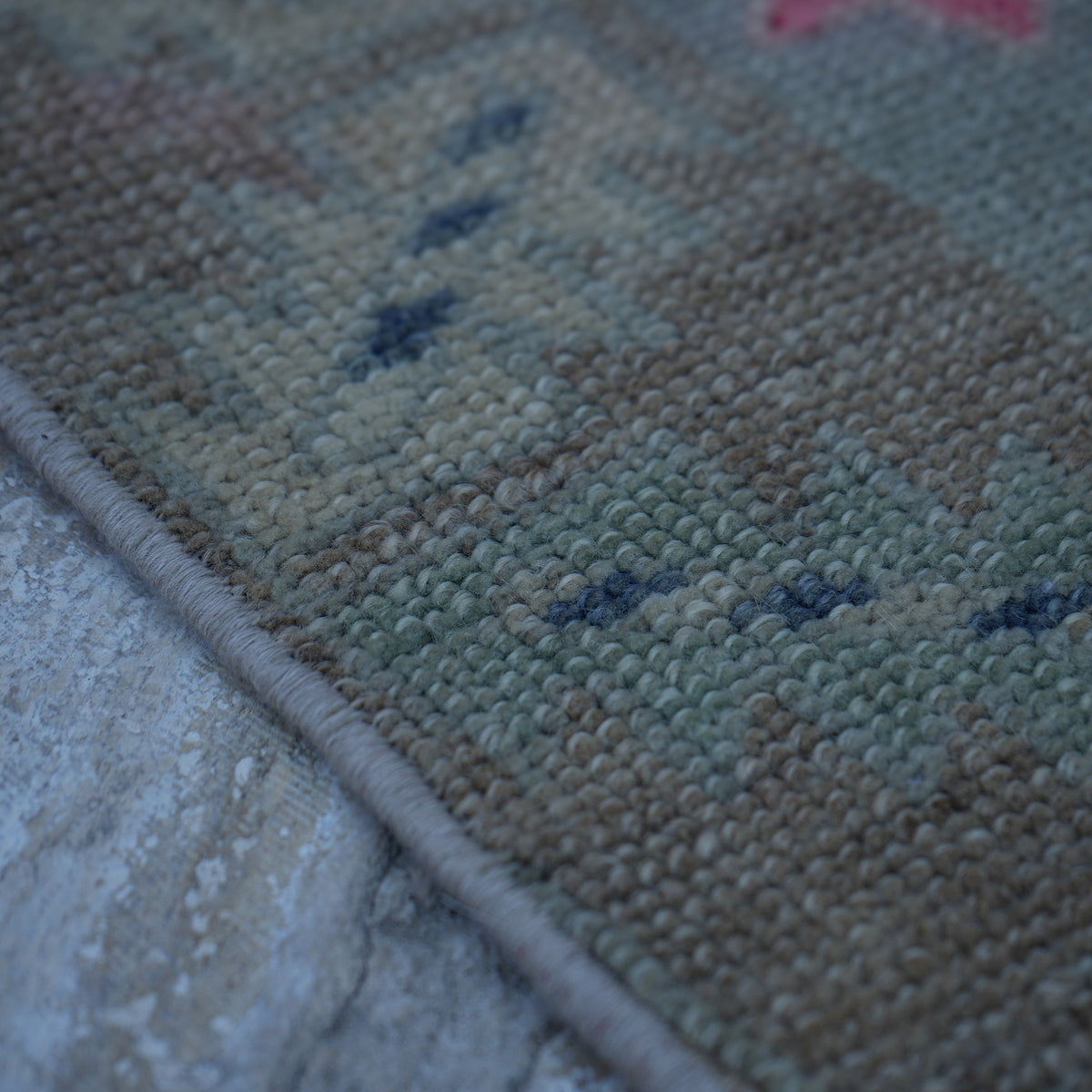
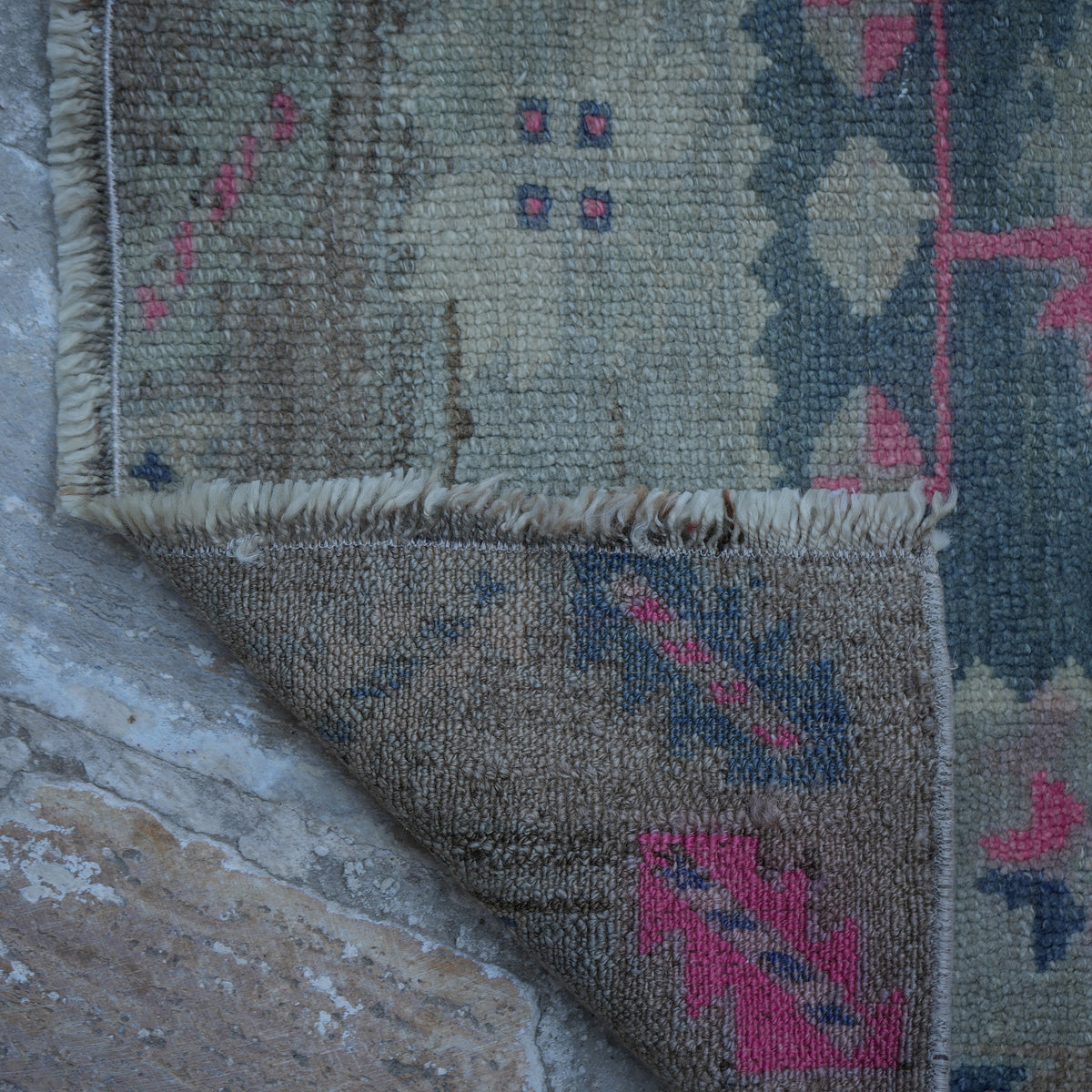
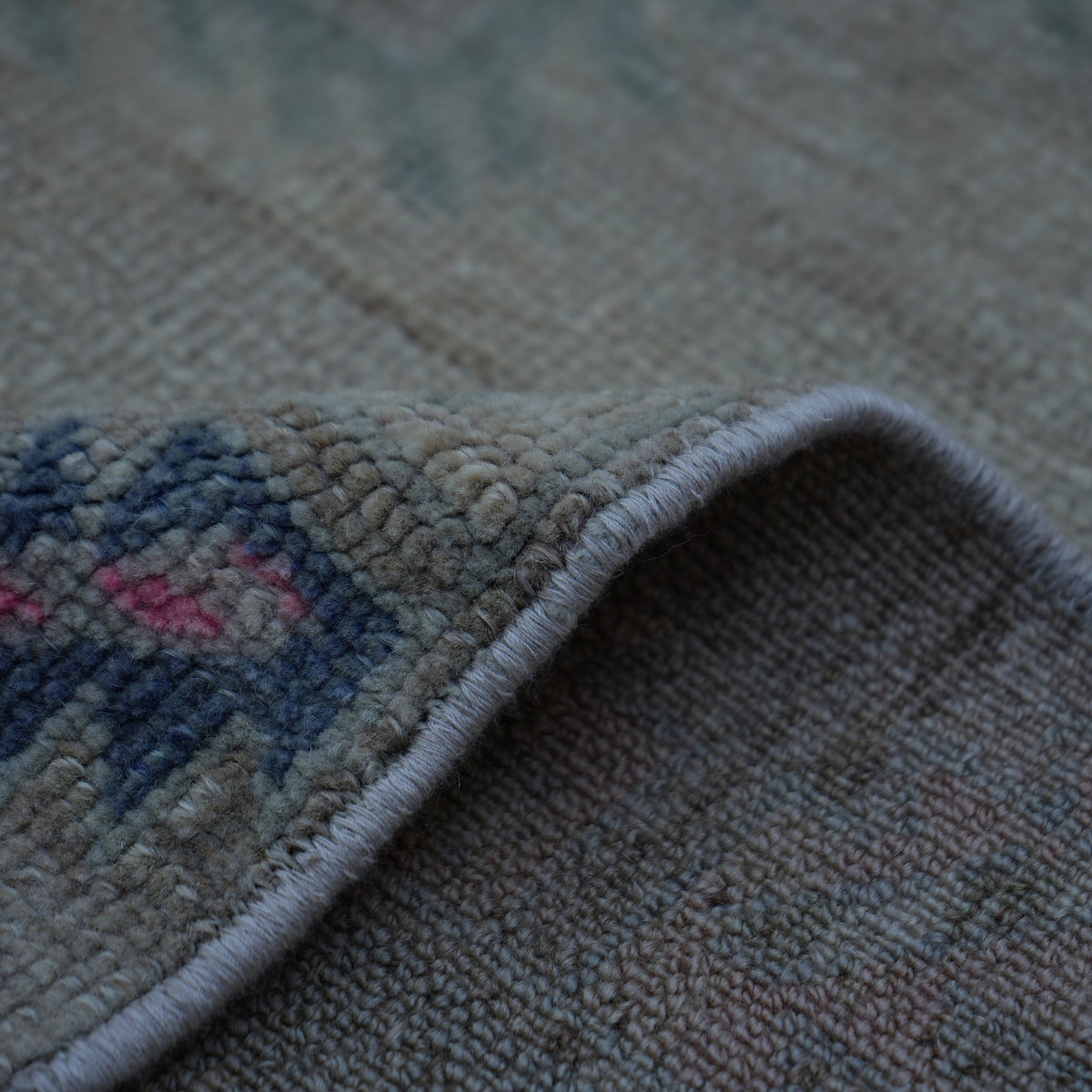
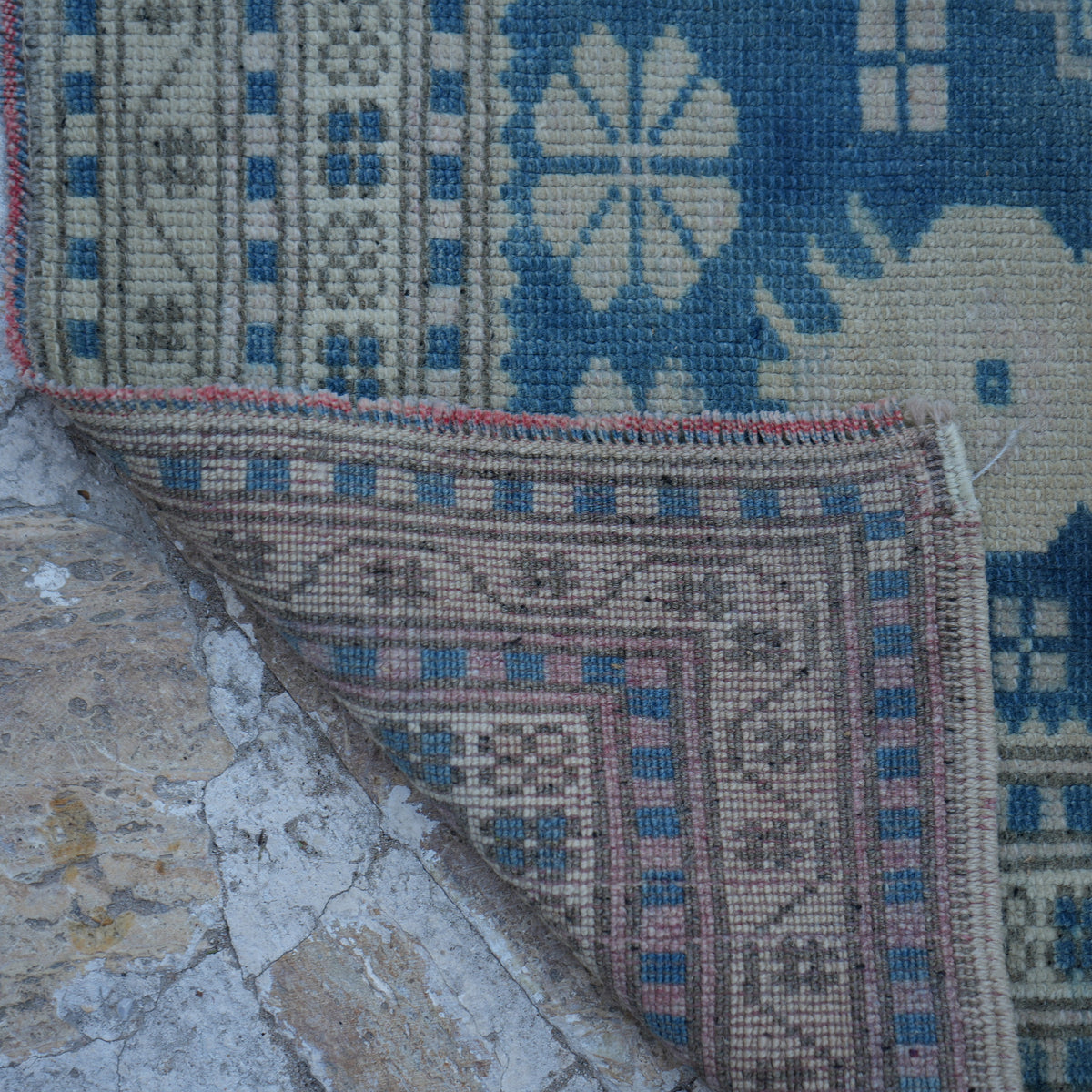
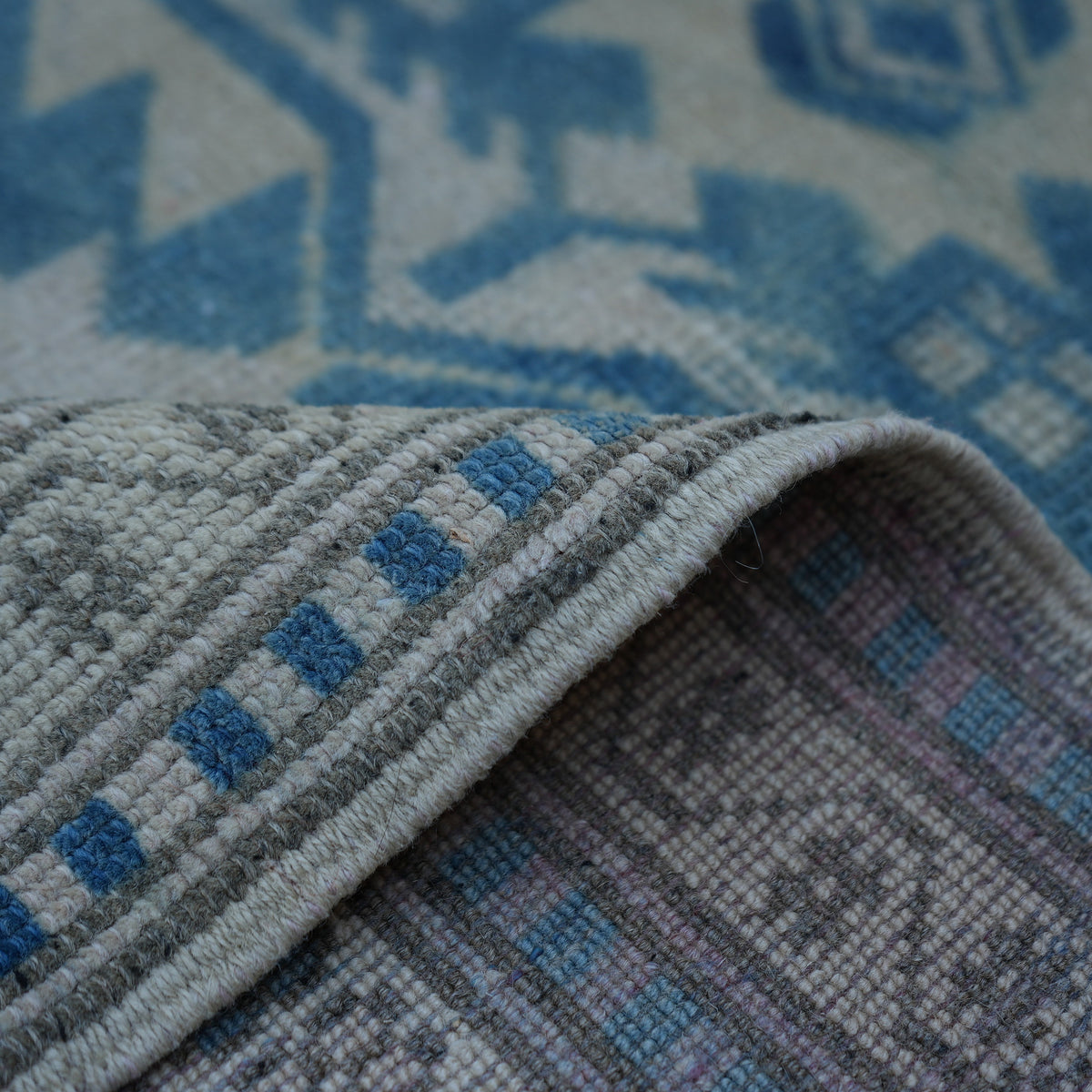
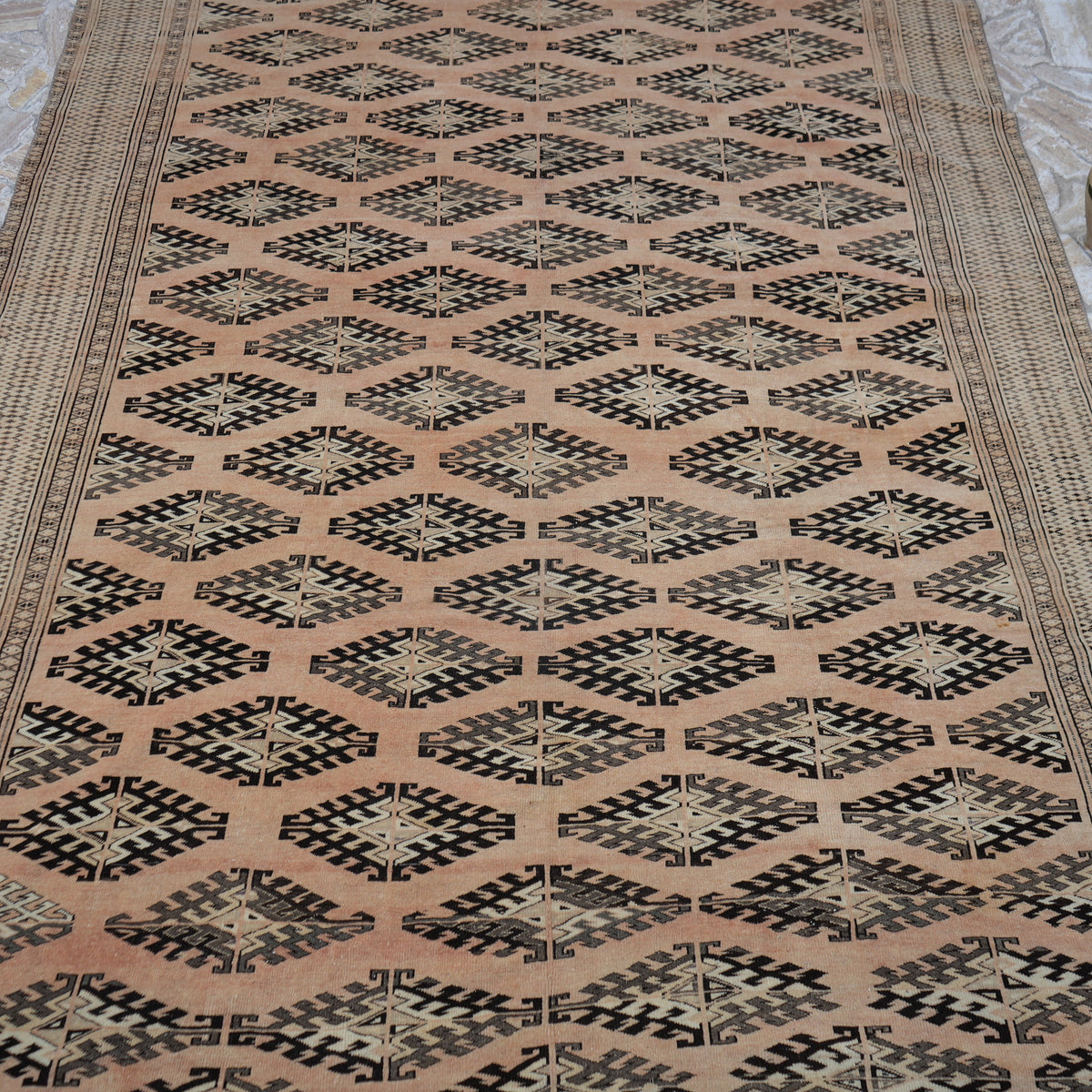
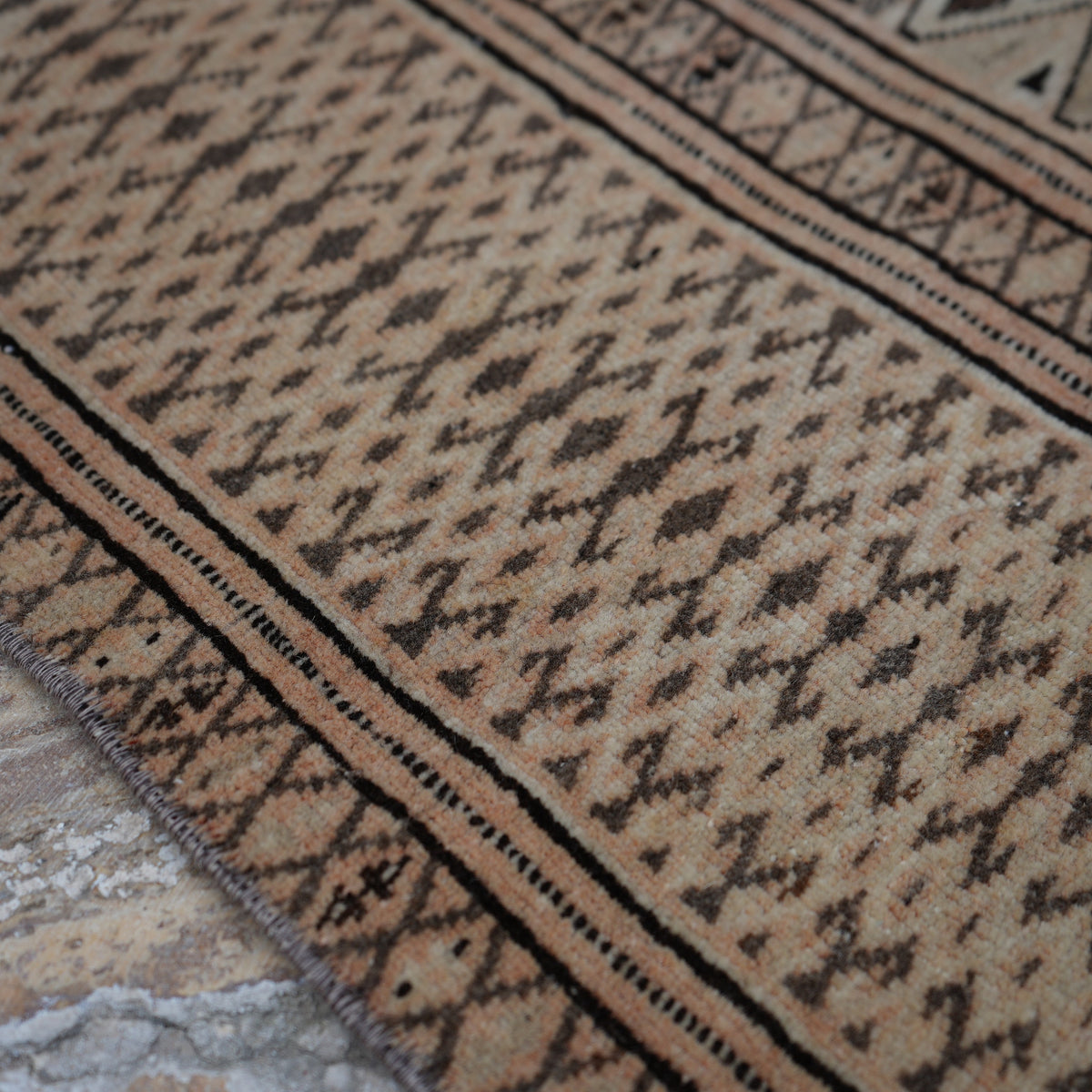
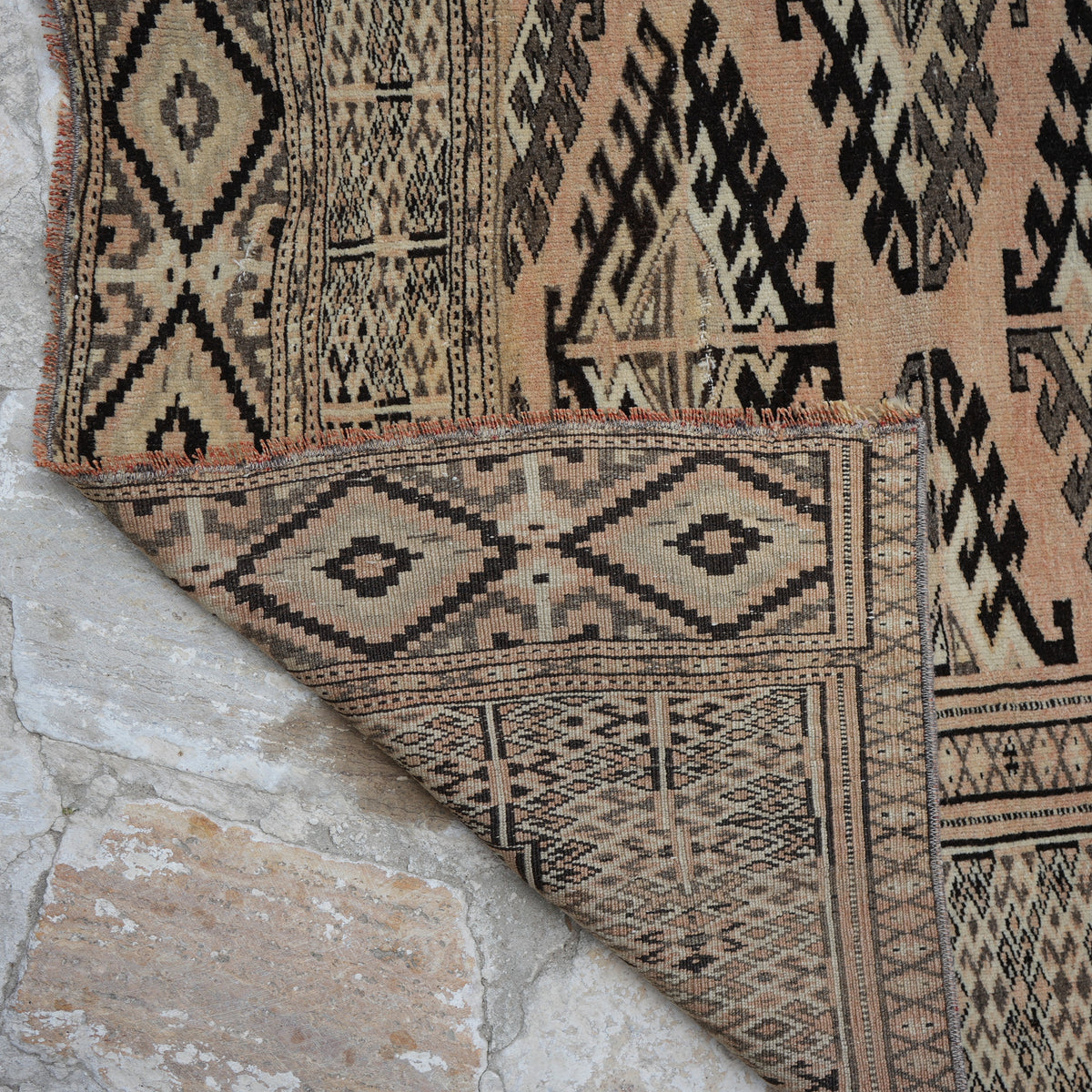
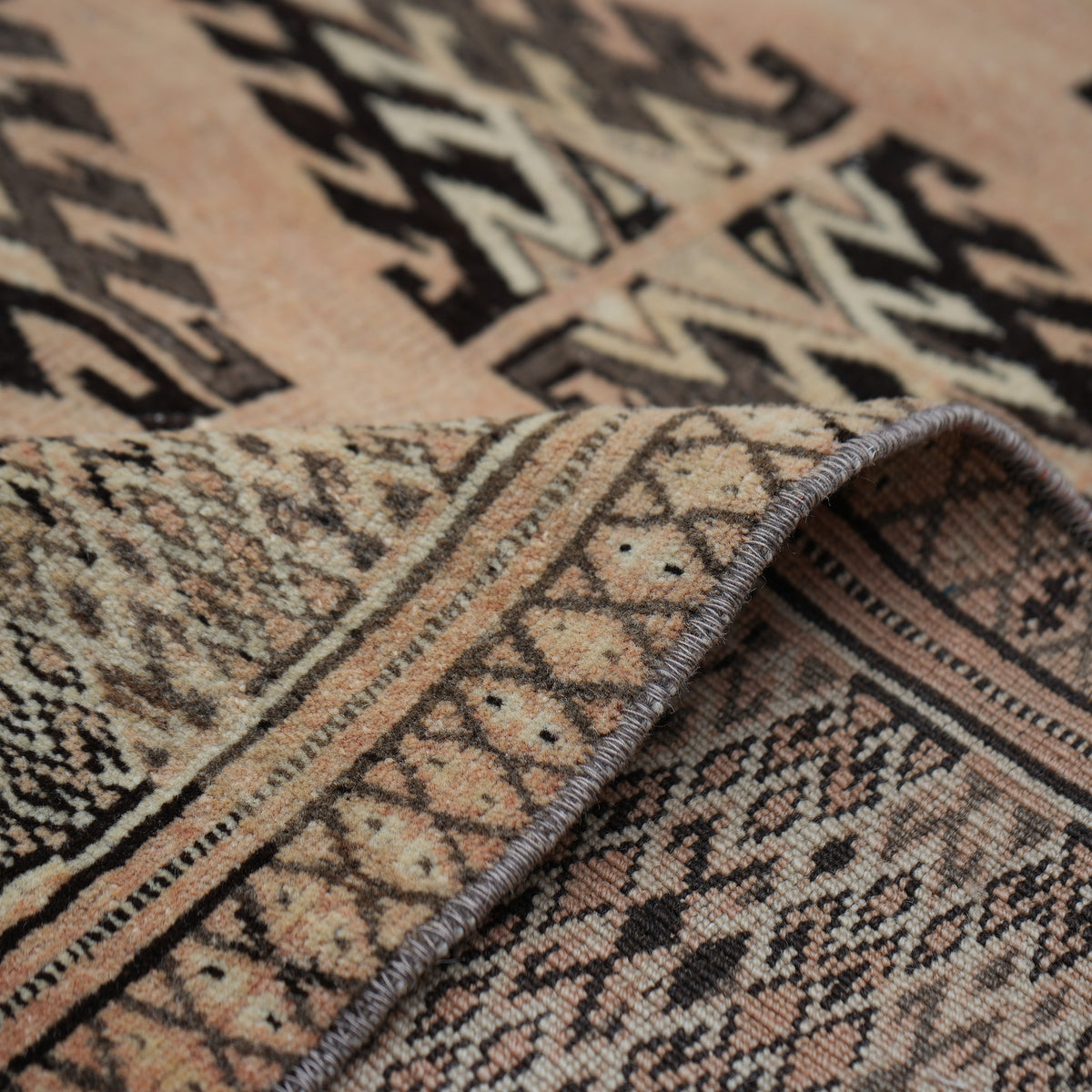
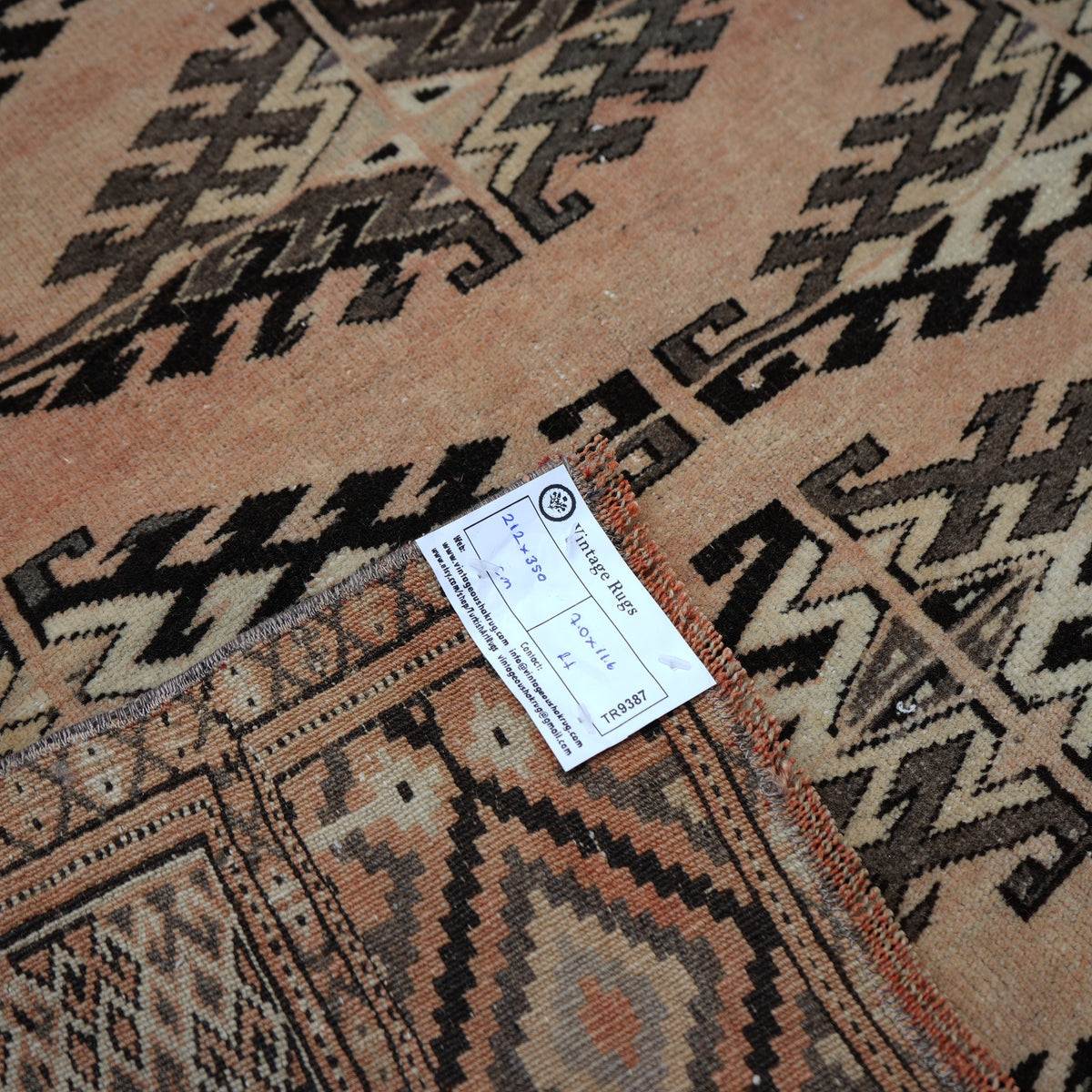
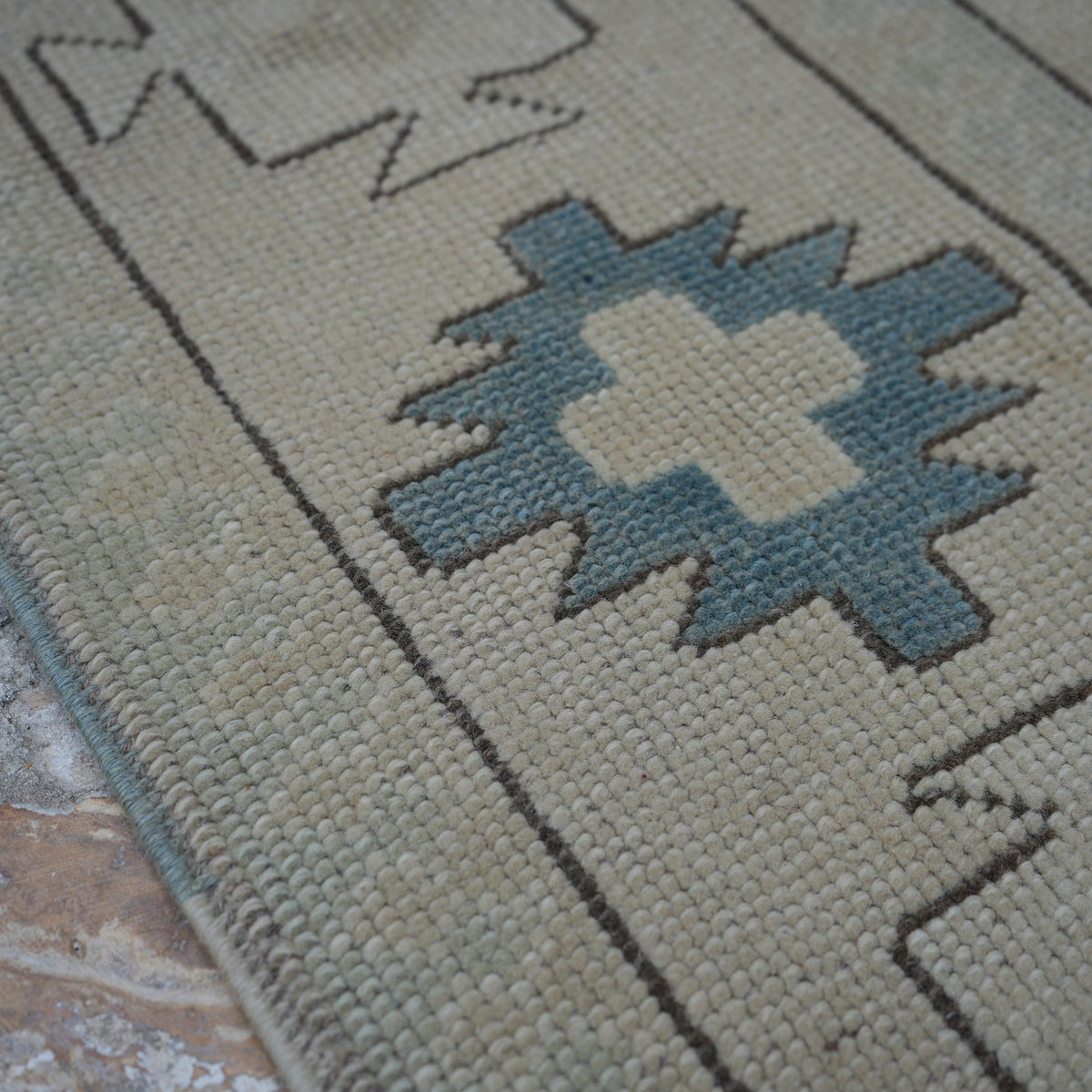
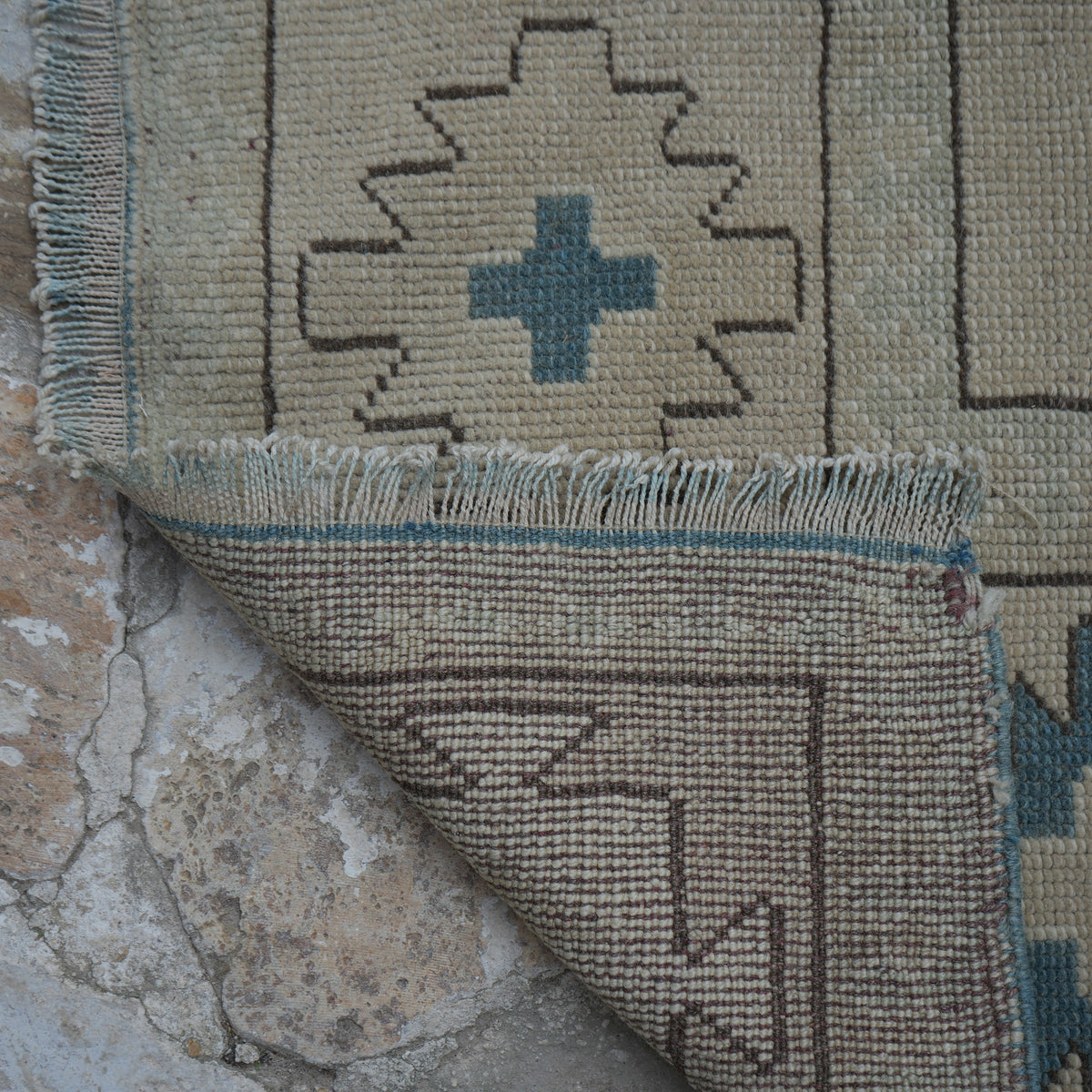
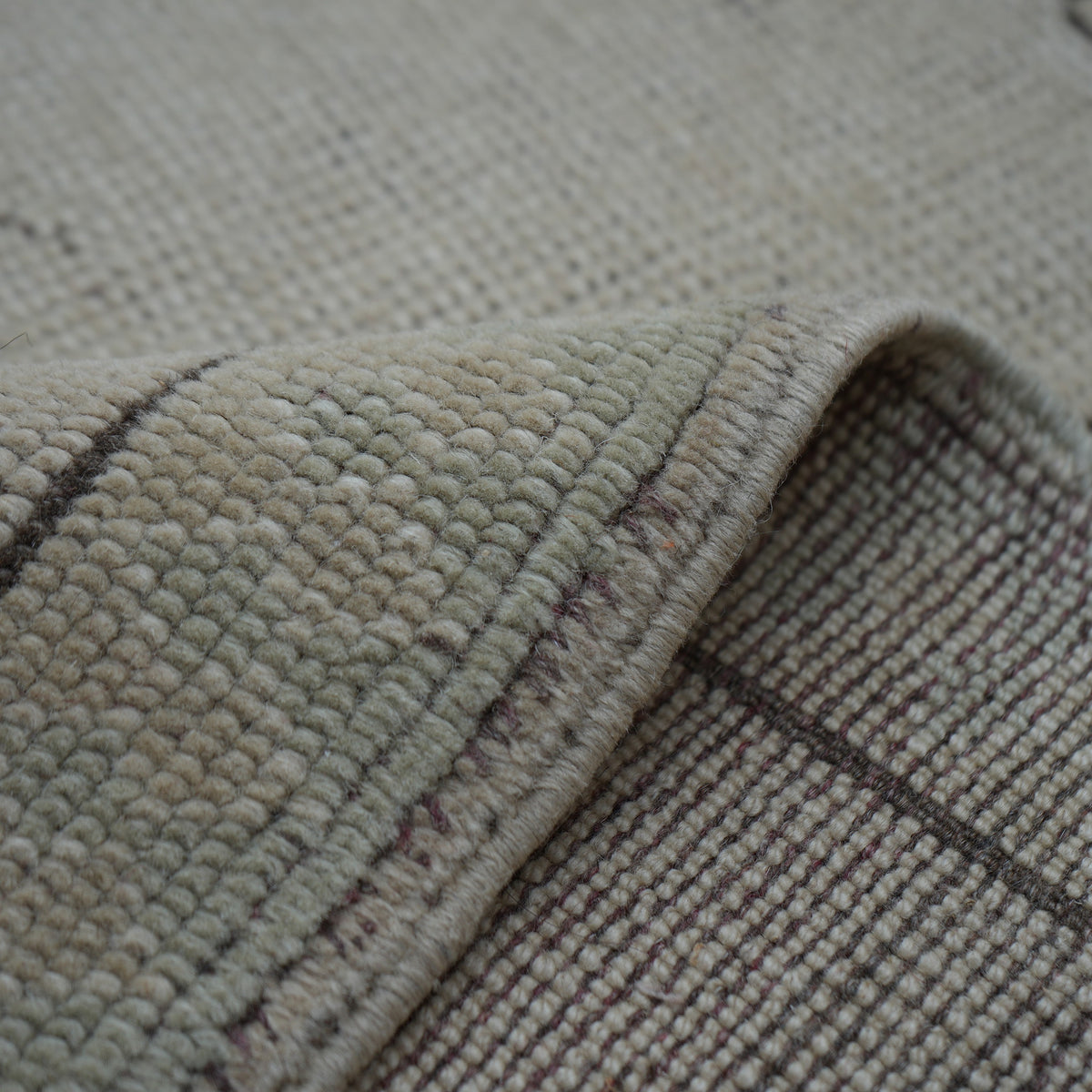
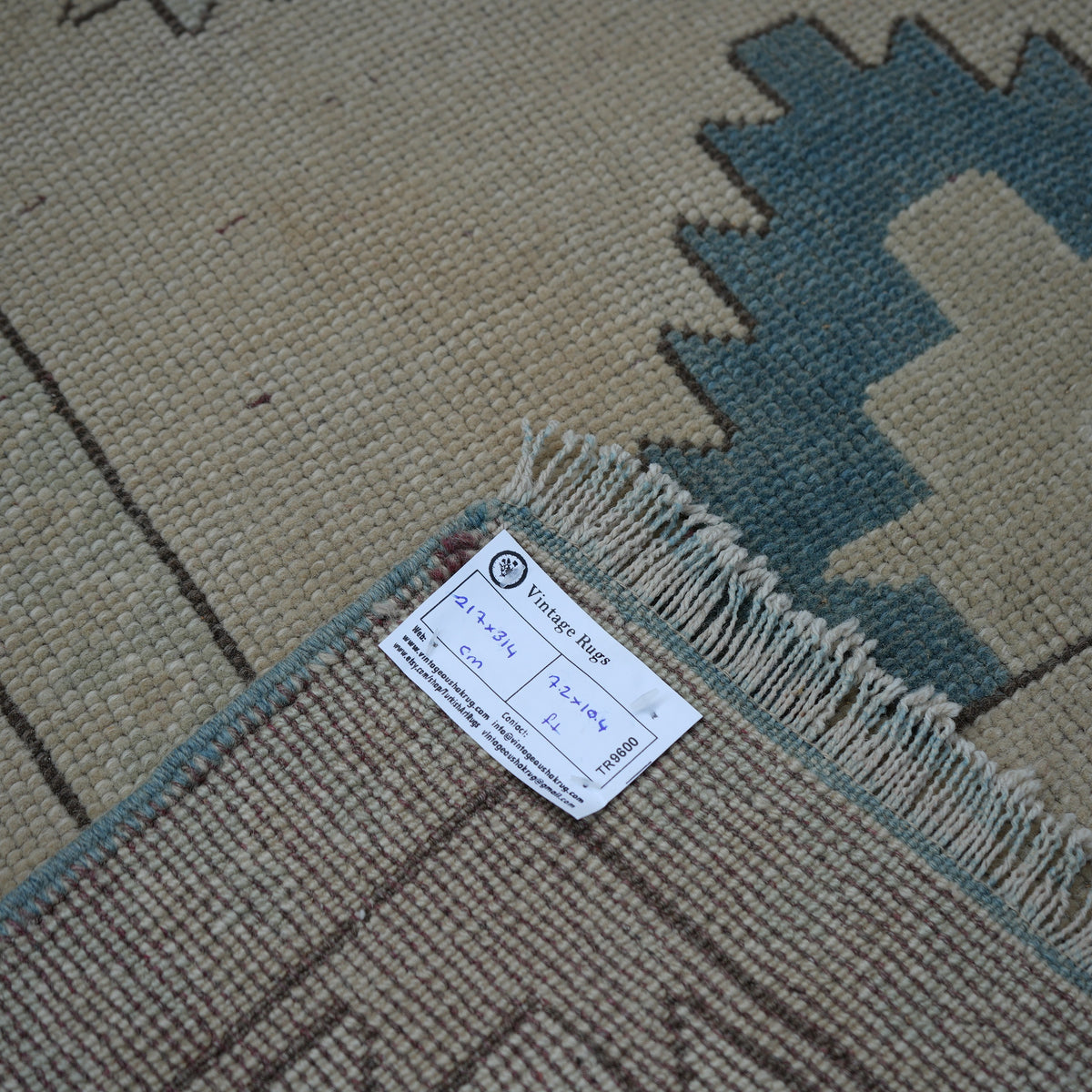
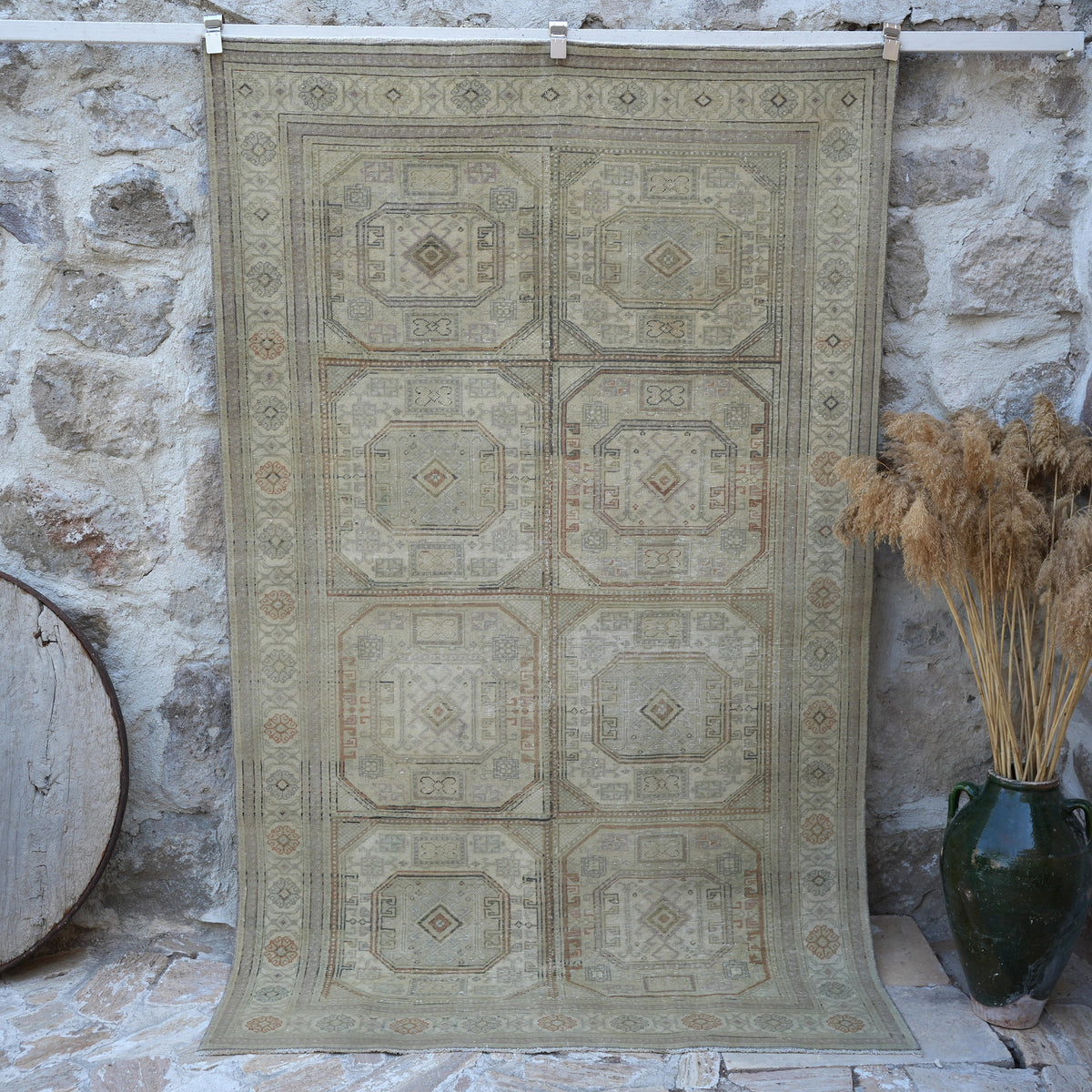
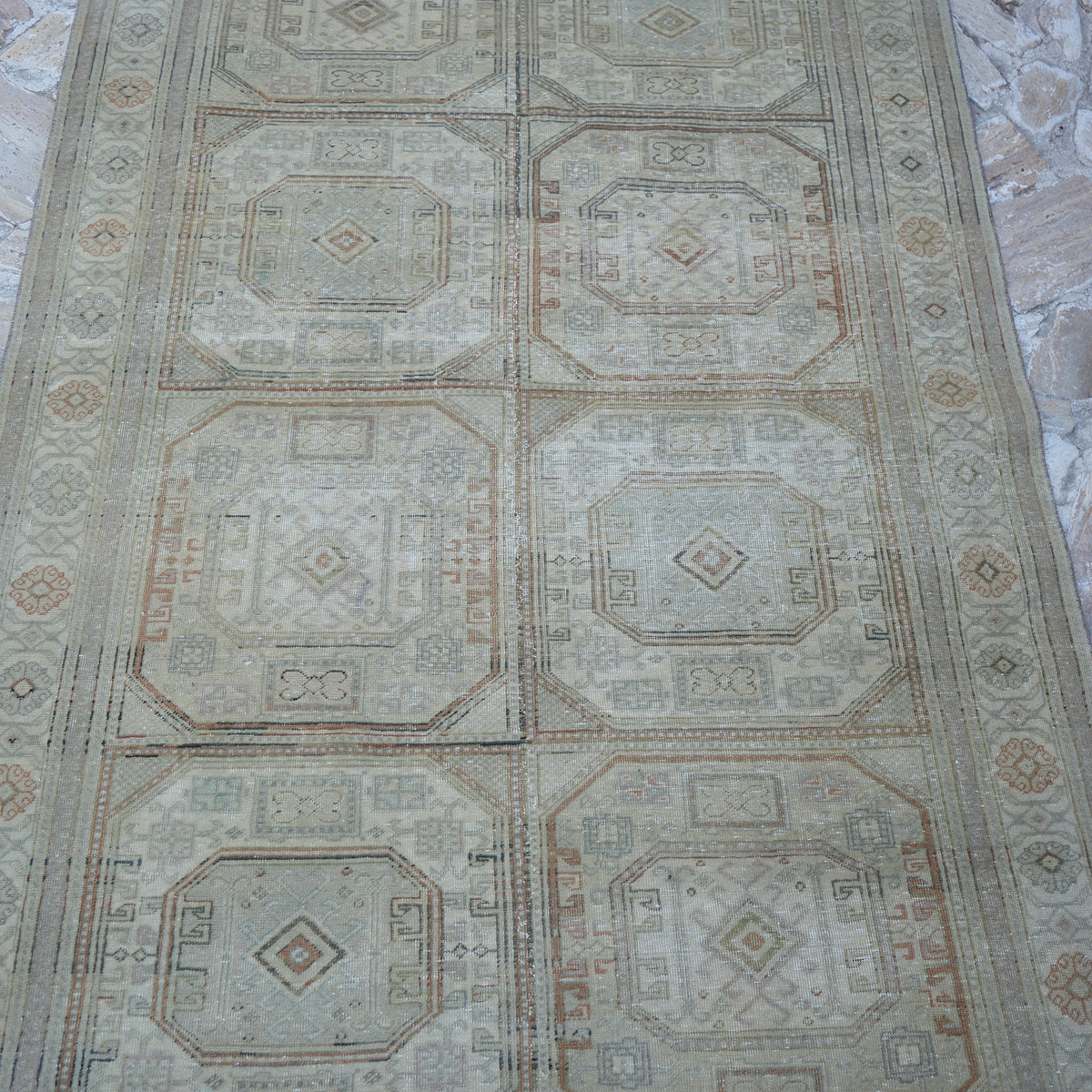
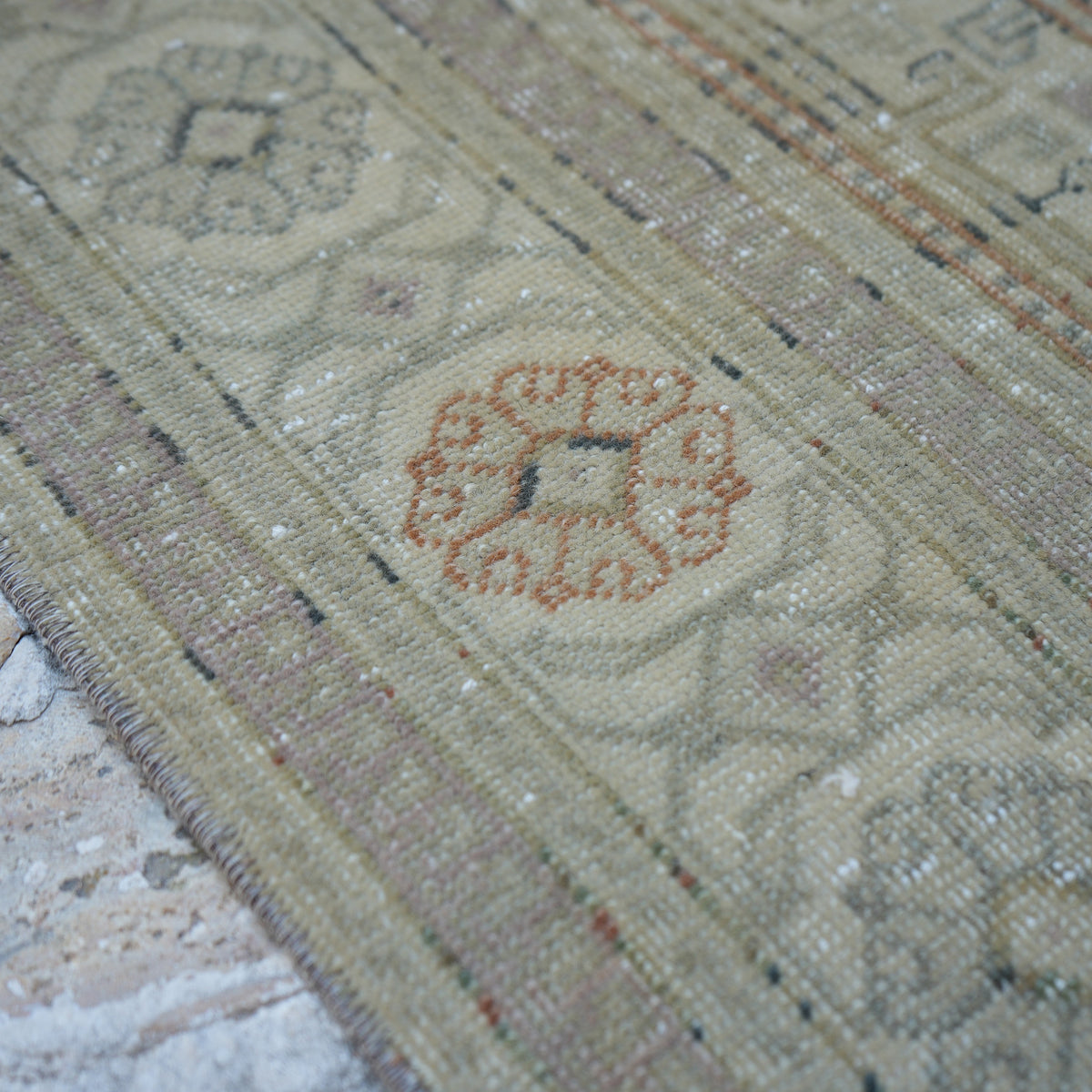
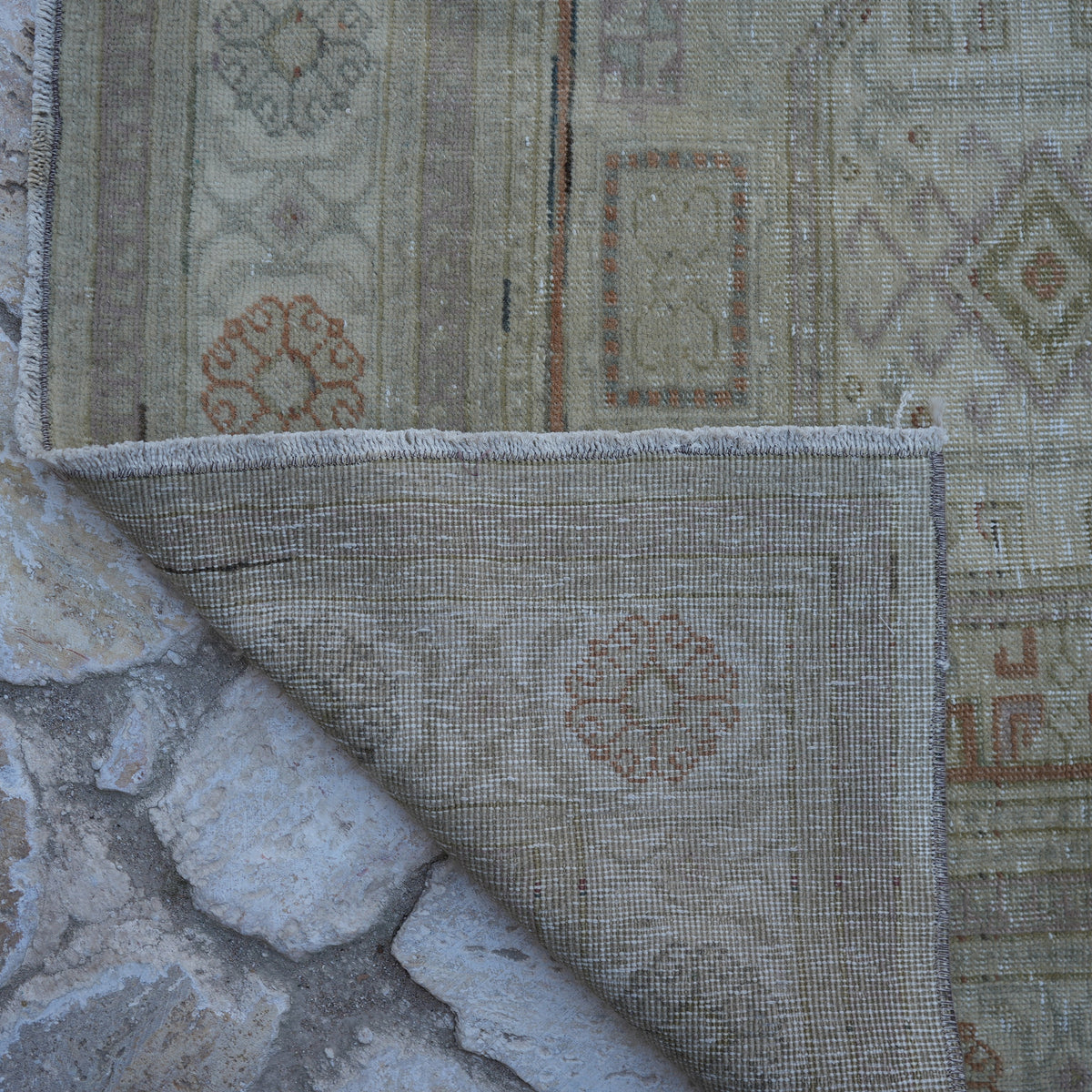
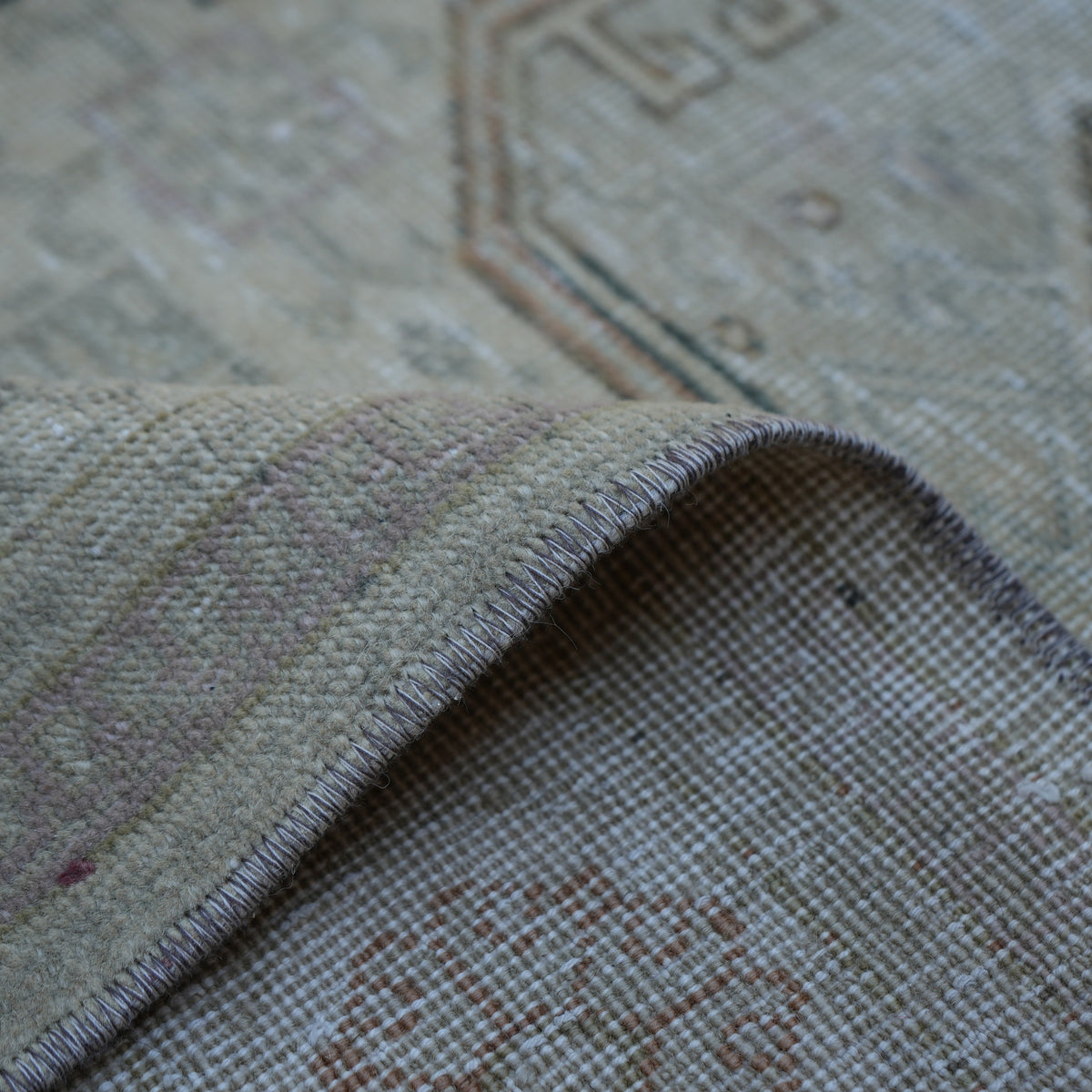
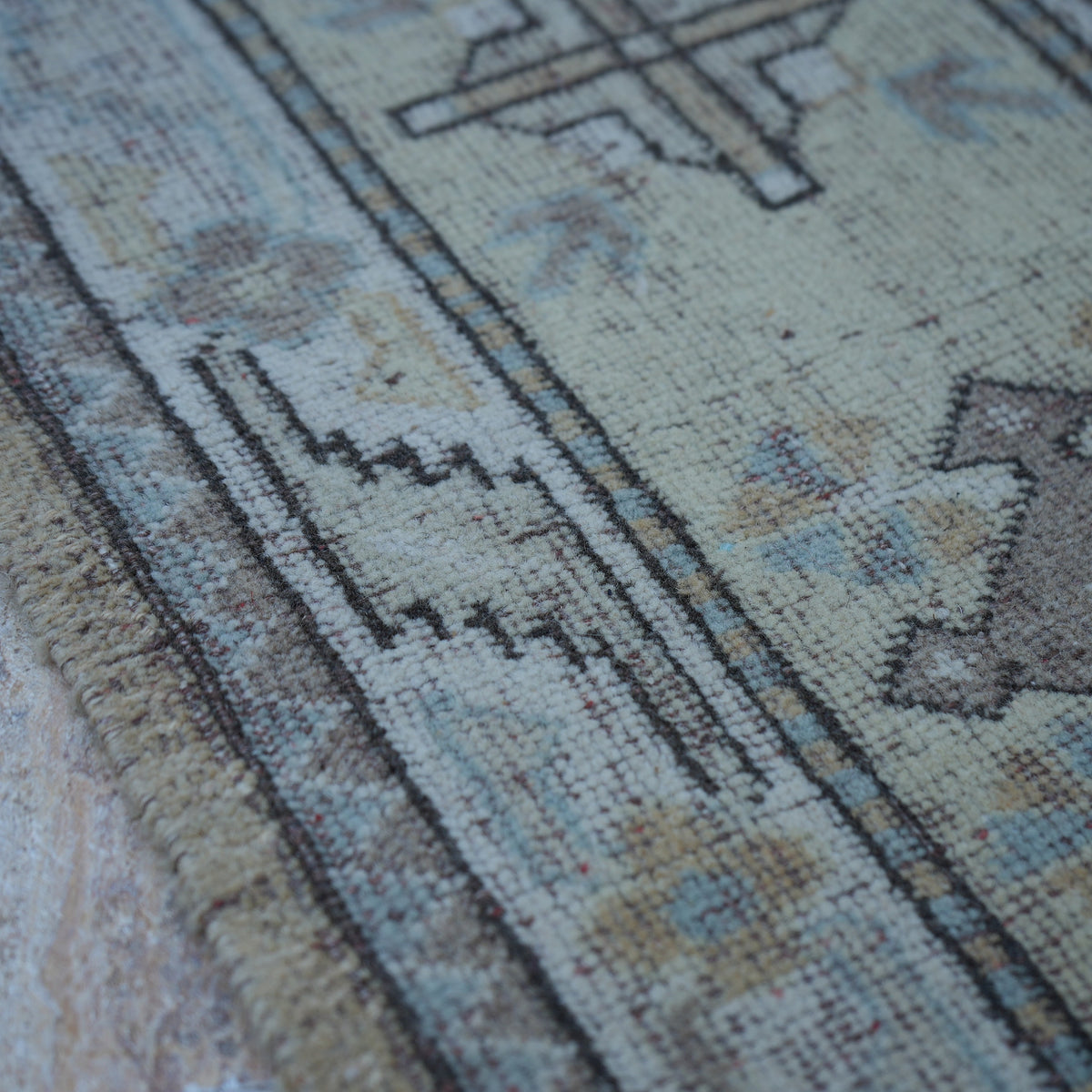
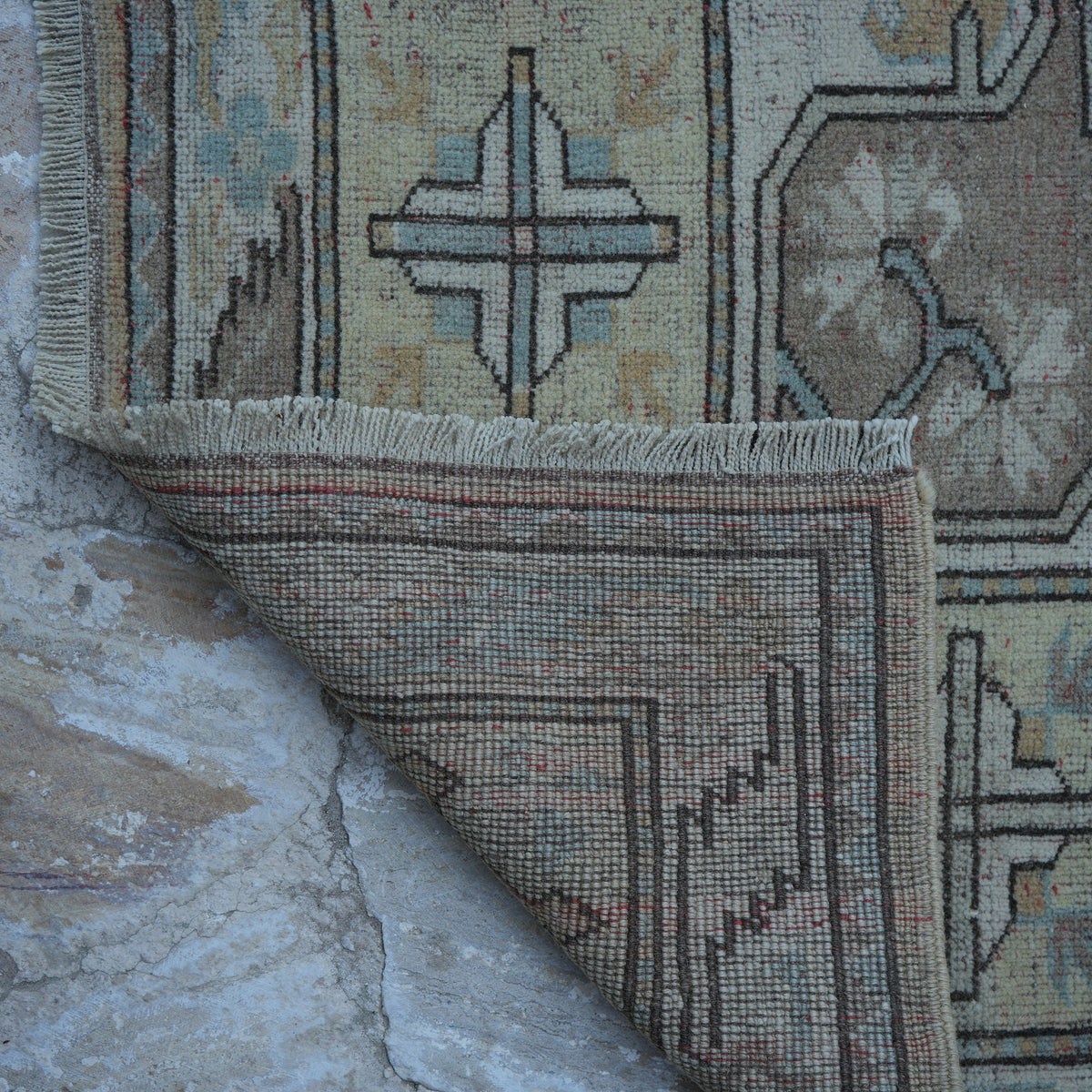
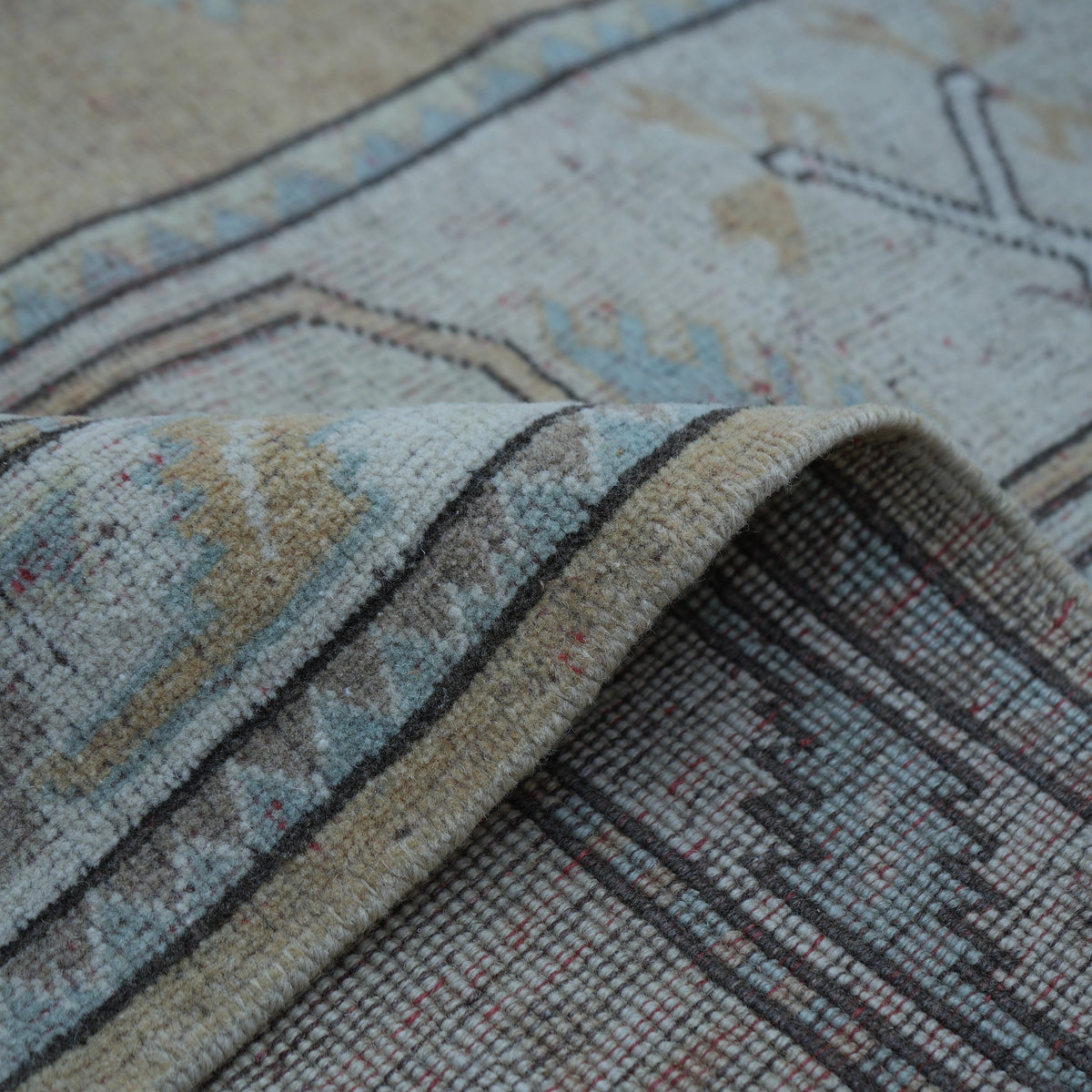
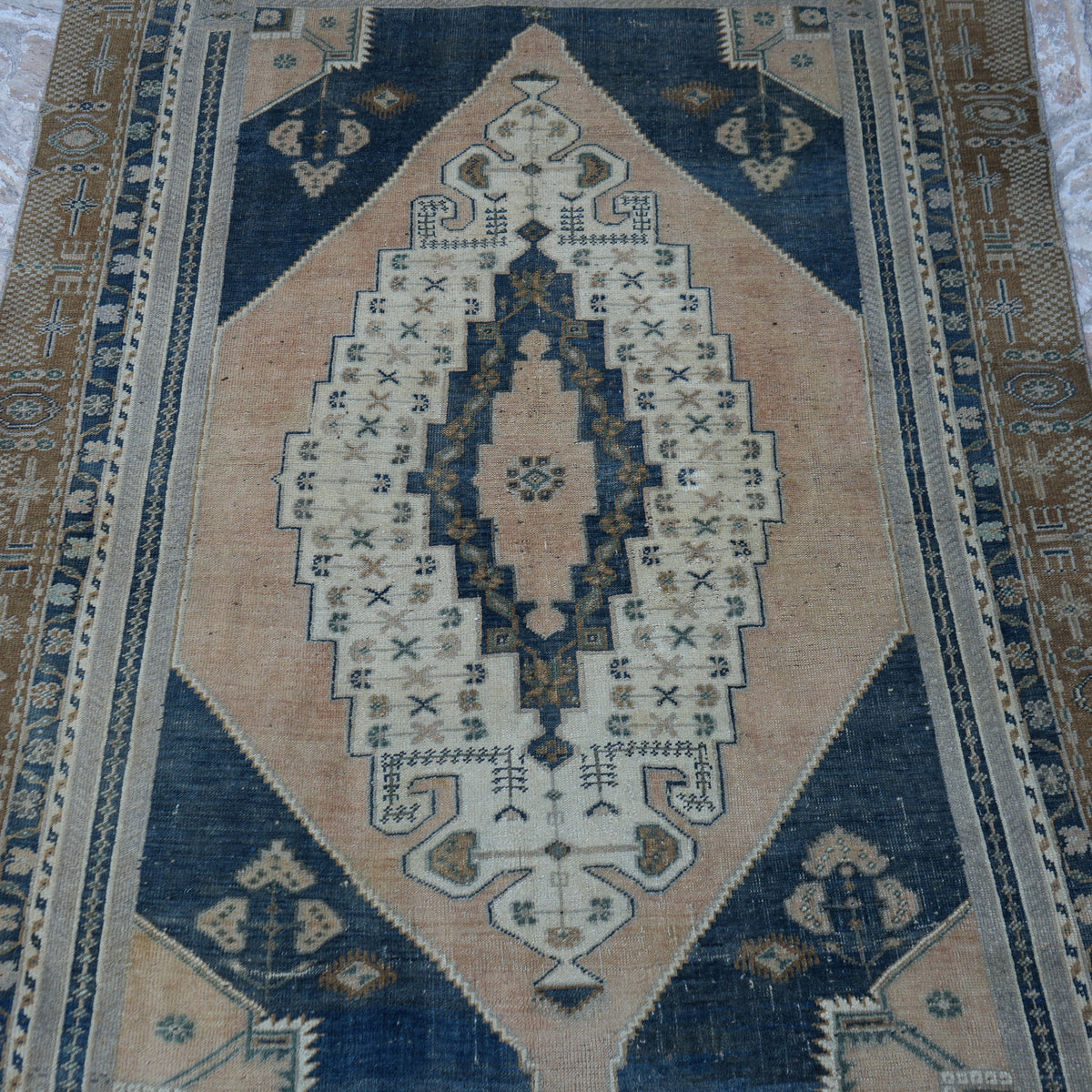
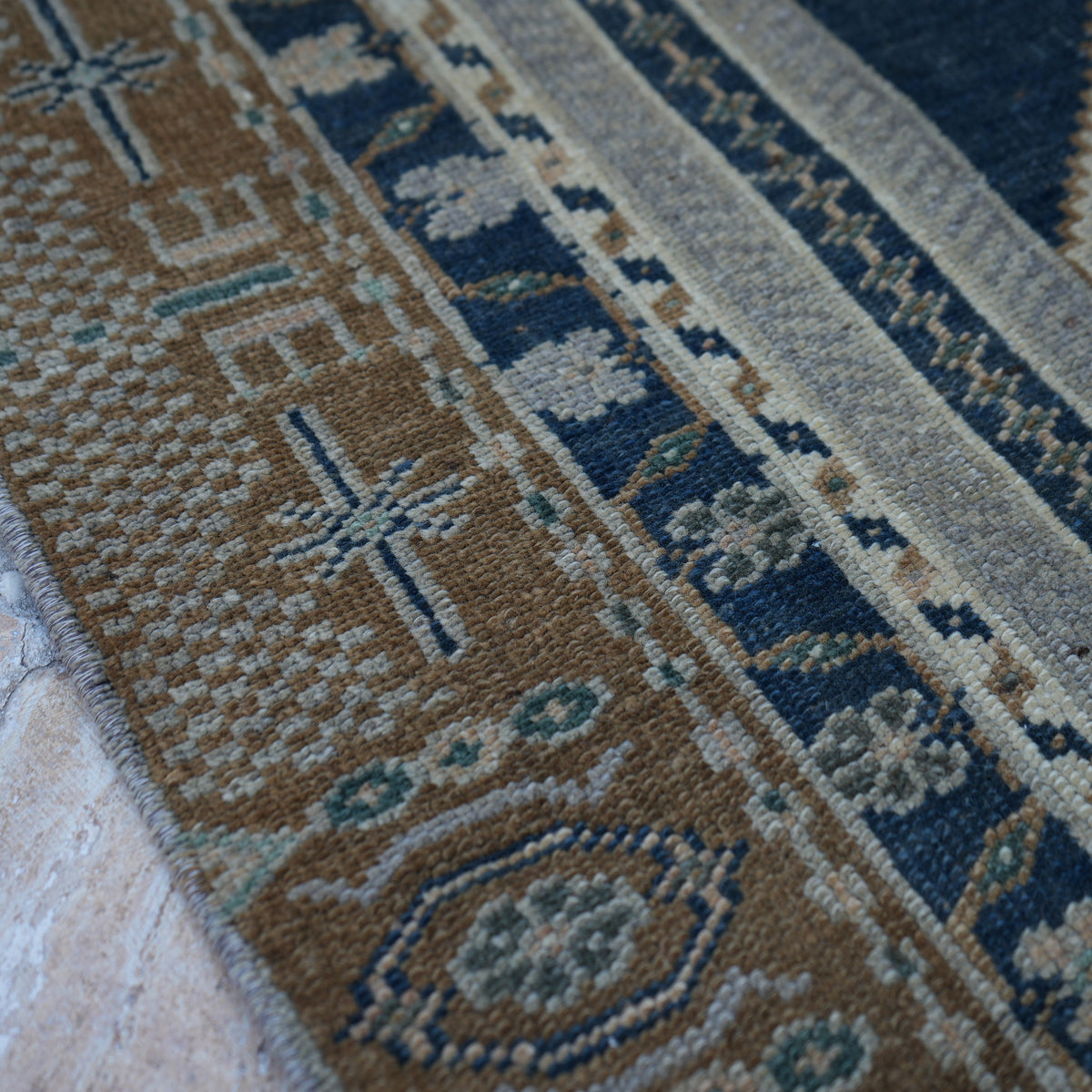
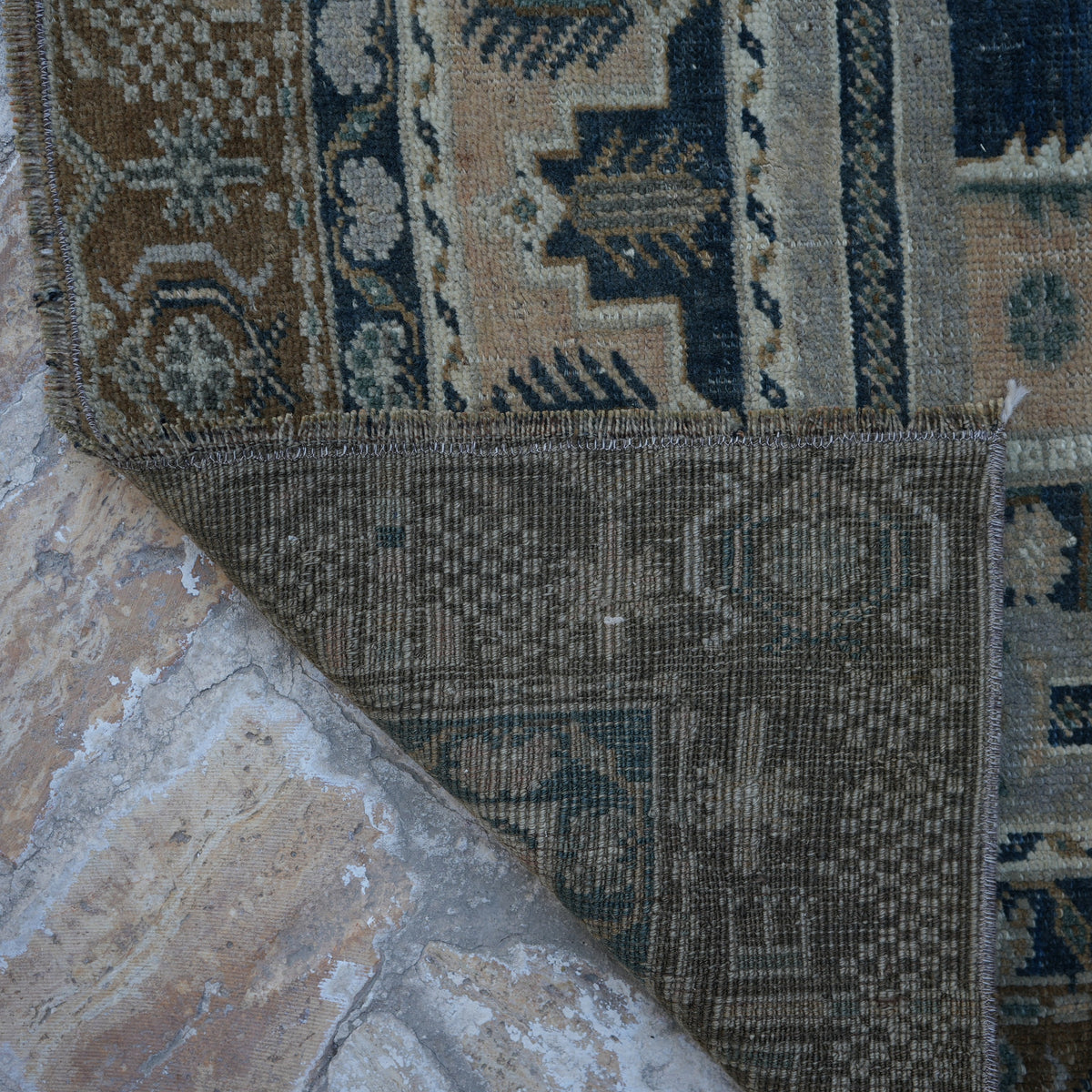
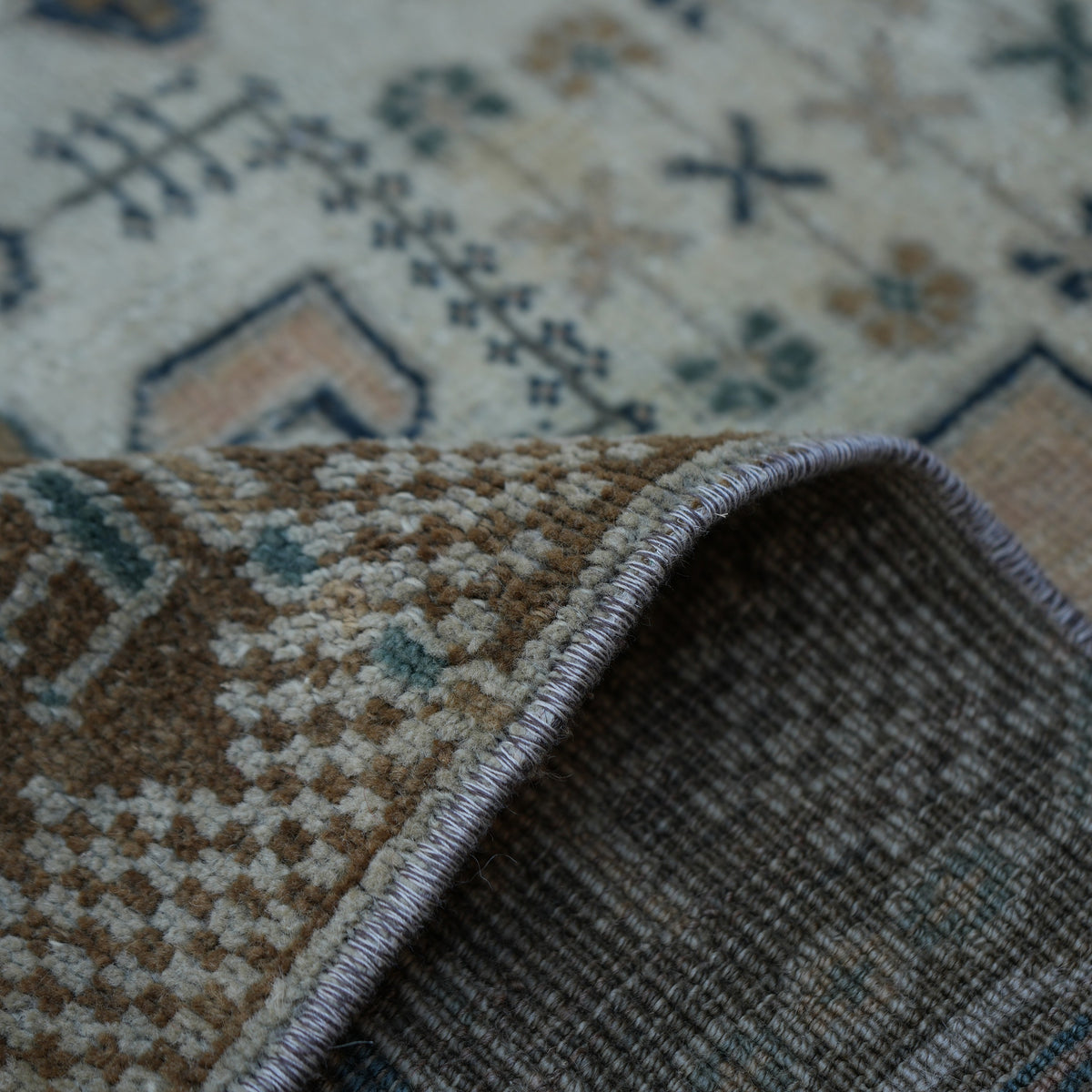
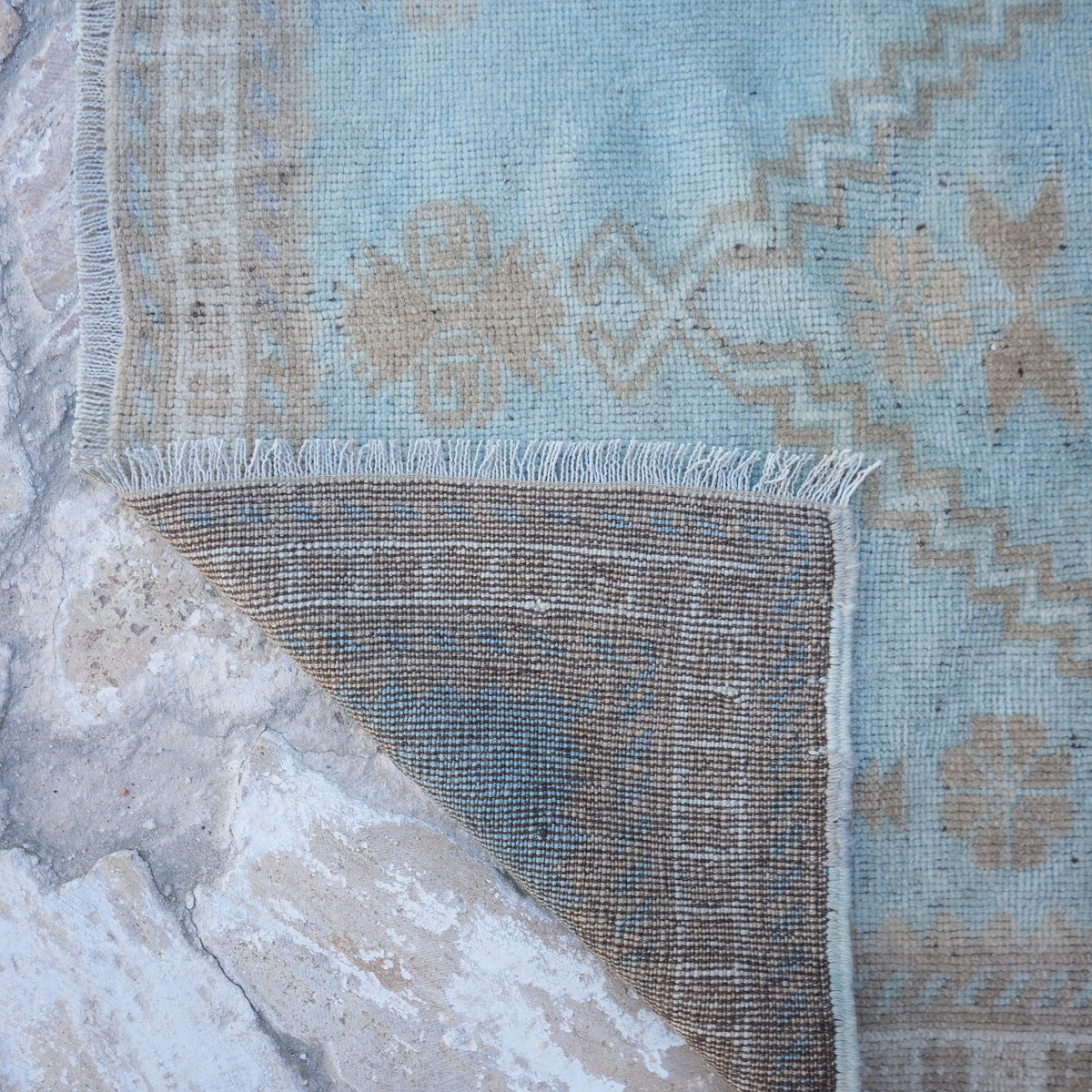
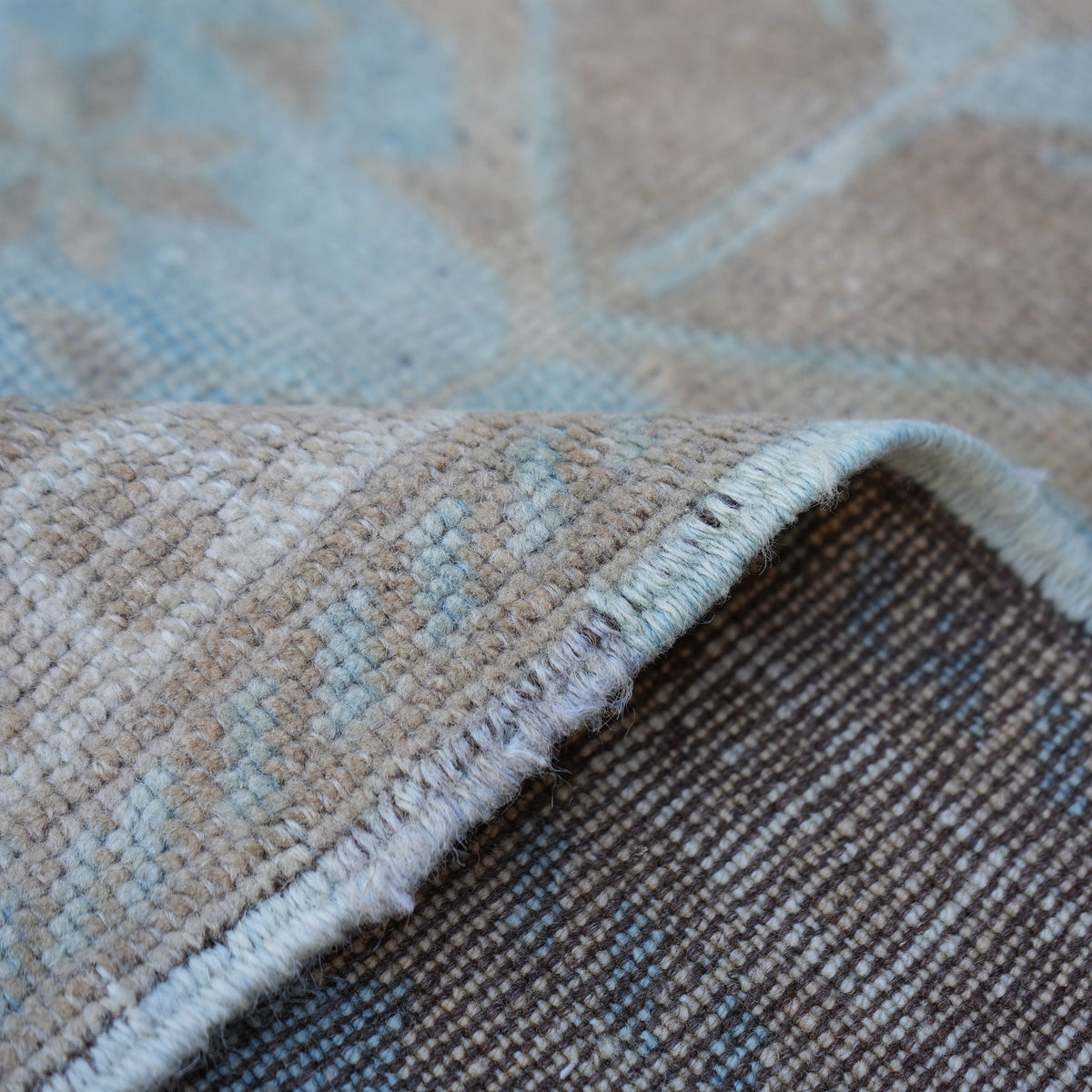
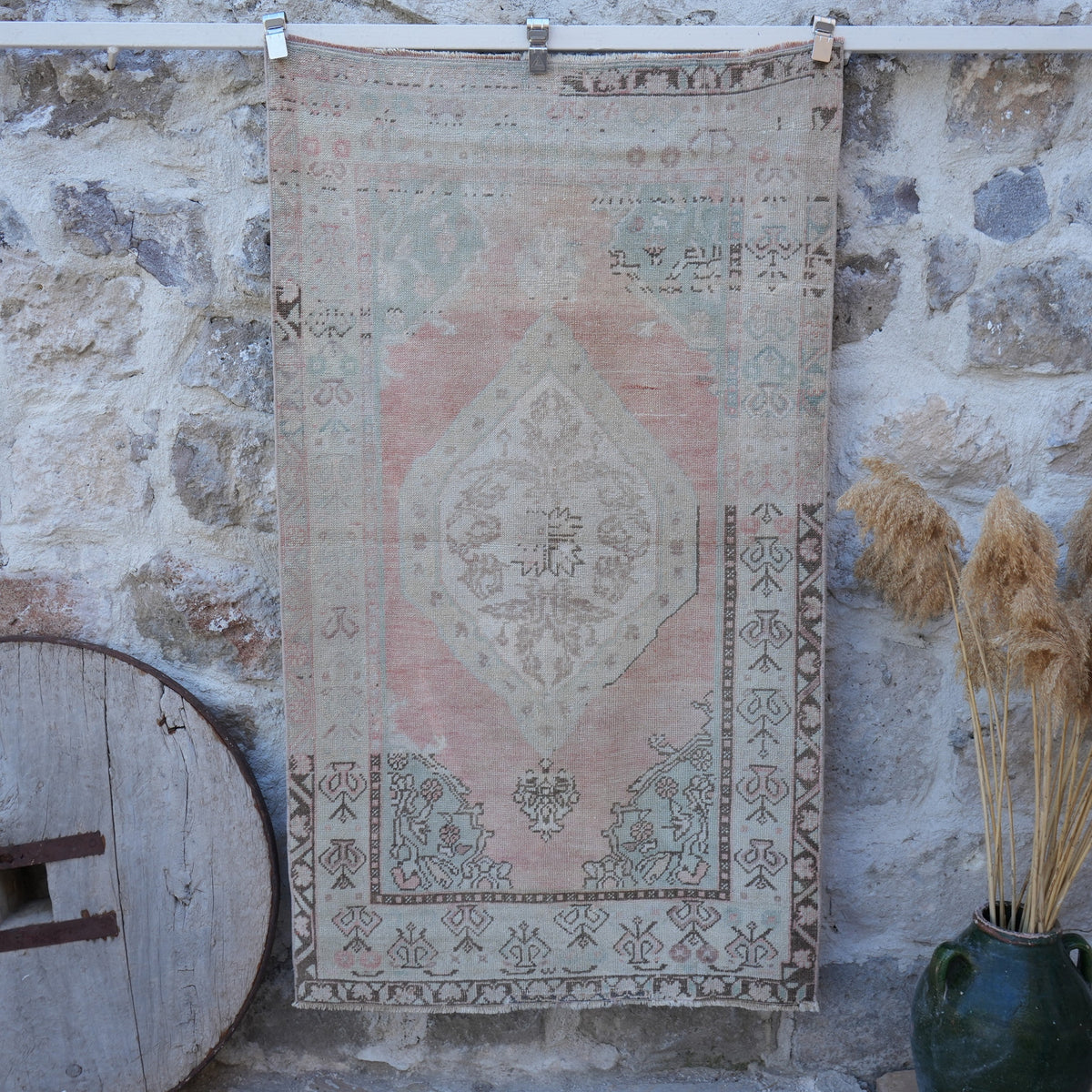
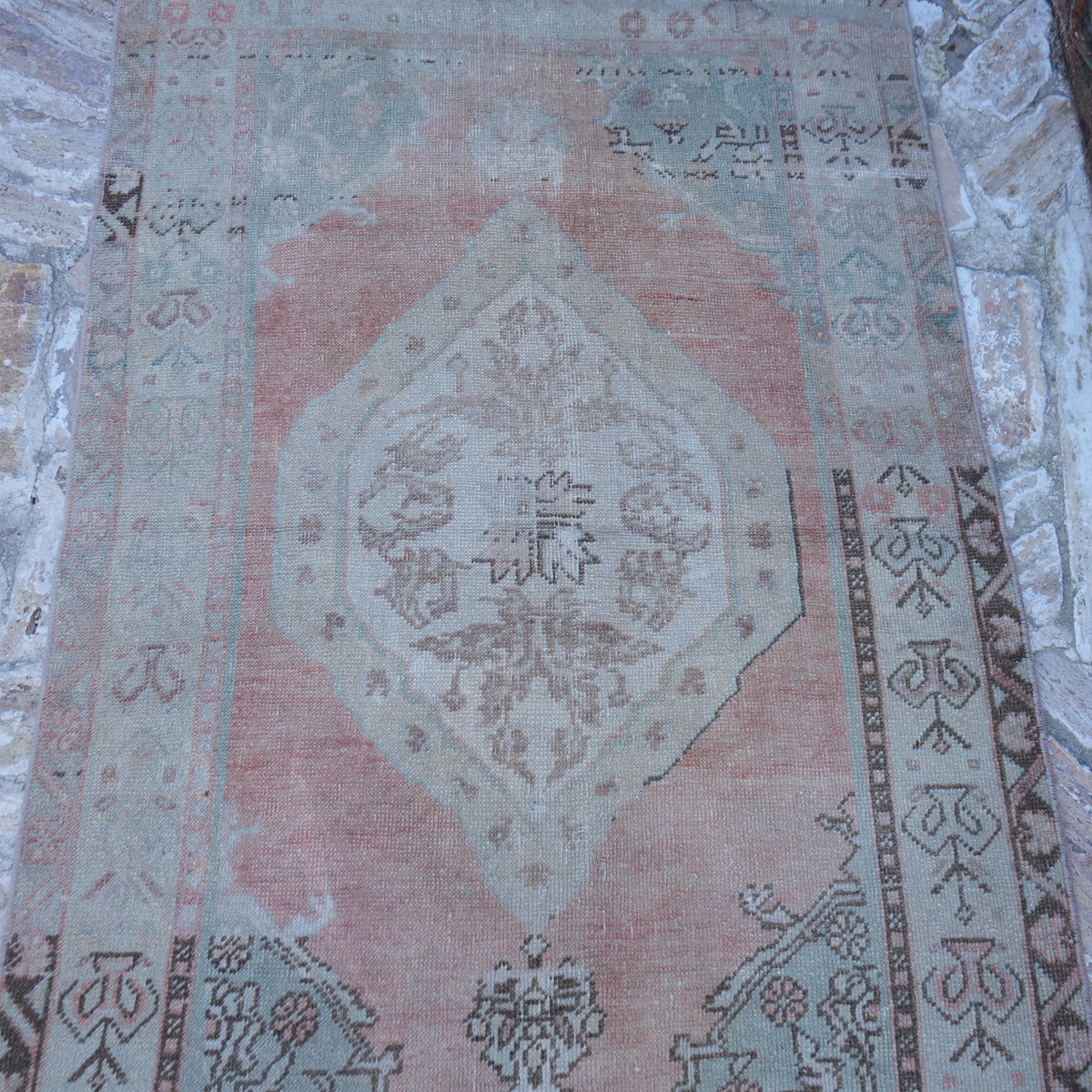
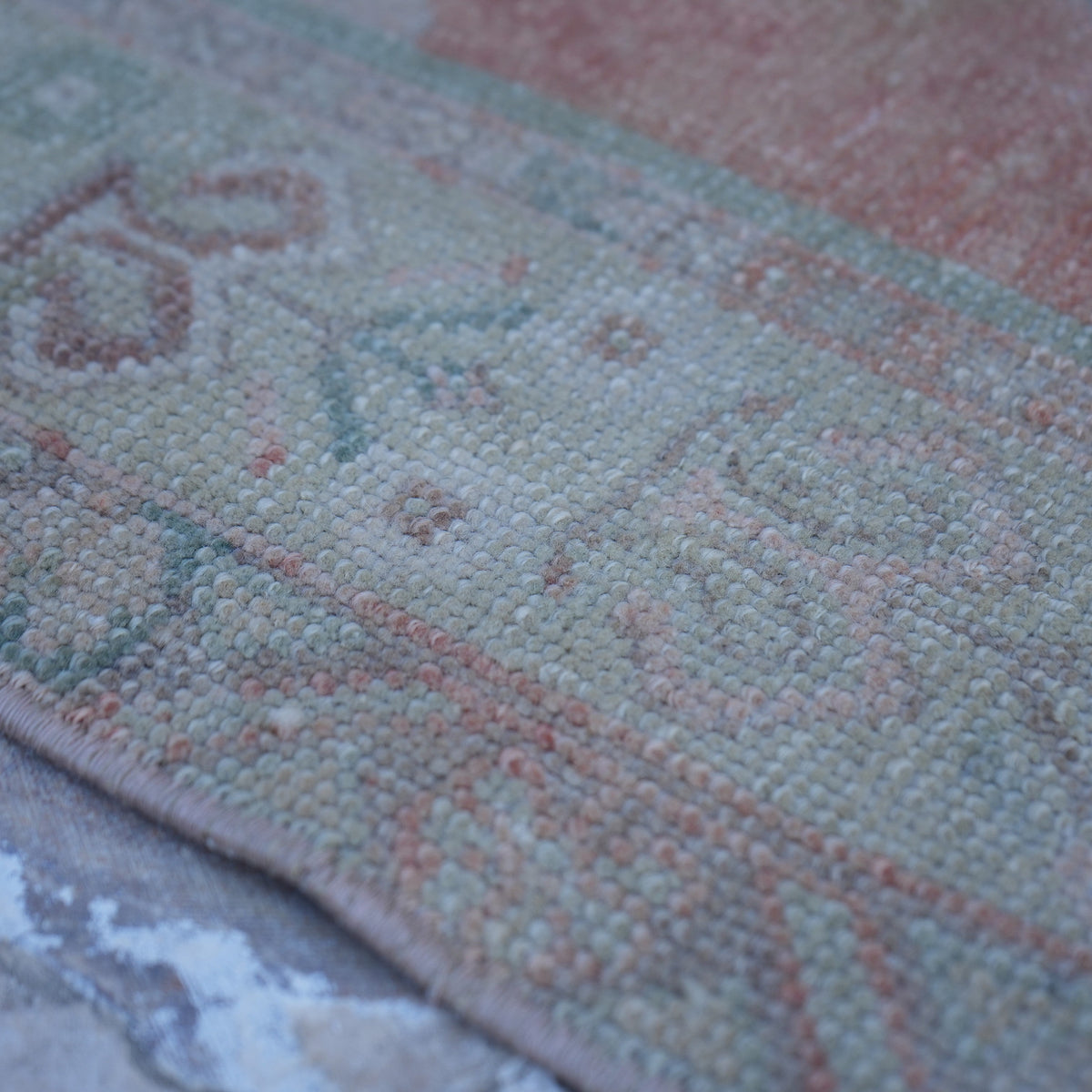
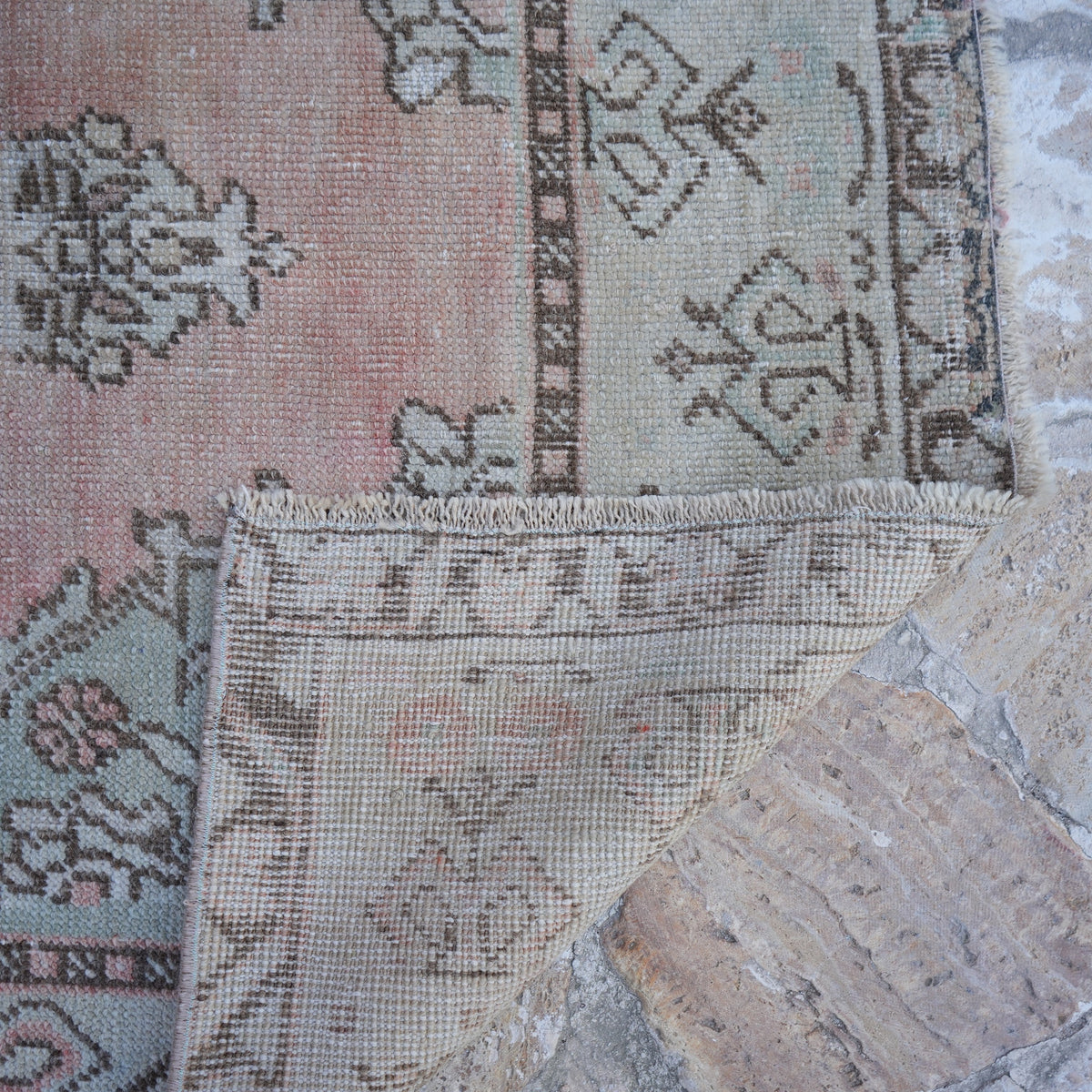
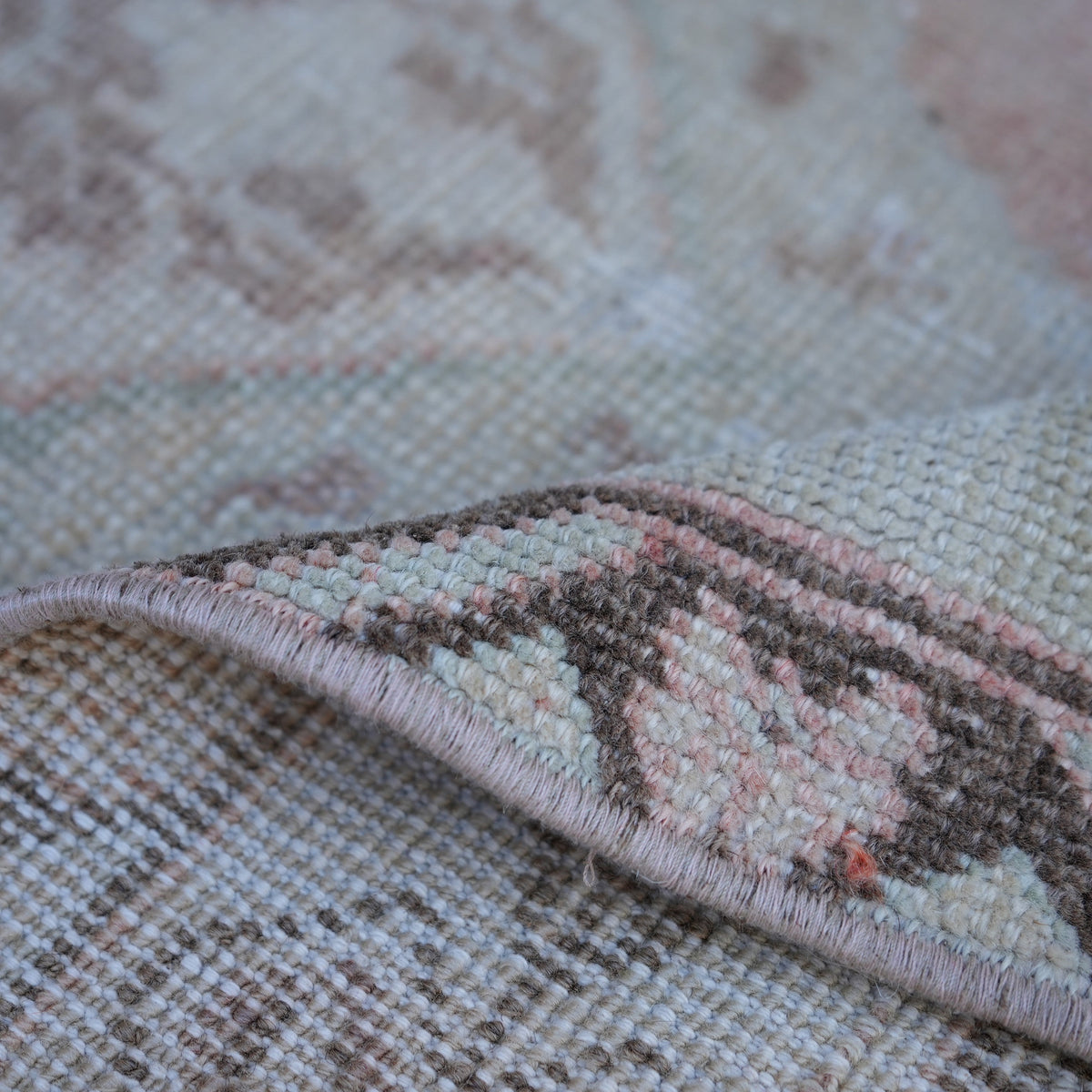
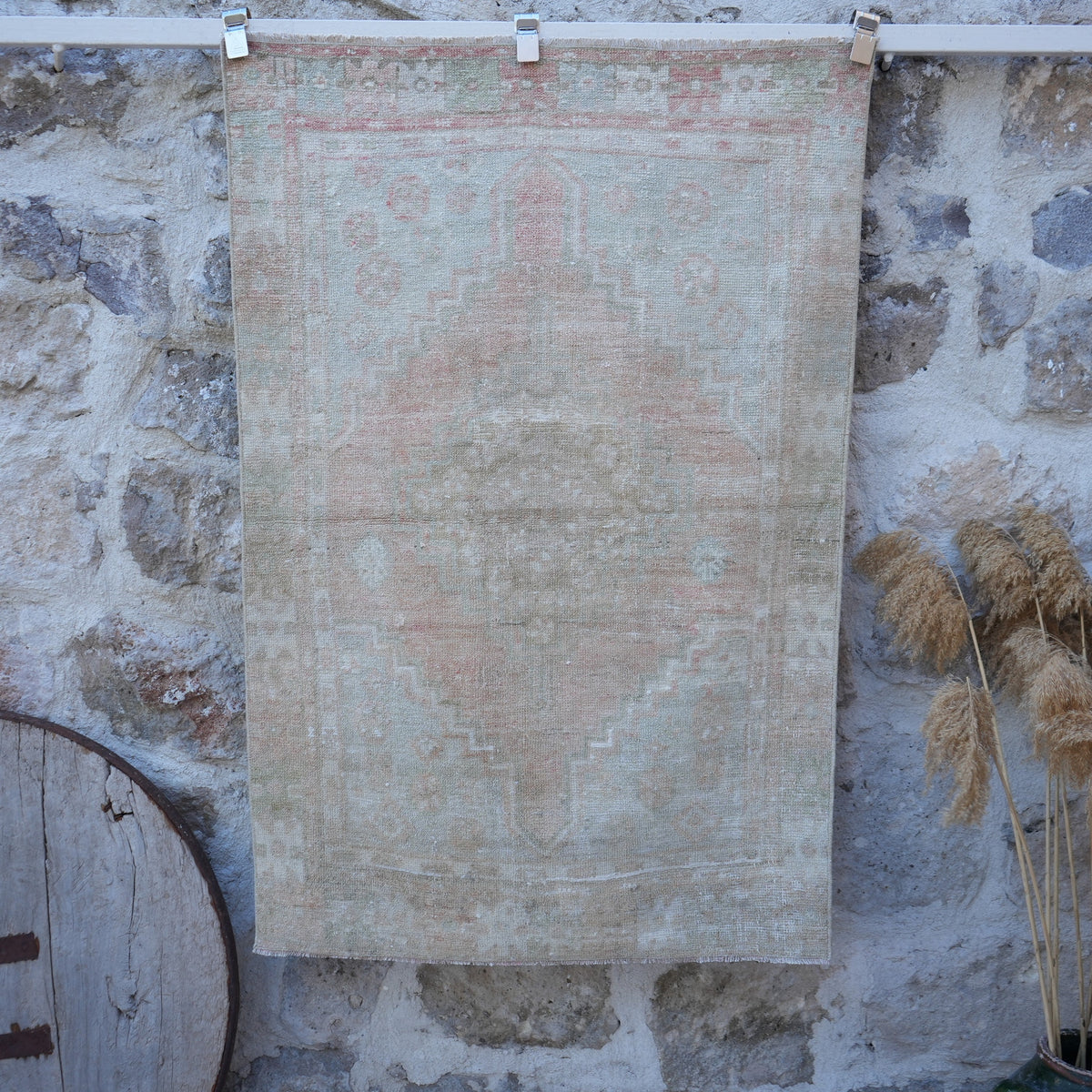
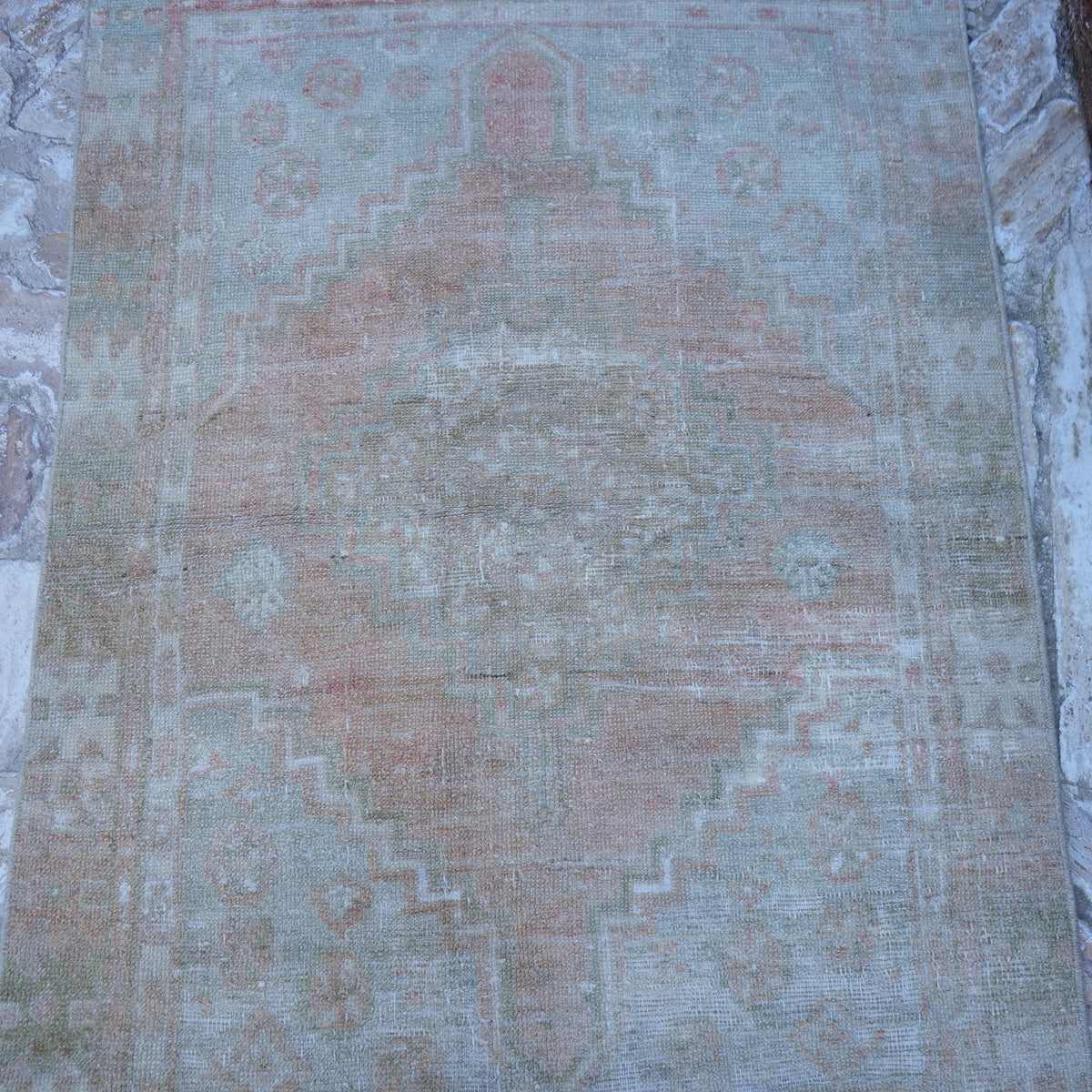
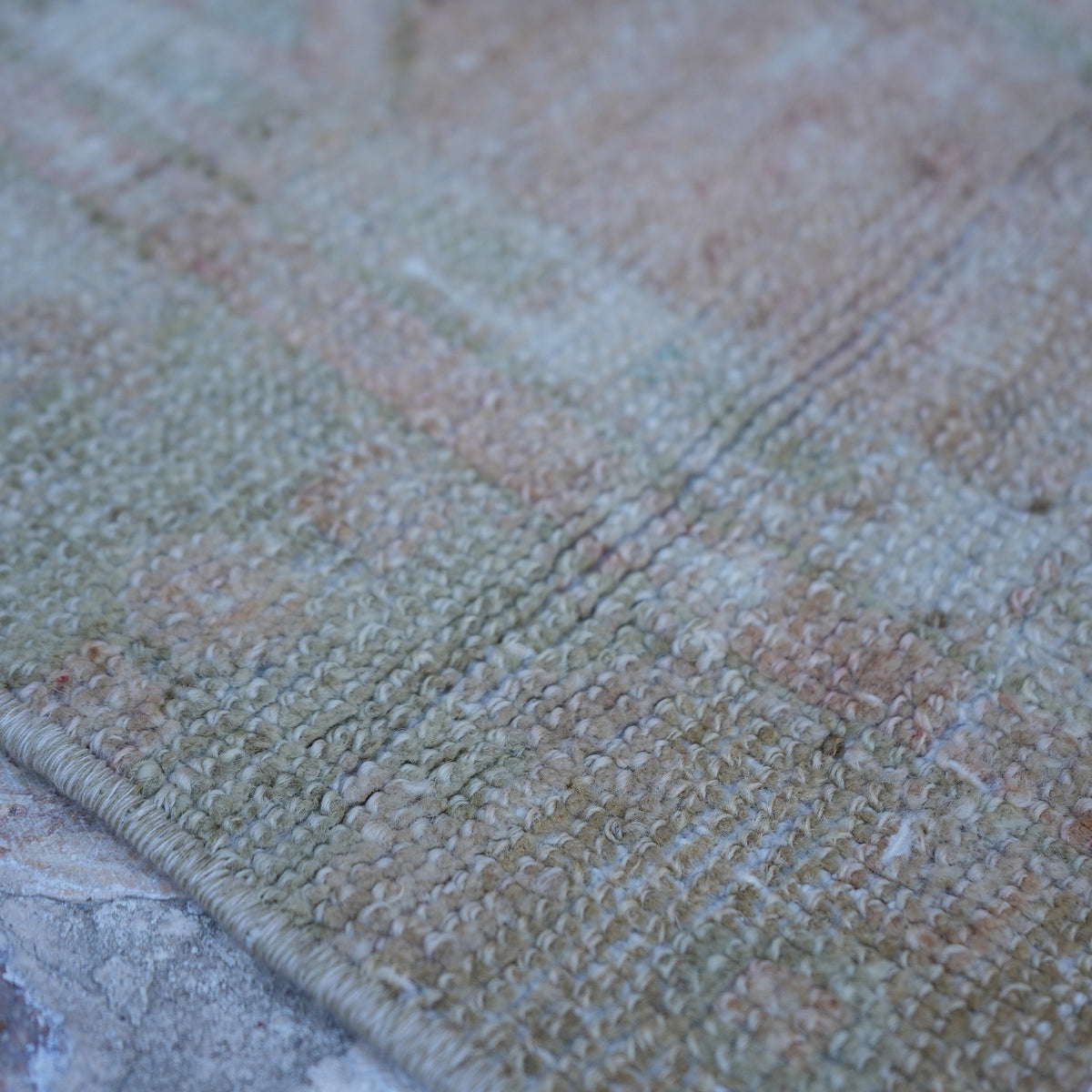
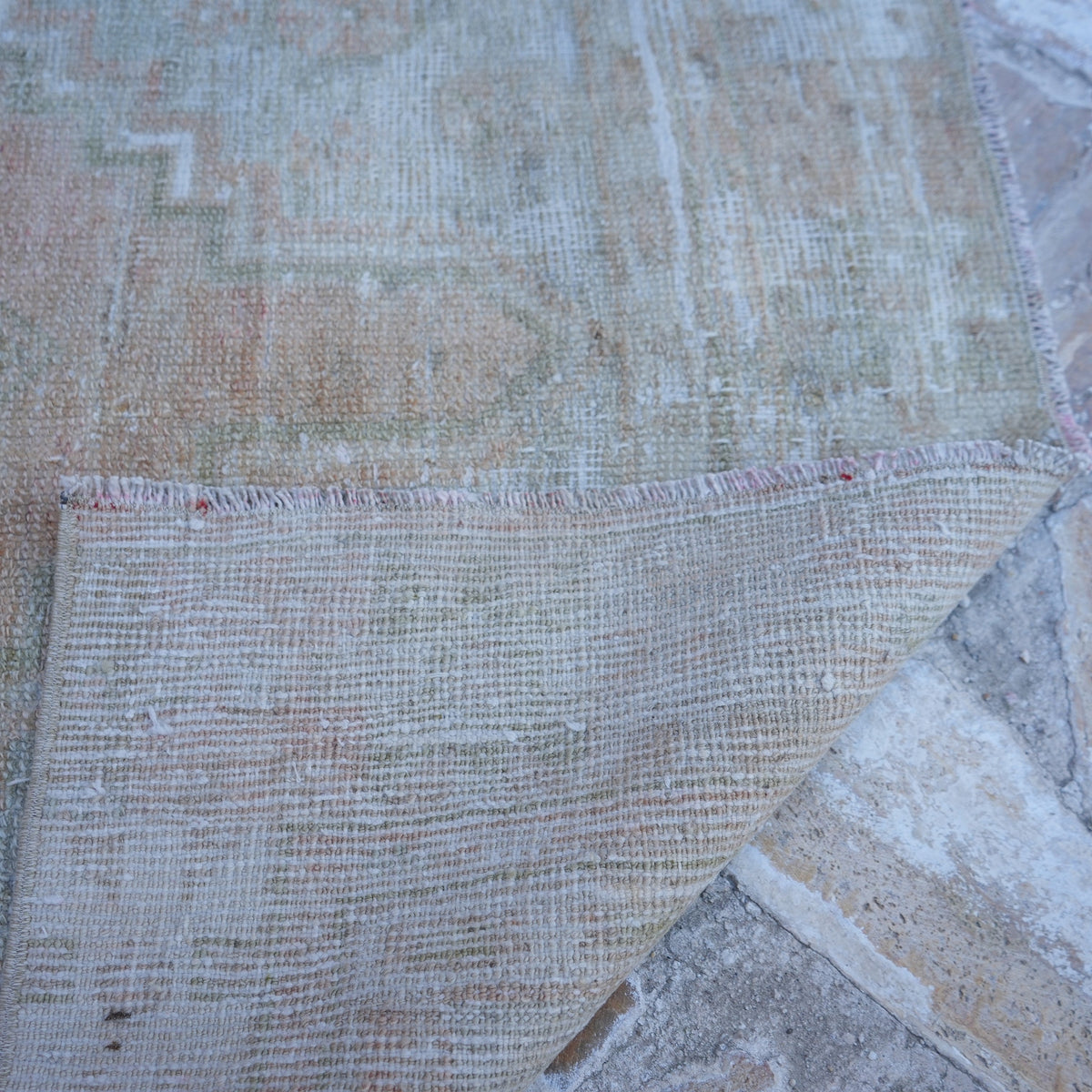
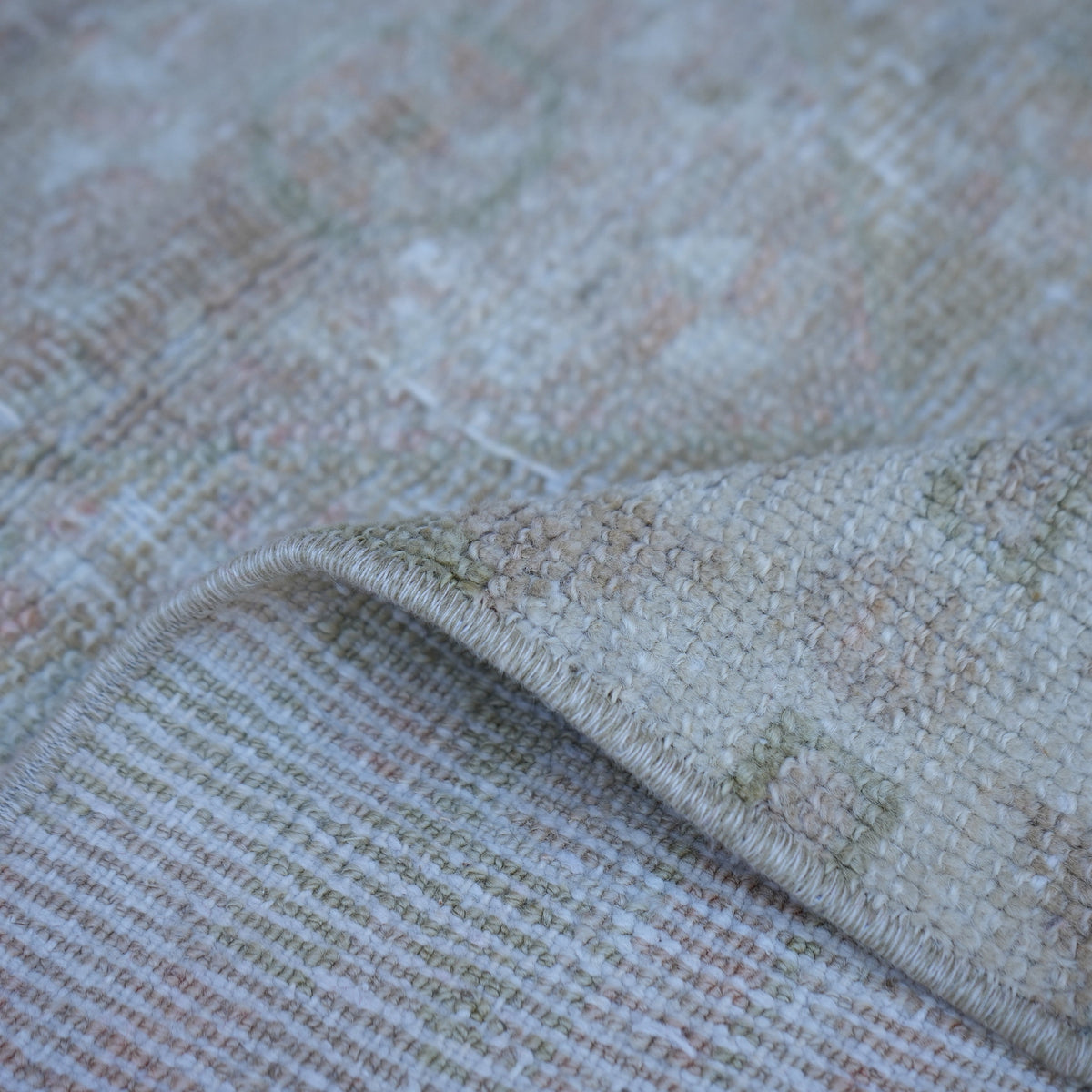
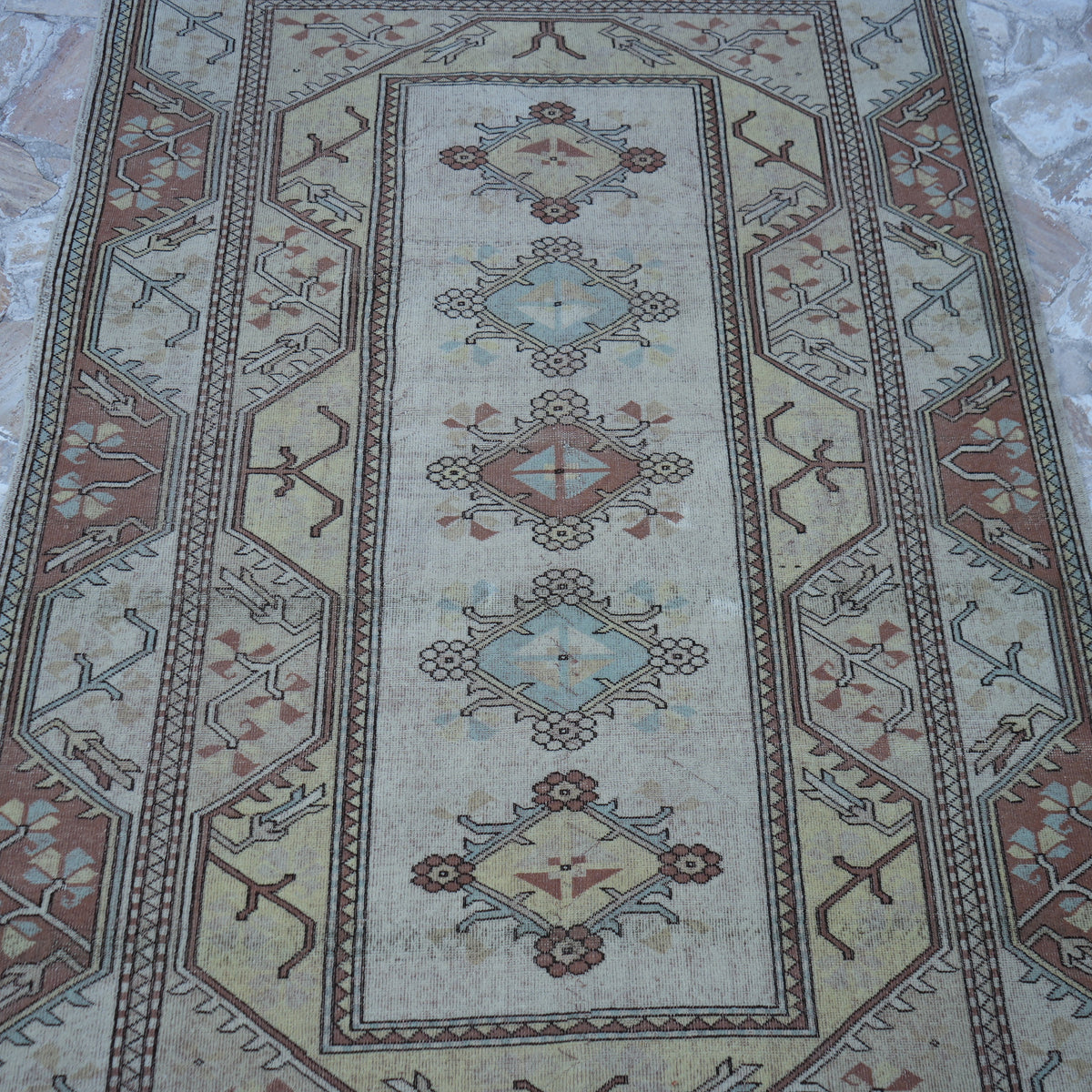
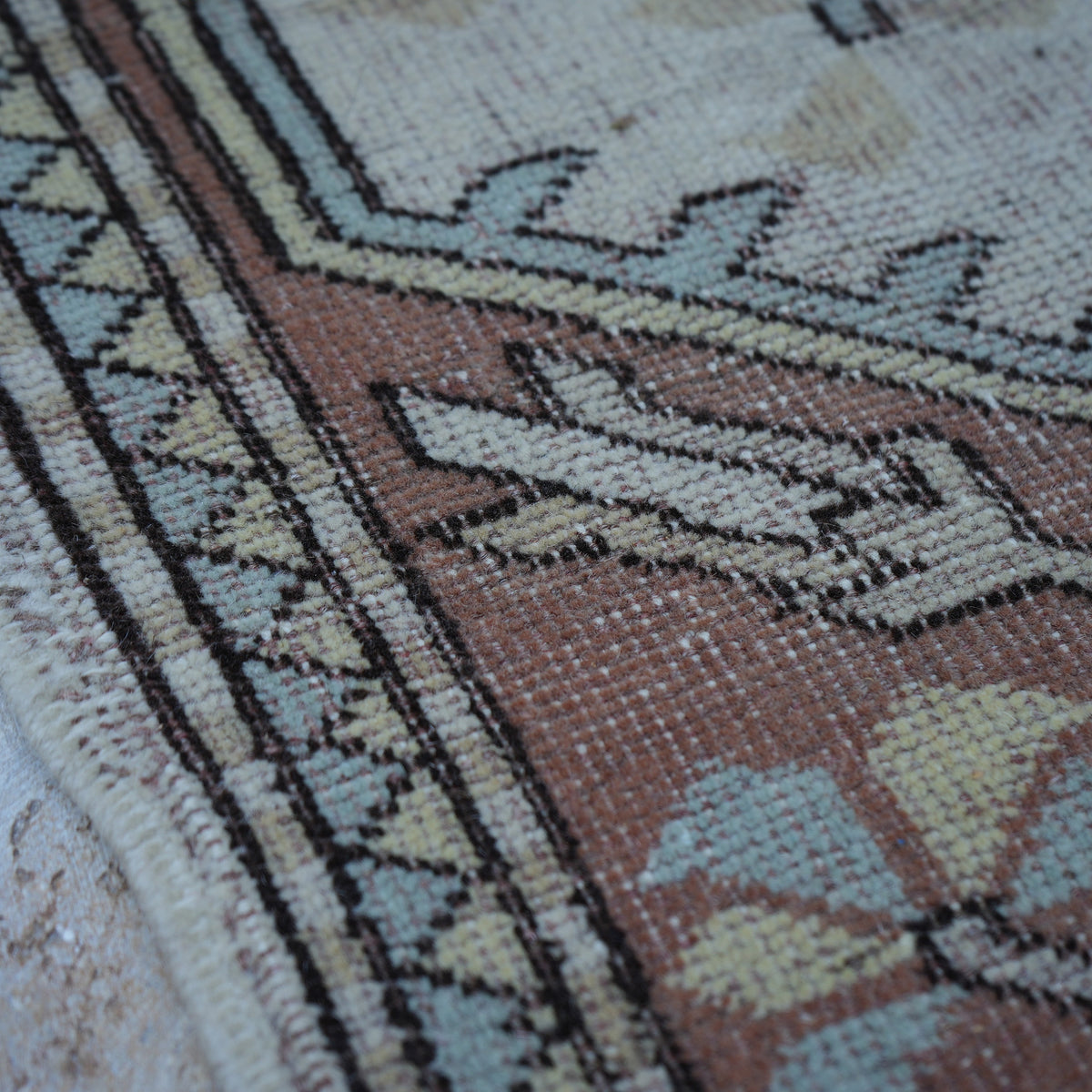
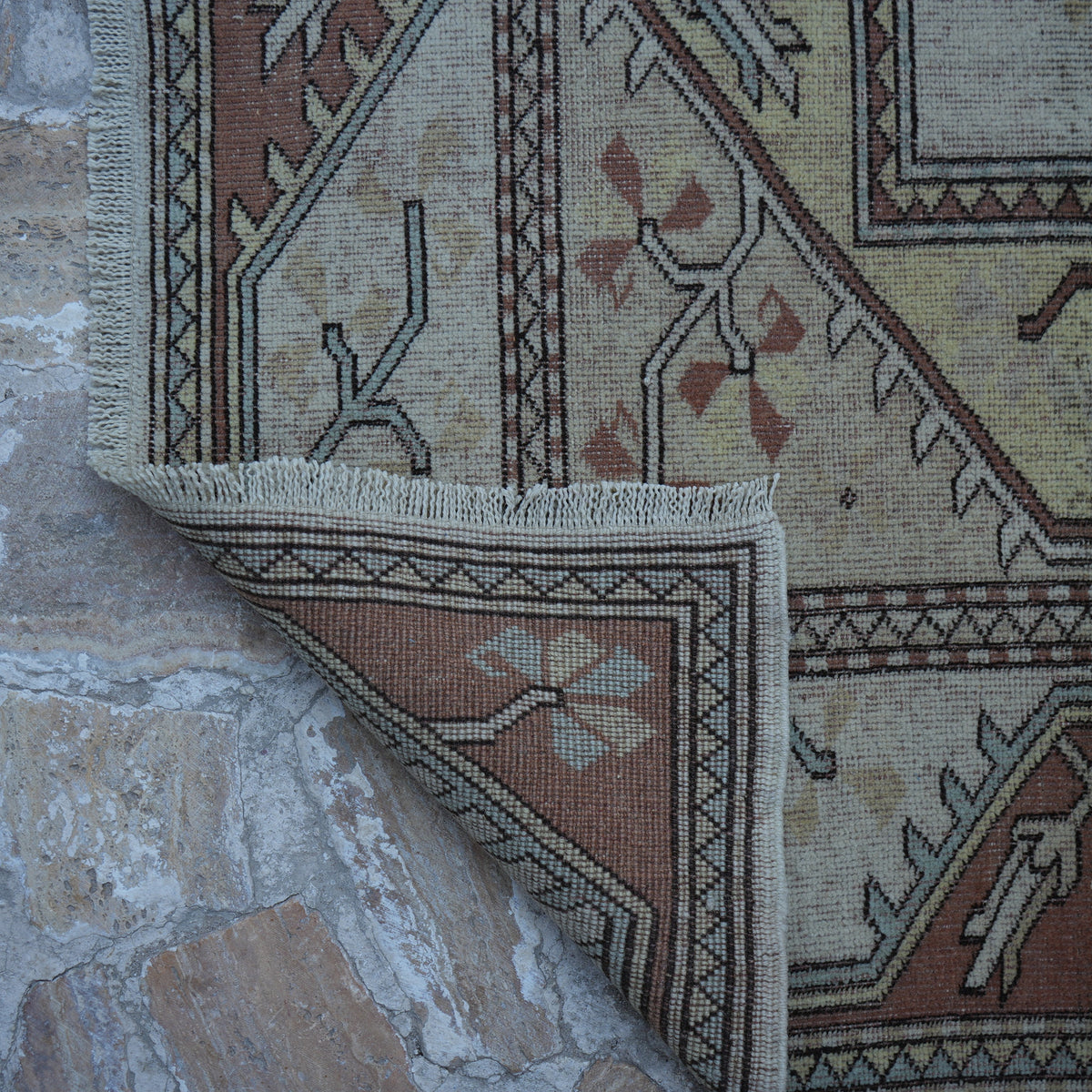
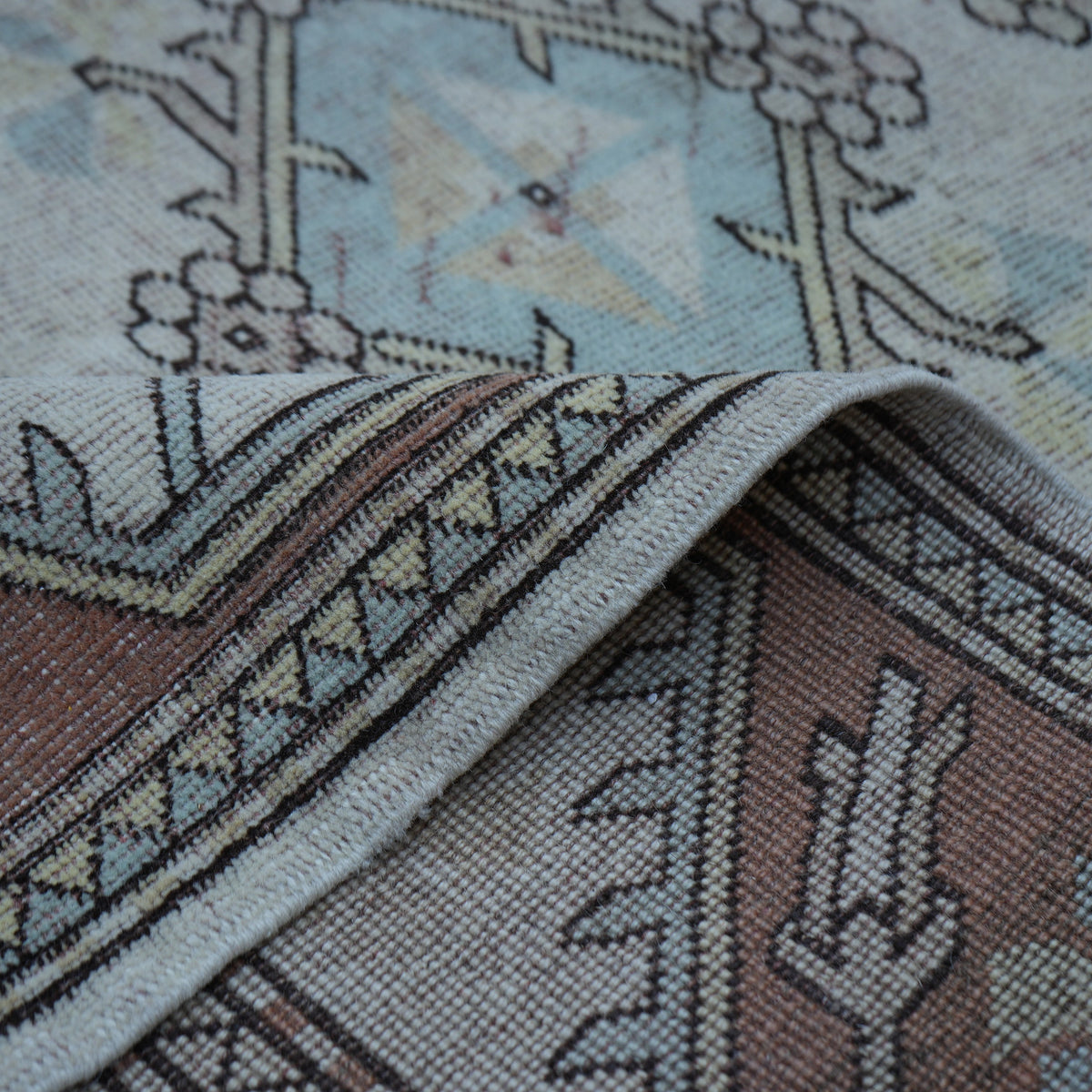
In naturally dyed and older handwoven rugs, tonal variation is normal — it can come from different dye batches, the character of the wool, washing, age, and years of sun exposure. I tell customers to think of it as a fingerprint. No one's fingerprint is symmetrical, and nobody calls that a flaw. Once people hear it that way, the "inconsistency" stops being a worry. Some buy the rug because of it.
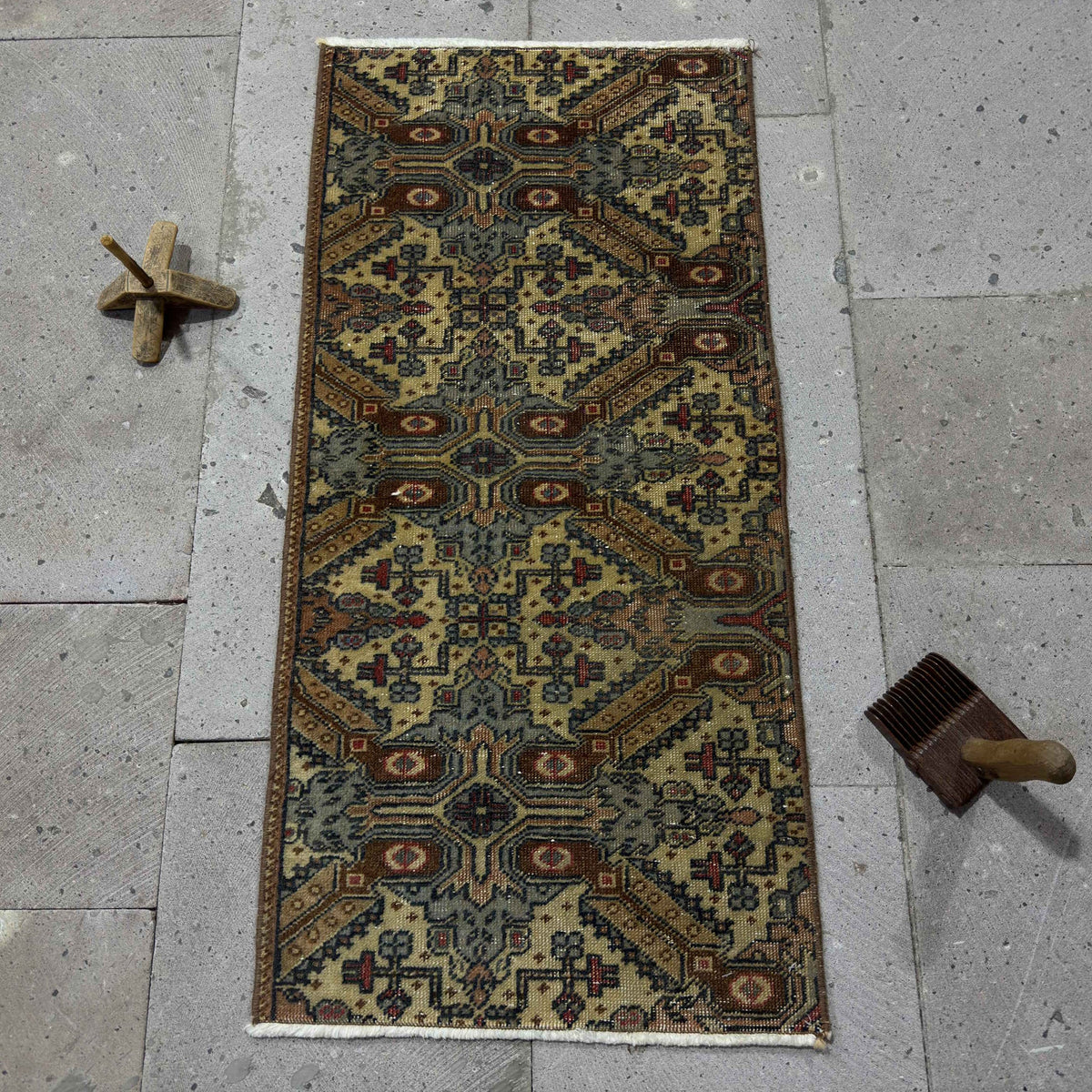
If you want to see that range for yourself, our handmade brown rugs collection runs from pale oatmeal to near-espresso, no two quite the same.

Sage Green: A Calm, Nature-Inspired Color for a Brown Rug
Sage green and brown work naturally together because they echo colors already common outdoors — leaves, bark, moss, soil. Together they read as outside brought in, rather than color theory applied to a floor.
This combination earns its keep in smaller spaces — a reading nook, a home office, anywhere you want calm over contrast. In a reading corner with a brown leather chair, an olive or sage kilim helps connect the interior to the greenery outside.
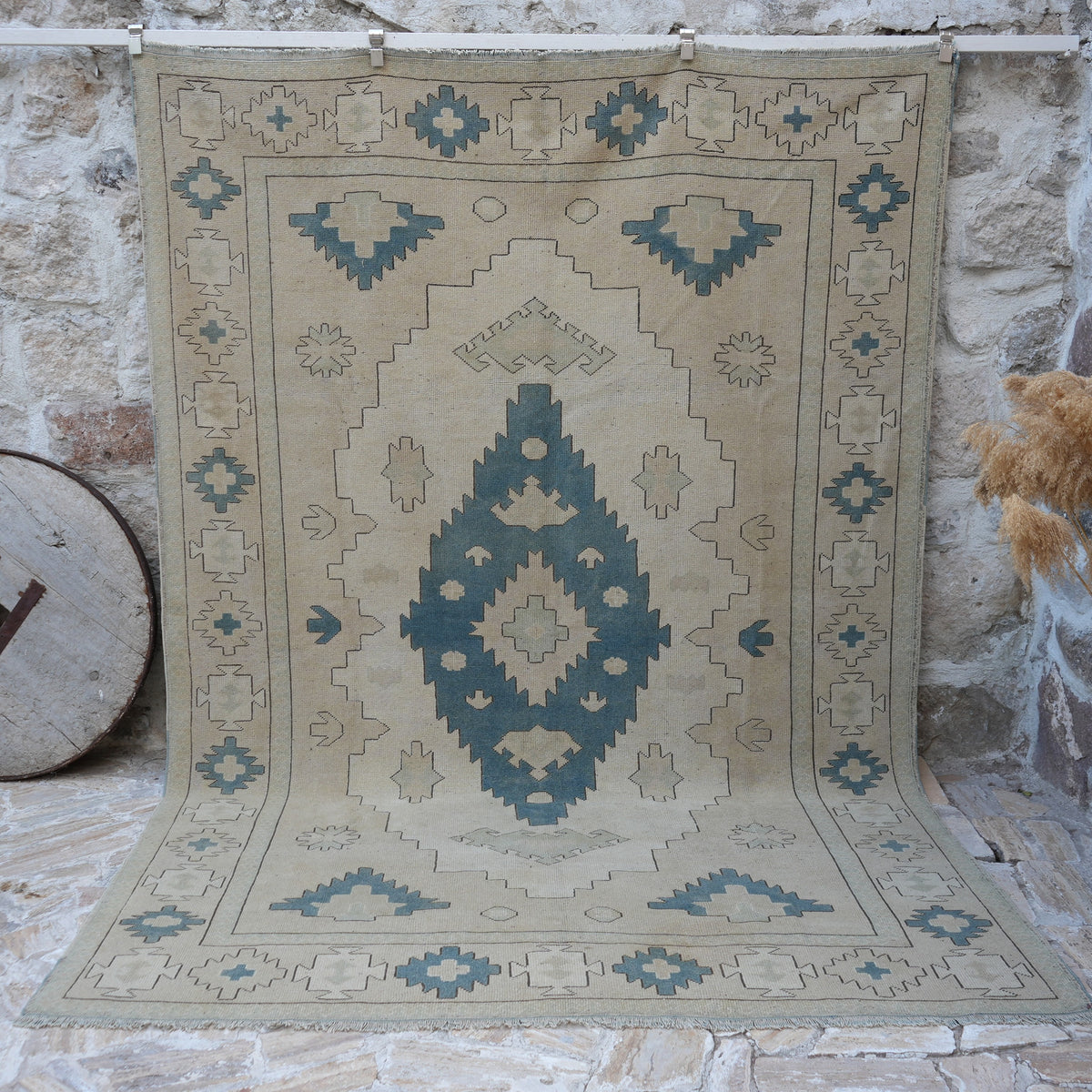
Our green rugs collection has the range for this — sage, olive, moss — if that's the direction you're leaning.
Terracotta: A Warm, Earthy Match for a Brown Rug
Terracotta and warm brown shades often share the same muted red and orange undertones, which is what makes this pairing feel so effortless. It doesn't compete — it just deepens the room.
Outside Aksaray, autumn does something to the color of everything — dirt roads, mudbrick walls, the old kilims hanging outside doorways. I remember one, at a village market, hanging in front of a mudbrick house, the wool the exact color of the ground underneath it. Not close. Exact. That's the image I think of every time someone asks me about terracotta and brown.
For a rustic or Mediterranean-leaning room, explore rust and clay tones — they'll do what no accent pillow can.

Navy Blue: A Classic Contrast for a Brown Rug
Navy isn't a textbook complementary color to brown — blue and orange hold that role on the color wheel. But many warm browns, especially caramel or rust-leaning leather, carry enough orange undertone that navy still creates a strong cool-to-warm contrast. That's why this combination shows up in nearly every rug guide you'll find, and why it earns the repetition.
The mistake I see most is choosing a navy that's too bright. A vivid navy can't carry the weight of a heavy leather couch — it ends up looking thin next to it. What works is a deeper, slightly muted navy, one that leans almost gray at a distance, absorbing the leather's heaviness instead of competing with it.
A customer once sent me a photo of her living room — dark brown leather couch, no idea what to do about the rug. I told her to try navy. She wrote back later, thrilled with the result. Small exchange, but I still think about it — from outside a room, you notice things the person living in it stops seeing.
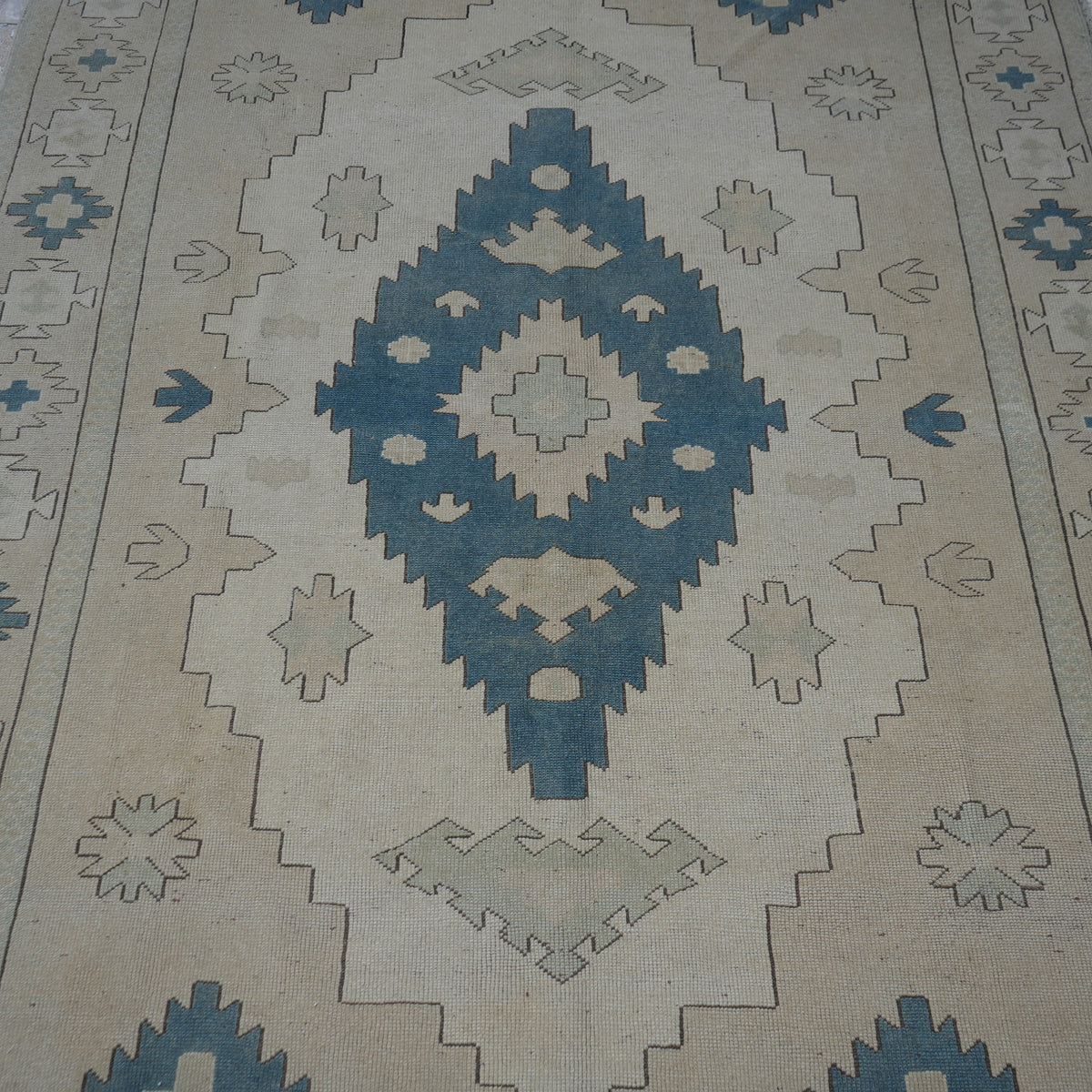
If navy is where you're headed, our blue rugs collection has both the deep and the muted end of that range.
Mustard Gold: Adding Energy to a Brown Rug Palette
Mustard and gold don't soften brown the way sage does — they wake it up. This pairing shows up most in mid-century and farmhouse-leaning homes, where wood tones and clean lines already carry the visual weight and the rug gets to be the one loud thing in the room.
In a mid-century home with wood-legged furniture and straight lines, a mustard rug next to a brown leather chair adds retro-modern energy without fighting the room's restraint.
Browse rugs in gold and ochre if this is your direction — it's a narrower search than you'd expect, and worth doing properly.

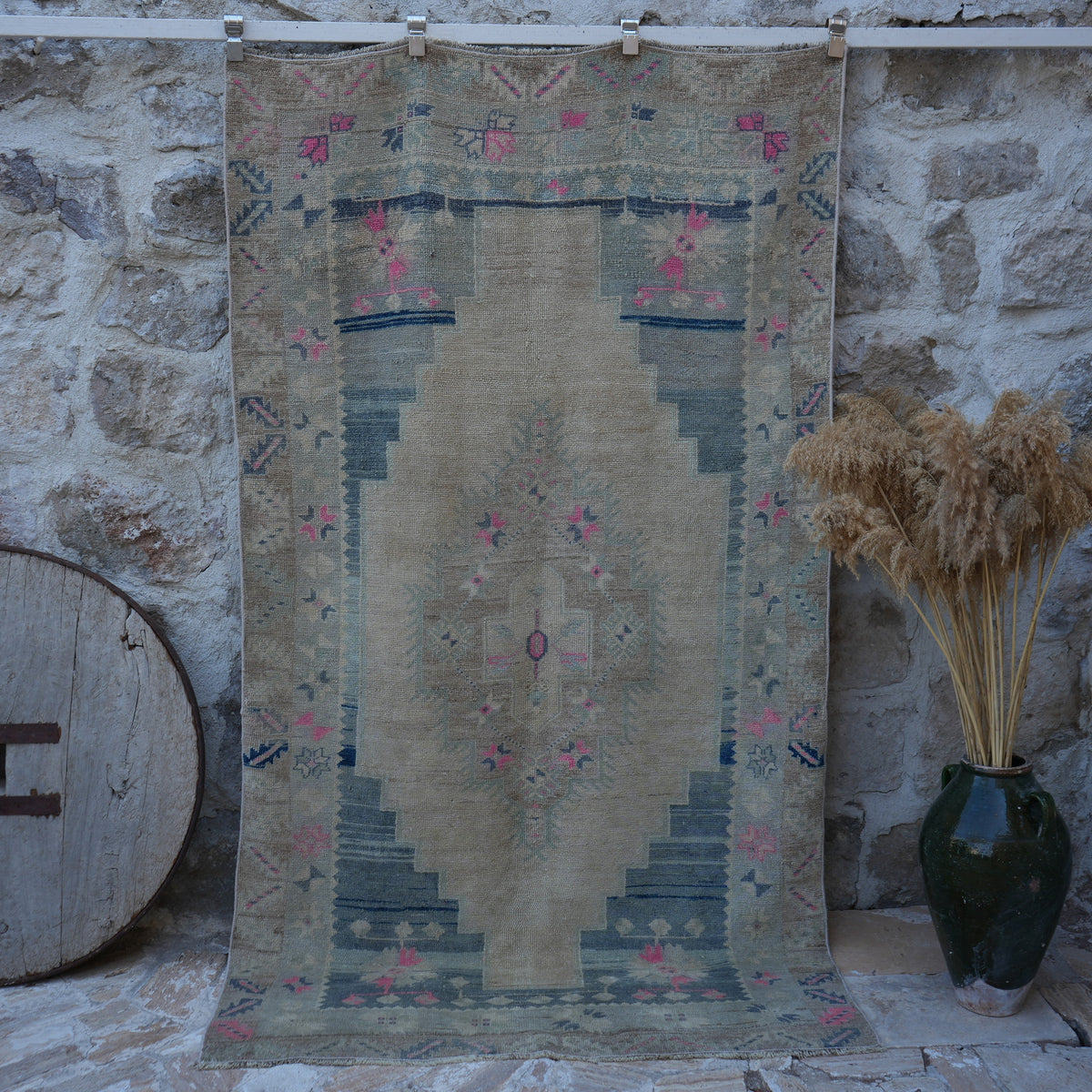
Dusty Pink: A Soft Contrast for a Brown Rug
"Pink?" is usually the first reaction when I suggest it for a bedroom. Then I show a photo, and the reaction flips almost every time.
Dusty, muted pink — not bright, not blush-card pink — softens brown instead of contrasting against it, which is why it works especially well in a bedroom that runs cold in winter. The word I hear back most often isn't "pretty." It's "warm." That's the one that means it worked.
Our pink rugs collection tends to lean toward that muted end of the spectrum, not the loud one.
Ivory and Cream: How to Brighten a Dark Brown Rug
If your room already leans dark — deep brown furniture, brown floors, maybe both — ivory and cream are the release valve. The mistake is choosing it flat: a smooth, solid ivory rug in a heavy brown room reads as empty rather than bright, like the color showed up without bringing texture along with it.
Look for a wool-cotton blend, or something with a subtle woven pattern instead of a flat, plain field — the texture keeps the room from feeling sterile while still lifting it.
Our beige vintage rugs collection is built around exactly this kind of texture-forward ivory and cream.

Warm White and Beige: A Timeless Neutral Match for a Brown Rug
Where ivory brightens a dark room through contrast, warm white and beige do the opposite — they extend the warmth the rug already carries. Linen, oatmeal, camel, and beige sit close to brown on the neutral spectrum, so the effect is tonal, not contrasting: a room that feels layered instead of color-blocked.
This is the palette I'd point toward for a room that should feel lived in for years, not decorated last weekend. Camel throws, oatmeal linen, a beige sofa — none of it competes with the rug, all of it deepens it.
Depending on current availability, our neutral rugs collection often includes camel, oatmeal, and warm beige tones worth seeing in person.
Charcoal Gray: A Modern, Sophisticated Layer for a Brown Rug
I used to just tell people gray works with brown and leave it there. It doesn't — not automatically. There's warm gray and cool gray, and pairing the wrong one with brown is how a room ends up looking like two separate decisions stacked on top of each other instead of one.
Now I ask a simpler question first: does the room feel warm or cold? A room with a lot of wood and southern light wants a warmer gray, sometimes called greige. A colder, north-facing room can carry a true charcoal without it feeling harsh.
Our gray rugs collection spans both ends of that range, which matters more than people expect going in.

Burgundy: A Bold Jewel-Tone Pairing for a Brown Rug
Burgundy next to brown reads immediately as library — dark wood, leather-bound books, a room that isn't trying to be bright, just rich. It's one of the few pairings here where more darkness is the goal.
Paired with dark wood shelving and a brown leather chair, a burgundy rug can turn a home office into something closer to a private study than a workspace.
If that's the room you're building, deep wine and burgundy tones are worth watching for — they don't stay in stock long.
Teal: A Fresh, Unexpected Pairing for a Brown Rug
Teal is the pairing I recommend least often — not because it doesn't work, but because it takes a certain kind of room: plants, mixed textures, a little boldness. Brown gives it something grounded to sit against instead of floating on its own.
Layered with teal pillows or a mix of textures, a brown kilim can carry more color than most people expect without losing its grounding warmth.
A small but genuinely good teal range shows up from time to time — worth checking back for.
How to Choose the Right Brown Rug Shade for Your Color Palette
Knowing which colors coordinate with a brown rug is one thing — matching one to your specific room is the harder part.
Light Brown vs. Dark Brown Rug Undertones
Darker, patterned brown rugs tend to be more forgiving in high-traffic areas — they hide everyday wear that a light rug can't. Light brown can make a small space feel softer and visually more open, though it tends to show everyday marks more easily.
The bigger mistake isn't light versus dark, though. It's ignoring undertone entirely. Most people think of "brown" as one category. Some browns lean red, some lean gray, and pairing the wrong one against reddish wood floors or furniture makes a room look muddy rather than cohesive, even when every individual piece is, technically, brown.
Matching a Brown Rug to Your Room's Existing Colors
The simplest method: photograph your furniture in natural daylight, not lamp light, and hold that photo against rug options before buying anything. Reddish wood wants warmth in the rug's undertone; gray-leaning wood wants a cooler brown. It sounds obvious written down. It's the step almost everyone skips.
Our vintage rugs collection is a good place to see this range in person — the tonal variety across pieces makes undertone differences far easier to spot than in a single product photo.

Styling Brown Rugs Room by Room
Brown Rugs in Living Room Layouts
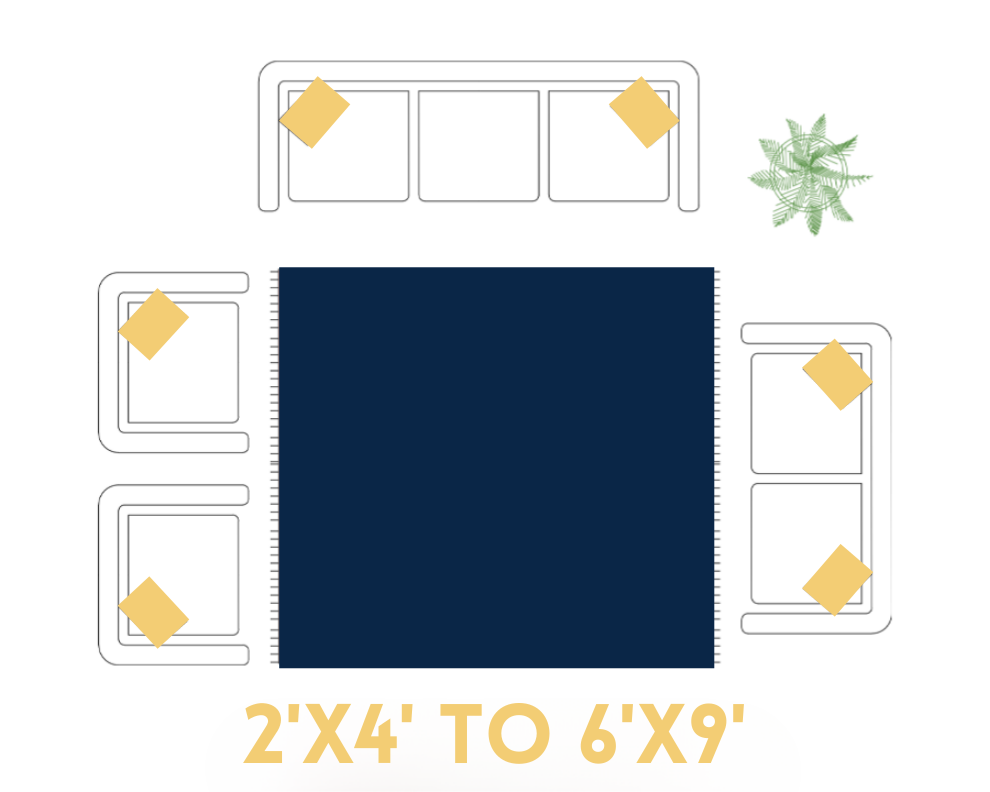
In most living rooms, placing at least the front legs of the sofa and chairs on the rug creates a more connected layout — a rug that stops well short of the furniture tends to look like an afterthought. Many standard living rooms work well with an 8x10 or 9x12 rug, but the right size depends on your seating arrangement and the room's actual measurements, not a fixed rule.
A customer once sent me a photo of her living room: the rug sat in the middle like a small island, sofa legs nowhere near it. I told her to size up. The next photo looked like a different room entirely — same furniture, same walls.
Our living room rugs collection is organized by size for exactly this reason.
Brown Rugs in Bedroom Layouts
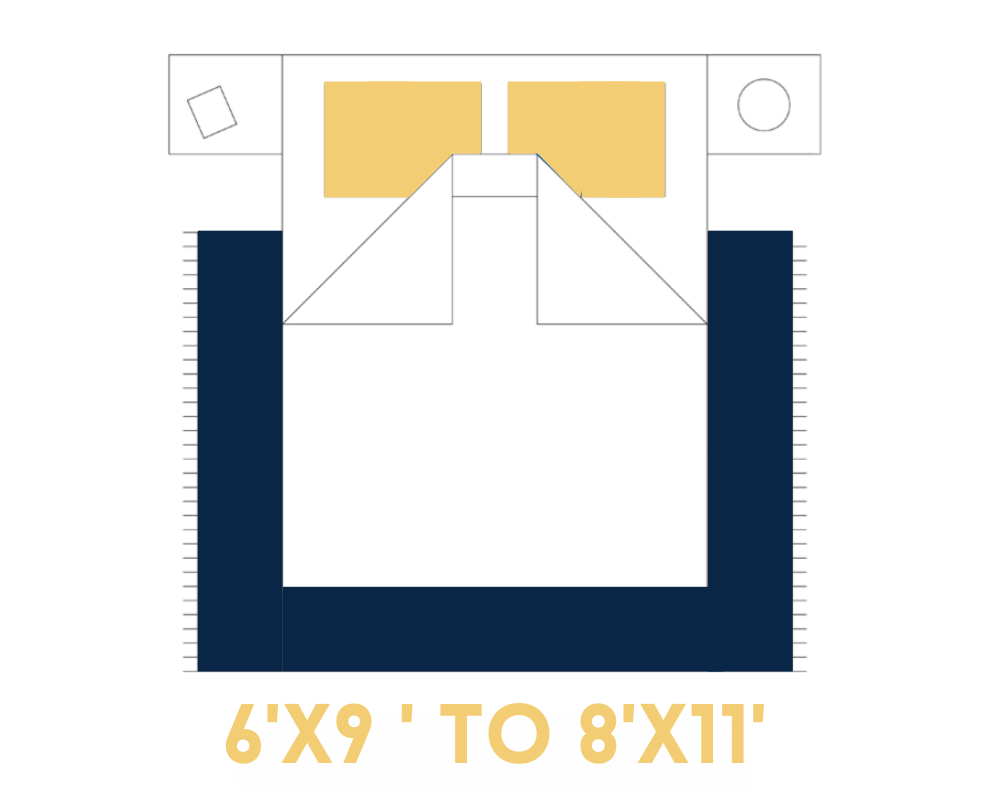
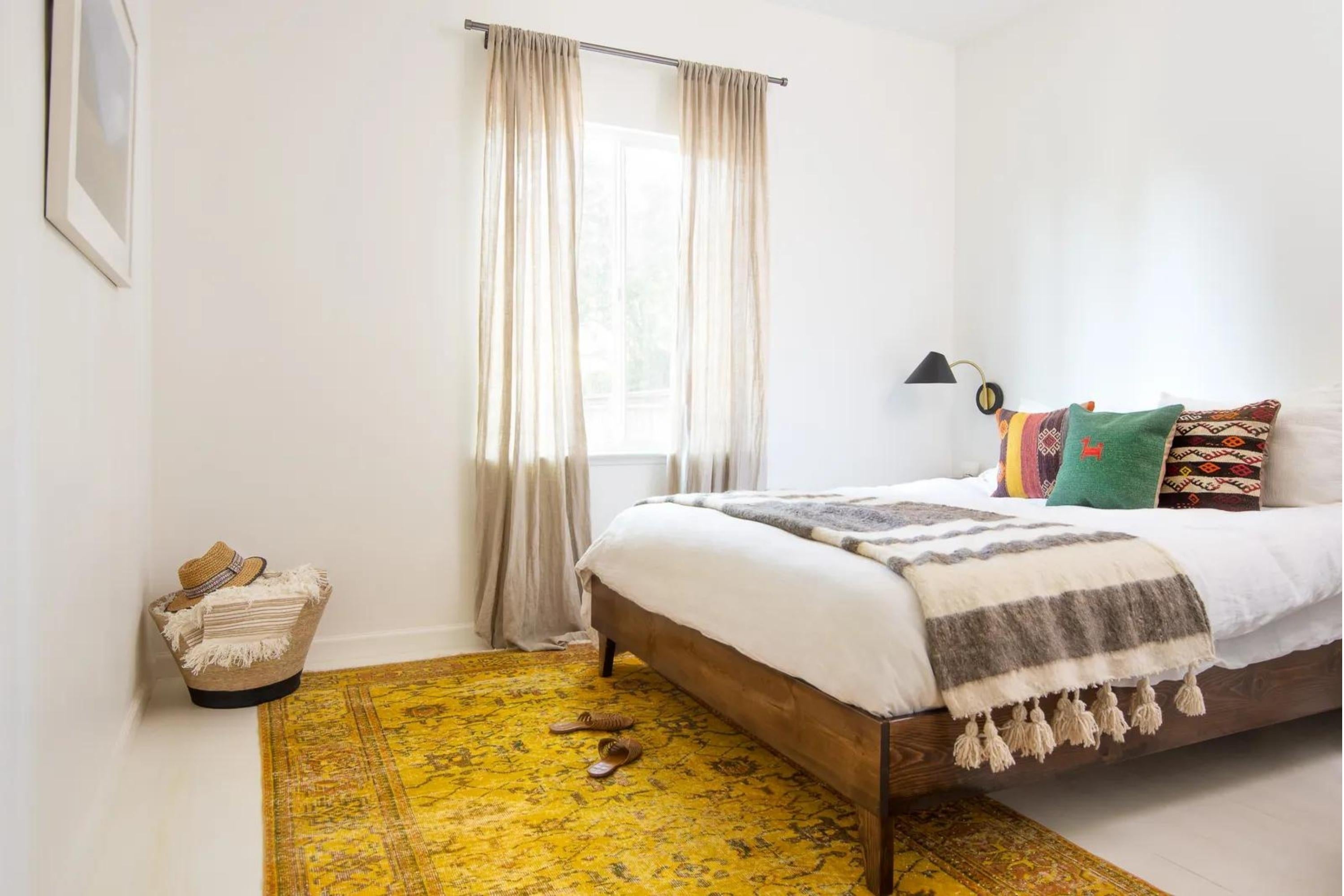
In a bedroom, the rug should extend 18 to 24 inches beyond the sides of the bed — enough that your feet land on it getting up, not on cold floor. Combined with a warm brown tone, that's most of what makes a bedroom feel finished.
Browse our bedroom rugs collection for sizes that can extend comfortably beyond the bed.

The Anatolian Craft Behind Kirmen's Brown Rugs
Dyeing has run in my family since my grandfather. Root dye, walnut husk, sometimes nothing more than months of sun bleaching — that's how a brown gets made in Cappadocia, done the same way for longer than anyone in my family can date precisely.
A factory mixes a color once and reproduces it exactly, batch after batch. We don't. Every dye pot comes out slightly different — the walnut husks vary, the water varies, the light in the room where the wool dries varies. I tell customers: a factory copies a color. We rediscover it every time. That's not a marketing line — it's just how the wool behaves when you don't force it otherwise.
If that's the kind of brown you're after, our handwoven Turkish rugs collection is where to start looking.
It was just what wool looked like before anyone touched it. Somewhere between Aksaray and now, it became a decorating decision people research before making — undertones, complementary colors, room-by-room rules. I understand why. I just also know that some of the best brown rugs I've ever sold were the ones nobody planned around a mood board. They simply felt right.
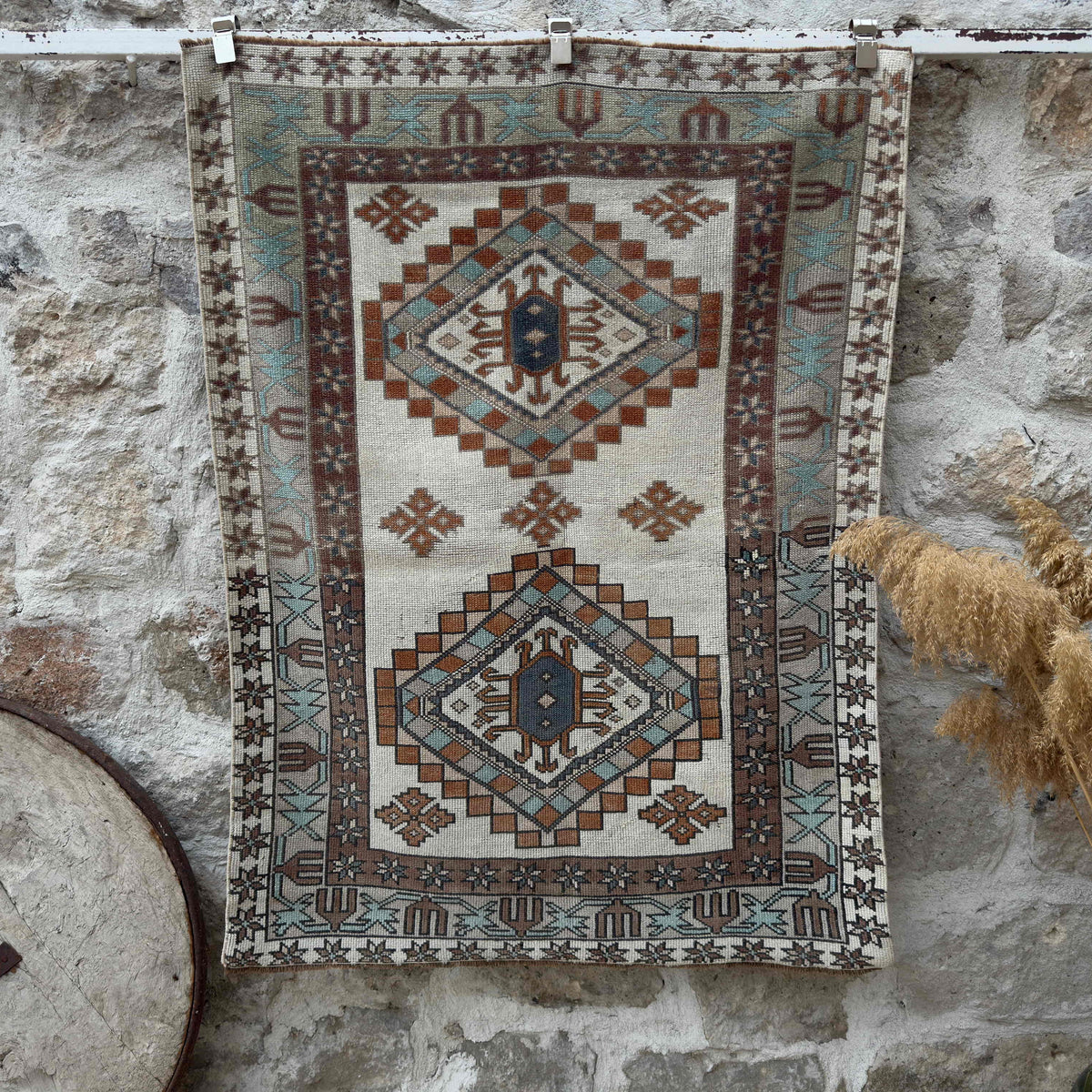
If you want to see that range for yourself, shop our brown rugs collection and look for the one that doesn't need explaining. Every piece is sourced directly in Anatolia, professionally cleaned, and shipped from our Cappadocia workshop — without the traditional showroom markup.
Shop Brown, Neutral & Vintage Rugs
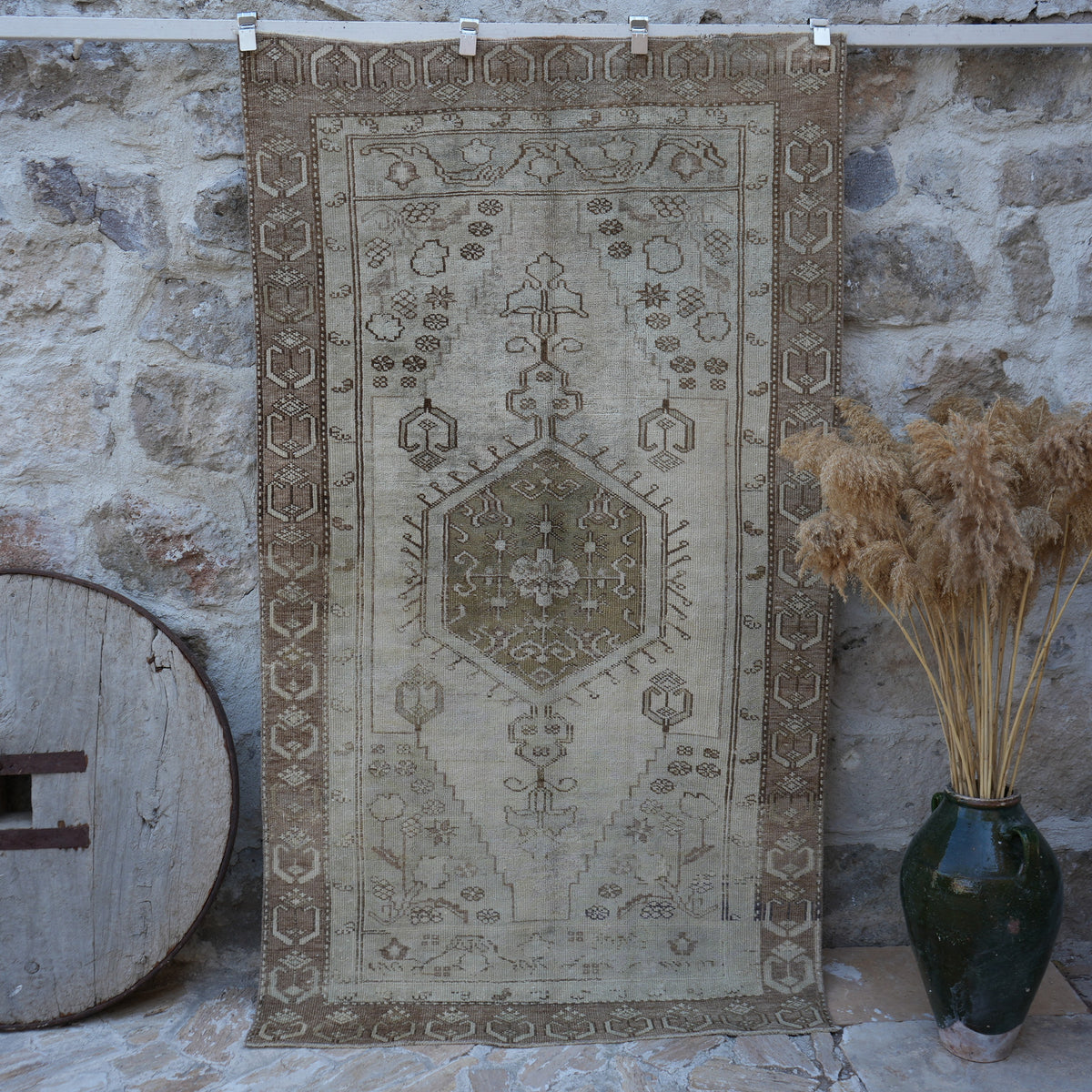















What Color Rug Goes Best with a Brown Leather Couch?
Navy blue, sage green, and ivory pair best with a brown leather couch: navy adds contrast without competing, sage softens it, and ivory brightens a room the leather tends to make heavy. Which one is right depends on how warm or dark your particular leather runs.
Do Brown Rugs Work in Modern, Minimalist Homes?
Yes — paired with charcoal gray or a clean ivory, brown reads as warm-neutral rather than dated. The key is choosing a rug with little to no pattern, so it supports the room's restraint instead of working against it.
Does a Brown Rug Fade or Change Color Over Time?
Vintage rugs can soften in color as they age, and on a hand-dyed rug that's not necessarily a flaw. But it isn't purely cosmetic — prolonged direct sunlight can fade dyes unevenly and weaken natural fibers, not just add character. Rotating the rug periodically and using UV-filtering window treatments helps it age more evenly.
For the full range of tones this produces, our handmade brown rugs collection is worth spending real time in.

