











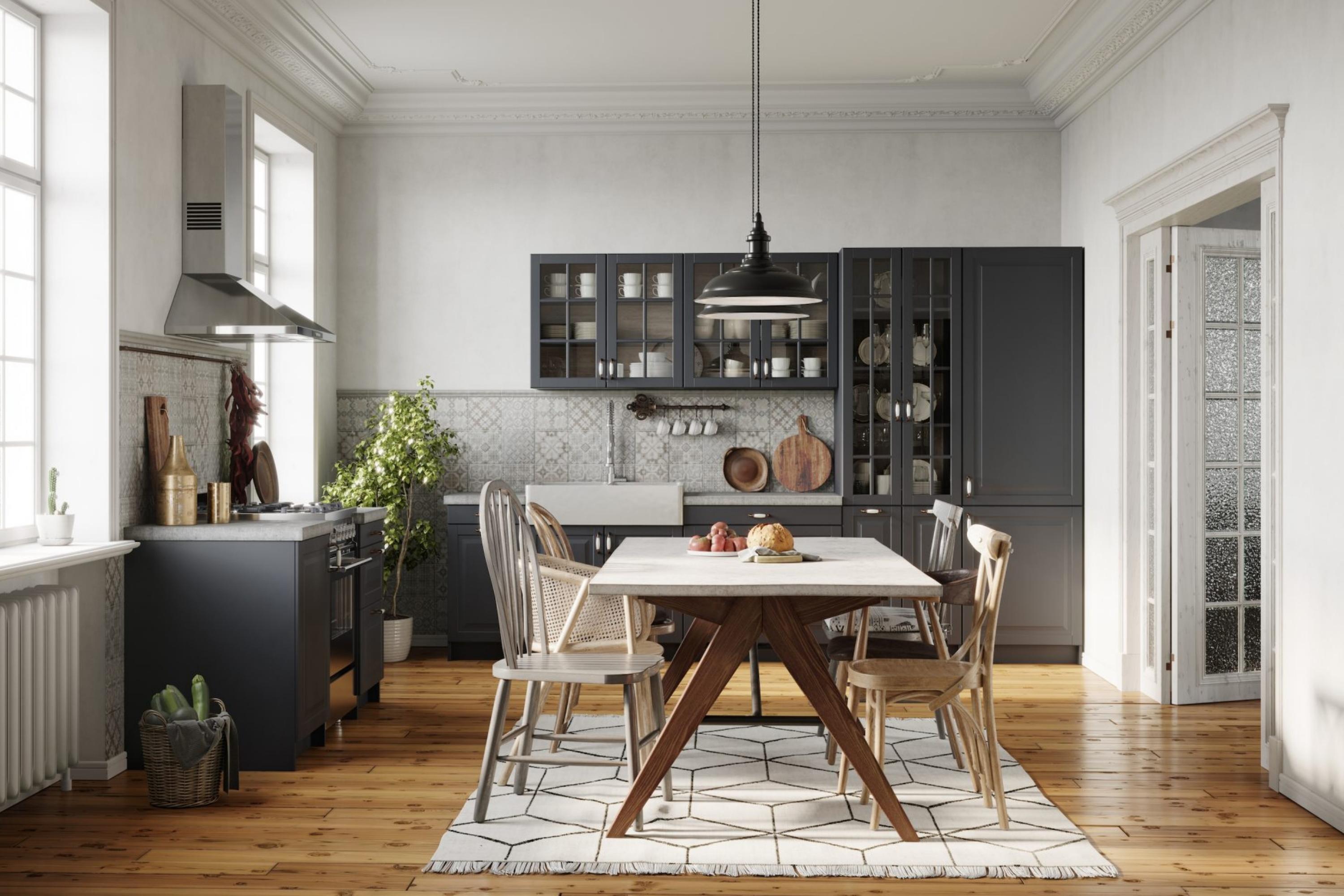

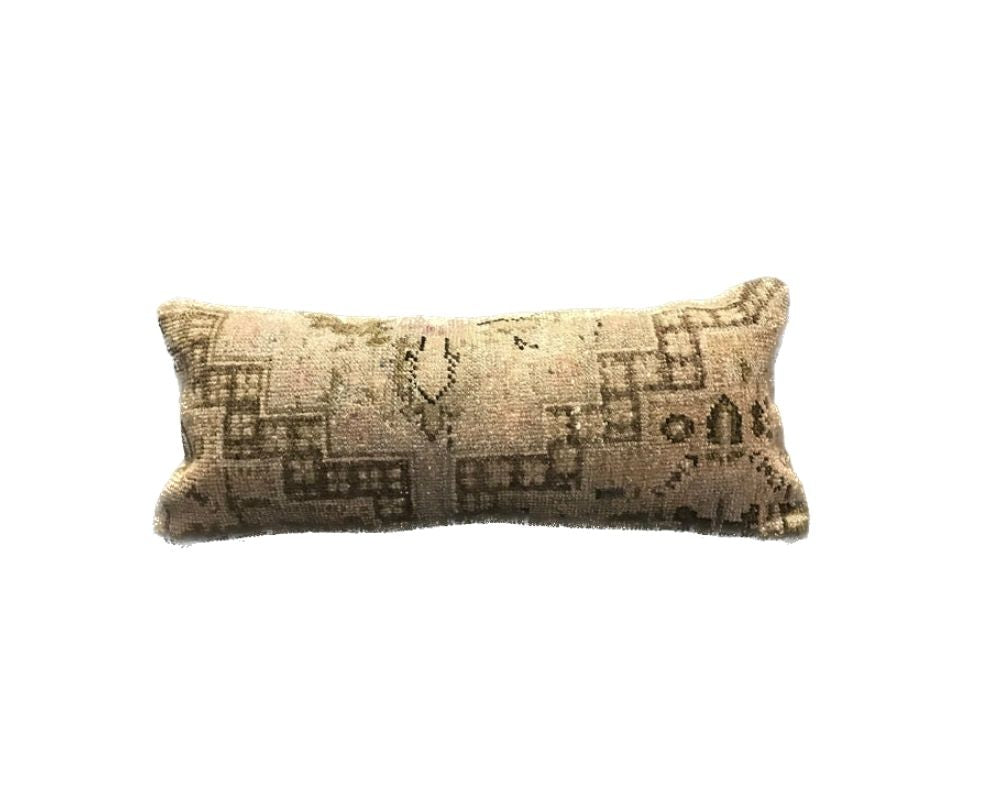
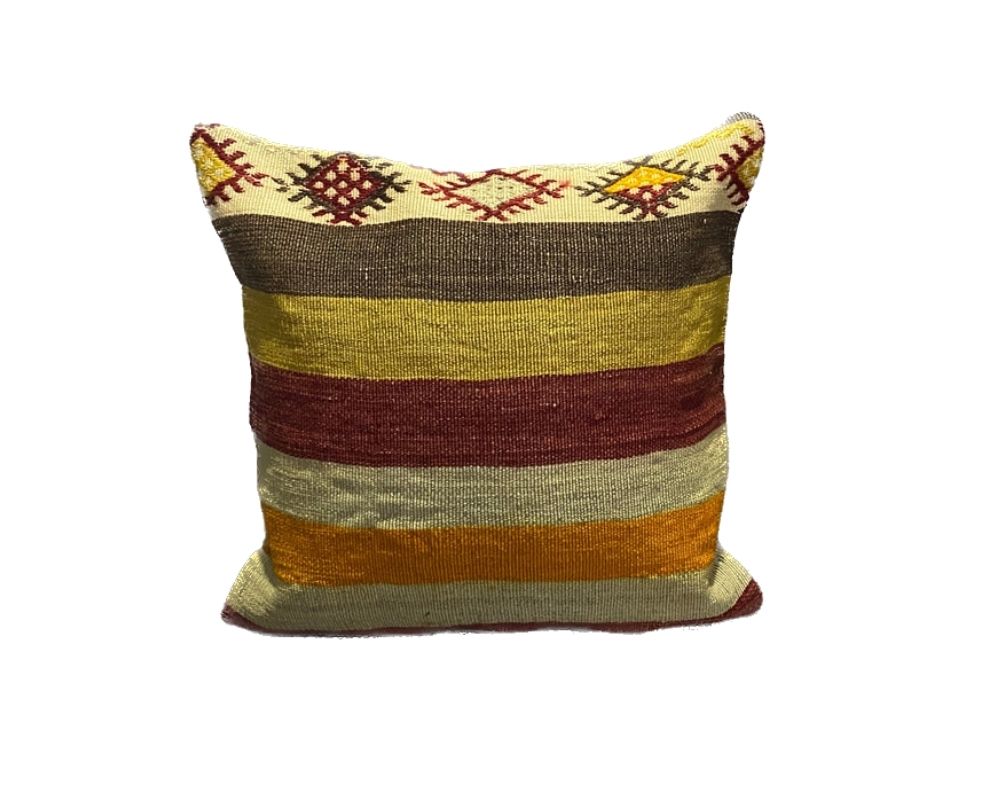
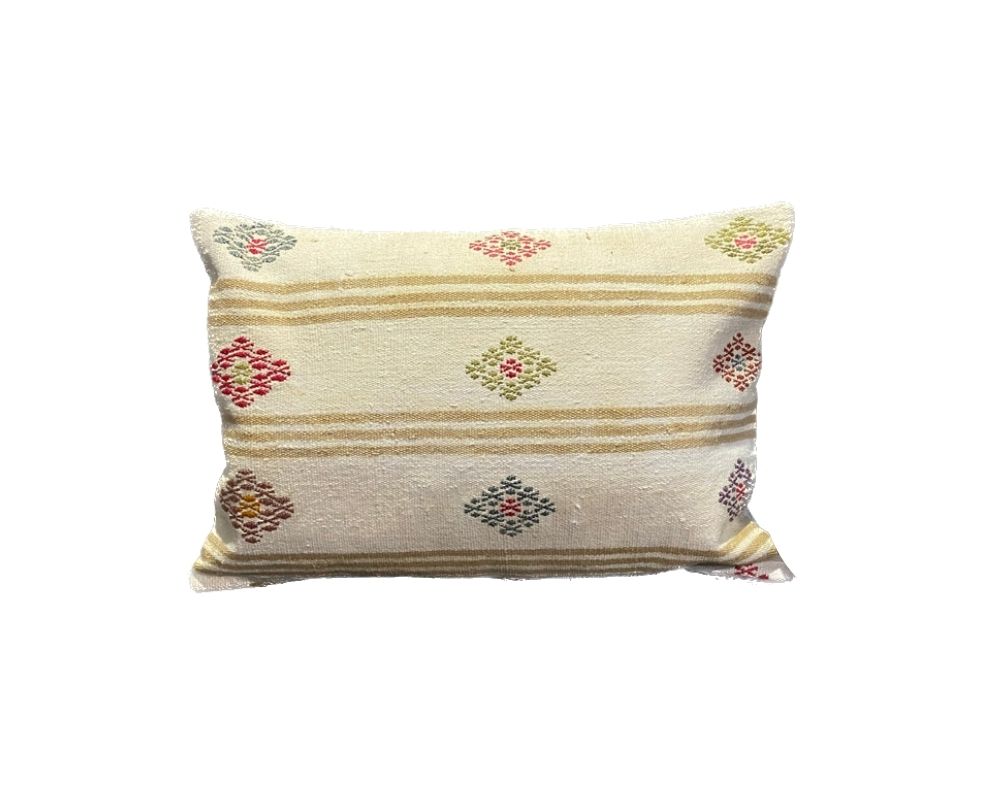
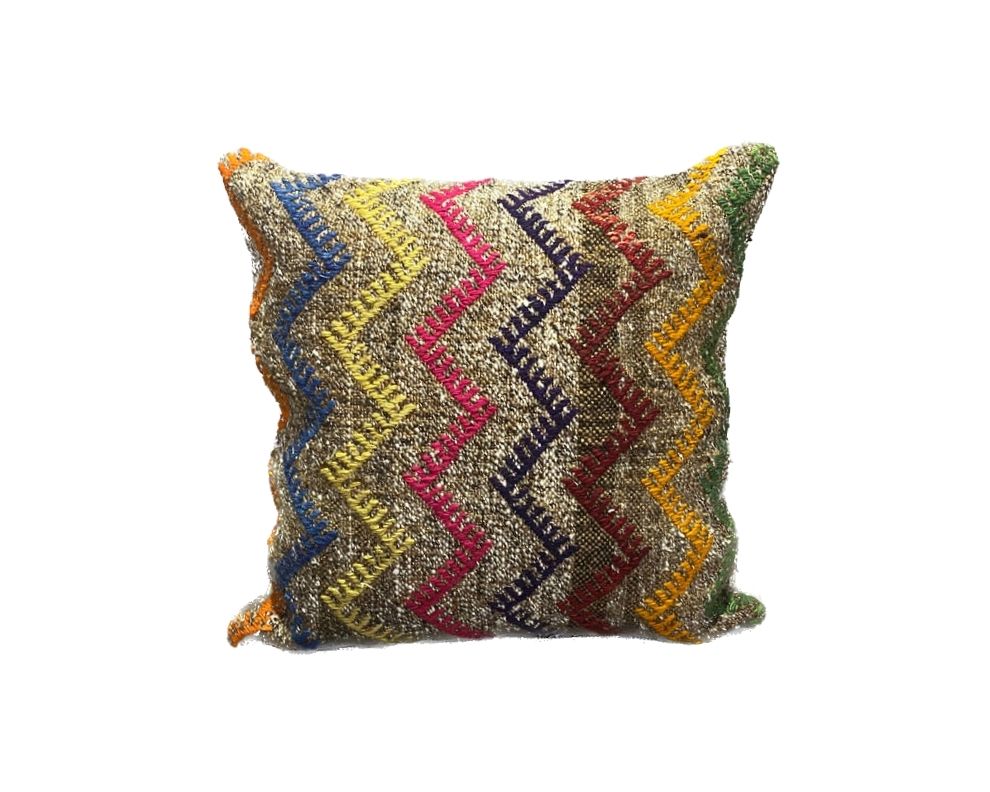

"Modern" and "mid-century modern" get used interchangeably — in furniture stores, on interior design blogs, sometimes even by decorators. The confusion is understandable. Both styles value clean lines. Both tend to avoid heavy ornamentation. Both work well in open, airy spaces.
But the similarities stop there. Once you understand what separates them, choosing a rug for either style becomes much less guesswork.
Both styles love clean lines, but they ask very different things from a rug. One wants quiet. The other wants warmth, structure, and character.
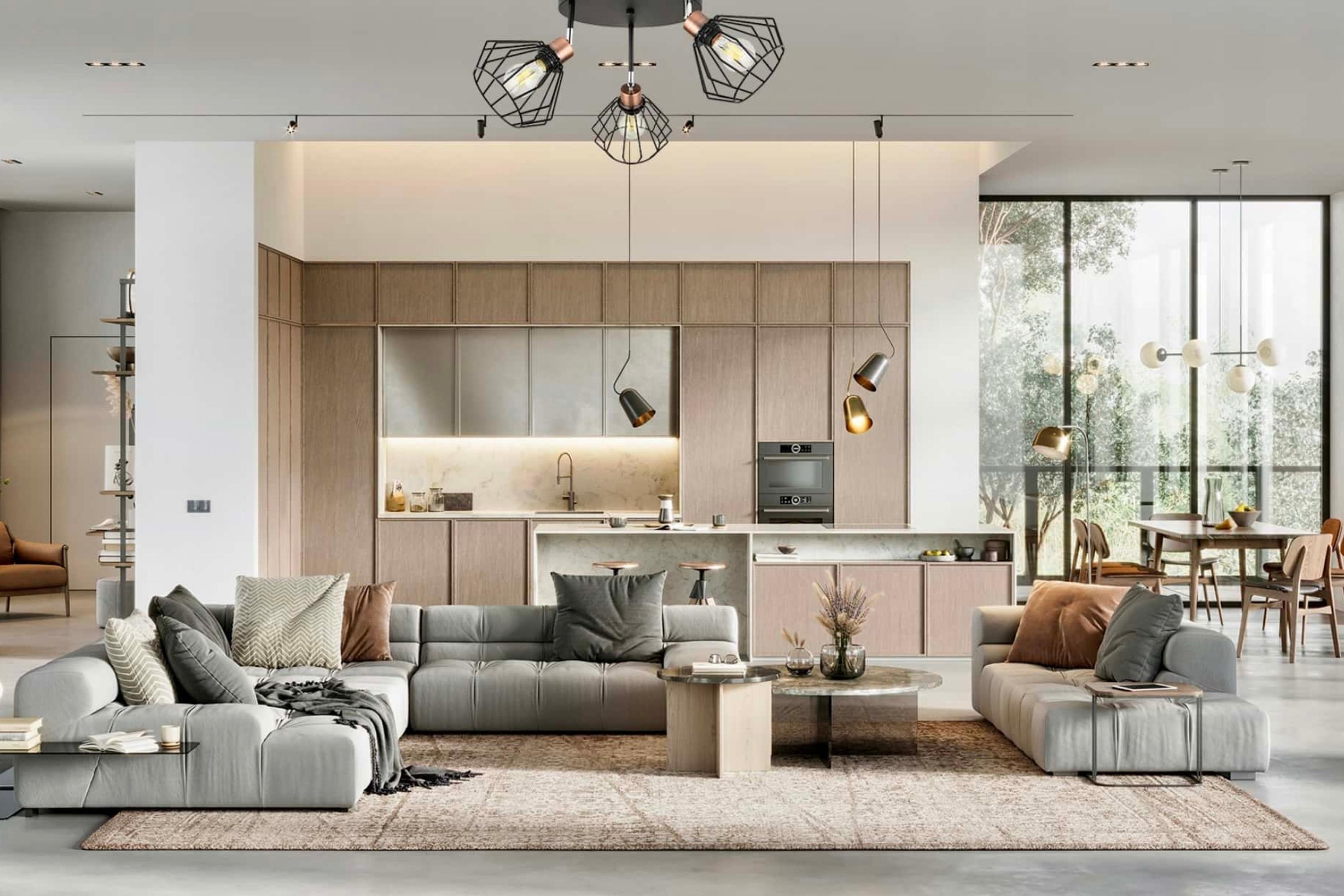
Neutral palette, low pattern, soft texture, and a calm visual role.
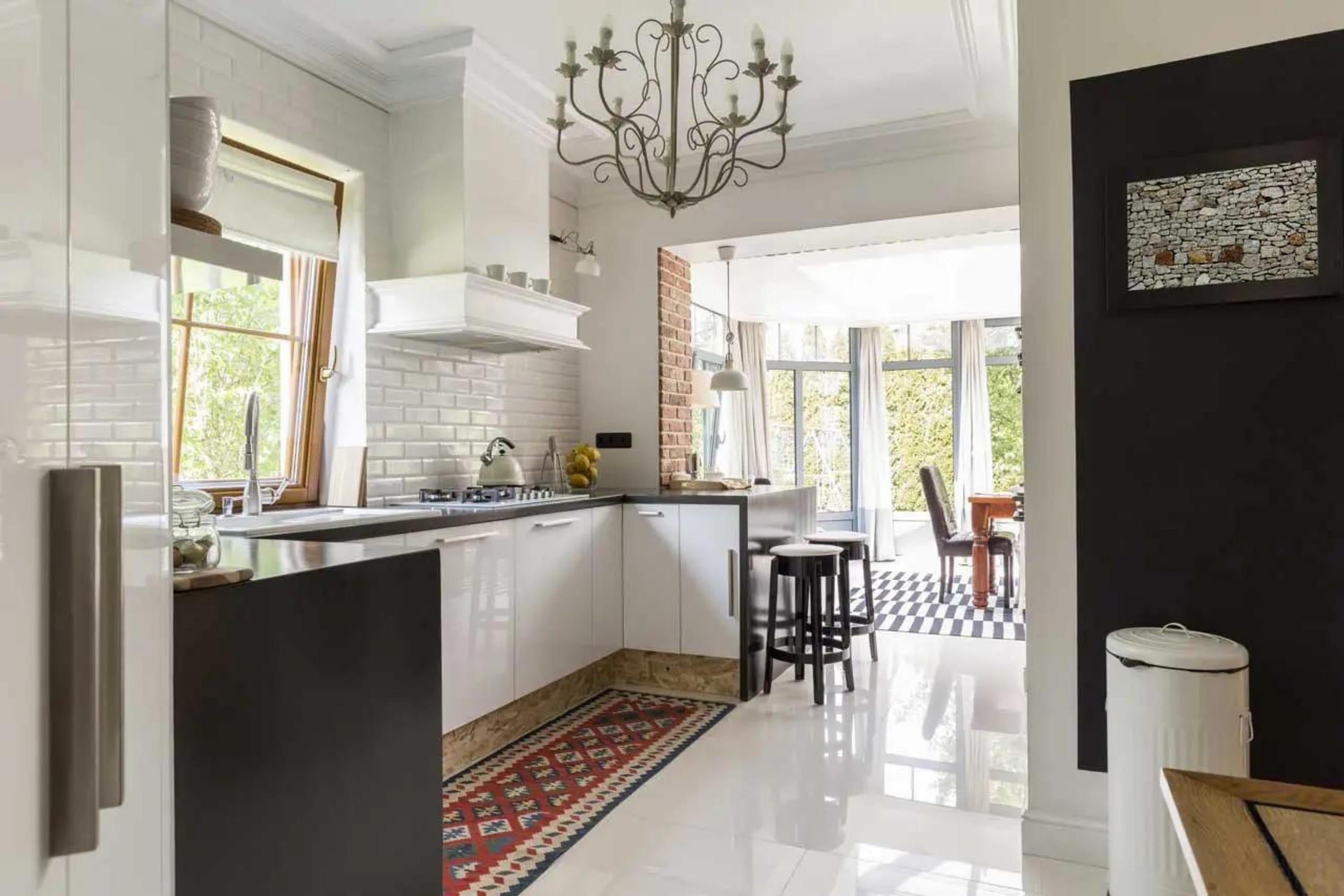
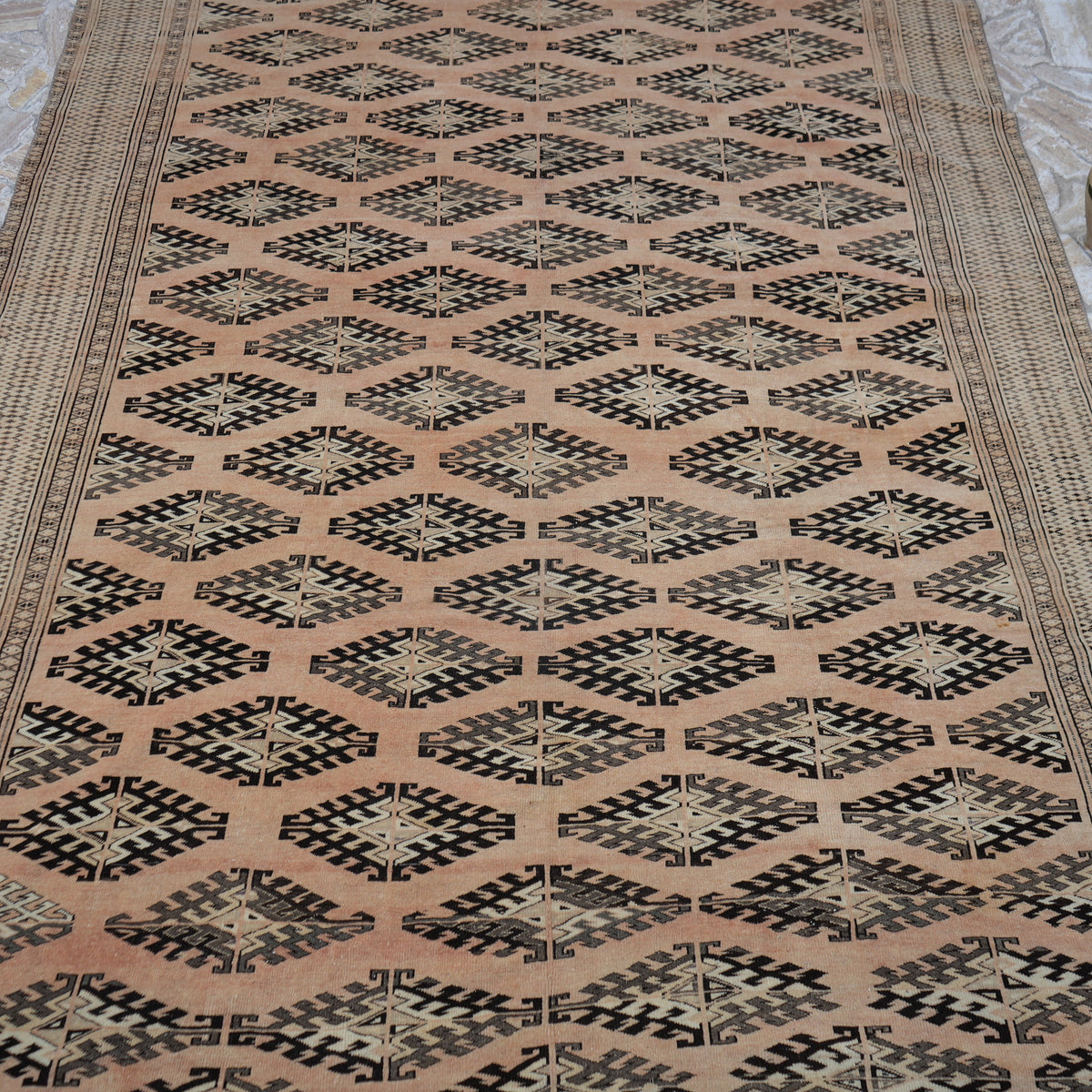
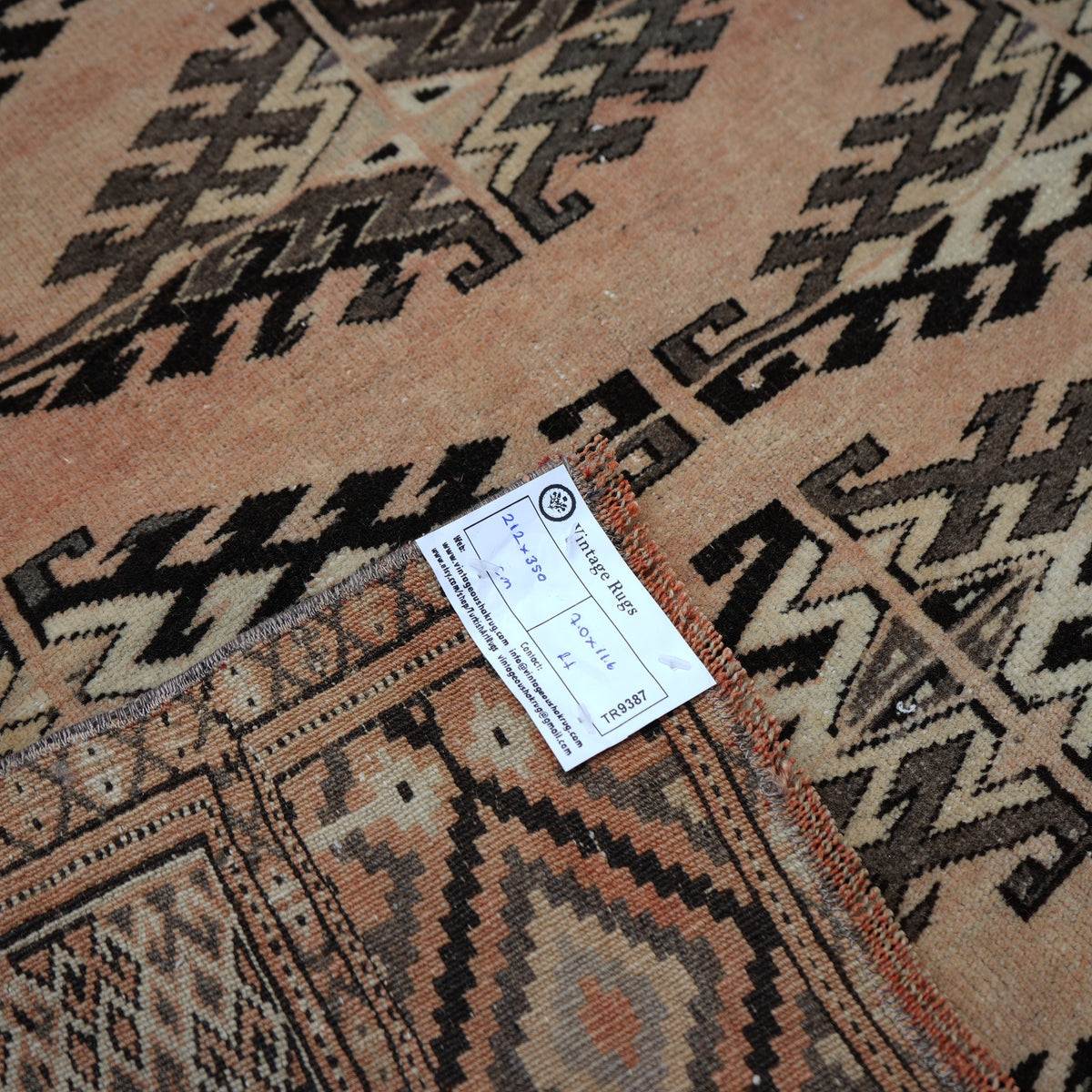
Geometric pattern, earthy color, walnut tones, leather and personality.
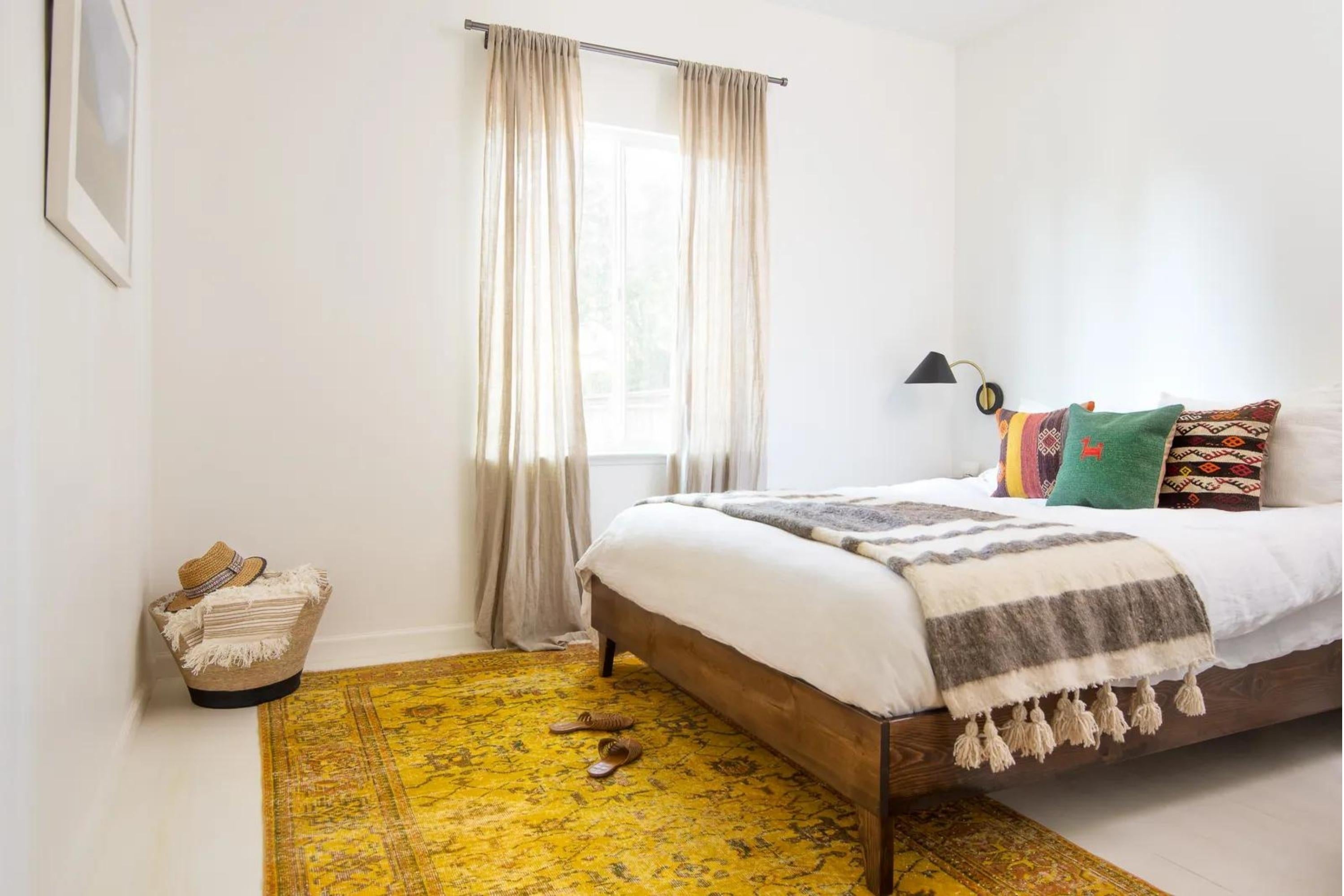
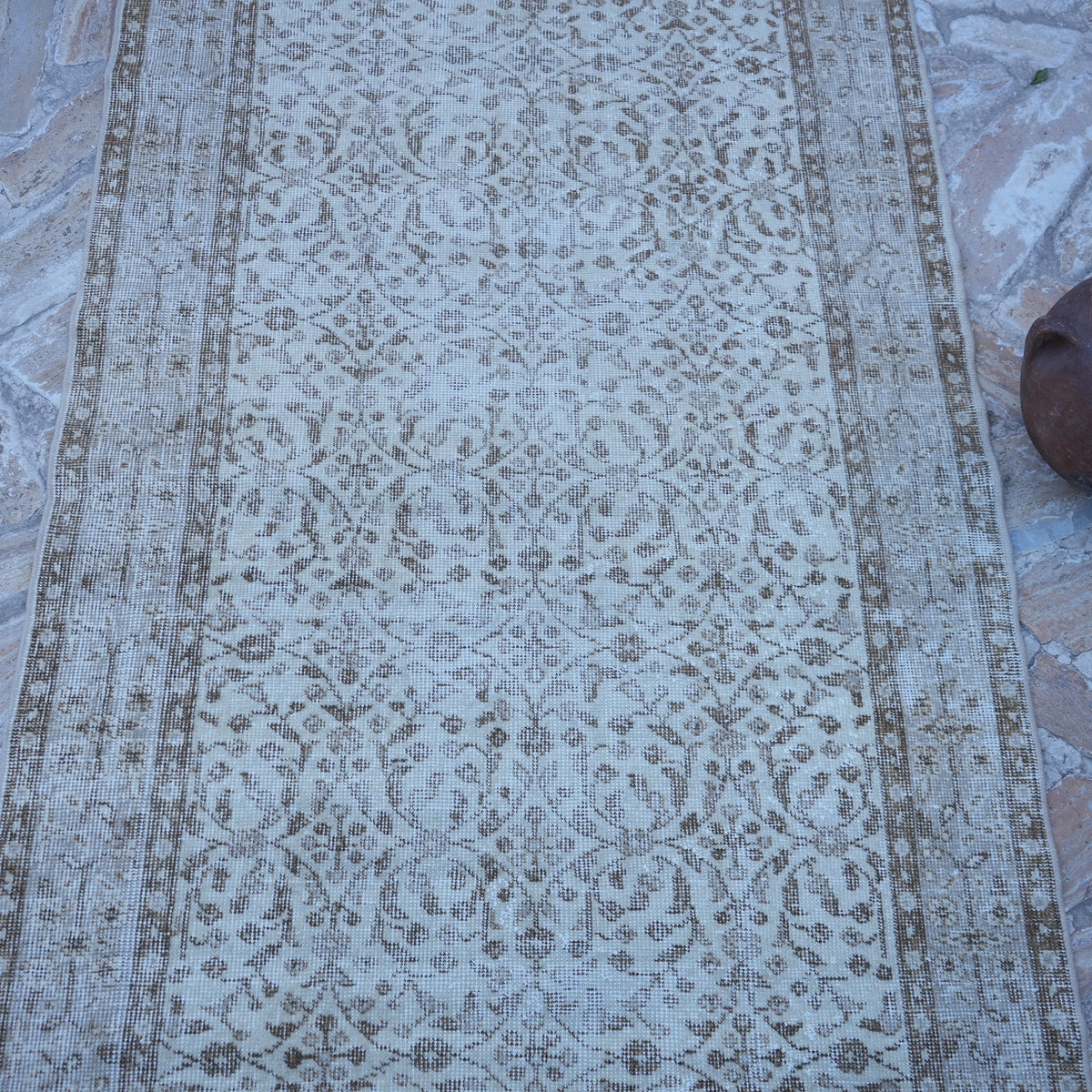
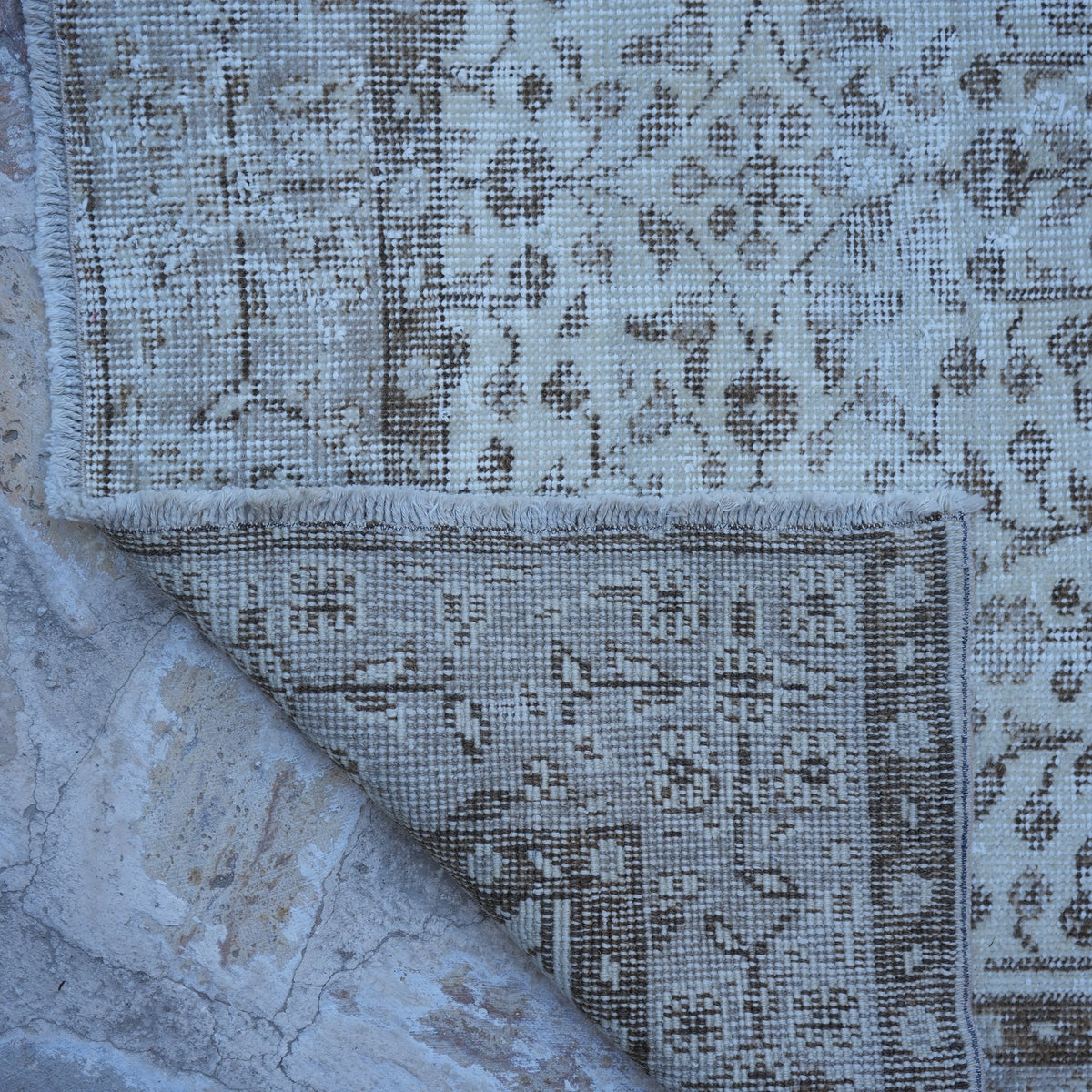
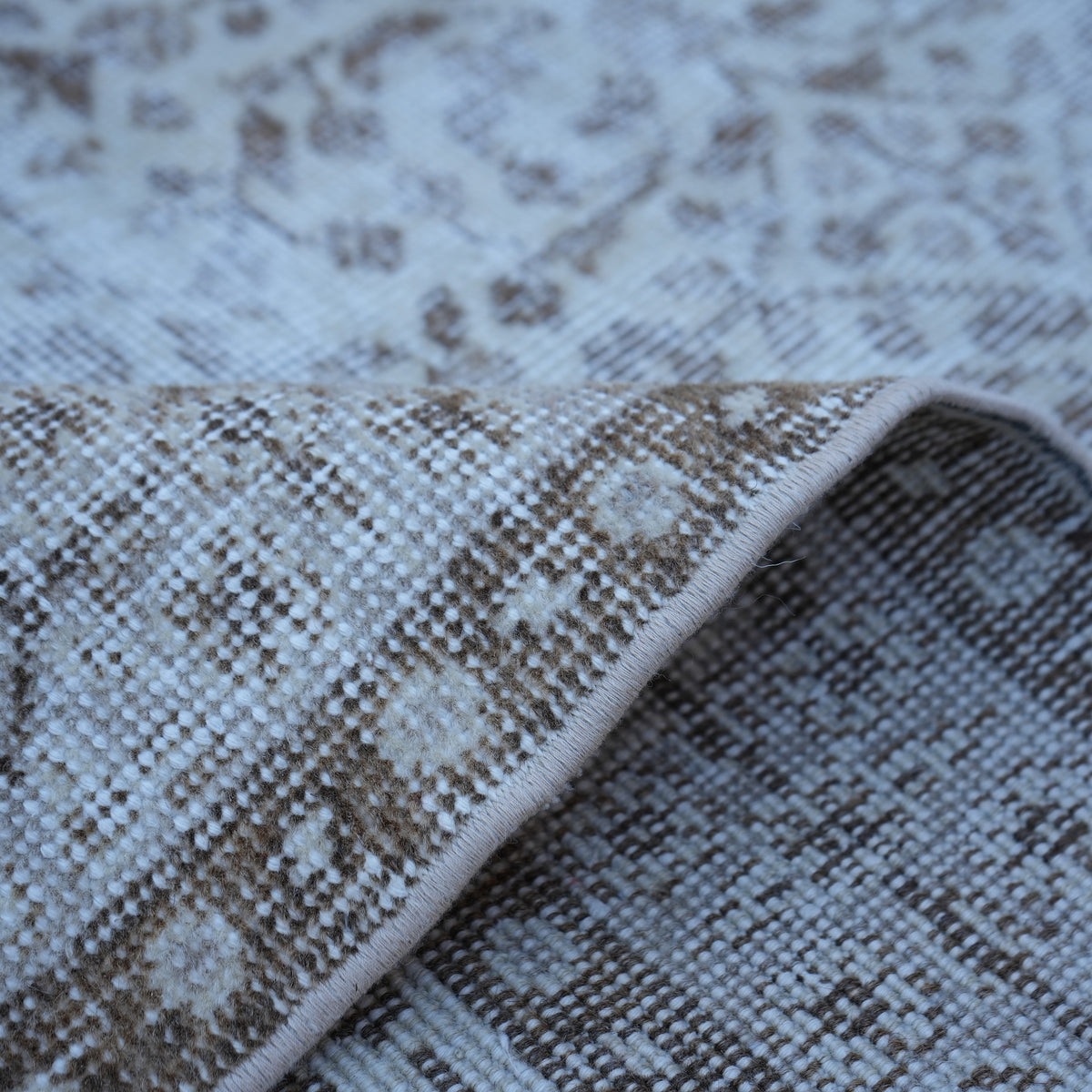
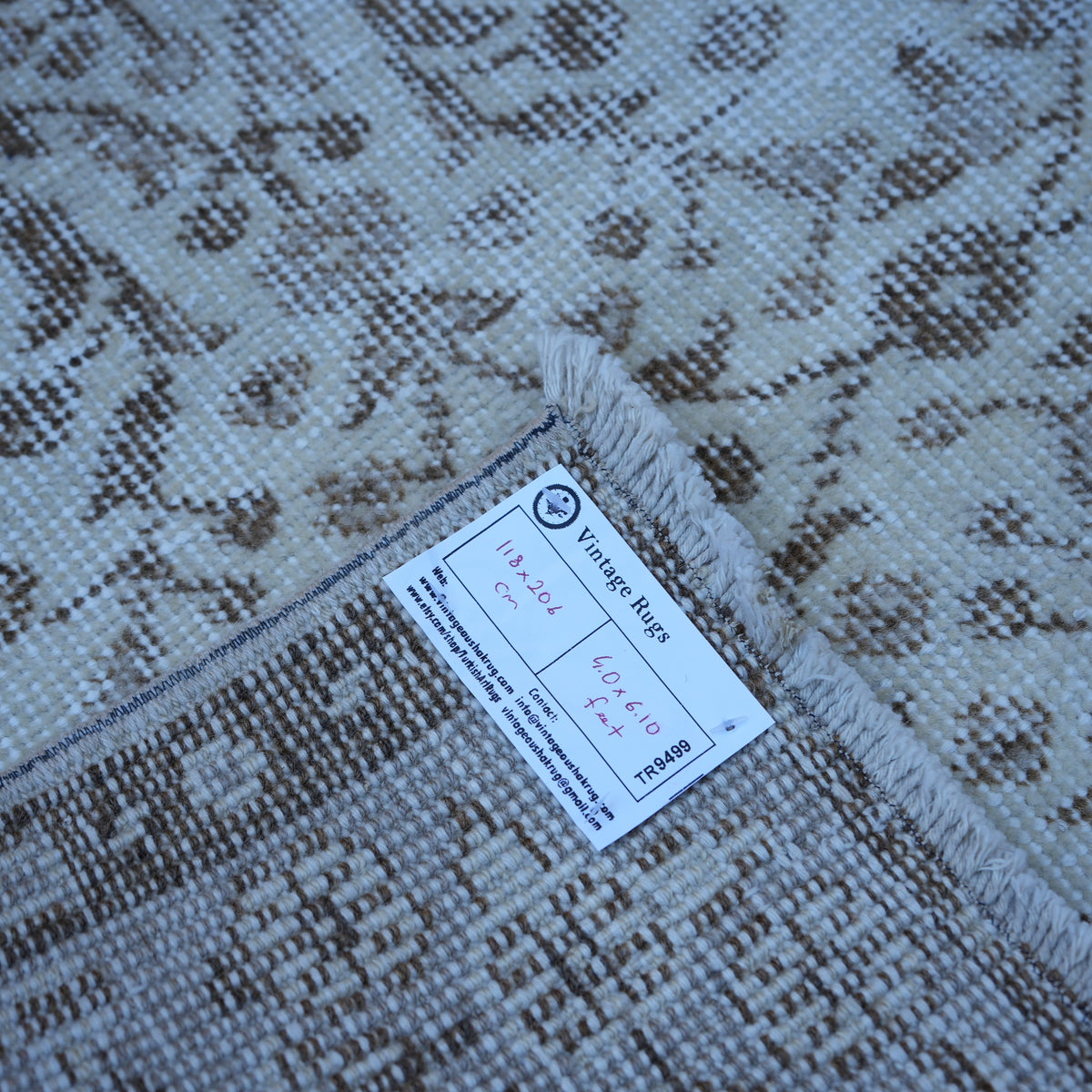
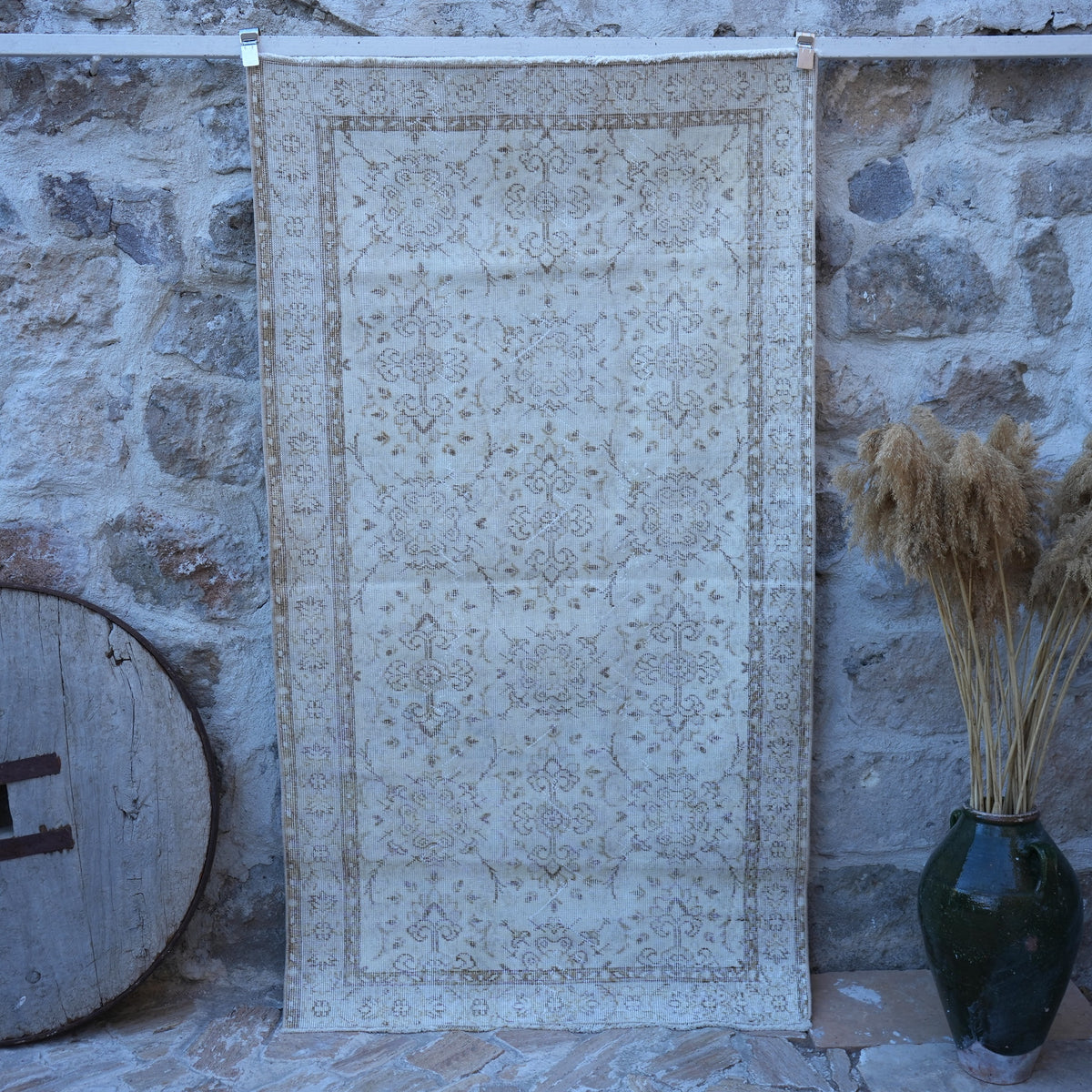
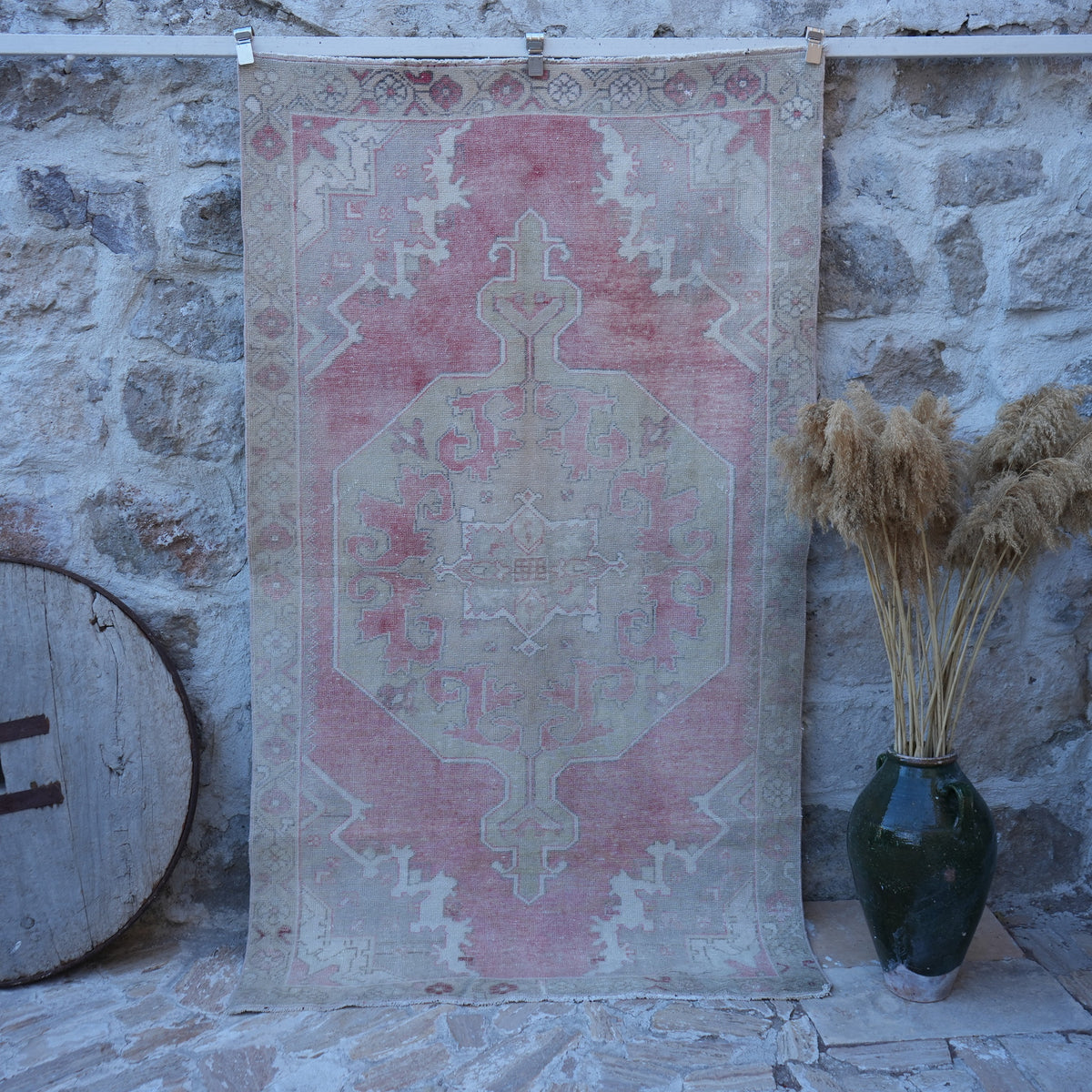
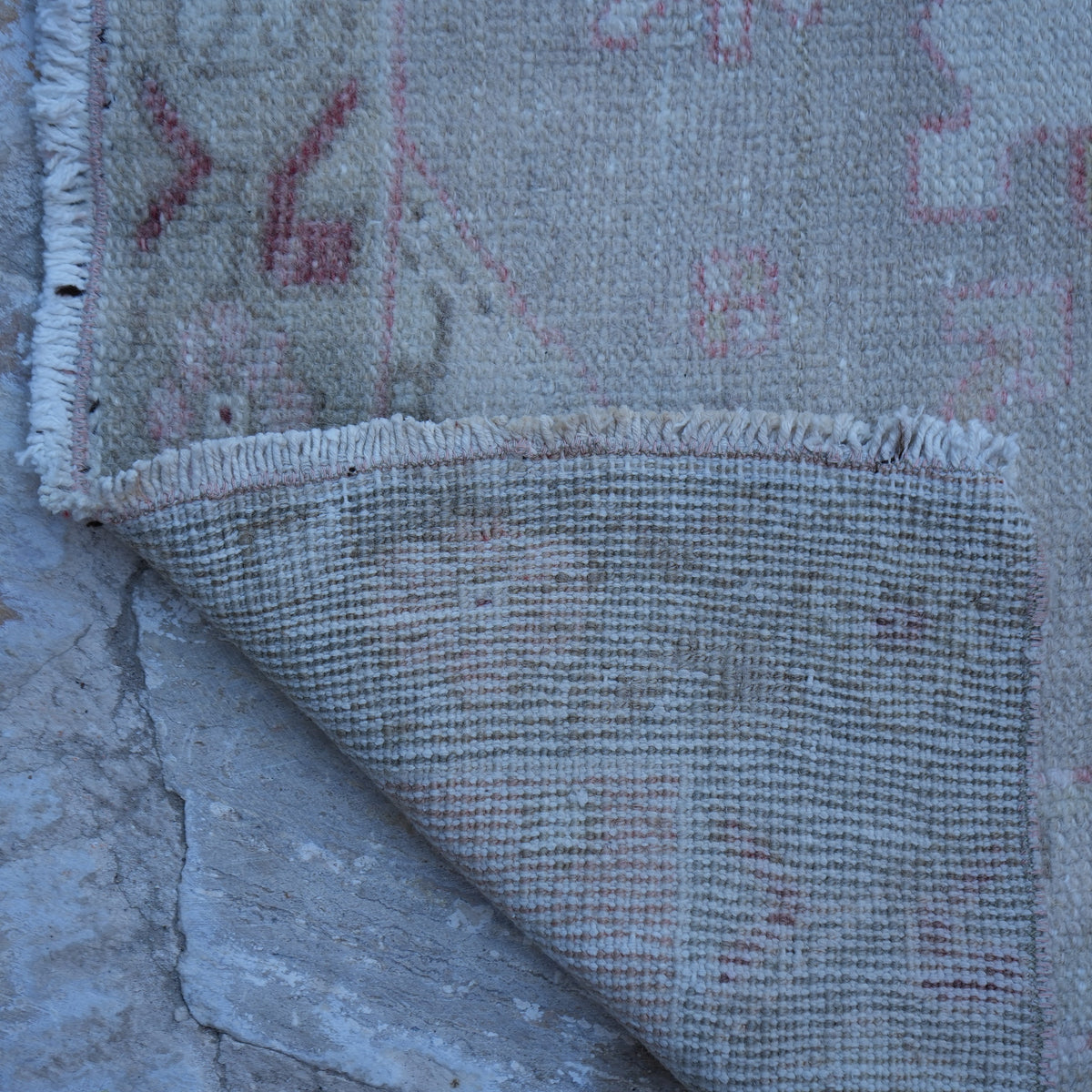
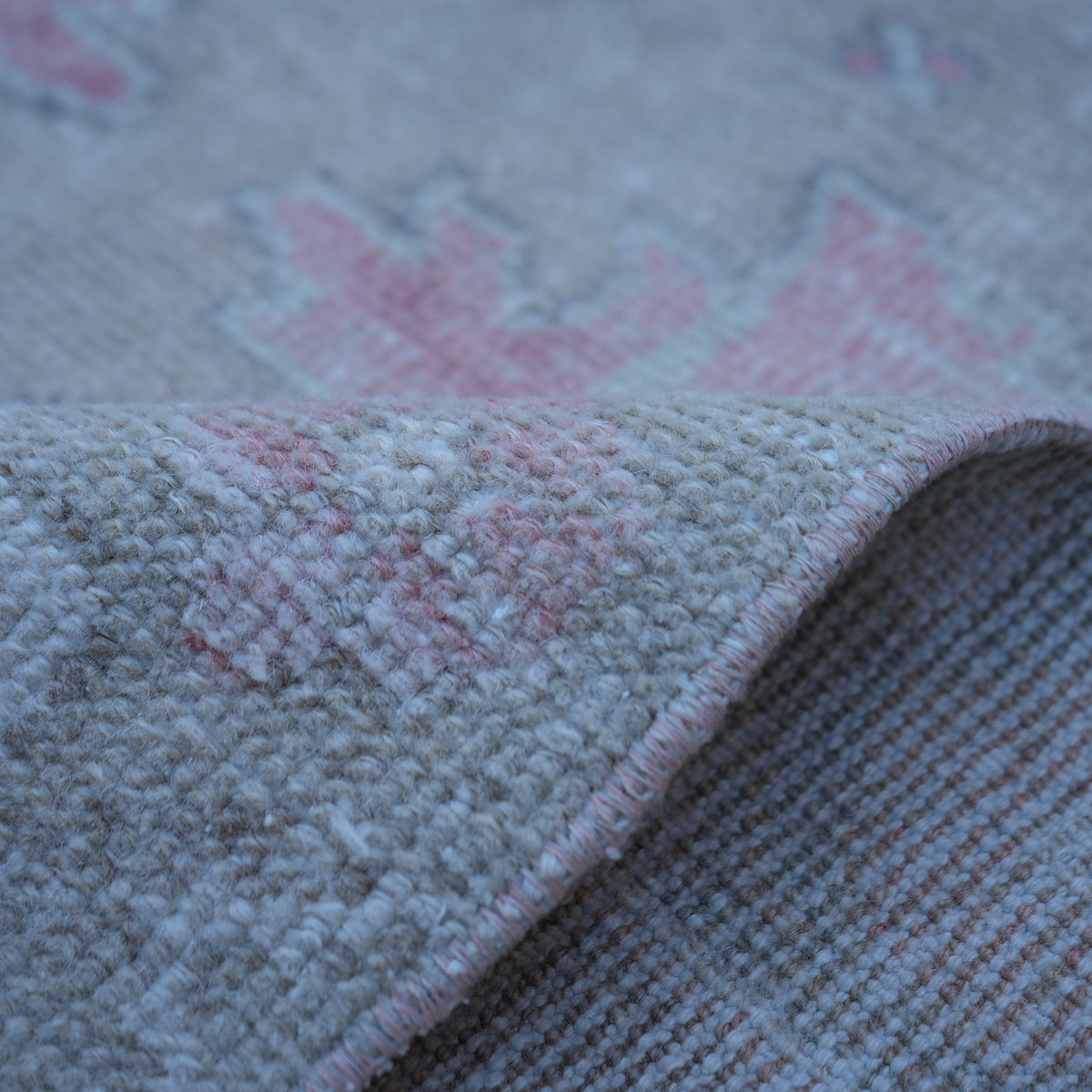
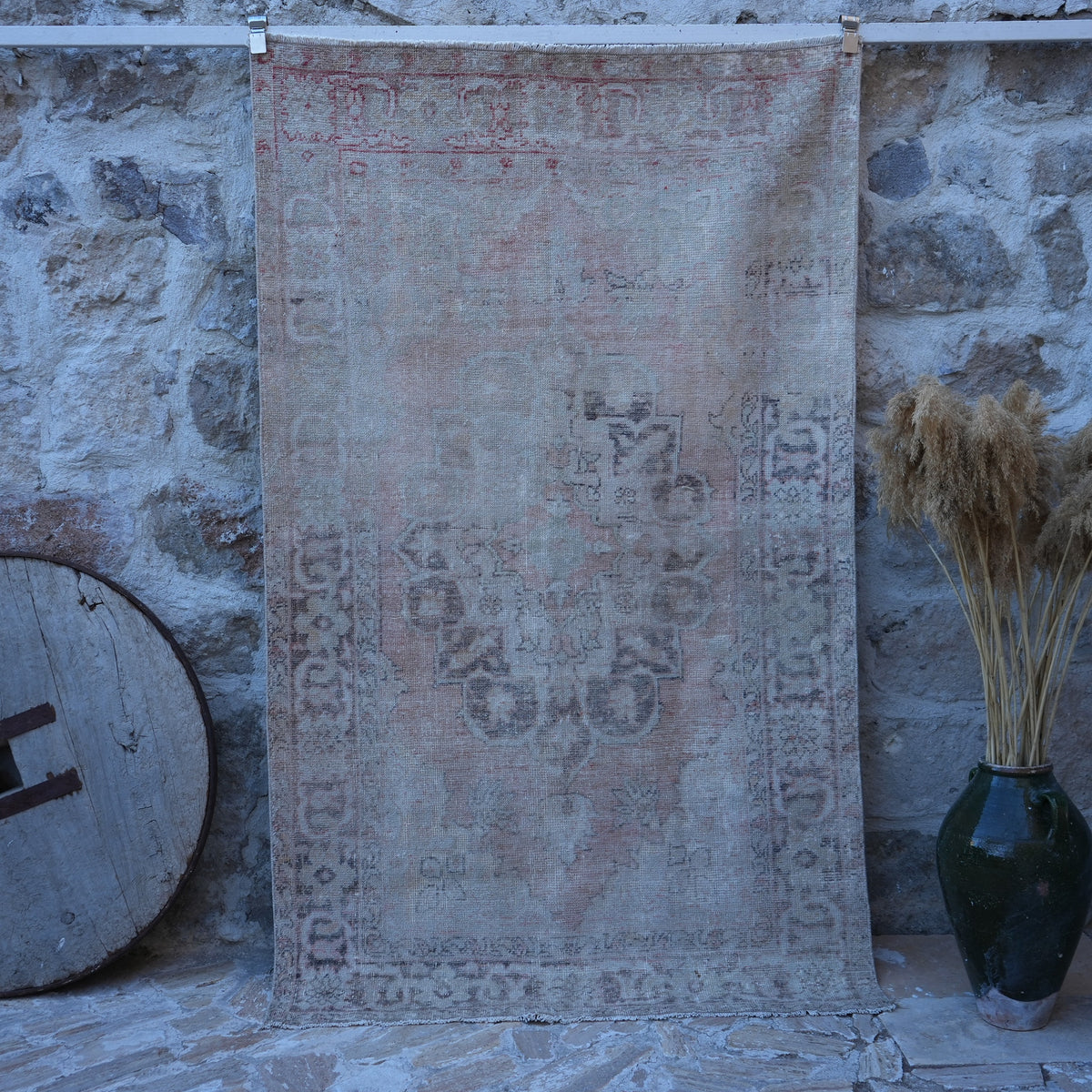
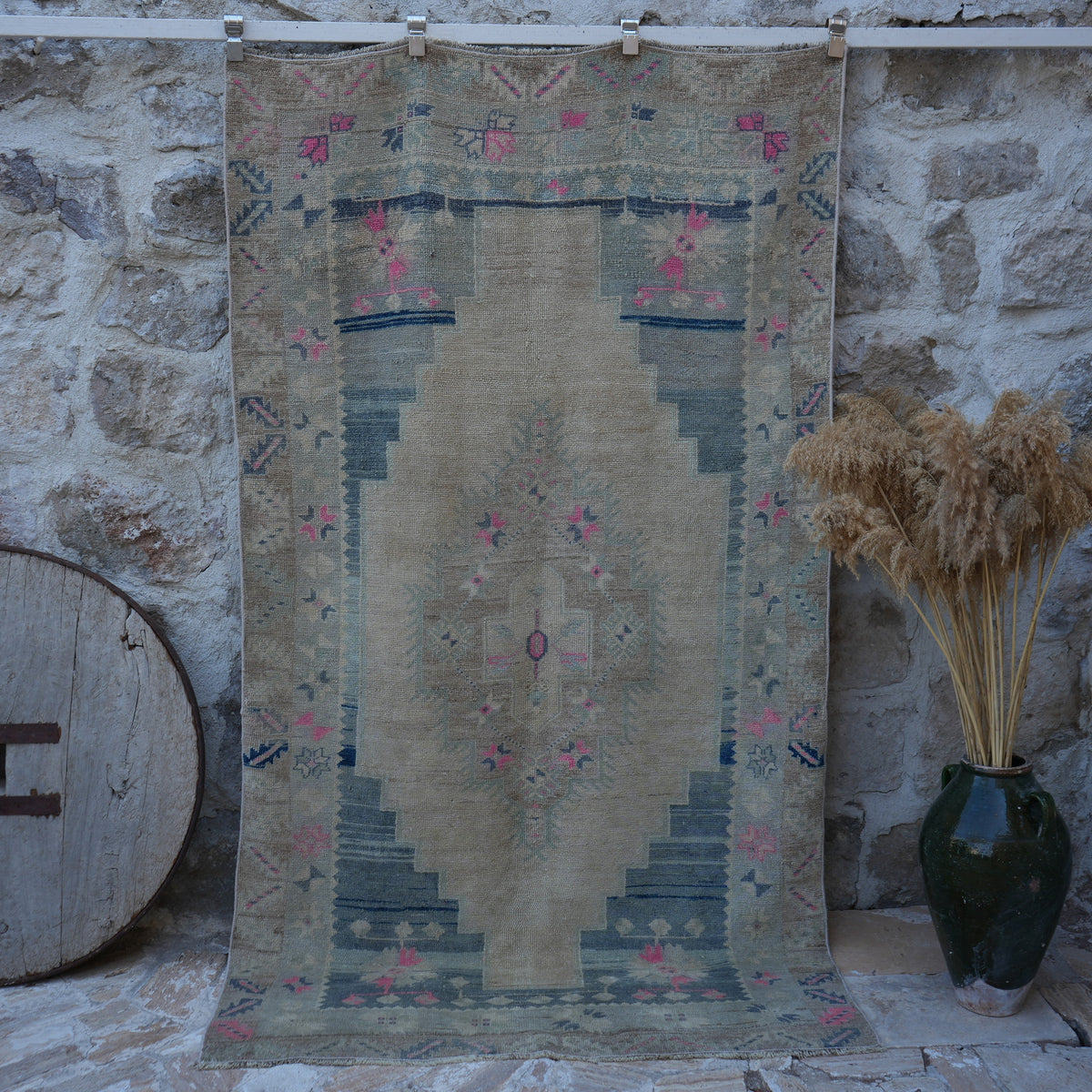
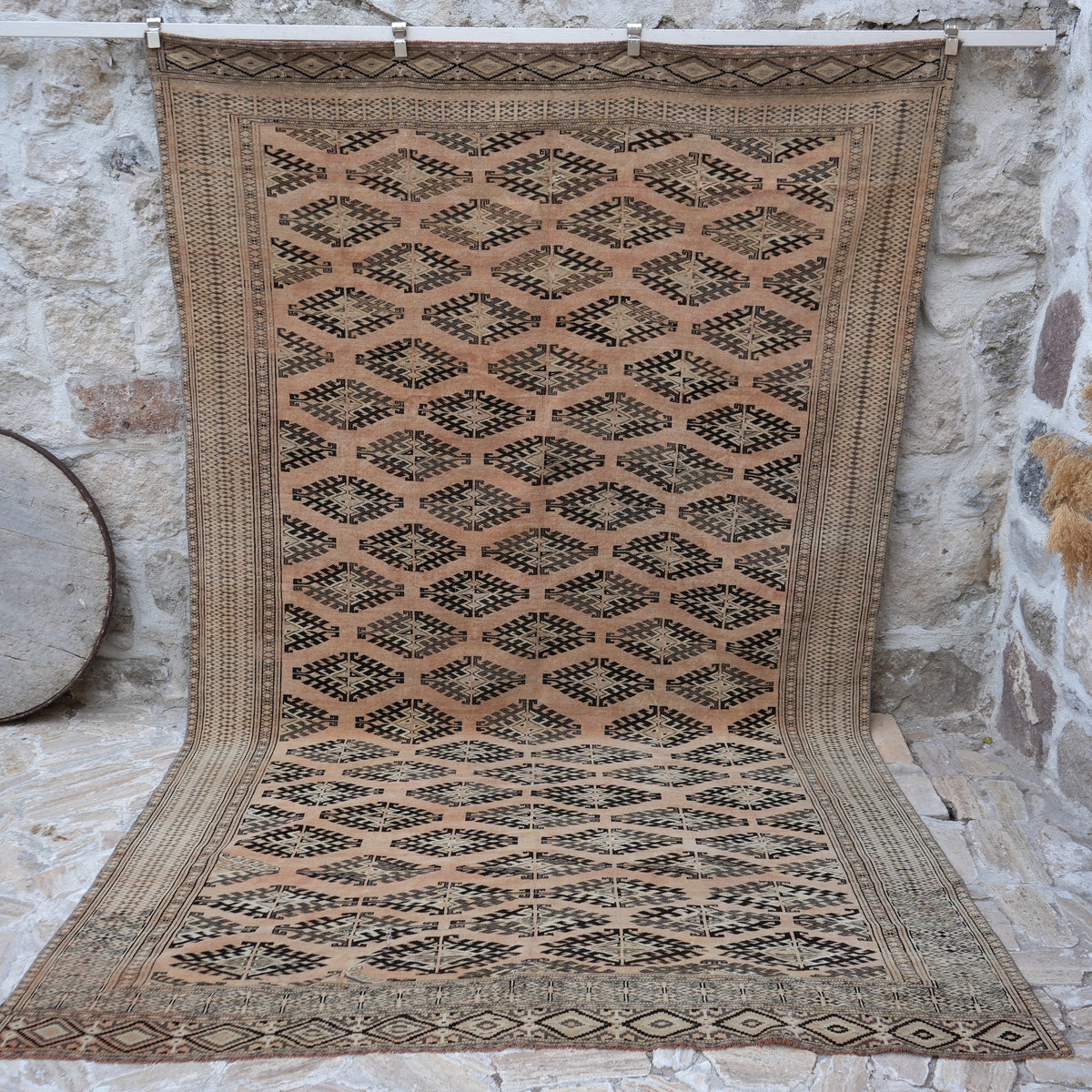
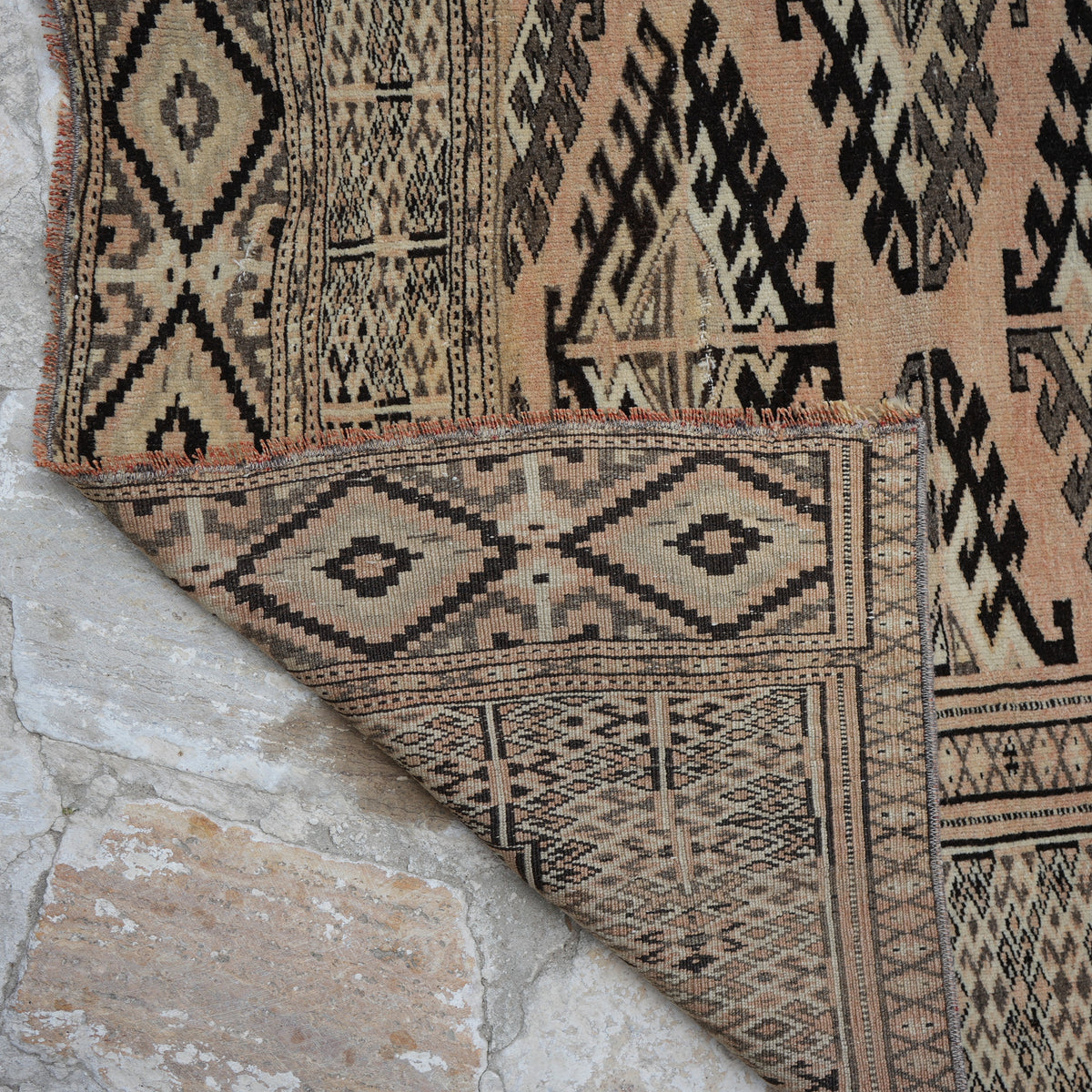
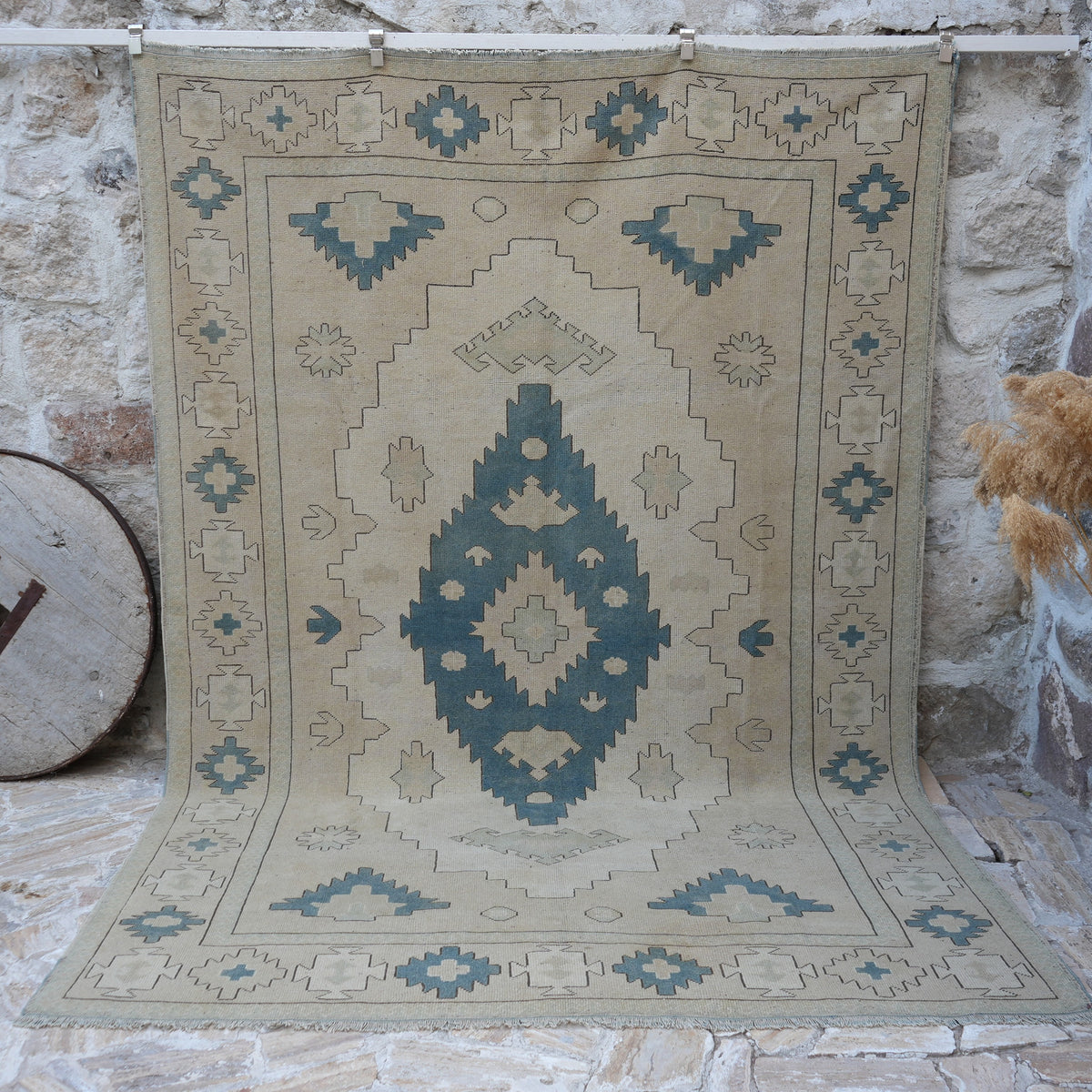
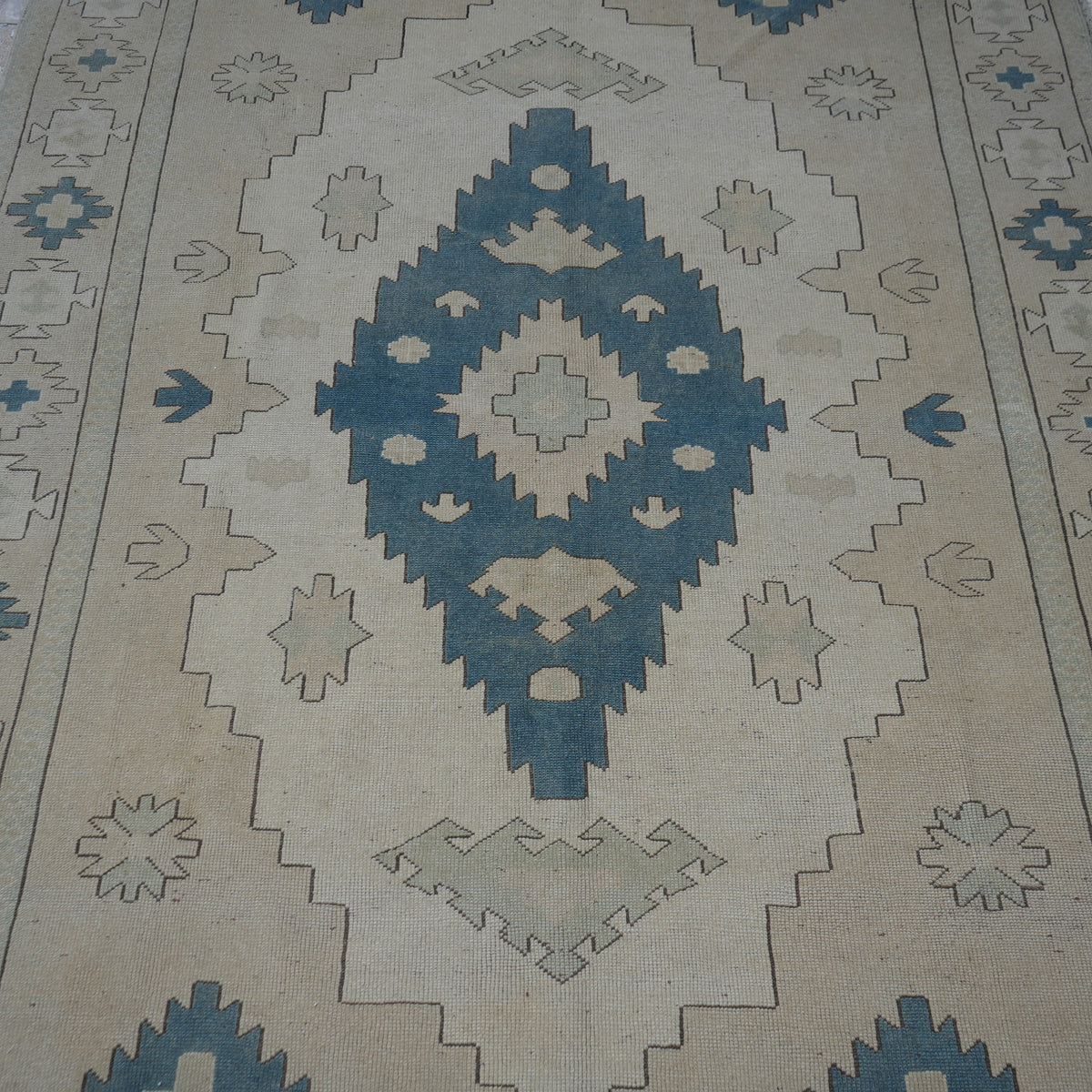
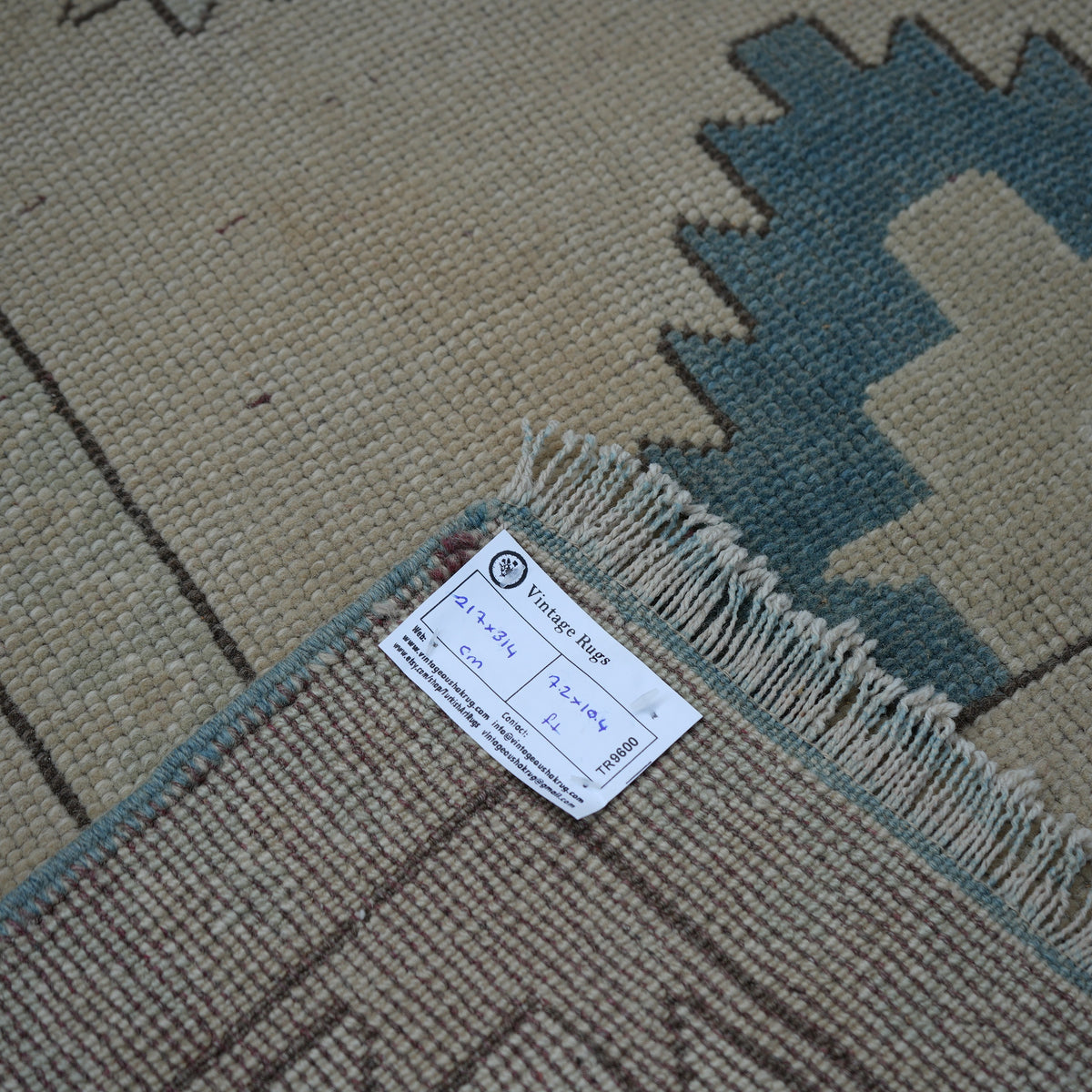
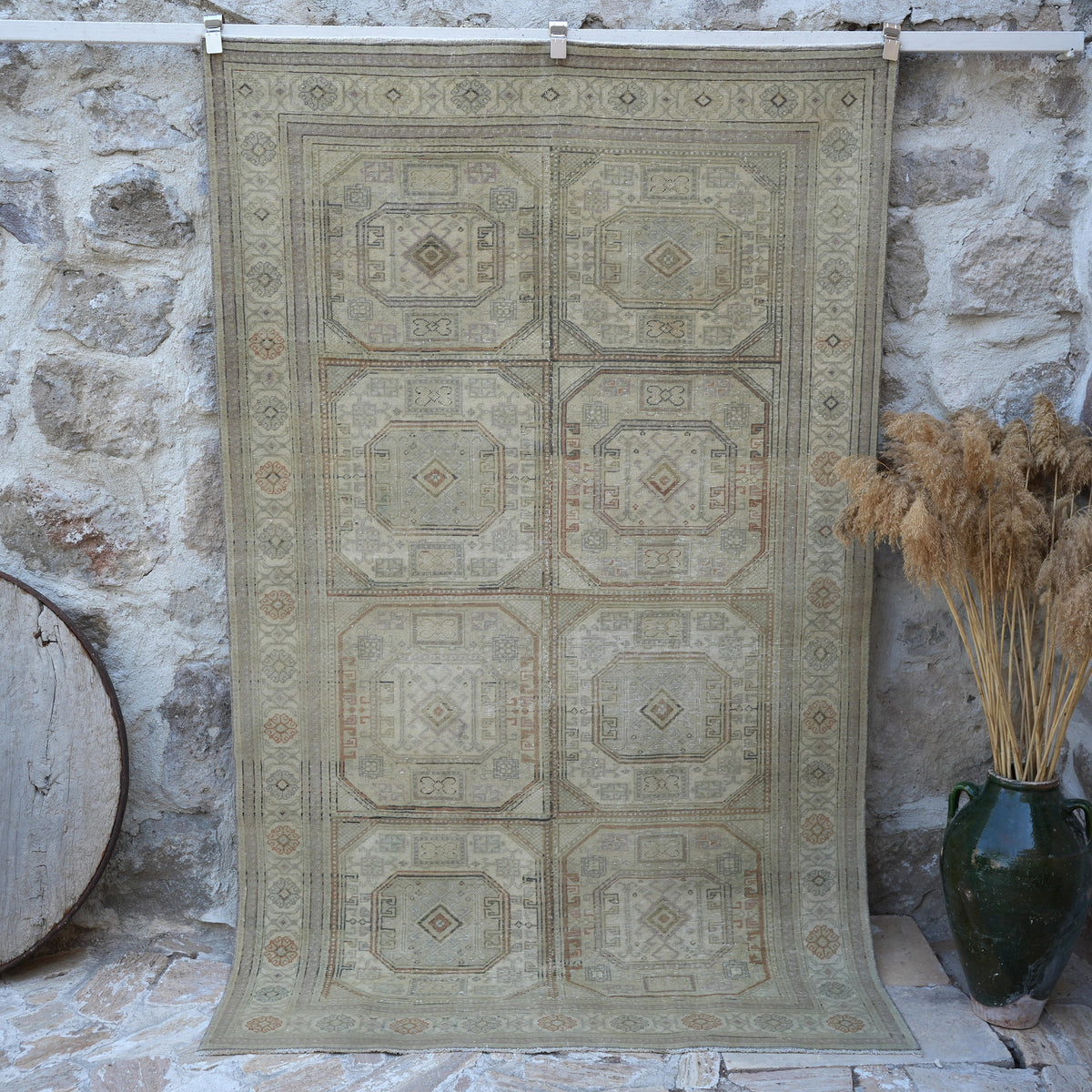
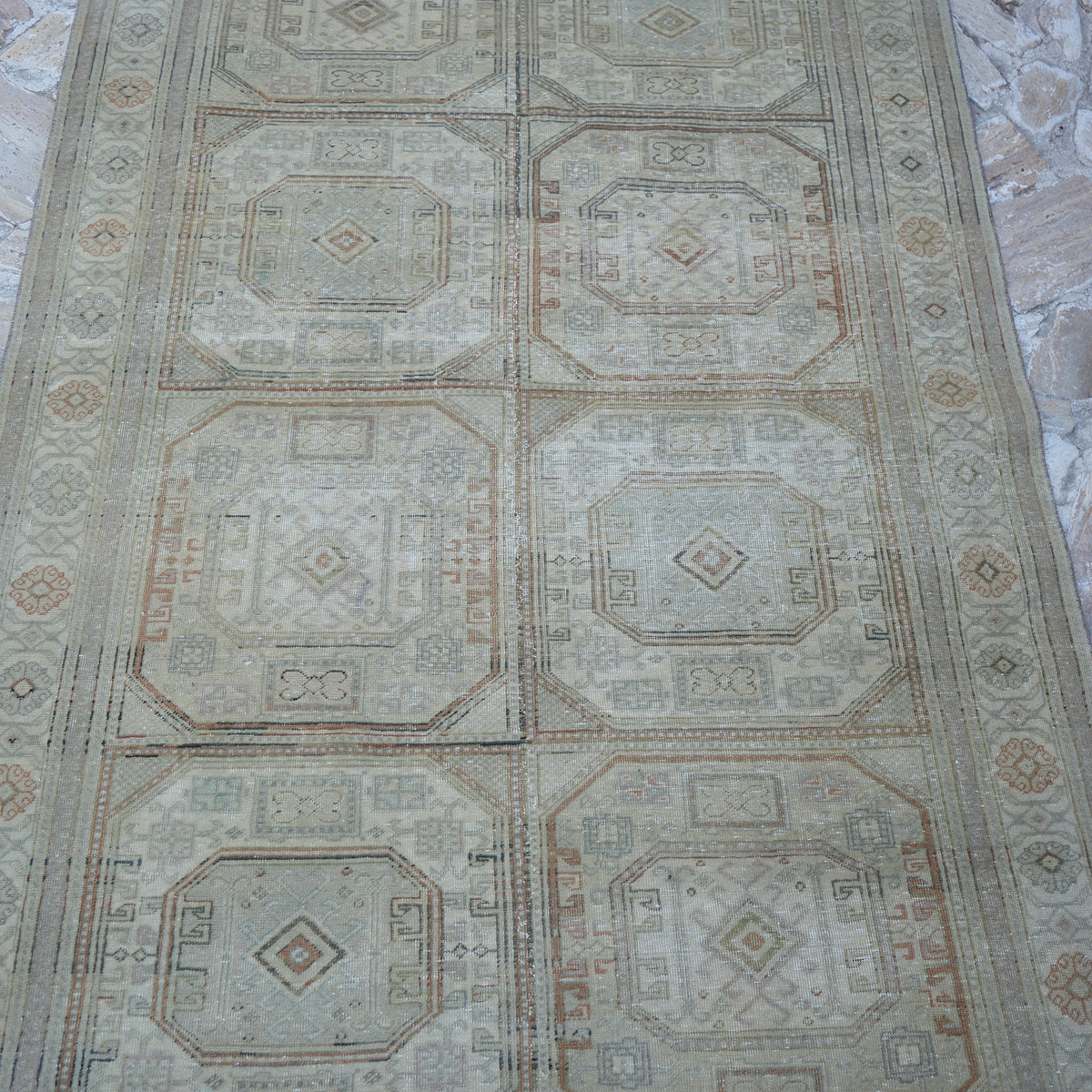
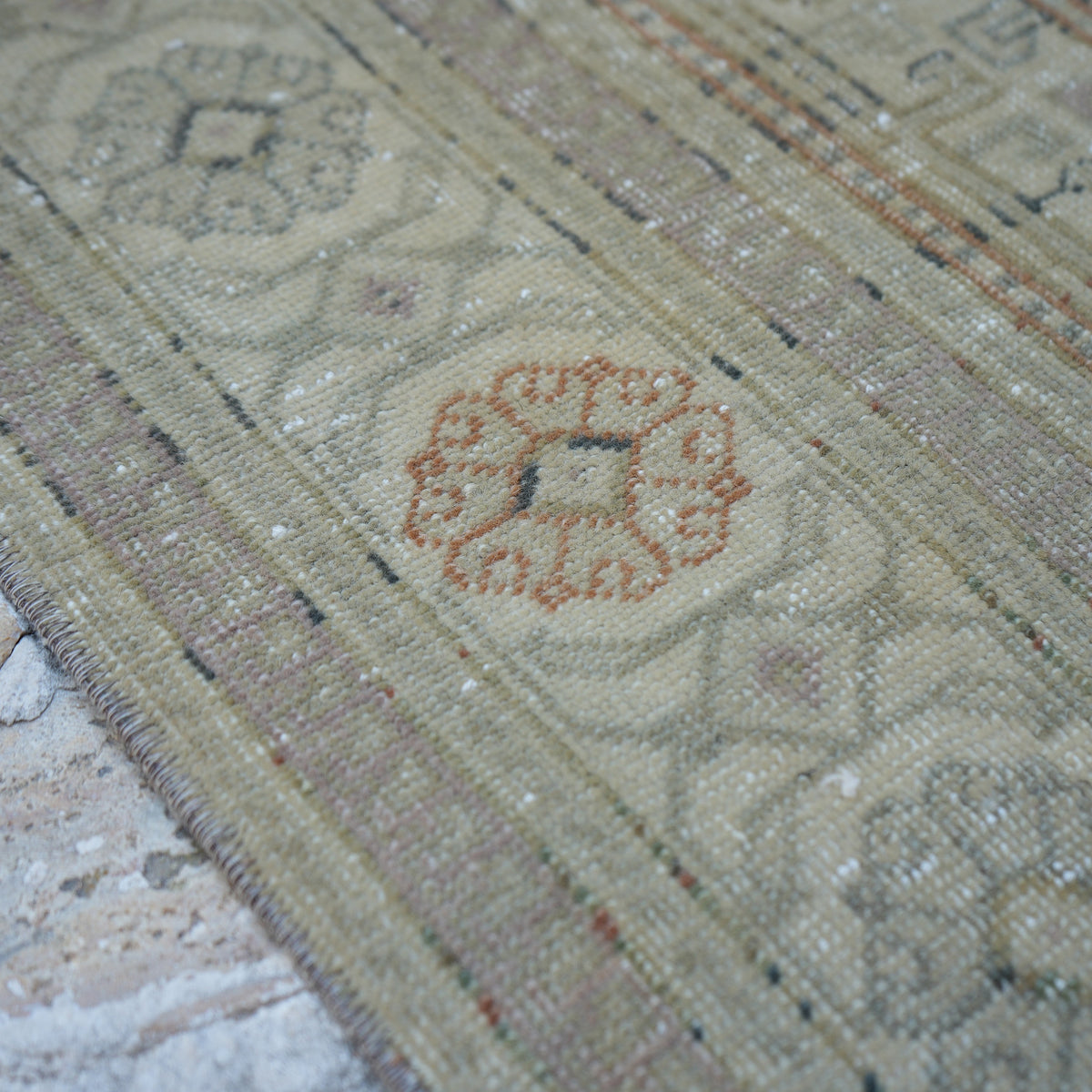
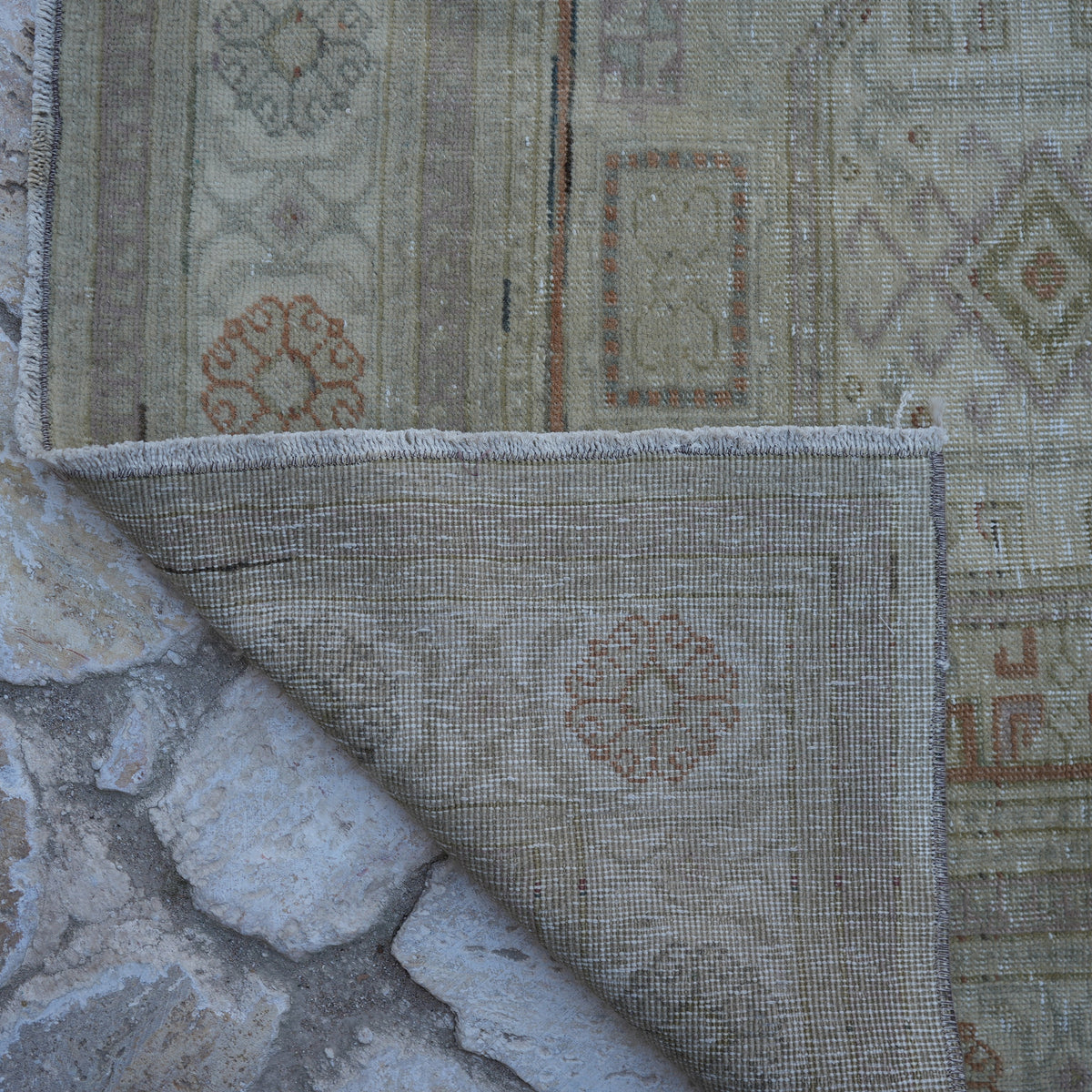
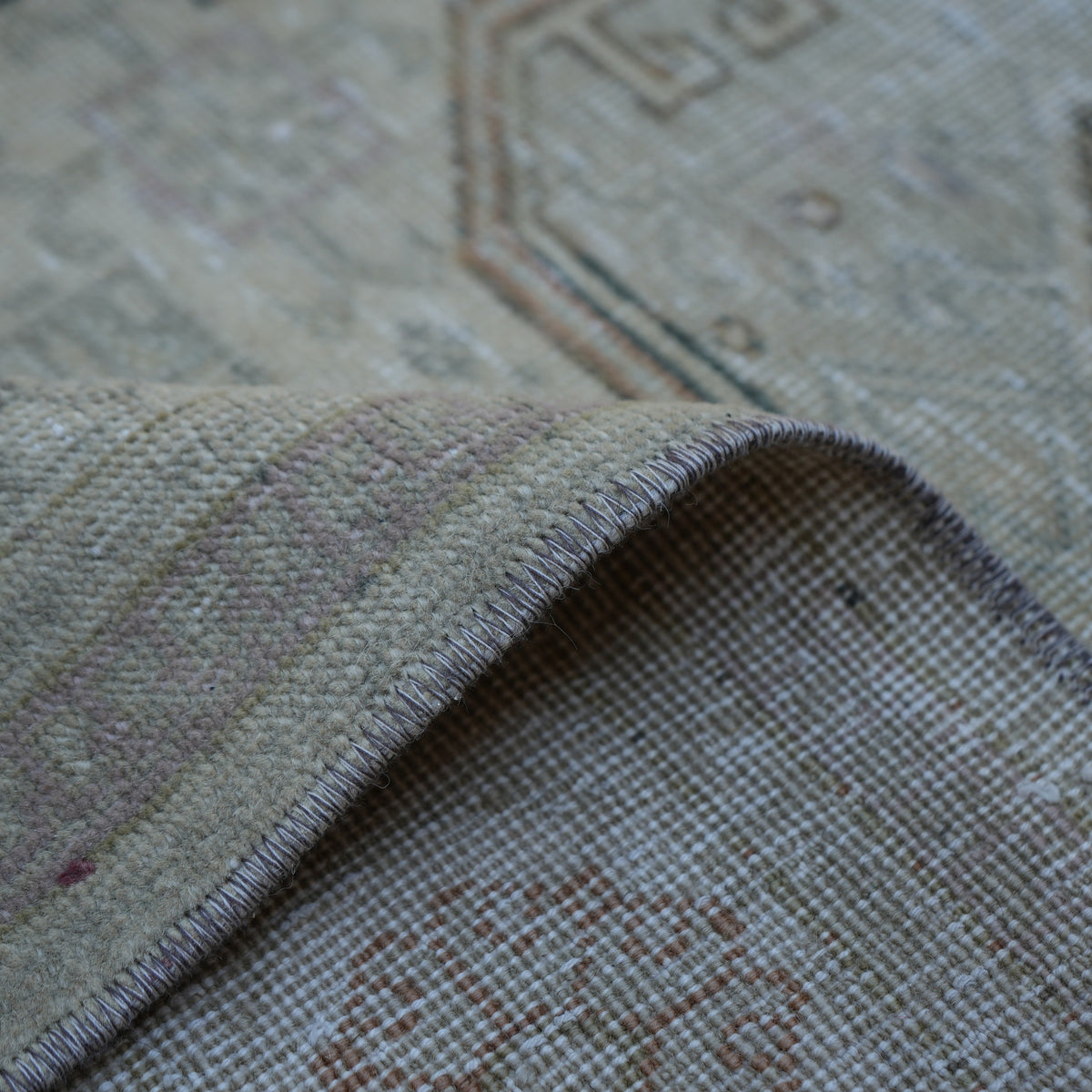
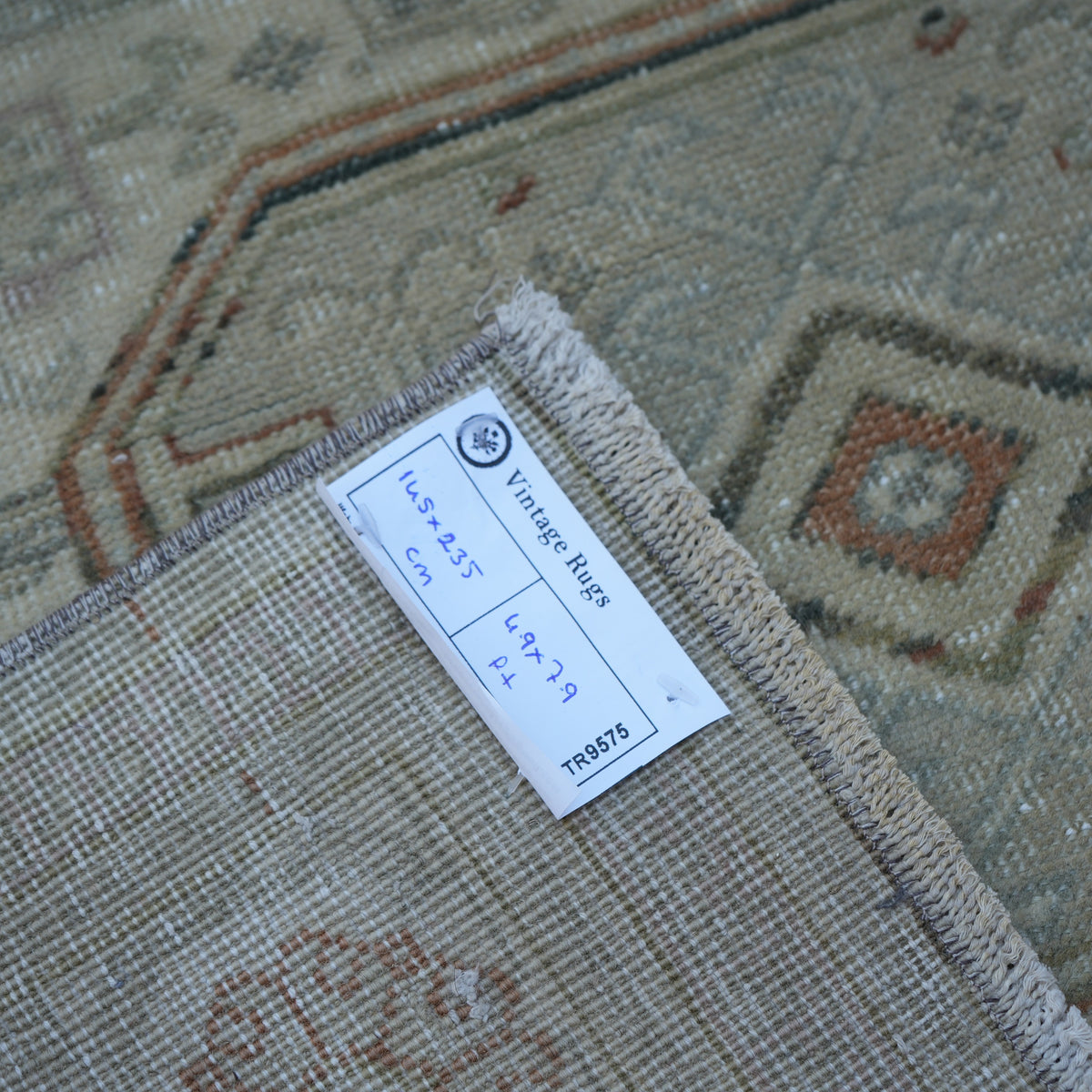
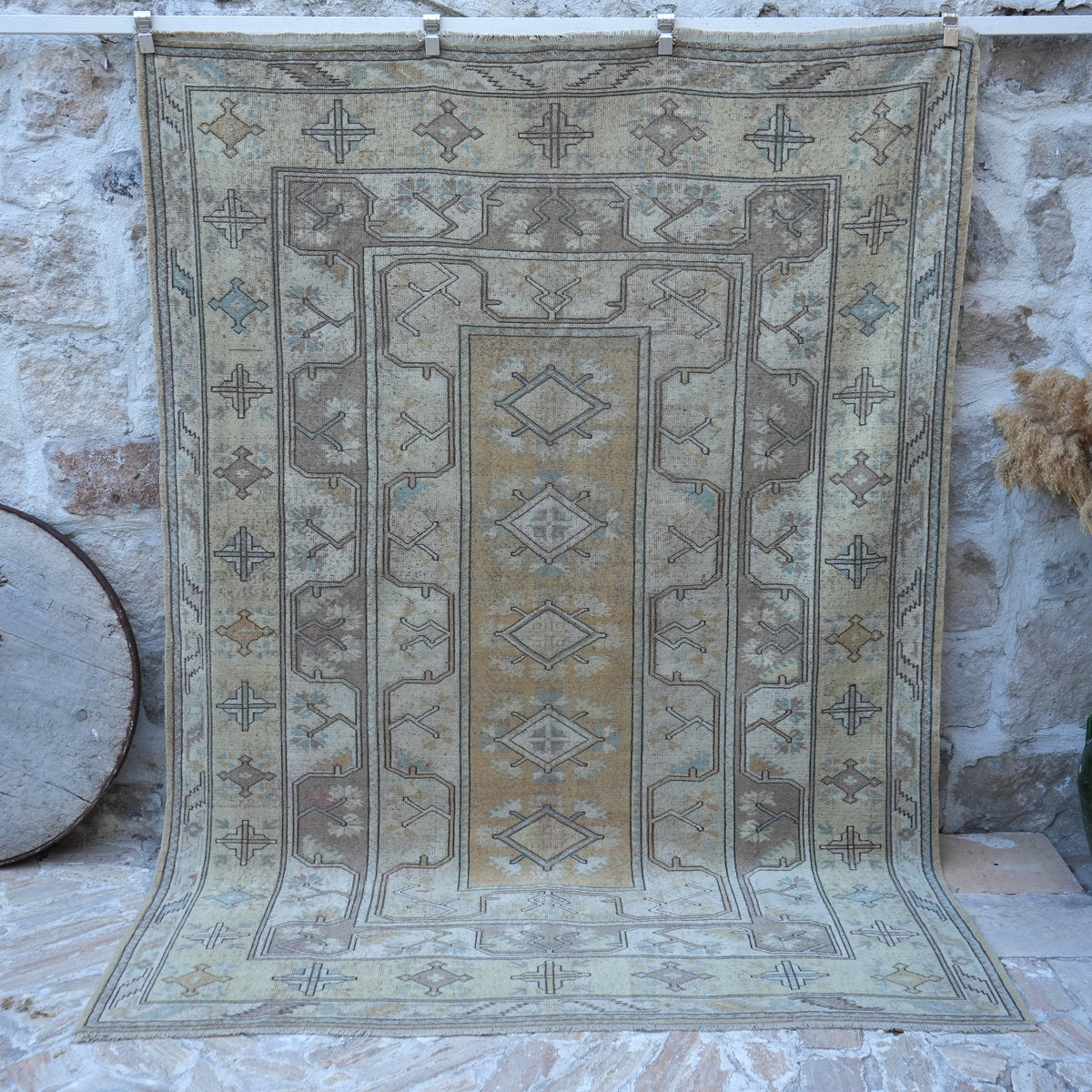
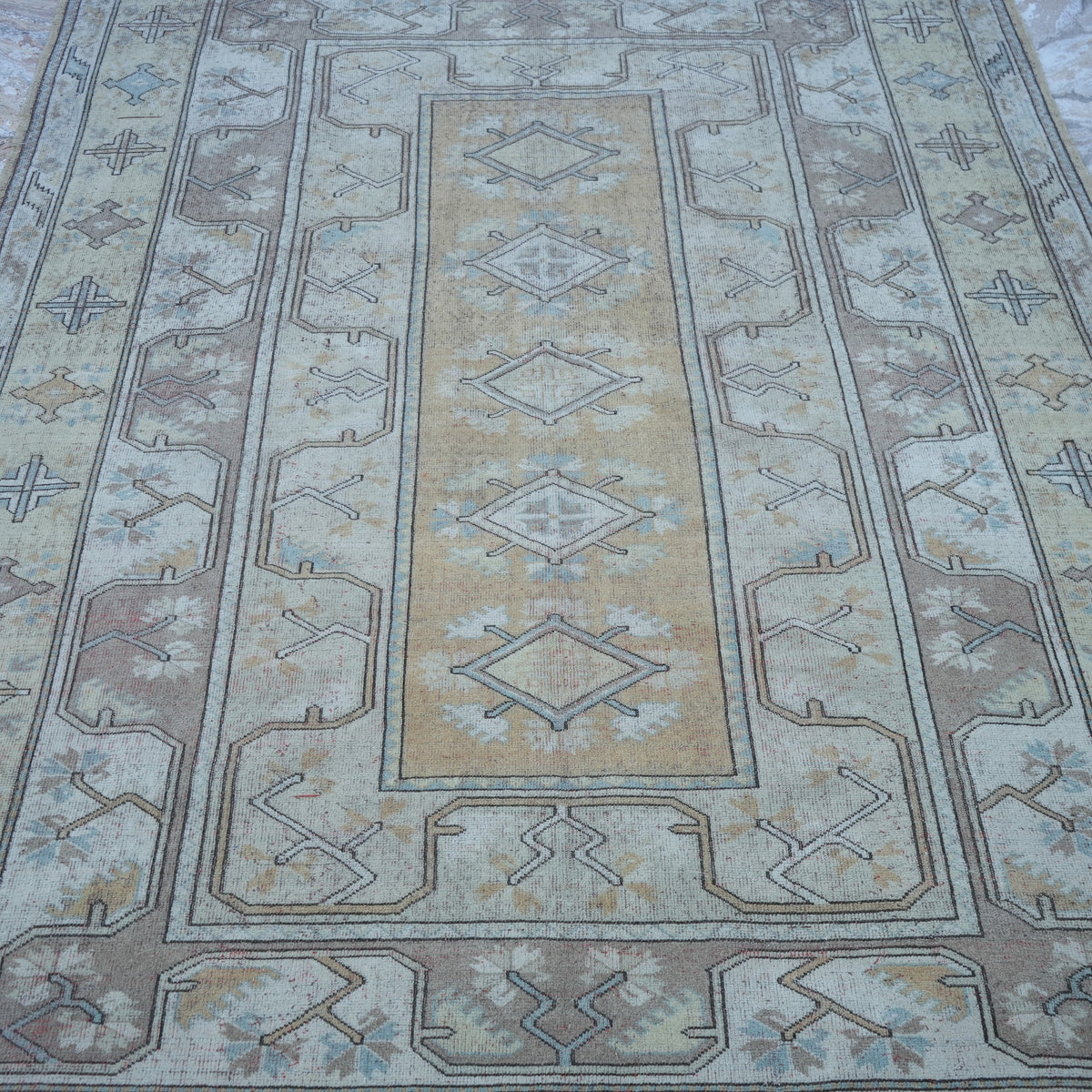
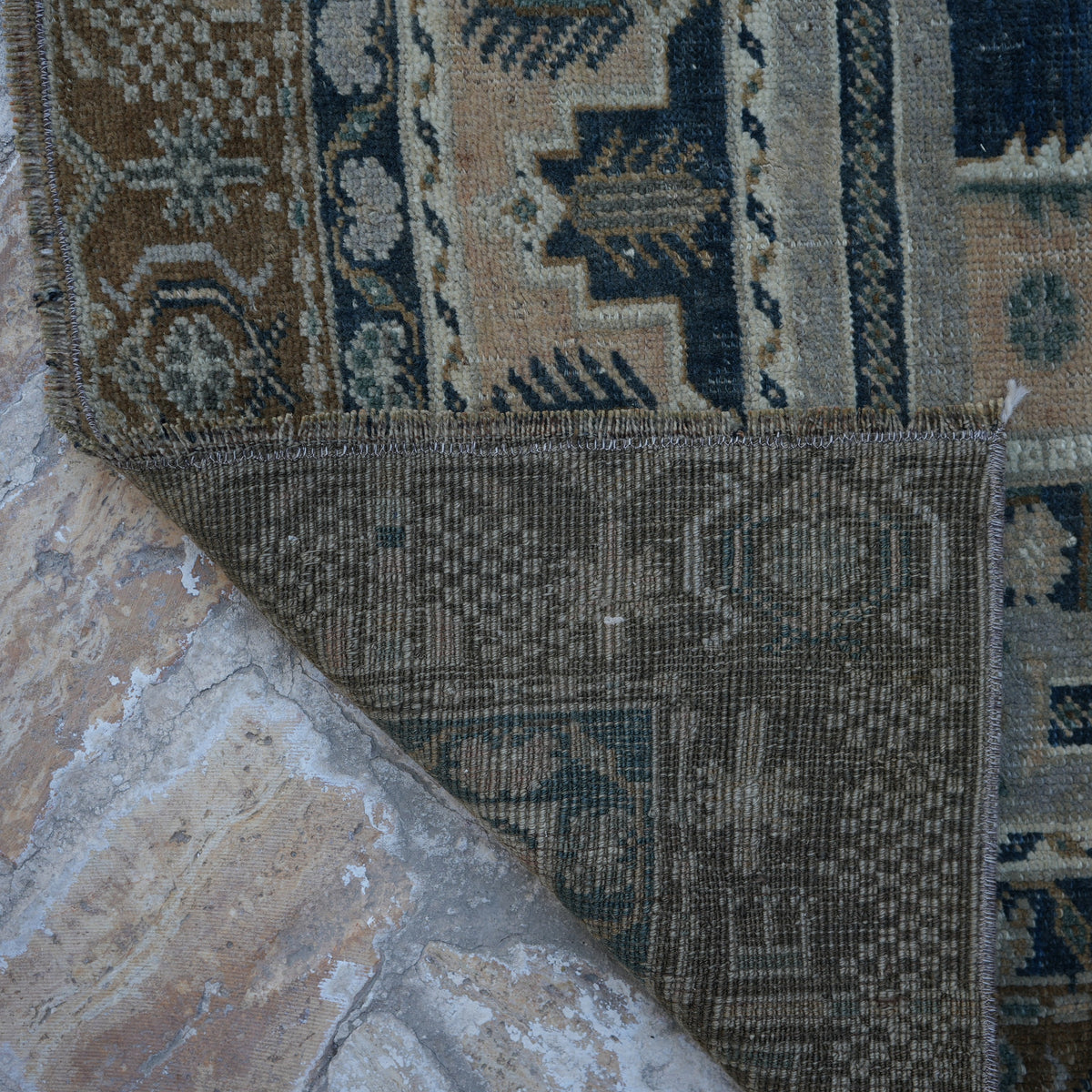
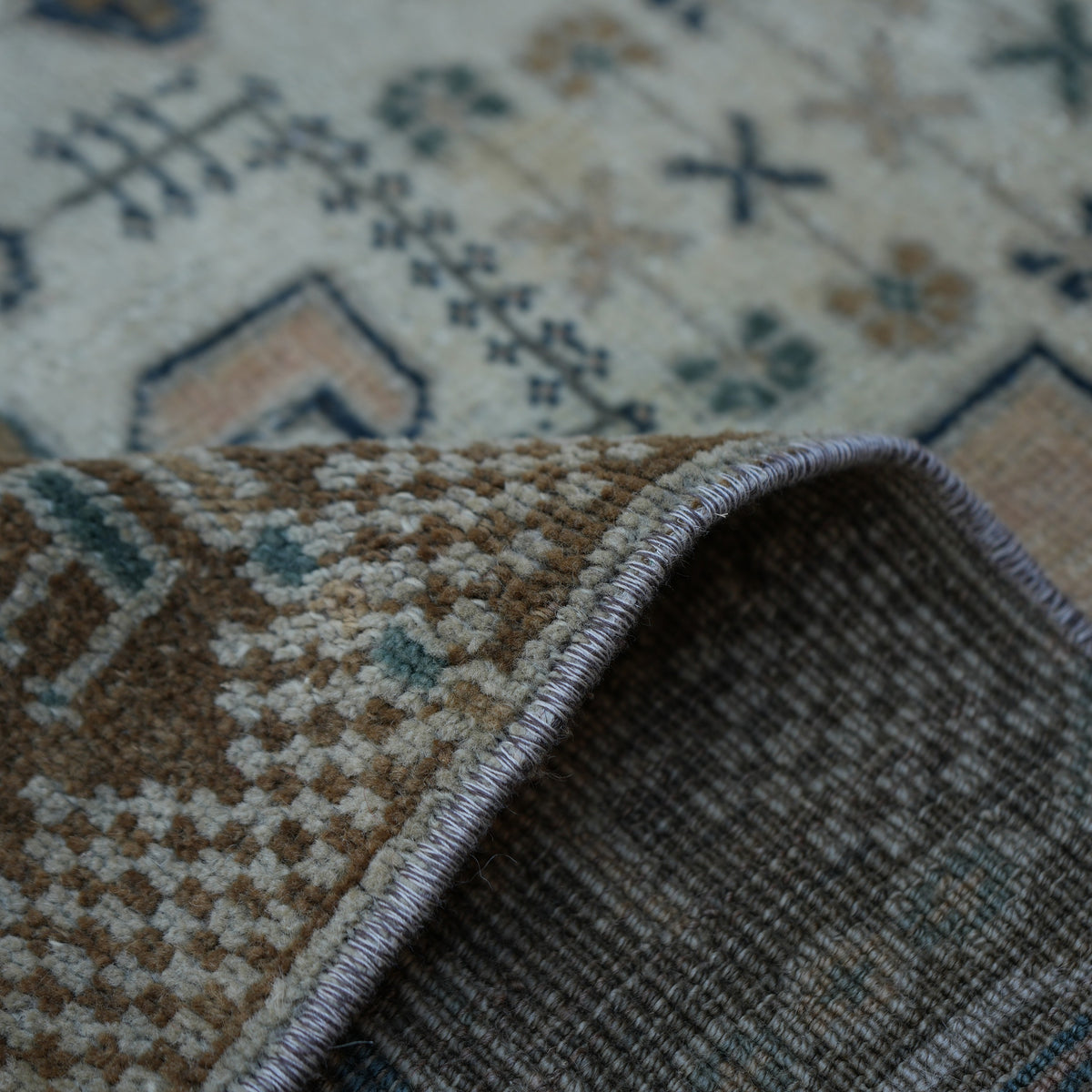
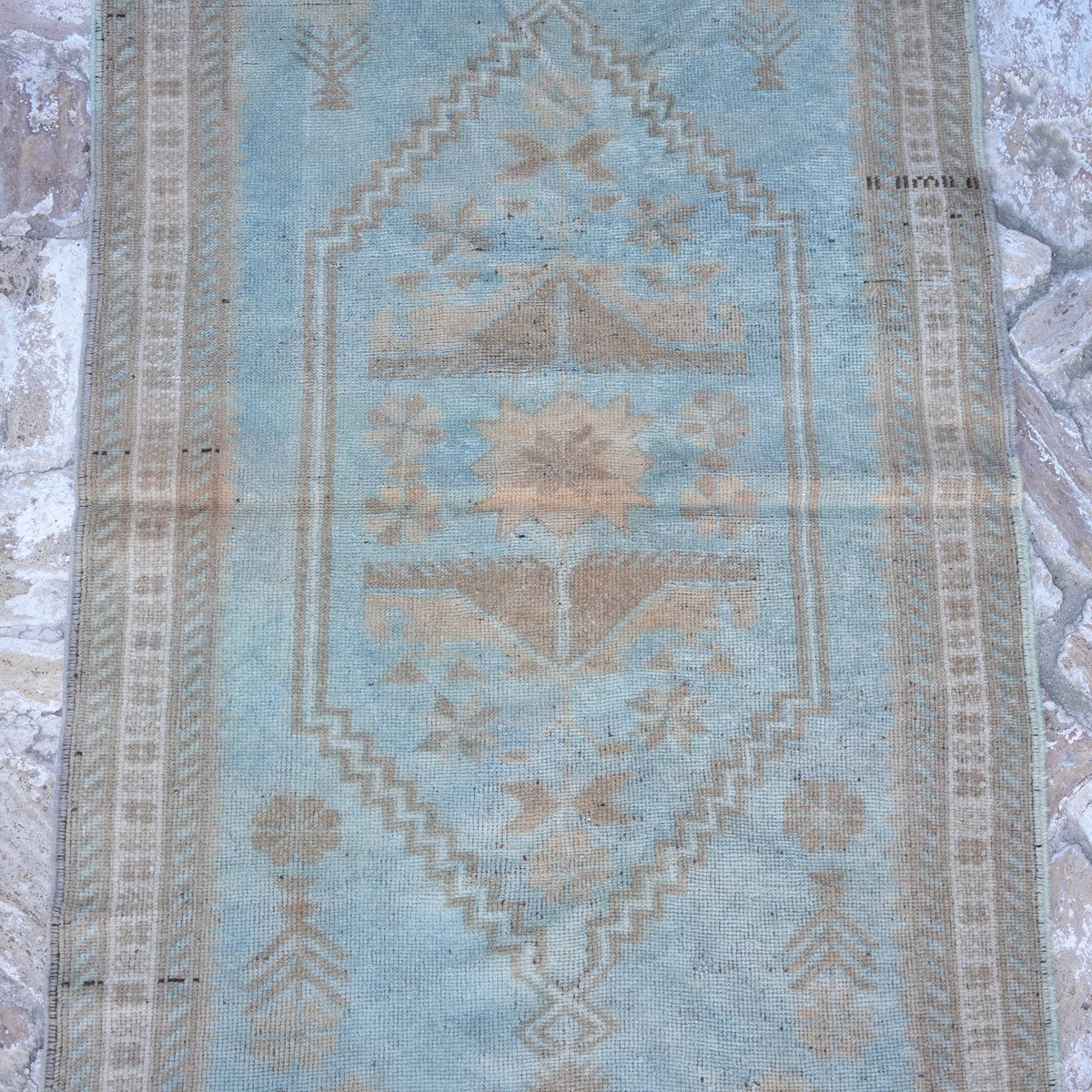
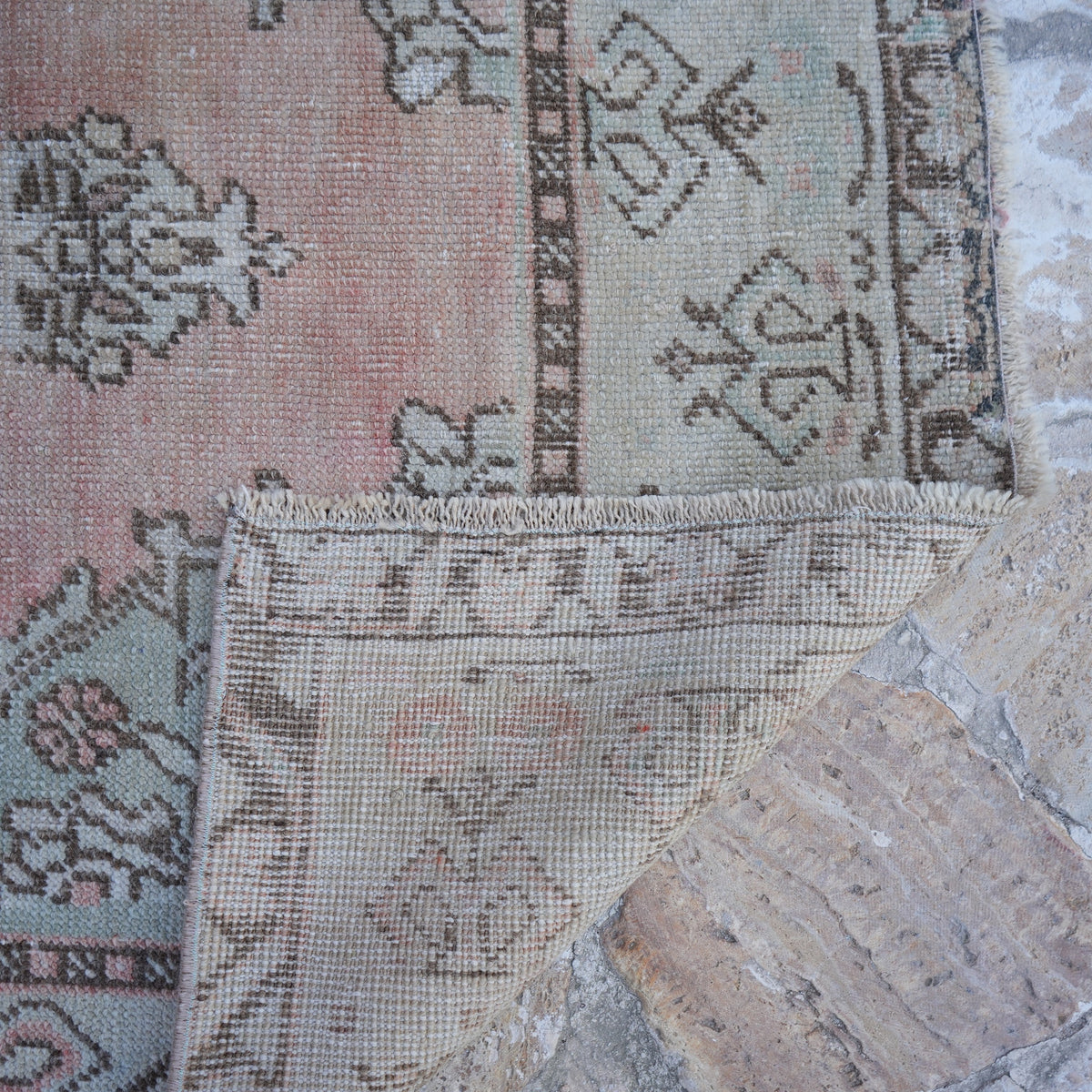
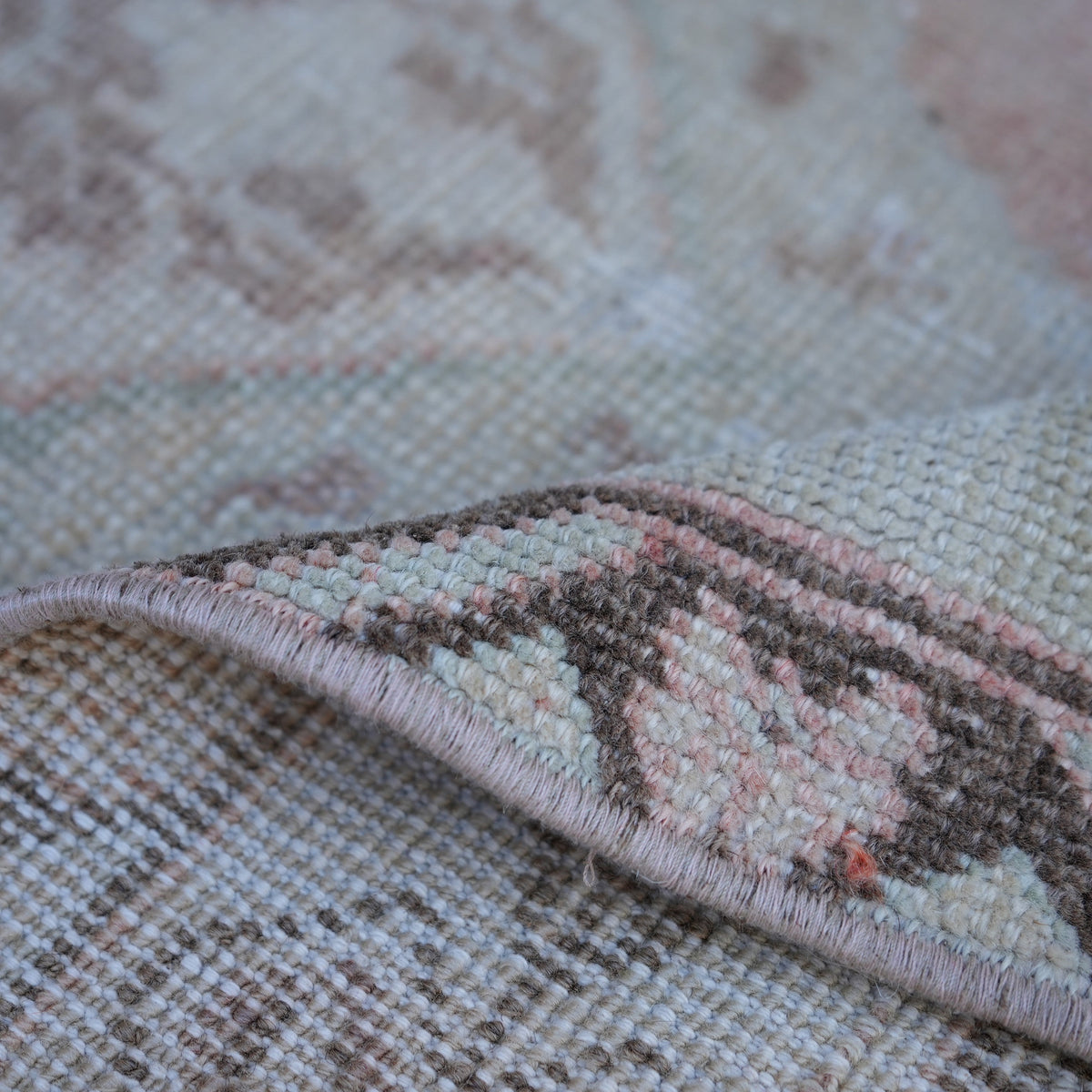
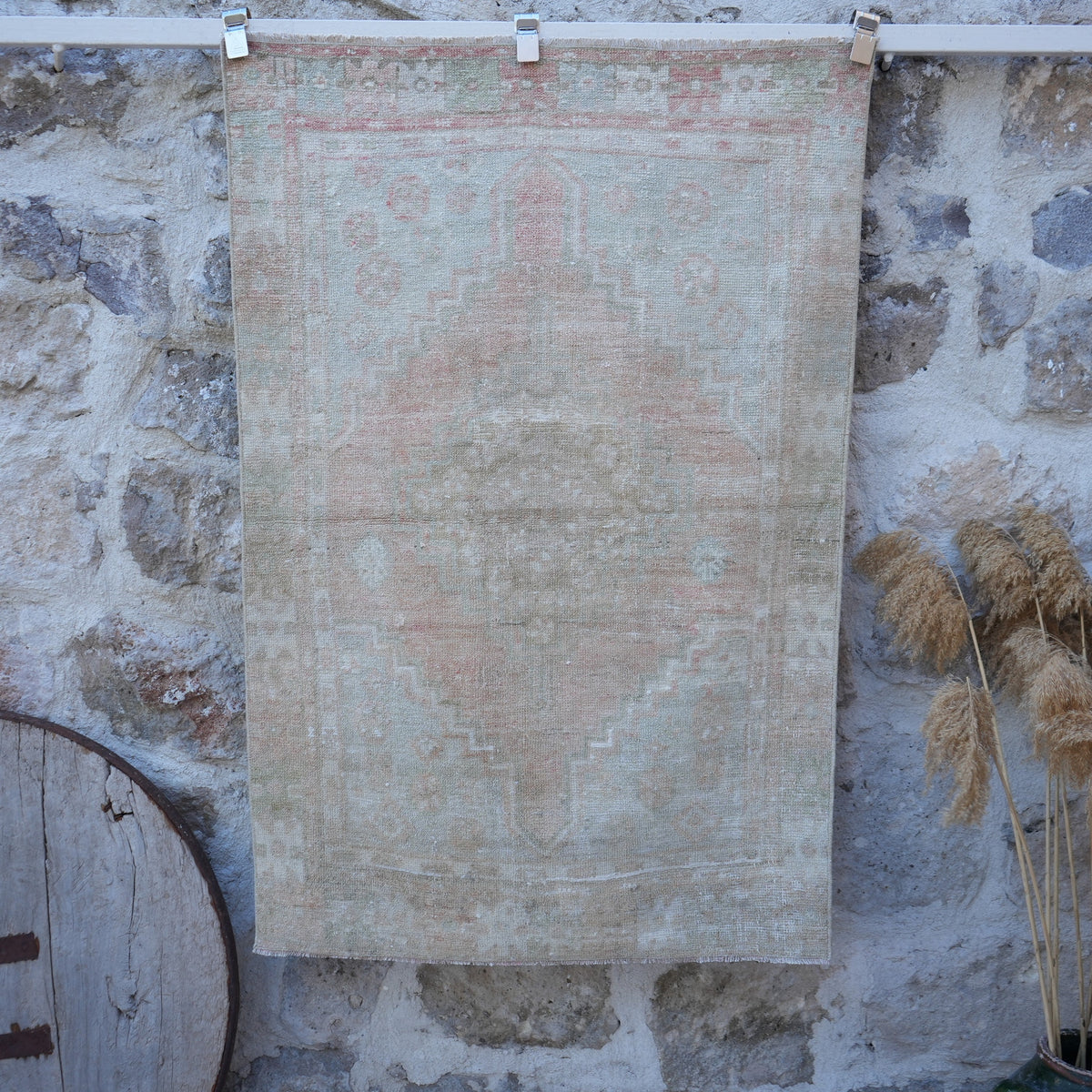
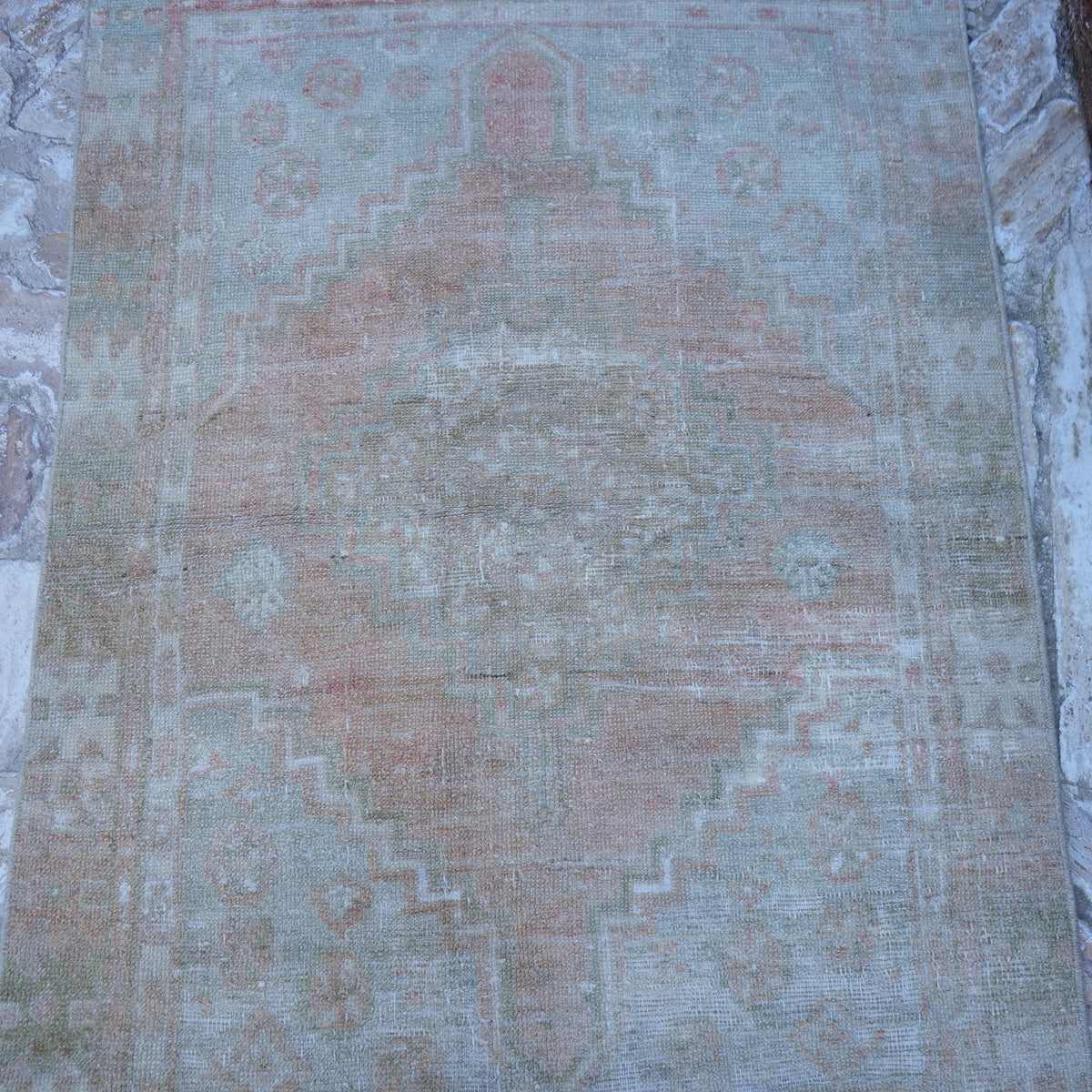
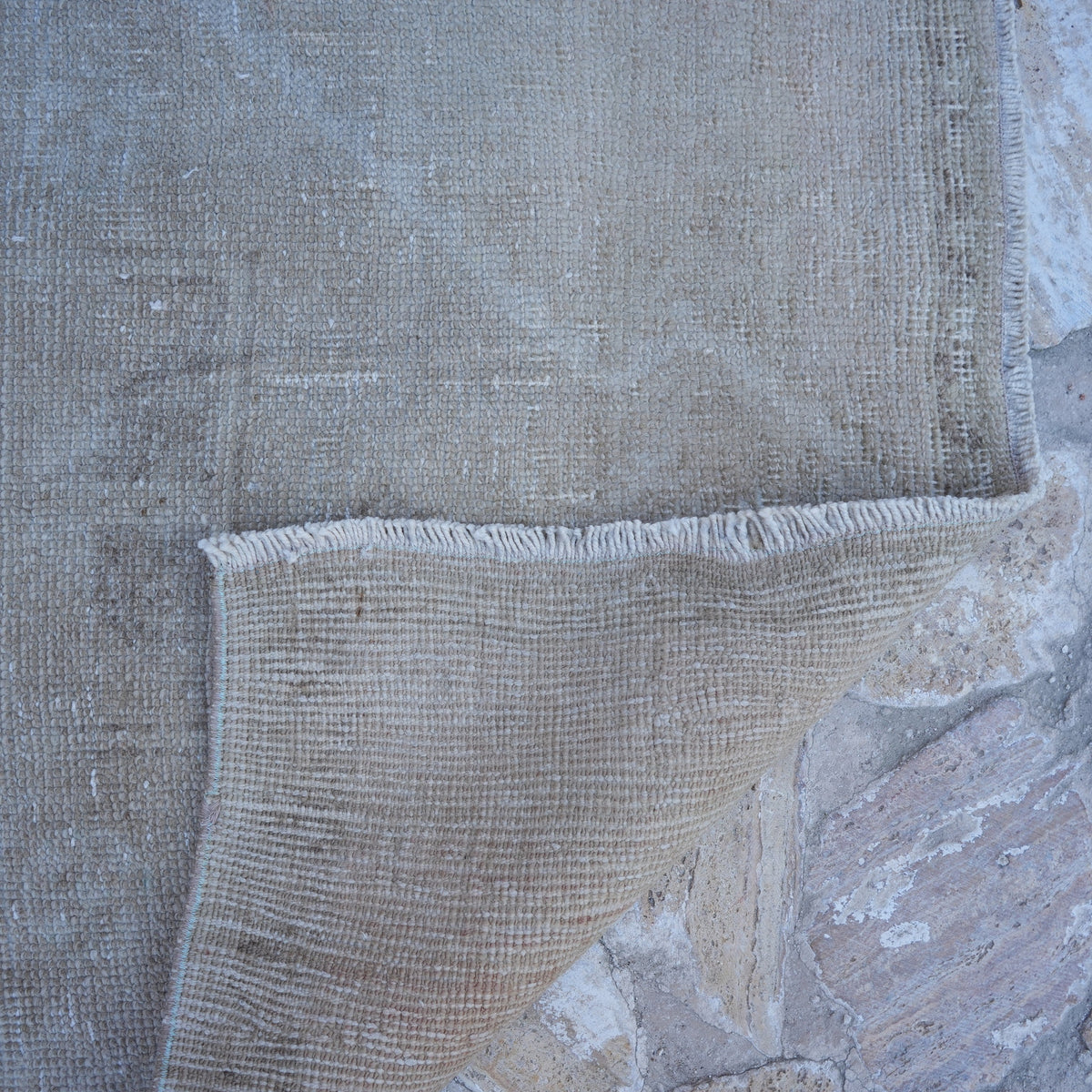
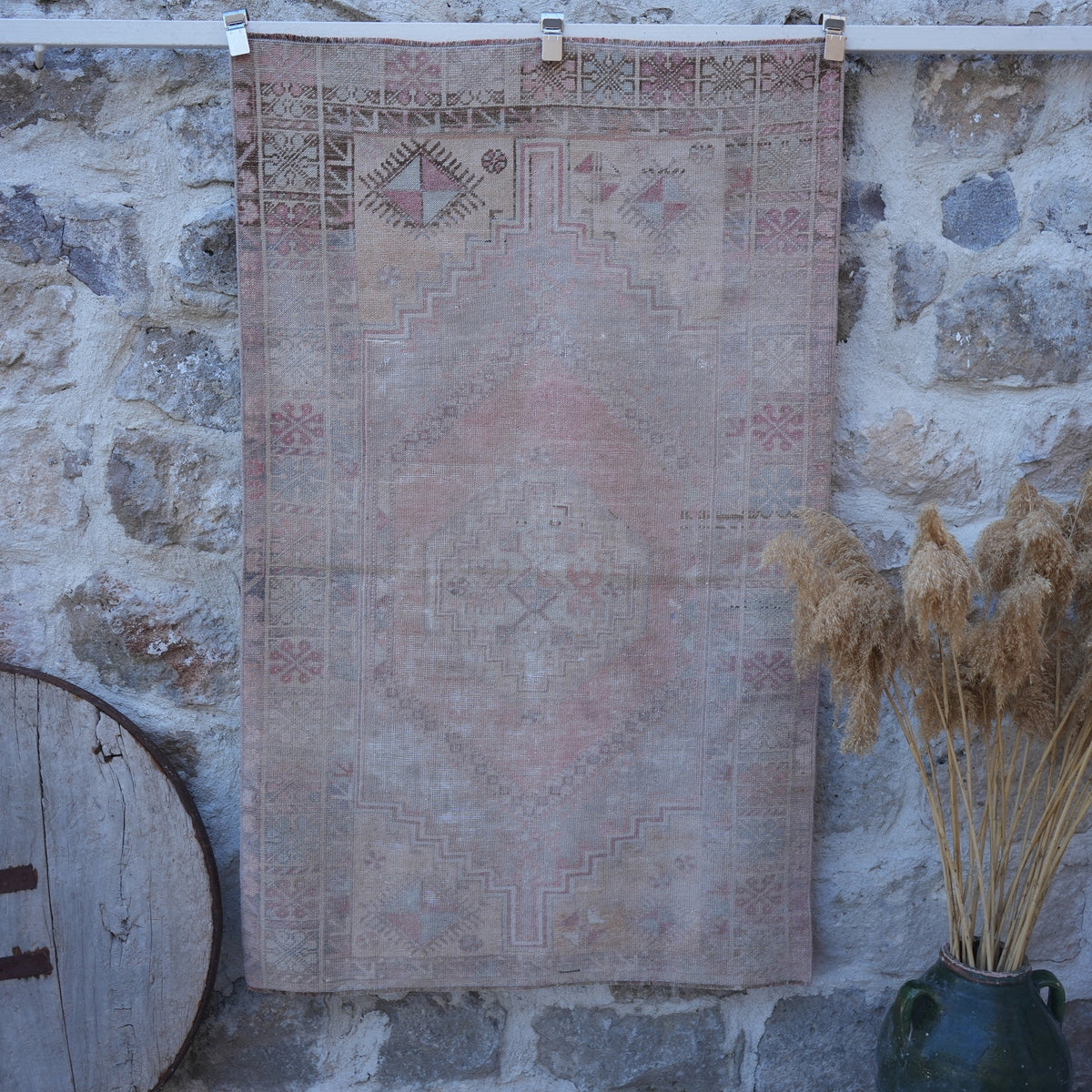
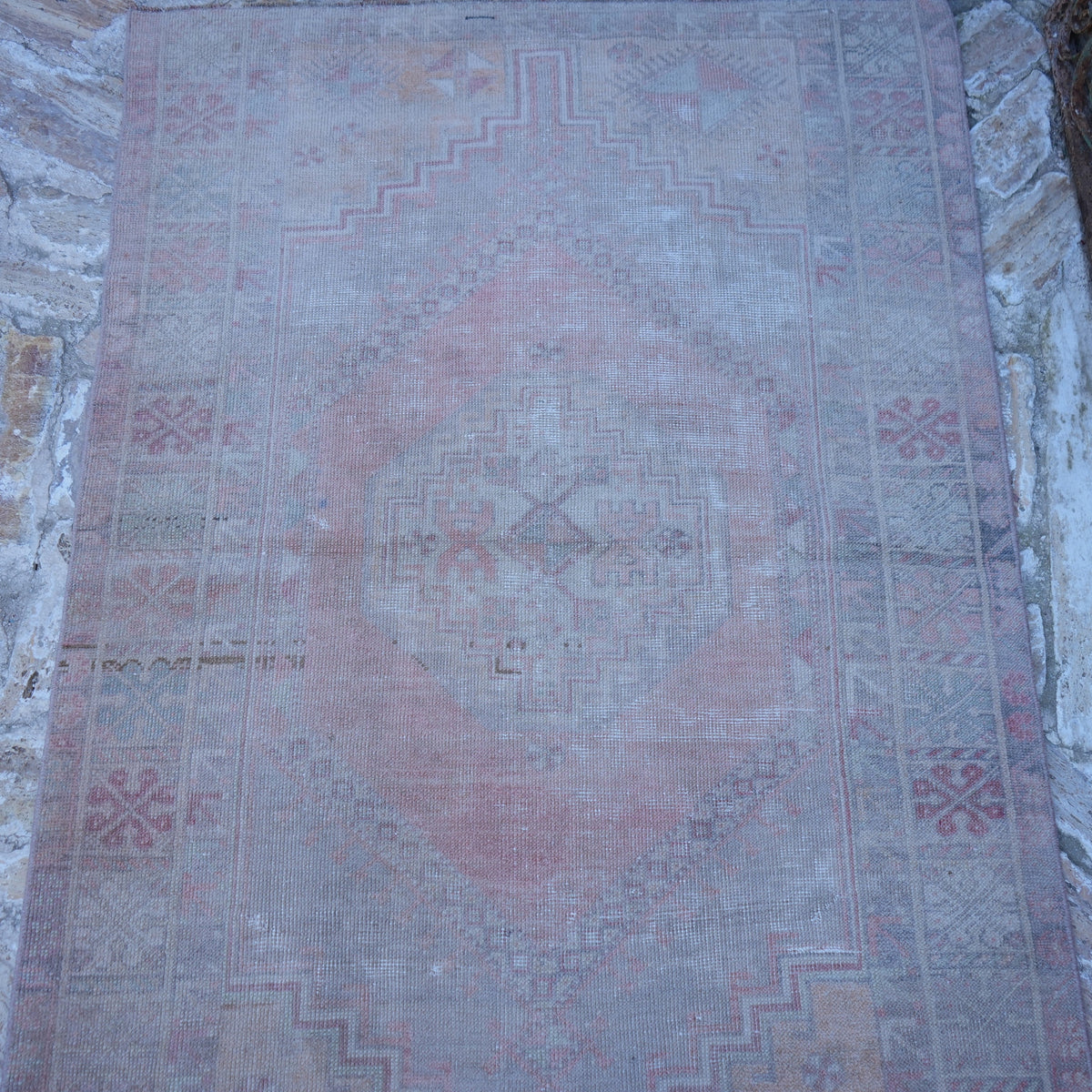
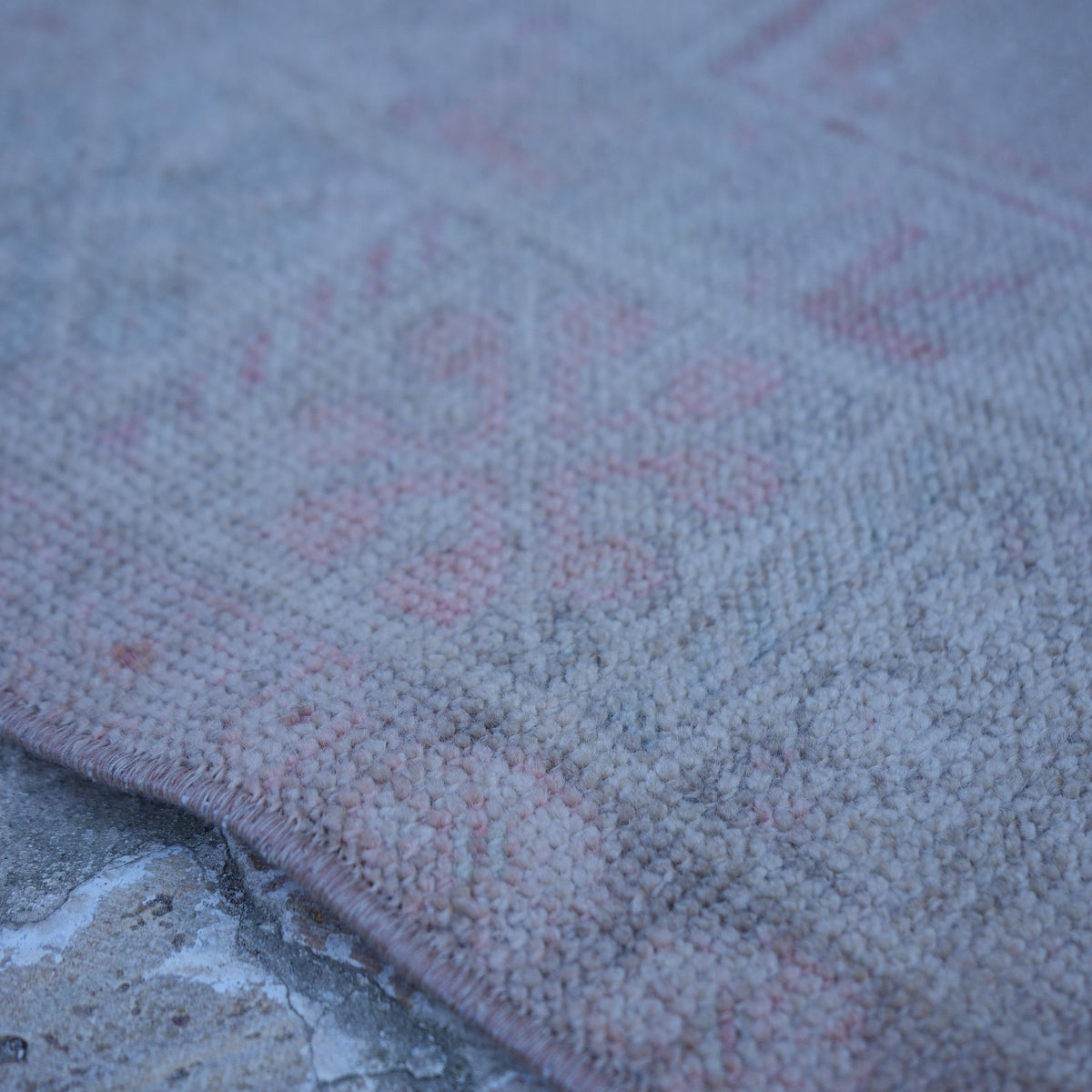
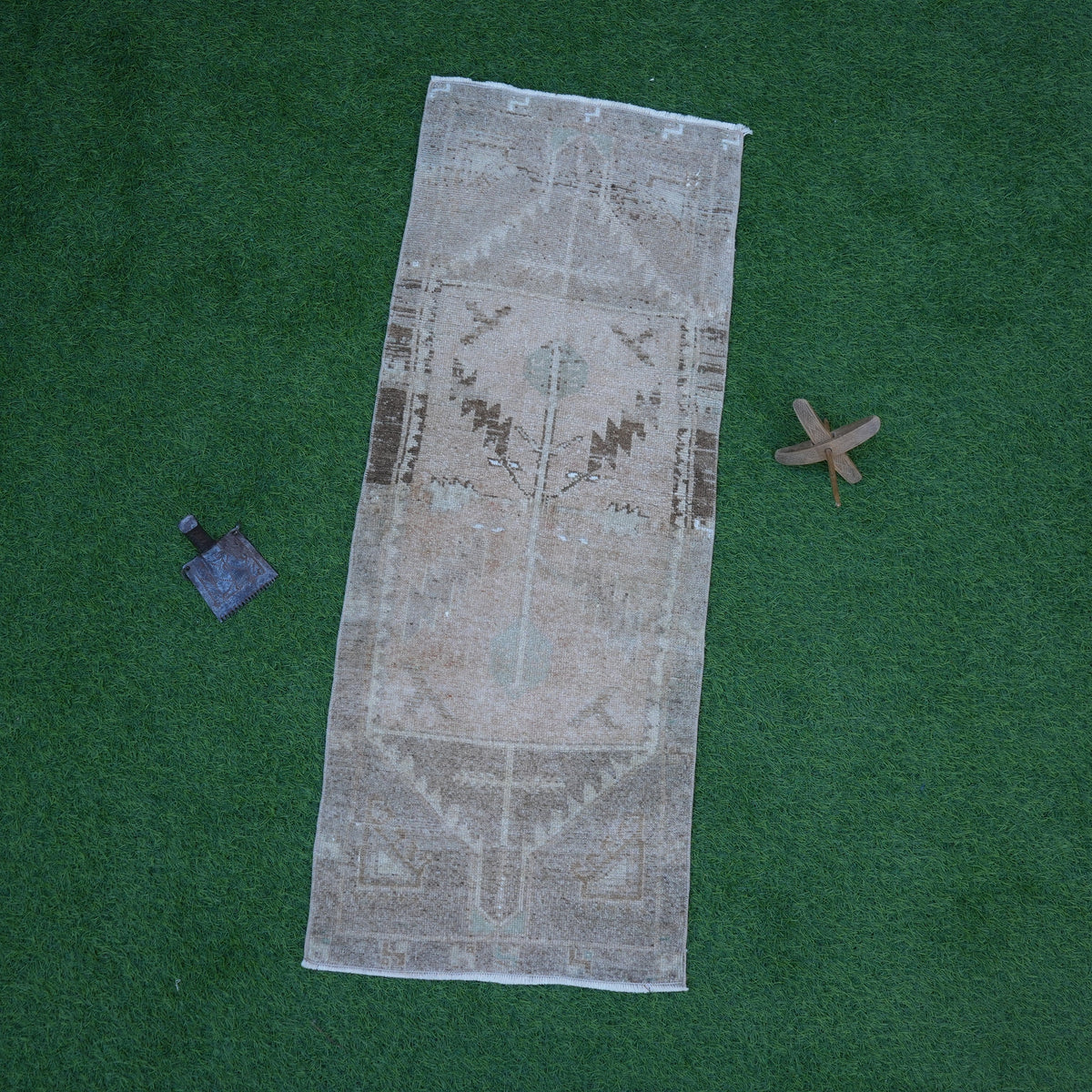
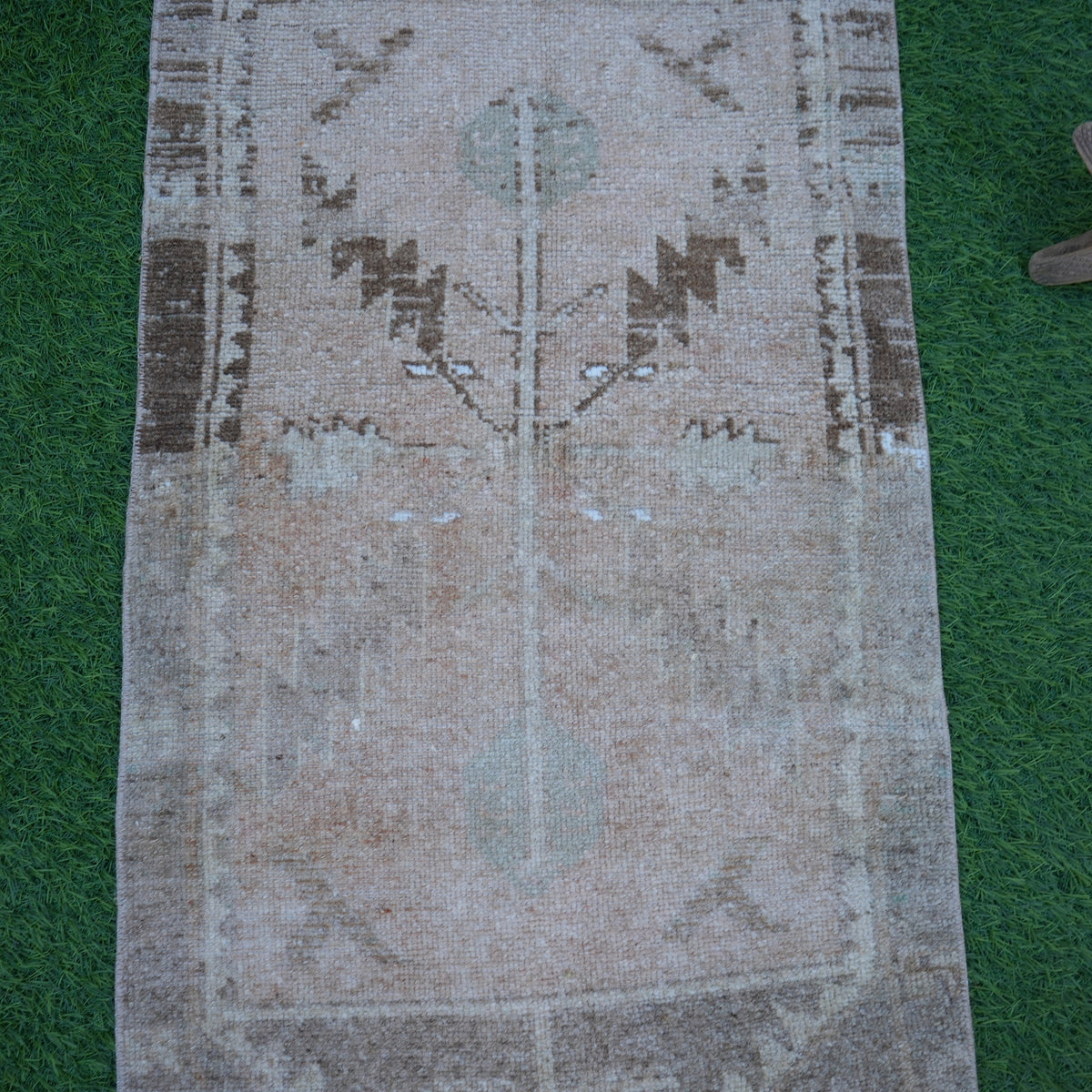
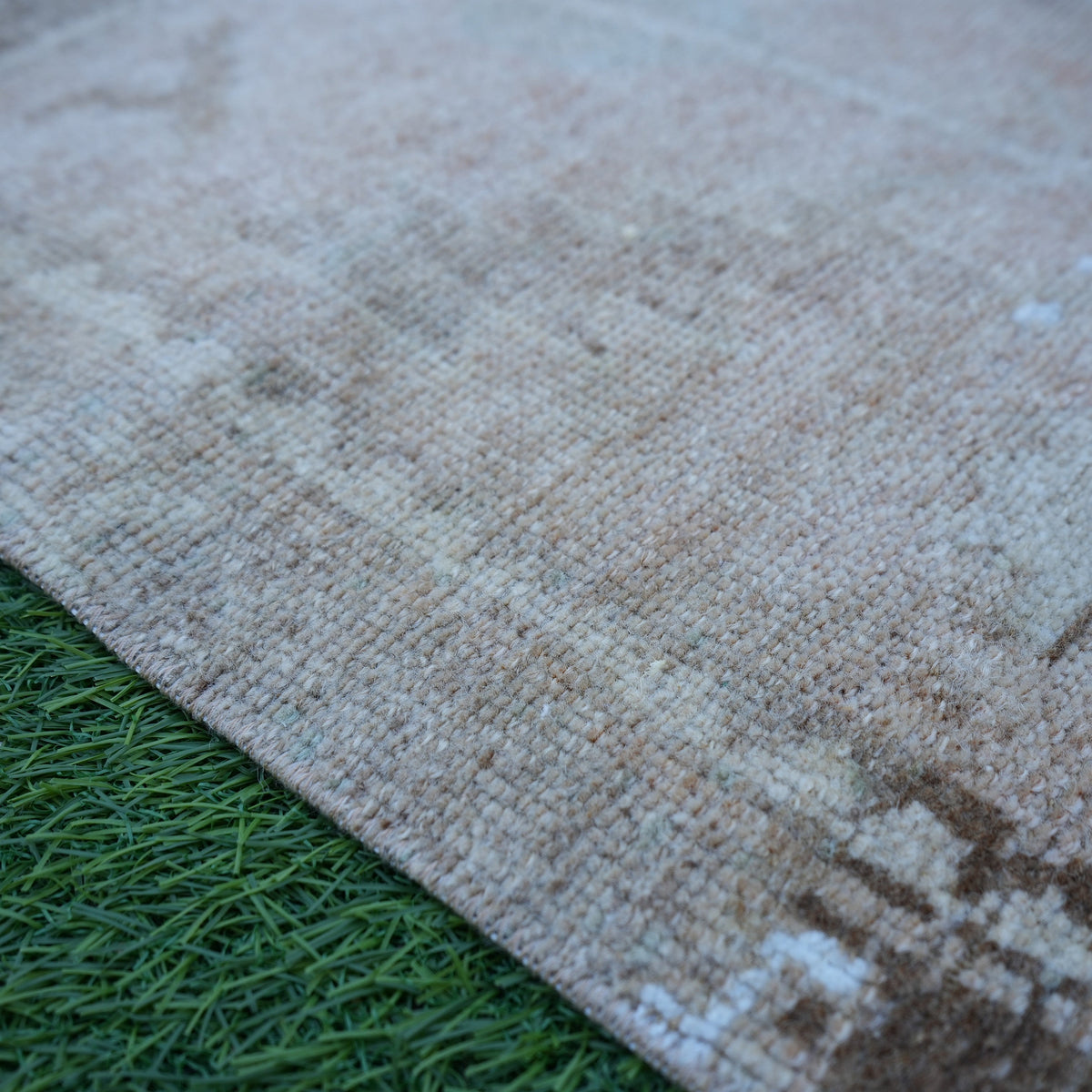
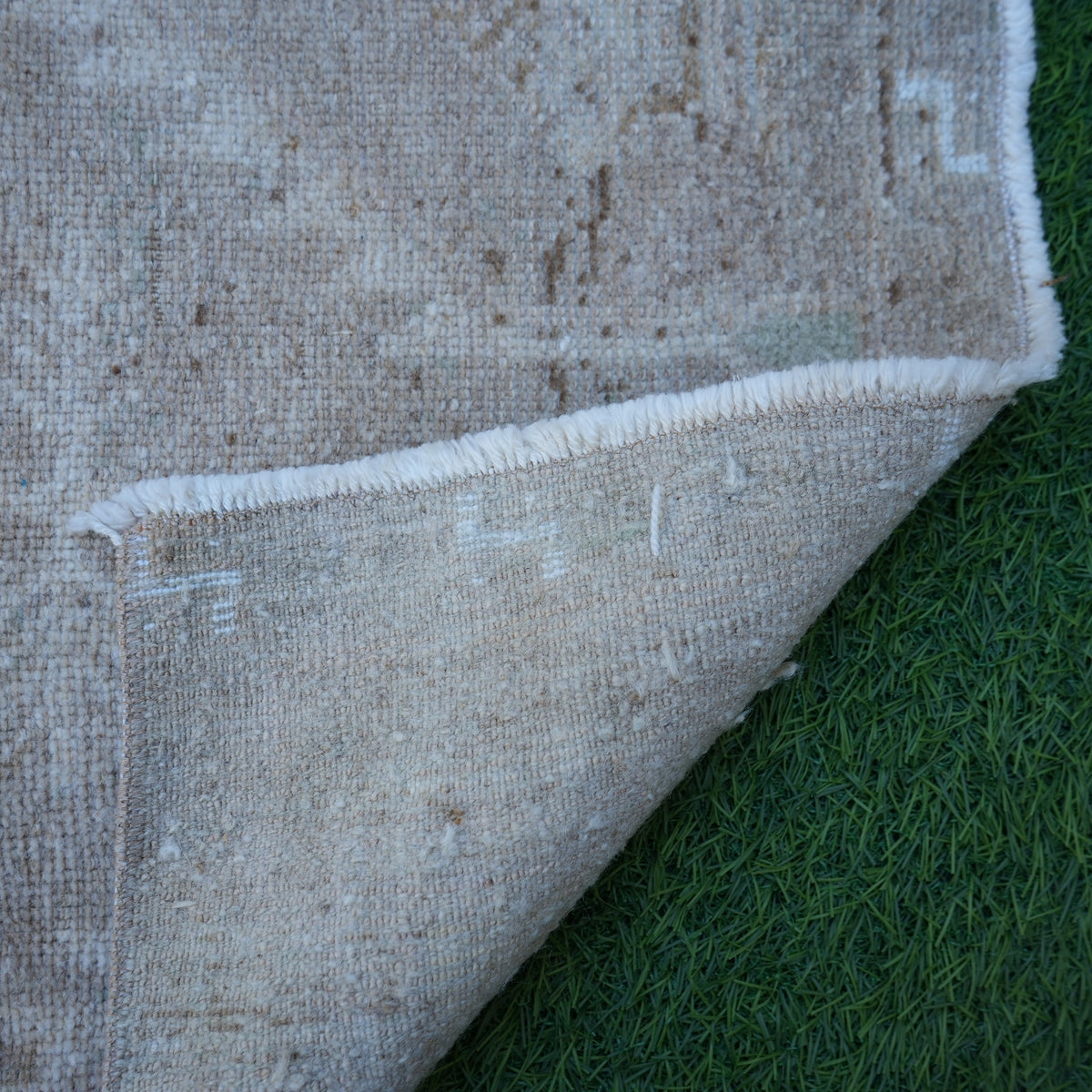
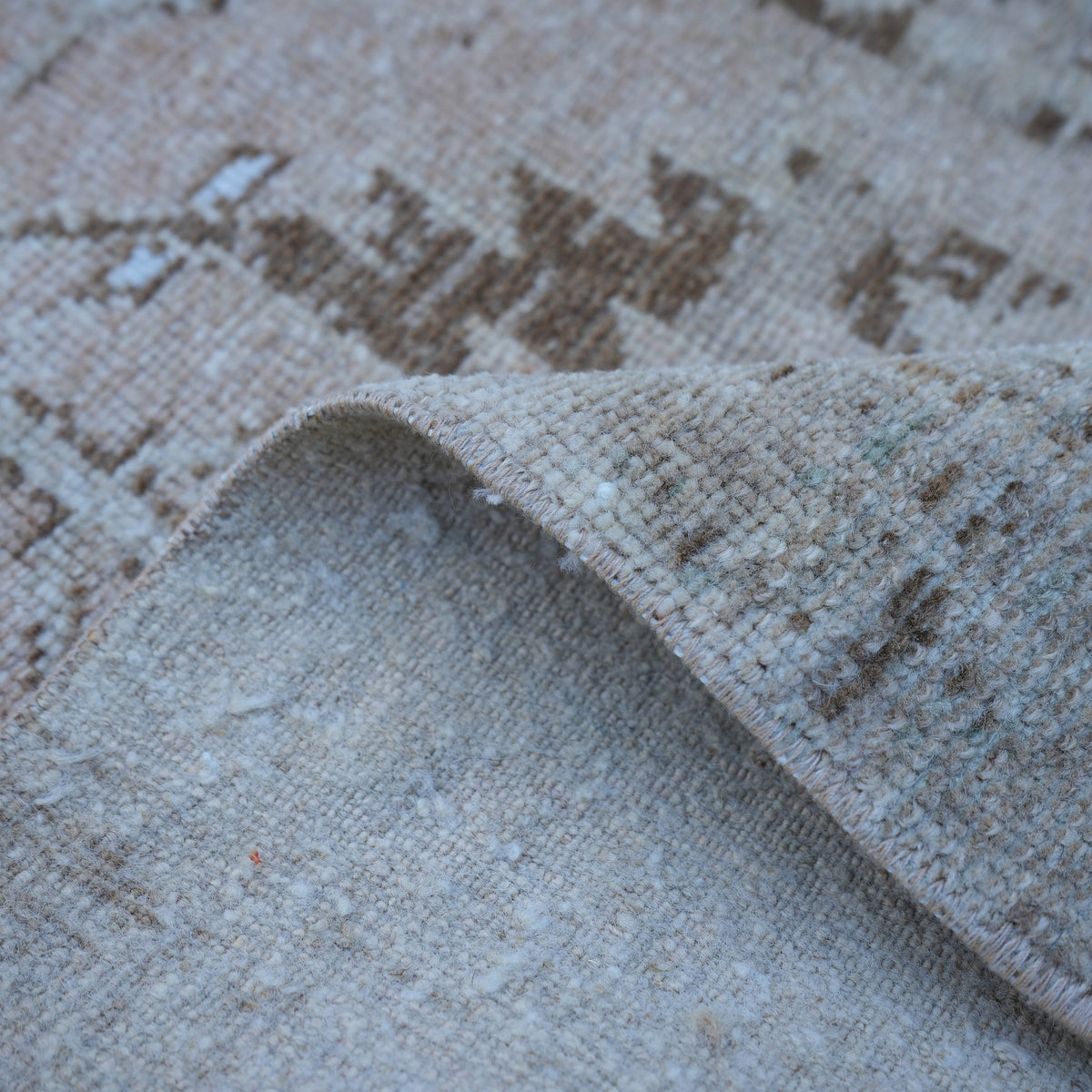
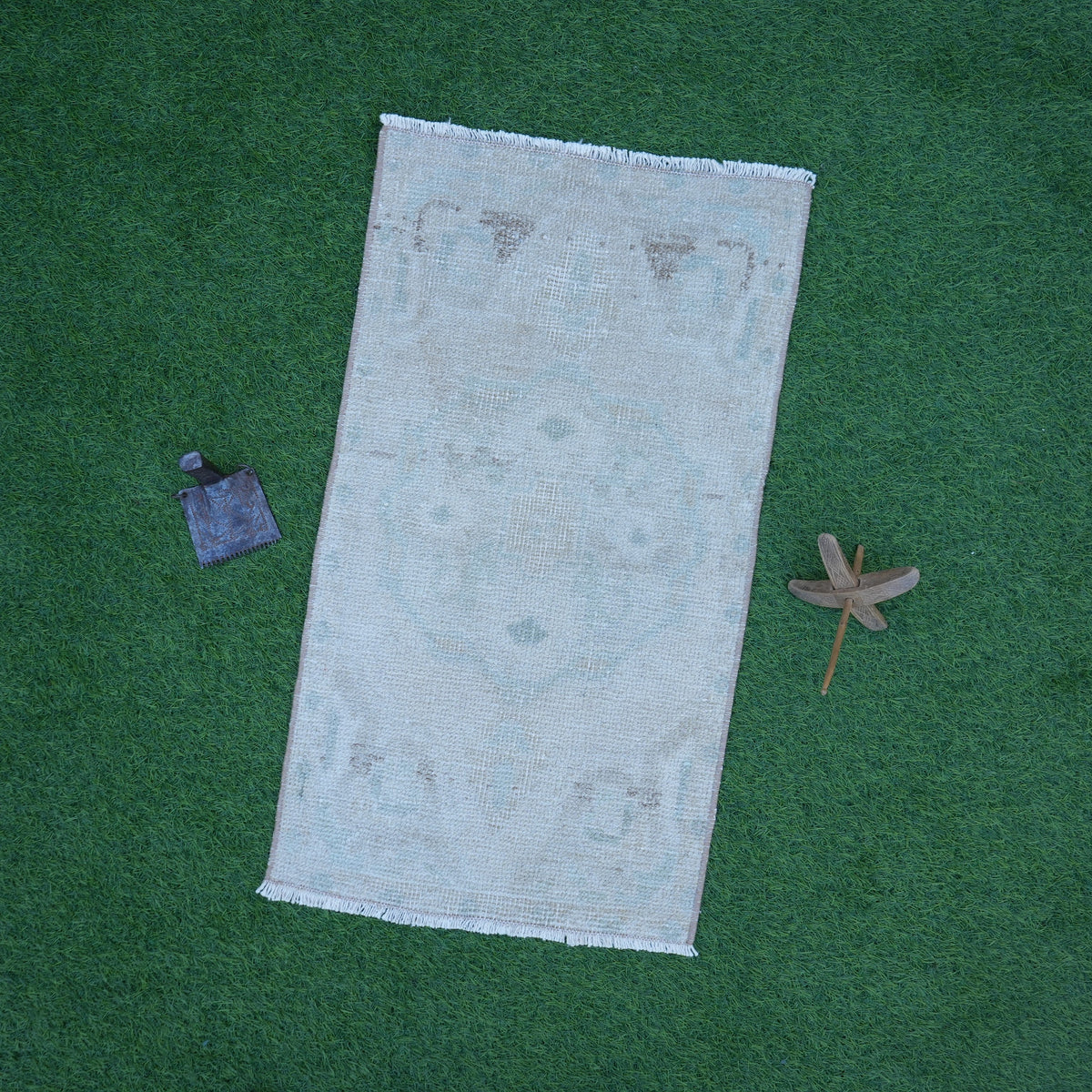
Softly faded vintage rugs often work beautifully in both room styles.

What Is a Modern Rug?
In design, "modern" does not mean new. The modernist movement emerged in the early 20th century — Bauhaus, Scandinavian minimalism, and later mid-century design all fed into what we now loosely call the modern aesthetic. But in the way most people use the word today, a modern interior prioritizes simplicity, negative space, and low visual noise.
A modern rug follows that same logic. Neutral palettes — ivory, cream, soft beige, warm gray, taupe — sit at the center of the category. Patterns are either absent or very restrained: a subtle texture, a faint geometric suggestion, something that reads more as surface than statement.
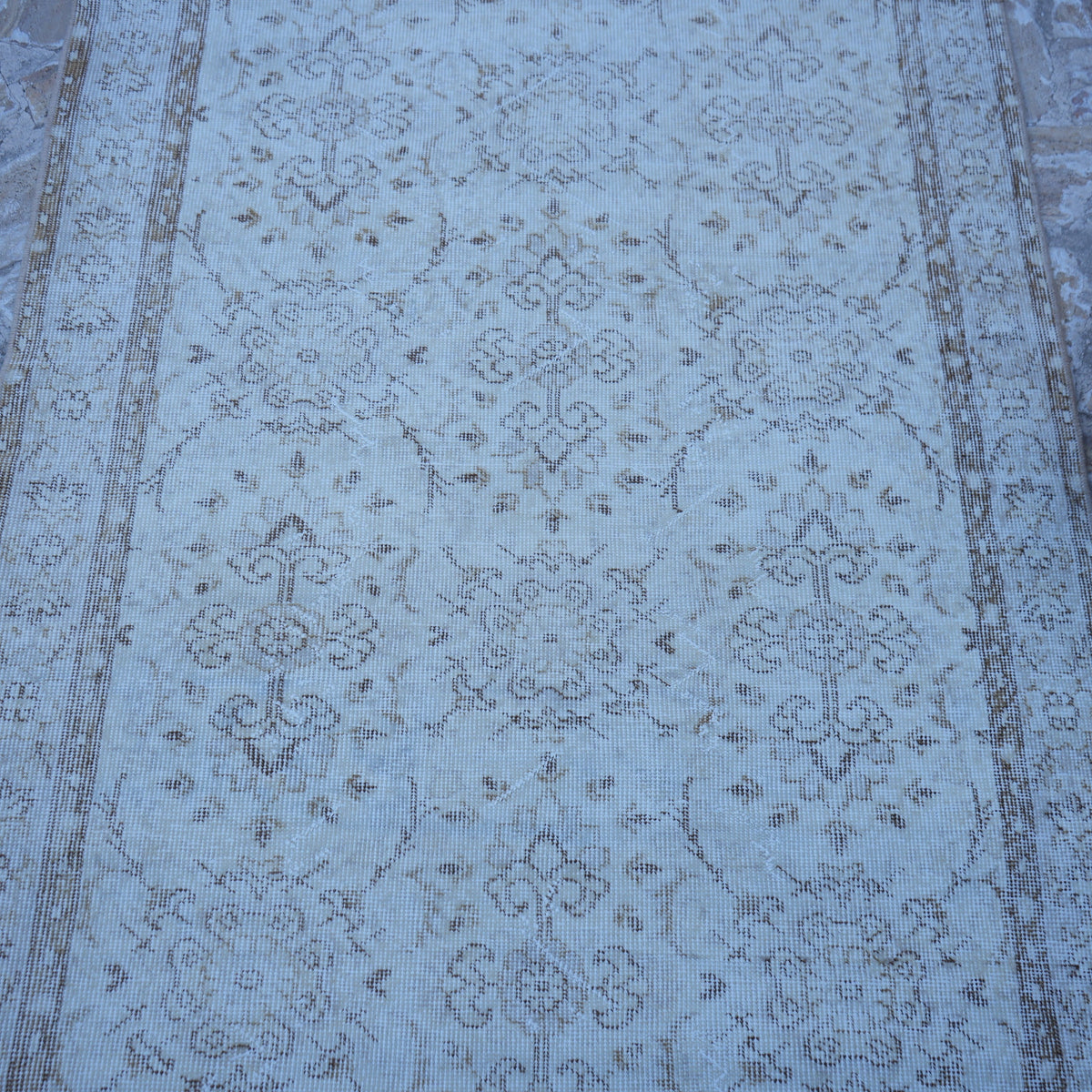
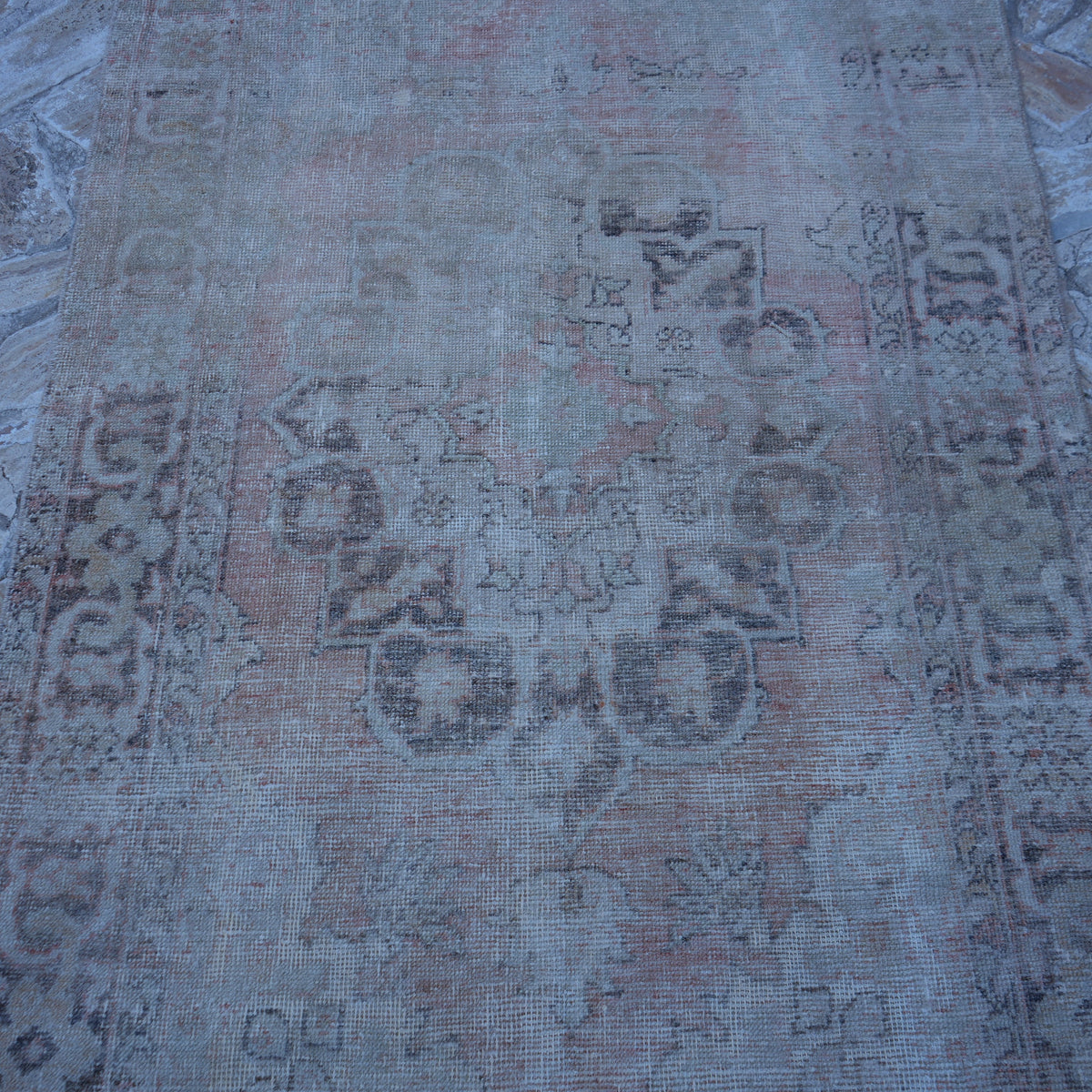
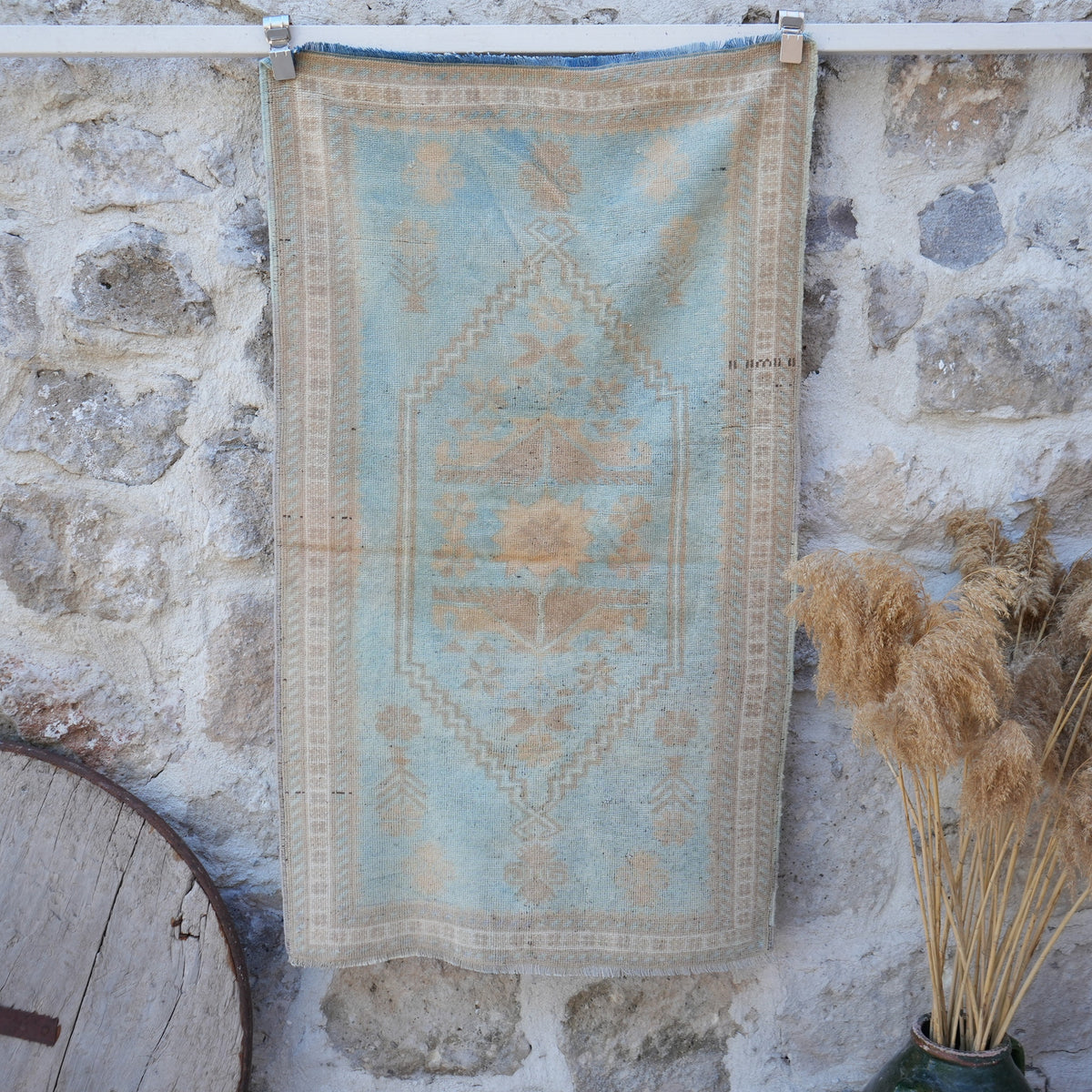
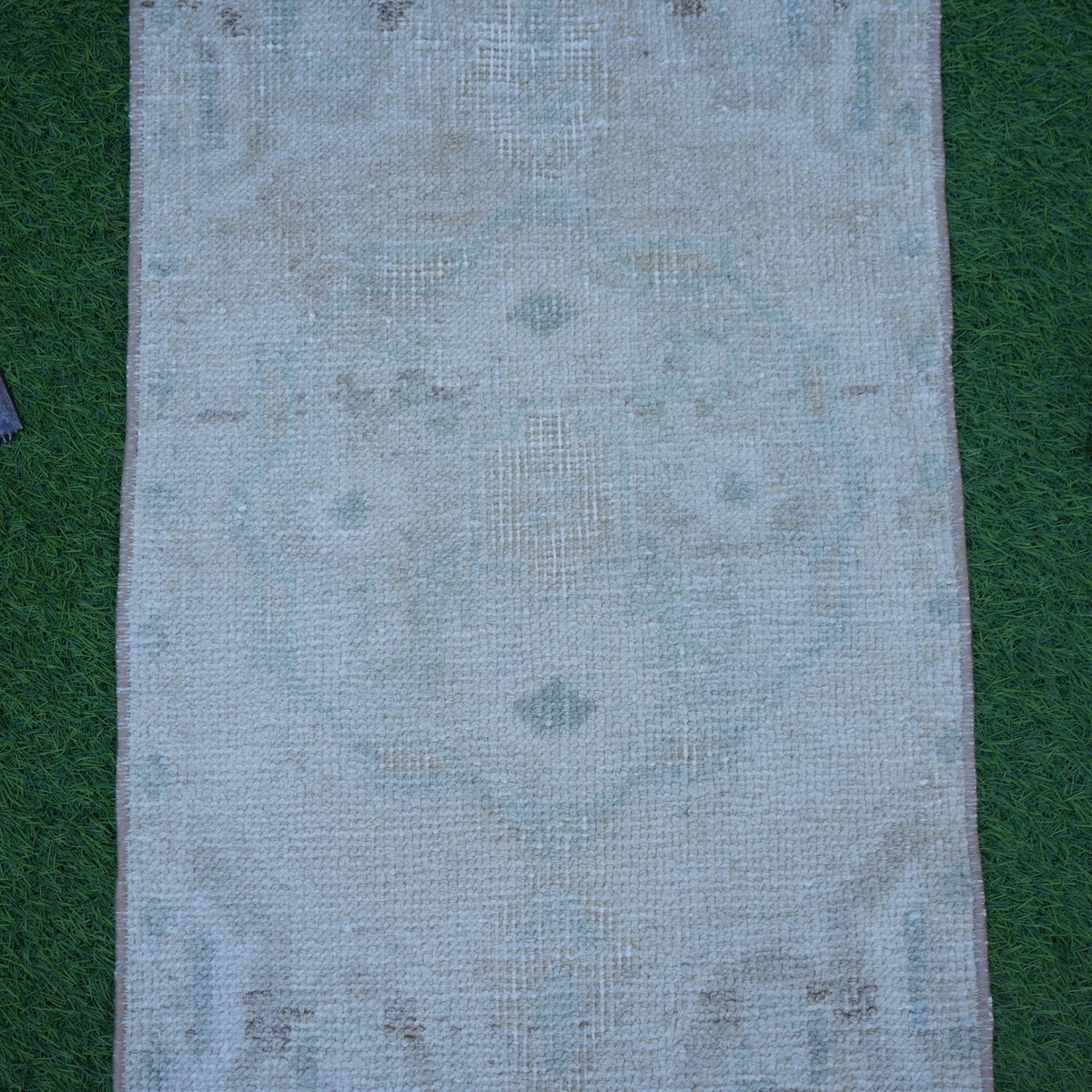
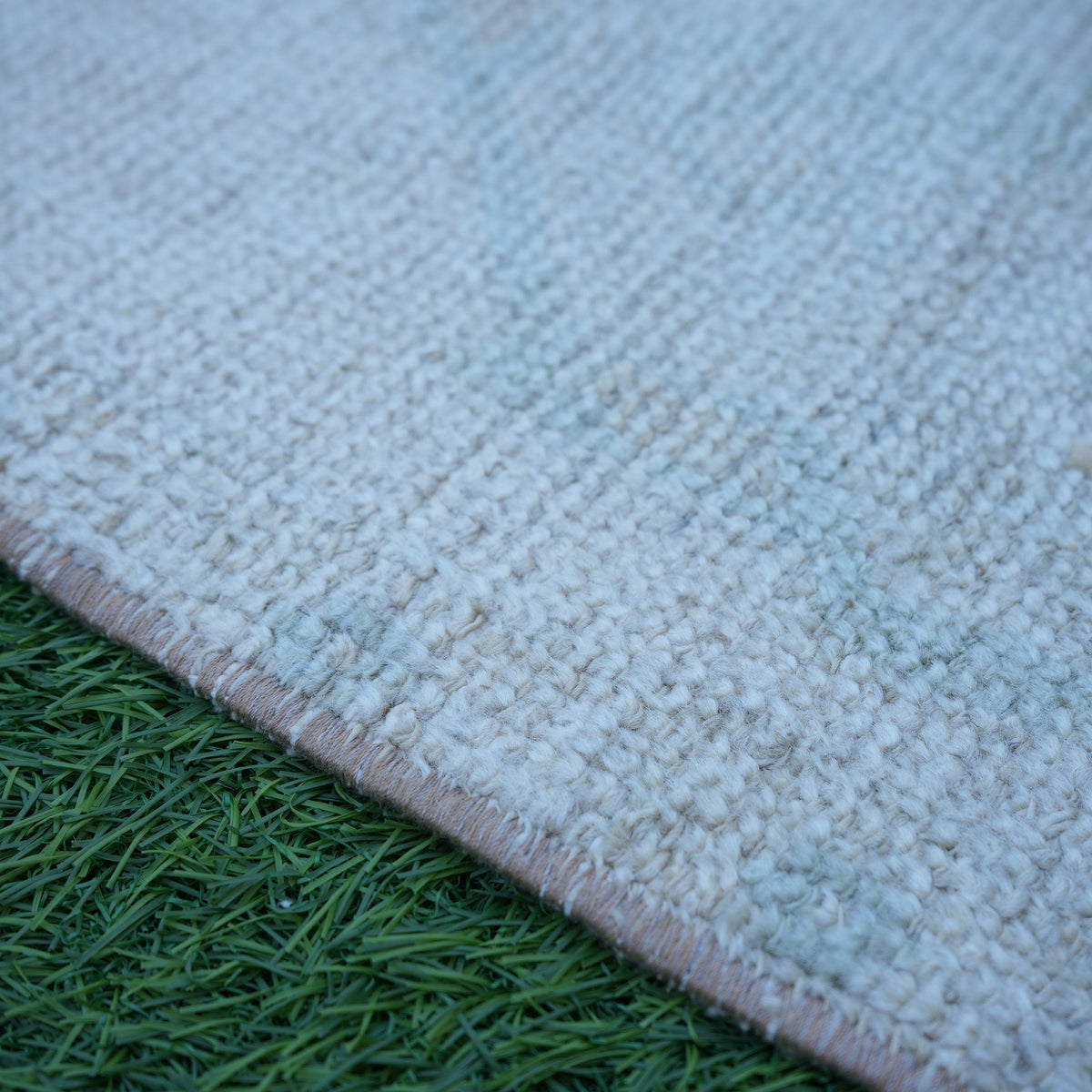
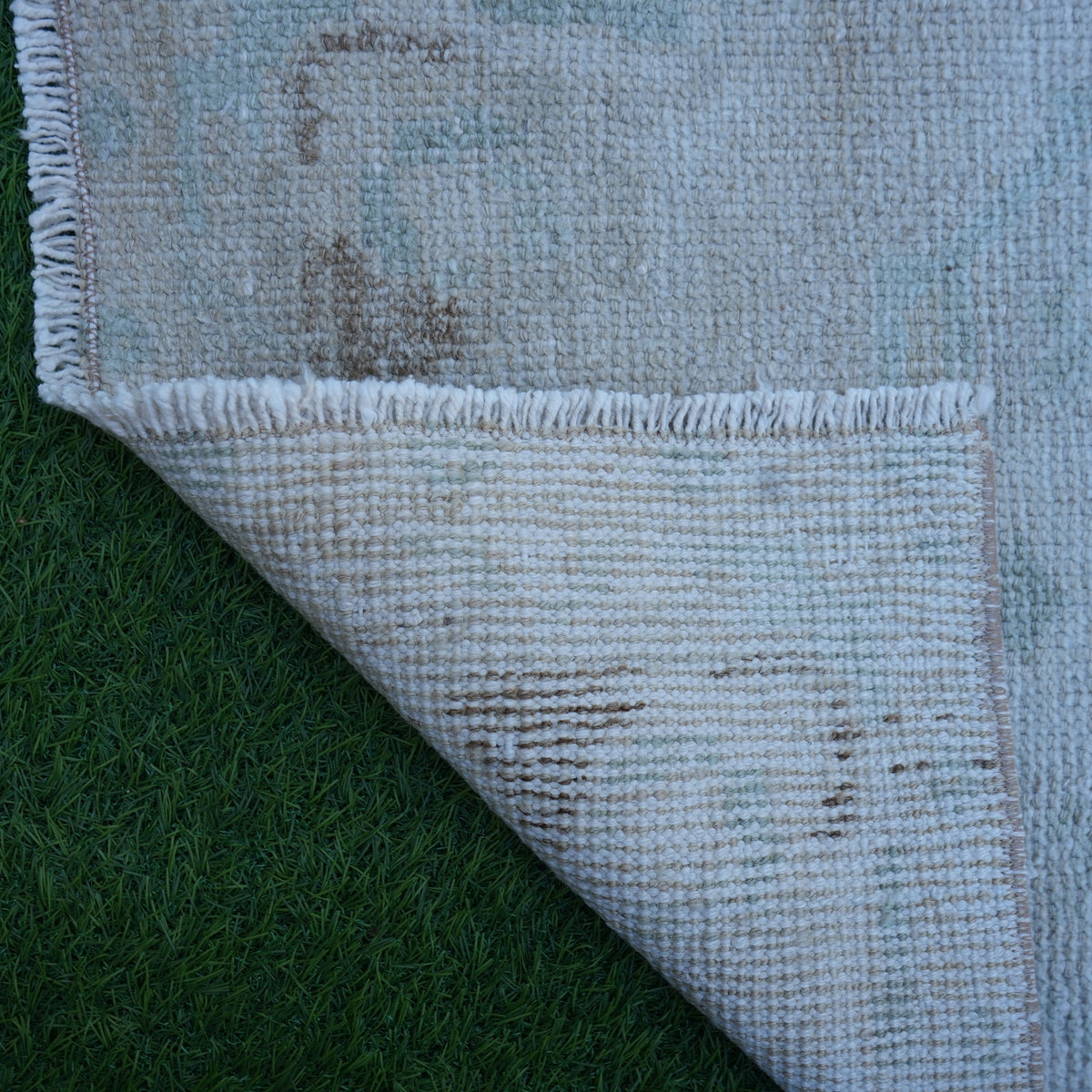
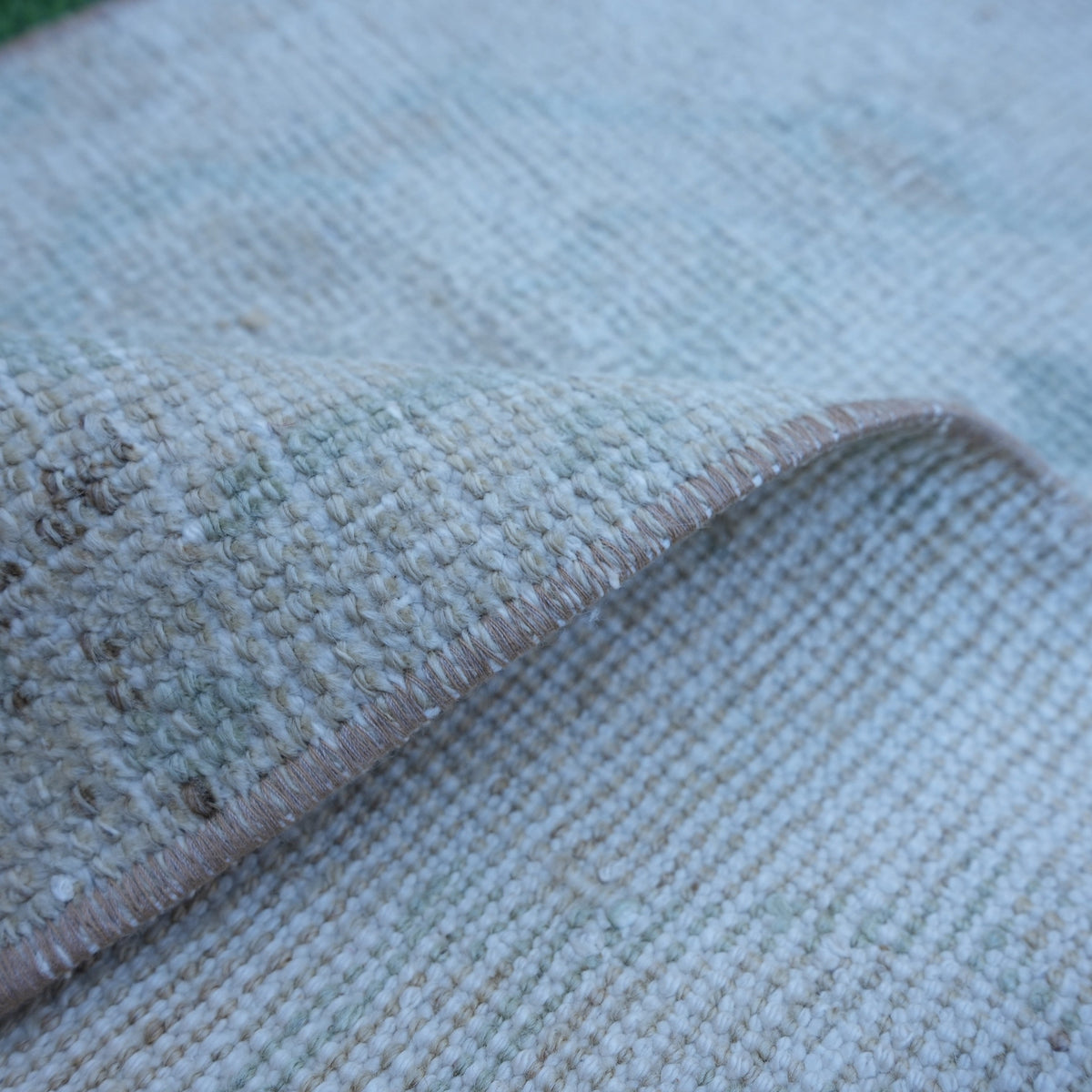
What genuinely surprises some customers is that a modern rug does not have to be newly manufactured. Certain vintage pieces carry such softly faded palettes and quiet patterns that they sit in a modern room more naturally than many brand-new rugs designed to look "modern."
If you're looking for rugs that fit a calm, open-floor aesthetic, our neutral rugs collection is a good place to start.
What Is a Mid-Century Modern Rug?
Mid-century modern is a specific design era, not just a general aesthetic. It draws from roughly 1940 to 1970 — a period when designers like Eames, Saarinen, and Wegner were building furniture that married function with warmth.
A mid-century modern rug reflects that same character. It tends to lean geometric — repeating patterns, abstract shapes, bold but structured designs. The difference from a strictly modern rug is atmosphere. Mid-century modern spaces don't aim for sterility. They aim for warmth within structure.
Common Mid-Century Modern Colors
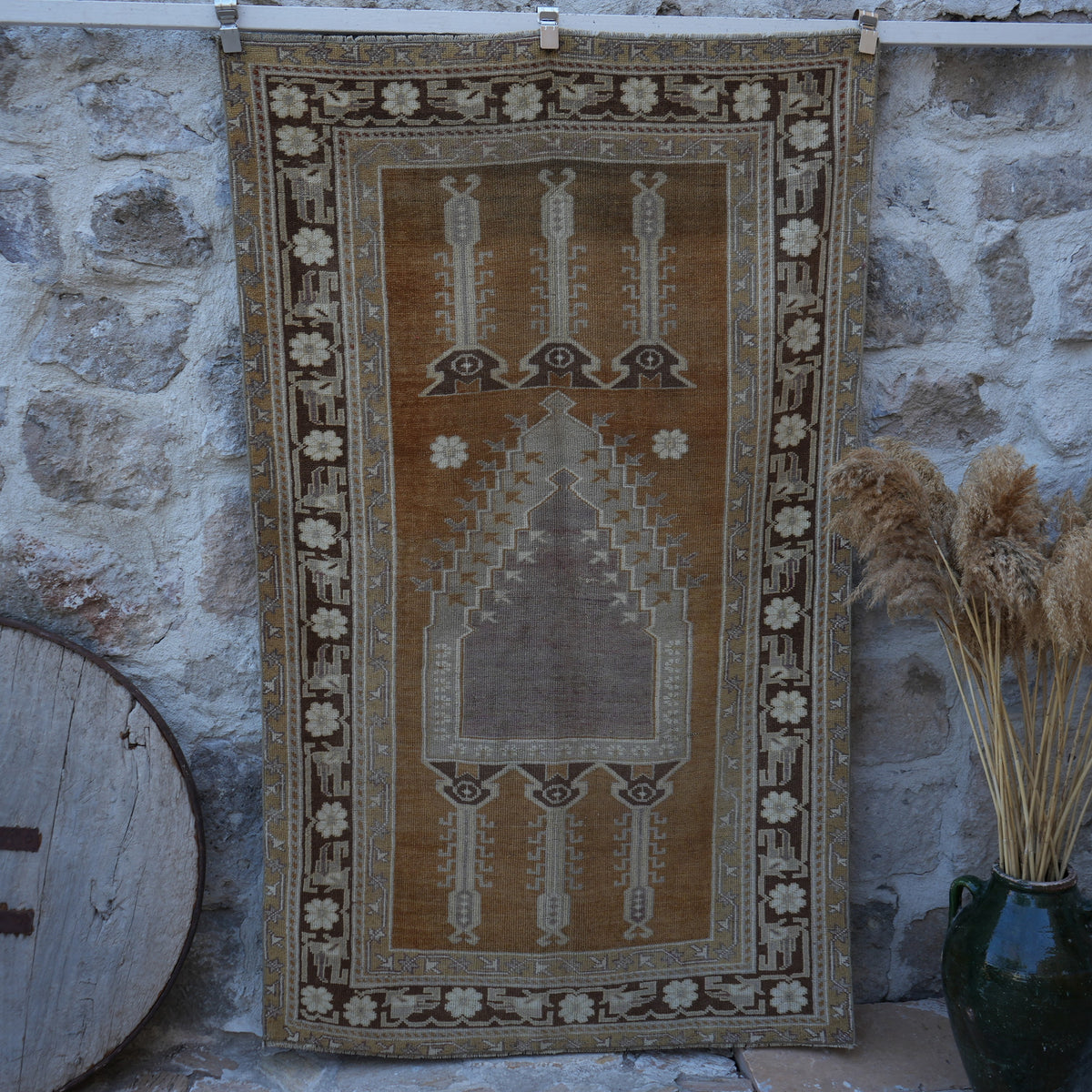
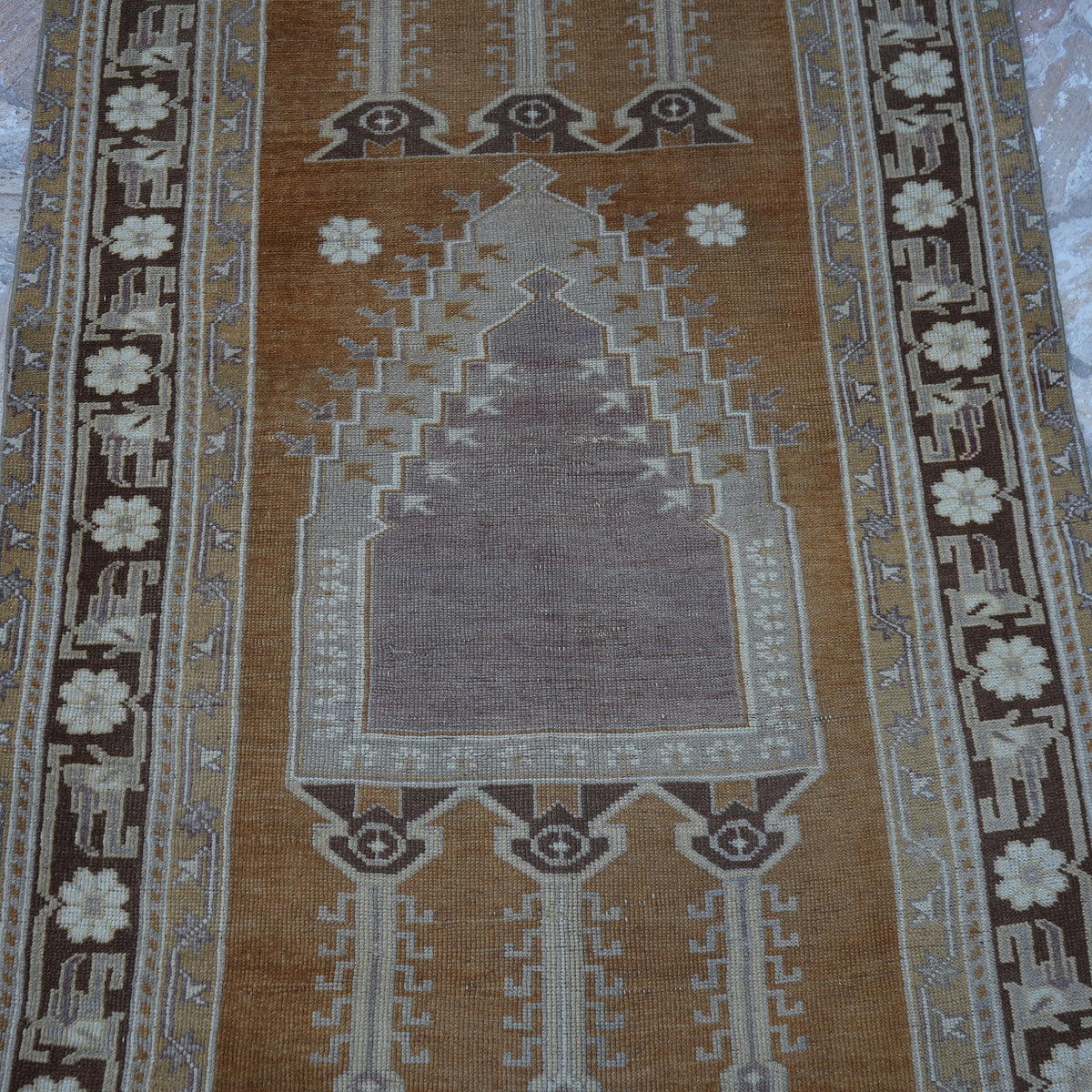
The mid-century modern palette runs warm and deliberate. Olive green, mustard yellow, walnut brown, burnt orange, and deep teal appear repeatedly. For a rug, these colors read best when grounded, aged, and slightly softened.
Modern rugs often stay quiet: cream, ivory, taupe, warm gray. Mid-century modern rugs usually bring more visible color into the room.
The best MCM colors are grounded — mustard with depth, olive closer to sage, orange closer to terracotta, teal with weight, and walnut brown that speaks to the furniture.
MCM Rug
These colors should not feel bright or artificial. They should feel aged, earthy, and connected to the wood tones already present in the room.
Modern Rugs vs Mid-Century Modern Rugs: Key Differences
The easiest way to separate the two styles is to look at color, pattern, furniture pairing, and the role the rug plays in the room.
| Feature | Modern Rug | Mid-Century Modern Rug |
|---|---|---|
| Color Palette | Neutral — ivory, cream, warm gray, soft beige | Warm and earthy — mustard, olive, walnut brown, terracotta |
| Pattern Style | Minimal or none; subtle texture | Geometric, abstract, structured repeats |
| Furniture Pairing | Light wood, white or gray upholstery, steel | Dark walnut or teak, leather, mixed natural materials |
| Visual Impact | Recedes — supports the room's quiet | Present — adds character and depth |
| Atmosphere | Calm, clean, open | Warm, grounded, slightly retro |
| Popularity Today | Strong — especially in open-plan minimalist homes | Strong resurgence — driven by interest in authentic, craftsperson-made pieces |

Why Vintage Rugs Work Surprisingly Well in Both Styles
This is the part of the conversation that changes how most people think about buying a rug.
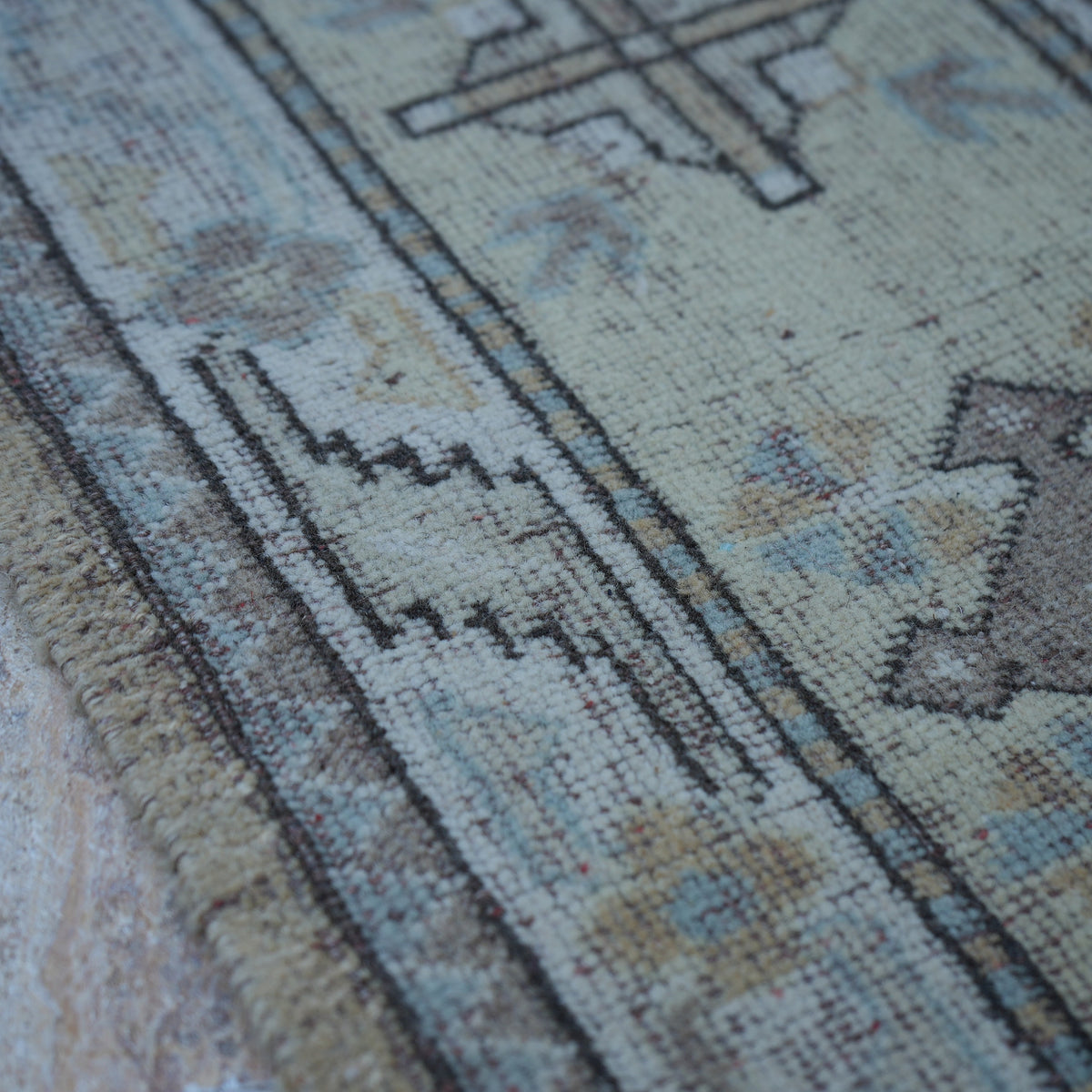
I used to assume that "modern interior" and "vintage rug" sat in different categories. That was wrong. What I've seen repeatedly is that a well-chosen vintage piece does something a new rug cannot replicate. It adds what modern design often carefully removes: history, imperfection, and warmth.
Vintage Rugs in Modern Homes
Modern interiors can look stunning in a photograph and slightly cold in person. White walls, neutral upholstery, open space, clean surfaces — the room is well-composed but occasionally feels more like a backdrop than a home.
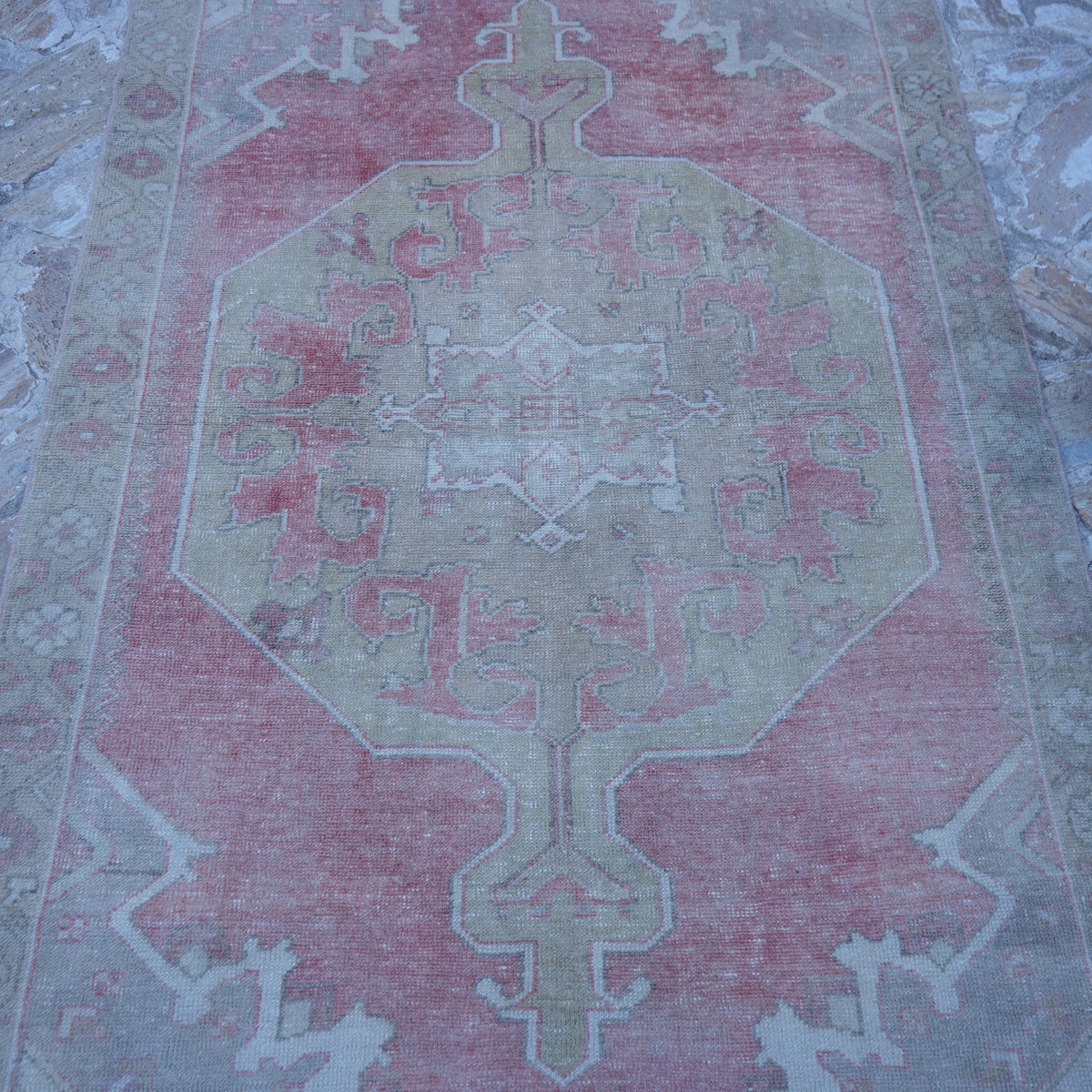
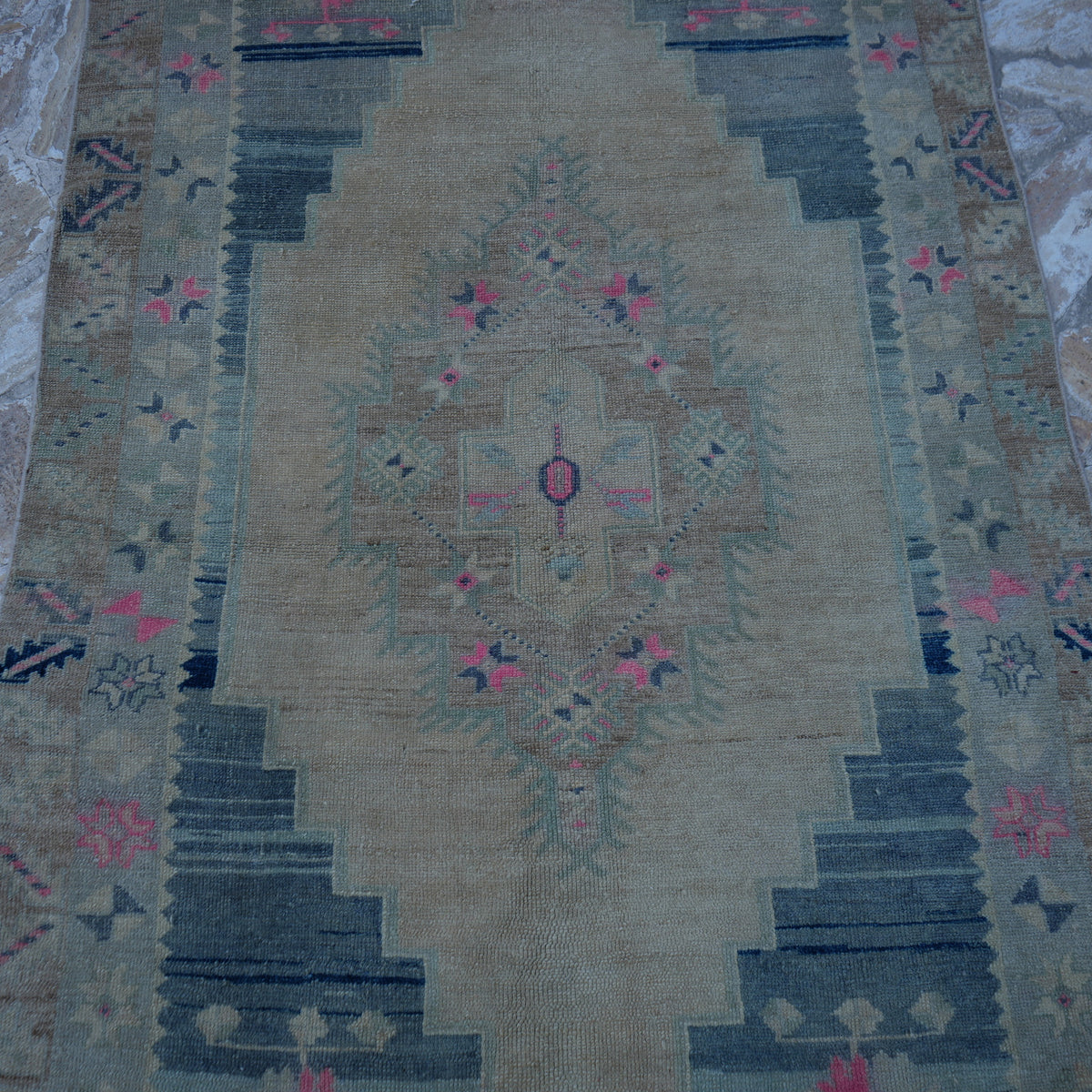
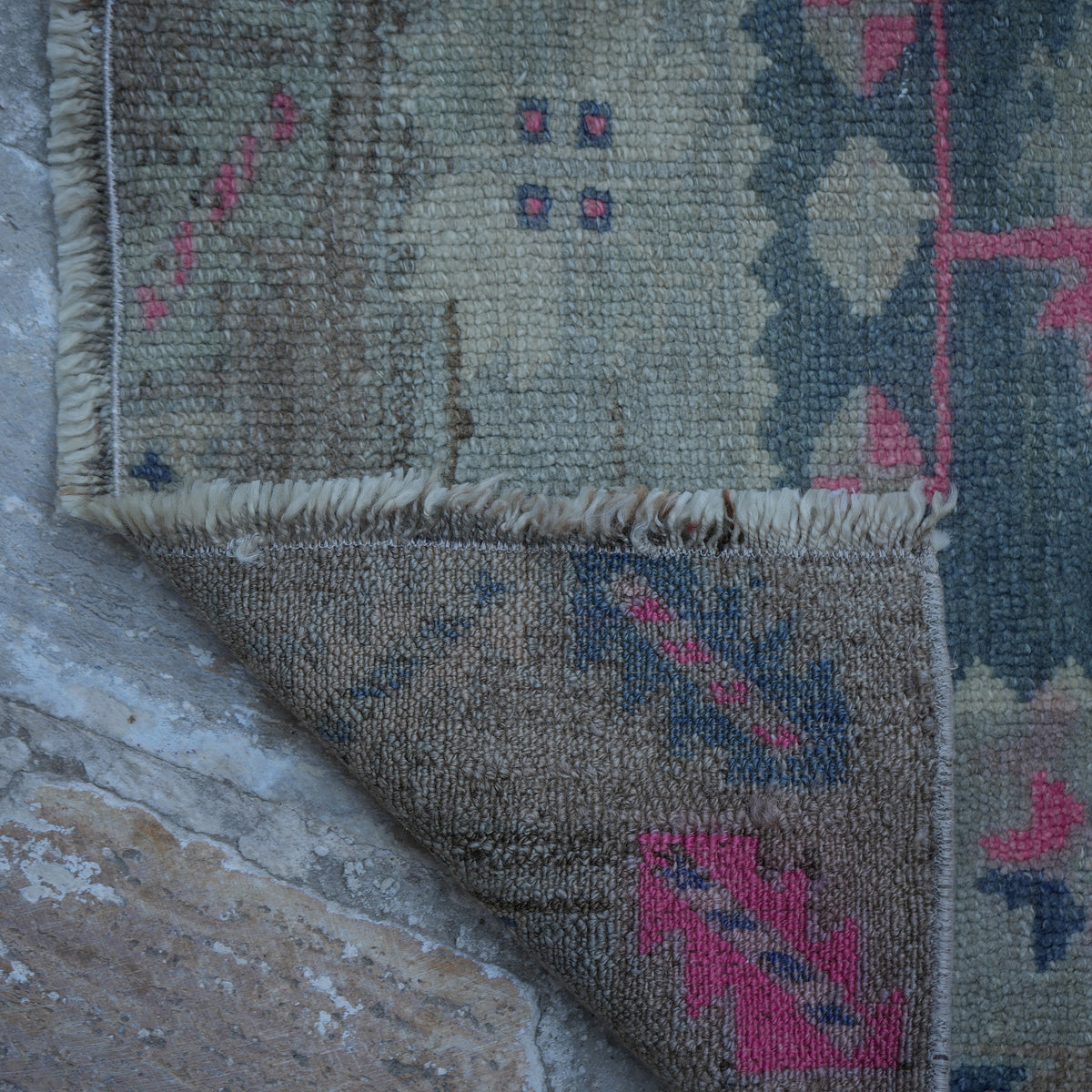
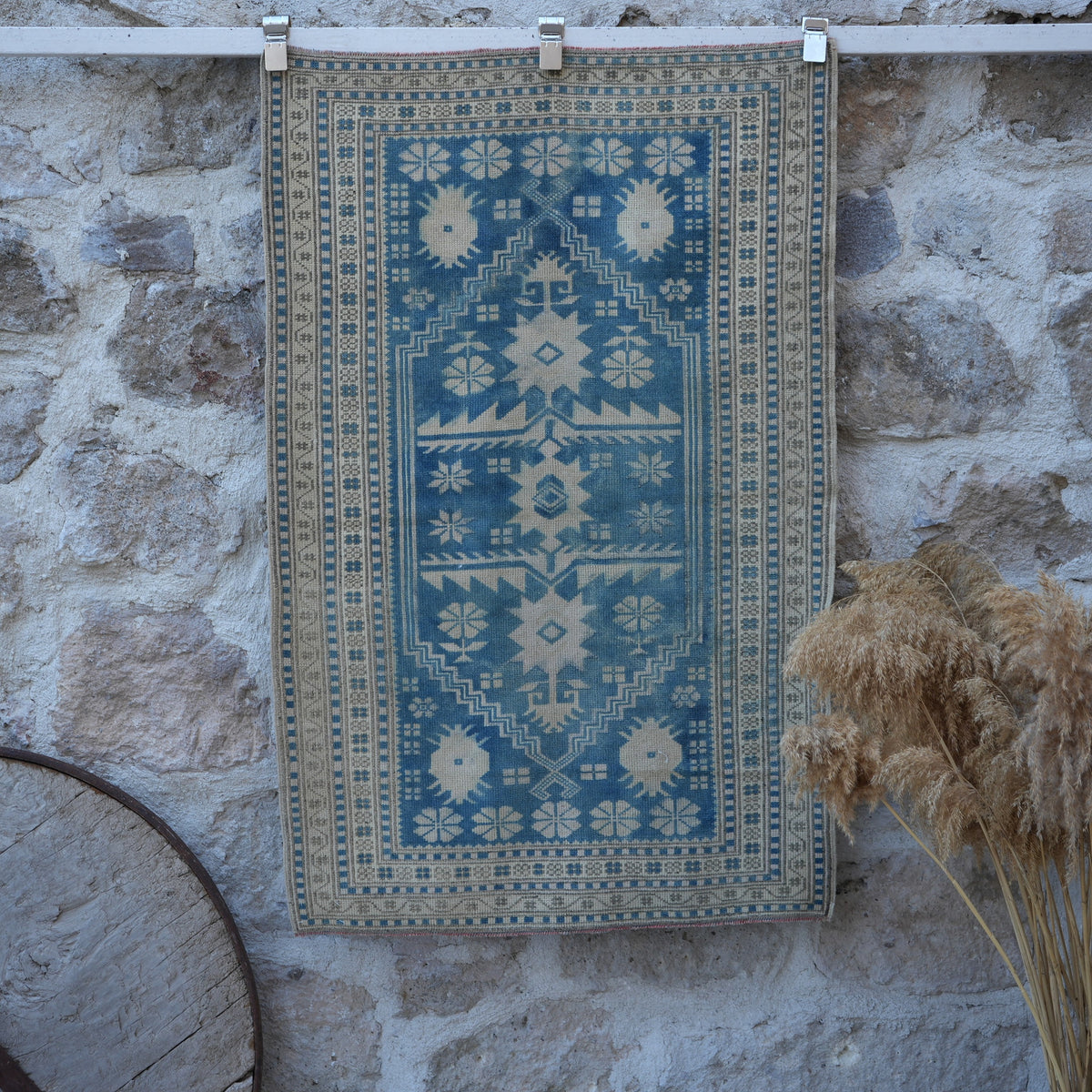
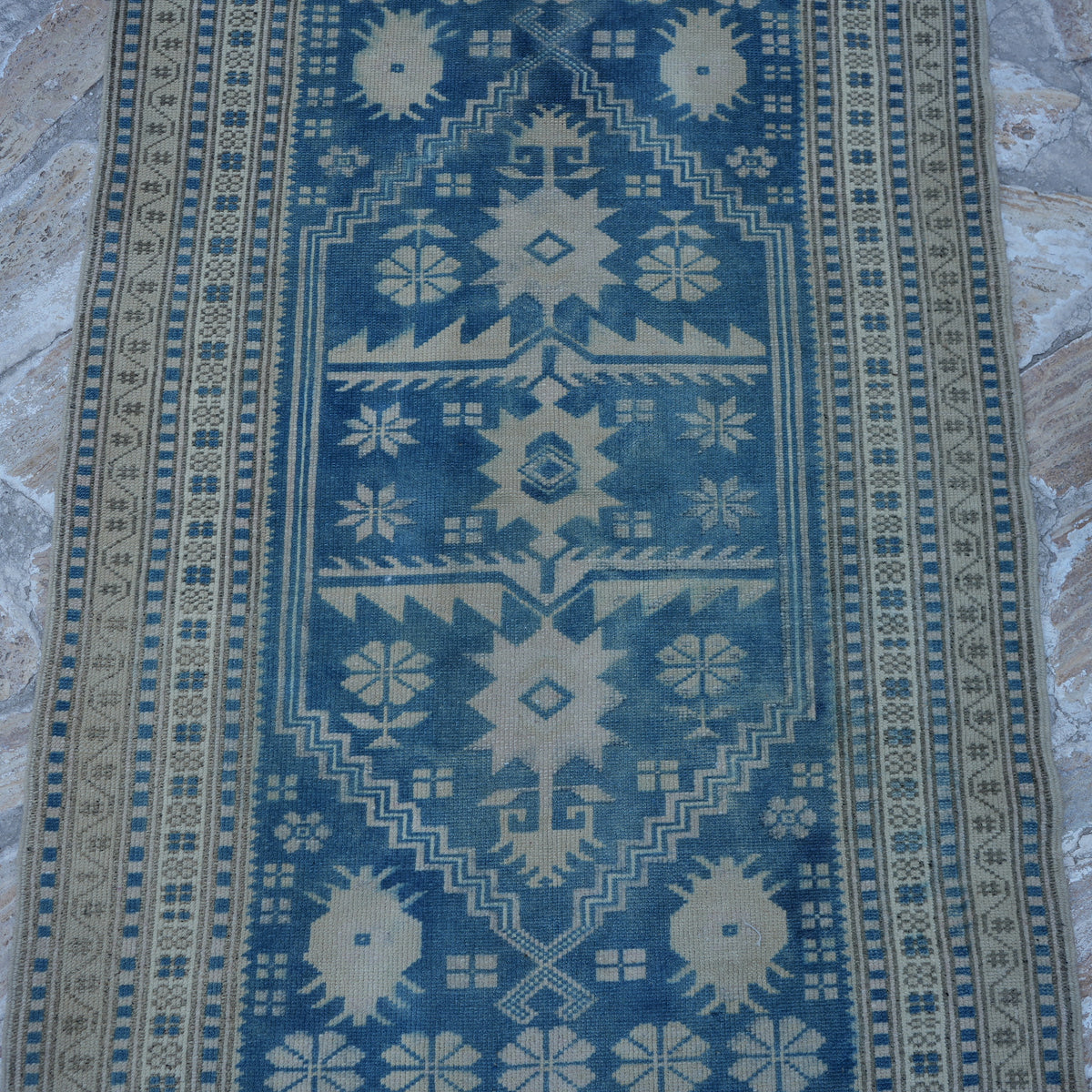
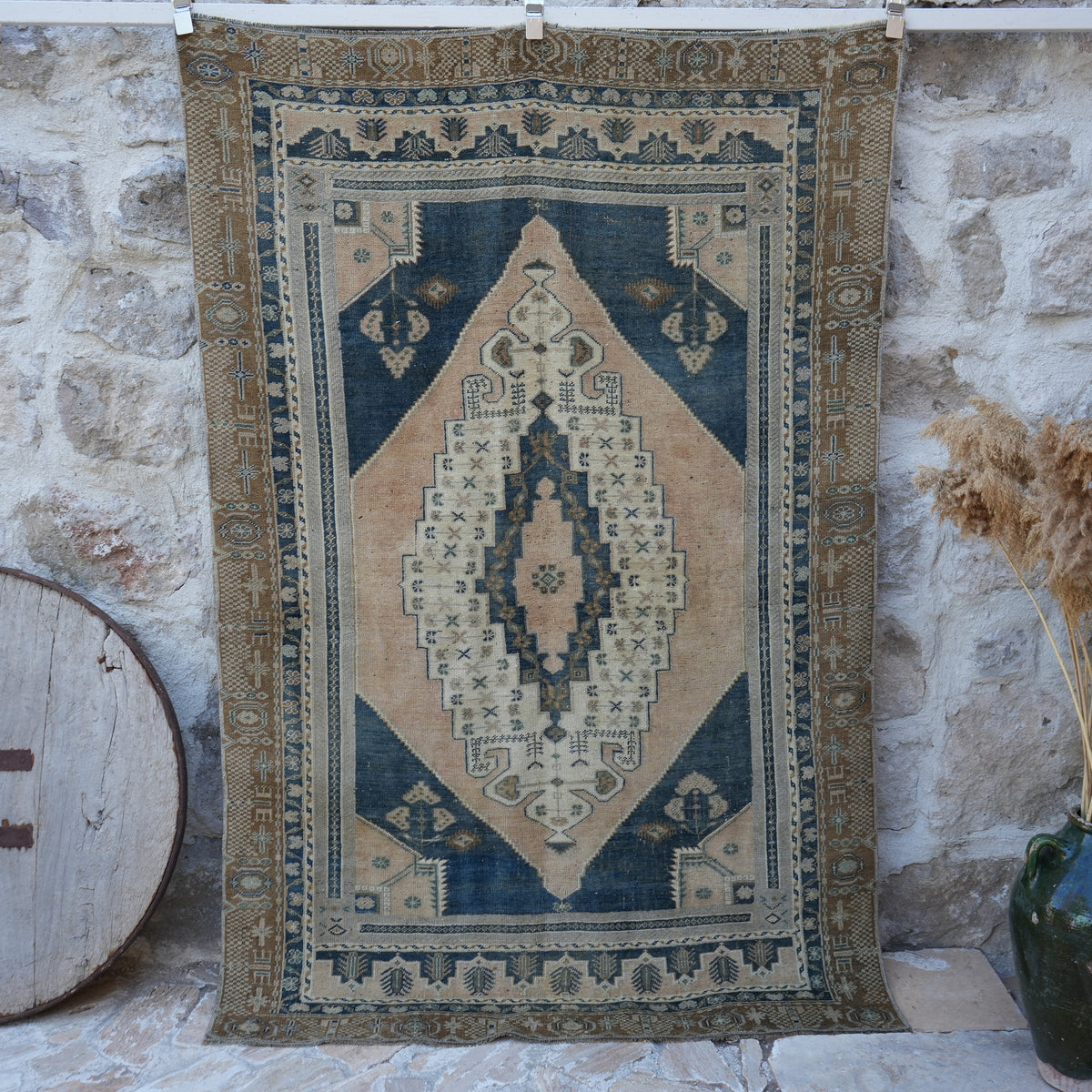
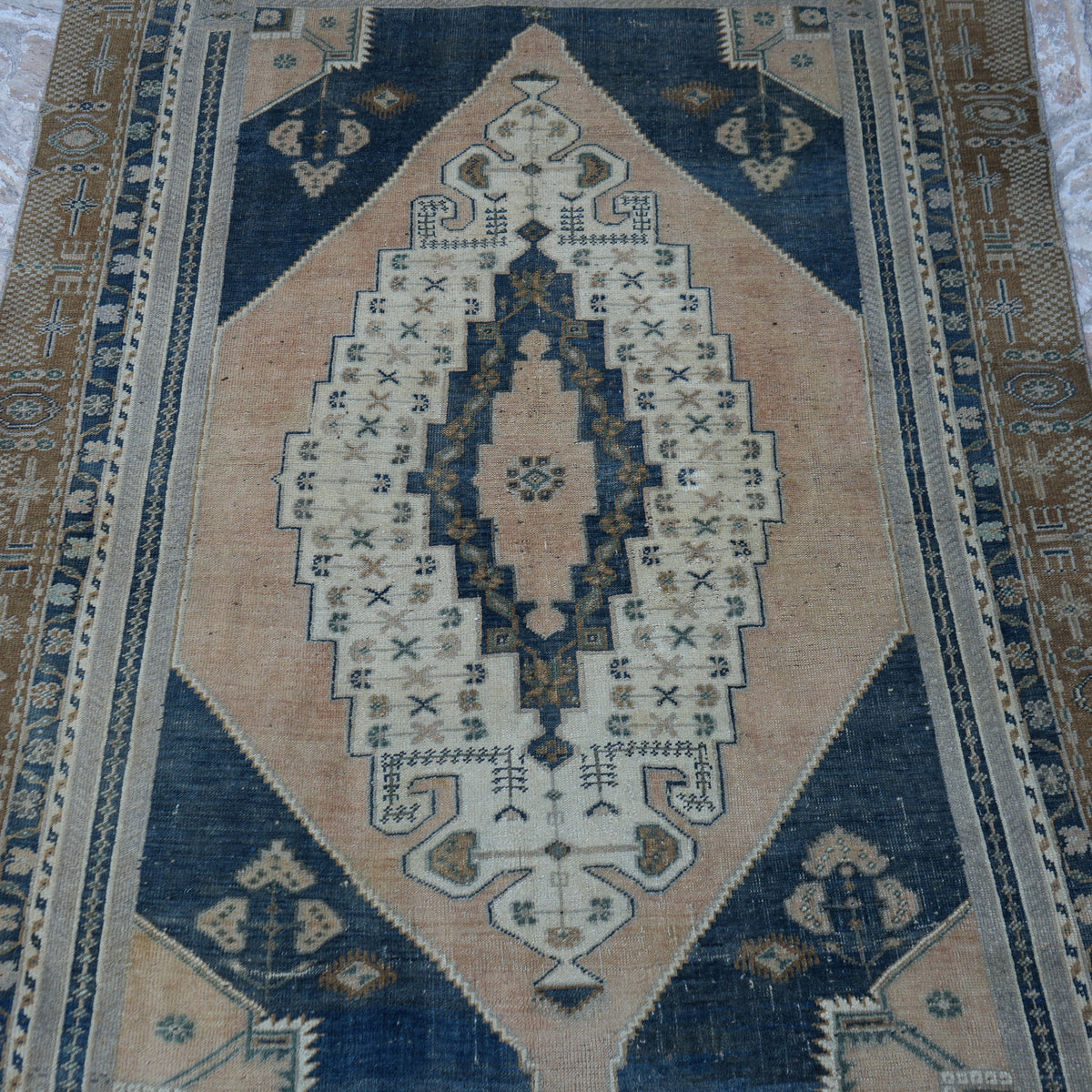
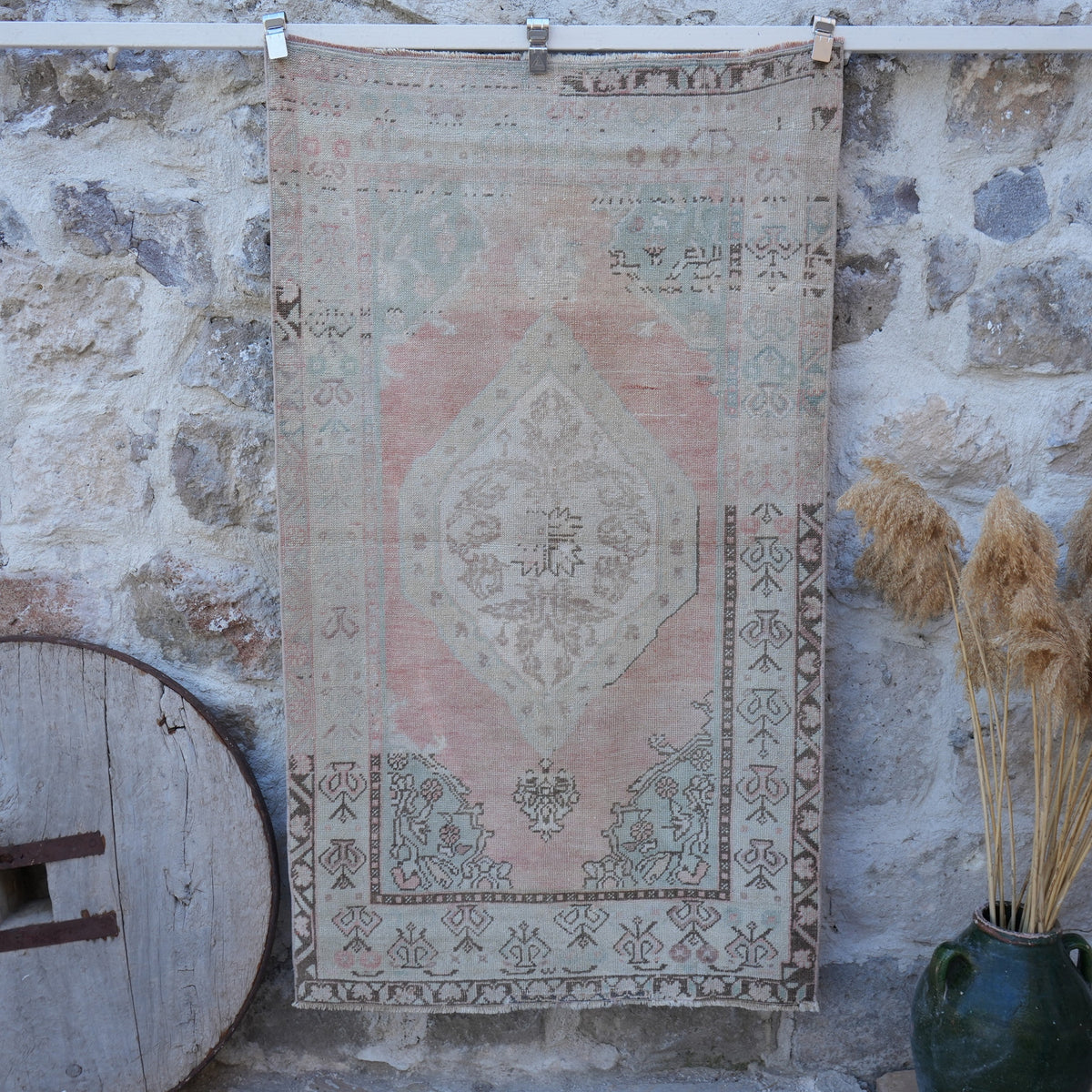
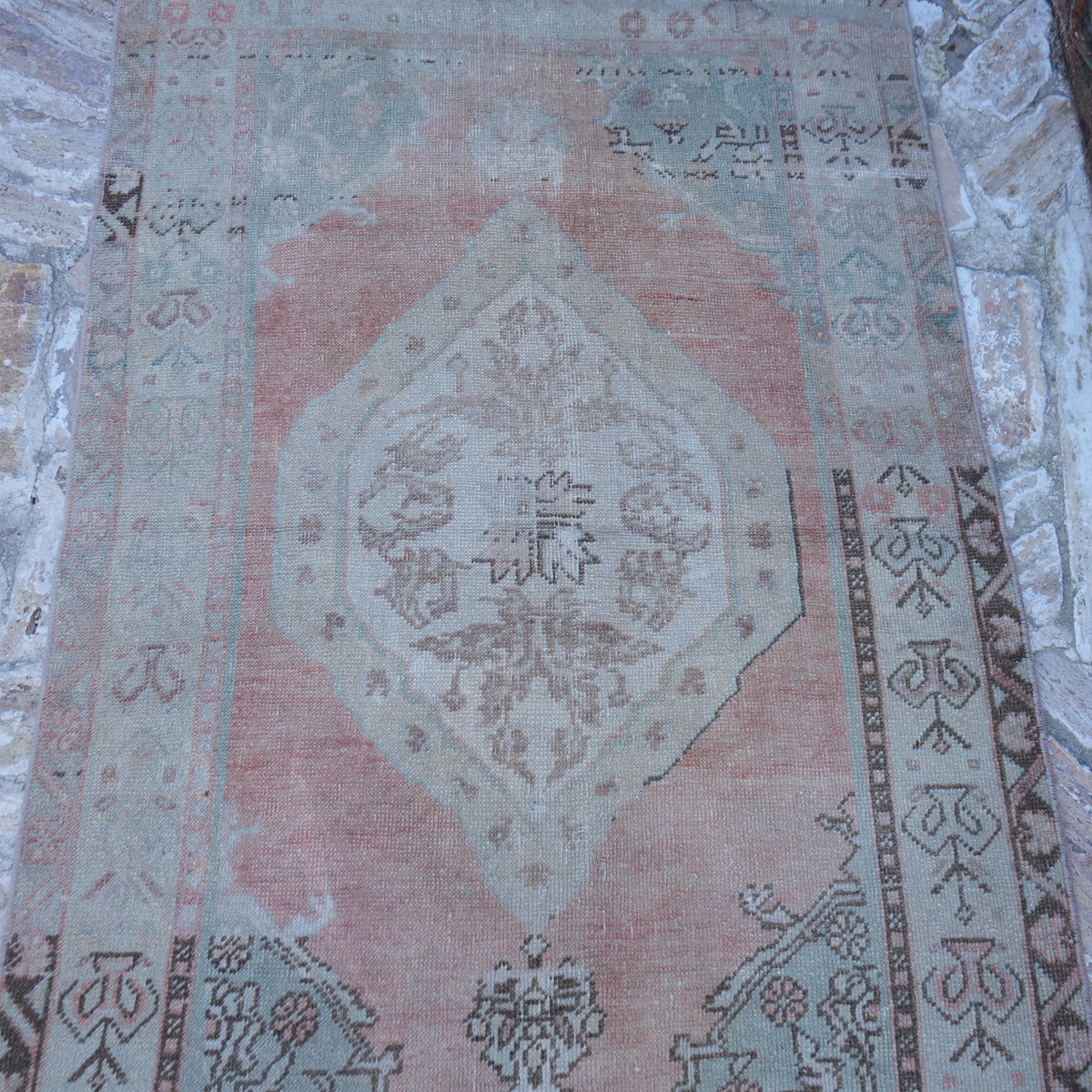
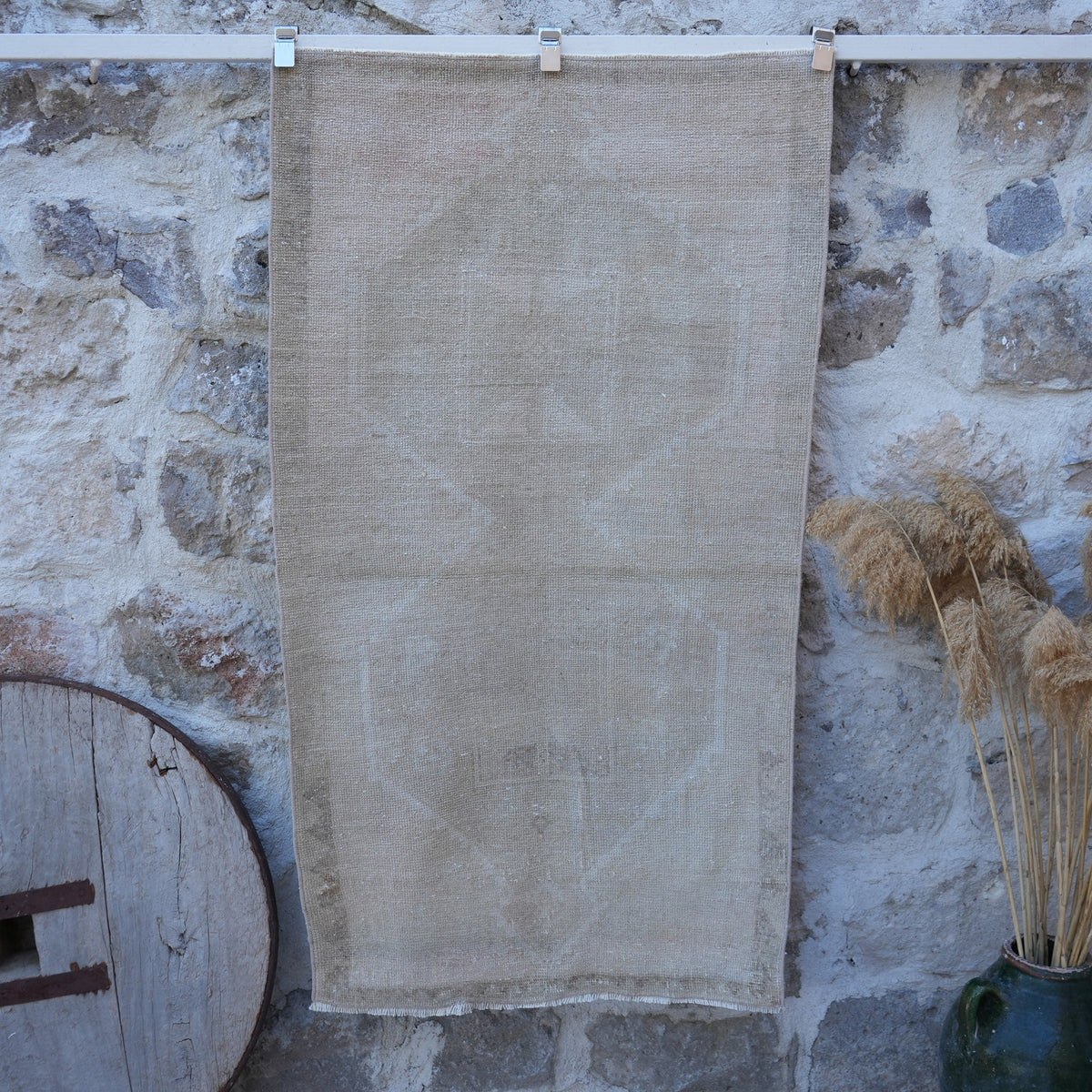
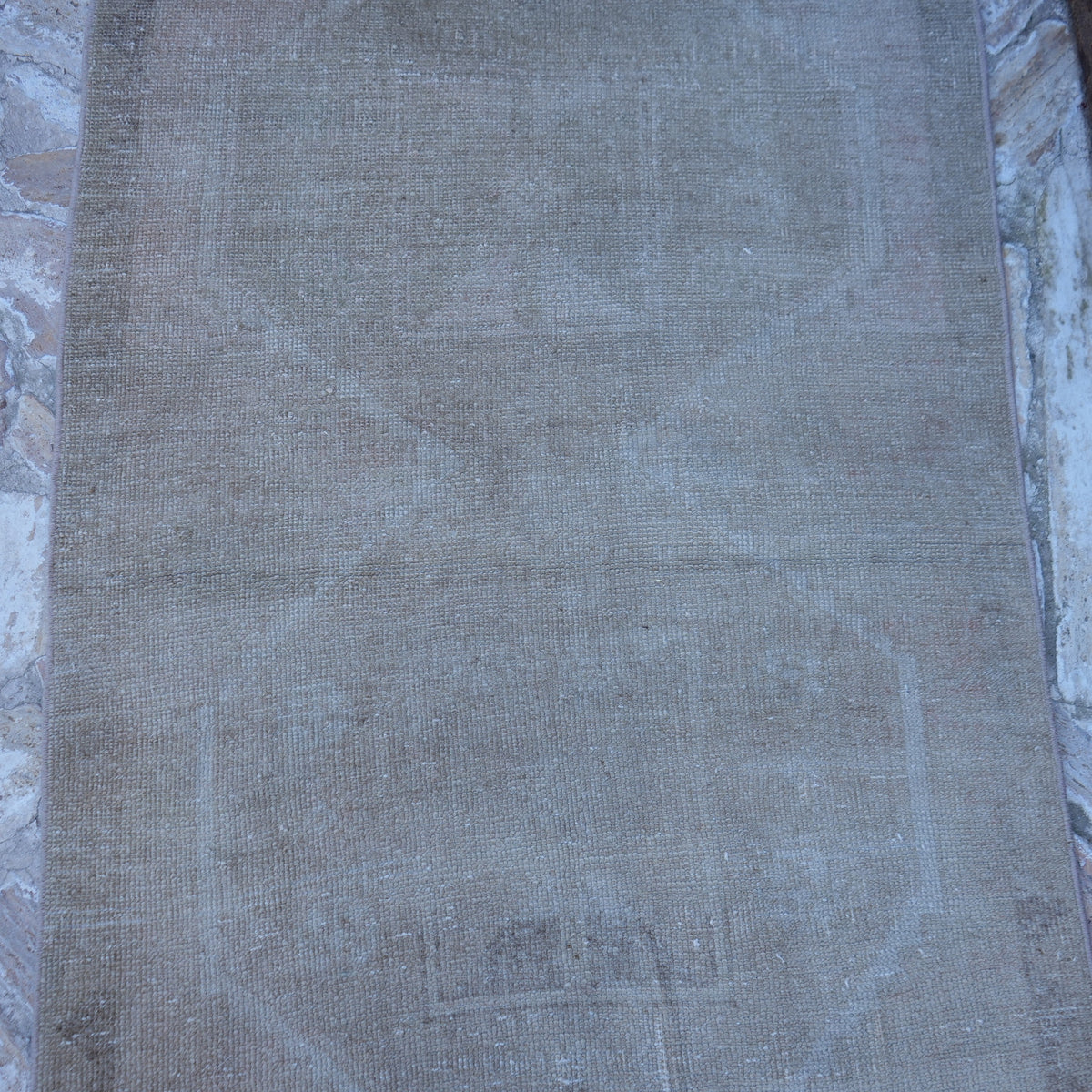
A vintage Turkish rug with a softly faded palette — cream, dusty rose, washed amber, muted indigo — sits in a modern room without competing with any of it.

Vintage Rugs in Mid-Century Modern Interiors
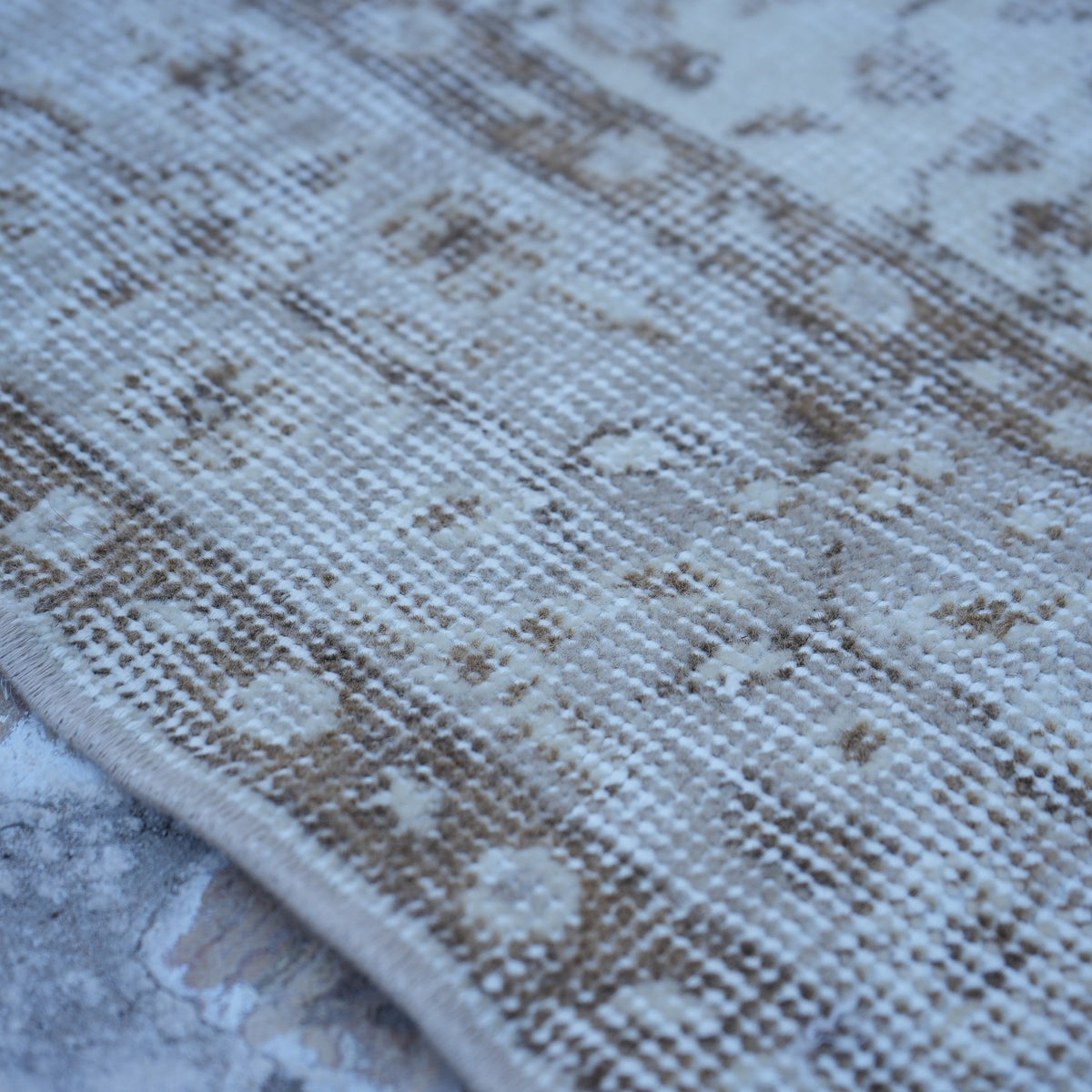
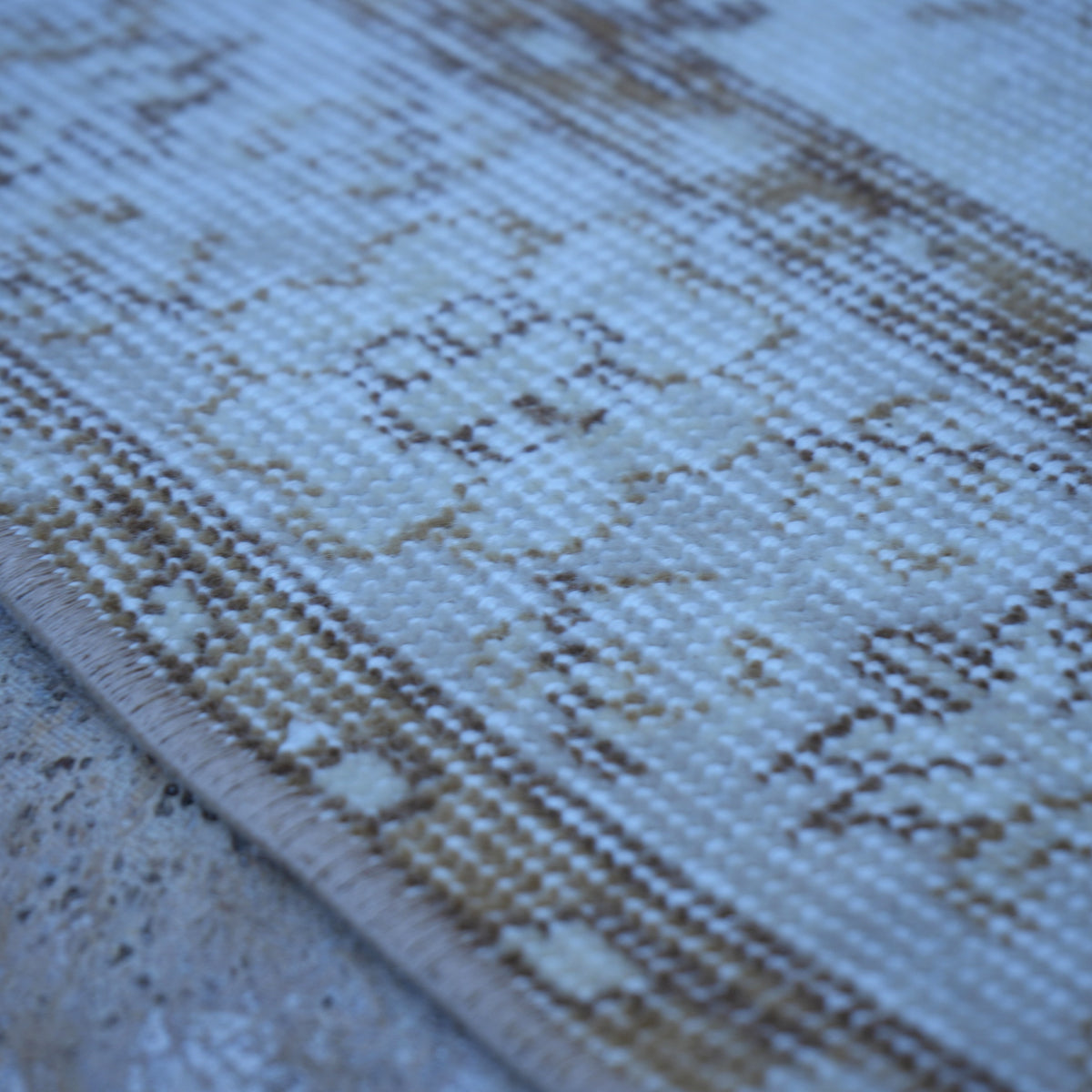
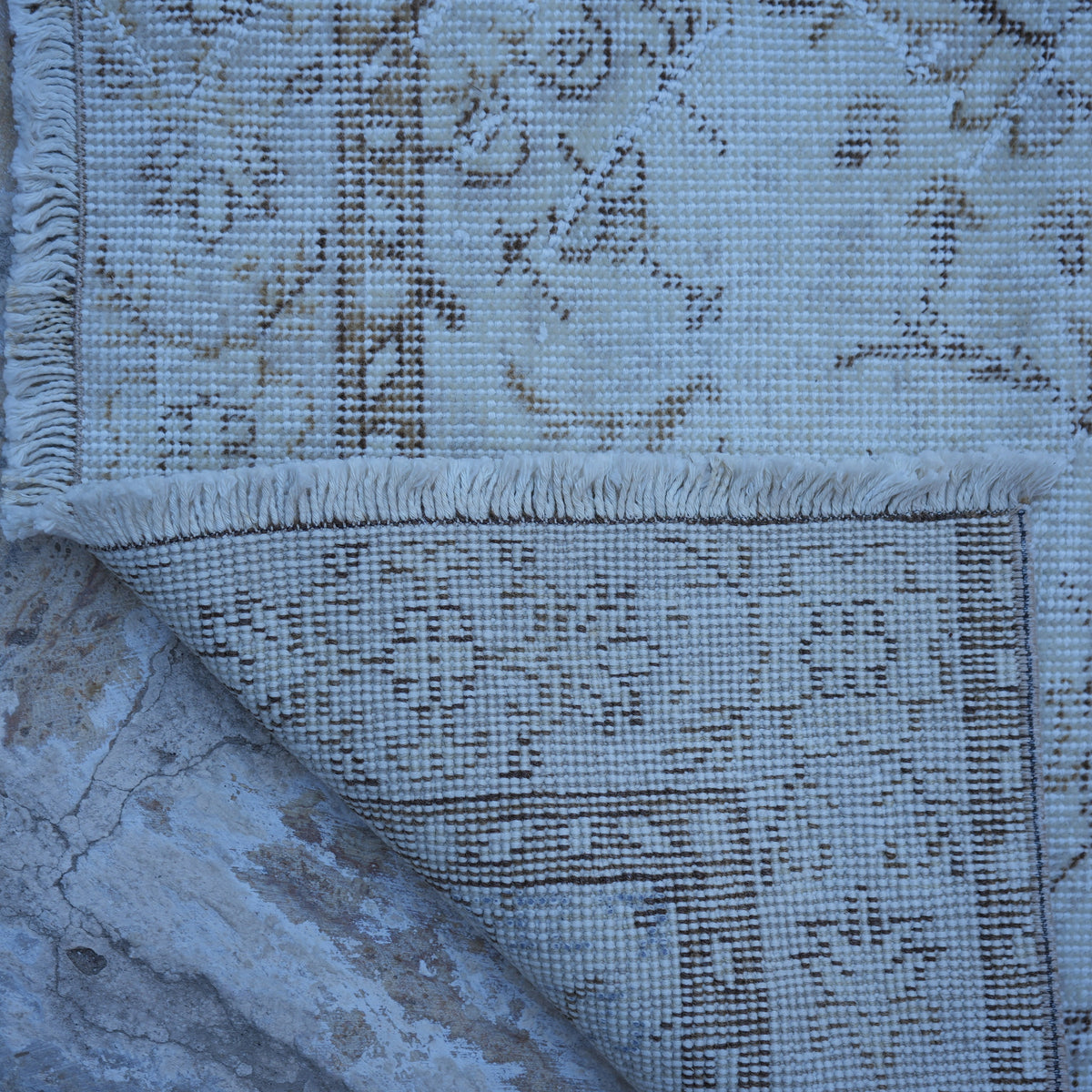
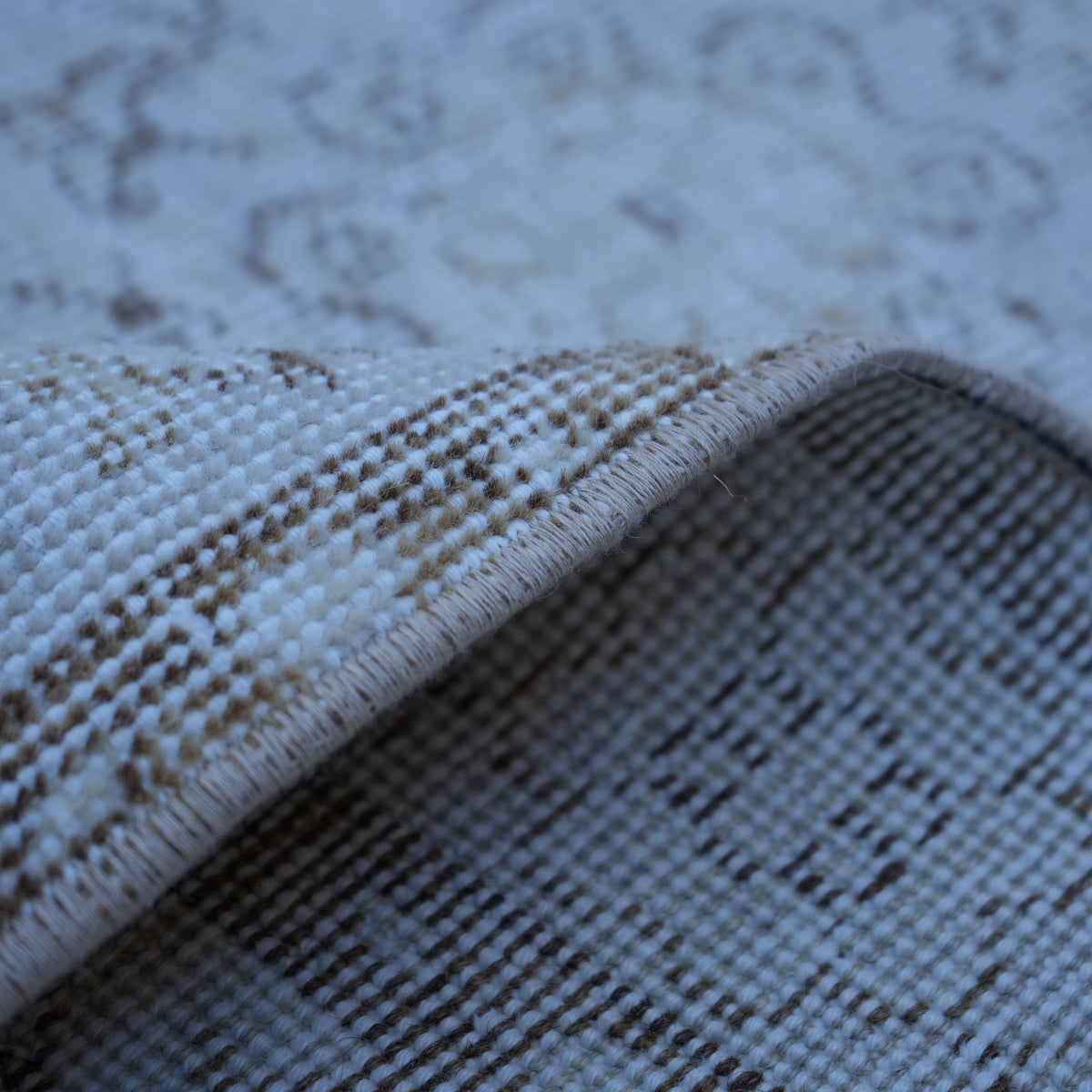
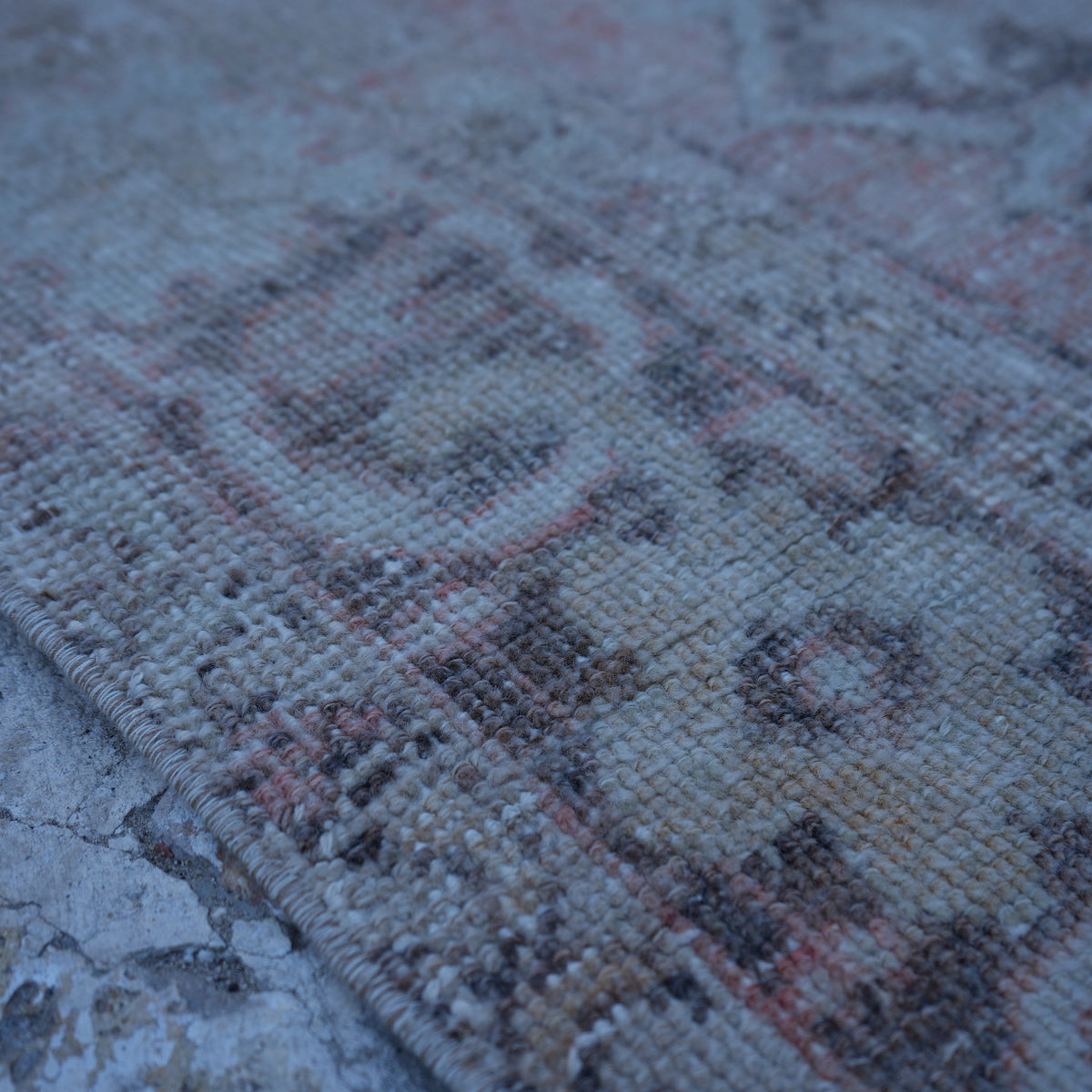
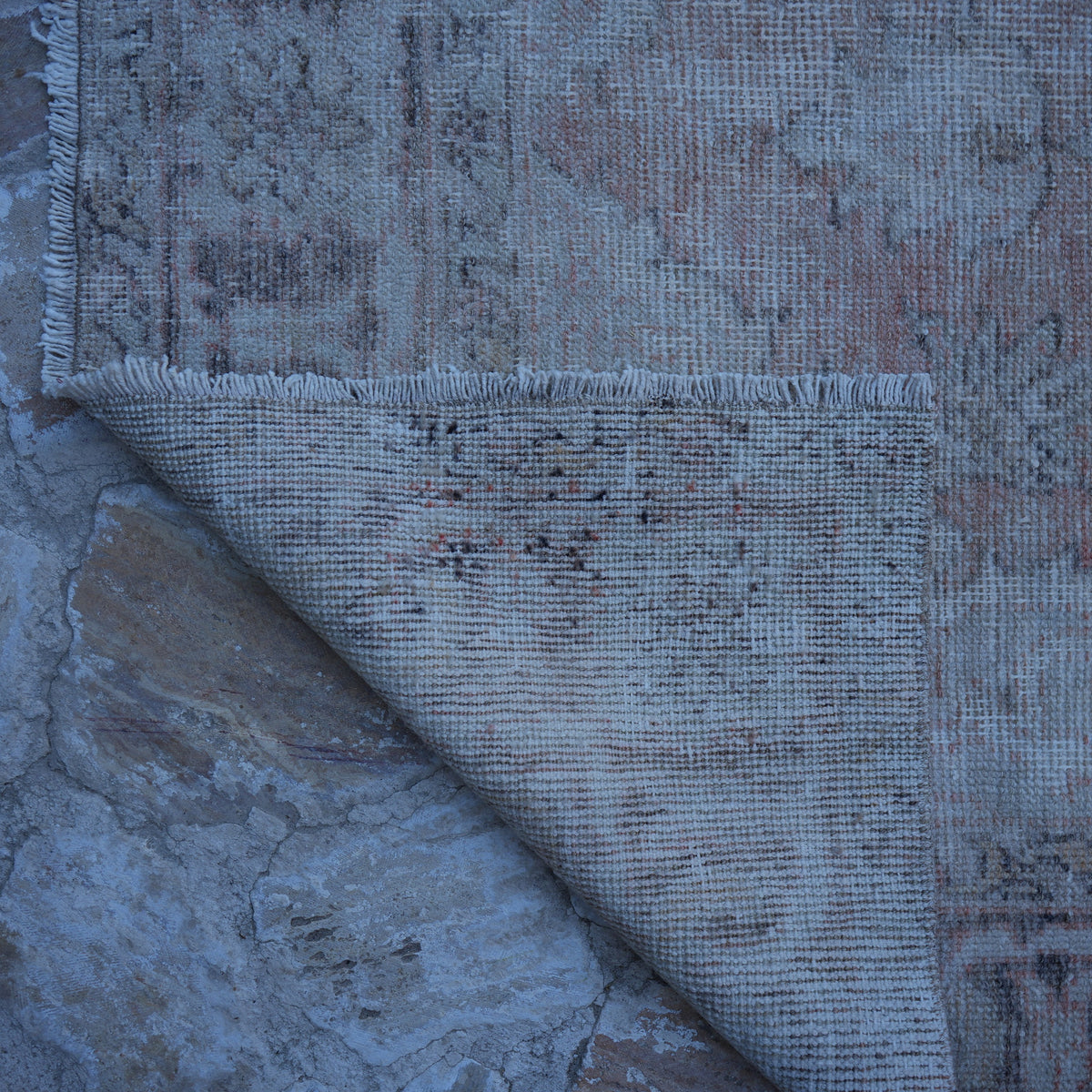
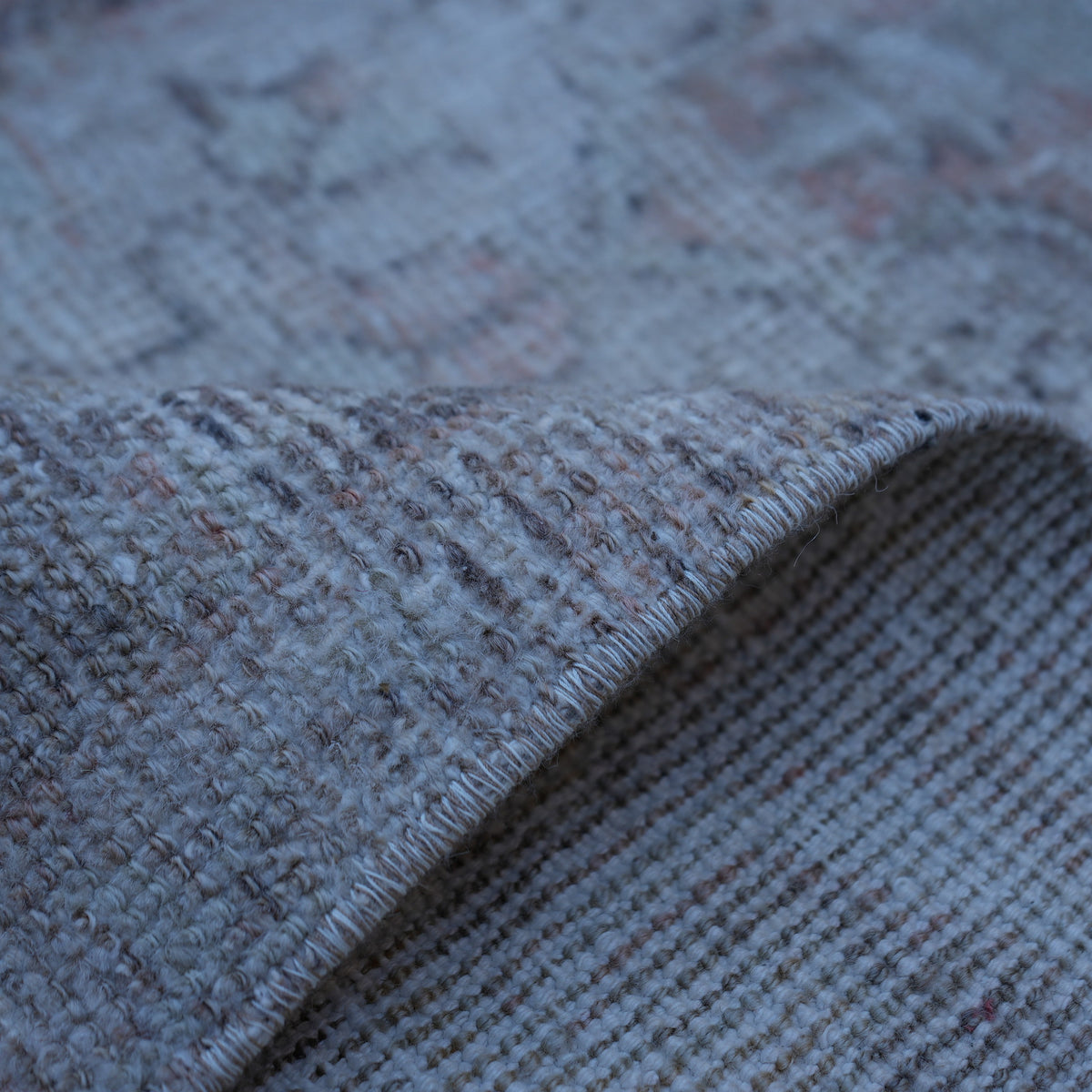
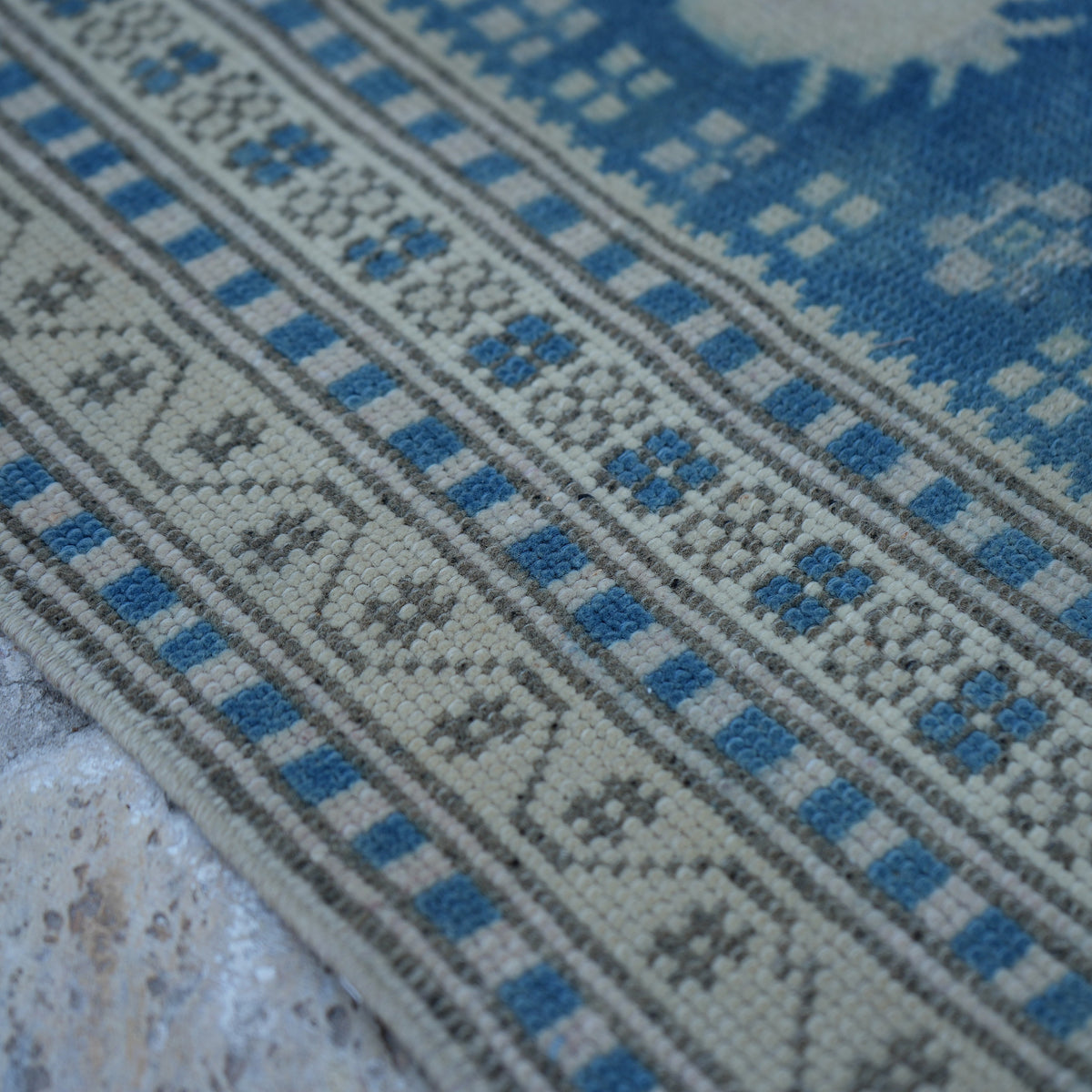
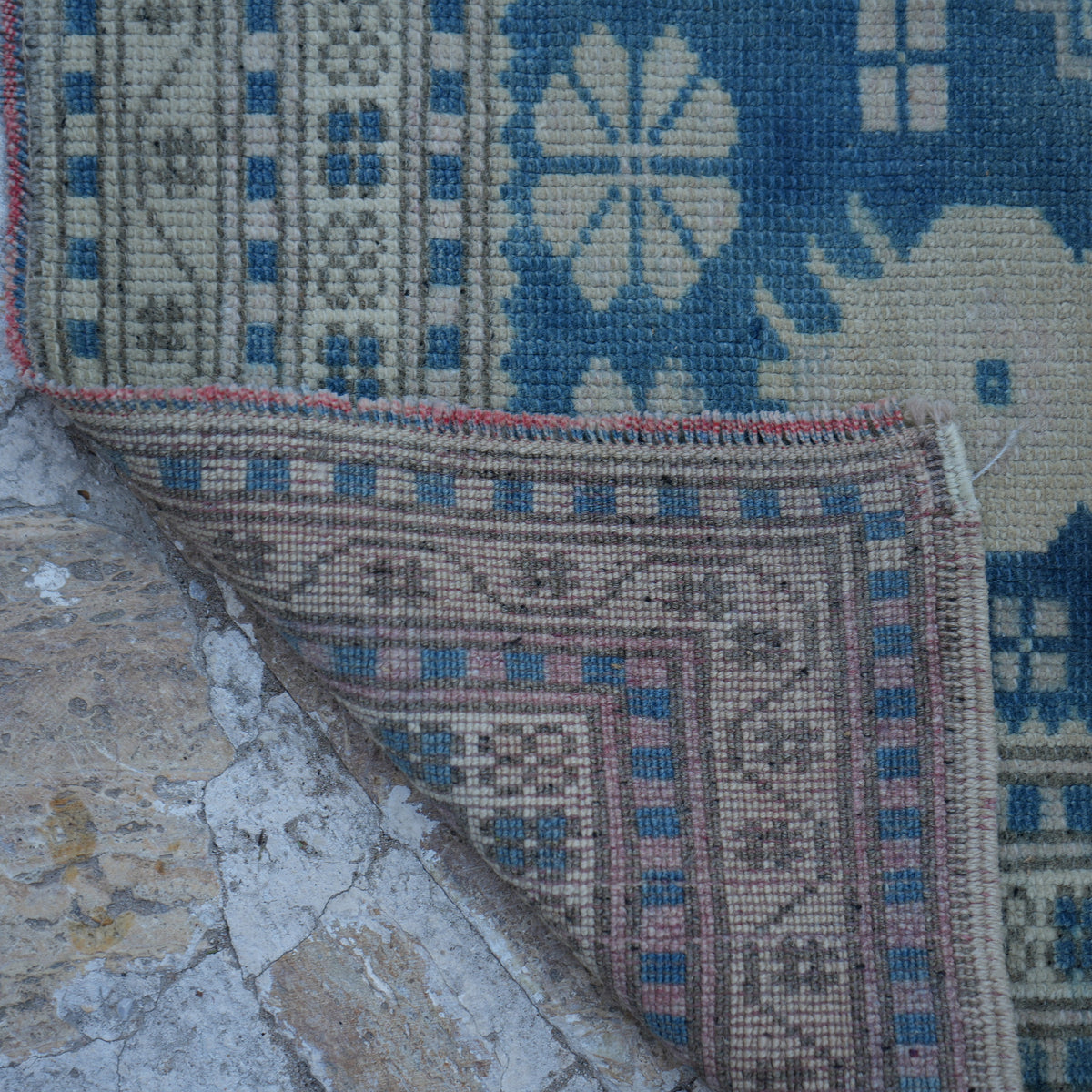
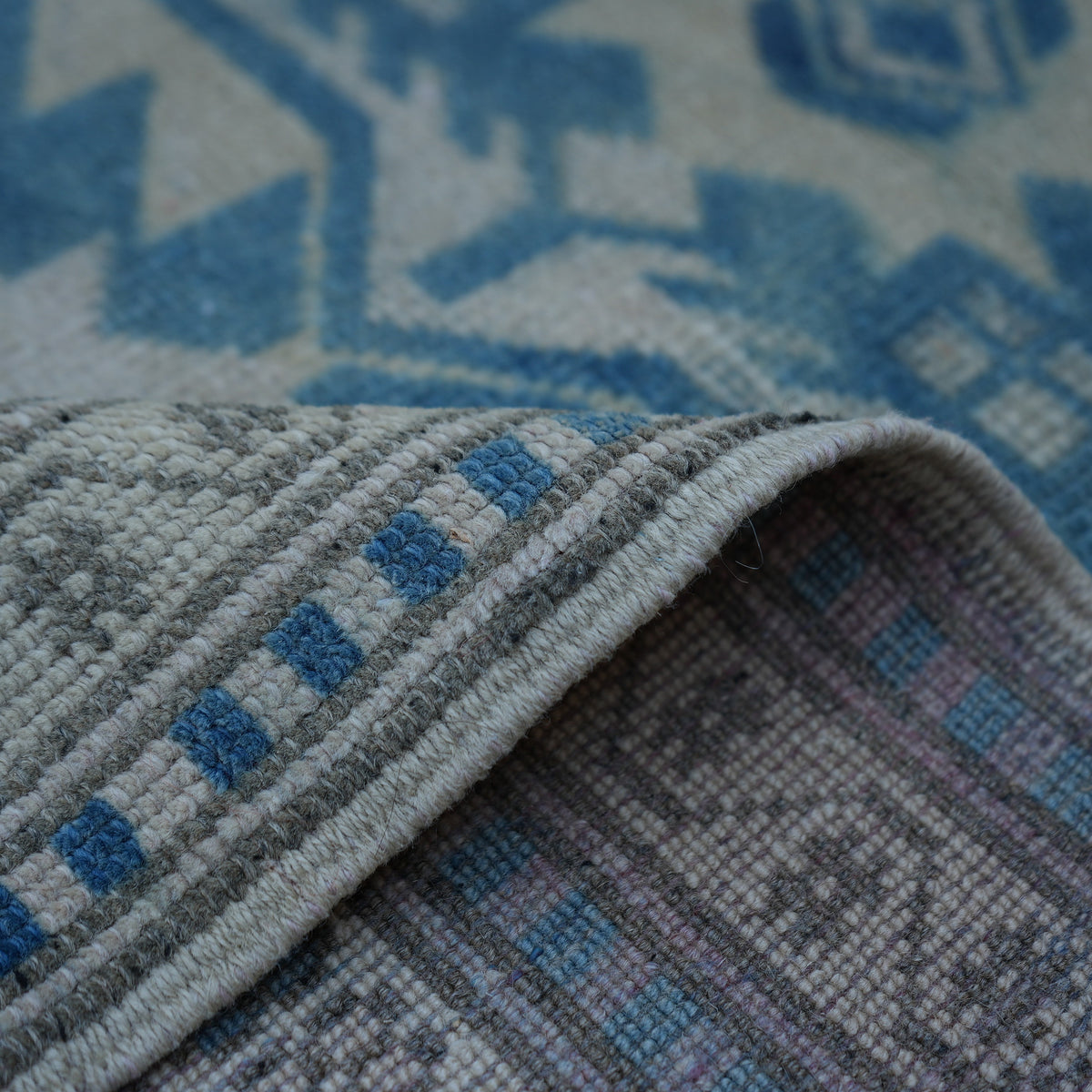
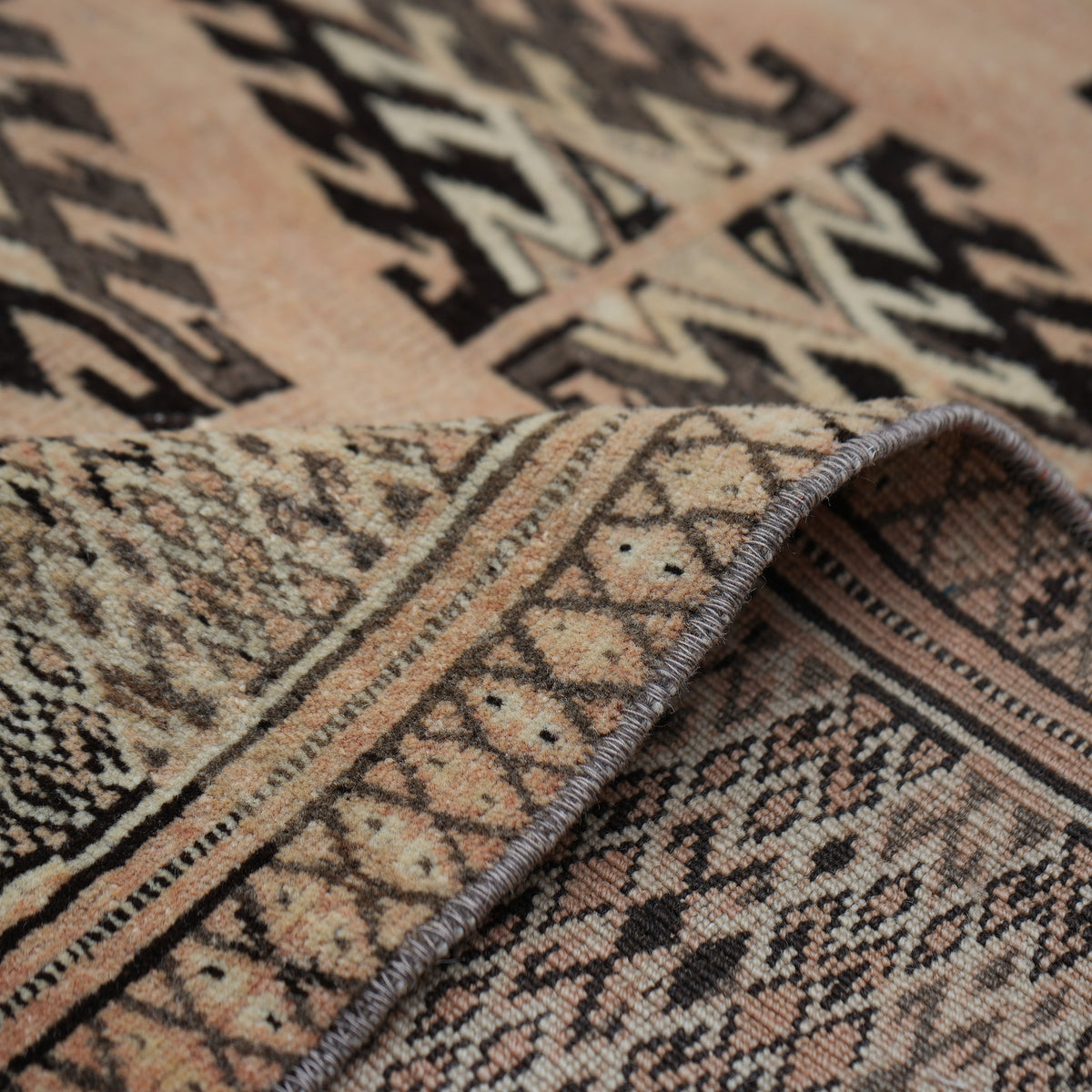
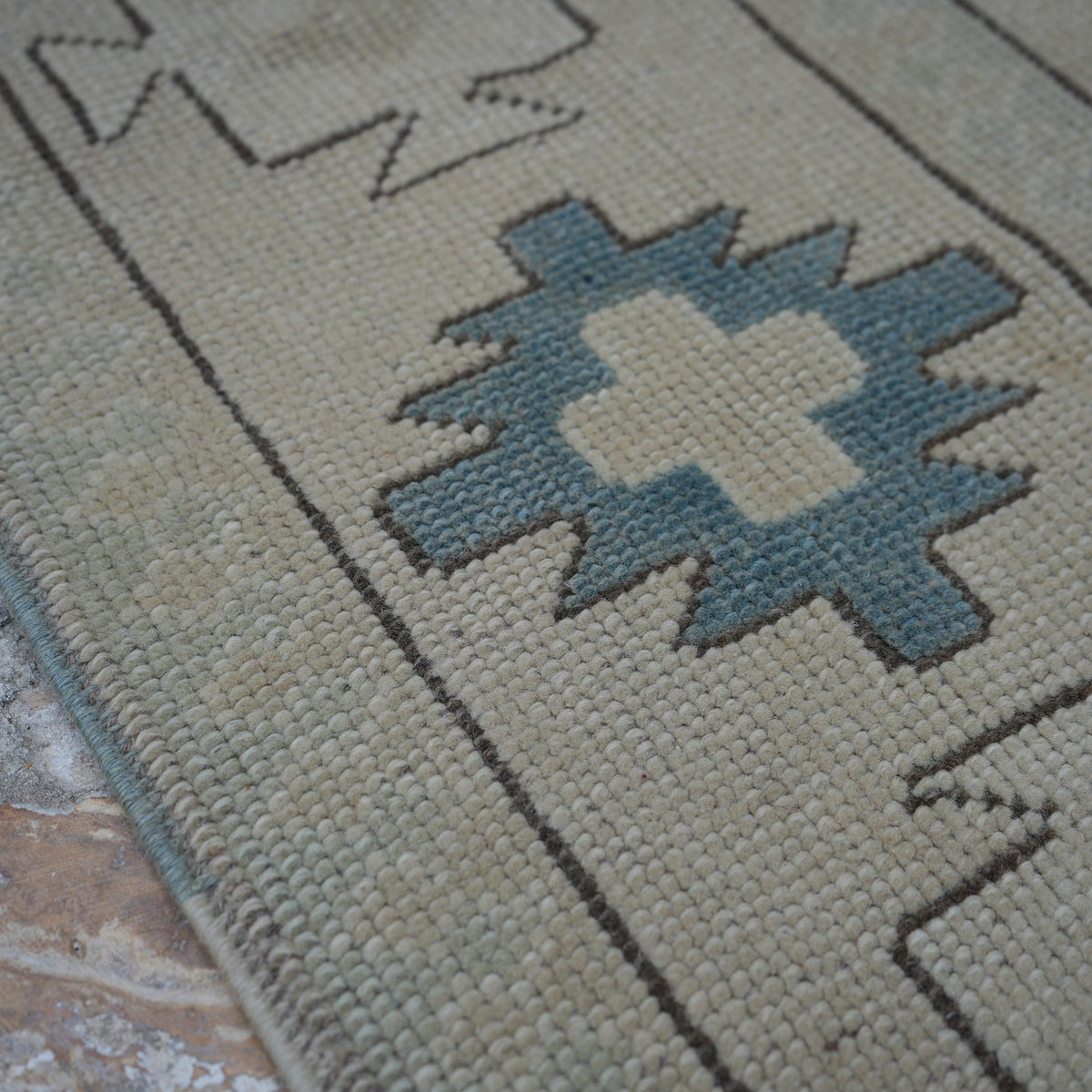
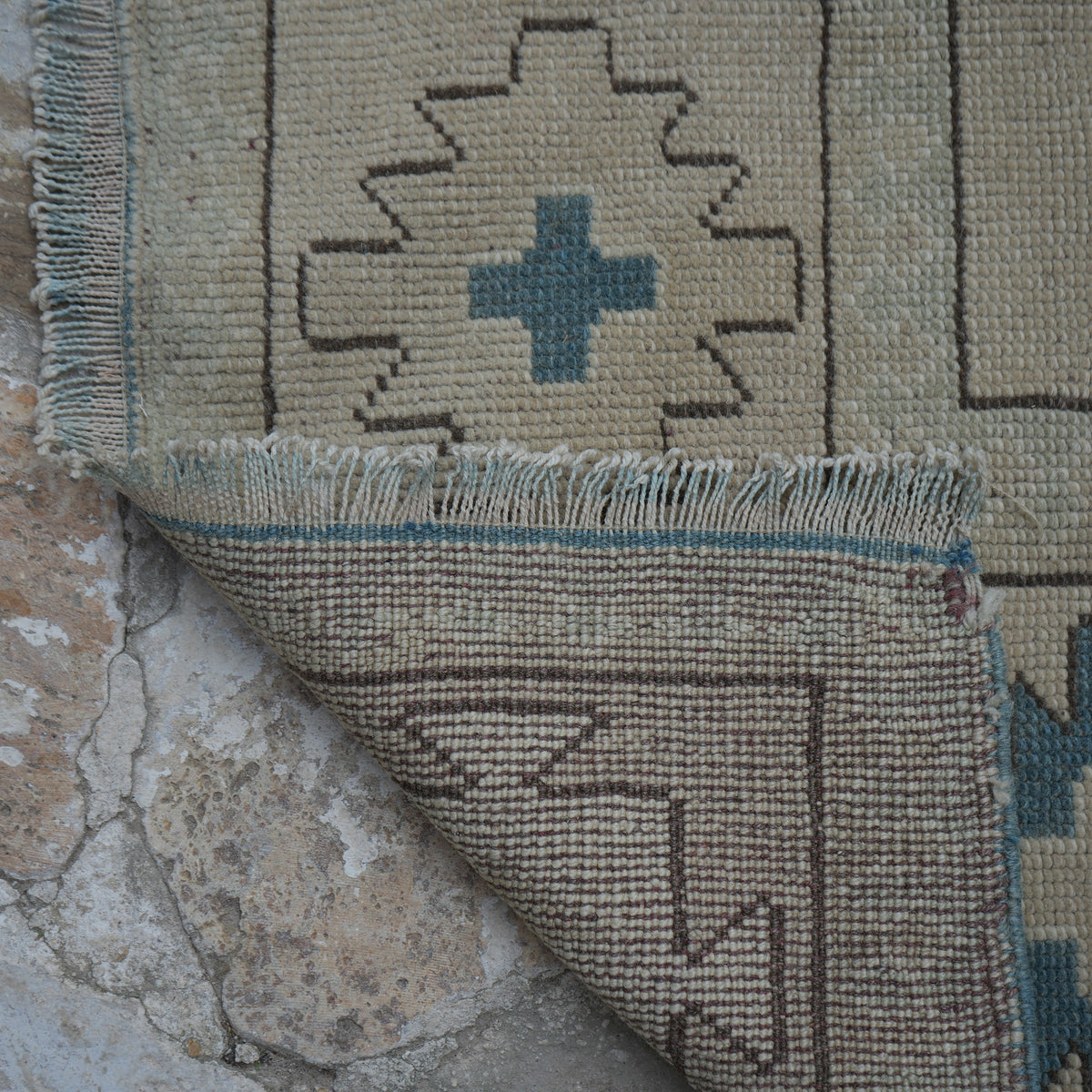
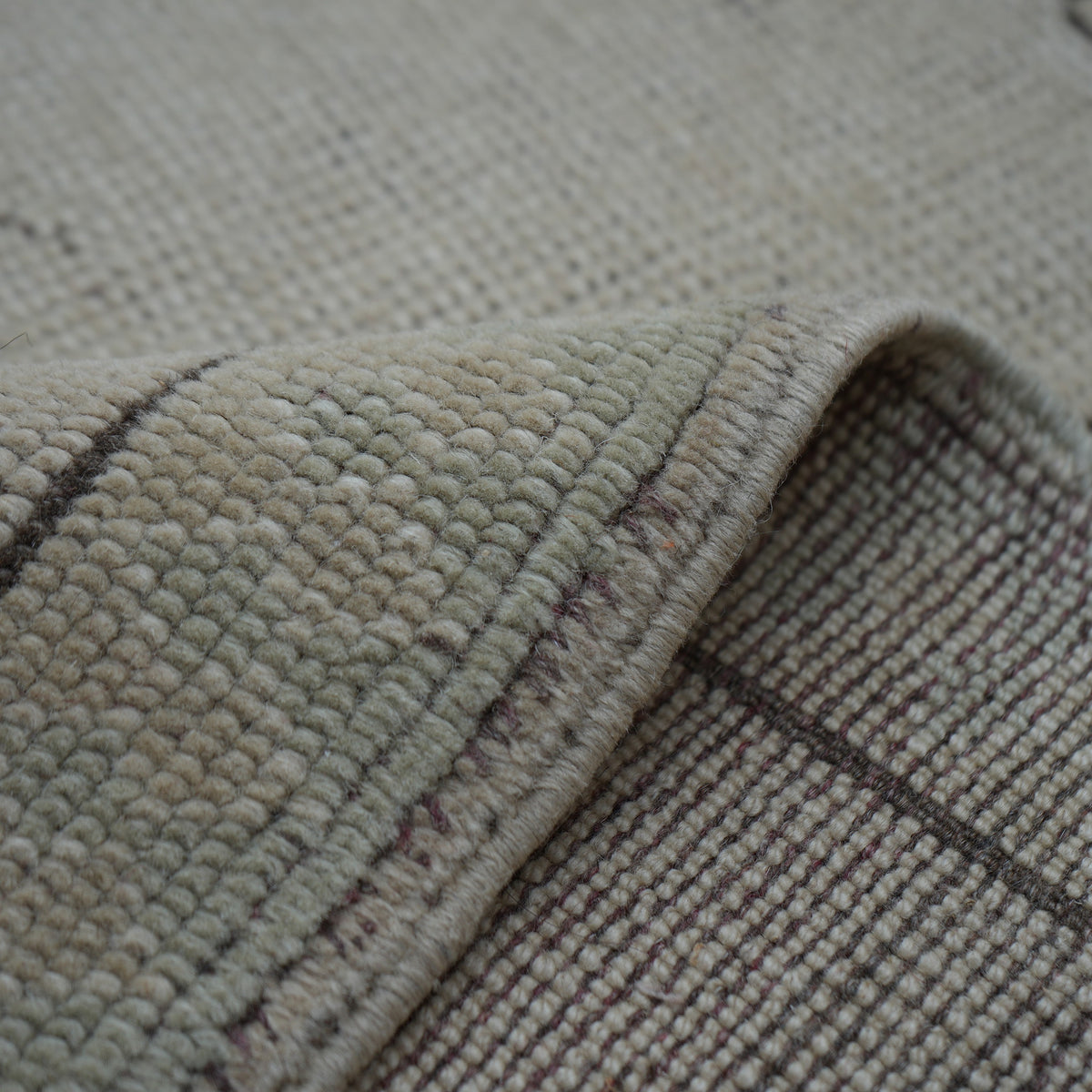
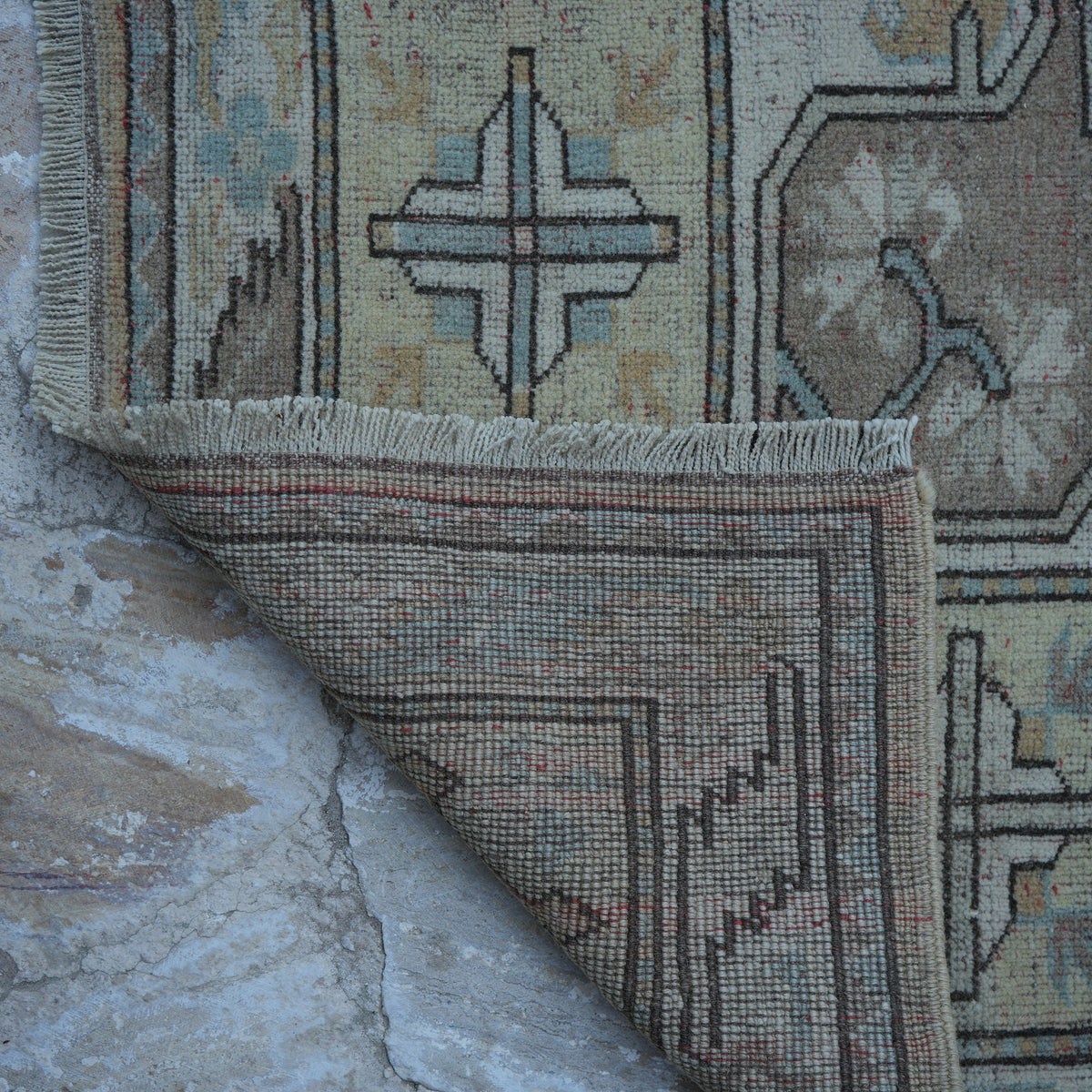
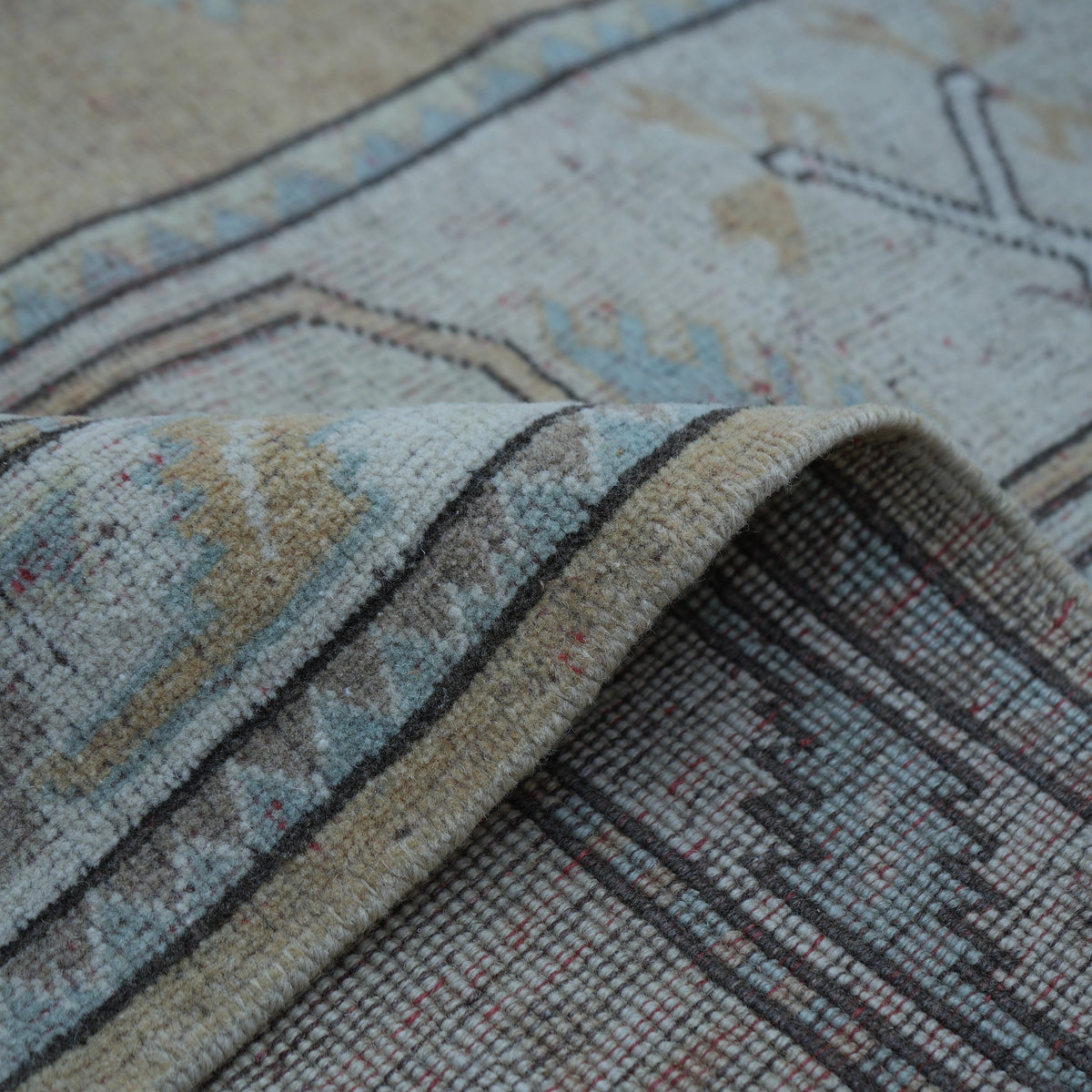
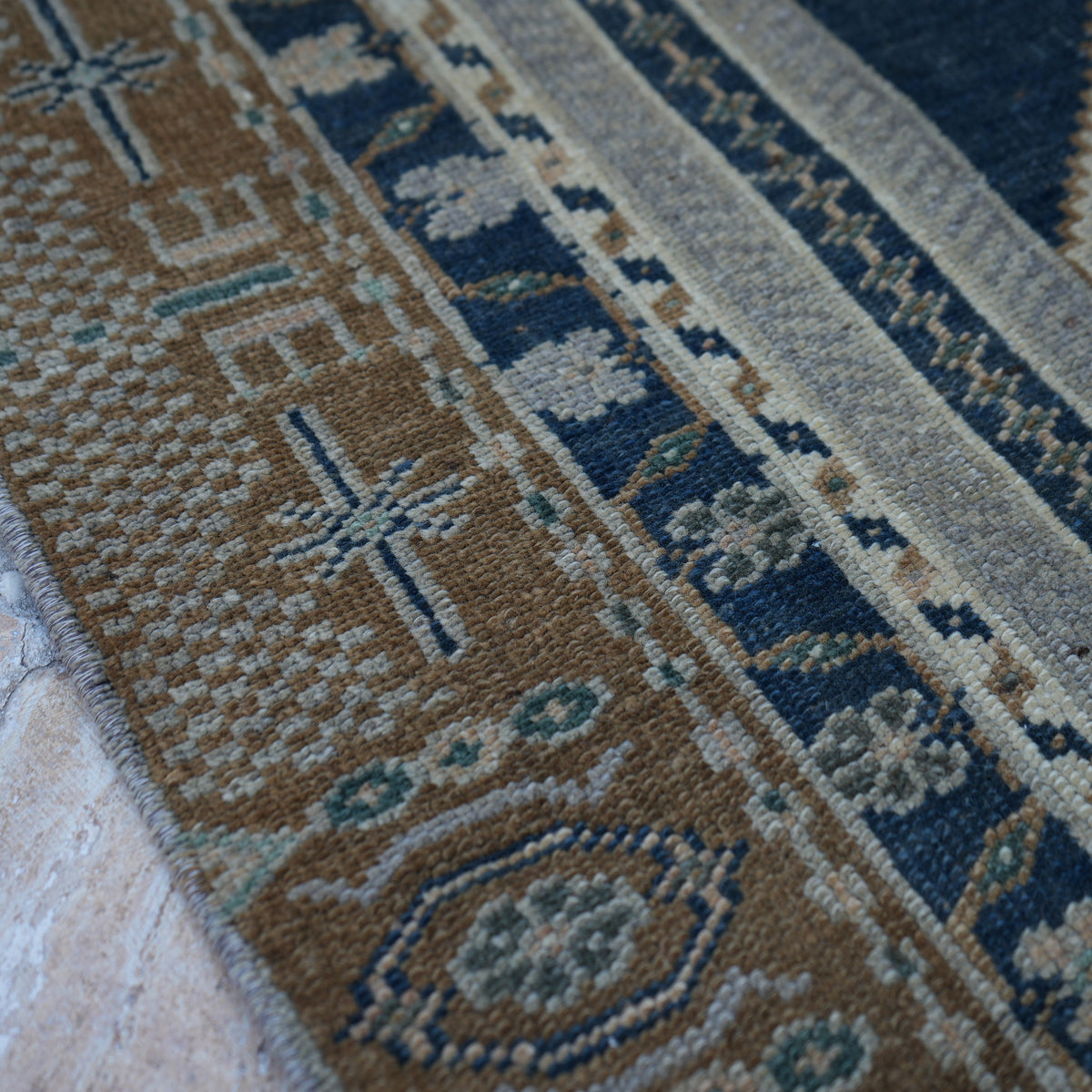
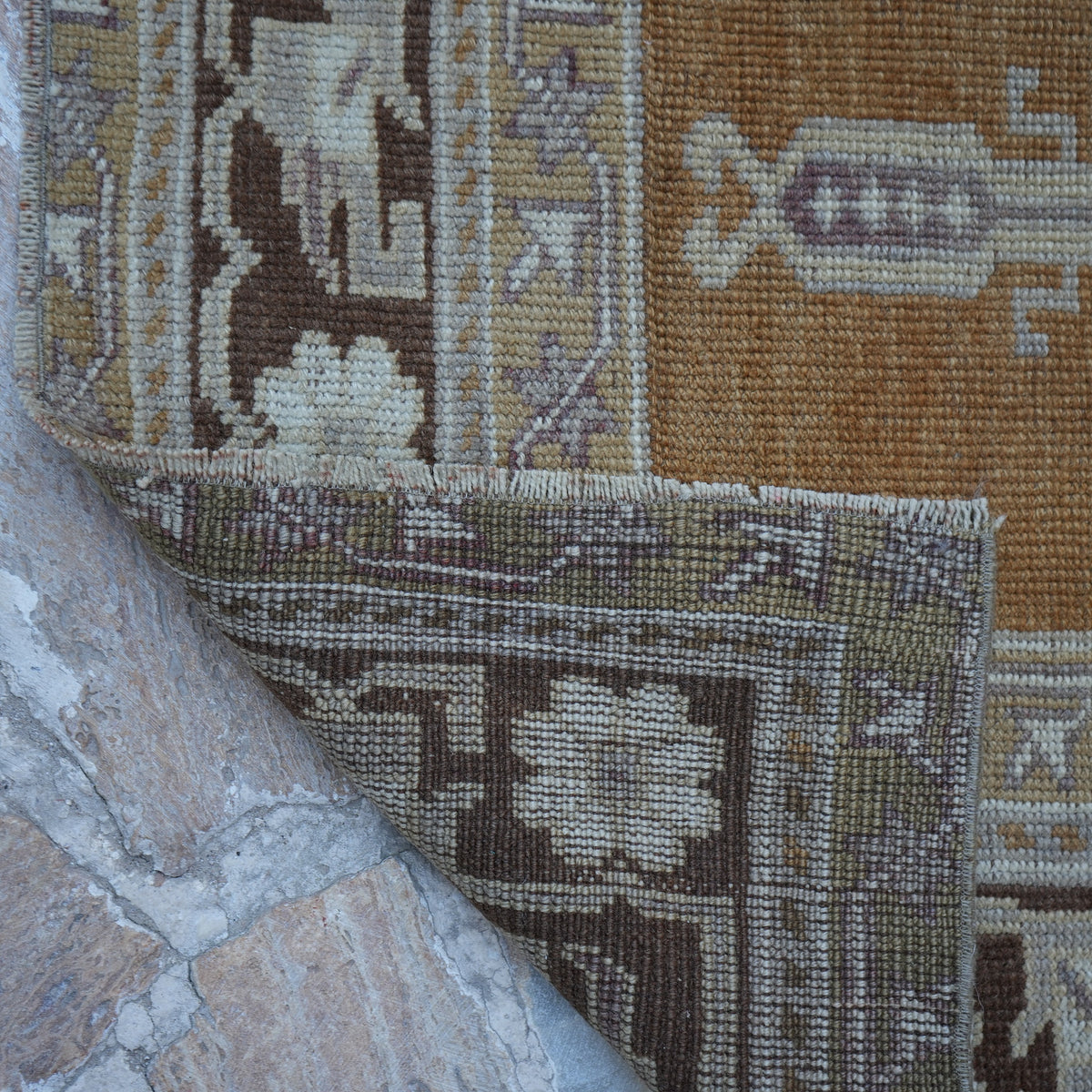
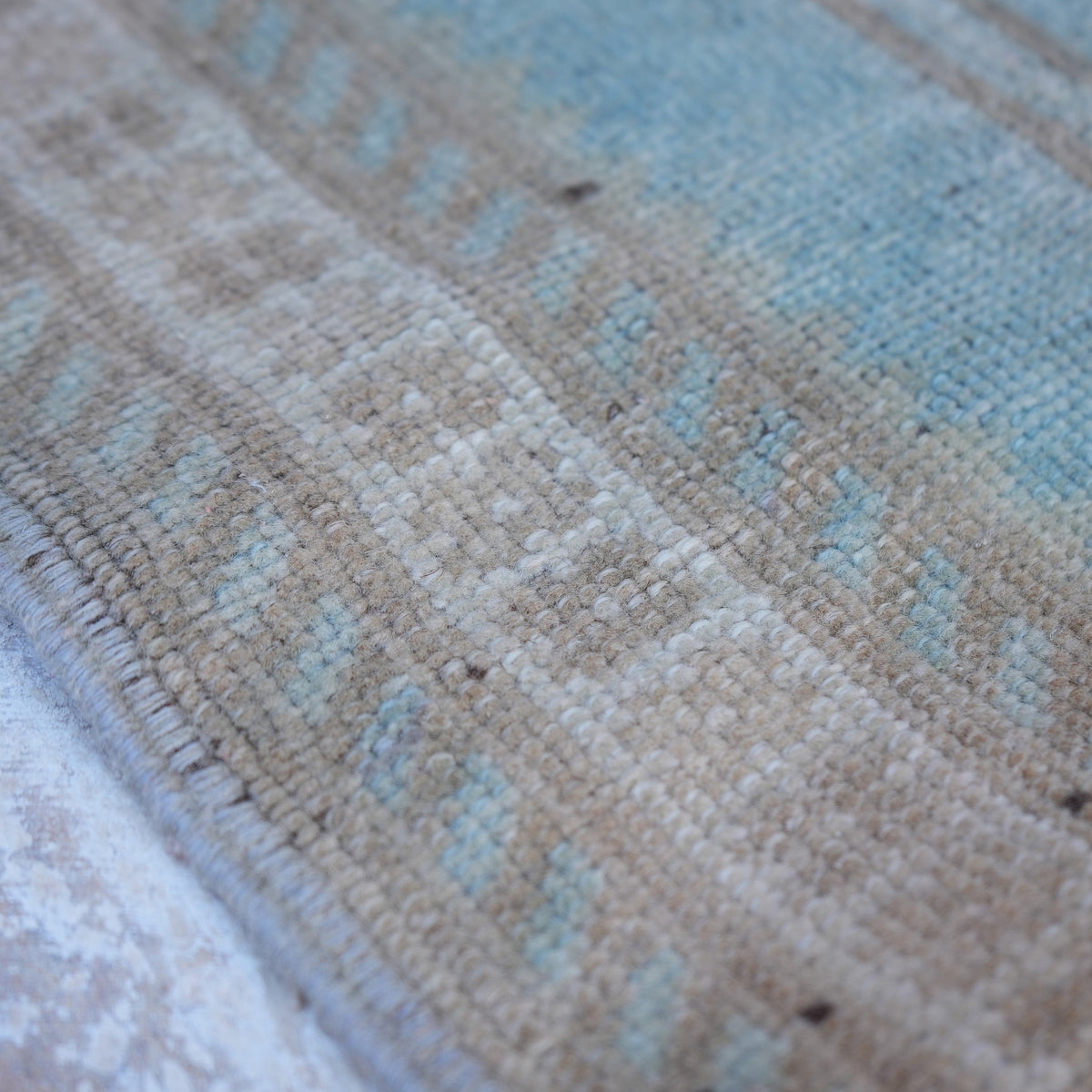
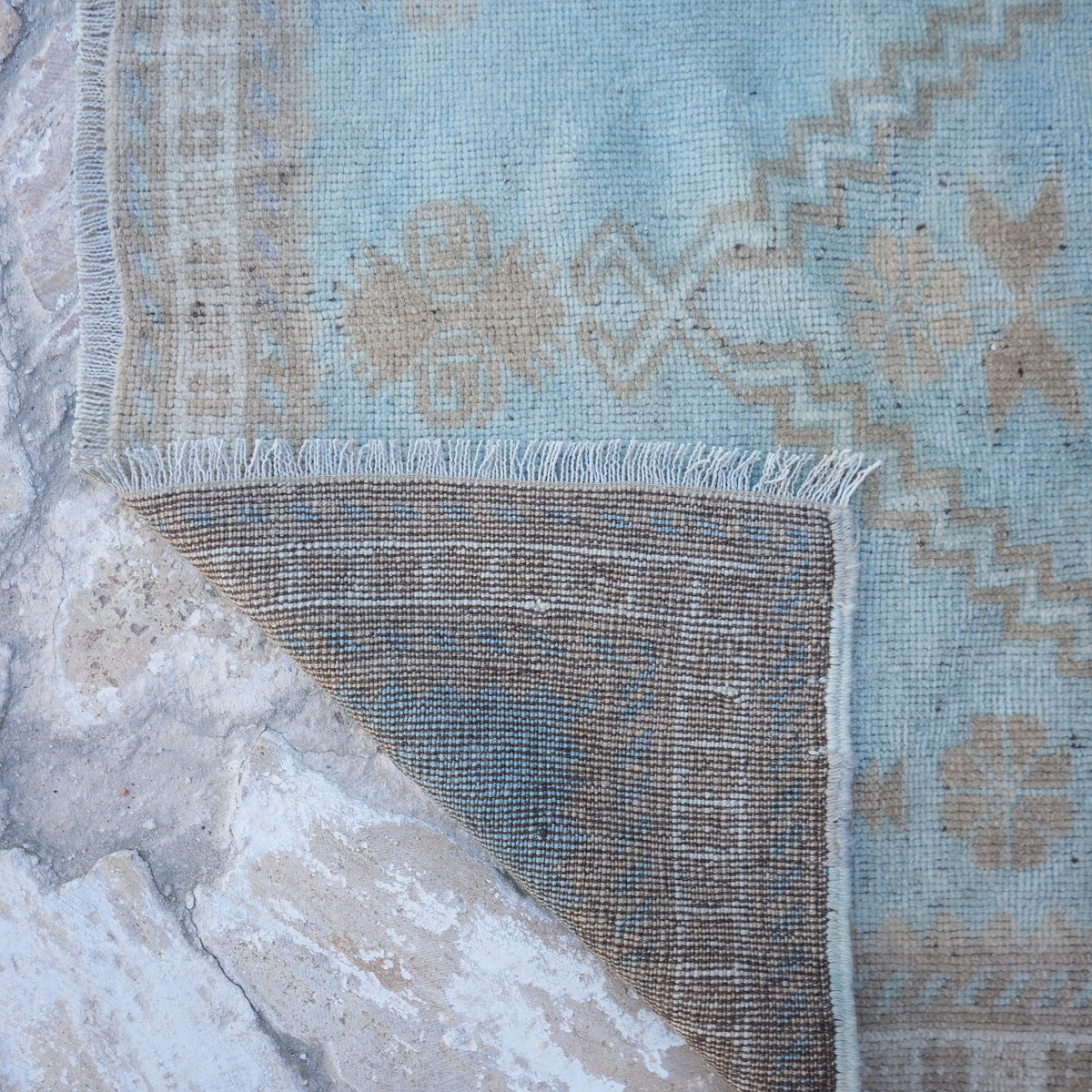
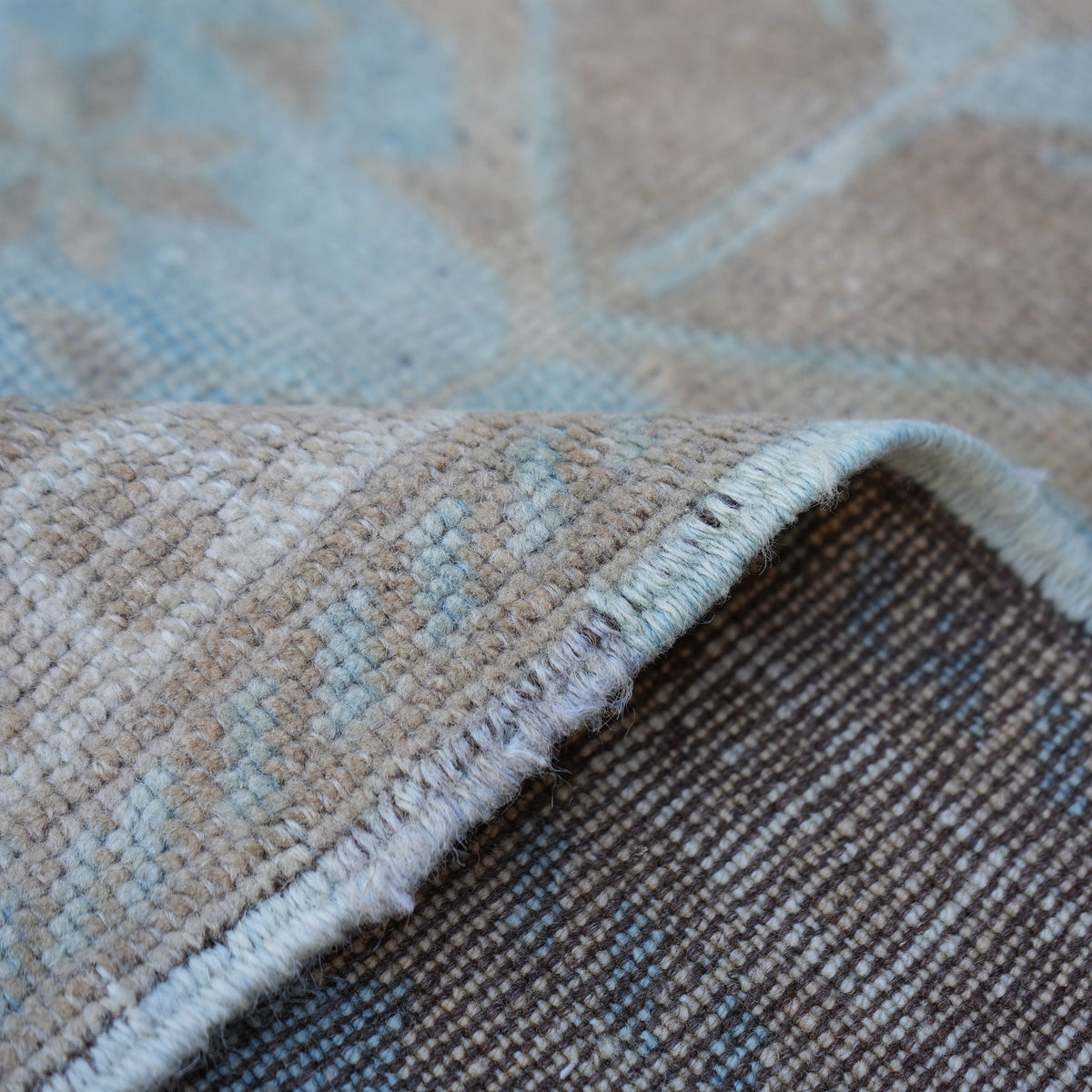
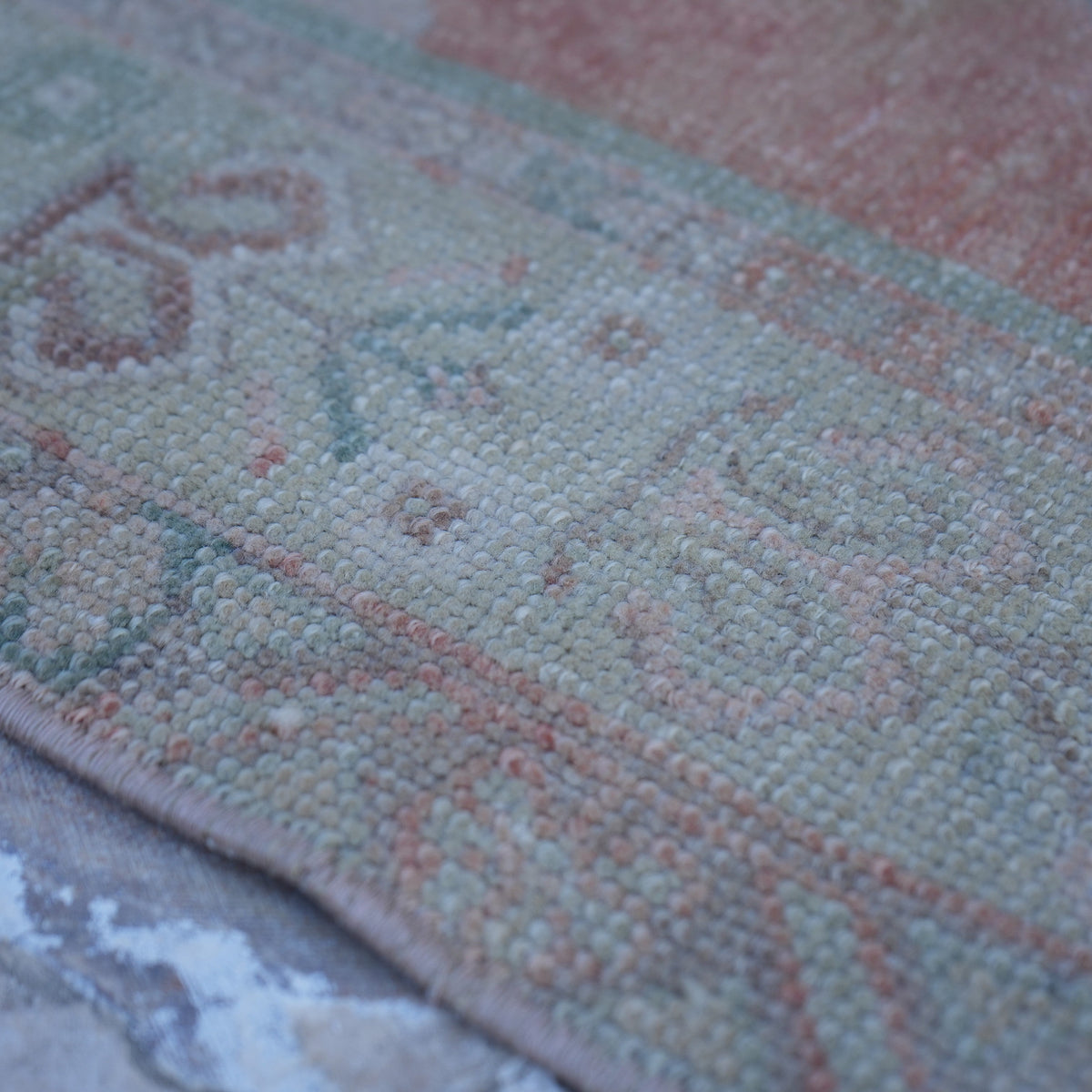
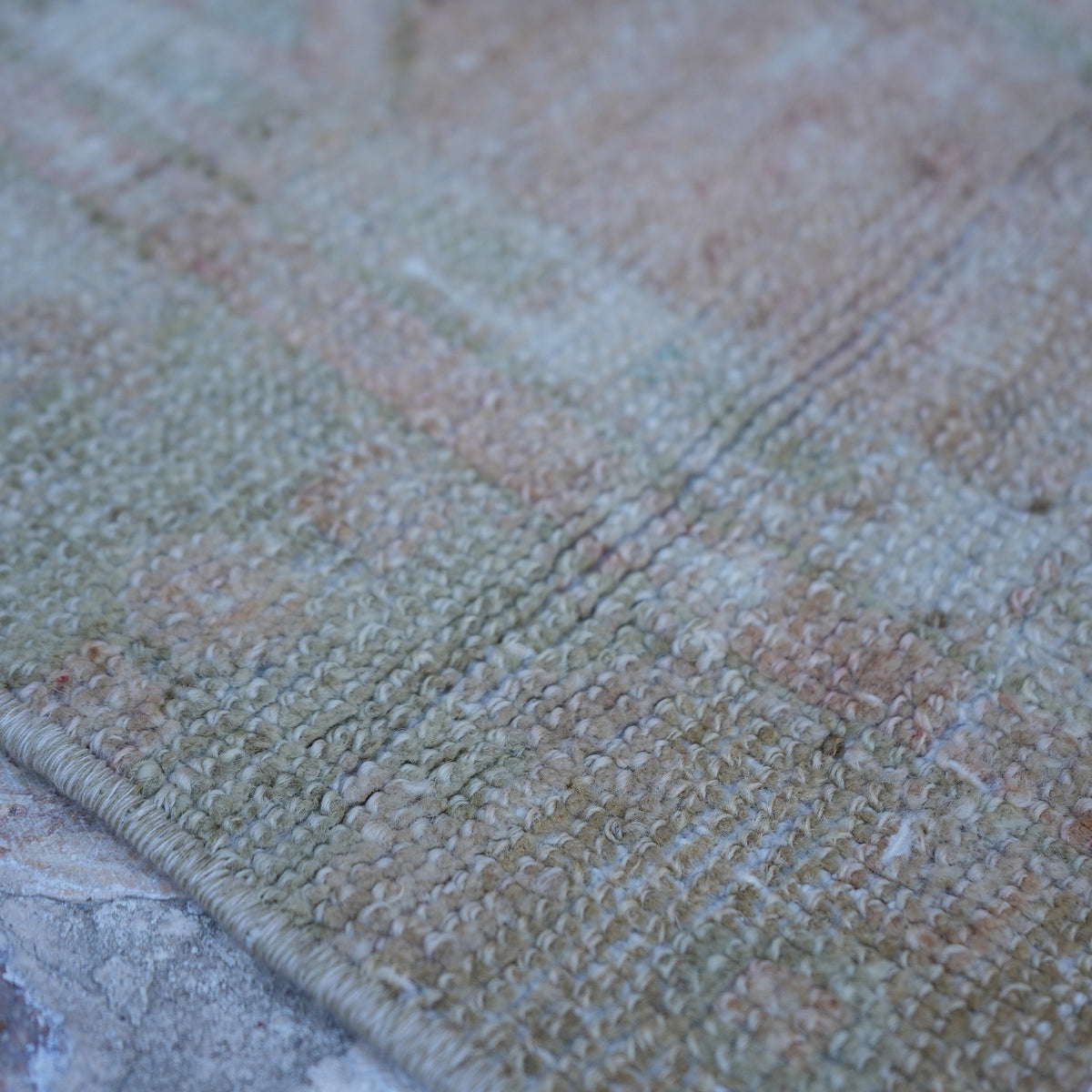
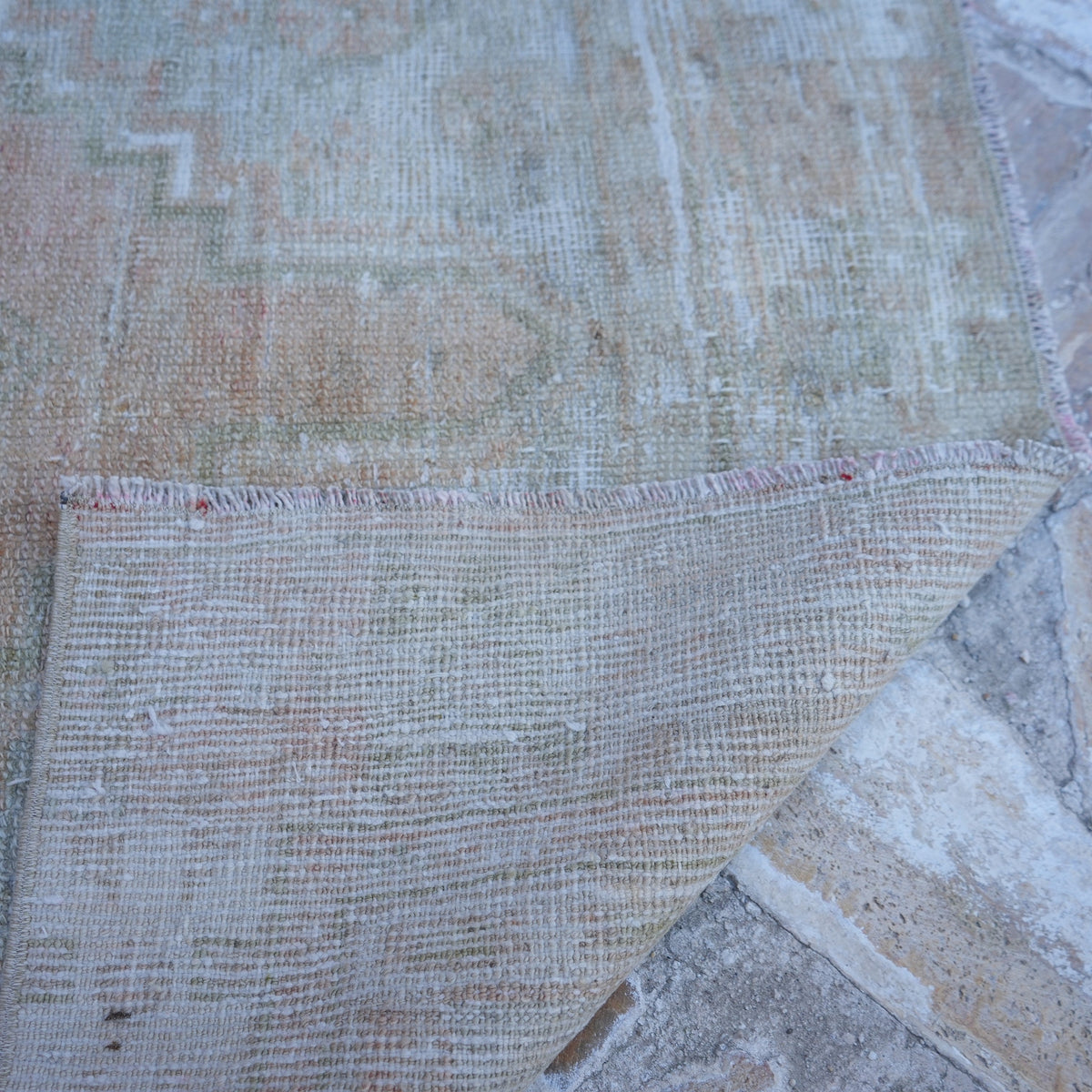
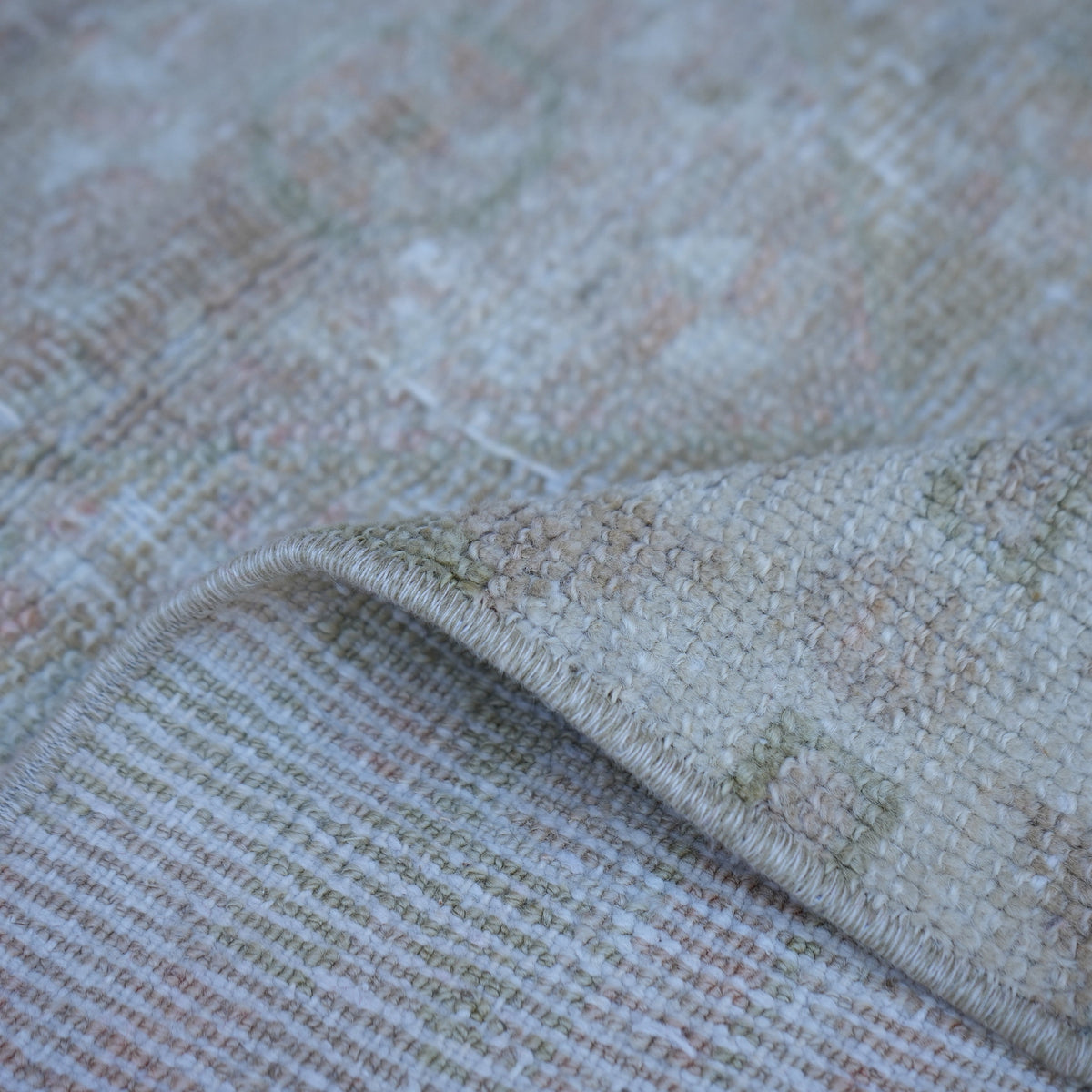
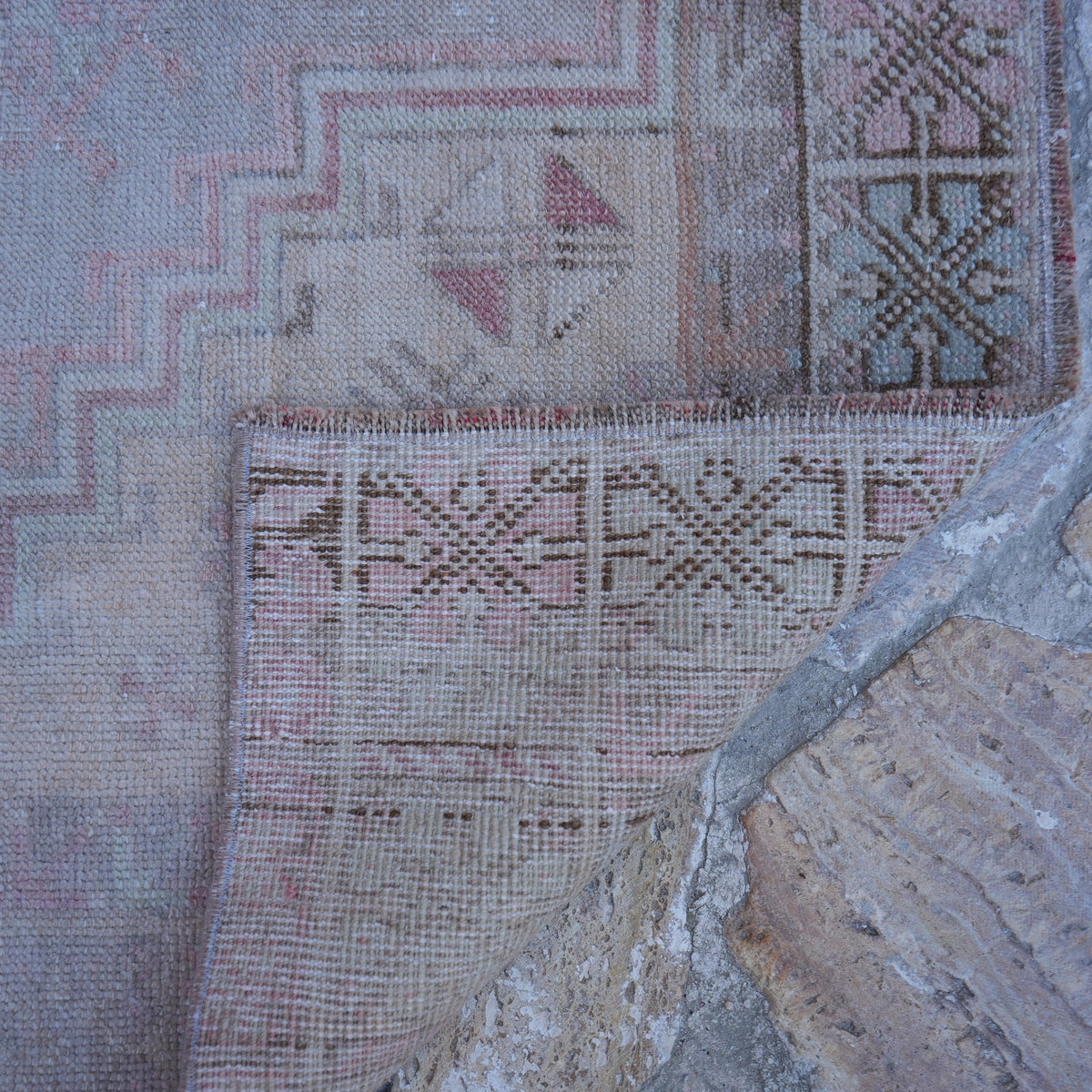
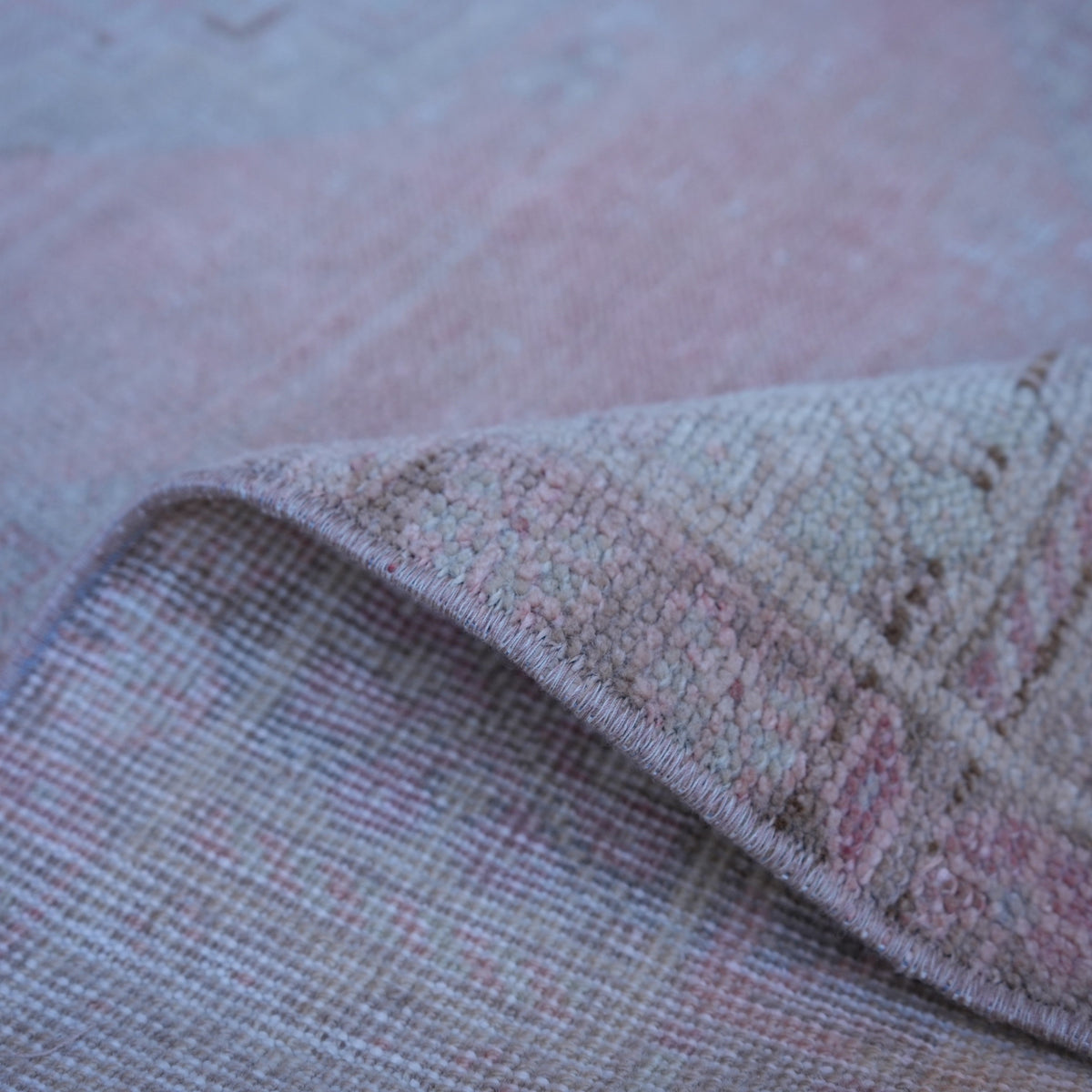
This pairing makes even more natural sense. Mid-century modern interiors lean on walnut, teak, leather, and natural materials throughout. A vintage hand-knotted rug made from natural wool — with its own warmth, texture, and color history — fits that conversation exactly.
Interior designers working in MCM spaces often prefer authentic vintage Turkish rugs over newly manufactured MCM-style reproductions, precisely because the combination reads more genuine.
How Designers Use Turkish Rugs in Mid-Century Modern Spaces
There's a specific reason Turkish Oushak rugs appear again and again in interior design projects with mid-century modern furniture. Turkish Oushak rugs tend toward wide-spaced patterns, soft ground colors, and visual openness that doesn't compete with strong furniture.
In a room with a walnut Eames lounge chair, a low teak sideboard, and leather upholstery, an Oushak rug adds exactly the layer the room needs — warmth, texture, age — without interrupting the furniture's clean lines.
Which Style Should You Choose?
Start with what the room is missing. The right rug should solve the room's feeling, not just match a label.
- Lighter walls and furniture
- Open, minimalist spaces
- You want the floor quiet
- Pattern feels like too much
- Walnut, teak, or dark wood
- Leather upholstery
- You want warmth and structure
- Geometric pattern appeals to you
- You want one-of-a-kind
- The room feels flat, not warm
- You're buying for decades
- Character matters more than trend
Final Thoughts
Modern and mid-century modern are both useful frameworks for choosing a rug. Modern guides you toward quiet, neutral, open-feeling pieces. Mid-century modern guides you toward warmth, geometry, and character. Vintage sits across both — not because it mimics them, but because genuine craftsmanship tends to fit more than one room.
If you're still deciding, start with what the space actually needs. Not the style you're building toward, but what's missing from the room right now. A rug chosen that way rarely feels like a mistake.
If the room feels too empty, too flat, or too cold, the right rug can change the entire atmosphere. Start with calm neutral rugs for modern spaces, or softly aged vintage rugs for warmth and character.
Shop Neutral RugsShop Vintage Rugs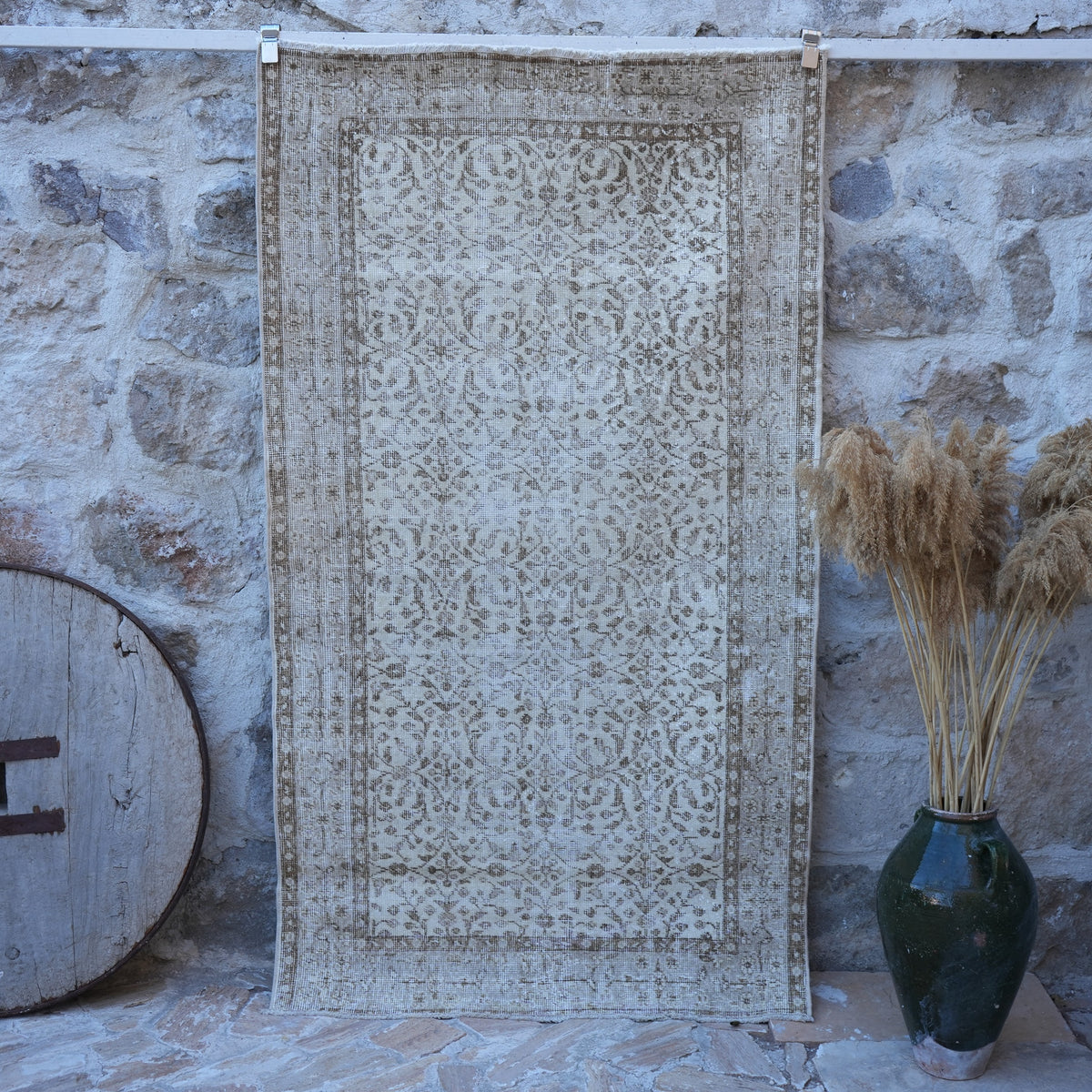






Clear answers to the questions people usually ask when choosing between modern, mid-century modern, vintage, and Turkish rugs.
Can a vintage rug work in a modern home?
Yes. Vintage rugs with soft, faded palettes often work beautifully in modern homes because they add warmth and character without competing with clean lines or neutral furniture.
Can Turkish rugs work in mid-century modern interiors?
Very well. Turkish rugs, especially Oushak and vintage hand-knotted pieces, pair naturally with walnut, teak, leather, and the warm architectural lines of mid-century modern furniture.
Are mid-century modern rugs the same as traditional rugs?
No. Mid-century modern rugs usually lean geometric, abstract, and color-forward. Traditional Turkish or Persian rugs carry older pattern languages, but softly aged vintage Turkish rugs can still complement mid-century modern spaces beautifully.
What colors work best in mid-century modern rooms?
Warm, grounded tones usually work best: mustard yellow, olive green, walnut brown, burnt orange, muted teal, terracotta, and earthy neutrals.
Are vintage rugs still in style?
Yes. Vintage rugs remain stylish because they are one-of-a-kind, made with real materials, and tend to age into a room rather than feel dated after one trend cycle.
What is the difference between a modern and a contemporary rug?
Modern refers to a specific design tradition rooted in simplicity and clean form. Contemporary means current — what is being made or popular right now. The two can overlap, but they are not the same thing.
