





















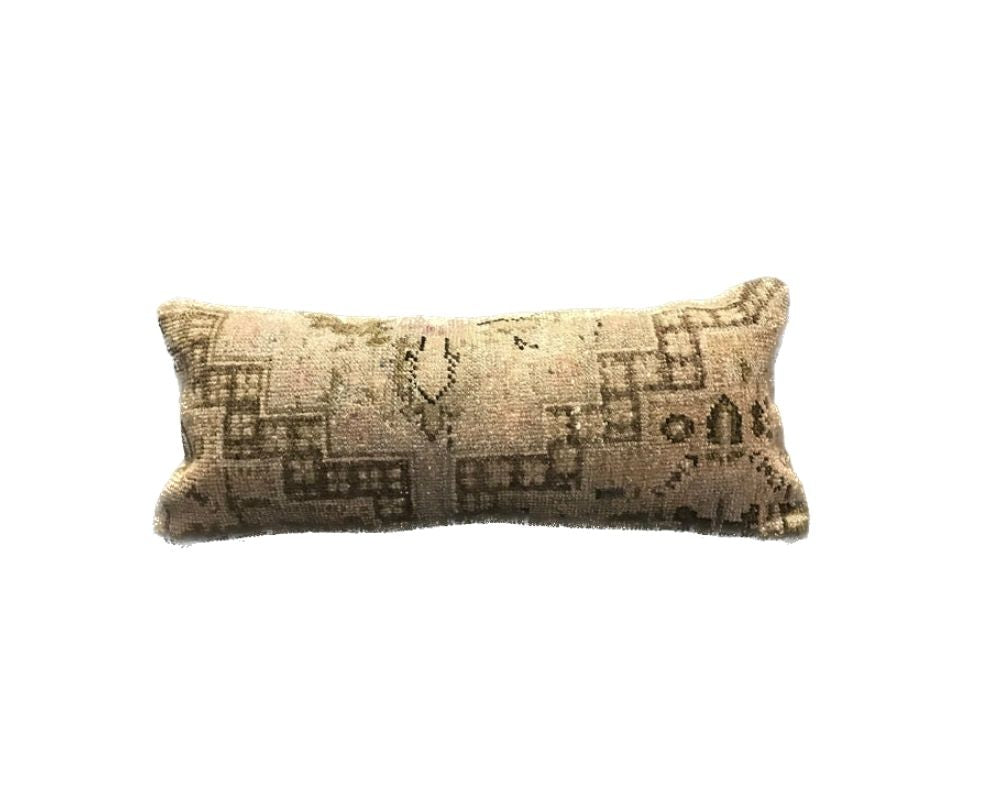


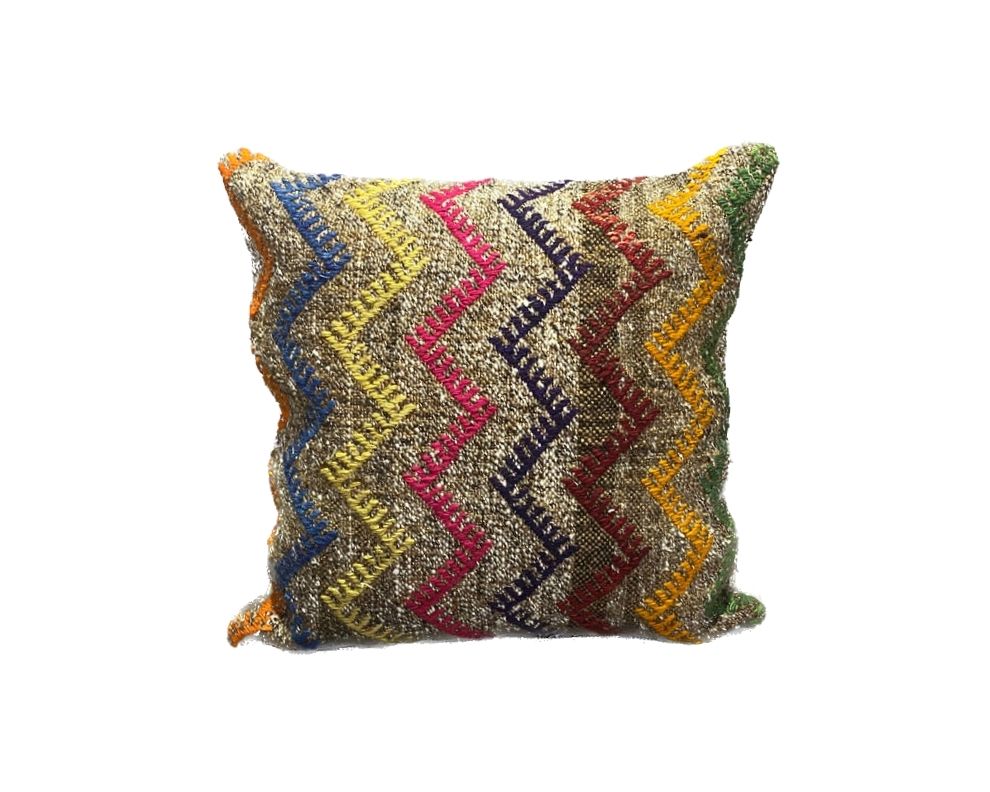

Last year, a customer in Washington DC texted me a little after midnight. Her cat had knocked a full cup of coffee straight onto a vintage rug she'd unwrapped exactly one week earlier. I walked her through it in real time — white cloth, press don't rub, cold water — and she moved just as fast as I typed. By morning, the stain was barely visible.
If you're trying to figure out how to remove a coffee stain from a rug right now, here's the truth before anything else: speed matters more than the exact method you pick. Even if you searched for how to get coffee stains out of carpet, the process changes once the piece in question is a rug — especially one that's wool, vintage, or hand-knotted, where the wrong move can do more damage than the coffee itself.
Blot coffee immediately with a plain white cloth, use cold water instead of hot water, and avoid rubbing. For a fresh rug stain, cold water and a very mild soap solution are usually safer than strong stain removers. Vintage, silk, antique, and naturally dyed rugs should always be tested in a hidden corner first.

What to Do in the First 60 Seconds After a Coffee Spill on Your Rug
The first minute decides more than any product you own. Coffee carries tannins and oils that bond to natural fibers fast, and every second it sits, it settles deeper.
Blot, Don't Rub
Grab a plain white cloth. Press it straight down onto the spill and lift, switching to a clean section each time. Rubbing feels productive — it's how we clean a counter or a table — but on a rug it pushes coffee deeper into the pile and spreads it into fibers the spill never touched.
Use Cold Water, Not Hot Water
Dampen a fresh cloth with cold water and keep blotting from the outer edge toward the center. Hot water feels like it should work harder, but it does the opposite — heat sets the tannins in coffee rather than lifting them, so a stain treated with hot water on day one can end up harder to remove than a two-day-old stain treated with cold water instead.
The Best Coffee Stain Remover for a Fresh Spill on a Rug
Once the excess coffee is blotted up, cold water alone is the fastest safe option — bring in a mild solution only if needed.
Vinegar and Mild Soap Solution: When It Helps and When to Avoid It
For many wool rugs, a very mild, dye-free soap or a wool-safe cleaner mixed with cool water can help, along with a small amount of white vinegar. If you use dish soap, choose a clear, gentle one and use only a little. Apply it with a cloth rather than pouring it directly on, and blot instead of saturating the pile.
I recommend this often, but not blindly. On a rug with very light coloring or natural, plant-based dyes, test it on a hidden corner first. Silk and silk-blend rugs are different — skip the vinegar there and use as little water as the stain allows. Flatweave kilims are often easier to dry than thick pile rugs, but they still need a color test first if vintage or naturally dyed.
| Method | Best For | Safe On | Risk |
|---|---|---|---|
| Cold water | Fresh coffee | Most rugs | Low |
| Mild soap | Fresh stains | Wool, cotton, many rugs | Medium if overused |
| Diluted vinegar | Coffee odor/light stain | Only after color test | Medium |
| Club soda | Fresh spill | Many synthetic/wool rugs | Low-medium |
| Baking soda | Odor after drying | Some rugs | Risky if scrubbed |
| Hydrogen peroxide | Synthetic light carpet | Not handmade/vintage | High |
| Enzyme cleaner | Milk/cream coffee | Test first | Medium |
The gentler the method, the wider it works. Water and mild soap cover almost every rug you own; anything stronger needs to be matched to the specific fiber, not reached for out of habit.

How to Remove an Old, Dried Coffee Stain from a Rug
Old stains ask a different question than fresh ones — the coffee has already dried into the fiber, so it needs to come back to life before any cleaner goes on.
Rehydrate the Stain First
Dampen the stained area lightly with a cool, damp cloth — don't soak it — and let it sit for a few minutes. This softens the dried tannins enough for a cleaning solution to actually reach them.
What to Try Before Stronger Stain Removers
Start with the same mild soap and vinegar mix used on fresh stains, applied in short rounds rather than one heavy application. Old stains — especially from espresso or cold brew — often need three or four passes rather than one aggressive one. I always ask how long the stain has been there: a week or two, and it usually lifts with patience; months, and it may fade significantly without disappearing completely, which is worth knowing before you spend an afternoon scrubbing.
Enzyme Cleaner for Coffee with Milk, Cream, or Sugar
If the coffee had milk, cream, or sugar in it, treat it as two stains: the coffee responds to the methods above, and the dairy needs a separate enzyme-based cleaner, since soap and vinegar don't break down milk proteins. Customers rarely mention the milk upfront, and it changes the approach more than people expect.

How to Clean Coffee Off a Hand-Knotted or Vintage Rug Without Damaging It
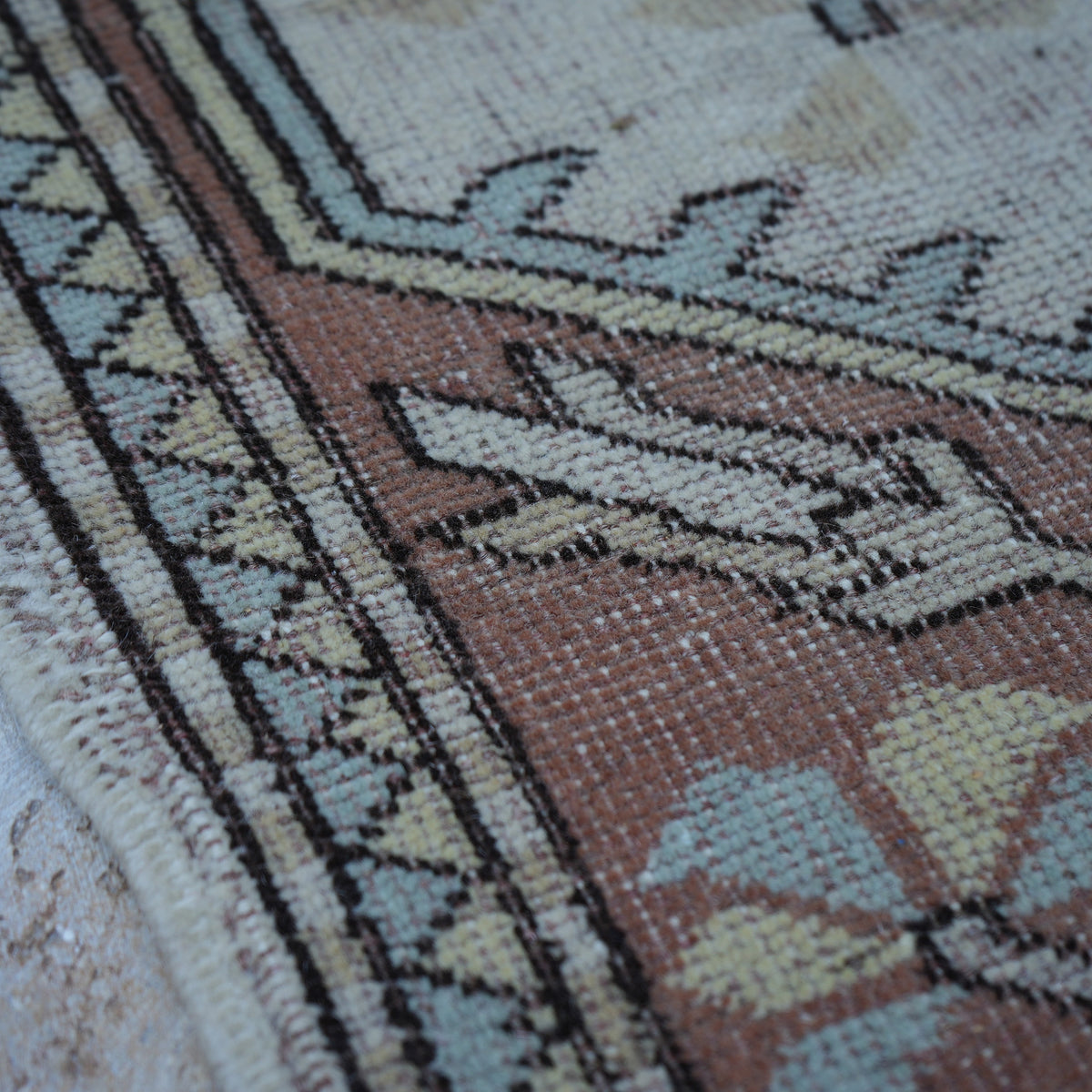
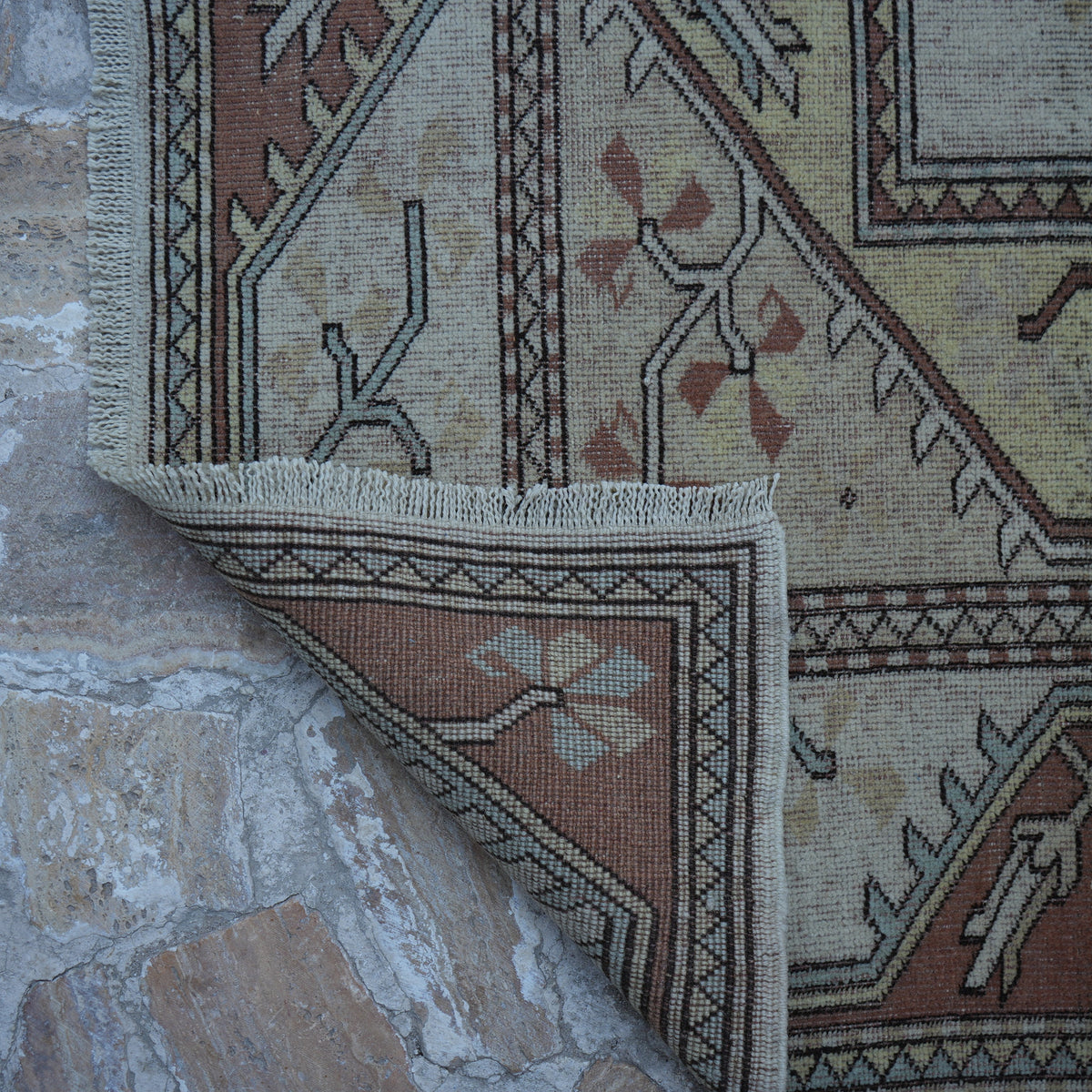
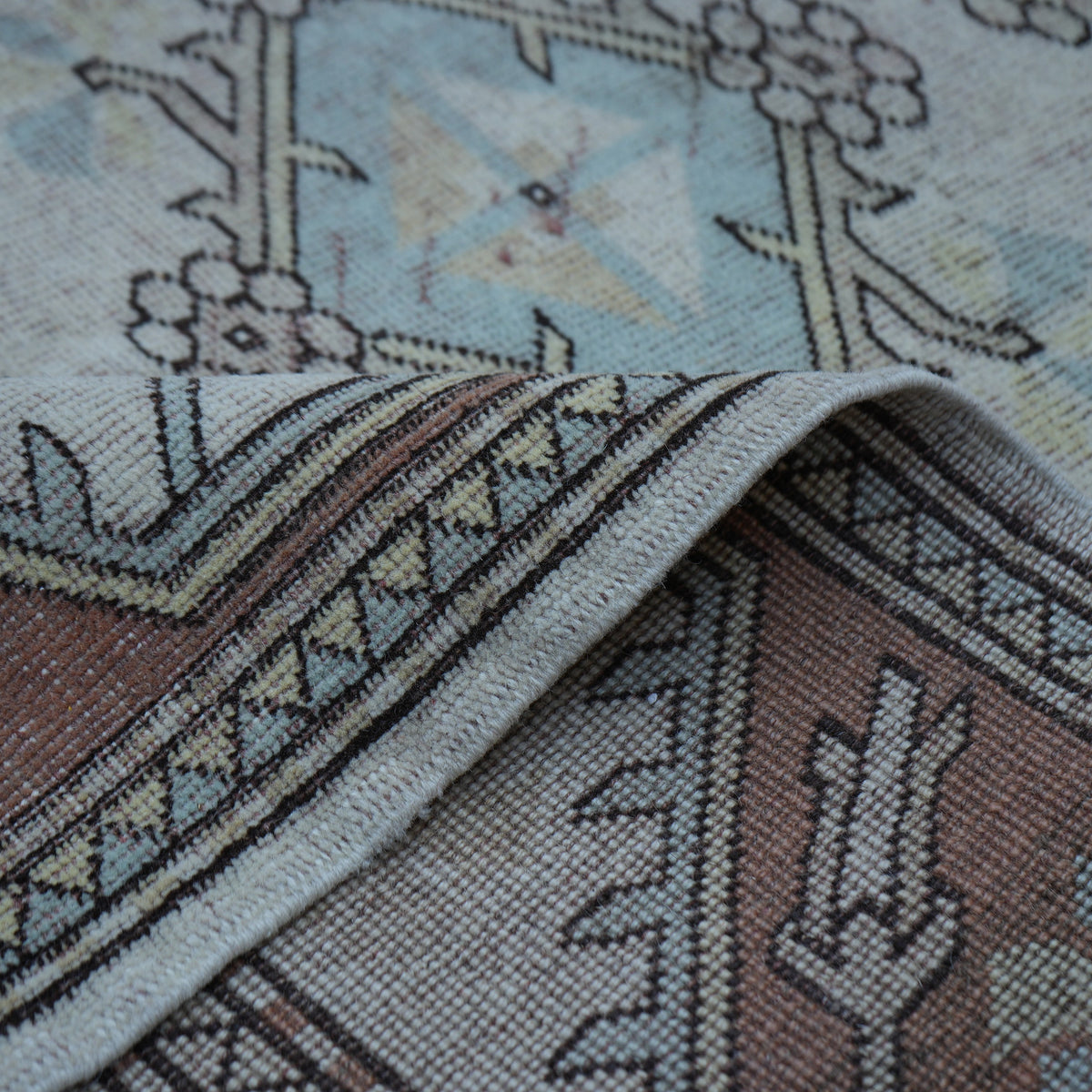
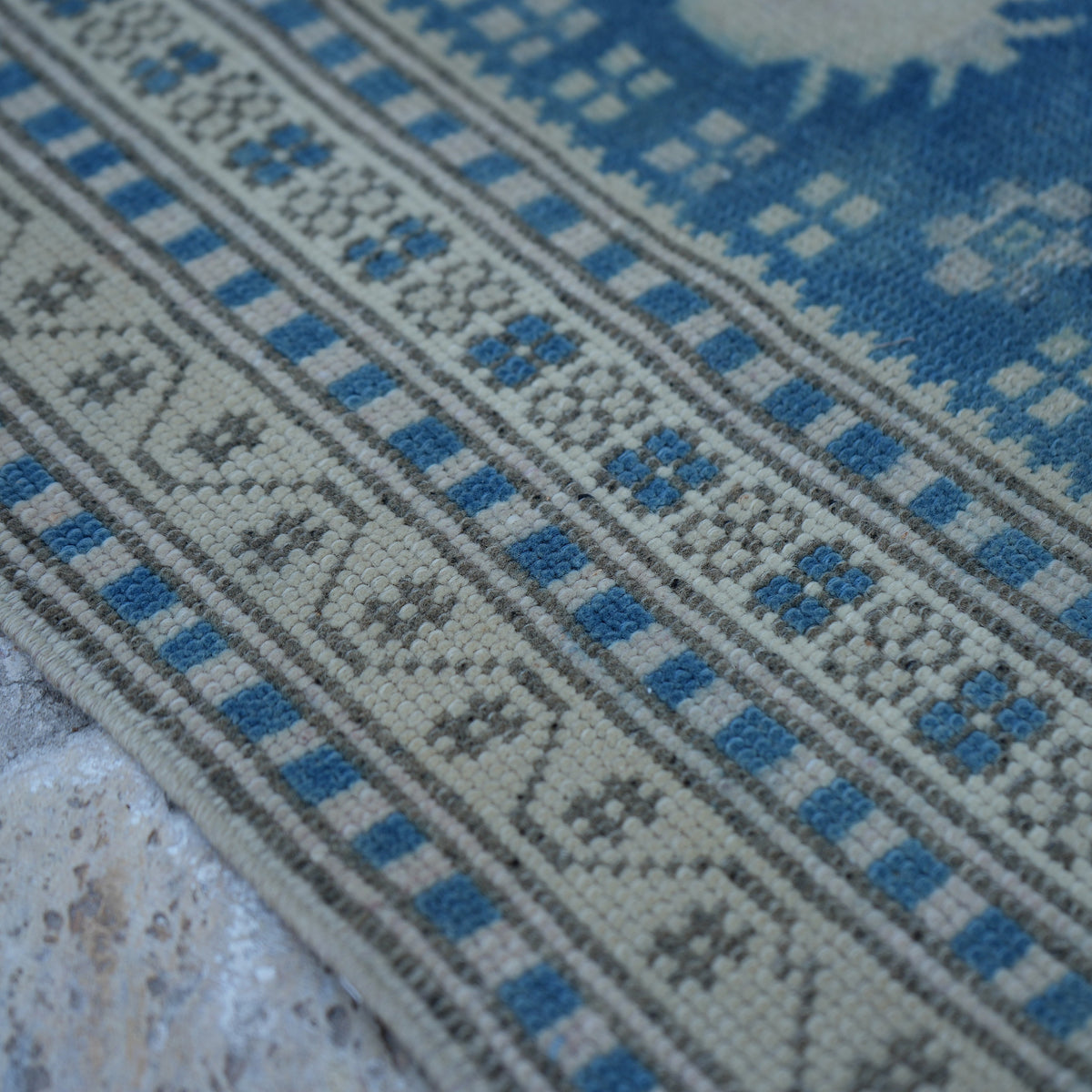
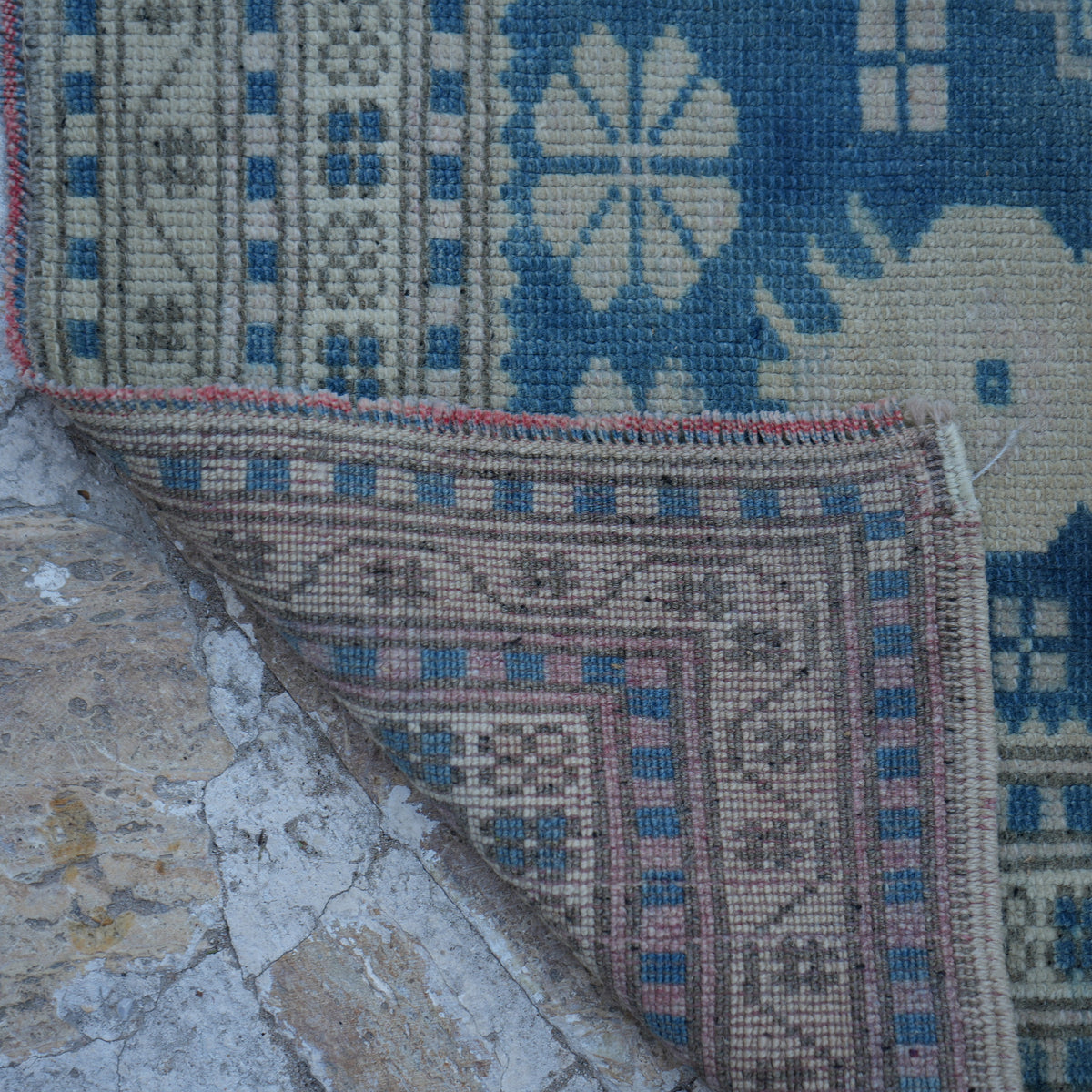
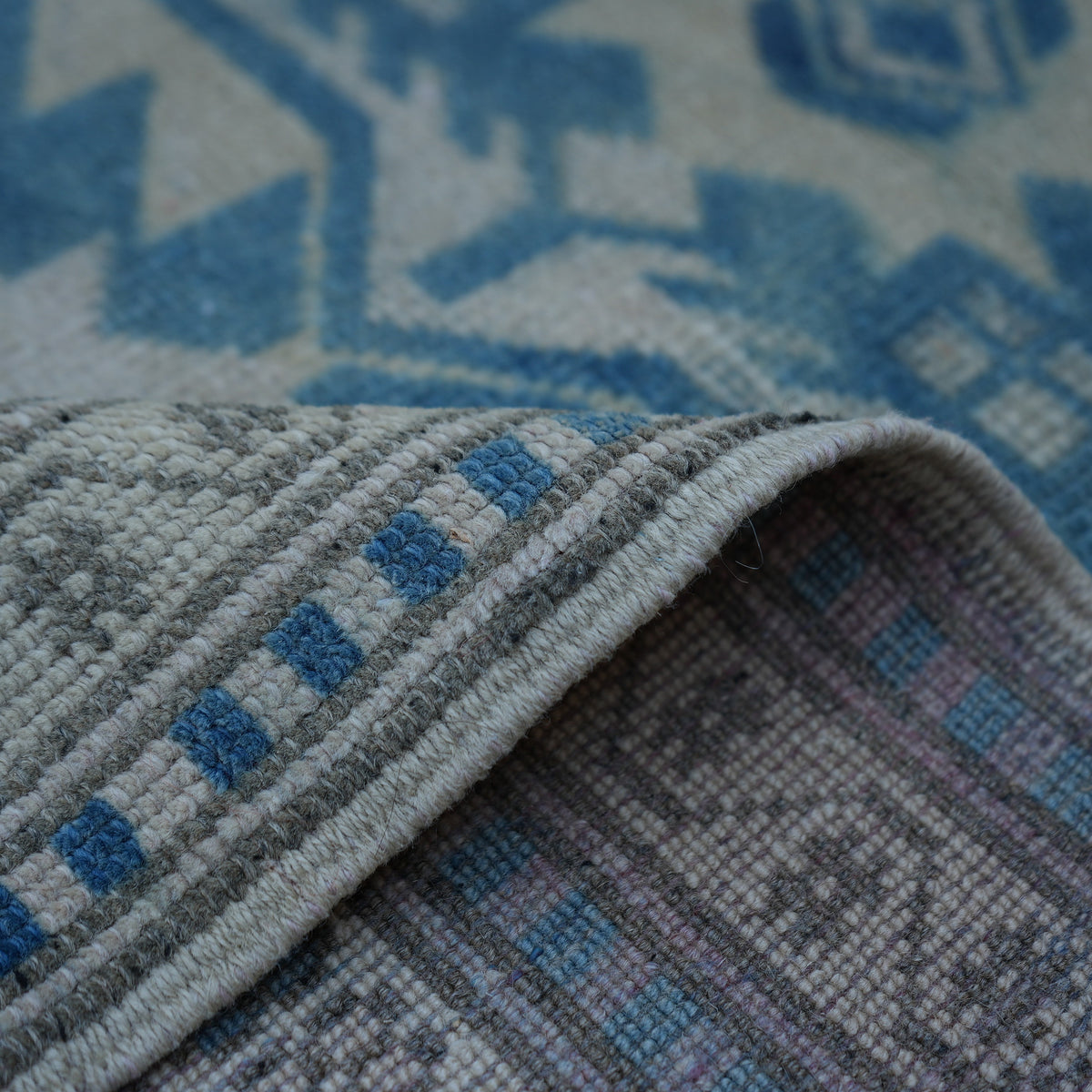
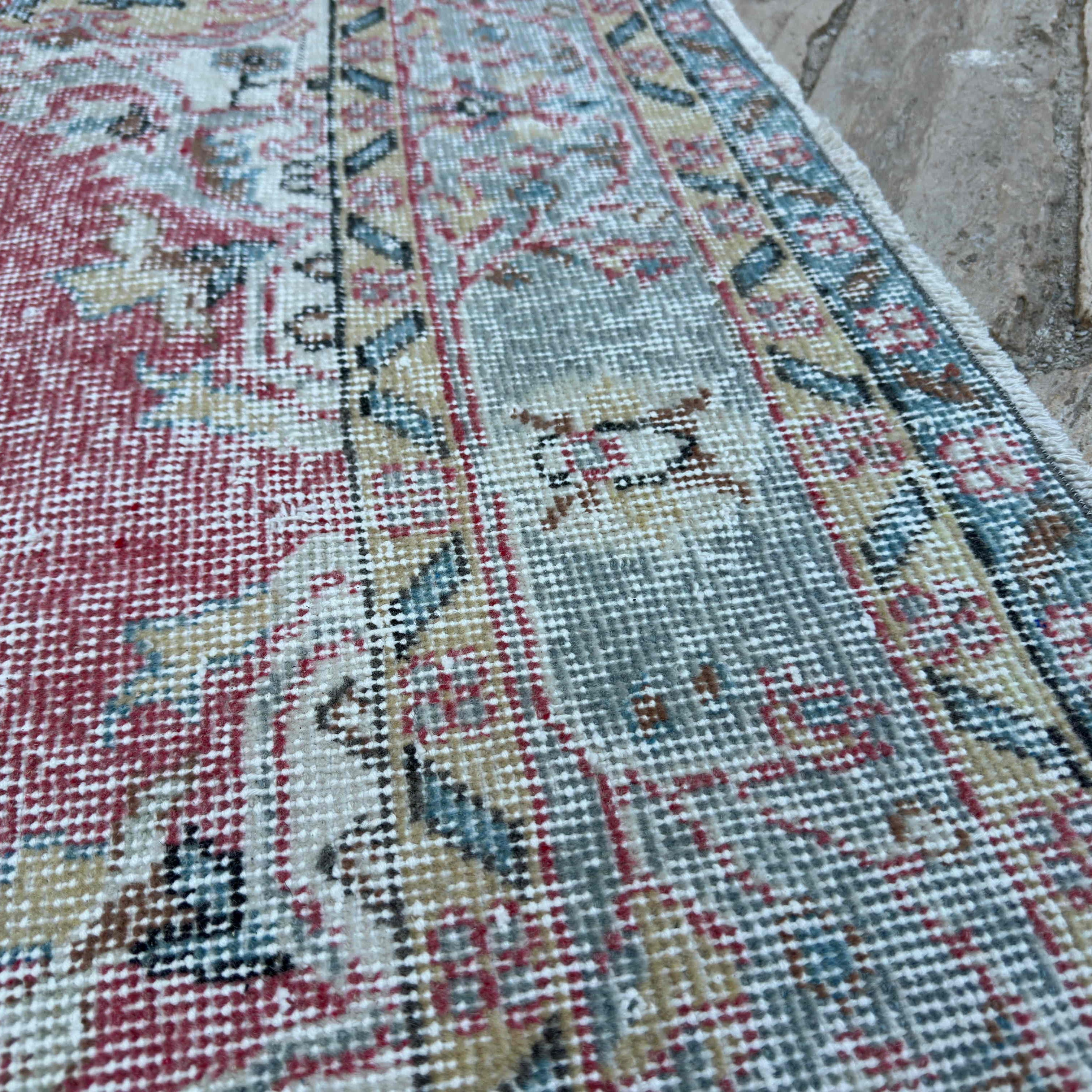
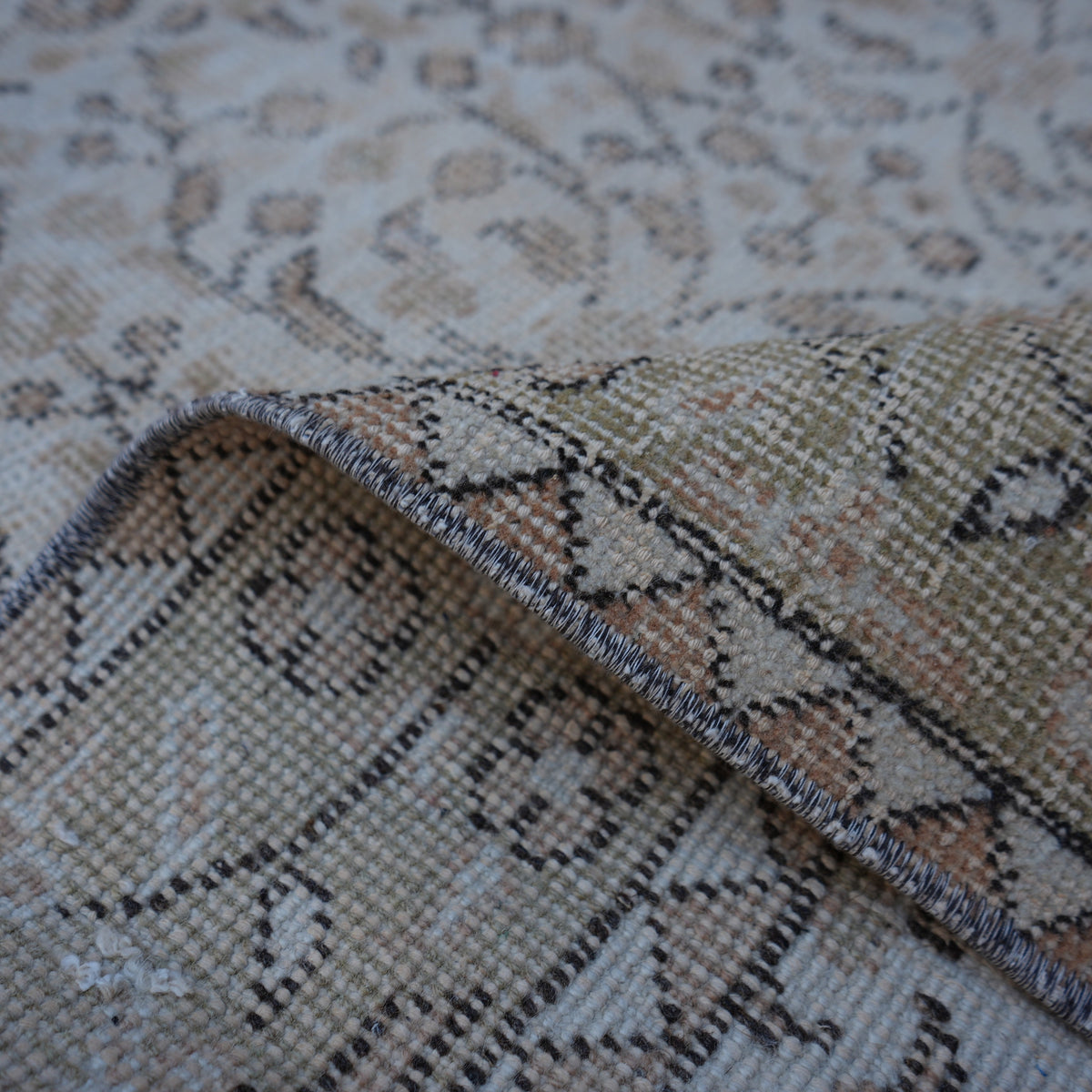
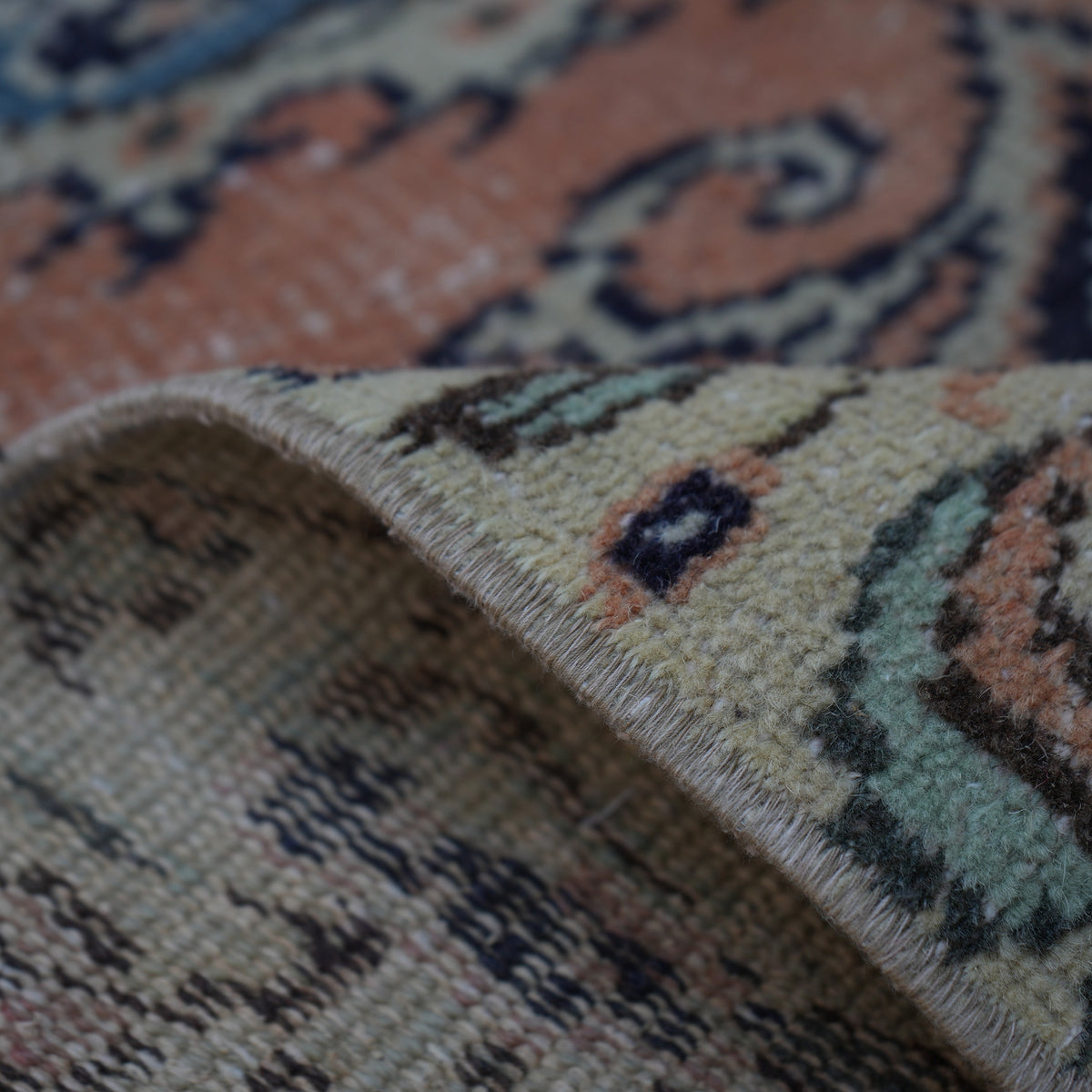
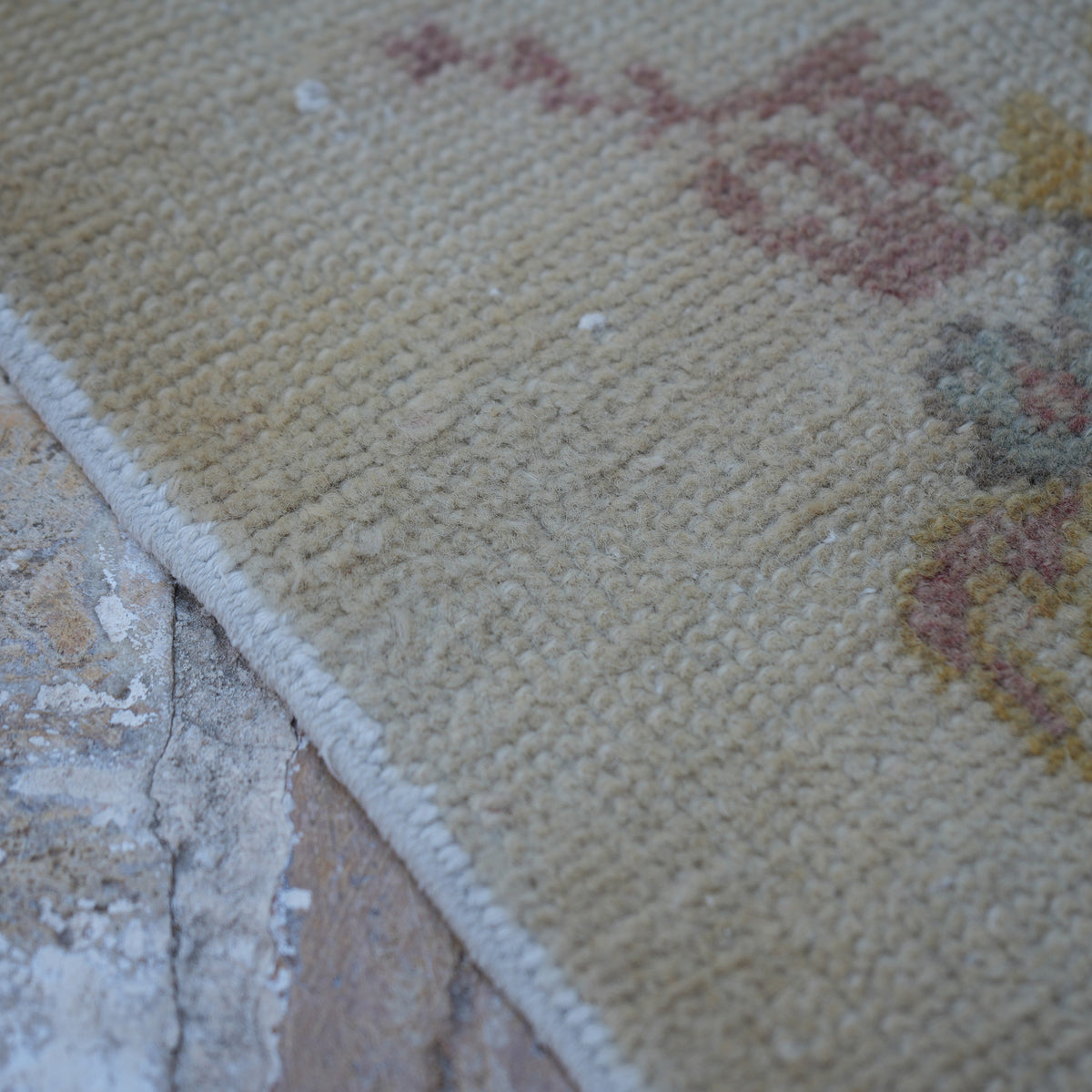
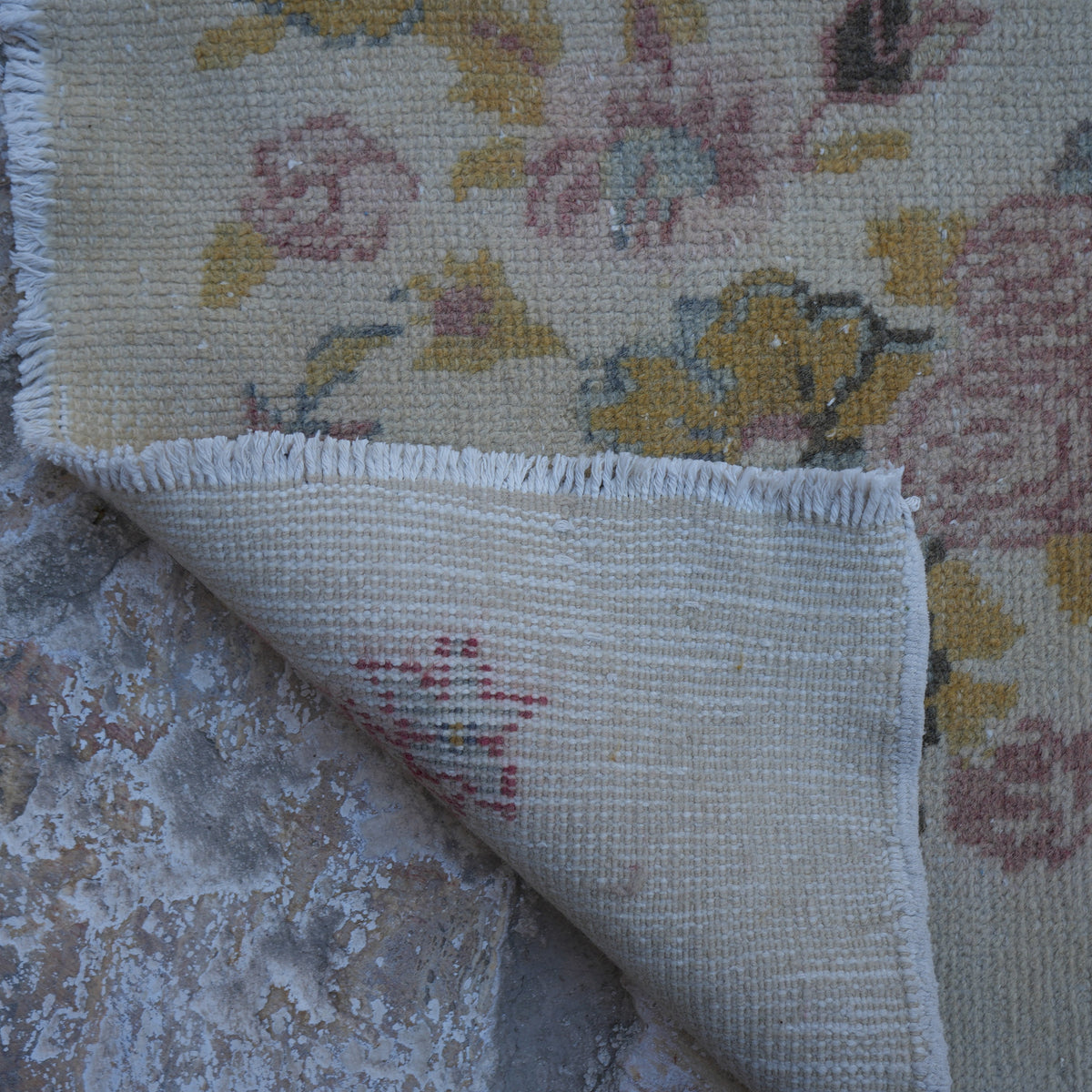
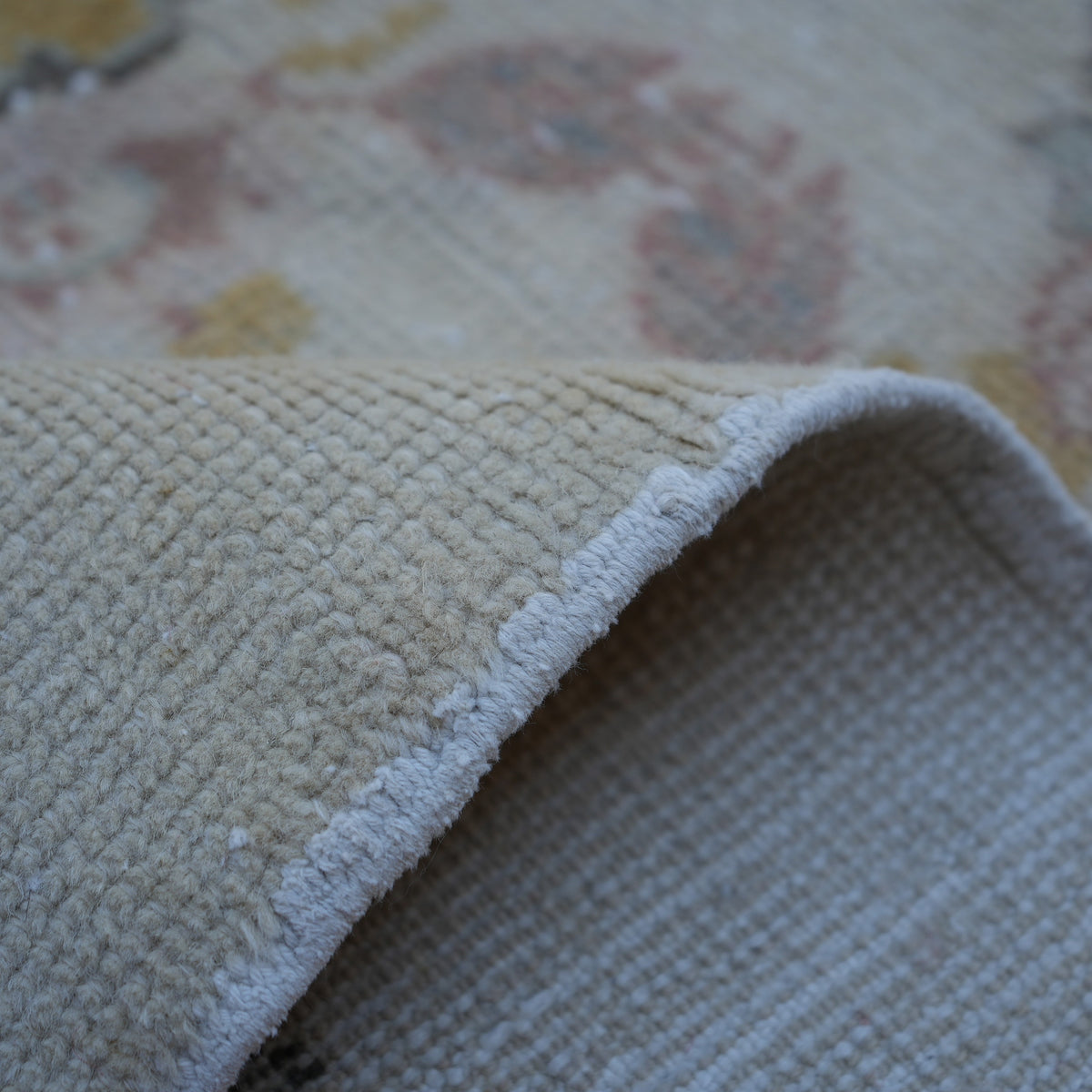
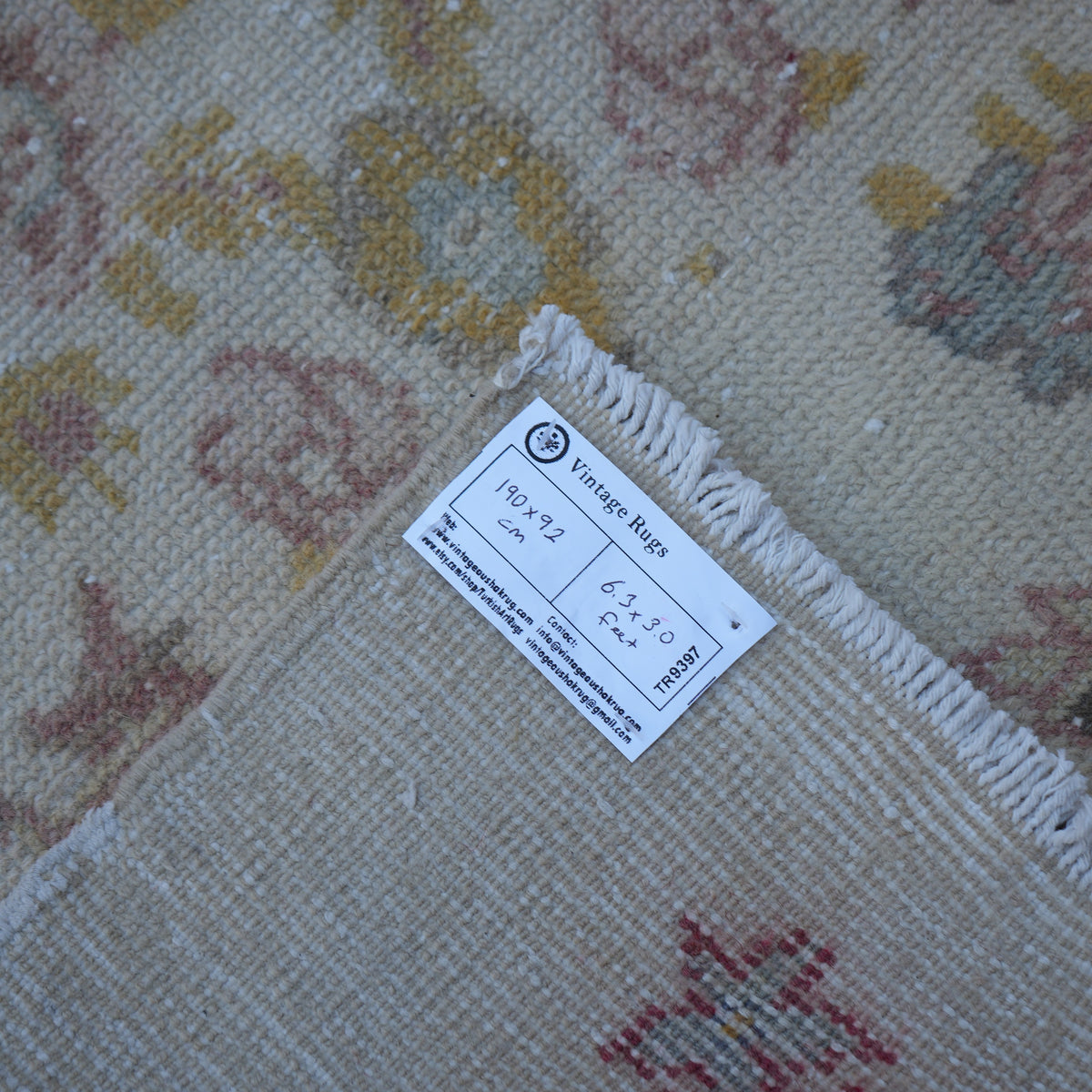
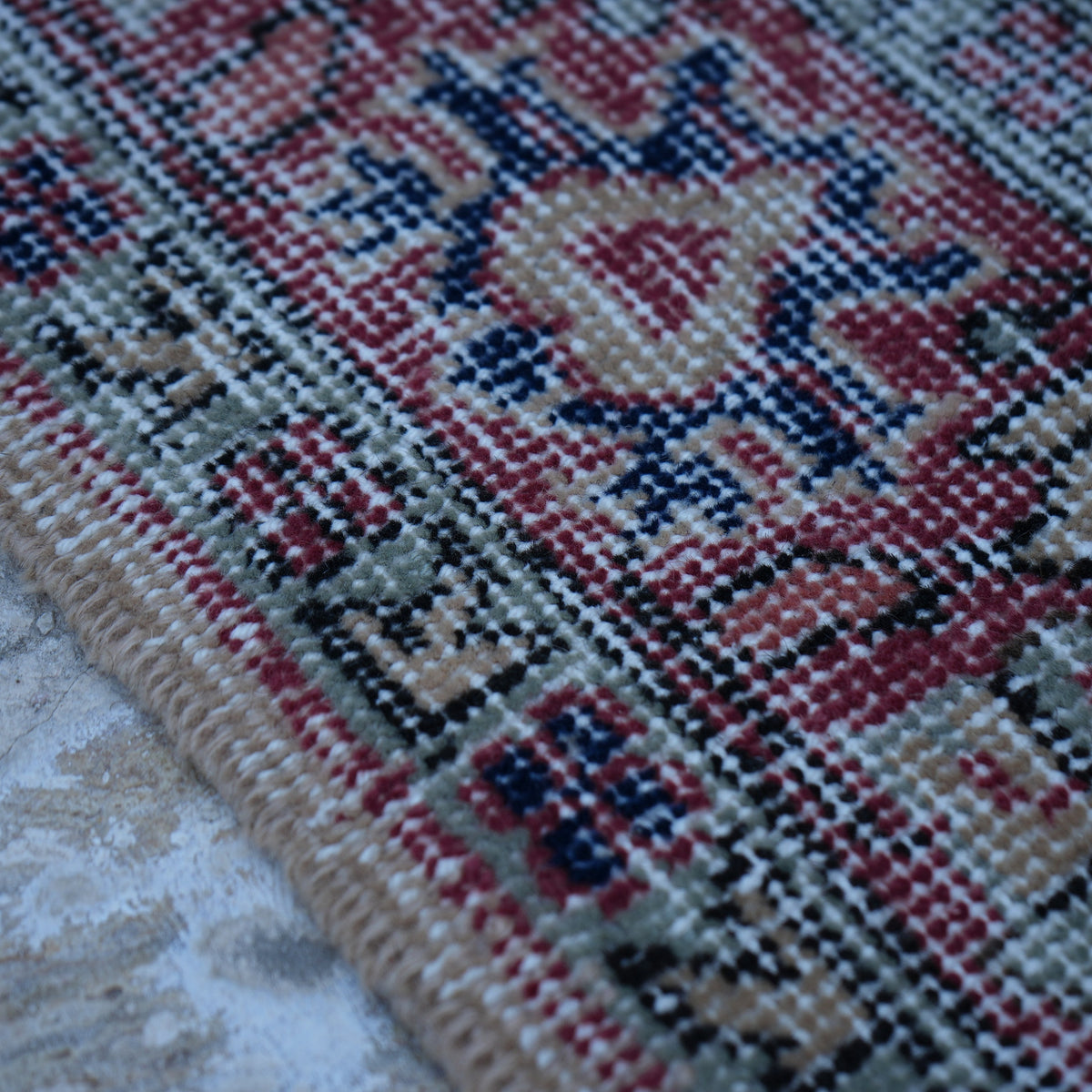
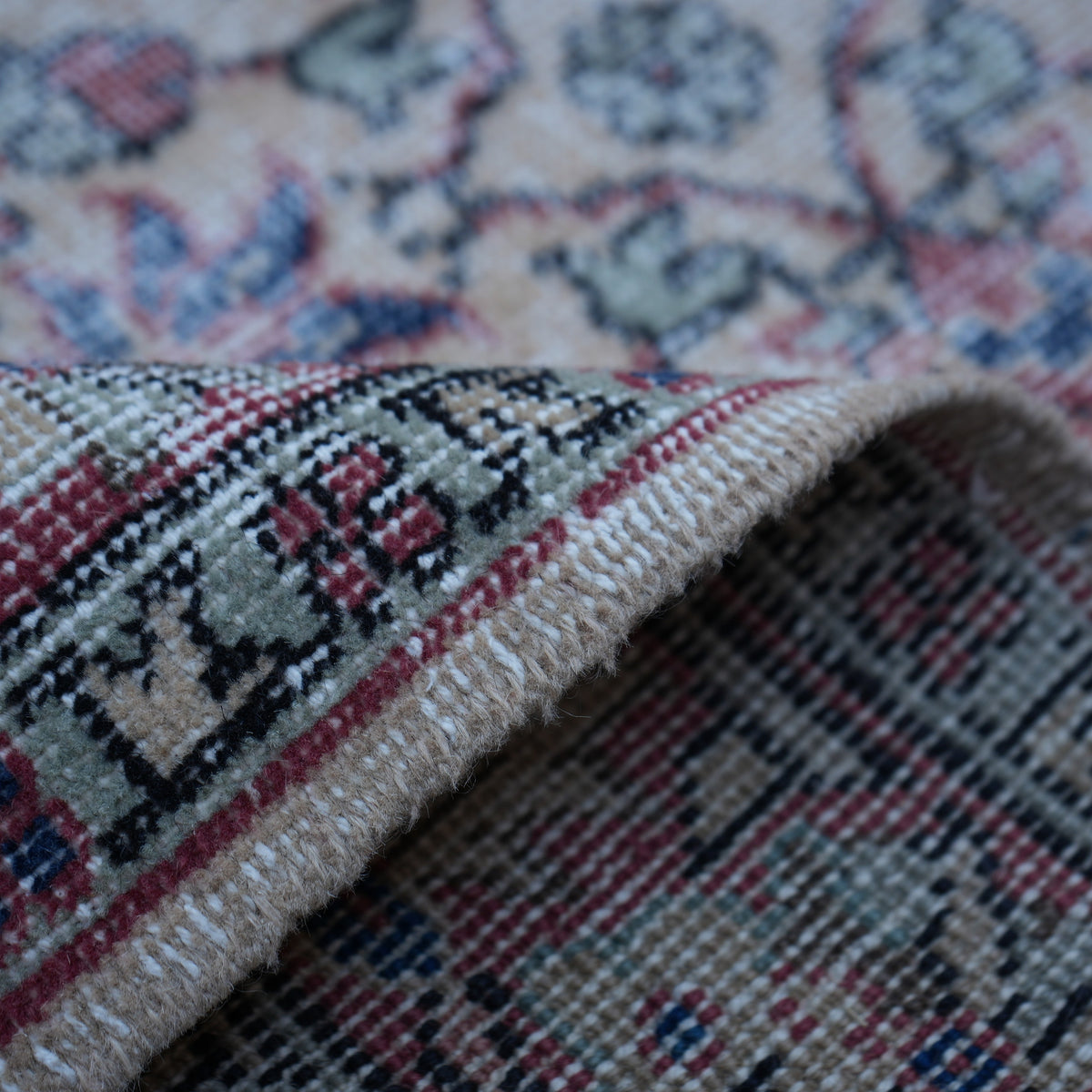
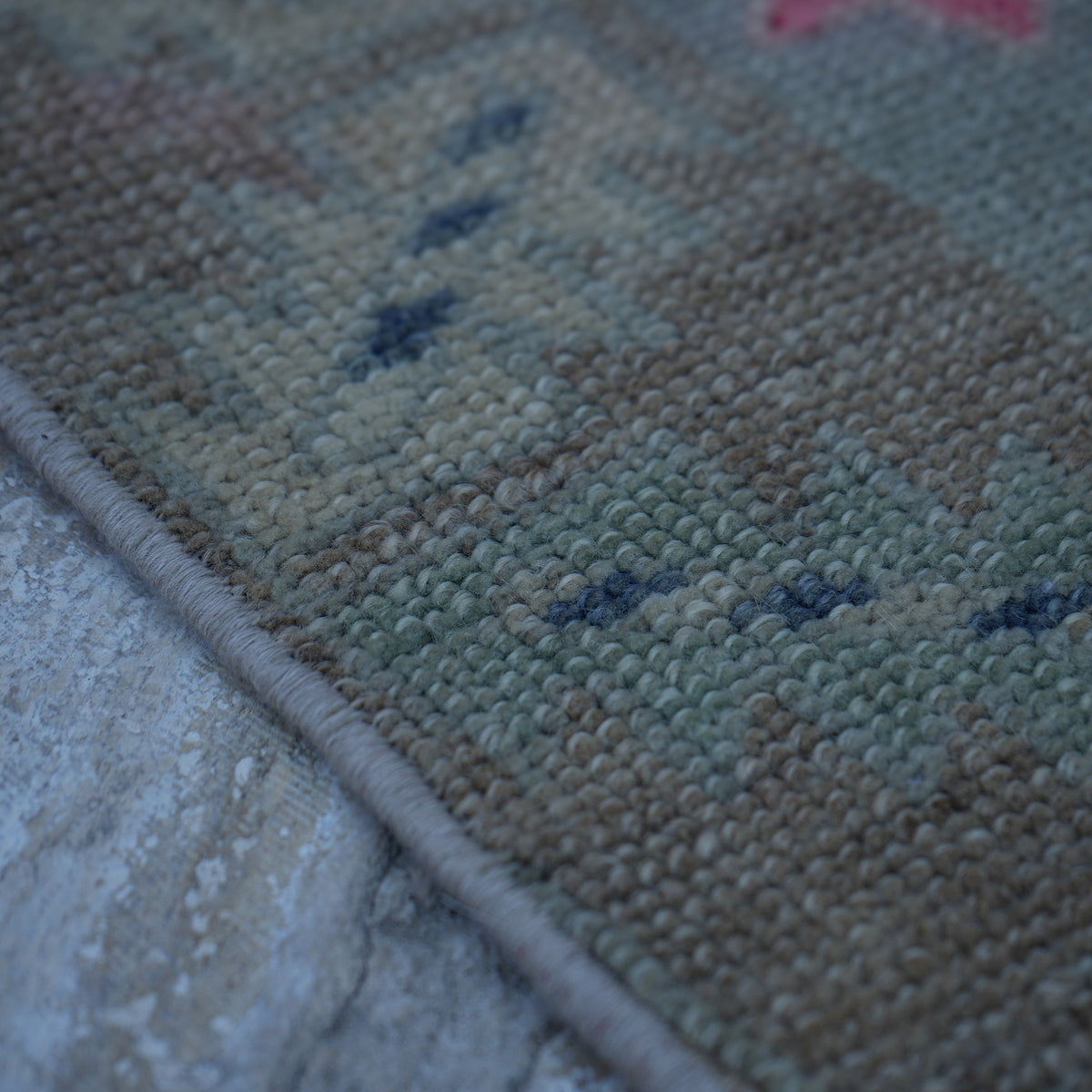
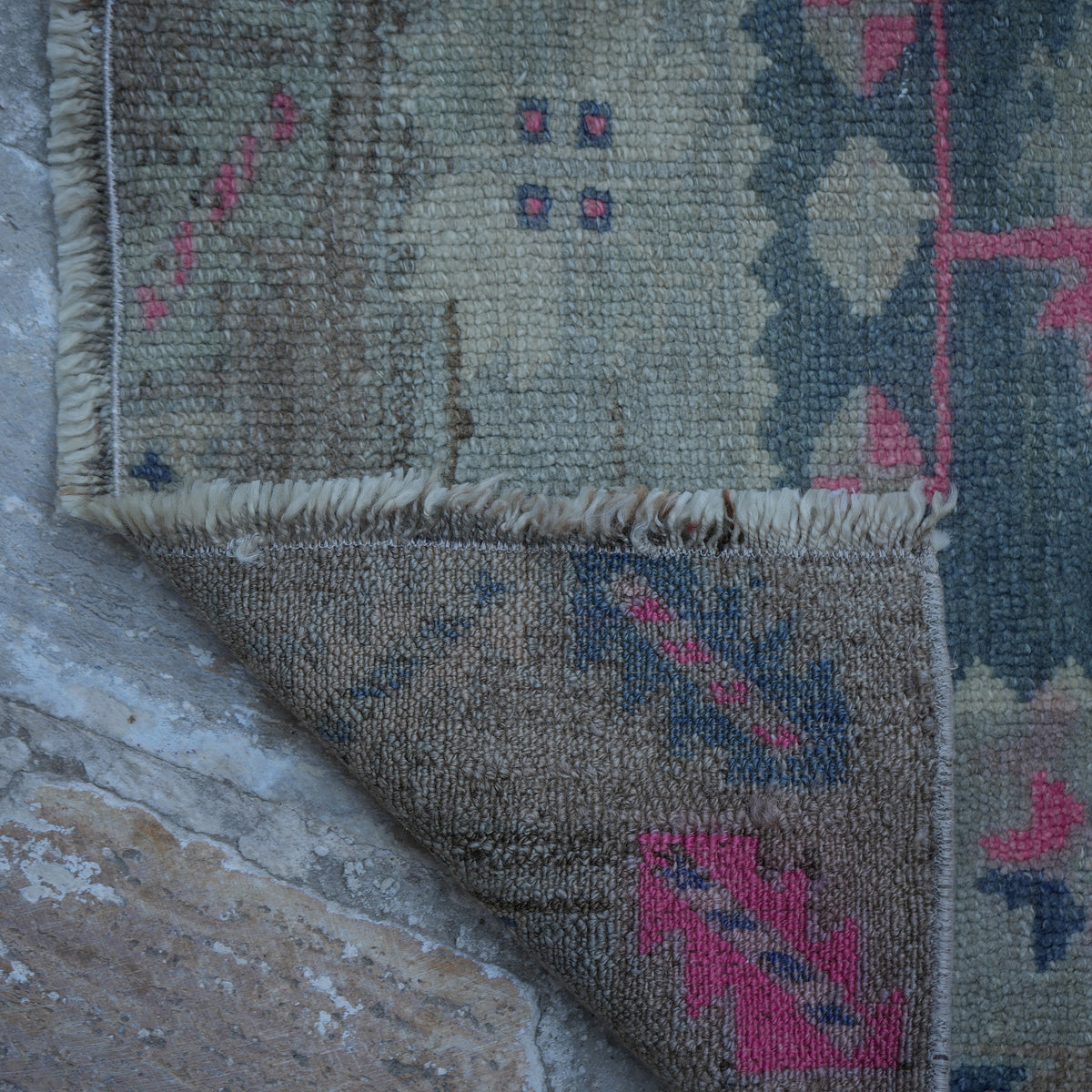
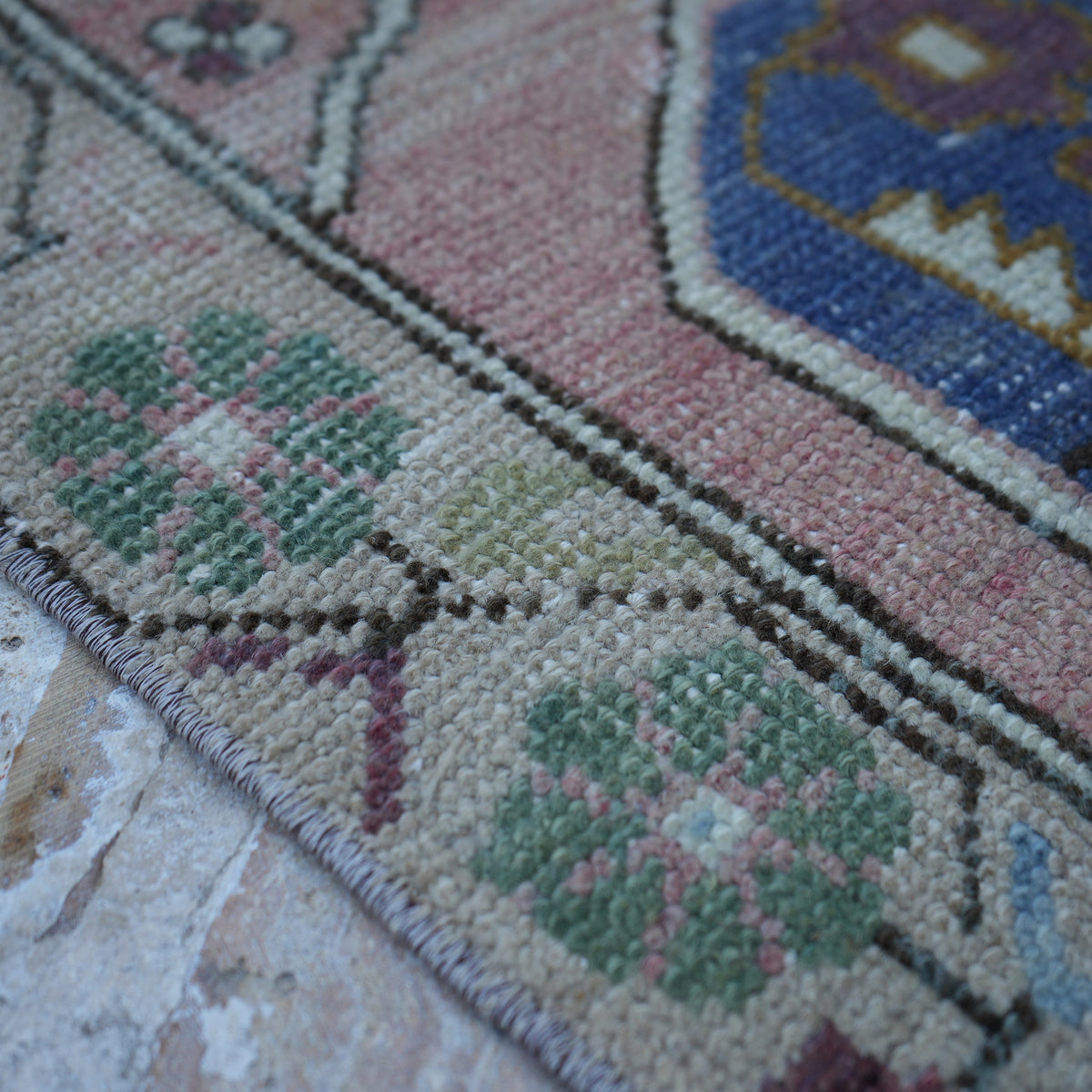
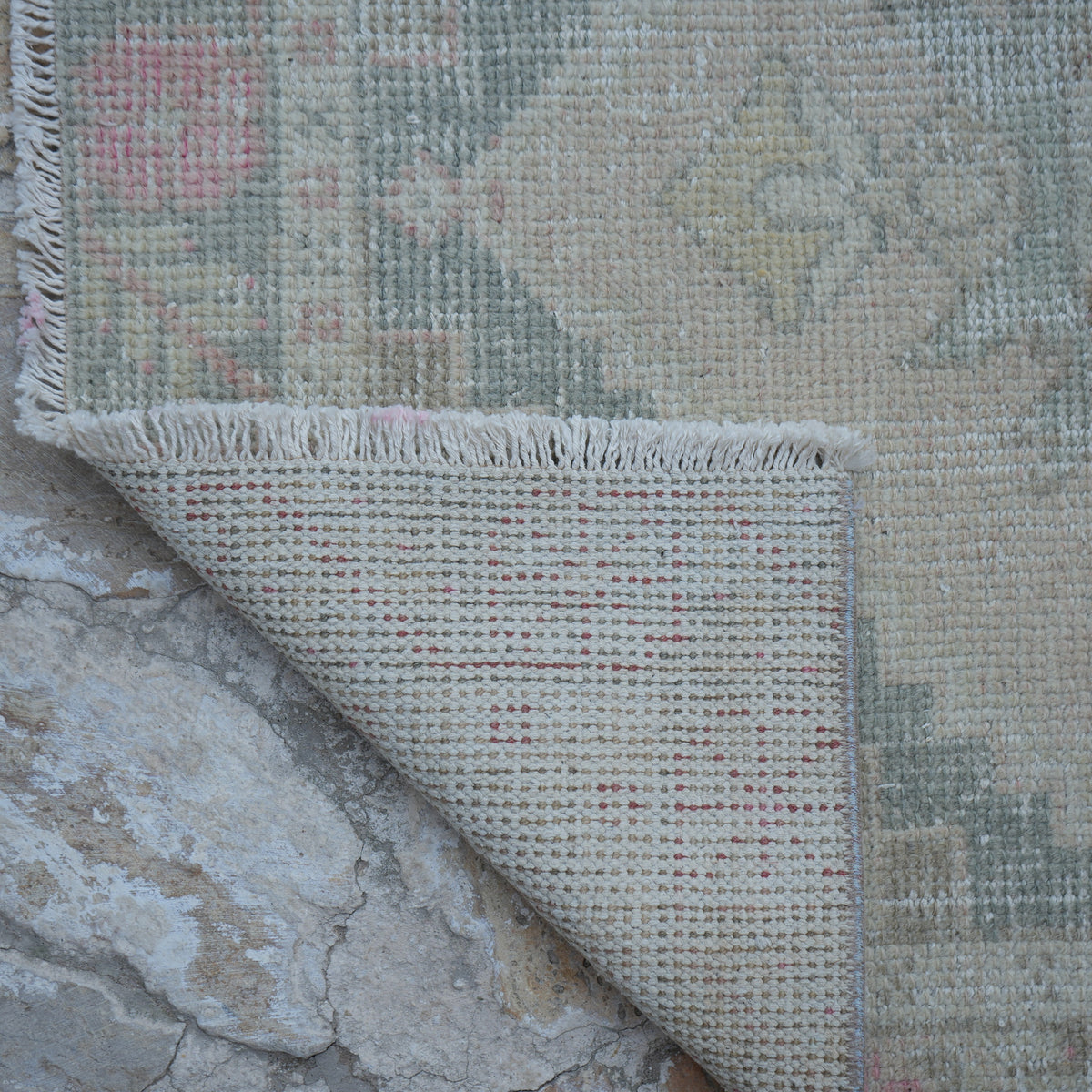
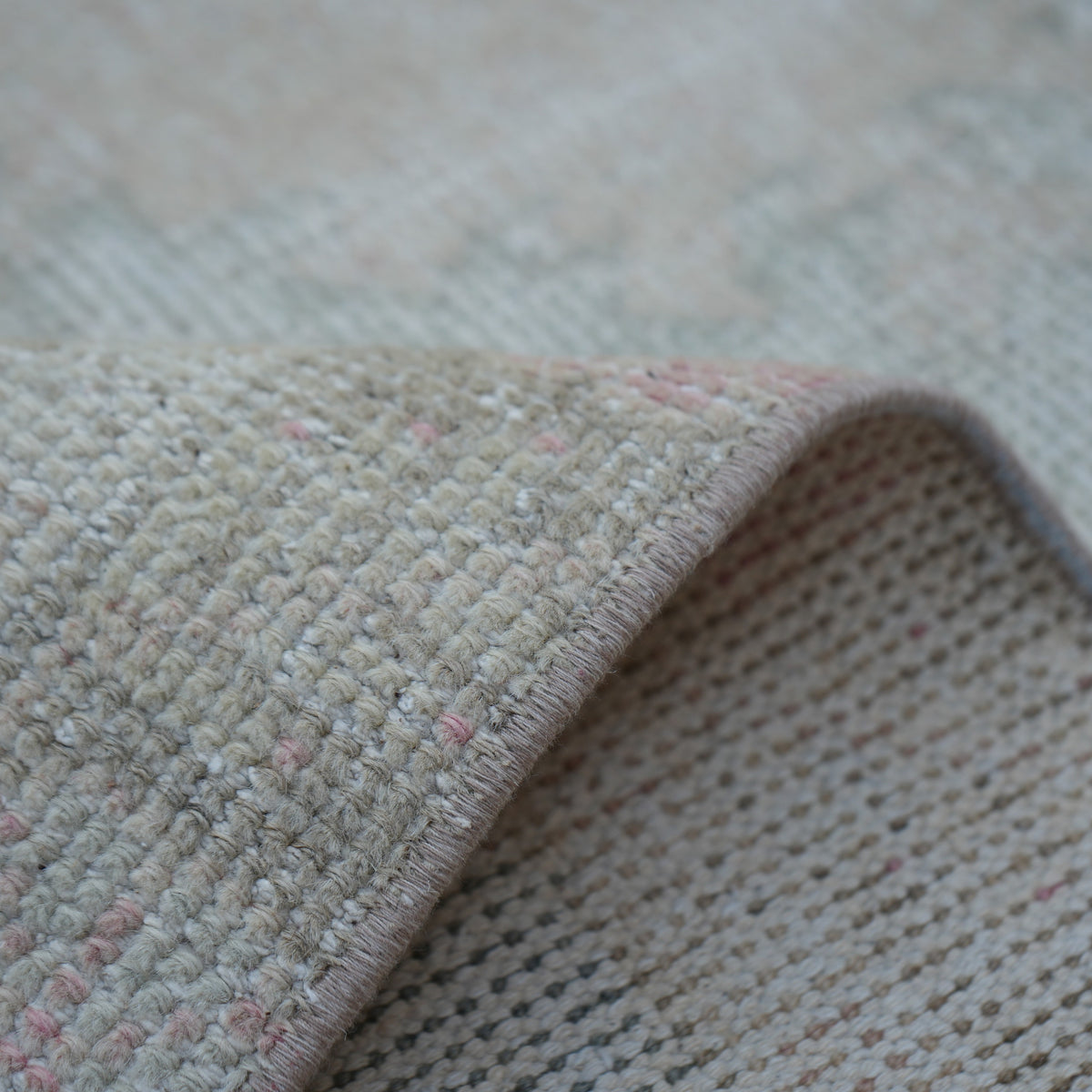
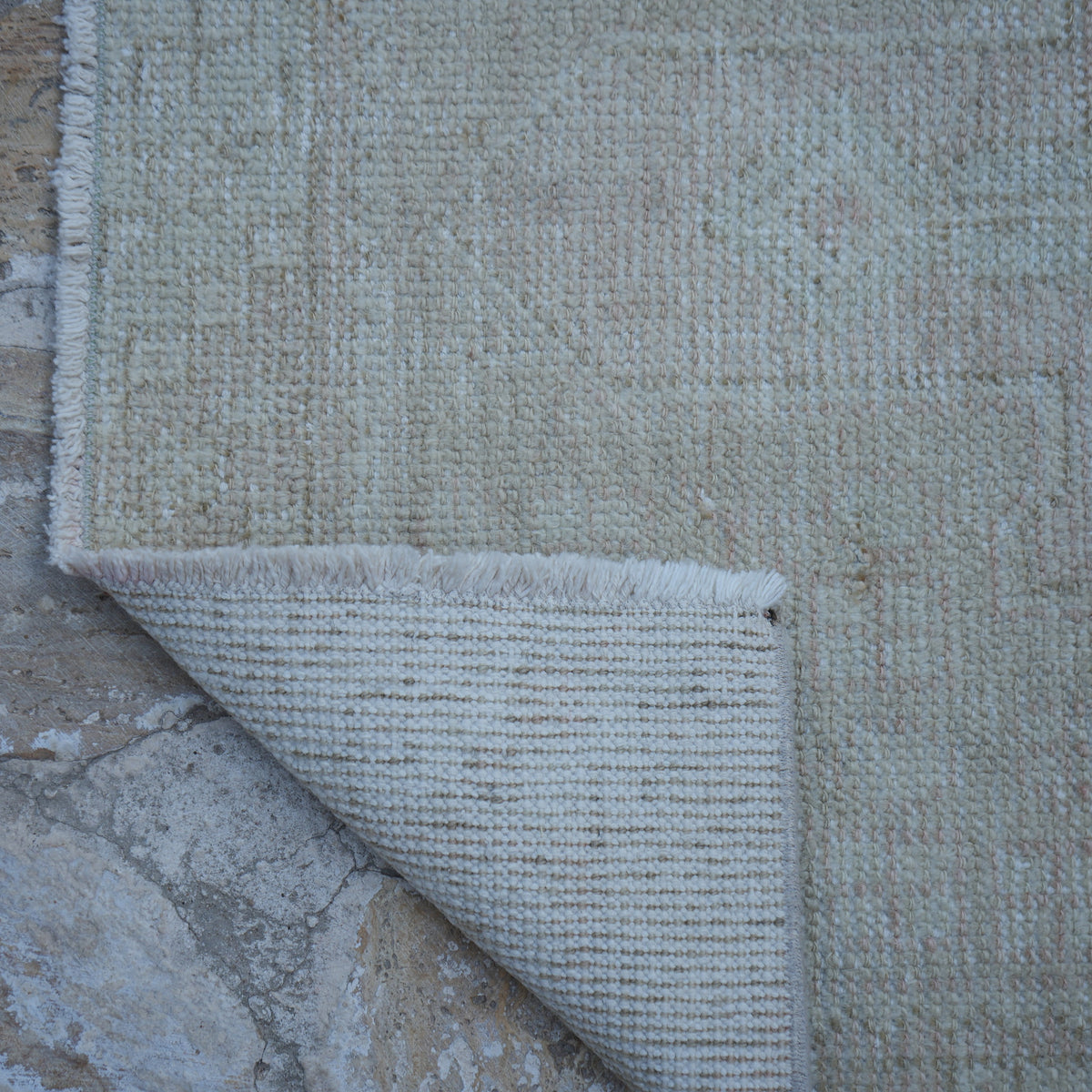
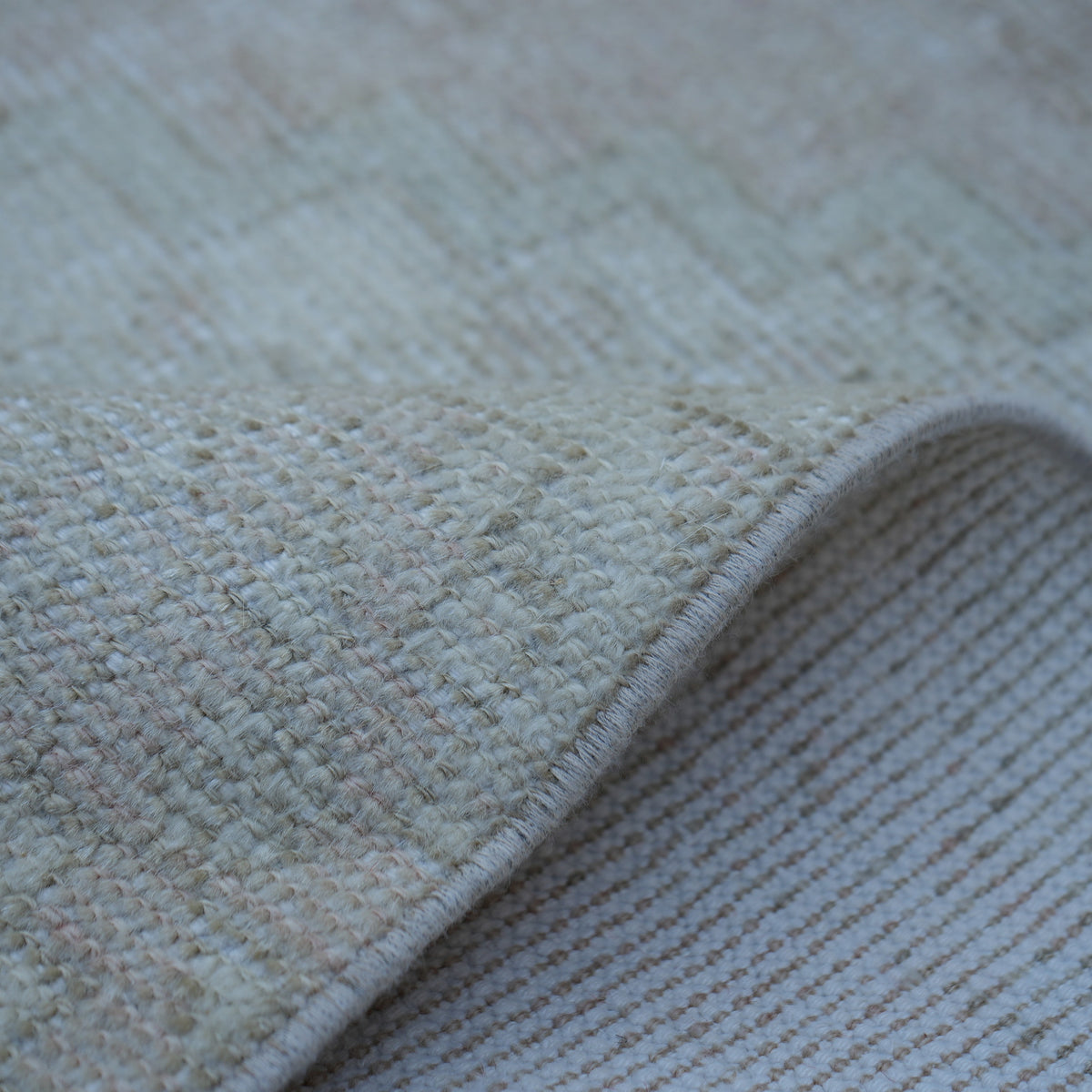
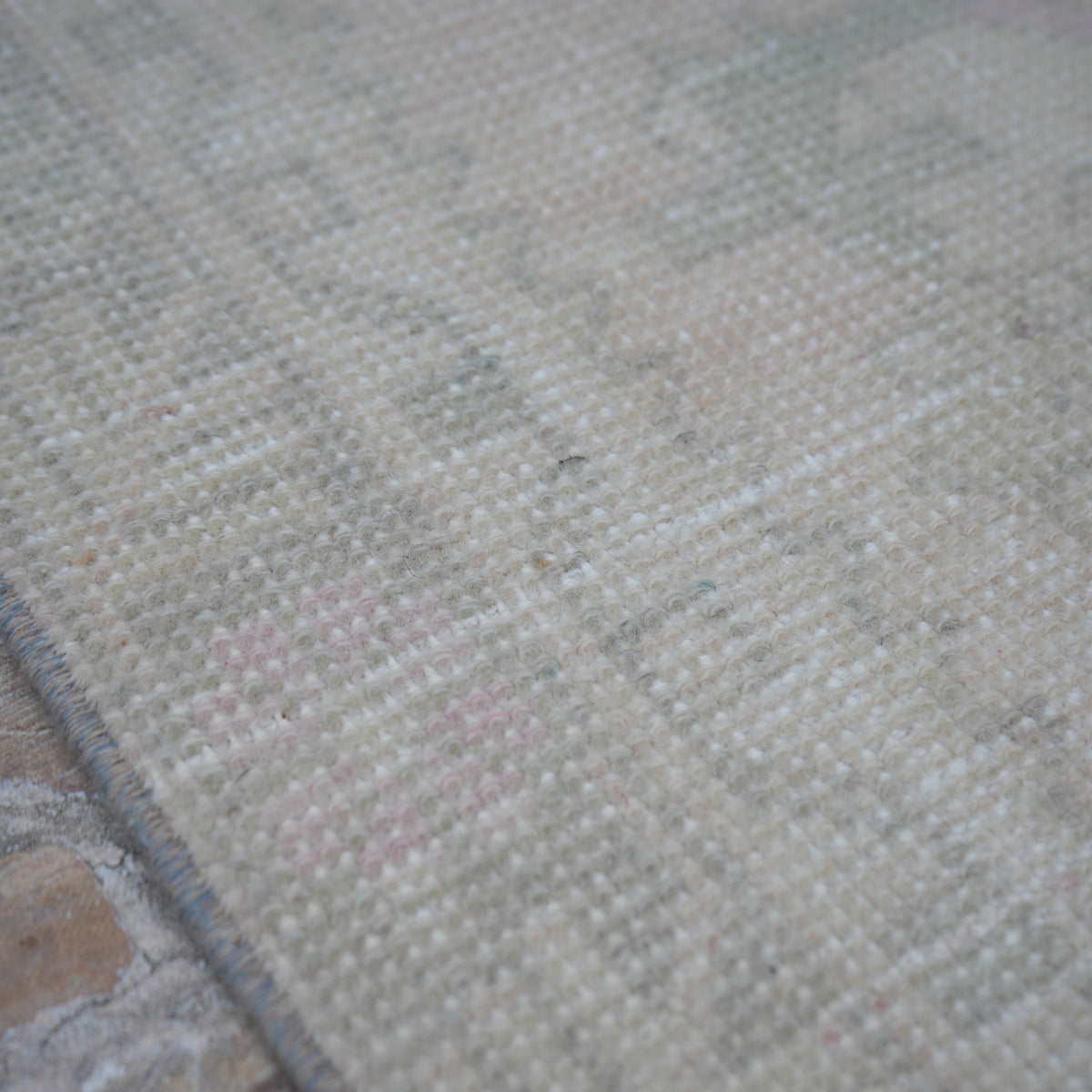
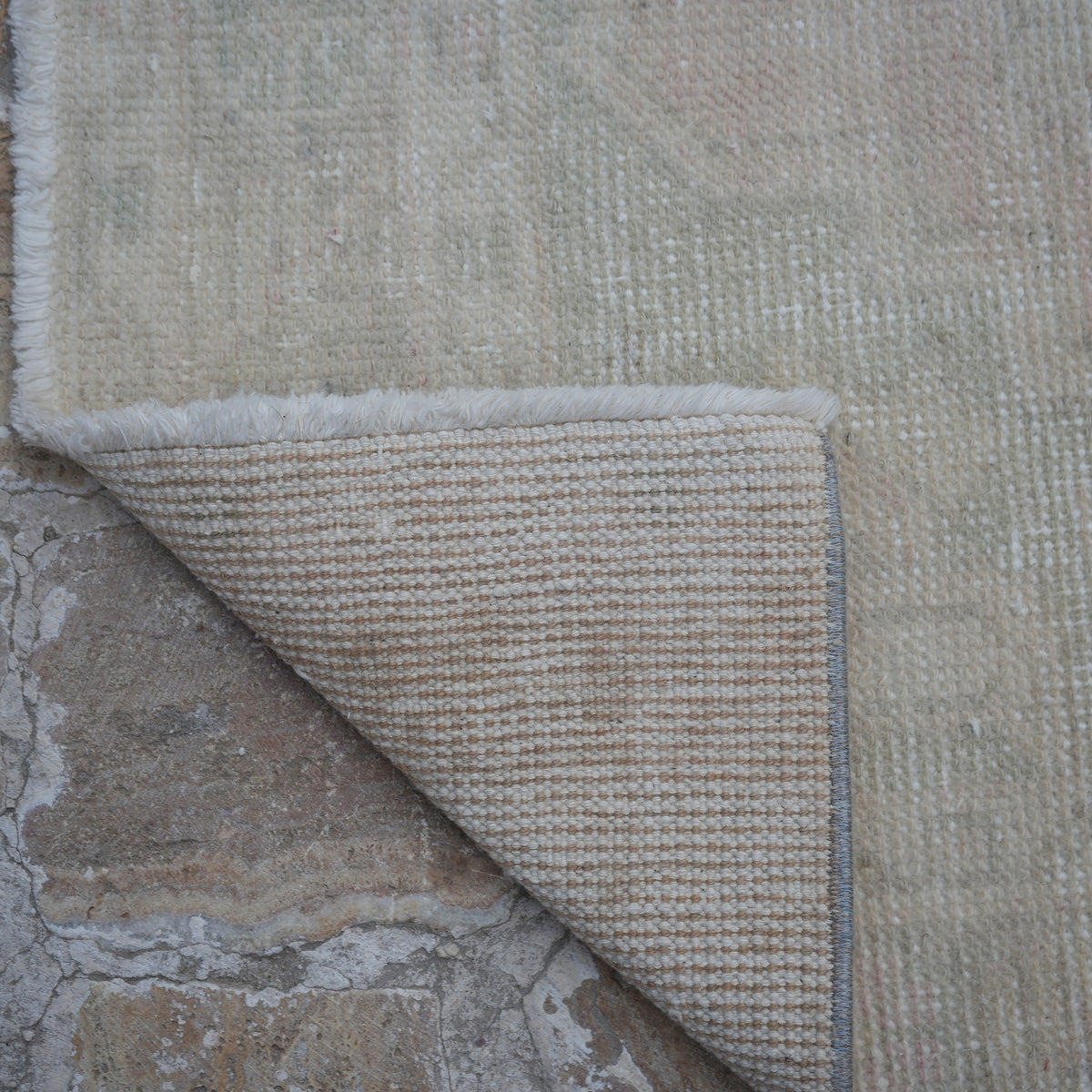
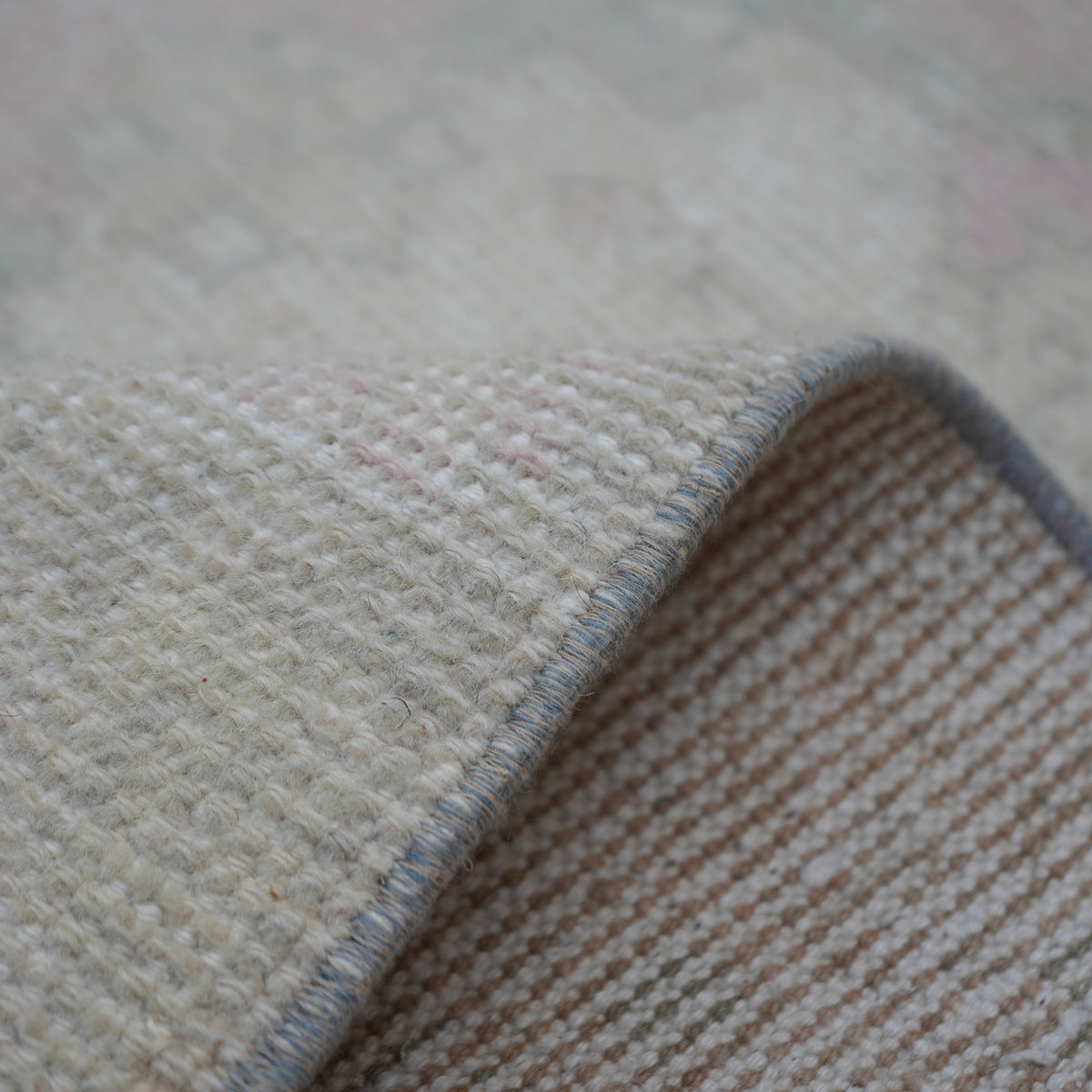
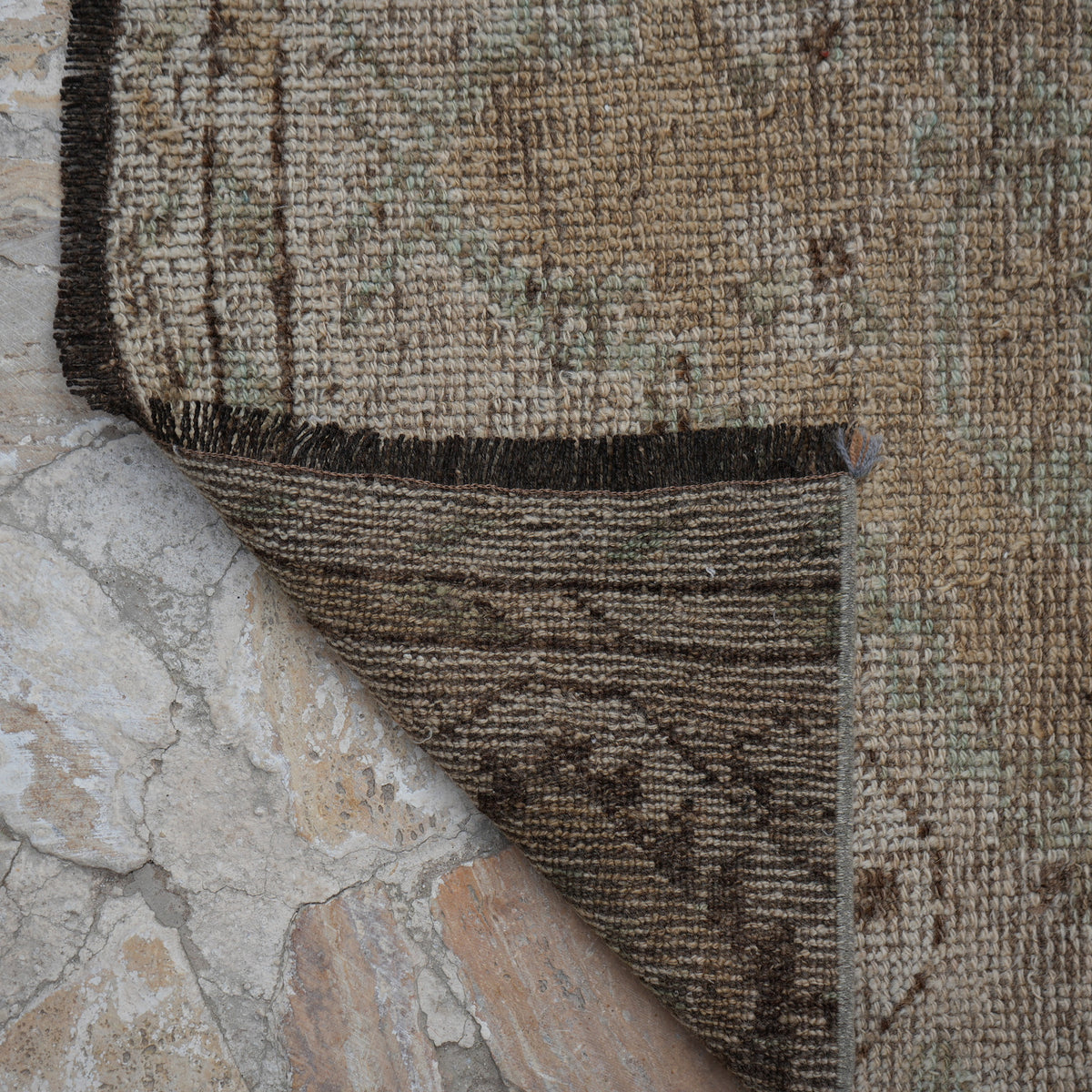
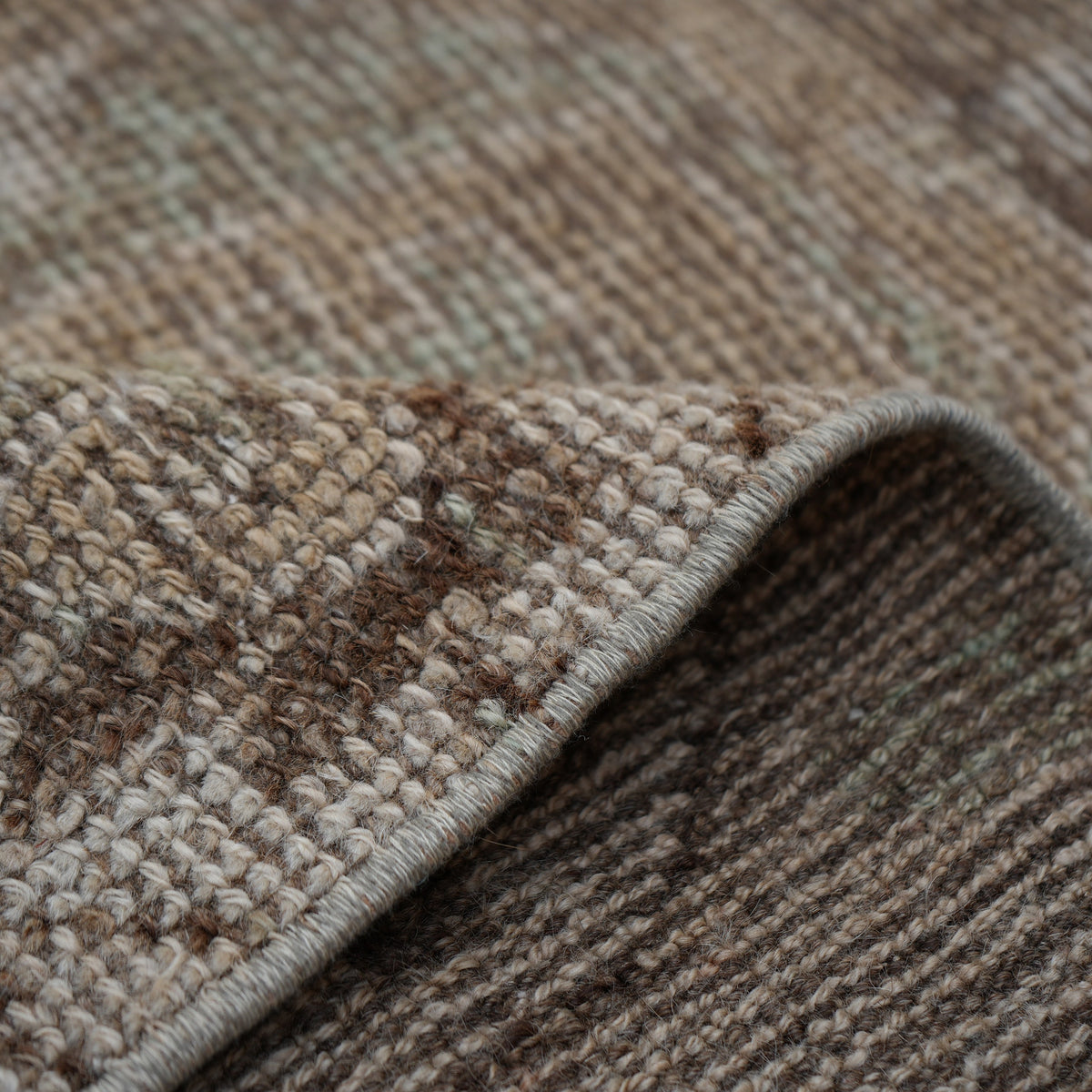
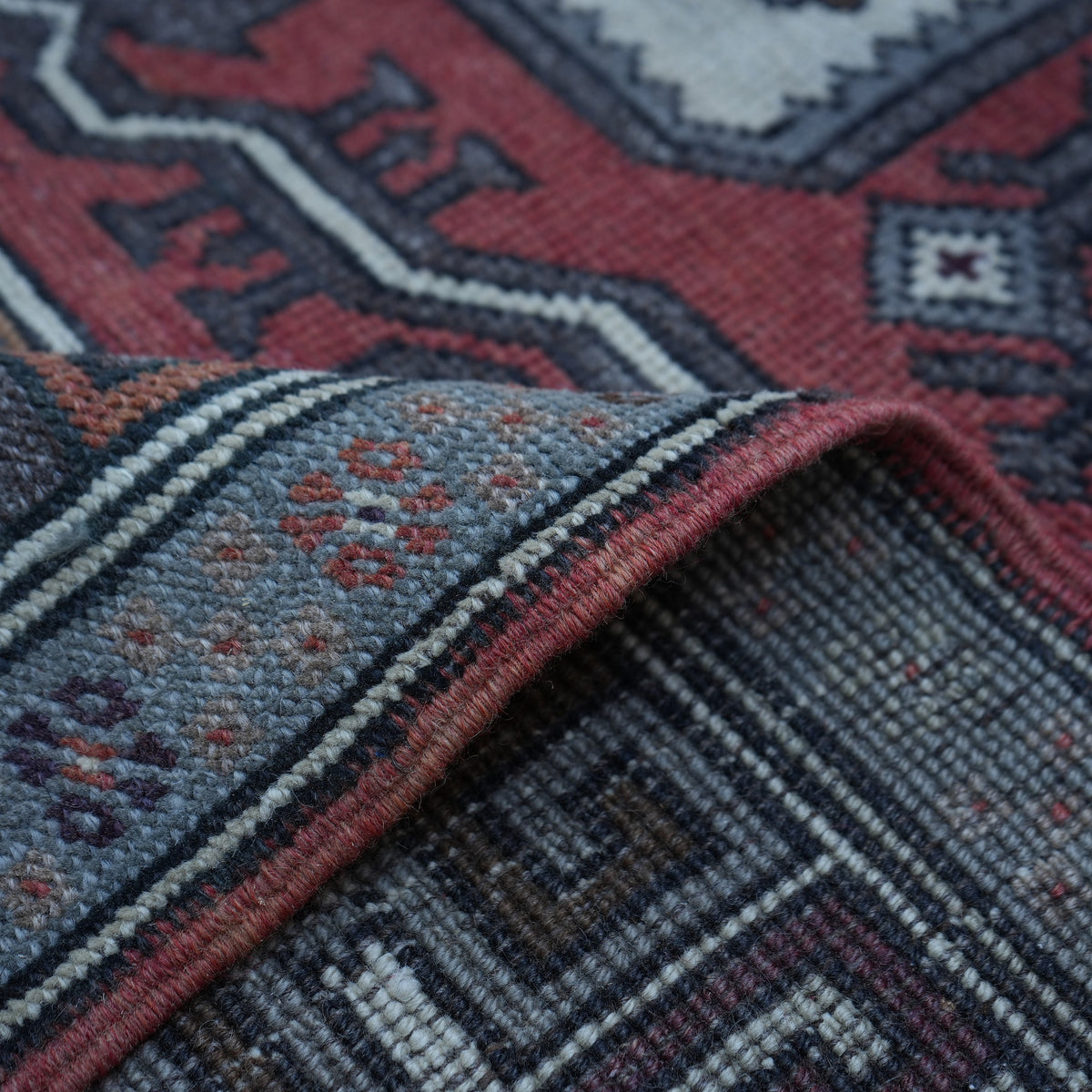
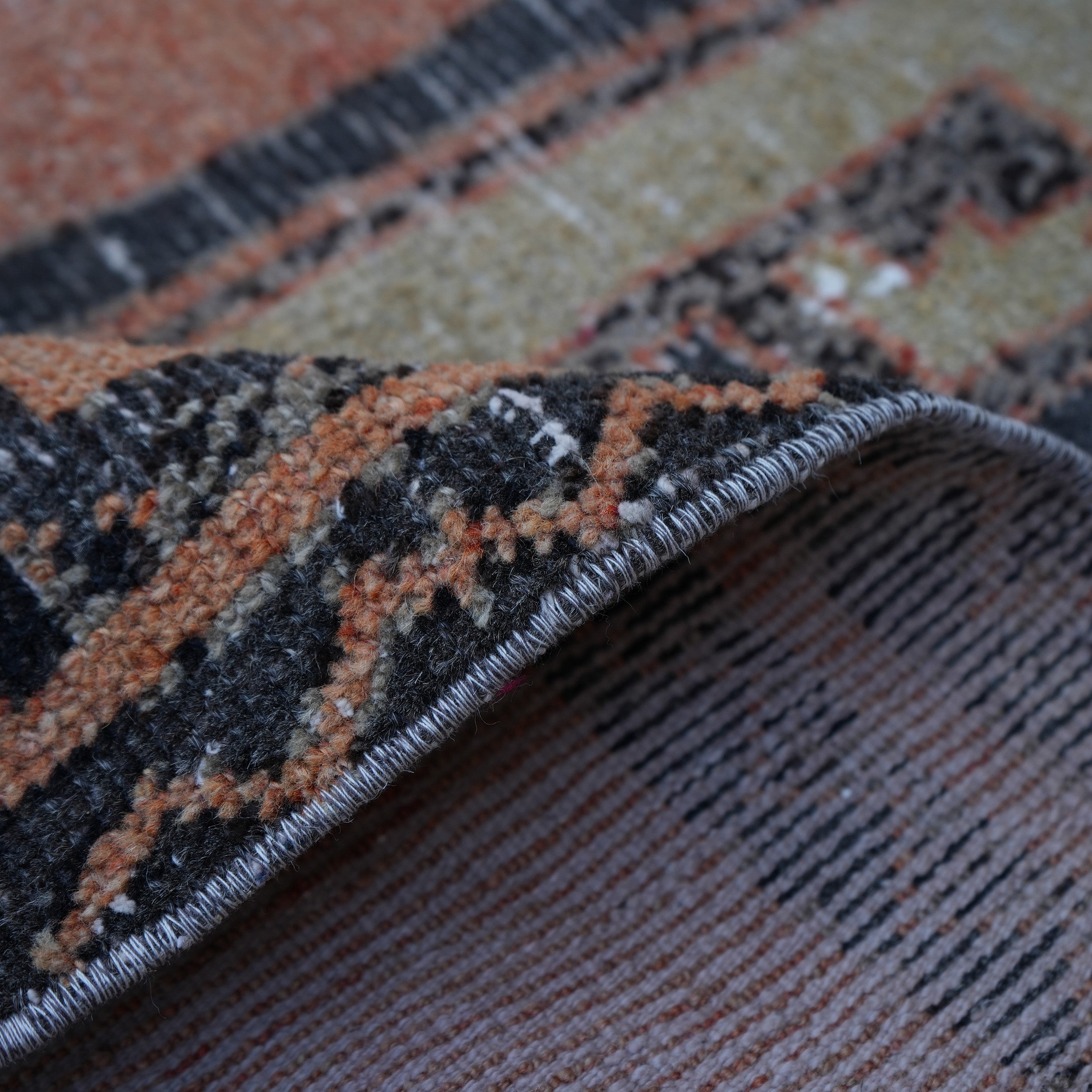
This is where a coffee spill turns into a genuinely different problem. A hand-knotted or vintage rug isn't a manufactured carpet with a uniform backing. It's wool or silk, often hand-dyed, built by a specific person, one knot at a time.
Test a Hidden Corner Before You Clean
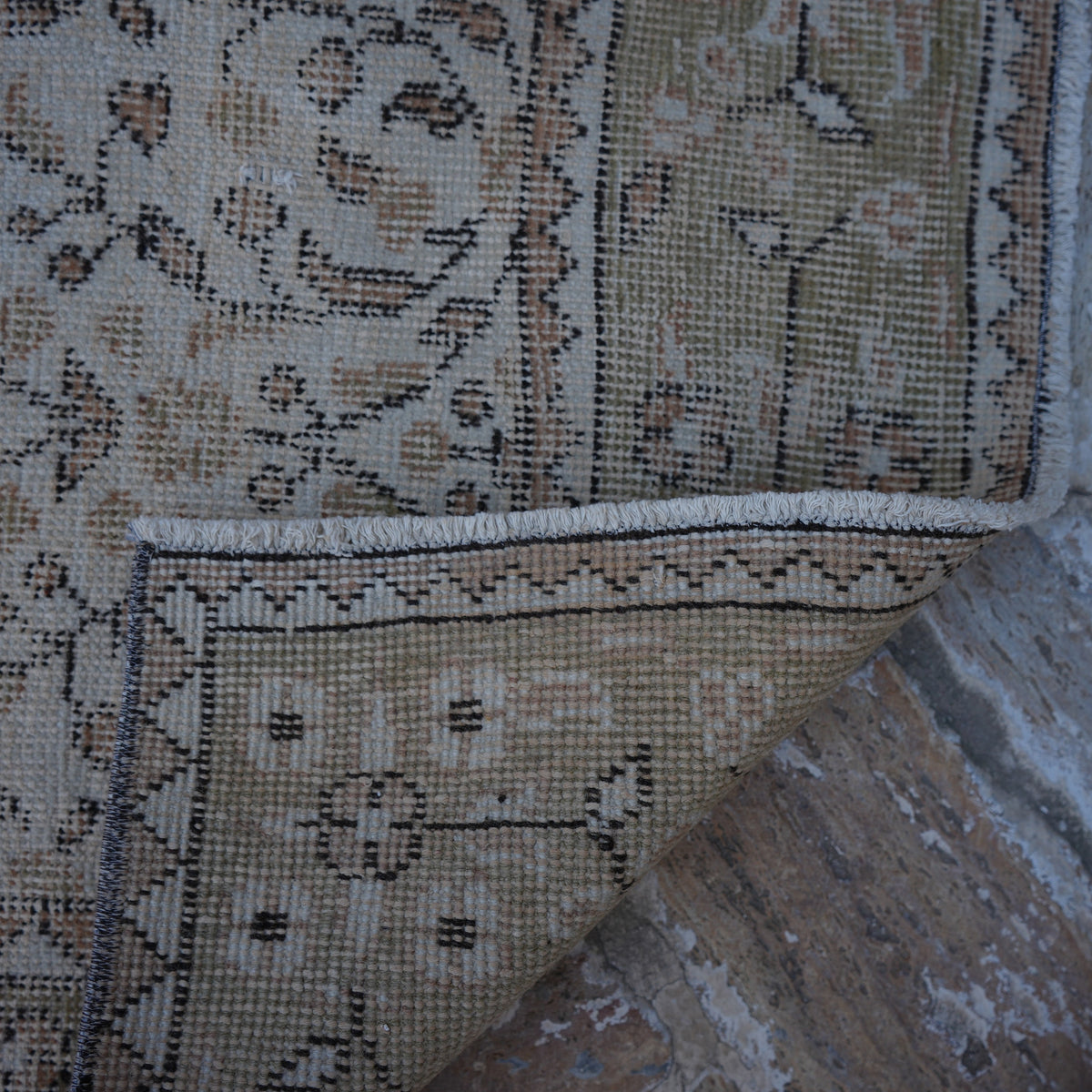
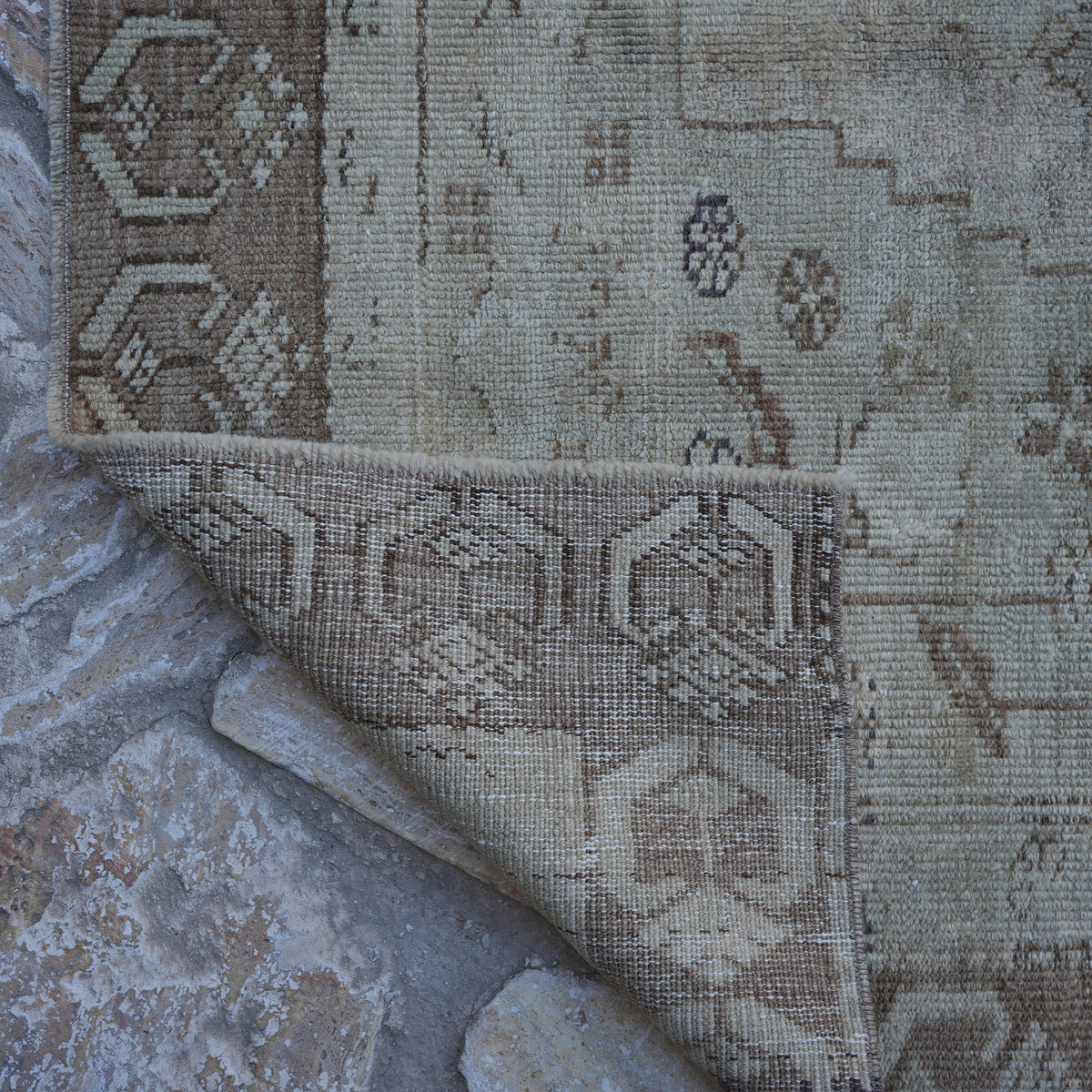
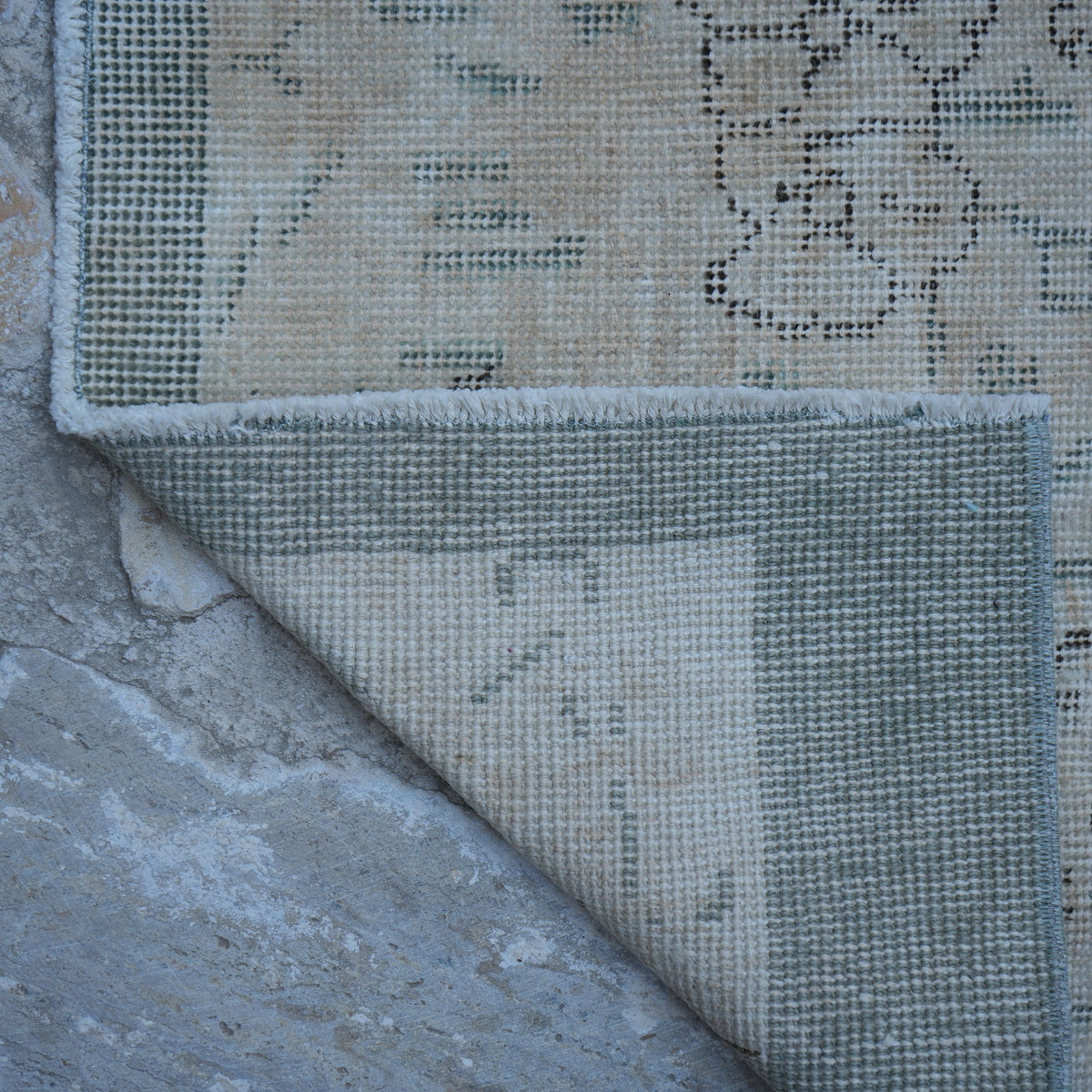
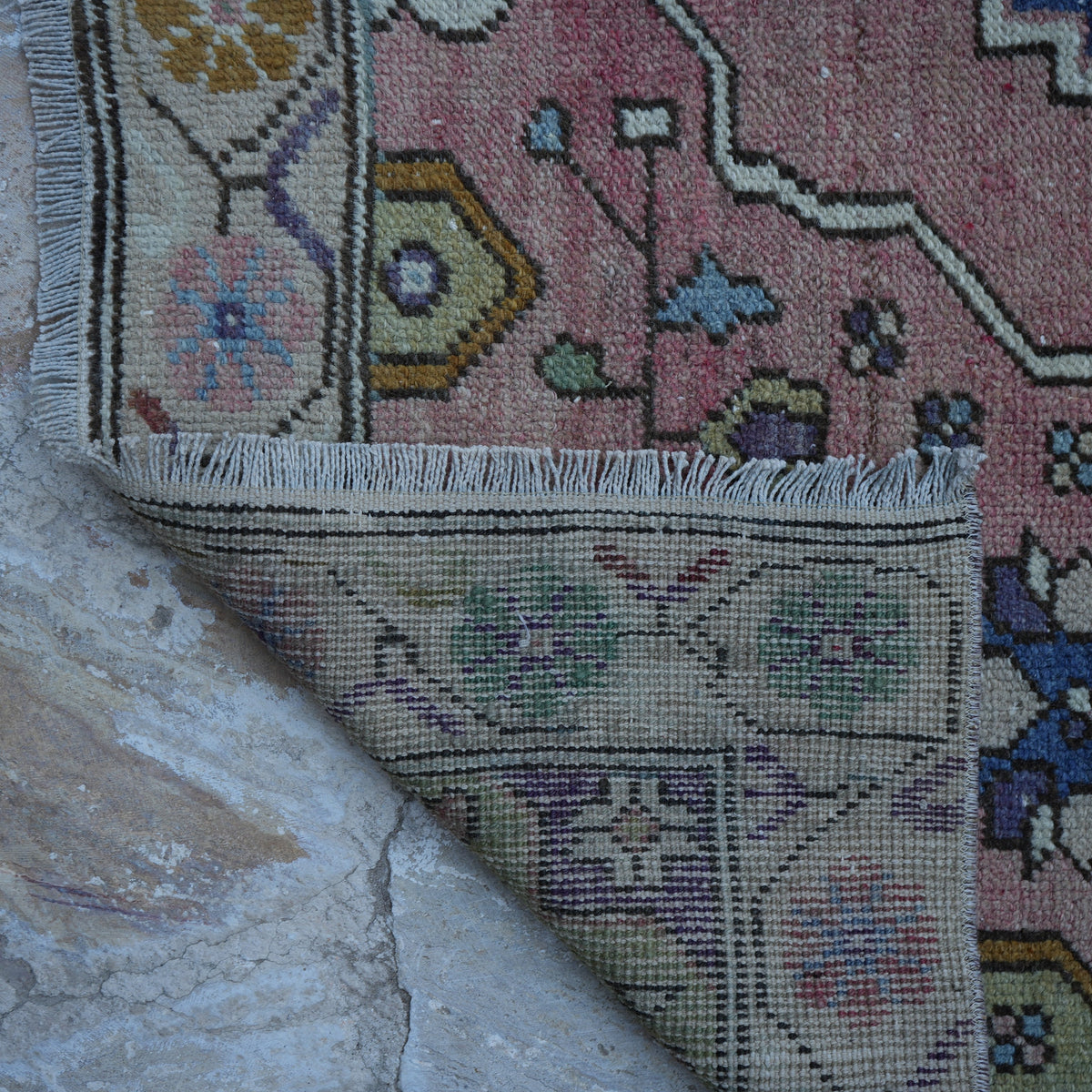
Dab a damp white cloth on an inconspicuous spot — a corner under a sofa leg, or the underside of a fold — before touching the visible stain. If any color transfers, stop. That's a sign the rug needs professional attention rather than a home remedy.
Why Wool and Silk Rugs Need Less Water, Not More
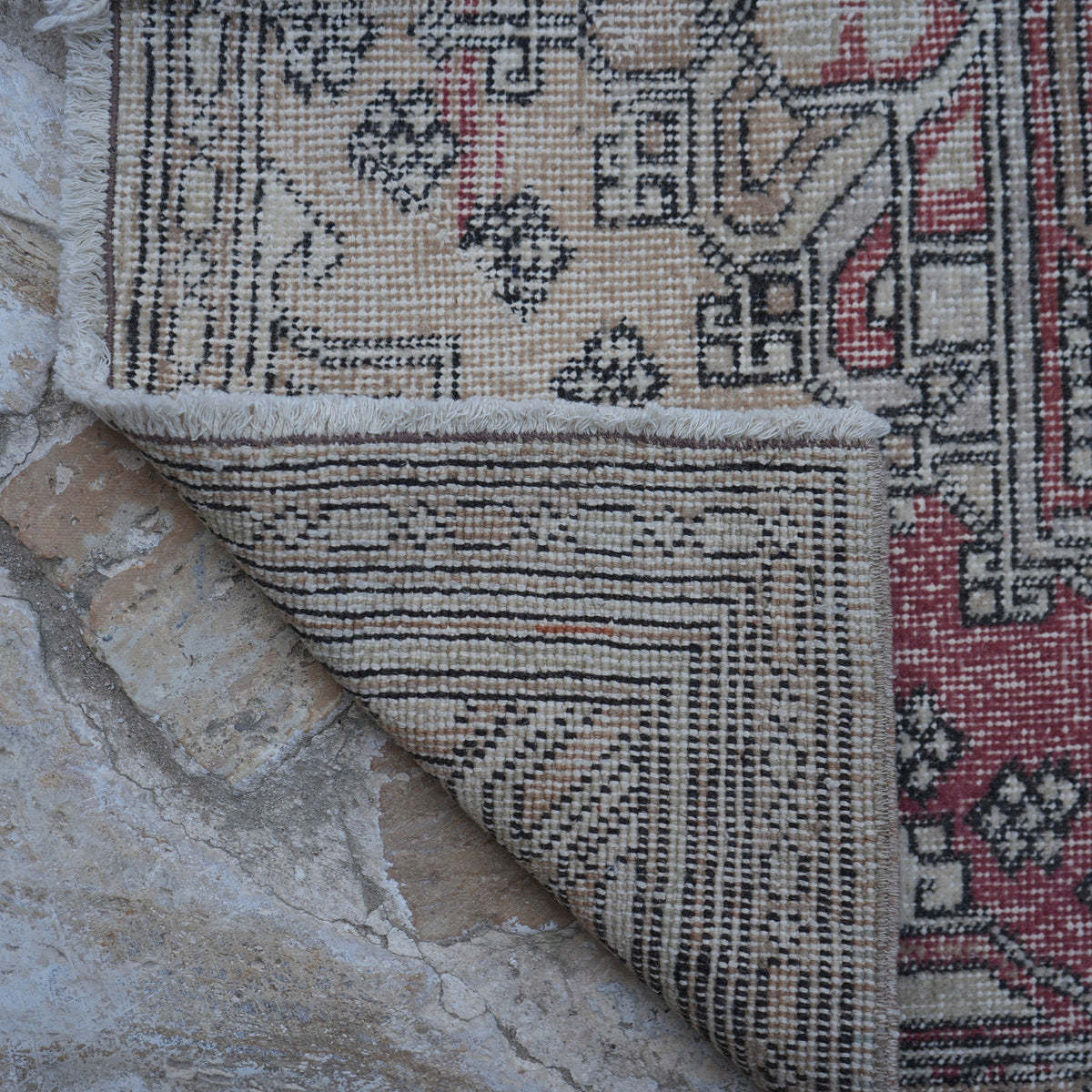
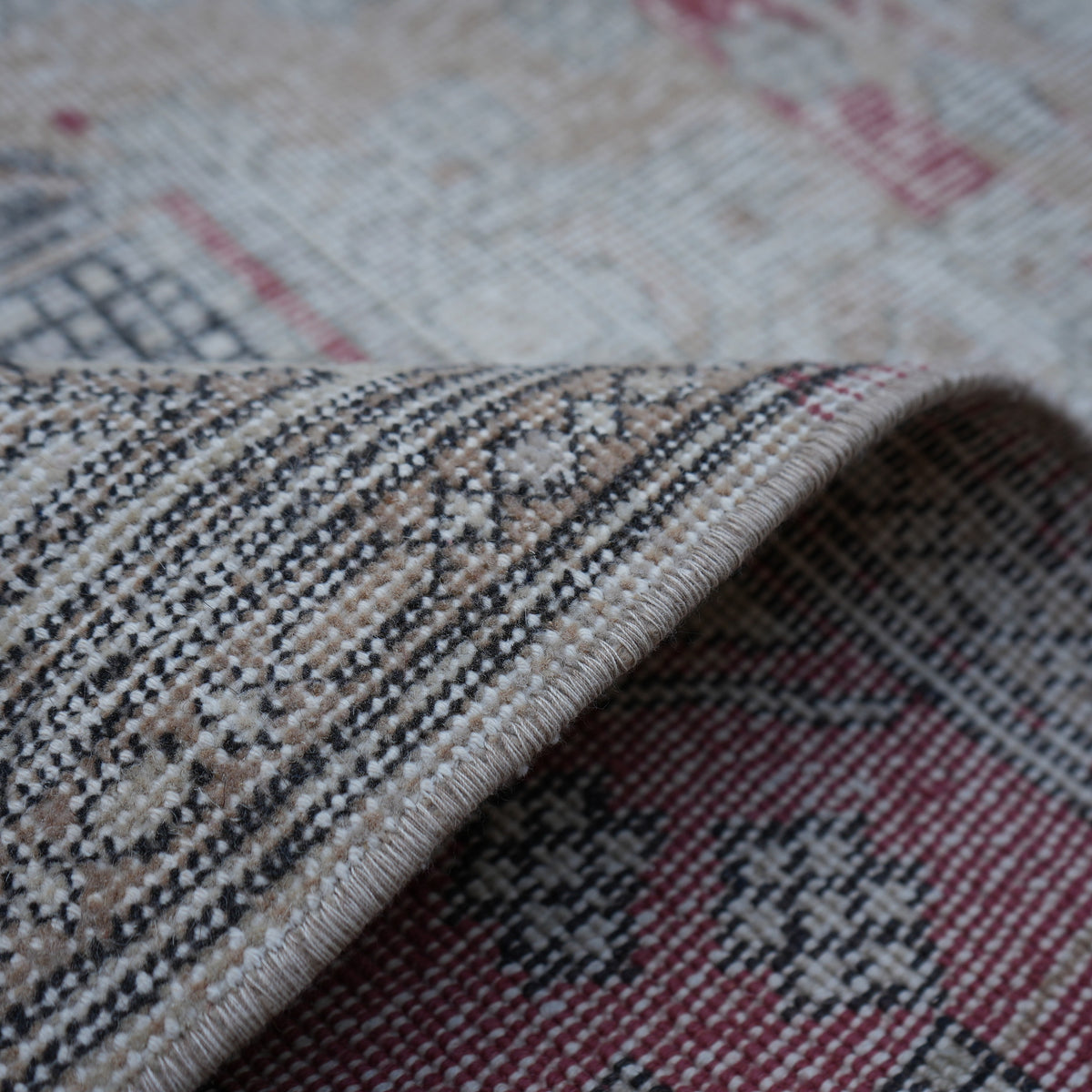
I used to think a stronger cleaner meant a more thorough job. Early on, I washed a rug with a harsh detergent and watched the reds bleed into the surrounding wool, like watercolor spreading on wet paper. Overwashing and overwetting don't just risk color loss — they can flatten the pile and strip the sheen that gives a good wool or silk rug its depth.
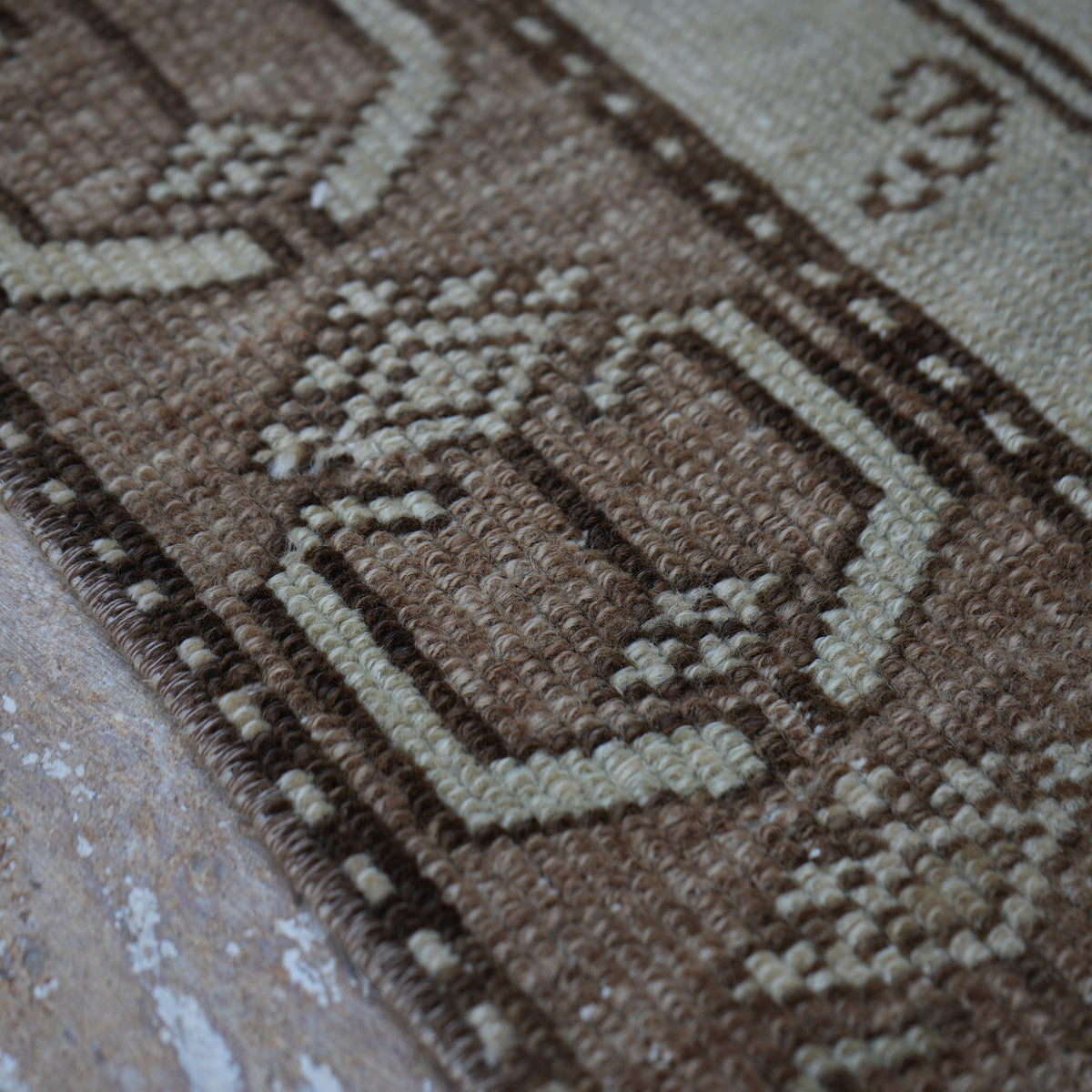
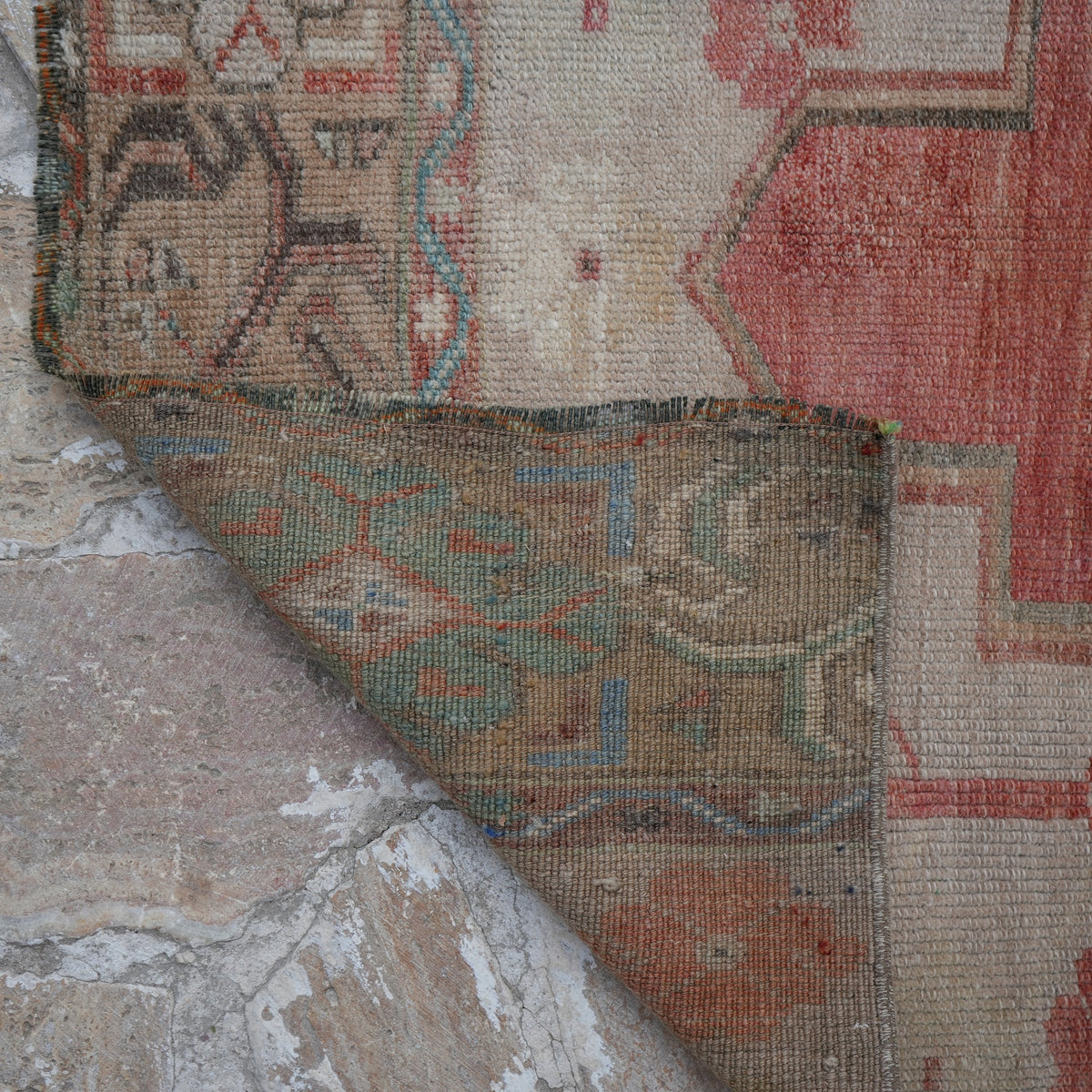
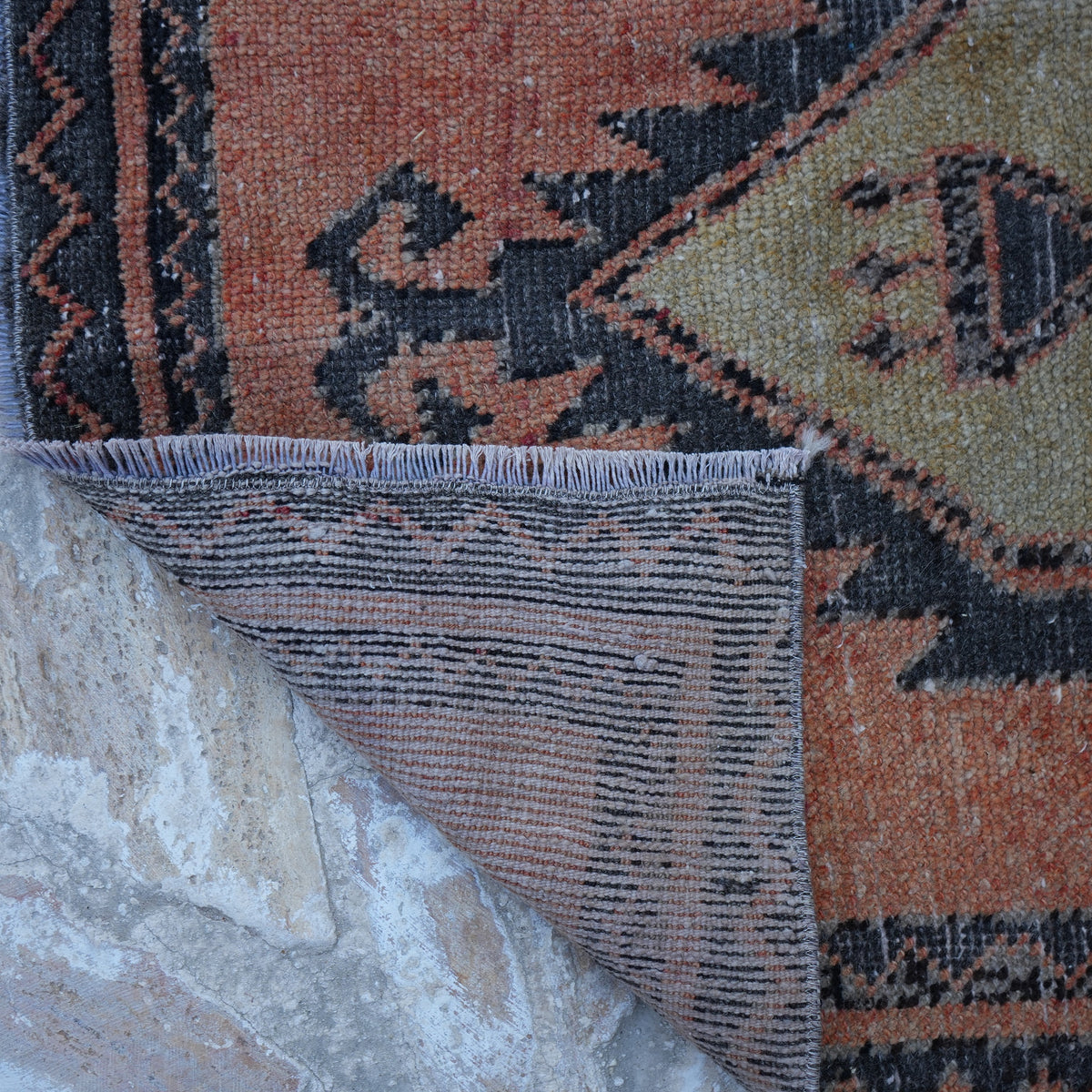
Many vintage and antique Anatolian rugs carry natural or semi-natural dyes, part of what gives them that warm, uneven color you don't see in a machine-made piece — and part of why they need a gentler hand. If you're working with one of our vintage rugs or antique rugs, less water and more patience will always beat reaching for something stronger. Our flatweave kilim rugs tend to be more forgiving day to day, though the same color-test rule still applies to vintage pieces.
Mistakes That Turn a Coffee Spill into a Permanent Stain on a Rug
A few habits turn a manageable spill into permanent damage.
- Rubbing the stain instead of blotting it
- Using hot water, which sets the tannins instead of lifting them
- Pouring vinegar directly onto the rug instead of applying it with a cloth
- Reaching for bleach, which can strip color from any natural fiber
- Scrubbing a baking soda paste into the pile
- Using hydrogen peroxide on a vintage or hand-knotted wool rug
- Trying the iron-and-damp-cloth or steam trick made for synthetic carpet
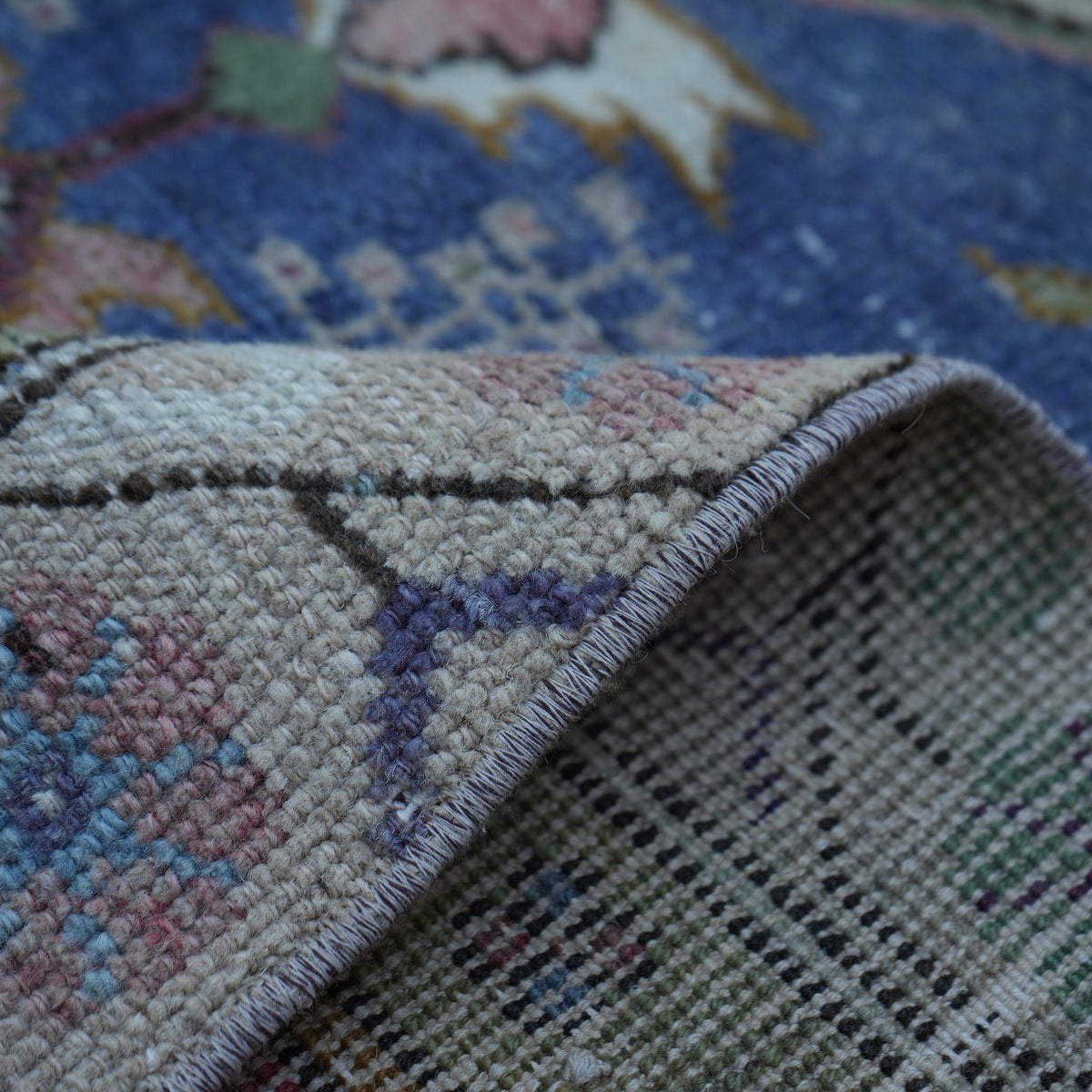
- Over-wetting the rug until moisture reaches the foundation underneath
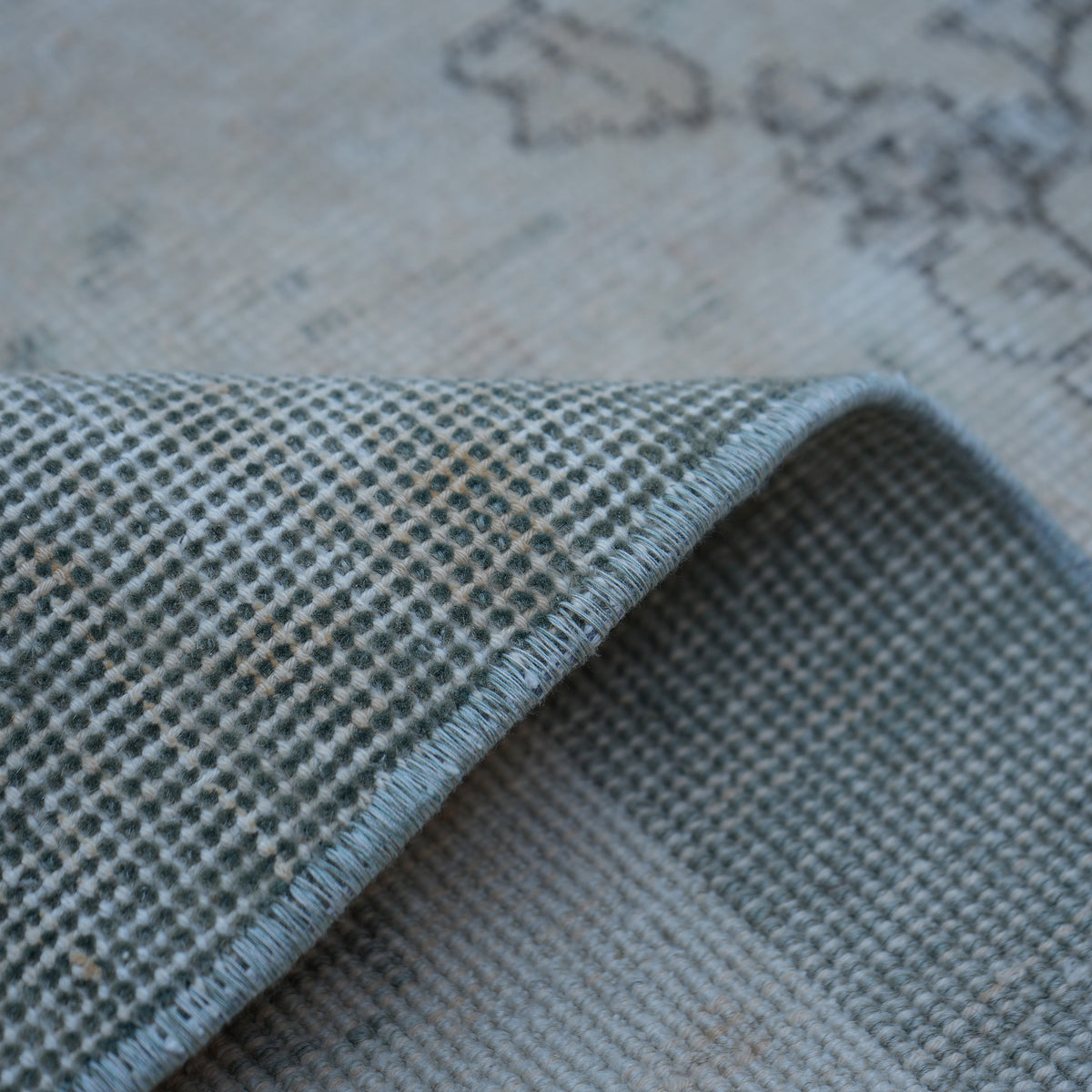
- Drying only the visible side and leaving the back damp
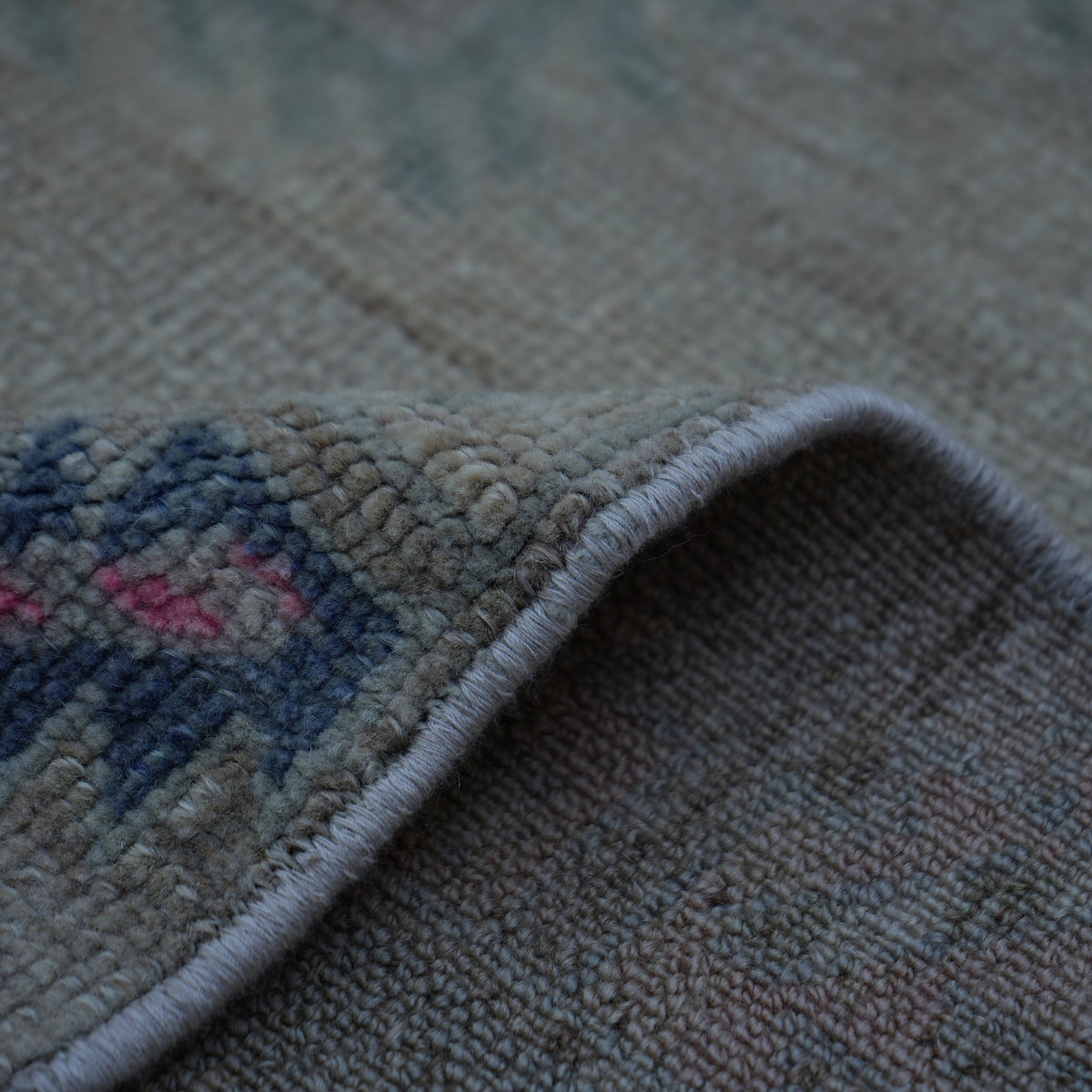
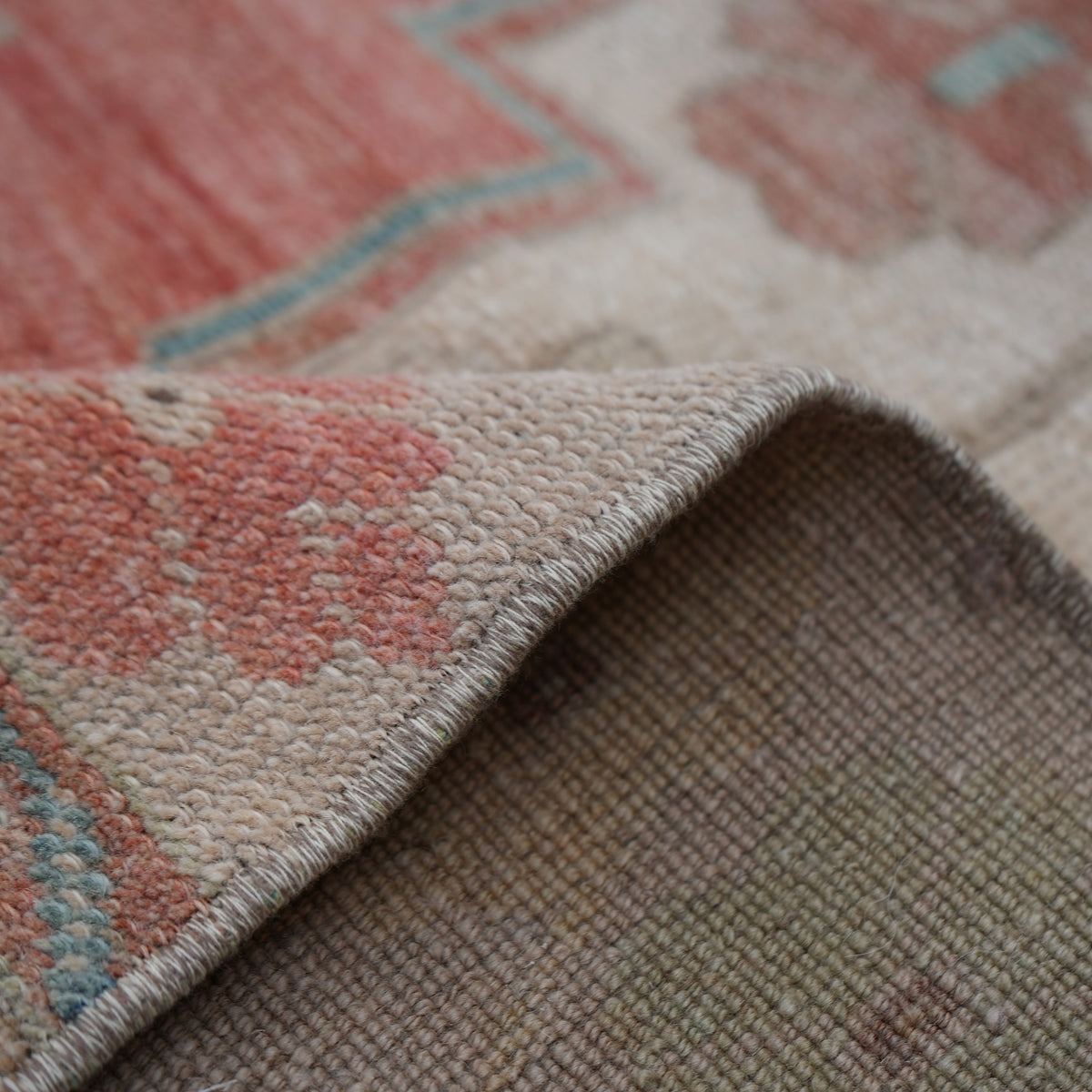
That last one causes more long-term damage than the coffee ever did. A rug that dries unevenly can hold moisture at the base of the knots for days, exactly the environment mildew looks for. The same logic applies to red wine, covered separately in How to Get Red Wine Out of a Rug.

When to Call a Professional Rug Cleaner
Some situations are worth handing to a professional. If the rug is antique, silk, or carries value you don't want to gamble with, that's reason enough on its own.
The same applies to a stain that hasn't budged after three or four attempts — more scrubbing at home usually does more harm than the coffee did. If your hidden-corner test showed any color transfer, don't wait for a bigger problem to confirm it.
A professional cleaner can test dye stability, adjust water and pH to the specific fibers, and use extraction methods that pull moisture out instead of pushing it deeper.
How to Keep Coffee Stains from Happening Again on Your Rug
You can't eliminate spills, but you can improve the odds. A rug with some pattern and mid-tone color hides a lot more than a flat, pale field — worth considering if your living room or dining room rug sits anywhere near a coffee habit.
Keep a small stain kit within reach — white cloths, cool water, nothing fancy — in whatever room the spilling happens. A coaster on the side table does more preventive work than any cleaner ever will. For everyday care, see our guide, 5 Essential Tips on How to Clean a Turkish Rug.

What If a Faint Coffee Mark Still Remains on Your Rug?
Sometimes a coffee stain has sat for days, or the tannins have settled deep into the fibers, and even careful cleaning leaves a faint shadow behind.
On a vintage piece, I tell people the truth: you did what you could, and that faint mark is now part of the rug's history, not a flaw to keep chasing. Vintage rugs were never meant to look factory-new.
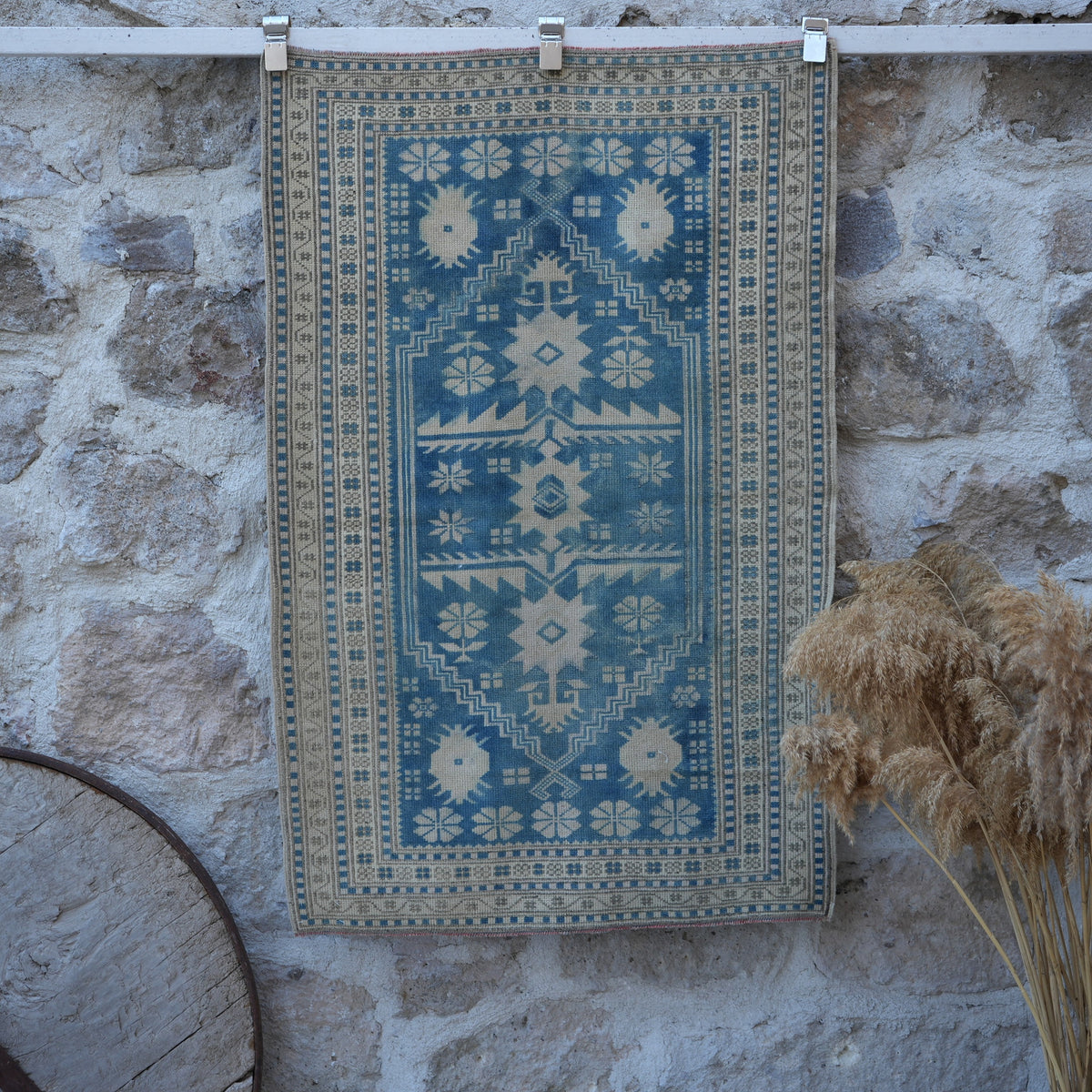
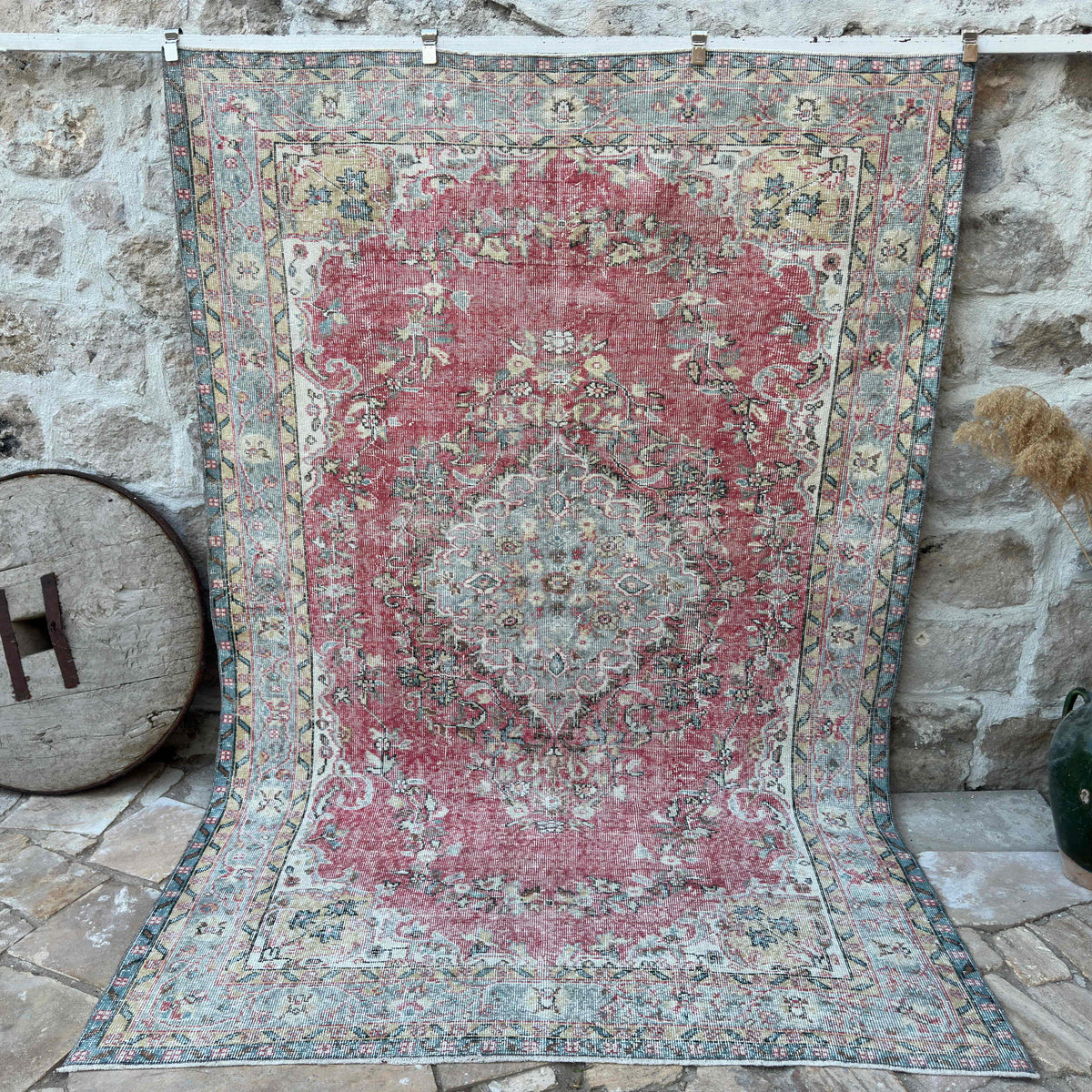
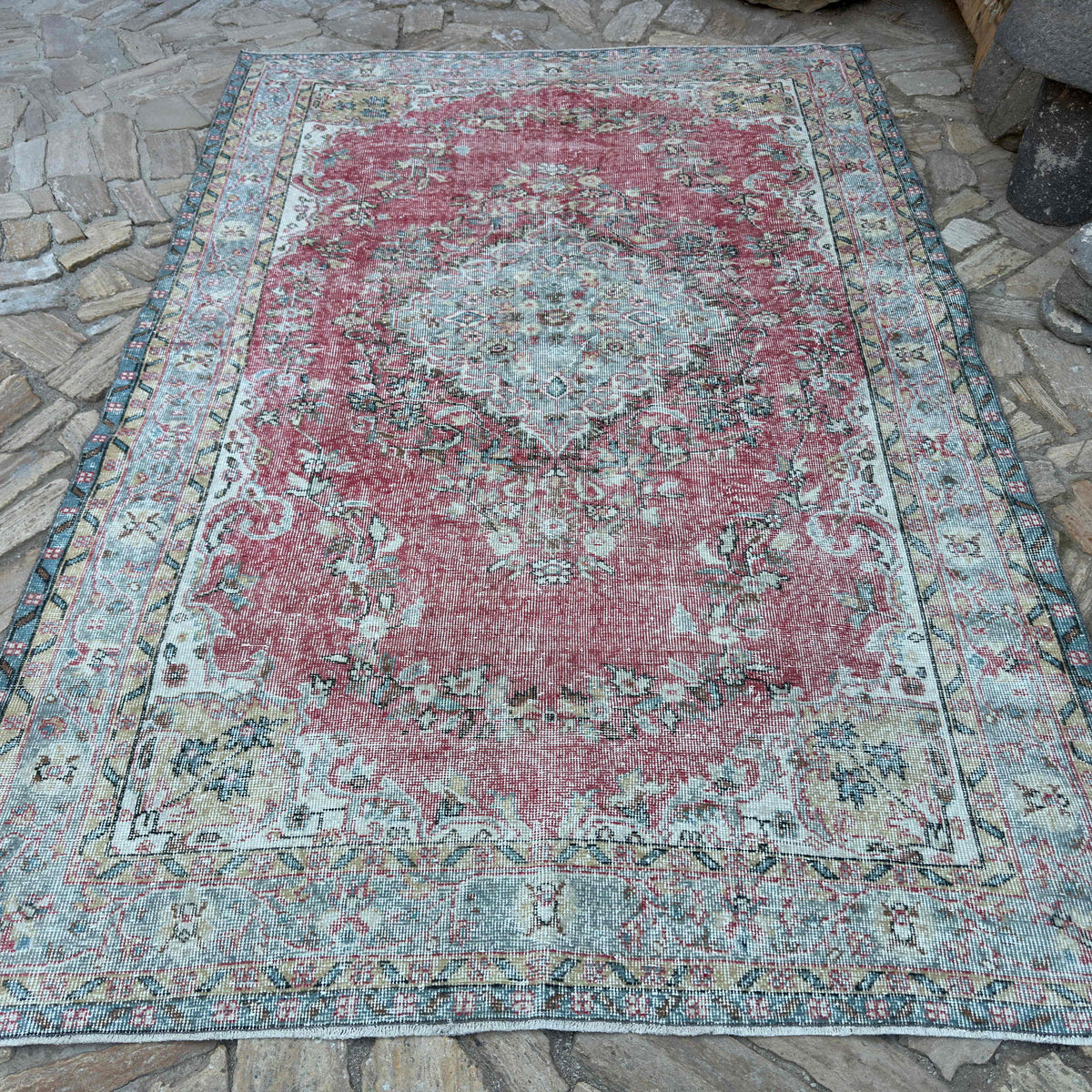
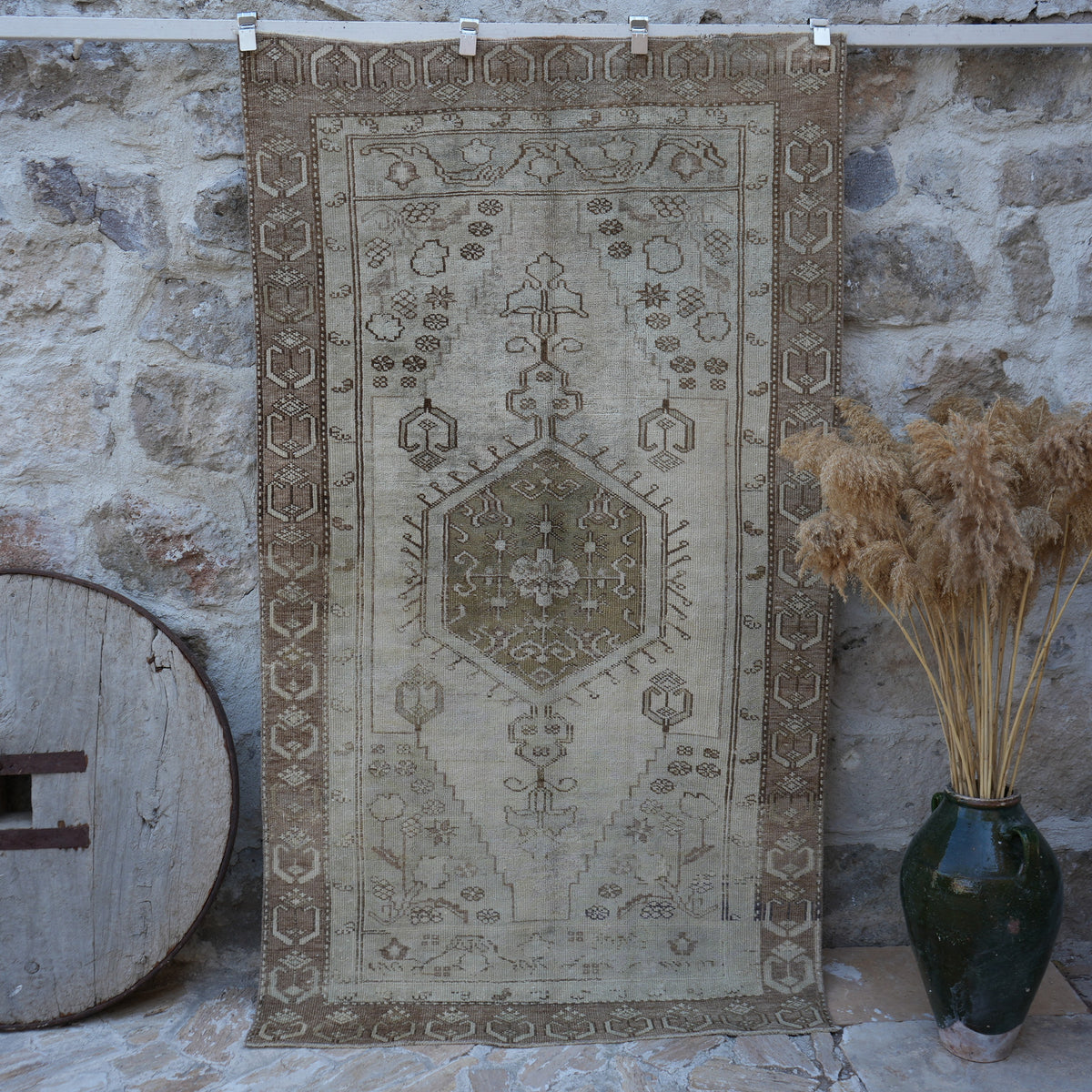
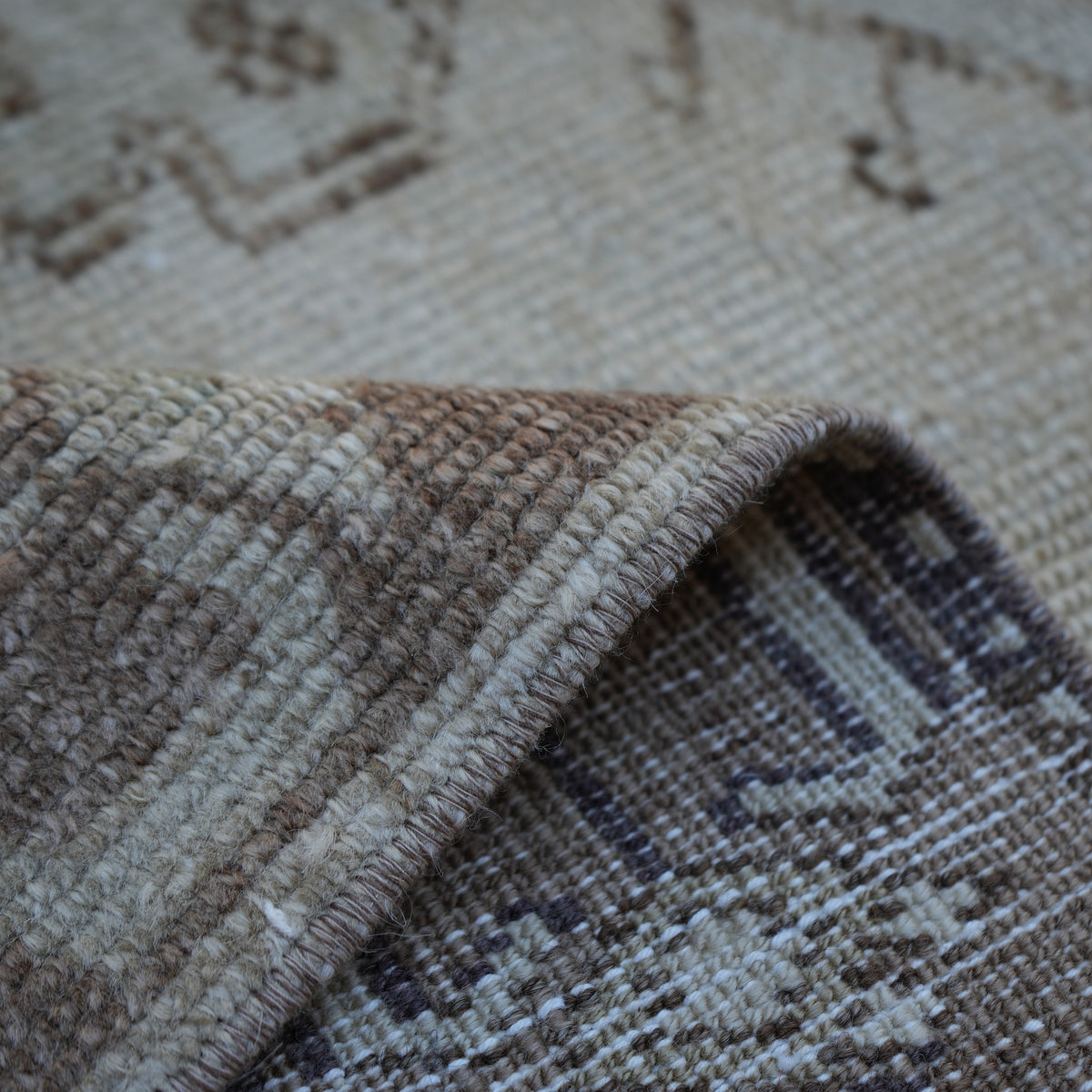
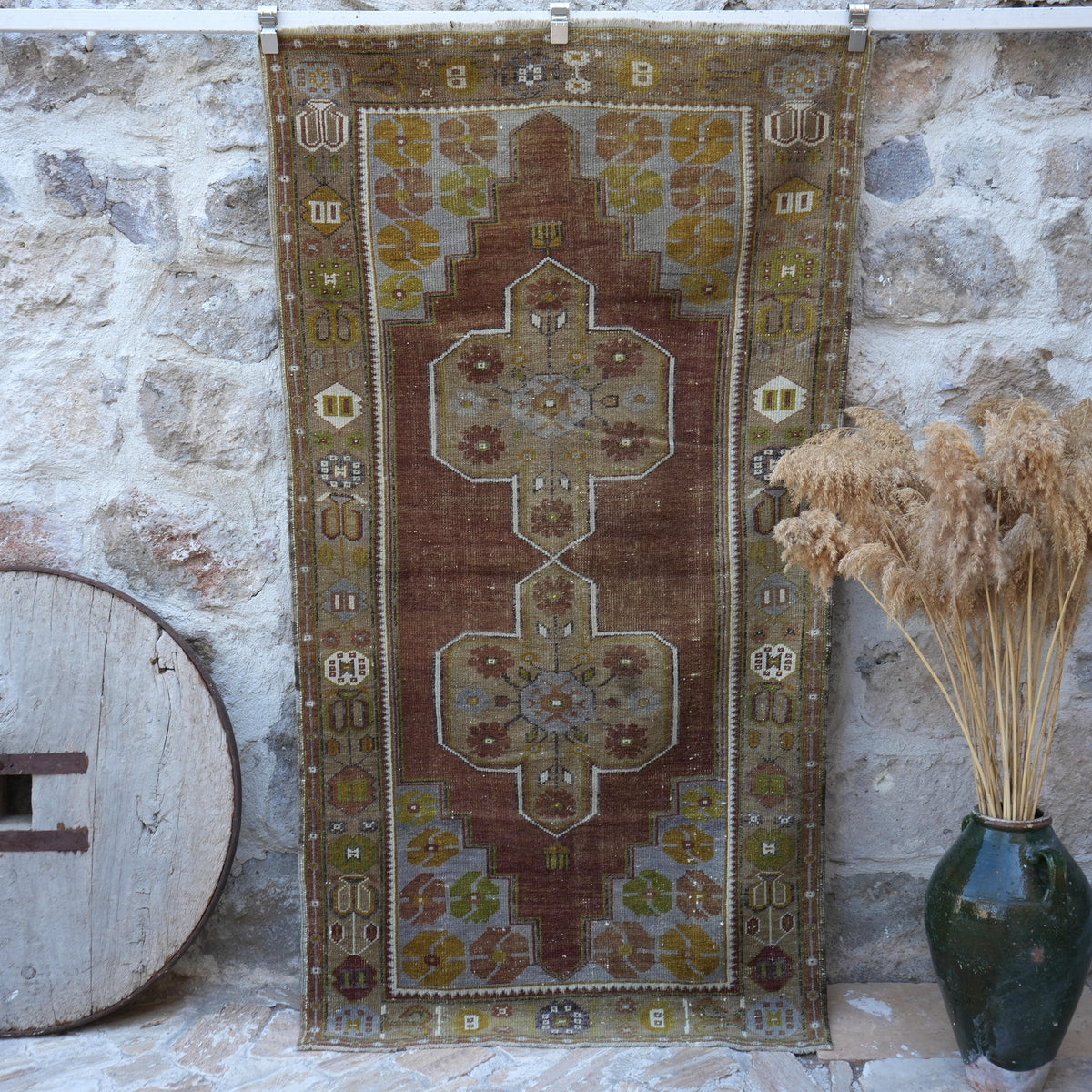
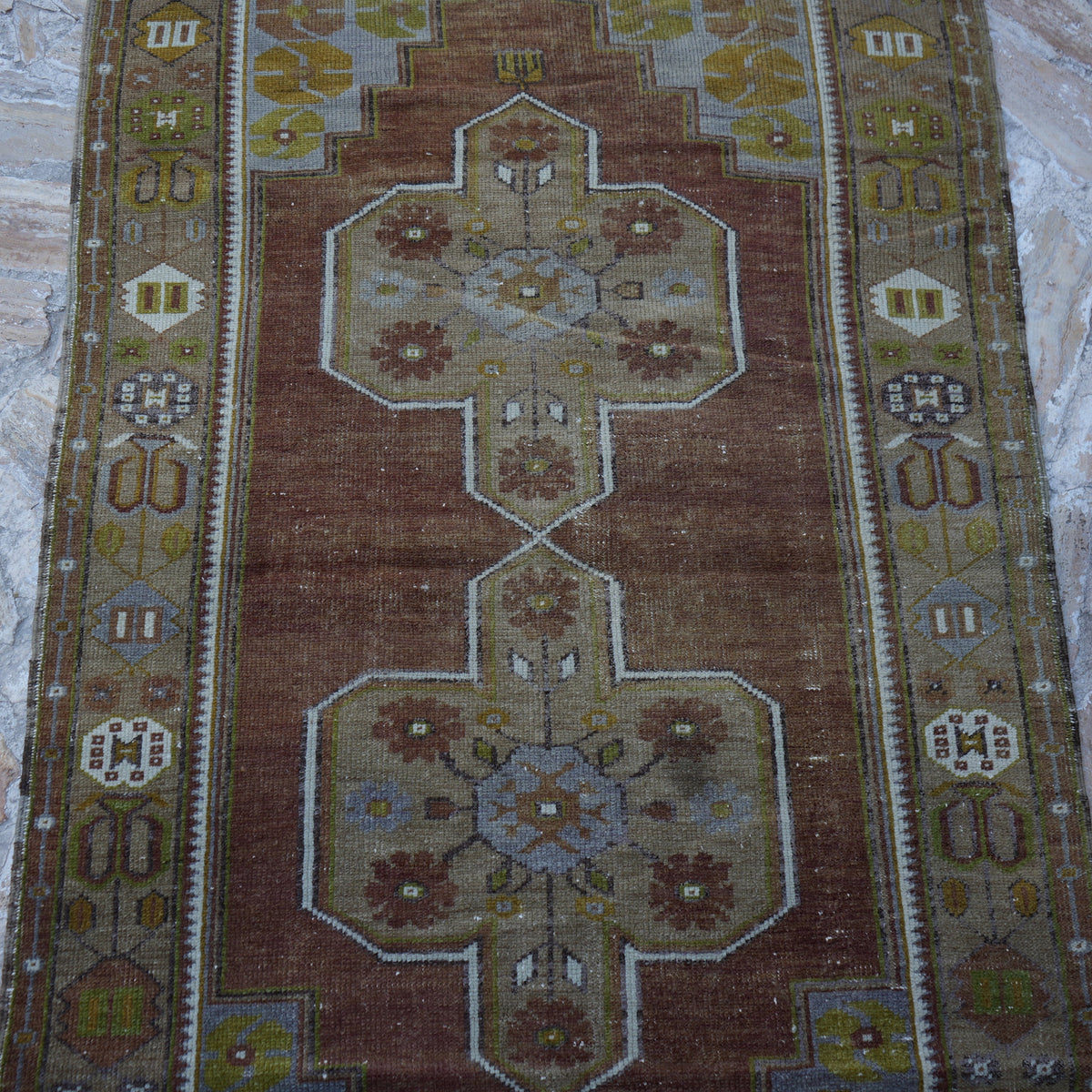
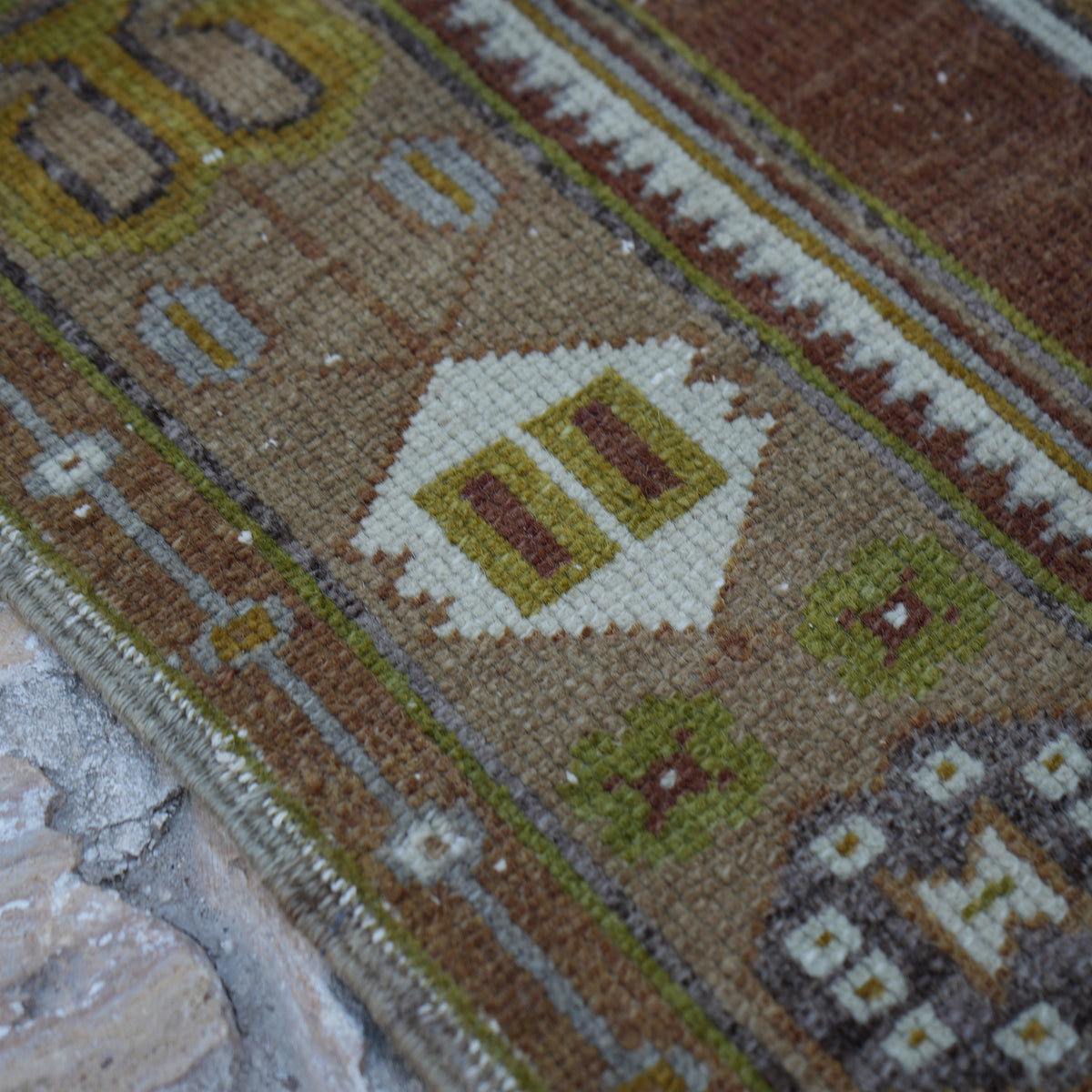
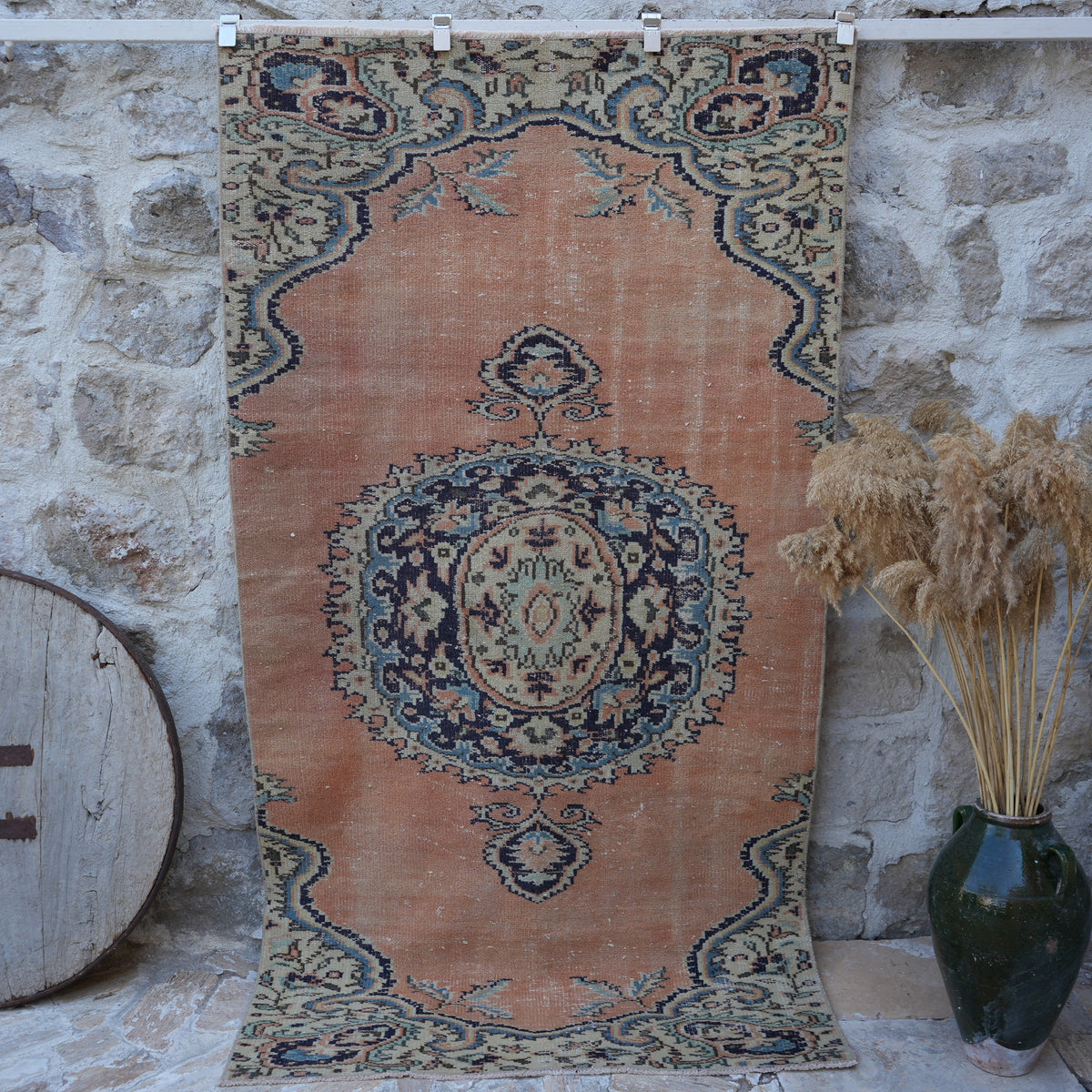
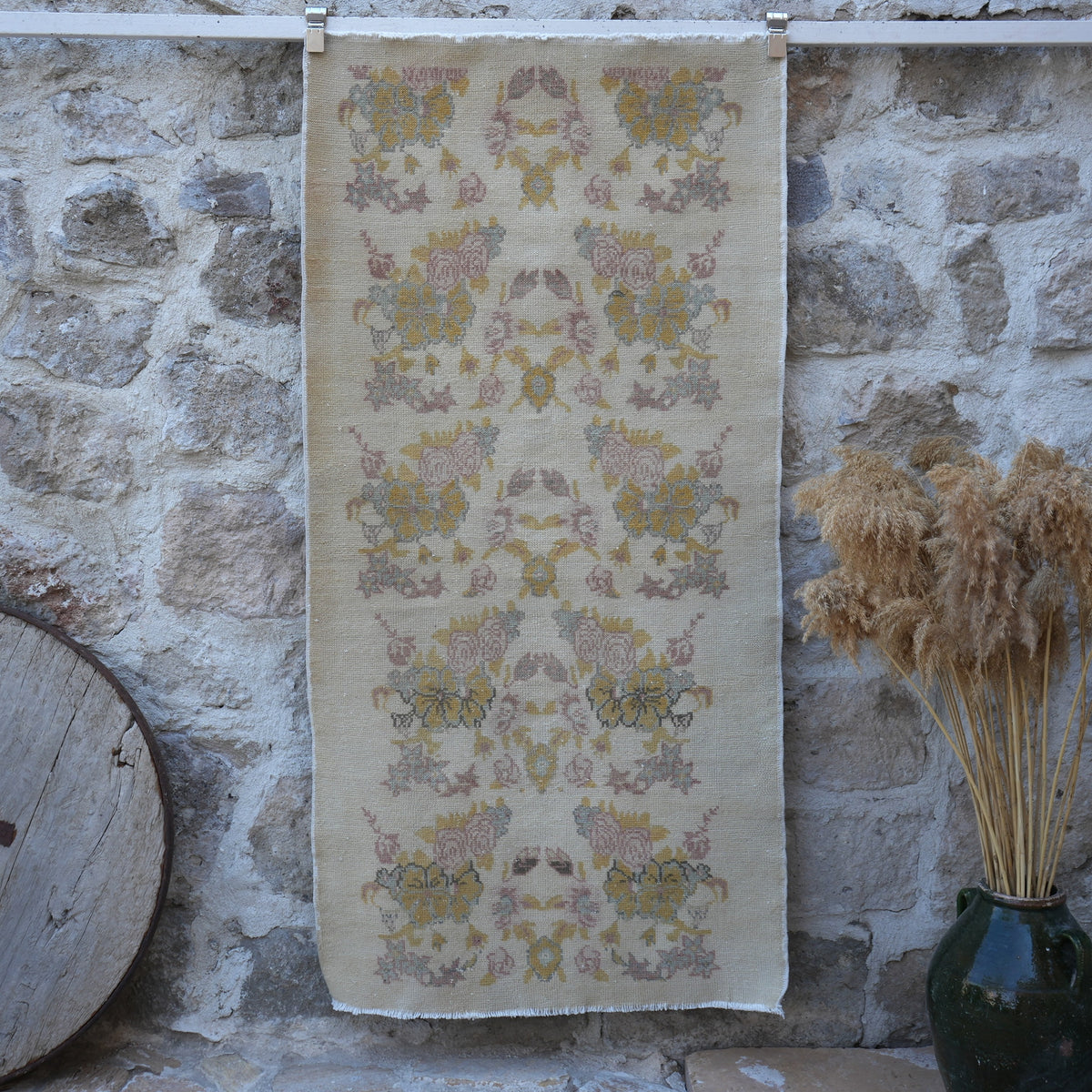
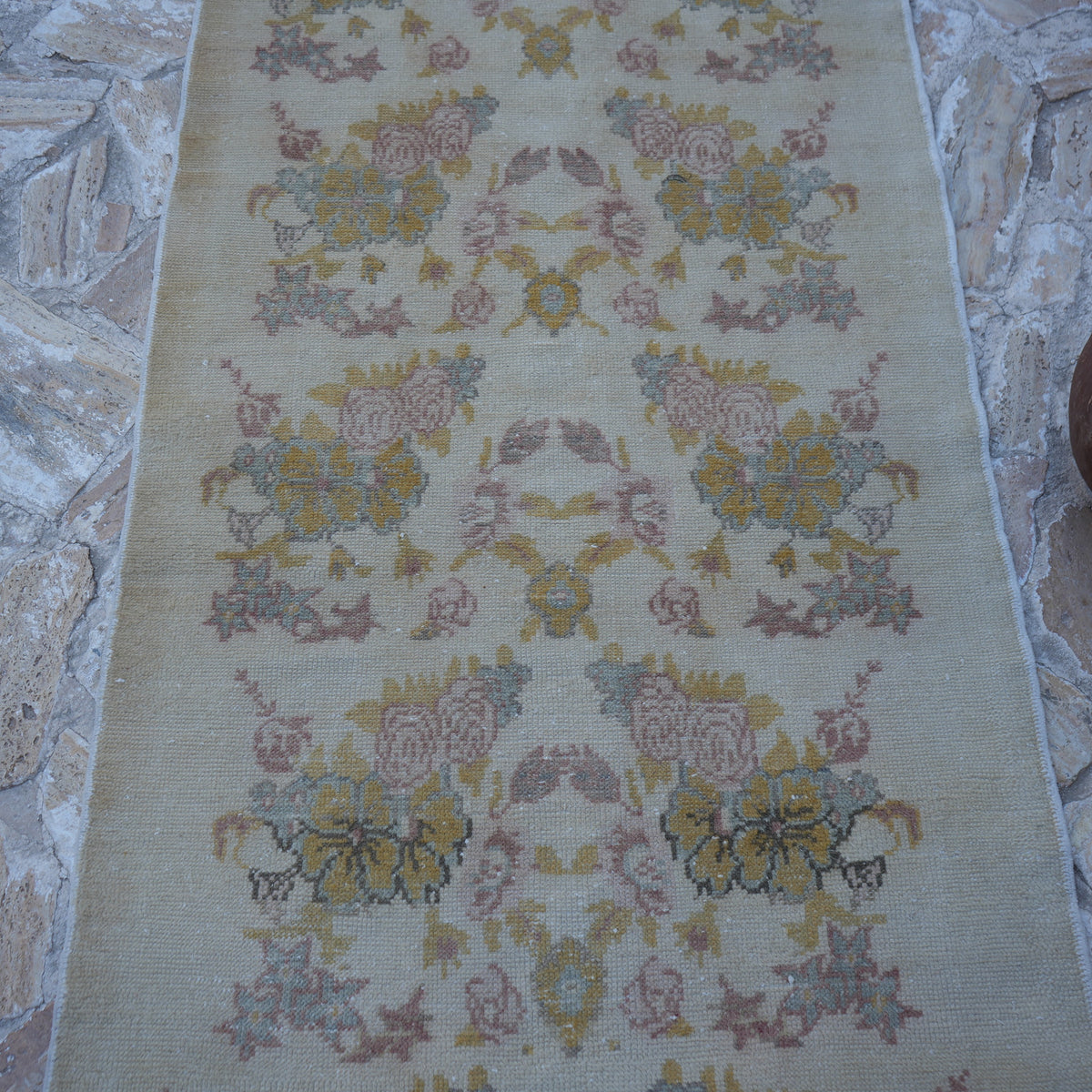
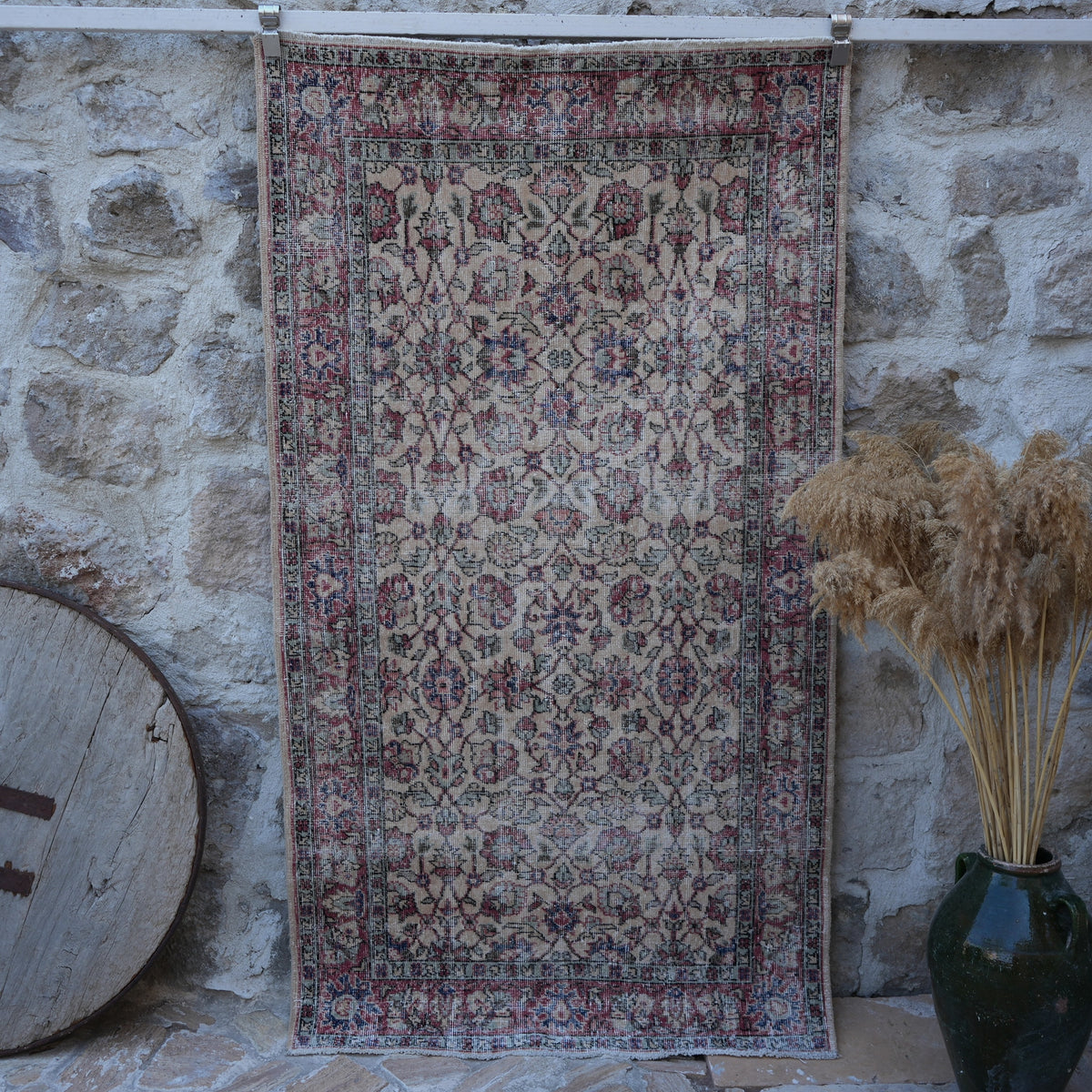
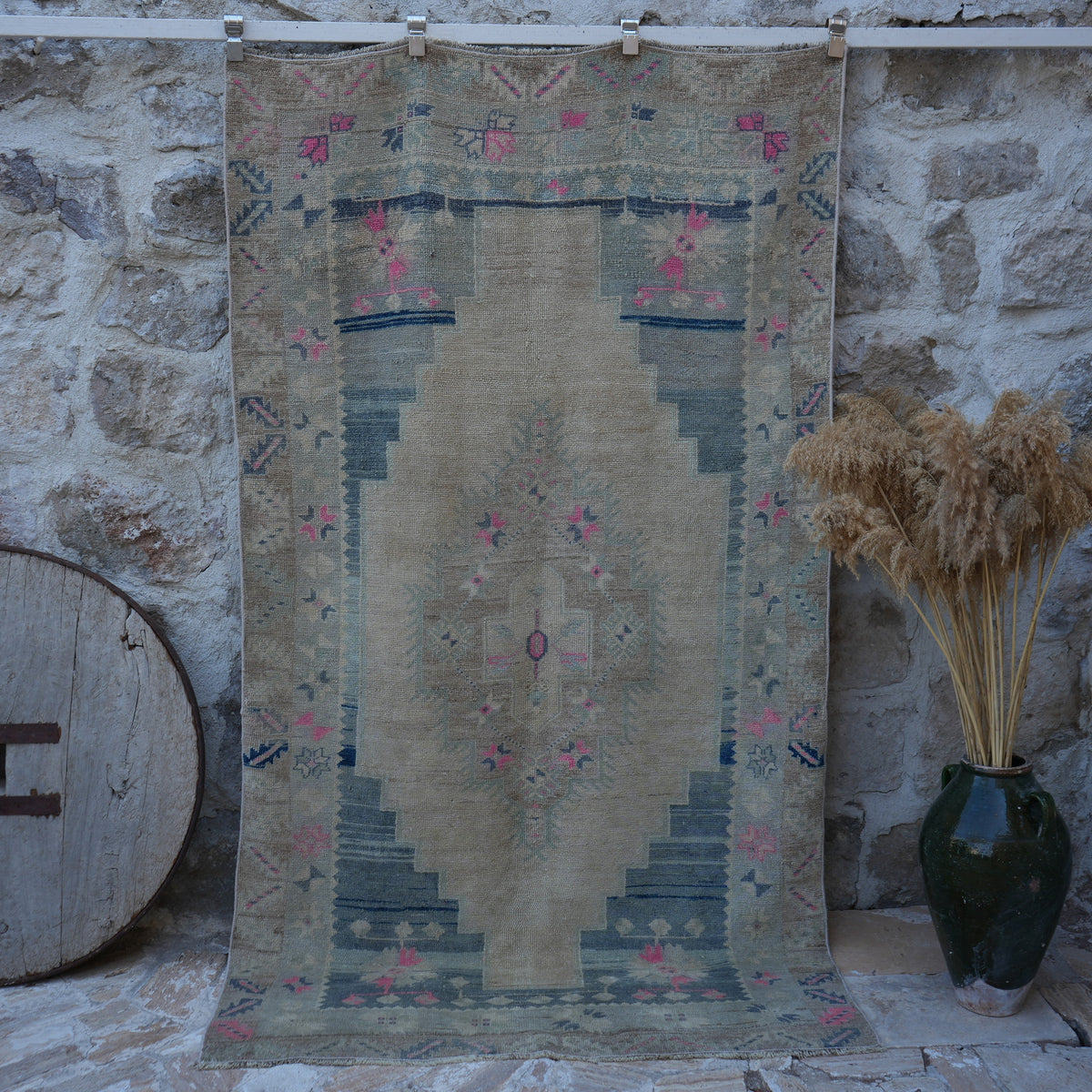
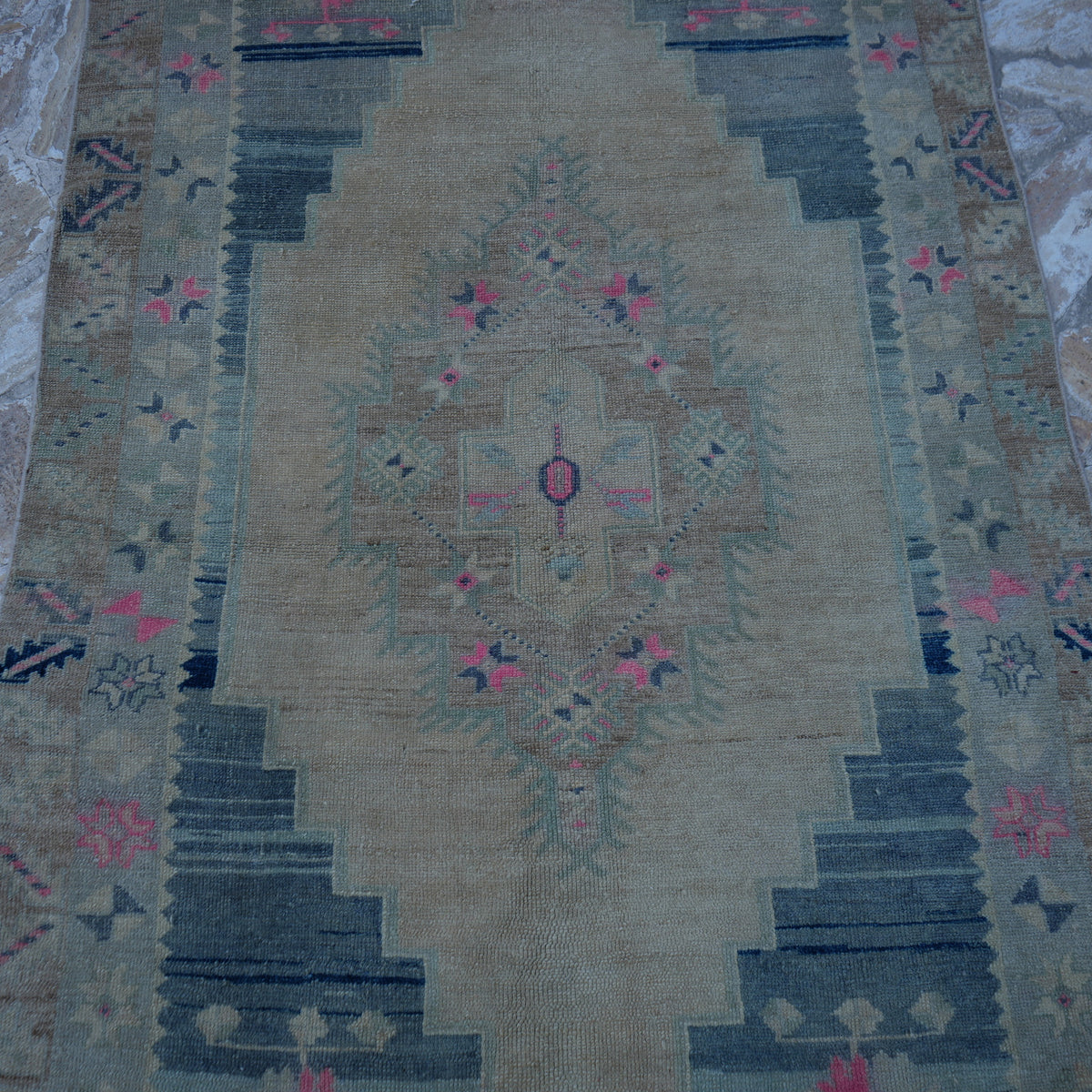
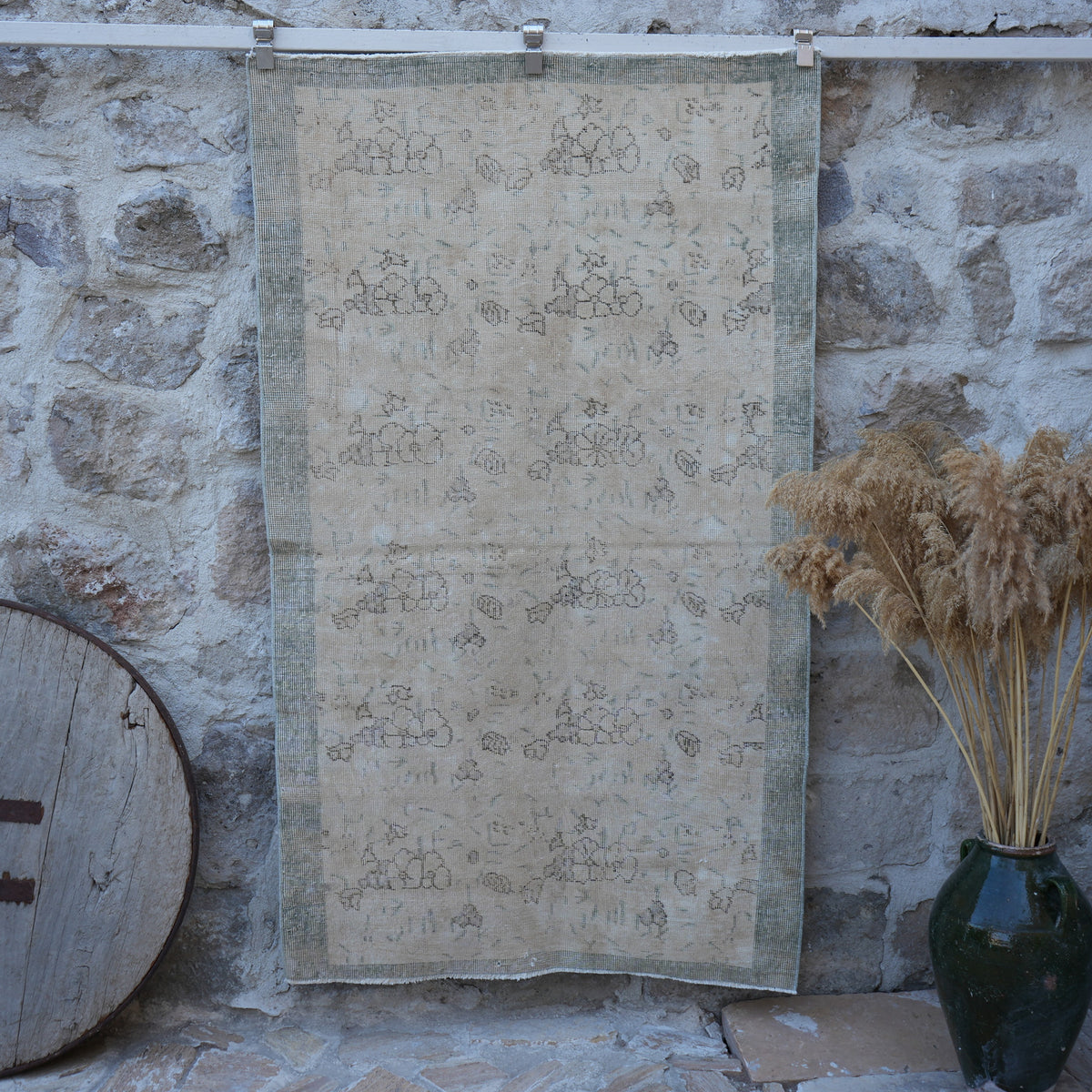
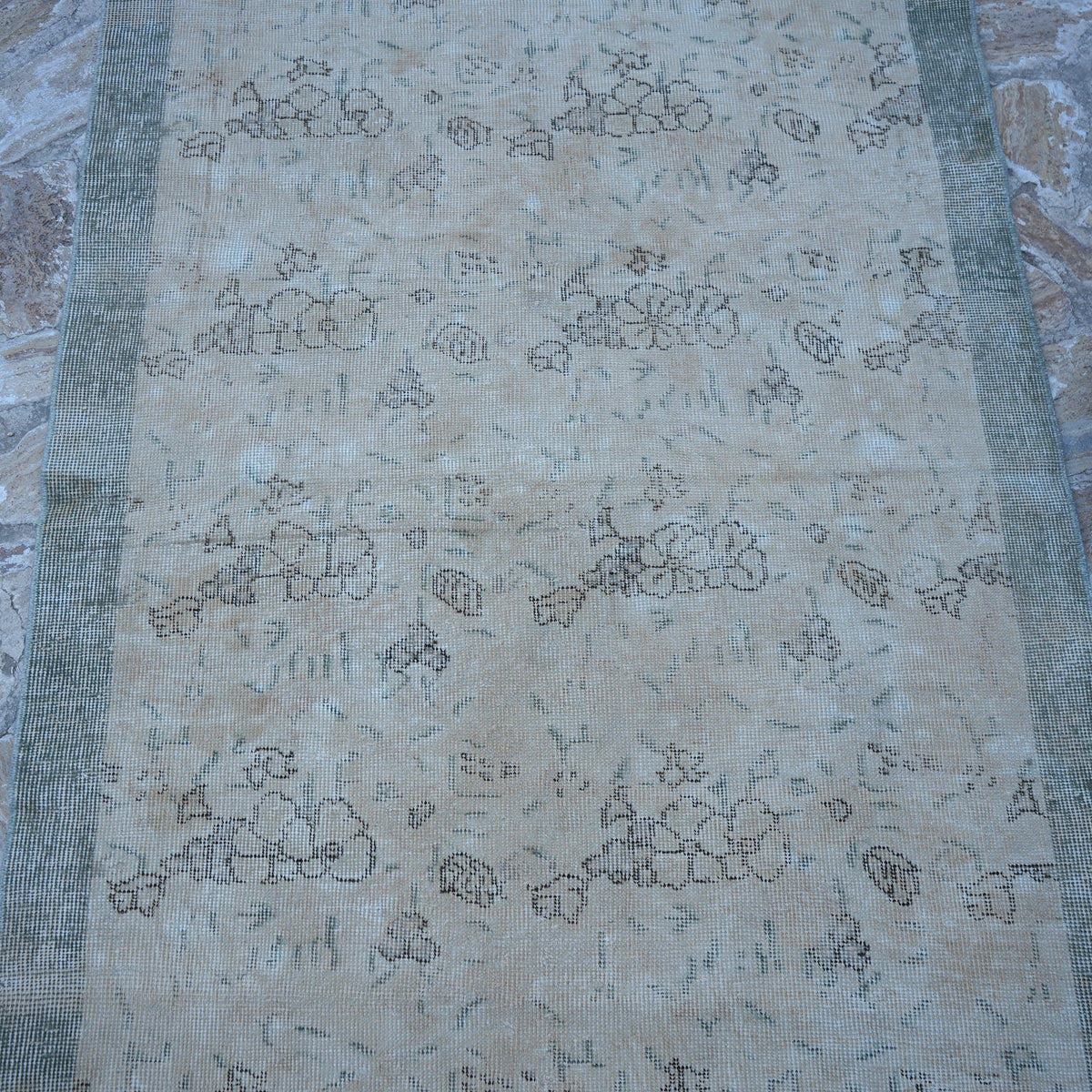
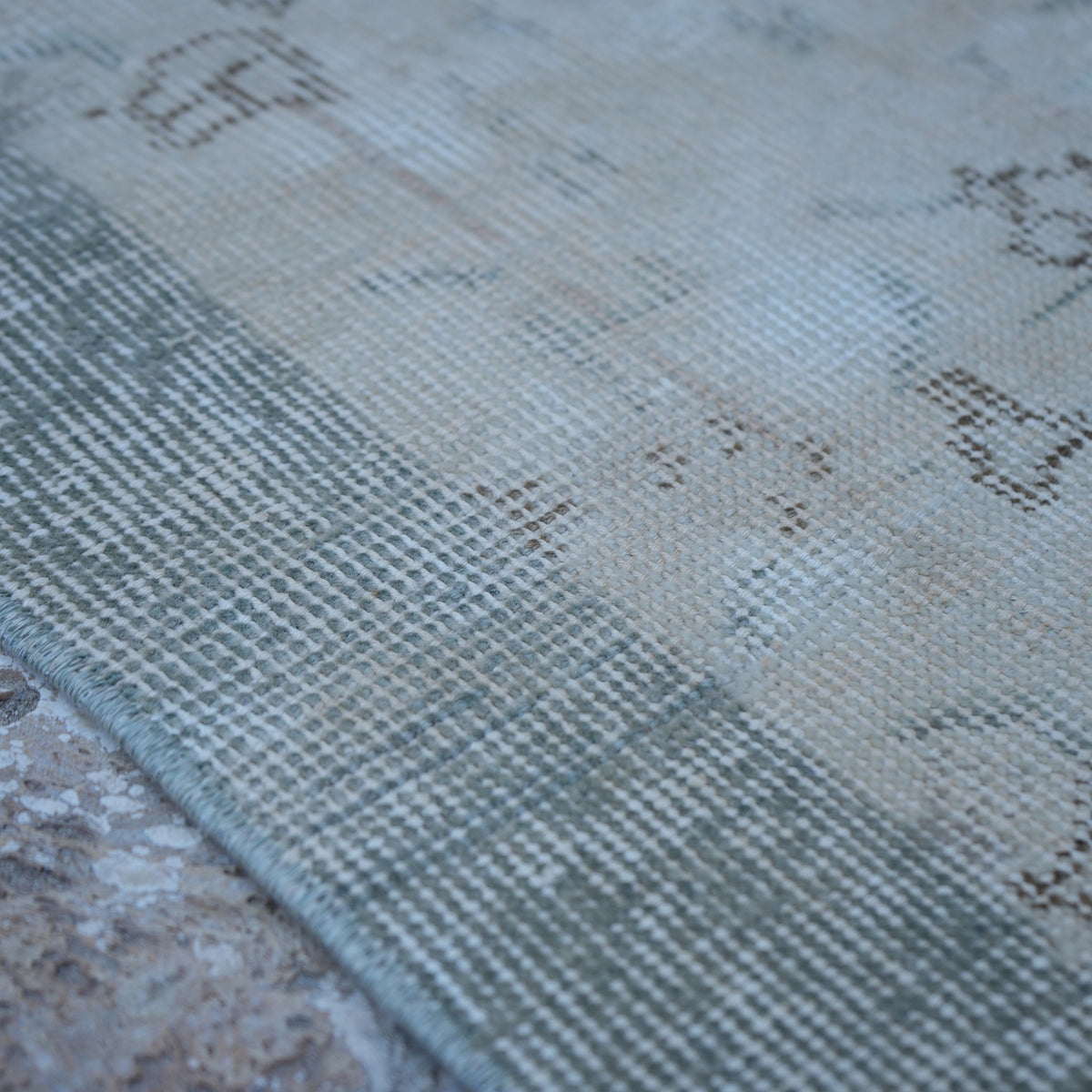
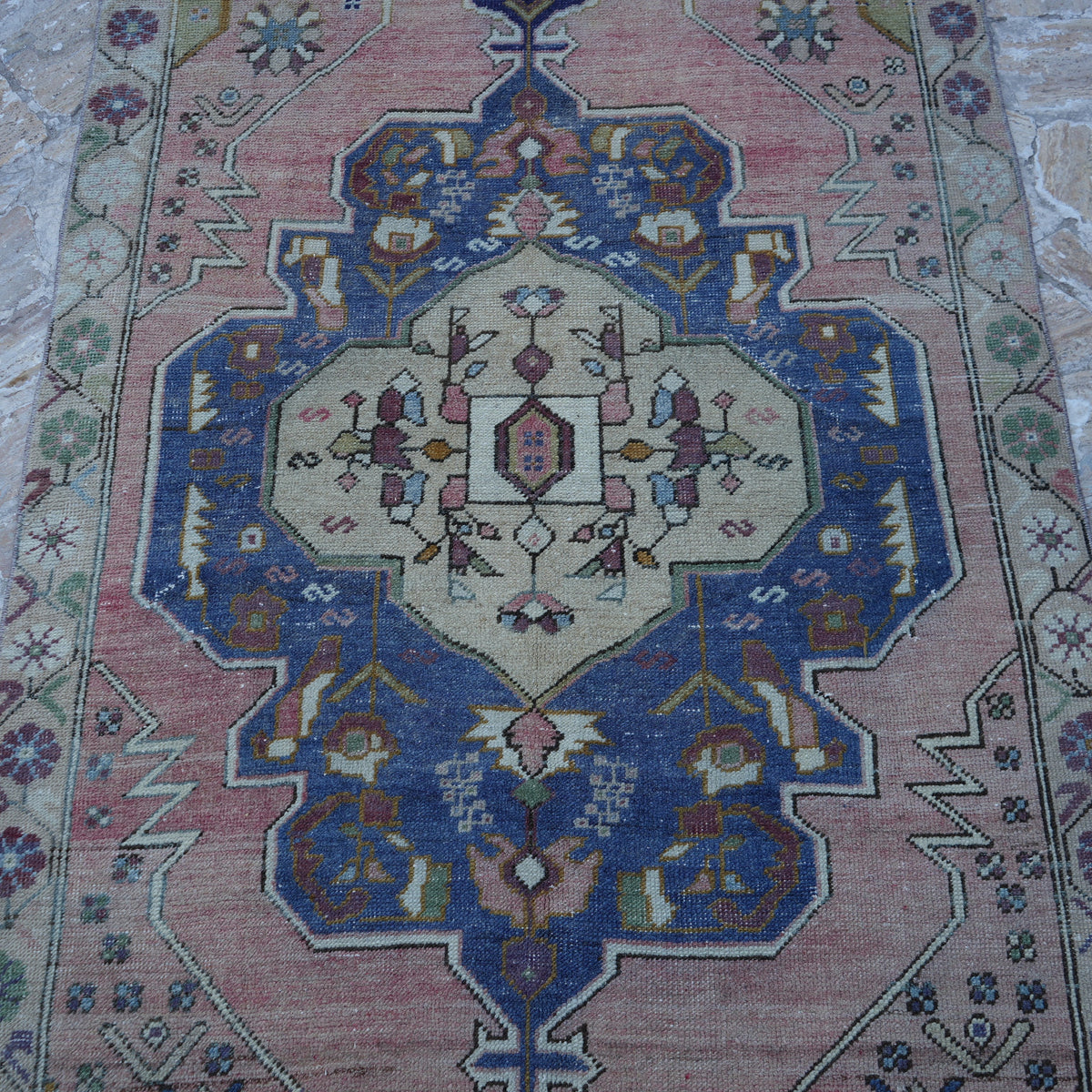
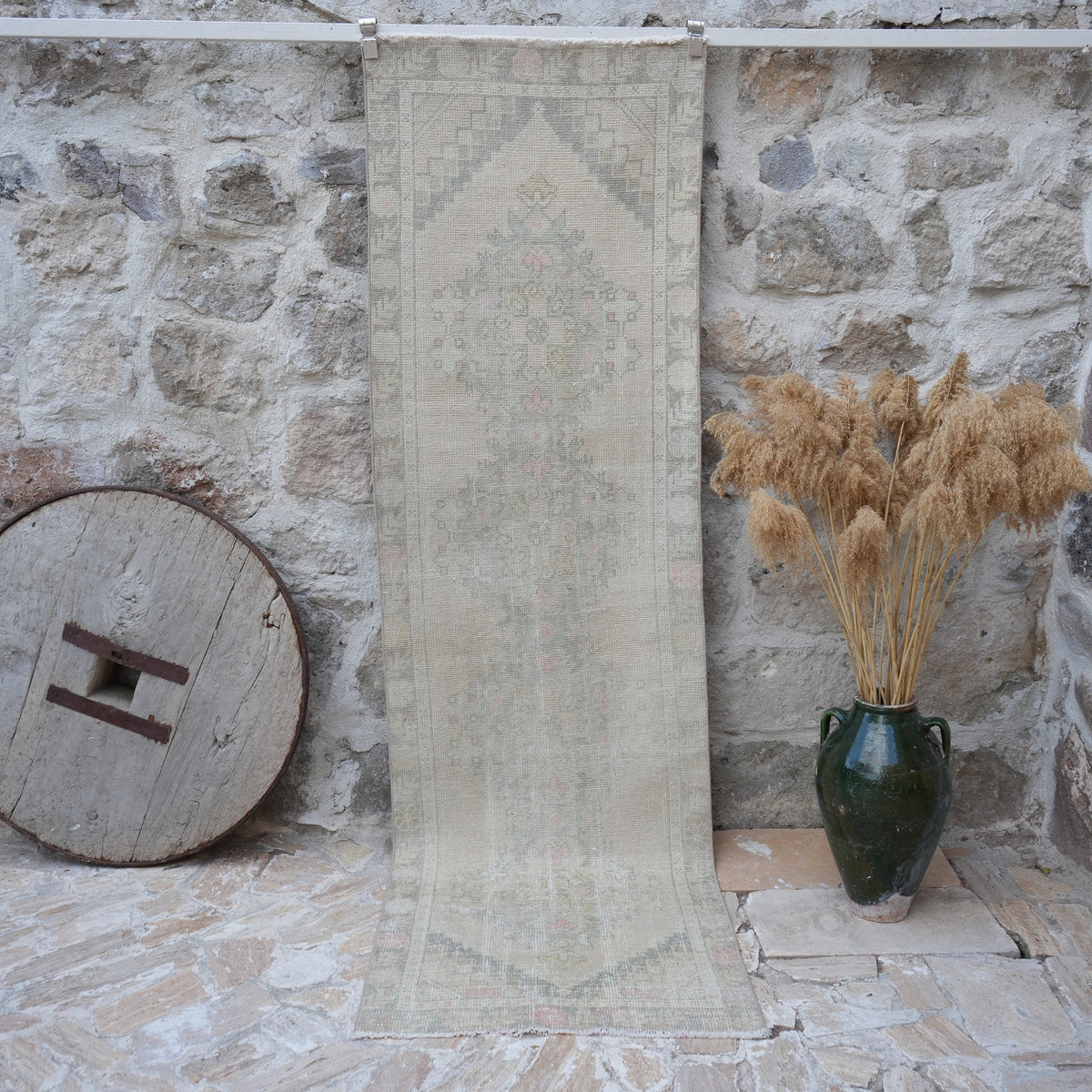
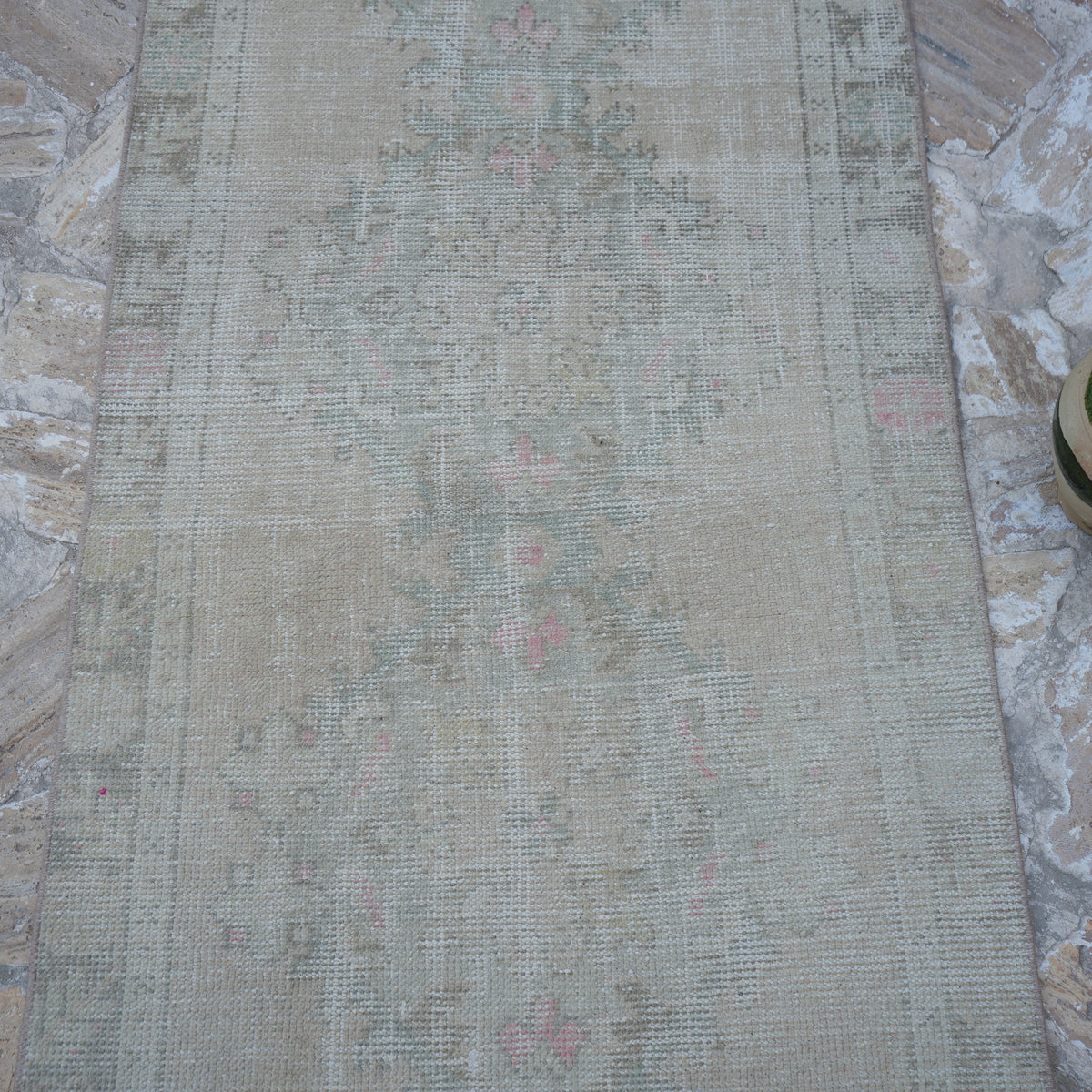
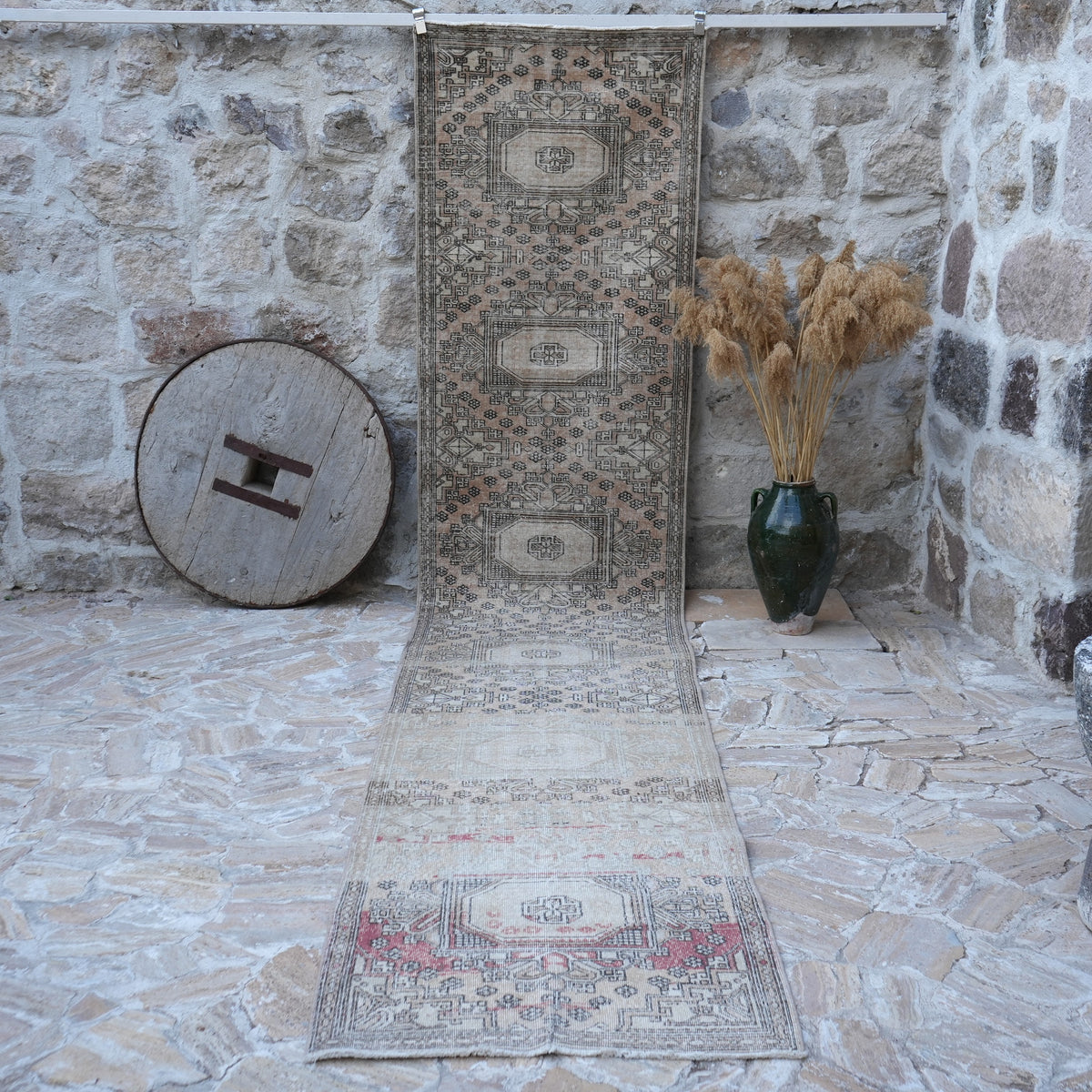
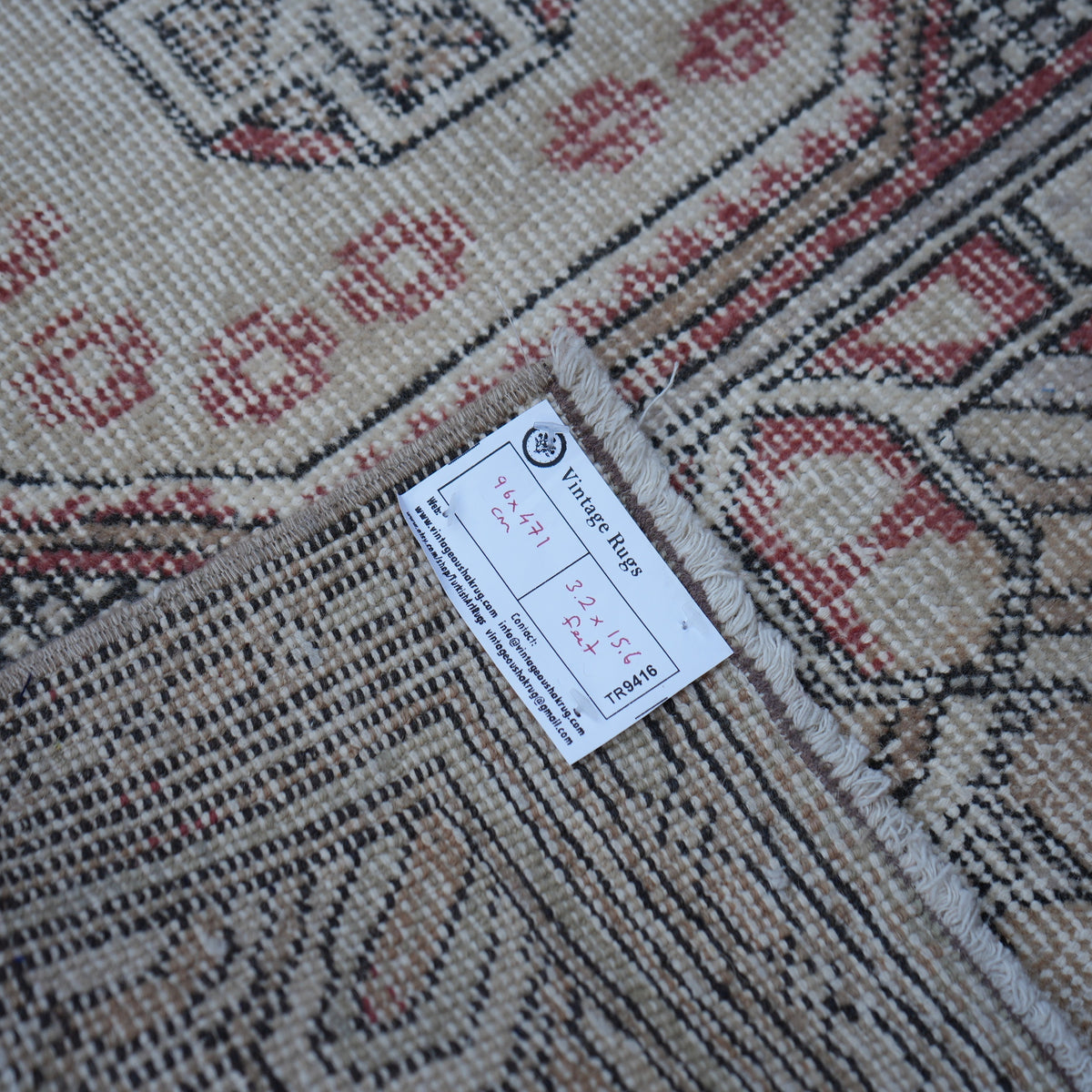
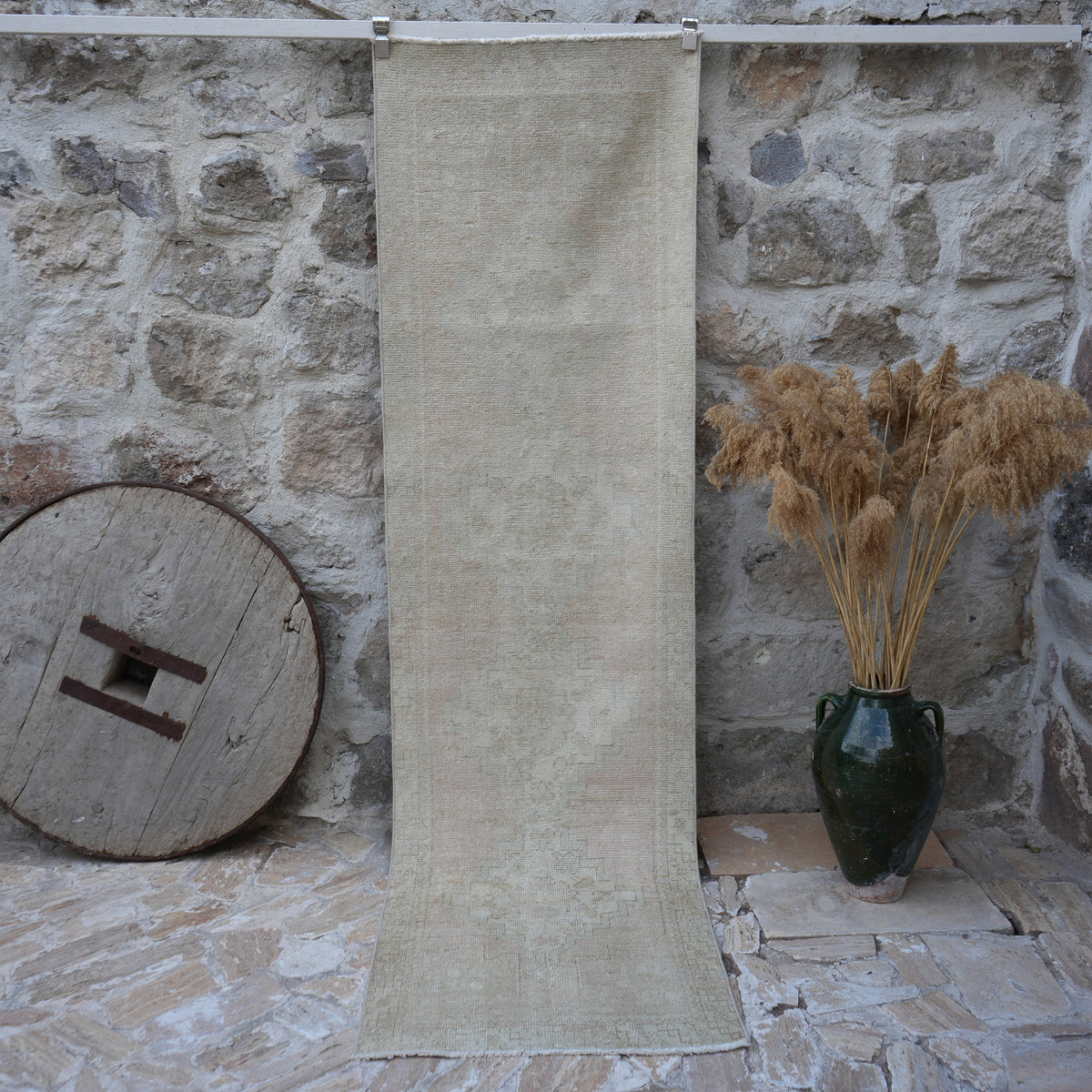
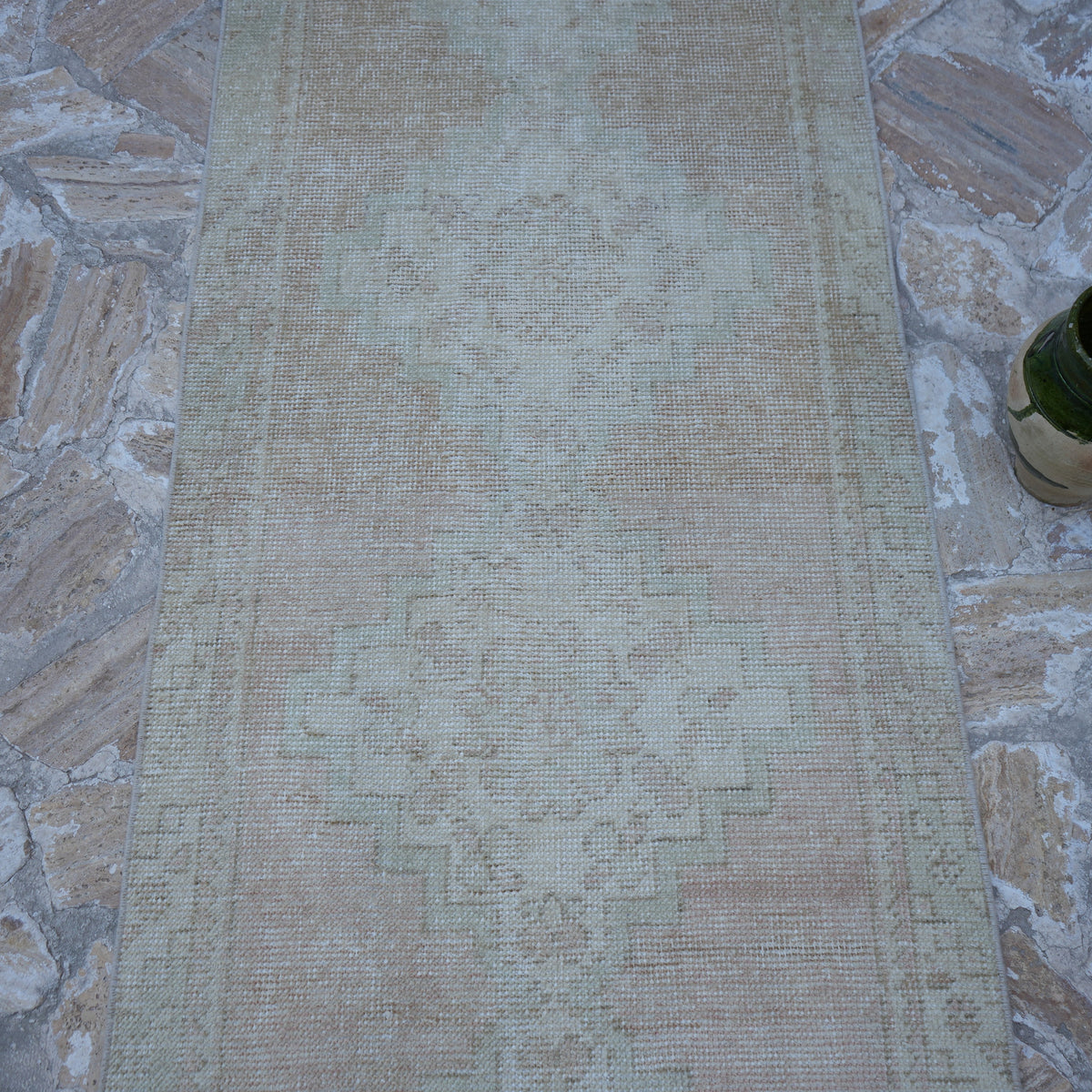
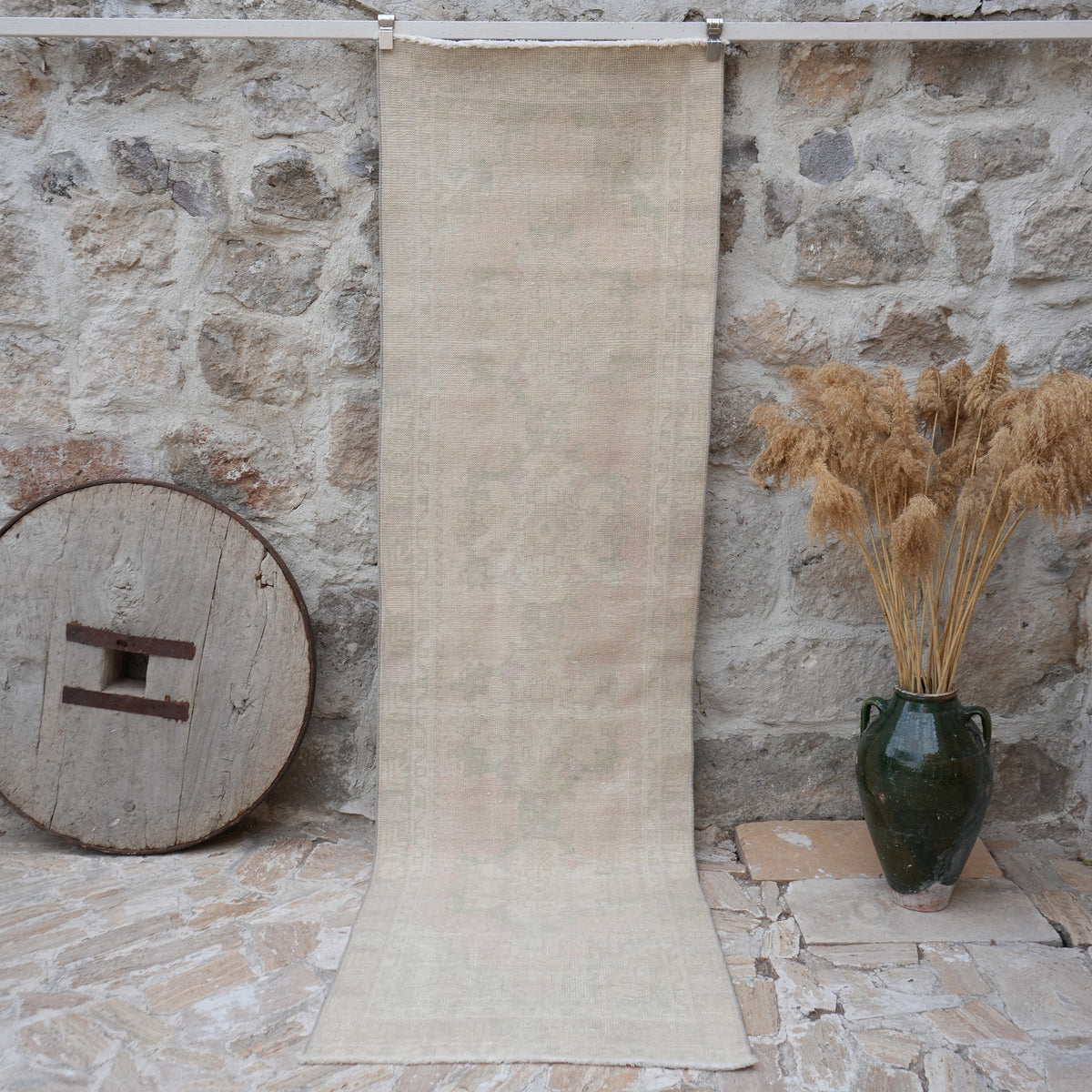
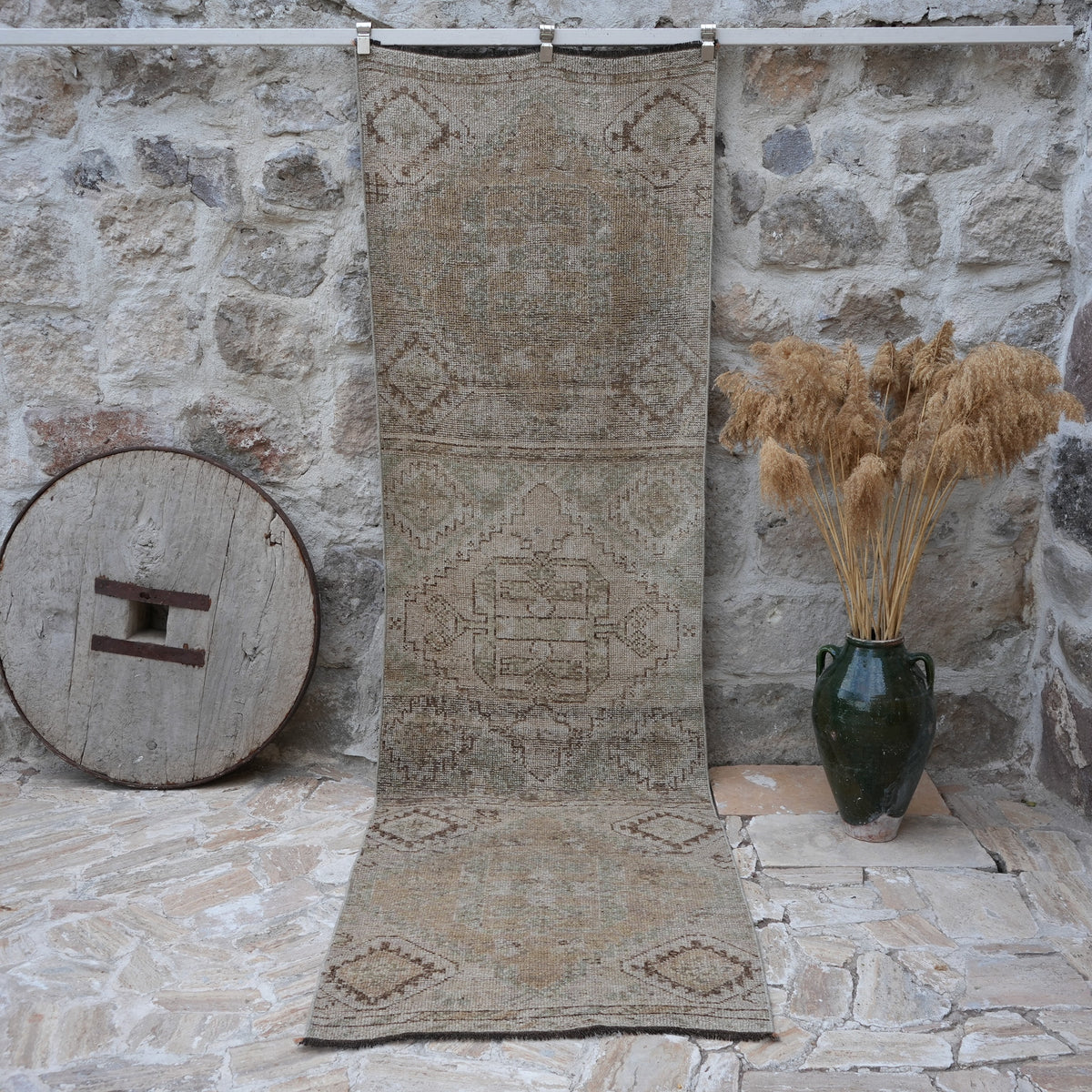
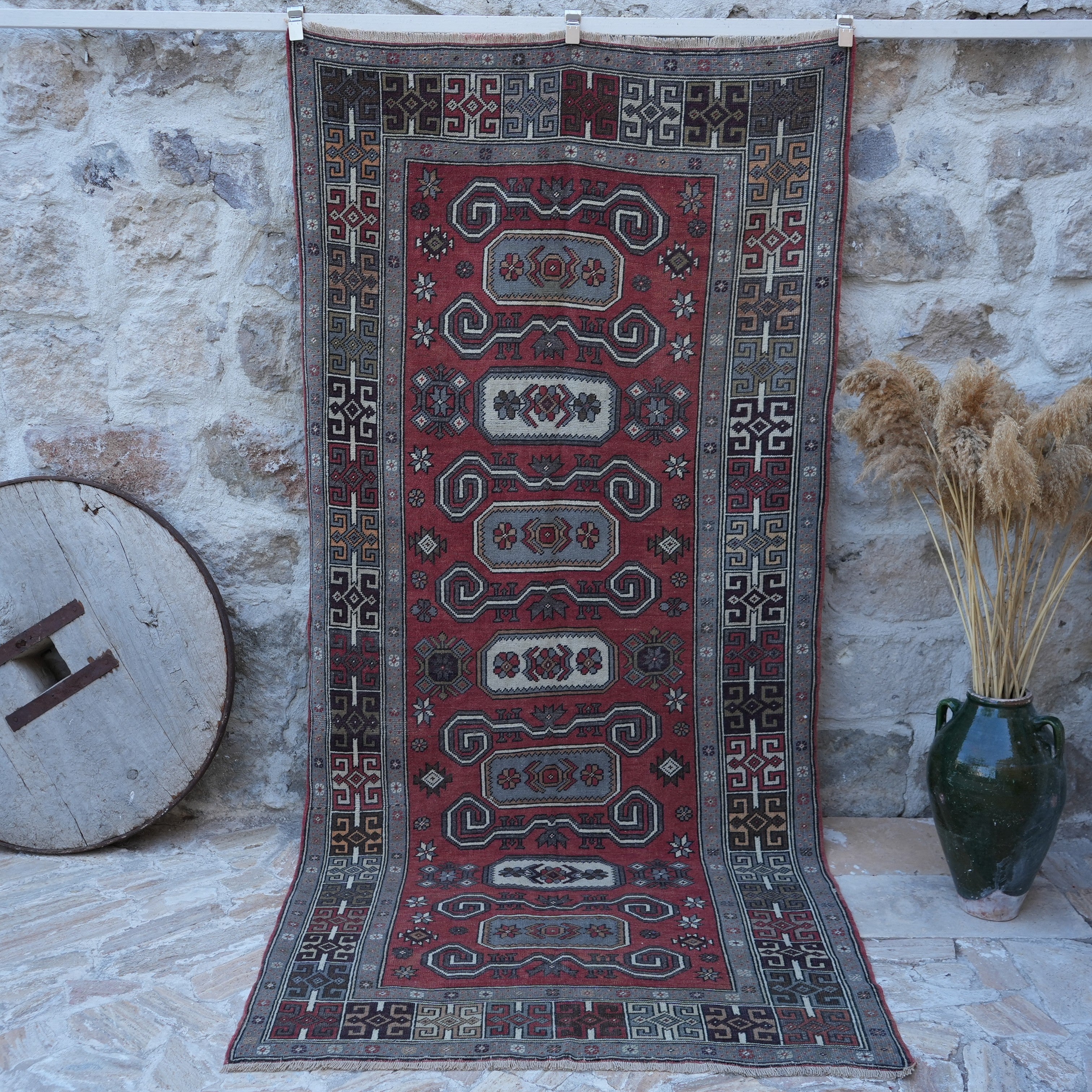
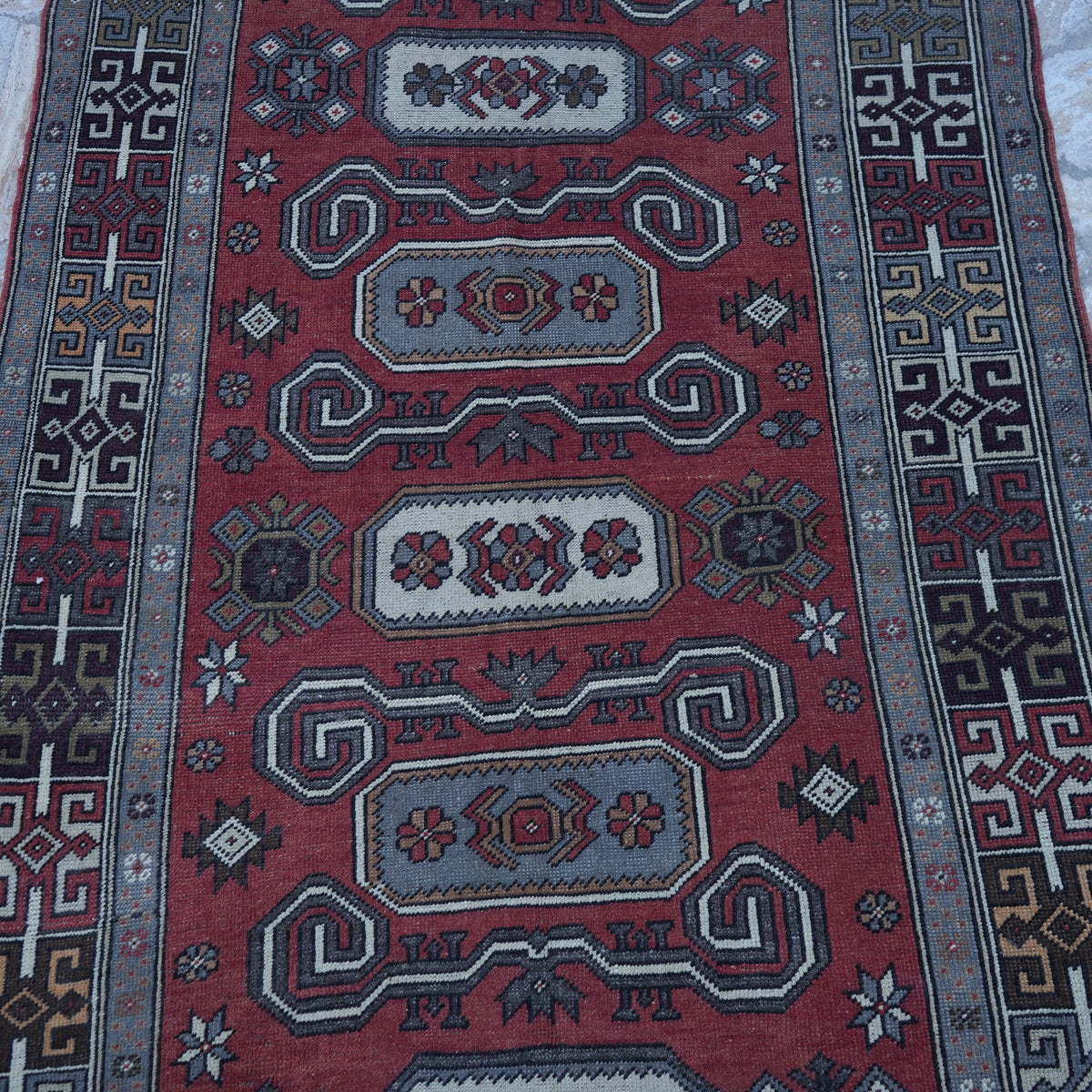
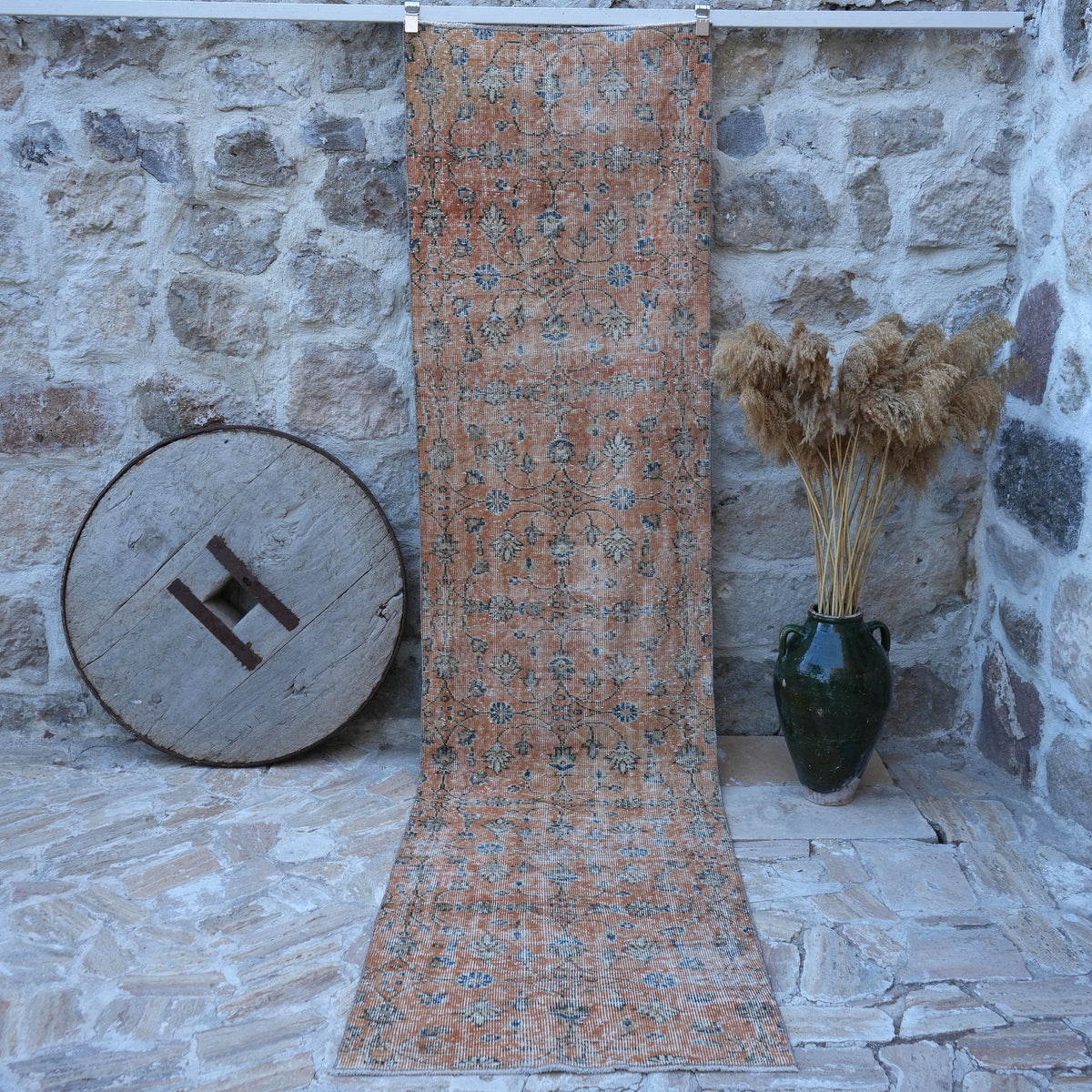
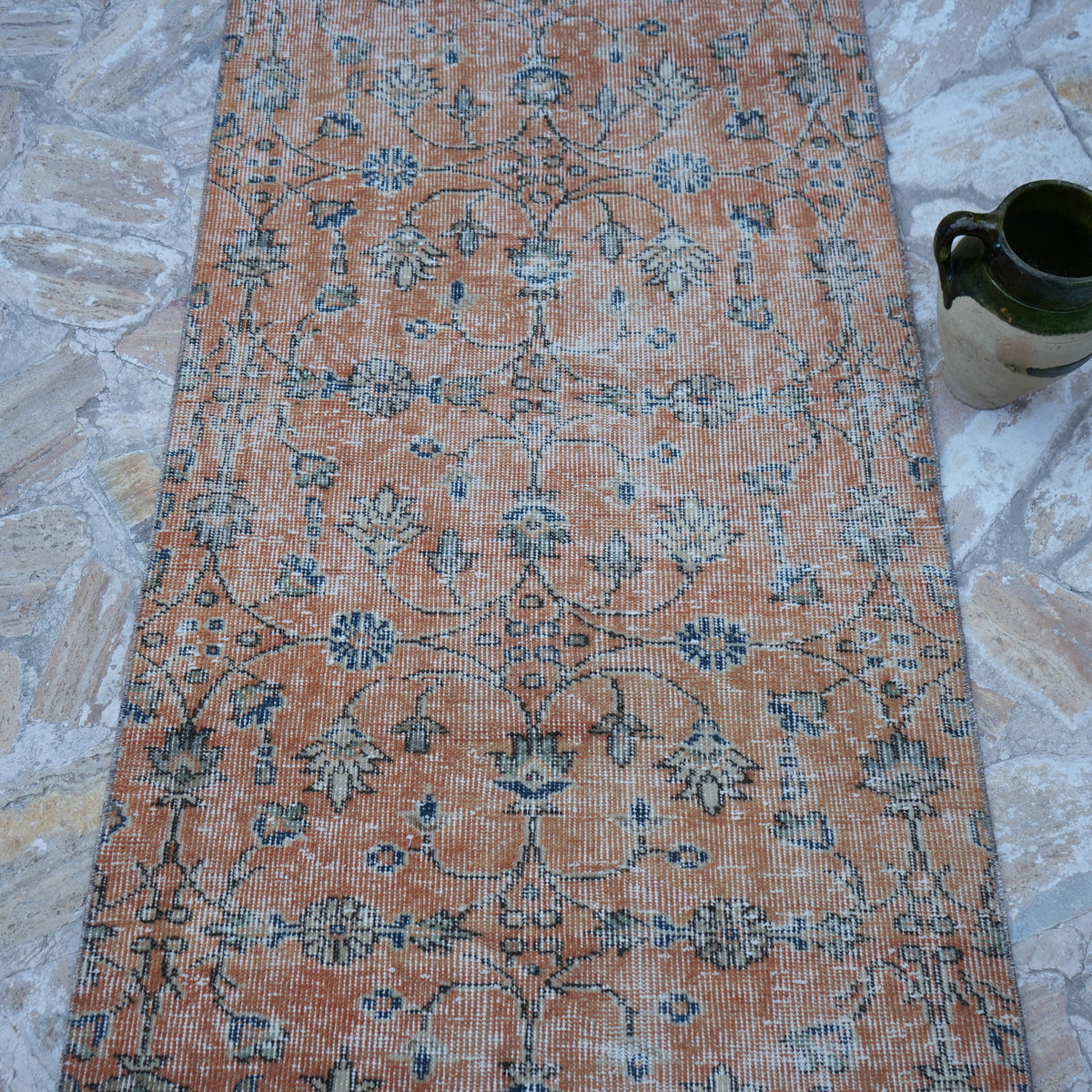
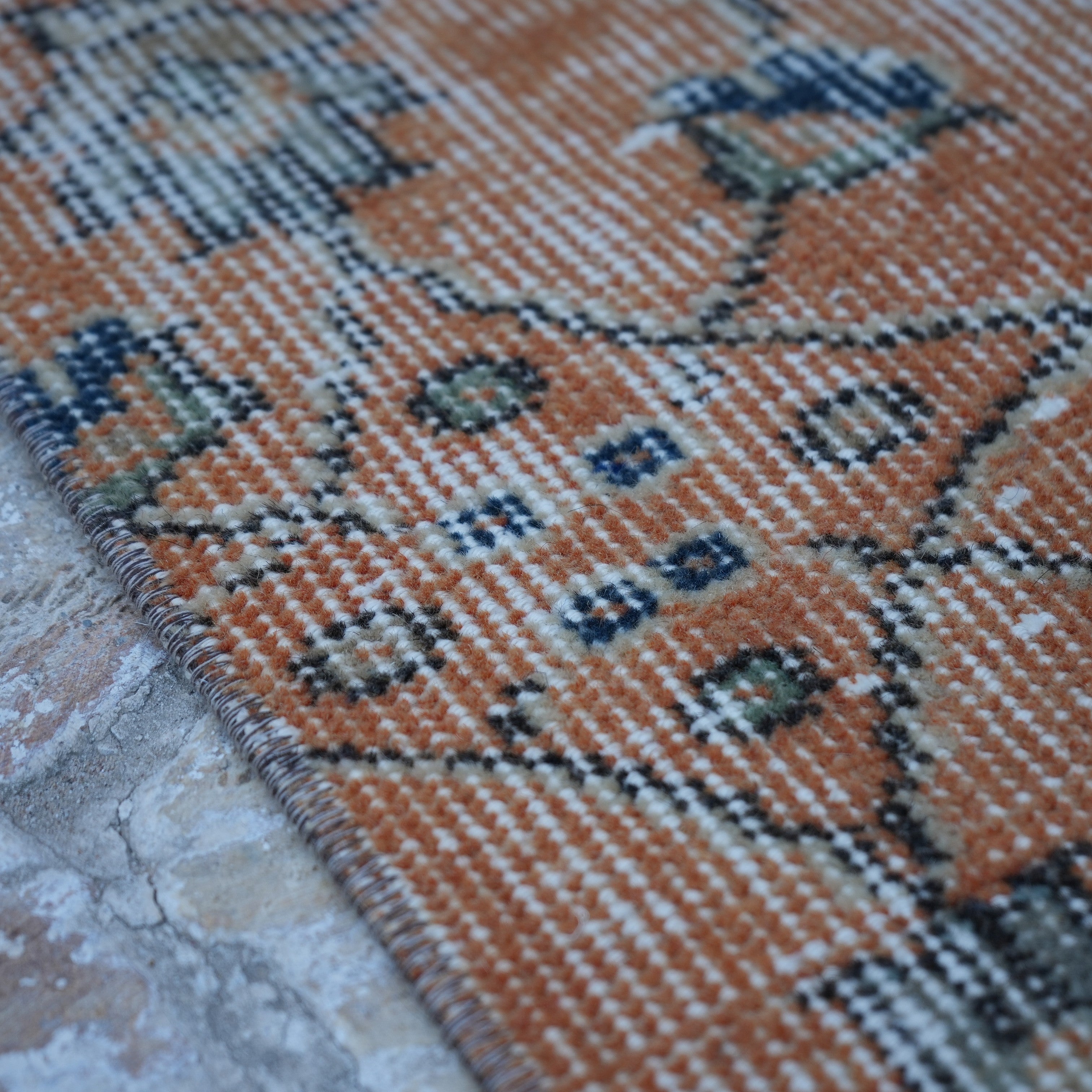
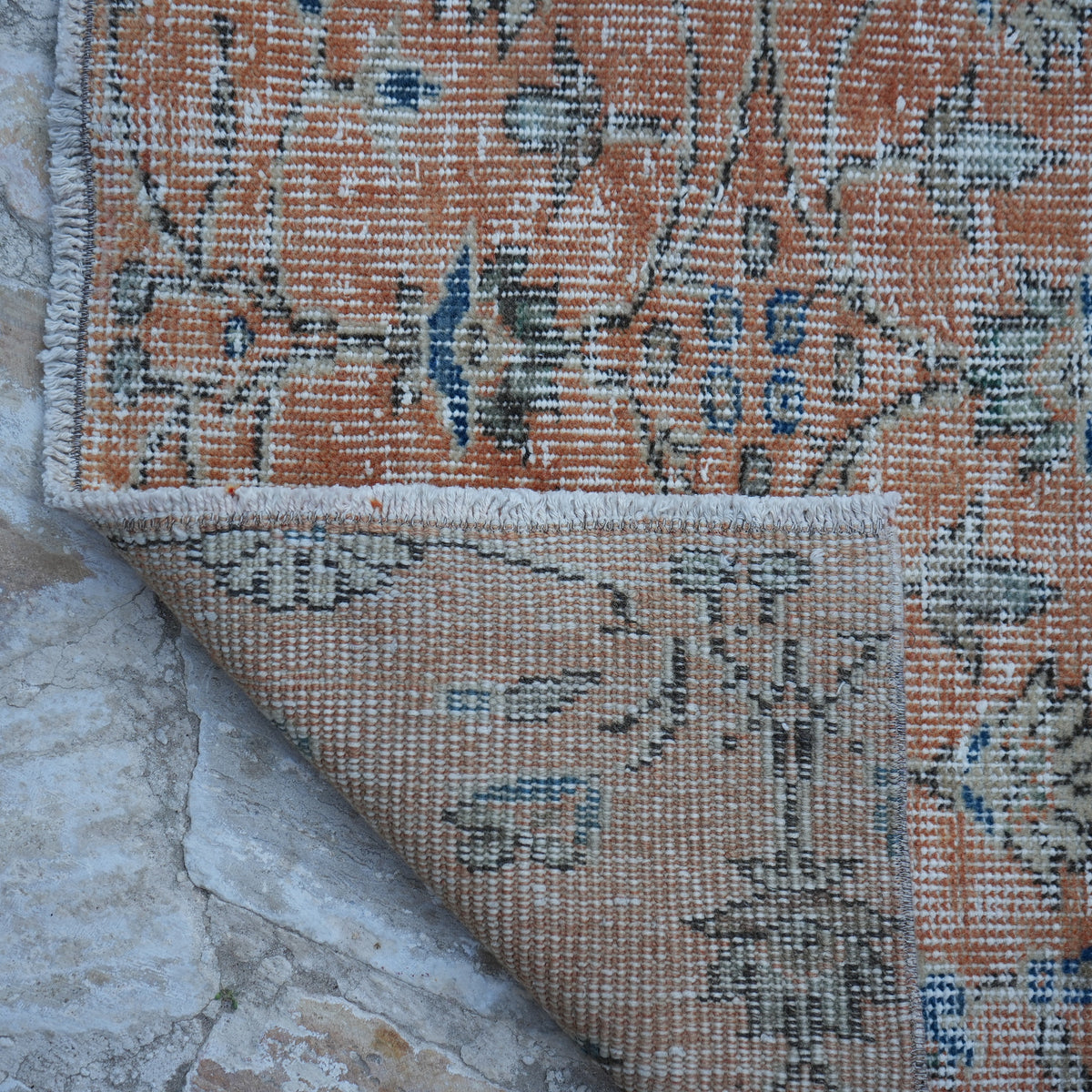
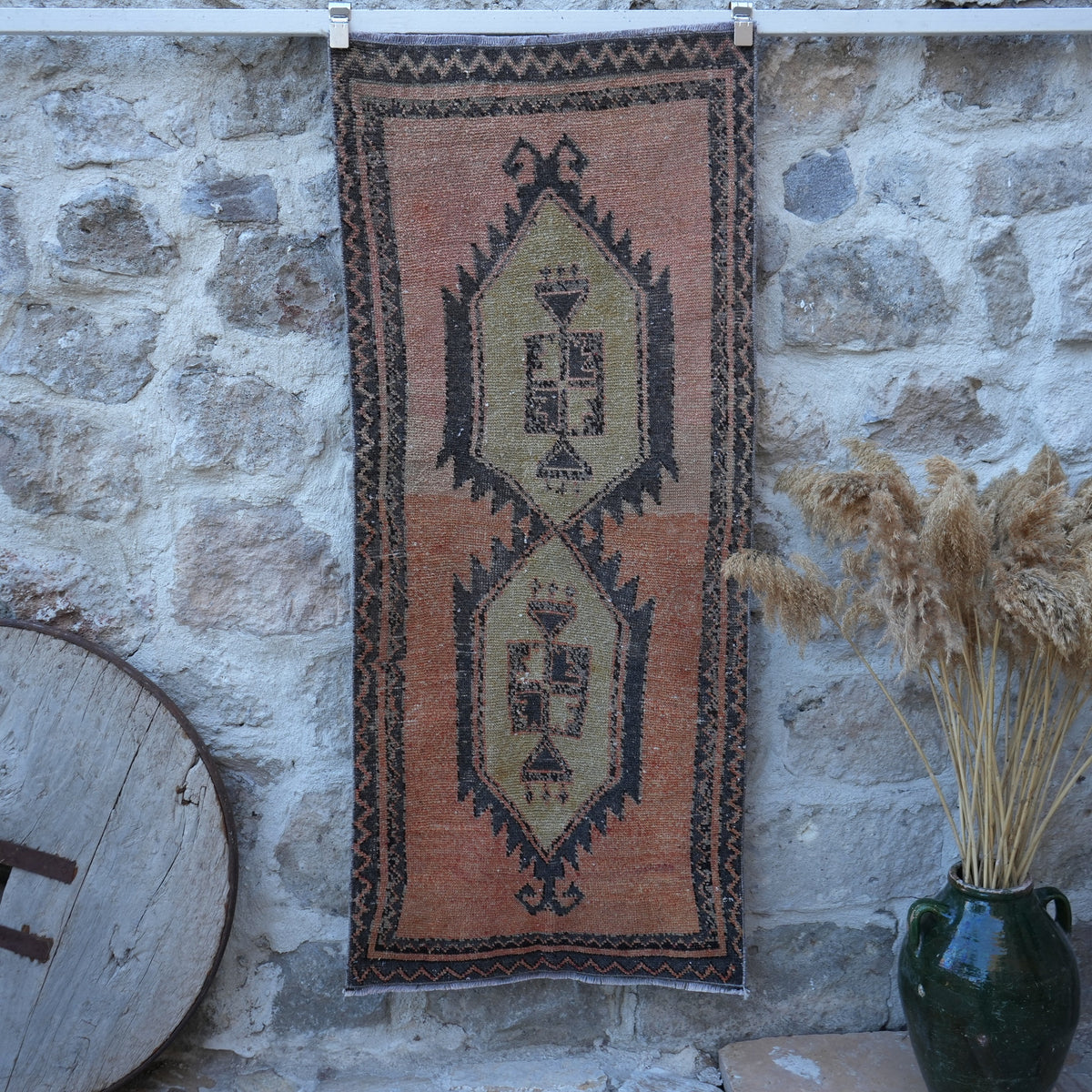
But if it bothers you every time you walk past it, especially on a rug anchoring your living room, that's a reasonable moment to look at what else might work in the space. Our vintage rugs and runner rugs collections are a good place to start. If a piece catches your eye, you can also use our Make an Offer option instead of paying the listed price.
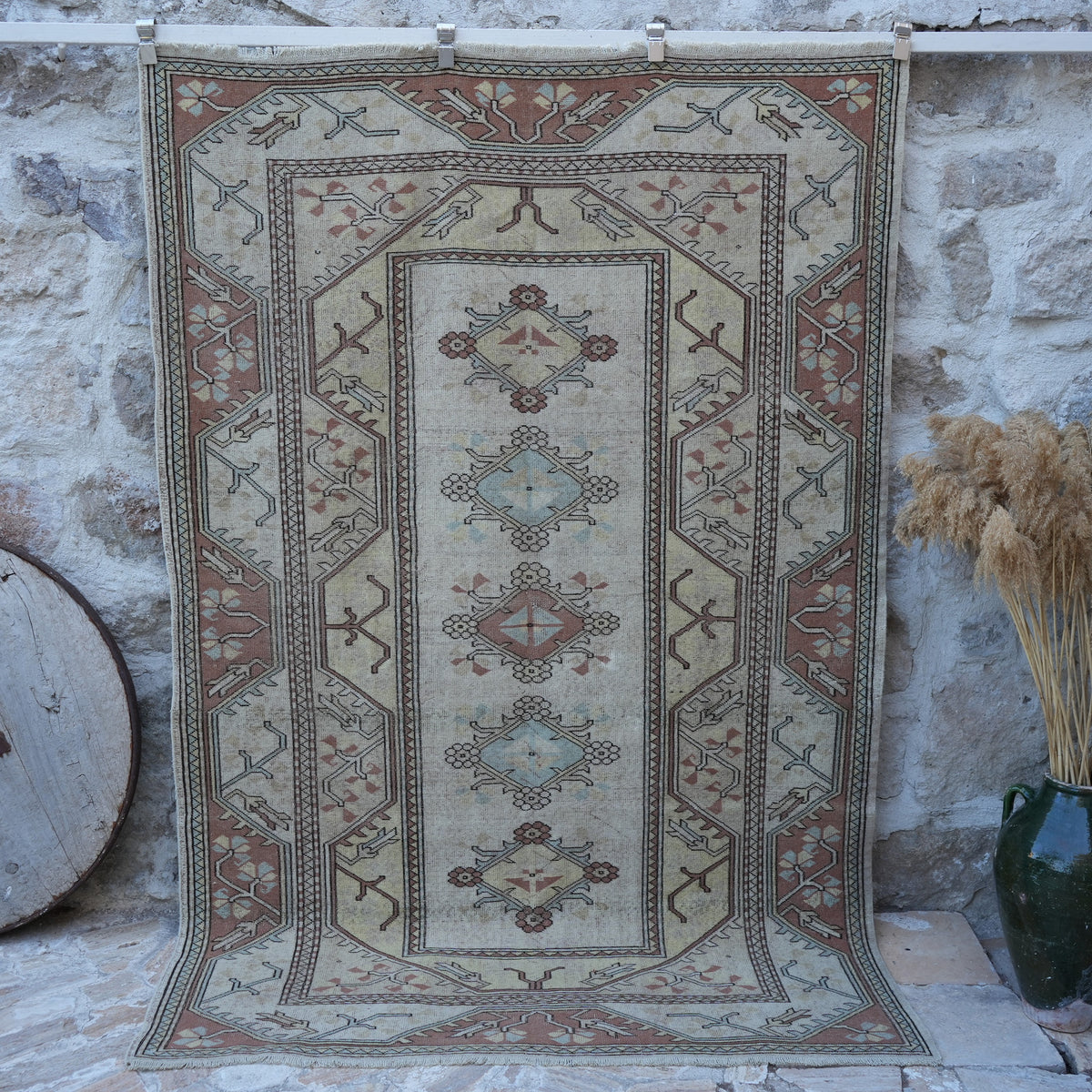
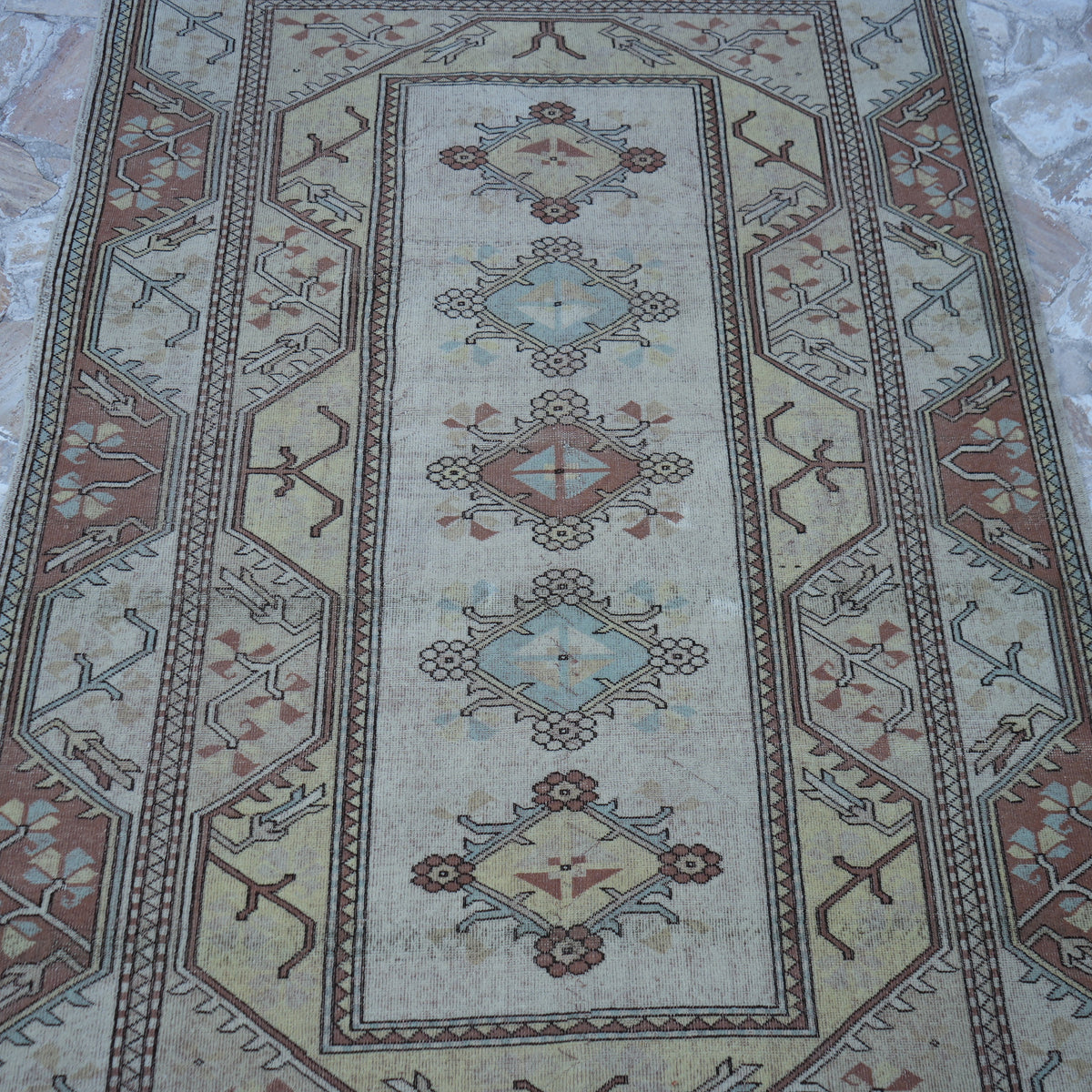
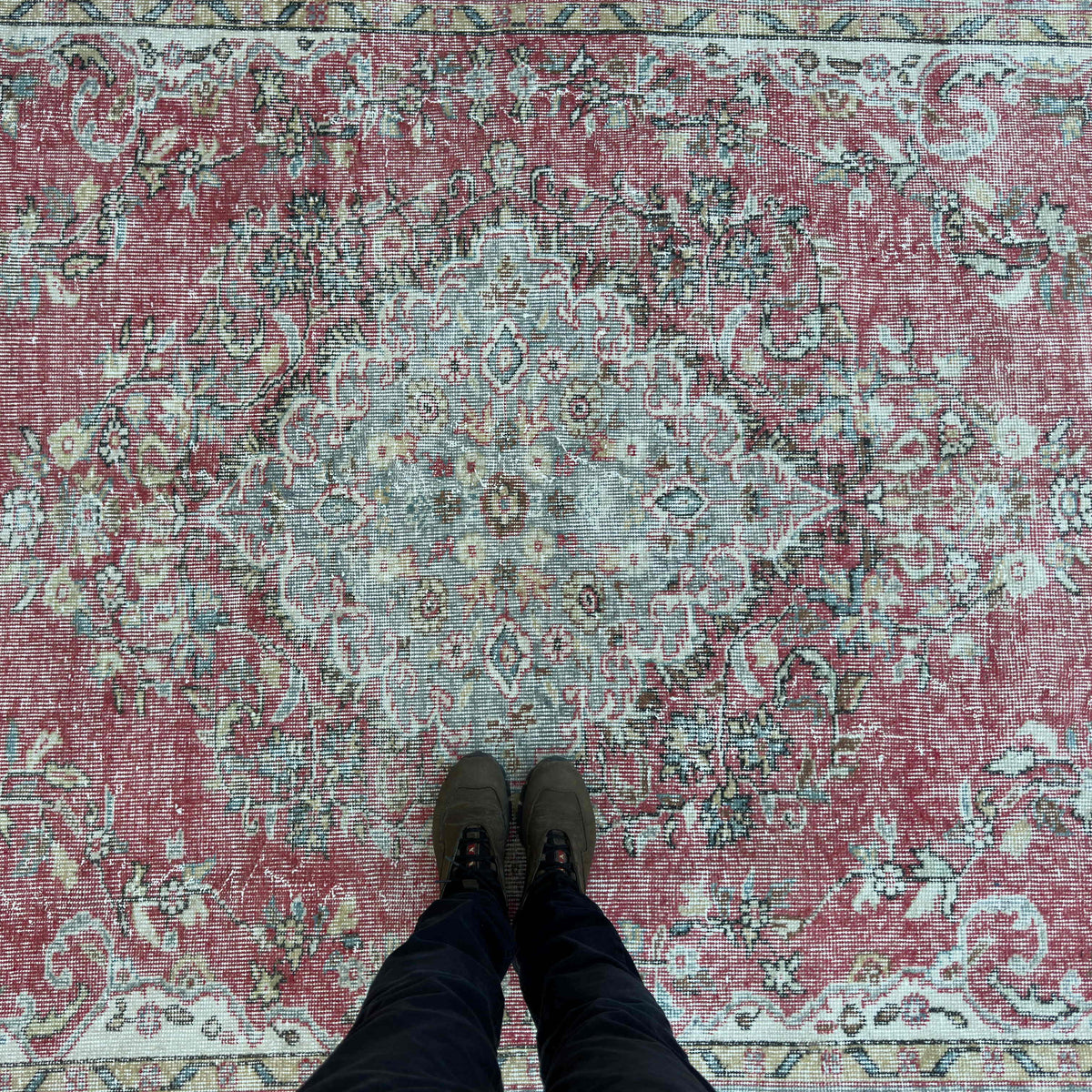
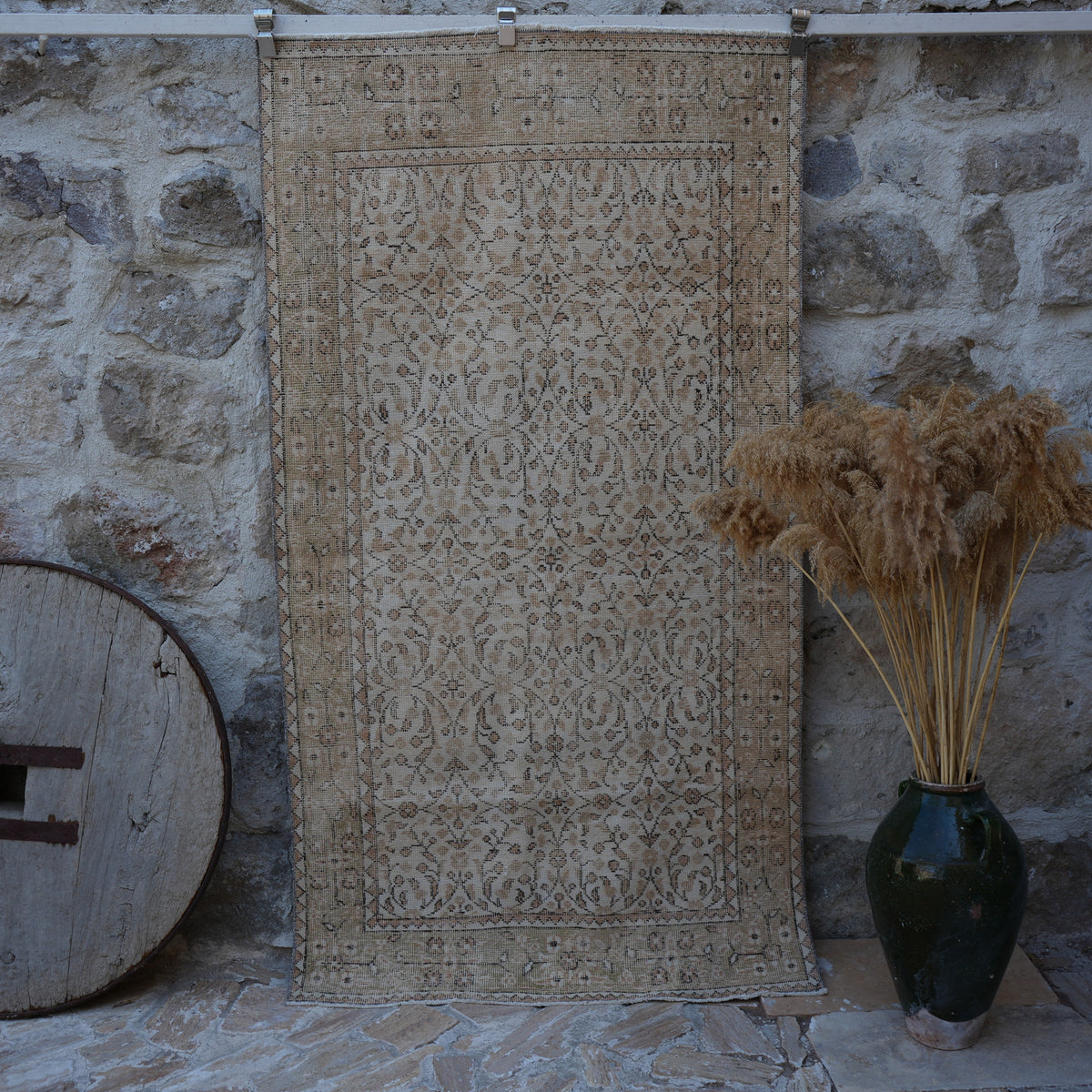
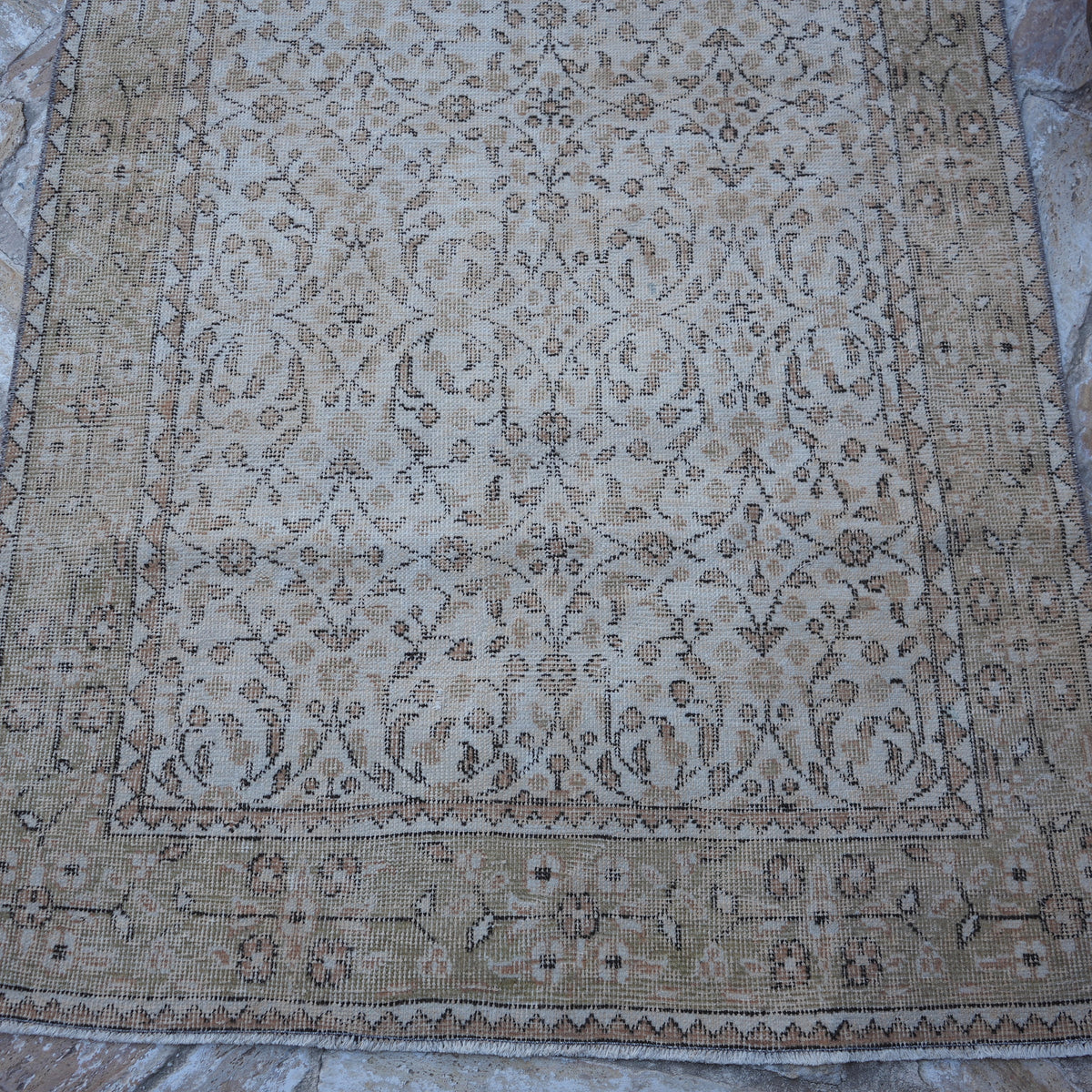
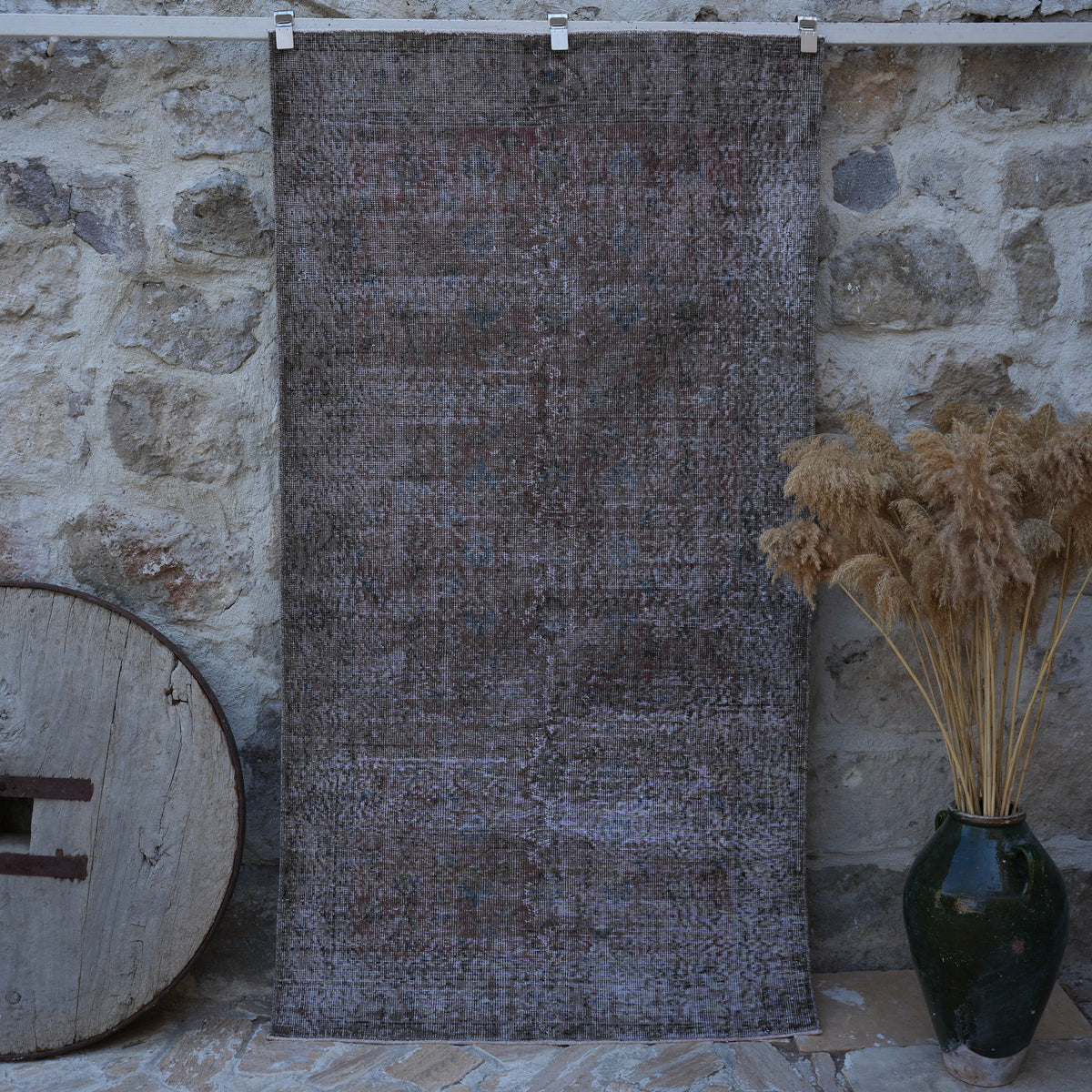
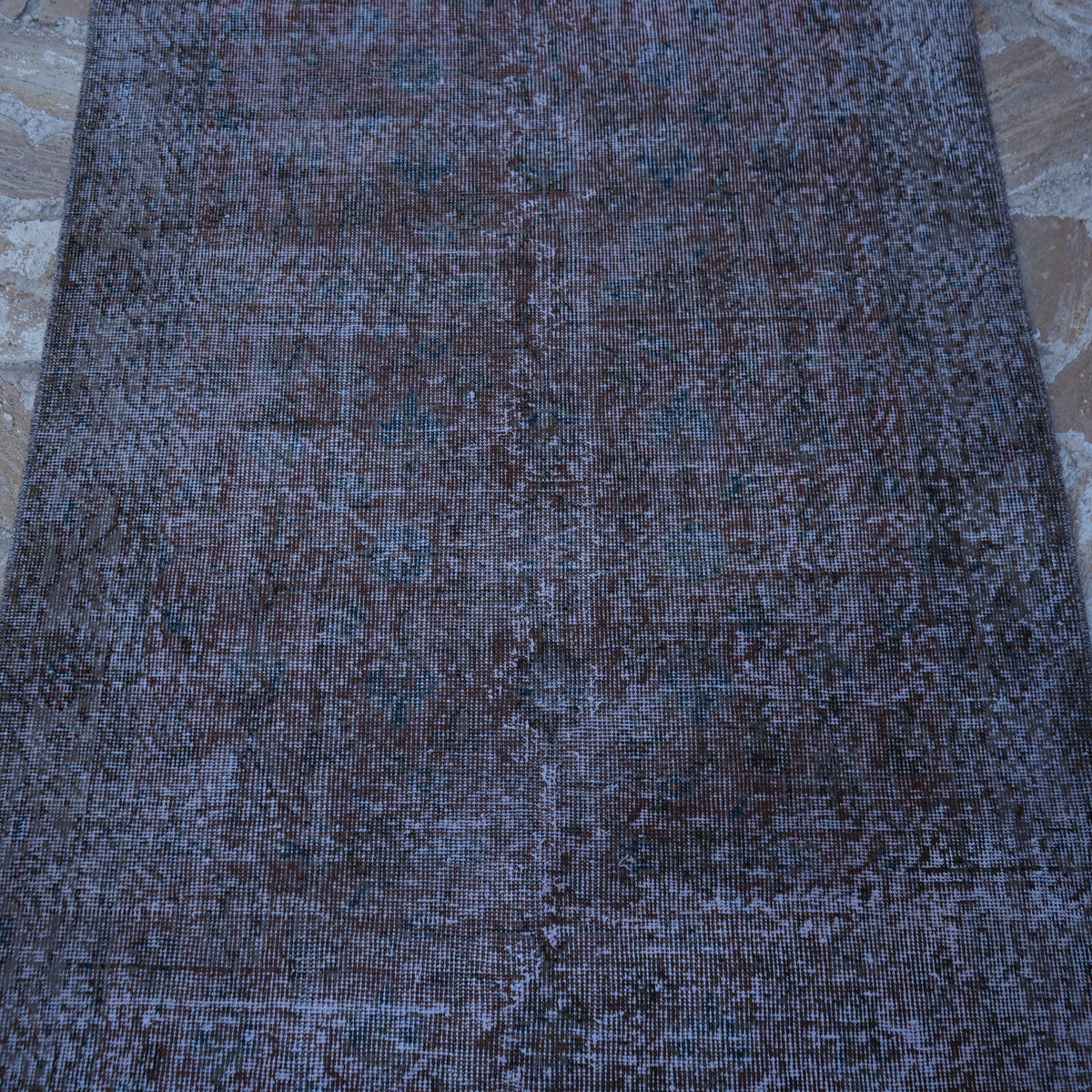
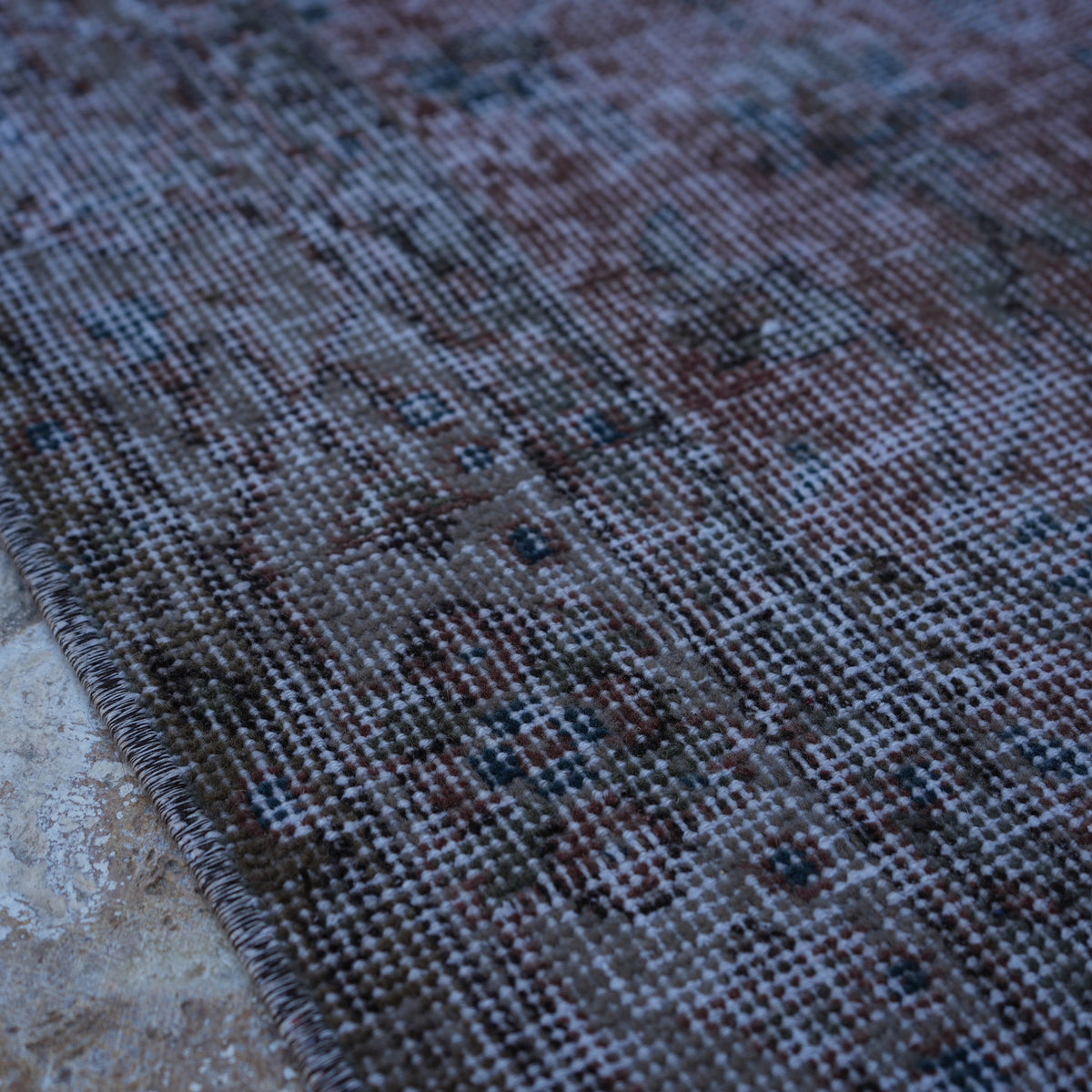
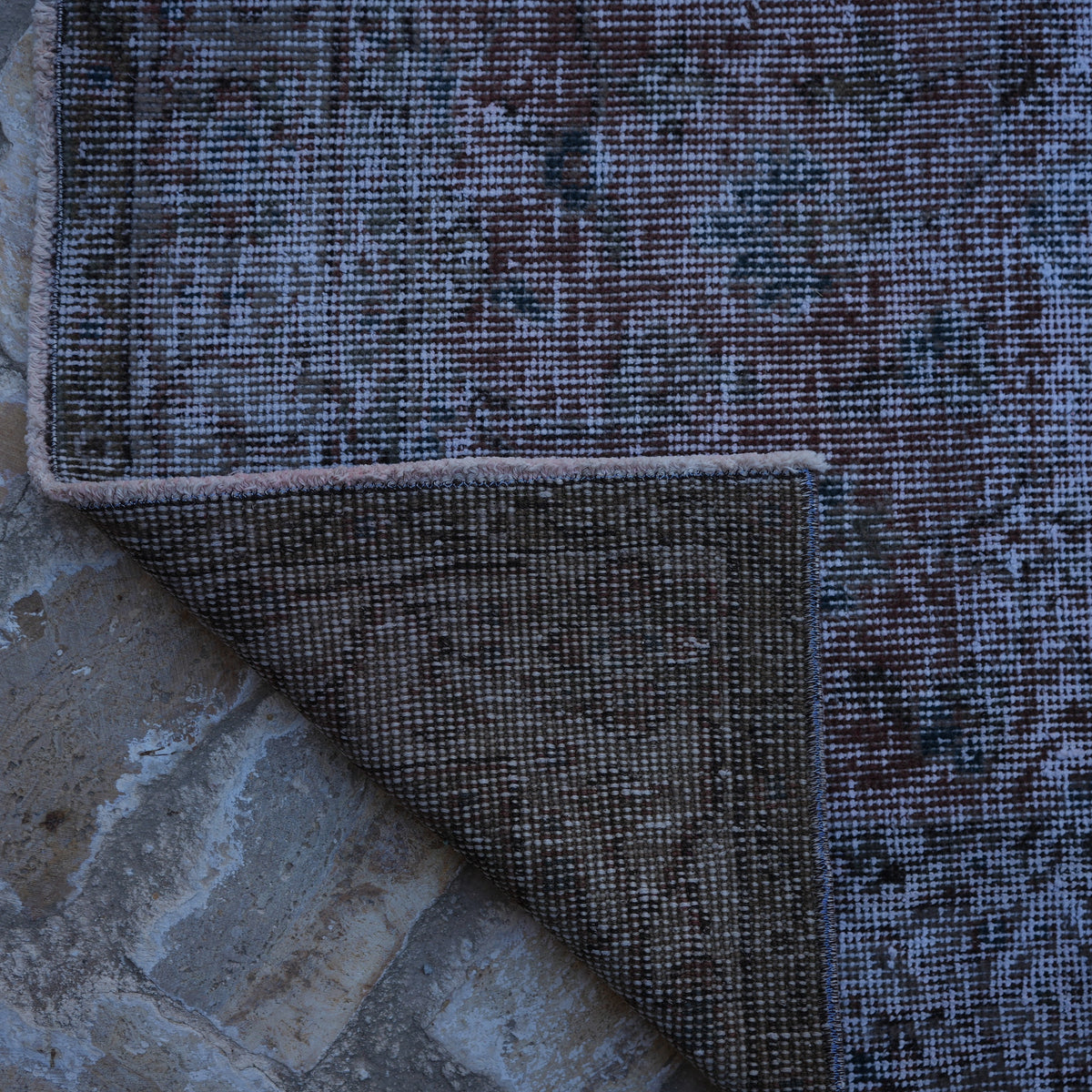
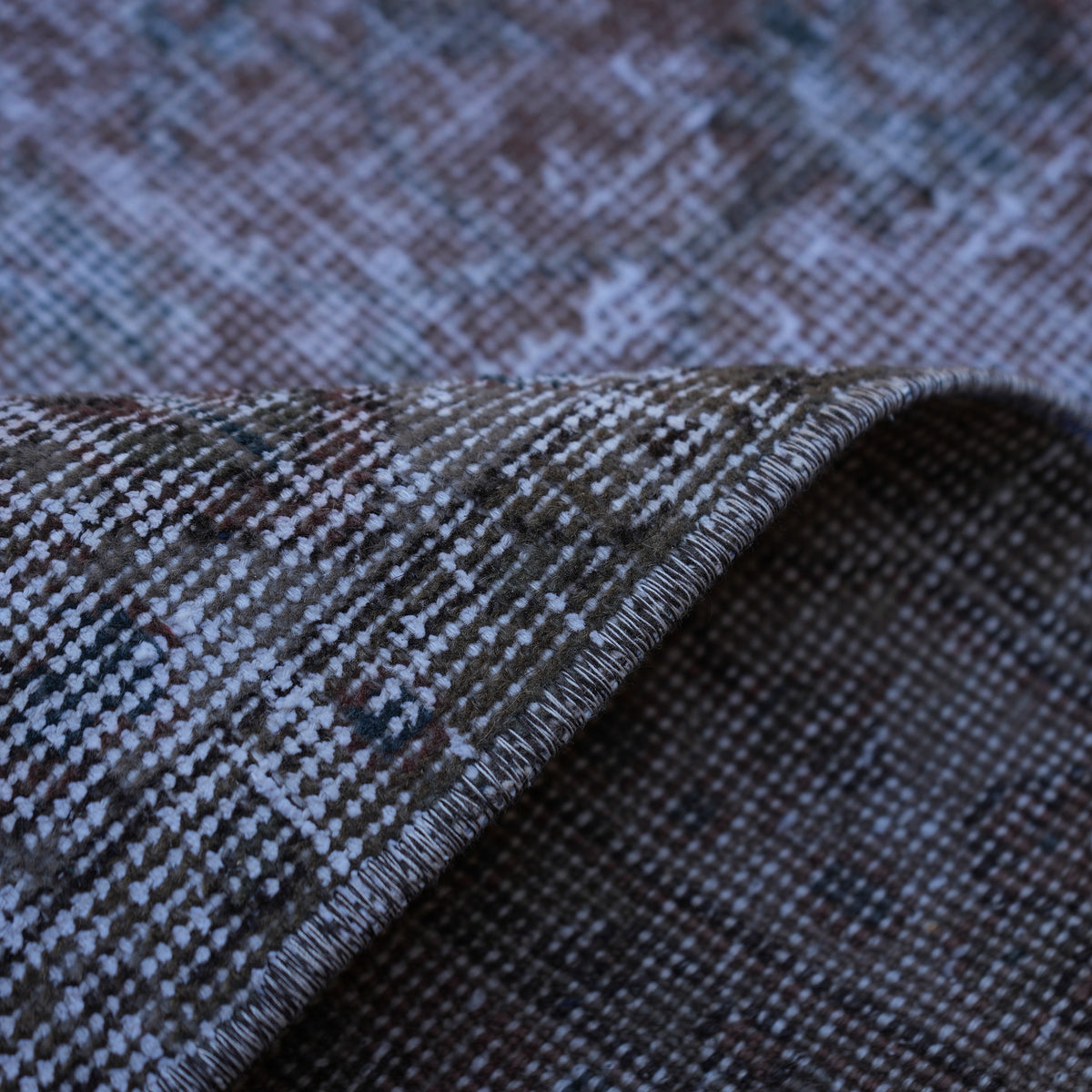
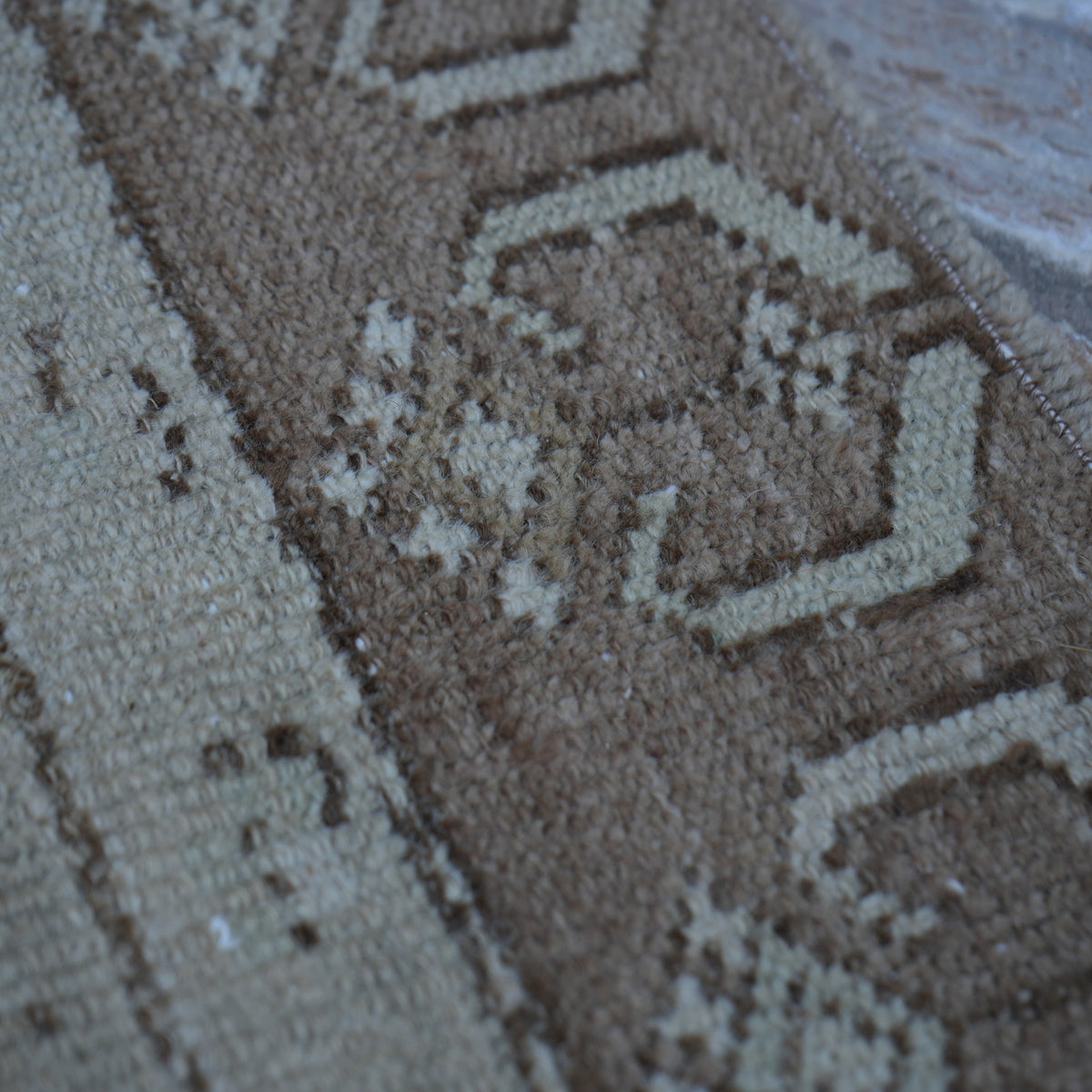
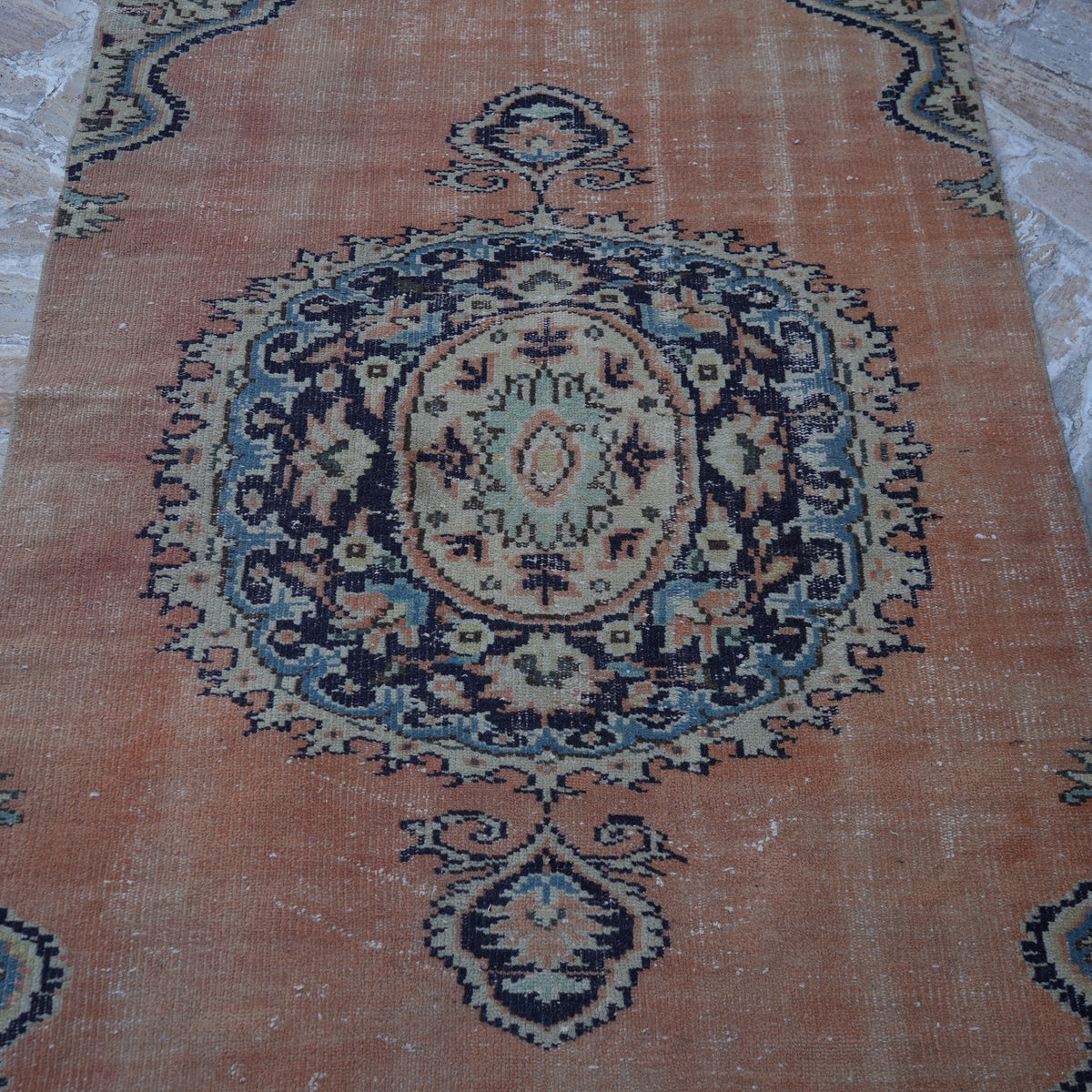
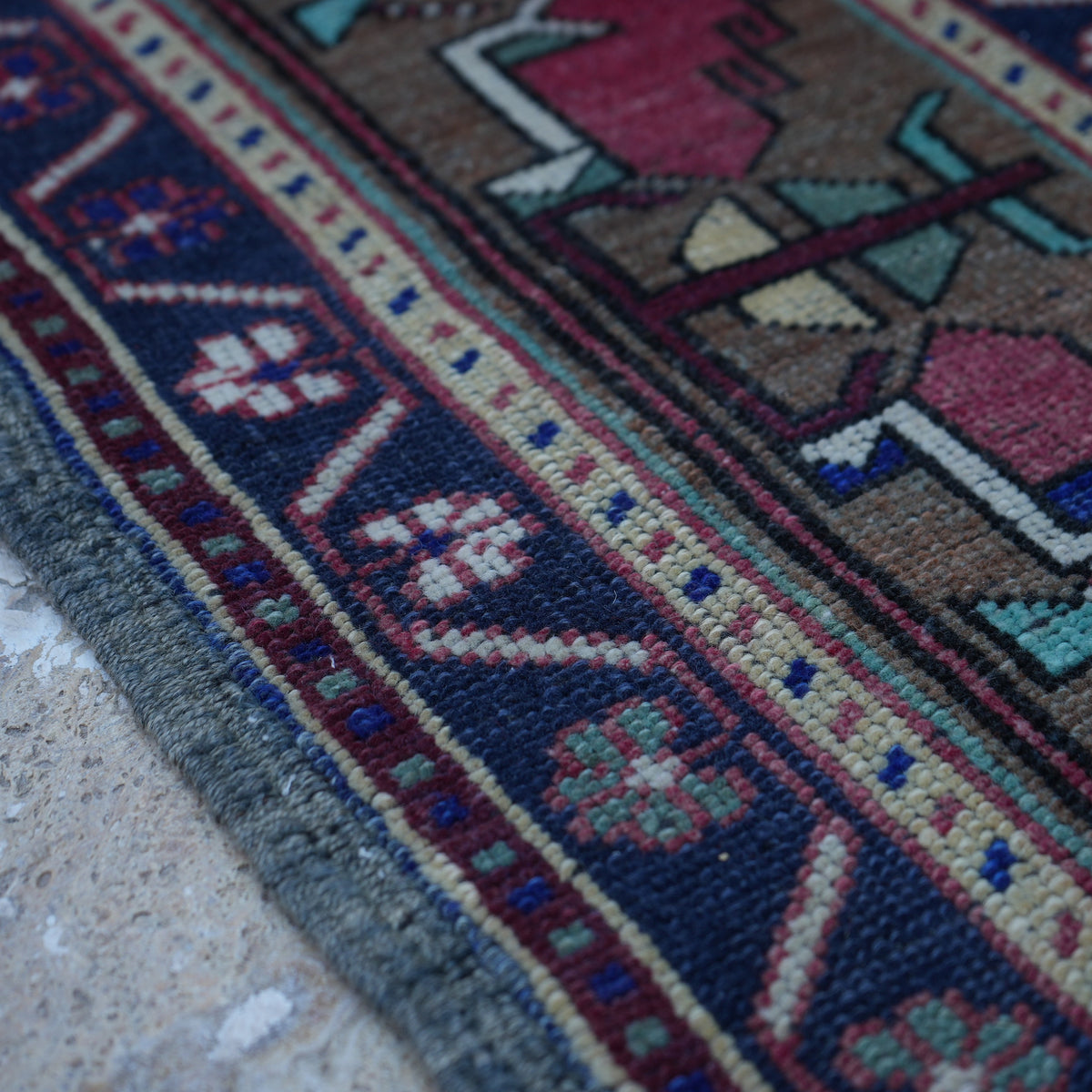
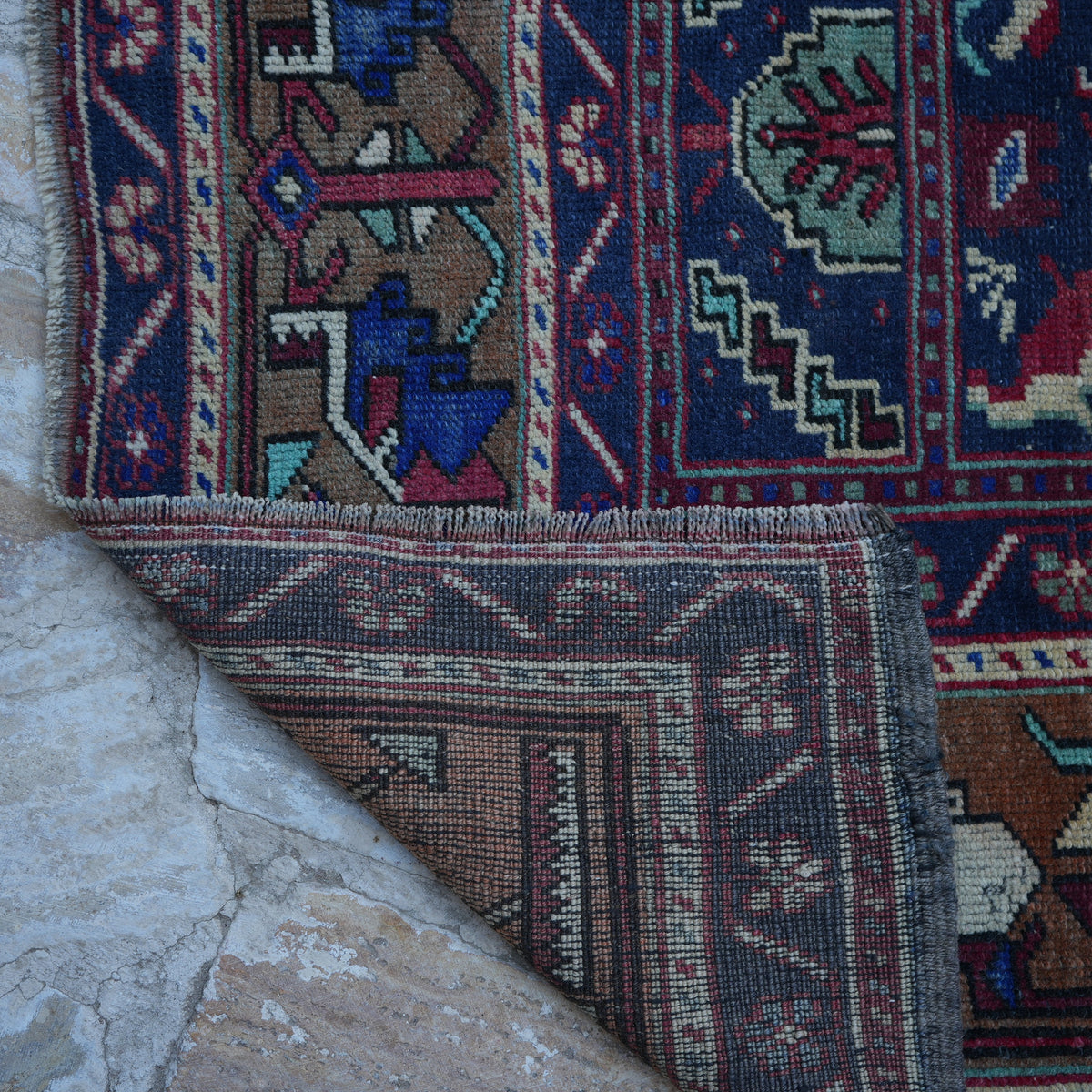
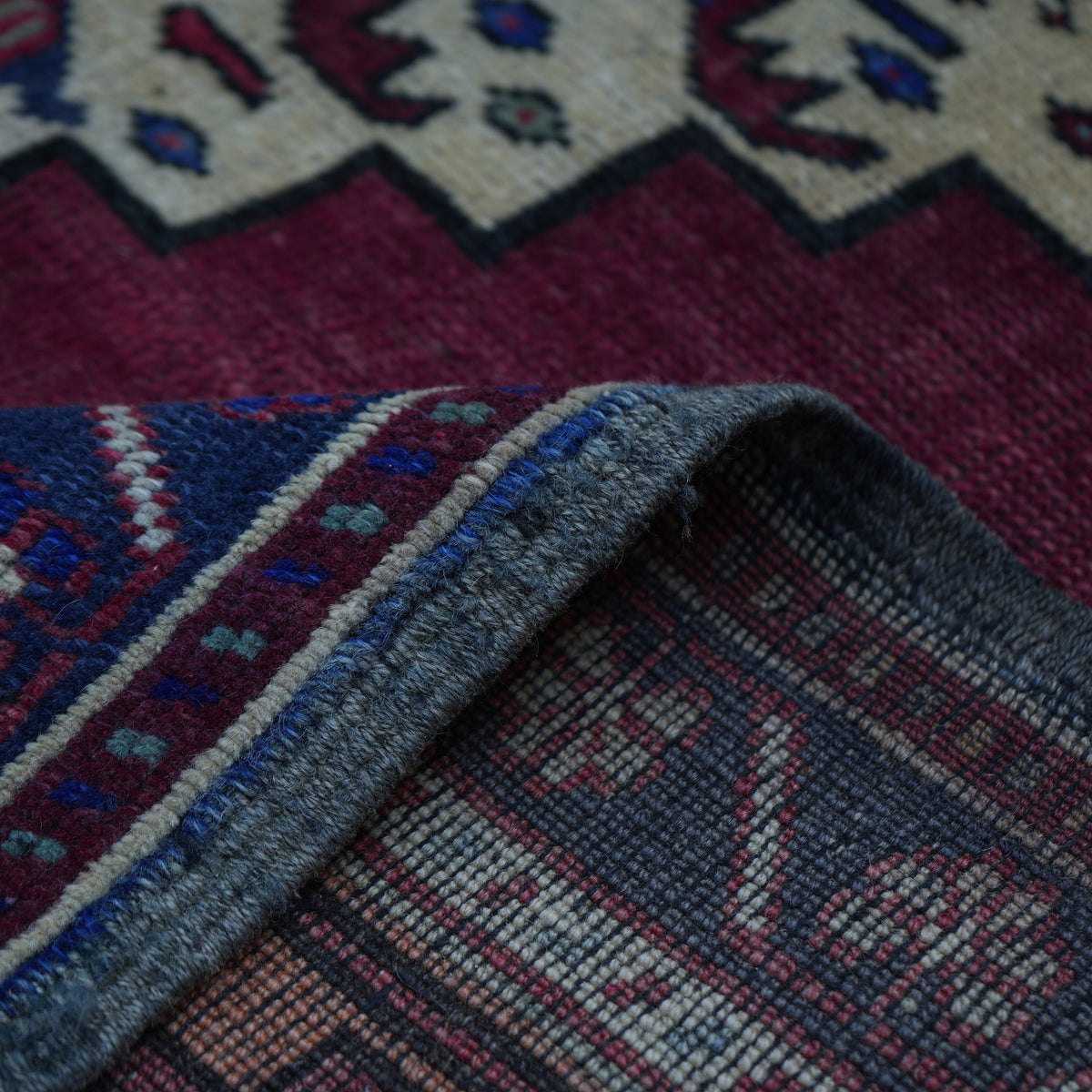
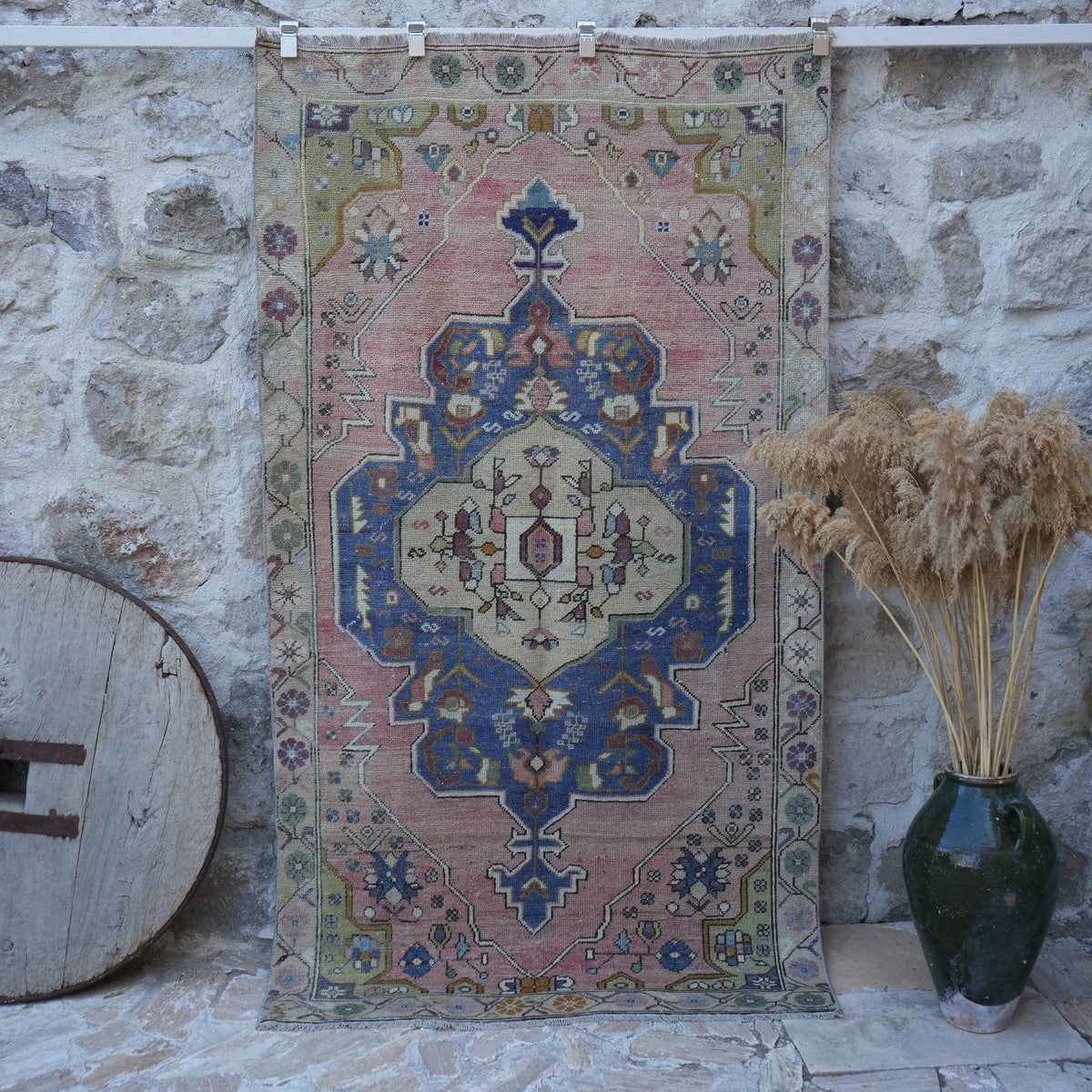
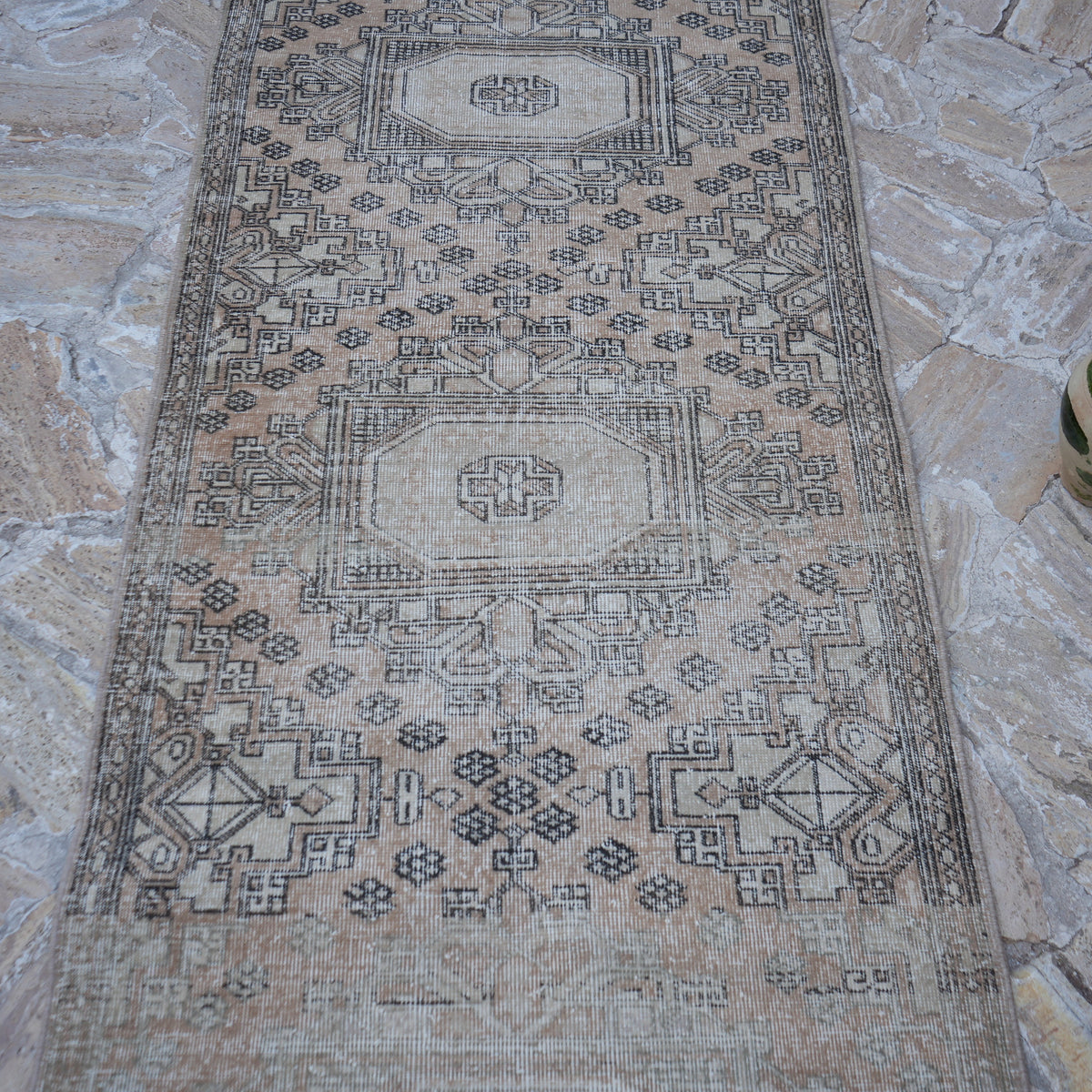
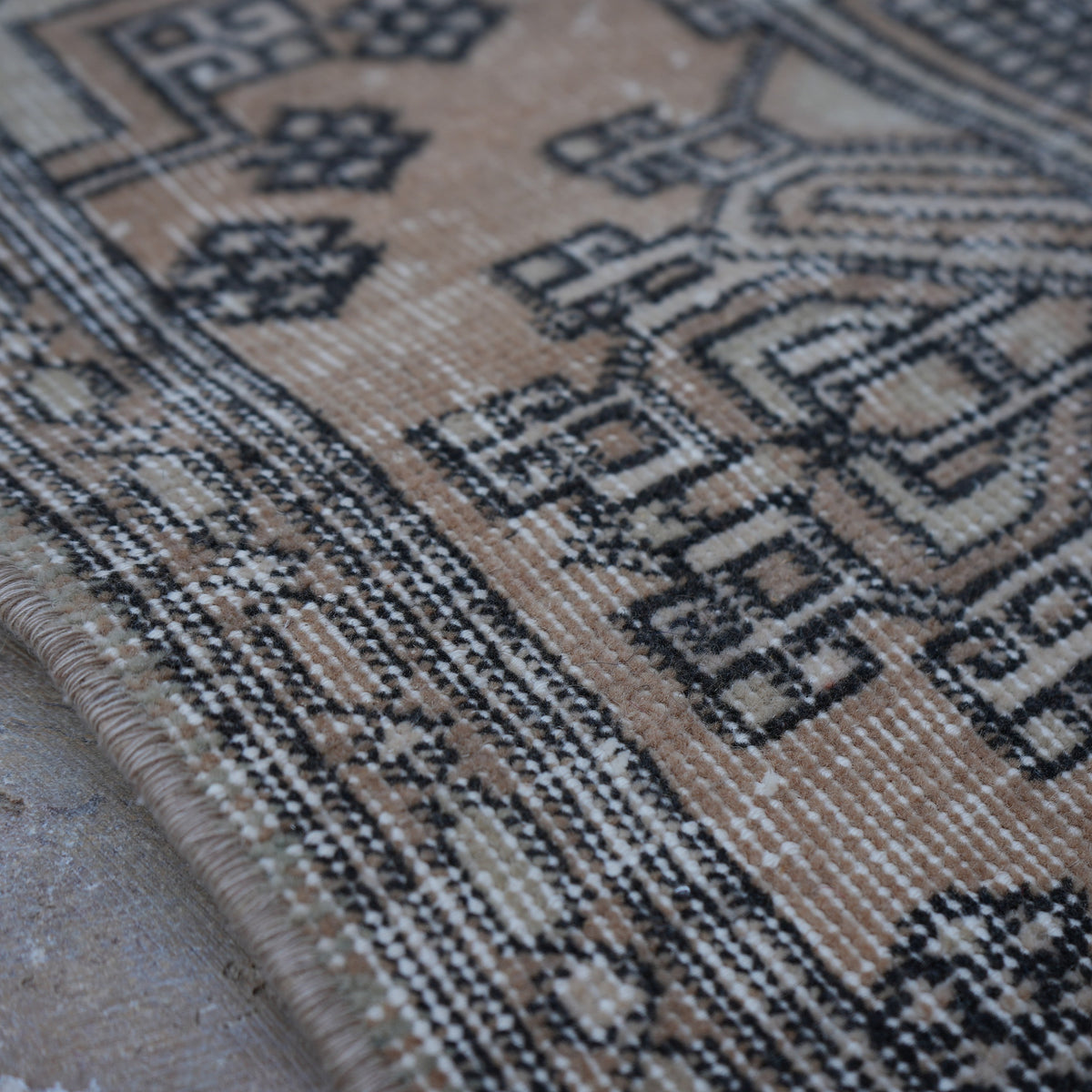
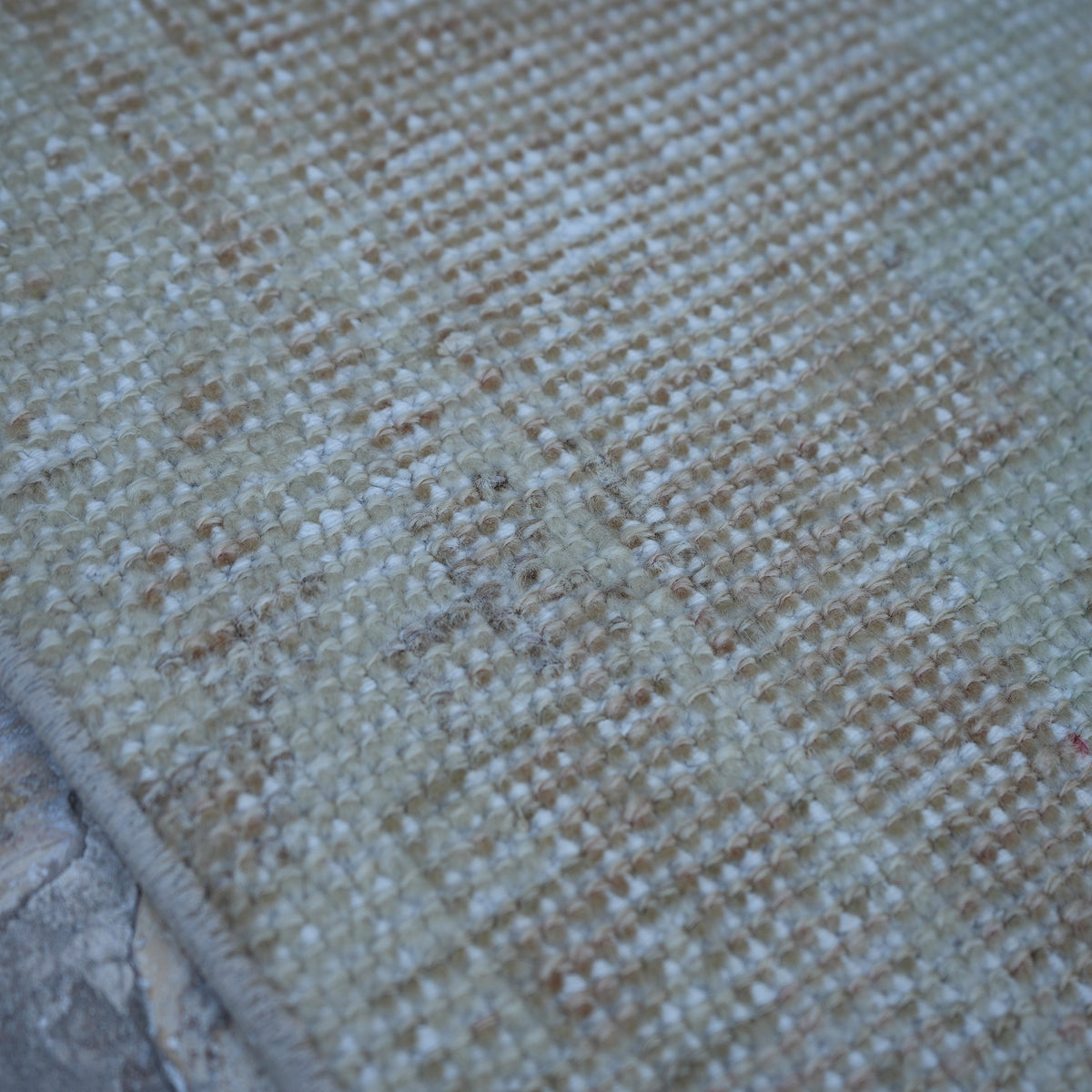
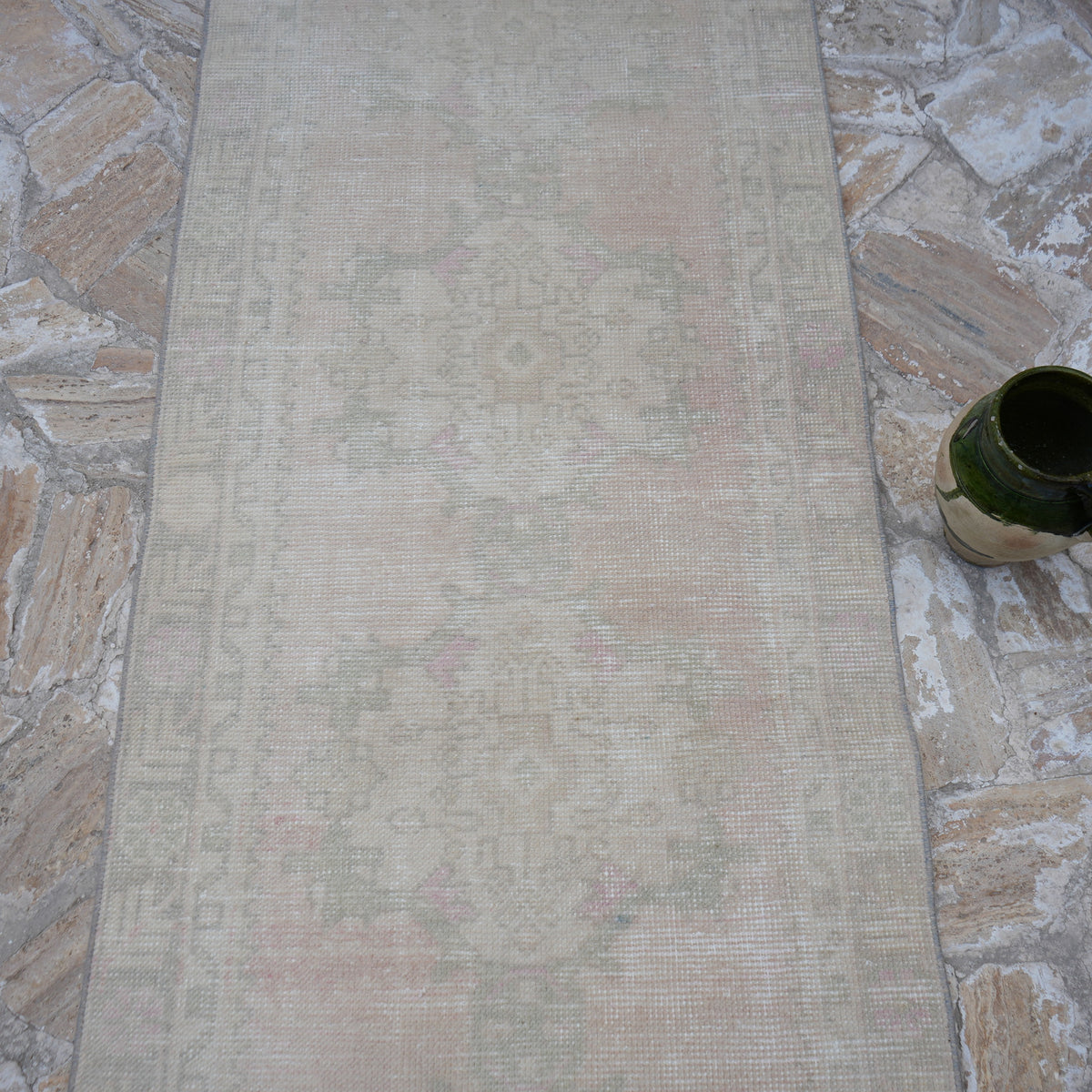
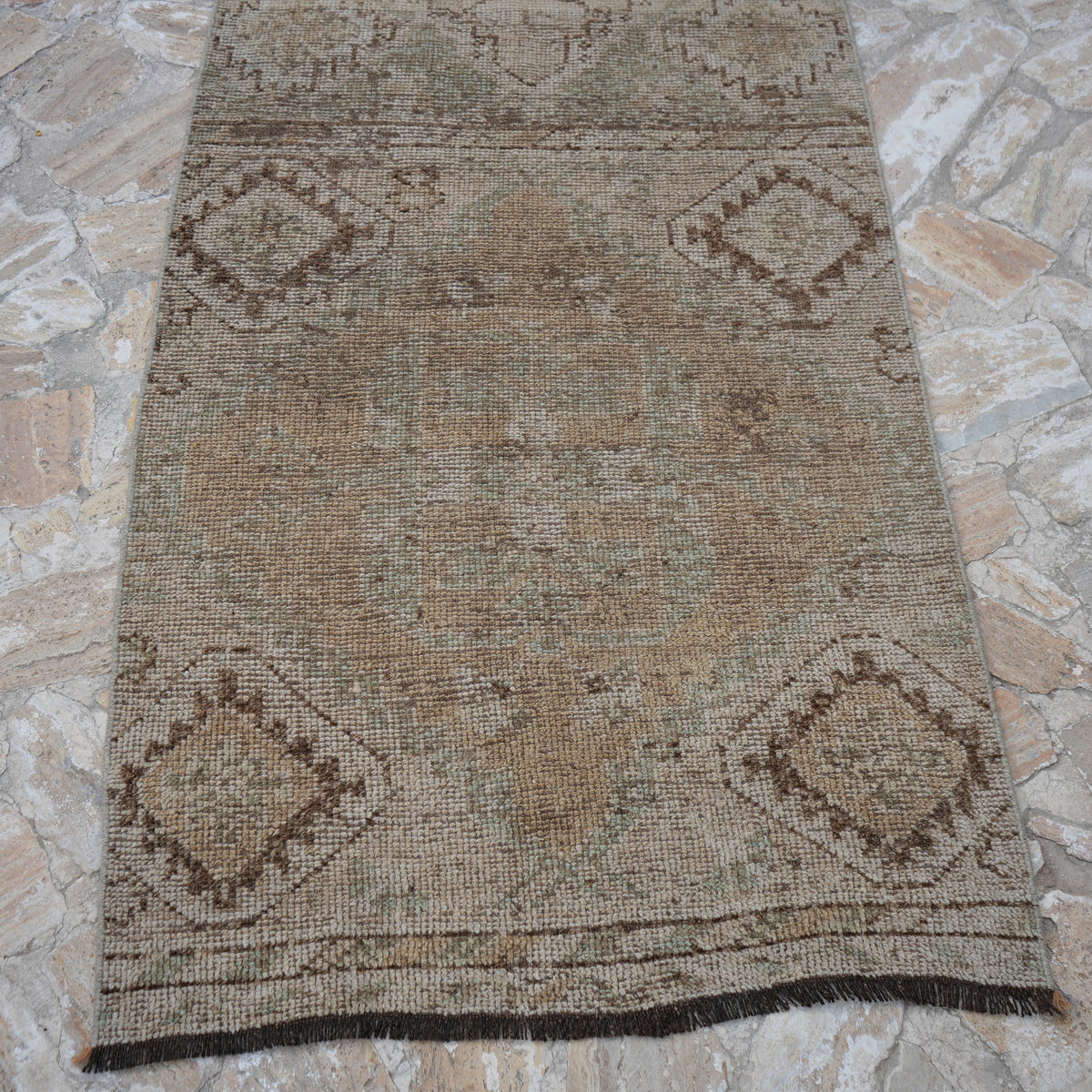
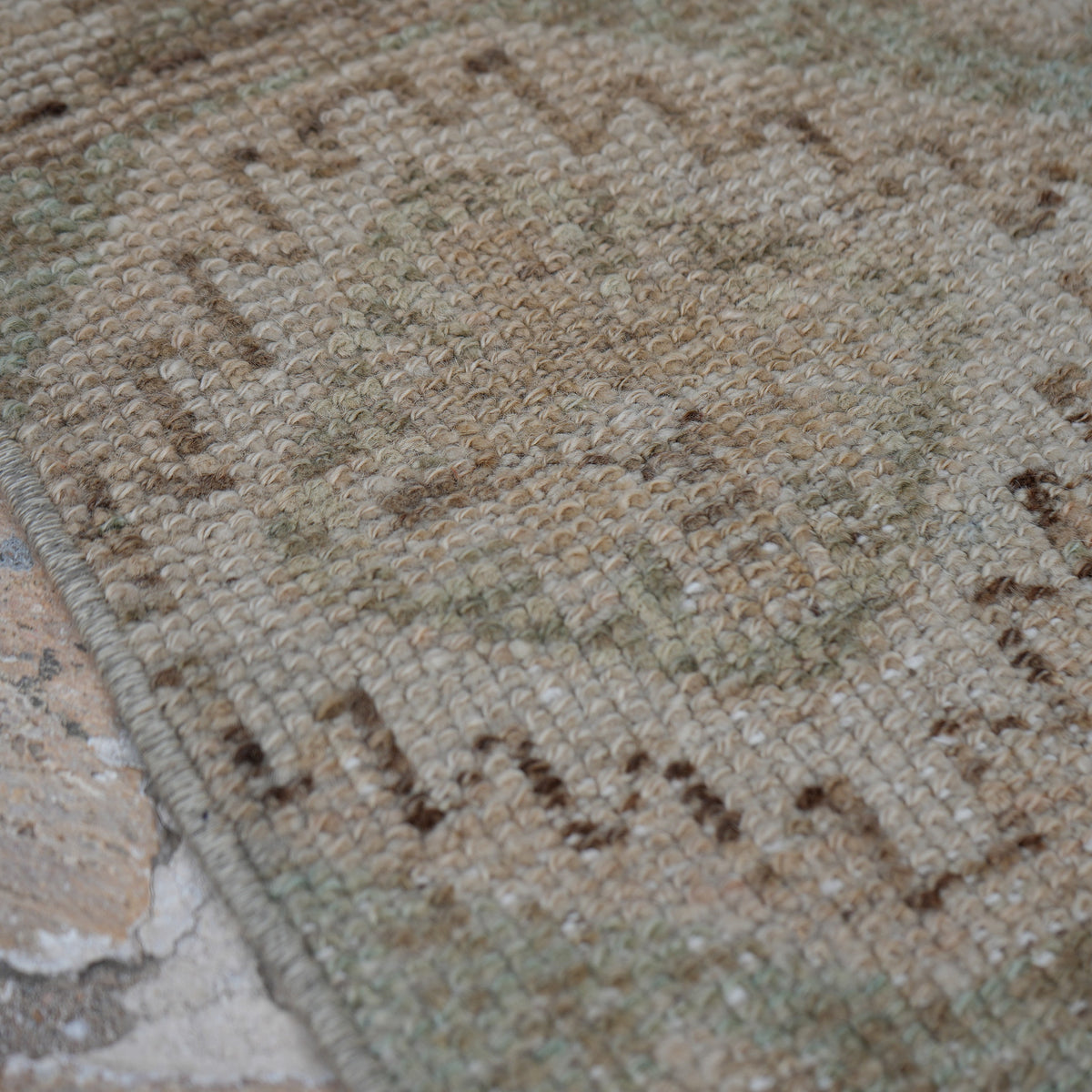
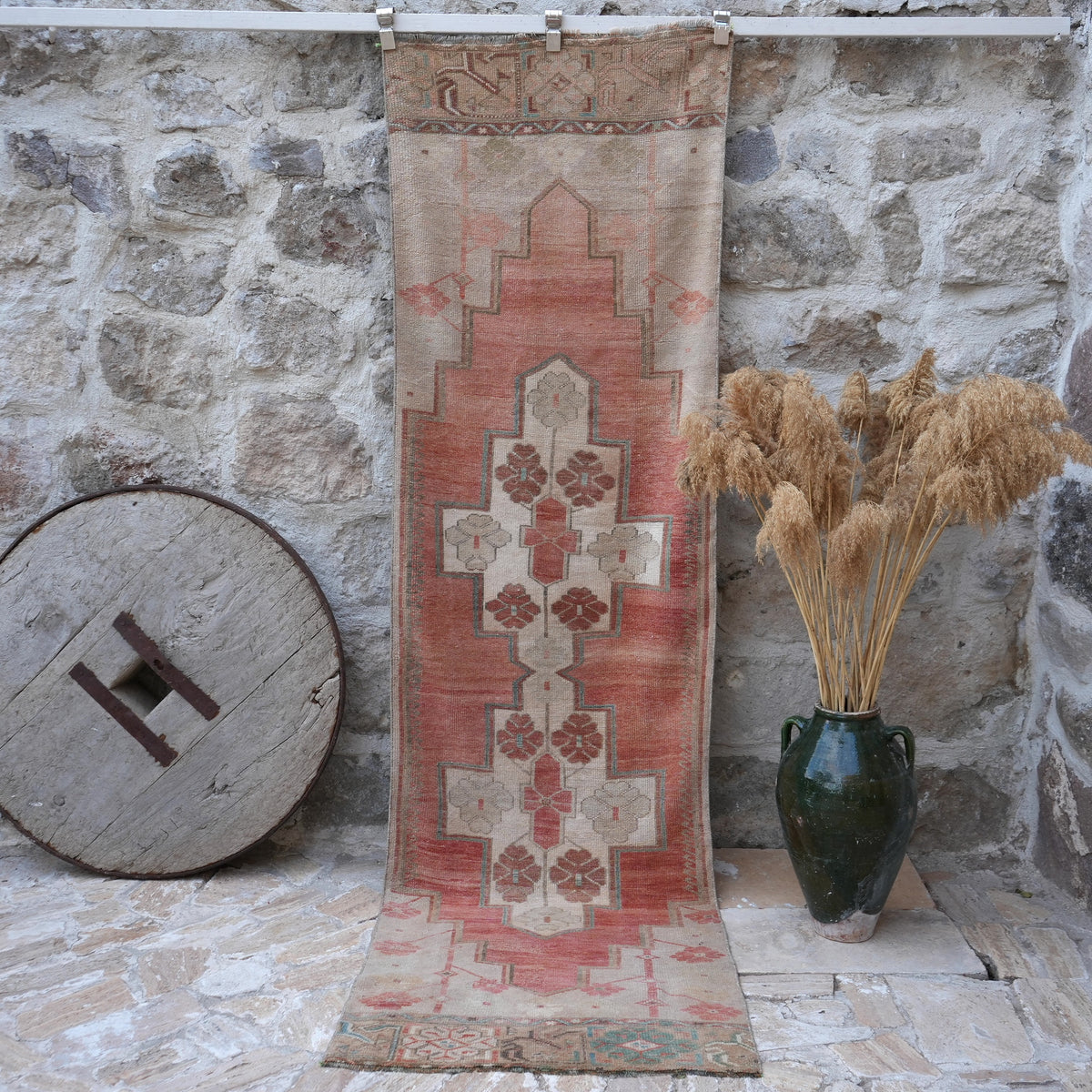
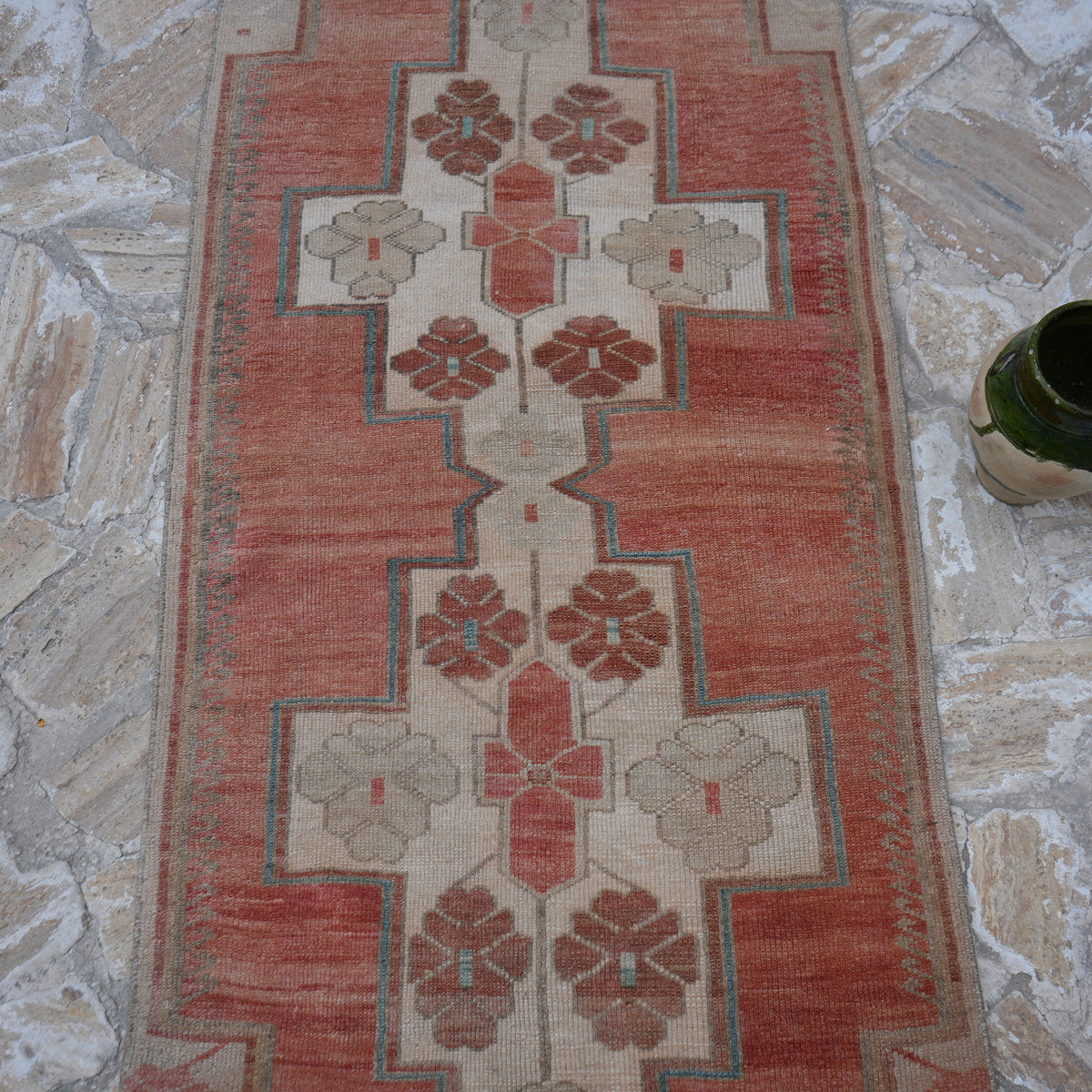
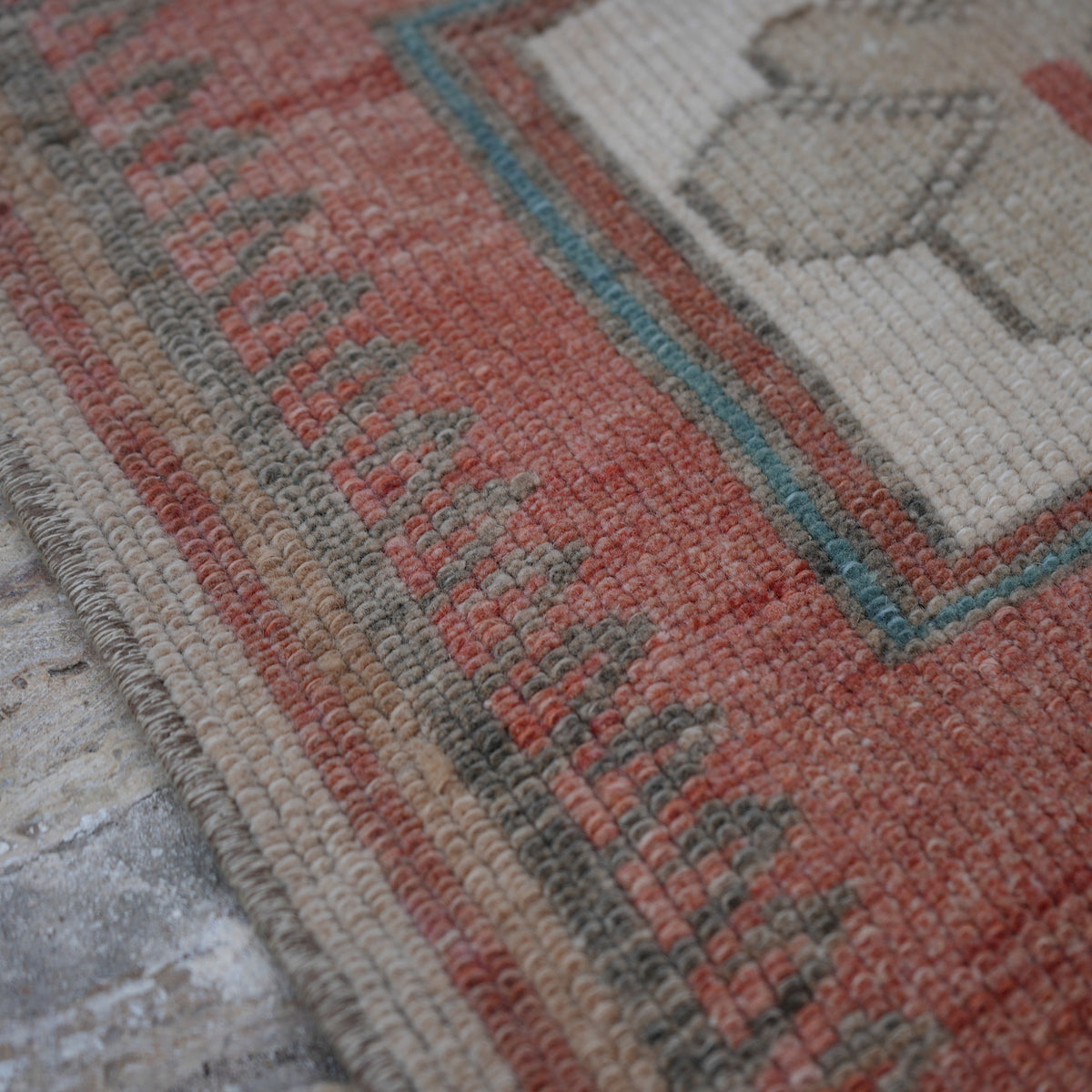
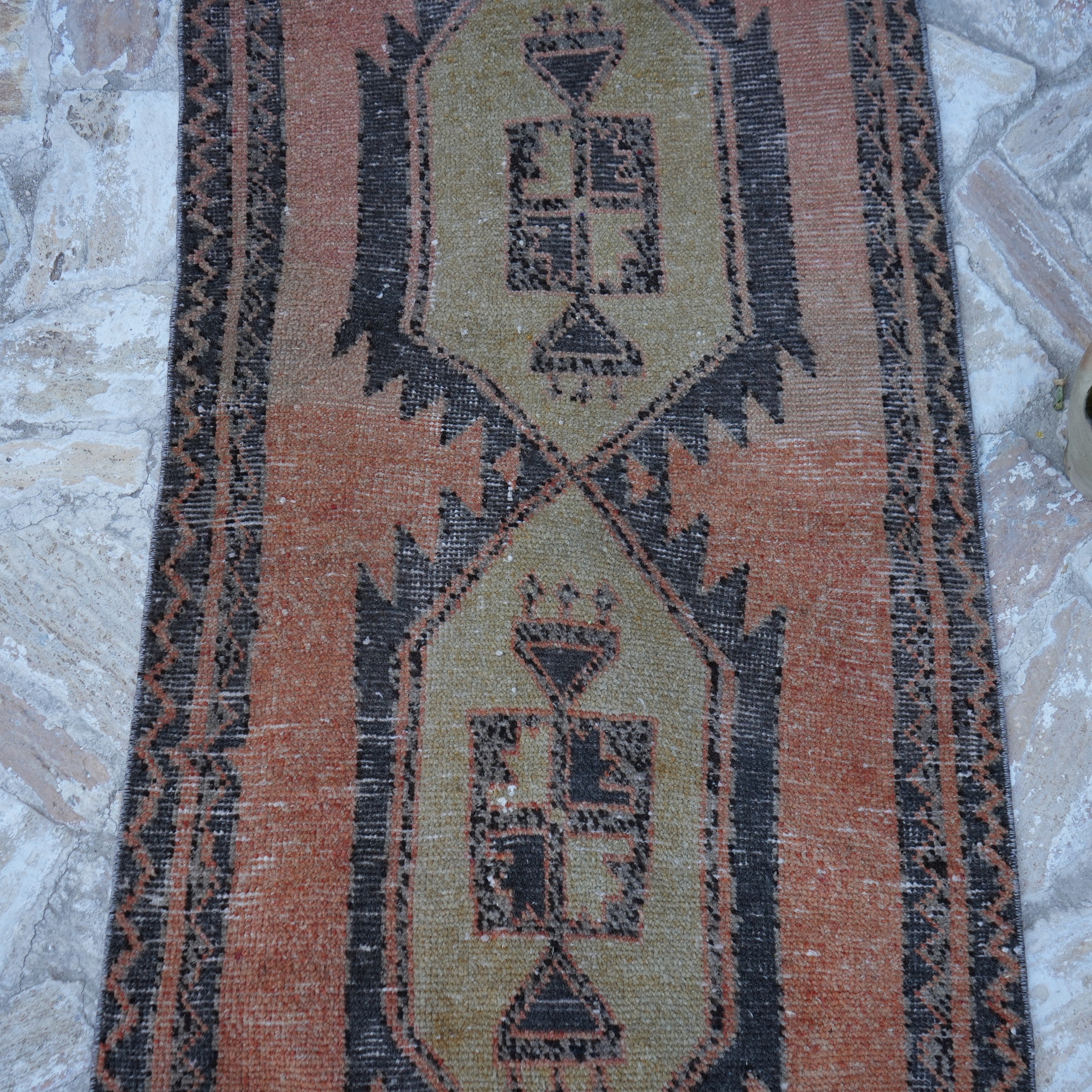
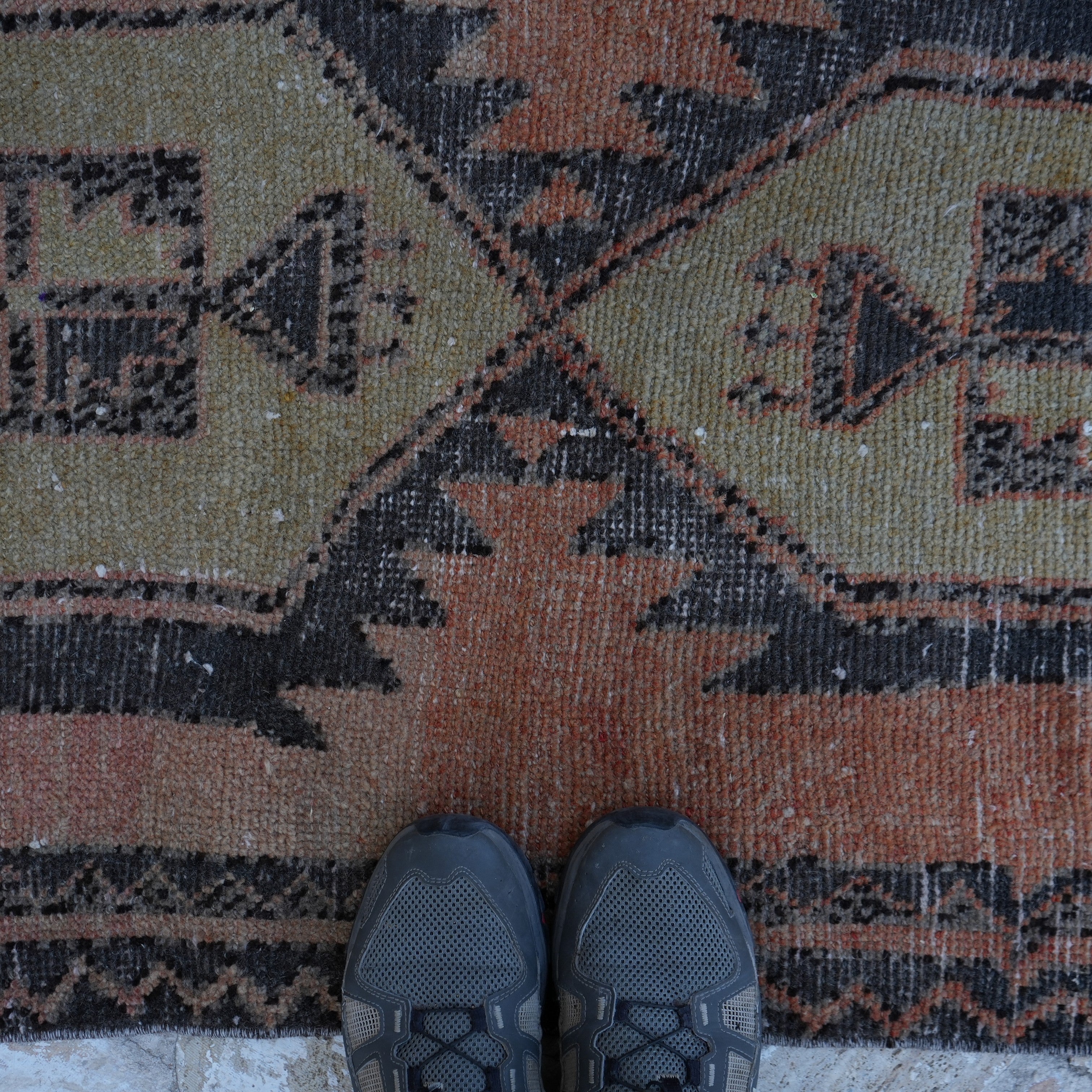
A coffee spill is easier to forgive on a patterned, low-pile vintage rug than on a pale flat field. Wool, abrash, medallions, and natural variation make a room feel beautiful without becoming too precious to use.
Shop Rugs That Handle Everyday Life Beautifully























Can I use vinegar on a coffee stain on a rug?
Yes, but only diluted. Never pour white vinegar directly onto the rug. Mix it with cool water and a small amount of mild soap, apply with a cloth, and test first on vintage, wool, silk, or naturally dyed rugs.
Does baking soda remove coffee stains from rugs?
It helps more with lingering odor than the stain itself, and works best left to sit rather than scrubbed in.
Can hydrogen peroxide remove coffee stains from a rug?
It can work on light-colored synthetic carpet, but it's too harsh for handmade wool or vintage rugs, where it risks bleaching.
How do I remove coffee with milk from a rug?
Treat it as two problems: clean the coffee first, then follow with an enzyme-based cleaner for the milk proteins.
Can an old coffee stain be removed from a rug?
Often, yes, especially within the first couple of weeks. Older stains may fade significantly with patience rather than disappear completely.
Should I use a carpet cleaner machine on a handmade rug?
I'd avoid it. Those machines are built for synthetic backing, and the pressure and heat can be more than a hand-knotted rug's foundation and fringe can handle.

