




















Every few months, a rug comes through our repair table with a faint reddish ring on it — the ghost of a samovar base, a copper tray stand, or an old iron trunk that sat in the same spot for decades. I've learned to recognize these marks almost on sight, the way a doctor recognizes a particular kind of scar.
Getting rust out of a rug is possible in most cases, but the method that works fine on synthetic carpet can ruin a hand-knotted wool piece in minutes. This guide covers what actually removes rust safely, what to avoid entirely, and when a stain has gone past the point of home treatment.
What Causes Rust Stains on a Rug?
Rust is iron reacting with moisture and oxygen — a slow chemical process, not a stain sitting loosely on top of the fibers.
Inside most homes, the culprits are predictable: a metal furniture leg pressed into the pile for years, a planter with a damp metal tray underneath, a leaking pipe near a baseboard.
In Turkish homes, and in the workshops where I source vintage pieces, the most common source is different — samovars and copper trays, sitting on the same corner of a rug for generations. The slight condensation from a hot samovar base combined with the metal itself is close to a rust-stain recipe. I still check that corner first, before anywhere else.
Here's the assumption that trips up most customers: they see a brownish stain and treat it like dirt, scrubbing or shampooing it. Rust doesn't respond to soap — it's bonded to the fiber chemically, and regular washing can set it deeper instead of lifting it out.

Is It Safe to Use Vinegar or Lemon on a Wool or Vintage Rug?
Yes, but with real caveats — and this is where most cleaning guides stop short.
Vinegar and lemon juice are mild acids, and mild acids help break rust's bond with fiber. On synthetic carpet, that's usually the end of the story. On a wool rug, especially a vintage one dyed with natural or vegetable dyes, the same acid that lifts rust can lift color too. Some vegetable dyes hold up beautifully under mild acid. Others shift or bleed almost immediately.
That's why a colorfastness test isn't optional. Take a clean white cloth, dampen a corner with lemon juice or diluted vinegar, and press it against a hidden spot — the underside of a fringe, or an edge that folds under furniture. Hold it there for several minutes, then check the cloth for color transfer. No color means you're likely safe to treat the visible stain. Any tint means stop.
I used to tell people a five-second dab was enough of a test. It isn't, not on a forty- or fifty-year-old rug where the wool has spent decades absorbing sun and its own slow color changes. Now I wait a full ten minutes before I even look at the cloth.
If you're not sure whether your rug is wool, a wool-cotton blend, or something else, that's worth figuring out first. It matters most with our vintage rugs, where materials and dye methods vary far more than in a mass-produced area rug.
How to Remove Fresh Rust Stains from a Rug
A rust stain caught within the first day or two is the easiest kind to deal with. The iron hasn't had time to bond deeply into the wool yet, so a simple kitchen-cupboard method is usually enough on its own.
What You'll Need
- A clean white cloth or paper towel
- Fresh lemon juice
- Table salt
- Cold water
Nothing here is specialized, which is part of the point — with a fresh stain, speed matters more than any particular product.
Step-by-Step Removal
Press a dry cloth against the stain first to lift loose rust particles. Don't rub — rubbing pushes rust deeper and spreads it wider.
Mix lemon juice with a little salt into a light paste and apply it directly to the stain. Let it sit about thirty minutes. On wool, dampen rather than soak — wool that takes on too much water can felt at the root, a change in fiber structure that doesn't reverse.
Rinse by blotting with a cloth dampened in cold water, working from the outside in. Press a dry towel over the area, then let the rug air dry completely, away from direct sun, before judging whether it needs a second round.

How to Remove Old or Set-In Rust Stains
Fresh stains respond to lemon and salt. Stains that have set for months or years usually need a paste of baking soda and a few drops of water, left to work for fifteen to twenty minutes, with a little white vinegar poured over it to create a mild fizzing reaction. Then blot, rinse, and dry as before.
That works for a real share of set-in stains. Not all of them.
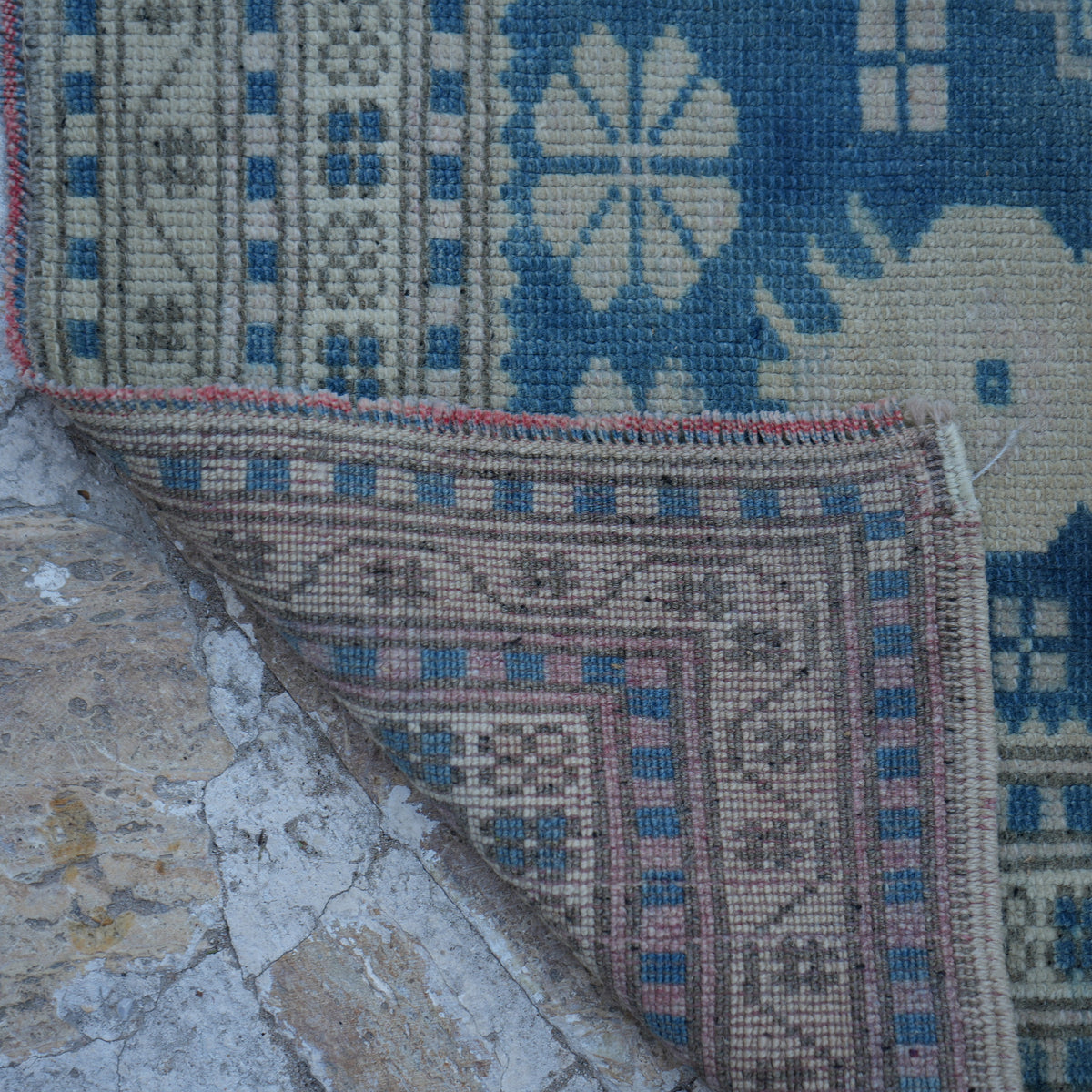
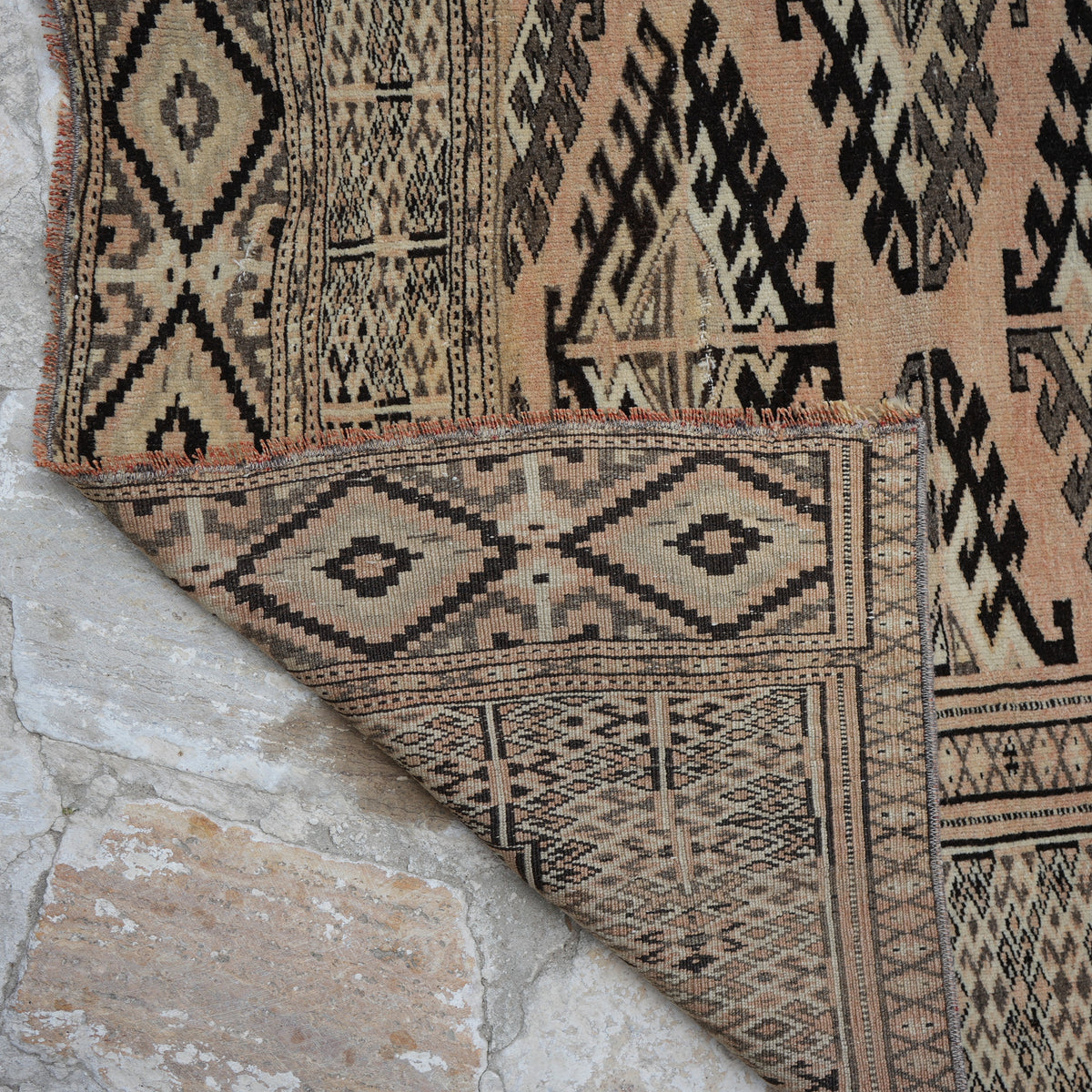
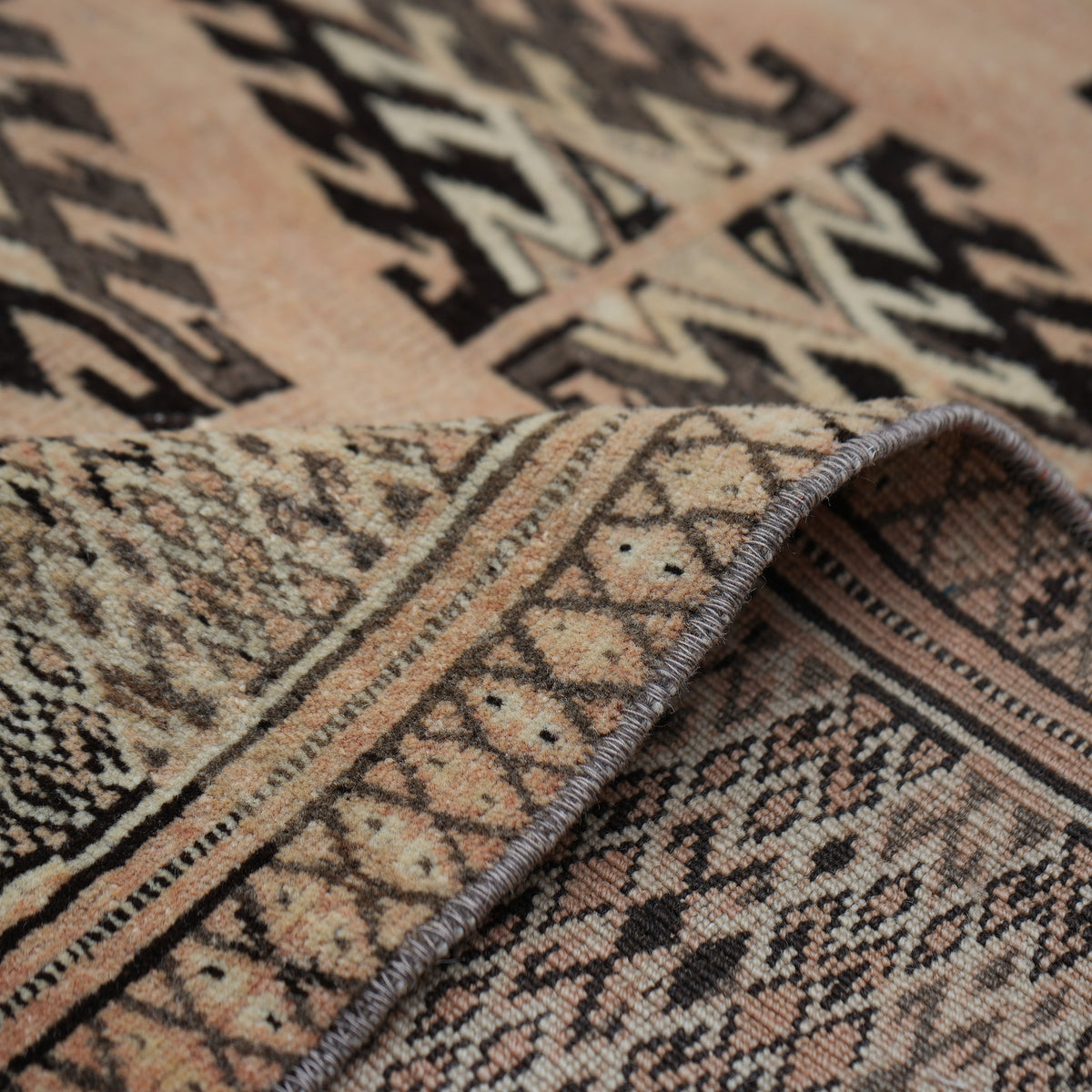
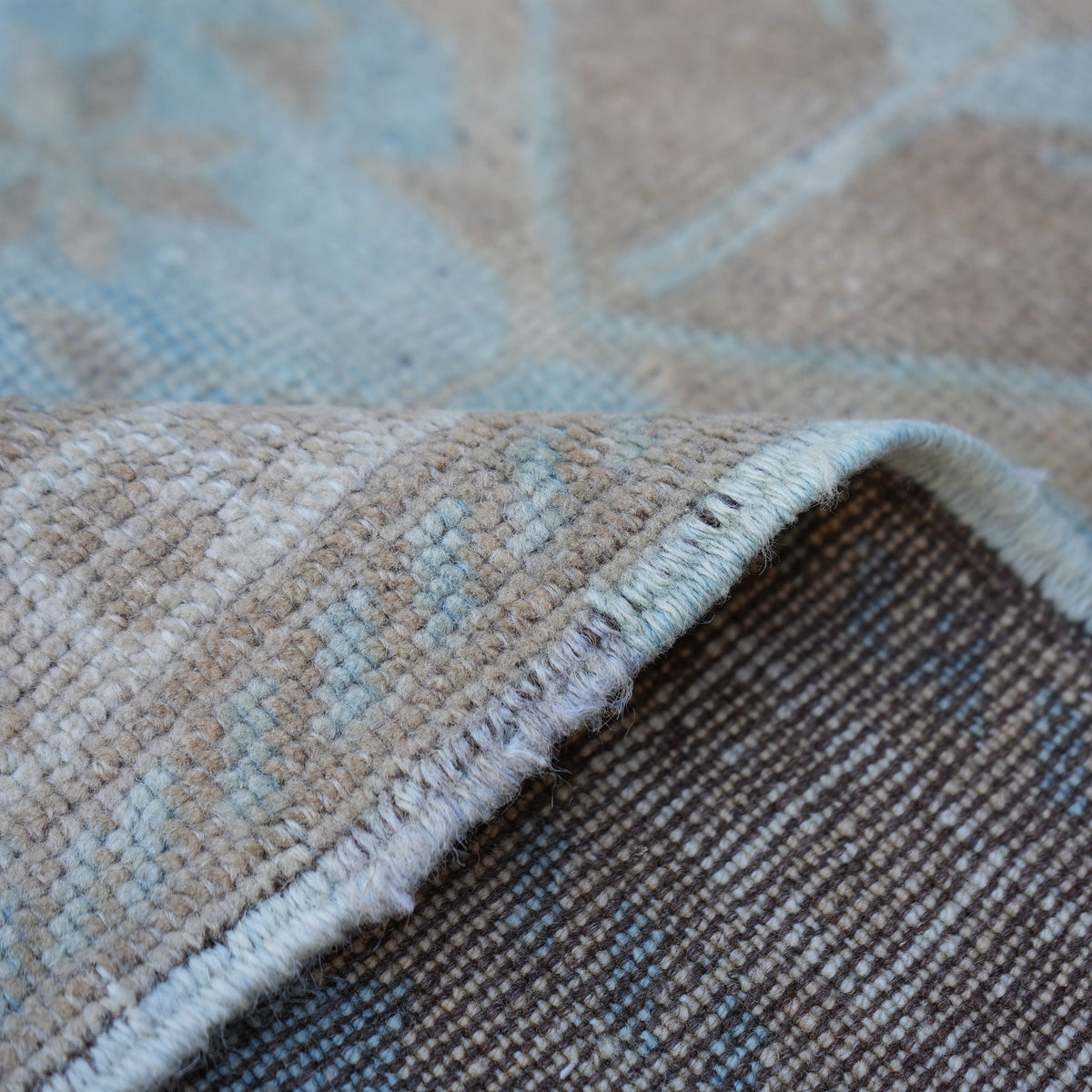
When a rust mark has sat under something heavy — a trunk, a samovar base — for years rather than weeks, the iron can work past the pile and into the rug's foundation. No paste reaches that. At that point, the fix in our workshop stops being chemical and becomes structural: we cut out the affected section and reweave it with matching wool, matched by hand to the surrounding color and pattern. A rug repaired this way often ends up more interesting than one that was never touched. Hard to explain why until you've seen it — new work sitting inside decades of old work, reading as history rather than damage.
If your stain hasn't budged after one round, that's usually the sign you're in this second category.
What Not to Do: Common Mistakes That Damage a Handmade Rug
Bleach is the mistake I see most, and it's almost always well-intentioned. On rust, it does close to the opposite of what people expect — it oxidizes the iron further, darkening and setting the stain while stripping surrounding color.
Oversaturating the rug is next. Wool that stays damp for days risks mildew and the felting mentioned above.
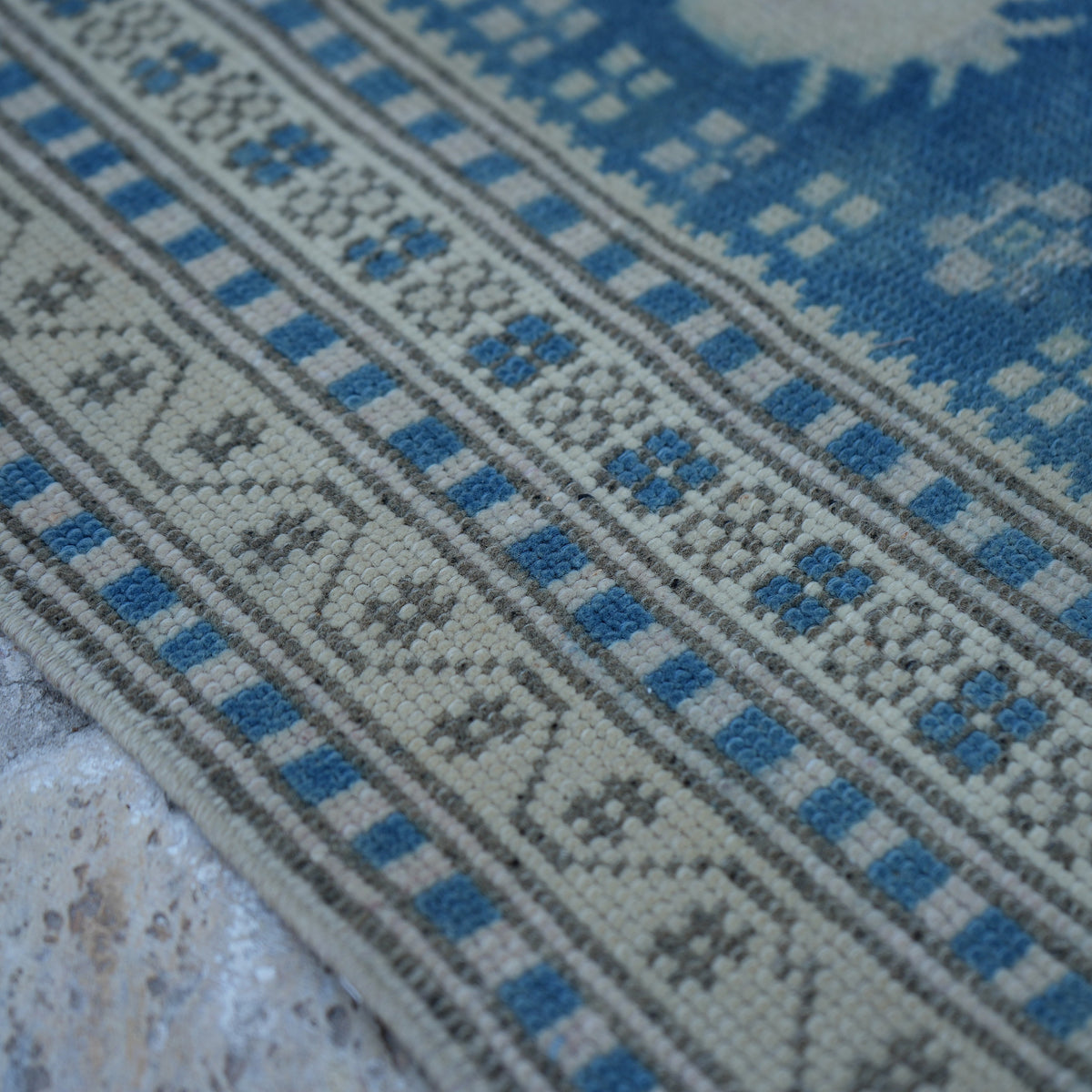
Aggressive scrubbing causes damage that's easy to miss until later — on a hand-knotted rug, it can loosen the knots holding the structure together, not just fray surface fibers.
A strong commercial rust remover applied without testing rounds out the list. These are formulated for concrete and tile, not hand-dyed wool.

How to Prevent Rust Stains on Your Rug
Felt pads under every metal furniture leg solve most of this before it starts — cheap, quick, and they remove the metal-to-fiber contact that causes rust in the first place.
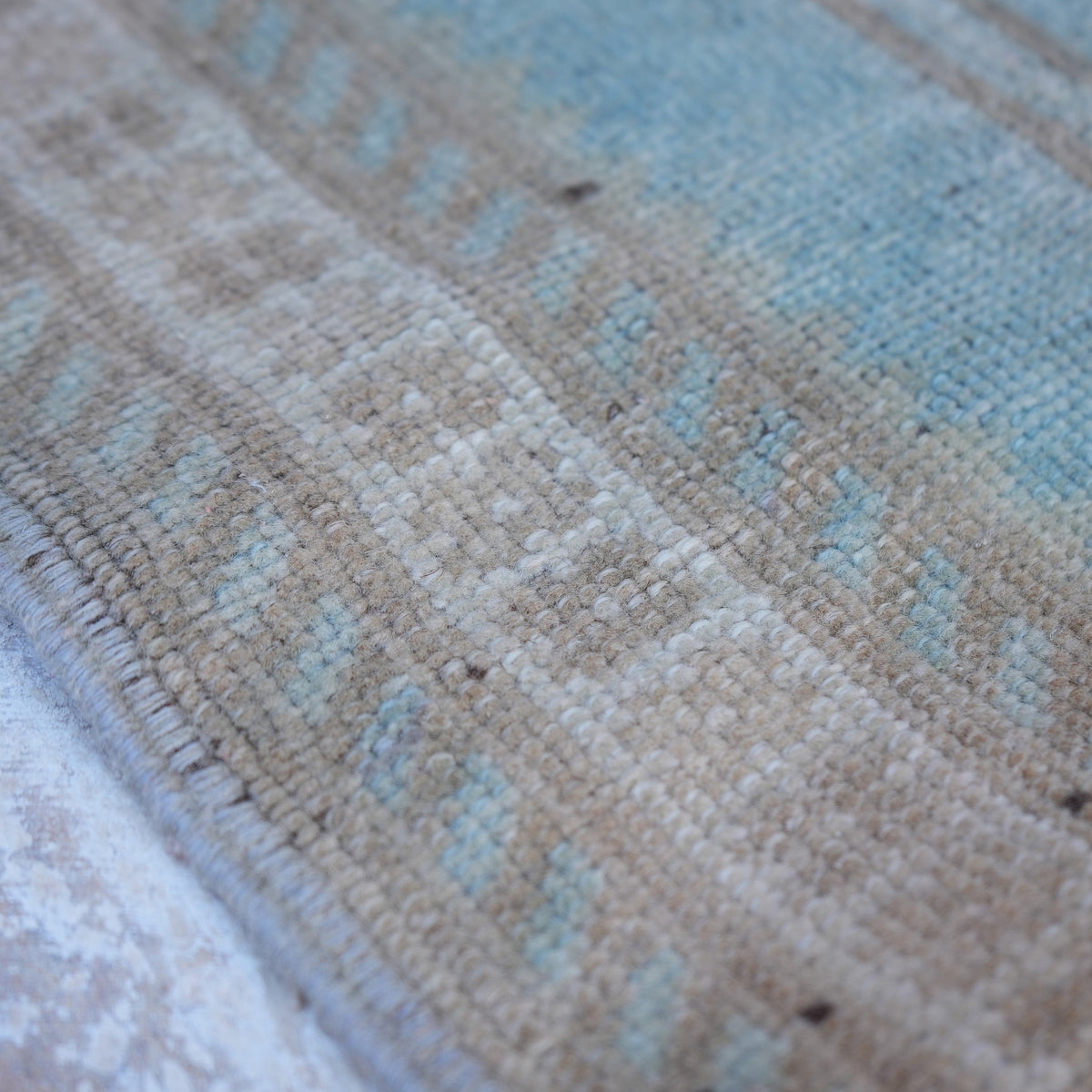
Rotating your rug every three to six months spreads wear so one spot never sits under the same object indefinitely. Vintage and antique pieces need this more — decades of sun and handling leave older fibers thinner and older dyes more sensitive.
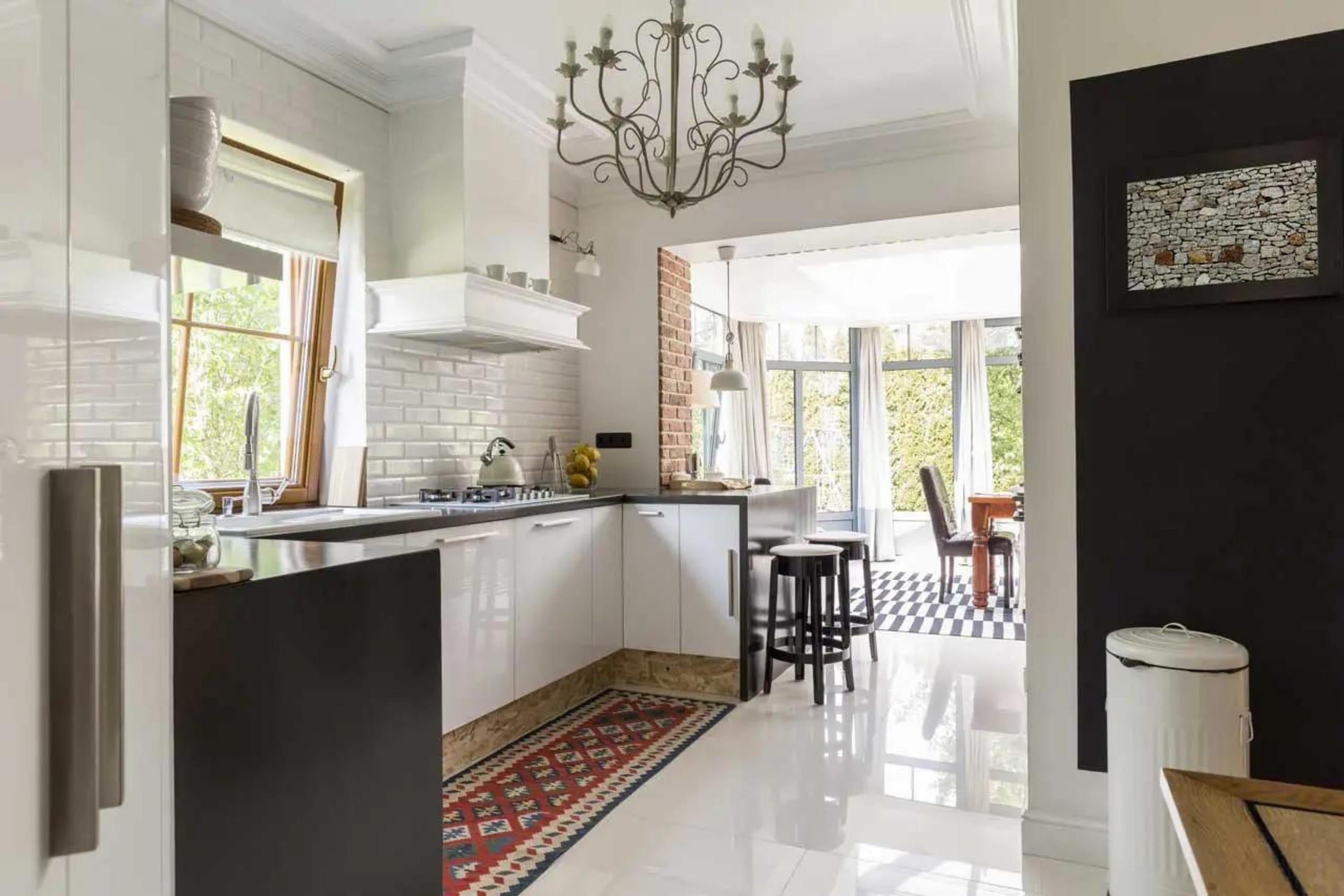
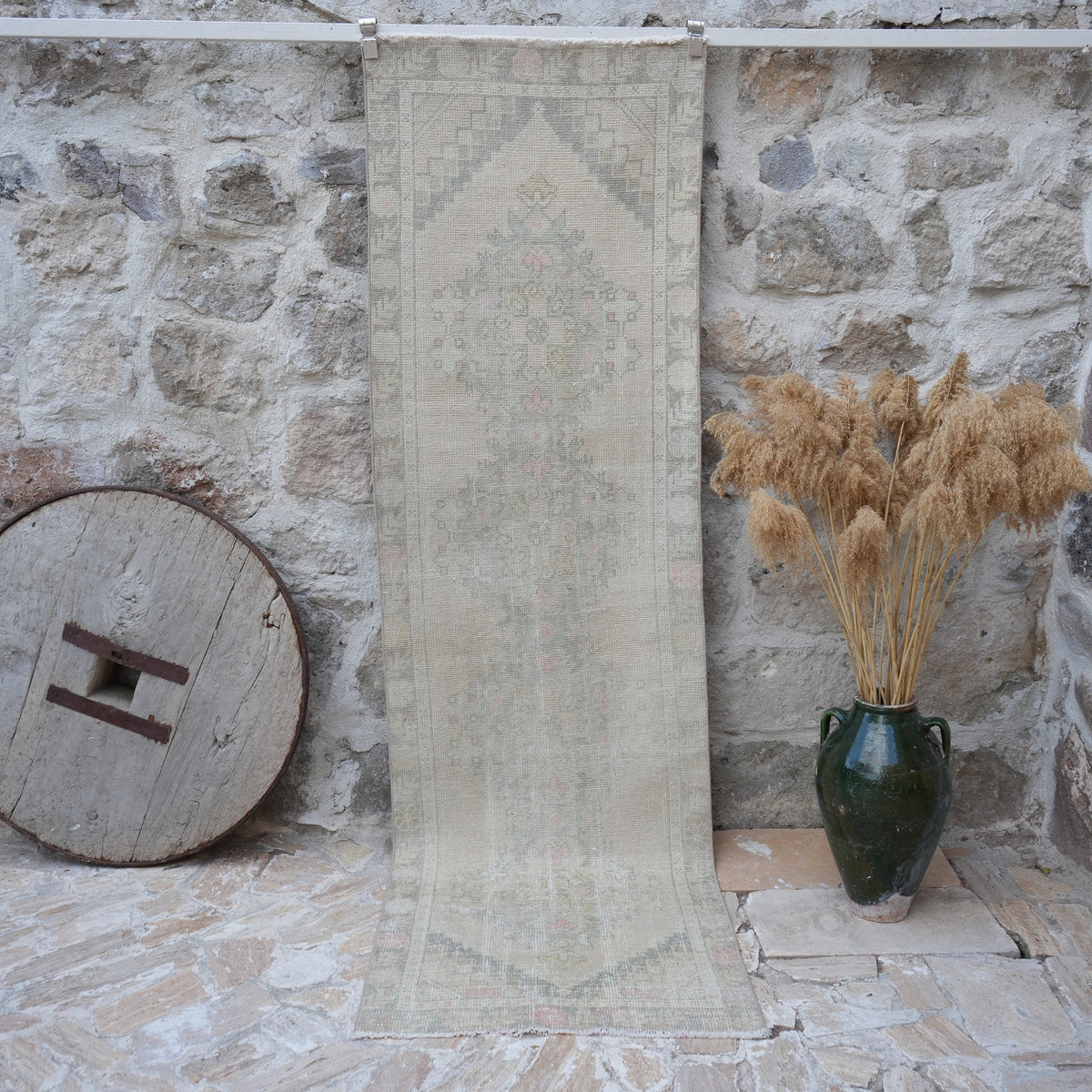
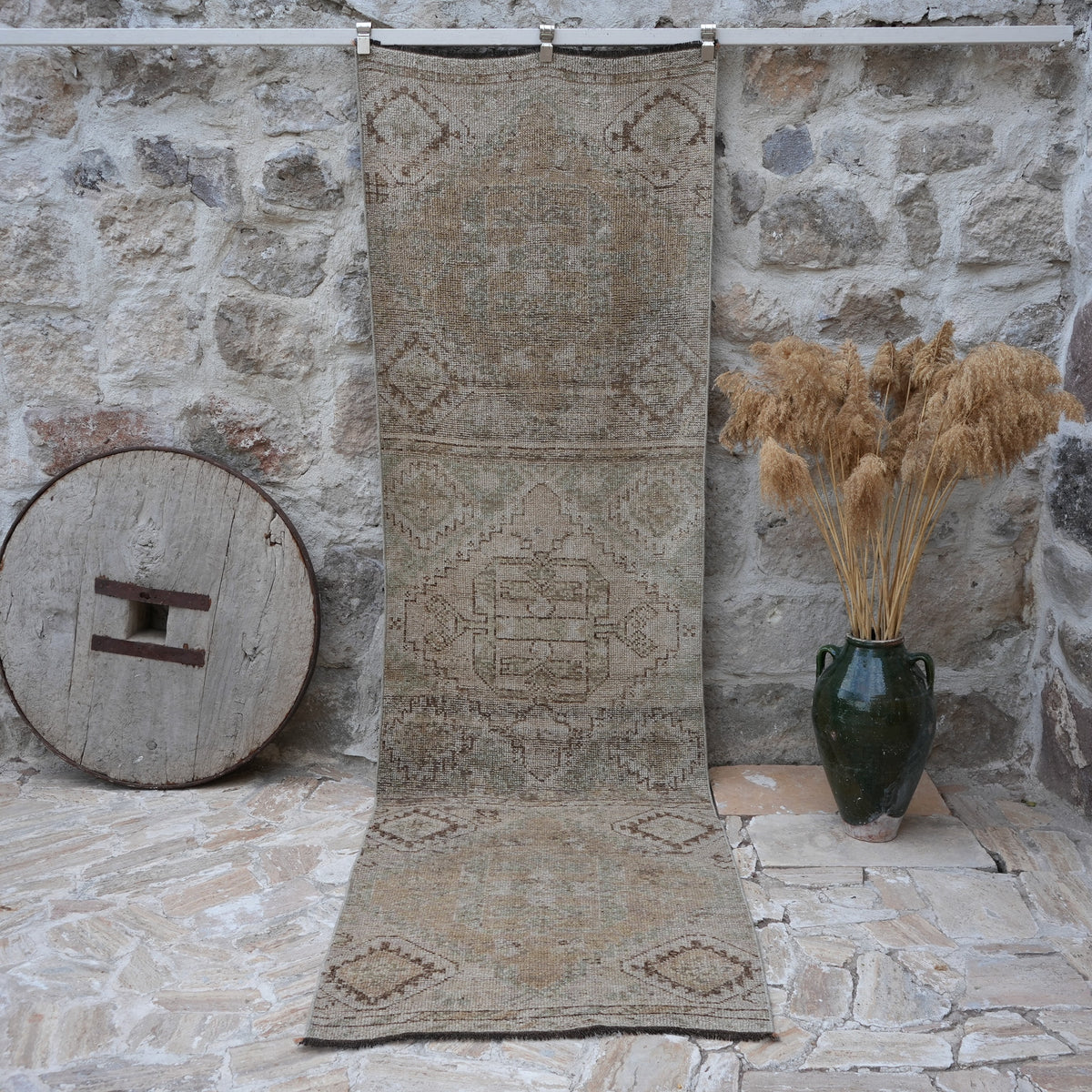
Hallway and kitchen runner rugs are worth watching closely, since those spaces are most likely to have metal furniture sitting directly on the pile.
When to Call a Professional Rug Cleaner
There's a point where DIY stops being the right call, and for us that's around forty to fifty years of age. A rug that old has dye chemistry and construction details that are hard to judge from a kitchen counter.
Silk accents change the calculation too — silk reacts to acid and water differently than wool, and a treatment mild on one can be aggressive on the other. We recommend professional cleaning for pieces in that range, not because home methods never work, but because one wrong step on an older rug can be permanent in a way a newer rug's mistakes usually aren't.
If you're not sure how old your rug is, that's worth checking first. Our about page covers how we think about a rug's age and condition before it reaches a customer.
Getting It Right
A rust stain looks like a small disaster the first time you notice it. Most of the time, it isn't. Treated early, with the right caution for the material underneath, it comes out. Treated with bleach or a hard scrub brush, it can turn into something harder to fix.
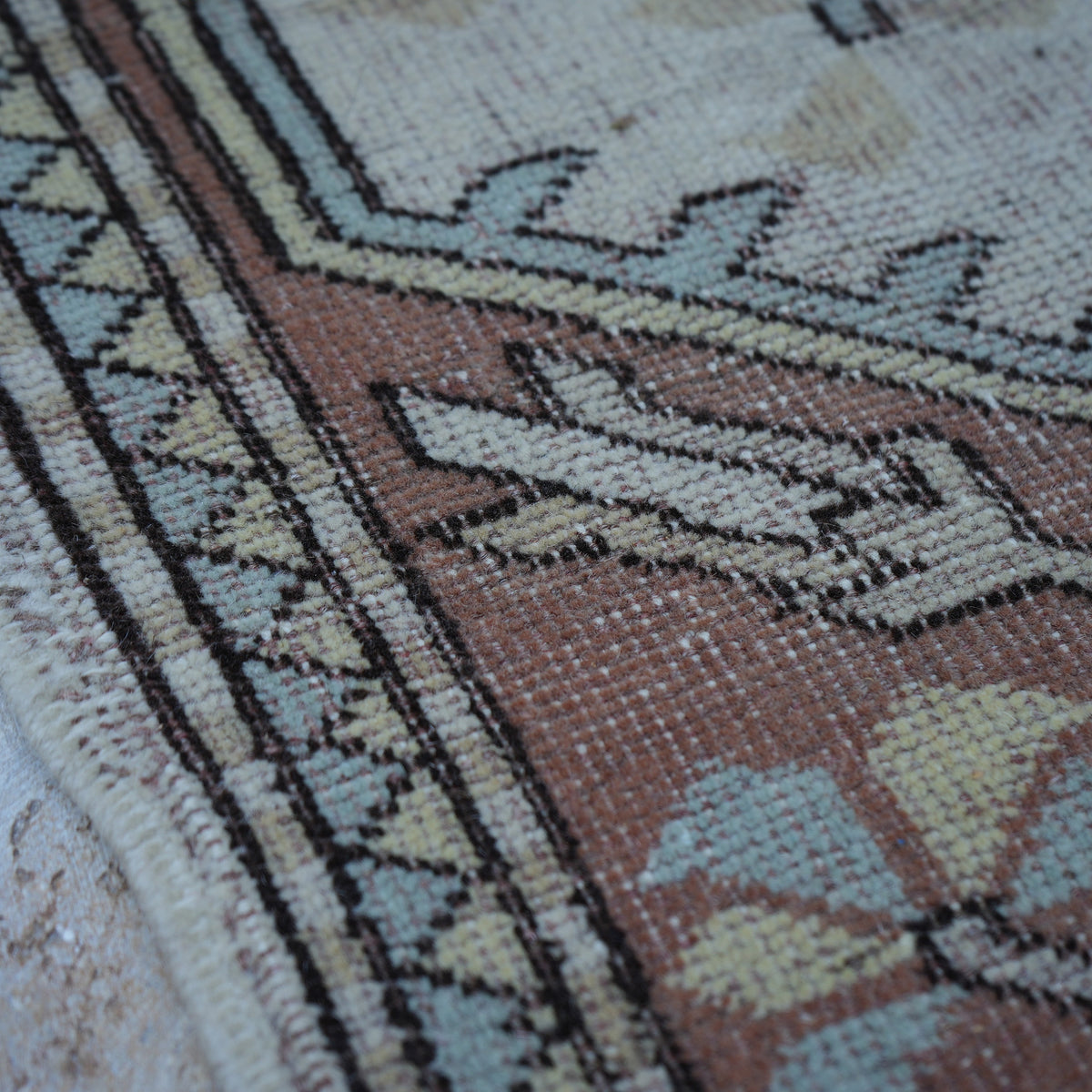
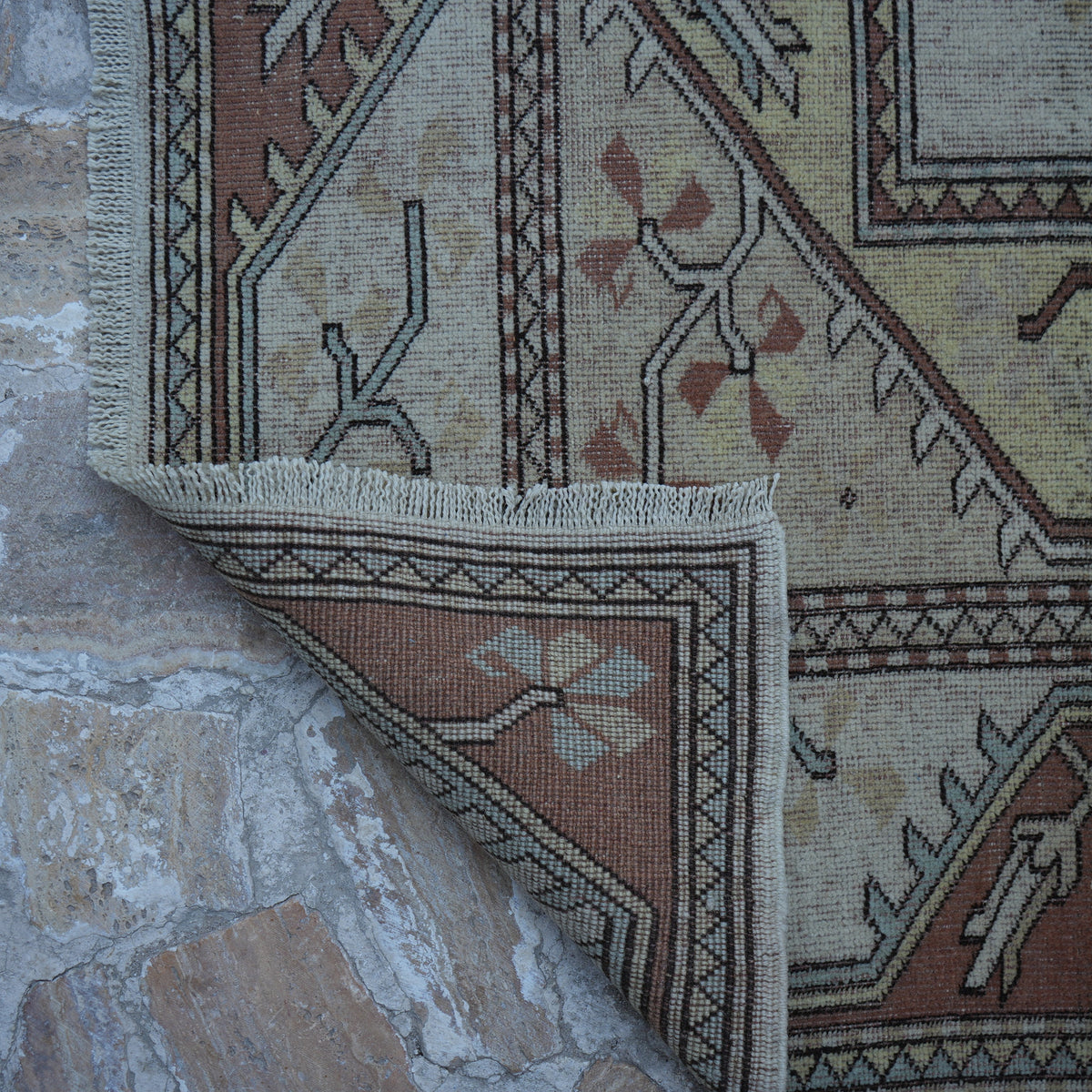
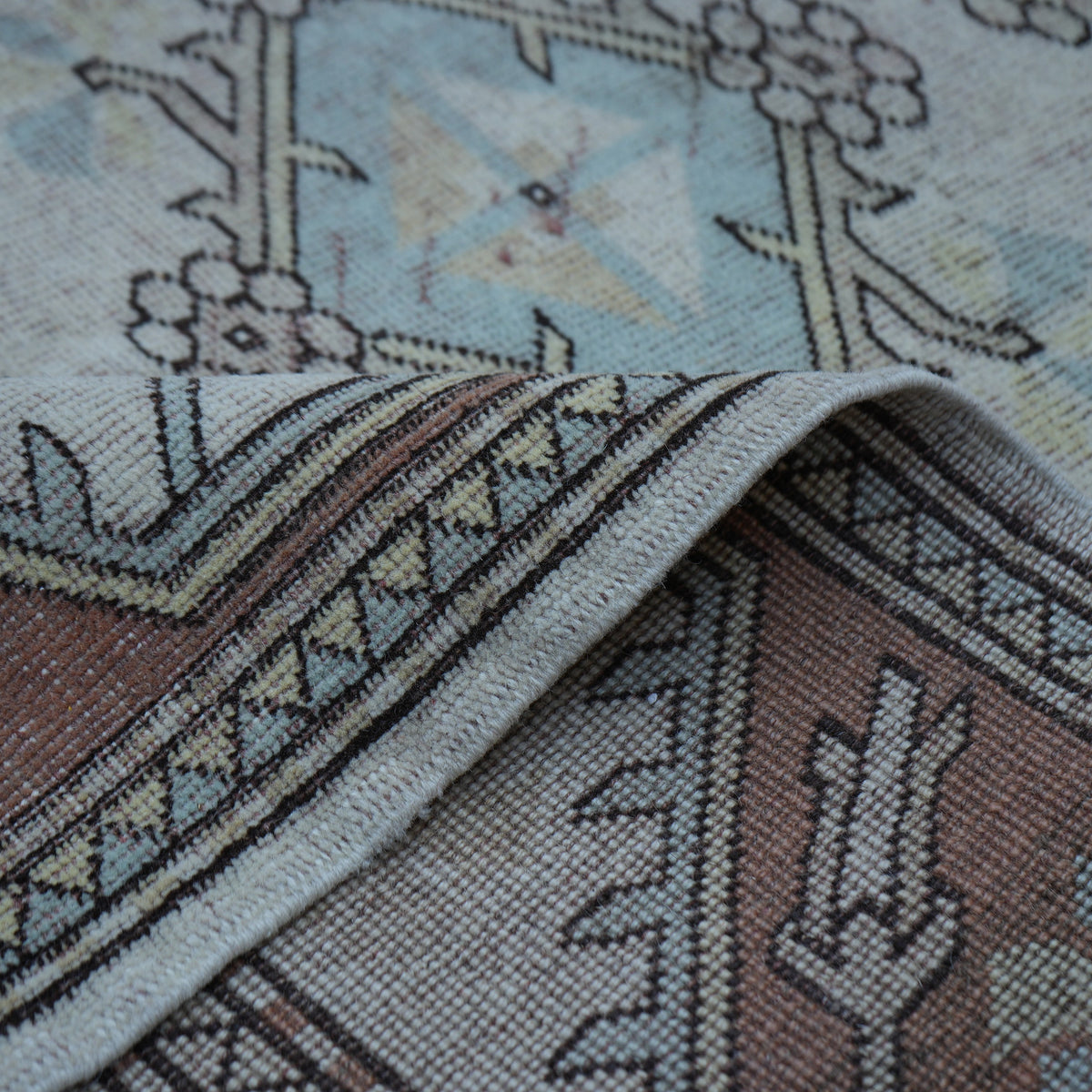
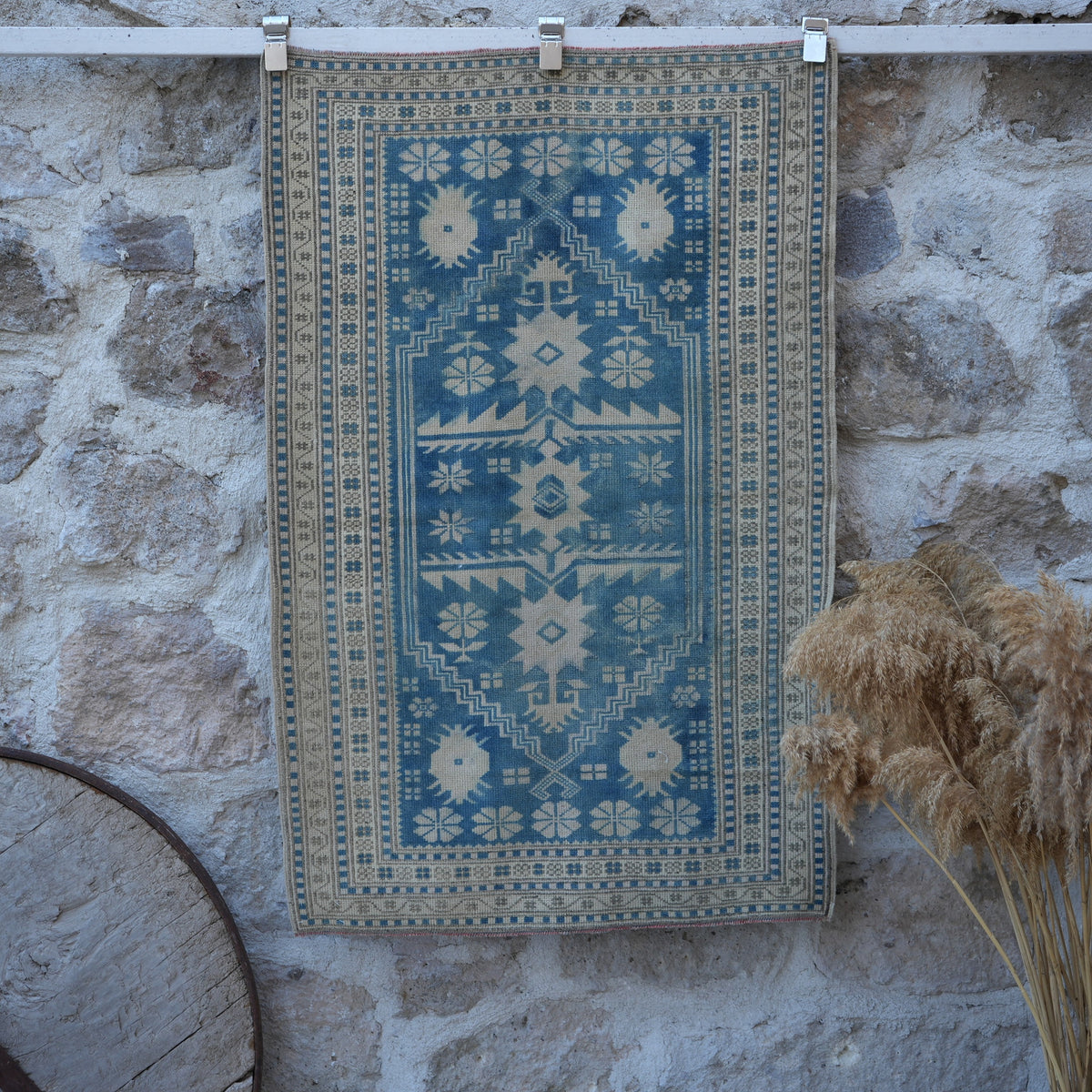
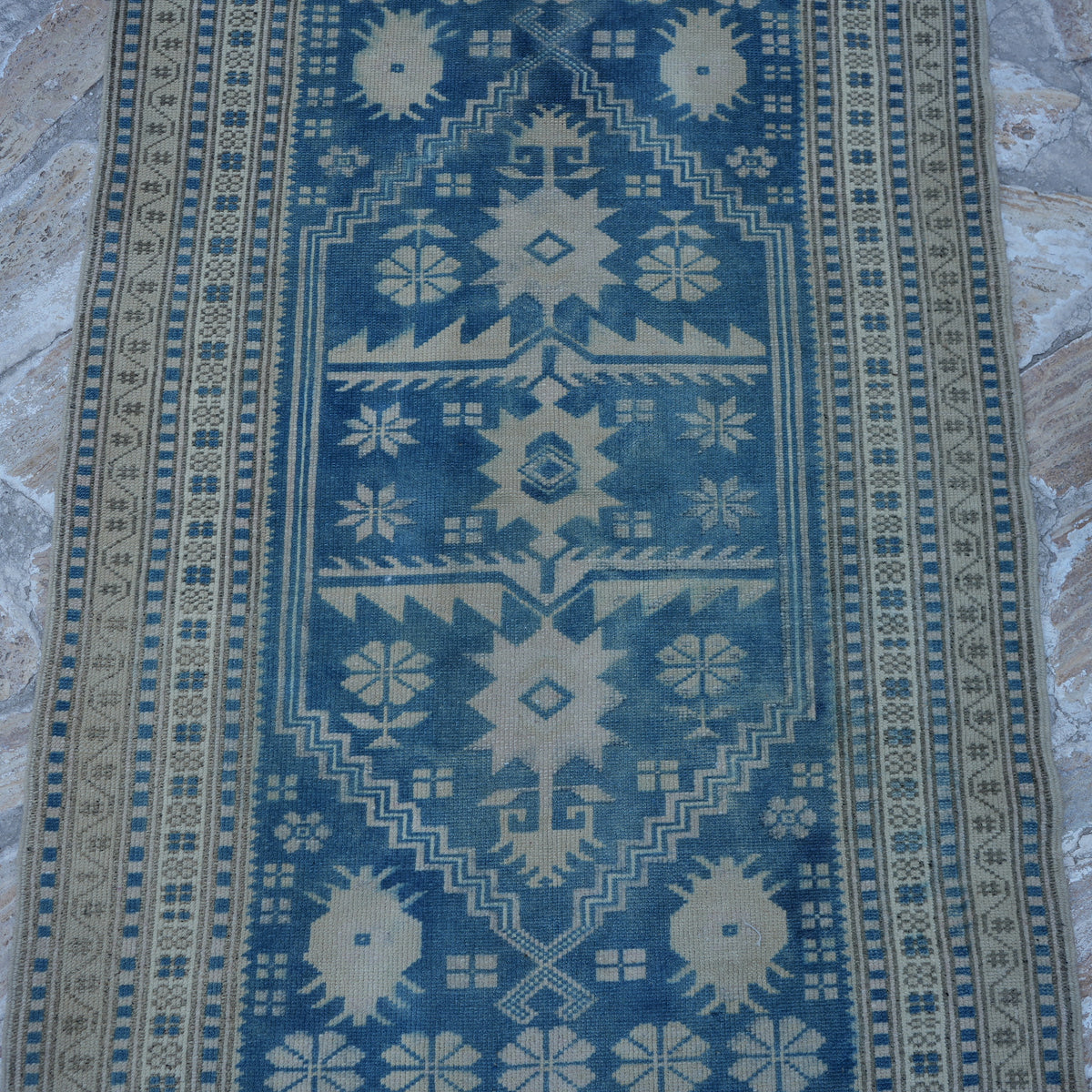
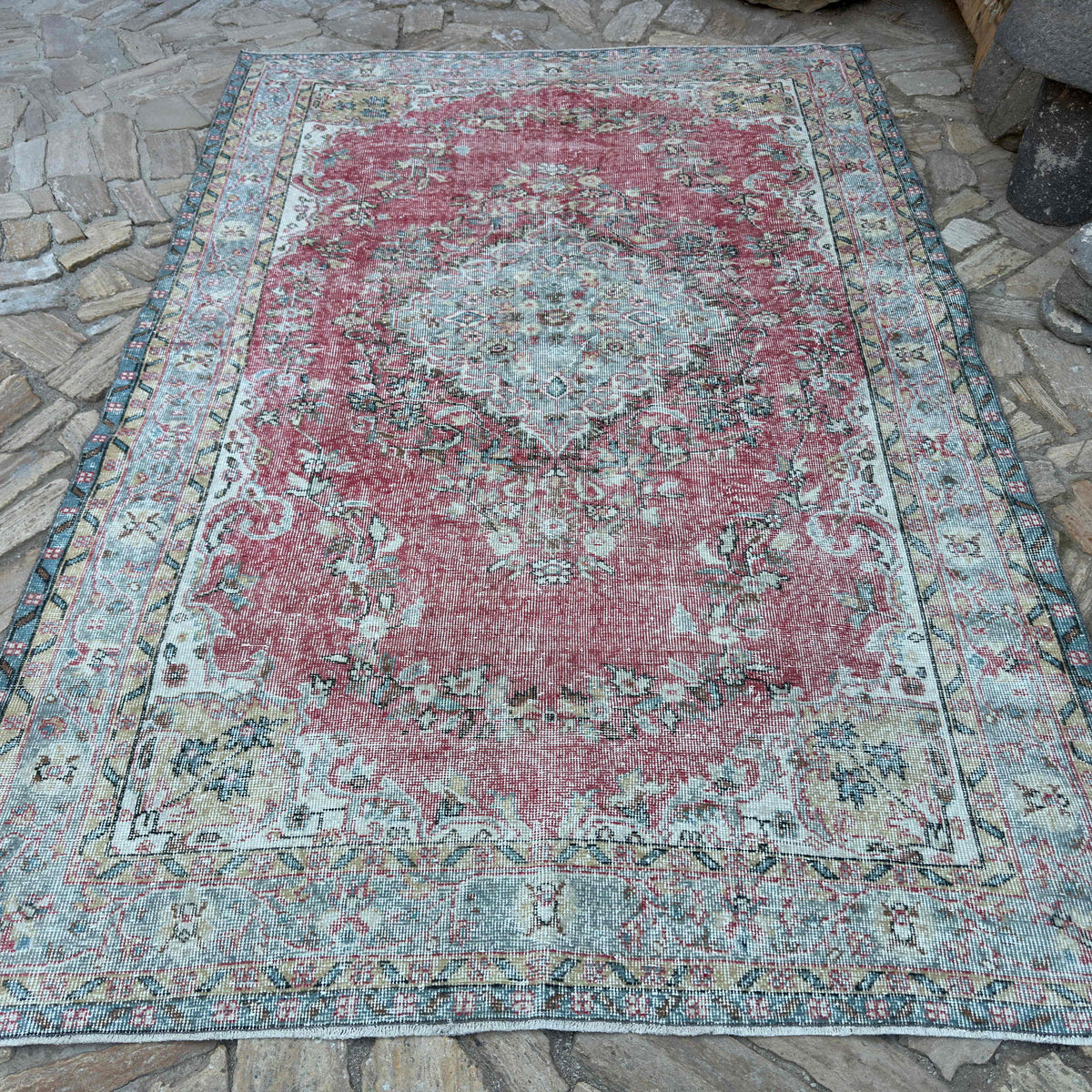
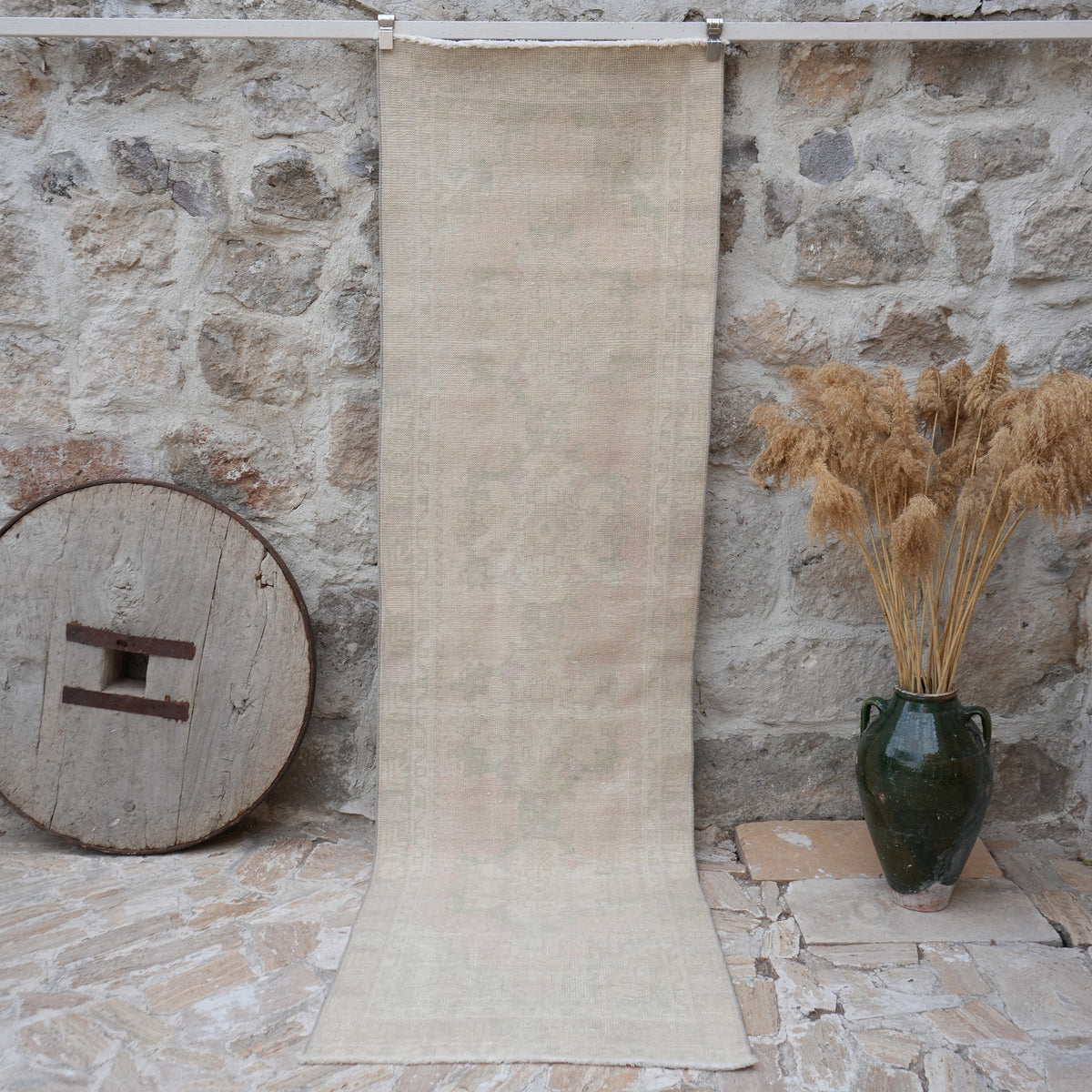
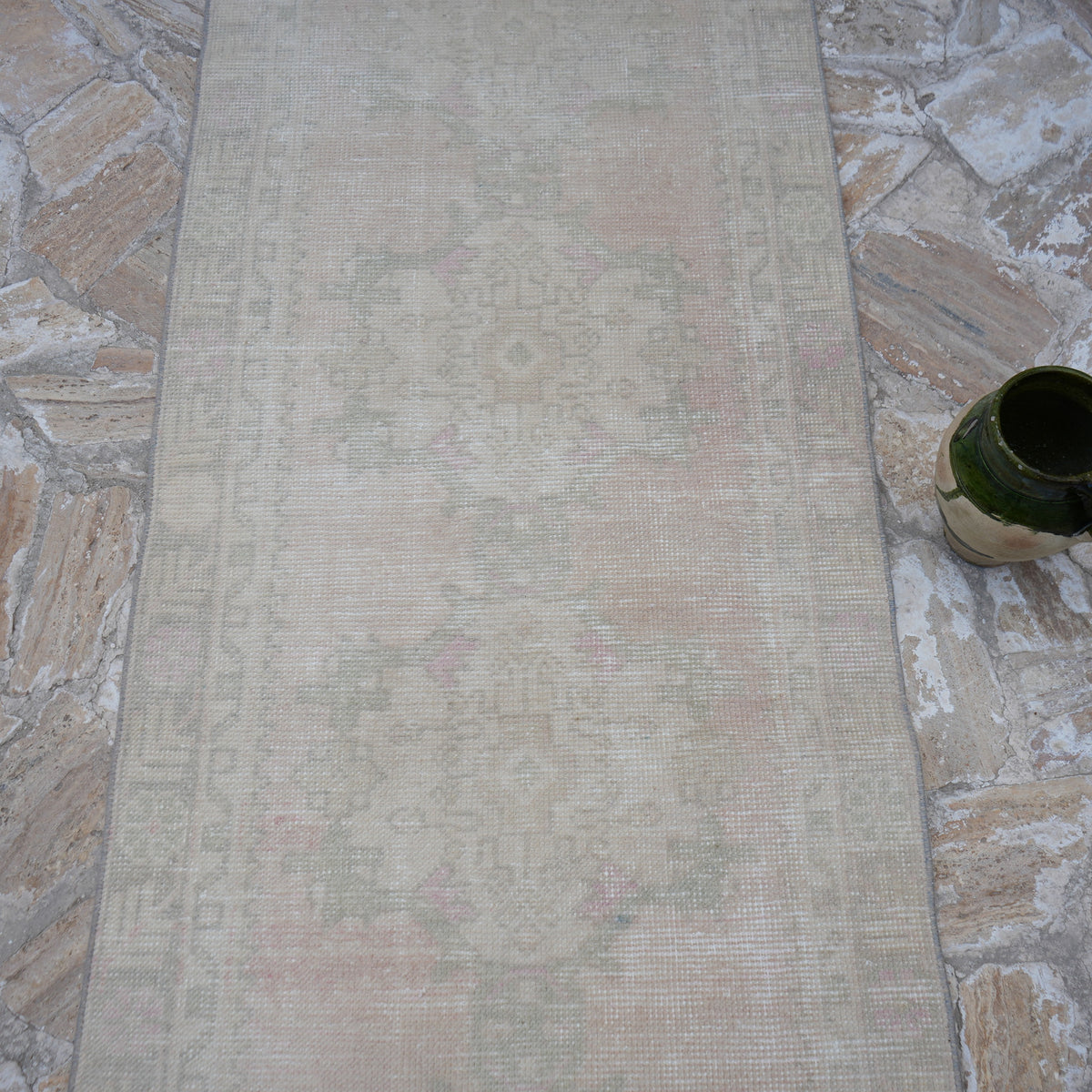
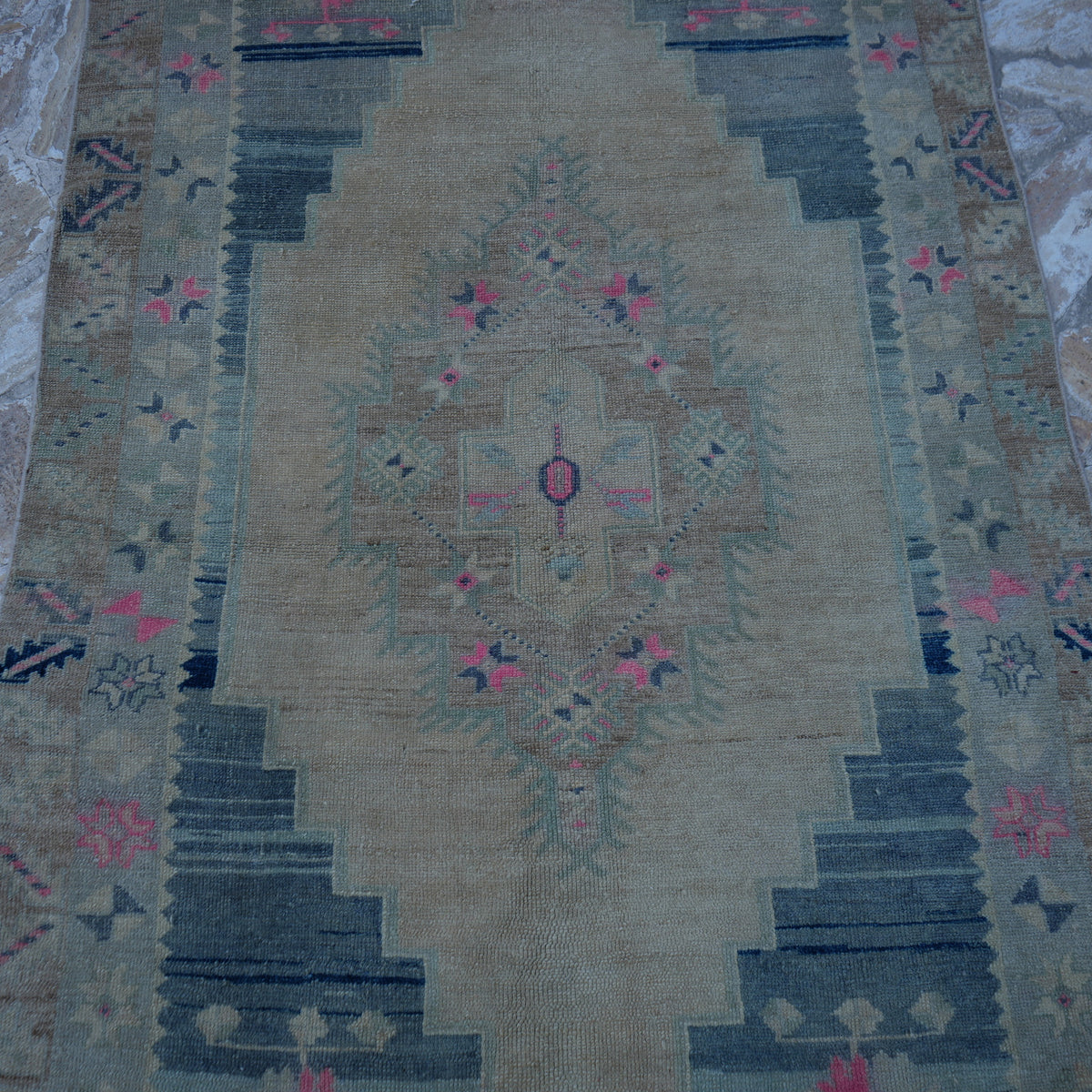
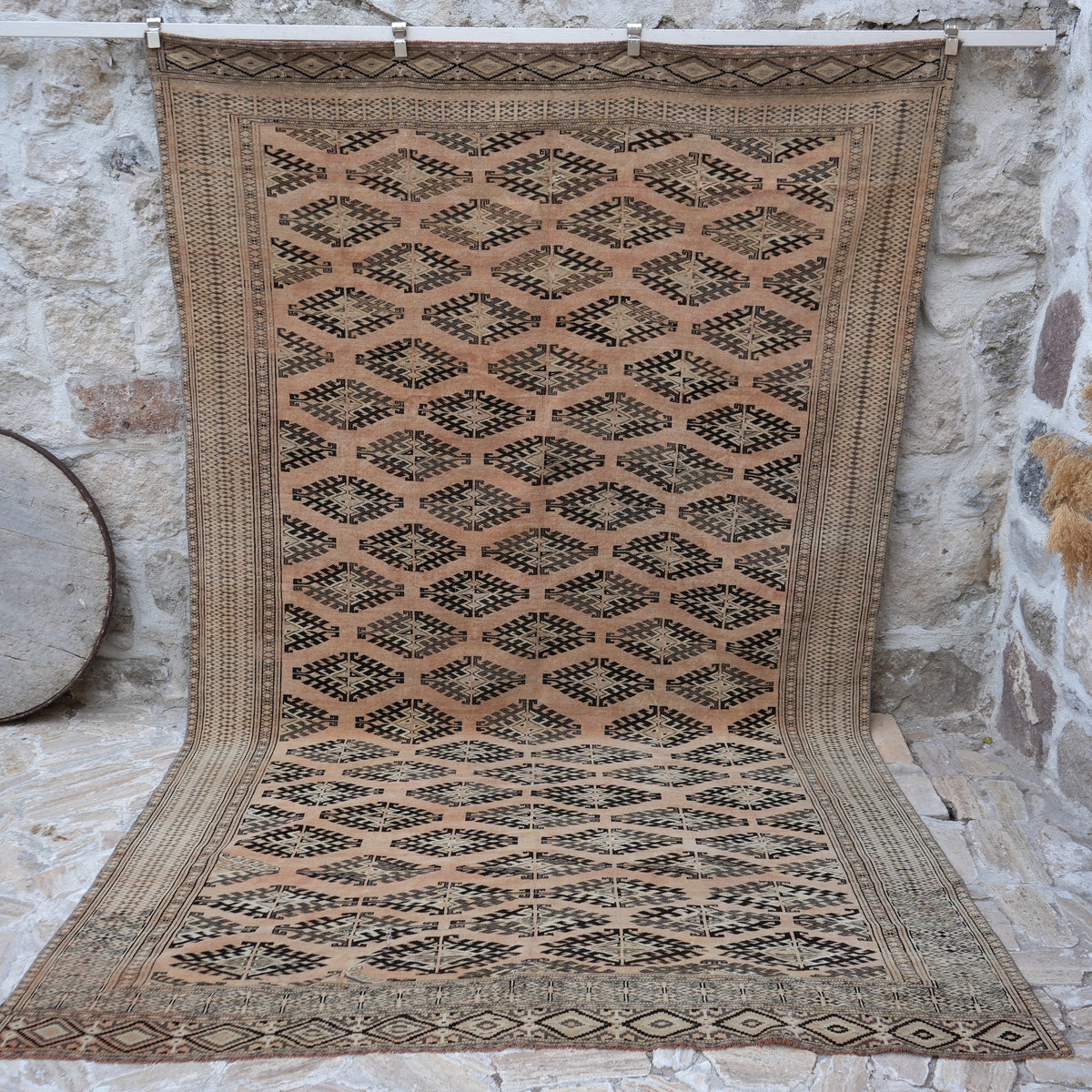
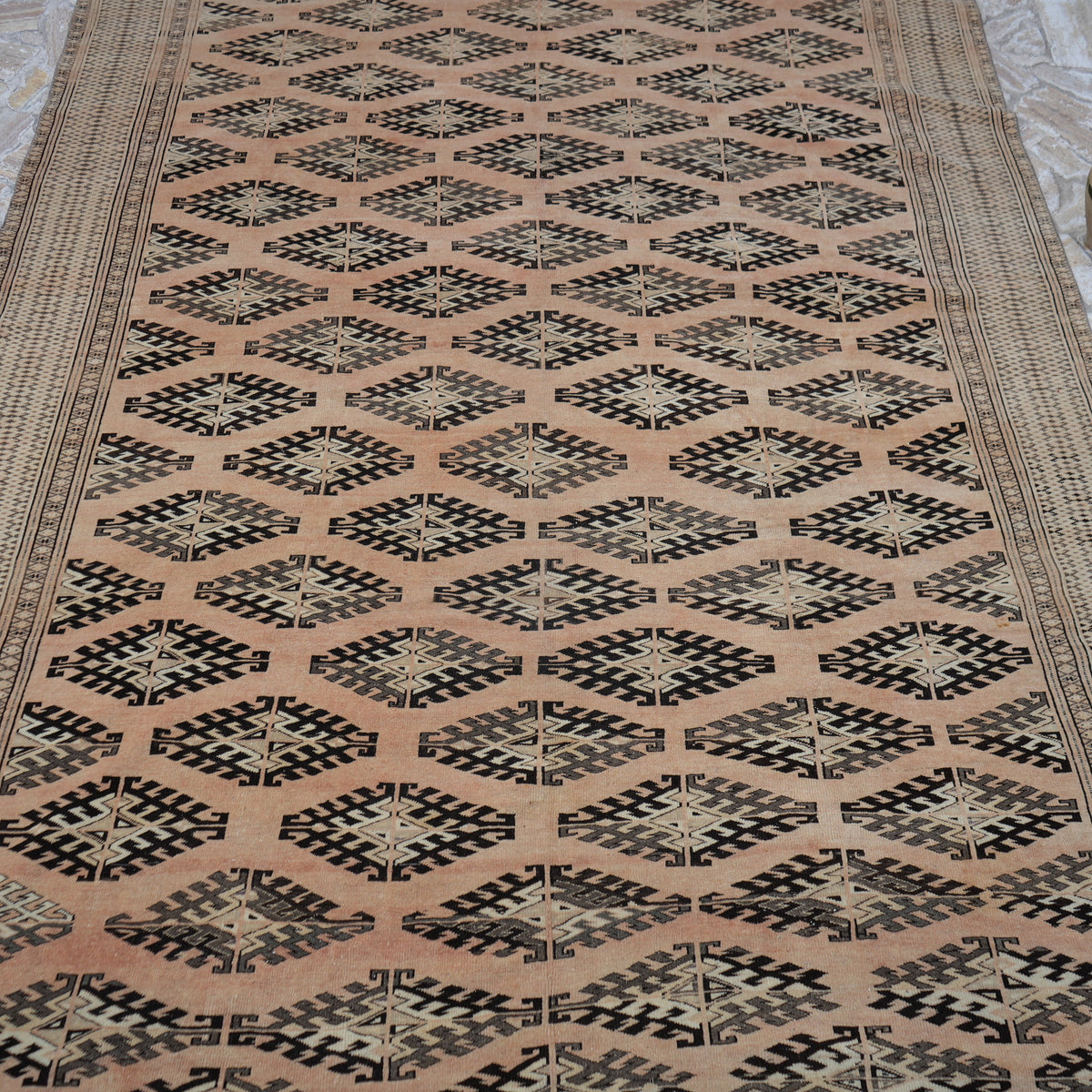
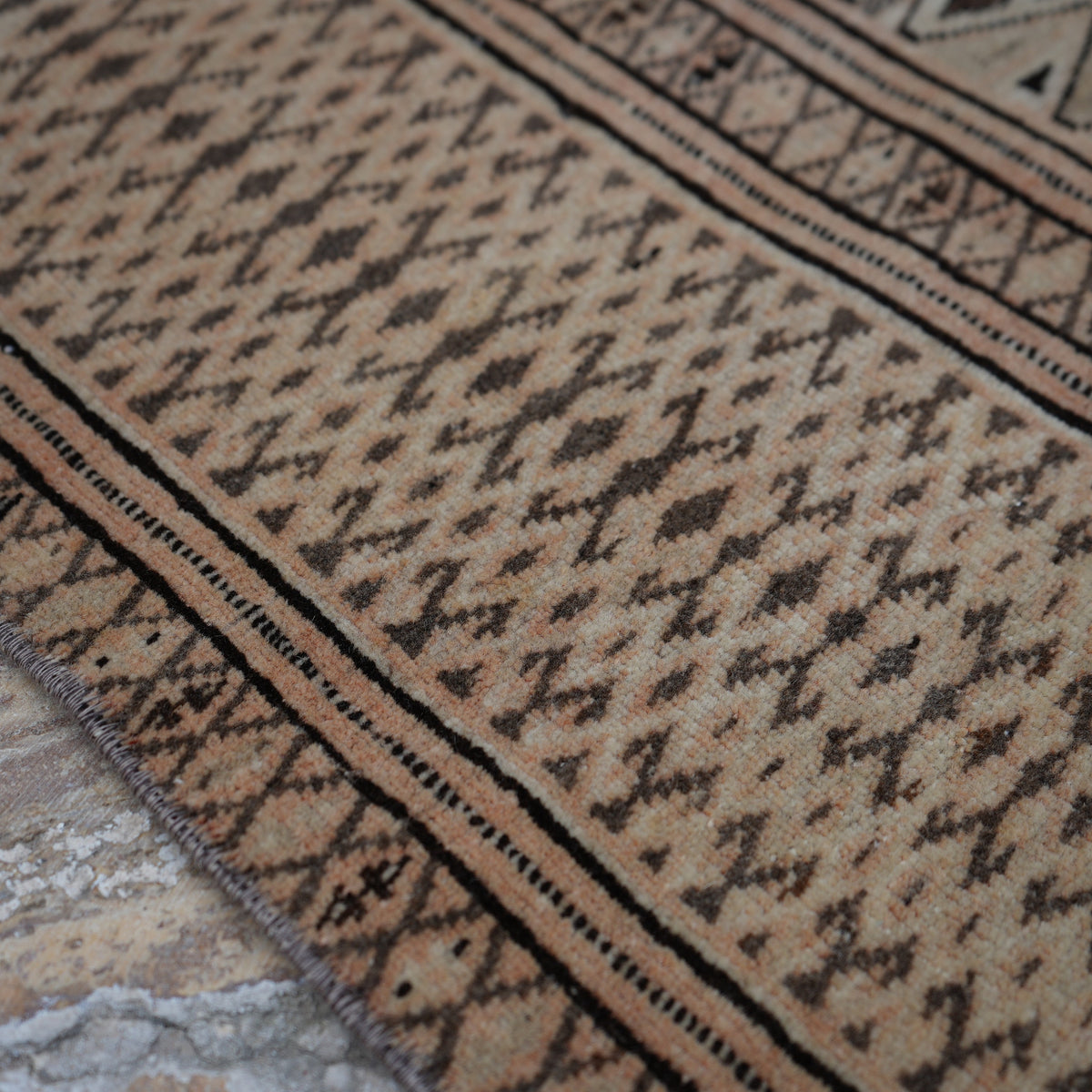
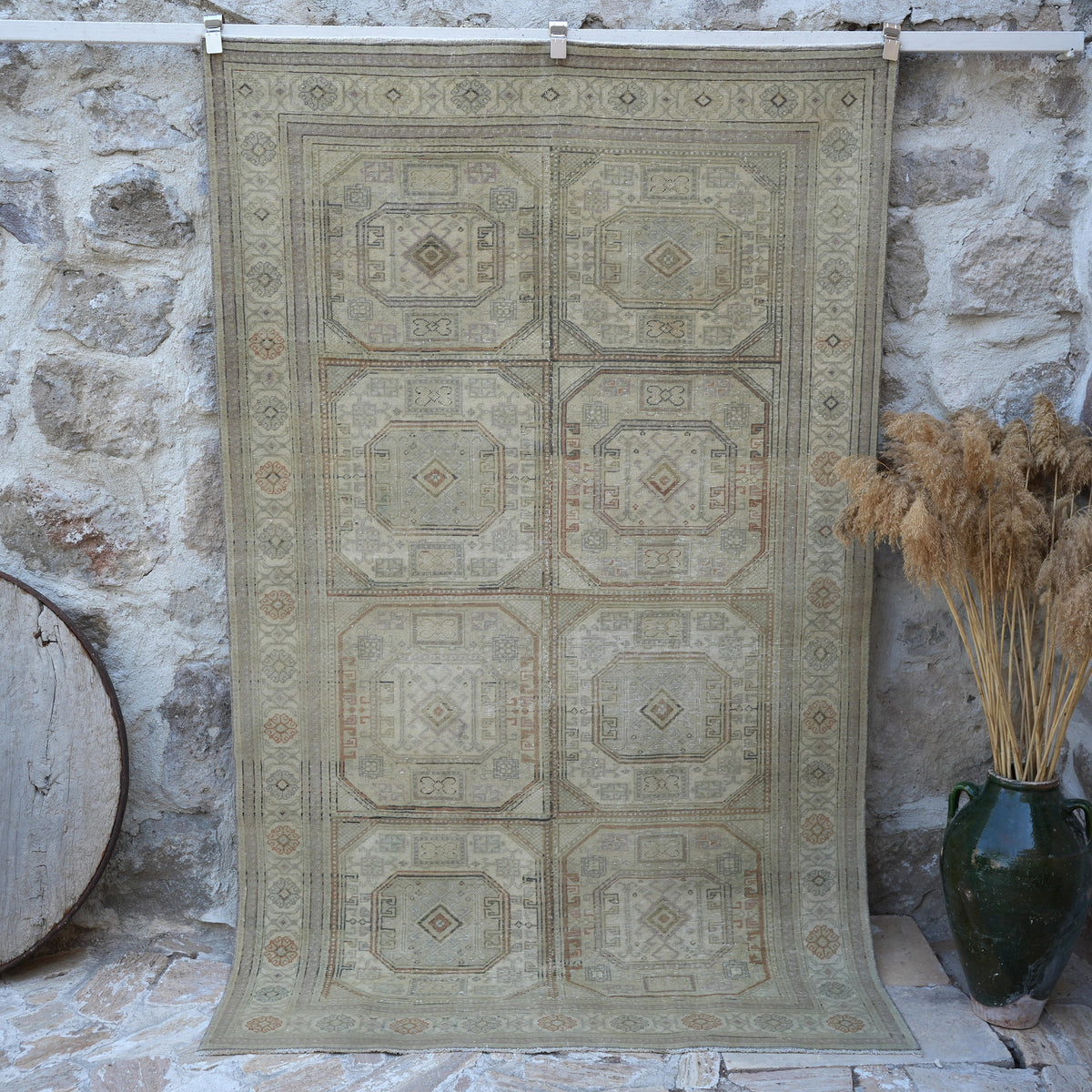
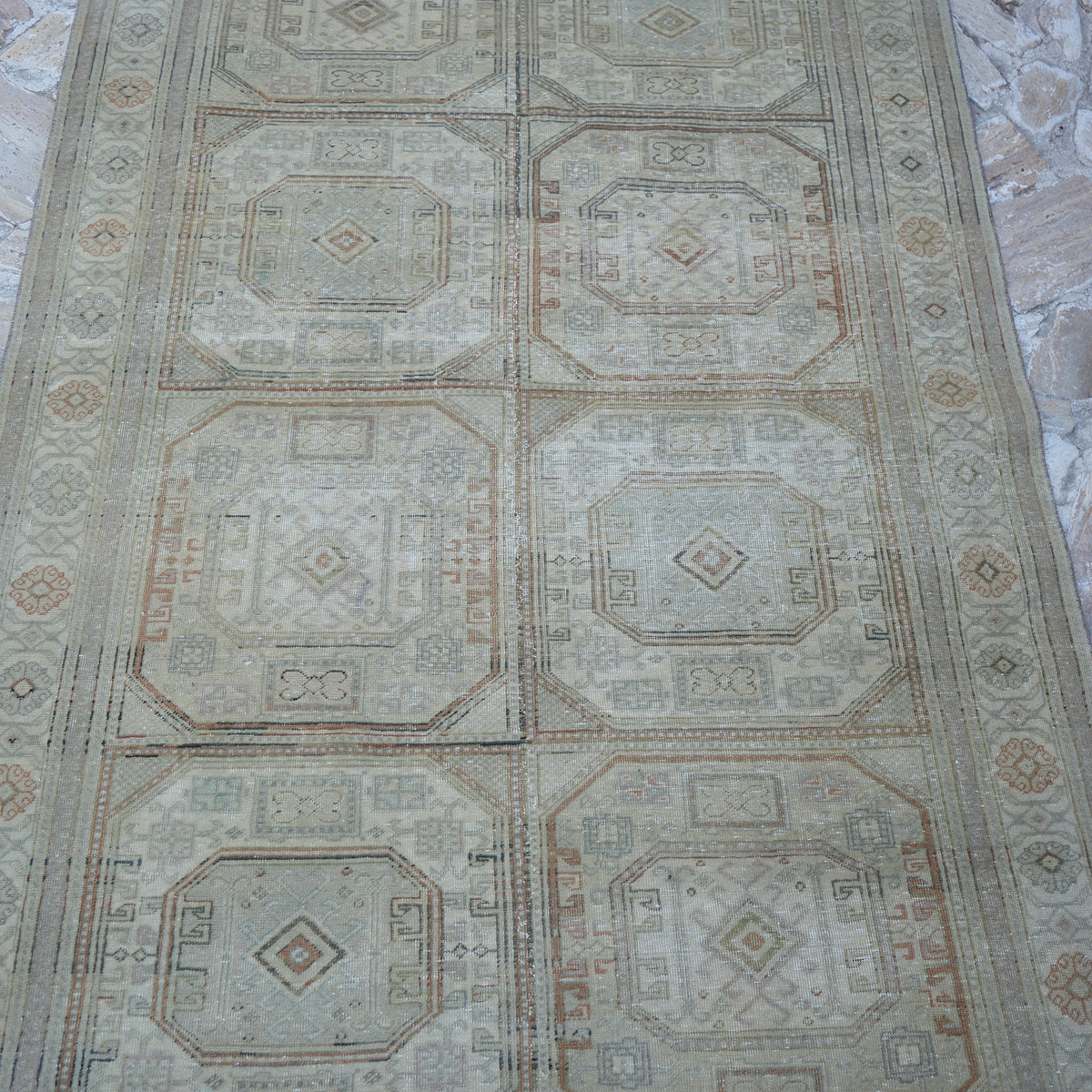
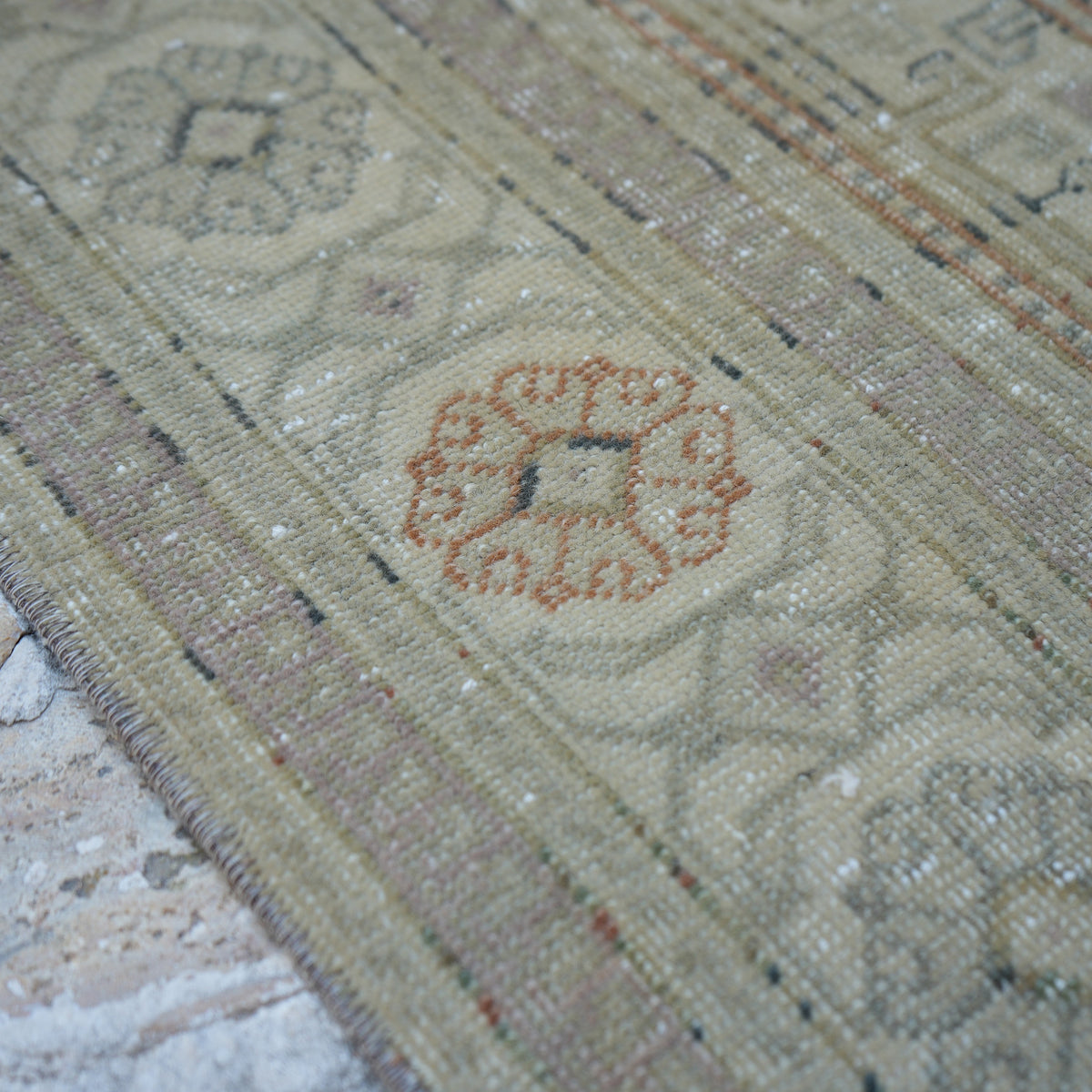
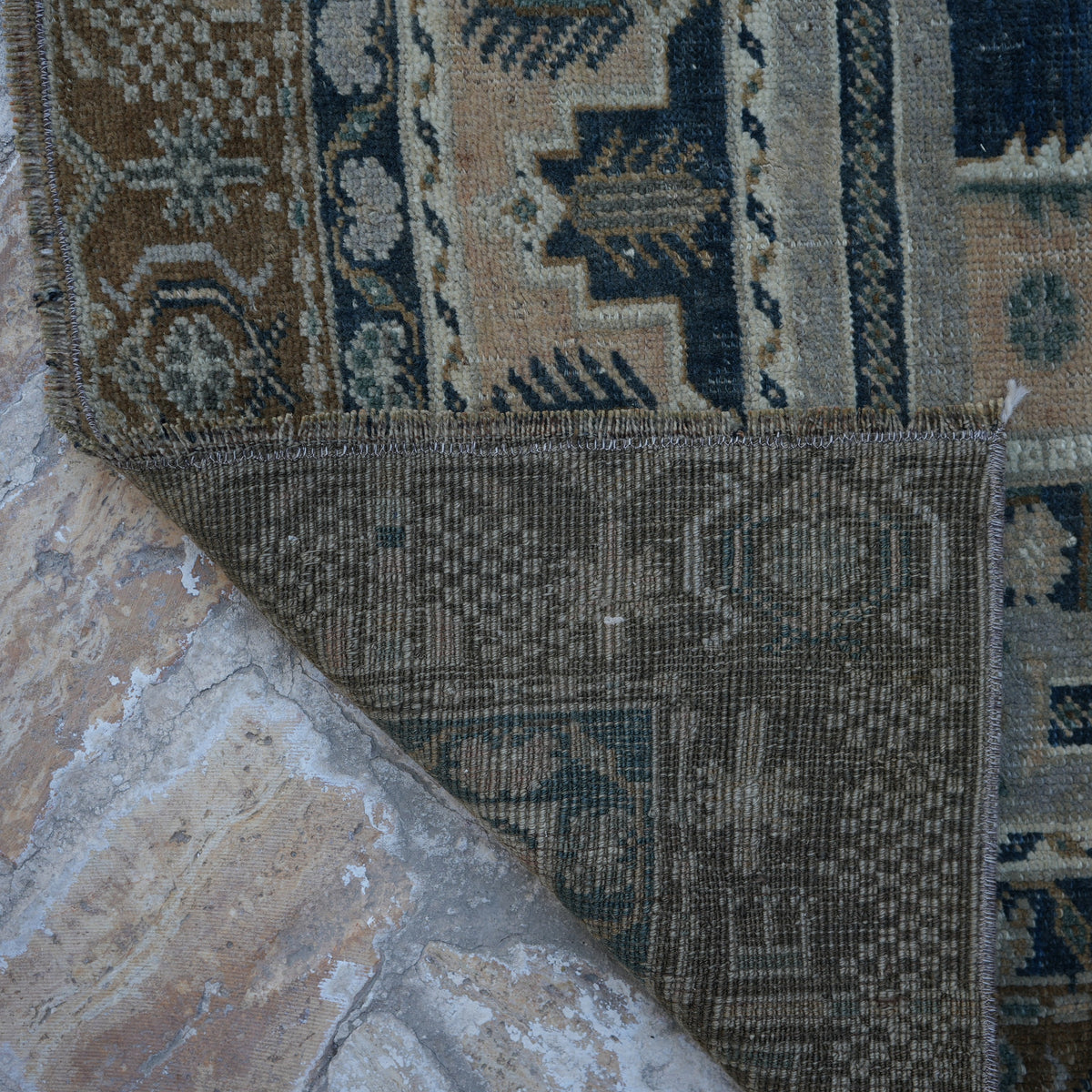
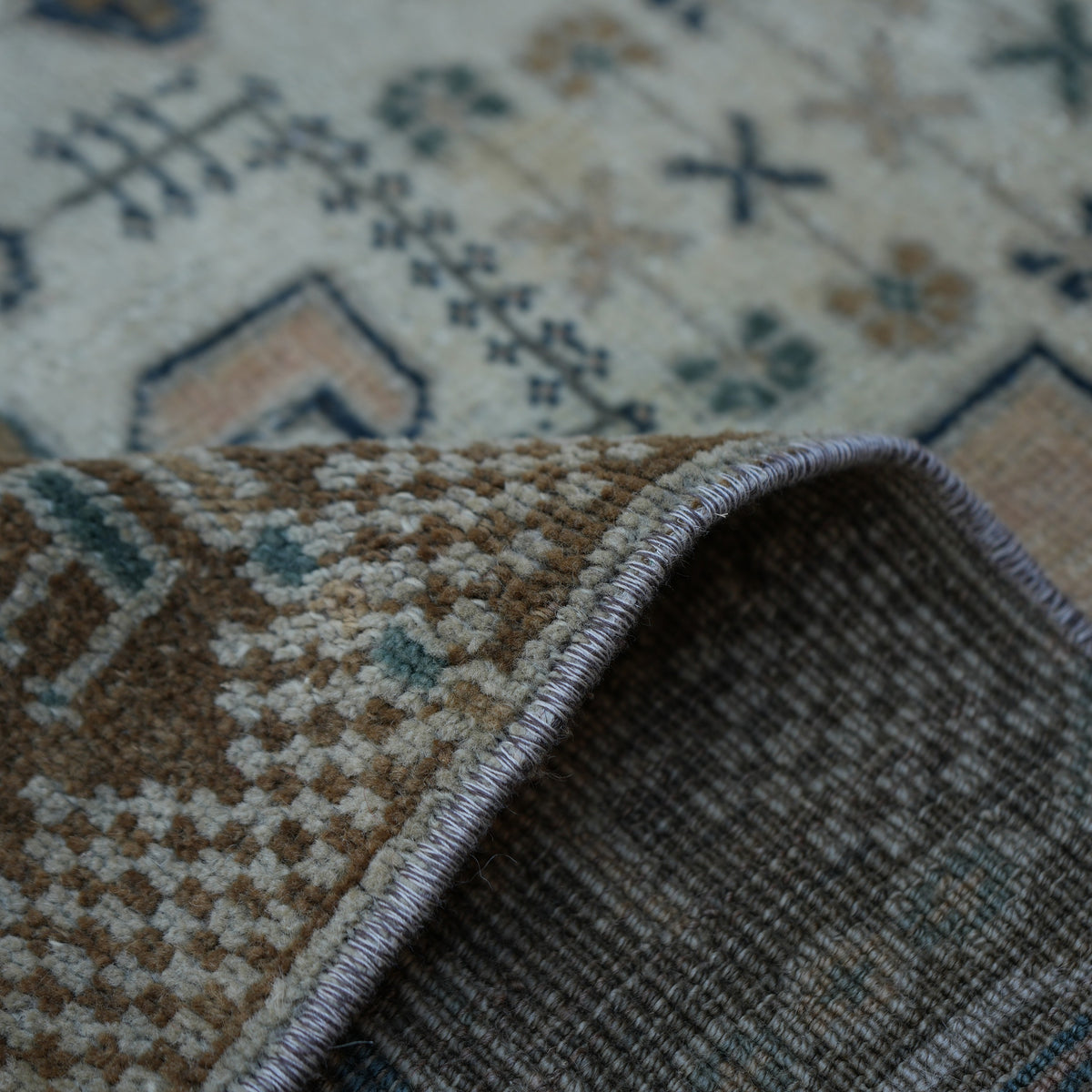
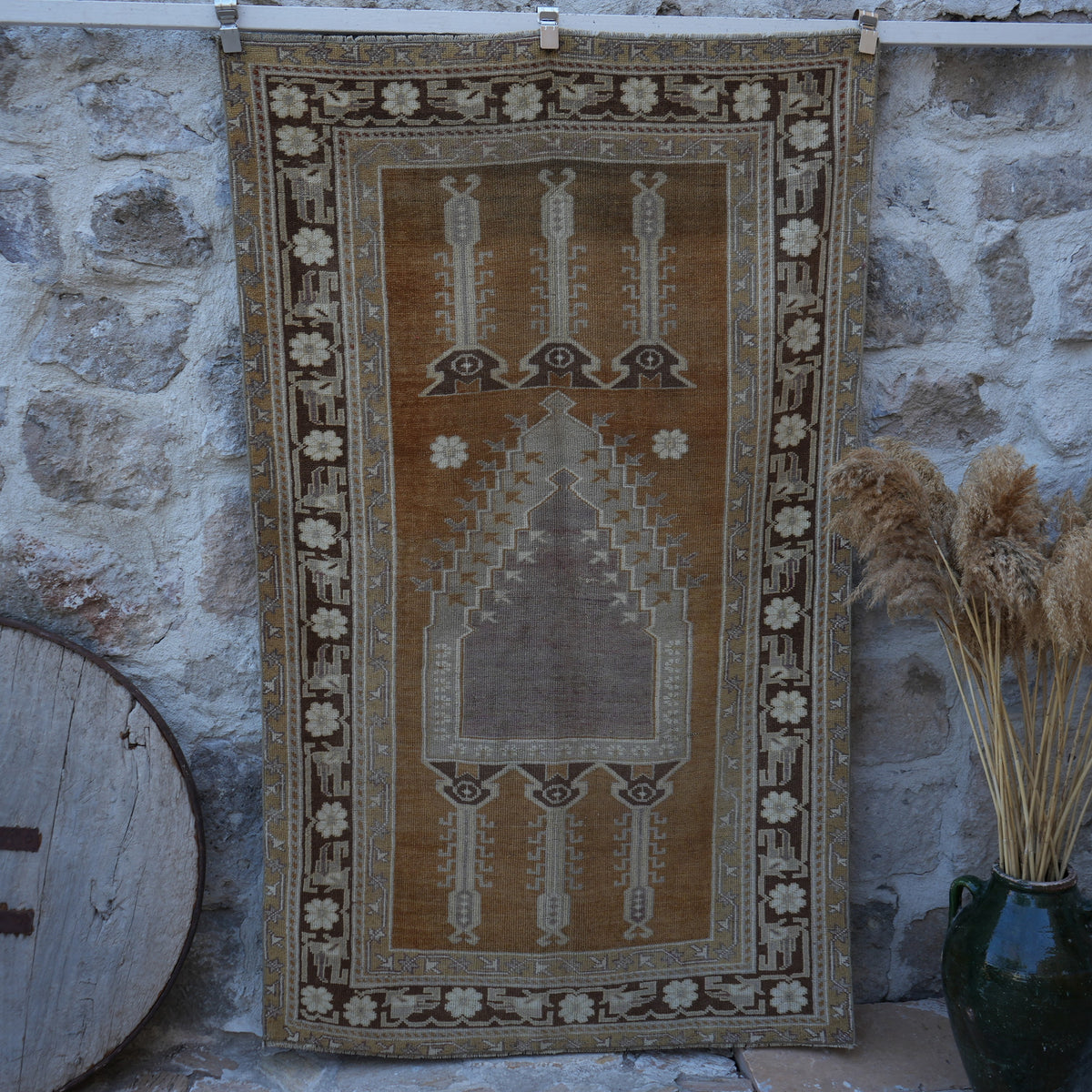
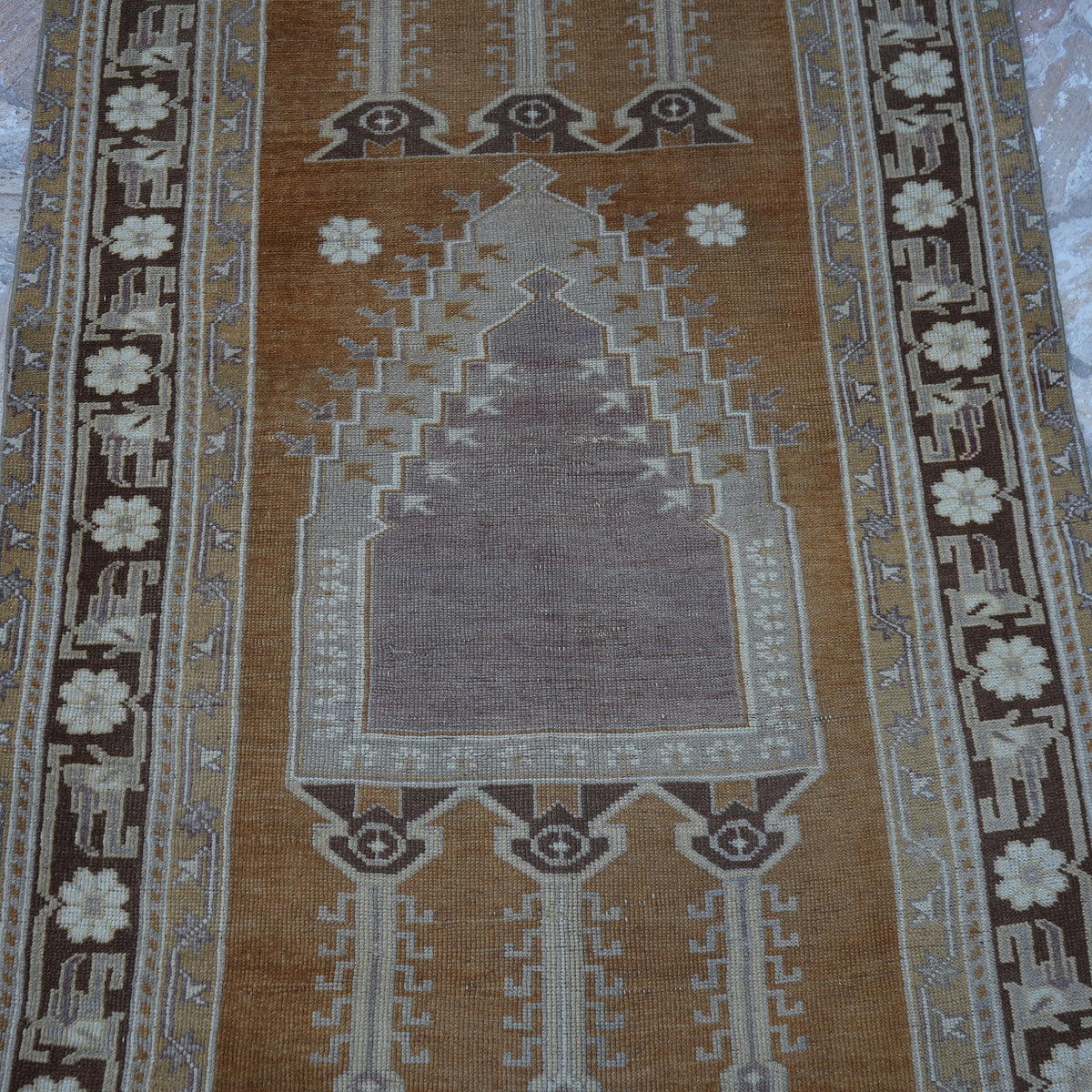
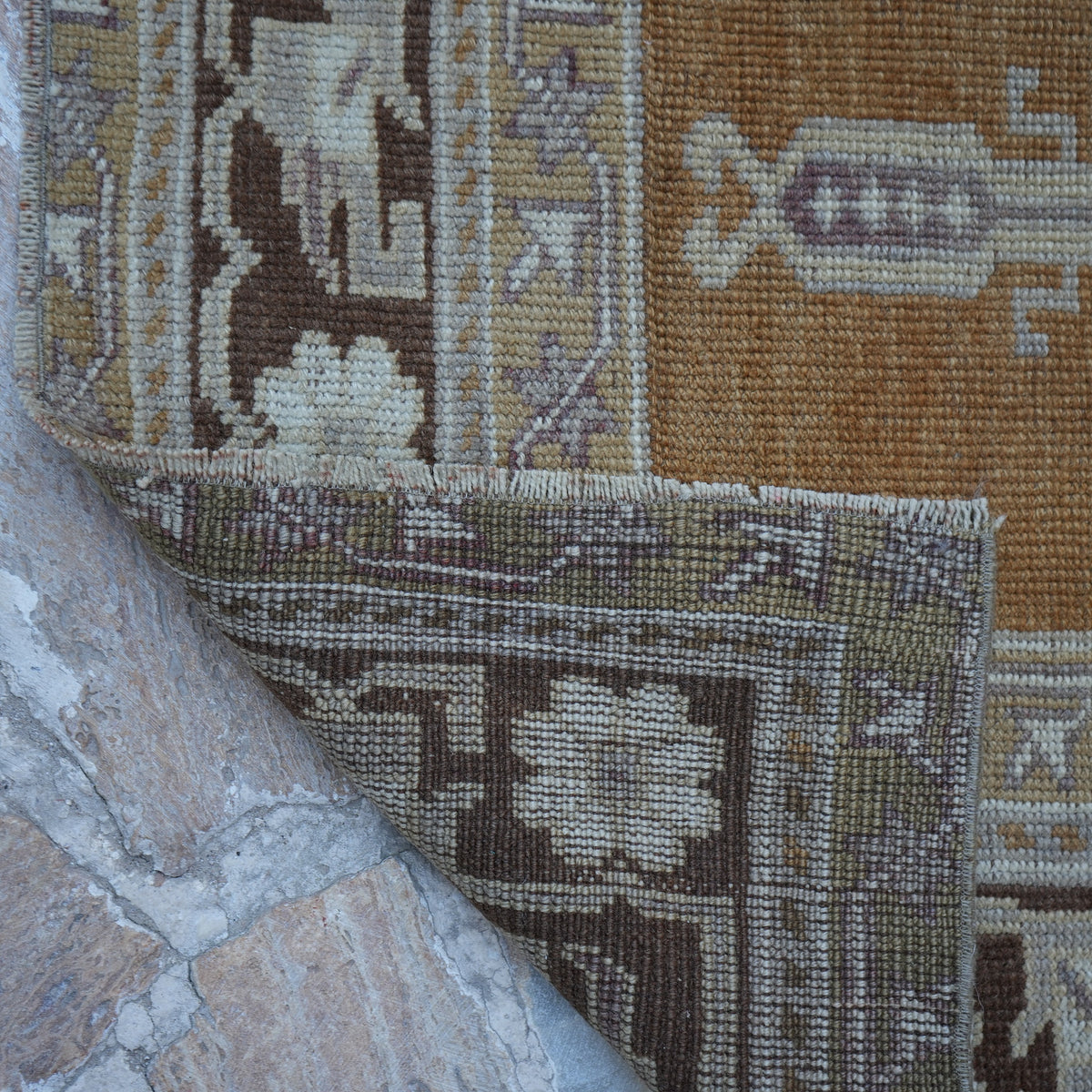
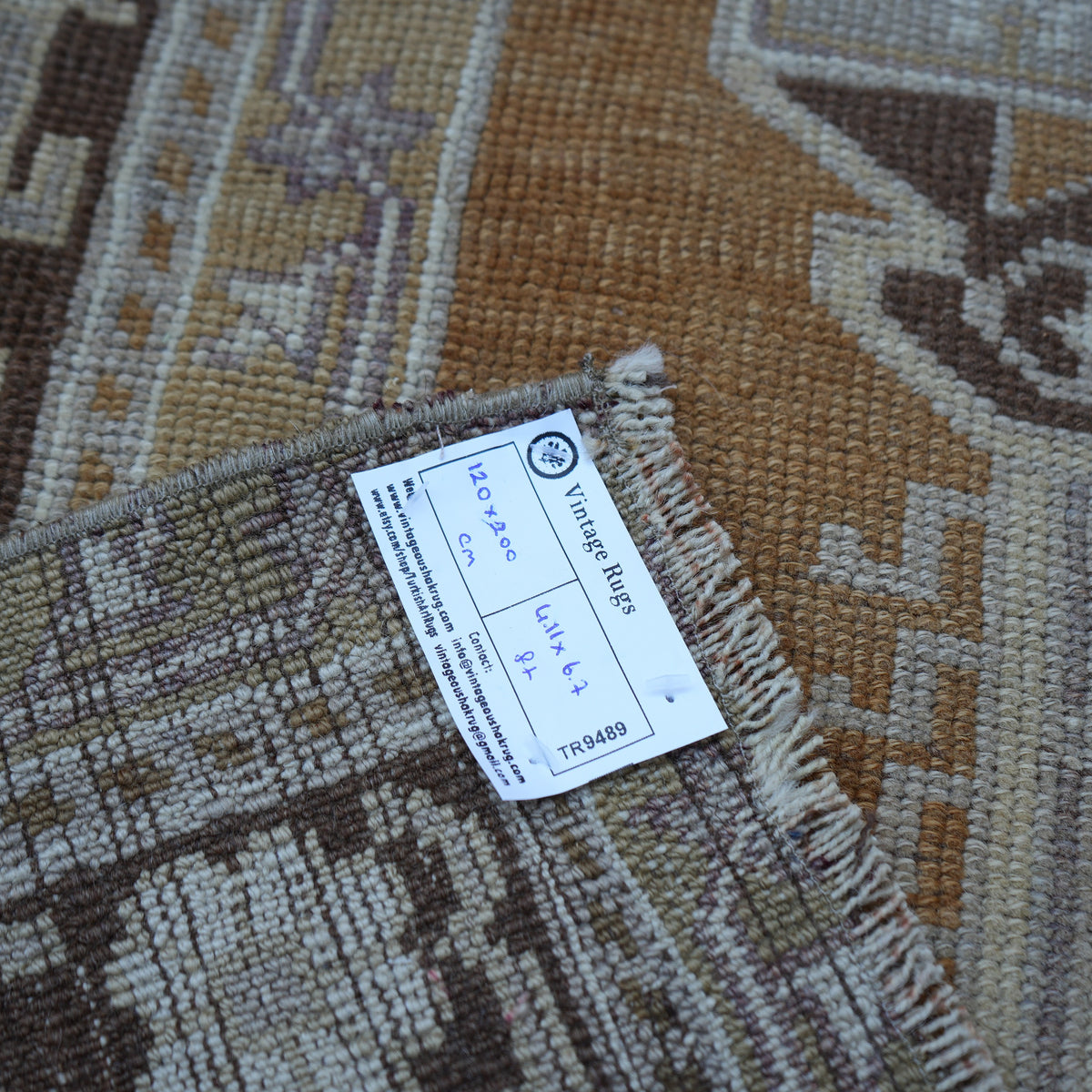
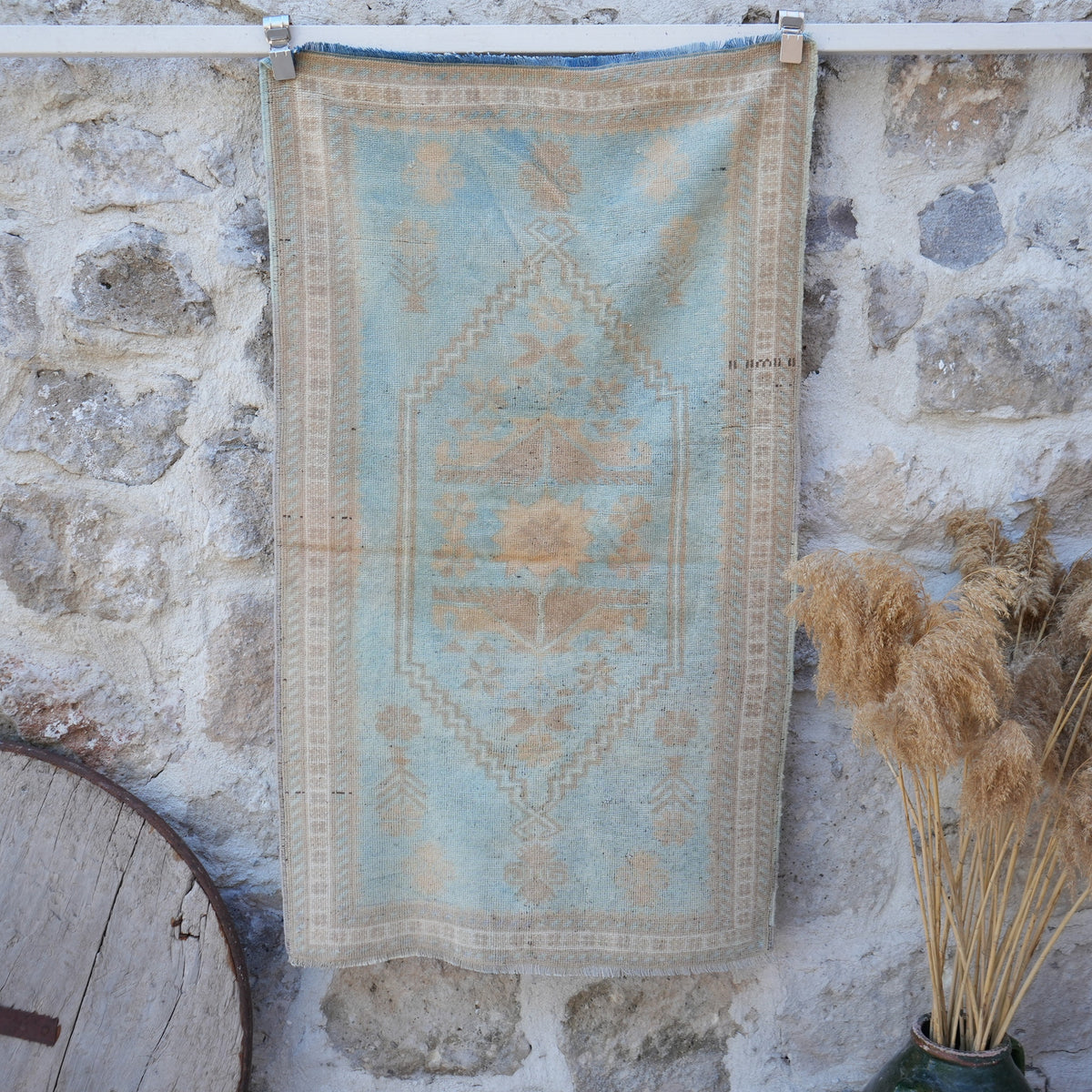
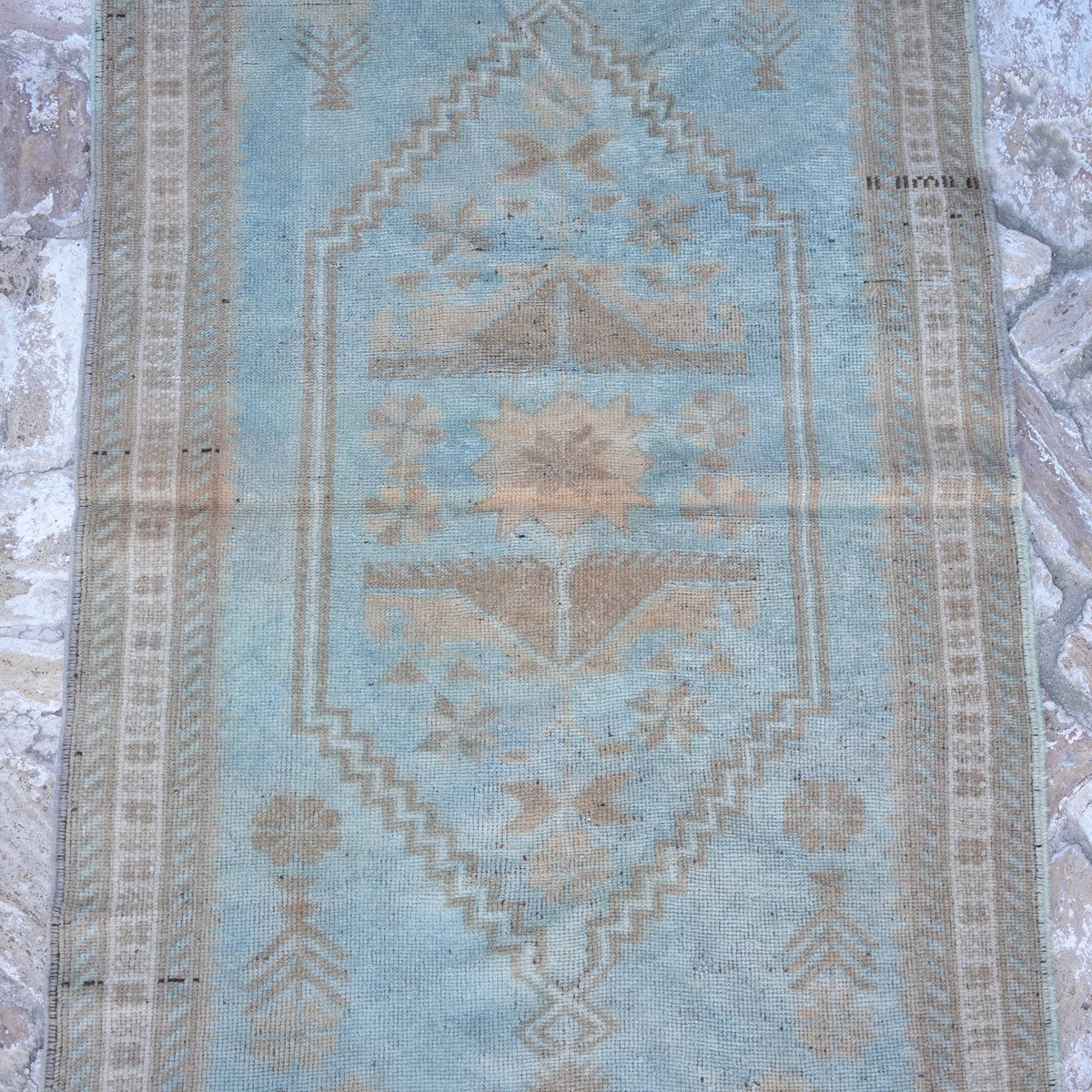
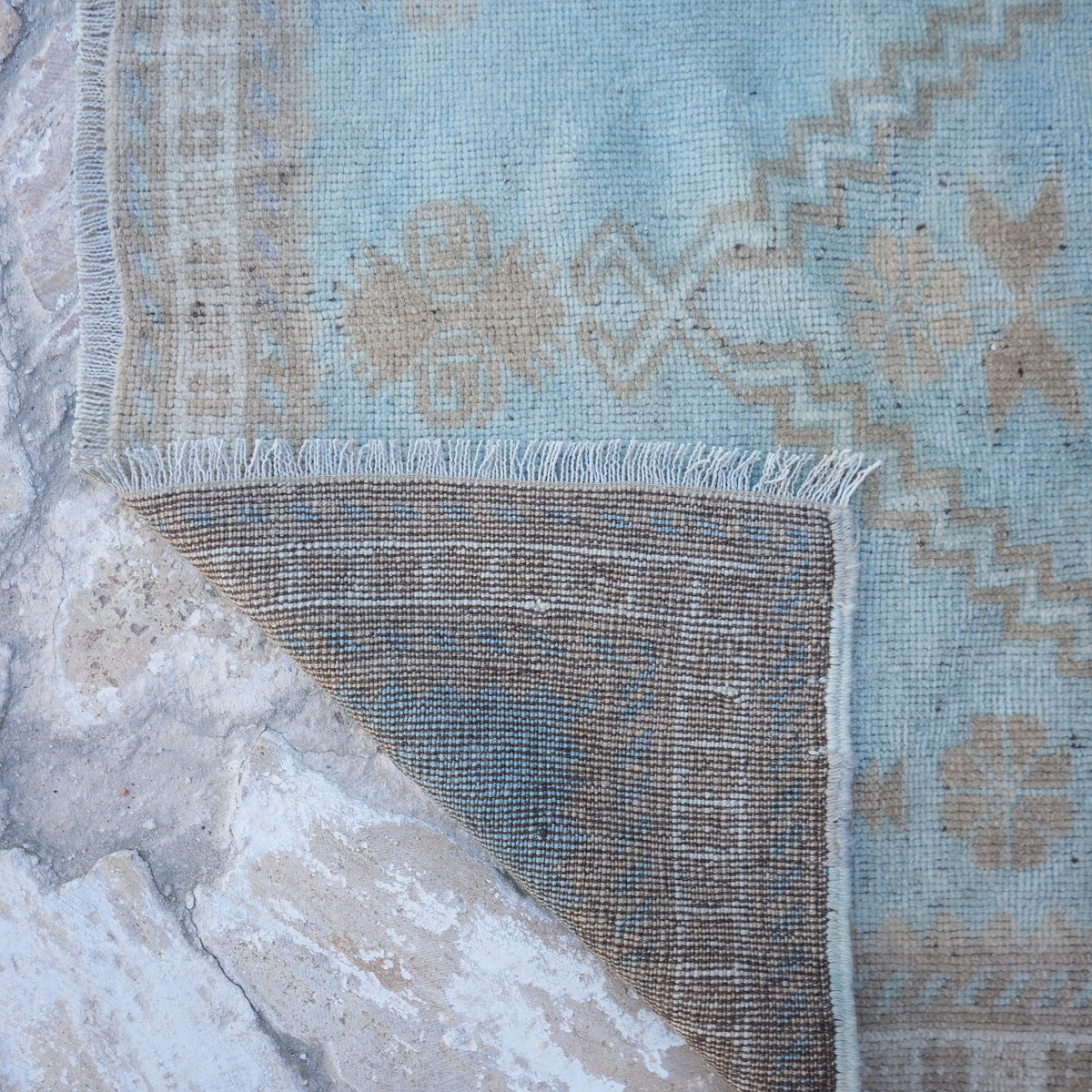
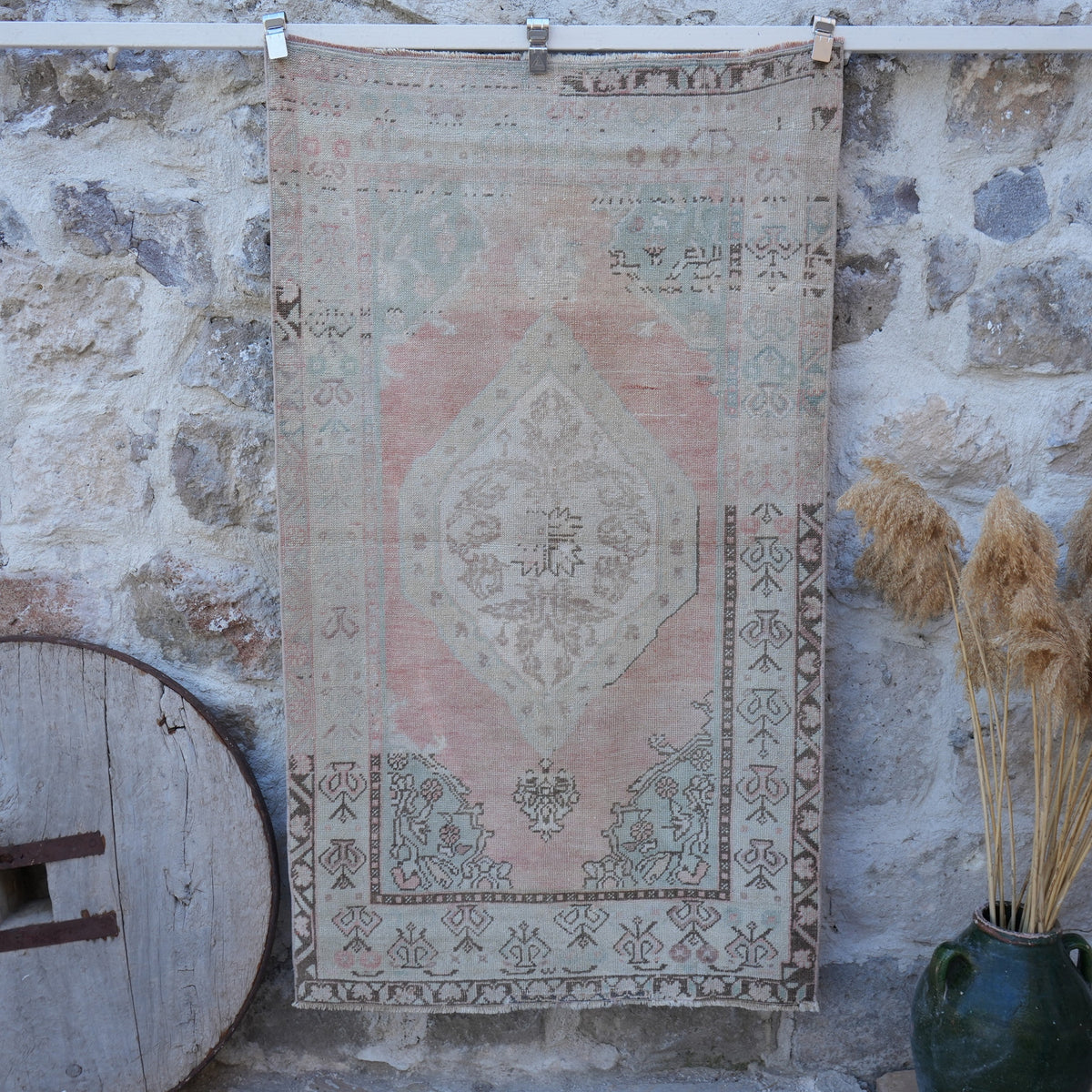
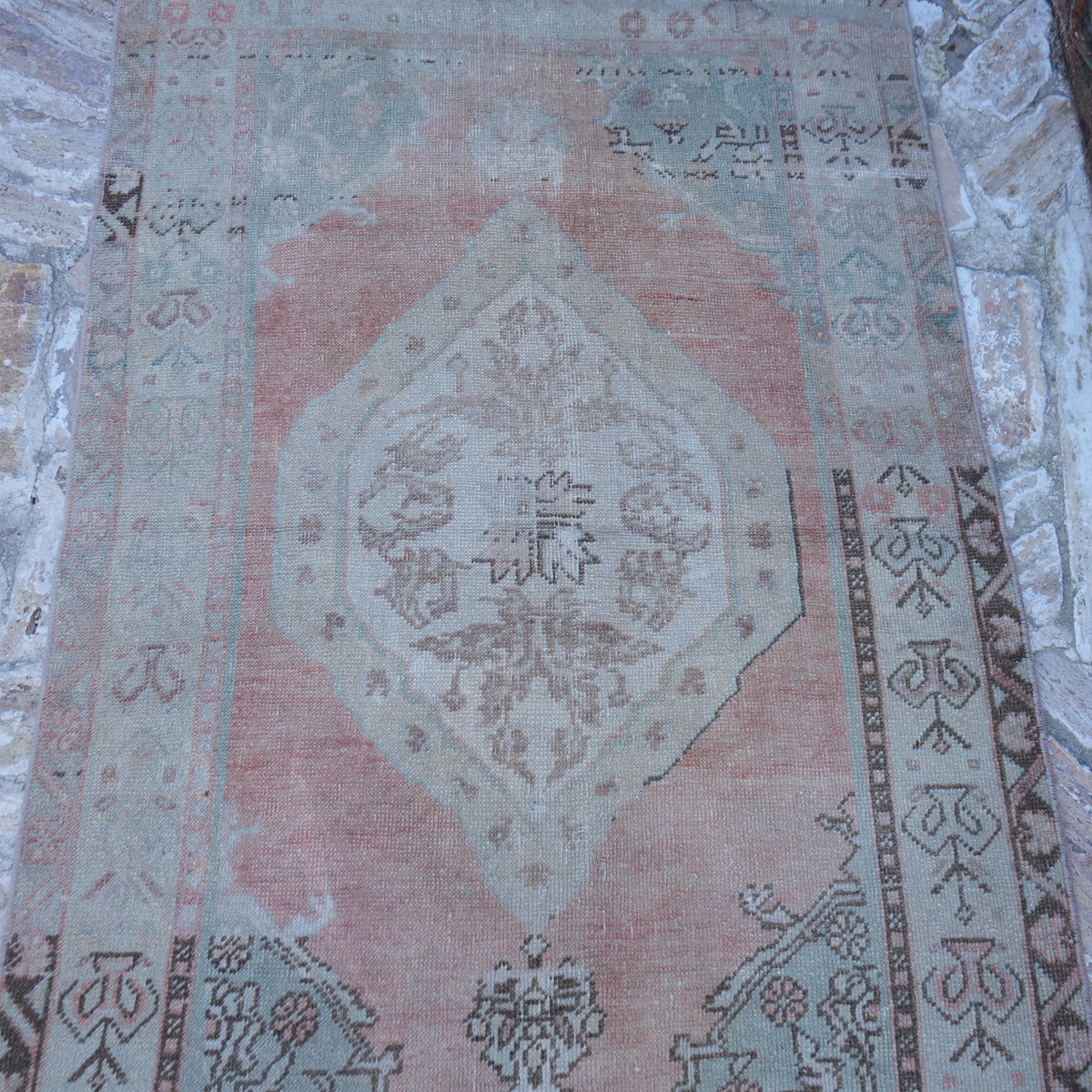
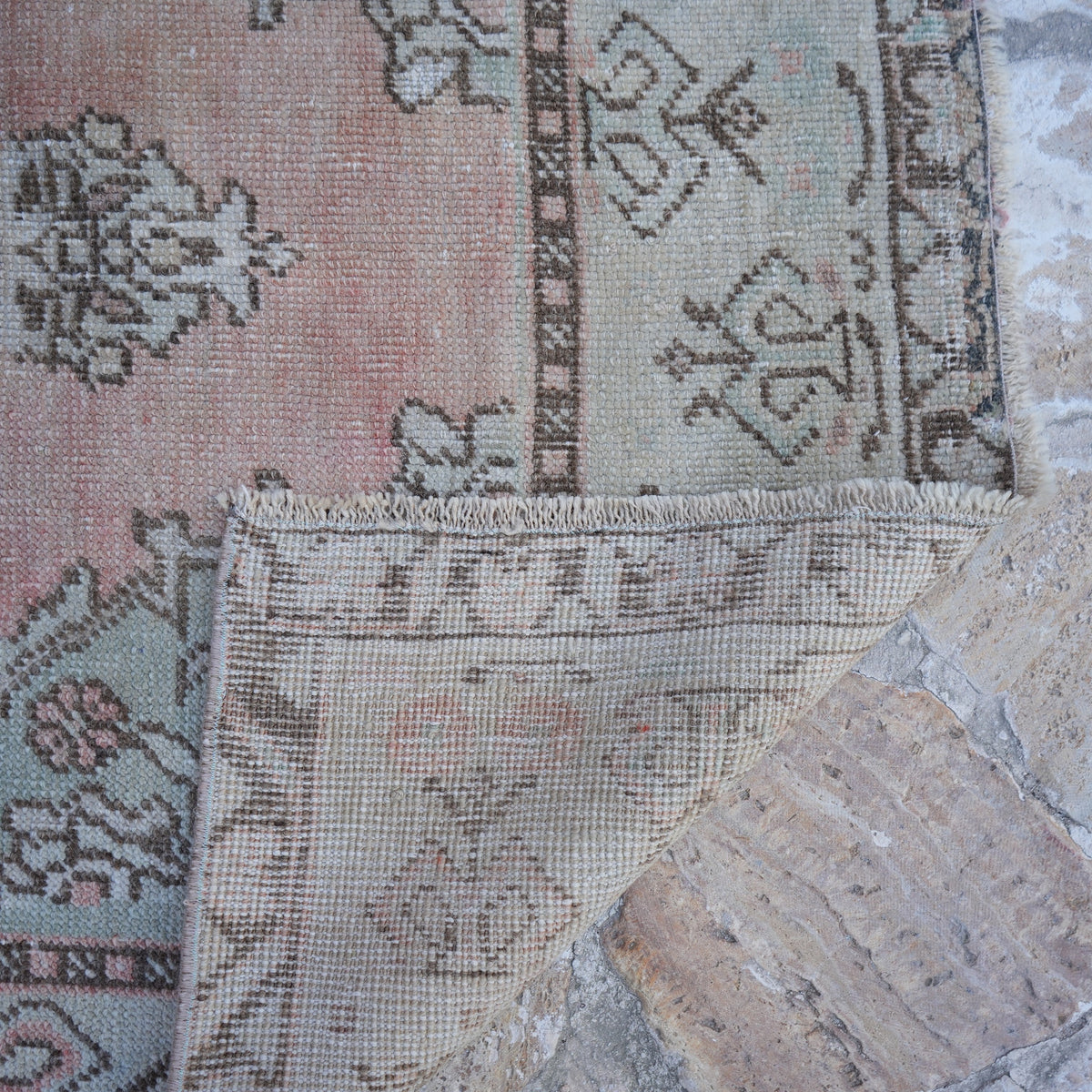
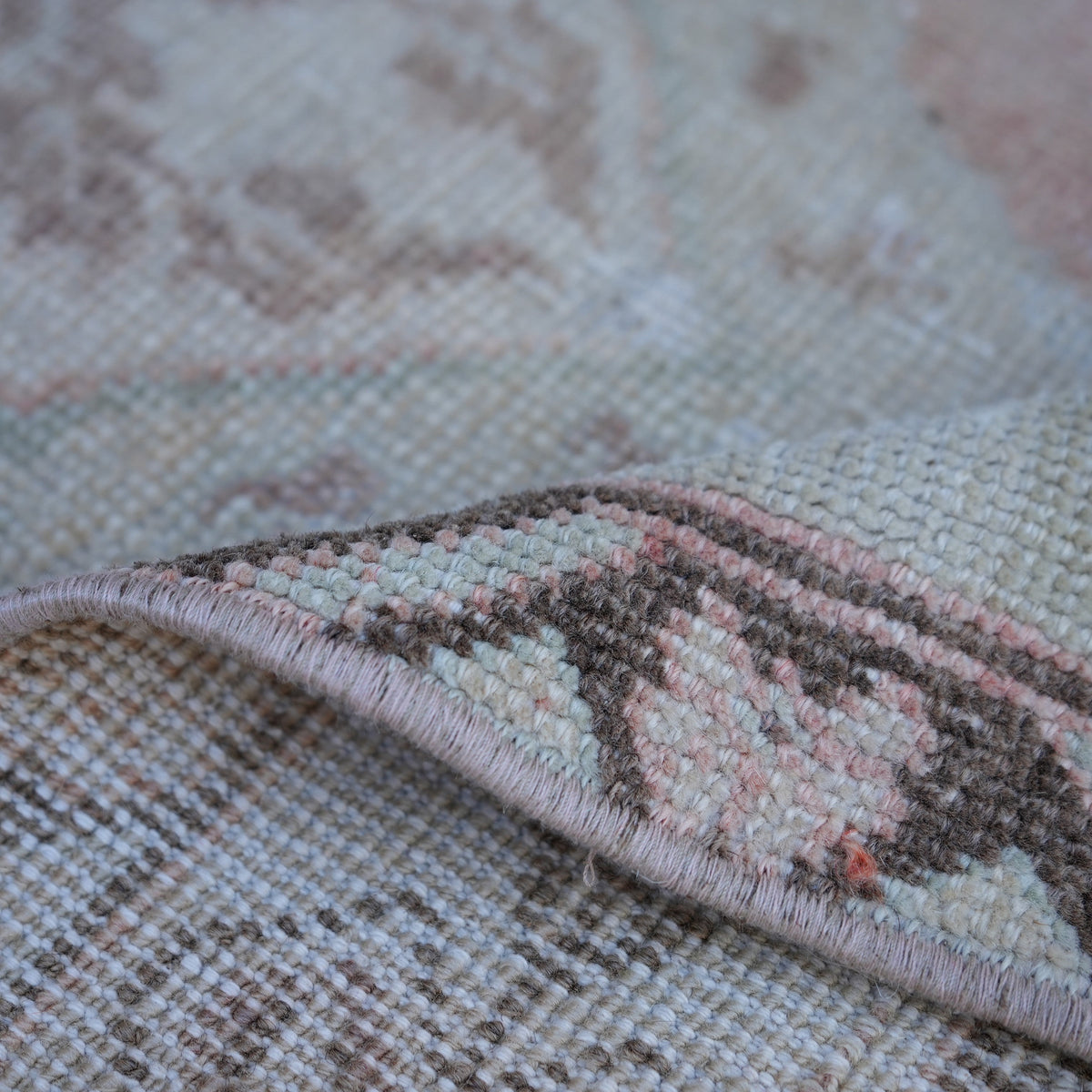
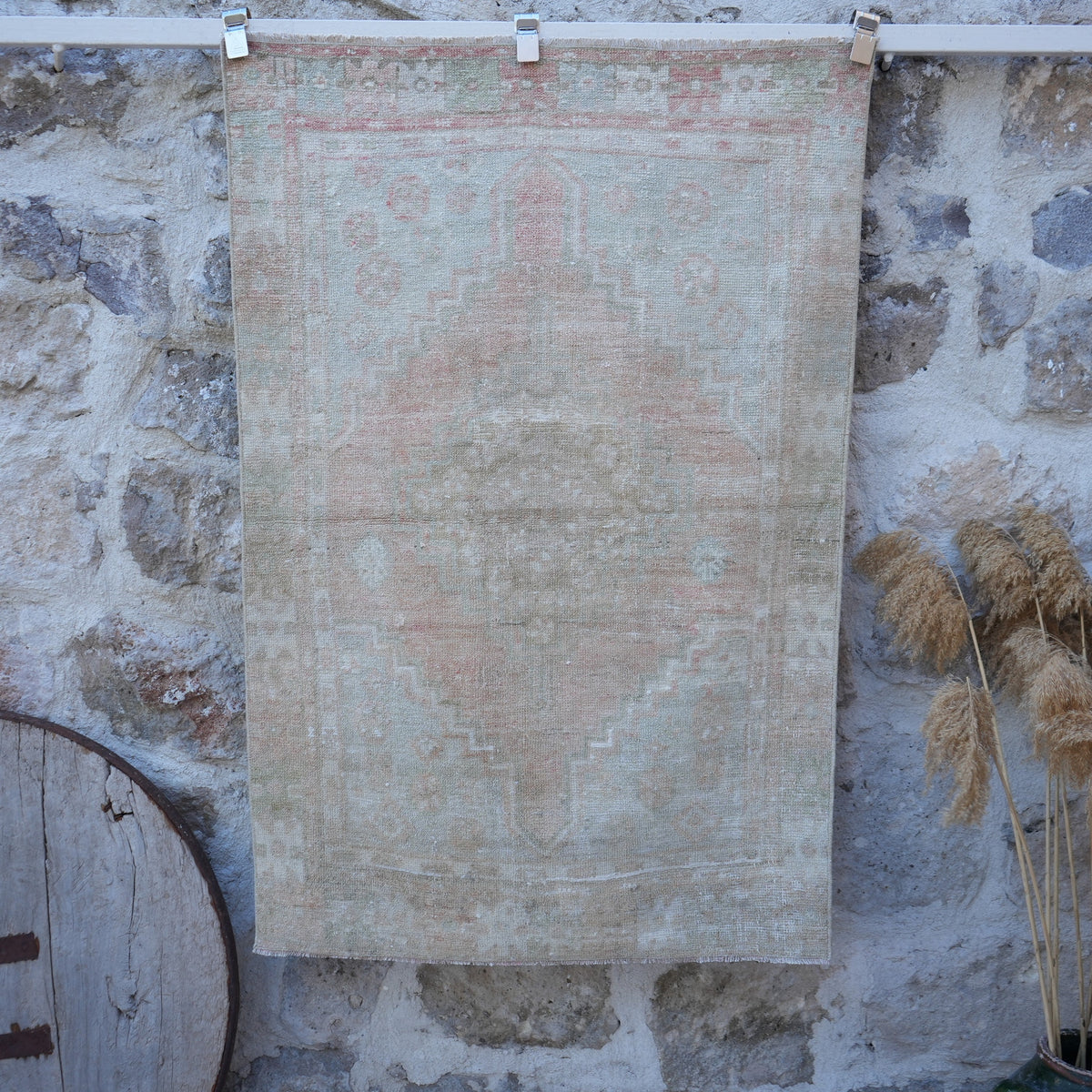
Every rug we sell carries some version of its own history, rust rings included. If you're drawn to pieces with that kind of character, our handwoven vintage rugs show what decades of real use actually look like on wool built to last through them.
Choose a Handmade Rug Built to Last
A handwoven rug can be washed, repaired, restored, and lived with for decades when the right care is used from the beginning.
Every piece cleaned and inspected before shipping.
Natural materials, real age, and one-of-a-kind character.
Worldwide shipping with careful packaging.
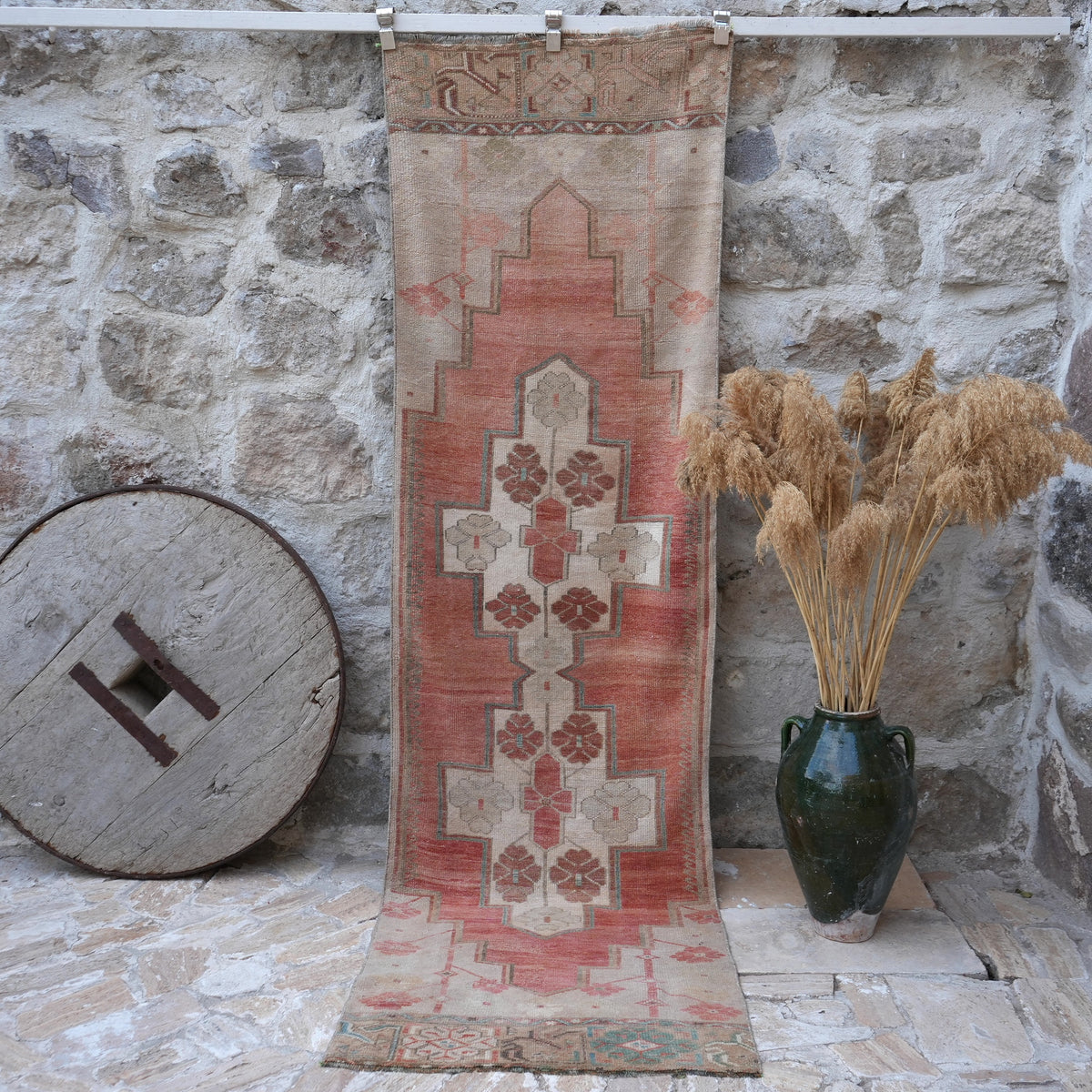
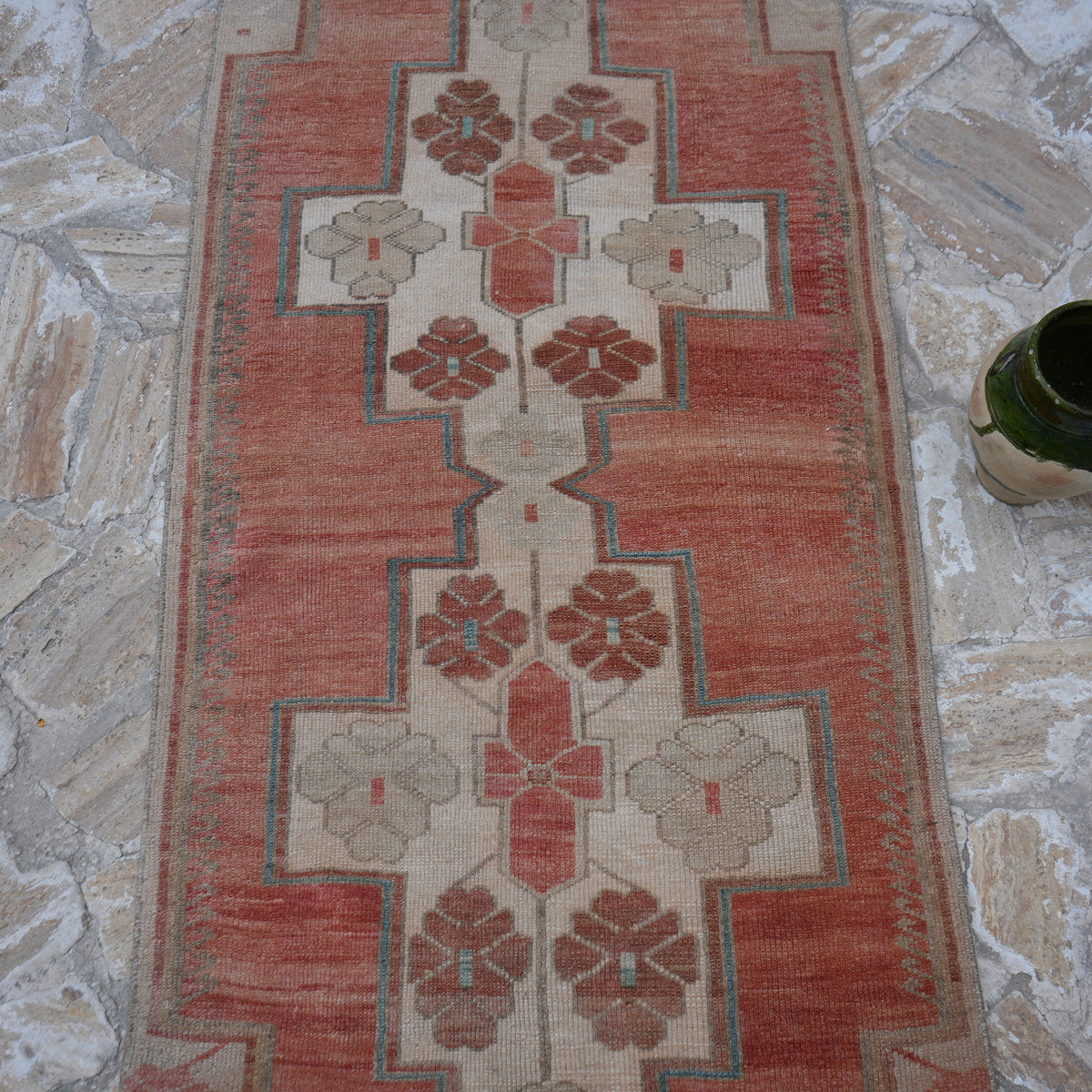
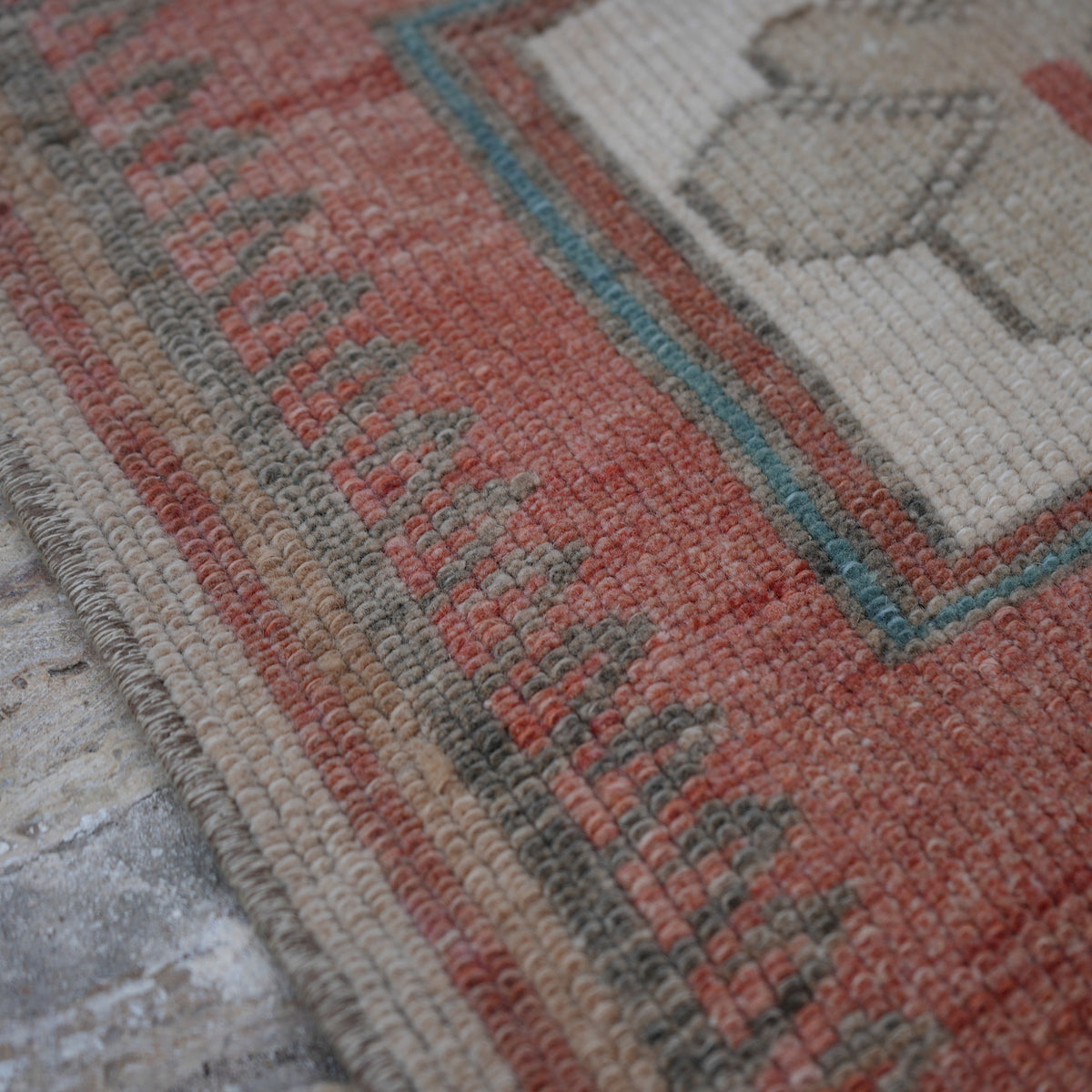
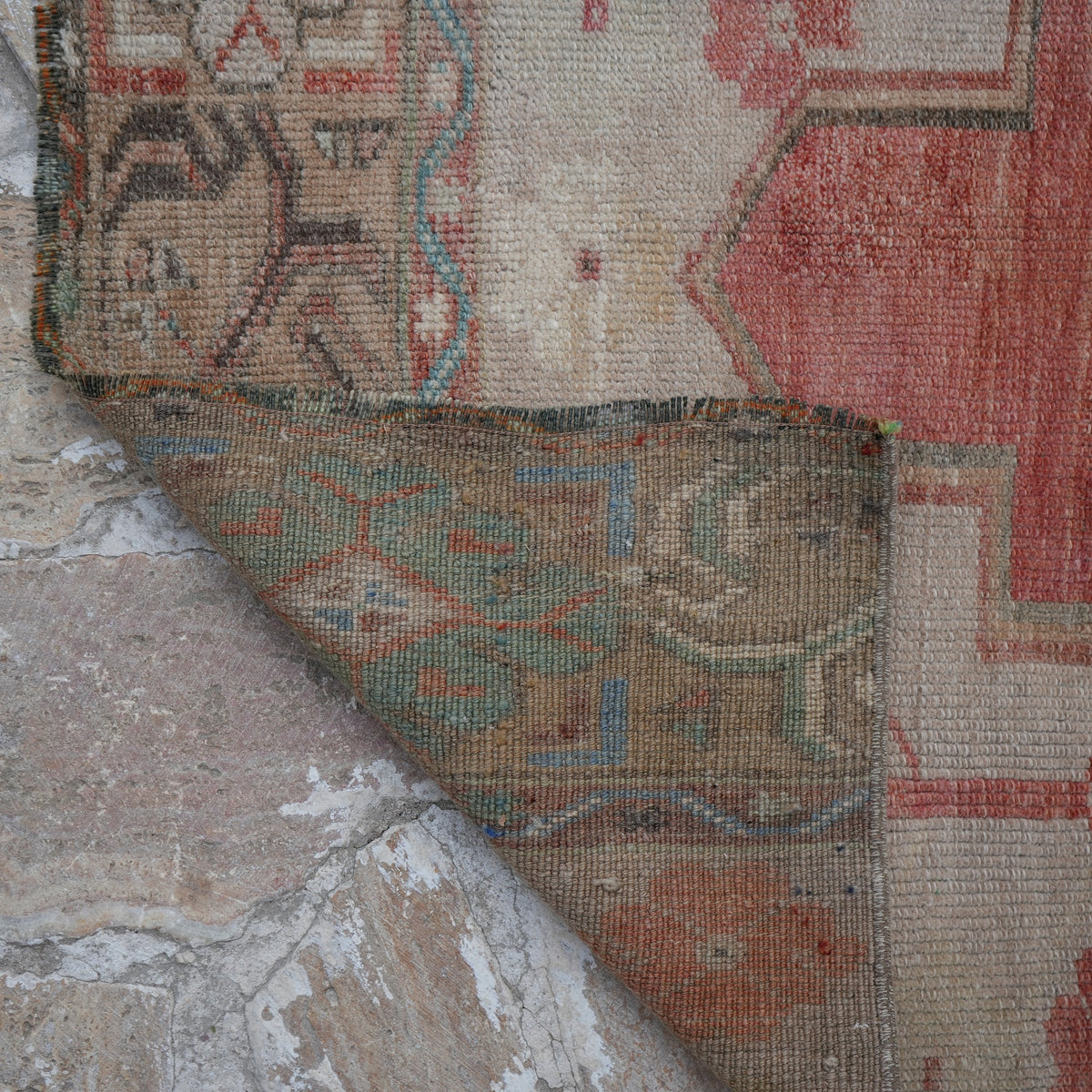
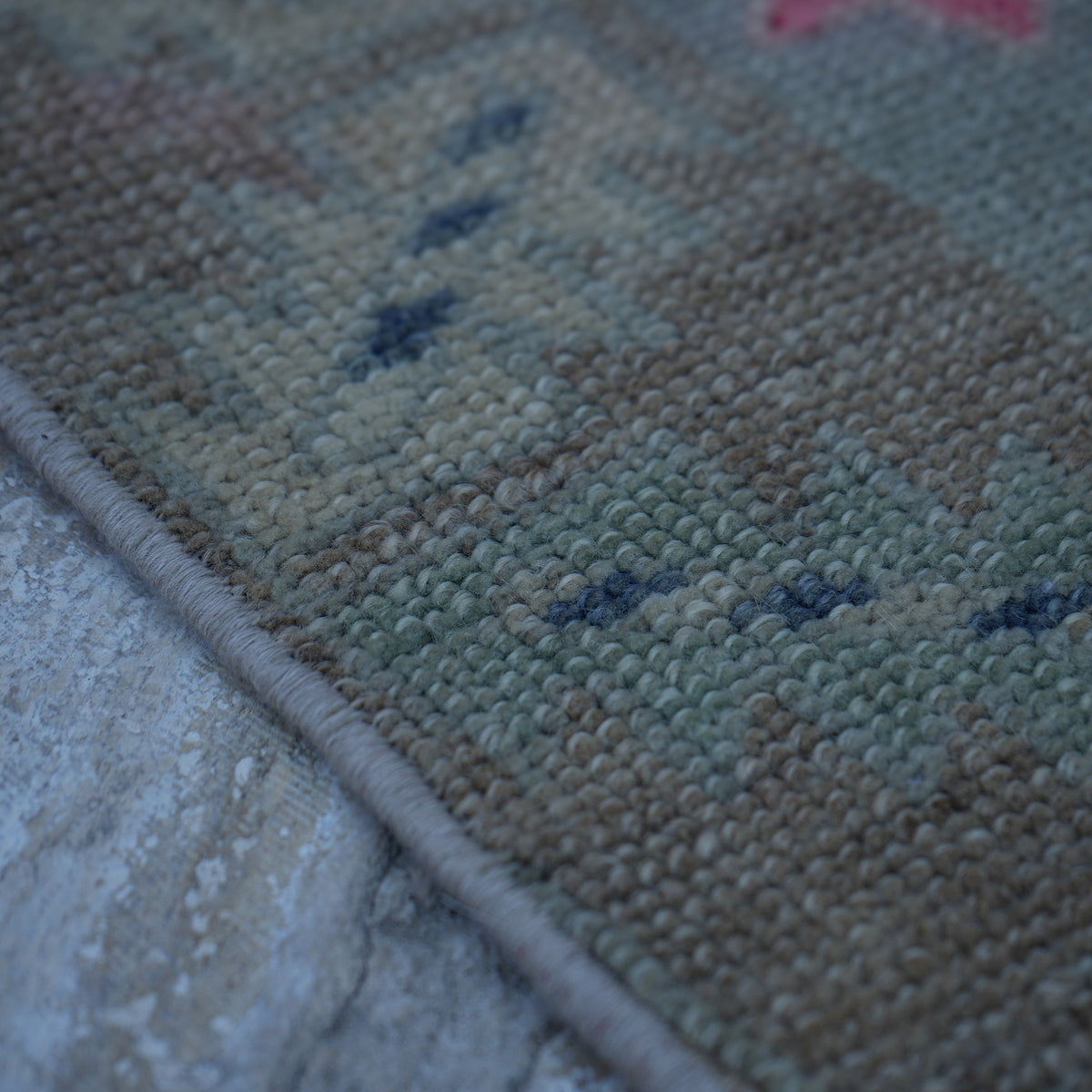
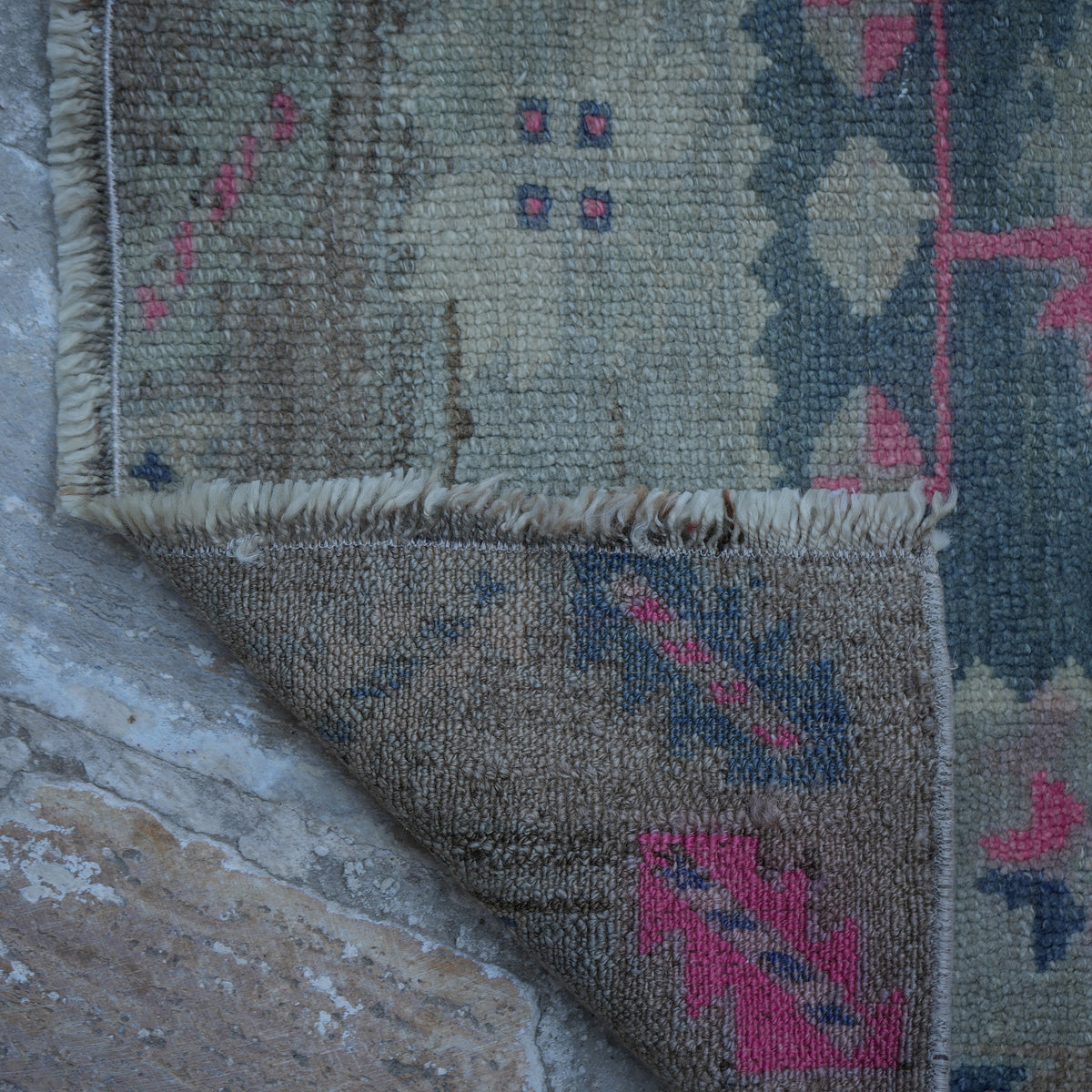
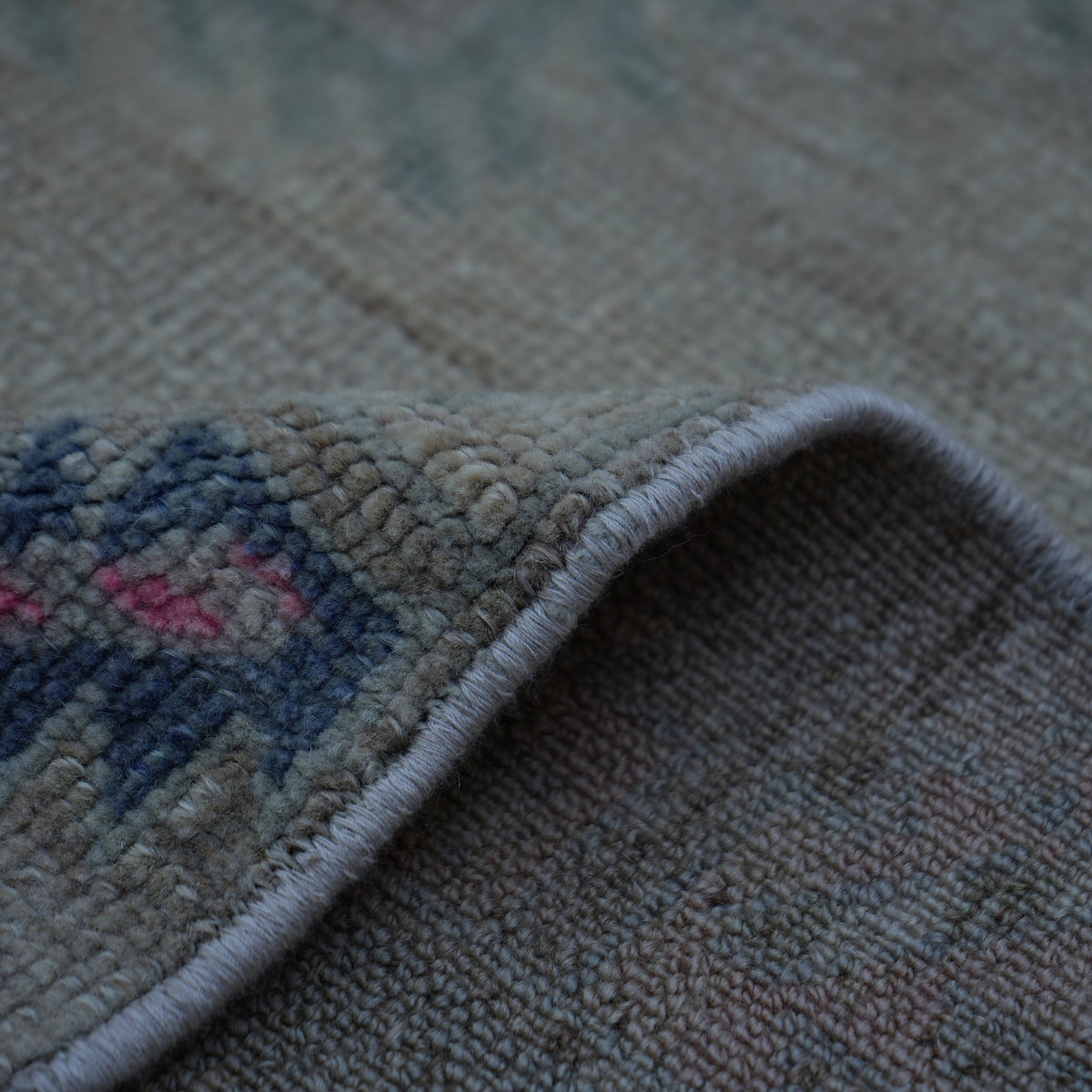
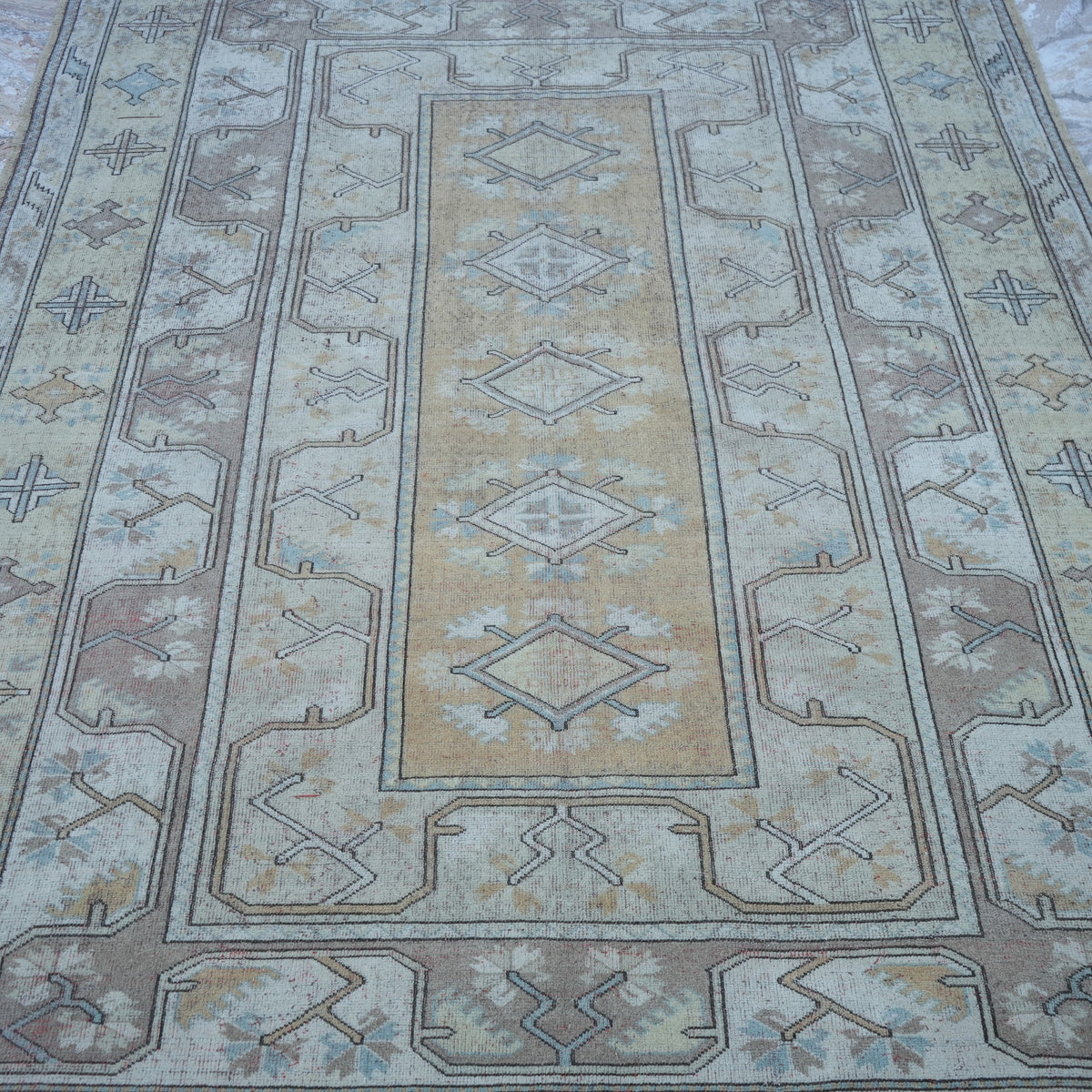
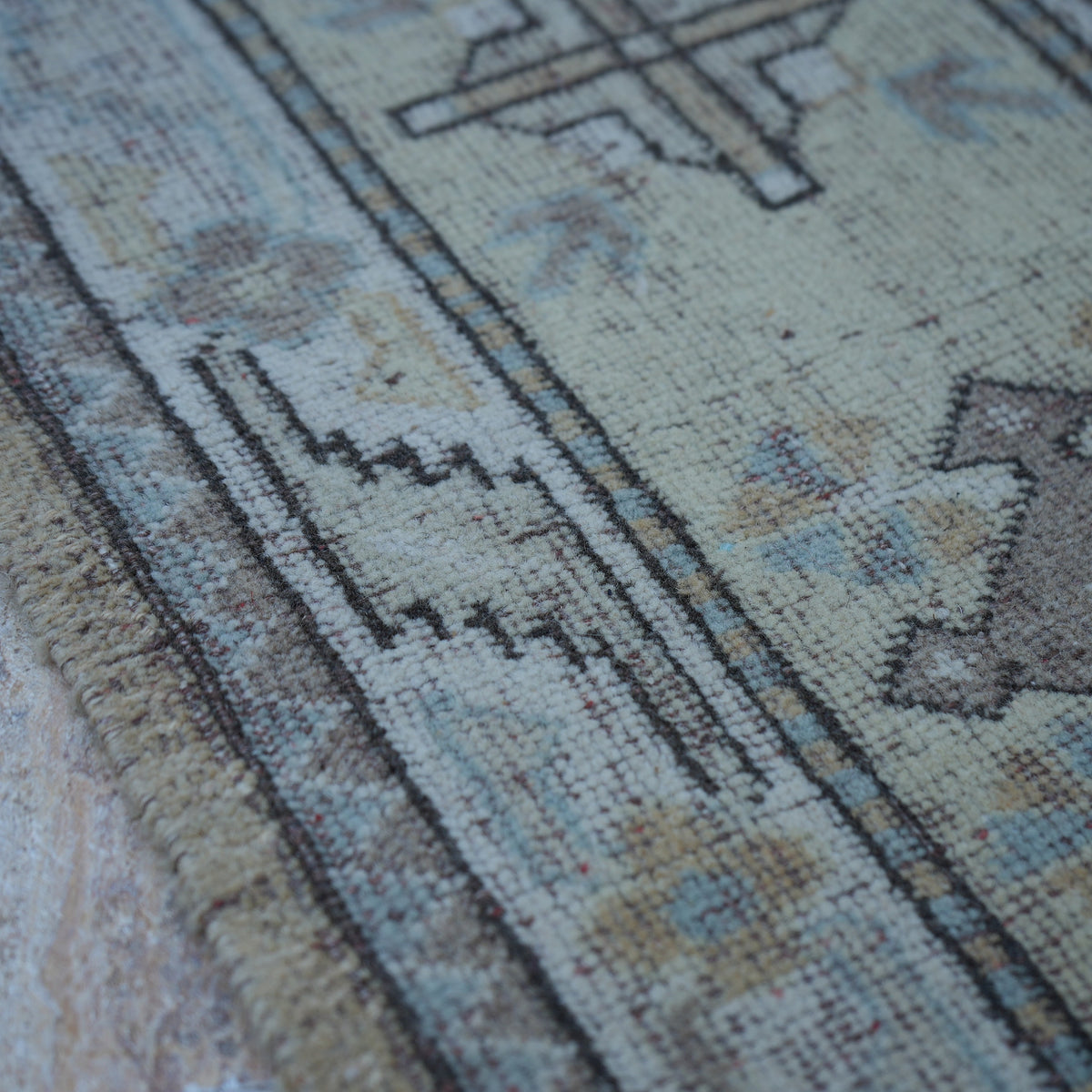
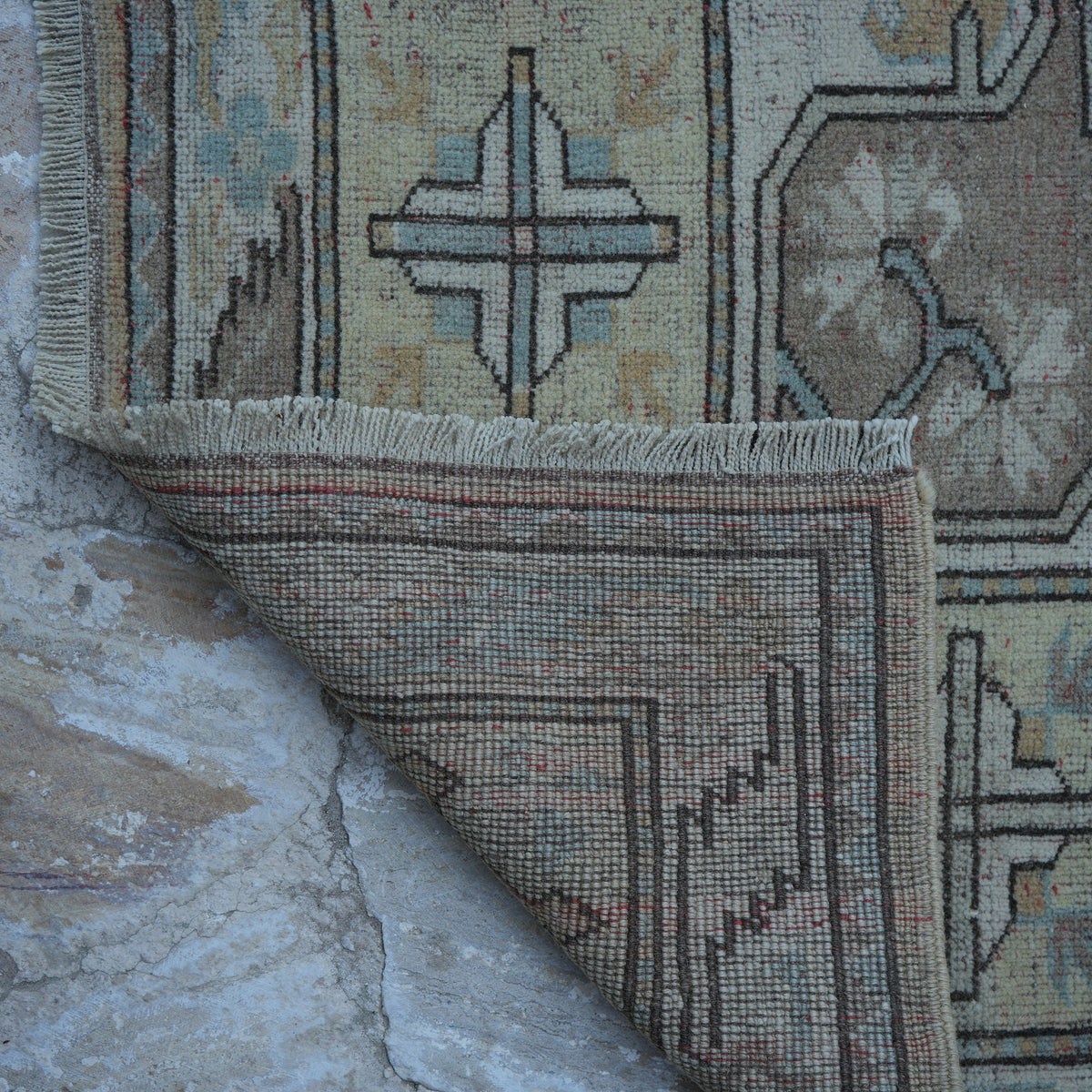
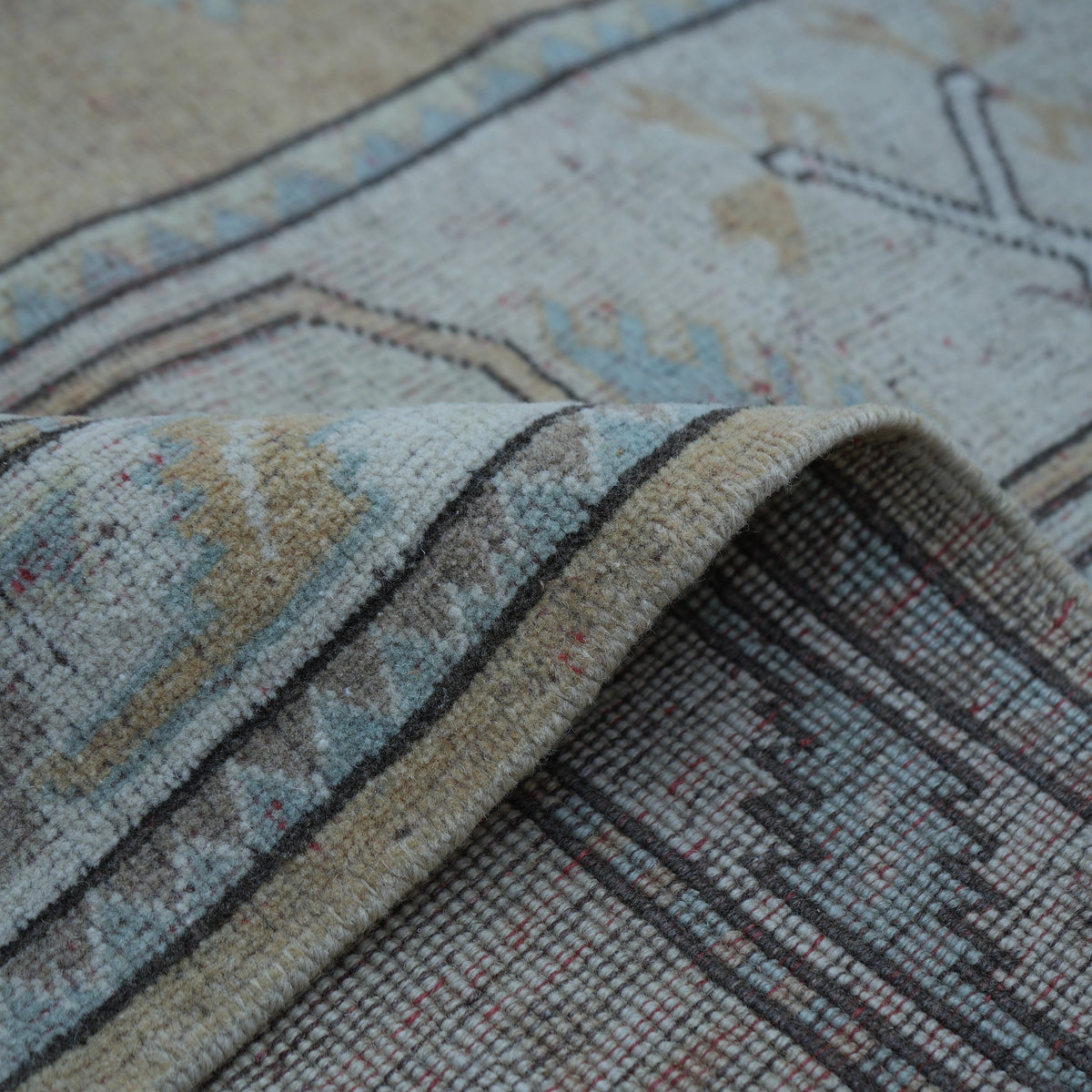
Shop Handmade Rugs by Type








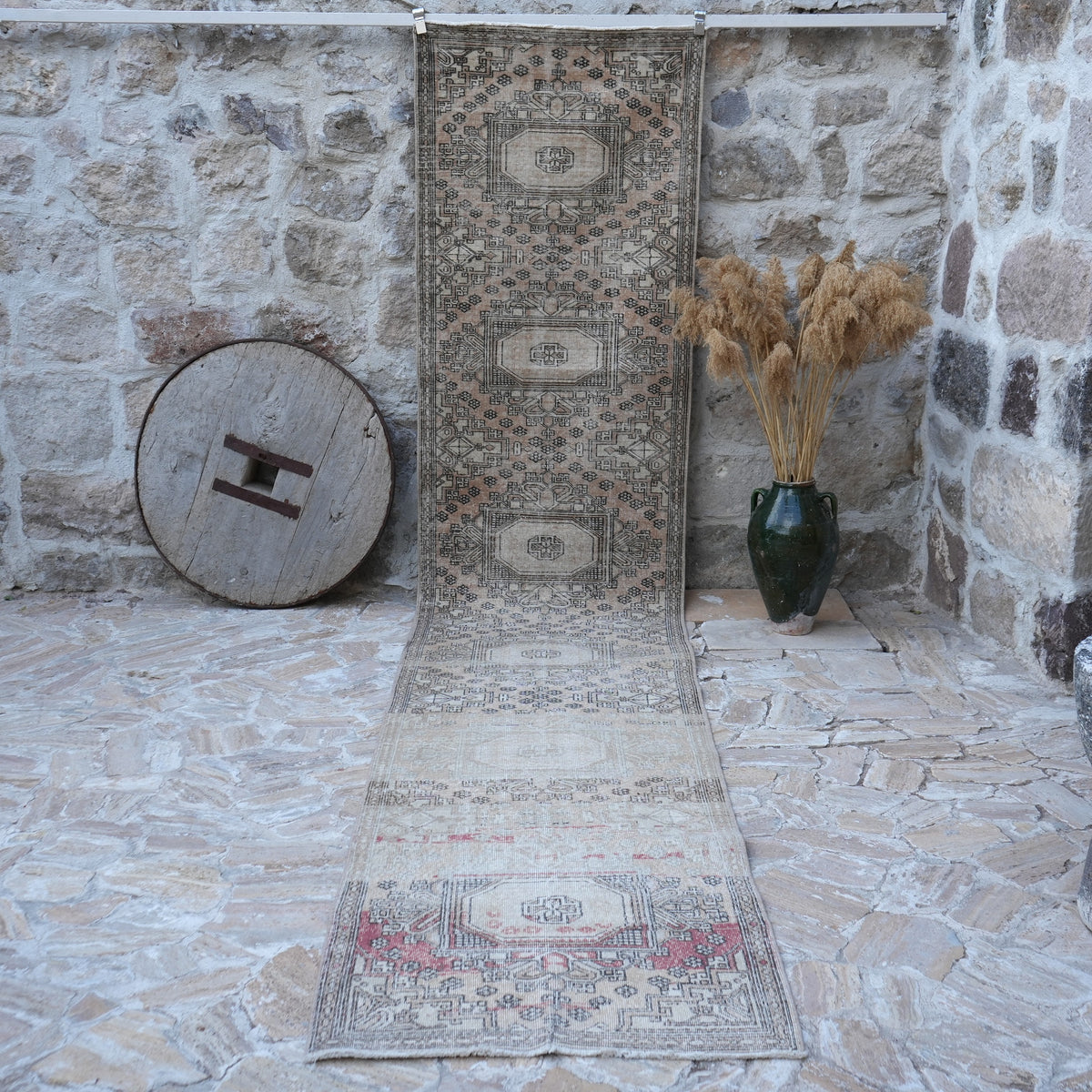
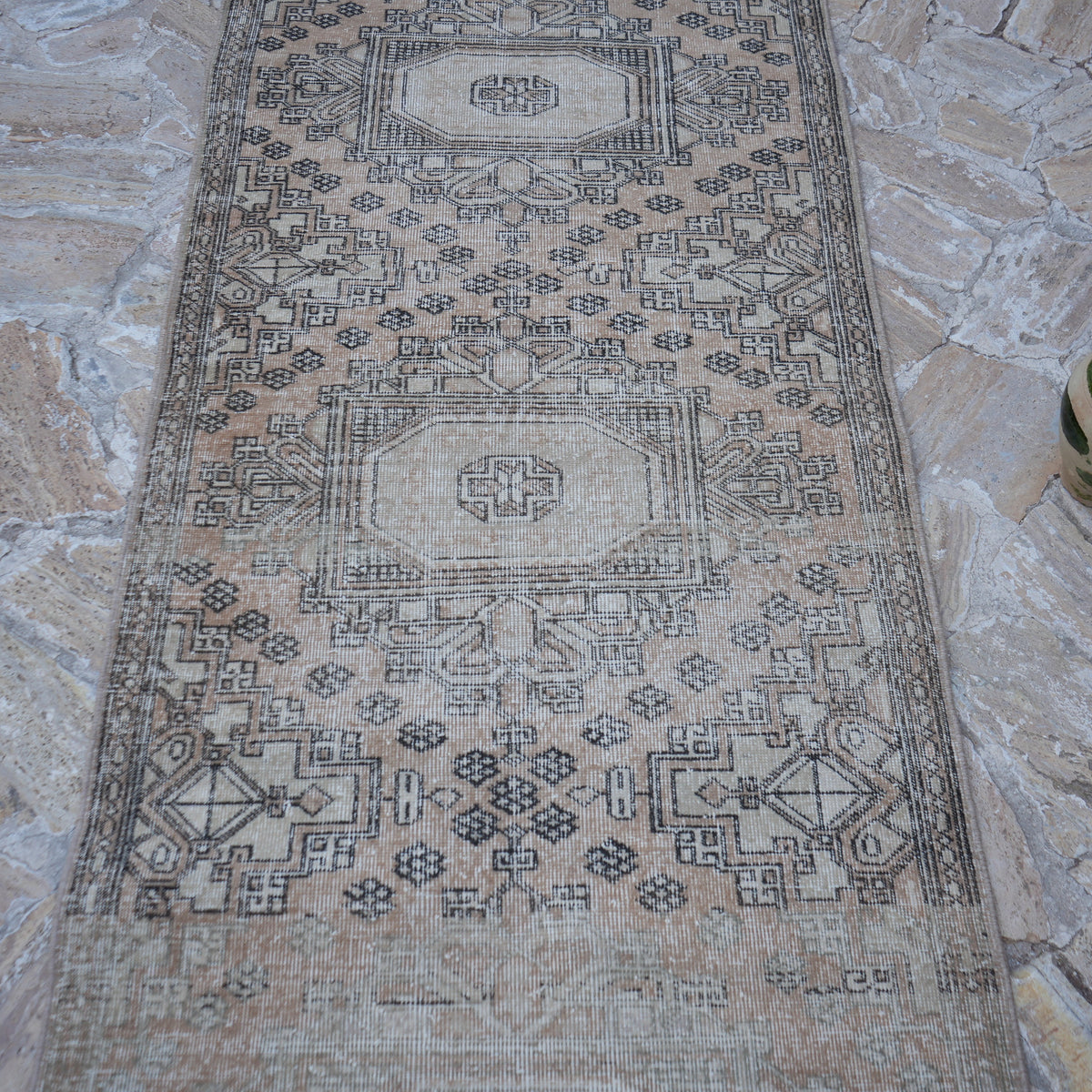
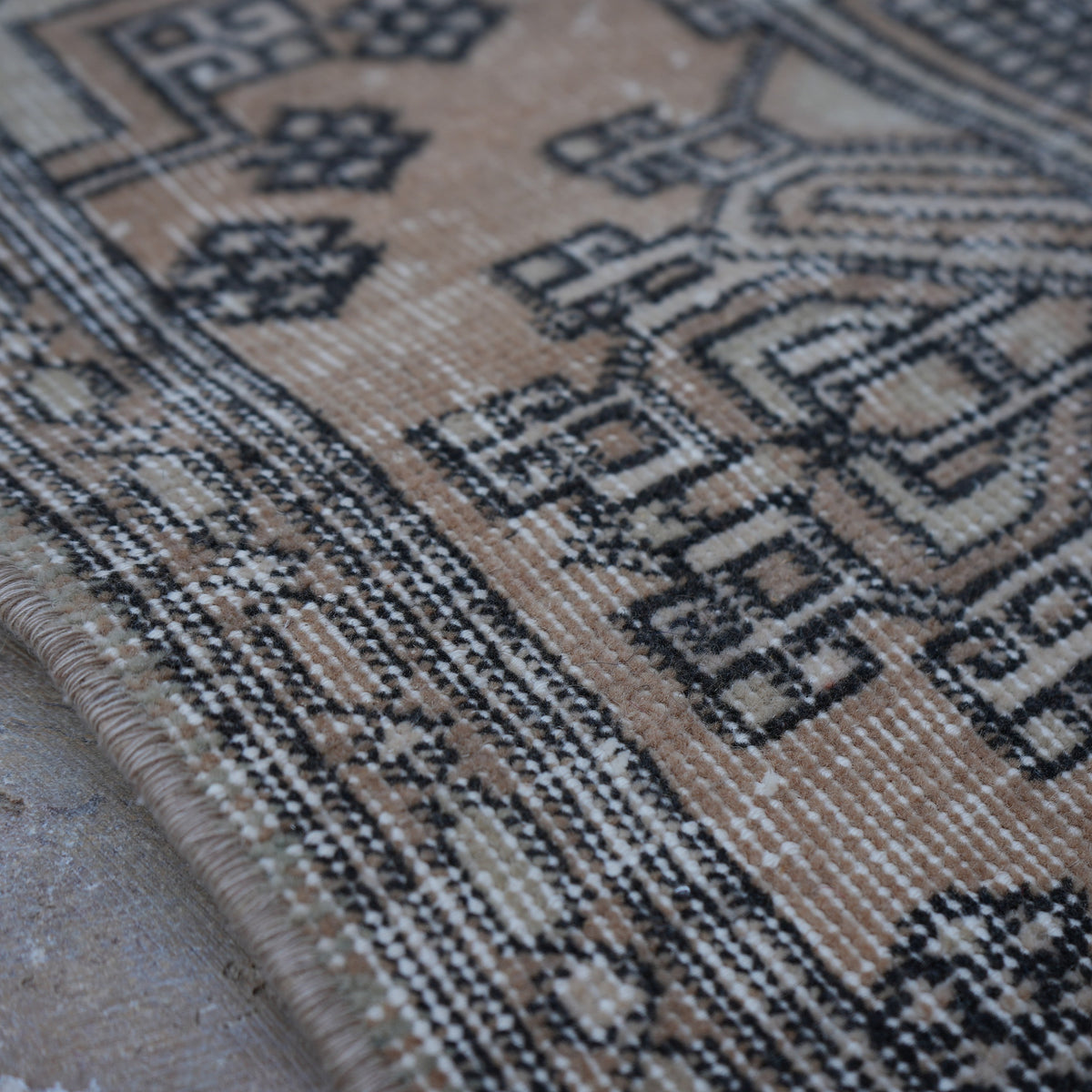
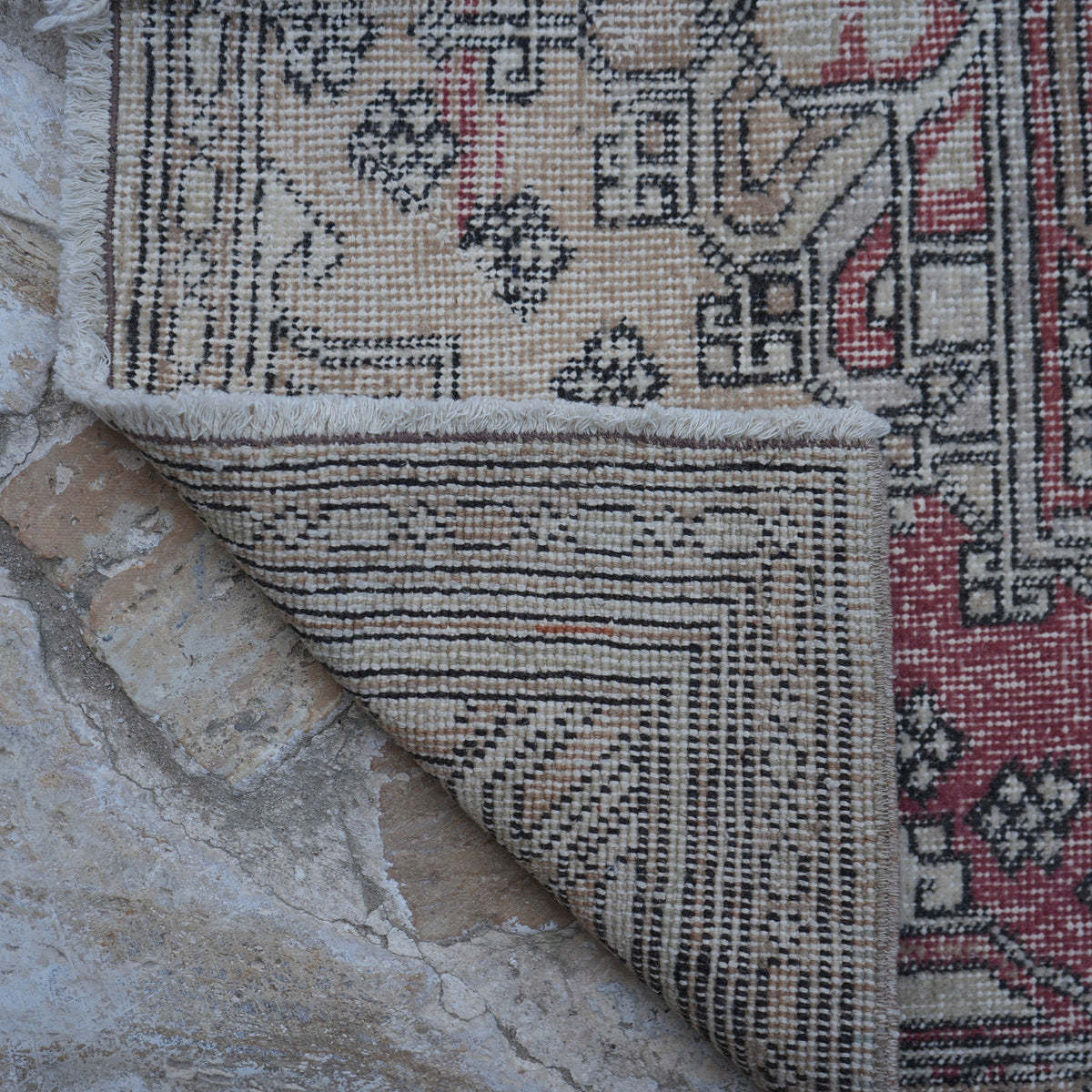
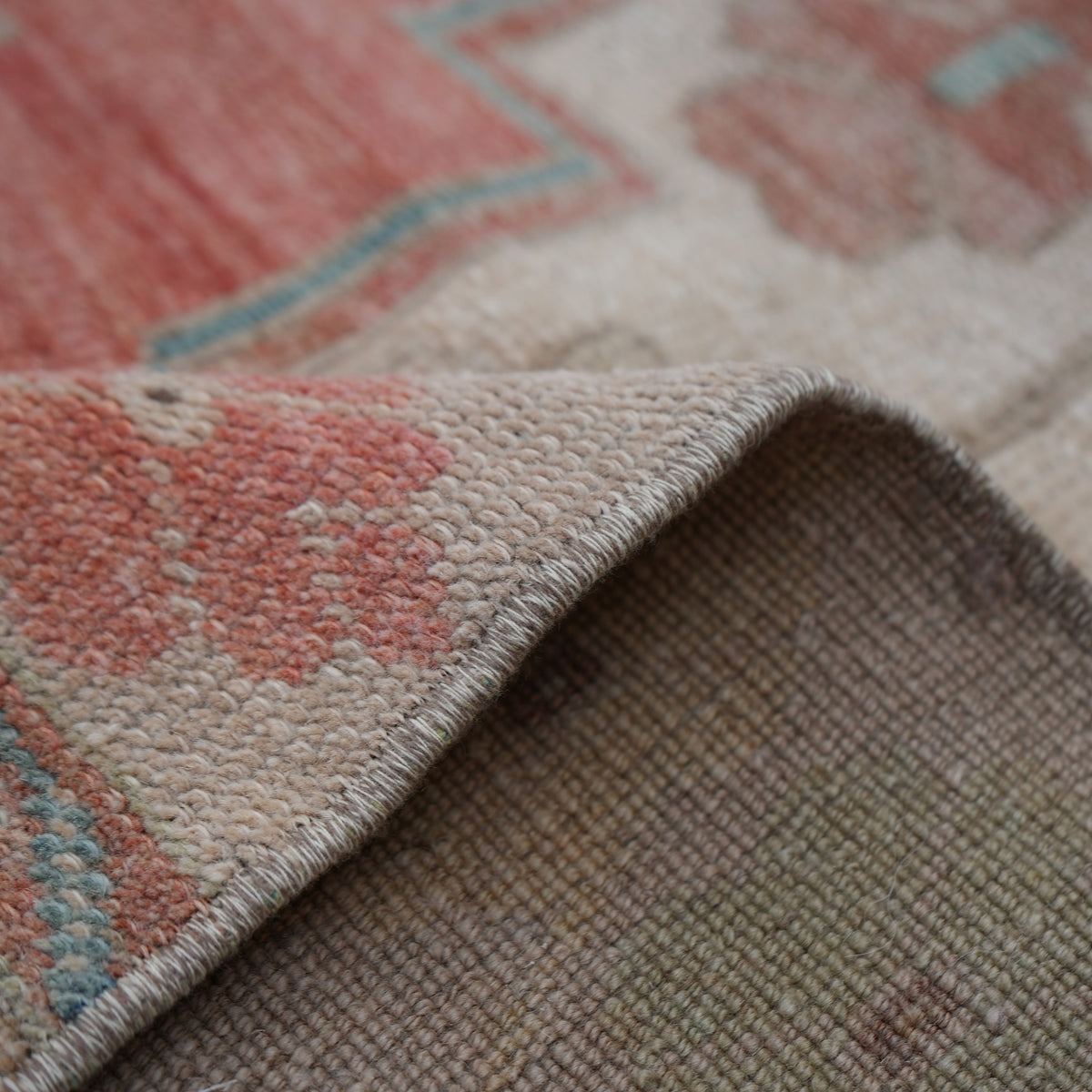
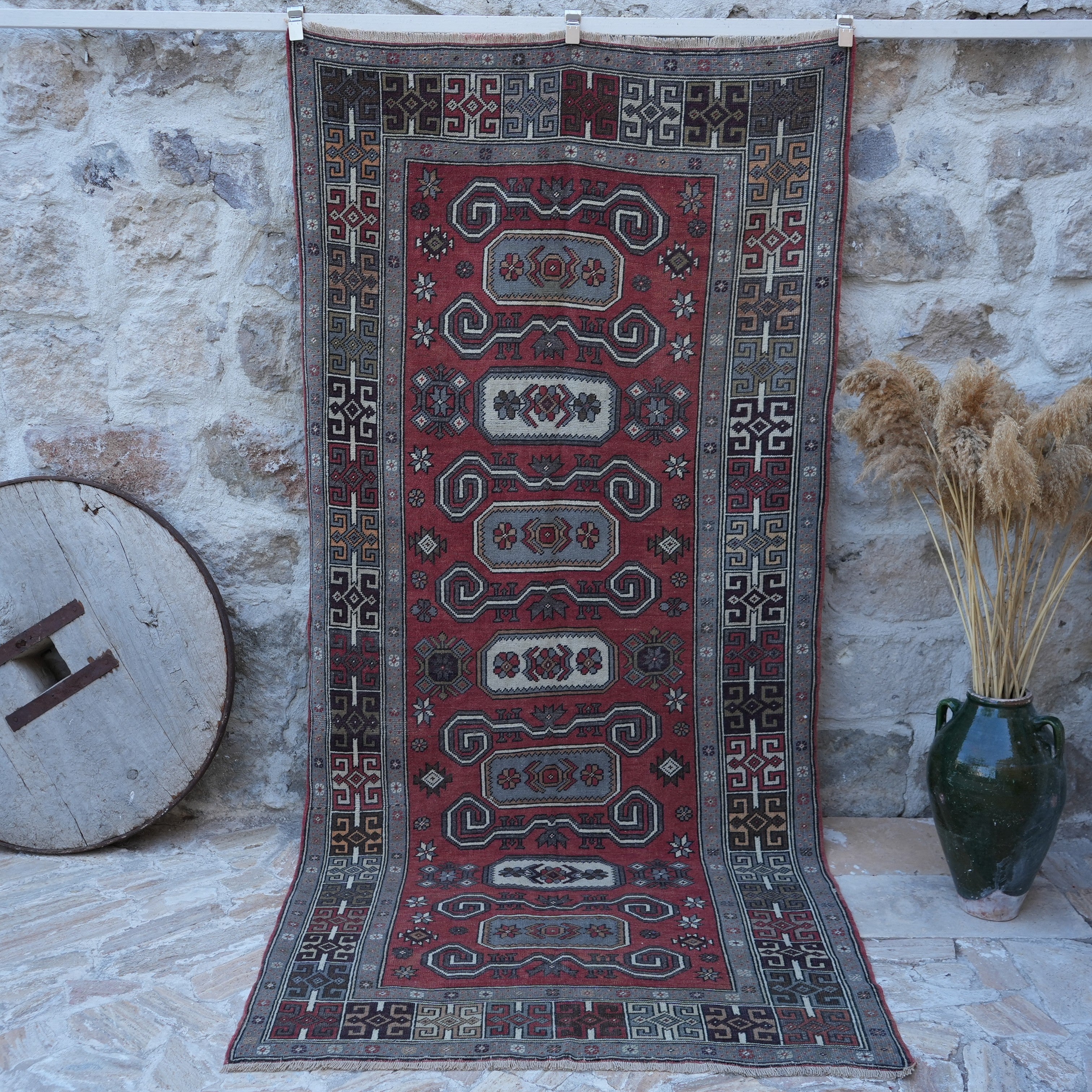
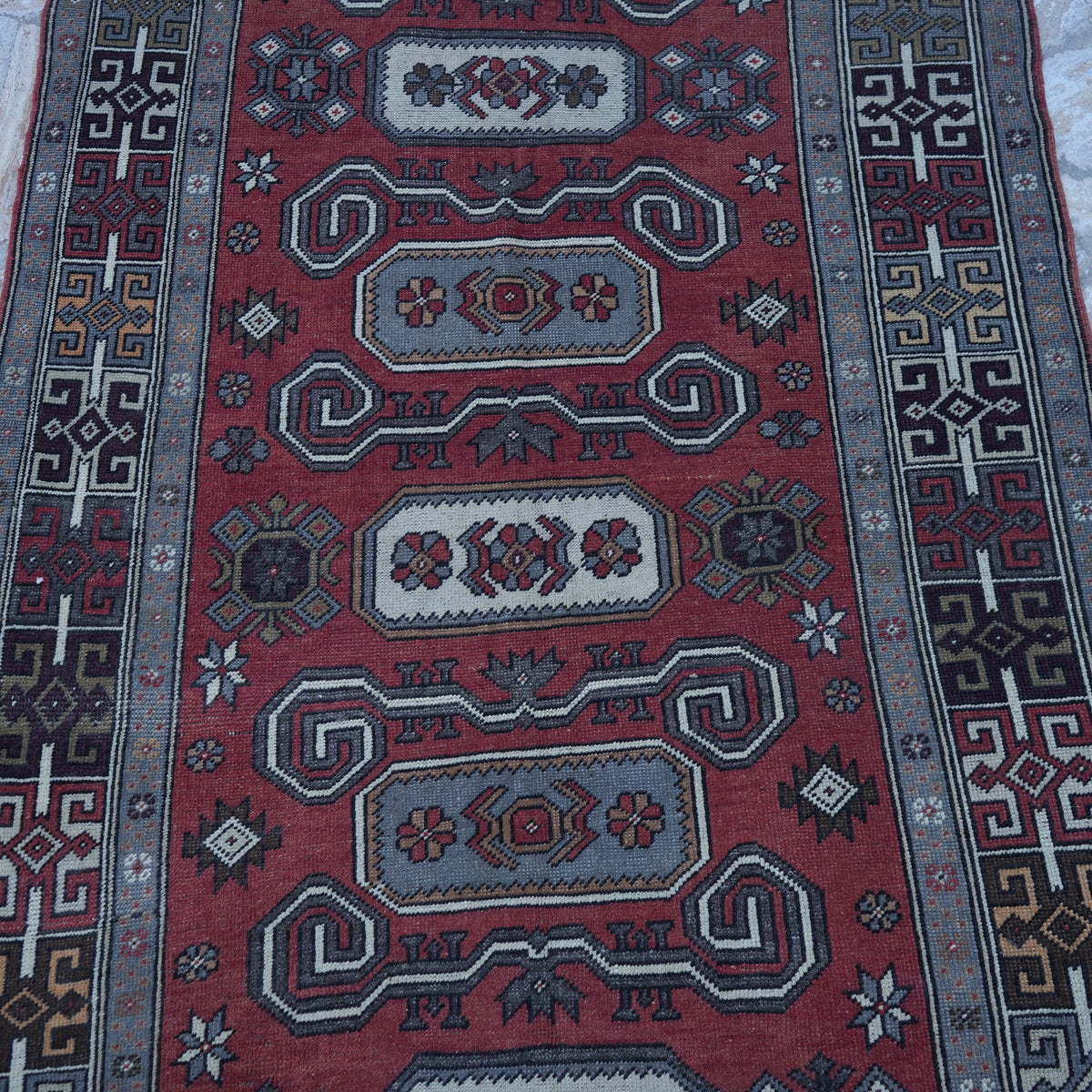
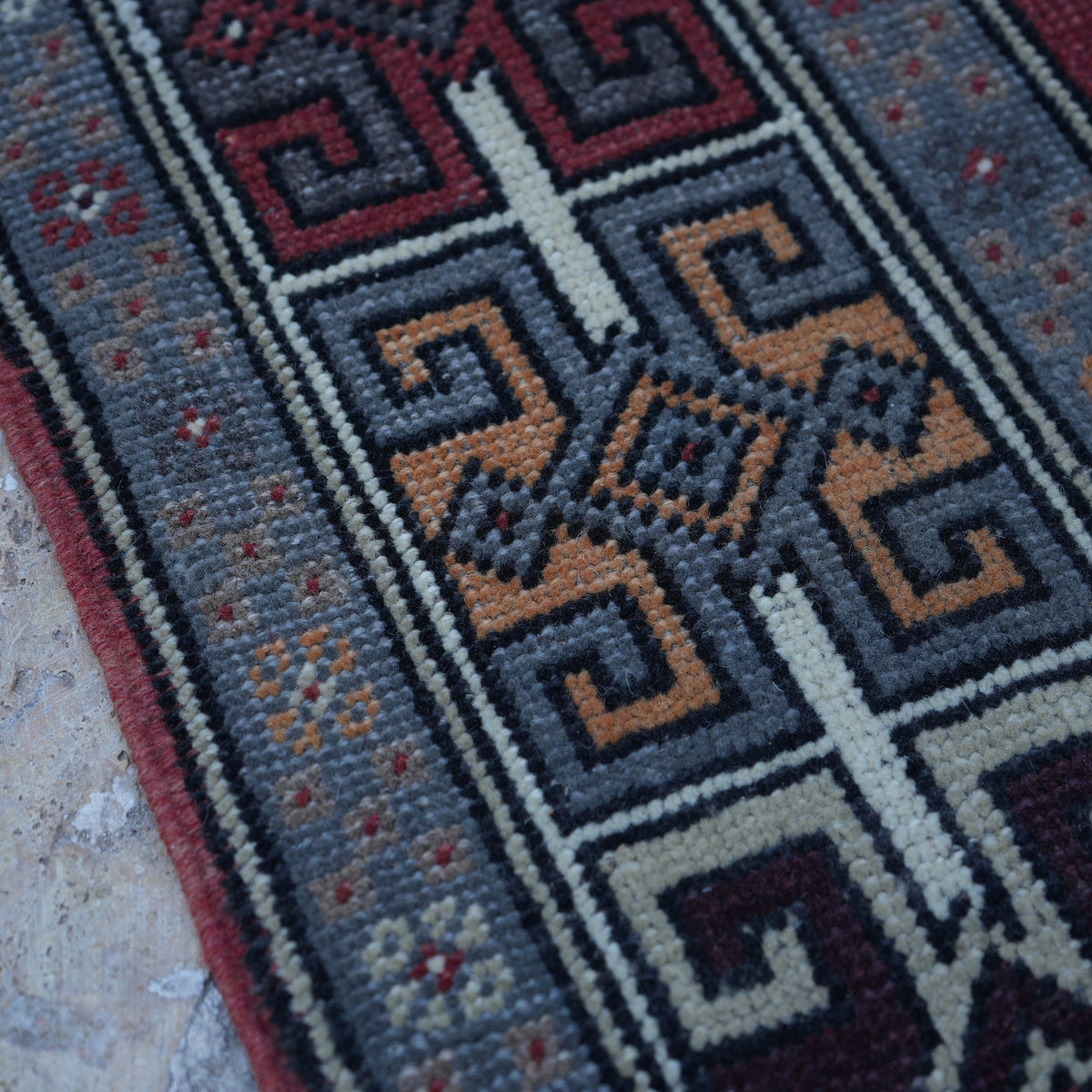
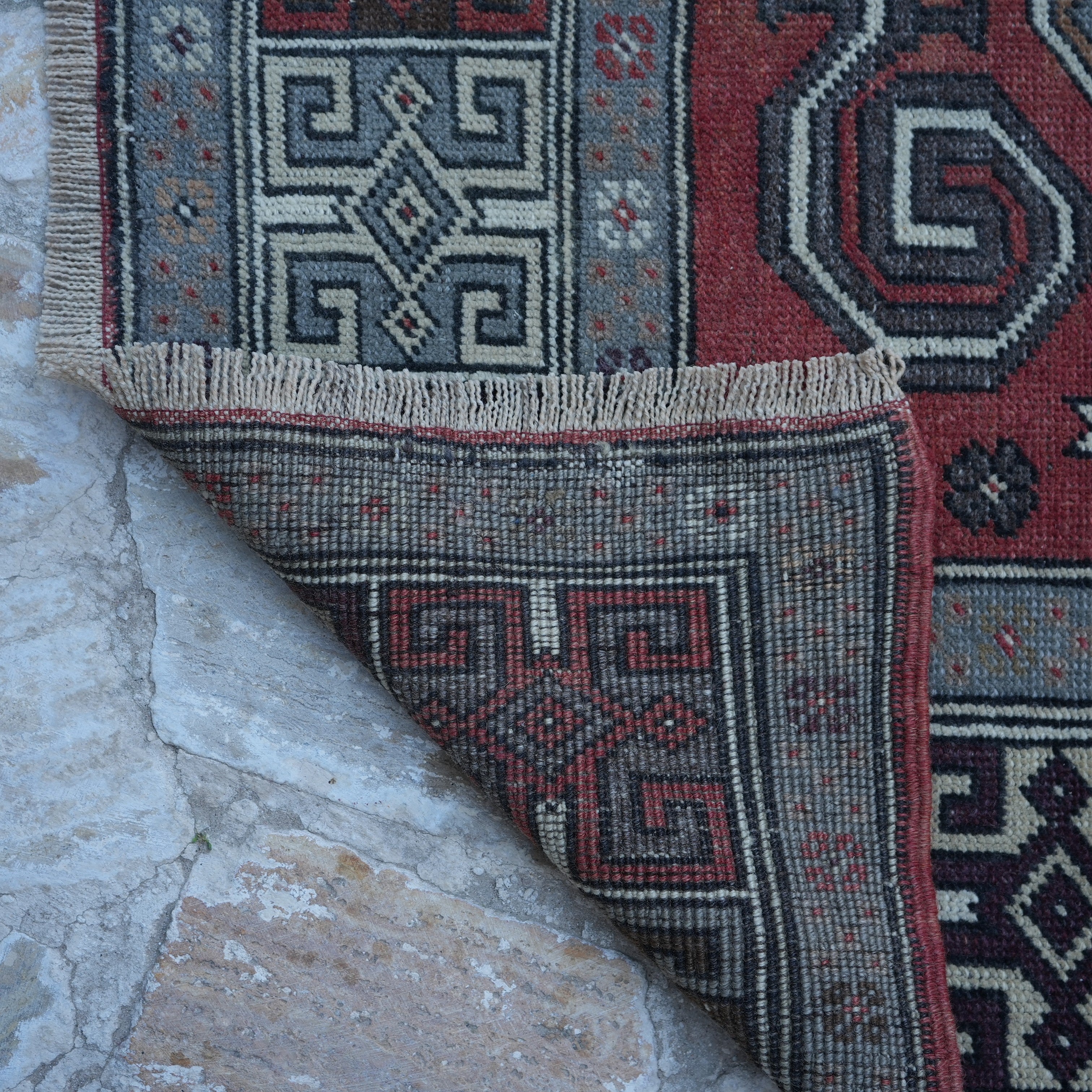
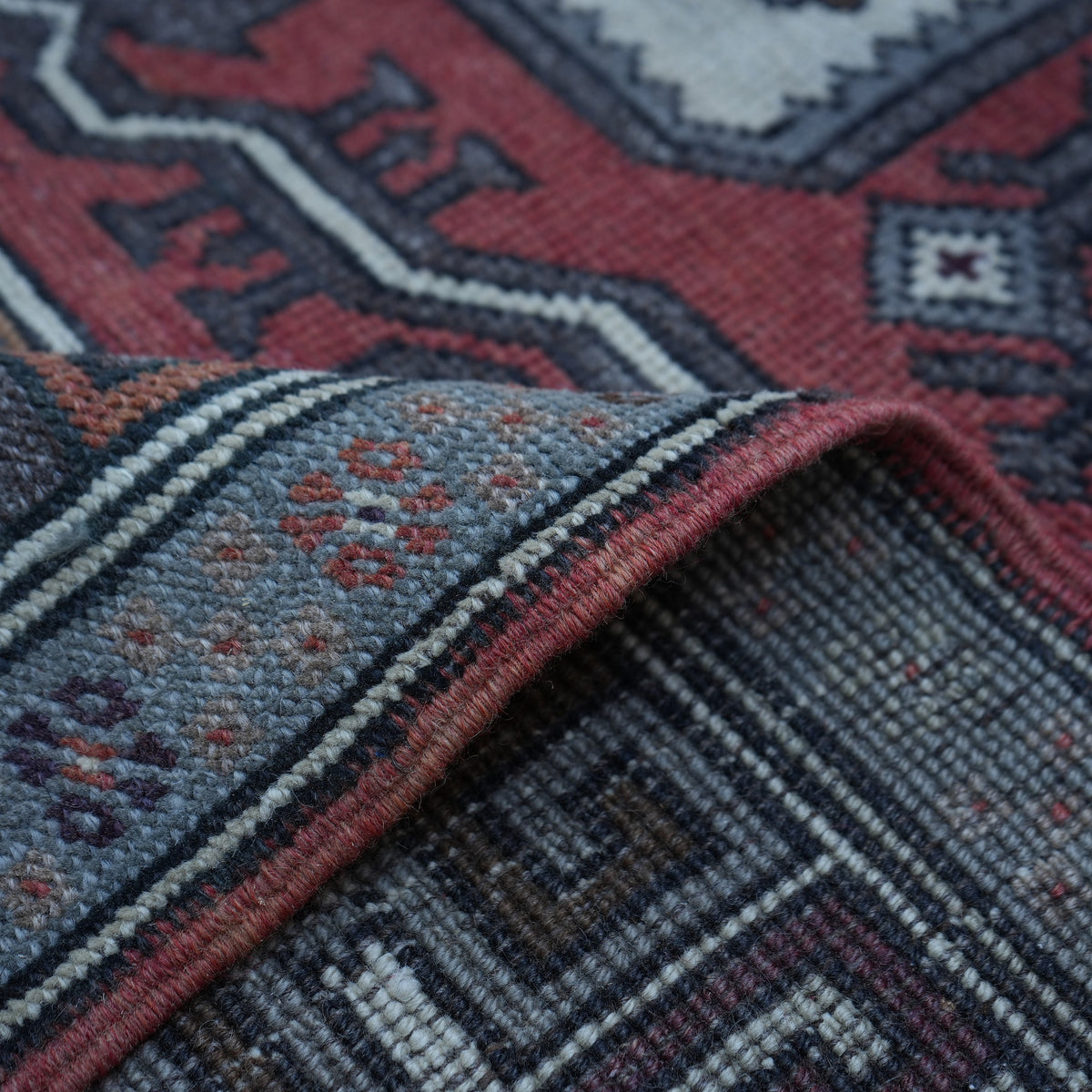
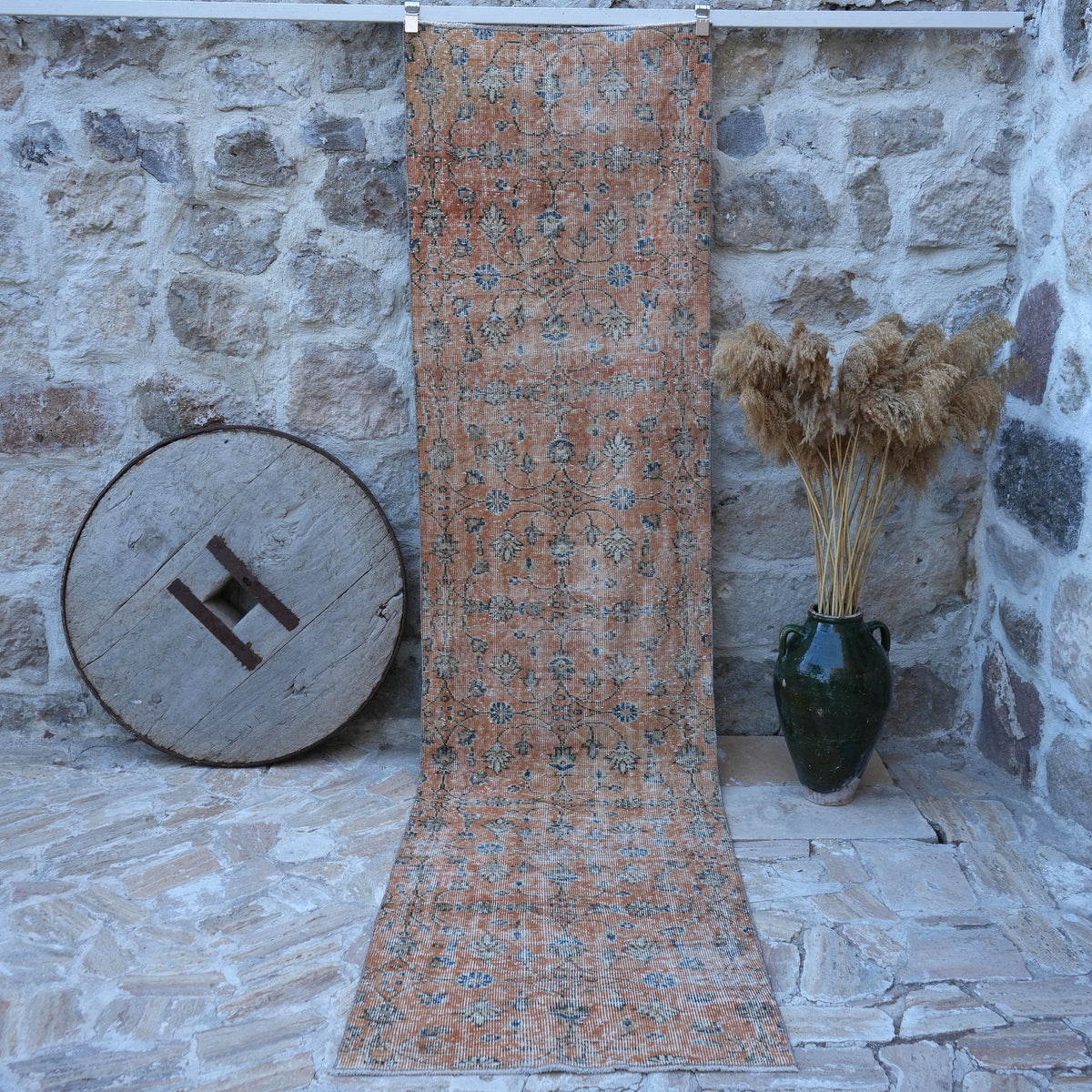
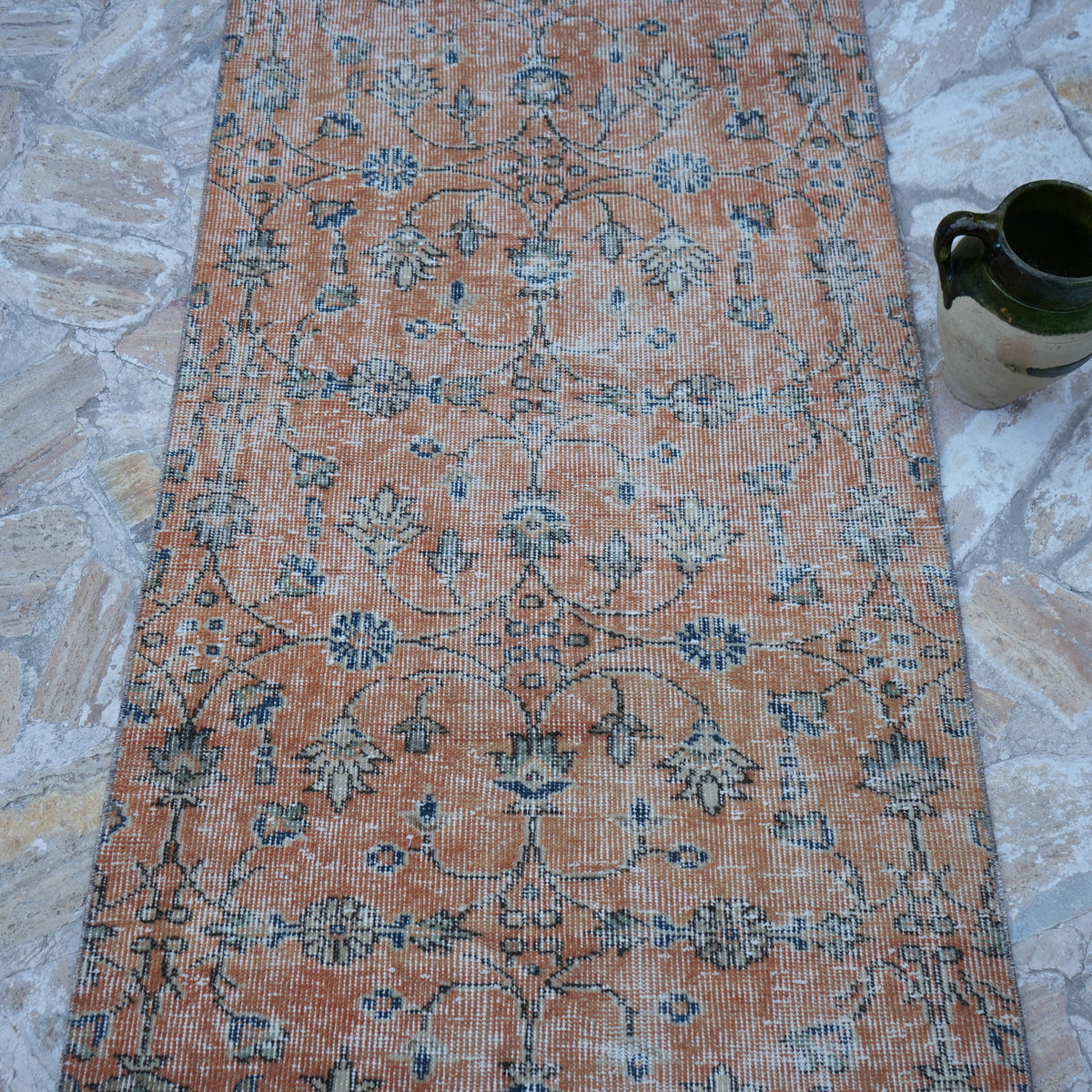
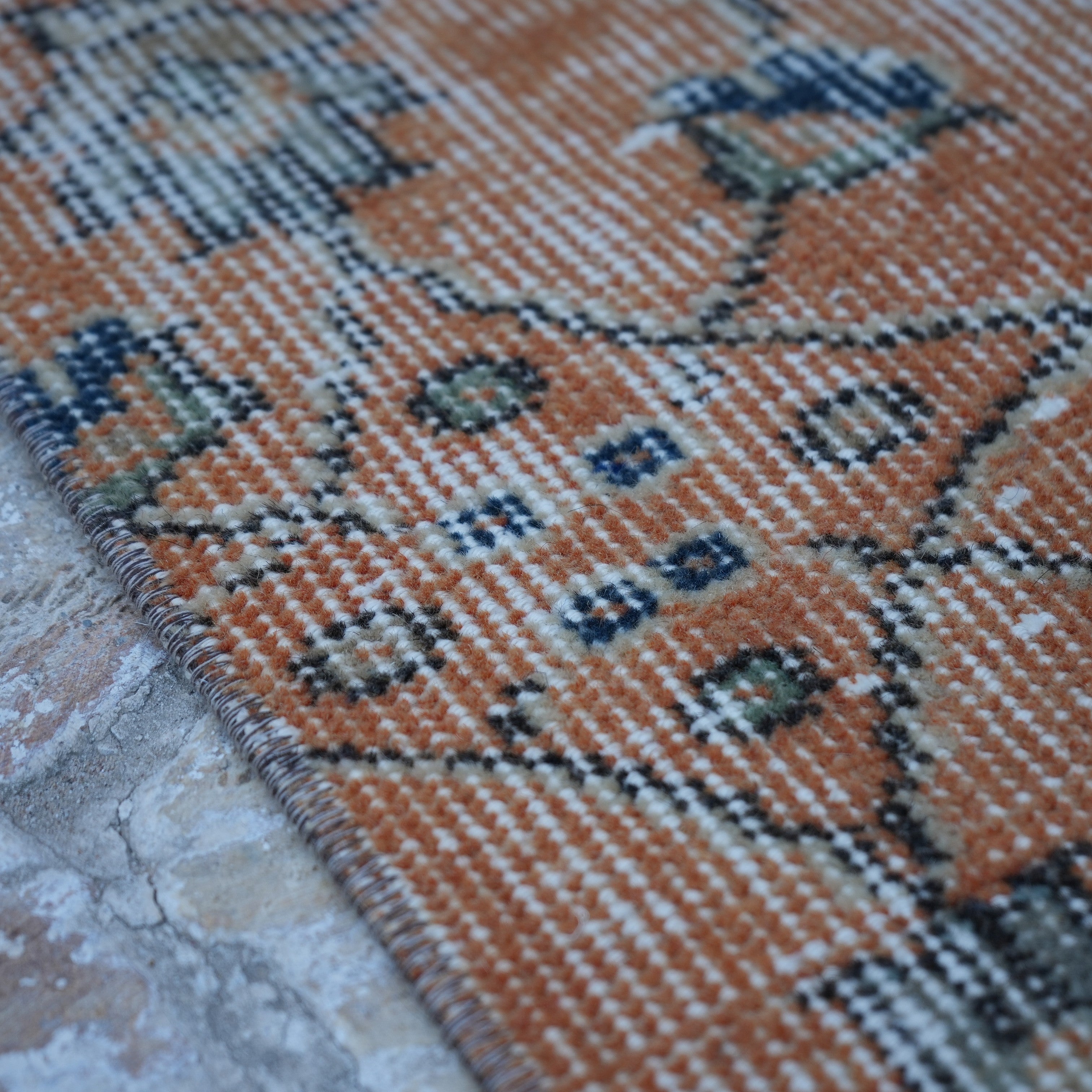
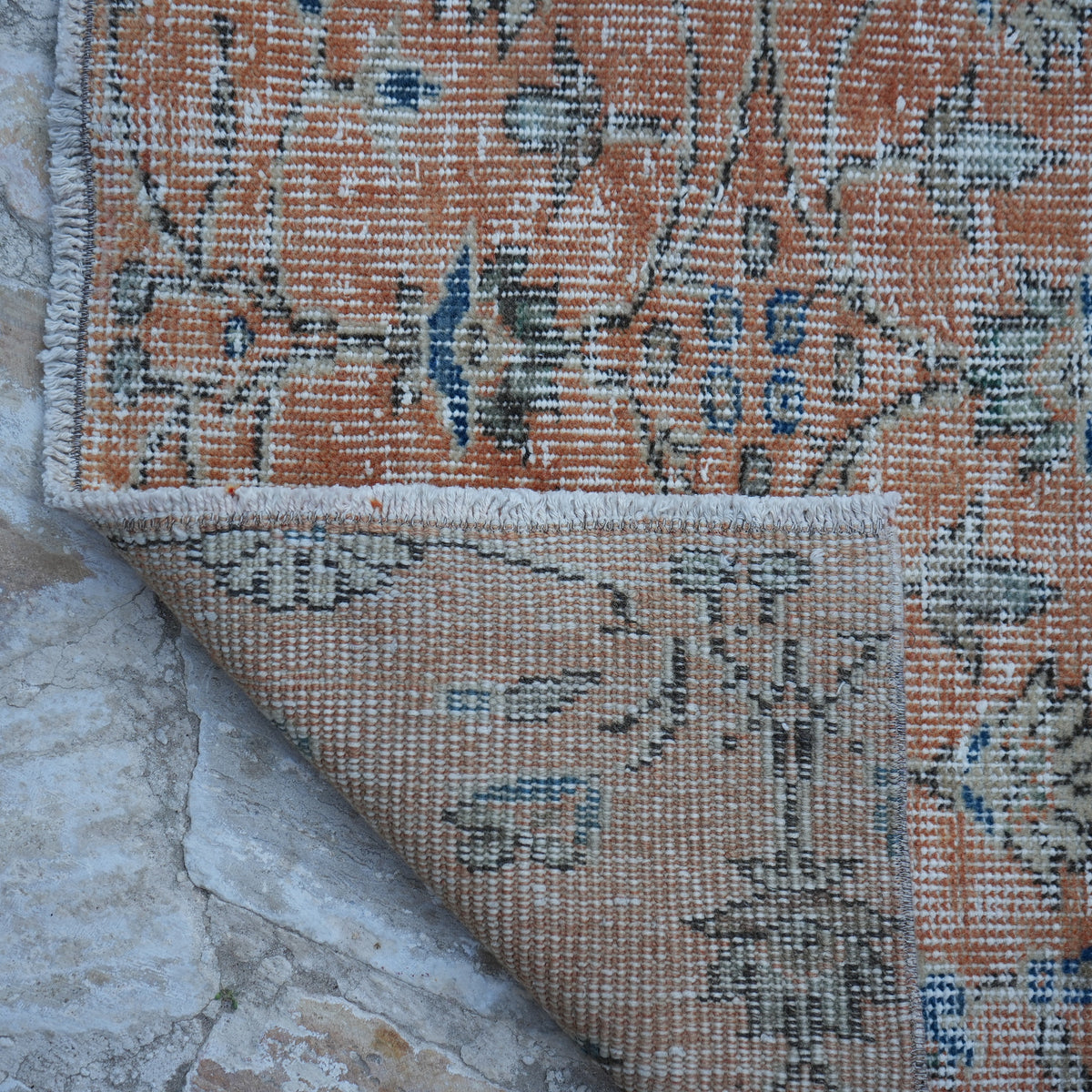

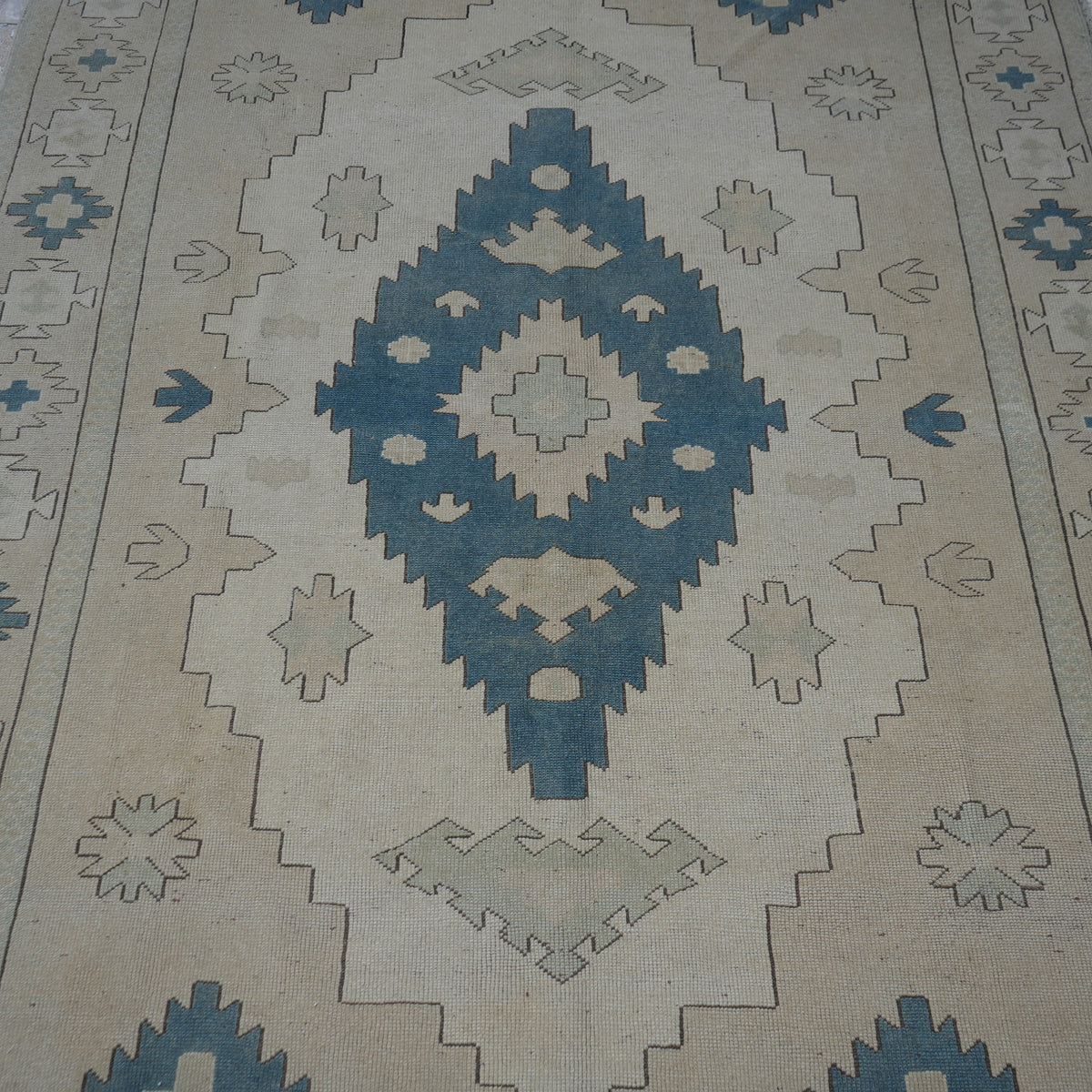
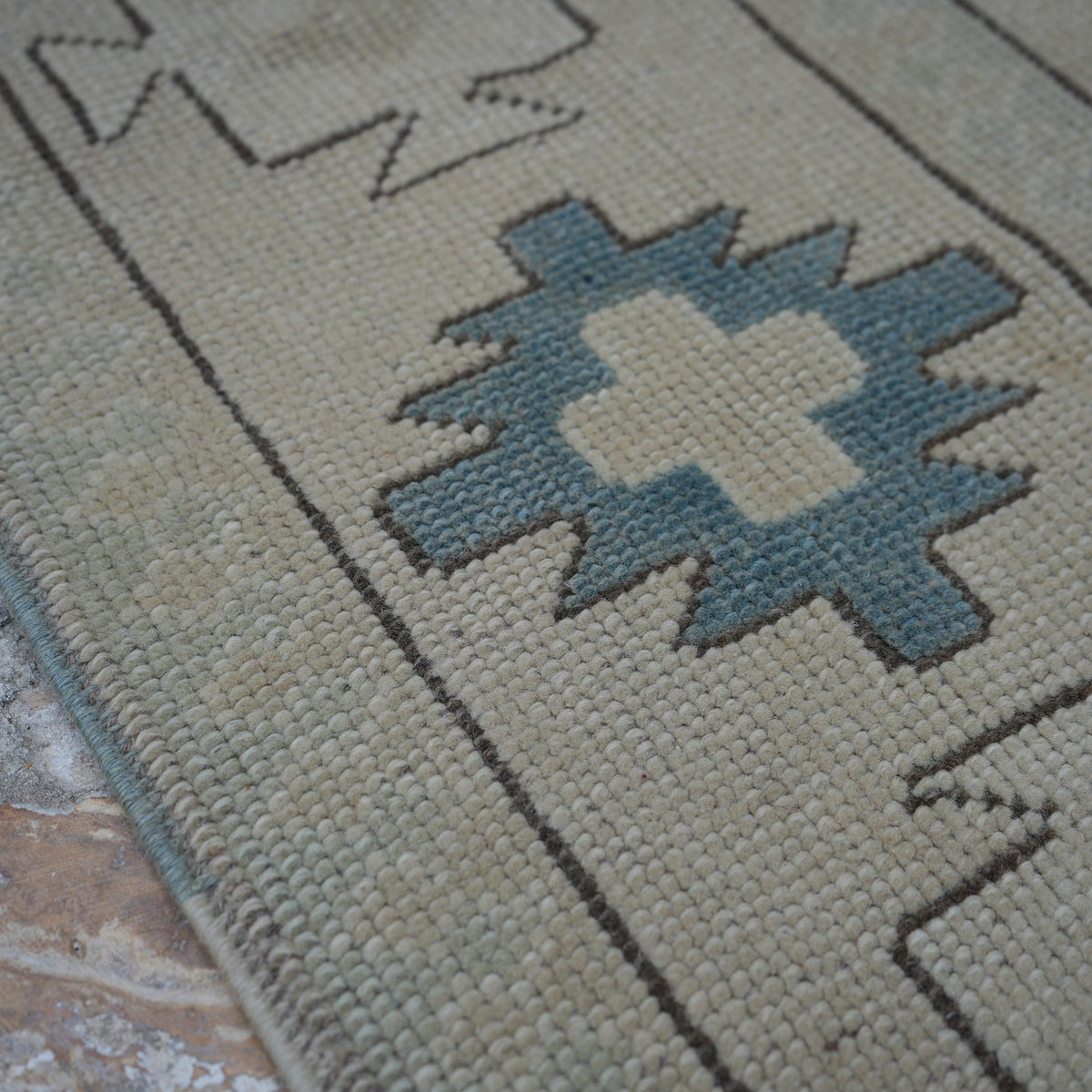
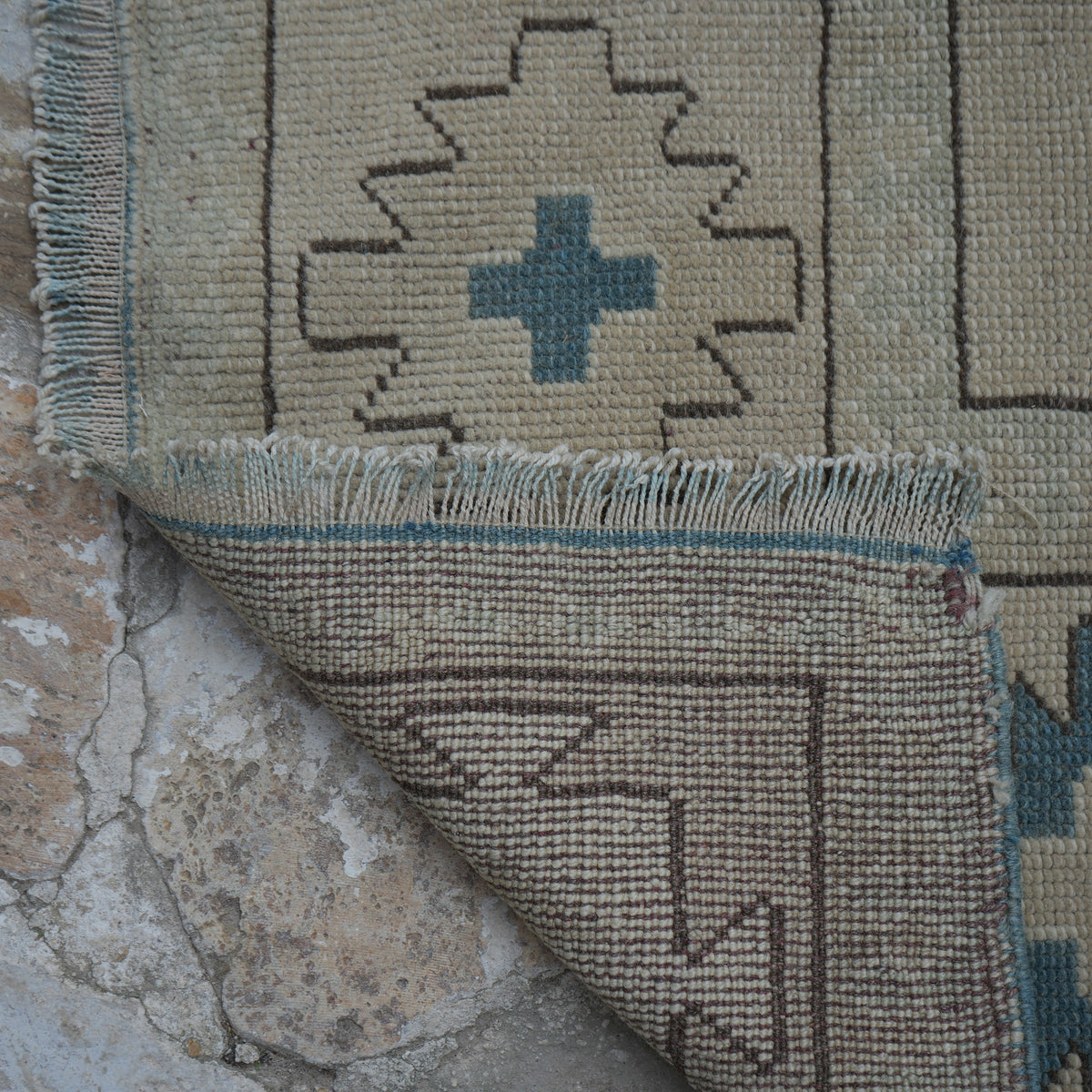
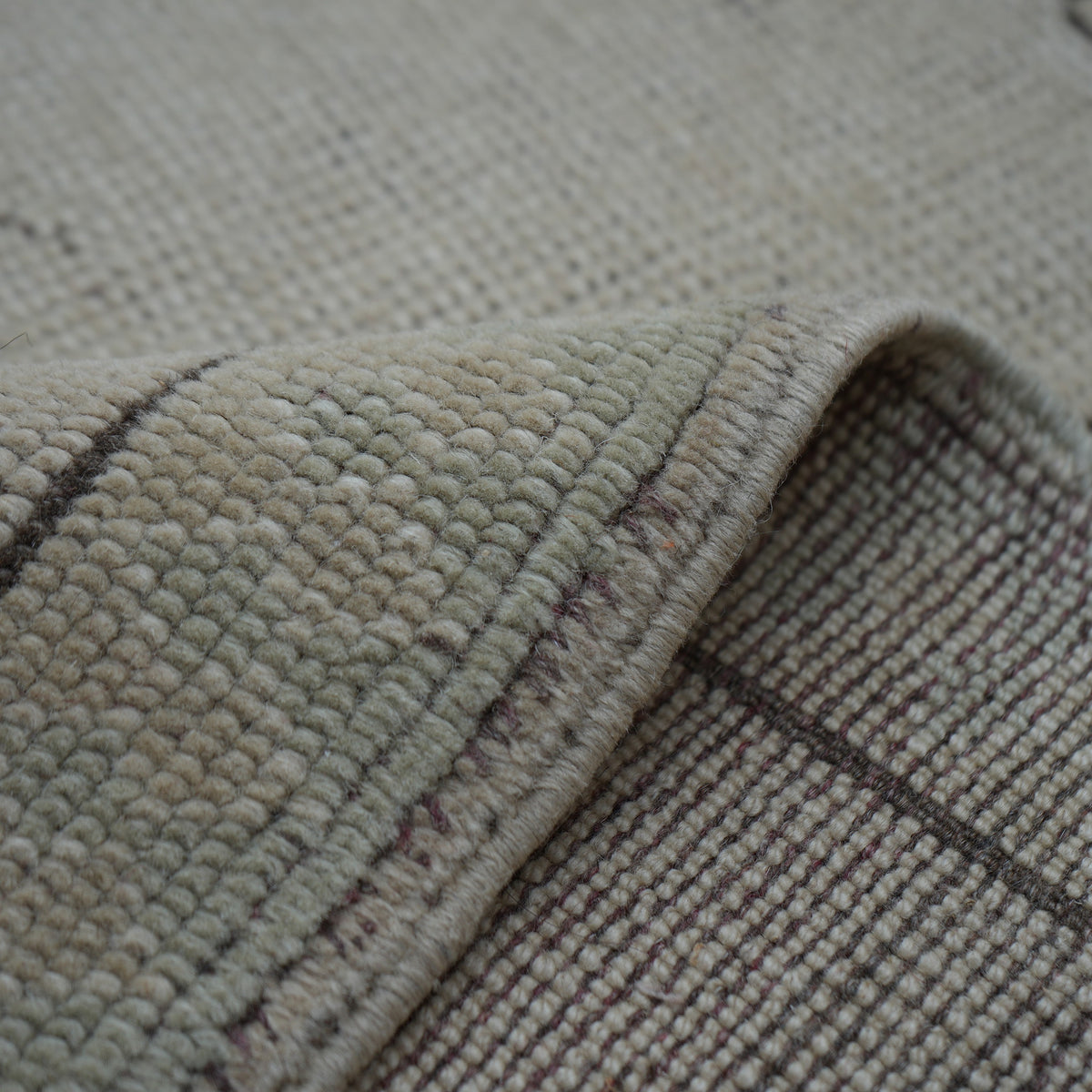


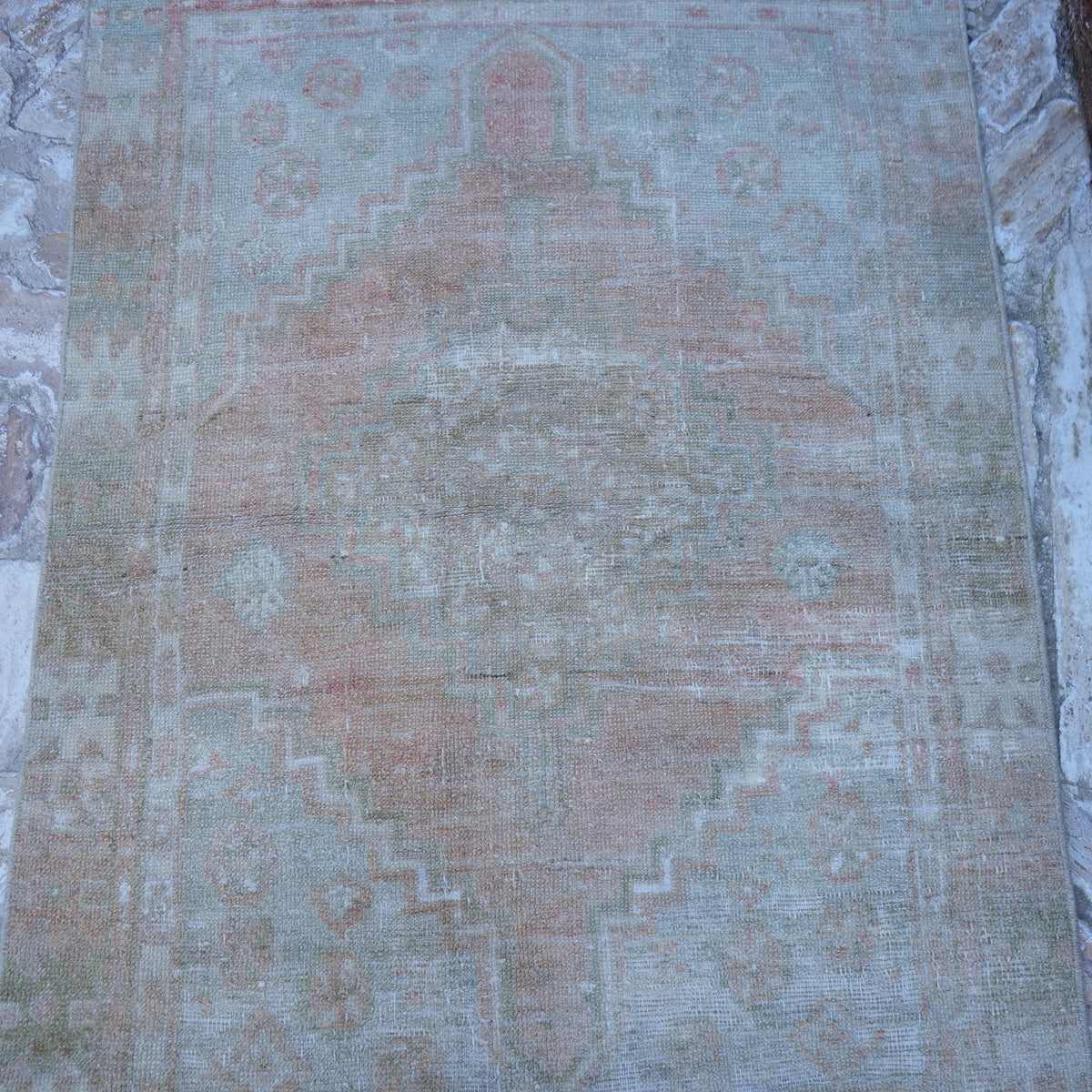
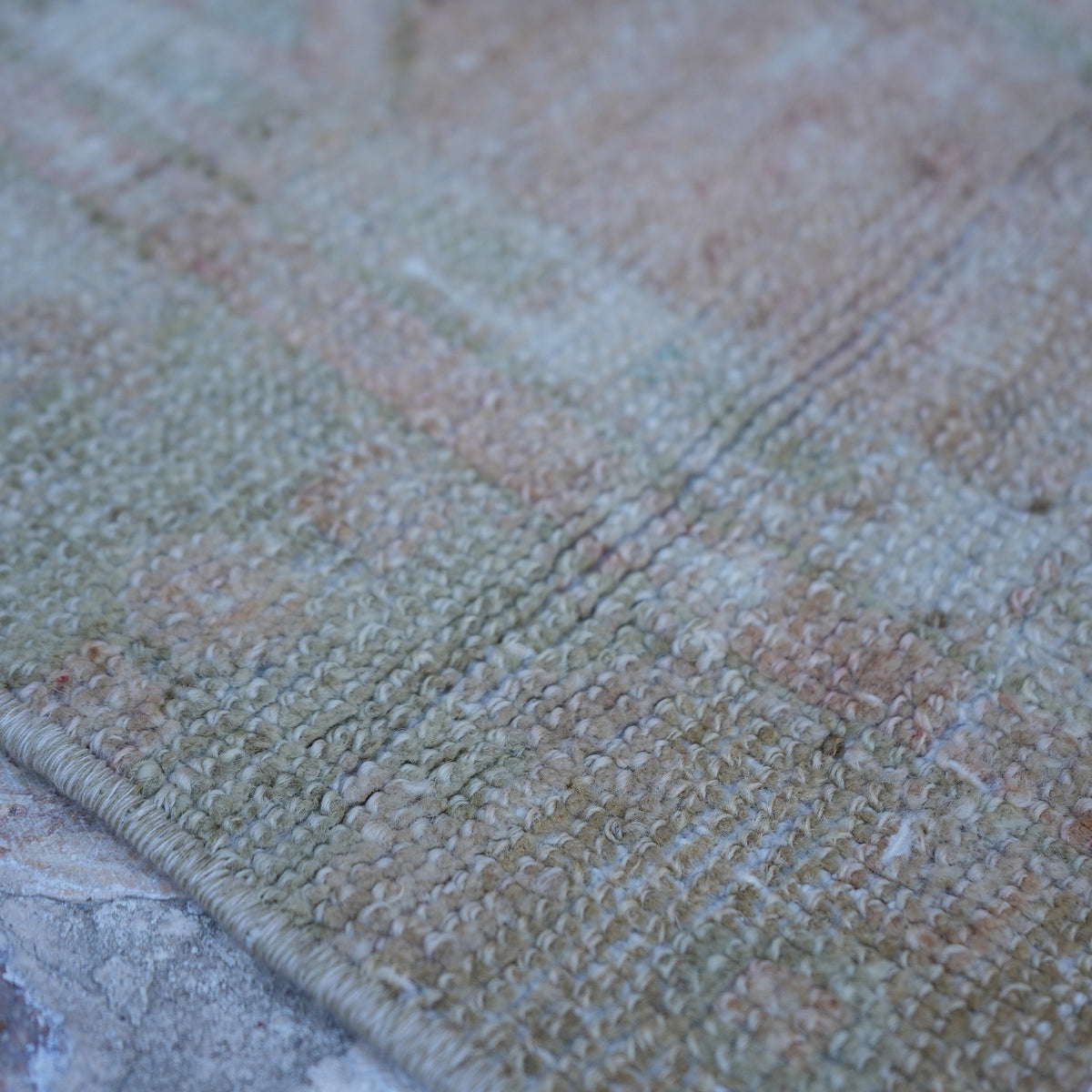
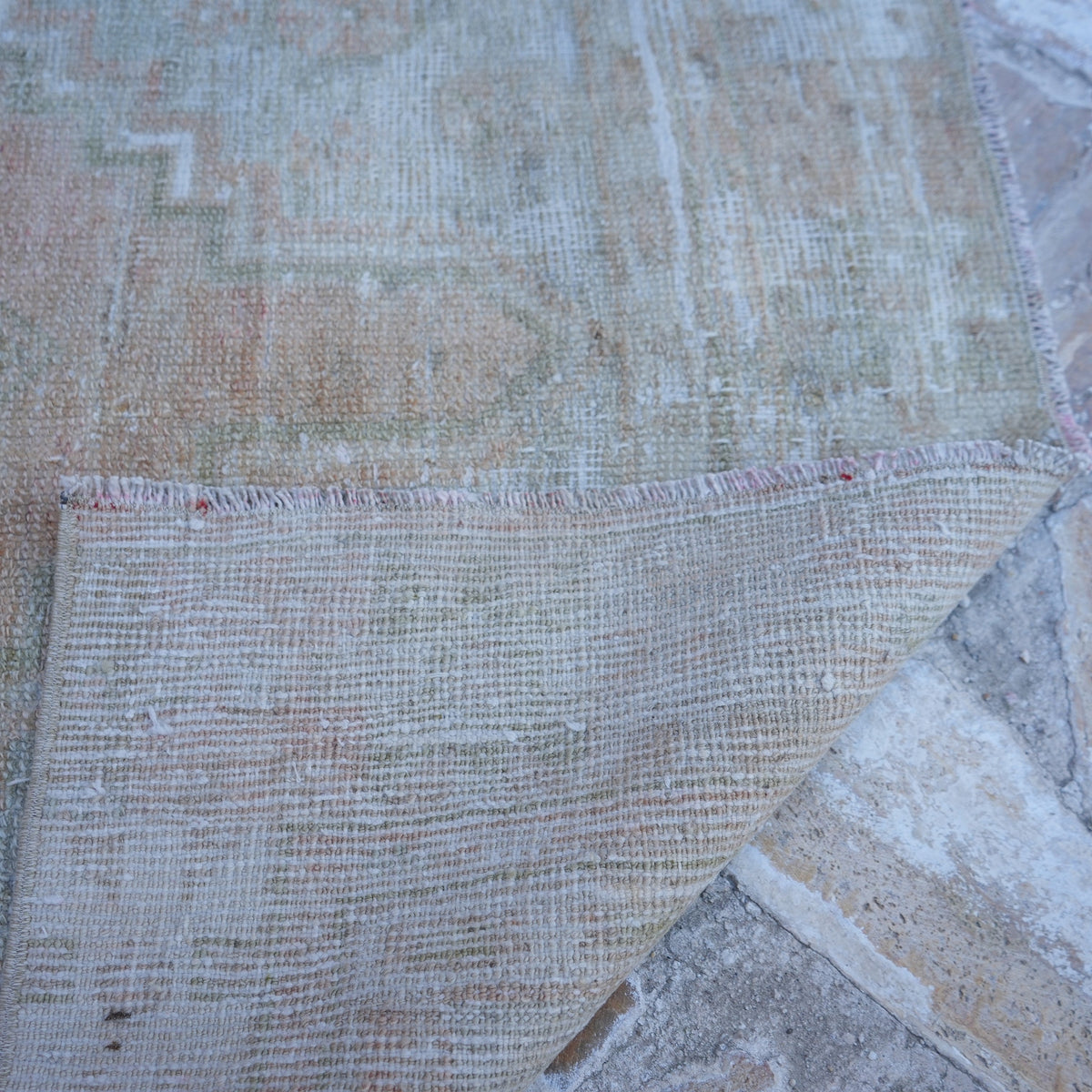
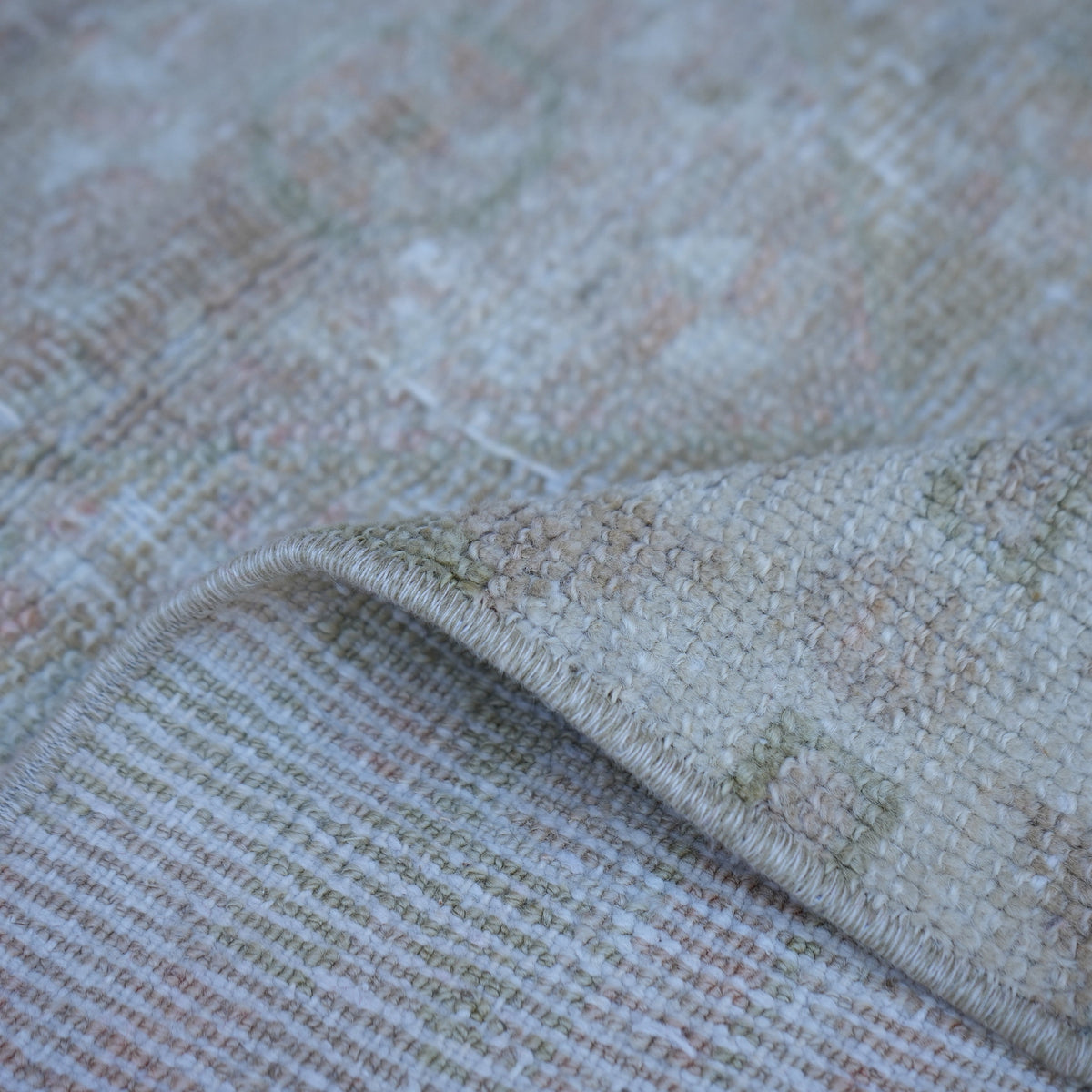
Frequently Asked Questions
Is vinegar safe to use on a wool rug?
Yes, when diluted and tested first on a hidden spot. Full-strength vinegar left too long can affect both color and fiber feel.
Does lemon juice fade a vintage rug's colors?
It can, especially on rugs dyed with natural or vegetable dyes. A colorfastness test on a hidden corner is the only reliable way to check first.
Can rust stains be permanently removed from a hand-knotted rug?
Usually, if treated while fresh. Stains that have set for years, or soaked into the rug's foundation, sometimes need repair rather than cleaning.
Can I put a handmade rug in the washing machine to remove rust?
No. The heat and agitation can set a rust stain rather than lift it, and damage knots and fringe in the process.
Is bleach safe to use on a white or beige rug?
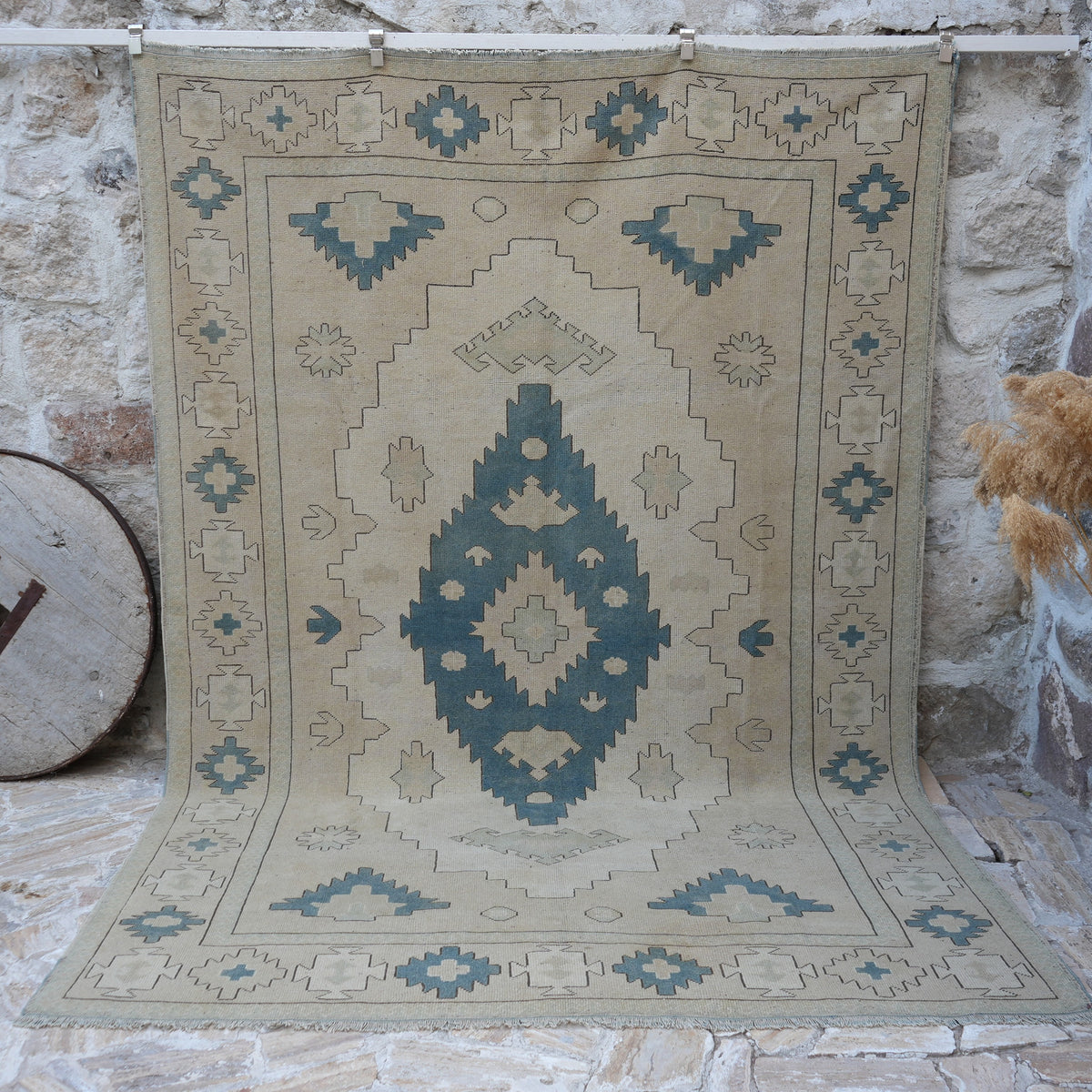
No, even on light colors. Bleach darkens rust rather than lifting it and damages surrounding fibers regardless of base color. Our neutral rugs collection shows how much variation exists within that range, so it's worth knowing your exact material first.
How long should I leave lemon juice on a rust stain?
About thirty minutes for a fresh stain. Check on it rather than letting it dry completely — a paste left too long on wool gets harder to rinse out cleanly.
What removes rust stains from carpet the fastest?
Lemon juice and salt work fastest on fresh stains; baking soda and vinegar work fastest on stains that have already set. Matching the method to the stain's age matters more than speed.
Can a professional rug cleaner remove old rust stains?
Often, yes. Professionals have access to treatments and repair techniques — including reweaving — that go beyond what's safe to try at home.

