

















Hand-knotted and hand-tufted rugs can sit side by side in a showroom and look almost identical. One of them will still be on the floor in fifty years. The other will likely be replaced before its owner's next move. I have spent years around both kinds of rugs — buying, inspecting, and sometimes turning them over in front of a customer to show exactly where the difference lives. It is never in the pattern. It is in what you cannot see until you look underneath.
What Is a Hand-Knotted Rug?
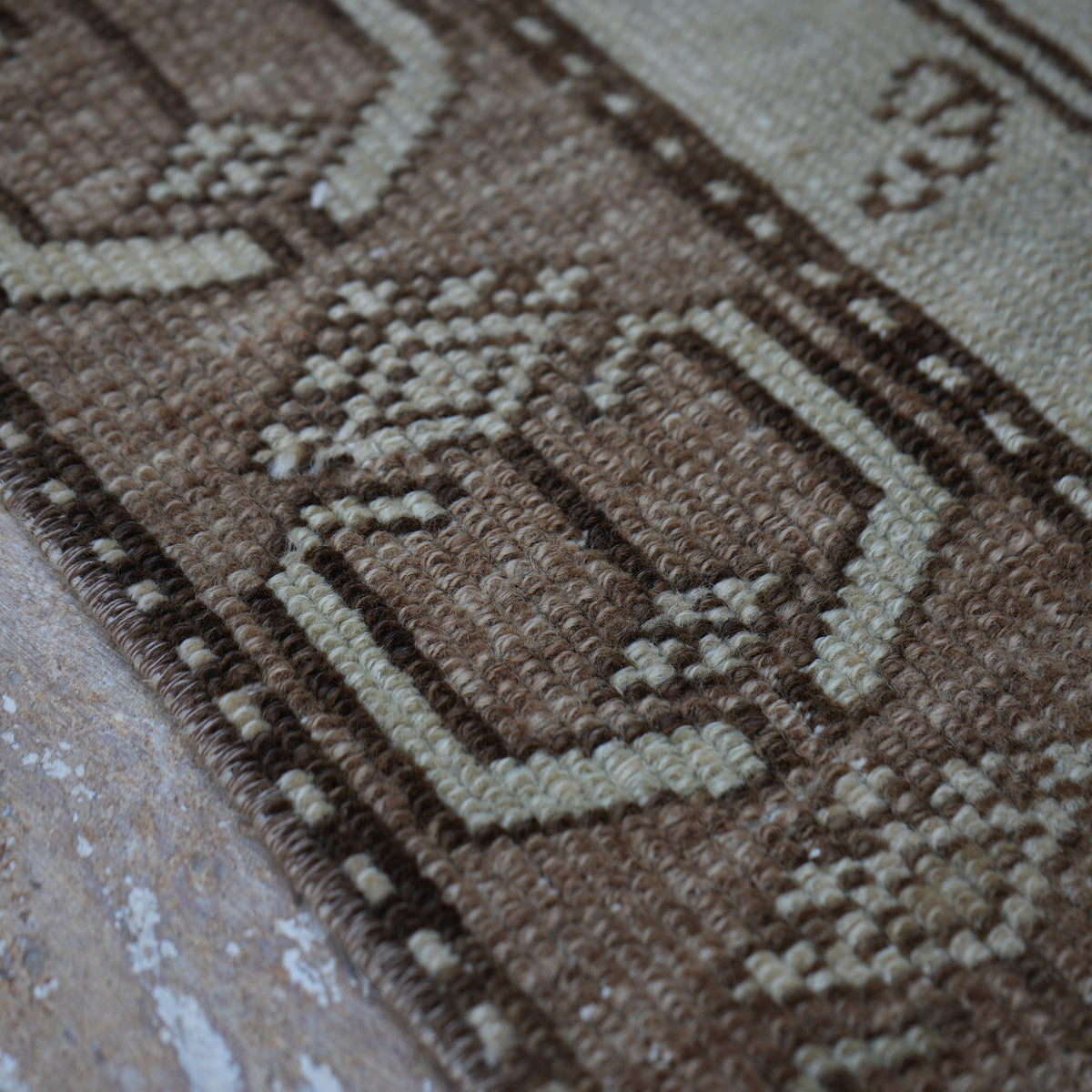
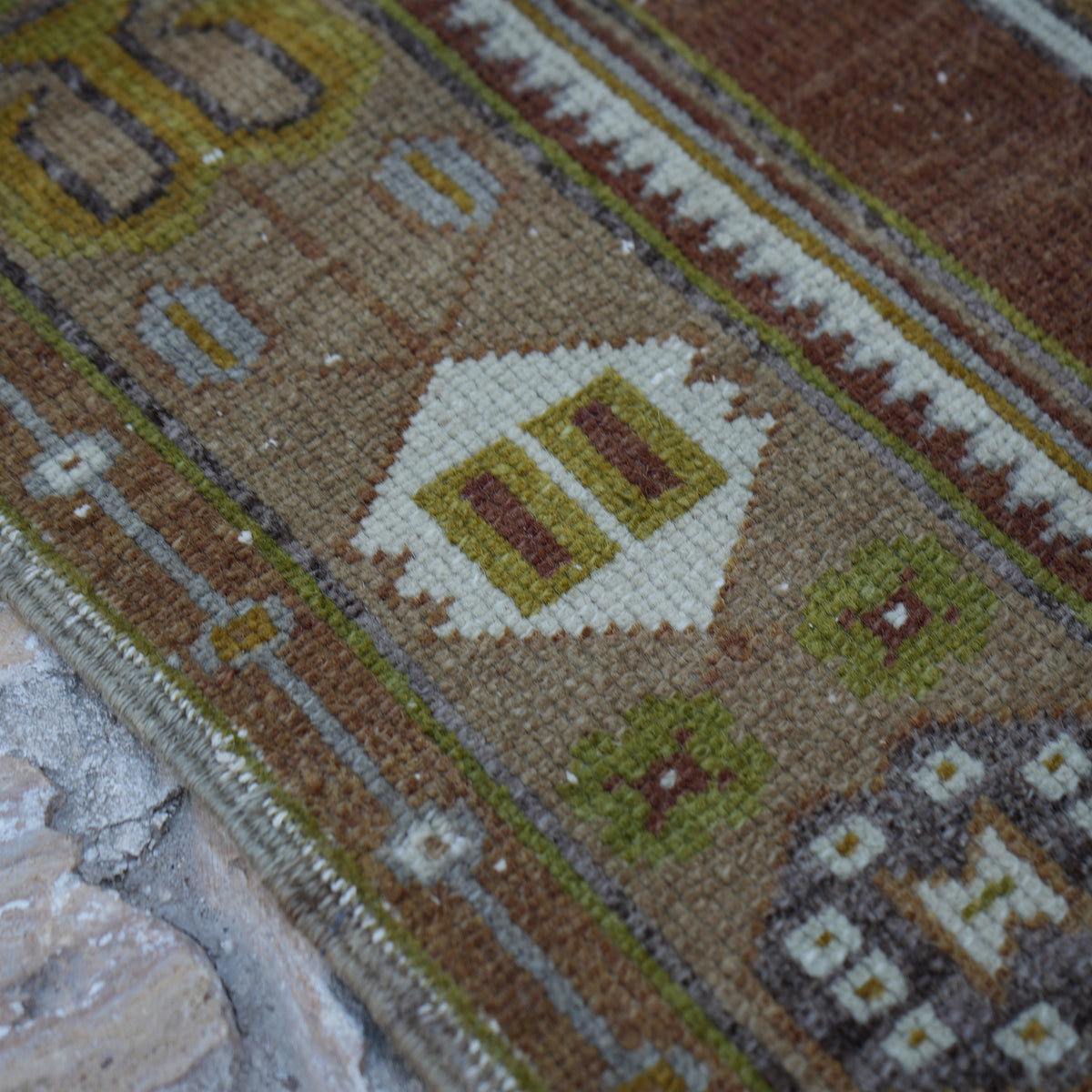
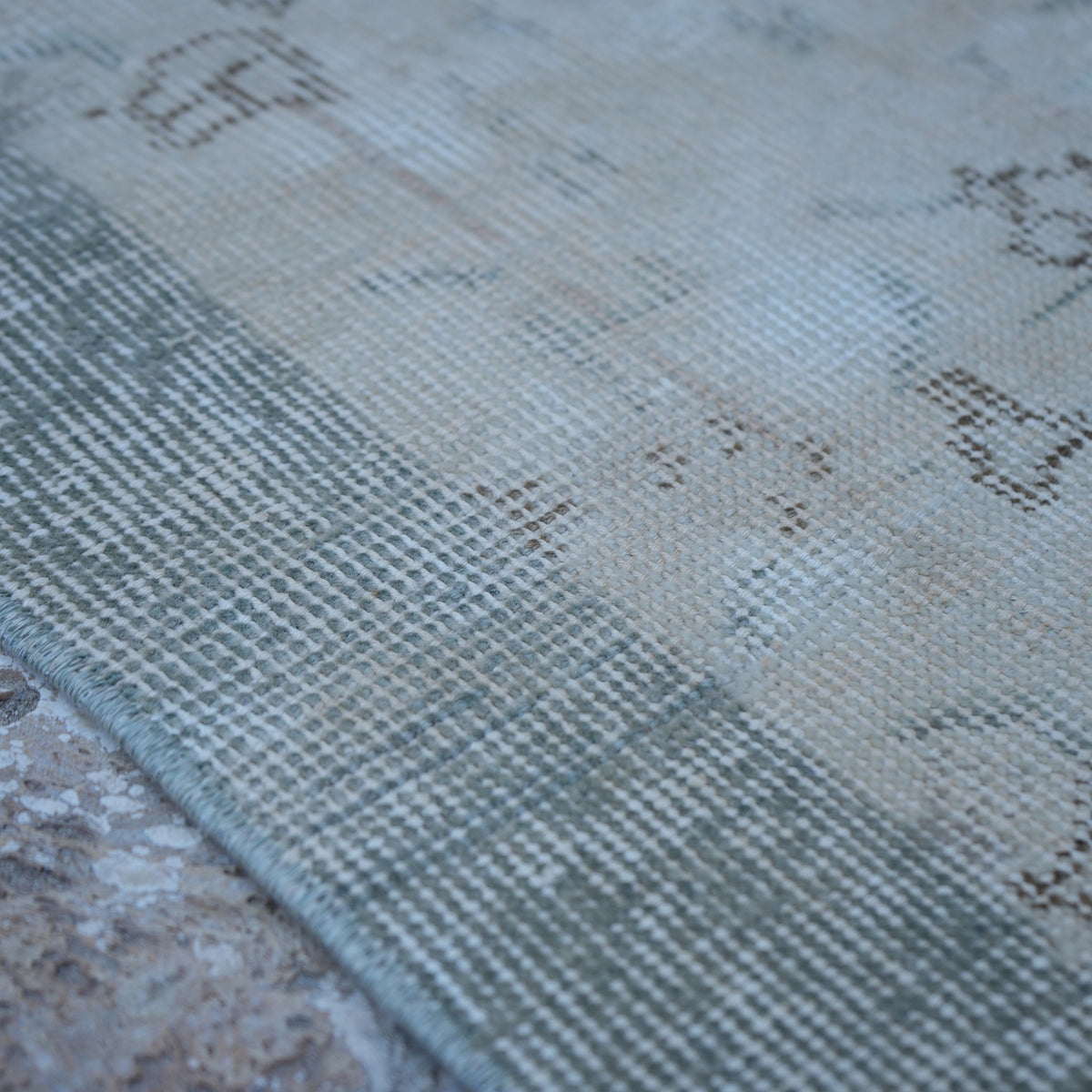
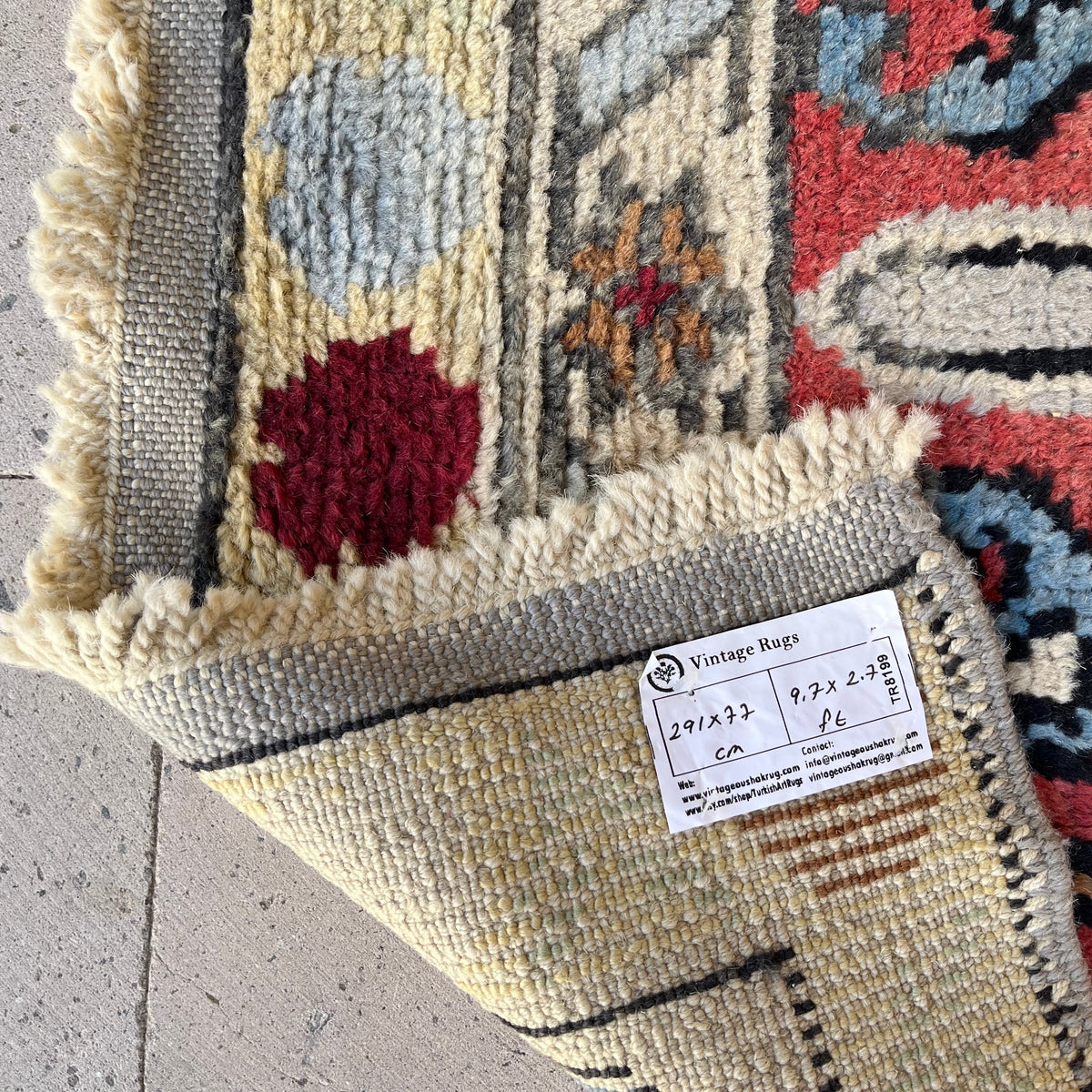
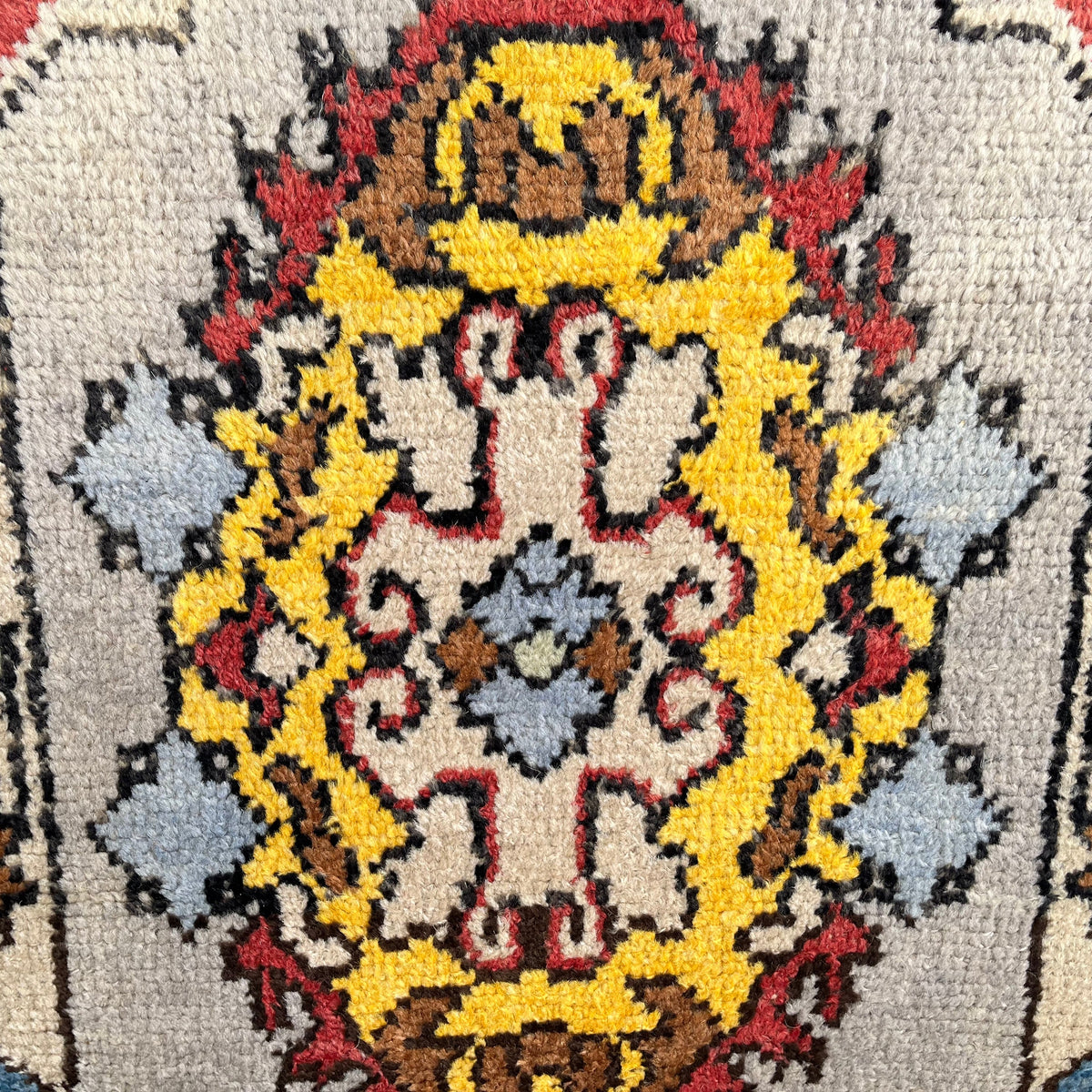
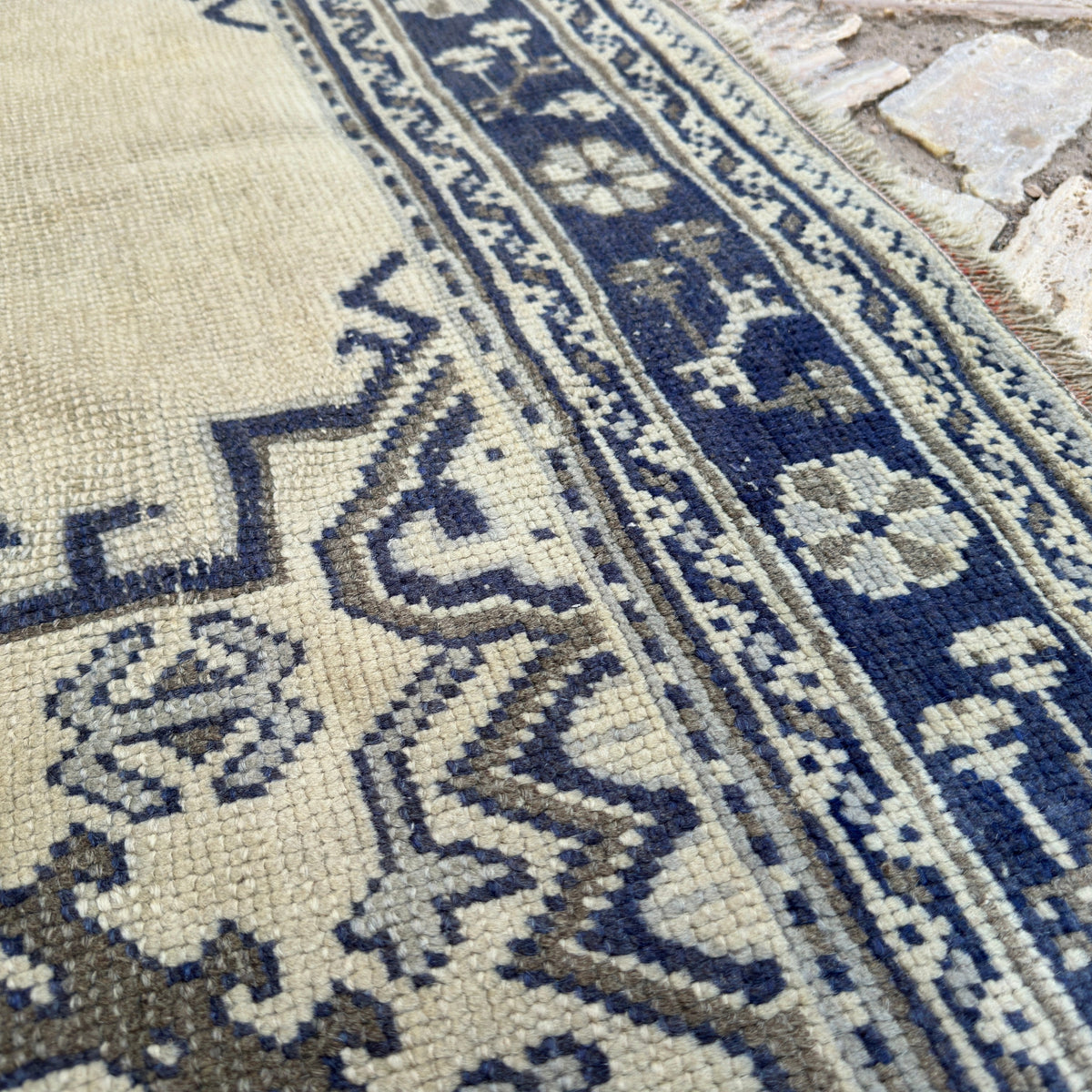
A hand-knotted rug starts on a vertical loom strung with tight rows of thread called the warp. A weaver ties individual knots by hand around these threads, row after row, then packs each row down with a comb-like tool before starting the next. The horizontal threads that hold everything together are the weft. There is no glue anywhere in this process. No backing either. The knot itself is the structure.
This takes real time. A standard-size rug, something in the 3x5 or 4x6 range, usually takes about a month to a month and a half on the loom. A large hand-knotted rug — a 9x12, say — can take three to five months to complete, sometimes longer depending on the pattern's complexity and the knot count. Weavers often measure progress in knots per square inch, a number that affects both the fineness of the design and how long the rug will hold up. It is worth knowing that term exists. Going deep on it is a different article.

What Is a Hand-Tufted Rug?
A hand-tufted rug is made differently, and faster. An artisan uses a tool called a tufting gun to punch yarn through a stretched canvas backing, following a pattern that has been drawn or stenciled on first. The person is still guiding the tool by hand — this is not a fully automated process — but a machine is doing the actual punching, not a knot tied by fingers. Once the pattern is complete, the back gets coated in latex and covered with a second layer of fabric to lock the yarn in place.
The speed difference is the whole story here. A hand-tufted rug can go from blank canvas to finished product in four to seven days, depending on size. That is the tradeoff buyers are making, whether they realize it or not.
Hand-Knotted vs. Hand-Tufted: What's the Difference?
Once you line the two up side by side, the gap between them stops being subtle.
| Feature | Hand-Knotted Rugs | Hand-Tufted Rugs |
|---|---|---|
| Construction | Hand-tied knots | Yarn punched into canvas |
| Real Knots | Yes | No |
| Backing & Glue | No backing or glue | Canvas and latex backing |
| Fringe | Part of the warp | Sewn or glued on |
| Production Time | 1–5 months | 4–7 days |
| Typical Lifespan | 50+ years (often generations) | Roughly 8–10 years |
| Repairability | Can be repaired | Hard if backing fails |
| Resale Value | Can hold value | Little resale value |
| Price Range | Mid to investment level | Budget to mid-range |
| Best For | High-traffic spaces | Low/medium traffic |
The short version: one is built as a structure, the other is built as a surface. Neither is a scam — they are simply answering different questions about how long you want the rug to last.

How Can You Tell If a Rug Is Hand-Knotted or Hand-Tufted?
There are three quick checks you can run before buying, and two of them work even from a listing photo.
Check the Back of the Rug
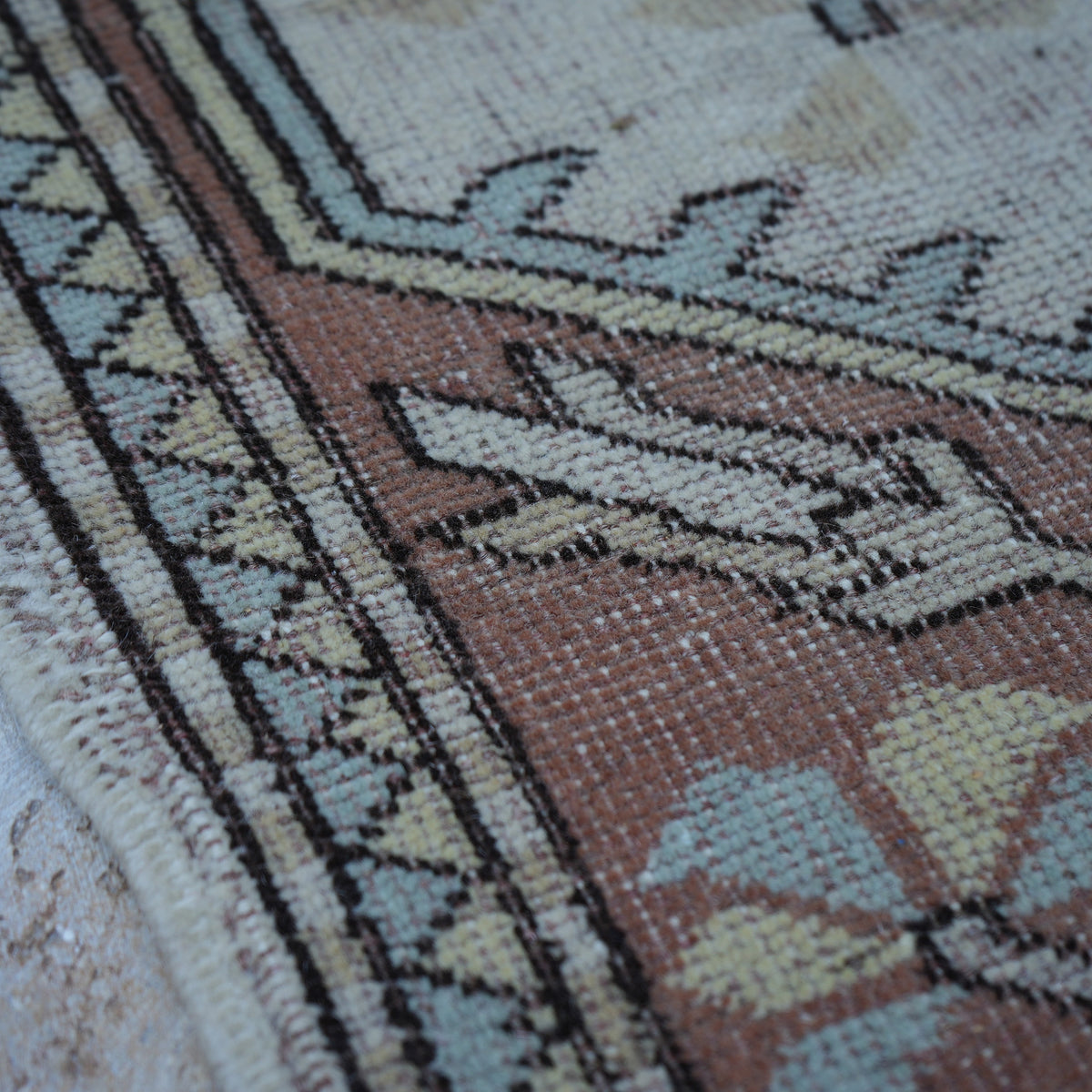
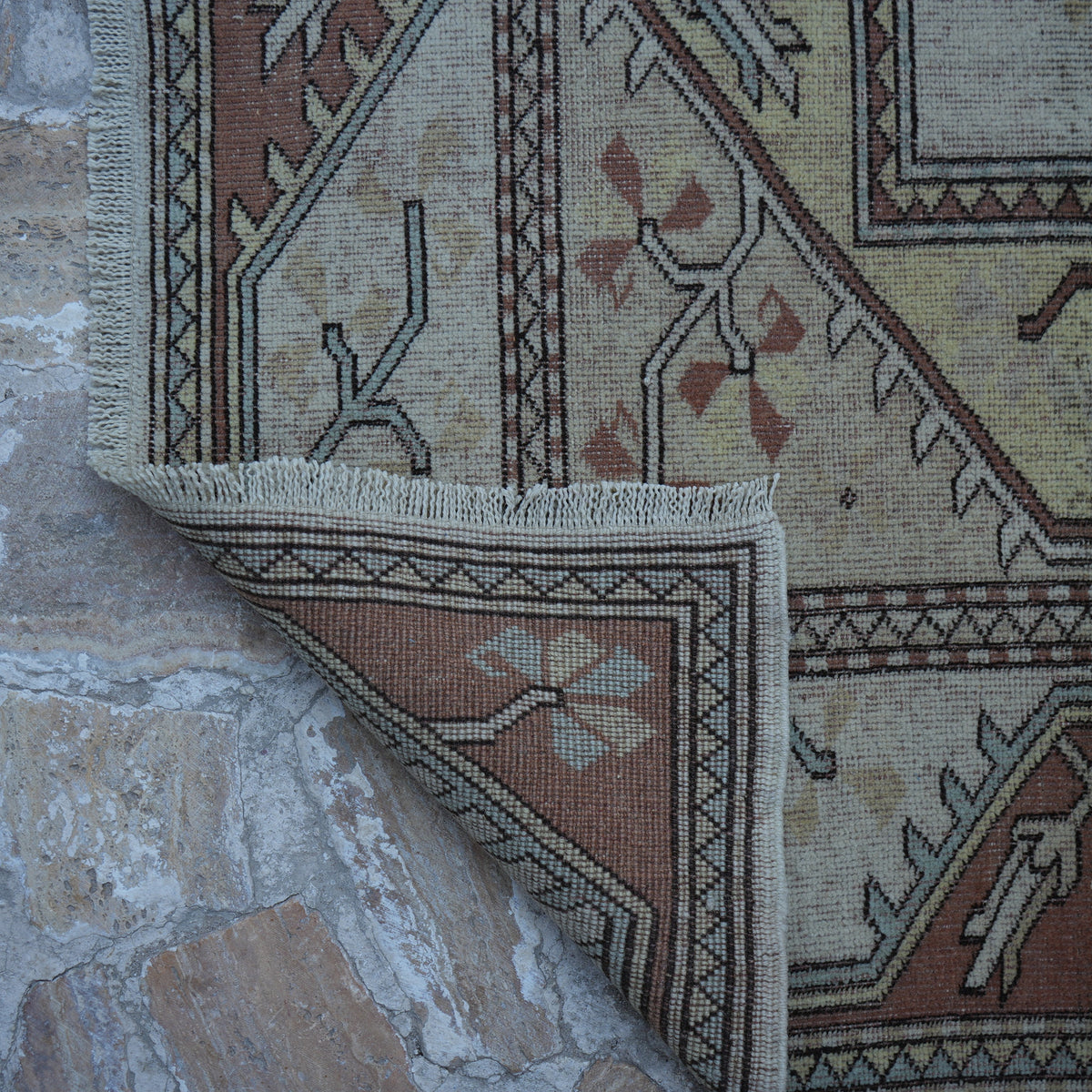
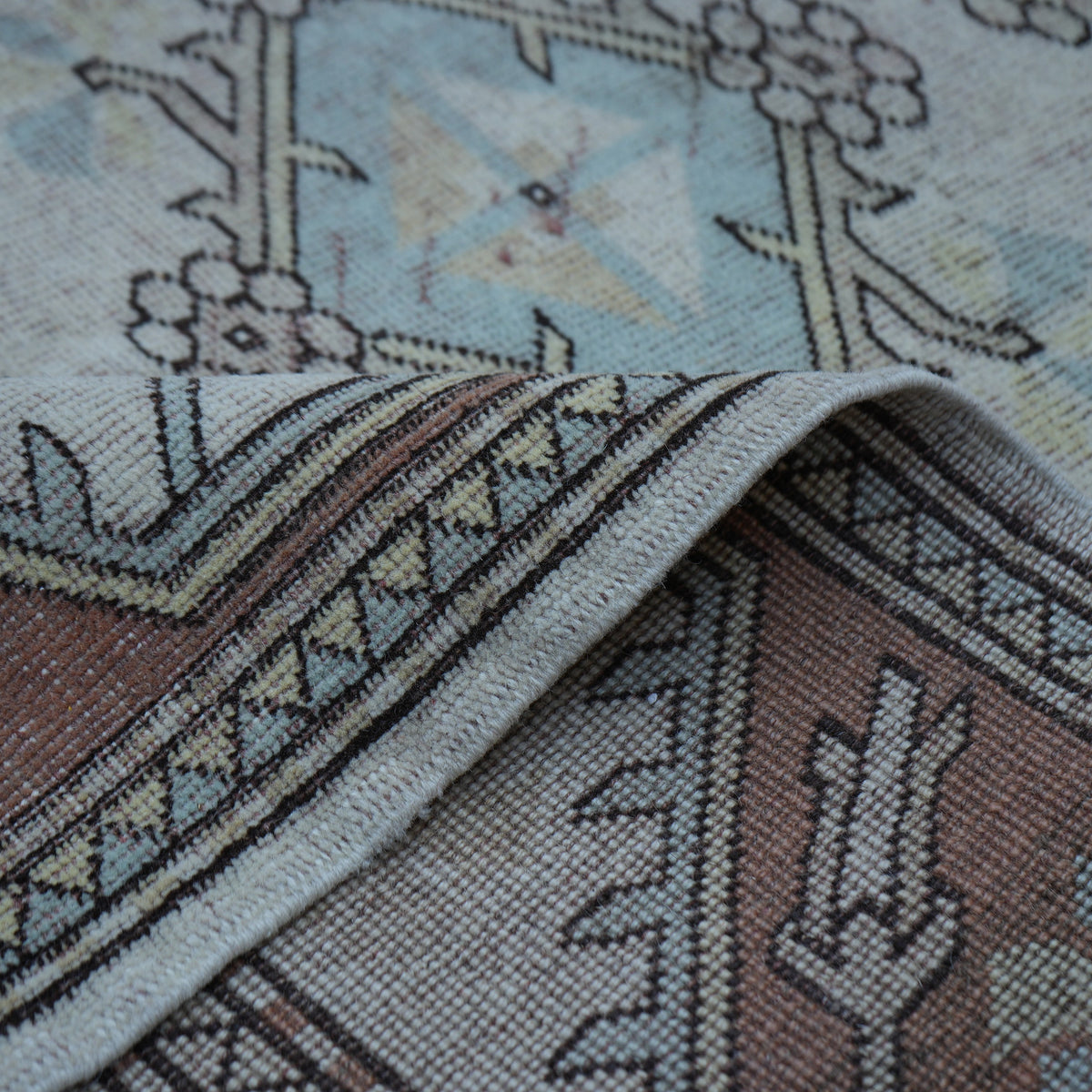
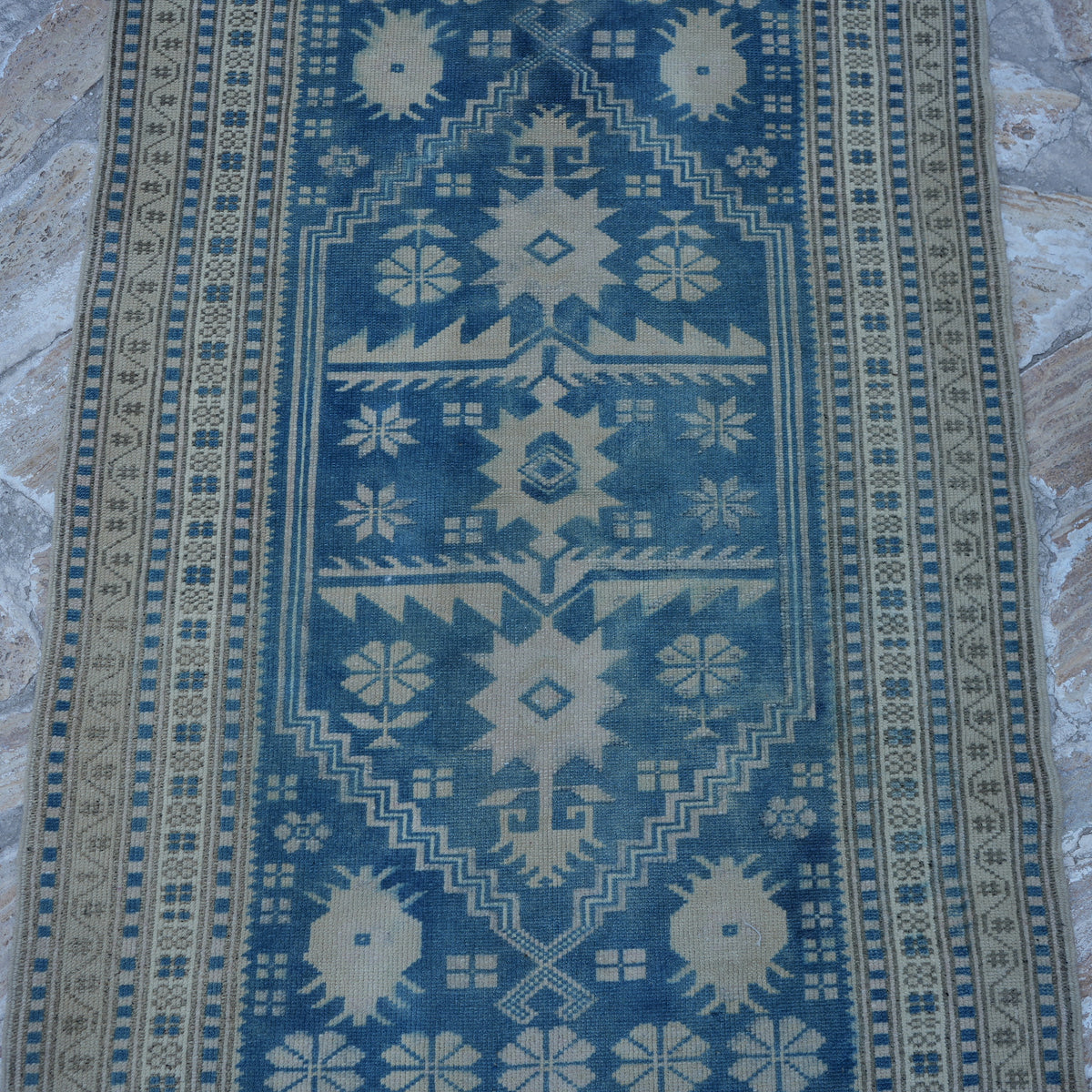
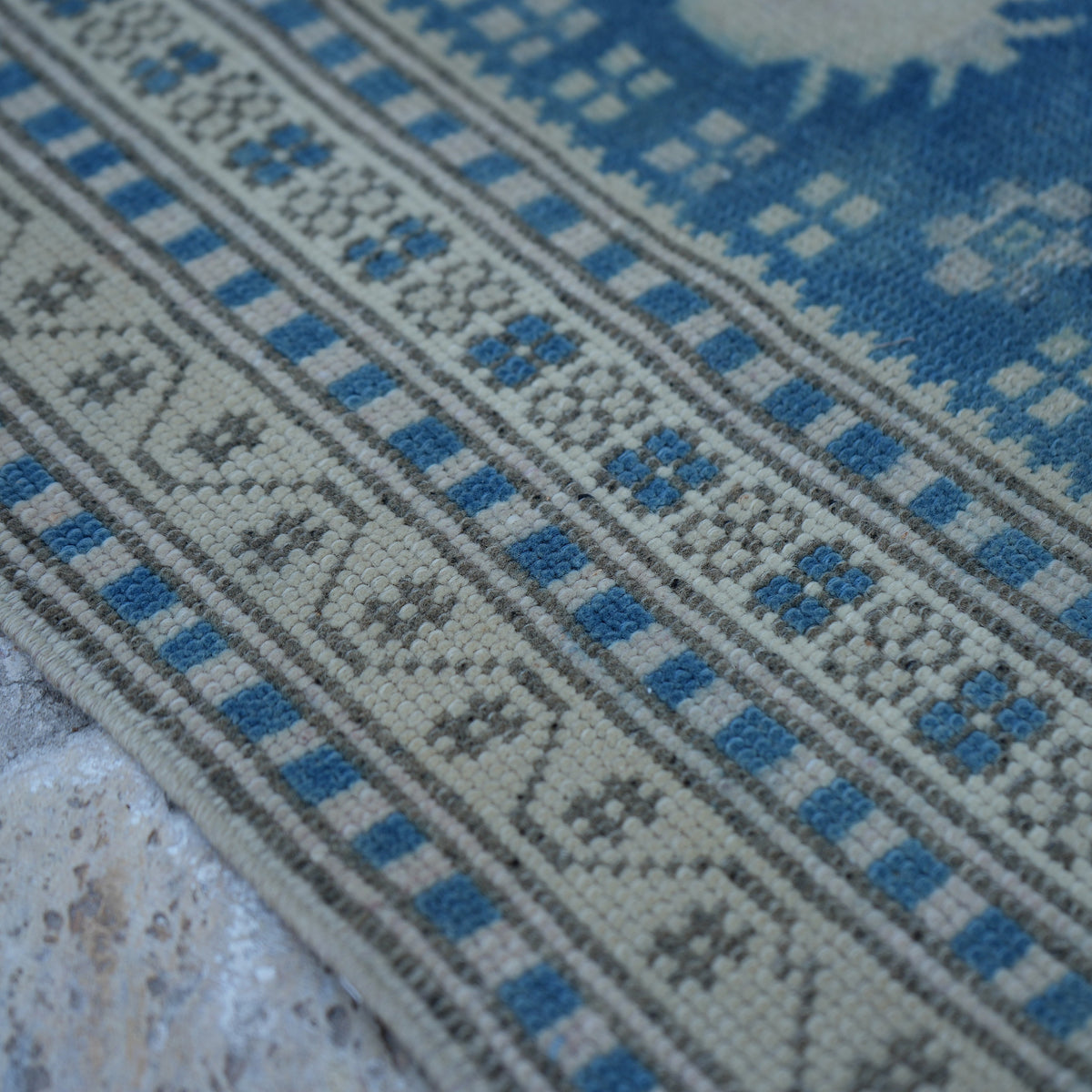
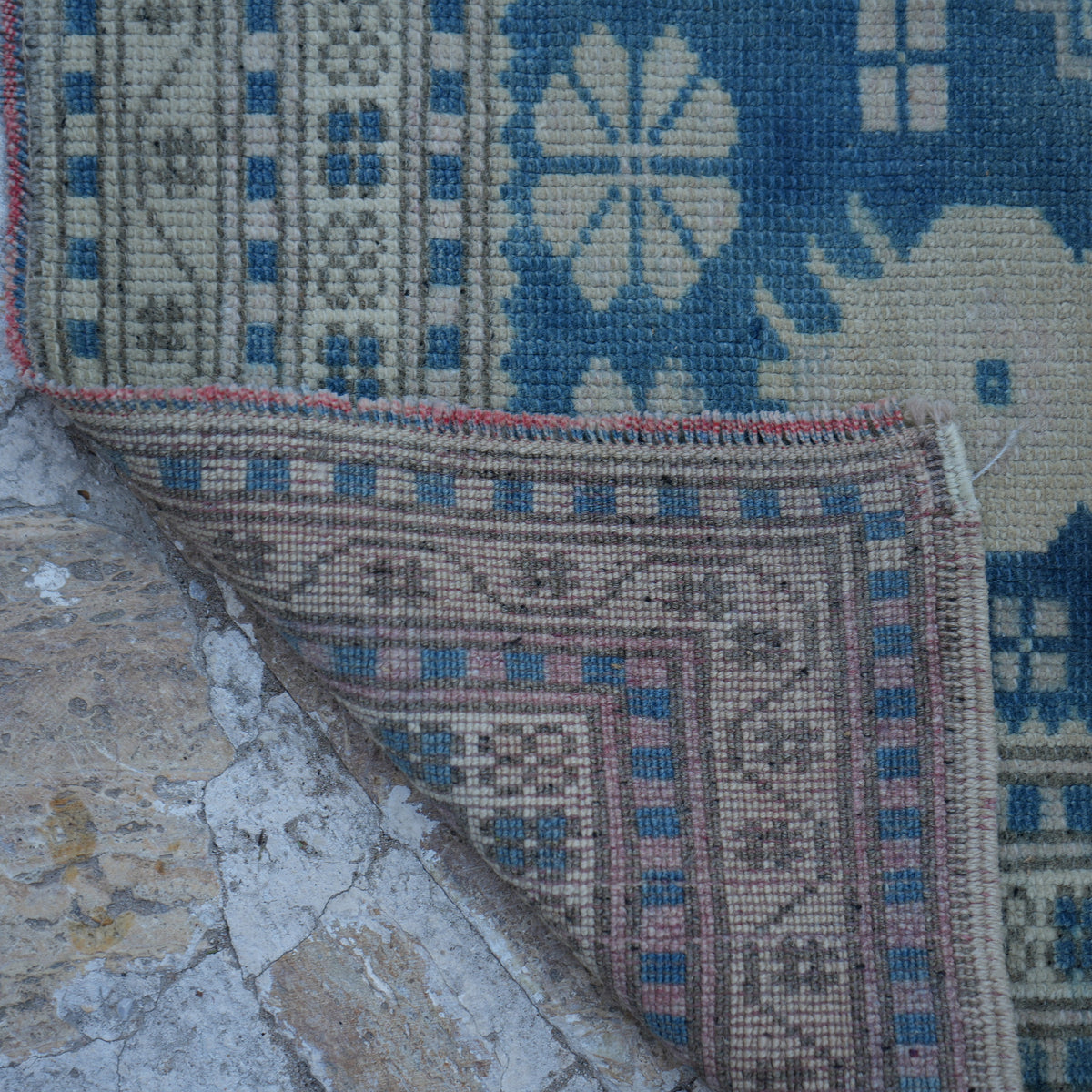
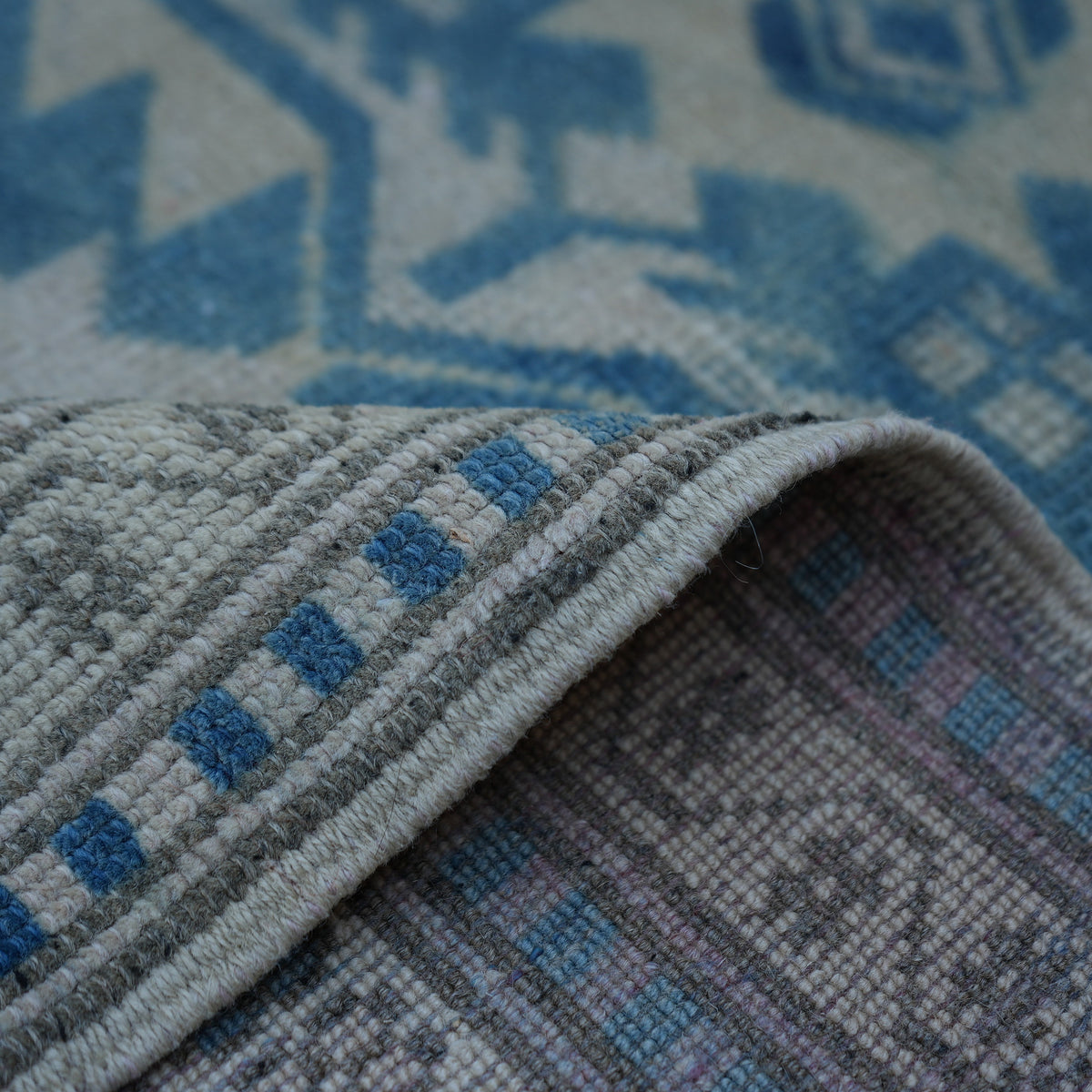
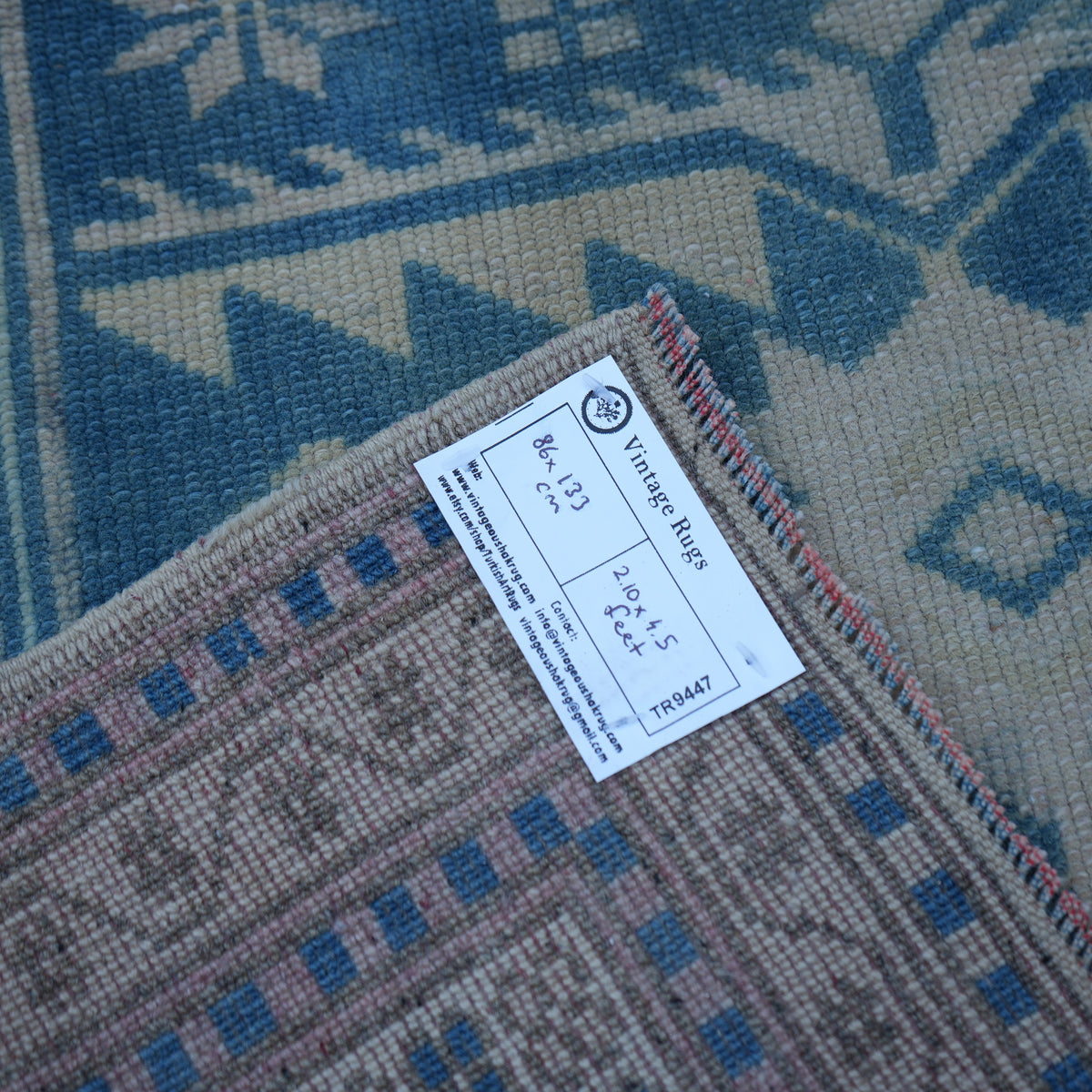
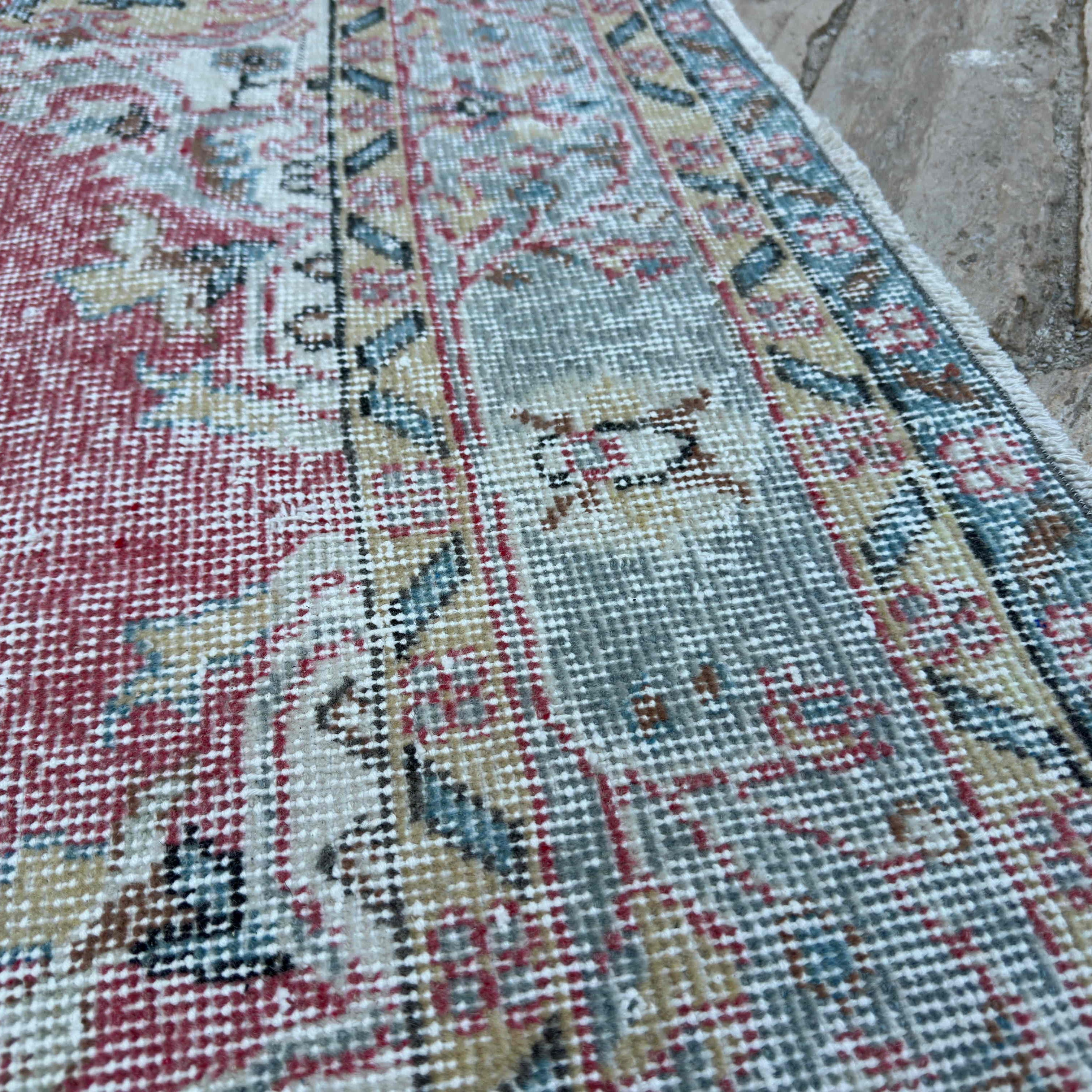
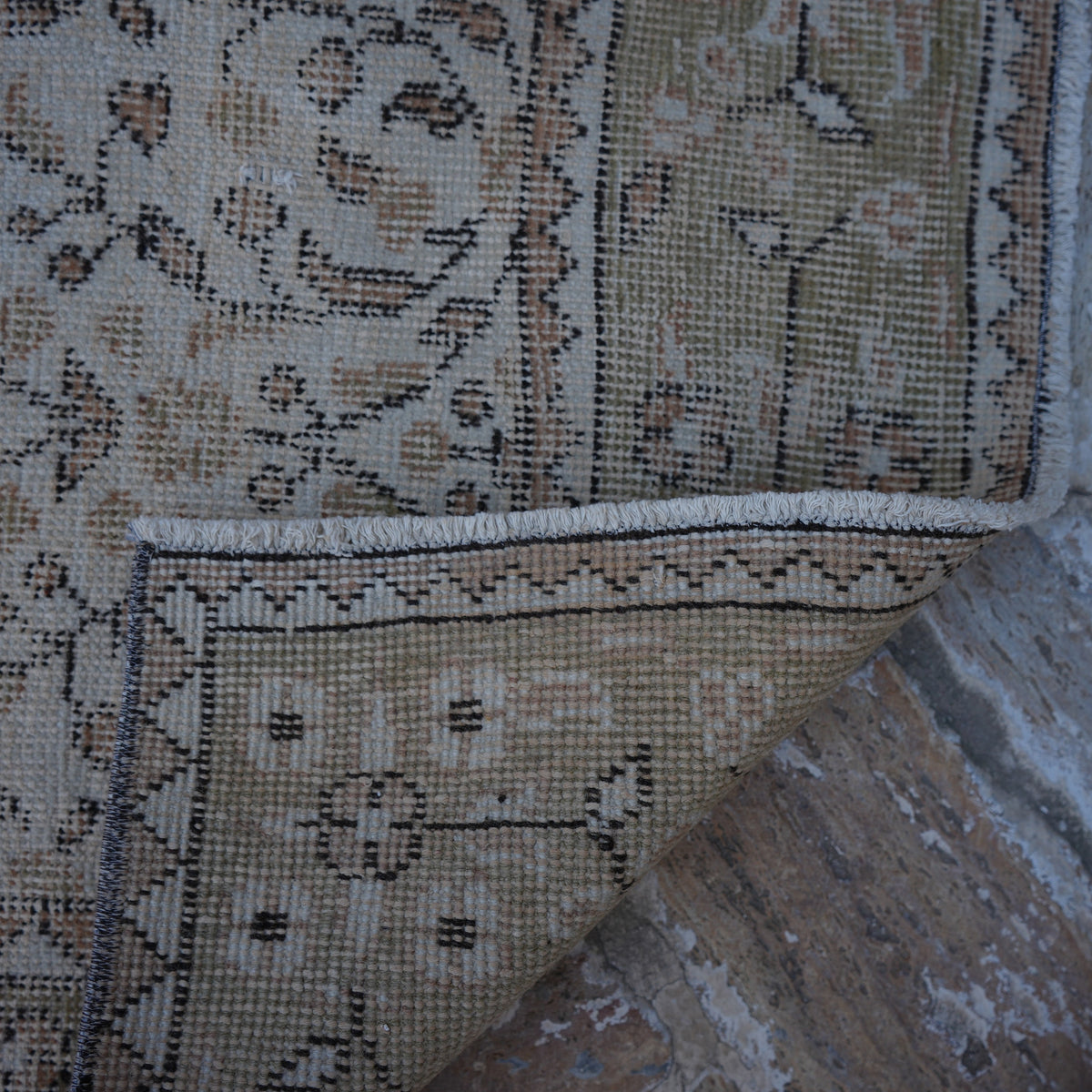
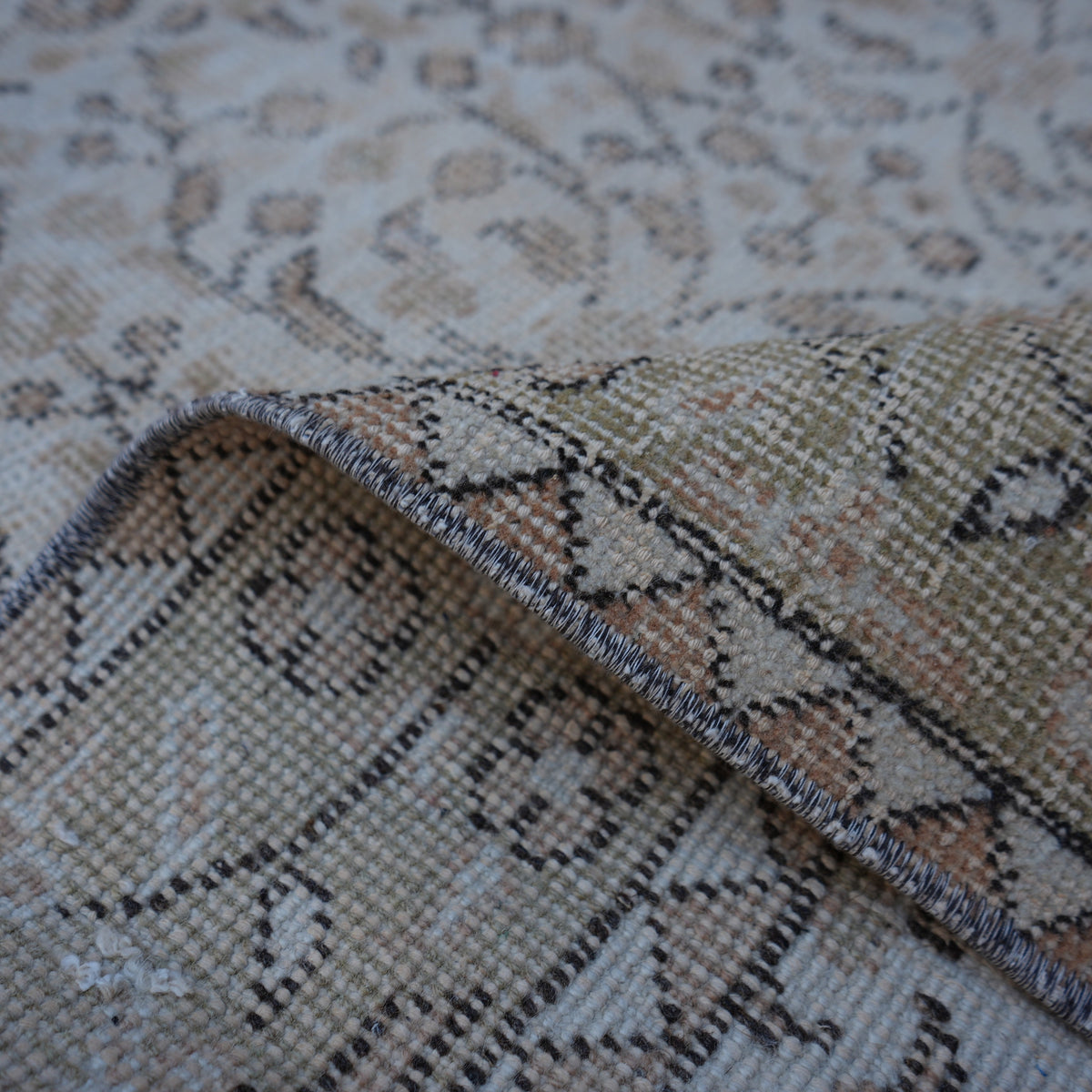
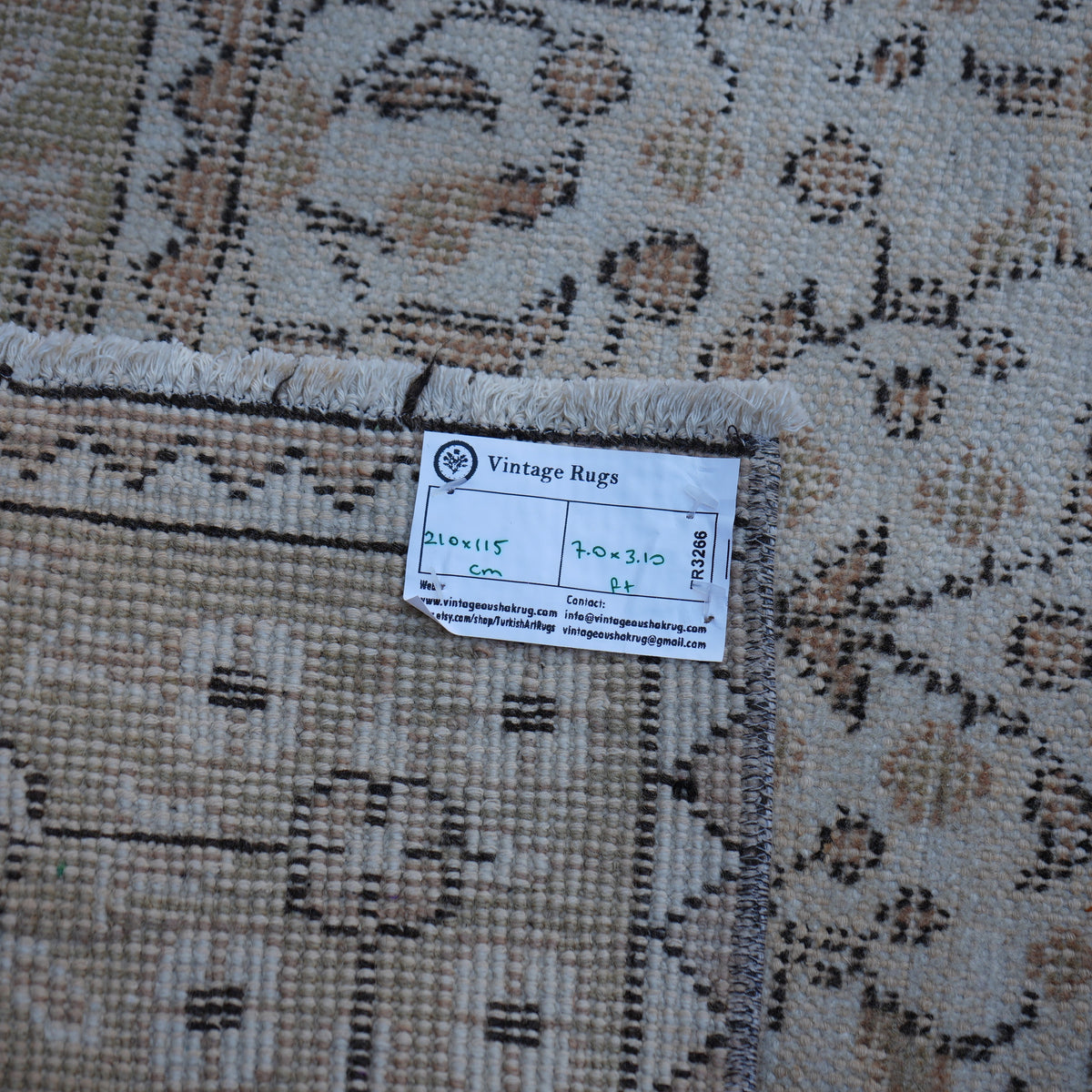
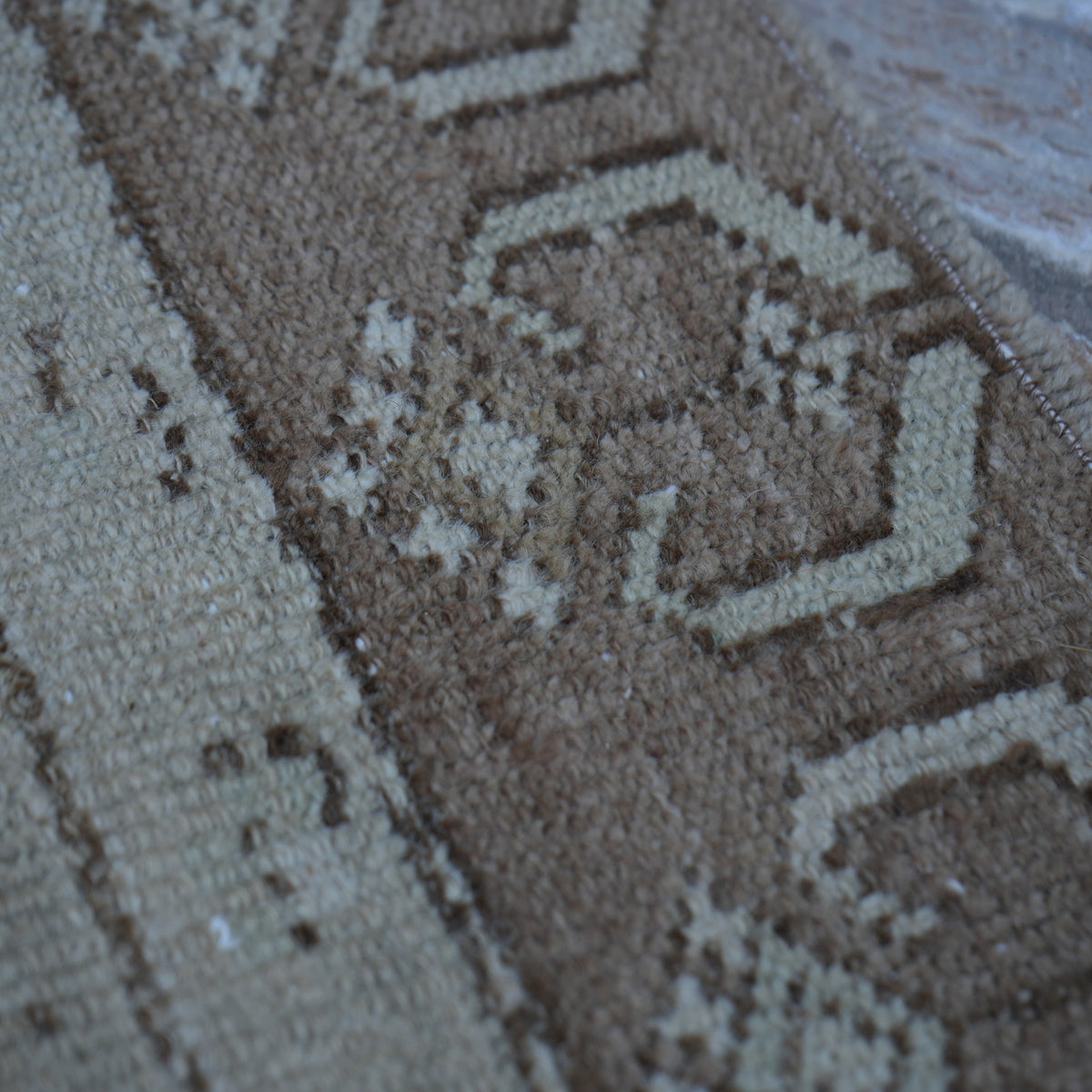
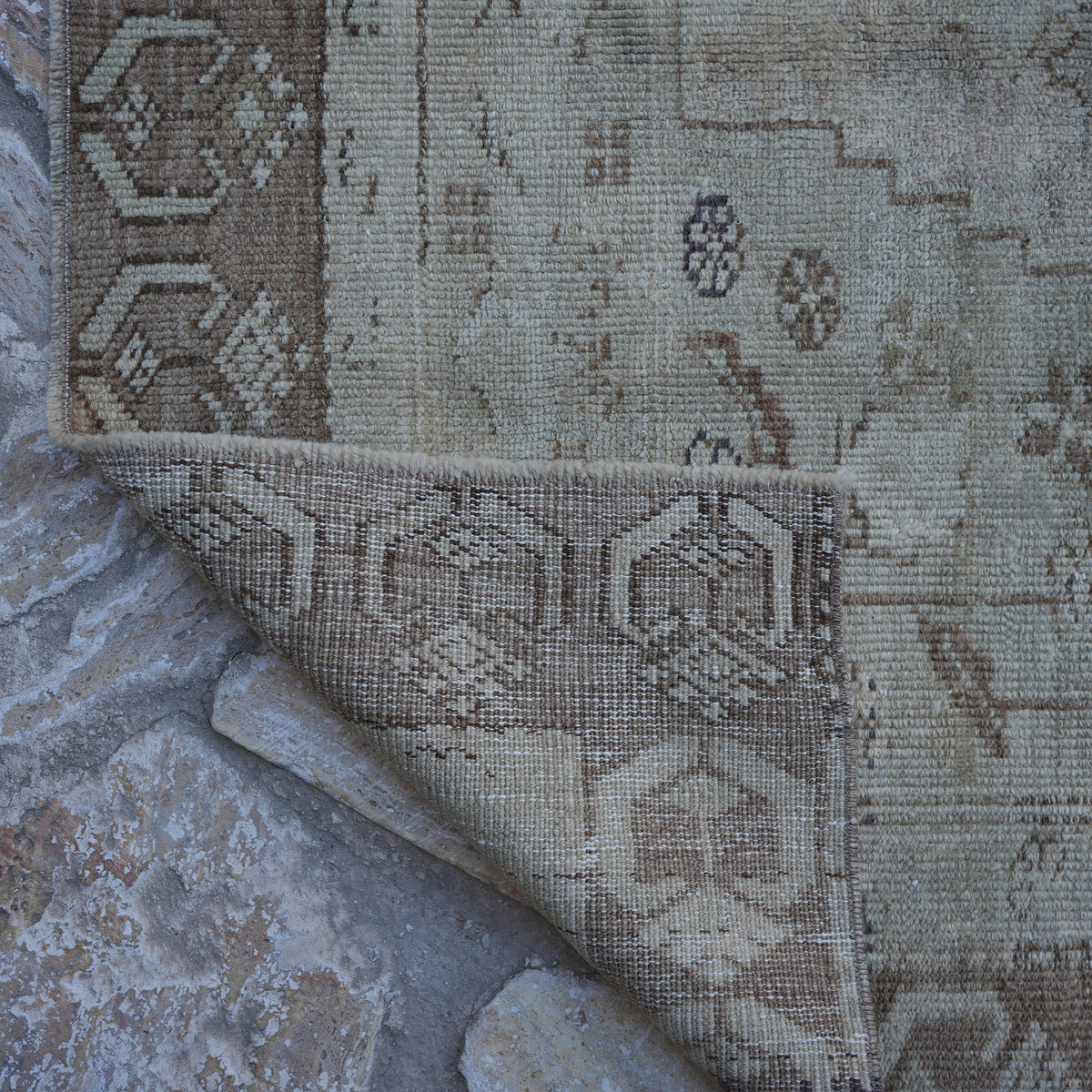
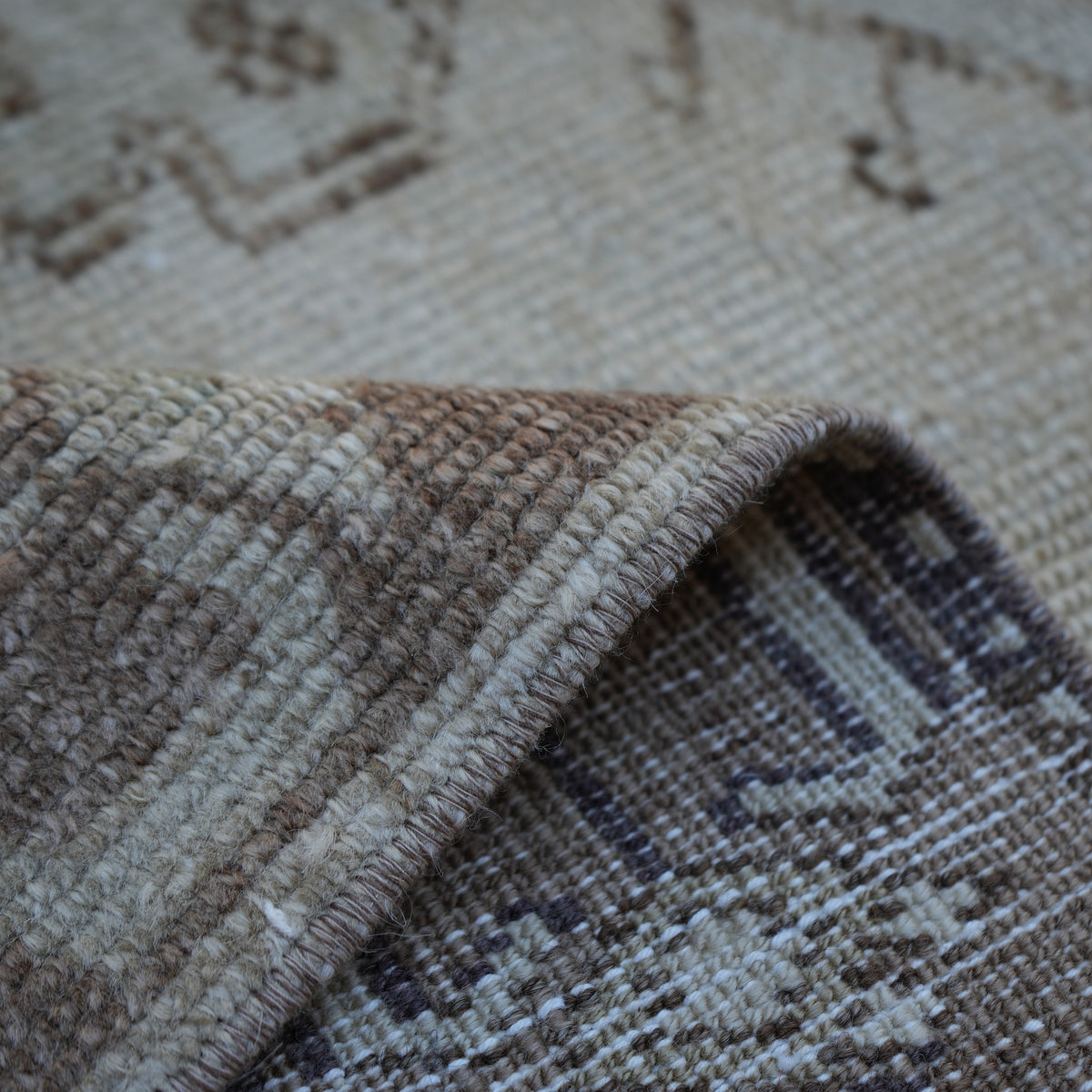
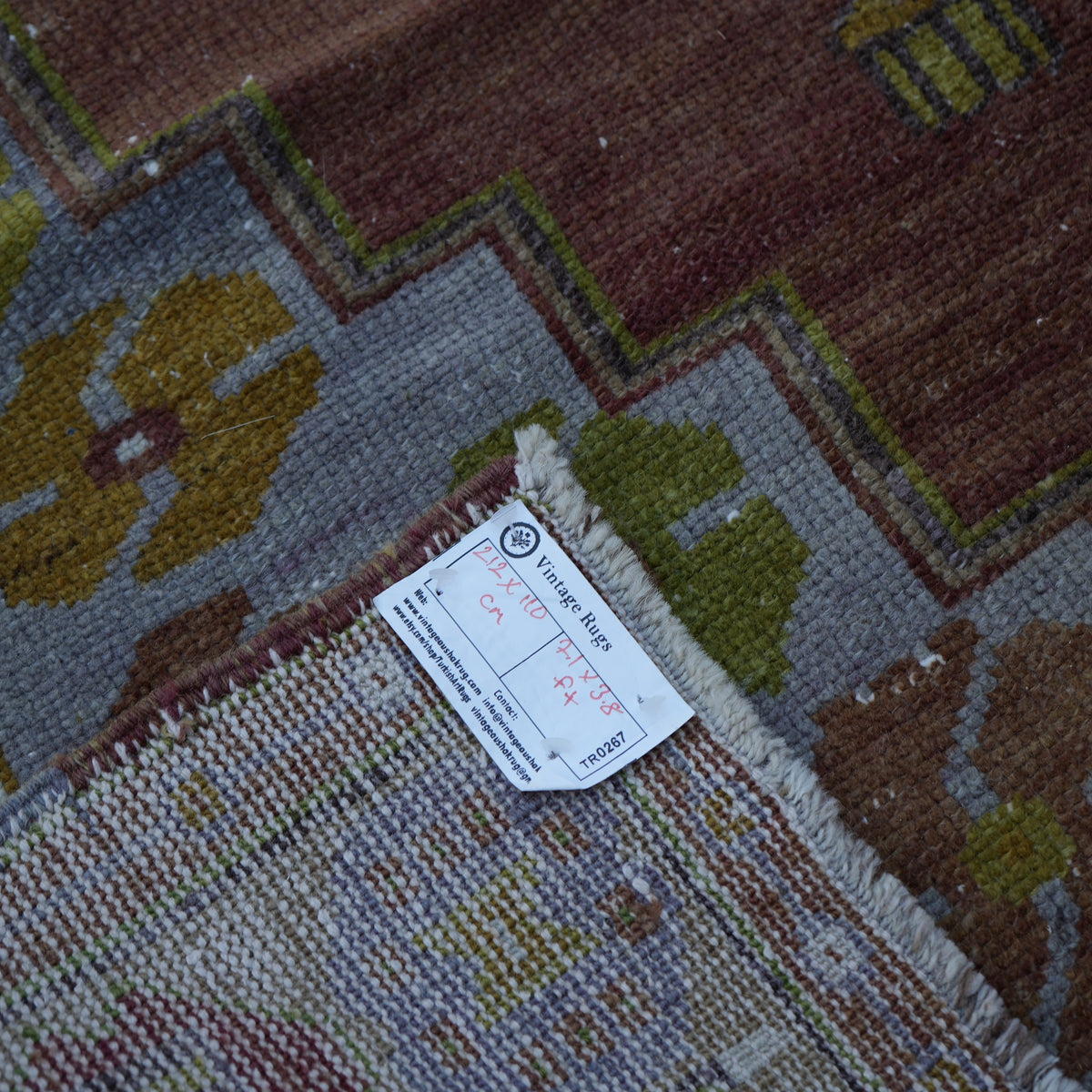
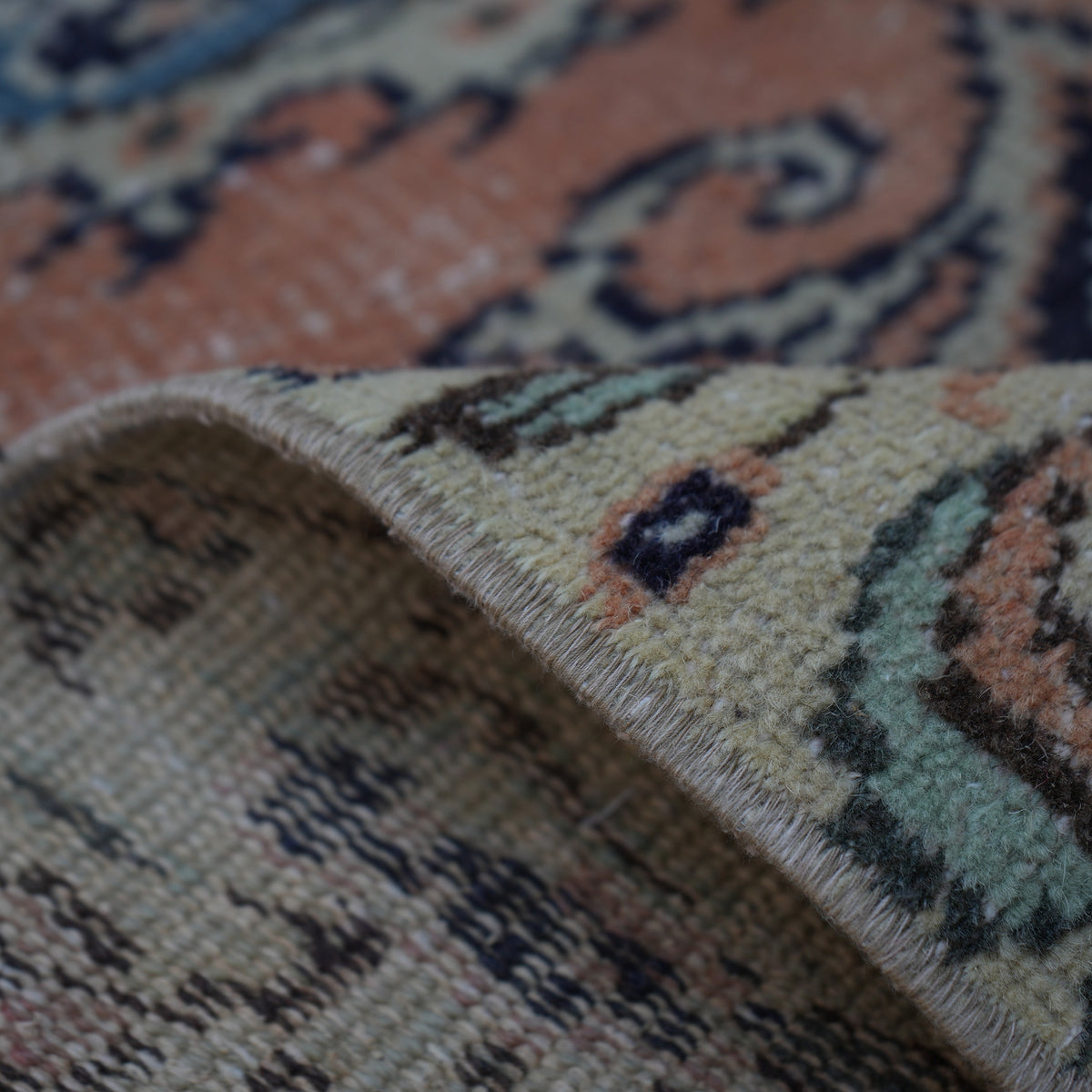
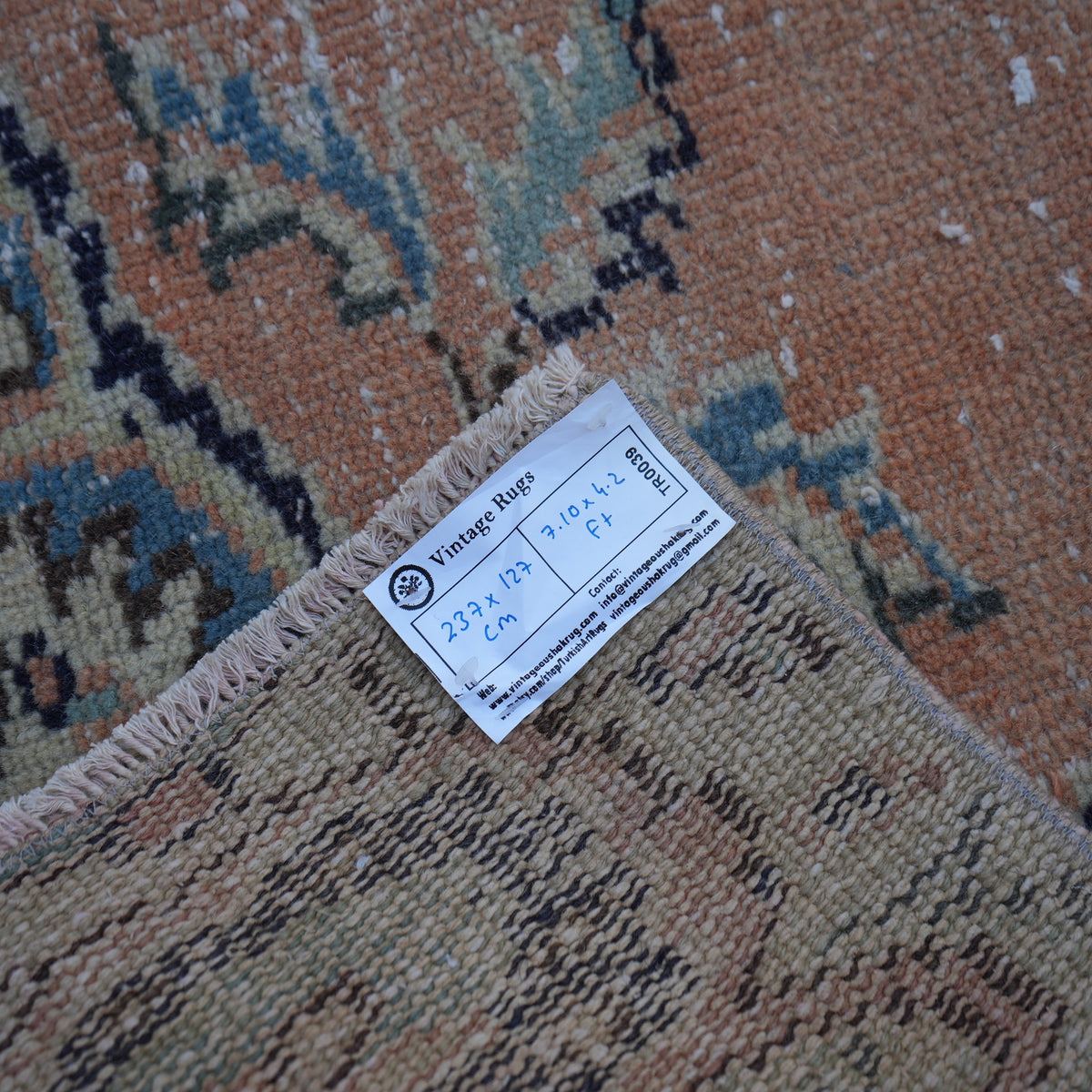
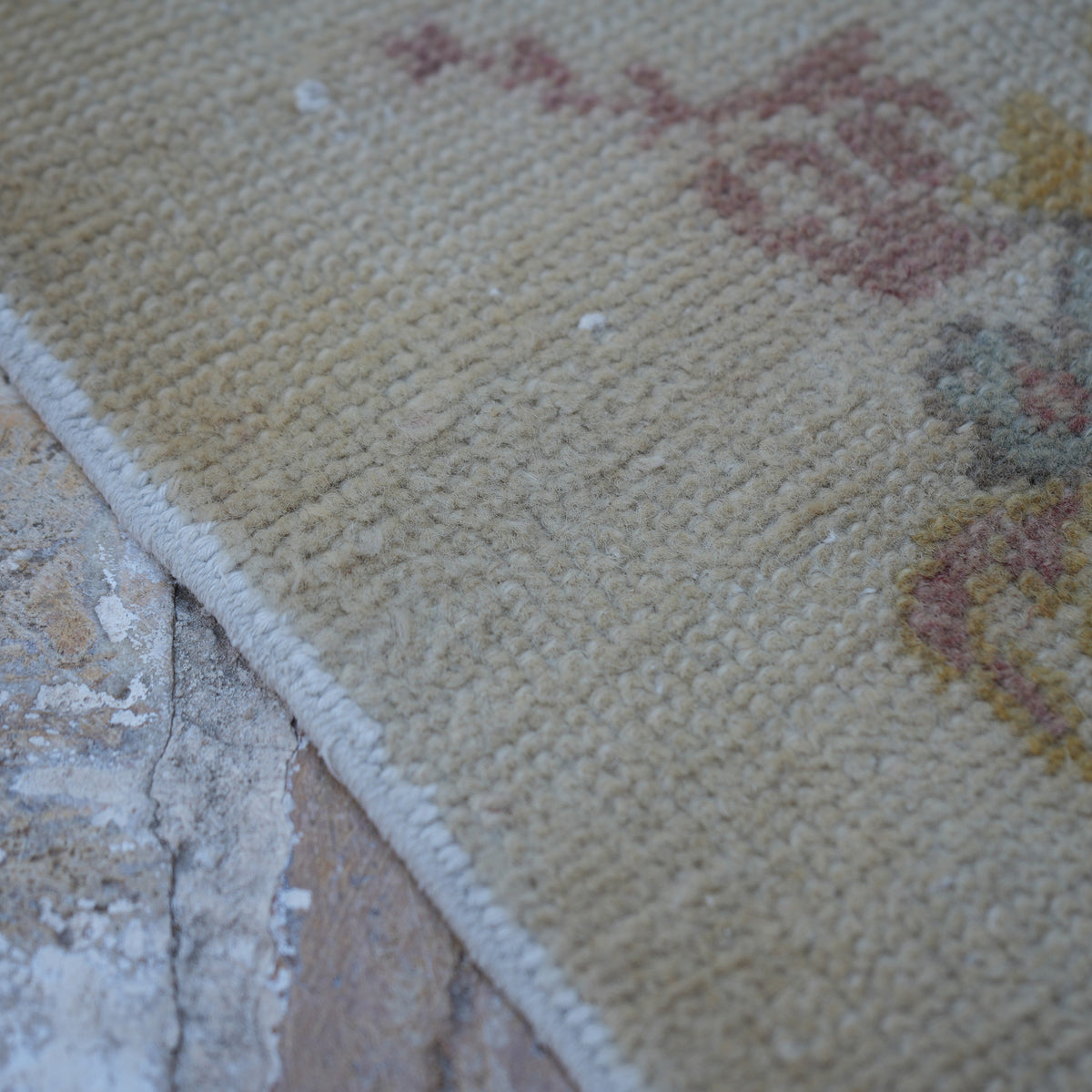
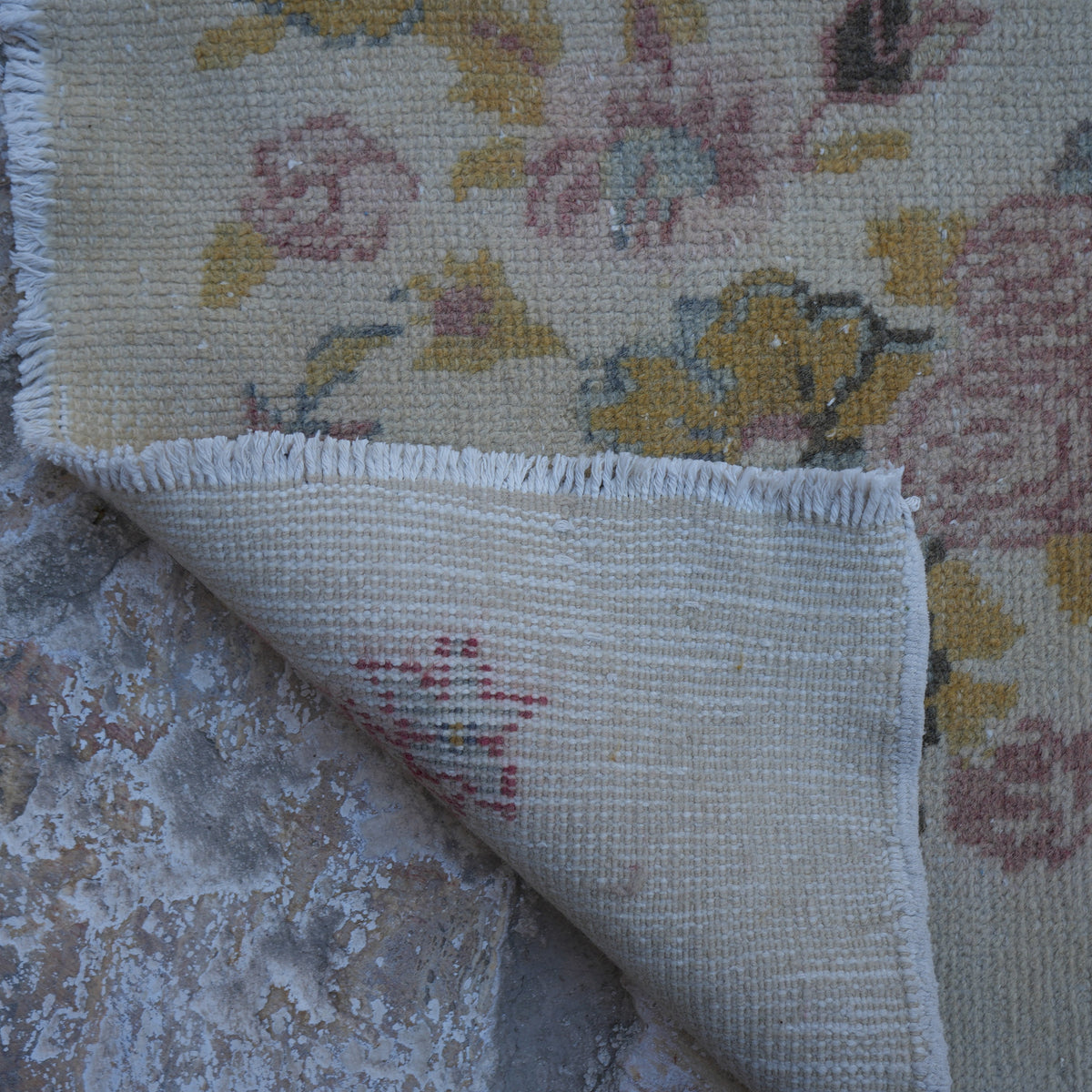
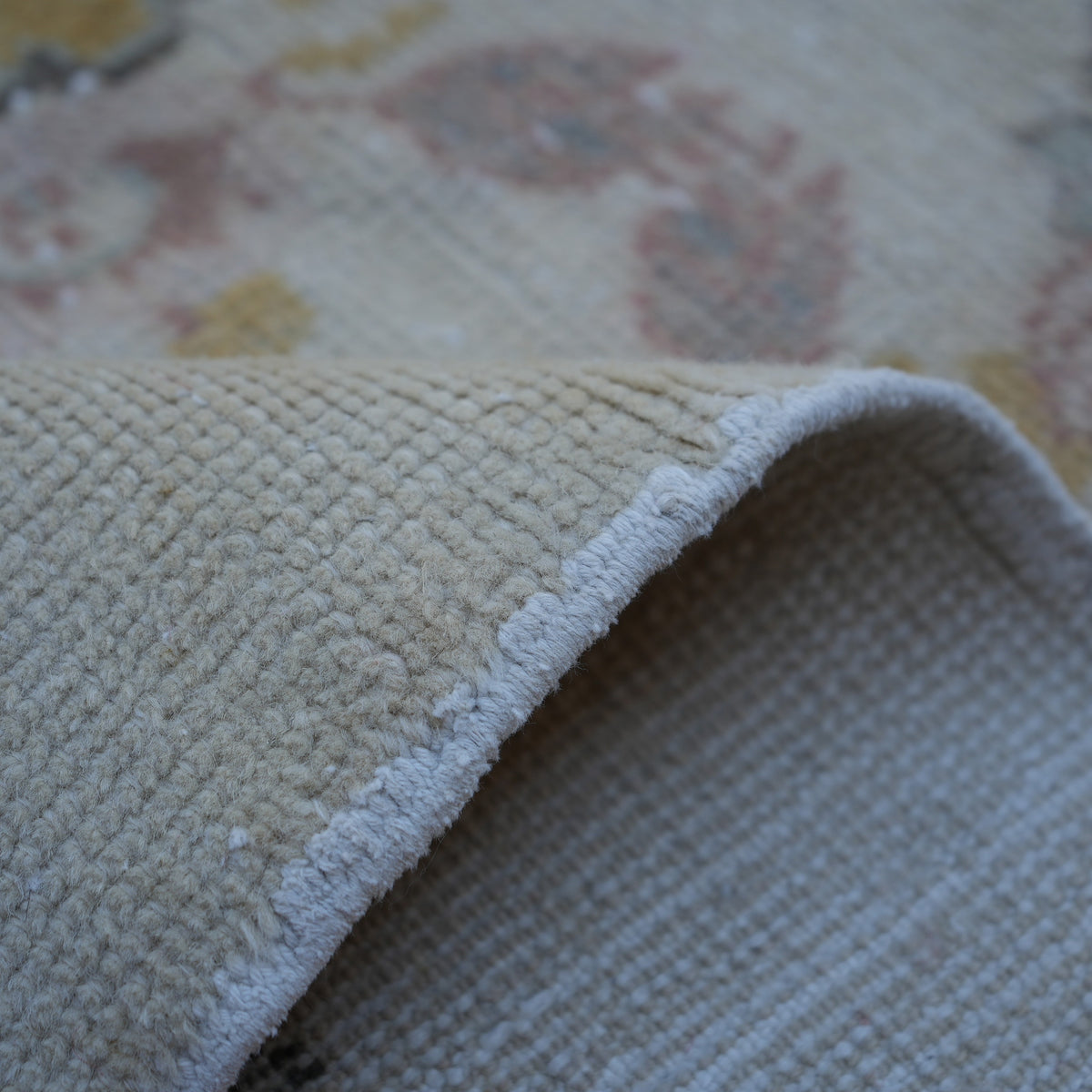
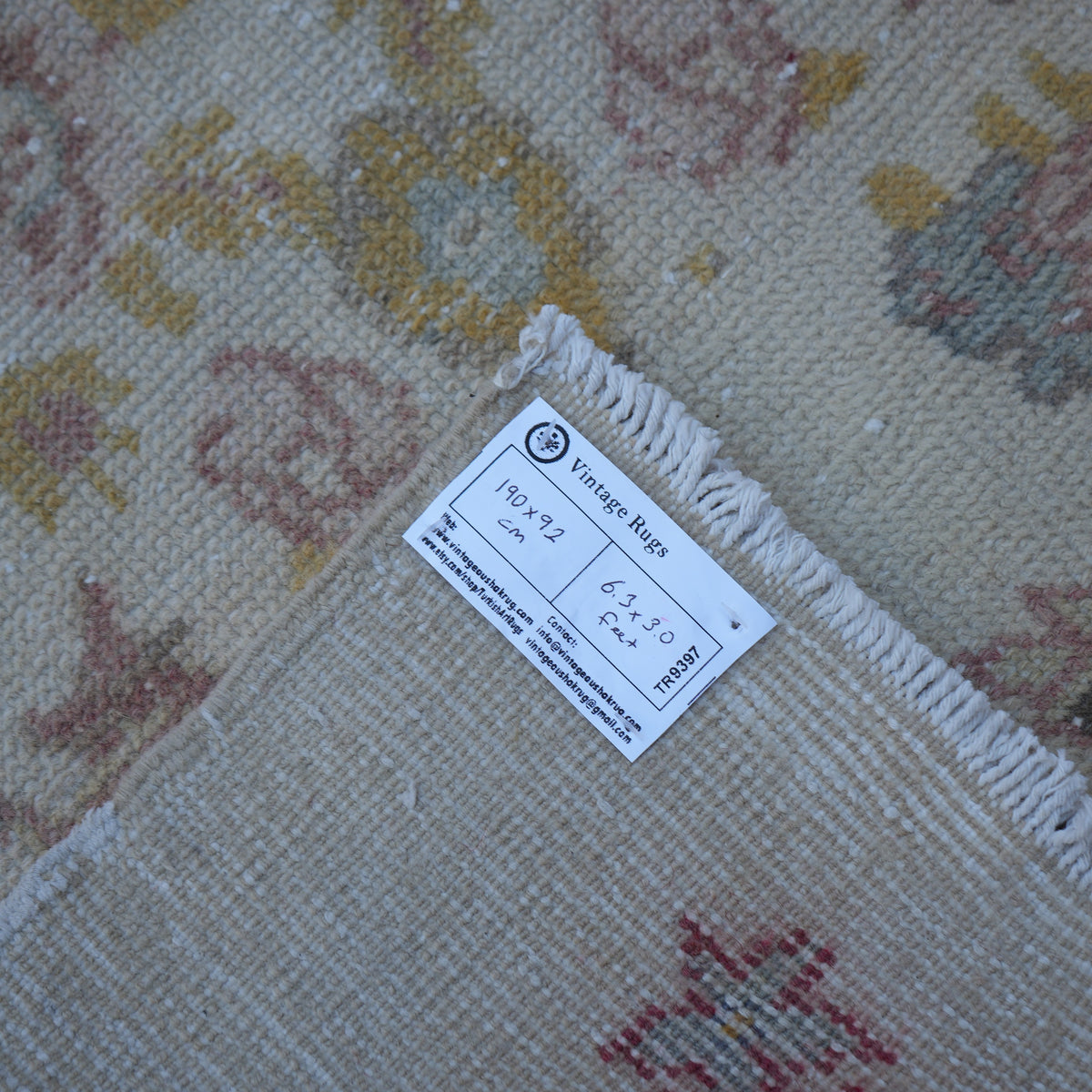
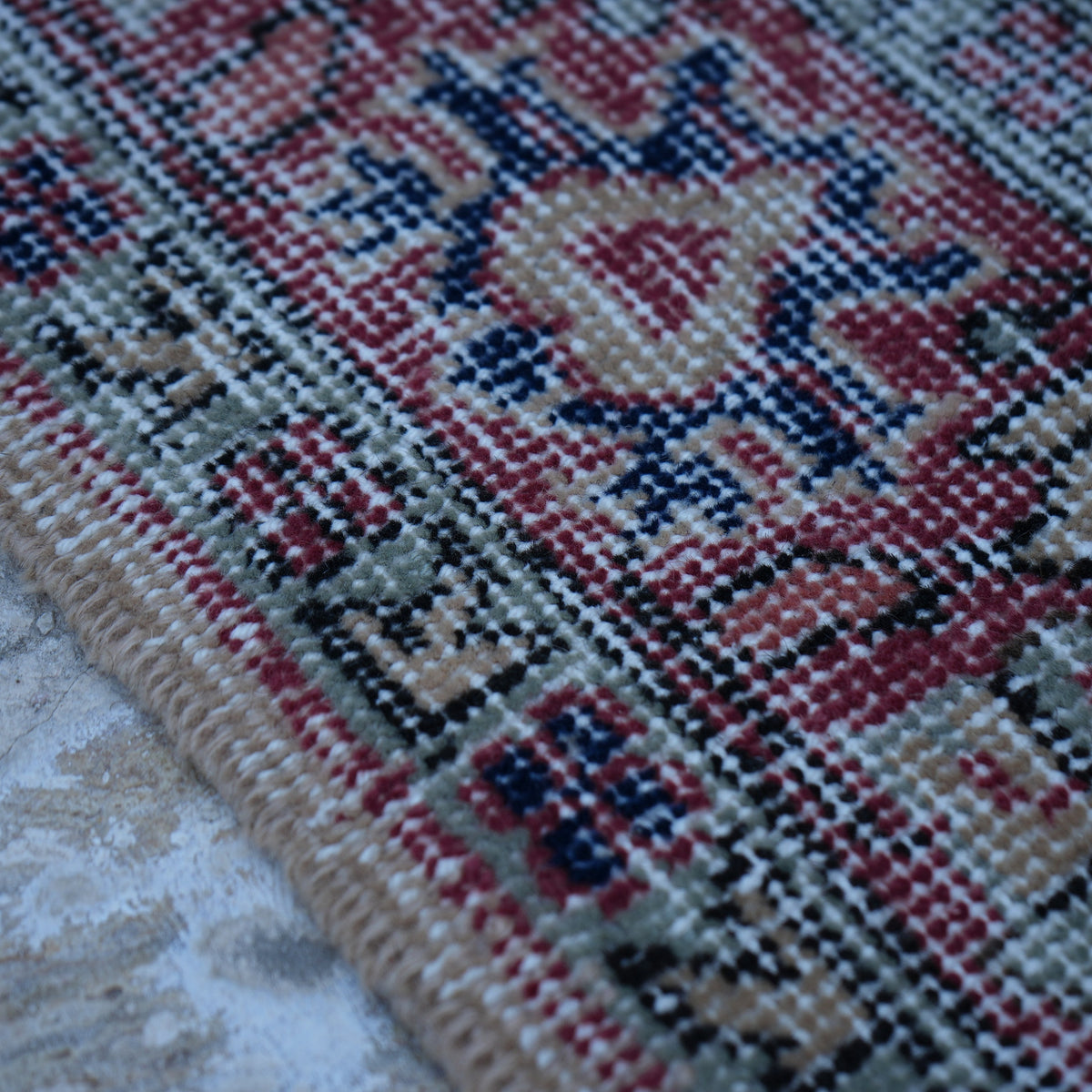
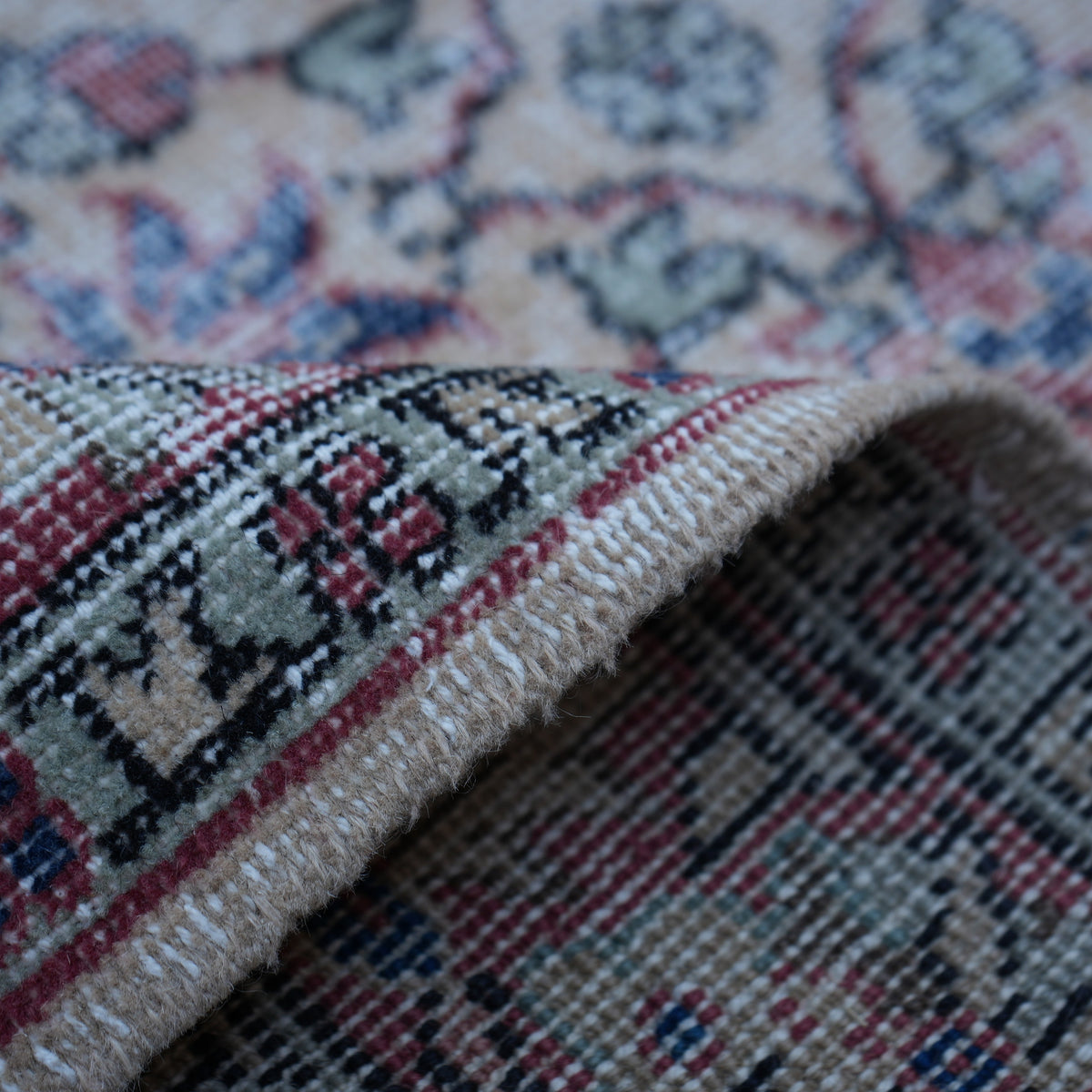
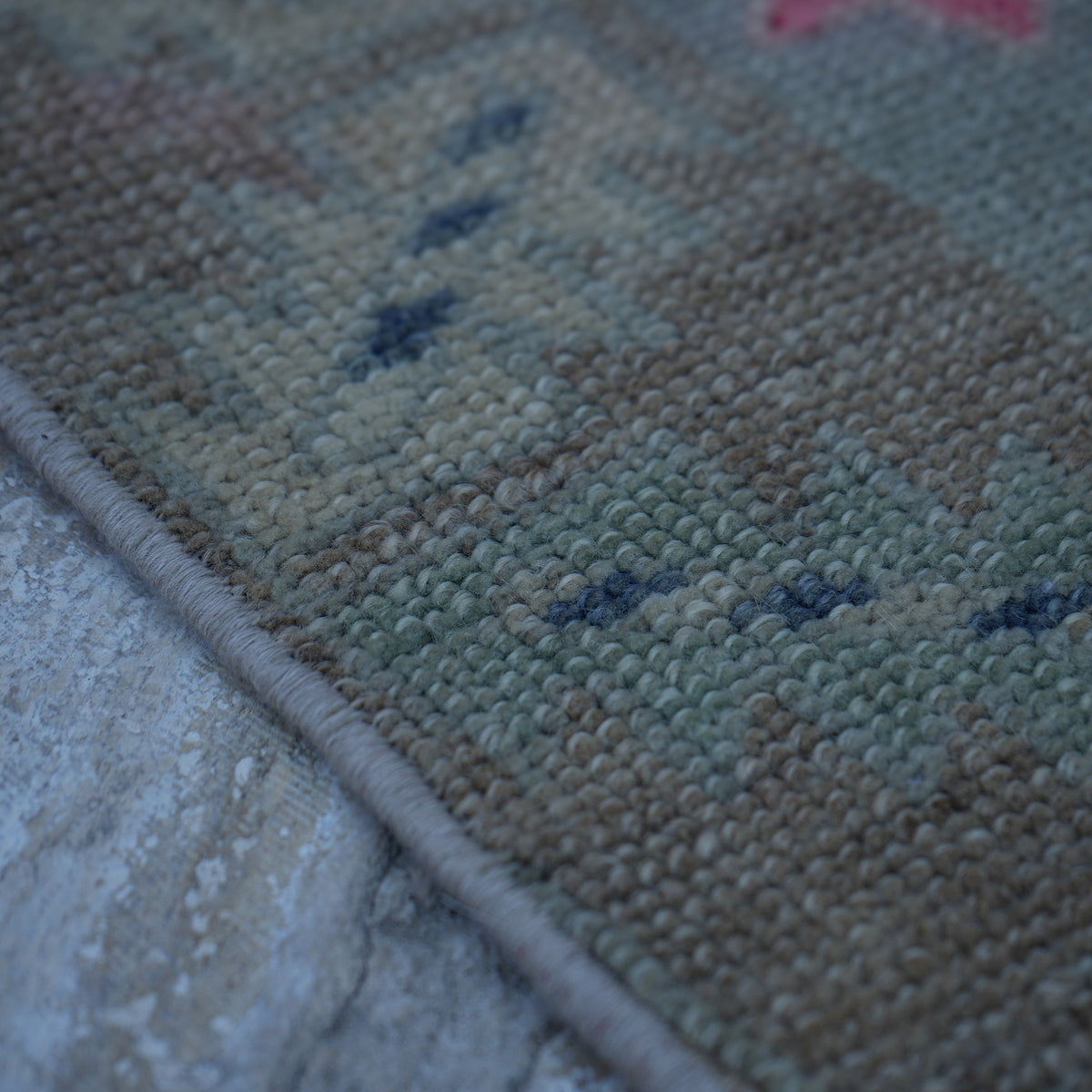
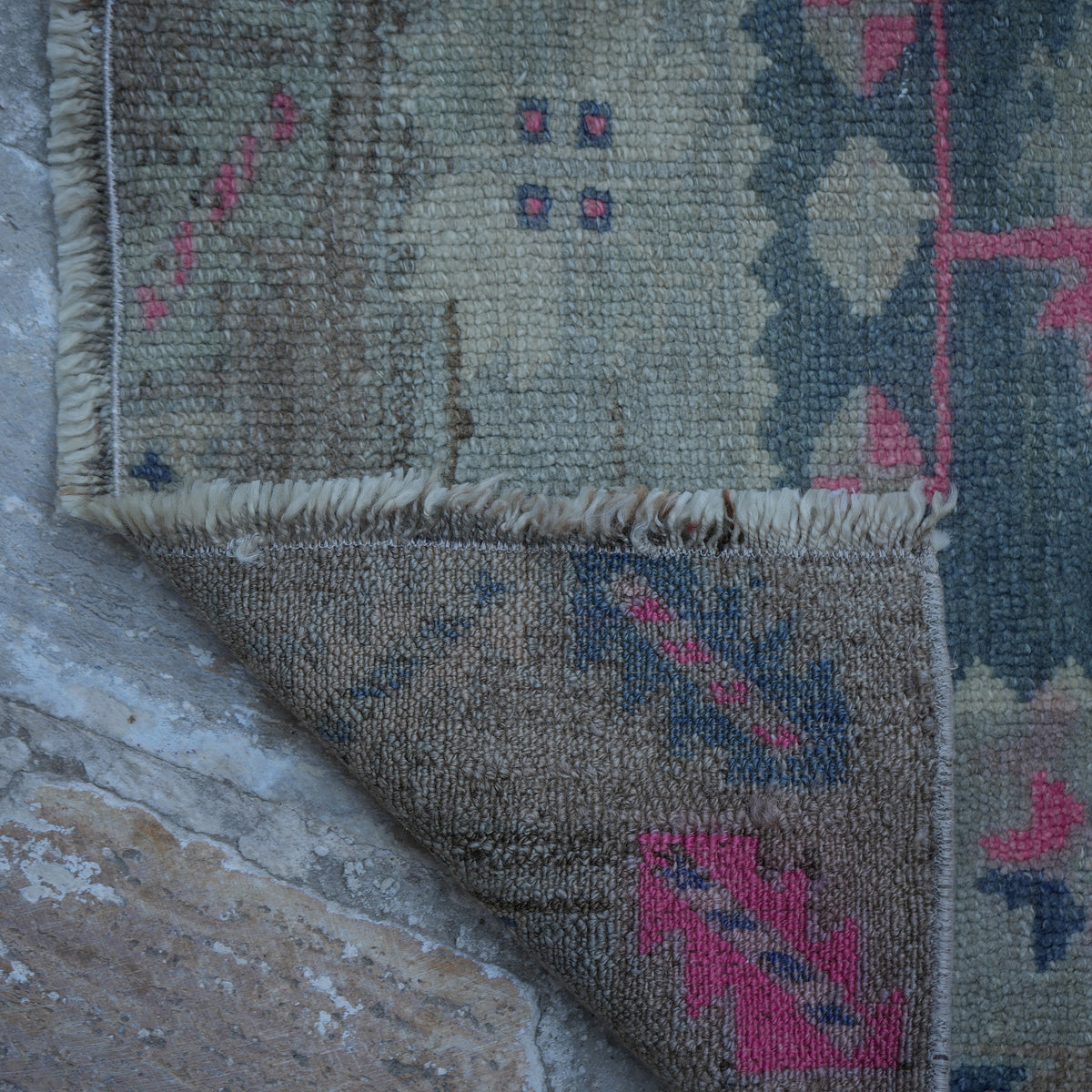
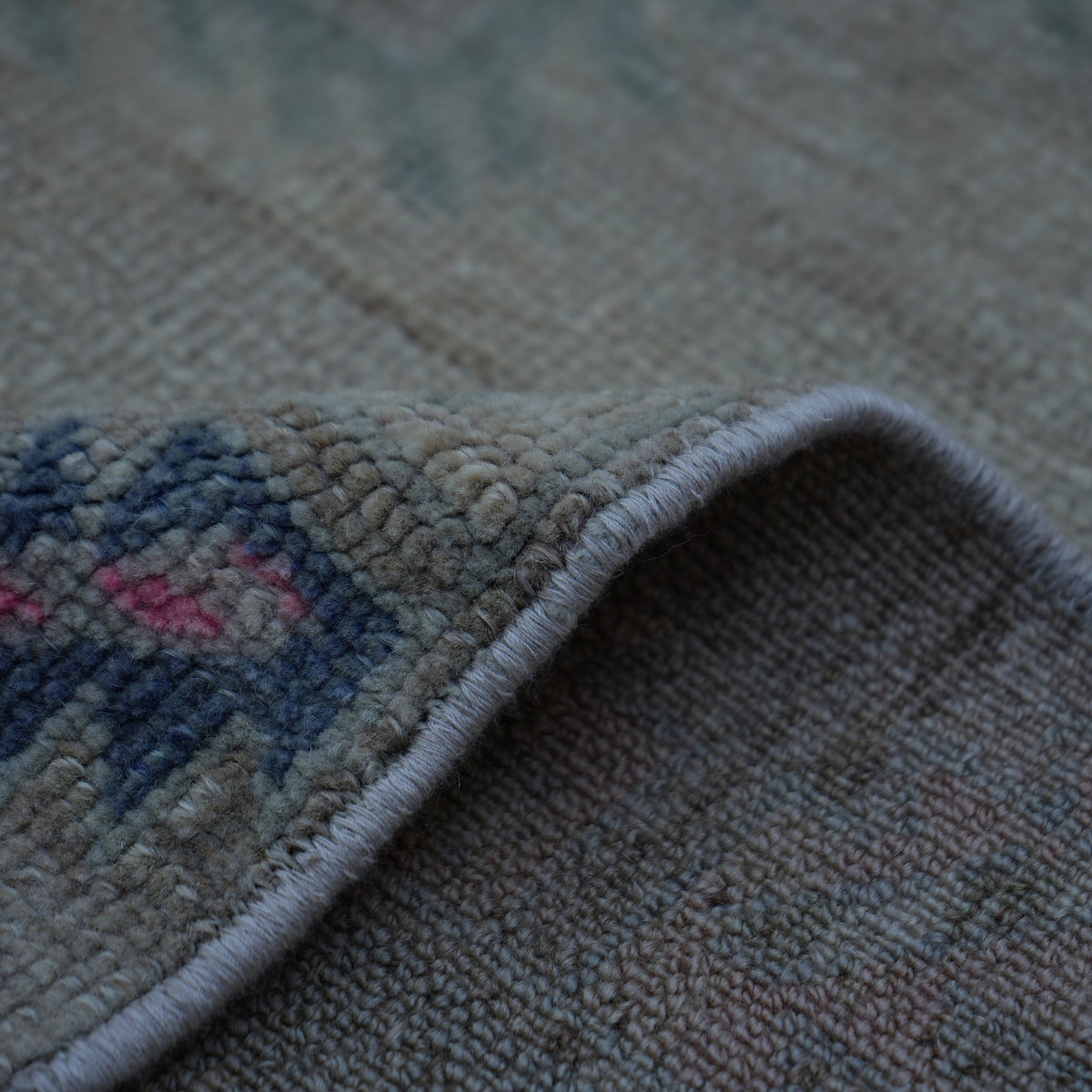
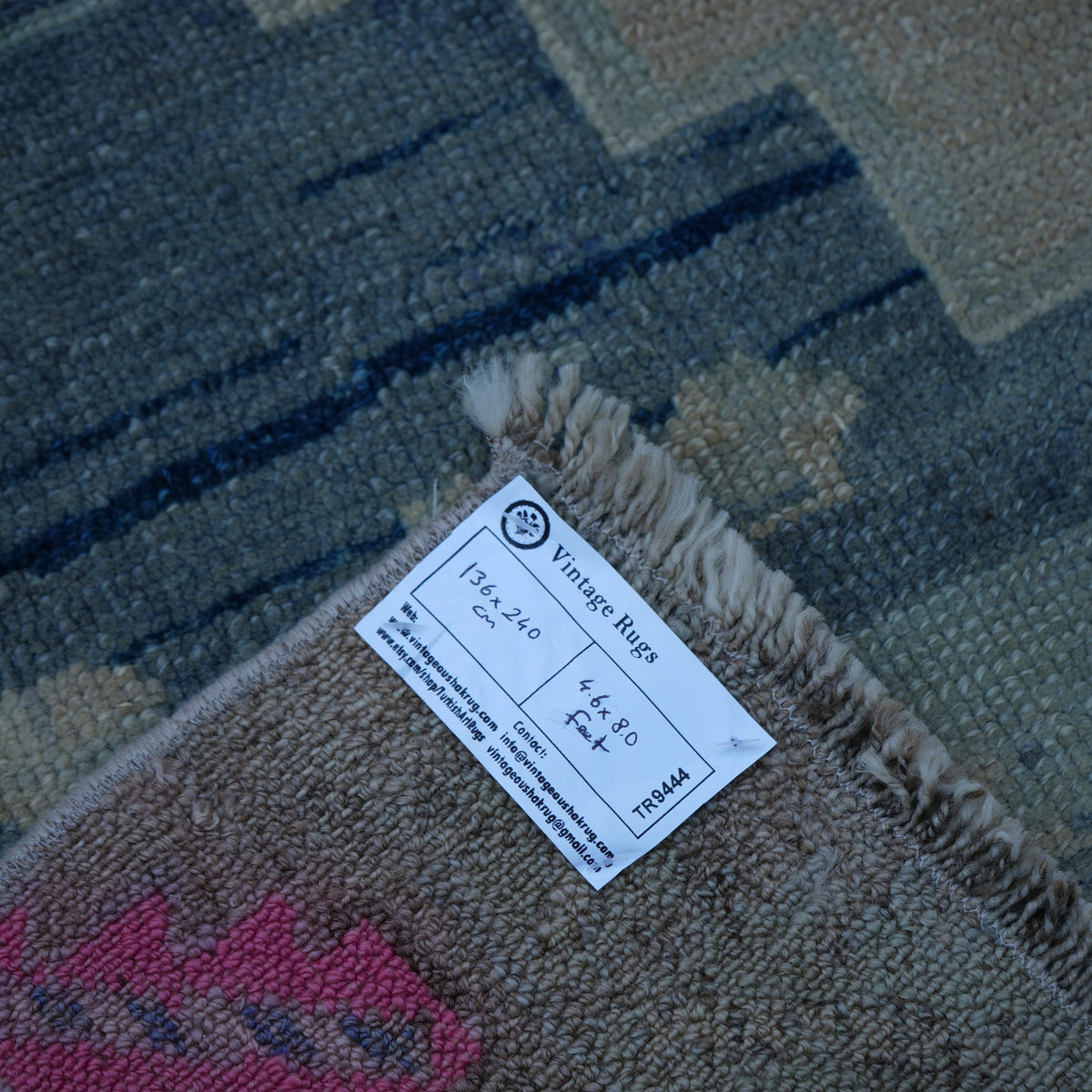
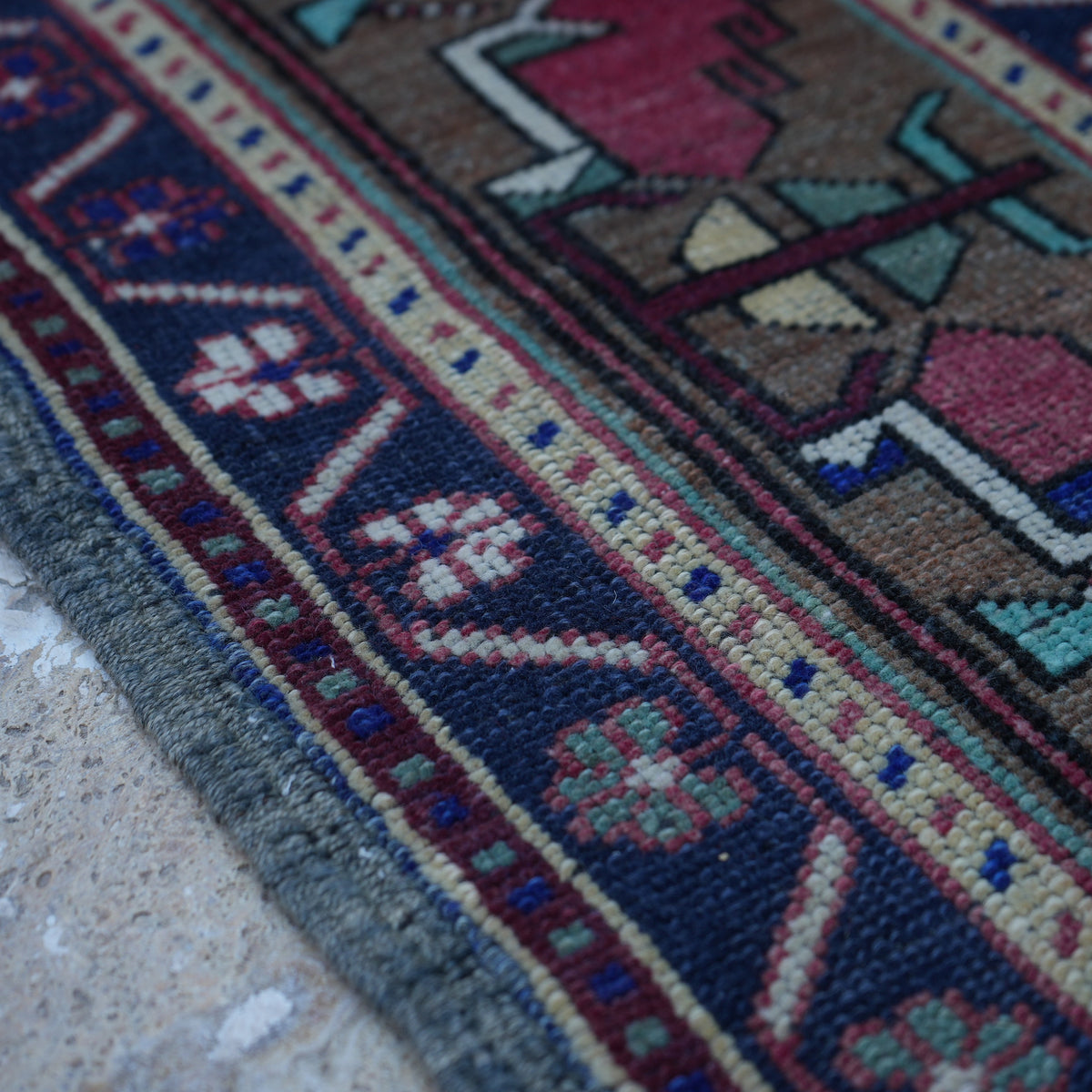
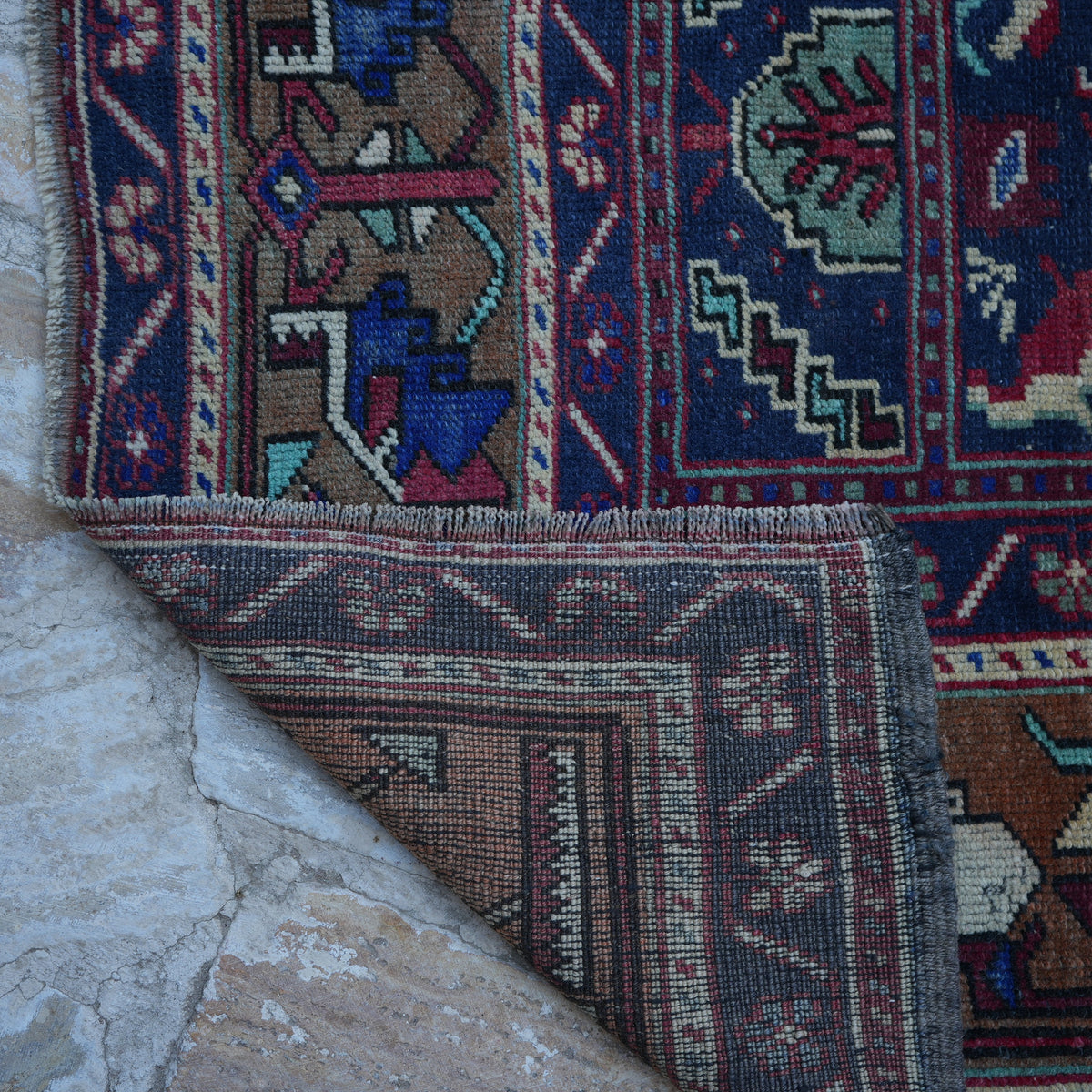
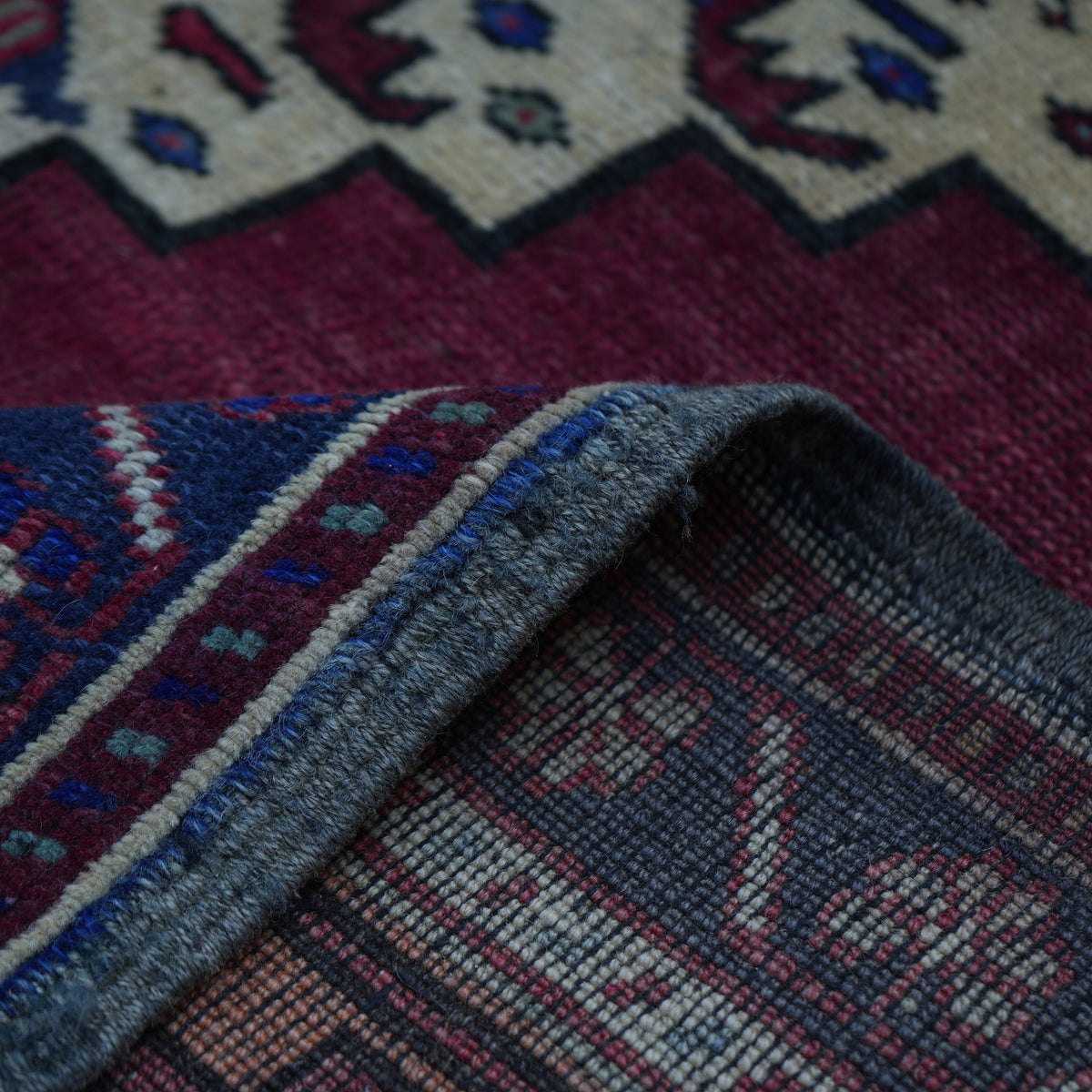
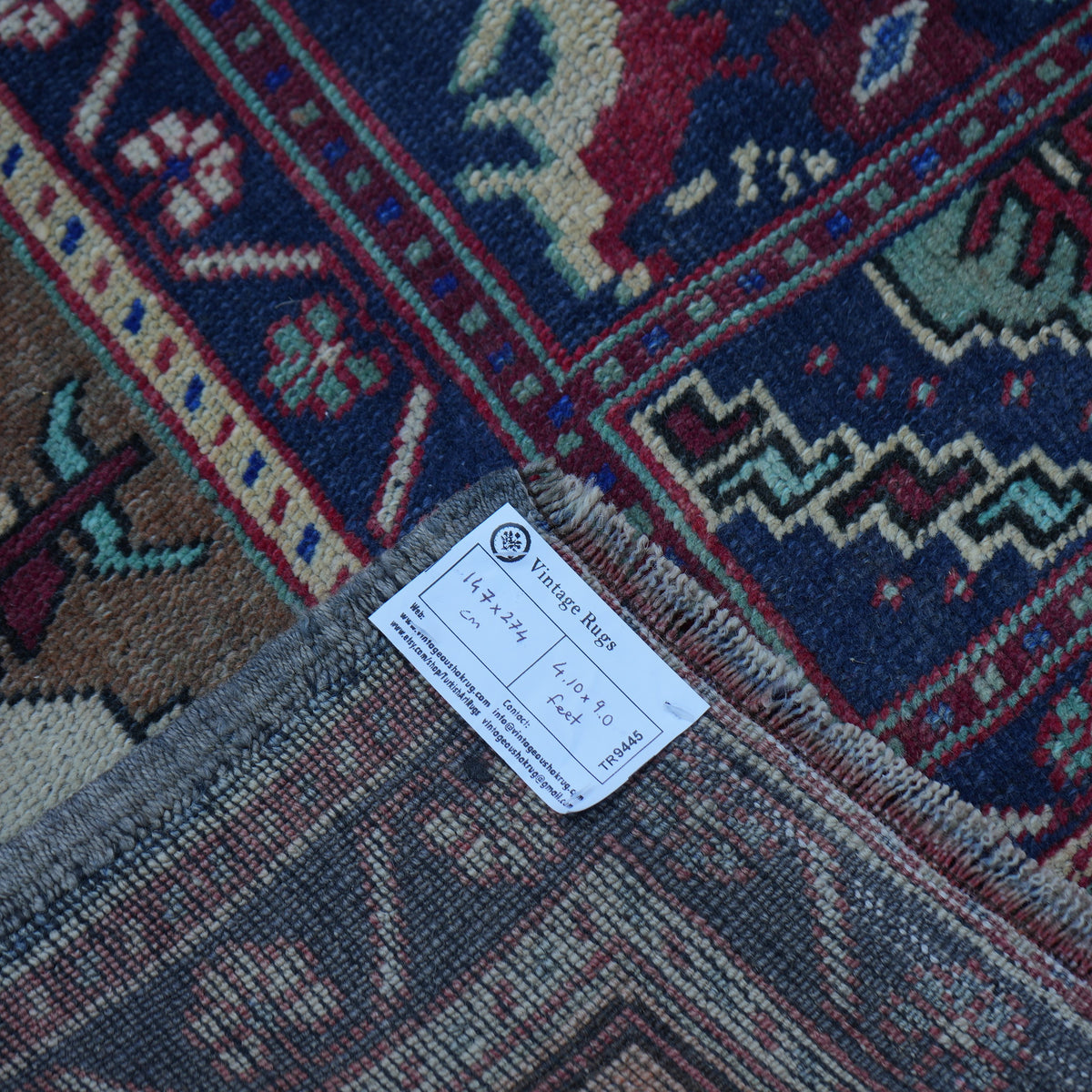
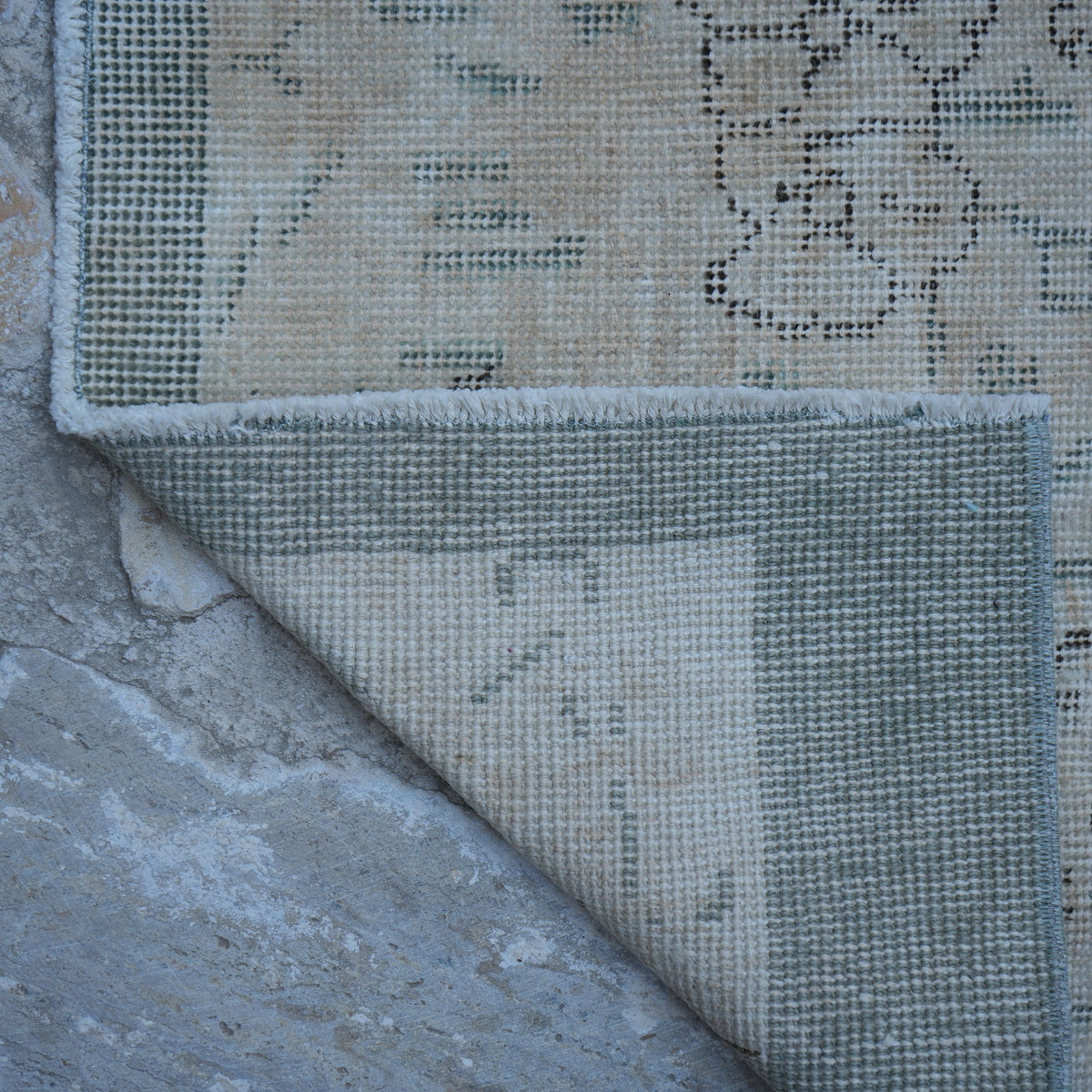
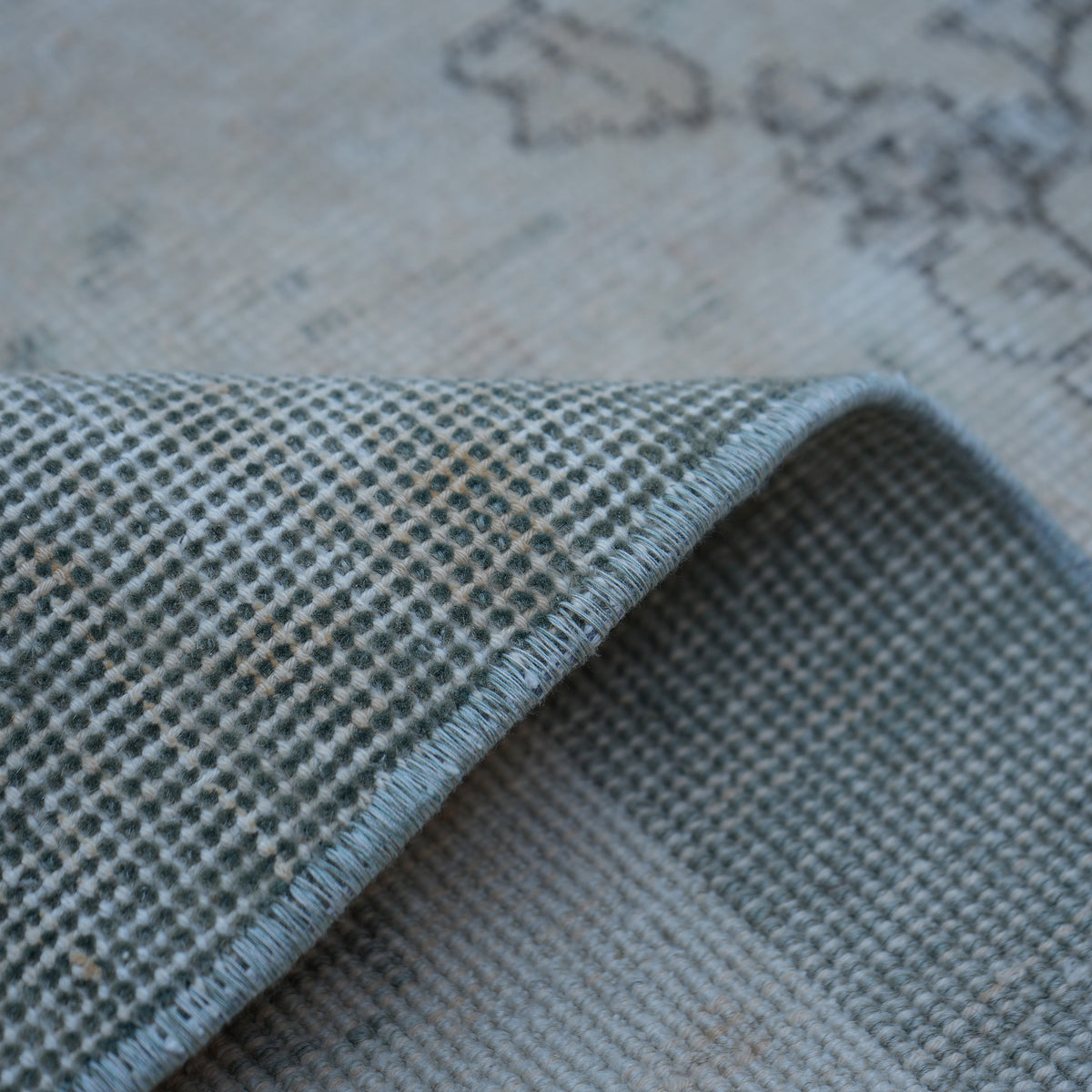
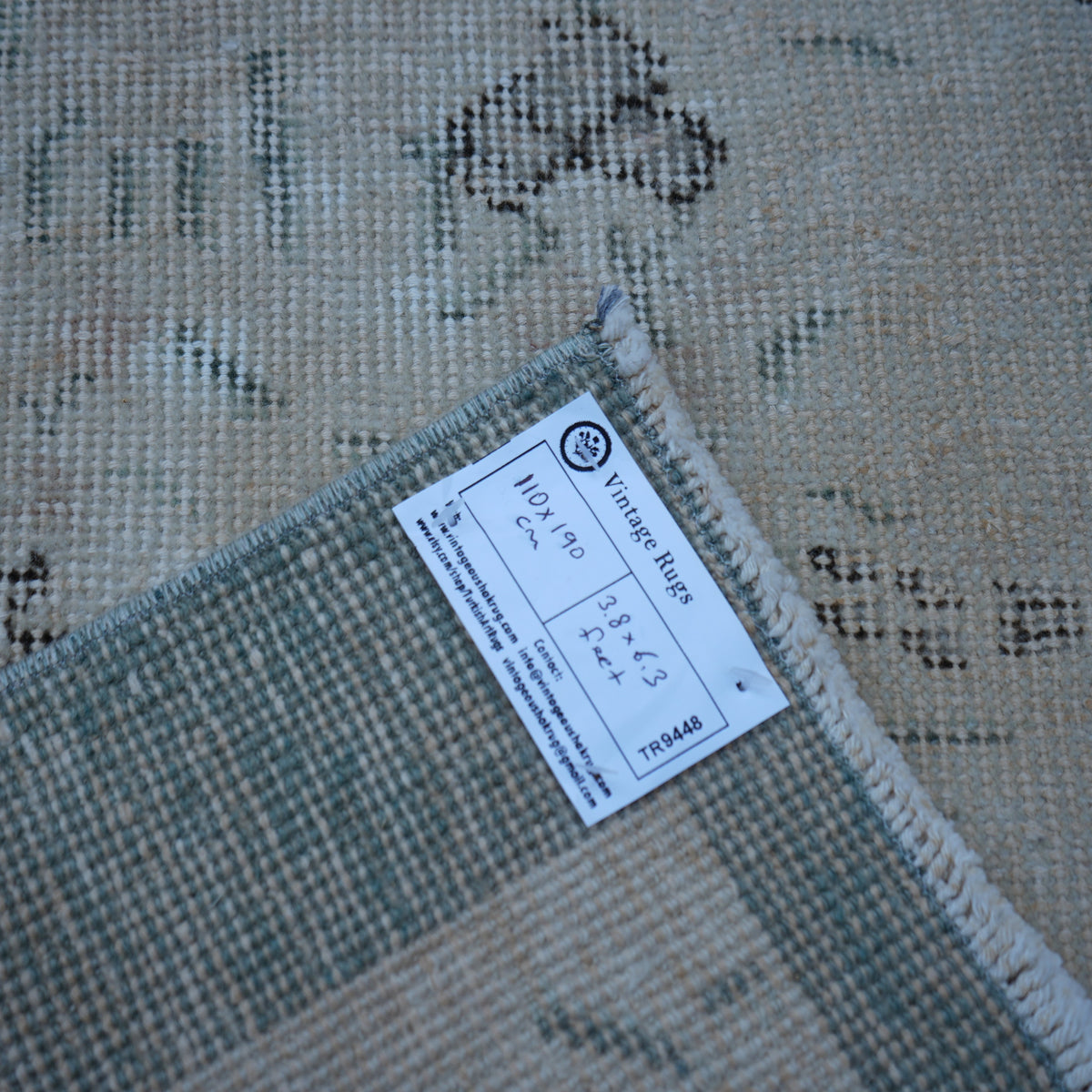
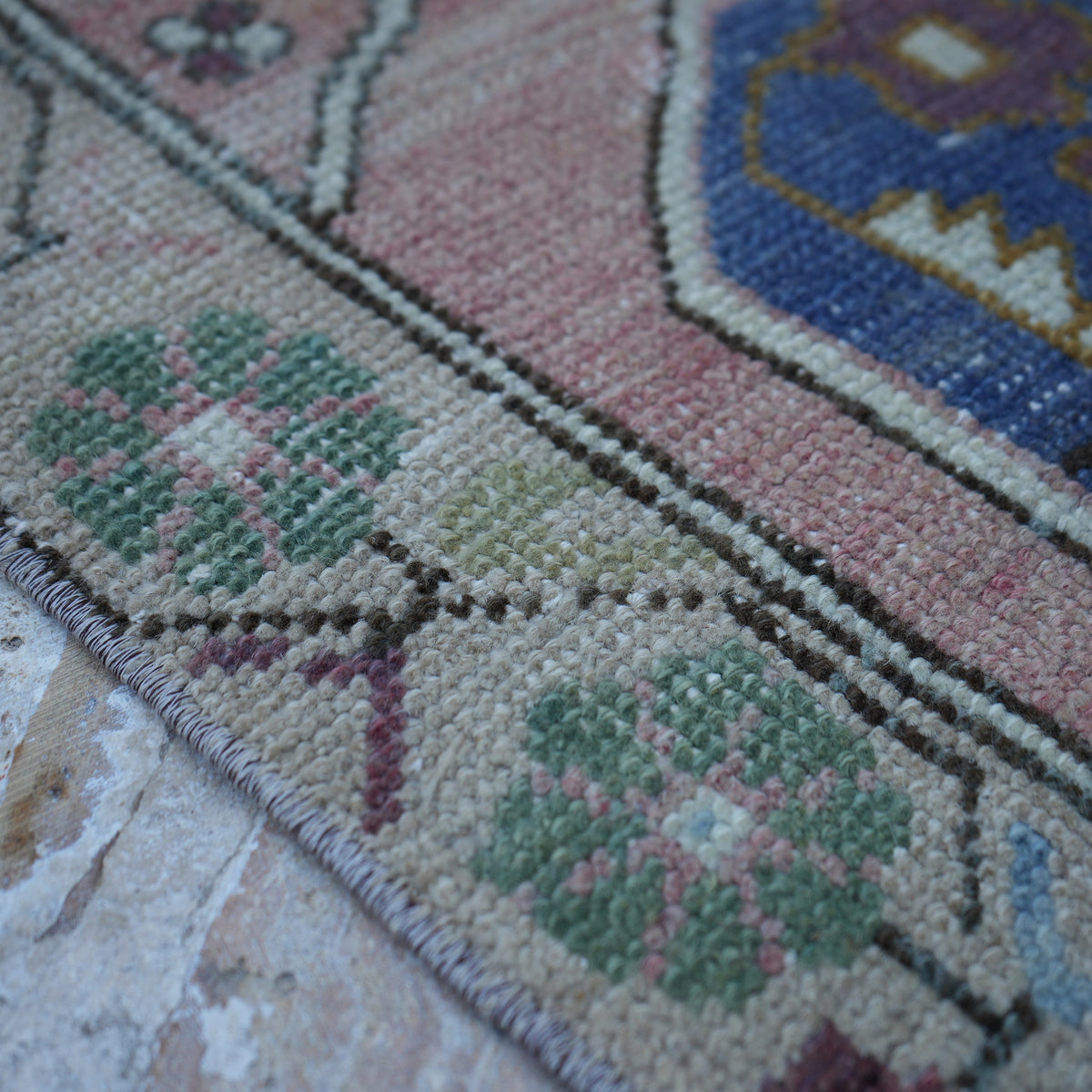
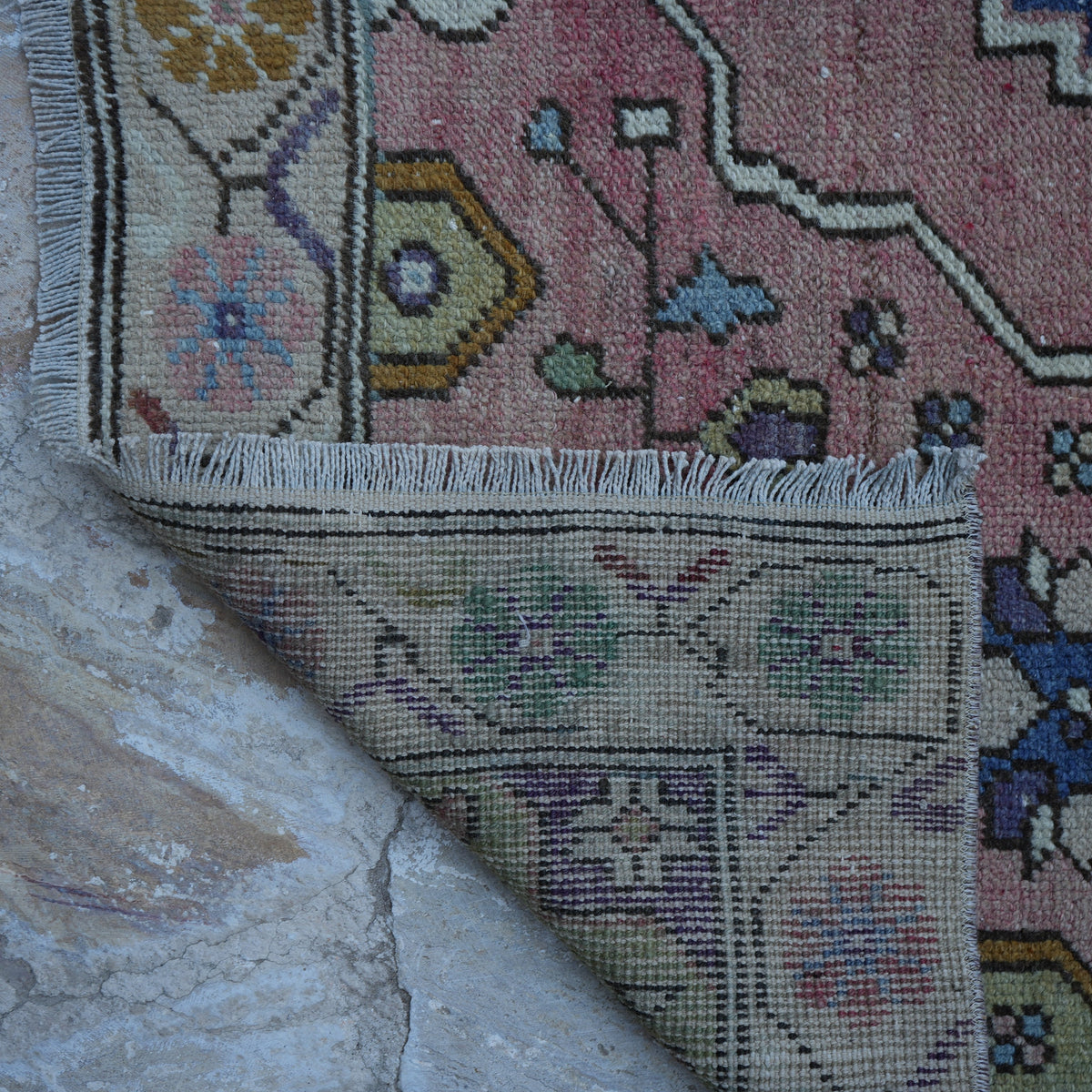
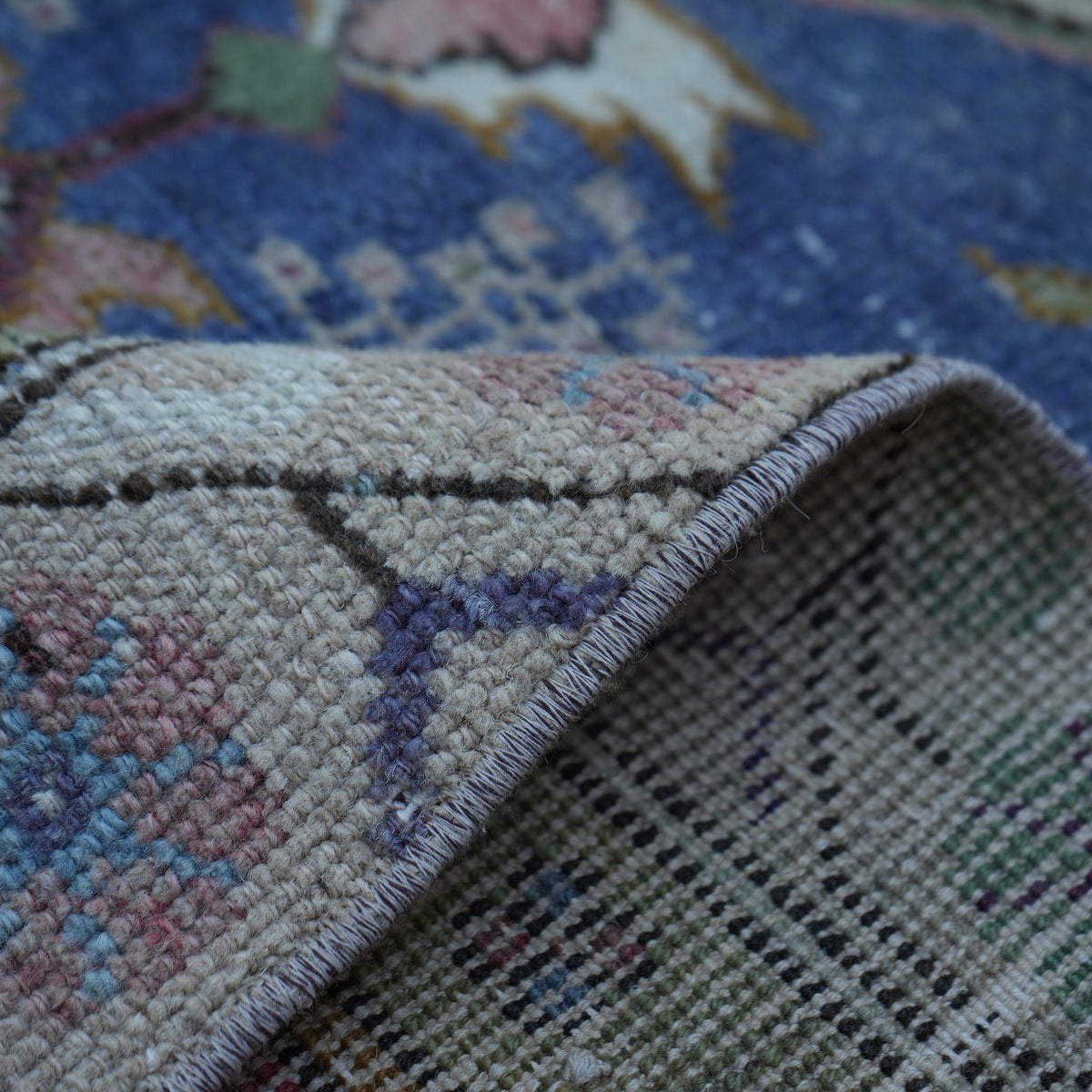
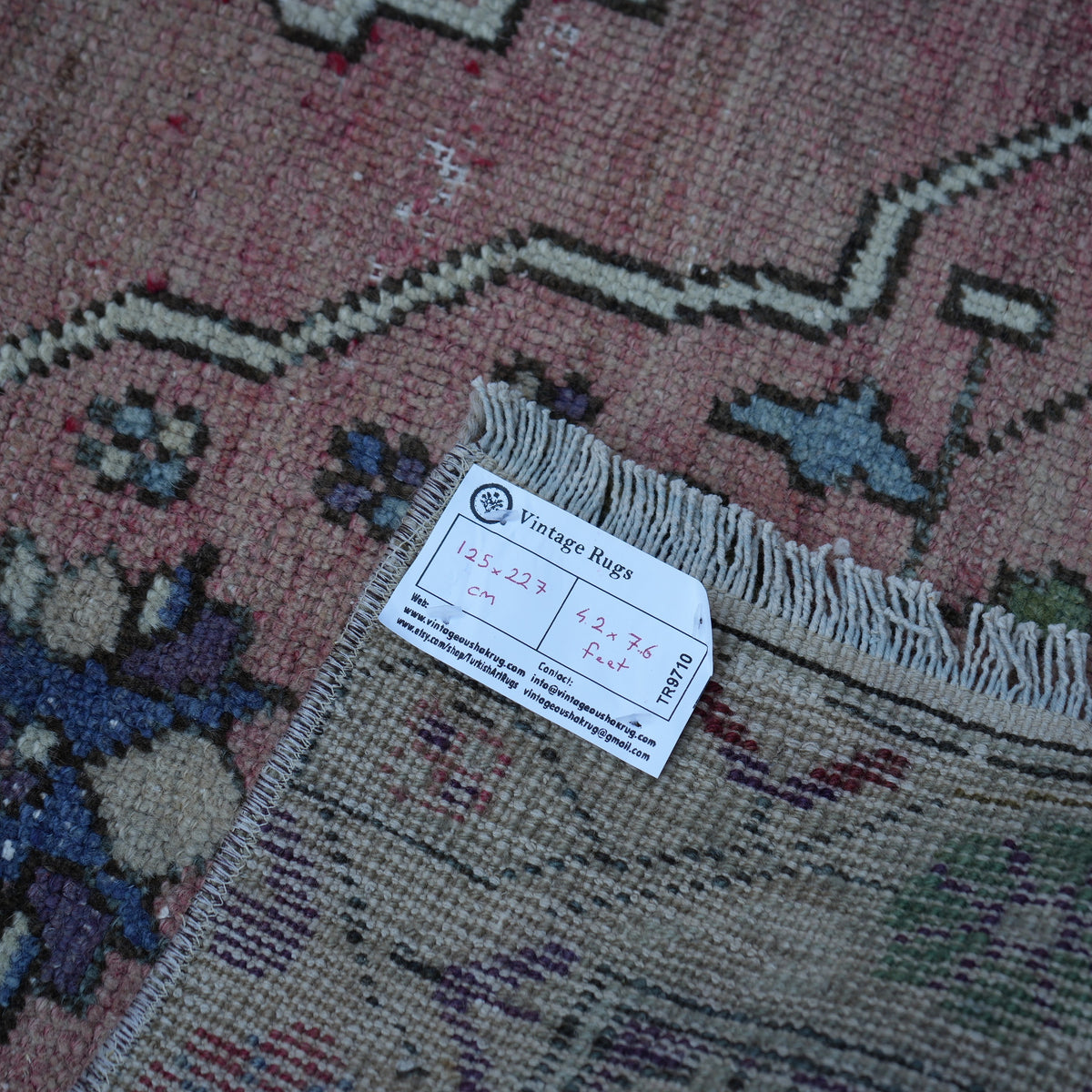
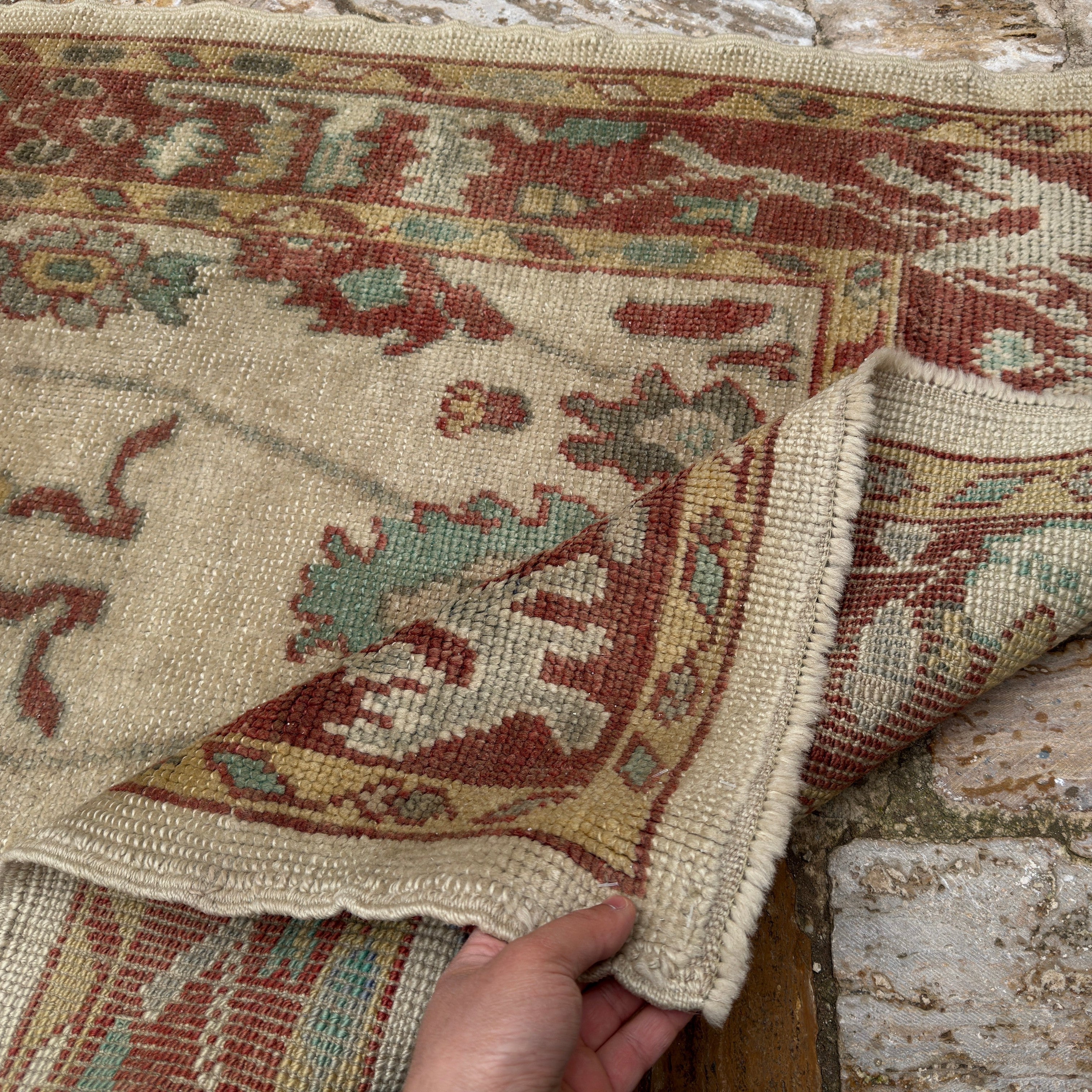
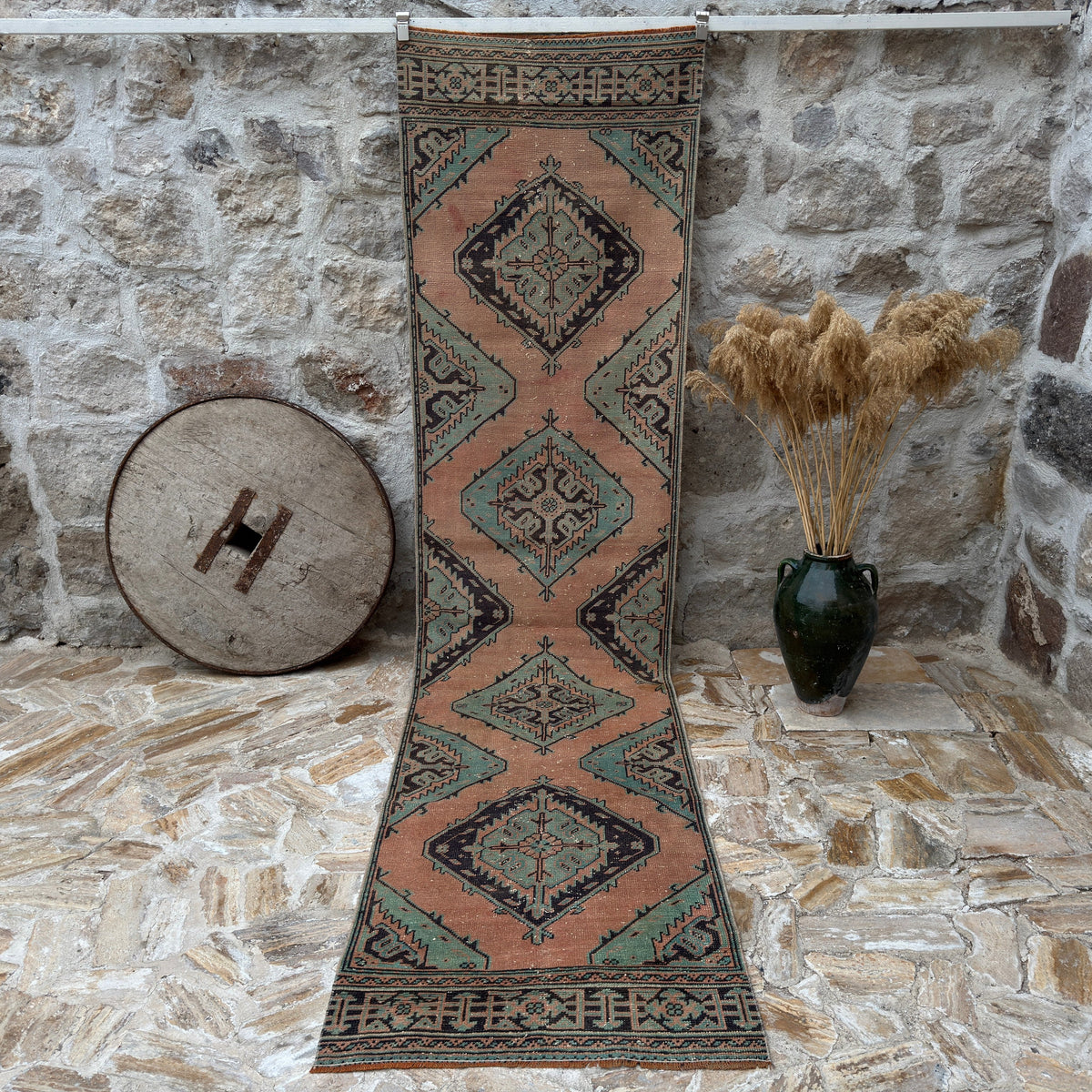
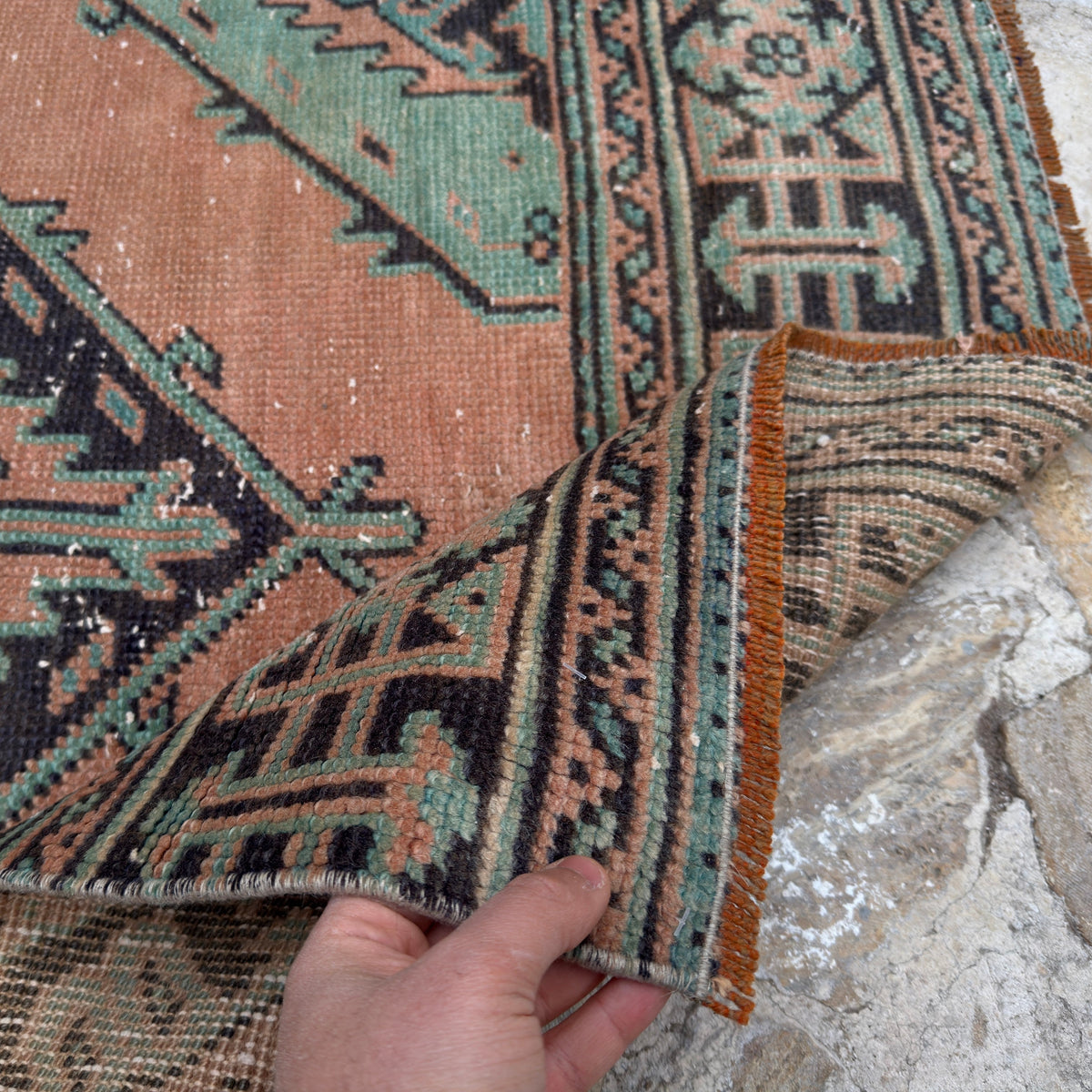
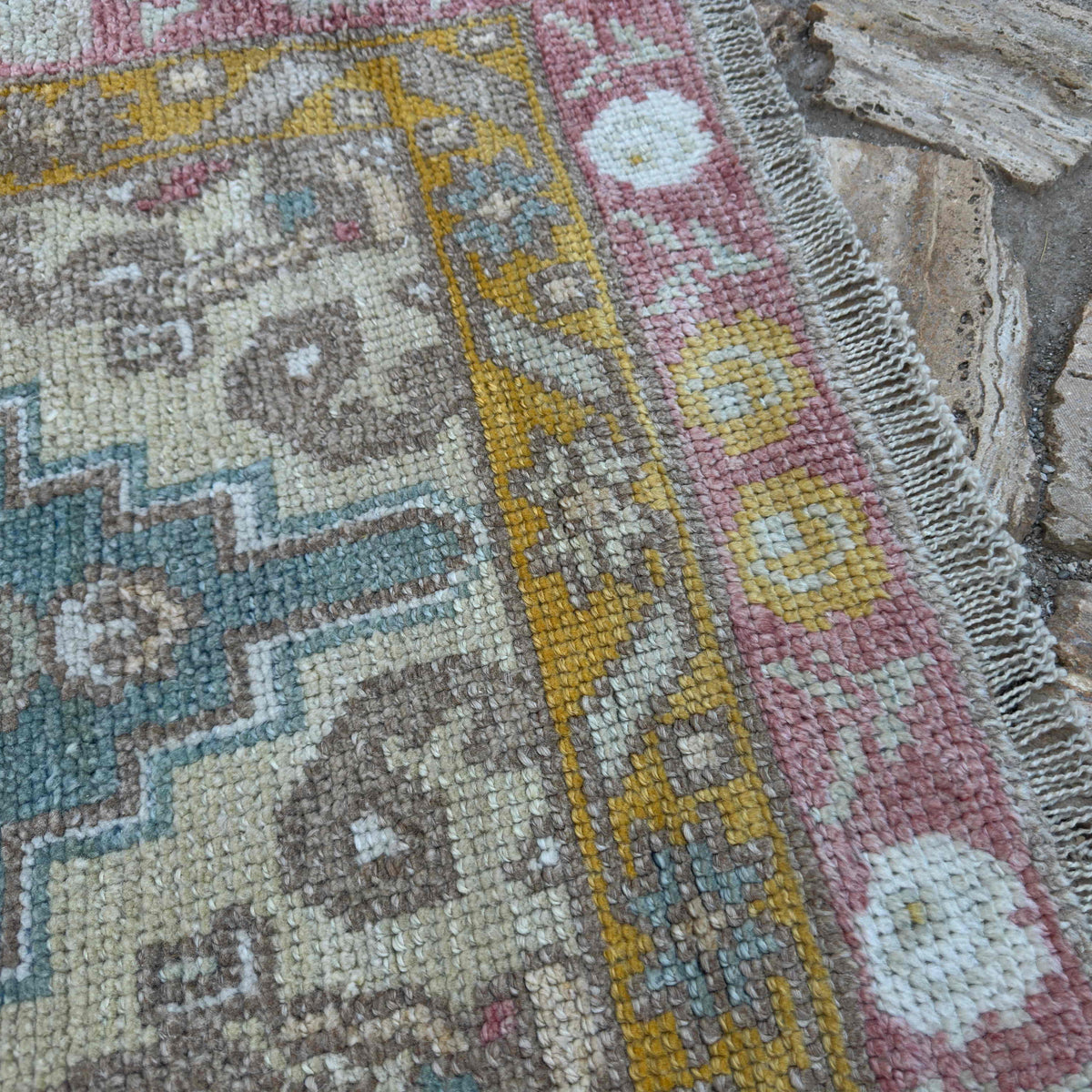
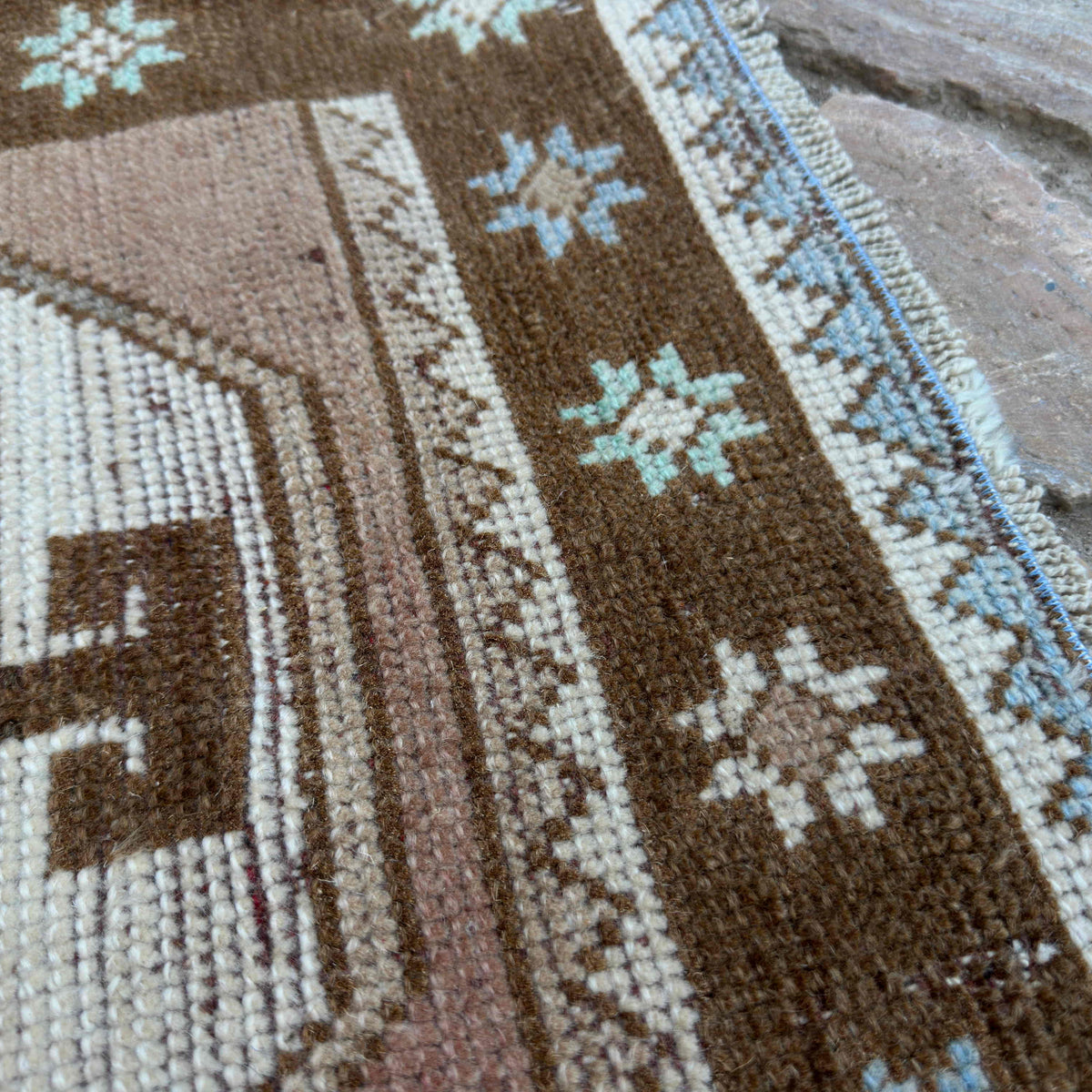
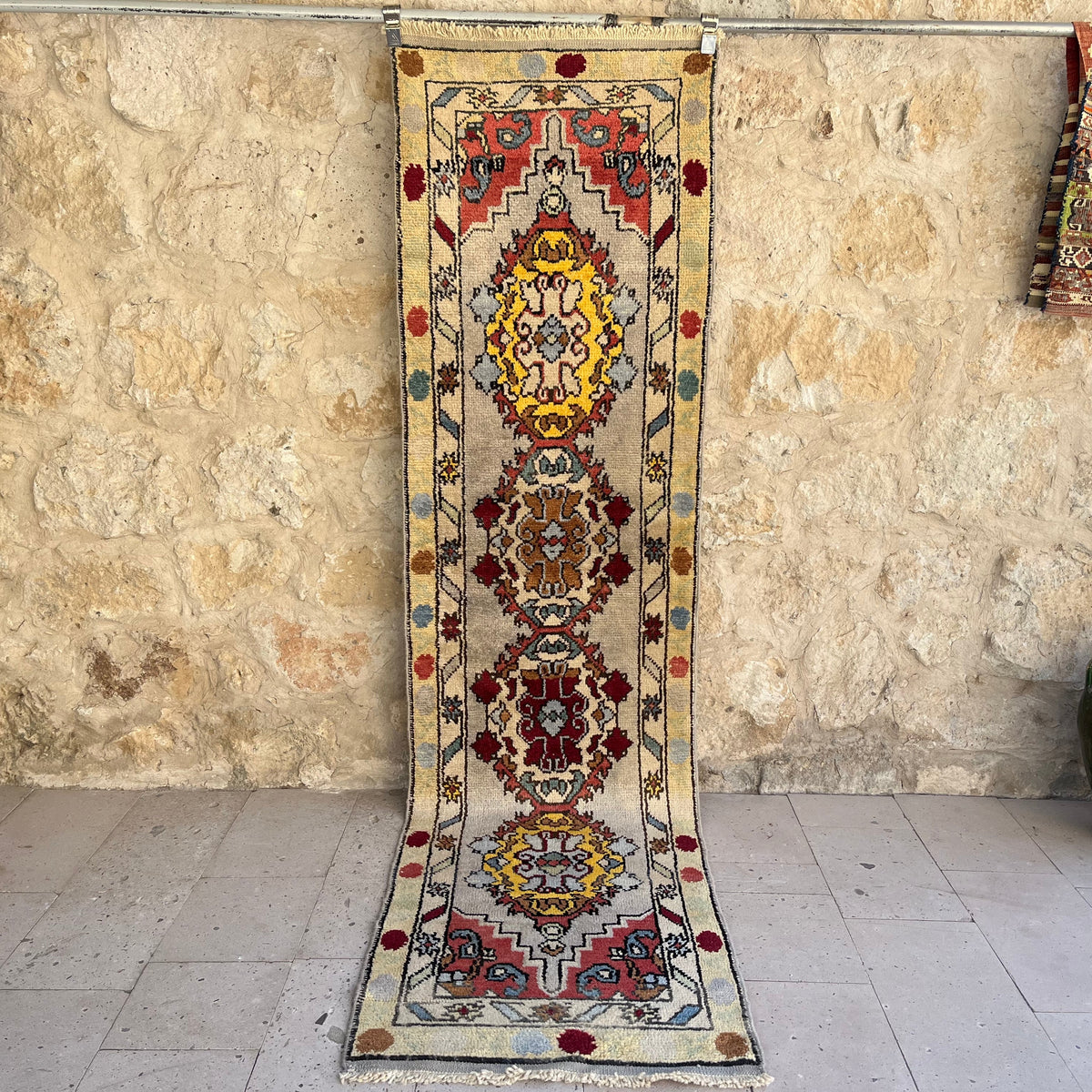
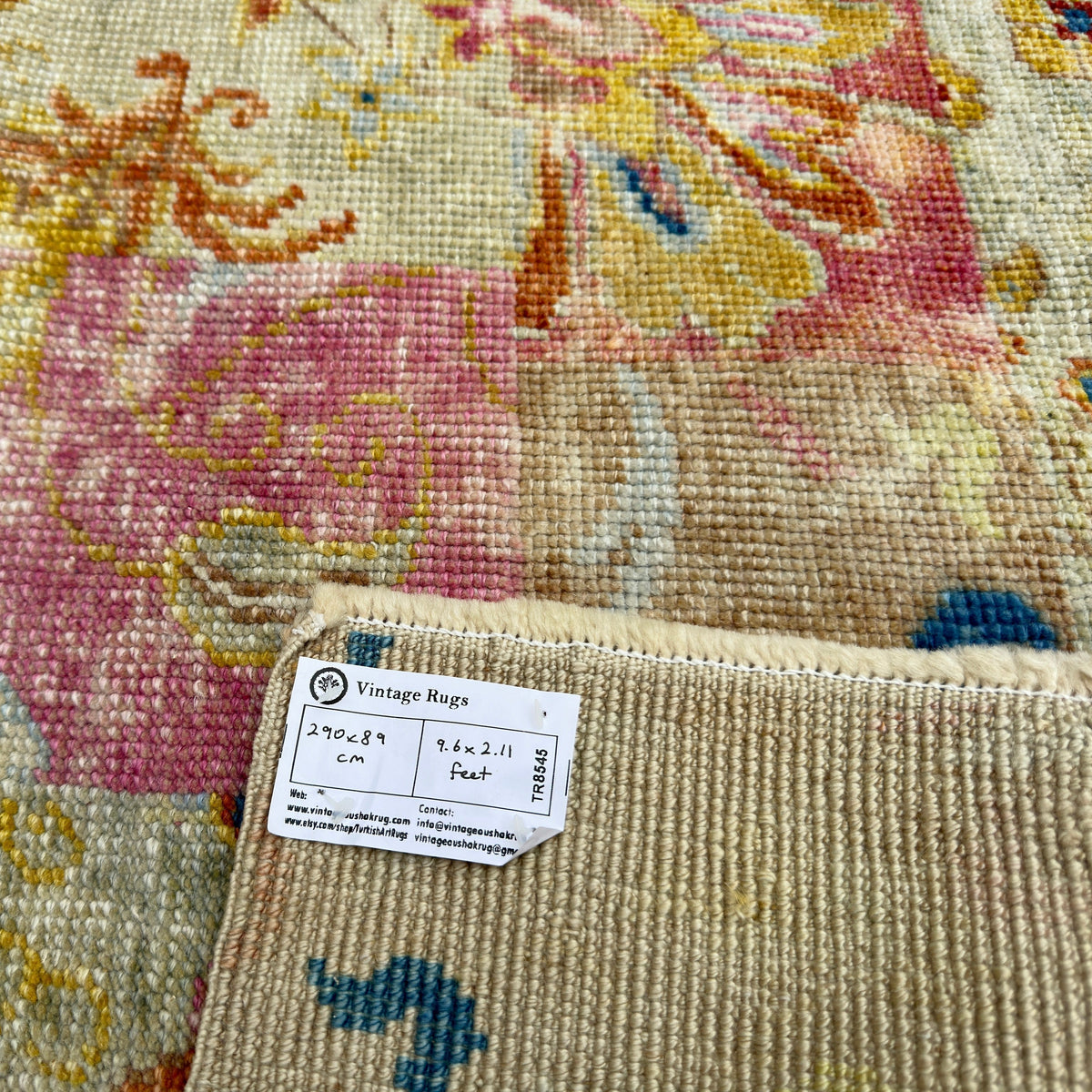
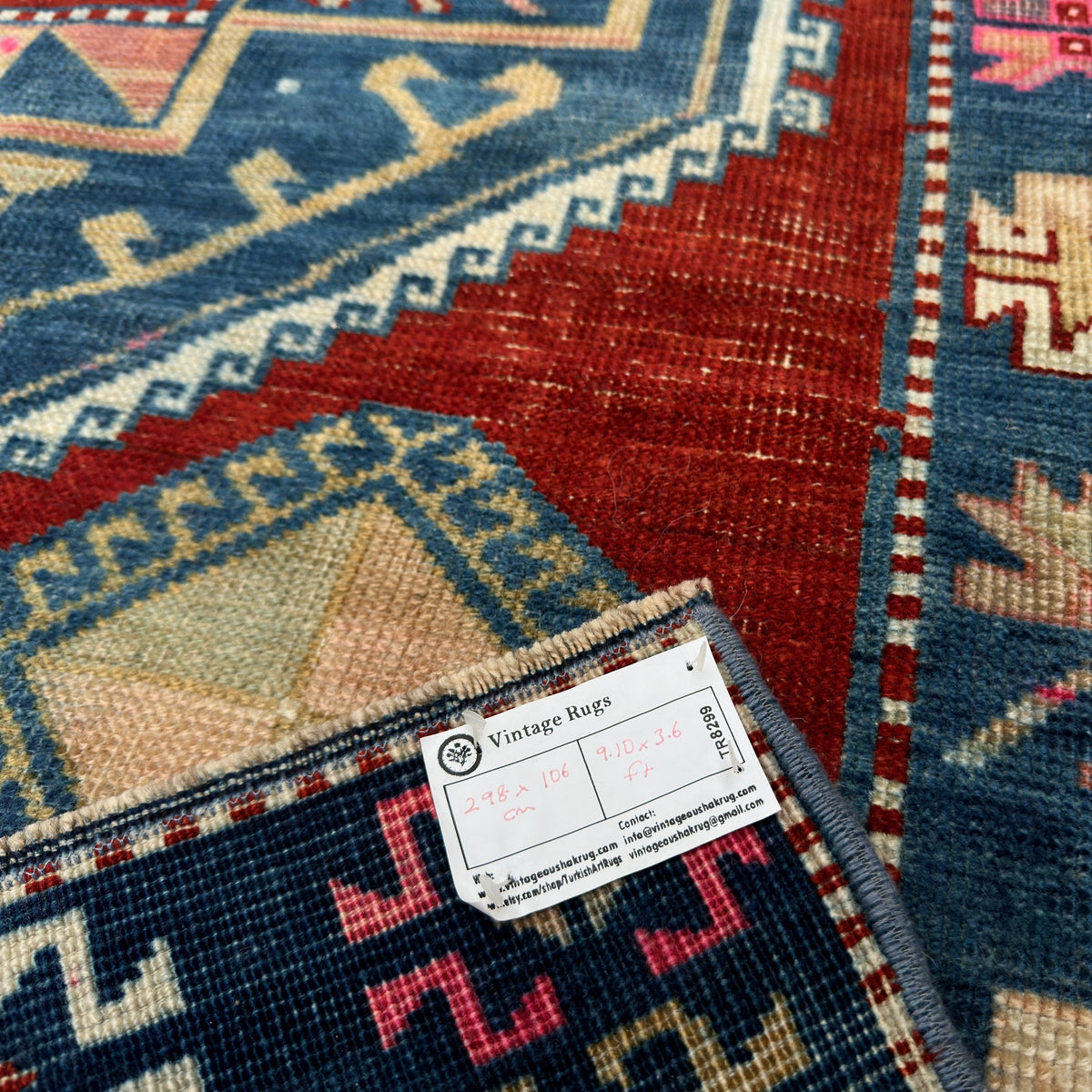
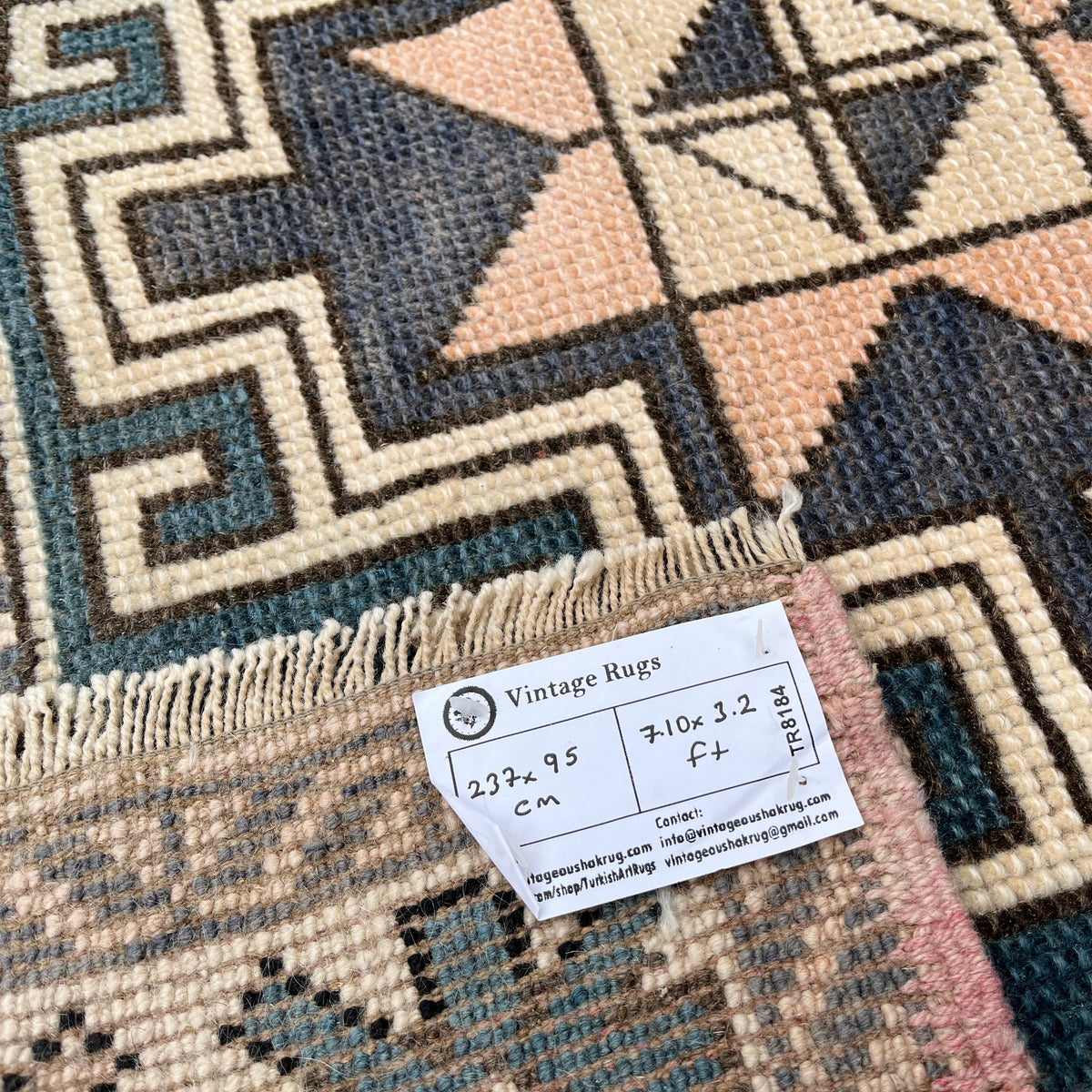
This is the one that matters most, and the one almost nobody thinks to do. On a hand-knotted rug, the back shows the same pattern as the front, knot for knot, with no fabric covering anything. On a hand-tufted rug, you will find a flat canvas backing instead — no visible knots at all, just fabric. If a listing only shows the front of the rug, that alone is worth asking about.
Look at the Fringe
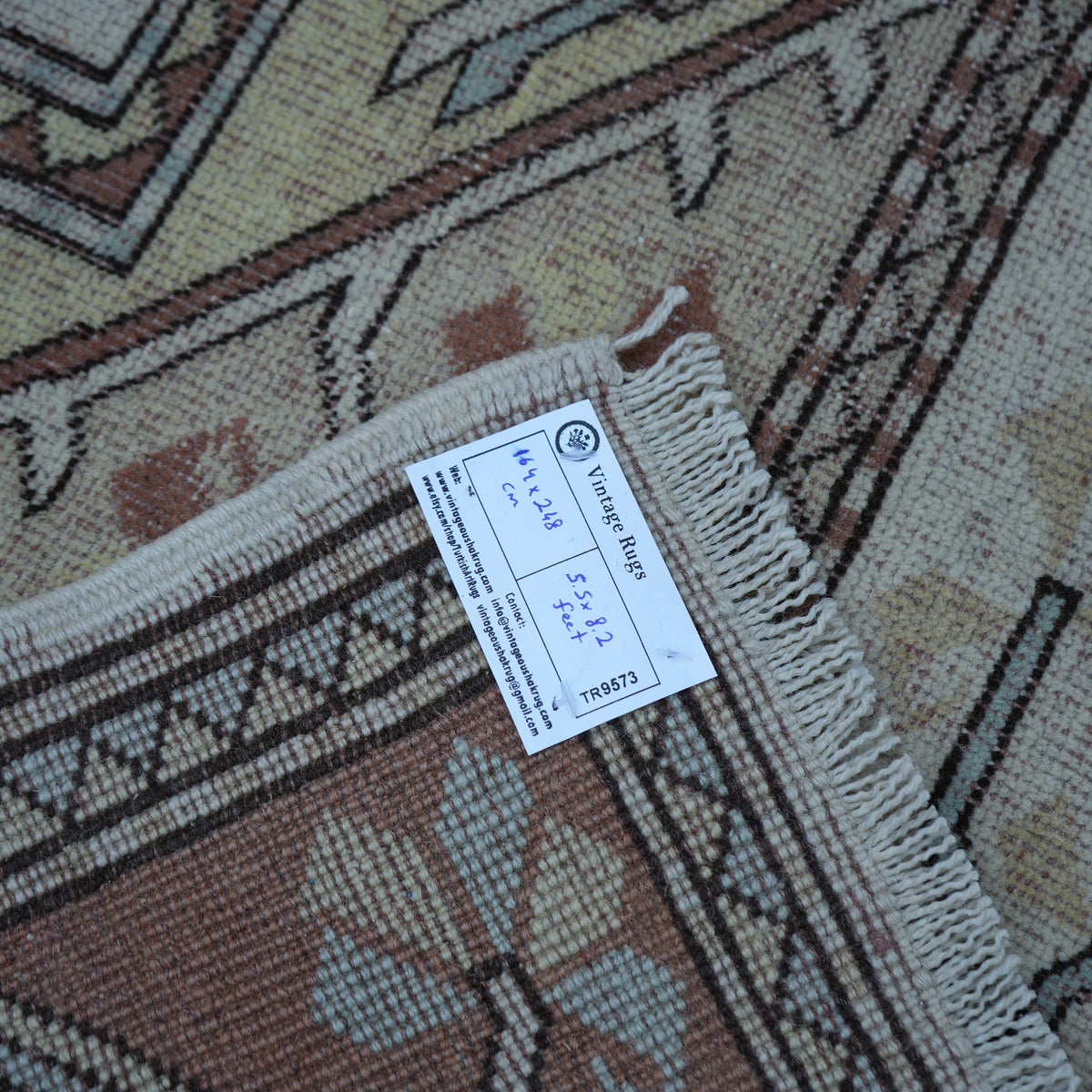
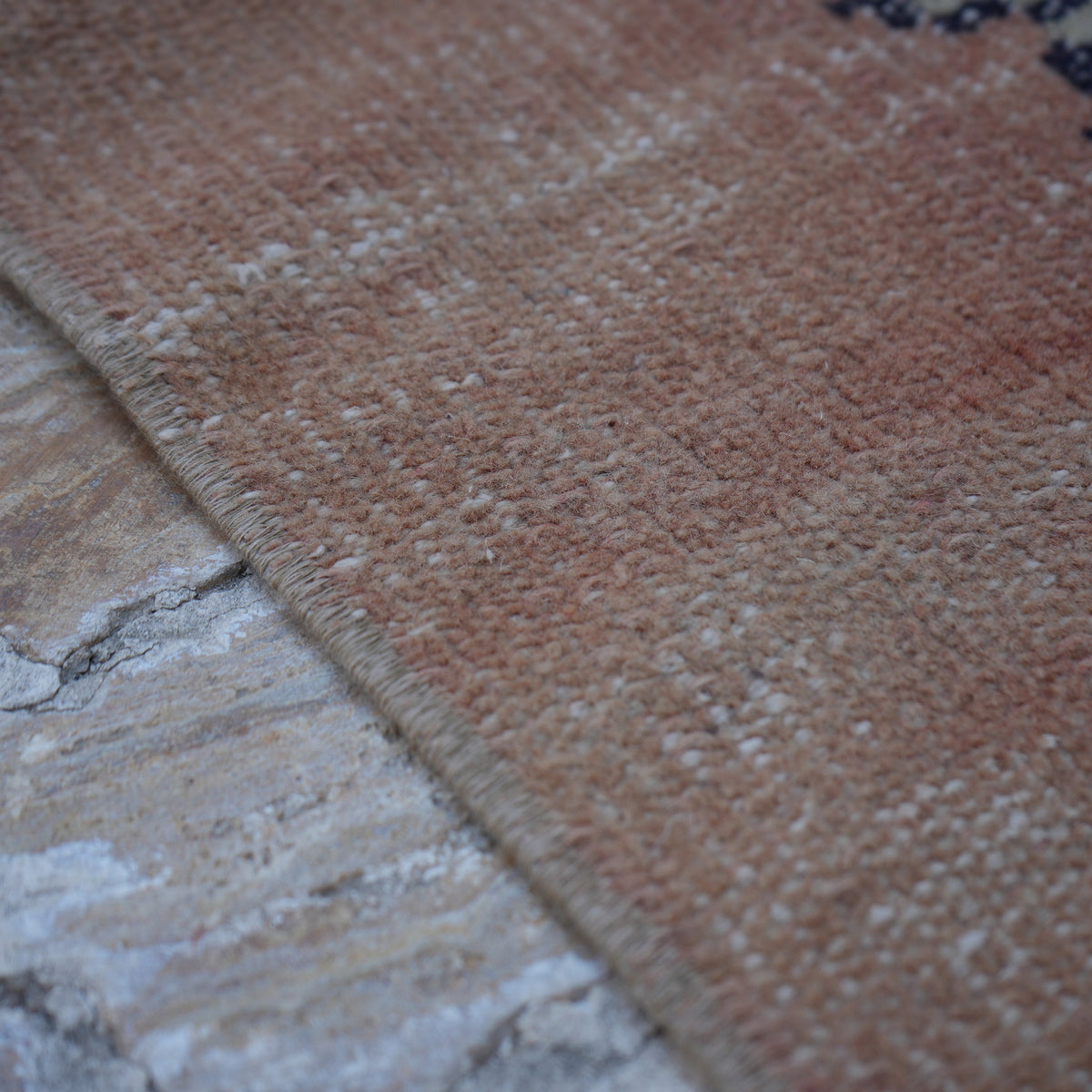
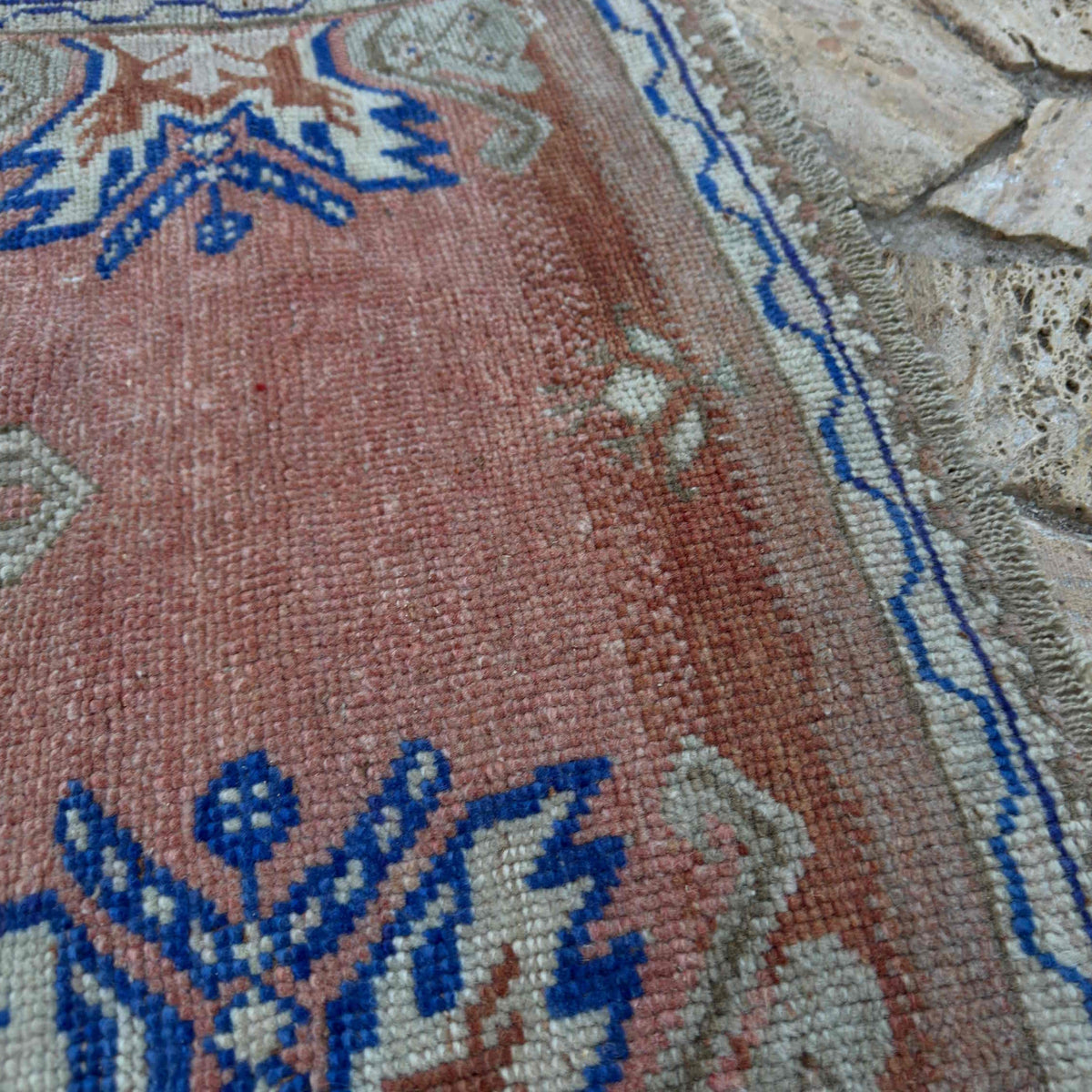
On a hand-knotted rug, the fringe is not decoration. It is the exposed end of the warp threads that run the entire length of the rug — pull on it and you are pulling on the rug's actual skeleton. On a hand-tufted rug, the fringe is added afterward, usually sewn or glued directly onto the canvas edge. It looks similar in a photo. It behaves completely differently in your hands.
Watch for Glue or Fabric Backing
If you can touch the rug, press on the back. Latex backing has a slightly stiff, rubbery feel that a hand-knotted rug simply does not have. New hand-tufted rugs can also carry a faint chemical smell from the curing latex, which is normal at first but worth knowing is there.
Which Rug Lasts Longer: Hand-Knotted or Hand-Tufted?
The physics of this one are straightforward. A hand-knotted rug has no adhesive to break down, no fabric layer to separate from the pile. The knot is load-bearing on its own, which is why these rugs can be walked on daily for decades without the structure loosening. Some of our antique hand-knotted rug are well over 80 years old and still in daily use in someone's home, not a museum.
A hand-tufted rug ages differently. The latex holding everything together starts to dry out over time, and once it does, tufts loosen and shed. Most hand-tufted rugs are built for somewhere between five and fifteen years of good use, depending on foot traffic and how they are cleaned. That is not a flaw in the product. It is just what the construction was designed for.

Which Feels Softer: Hand-Knotted or Hand-Tufted Rugs?
Here is where I will be honest instead of defensive: a new hand-tufted rug usually feels softer the day it arrives. The yarn is dense and freshly cut, and there is no years of foot traffic pressing it down yet. A brand-new hand-knotted rug can actually feel a bit firmer at first.
That firmness does not stay put, though. Wool softens with wear, and this is exactly why vintage hand-knotted rugs feel so good underfoot — years of use have already done the softening for you. If plush comfort on day one is the priority, tufted wins that specific round. If you want a rug that keeps improving the longer you own it, knotted does.
I used to say hand-knotted was always the better choice. That was not completely fair. Softness matters too, and hand-tufted rugs often deliver it faster.
Which Holds Its Value Better: Hand-Knotted or Hand-Tufted Rugs?
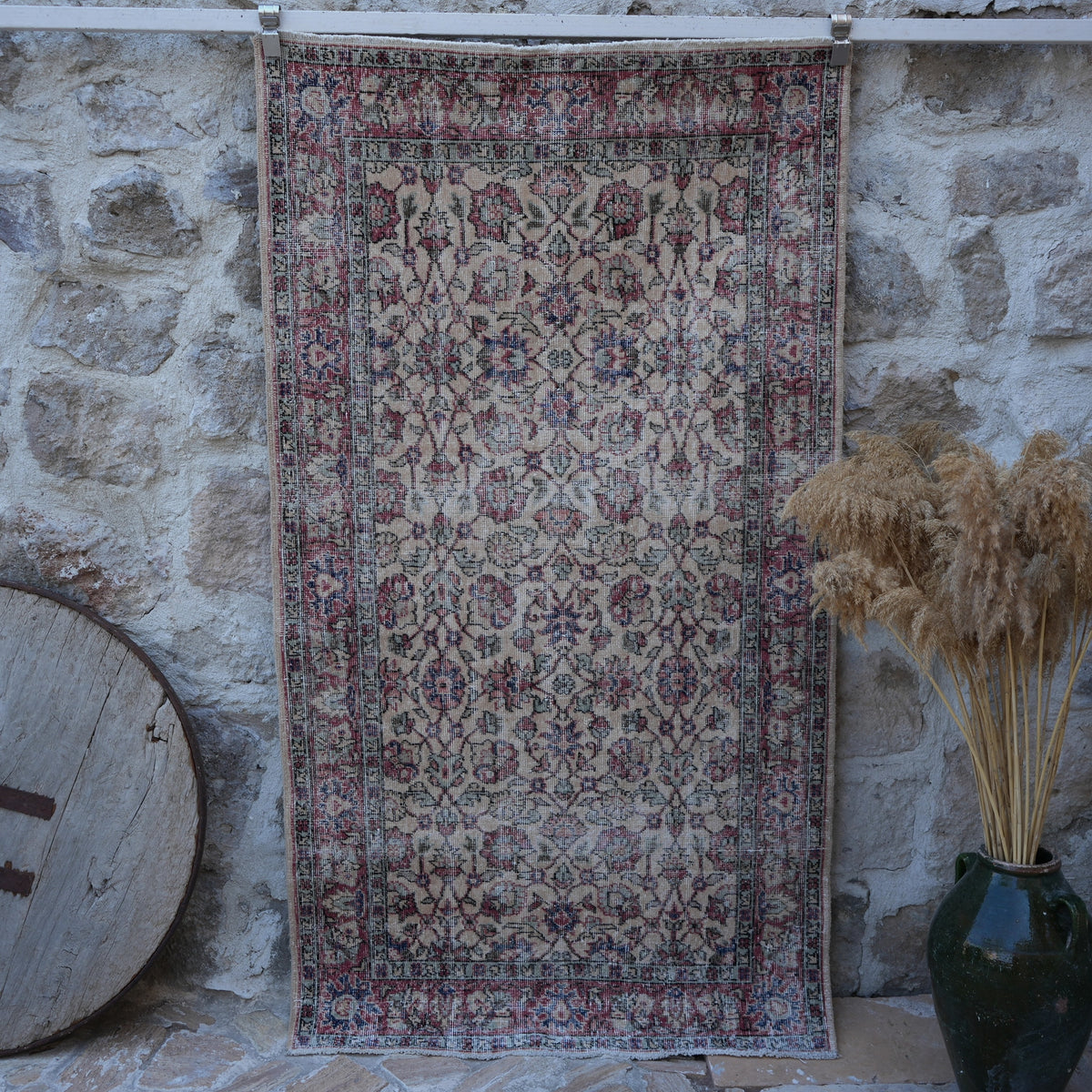
A well-made hand-knotted rug can gain value over time, particularly vintage and antique pieces that carry age, rarity, and a story with them. These are the rugs families end up passing down rather than replacing — not because someone decided they should be heirlooms, but because they simply kept holding up.
Hand-tufted rugs were never built for that kind of trajectory. They are decorative pieces with a practical lifespan, and there is close to no resale market for them once they have been used. That is fine, as long as you know it going in.

A Rug Weaver's Perspective From Cappadocia
I grew up around this, not near it. In Aksaray and the villages around Cappadocia, hand-knotted weaving was not a specialty craft you sought out. It was just something people did — neighbors, family members, whole villages who knew how to tie a knot before they knew much else. I watched it happen the way other kids watched their parents cook dinner.
What stays with me is the pace of it. A weaver sits down in the morning, works through most of the day on the same rug, and a month later that same rug is still sitting on the loom, maybe half finished. There is no shortcut version of this. It is one knot, then the next, then the next, for weeks. That scene is rarer now than it was when I was a kid, which is part of why we work directly with weavers rather than through layers of middlemen — every rug we bring back is proof the craft is still alive.

Hand-Knotted or Hand-Tufted — Which One Should You Buy?
Here is the honest breakdown, based on how you will actually live with the rug.
Choose Hand-Knotted If...
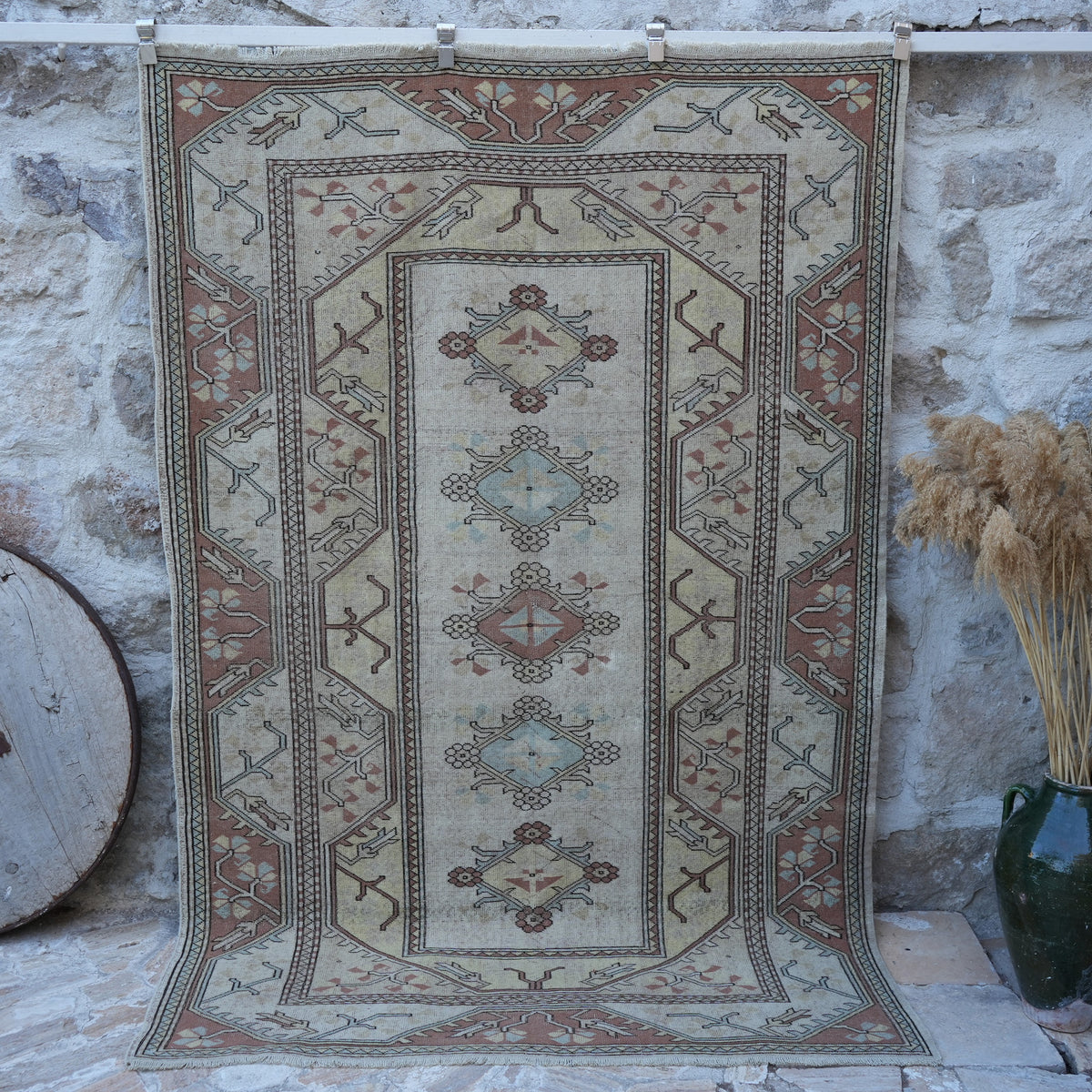
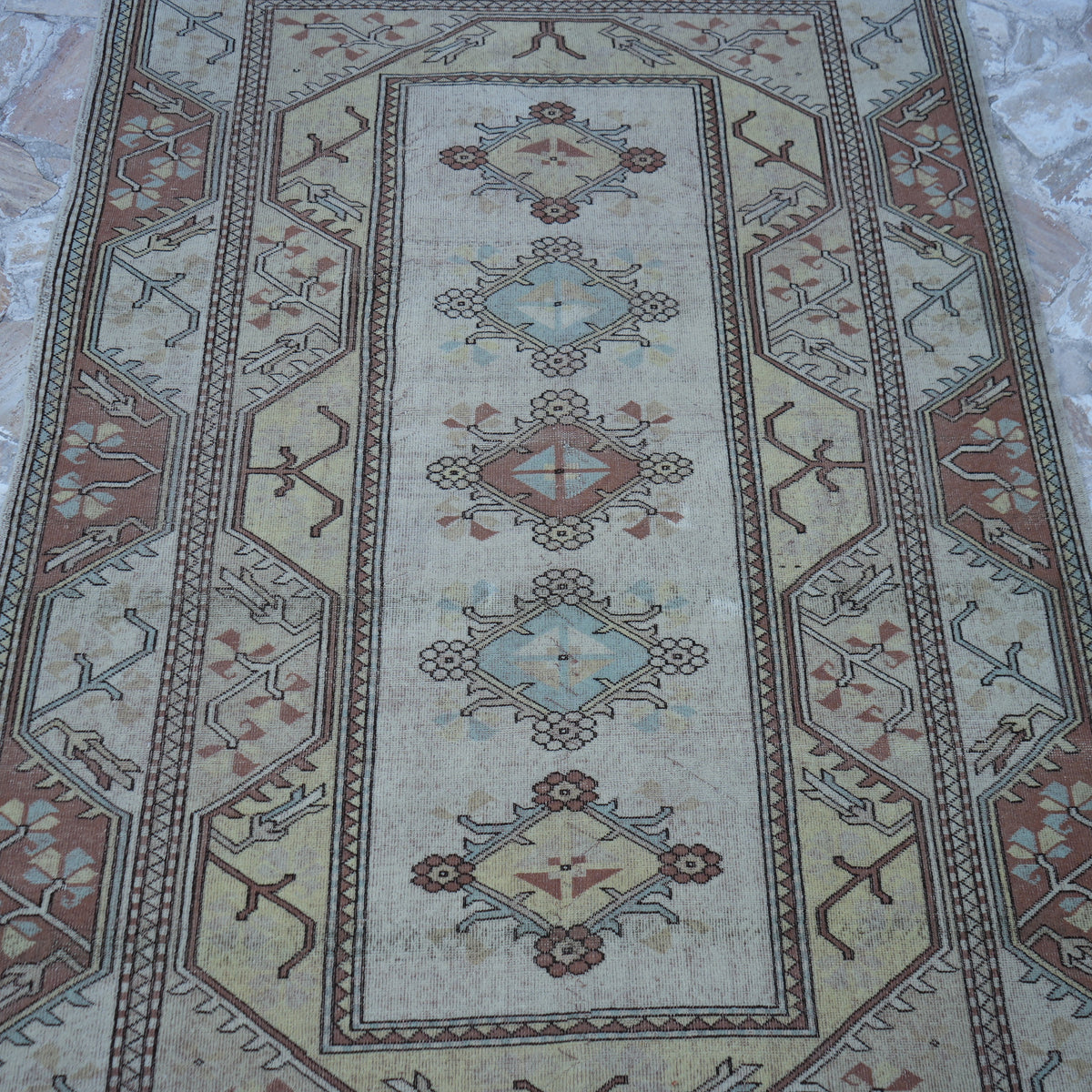
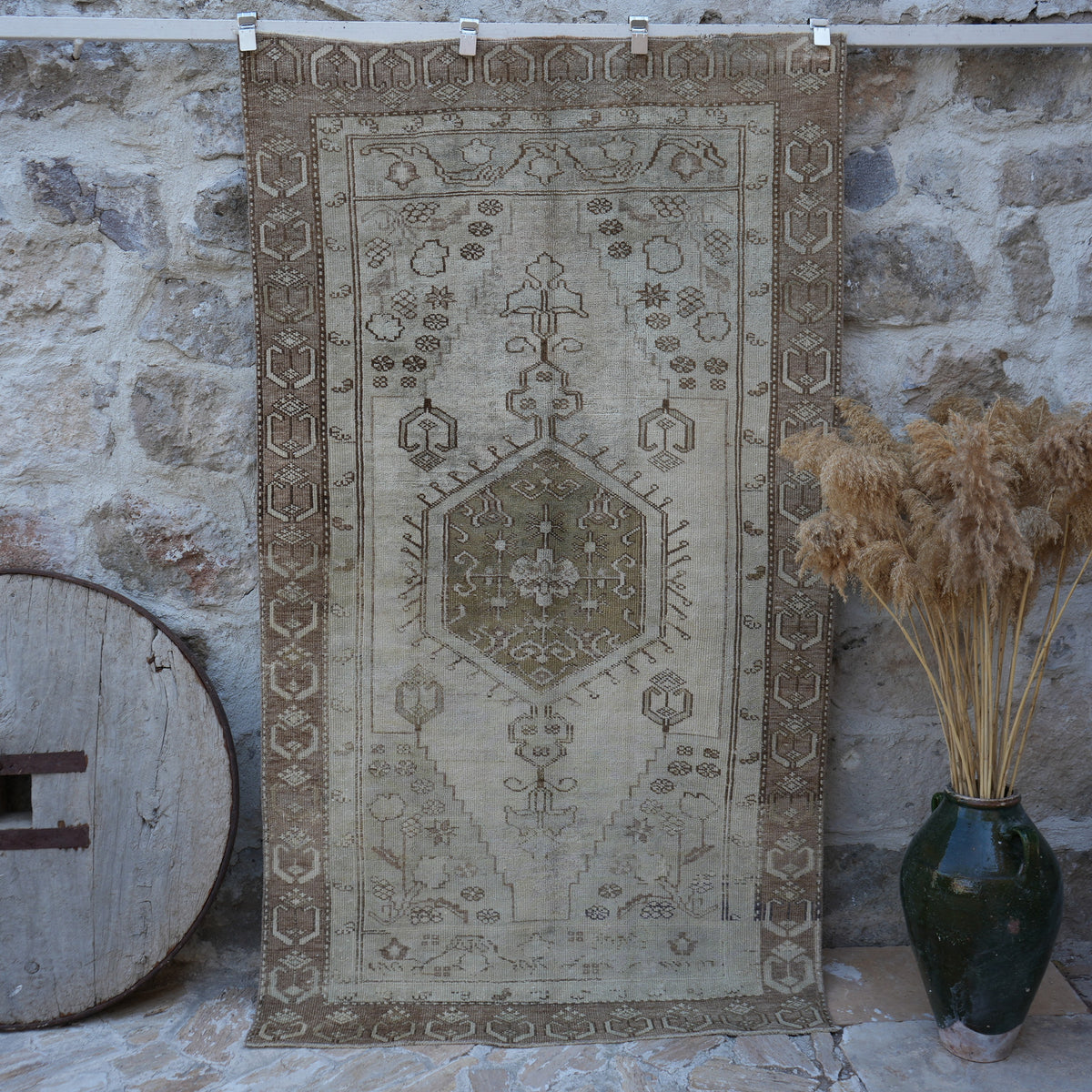
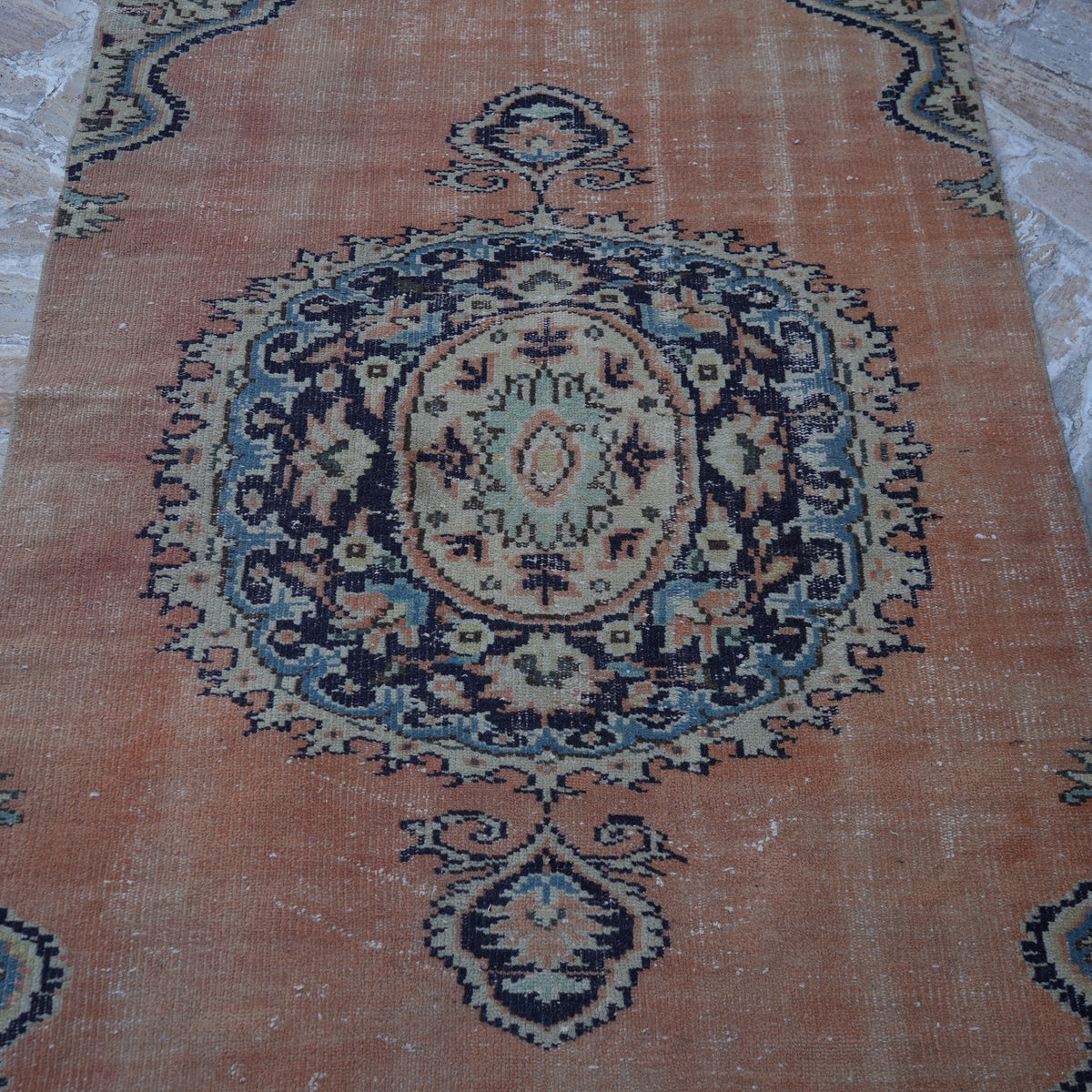
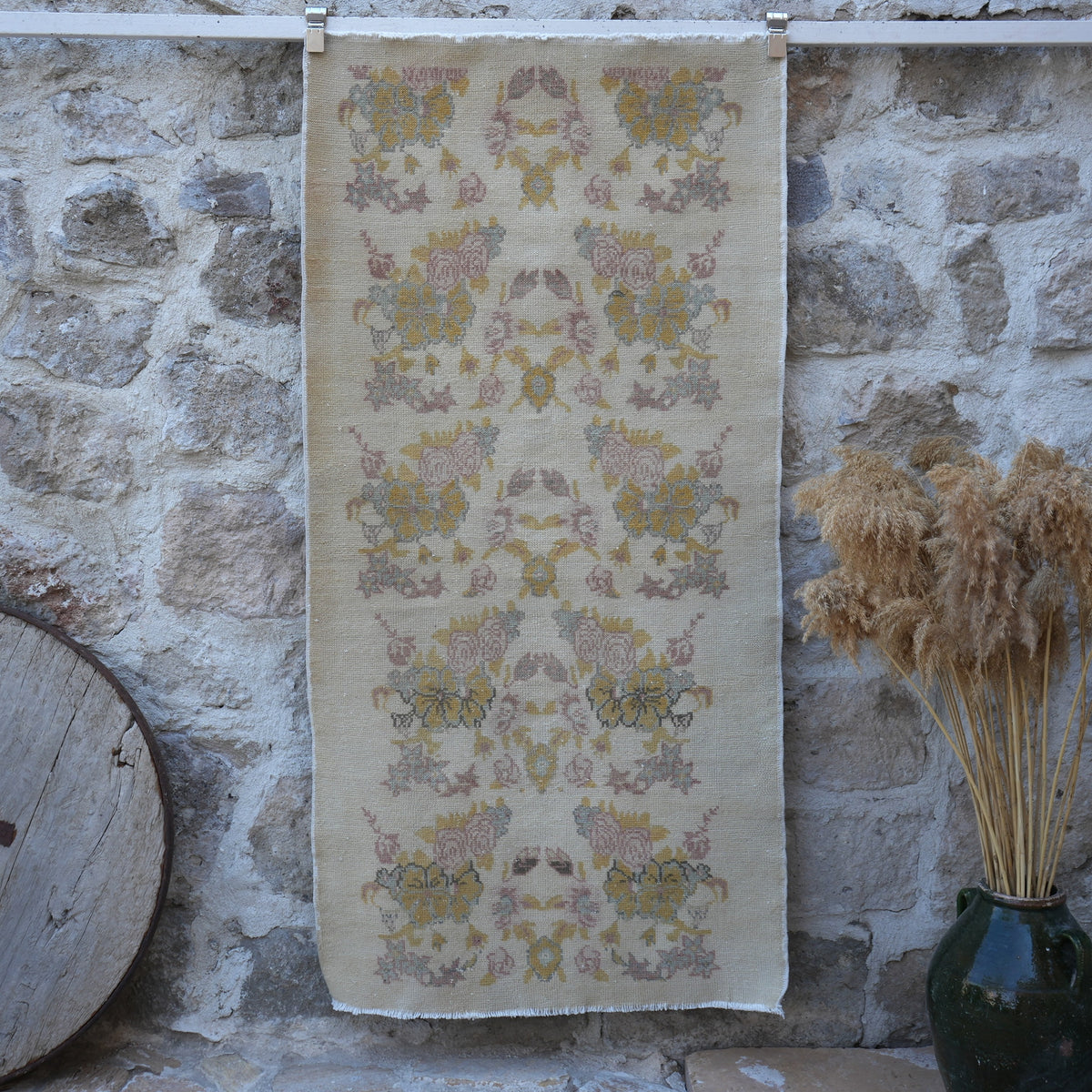
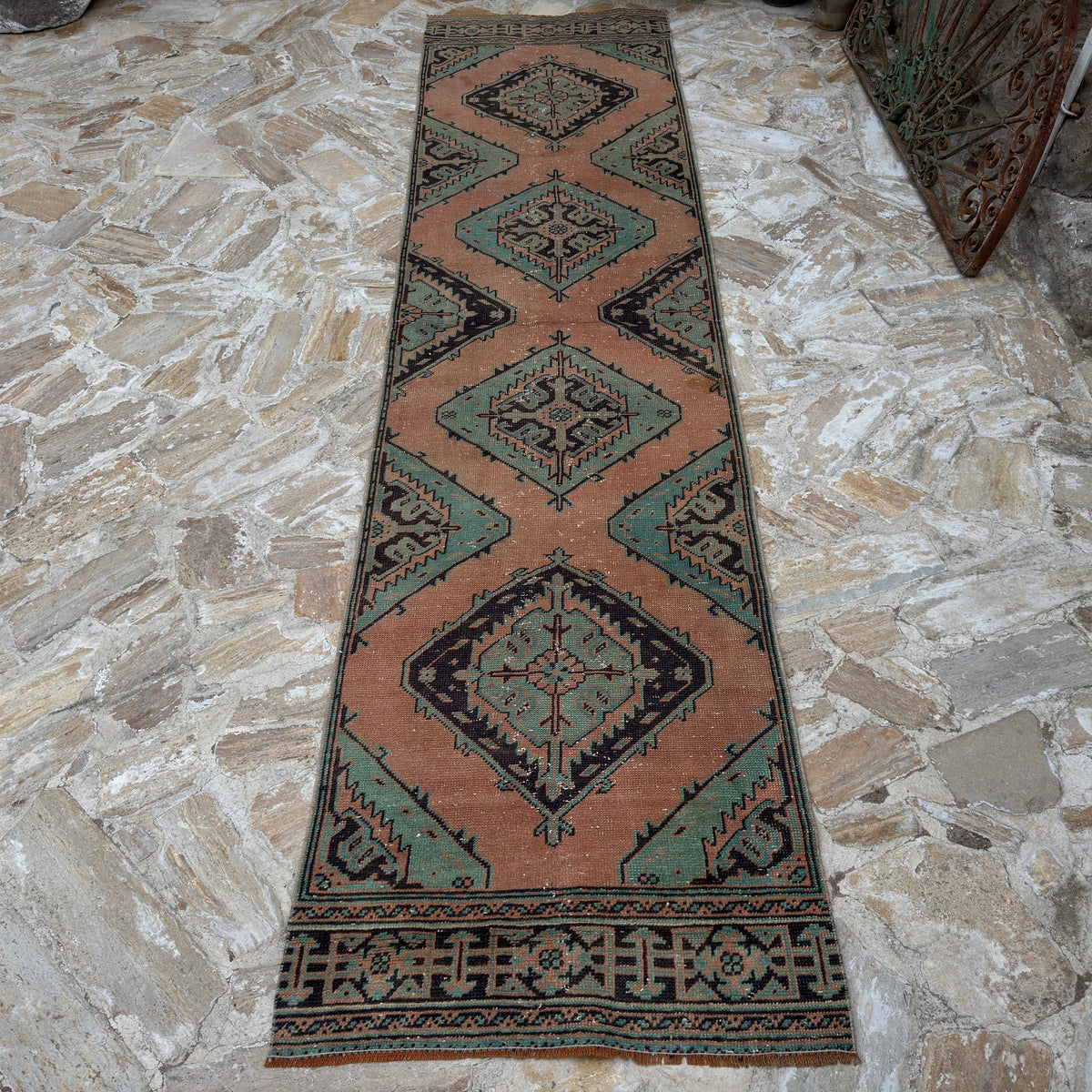
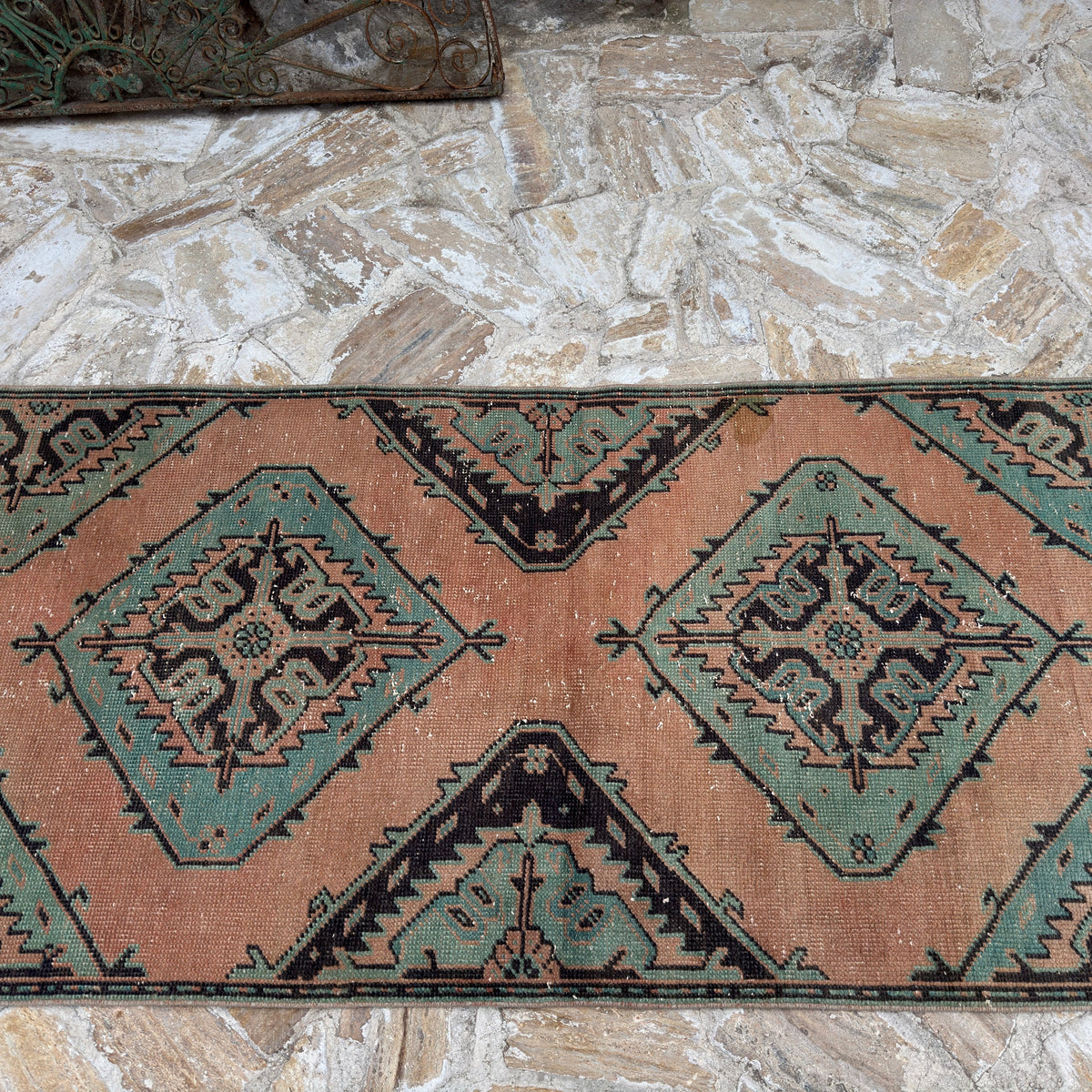
You are furnishing a space you plan to keep for years. A living room, an entryway, anywhere that gets daily traffic benefits from a rug built to handle it. If you think of this purchase as something you might one day hand down, hand-knotted is the only construction built for that timeline. Our Turkish rugs collection is a good place to see this craftsmanship up close, and if you want a piece with real age already behind it, our large rugs work especially well for living rooms and other heavily used rooms.
Choose Hand-Tufted If...
You redecorate often, you are working with a tighter budget, or the rug is going somewhere lower-traffic, like a guest room or a home office. There is nothing wrong with wanting a good-looking rug for a few years rather than a lifetime. That is a legitimate way to shop, and I say so to customers directly.
How to Care for Hand-Knotted and Hand-Tufted Rugs
Care routines differ because the construction differs.
Caring for Hand-Knotted Rugs
Vacuum with low suction and skip the rotating brush head, which can strain the knots and fringe over time. That single habit is the most common mistake I see — people run a beater-bar vacuum over a hand-knotted rug the same way they would over wall-to-wall carpet, and it wears down exactly what makes the rug last. Plan on a professional hand-wash every three to five years, and keep the rug out of direct, prolonged sunlight to protect the wool's color. For a full routine, see our guide on how to clean a Turkish rug.
Caring for Hand-Tufted Rugs
Vacuum gently and skip the rotating brush here too, since it can pull at loose tufts and accelerate shedding. Keep these rugs away from excess moisture — the latex backing absorbs it, which speeds up the deterioration that eventually causes tufts to loosen.
Shop Authentic Hand-Knotted Rugs
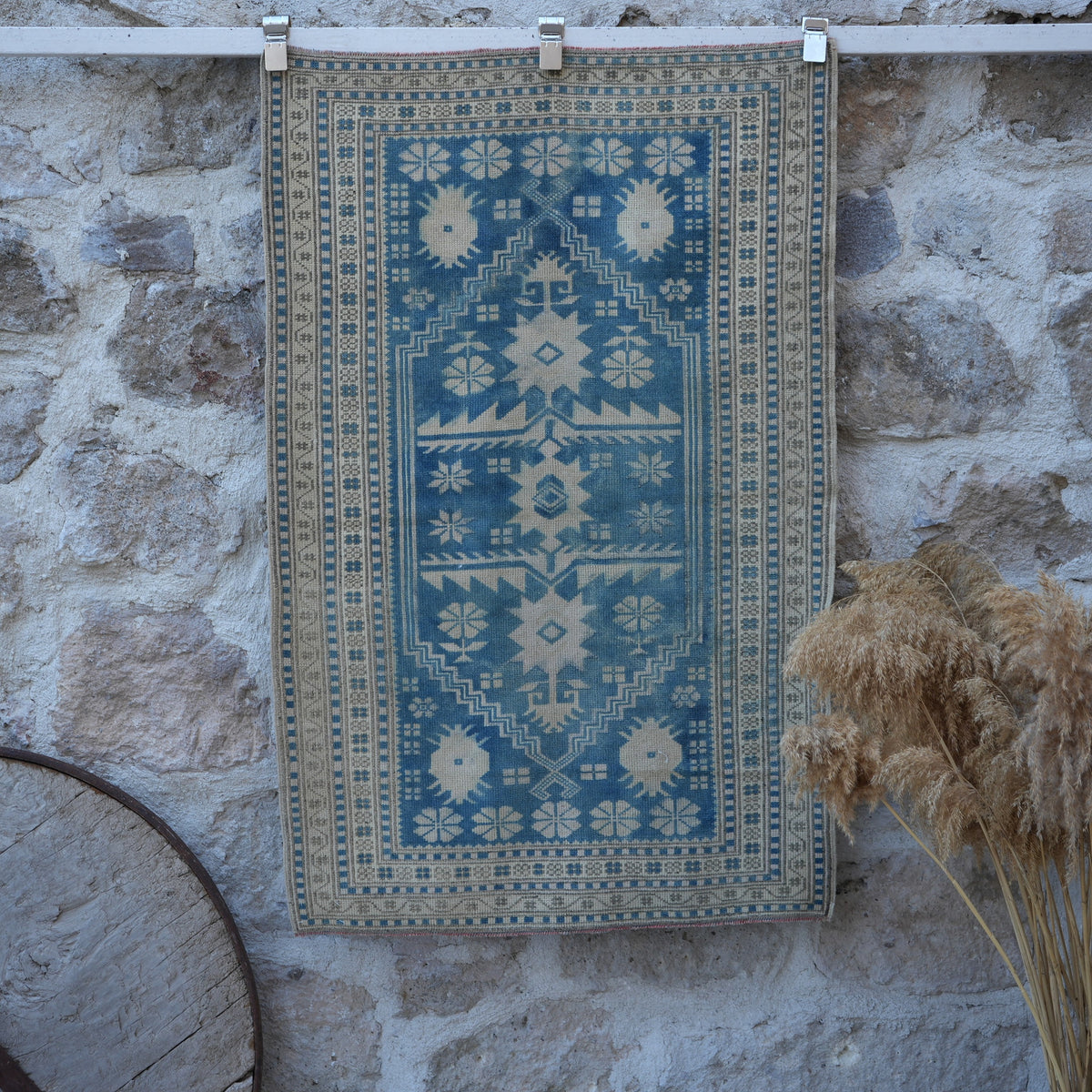
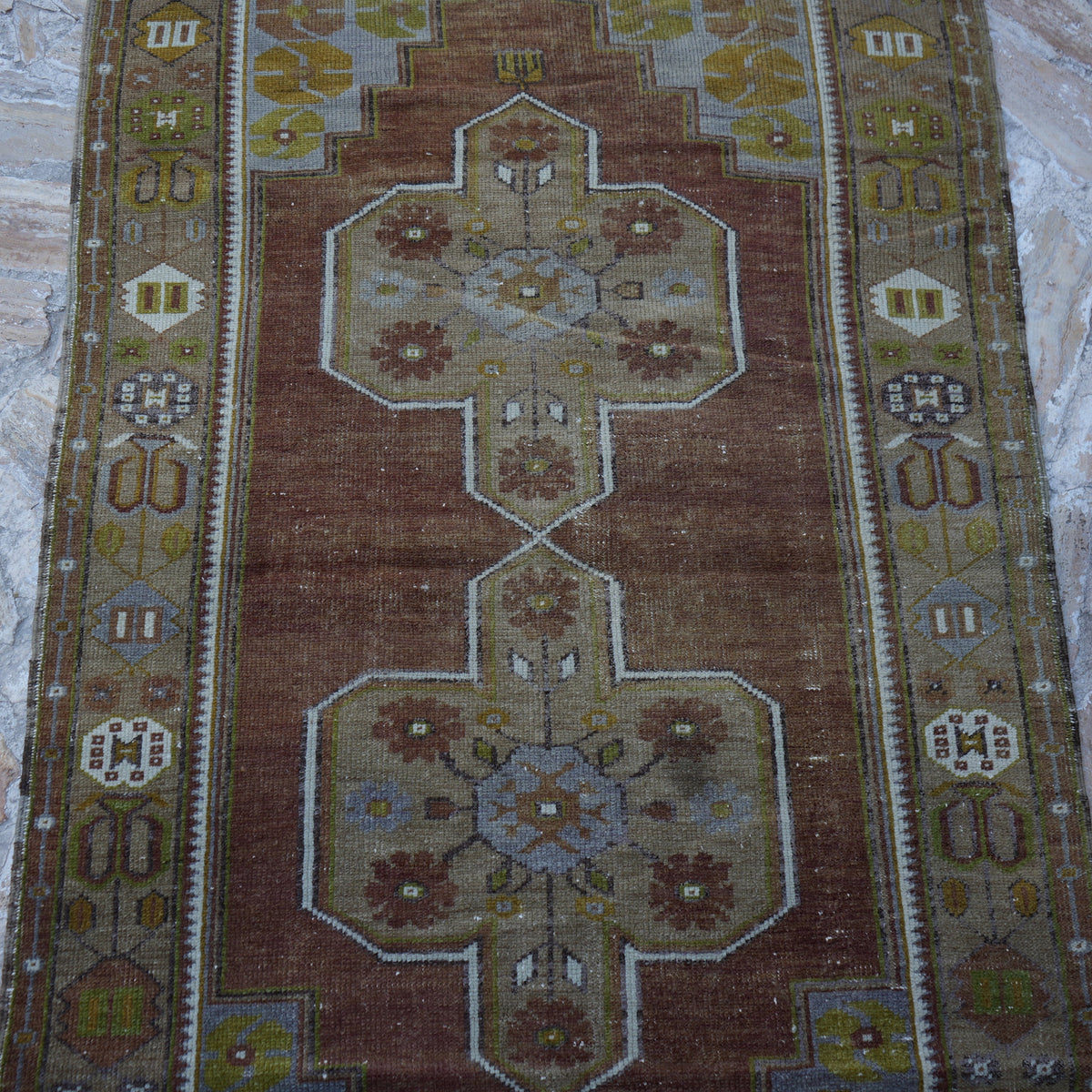
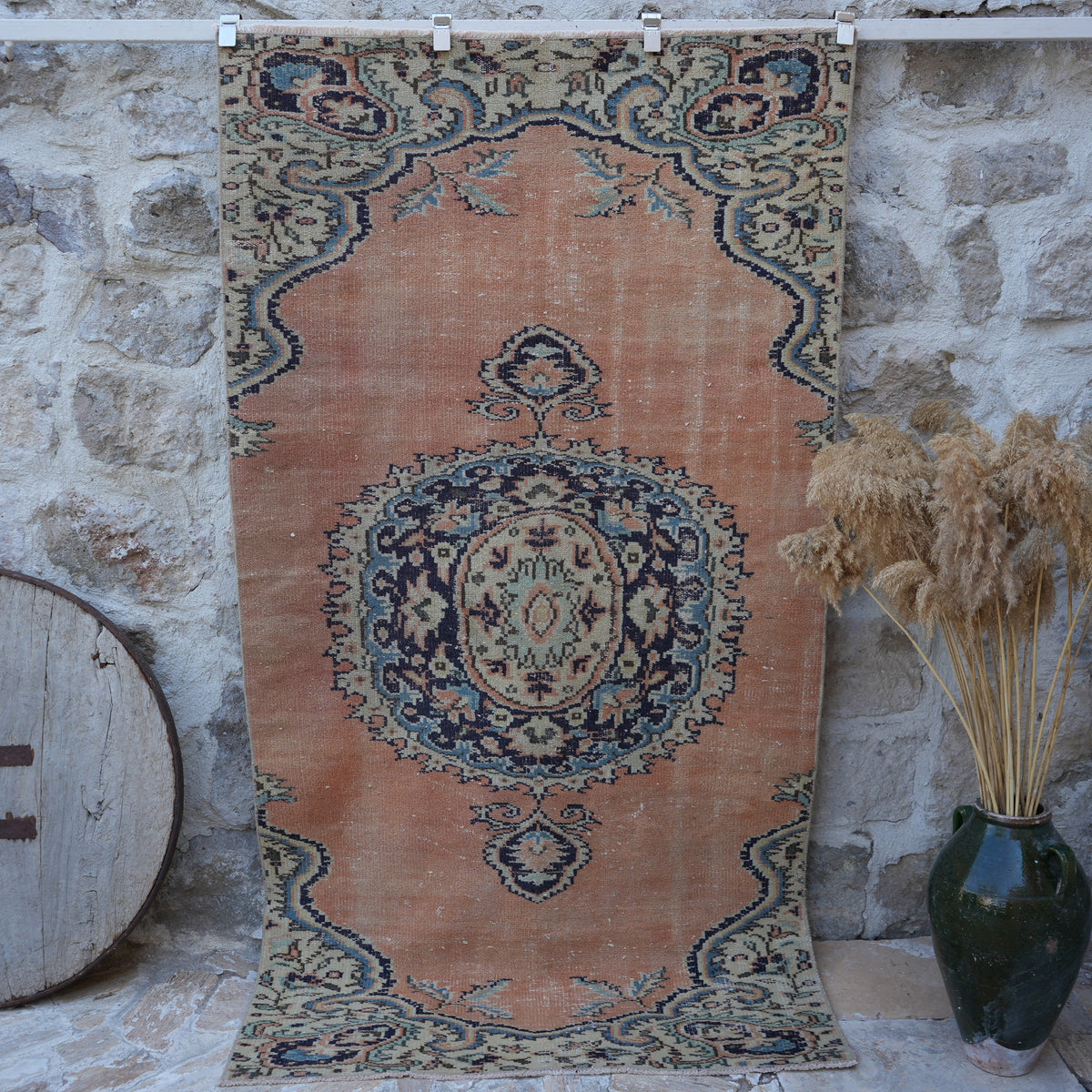
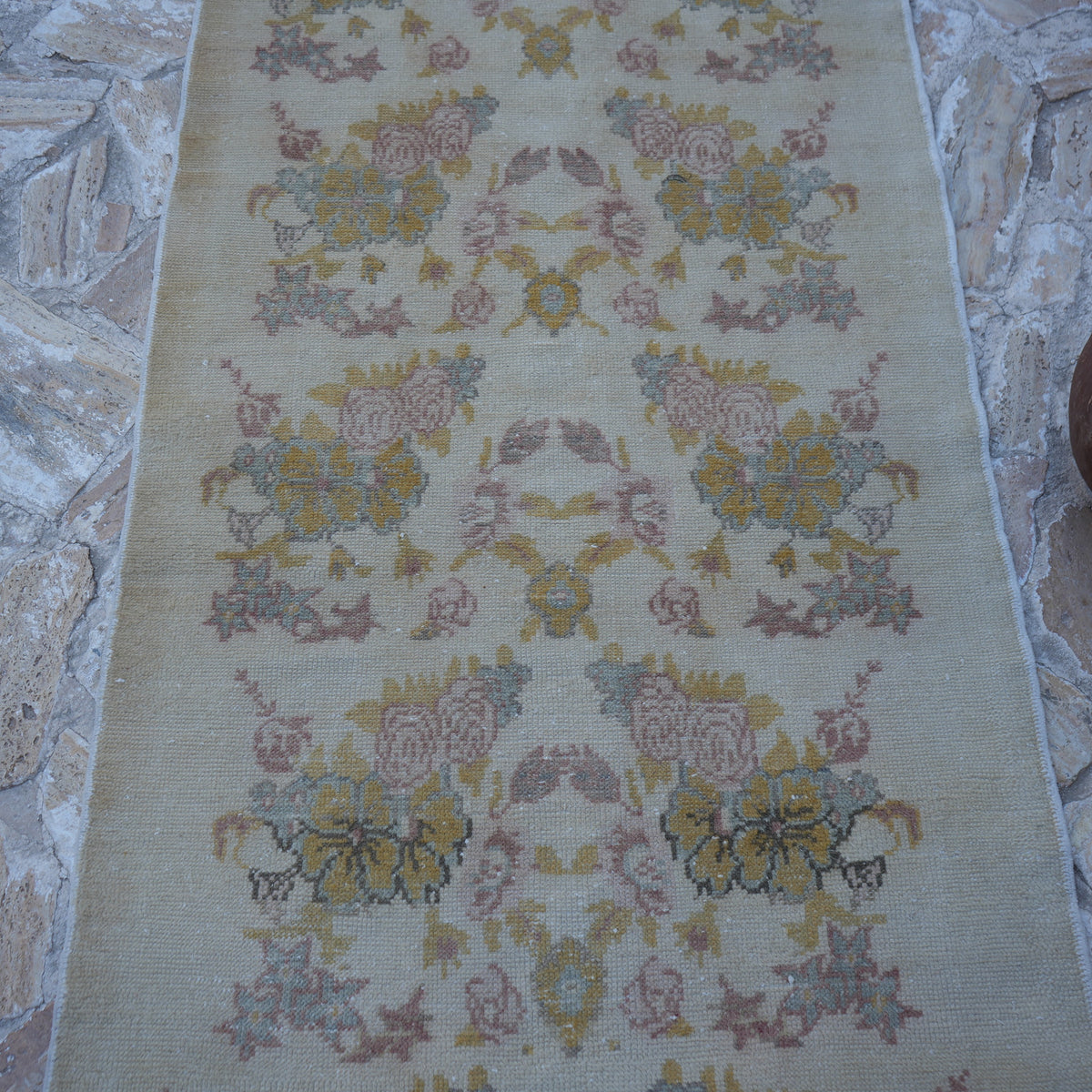
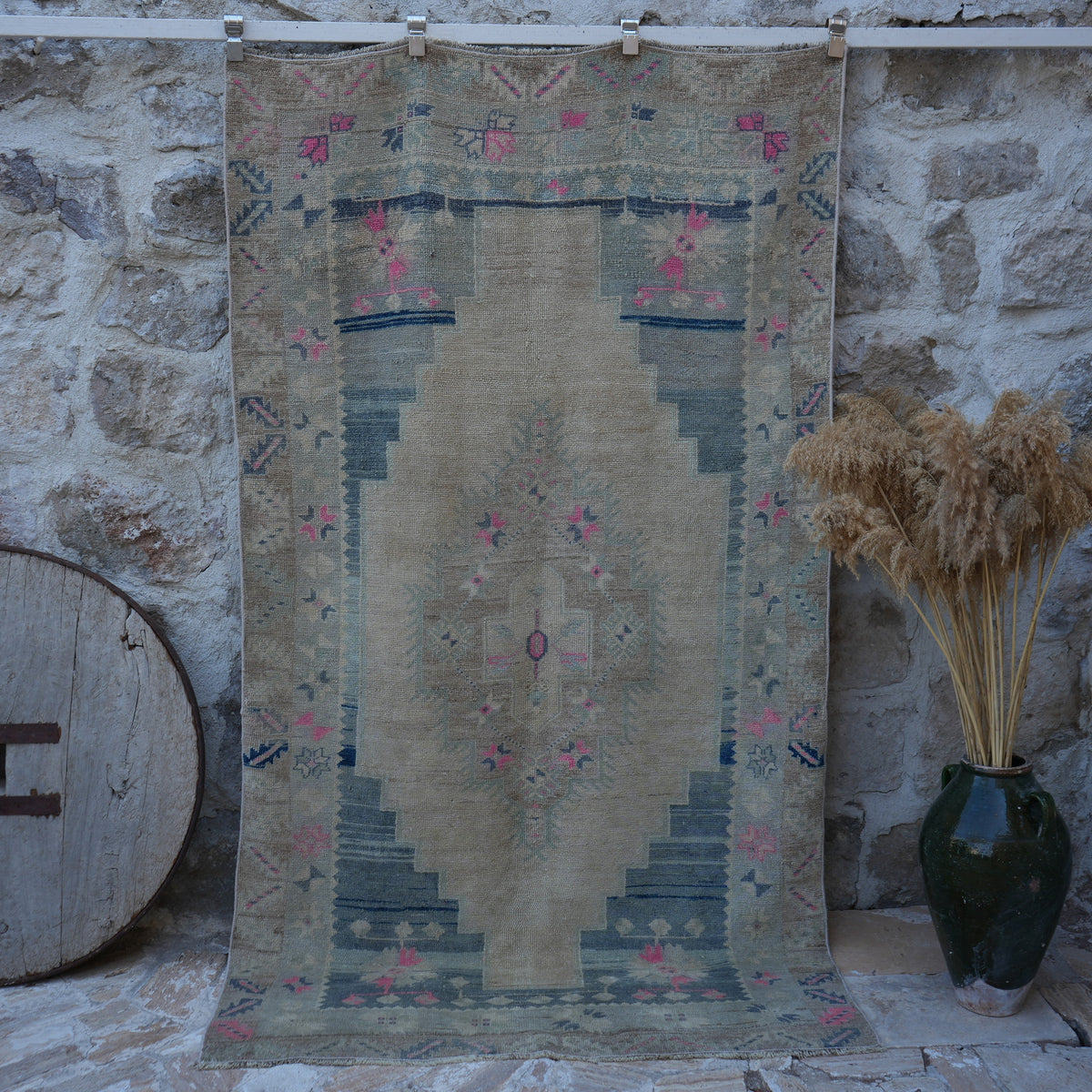
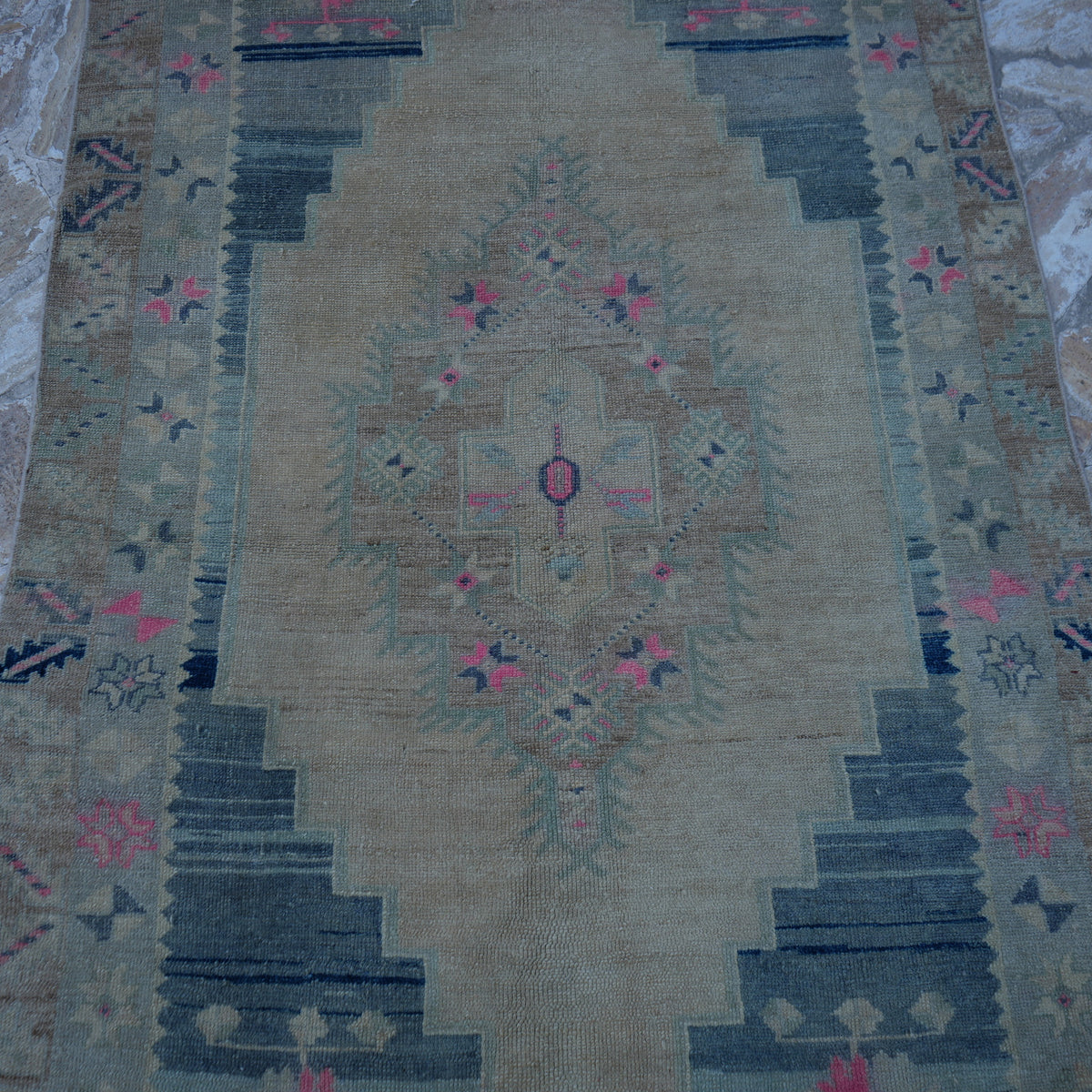
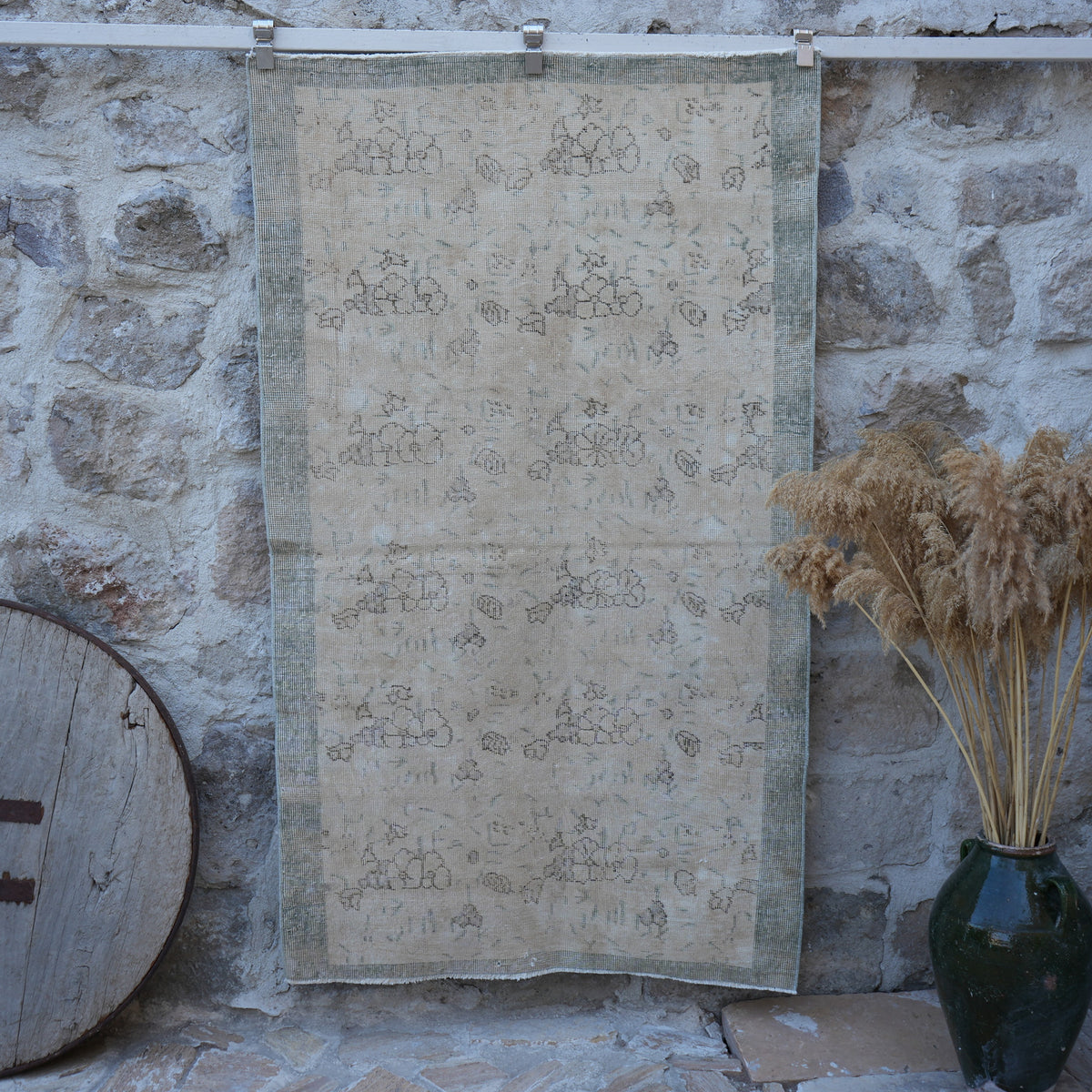
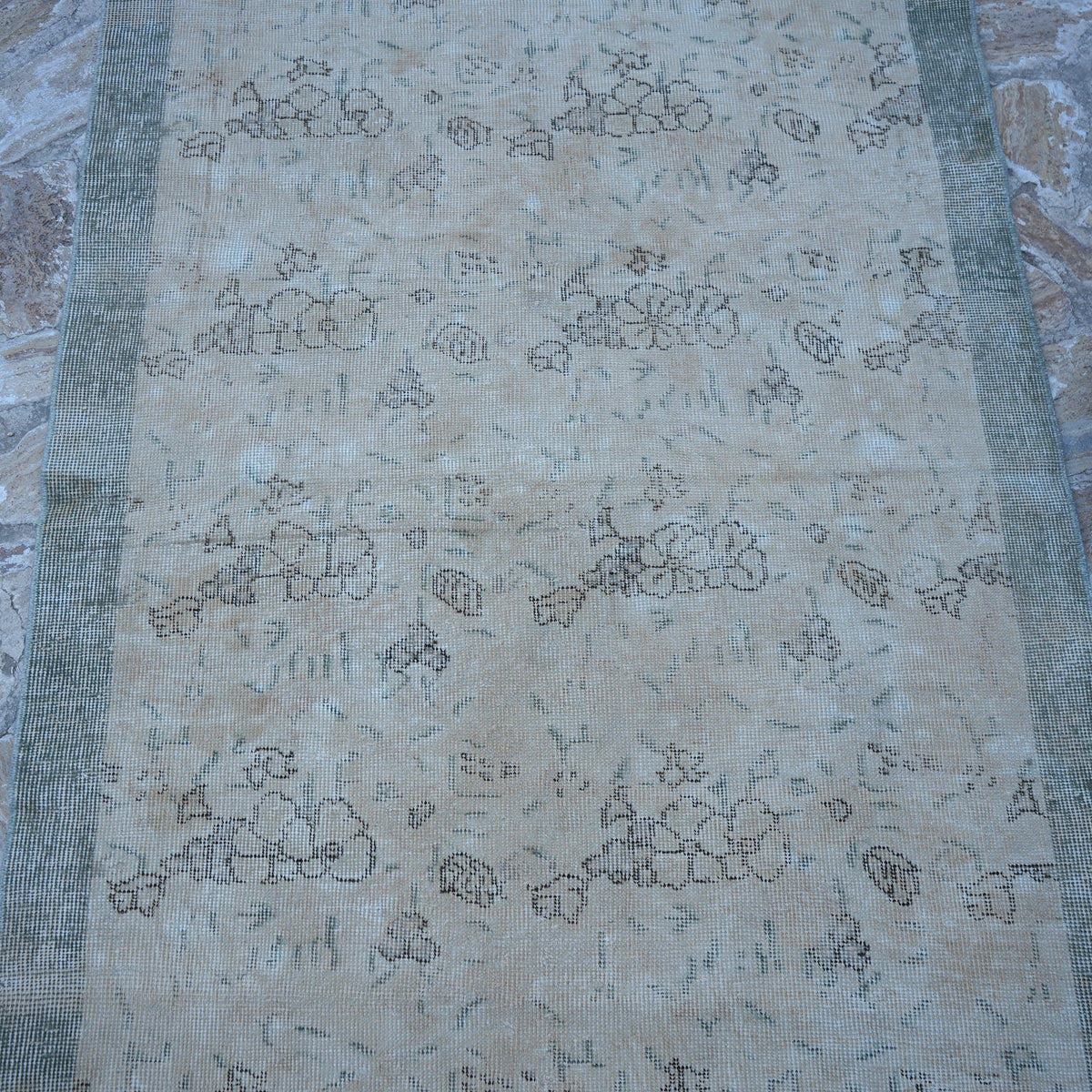
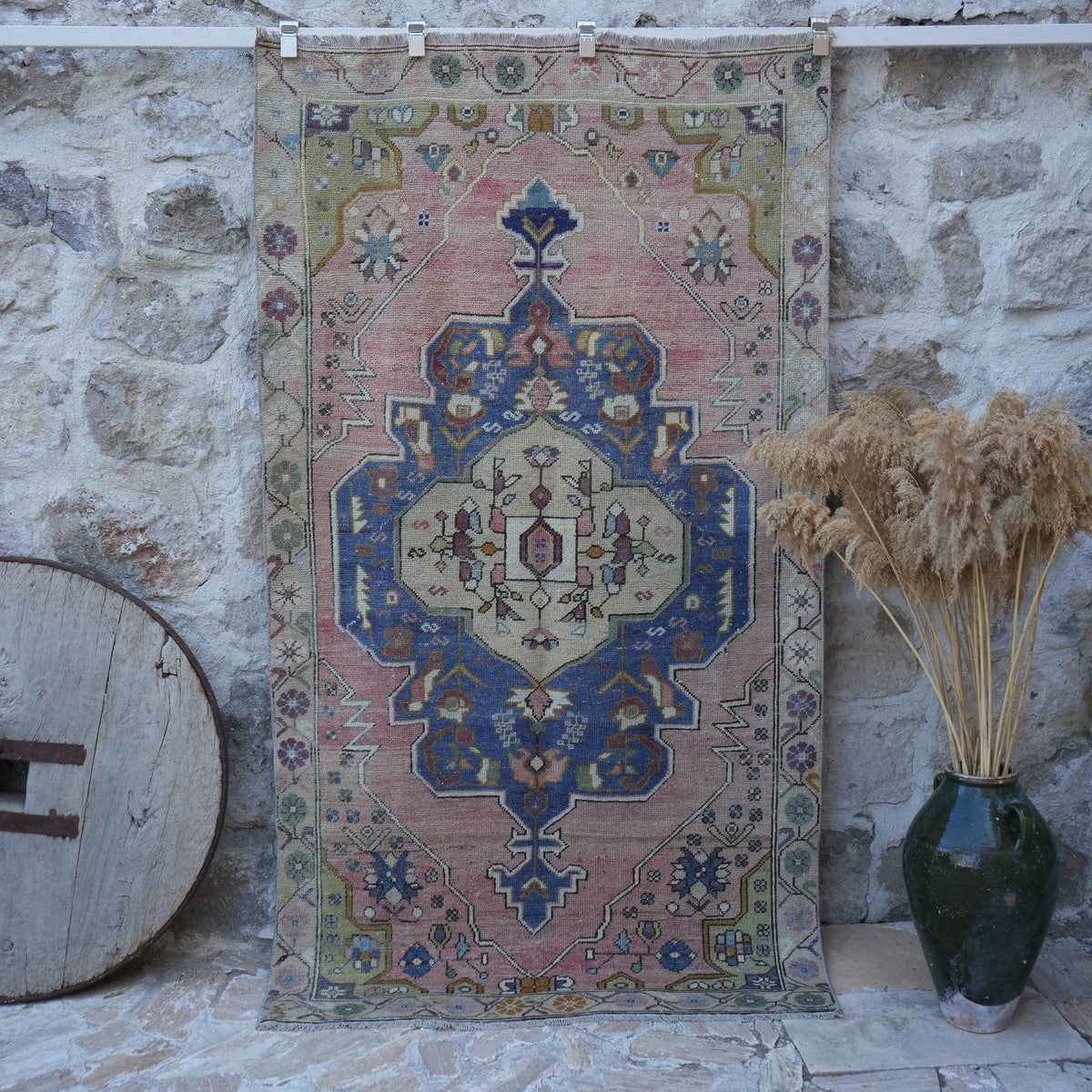
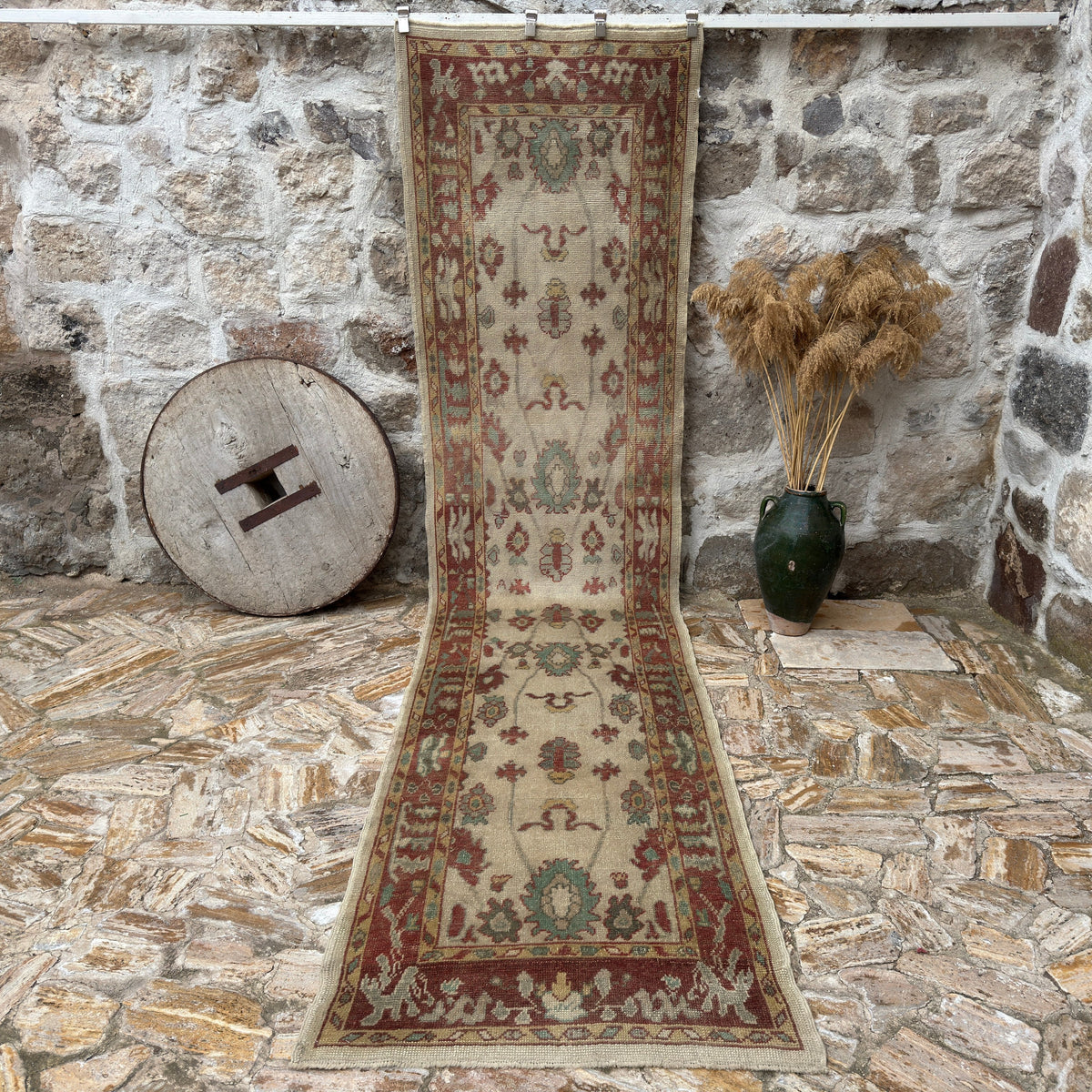
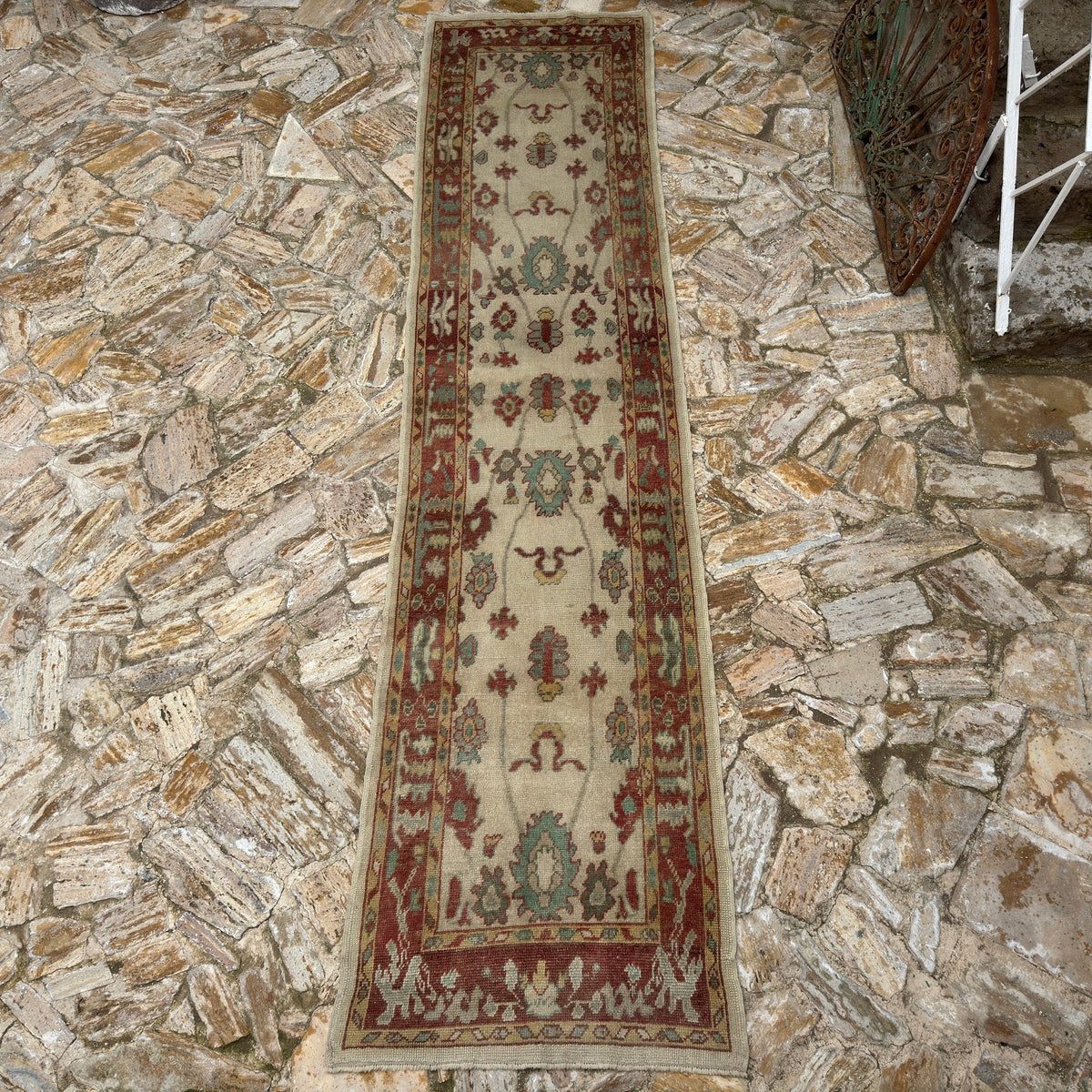
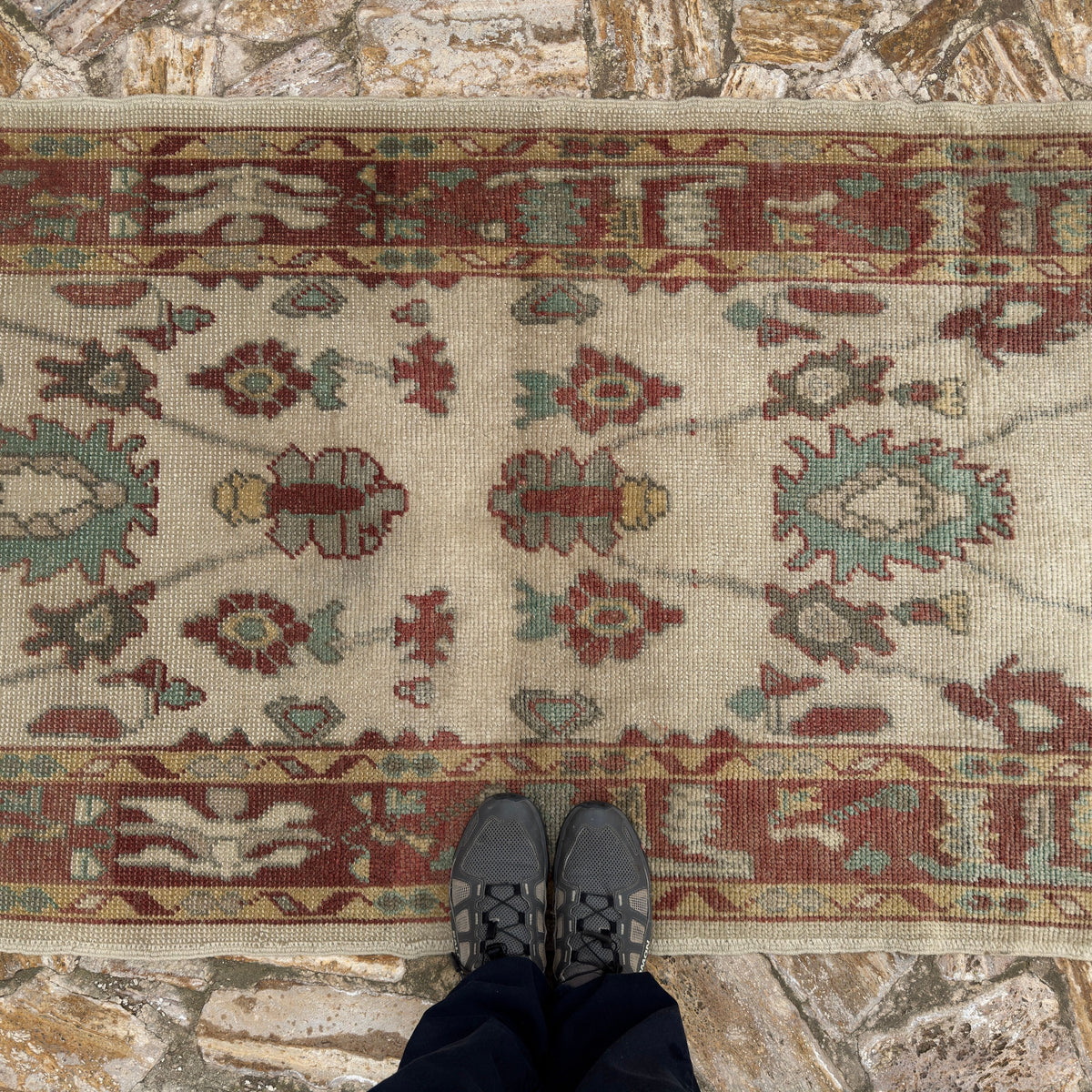
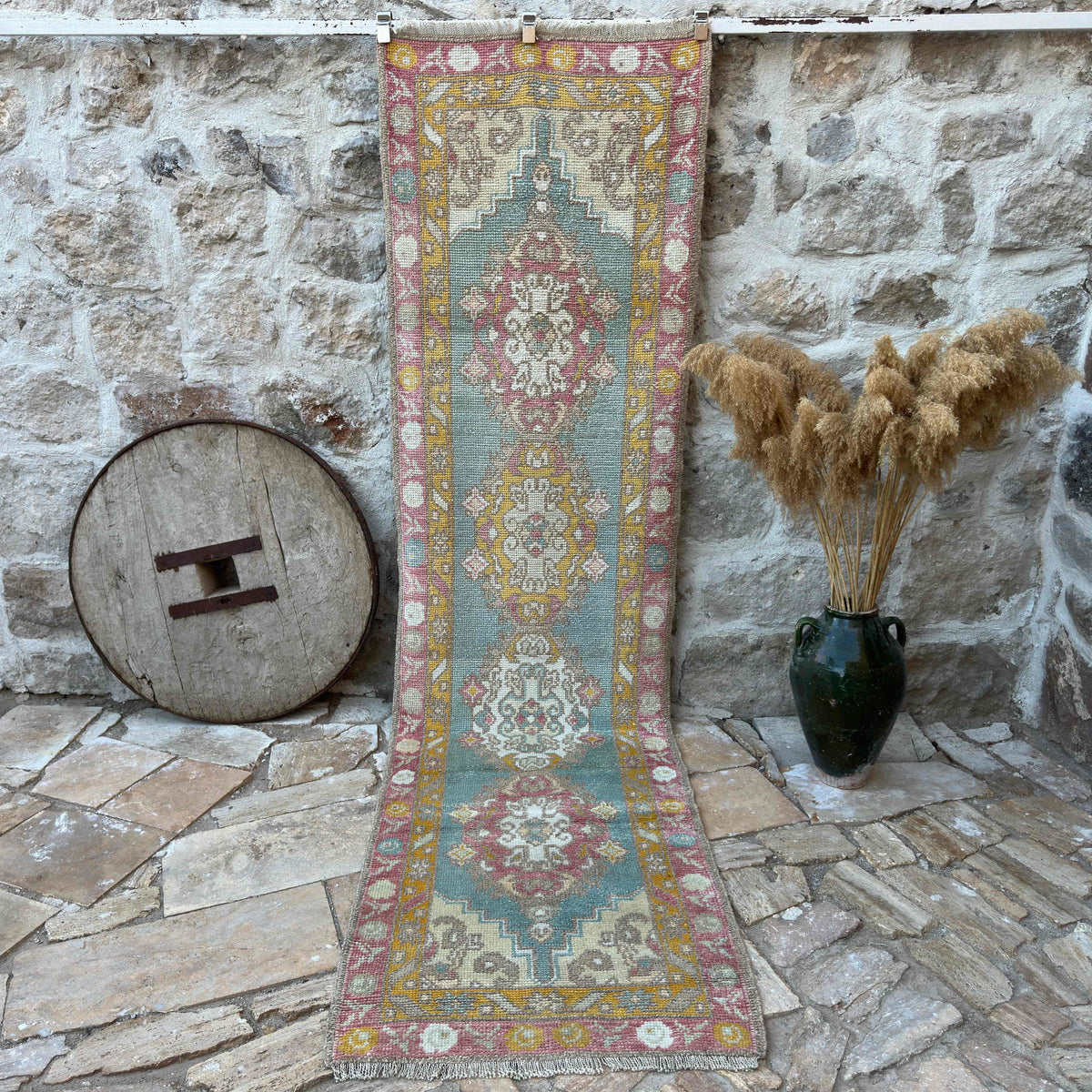
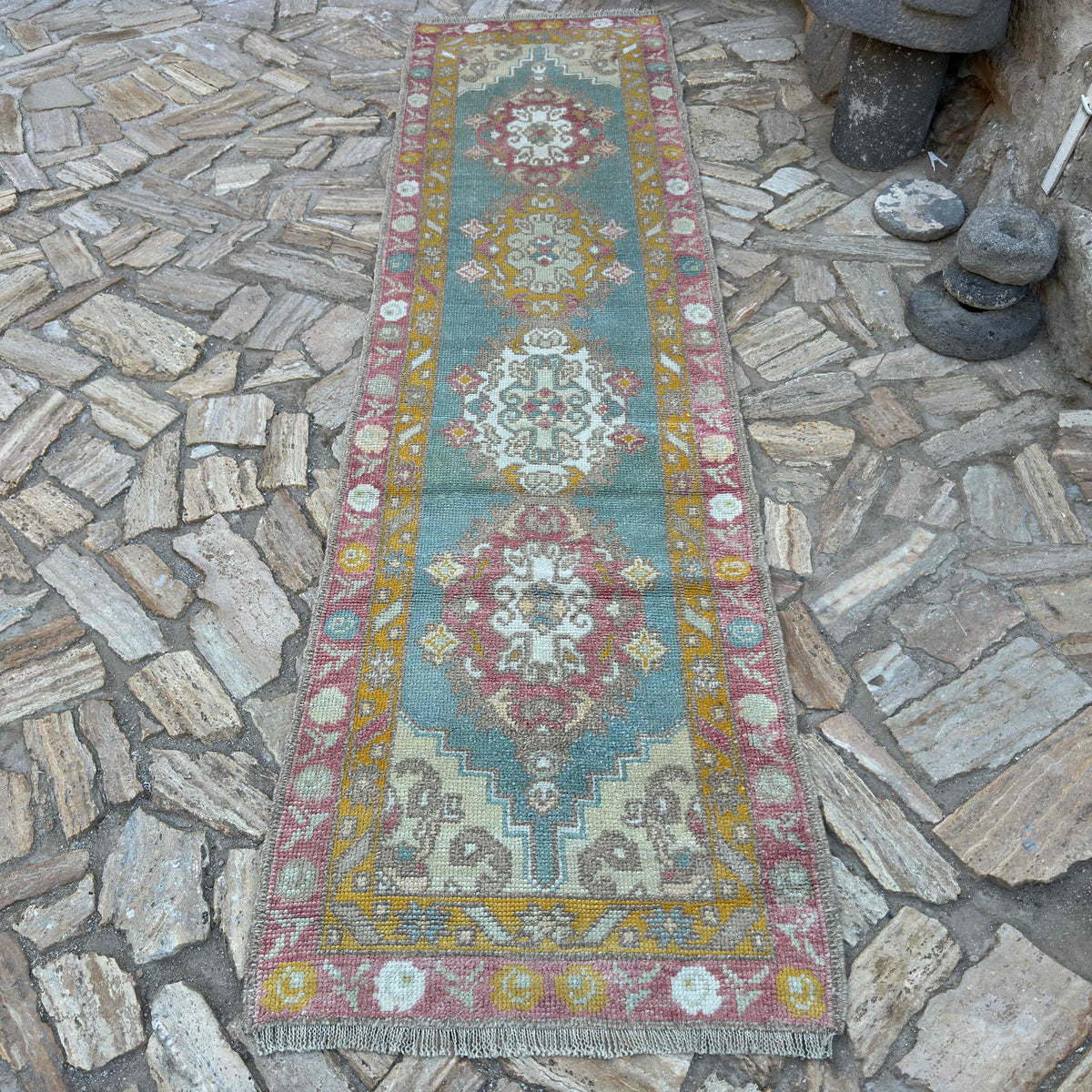
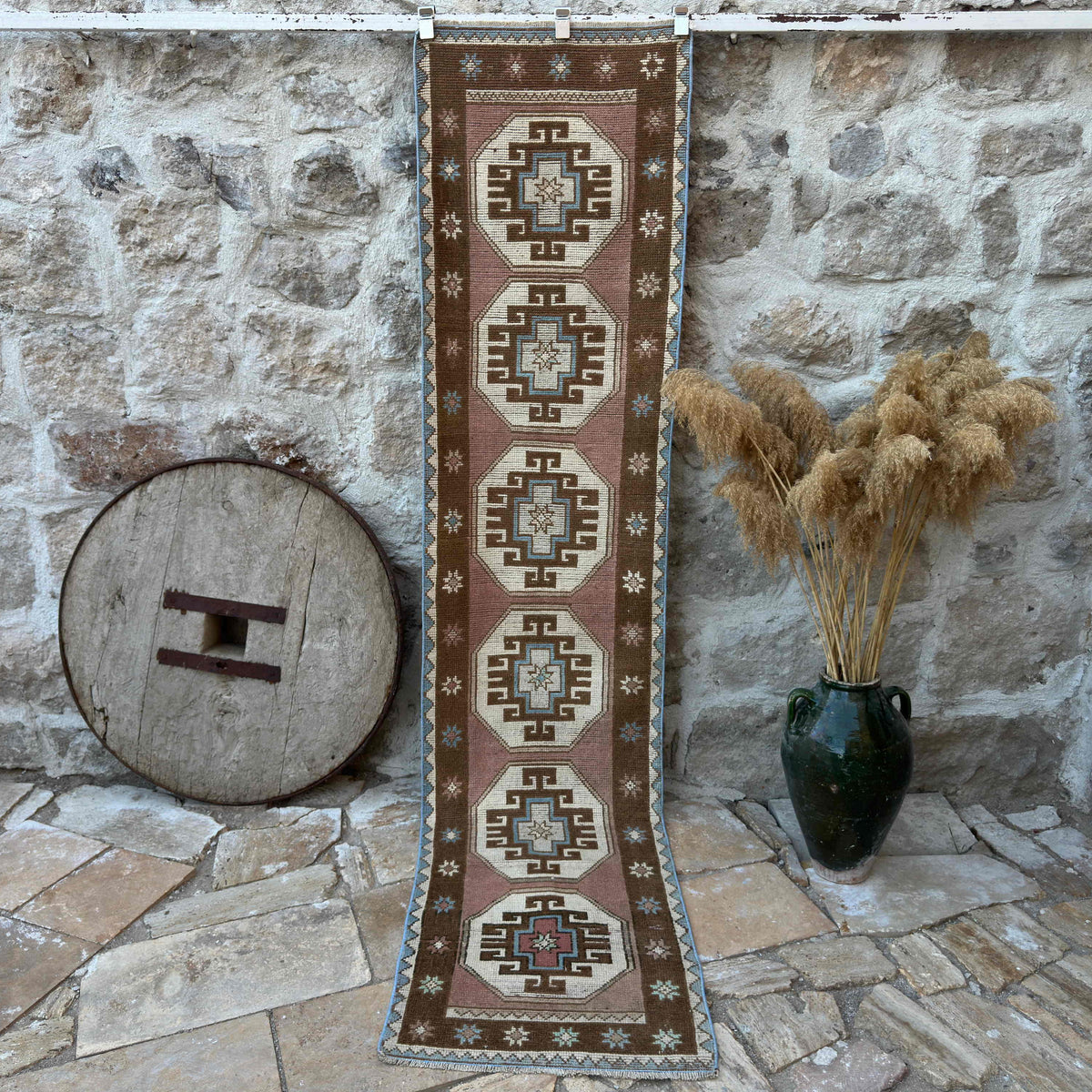
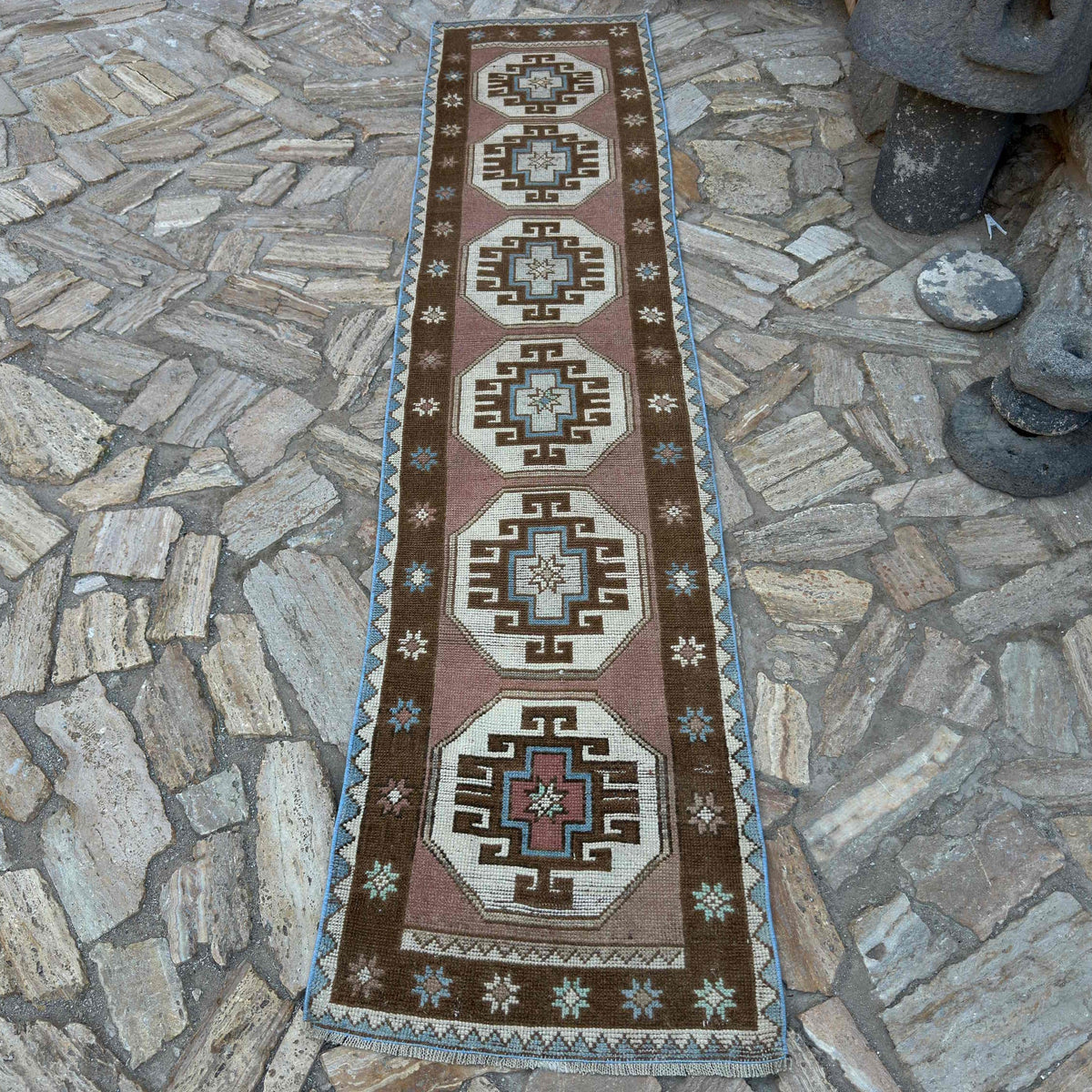
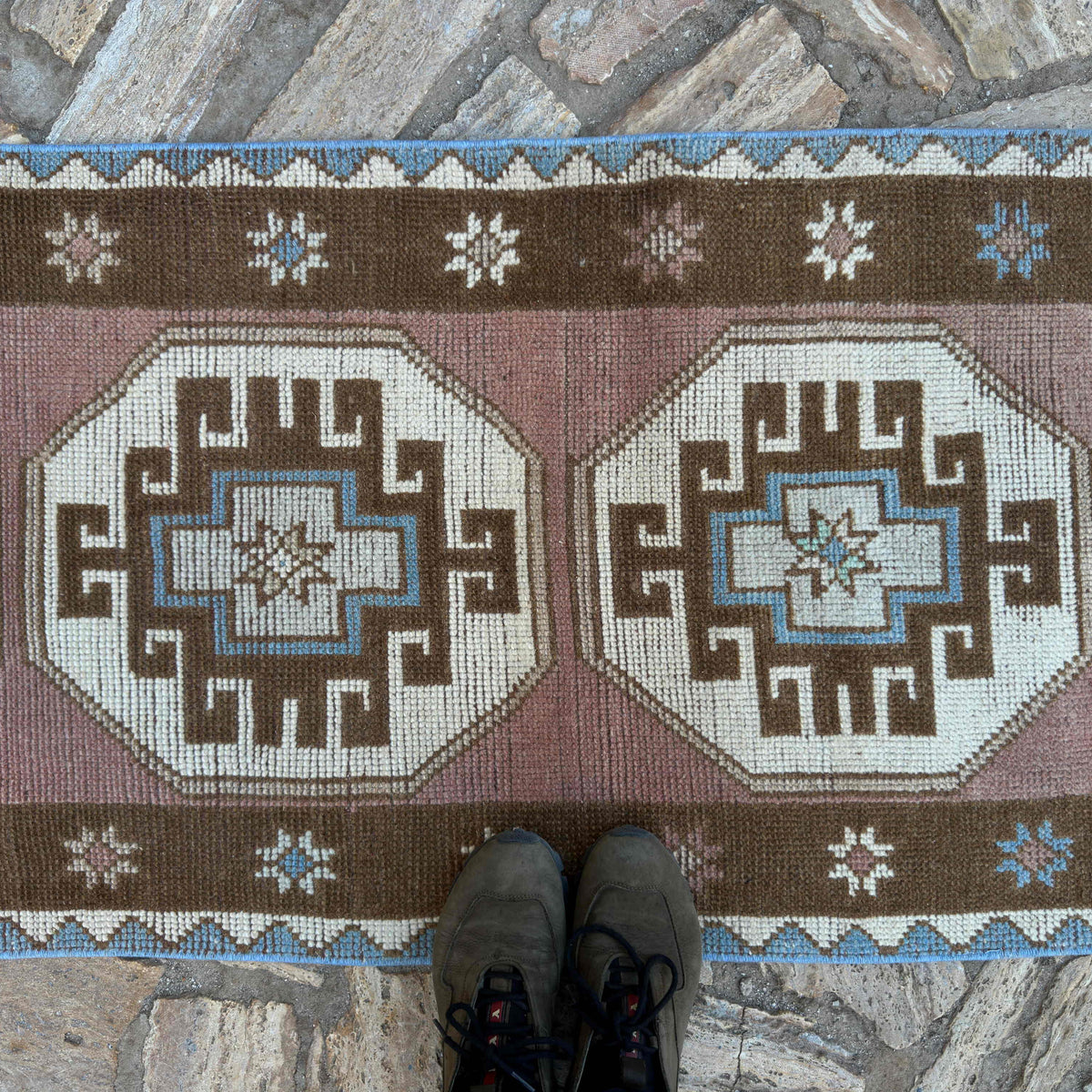
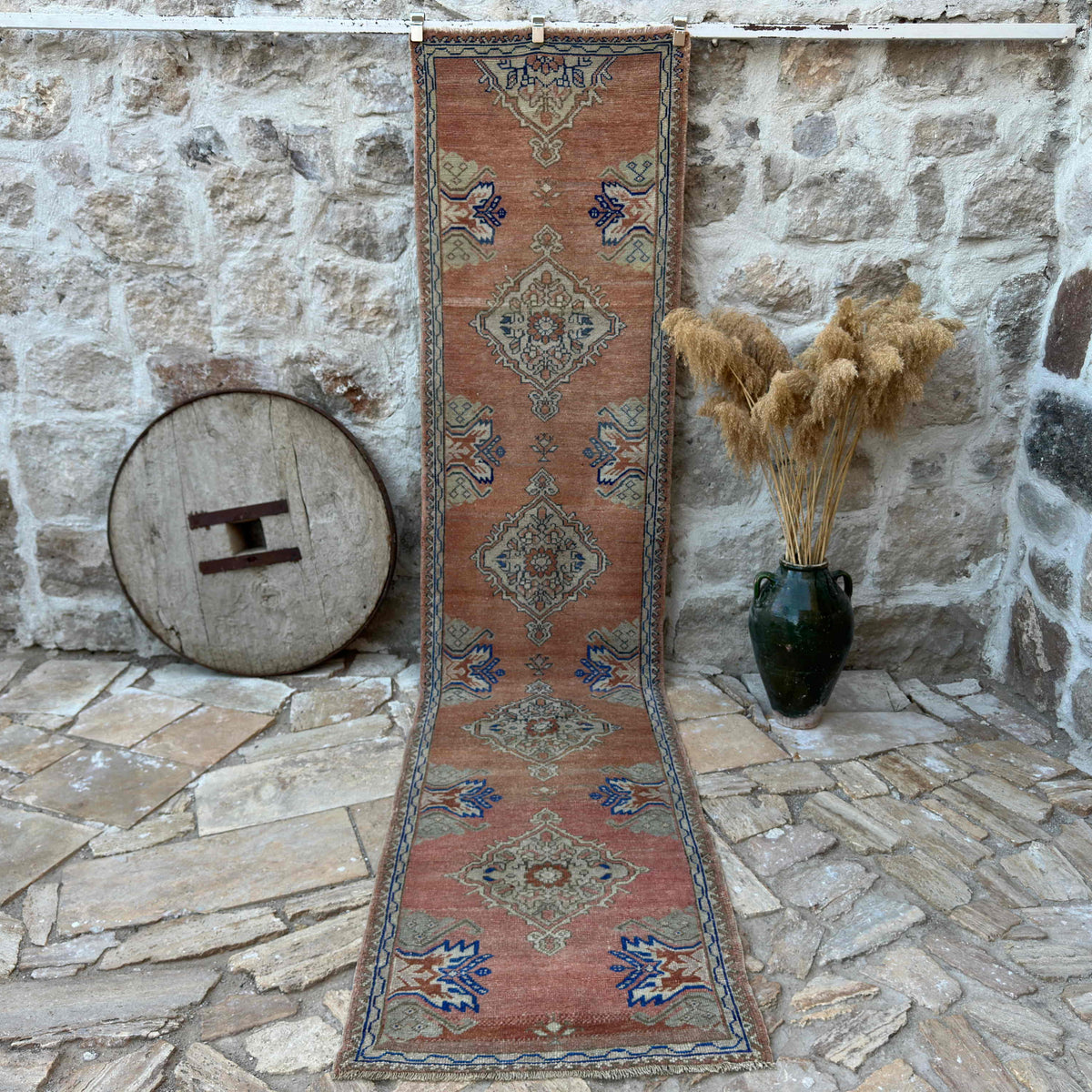
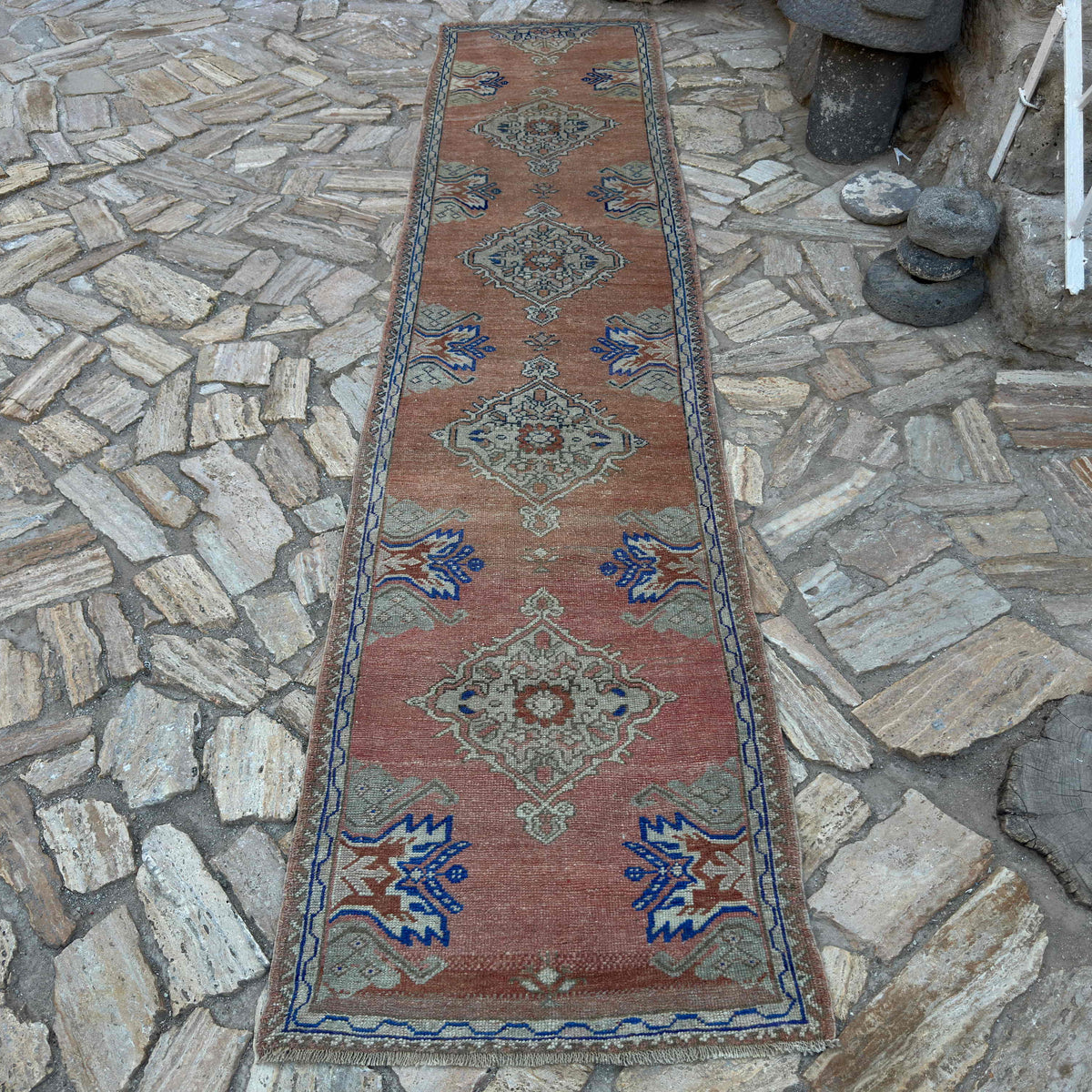
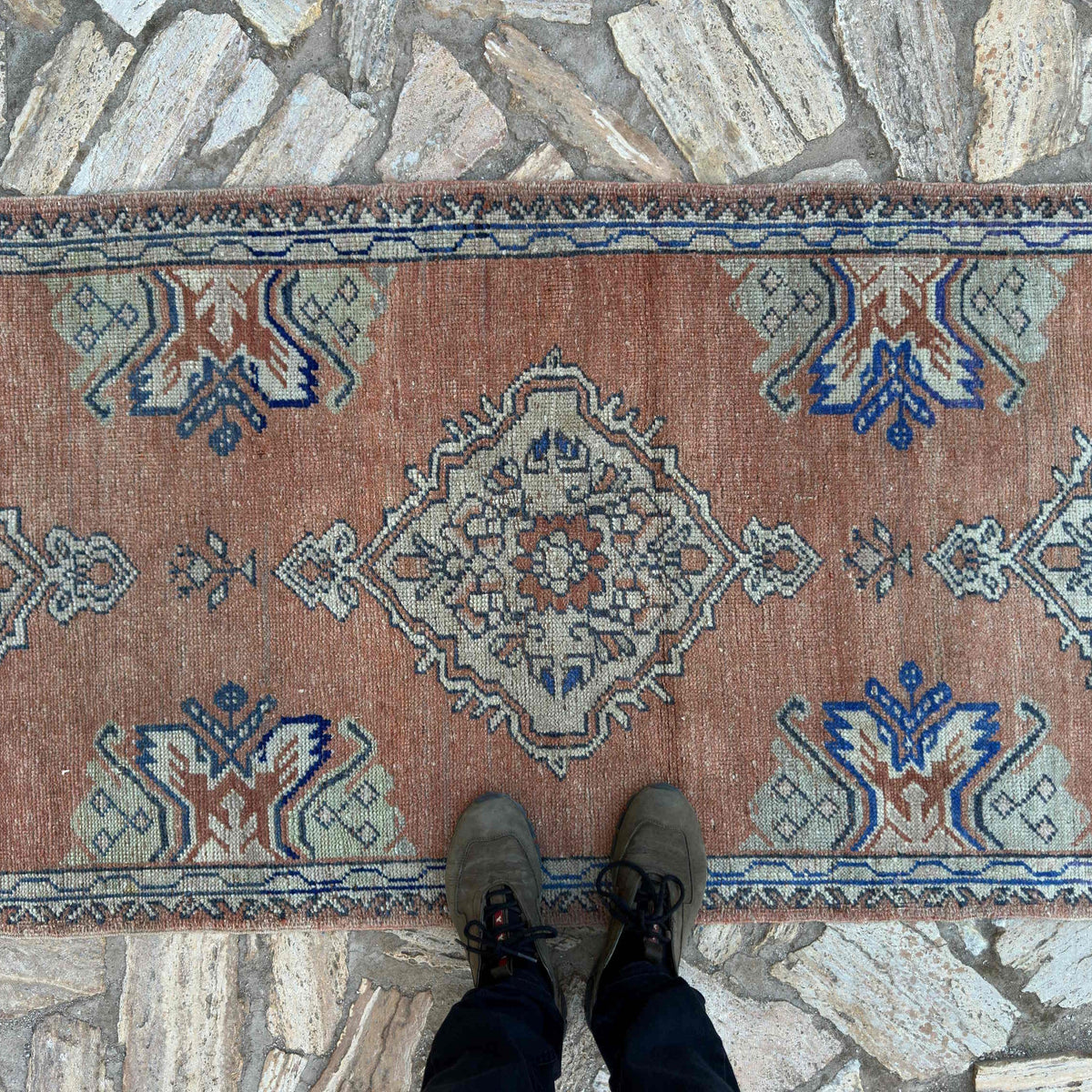
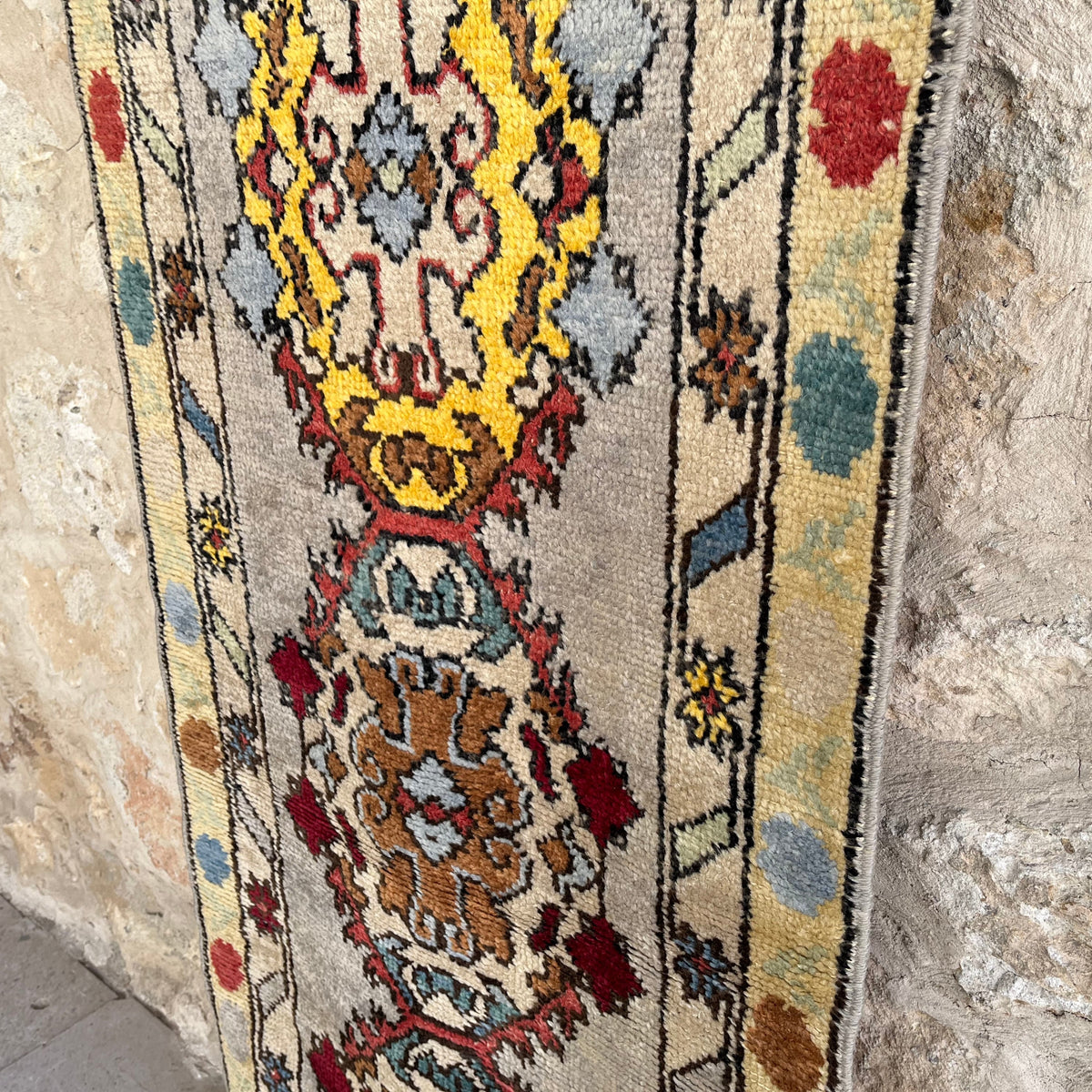
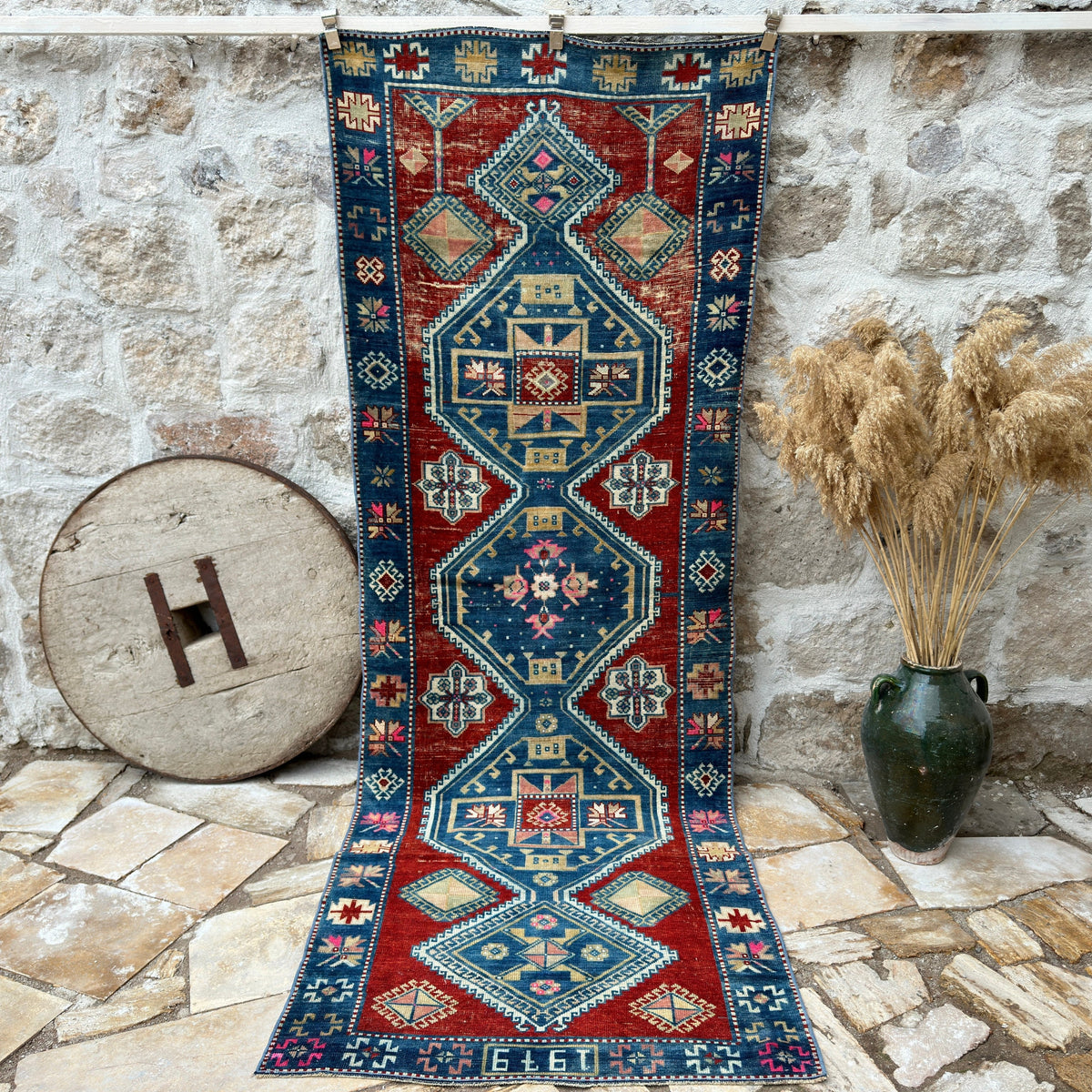
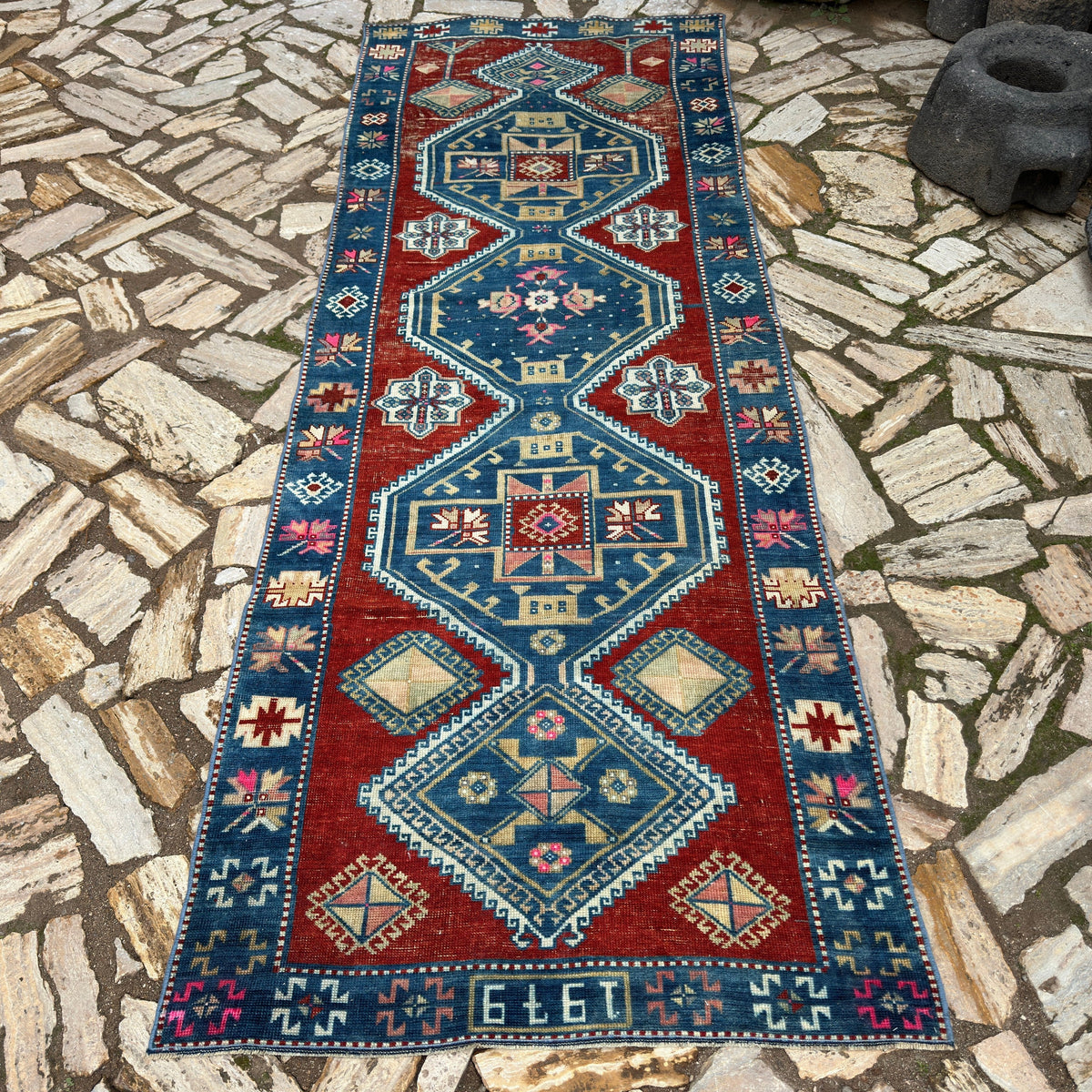
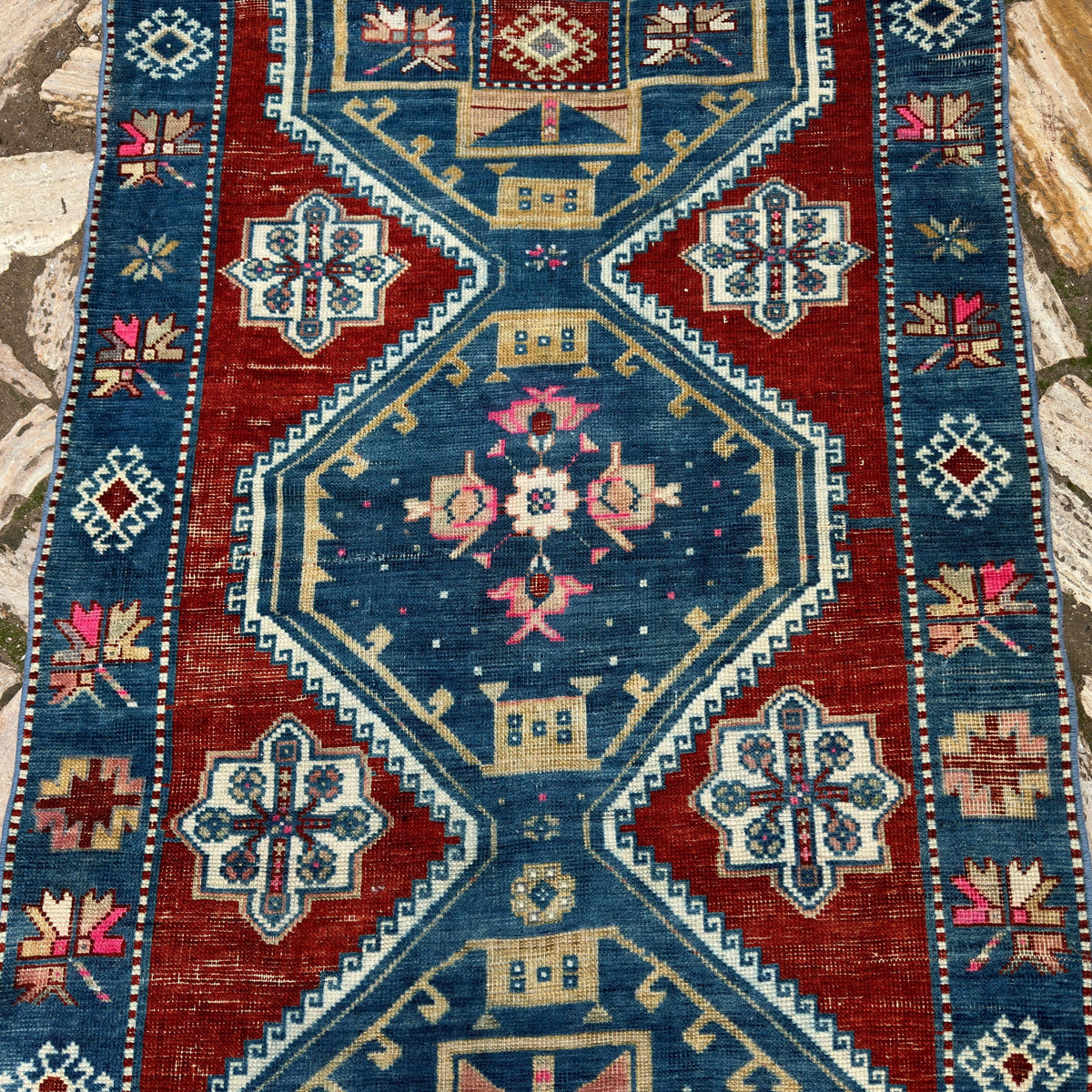
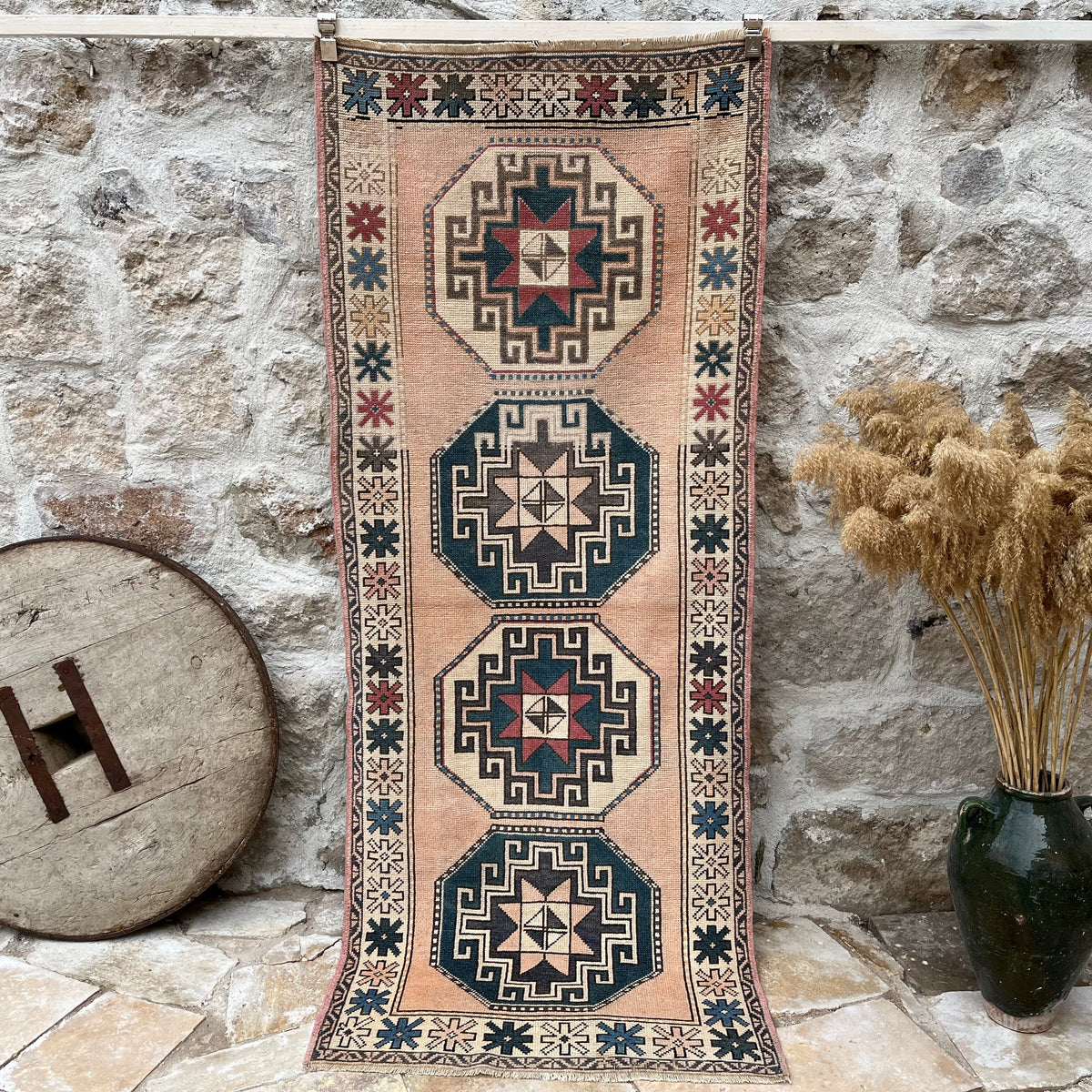
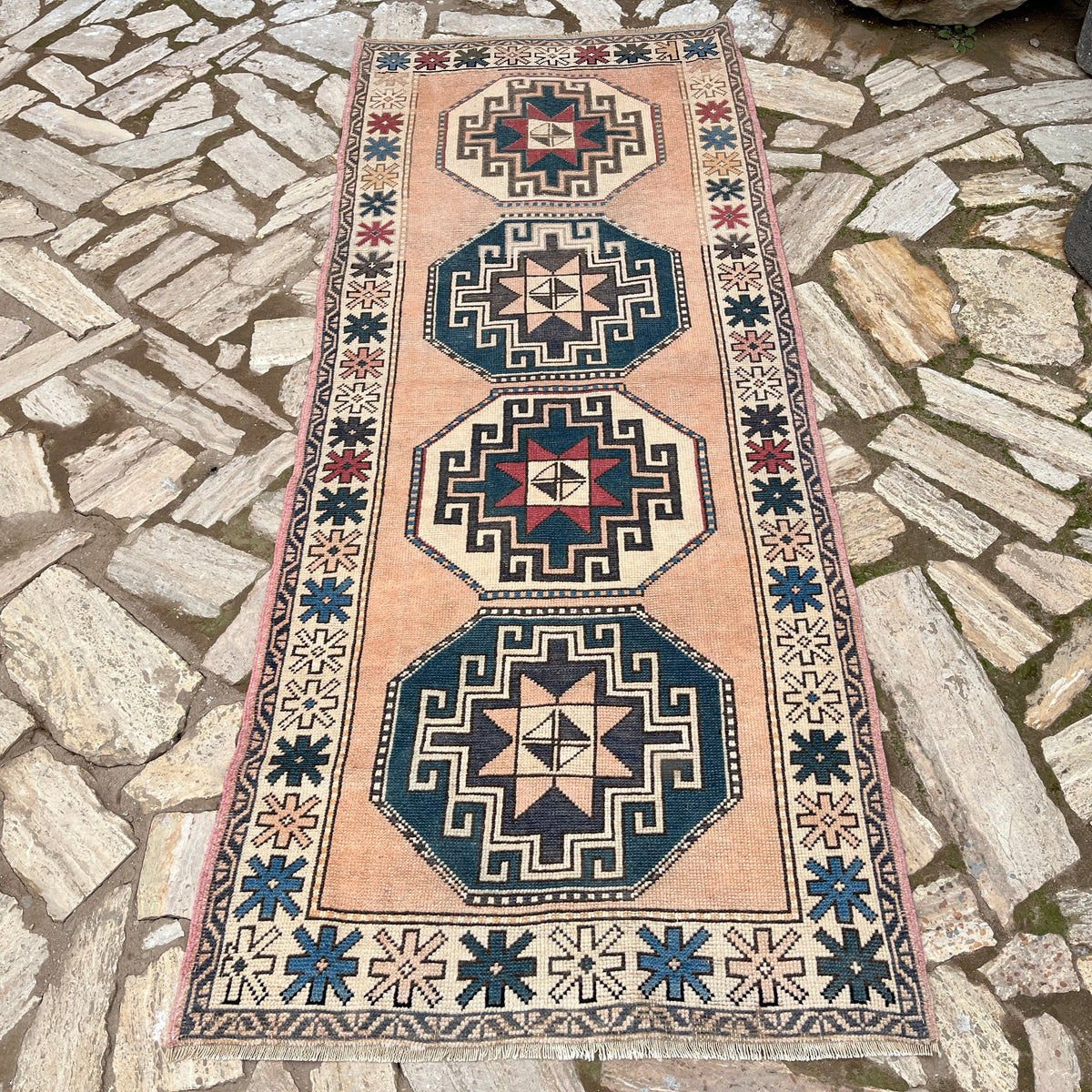
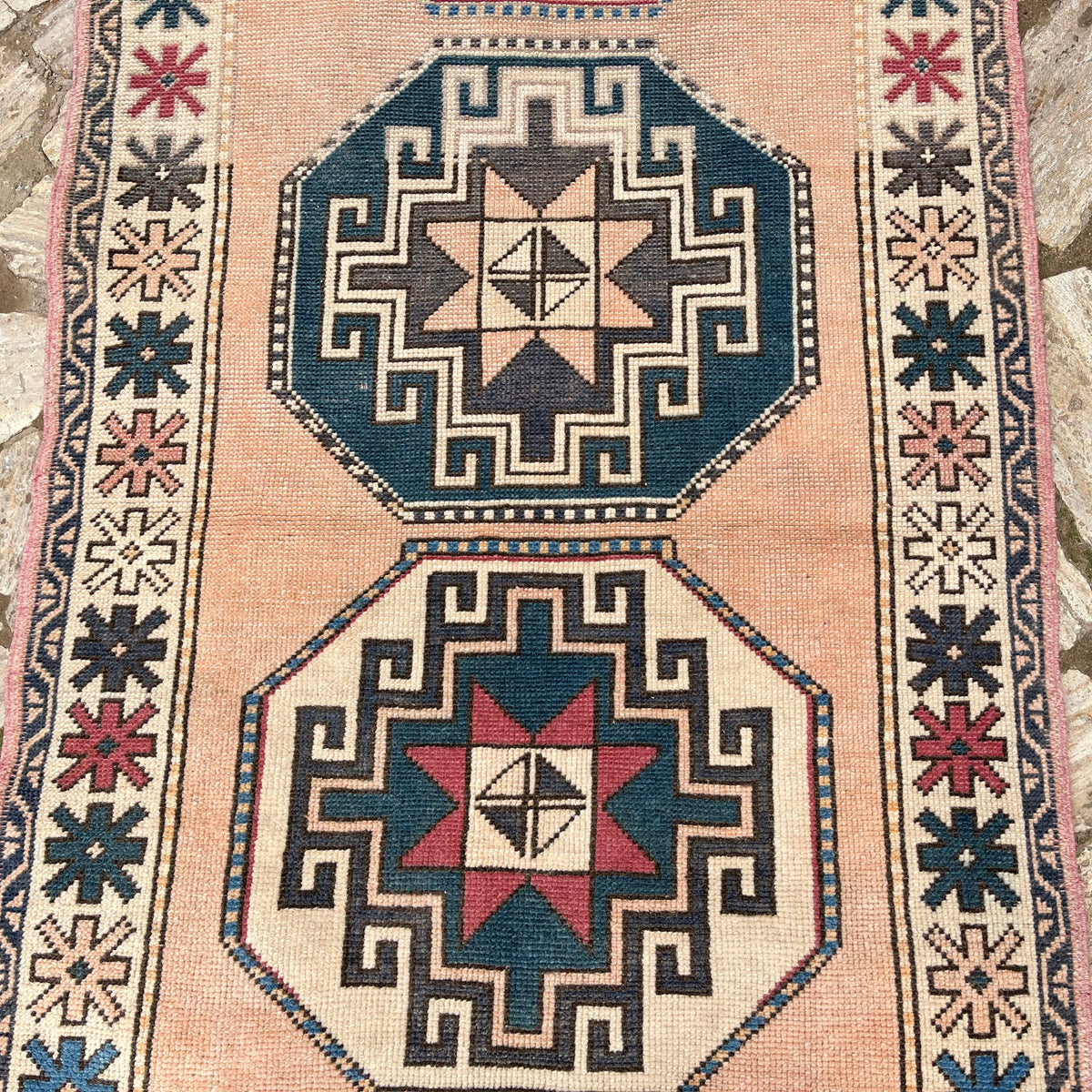
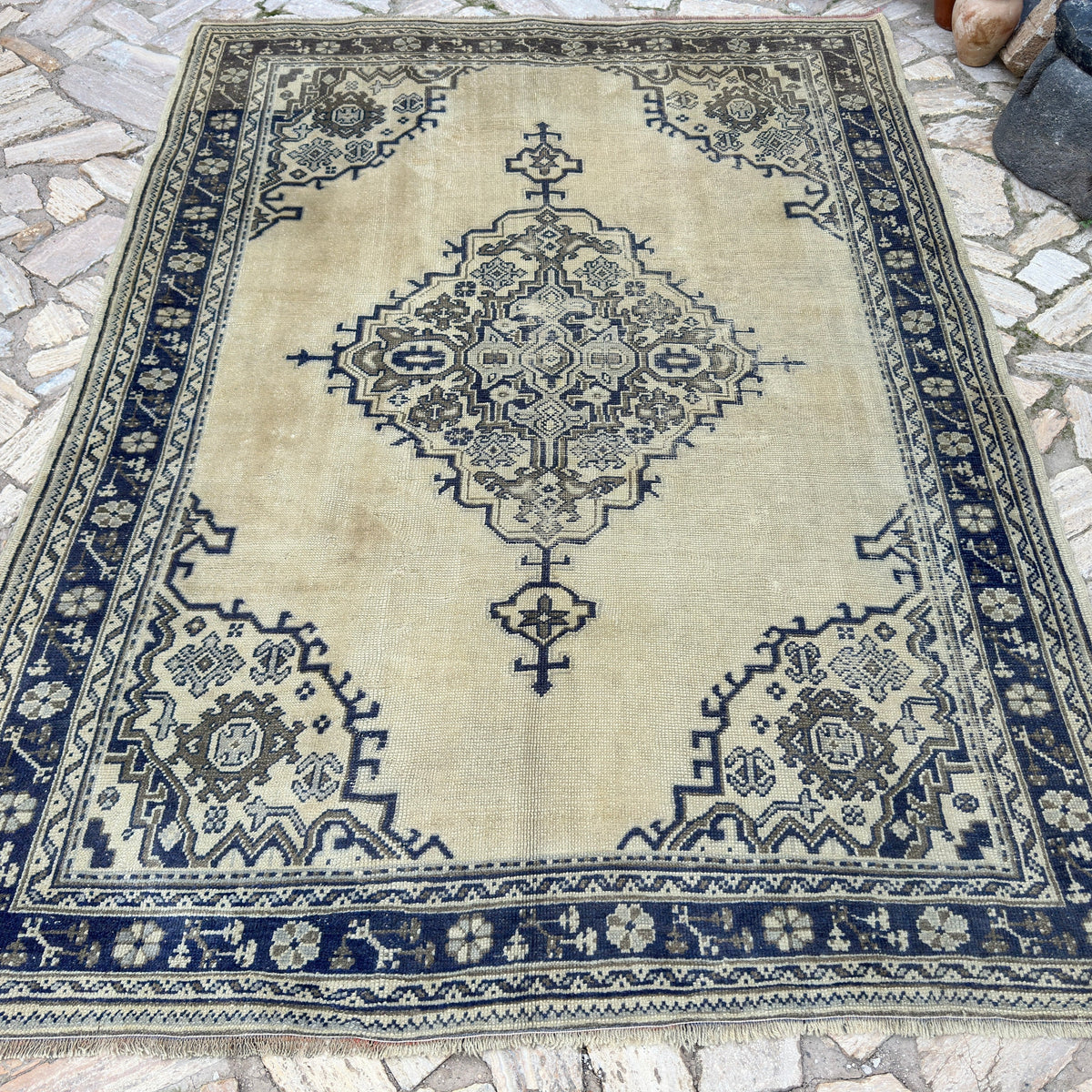
If you have read this far, you probably already know which direction fits your space. A hand-knotted rug is not just a floor covering. It is a piece that gets better with age instead of quietly falling apart. Explore our vintage rugs collection for pieces with decades of wear already worked in, or look at our Oushak rugs if you want that softer, sun-faded palette in a hand-knotted construction.
Every piece cleaned and inspected before shipping.
Natural materials, real age, and one-of-a-kind character.
Worldwide shipping with careful packaging.
Explore Hand-Knotted Rug Collections




















Frequently Asked Questions
Are hand-knotted rugs better than hand-tufted rugs?
Better depends on what you need. Hand-knotted rugs last far longer and hold value, while hand-tufted rugs cost less and suit shorter-term use. Neither is objectively better across every situation.
How can you tell if a rug is hand-knotted or hand-tufted?
Check the back. A hand-knotted rug shows the same pattern on both sides with no fabric covering. A hand-tufted rug has a canvas backing glued over the yarn.
Do hand-tufted rugs have real knots?
No. The yarn is punched through canvas with a tufting gun and held in place with latex glue, not tied into knots.
Are hand-tufted rugs considered handmade?
They are handmade in the sense that a person guides the tufting gun through the pattern by hand. They are not hand-knotted or woven knot by knot, though, so the term "handmade" covers a wider range of construction quality than most buyers assume.
Why are hand-knotted rugs more expensive?
They take months to complete, require a trained weaver's full attention knot by knot, and are built to last for decades. The price reflects labor time and durability, not just materials.
How long do hand-knotted rugs last?
Well-cared-for hand-knotted rugs commonly last several decades, and many antique pieces remain in daily use after 80 years or more.
How long do hand-tufted rugs last?
Typically five to fifteen years, depending on foot traffic and how well the rug is maintained.
Are hand-tufted rugs good quality?
They can be, for what they are designed to do. They are not built to the same lifespan as hand-knotted rugs, but a well-made hand-tufted rug is a legitimate, honestly priced option for shorter-term use.
Do hand-tufted rugs shed more than hand-knotted rugs?
Generally yes, especially as the latex backing ages and loosens its grip on the yarn. Some initial shedding when the rug is new is normal and usually tapers off.
Which rug is better for a busy home with kids or pets?
Hand-knotted rugs generally hold up better to heavy daily use since there is no backing to wear out. That said, a well-maintained hand-tufted rug can still work fine in a busy space if you are comfortable replacing it sooner.
Do hand-tufted rugs smell?
New ones can carry a faint chemical odor from the latex backing as it cures, which usually fades with airing out. Older hand-tufted rugs can also develop an odor as the latex deteriorates.
Is a hand-knotted rug worth the investment?
For a space you plan to keep long-term, yes. You are paying for a structure that improves with age rather than one that has a built-in expiration date.

