














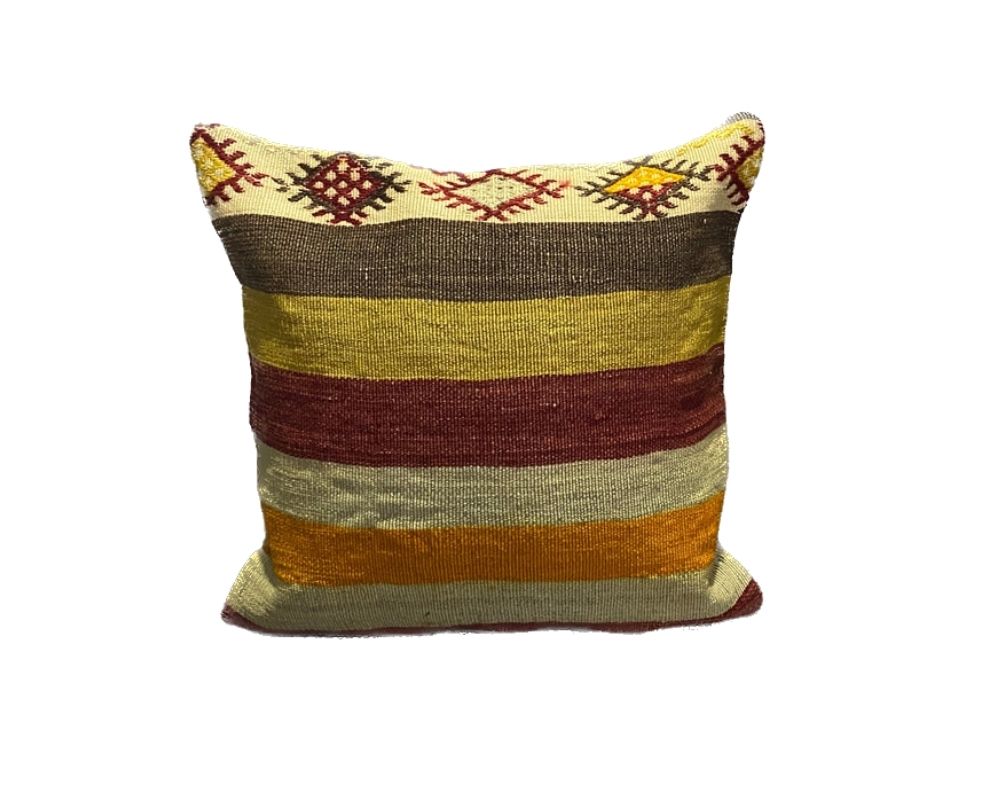
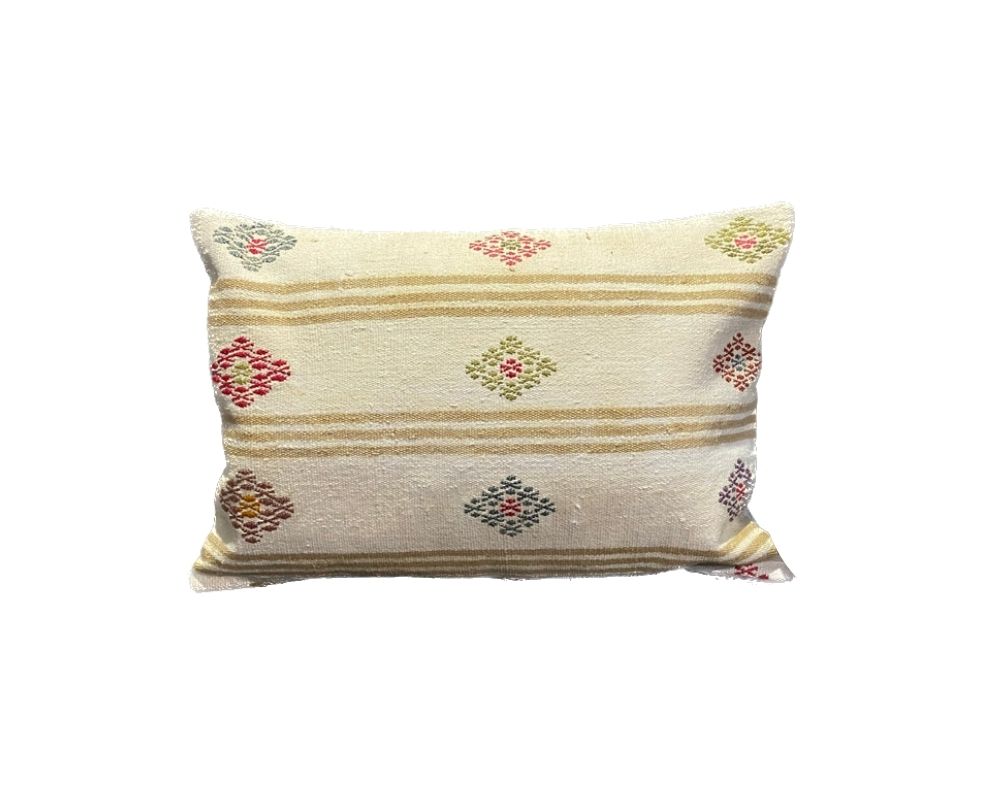
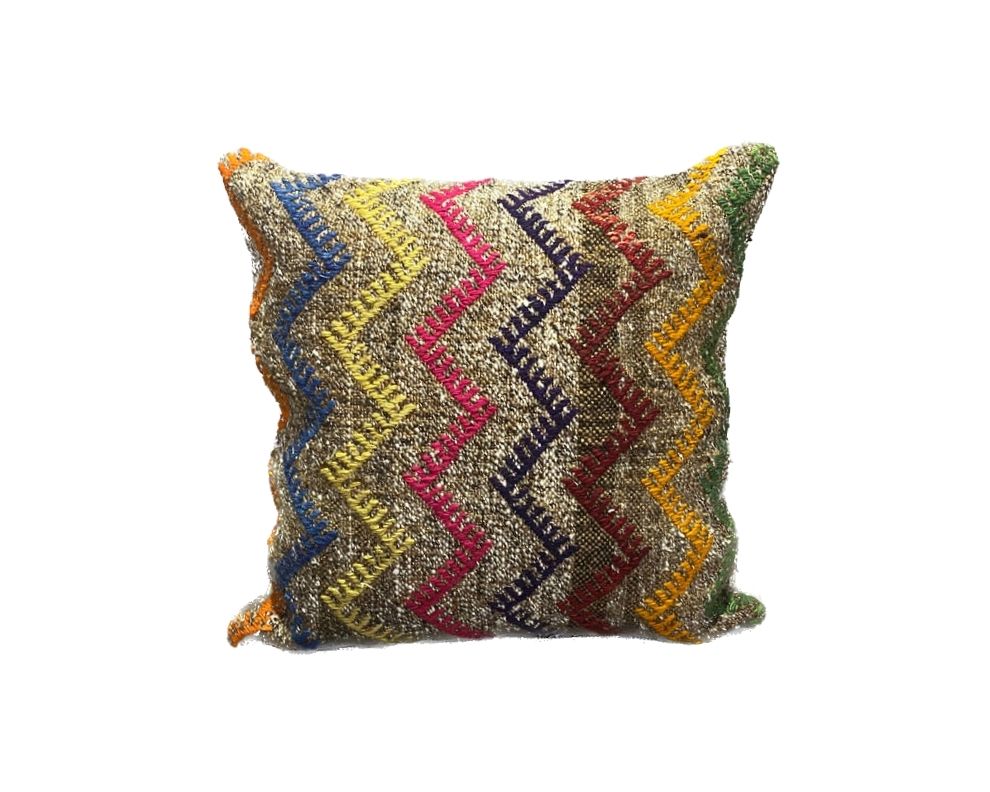

A customer from Texas wrote to me last year. She loved her rug — said it was the most beautiful thing in her living room — but her kids kept nearly tripping on it. "It just keeps sliding," she wrote. "I'm scared someone's going to fall."
After a few messages back and forth, the picture became clear. She had a lightweight, machine-made flatweave placed directly on top of a thick, high-pile carpet. Two surfaces with nothing in common, each moving against the other. The rug never stood a chance.
Stopping a rug from sliding on carpet is simpler than it sounds — once you understand why it happens in the first place.

Why Does a Rug Keep Moving on Carpet?
The Carpet Pile Is Pushing Your Rug
Walking across carpet compresses and shifts the pile in the direction of each step. A rug placed on top of that pile rides the same movement — especially if nothing holds it down. The surface beneath is not stable — soft and in constant motion, fiber by fiber.
High Foot Traffic Makes It Worse
In hallways, in front of sofas, around dining tables — wherever people pass regularly — the movement compounds over time. Entryways are especially unforgiving: every person entering and exiting applies pressure in the same direction, and the rug learns that direction quickly. A rug that sits fine on Monday may have crept two inches by Friday.
Lightweight and Flatweave Rugs Slide More Easily
On washing days here in Cappadocia, a soaking wet hand-knotted halı becomes so heavy it takes two of us to carry it. That weight is structural — built into every hand-tied knot, compressed into every layer of pile. A kilim of the same dimensions I can move alone, folded under one arm. That difference is exactly what plays out when a rug sits on carpet. Weight is grip. Lightness is movement.

Does the Type of Rug Make a Difference?
Hand-Knotted Rugs vs. Flatweave Kilims — Which Stays Put Better?
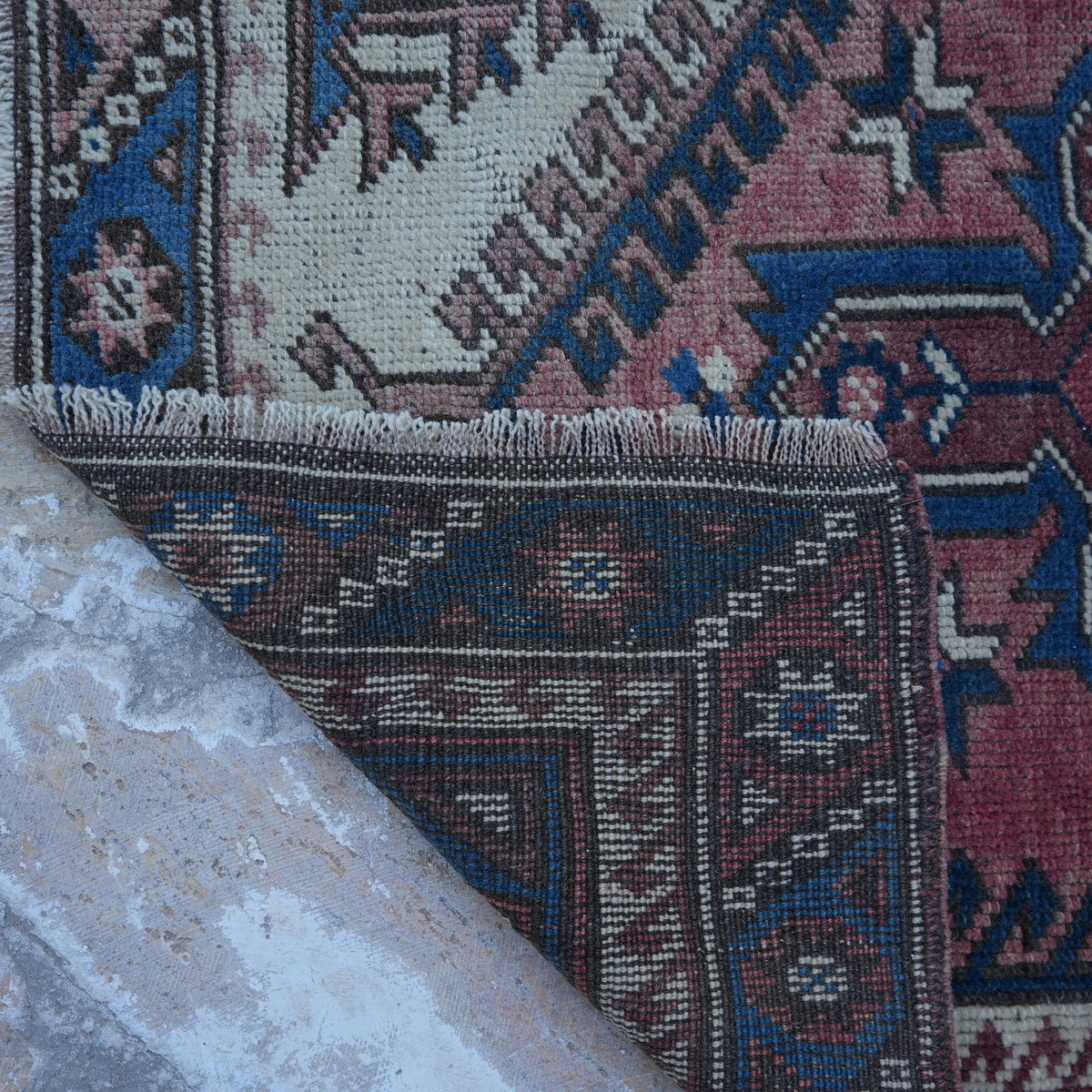
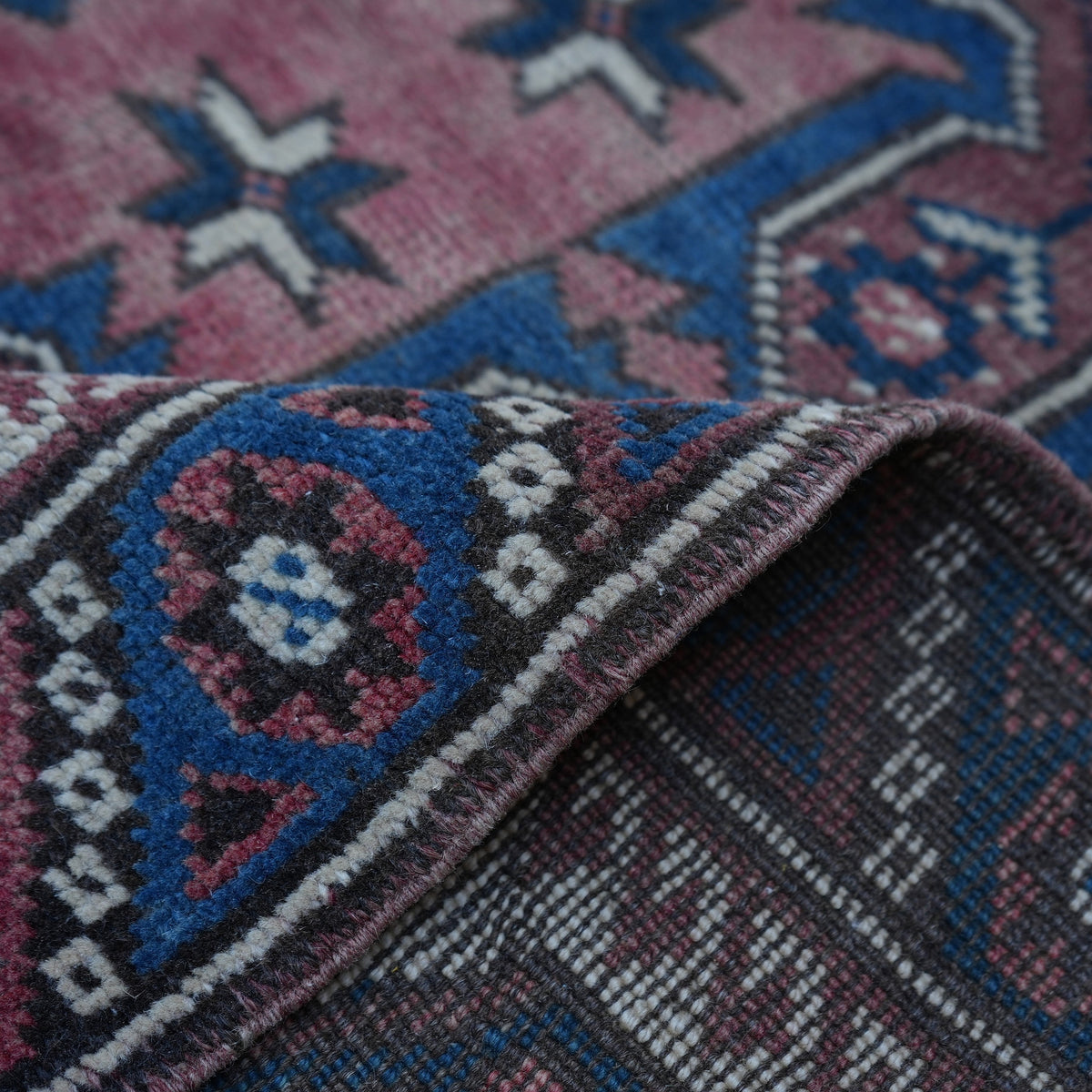
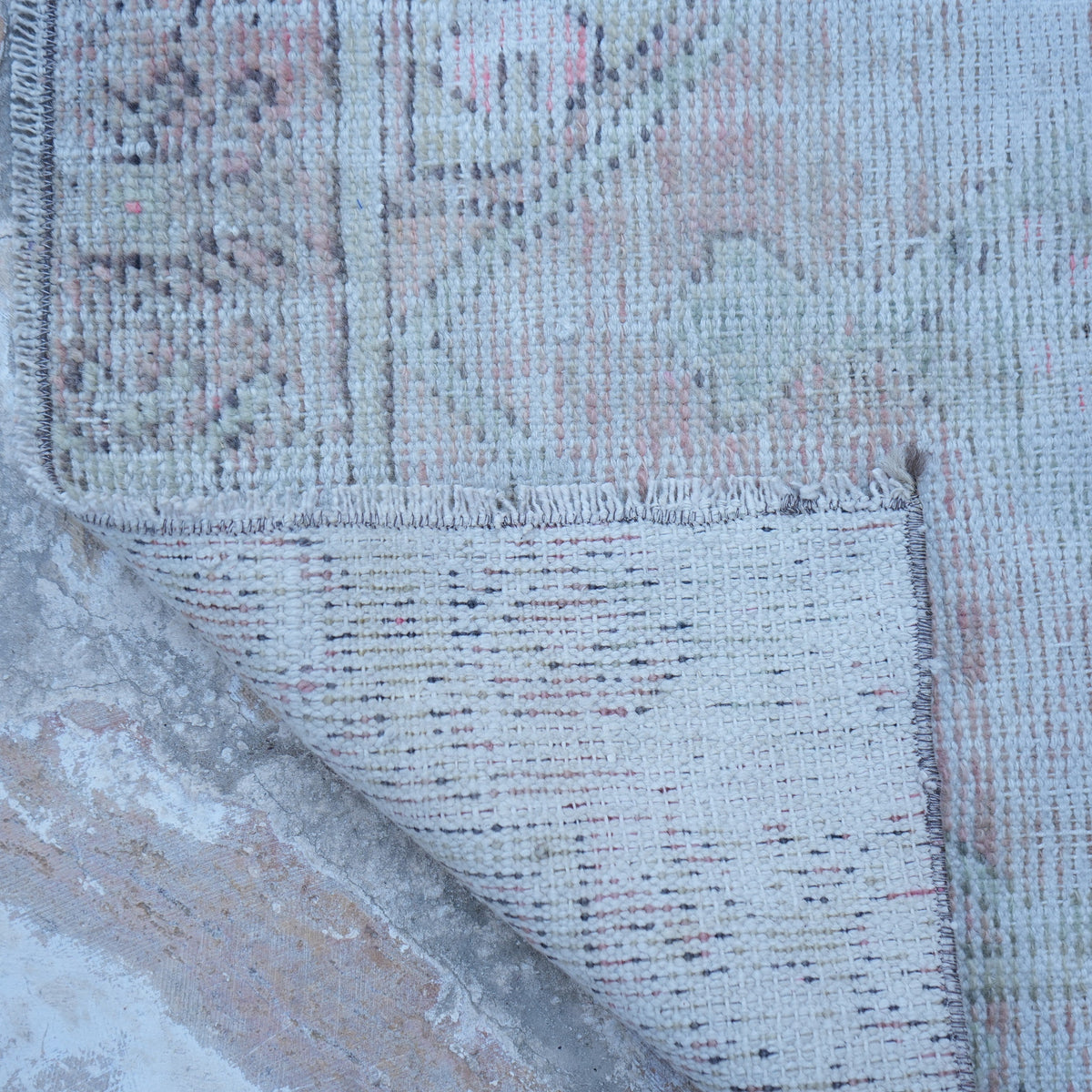
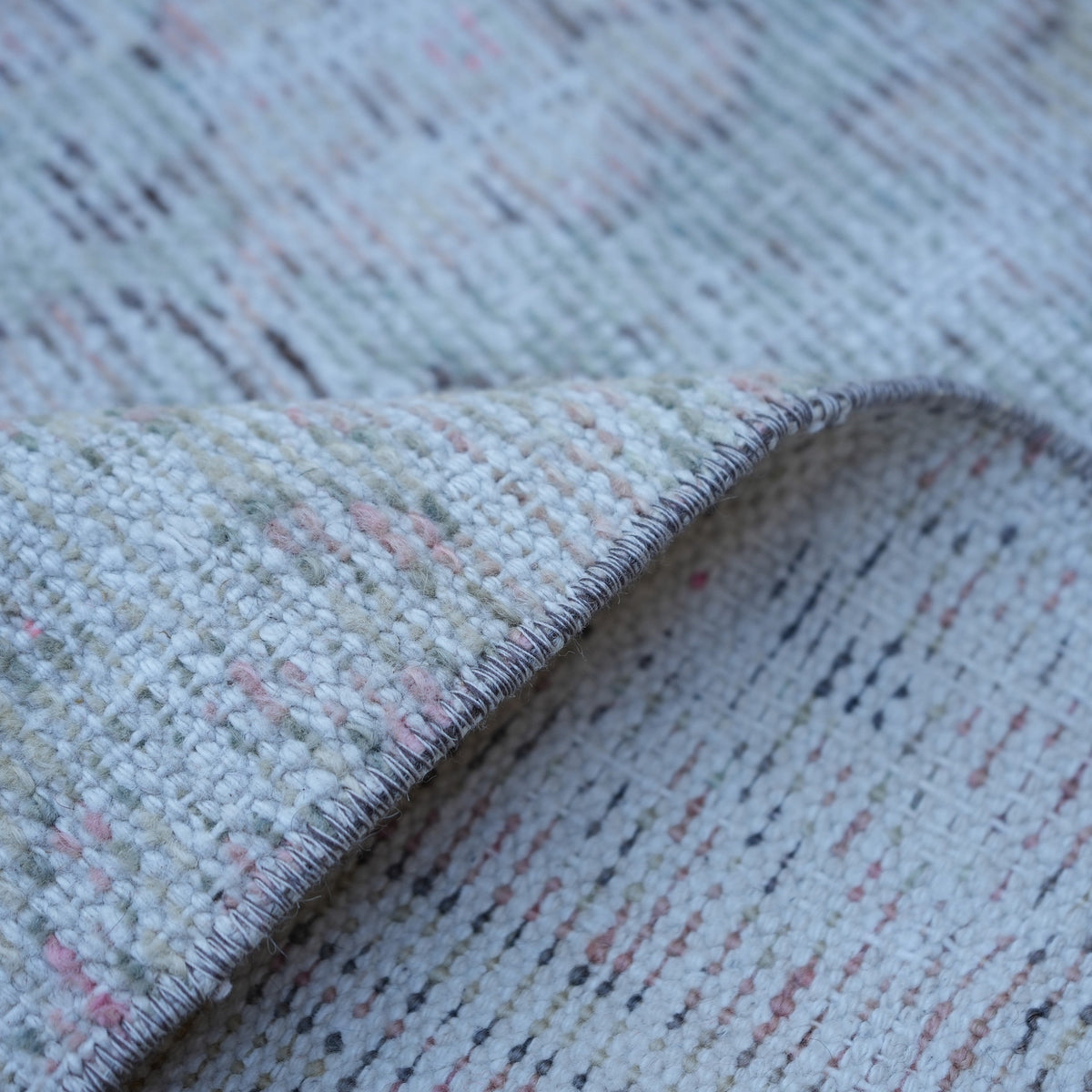
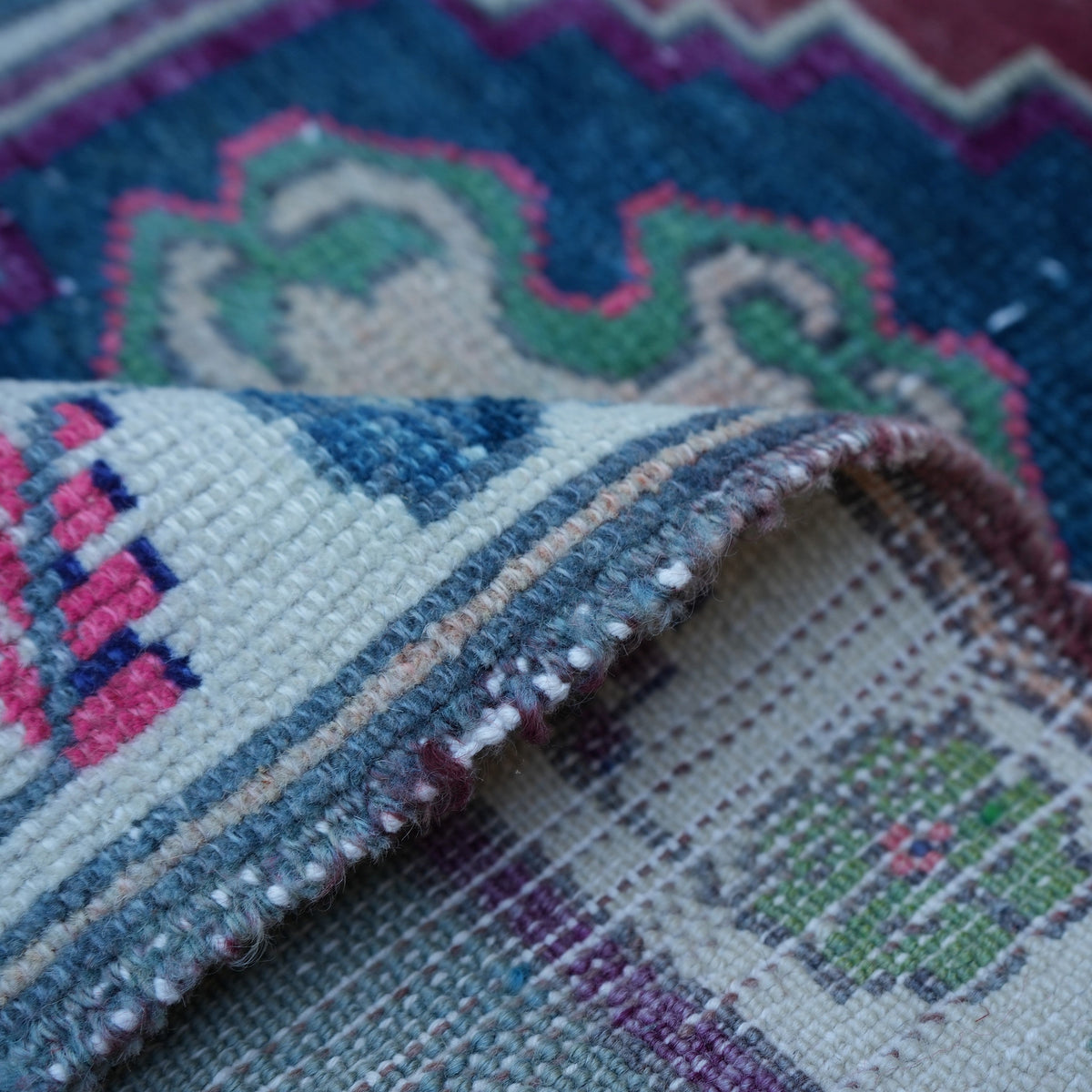
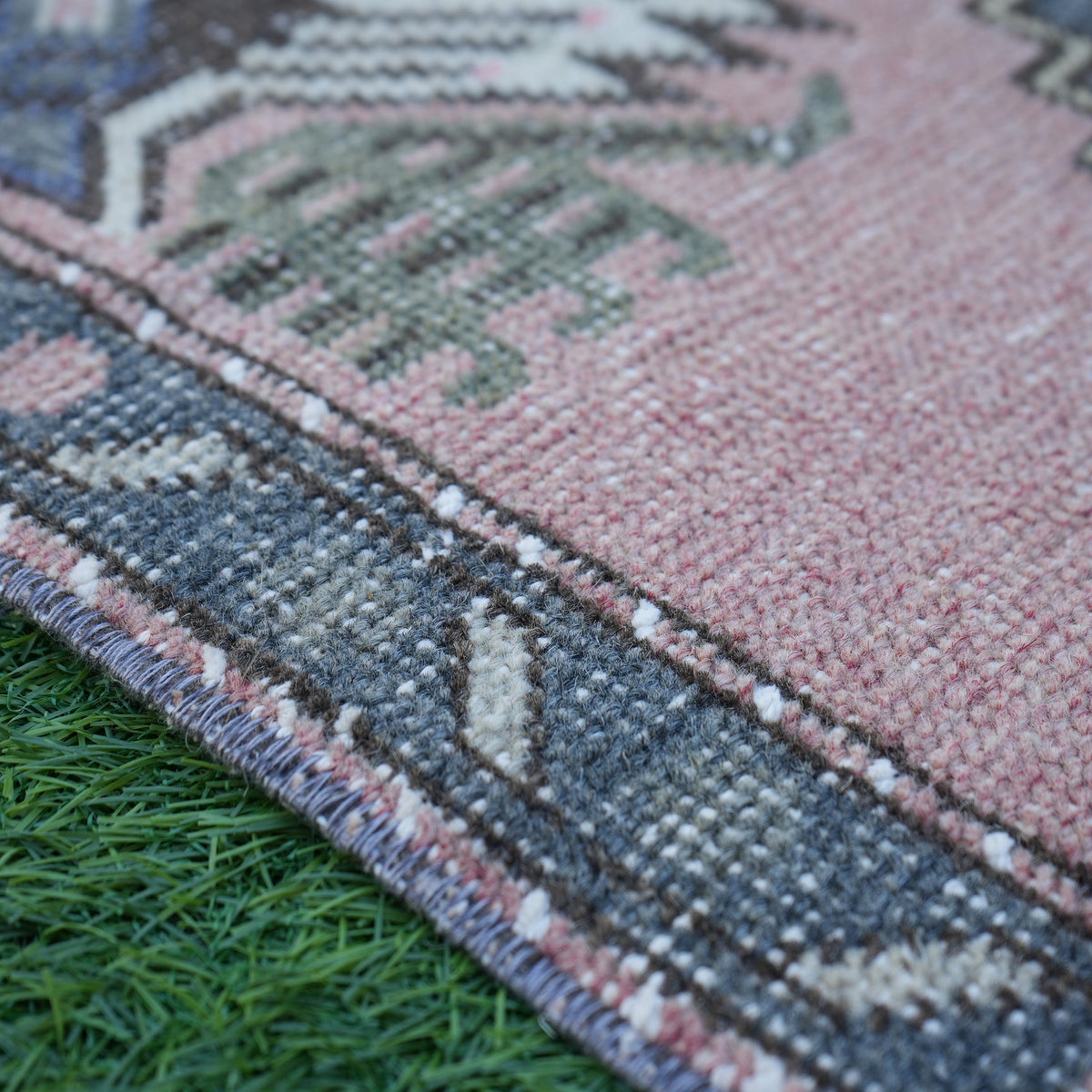
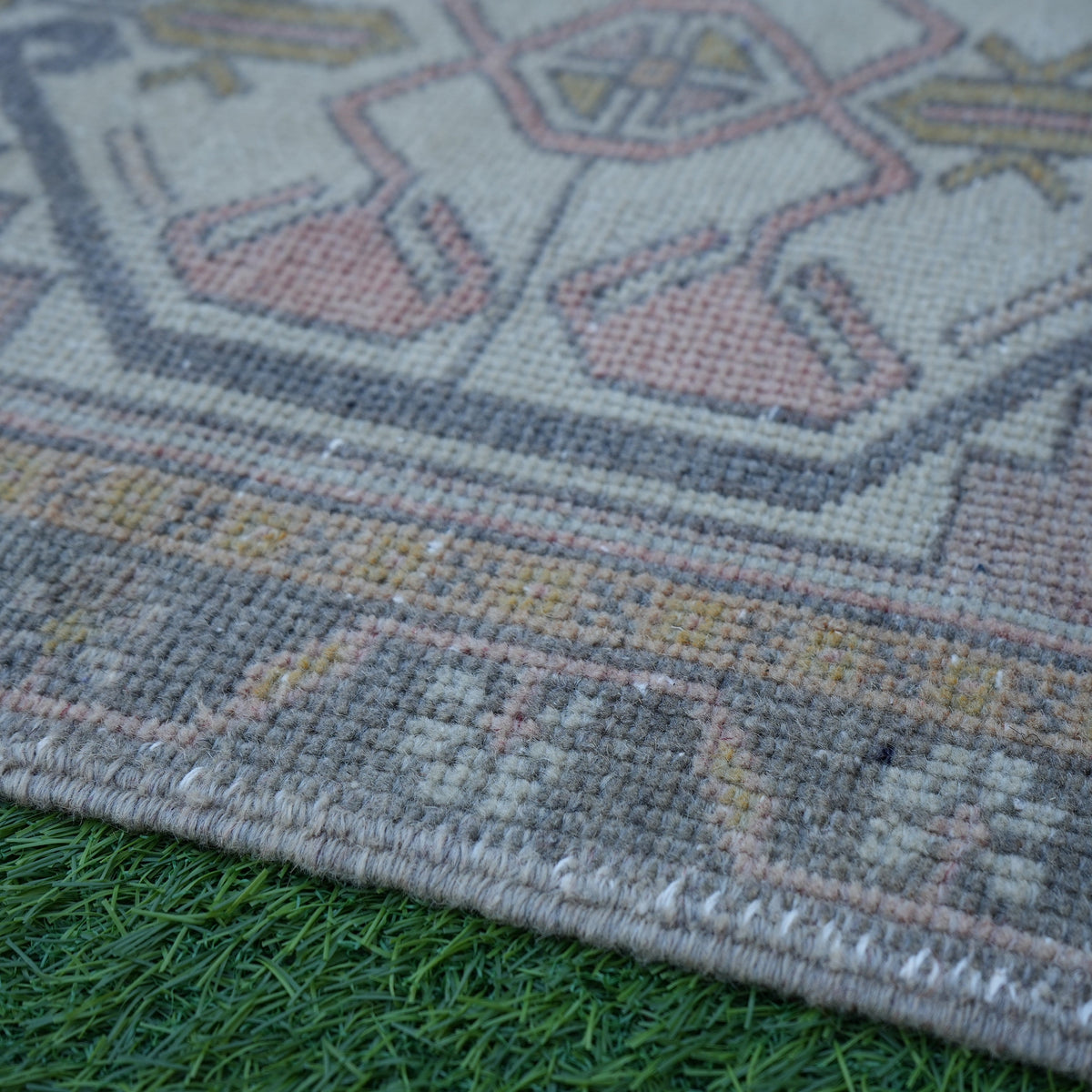
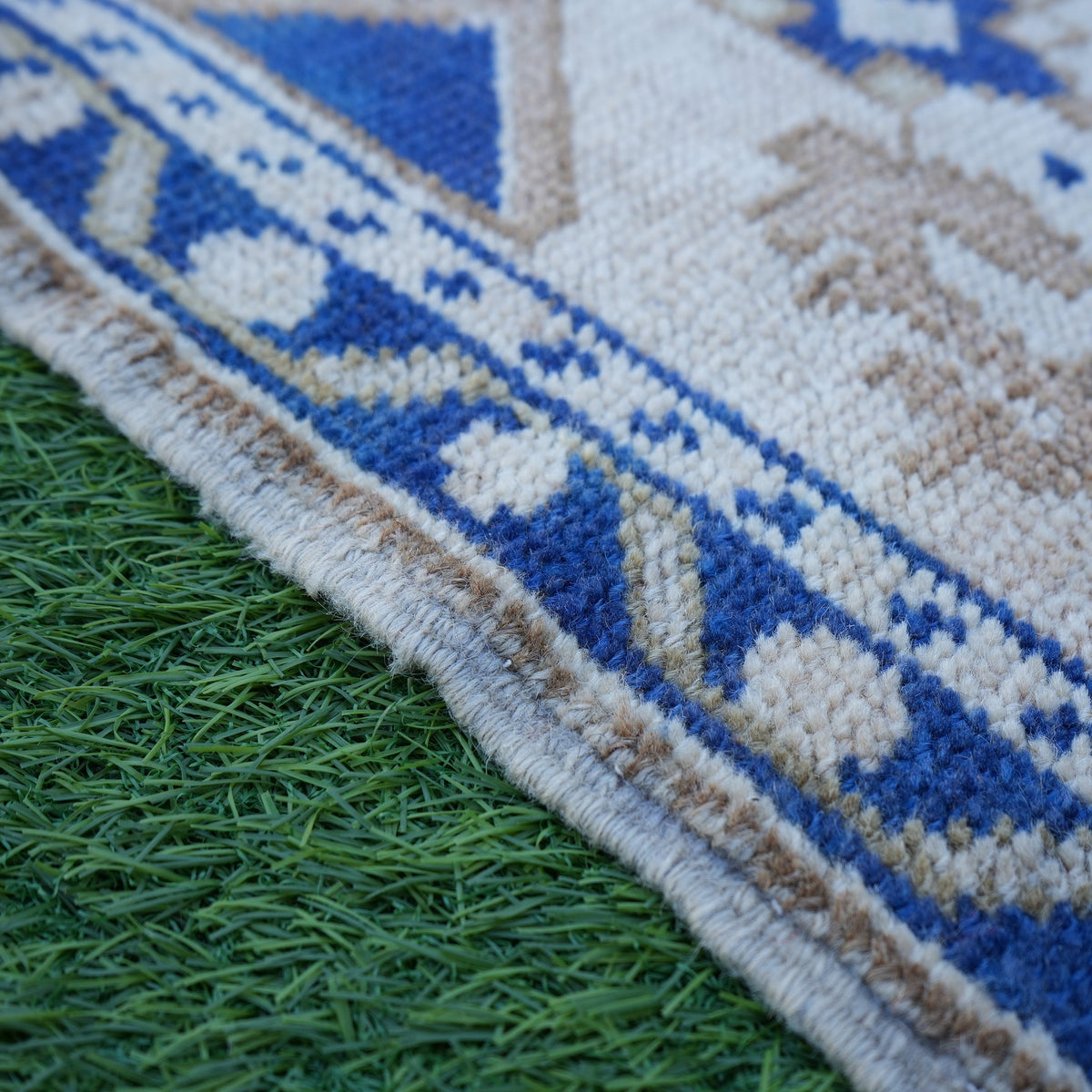
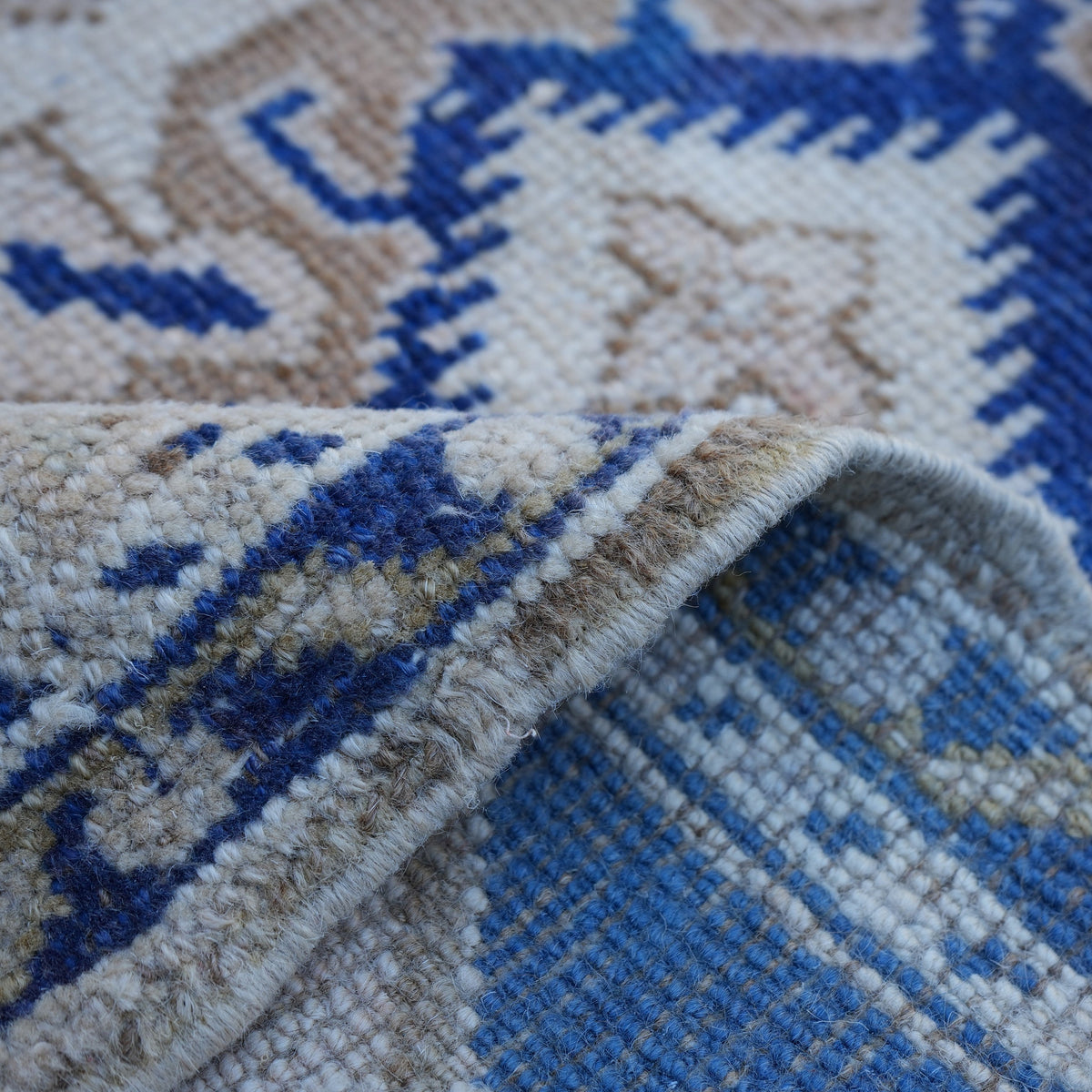
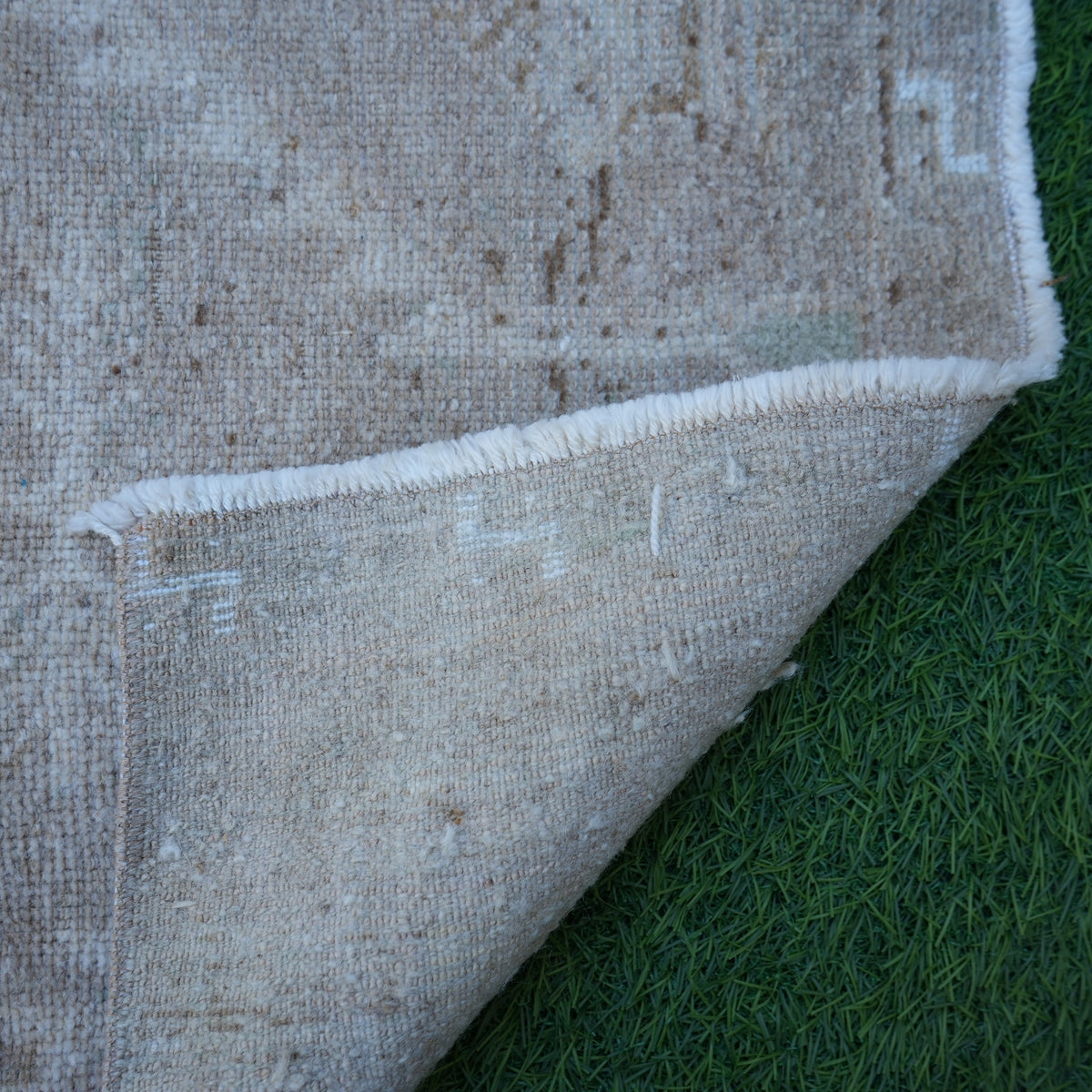
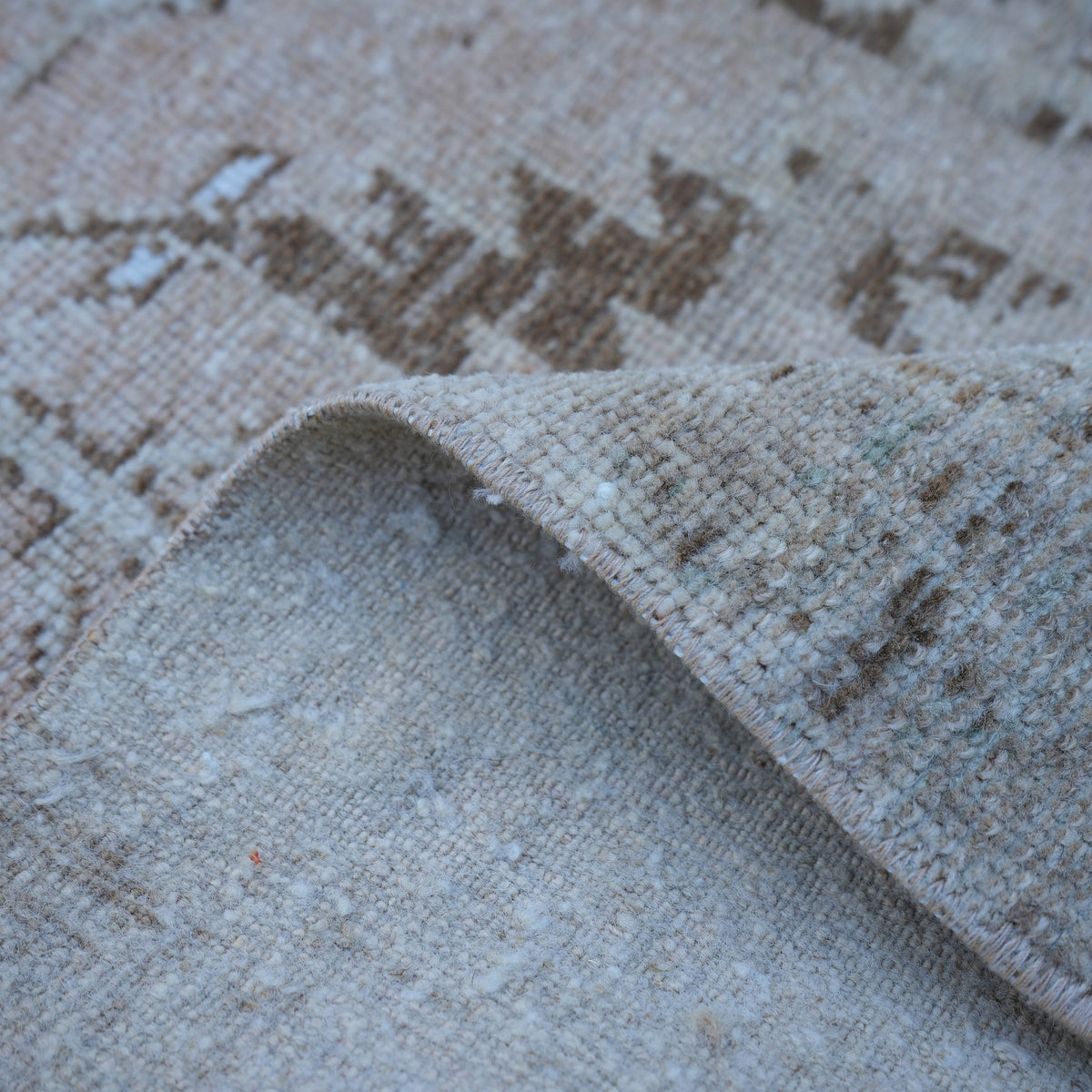
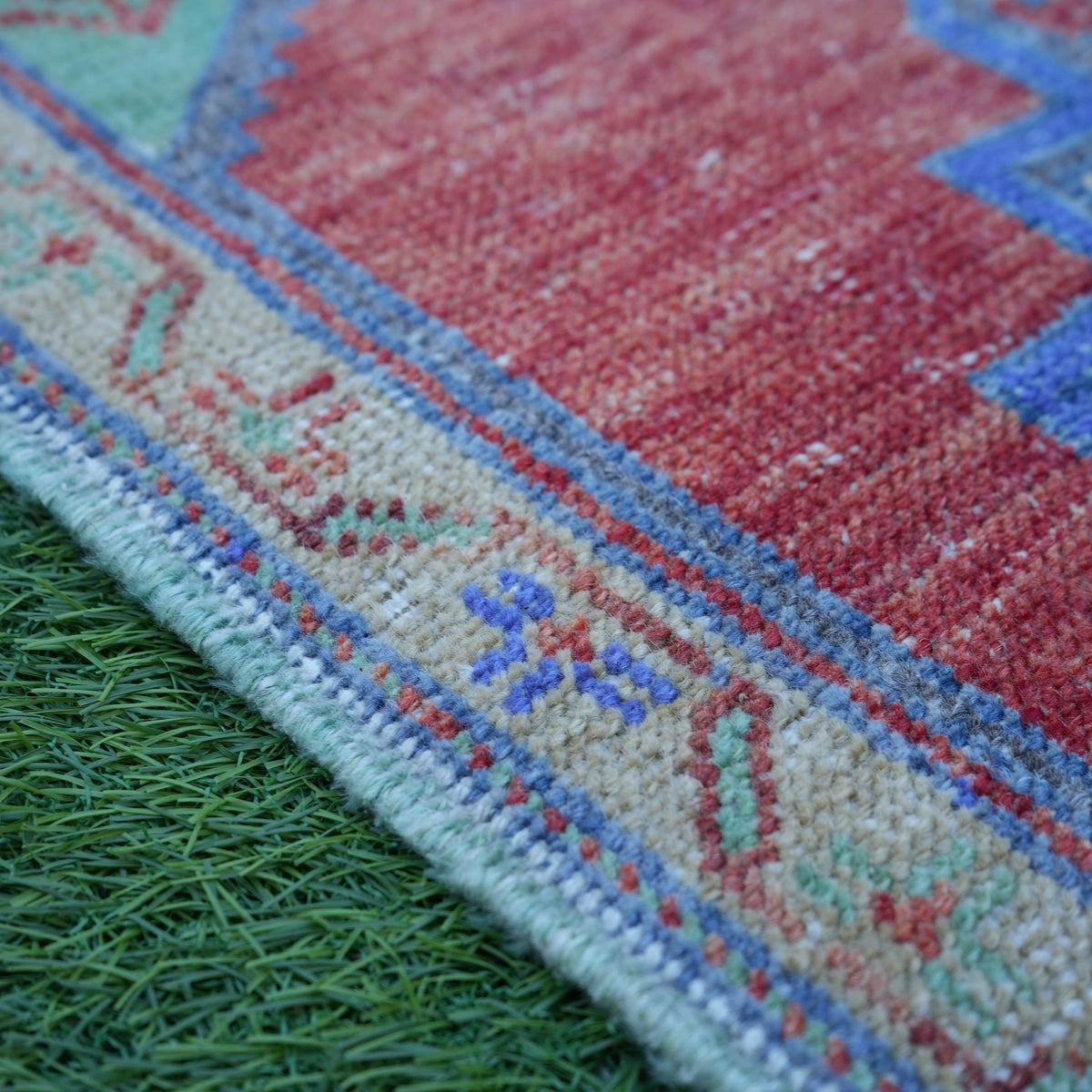
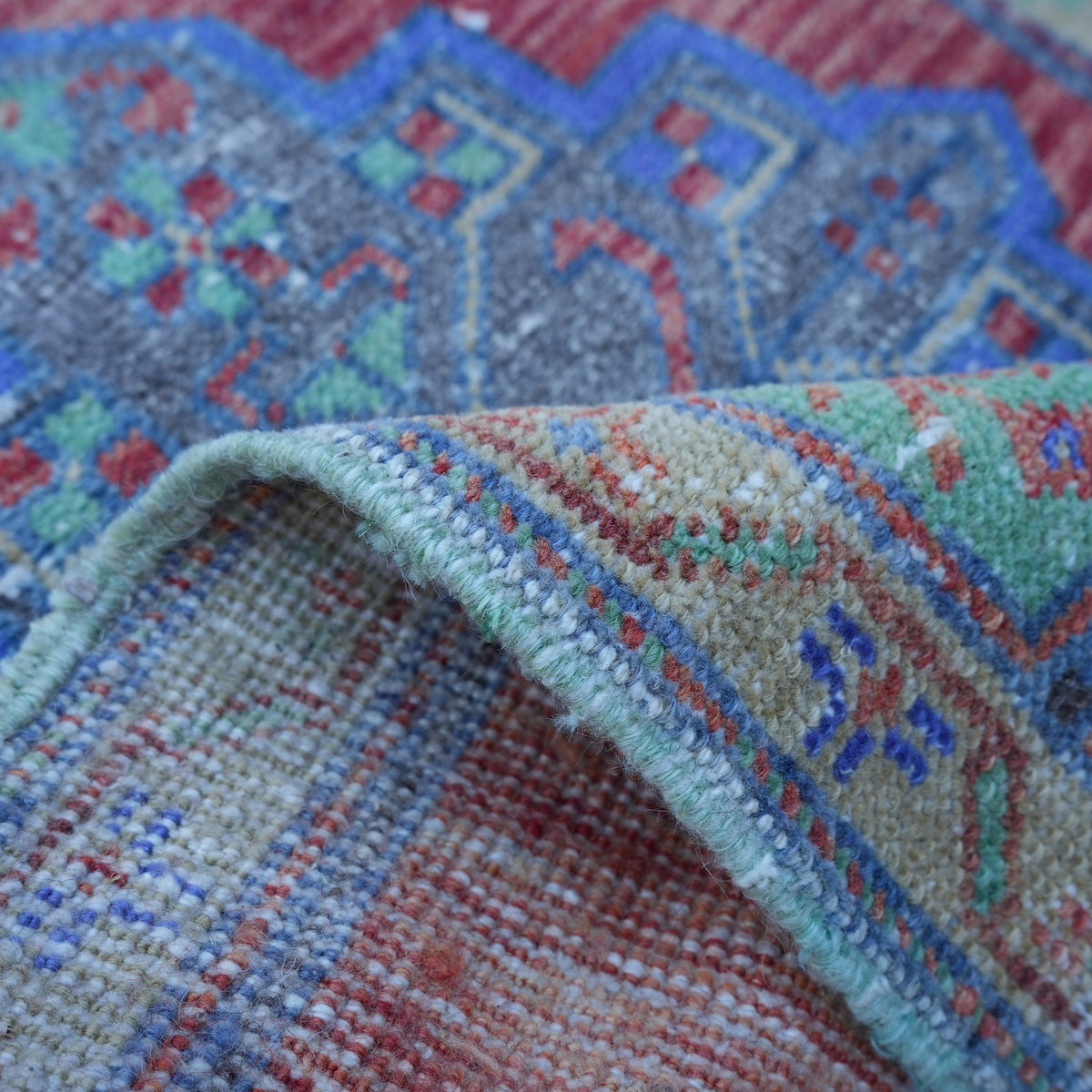
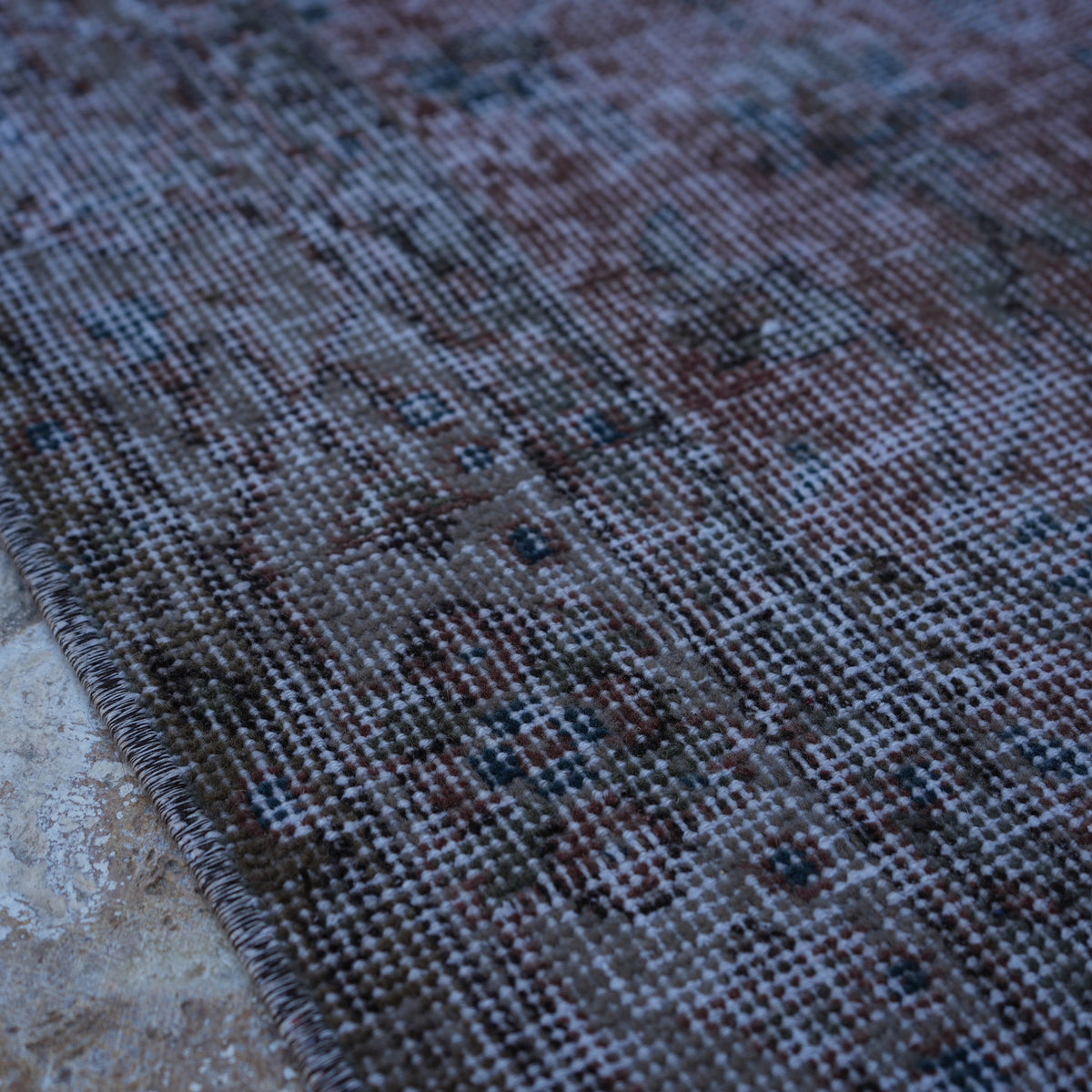
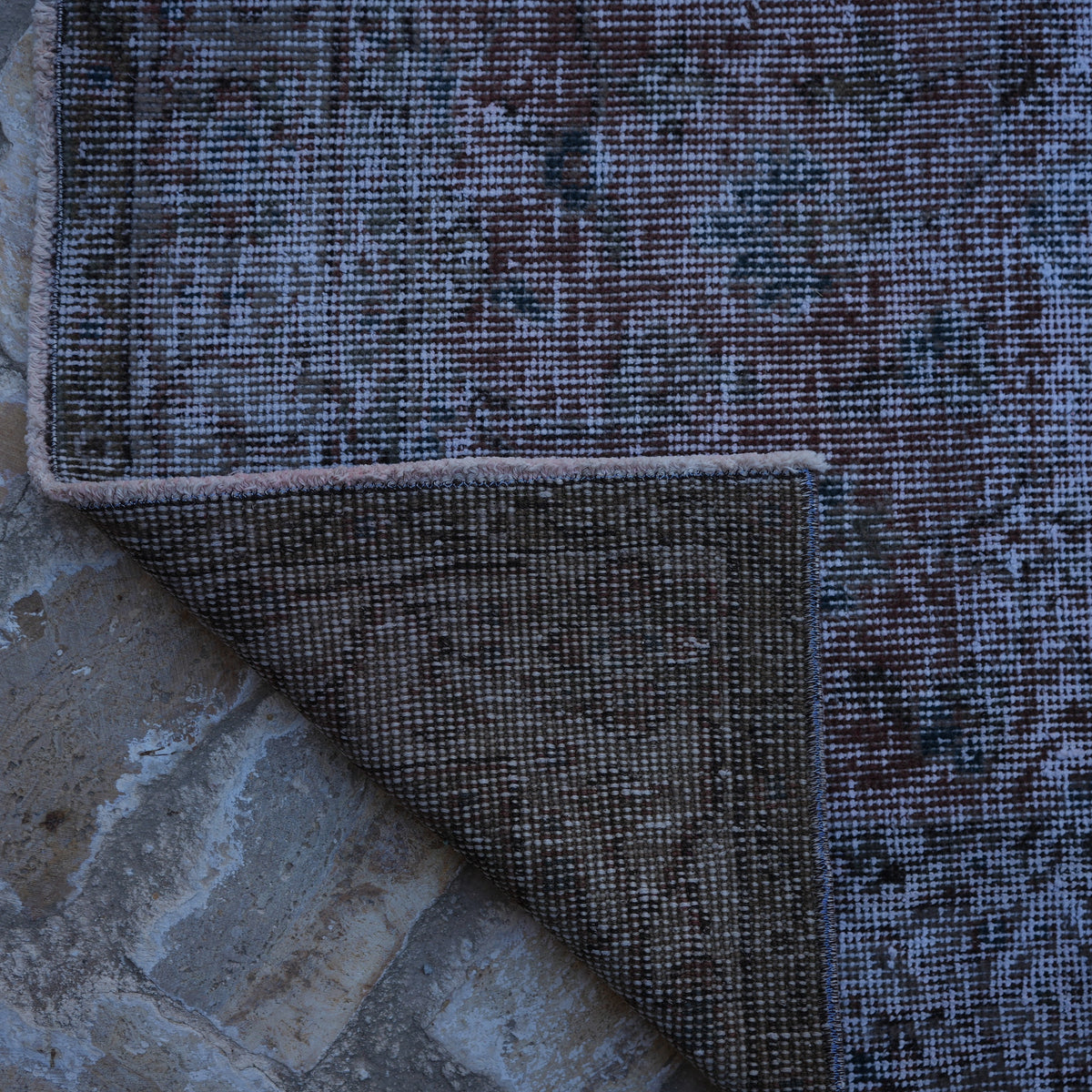
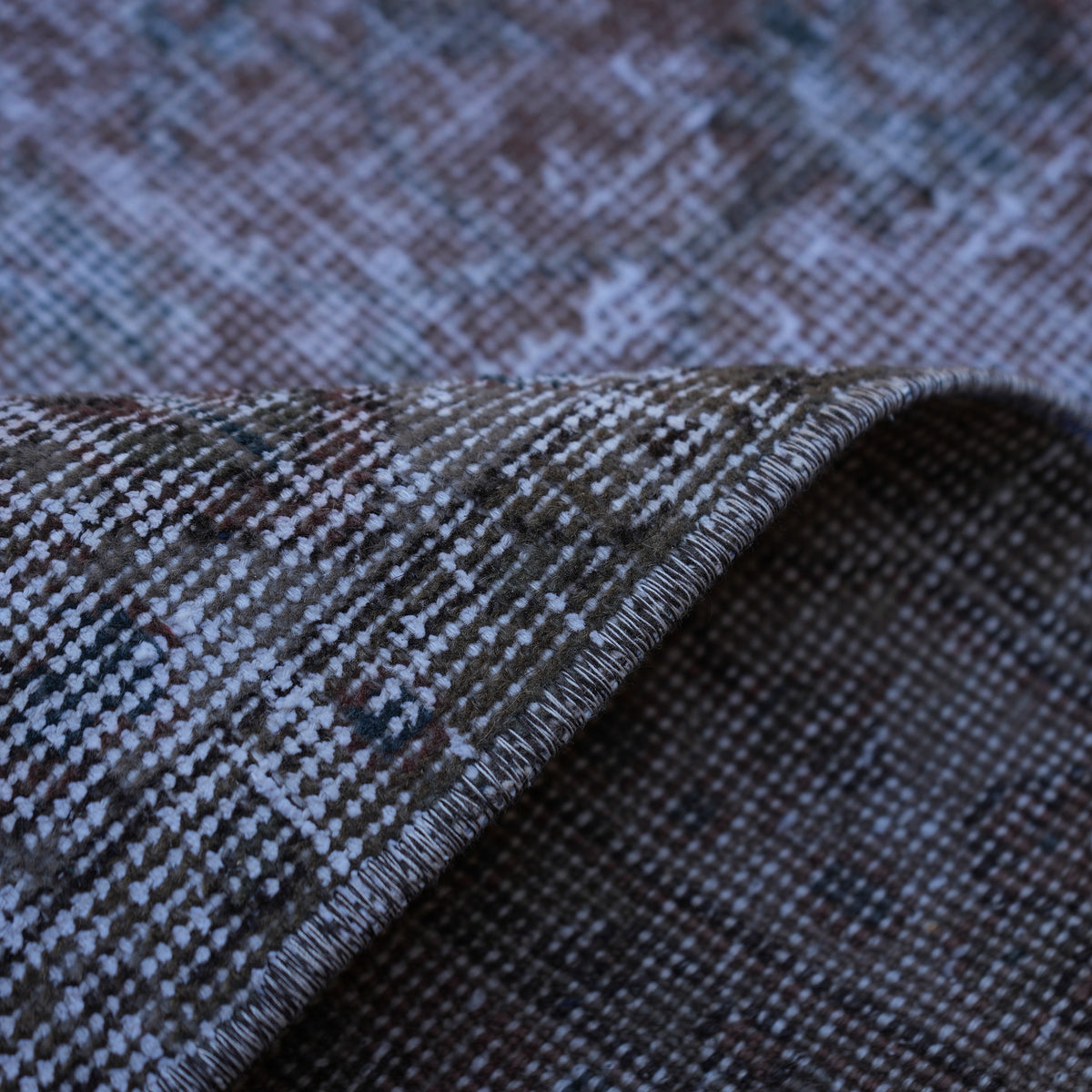
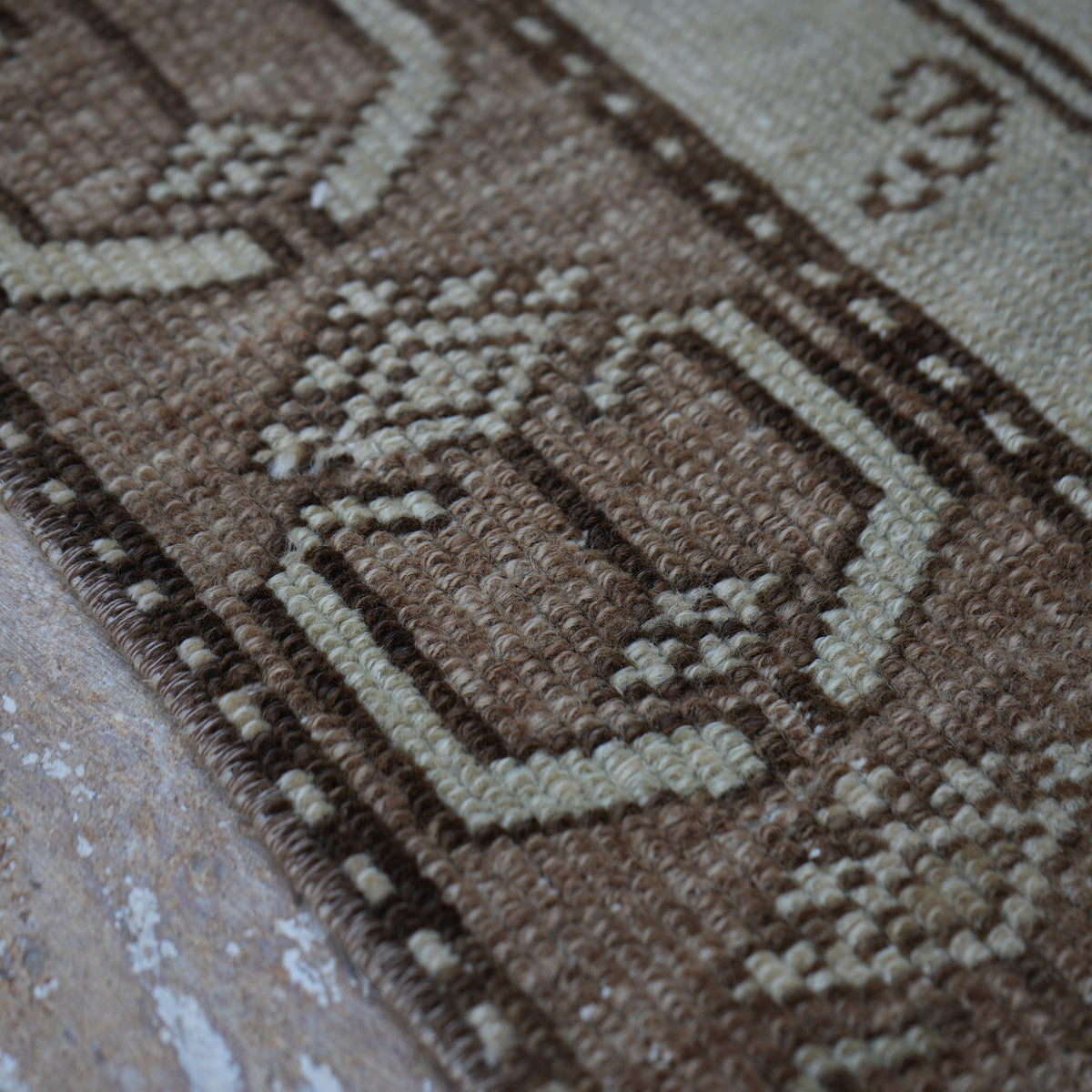
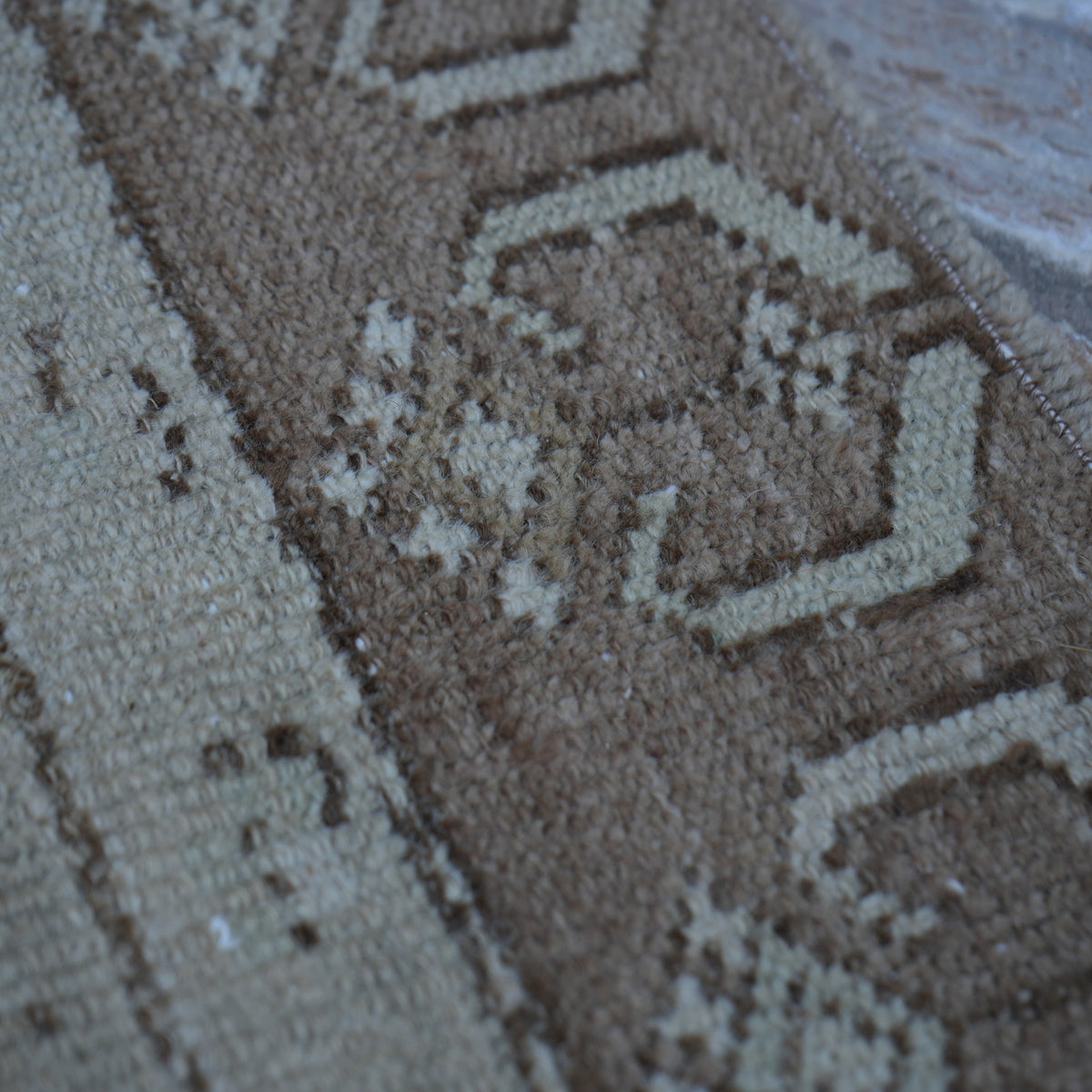
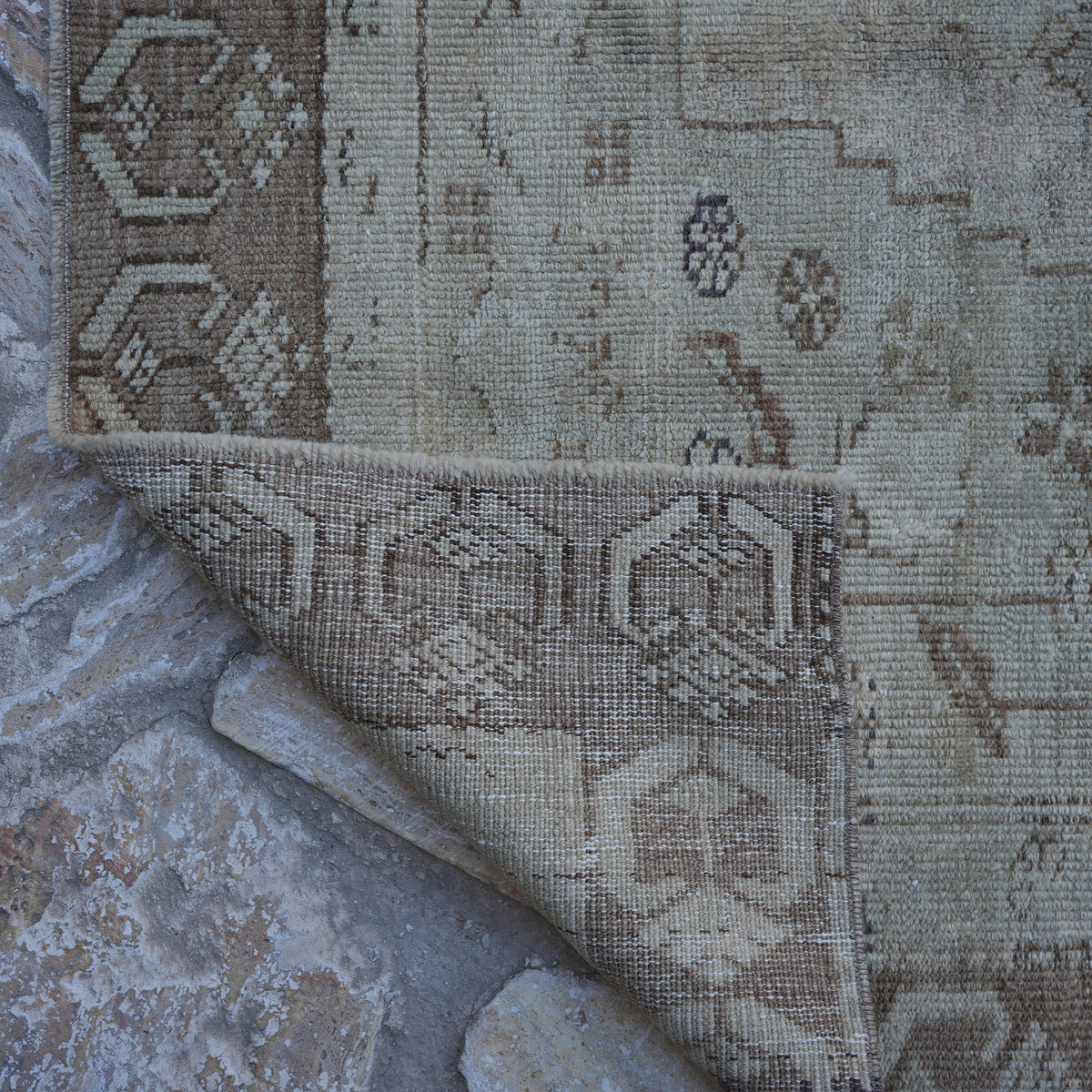
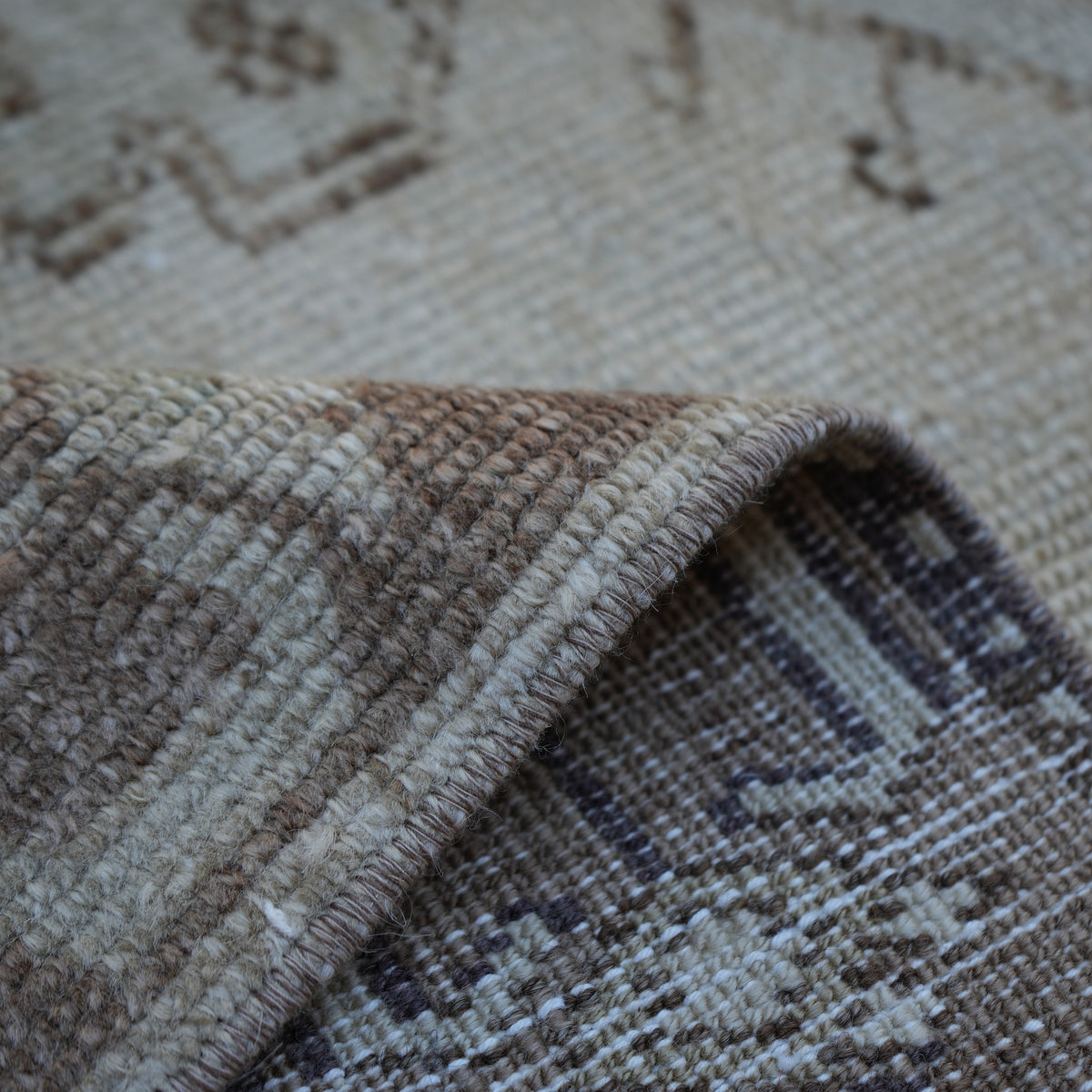
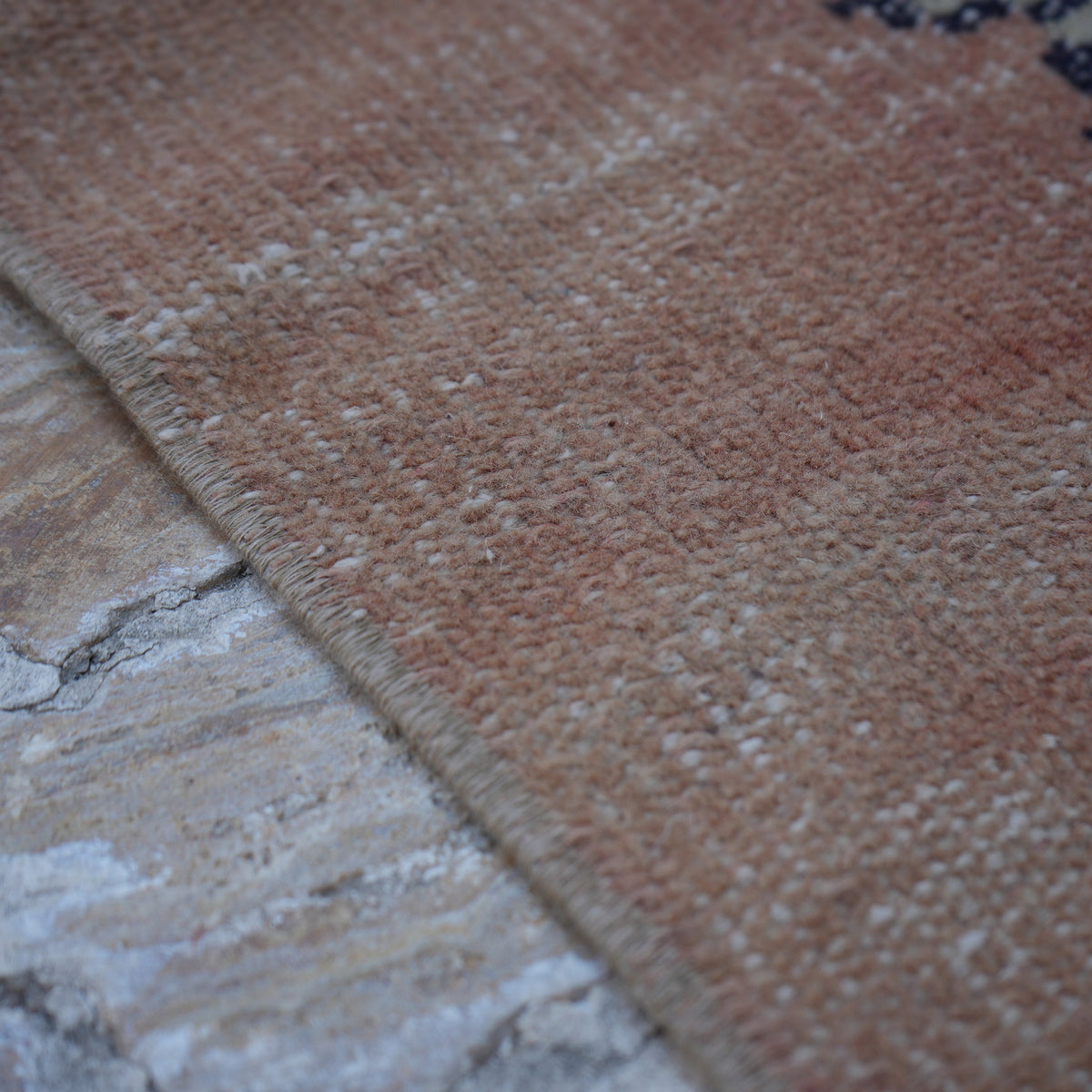
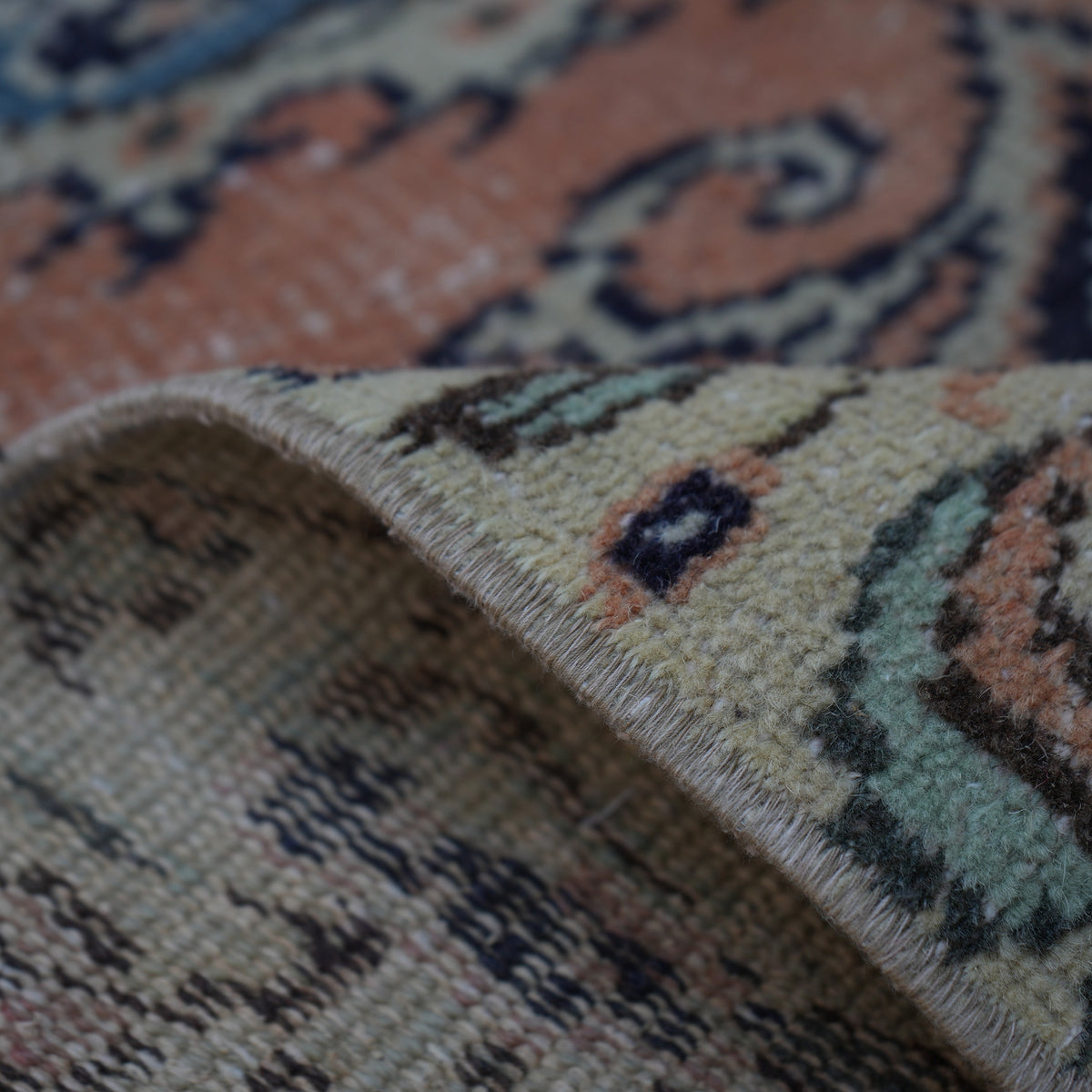
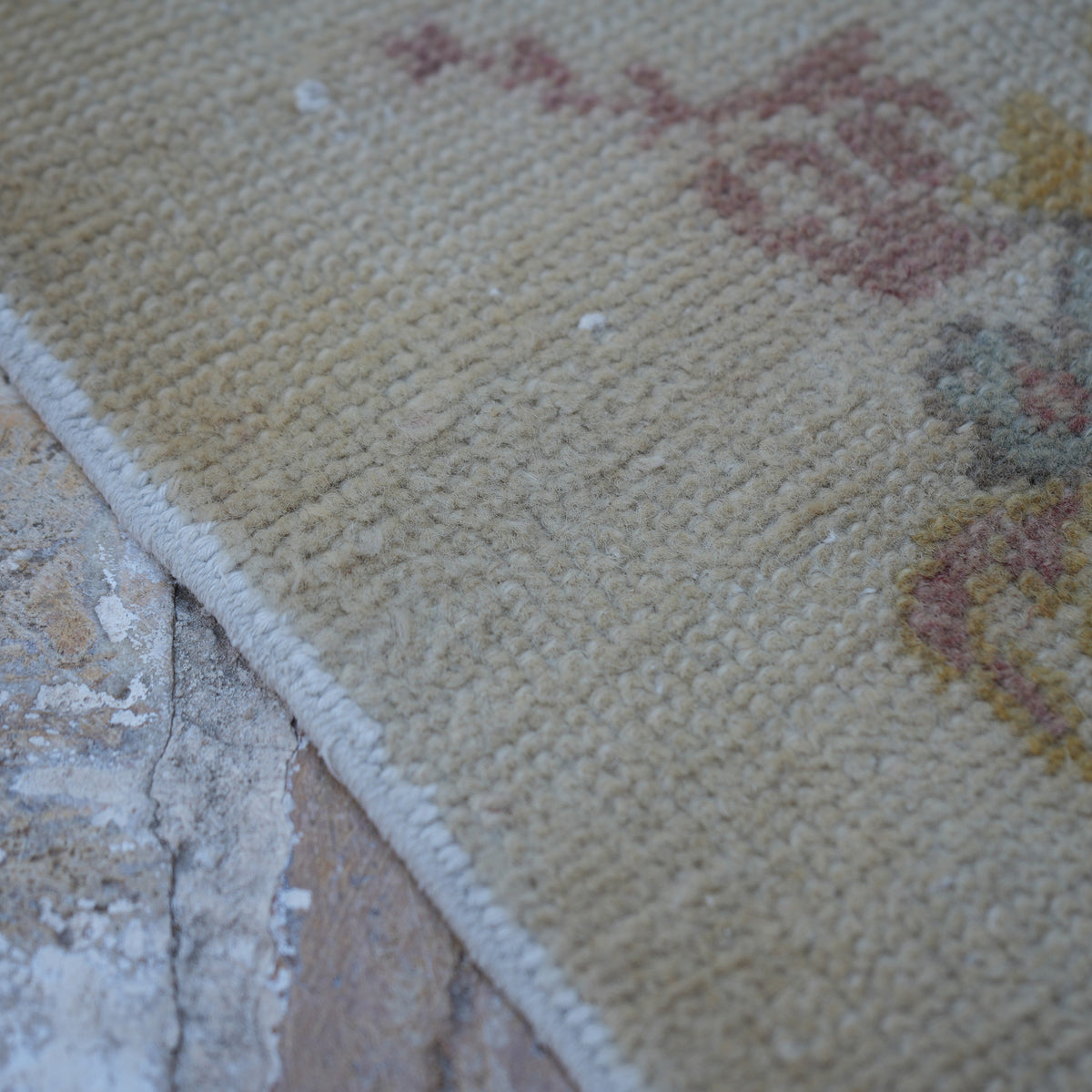
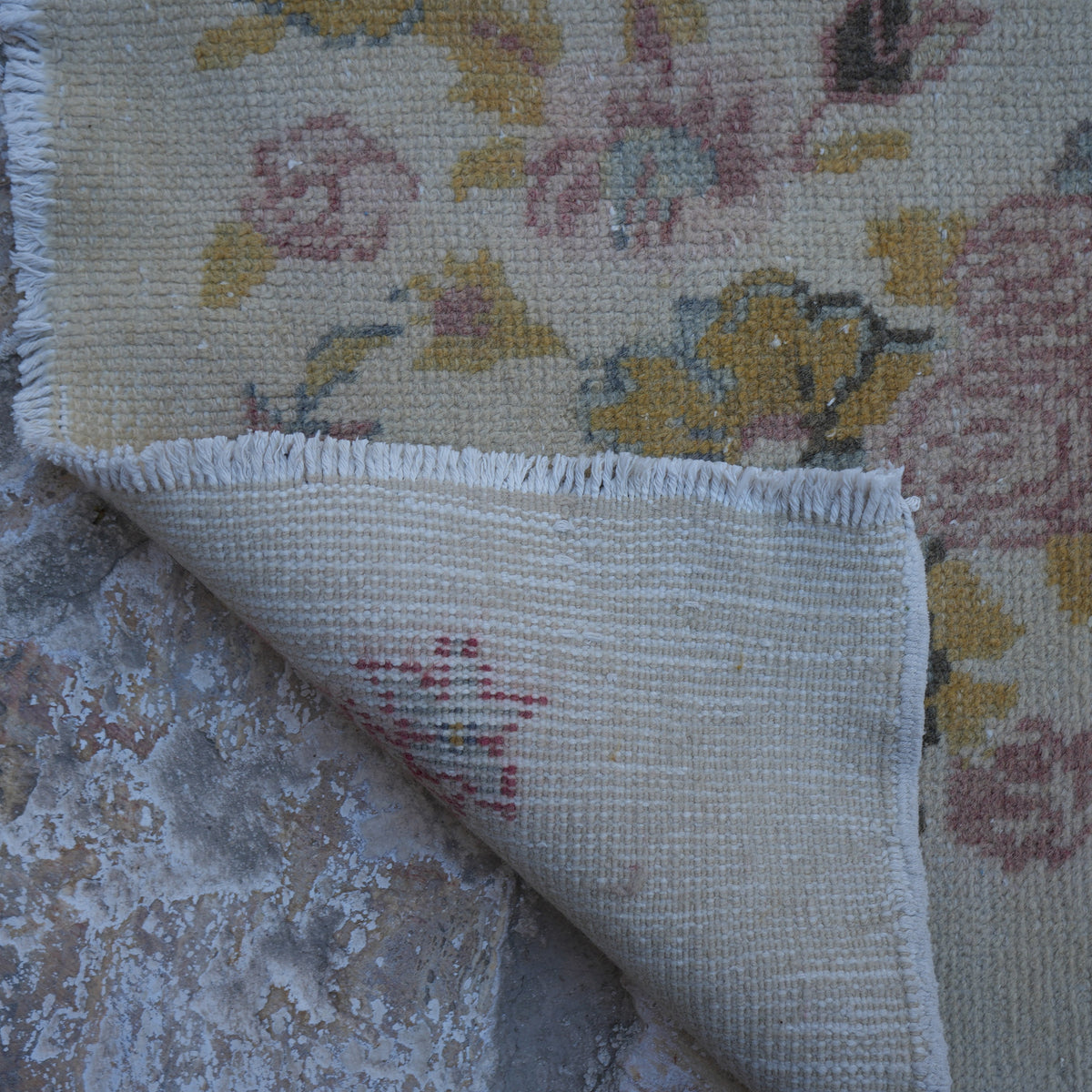
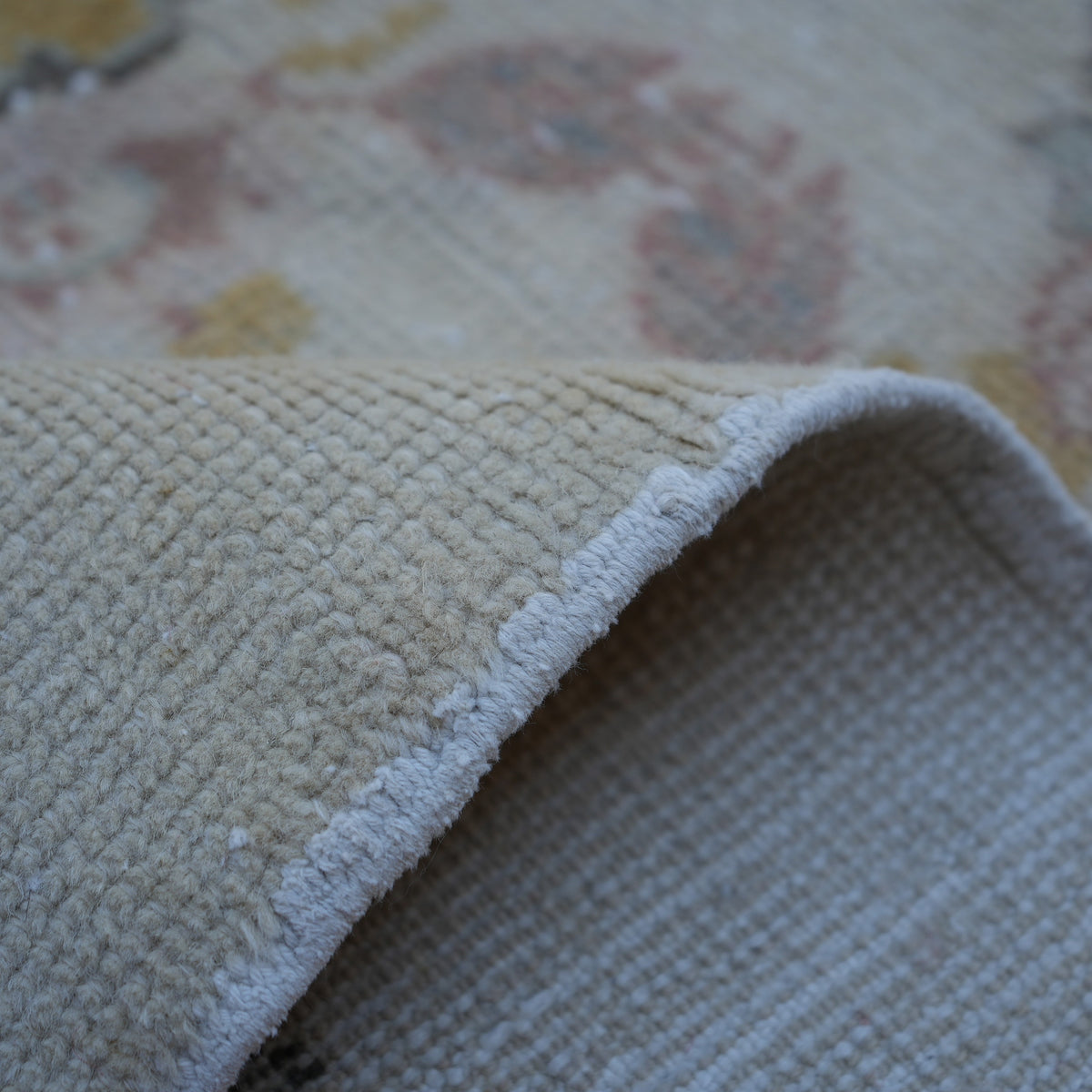
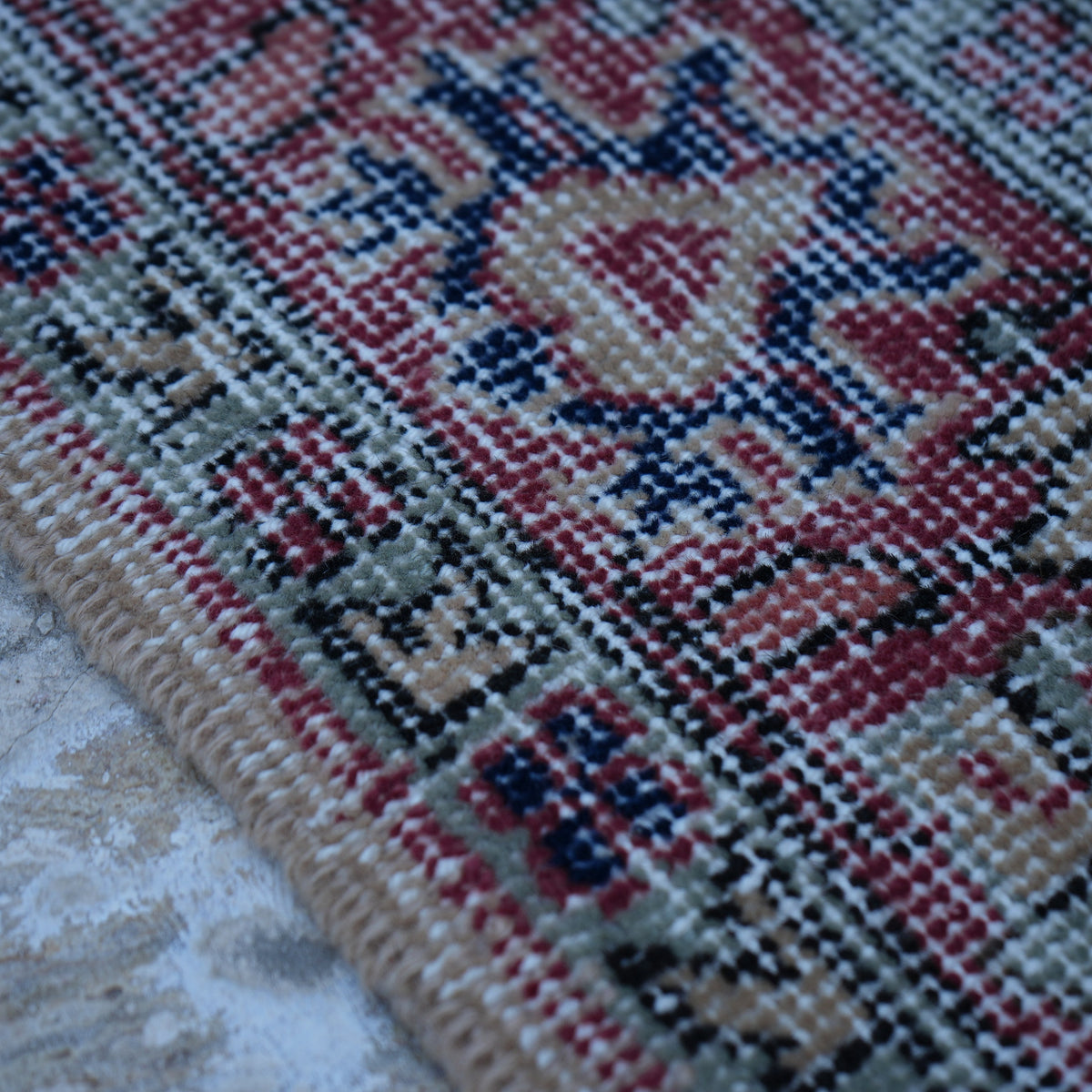
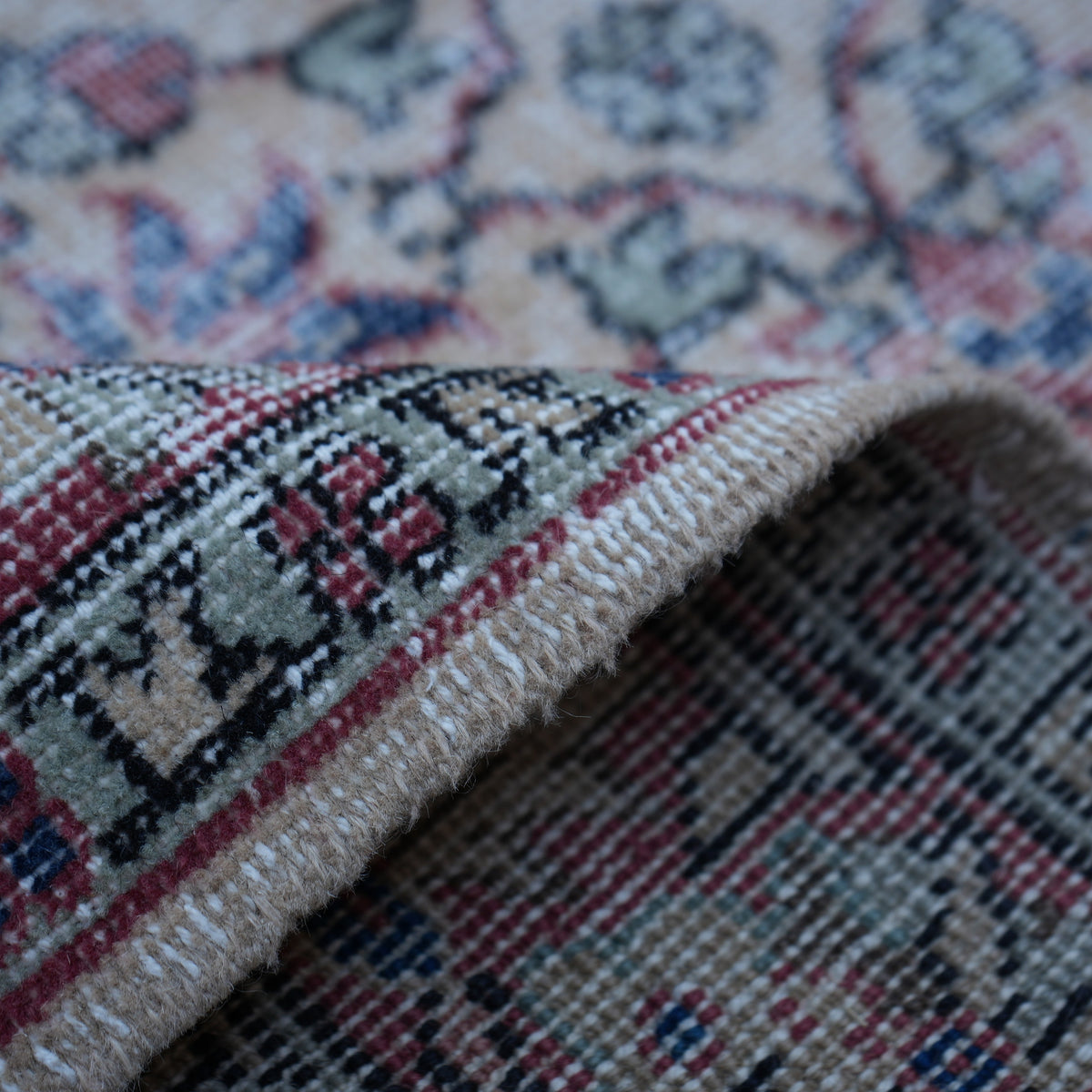
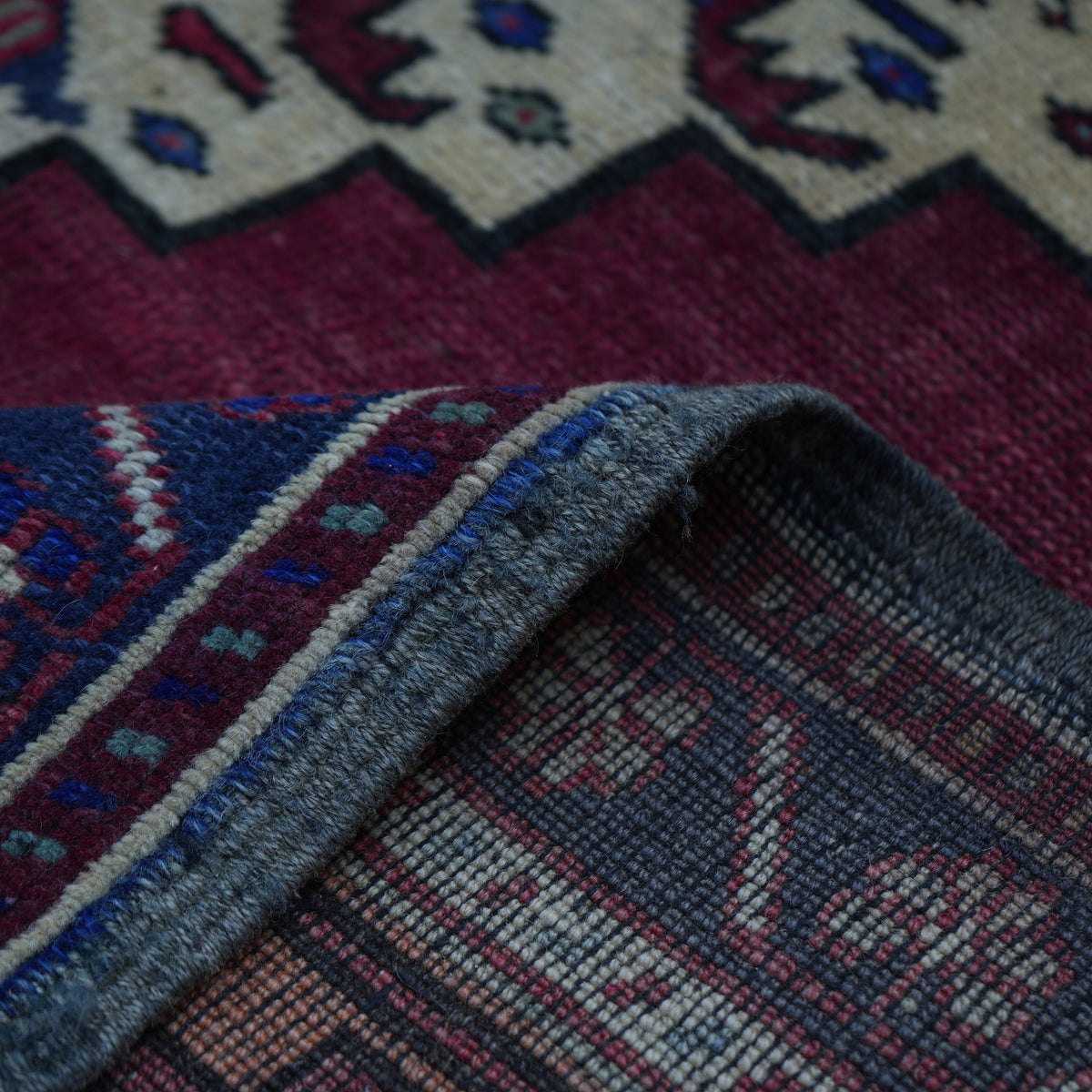
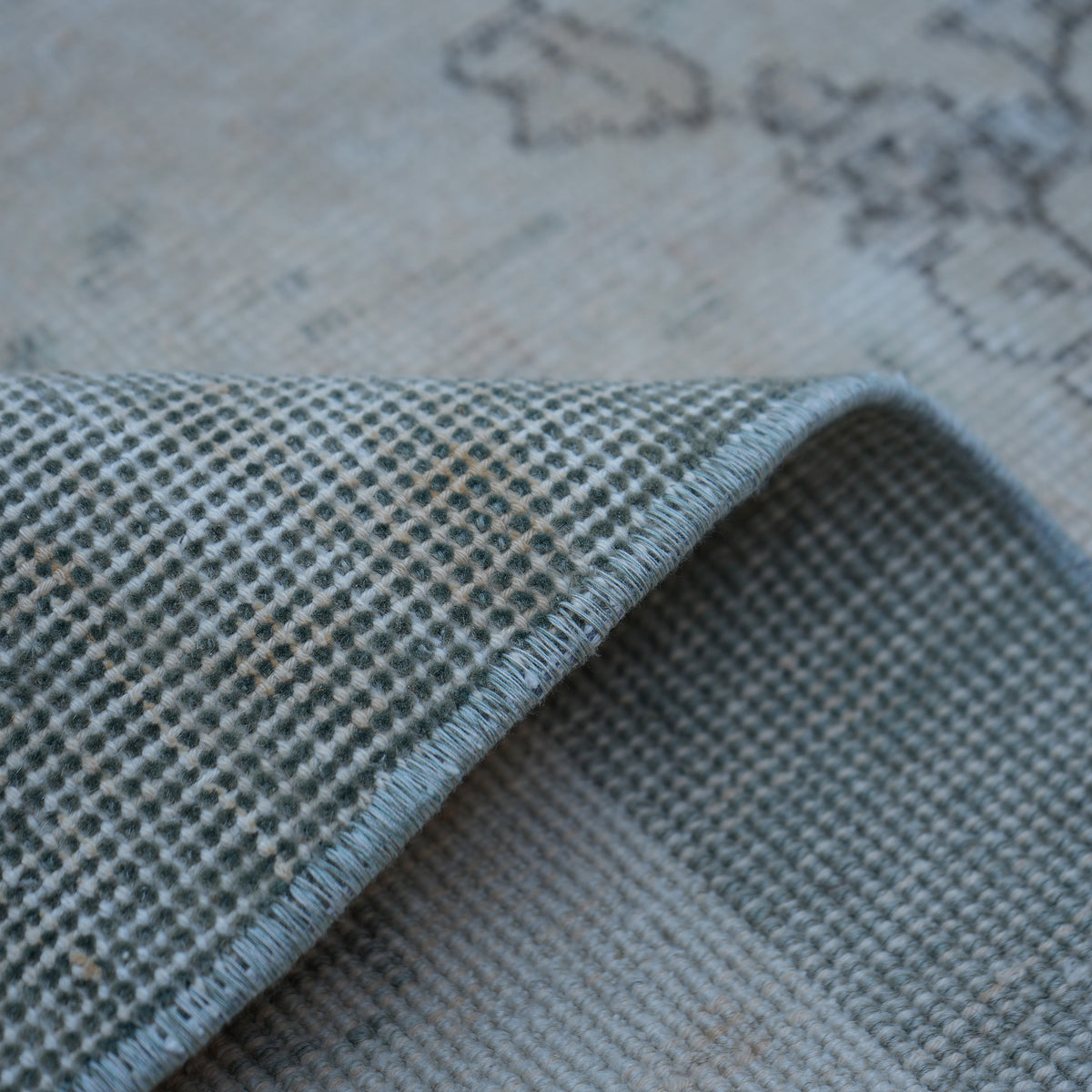
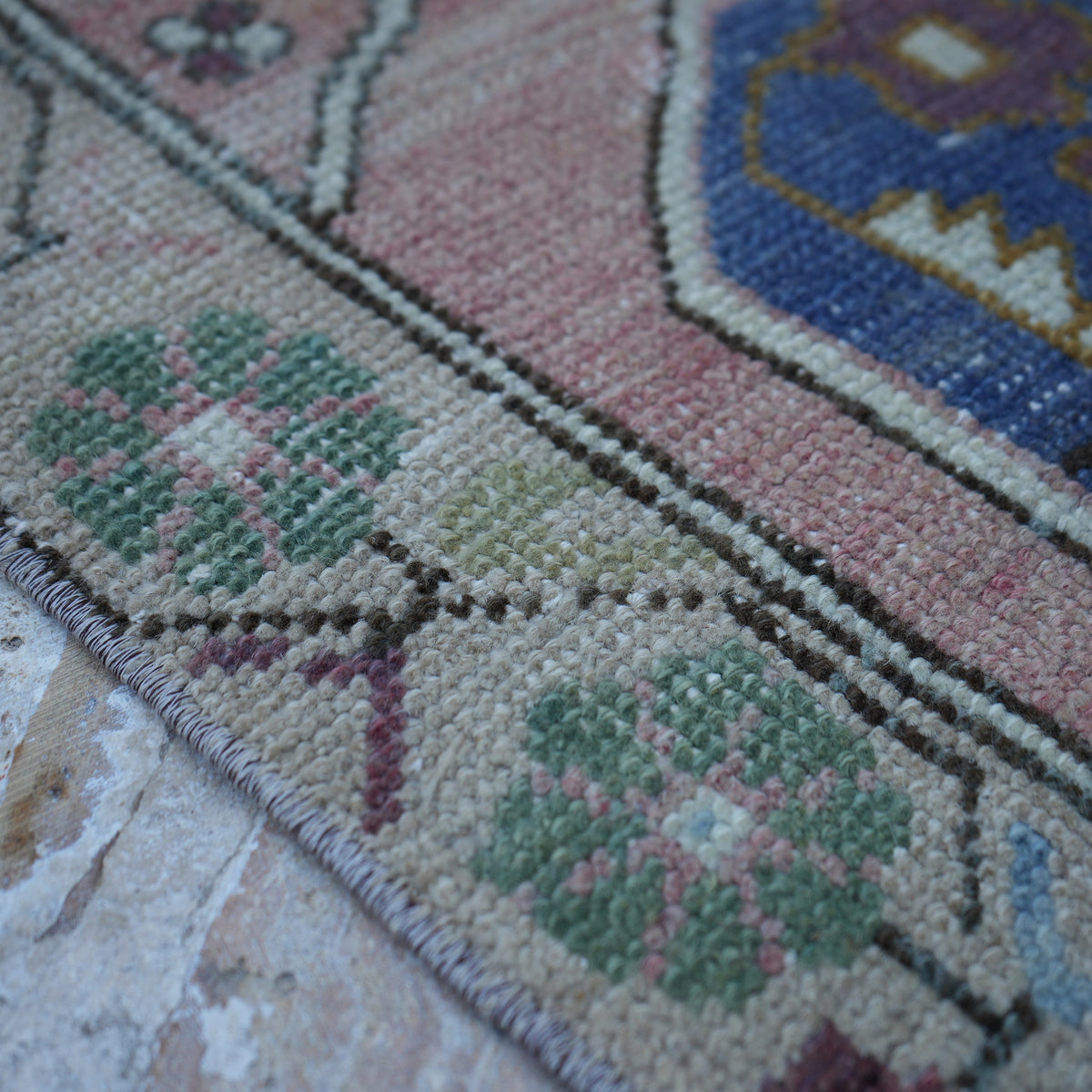
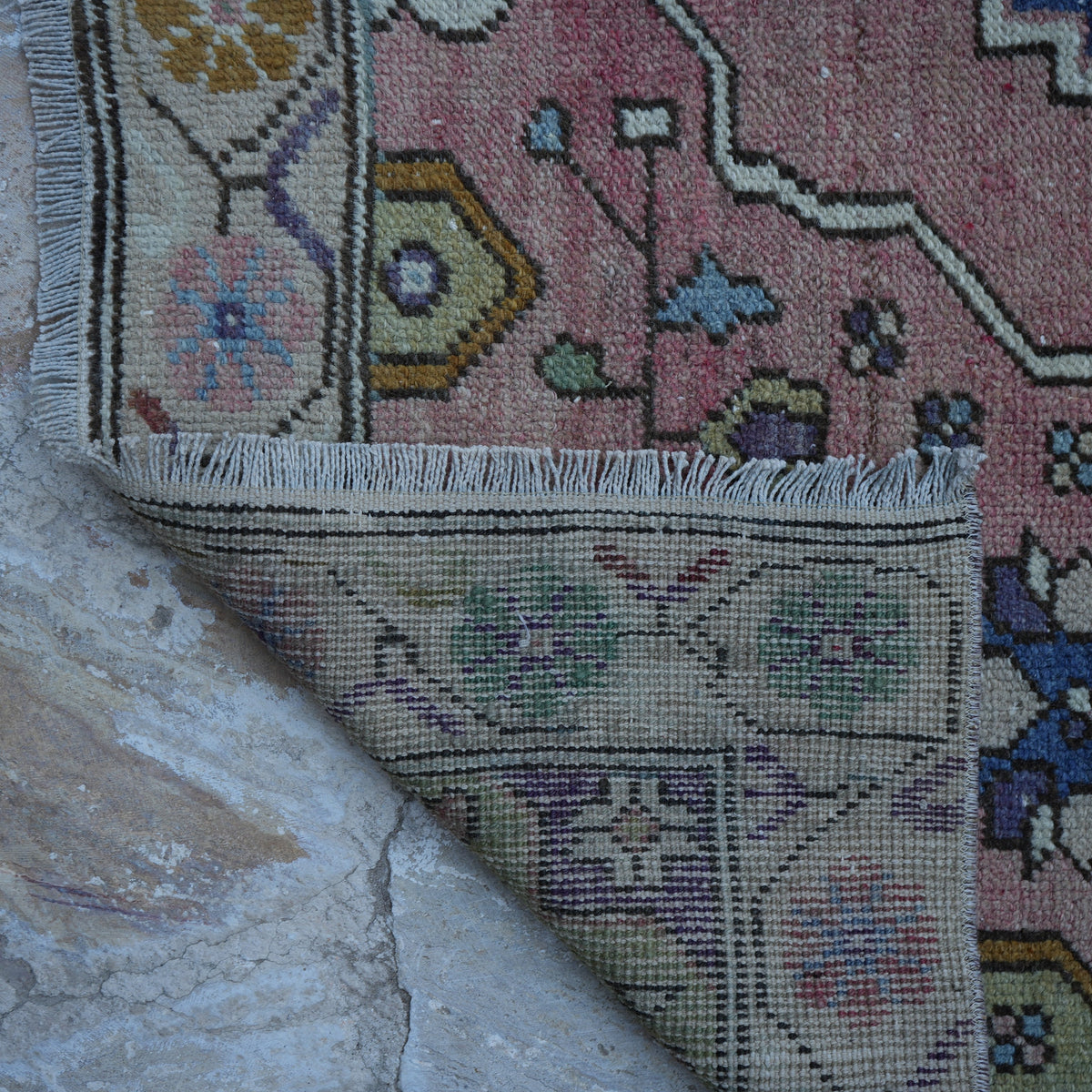
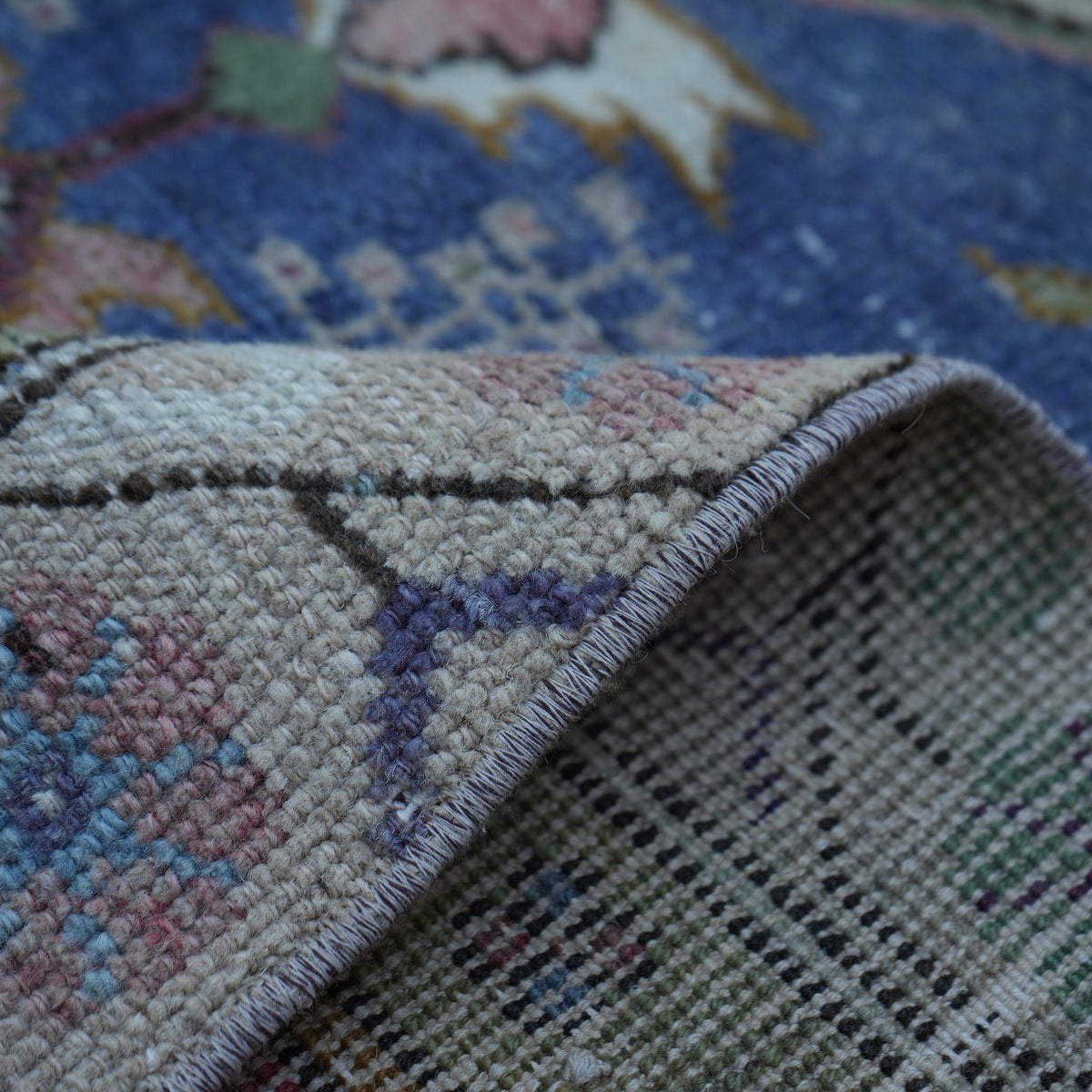
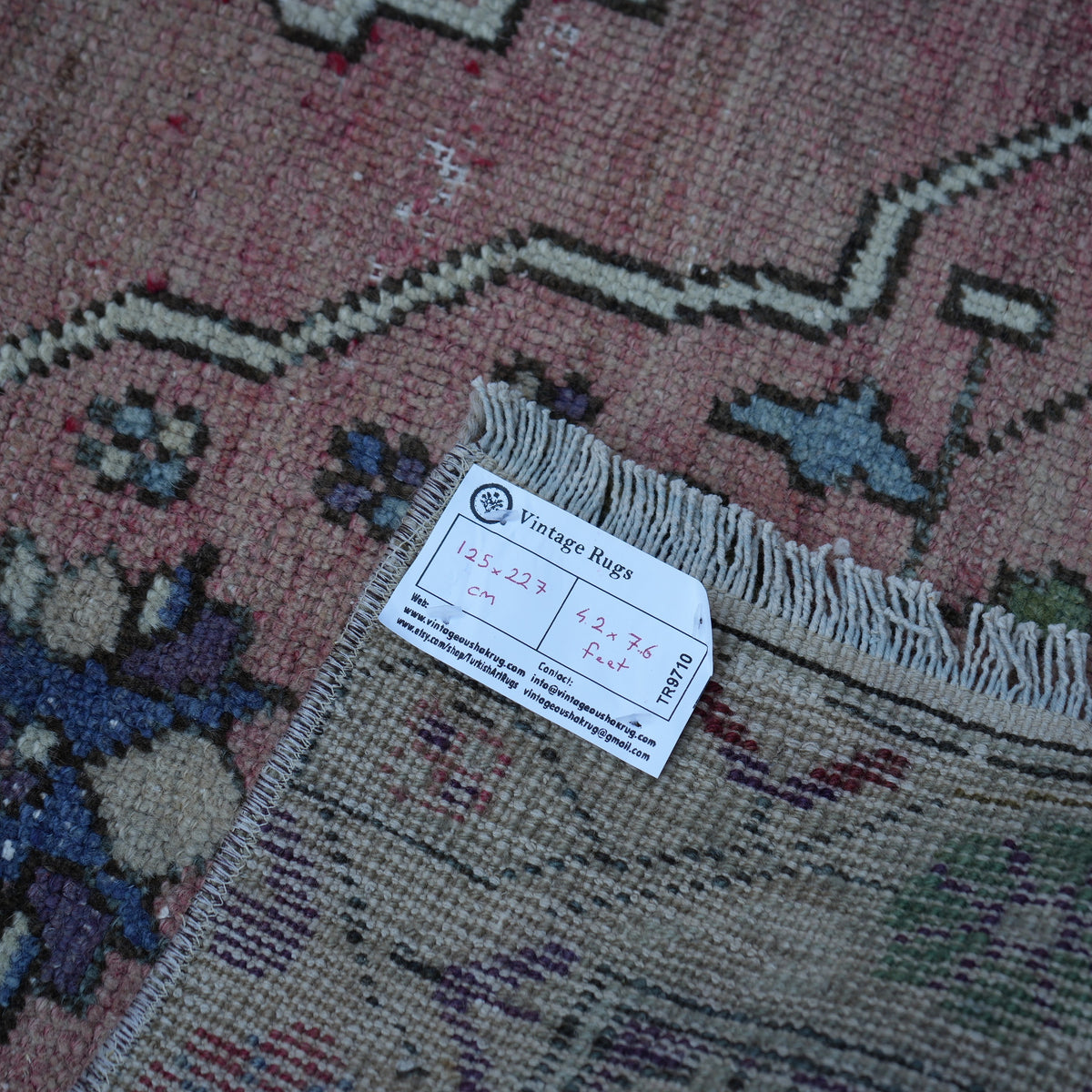
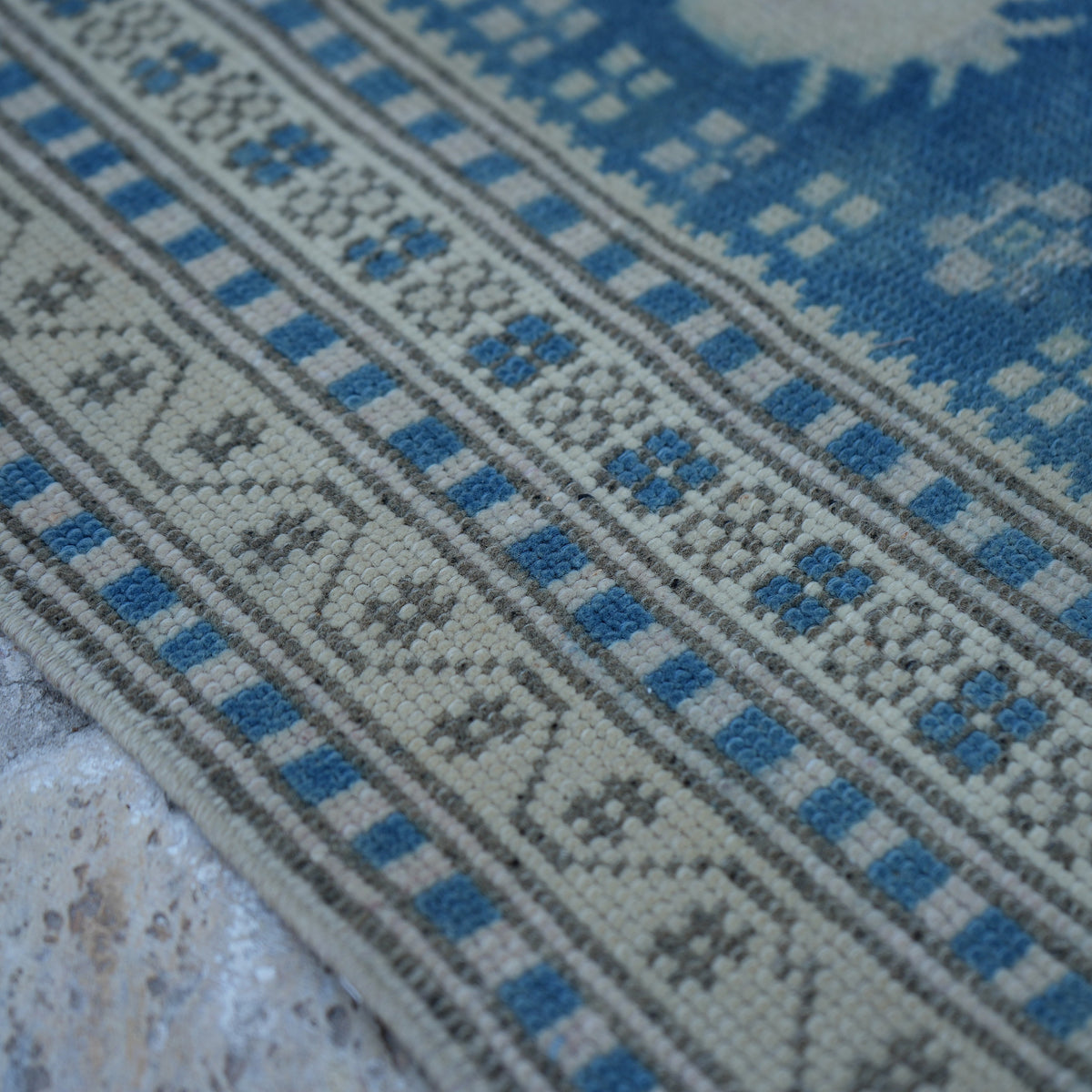
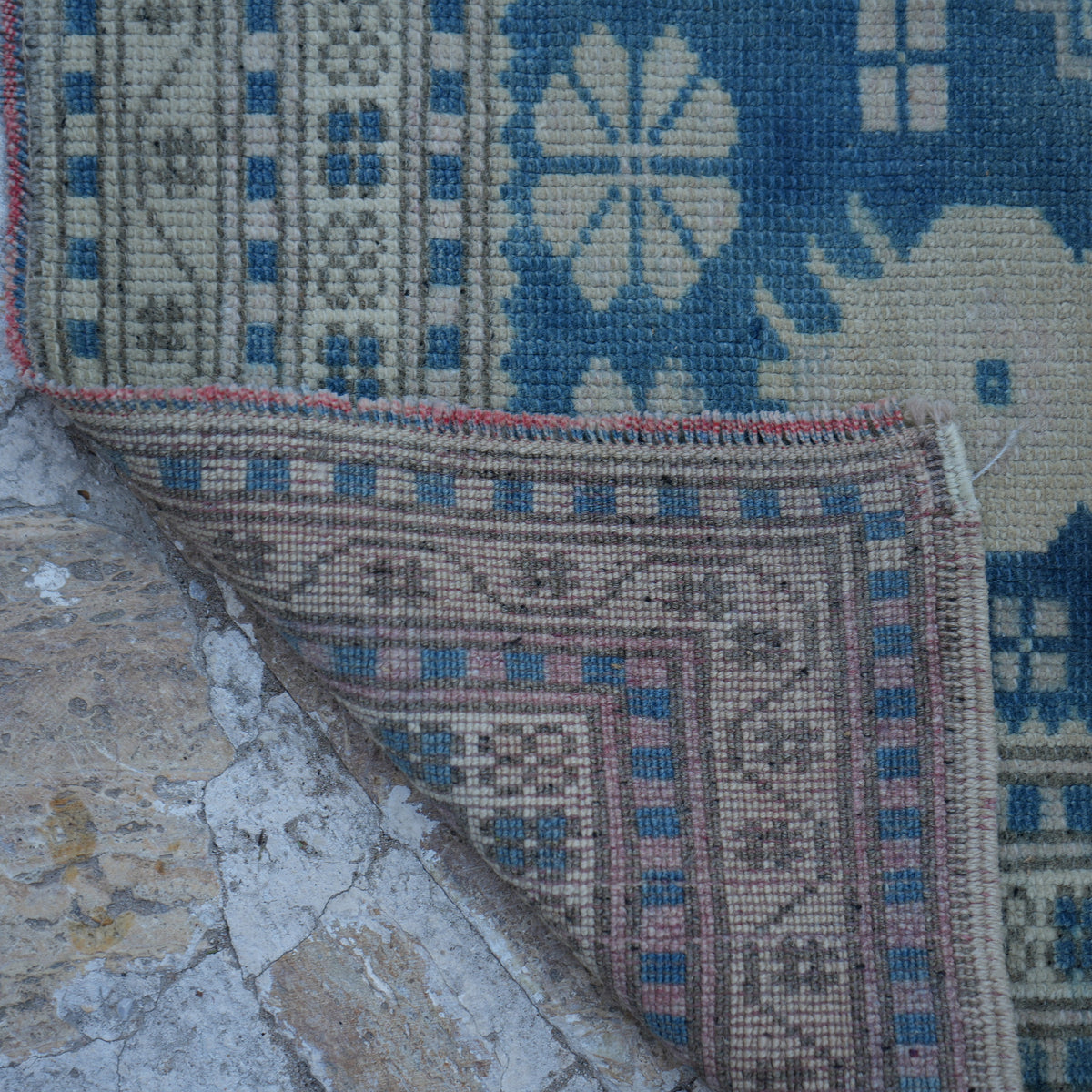
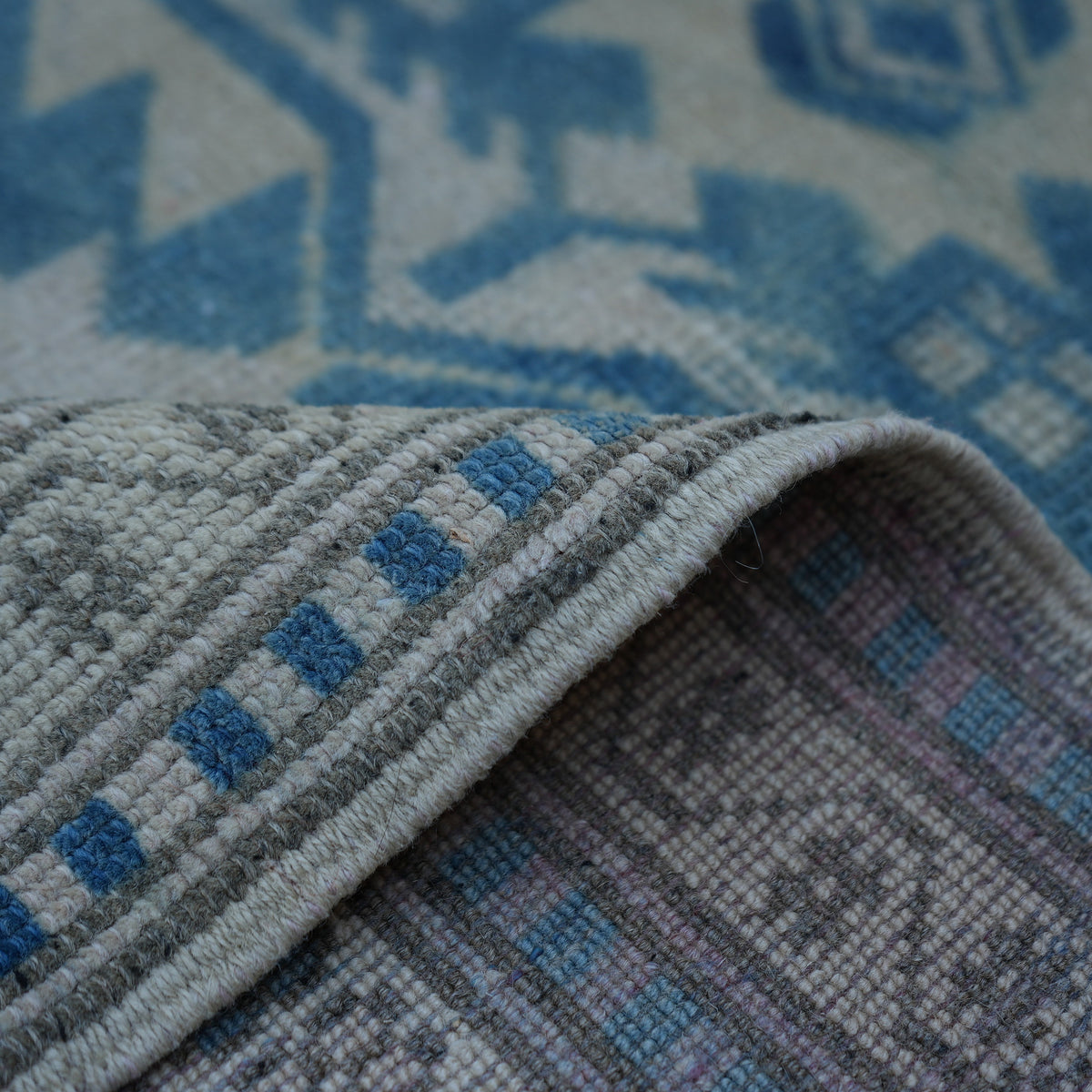
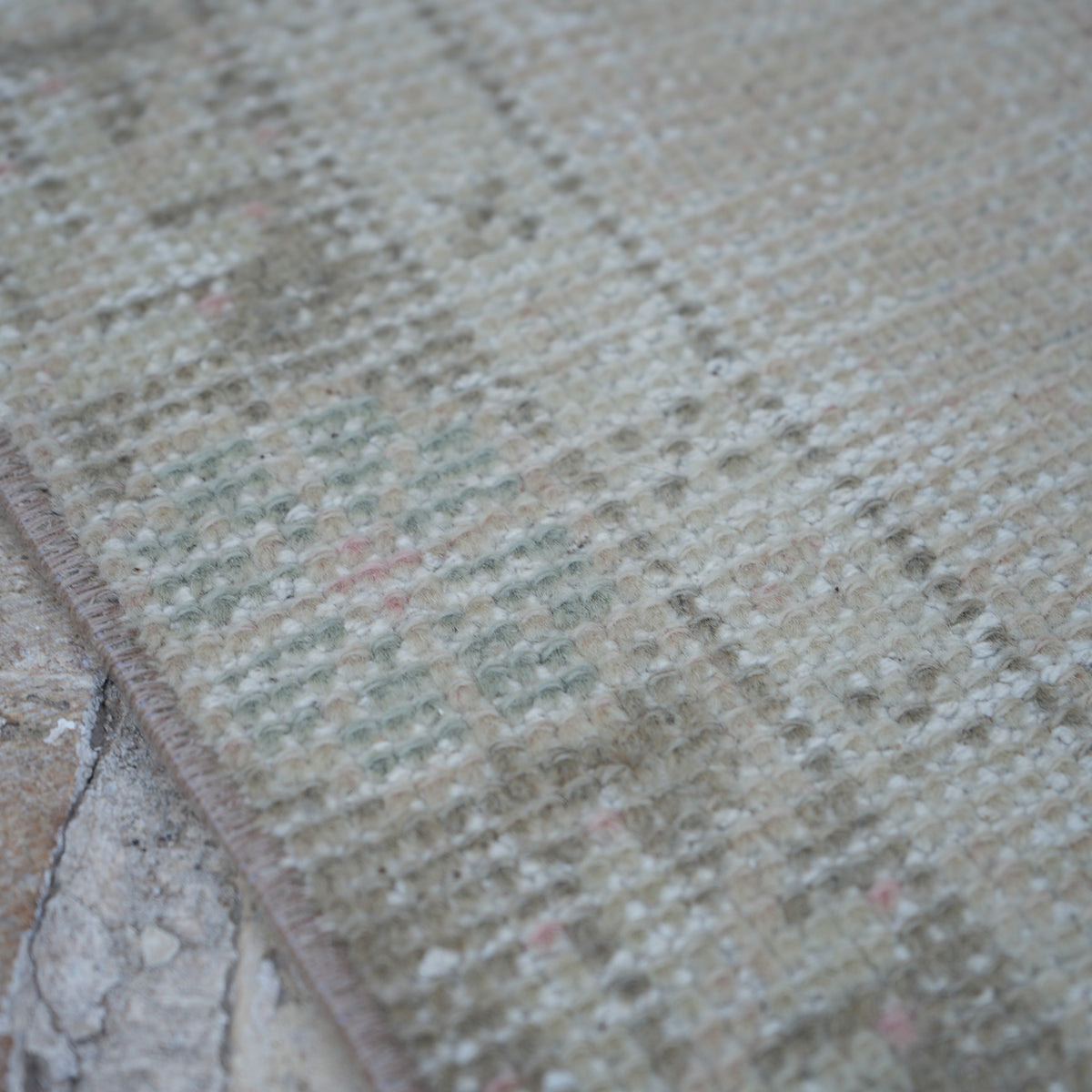
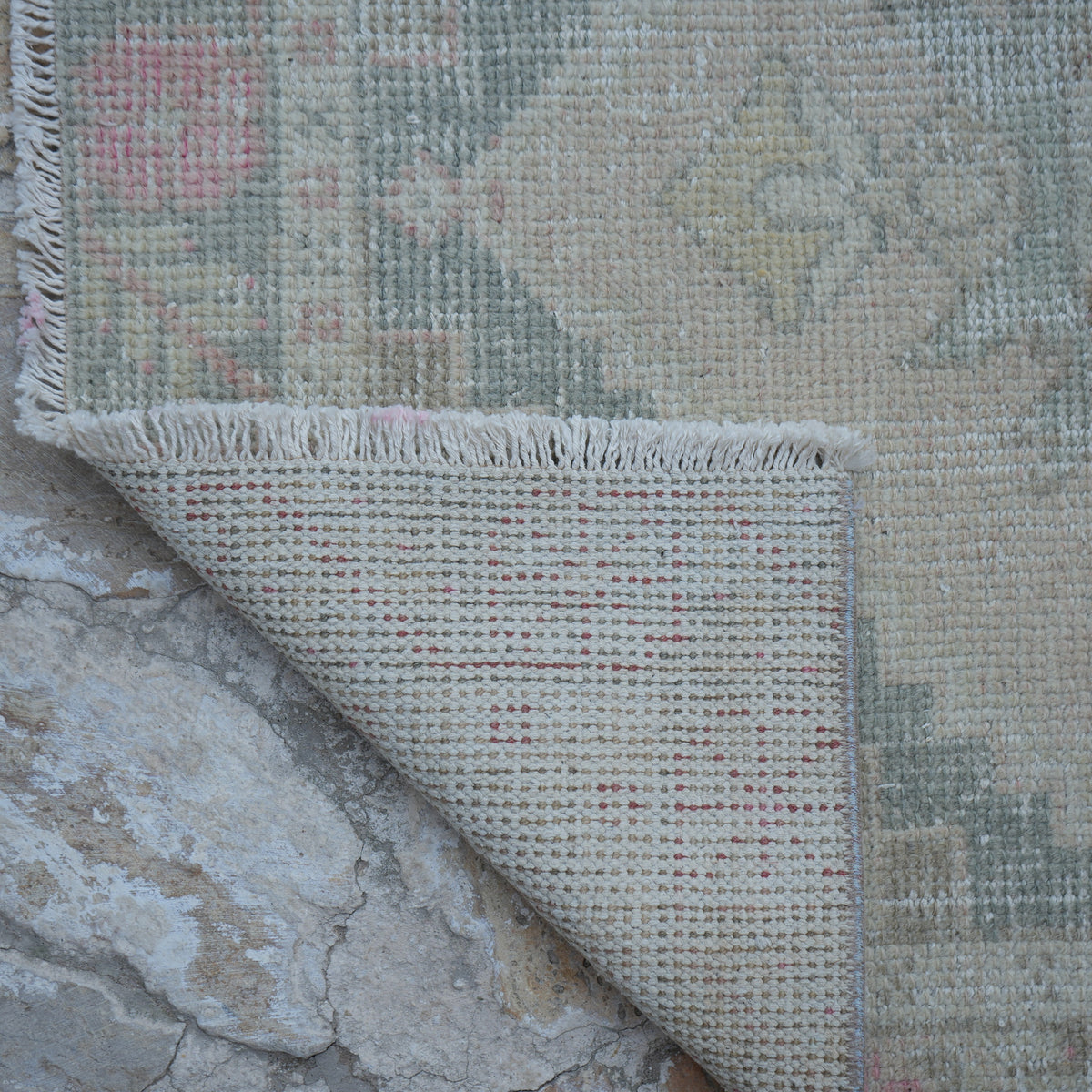
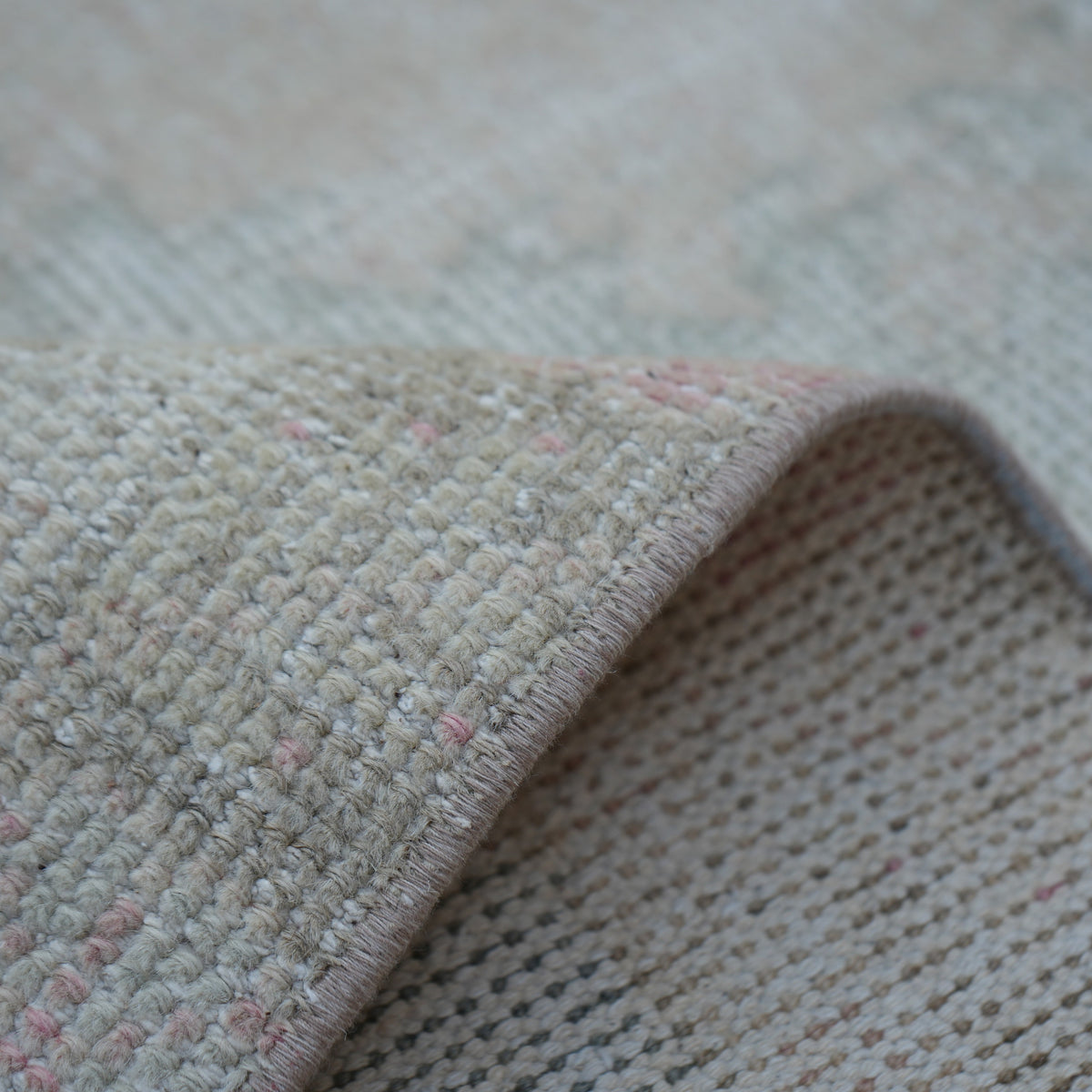
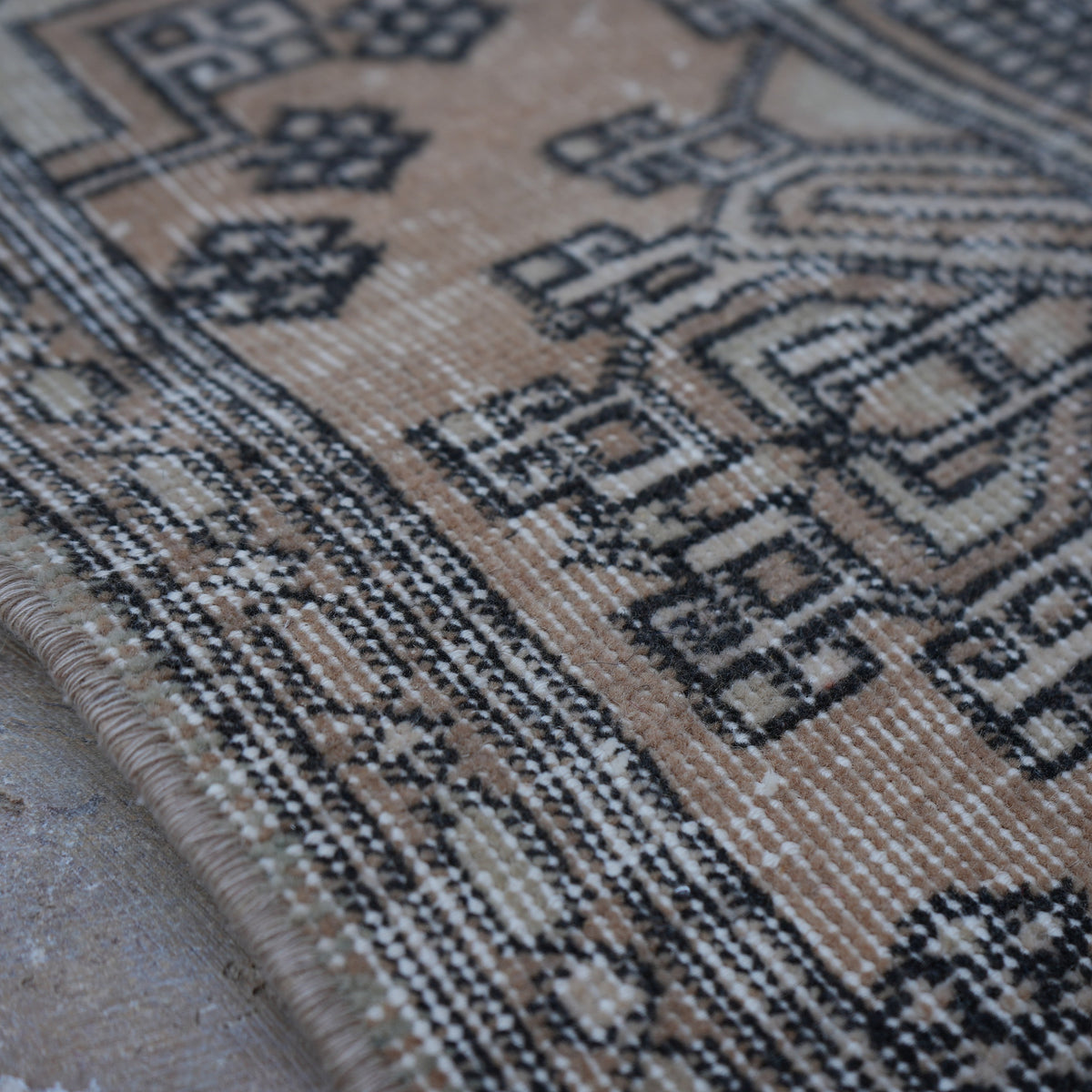
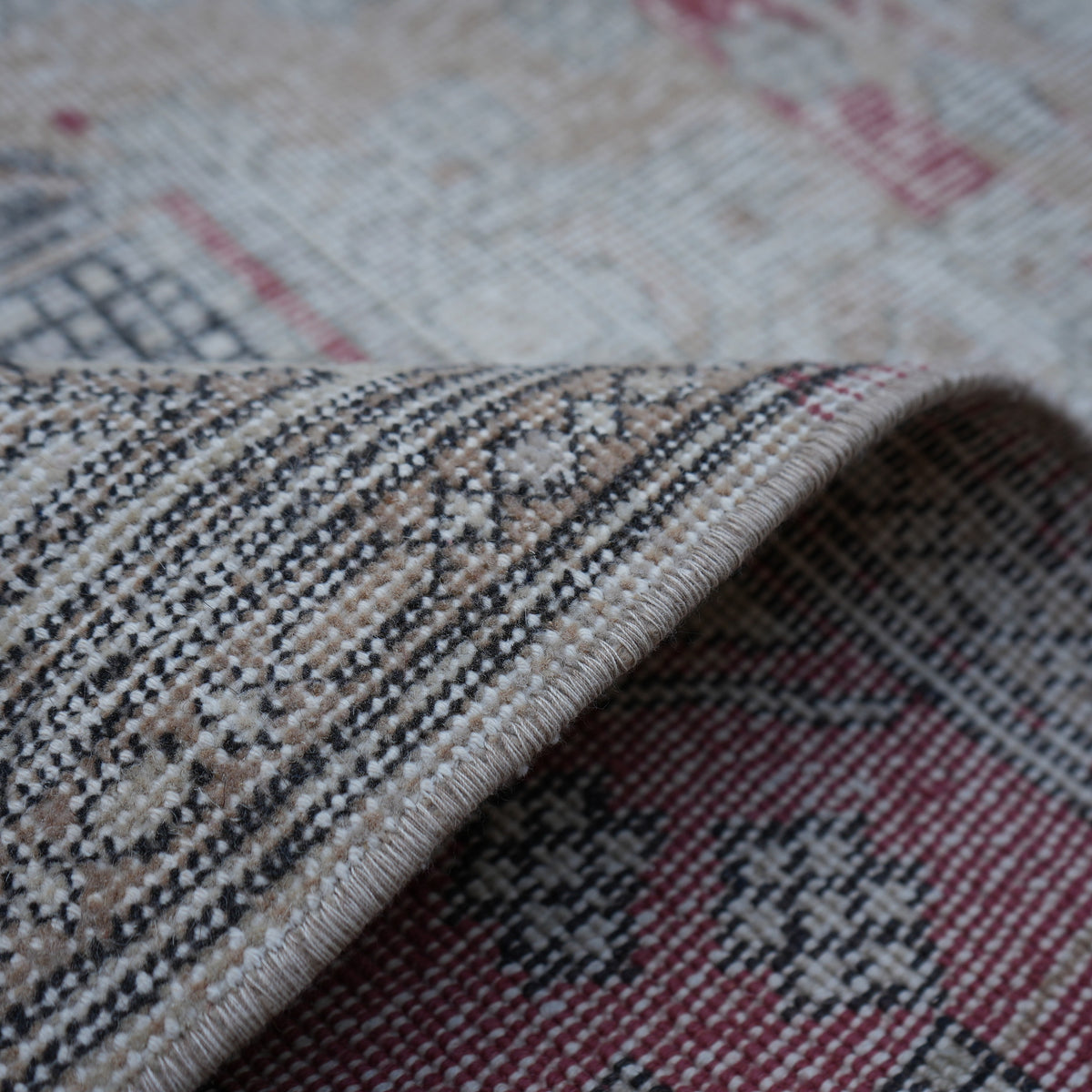
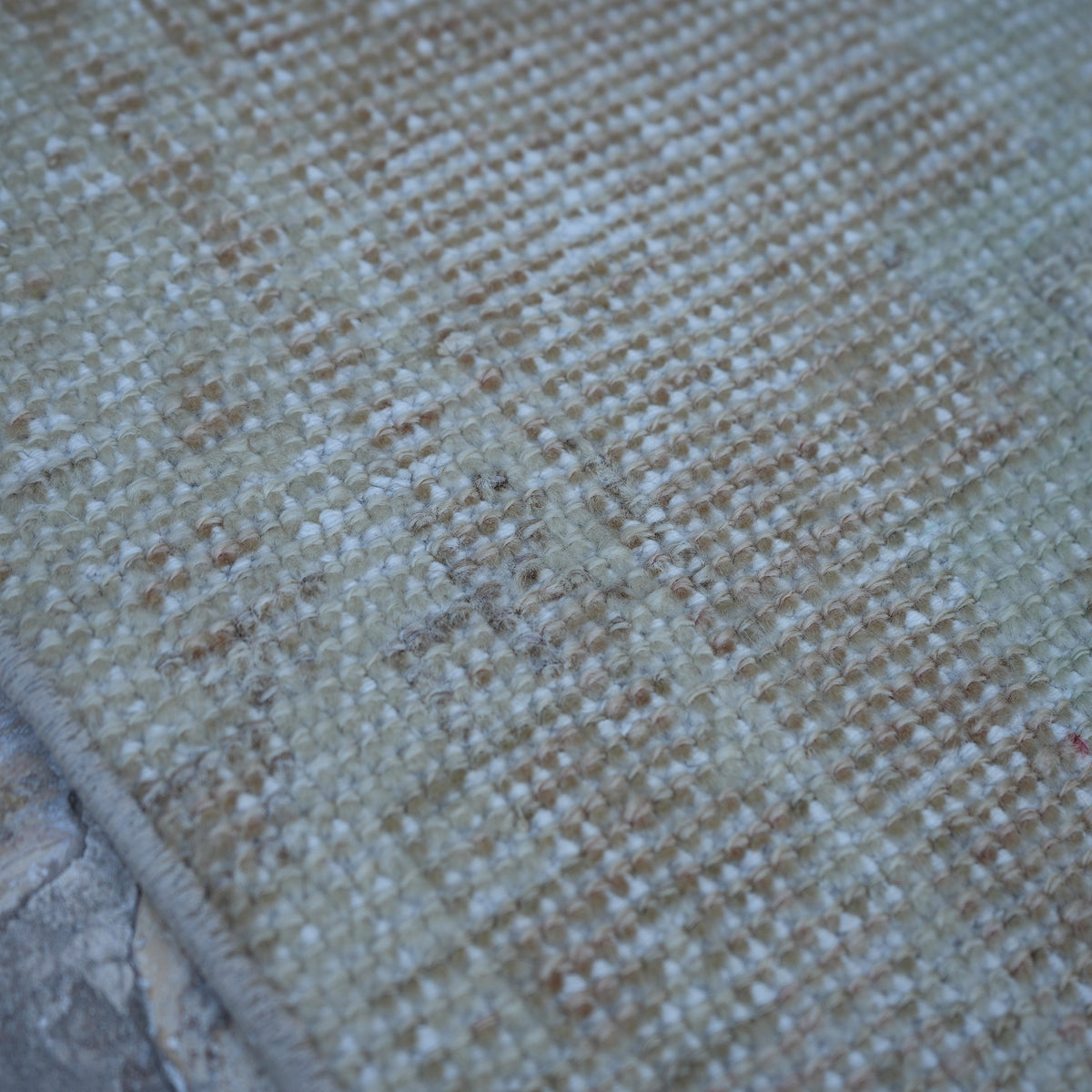
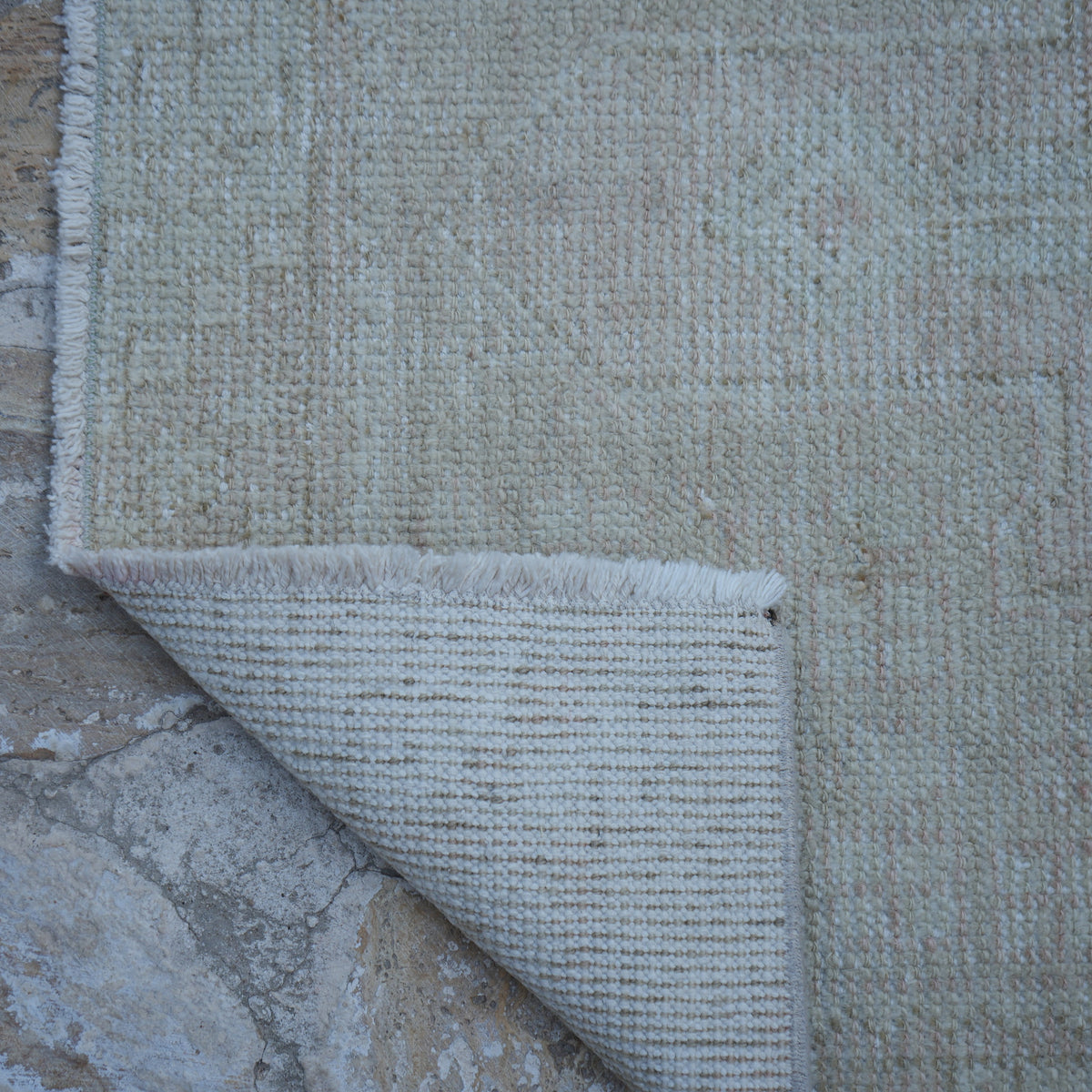
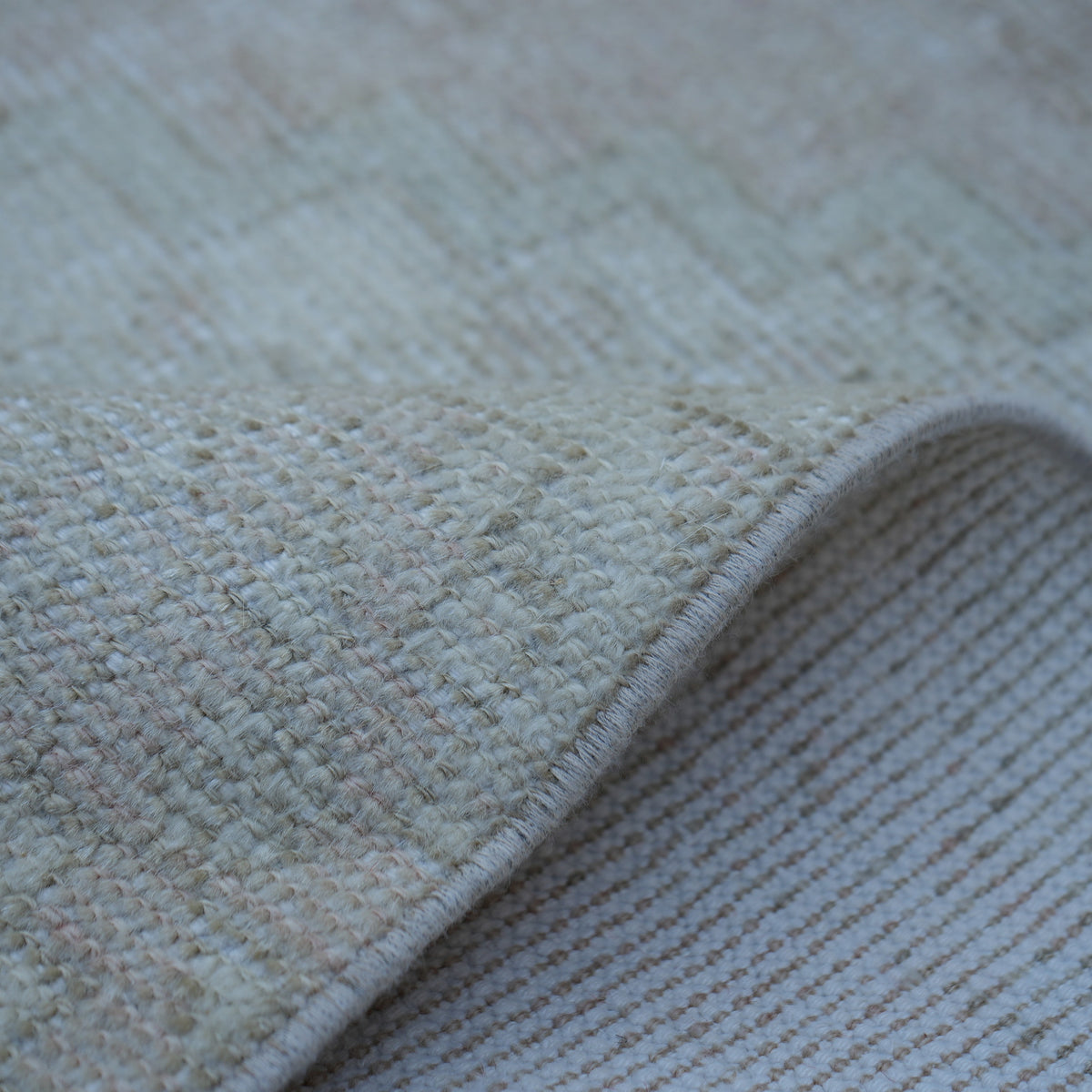
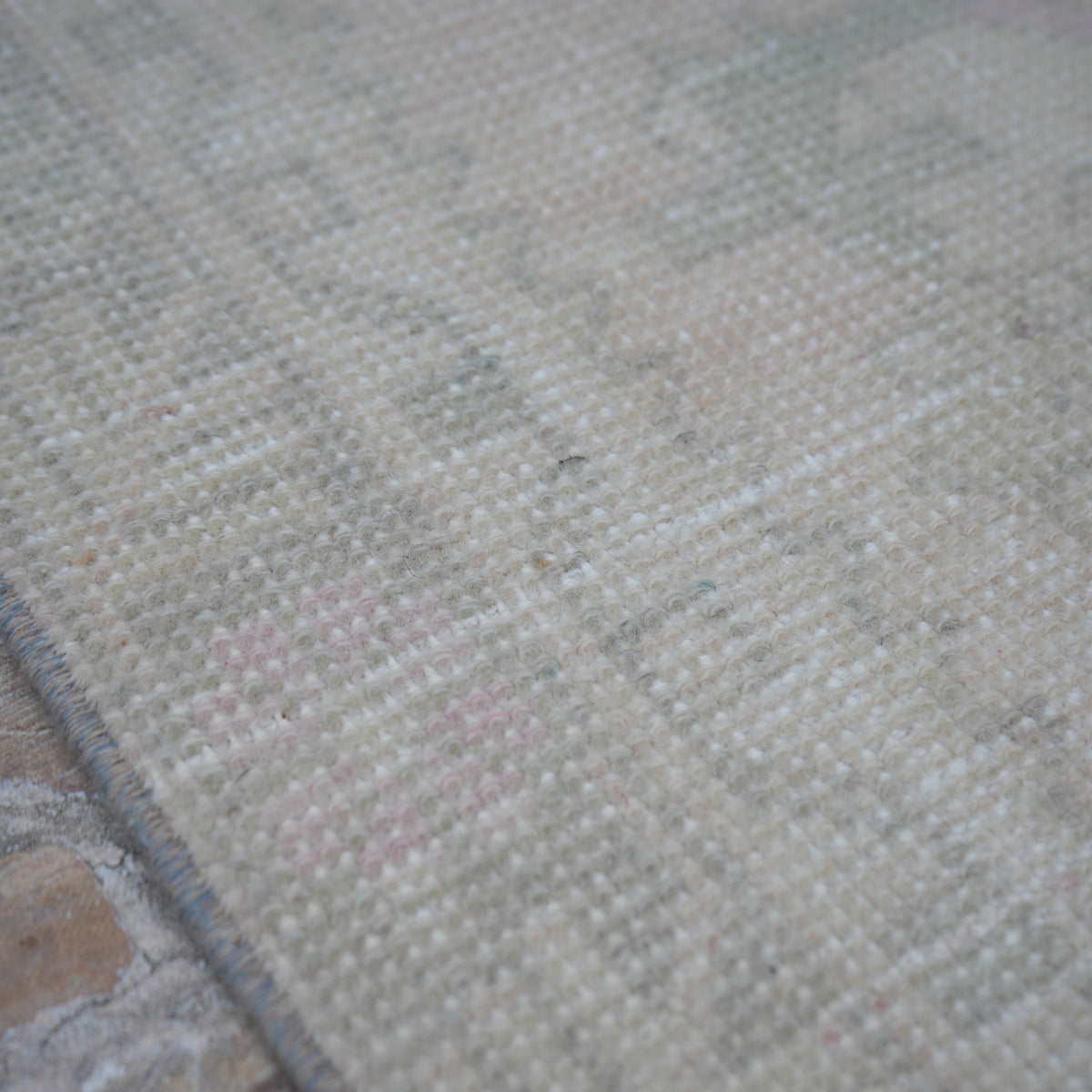
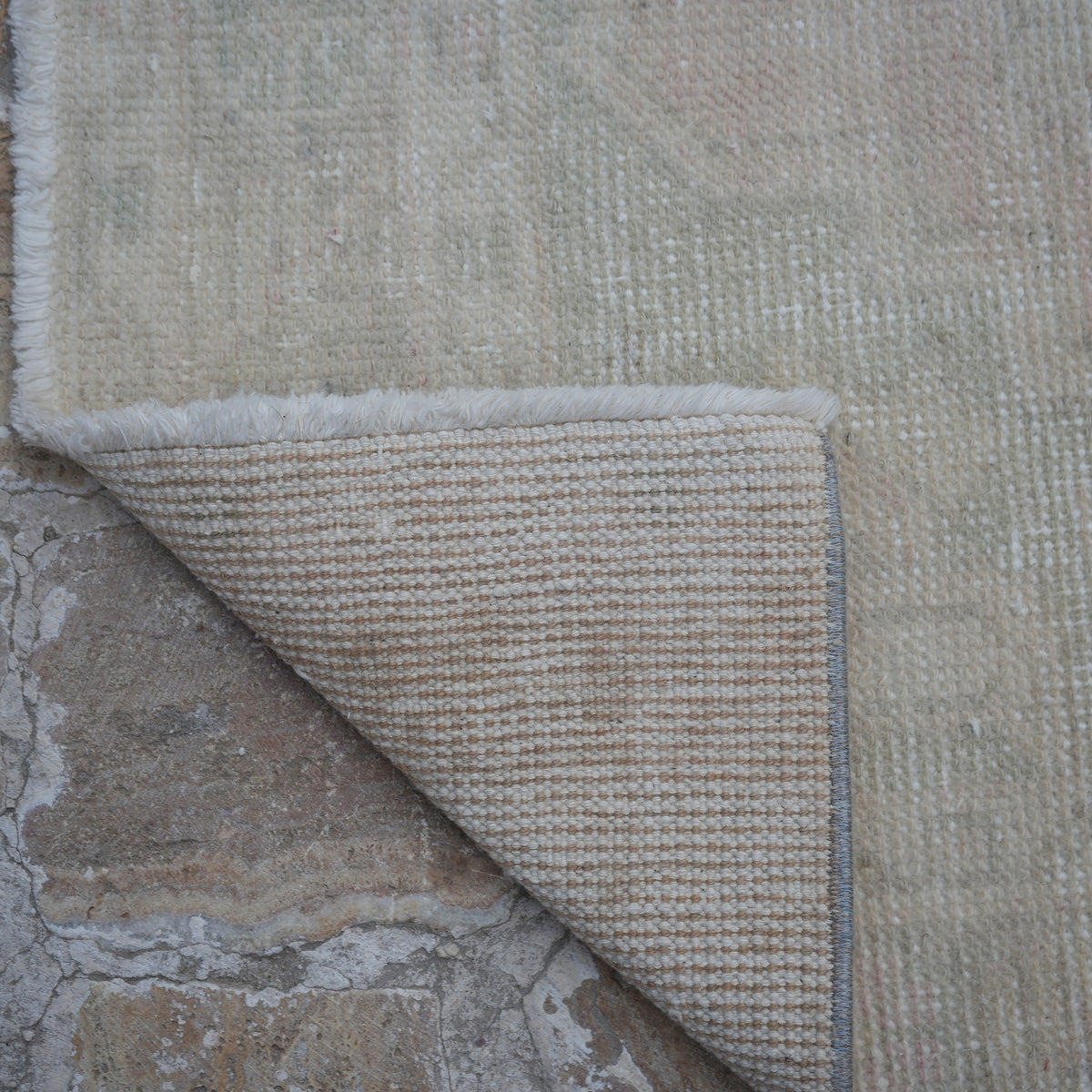
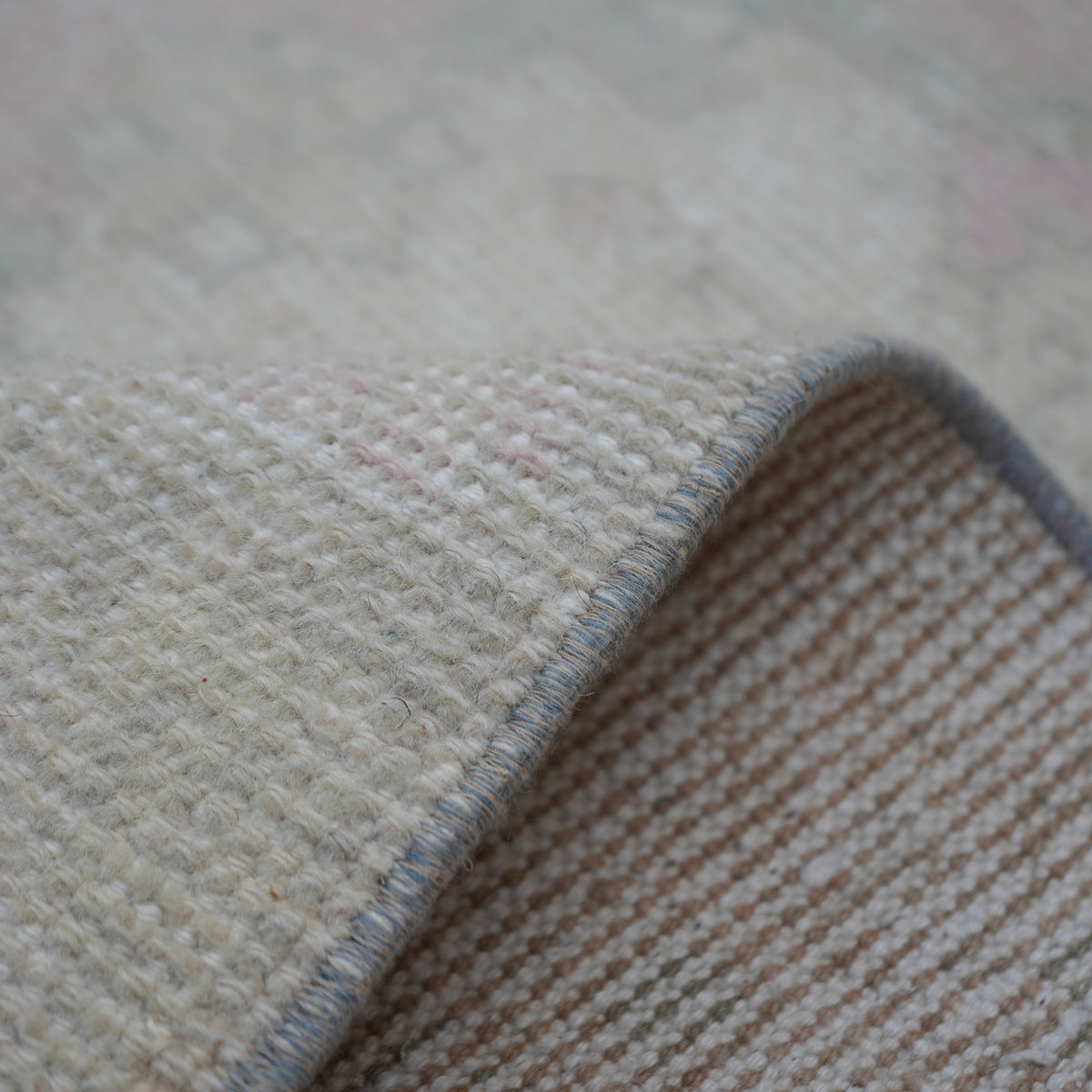
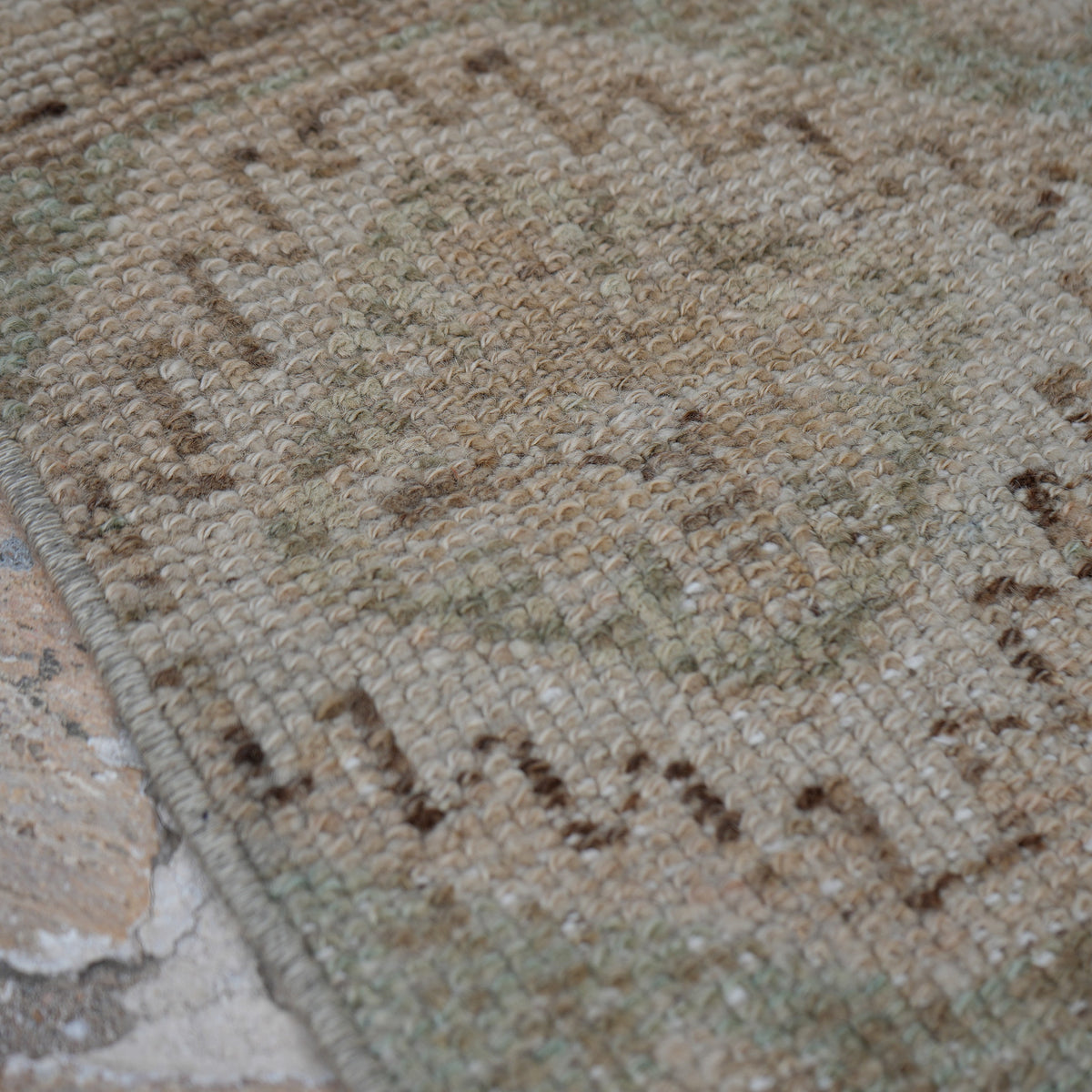
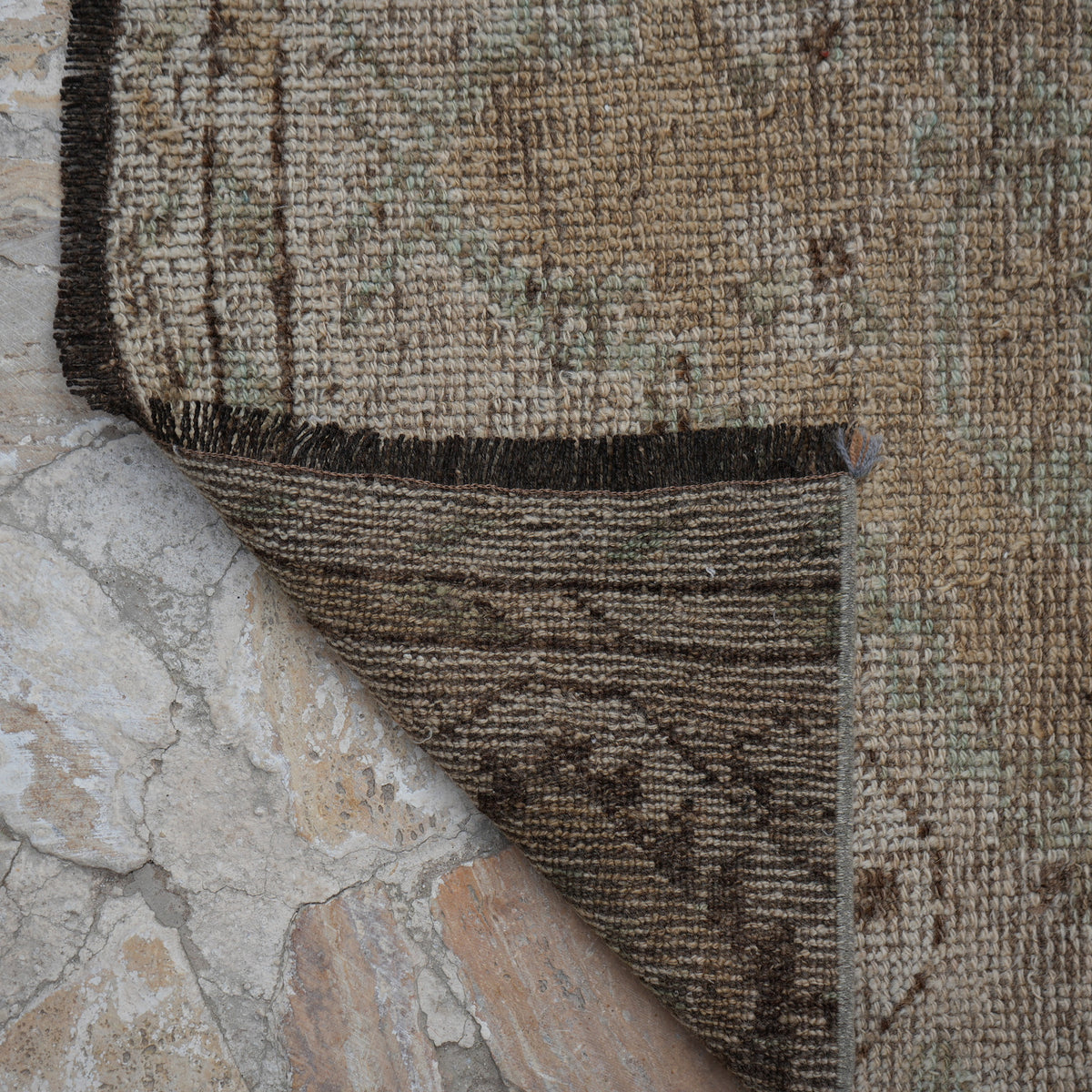
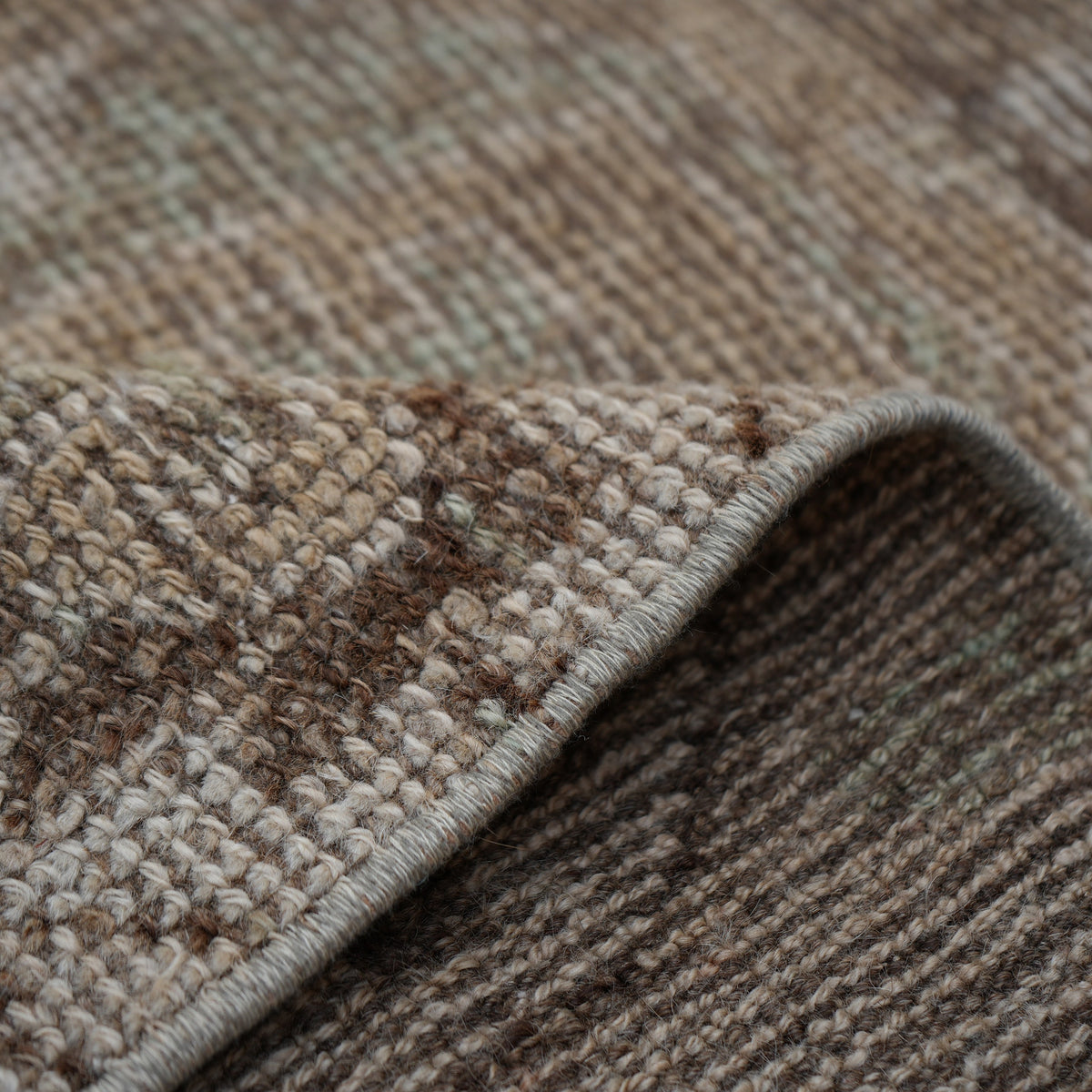
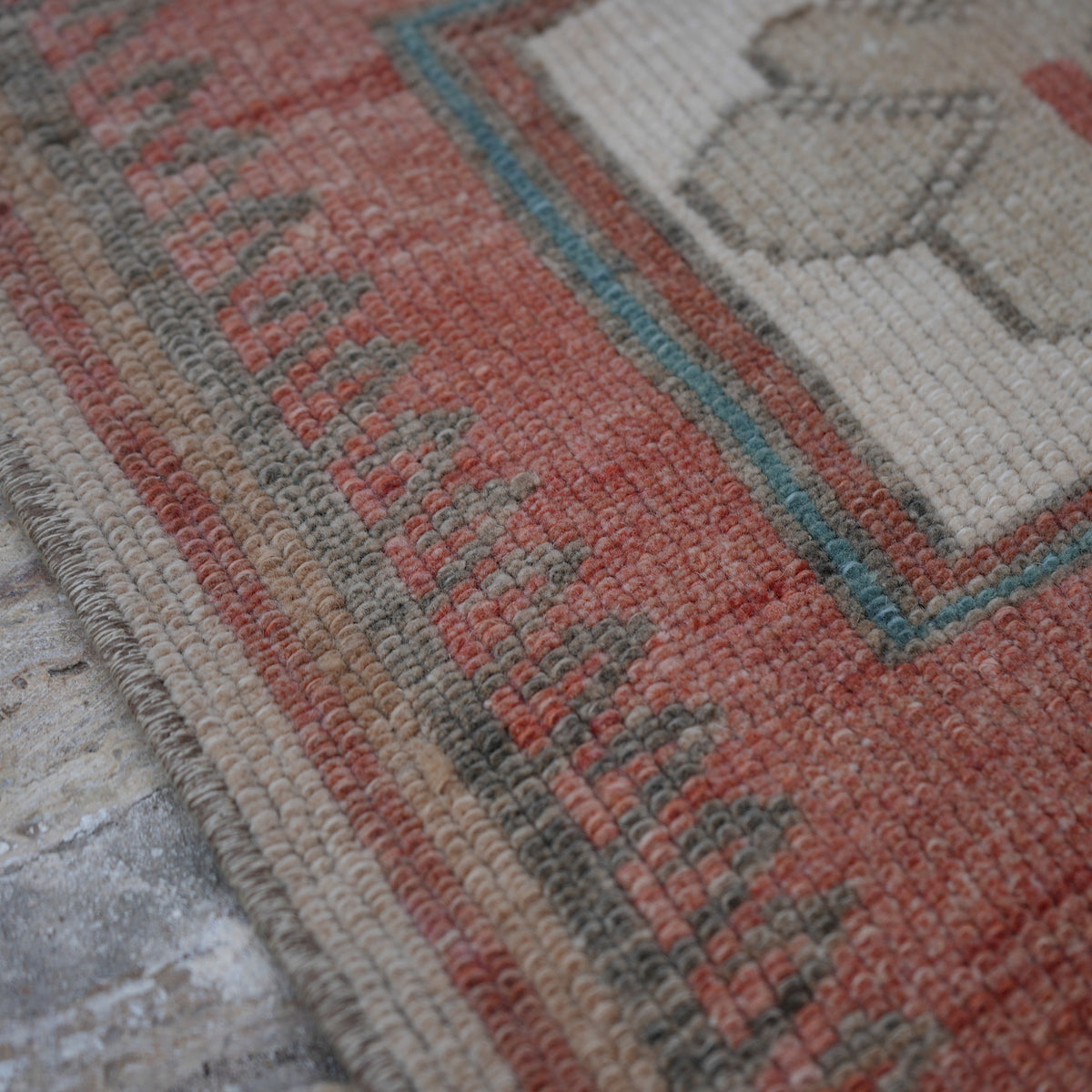
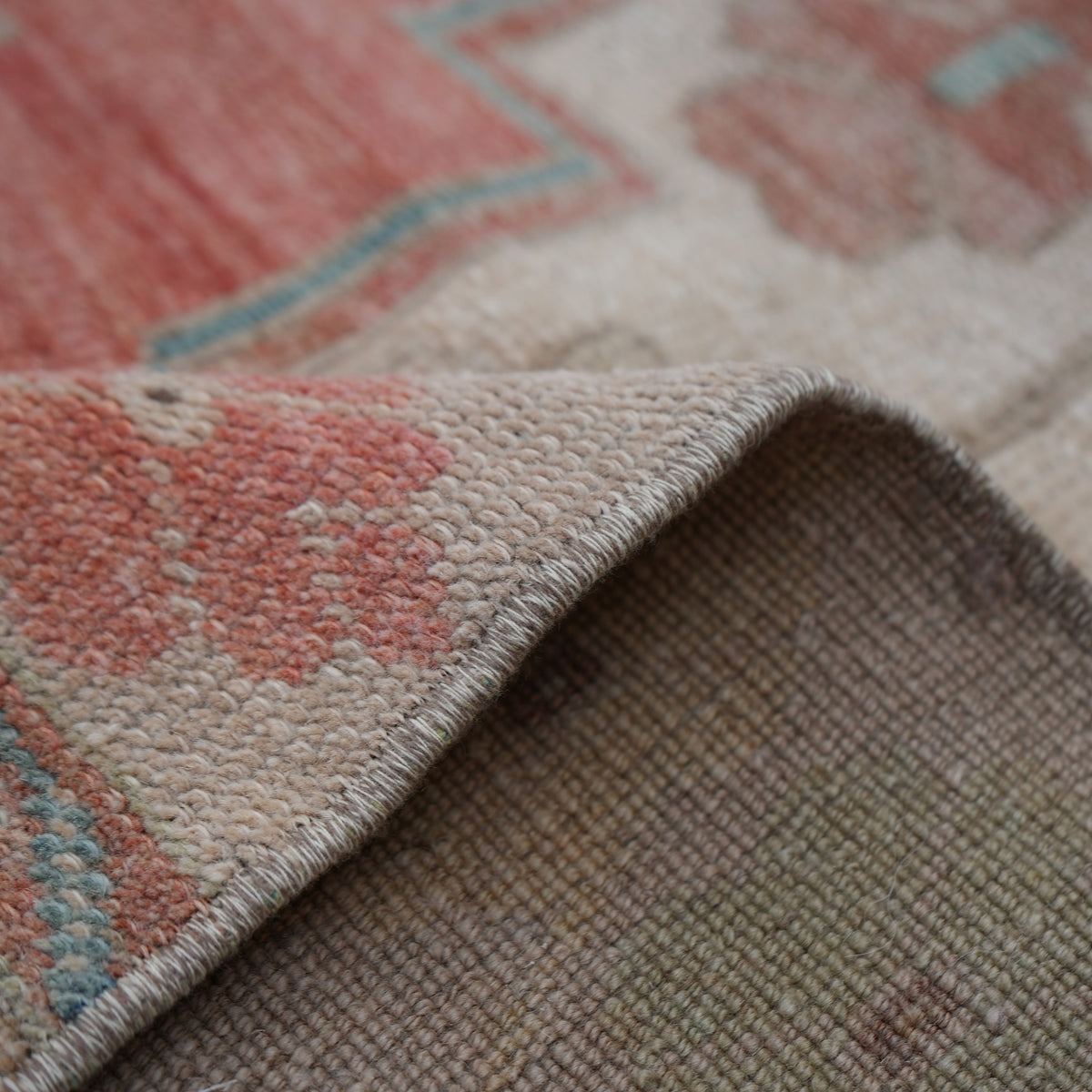
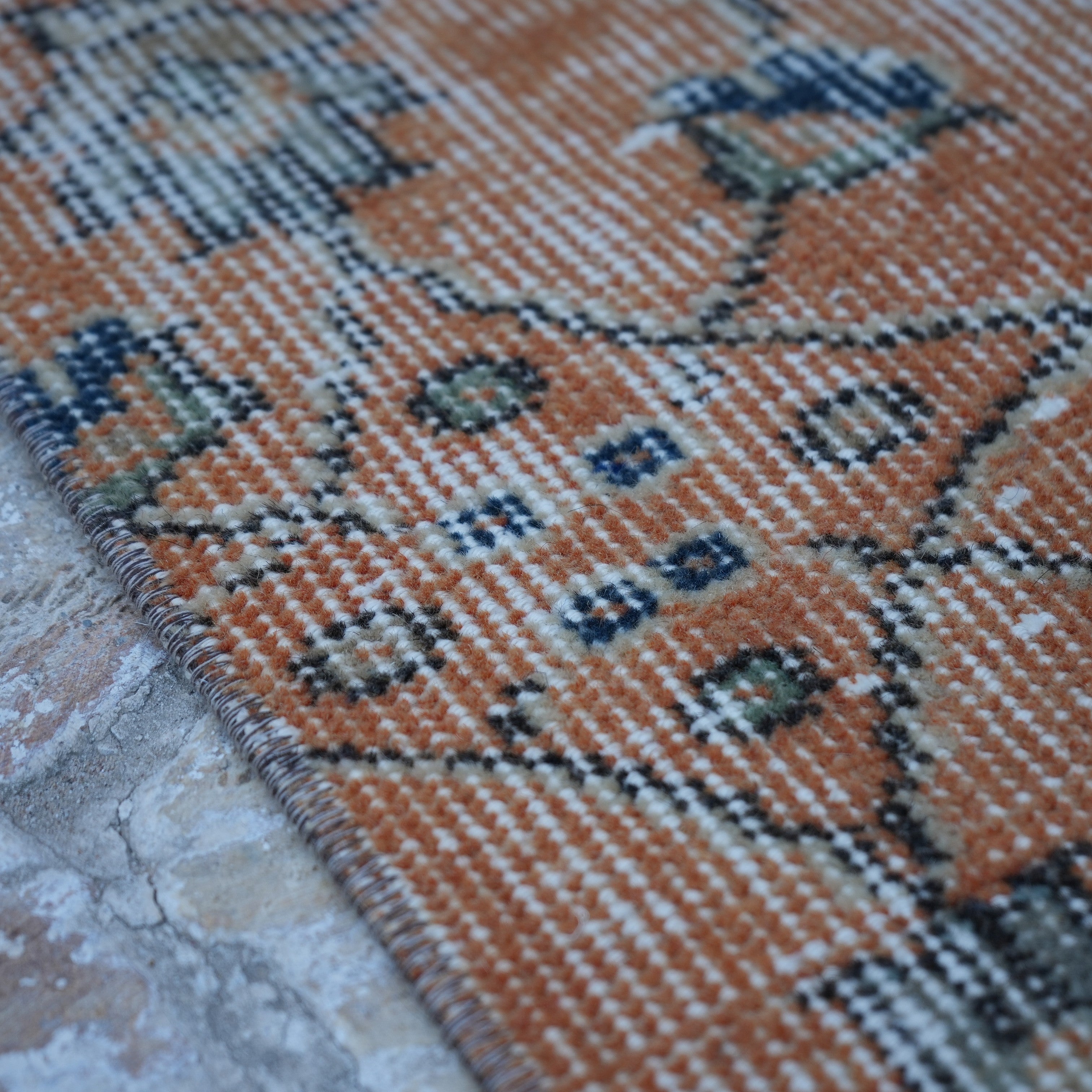
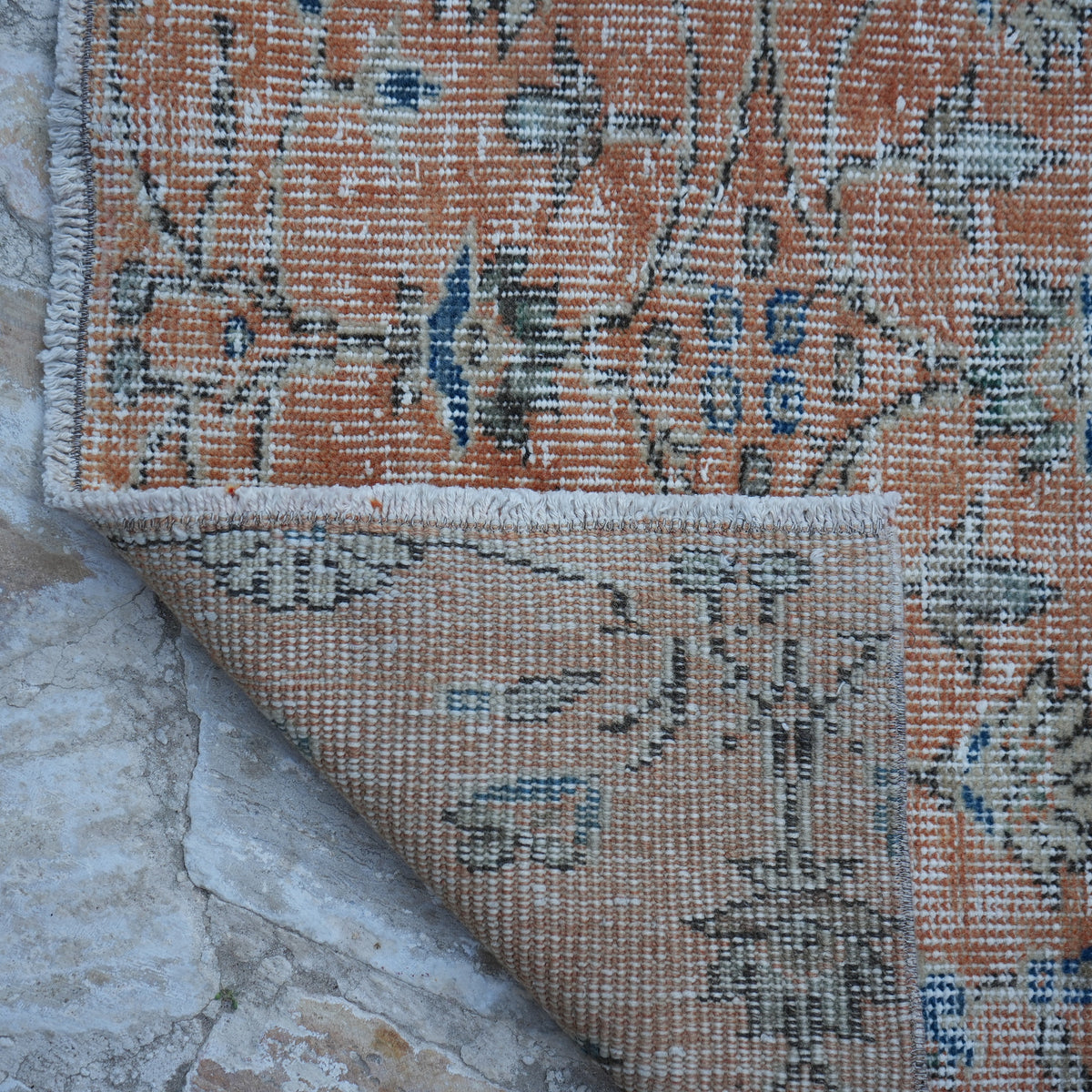
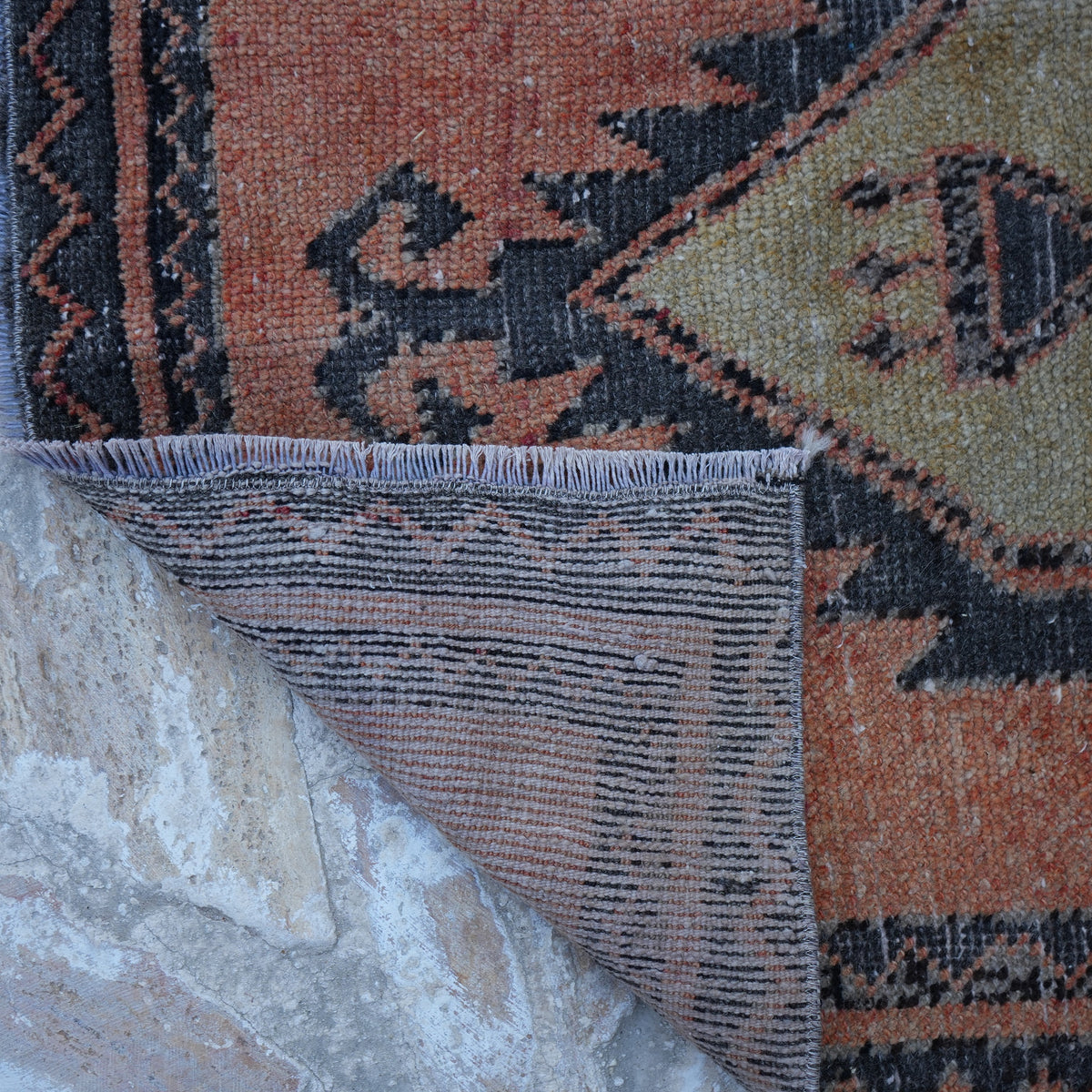
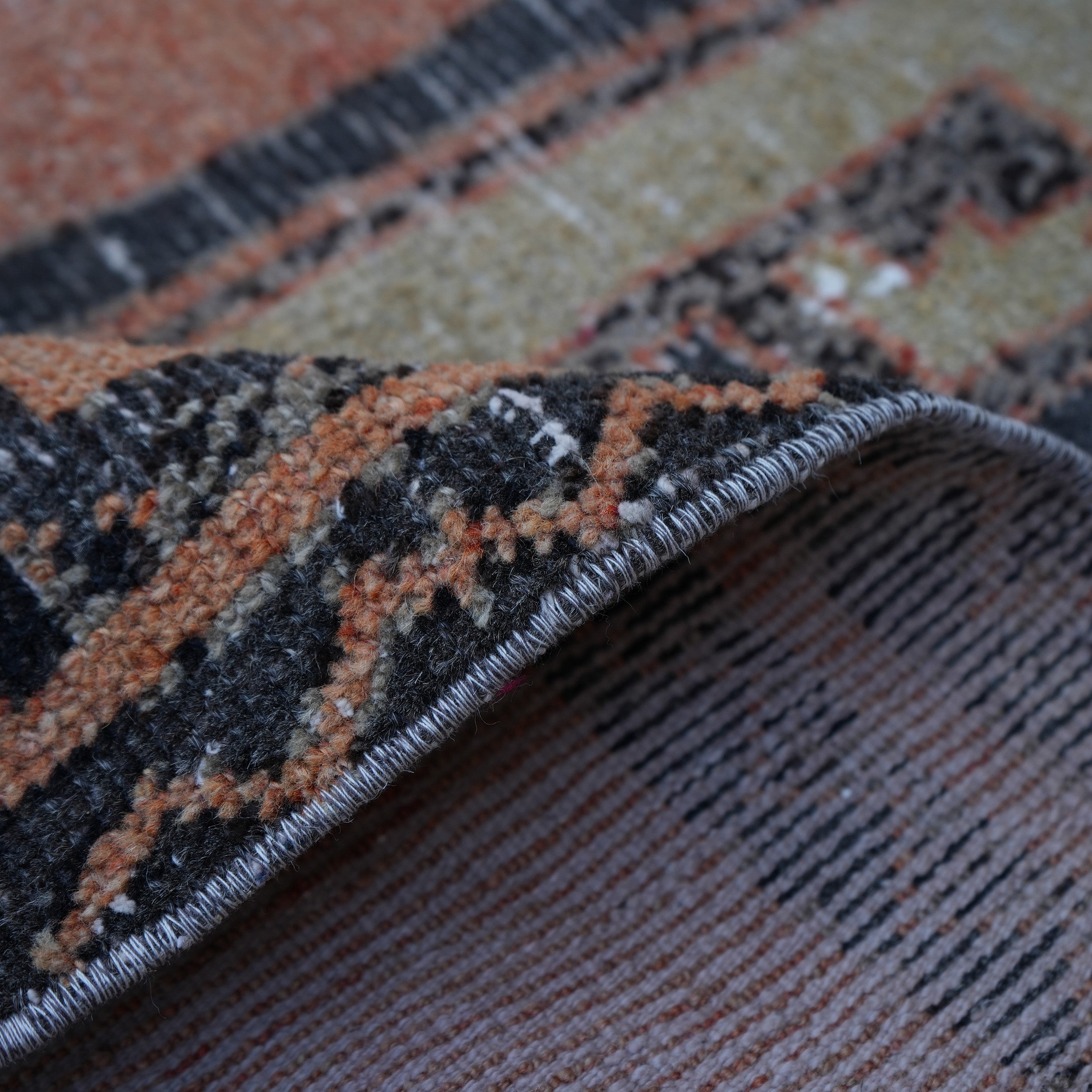
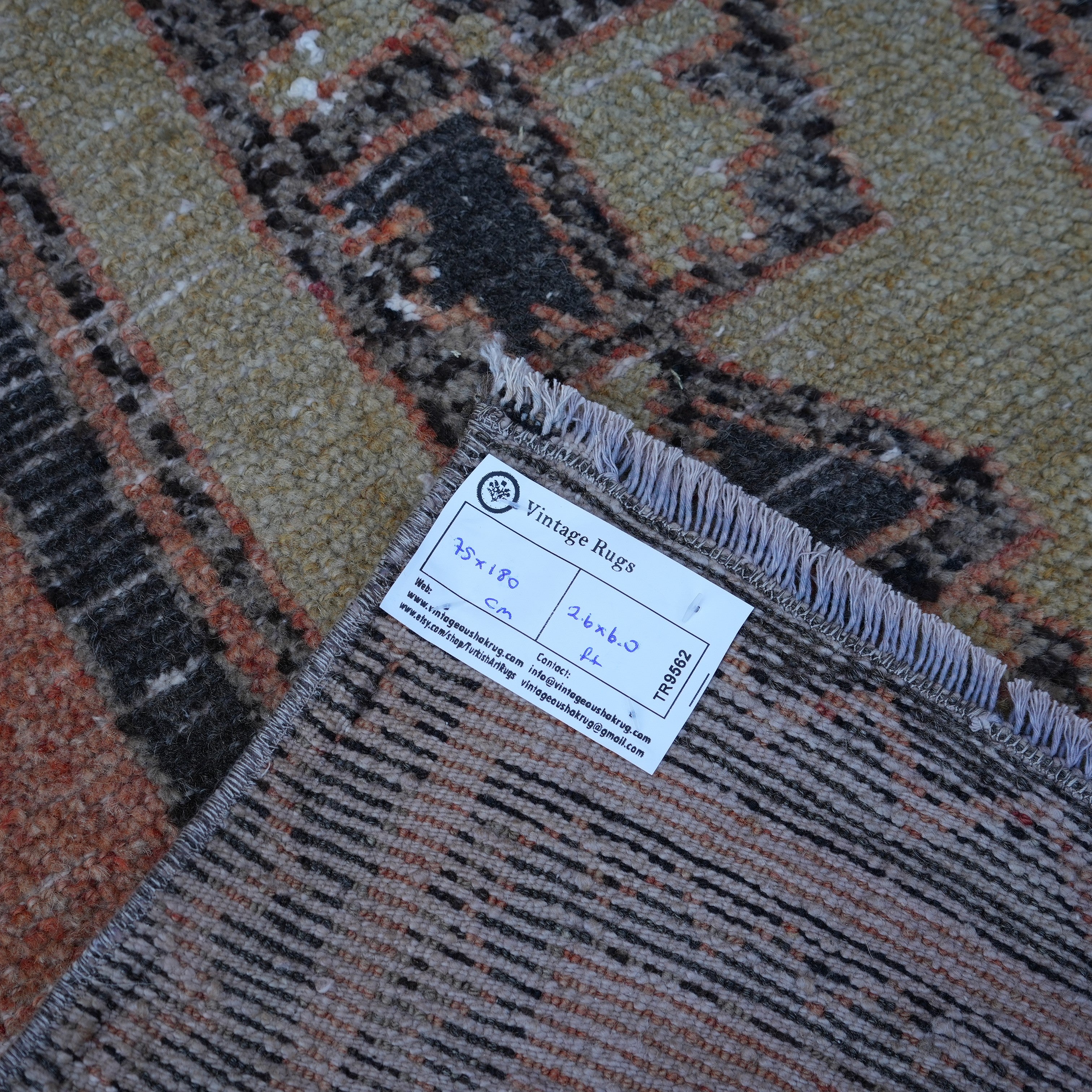
A hand-knotted pile rug has hundreds of knots per square foot, each one adding mass and texture to the underside. That dense structure does much of the gripping work on its own, even on carpet. A kilim — beautiful as it is — has no pile at all. Warp and weft lock together in a flat weave with no volume and very little friction against whatever lies beneath. On high-pile carpet especially, the carpet fibers beneath a kilim act almost like a cushion of air — the kilim floats rather than sits.
If you have a kilim rug or any flatweave Turkish piece placed over carpet, a non-slip rug pad for carpet is not optional. In most homes, it is the safest way to keep that rug in place.
Why Wool Rugs Grip Better Than Synthetic Ones
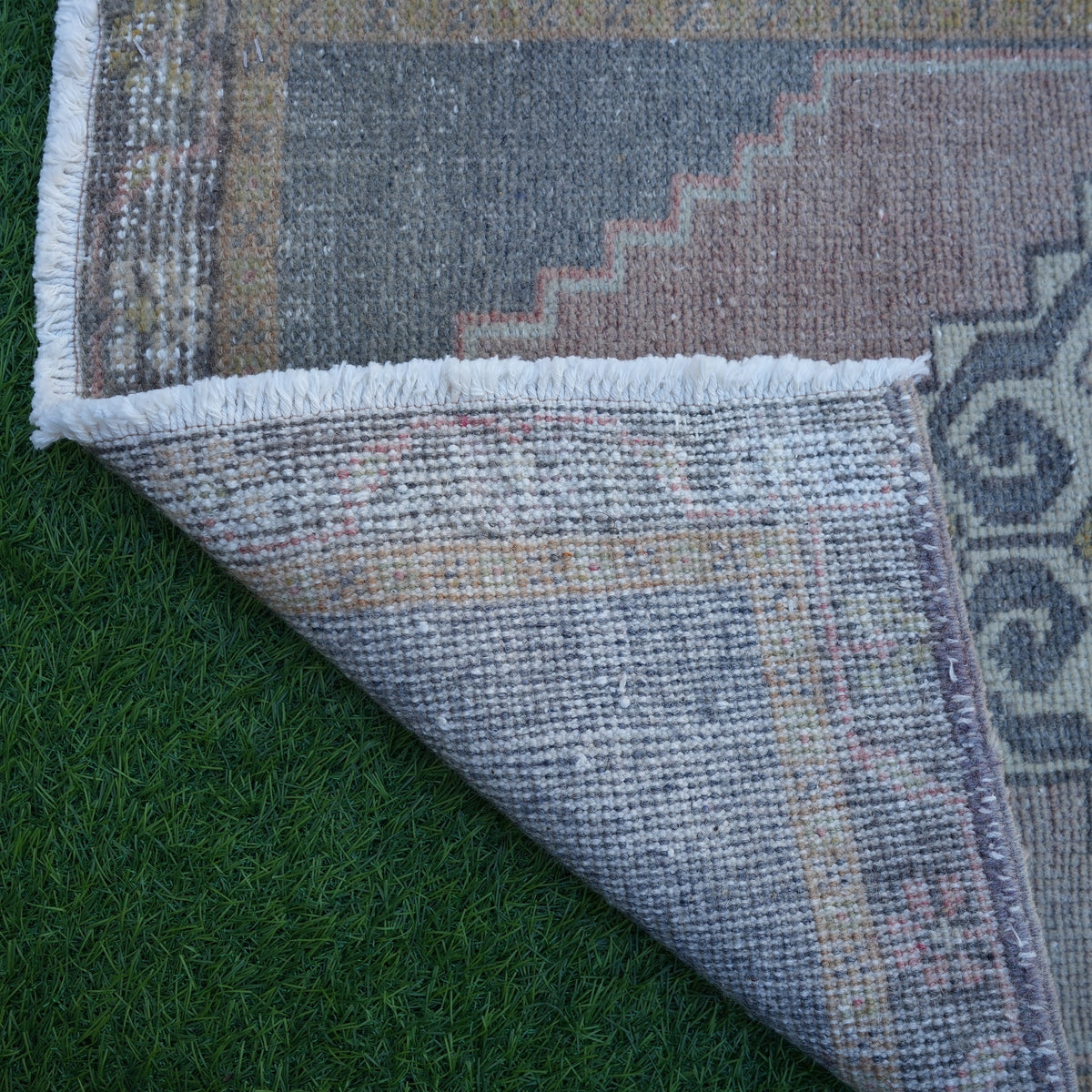
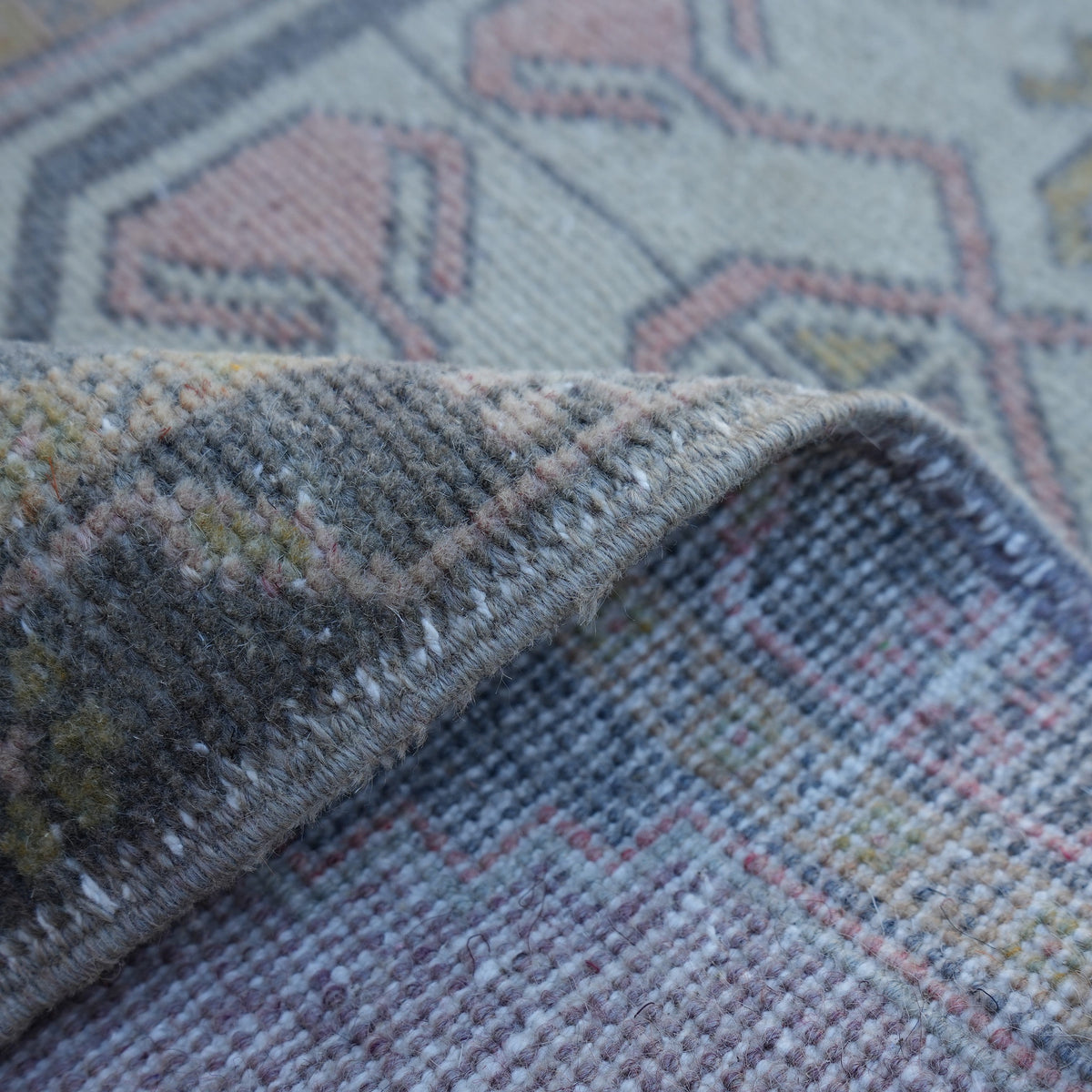
When I wash a hand-knotted wool piece here and run my hand across the pile while it is still damp, there is genuine resistance — the fibers grip your skin slightly, like fabric with memory. Synthetic backing does the opposite; it slides under your palm. That same difference plays out every day between your rug and the carpet beneath it. Natural wool creates friction at the fiber level. Machine-made materials, designed for uniformity, create a surface that moves because nothing is there to catch it.
How to Keep a Rug From Sliding on Carpet — 6 Methods That Work
1. Use a Carpet-to-Carpet Rug Pad
The most reliable way to keep a rug in place on carpet. A carpet-to-carpet rug pad works by having a textured underside that grips into the carpet pile below, while the top surface holds the rug above. Neither layer slides. This is different from standard rug pads made for hardwood — those are built for a smooth, firm surface and do not perform the same way on carpet fibers.
One note on materials: not all carpet-to-carpet pads are built the same way. What matters is that both surfaces grip, not what the pad is labeled. Our rug pad for carpet is designed specifically for this. Cut it two inches smaller than your rug on each side — a pad that shows past the edges is unnecessary and visually distracting.
2. Anchor It With Furniture
Free and often underestimated. Heavy furniture pressing down on rug edges — a sofa leg, a coffee table, a dining table — holds more than people expect. I used to recommend this as a first resort. Furniture weight holds what it covers, but the uncovered areas remain free to move. Corners pull away gradually because foot traffic applies lateral pressure with nothing underneath to resist it. Use furniture as a second layer of security, not a standalone fix.
3. Apply Double-Sided Carpet Tape
Useful for machine-made rugs on low-pile carpet. Apply strips along all four edges and press each section down firmly before laying the rug back. For handwoven or vintage pieces, though — read the next section before reaching for tape.
4. Try Rug Grippers for Corners
Corner grippers work as a small anti-slip layer between the rug corner and the carpet surface. They are effective on low-pile or Berber carpet. On plush, high-pile carpet, the grippers ride the carpet pile itself and lose their hold. Know your carpet type before investing in them.
5. Use Velcro Strips for Runners
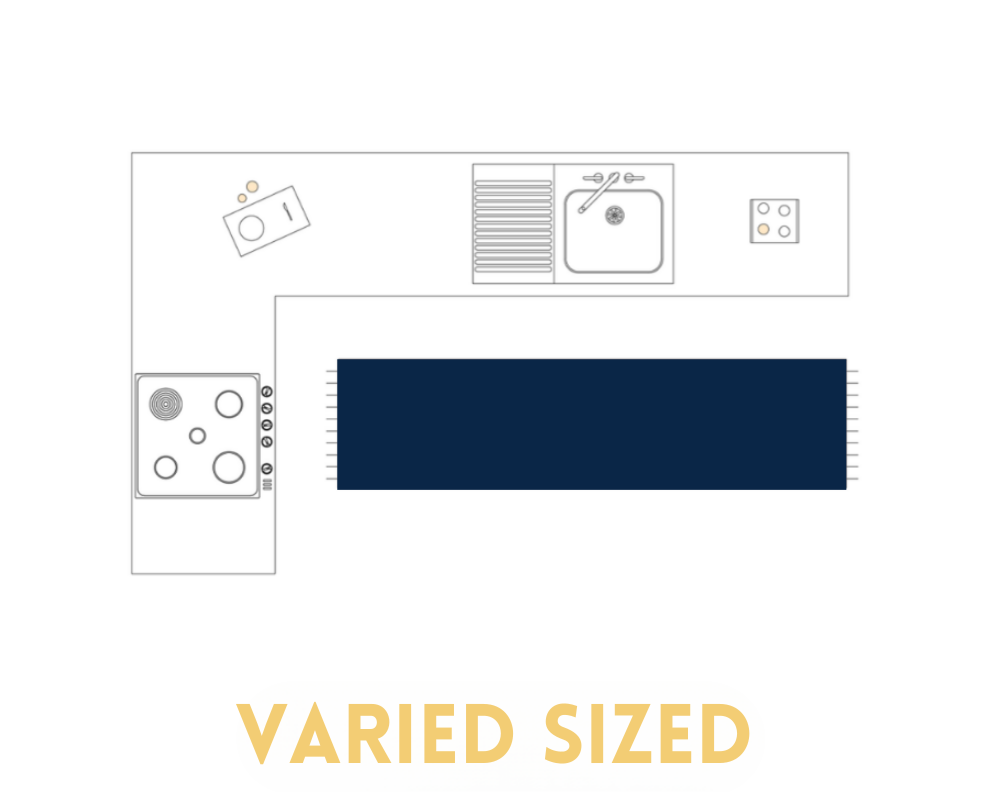
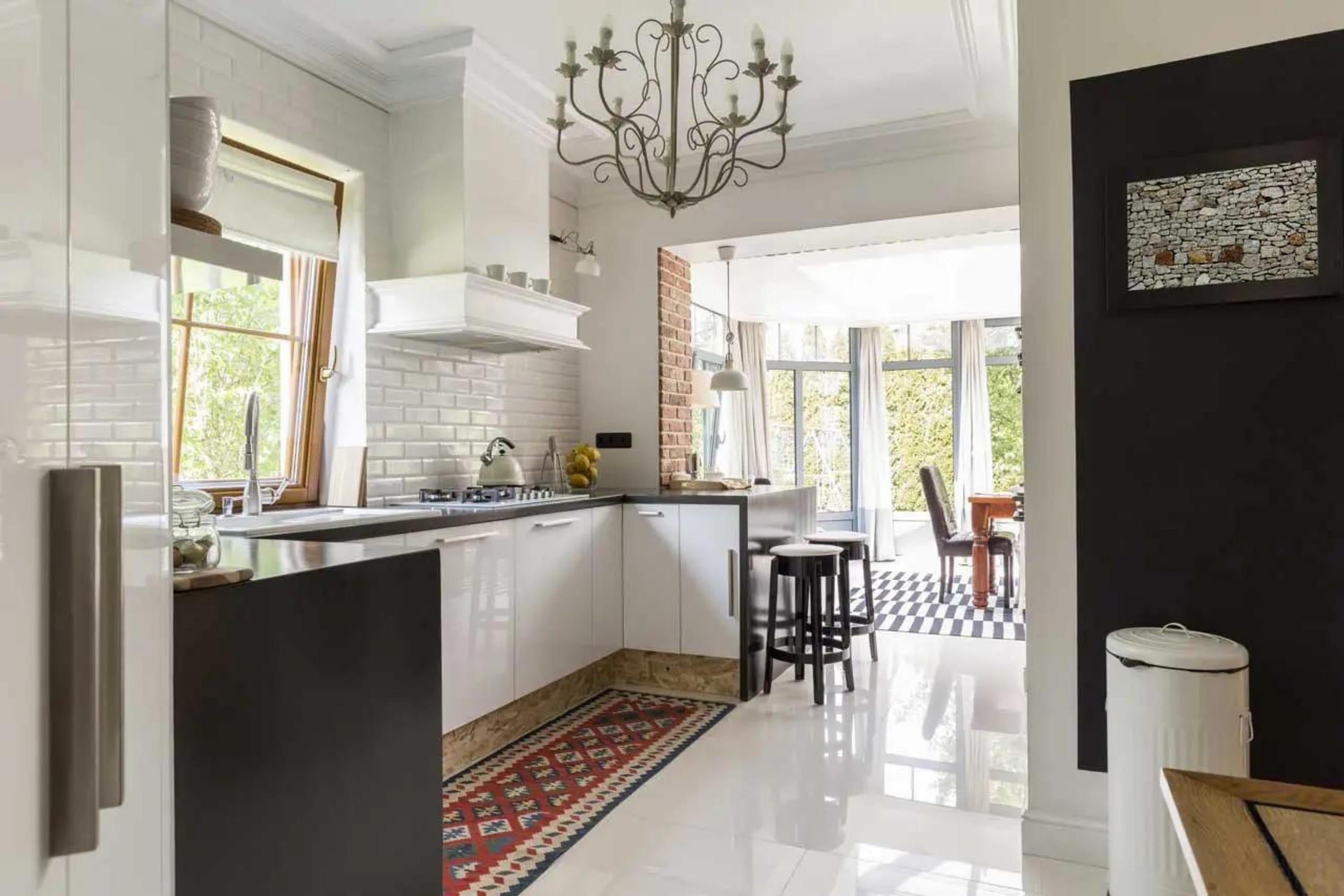
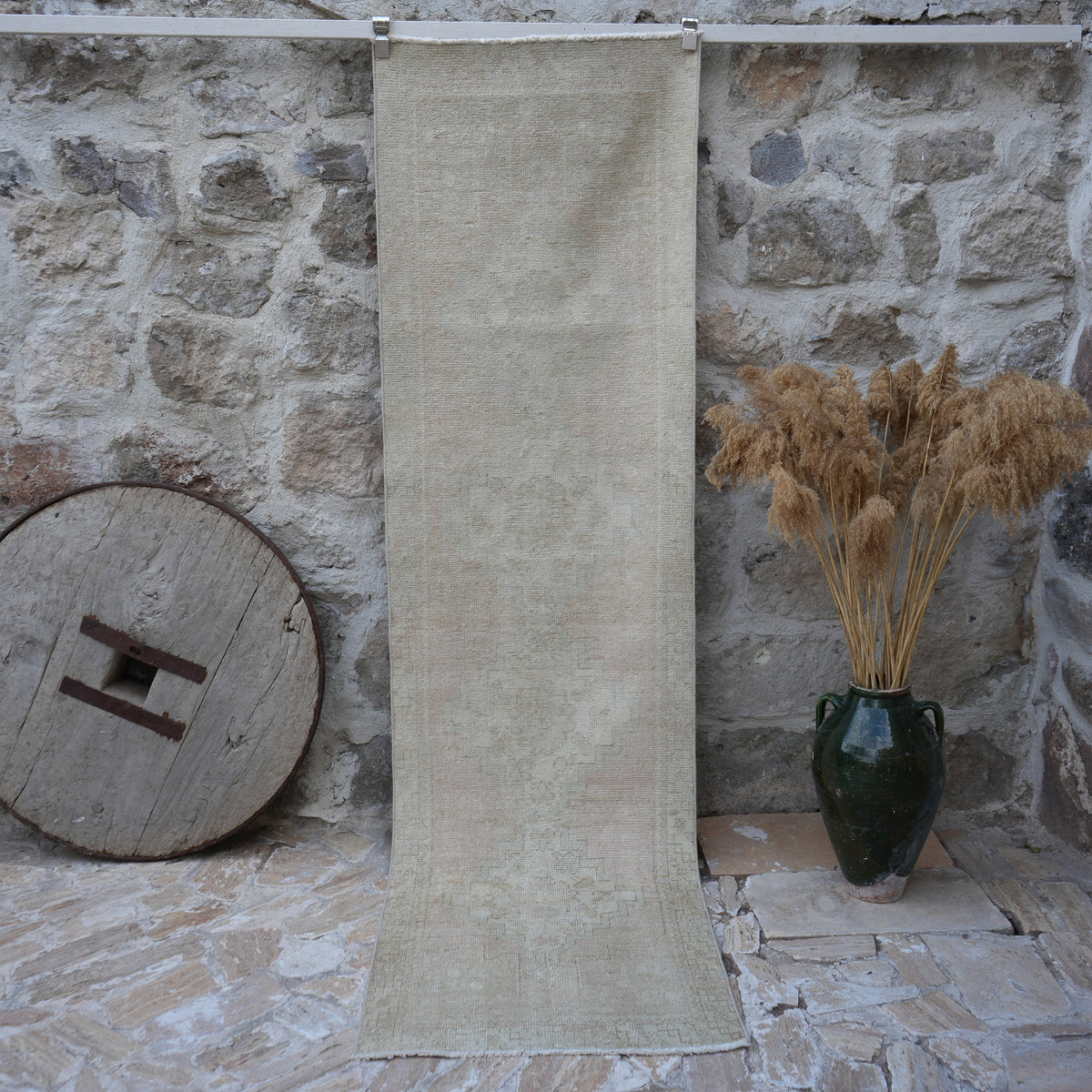
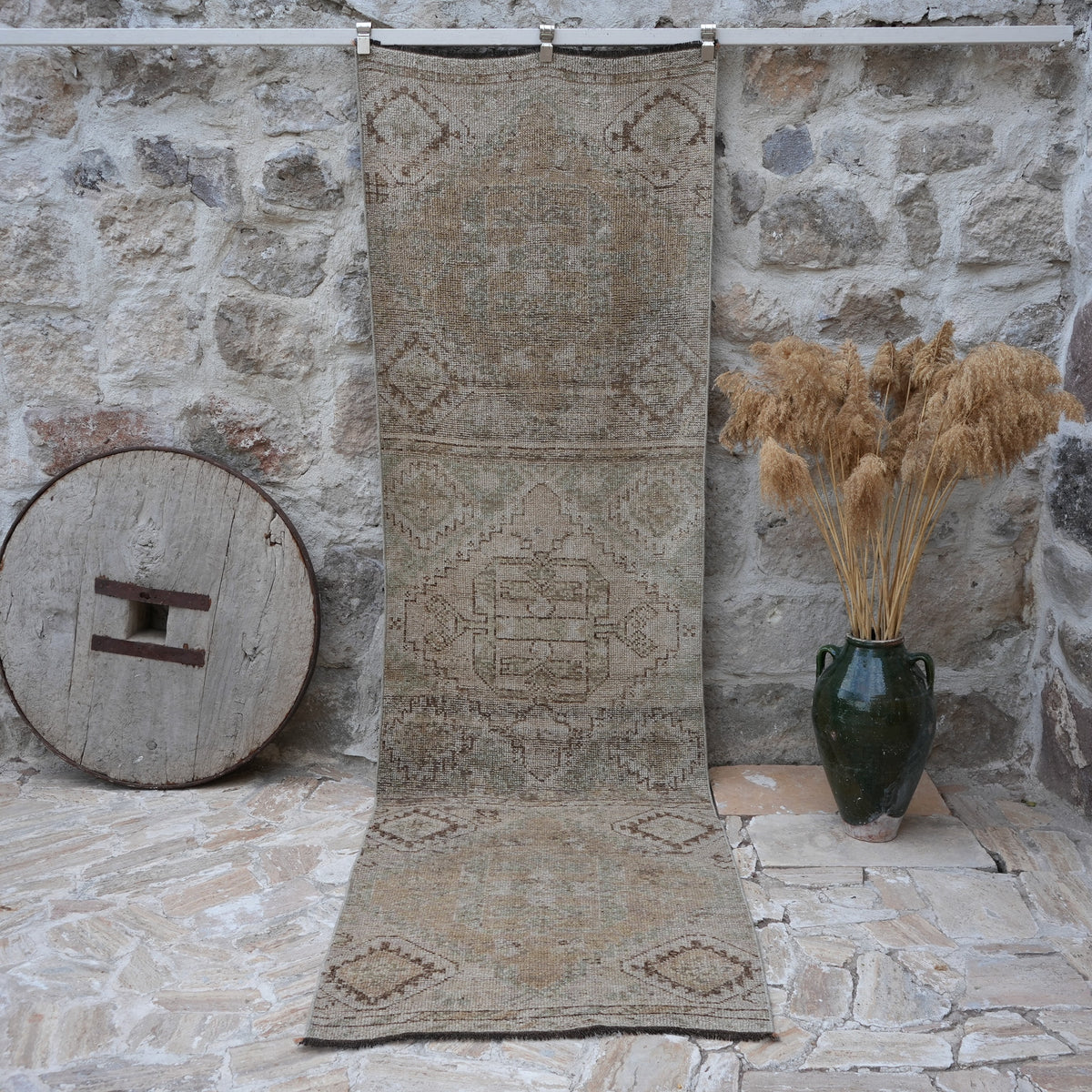
Runner rugs have their own challenge — the long, narrow shape means the full length needs to be secured, not just the corners. Velcro strips attached at both ends of the rug's backing are more effective here than corner grippers alone. The strip holds across the width at each end, which is where runners tend to buckle first.
6. Silicone Caulk — Not Recommended for Any Rug You Care About Long-Term
Small dots of clear silicone caulk along the rug backing, once dried, create a grip layer that holds on carpet. Technically it works. But silicone penetrates textile backing fibers at a level that cannot be reversed — it bonds to the material rather than sitting on top of it. On a vintage or handwoven piece, this is permanent damage with no reversal. If you care about the rug long-term, skip this method entirely.

Best Solution for Handwoven Turkish Rugs Specifically
What to Use and What to Avoid With Vintage Rugs
The rules change for a vintage rug or an antique piece. These are textiles with age and history — their backing fibers do not recover from aggressive adhesives.
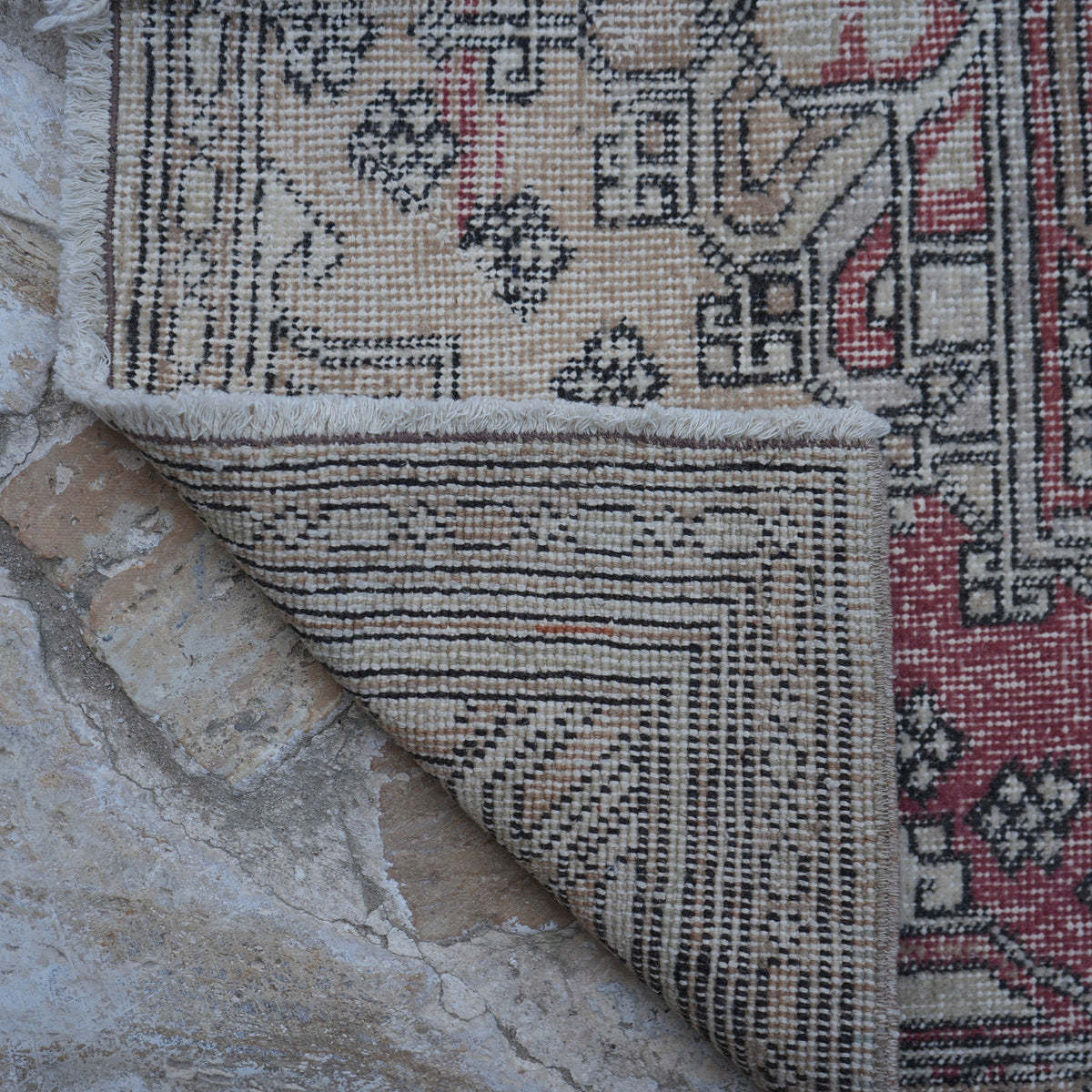
Rug pad: always. It protects both the rug and the carpet beneath, adds gentle cushioning, and lifts off without leaving any trace on either surface.
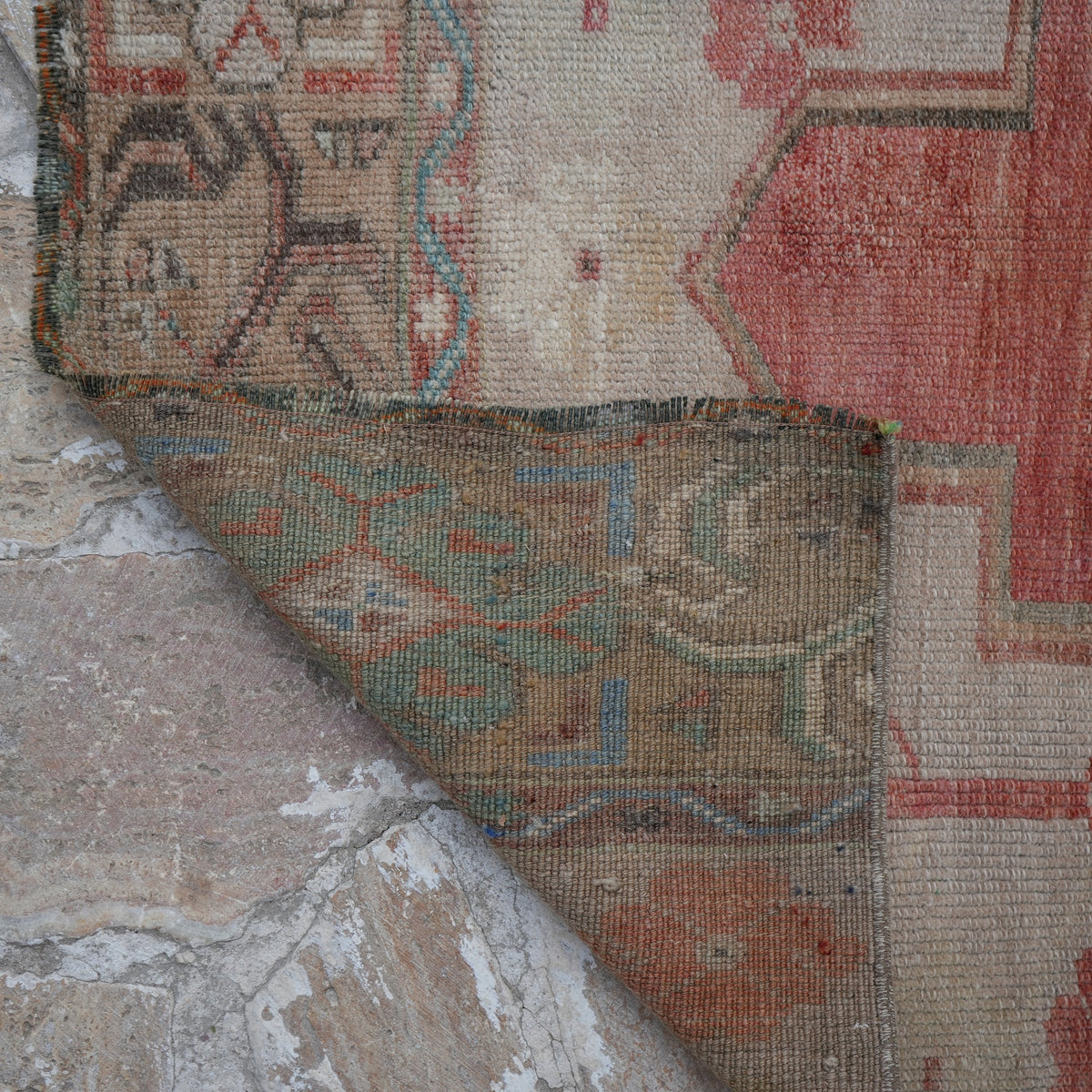
Tape: proceed with real caution. A customer once lifted her vintage Oushak after several years and found adhesive residue pressed into the backing — and marks left on the carpet below. The rug was genuinely beautiful. Seeing what the tape had done to it was a hard moment. No shortcut is worth that.
Anything adhesive or chemical-based: never, on any handwoven piece.
A Note From Cappadocia
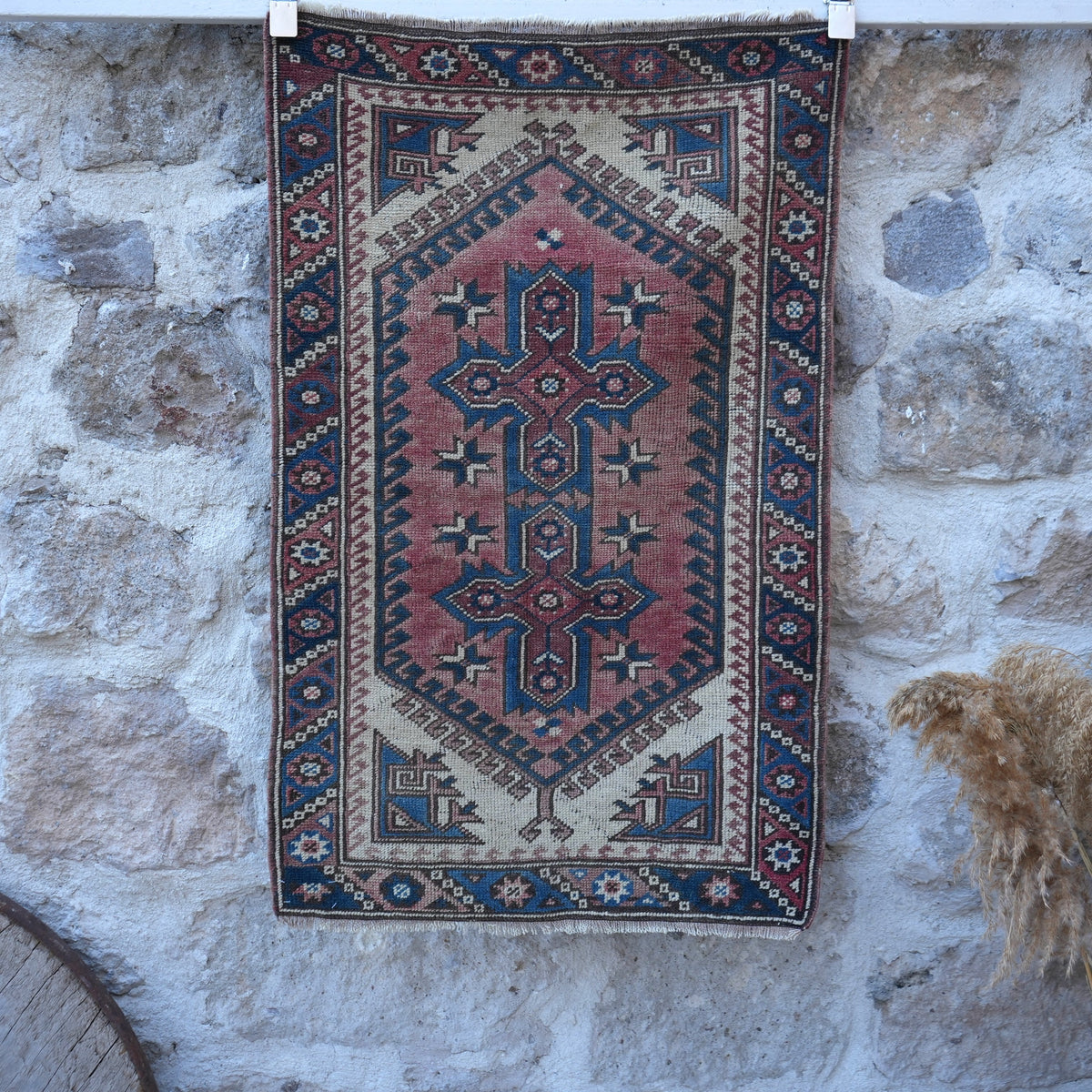
Before every rug ships from here, I lay it flat one more time. Check the colors in the morning light. Look at the pile, the corners, the fringe. That is when I notice how a well-made rug behaves — it just sits there on stone, with its own weight and stillness.
Then I think about where it is going. Ohio. Seattle. A bedroom with wall-to-wall carpet. A living room with kids running through it. I cannot walk it to its new home. But a rug pad goes with it — and that is the closest I can get to making sure it arrives and stays exactly as it left. If you have a Turkish rug on its way, have the pad ready before it unrolls.

How to Layer Rugs on Carpet Without Them Sliding
A customer once sent photos asking why the layered look she had seen on Pinterest was not working in her living room. The base rug was drifting under the coffee table. The top kilim was bunching toward the sofa. Two rugs, twice the problem. The fix was straightforward — but the setup had to change first.
Choosing the Right Base and Top Rug Sizes
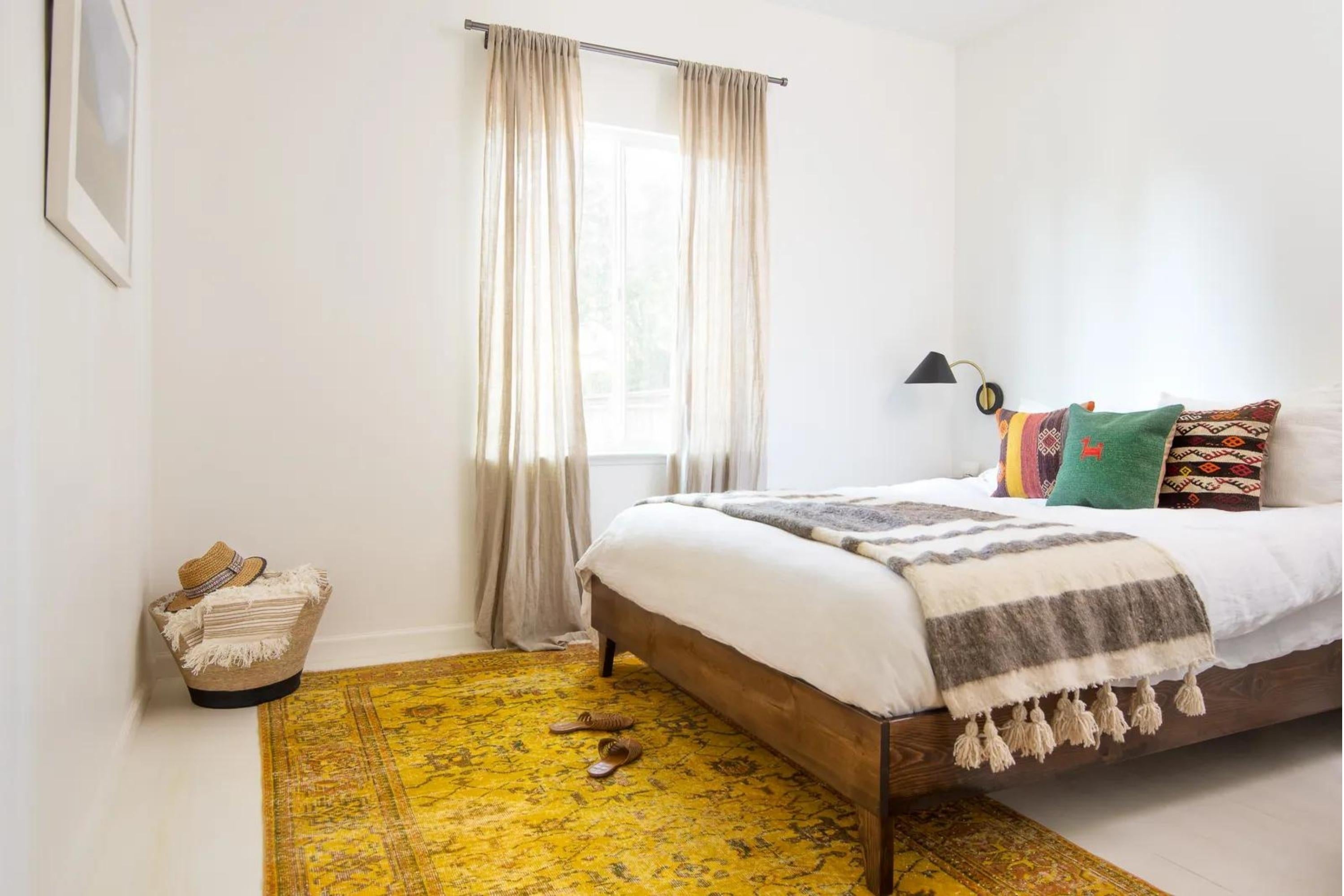
Layering works when the two pieces differ significantly in size. A large or extra-large hand-knotted base rug covers most of the floor and acts as stable ground. A smaller vintage or kilim piece goes on top, offset toward one end, with at least one piece of furniture sitting on a corner or edge. The most common mistake: centering a small rug on a large one with no furniture touching either. Both pieces drift, and neither piece looks right.
Does a Rug Pad Work Between Two Rugs?
Yes — and more people should know this. A thin felt pad between a base rug and a layered top rug adds friction between two textile surfaces that would otherwise slide against each other. Think of it as a rug stopper built into the layered setup itself. If your top rug keeps moving on your base rug, a pad between them solves it without tape, without grippers, and without moving any furniture.
The safest fix before the rug goes down
For rugs placed over carpet, the easiest mistake is waiting until the rug starts moving. Have the pad ready first, especially for kilims, runners, vintage rugs, and any lighter handwoven piece. A carpet-to-carpet rug pad protects the rug, protects the carpet underneath, and avoids adhesive damage.
Keep the Rug Beautiful — and Keep It Still
A handmade rug should feel settled in the room, not something you keep straightening every day. Start with the right rug pad, then choose rugs with the weight, wool, and structure to live well over time.
A proper pad lifts away cleanly from vintage and handwoven rugs.
Made to sit between two textile surfaces, not only hard floors.
Useful for living rooms, bedrooms, hallways, and layered rug setups.
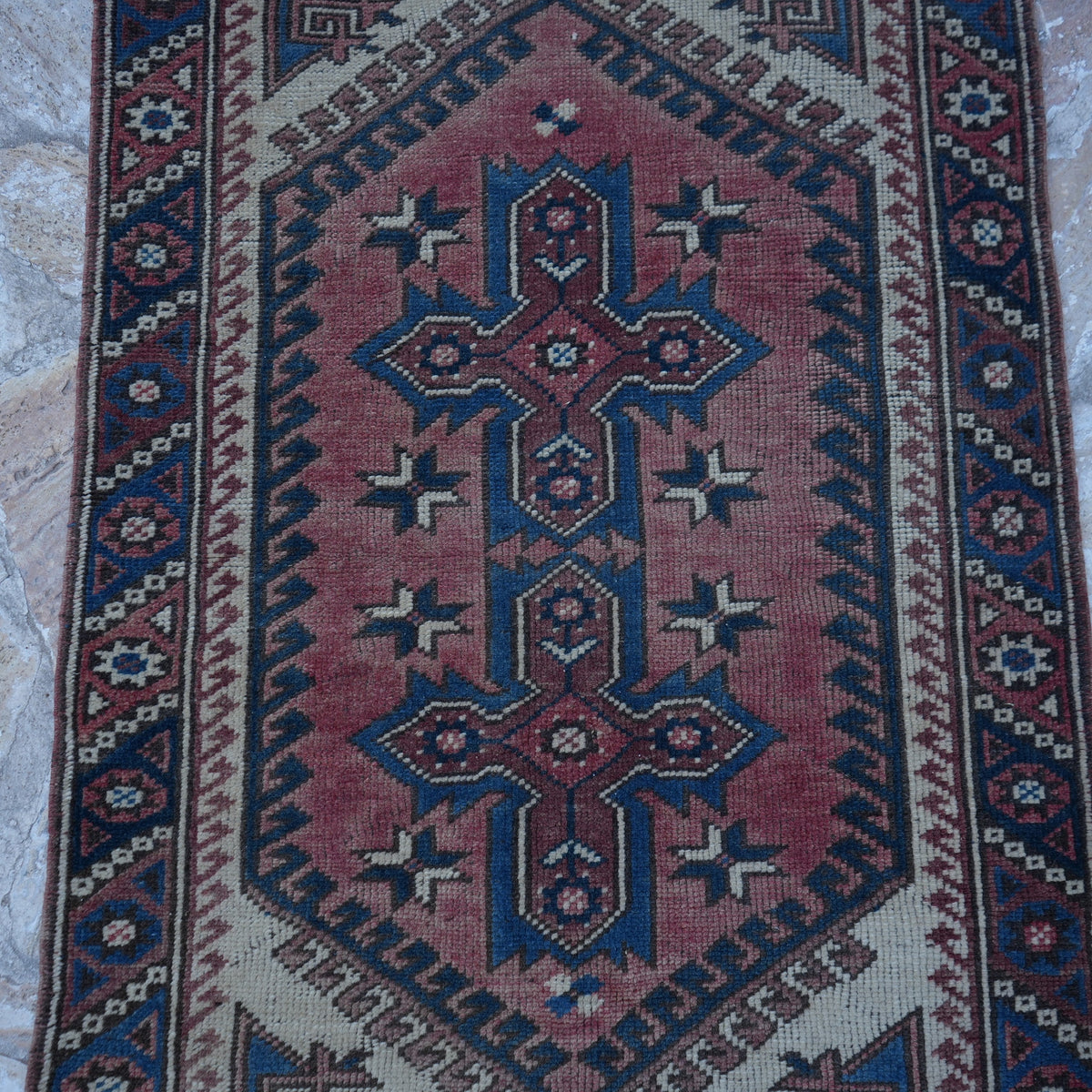
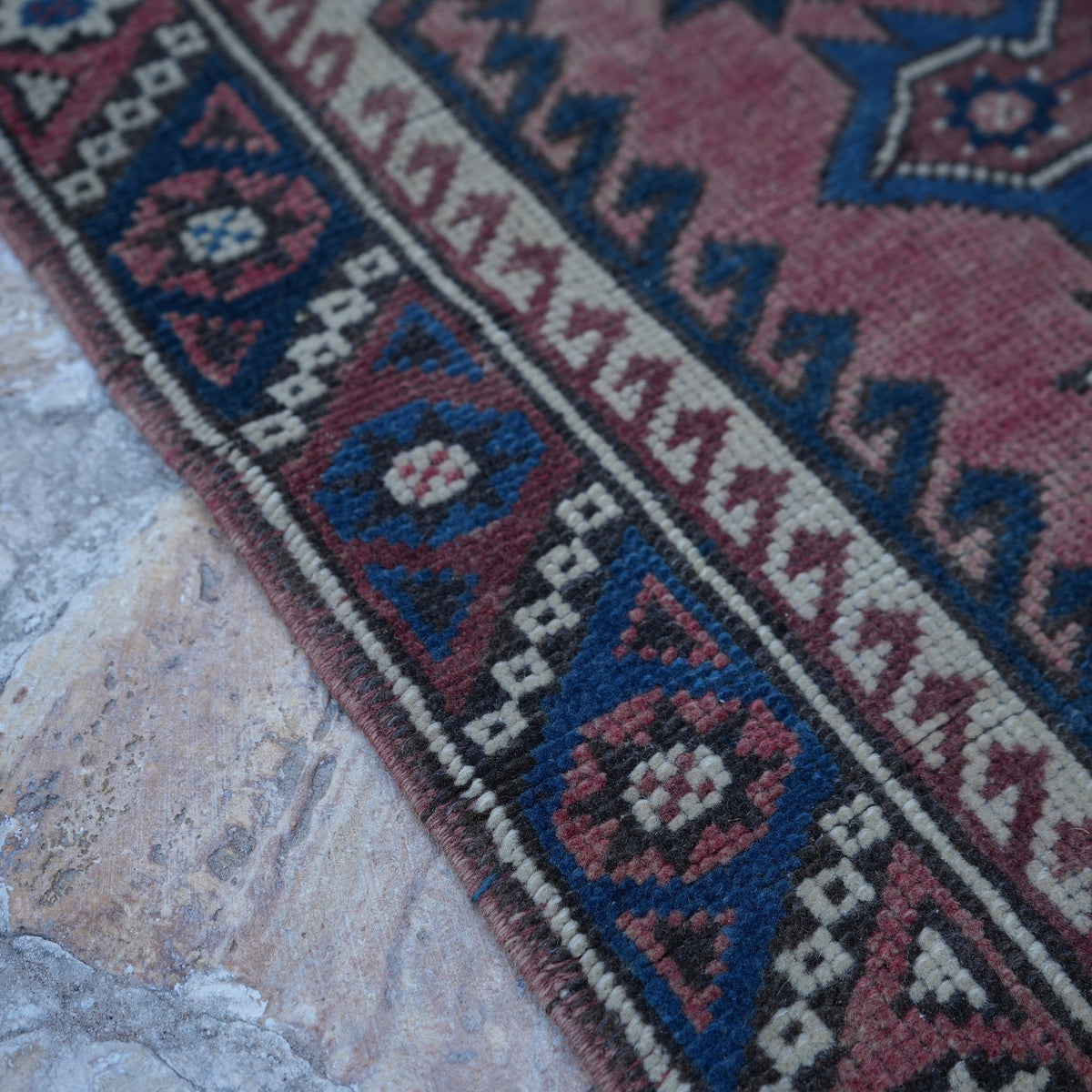
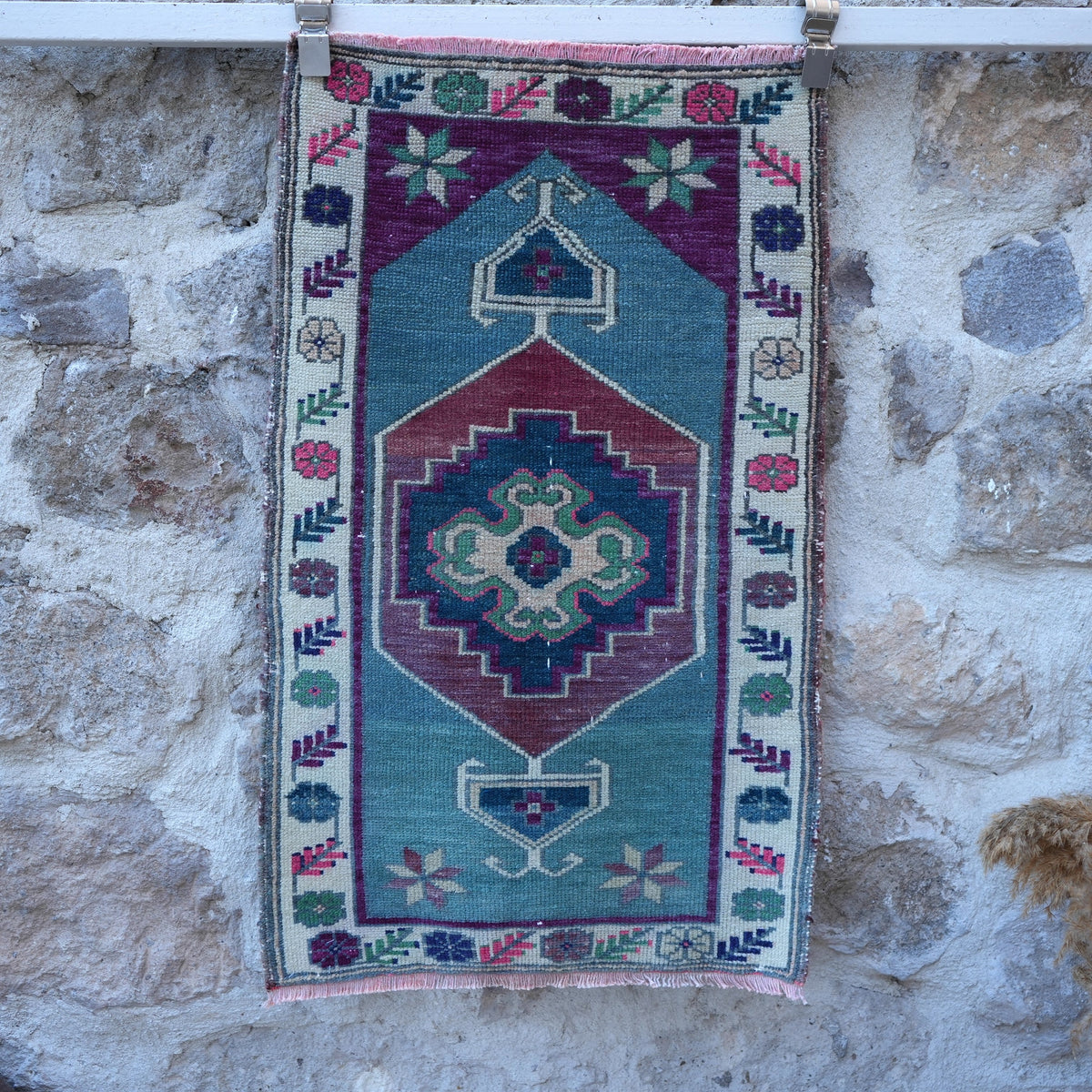
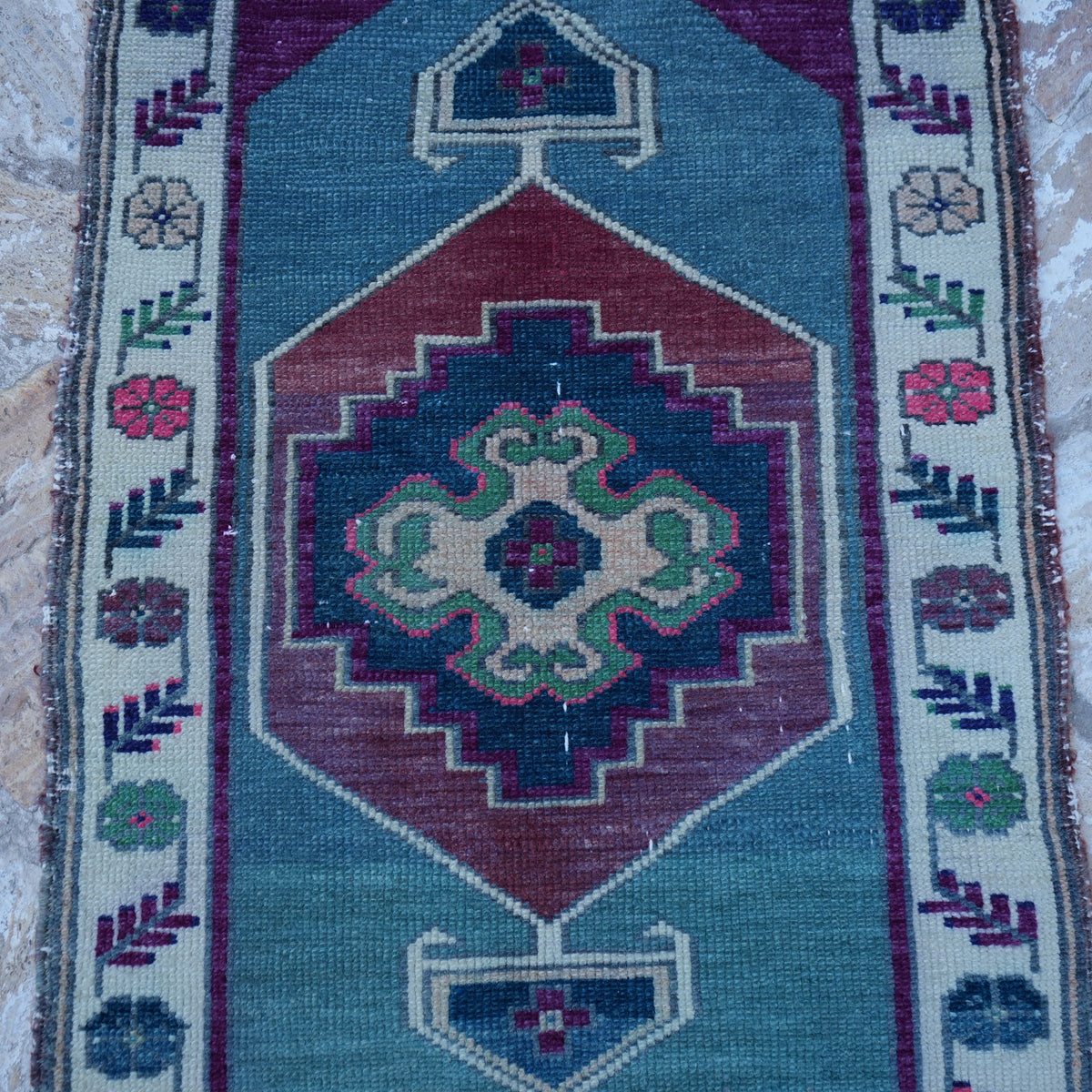
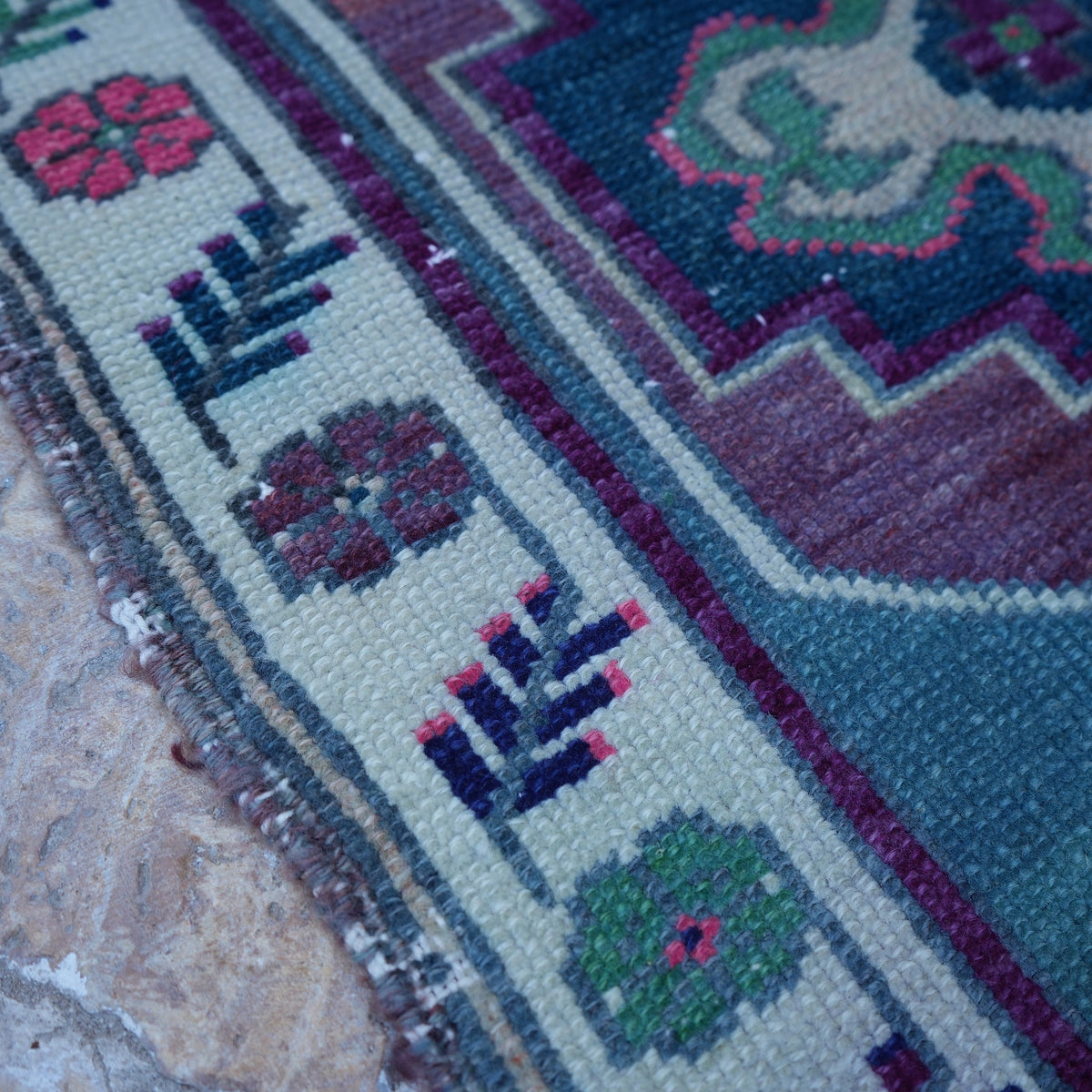
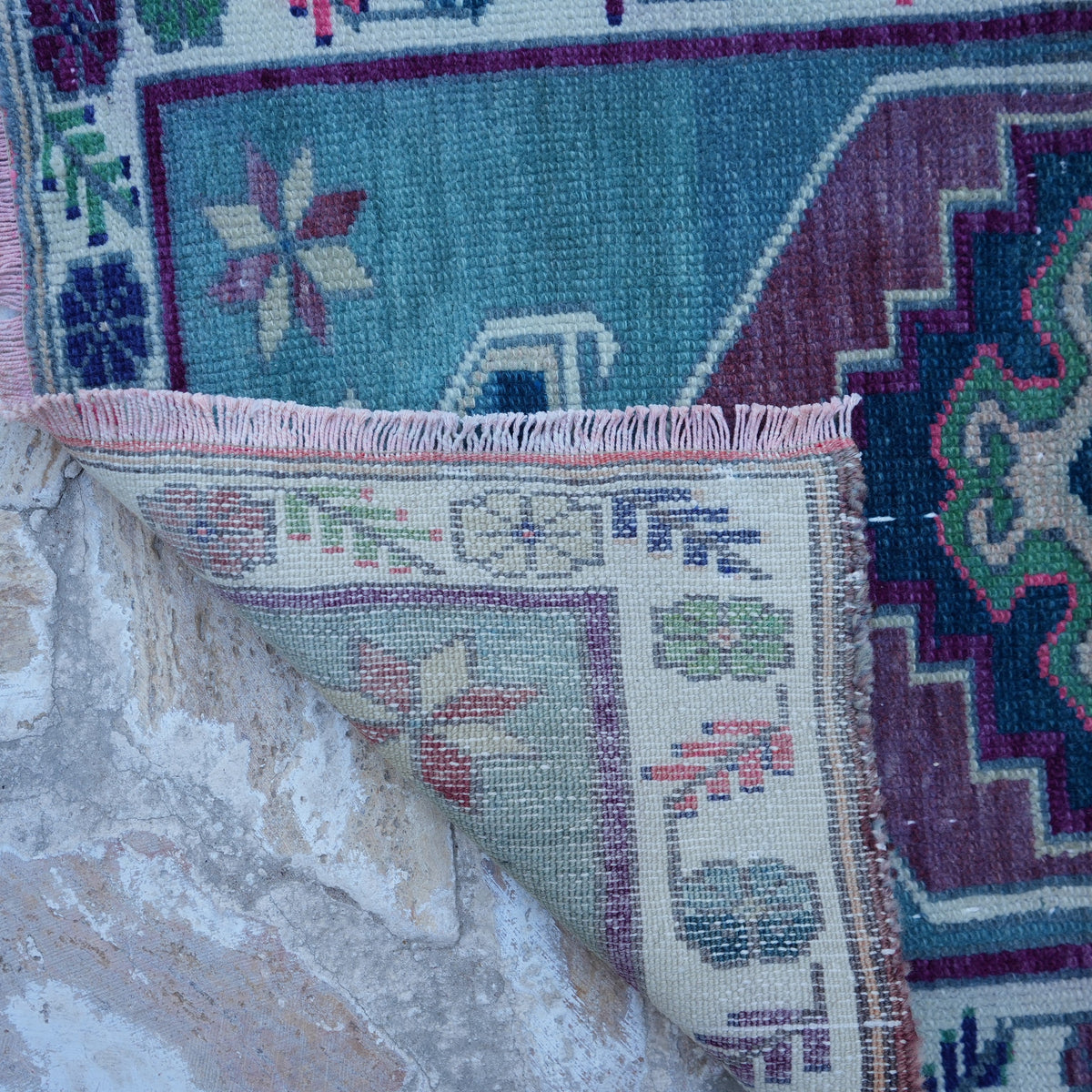
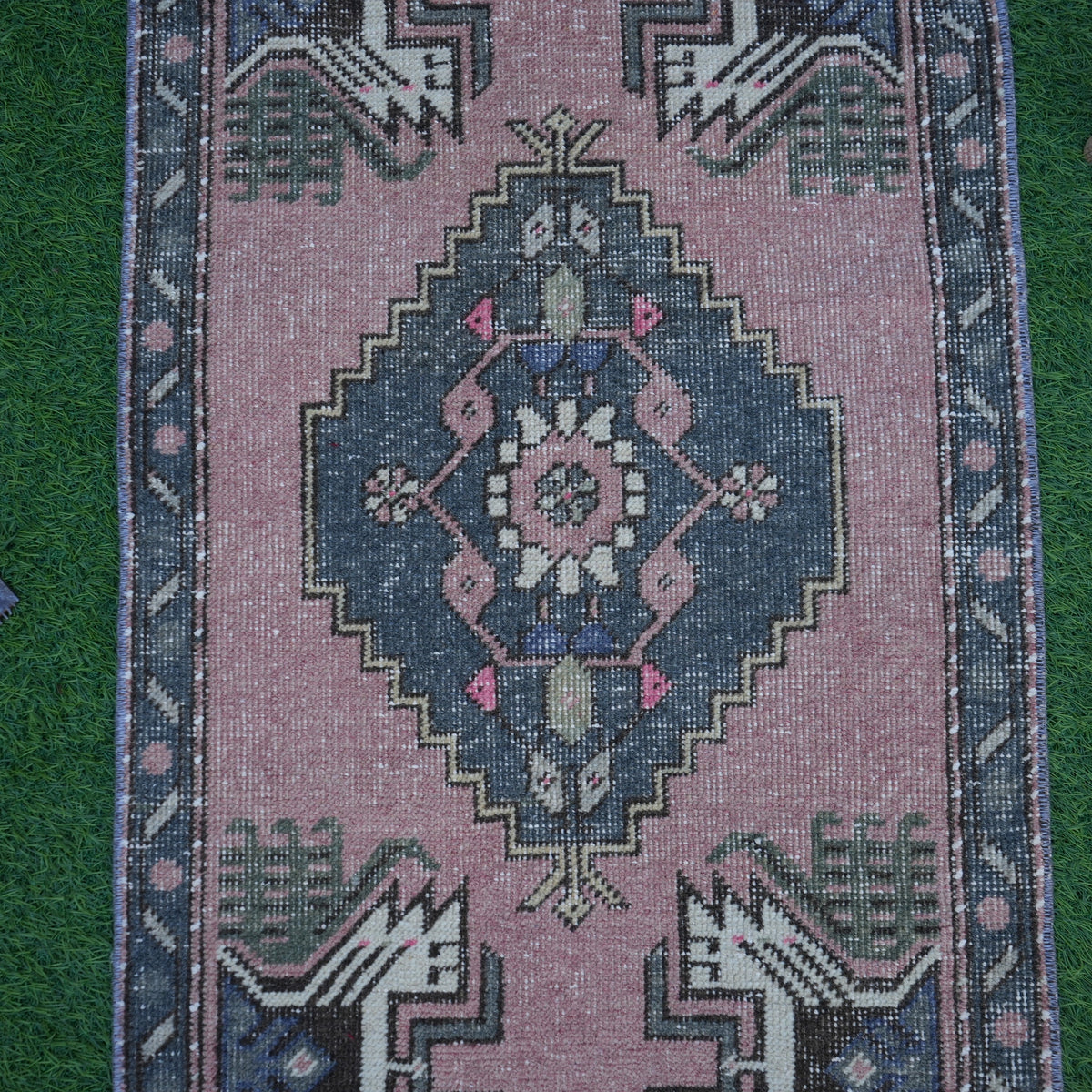
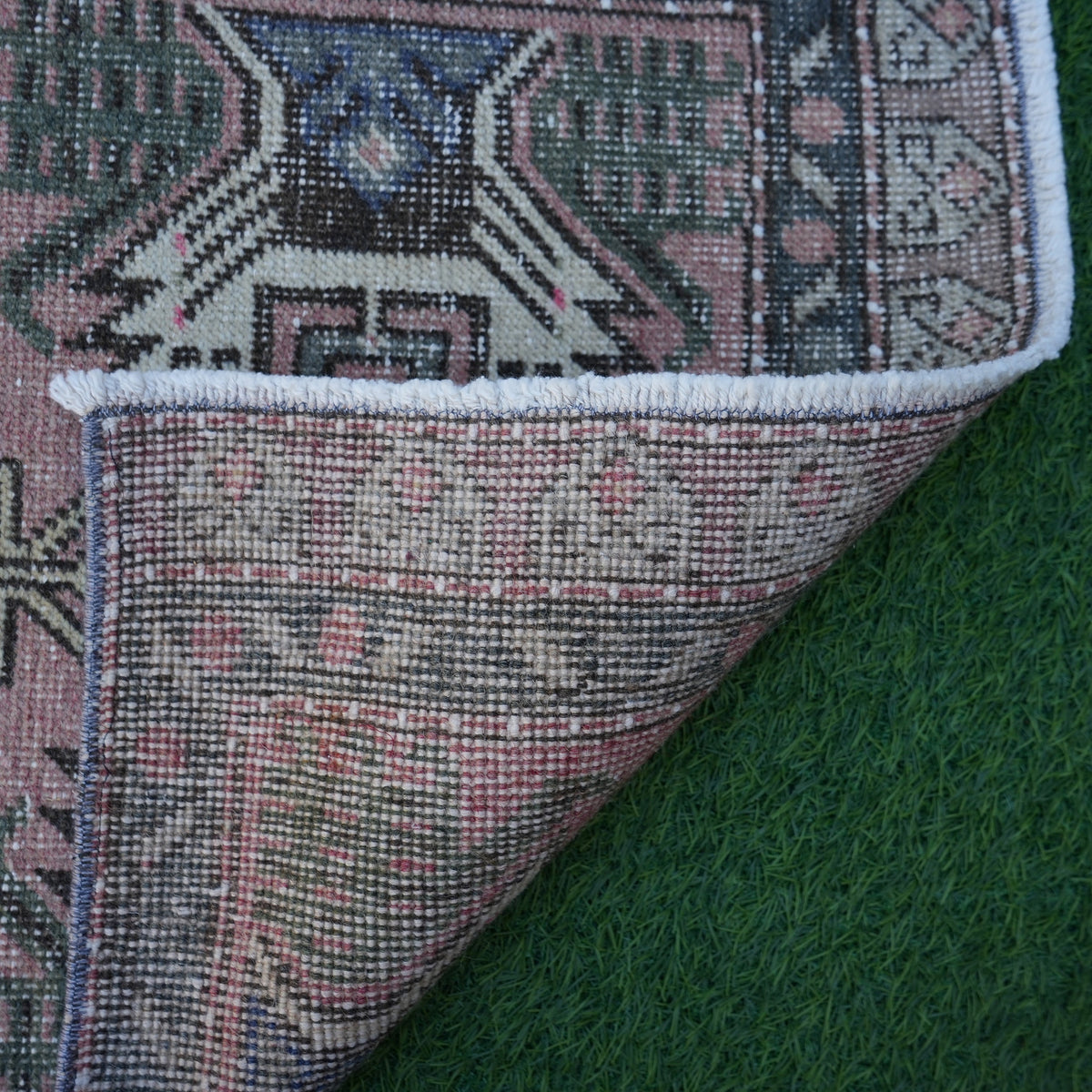
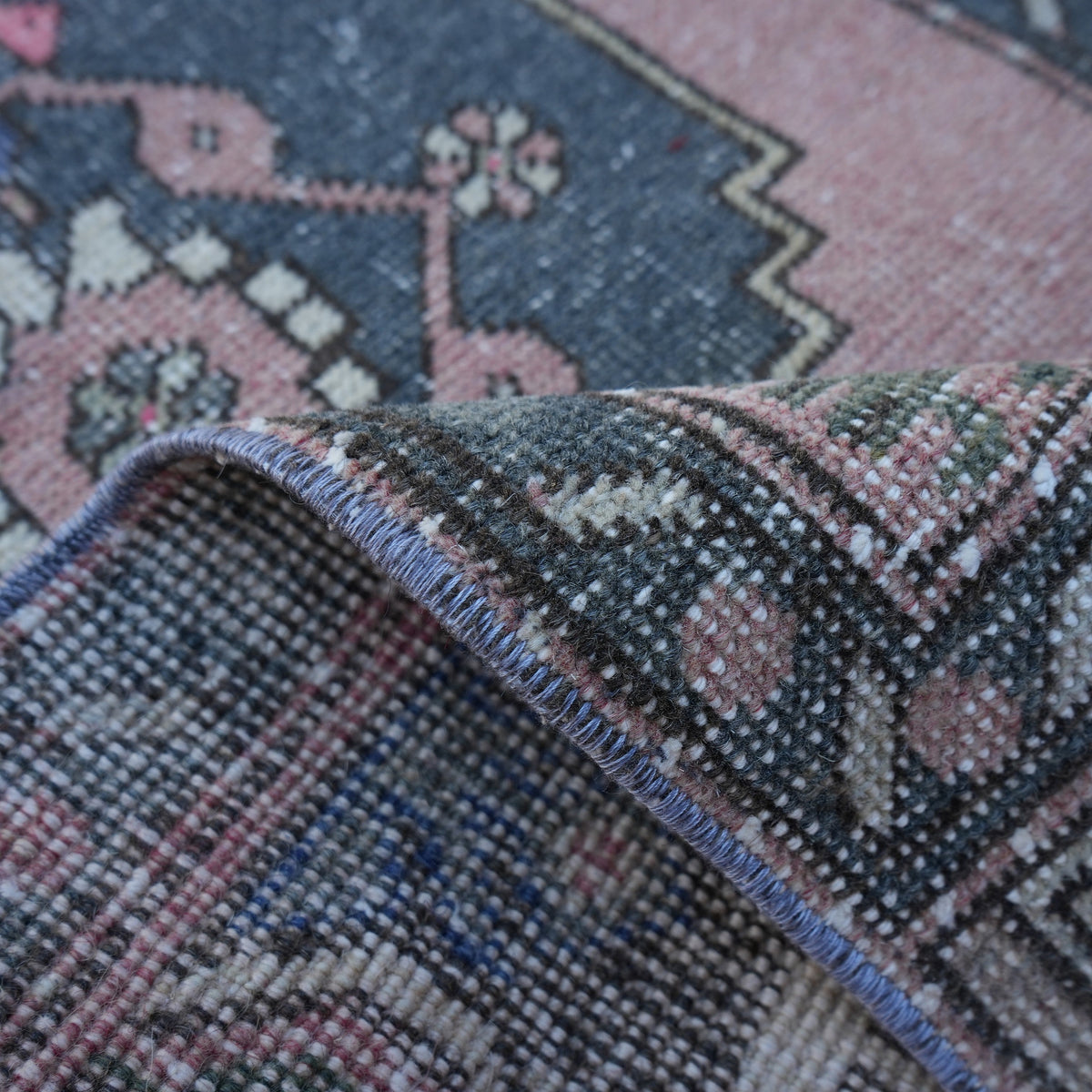
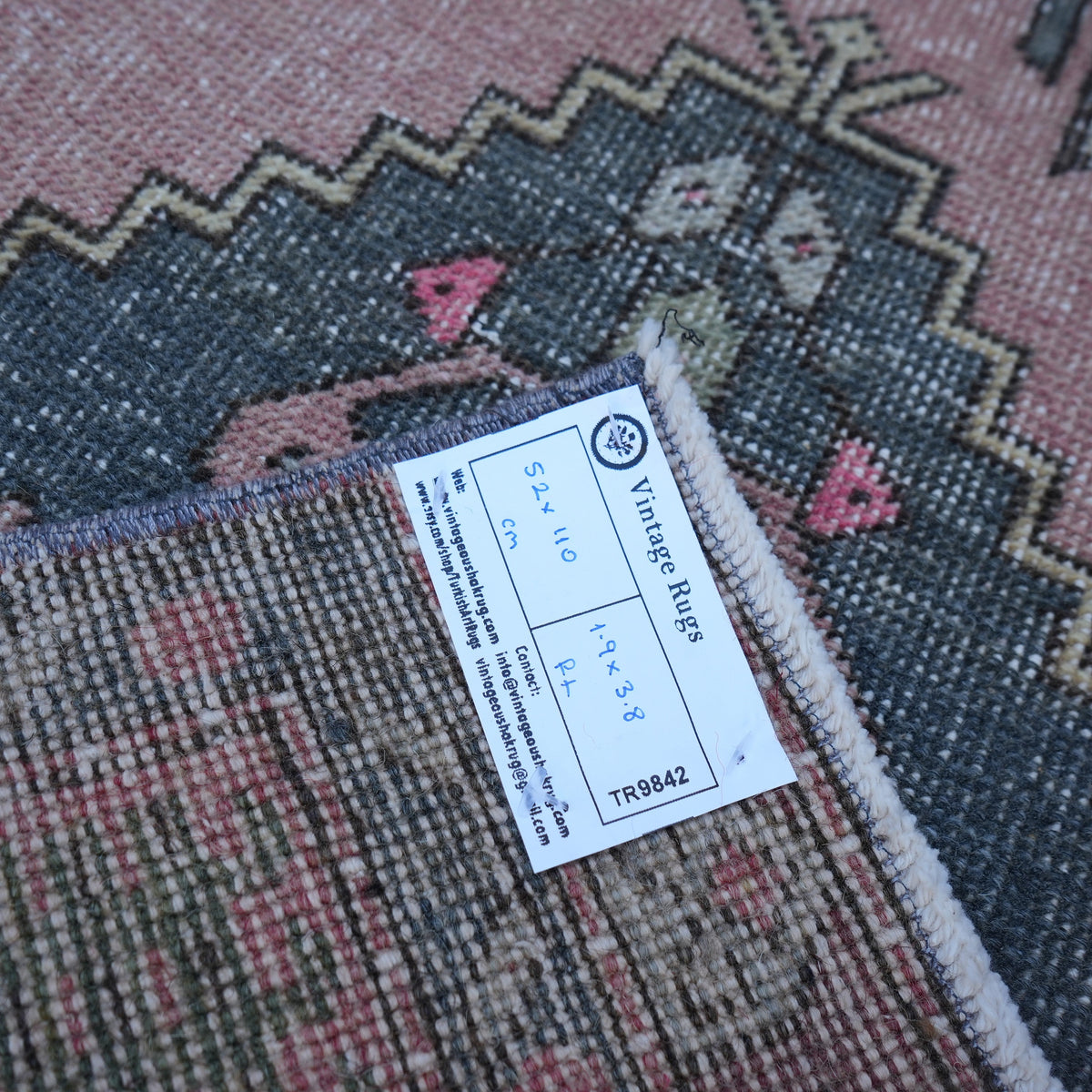
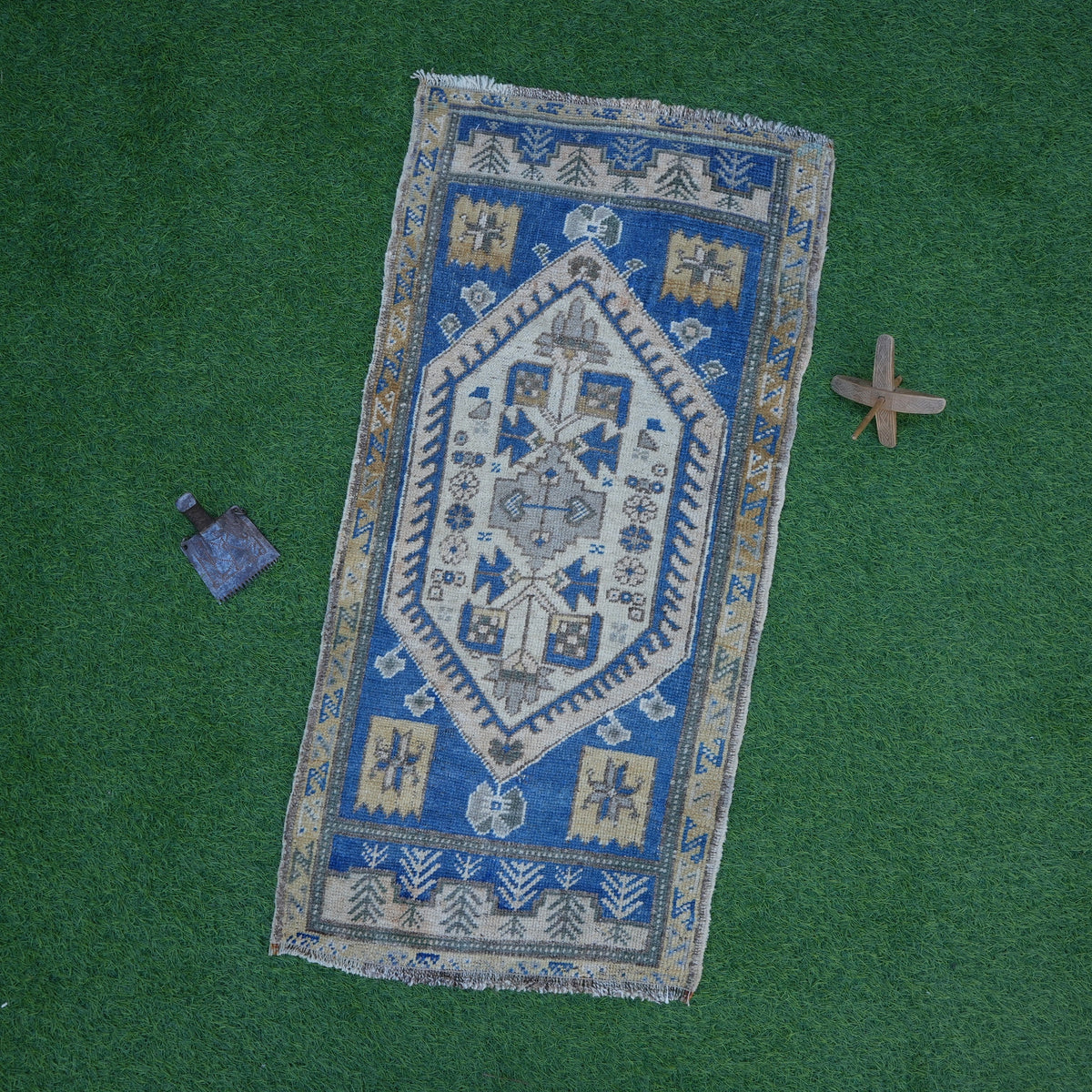
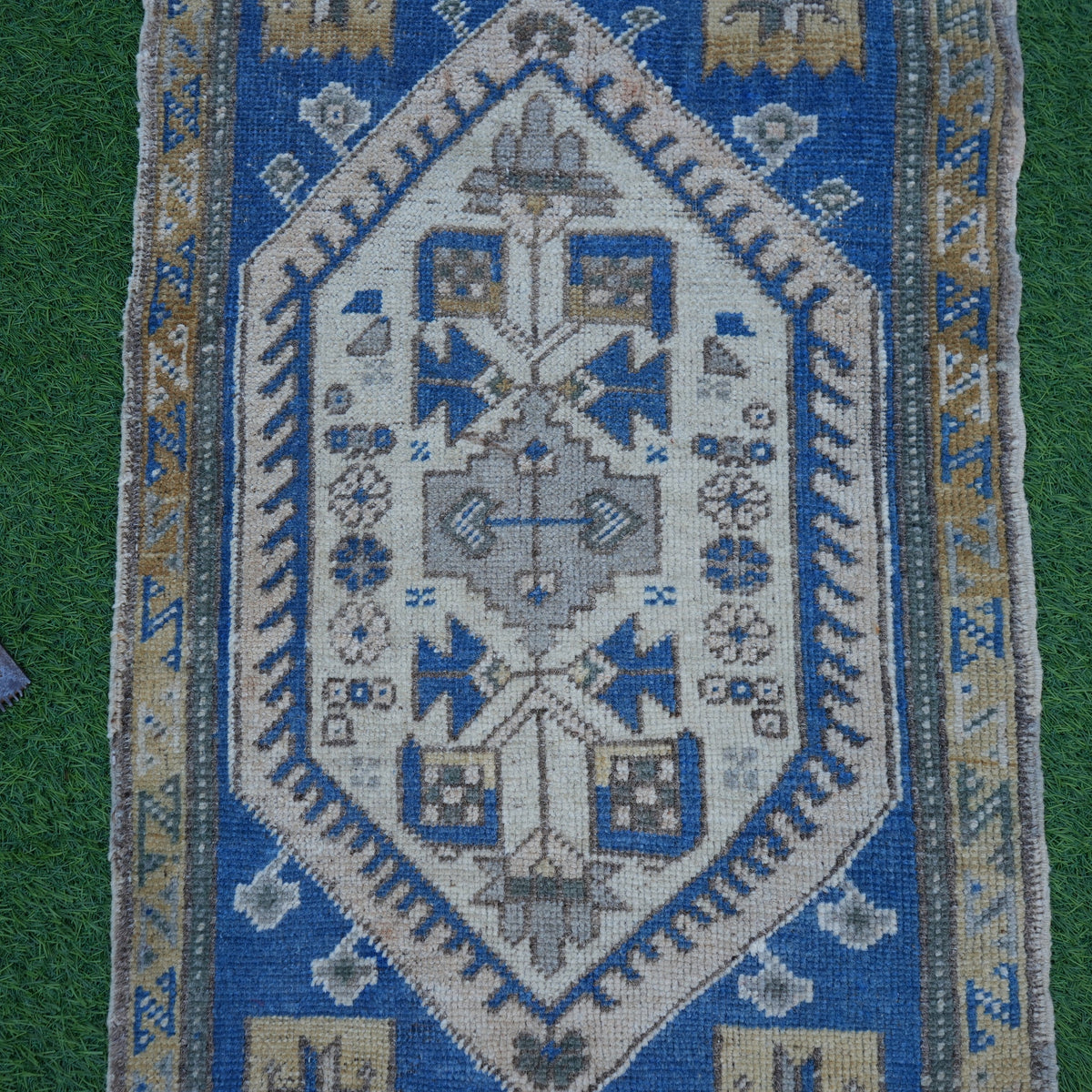
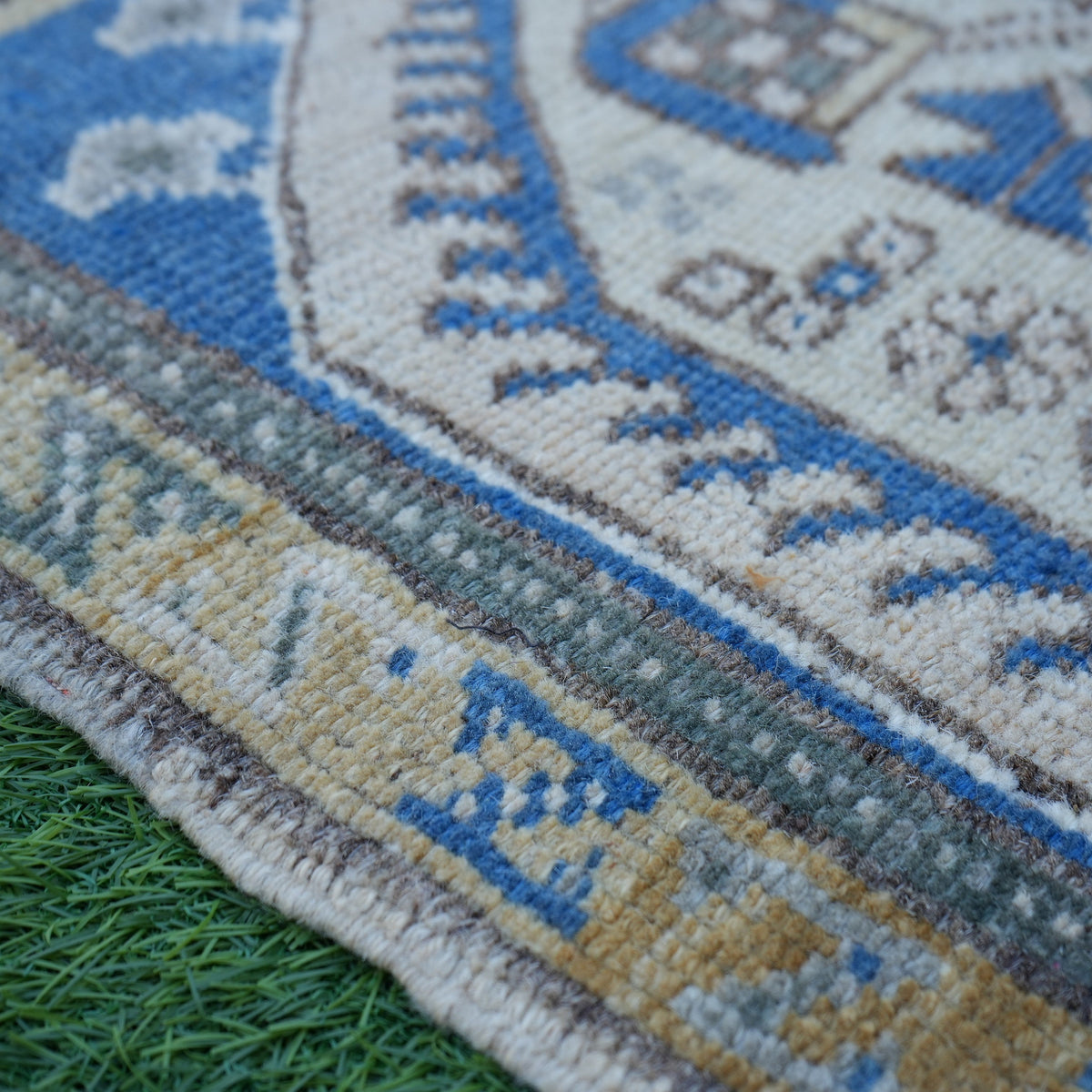
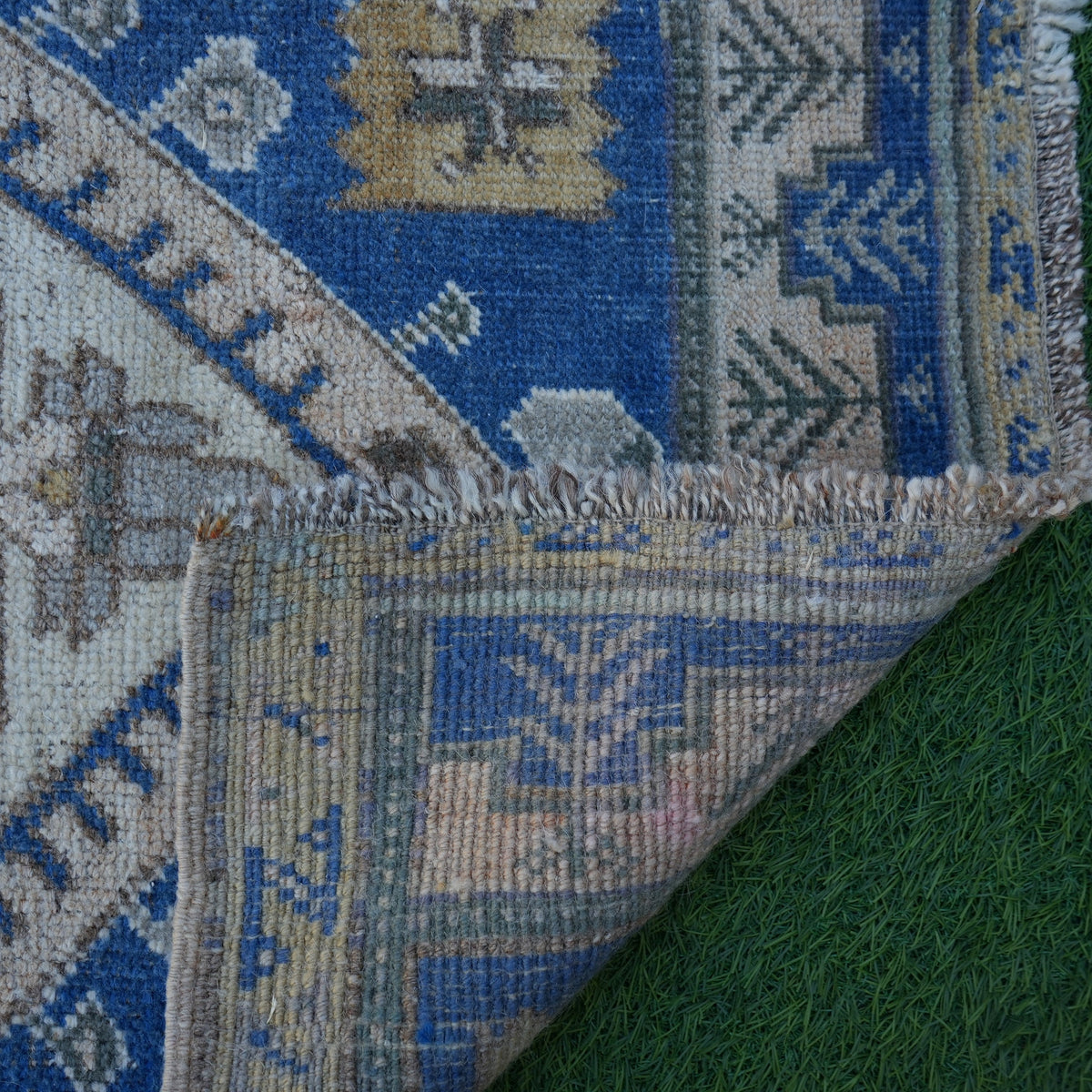
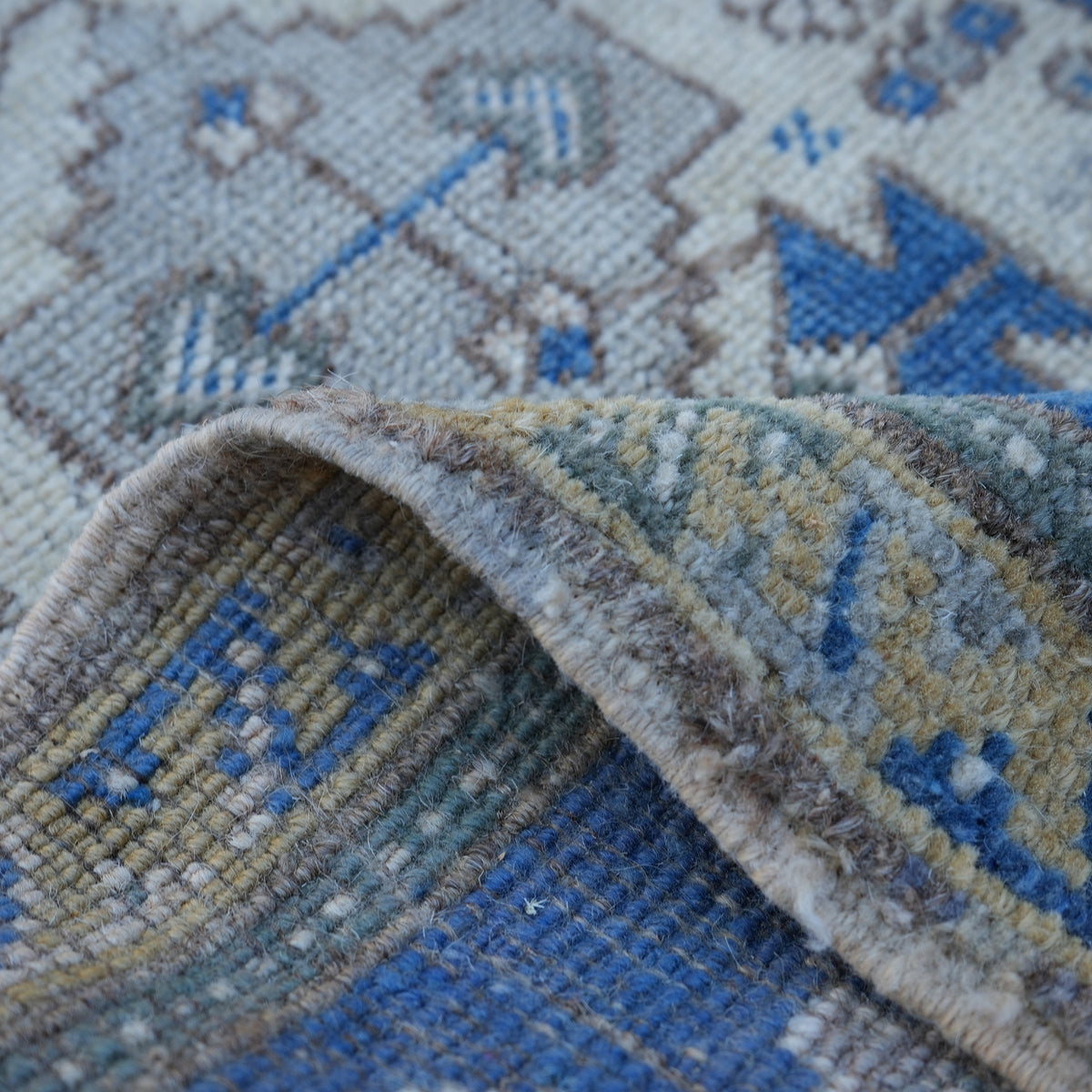
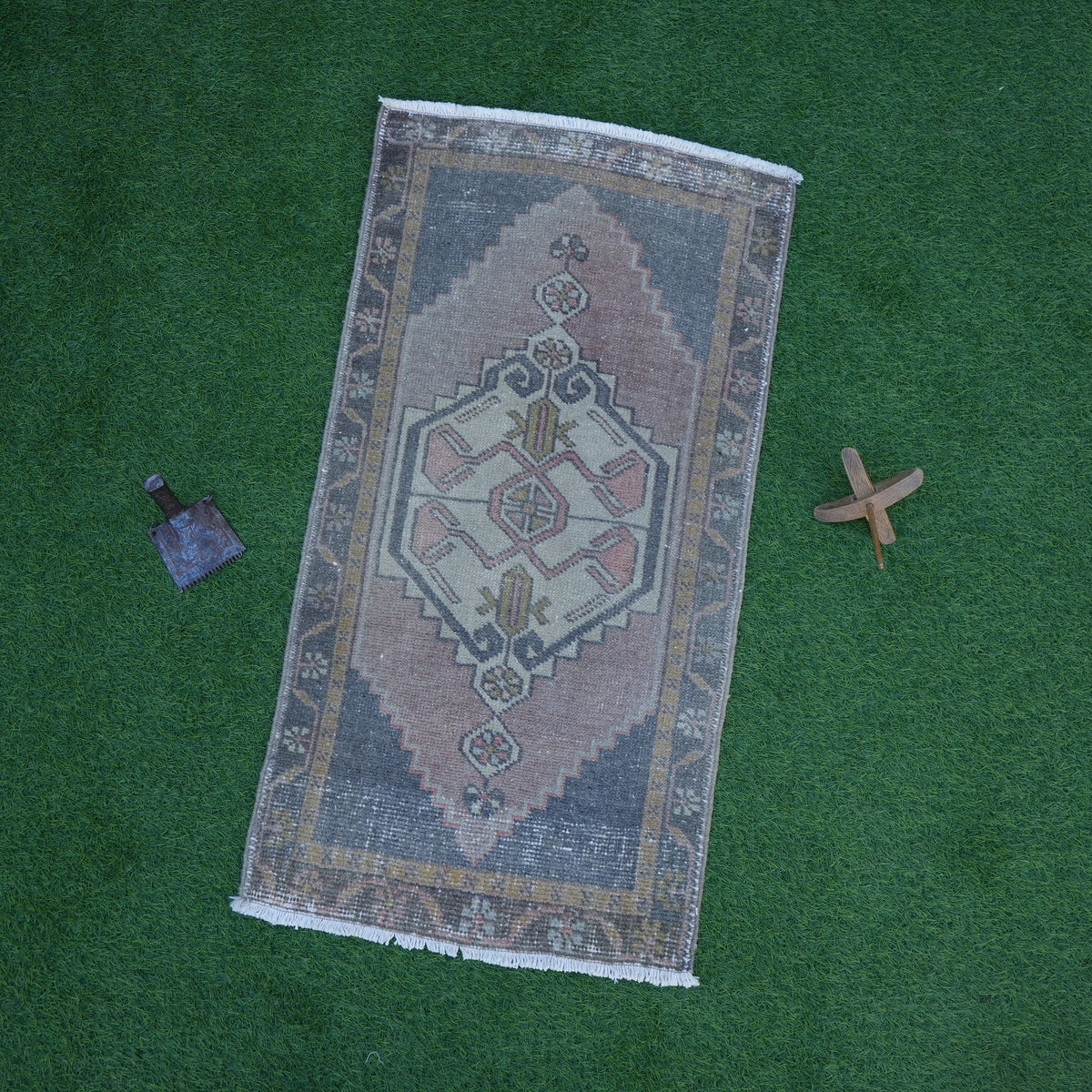
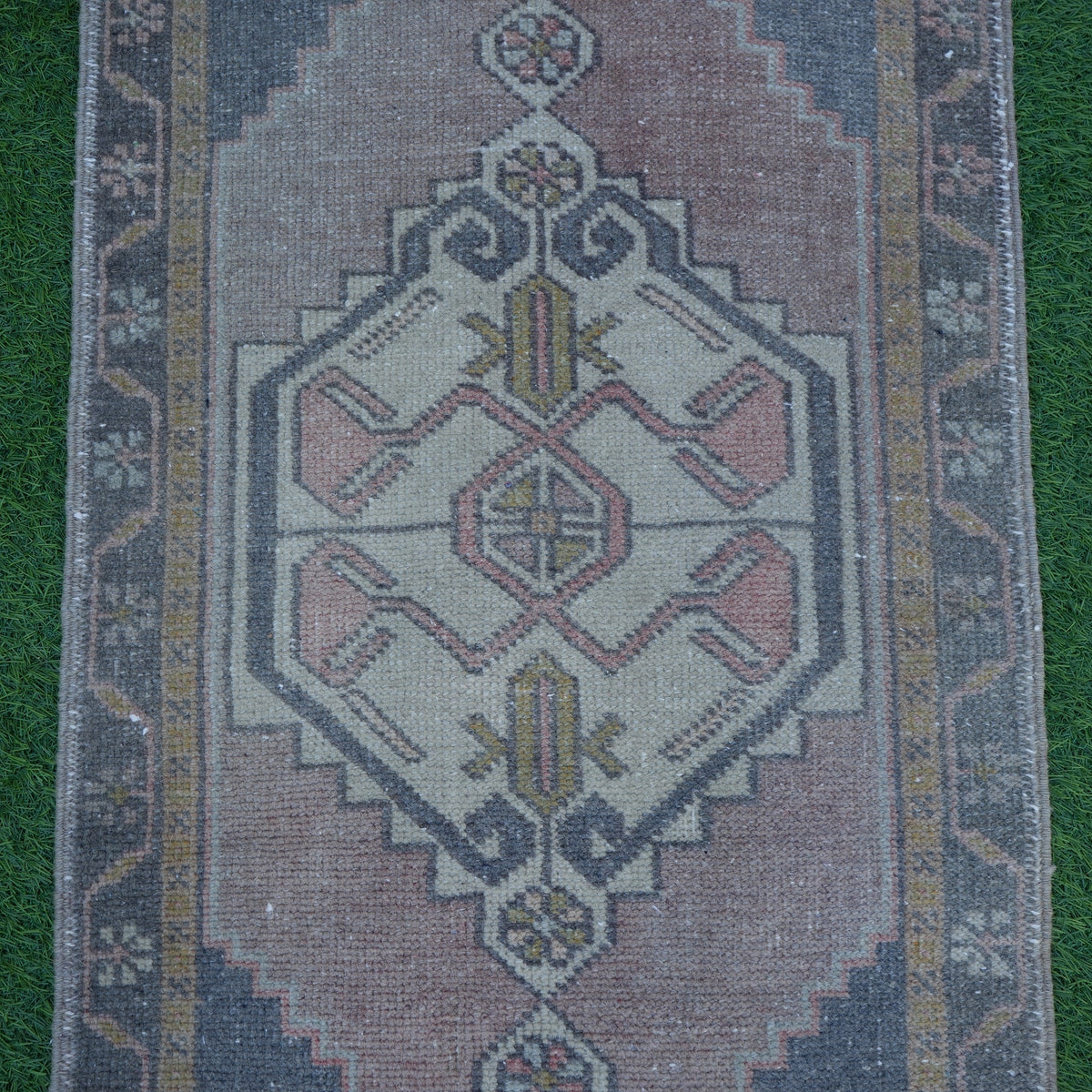
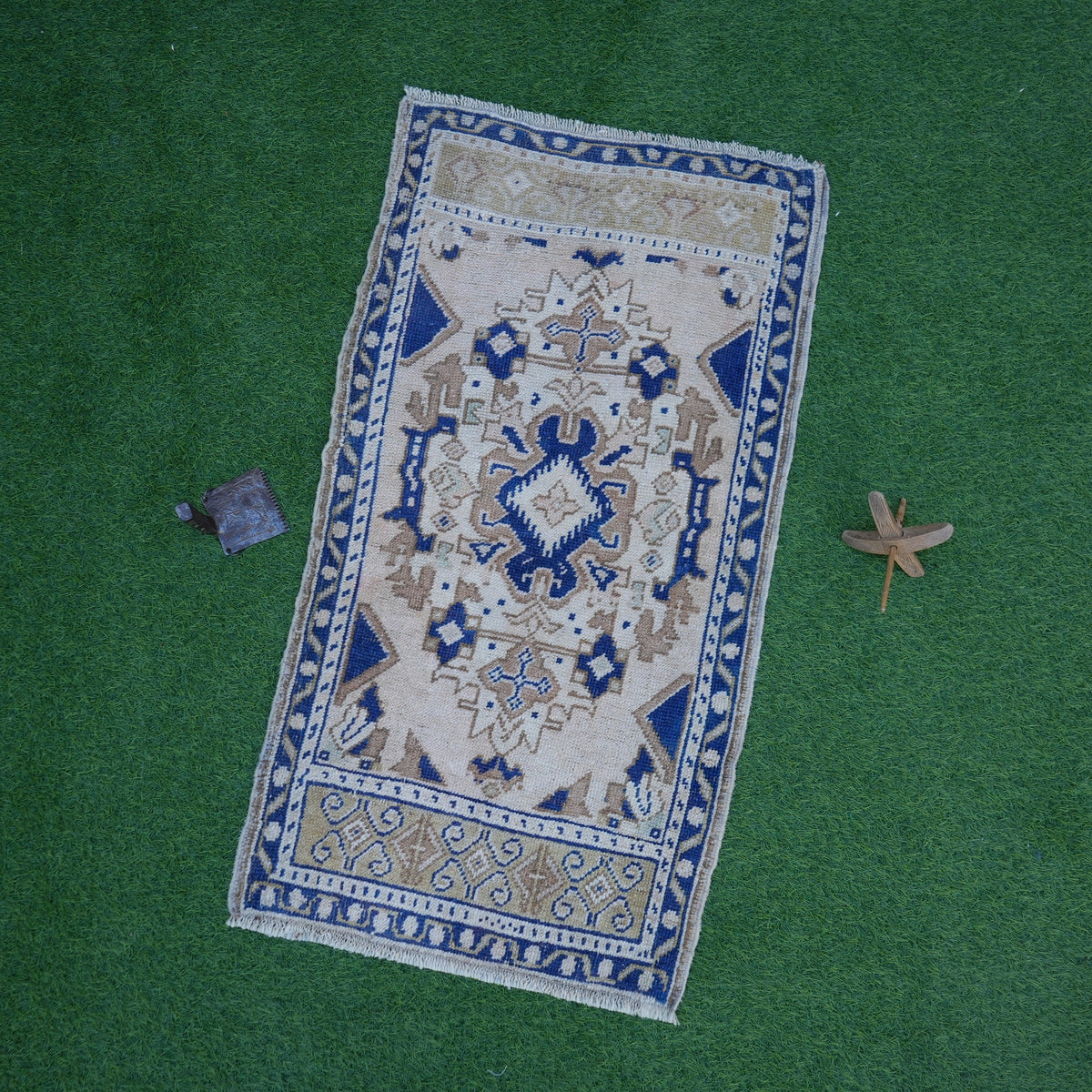
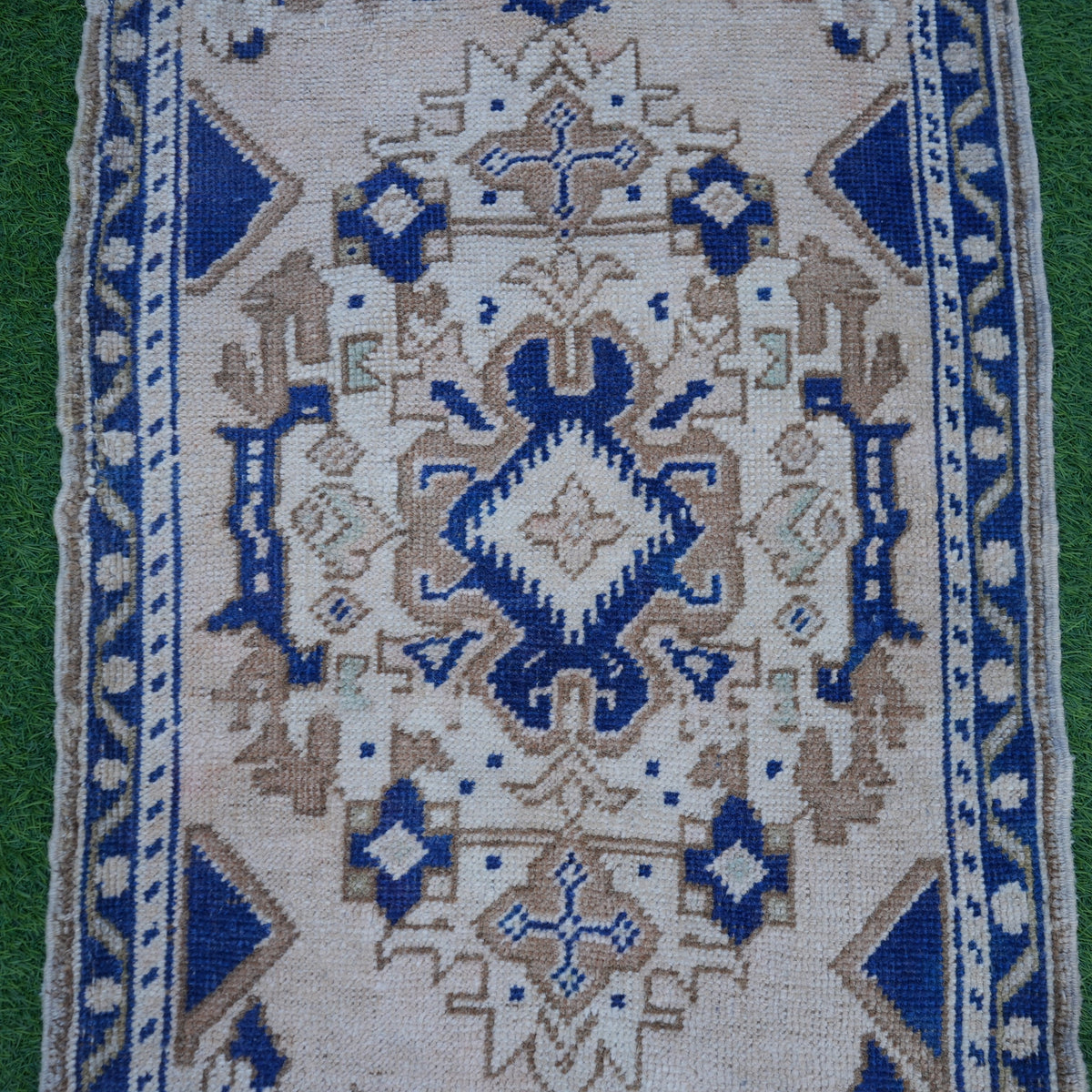
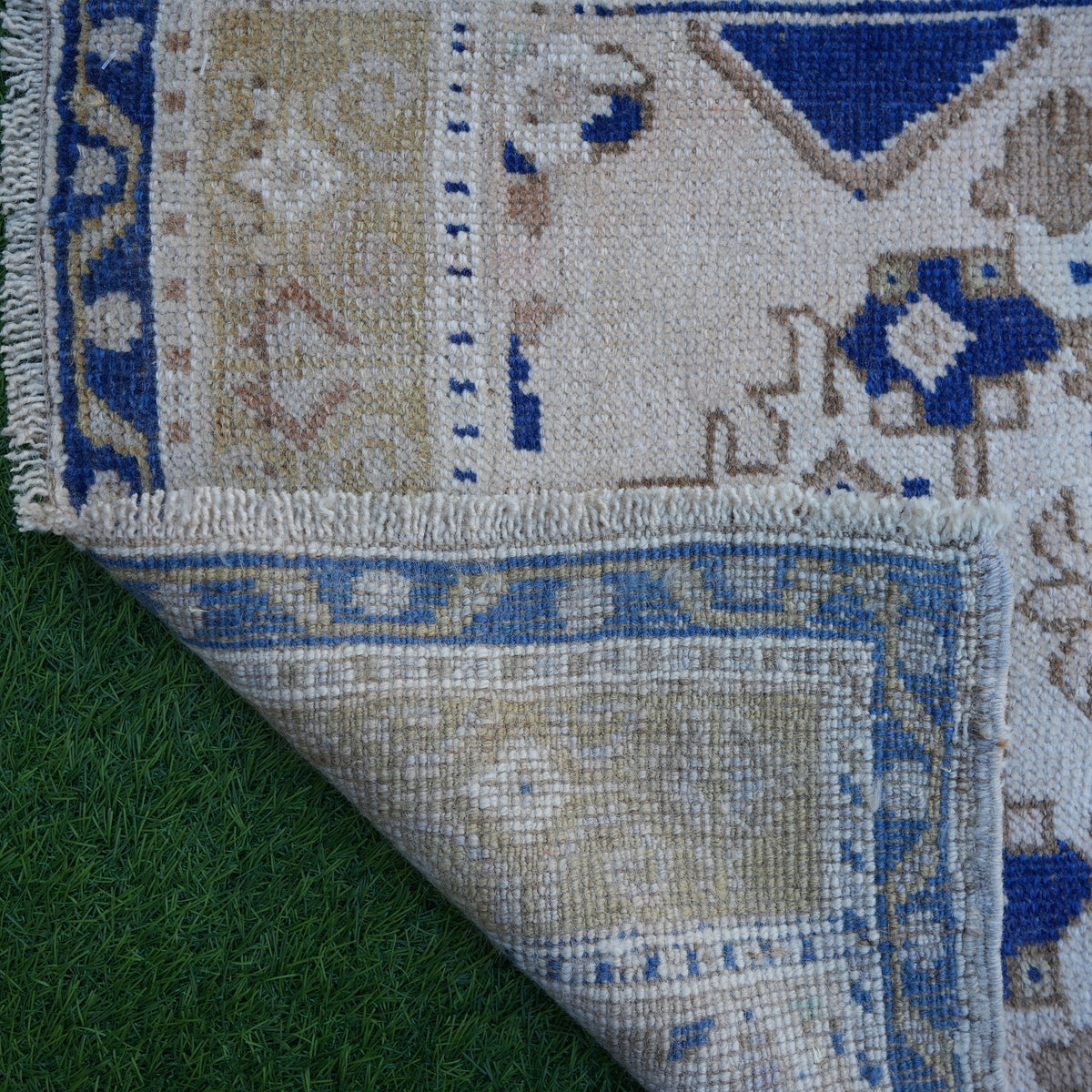
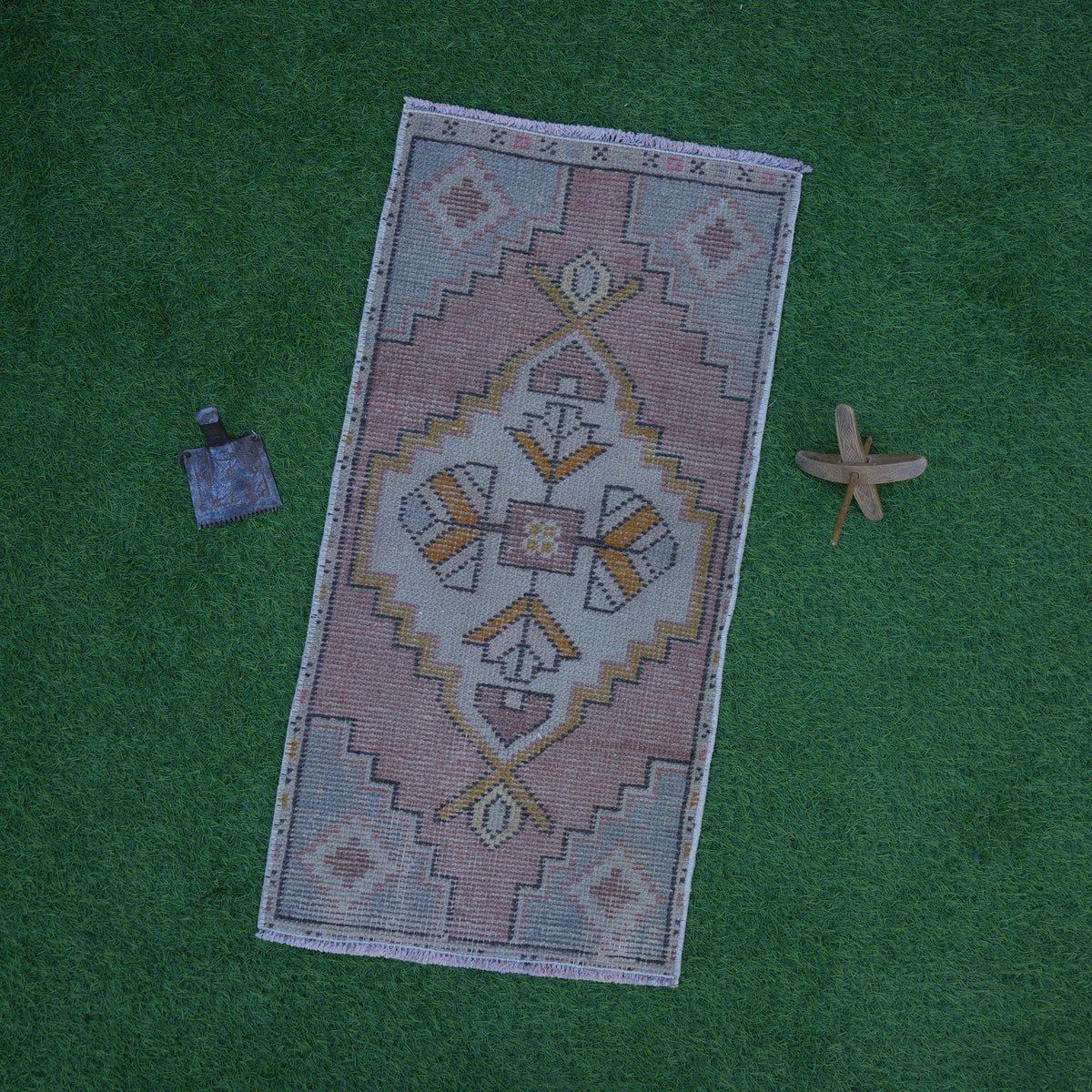
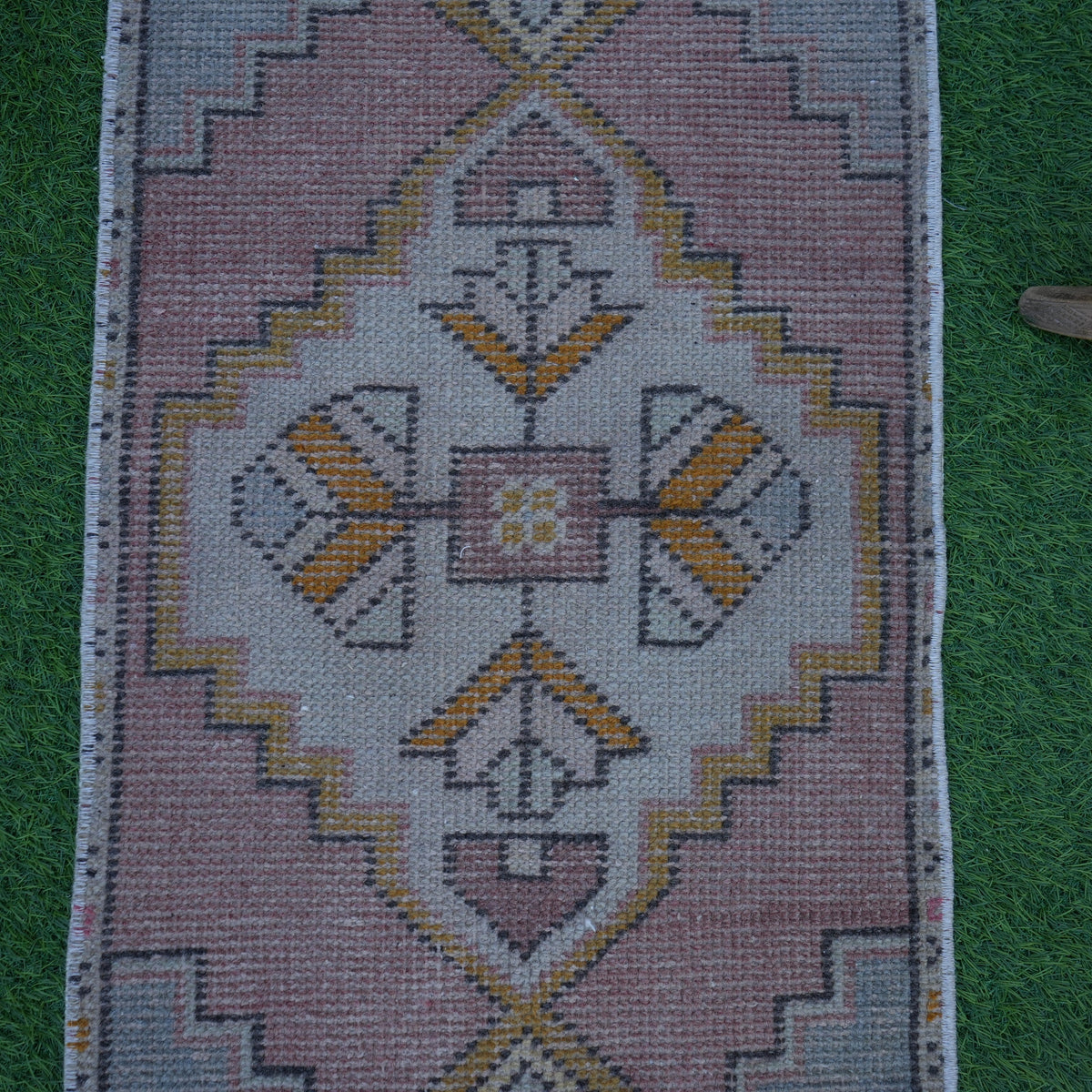
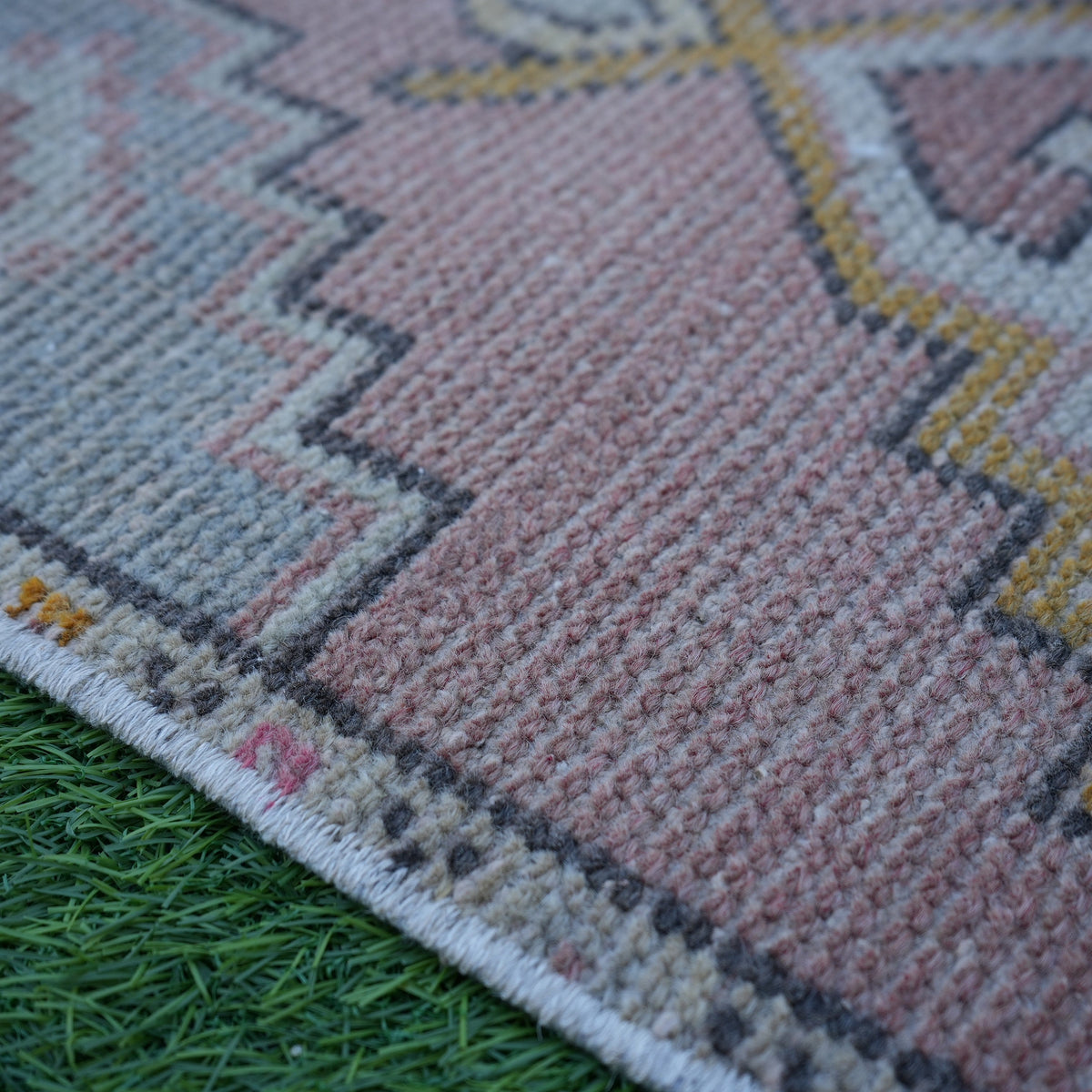
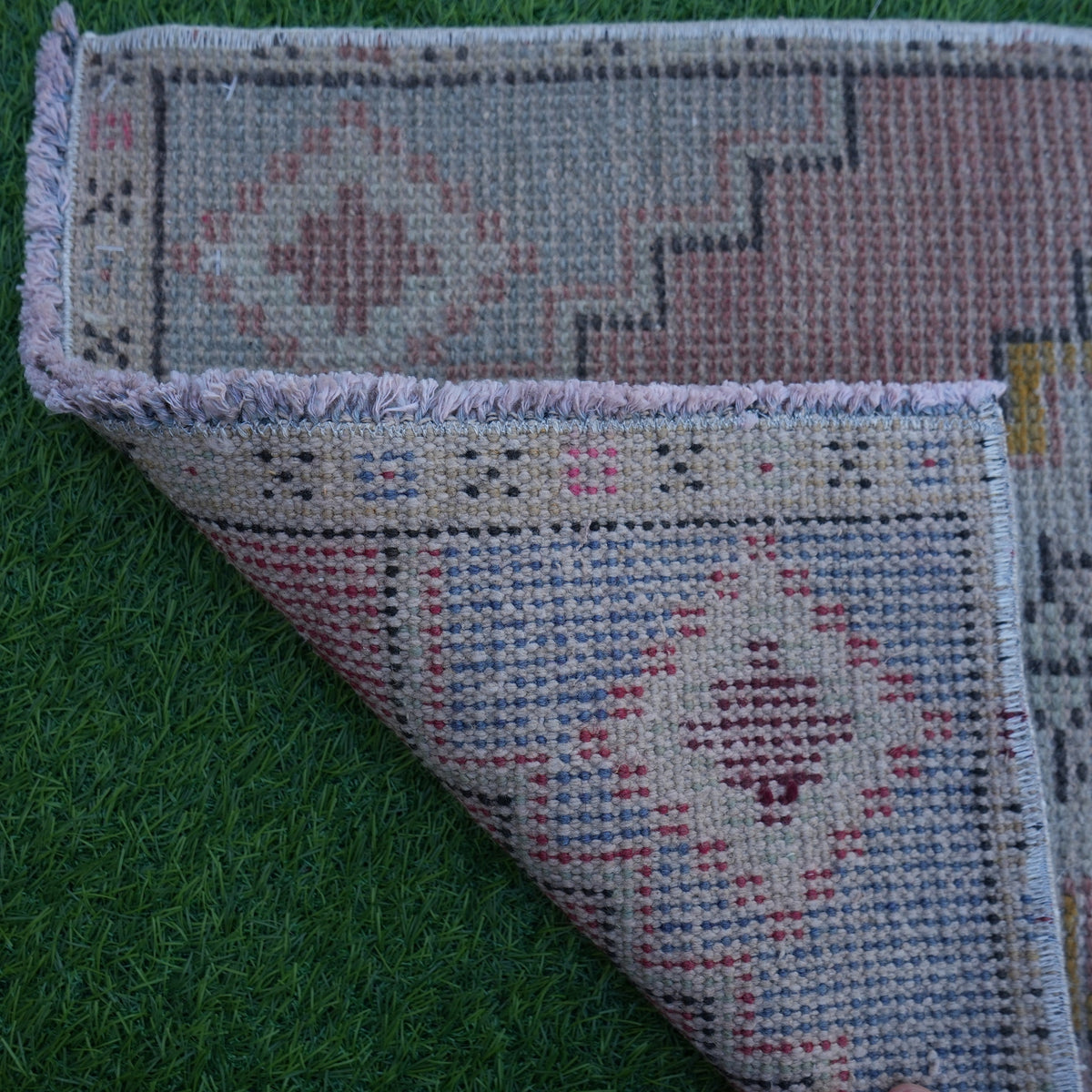
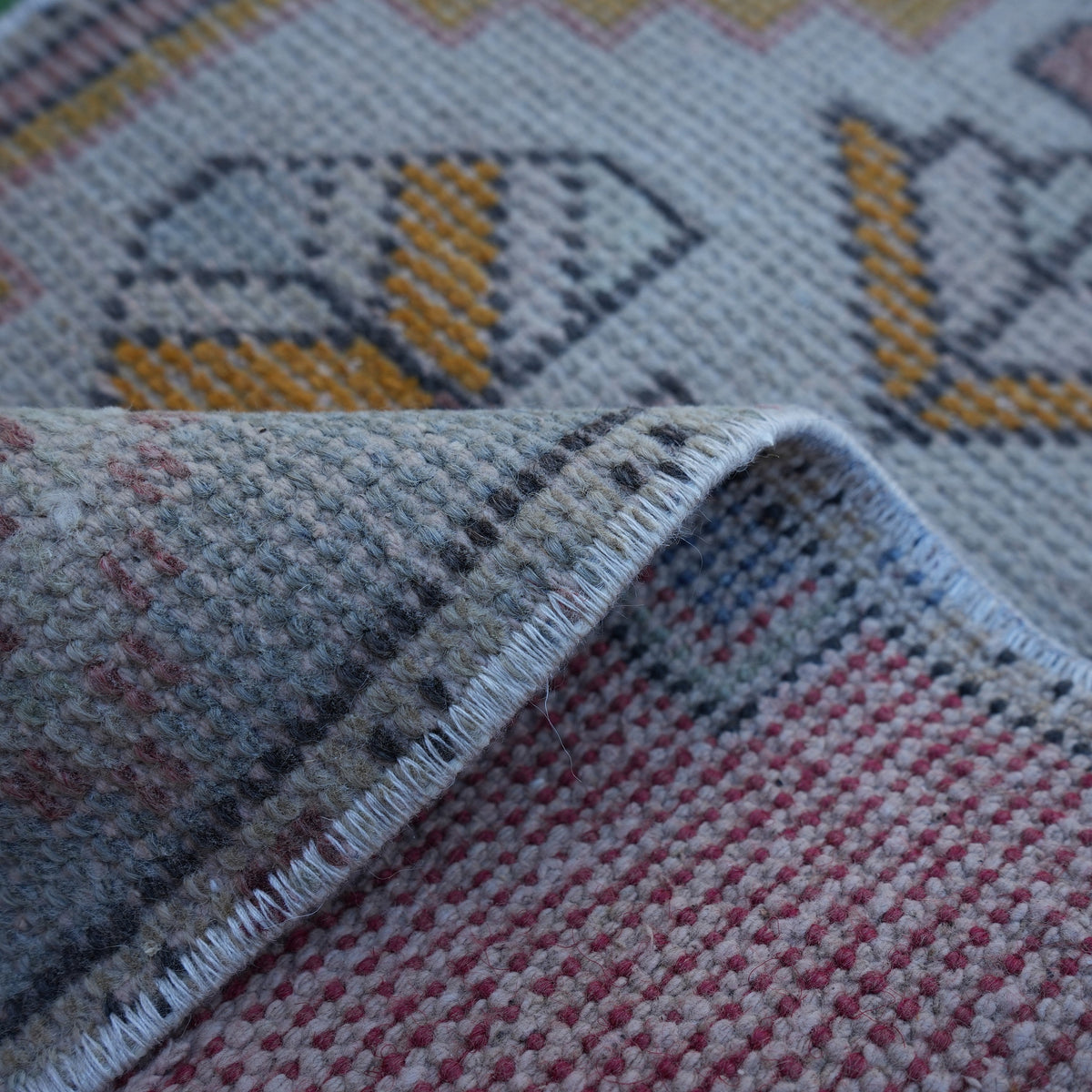
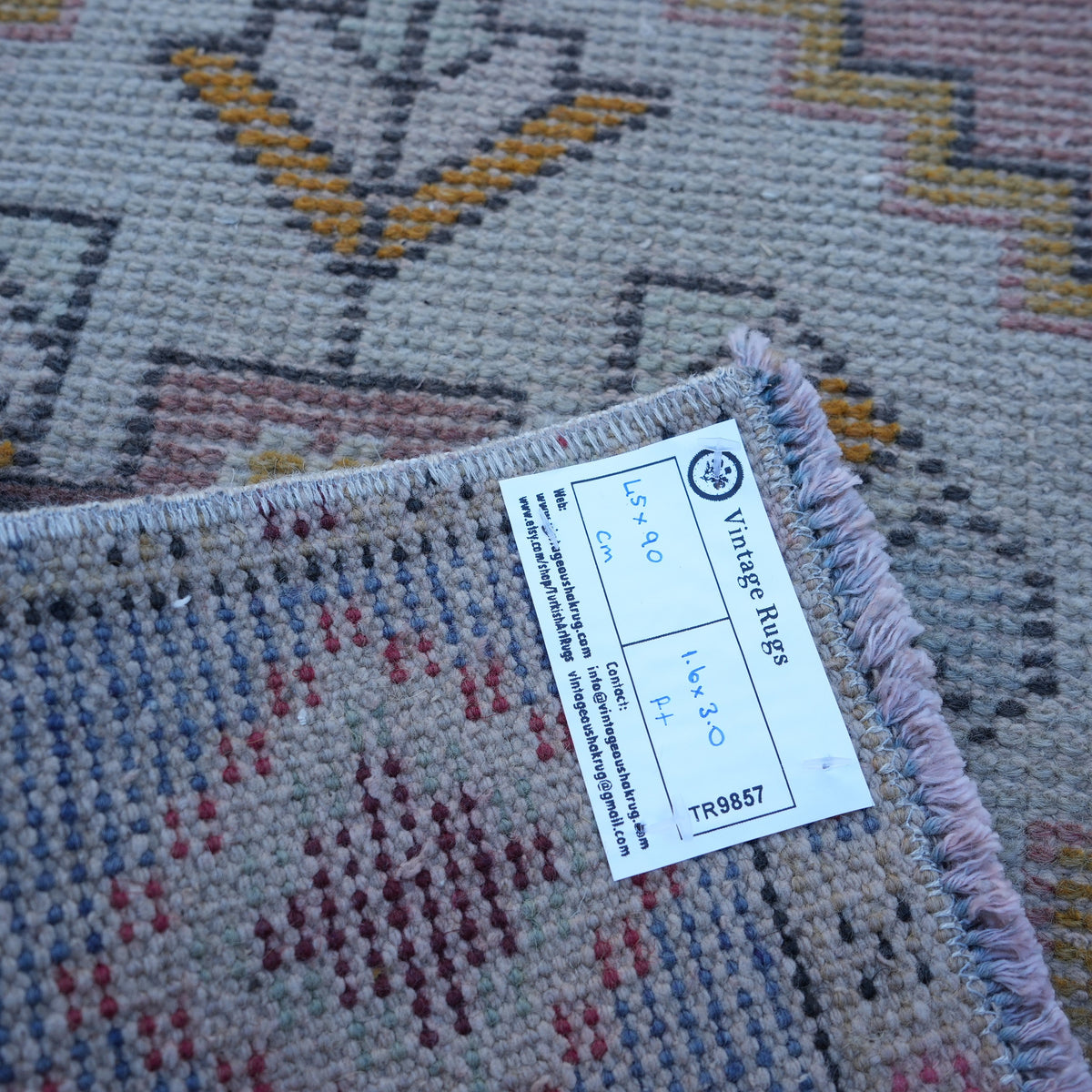
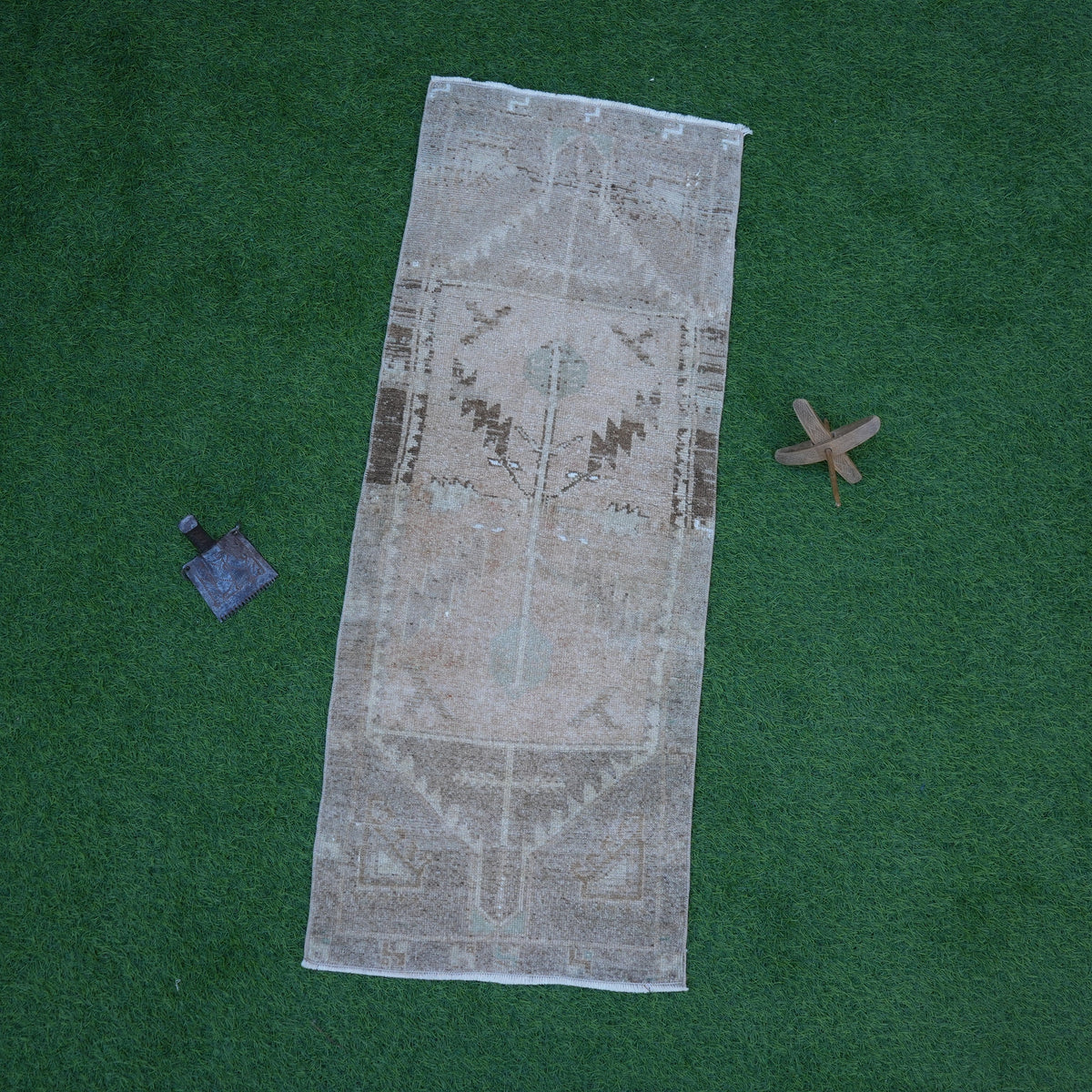
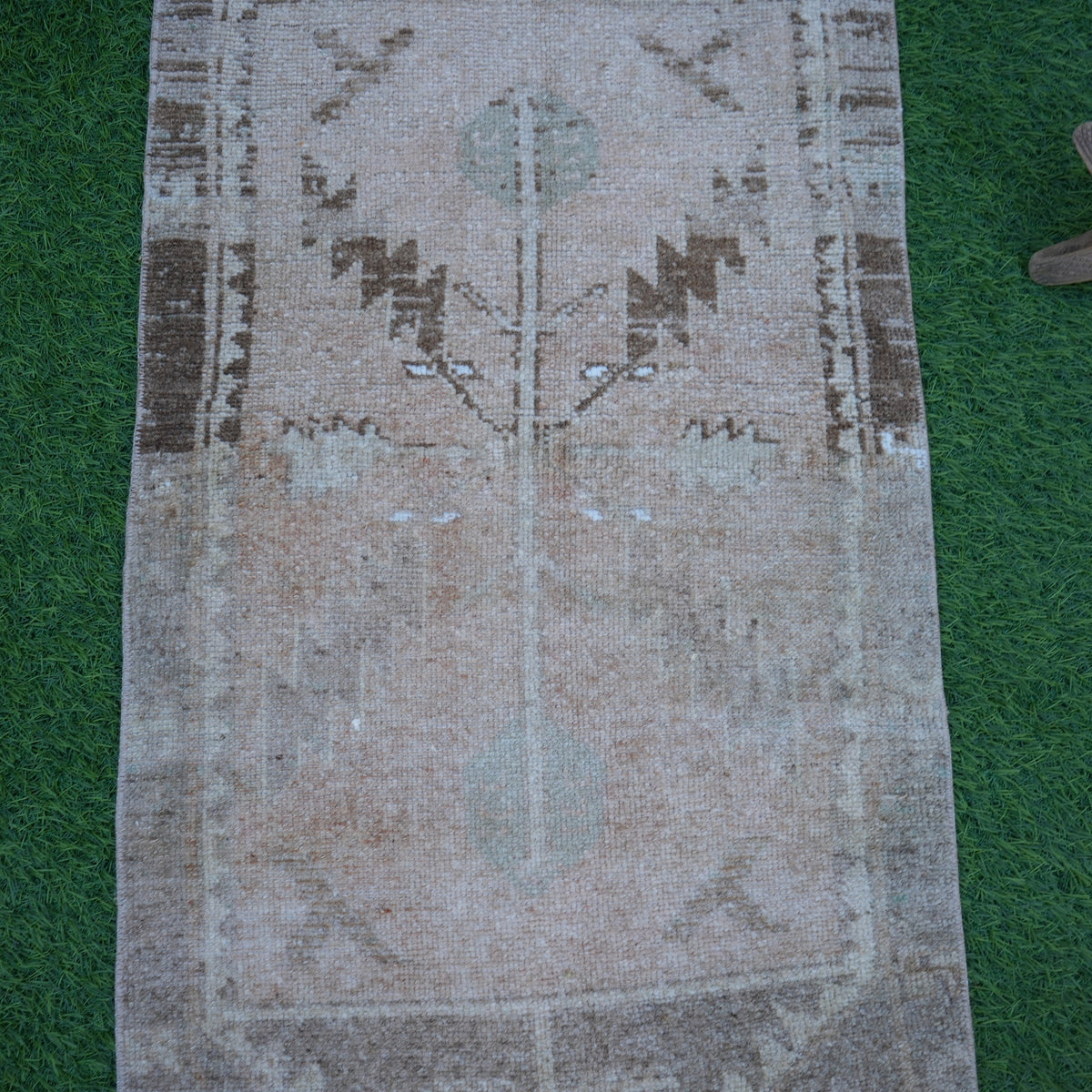
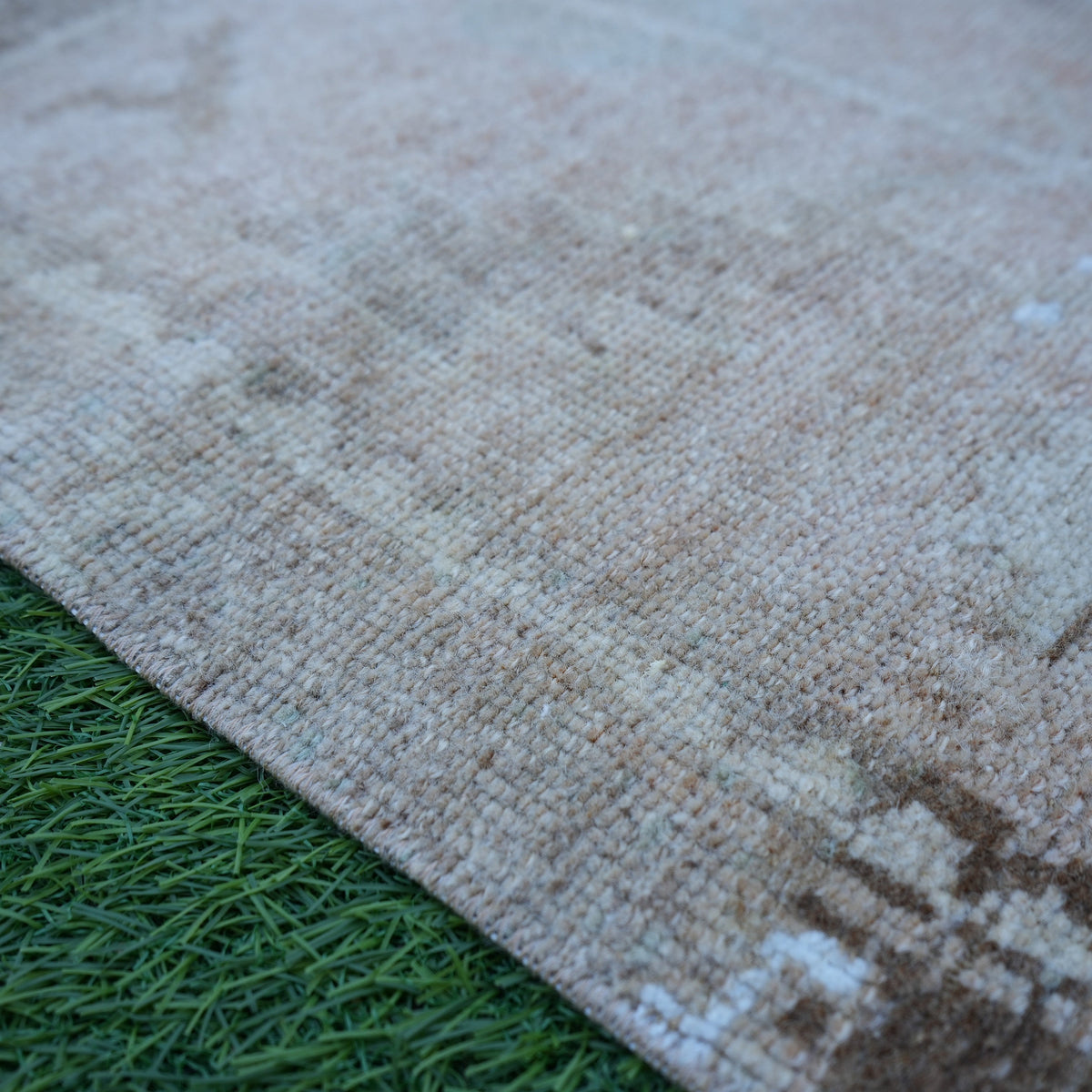
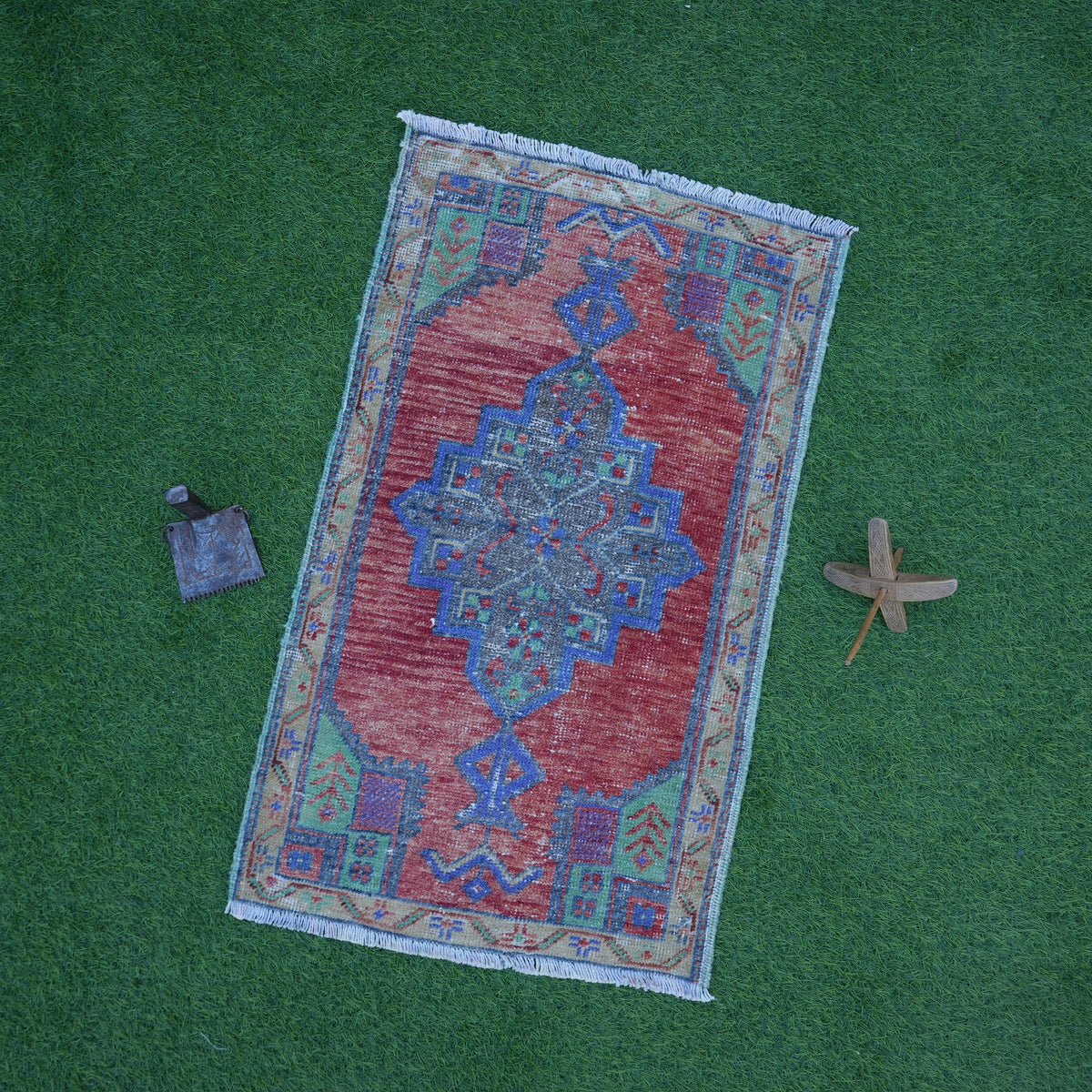
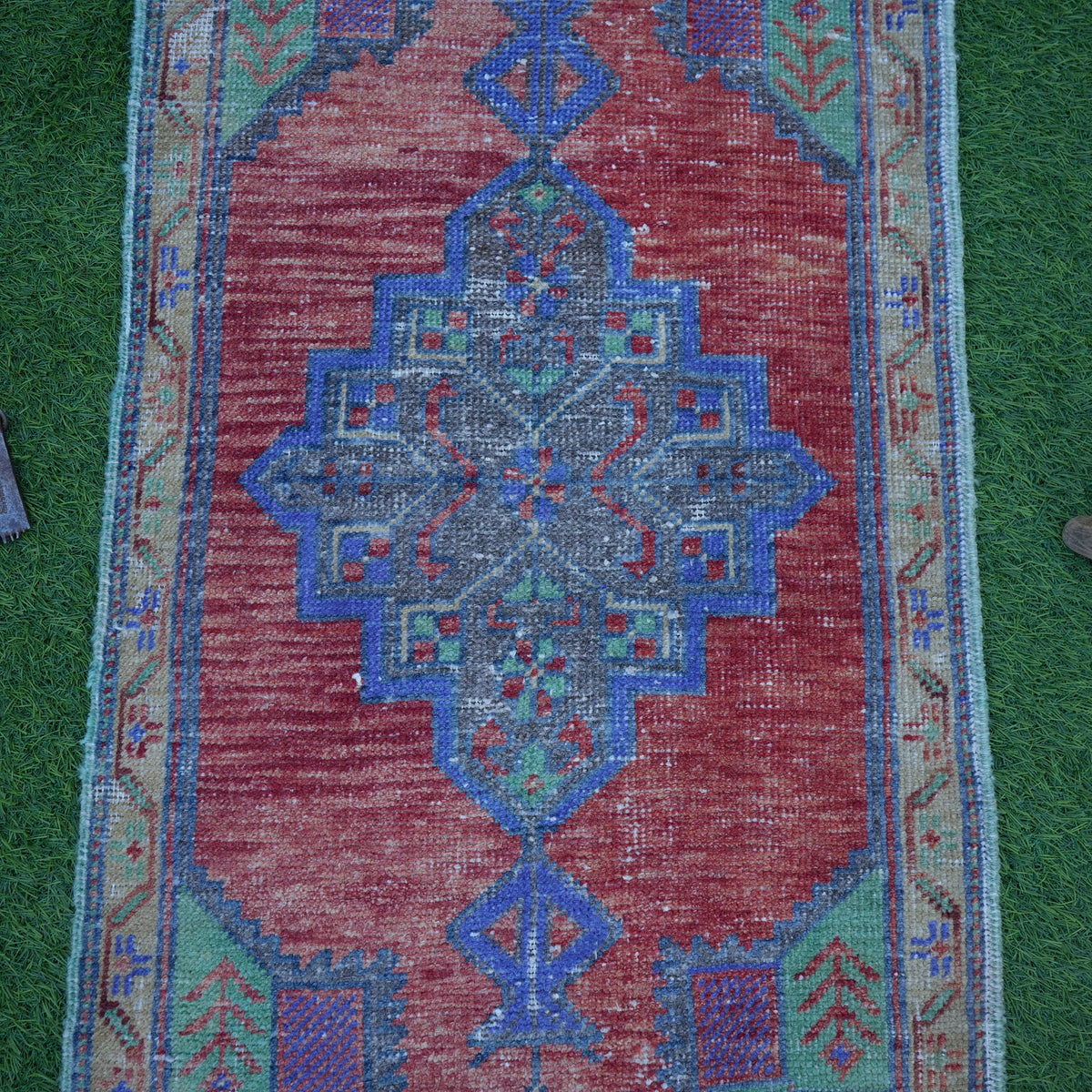
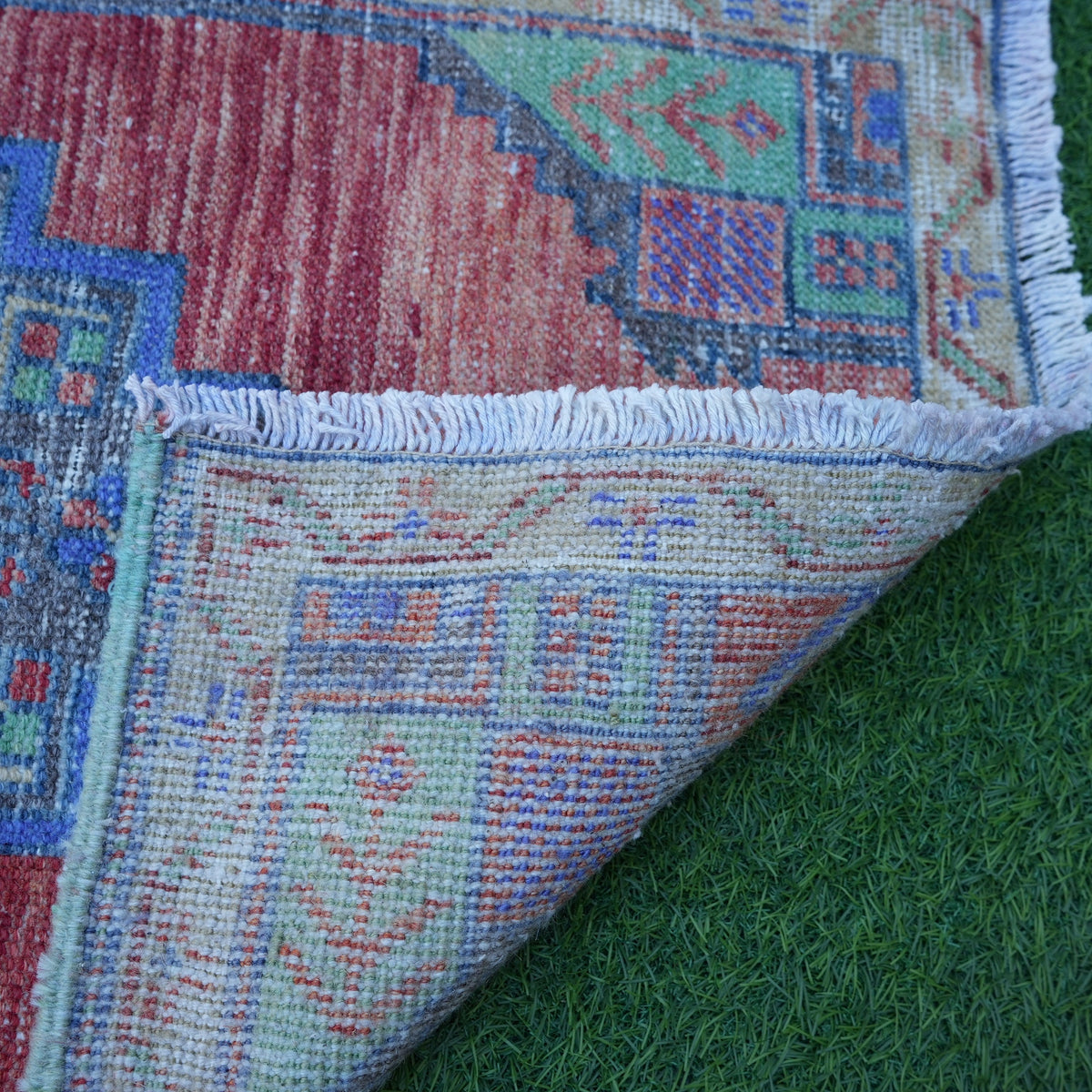
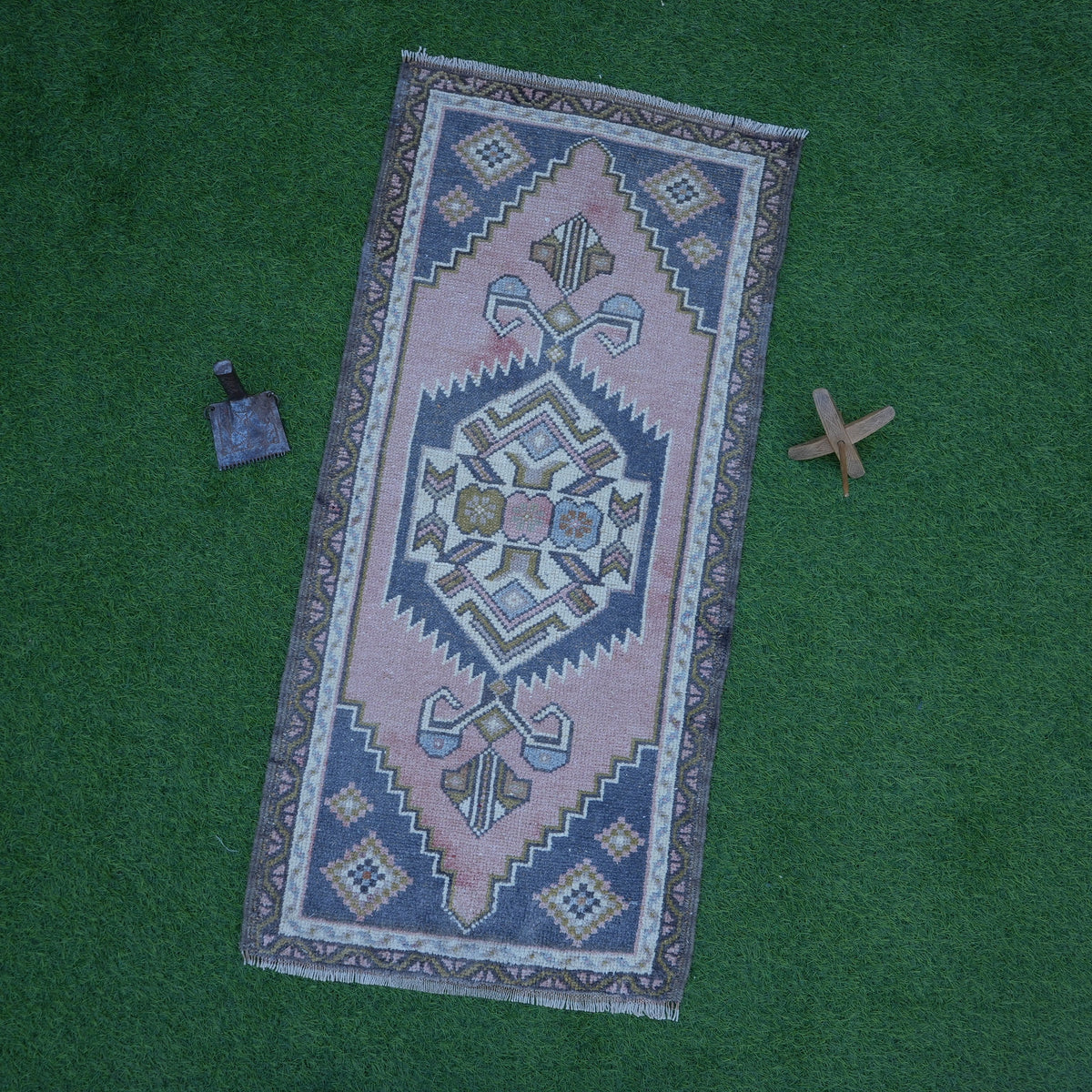
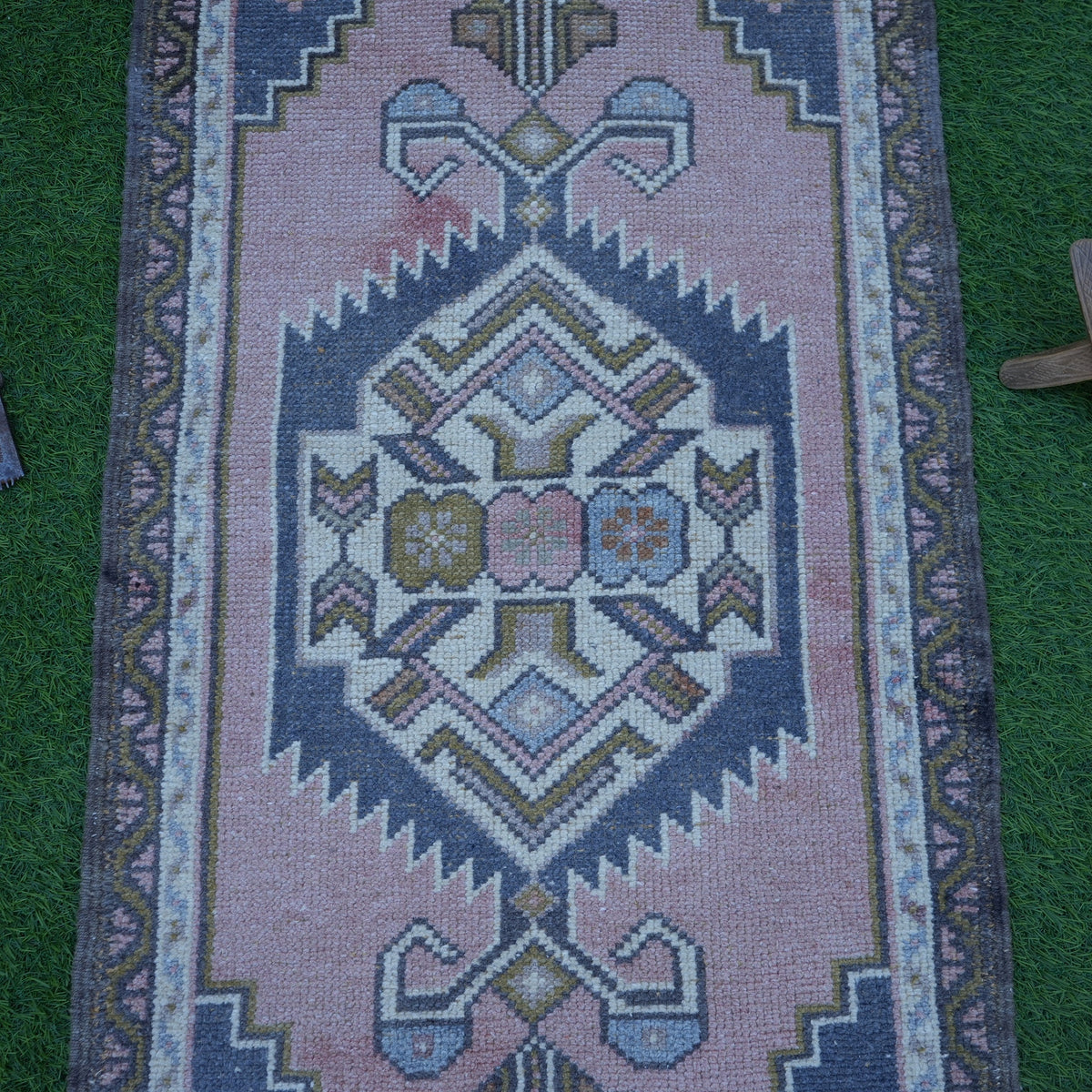
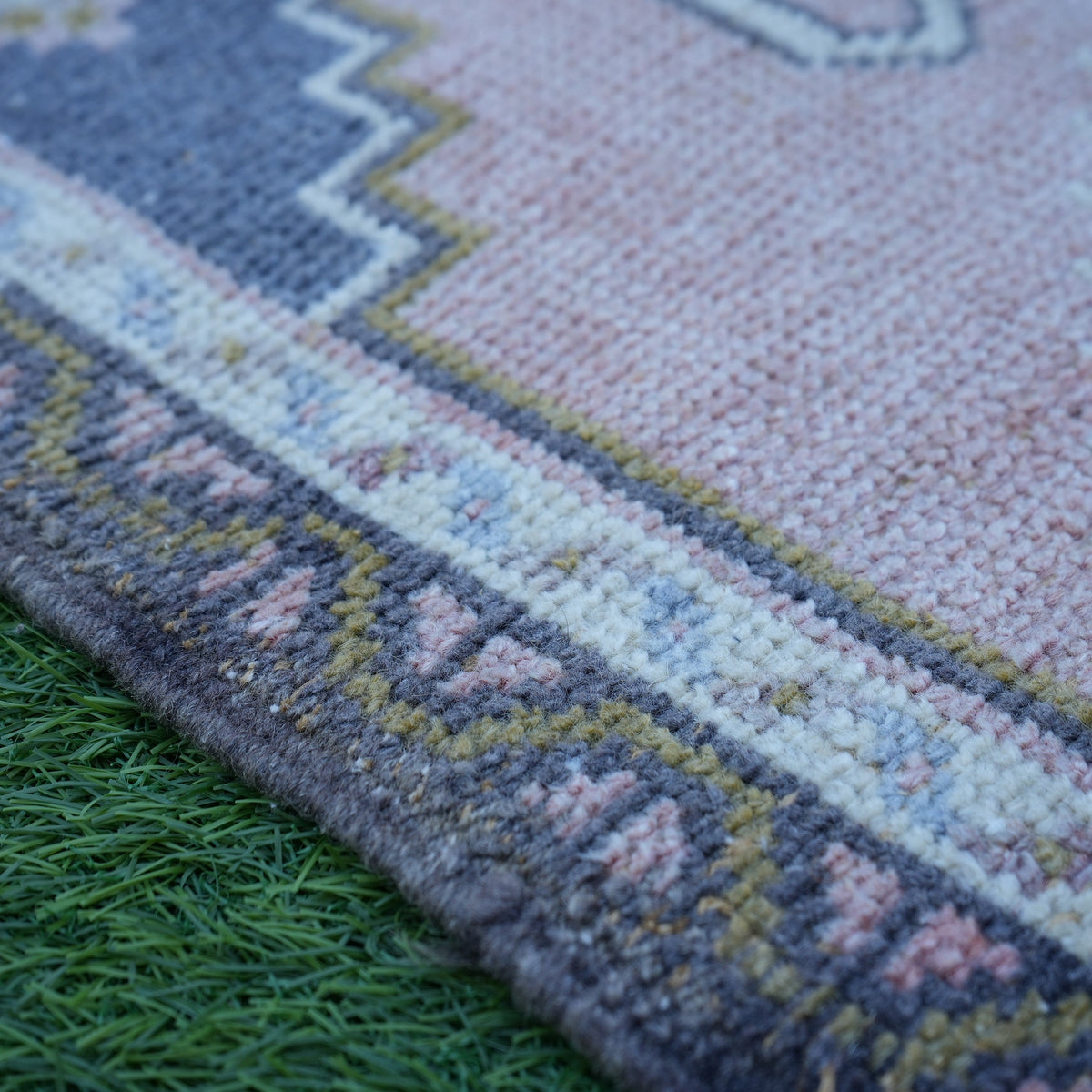
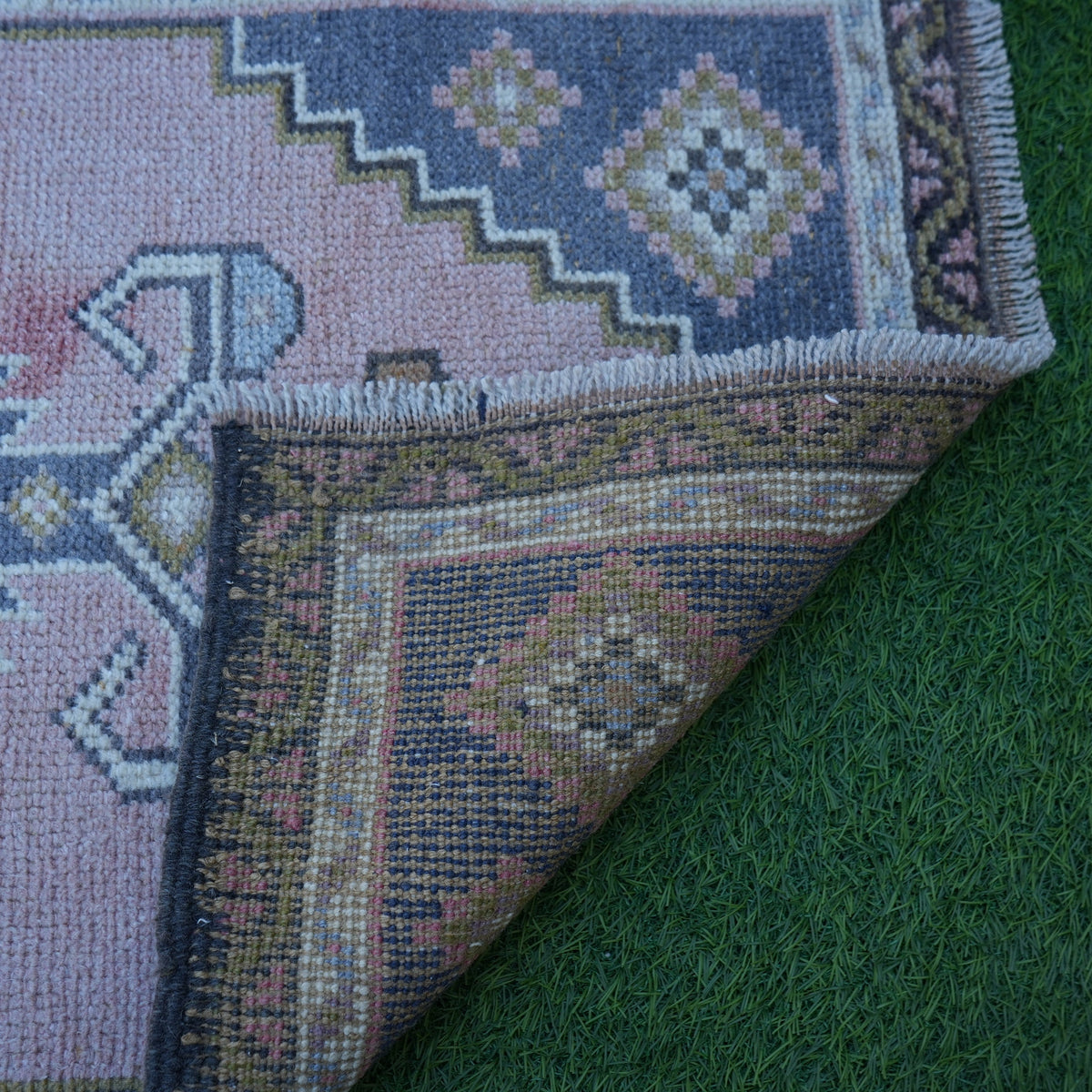
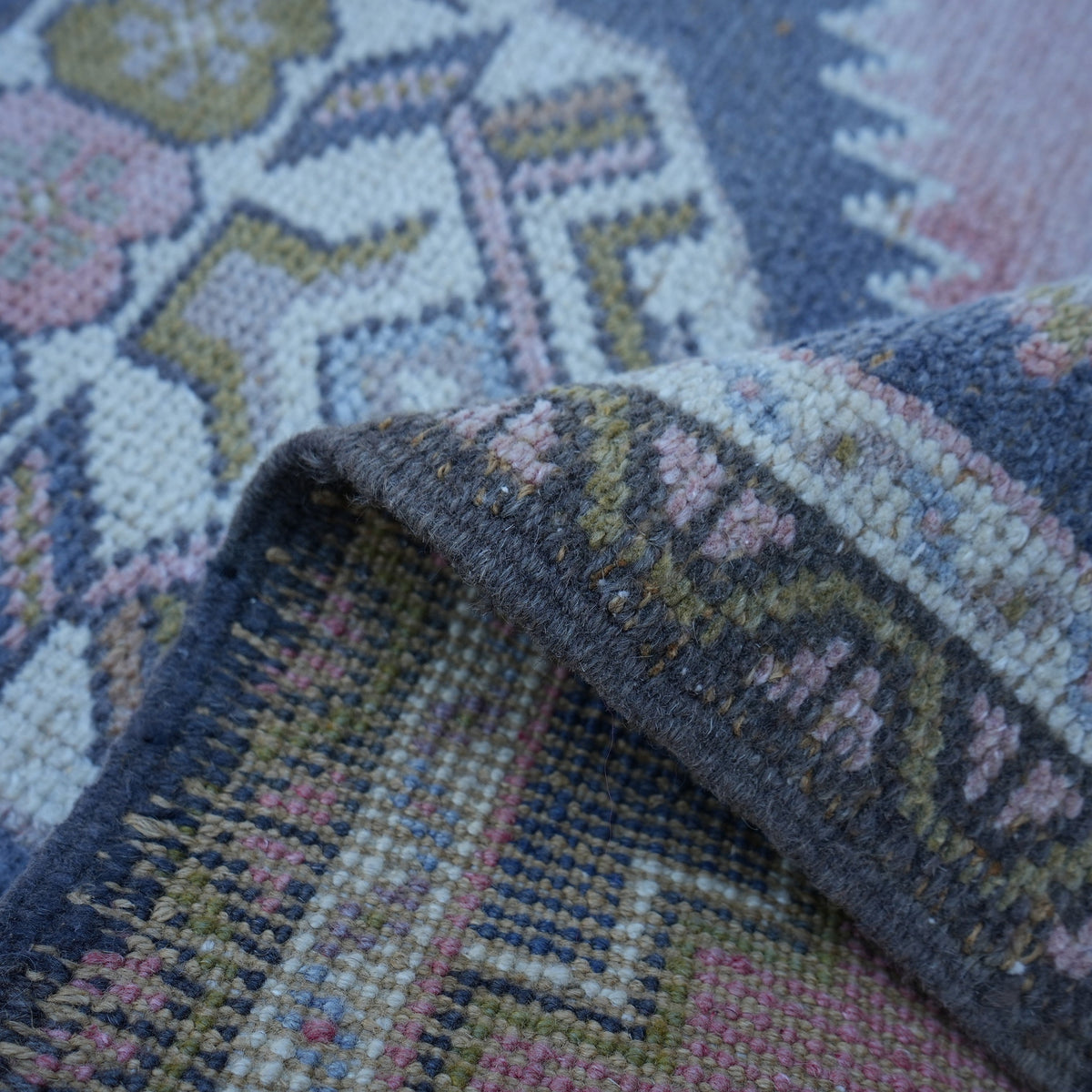
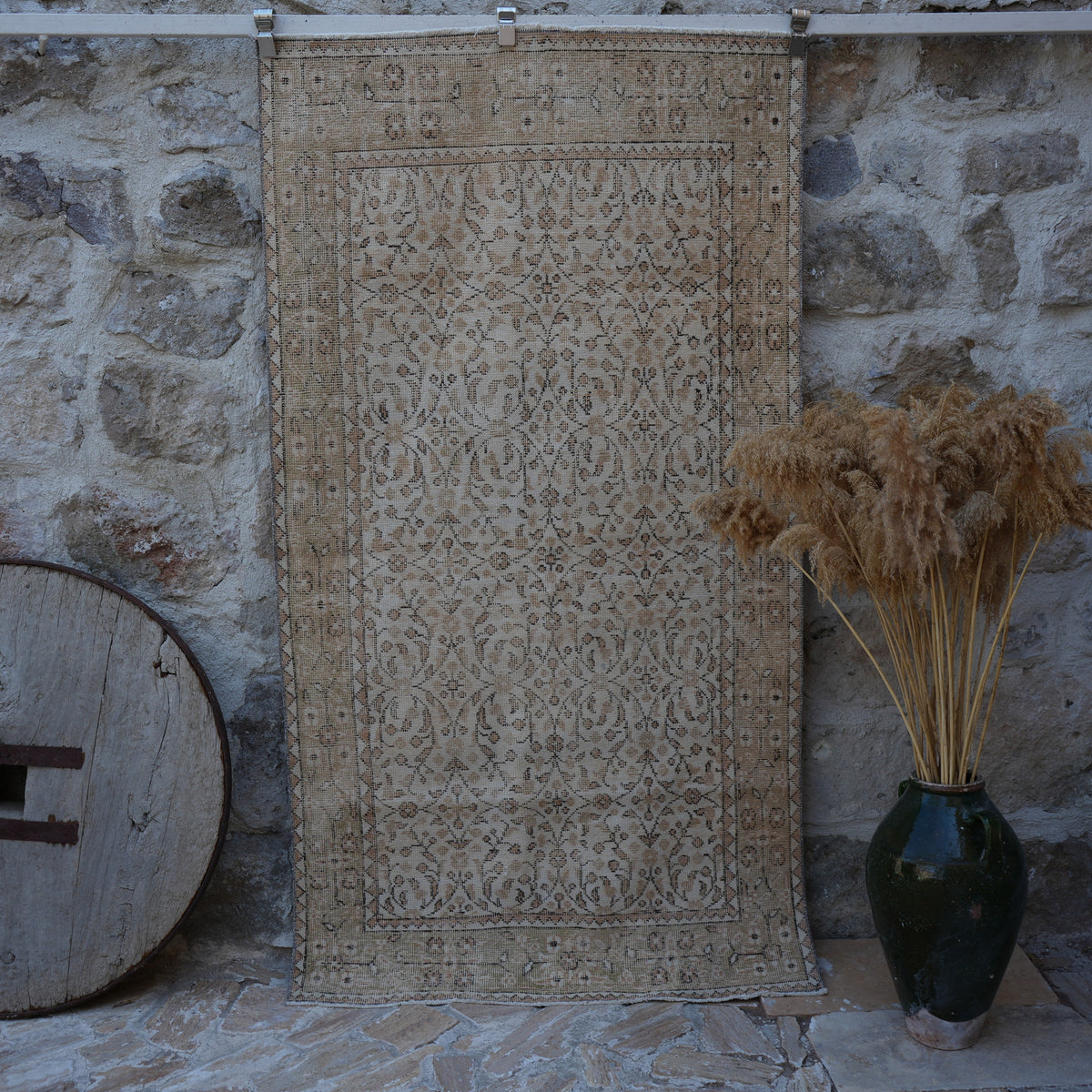
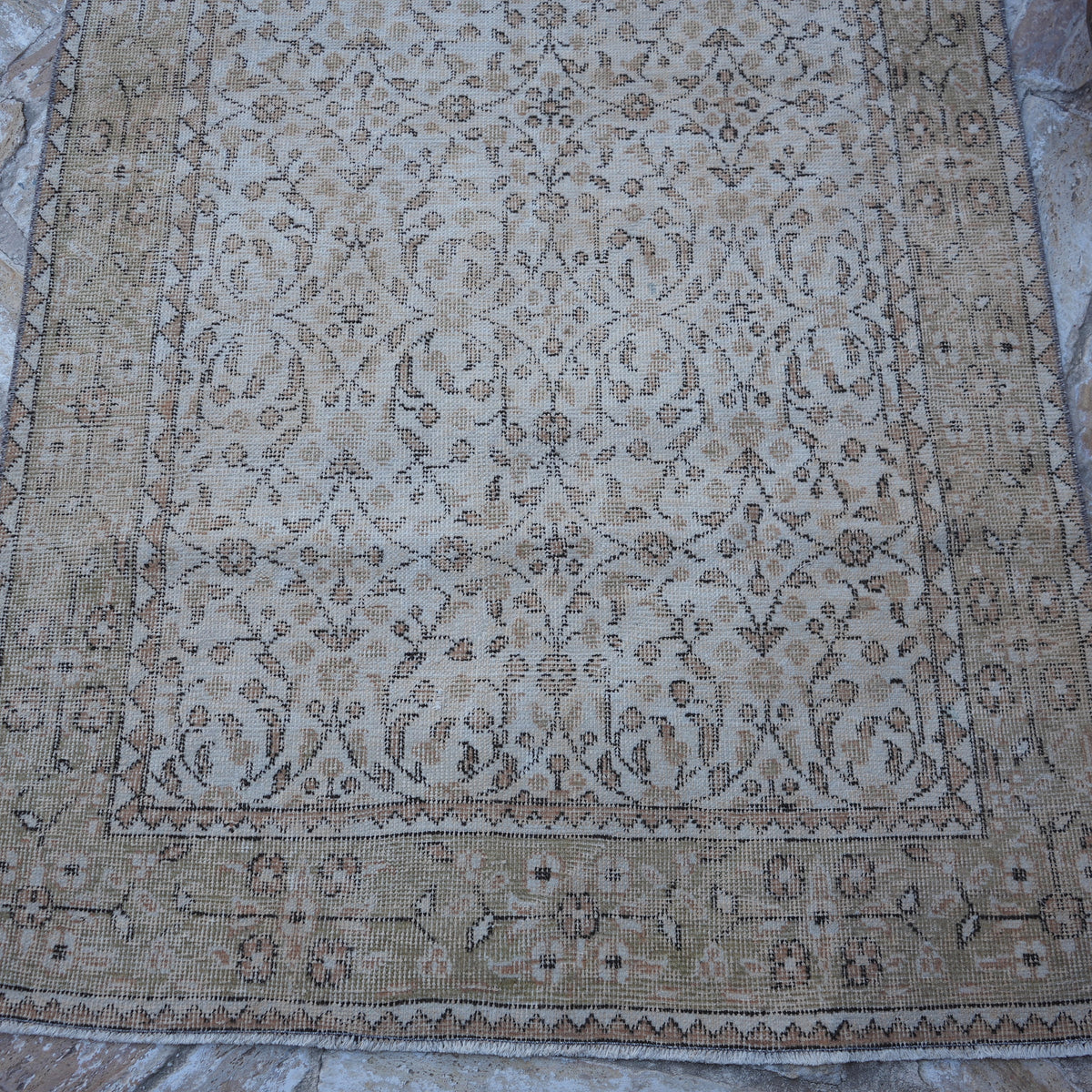
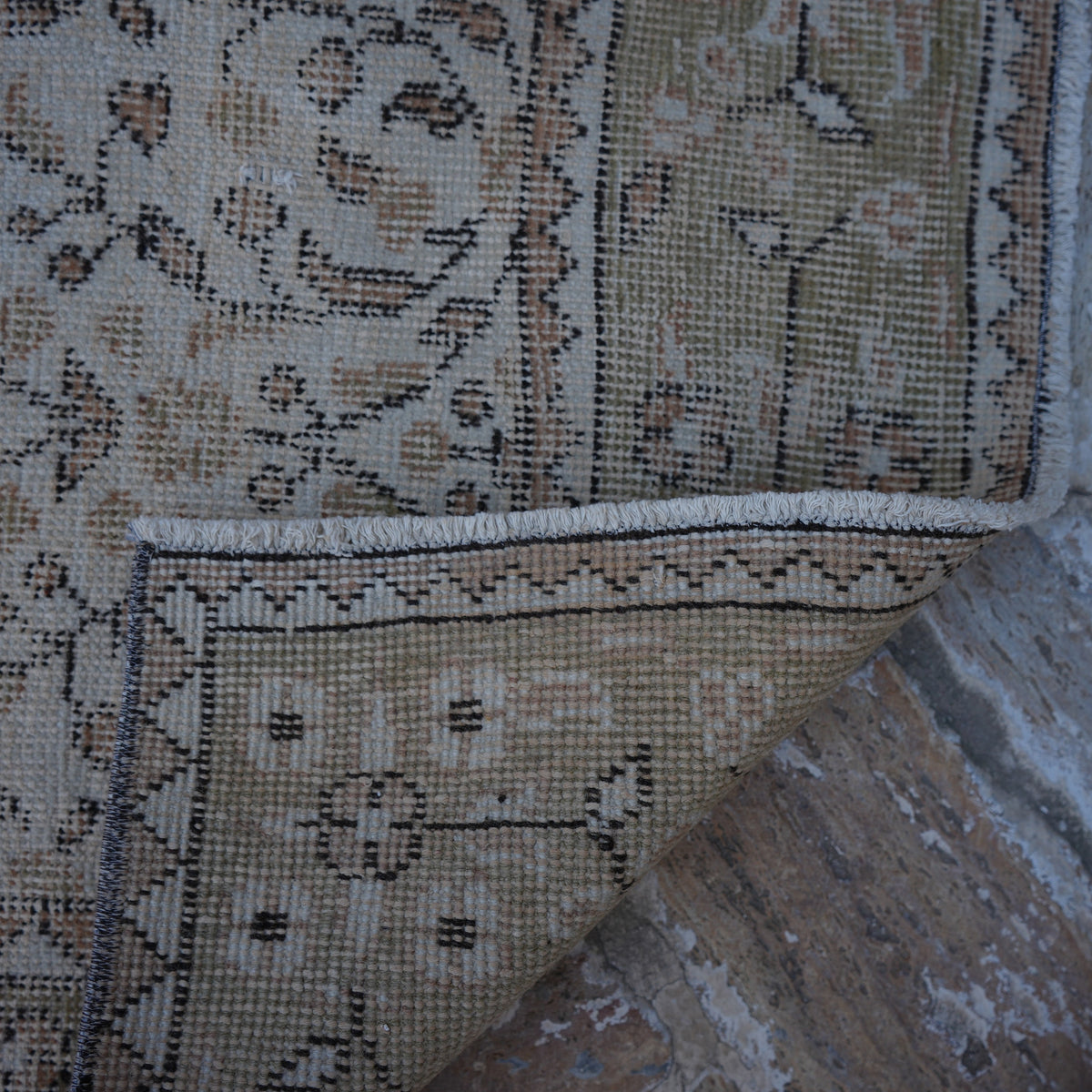
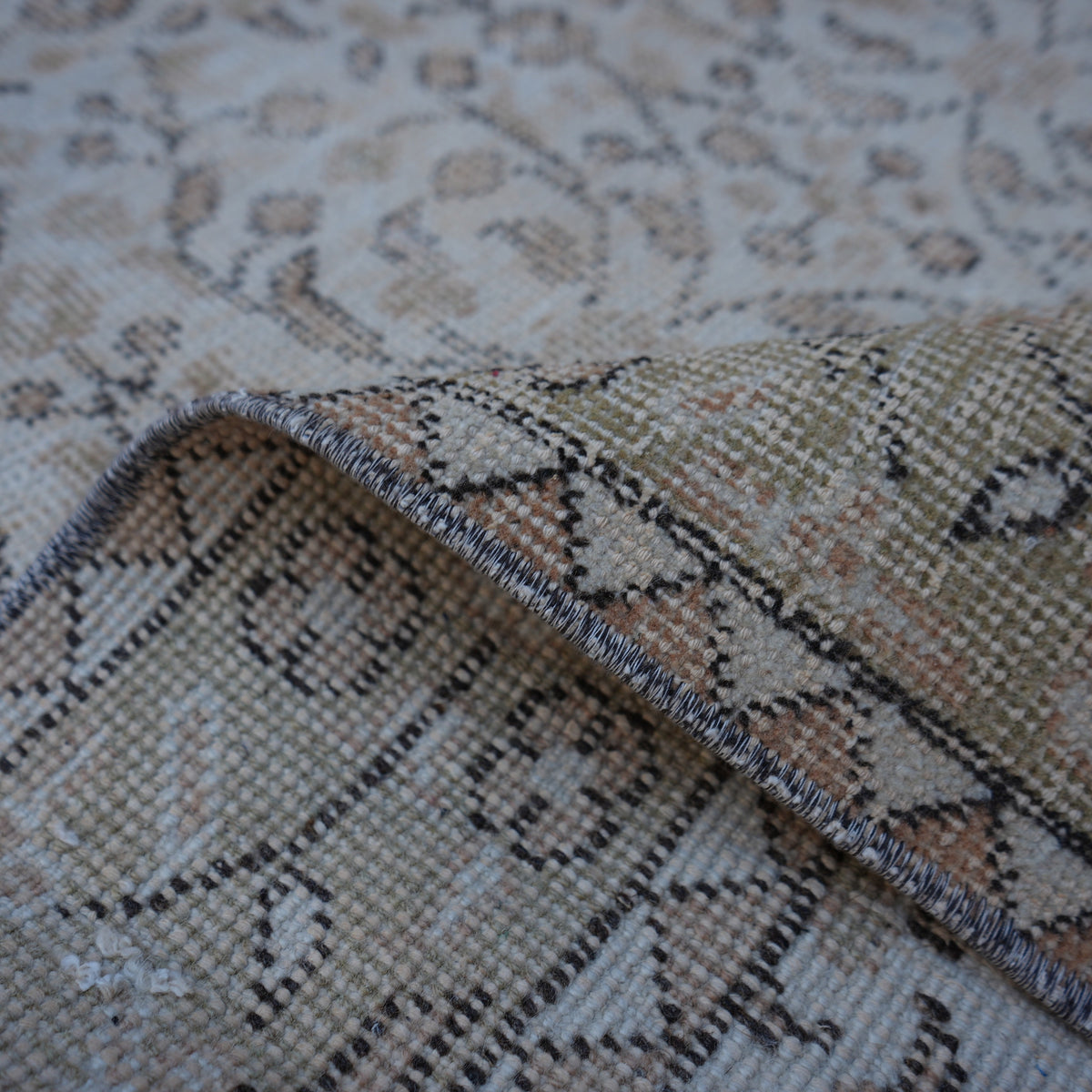
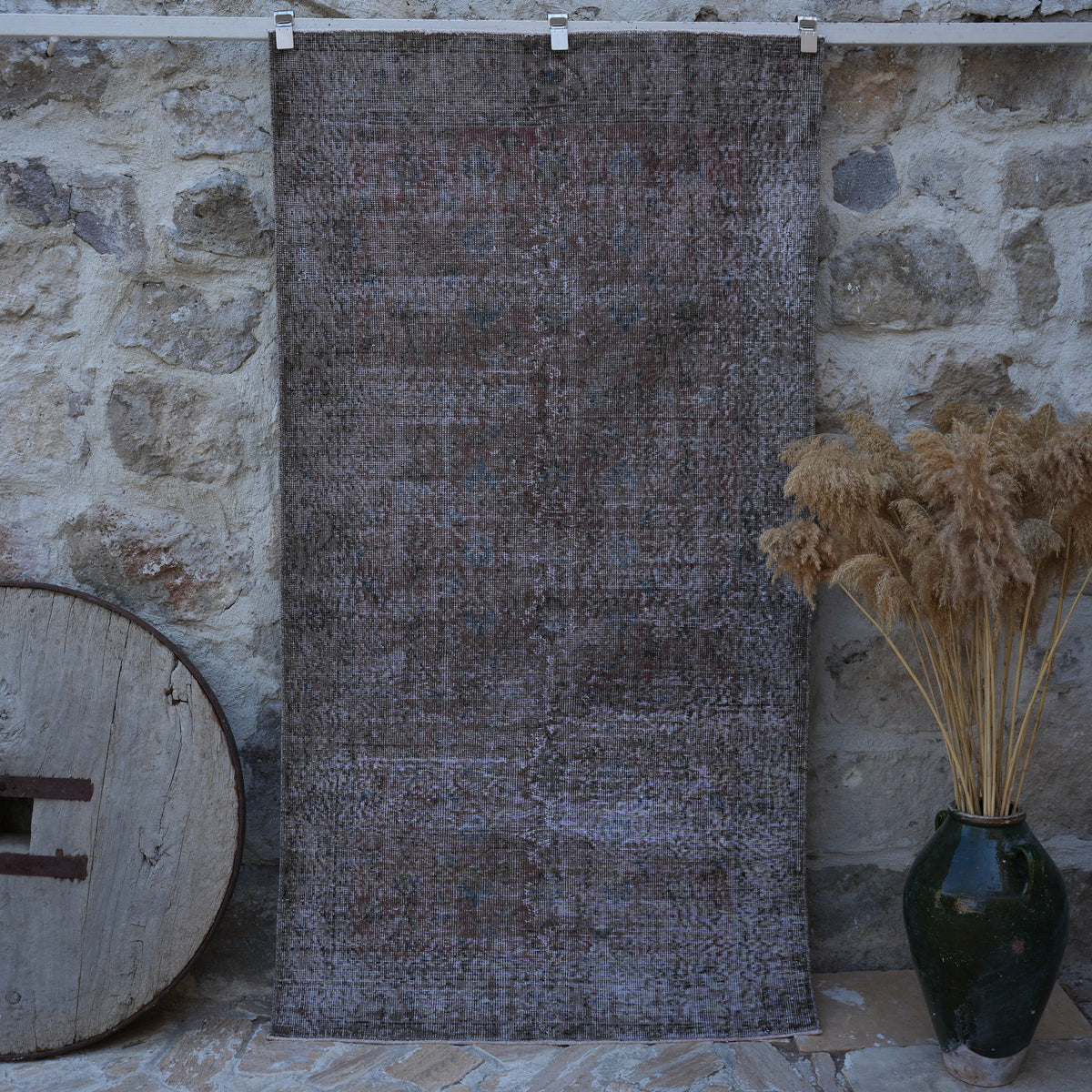
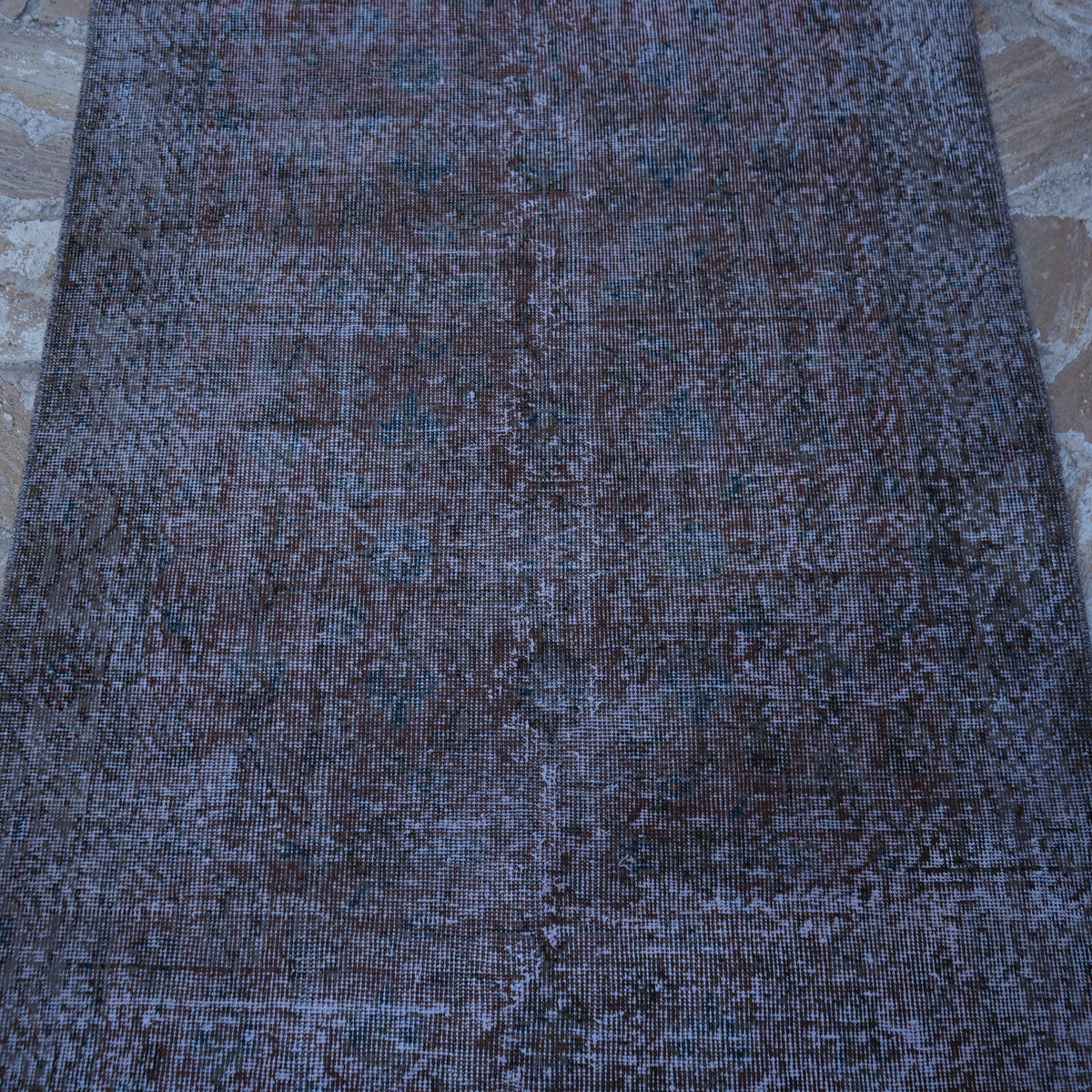
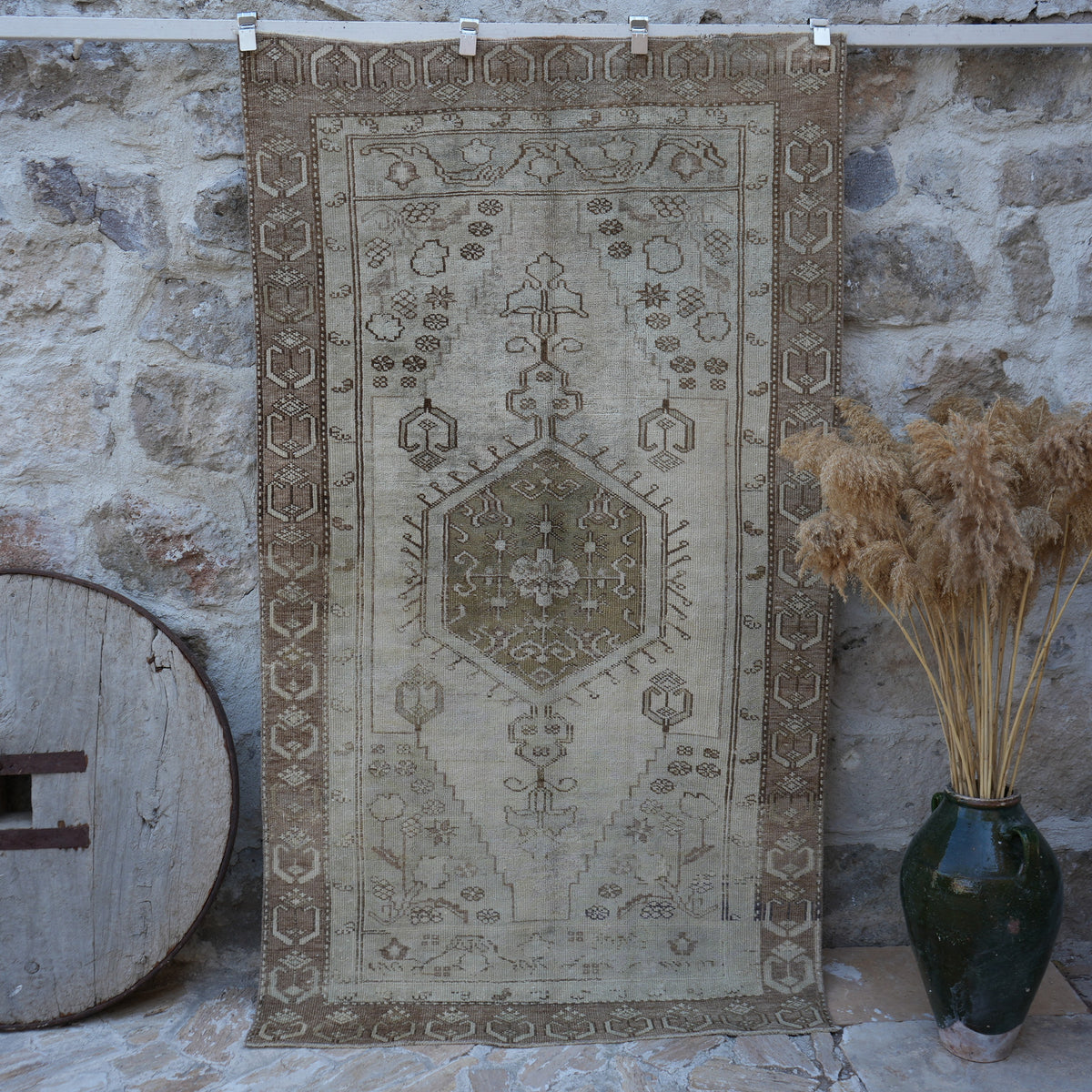
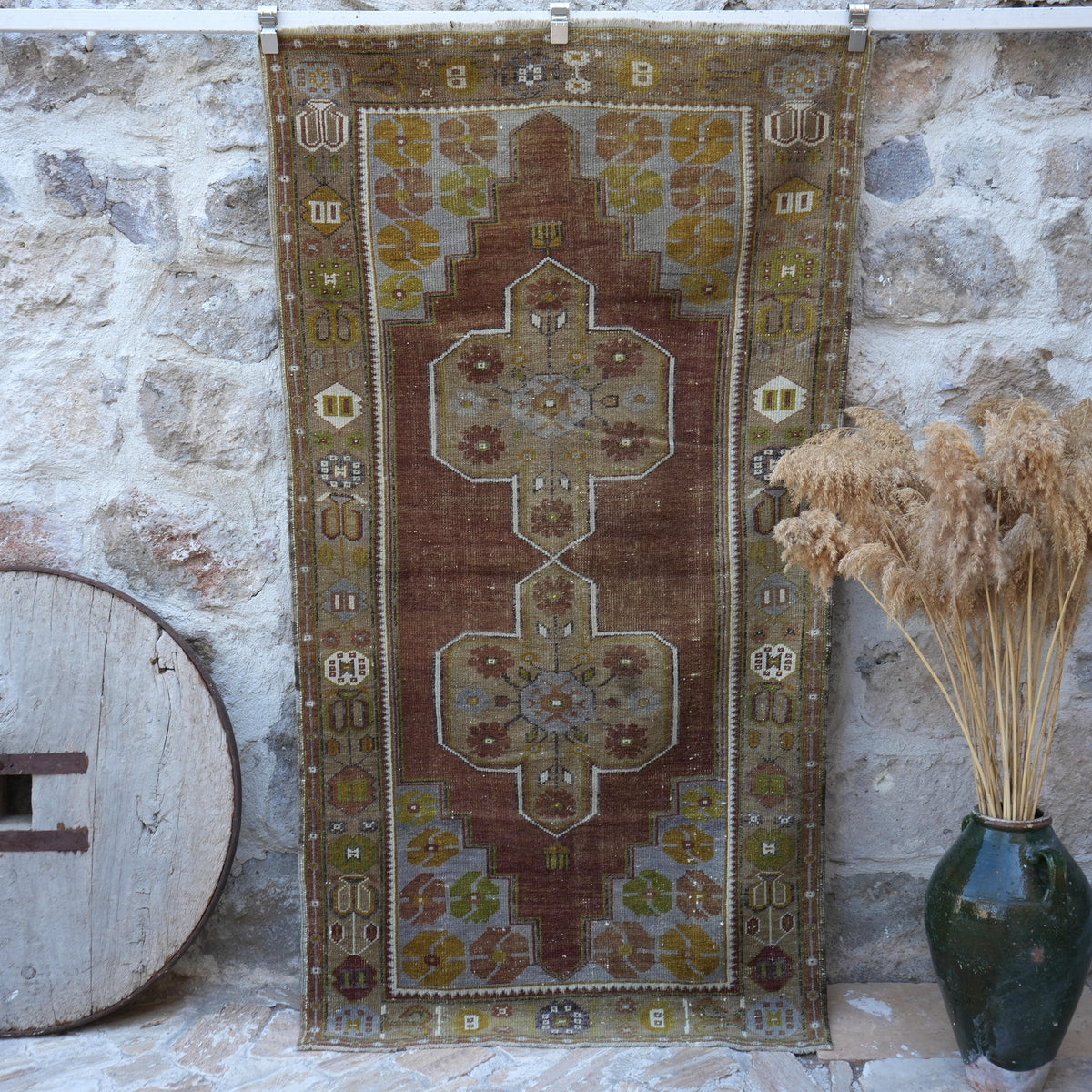
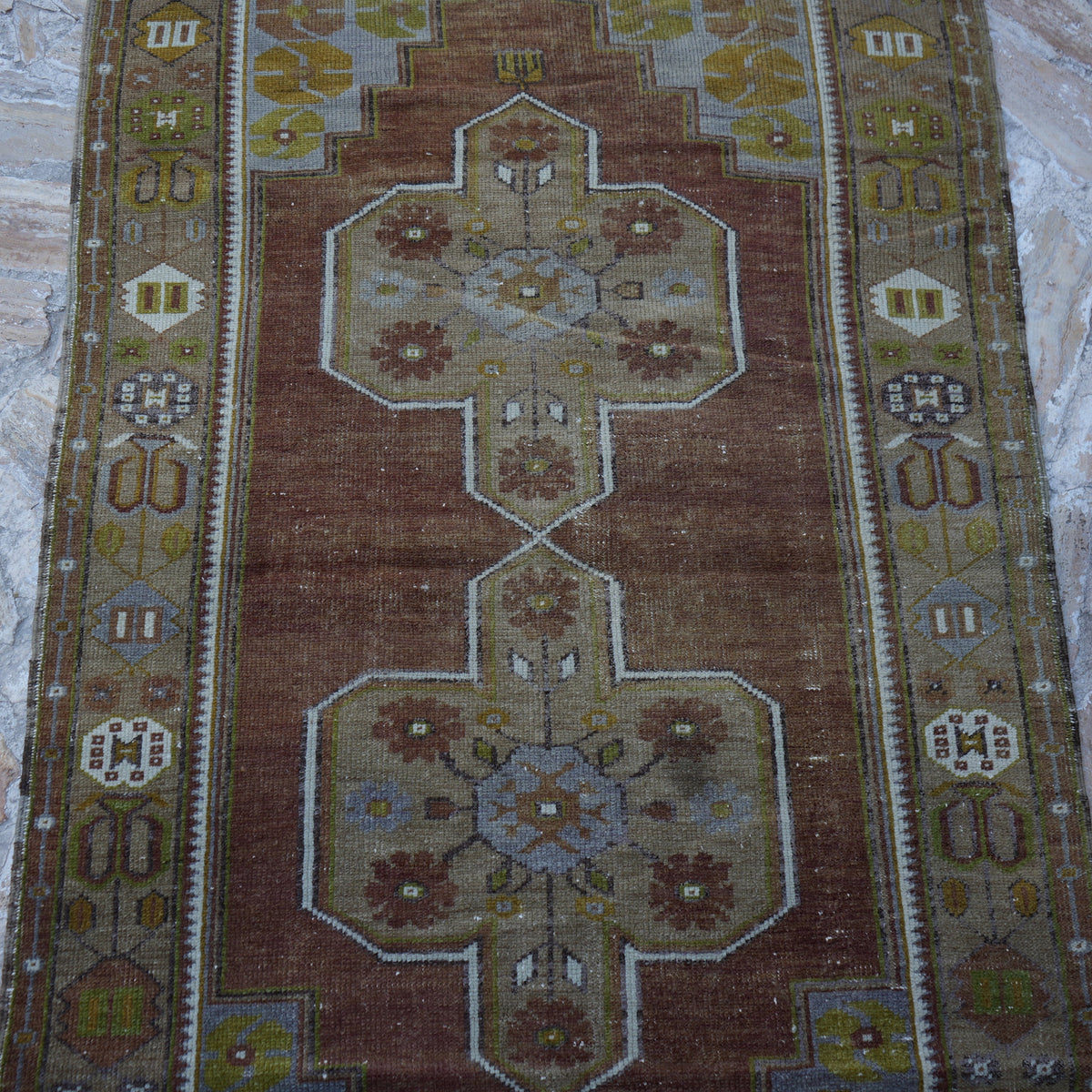
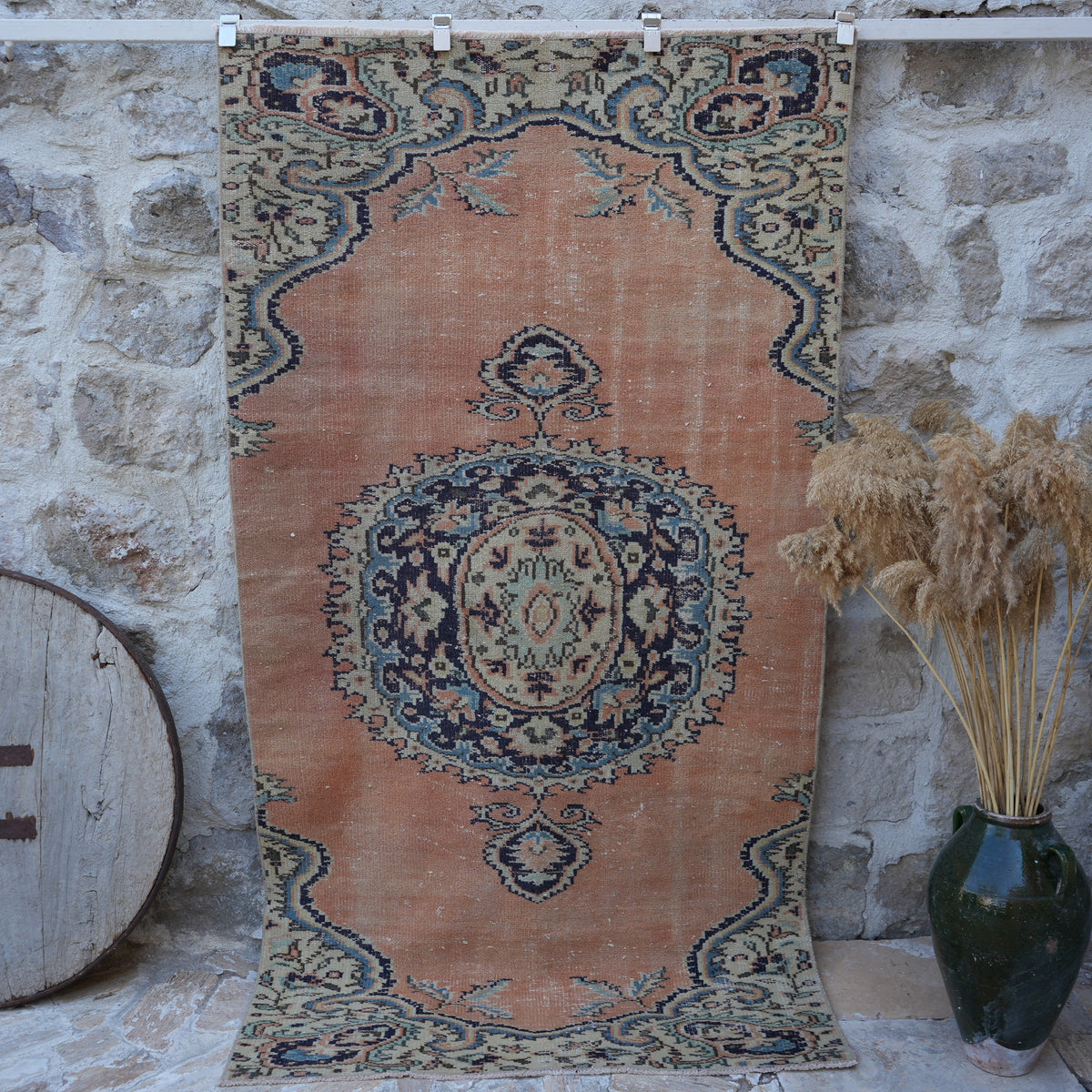
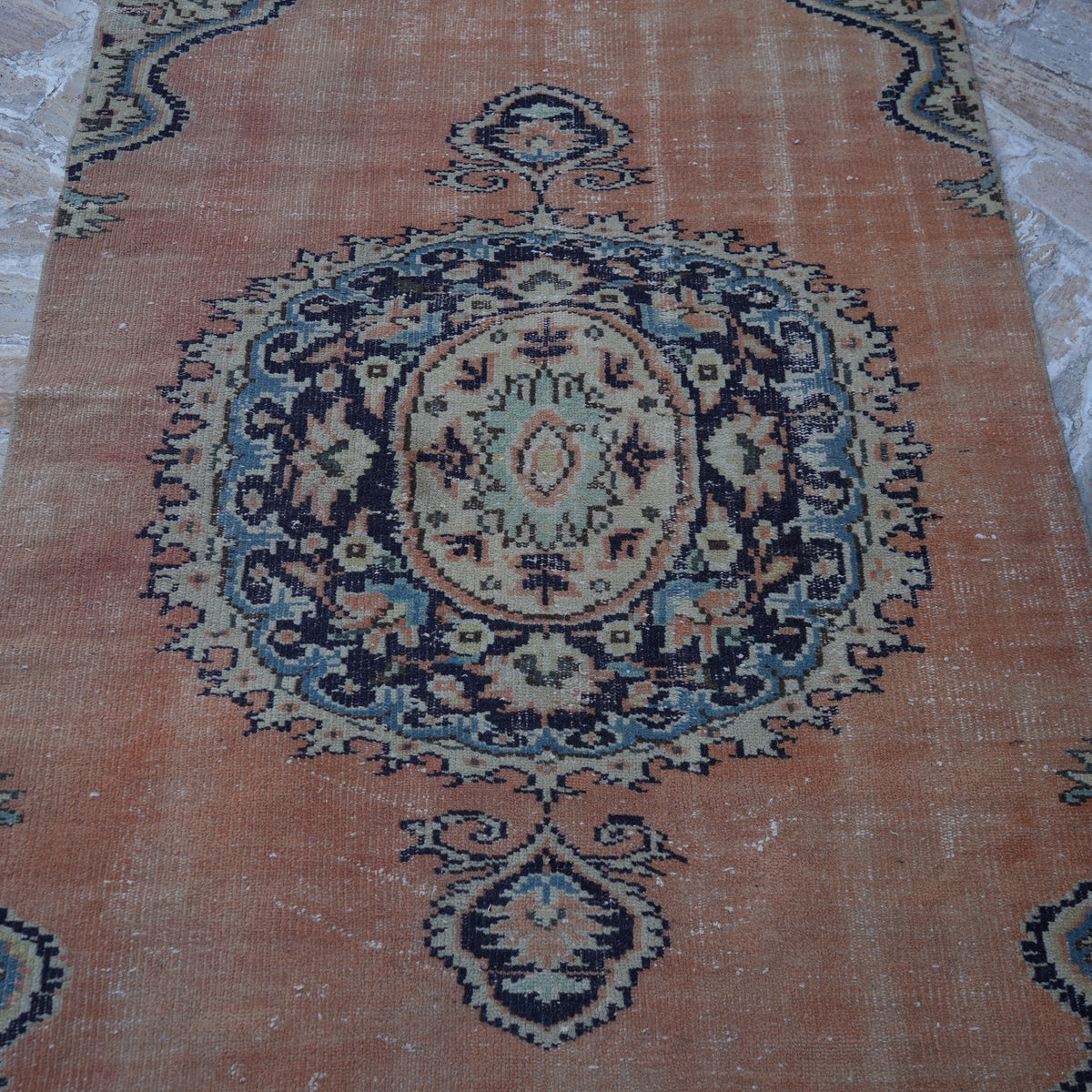
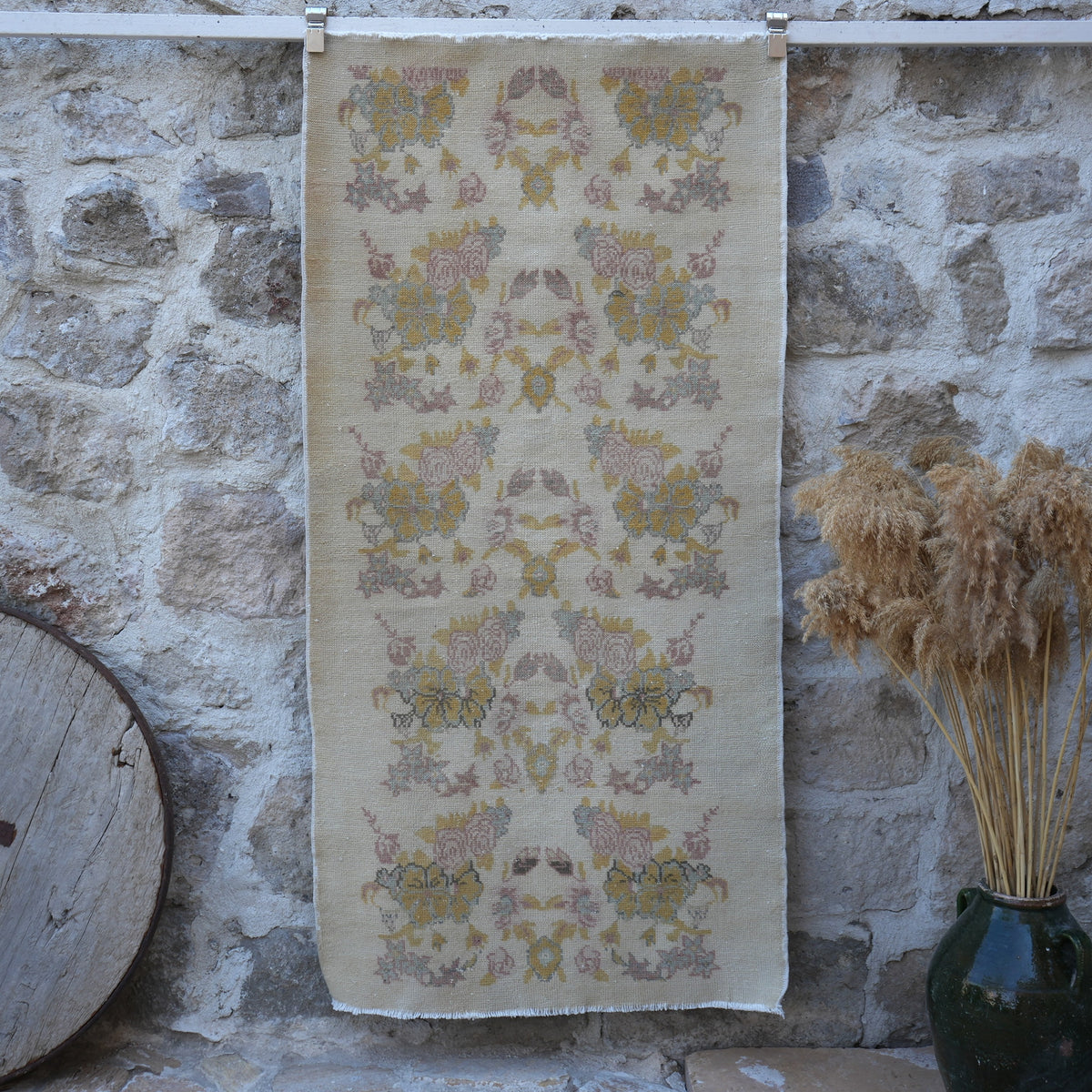
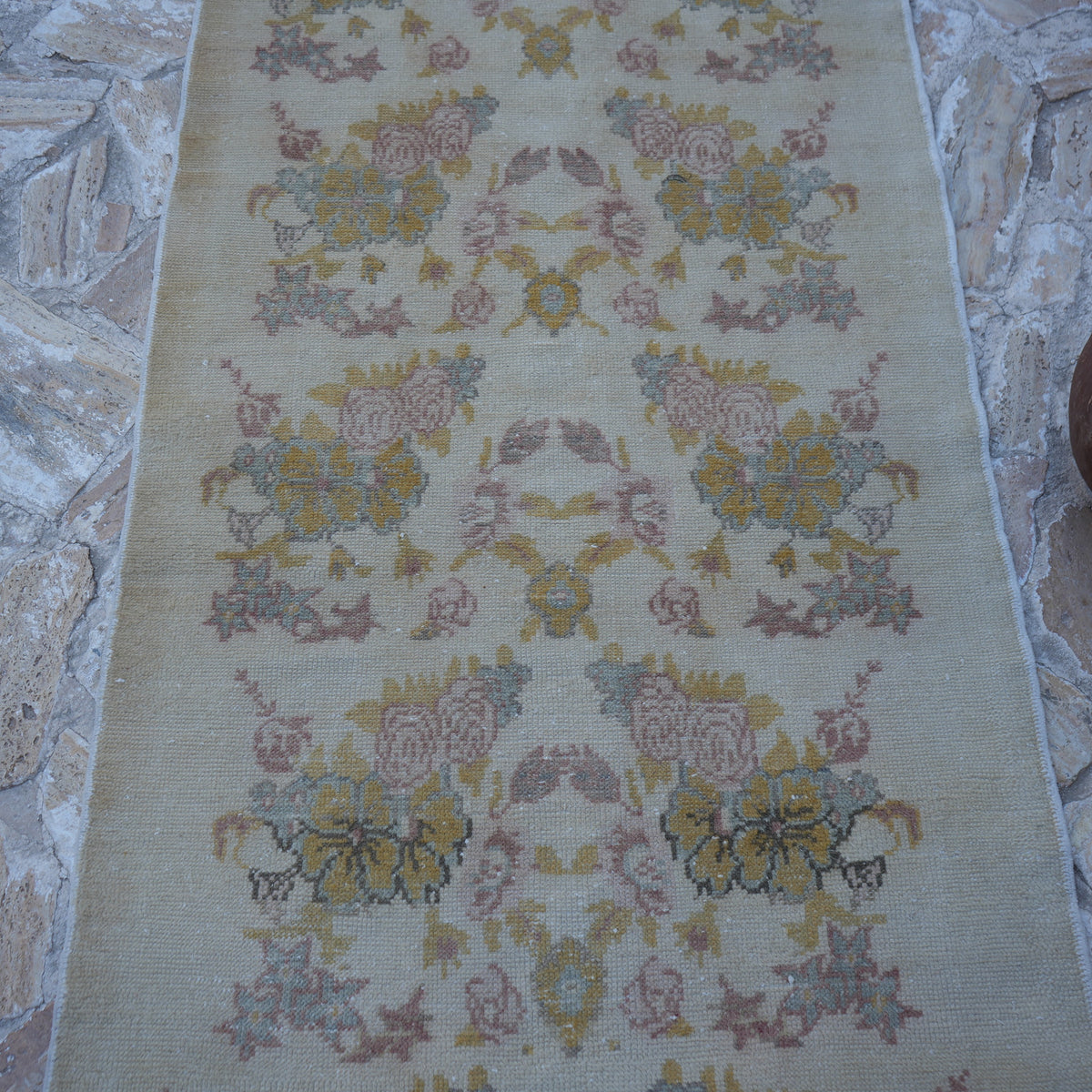
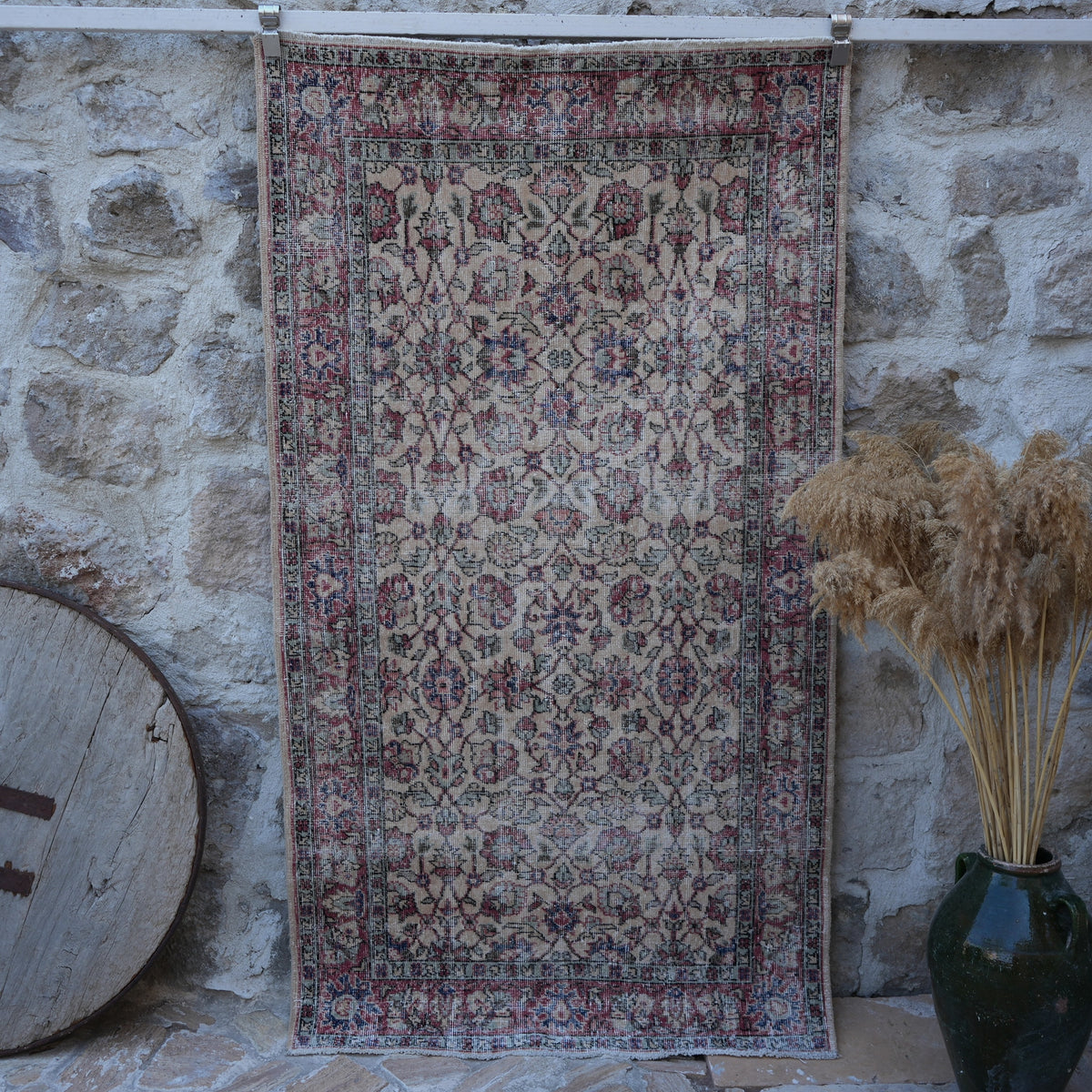
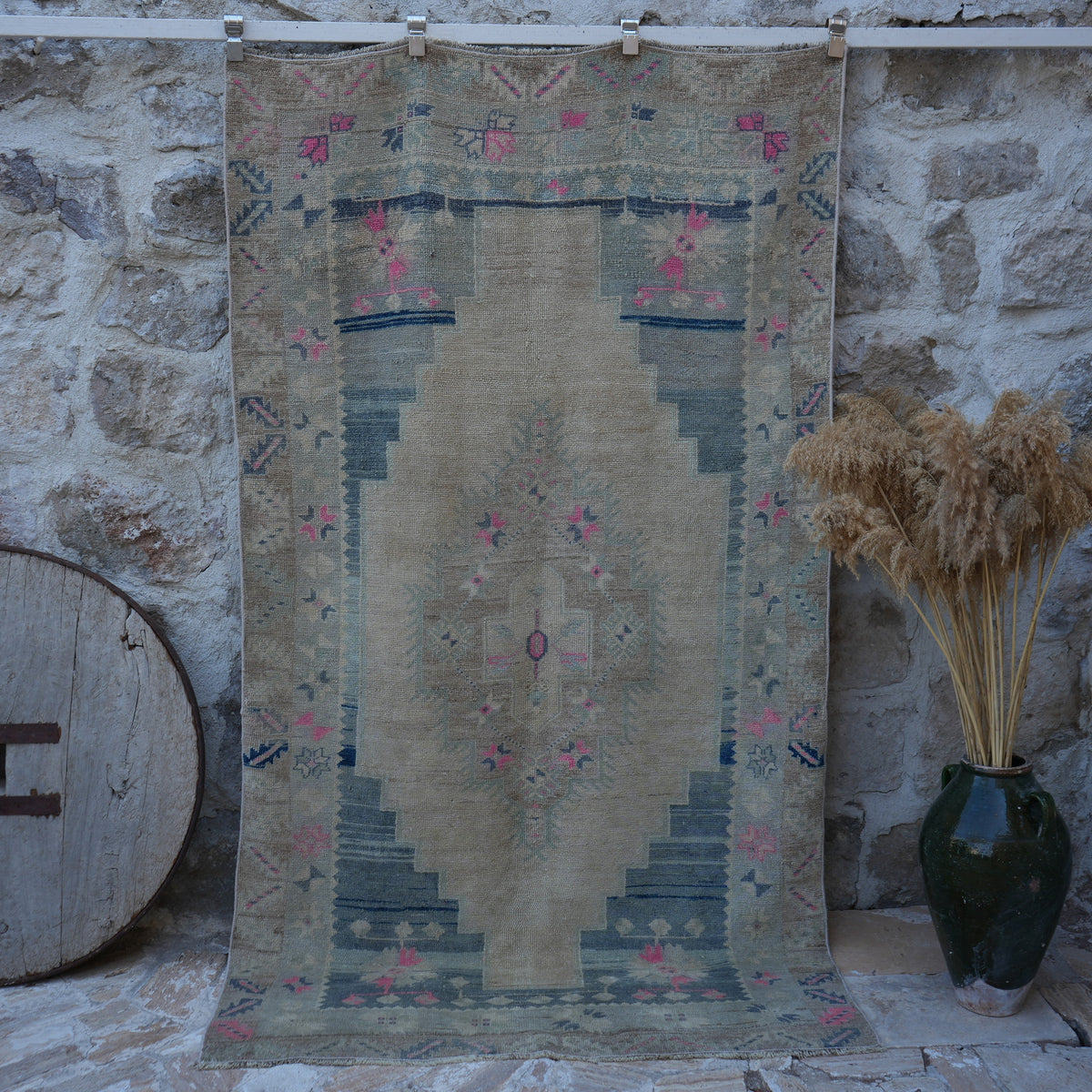
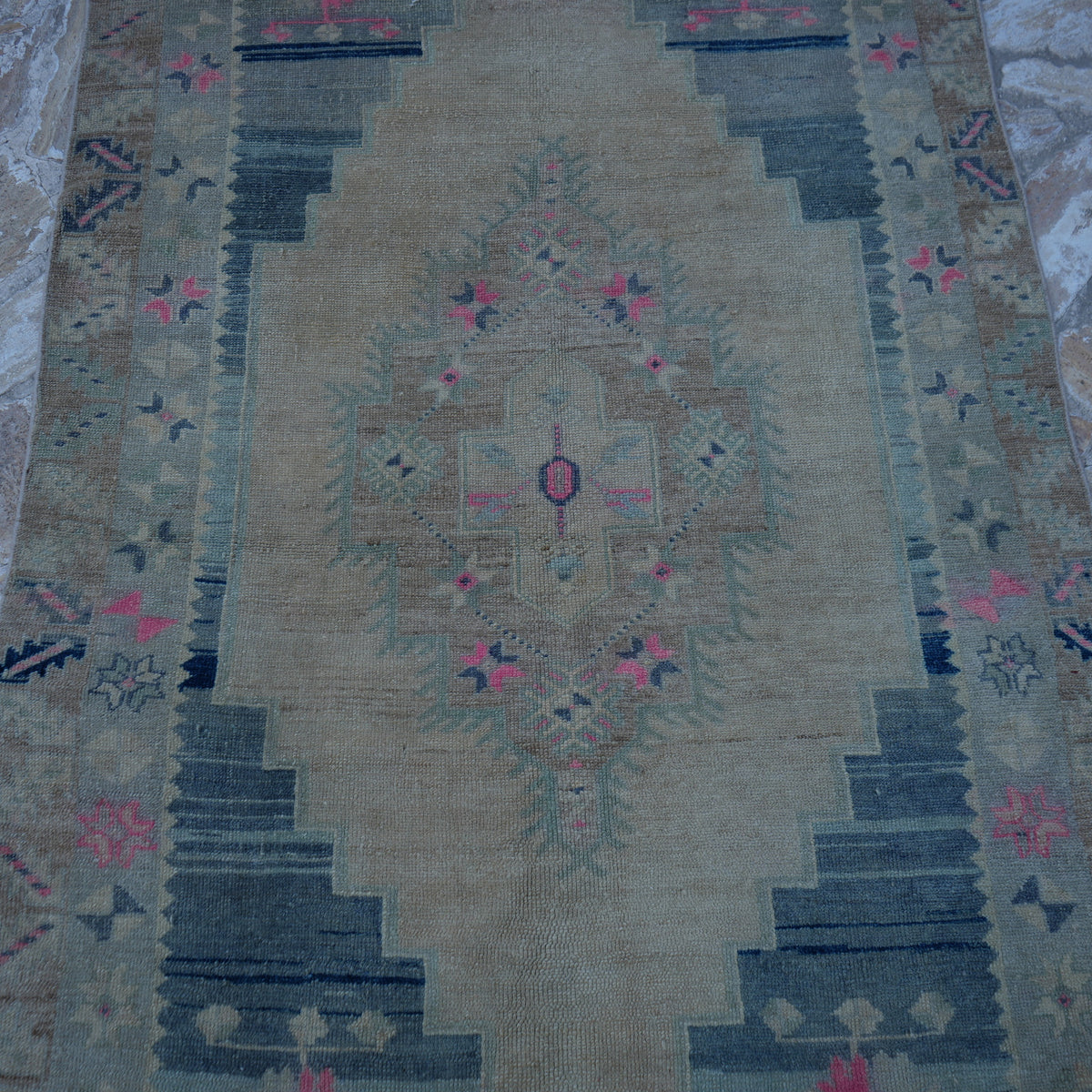
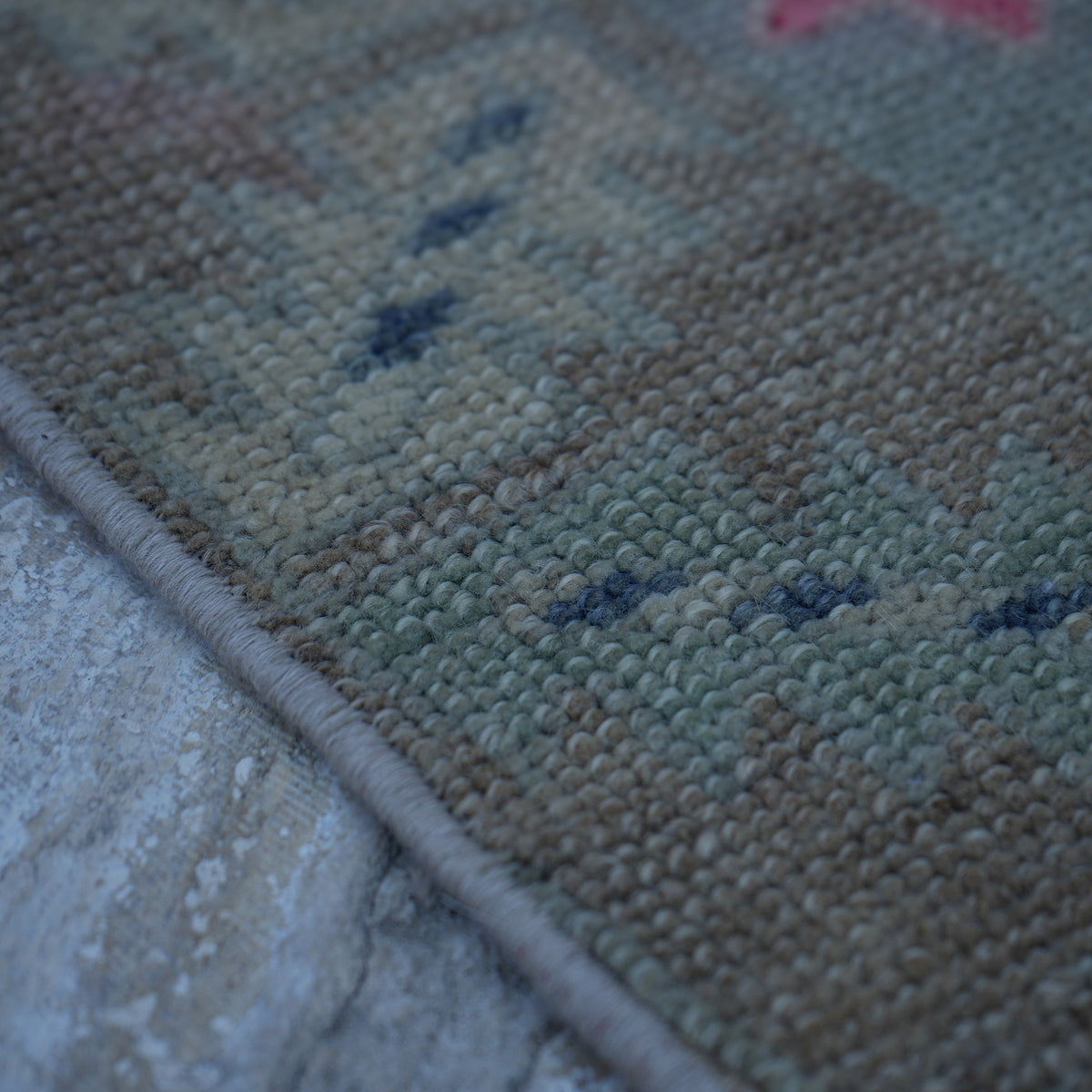
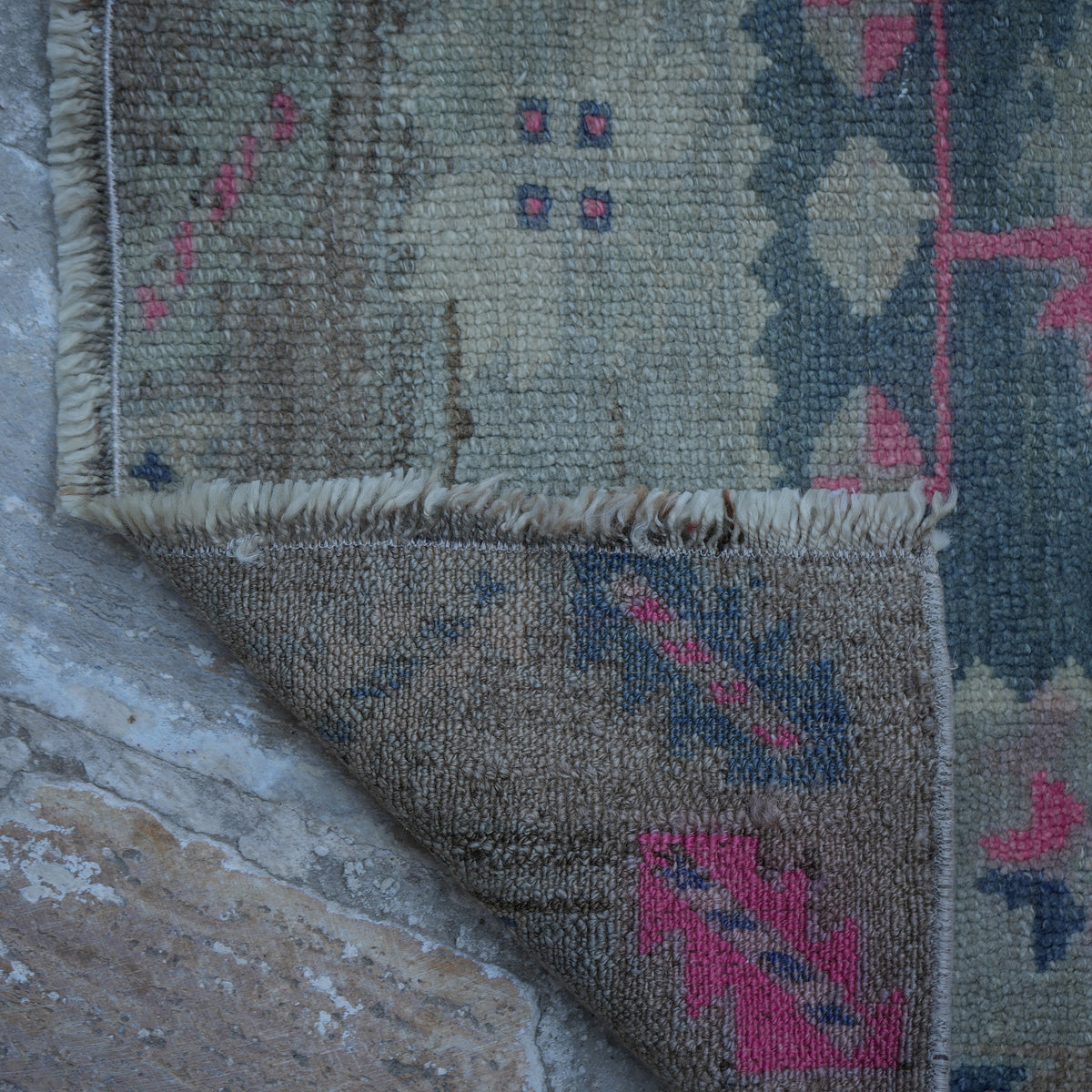
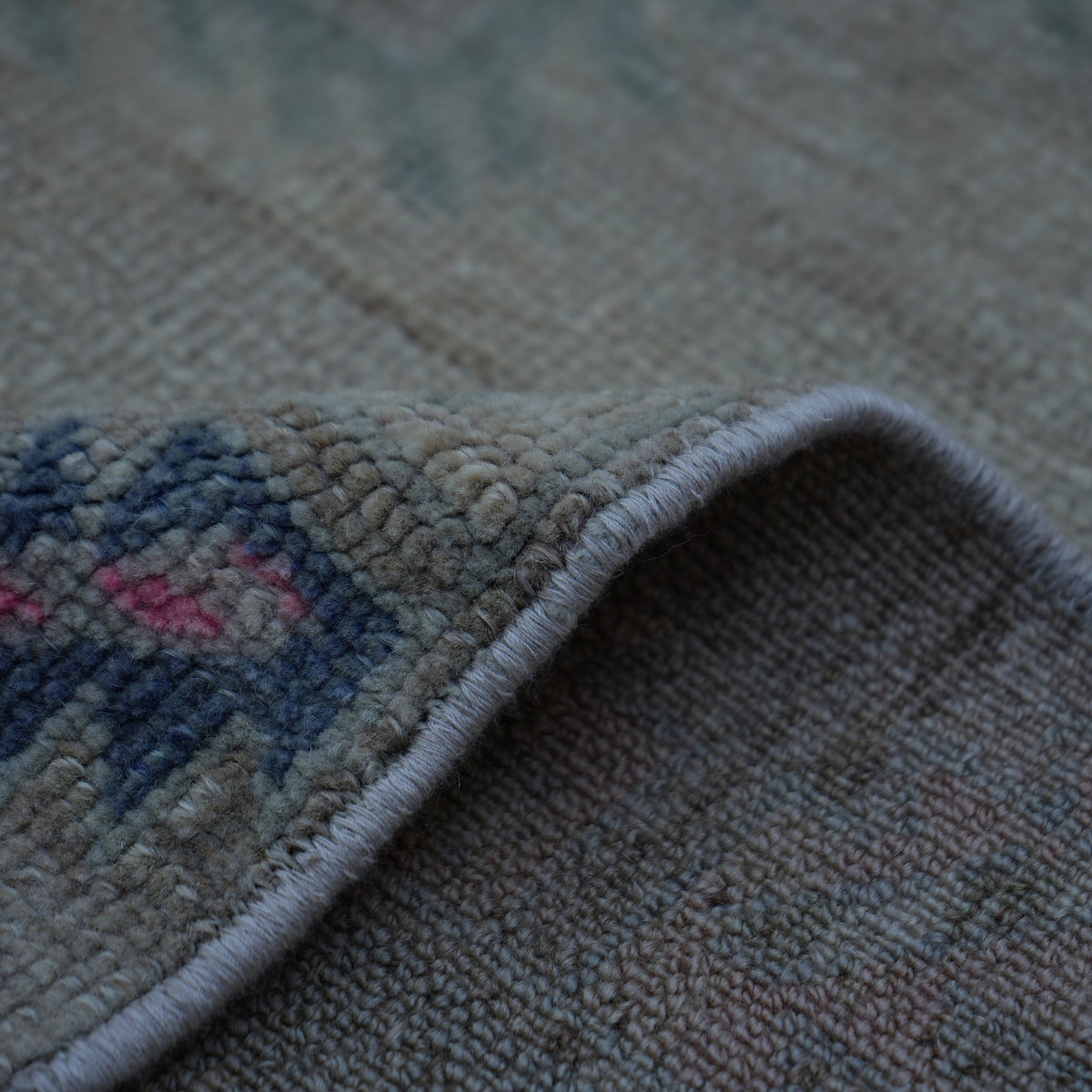
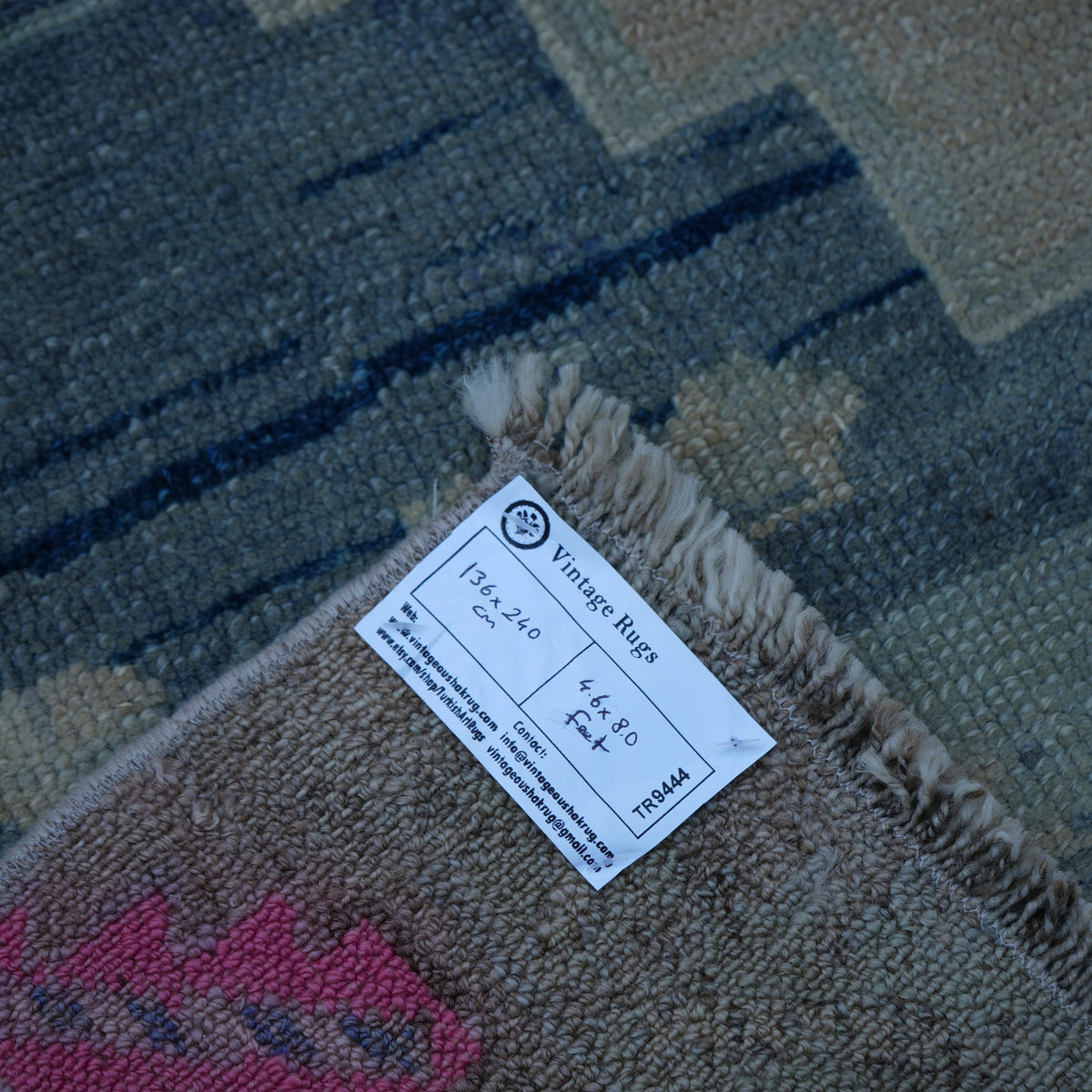
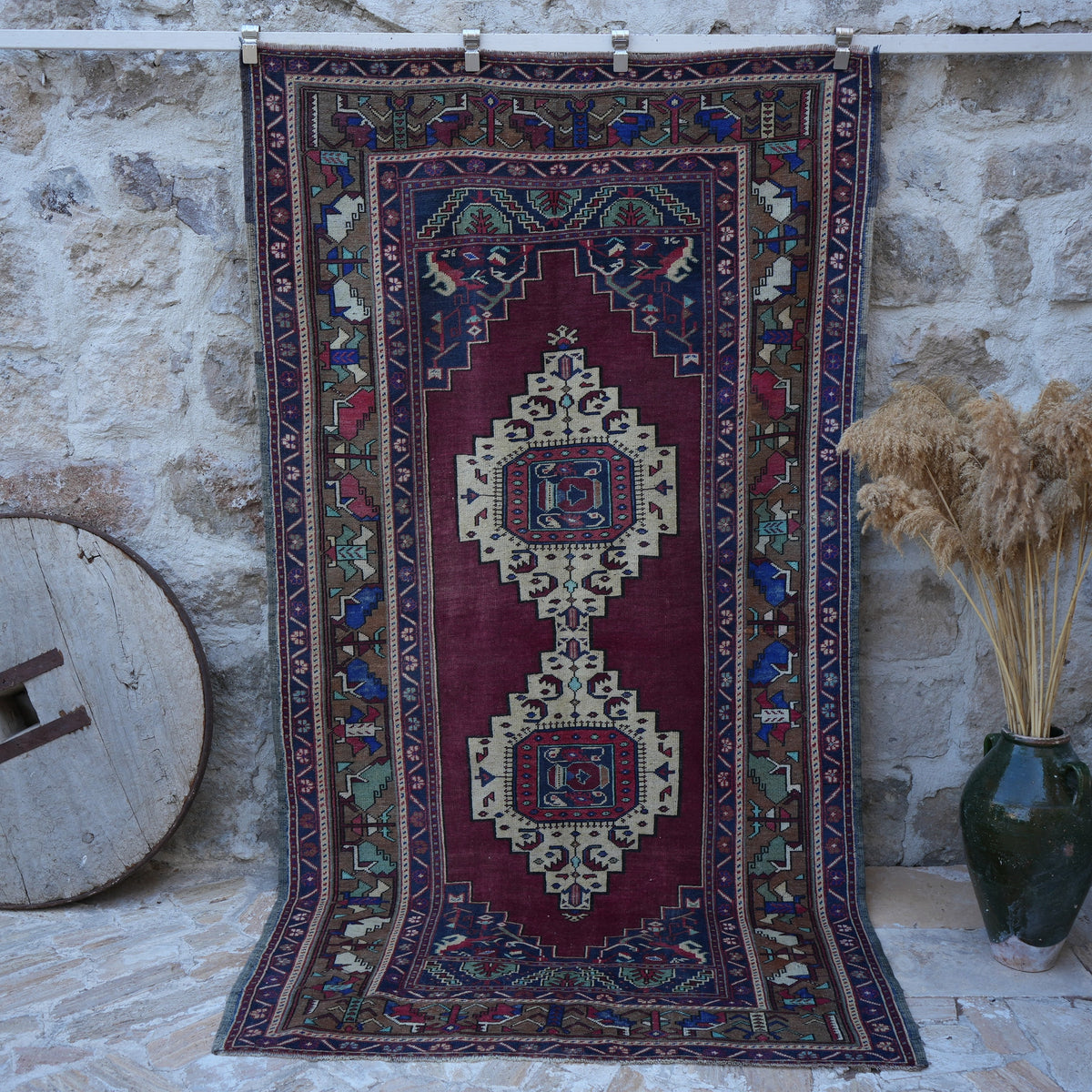
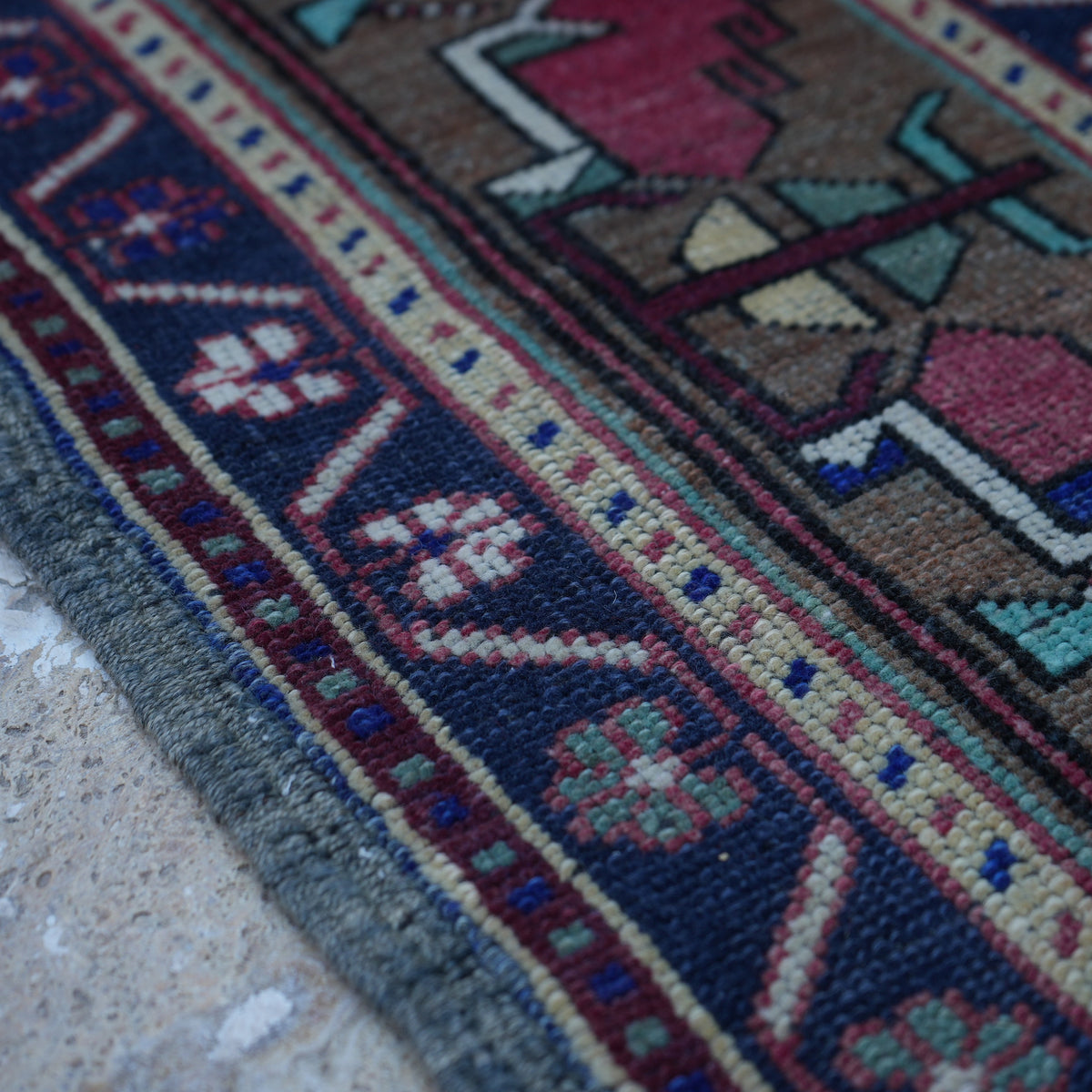
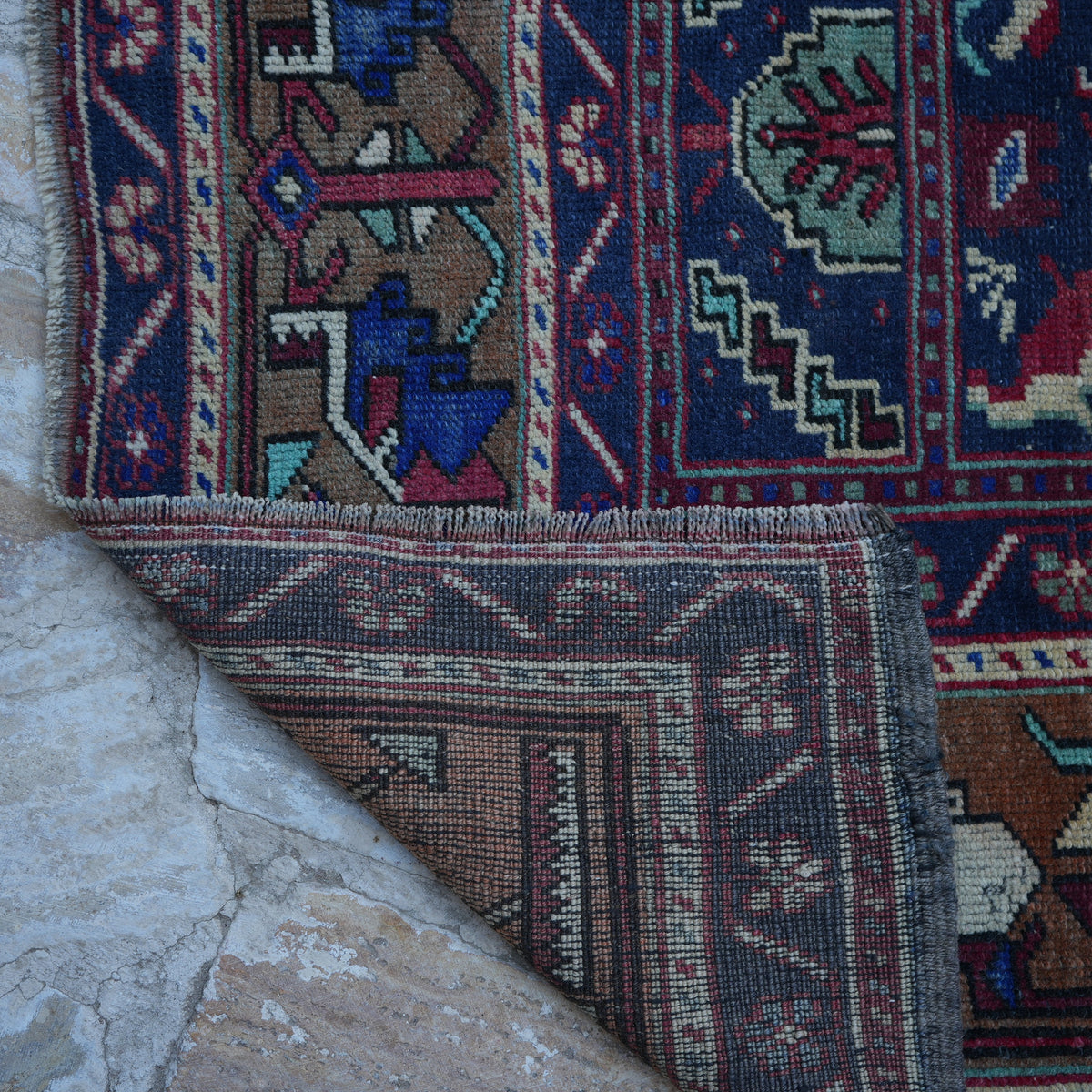
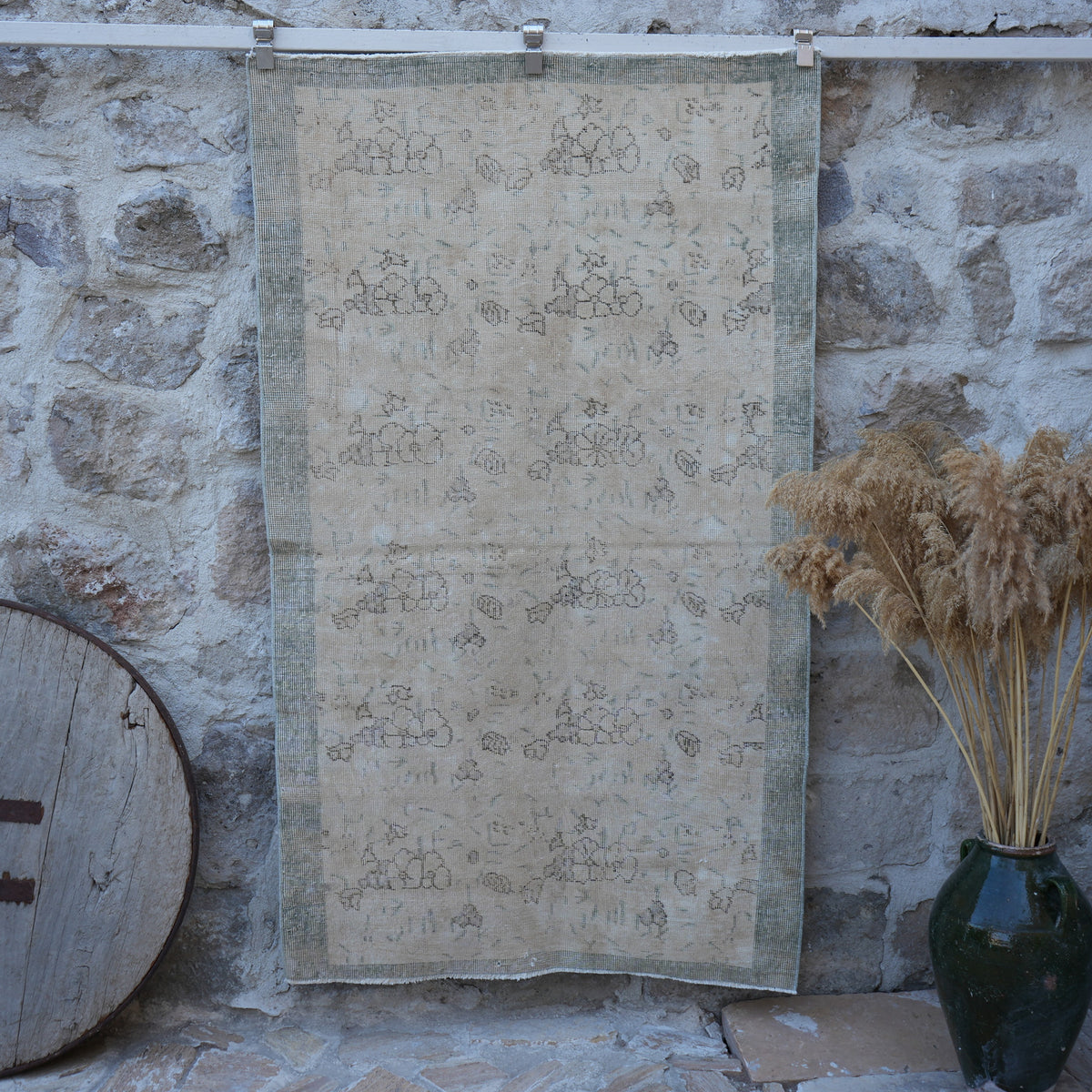
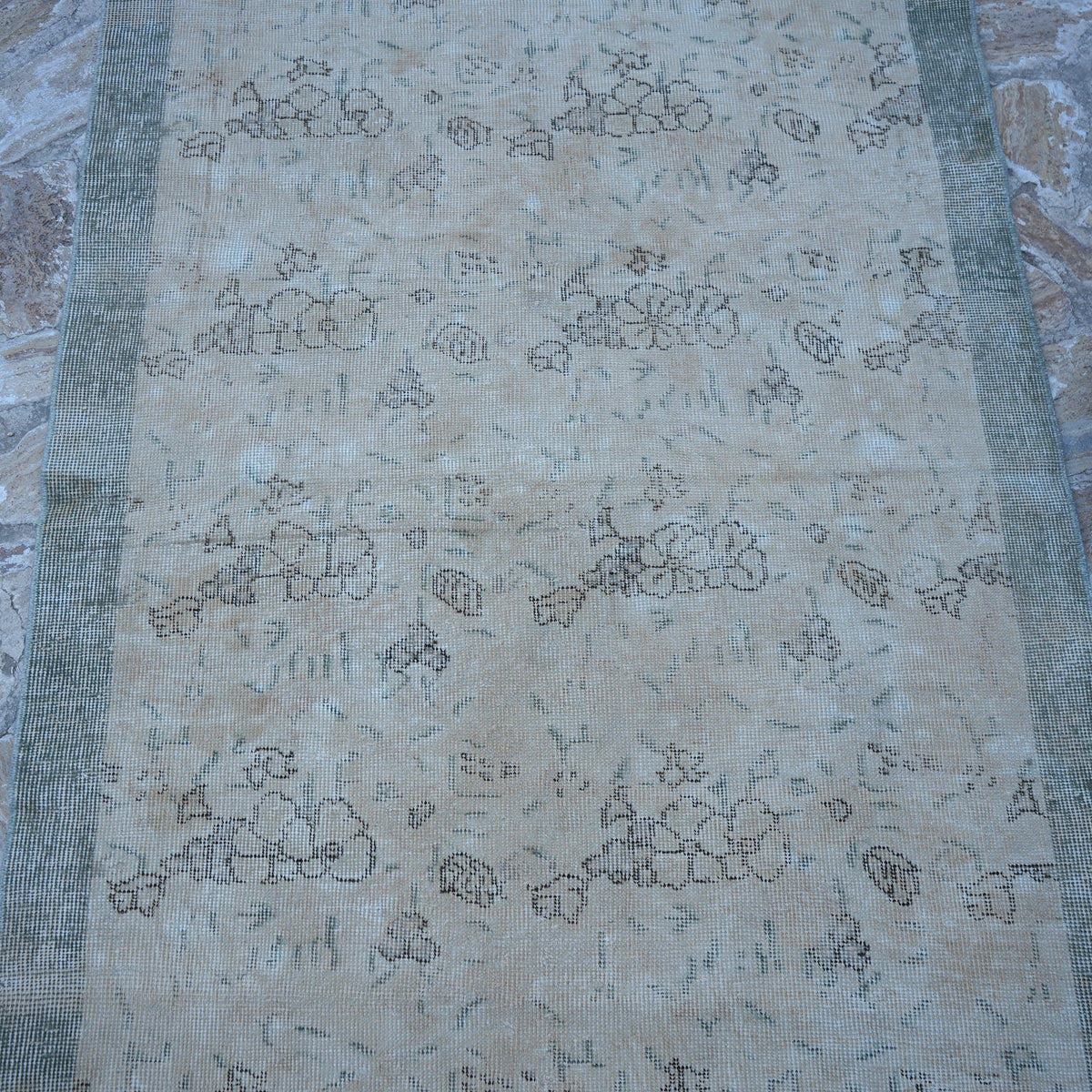
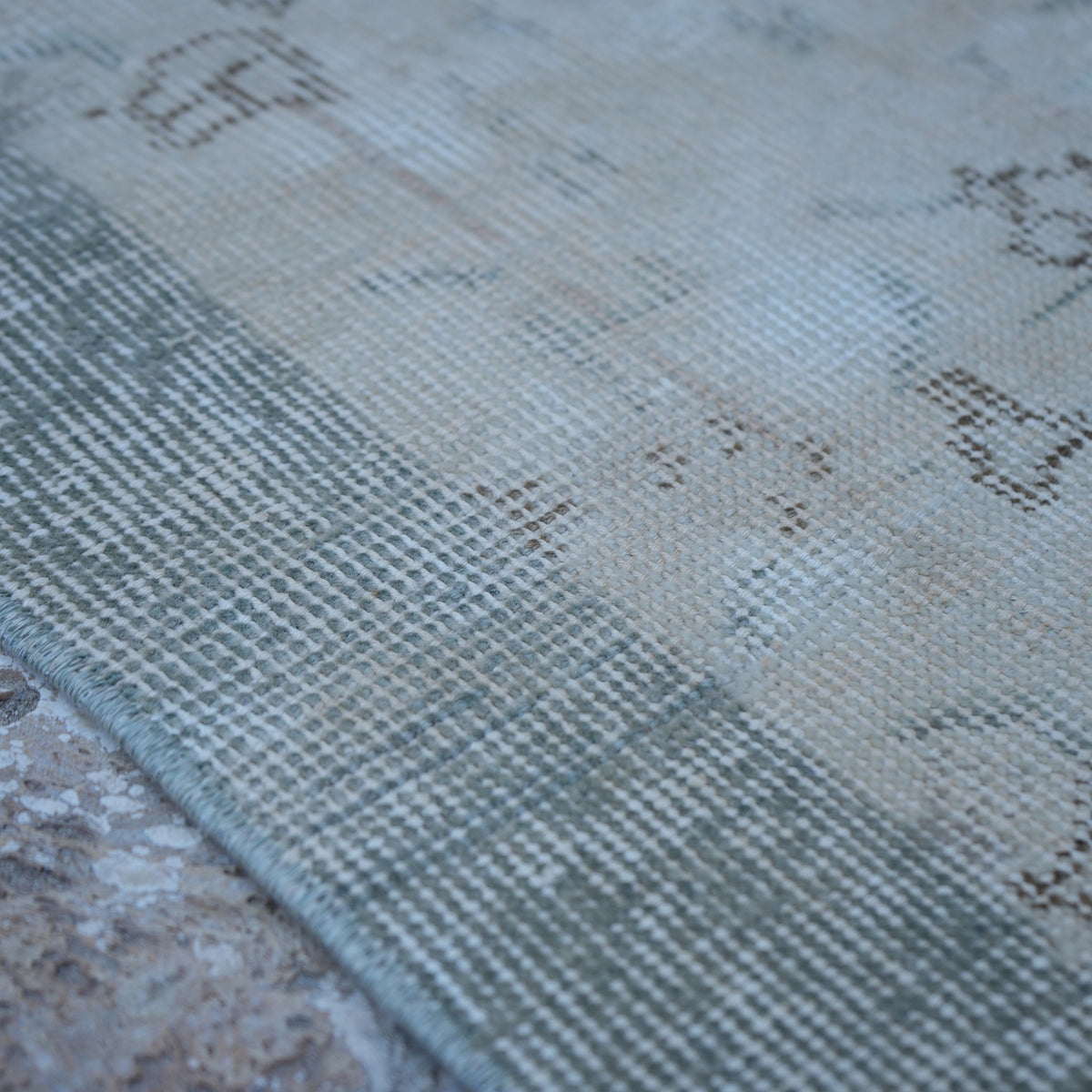
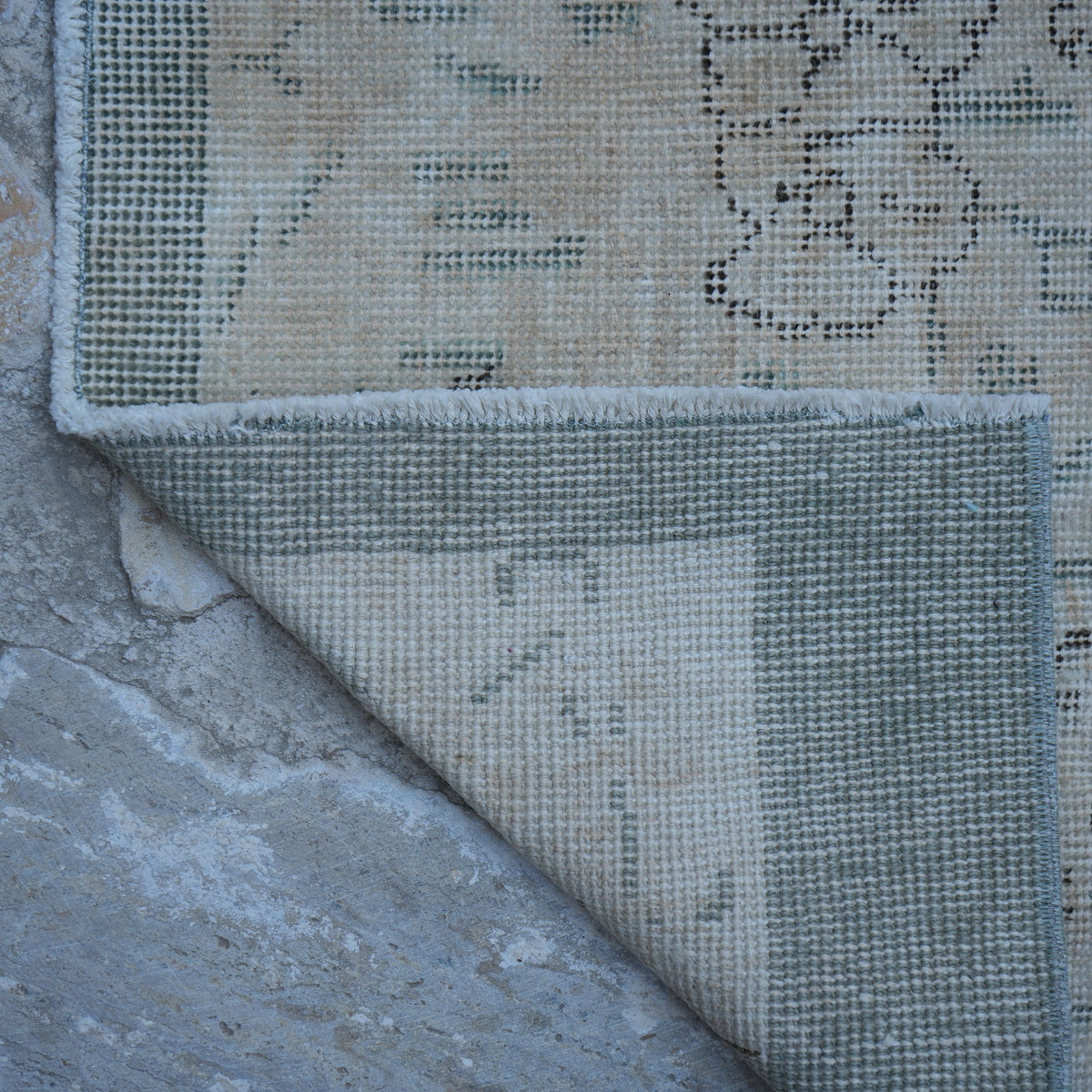
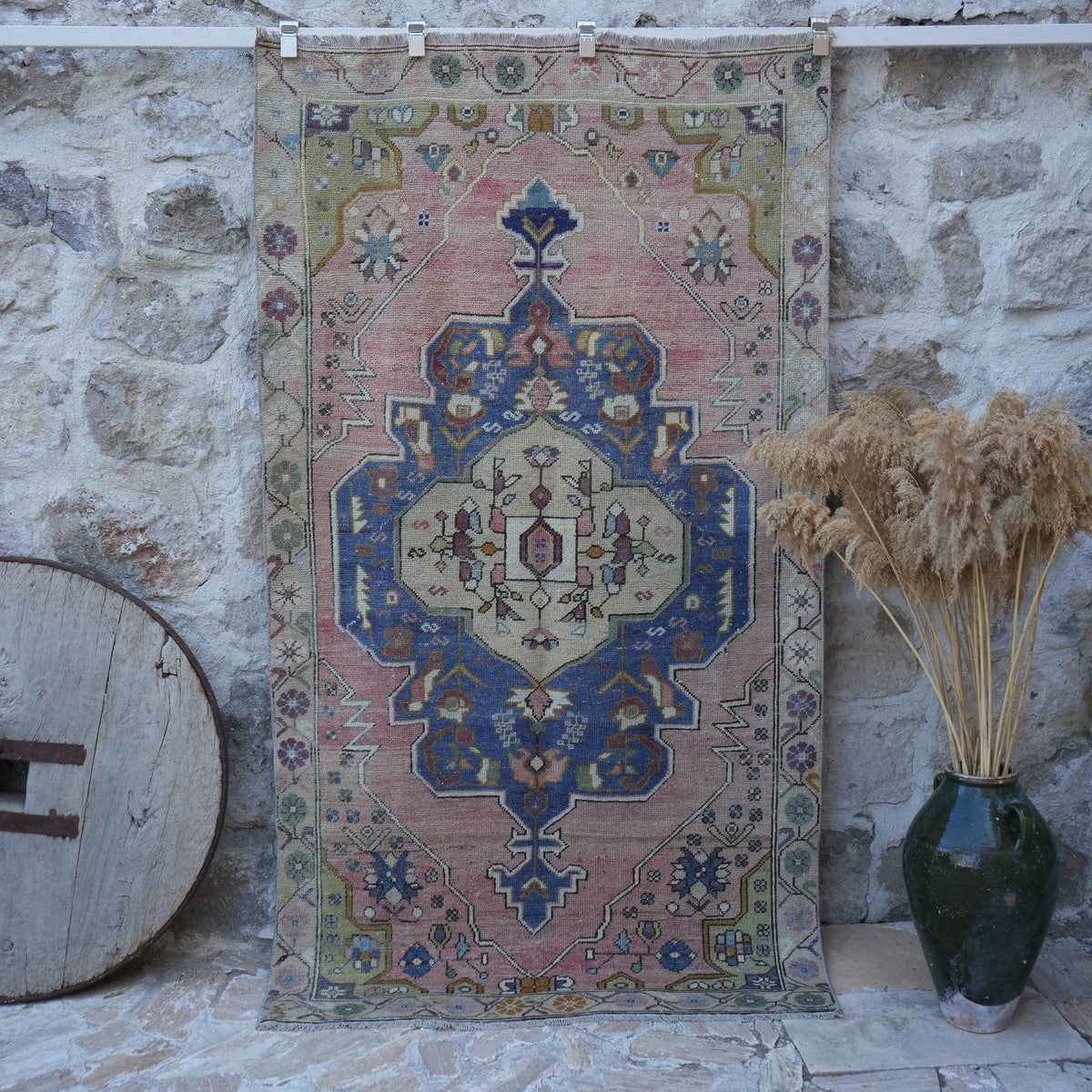
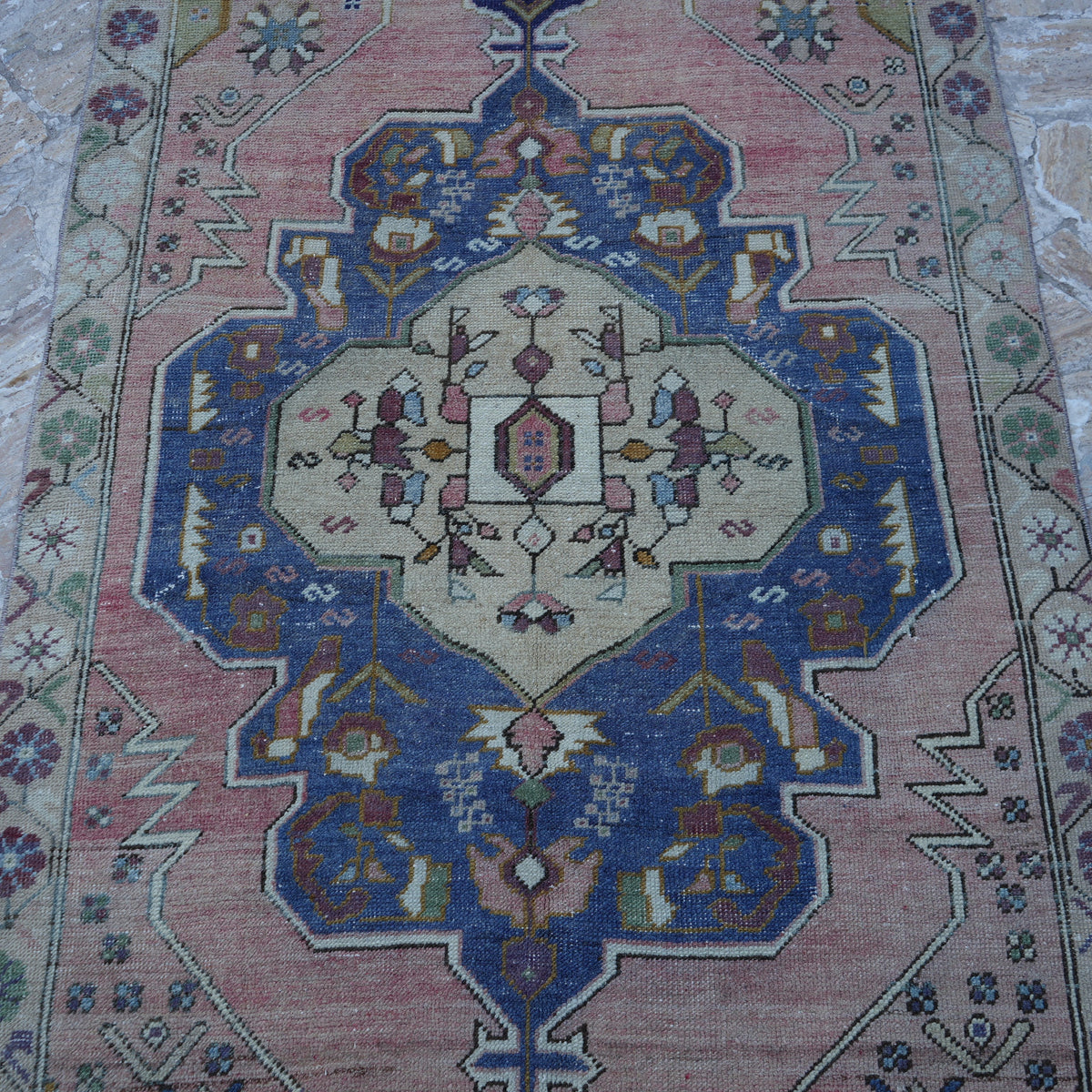
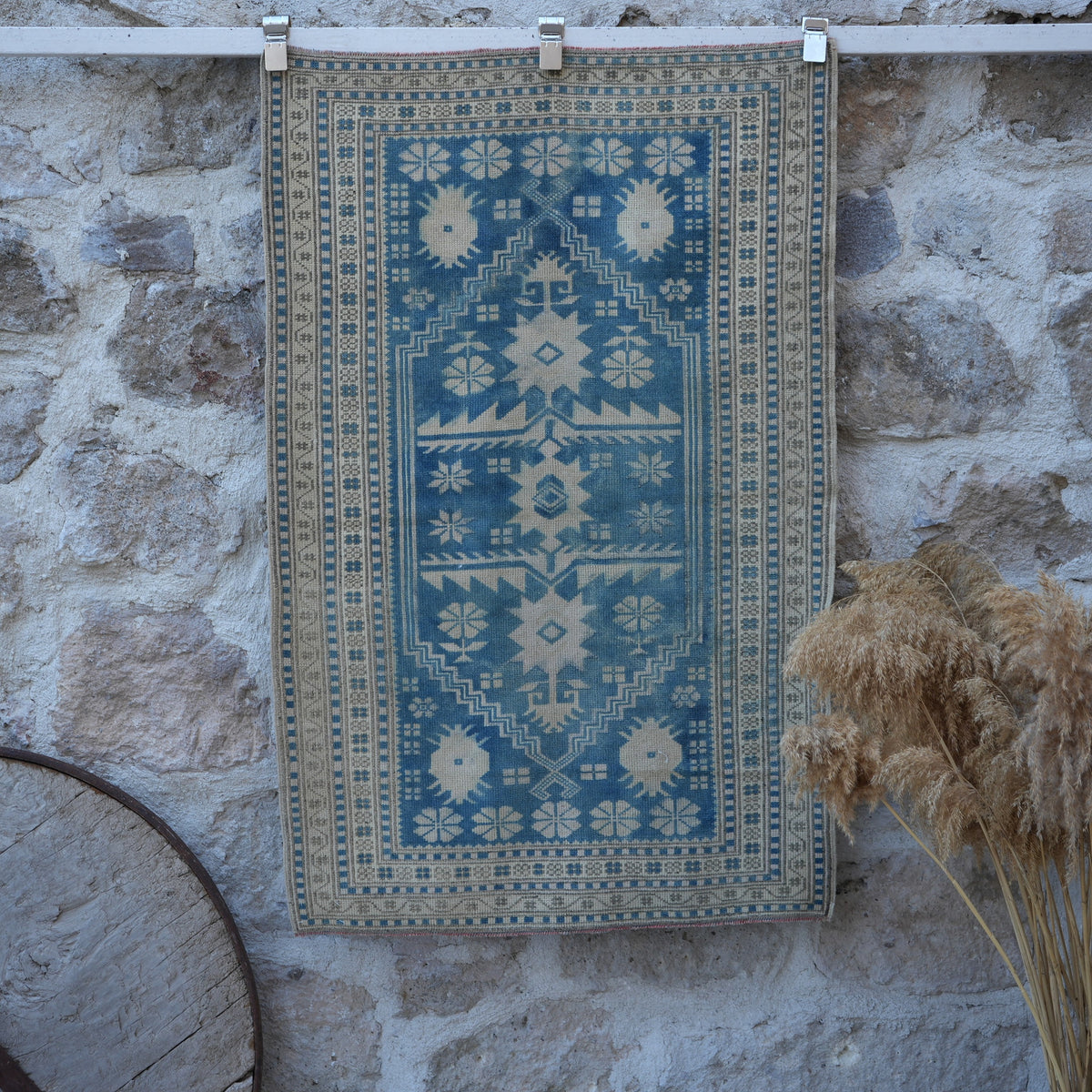
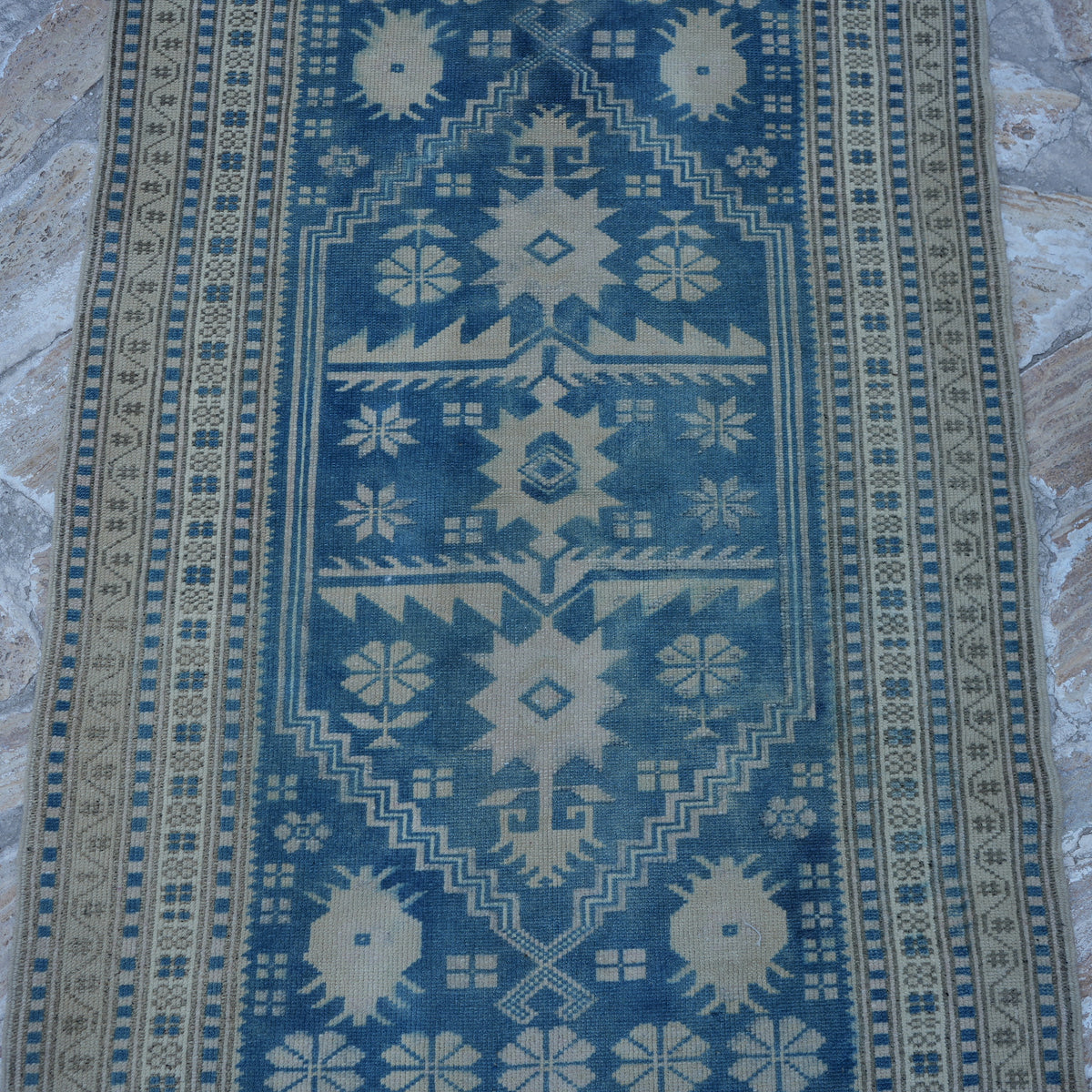
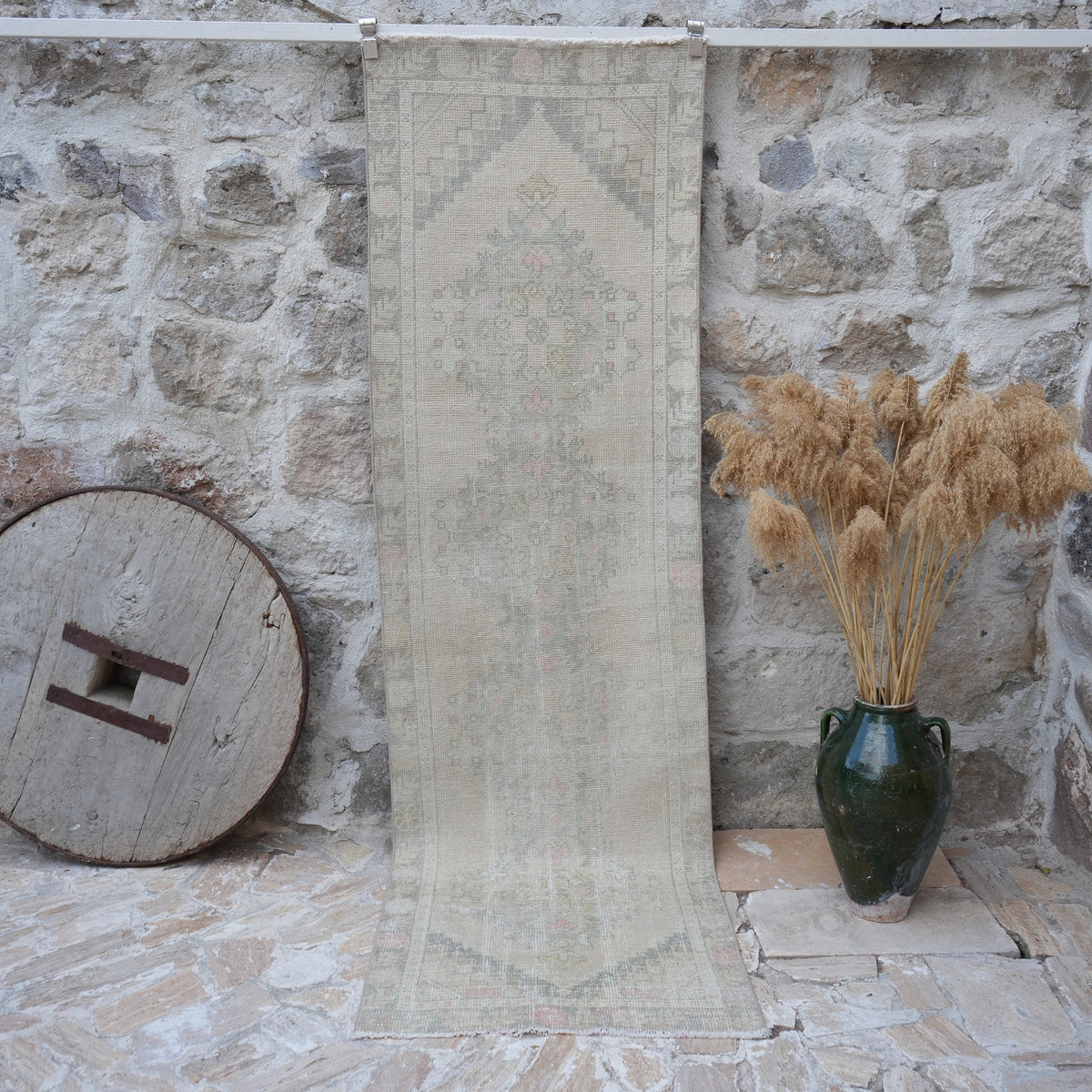
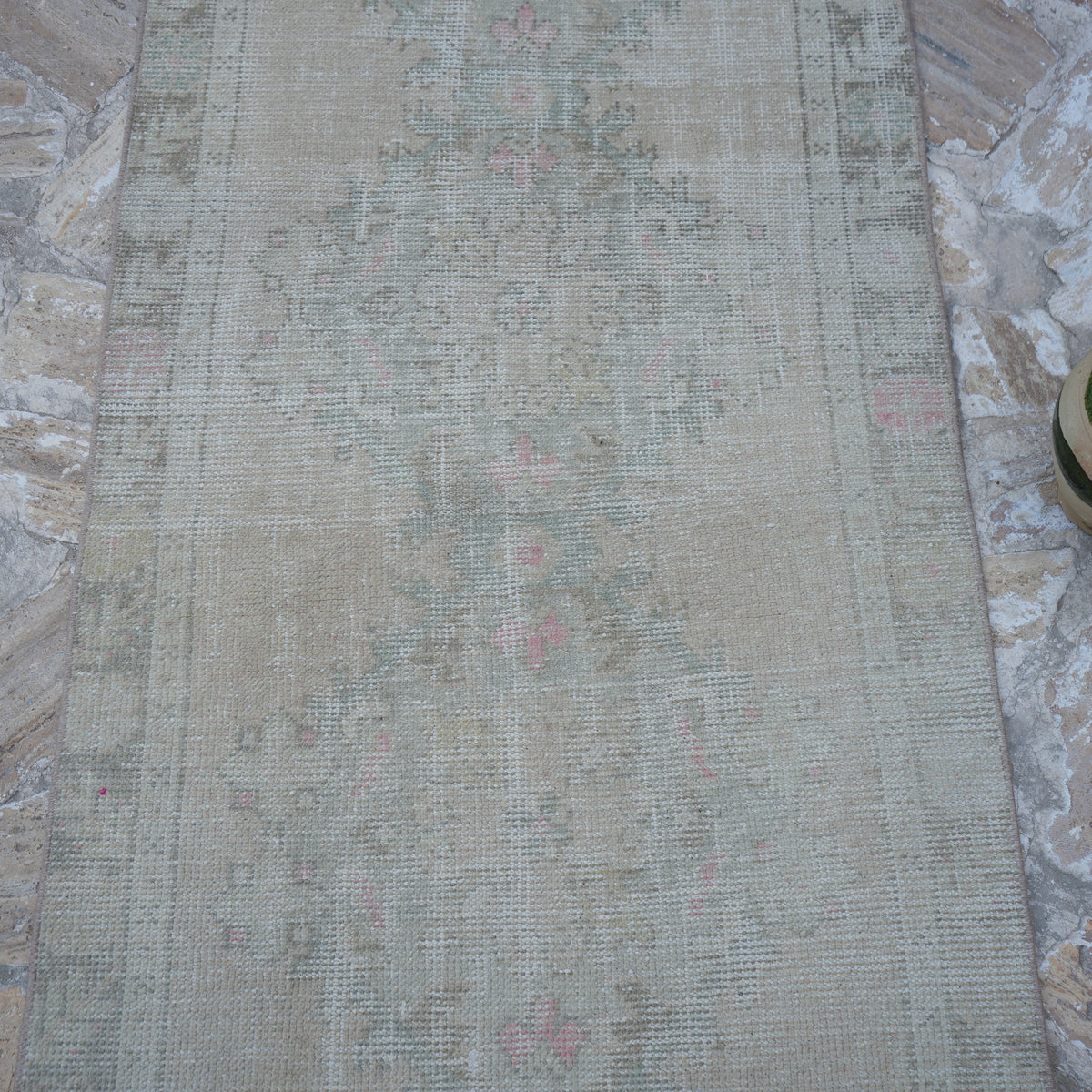
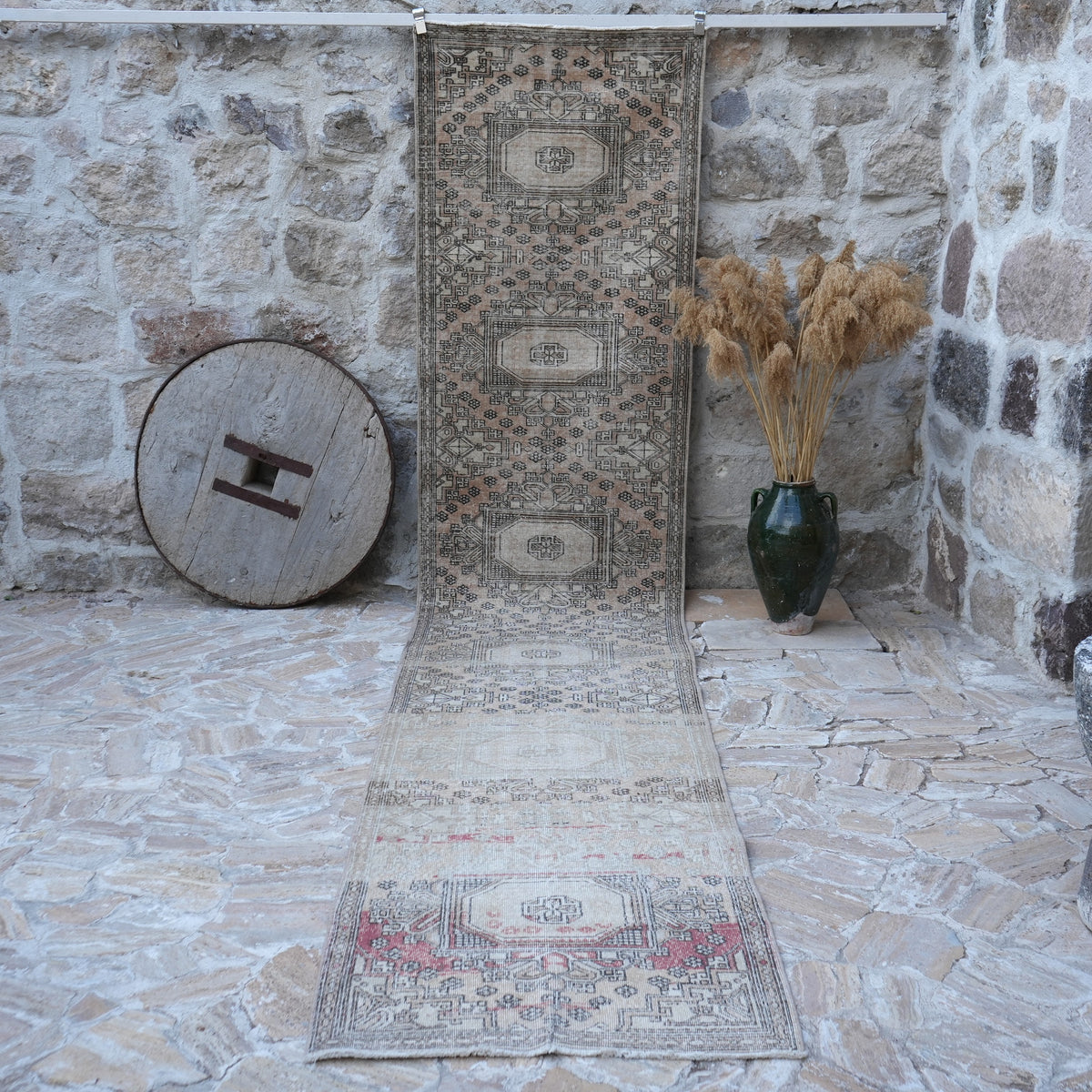
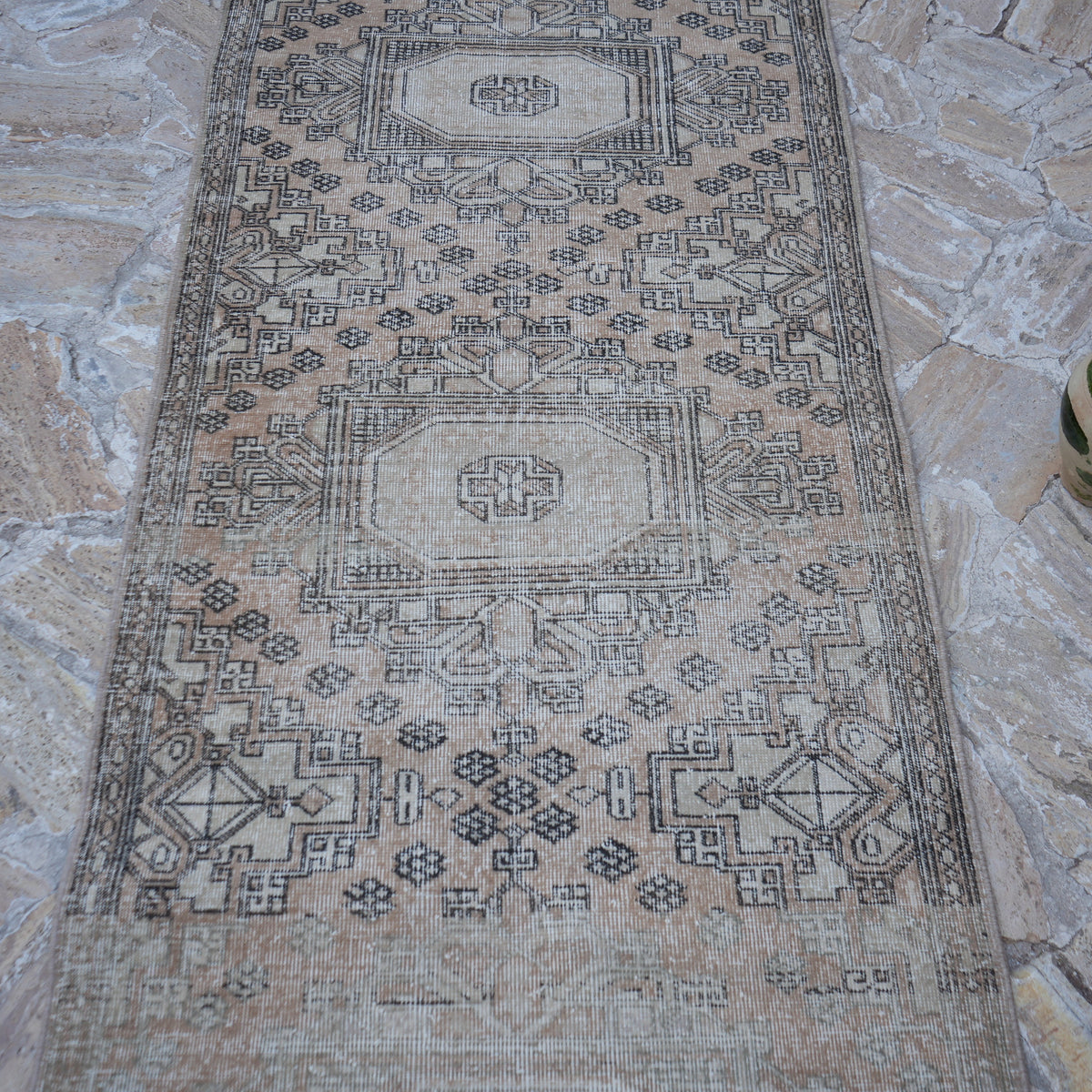
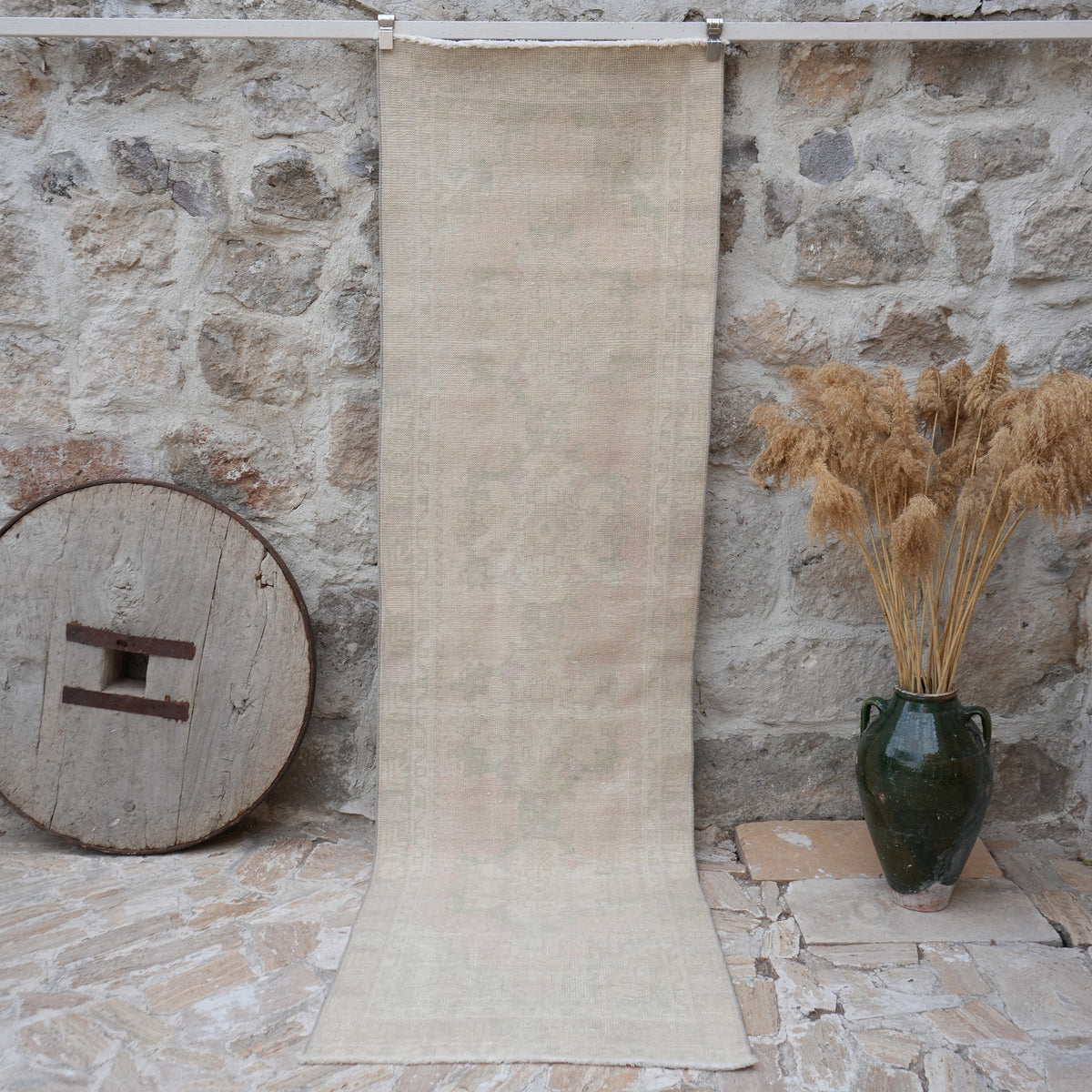
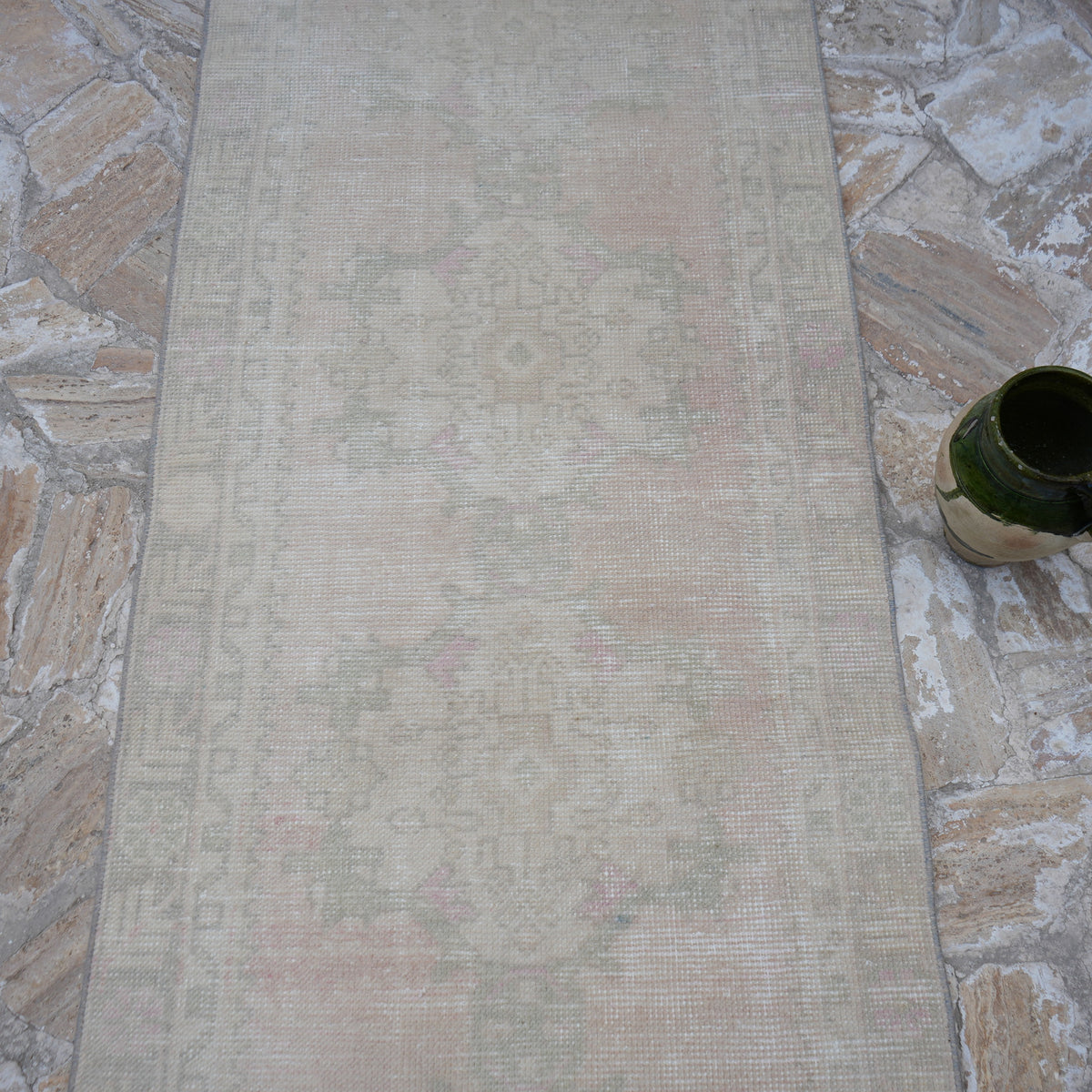
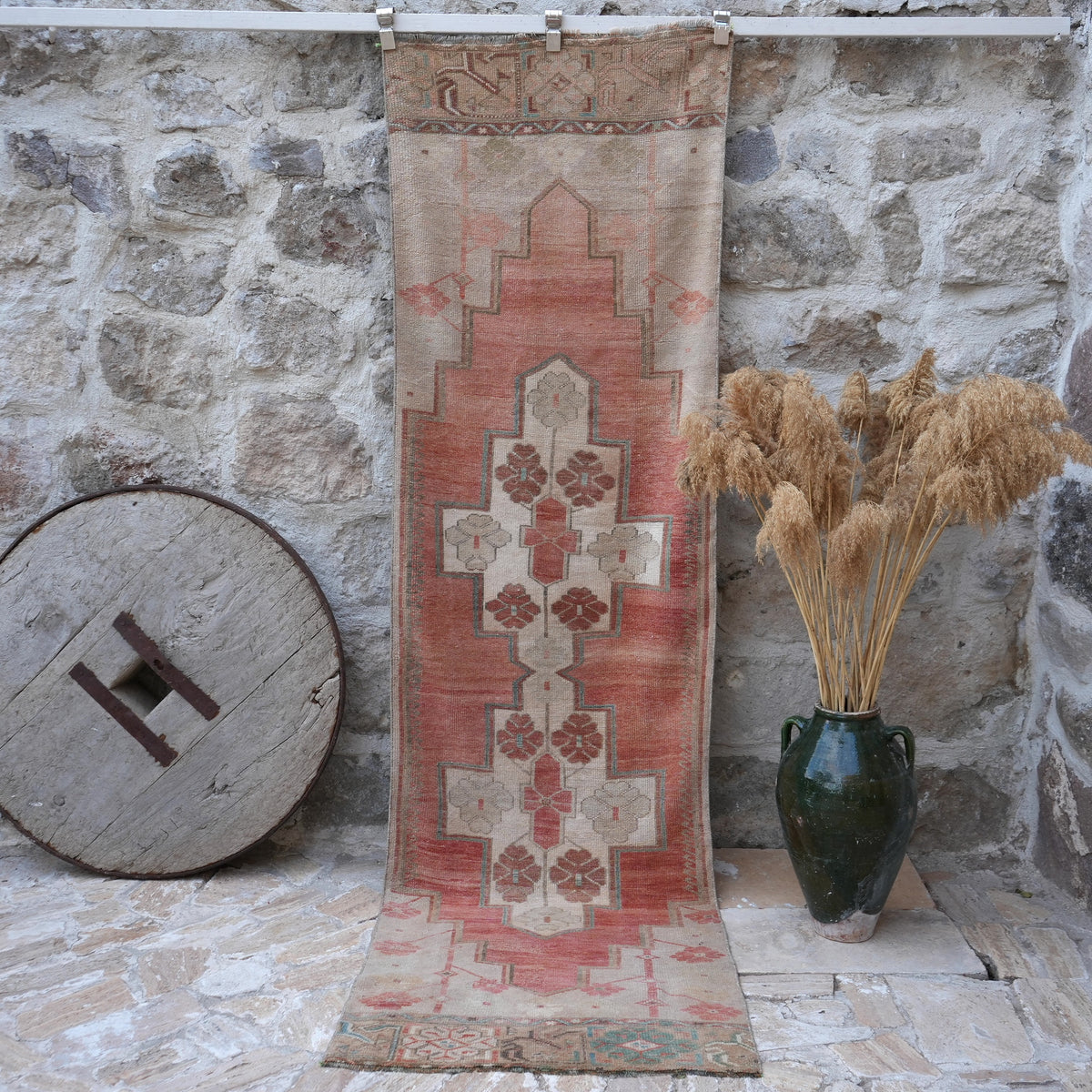
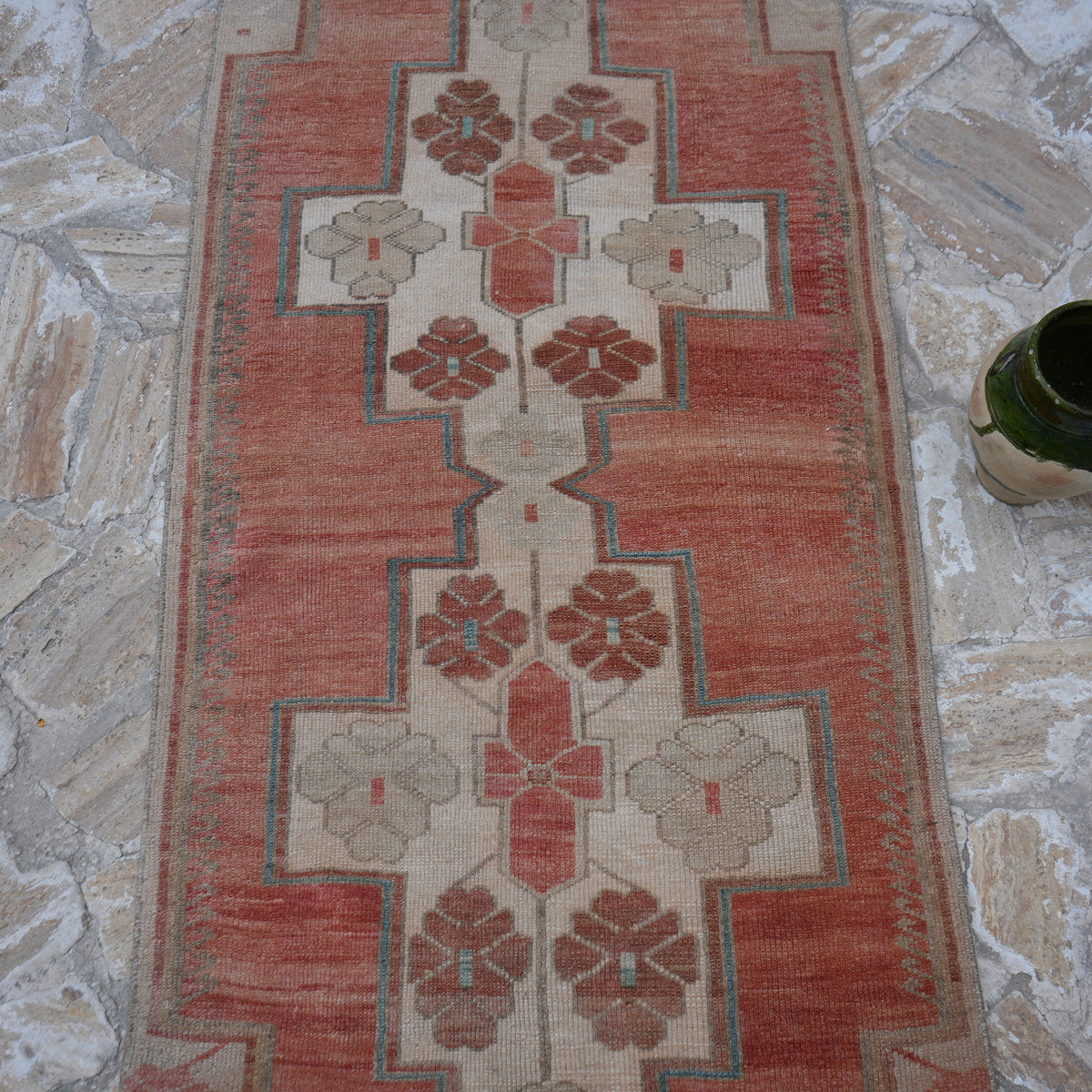
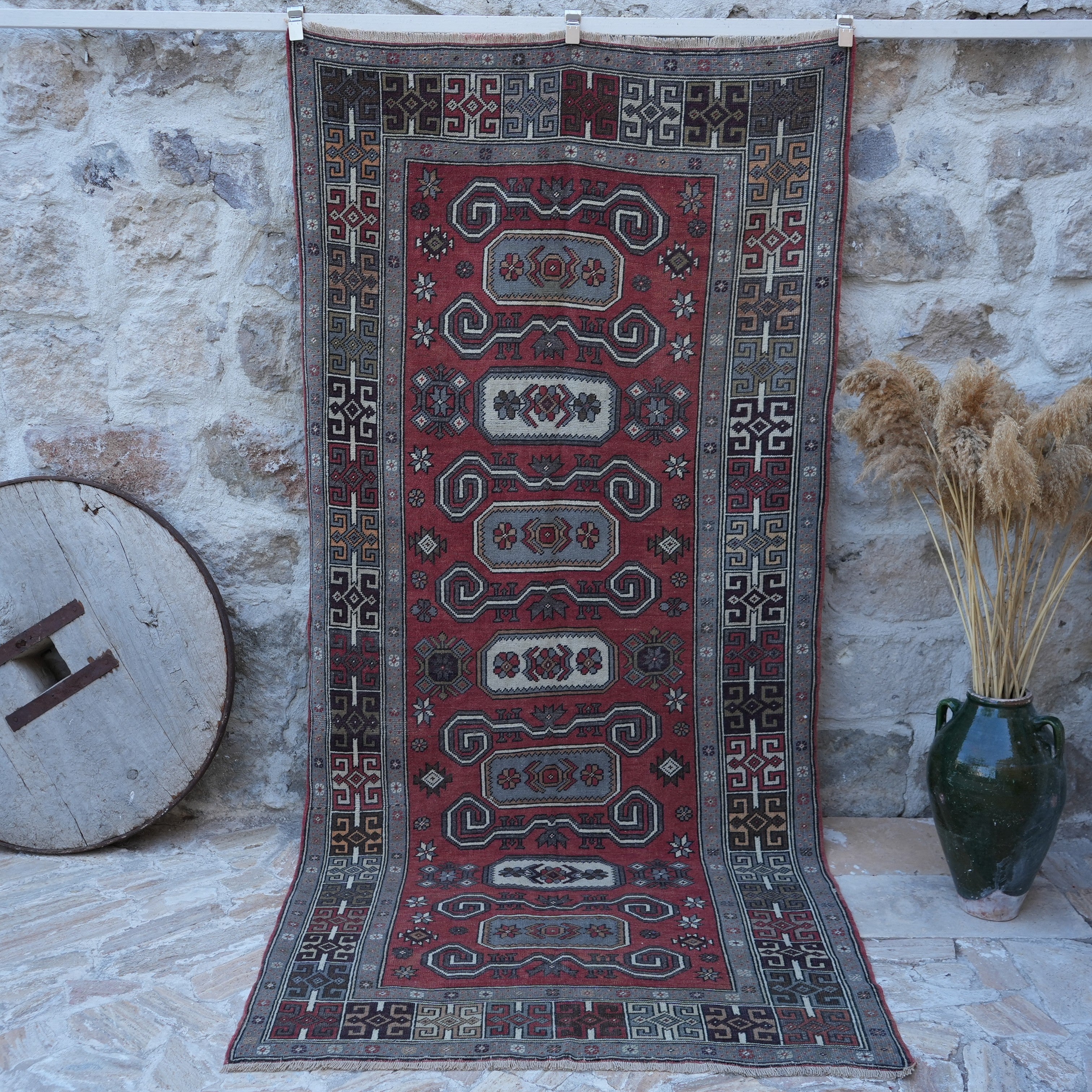
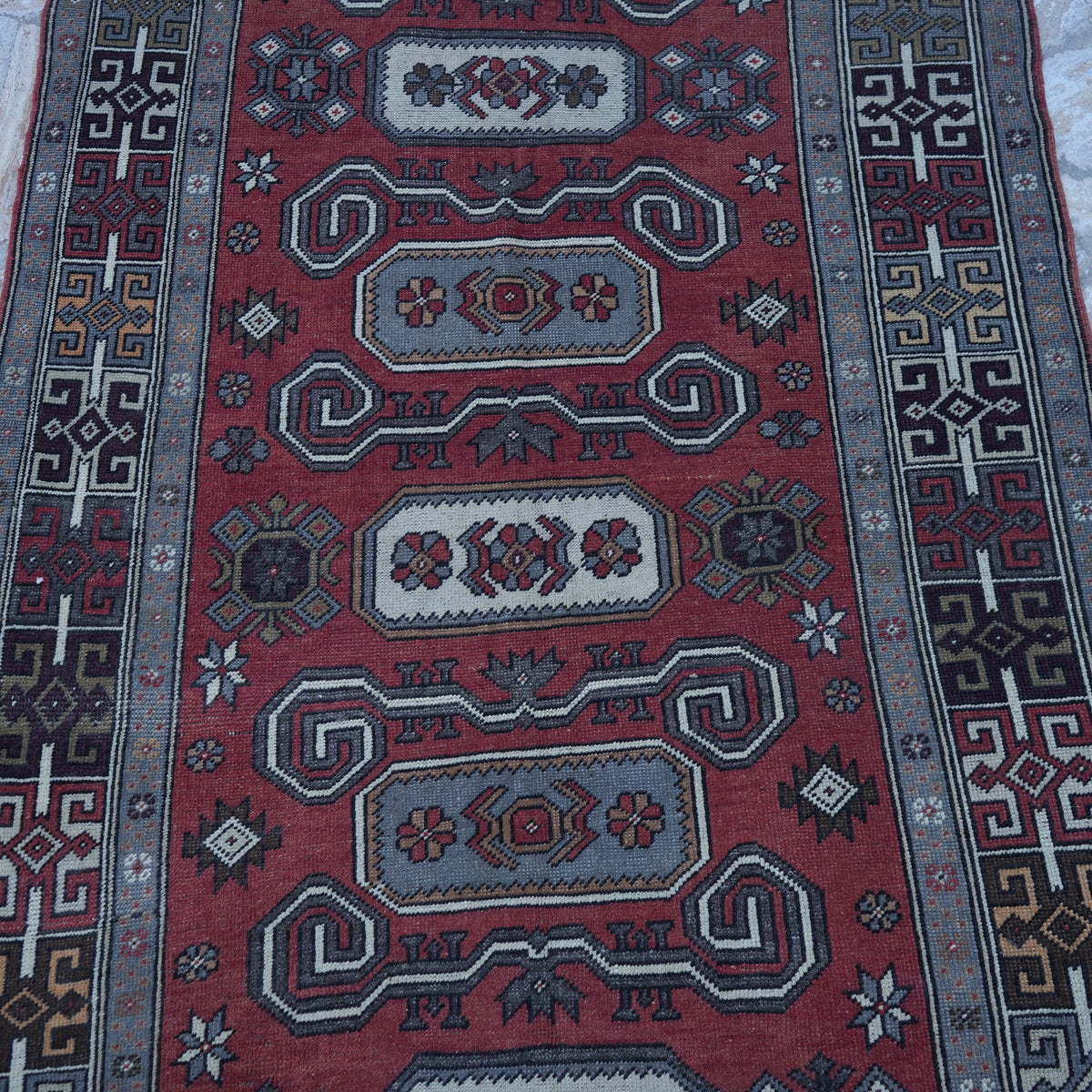
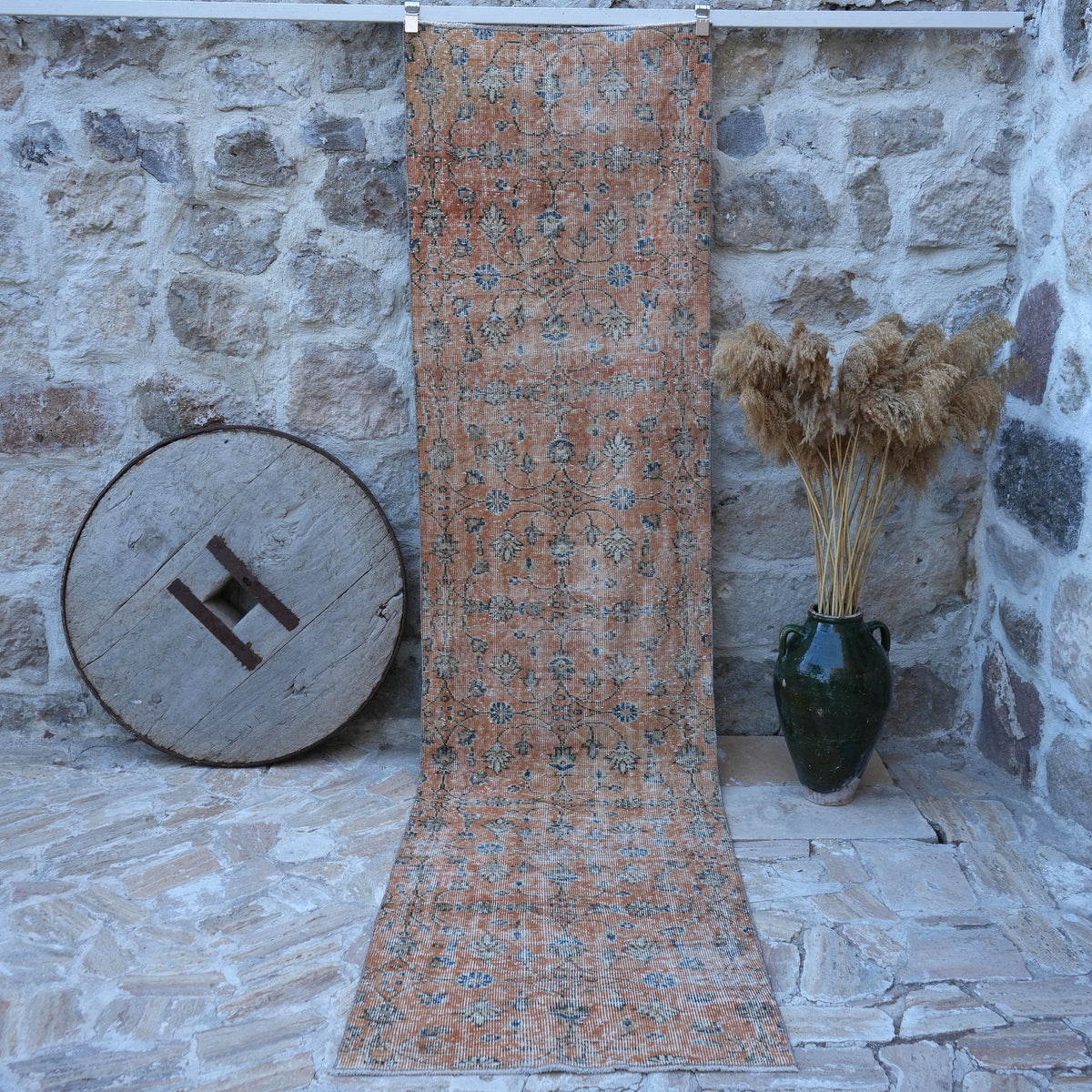
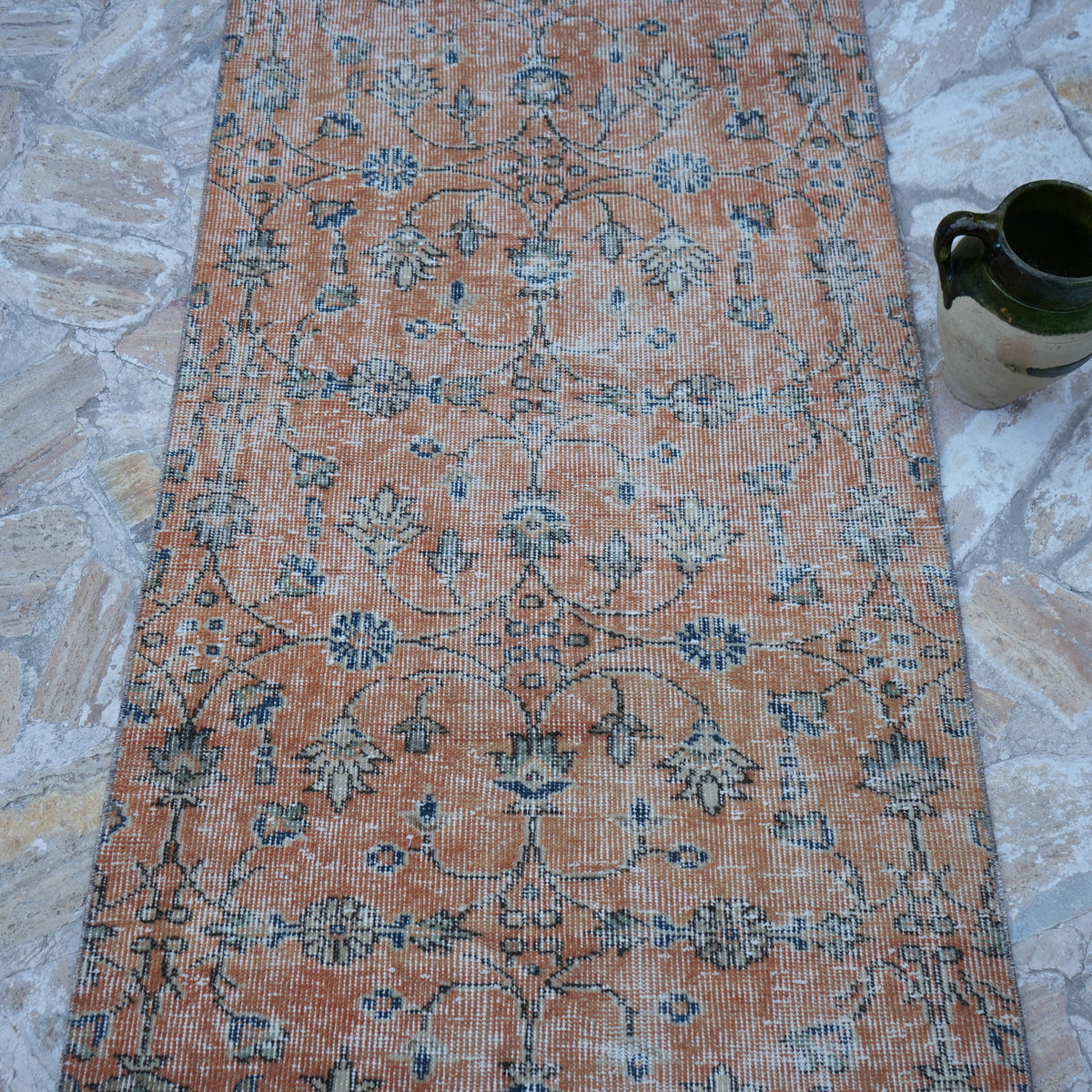
Shop Rugs That Layer Beautifully Over Carpet
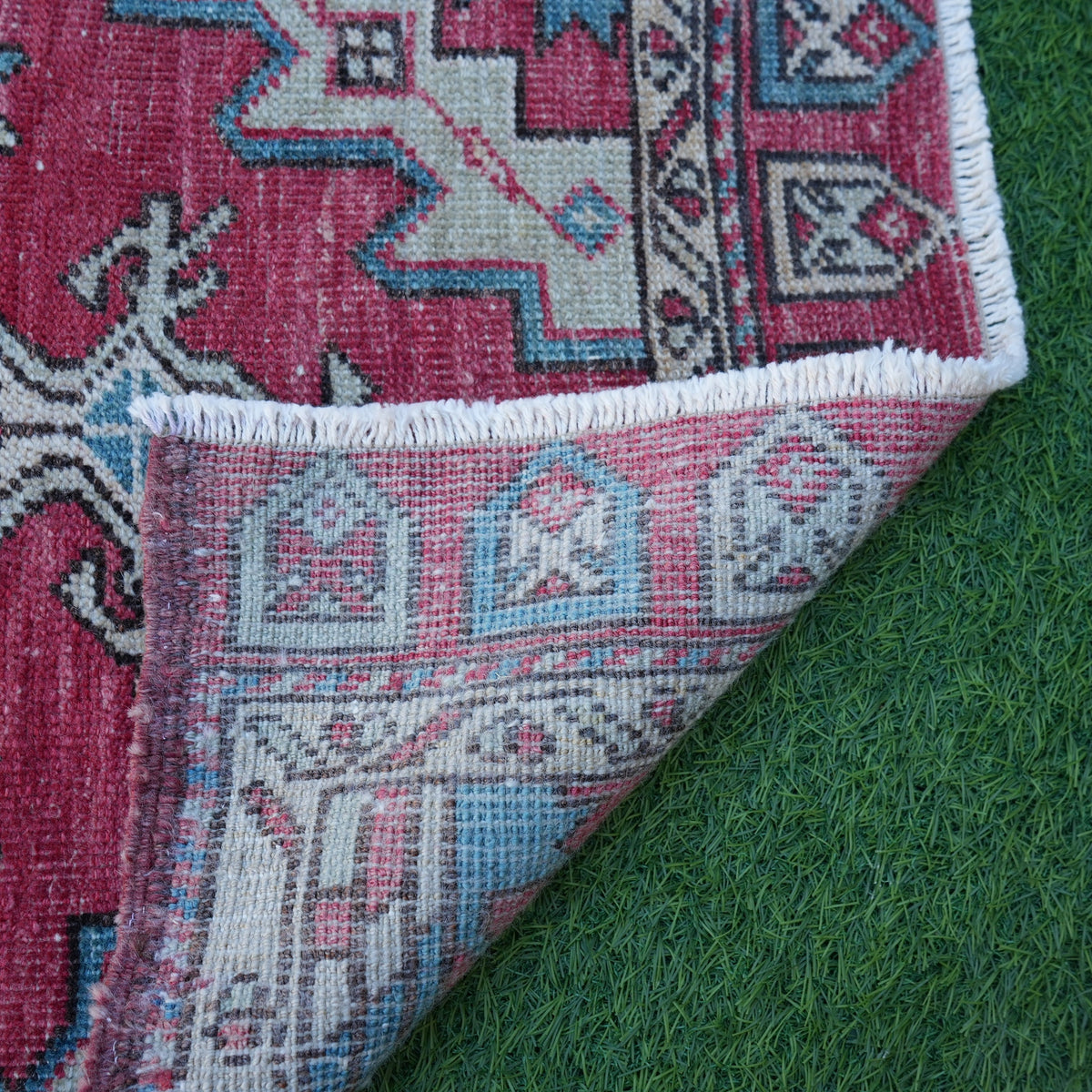
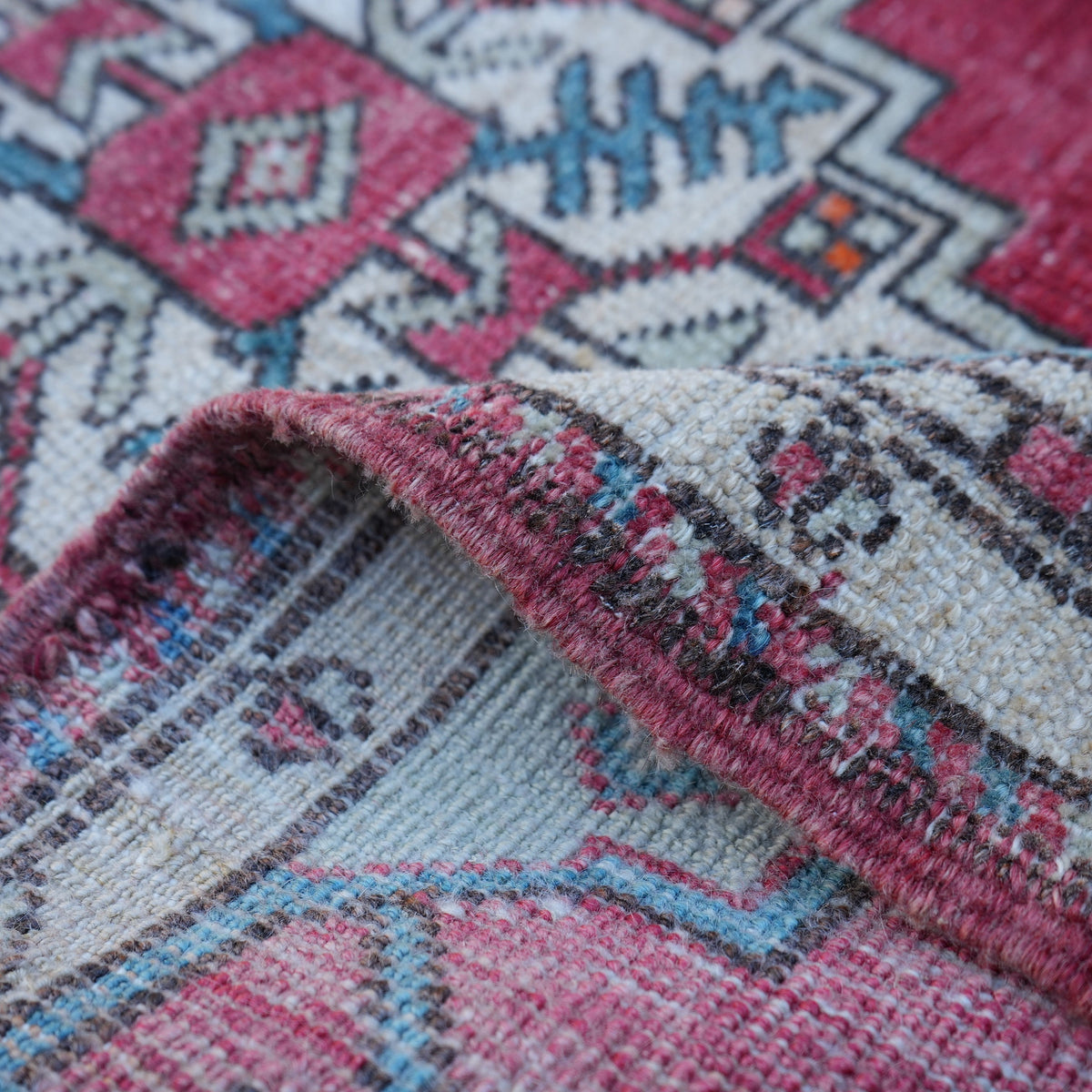
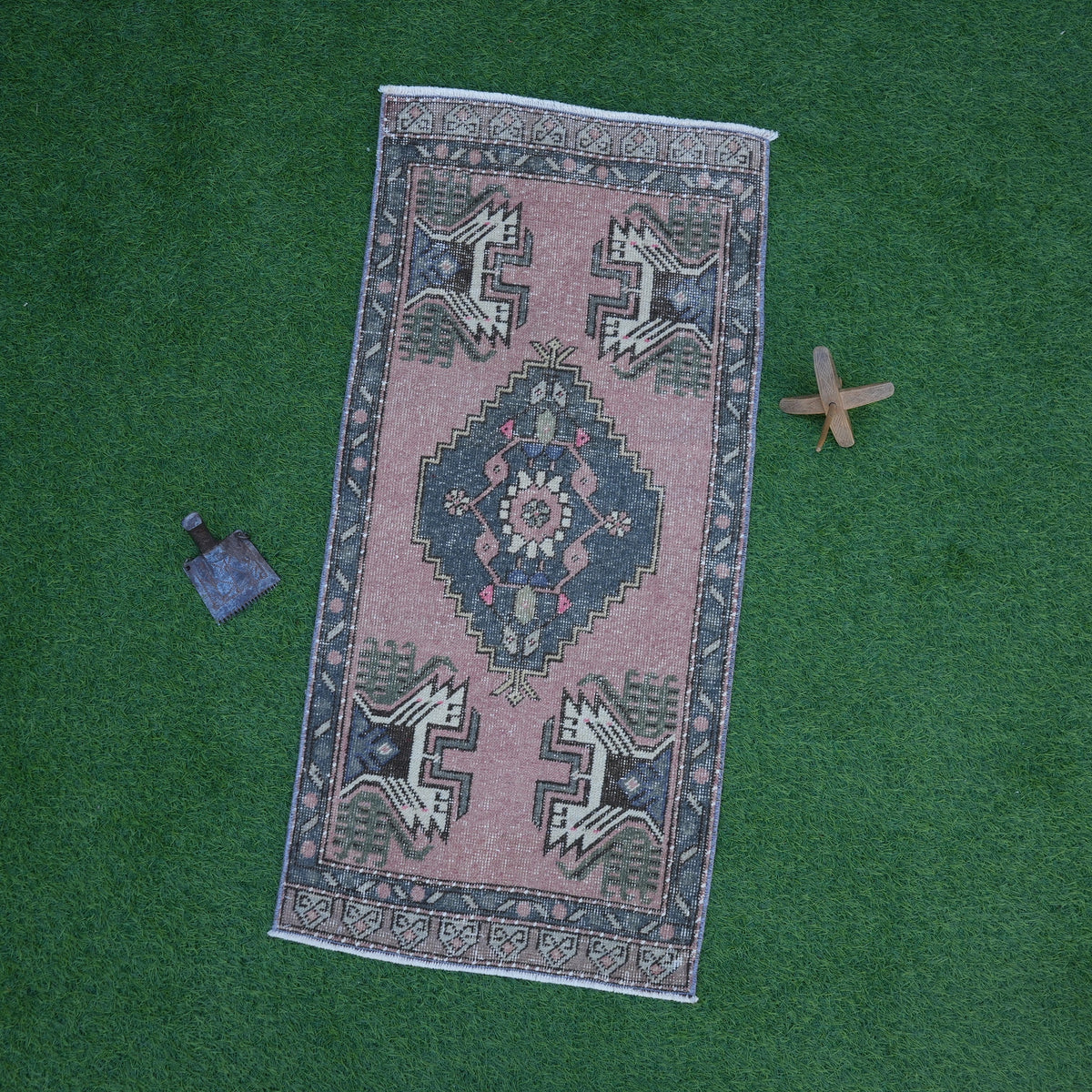












Frequently Asked Questions
What is the best way to keep an area rug from sliding on carpet?
A carpet-to-carpet rug pad — one designed with grip on both surfaces. It works across most carpet types without damaging either surface, and it addresses the root cause of rug slipping on carpet rather than compensating for it after the fact.
Can I use a regular rug pad on carpet?
Not always. Standard rubber-backed pads are made for hard floors — they need a firm, smooth surface to grip against. On carpet, you need a pad with a felt underside. Felt meshes with carpet fibers and helps keep the rug from riding on top of the pile.
Will double-sided tape damage my handwoven rug?
It can. Adhesive residue works into wool backing over time, and removing old tape can pull fibers or leave permanent marks on both the rug and the floor beneath. For handwoven or vintage pieces, a carpet-to-carpet rug pad is a better answer — it protects the rug, holds it in place, and comes off cleanly when you need to move or clean it.
Do heavier rugs stay in place better on carpet?
Generally, yes. The density of a hand-knotted wool rug gives it natural resistance to movement — the weight distributes evenly and presses the pile into the carpet fibers beneath. But even heavy rugs benefit from a non-slip rug pad for carpet in high-traffic areas or on thick, plush surfaces where the carpet pile itself is what causes the rug to shift.
How do I stop a runner rug from moving on carpet?
A runner-length rug pad underneath, combined with Velcro strips at both ends. The narrow format means the ends and the midpoint are the problem areas — corner grippers alone rarely hold across the full length. Secure the ends first; the rest follows.

