



















Rugs trap odors the way fabric traps heat — steadily, invisibly, until you notice. Pet accidents, moisture, daily foot traffic, smoke: they work into the fibers and stay there. Most of the time you do not need harsh products to fix this — the solution is usually already in your kitchen.
One thing worth saying before we start: not every rug smells. Most rugs, most of the time, are completely fine. Odors develop from use — spills, pets, humidity, years of foot traffic. Wool and vintage pieces can arrive with a faint natural scent from lanolin or fiber; that is not a defect, it is what real material smells like. If you bought from Kirmen, we clean every rug before it ships, so you should not need most of what follows. But odors do develop over time, and this guide is here for when they do — whether the rug came from us or somewhere else.
Quick answer — how do you get the smell out of a rug?
Dry methods first, wet methods second. Sprinkle baking soda generously, leave overnight, vacuum thoroughly. For persistent odors, follow with a diluted white vinegar spray and dry completely before walking on the rug again. Sunlight and fresh air handle most cases without any product at all.
Why Does Your Rug Smell? The Most Common Causes
Knowing the source changes the method. What neutralizes mildew will not help with pet urine.
Moisture, Mold, and Mildew
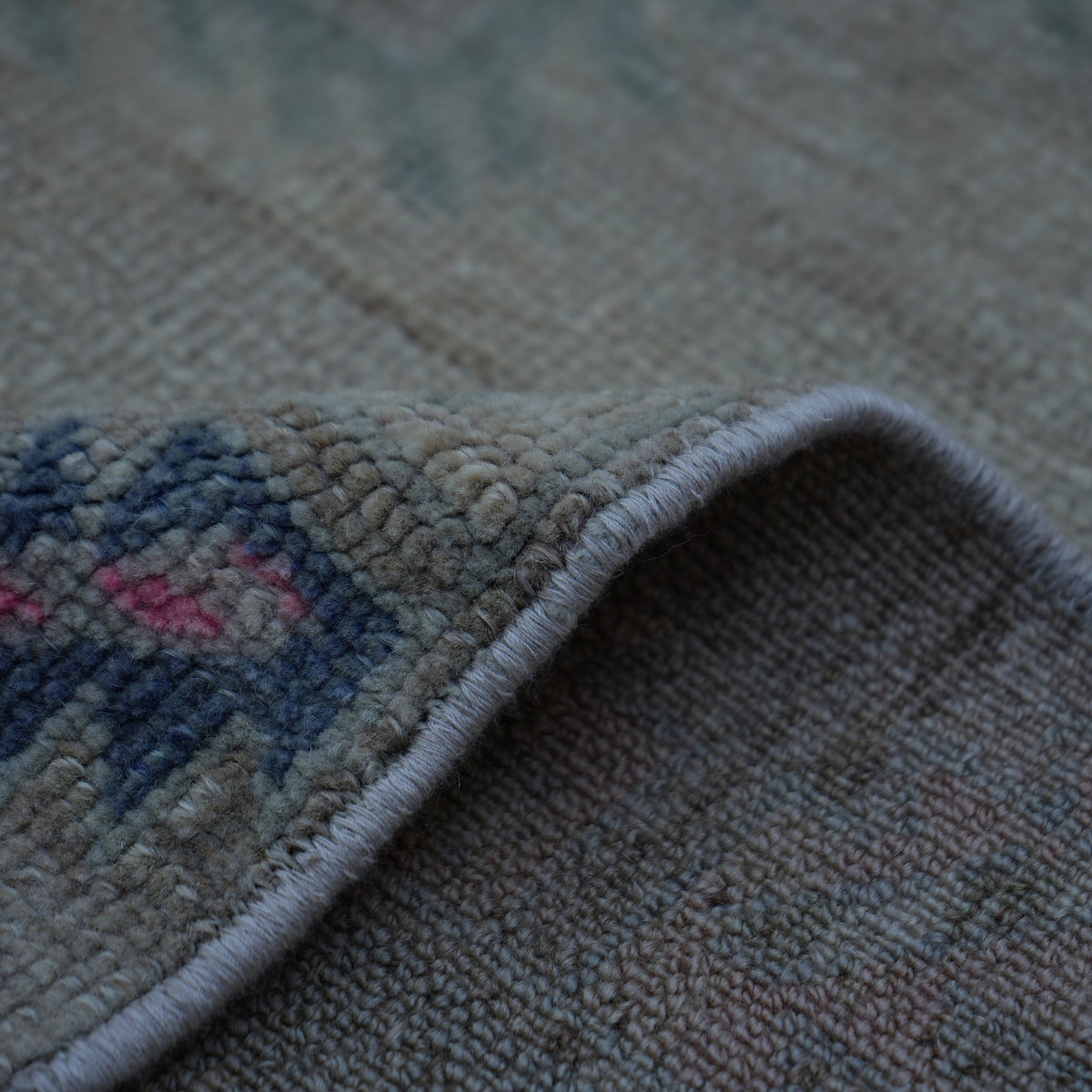
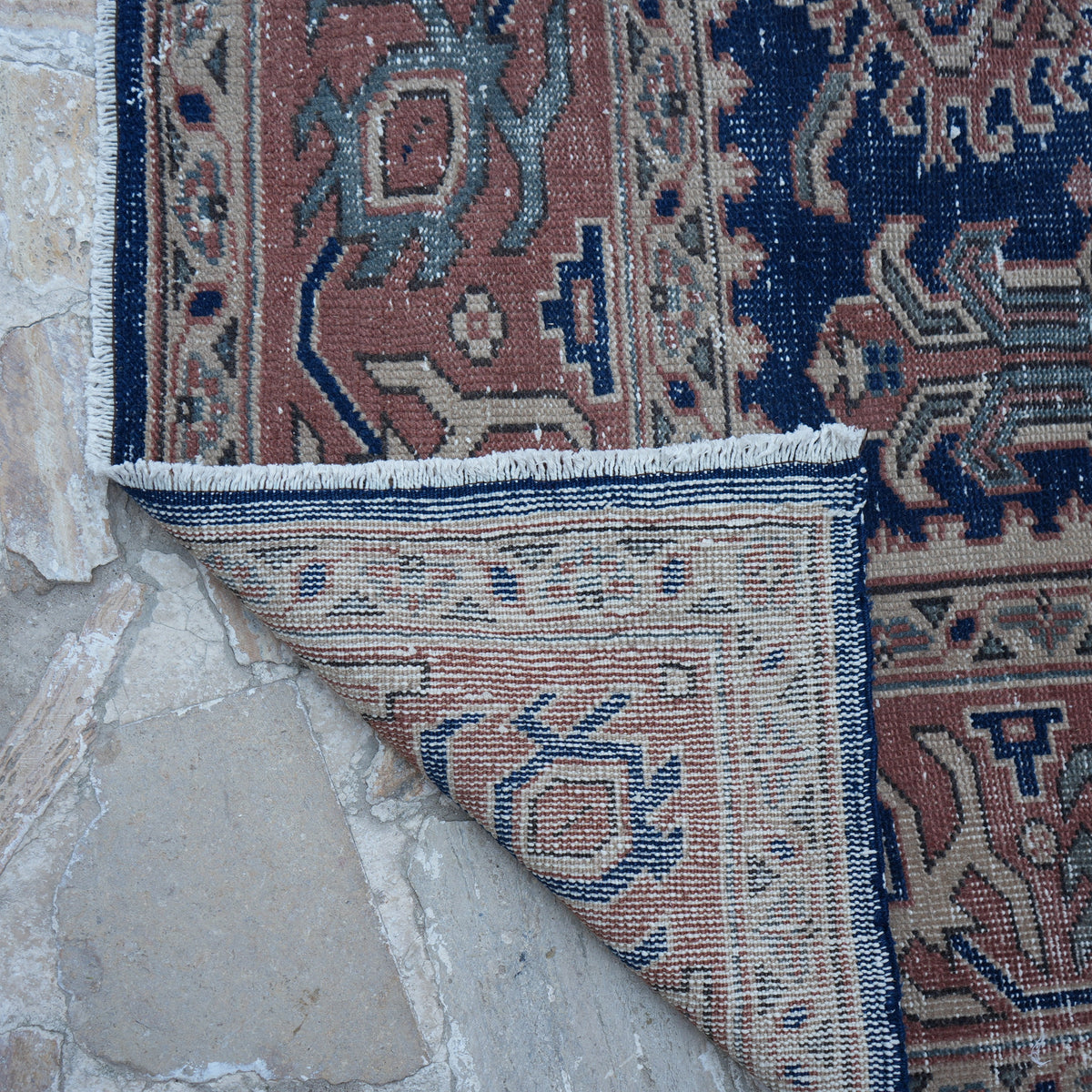
When moisture reaches rug fibers and stays, mold and mildew develop. The result is a musty, closed smell — distinct from general staleness. A rug left wet for more than 24 hours is at real risk, and the problem often lives below what you can see: inside the pile base, the backing, or the rug pad underneath. Fix the moisture source first. Treat only the smell, and it will return.
Pet Accidents, Smoke, and Daily Foot Traffic
Pet urine dries on the surface but leaves crystals in the fibers. Those crystals reactivate with humidity — which is why the smell returns after surface cleaning. Smoke binds to fibers in a similar way. Daily foot traffic adds body oils and outdoor residue that accumulate slowly and invisibly. None of these respond to surface treatment. They have to be drawn out of the fiber itself.
10 Carpet Deodorizer Hacks to Get the Smell Out of Your Rug
One rule before starting: dry methods first, wet methods second. The most common mistake is reaching for a damp cloth immediately. The rug absorbs moisture, does not fully dry, and the smell comes back worse than before. If you use any liquid method, the rug must be completely dry before anyone walks on it again.

1. Baking Soda — The Most Trusted Natural Carpet Deodorizer
Sprinkle a generous, even layer across the area. Leave it for at least six hours — overnight is better. Then vacuum thoroughly. Baking soda neutralizes odor molecules at a chemical level rather than masking them. One detail matters: make sure all the powder is removed from between the fibers. Any residue keeps drawing moisture.
2. White Vinegar Spray — Nature's Disinfectant
Mix one part white vinegar with two parts water and apply with a spray bottle. The goal is to touch the fiber surface, not soak it. As the vinegar dries, it takes the odor with it — the vinegar smell itself disappears. For rugs with plant-based or natural dyes, test a small corner first. Vinegar can lighten deep reds and blues.
3. Sunlight and Fresh Air — Free, Fast, and Effective
Lay the rug flat outside in direct sun. UV rays kill the bacteria behind most odors without any product. I used to always reach for something — a powder, a spray. Then I bought a kilim that had spent time somewhere damp. Two days in the Cappadocian sun and the smell was completely gone. Now sun and fresh air is always my first step.
Before leaving a handmade or vintage rug in direct sun for extended periods, see our guide on how to clean a Turkish rug — prolonged UV exposure can affect natural dyes.

4. Rock Salt and Natural Borax — The Deep Sanitizer
Mix equal parts rock salt and borax, spread over the rug, leave a few hours, vacuum thoroughly. Effective for mold and mildew odors. One caution: borax can stress wool fibers. Use this on synthetic or cotton rugs only.
5. Salt and Bay Leaf — An Old Anatolian Trick That Works
Crush dried bay leaves into fine salt and spread the mixture across the rug. Leave a few hours, then vacuum. My mother used this. My grandmother used it before her. In Cappadocia, there were no shelves of cleaning products — salt was in every home, bay leaves grew outside. Salt pulls moisture from the fiber; bay leaf adds a mild antibacterial quality. This method predates every commercial carpet deodorizer on the market.

6. Castile Soap — Gentle Plant-Based Deep Clean
Work a small amount of liquid castile soap into the affected area with a damp cloth or soft brush. Blot — do not rub. Rinse with minimal water and dry fully. Plant-based and gentle on most natural fibers, it handles food and sweat odors without stripping the pile.
7. Silica Cat Litter — The Overnight Moisture Trap
Spread silica gel cat litter over the rug, leave overnight, vacuum in the morning. Silica absorbs moisture — and moisture is the engine behind most odors. Particularly effective for pet accidents and damp smells. It is less obvious than the other methods here, but it works.

8. Dry Carpet Powder — No-Moisture, No-Wait
Commercial dry powders work without any liquid, which makes them useful in winter or enclosed spaces. Sprinkle, wait the recommended time, vacuum. They address surface freshness rather than deep odors, but for a quick result, they do the job.
9. Fabric Softener Mist — Quick Scent Reset
A light mist of diluted fabric softener changes how the rug smells — temporarily. To be clear: this is a masking agent, not a deodorizer. Useful before guests arrive. Not a fix. Avoid on handmade rugs, as the surfactants can affect natural dyes.
10. Professional Washing — When Nothing Else Works
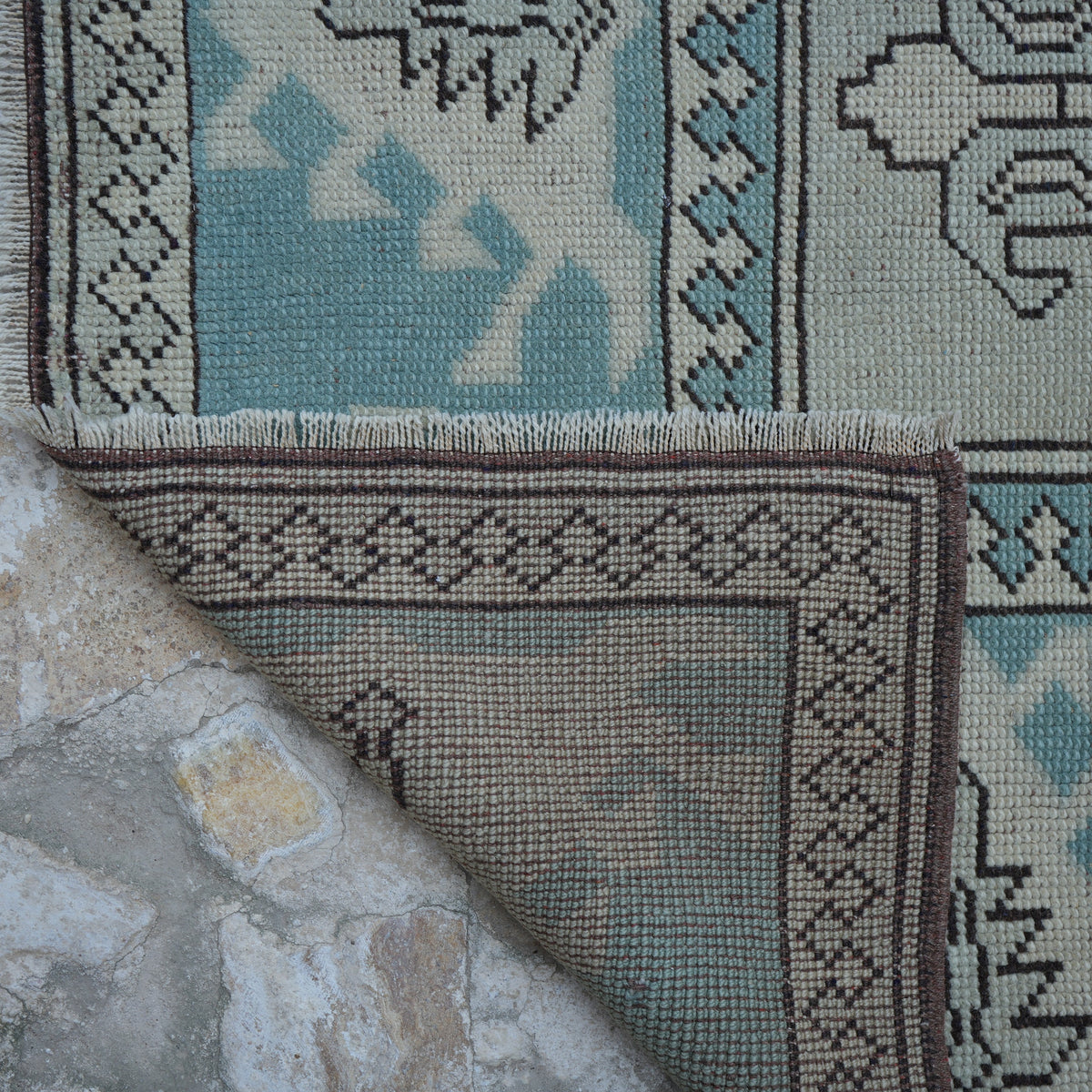
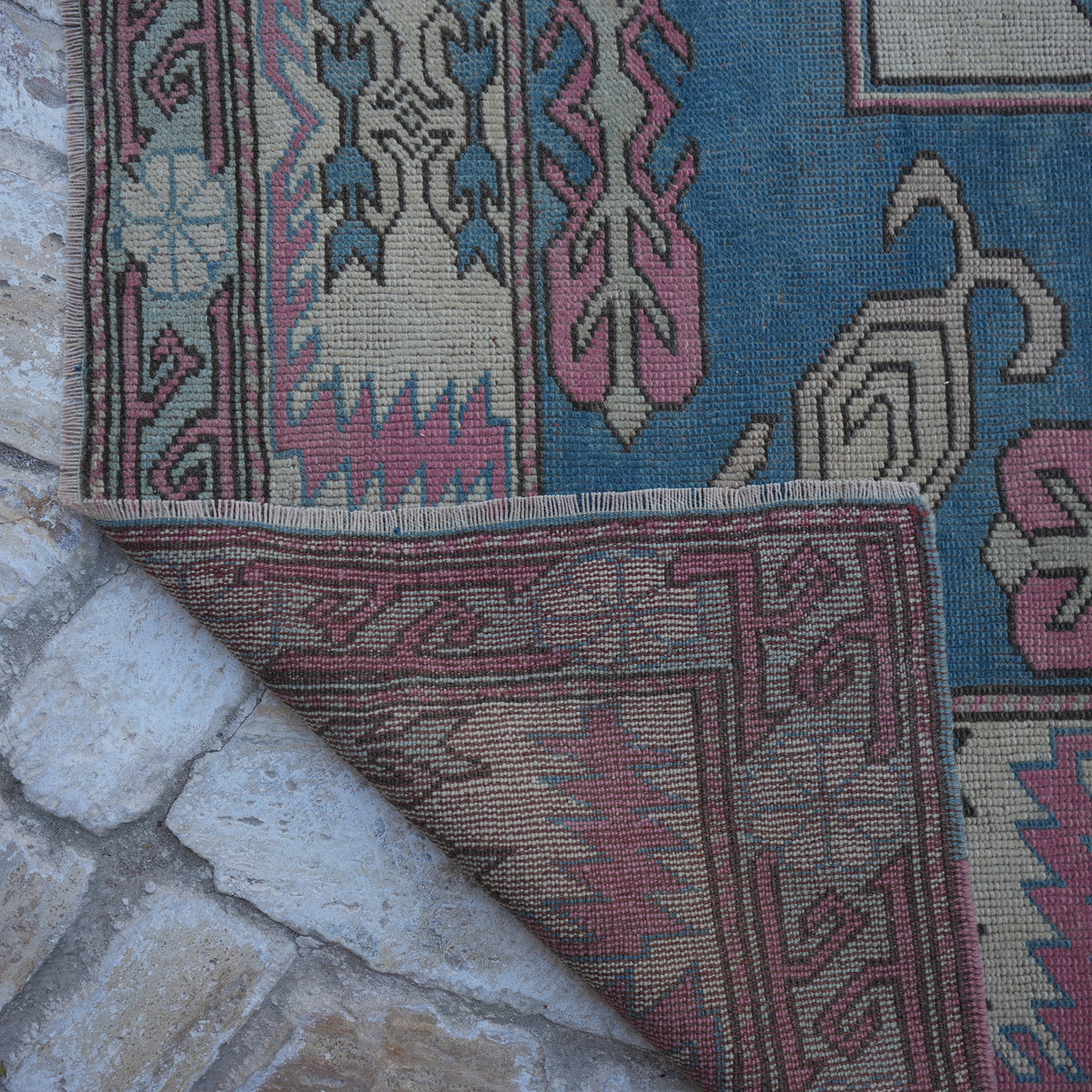
If the smell persists after the methods above, it has likely settled deeper than surface treatment can reach. A customer once sent a rug to a standard dry cleaner. It came back looking clean and still smelling of mildew. The cleaner had treated the surface — the moisture in the pile base and warp threads was never touched. Hand-knotted rugs need full-immersion washing with running water, handled by someone who specializes in rugs specifically.
DIY Carpet Deodorizer Recipes You Can Make at Home
Scented Deodorizer Powder: One cup baking soda, 20 drops of essential oil — lavender or lemon work well. Seal the mixture overnight so the oil absorbs into the powder. Sprinkle on the rug and vacuum after 30 minutes.
Freshening Spray: One part white vinegar, two parts water, 10 drops eucalyptus oil. Mist lightly and allow to air dry. Works particularly well against moisture and food odors.
Both recipes suit most rugs. If you have a handmade or vintage piece, read the next section before applying either.

How to Get the Smell Out of a Handmade or Vintage Rug
Why Handmade Rugs Smell Different — and Why That's a Good Sign
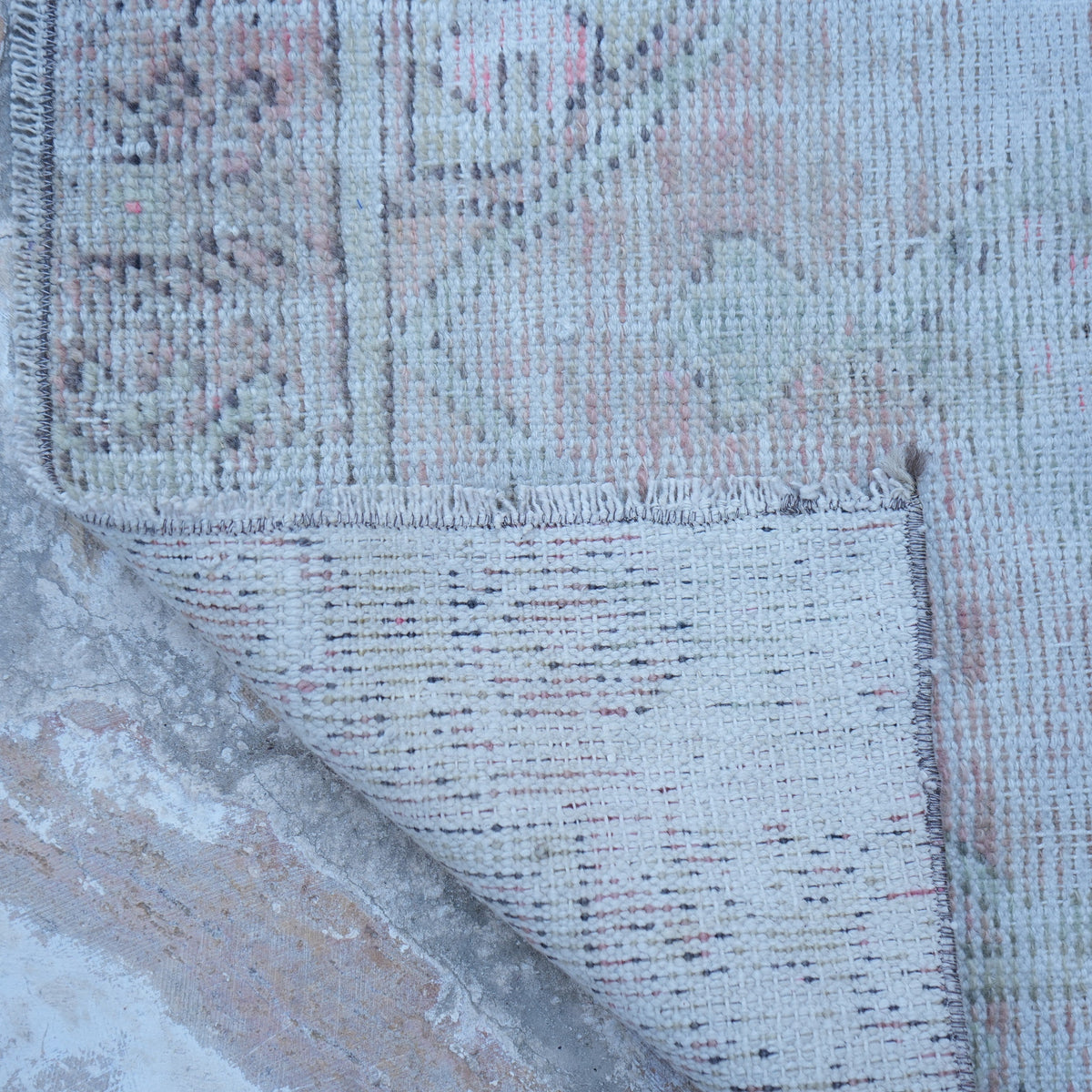
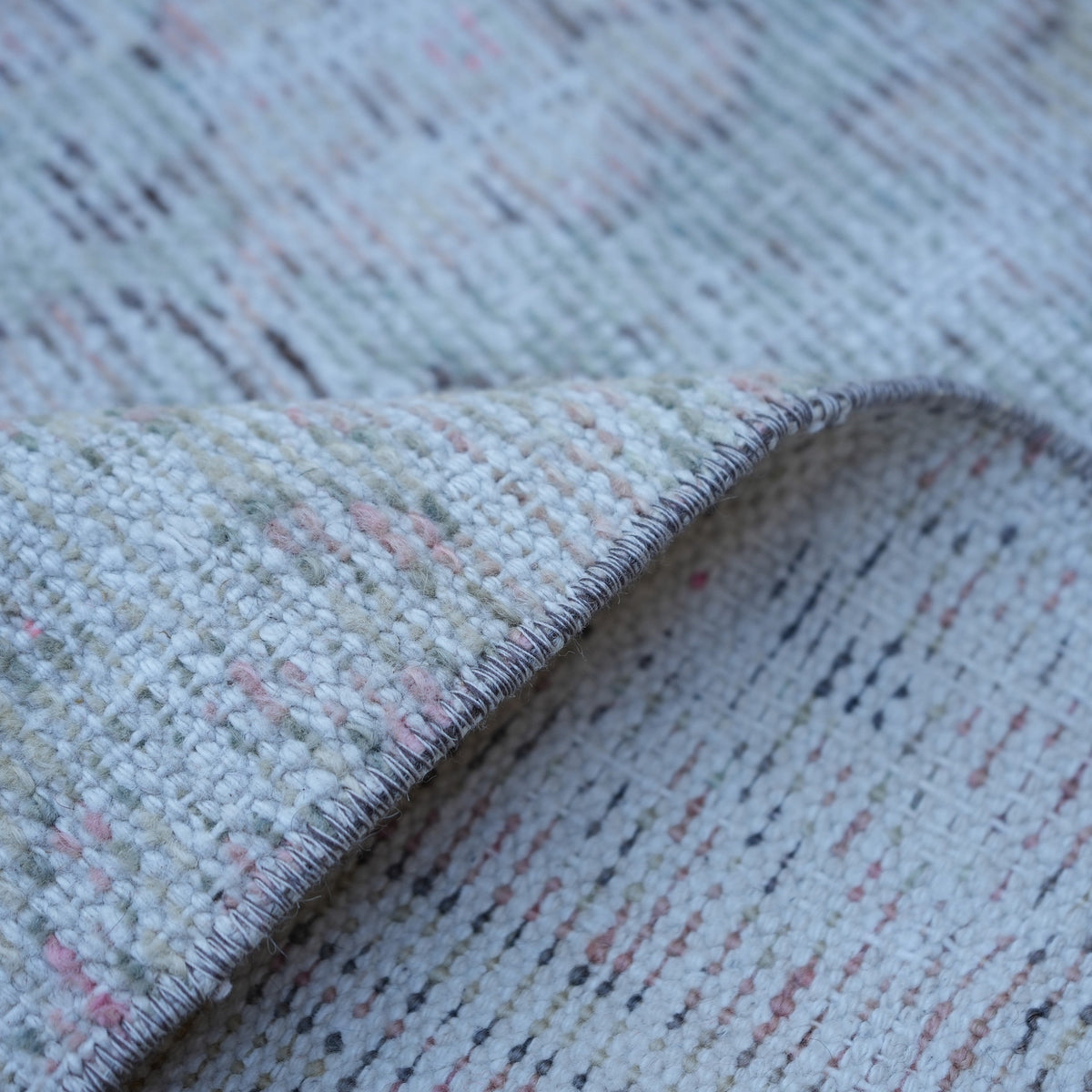
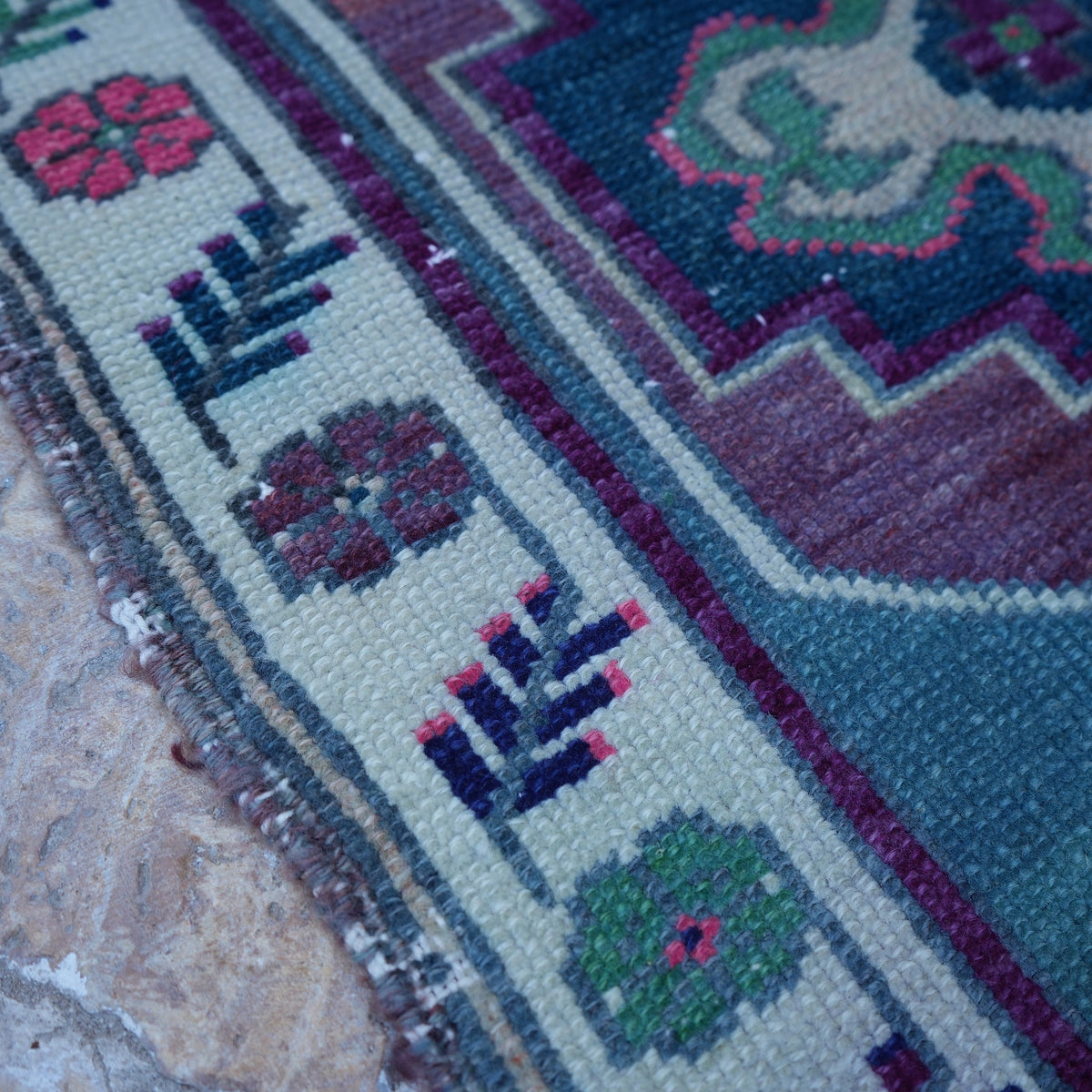
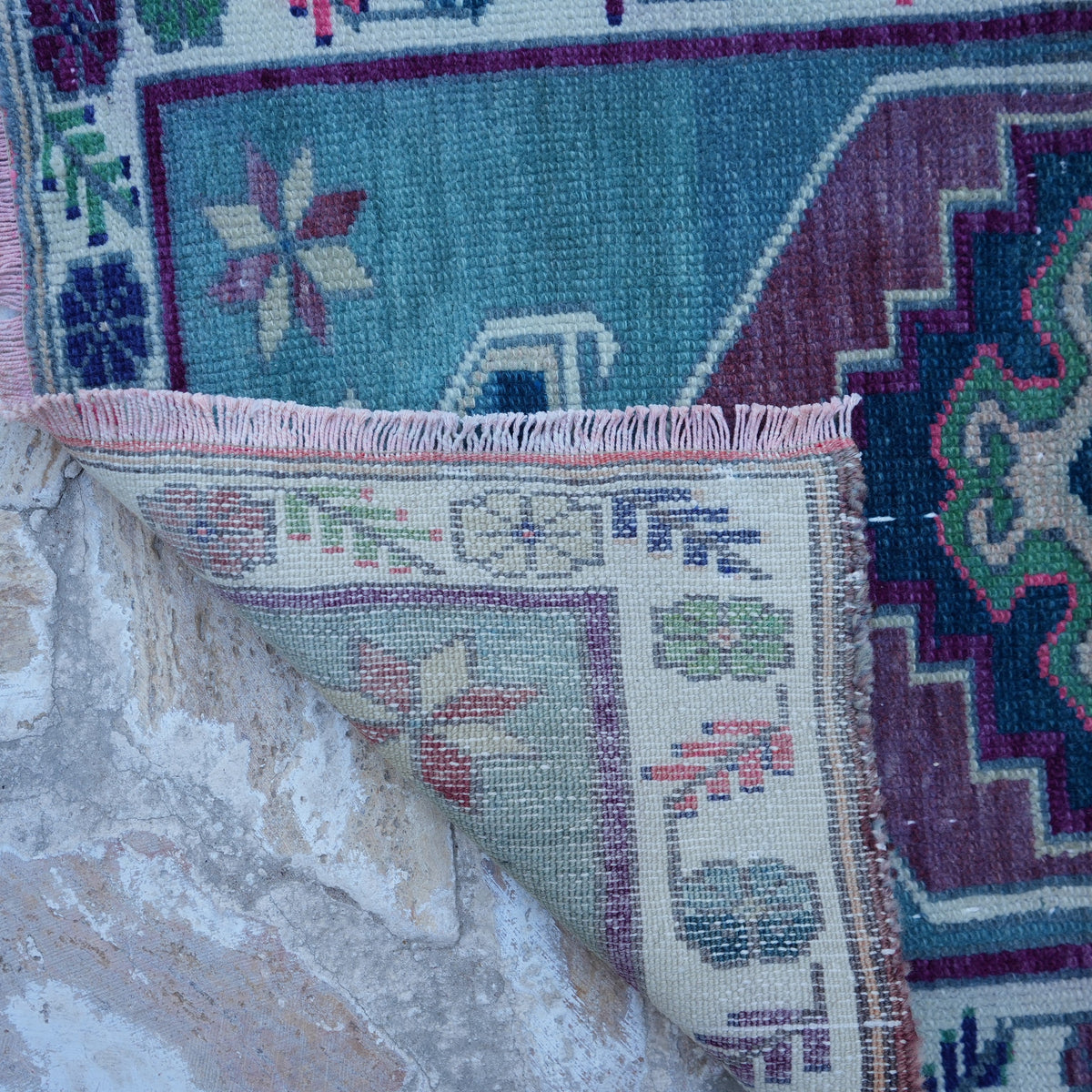
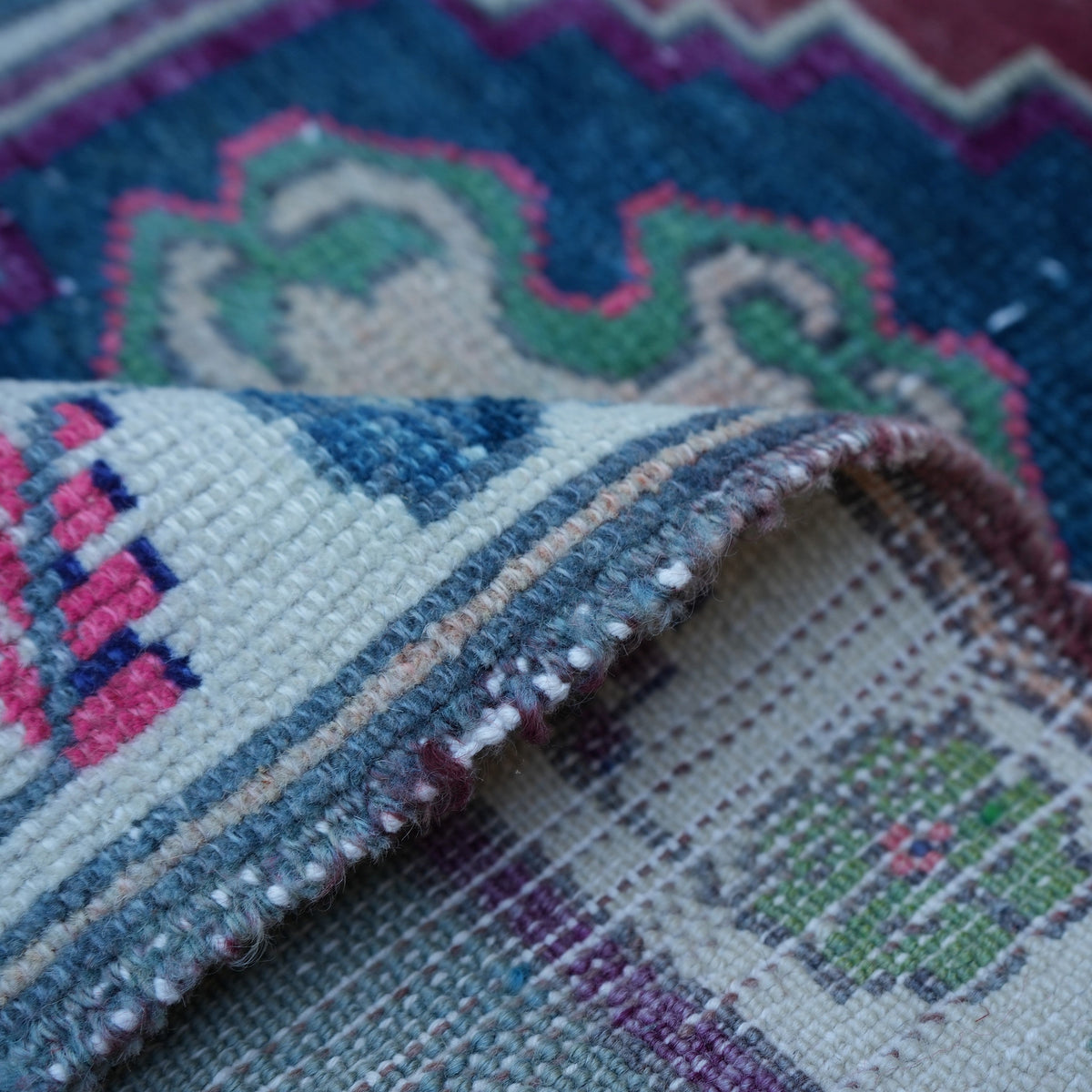
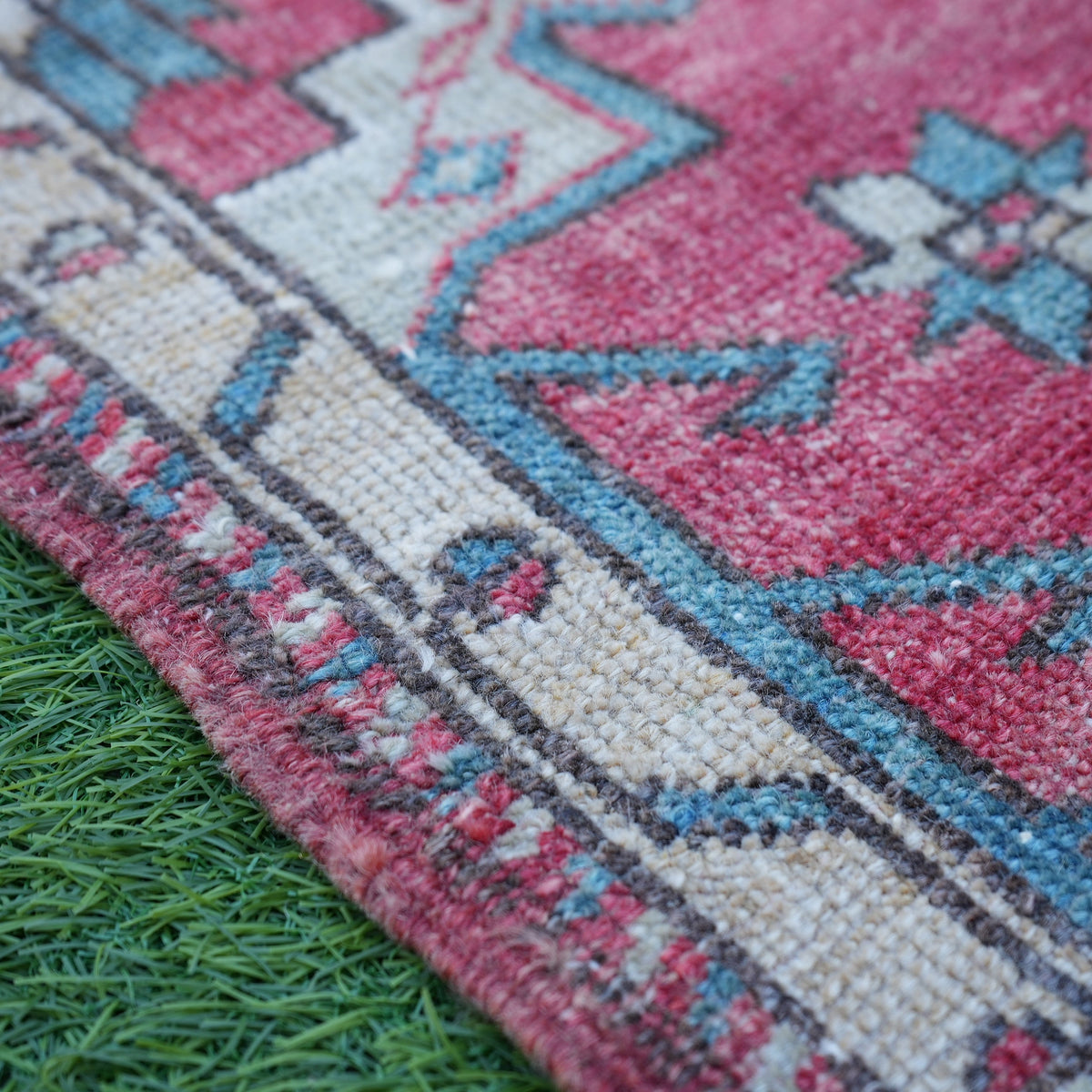
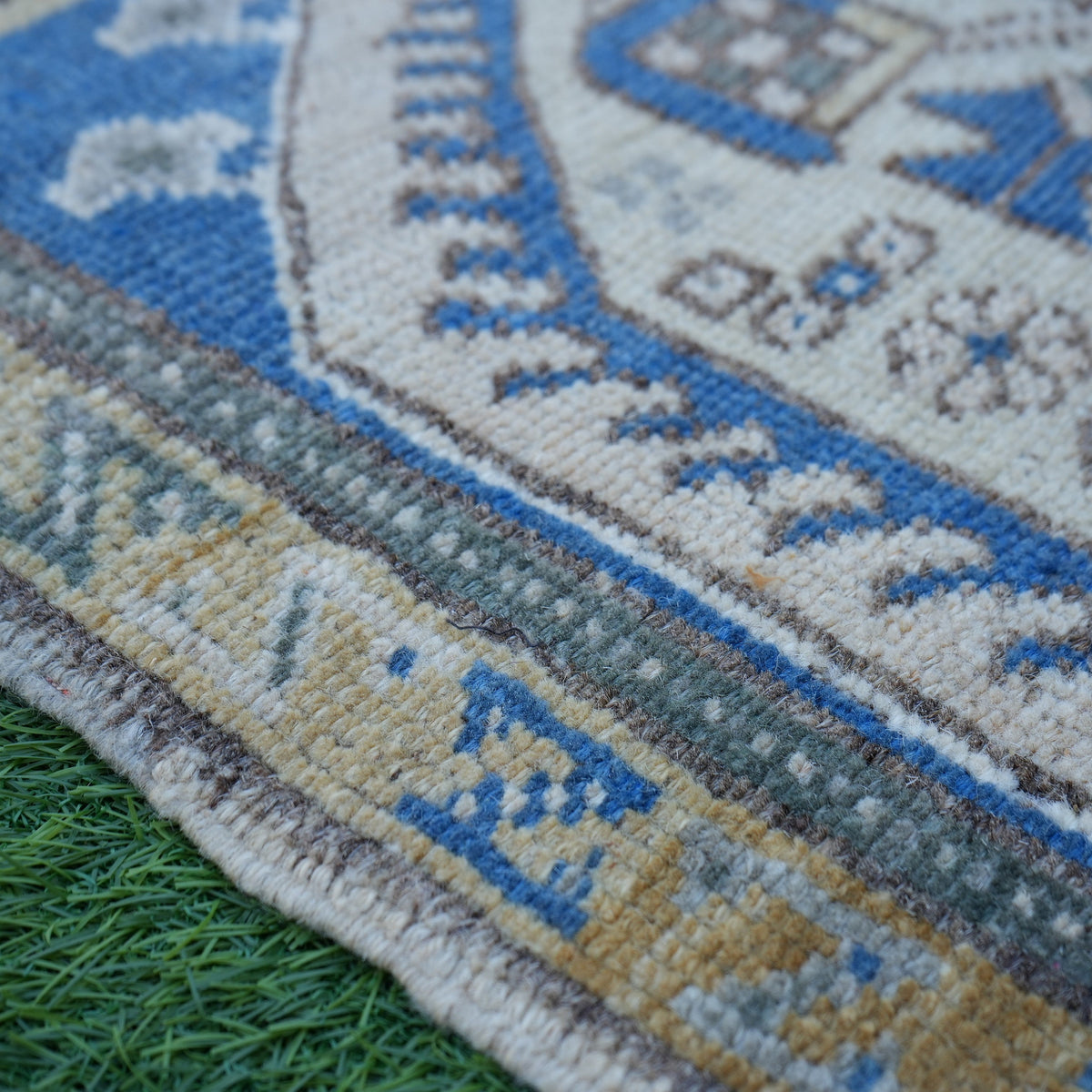
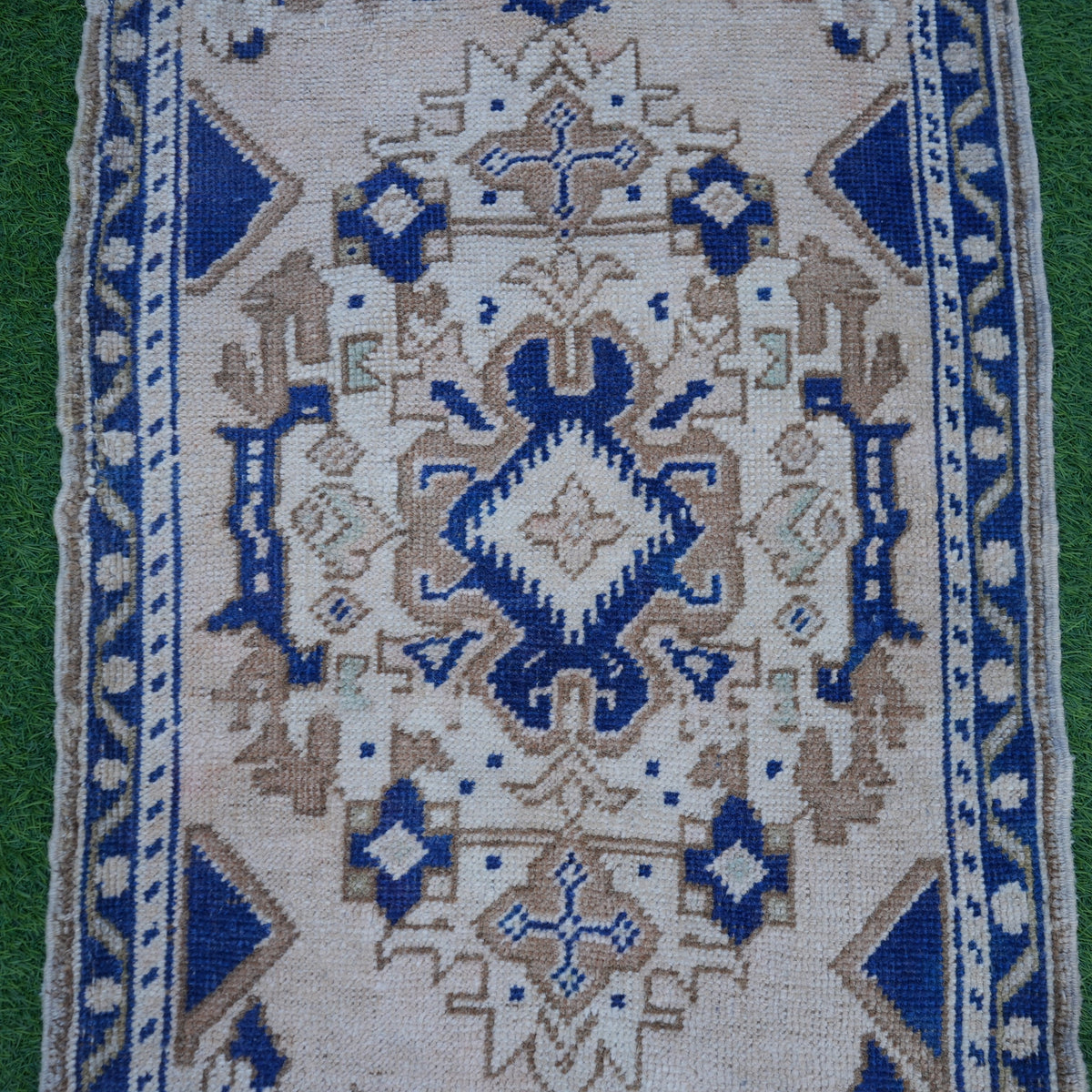
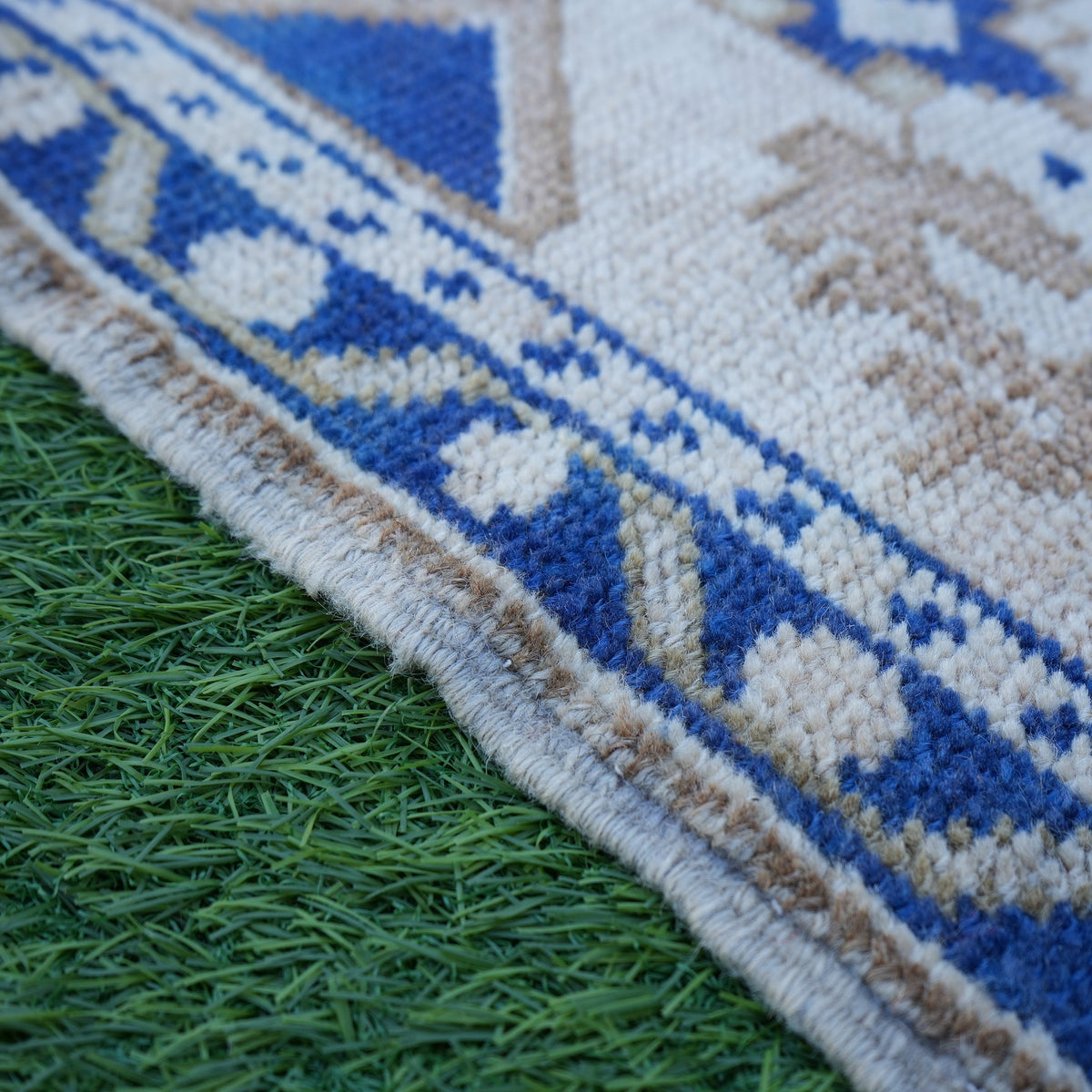
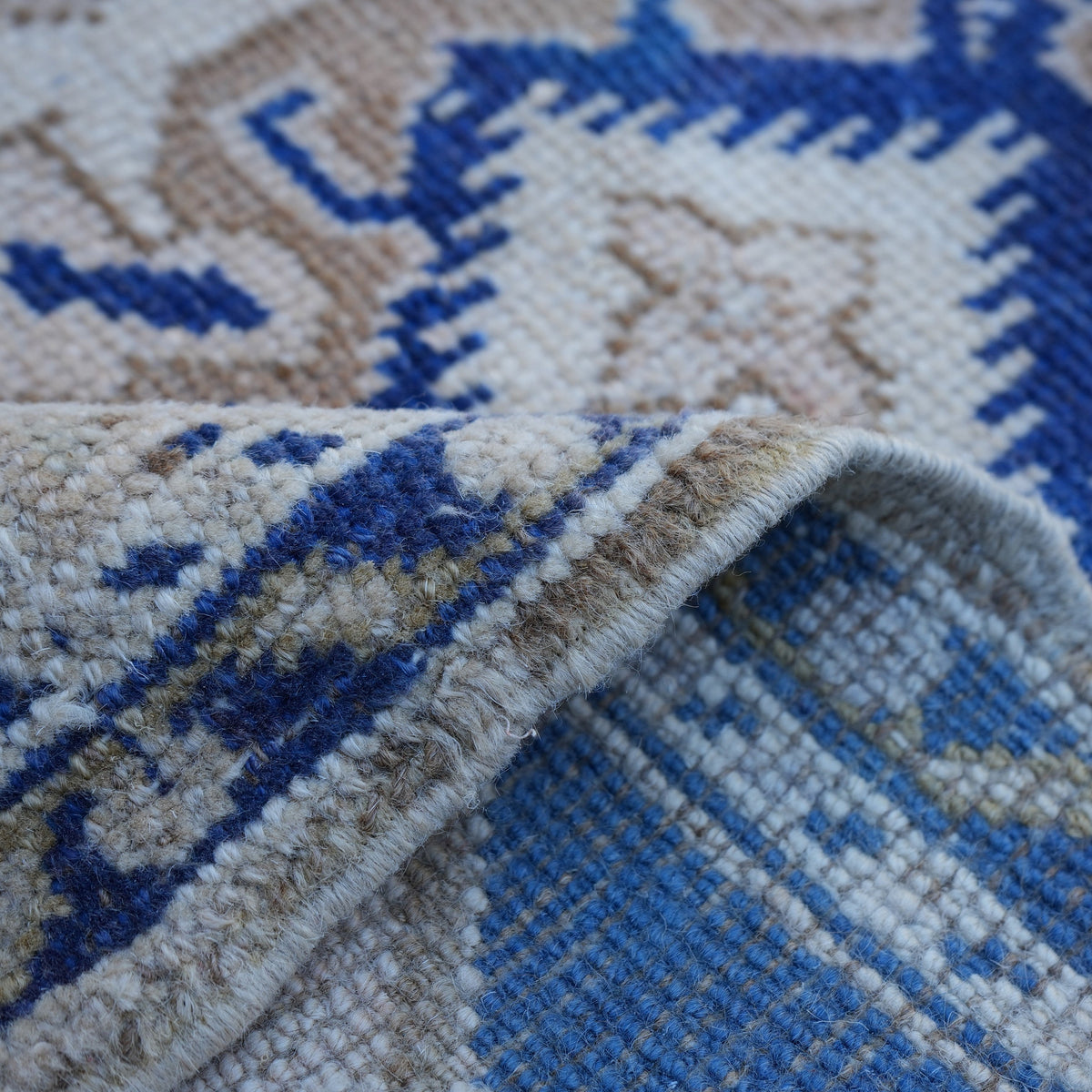
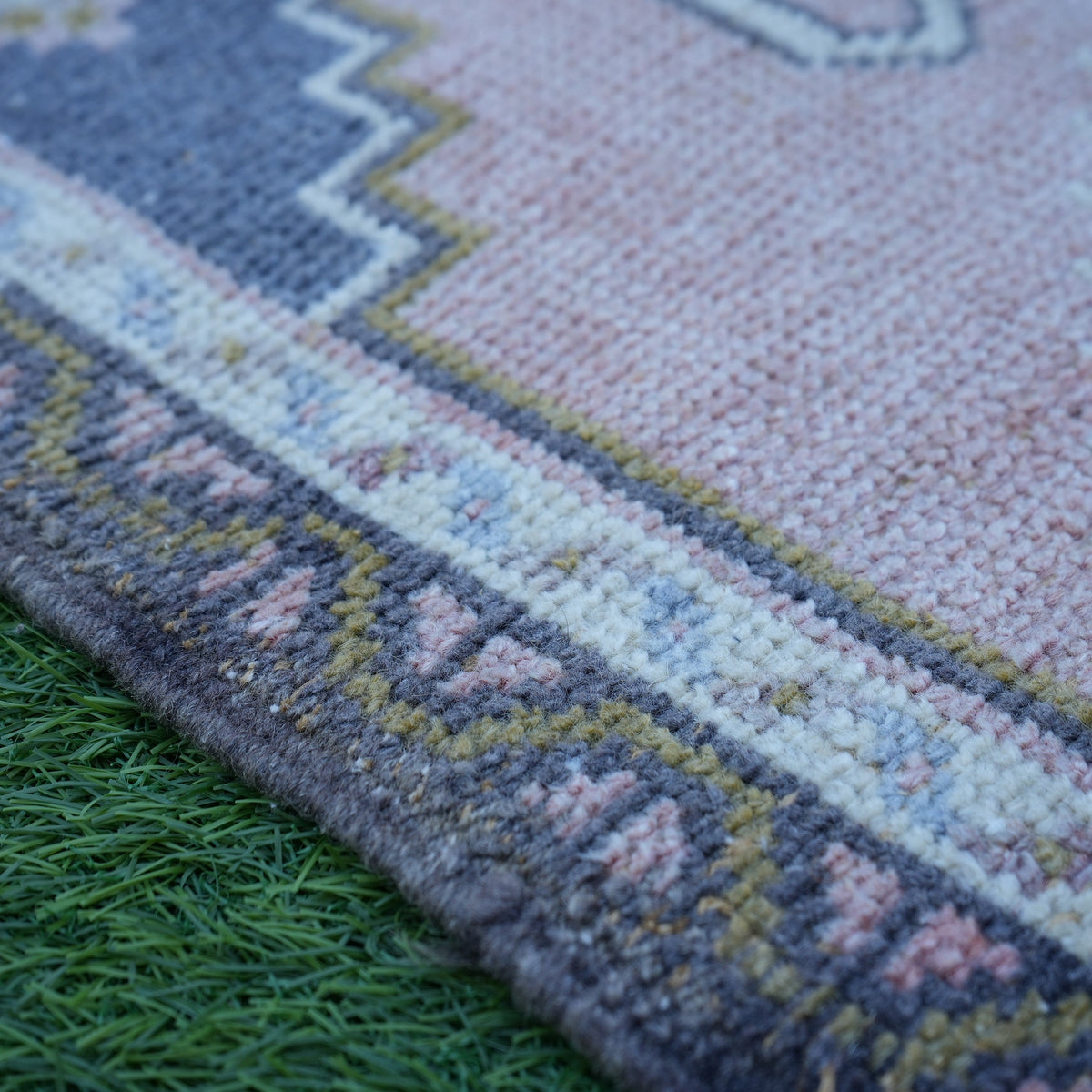
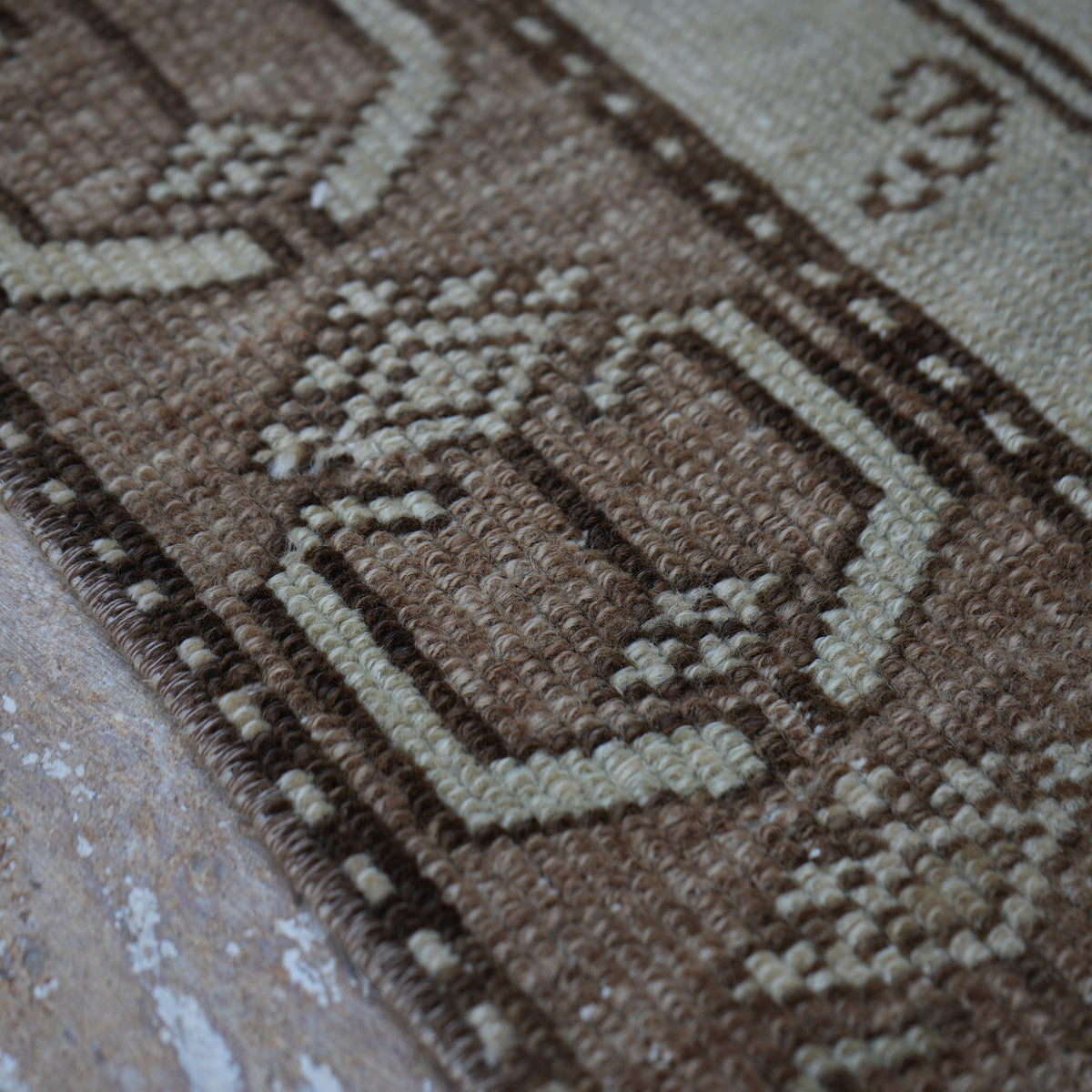
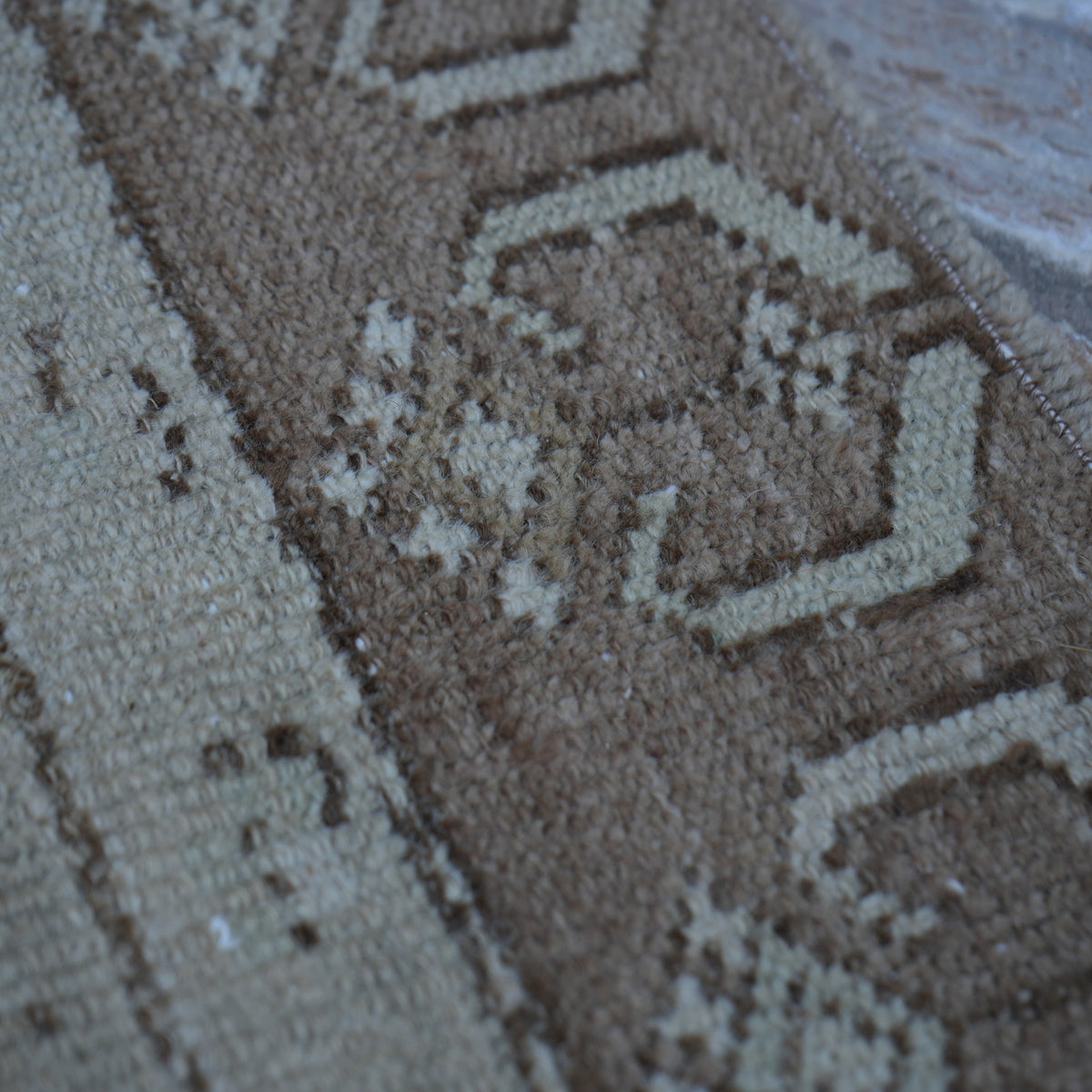
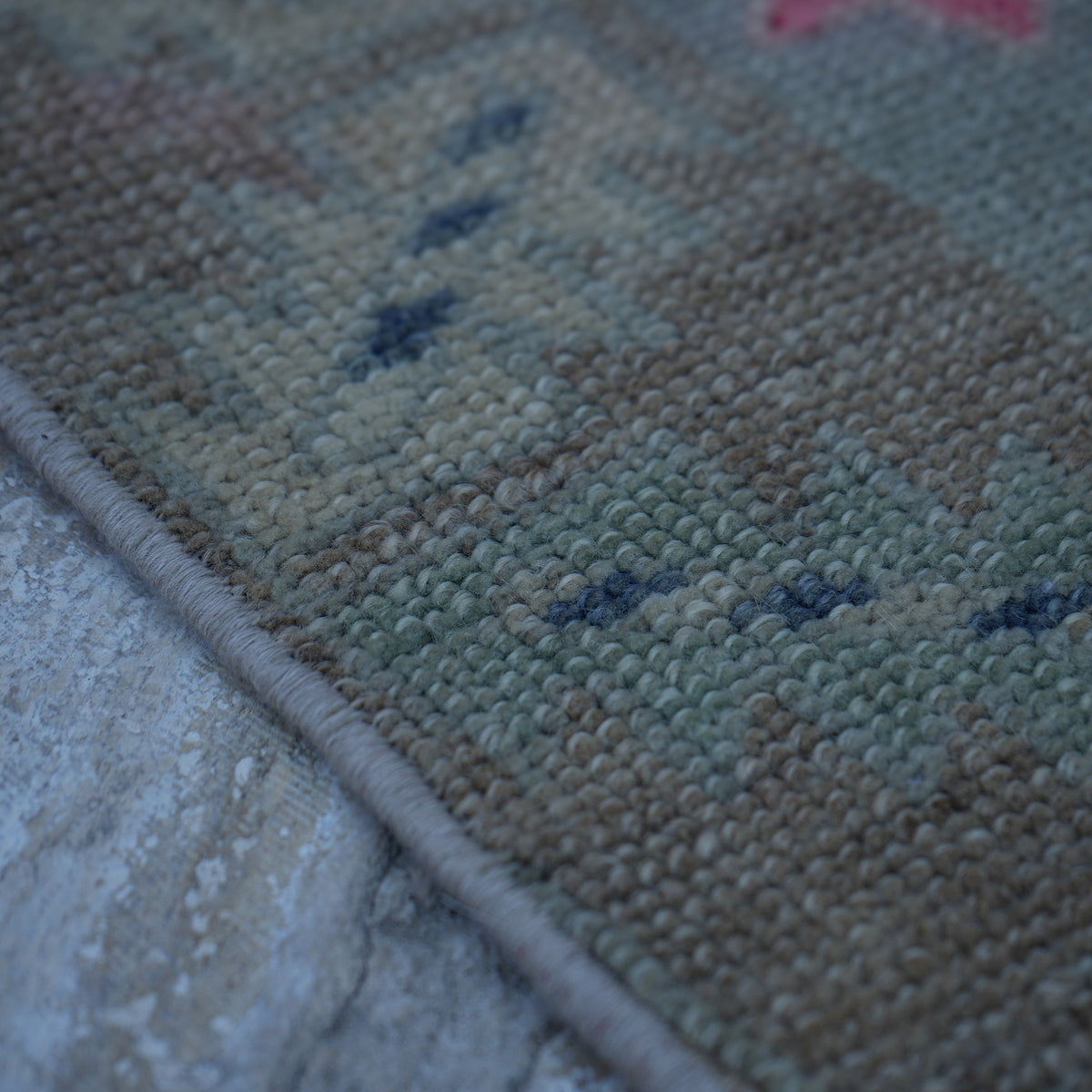
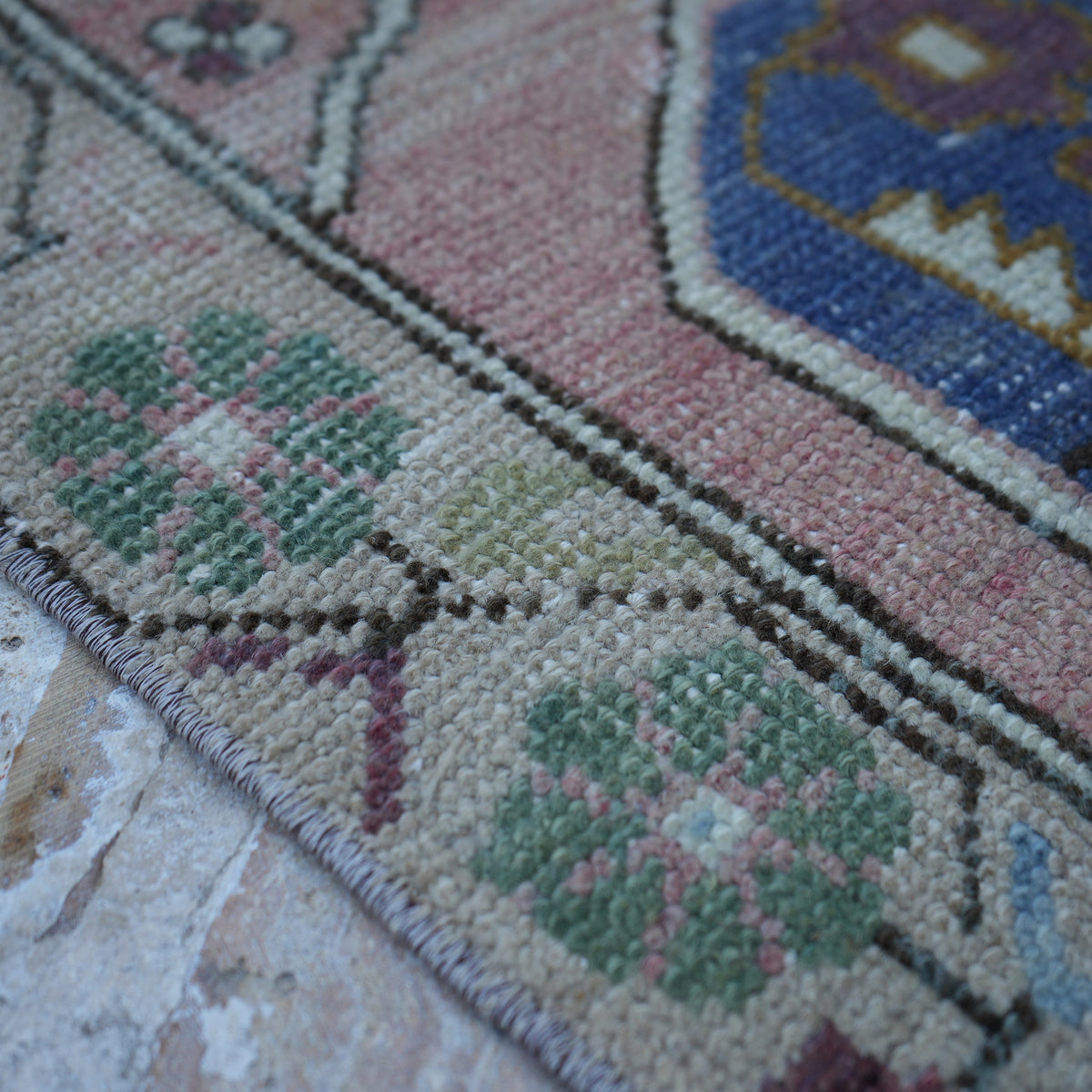
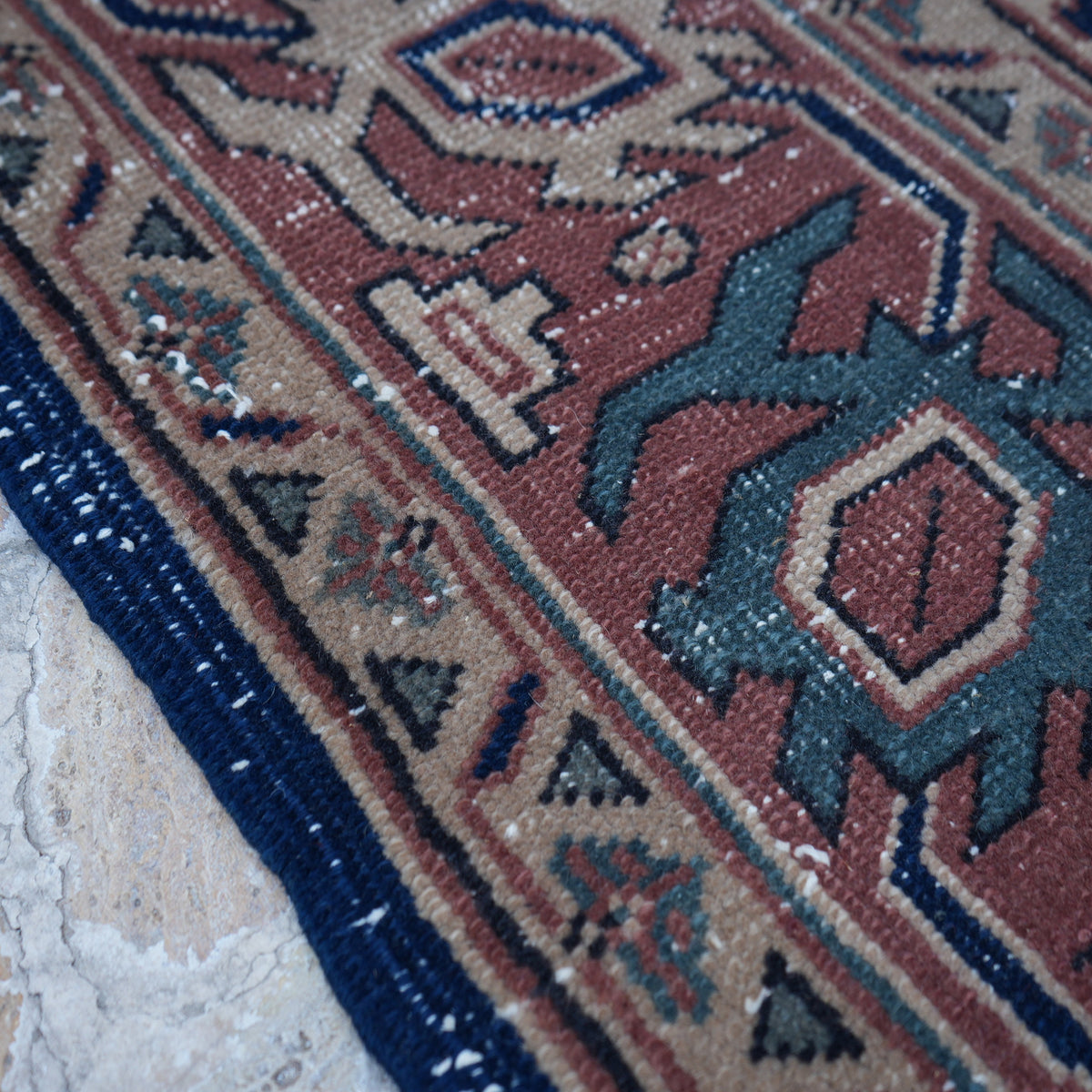
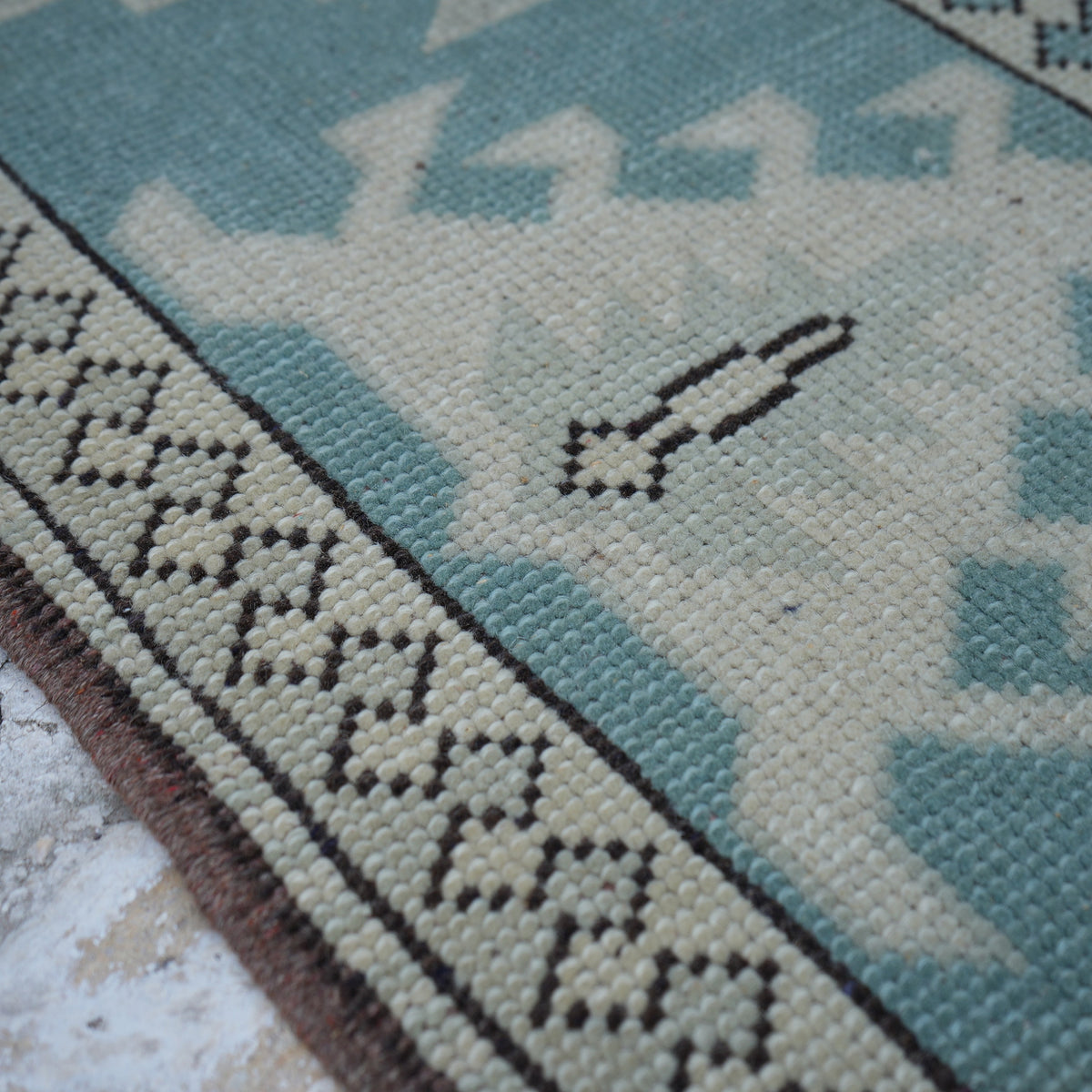
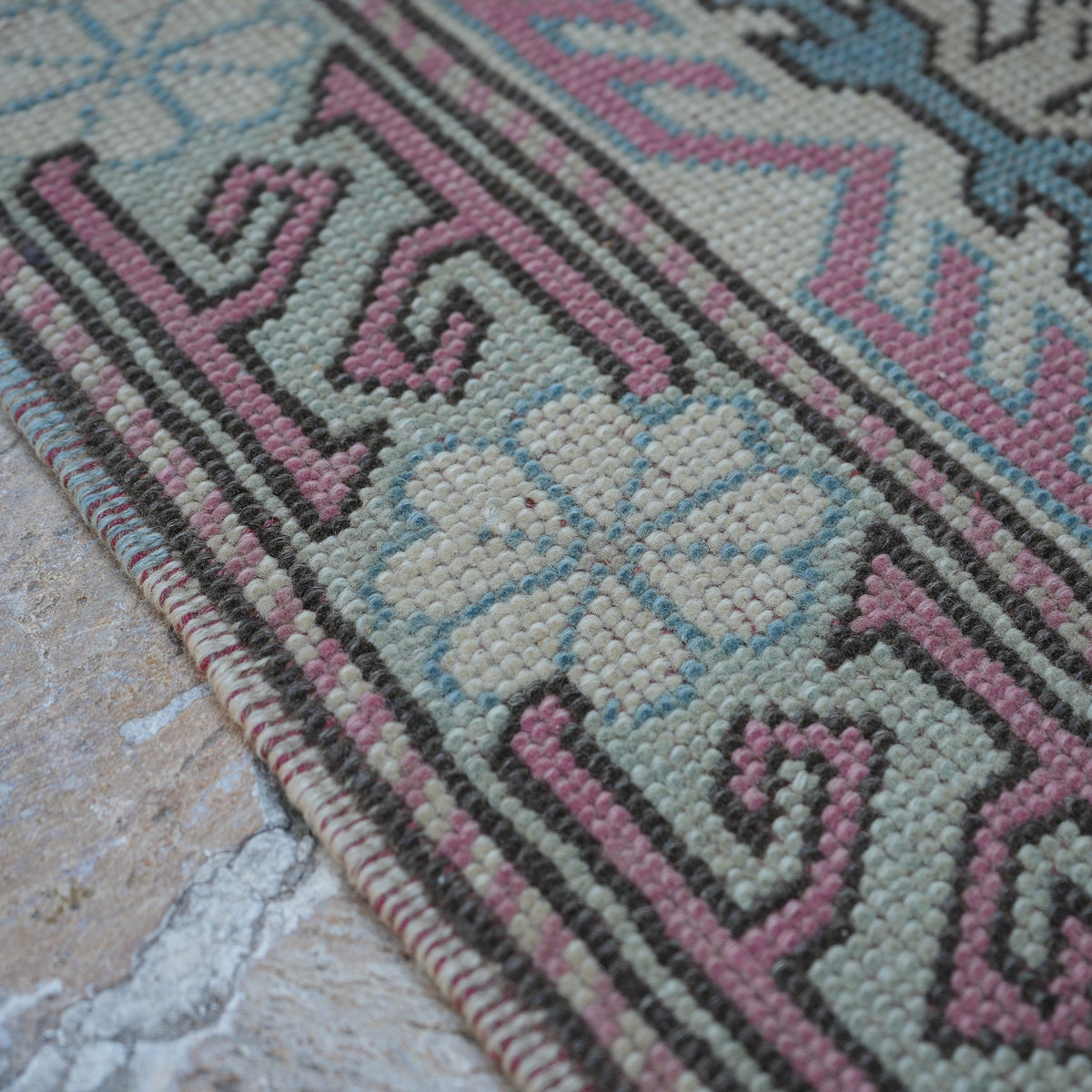
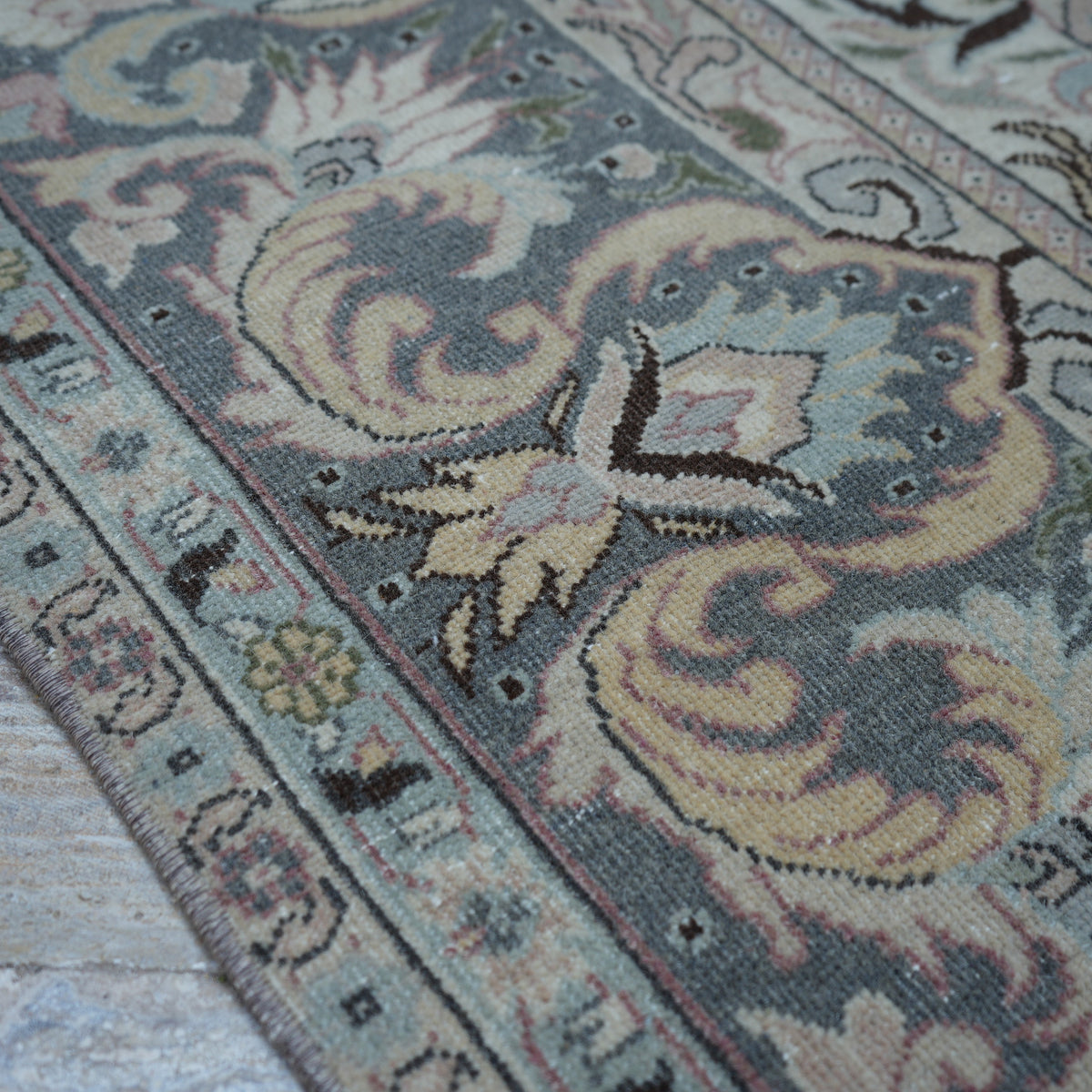
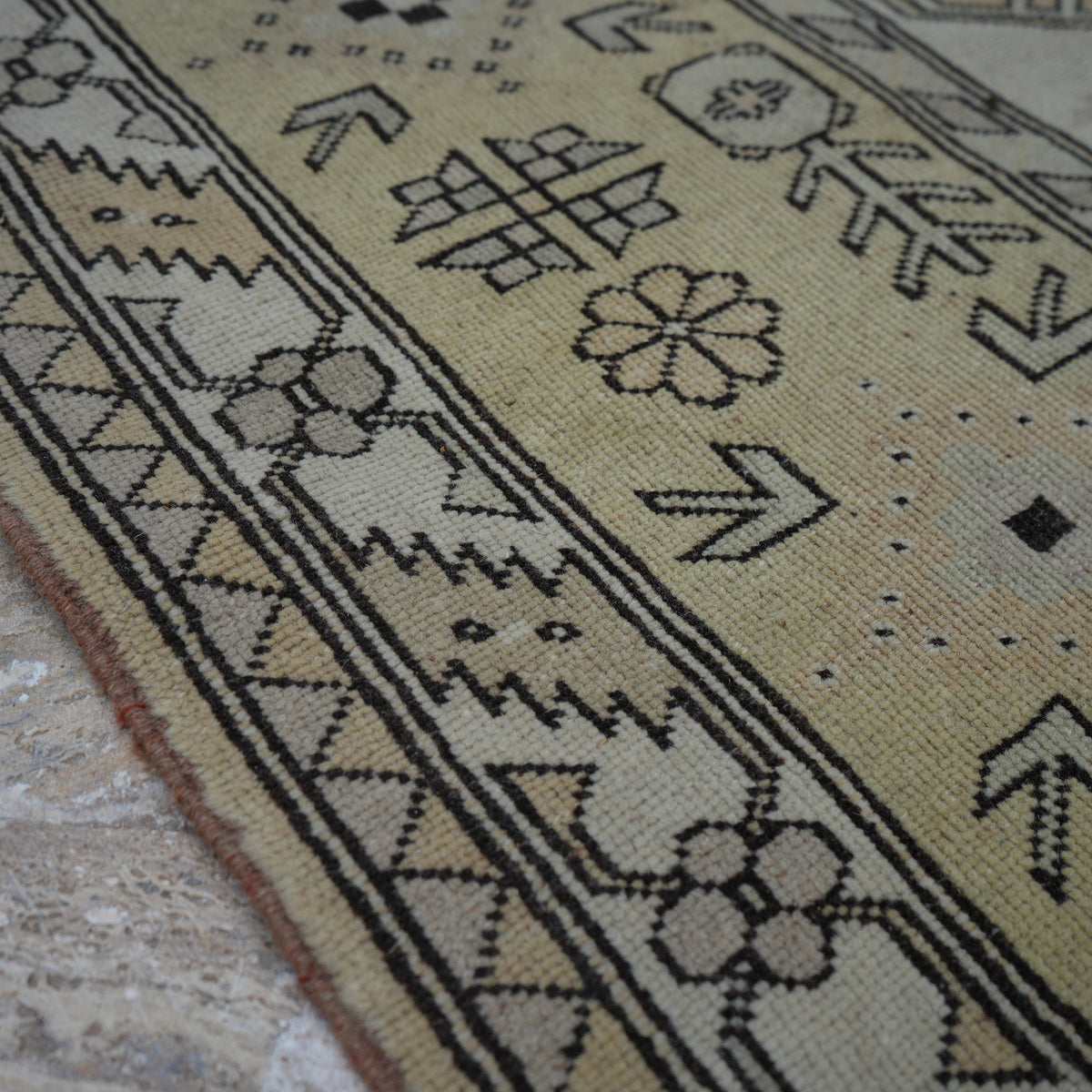
A new wool rug has a natural smell — lanolin, mineral dye, fiber. Earthy, sometimes faint, occasionally more present in a freshly unpacked piece. That is not a defect. It is what real material smells like.
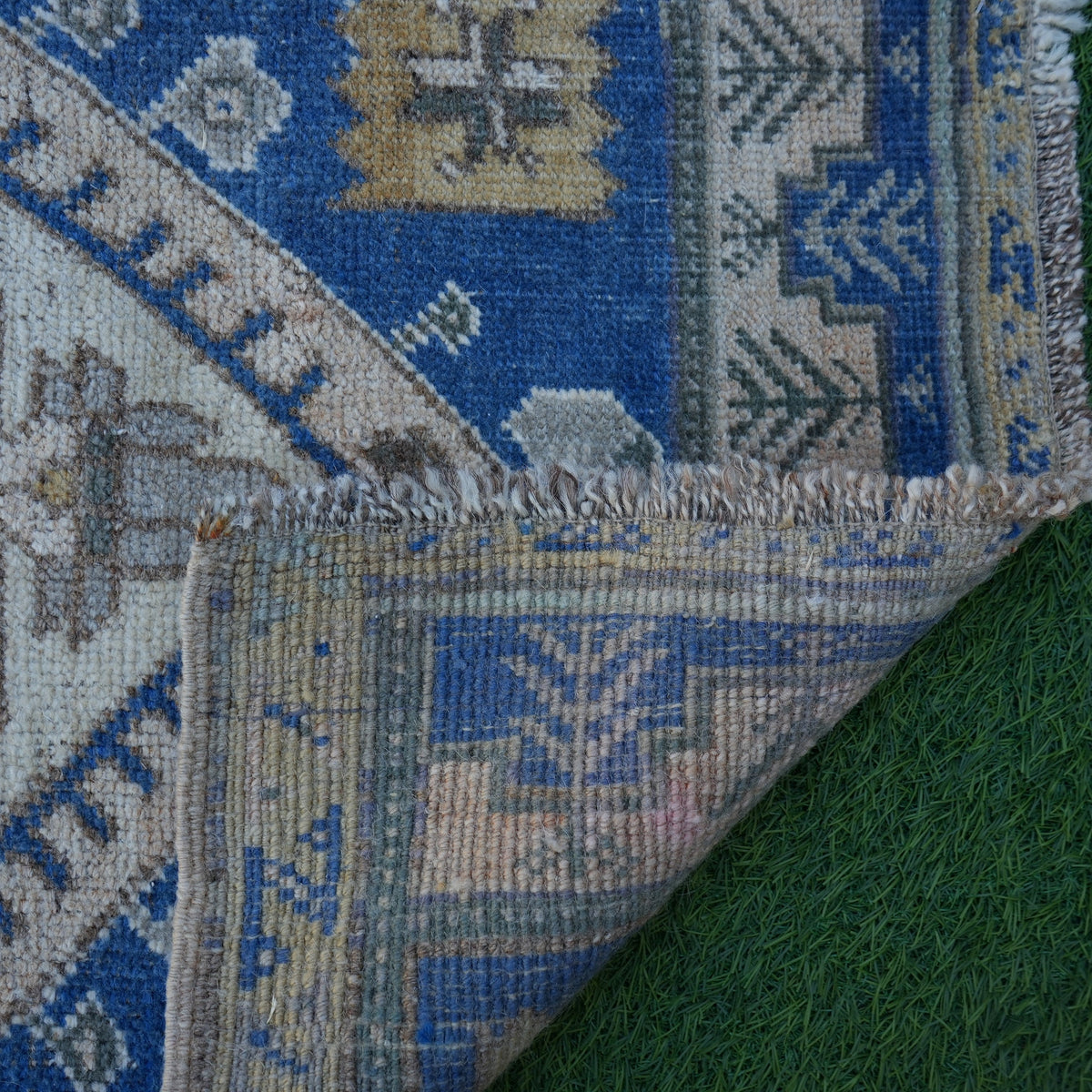
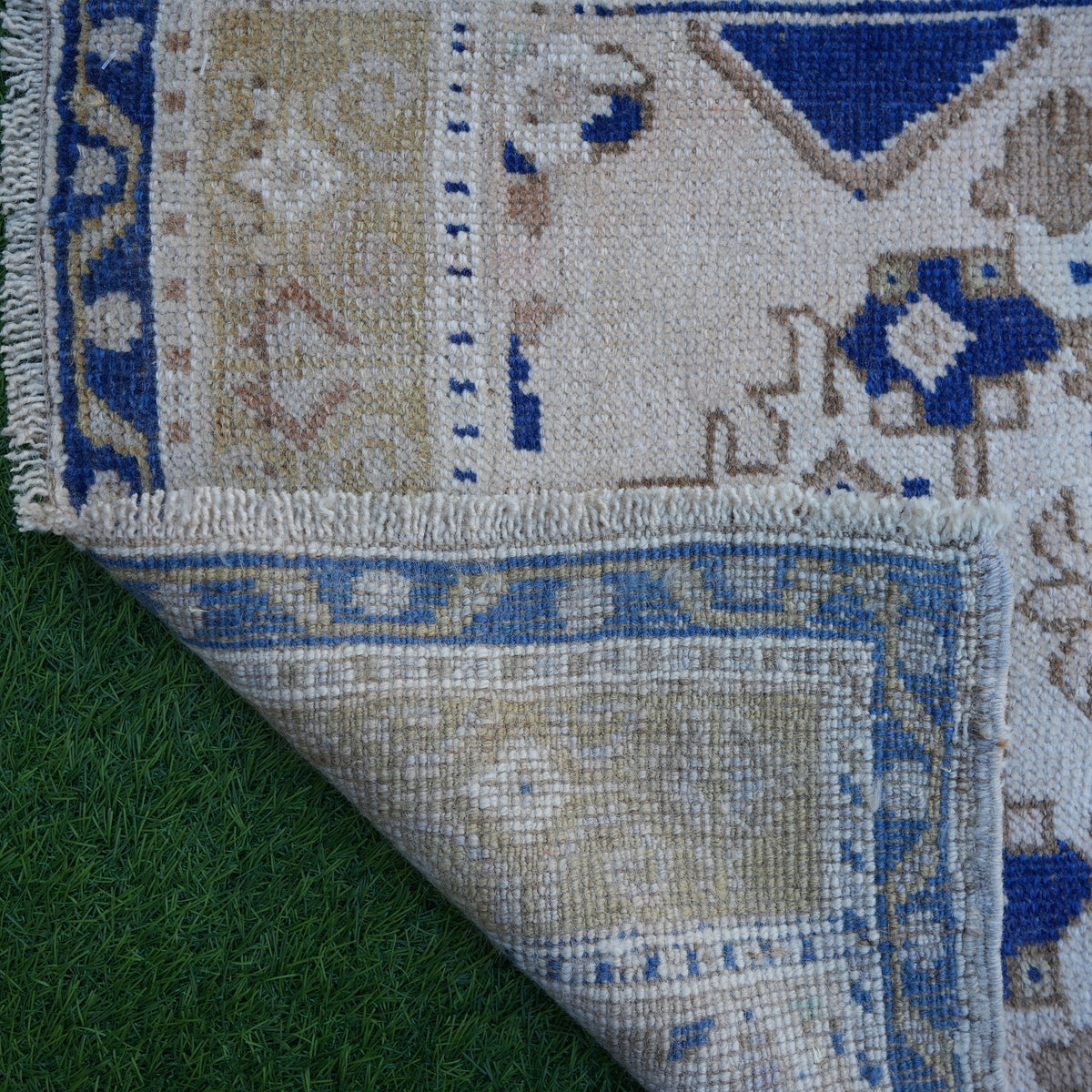
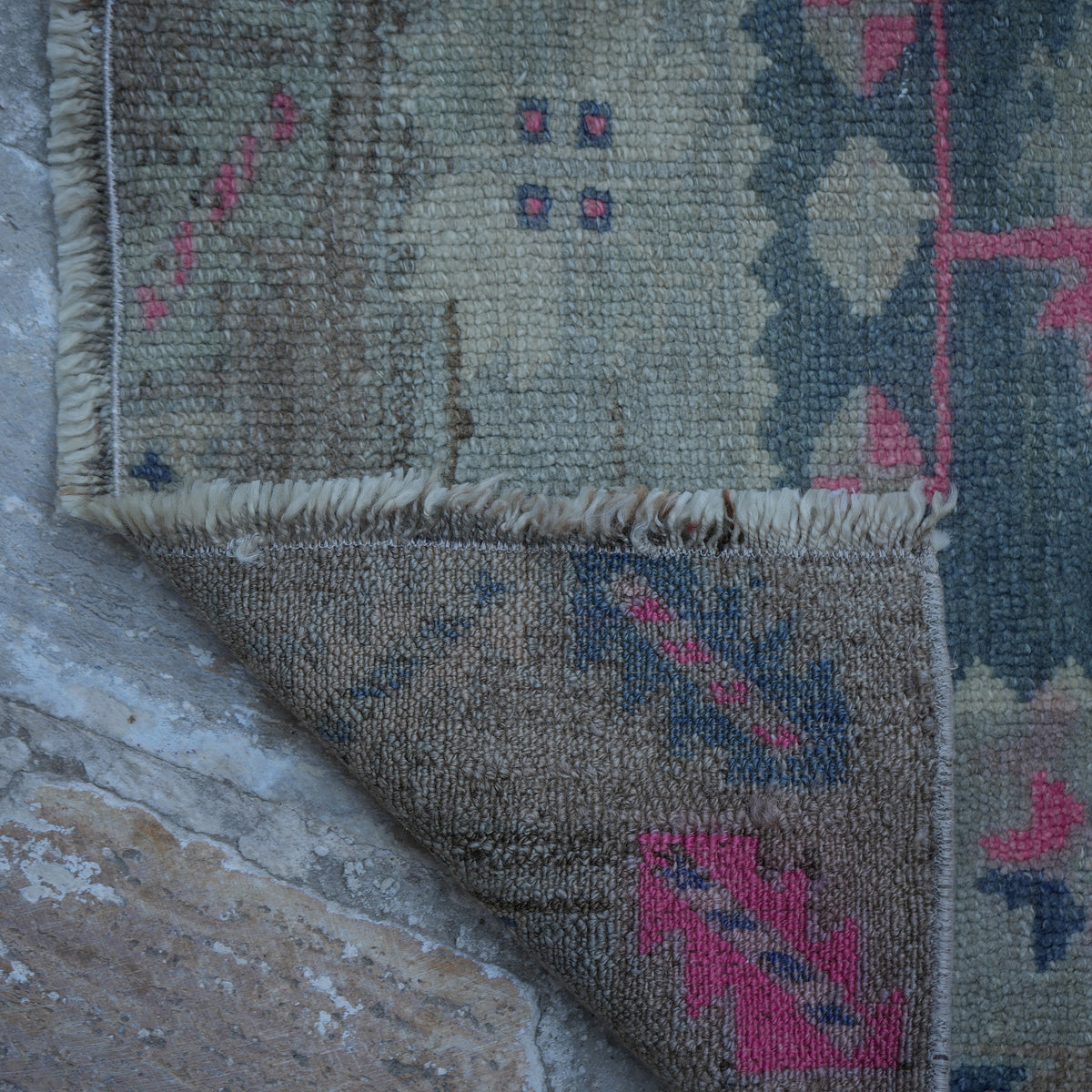
Vintage rugs carry something else: a quiet, settled quality from years of storage. Not mildew. I know the difference now. Vintage smells like time — neutral, mild, dusty in a soft way. Mildew is sharper and more insistent, almost humid in character. And it returns after surface cleaning because it lives below the surface.
When we ship from Cappadocia, we air every rug outdoors before packing. The air is dry, the sun is strong — a few hours is usually enough. If a customer notices a faint natural smell on arrival, I tell them: a week of airing in the room, and it will be gone. It always is.
Which Hacks Are Safe for Hand-Knotted Rugs — and Which to Skip
- Safe: baking soda, sunlight and fresh air, salt and bay leaf, castile soap used lightly, silica cat litter.
- Use with caution: white vinegar — dilute 1:3, mist sparingly, test a corner first. Avoid on deep-colored or plant-dyed pieces.
- Avoid: borax, harsh dry carpet powders, fabric softener mist.
For a complete care guide, see how to clean a Turkish rug before you start. If you are exploring vintage rugs and want to understand what to expect from older pieces, the collection page is a useful reference.

Simple Daily Habits to Keep Your Rug Smelling Fresh
Regular maintenance delays the need for deep treatment by years. The better a rug is kept, the longer it holds both its look and its freshness.
- Vacuum weekly, including edges and under furniture legs
- Blot spills immediately with a dry cloth — never rub, never add water first
- Keep rooms ventilated; still air accelerates odor buildup
- A no-shoes rule matters most on handmade rugs — outdoor residue is a primary odor source
- In humid months, a moisture absorber near the rug outperforms any deodorizer
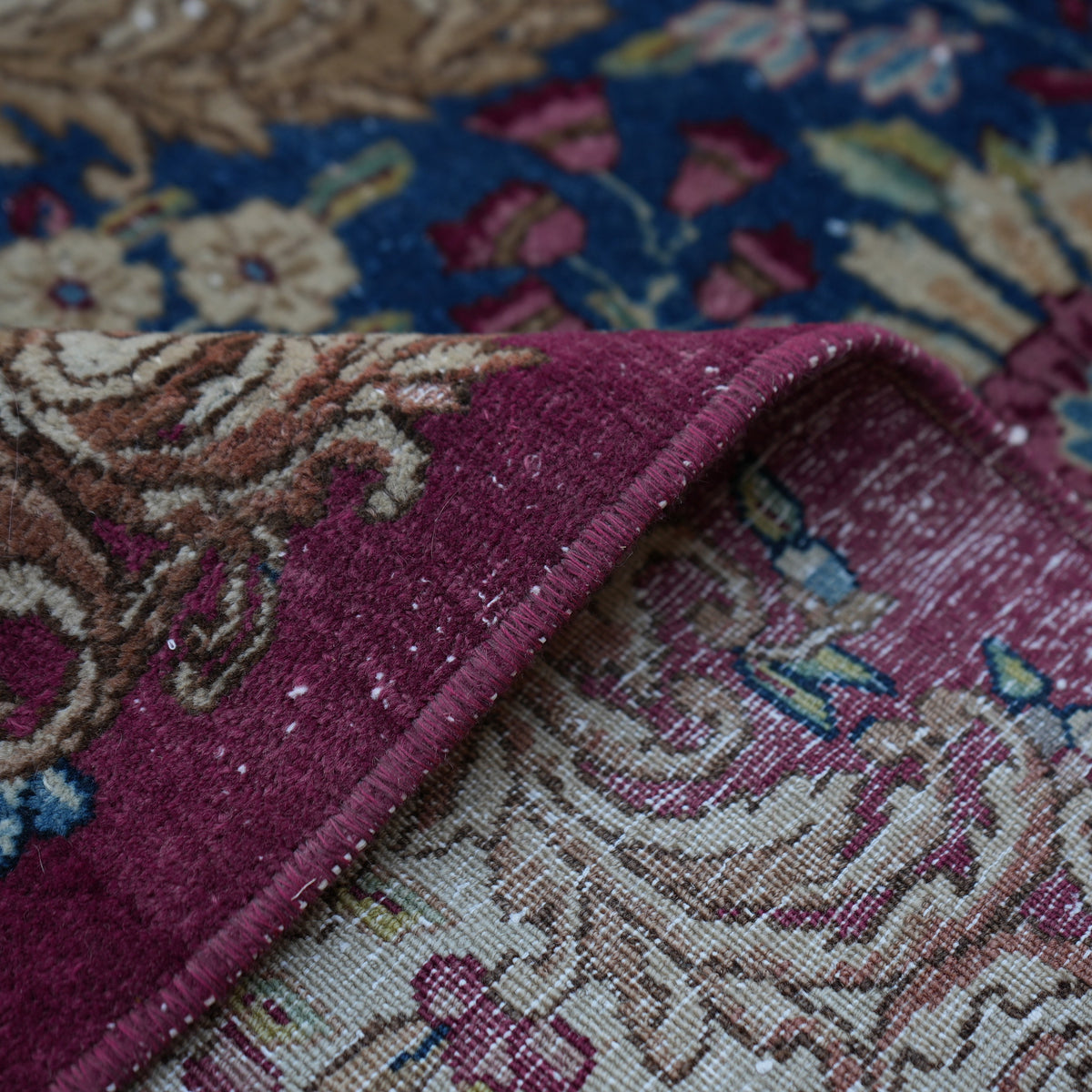
Choose a Handmade Rug Built to Last
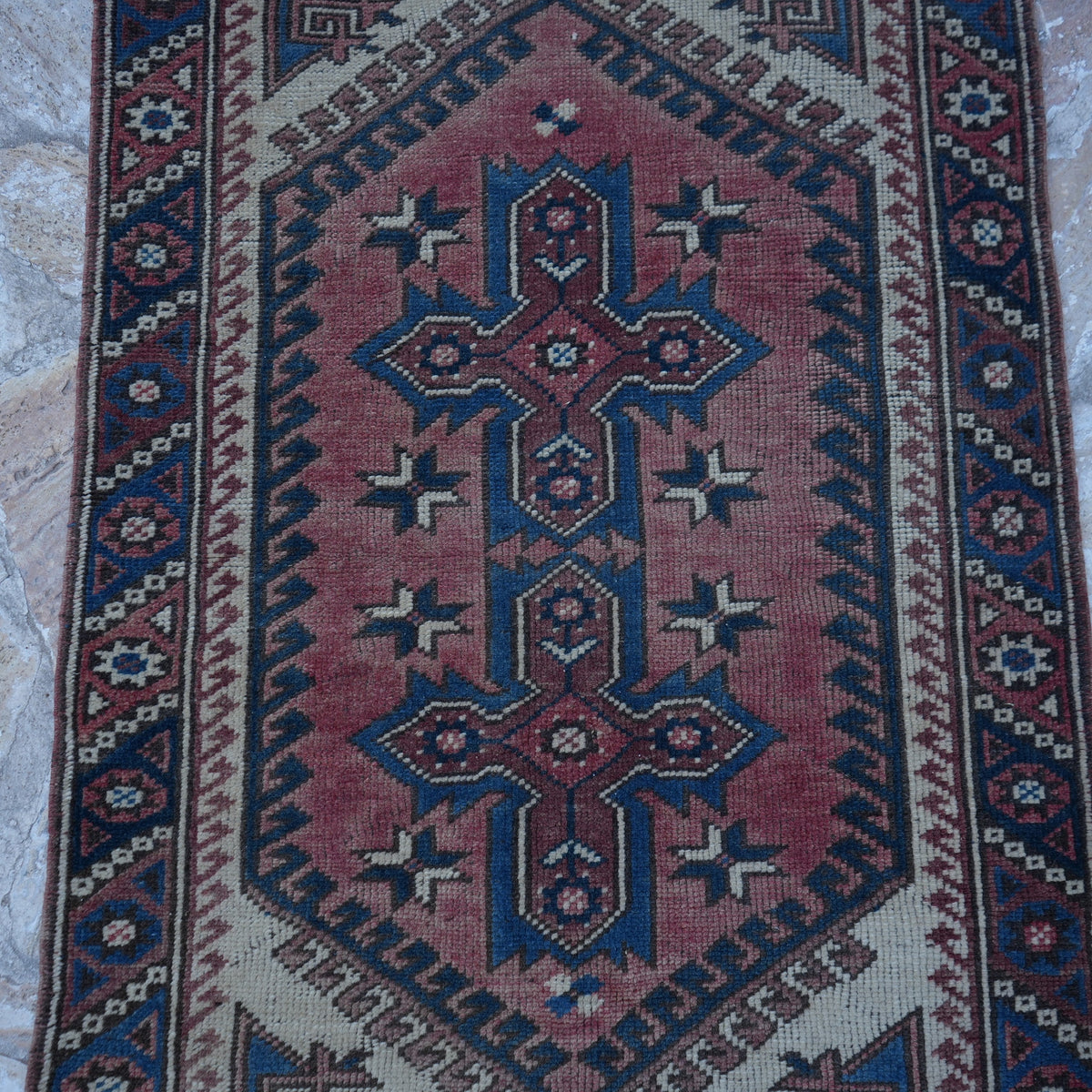
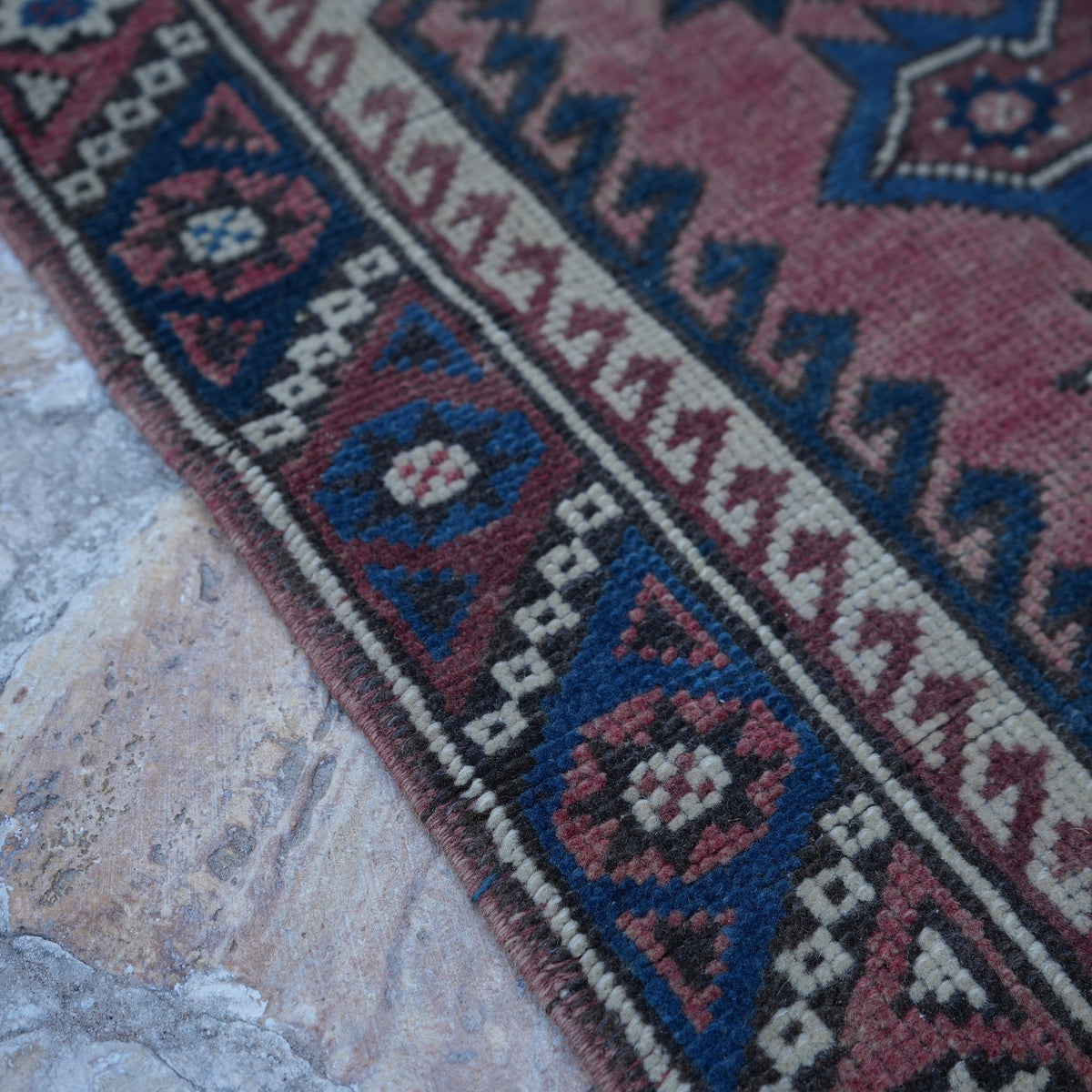
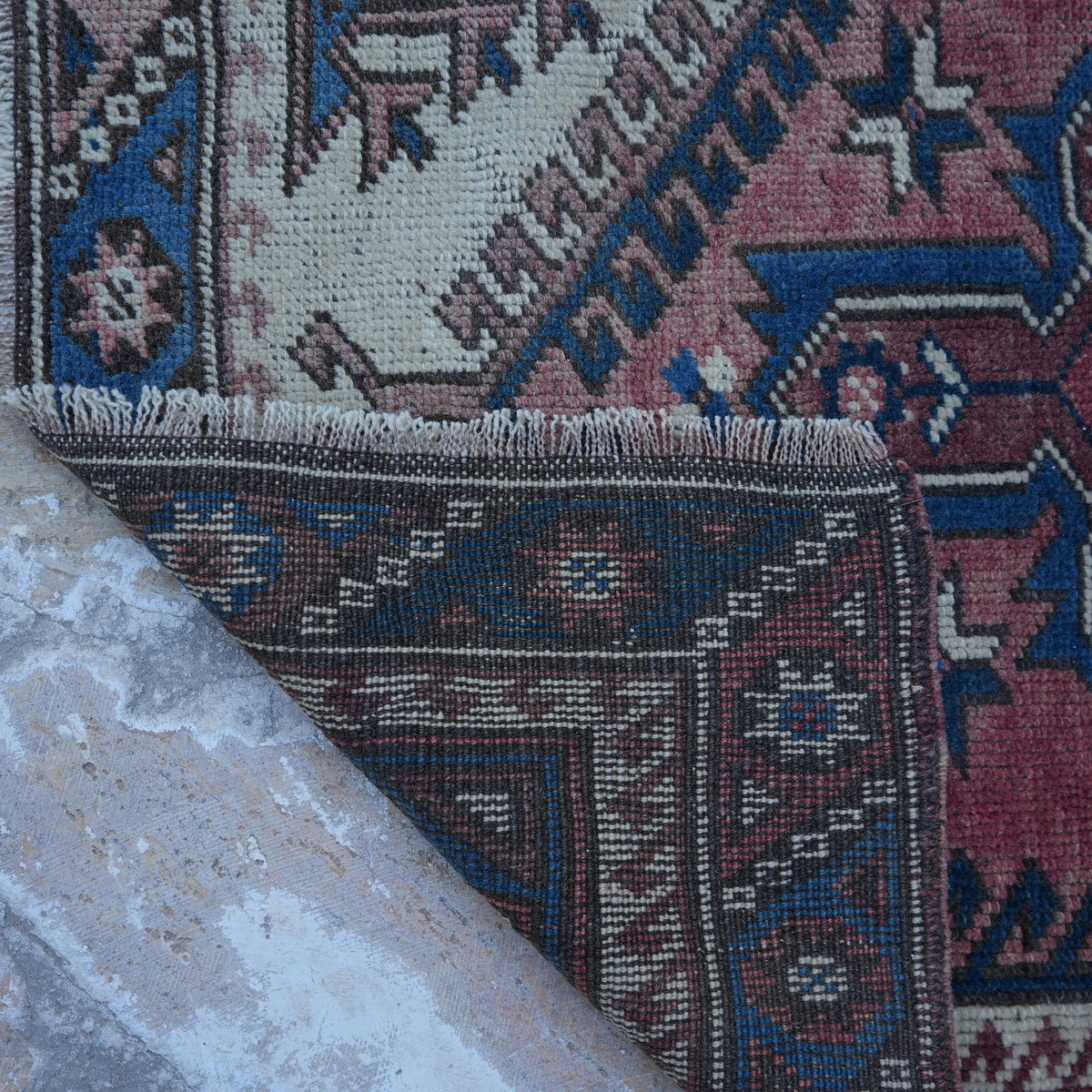
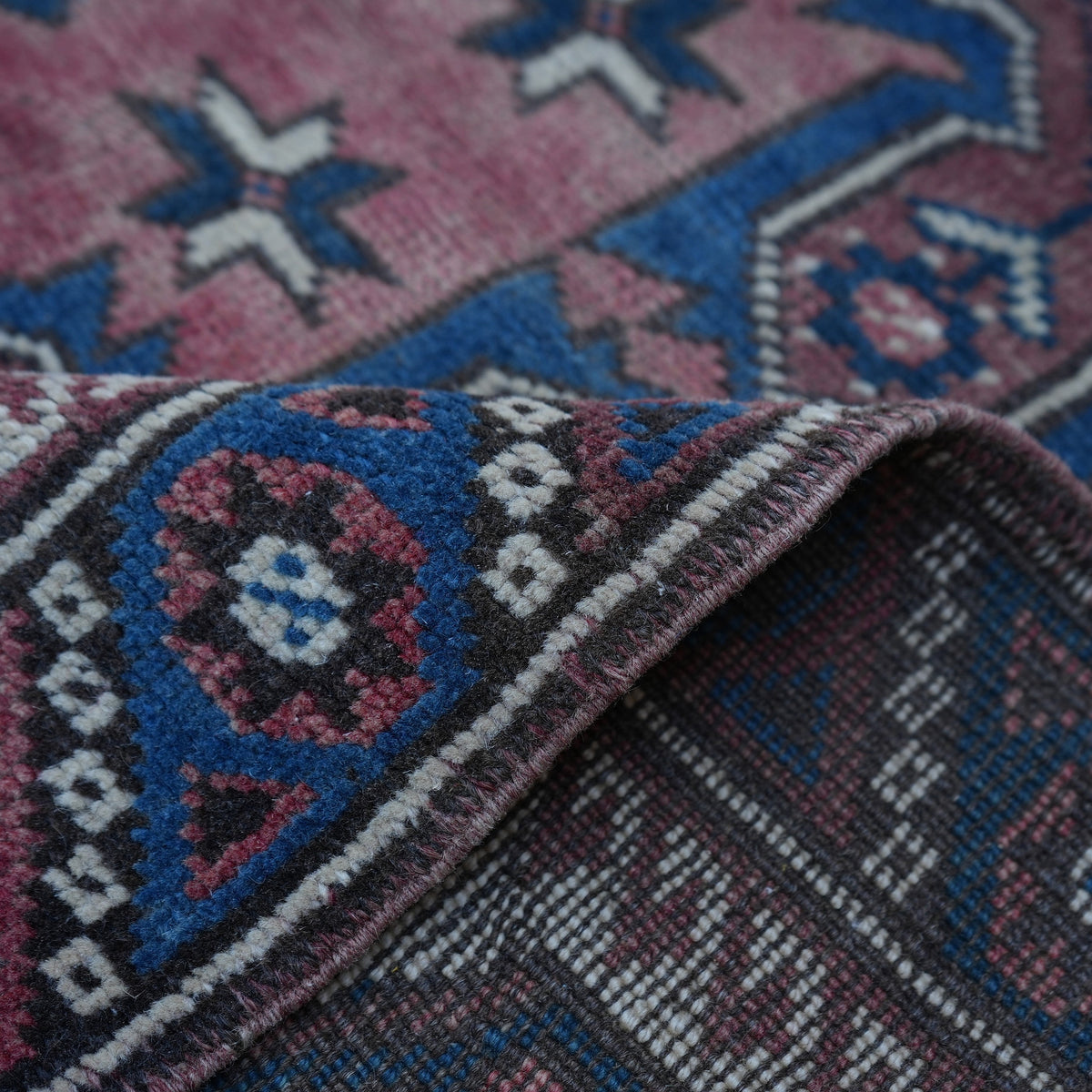
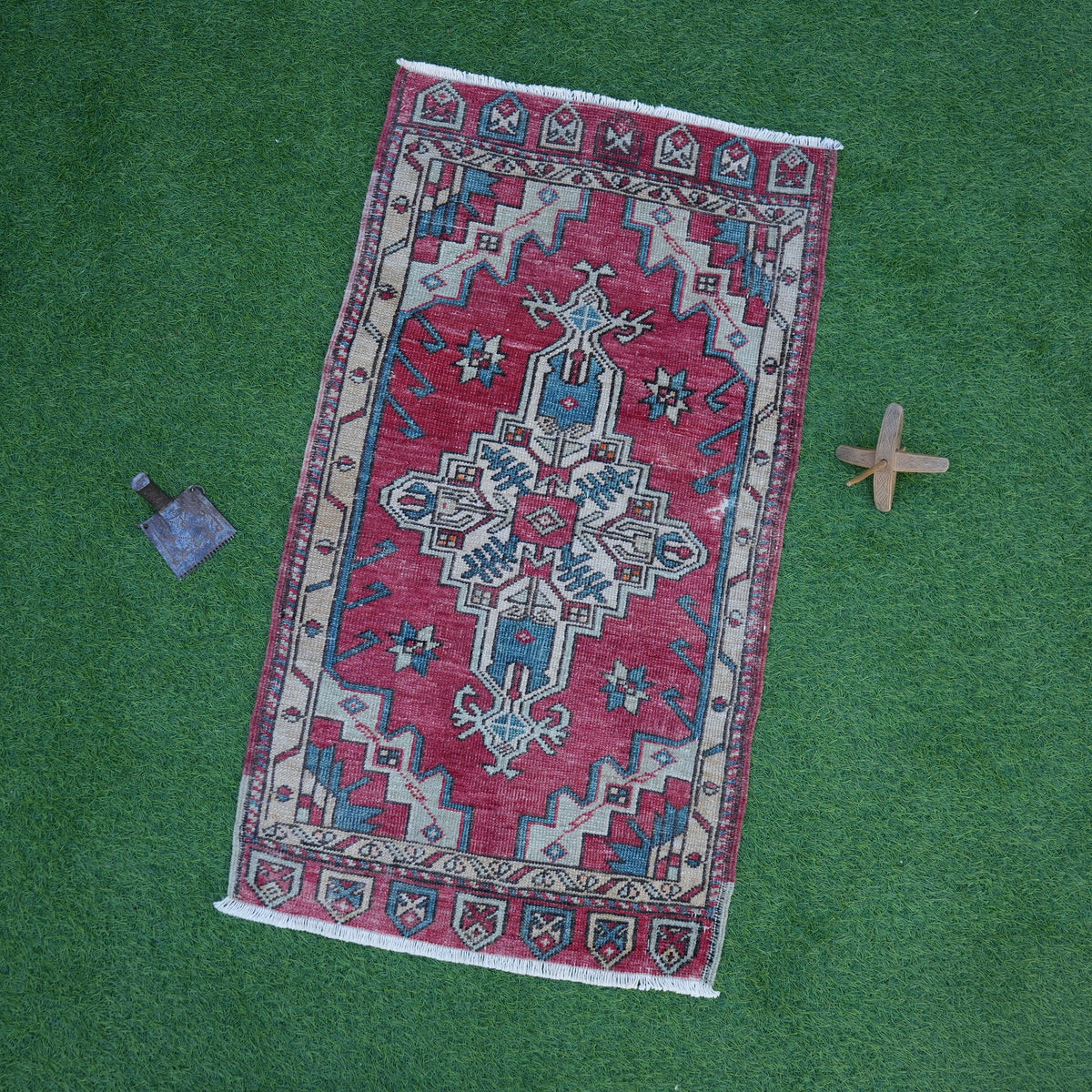
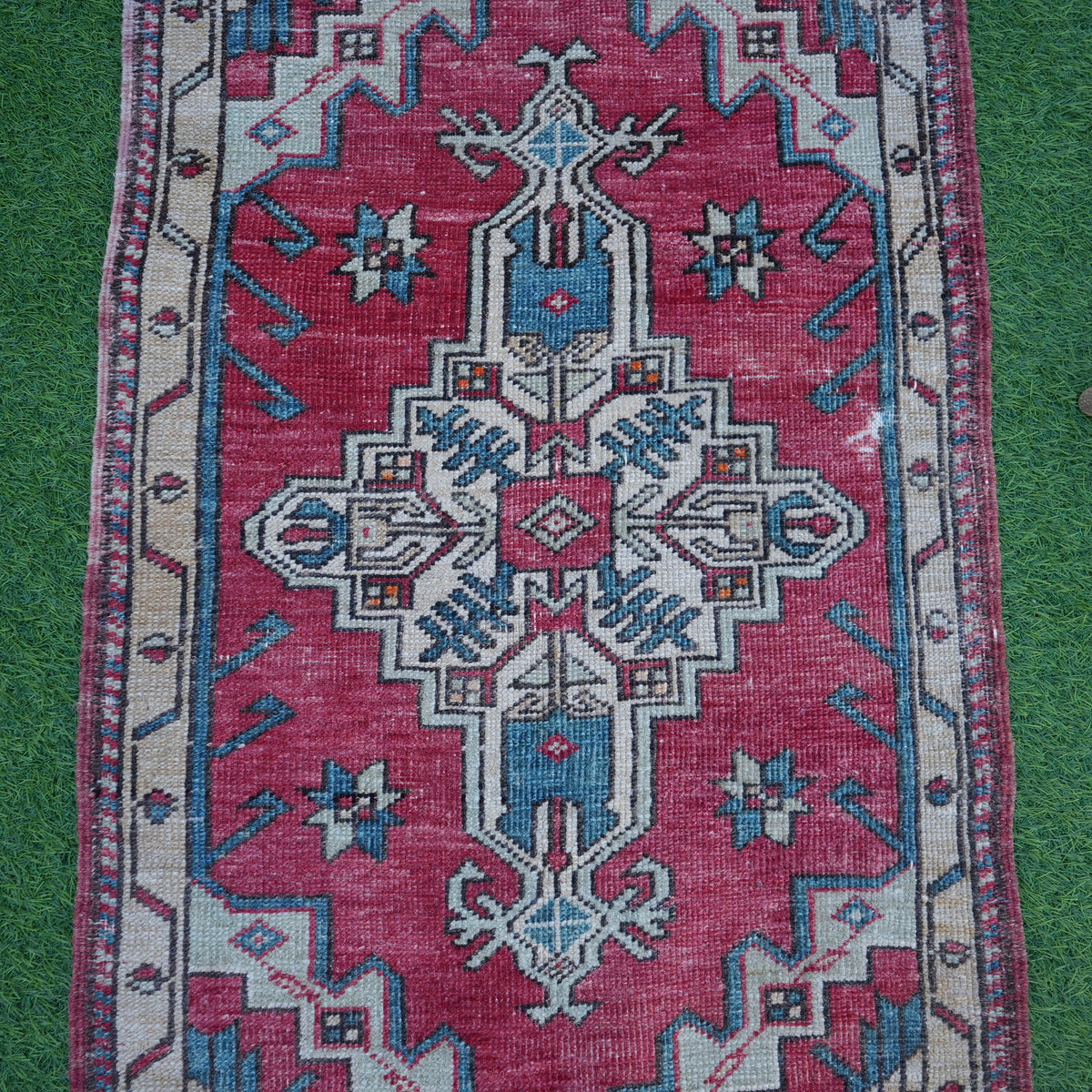
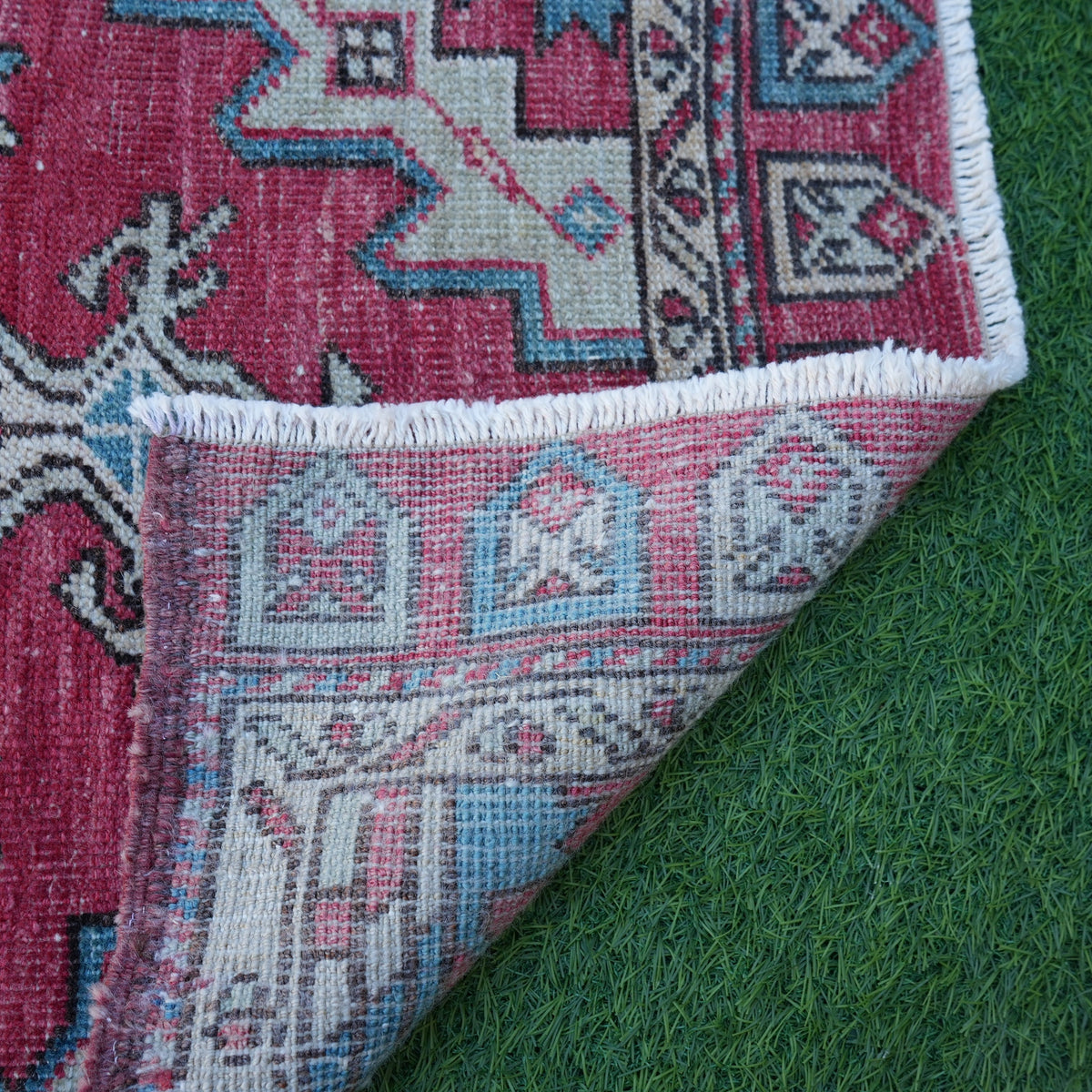
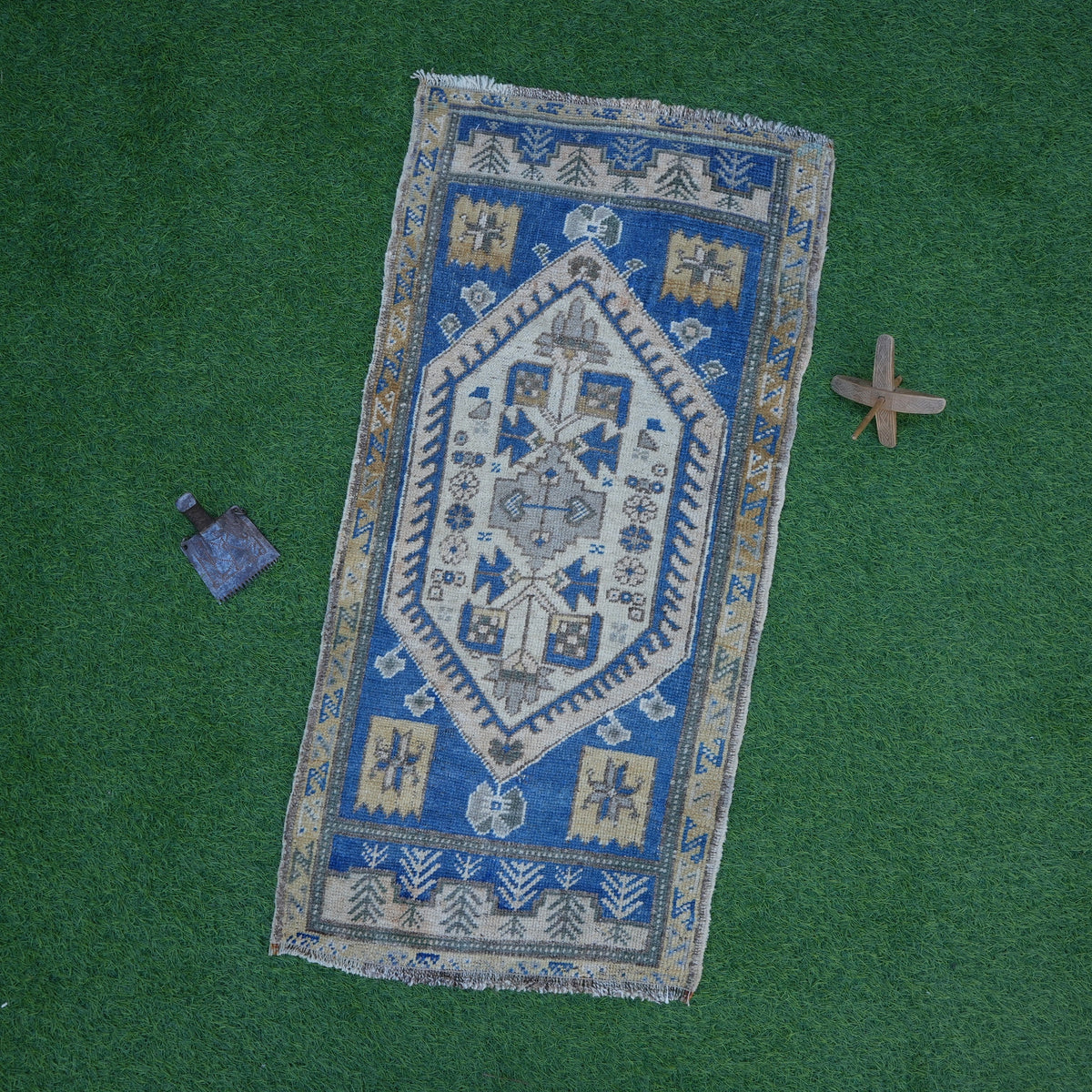
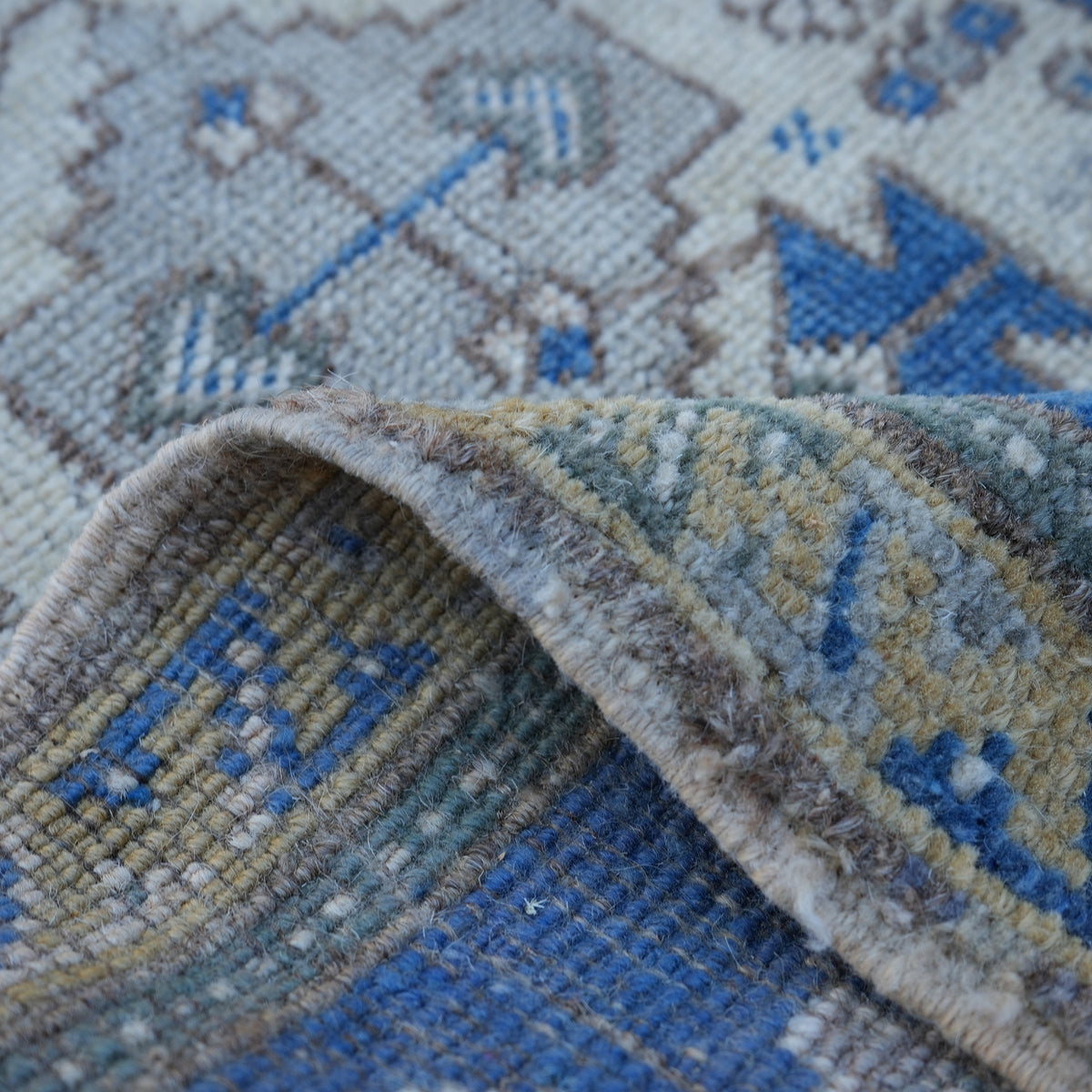
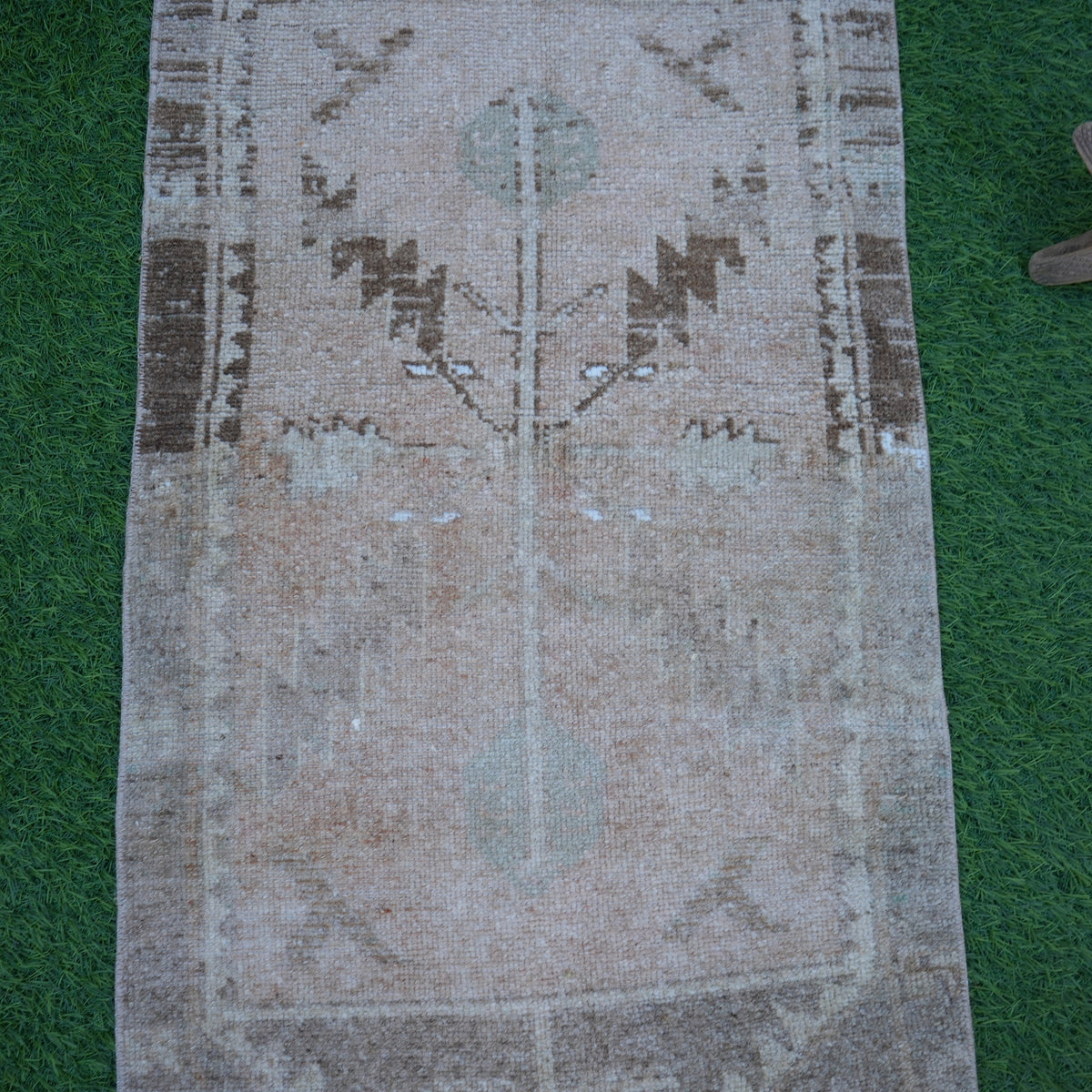
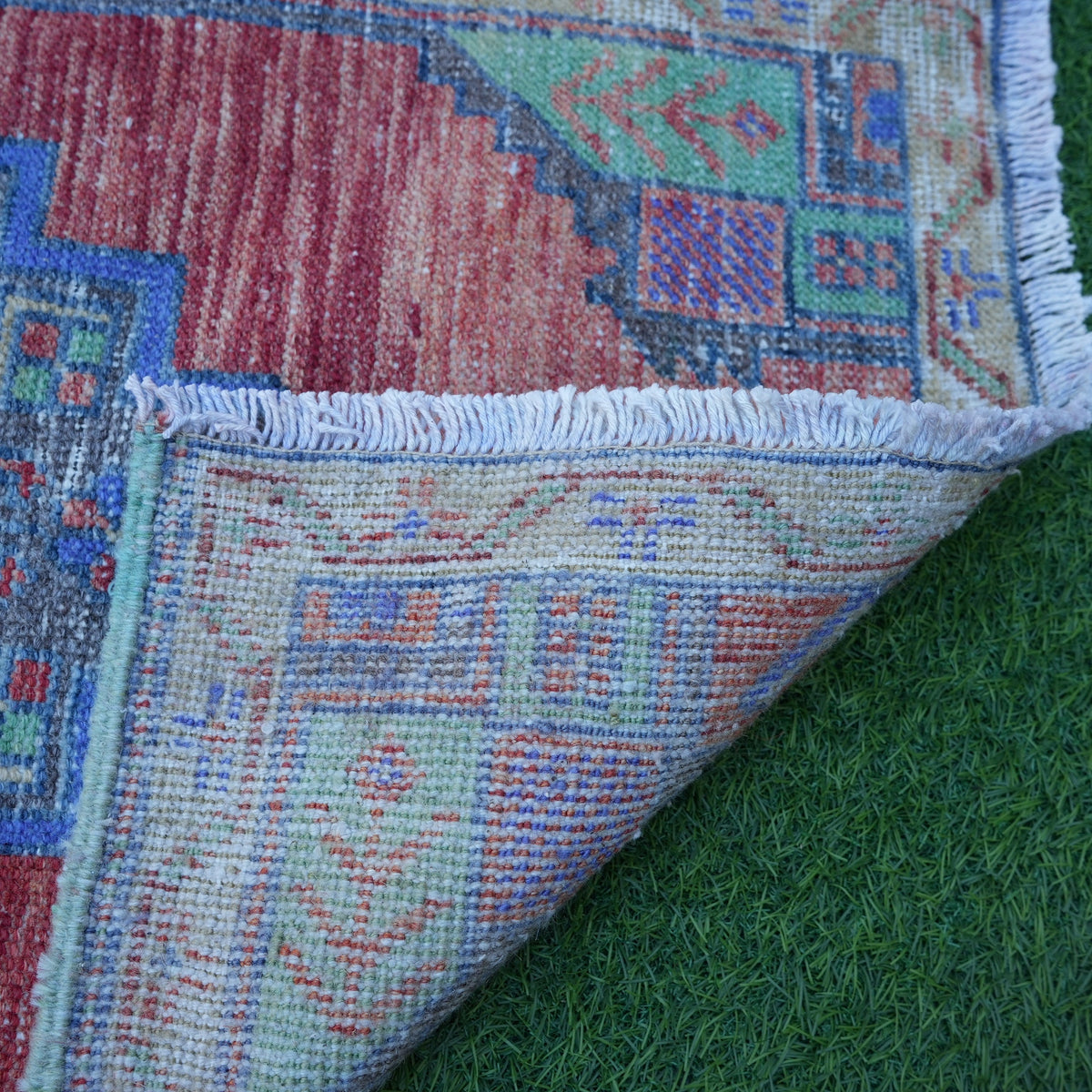
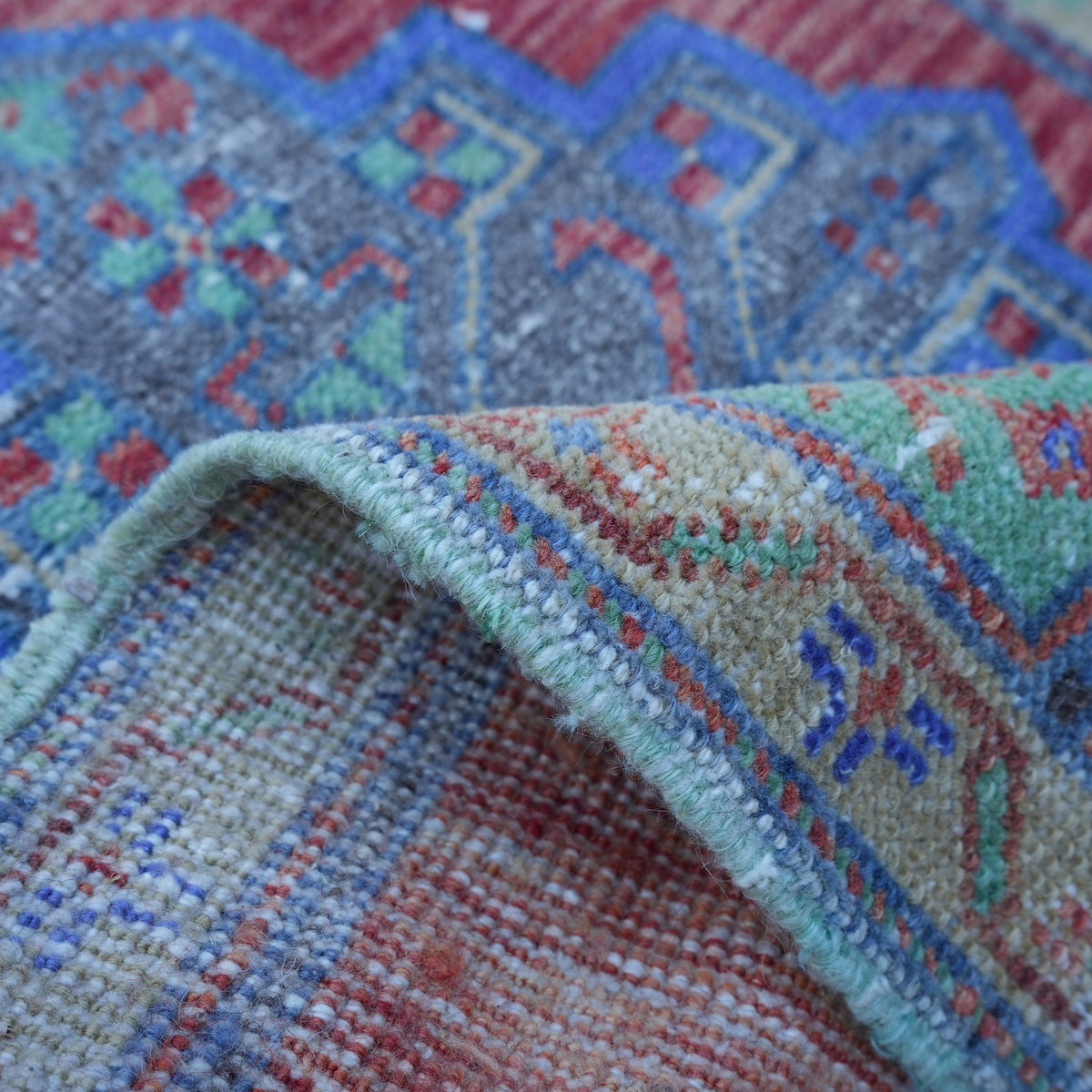
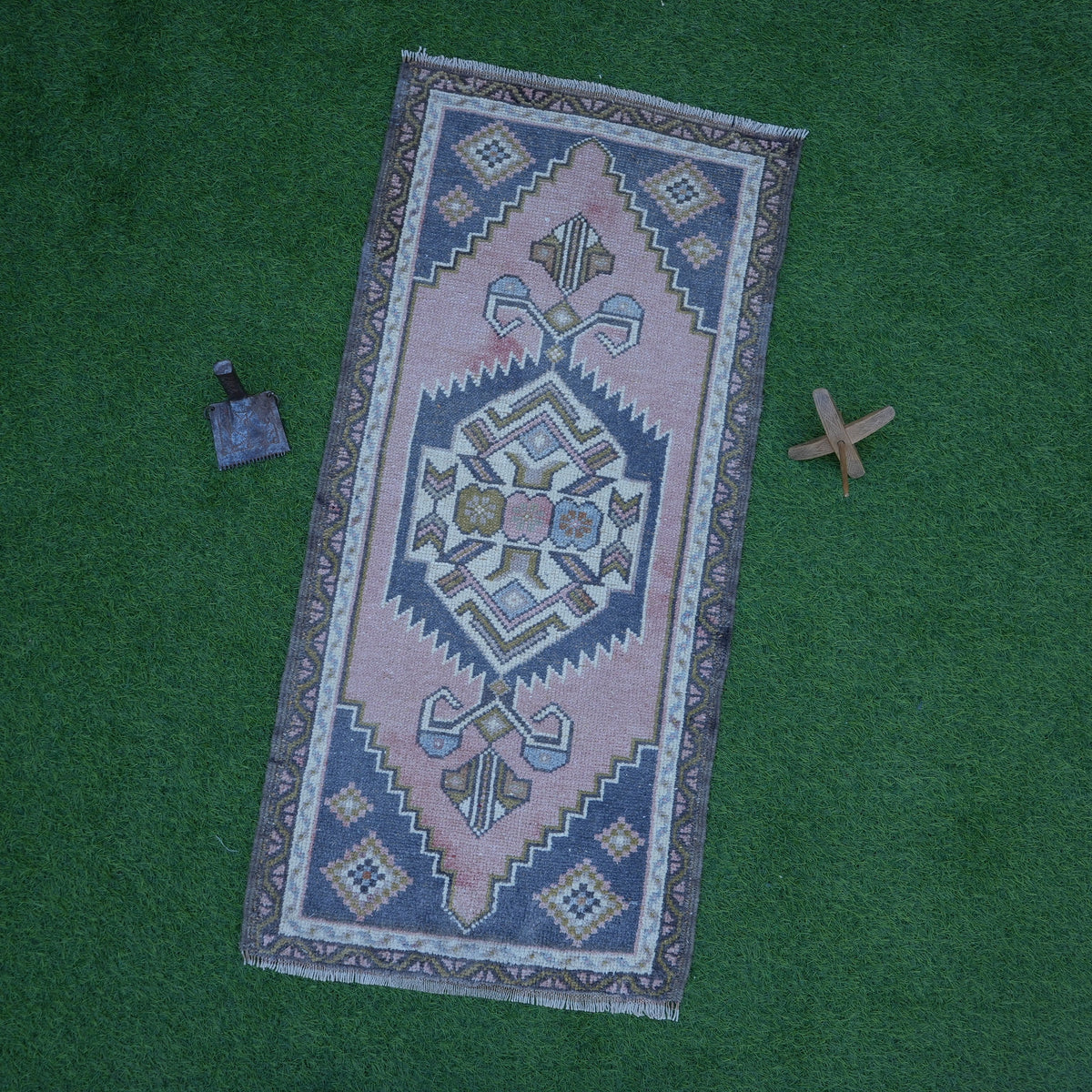
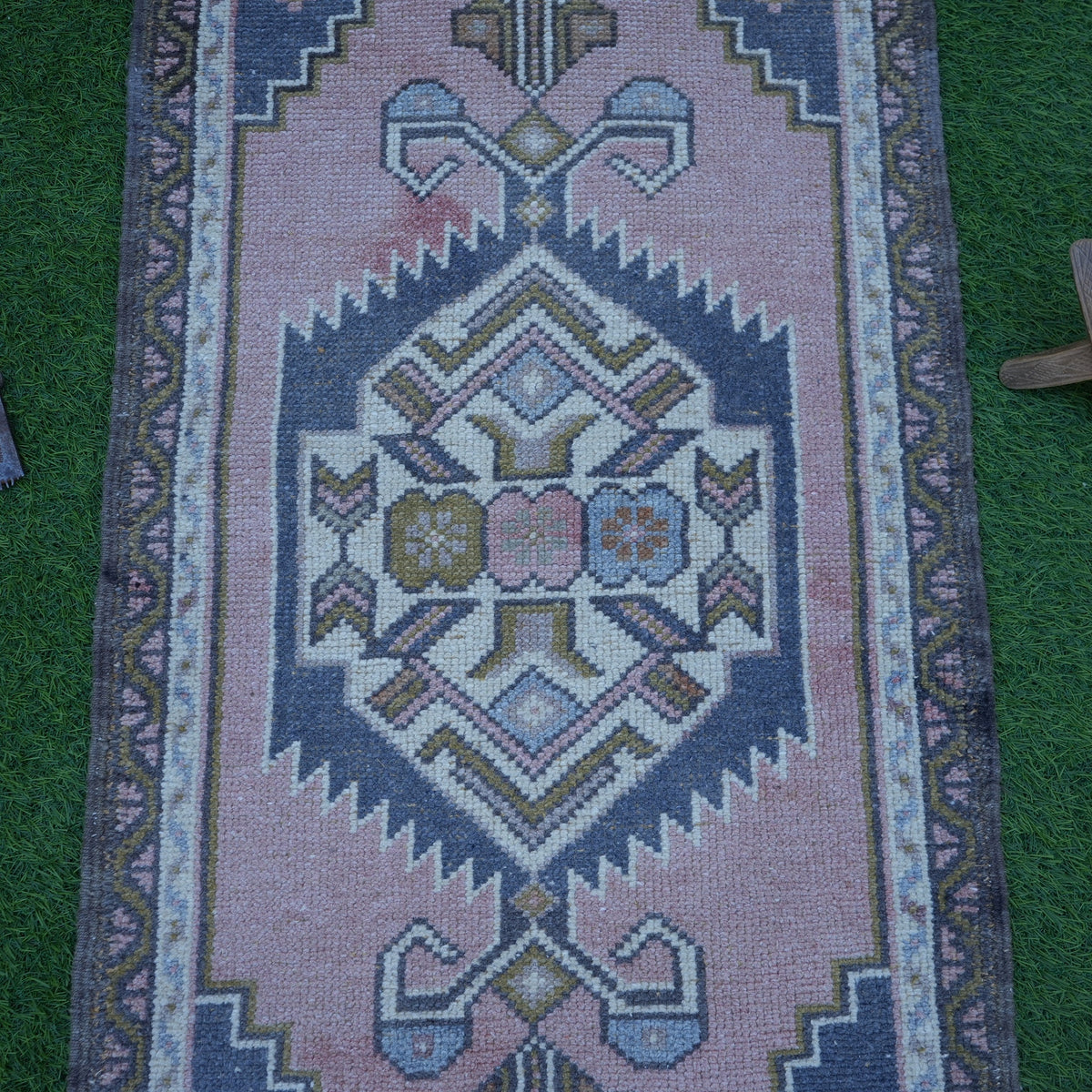
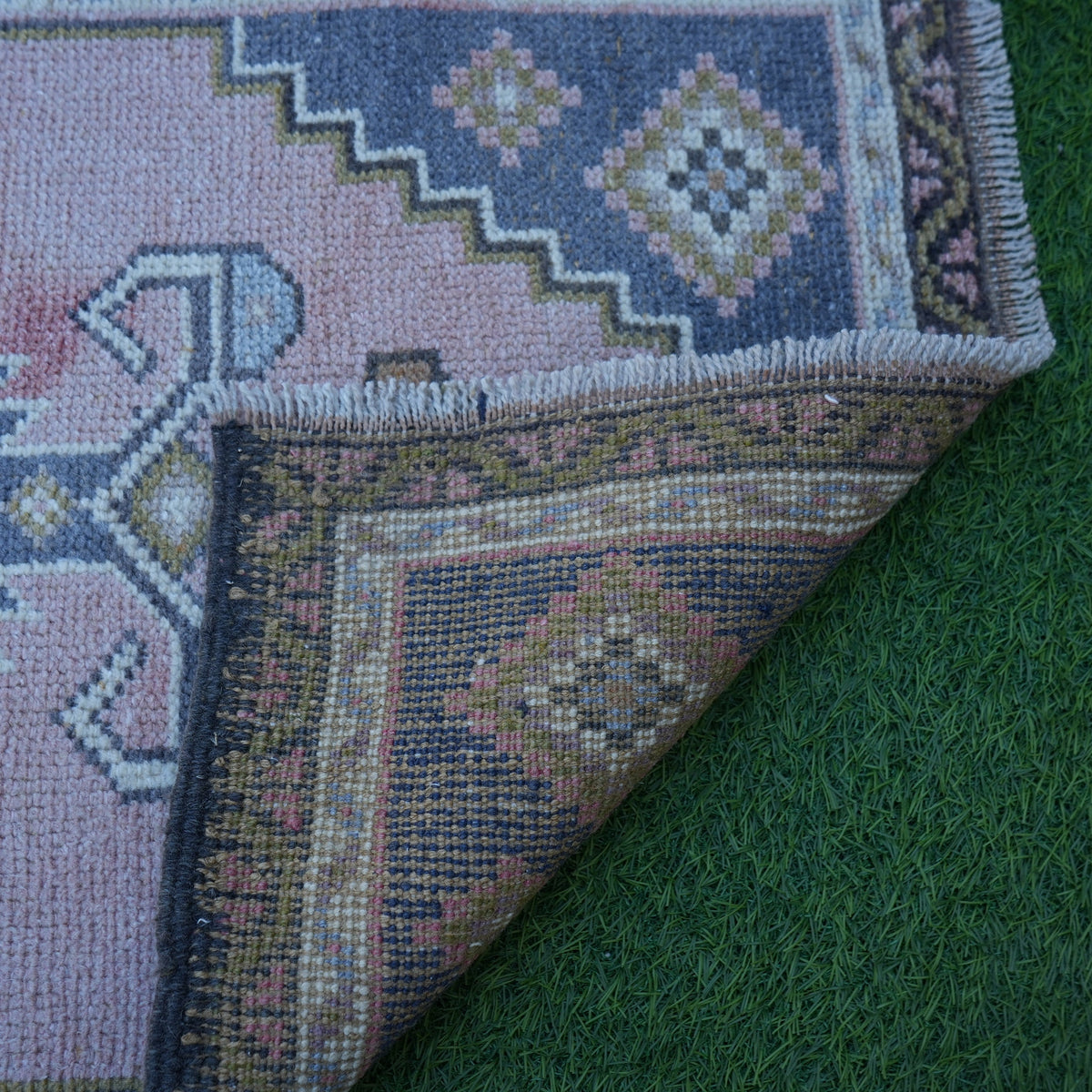
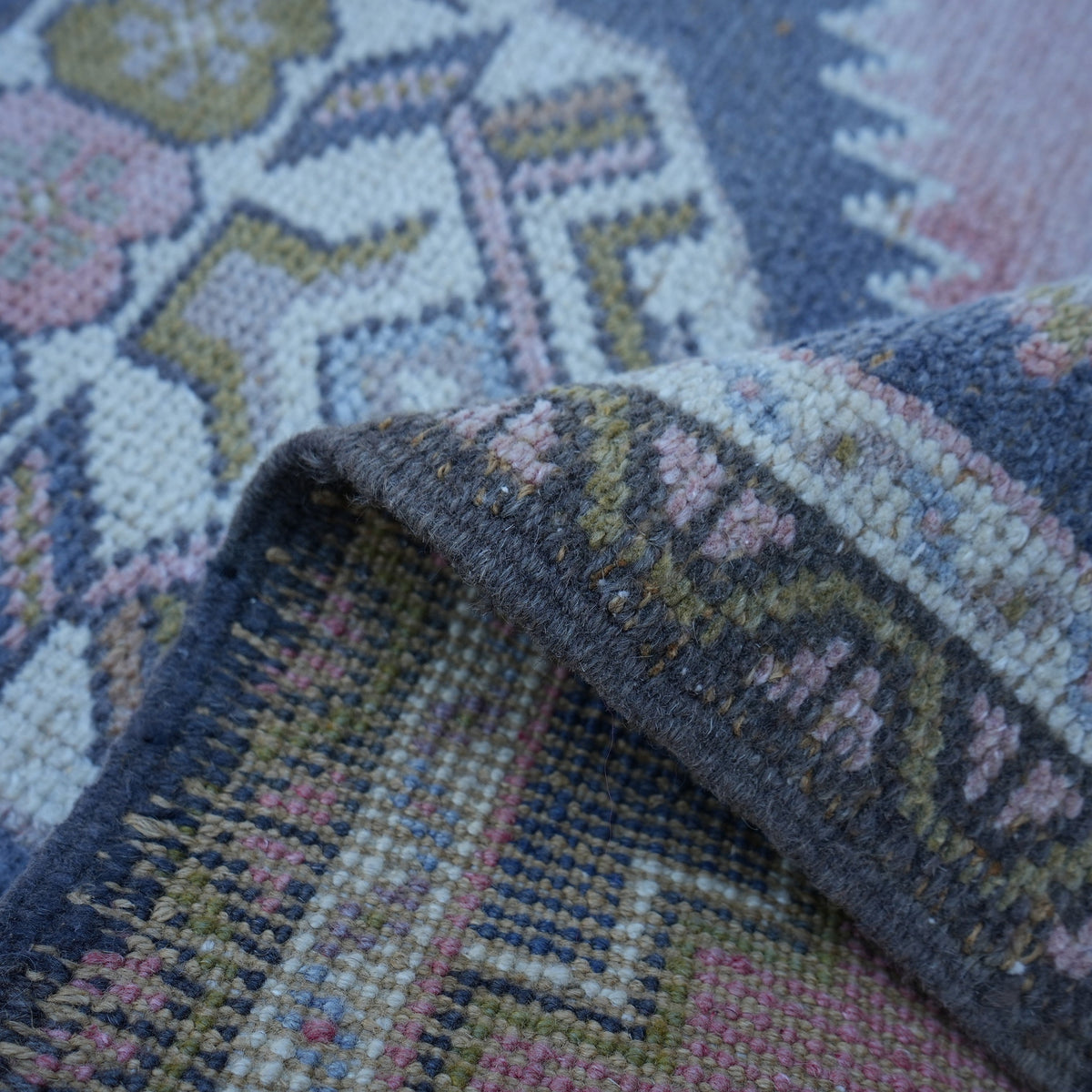
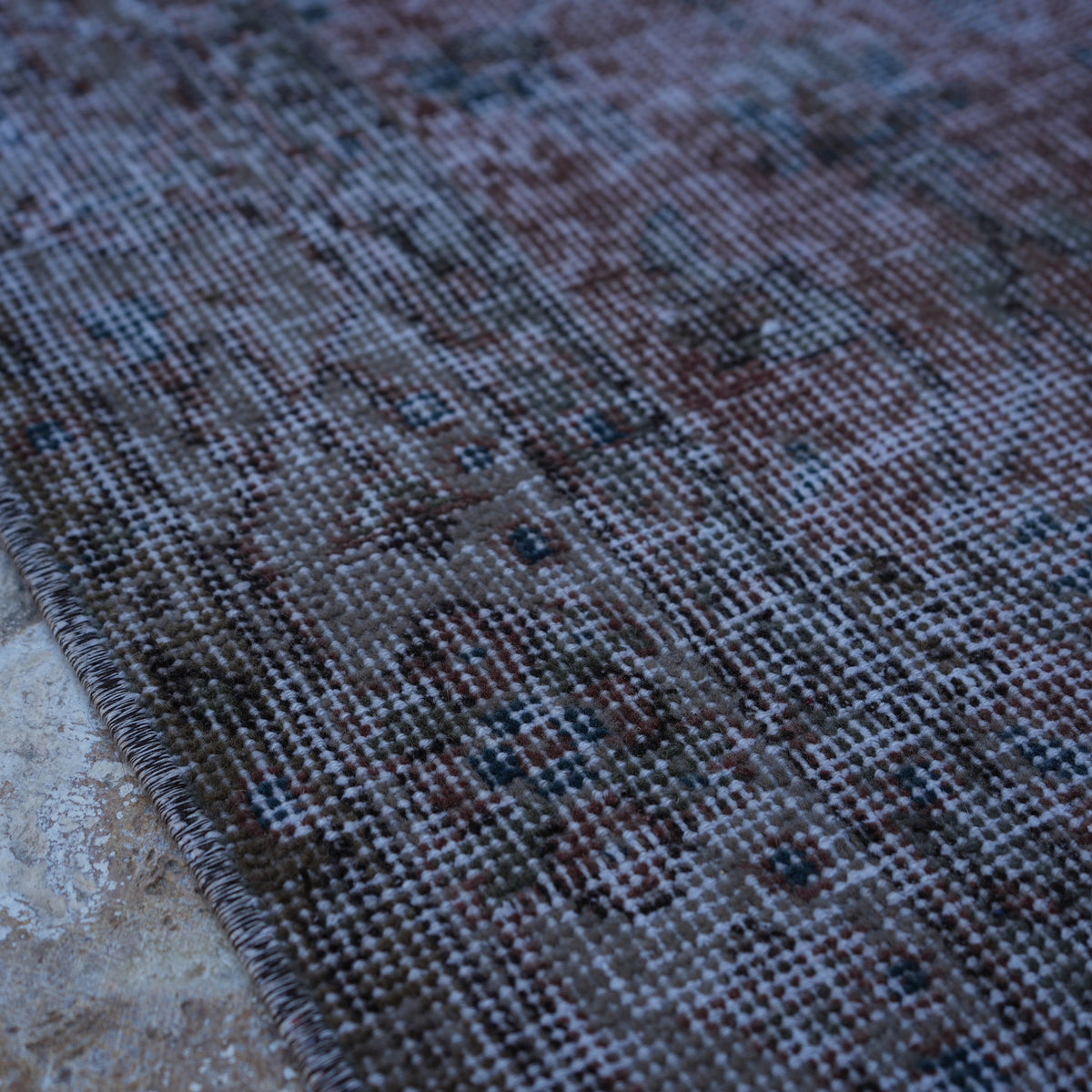
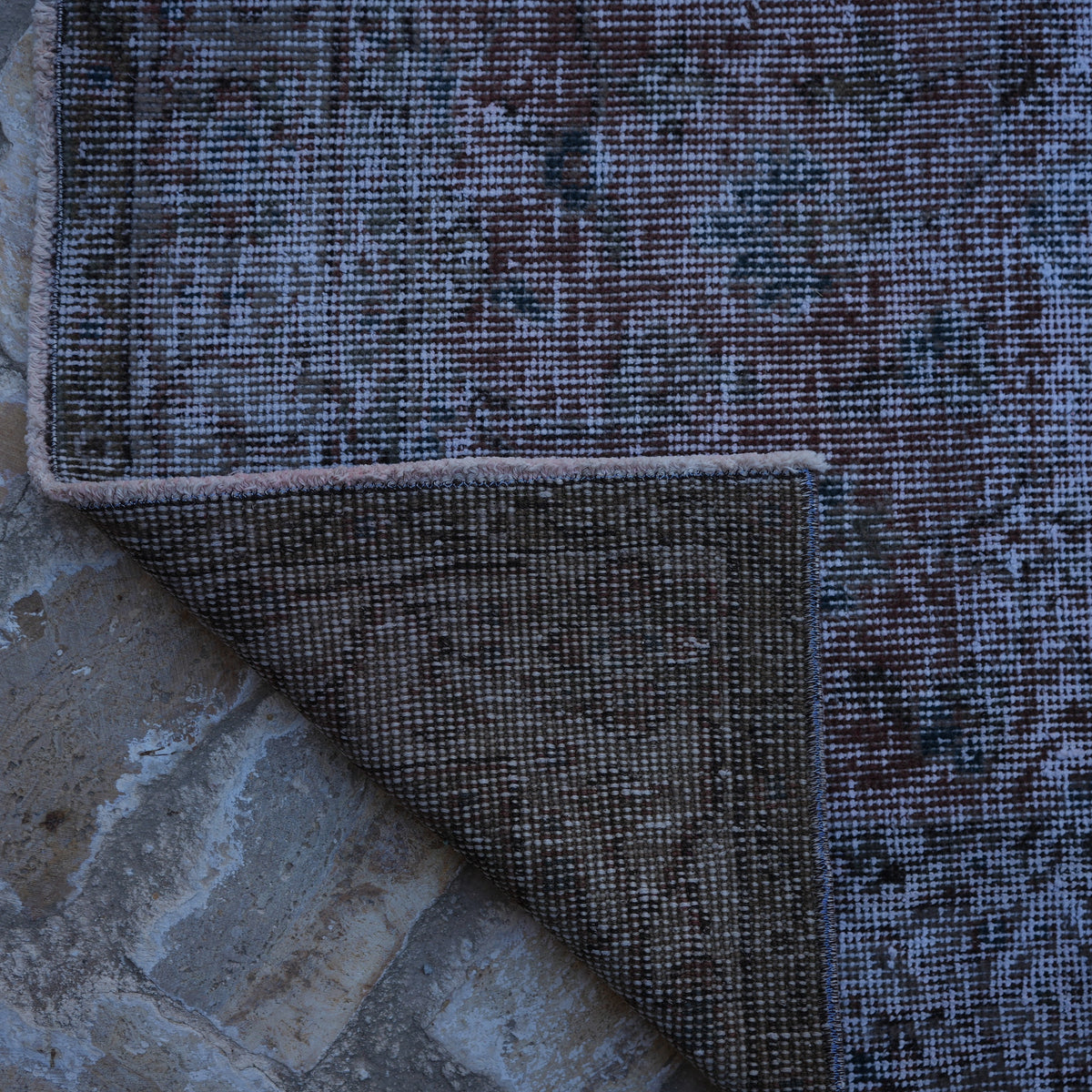
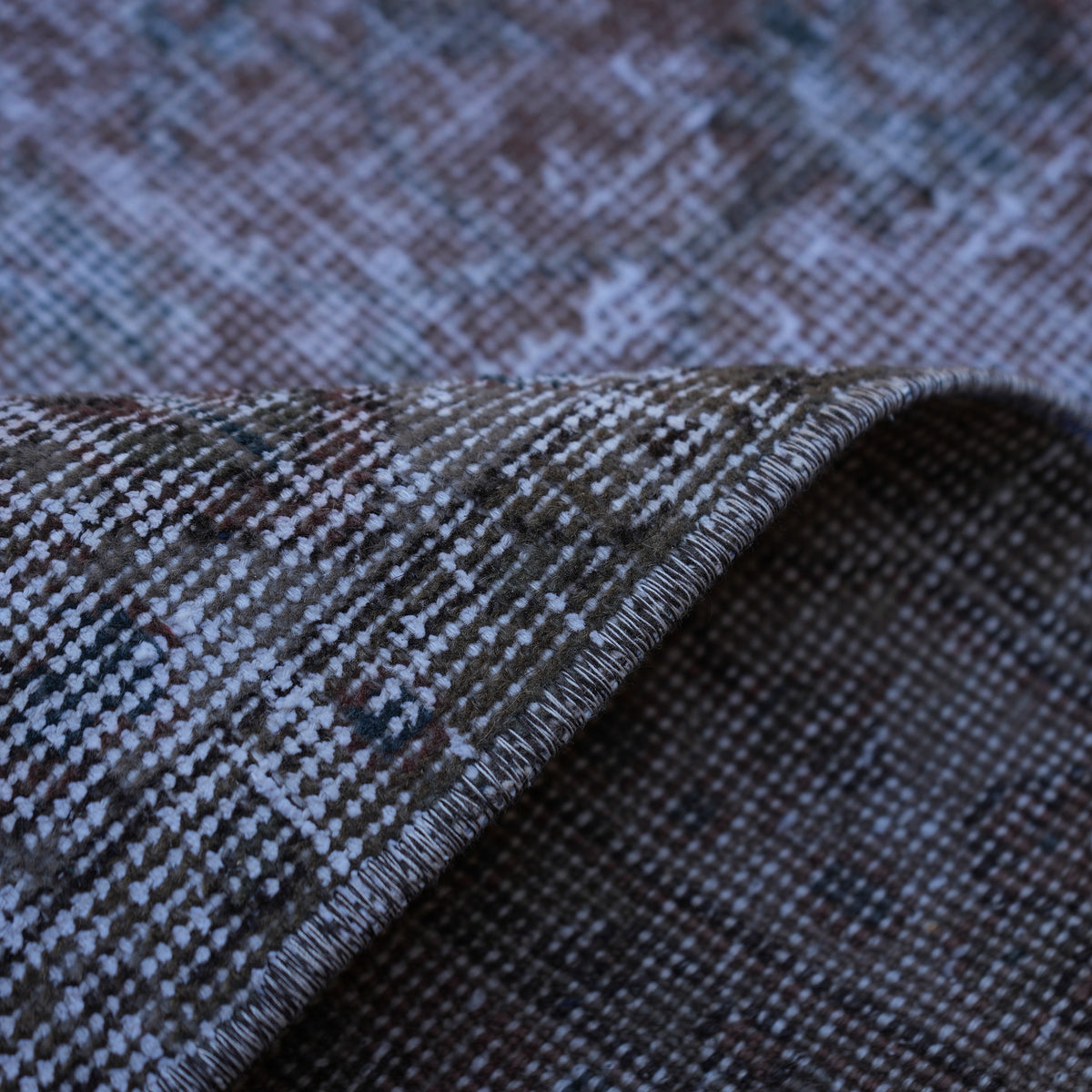
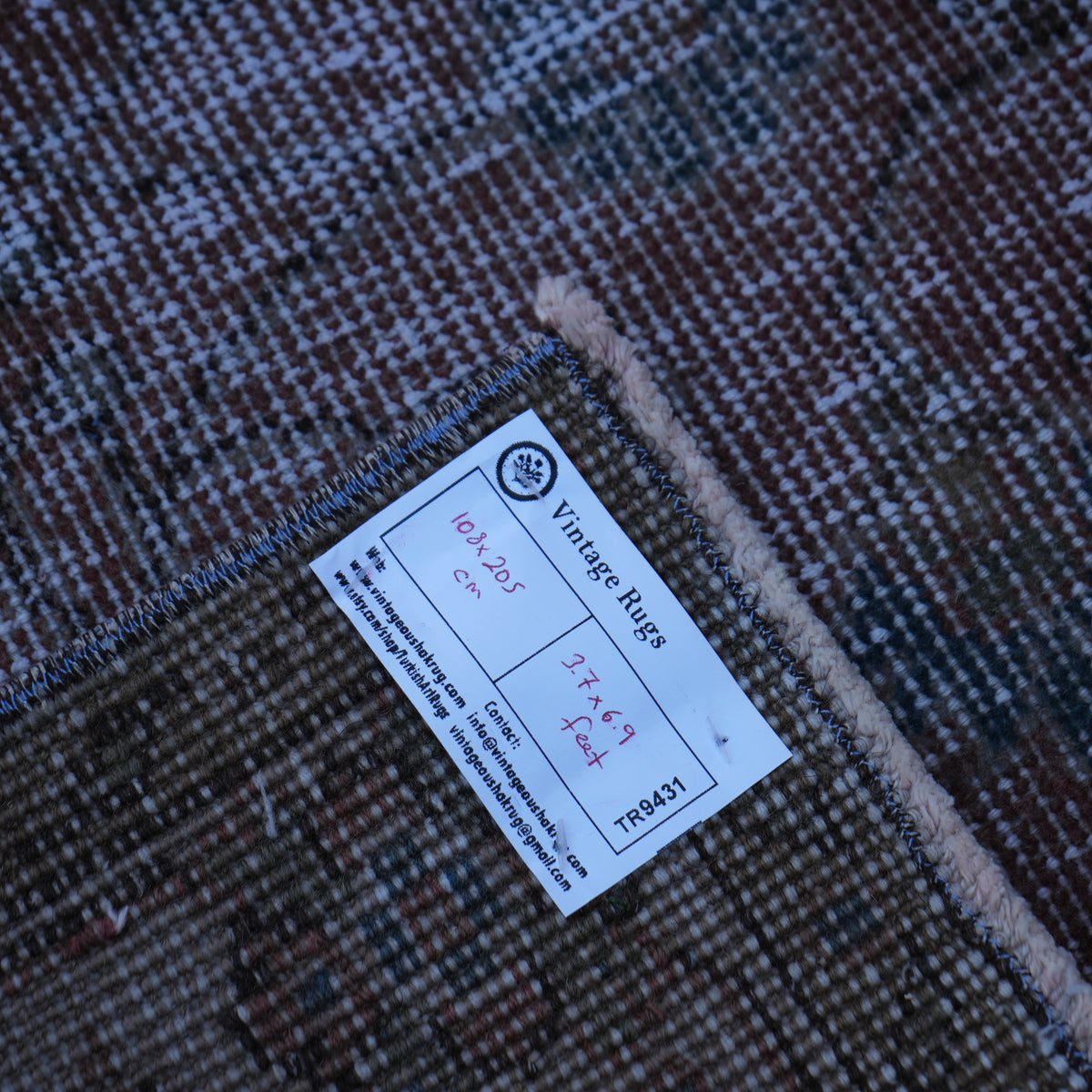
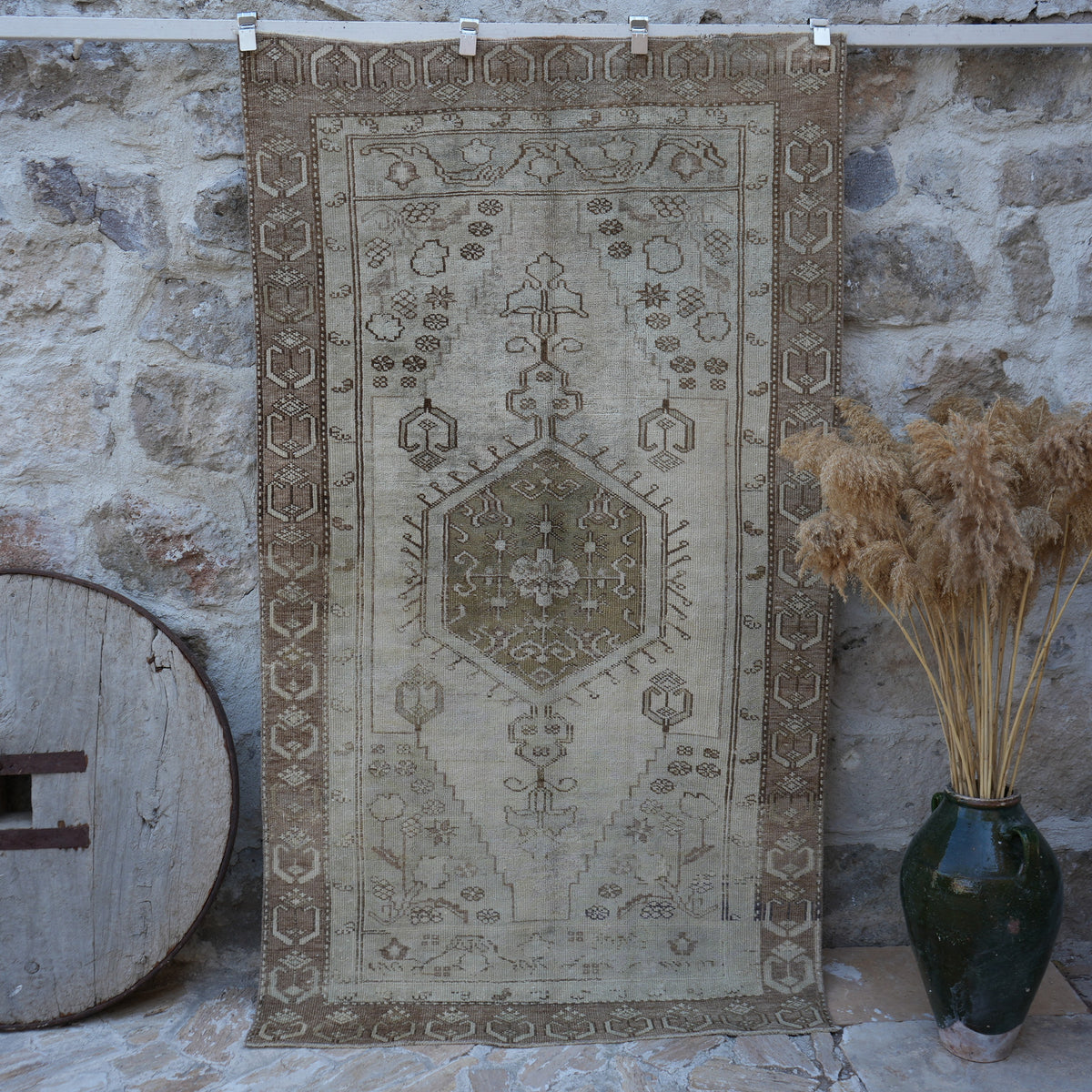
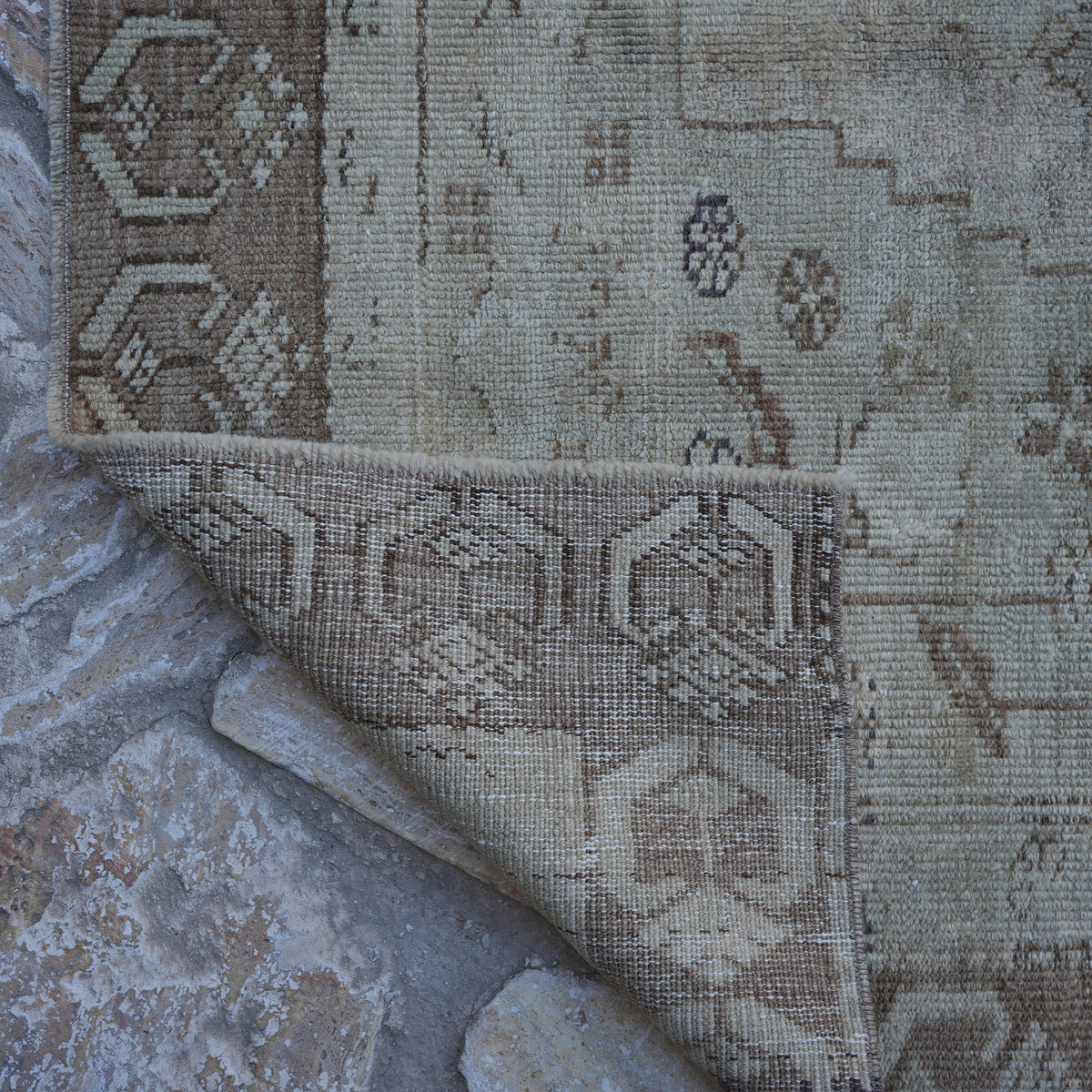
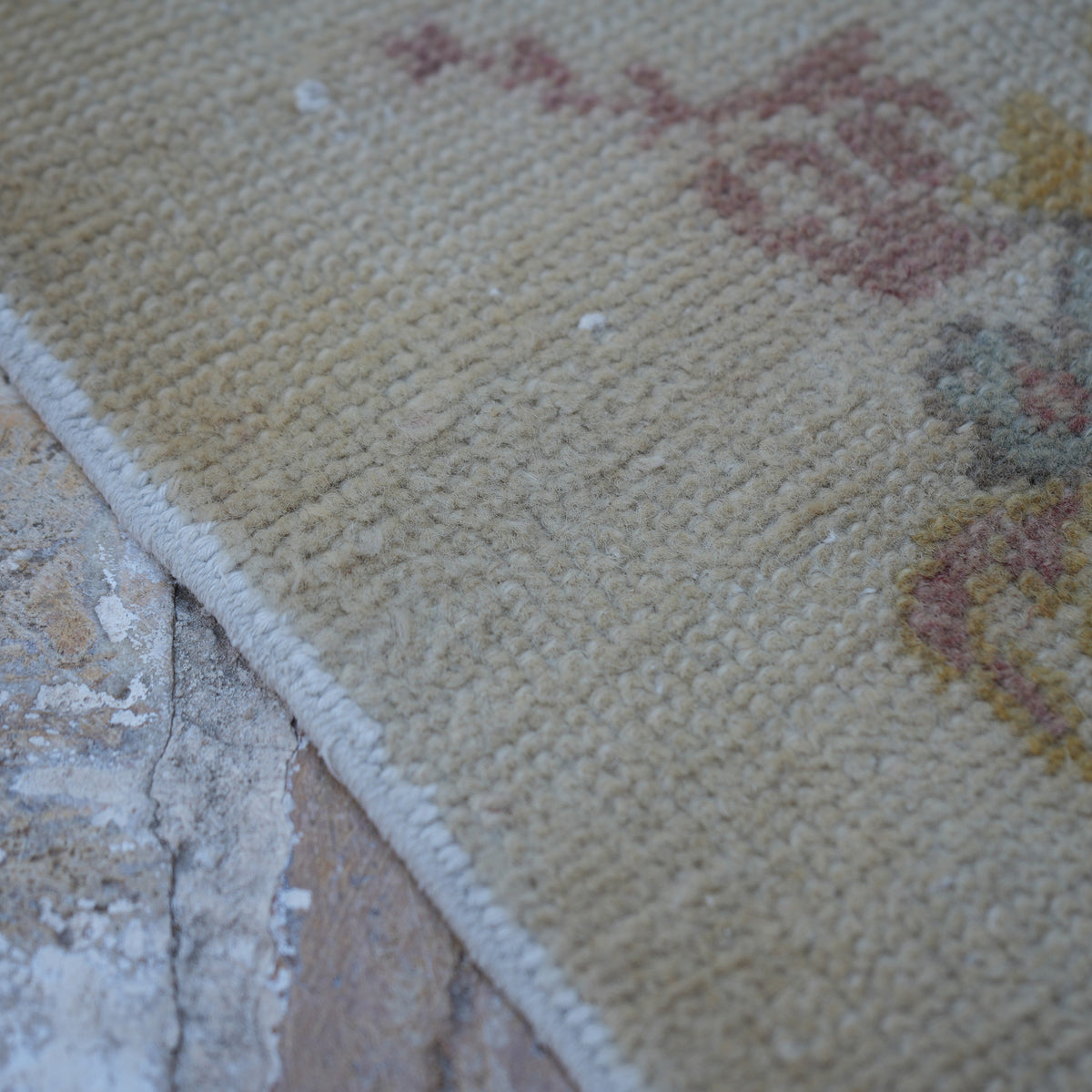
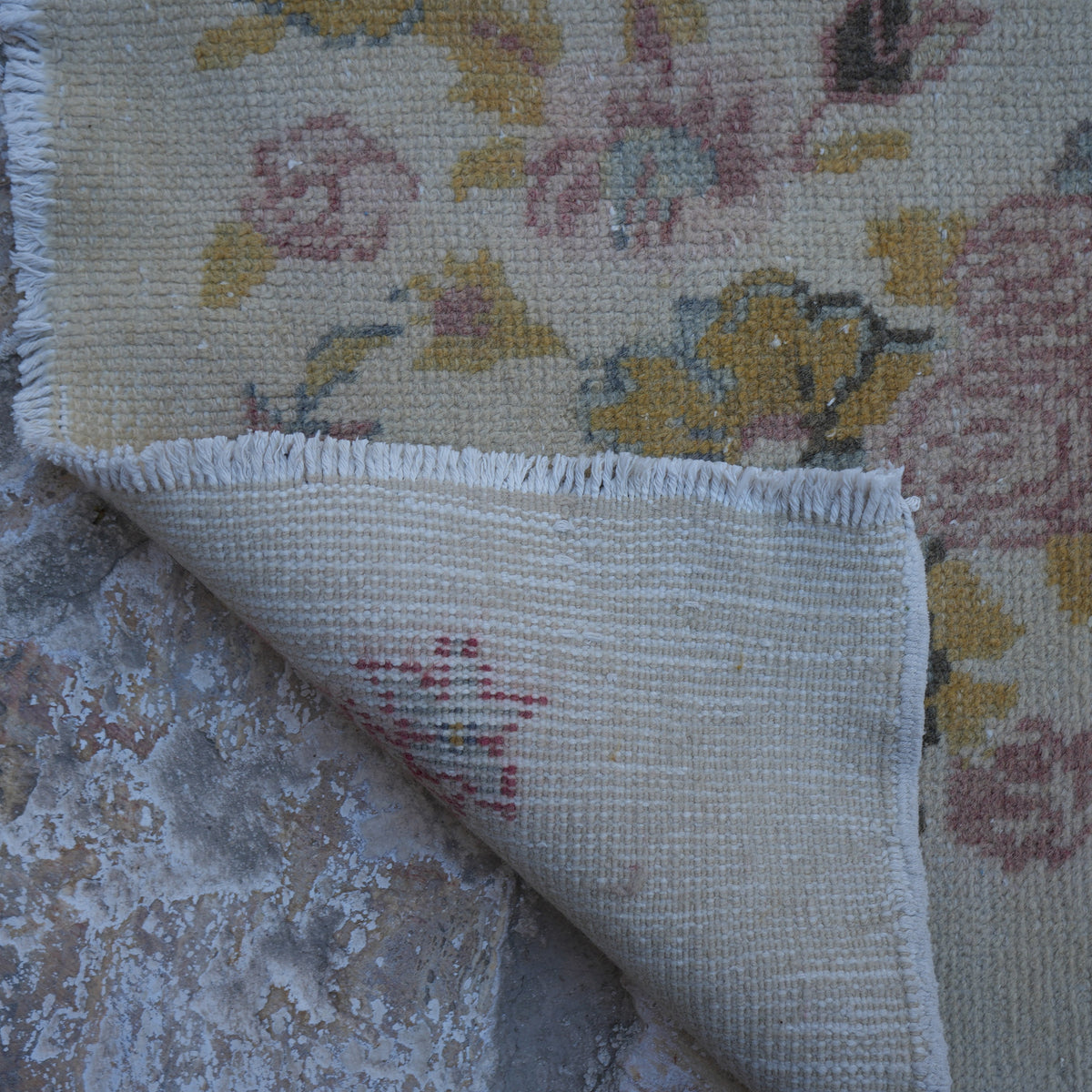
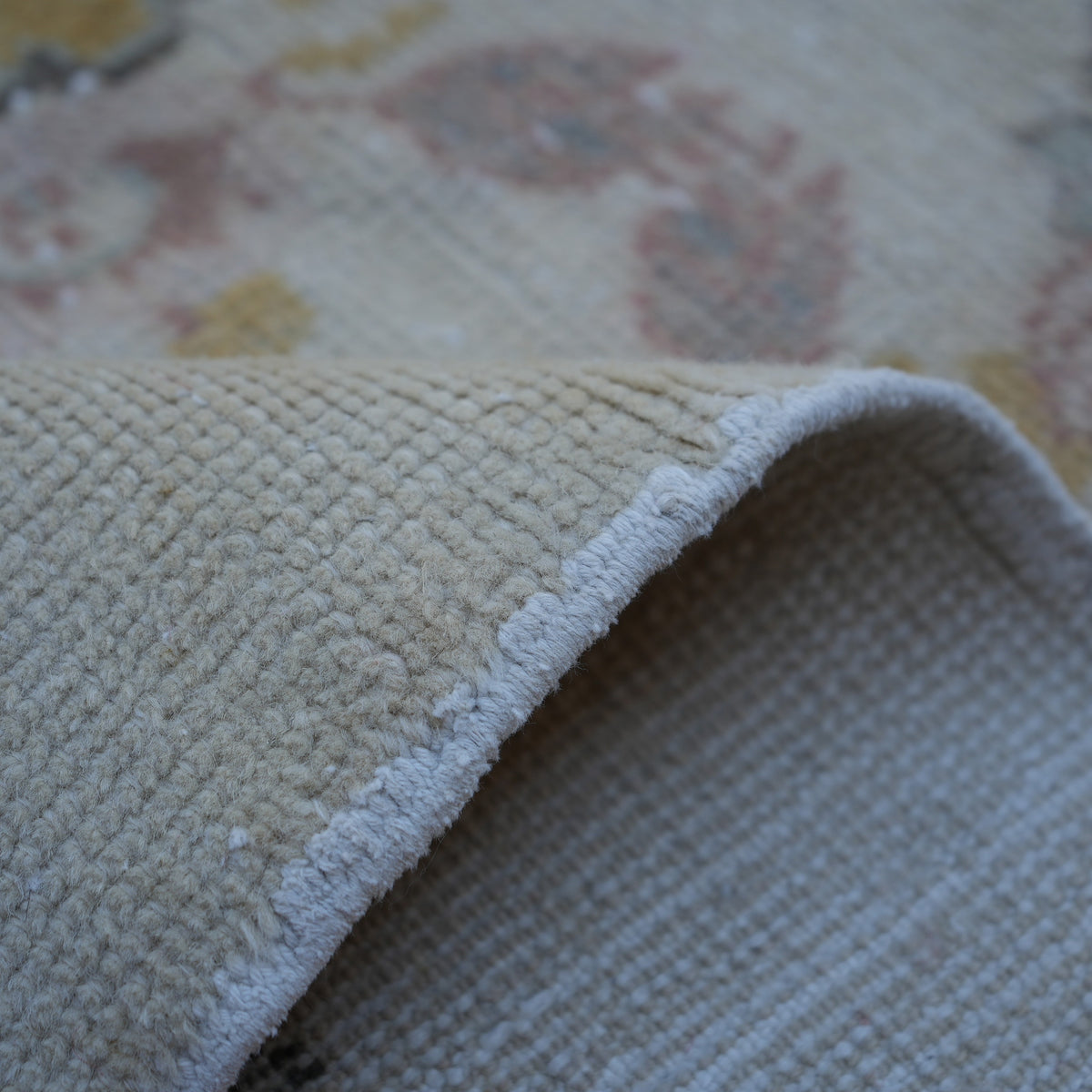
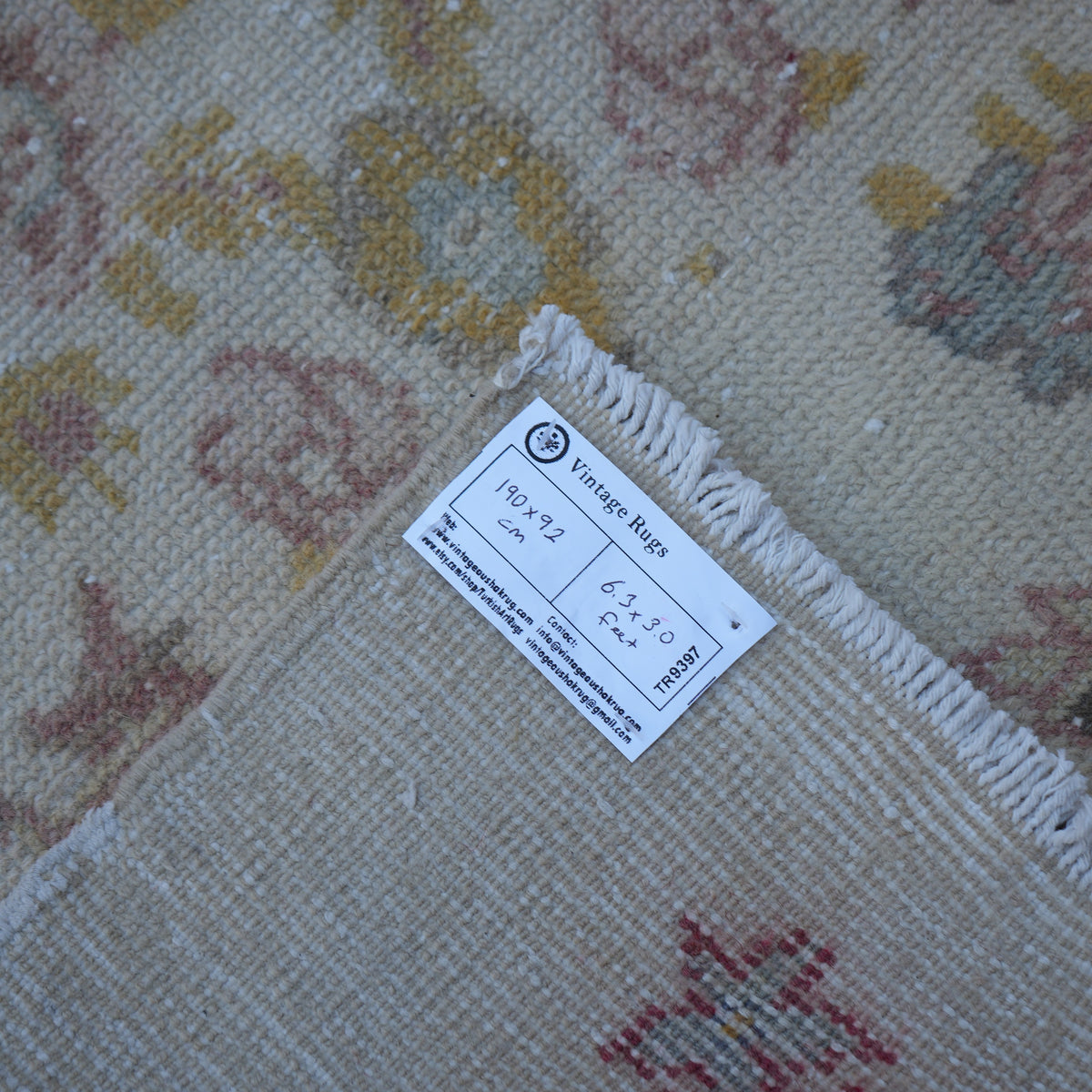
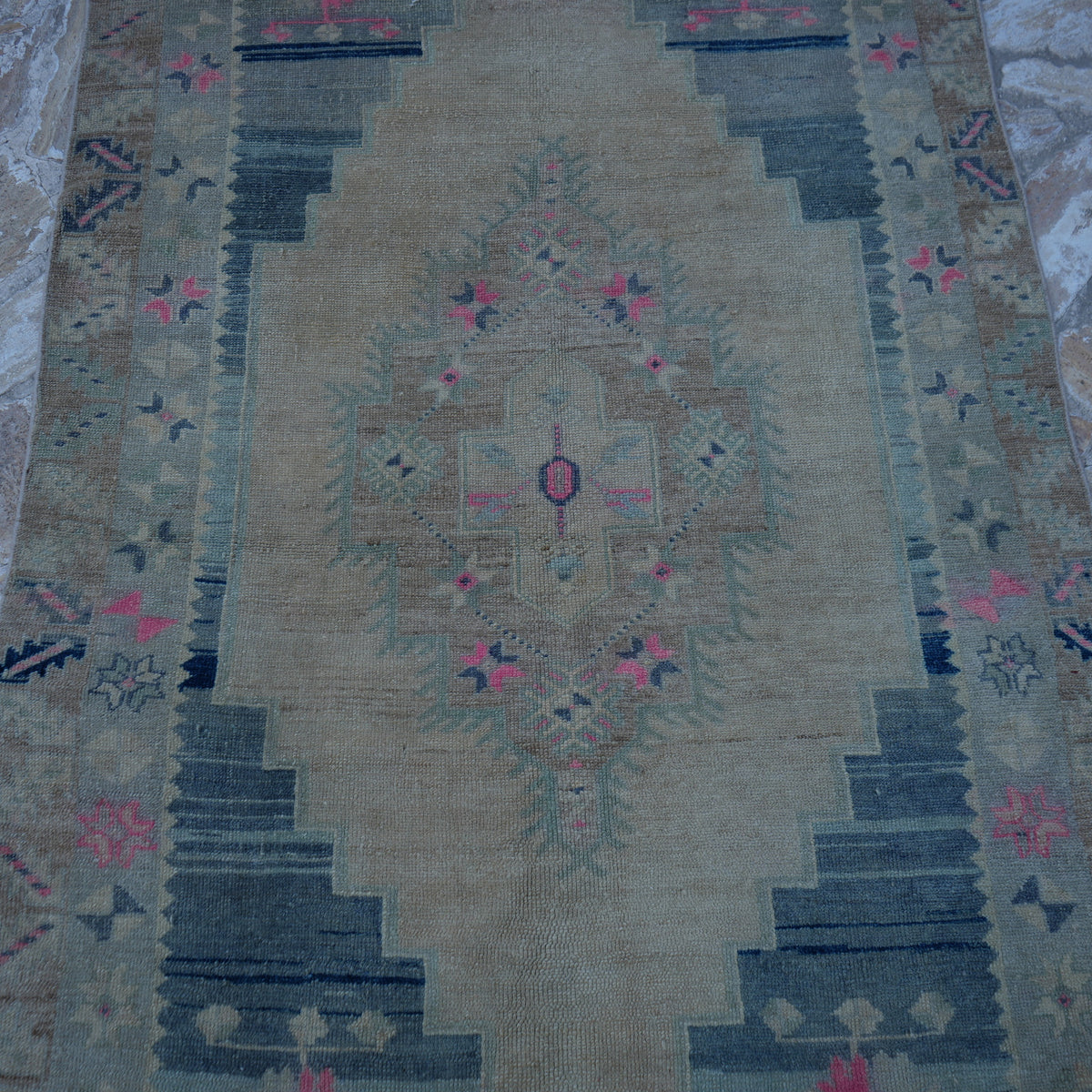
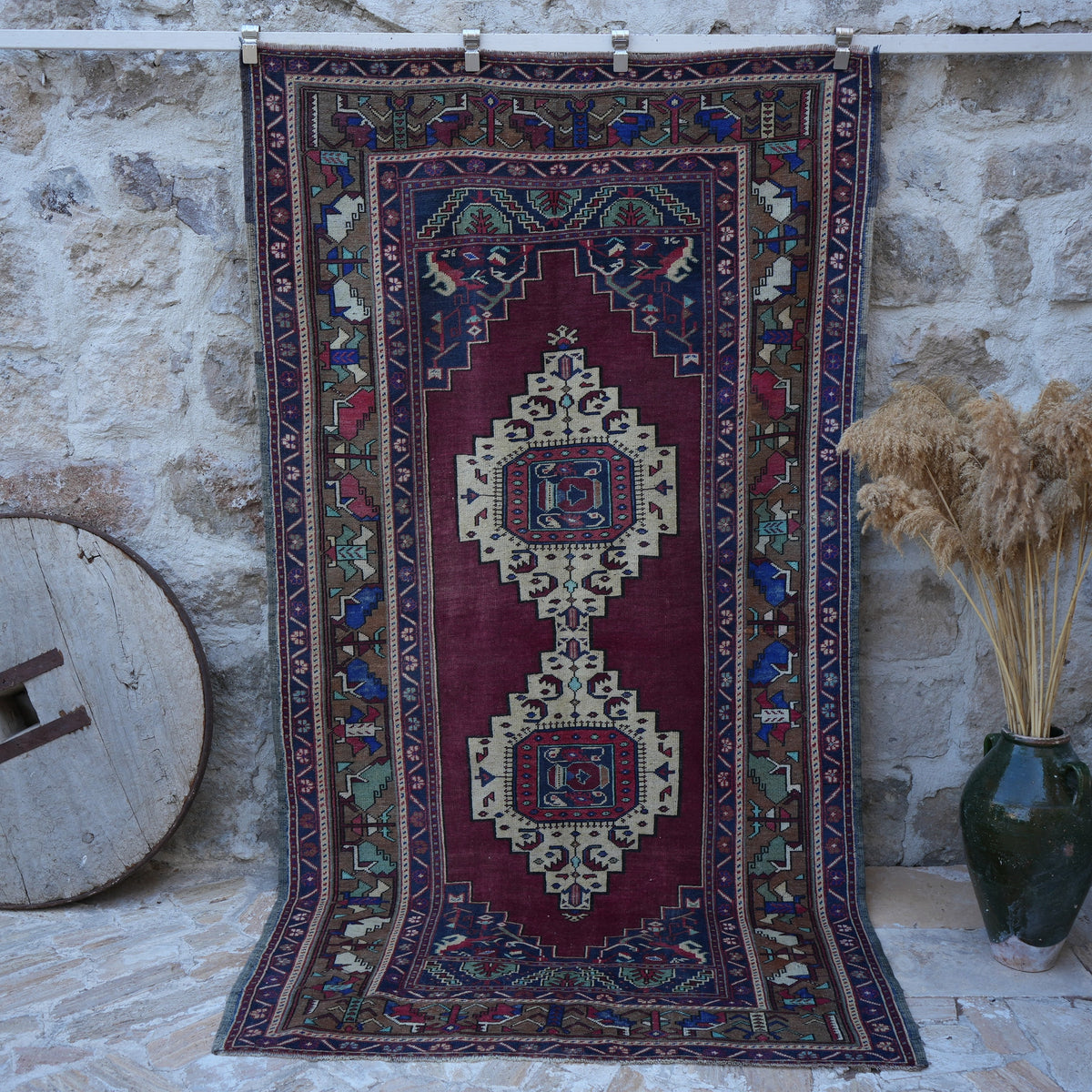
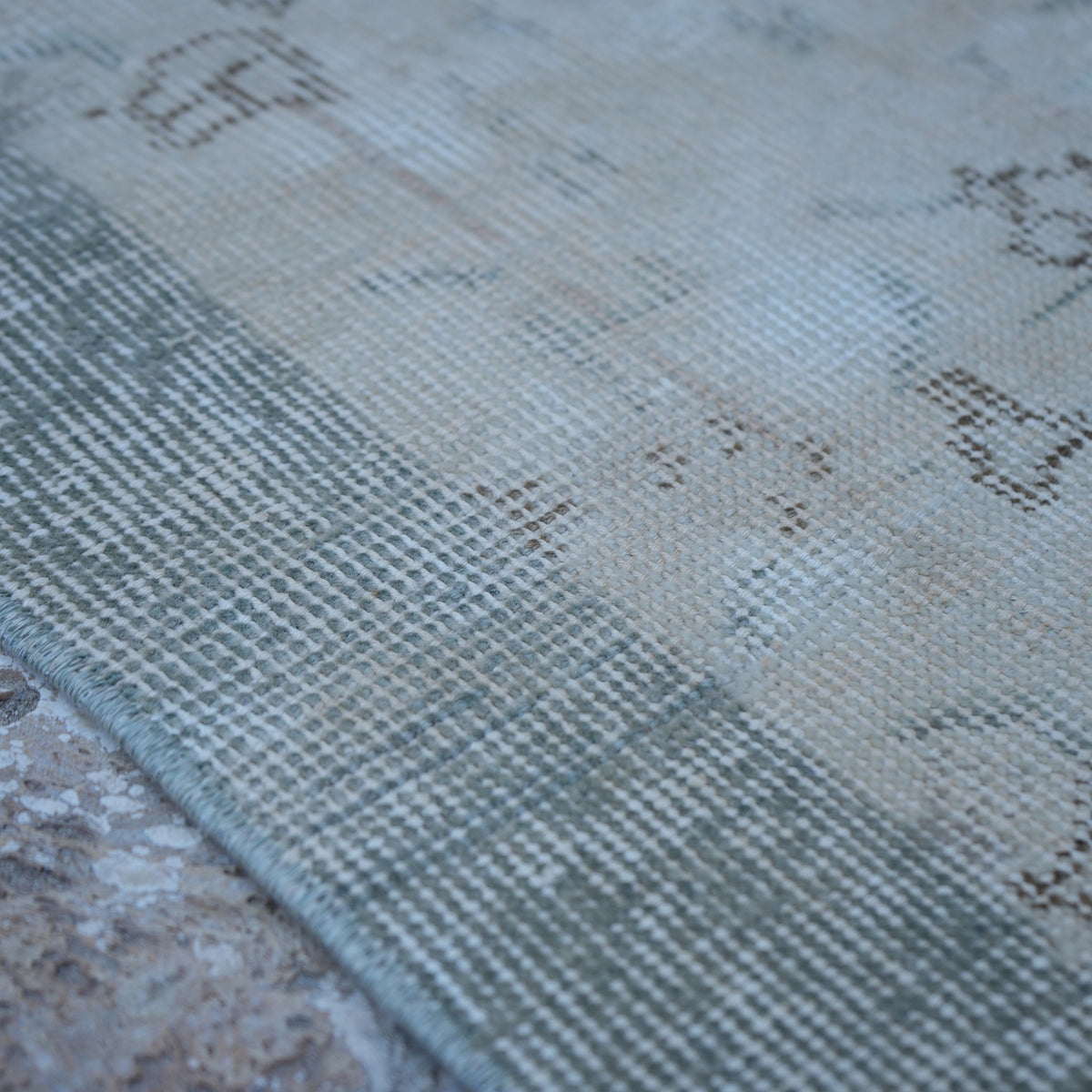
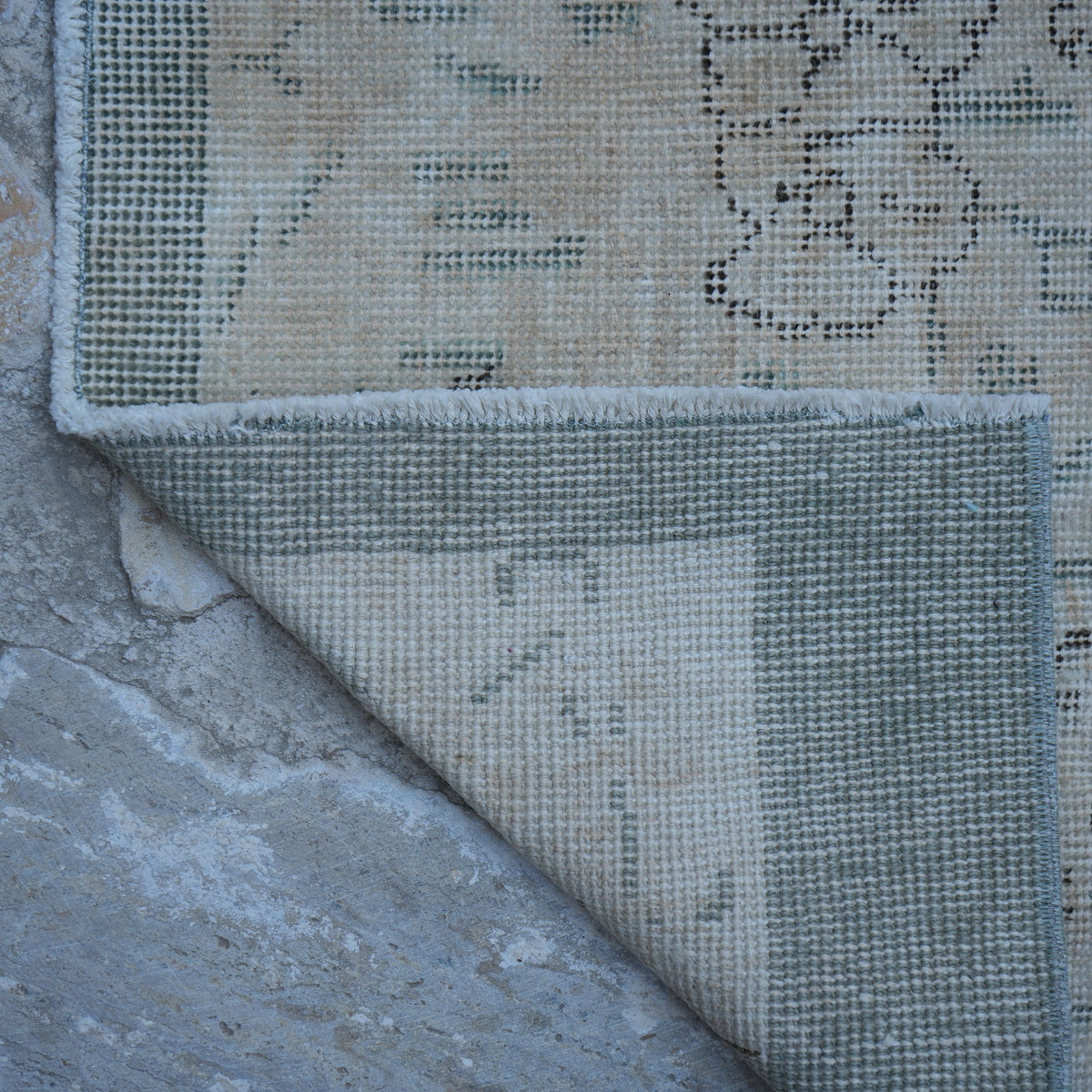
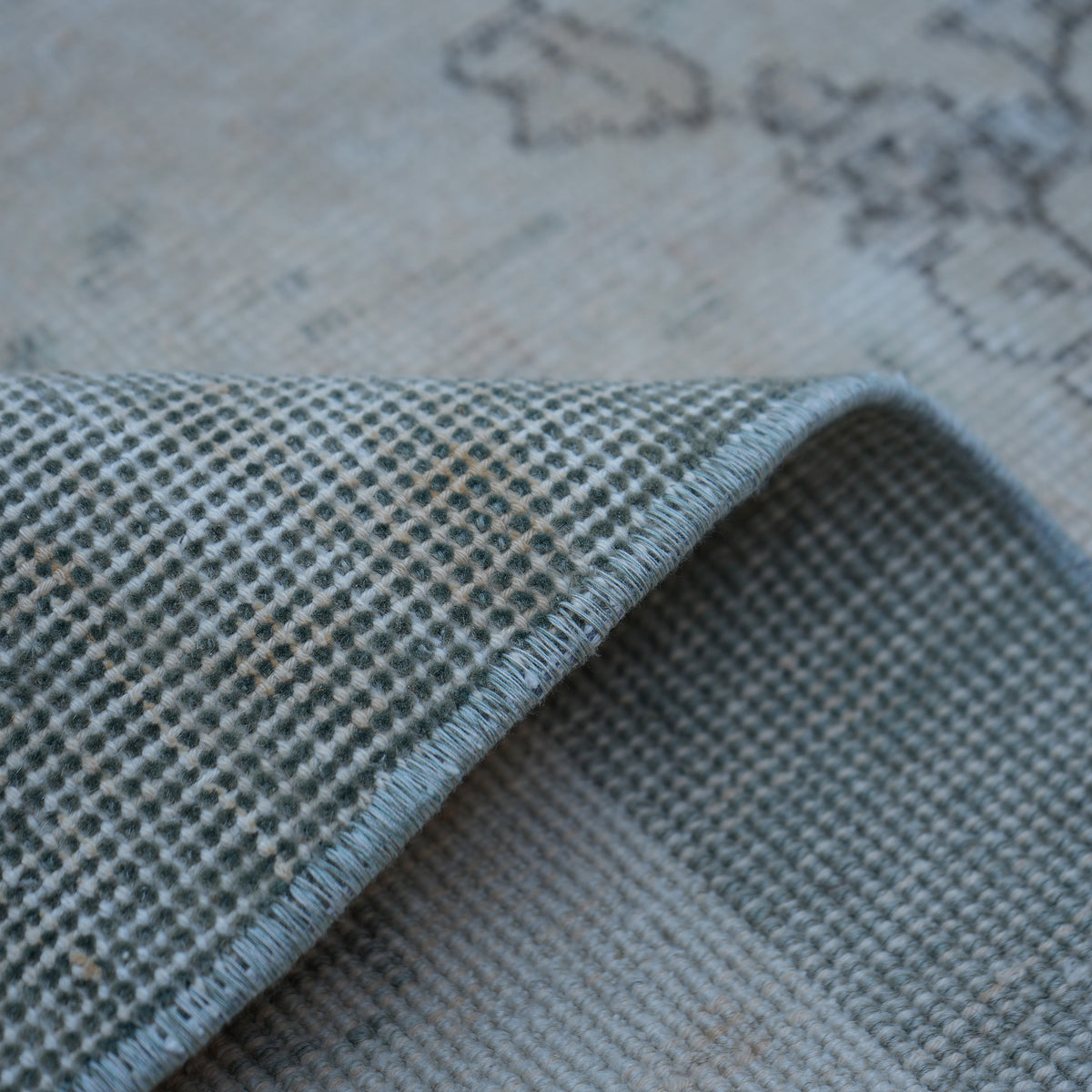
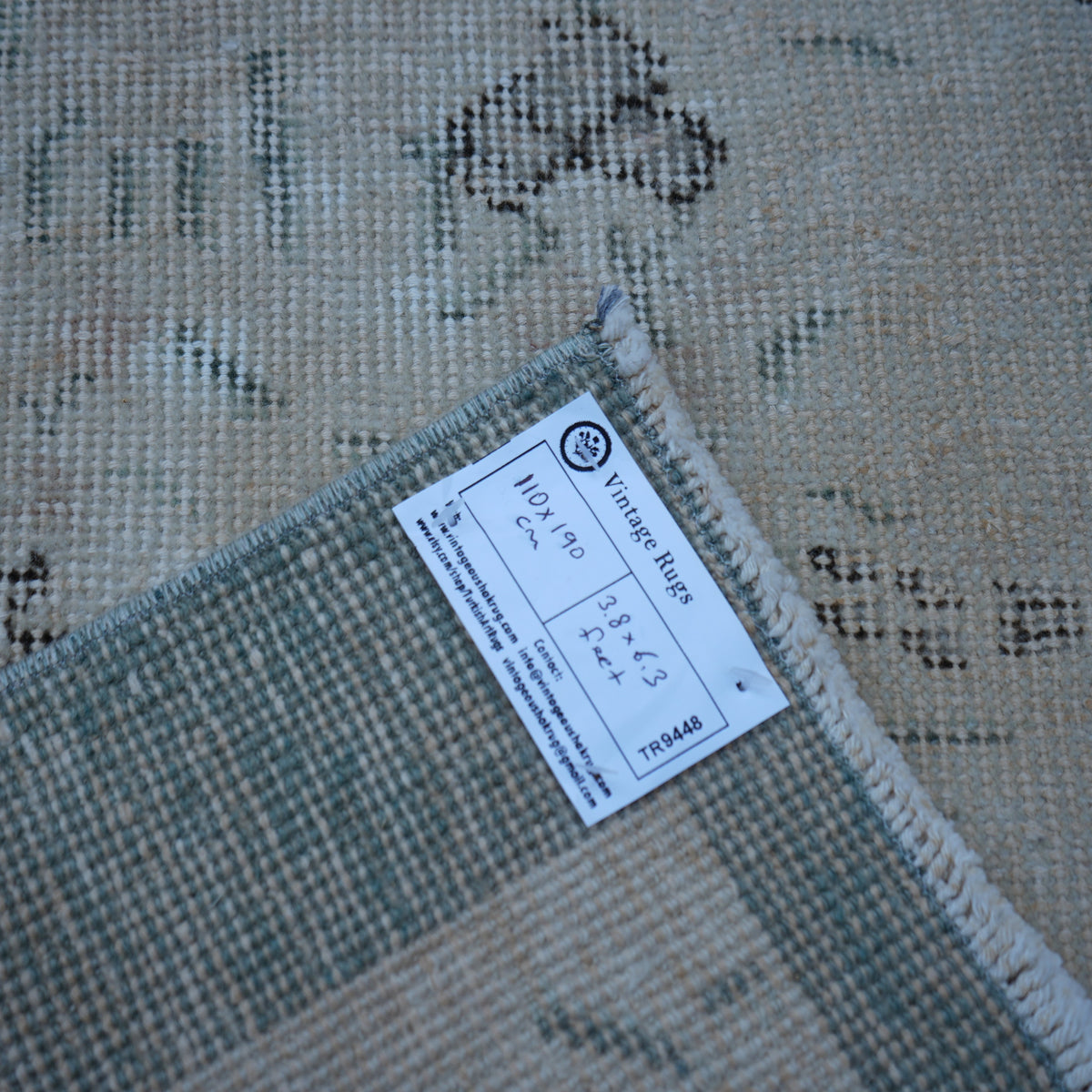
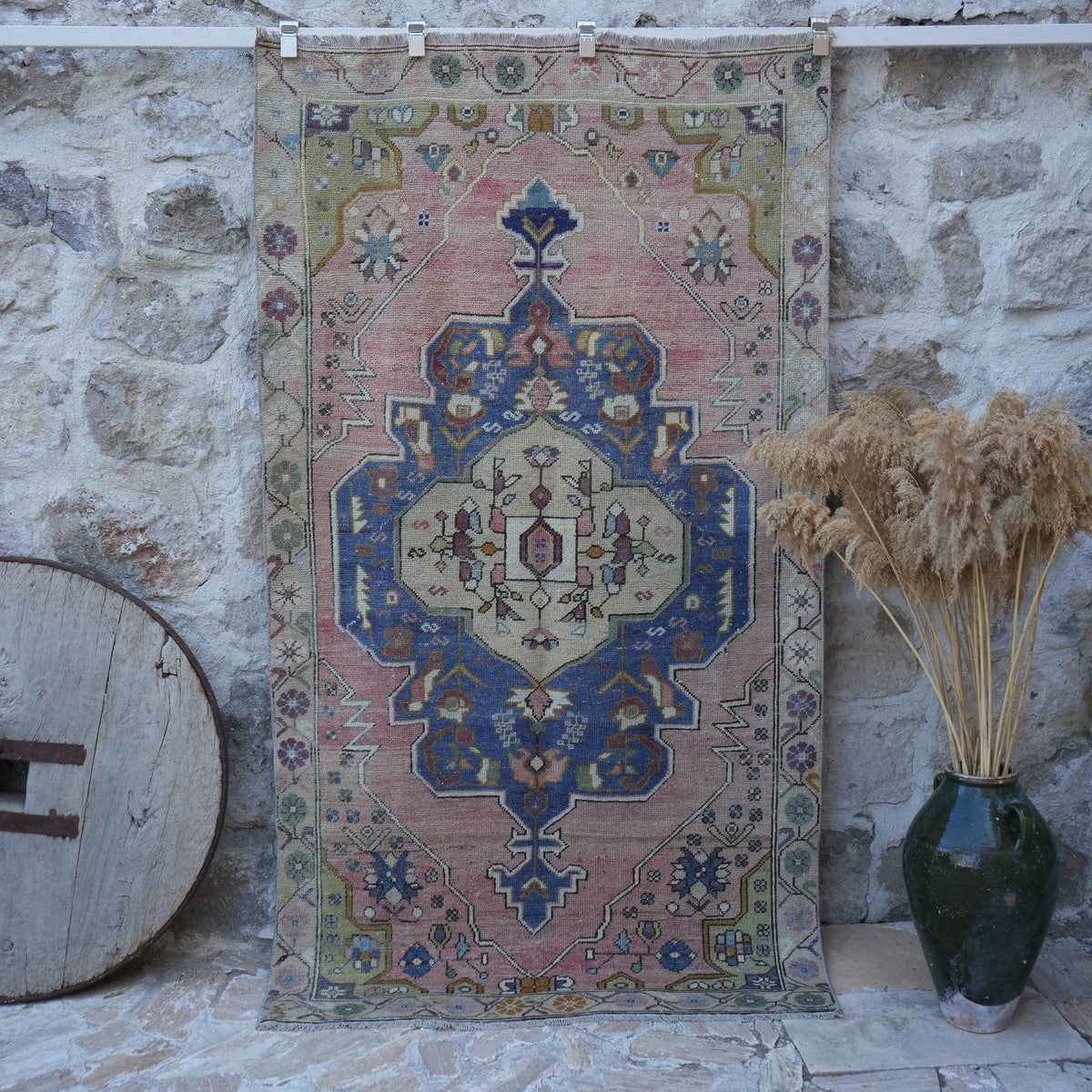
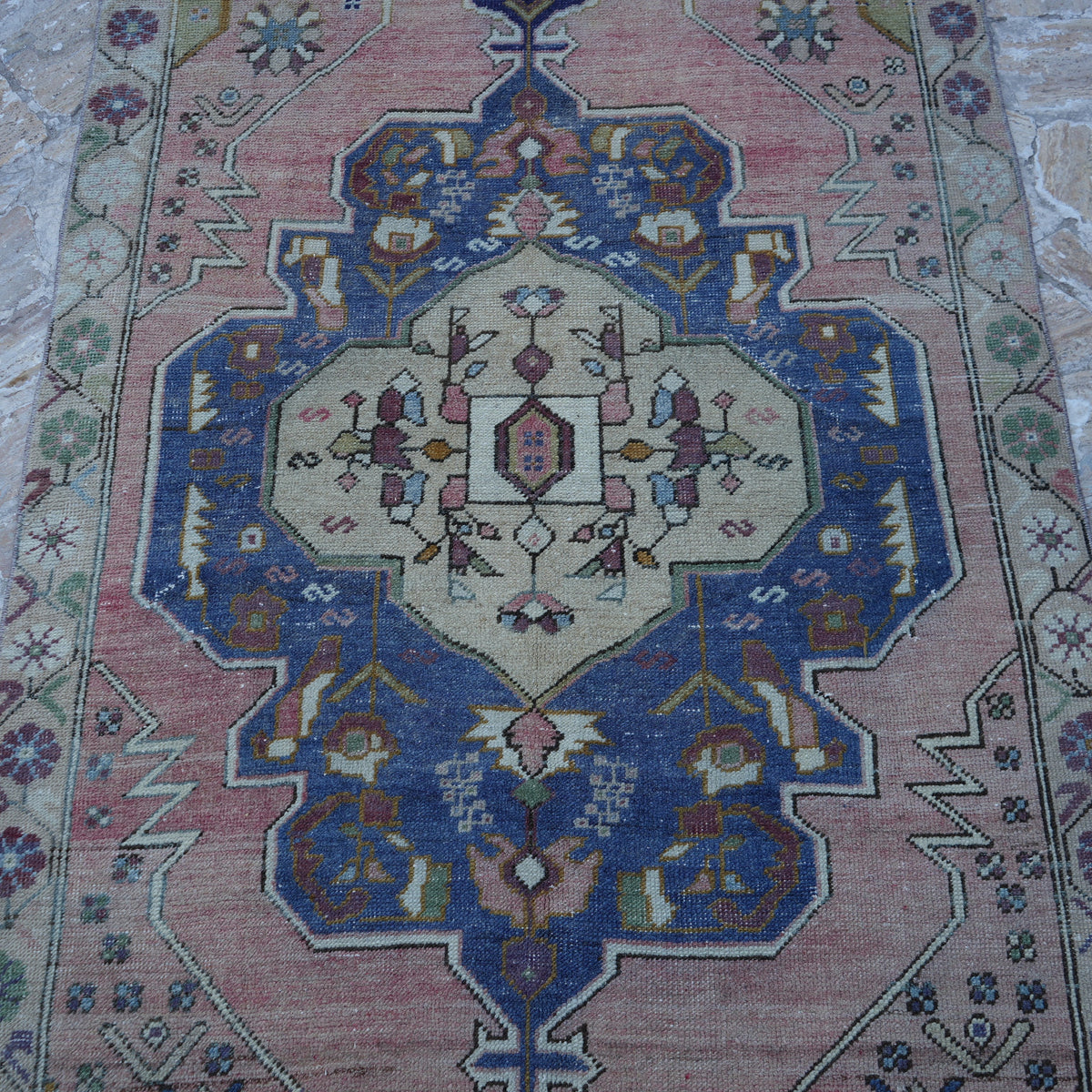
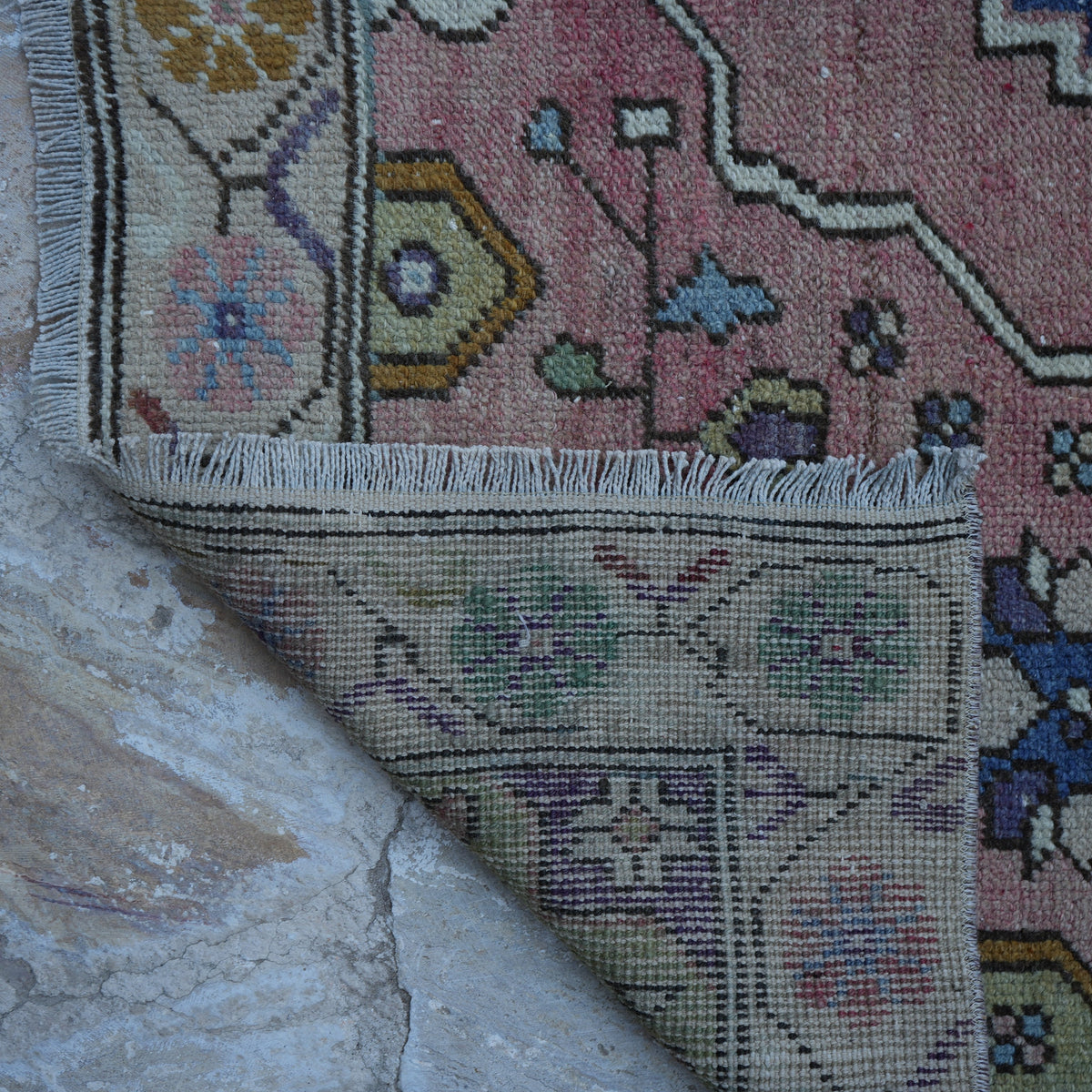
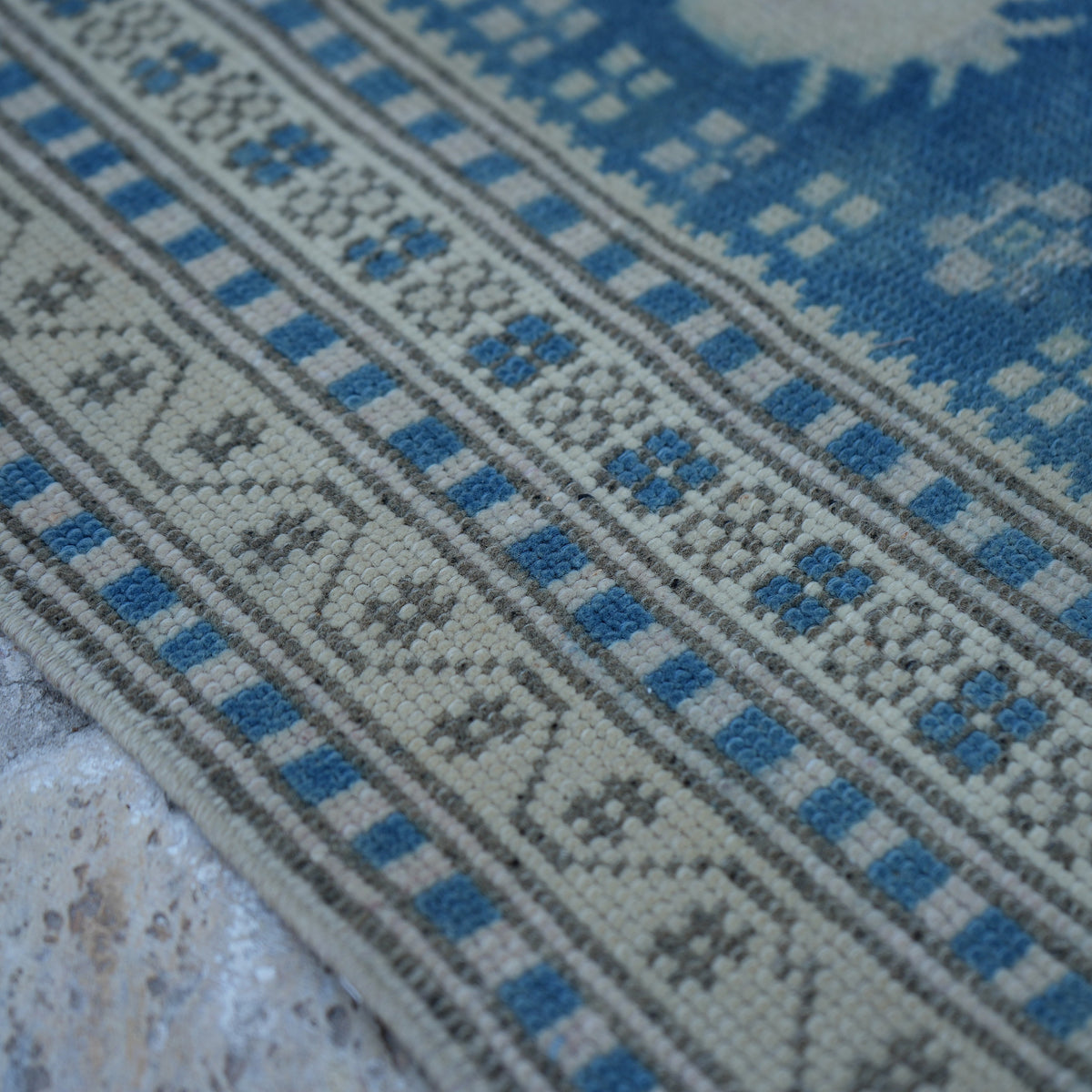
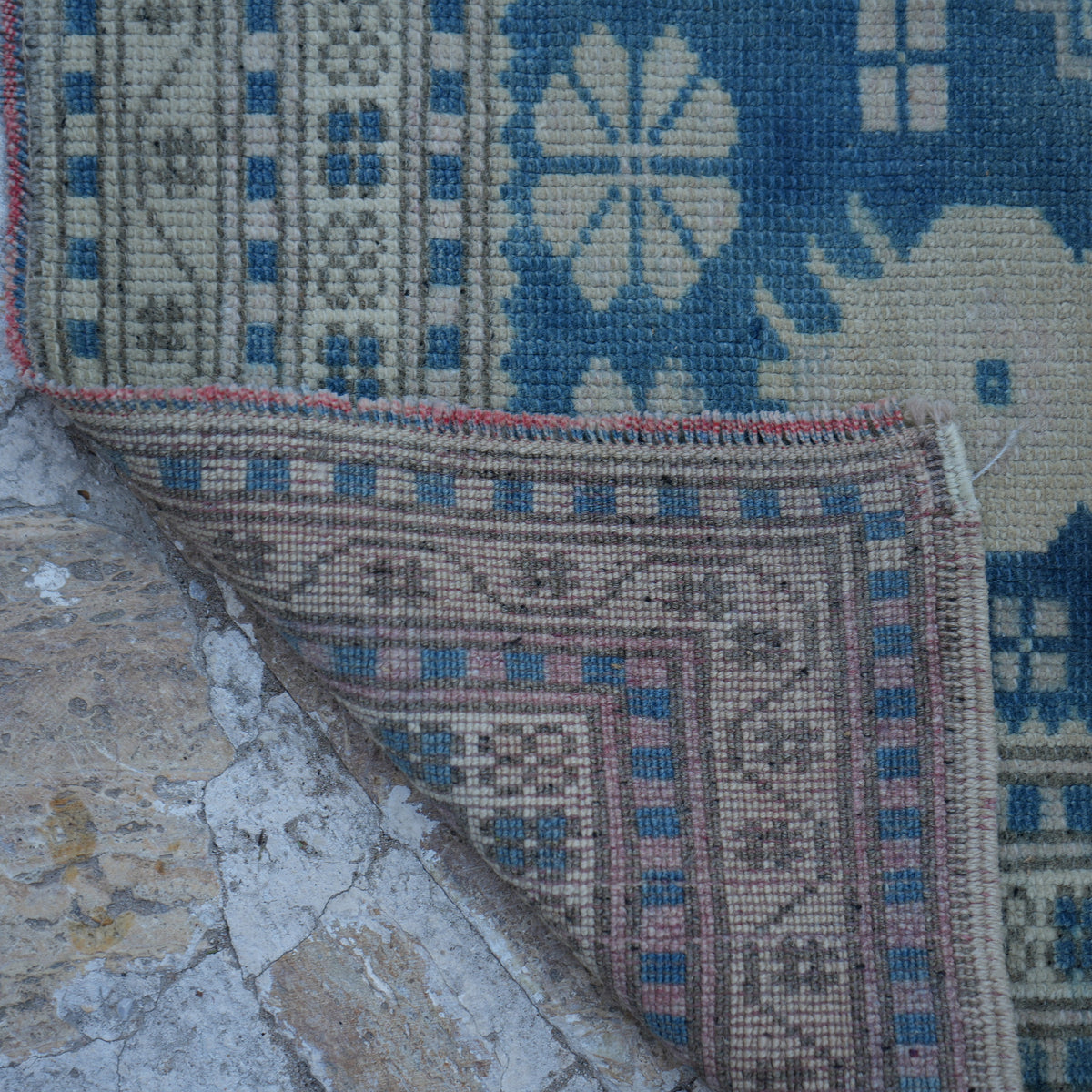
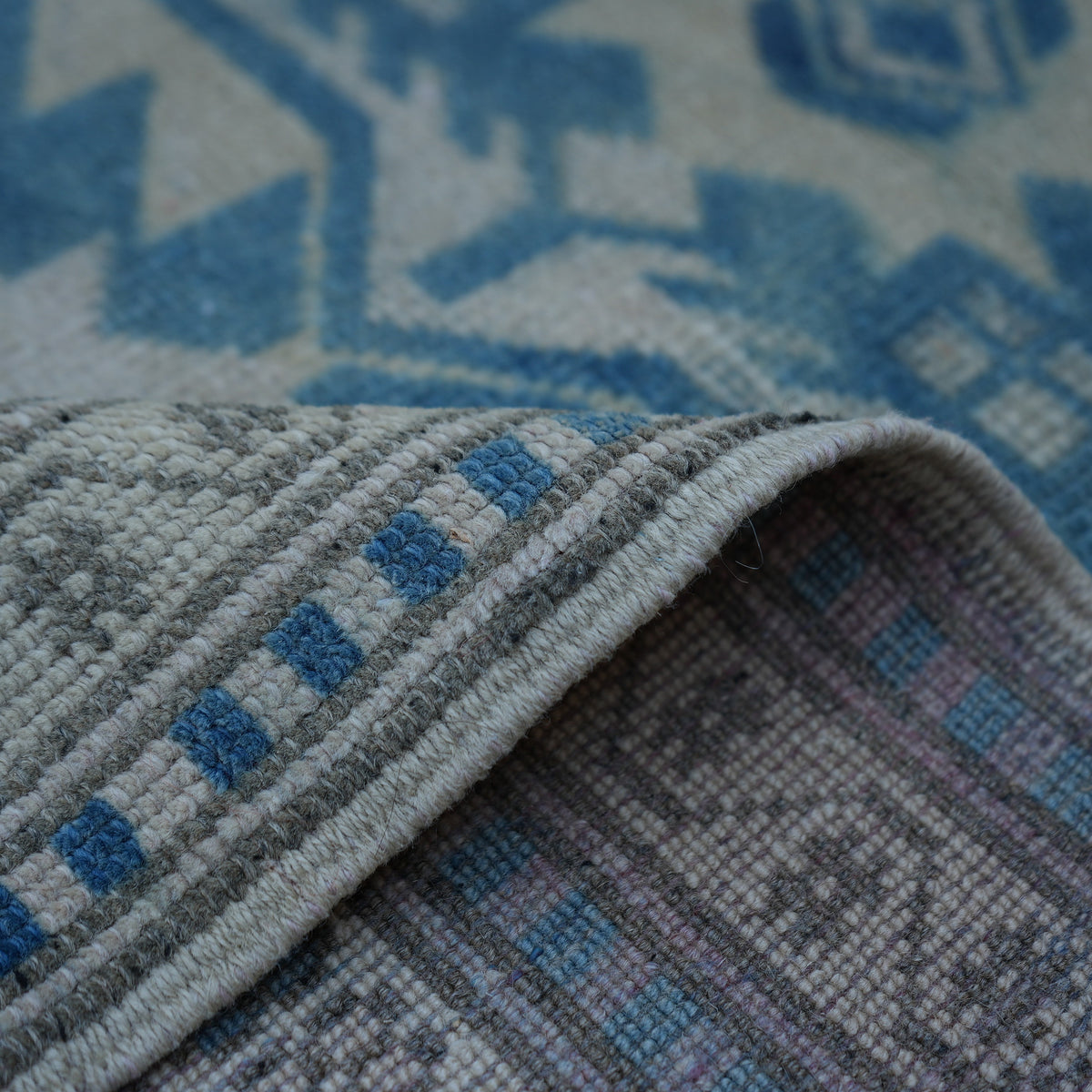
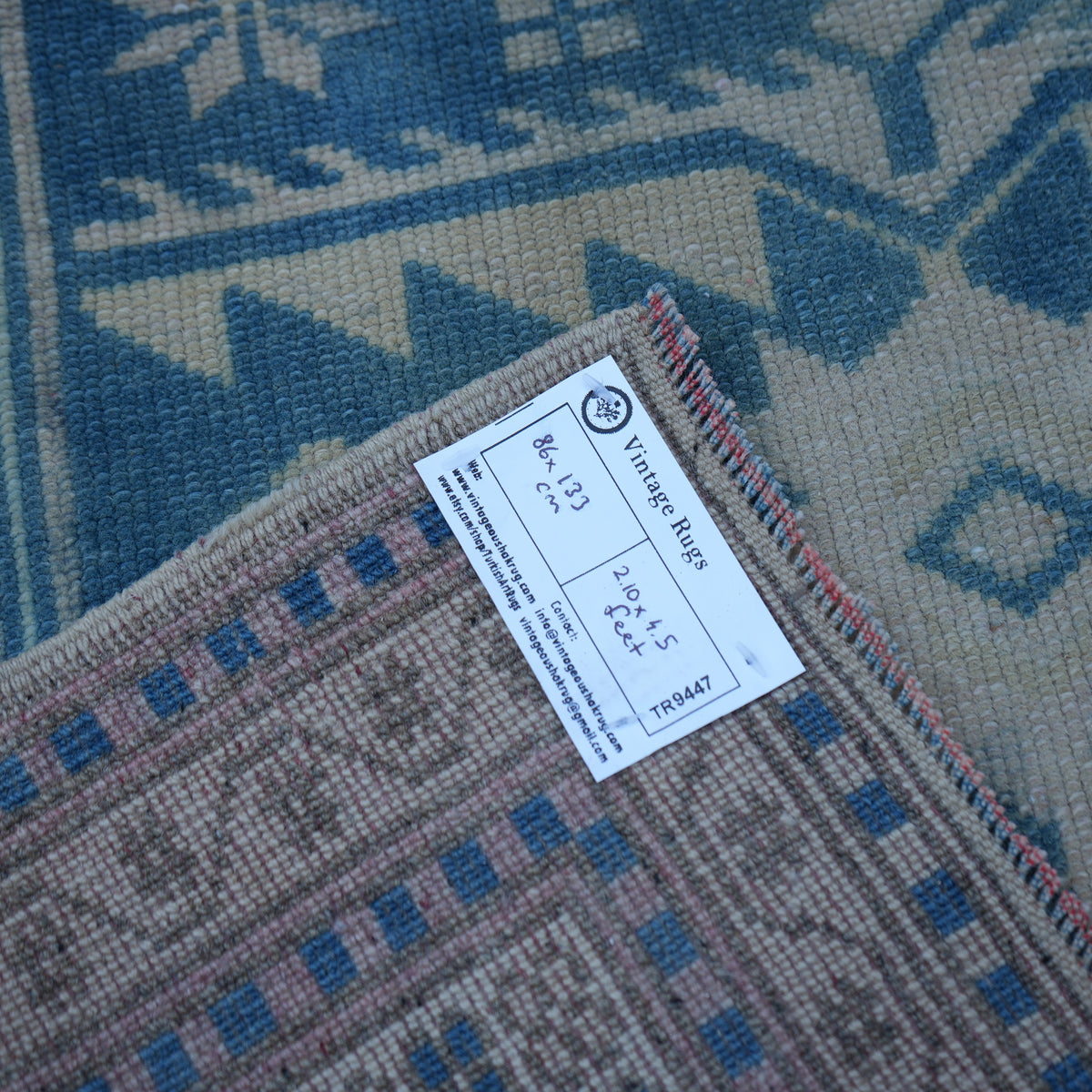
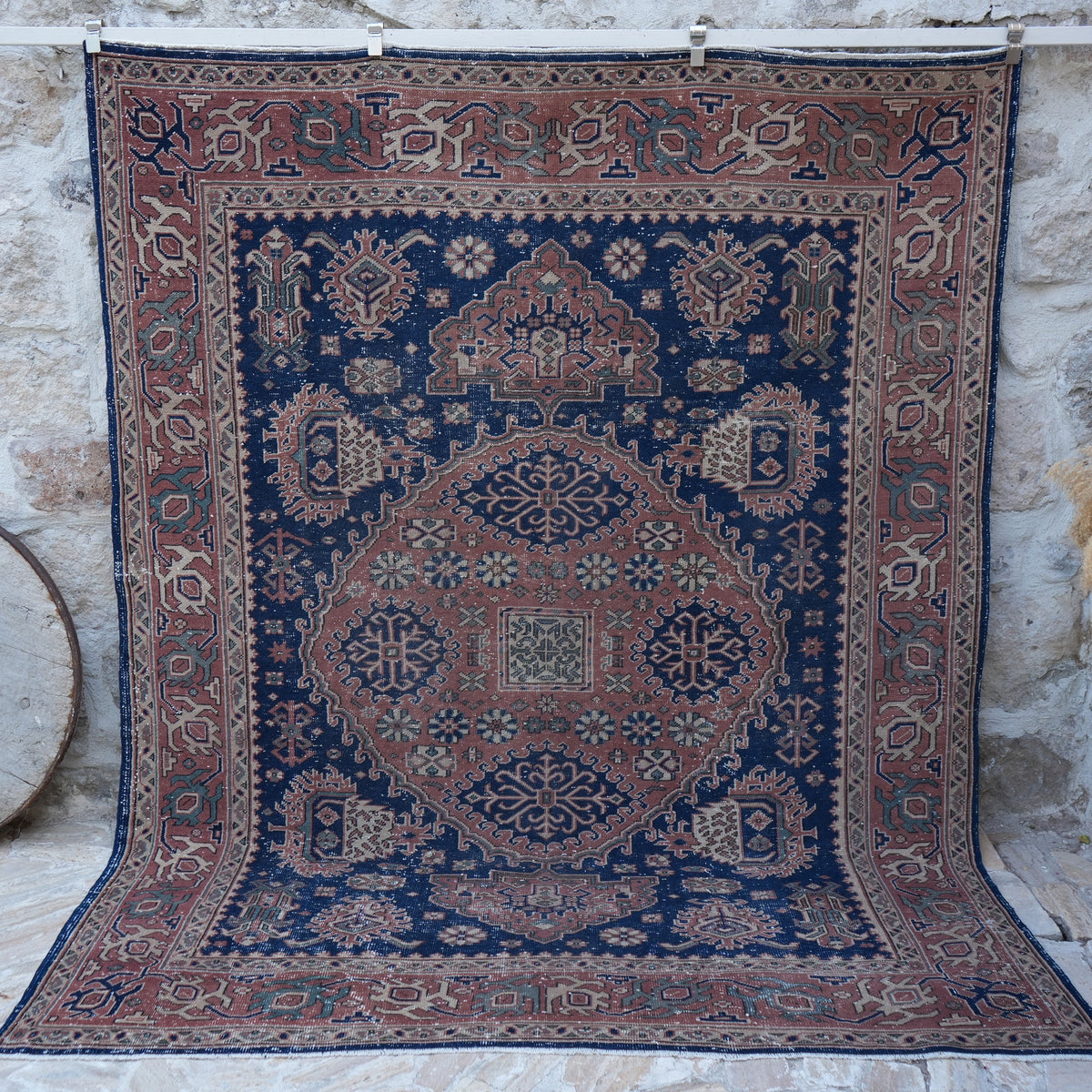
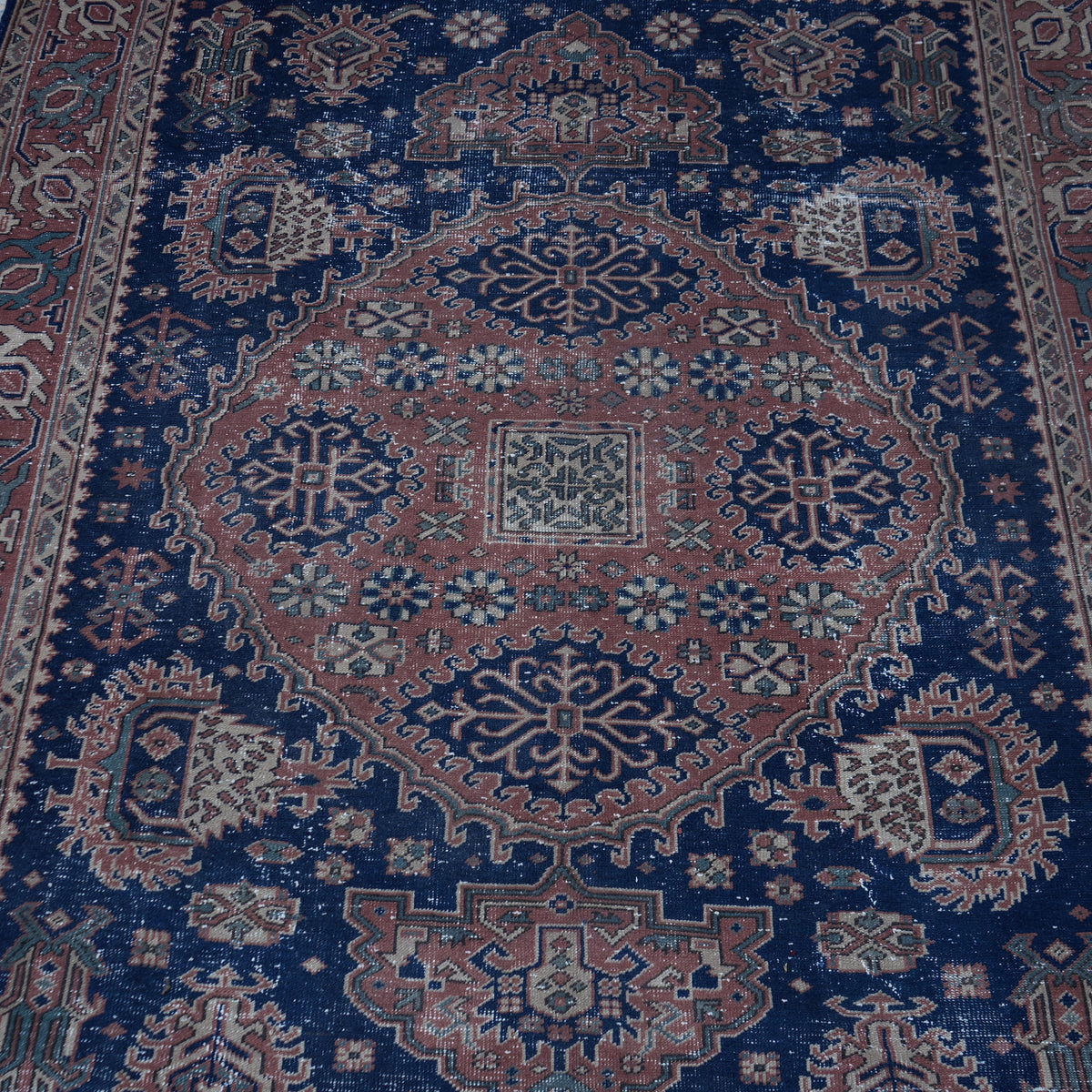
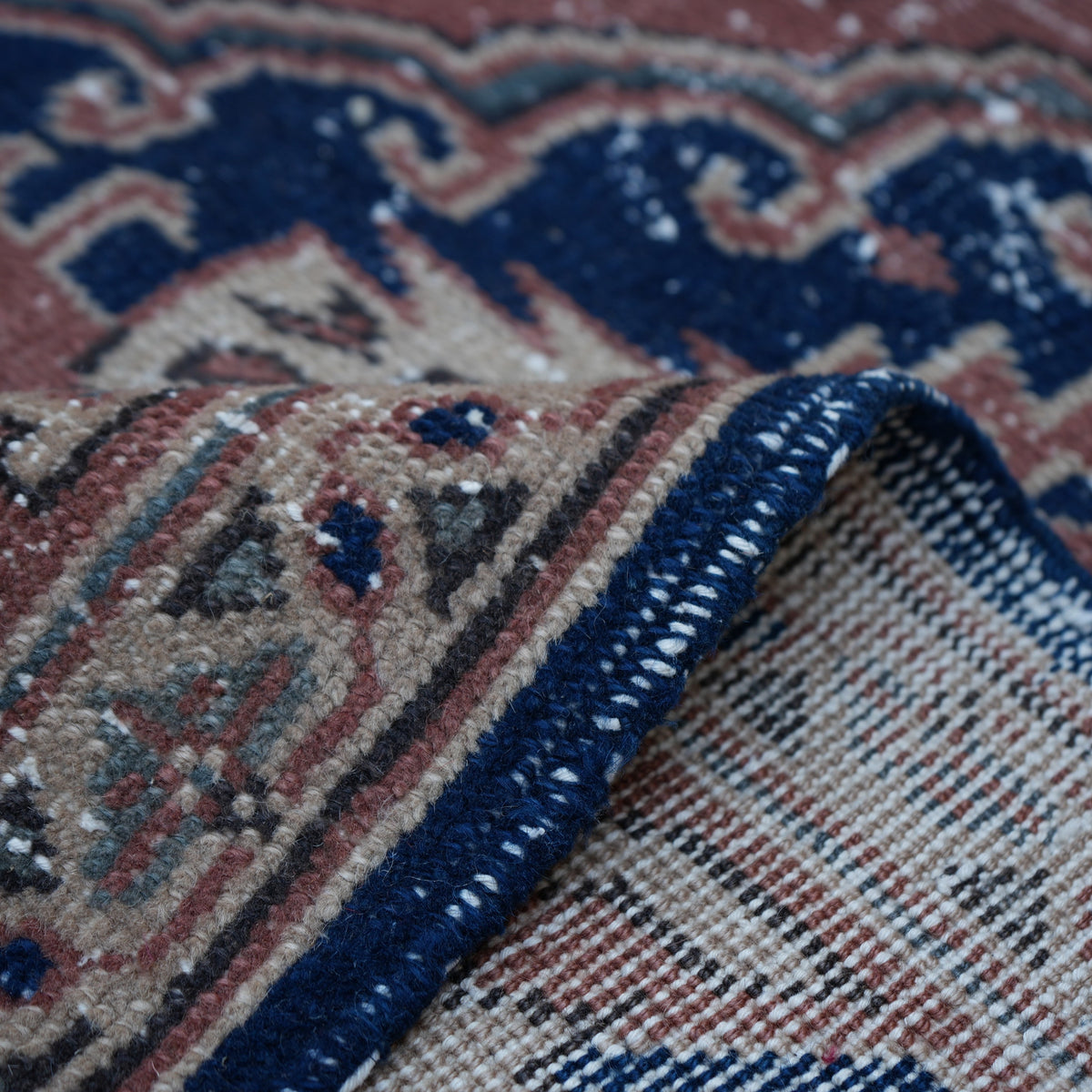
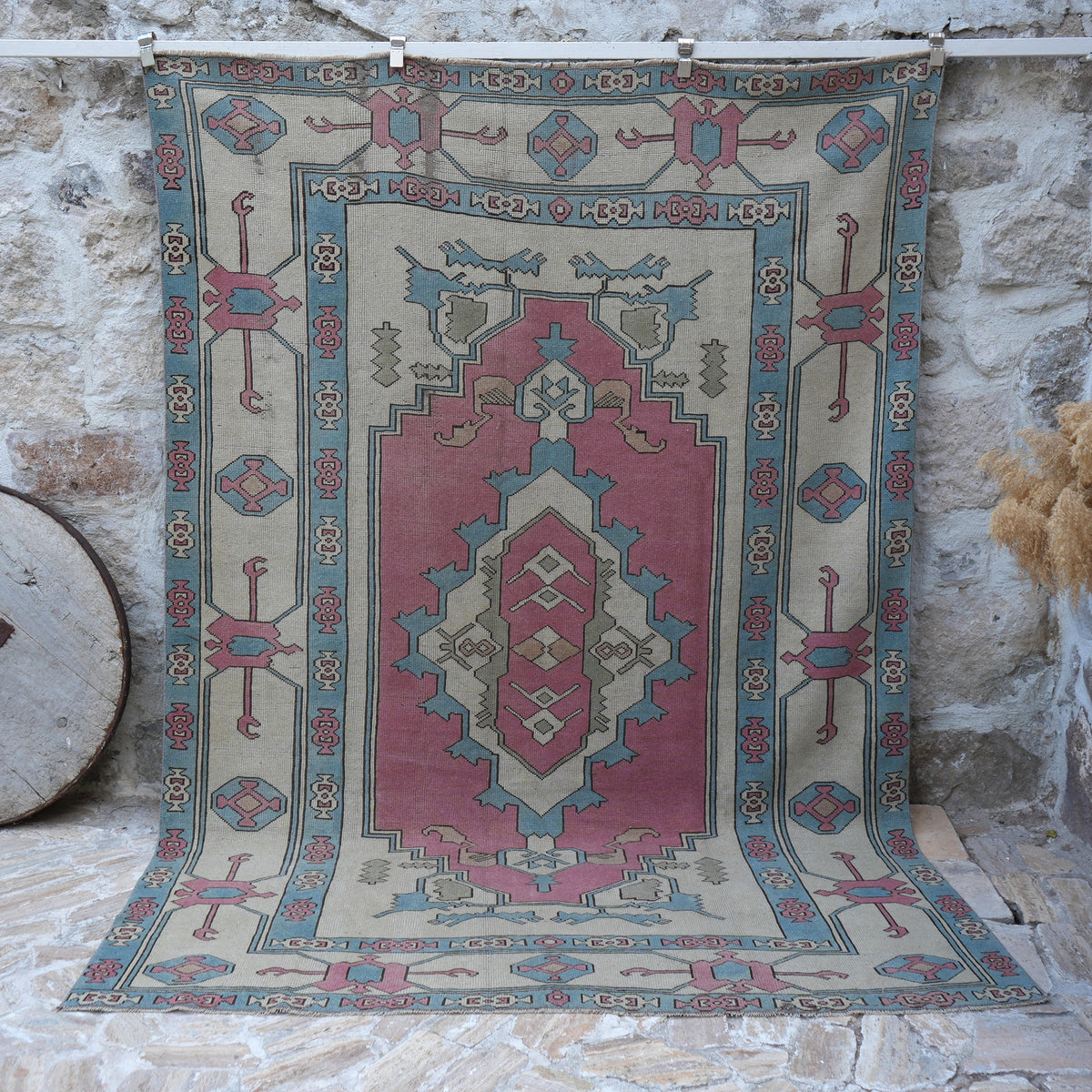
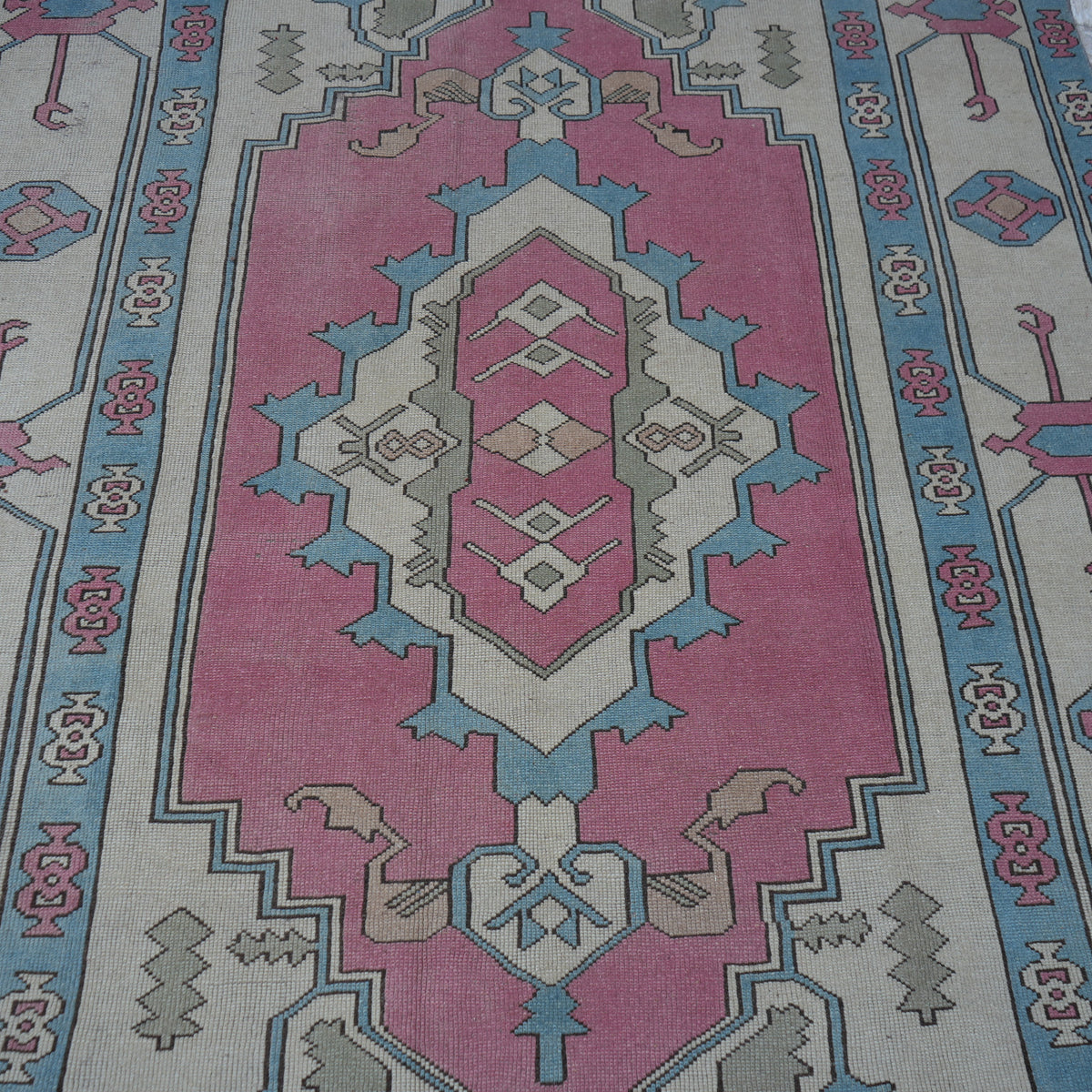
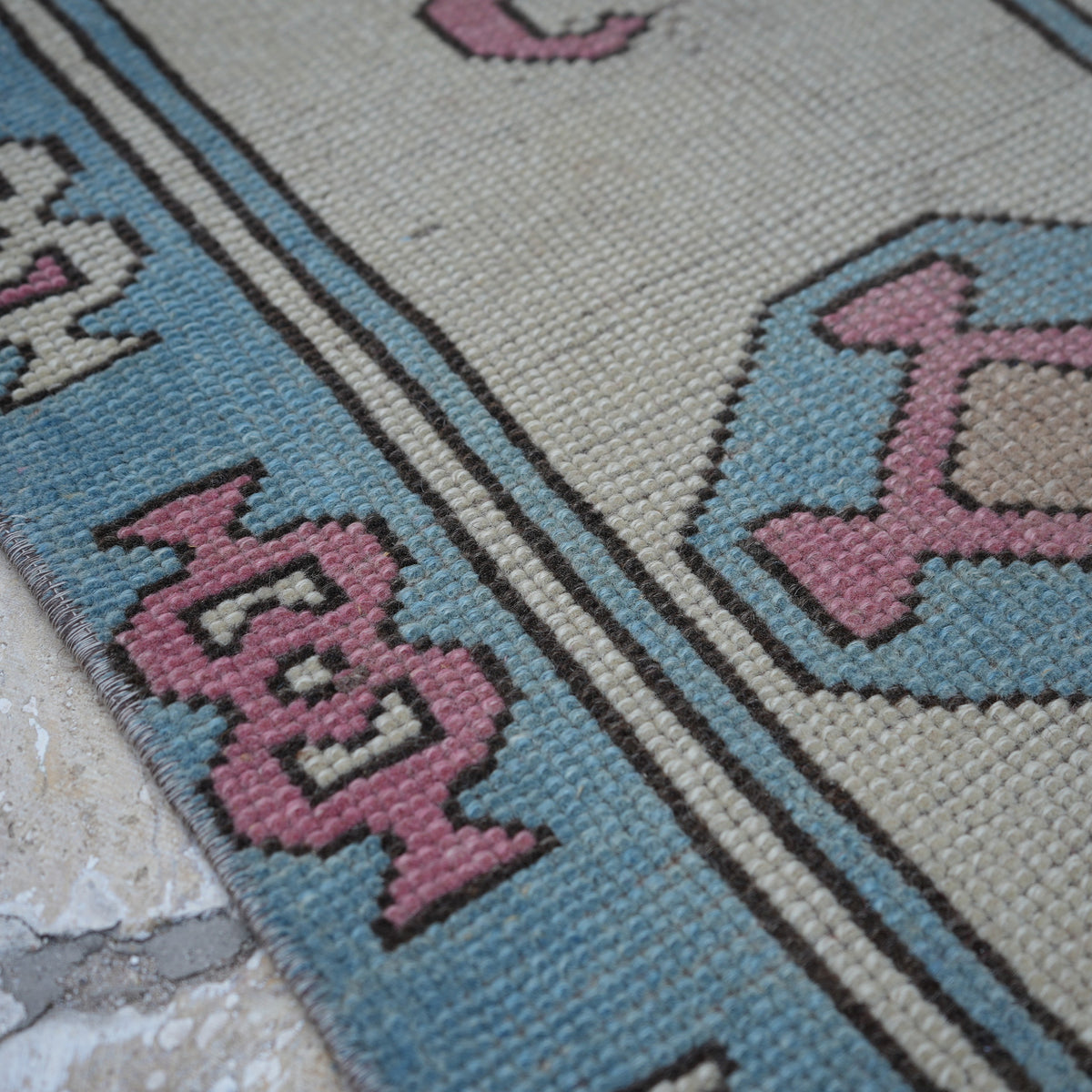
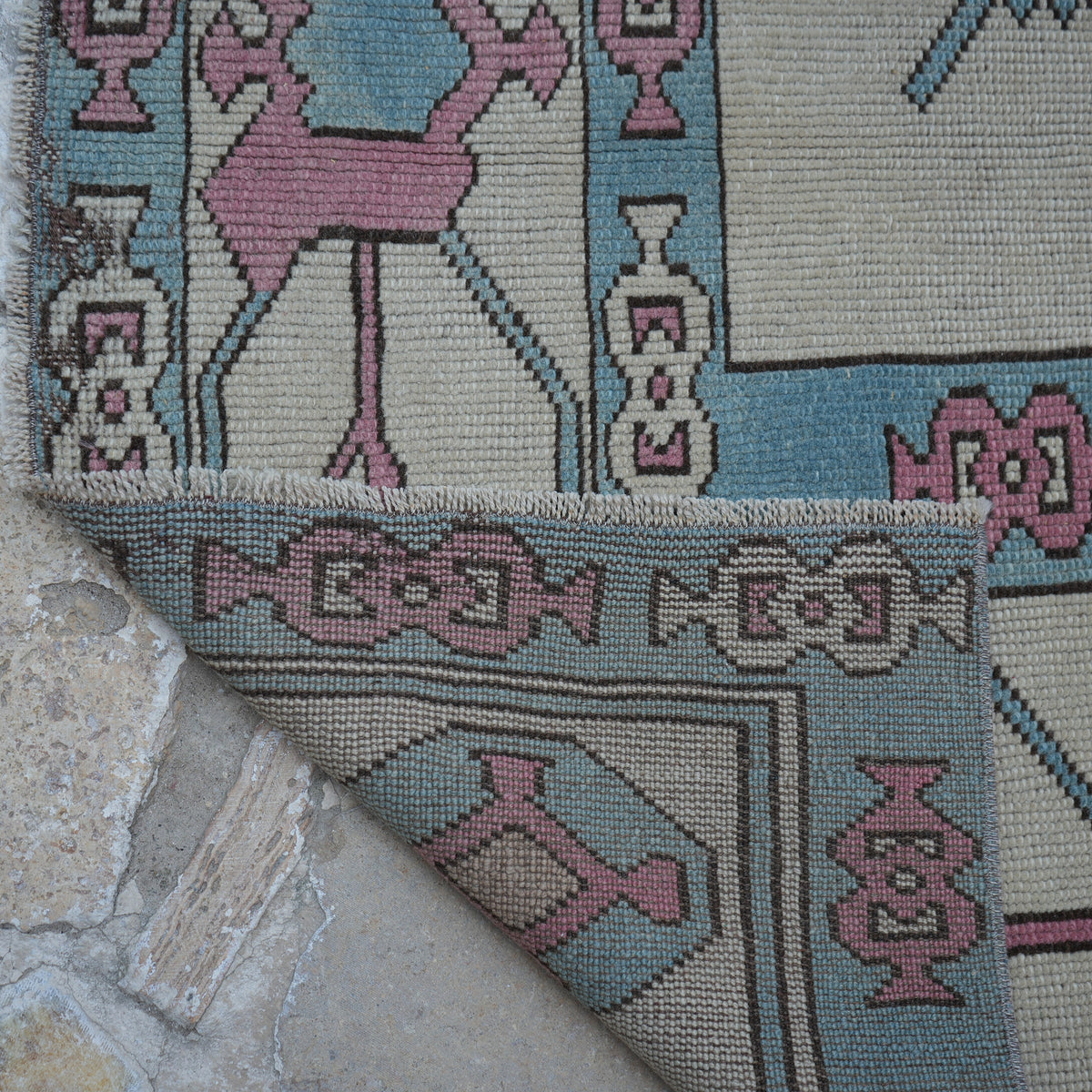
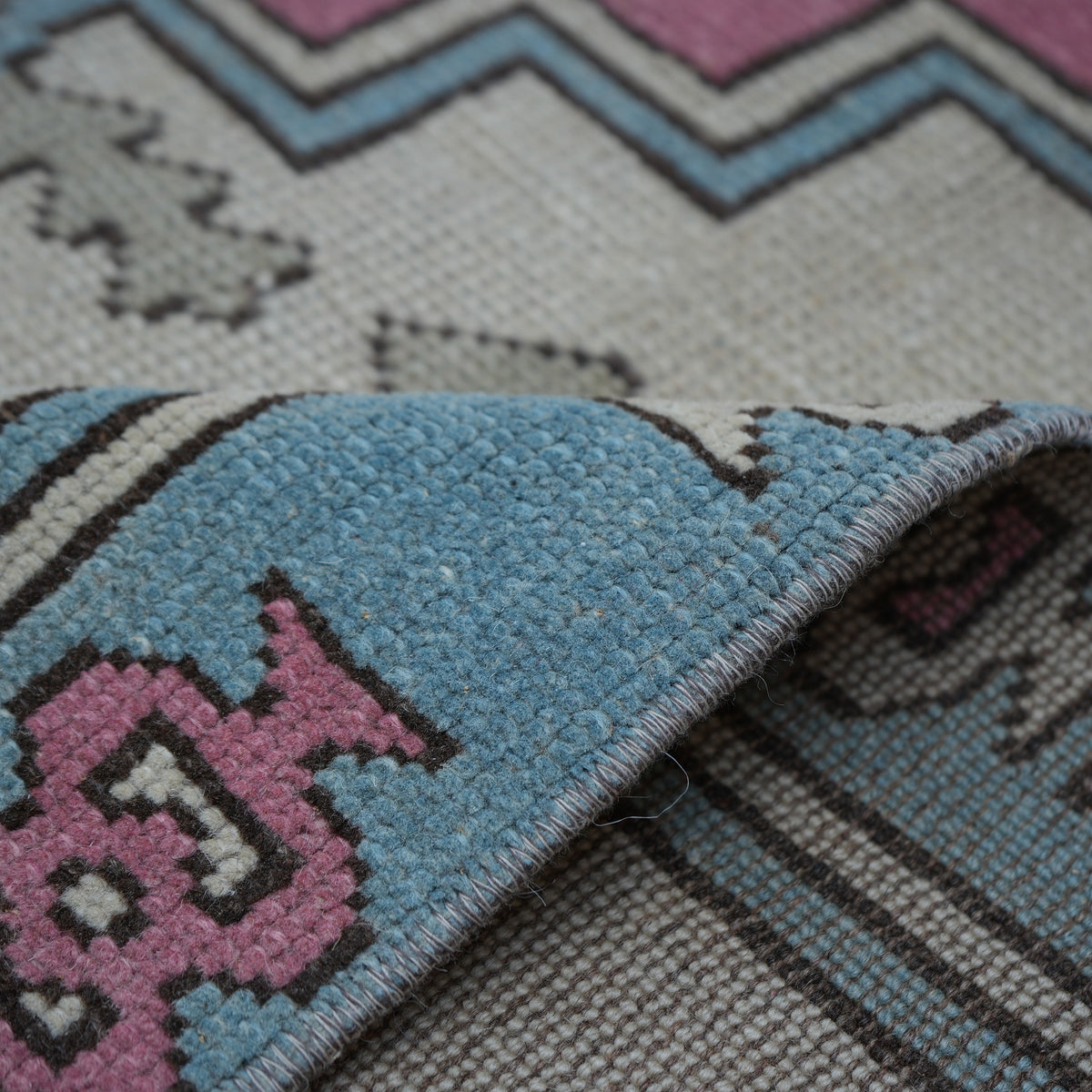
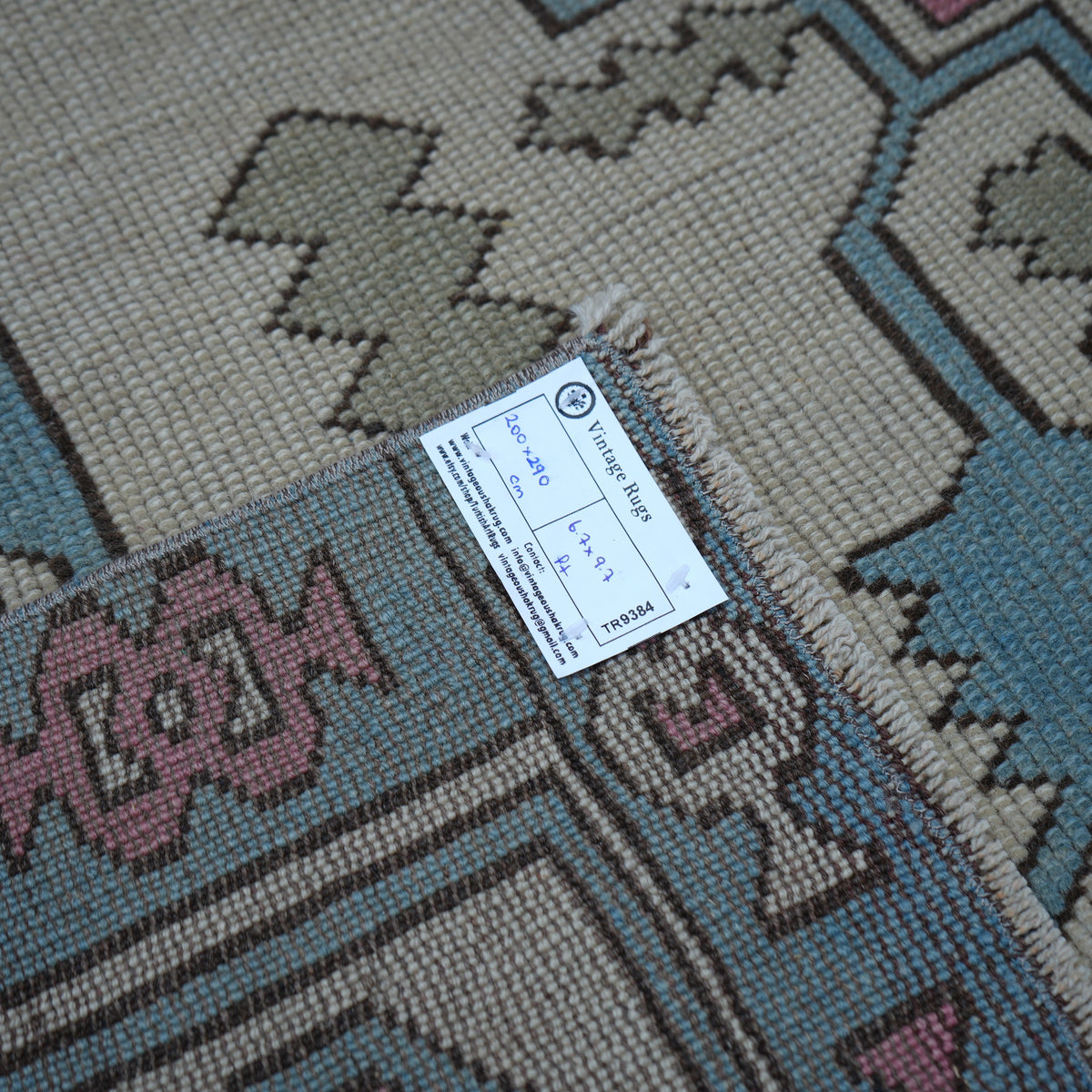
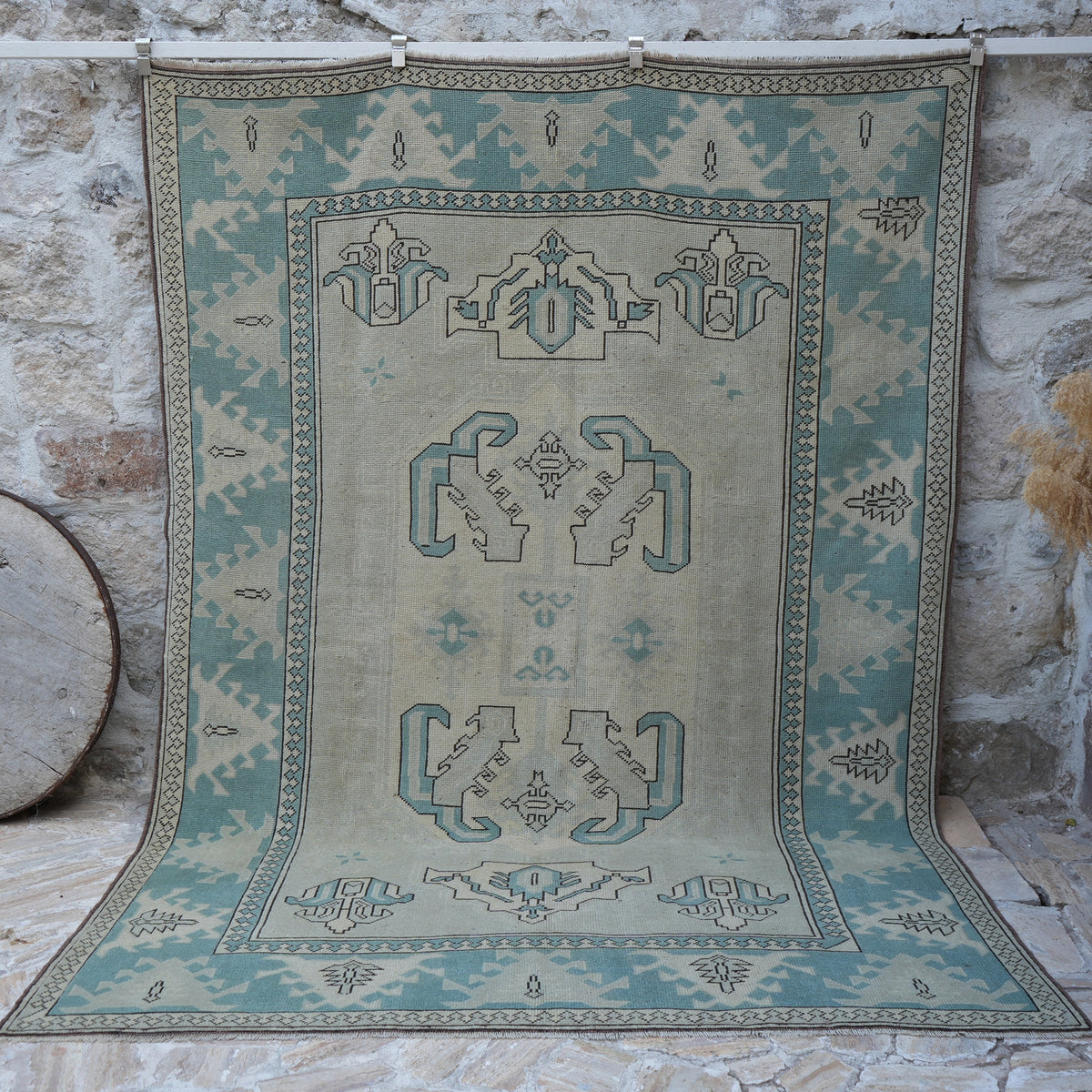
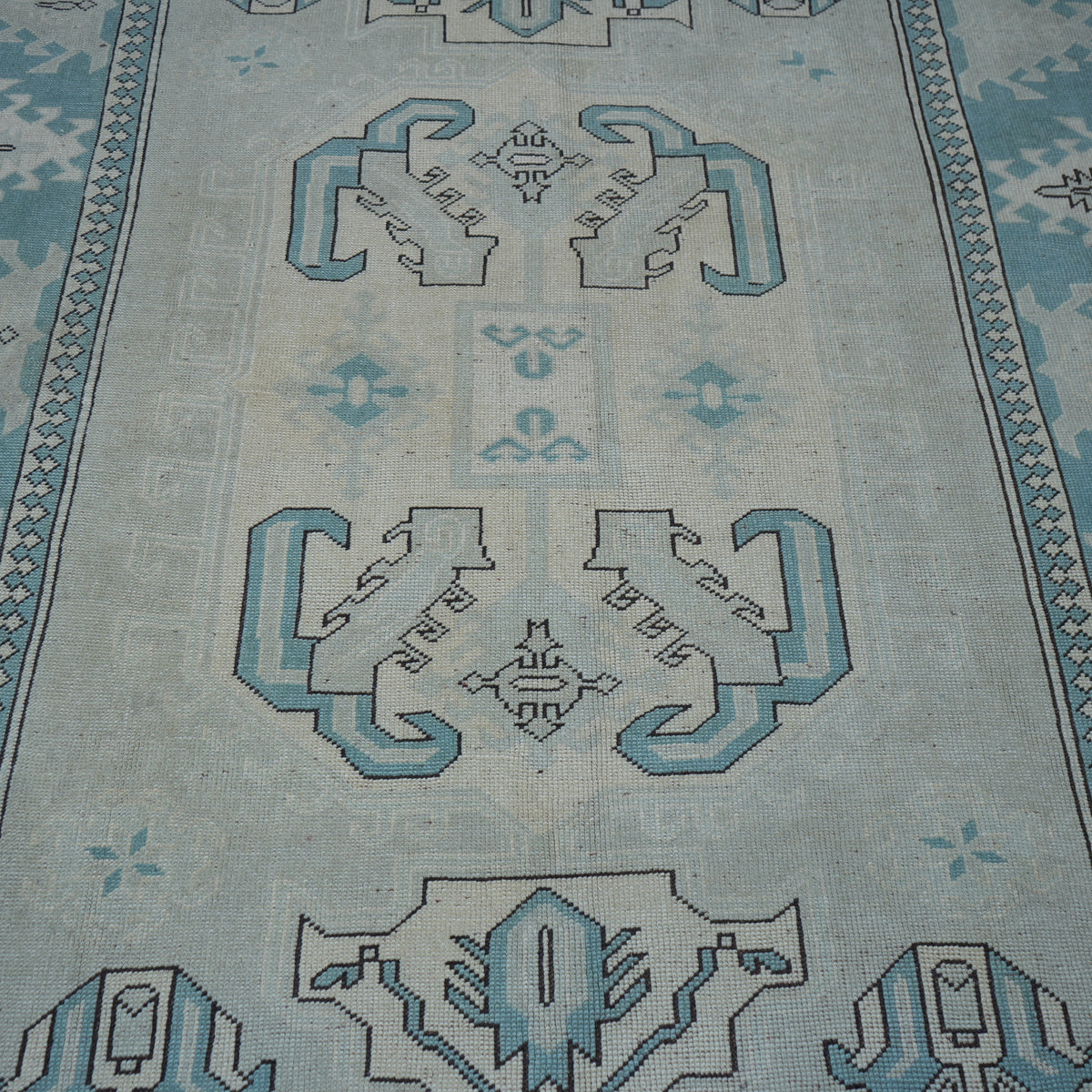
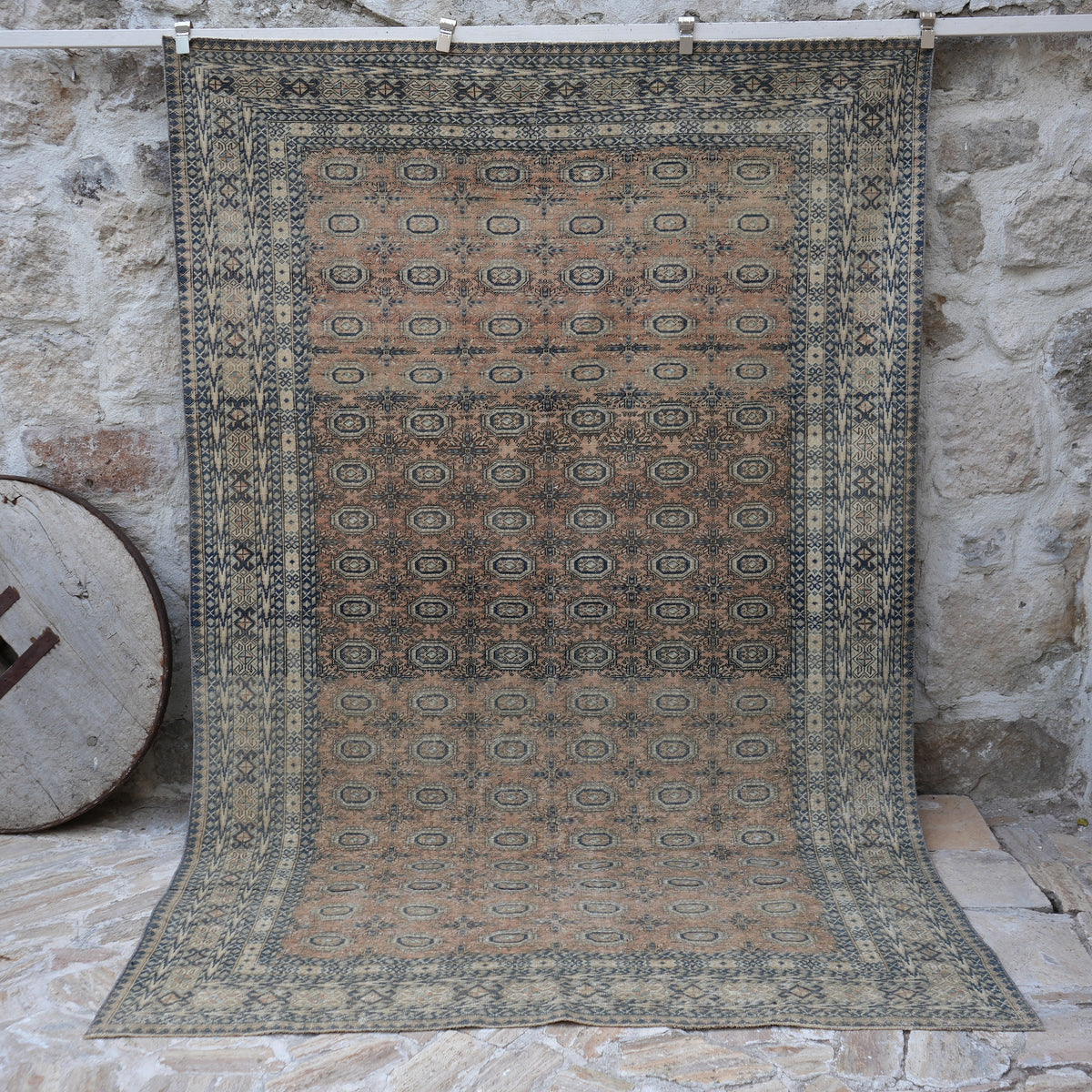
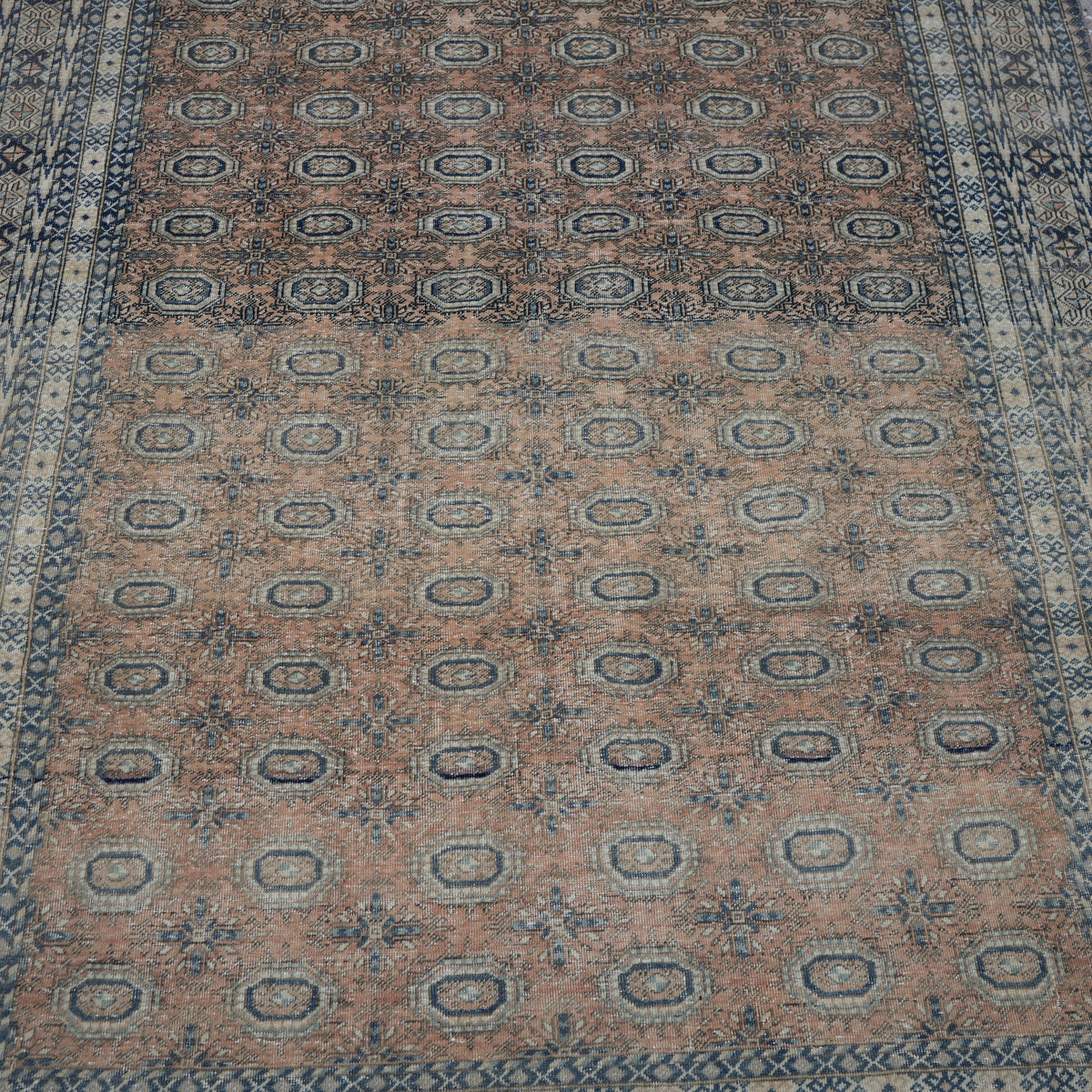
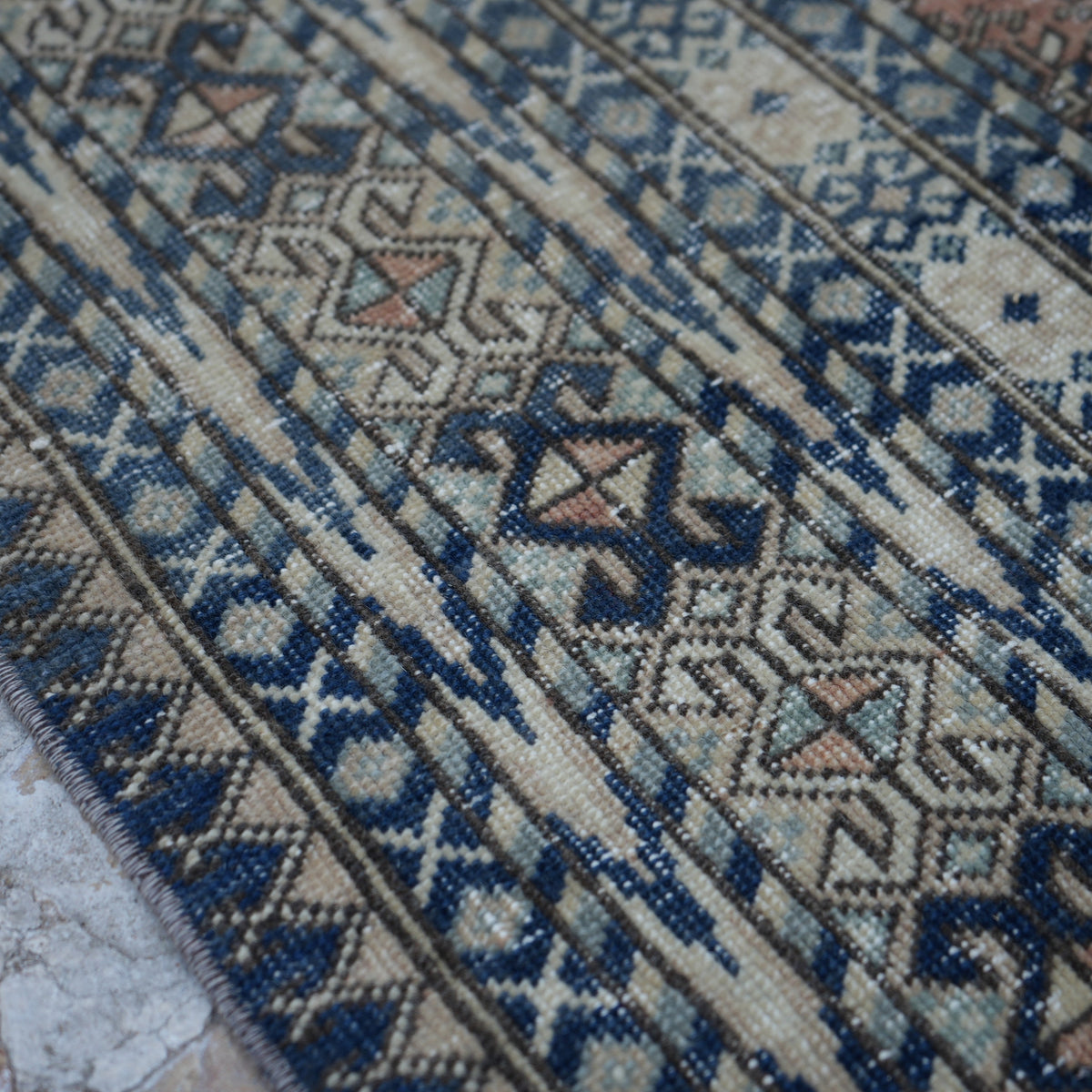
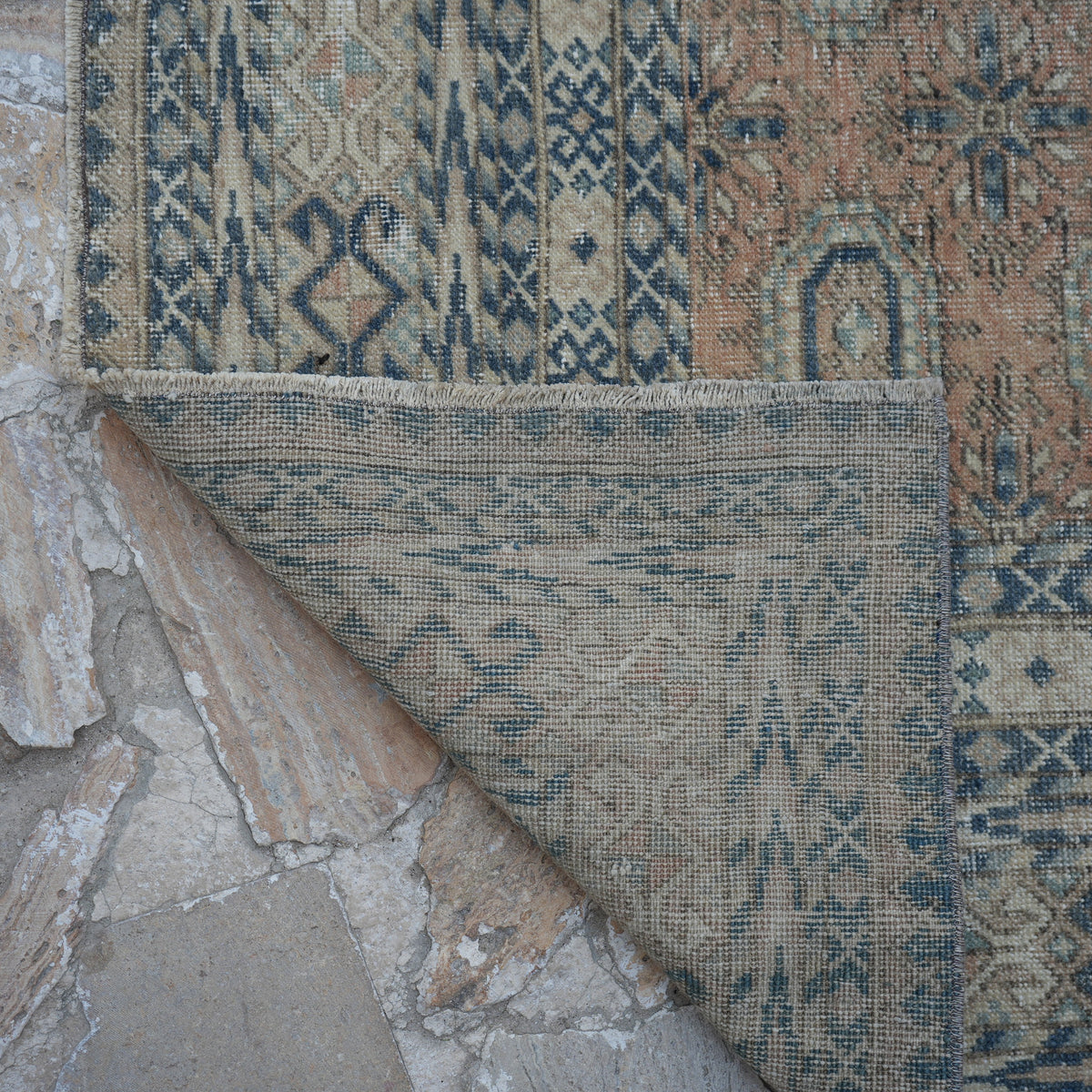
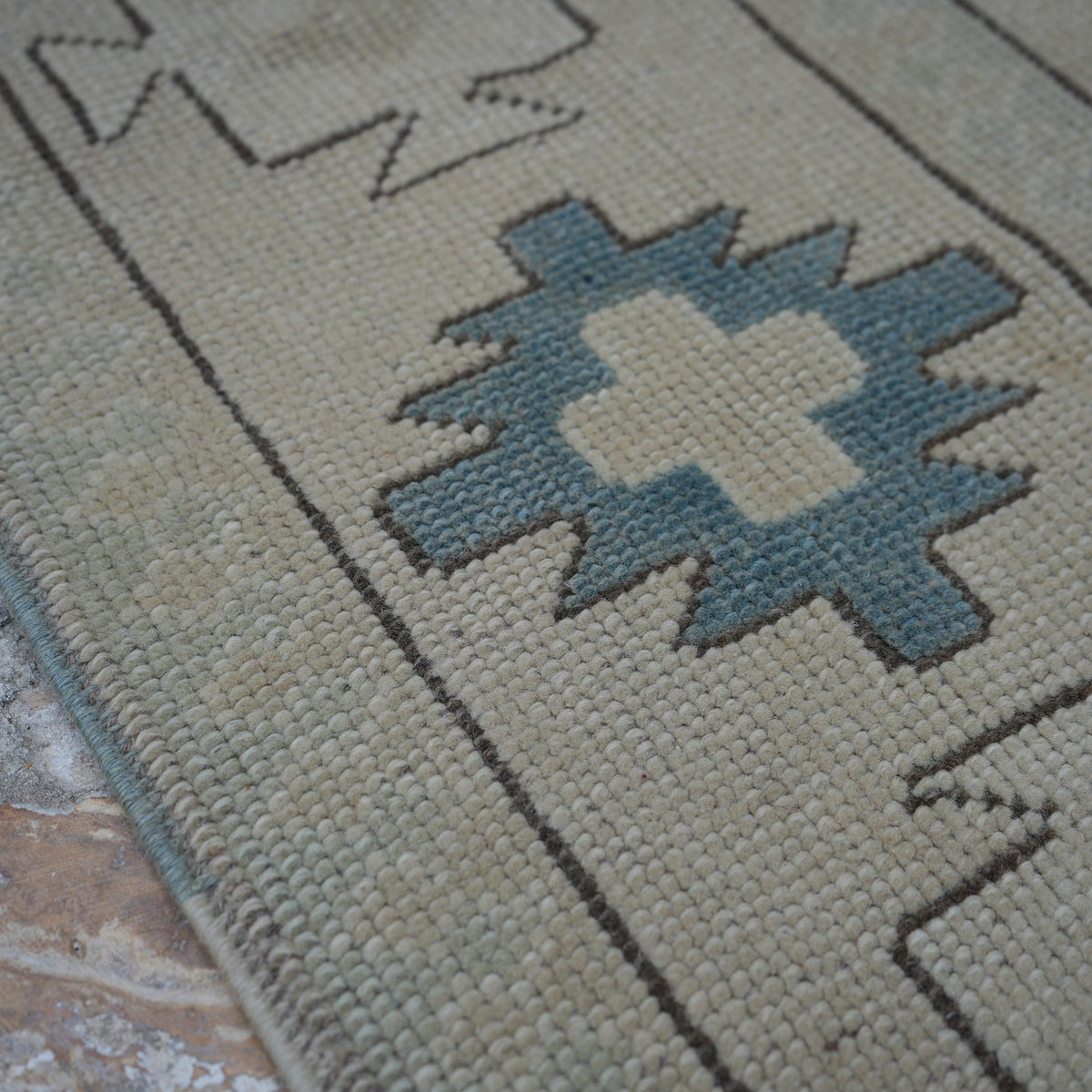
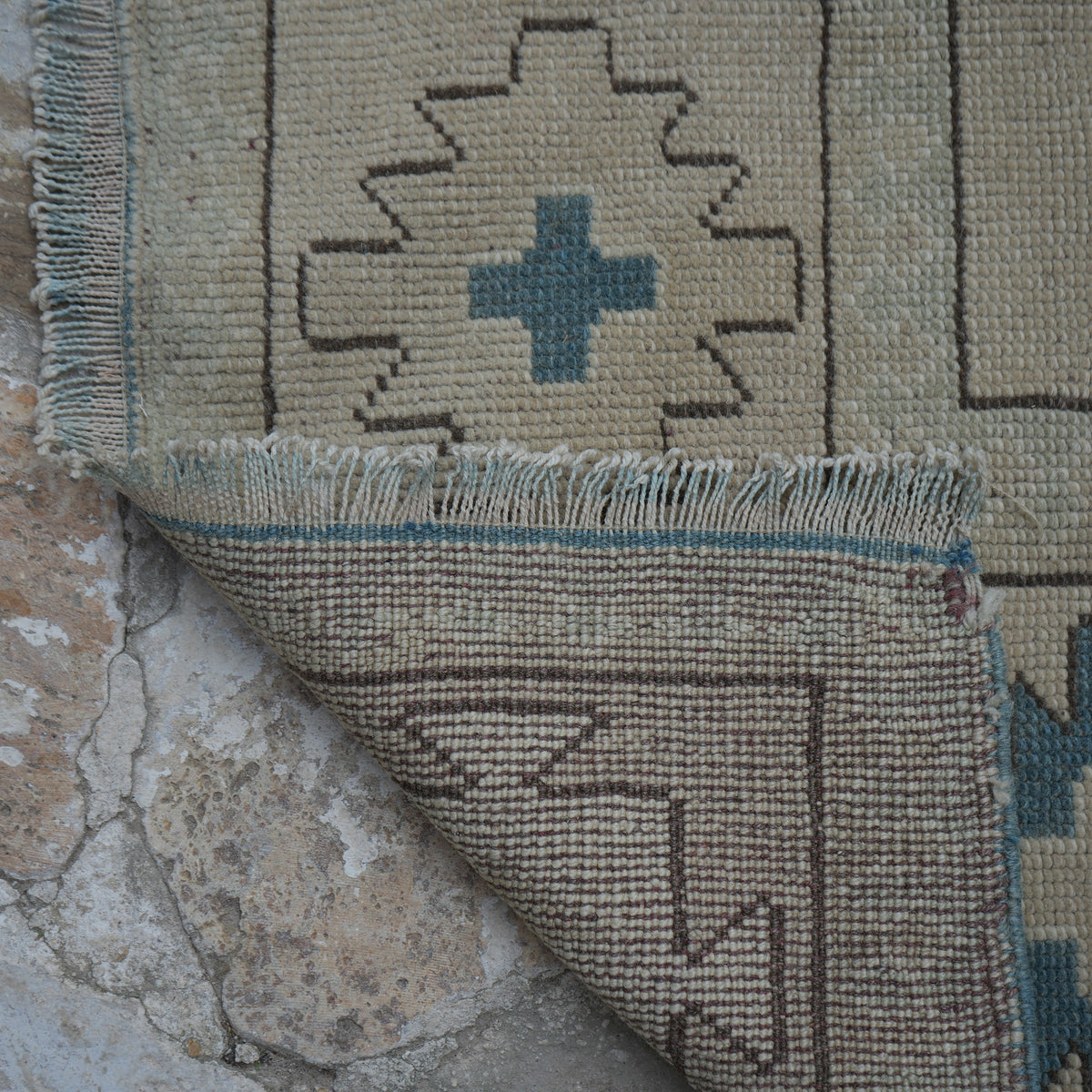
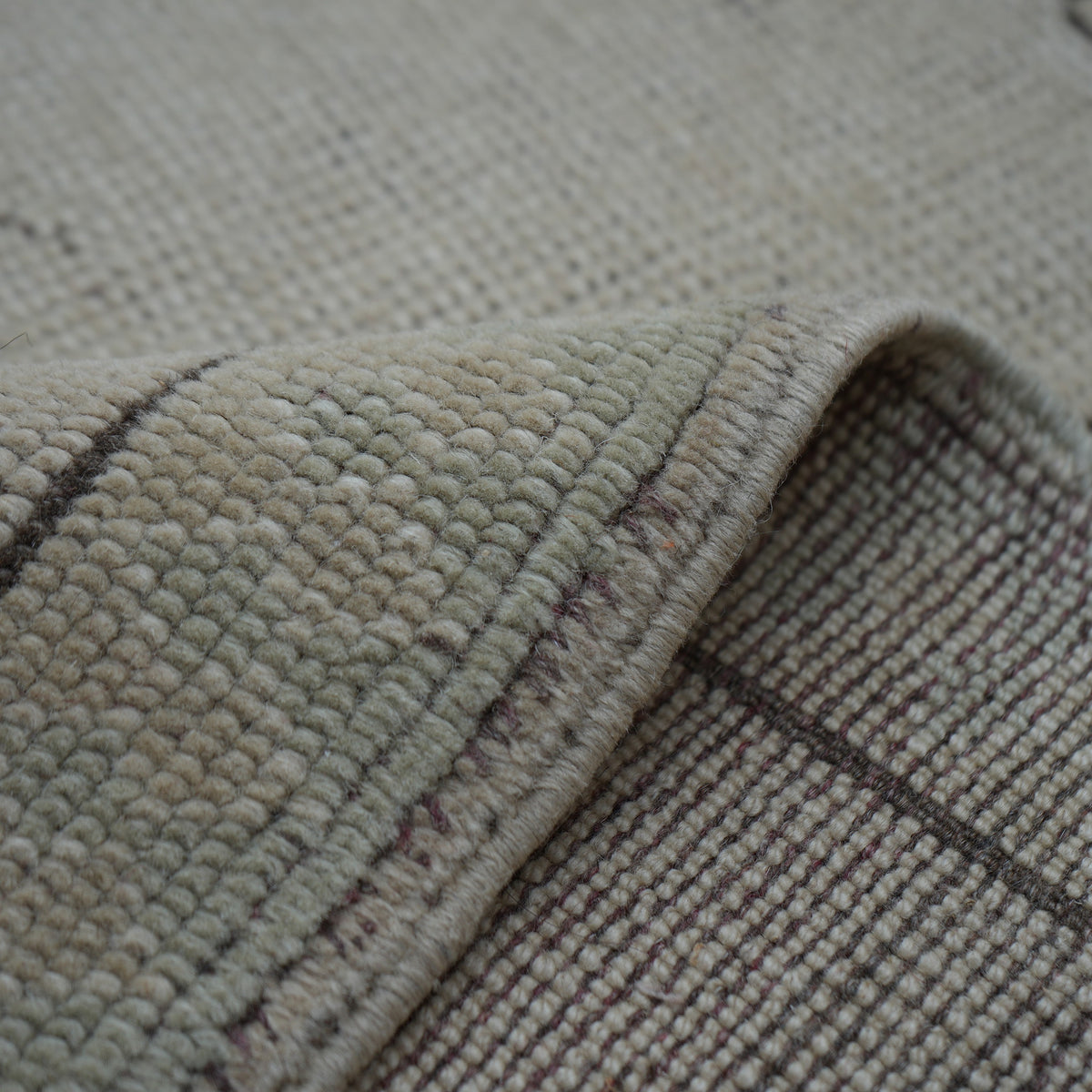
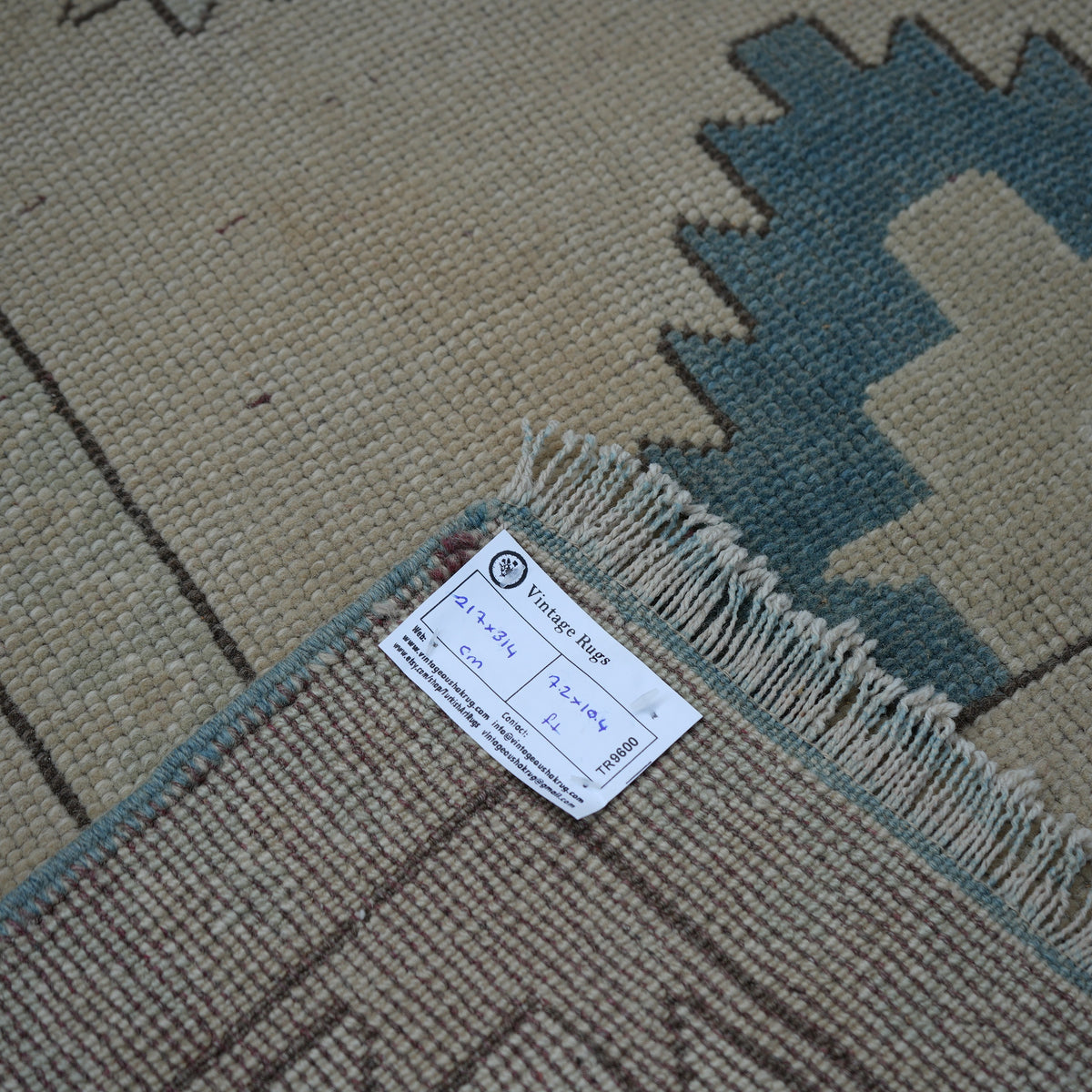
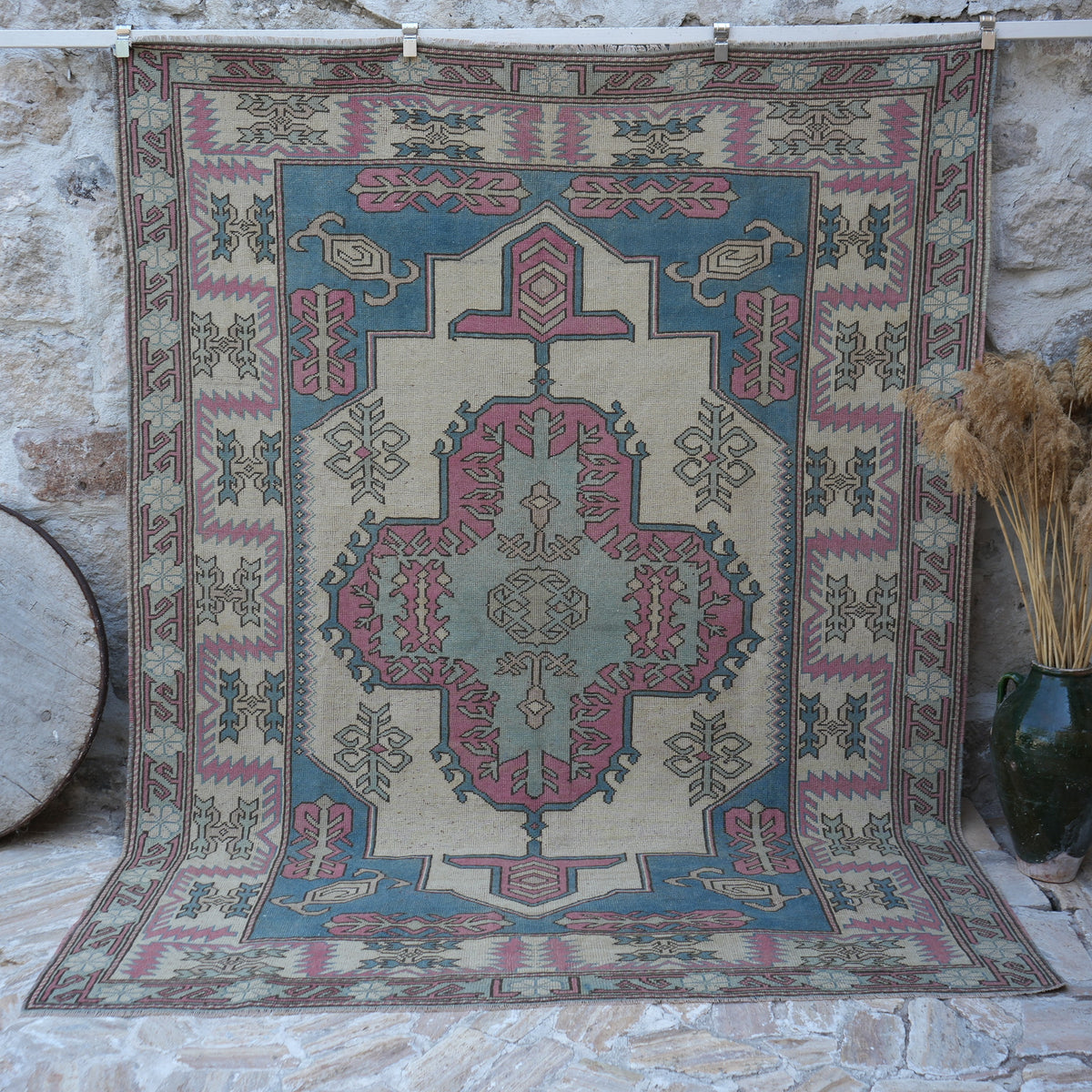
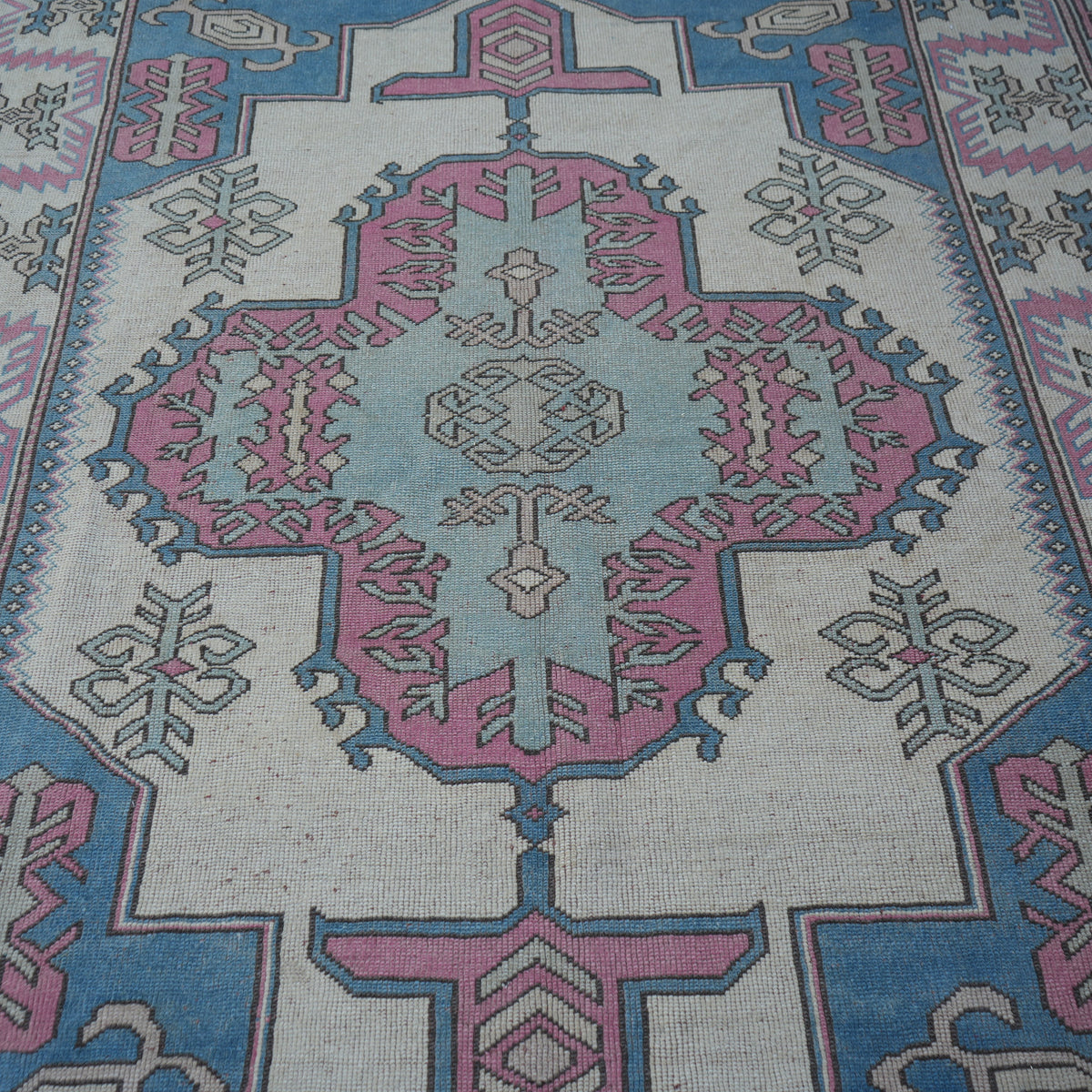
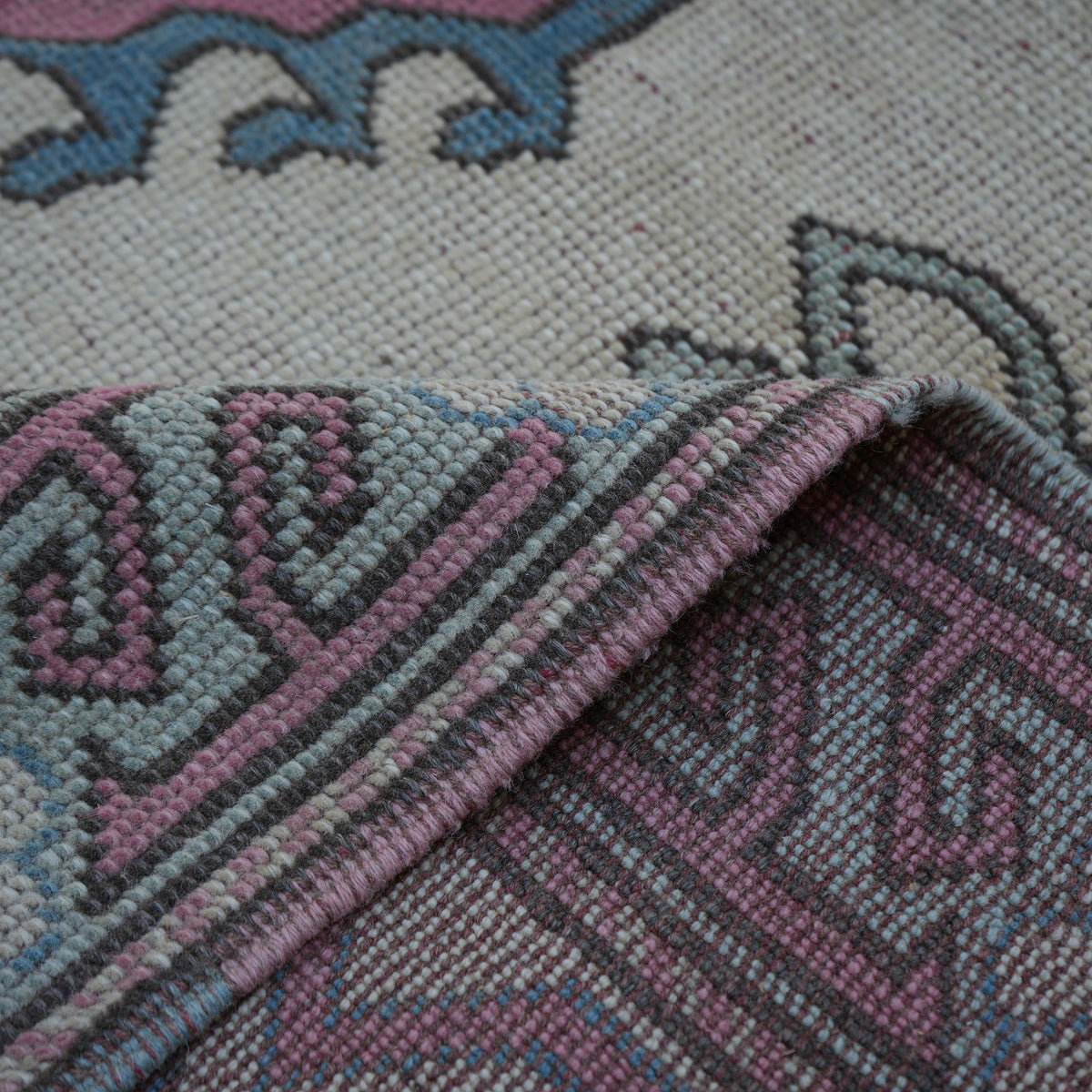
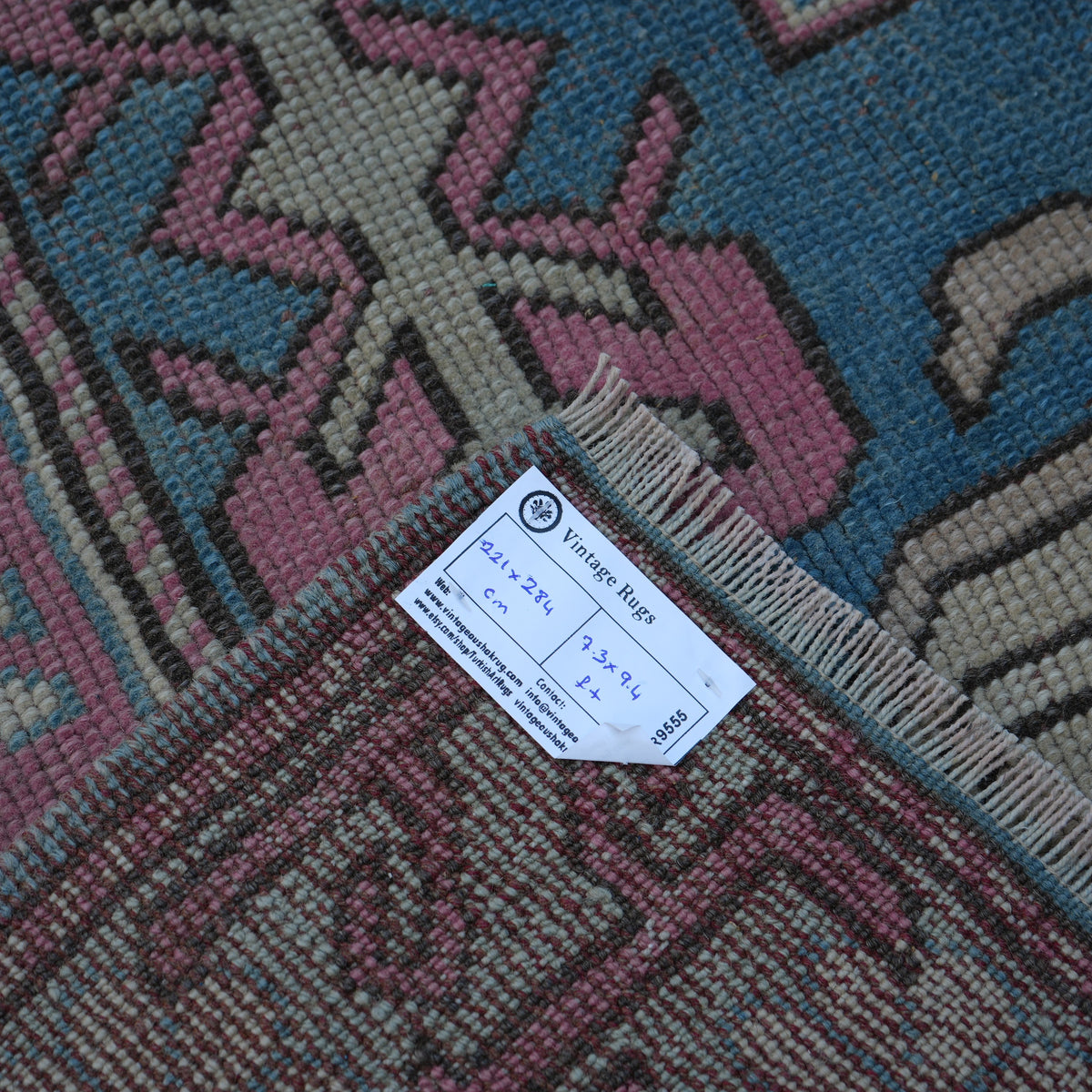
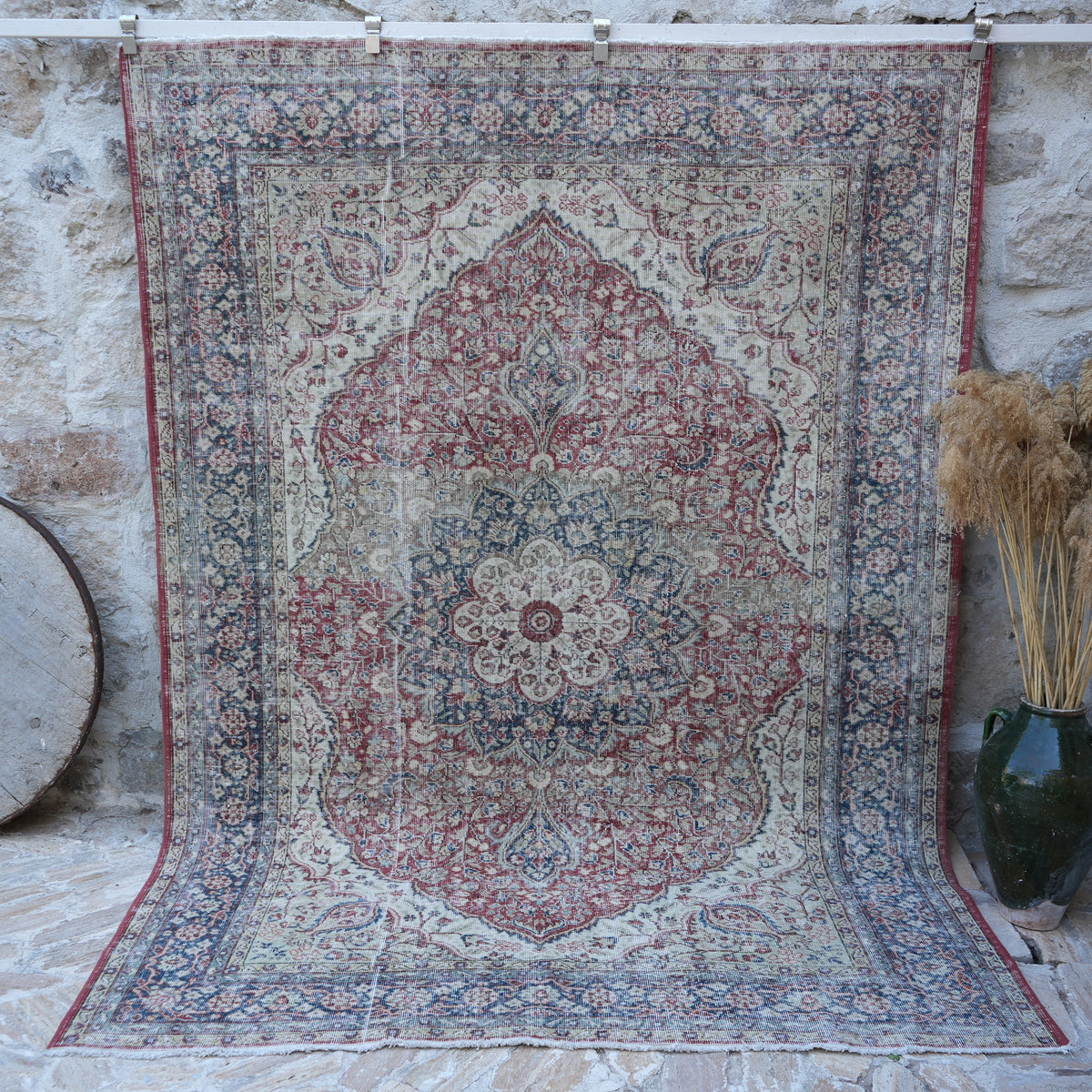
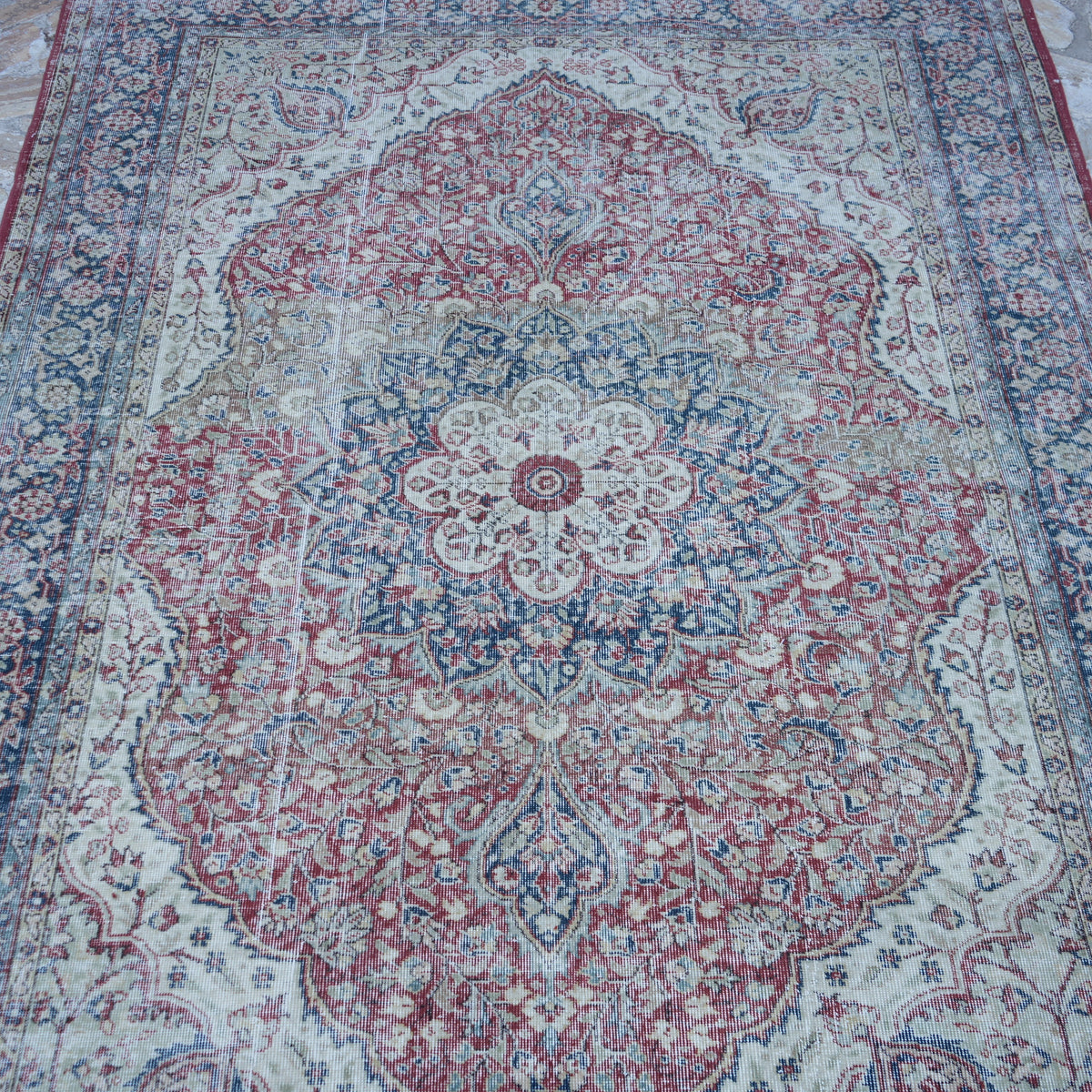
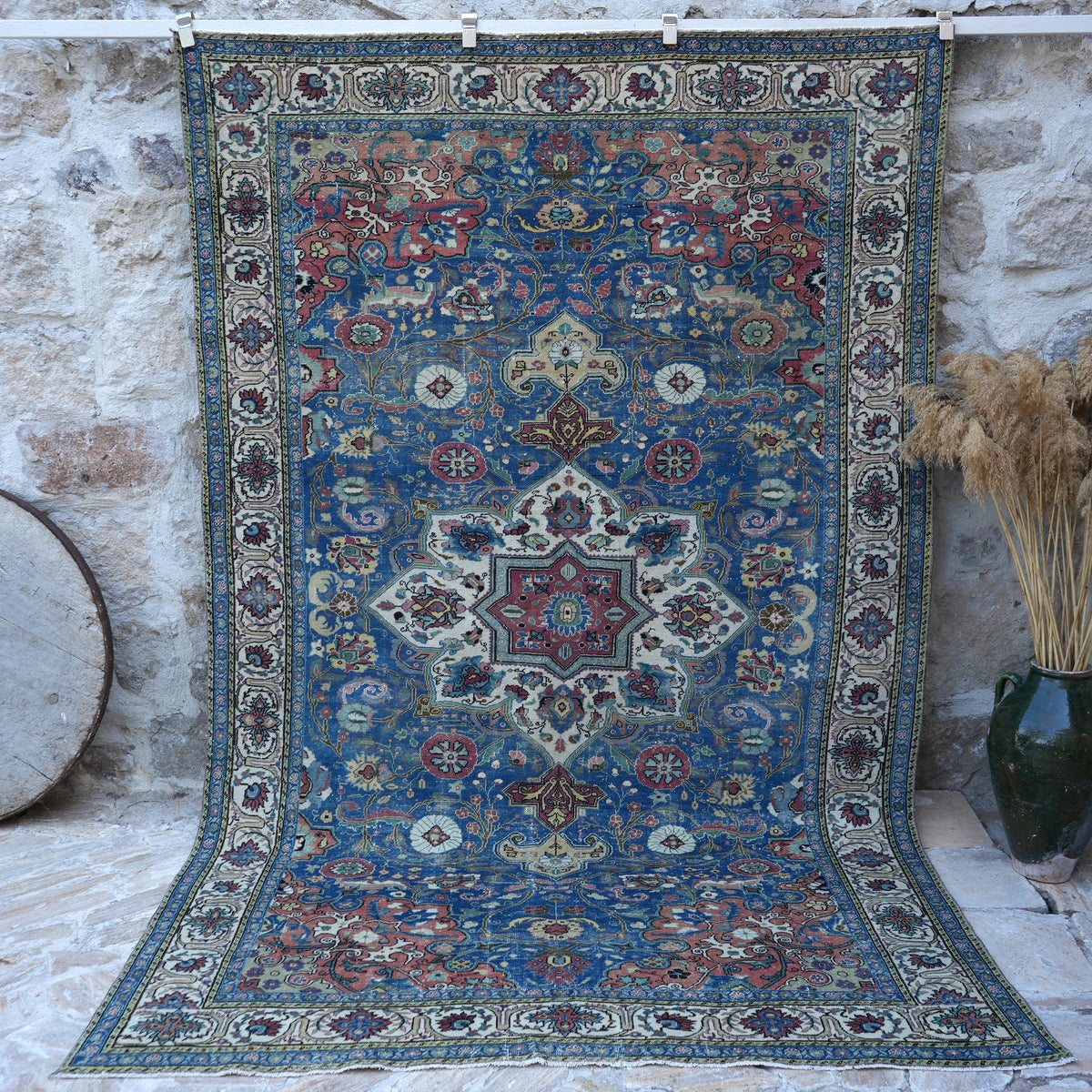
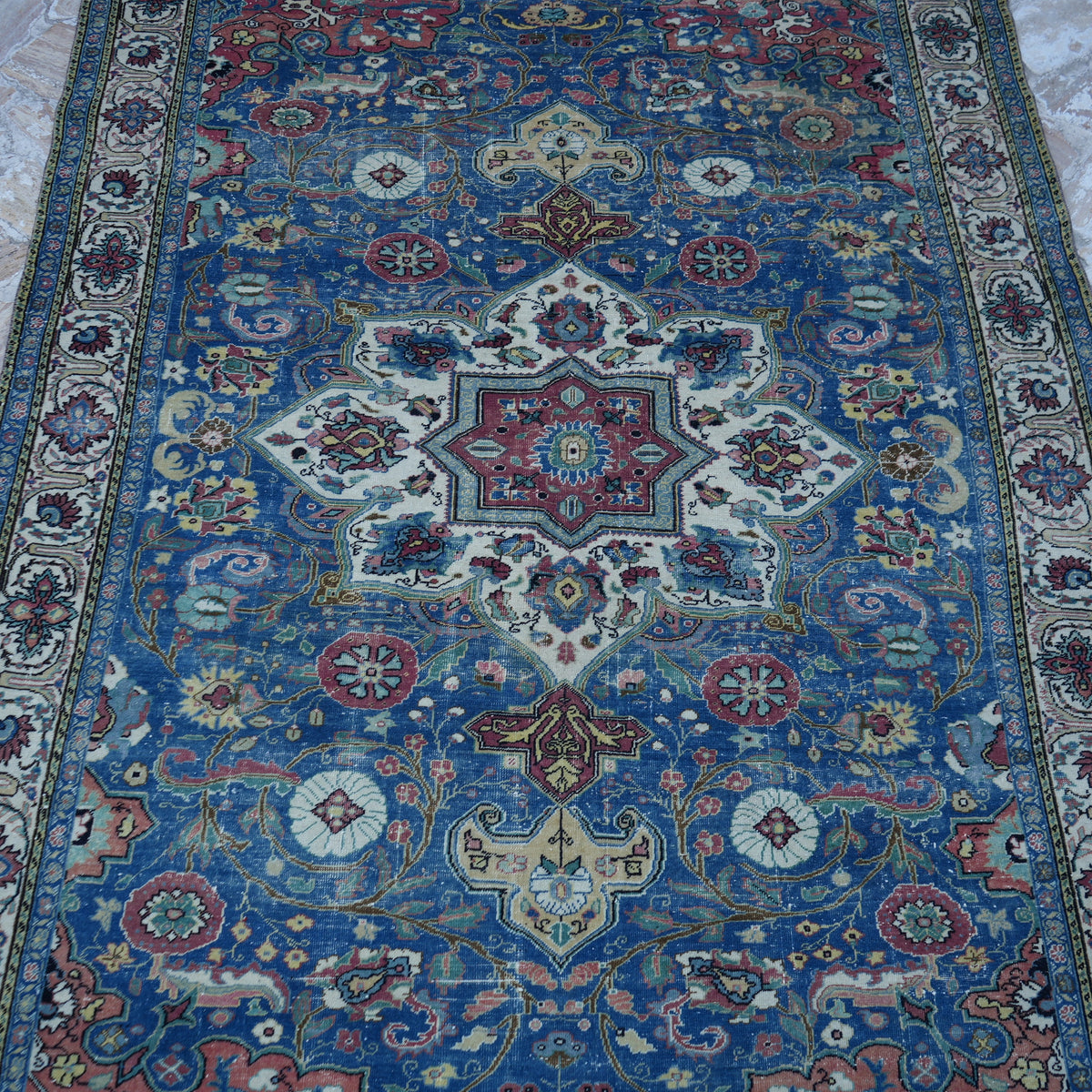
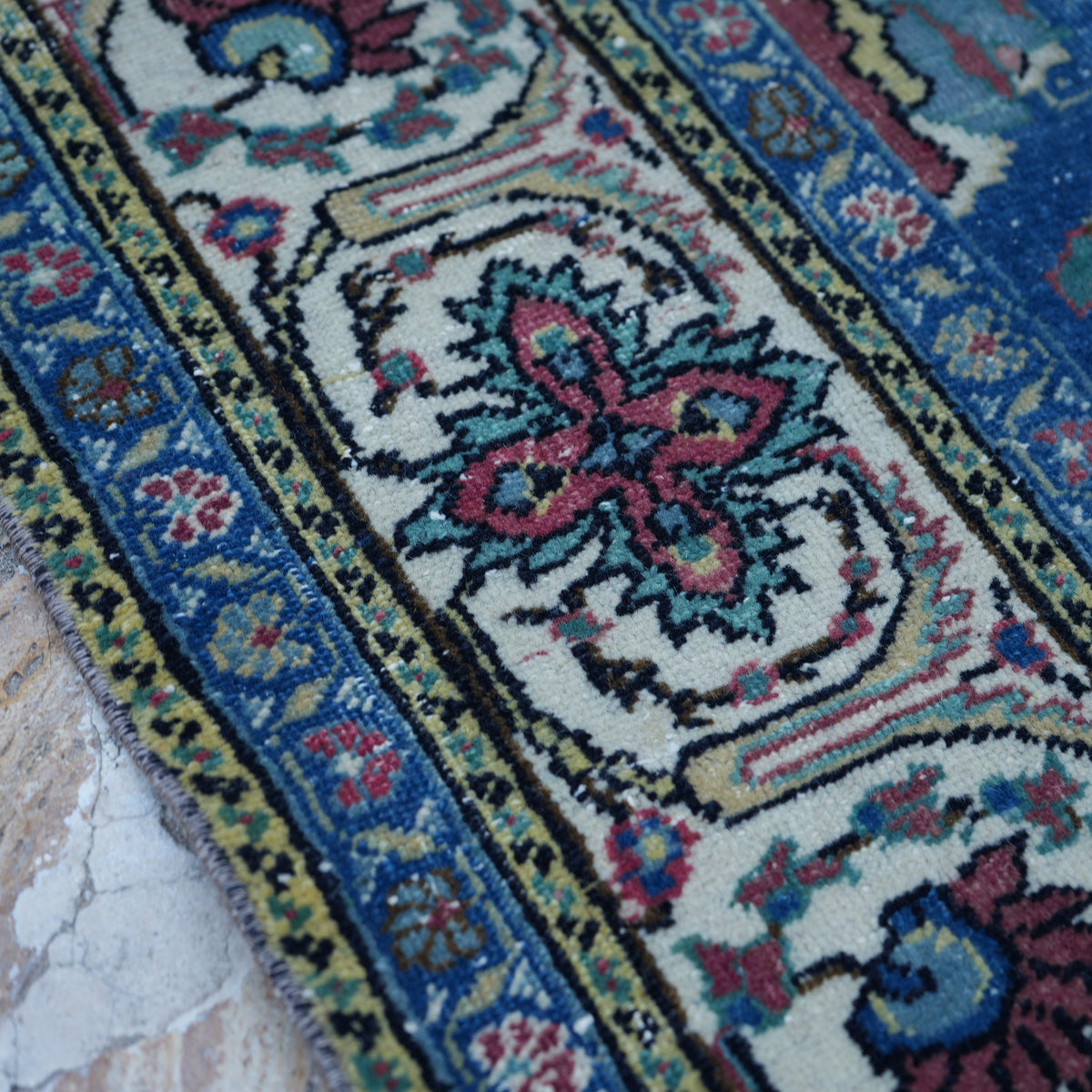
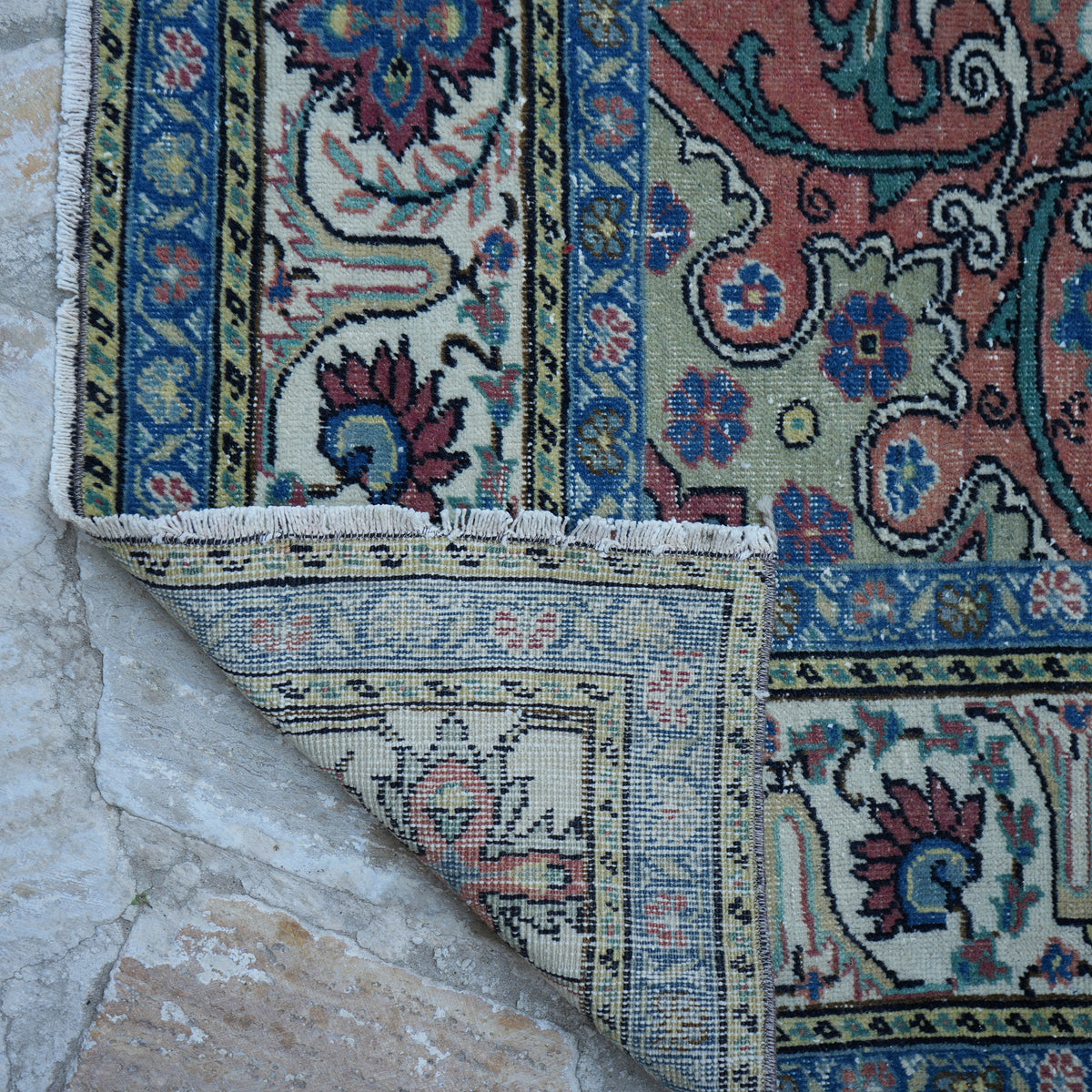
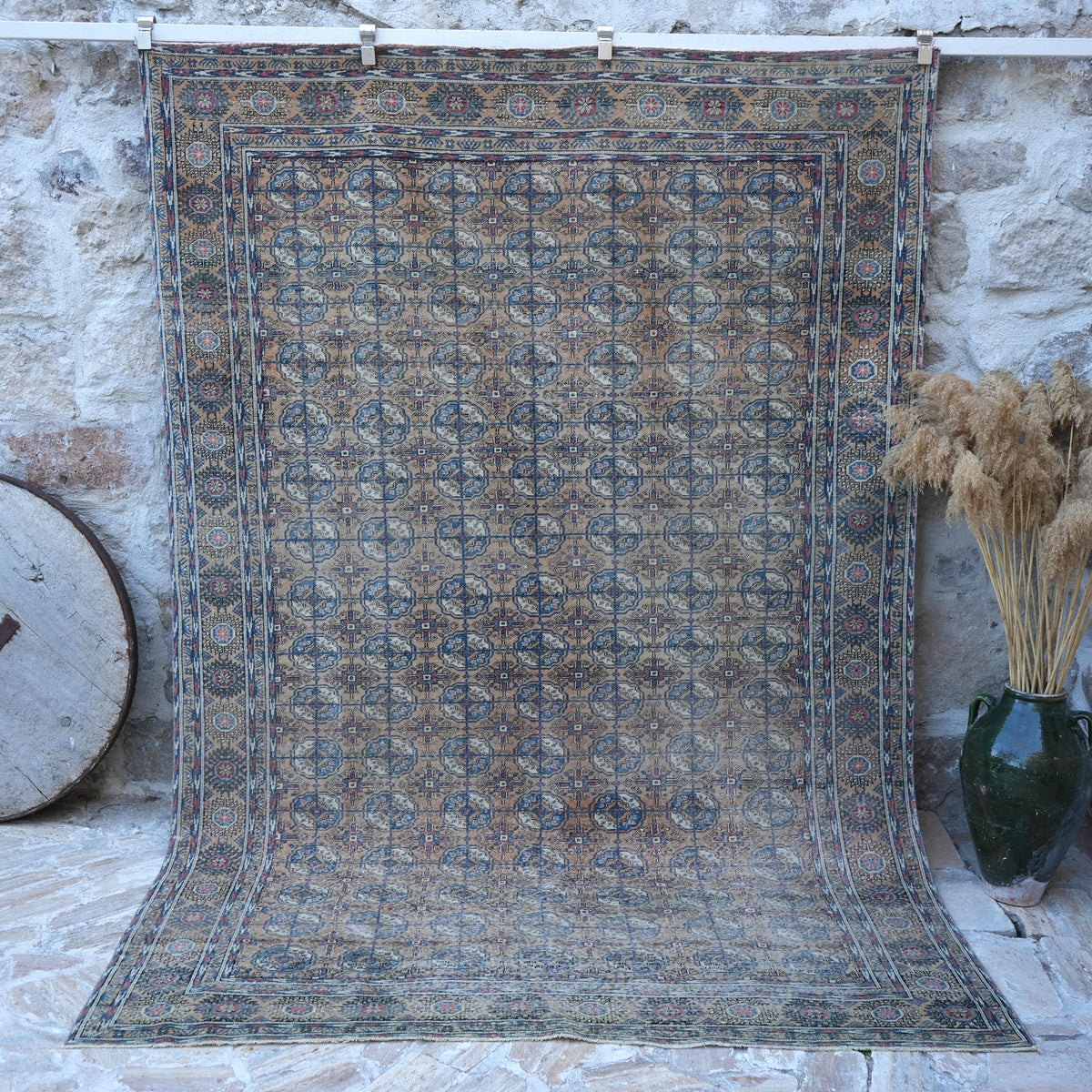
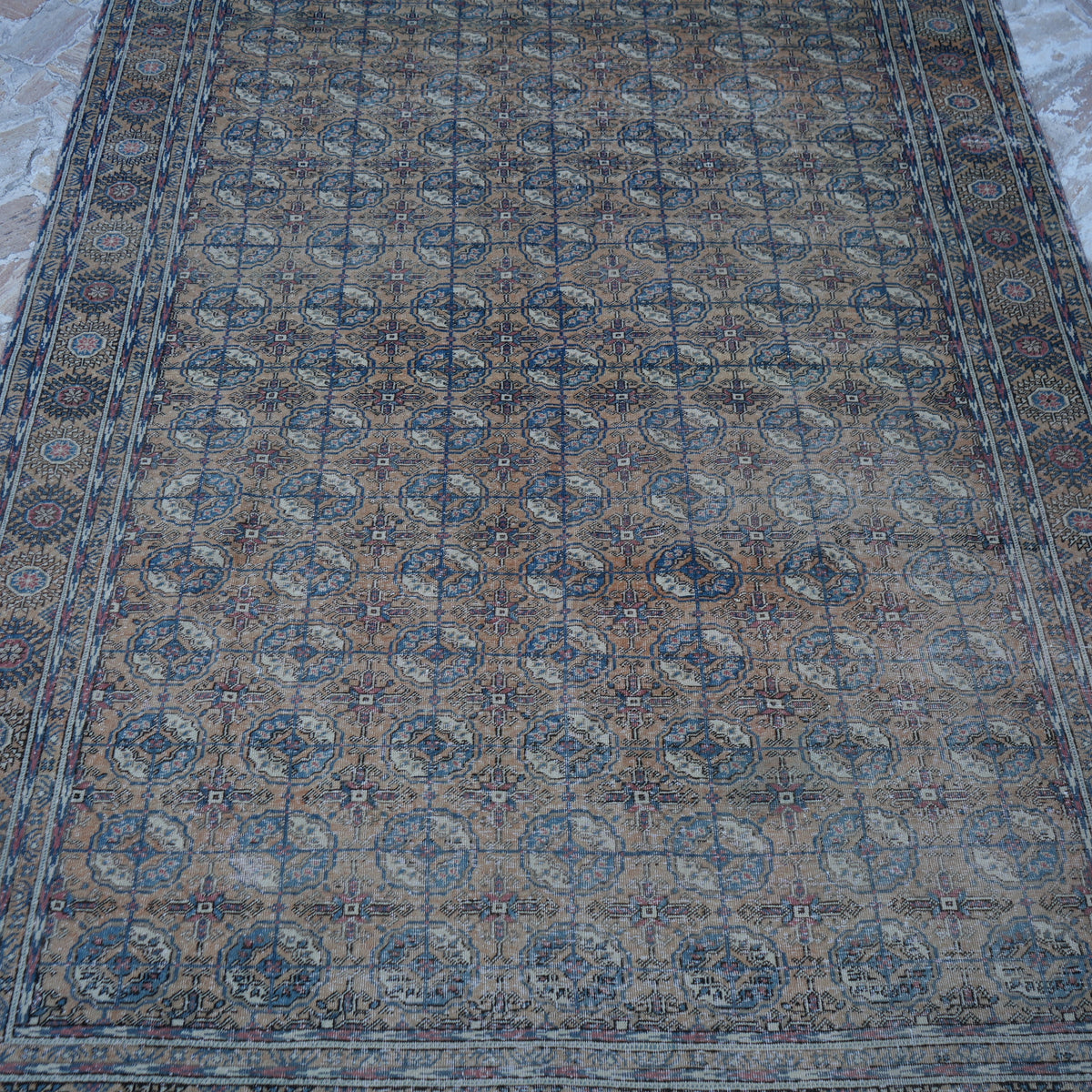
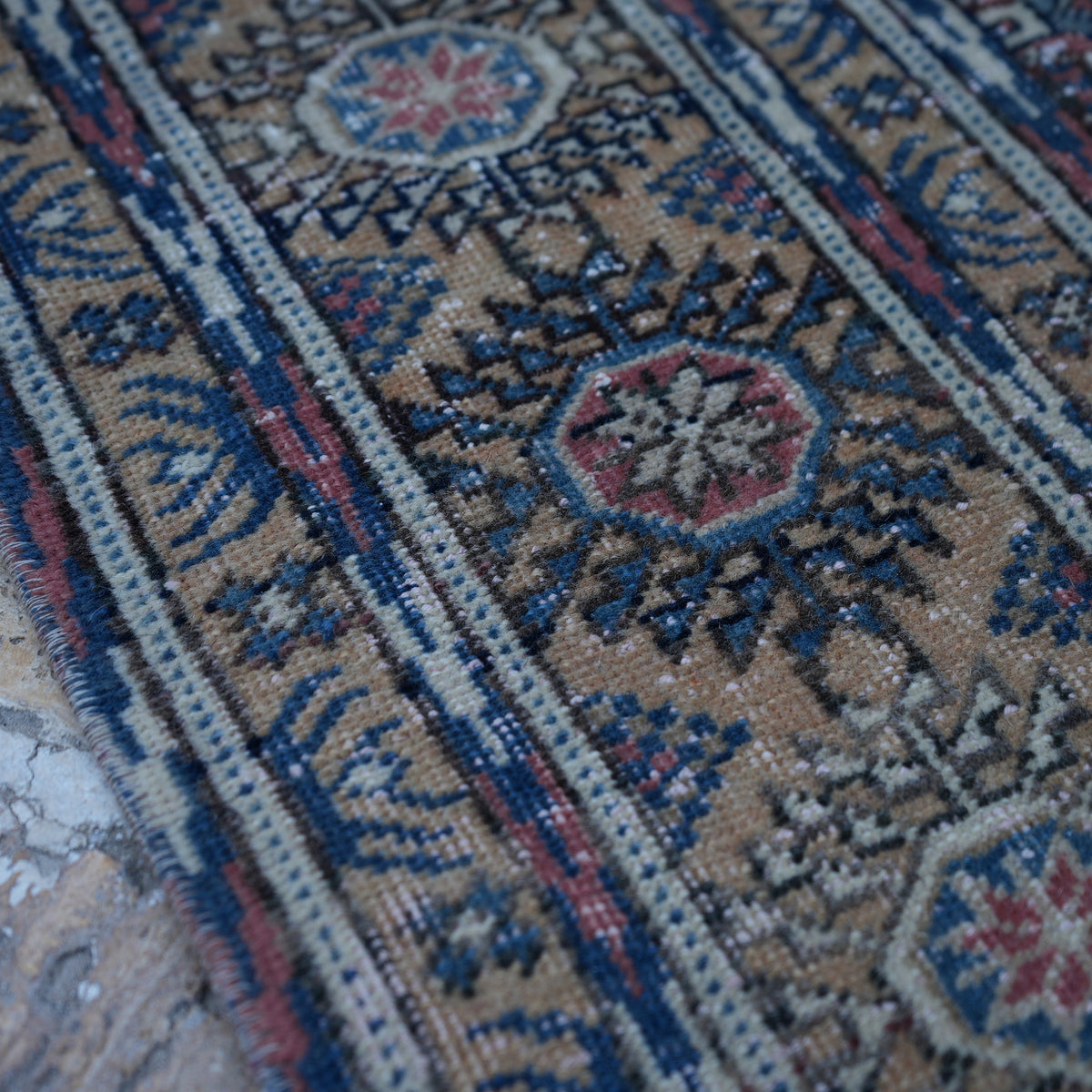
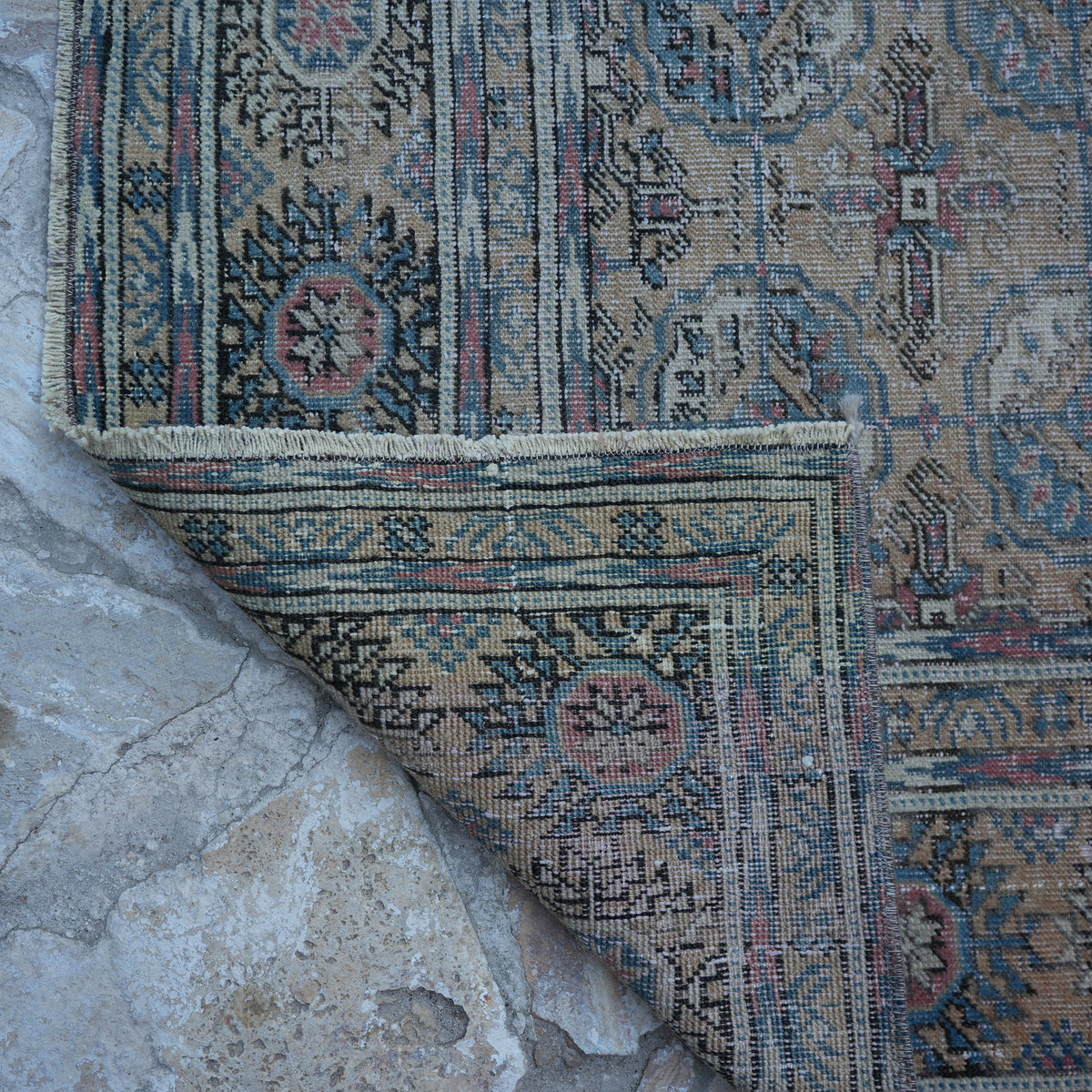
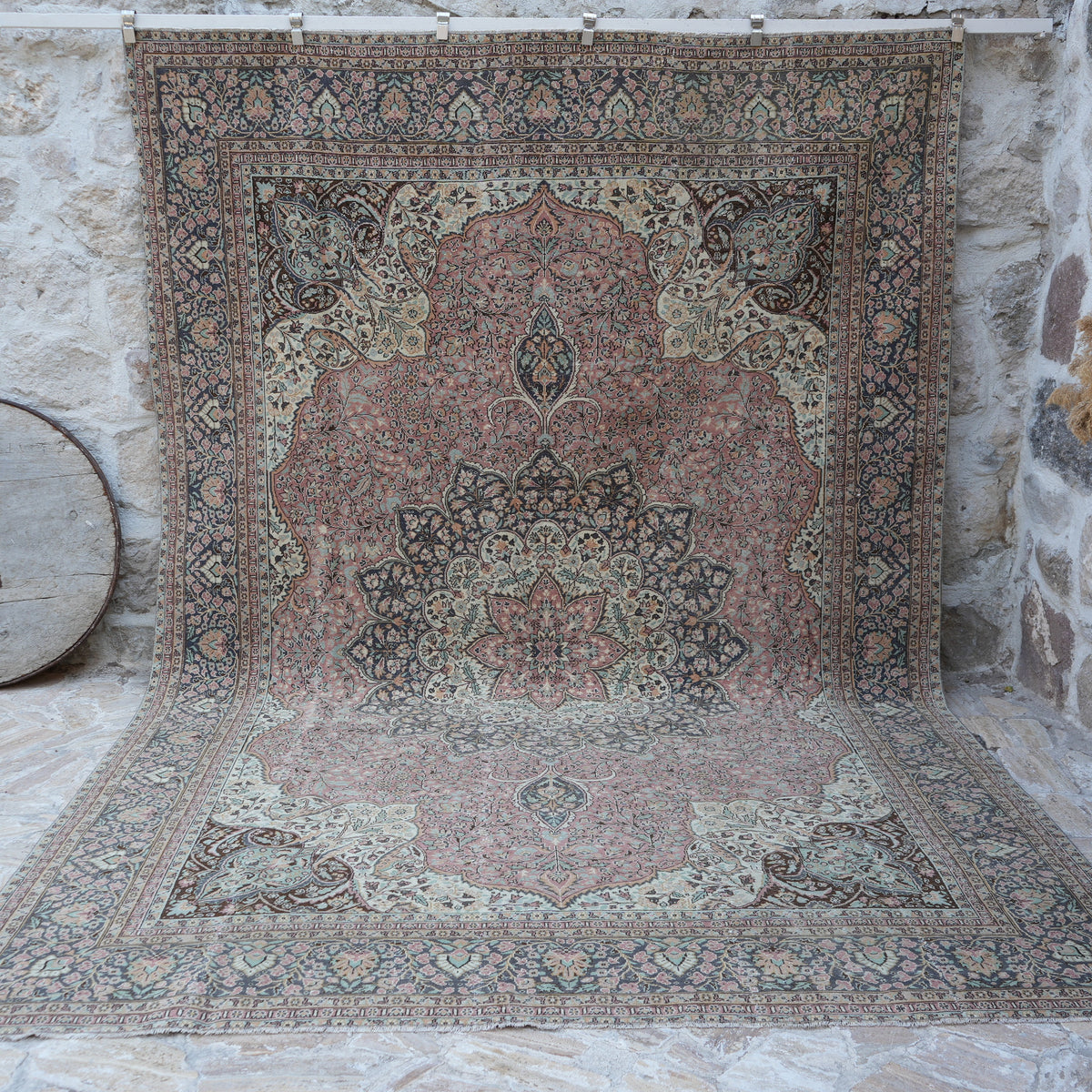
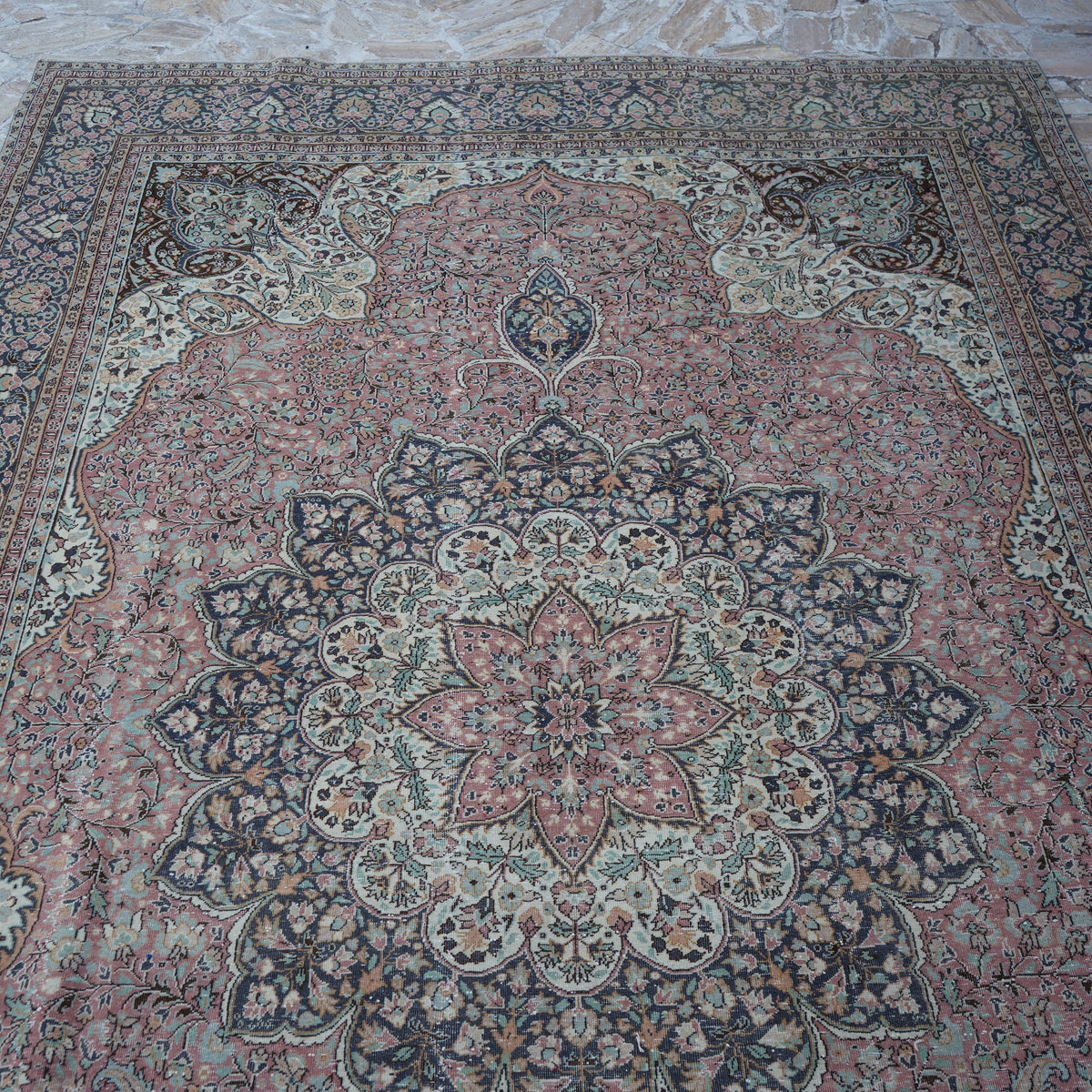
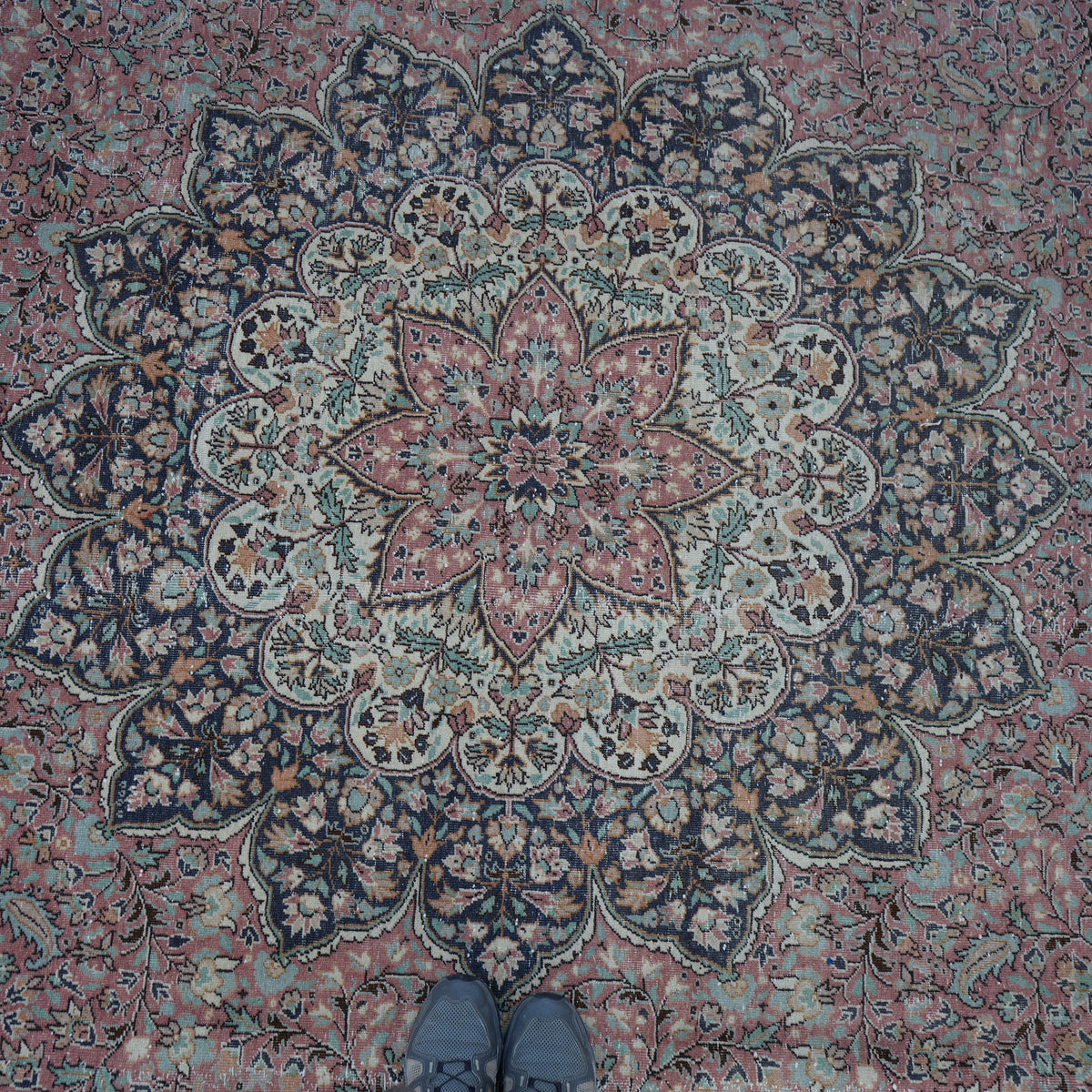
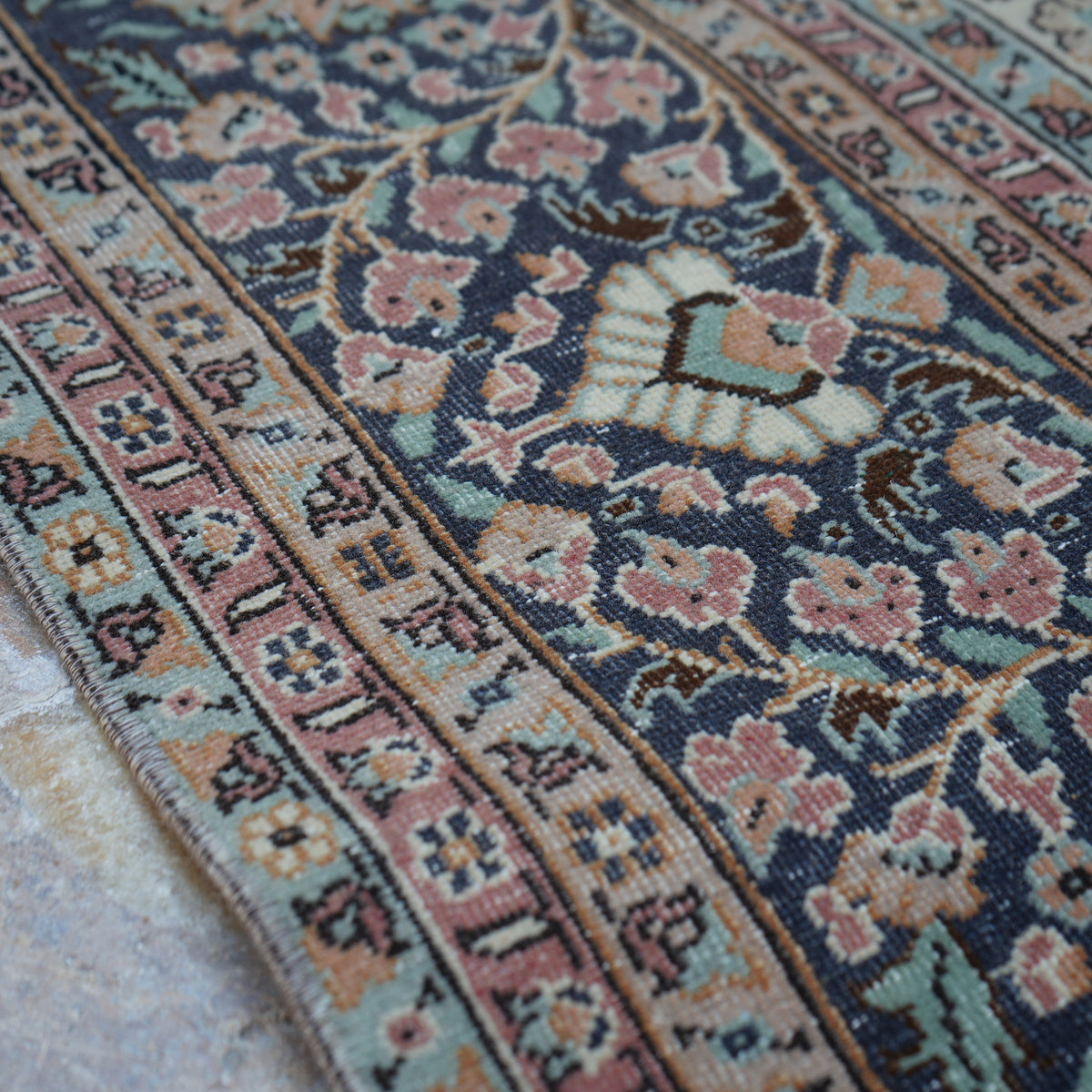
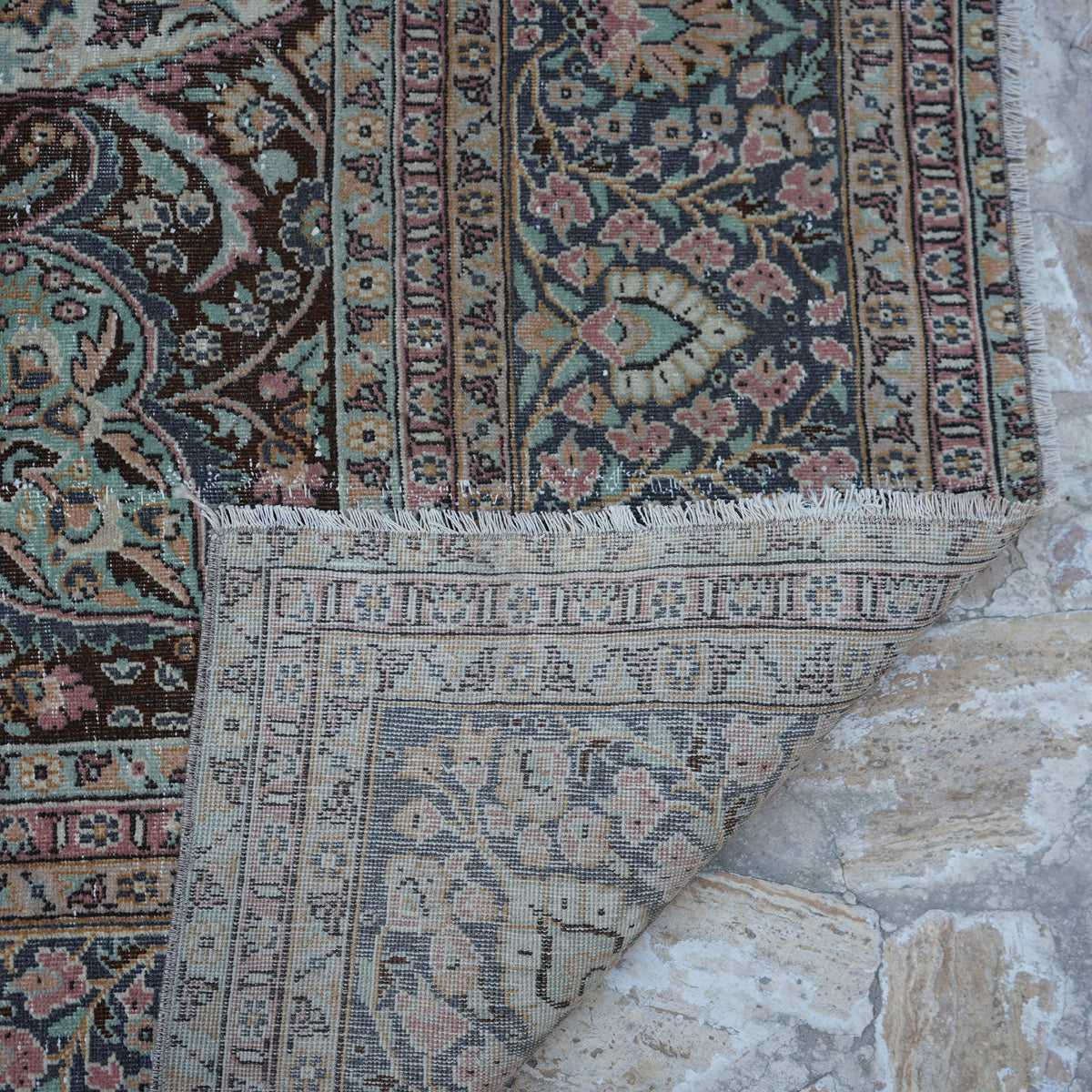
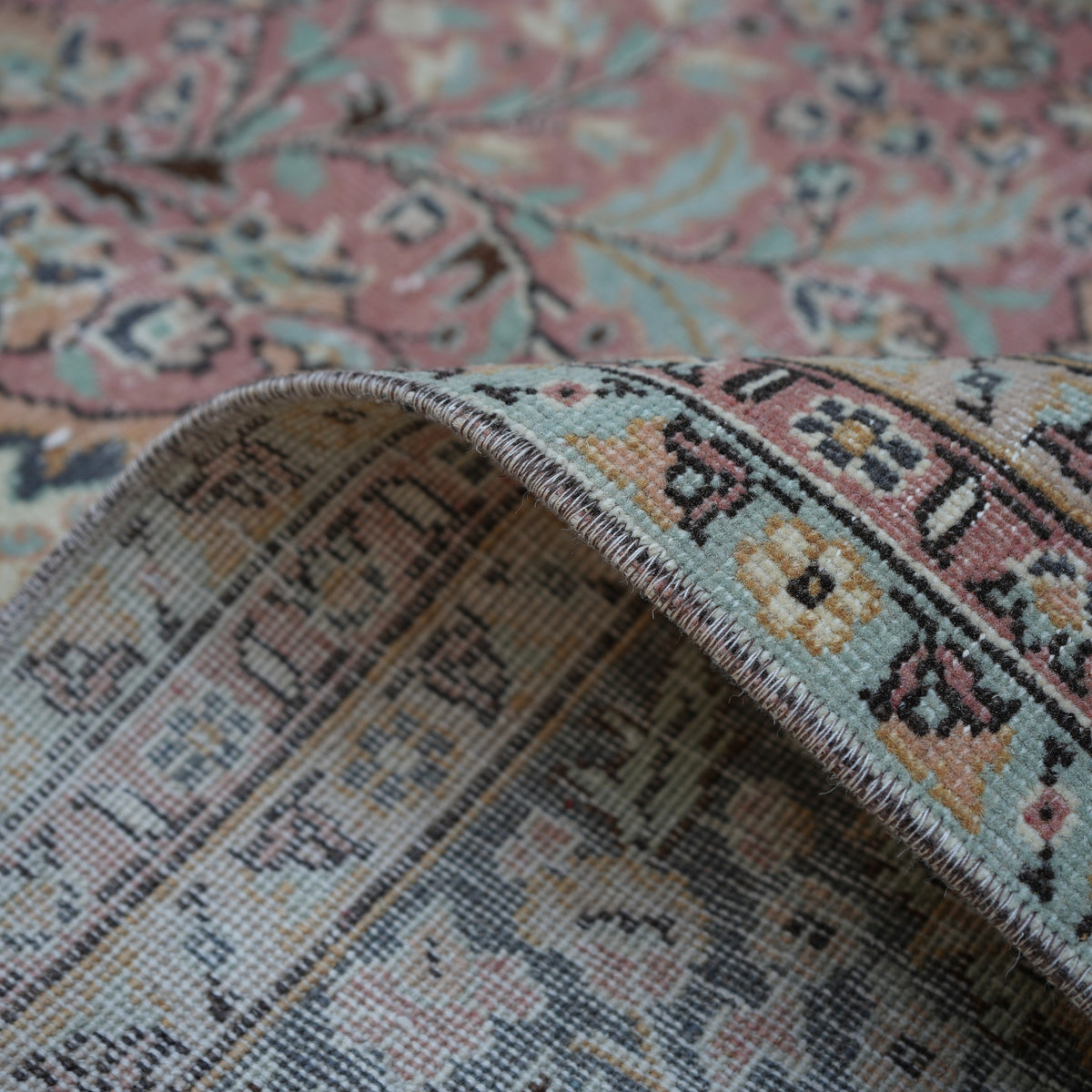
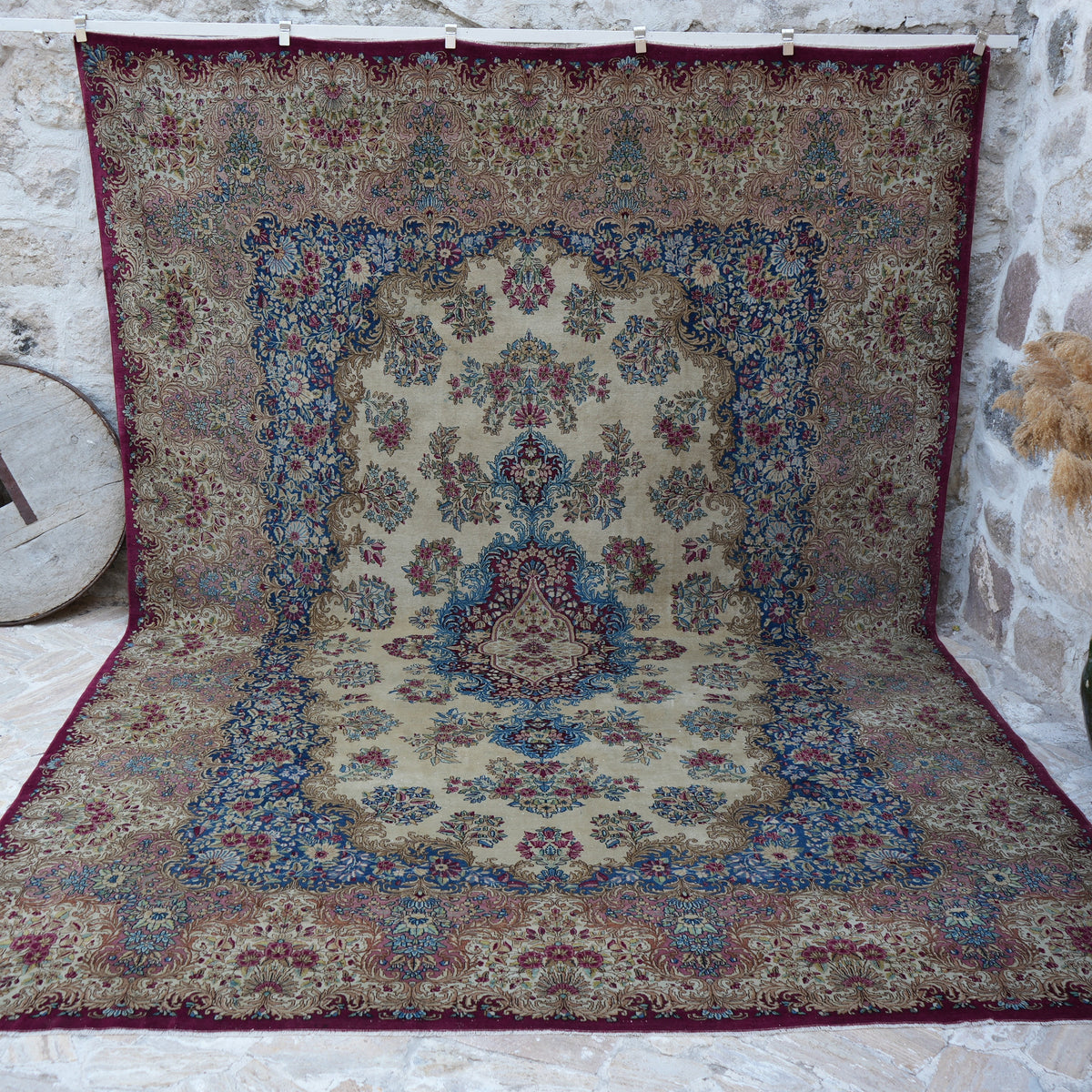
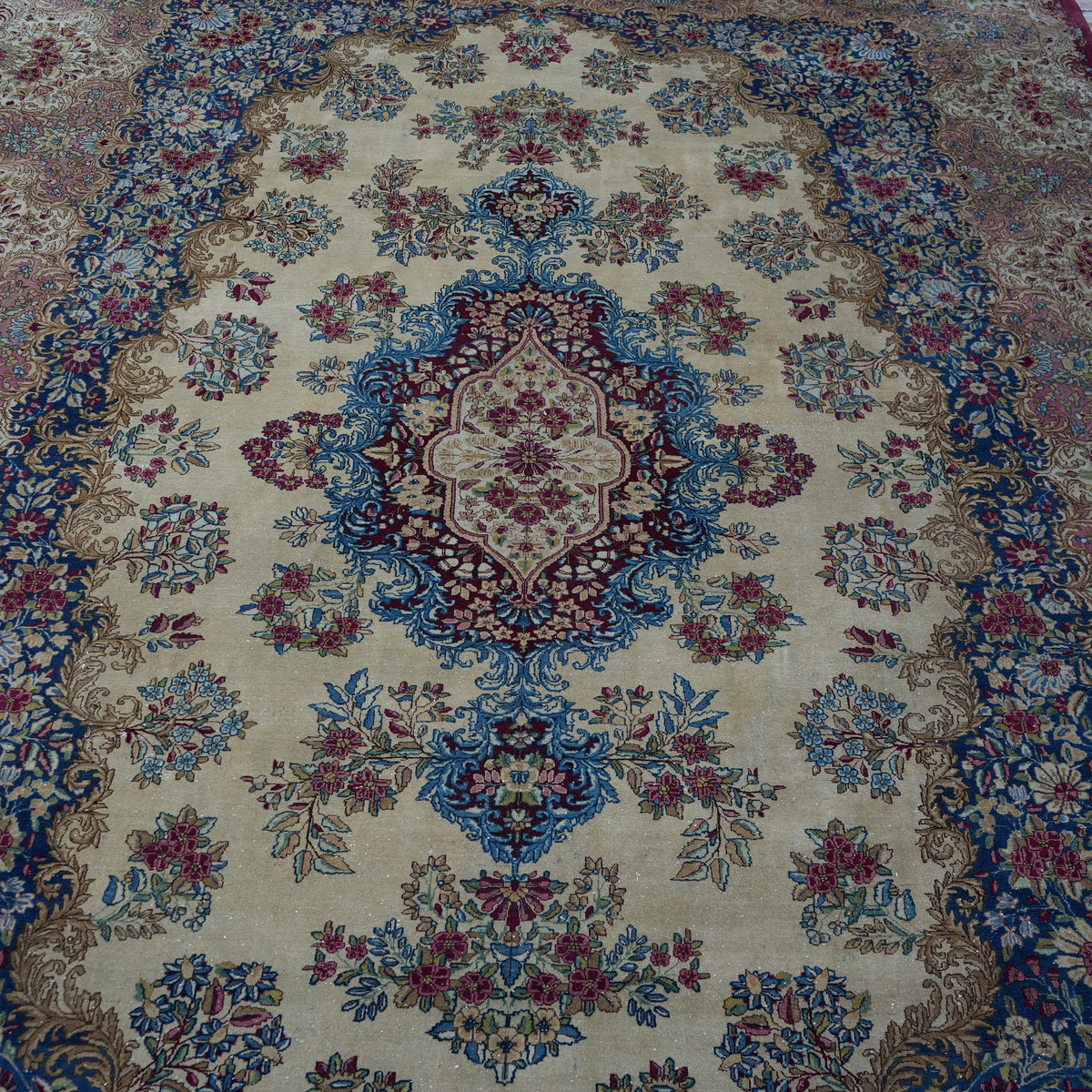
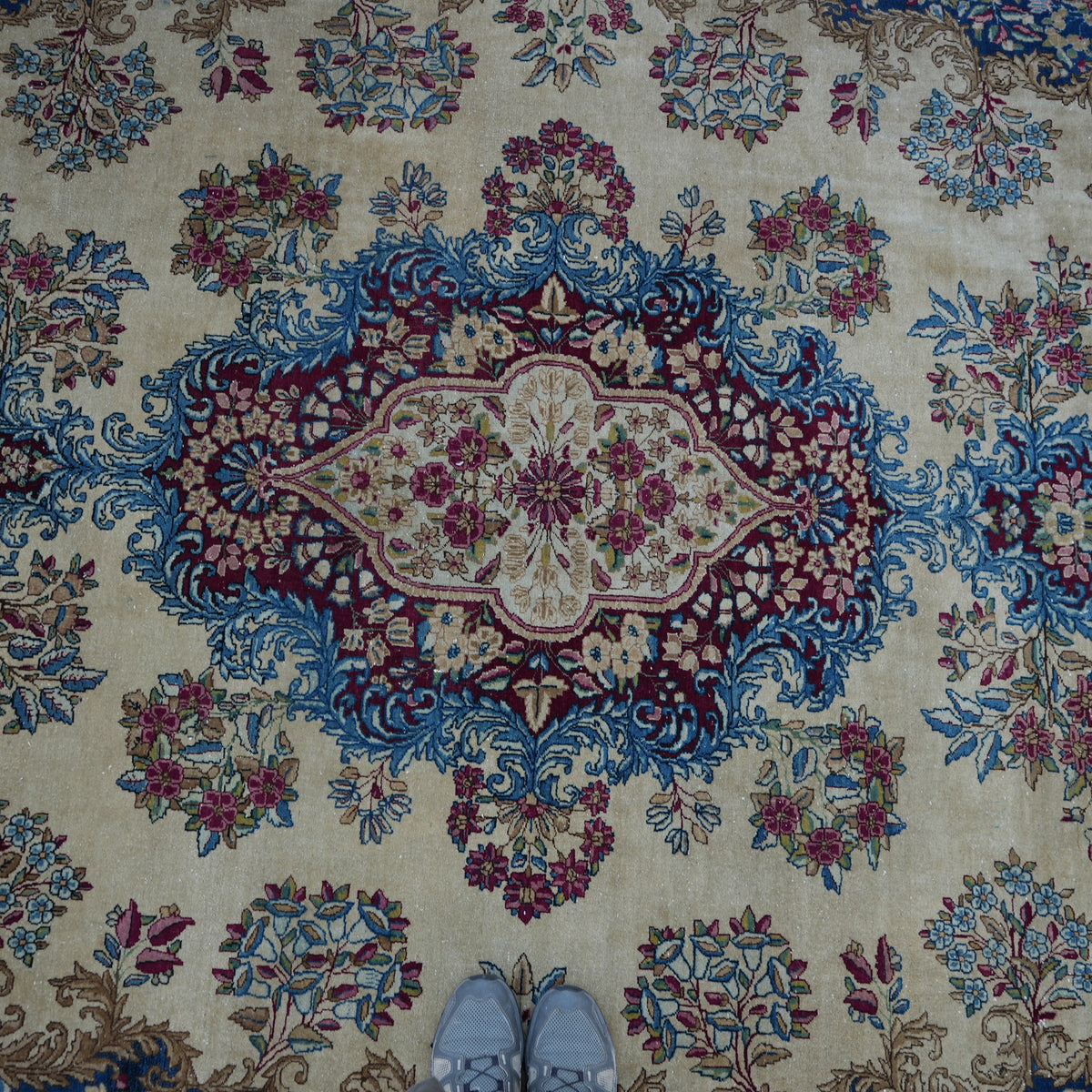
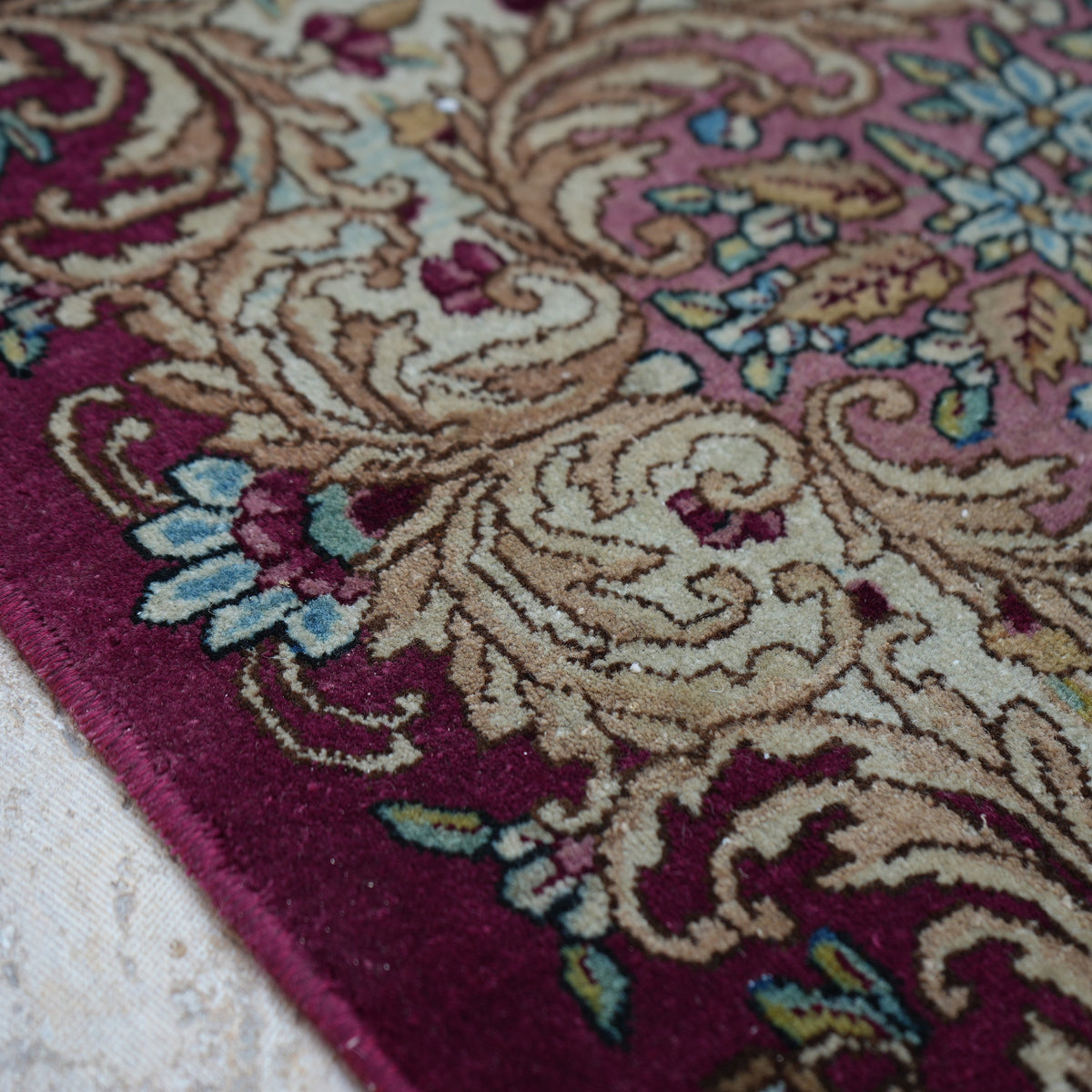
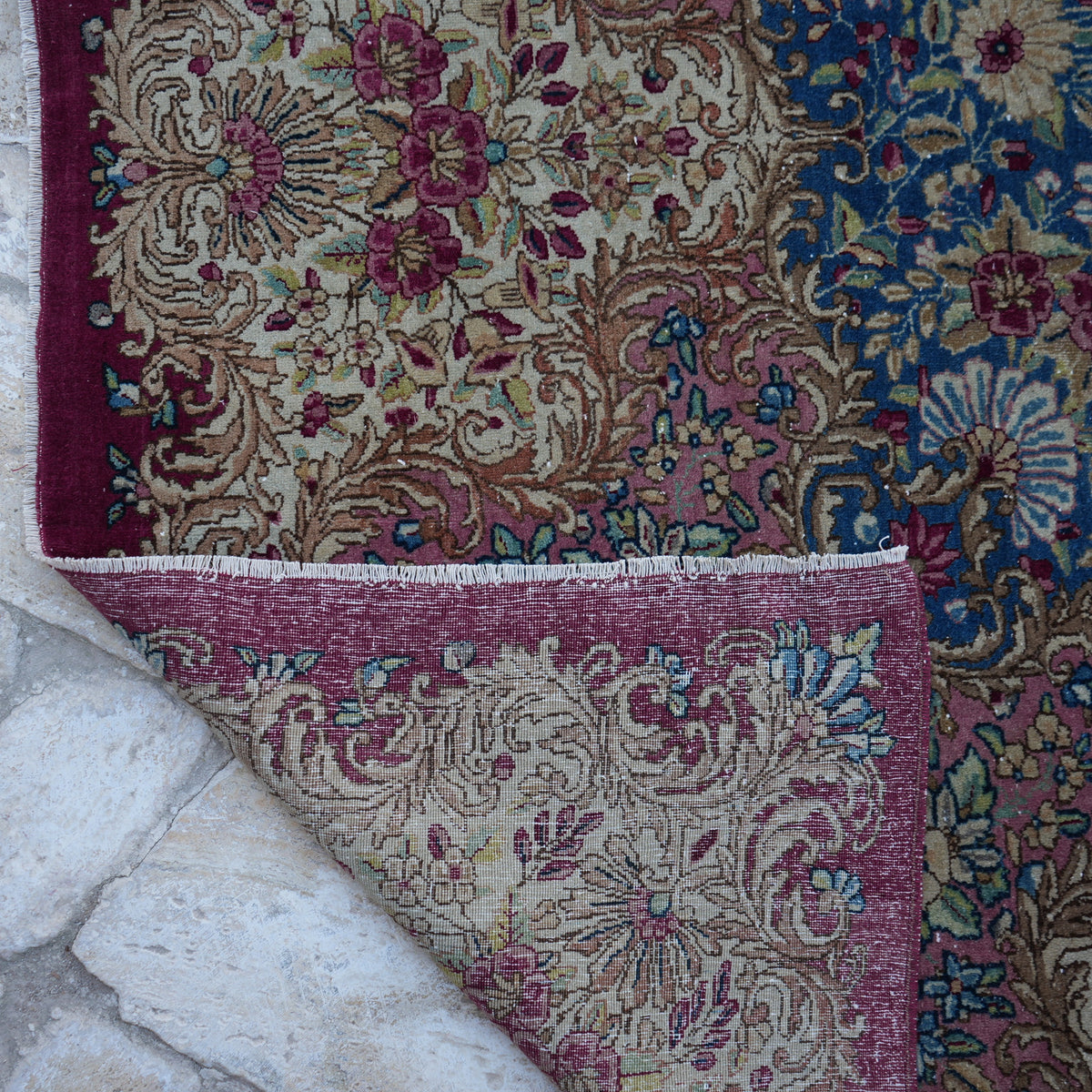
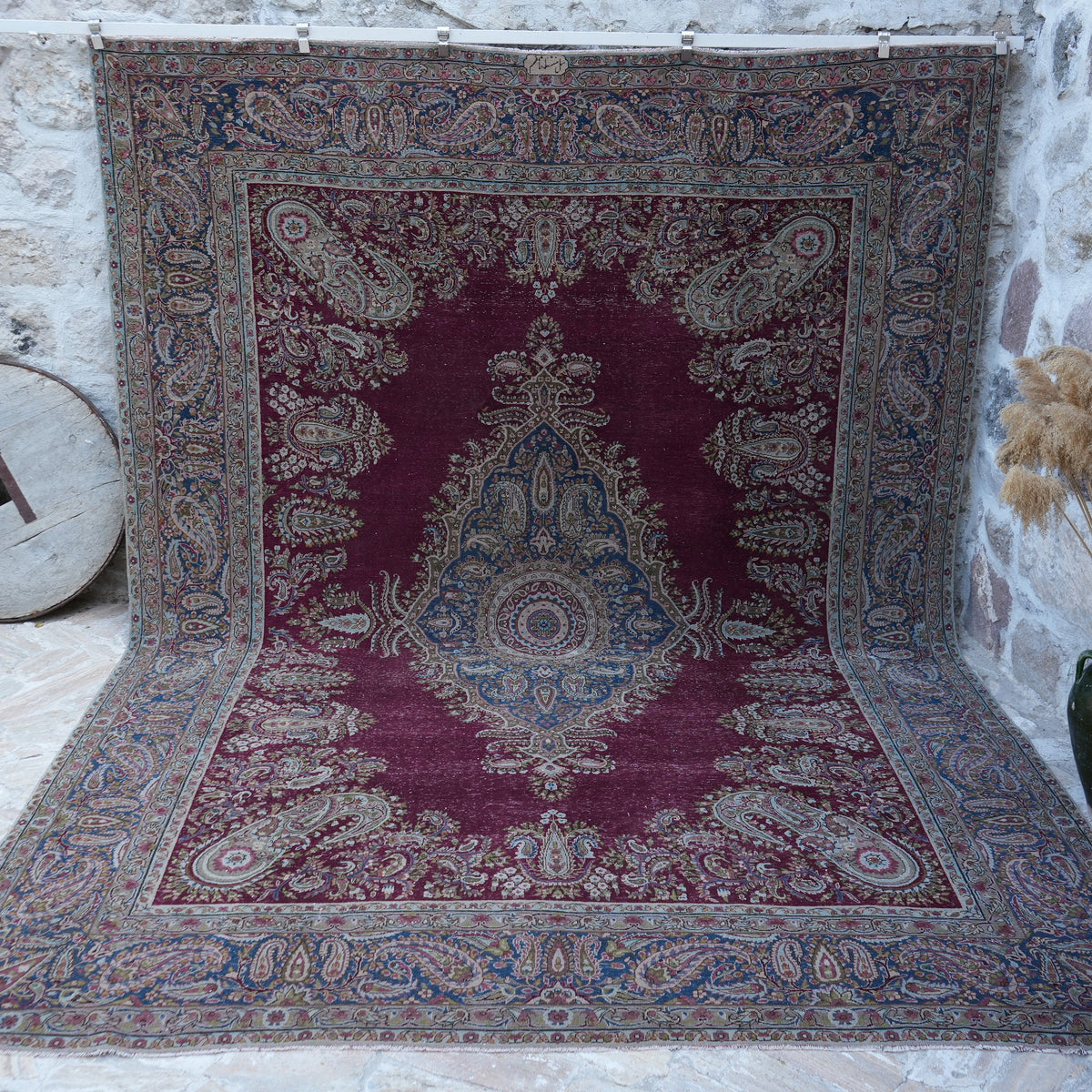
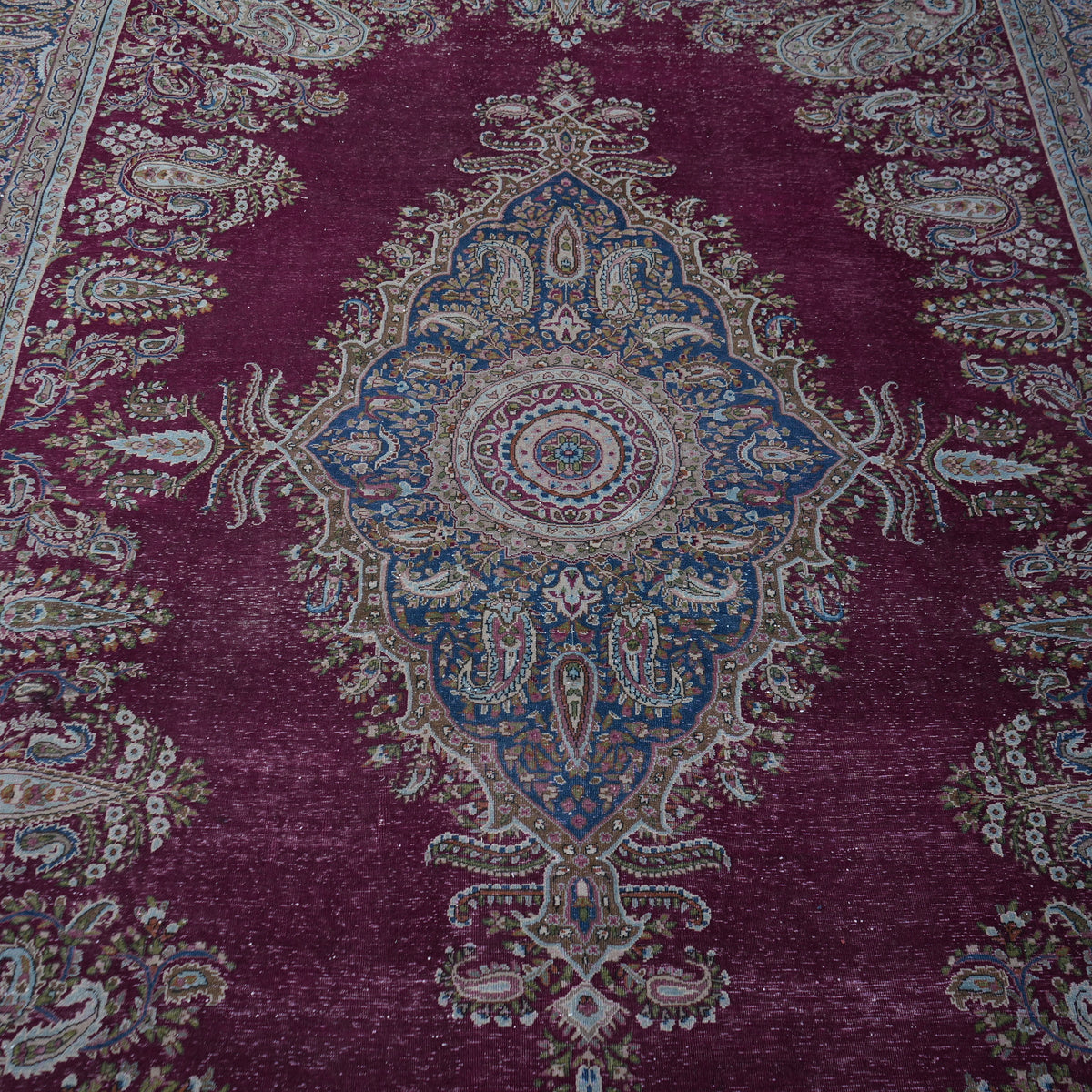
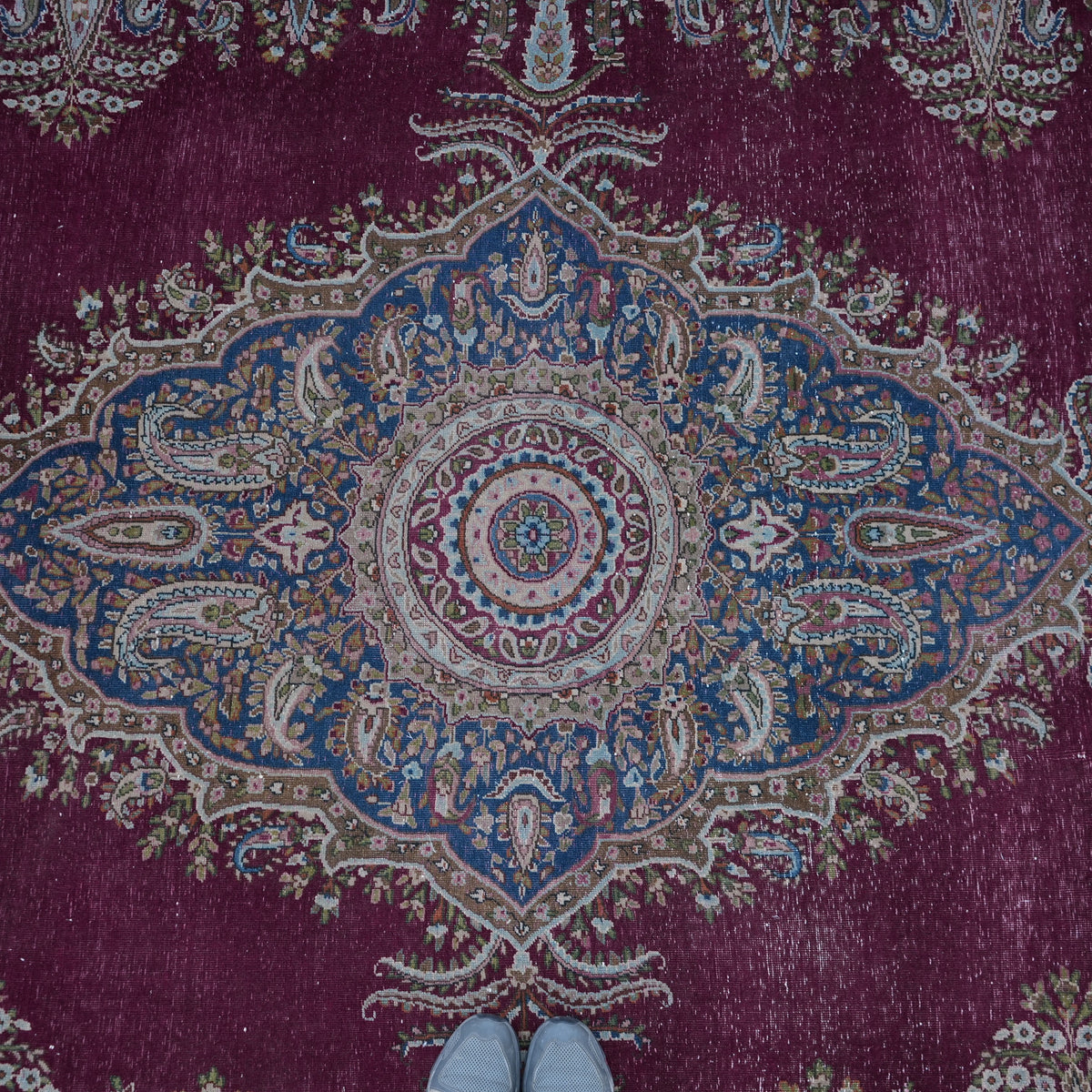
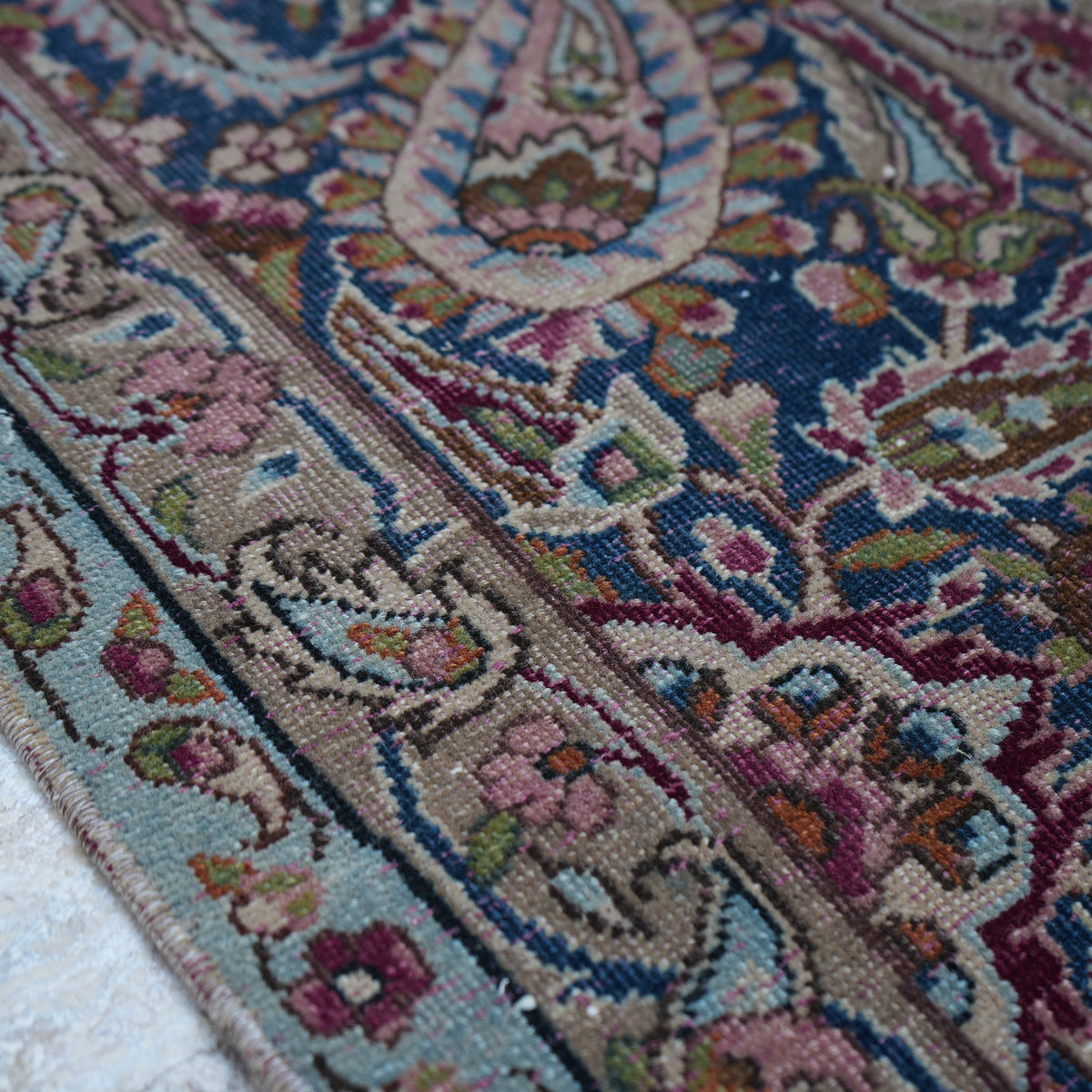
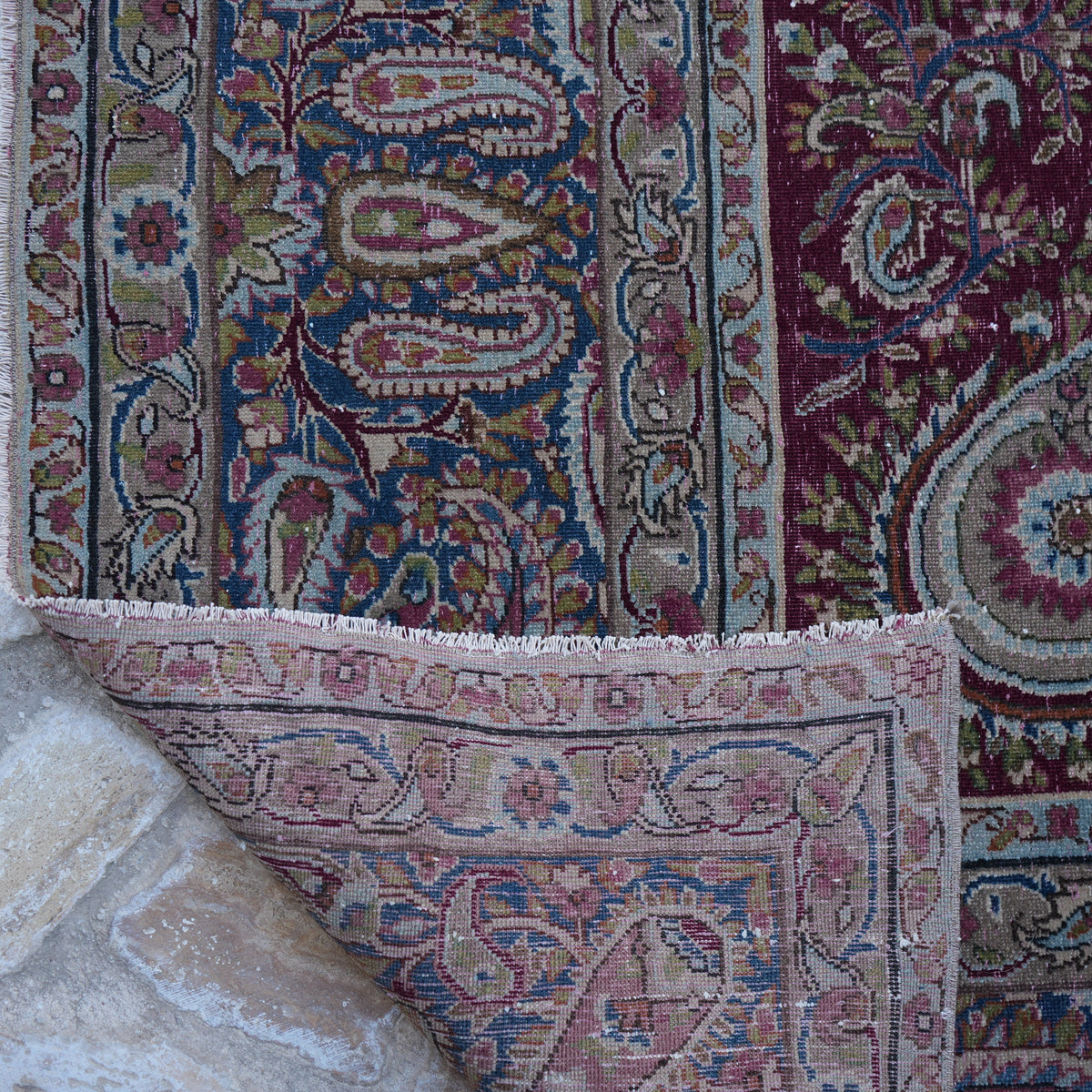
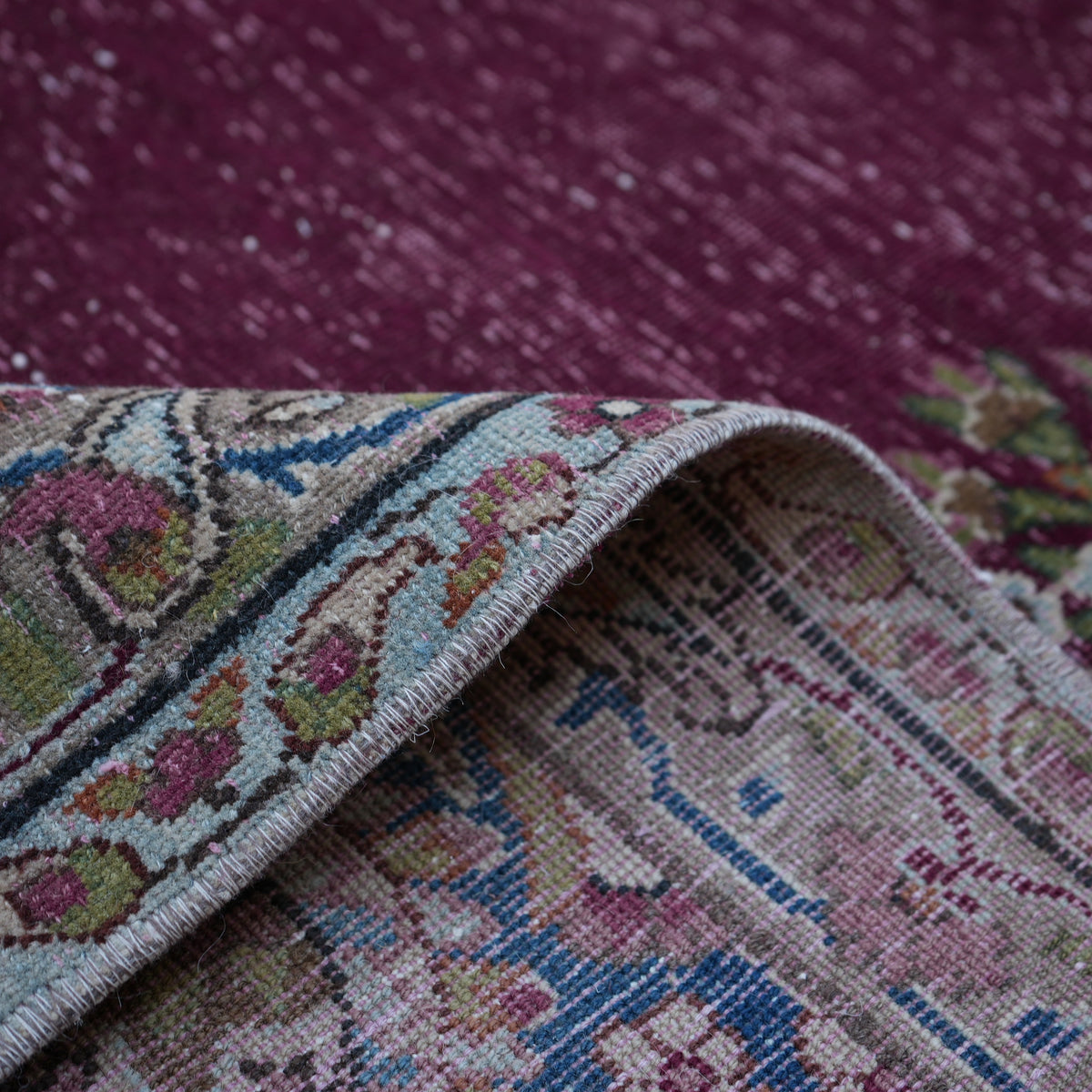
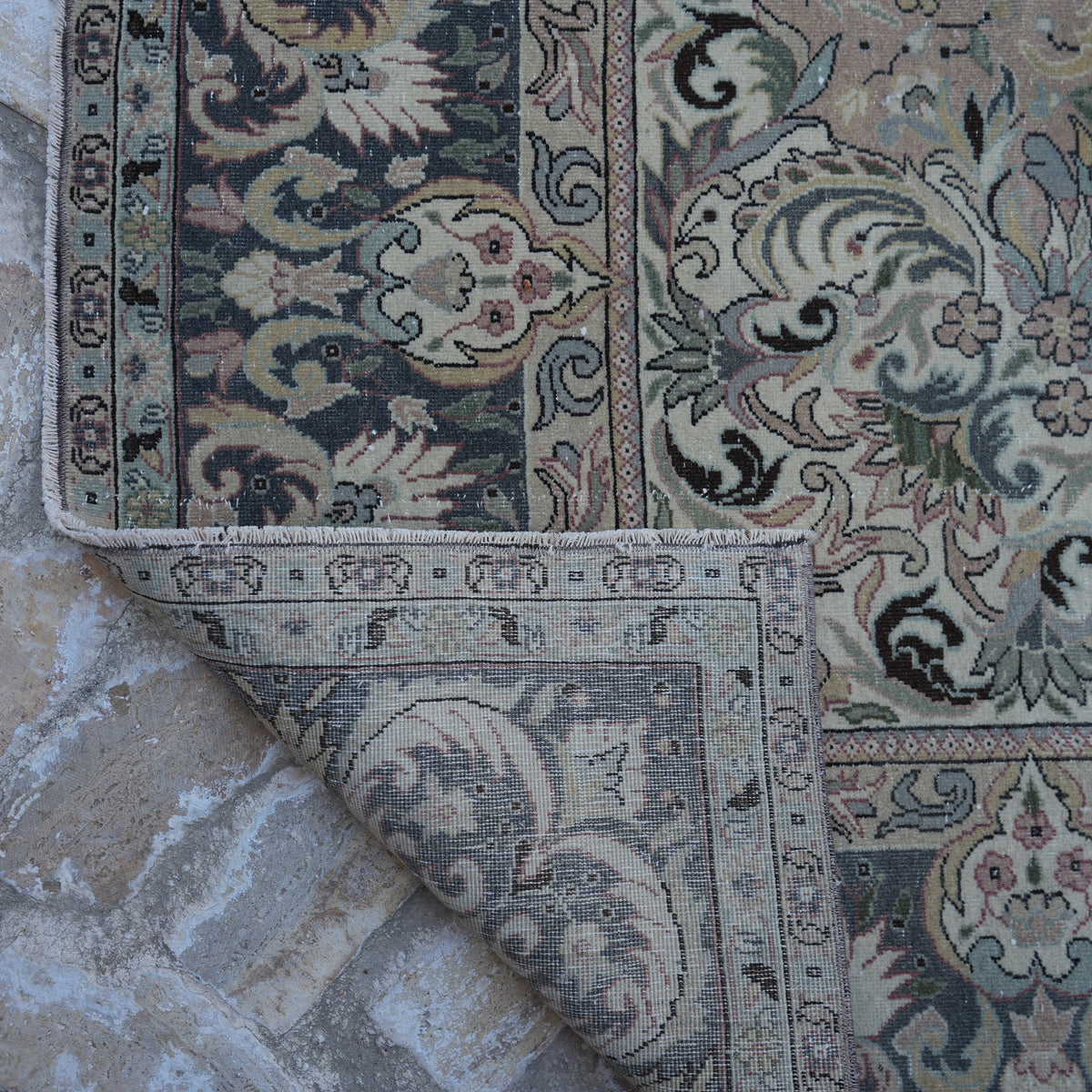
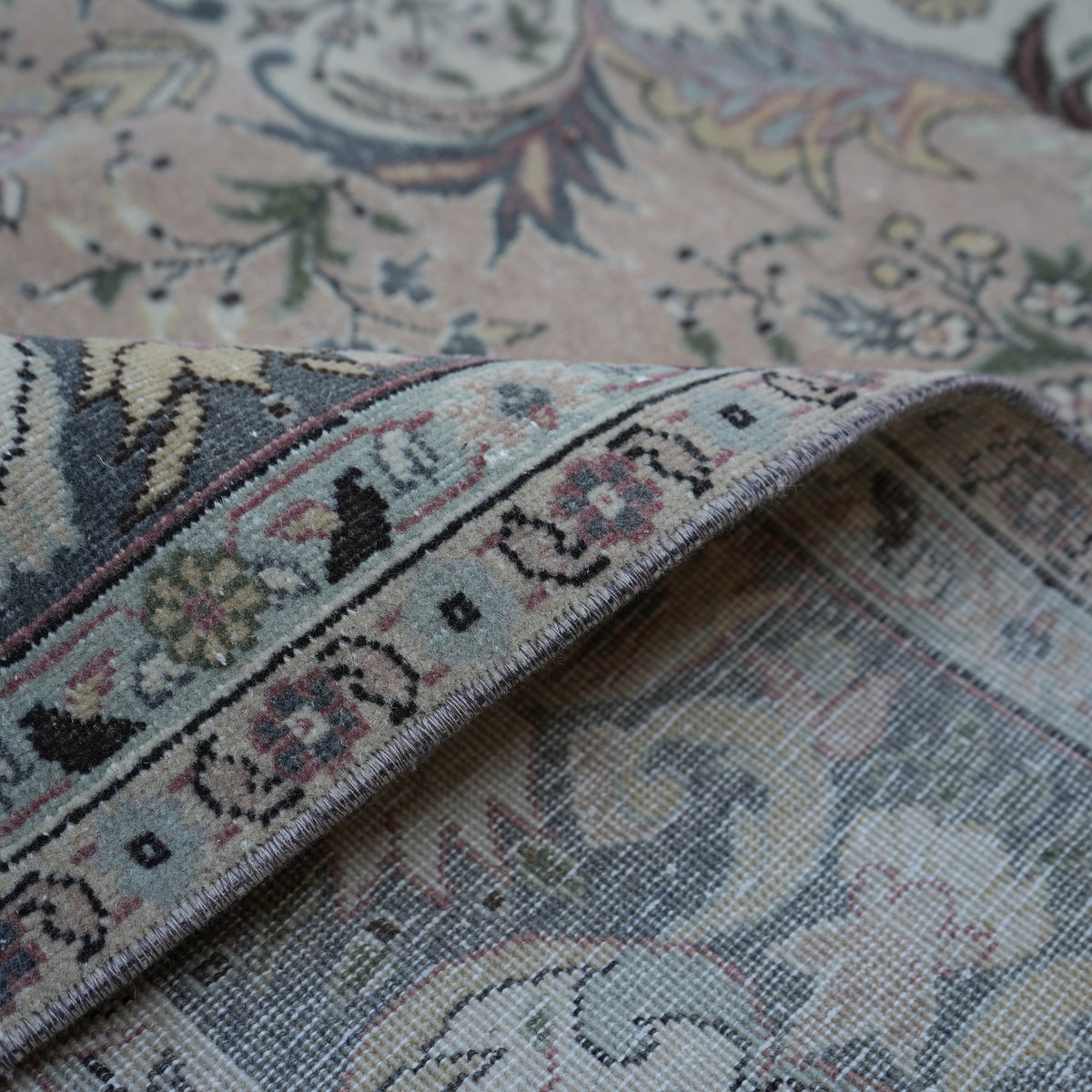
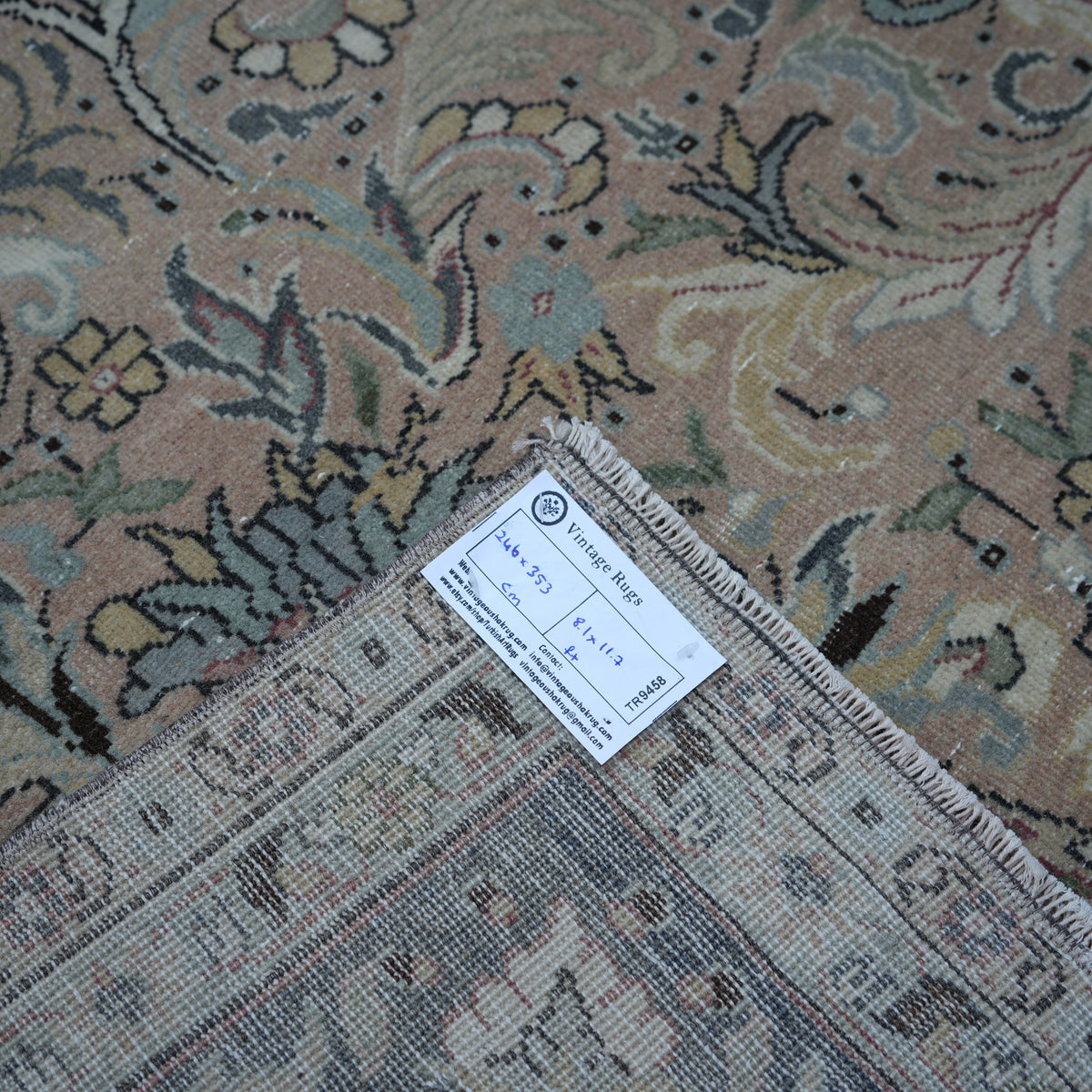
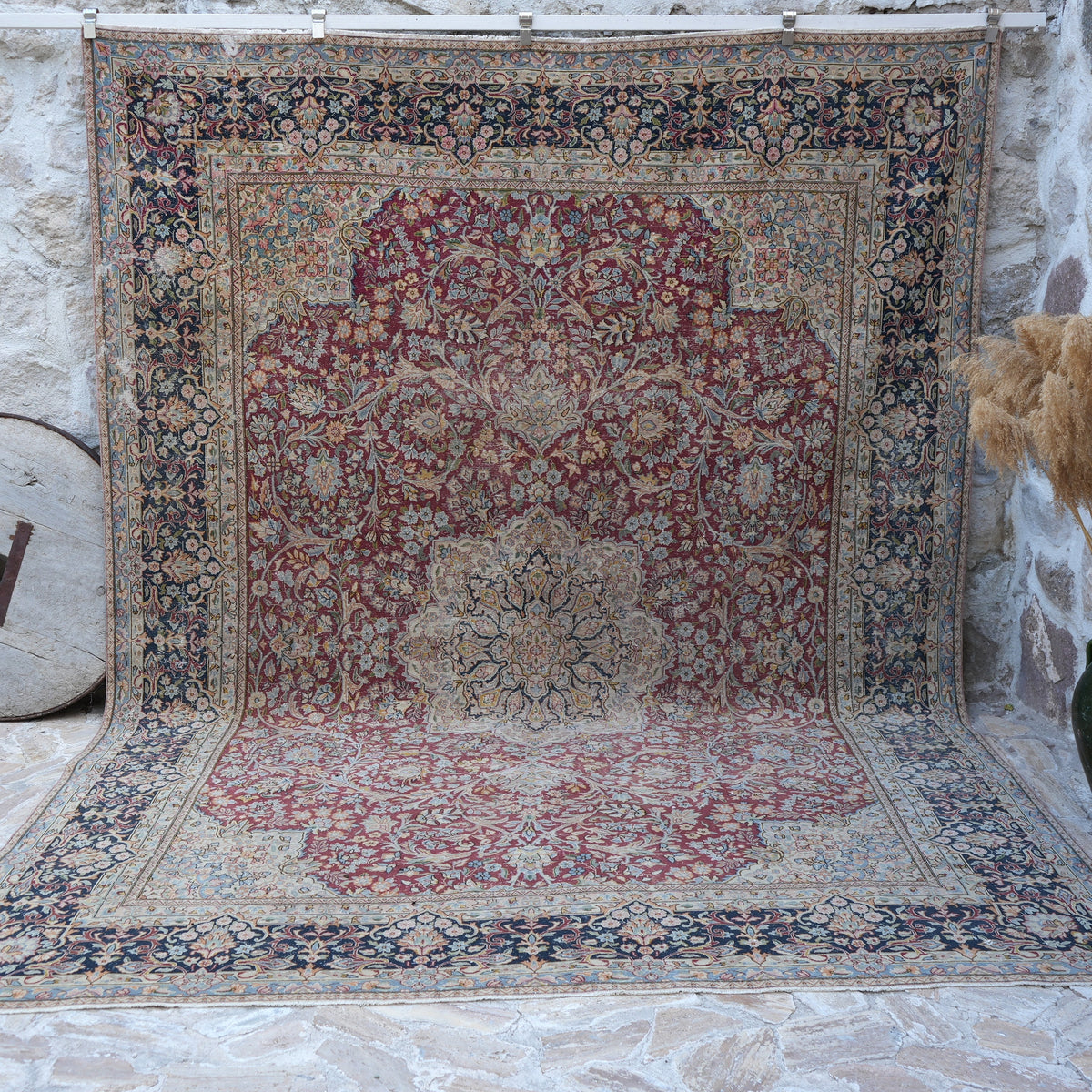
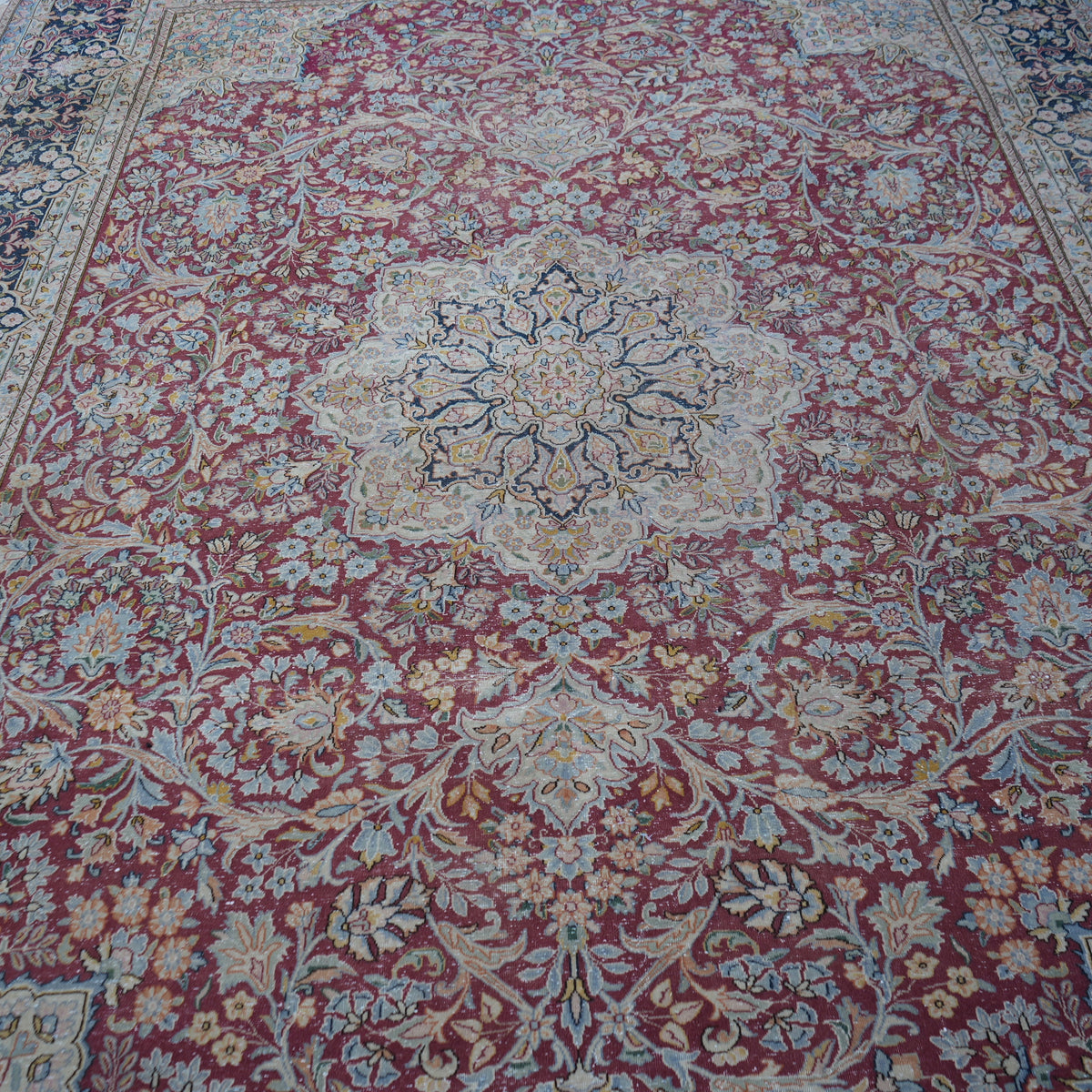
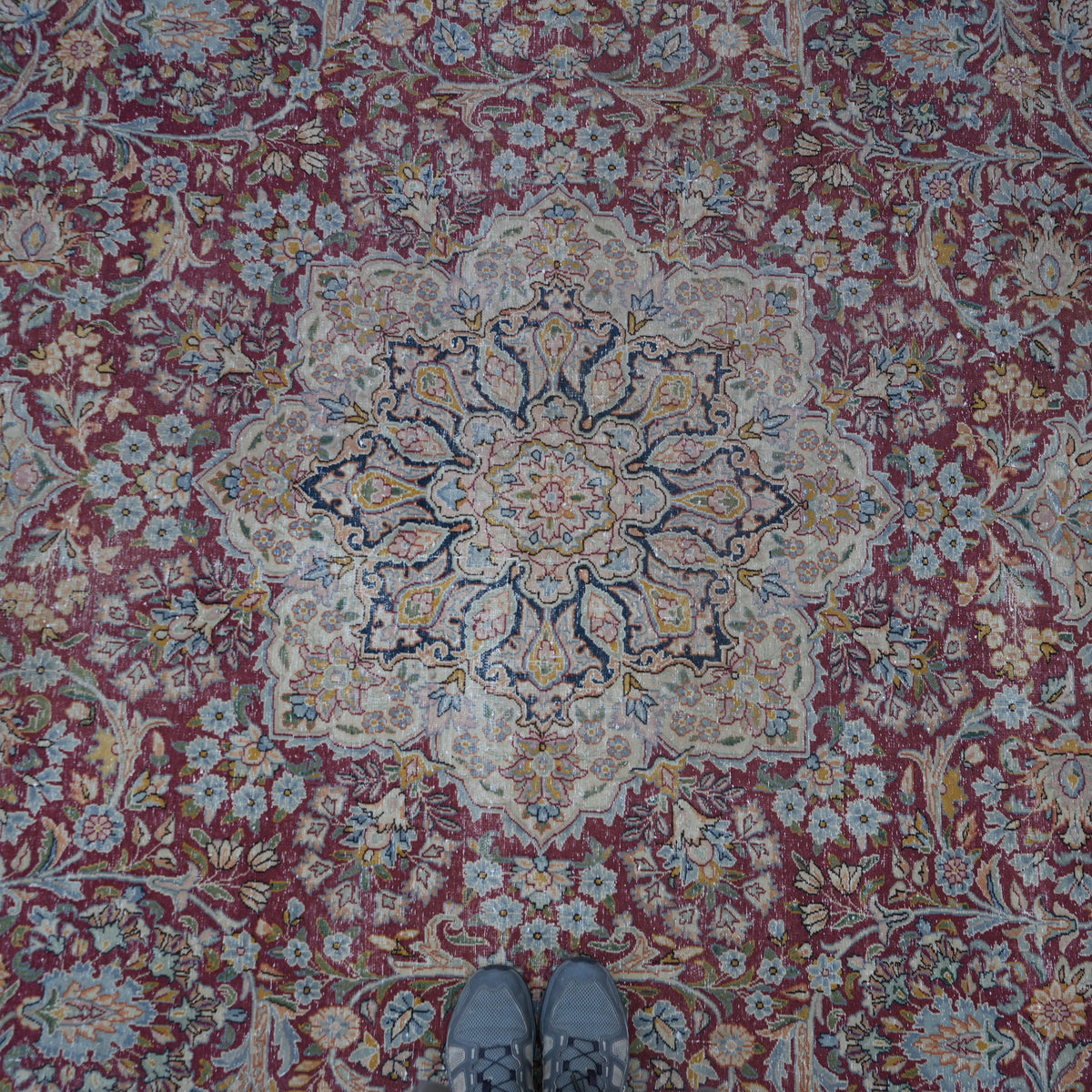
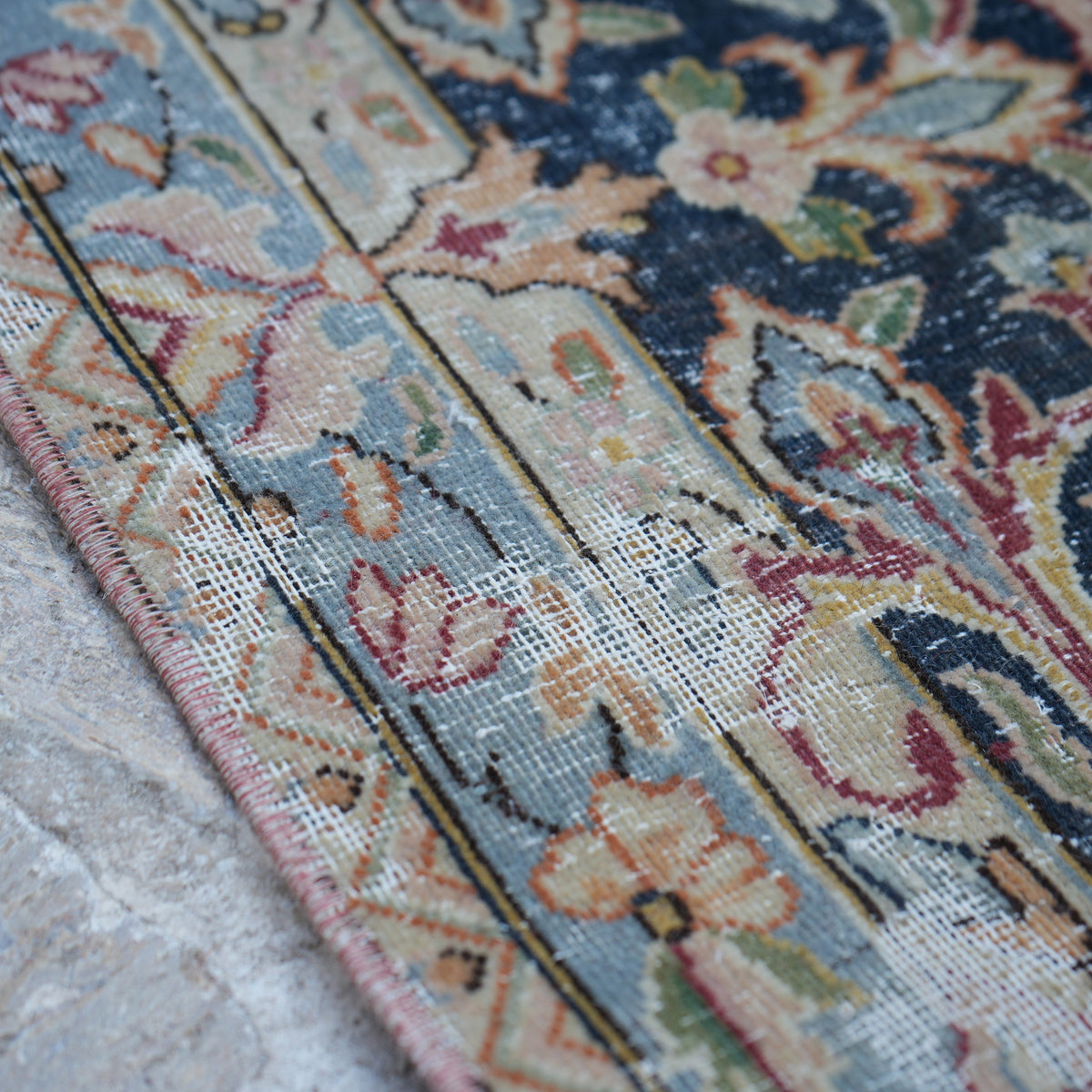
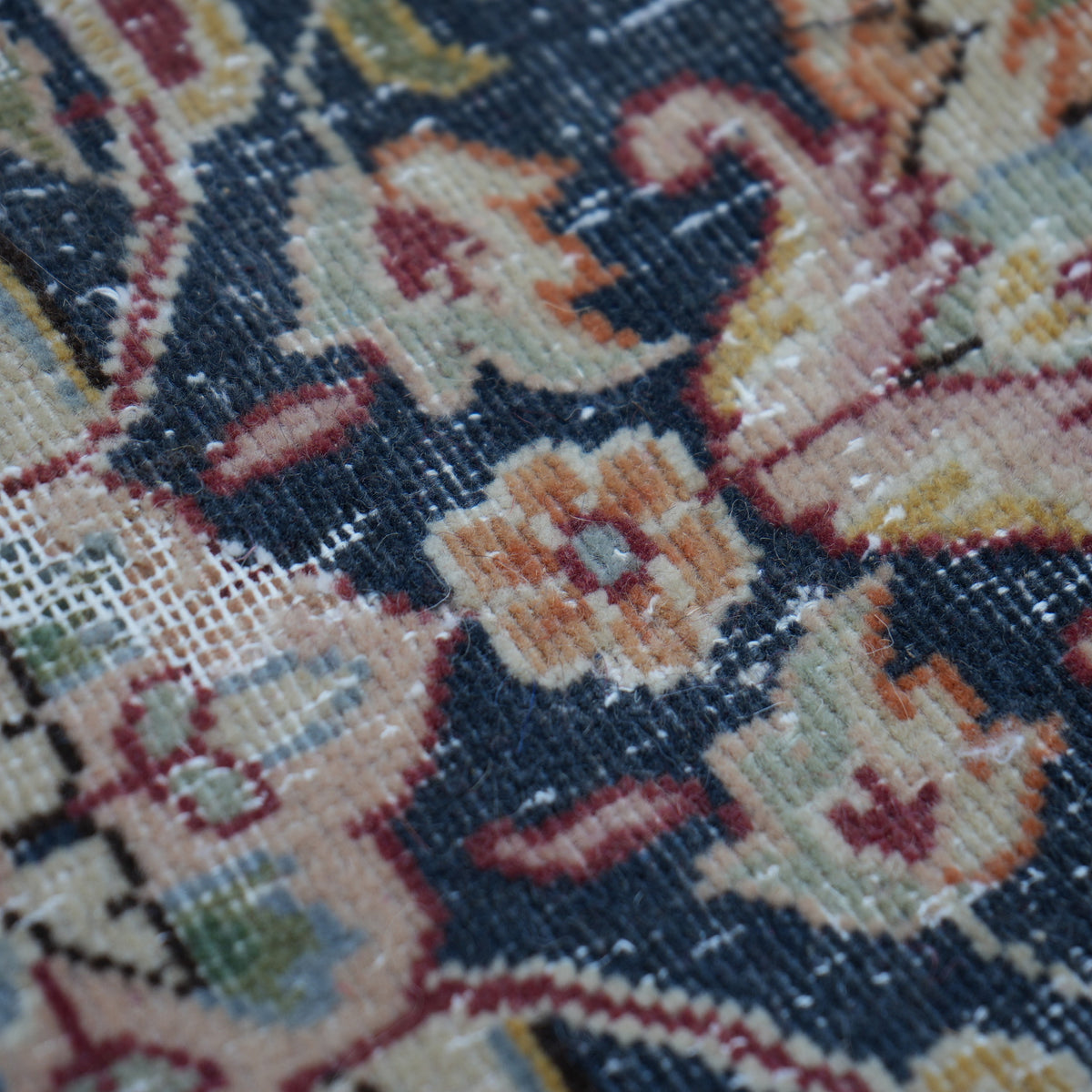
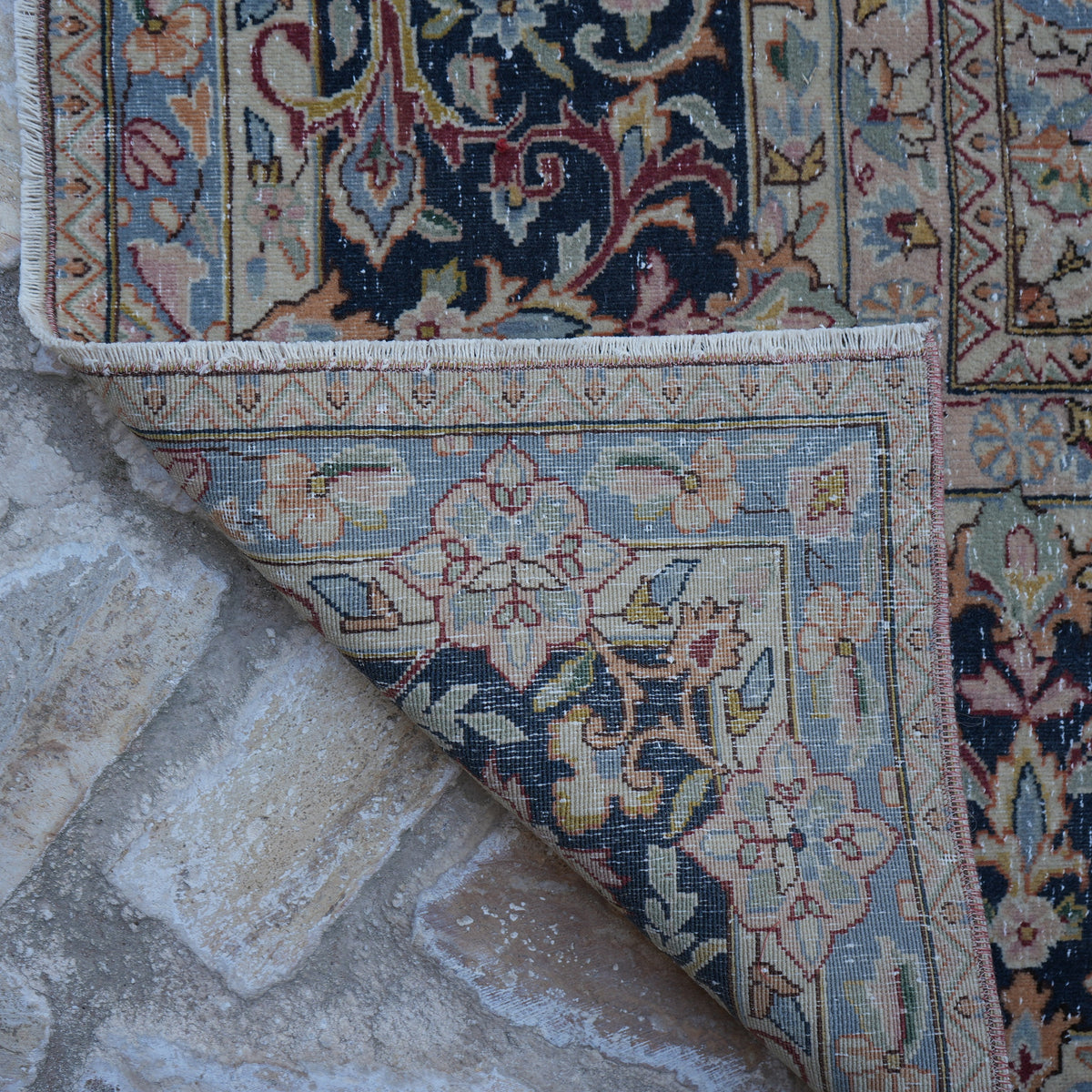
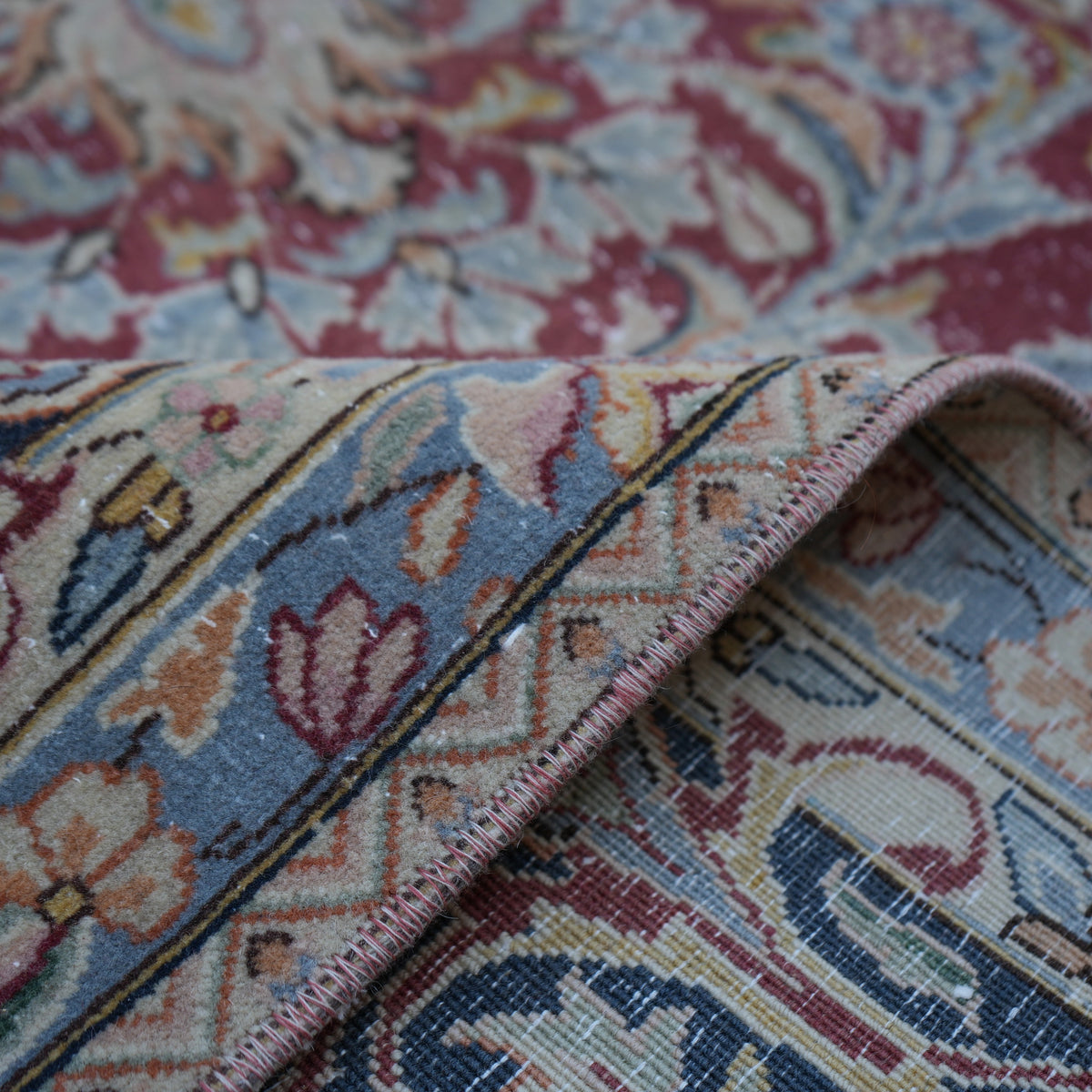
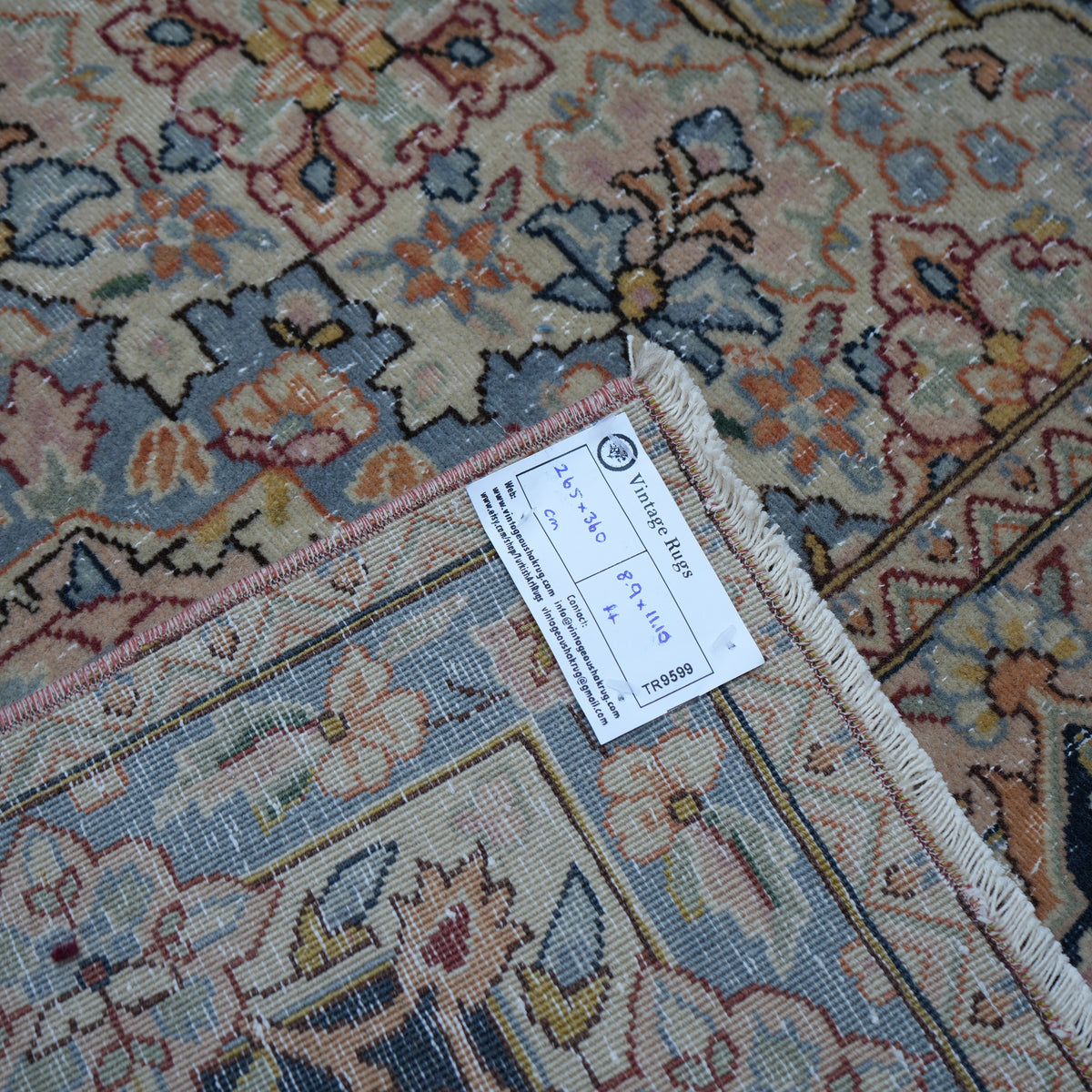
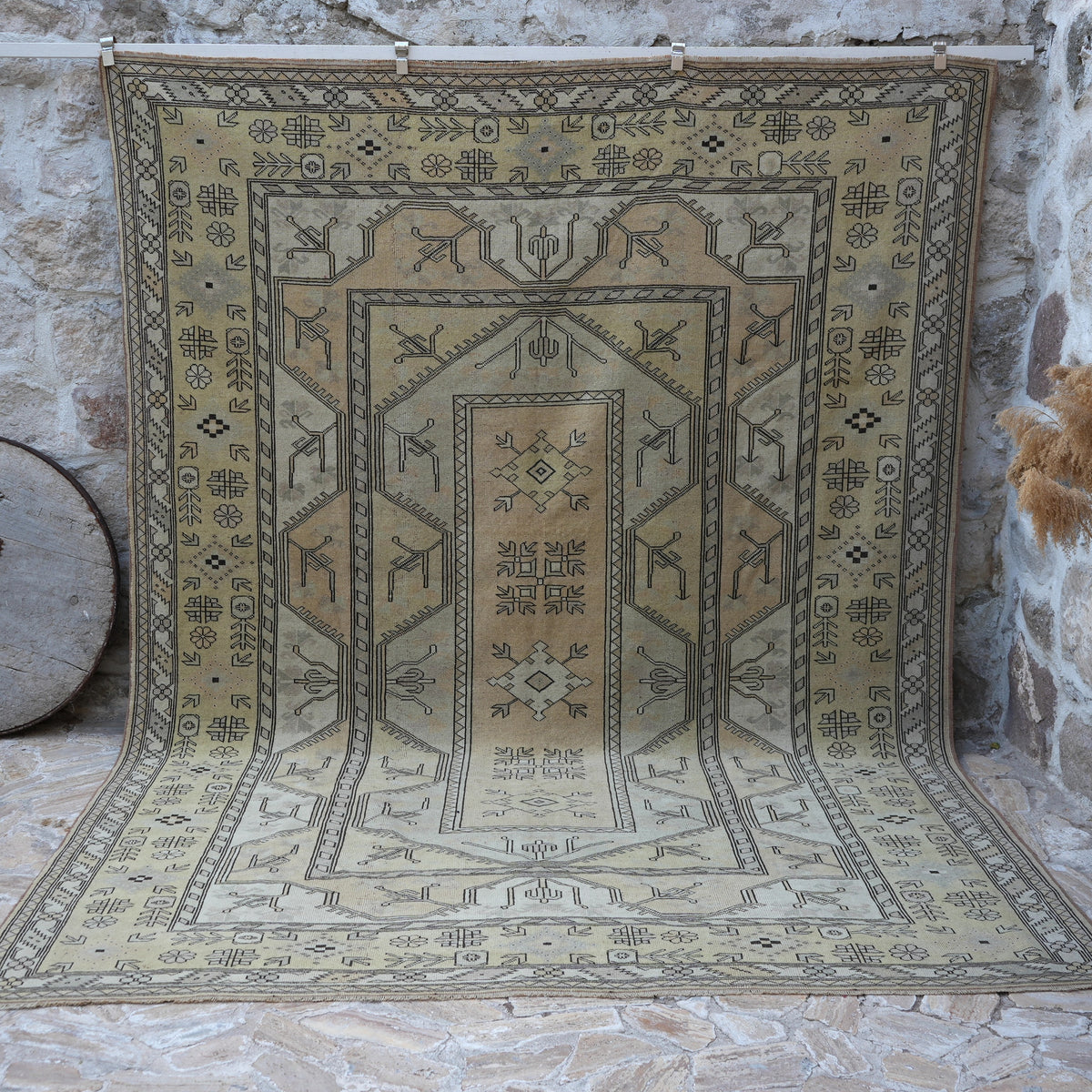
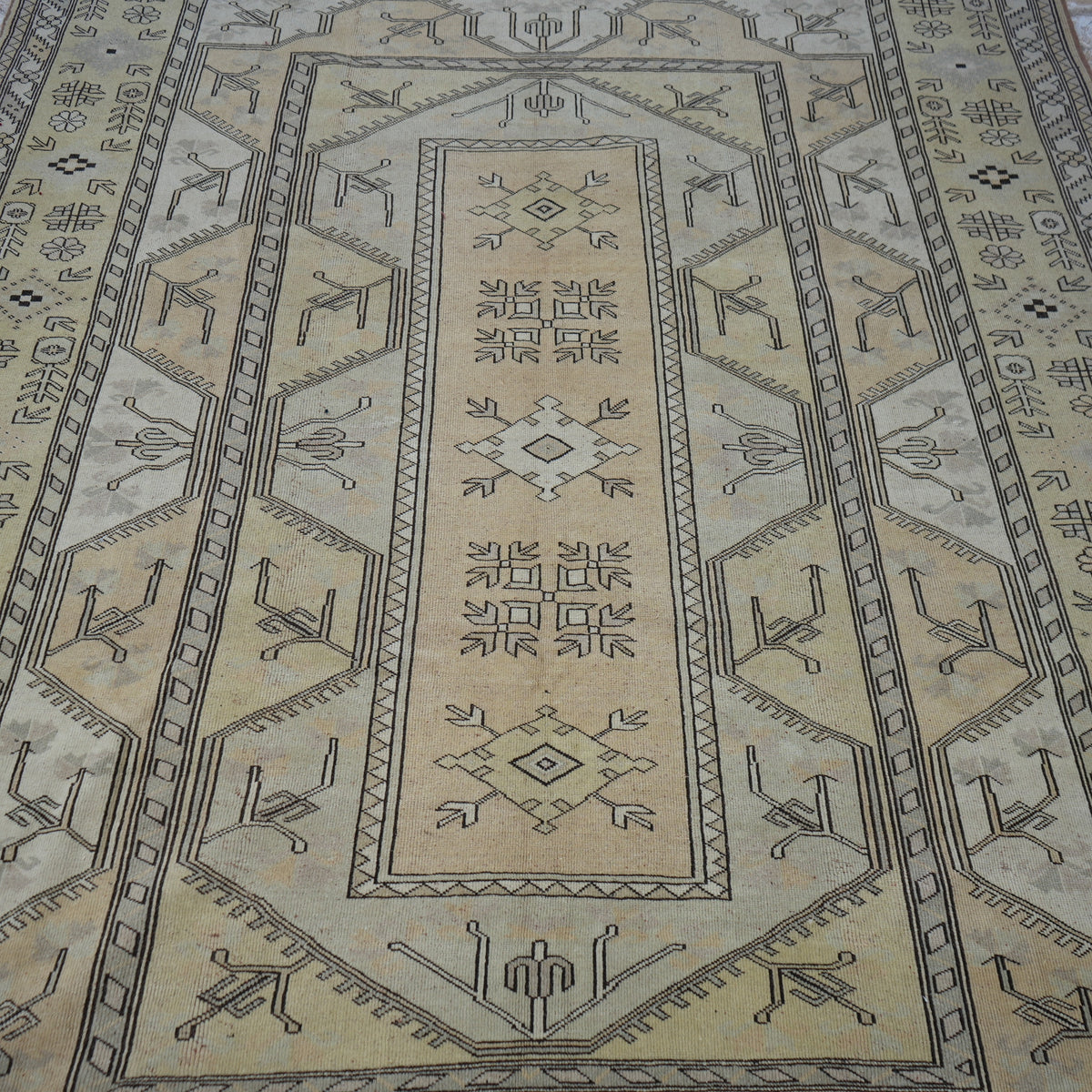
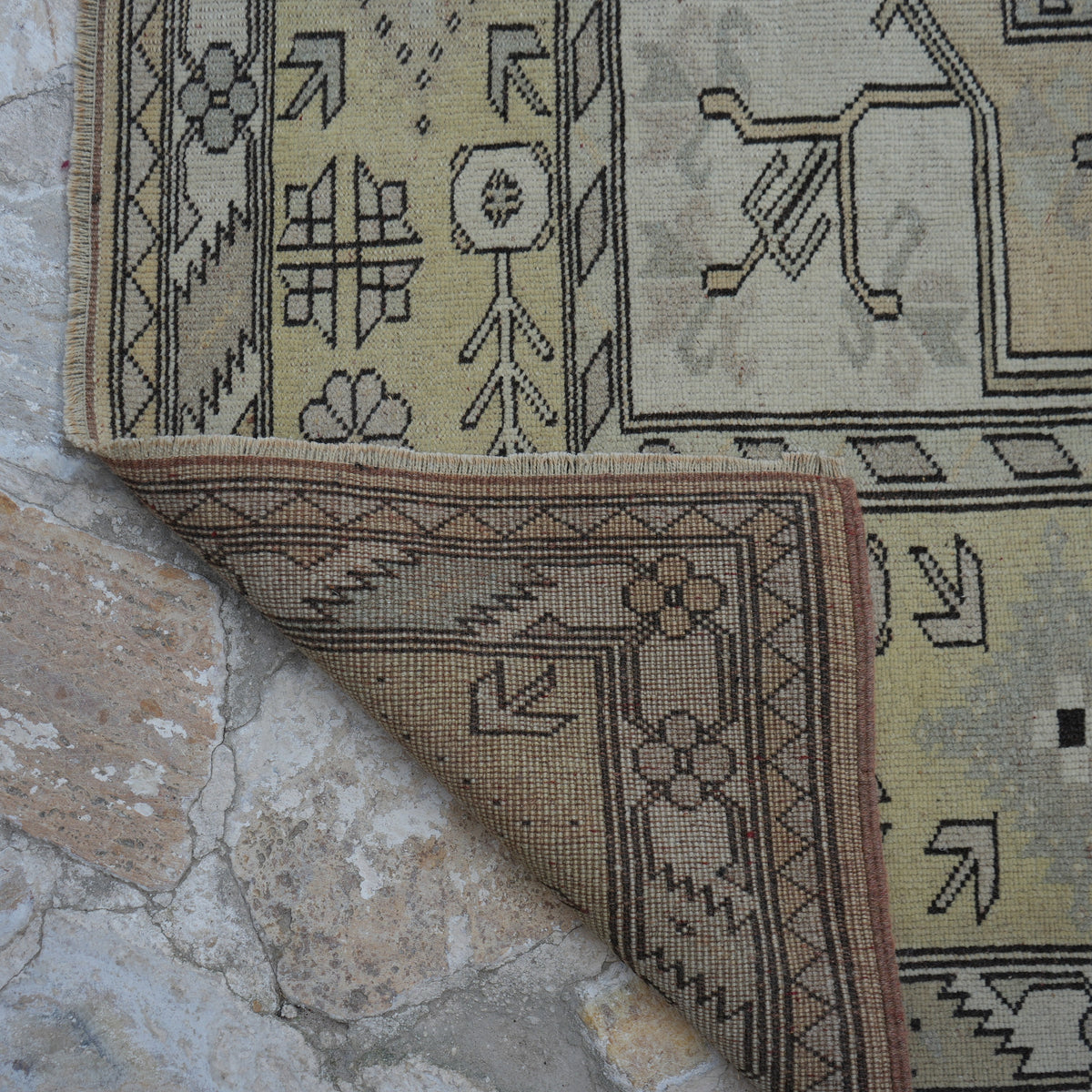
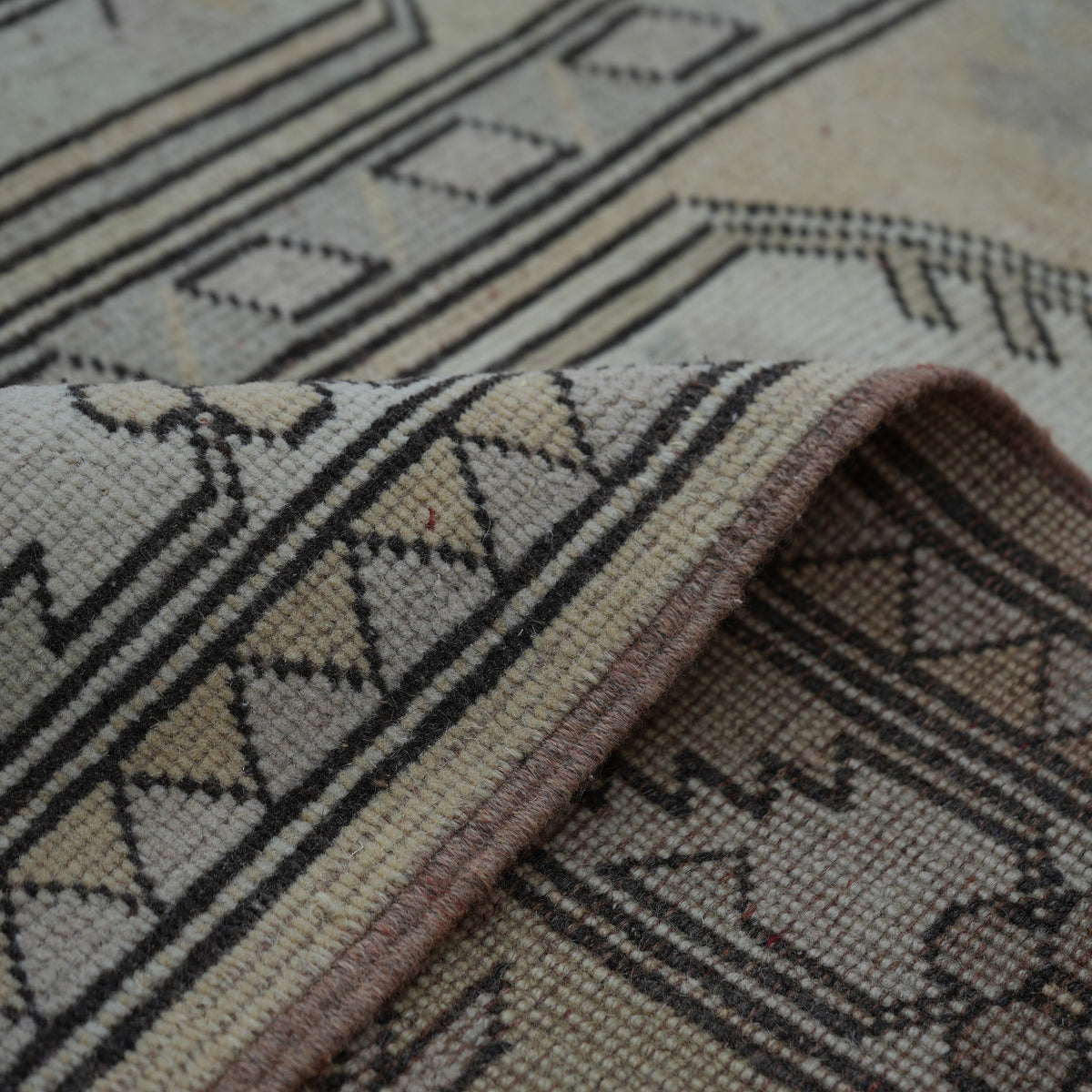
A handmade vintage rug can be washed, repaired, restored, and lived with for decades. We clean every piece before it ships — so the only smell you get is the real one.
Every piece cleaned and inspected before shipping.
50–100+ year lifespan. No synthetic fibers.
30 days to decide. No restocking fees, no hassle.
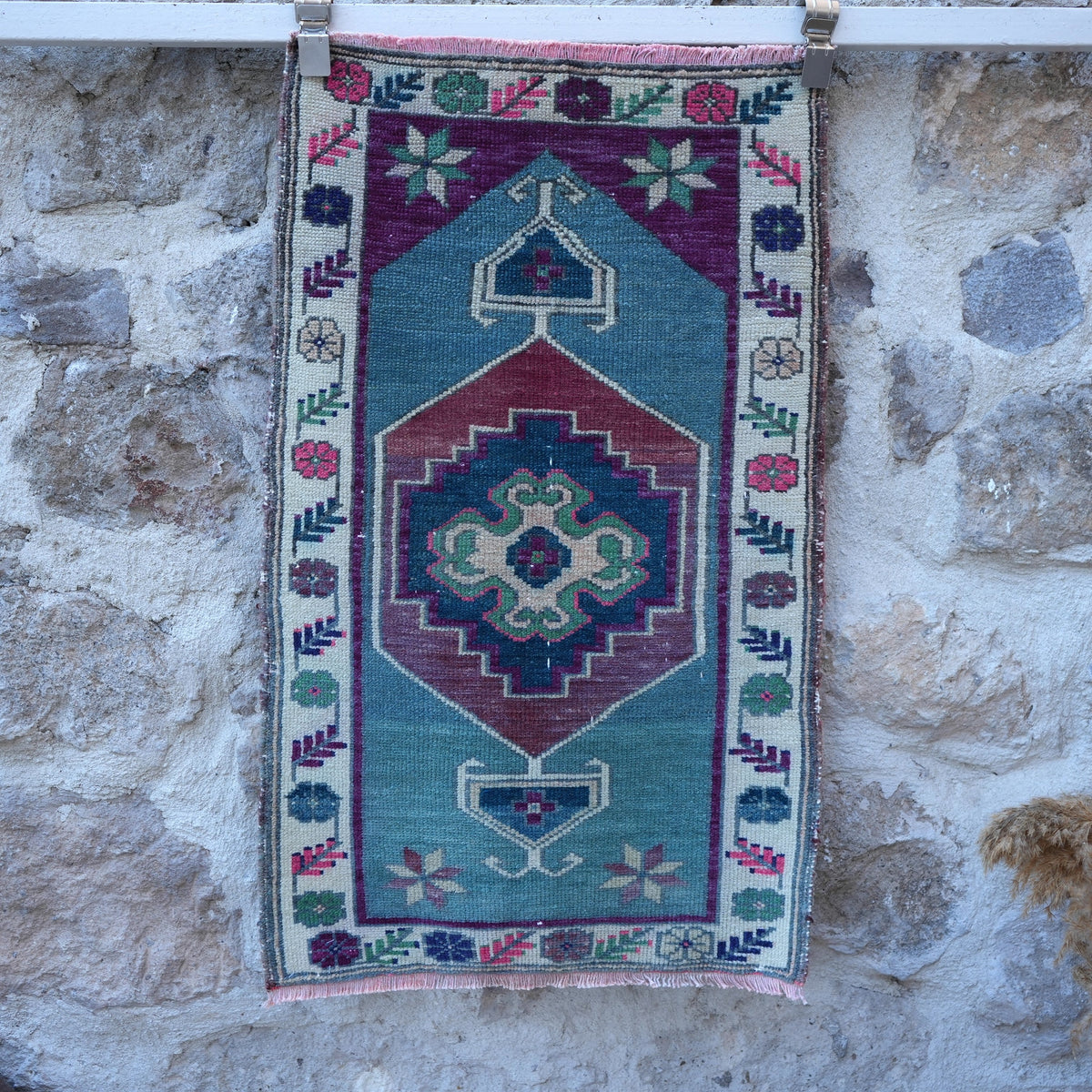
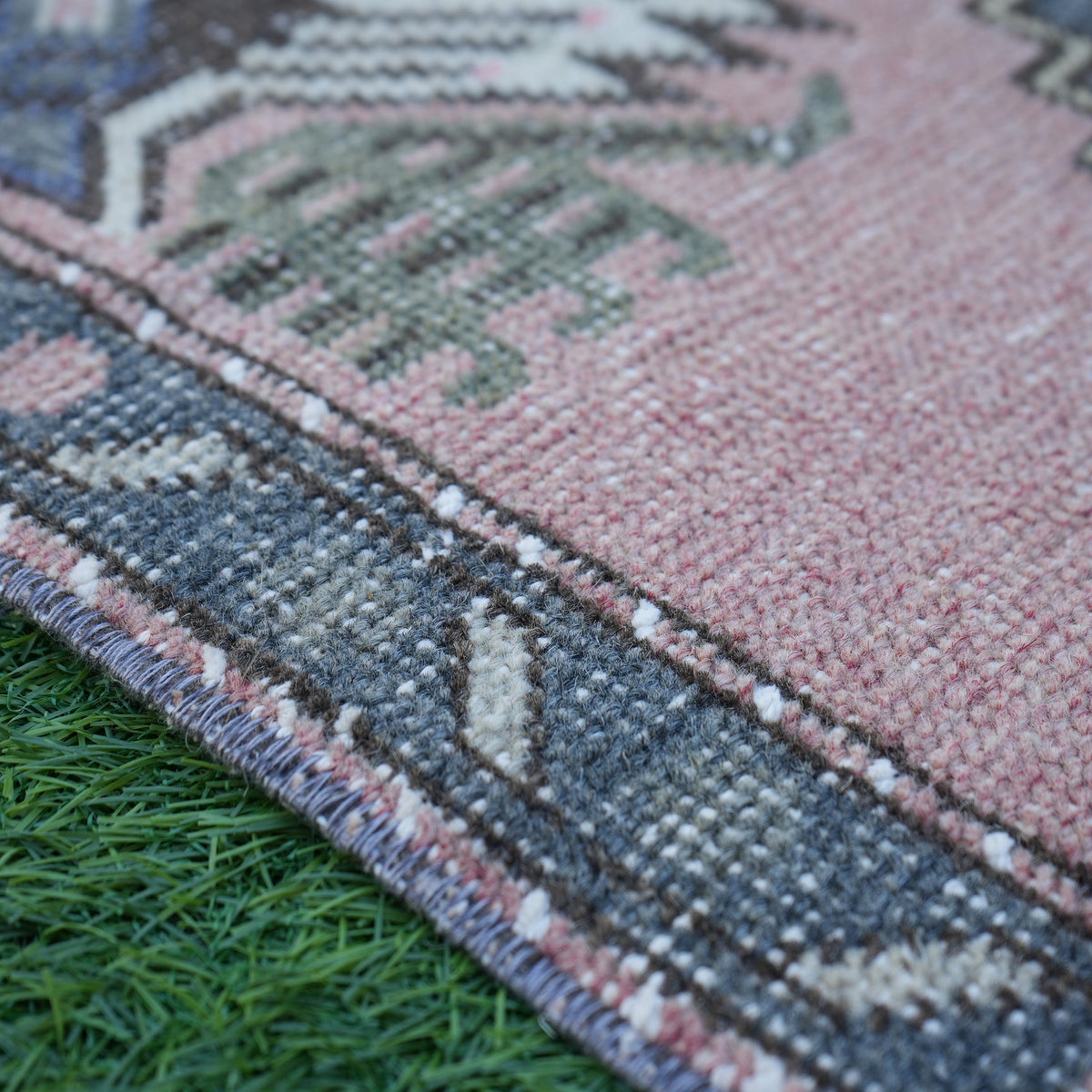
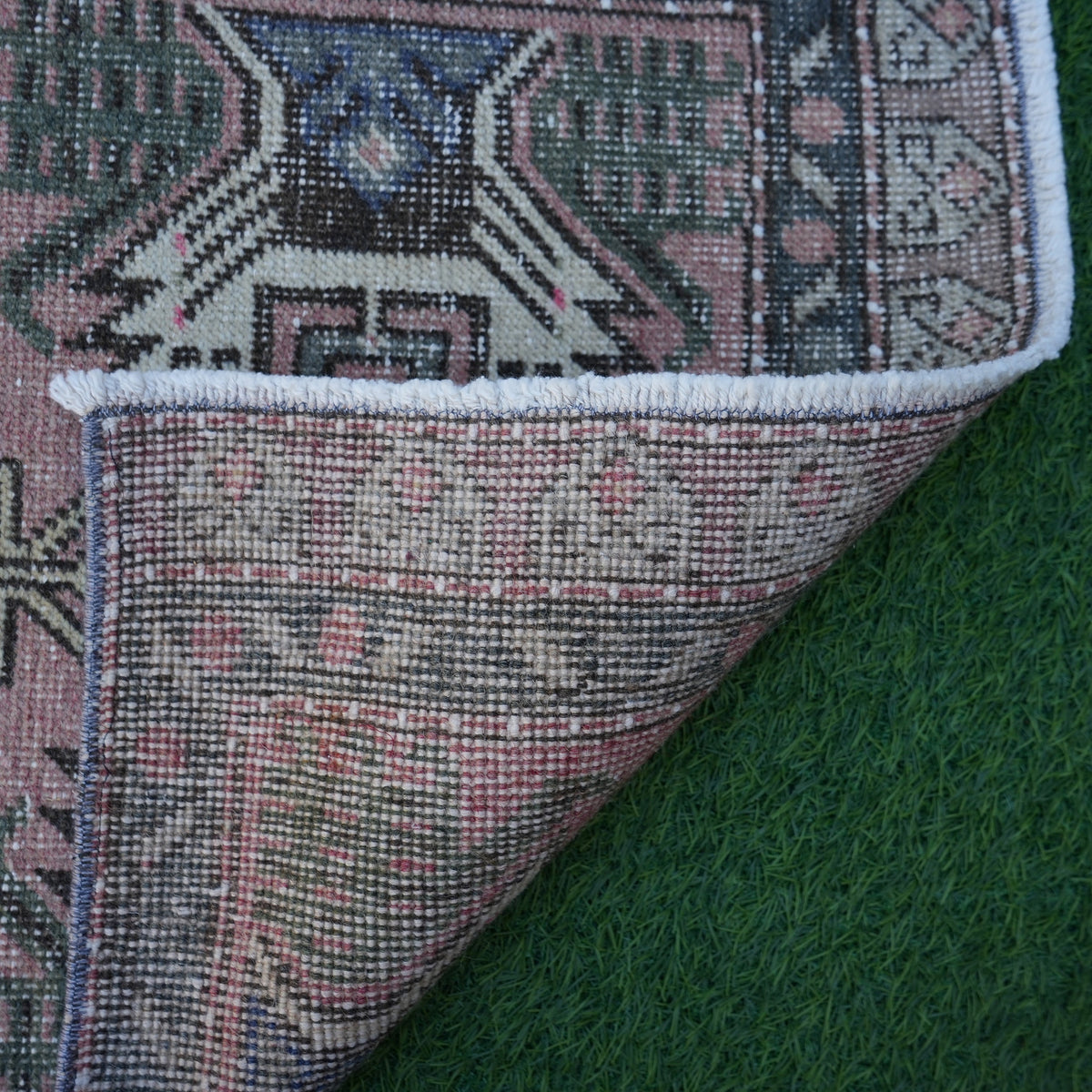
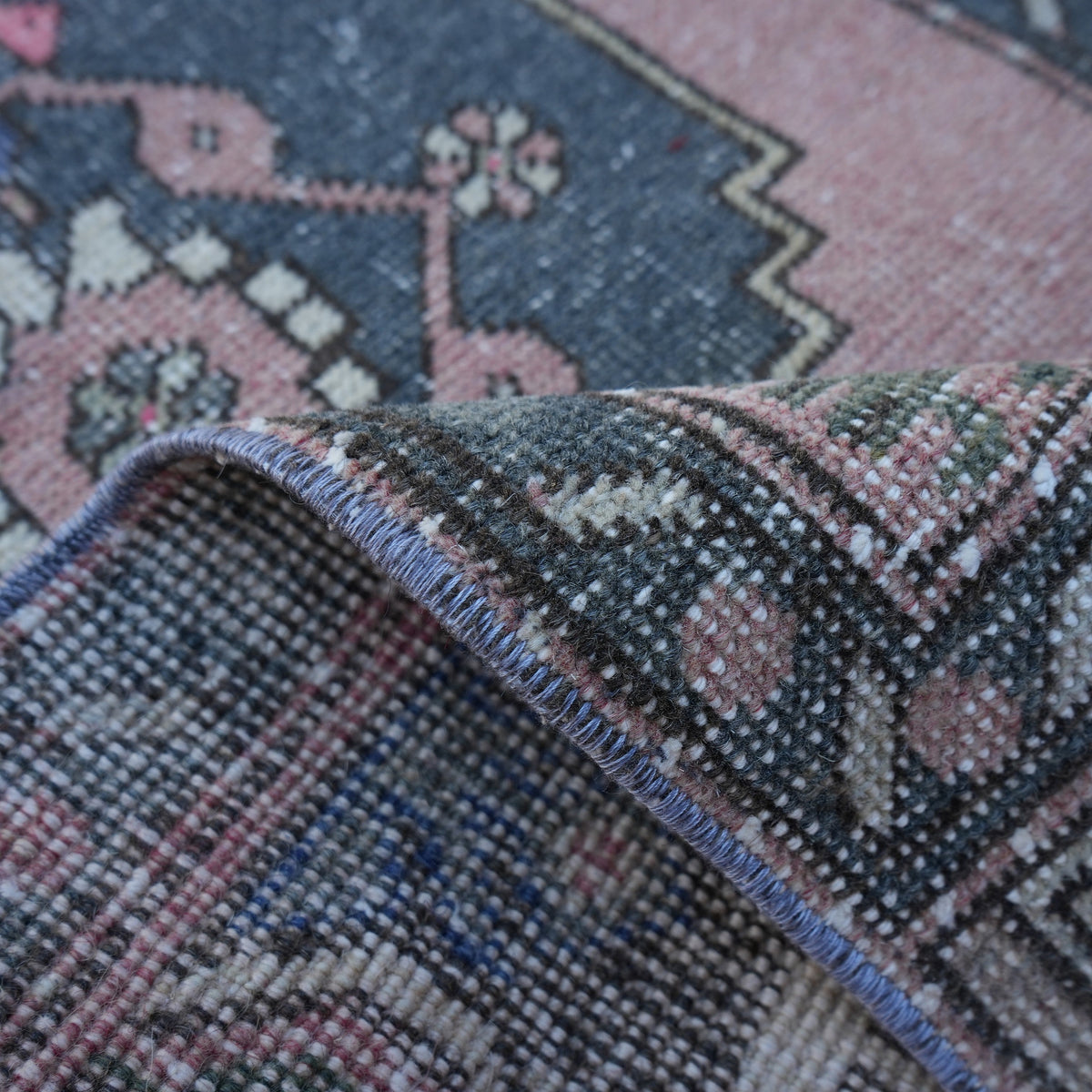
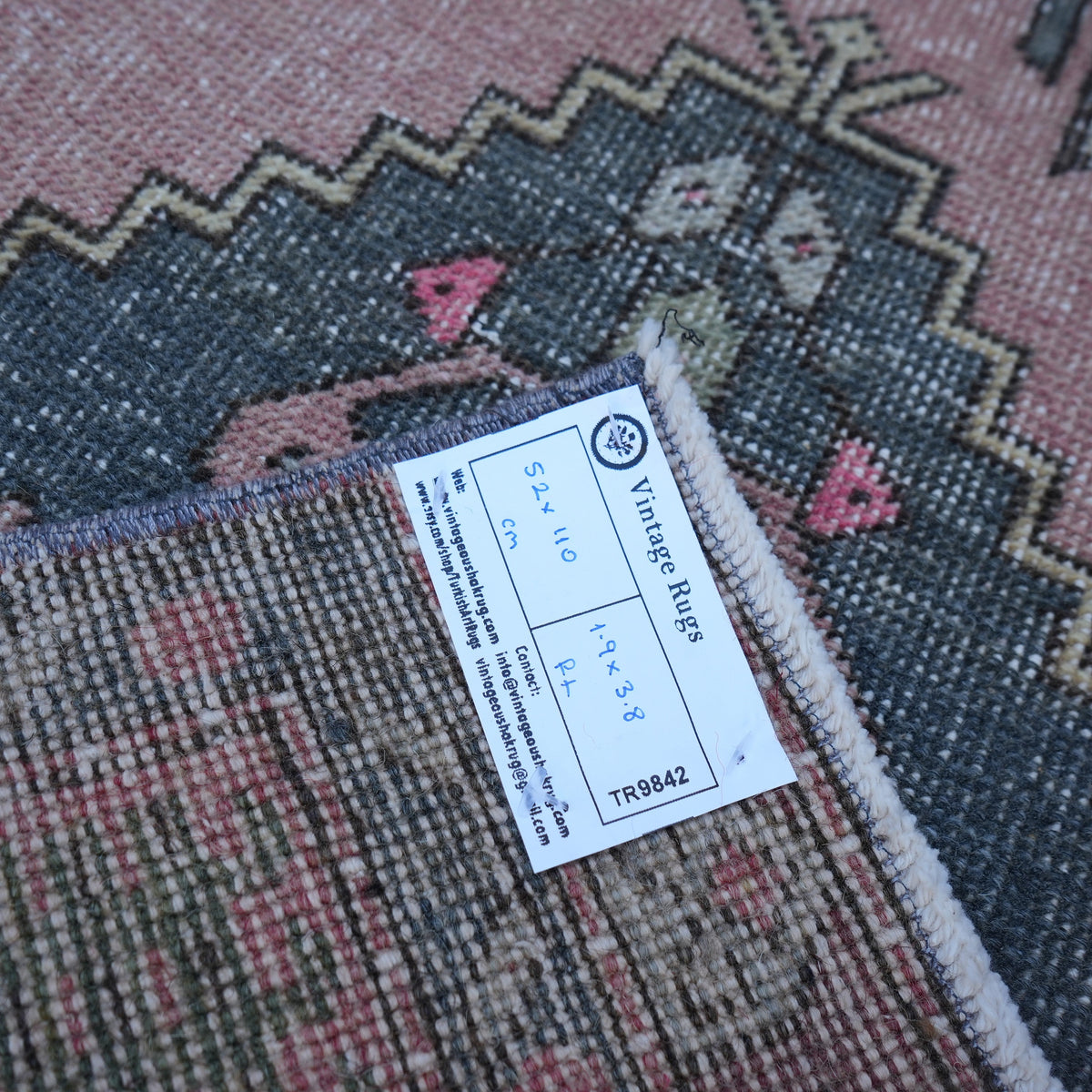
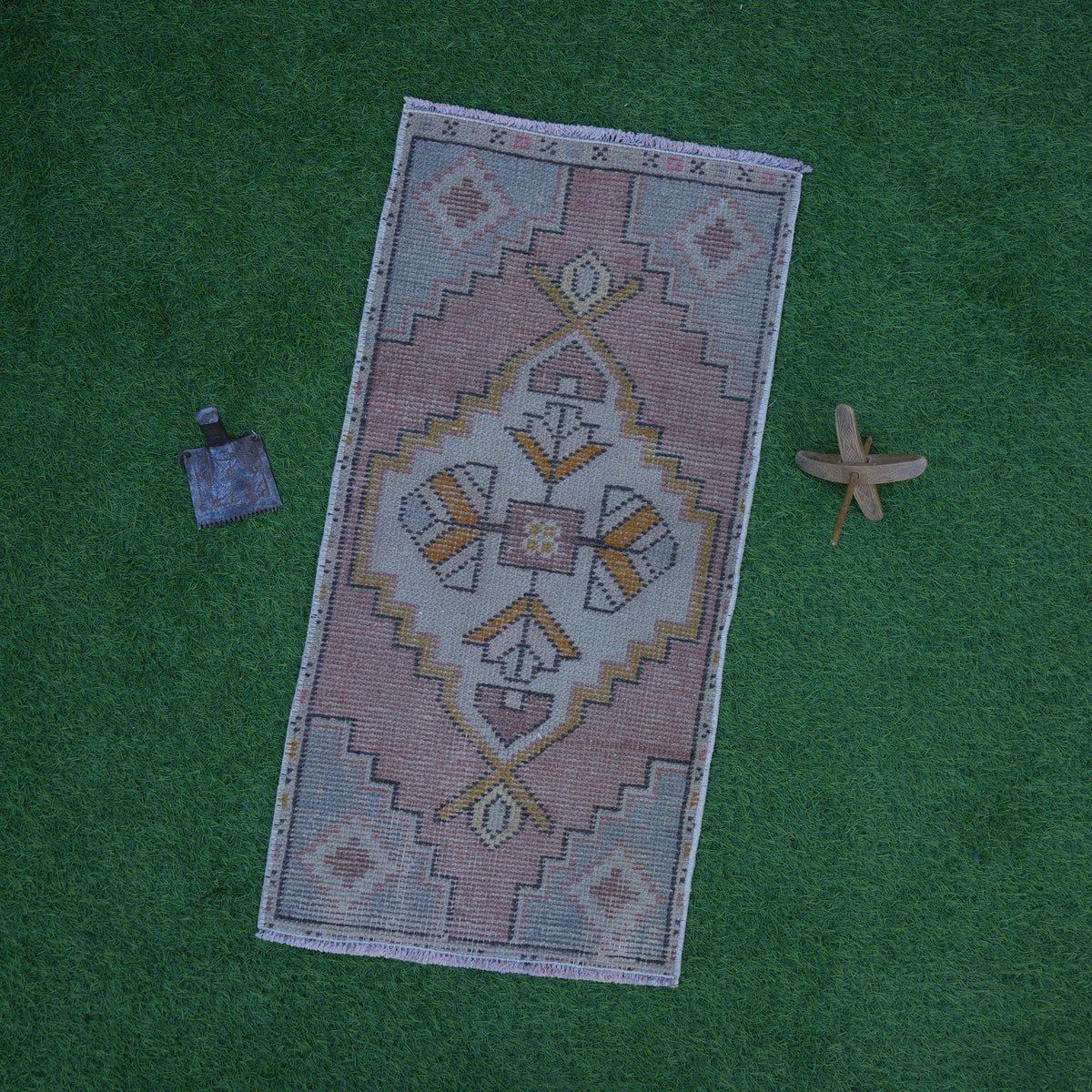
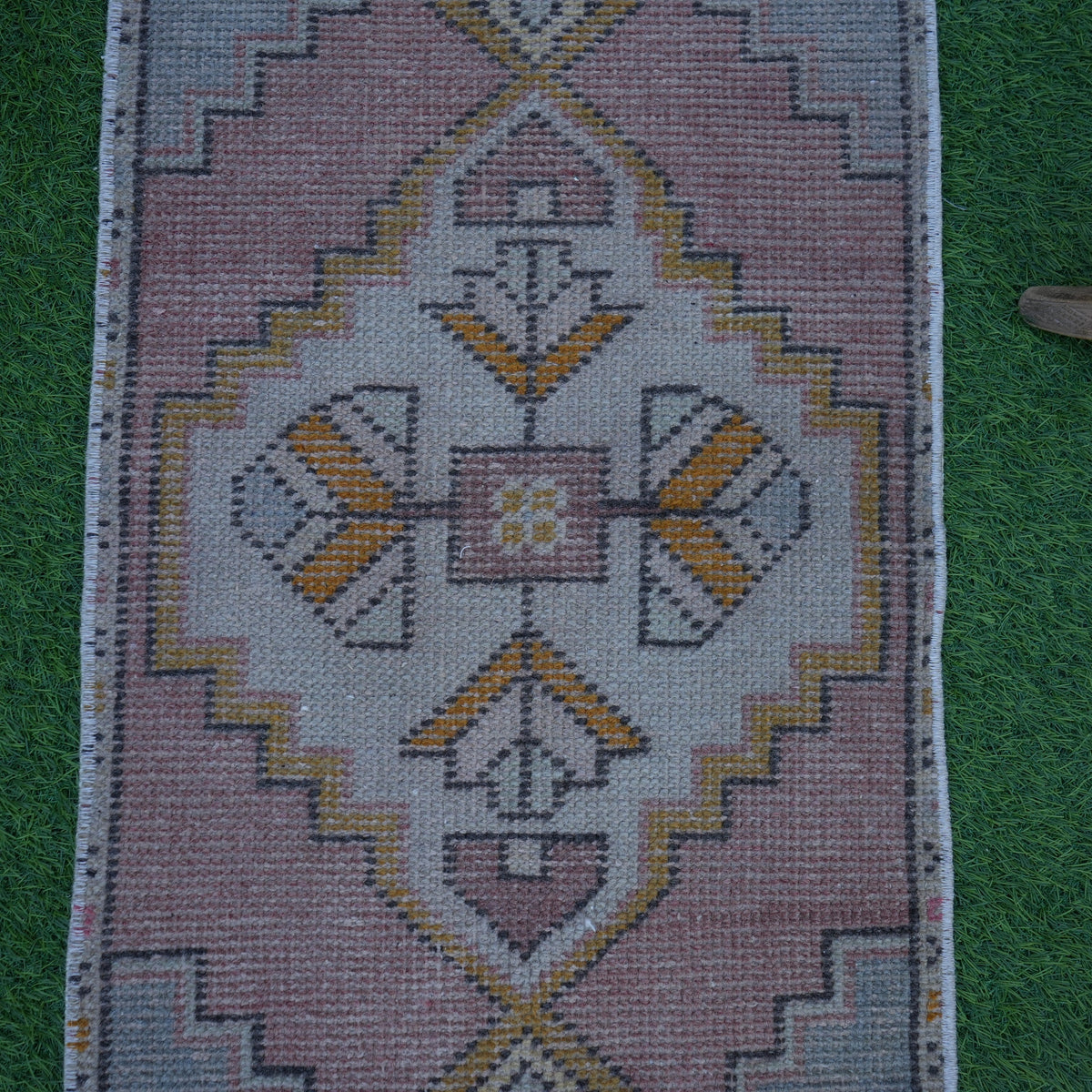
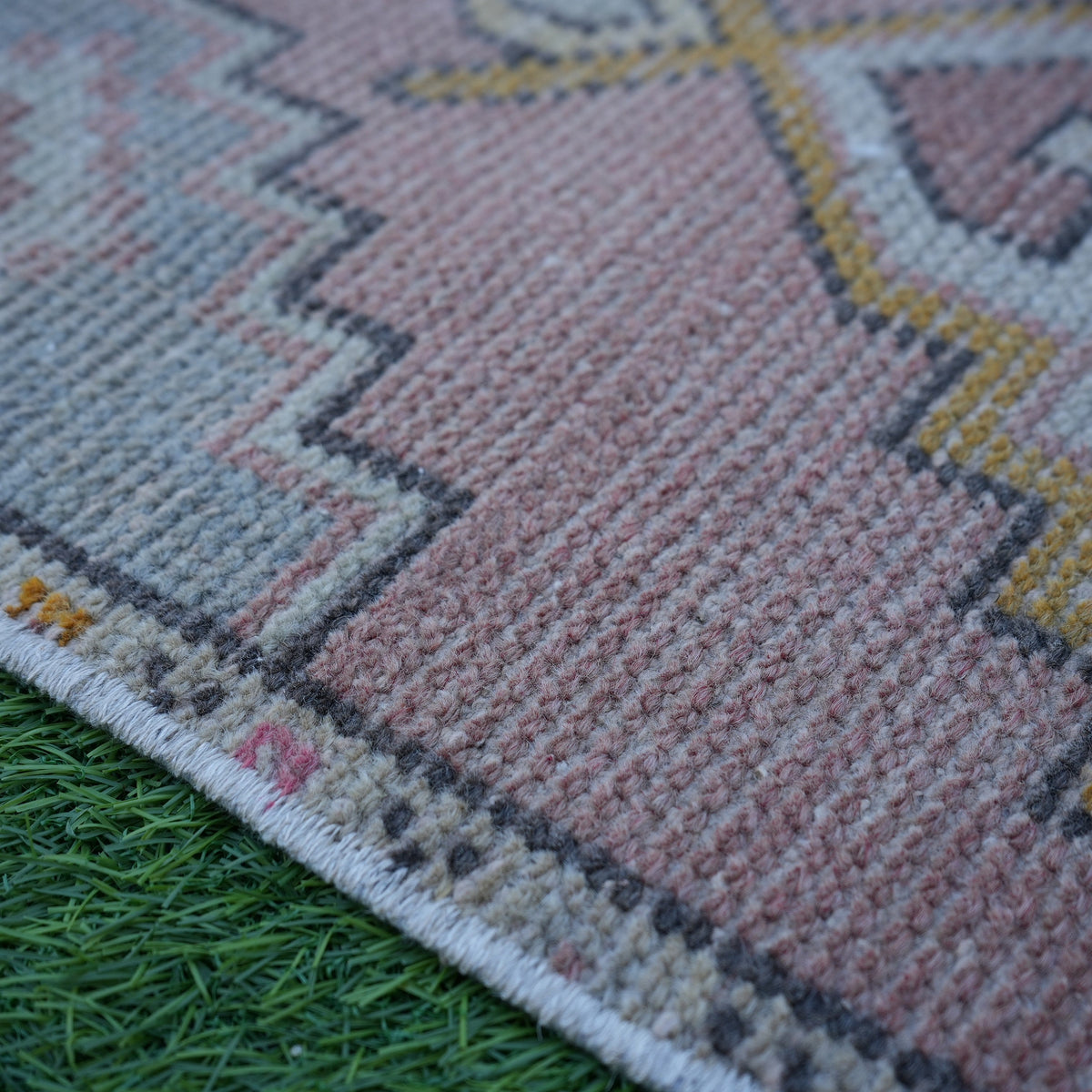
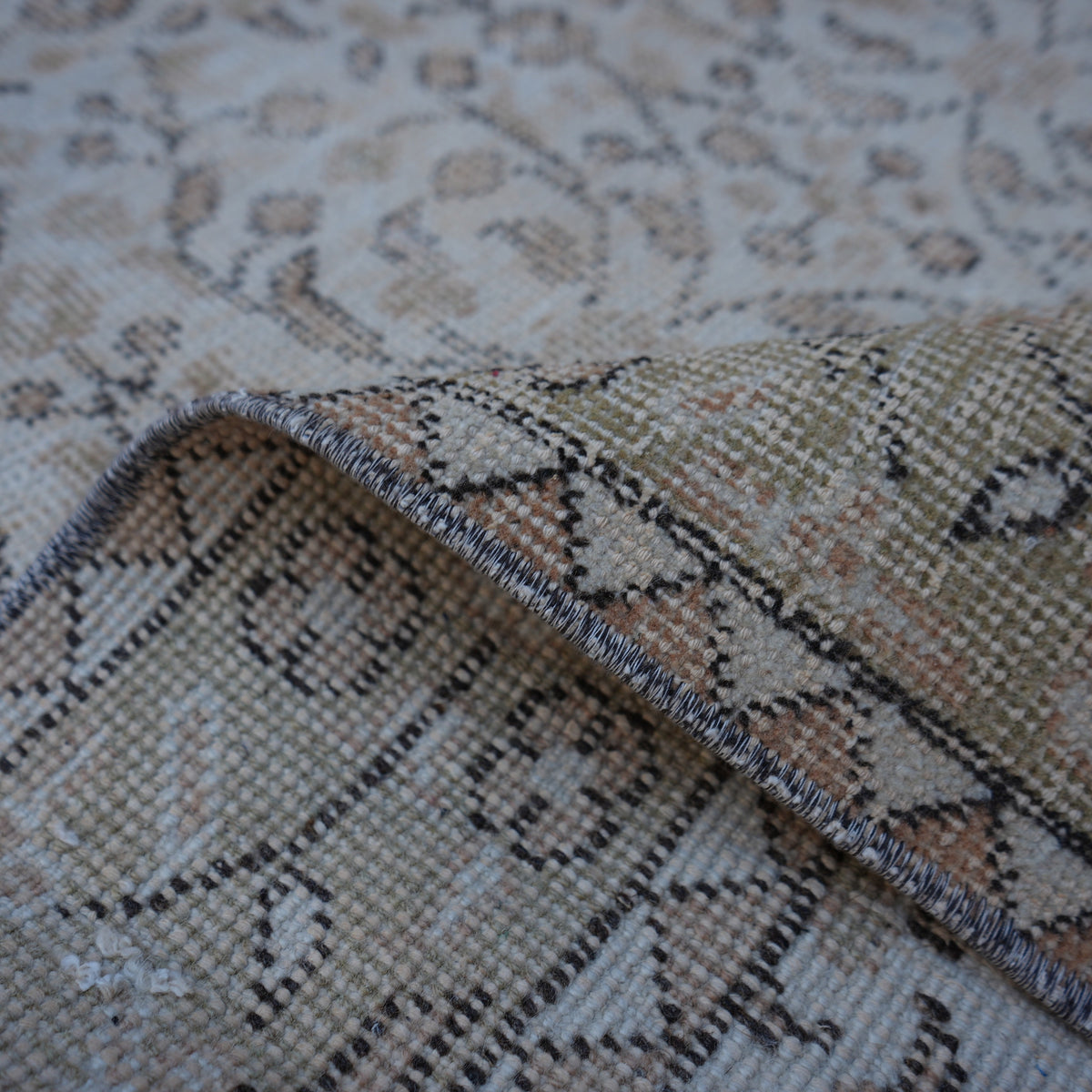
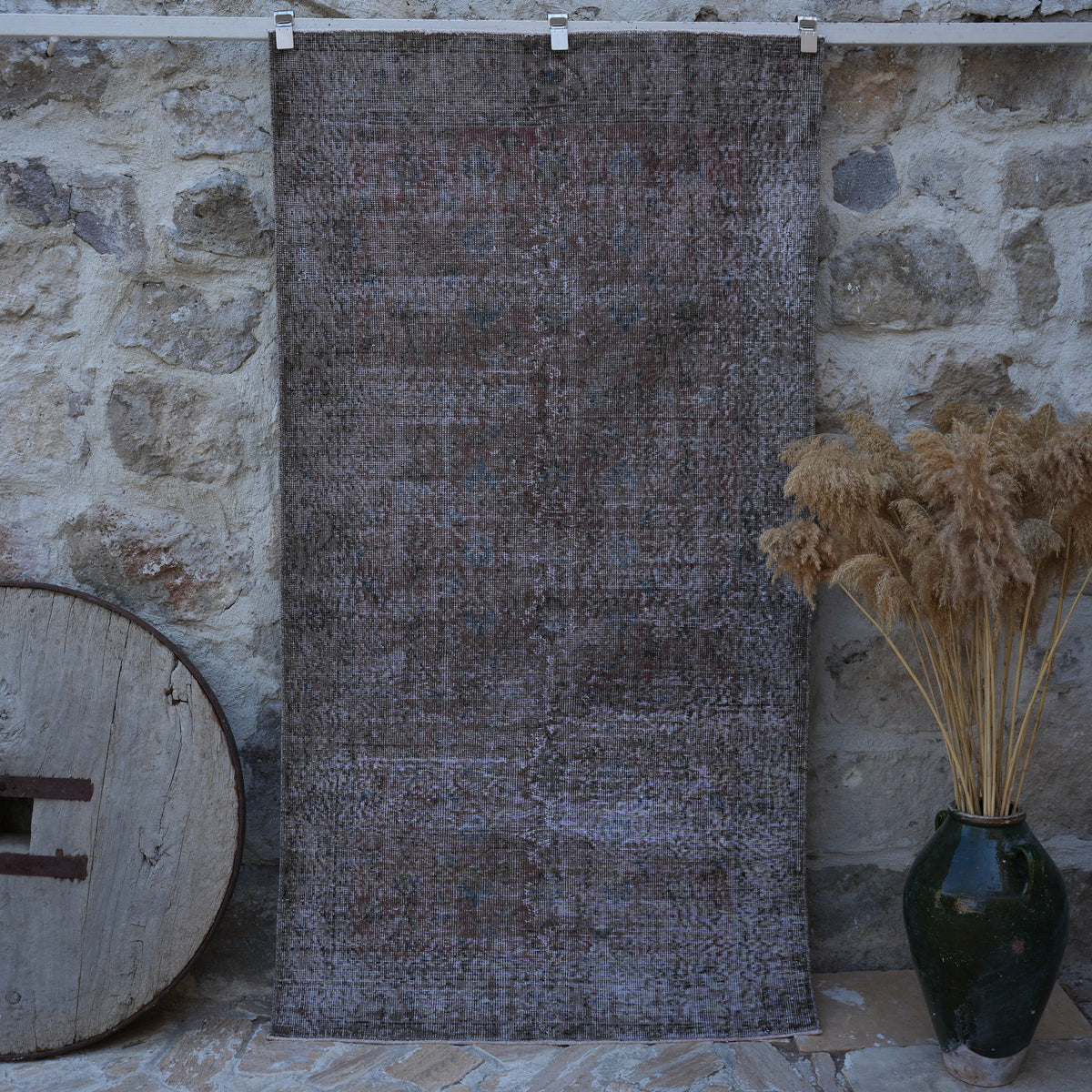
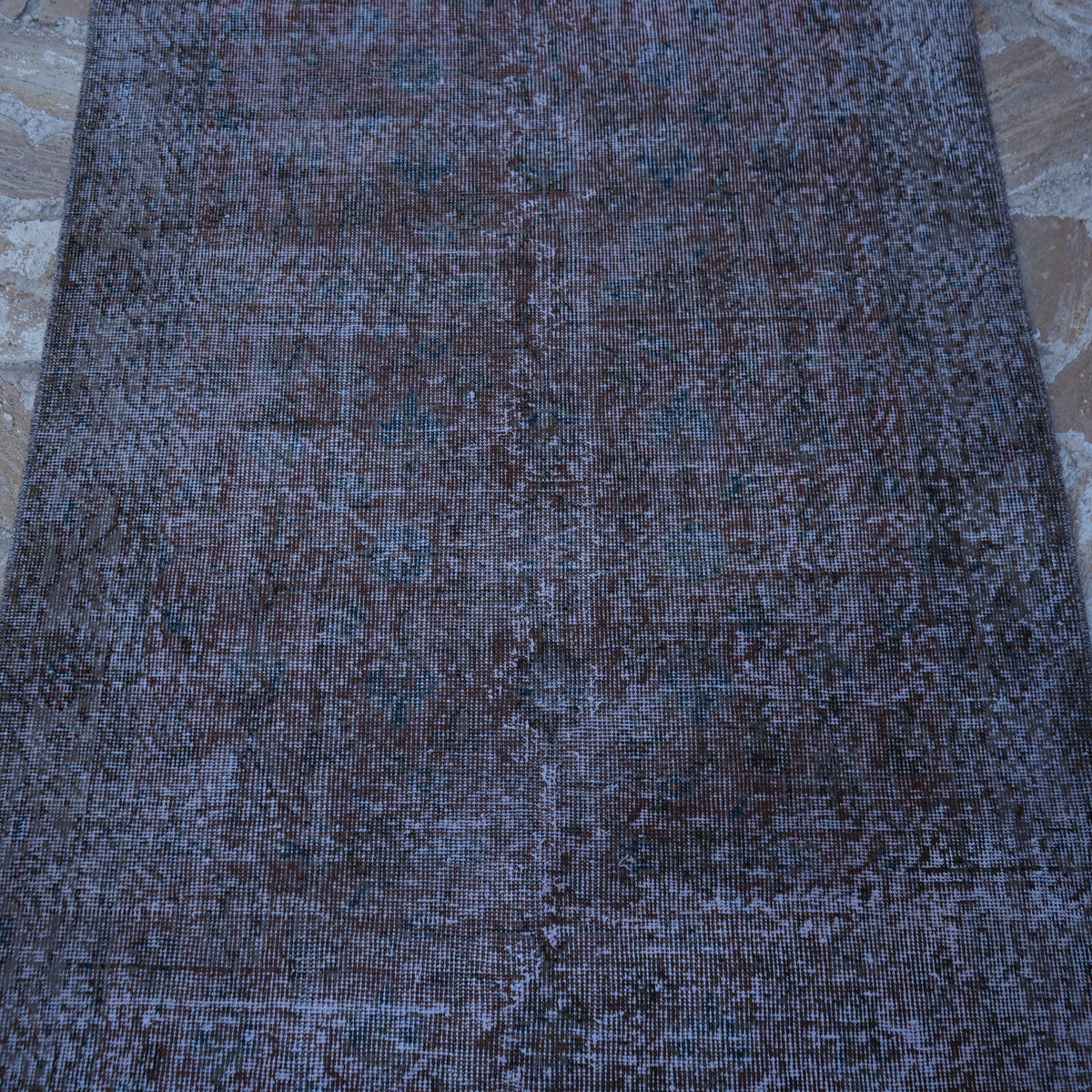
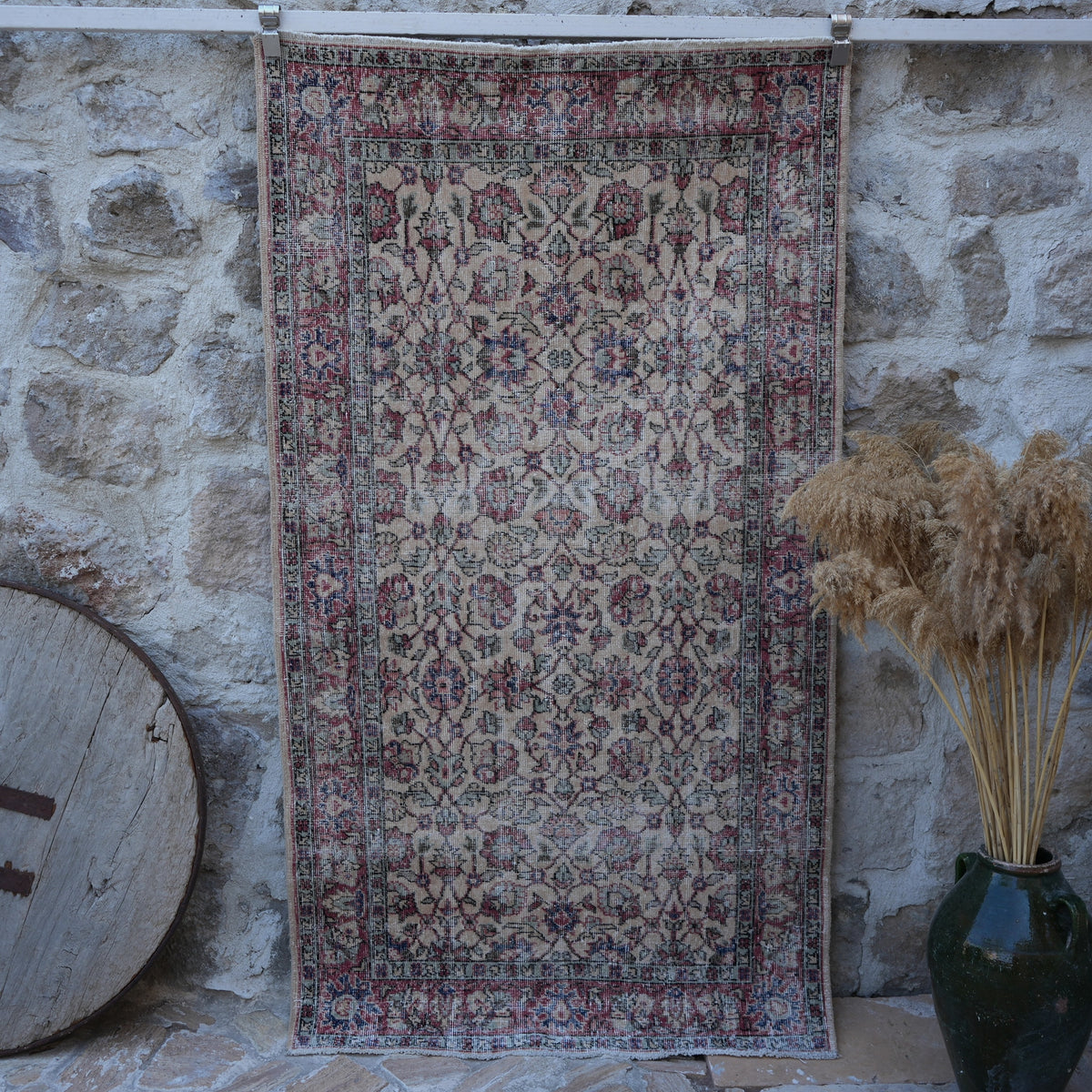
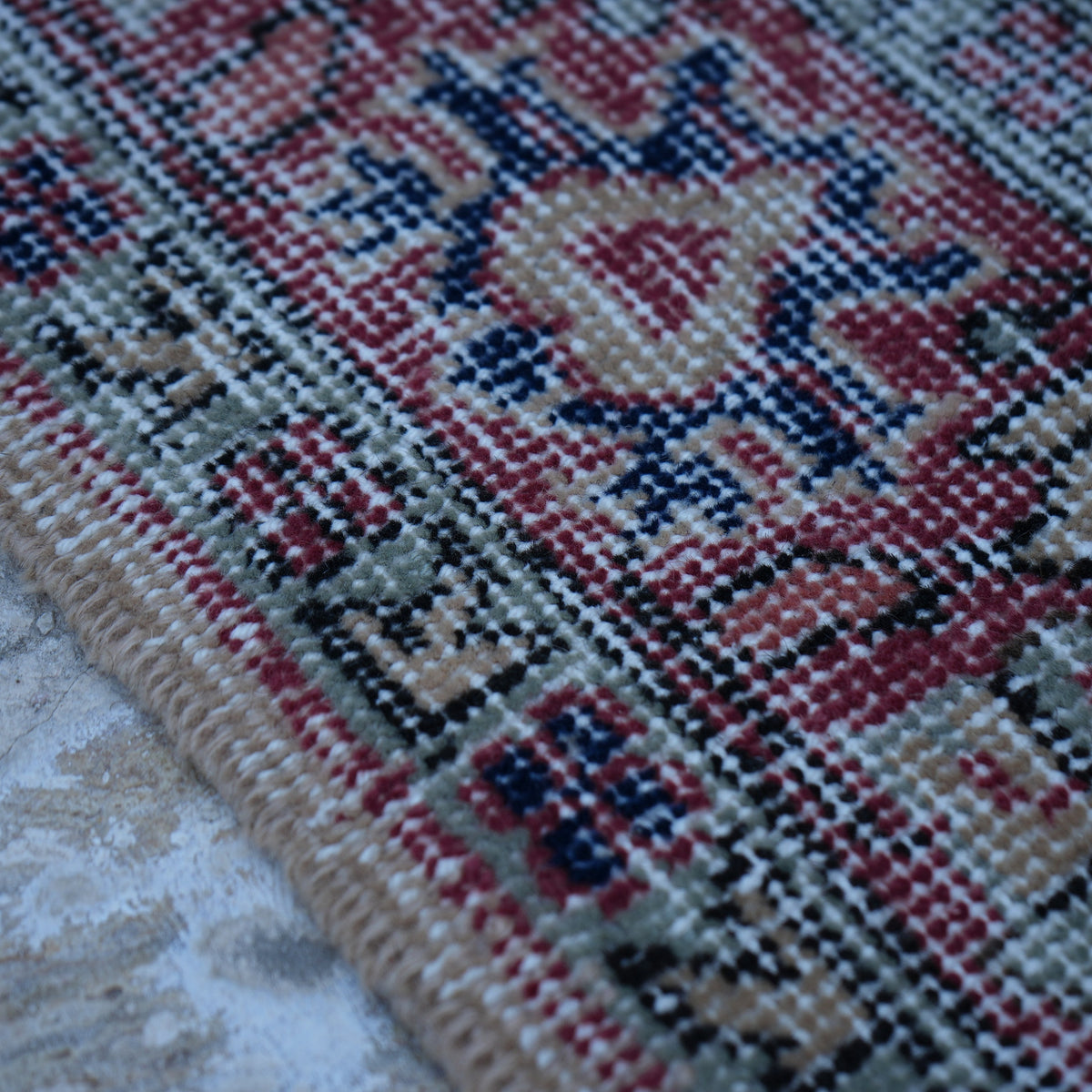
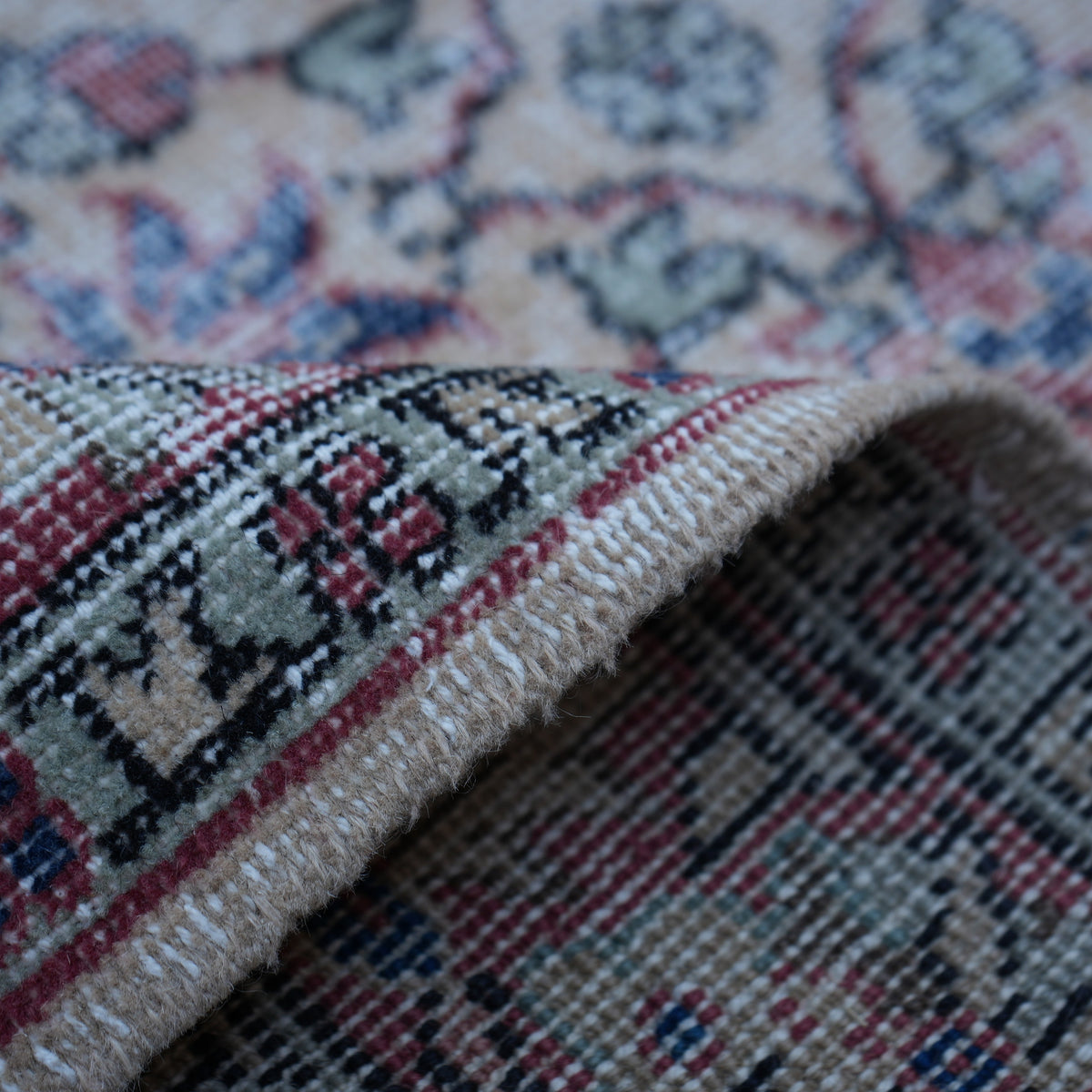
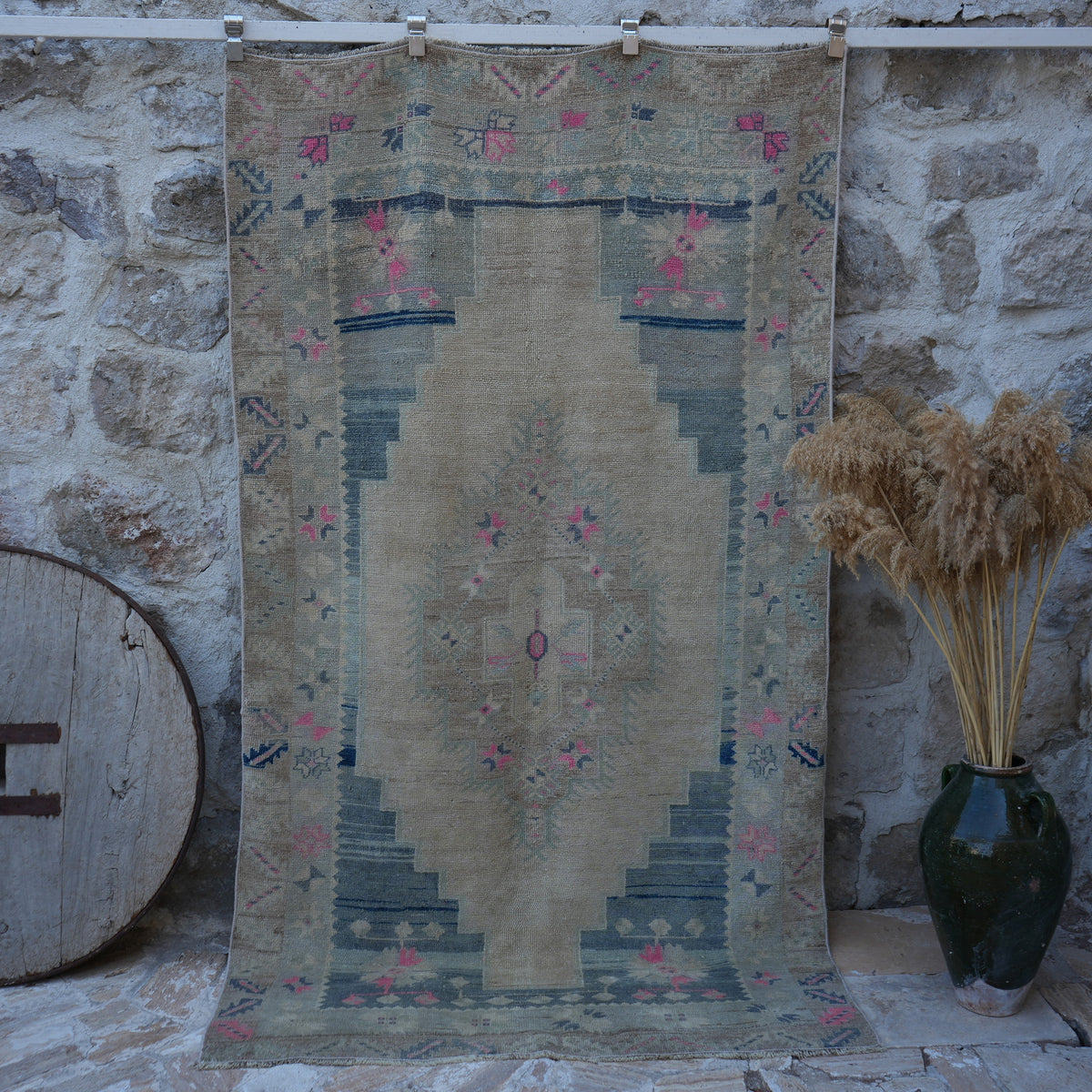
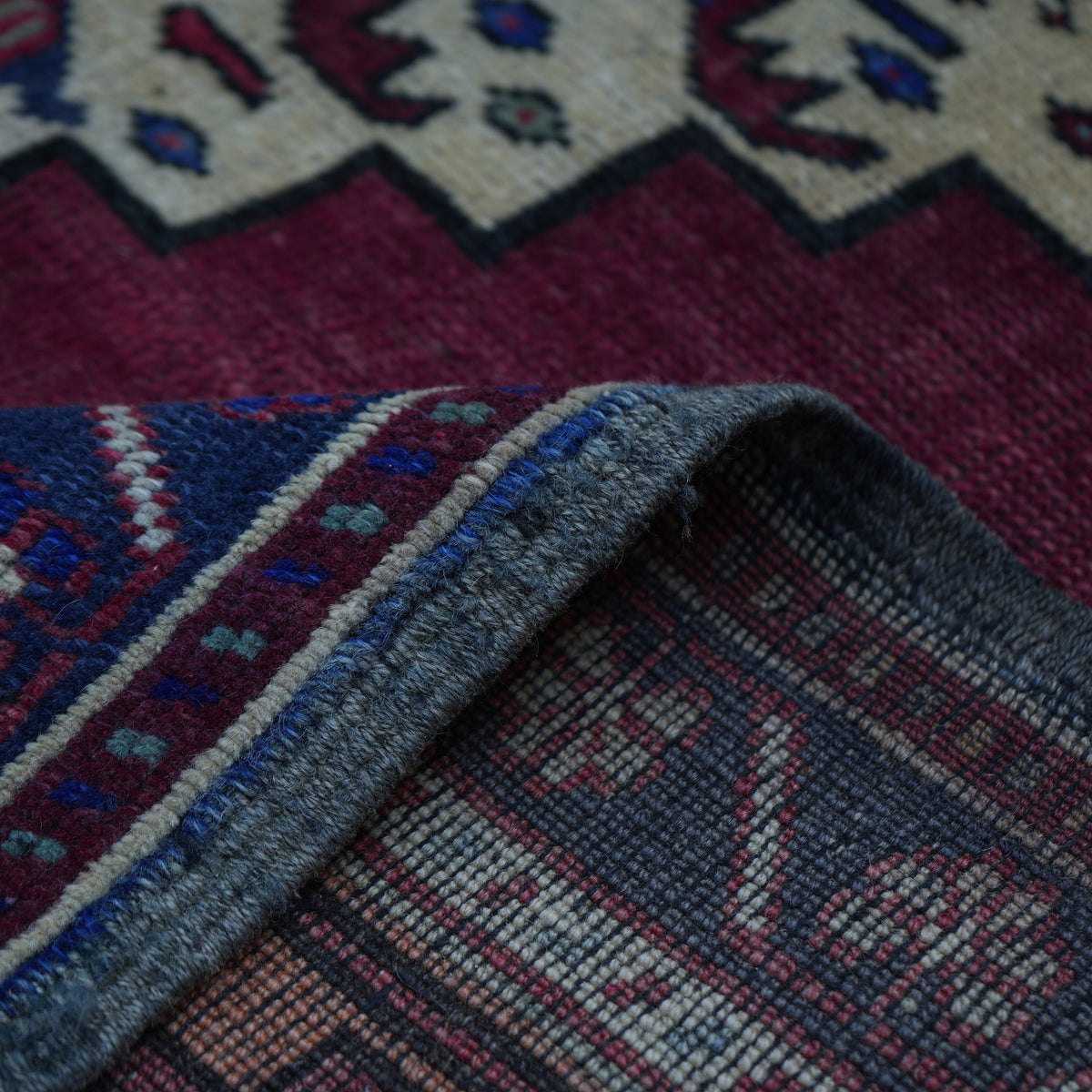
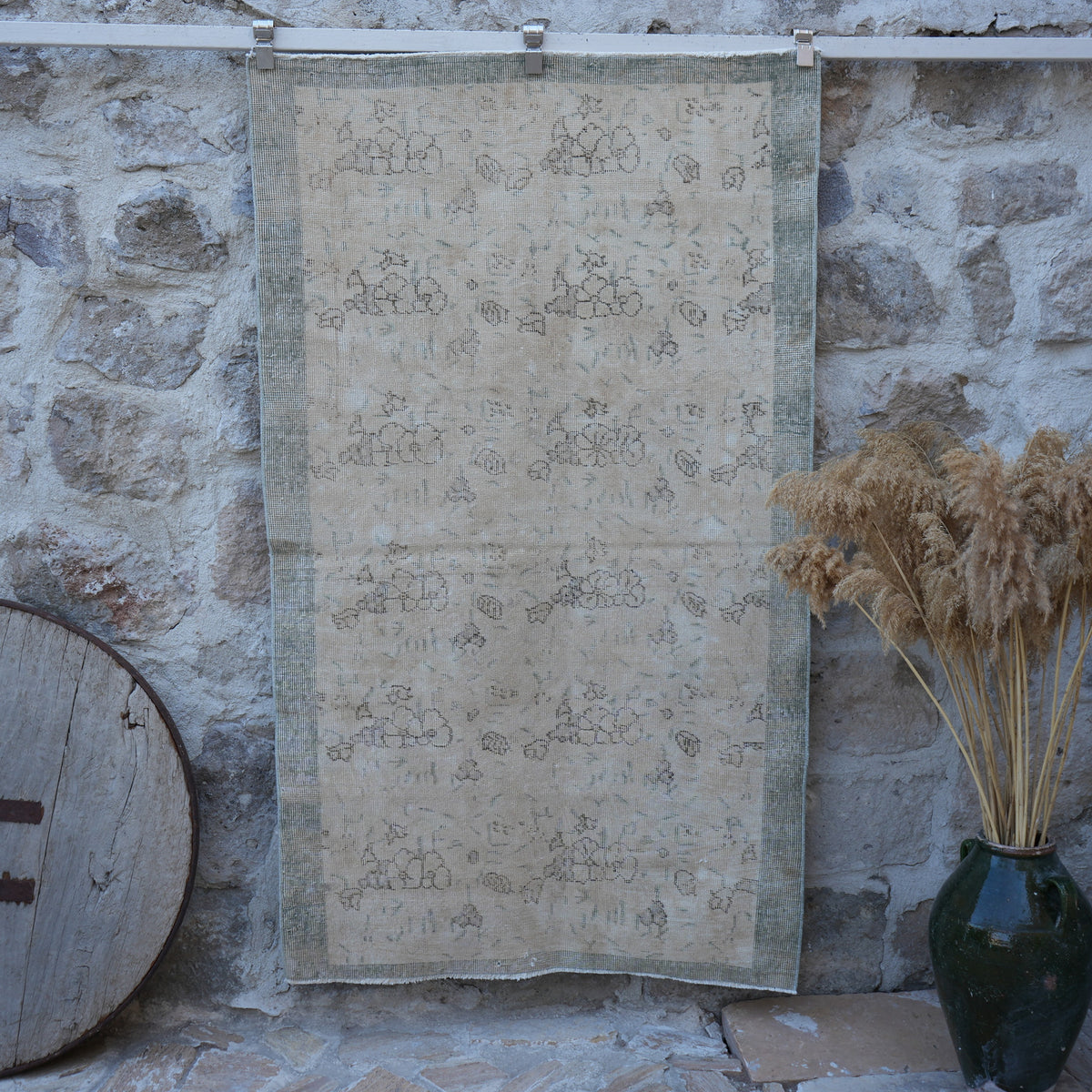
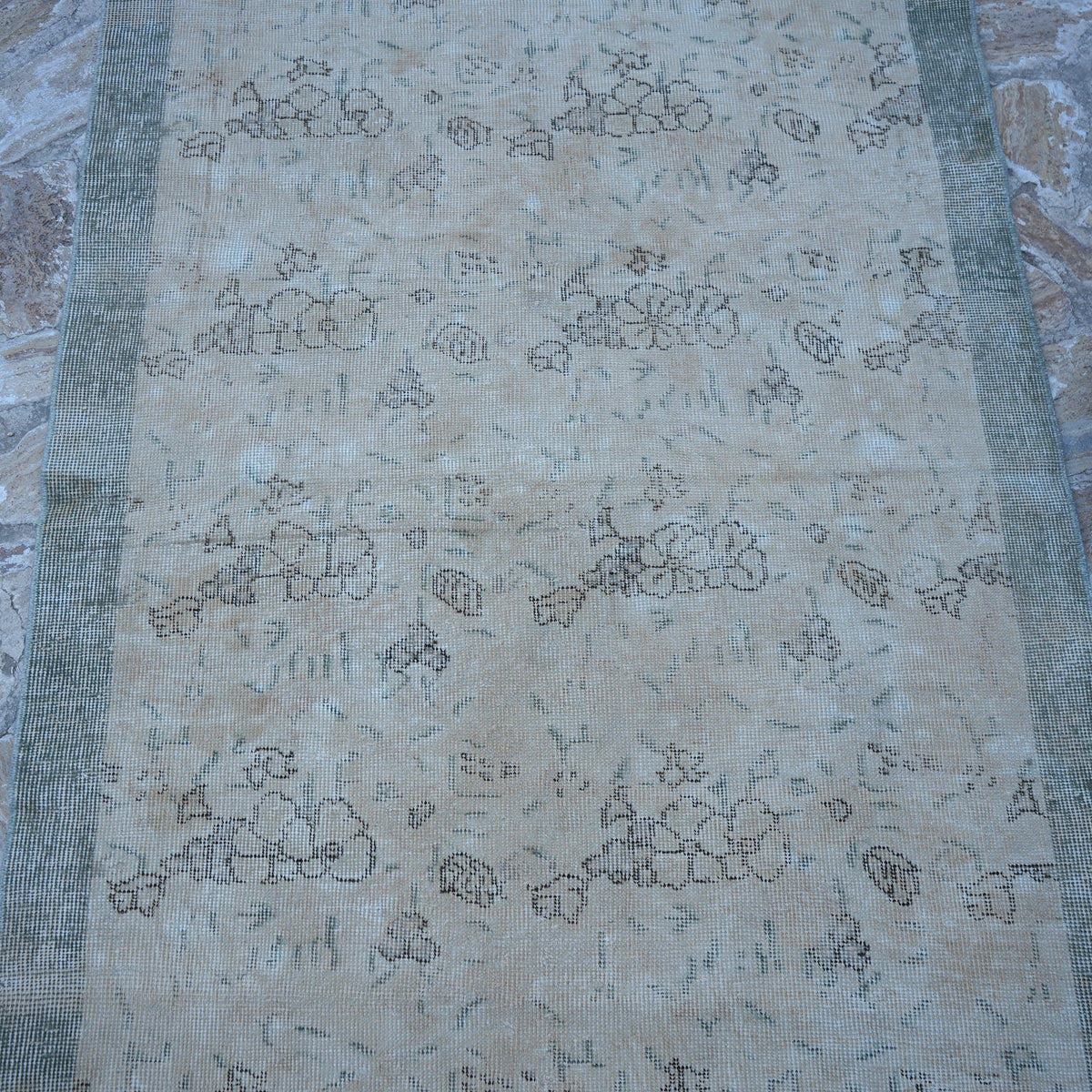
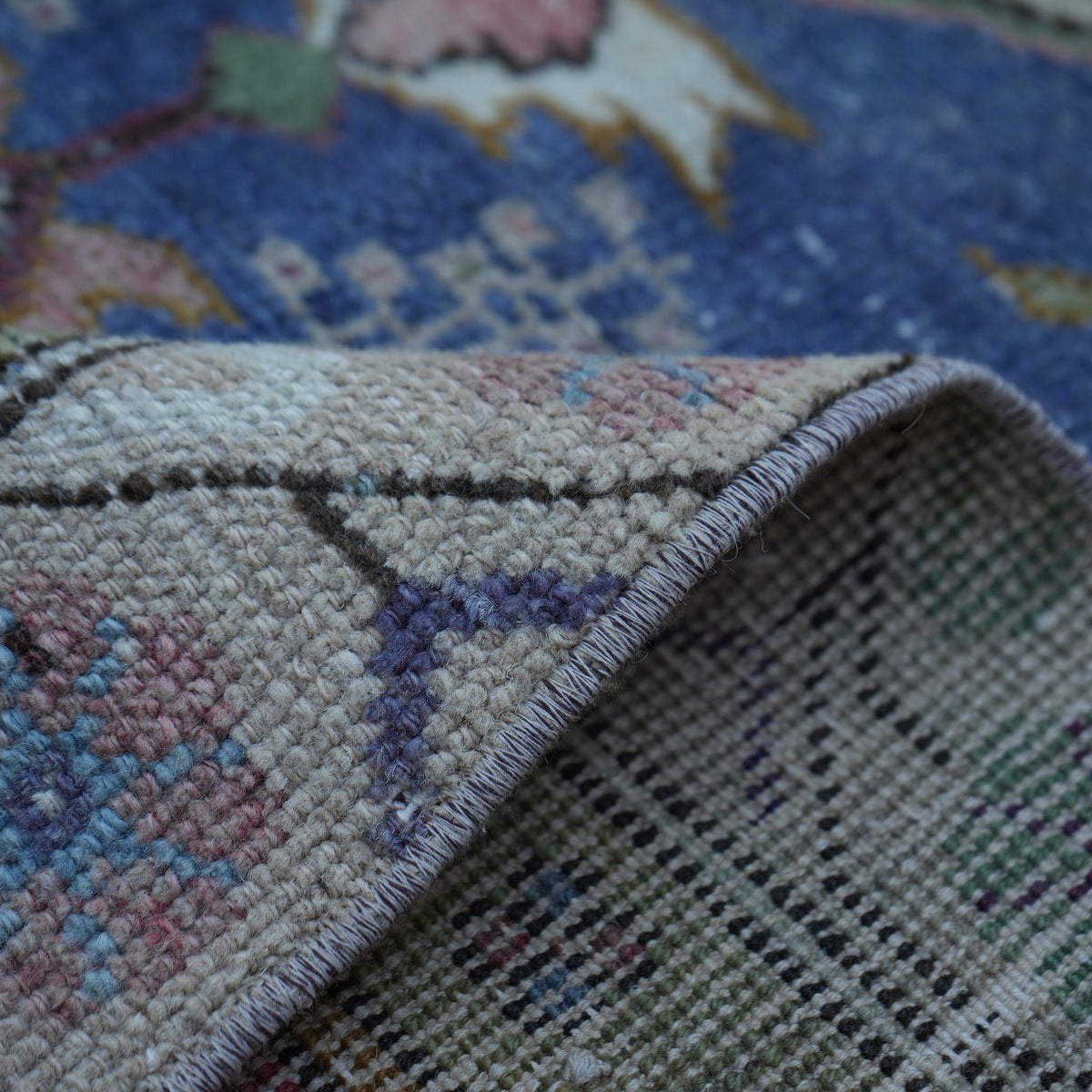
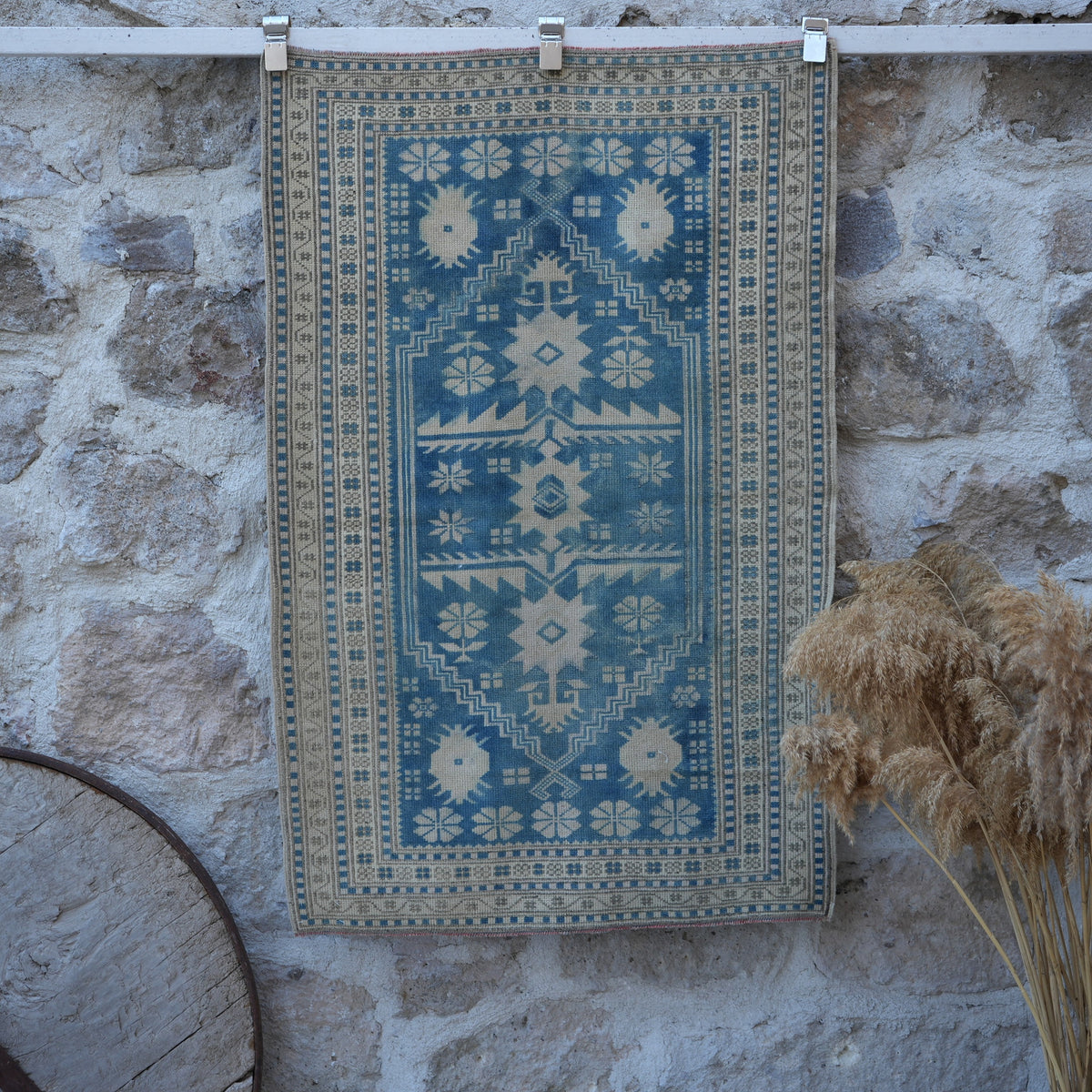
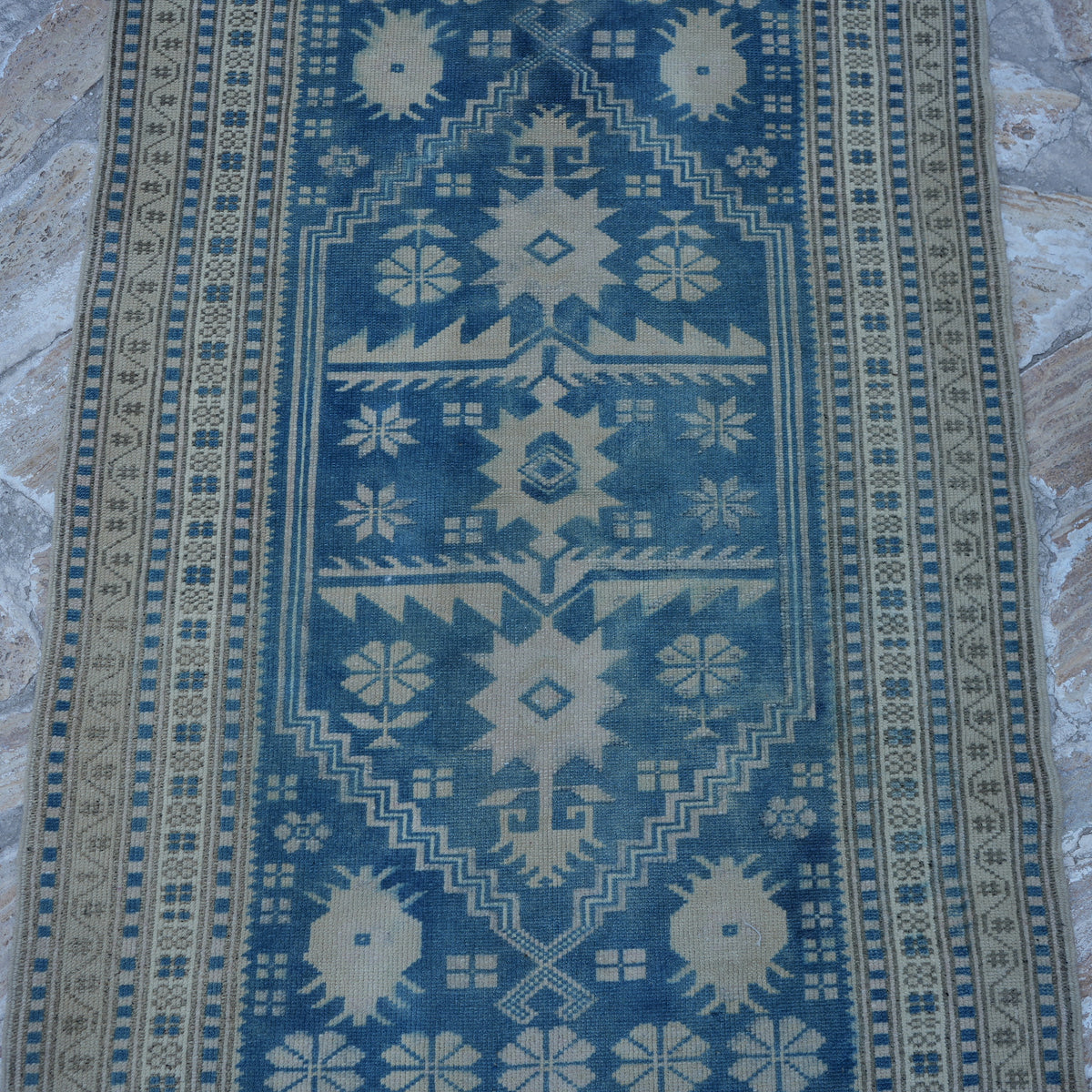
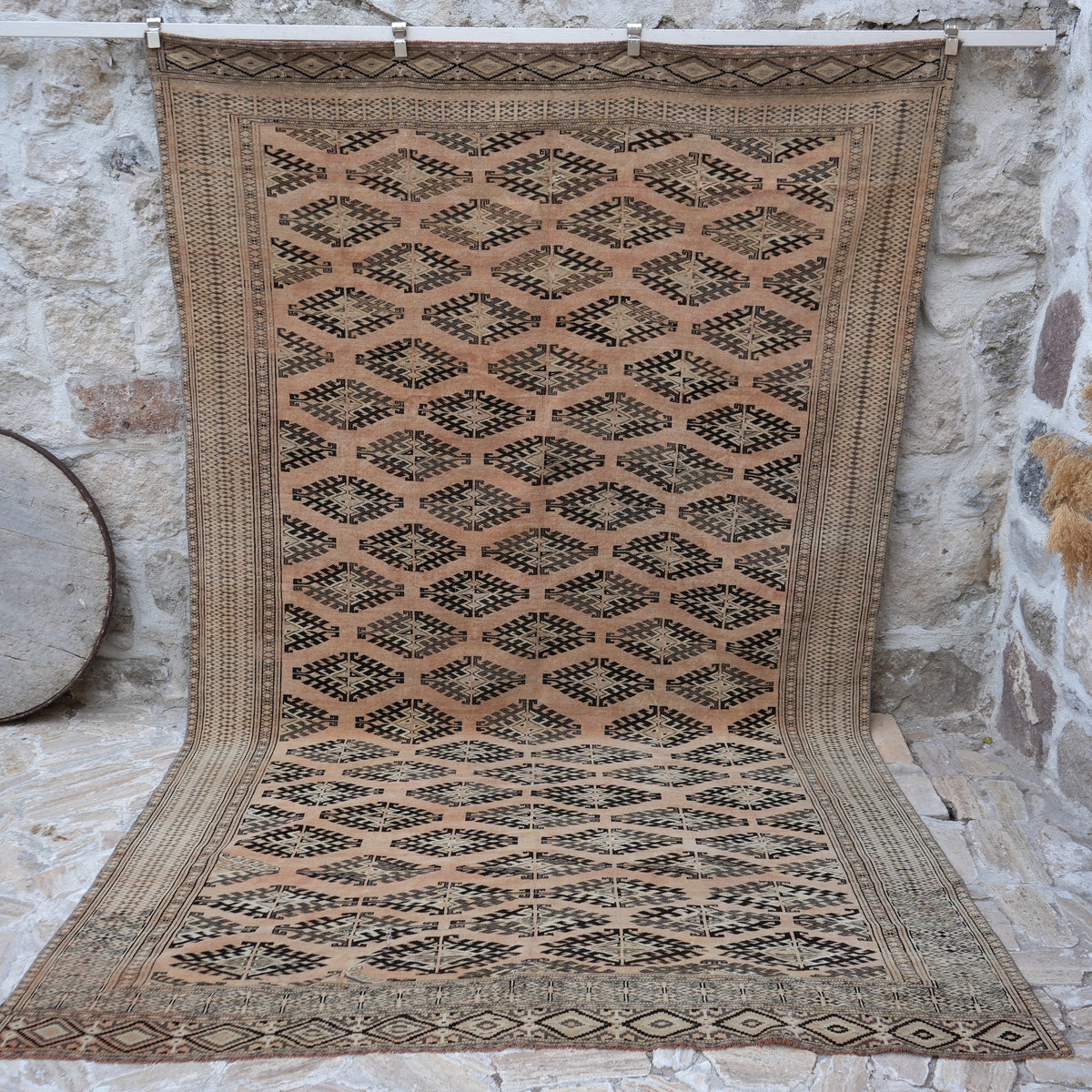
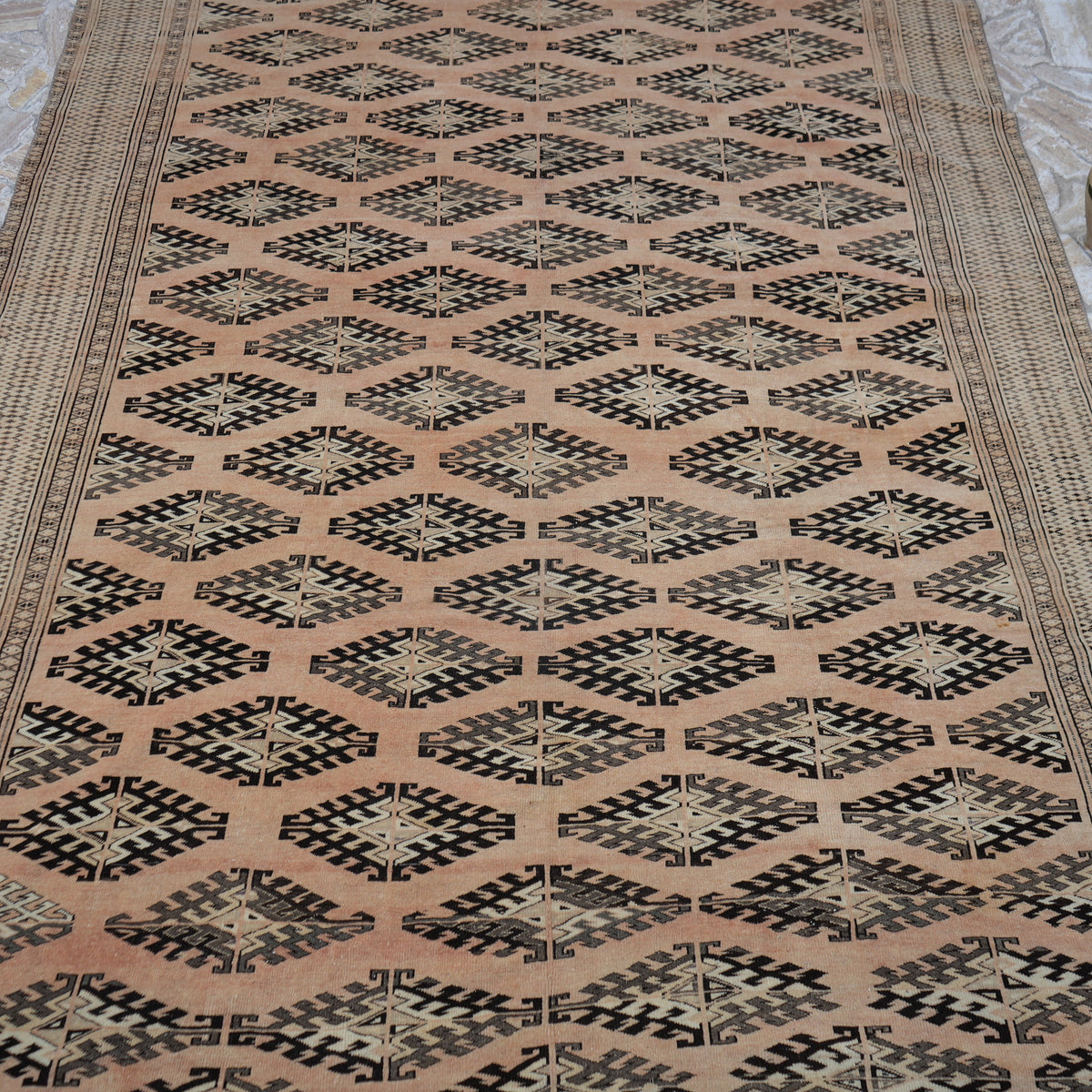
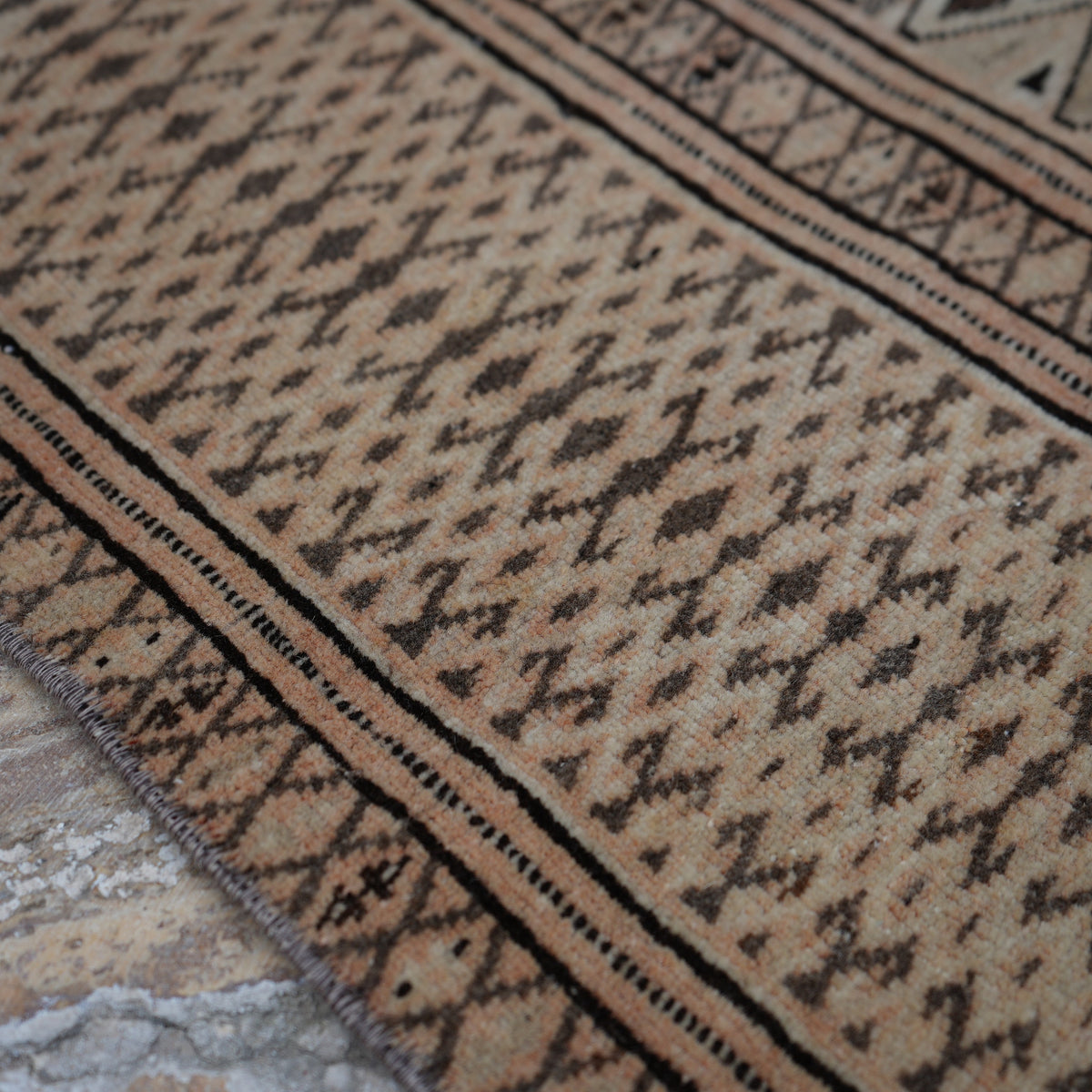
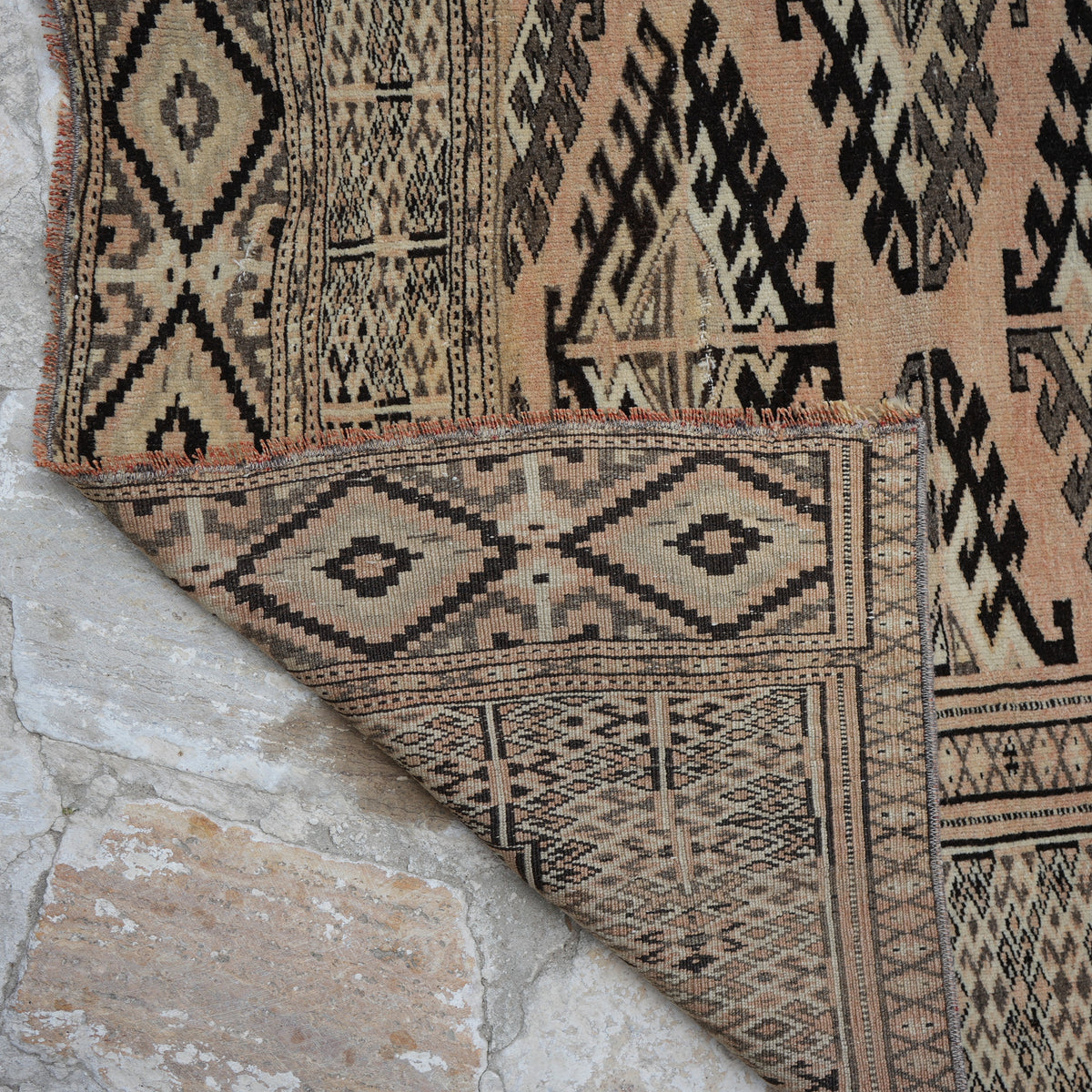
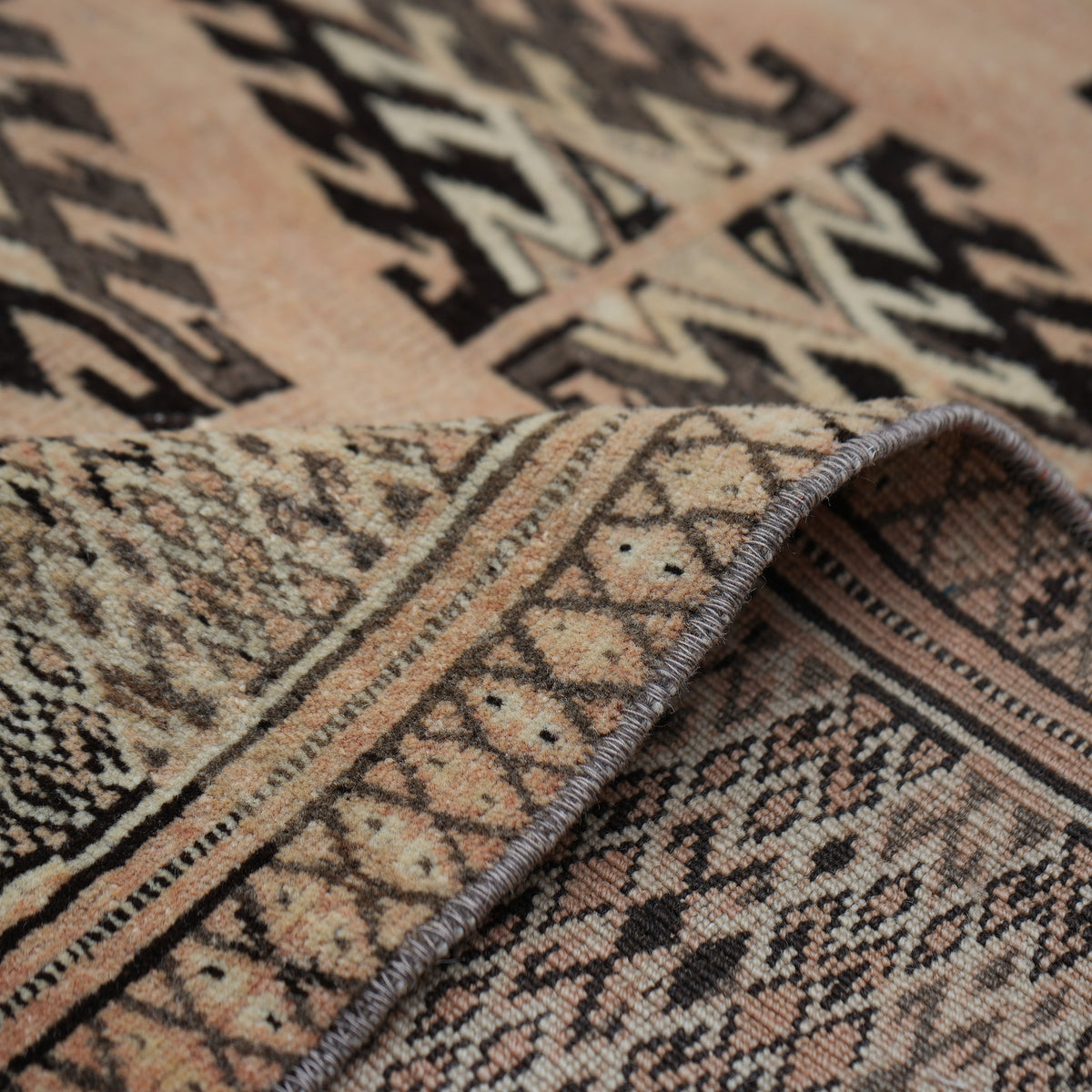
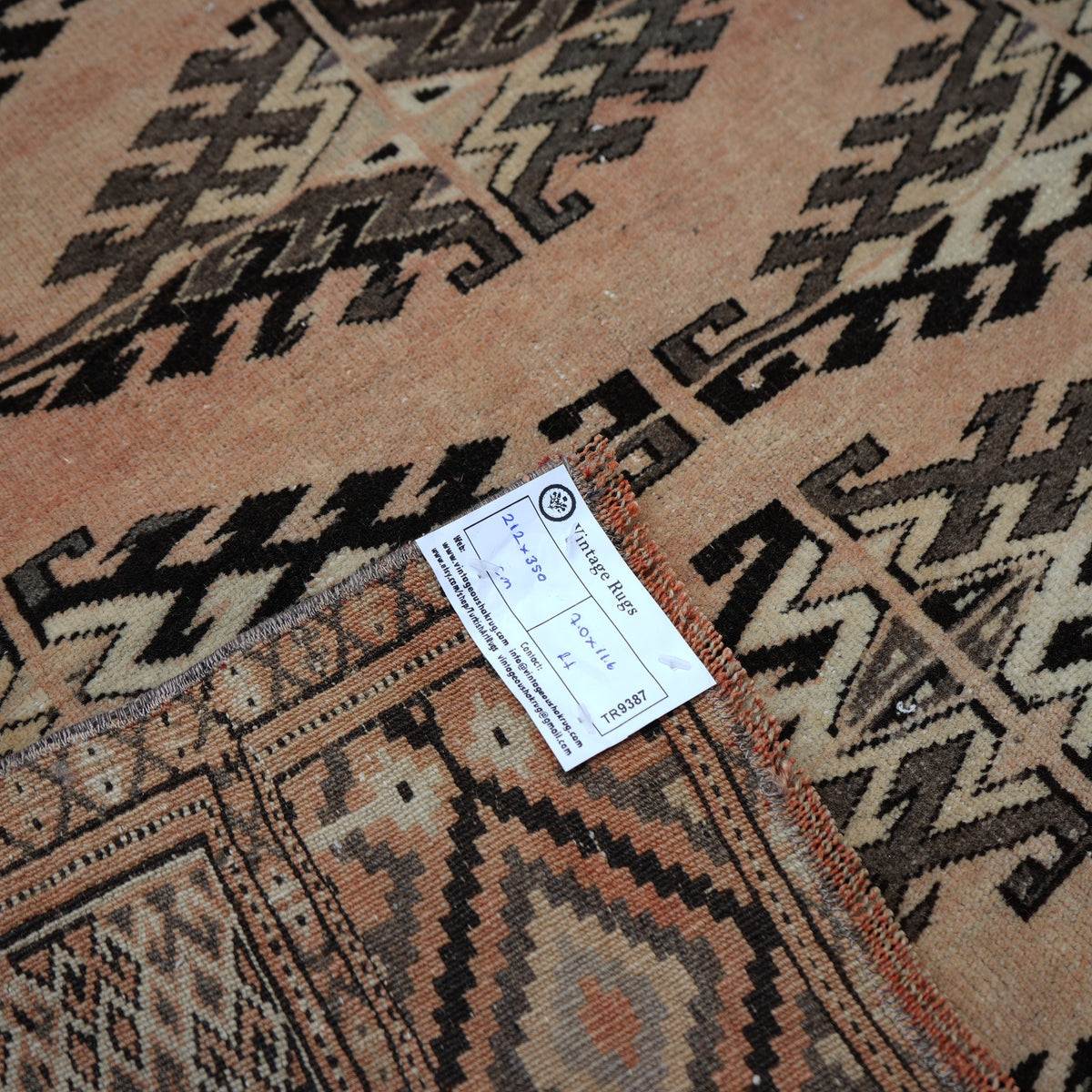
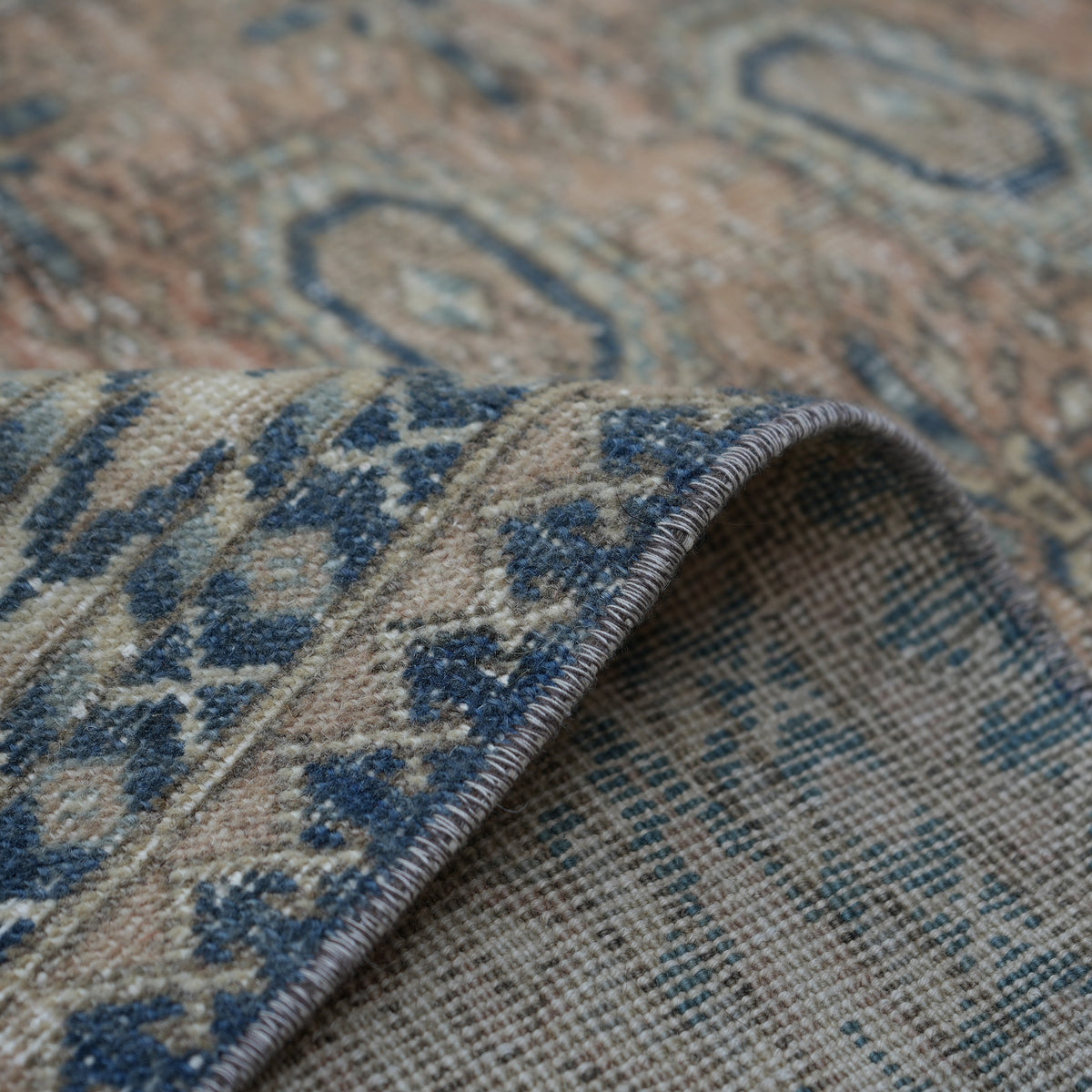
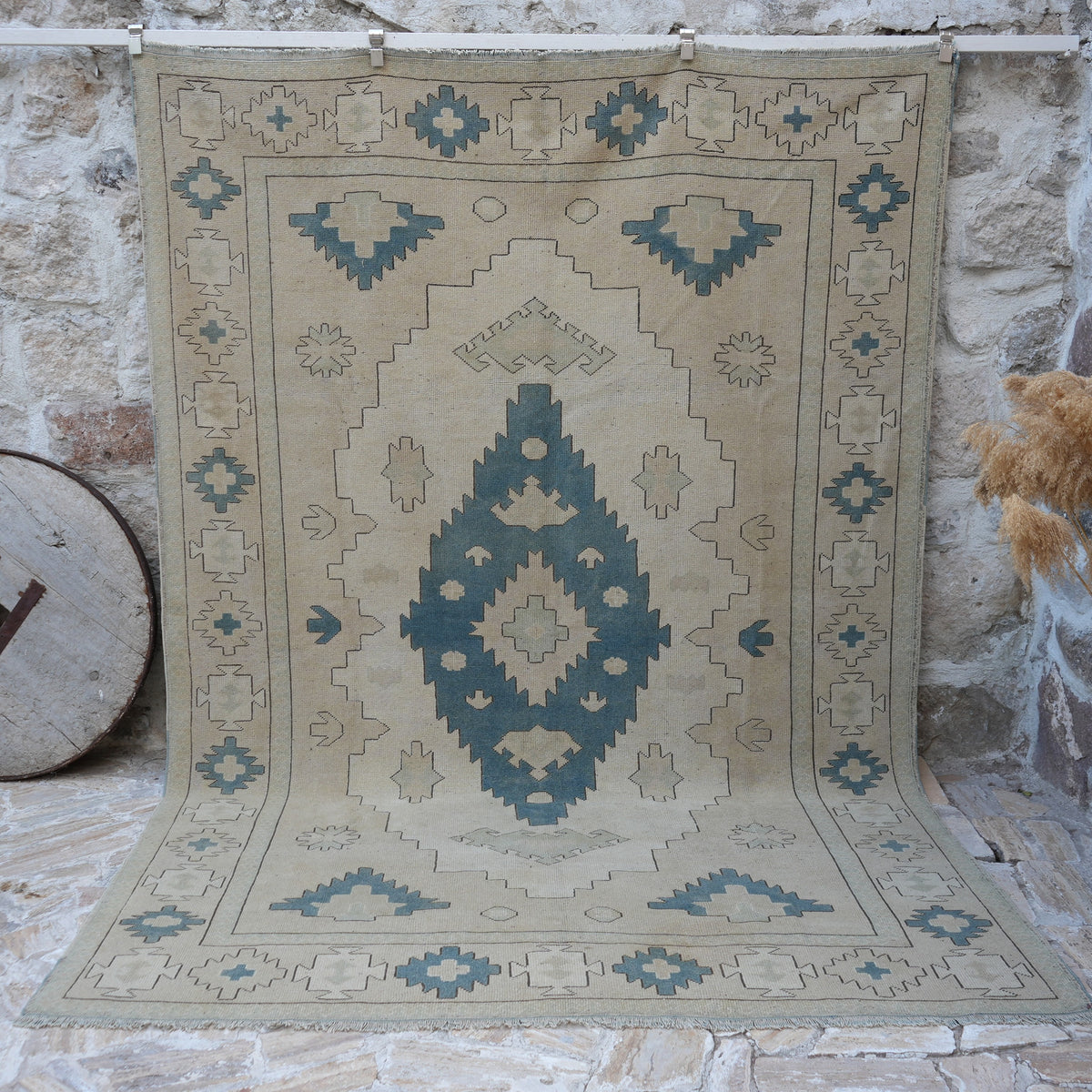
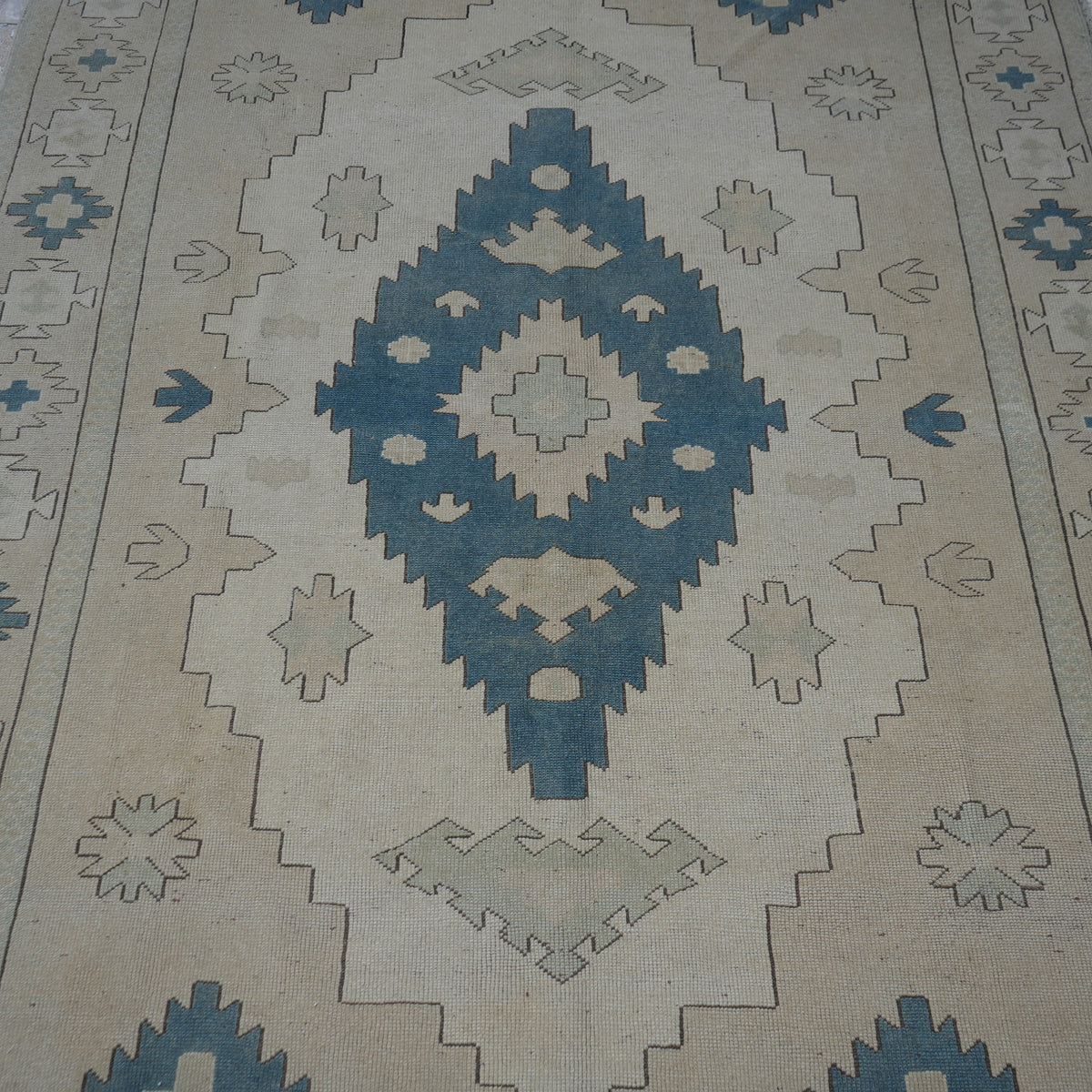
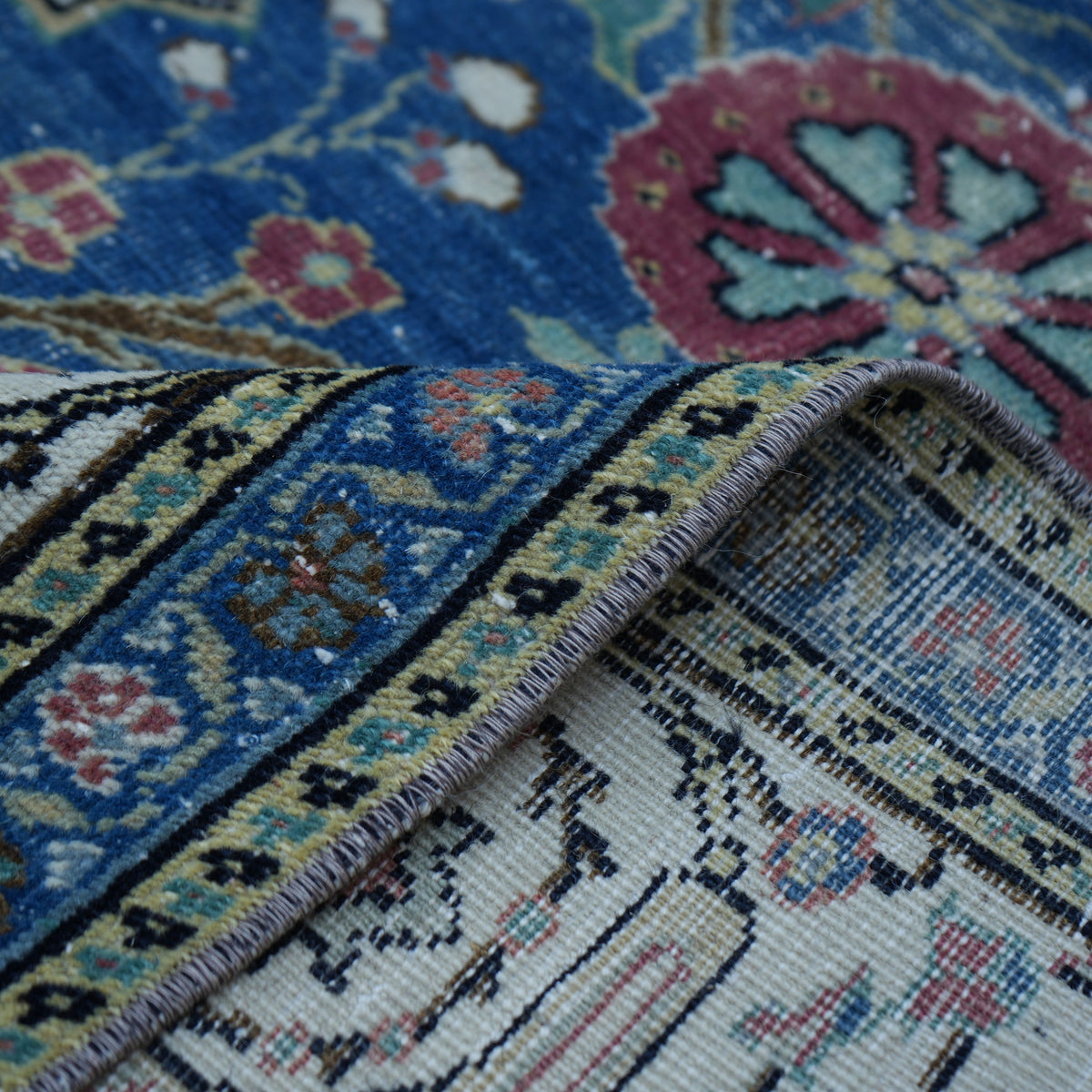
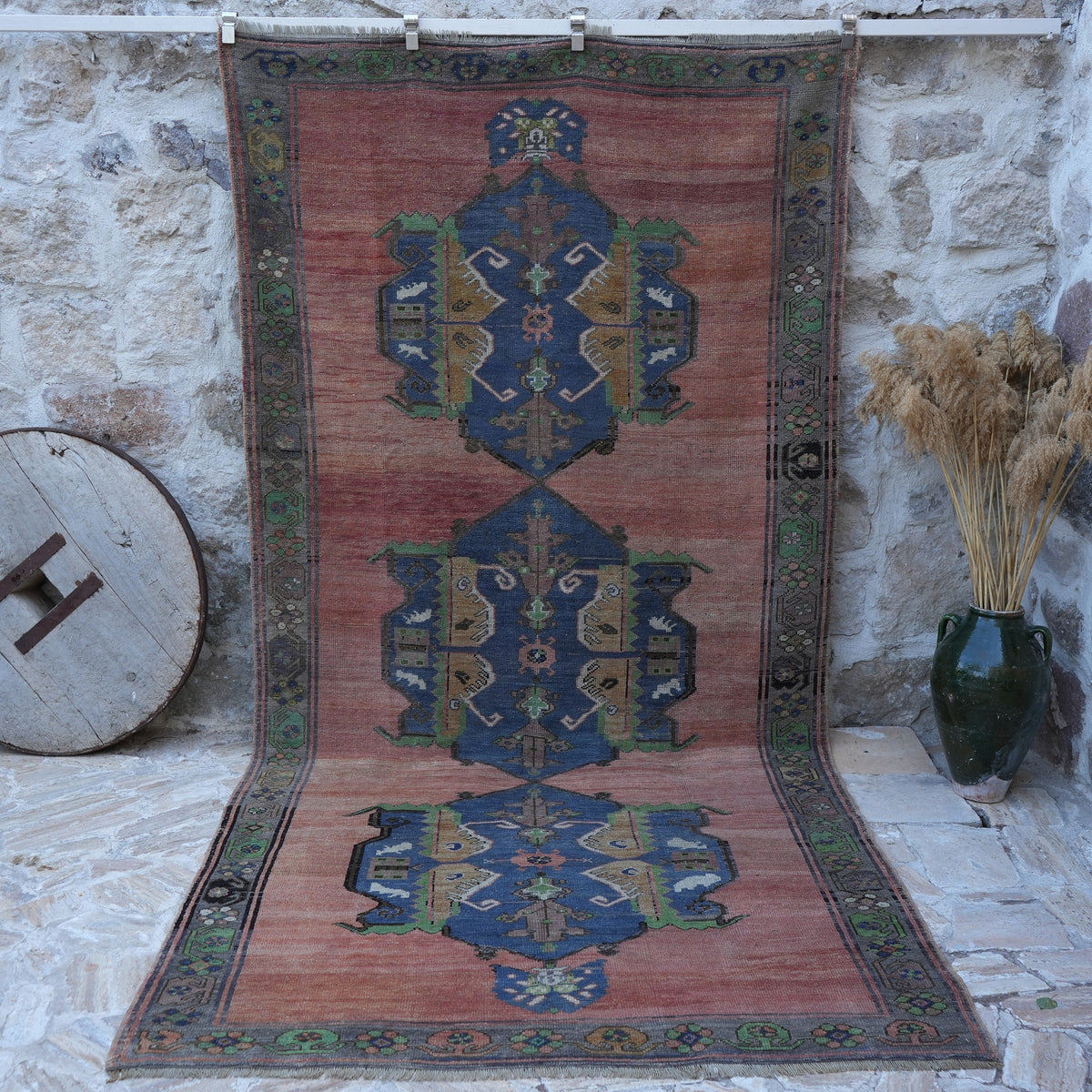
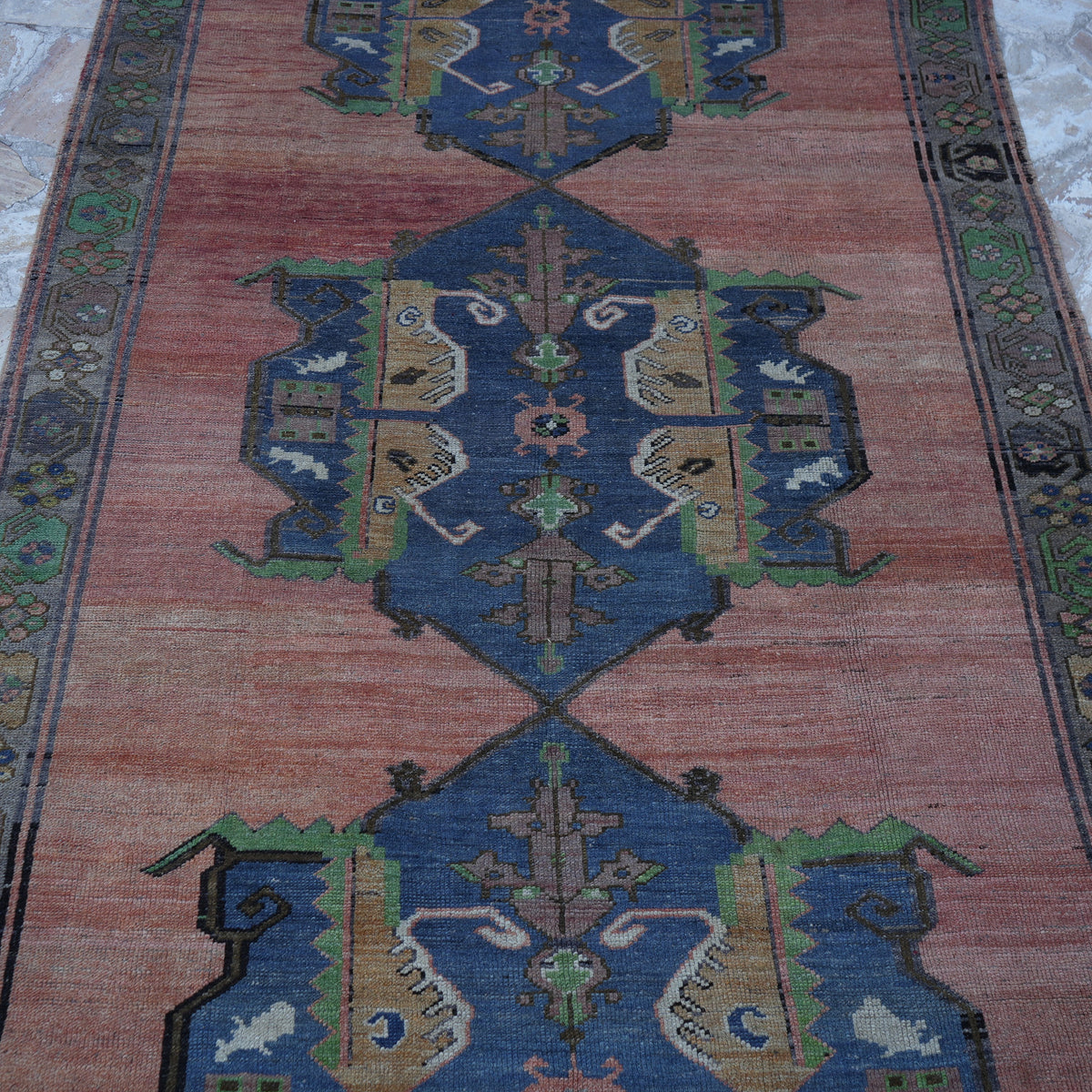
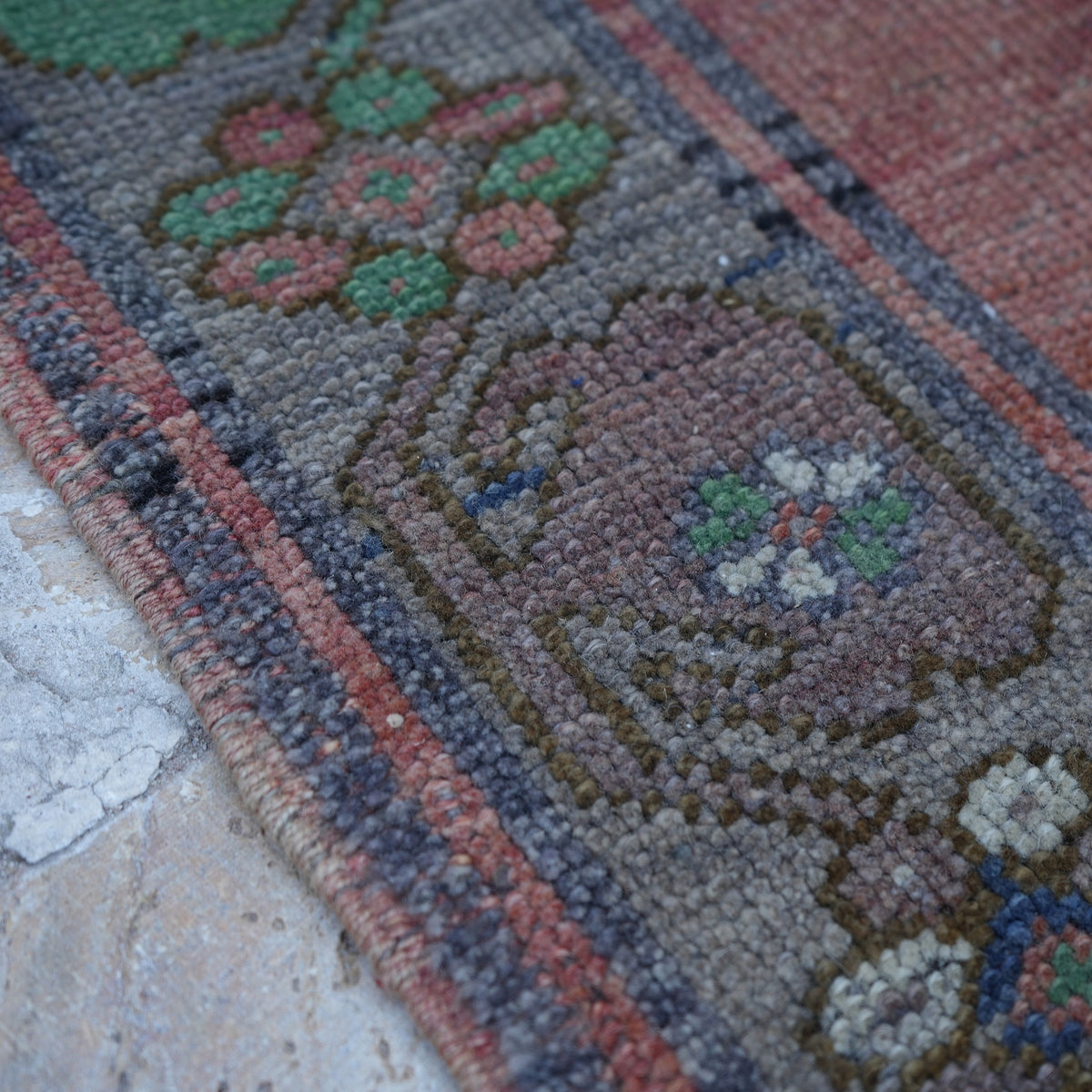
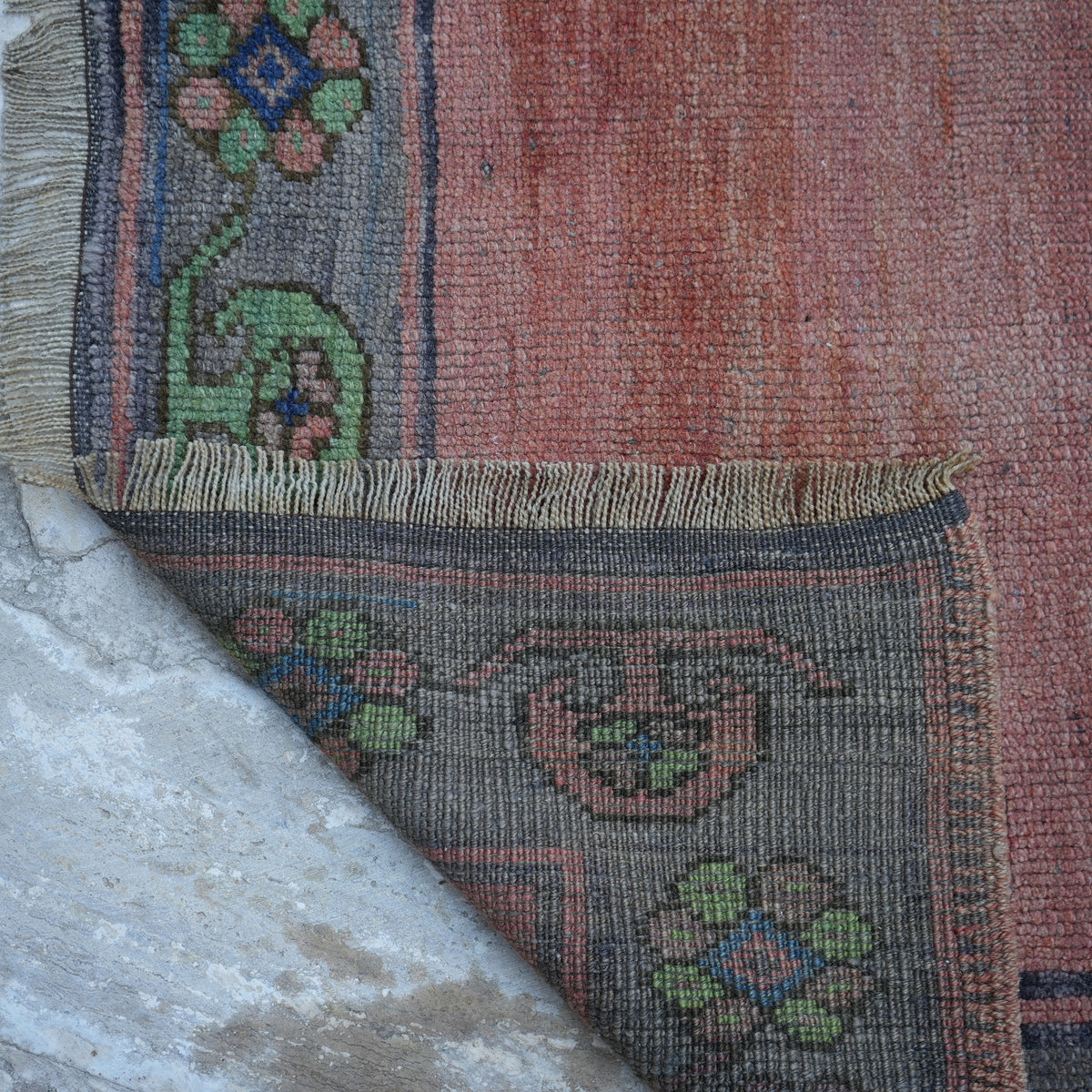
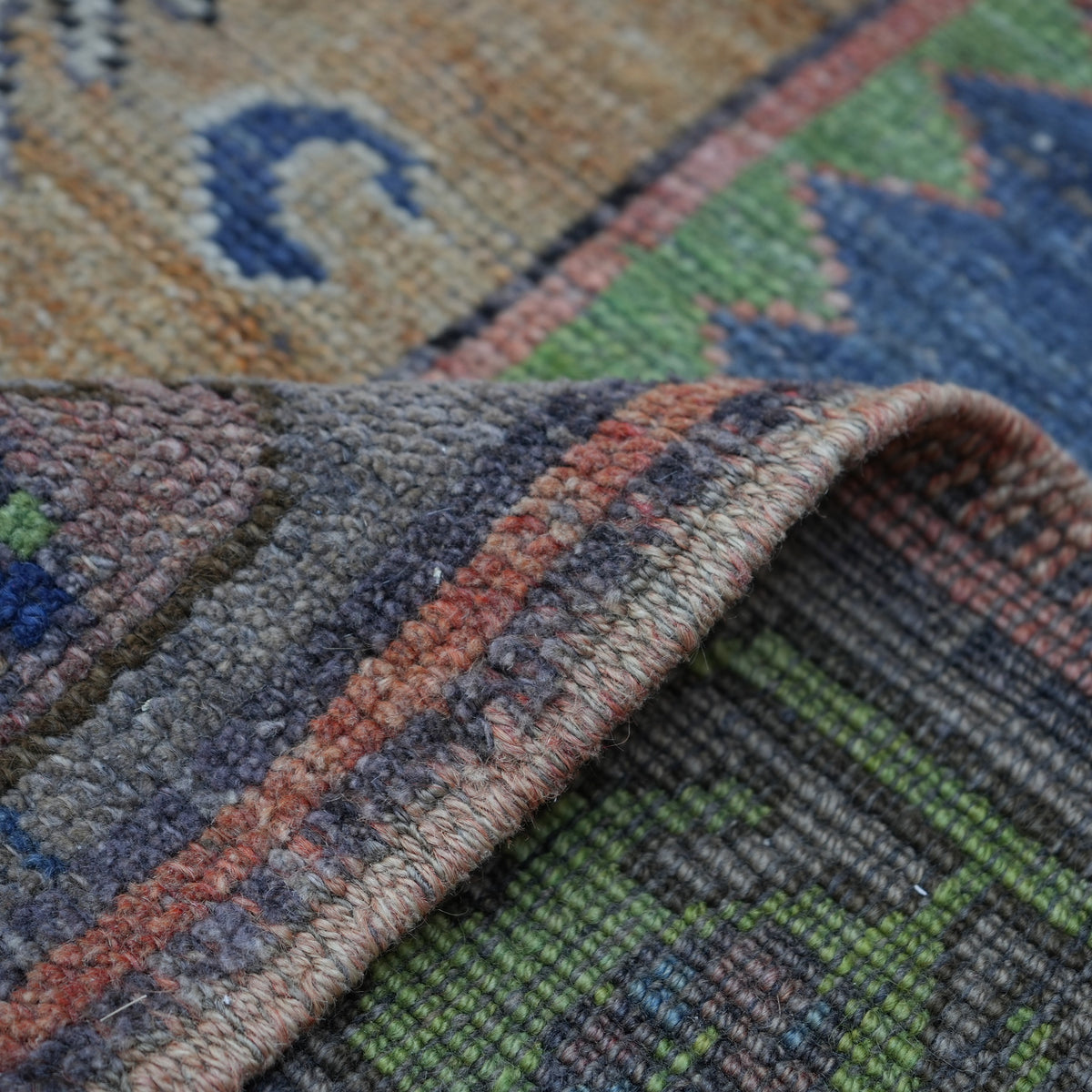
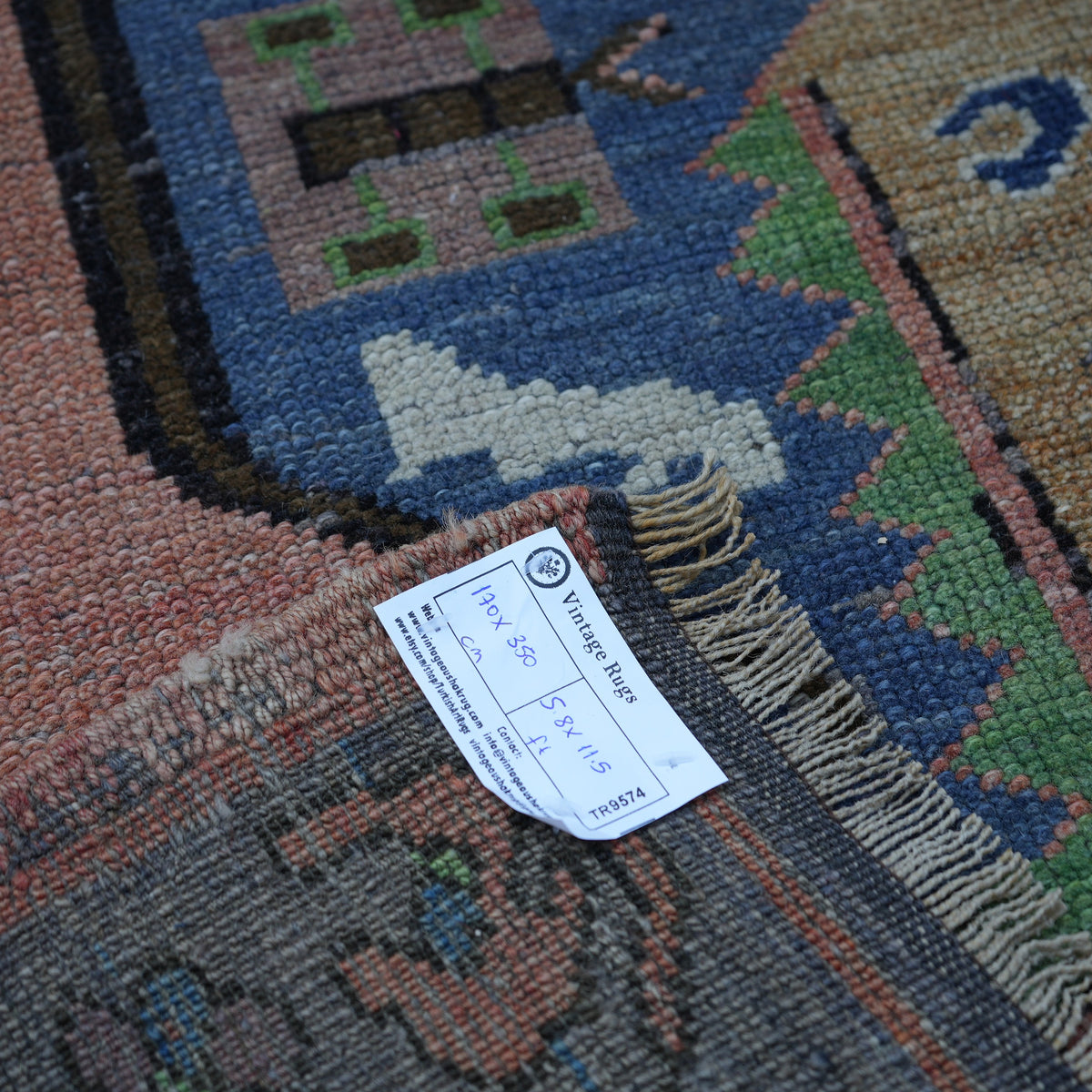
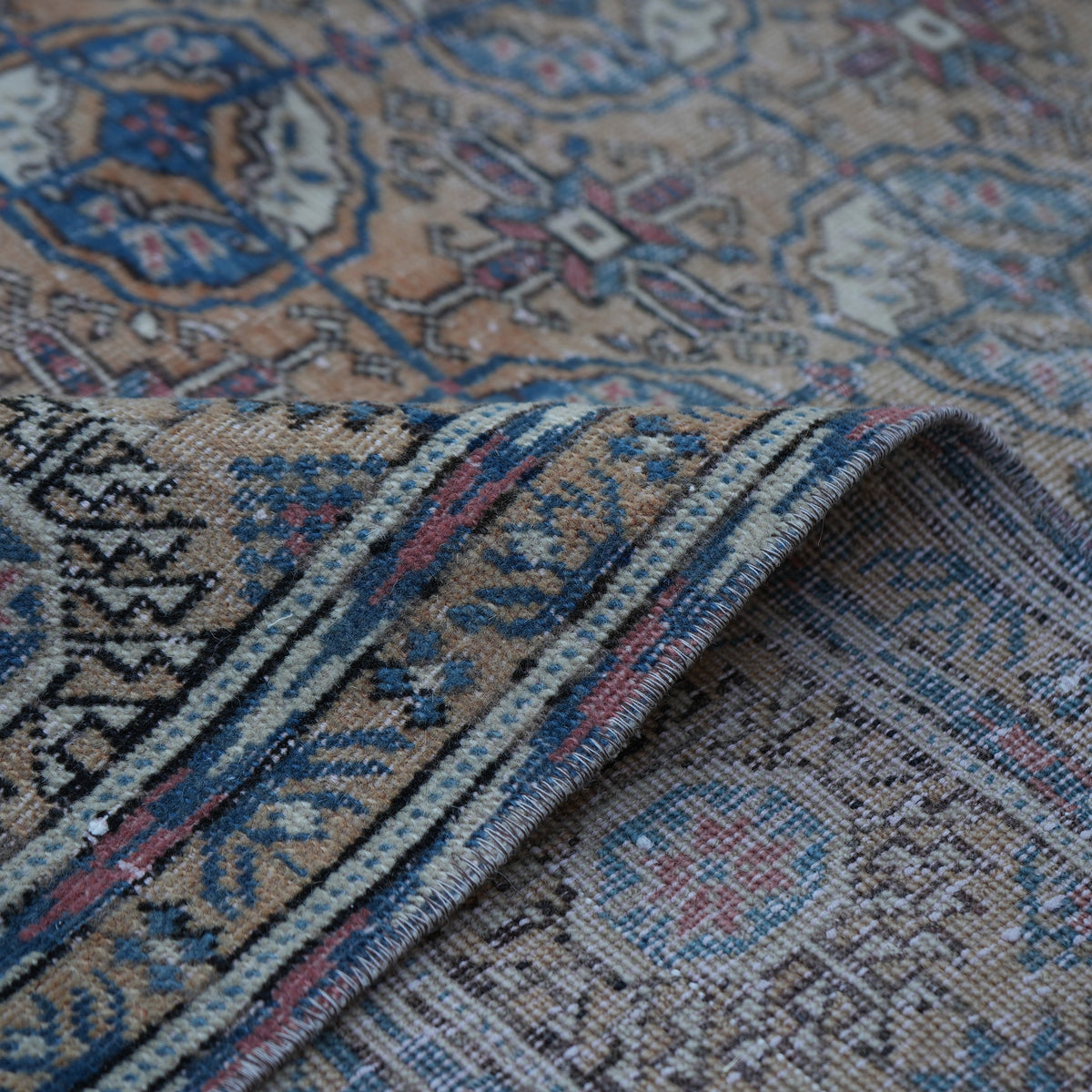
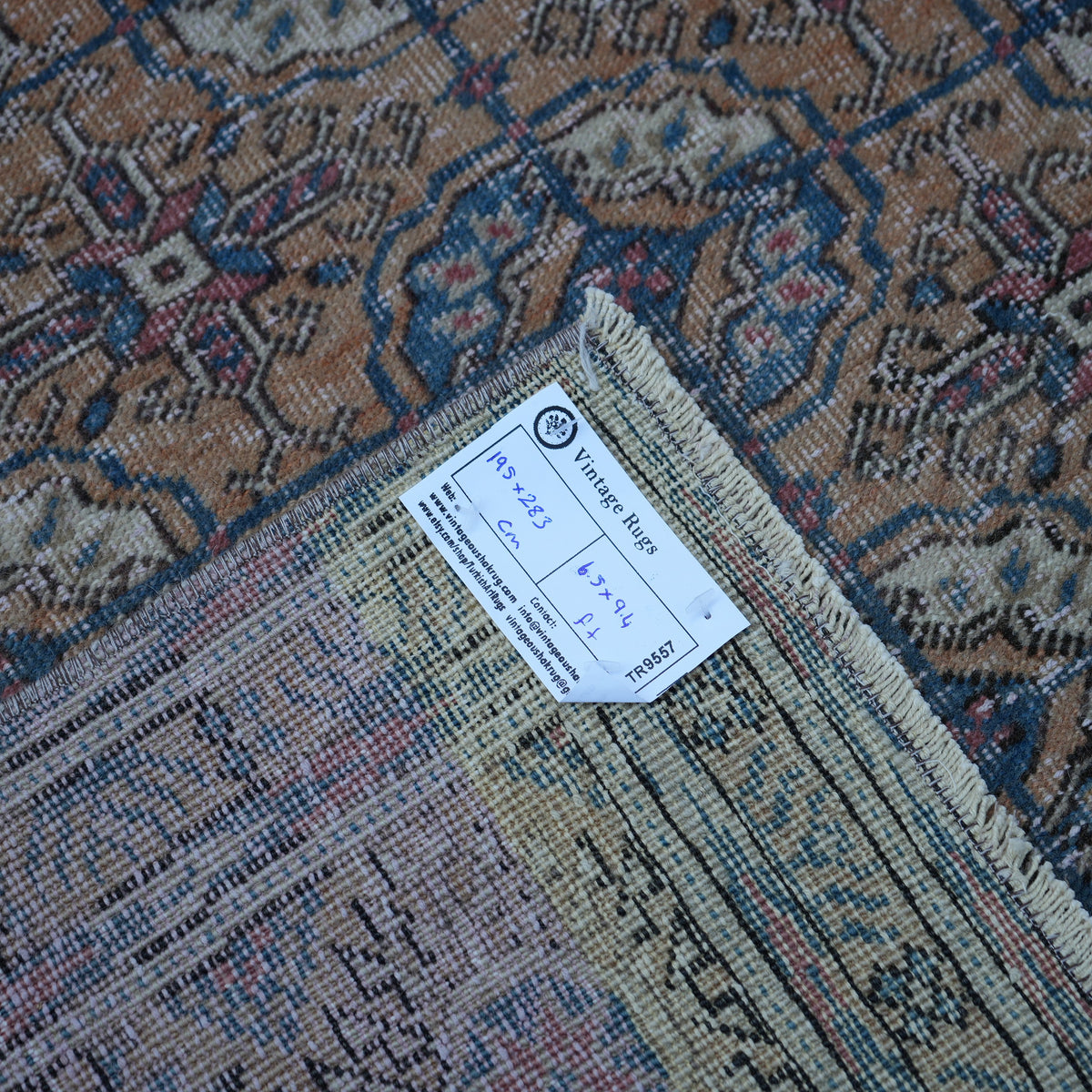
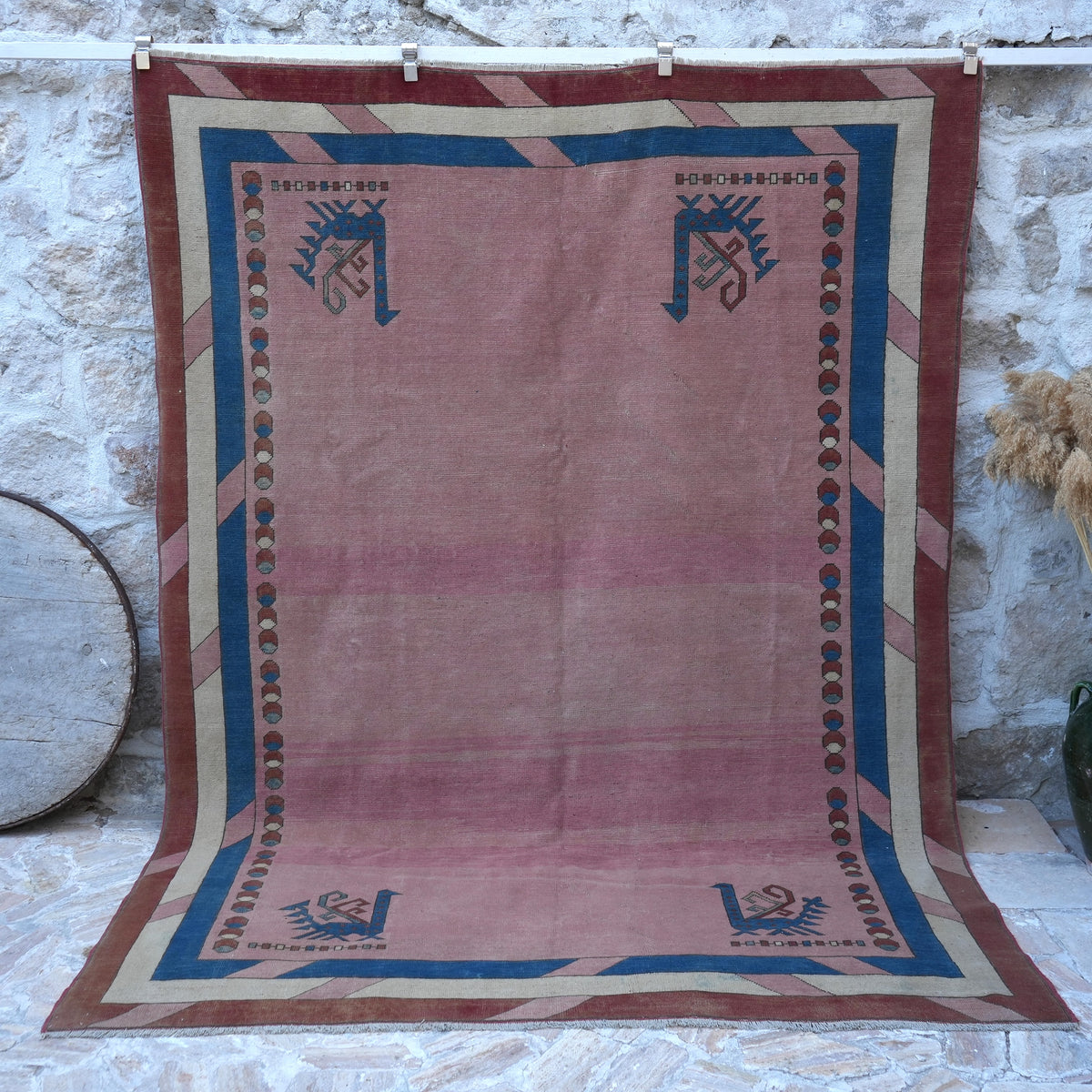
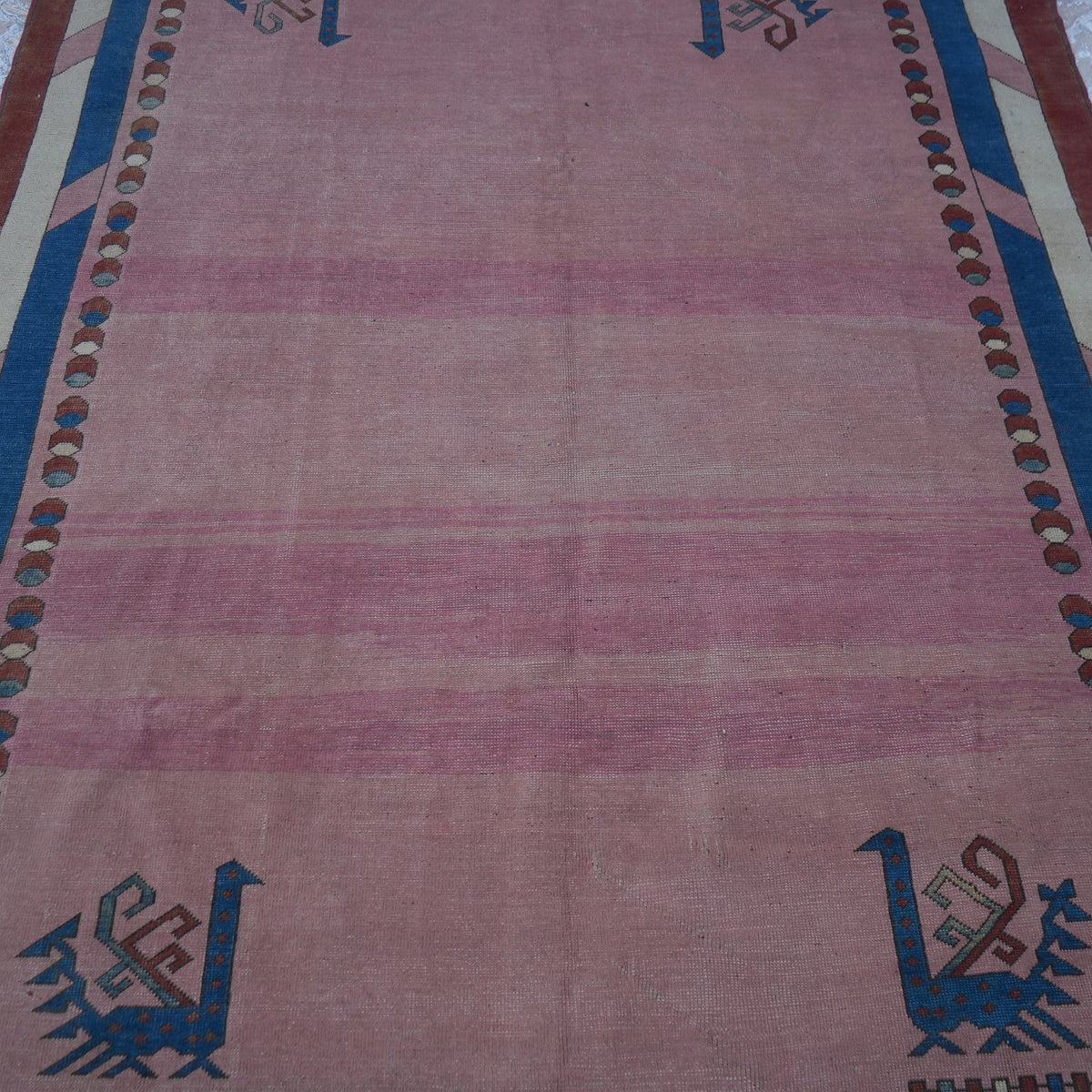
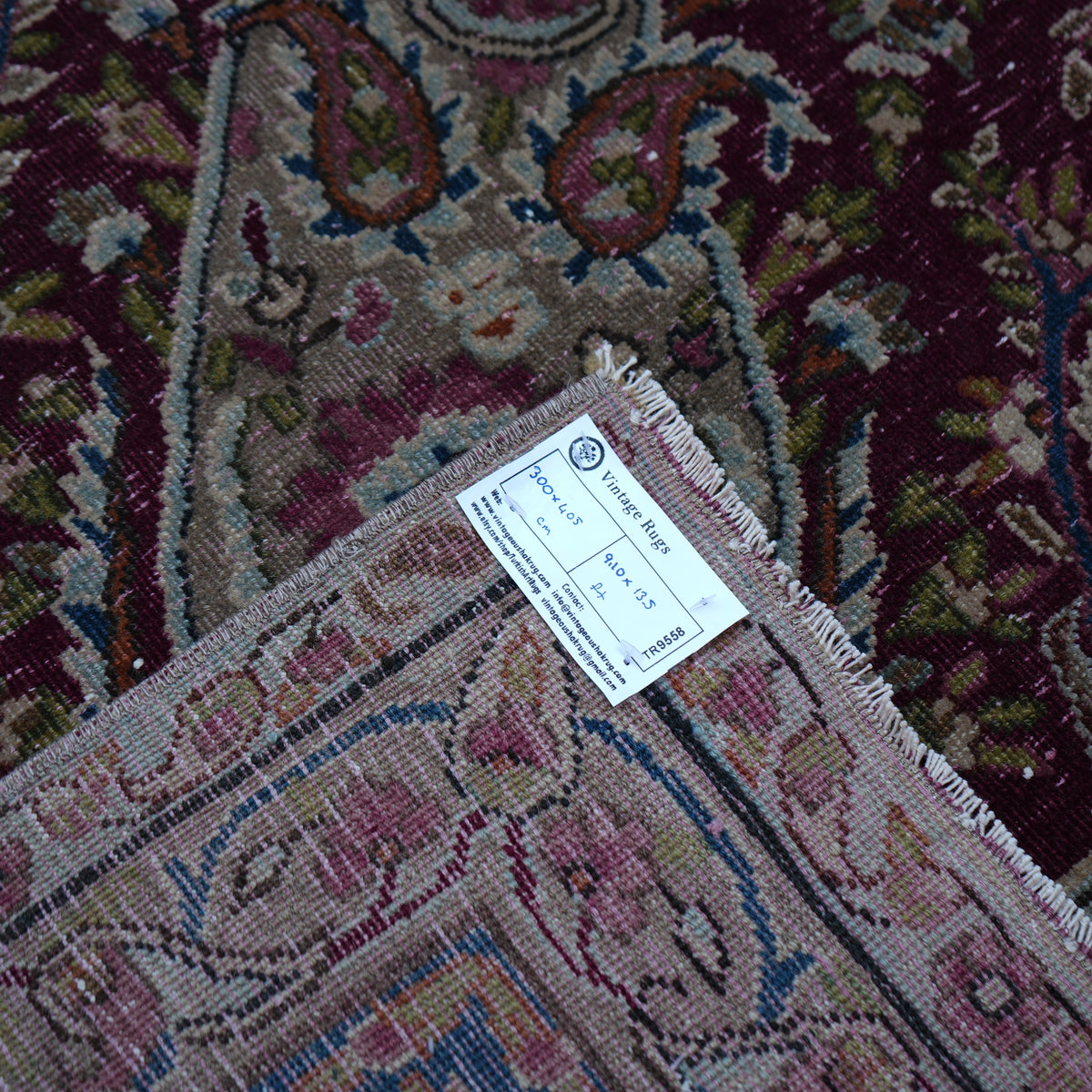
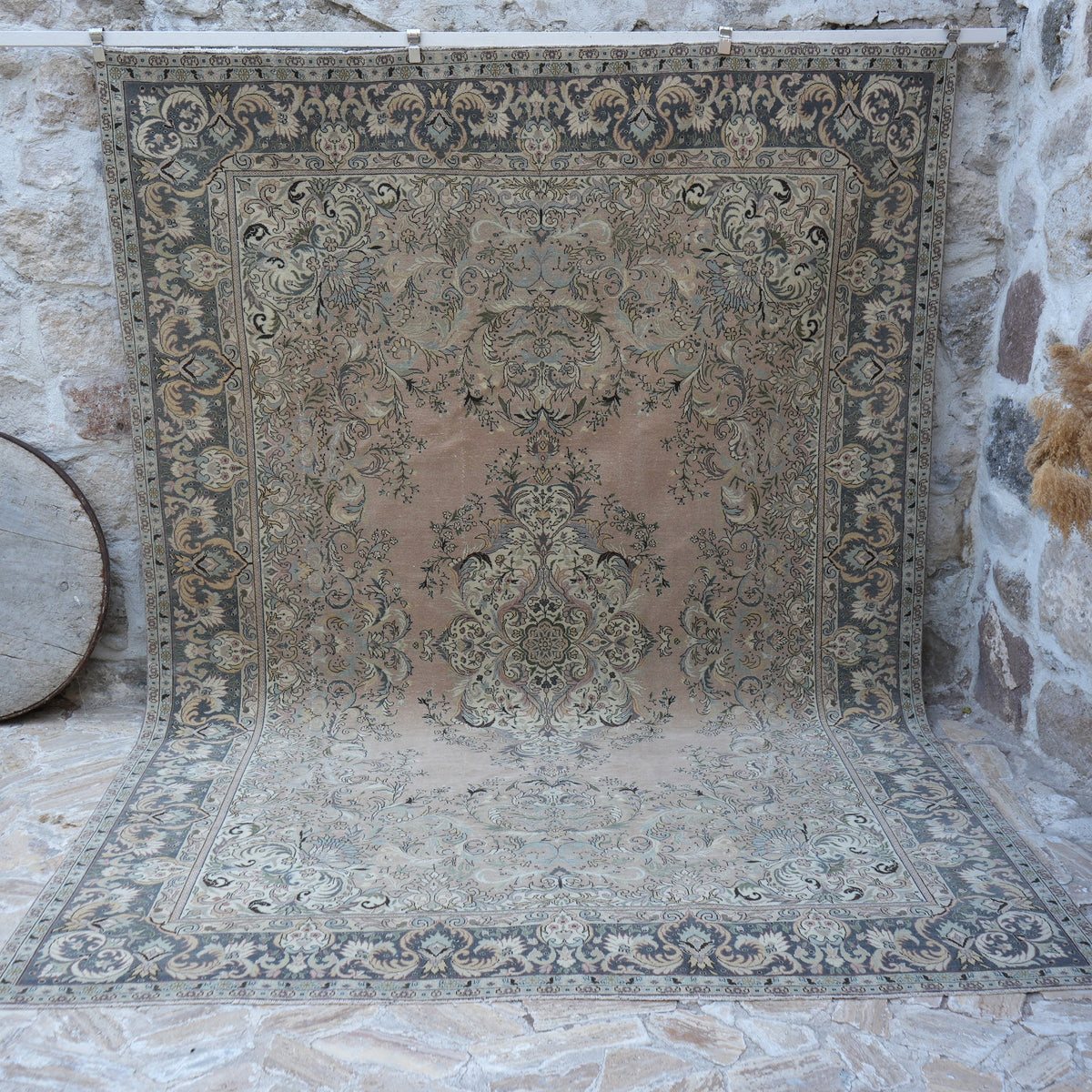
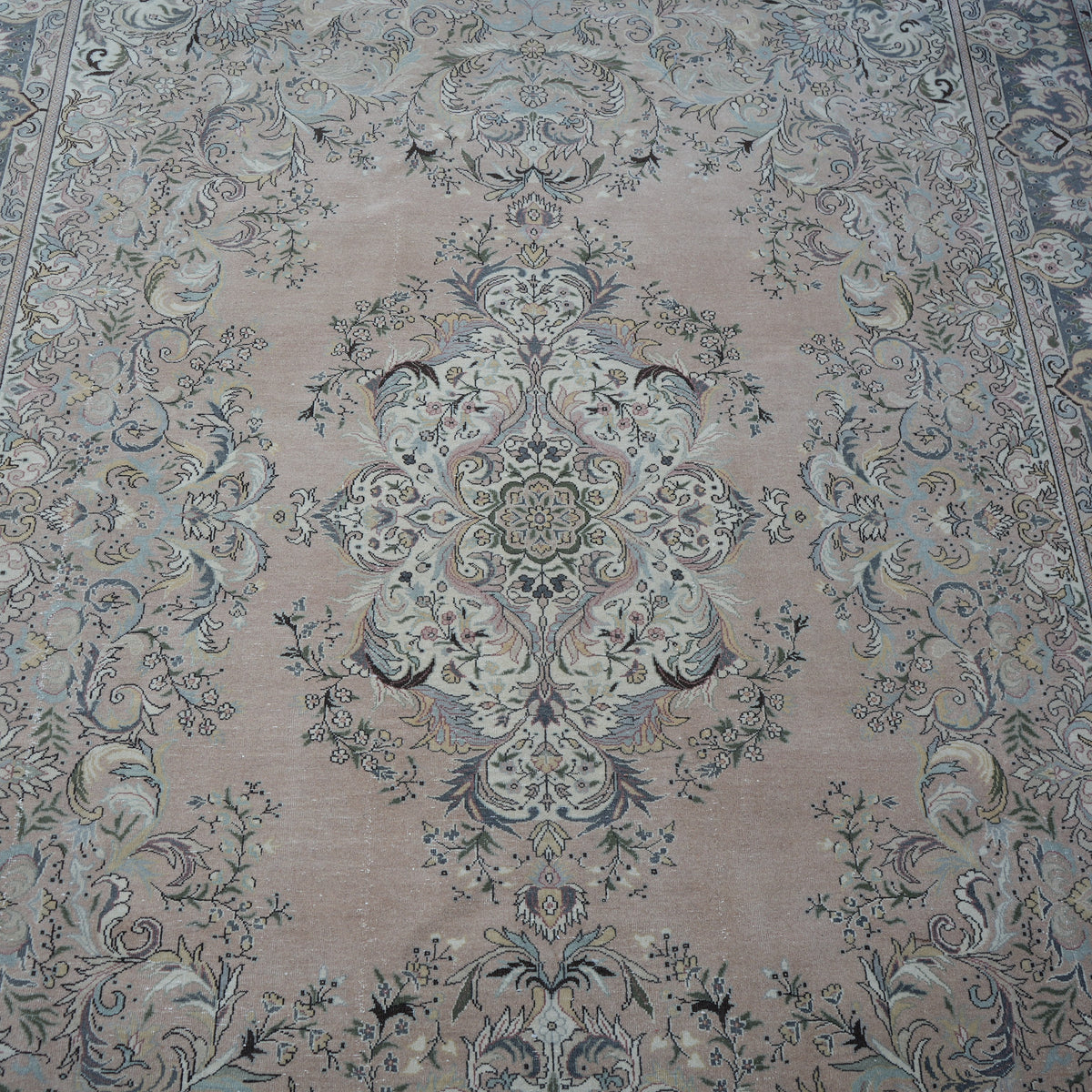
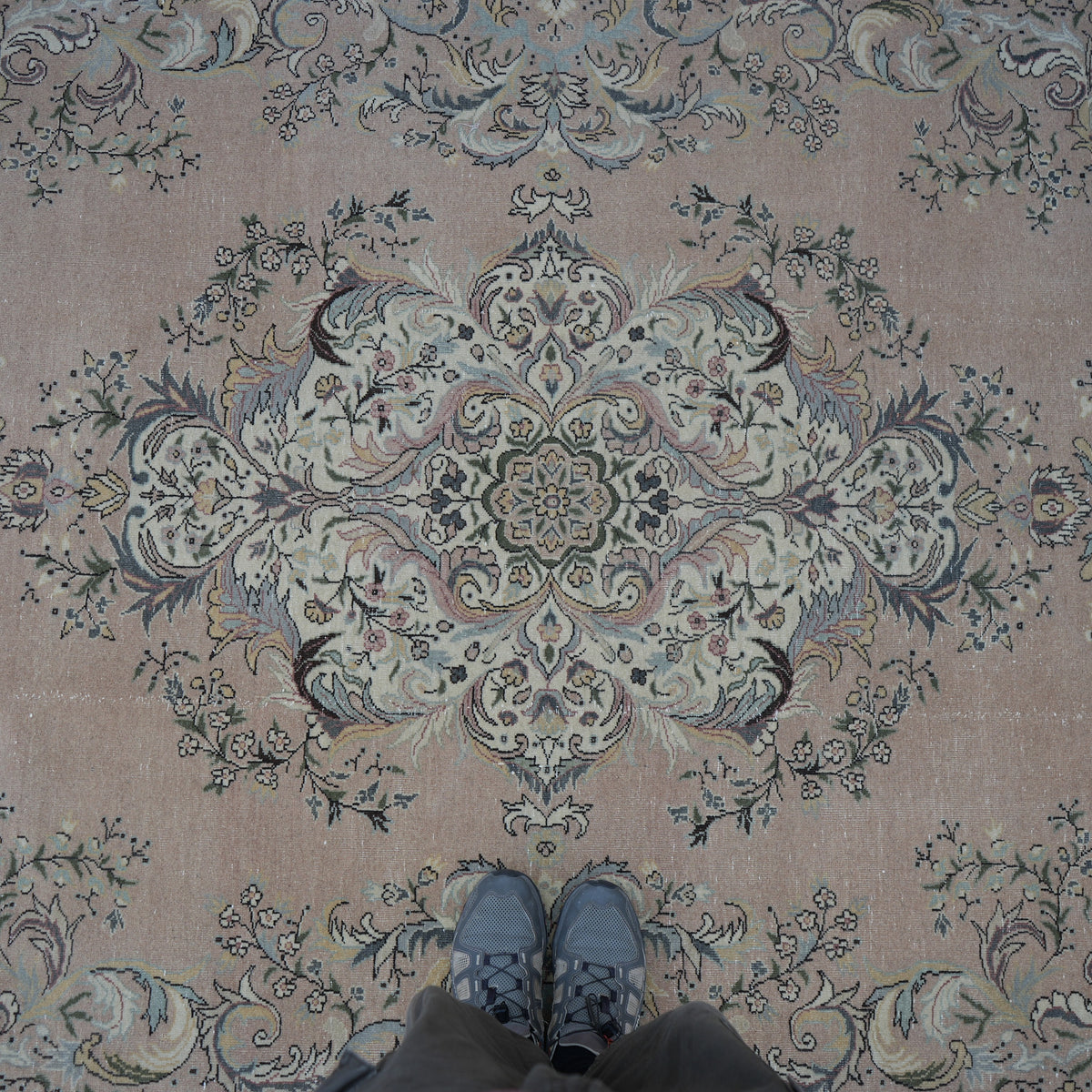
Shop Handmade Vintage Rugs by Size













Frequently Asked Questions
Do carpet deodorizers really work?
The ones that neutralize odor molecules at the source do. Baking soda and diluted vinegar do this. Room sprays and fabric mists layer scent on top of the problem. If the smell returns within hours, you used a masking agent, not a deodorizer.
What is the best carpet deodorizer for home use?
Baking soda mixed with a few drops of essential oil. Inexpensive, chemical-free, and safe for homes with children or pets.
How do I get the bad smell out of my carpet fast?
Blot any residue, sprinkle baking soda, leave for an hour, vacuum. For strong odors, add a light vinegar spray and open the windows.
How do I remove odor from carpet without chemicals?
Baking soda, salt and bay leaf, direct sunlight — all chemical-free. For handmade rugs specifically, sun and baking soda together handle most situations without anything else.
How do I clean a smelly carpet that got wet?
Dry it completely first — fan, open windows, or direct sun. Once dry, apply baking soda or diluted vinegar. After 24 hours of moisture, mold risk increases quickly, so act early.
What is the best rug deodorizer for long-term freshness?
Monthly baking soda treatment for high-traffic areas. Between applications, activated charcoal or a moisture absorber near the rug helps maintain freshness.
How do I get rid of new carpet smell quickly?
Ventilate and apply baking soda overnight. For natural wool rugs, the smell usually fades within one to two weeks on its own — it is lanolin, not a chemical problem.
How do I get the mildew smell out of carpet?
Find and fix the moisture source first. Then use diluted vinegar or an enzyme-based cleaner. Heavy mildew that has reached the backing needs professional washing.
How do I get smoke or food odors out of carpet?
Baking soda overnight, then vacuum and ventilate. For smoke that has built up over time, follow with a diluted vinegar spray the next day.
Why does my carpet still smell after cleaning?
Most likely the rug was walked on before it dried fully, or the rug pad and floor underneath were never addressed. Lift the rug, check both surfaces, and let everything dry completely before replacing.
Can I use a carpet deodorizer on a handmade or wool rug?
Baking soda and sunlight are safe. Borax and commercial dry powders are not. Vinegar works when well diluted and used sparingly — test a corner first.
Why does my vintage rug smell musty?
Almost always storage moisture. A few hours in the sun handles most cases. If baking soda overnight does not clear it, the mildew has likely reached the backing — a rug specialist is the right call, not a regular dry cleaner.
How often should I deodorize my rug?
Monthly for high-traffic areas. Every two weeks for homes with pets. For handmade rugs, treat only when needed — over-treatment stresses natural fibers.
Is it safe to use baking soda on a Turkish or Persian rug?
Yes. Baking soda is gentle on wool and safe on plant-based dyes. Apply generously, leave for several hours, vacuum thoroughly. Make sure all the powder is removed before folding or storing the rug.
A smelly rug is almost always a moisture problem, not a rug problem. Dry methods, patience, and a few hours of sun solve most situations without anything from a store. The rugs that hold up for decades — and continue smelling fresh — are not treated with more products. They are just dried properly, aired regularly, and kept off wet floors. That is the whole secret.

