

























Carpet beetles do most of their damage in the dark. Under furniture, in stored rolls, in the corners of rugs that haven't moved in months. By the time a bare patch appears on the surface, the back of the rug has often already been eaten through.
This guide covers how to identify them, eliminate them, and — more usefully — how to stop them finding a foothold in the first place.
Quick answer — how do you get rid of carpet beetles?
Vacuum both sides of the rug slowly, clean underneath it, use heat or a professional rug wash to reach larvae and eggs, then remove the humid, dark, debris-filled conditions that allowed the infestation to develop. Repeat inspections until no new cast skins or damage appear.

What Carpet Beetles Are — And Why They Love Wool Rugs
Adult carpet beetles do not eat rugs. They fly, reproduce, and move on. The damage comes entirely from their larvae — small, bristly grubs that feed on keratin, the natural protein found in wool, silk, and animal hair.
What most people do not realize: larvae are selective. They eat the finest threads first. A hand-knotted Anatolian rug made from highland wool is essentially optimal food. A polyester rug they ignore entirely. So if you have invested in something real — anything from a genuine Turkish rug collection with natural fiber from pile to foundation — you have also invested in something worth actively protecting.
Vintage and handmade rugs are especially vulnerable for exactly this reason. There is no synthetic fill to interrupt the feeding.
How Carpet Beetles Get Into Your Home
Two main routes: secondhand furniture or rugs brought indoors, and adult beetles flying through open windows in spring and summer. That second route is more common than most people assume, which is why window screens and door seals matter.
But entry alone does not cause an infestation. What sustains one is conditions. A rug folded and stored in a damp, unventilated space will develop problems almost on its own. In a genuinely dry, well-ventilated environment, the chance of a serious infestation stays very low — I'd put it under five percent.
The less obvious factor is food source. Pet hair, human hair, and organic debris left in the rug's base are a direct attractant. Larvae find those deposits and stay. Newly washed rugs are almost never targeted — there is simply nothing for them to start on.

Warning Signs — How to Tell If Your Rug Has Carpet Beetles
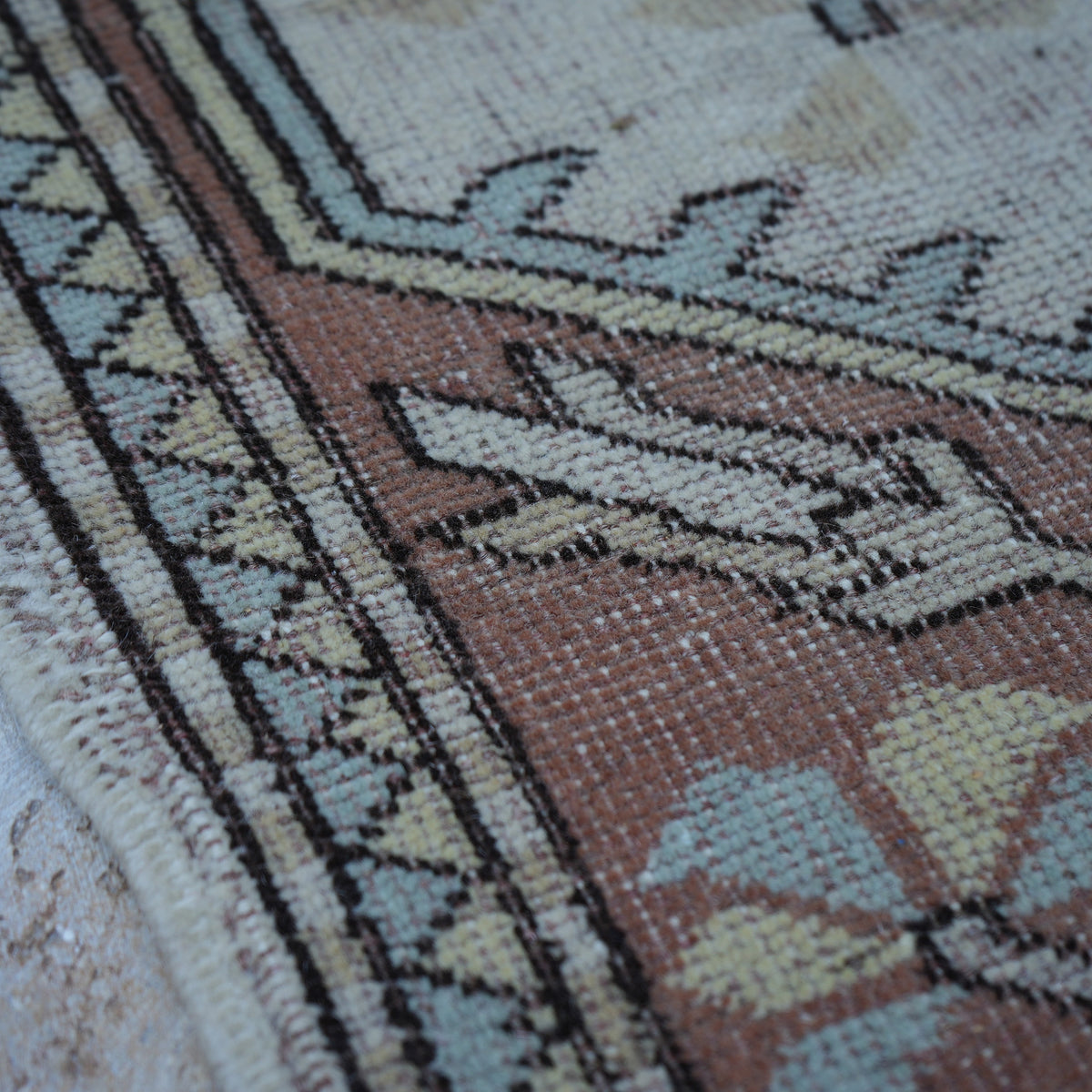
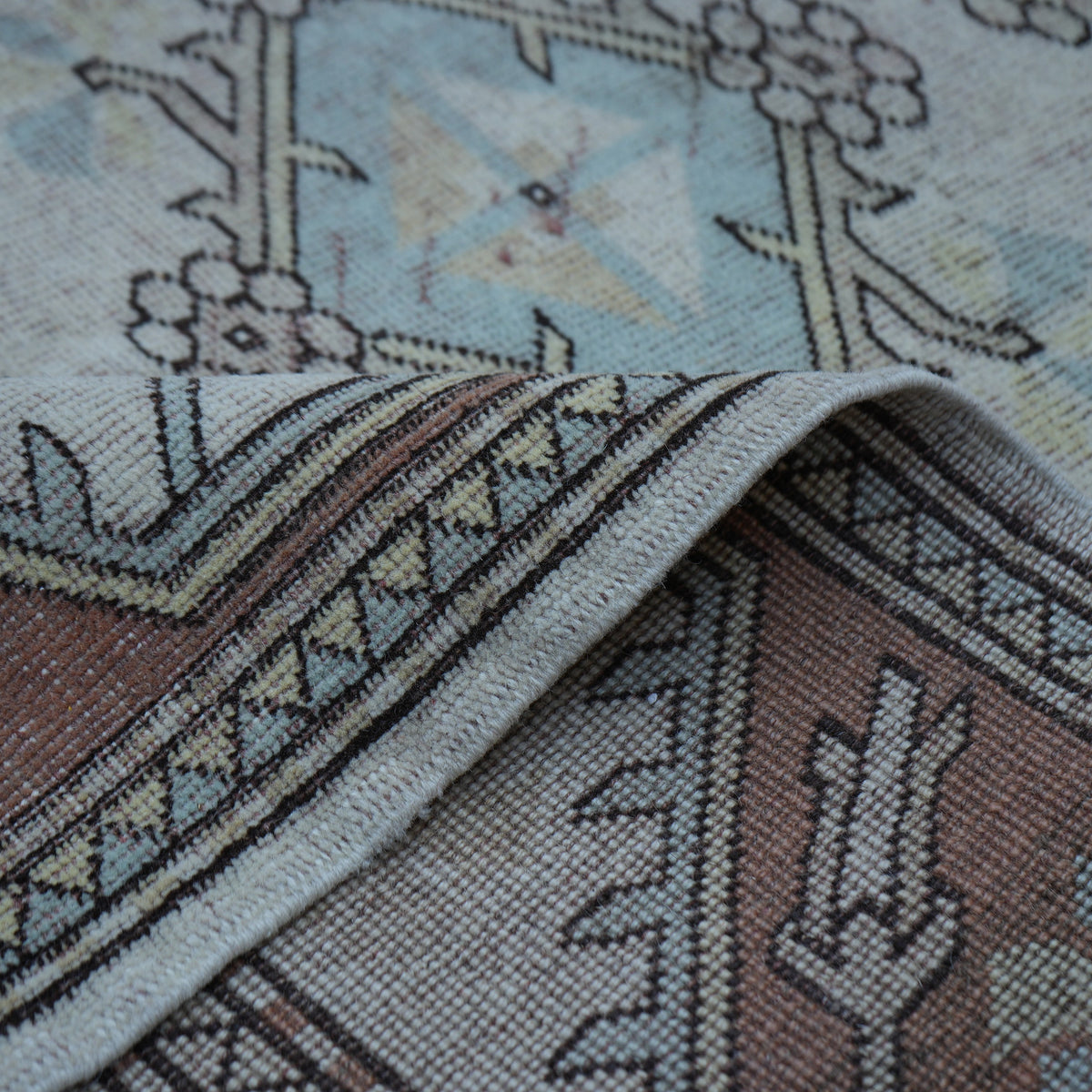
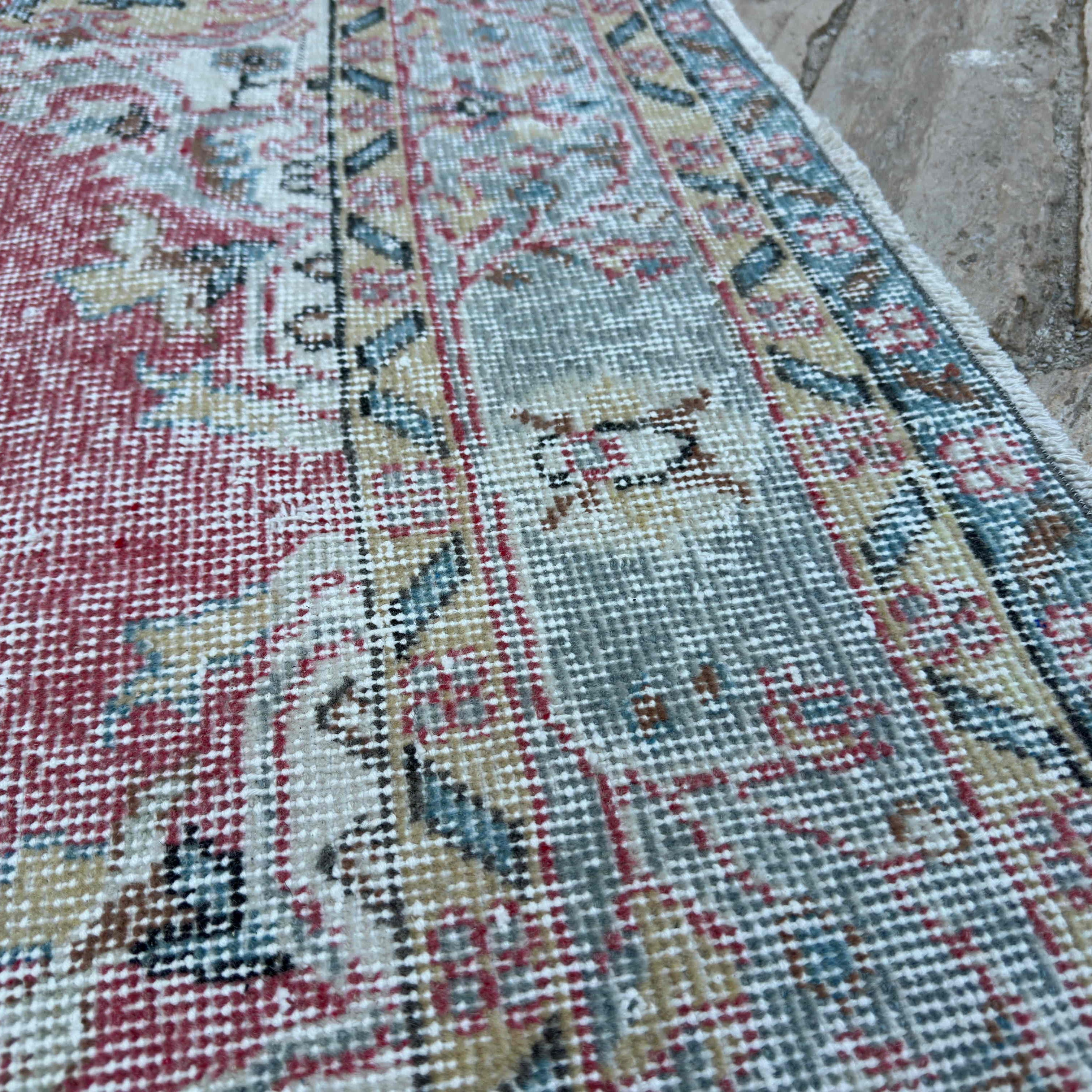
Flip the rug over first. When did you last look at the back? That is where damage shows earliest — particularly under heavy furniture that never gets moved. On the back you will see exposed cotton grid where the wool base used to anchor. On the front it reads as a bald spot or thin patch.
Other signs: brittle, gritty shells scattered through the pile (these are molted larval skins, not the insects themselves), and dead adult beetles near windowsills.
The common misread is mistaking early damage for normal wear. Normal wear creates gradual, even thinning along traffic paths — across the center of a room, between chair legs. Carpet beetle damage is irregular and concentrated in undisturbed areas: corners, edges, the section under the sofa that never gets vacuumed.
When I buy rugs directly from homes in Cappadocia, the most severely damaged pieces have almost always been stored the same way — folded in a dark corner, never moved. In the worst cases the knots themselves are gone. Not thinning. Gone. The rug needs structural repair before it can go anywhere.
How to Get Rid of Carpet Beetles — Step by Step
Flip and vacuum
Turn the rug pile-down and leave it that way for a few days. Debris, hair, and larvae working up from the base will loosen. Then vacuum the back slowly, two or three full passes. Flip it back and repeat on the pile side. This single step removes both the larvae and the organic material they depend on.
Steam clean
High heat reaches into the rug's foundation and kills eggs and larvae that vacuuming misses. Move slowly across the surface. Let the rug dry completely before returning it to the floor.
Natural treatments
Food-grade diatomaceous earth applied to the pile and left 24–48 hours before vacuuming is effective and leaves no residue. For ongoing prevention: one cap of white vinegar in a spray bottle of water, lightly misted across the surface once a year. Peppermint oil or clove oil diluted in water works as a deterrent between deeper treatments.
Chemical treatment, if necessary
For serious infestations, insecticides with bifenthrin or deltamethrin are effective. Test on a hidden corner first — some formulations affect dyes in older rugs. We do not reach for this first, because natural methods have a real track record when applied consistently.
What we do differently at Kirmen
When vintage rugs come through our workshop, we increase the concentration of professional-grade treatment in the wash. Rugs cleaned here stay free of carpet beetles and moths for five years — reliably, without the customer needing to do anything extra. Every rug we sell has been through this process before it reaches you.
Carpet Beetles vs. Carpet Moths — What's the Difference?
Both eat wool. Both prefer dark, undisturbed spaces. Both can cause serious damage to handmade rugs before the owner notices anything.
The difference is in what they leave behind. Moth larvae produce silky webbing visible across the pile. Carpet beetle larvae leave gritty, brittle shells — and no webbing at all. Moth damage tends to appear as cleaner, defined holes in clusters. Beetle damage is broader and more irregular, stripping whole patches rather than creating distinct perforations.
I see both in Cappadocia sourcing trips. By the time I am assessing the rug, the treatment approach is the same either way: vacuum, wash, air it out. Correct identification matters most for early detection — before it reaches that point.

How to Store a Wool Rug Without Attracting Pests
The most damaging mistake, by far, is plastic. A rug sealed in a black plastic bag loses all airflow, traps moisture, and becomes an ideal environment for both beetles and moths. I see this consistently — rugs brought to me in perfect condition, returned after storage with serious moth damage, every one stored in black plastic. Rugs stored in paper or cloth, even imperfectly, almost never come to me with this problem.
Newspaper is far better. It absorbs moisture, allows some airflow, and acts as a mild deterrent. Roll the rug rather than folding it — folding creates dead-air pockets and stress creases. Before rolling: flip it, vacuum thoroughly, make sure there is no pet hair or debris inside the base. Then roll it, wrap it in newspaper, and place natural repellents inside the roll. Naphthalene, lavender, dried mint, clove, or bay leaves — any of these works.
Then, critically: open it. At minimum every six months. Take it out, unroll it, let it breathe in direct sunlight for a day. Ultraviolet light kills larvae and eggs and removes the ambient moisture that storage creates. For wool and handmade rugs, I recommend every three months — one day, four times a year.
A rug that is stored correctly and checked regularly does not lose value. It gains it. I have seen pieces that survived a hundred years of use get destroyed in a closet in six months. That is not the rug's fault.

Permanent Prevention — The Routine That Actually Works
Weekly vacuuming is the foundation. Not deep cleaning — just consistent surface maintenance that removes the hair, dust, and debris larvae feed on.
Every three months: pull the rug back, clean underneath, and flip it pile-down for a day. For handwoven and vintage rugs, this is not optional — it is what keeps them alive long-term.
Once a year: the vinegar spray. One cap of white vinegar in a bottle of water, lightly misted across the surface, left to dry naturally. Five minutes. It works.
I used to recommend cedar to customers as a storage deterrent. Honestly, it barely holds up — cedar oil evaporates within a season, and after that you have an inert block of wood. Naphthalene, lavender, or dried herbs stored with the rug will outlast any cedar product by years.
Should You Call a Professional? Honest Advice
Professional pest control for a carpet beetle problem typically costs $300–600. That treats your home generally — not your rug specifically — and certain insecticides can affect the dyes and fibers in older pieces.
My recommendation: if you find carpet beetles on a wool rug, send the rug to a professional rug cleaner before calling an exterminator. A proper wash removes larvae, eggs, and the organic material that sustains them. After washing, you will not see beetles in that rug for two to three years.
If that $300–600 budget is already in play — it is worth knowing that our large rug collection has many pieces in that range, each professionally cleaned before it ships.
If you do hire someone for your home, use a rug specialist rather than a general pest control company. The chemistry matters. A rug that survived a hundred years of foot traffic should not be damaged by the treatment meant to save it.
A Note From Cappadocia — Why This Matters to Us
When I source rugs from homes in Cappadocia, I occasionally find pieces where the damage is already done. The pile is gone. In serious cases the knots themselves have been eaten through — what should be dense, structured textile is an open grid. Those rugs need repair before they can go anywhere.
It is always hard to see. These pieces survived a hundred years of use and were destroyed in a closet.
Every rug that leaves our workshop has been professionally washed, and the wash protocol is built specifically to prevent this. A well-cared-for vintage rug does not lose value over time. It gains it. The only thing standing between a rug and another century of life is knowing what threatens it — and doing the simple things consistently.
Whether you've spotted something unusual or want advice before it becomes a problem — reach out directly. We're here to help.
Choose a Handmade Rug Built to Last
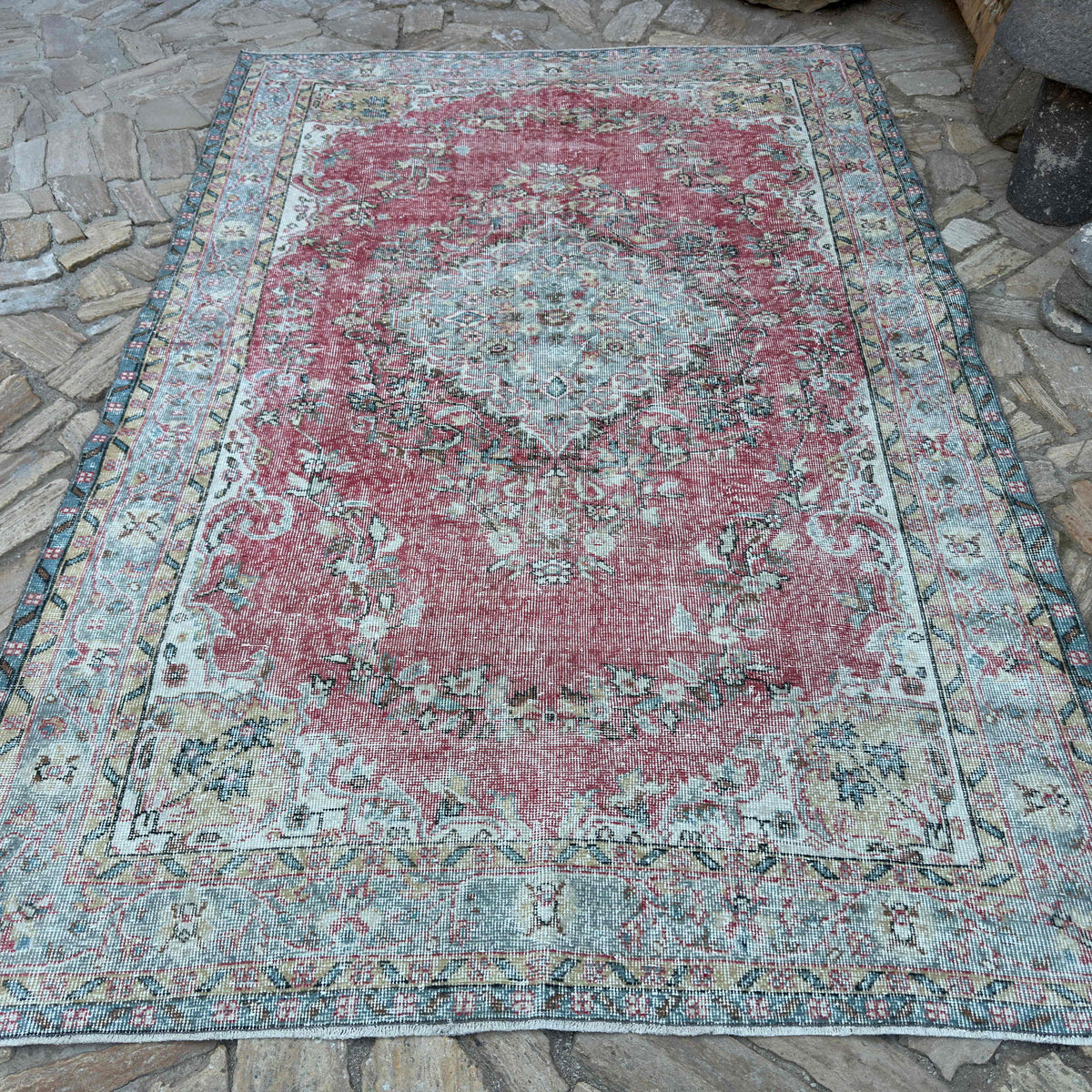
A handmade vintage rug can be washed, repaired, restored, and lived with for decades. That is the real difference between a disposable carpet and a piece with a future.
Every piece cleaned and inspected before shipping.
50–100+ year lifespan. No synthetic fibers.
Free returns on US orders. No restocking fees.








Frequently Asked Questions
Do carpet beetles bite humans?
No. Adult beetles do not have biting mouthparts. Larval hairs can cause a skin reaction — small red bumps that resemble insect bites — from contact with sensitive skin. It is an allergic response, not a bite.
How long does elimination take?
With consistent DIY methods, two to three weeks for a contained infestation. Professional washing resolves the rug-specific problem much faster.
Can carpet beetles damage synthetic rugs?
No. They eat keratin, which exists only in natural fibers. A polyester or nylon rug gives them nothing.
How do I tell beetle damage from normal wear?
Irregular bare patches near furniture, brittle shells in the pile, damage concentrated in undisturbed areas — beetles. Even, gradual thinning along a traffic path — normal wear. When in doubt, flip the rug and look at the back.
Can they spread beyond the rug?
Yes. Adults fly. If you find evidence in one rug, check wool clothing, stored blankets, and upholstered furniture in the same area.

