




















You smell it before you see it. The dog had an accident overnight, or the cat found a quiet corner while you were at work — either way, the realization is the same: sharp, immediate, and slightly demoralizing.
The instinct is to grab whatever is under the sink and start scrubbing. That instinct is how a solvable problem becomes a permanent one.
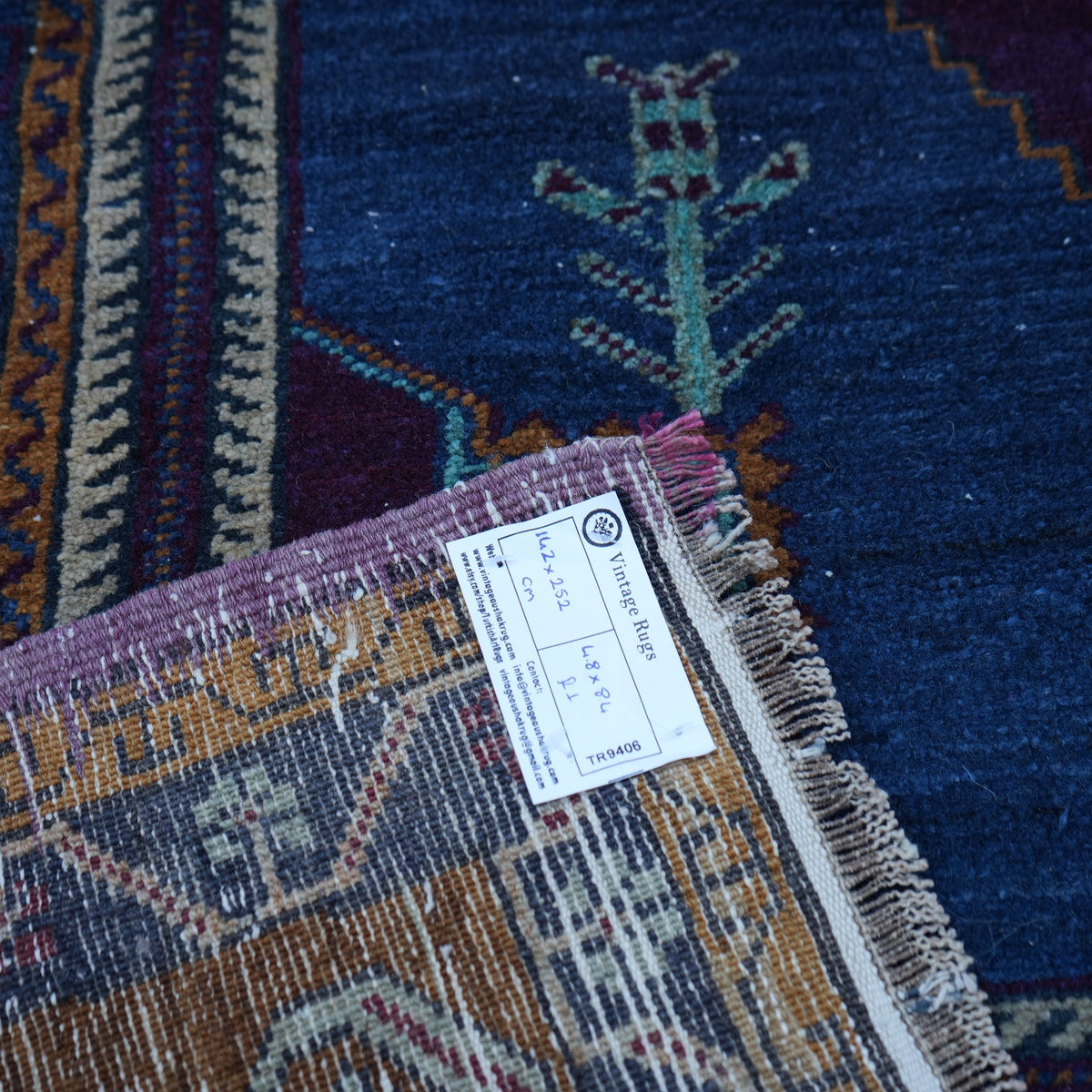
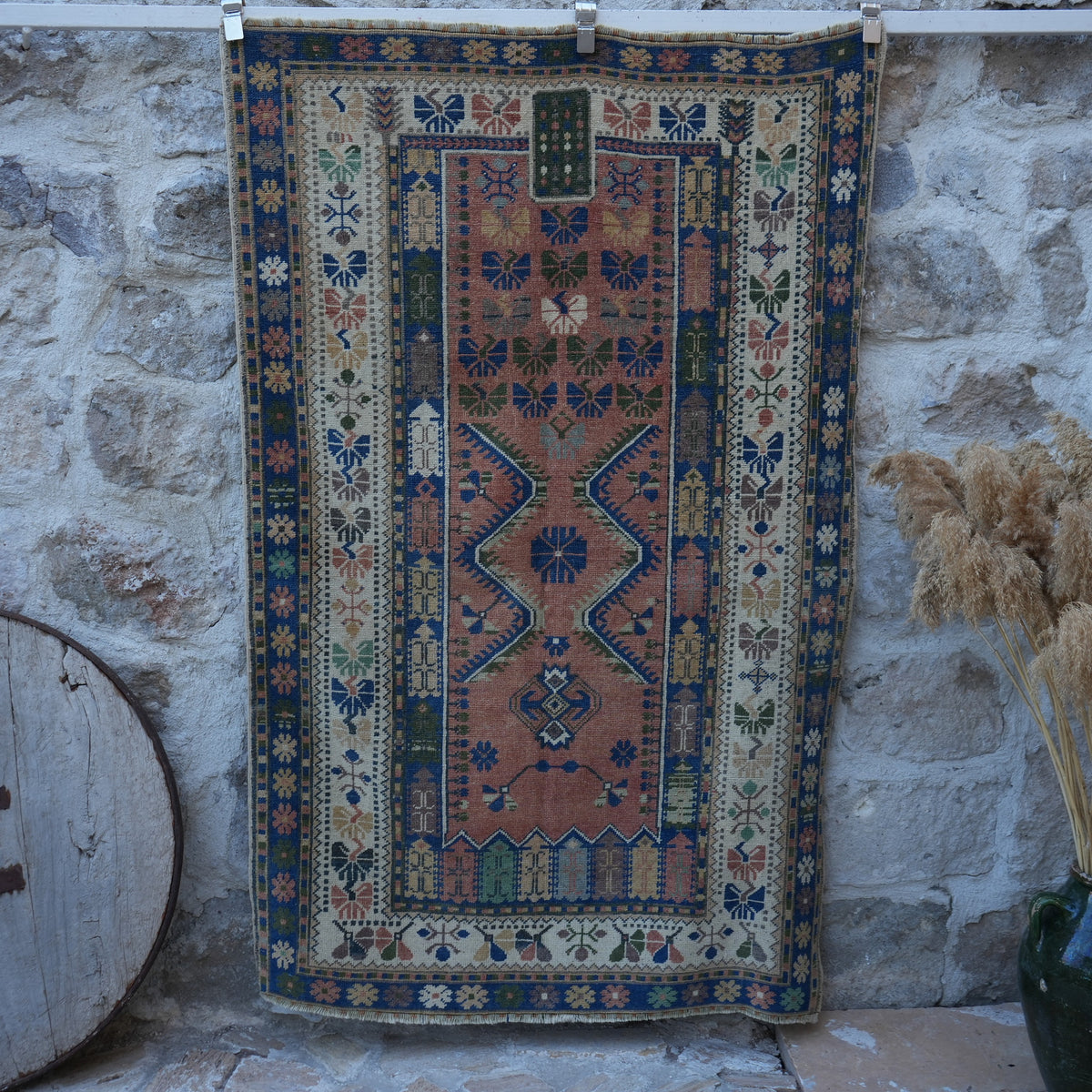
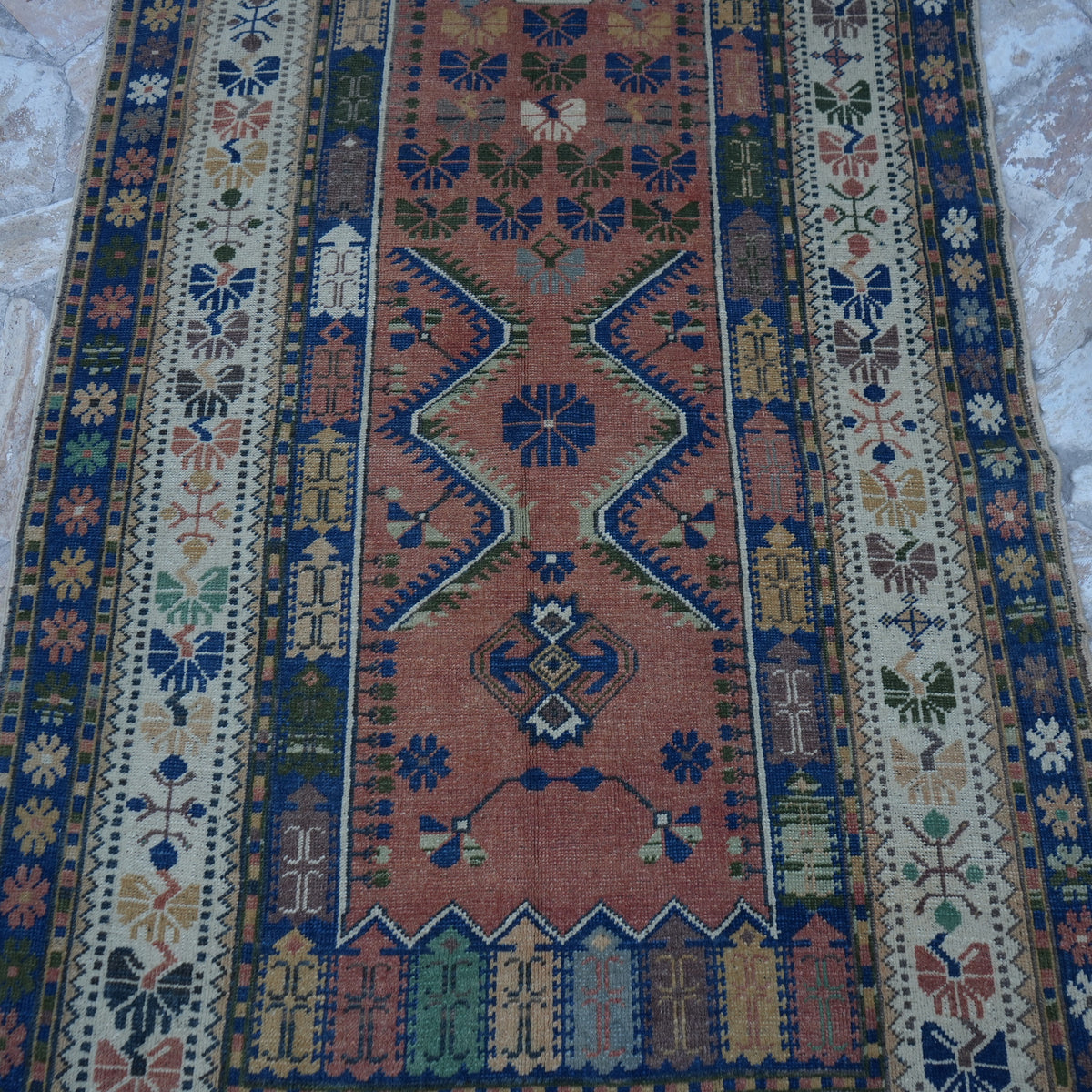
I ship hand-knotted Turkish rugs from Cappadocia to homes across the United States every week. Among the most urgent messages I receive: "my dog had an accident — what do I do?" This guide exists for those. Below, I'll walk through what to do in the first ten minutes, which products are safe for wool, when baking soda is not enough, and when a professional cleaner is the smarter call.

Why Pet Smell Lingers in Carpet (And Why Rugs Are Different)
Pet odor is not a surface problem. When an animal urinates on a rug, uric acid is carried deep into the fibers. As it dries, it leaves microscopic crystals behind — stable when dry, nearly odorless in low humidity. That is why a spot you cleaned last month seems fine on a dry Tuesday and distinctly wrong during a rainy week. The crystals are still there. Moisture reactivates them.
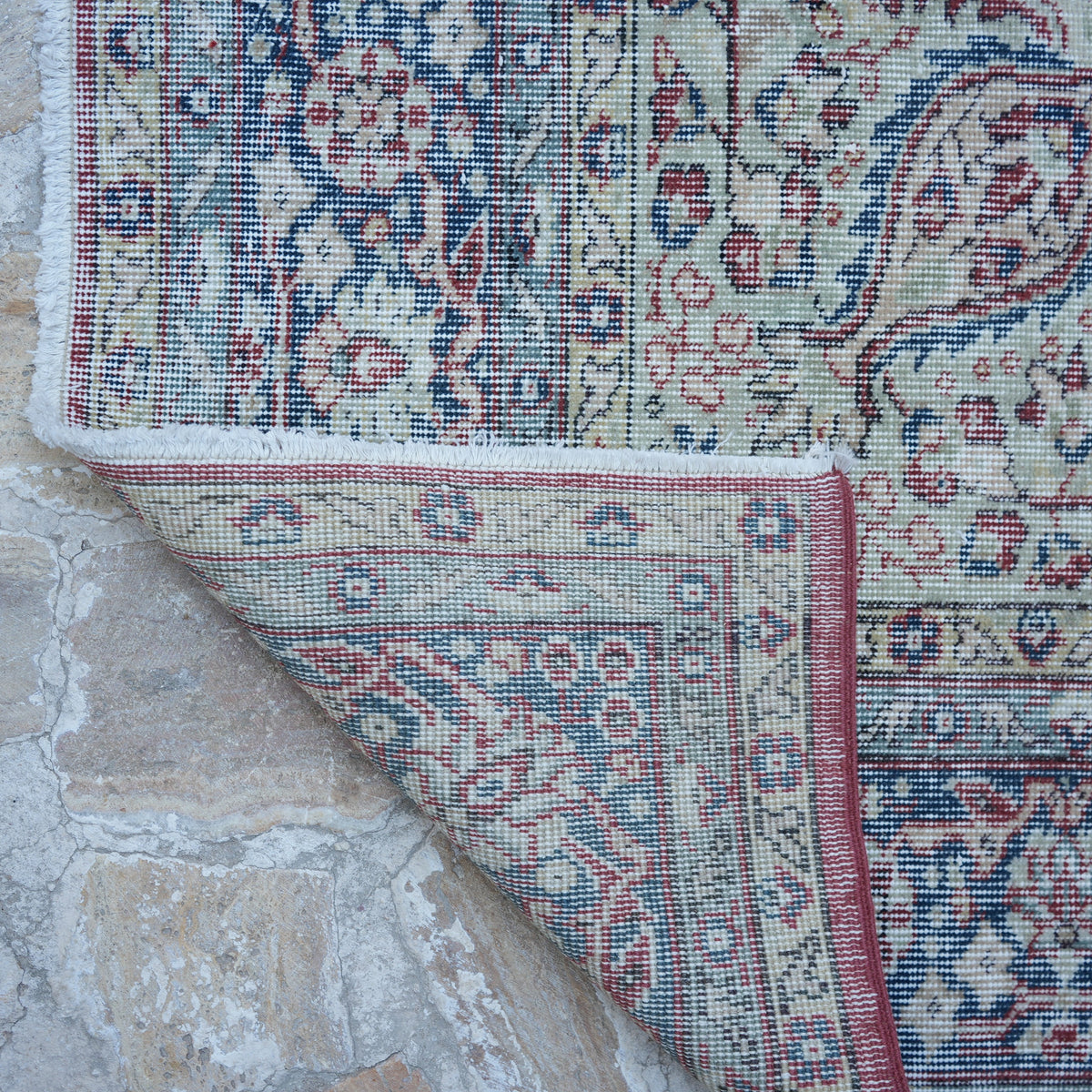
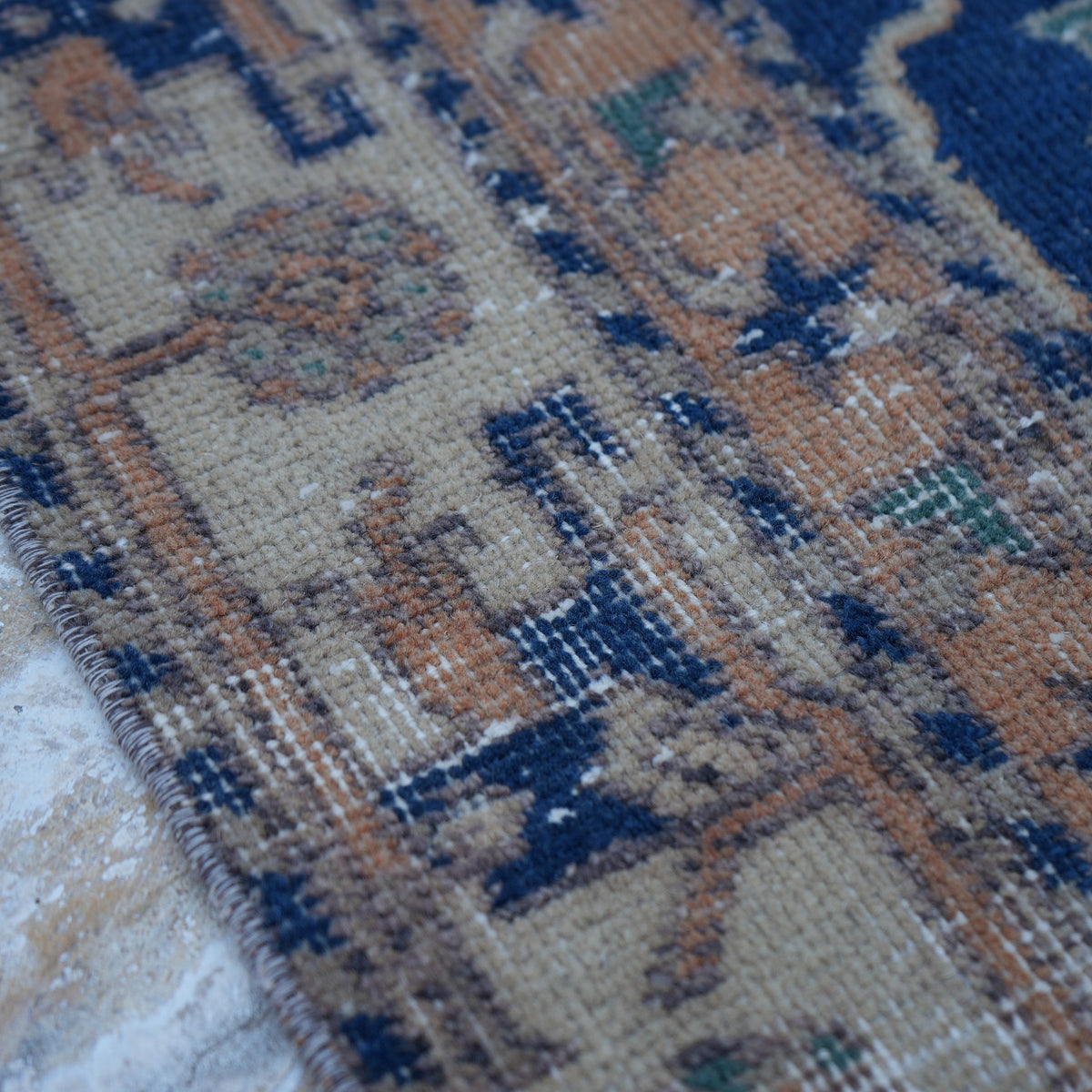
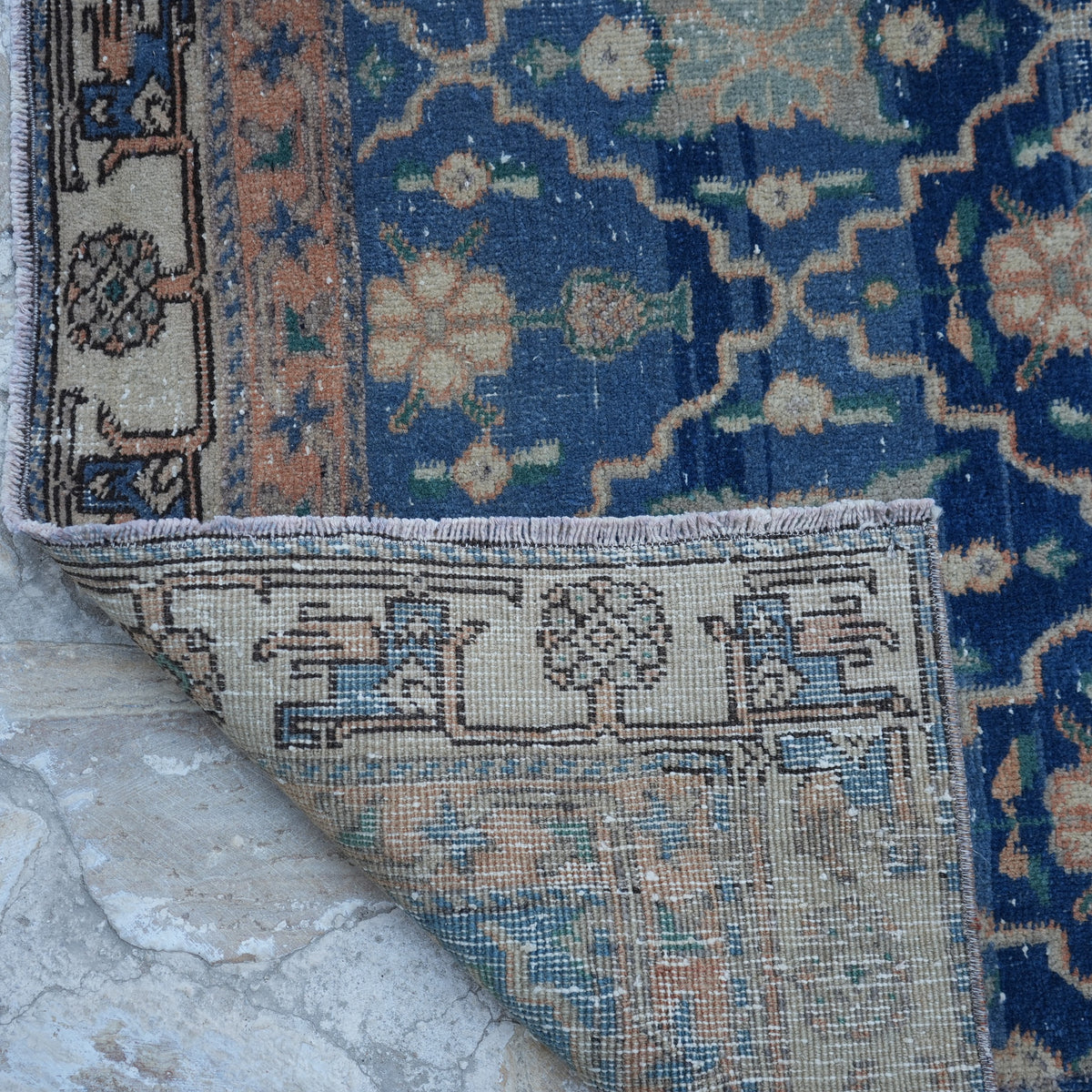
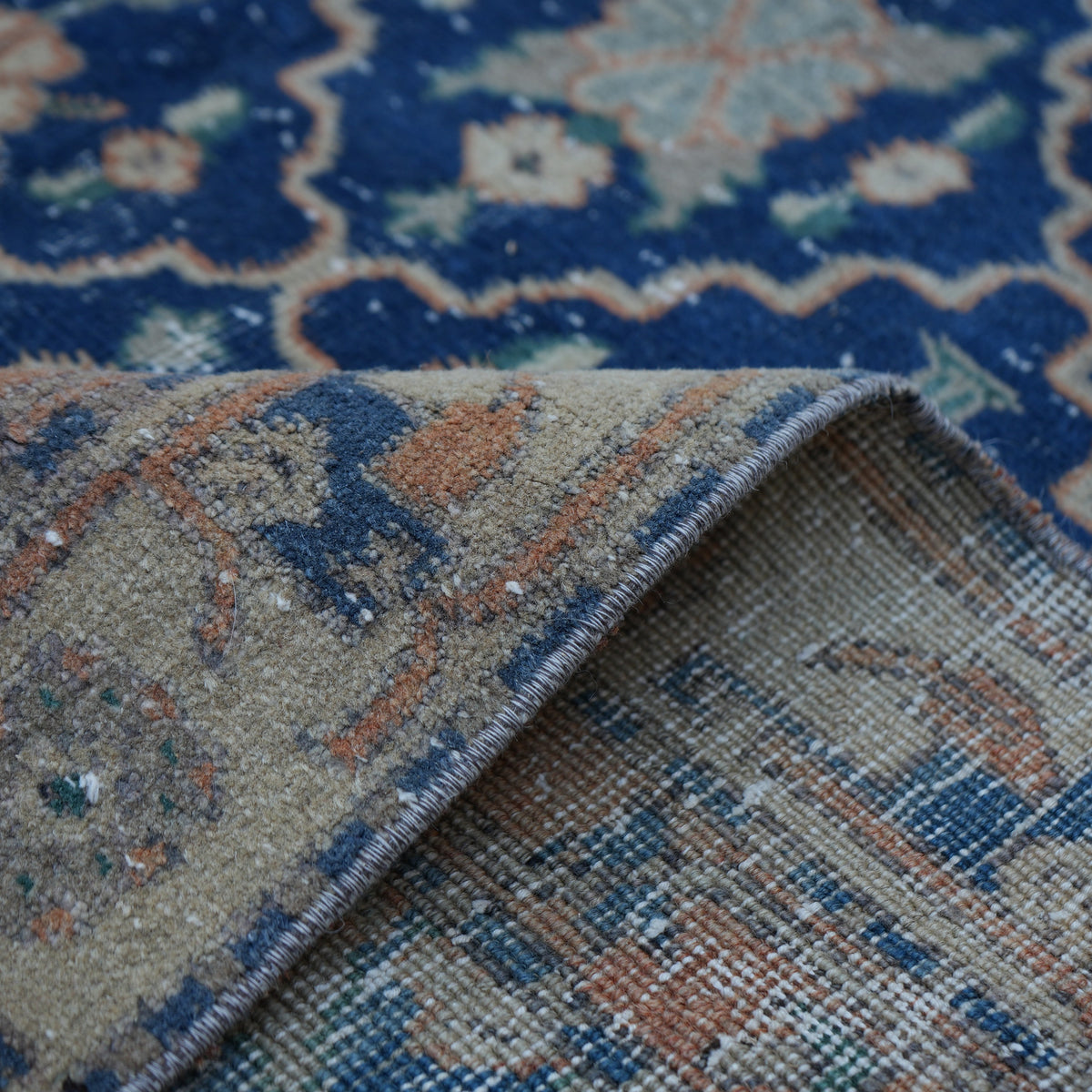
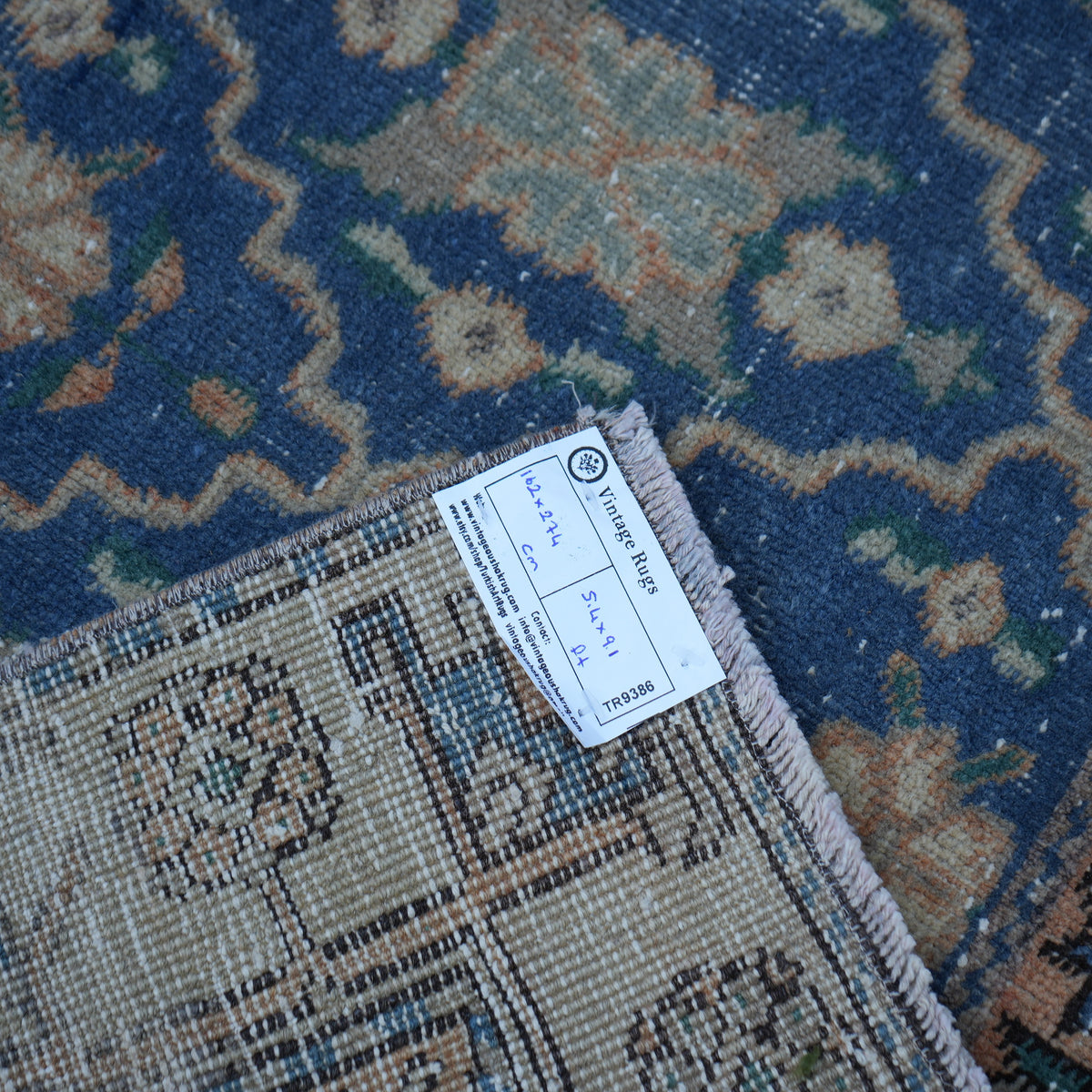
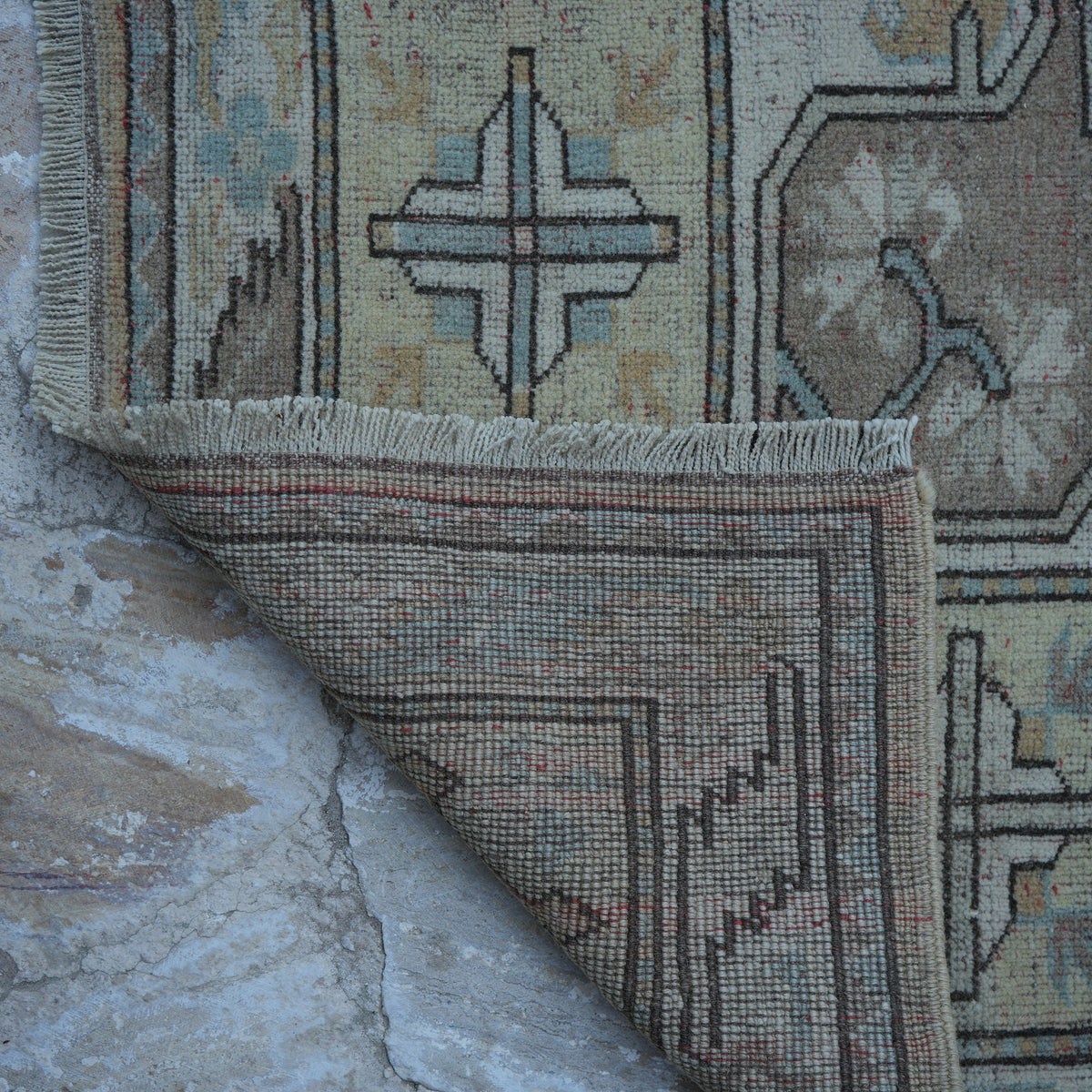
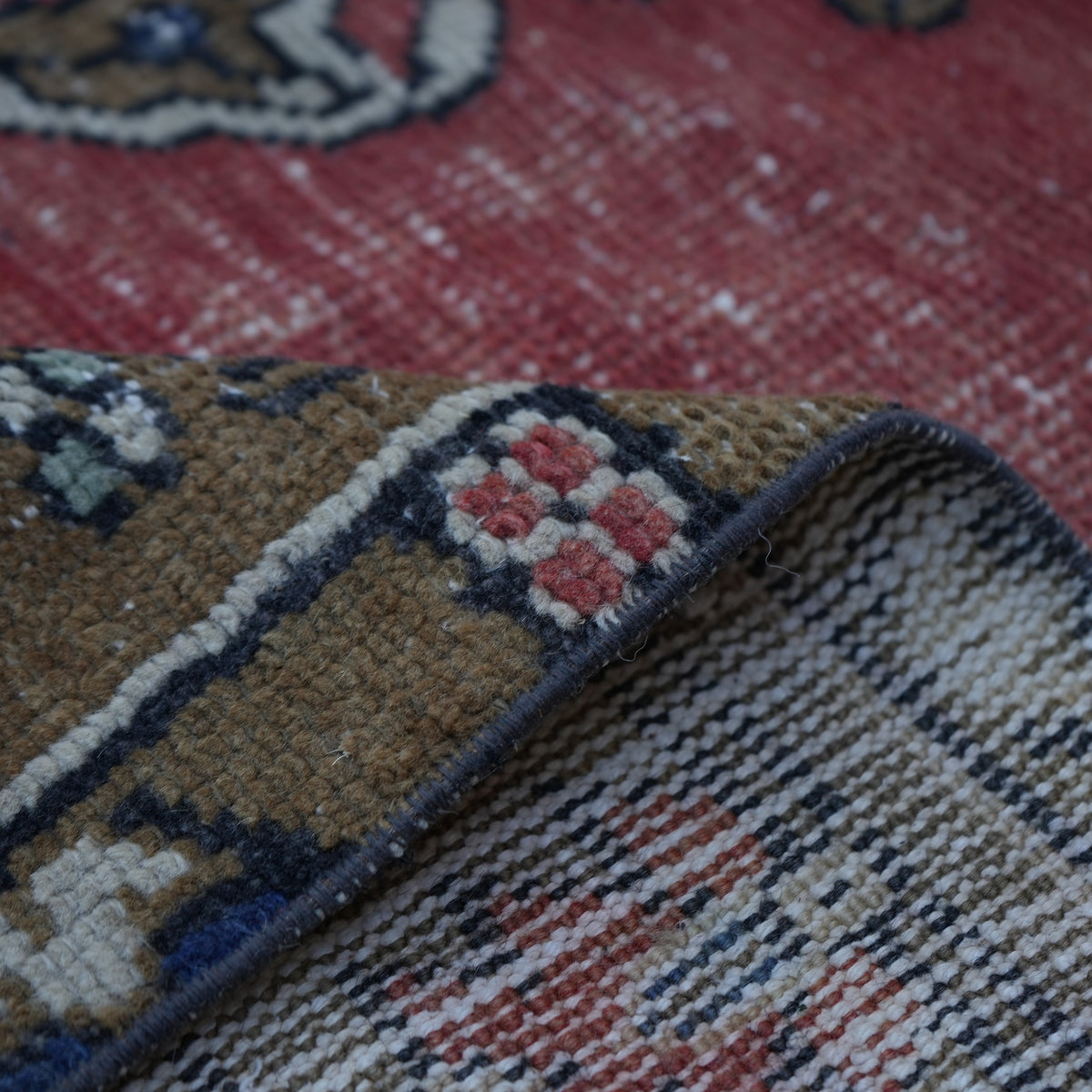
An area rug can be lifted and cleaned on both sides — an advantage wall-to-wall carpet with padding underneath does not offer. Wool behaves differently too: lanolin creates mild surface resistance, giving you a few extra seconds before liquid penetrates.

Dog Smell vs. Cat Smell — Why They Need Different Approaches
Dog odor has two sources: urine — manageable with enzyme cleaners when caught early — and accumulated body smell from fur and skin oils. That second type responds better to routine maintenance.
Cat urine is a different category. More concentrated, more acidic, and containing a compound called felinine that produces that specific, piercing quality. Cats return to the same spot — the smell draws them back. One customer wrote to me: "My cat has claimed this rug as her bathroom and I don't know how to unclaim it." Three rounds of enzyme cleaner and two weeks to break that cycle. For cat urine, enzyme cleaner is the safest serious option — vinegar alone is not enough.
One useful tool: a UV blacklight flashlight. In a darkened room, pet urine fluoresces yellow-green, revealing hidden spots you never thought to treat — often the real reason odor returns after what felt like a complete cleaning.

The First 10 Minutes Matter — Emergency Steps for Fresh Accidents
Act before the urge to scrub takes over. Blot immediately with paper towels or a clean cloth — press firmly, do not rub. Add weight if needed. Use cold water only; hot water accelerates how uric acid bonds to fiber. Repeat blotting until the cloth comes away nearly dry, then let the area breathe.
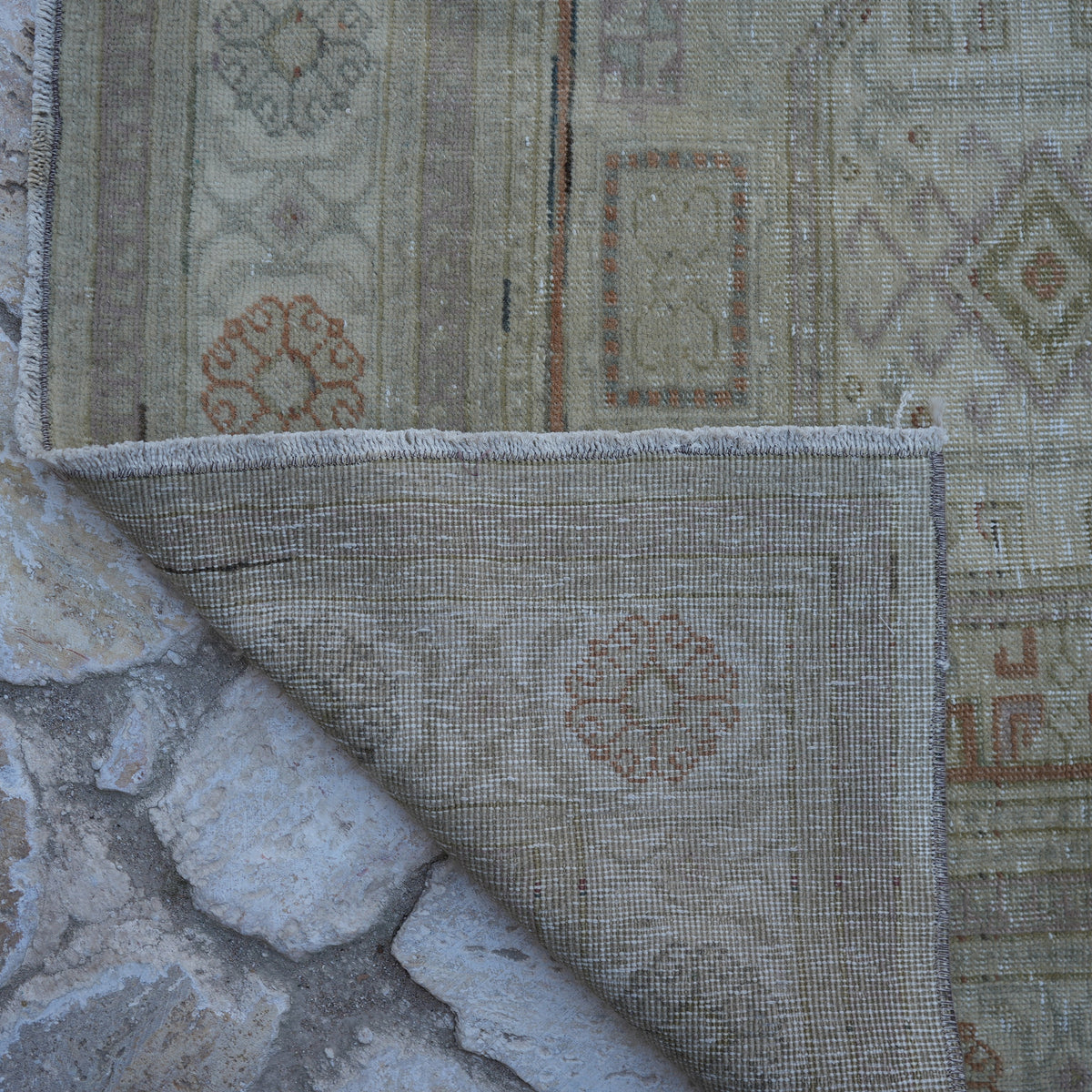
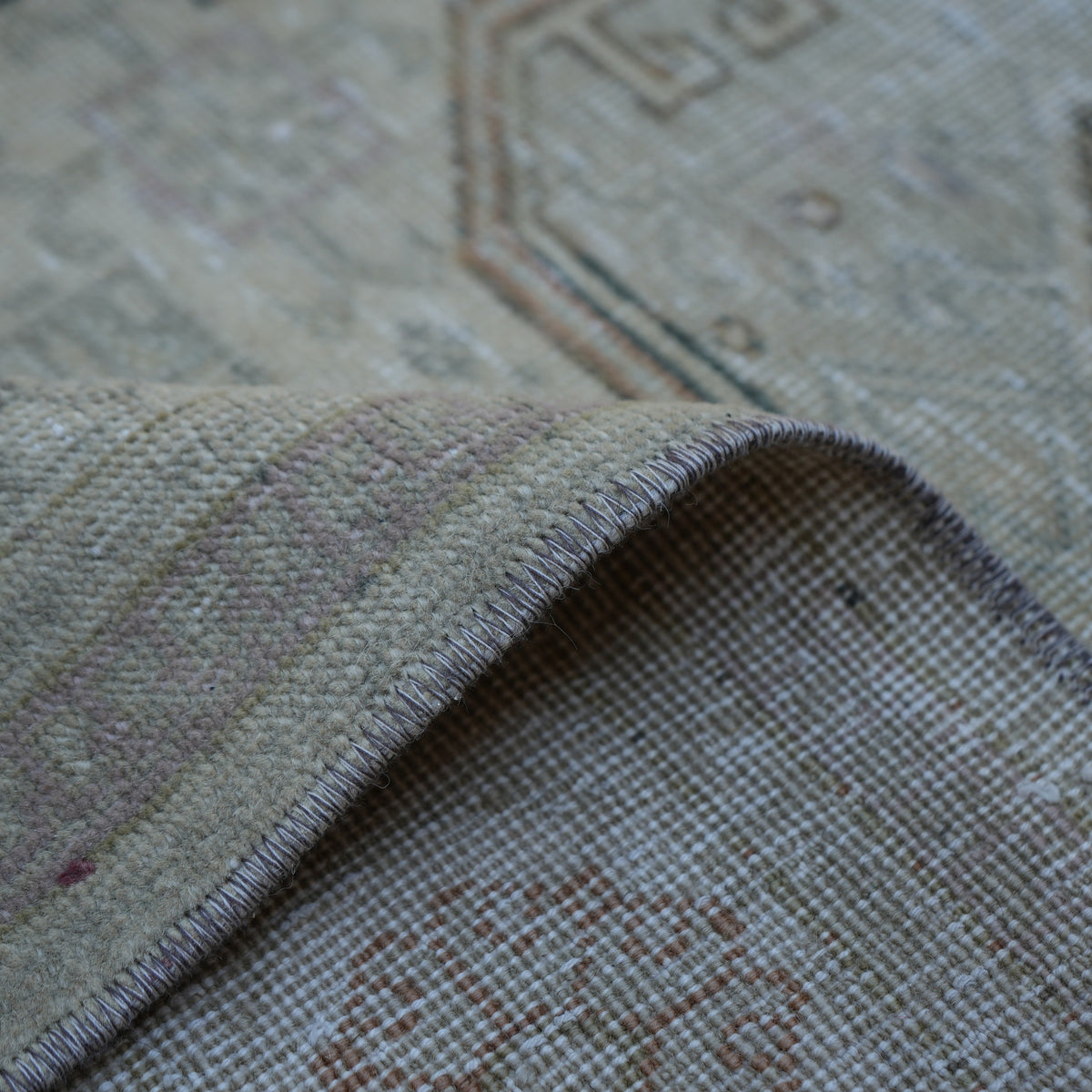
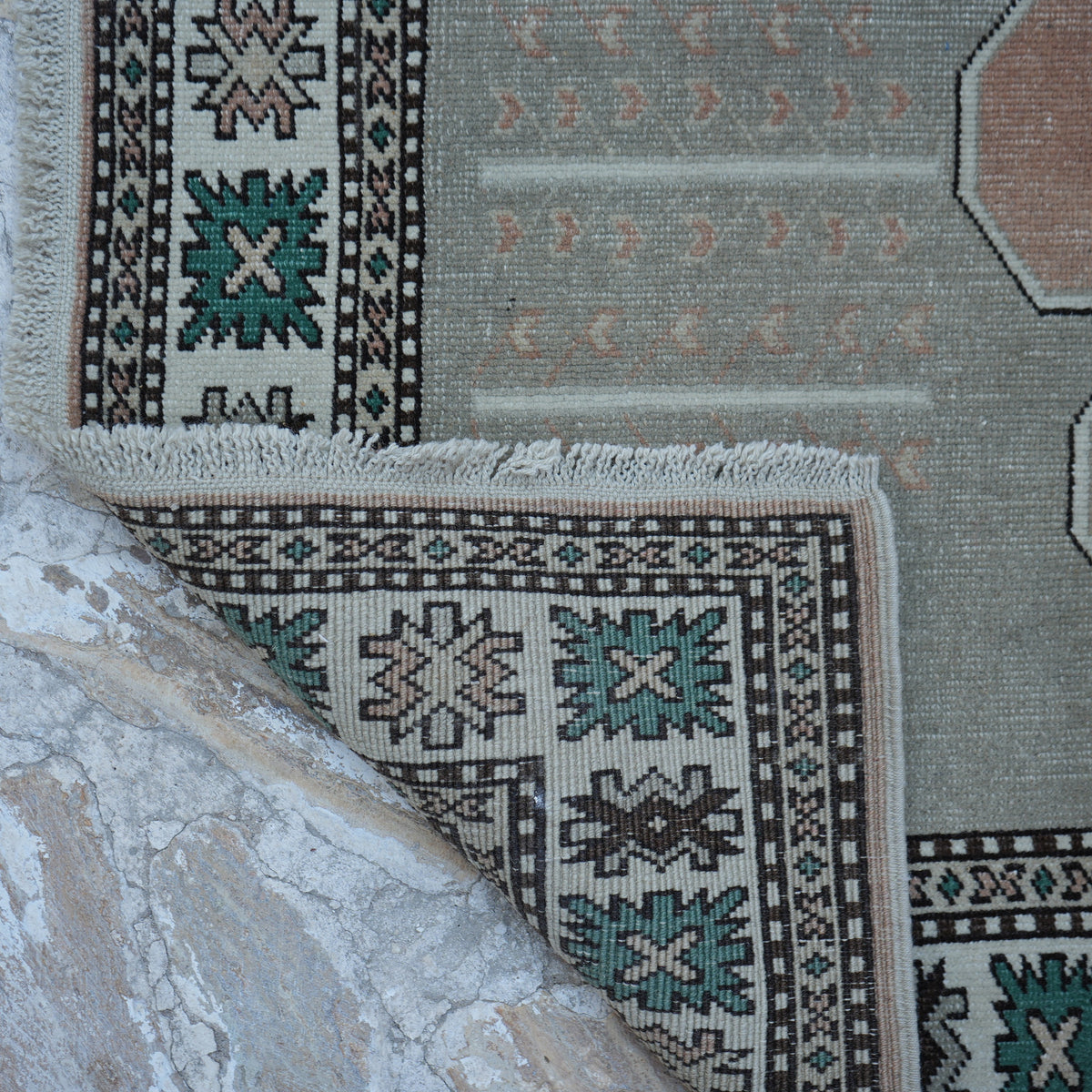
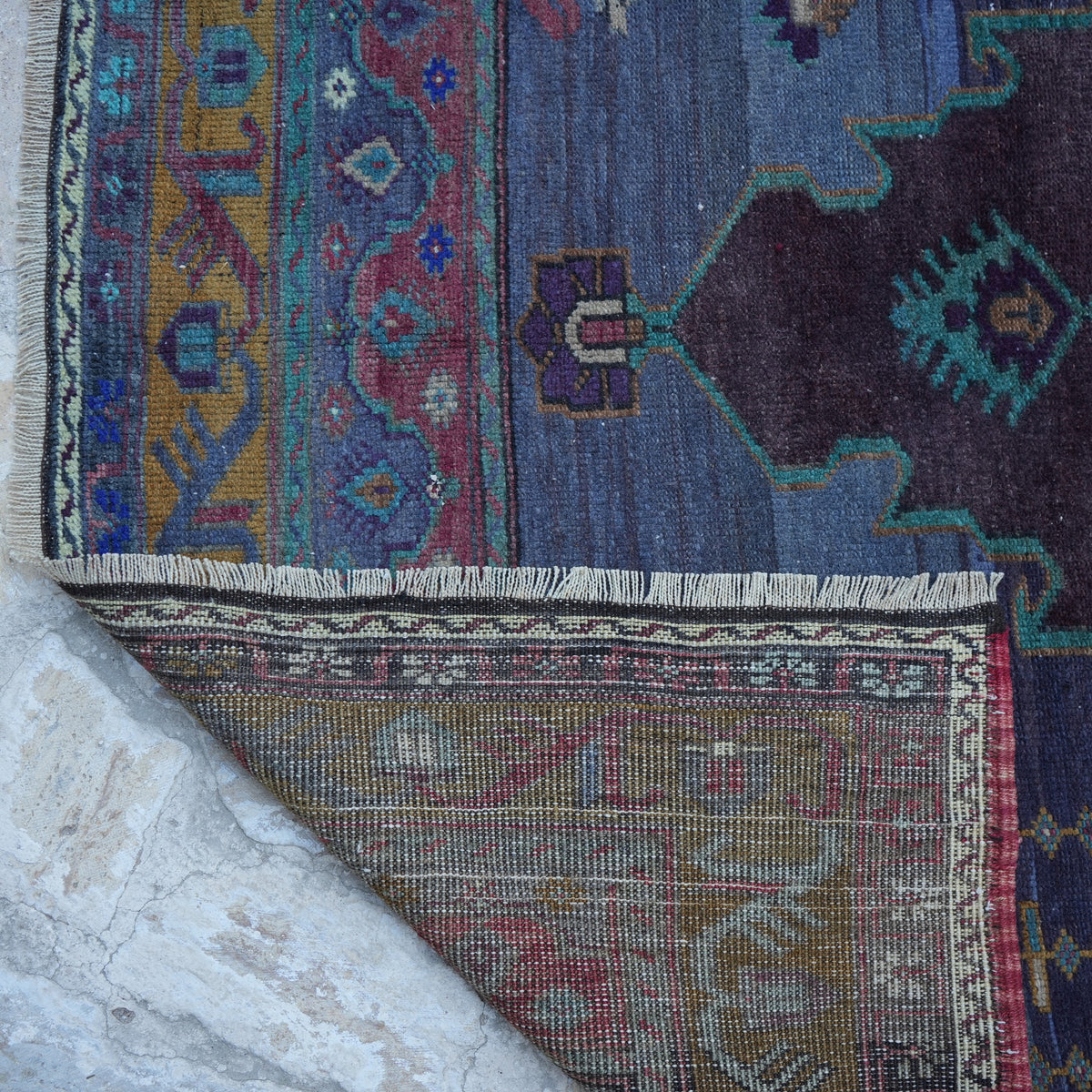
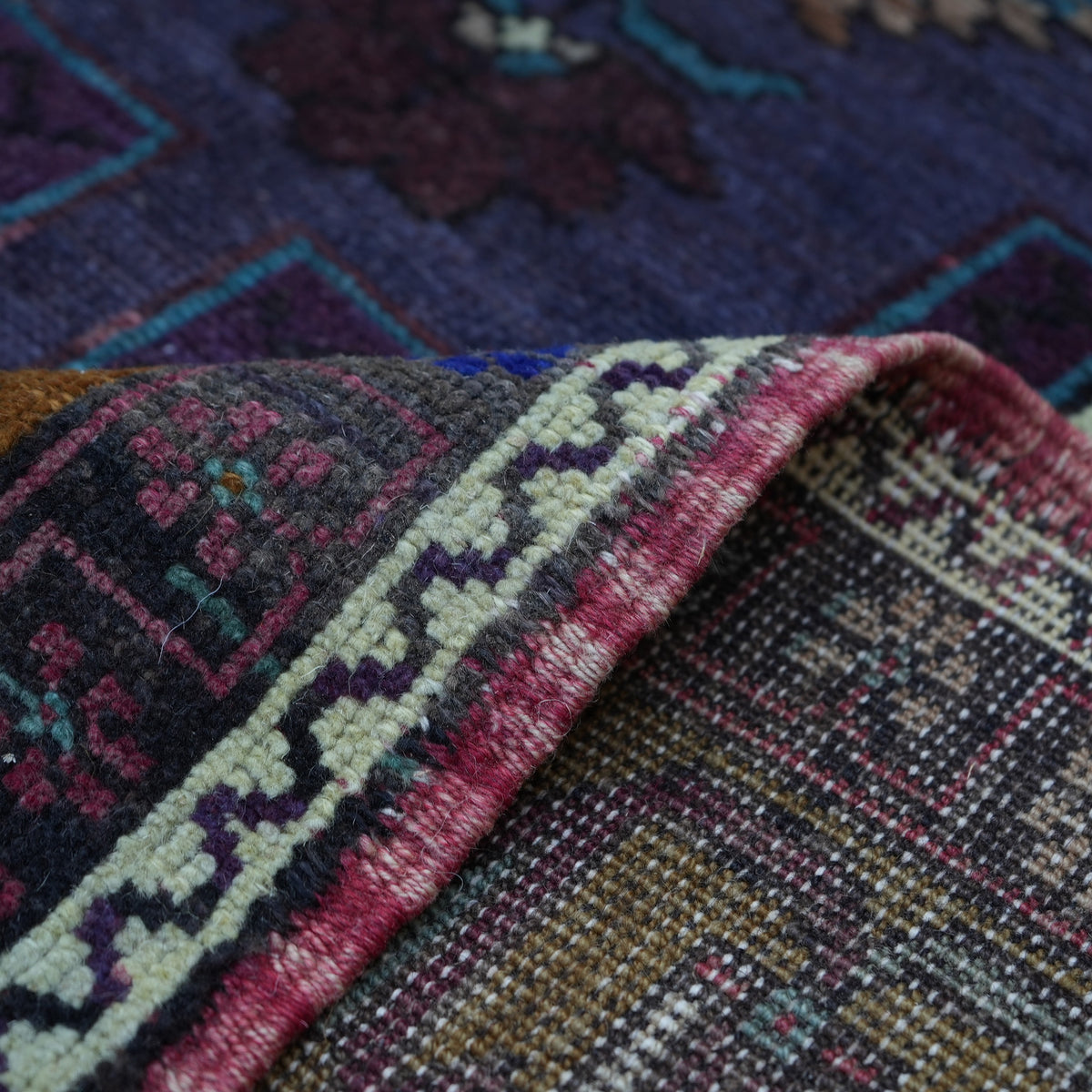
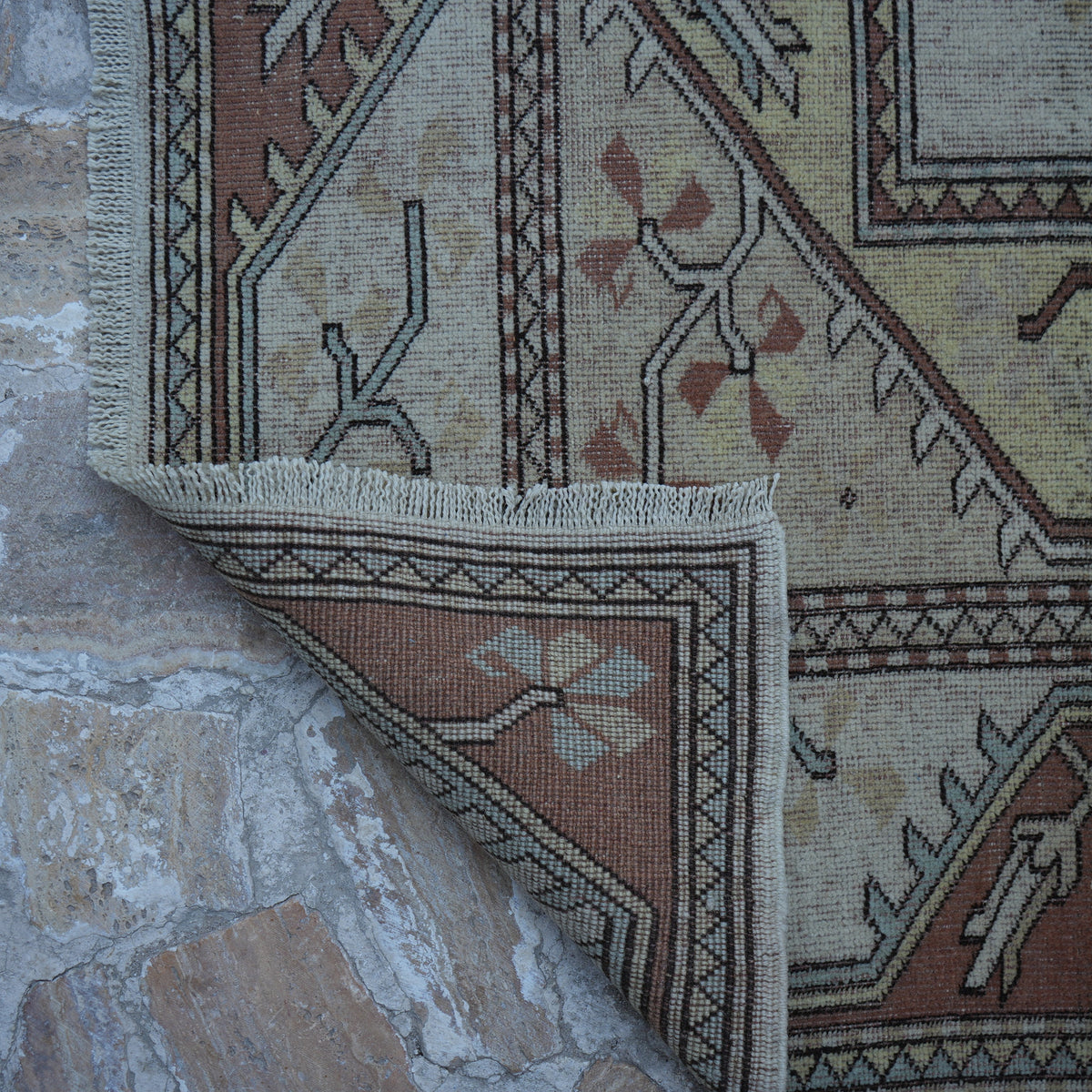
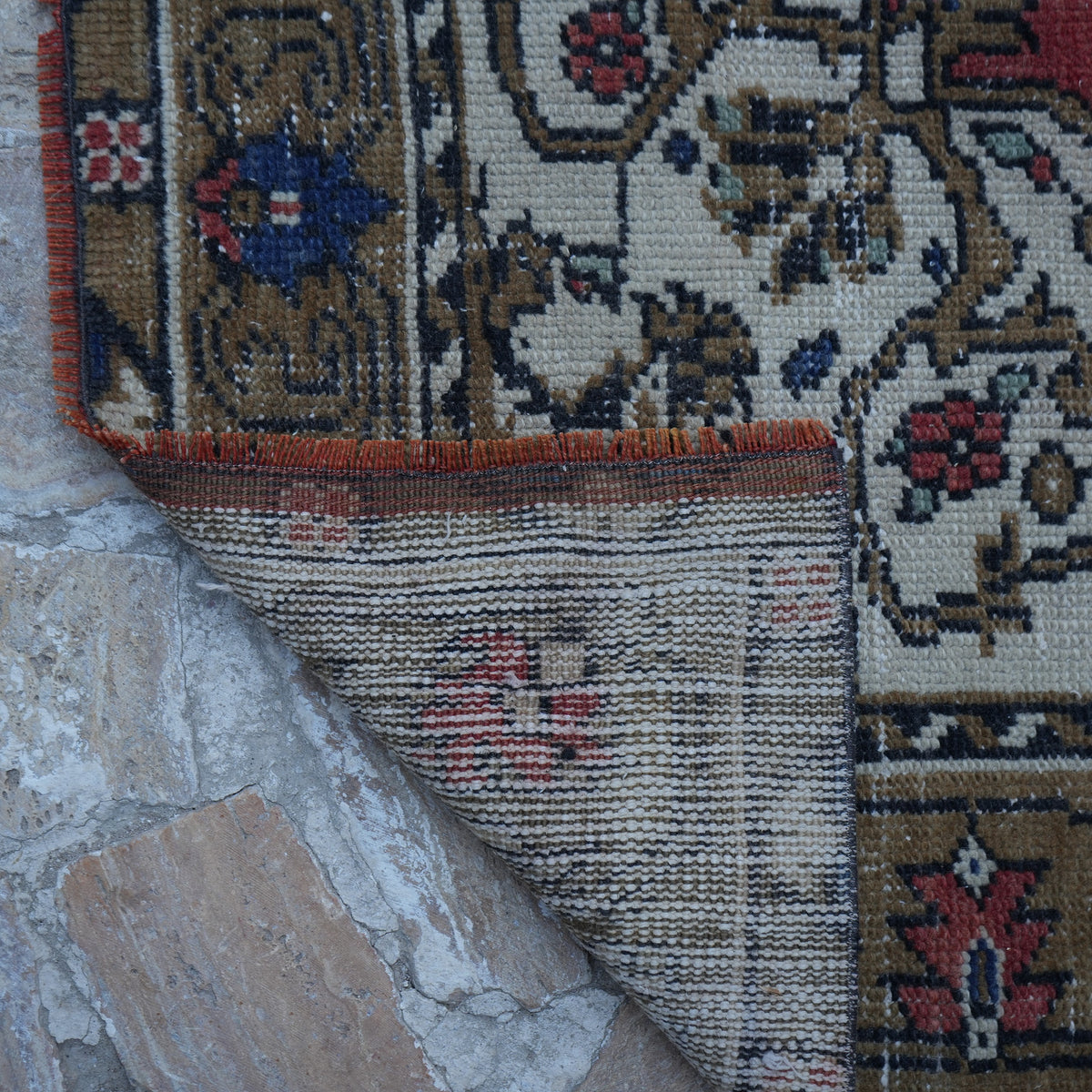
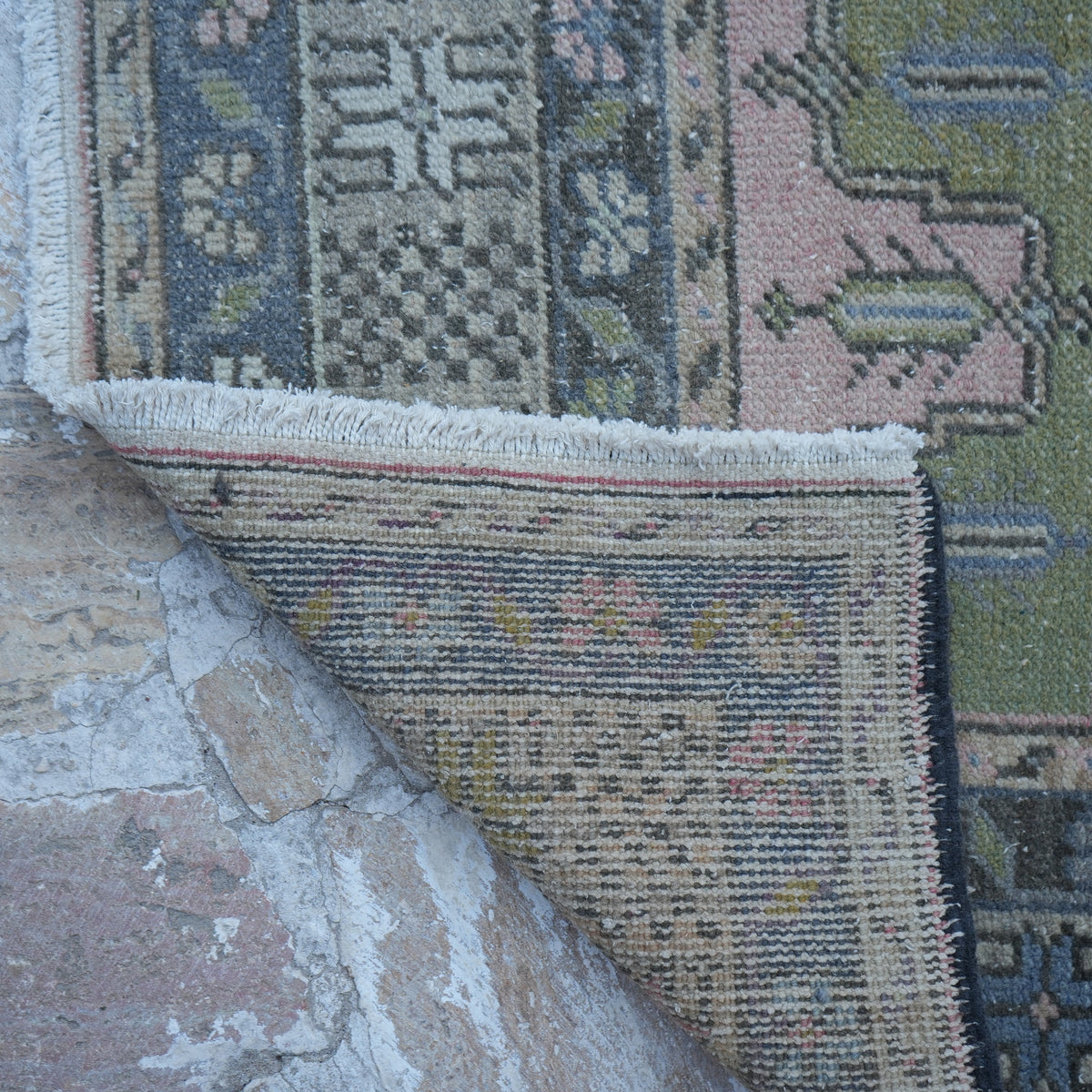
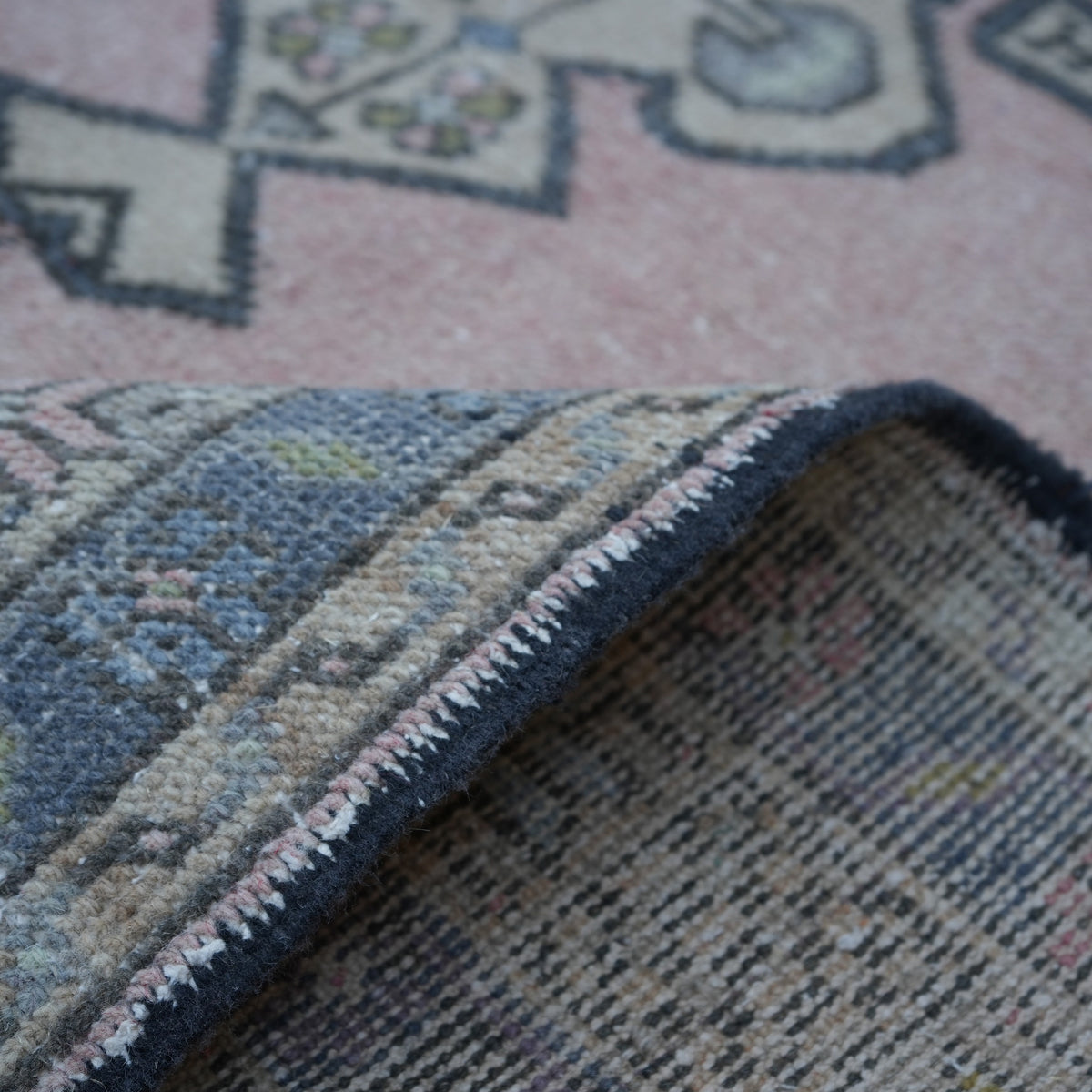
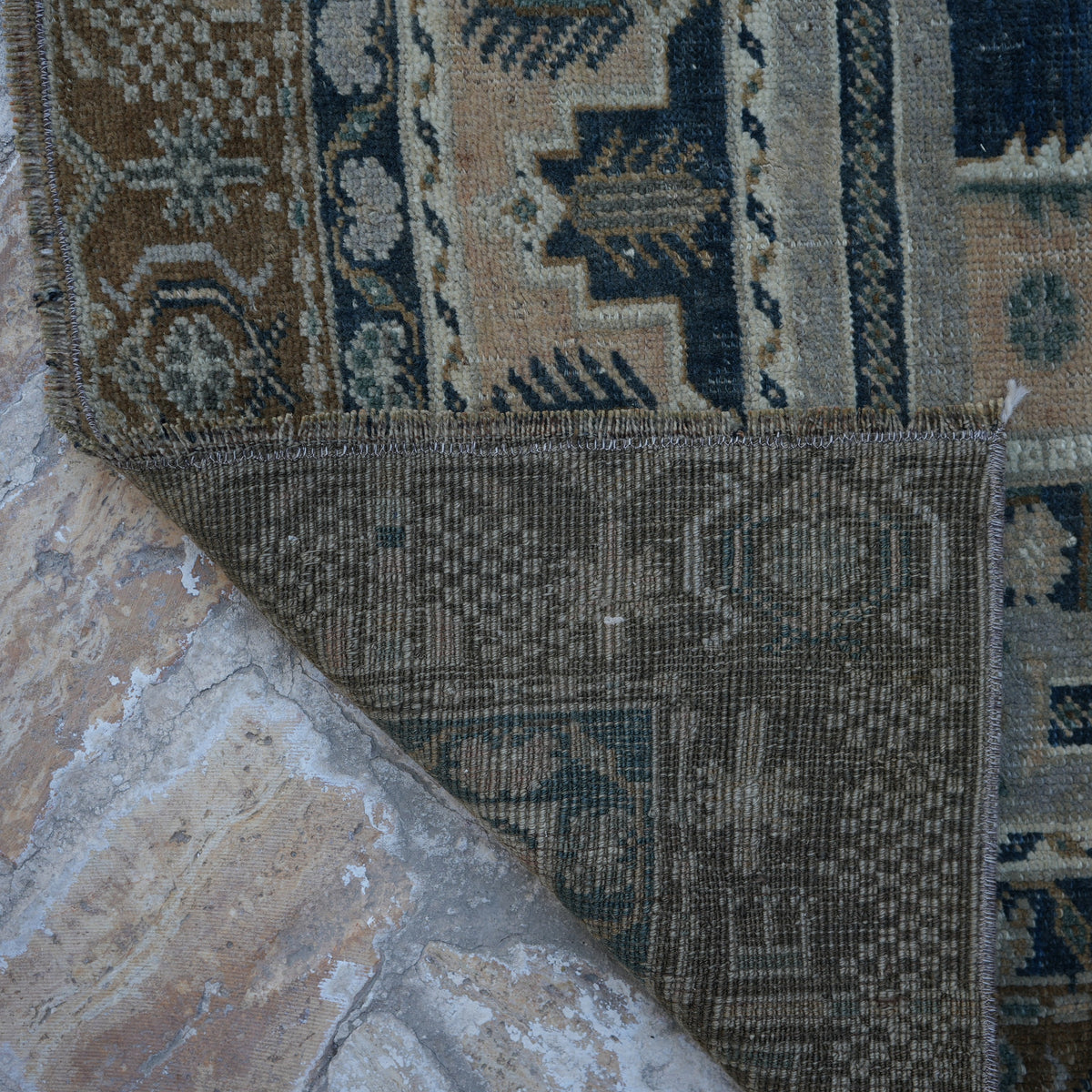
For handwoven or wool rugs: slide a cloth under the rug to catch liquid passing through the backing. Do not overwet — excess moisture in wool can lead to mold. Blot from the underside if you can reach it. When we prepare a rug for shipping in Cappadocia, we use cold water only and dry flat — never bunched, never with heat.
How to Remove Pet Smell from Carpet — 4 Methods That Actually Work
Start with the gentlest; go directly to method three if the smell has been building for days or longer.
Good for fresh accidents and routine maintenance; not sufficient for deep-set odor or cat urine.
One part white vinegar to three parts cold water. For cat urine, vinegar is not sufficient.
The only method that eliminates uric acid rather than masking it.
Shaded open air, not direct sunlight. Lay the rug flat; never hang it while wet.
Method 1 — Baking Soda
Apply a thin, even layer and let it sit four to six hours — overnight for stronger odors. Vacuum with a suction-only attachment, no beater bar. Good for fresh accidents and routine maintenance; not sufficient for deep-set odor or cat urine.
Method 2 — White Vinegar Solution
One part white vinegar to three parts cold water — not the 1:1 ratio most guides recommend, which is too acidic for natural fiber and can affect dye over time. Mist the area, wait five minutes, blot, let dry. For cat urine, vinegar is not sufficient — use enzyme cleaner.
Method 3 — Enzyme Cleaners
The only method that eliminates uric acid rather than masking it. Look for "wool-safe" or "pH-neutral" on the label; avoid formulas with bleach, optical brighteners, strong fragrance, or high alkalinity. For old accidents, lightly moisten the area with room-temperature water first to rehydrate the crystals. After applying, cover with plastic wrap for thirty to sixty minutes — this keeps the product wet and gives the enzymes time to work, a step most guides leave out.
Method 4 — Sunlight and Fresh Air
Shaded open air, not direct sunlight — direct sun fades natural dyes. Lay the rug flat; never hang it while wet. Growing up in Göreme, when my mother's kilim needed washing after a neighbor's dog paid us a visit, she took it to the courtyard. Cold water, flat on the ground, Cappadocian wind overnight. That was 1997. The smell left. The rug stayed. The lesson is not that every rug should be washed at home — it is cold water, flat drying, and patience.
What NOT to Use on Your Rug
Good intentions cause a surprising number of permanent rug losses.
Steam cleaner: Heat can set uric acid deeper into the fibers and may cause wool to shrink. Rugs that go into a steam cleaner smelling of dog often come out smelling worse — and smaller.
Bleach: I know this because of Sarah in Ohio — she used bleach on an old Afyon kilim I had shipped her, red and navy, decades of beautiful color. She wrote a week later: "Is it gone forever?" I had to tell her yes. Bleach strips natural dye and breaks down fiber. What it touches does not come back.
Ammonia-based cleaners: Chemically similar to urine. Pets will return to a spot treated with it as if nothing happened.
Scrubbing: Pushes odor deeper and damages pile. Press and blot. Never rub.

Old Pet Smell That Won't Go Away — When DIY Isn't Enough
A clean rug that smells again usually means the cleaning only reached the surface. Uric acid crystals reactivate with humidity — fine in March, back in July. Lift the rug and check the pad and floor beneath. If the pad has absorbed multiple accidents, replace it — inexpensive and frequently the most effective fix.
When to call a professional: if the rug is expensive, sentimental, naturally dyed, or older than fifty years, do not experiment at home. Also seek help when persistent smell remains after two full treatment rounds, or when color bleeding has begun. These rugs survived decades in Anatolia — a pet accident should not be what ends them.
For a complete guide on cleaning your Turkish rug at home: 5 Essential Tips on How to Clean a Turkish Rug

Does Wool Actually Handle Pet Odor Better? (The Honest Answer)
Yes — with conditions. Lanolin gives wool a natural surface resistance, which can buy you response time. A customer in Colorado who had replaced two synthetic rugs because of her spaniel told me her Turkish rug felt entirely different: "It's so forgiving." That rug is five years old and looks better than when I shipped it.
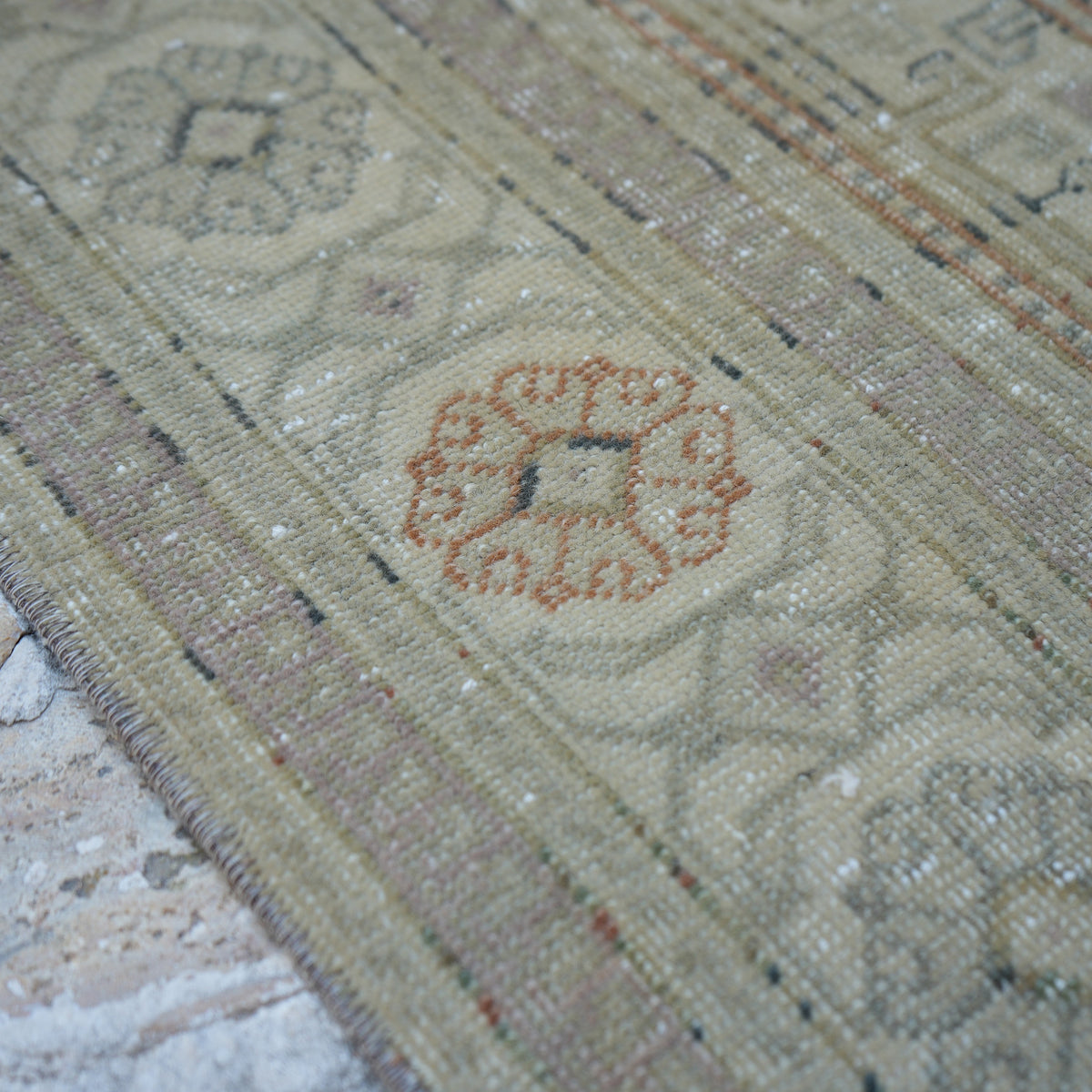
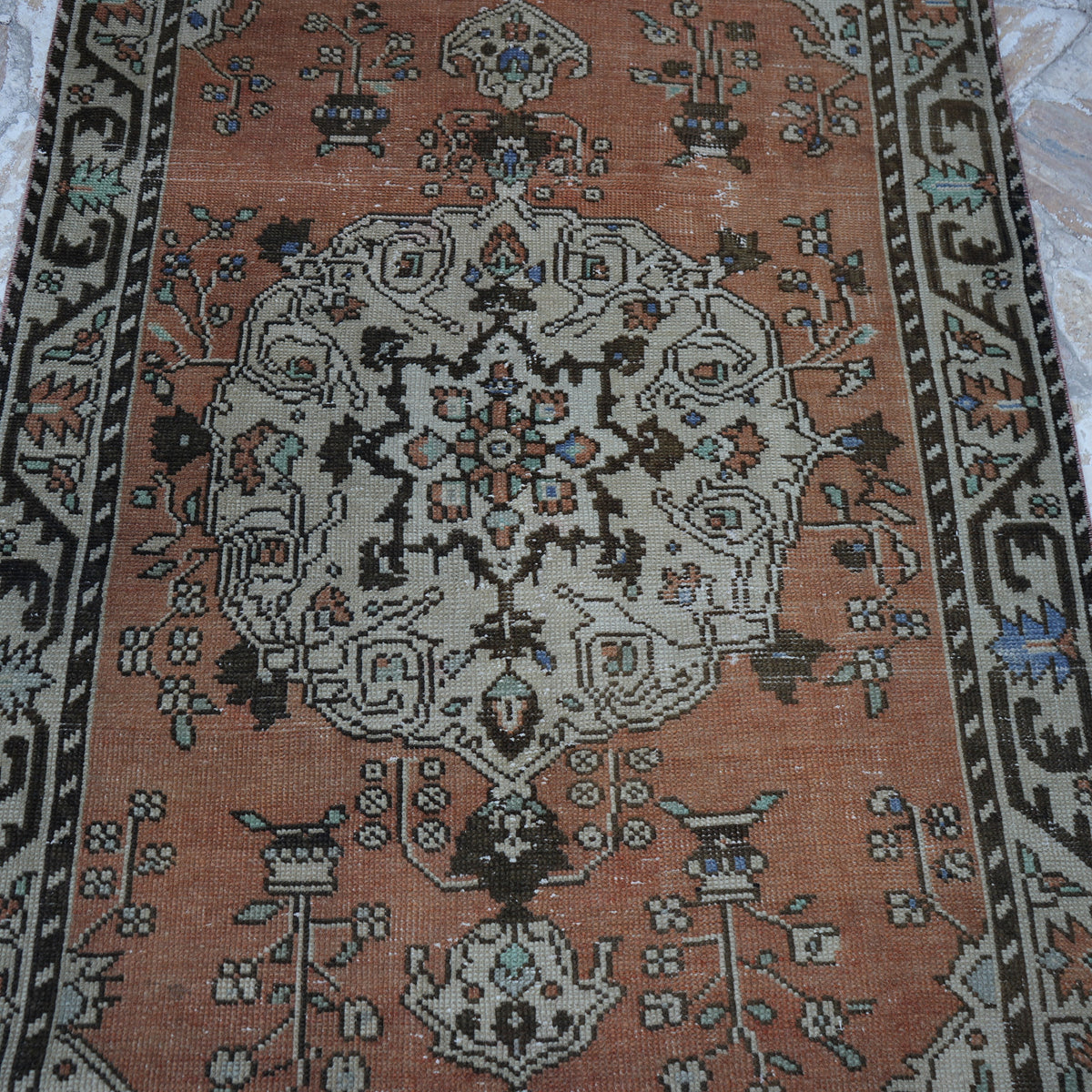
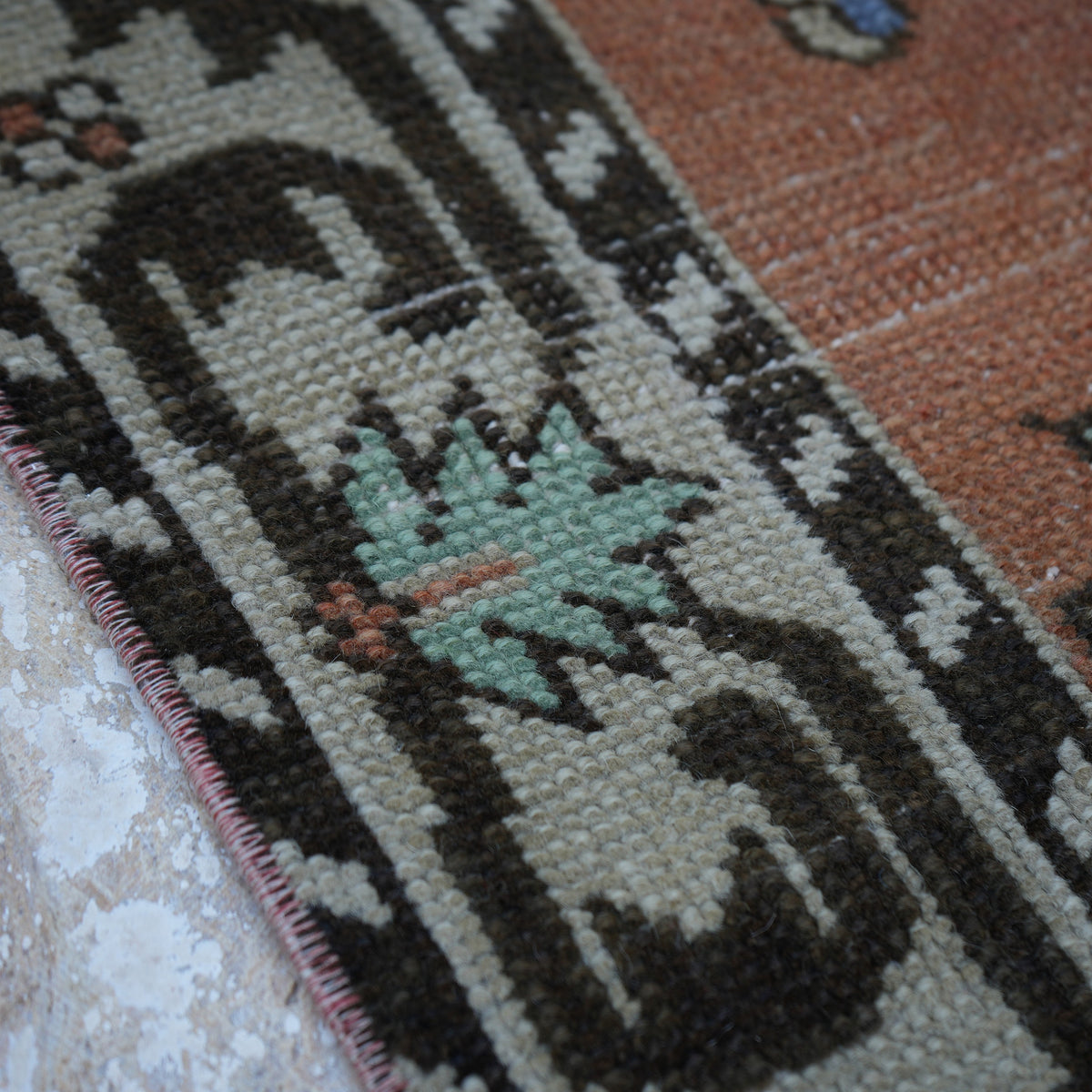
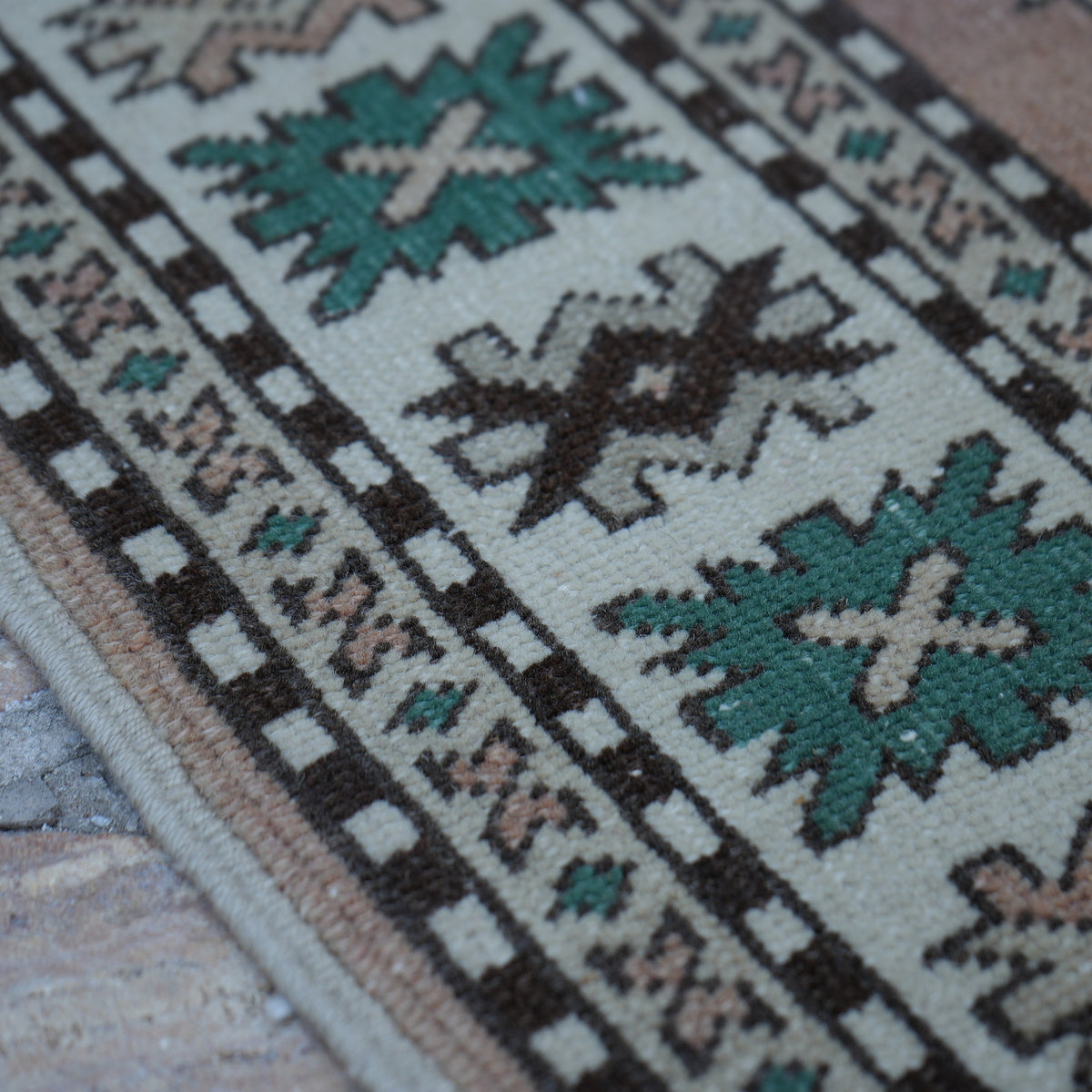
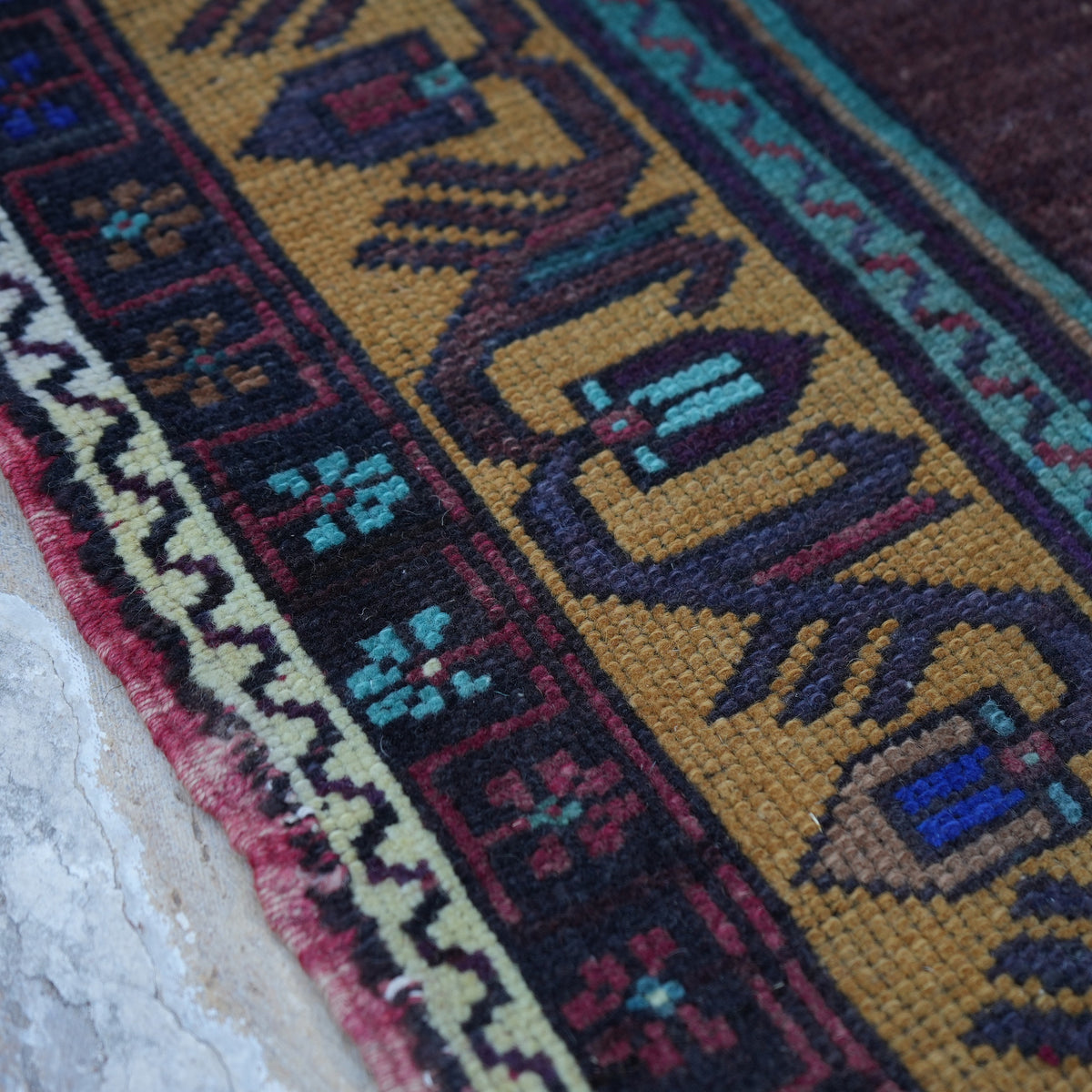
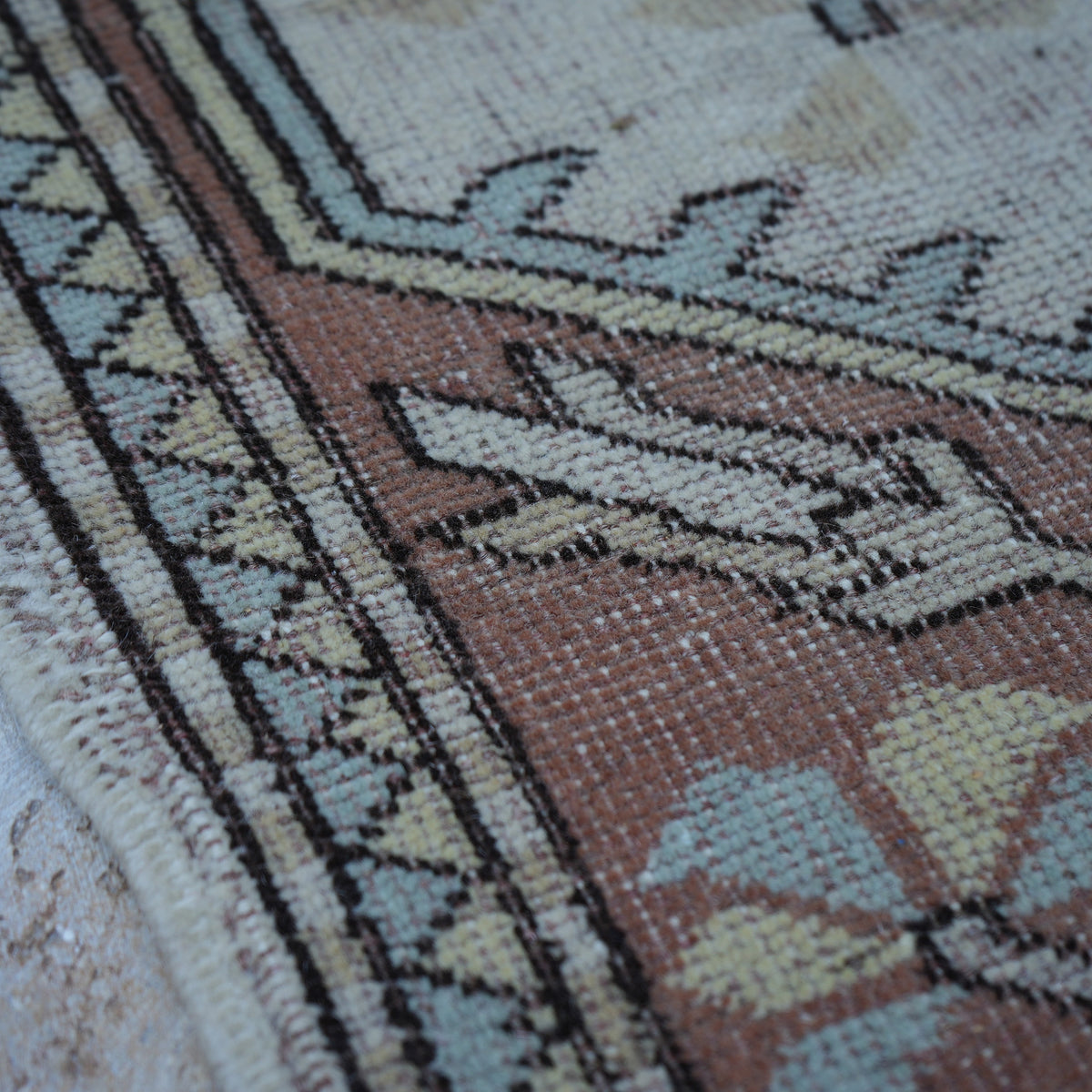
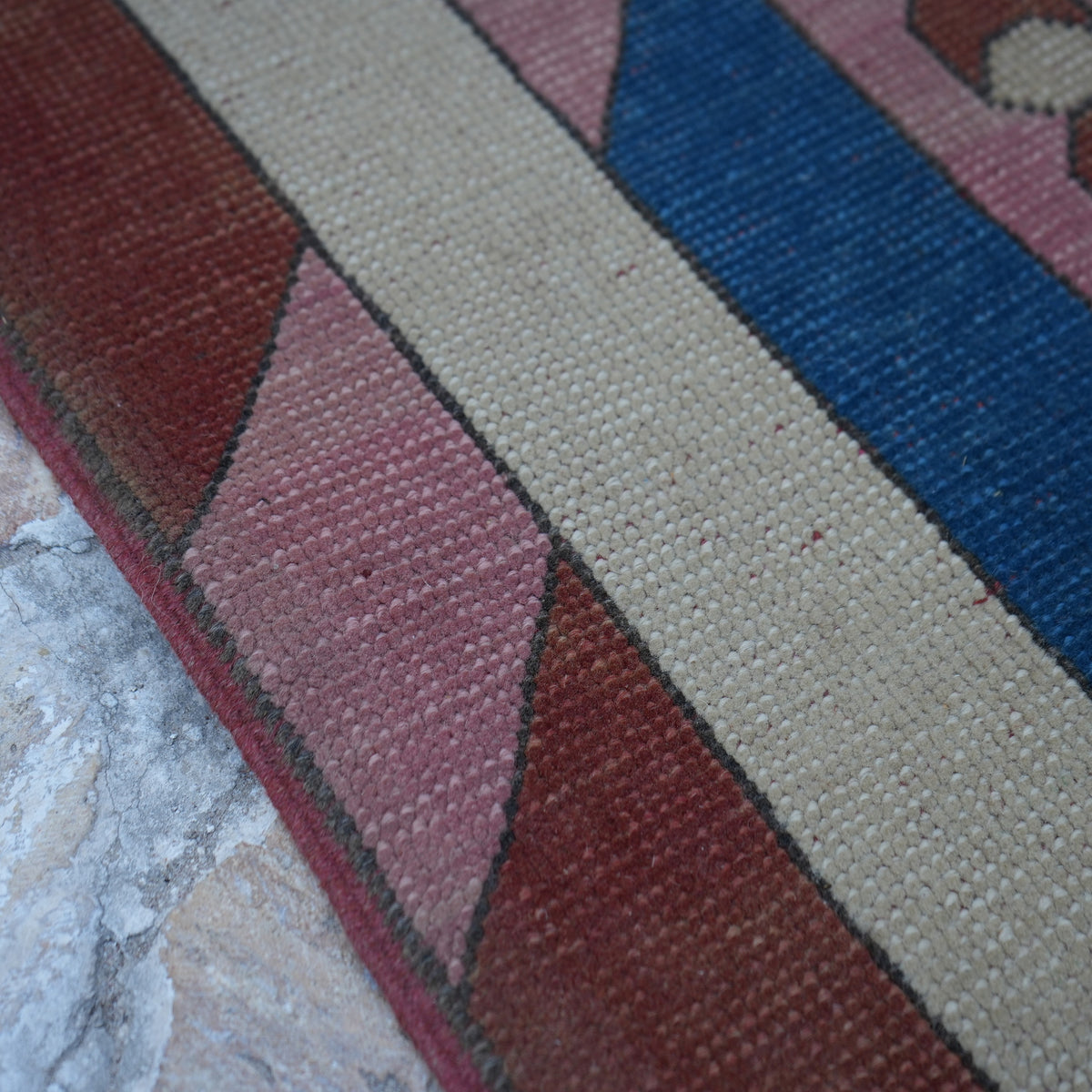
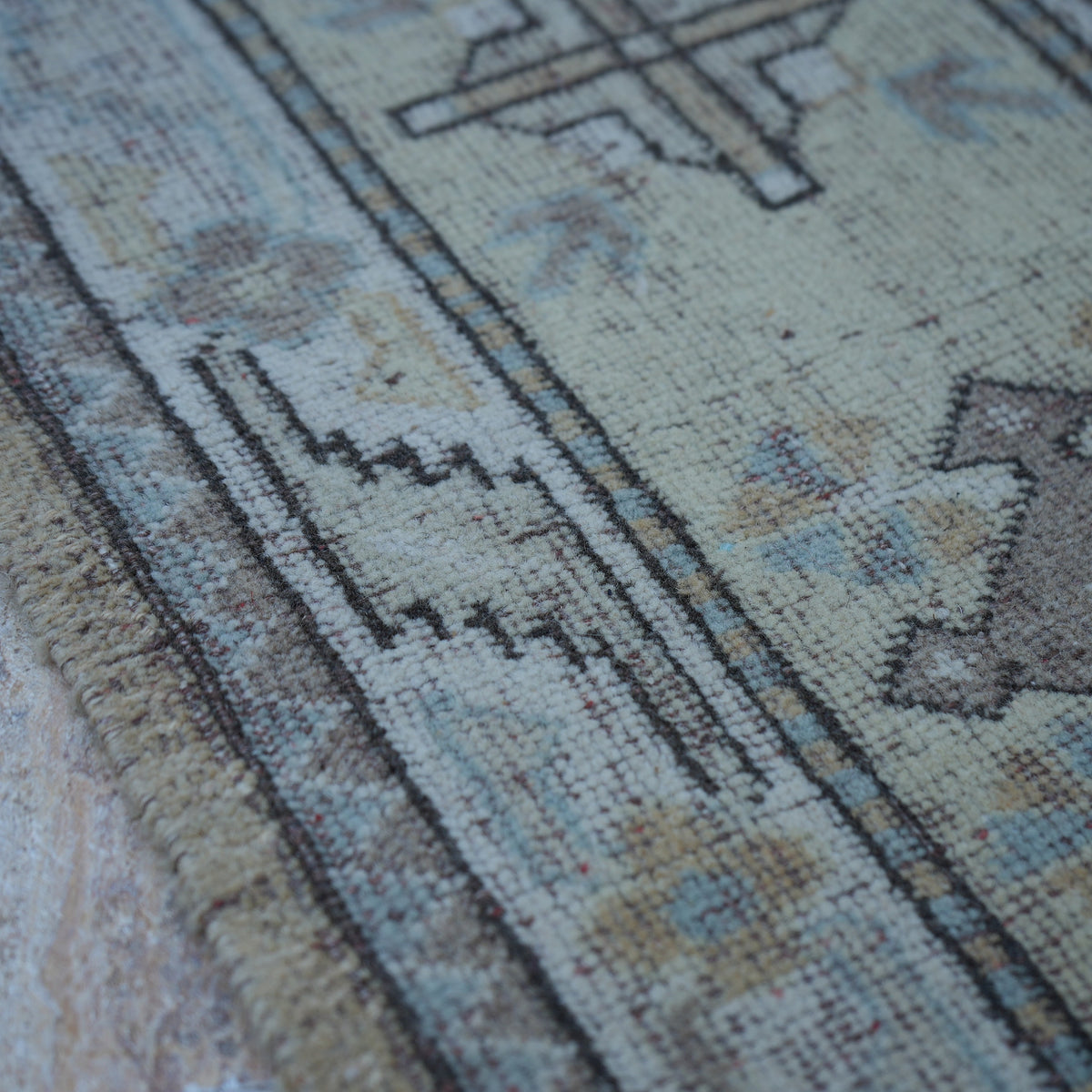
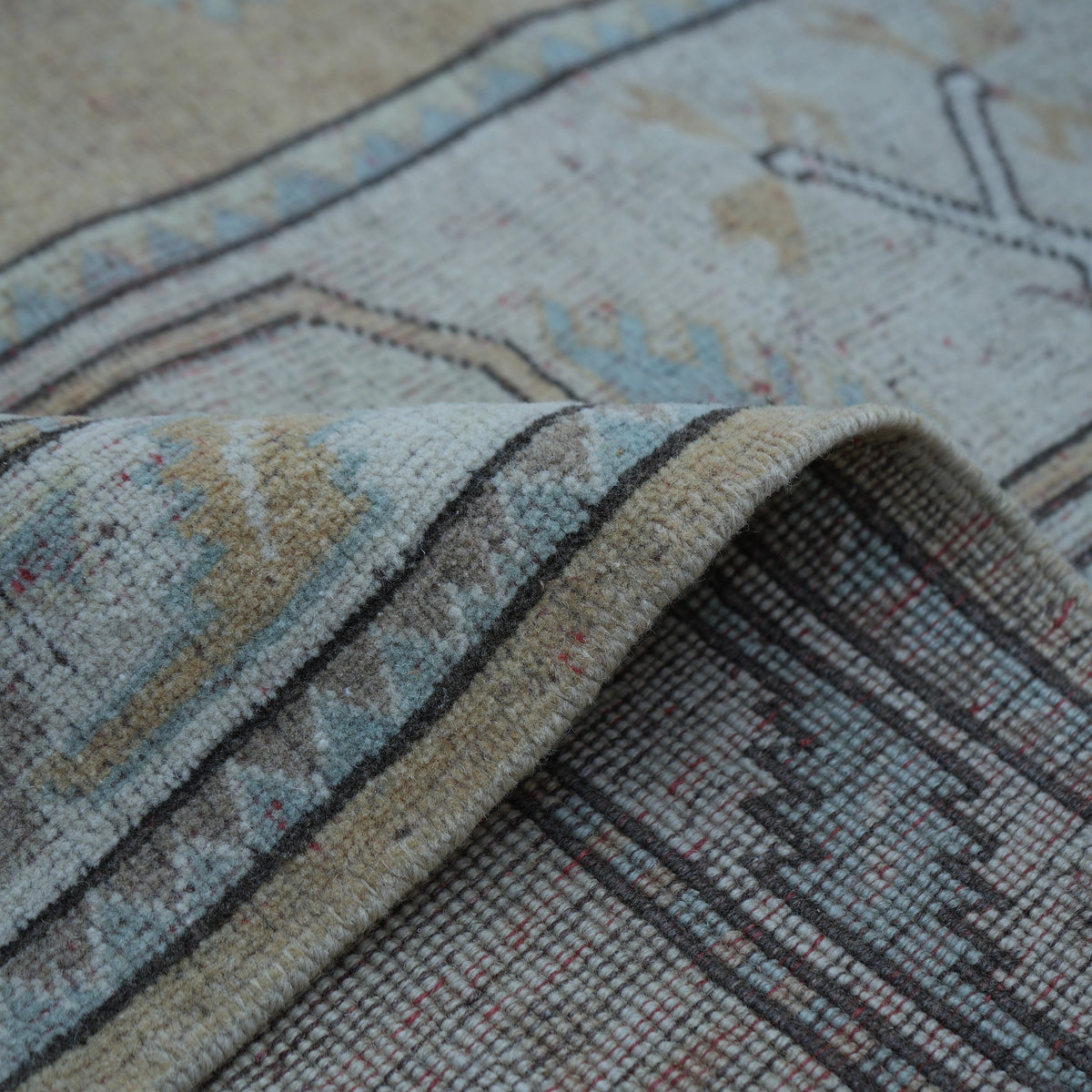
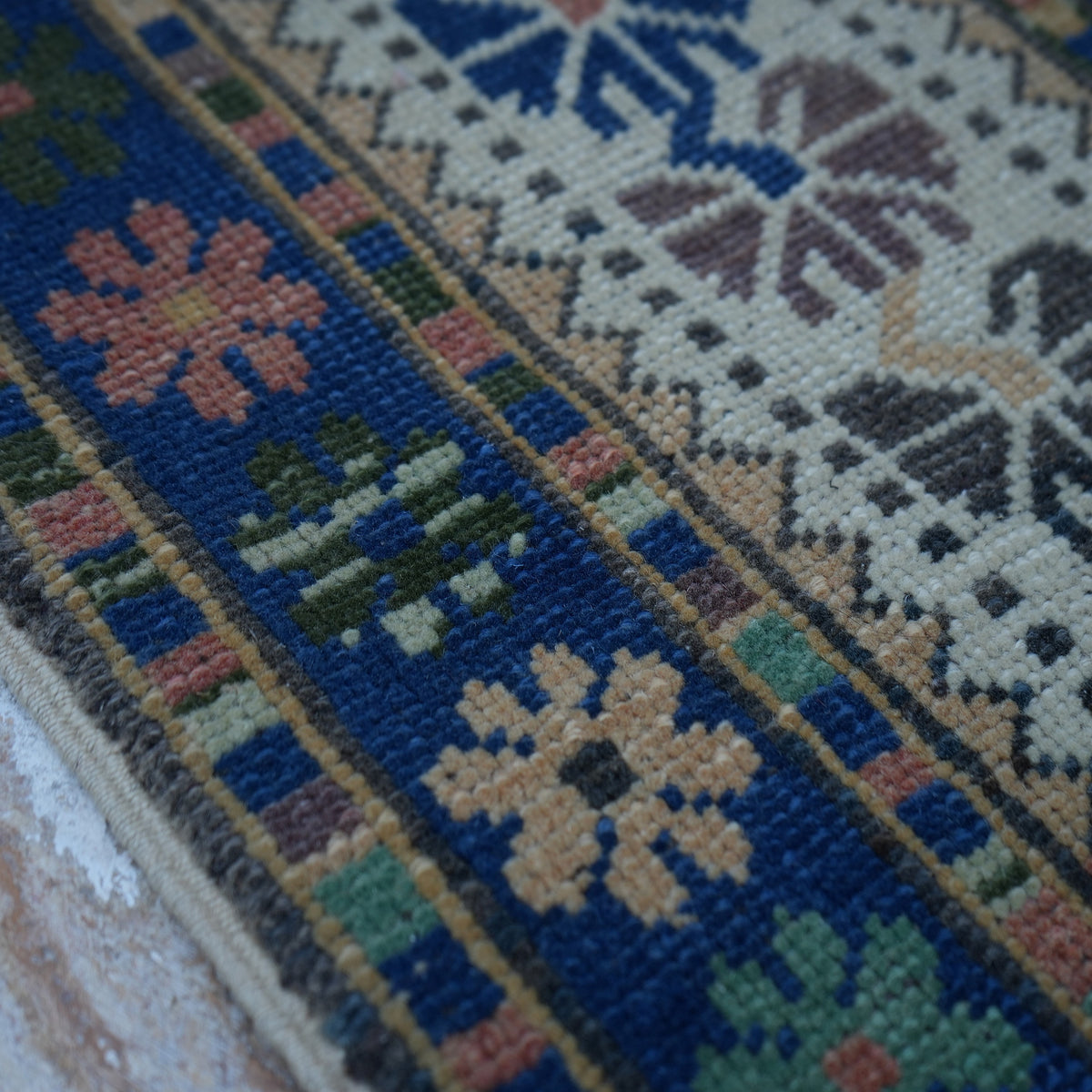
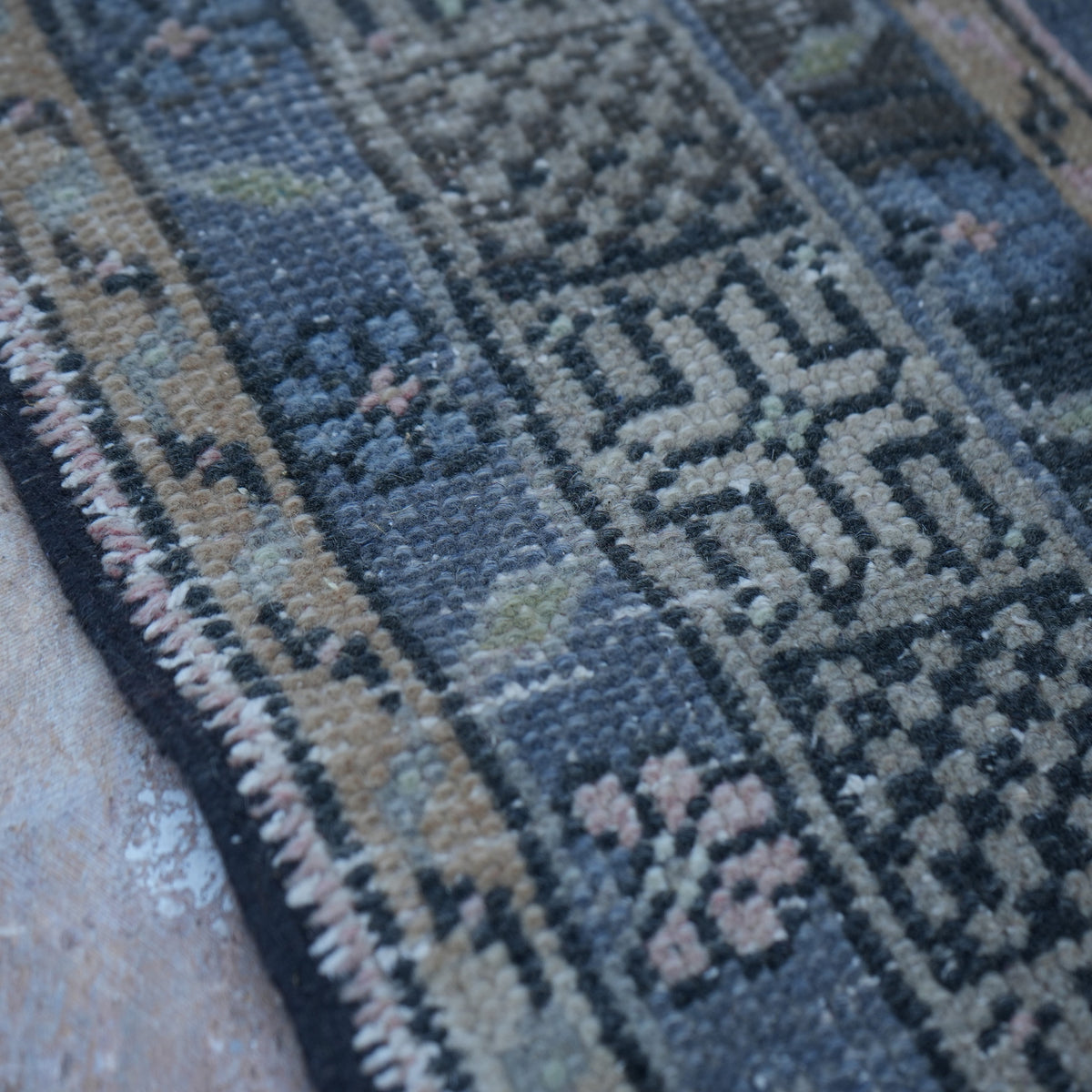
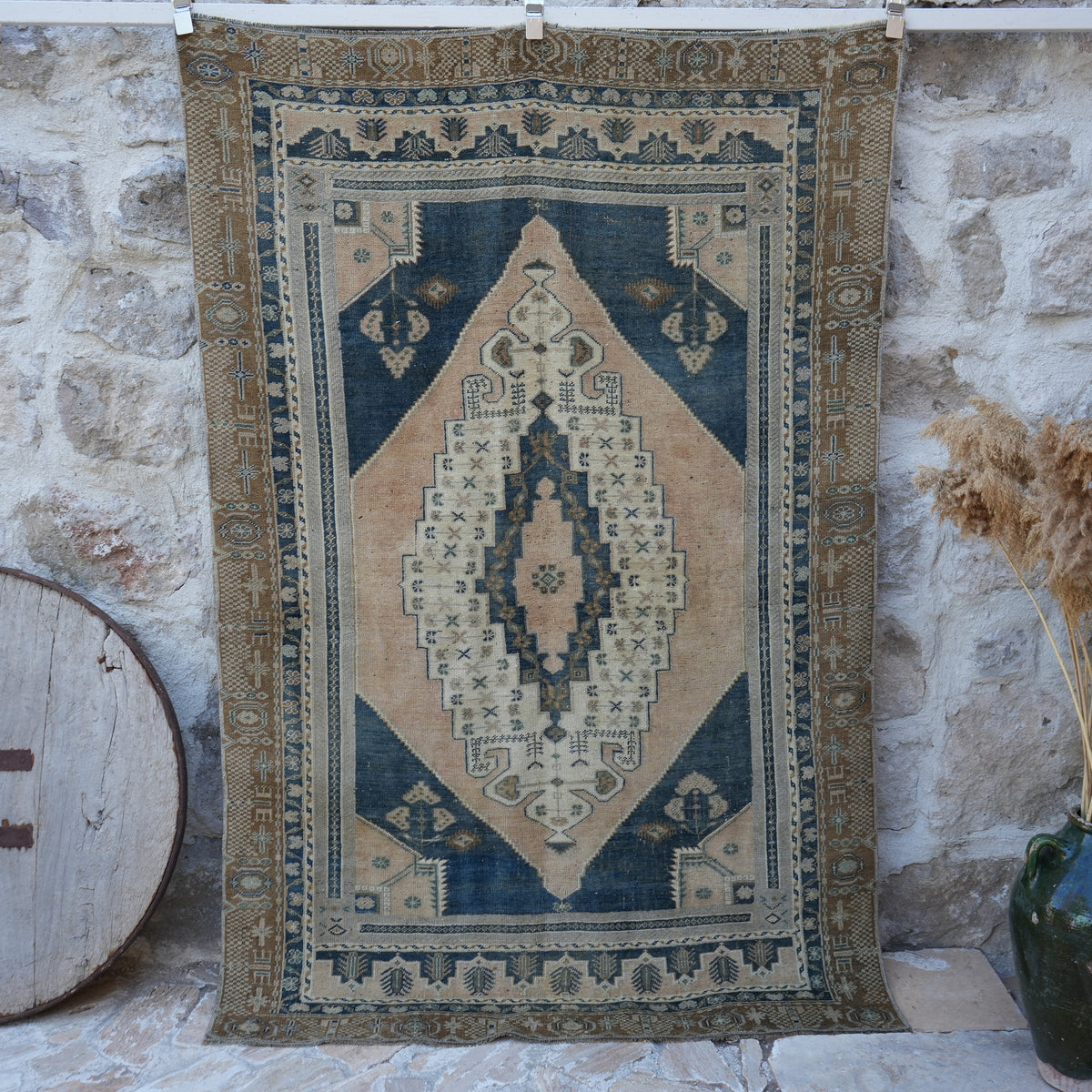
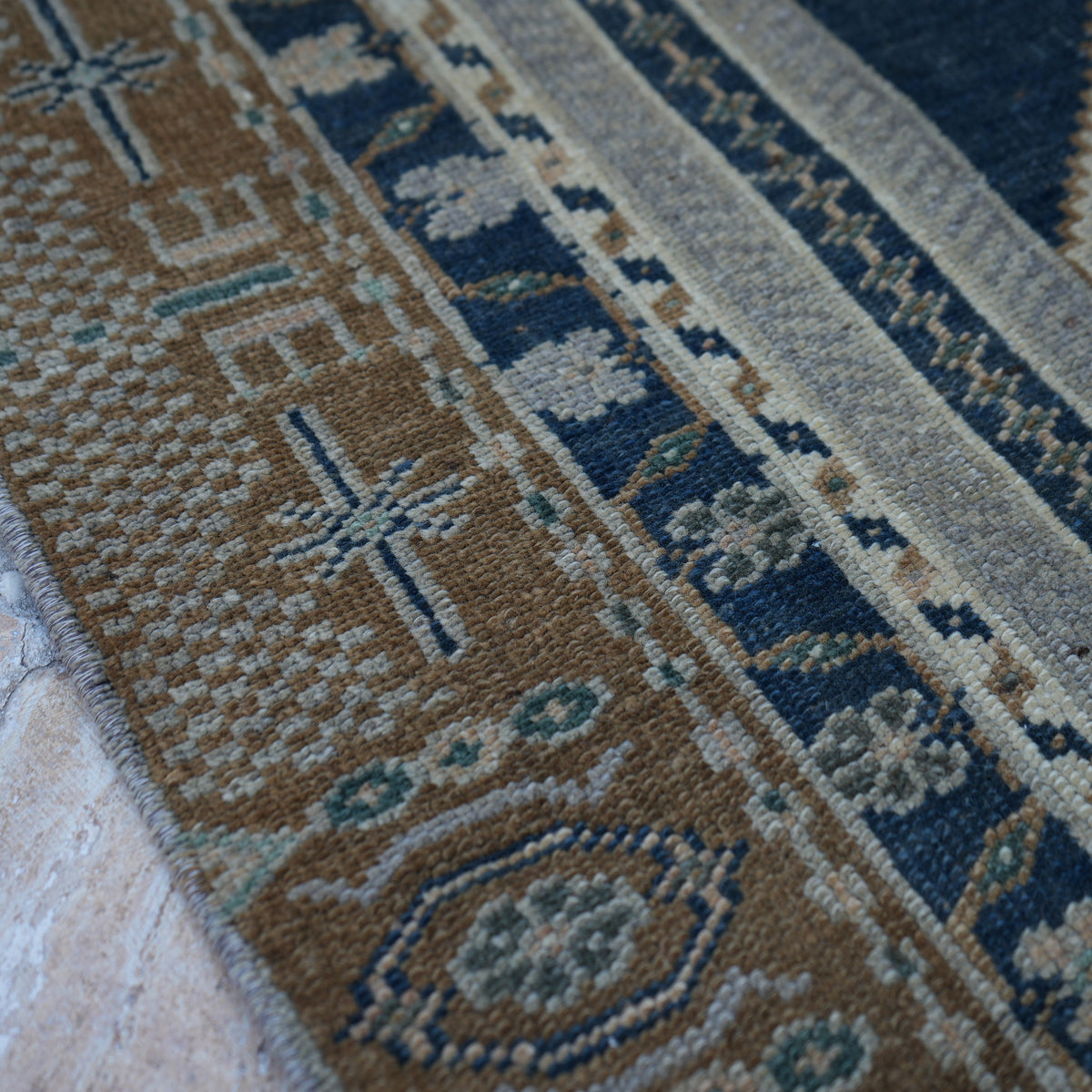
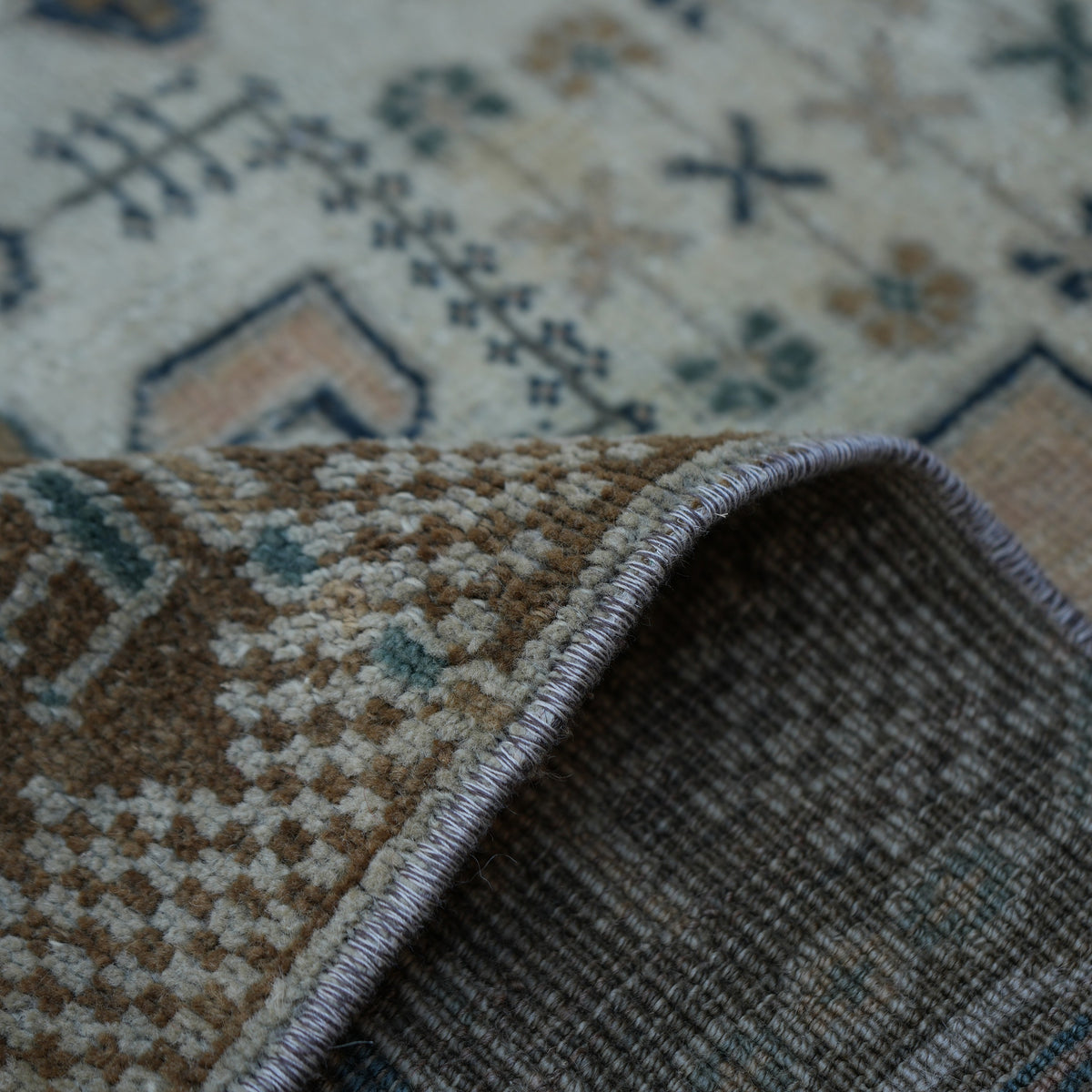
Short-pile, tightly woven pieces — kilims, flat-weave Anatolian rugs — handle pet accidents better than loose, long-pile constructions. In a ten-year window, well-maintained handwoven wool outlasts synthetic every time.
How to Keep Pet Smell from Coming Back
Vacuum weekly with suction-only, no beater bar. Act on accidents immediately.
Monthly: lift the rug and check the pad for moisture.
Every three to four months: rotate the rug. A rug in one position accumulates uneven air exposure and moisture. I have had customers lift one after two years and find trapped moisture they had no idea was there. The customers who rotate regularly are usually the ones who avoid serious odor problems.
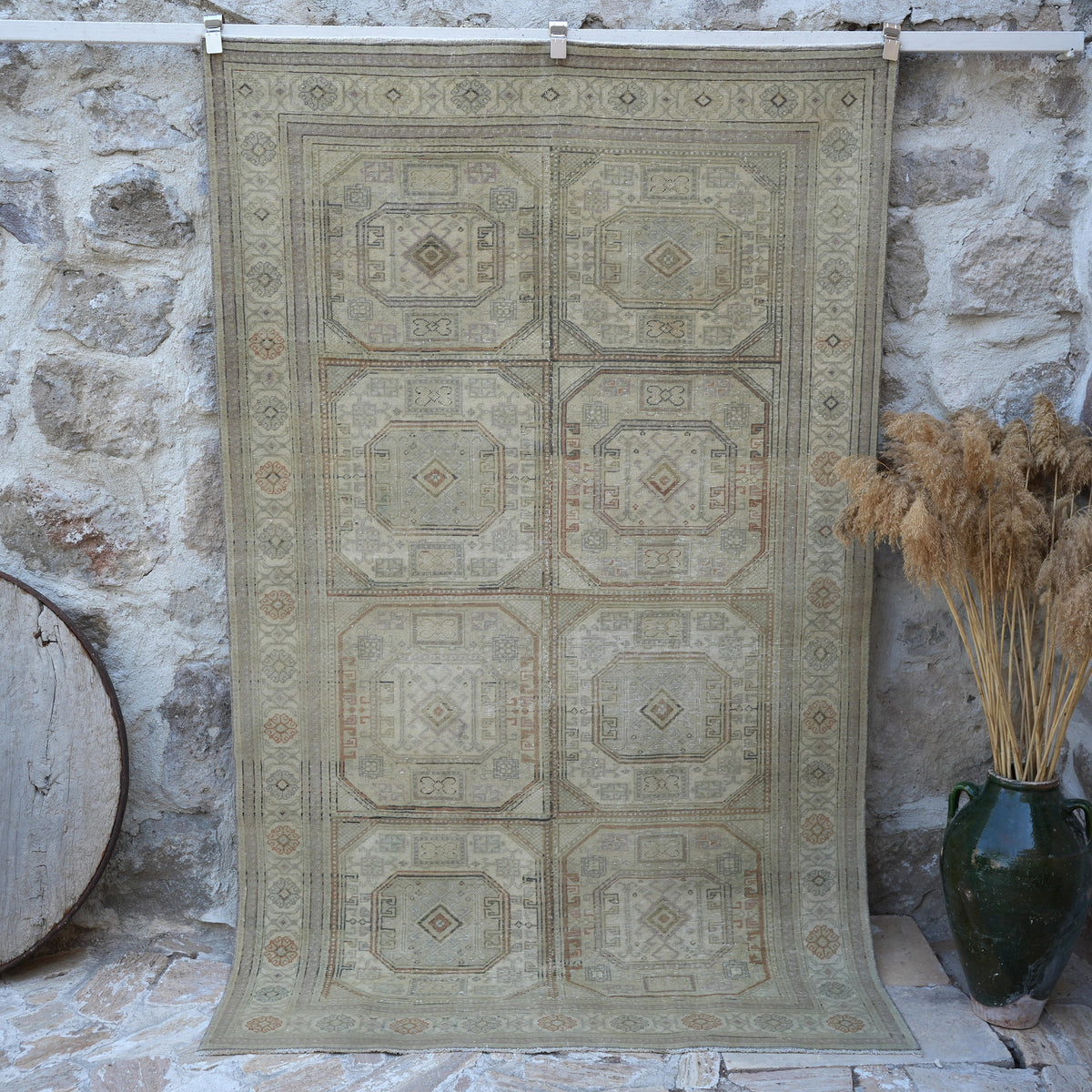
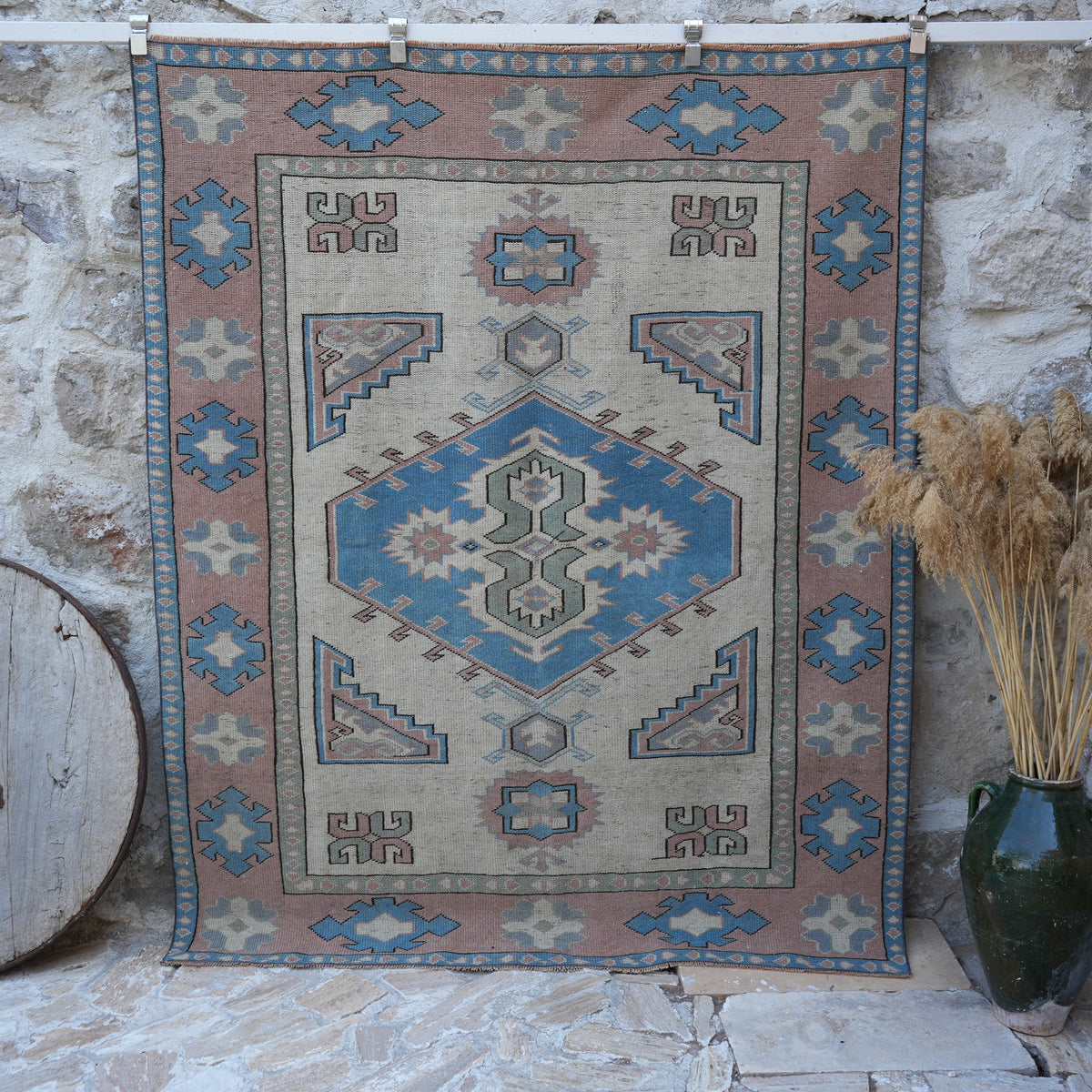
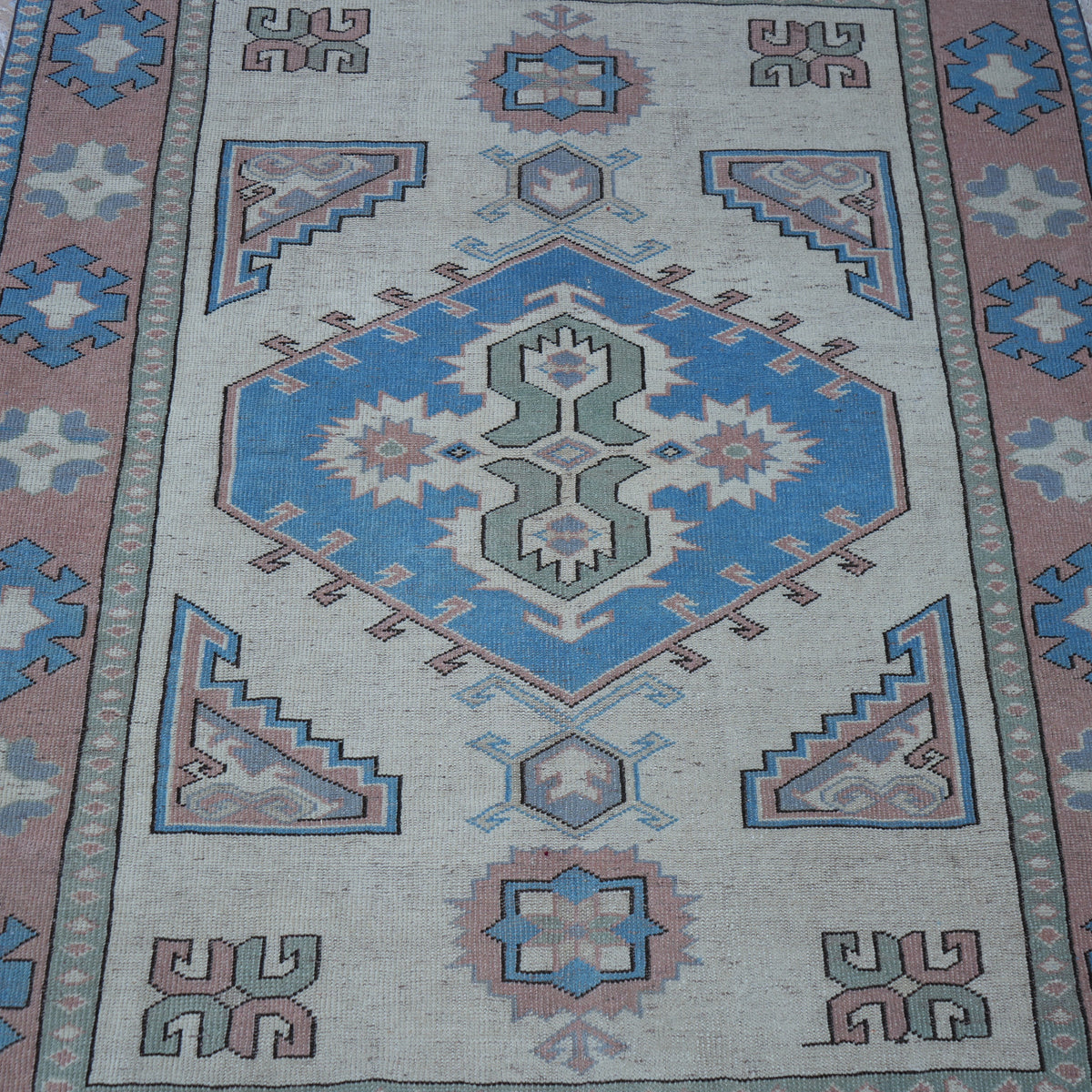
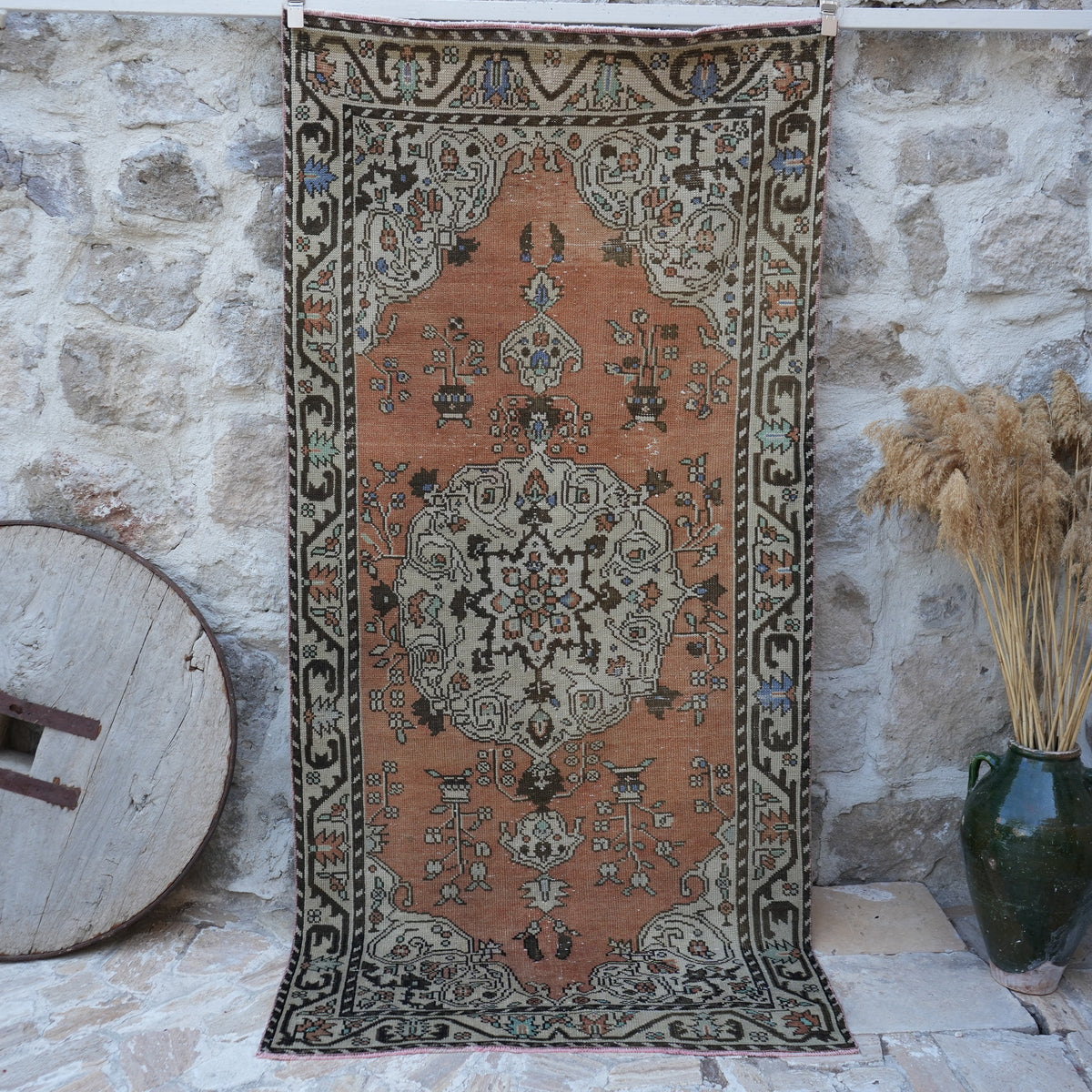
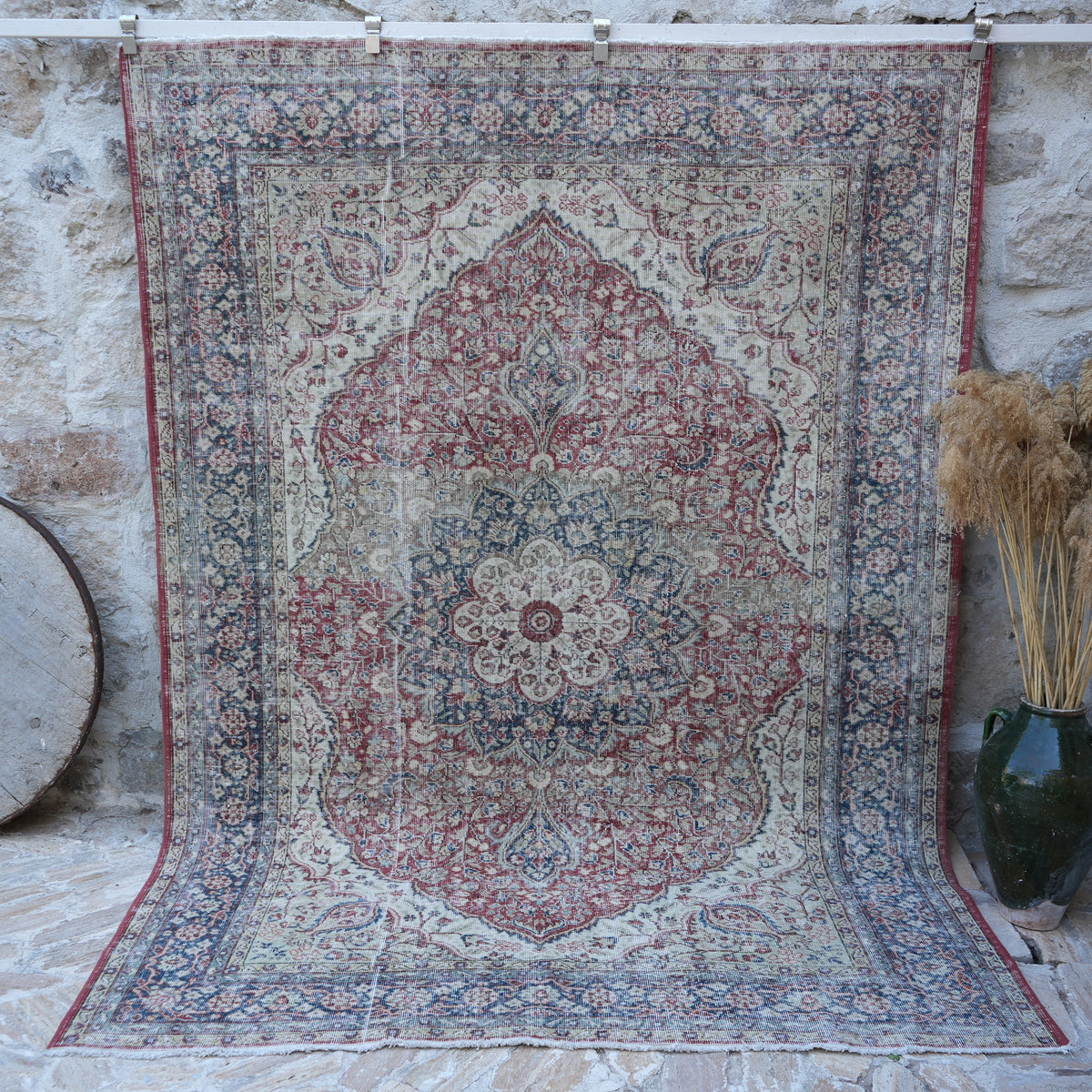
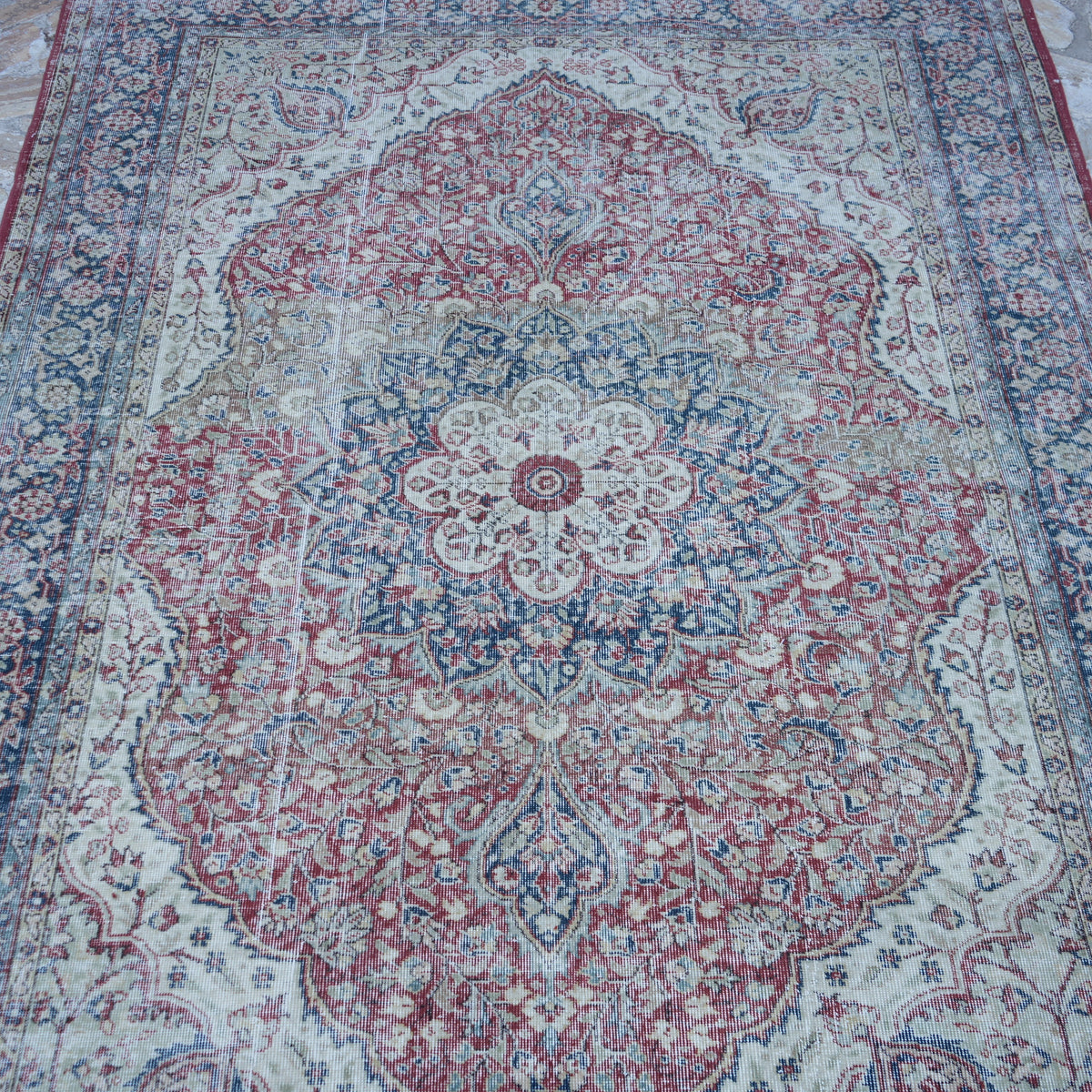
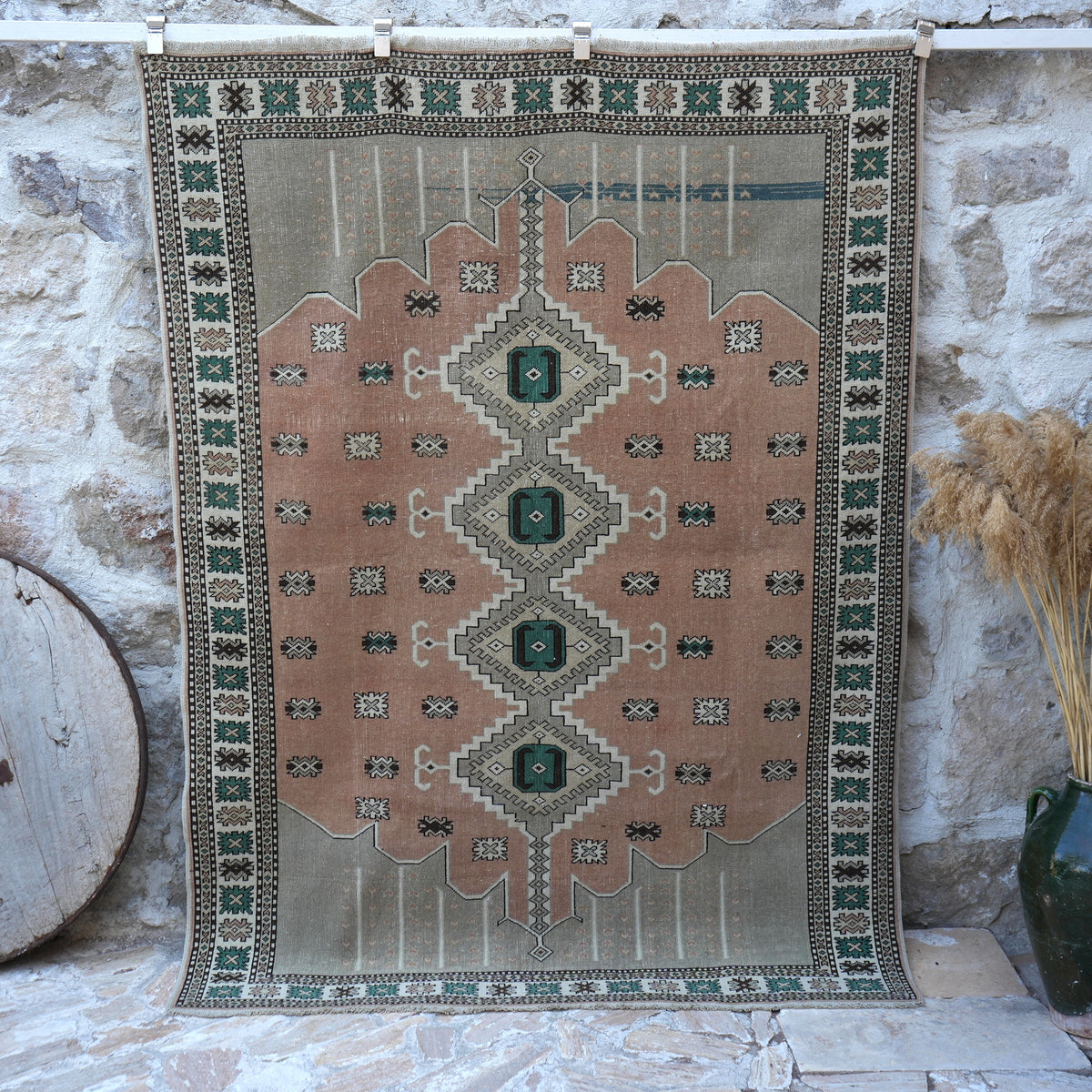
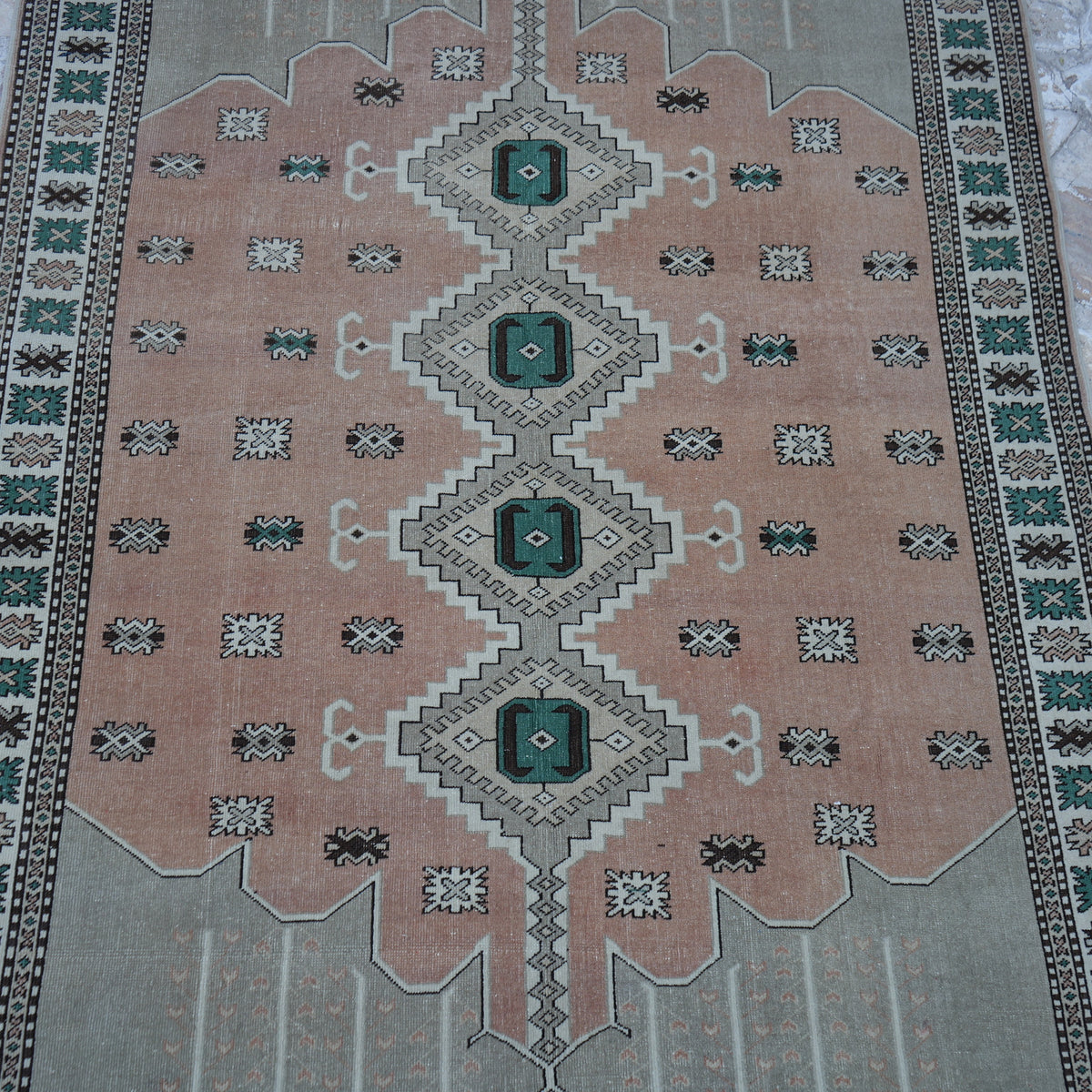
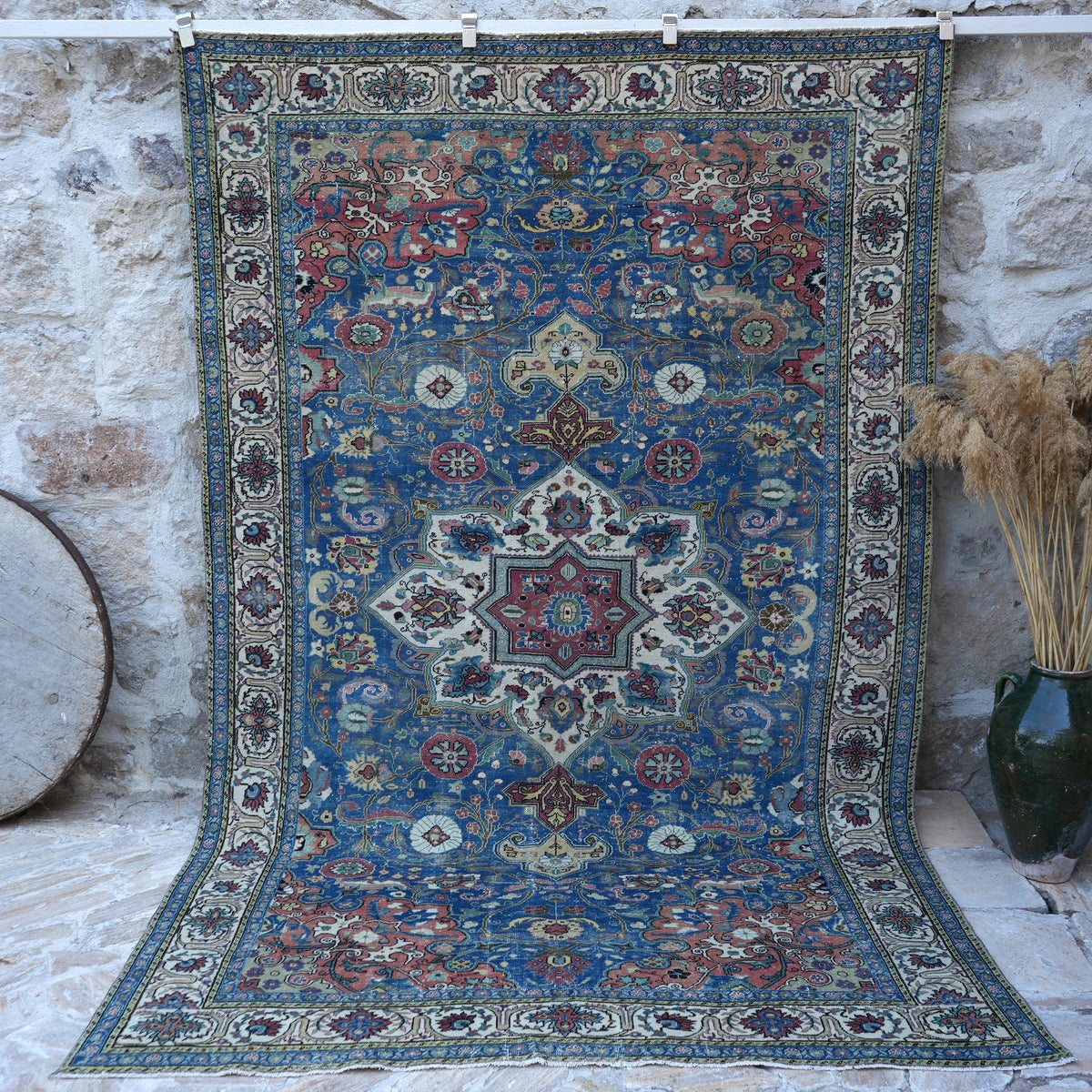
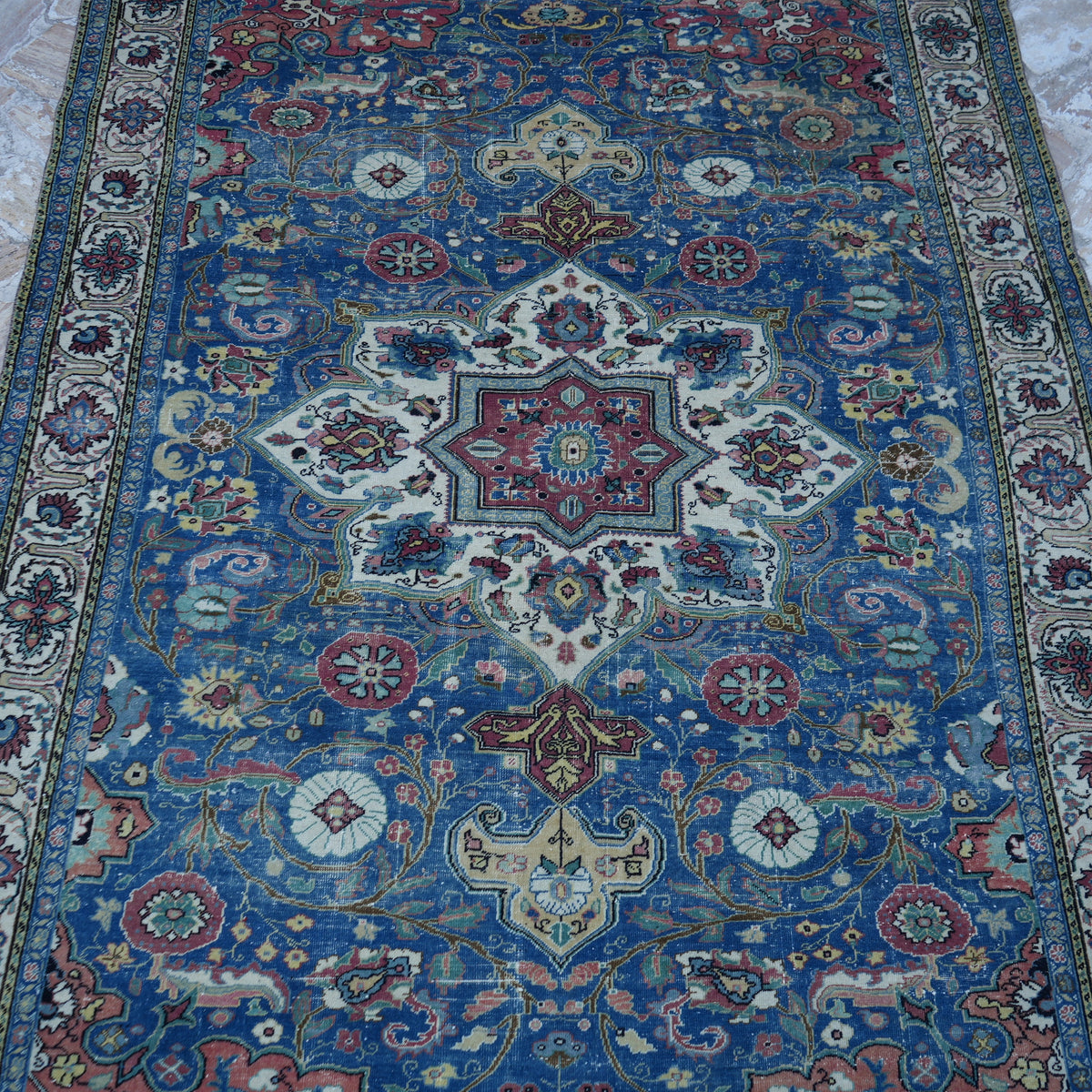
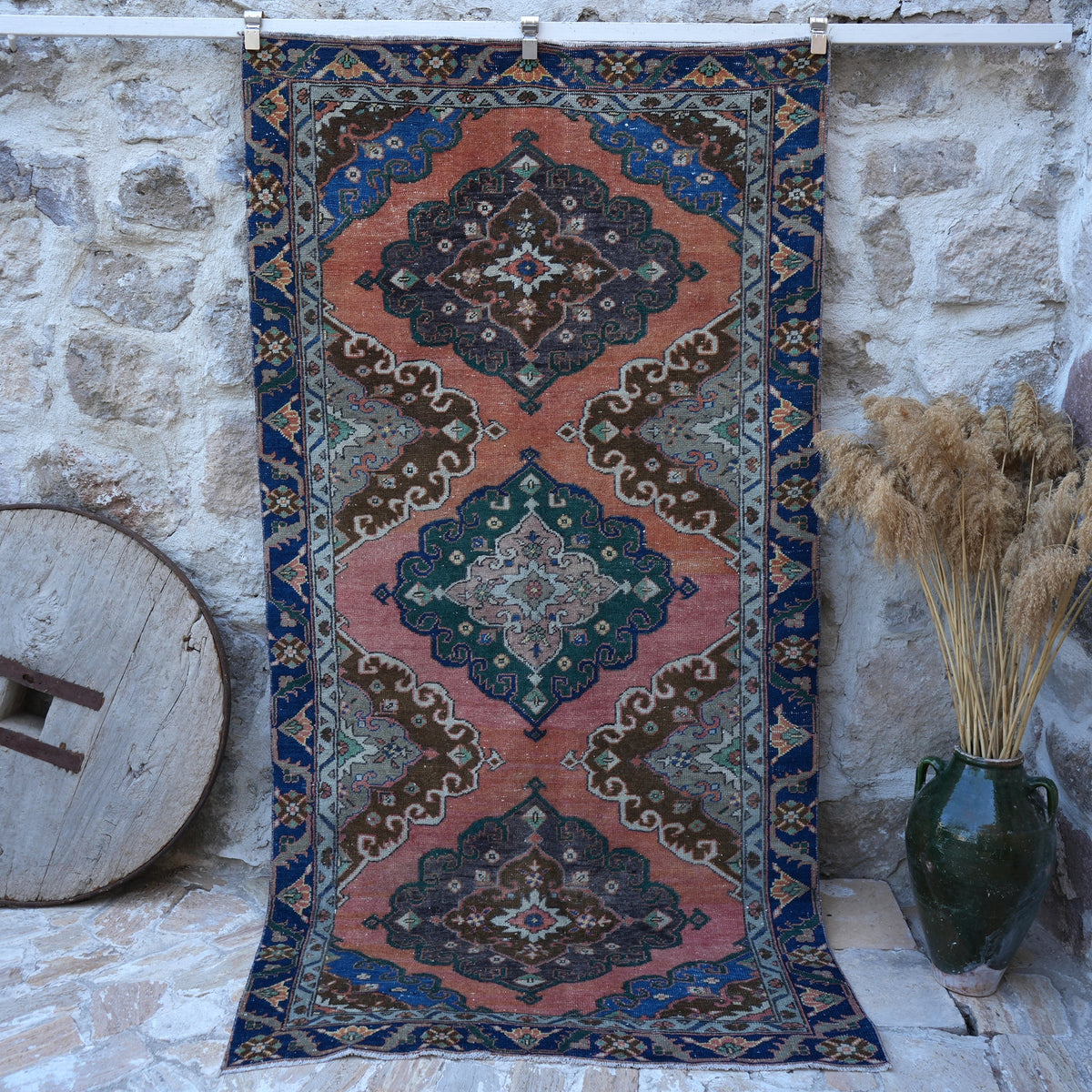
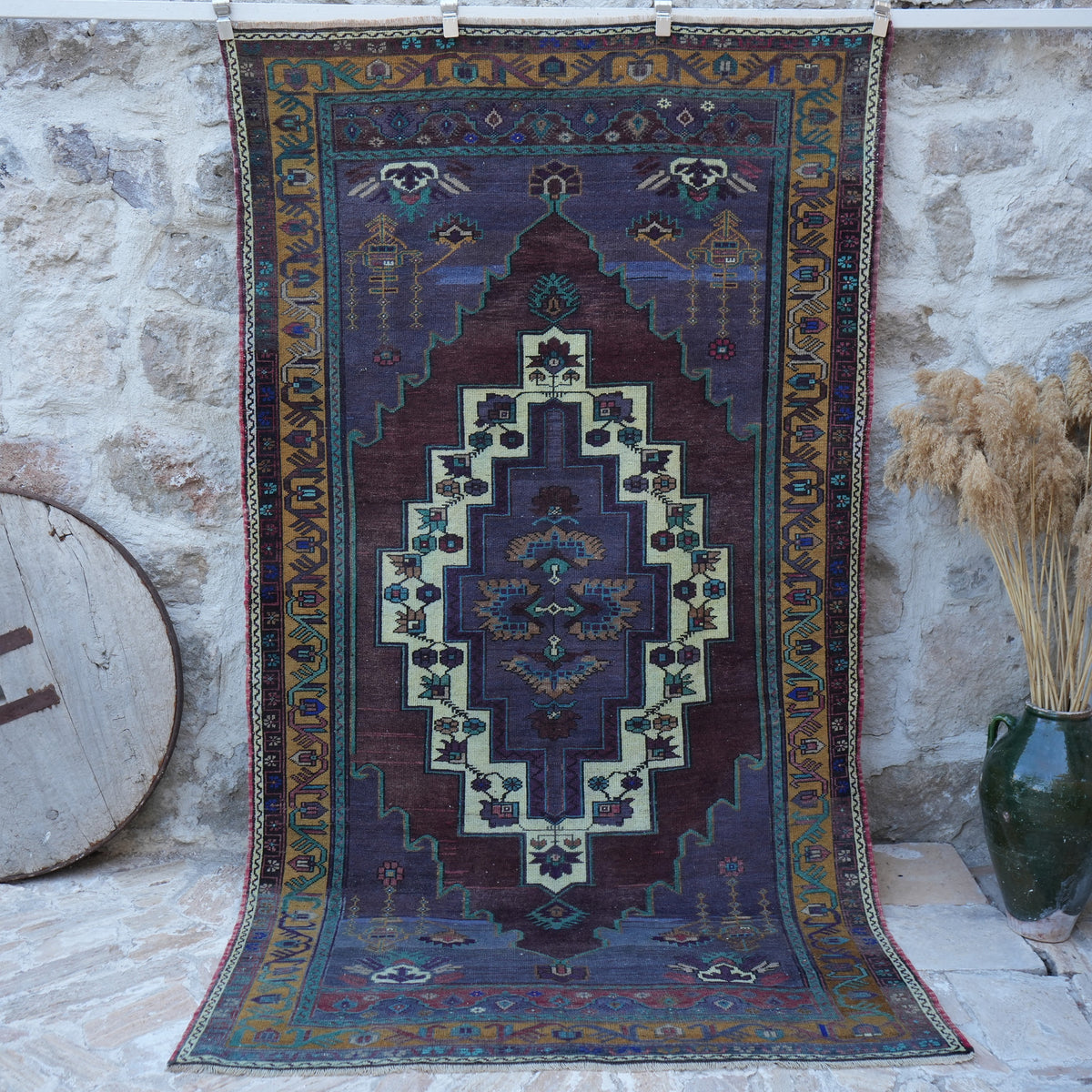
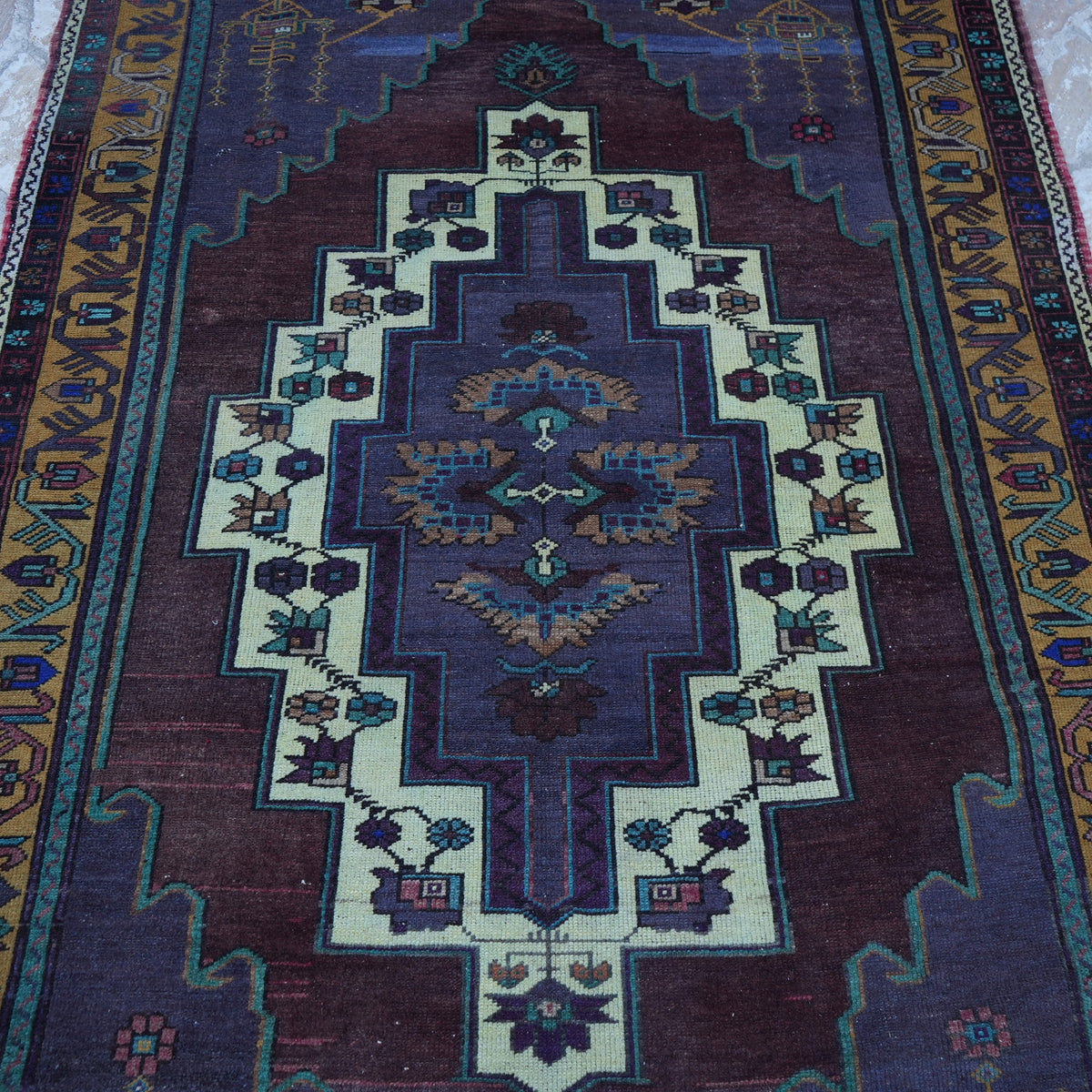
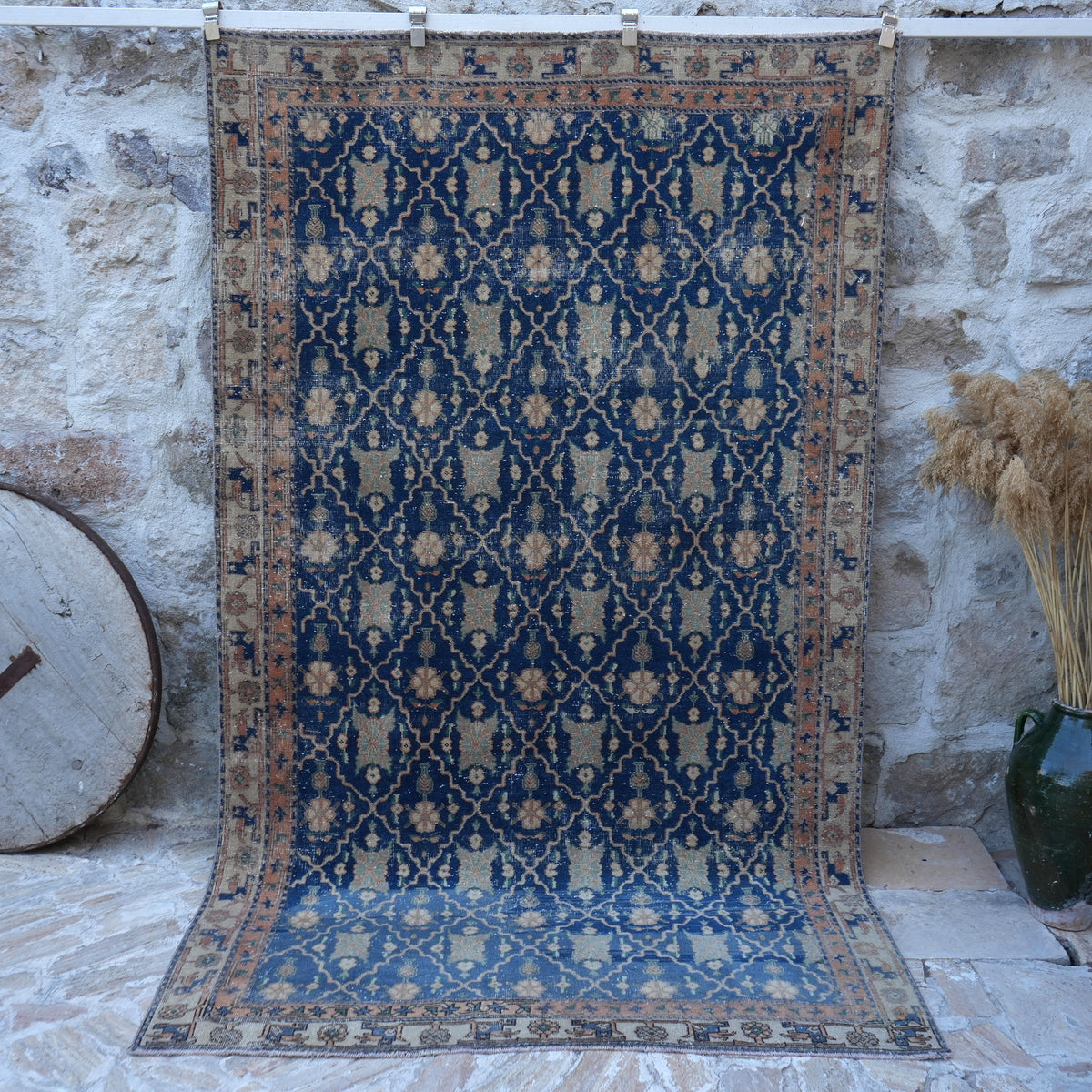
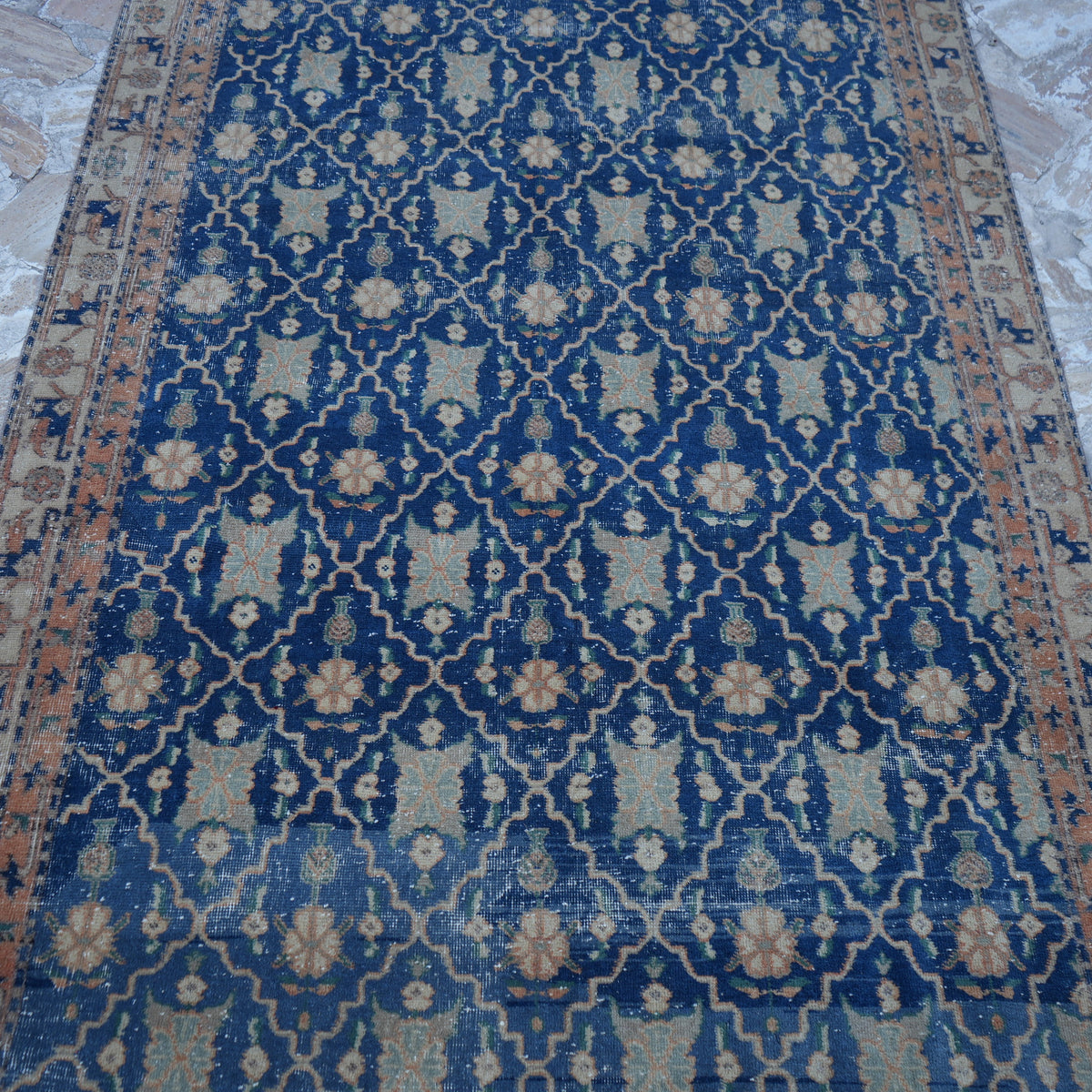
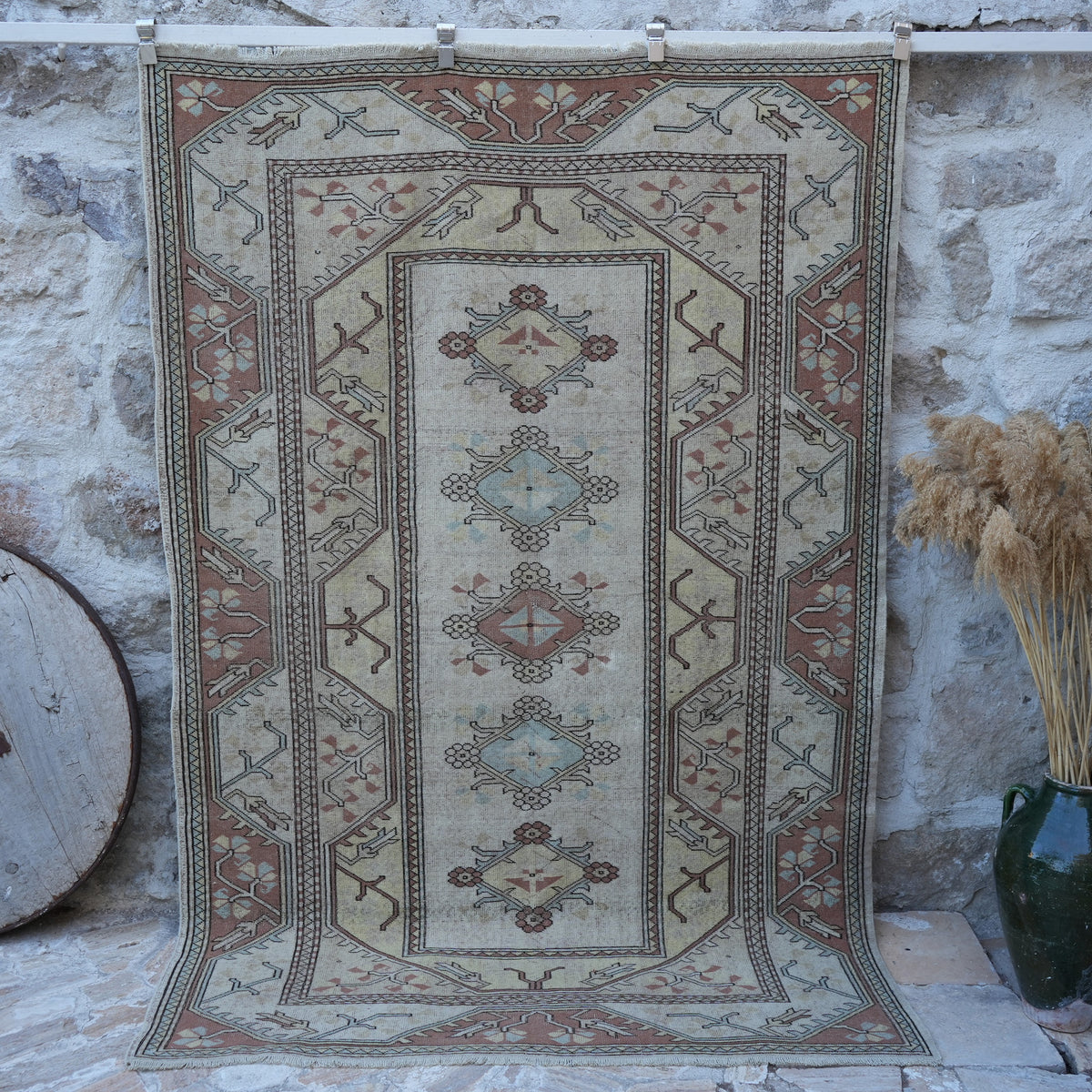
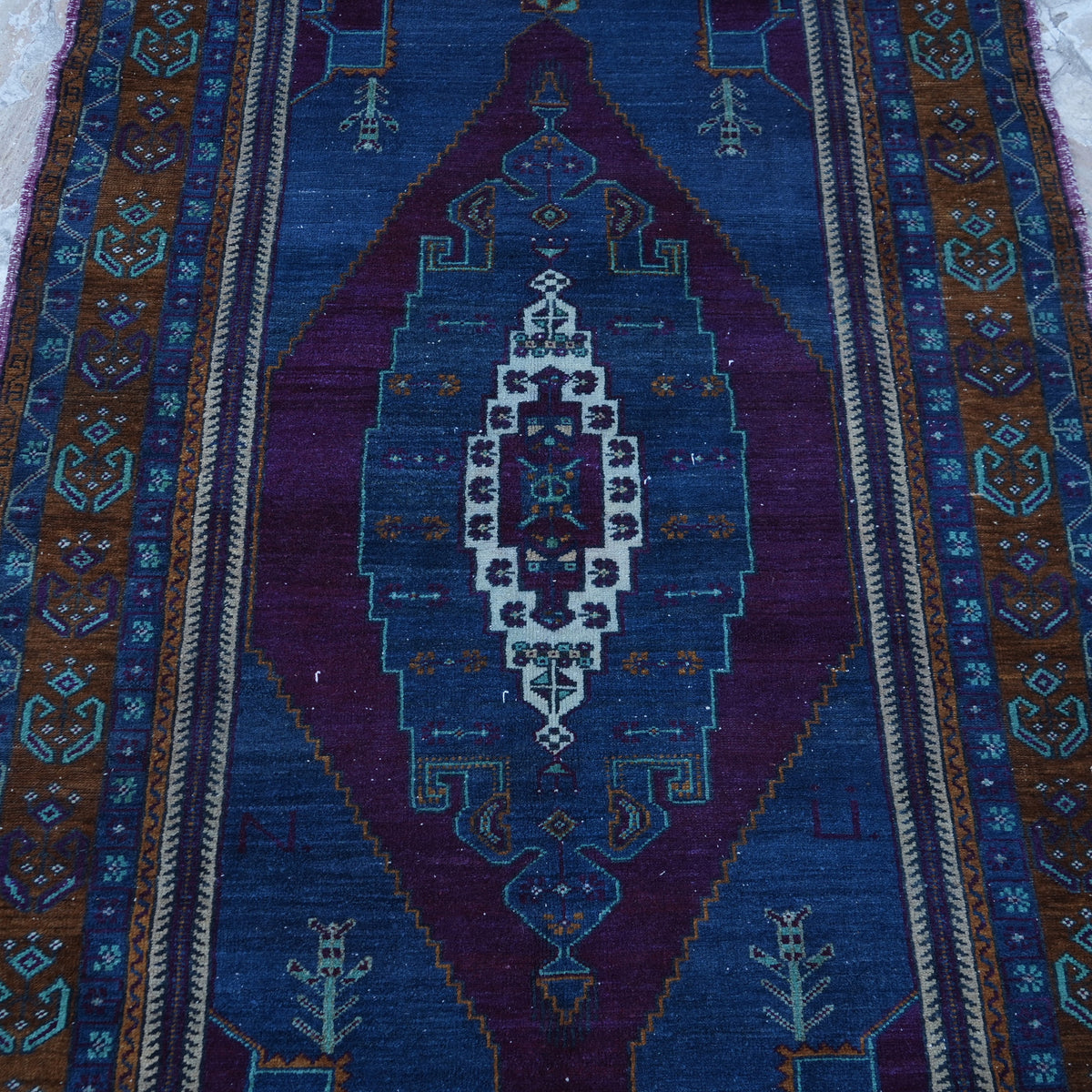
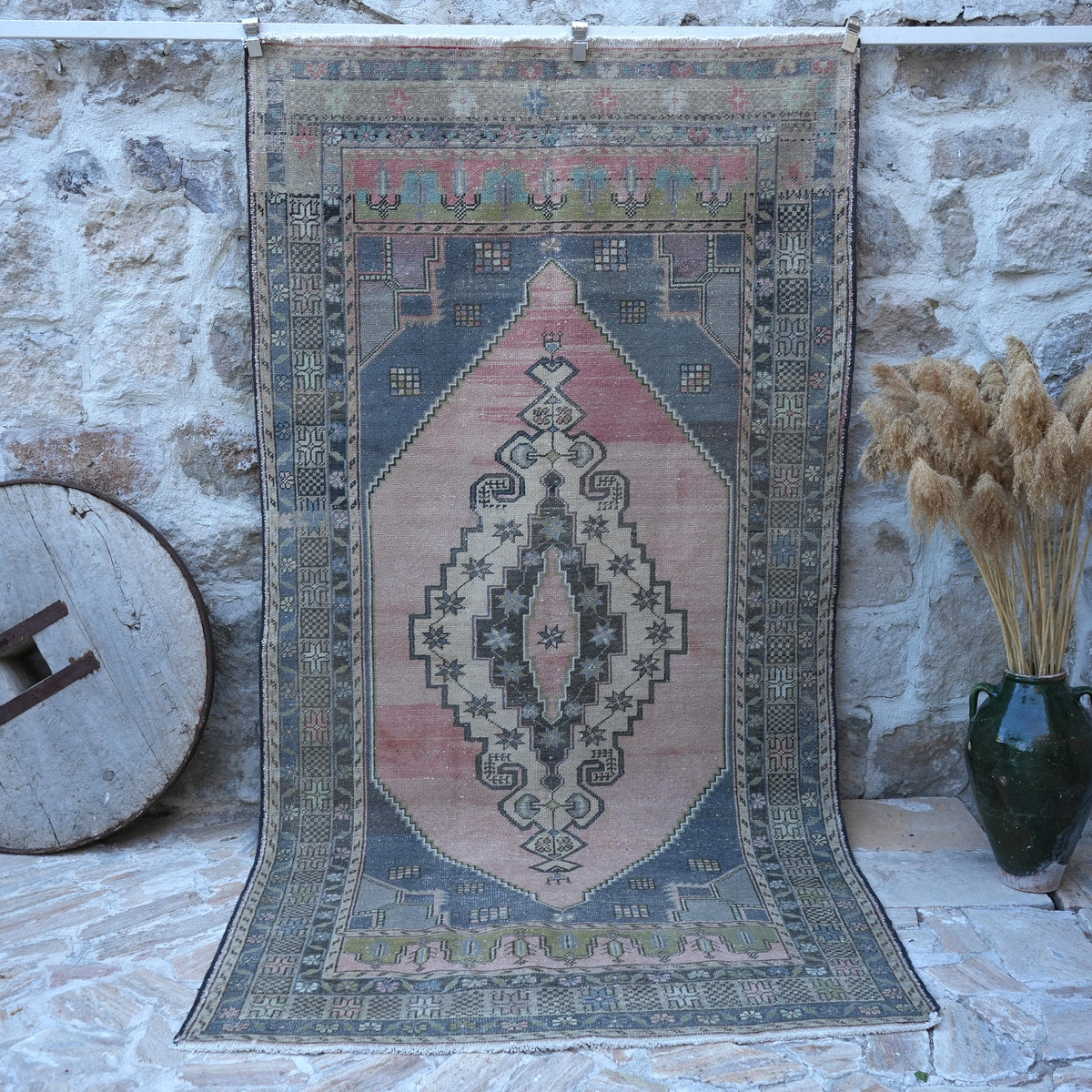
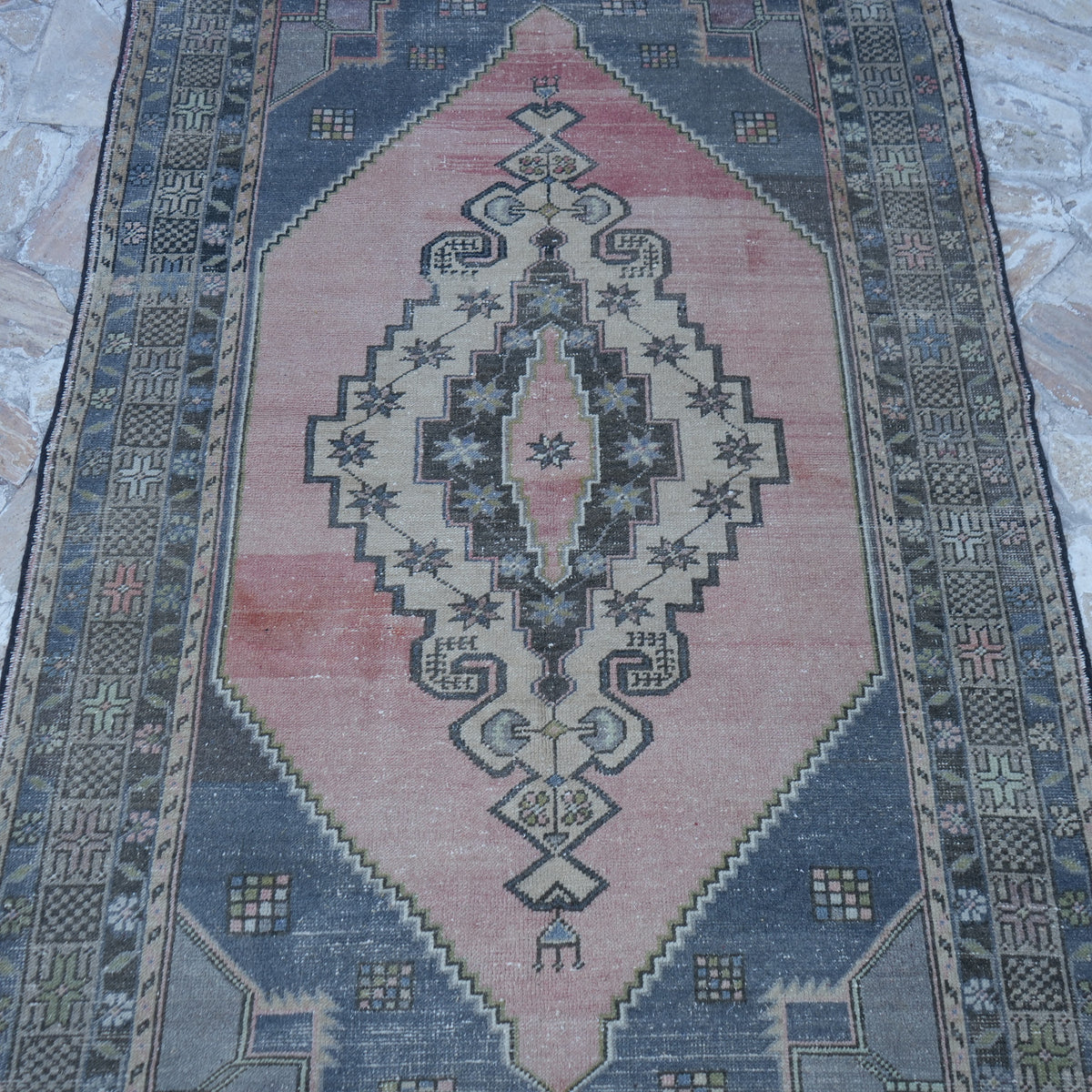
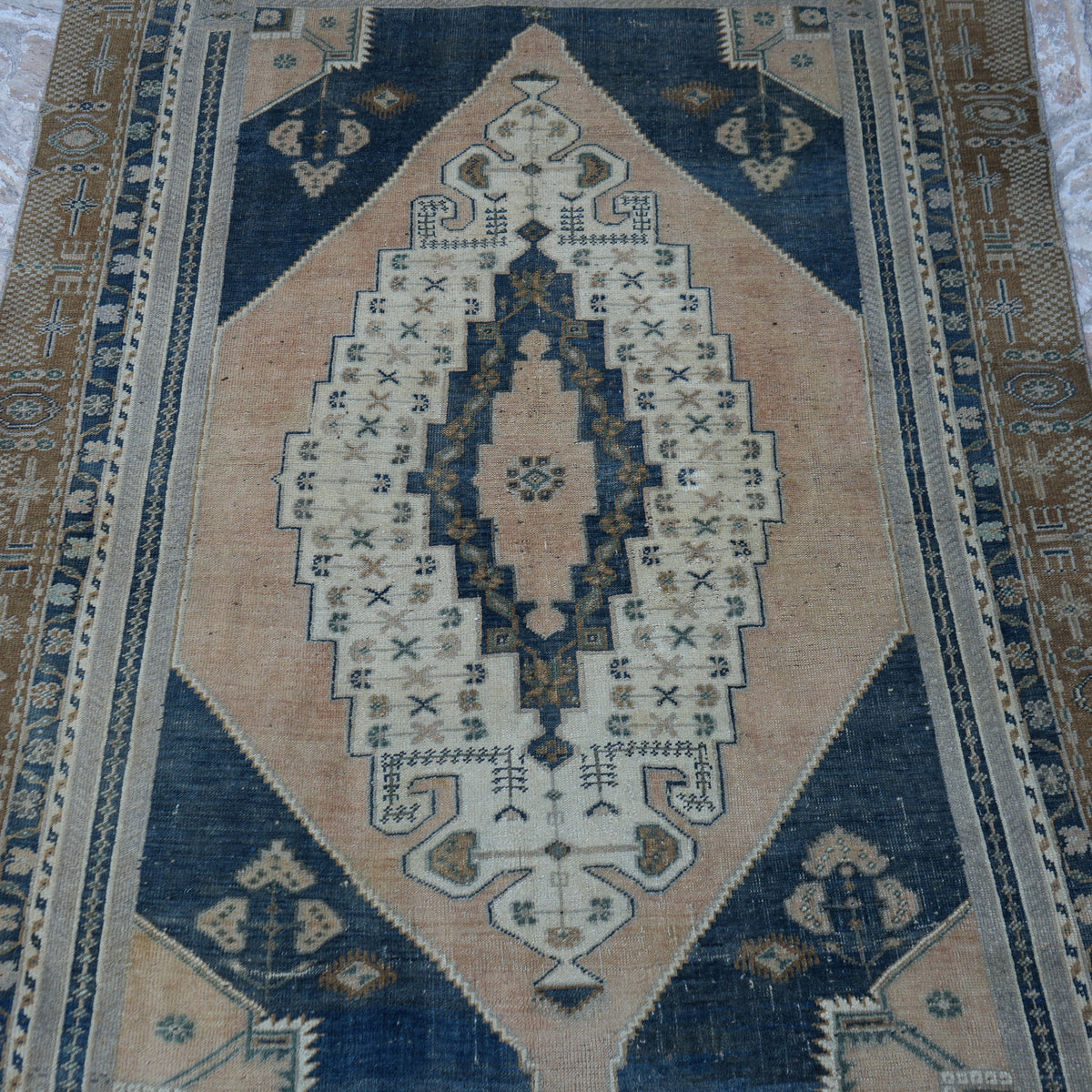
Speed, the right product, and knowing what wool can handle — these determine whether a pet accident stays manageable or becomes permanent. For pet households, short-pile, tightly woven wool is the most forgiving choice. Browse our Turkish rug collection and check pile and fiber details before you decide.
Pet accidents are stressful. The right wool rug gives you time to fix them.
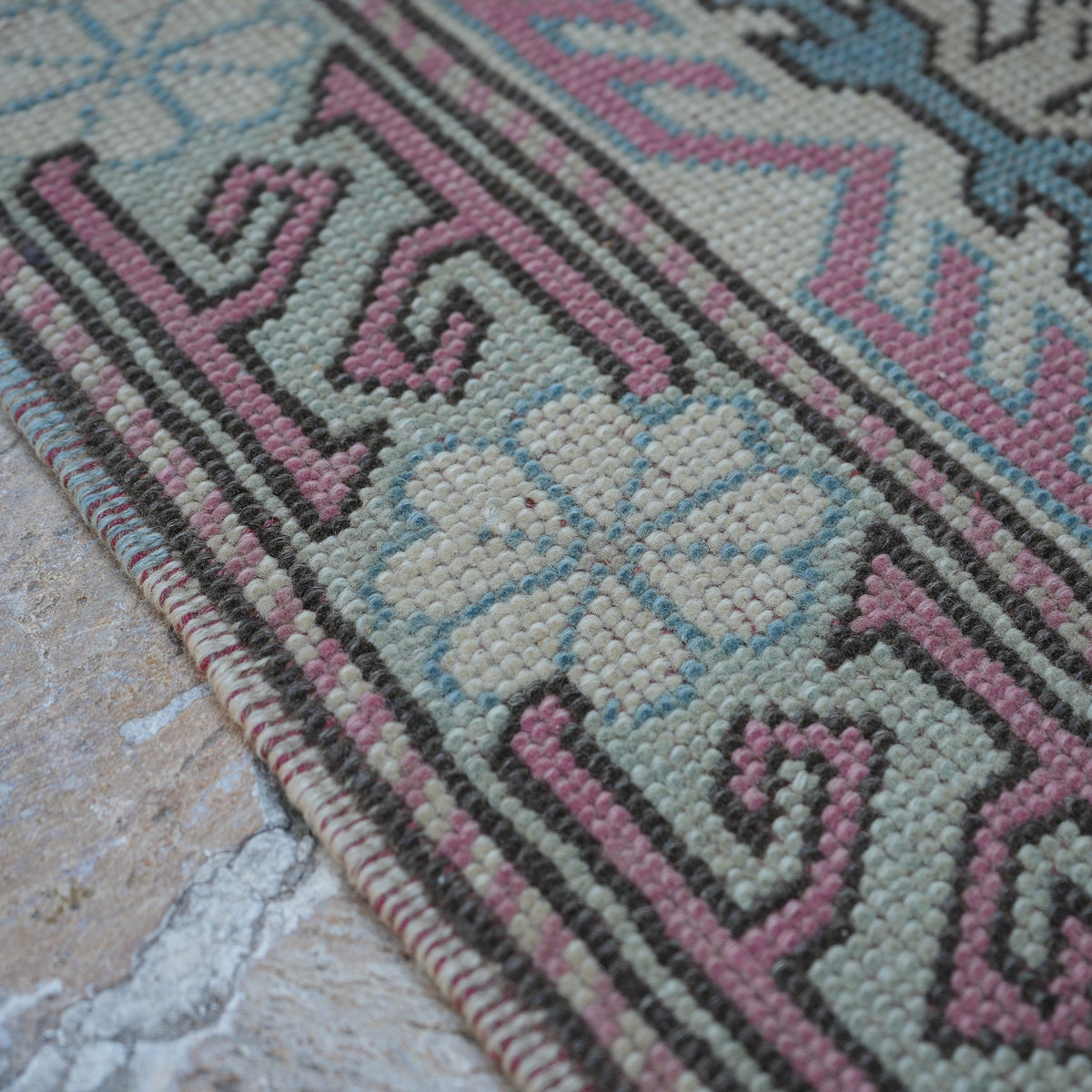
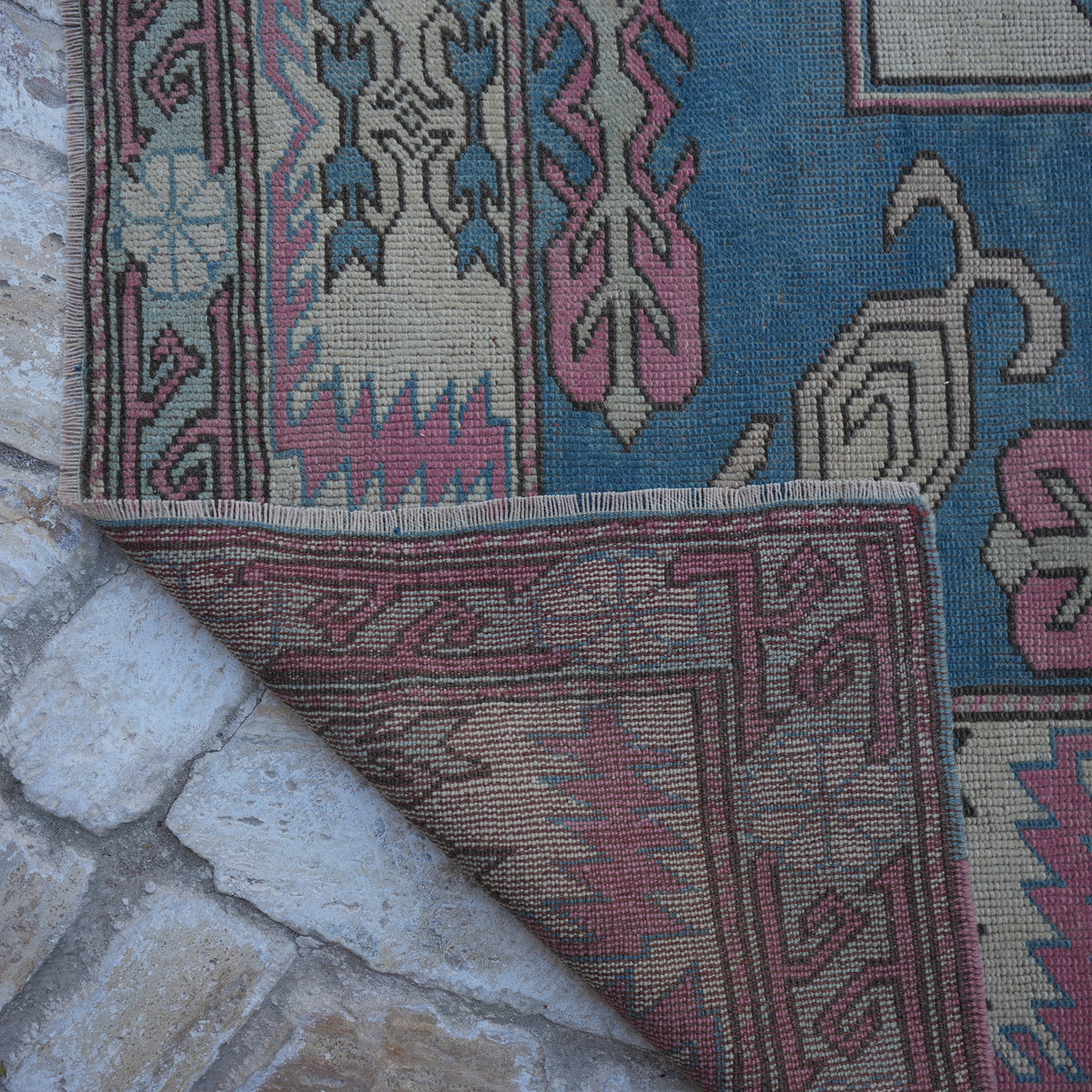
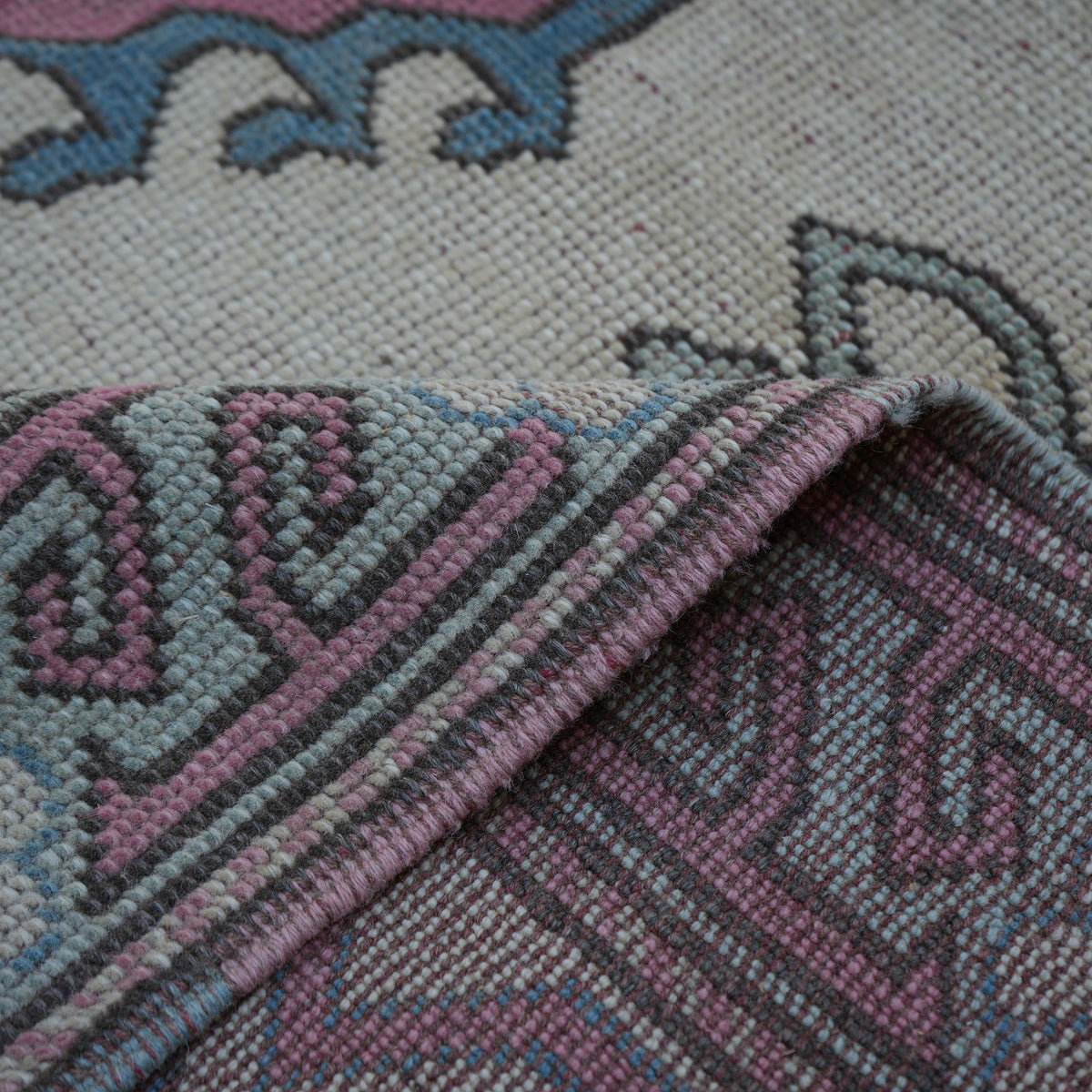
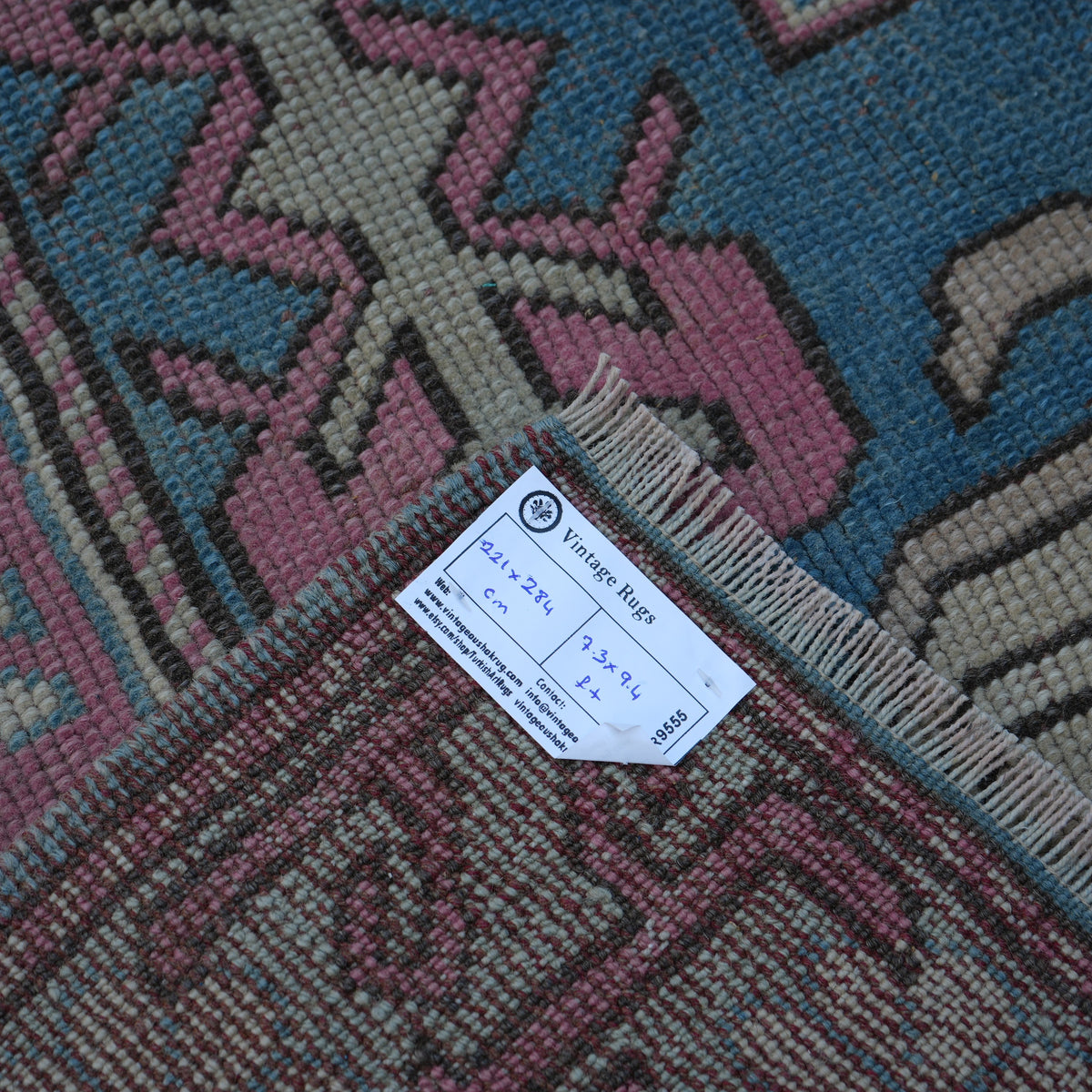
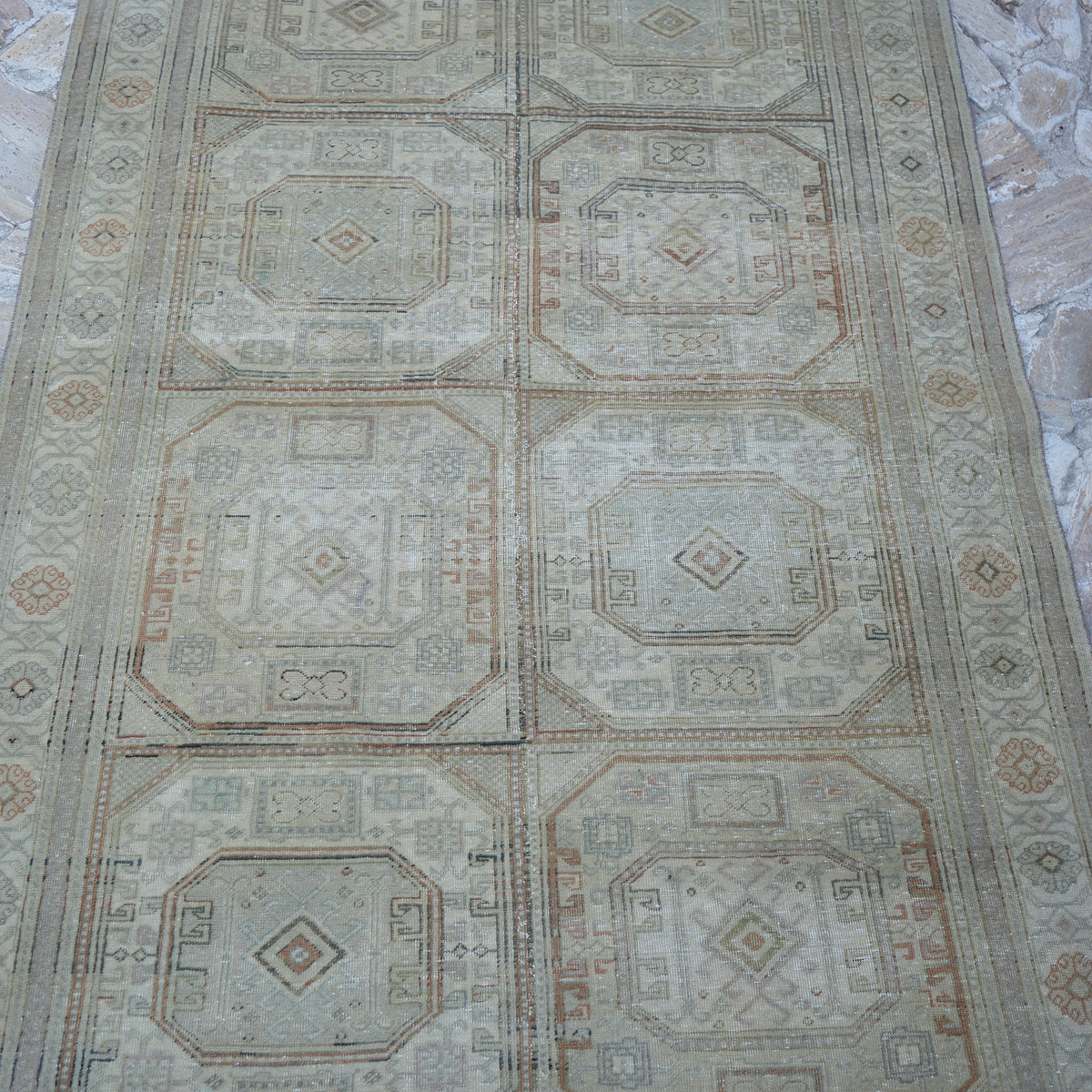
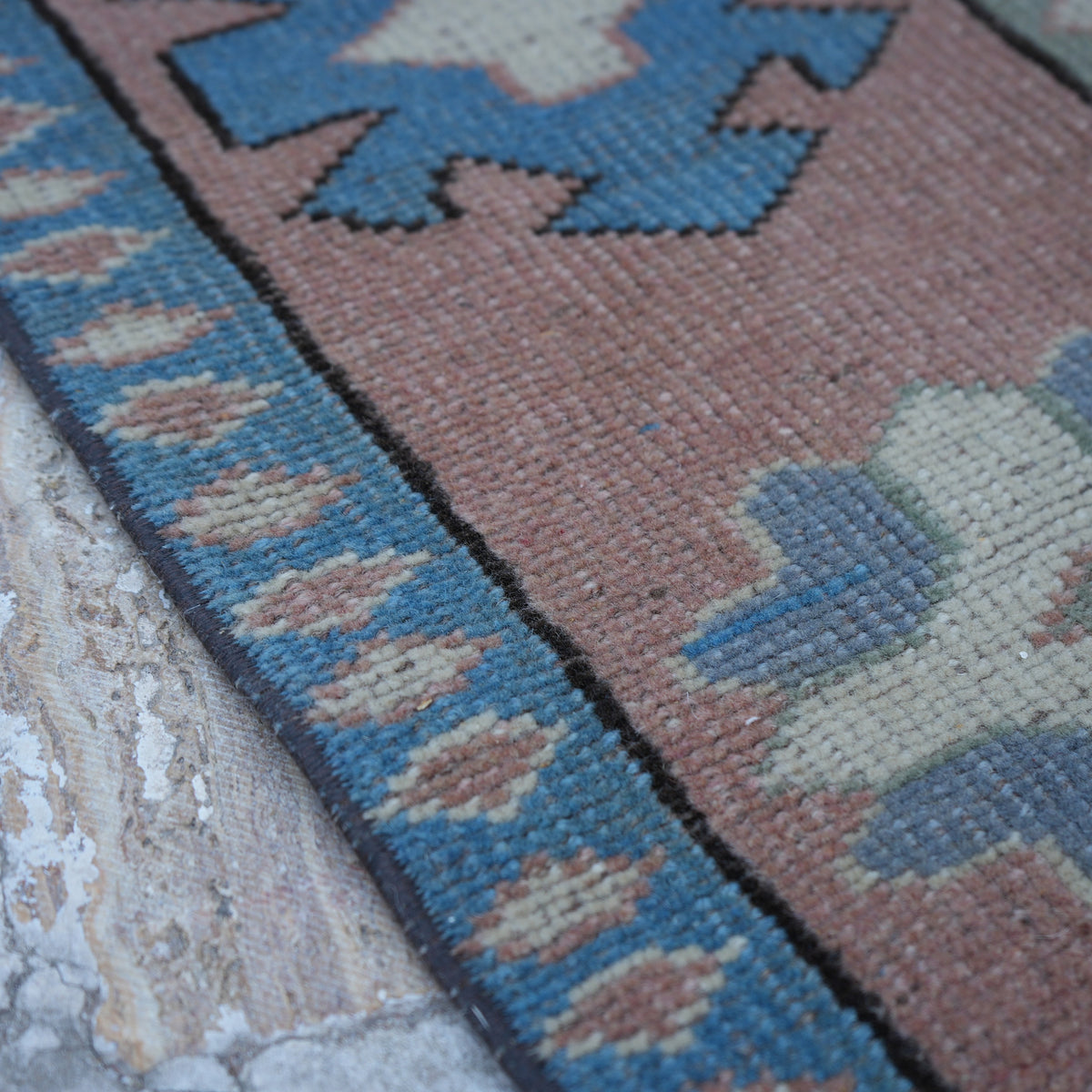
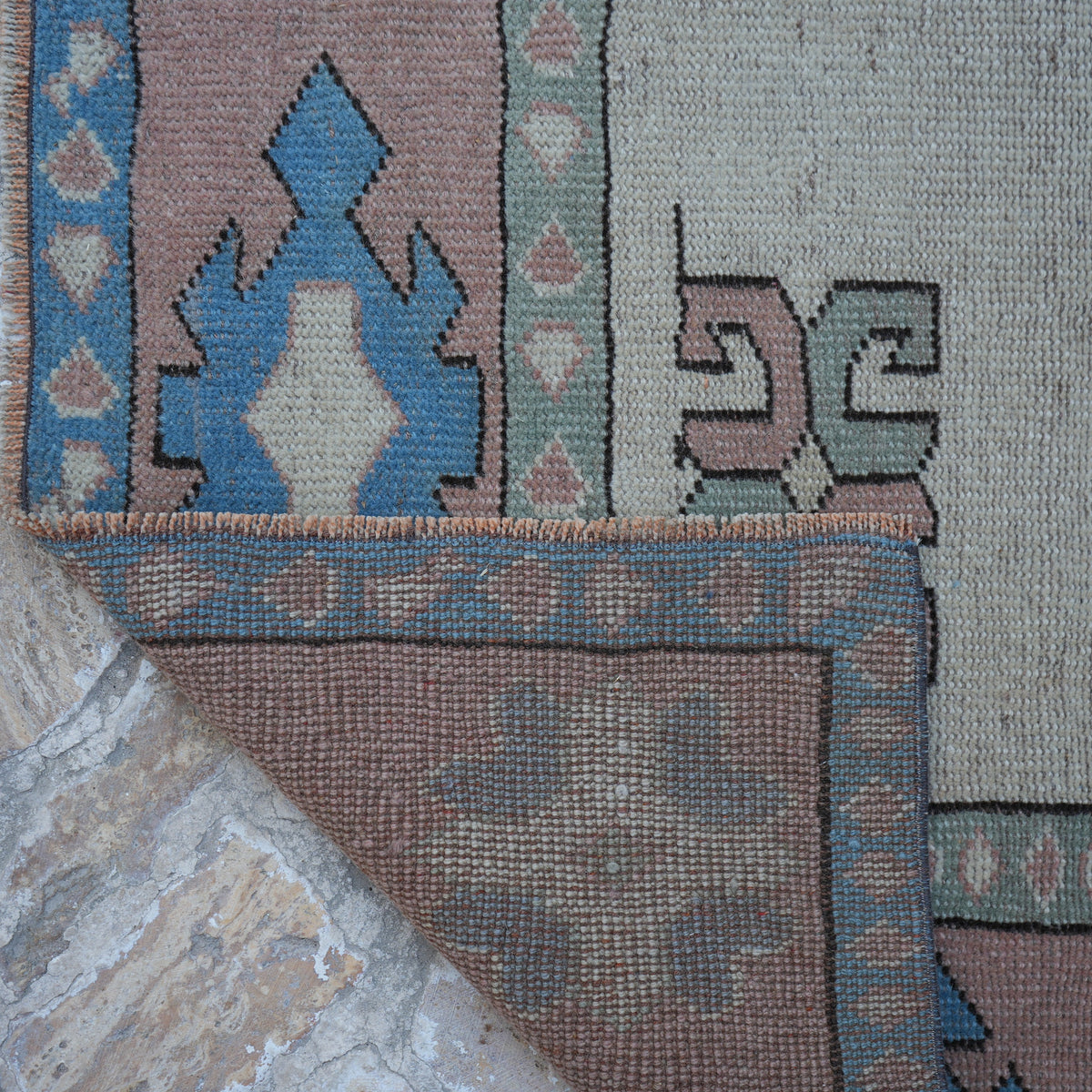
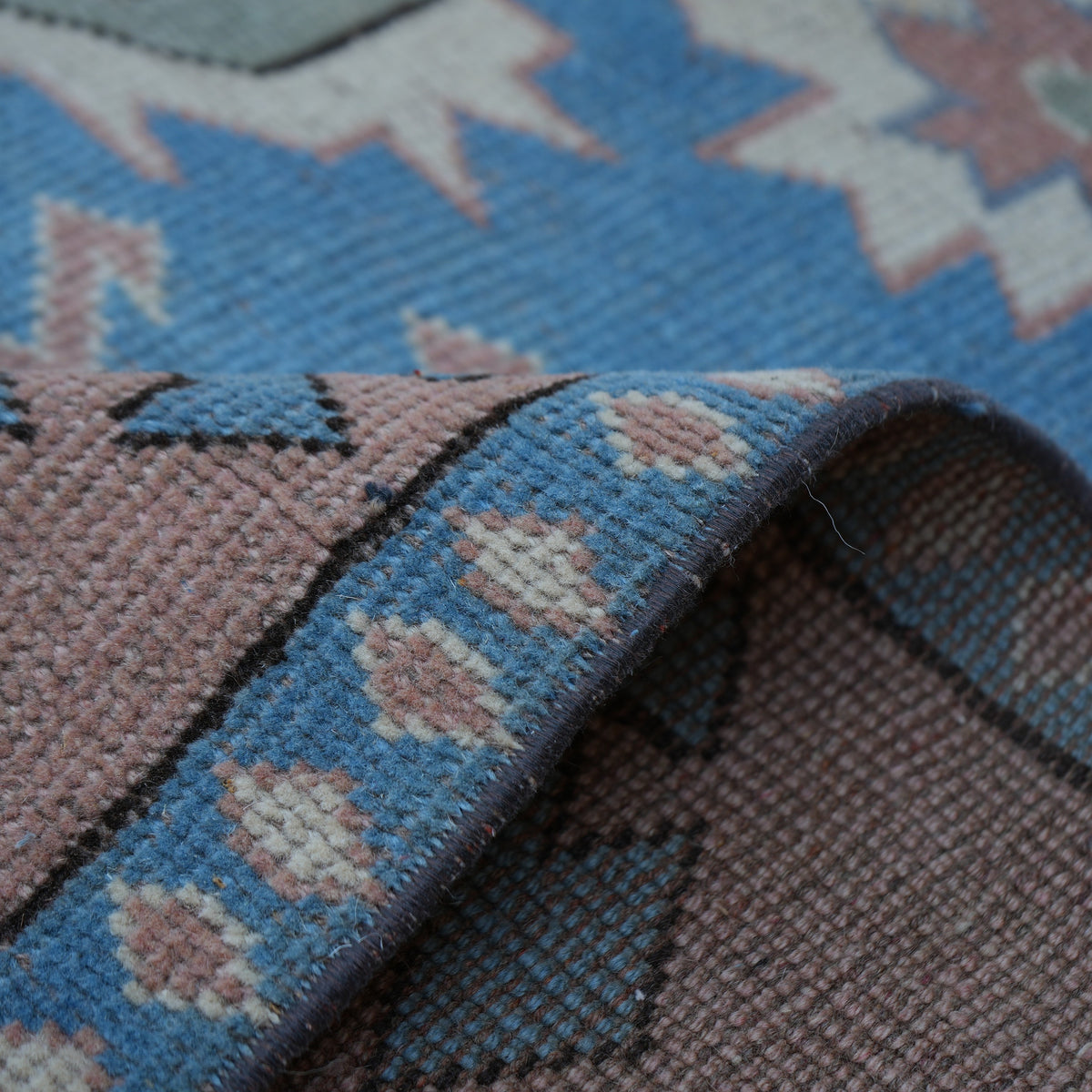
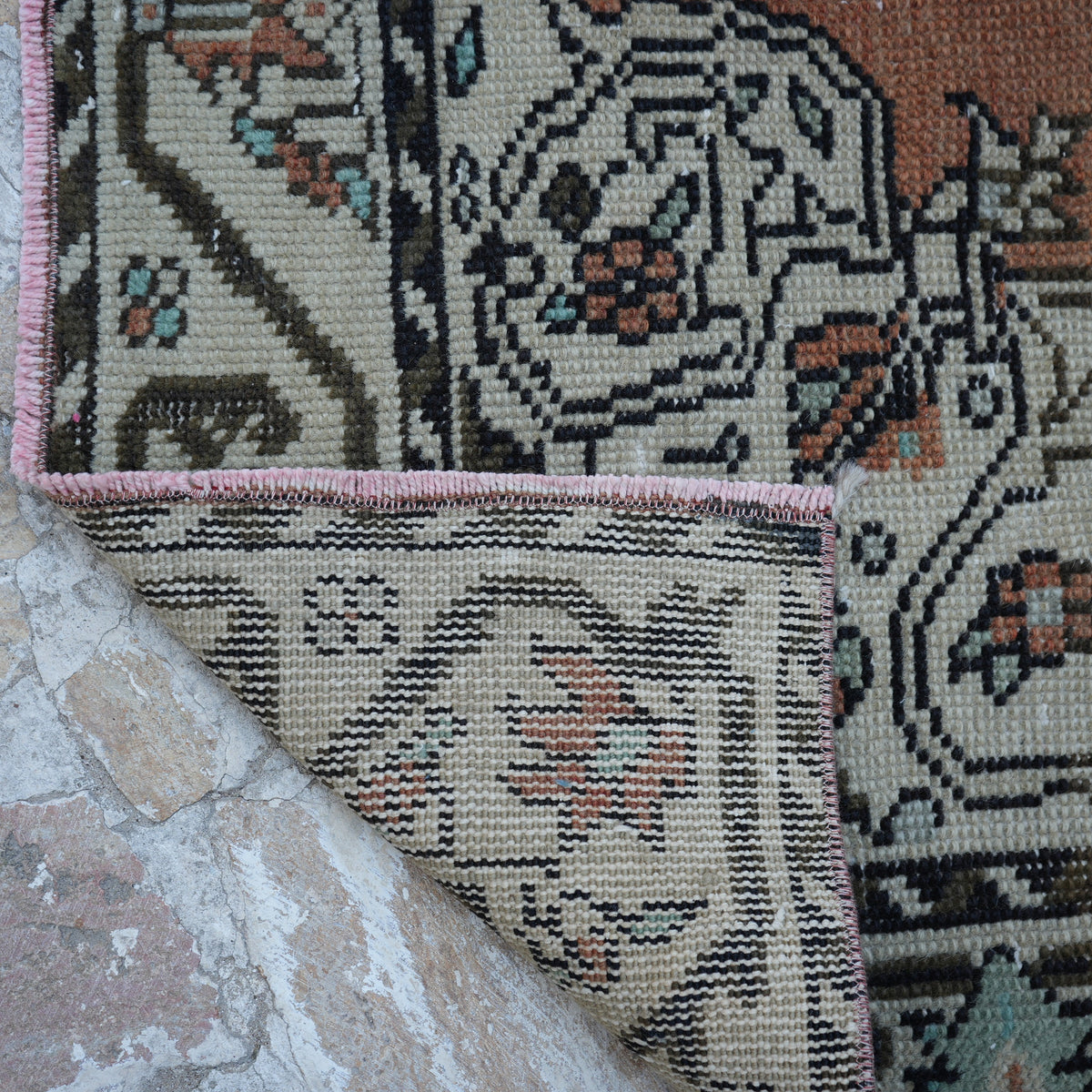
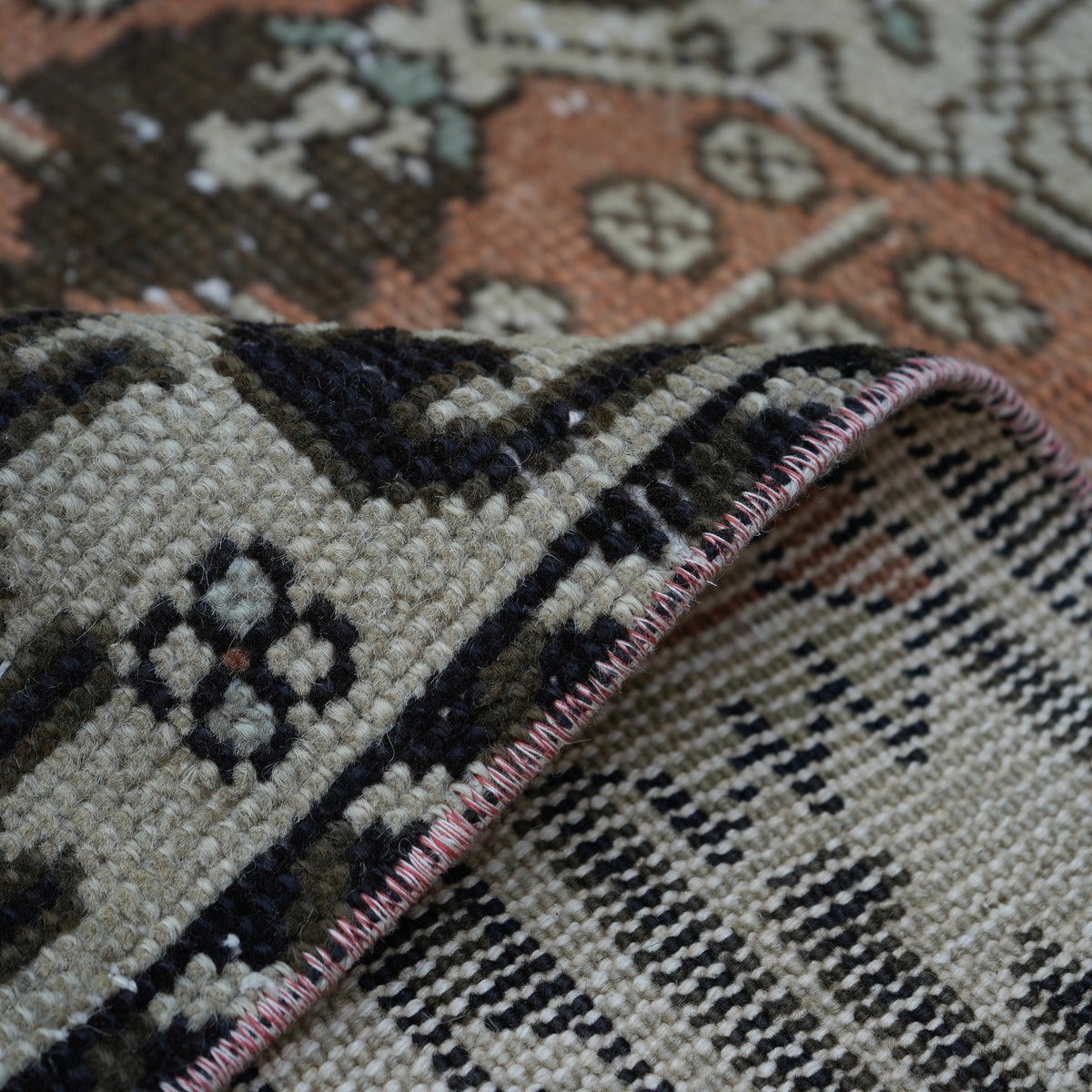
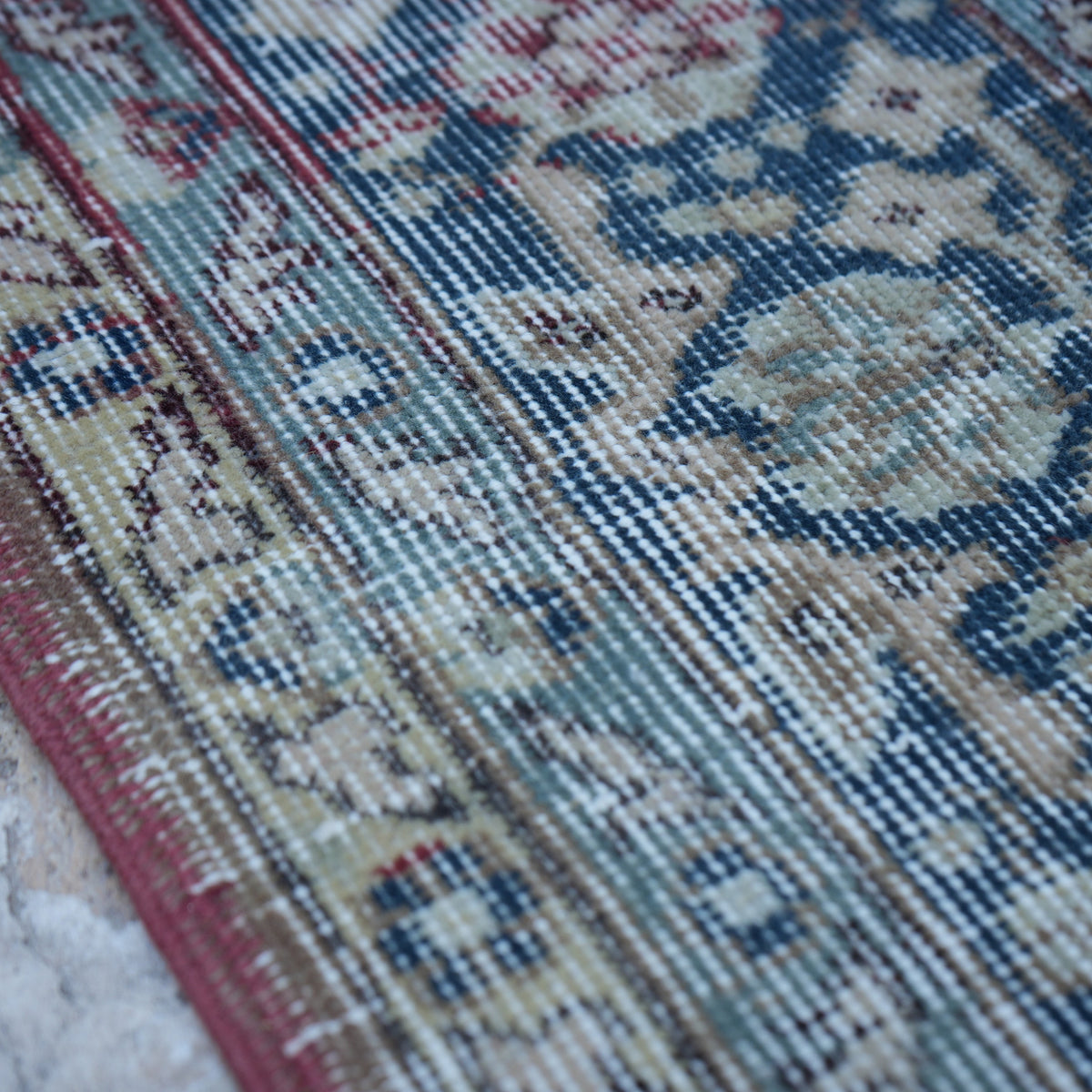
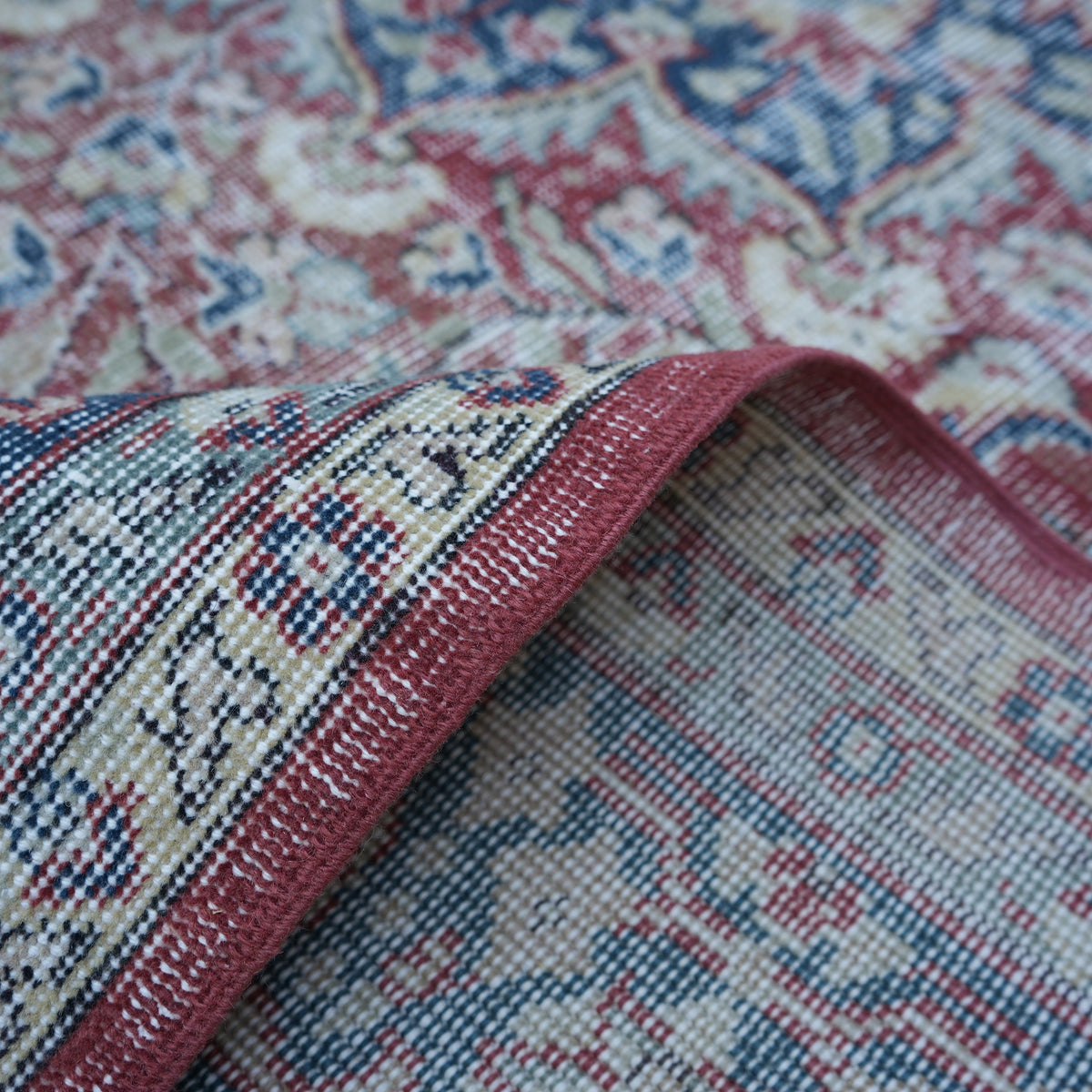
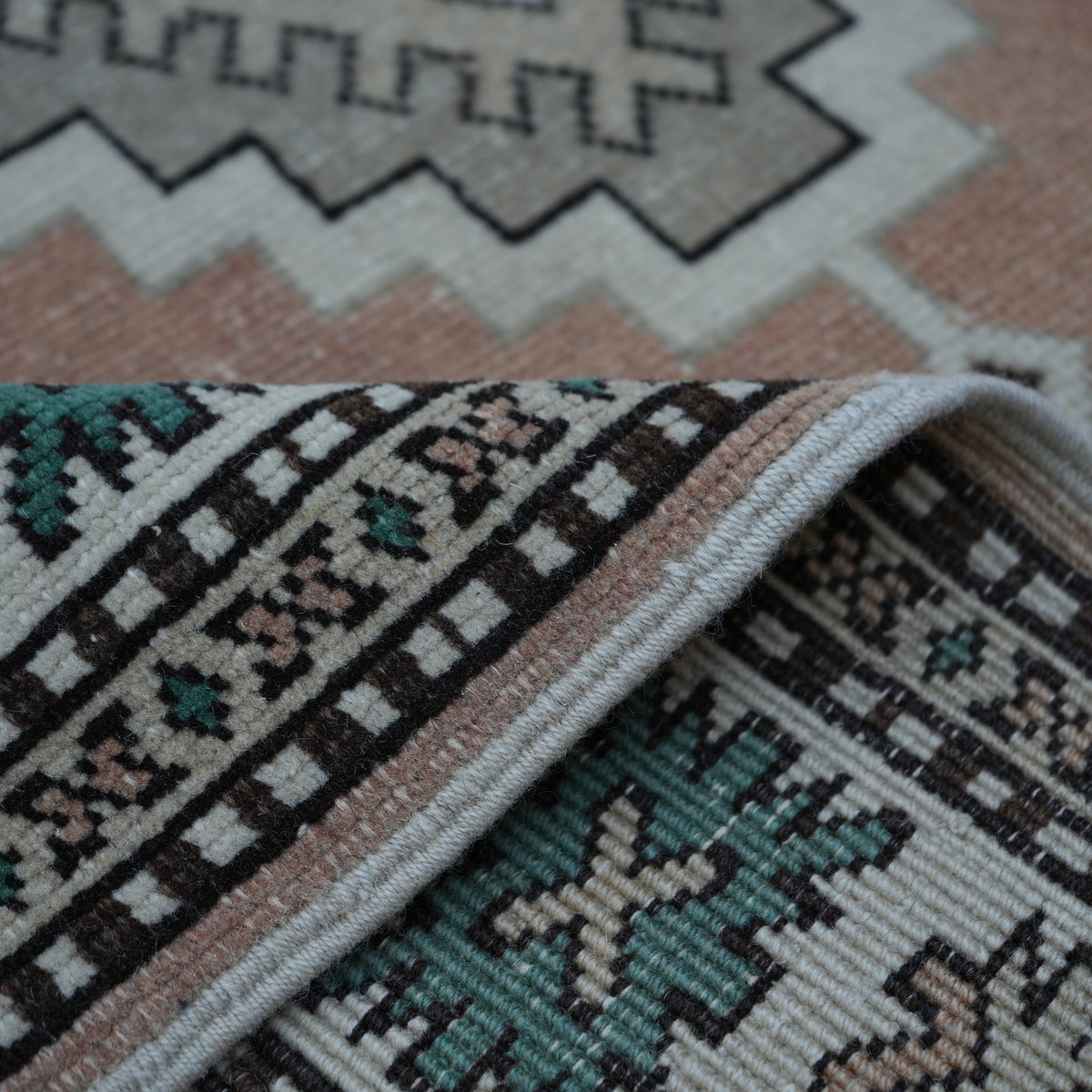
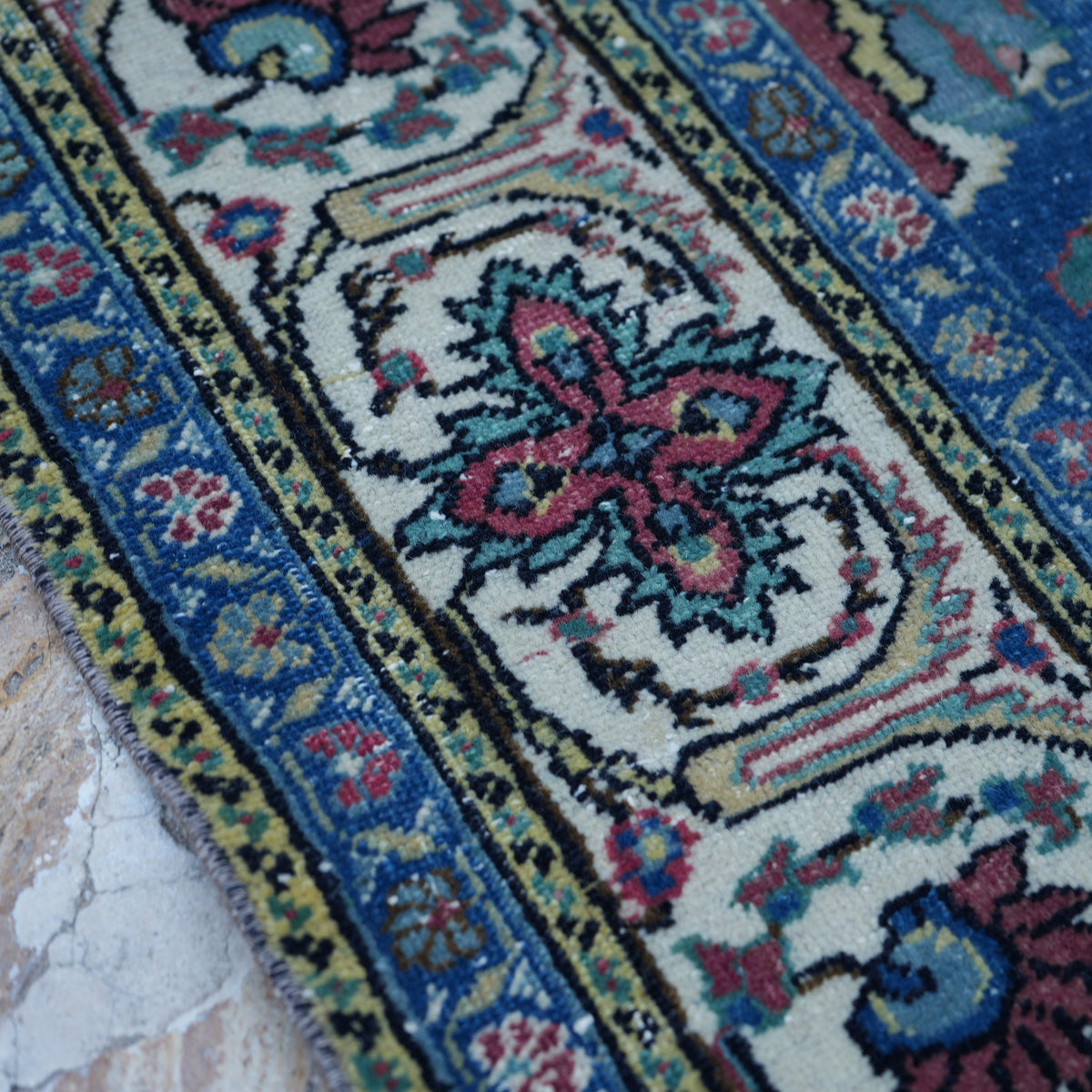
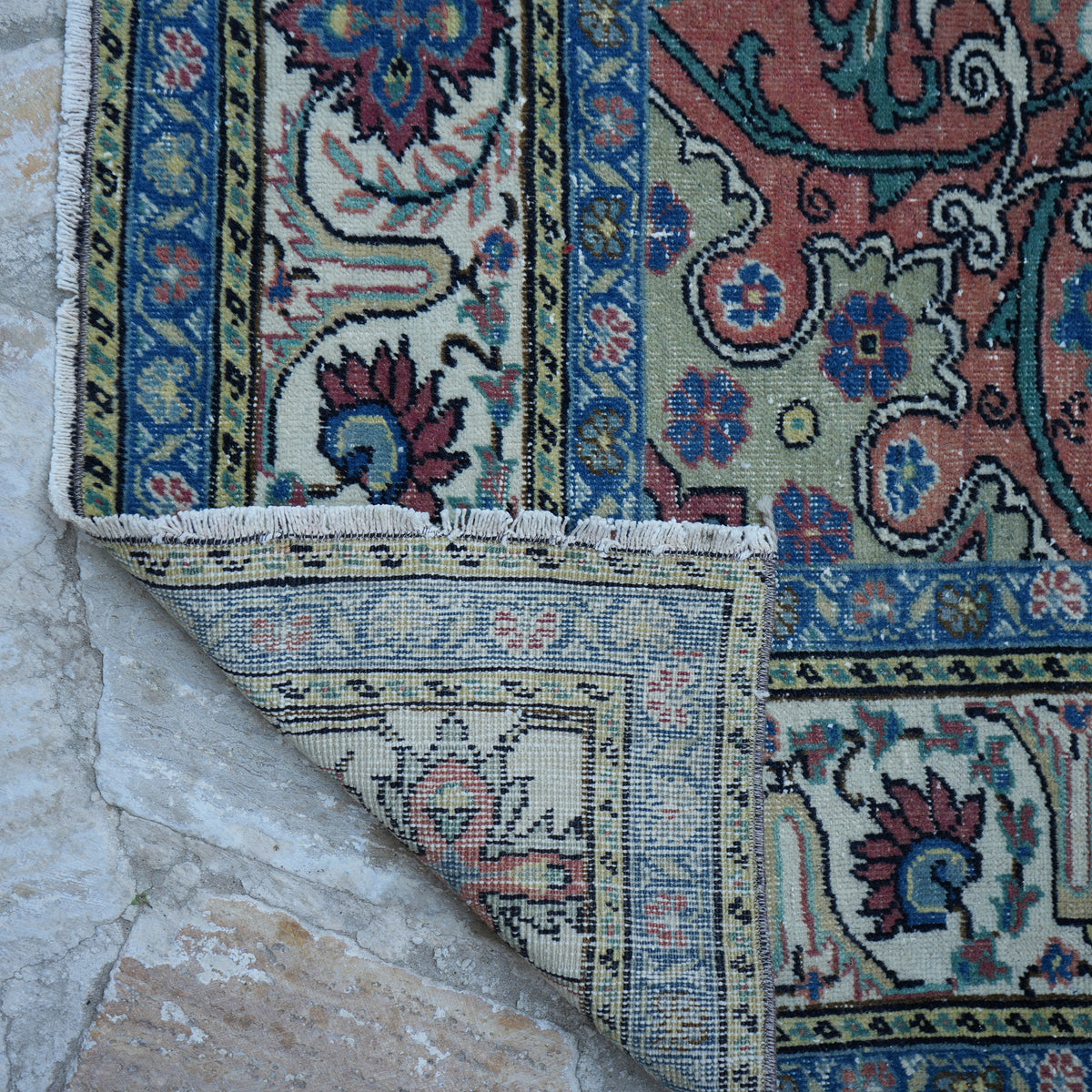
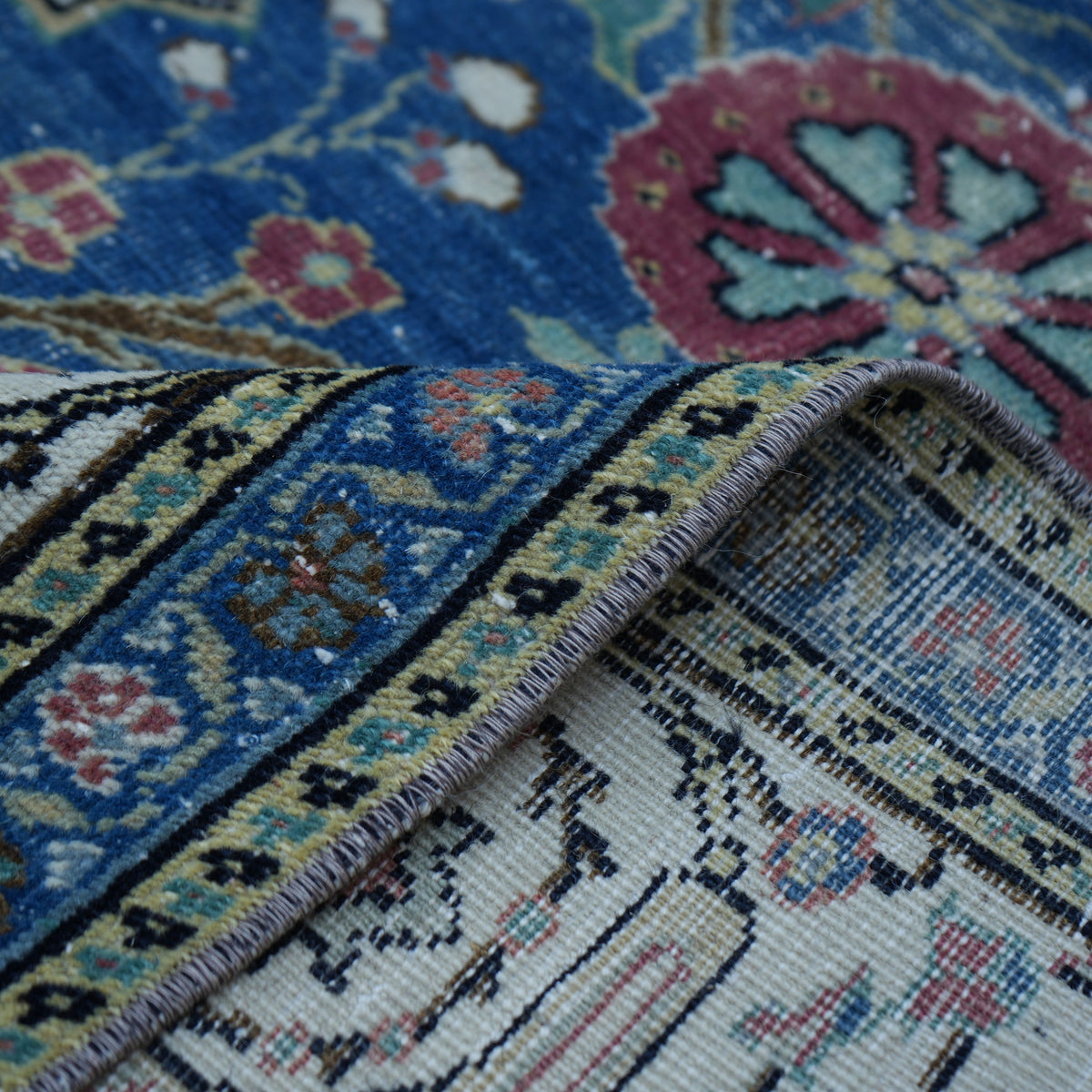
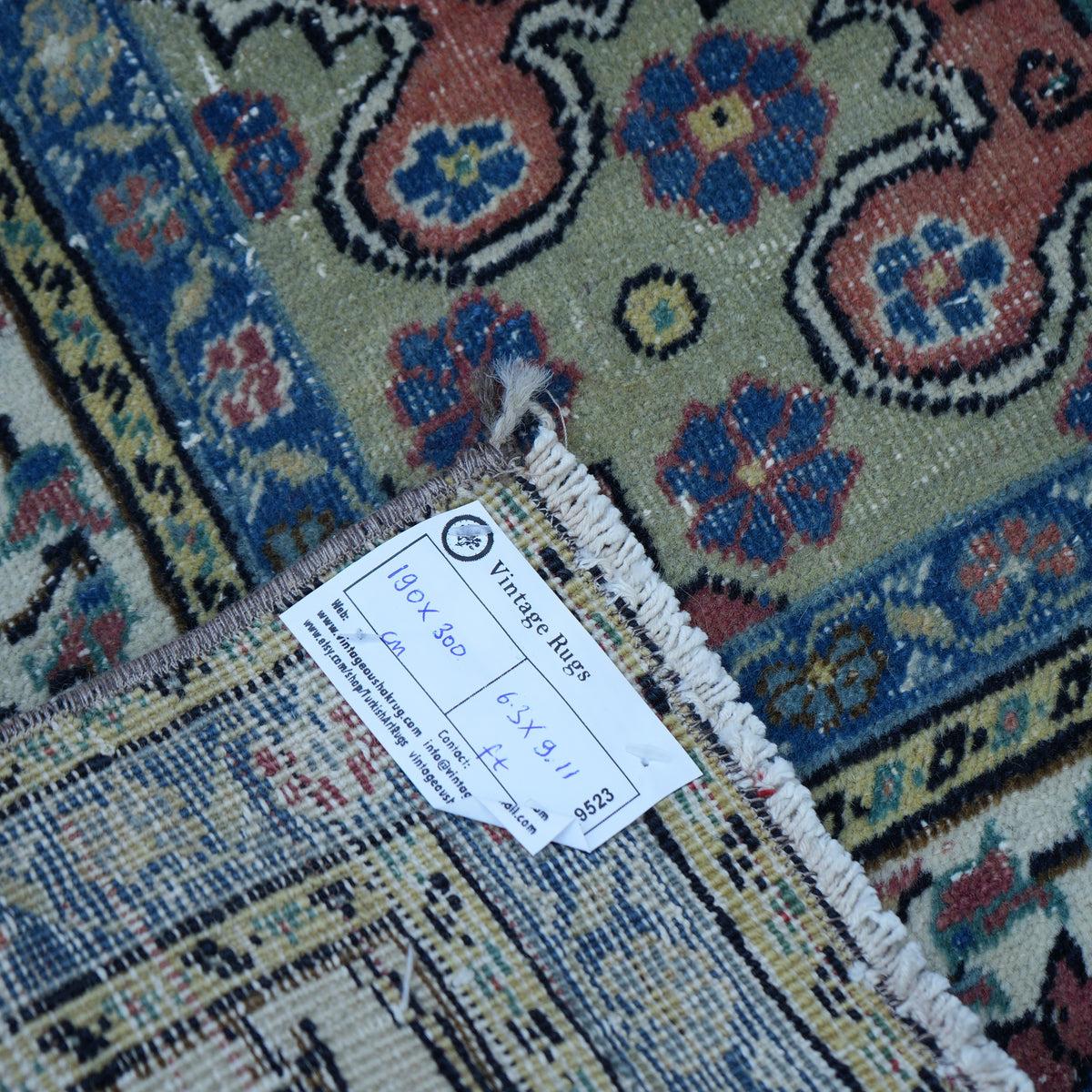
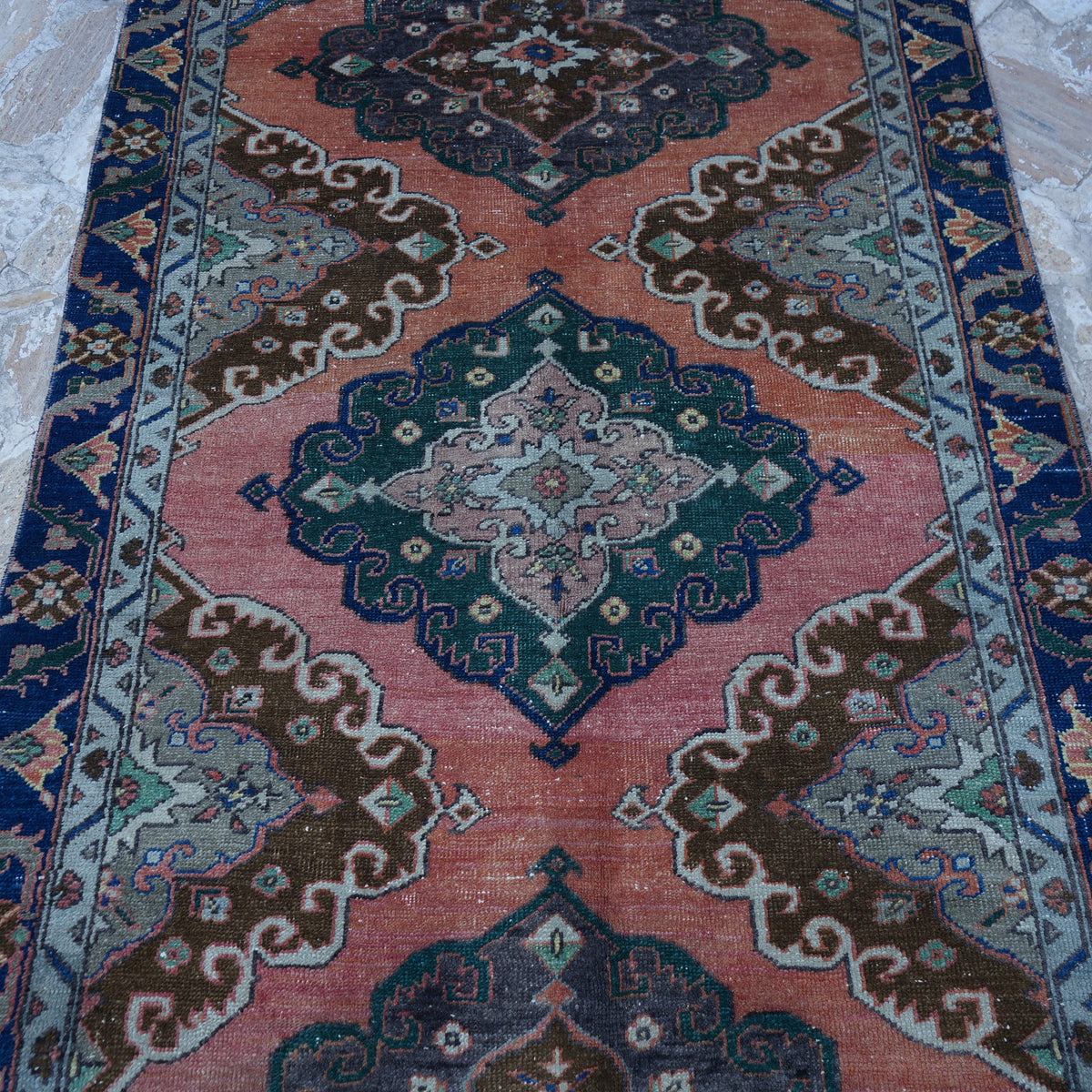
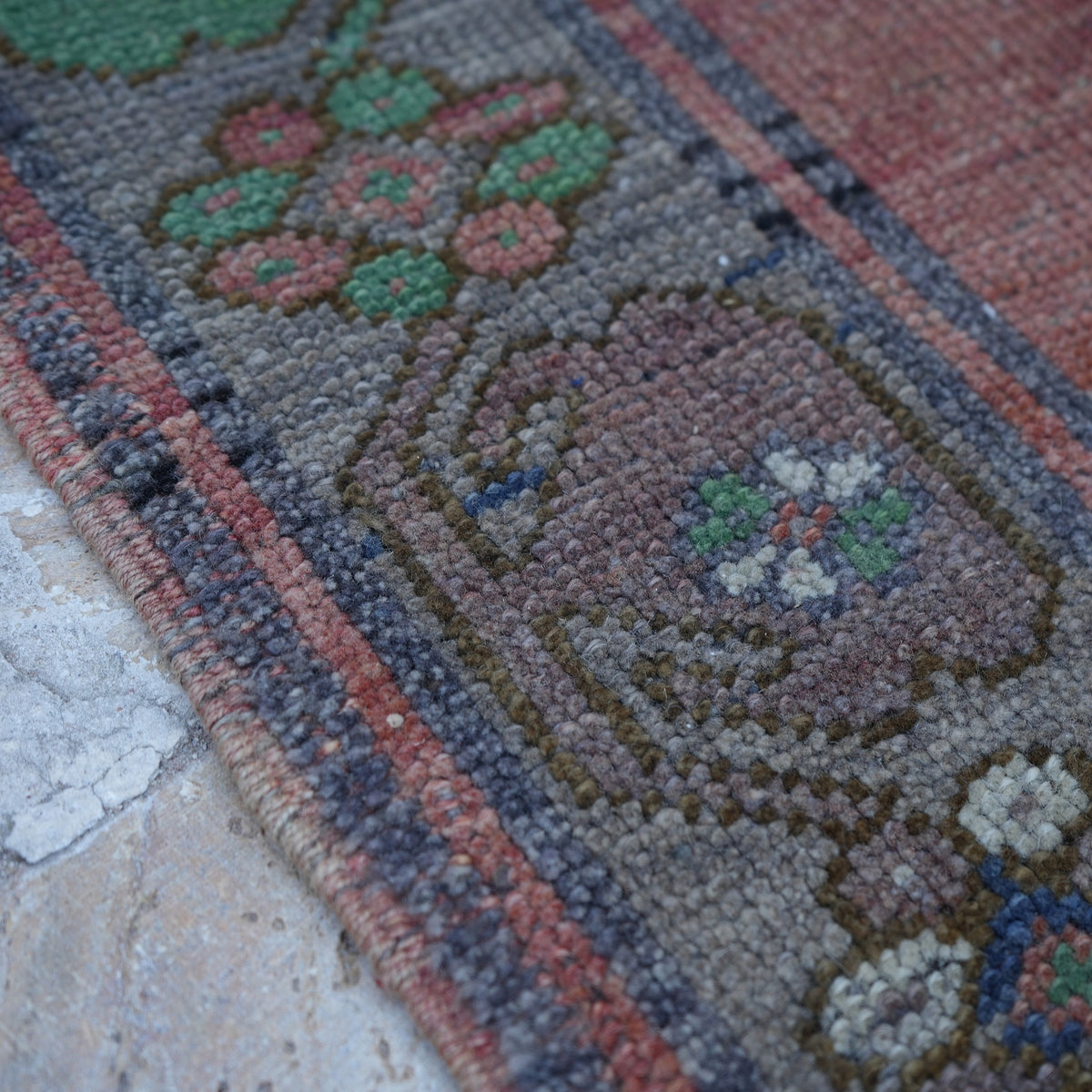
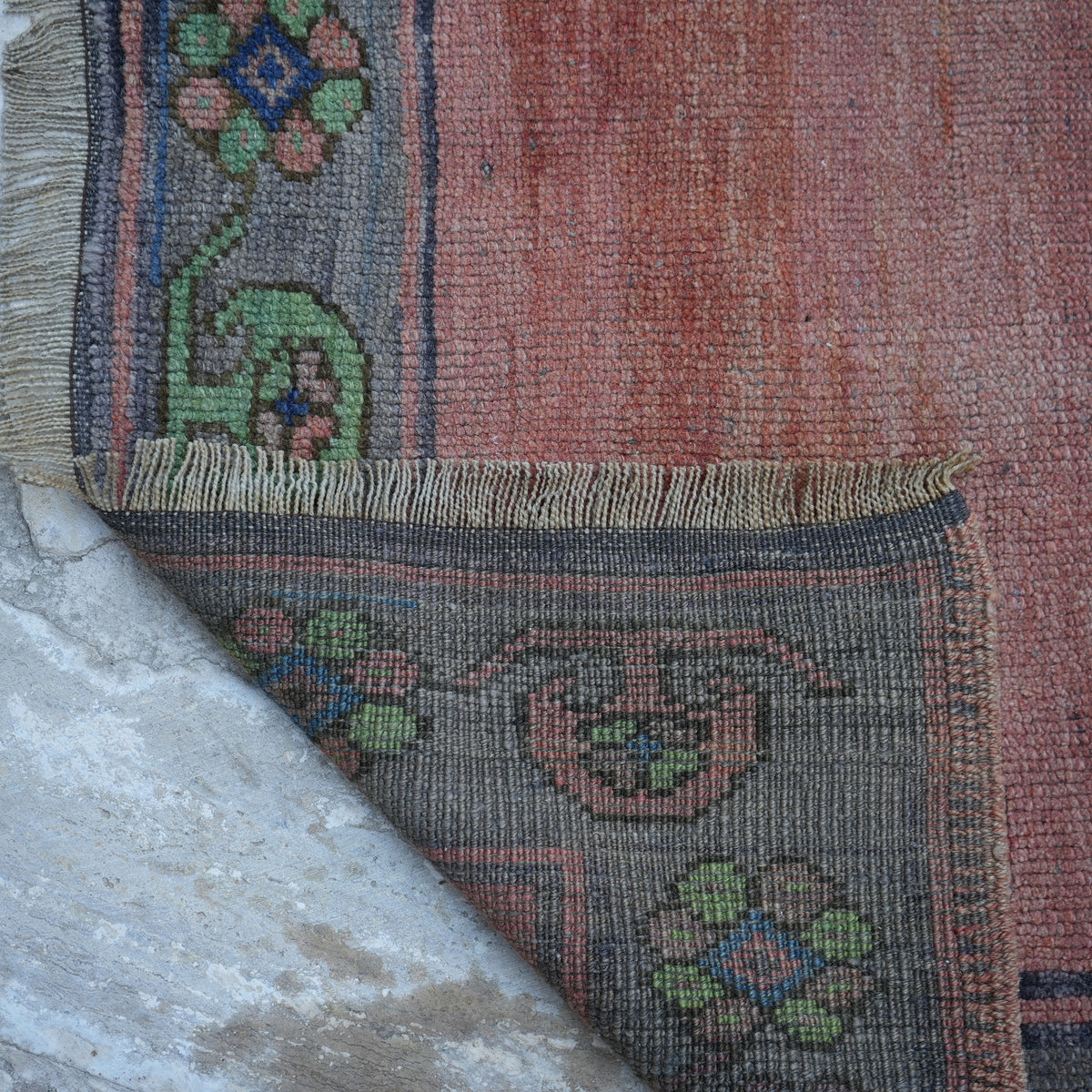
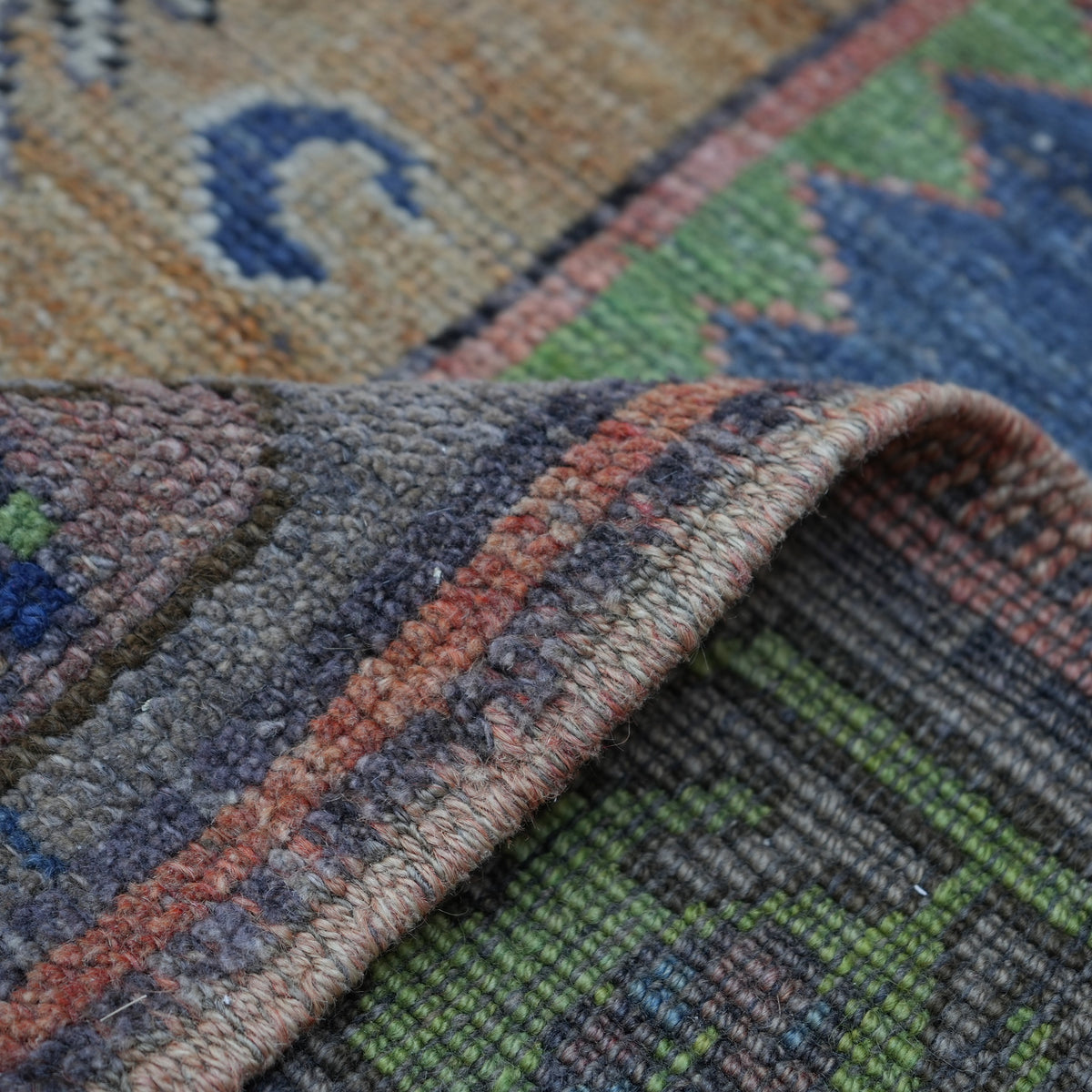
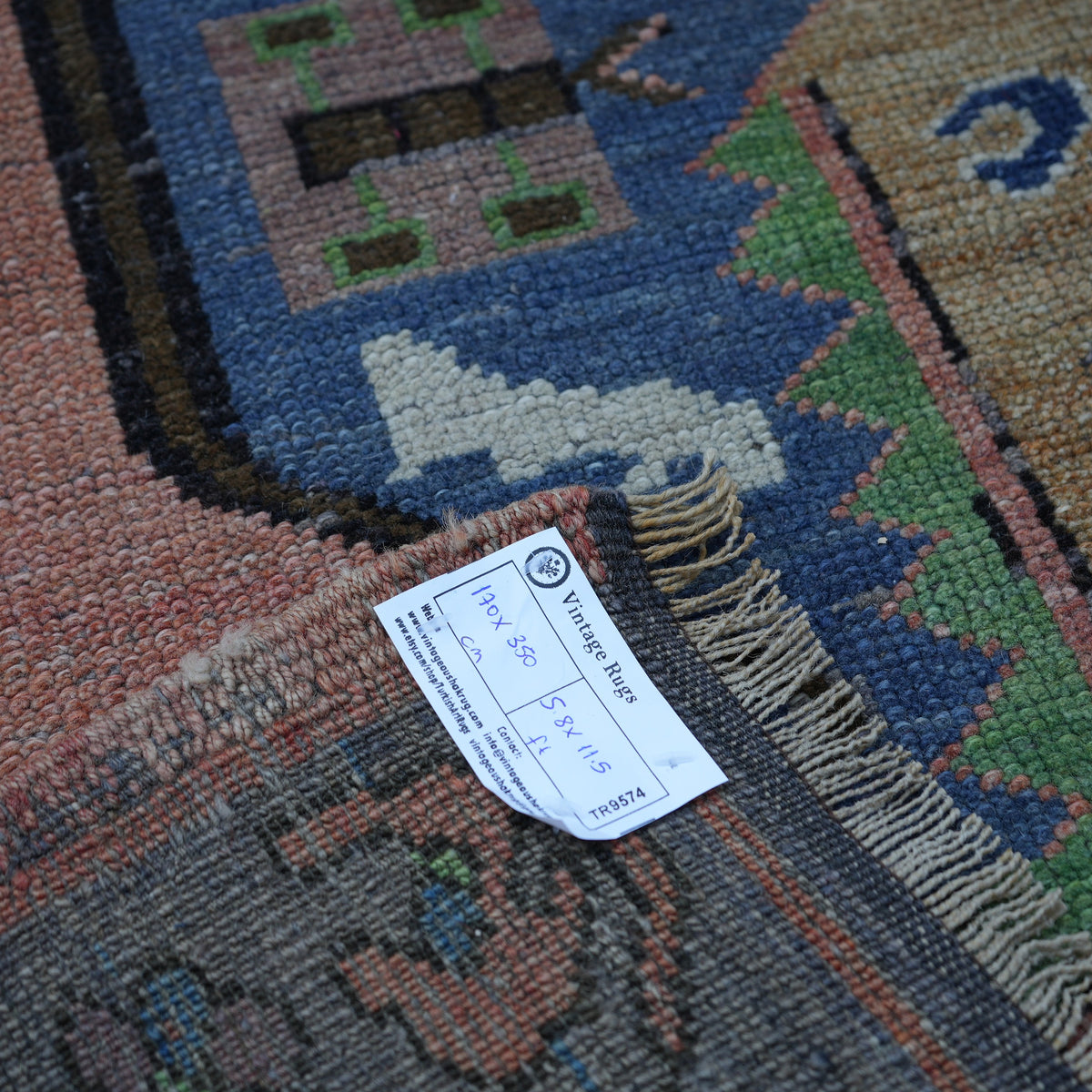
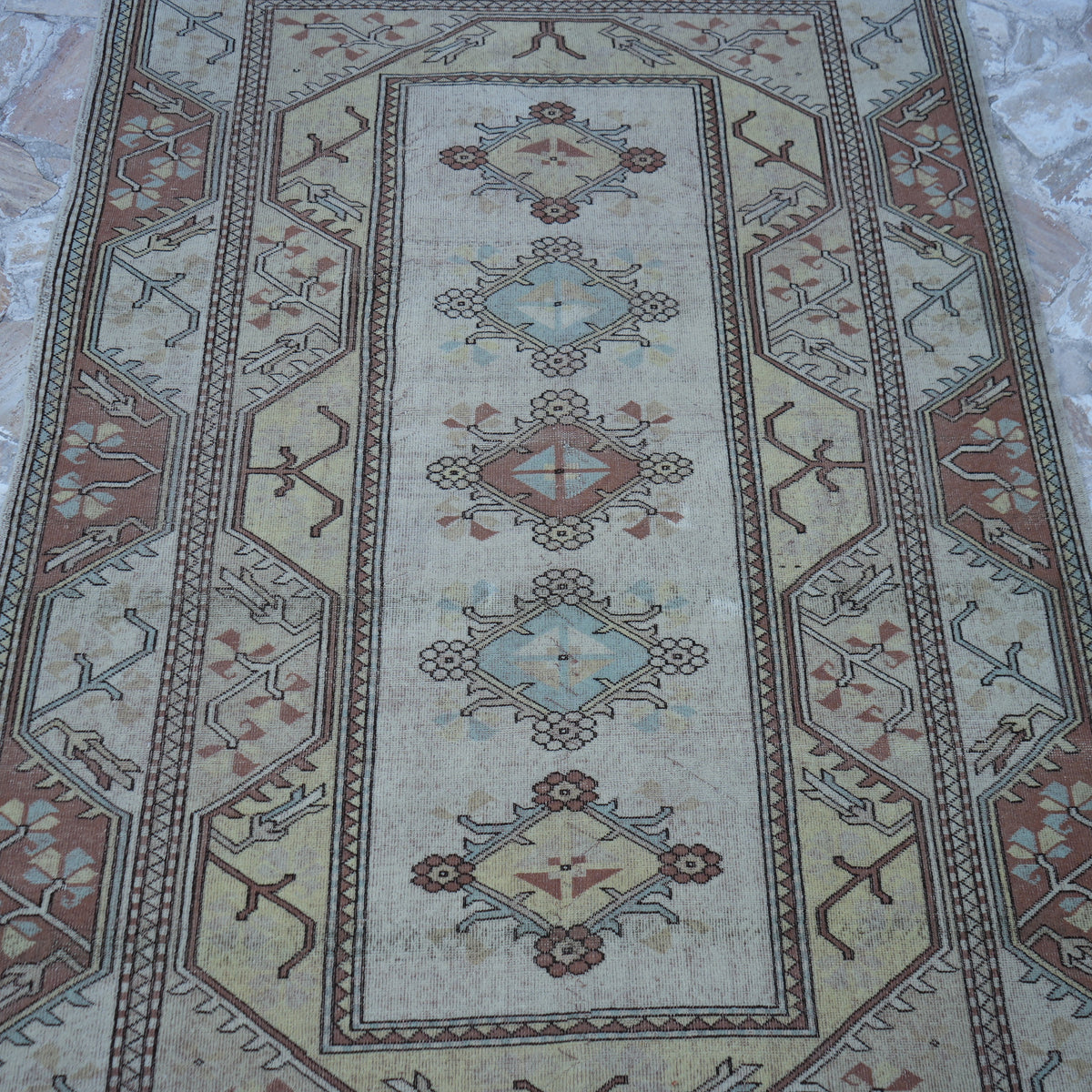
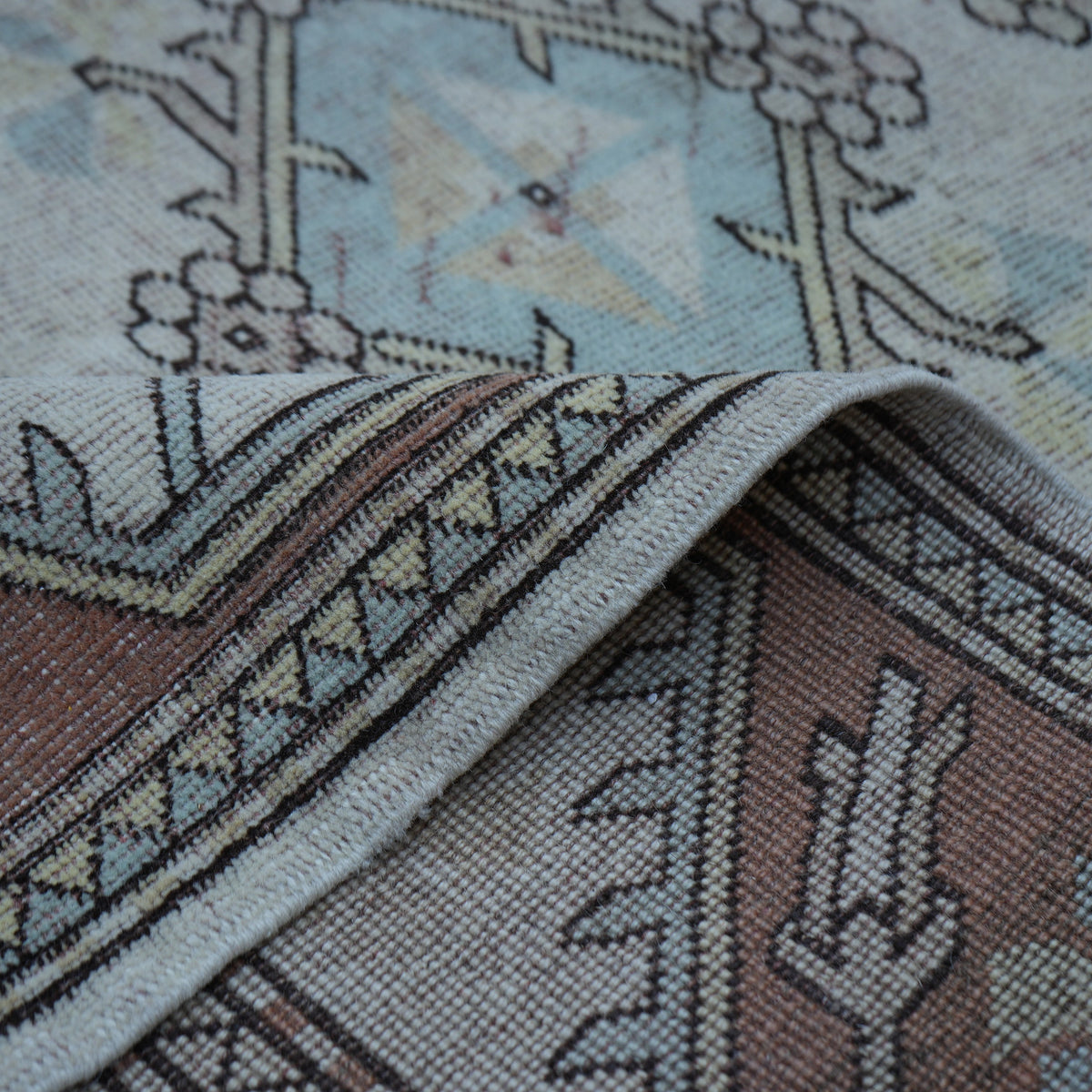
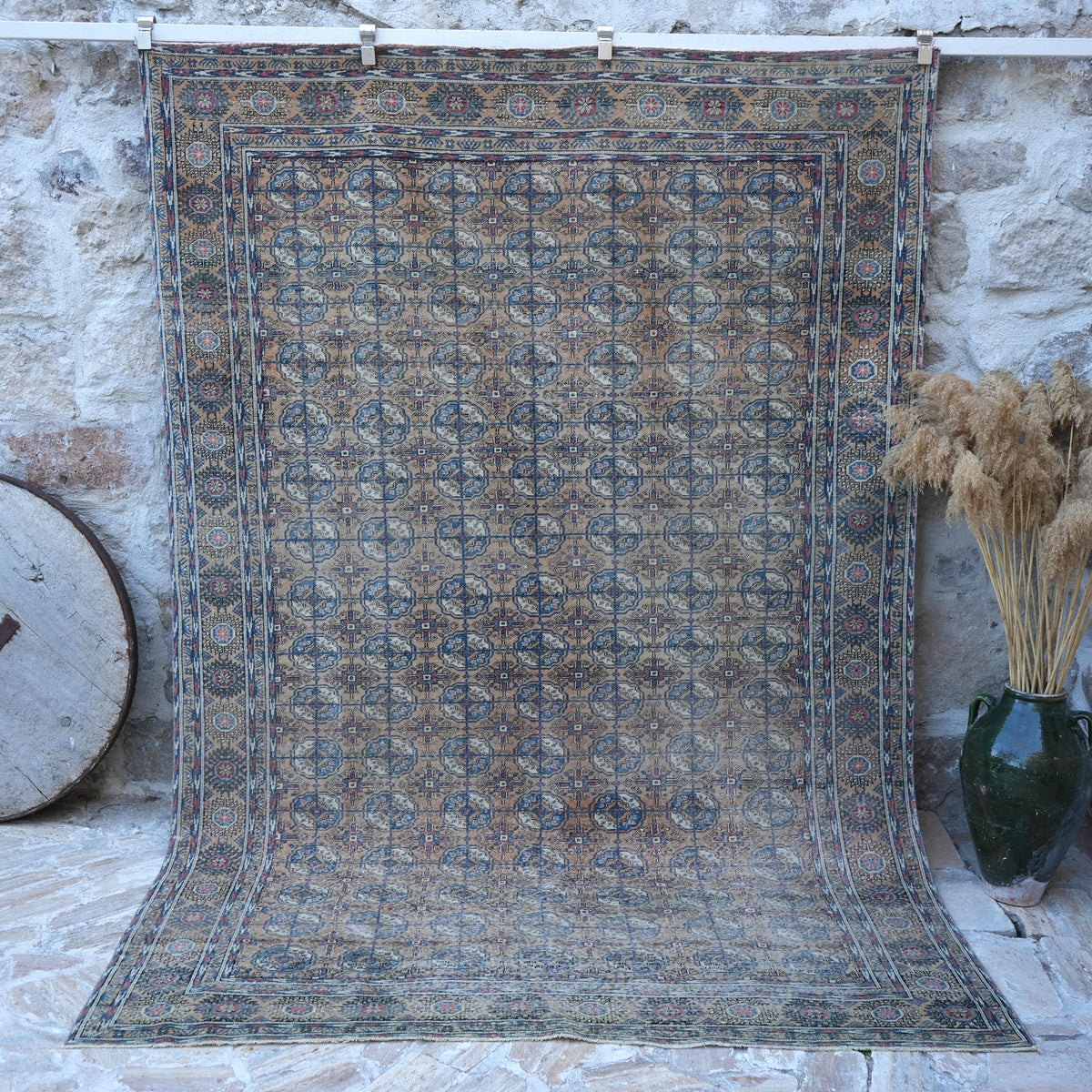
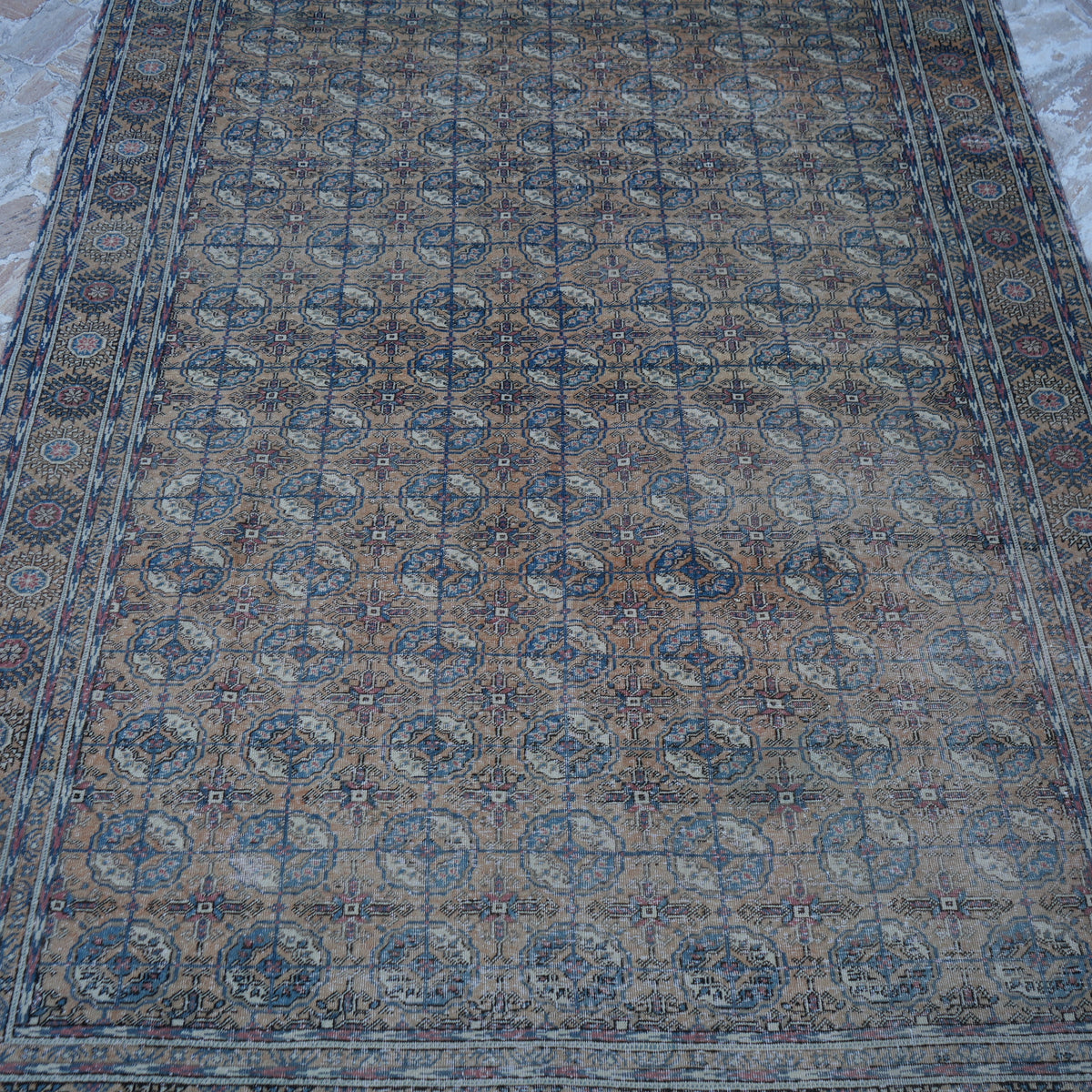
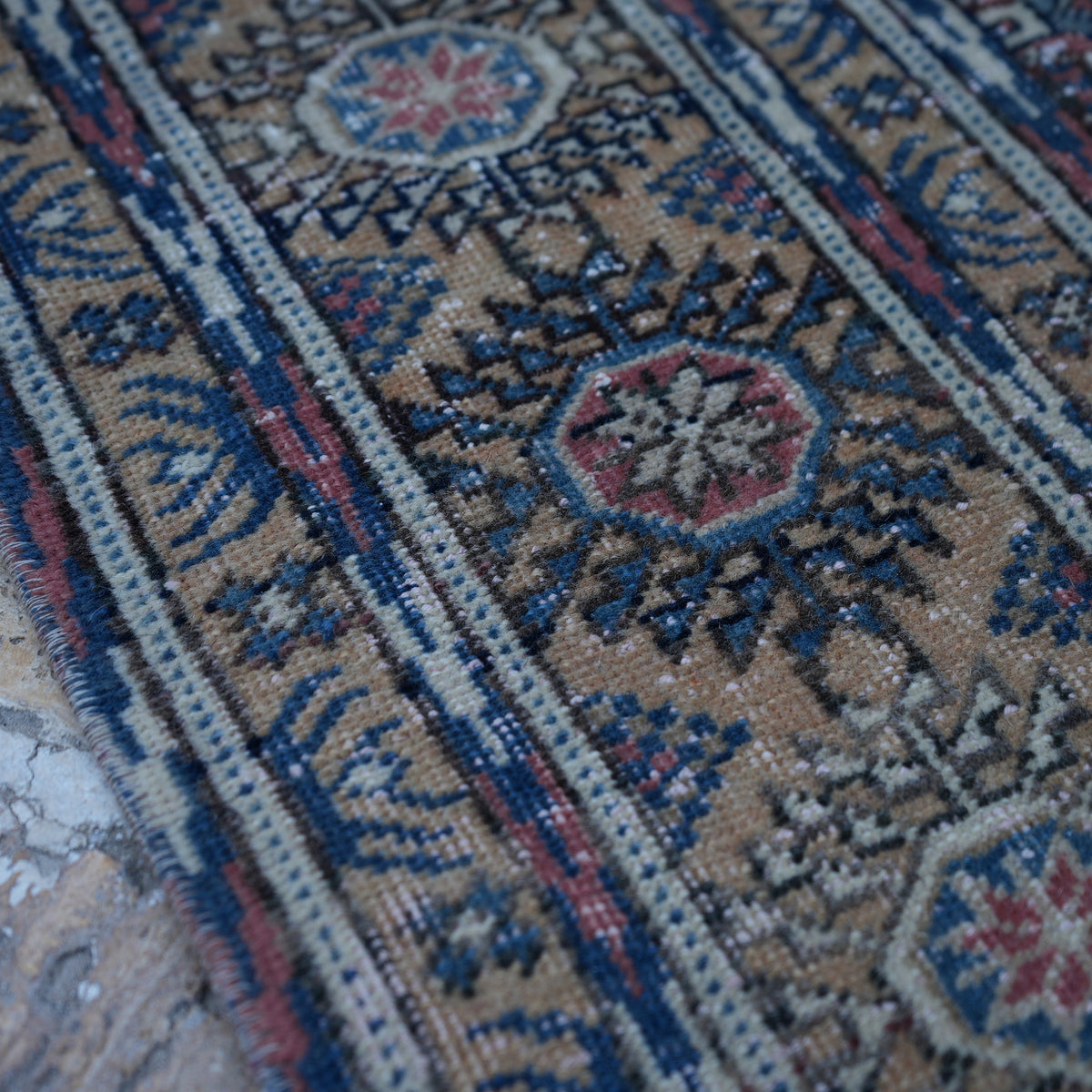
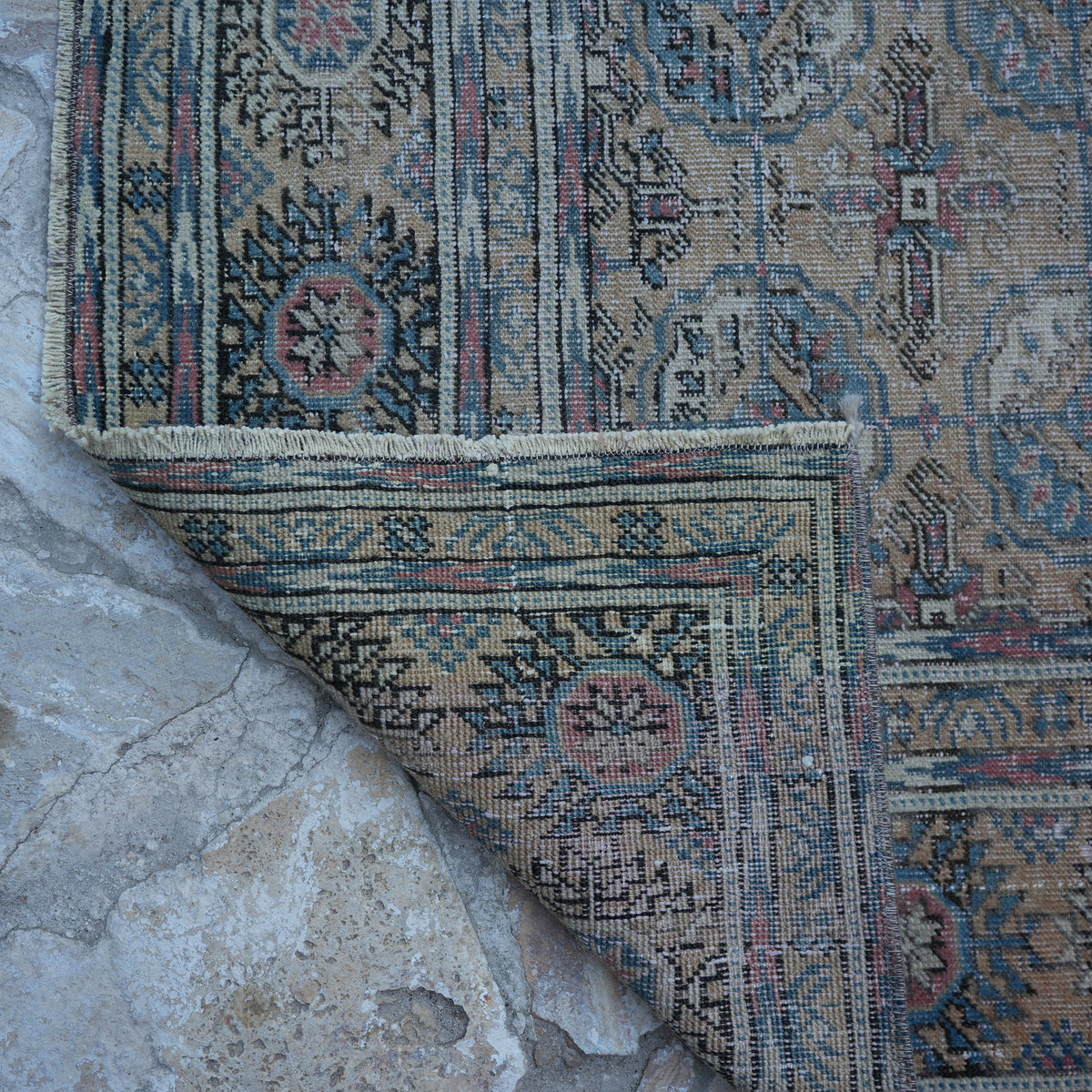
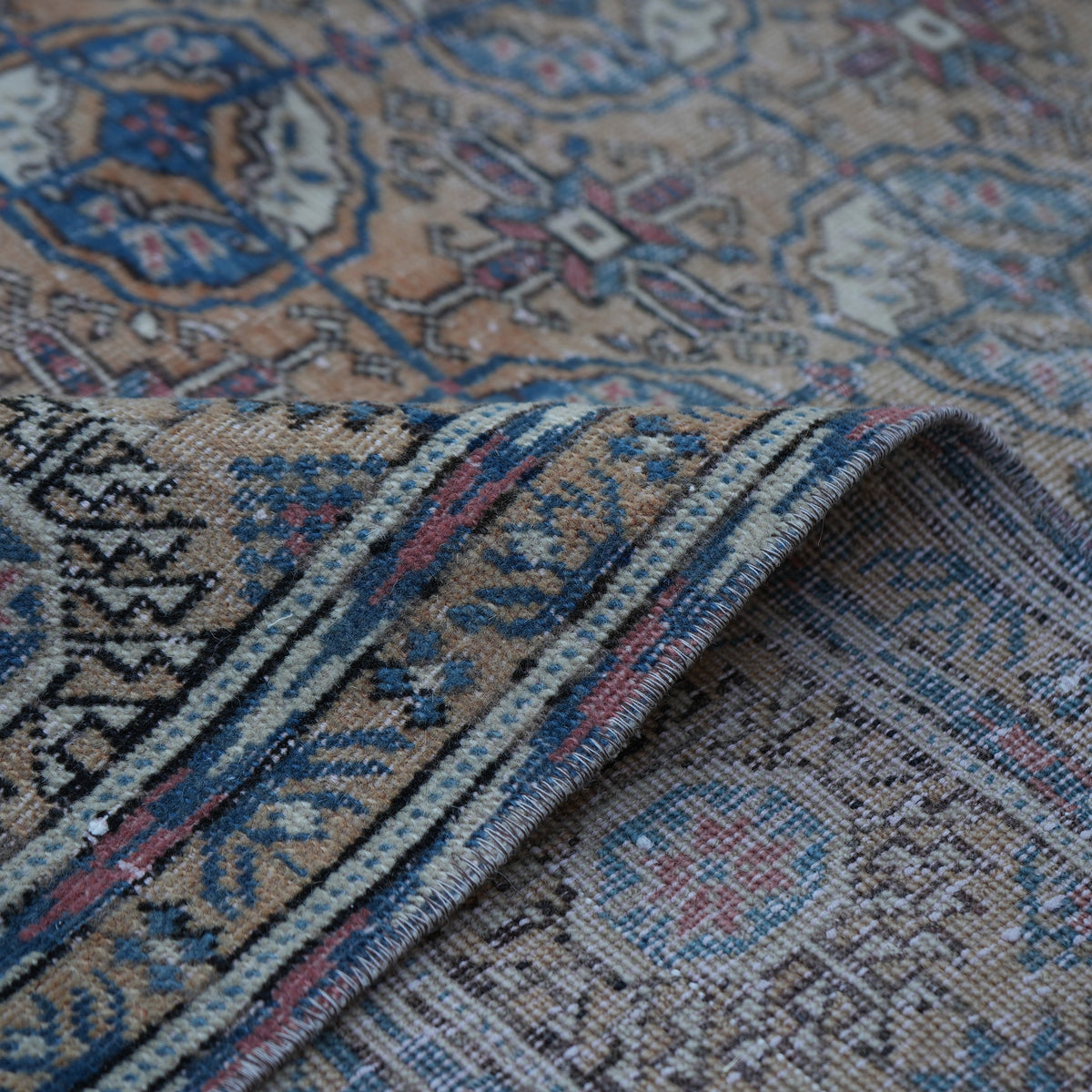
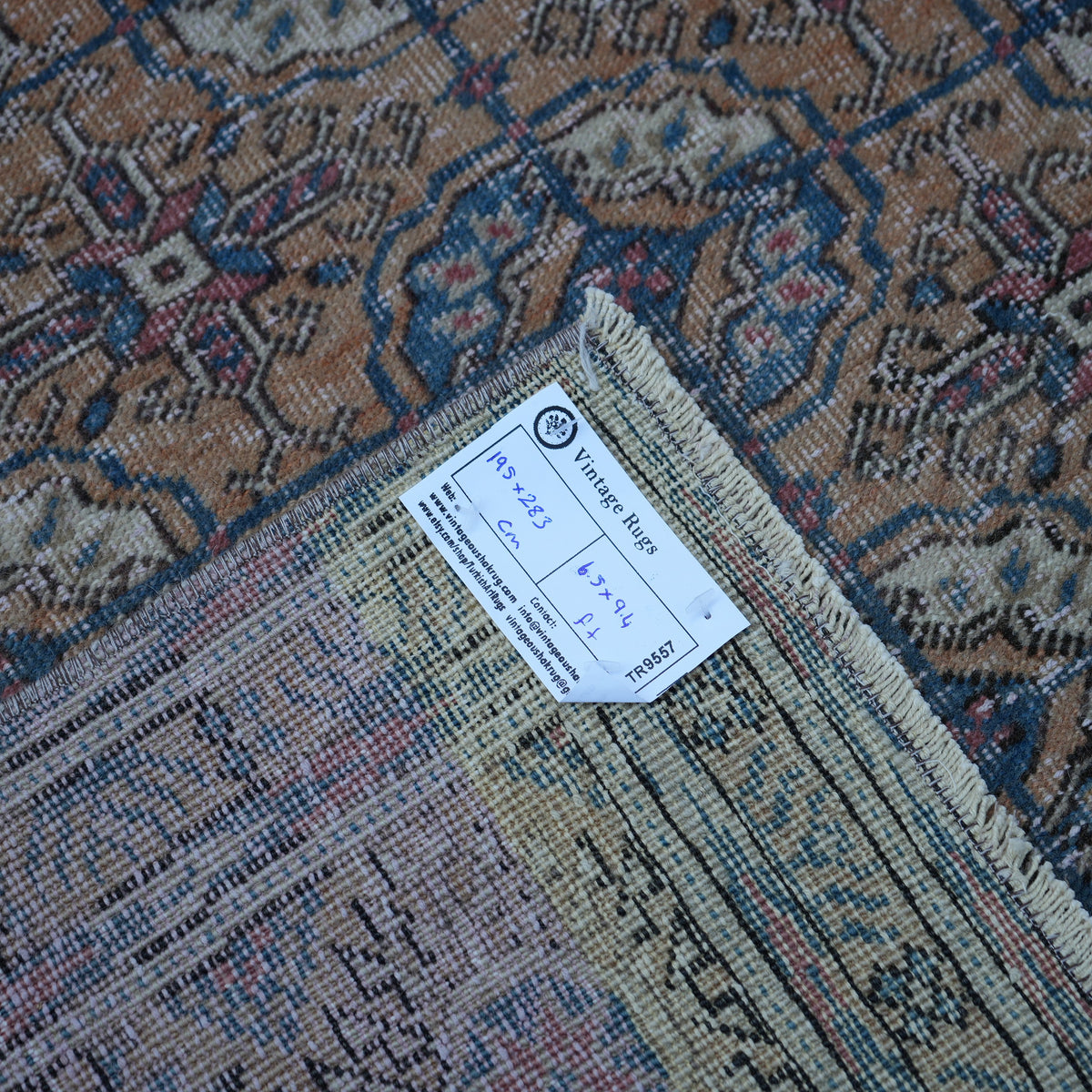
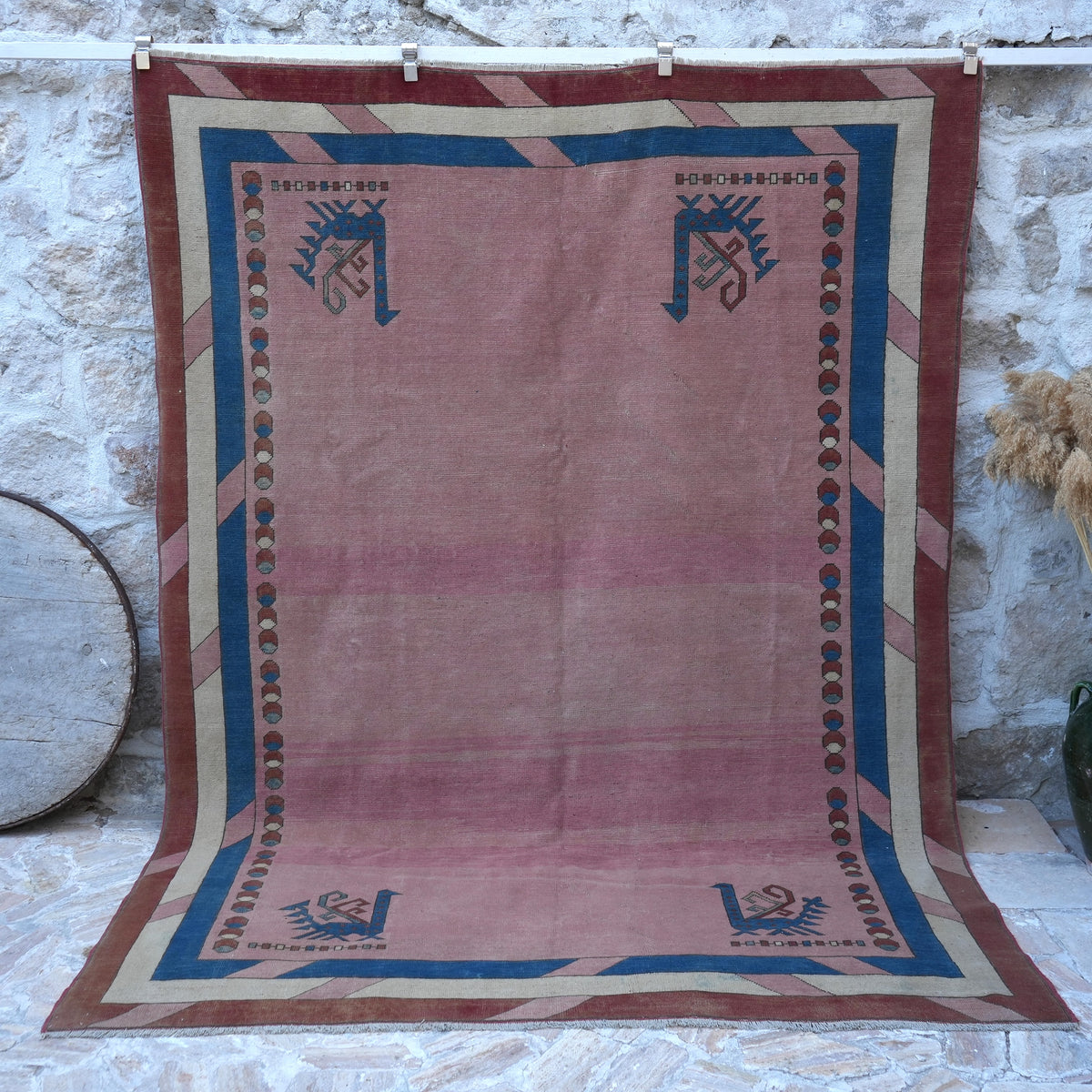
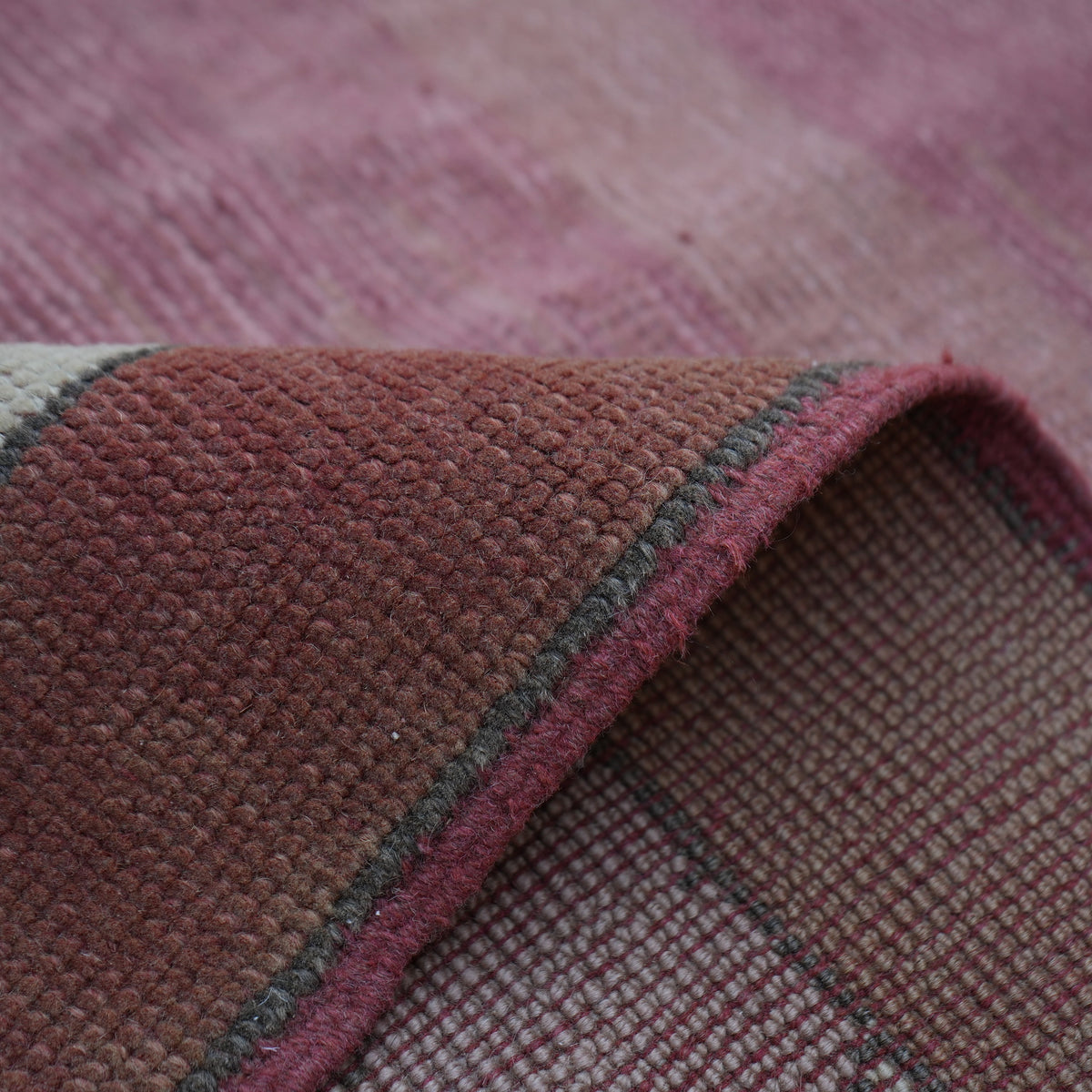
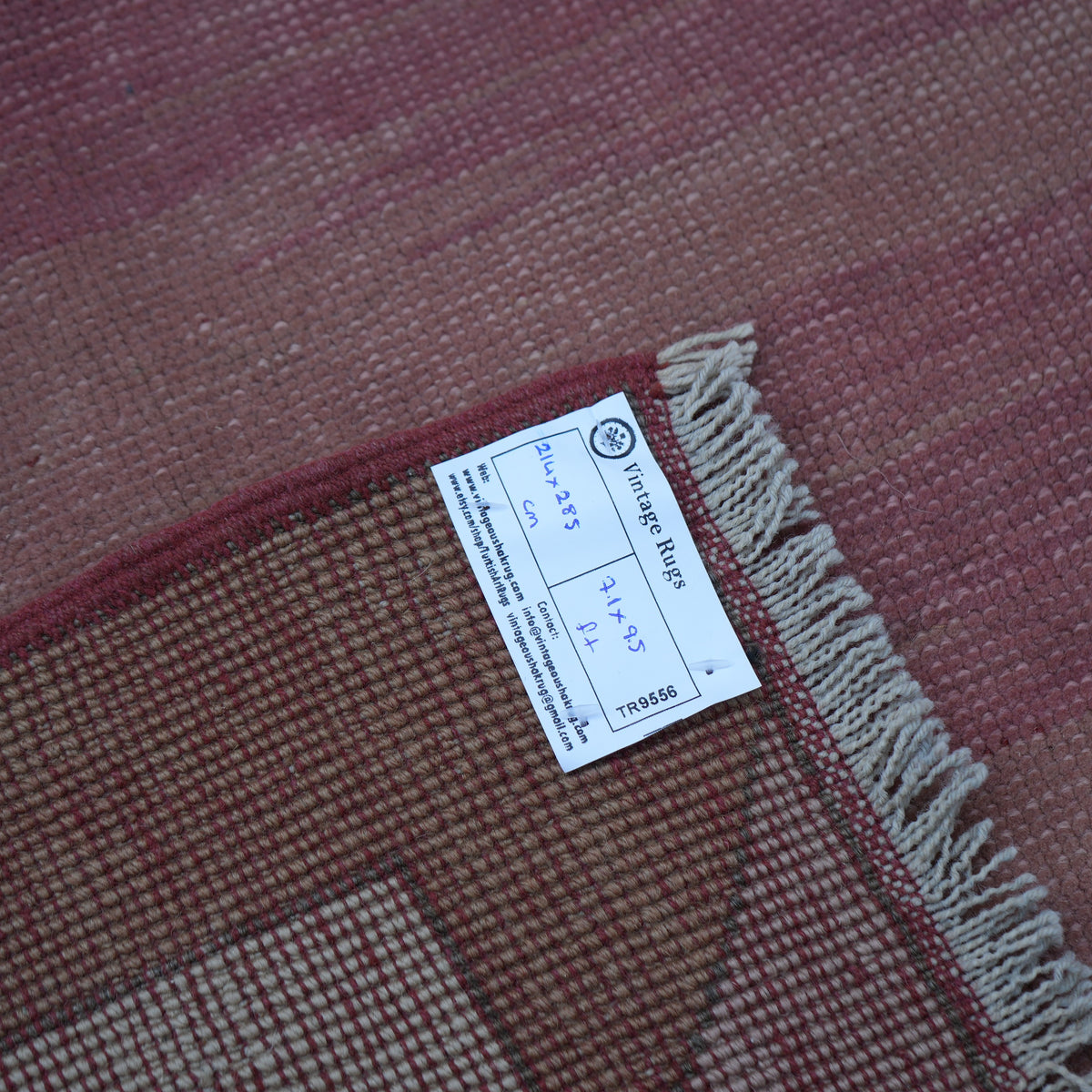
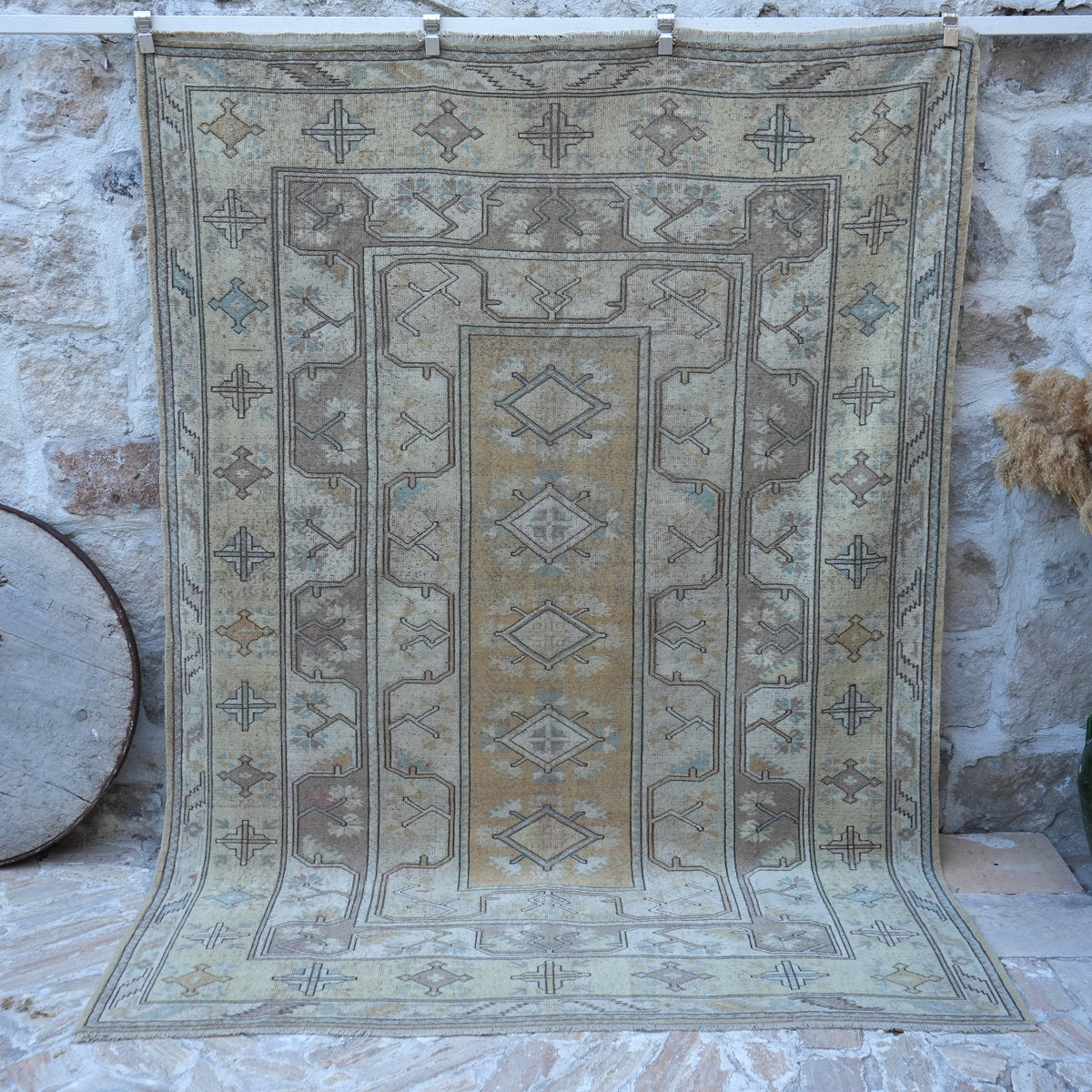
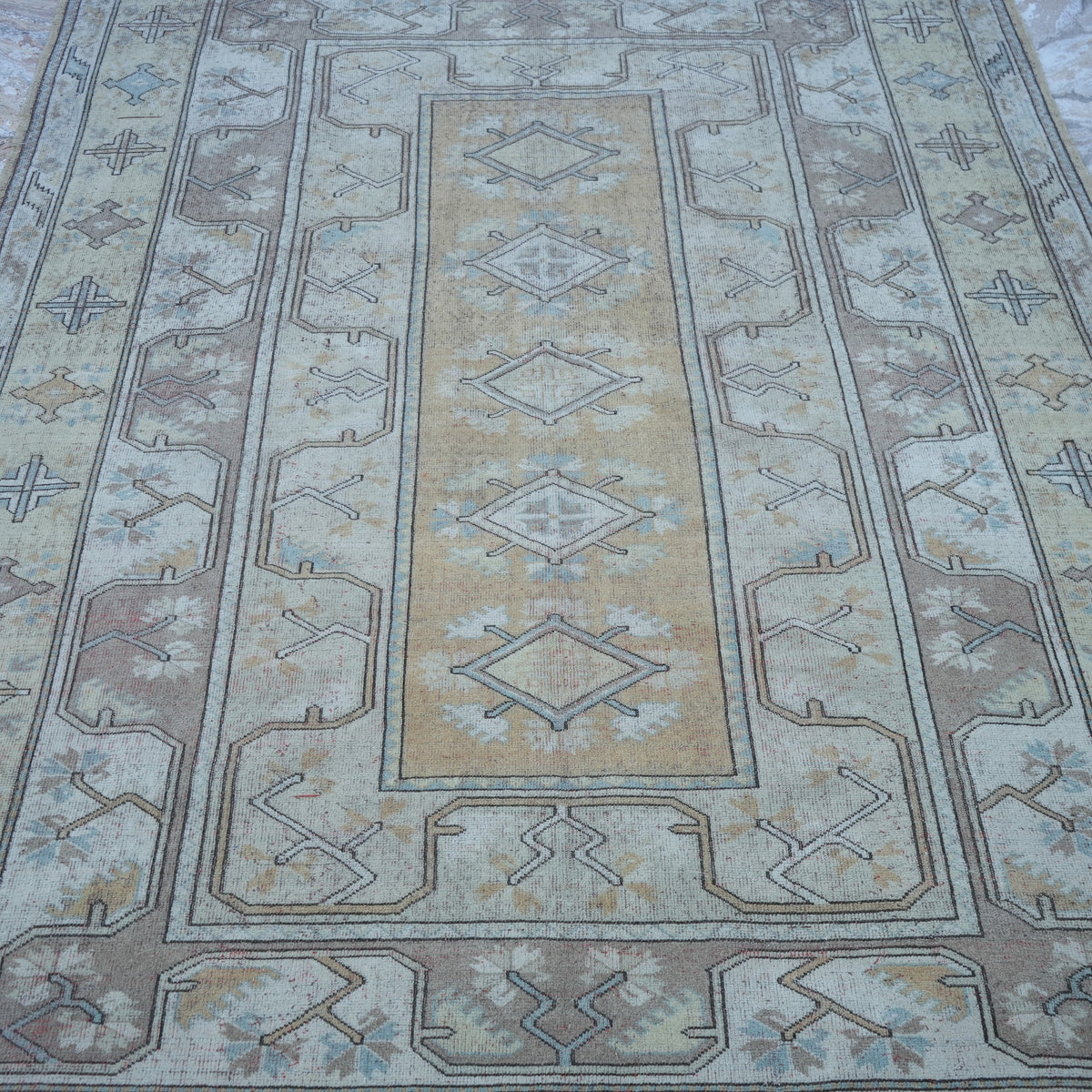
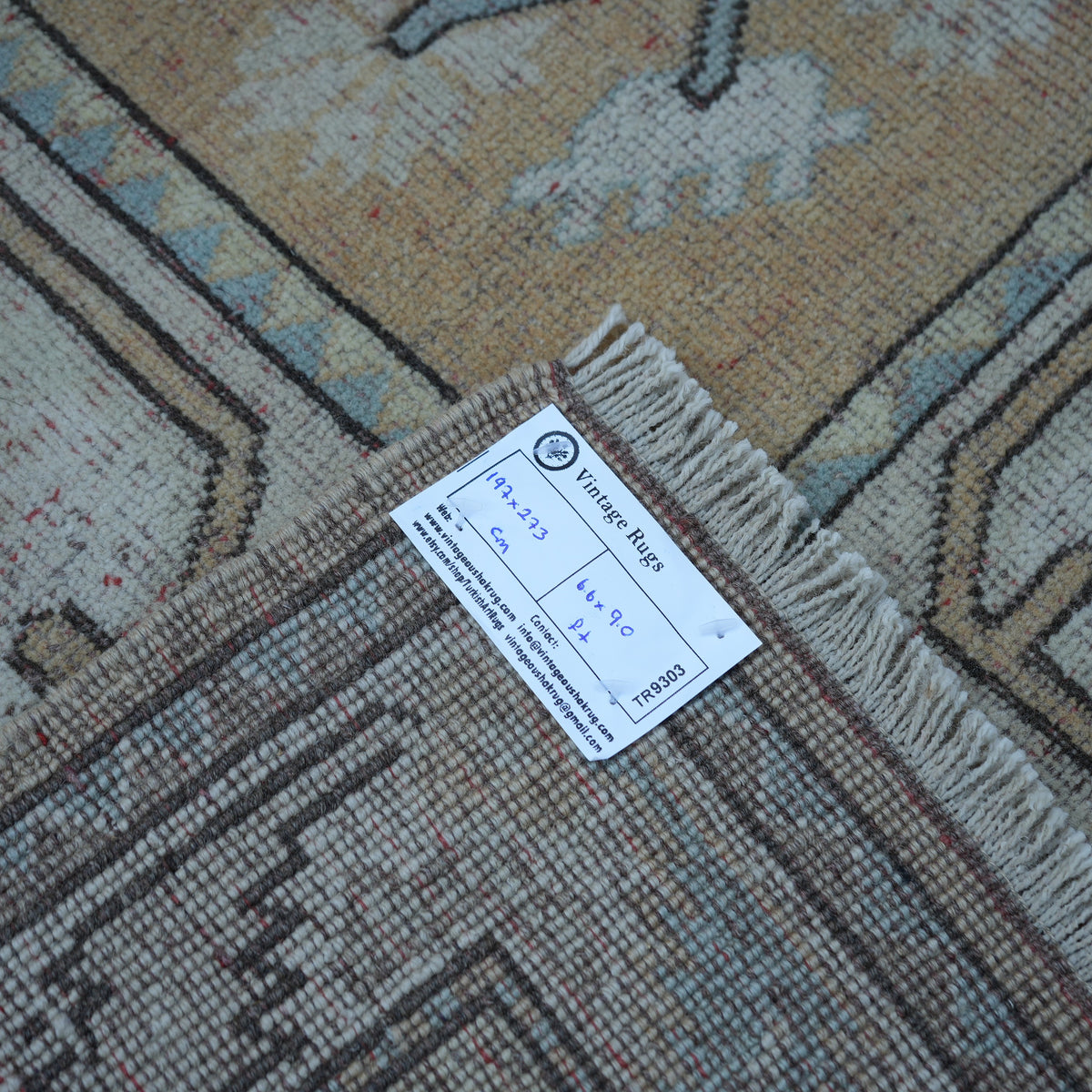
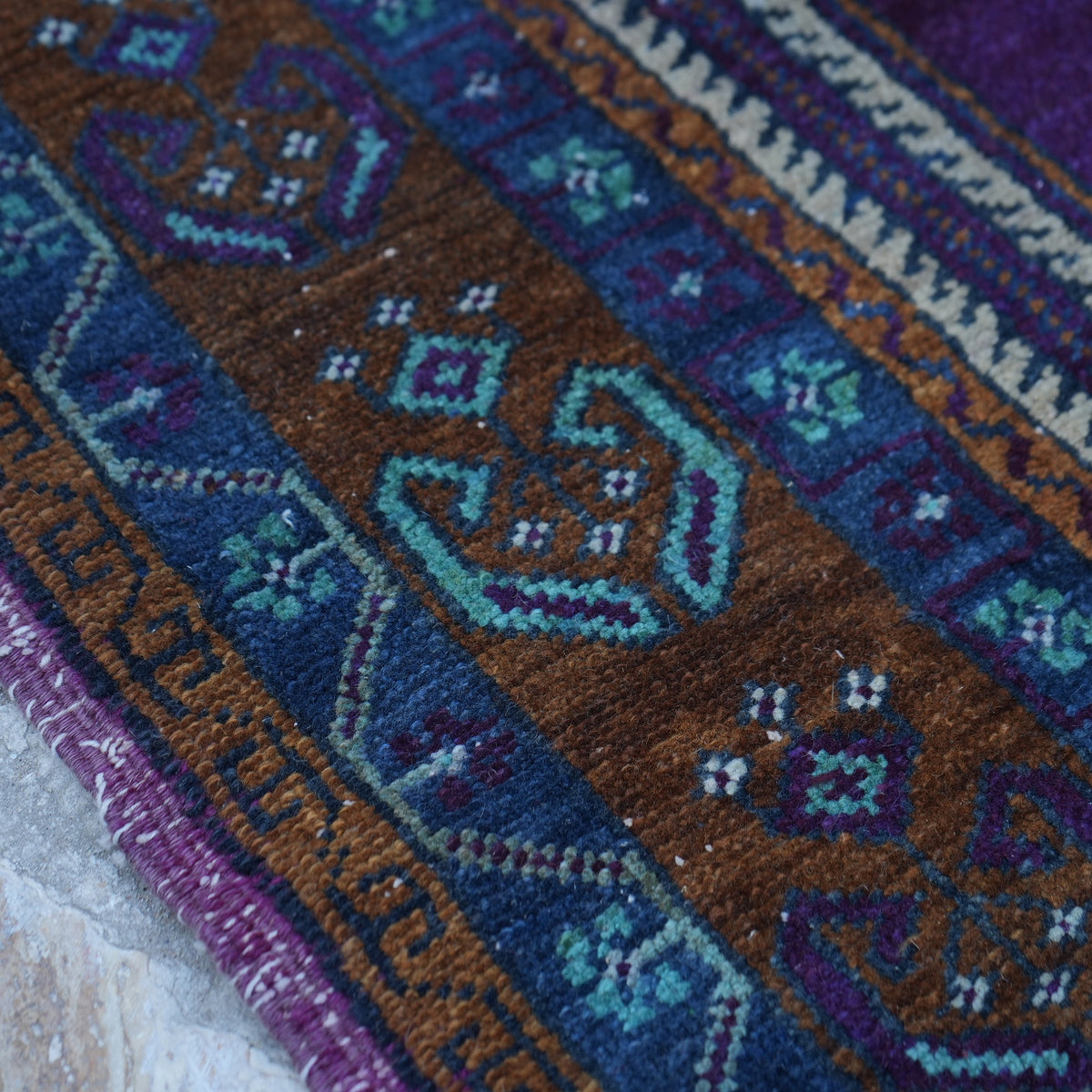
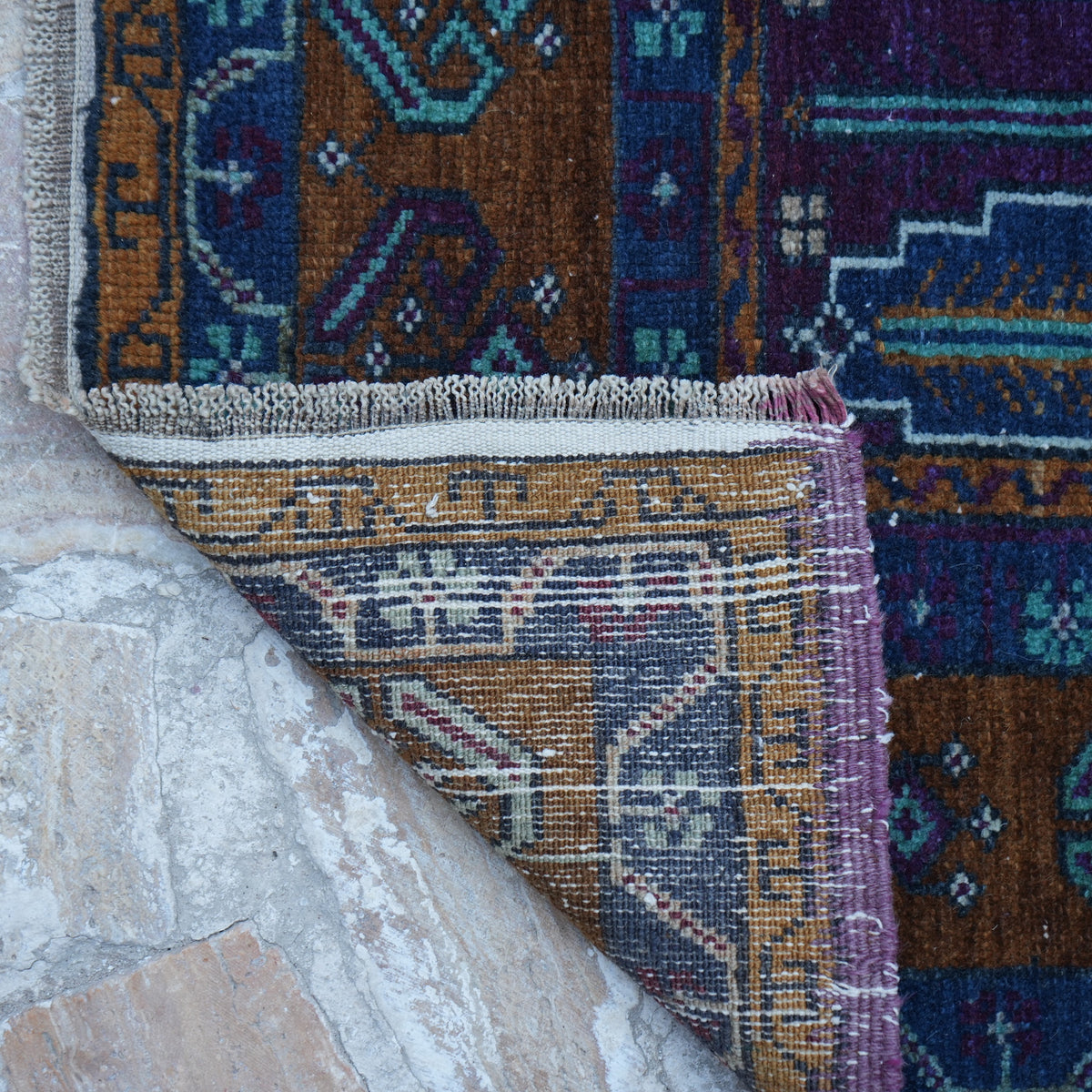
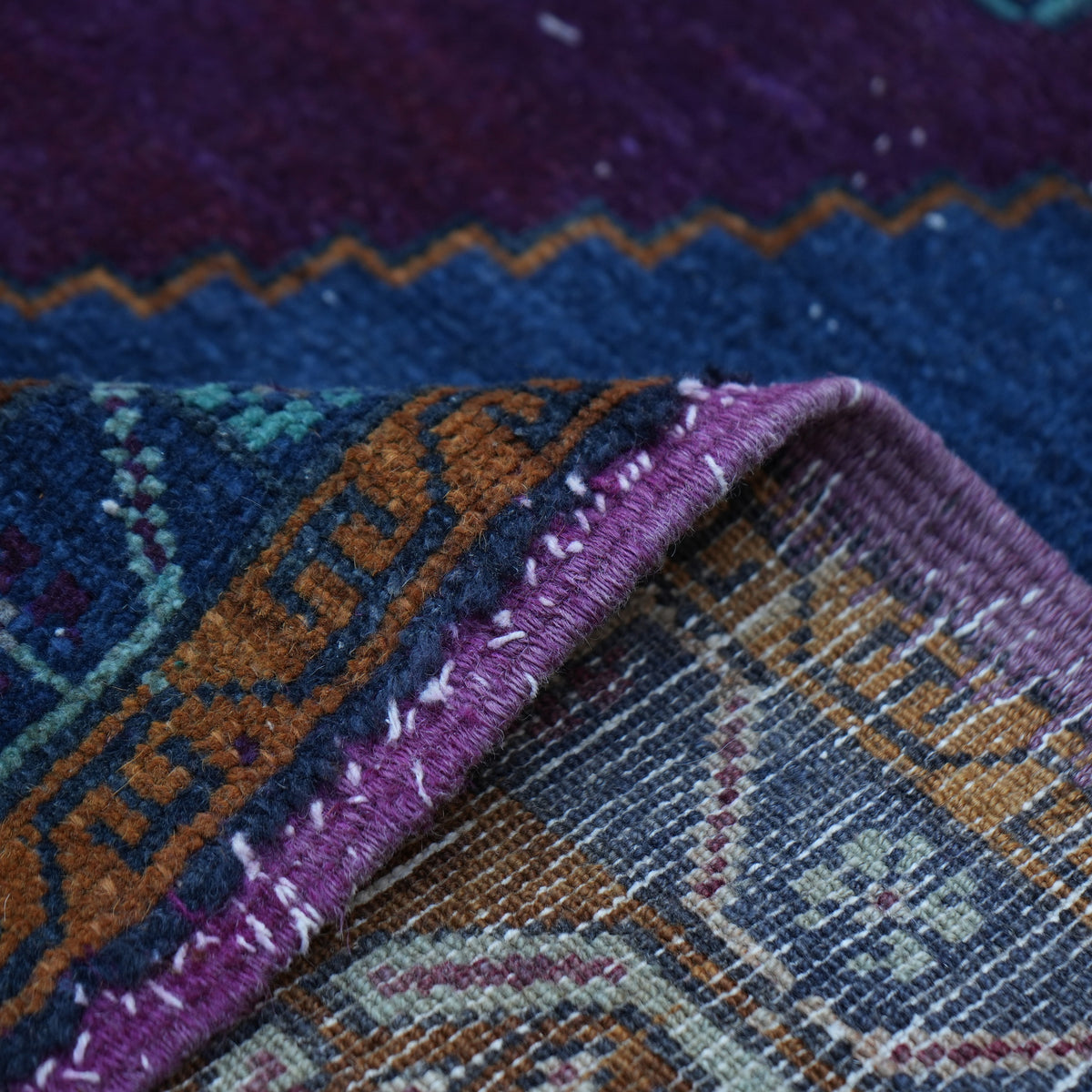
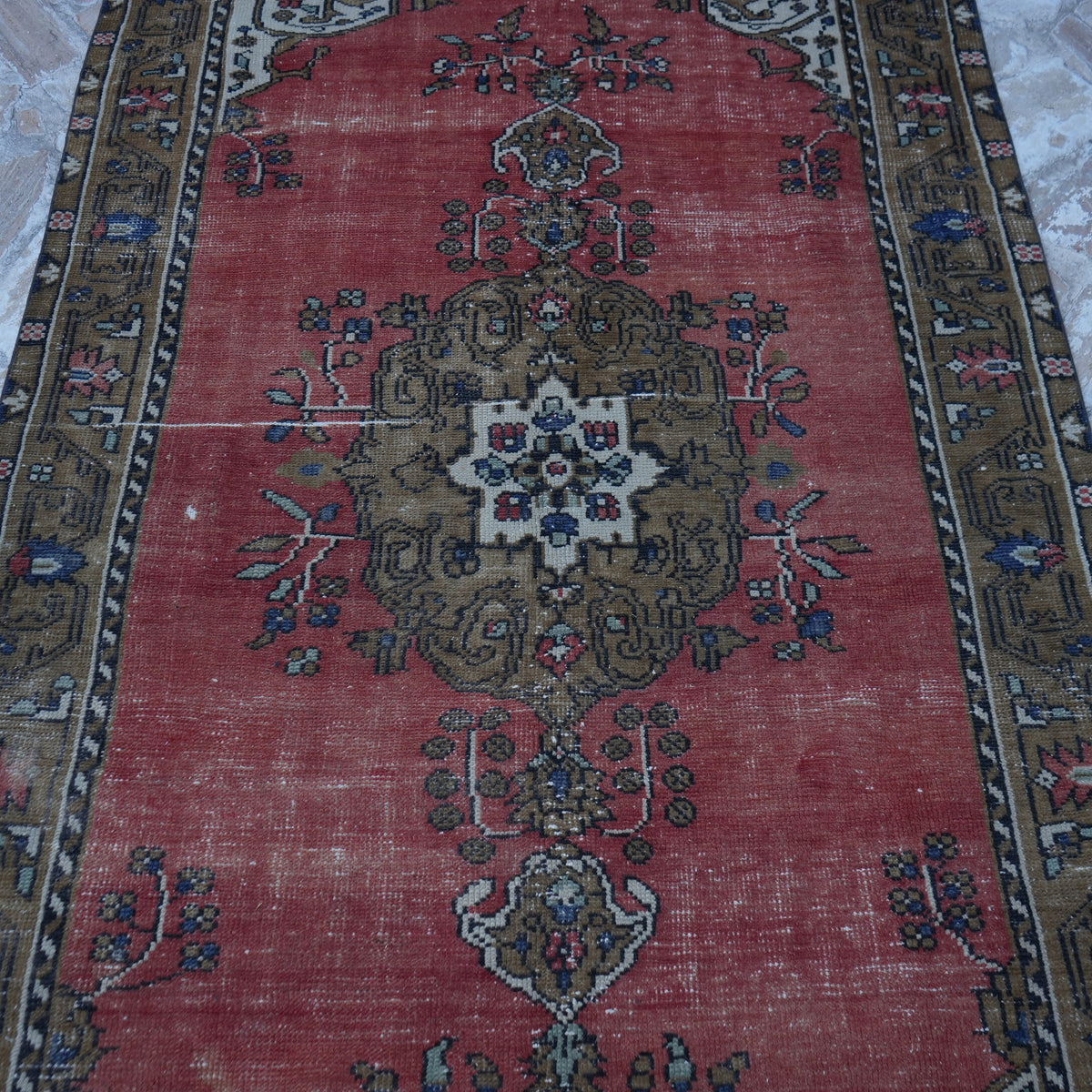
Short-pile, tightly woven Turkish rugs are easier to lift, air, rotate, and inspect than wall-to-wall carpet.
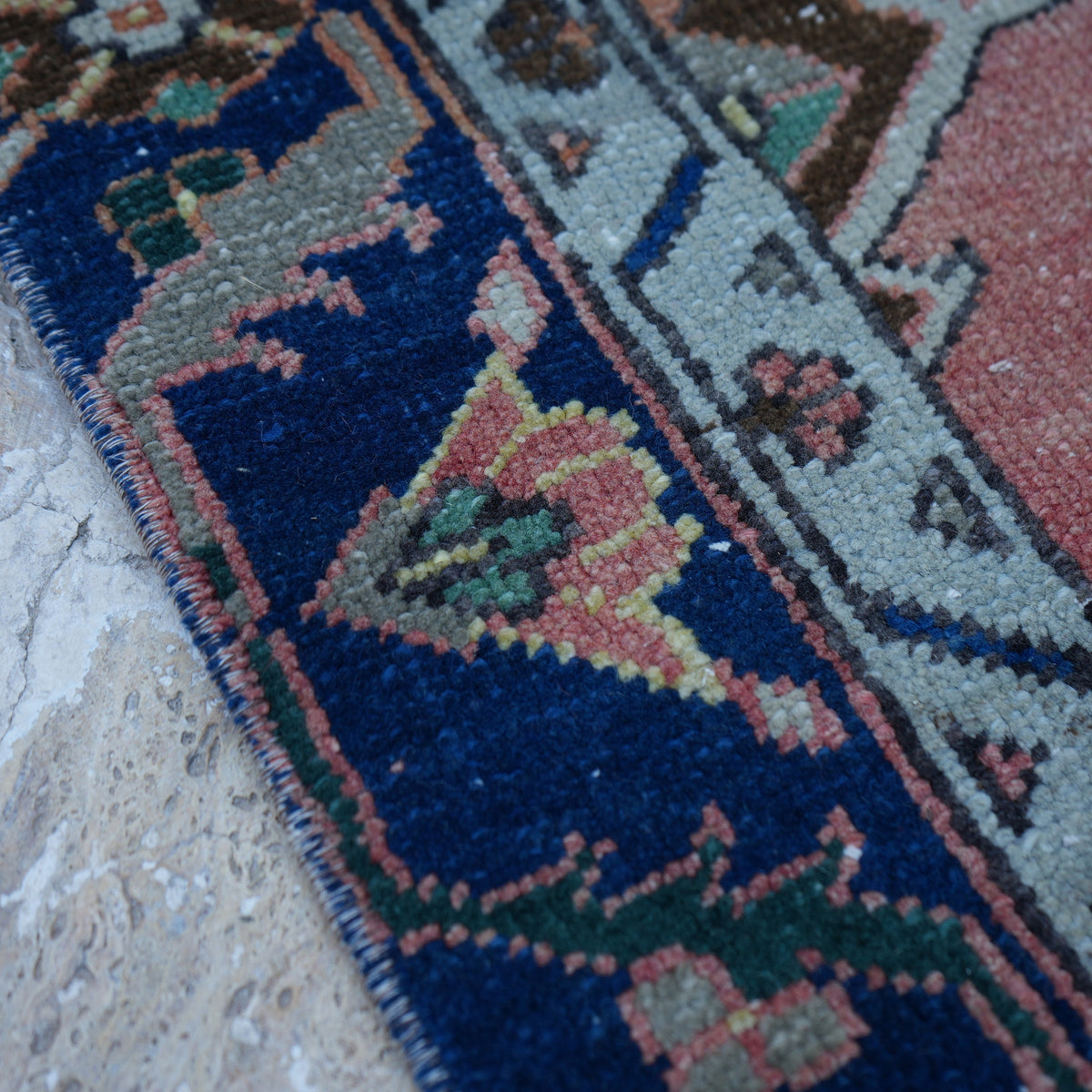
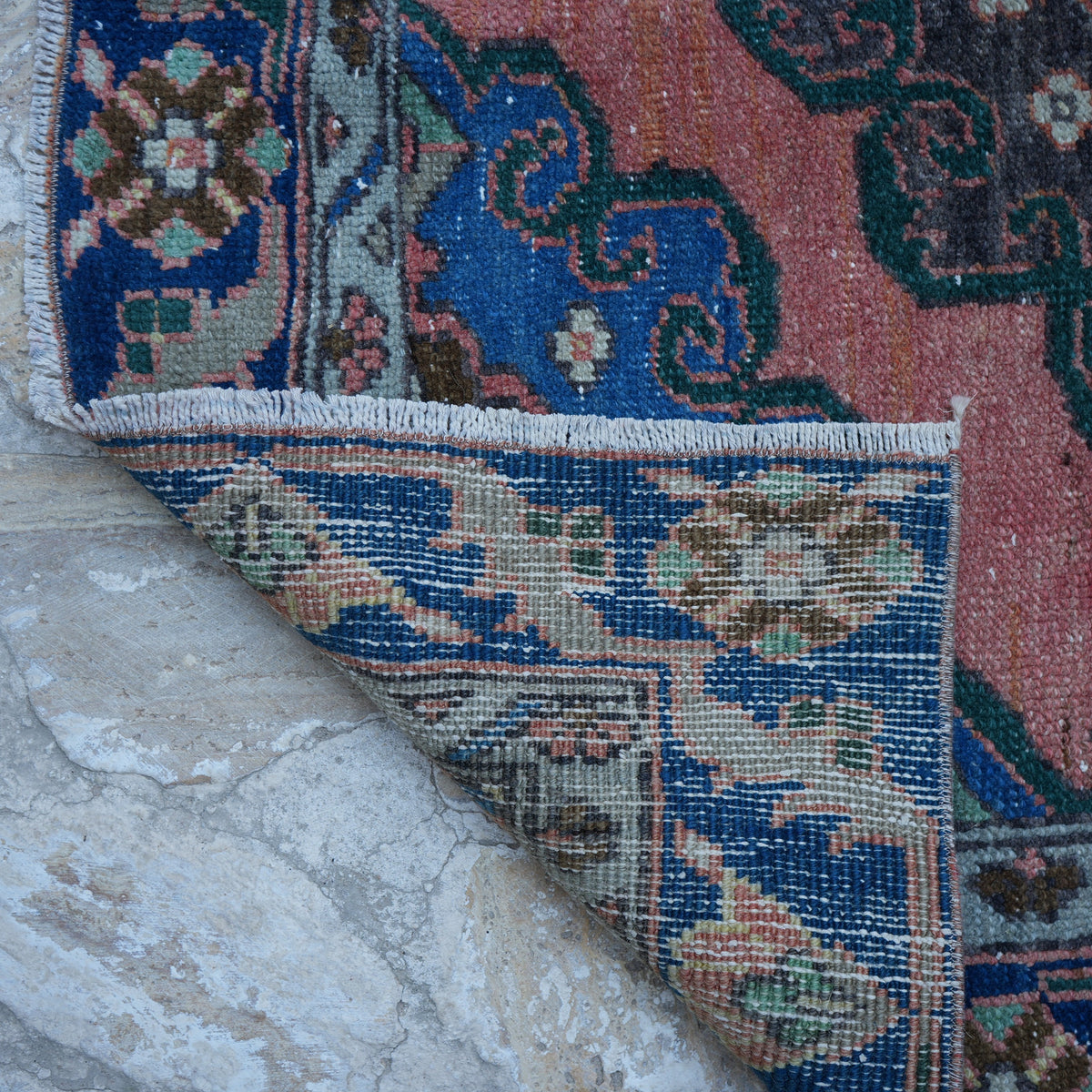
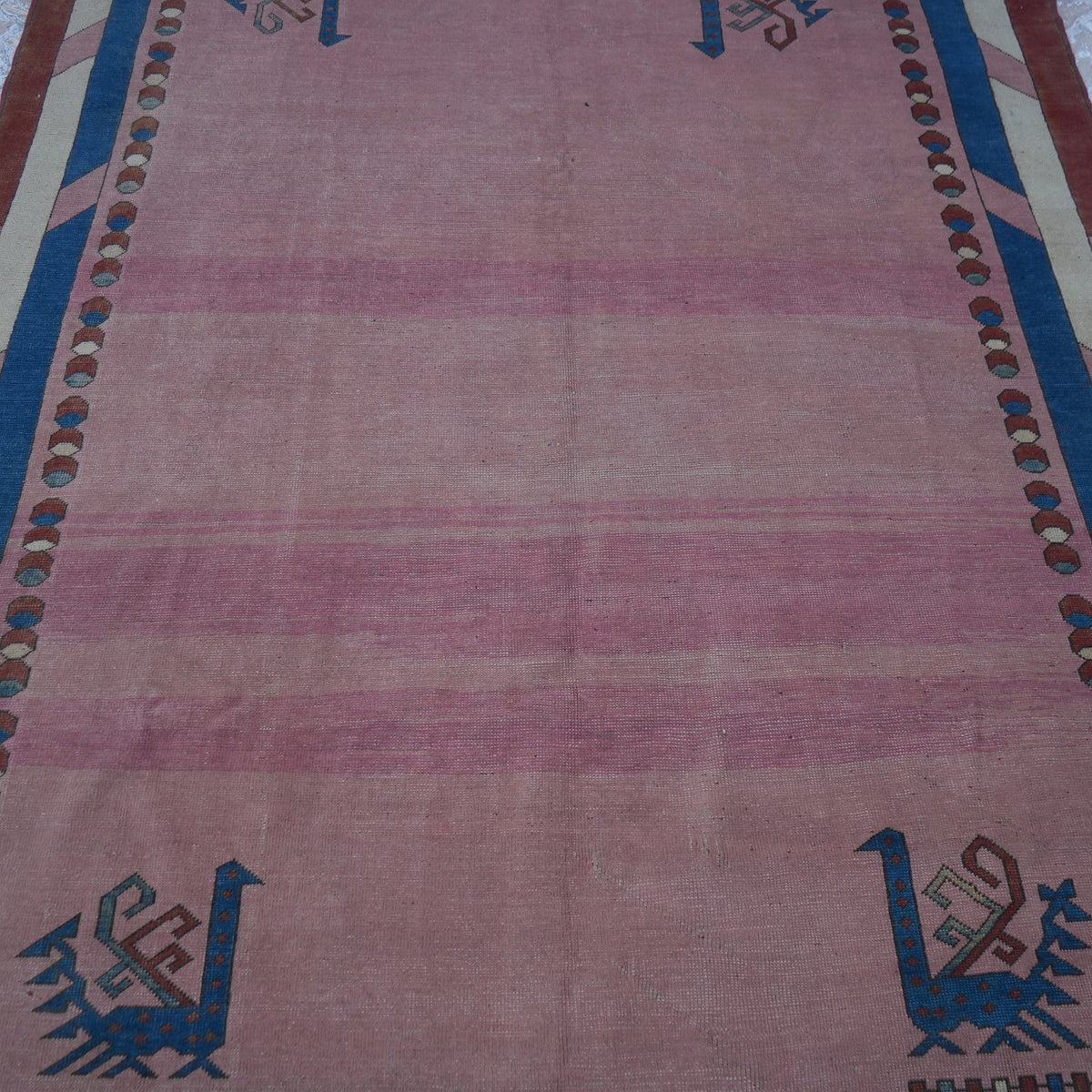
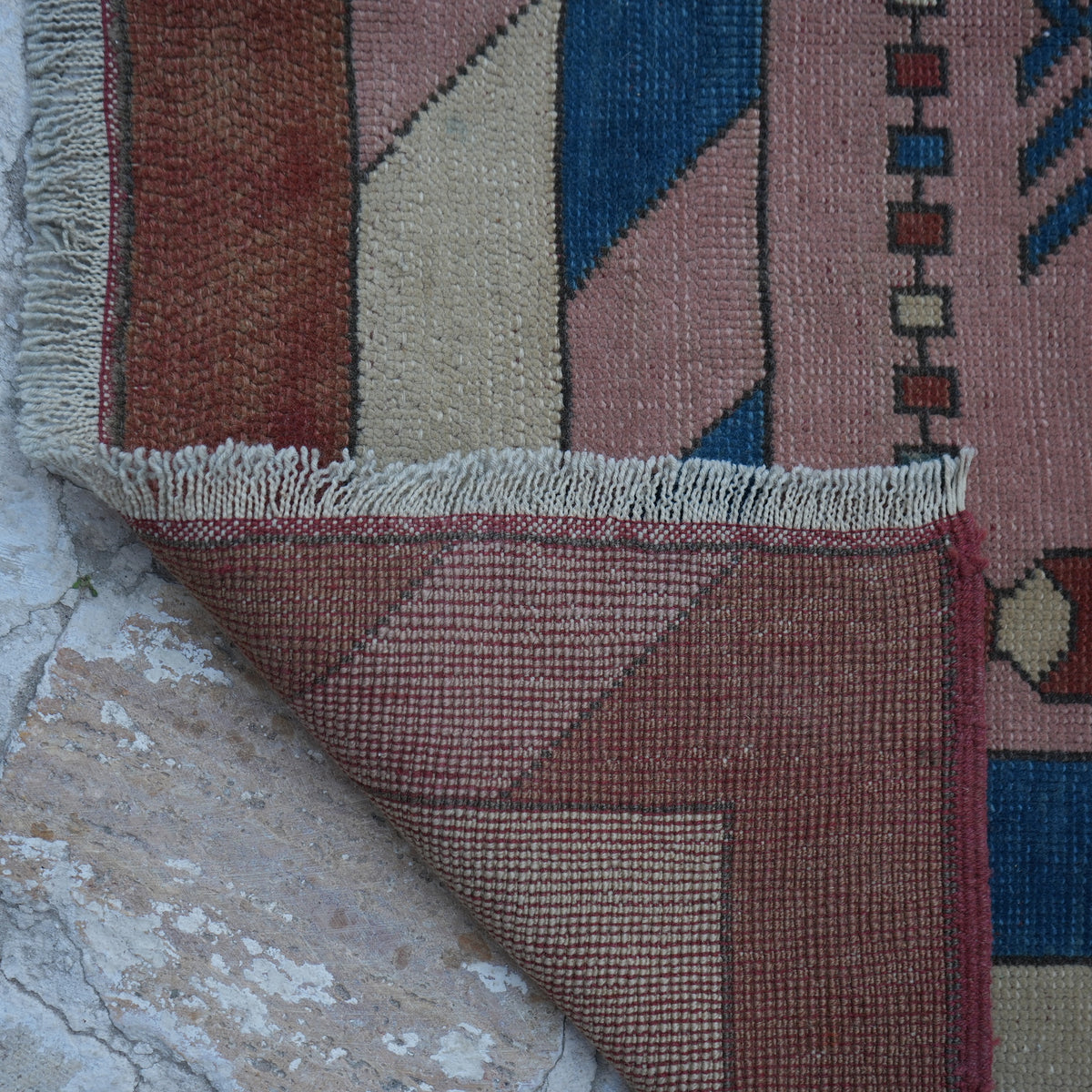
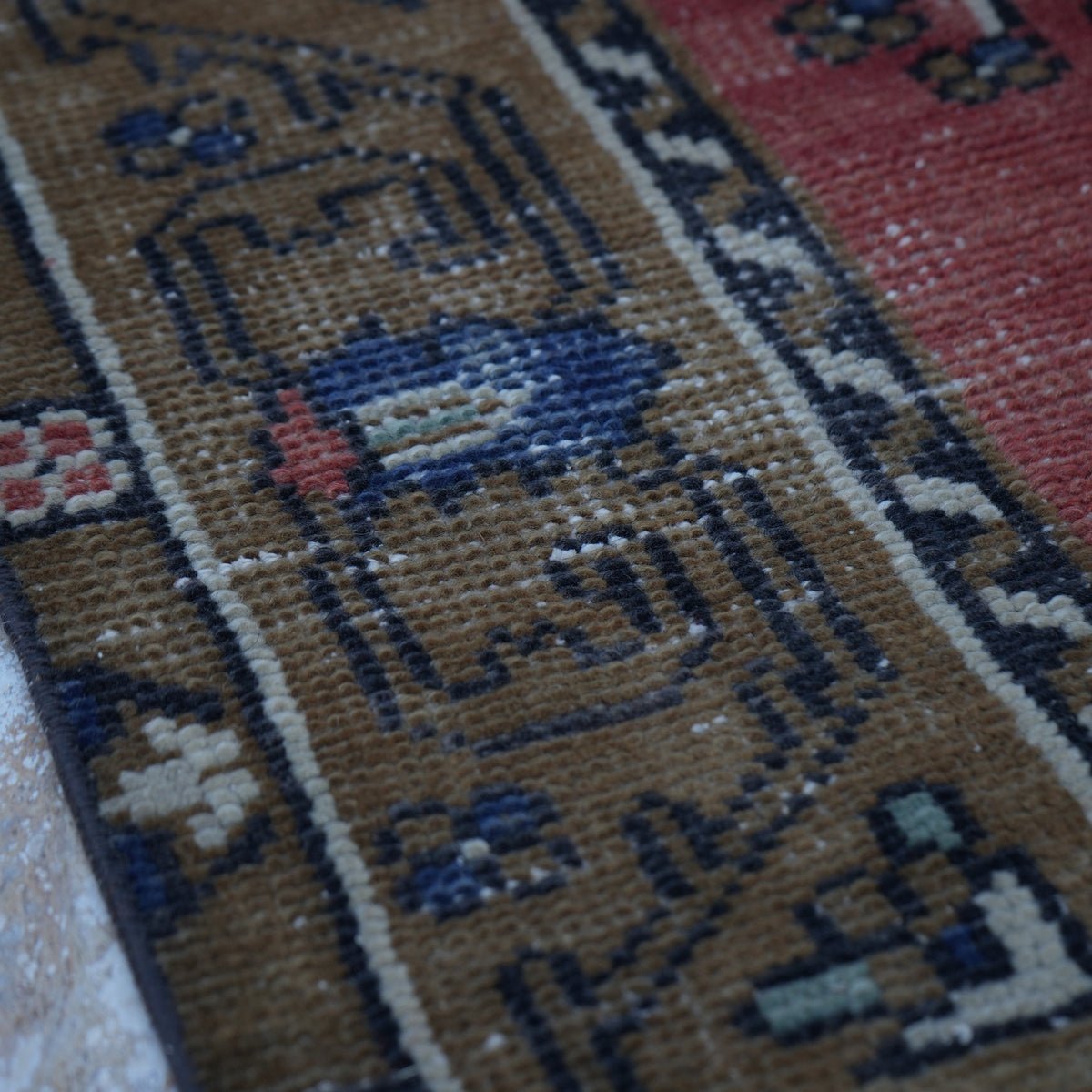
Best for pets: short pile, tight weave, wool or wool-cotton foundation.
Avoid: loose long pile if repeated accidents are likely.
Care rule: cold water, blotting, wool-safe enzyme cleaner, flat drying.

Frequently Asked Questions About Pet Smell in Carpet and Rugs
Does baking soda really remove pet odor from carpet?
For surface odors, yes — safe on wool, good as a first step. For deep-set uric acid crystals, no. It absorbs but does not break down uric acid chemistry.
Why does my carpet still smell like dog after cleaning?
Likely moved below the surface into the backing, pad, or floor. Uric acid crystals also reactivate with humidity. Lift the rug, check the pad and floor, apply enzyme cleaner to all affected layers.
Is it safe to use vinegar on a wool rug?
At one part vinegar to three parts cold water, used briefly, yes. At 1:1 it can affect natural dyes over time. For cat urine, not sufficient at any dilution. Always spot-test a hidden edge first.
Should I use a steam cleaner on a wool rug for pet odors?
No. Heat can set uric acid deeper into fiber and may shrink wool. Cold water and enzyme cleaner are safer and more effective.
How do I find old pet urine stains I can't see?
UV blacklight flashlight in a darkened room — pet urine fluoresces yellow-green. Vacuum first to reduce false positives. Mark each spot and treat directly.
Can cat urine permanently damage a handwoven rug?
Yes, if left to dry. Highly acidic, it can affect natural dyes and bond tightly to fiber once dry. The first five minutes of response matter more with cat urine than any other accident type.
How long does it take for pet smell to go away from carpet?
Fresh accident with immediate treatment: twenty-four to forty-eight hours after enzyme cleaner dries. Old odor: one to two weeks, likely two rounds. Wool dries slower than synthetic — ventilate well.
Are handwoven rugs harder to clean after pet accidents?
More care required, not more fragile. Wrong products cause permanent damage with handwoven wool in a way they do not with synthetic, where replacement is cheap.

