












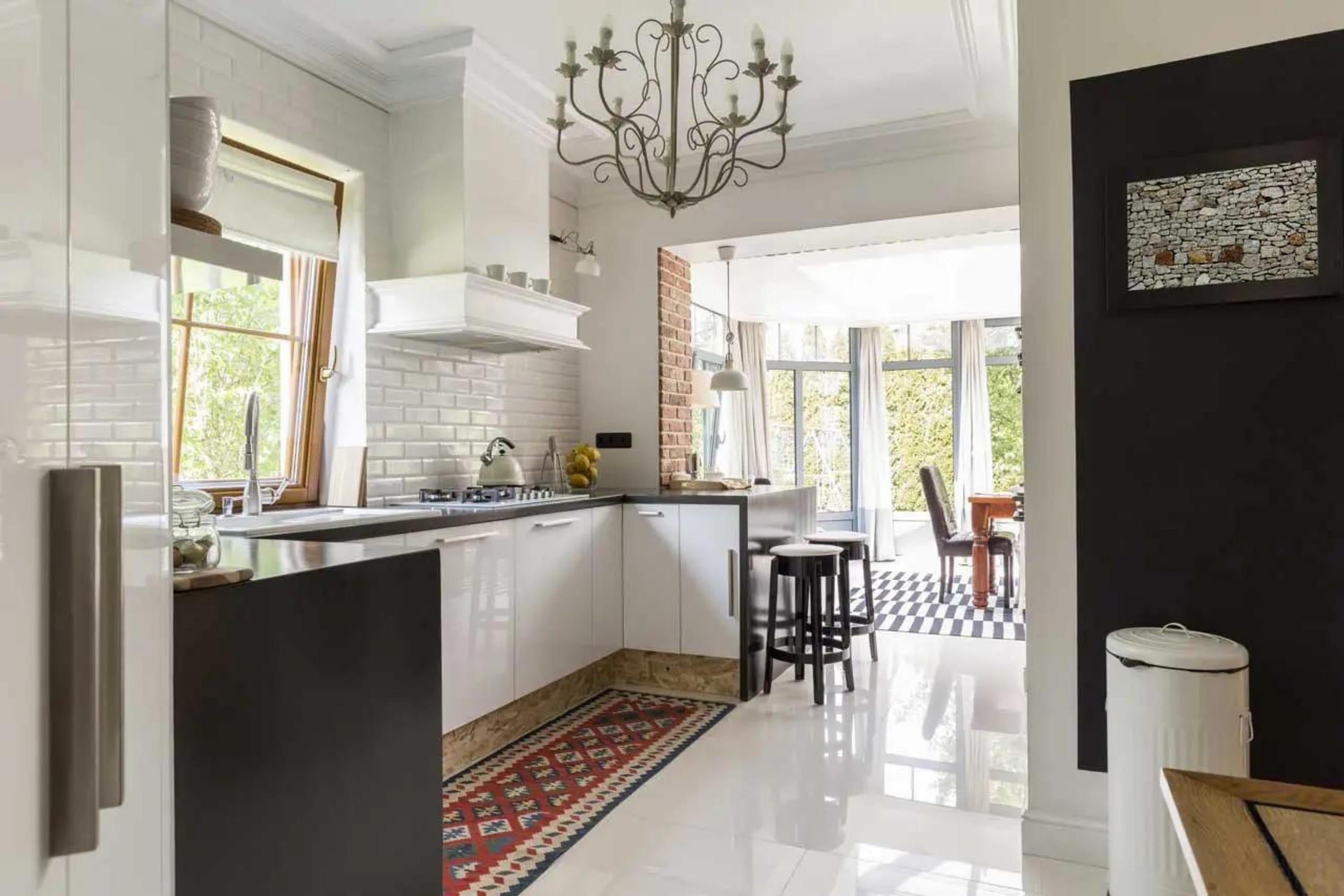
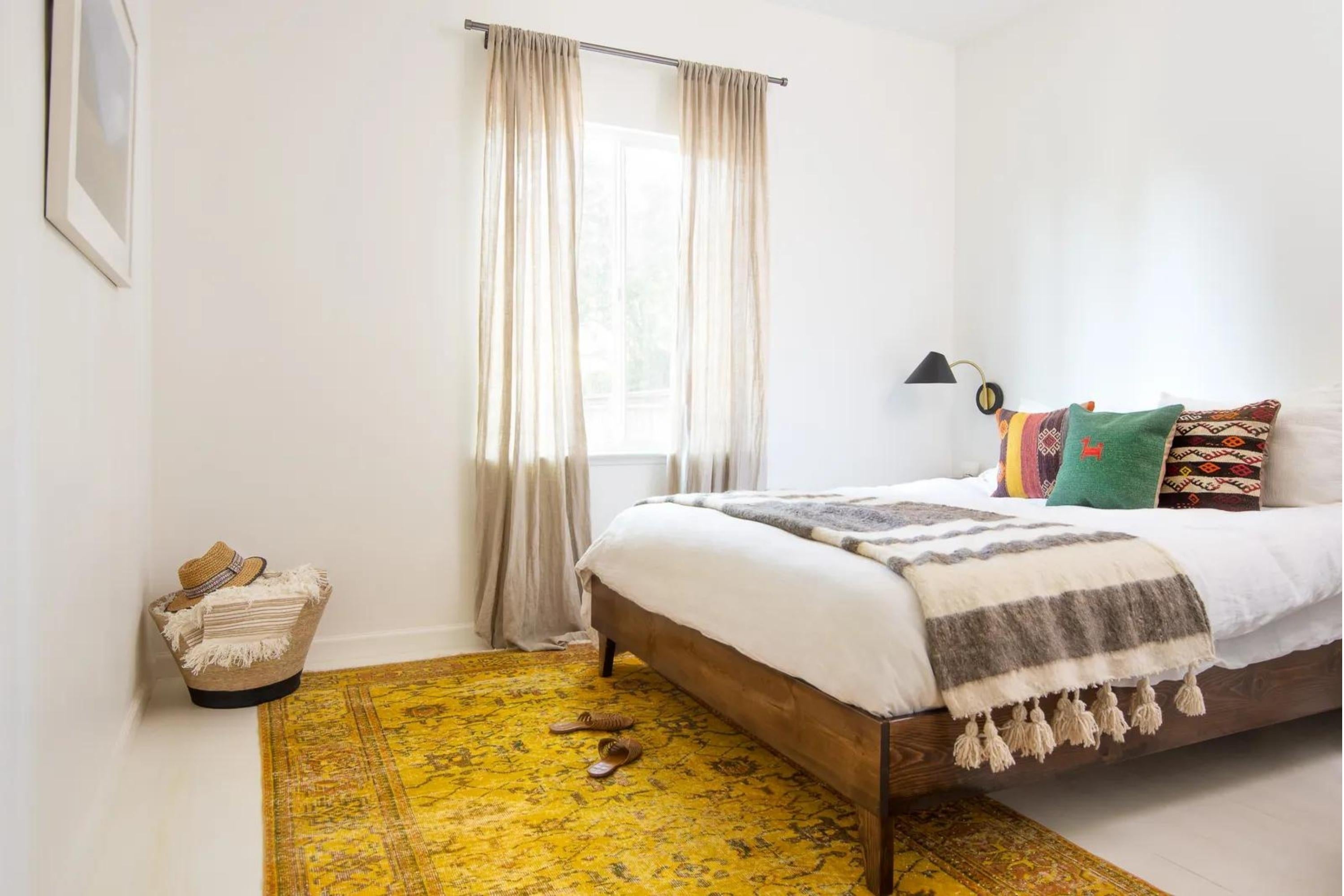



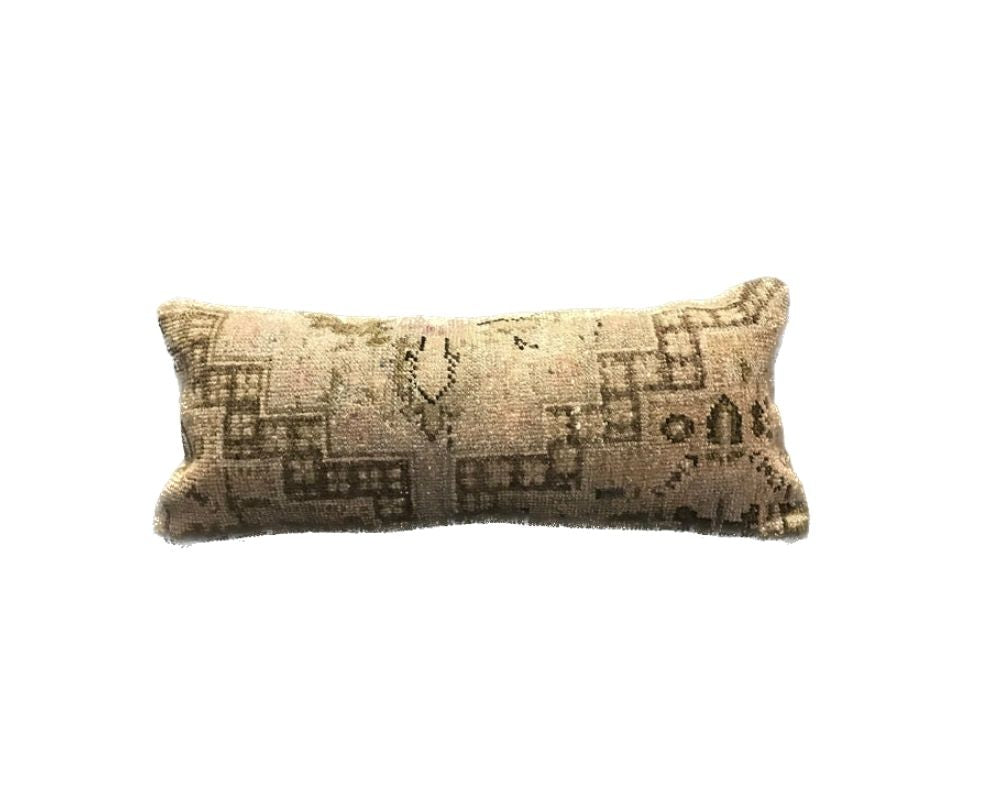
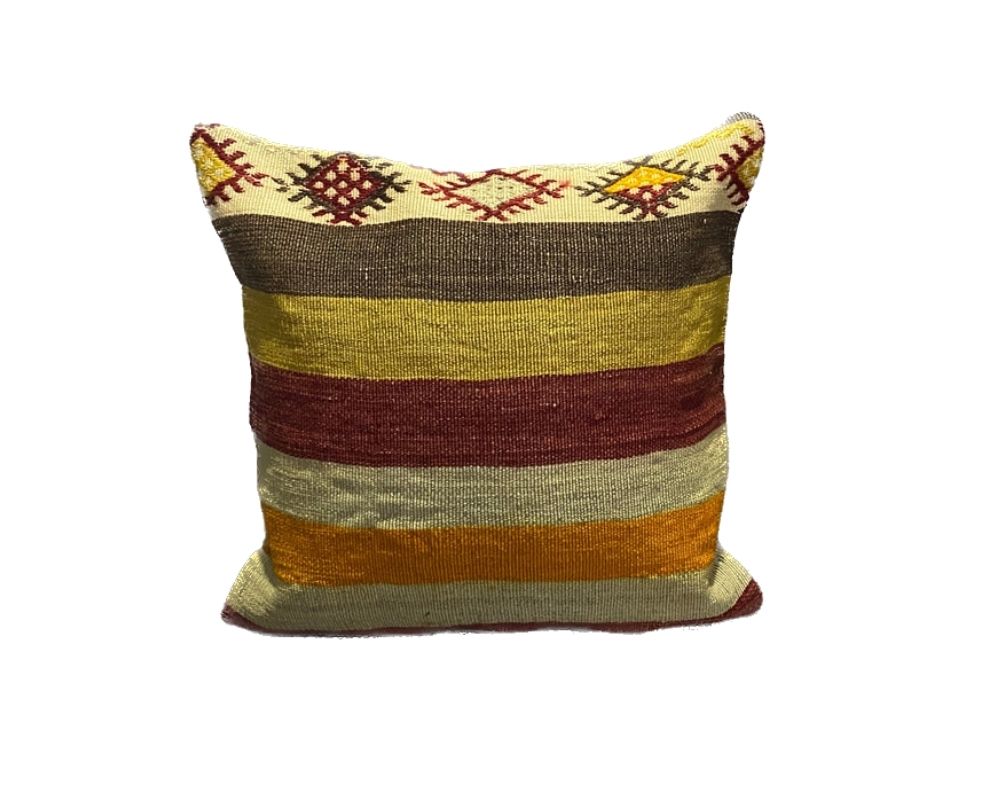
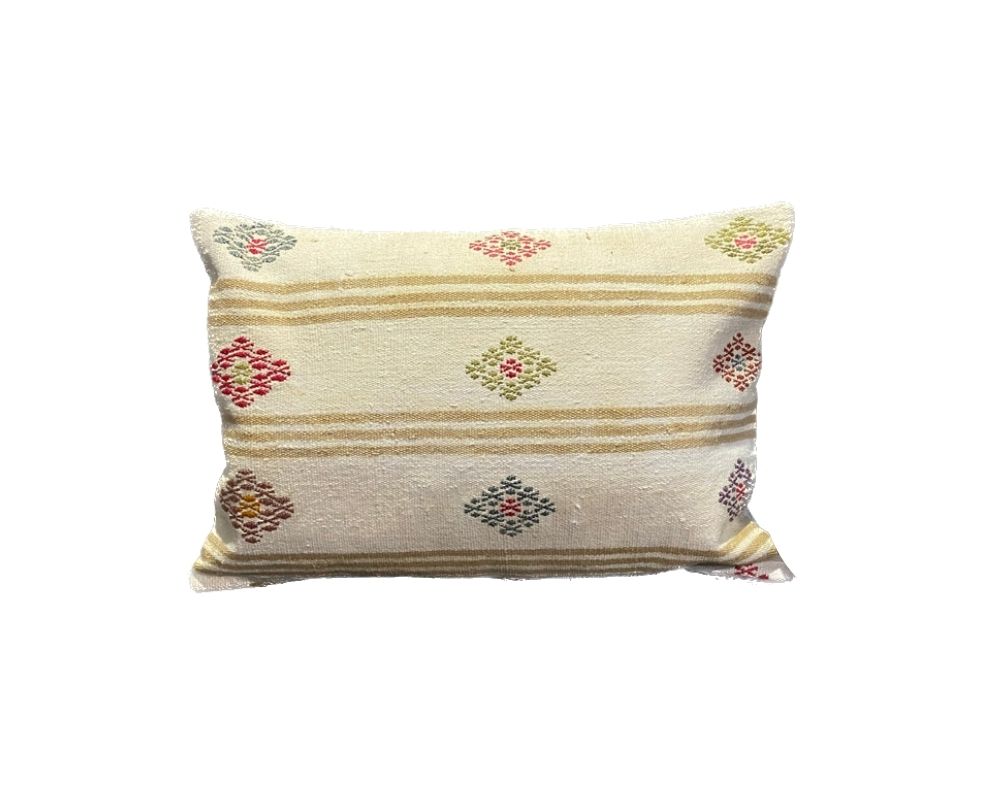
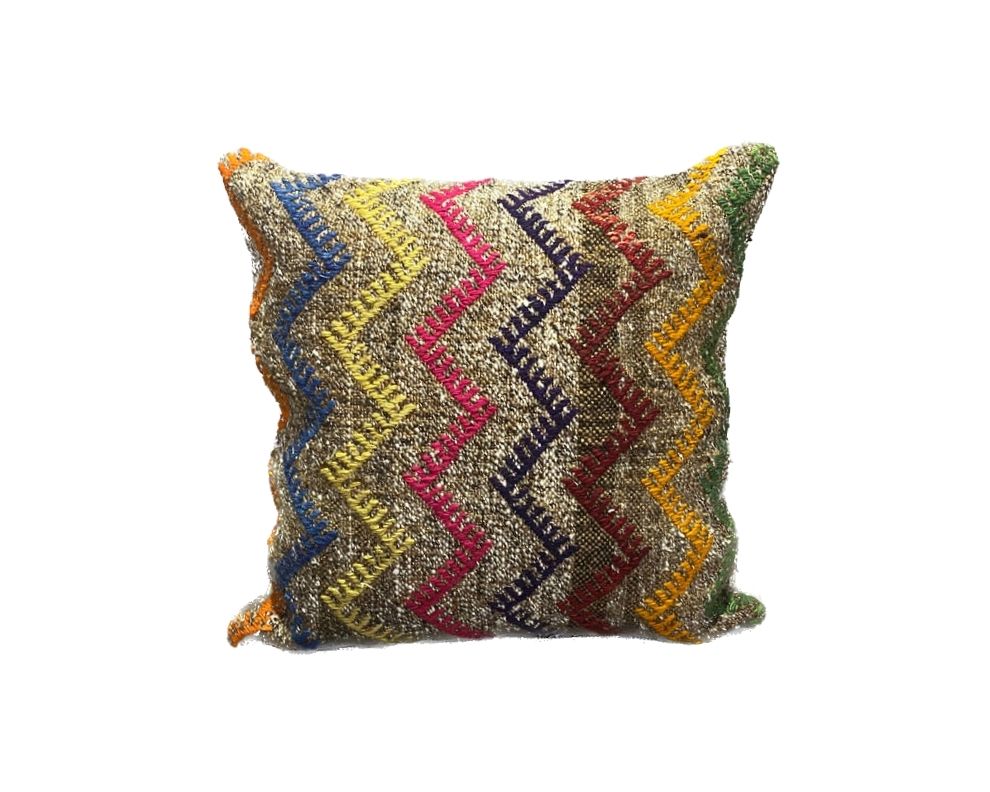

Have you ever walked into a room and felt that something was missing? The furniture may be right and the light may be good, but the room still feels unfinished. Then you put down a real handwoven rug and suddenly the space feels warmer, softer, and more personal. That is what I have always loved about Turkish rugs. They do more than cover the floor; they give a room character.
The practical question usually comes next: how much does a Turkish rug cost in the US? There is no single number. A small vintage piece may be found for well under a few hundred dollars, while a large hand-knotted Oushak, a rare village rug, or an important antique can cost far more. Size matters, but construction, wool, age, condition, origin, rarity, and the route the rug takes before it reaches you all change the price.
I have spent years working with rugs in Cappadocia—finding them in villages and family homes, checking the backs and foundations, washing and preparing them, and shipping them to customers in the United States. So I want to explain price the way I would if you were standing beside me with the rug in your hands: clearly, practically, and without turning a beautiful old textile into a spreadsheet.
Typical Turkish Rug Prices in the US
If you only want the quick answer, start here. These are broad shopping ranges for authentic vintage, hand-knotted, or handwoven Turkish rugs. Sale prices, exceptional antiques, unusual Oushaks, and rare village pieces can sit outside them.
| Rug size | Typical price range | Where it often works |
|---|---|---|
| Small · up to about 2x4 ft | $50–$300+ | Entryway, bedside, bathroom, kitchen |
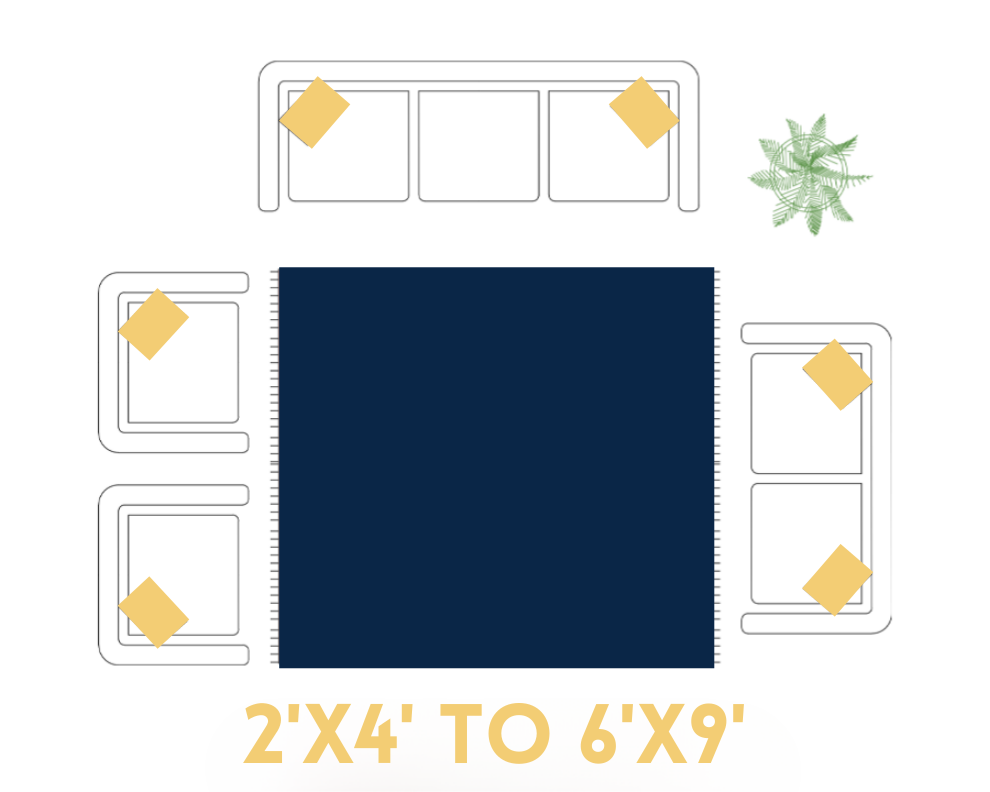
| Medium · 2x4 to 6x9 ft | $150–$700+ | Bedroom, office, sitting area |
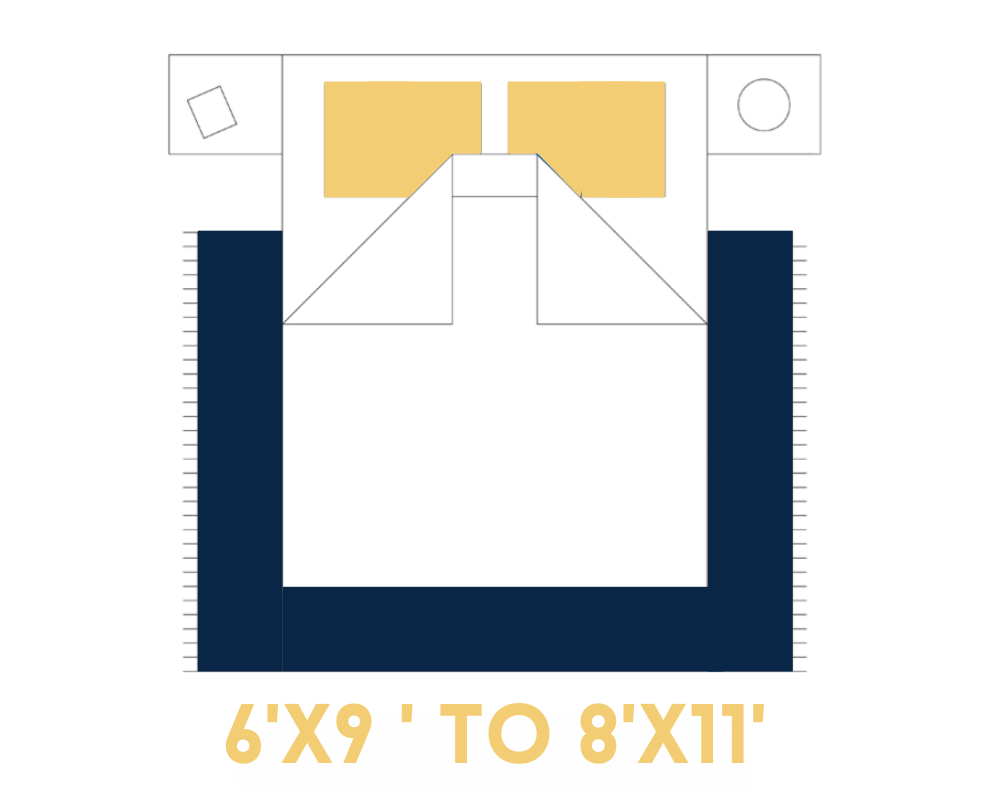
| Large · 6x9 to 8x11 ft | $300–$1,500+ | Living room, dining room, bedroom |
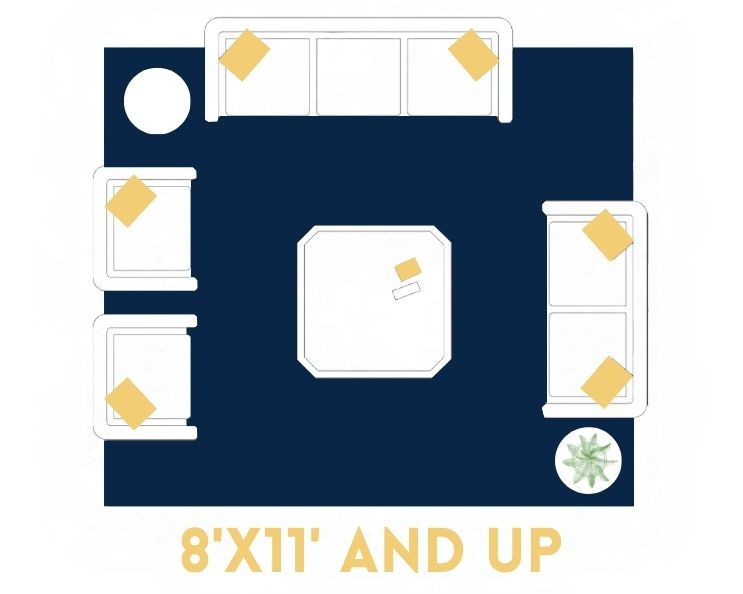
| Extra large · 8x11 ft and up | $700–$3,000+ | Large living and dining spaces |
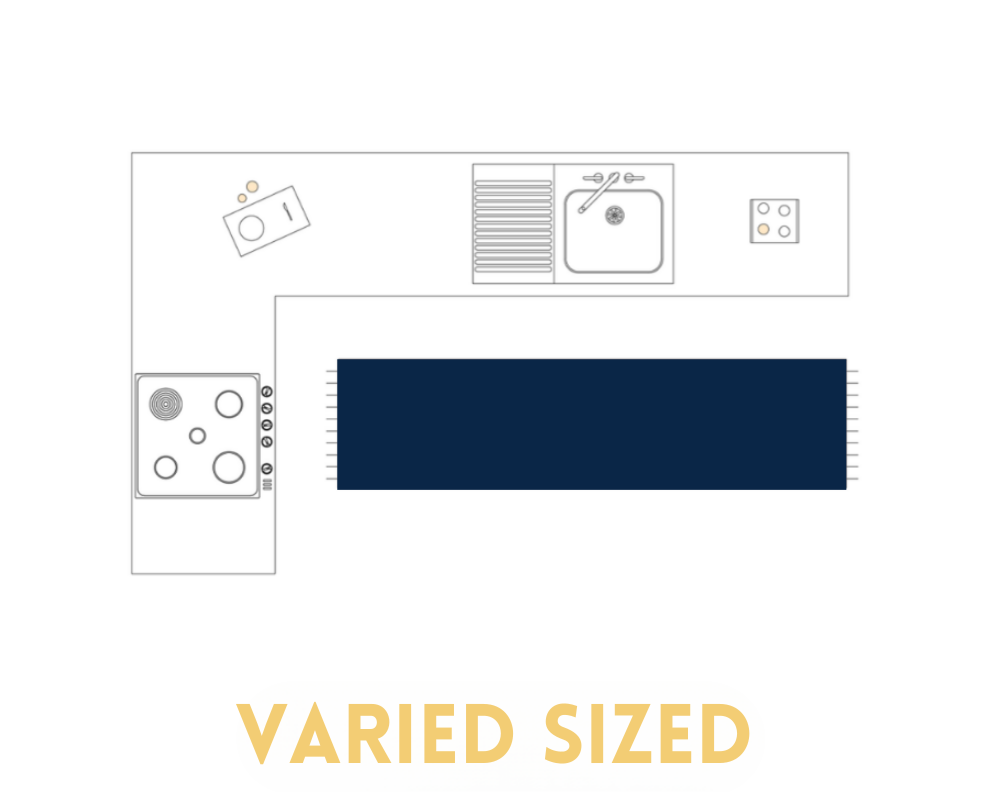
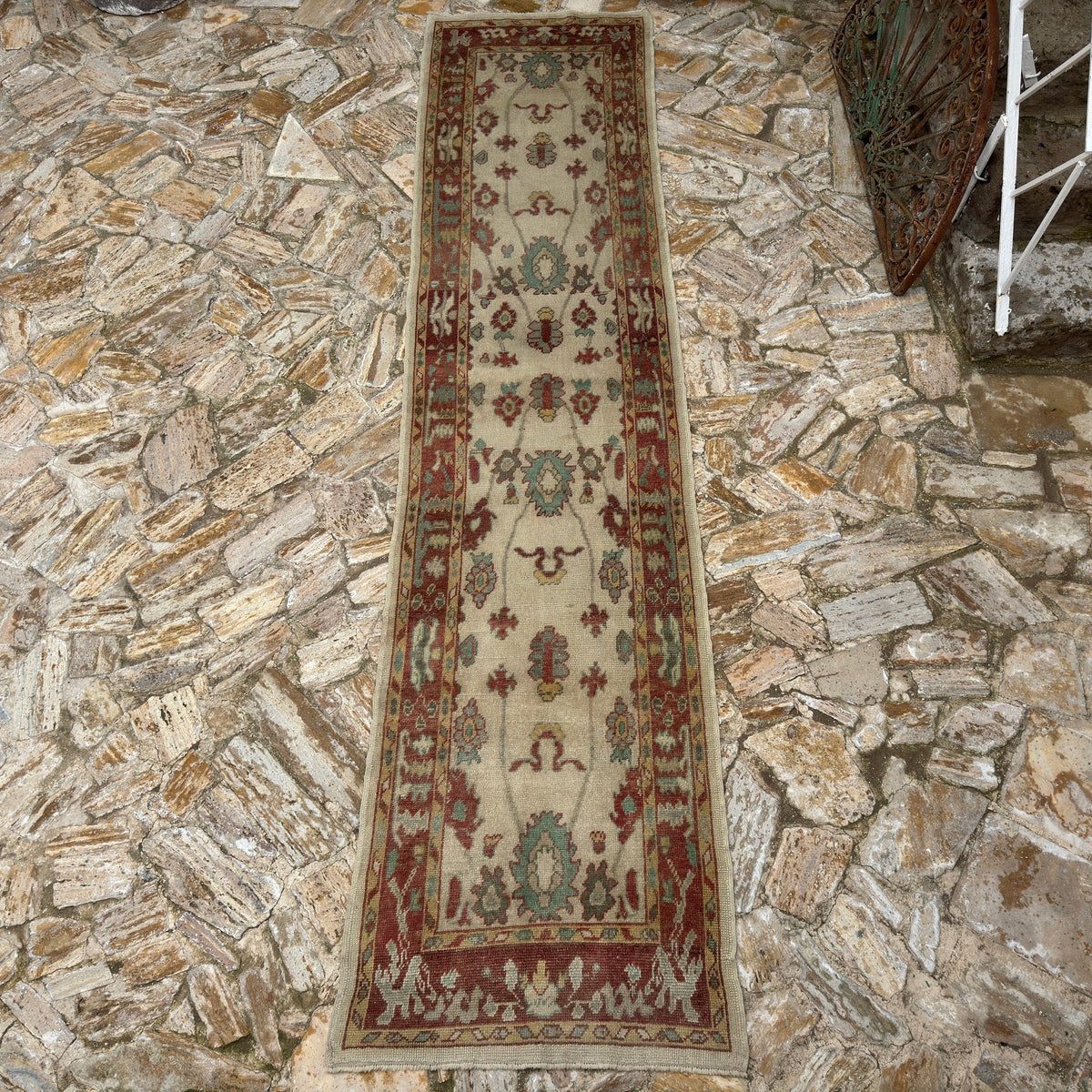
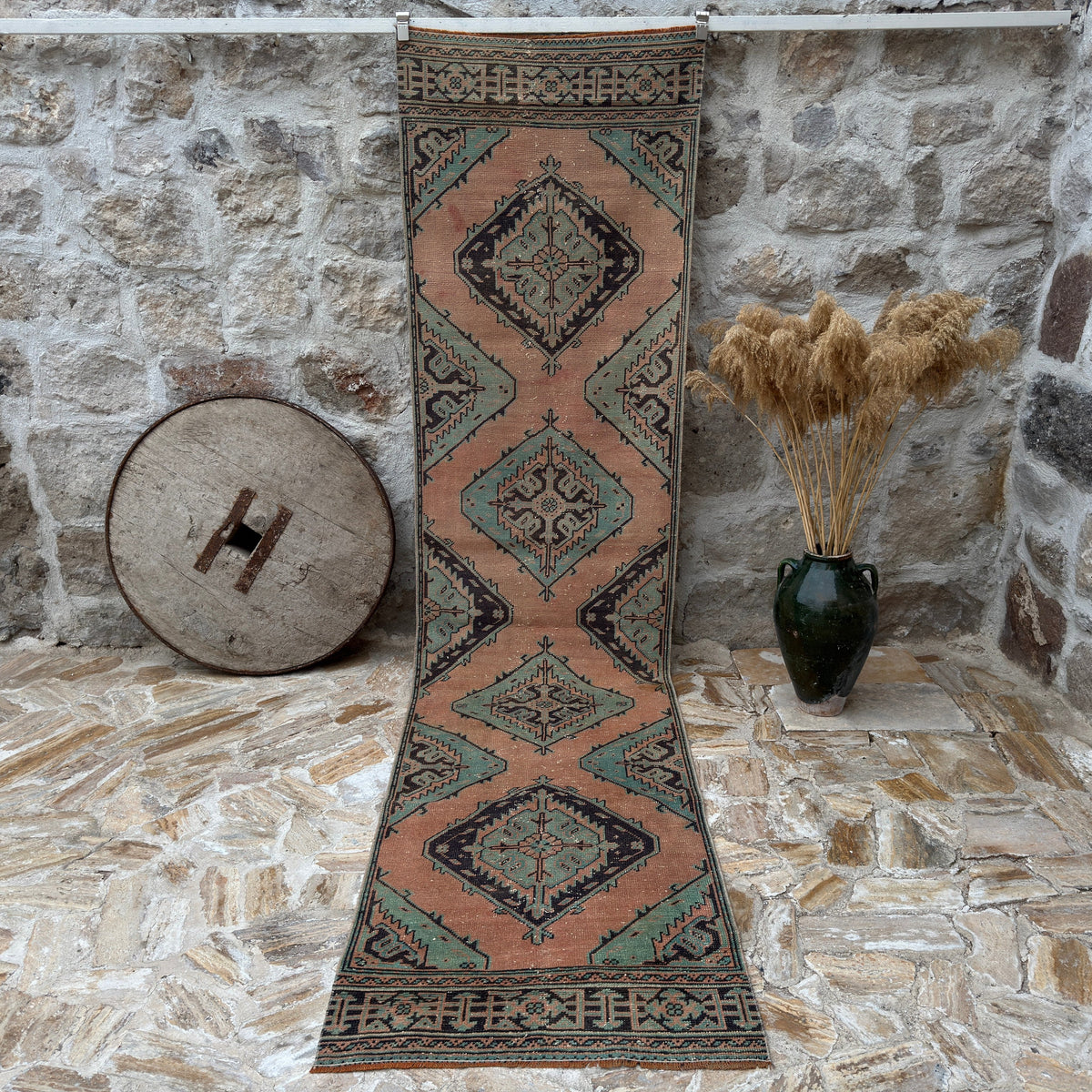
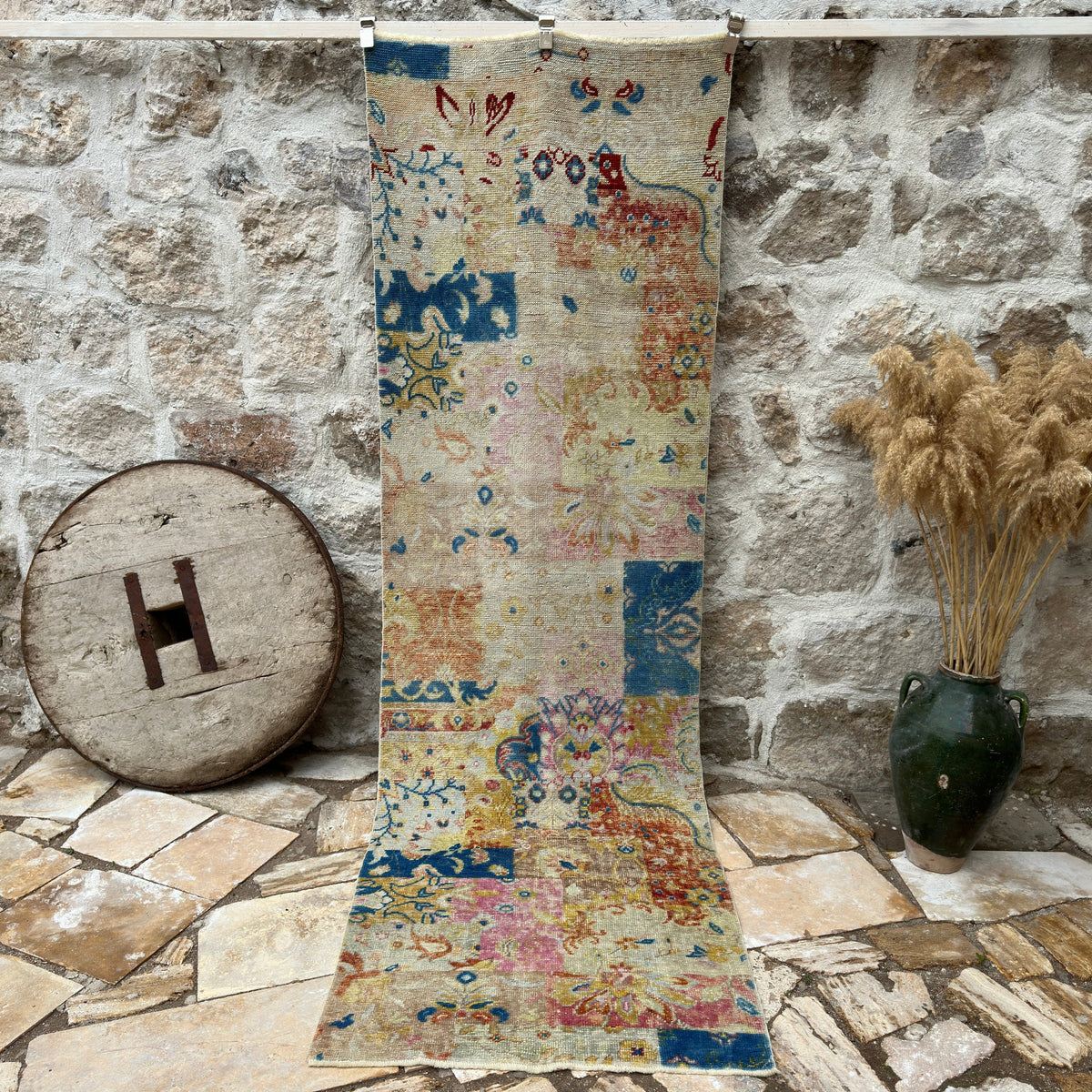
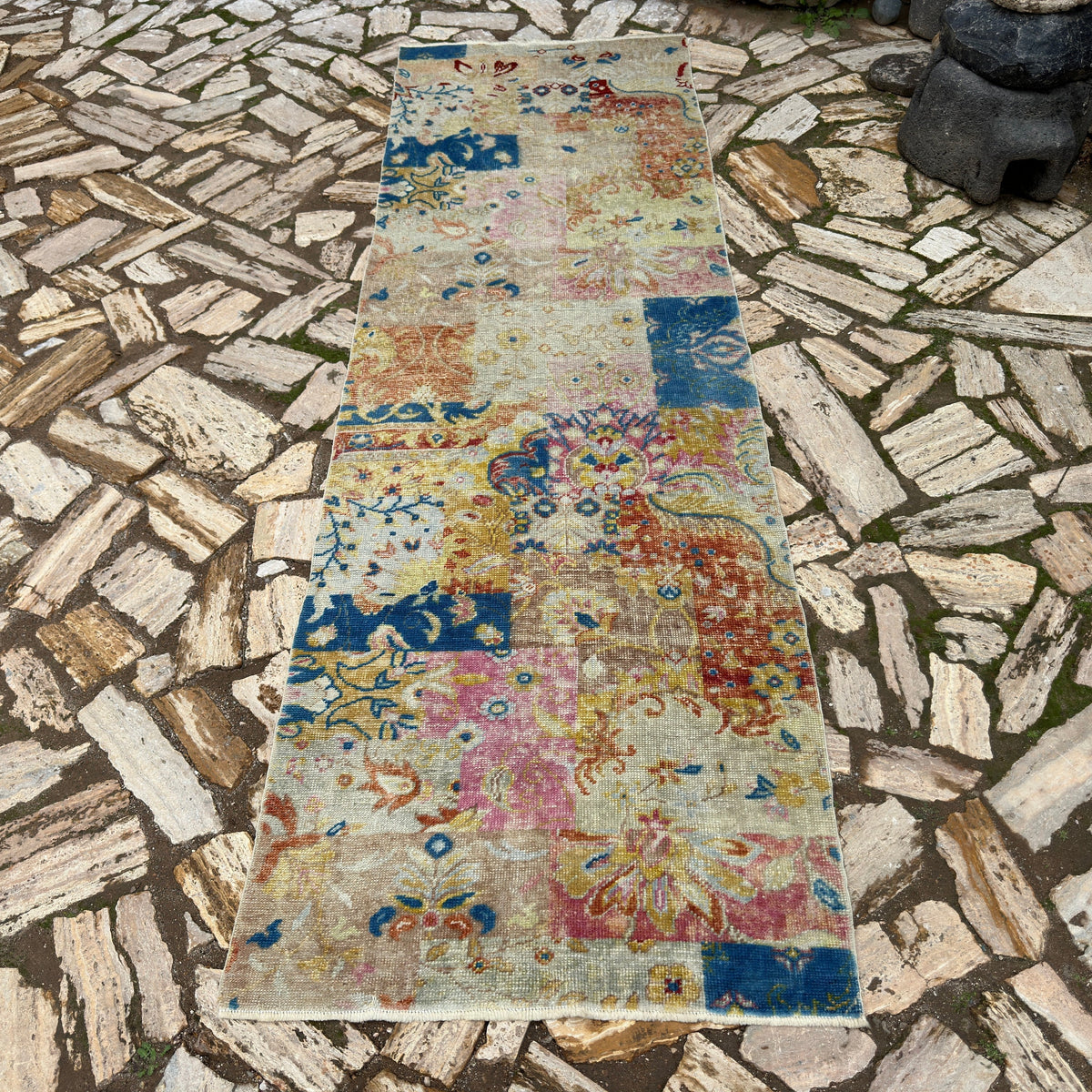
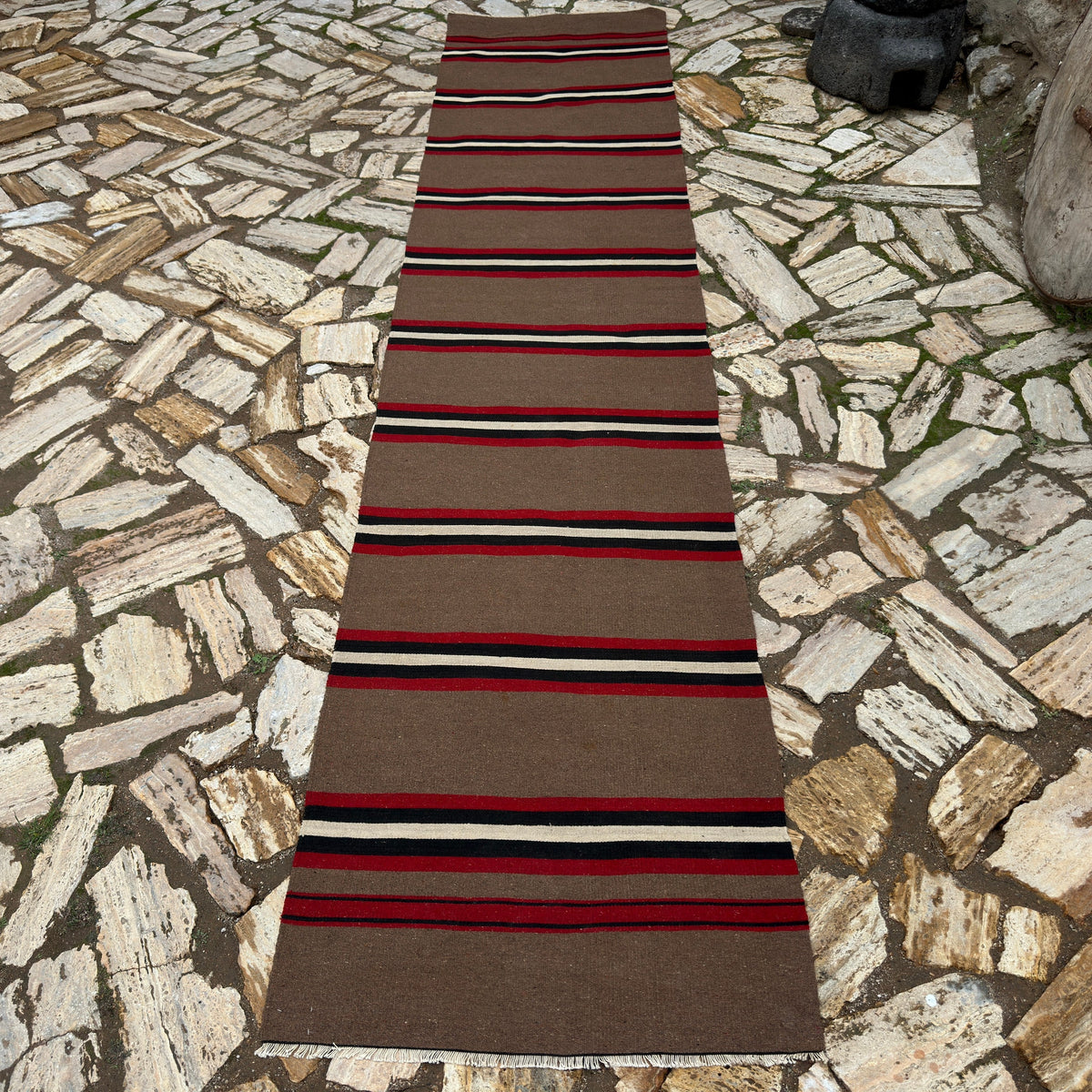
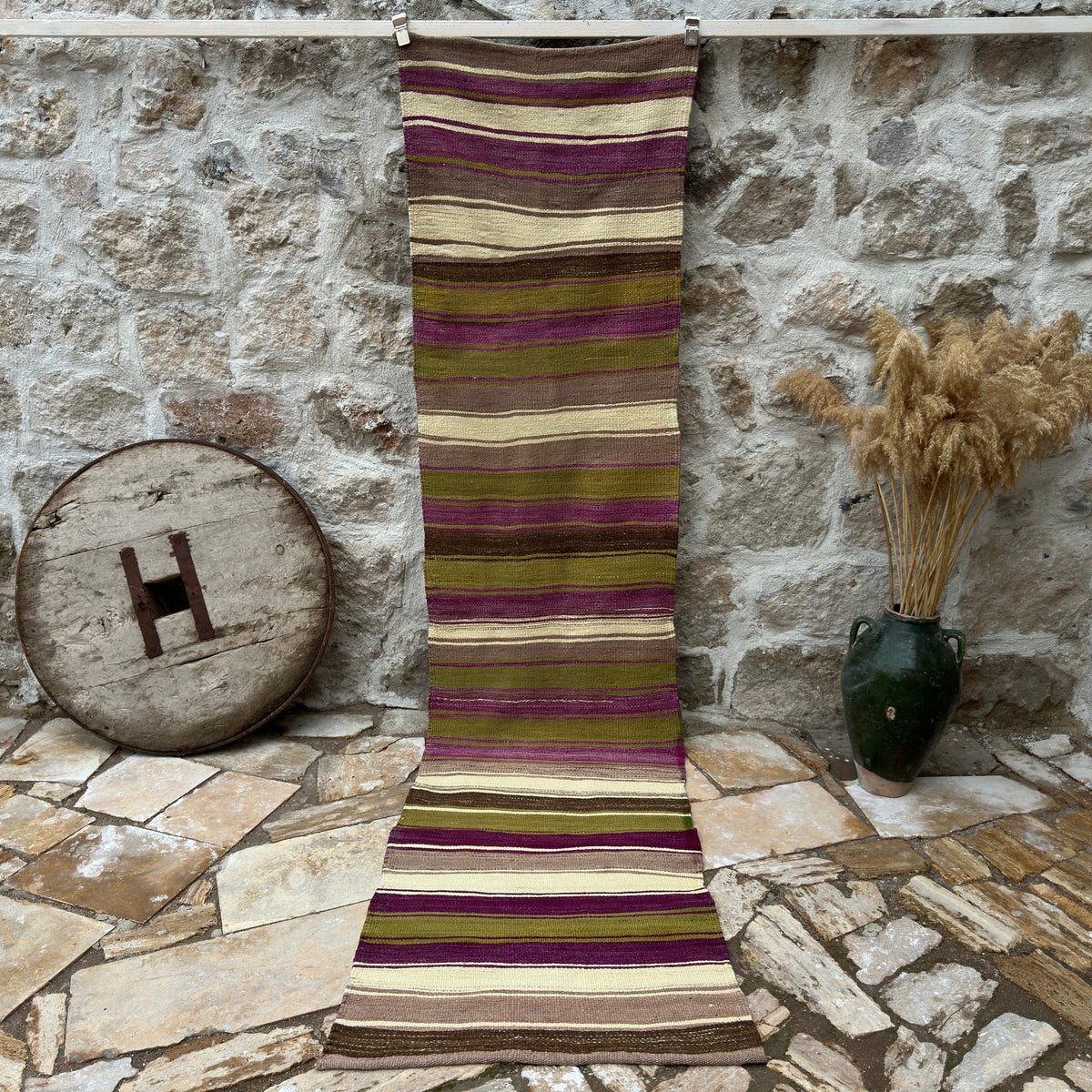
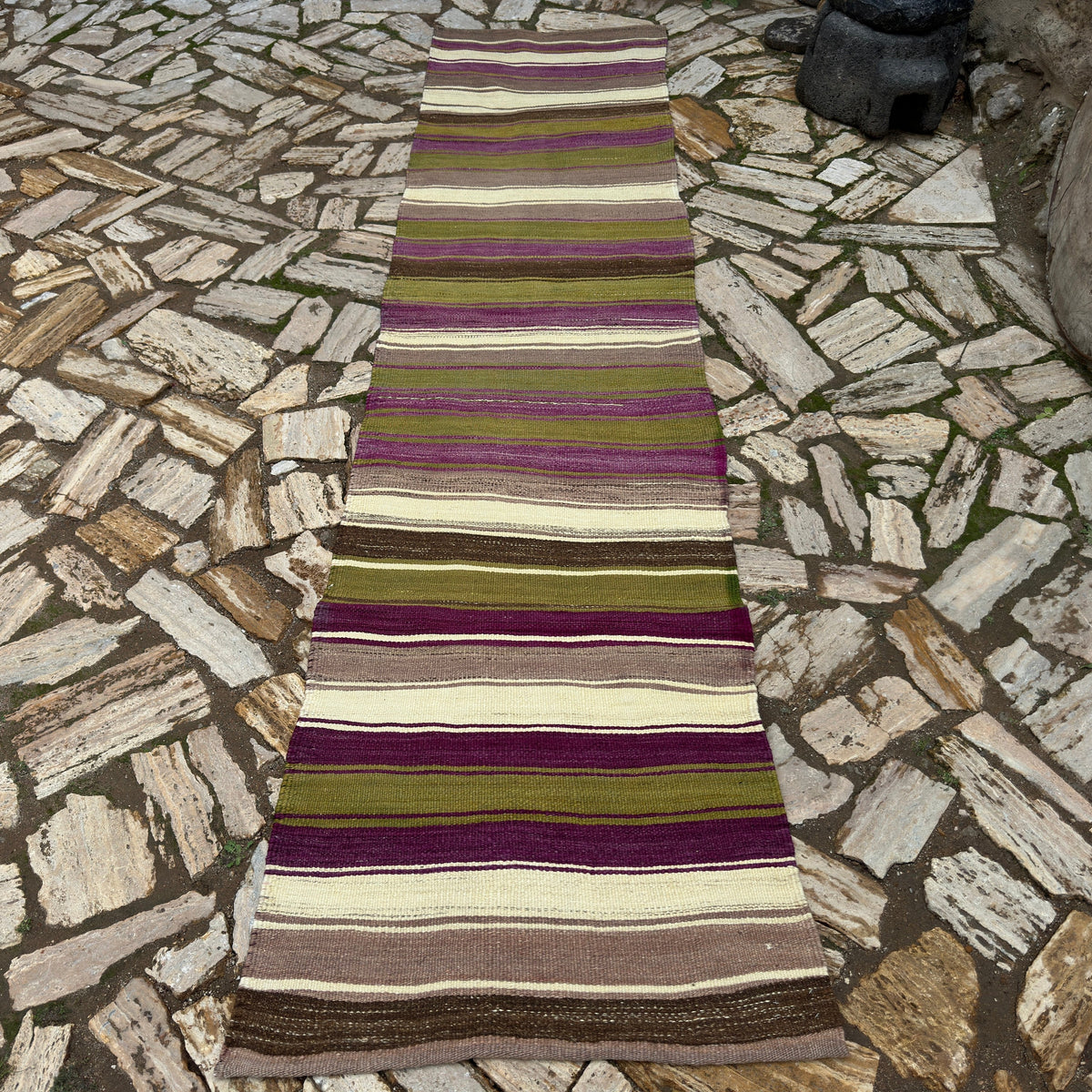
| Runner rugs | $250–$1,000+ | Hallway, kitchen, long narrow spaces |
How Size Changes the Price
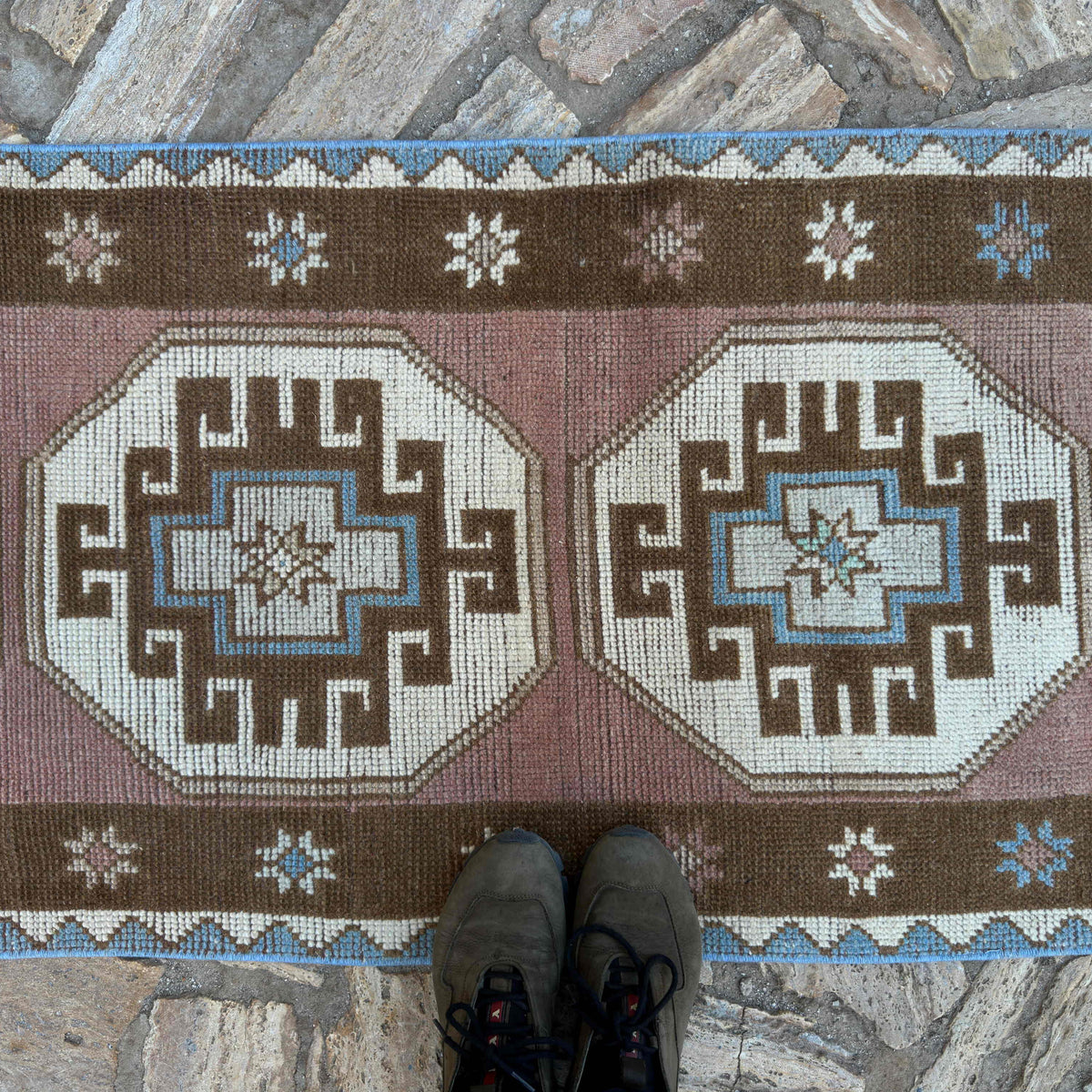
Small rugs. I have a soft spot for them because they are often where people first discover vintage Turkish weaving. They work well at a front door, beside a bed, in a bathroom, or in a kitchen, and they are easy to move from room to room. A genuine hand-knotted small rug may be inexpensive because of its scale, but small does not automatically mean ordinary. I have handled tiny village rugs with unusually good wool, strong color, and beautiful drawing that were more interesting than rugs three times their size.
Medium rugs. This is where many American buyers find the easiest balance between price and impact. A medium Turkish rug can define a sitting area, warm a bedroom, or sit under a coffee table without taking over the room. At this size, buyers usually have more choice in color and design, so two similarly sized rugs can still be priced very differently.
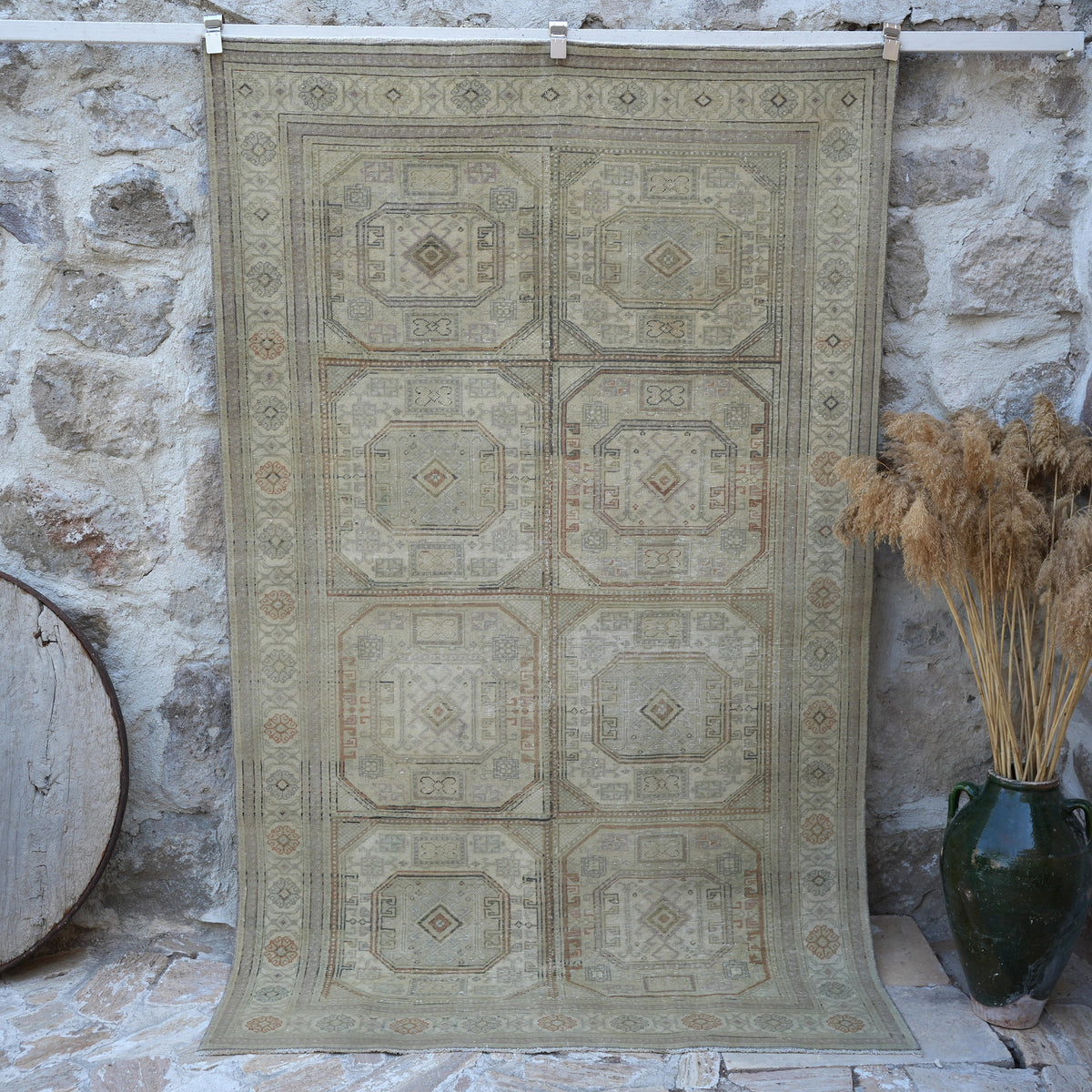
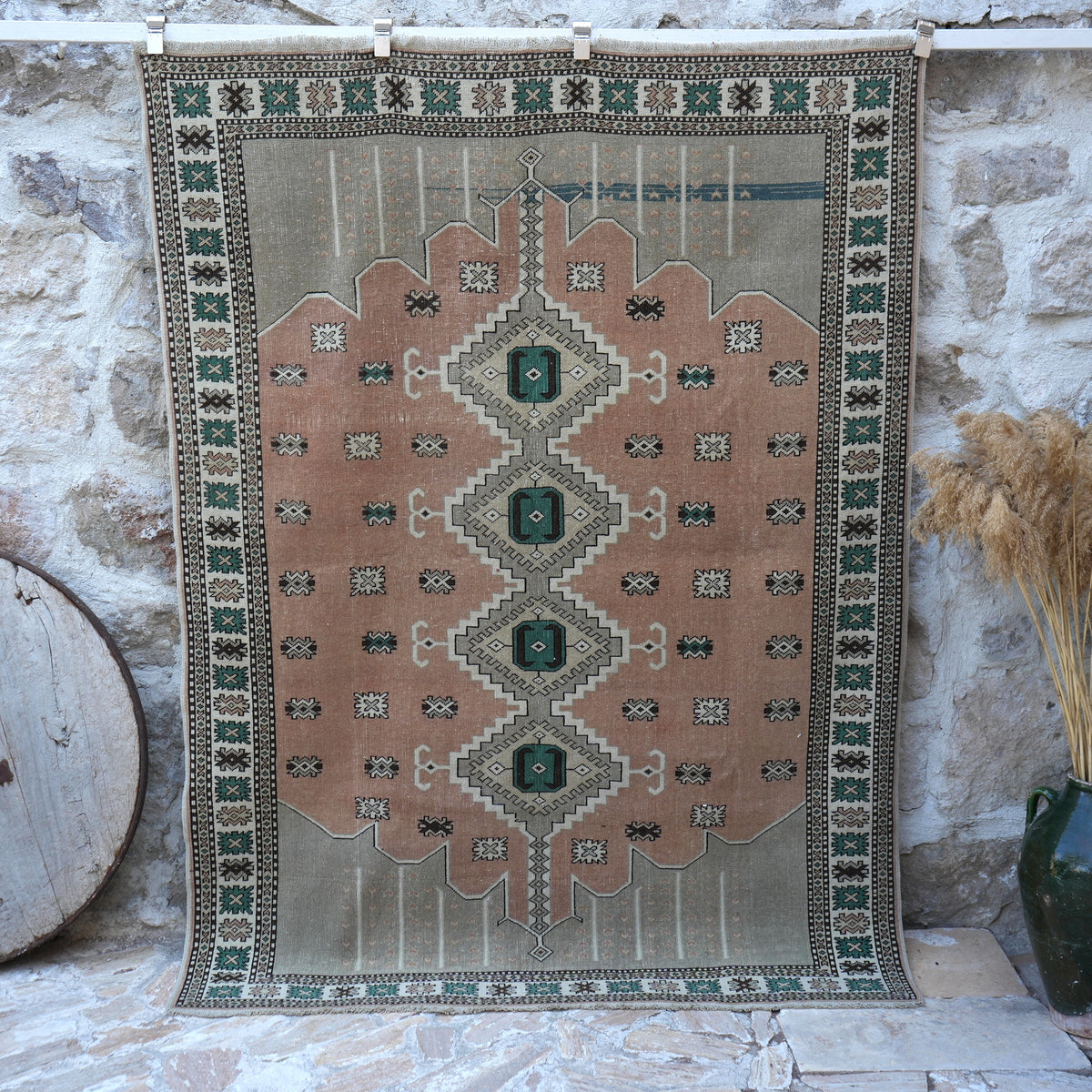
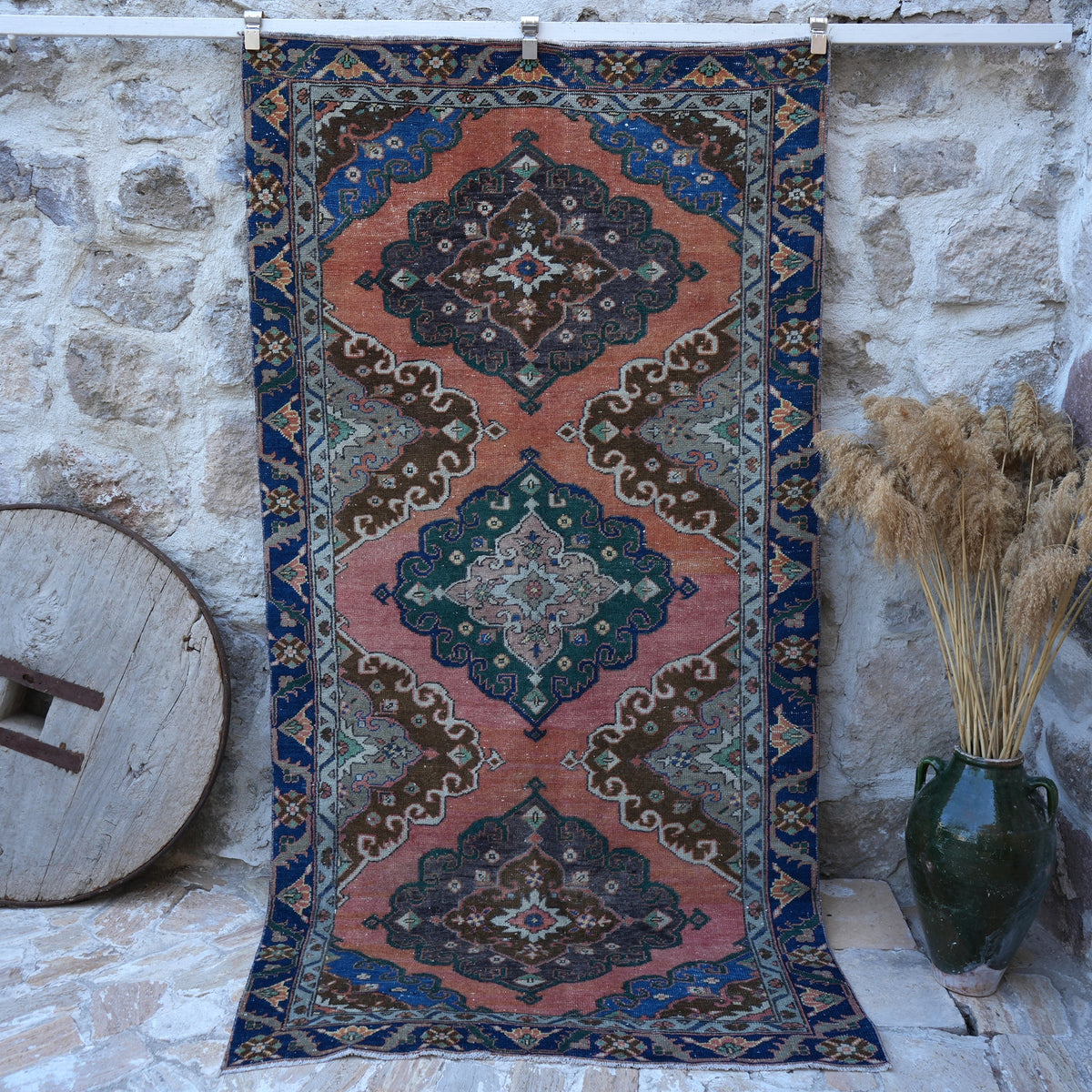
Large and extra-large rugs. Once you move into room-size pieces, the range widens quickly. There is more wool, more weaving time, and fewer old rugs survive in excellent condition at larger sizes. A simple decorative room-size rug may still be very approachable, while a strong vintage Oushak or an unusually balanced oversized piece can move well into the thousands. When I compare two large rugs, I look at the whole composition—how the field, border, medallion or floral drawing sits across the scale—not only at the measurements.
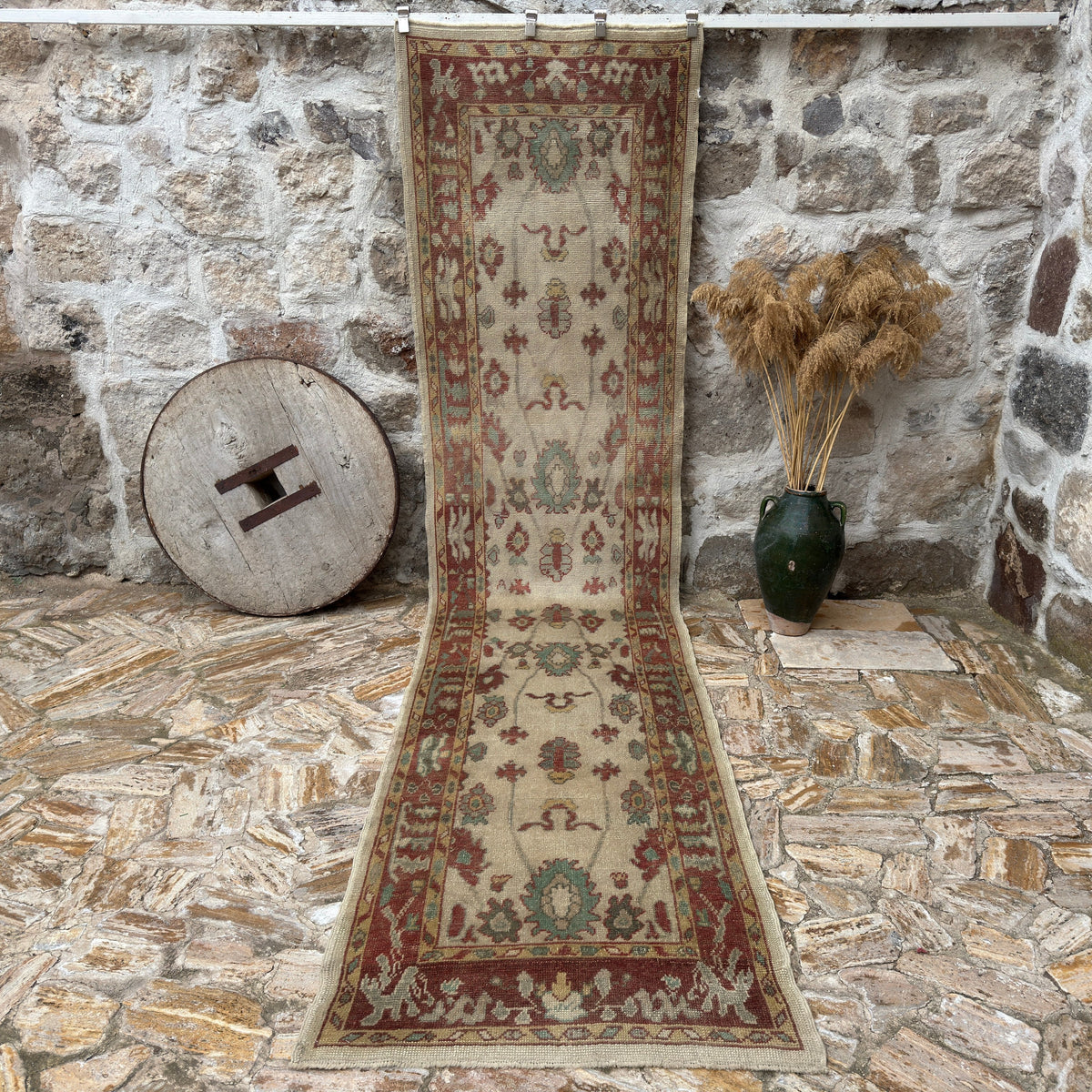
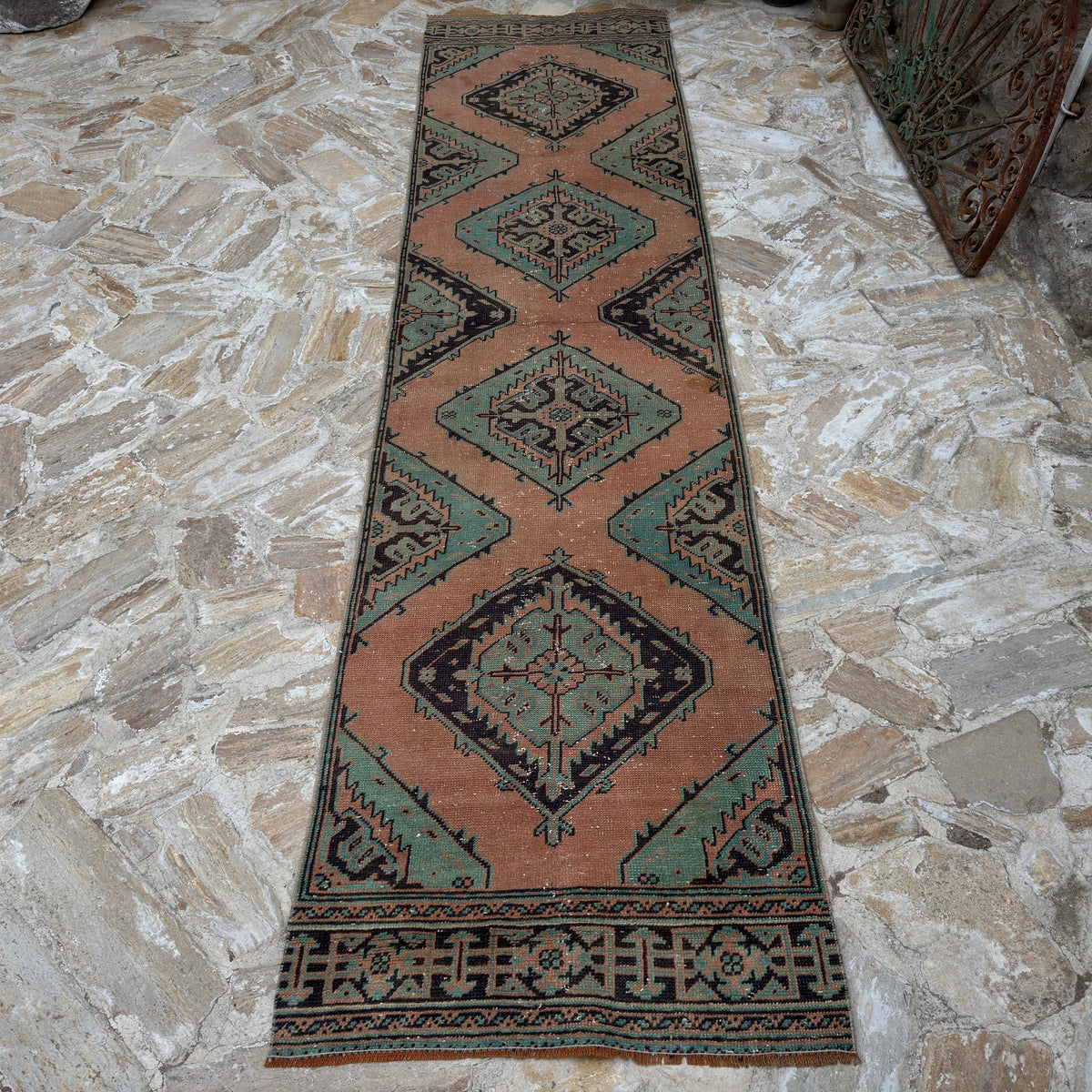
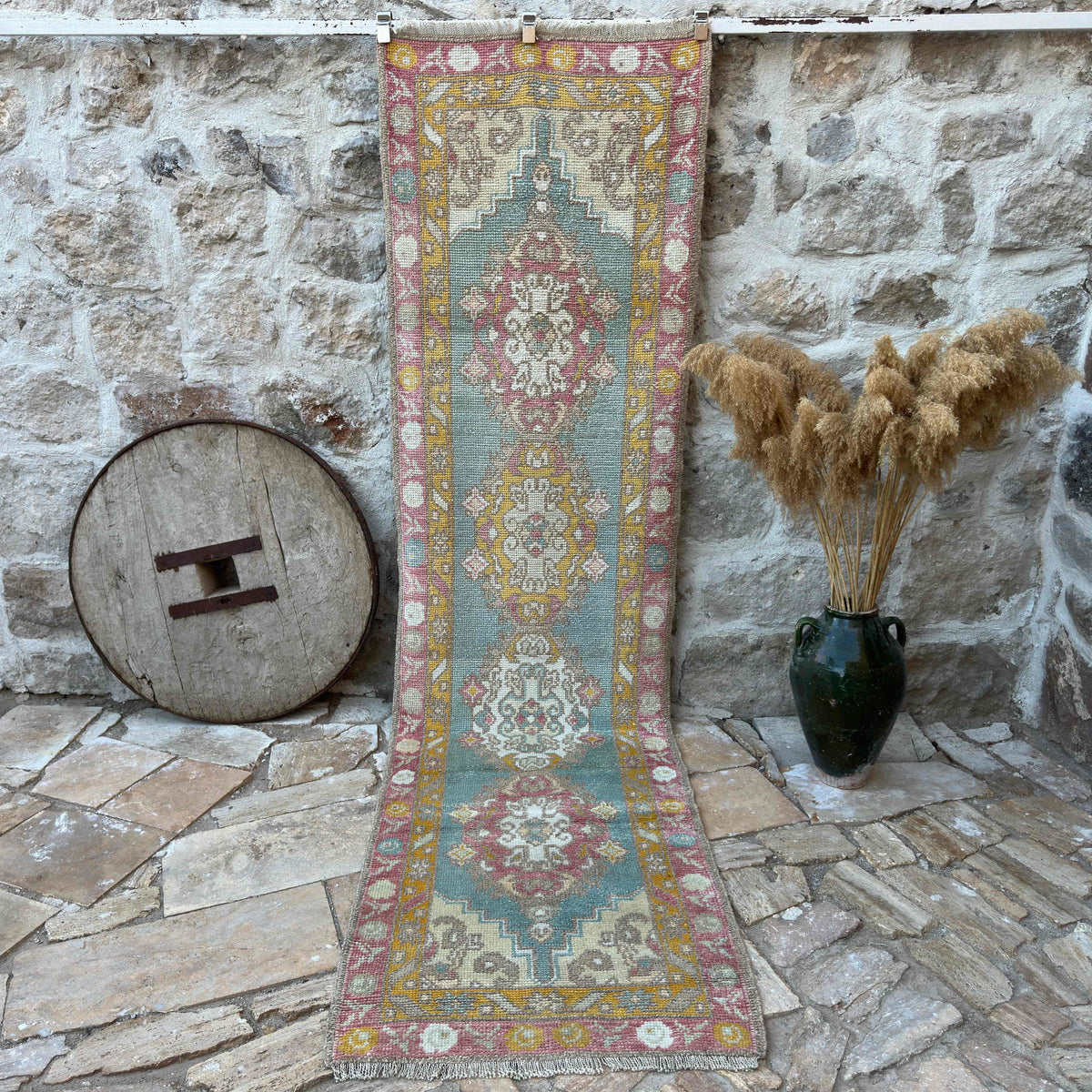
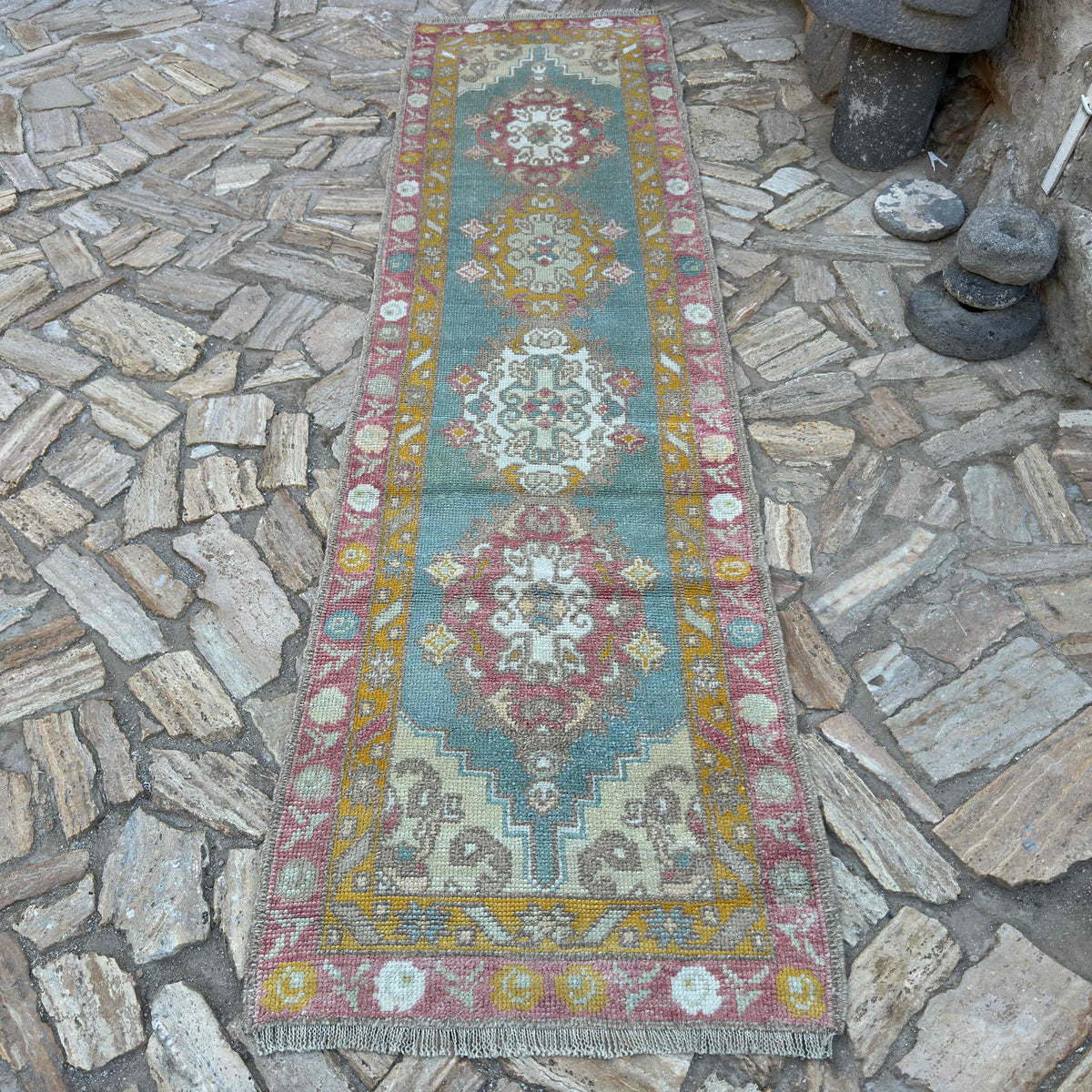
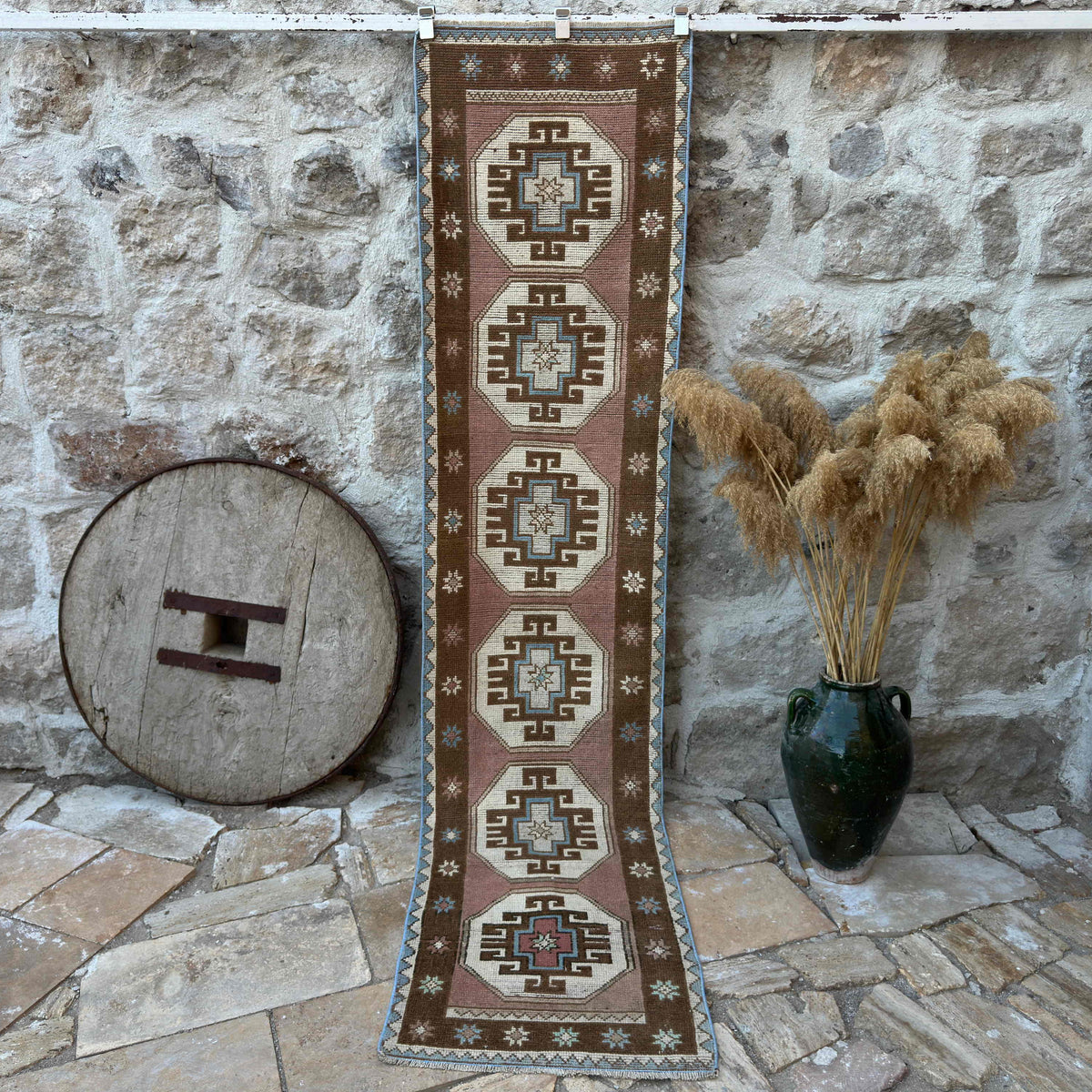
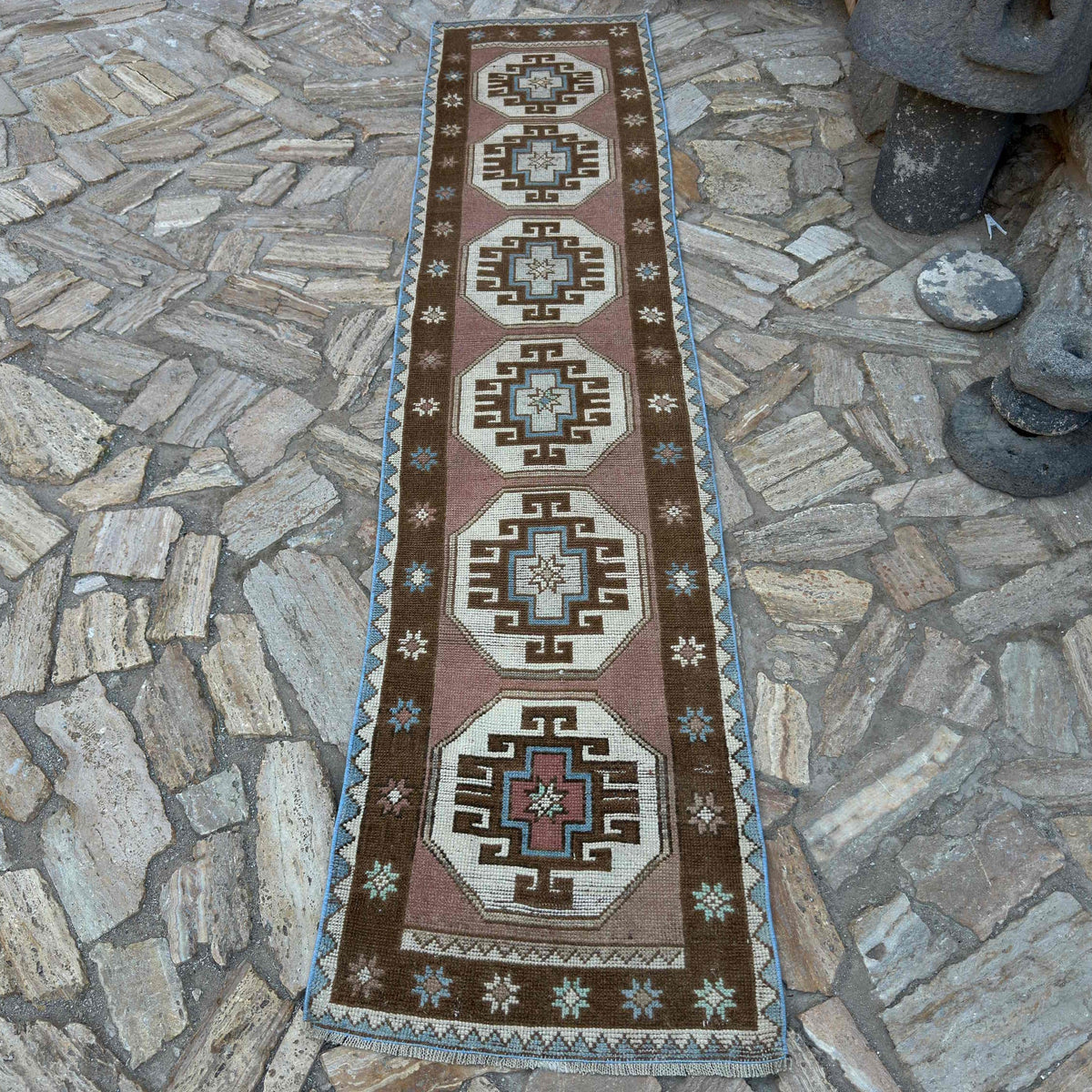
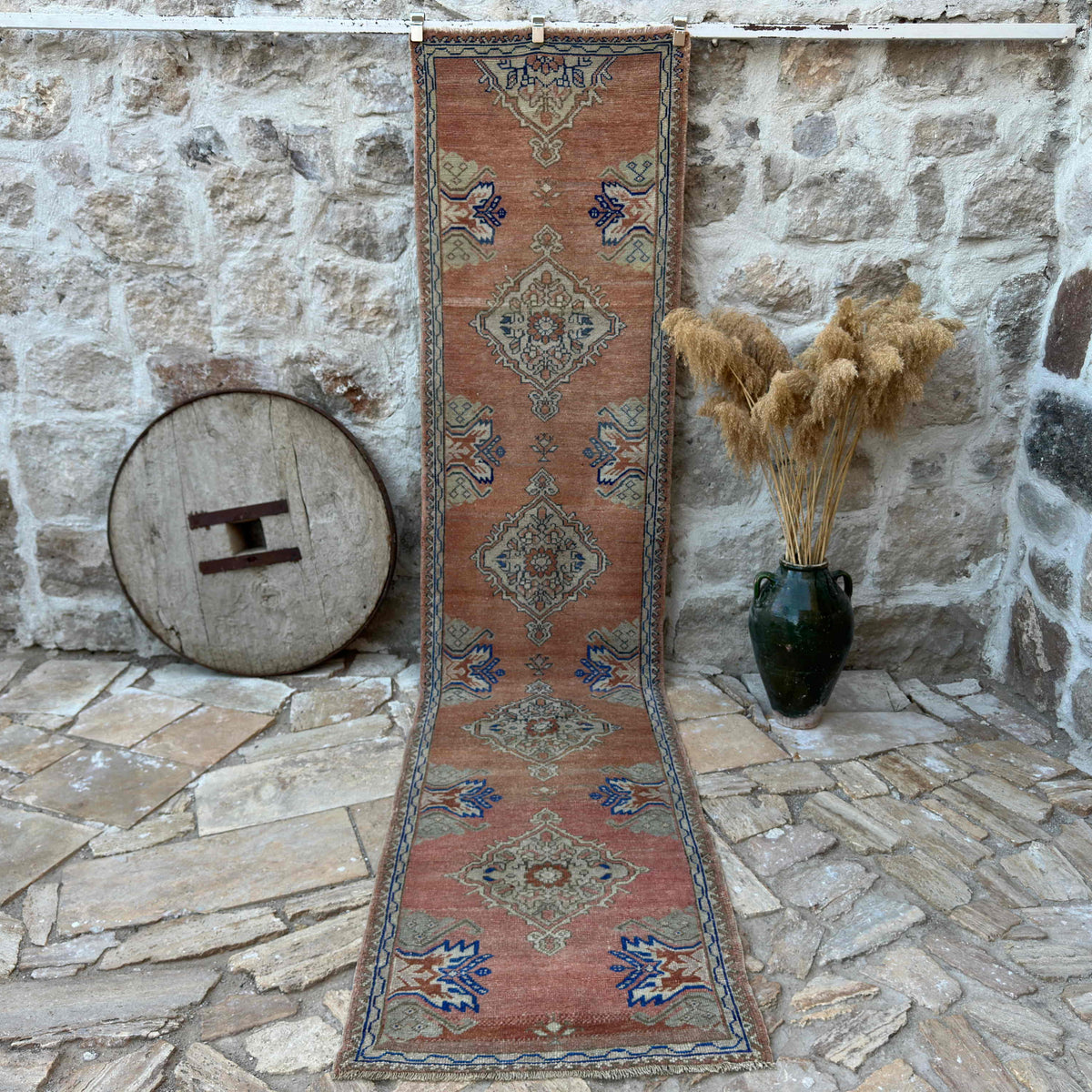
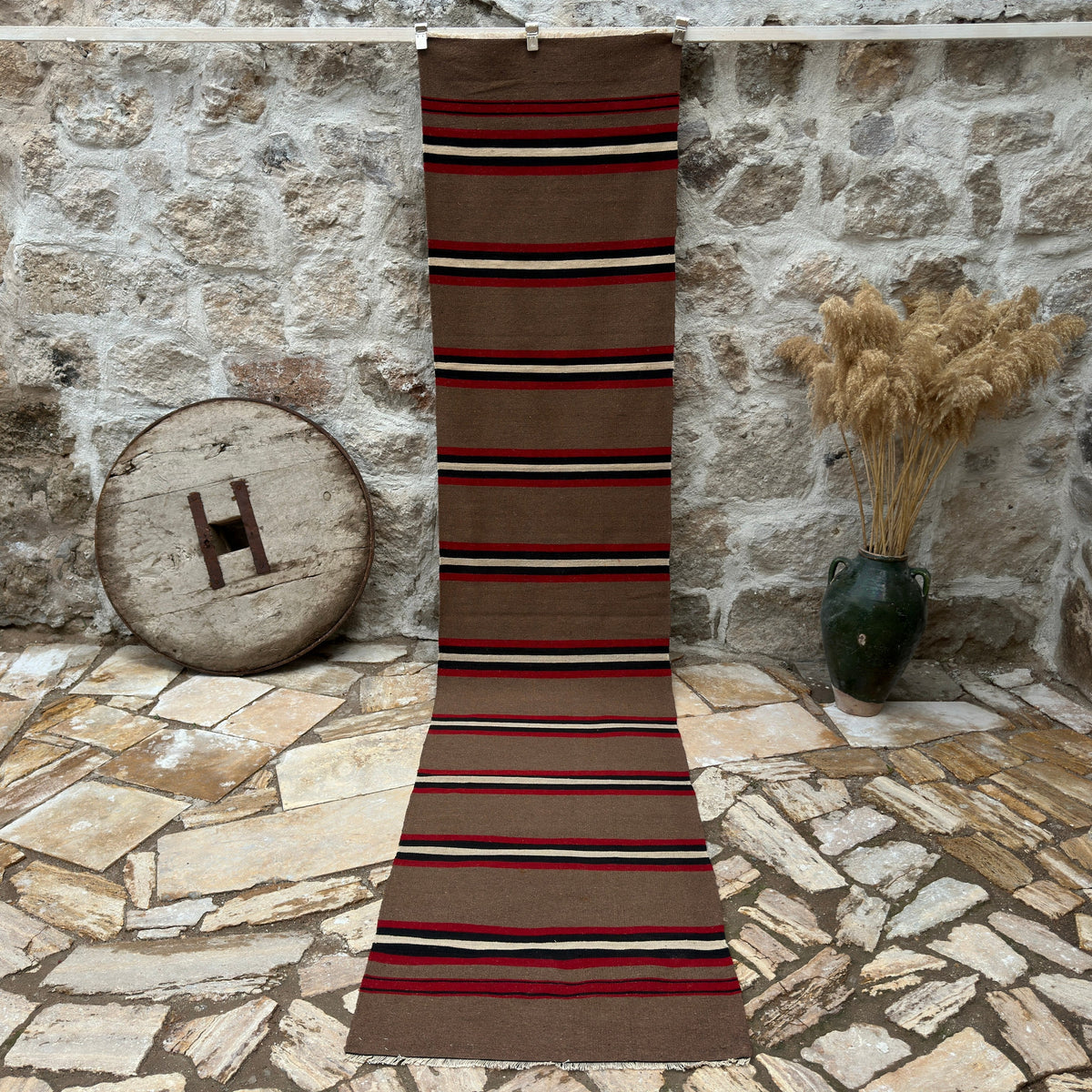
Runners. A good Turkish runner can be surprisingly difficult to replace once you find the right one. Length, width, condition, and pattern all need to work together. Long runners are especially useful in American hallways and kitchens, and unusual lengths can carry a premium simply because there are fewer suitable pieces available.
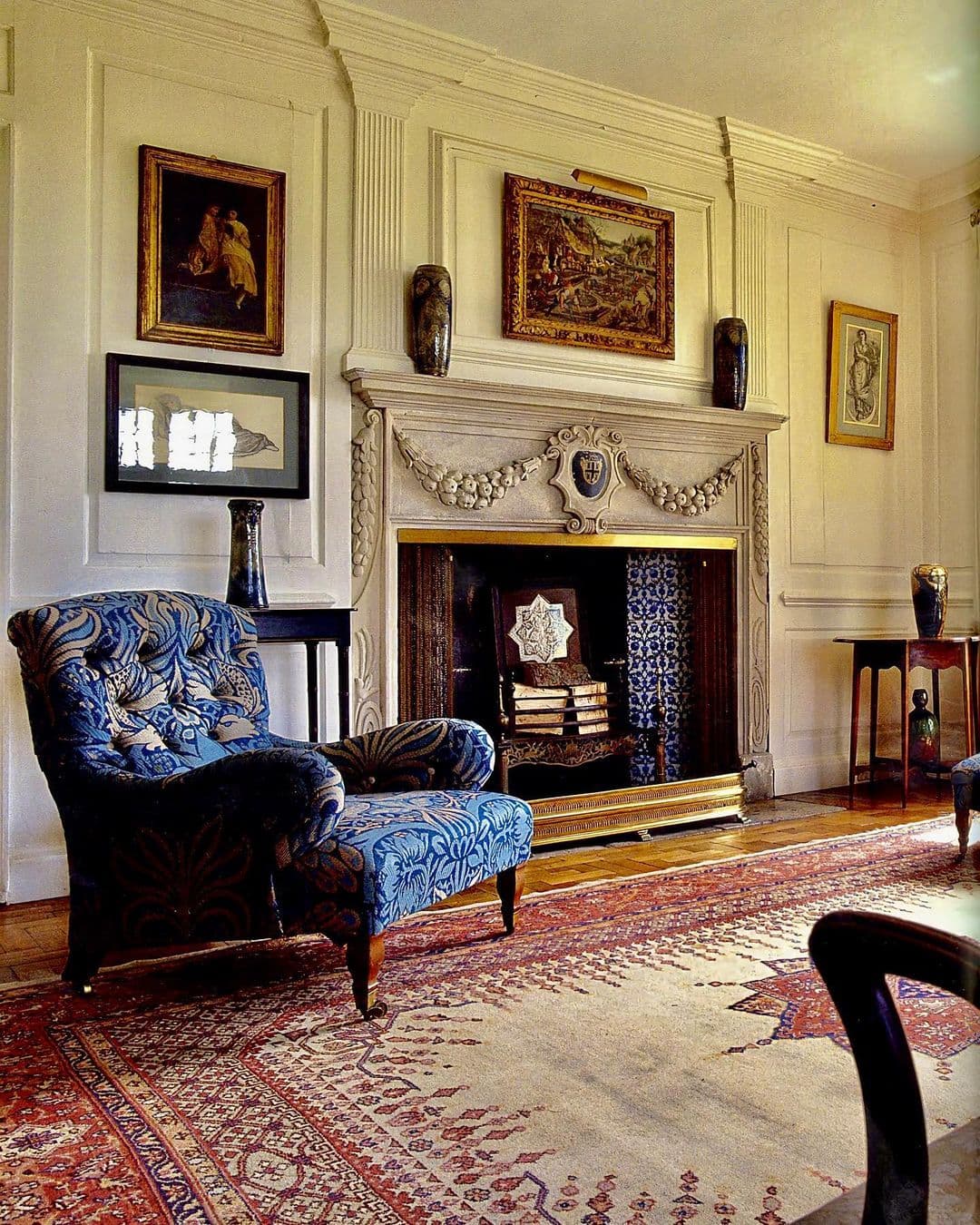
What Actually Changes a Turkish Rug’s Price?
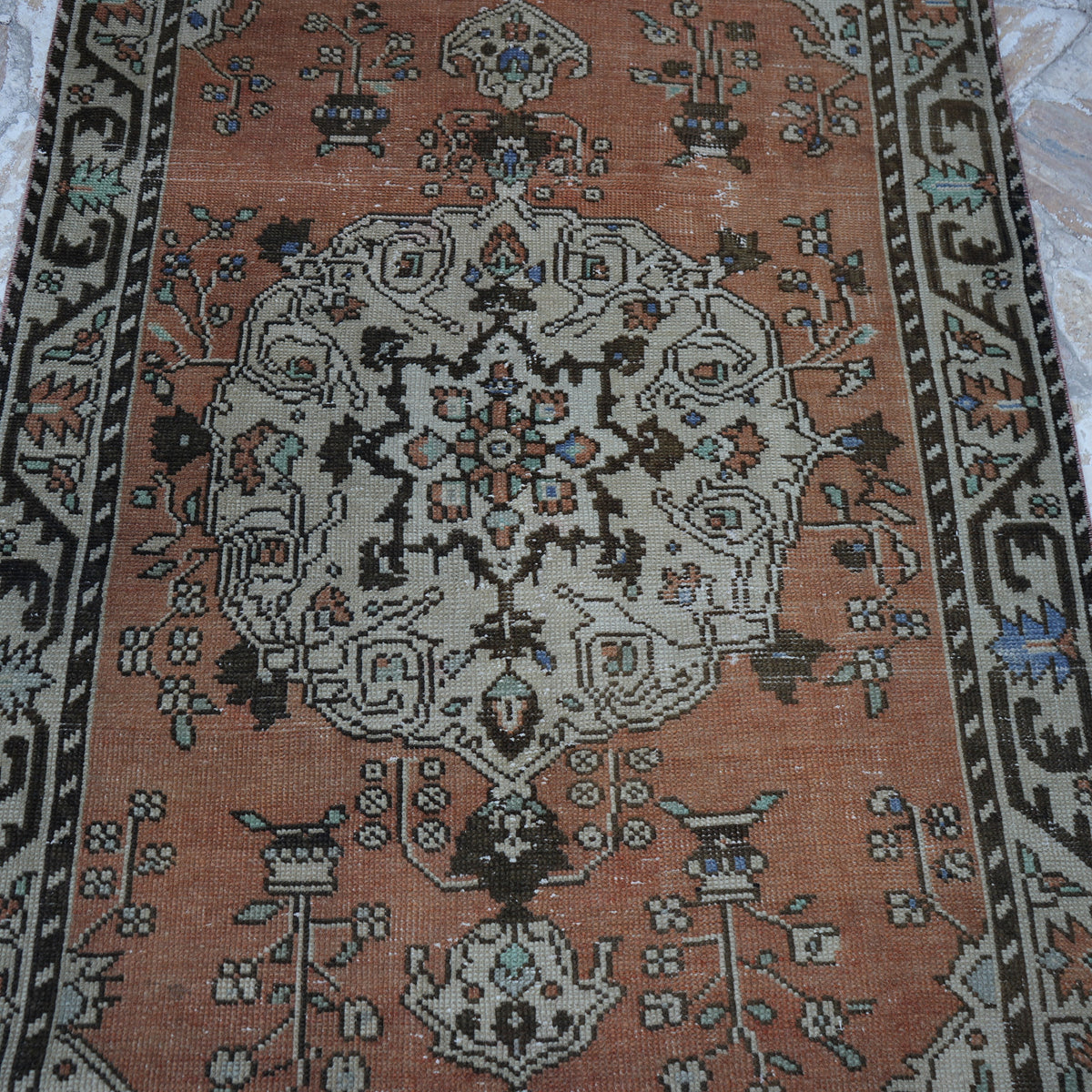
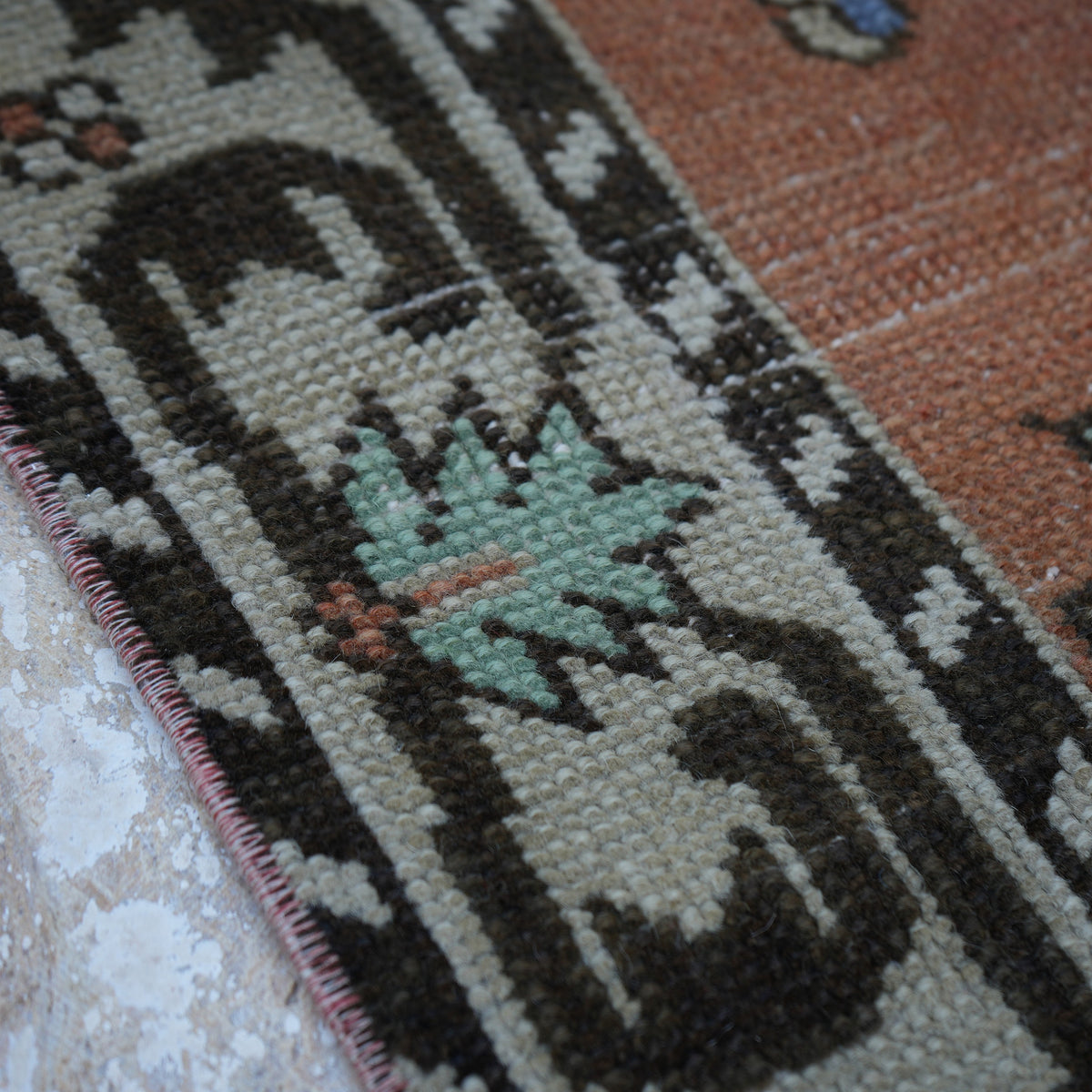
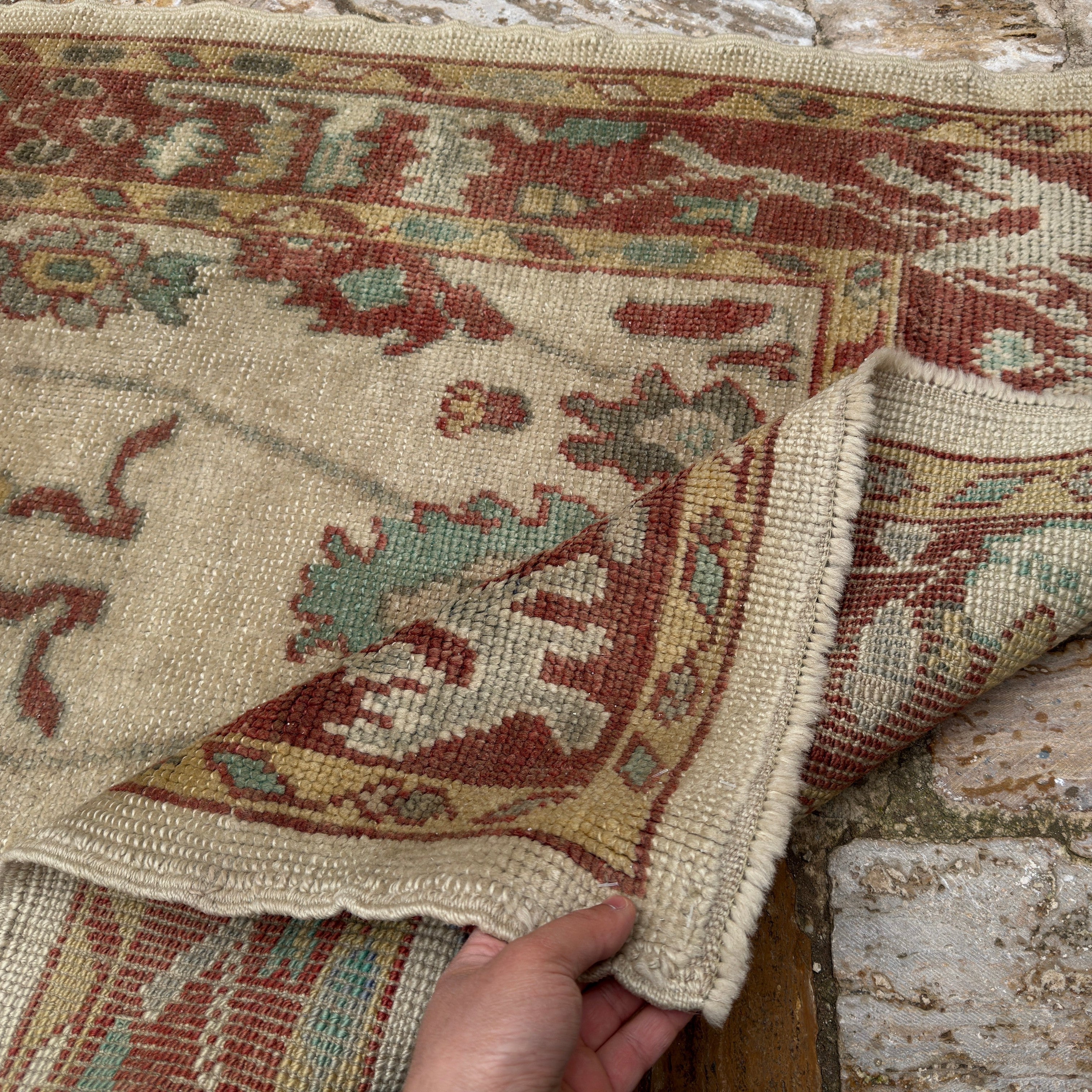
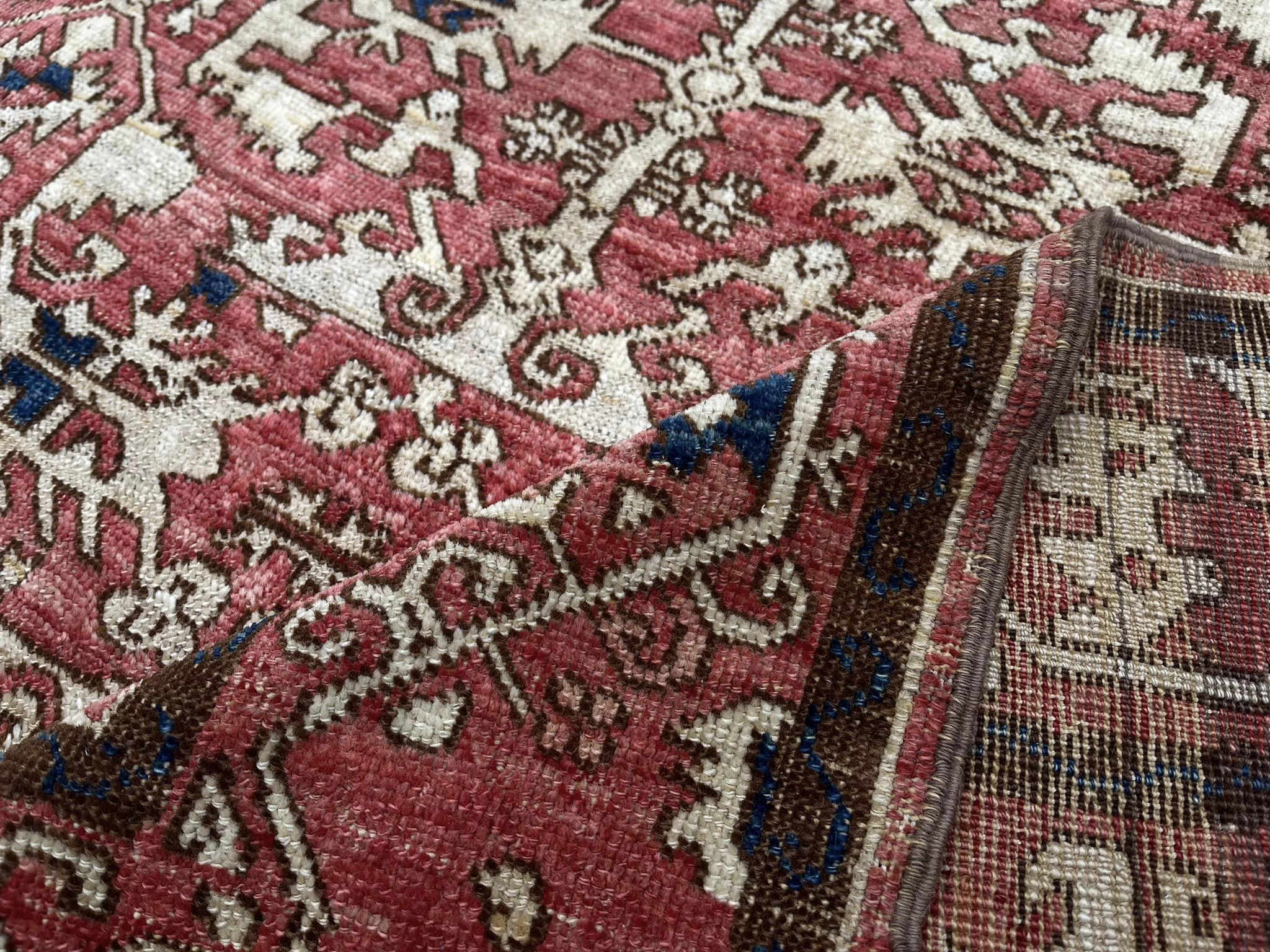
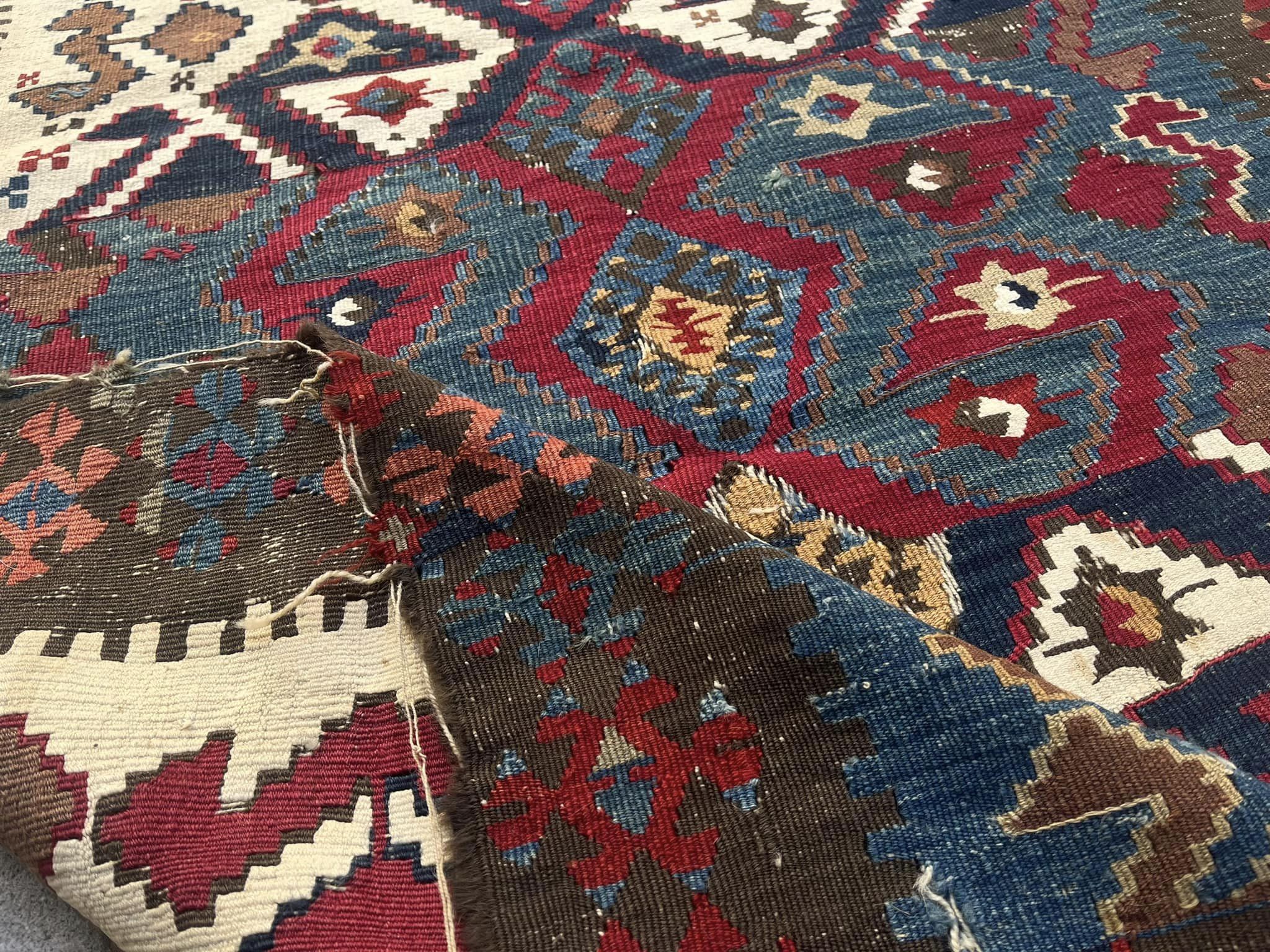
Two rugs can be the same size and still be priced hundreds—or thousands—of dollars apart. The first thing I look at is construction. A genuine hand-knotted pile rug is built knot by knot; turn it over and the design should still be visible in the structure. A flatwoven kilim is made differently again. Machine-made and hand-tufted rugs can be attractive, but they belong to another price category and should not be compared as if they were the same object.
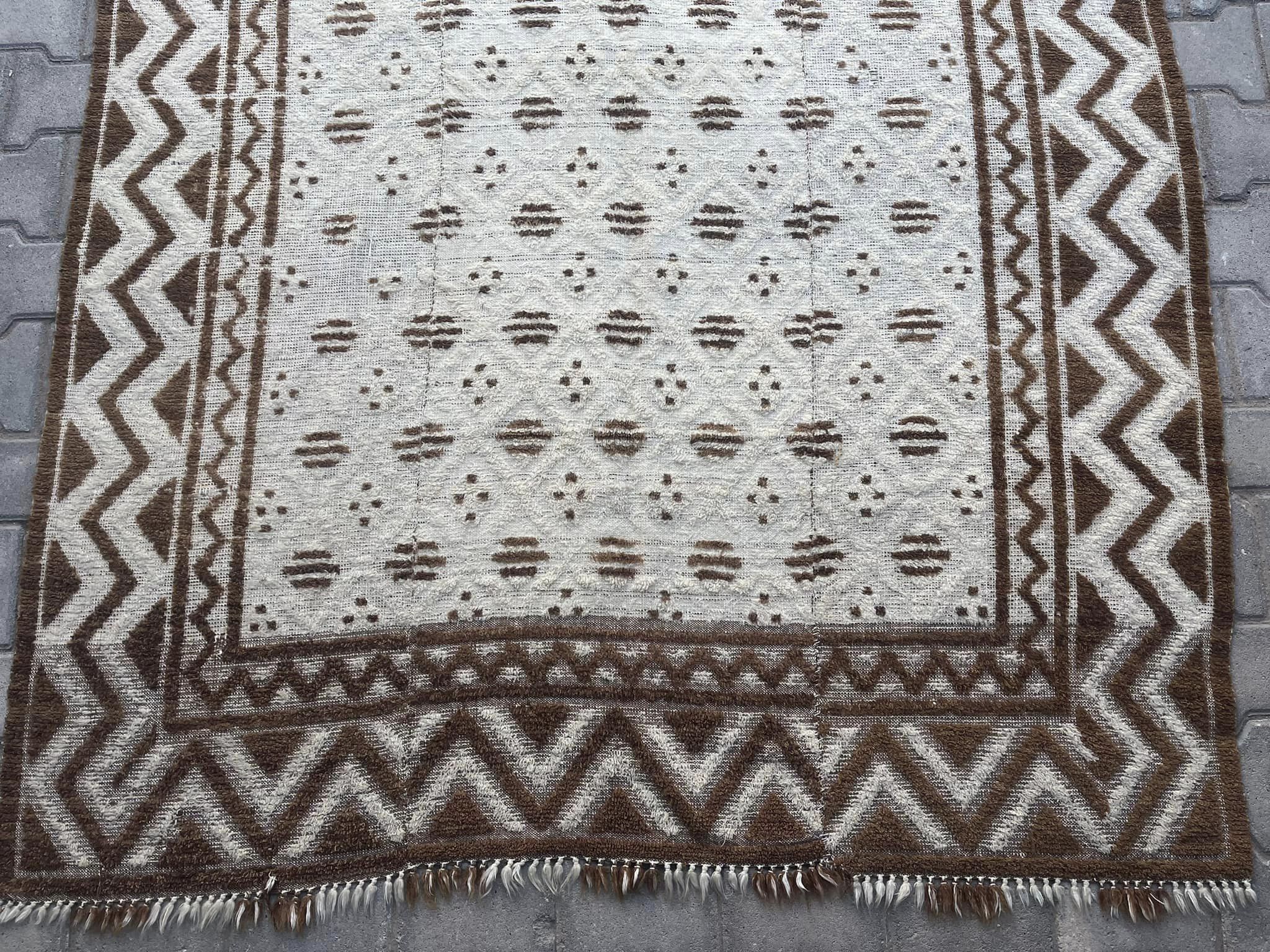
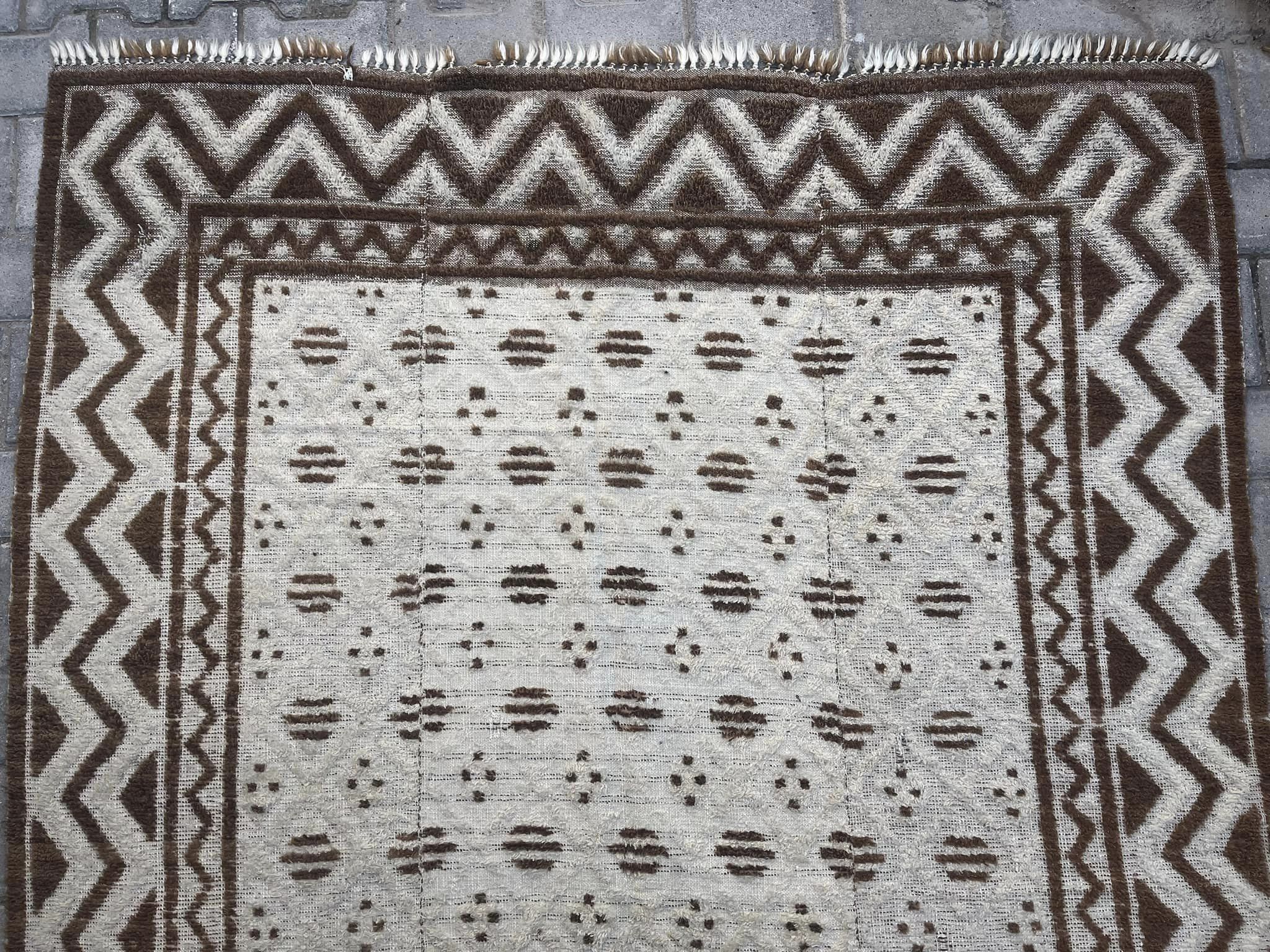
Wool and materials matter because good wool ages differently. It can soften while remaining strong, and old wool often develops a surface that is difficult to imitate in a new rug. Cotton is commonly used in the foundation of many pile rugs, while some Anatolian rugs are wool-on-wool. Mohair and other local fibers appear in particular weaving traditions.
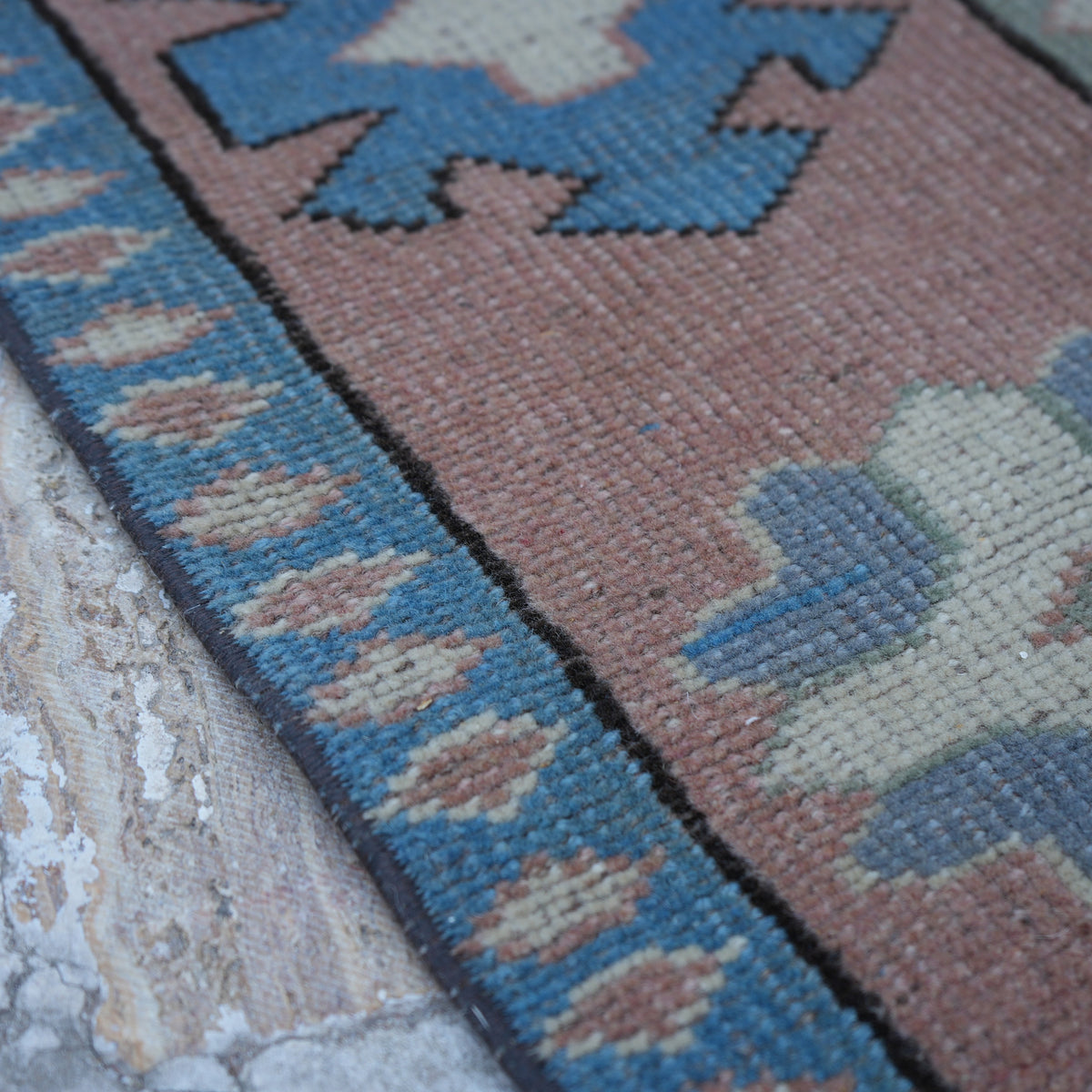
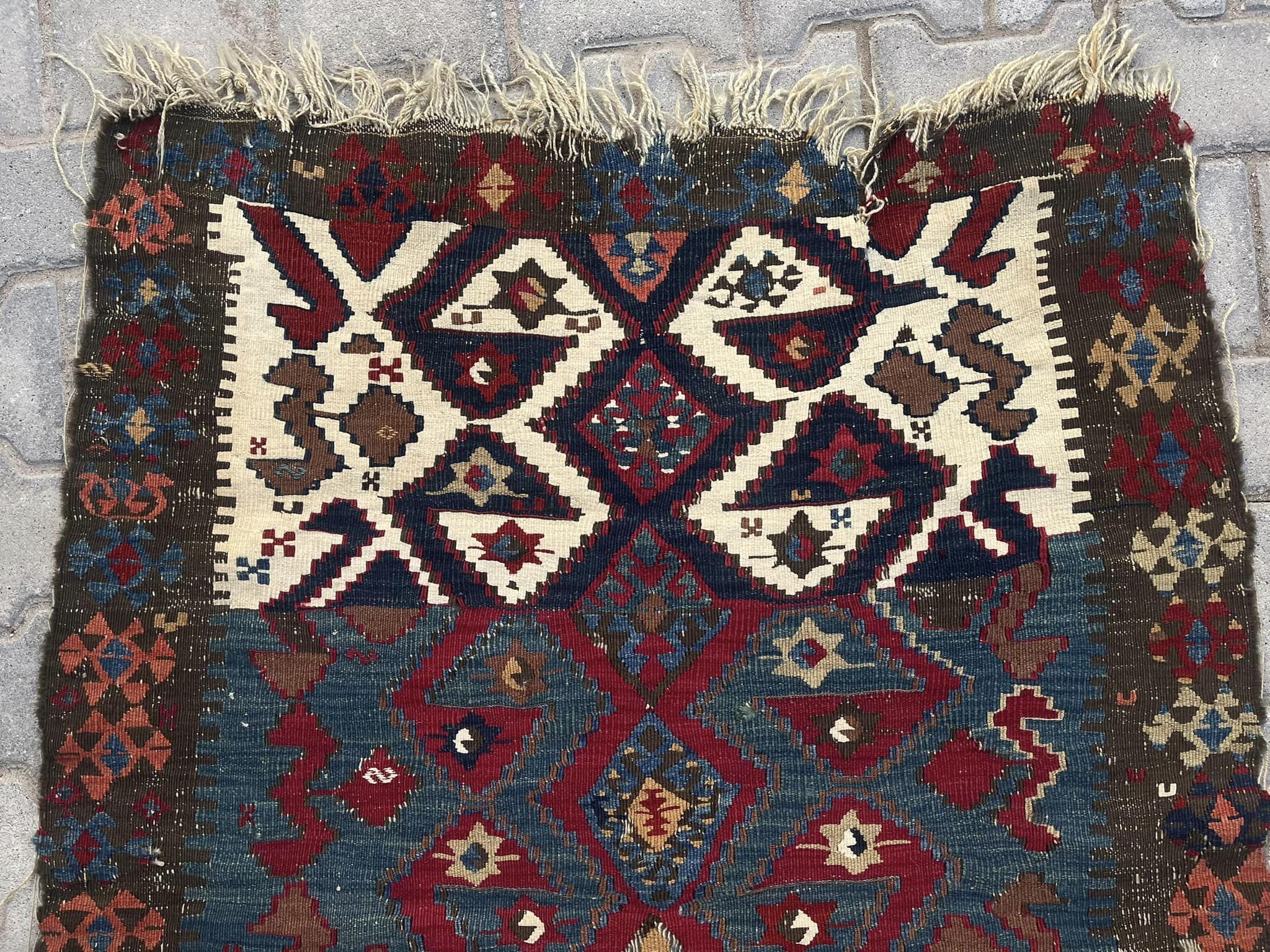
Age and condition have to be read together. Abrash, softened colors, low pile, small irregularities, and honest wear can be part of the character of a vintage rug. Major holes, a weak foundation, badly damaged edges, or poor repairs are different. I never treat all wear as romantic. Good patina and structural damage are not the same thing, and the price should reflect that.
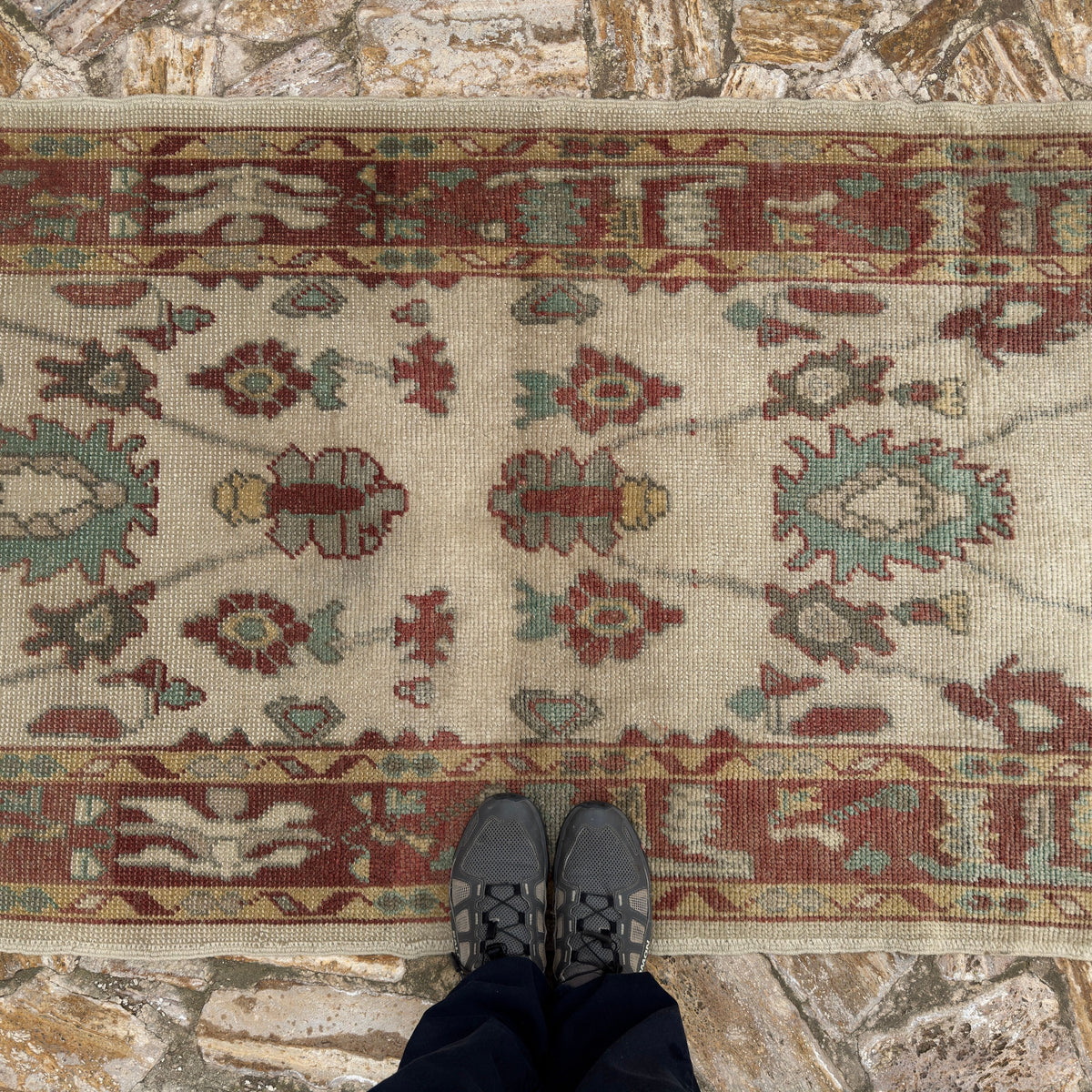
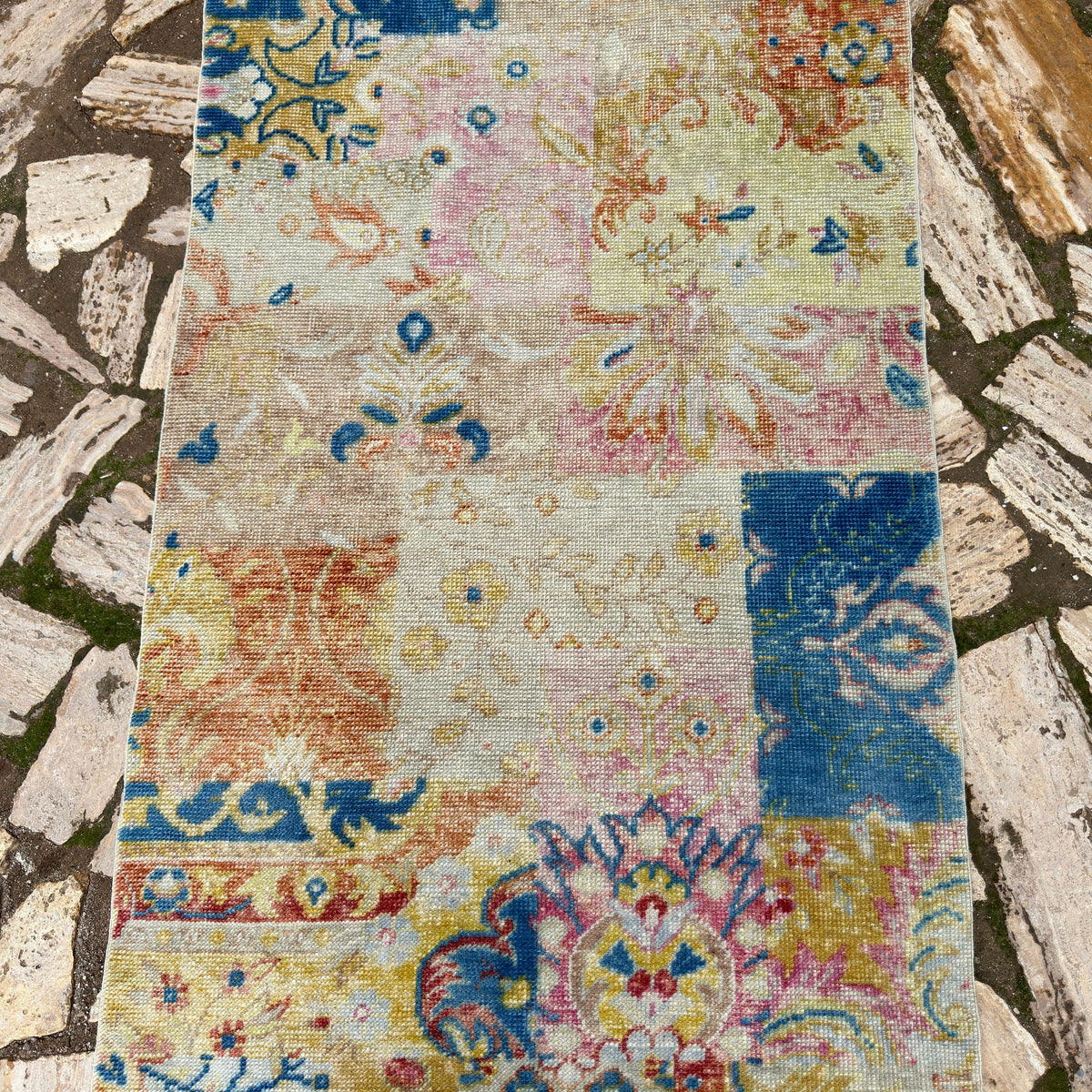
Design, origin, and rarity can matter just as much as age. Oushak, Konya, Kayseri, Yahyalı, Bergama, Sivas, and other Anatolian traditions each have their own character, but a regional name alone does not make a rug valuable. I still want good drawing, appealing color, sound wool, and a piece that feels balanced when you see the whole rug.
And one last point about knot density: it can matter, especially in fine weaving, but more knots do not automatically mean a better rug. A loosely knotted village Oushak with beautiful wool and color can be more desirable than a technically finer rug with little personality. Price comes from the complete piece, not a single number.
Why Oushak, Kilim, Vintage and Antique Rugs Cost Differently
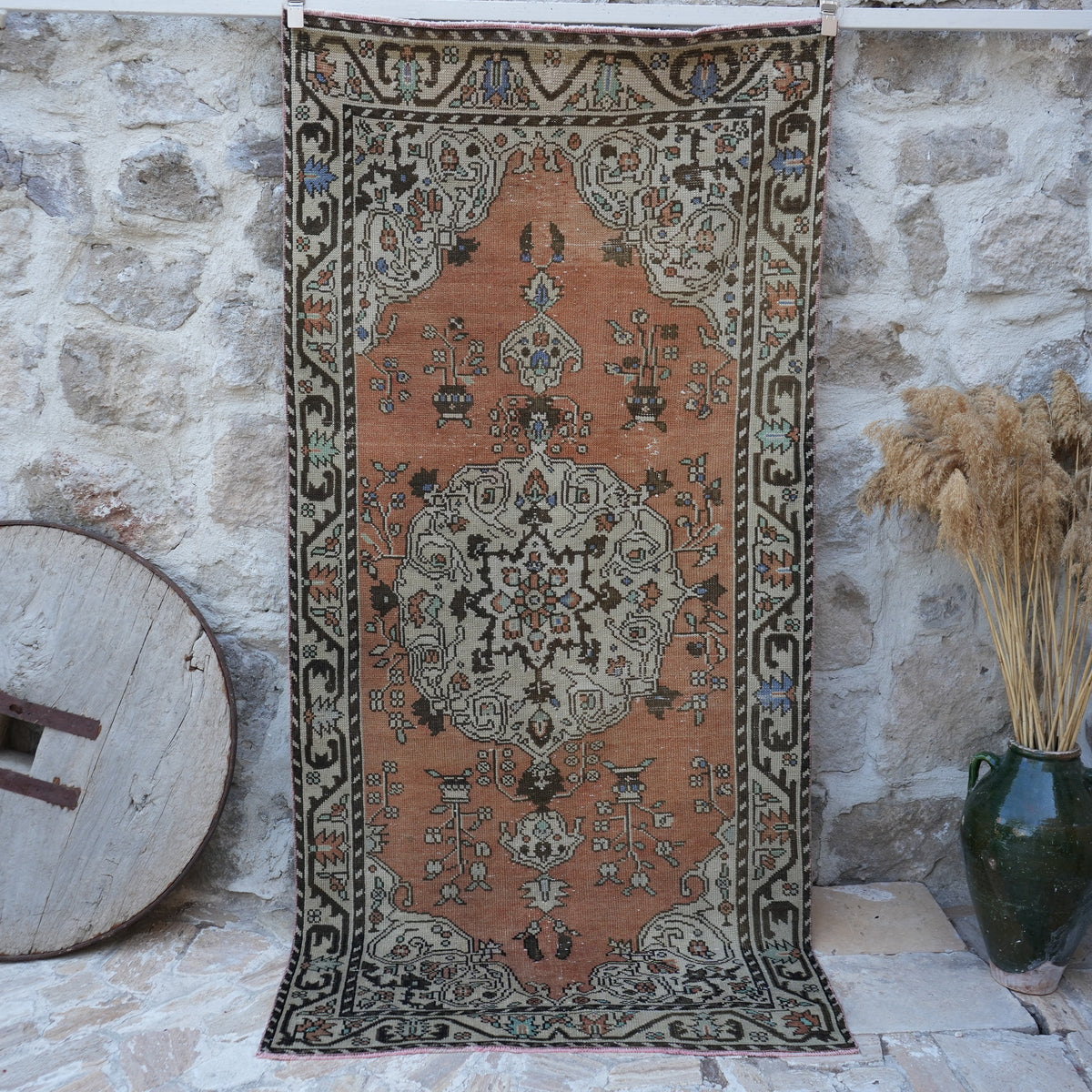
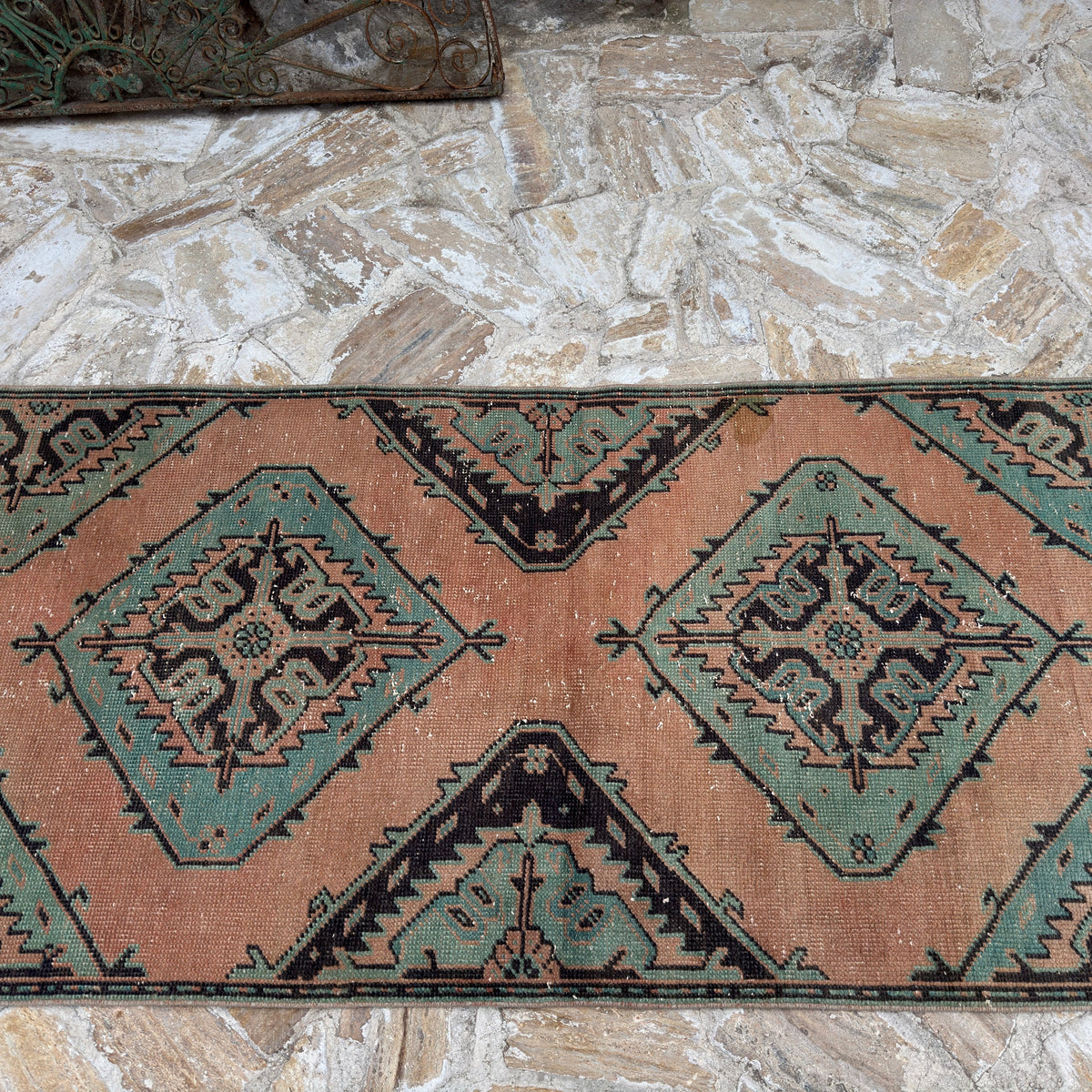
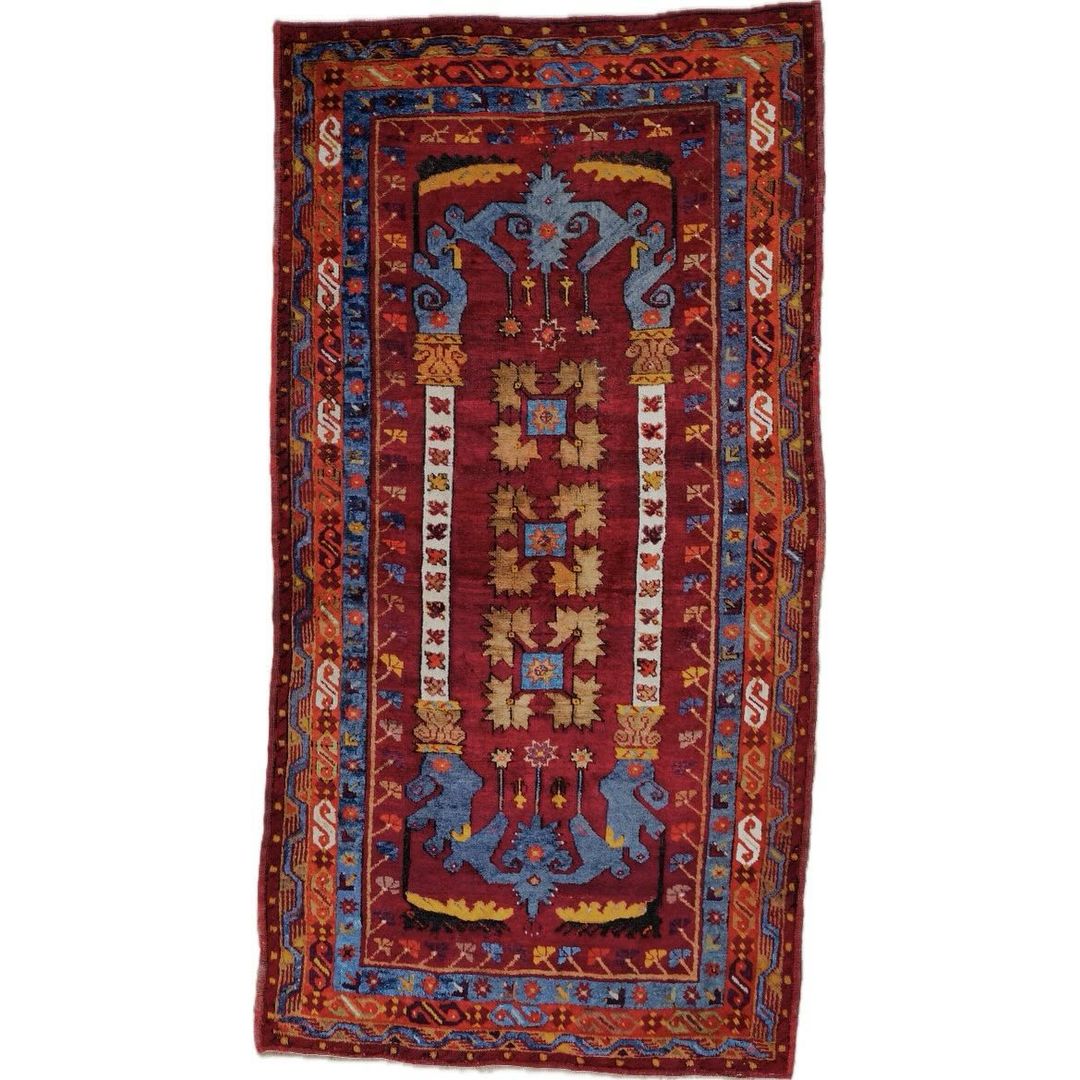
Oushak rugs have become especially popular in American interiors because their larger-scale designs and softer palettes work in traditional, transitional, and relaxed modern rooms. But the word “Oushak” is used very loosely online. A vintage Turkish Oushak, a newly made hand-knotted Oushak-style rug, and a machine-made reproduction should not be priced as if they are the same thing. Age, wool, color, condition, scale, and how convincing the drawing is all make a difference.
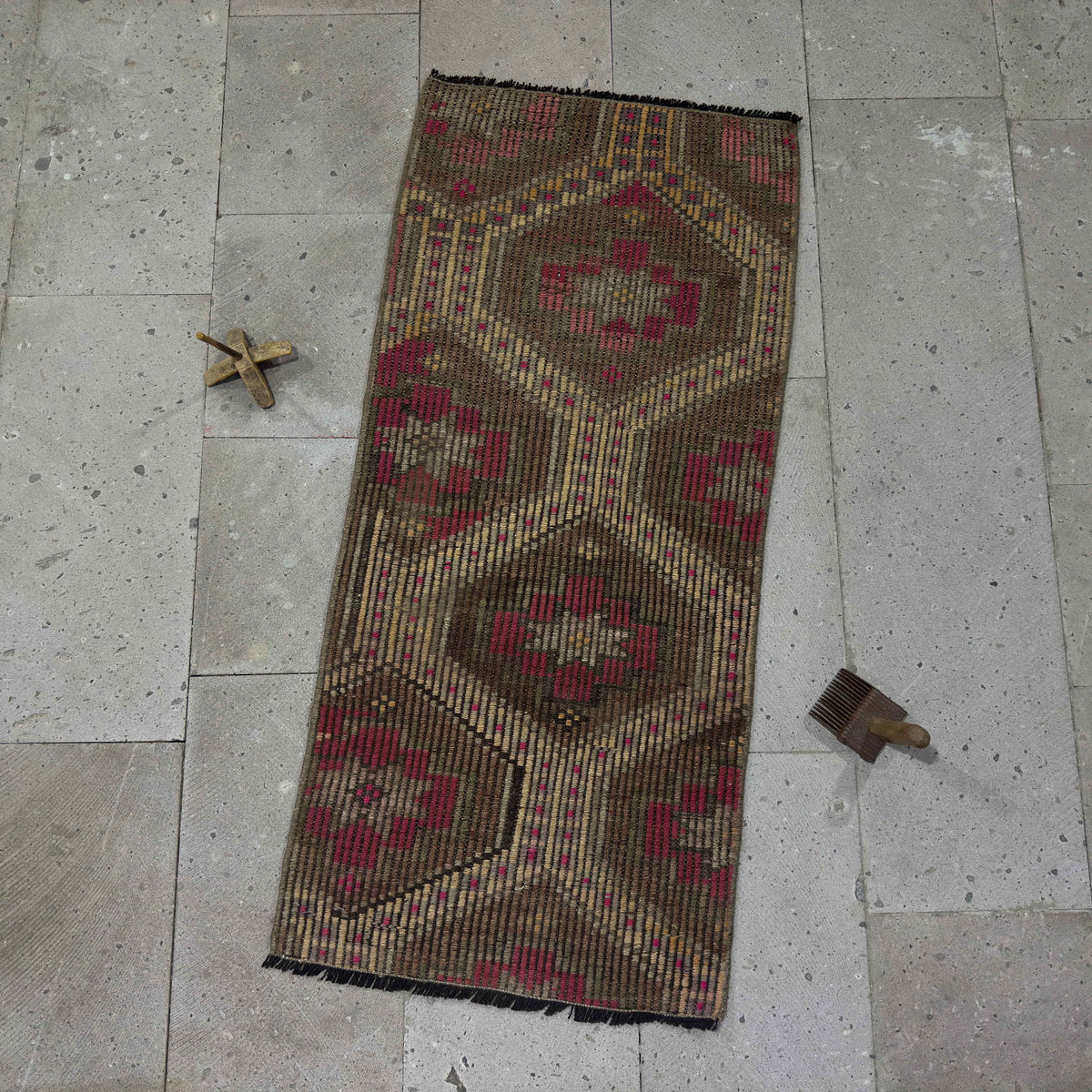
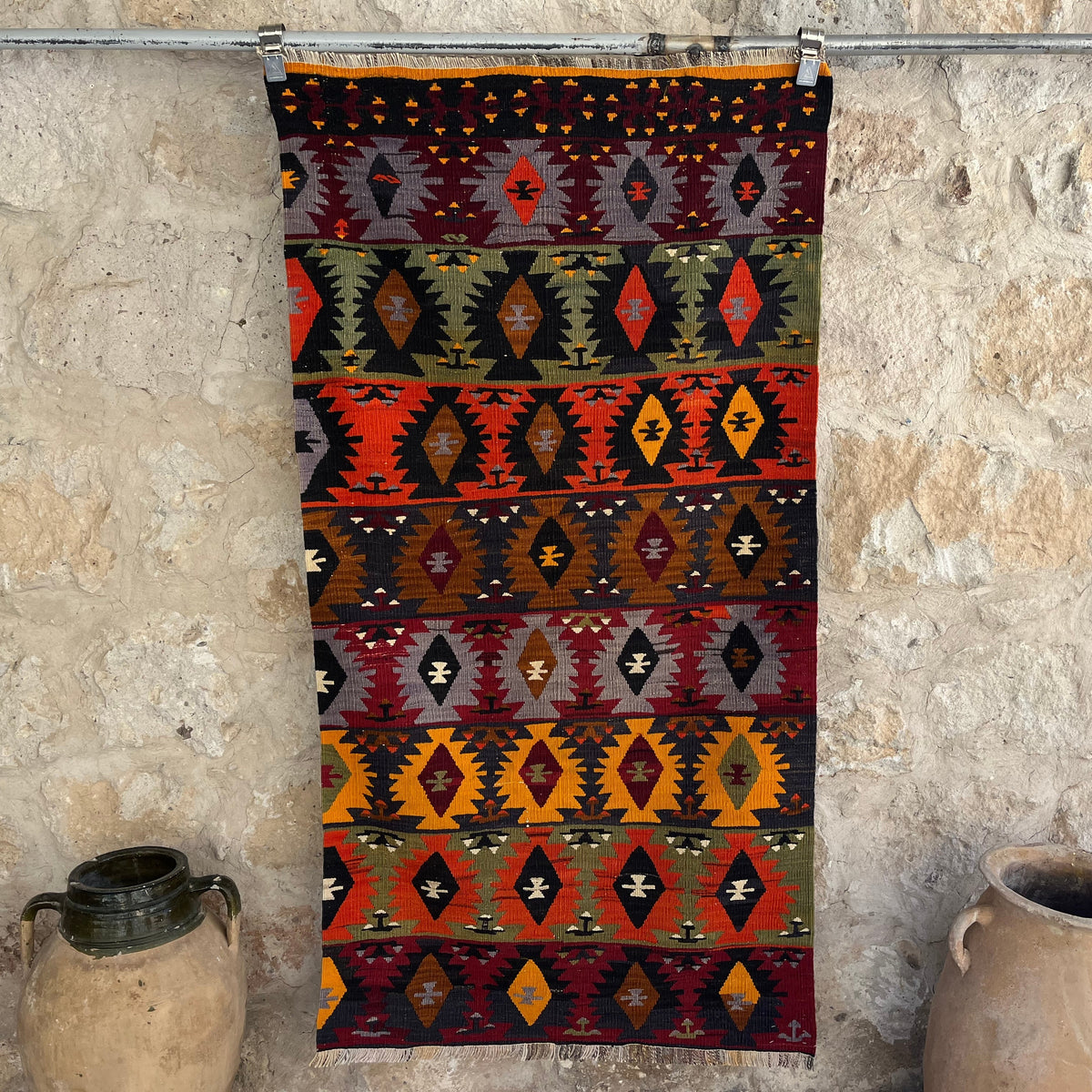
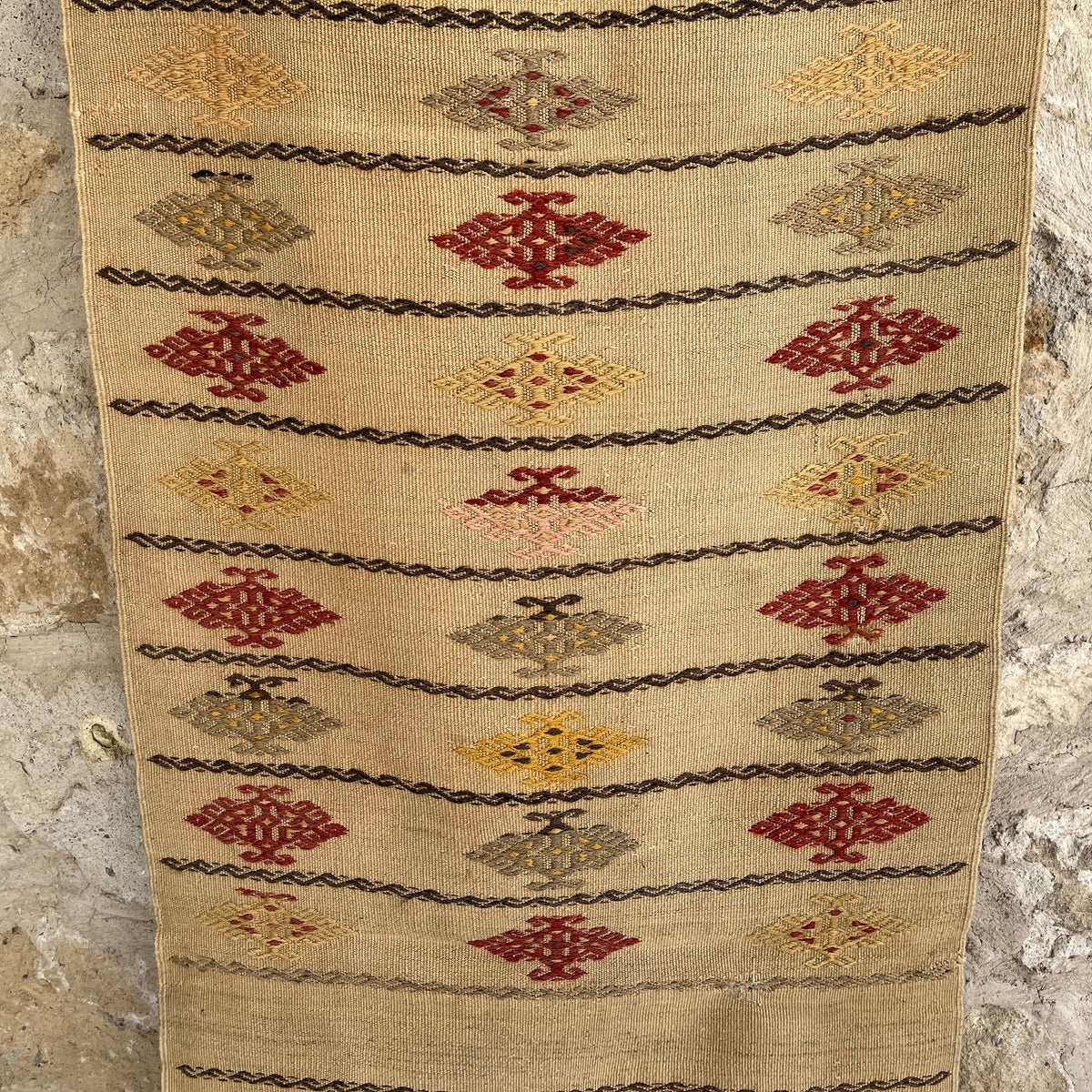
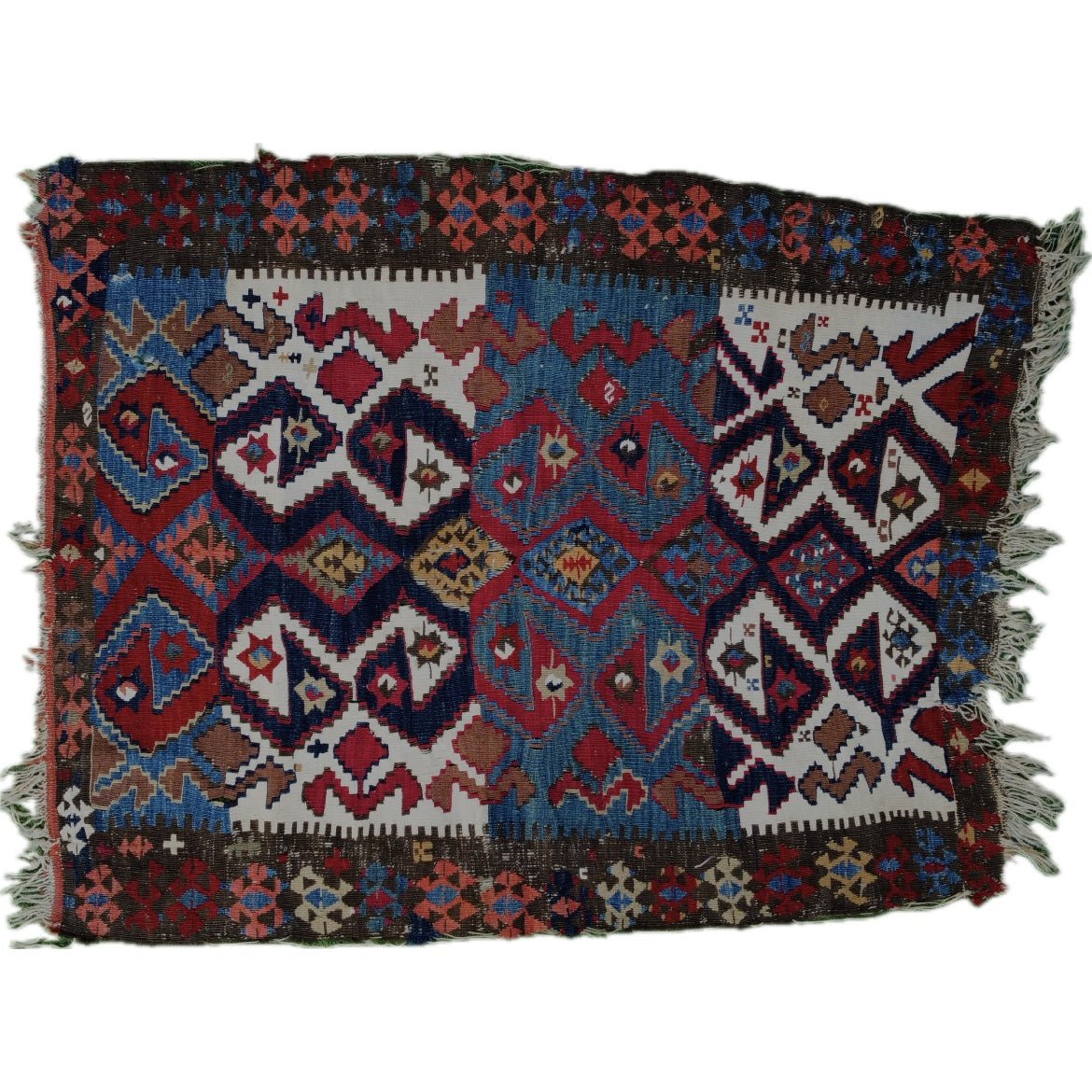
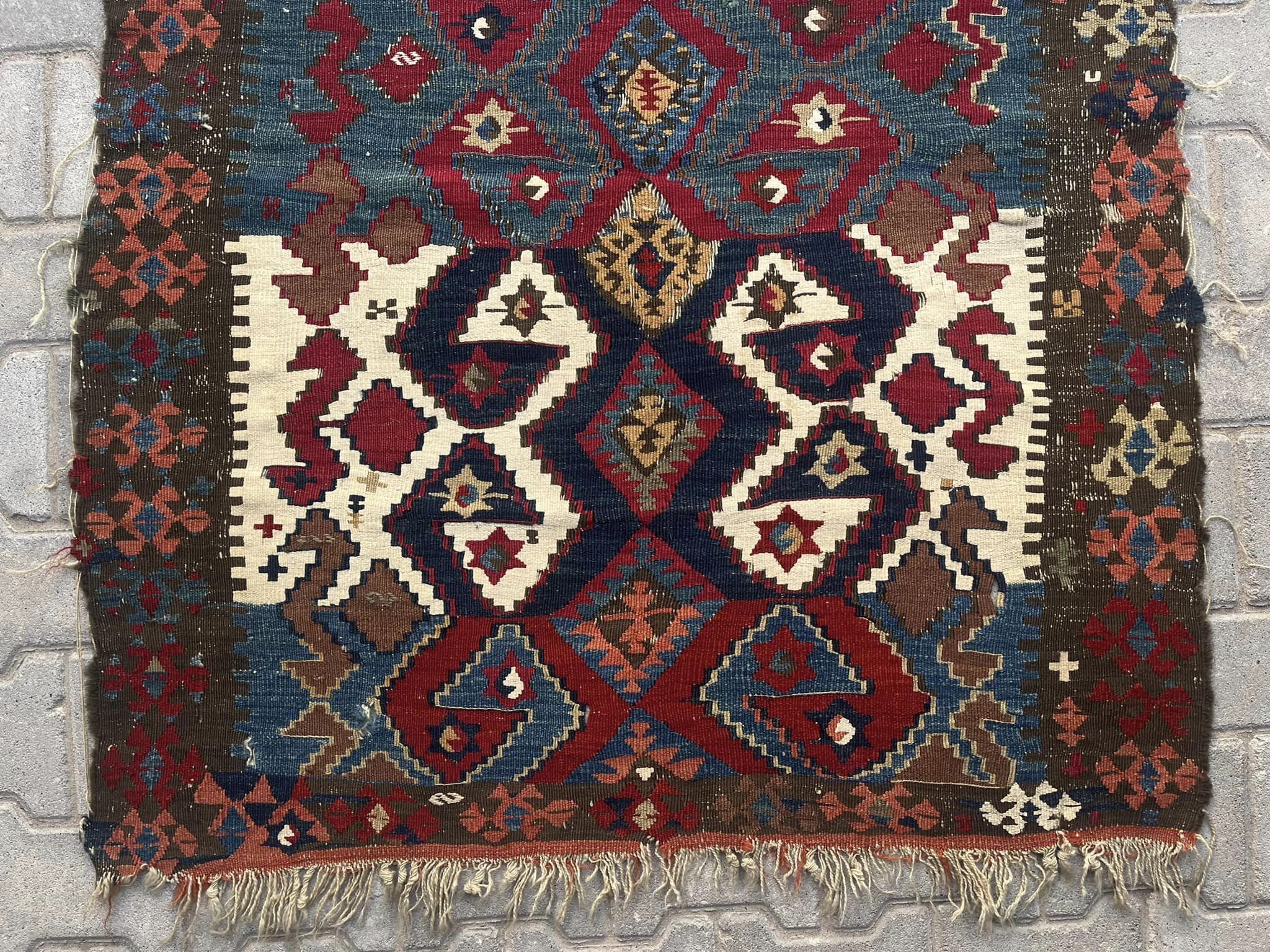
Kilims are flatwoven rather than piled. They can be lighter and easier to use in dining rooms, kitchens, layered rooms, and warm climates. Their construction is different from a pile rug, so knot count is not the way to judge them. Region, age, wool quality, natural color, weaving, condition, and rarity are much more useful.
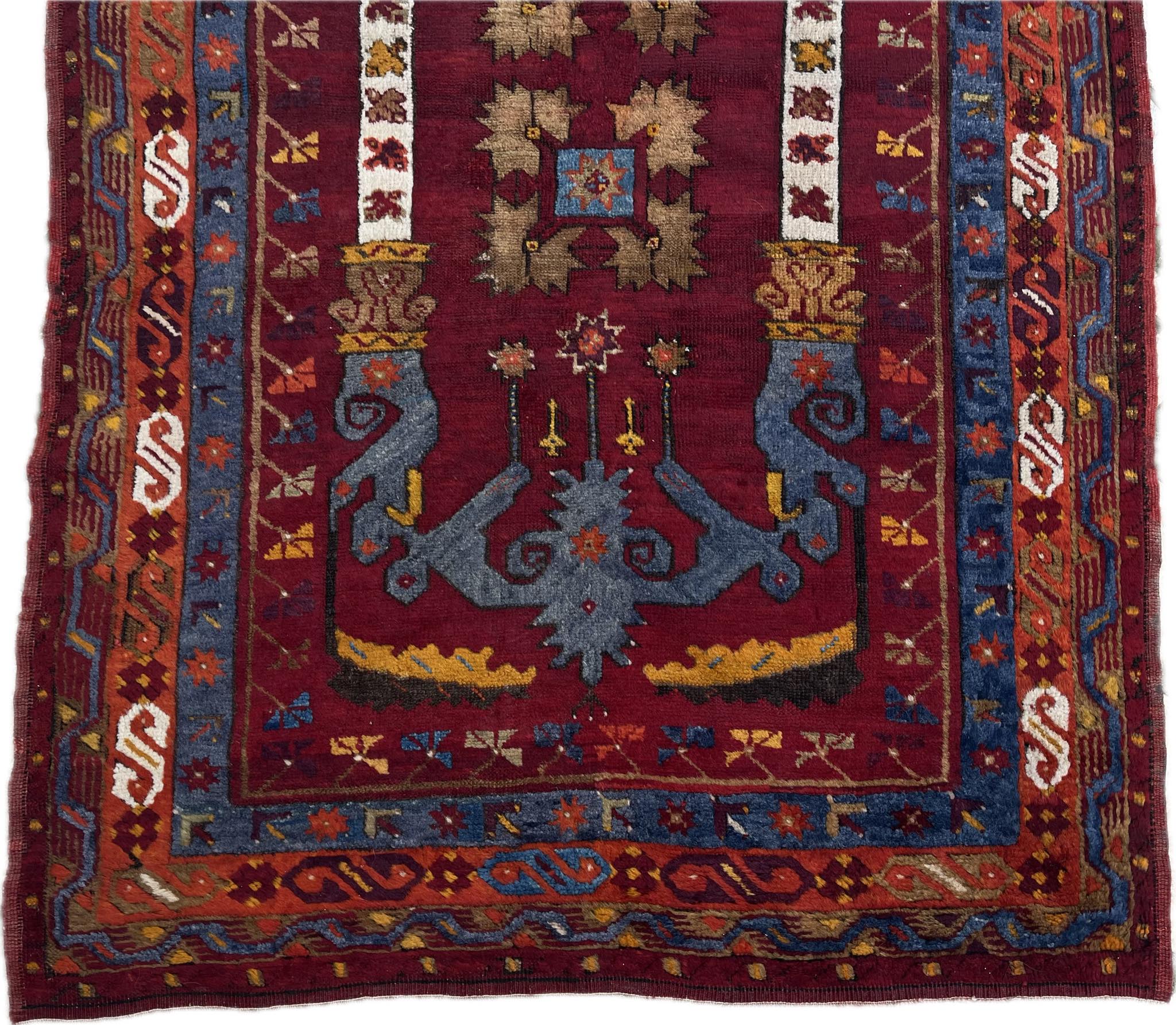
Vintage rugs are where many buyers find the widest range of choices. You get real age and one-of-a-kind character without automatically entering the collector market. A vintage rug can show low pile or softened color and still be a very good everyday rug if the foundation is strong.
Antique rugs are a different conversation. Once provenance, scarcity, restoration, historical importance, and collector demand enter the picture, a simple size chart becomes less useful. A smaller antique can be worth much more than a larger vintage rug. If you are comparing older collector pieces, our guide to antique rug pricing goes into those factors in more detail.
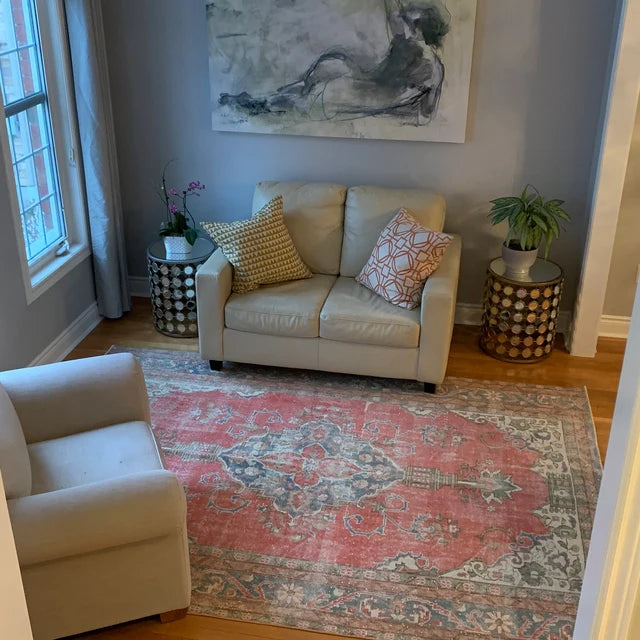
Buying a Turkish Rug in the US: What Are You Really Paying For?
A rug in a US showroom may have passed through an exporter, importer, wholesaler, and retailer before it reaches the final buyer. Each business has real costs, but every layer can add to the final price. Buying directly from Turkey can shorten that route, which is one reason two similar-looking rugs can have very different retail prices.
Kirmen Rugs is based in Cappadocia. We find and prepare the rugs here, photograph the actual piece, and ship that exact rug directly to the customer. There is no US warehouse or distributor in between. For me, that direct route is not only about price. It also means I can show you the rug honestly—the front, back, pile, edges, repairs, and exact measurements—because I am working with the actual piece rather than a production sample.
For an American buyer, I would compare the delivered cost, not only the number on the product page. Our current Shipping & Returns page explains the latest terms: free express shipping, UPS or FedEx delivery that is usually 4–7 business days to the US, no US state sales tax collected at checkout, and a 30-day return window. For US orders of $250 and above, Kirmen currently covers customs duties with DDP shipping; lower-value orders may have a small courier customs fee.
That is the kind of detail I would want to know before comparing two prices. A cheaper sticker price is not always cheaper if shipping, customs, condition, or return terms are unclear. With one-of-a-kind rugs, transparency is part of the value.
If I were comparing two Turkish rugs online, these are the four things I would check before worrying about which one is fifty dollars cheaper.
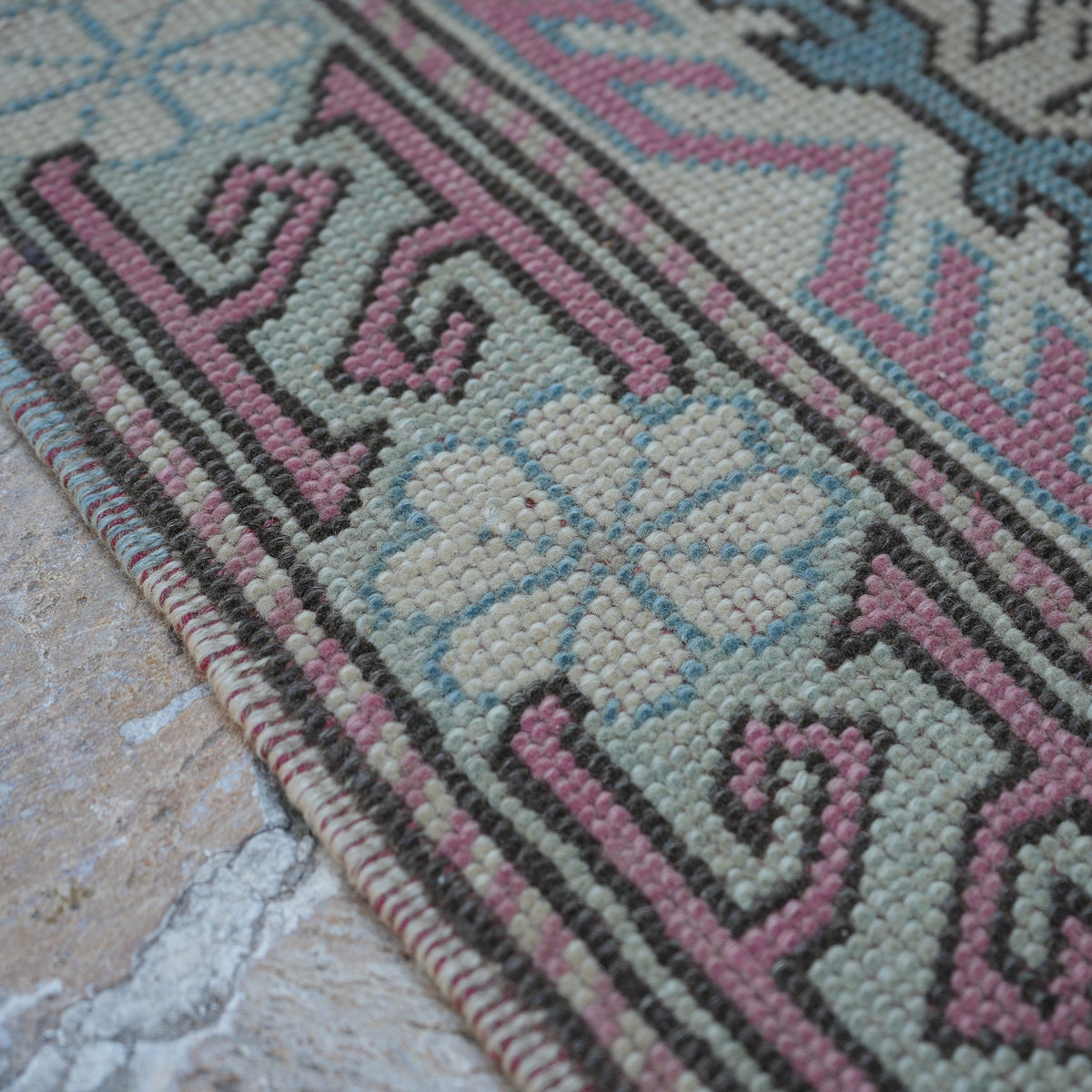
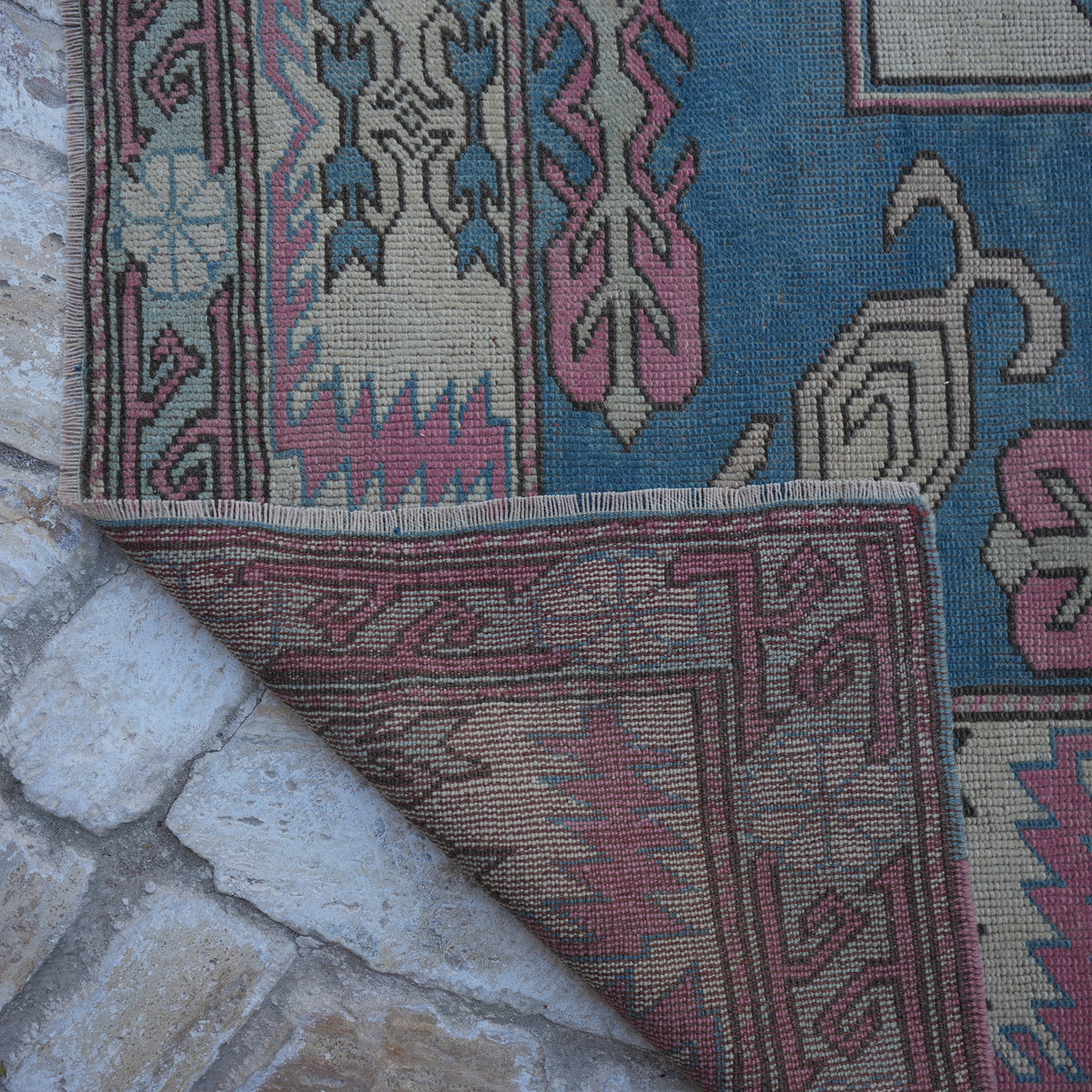
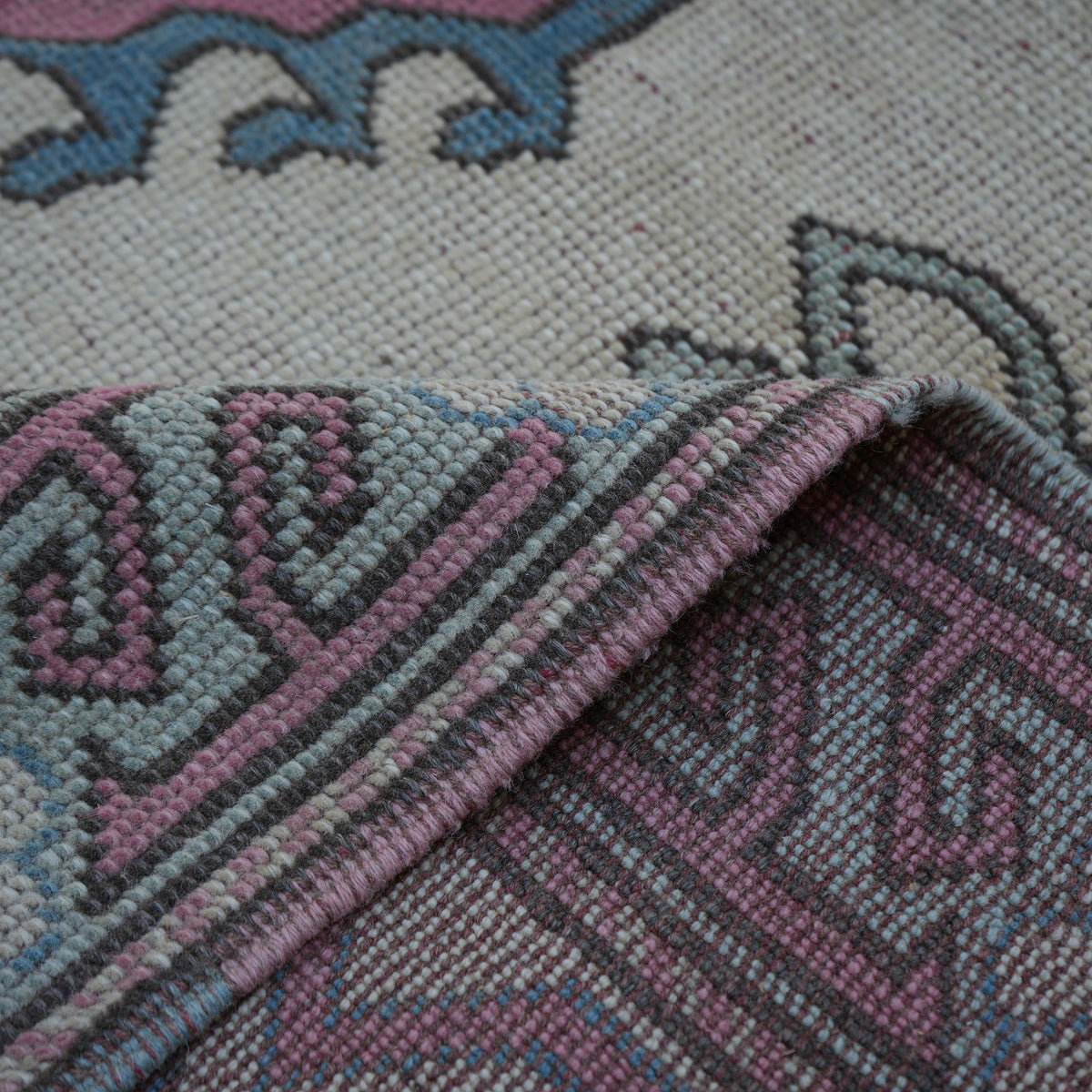
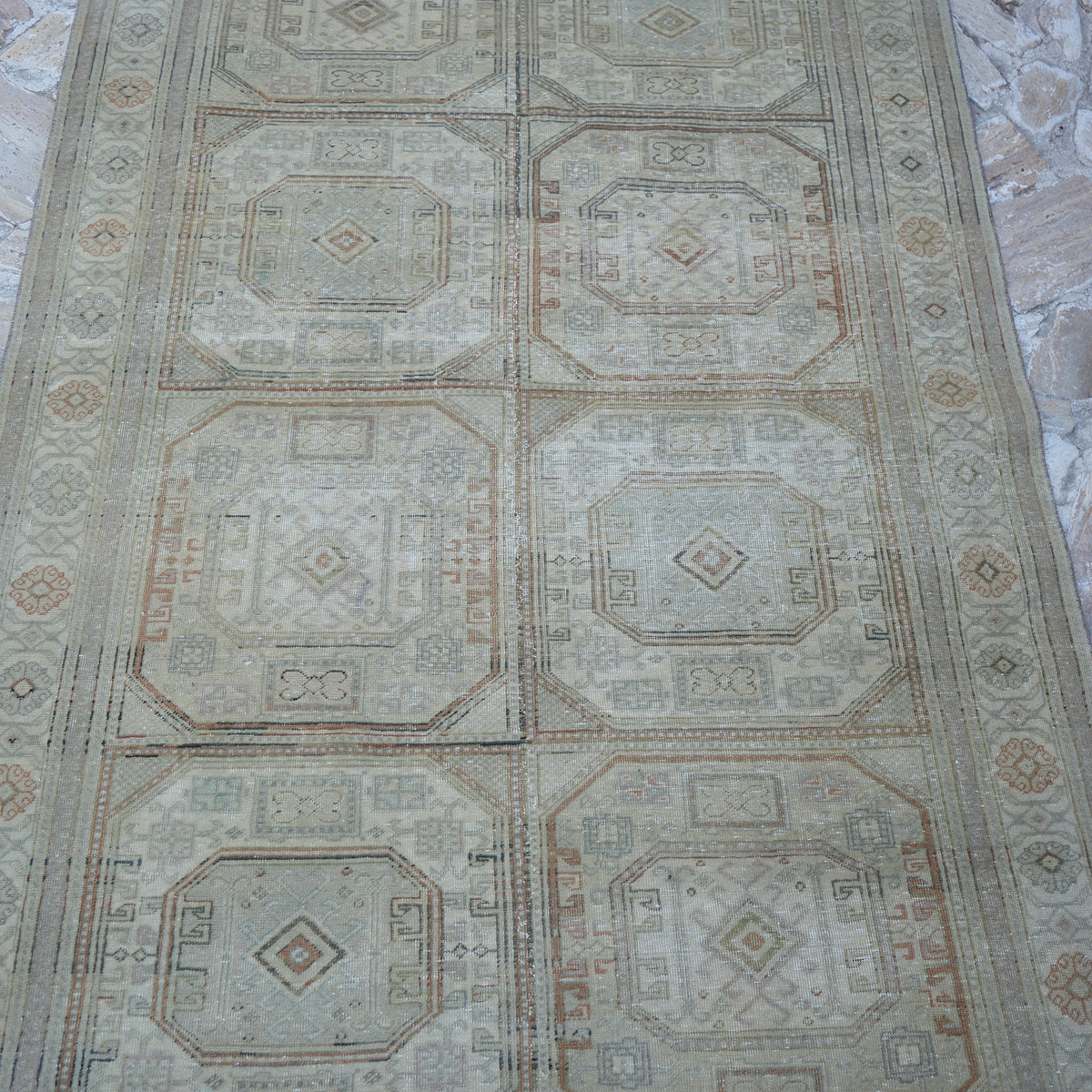
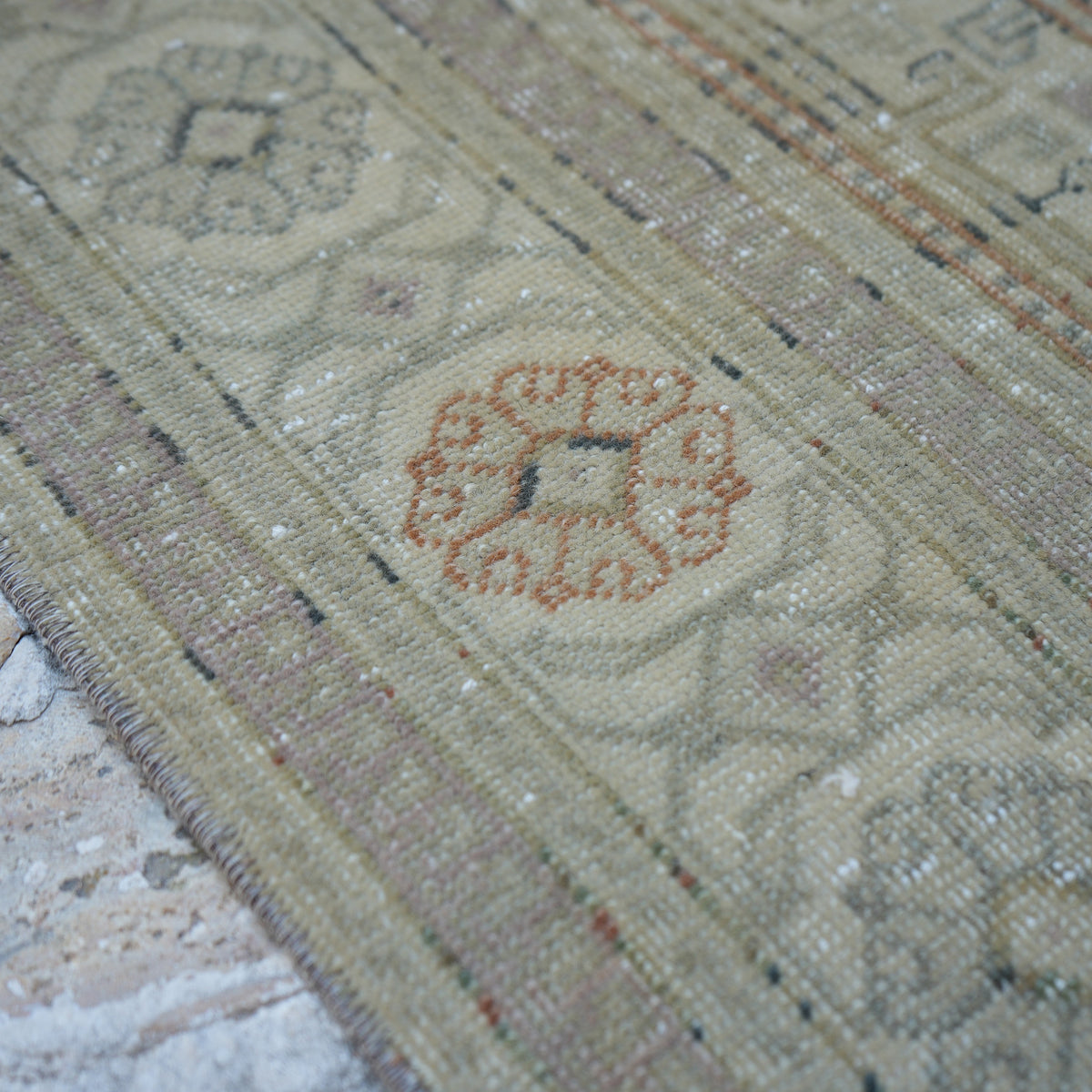
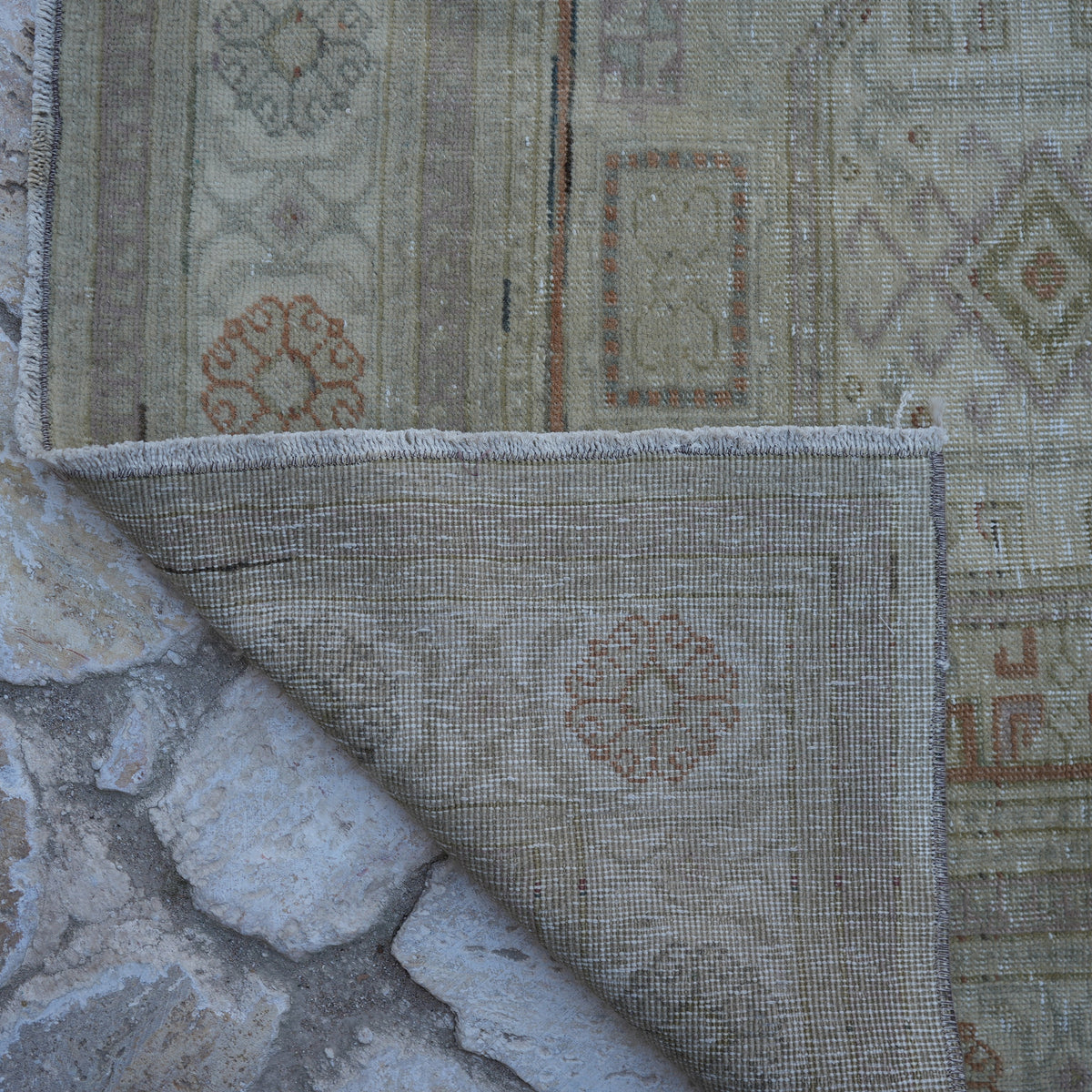
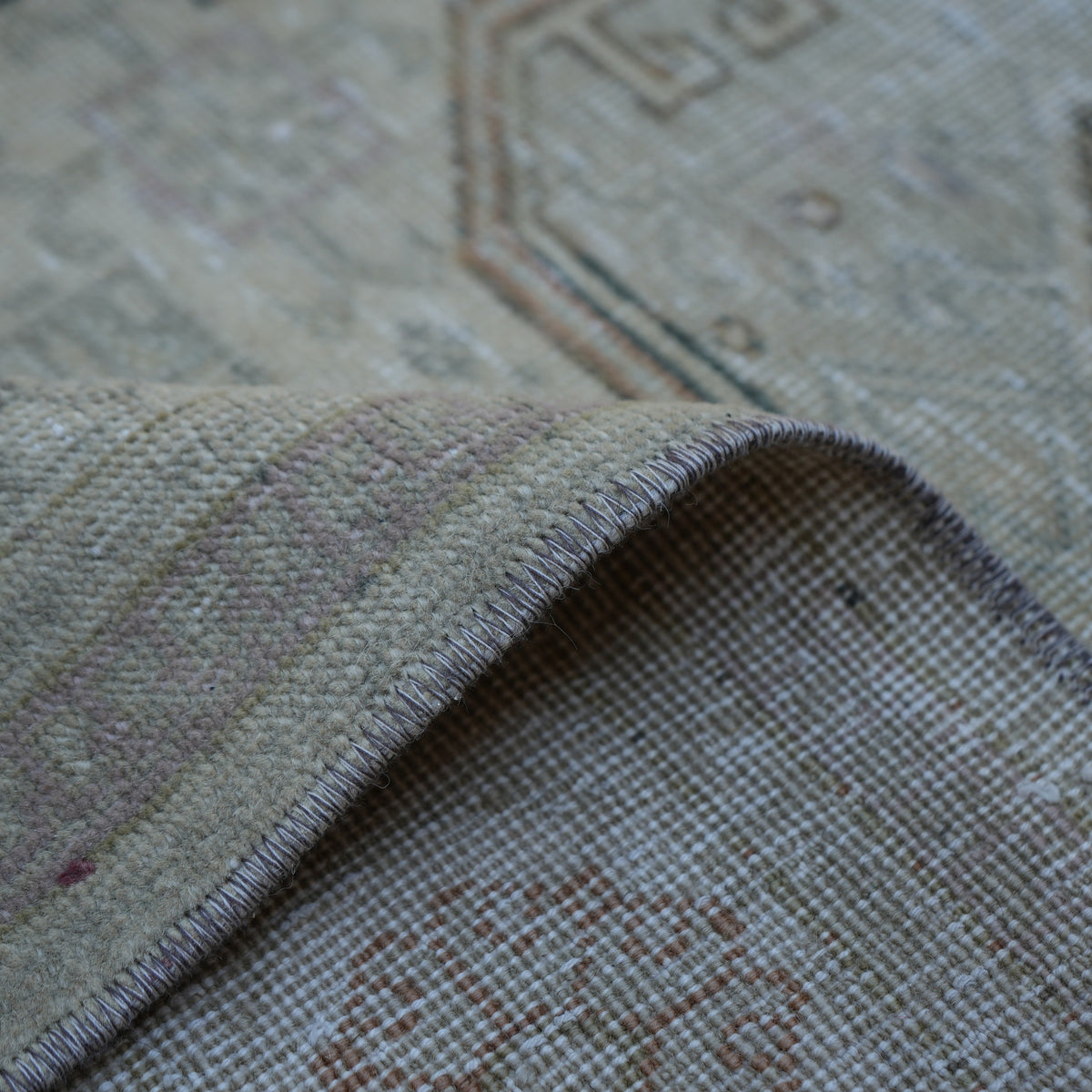
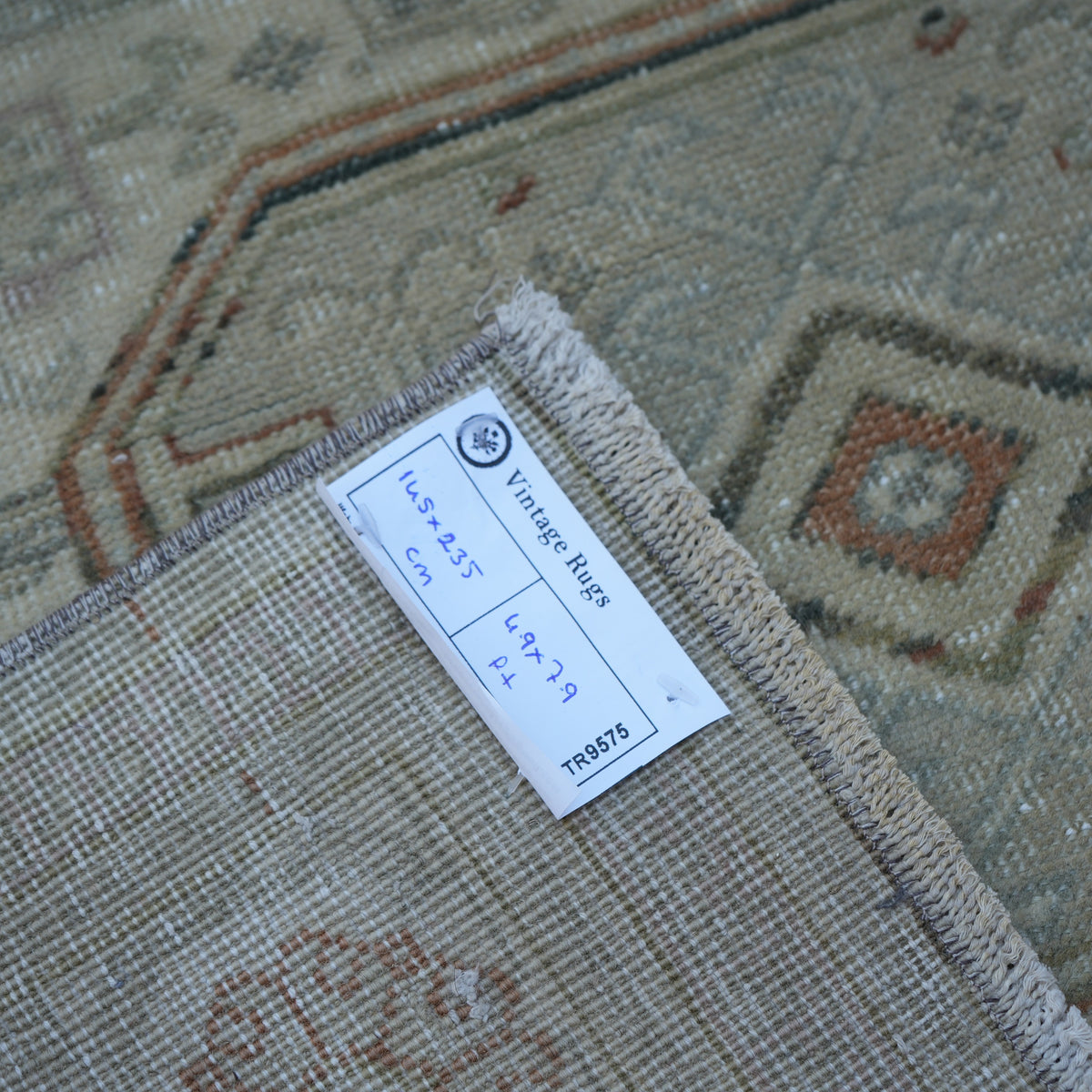
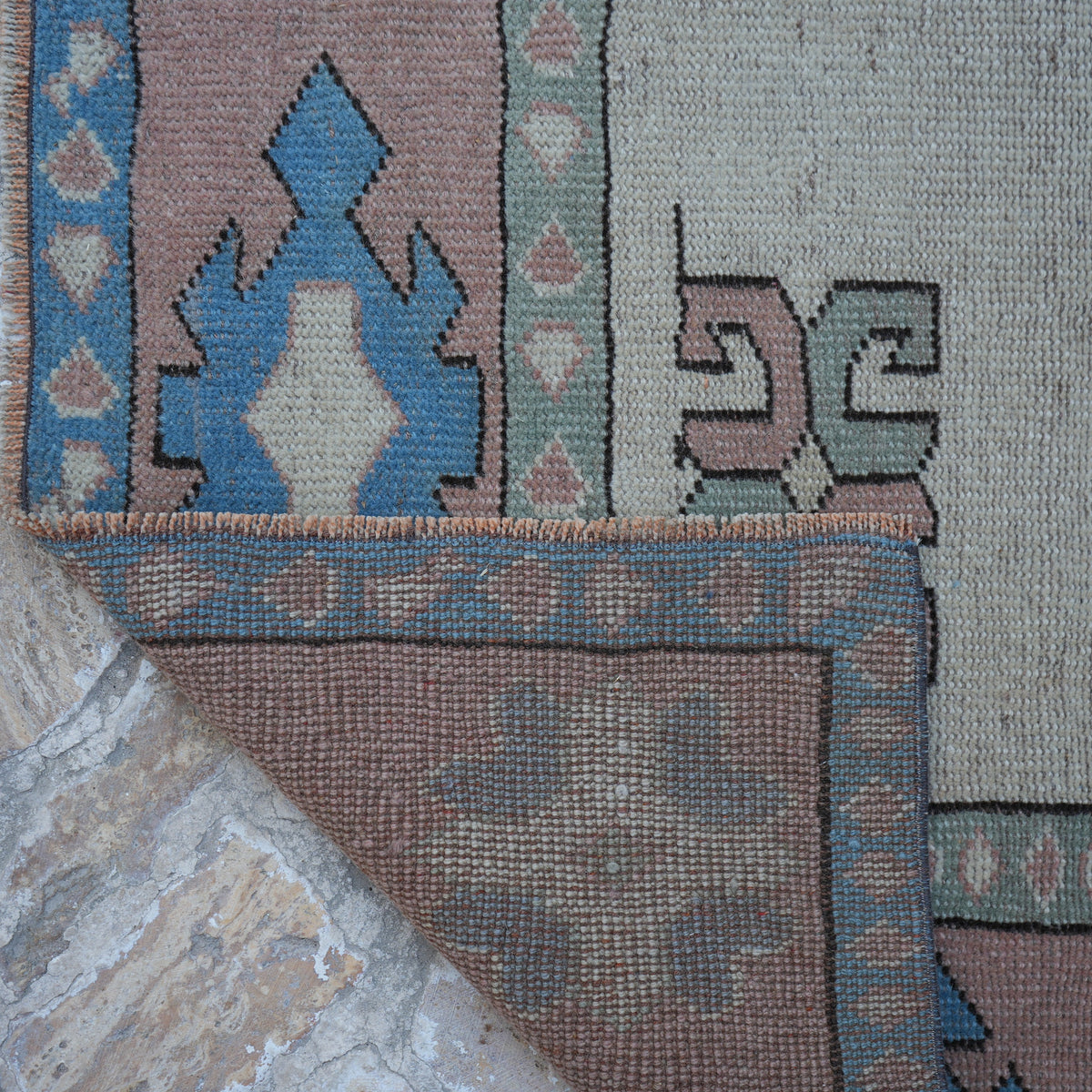
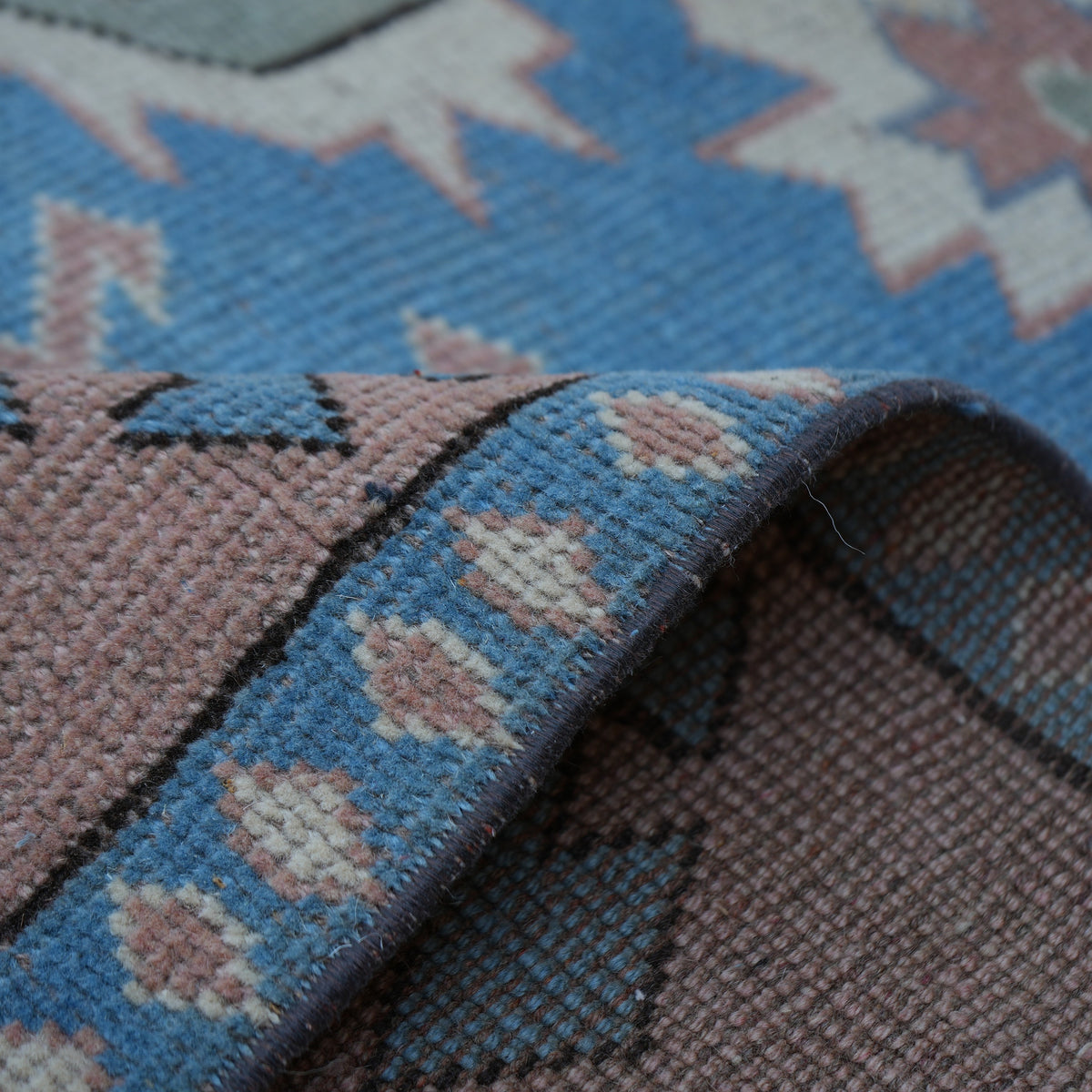
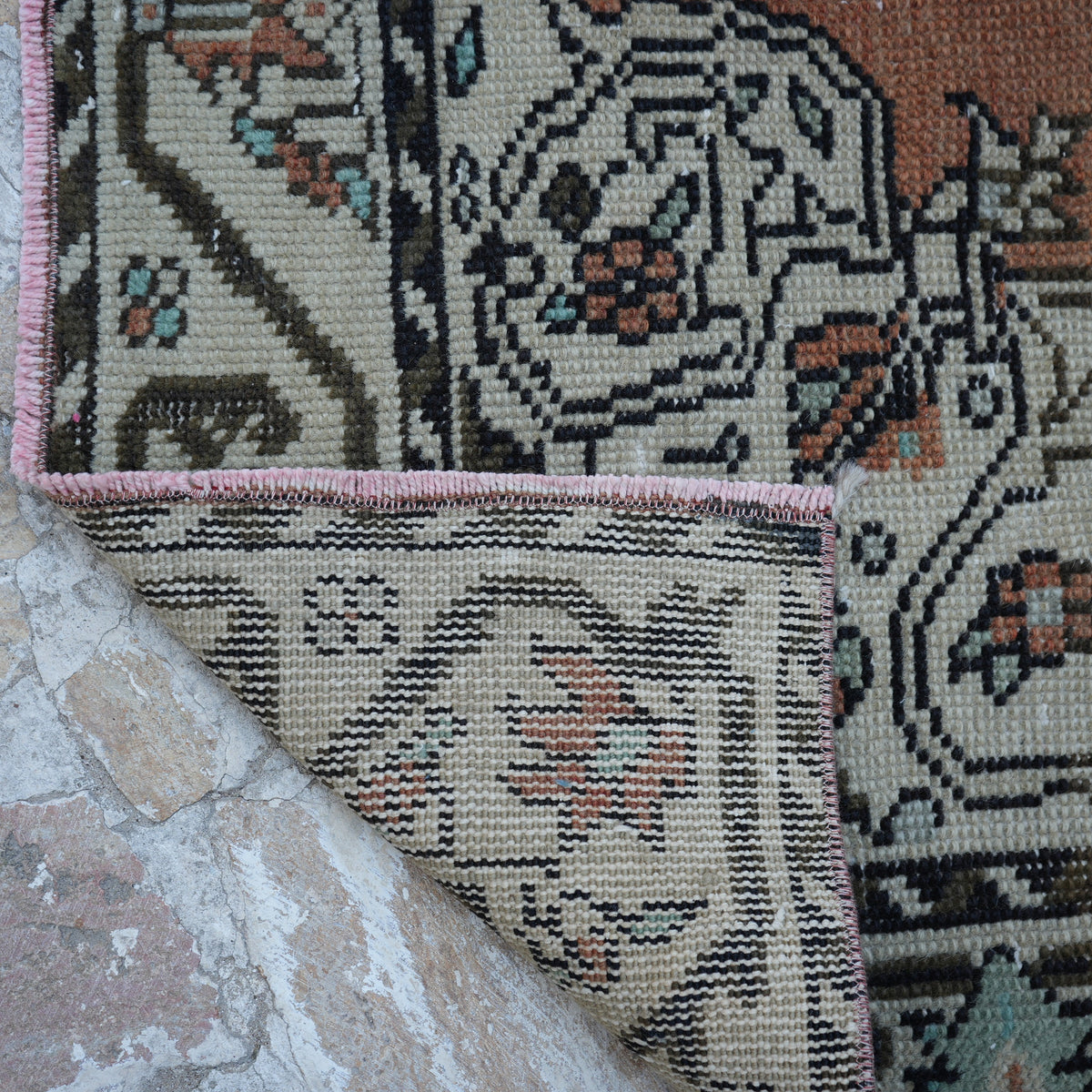
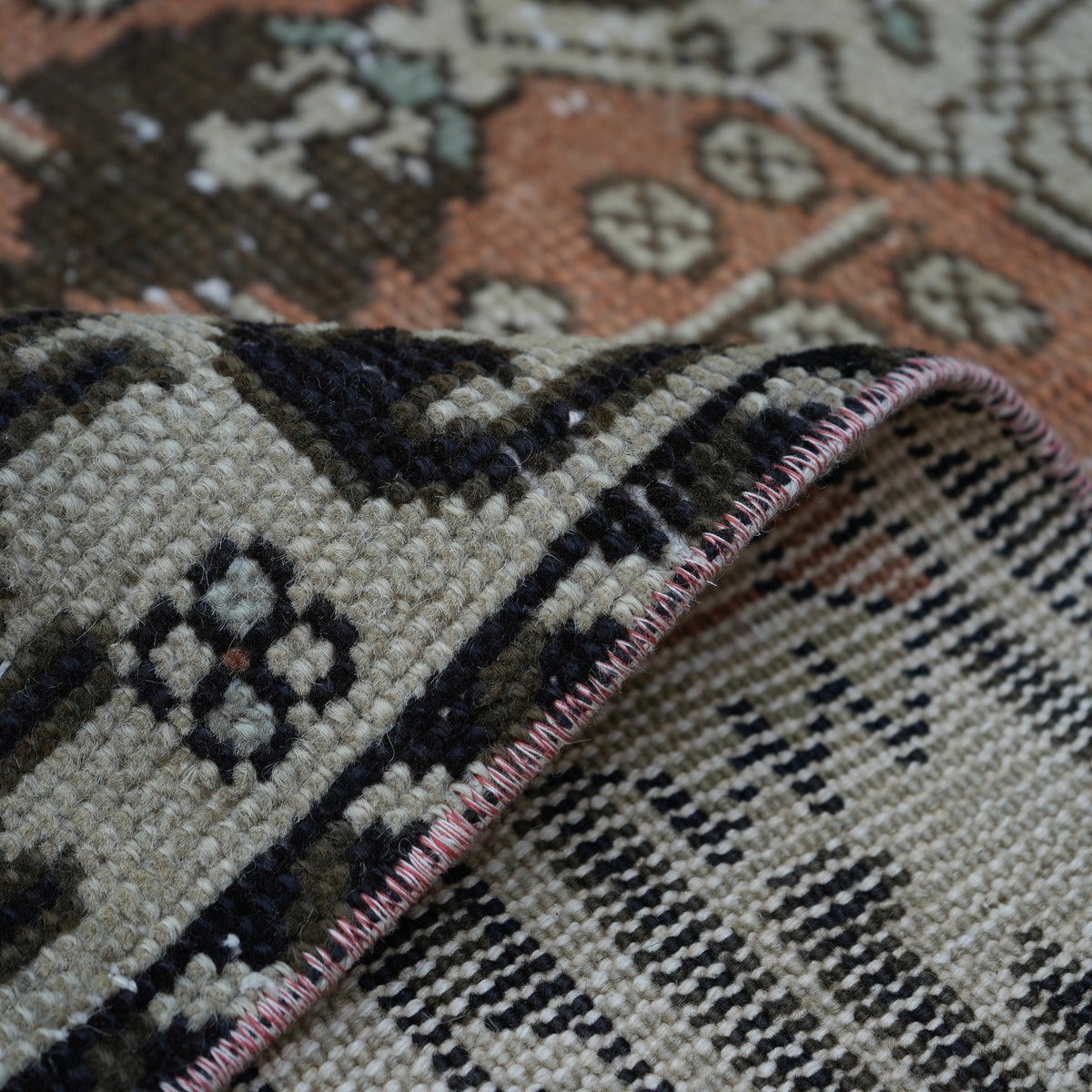
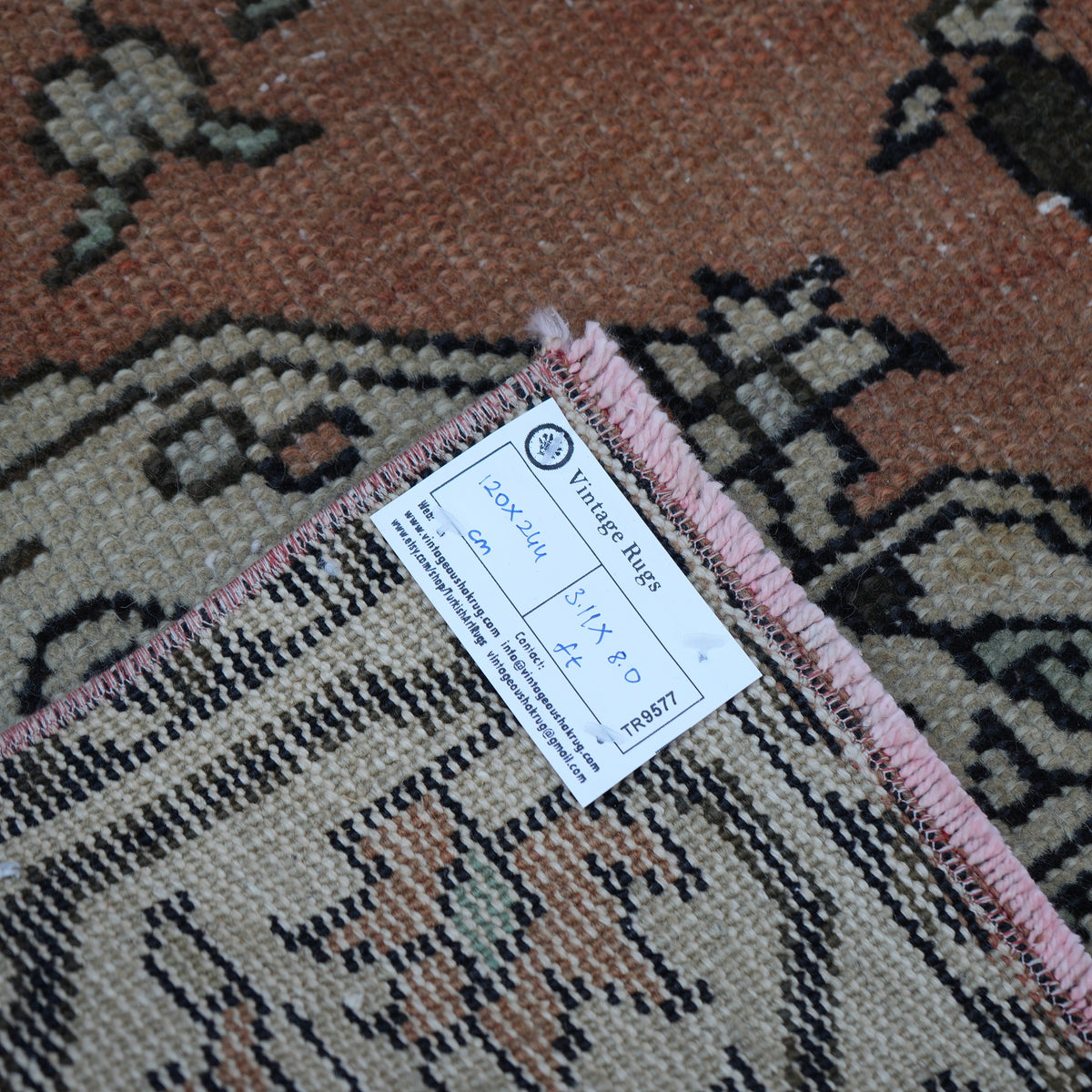
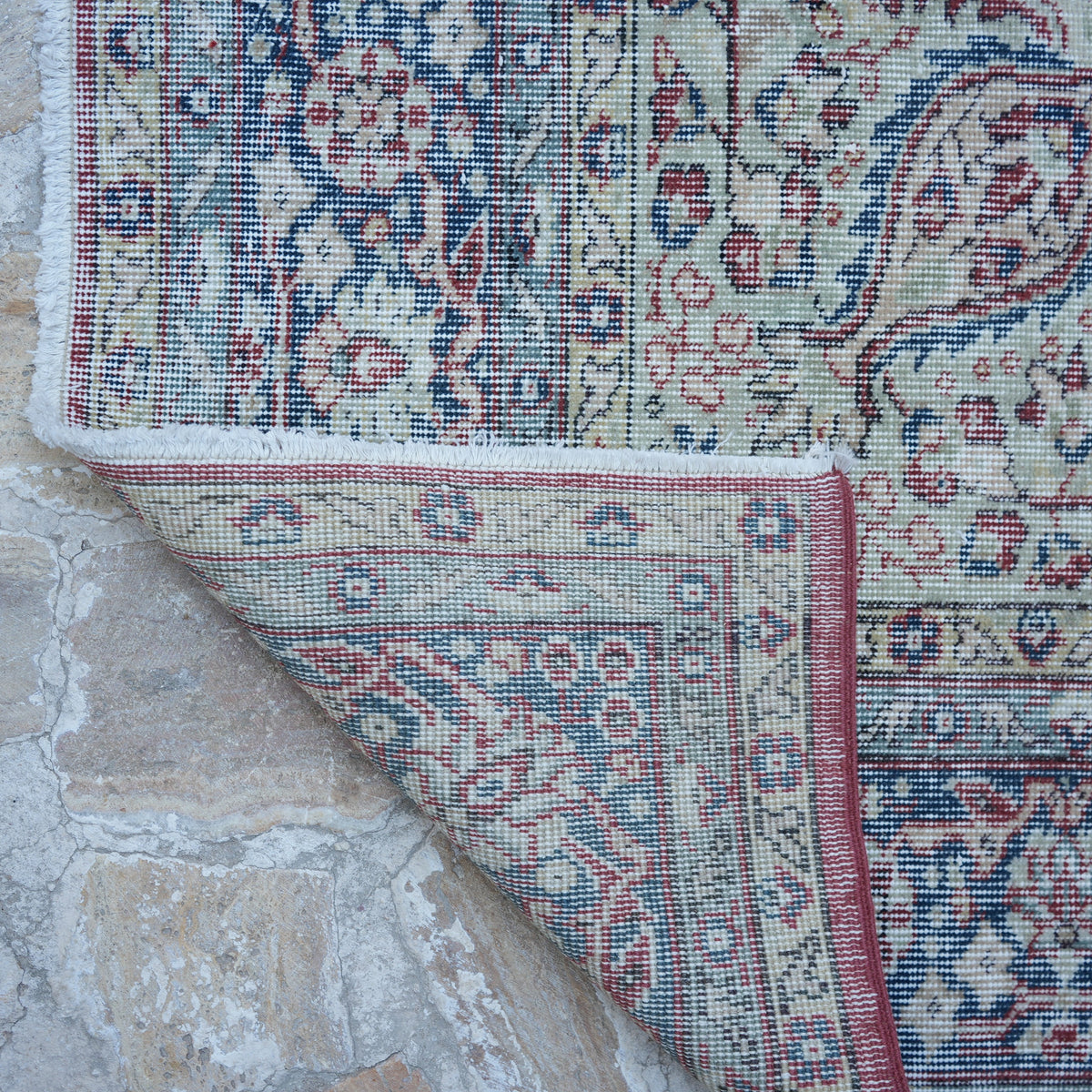
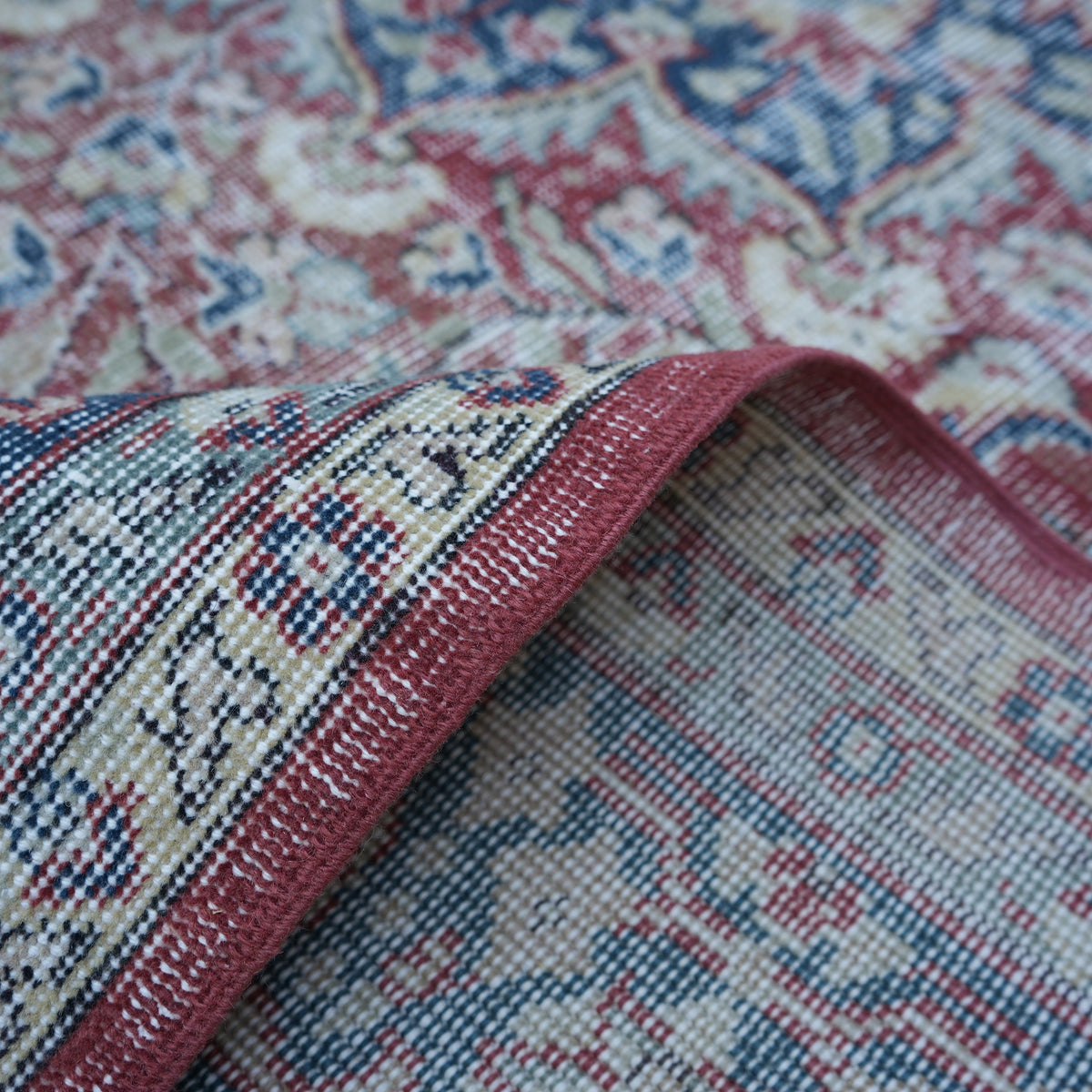
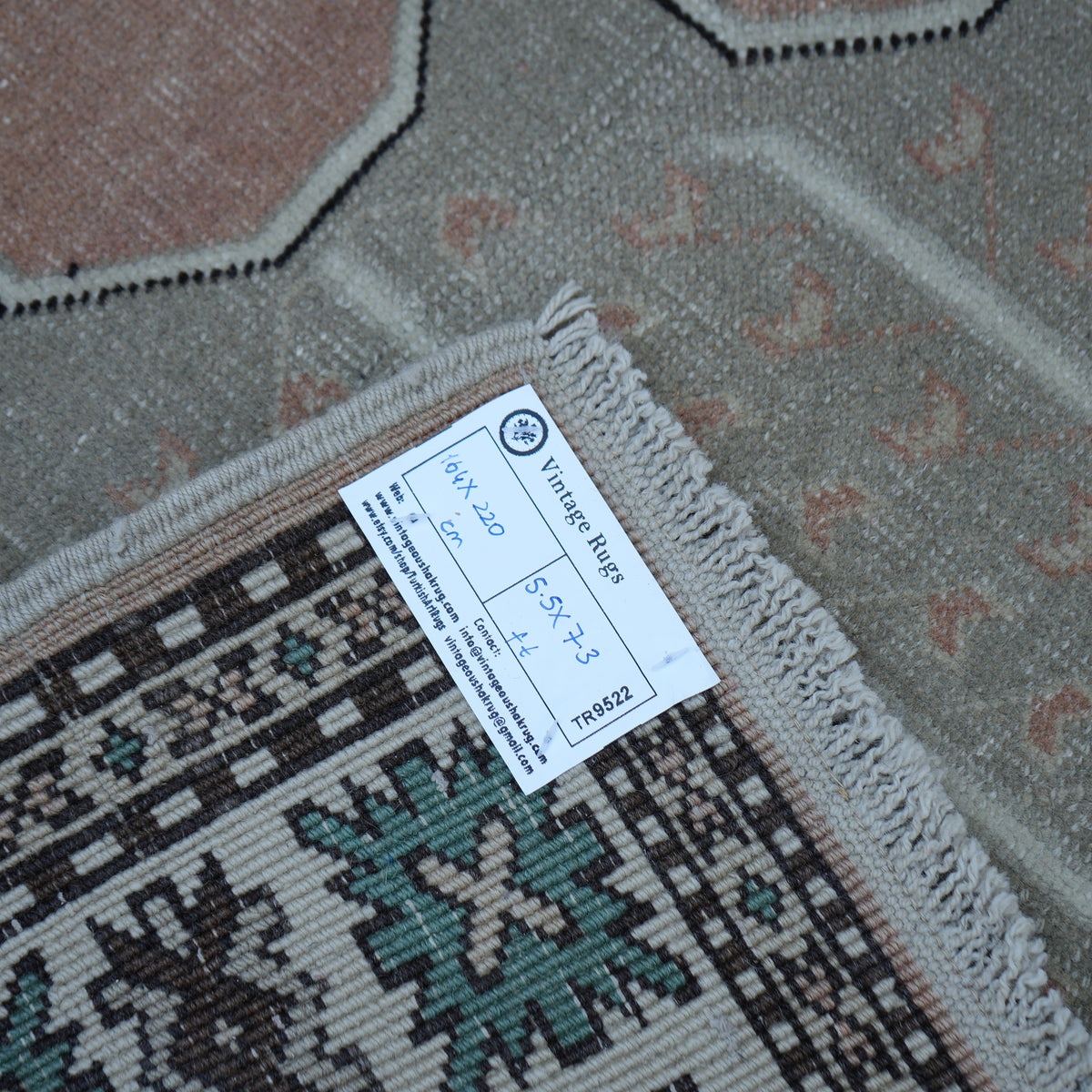
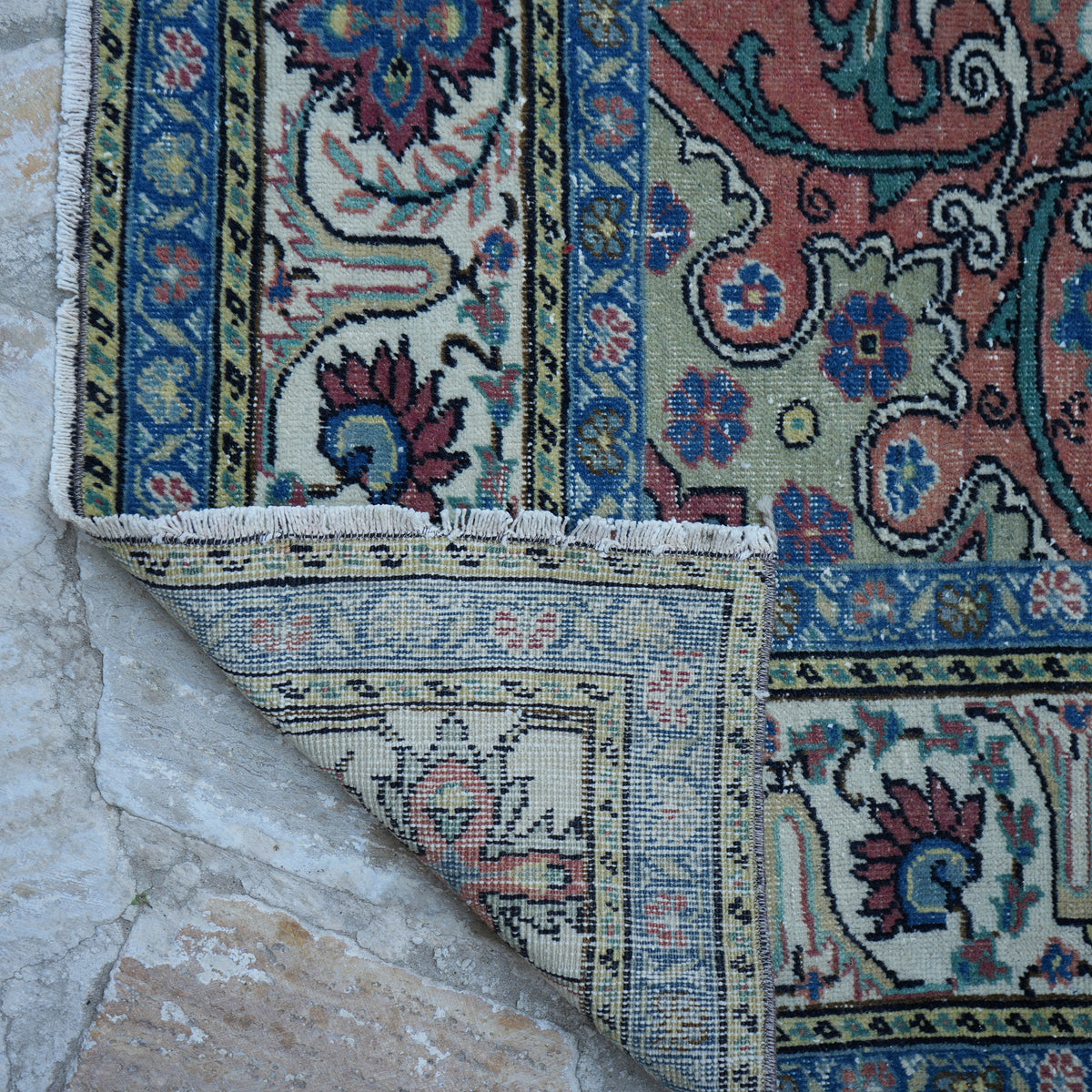
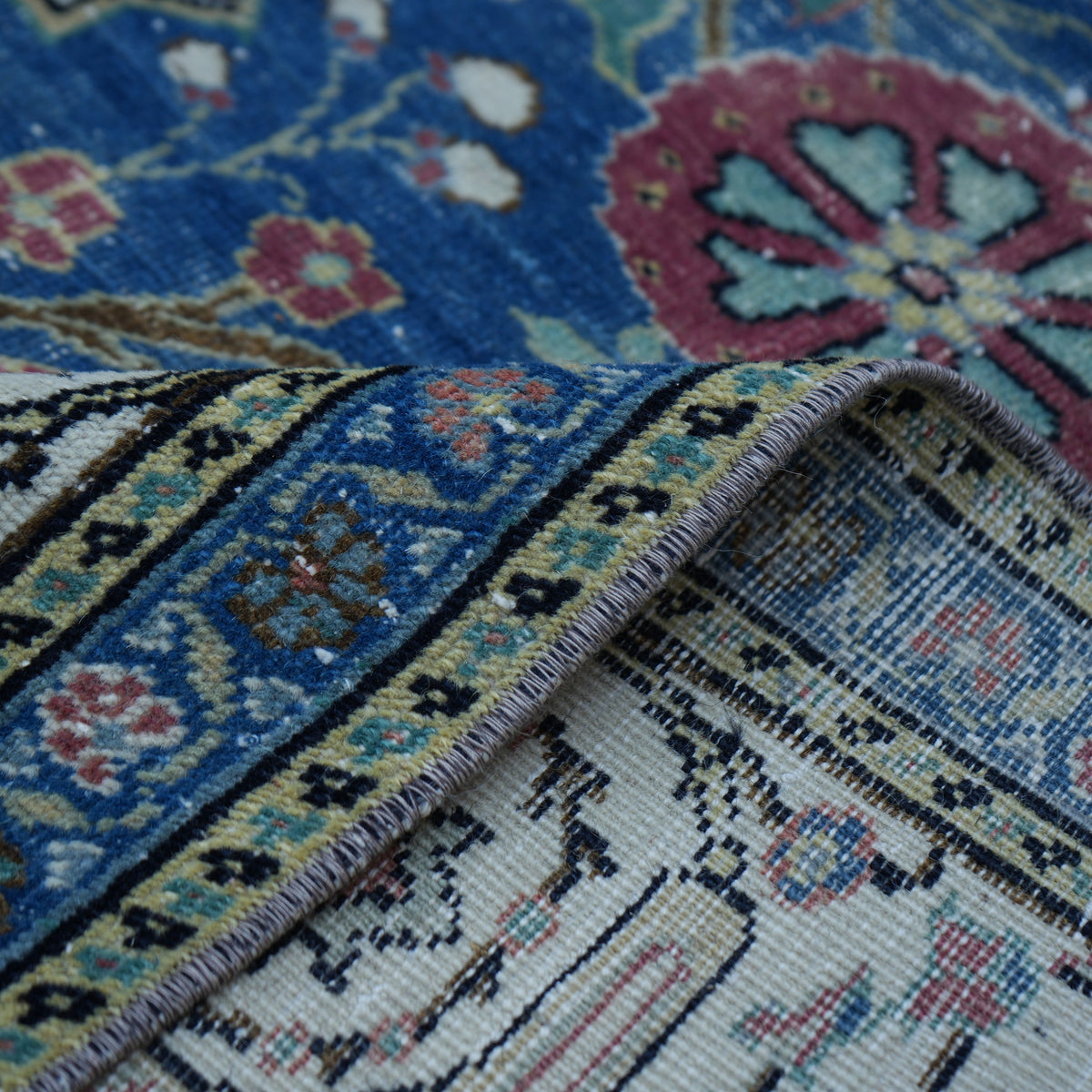
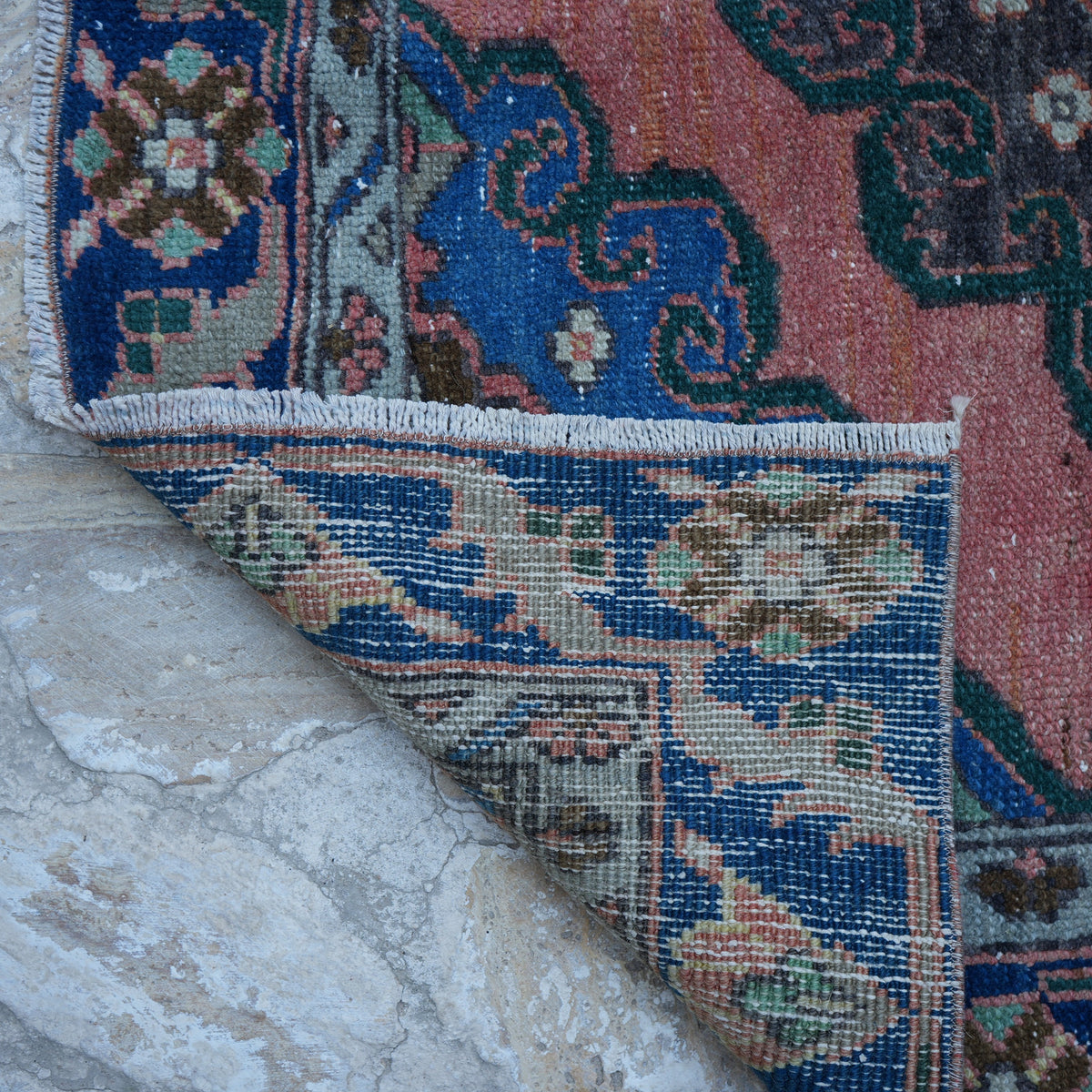
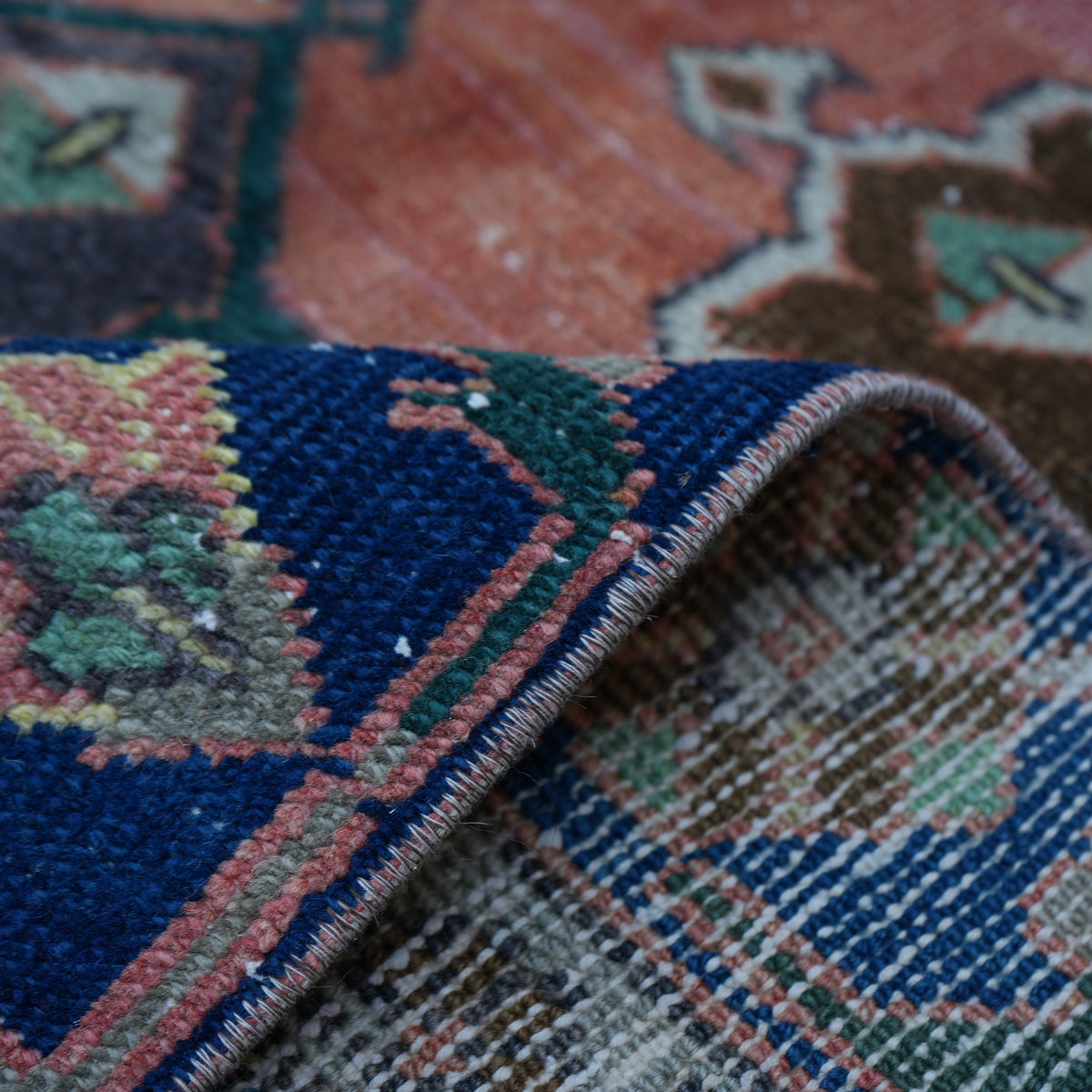
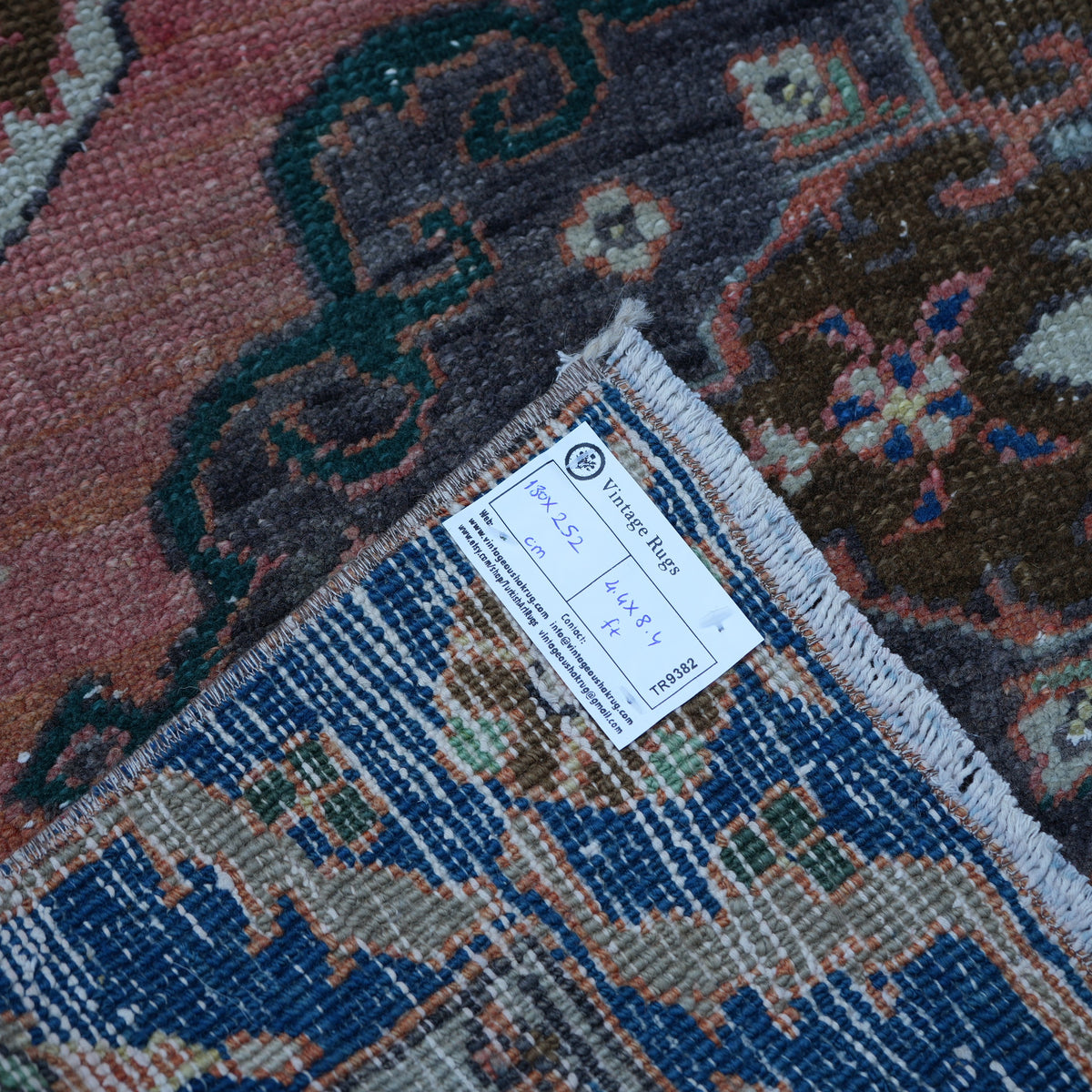
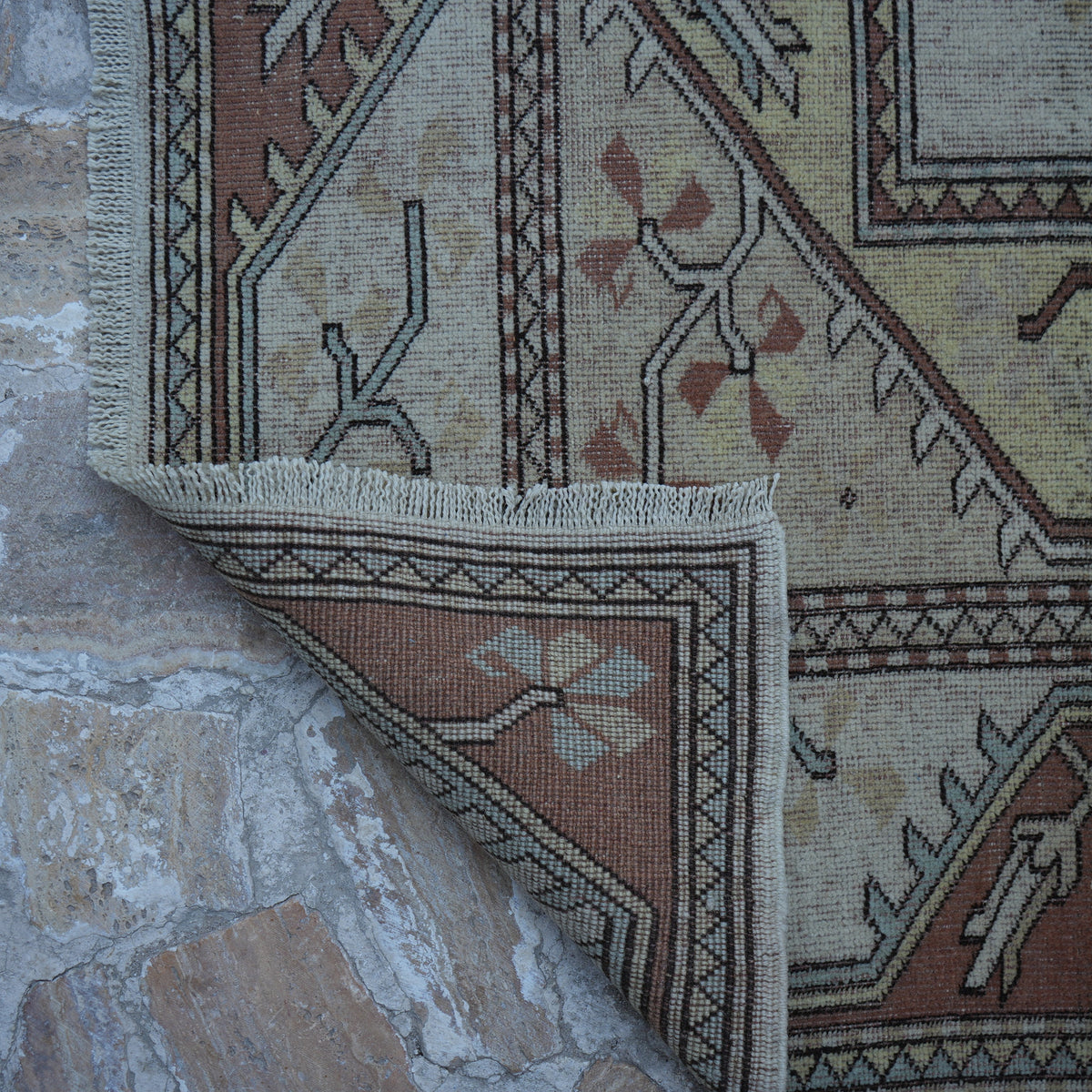
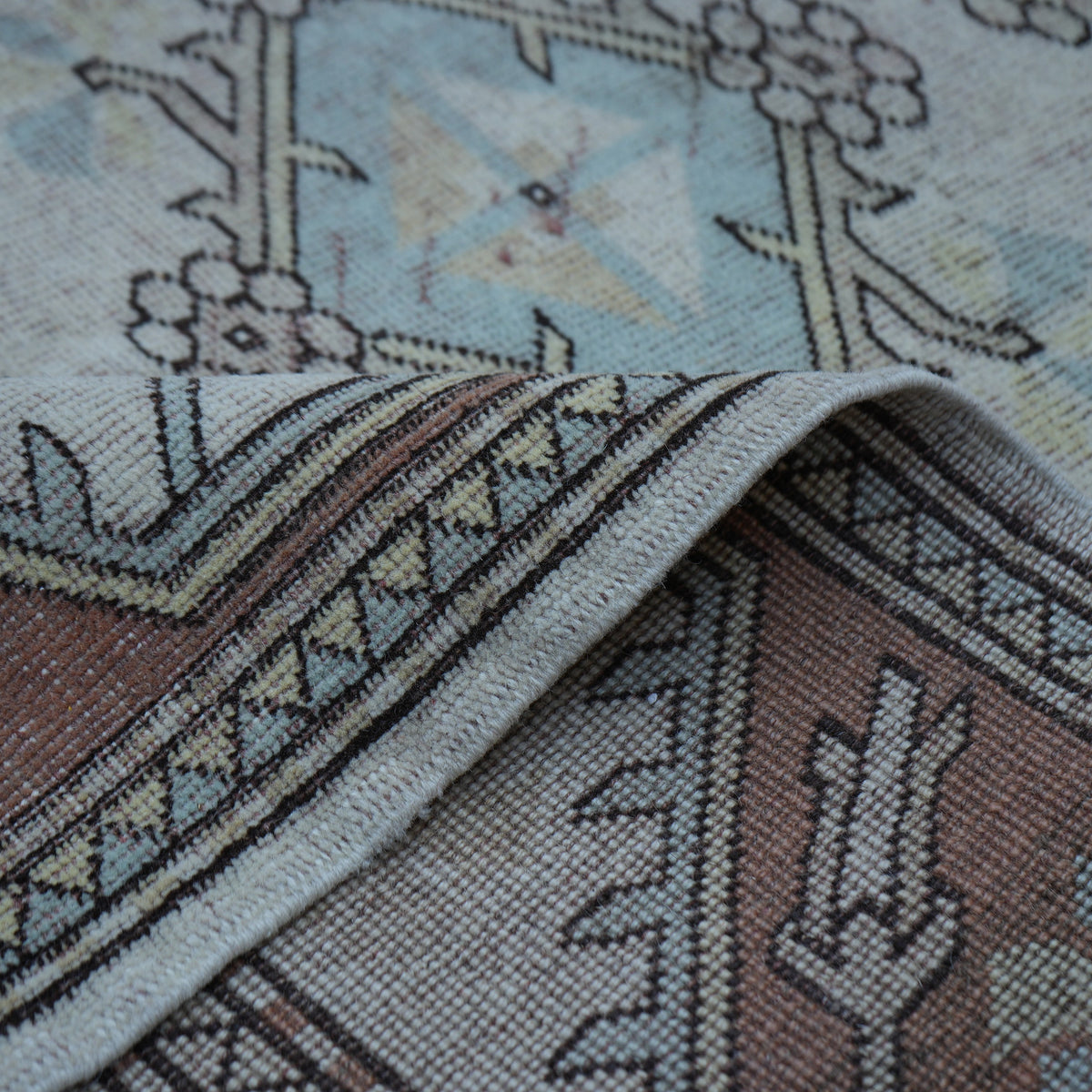
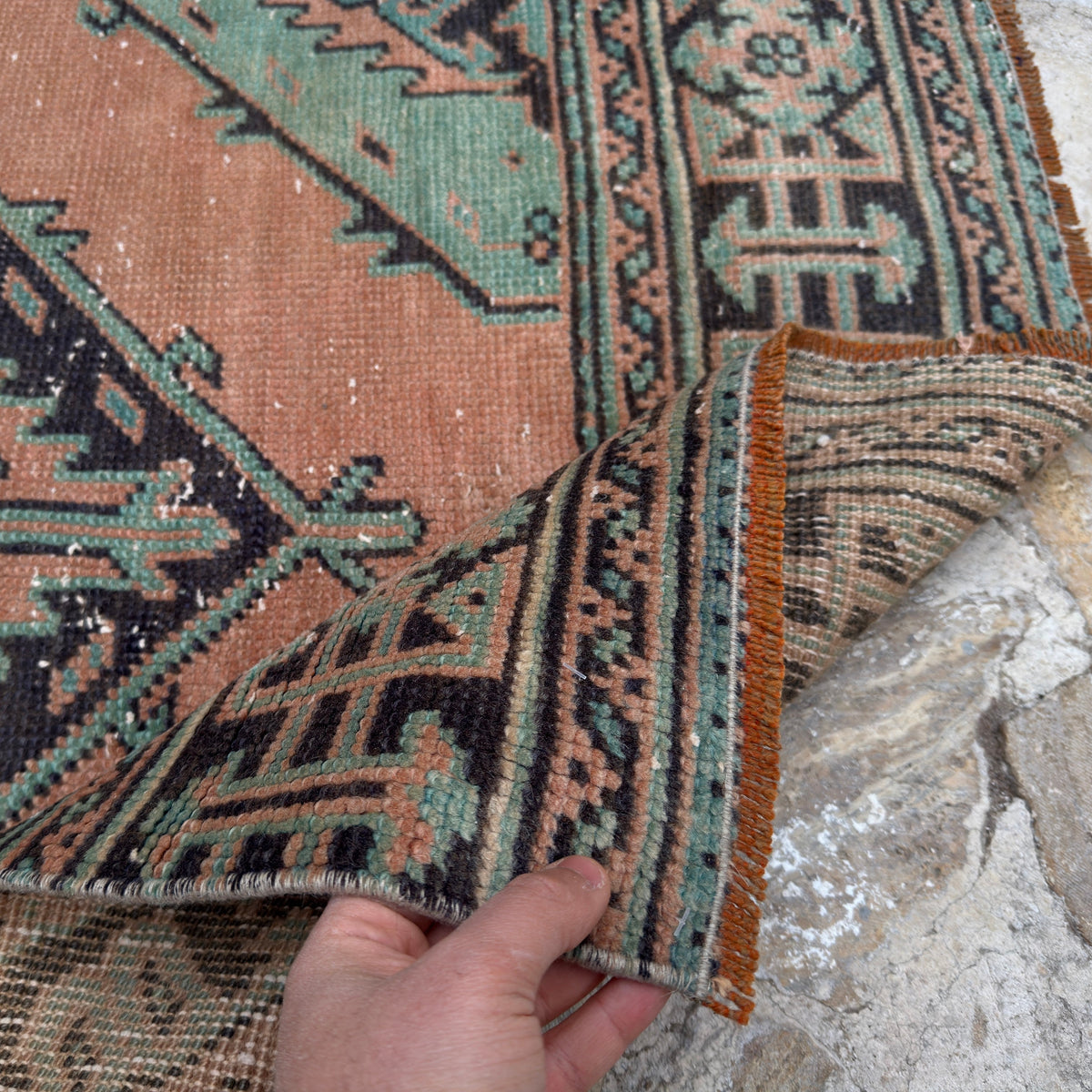
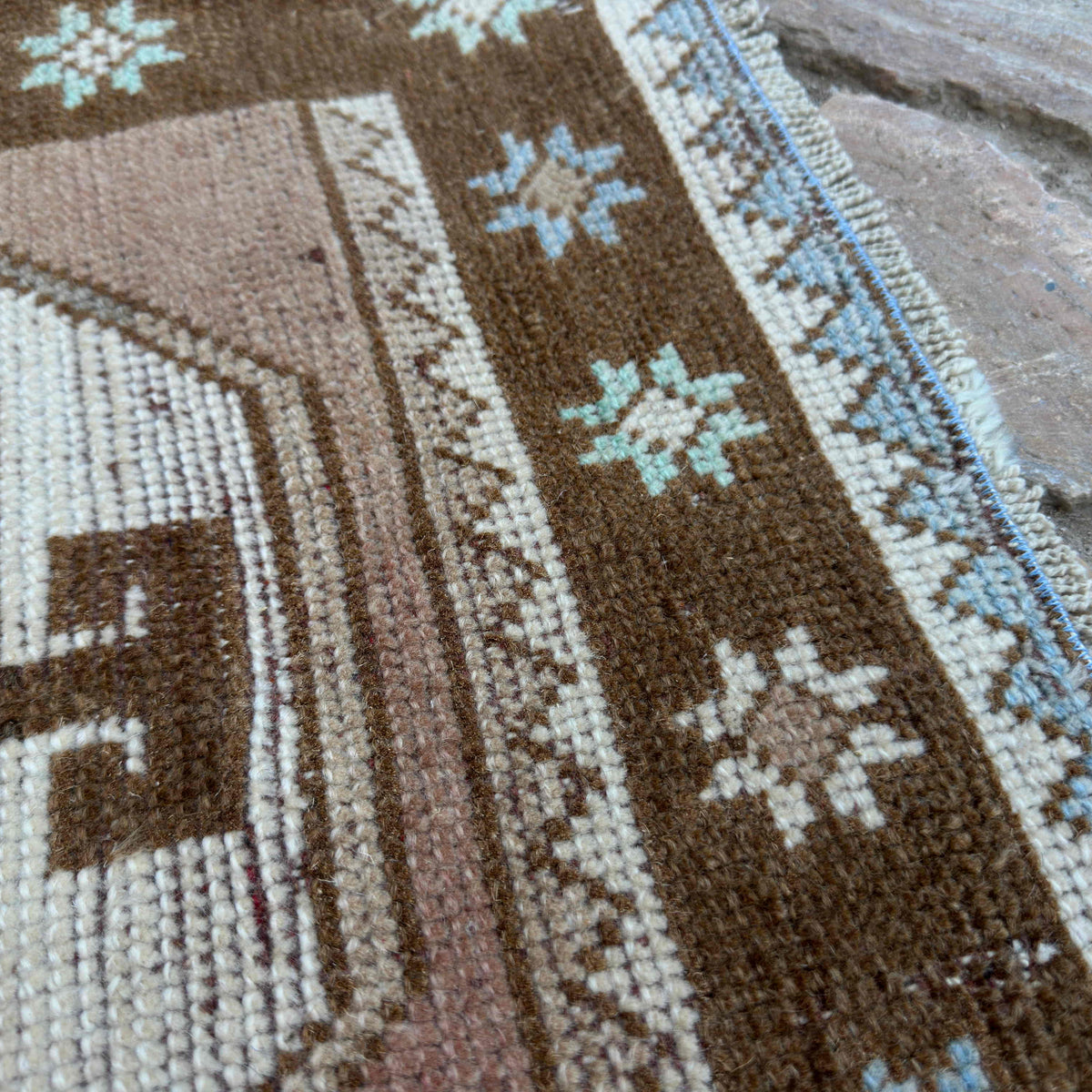
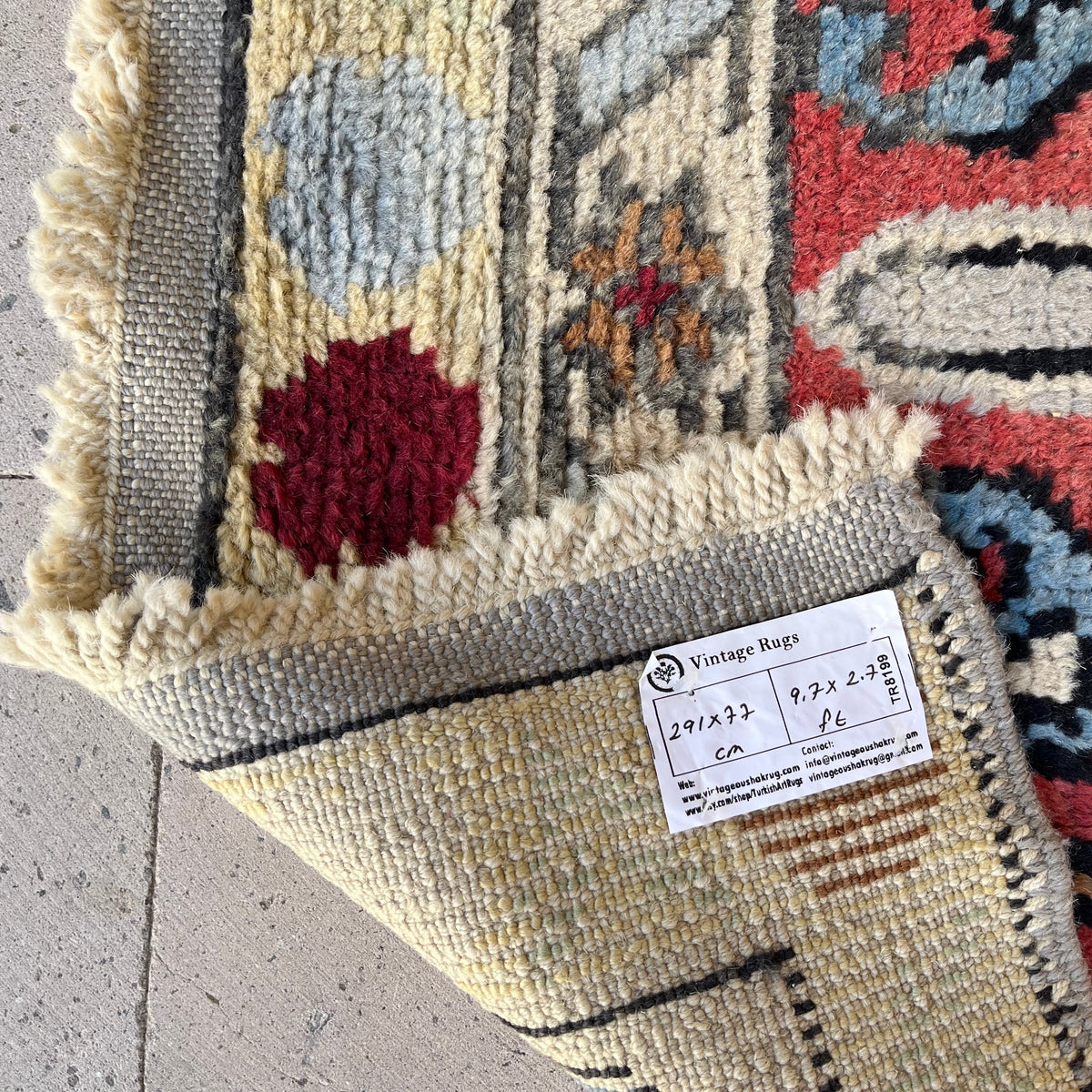
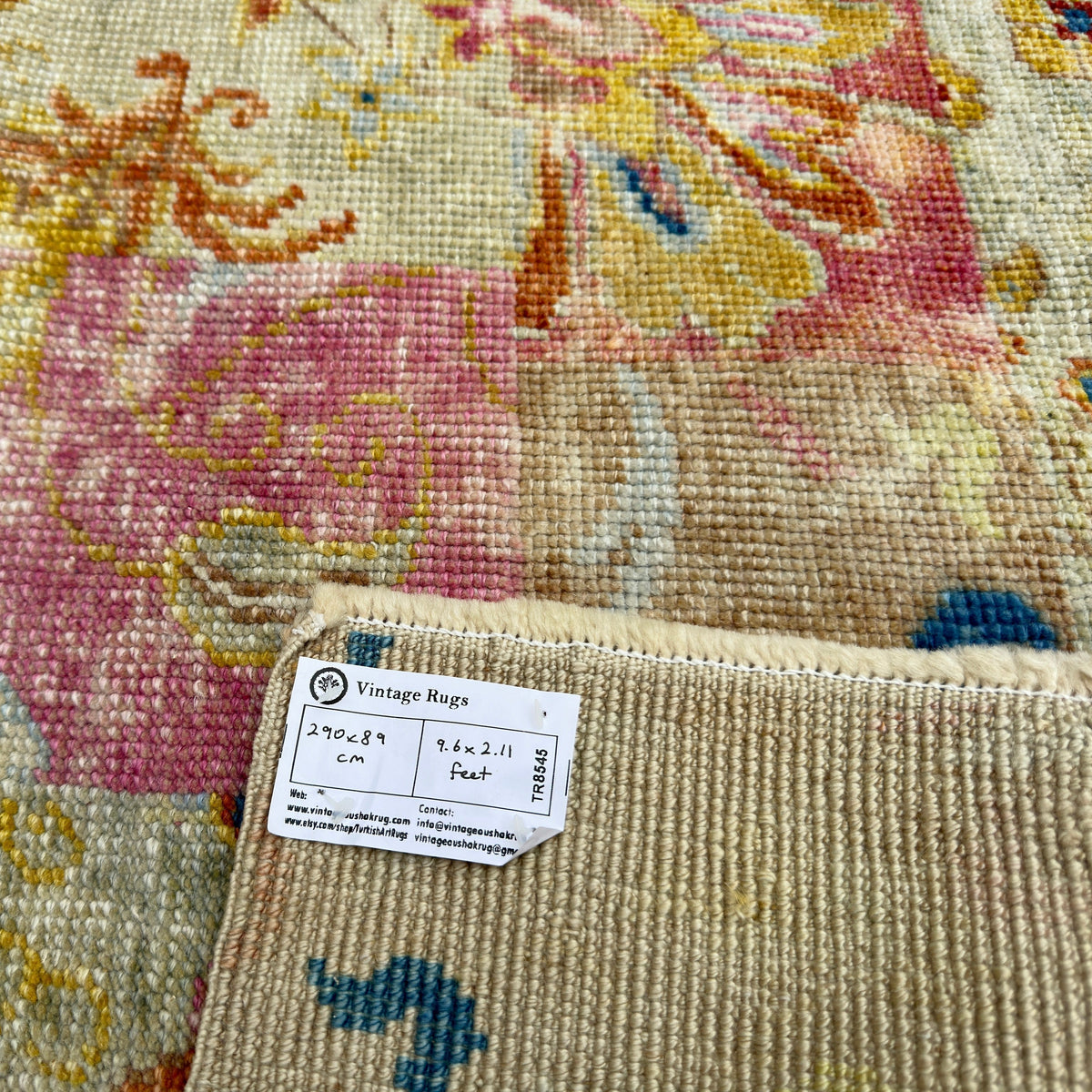
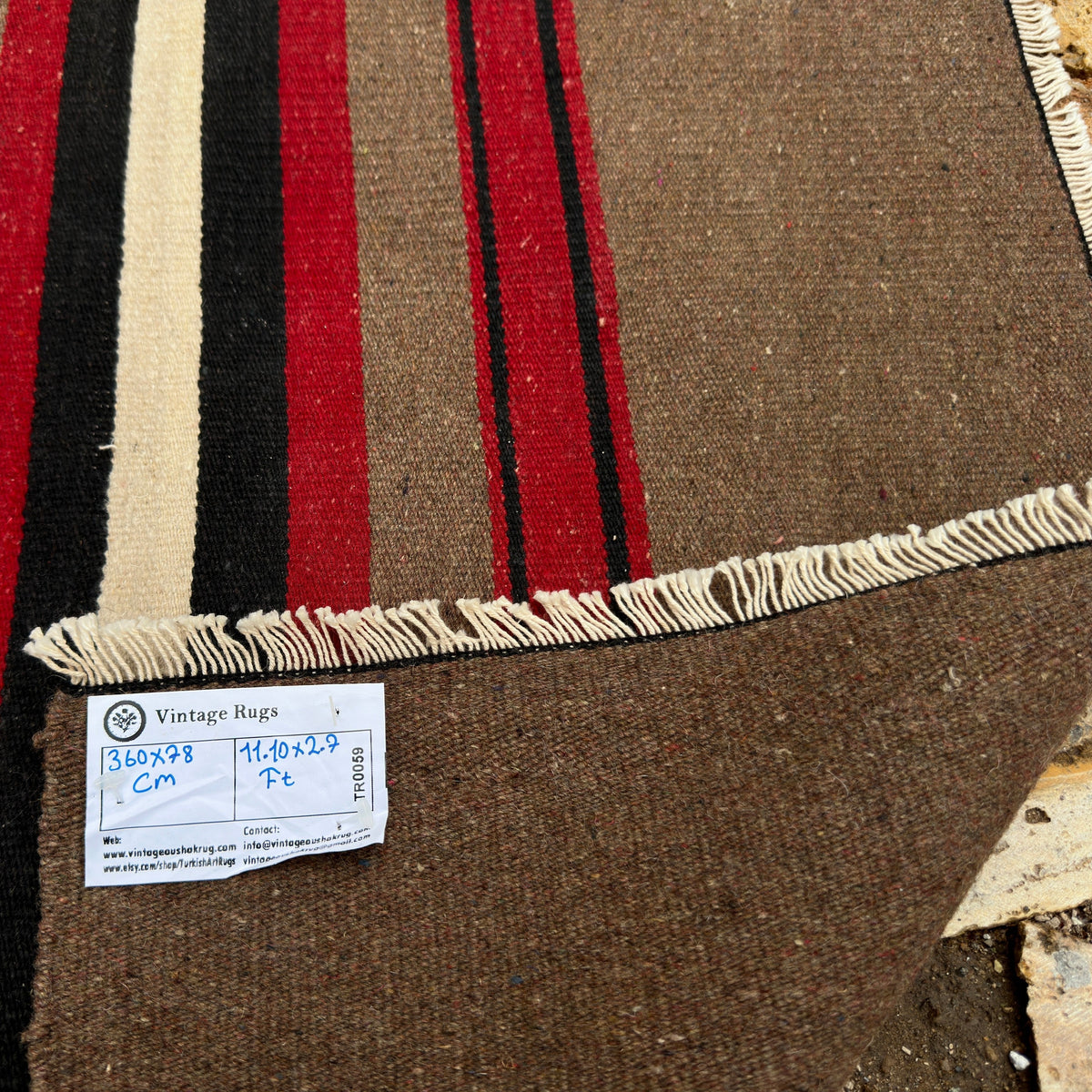
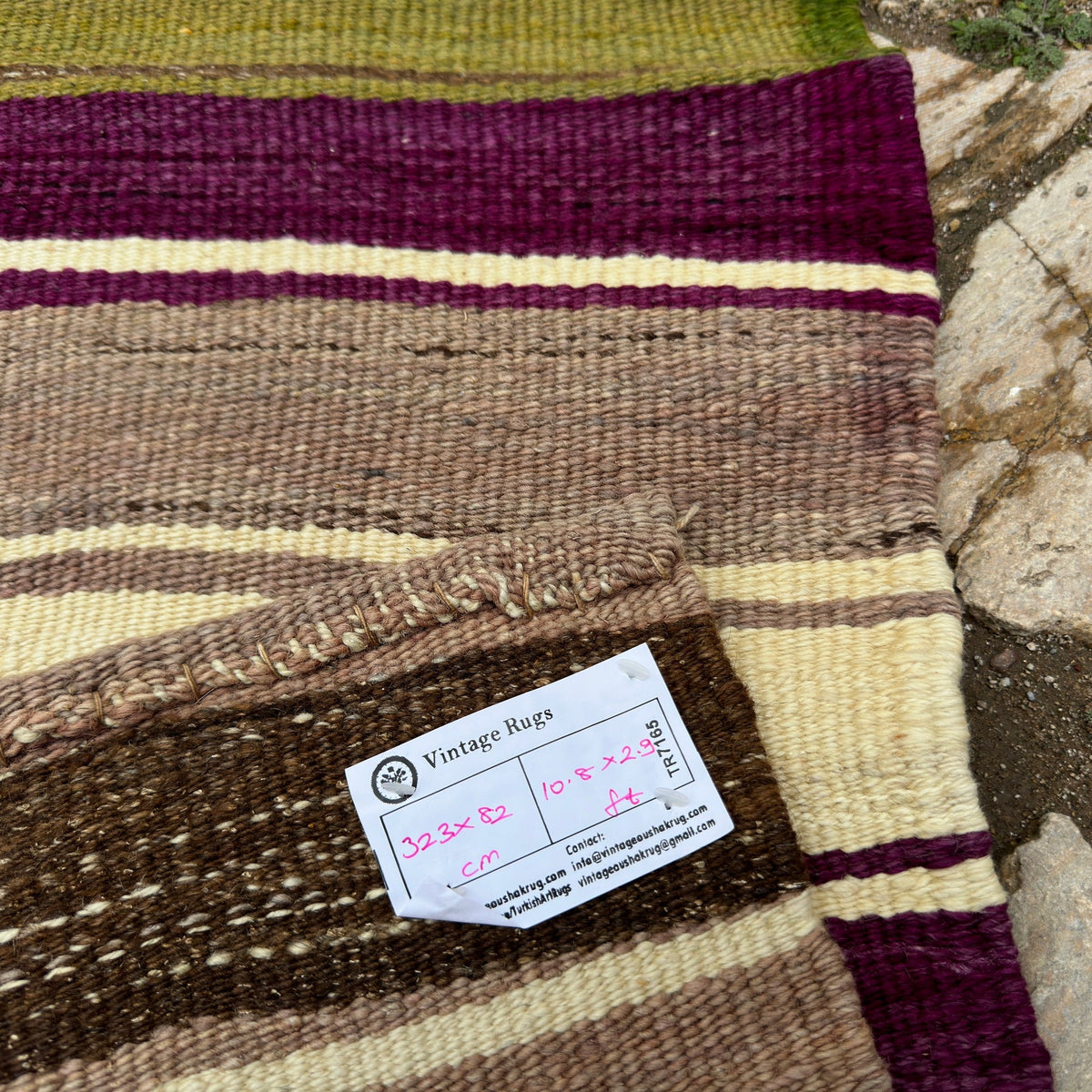
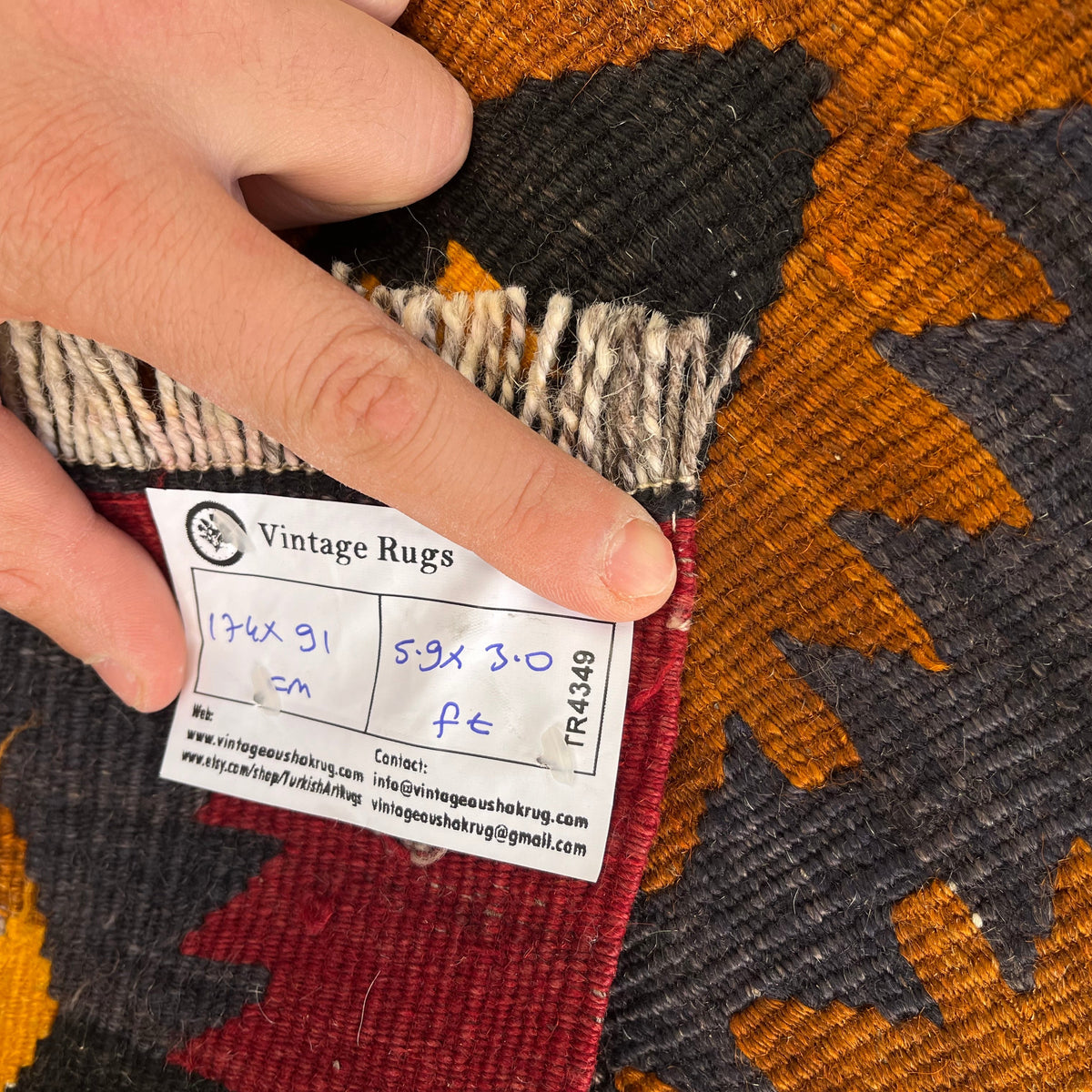
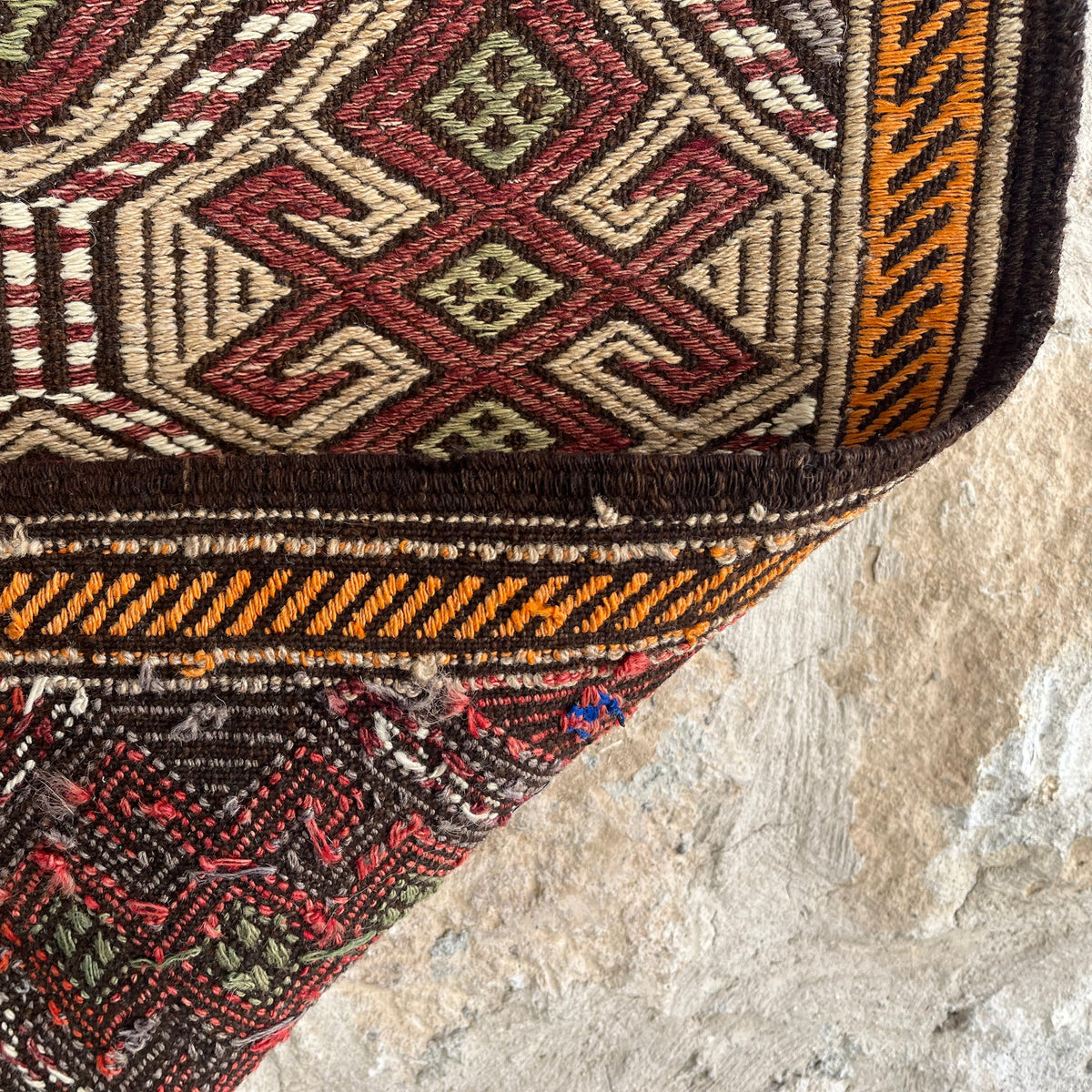
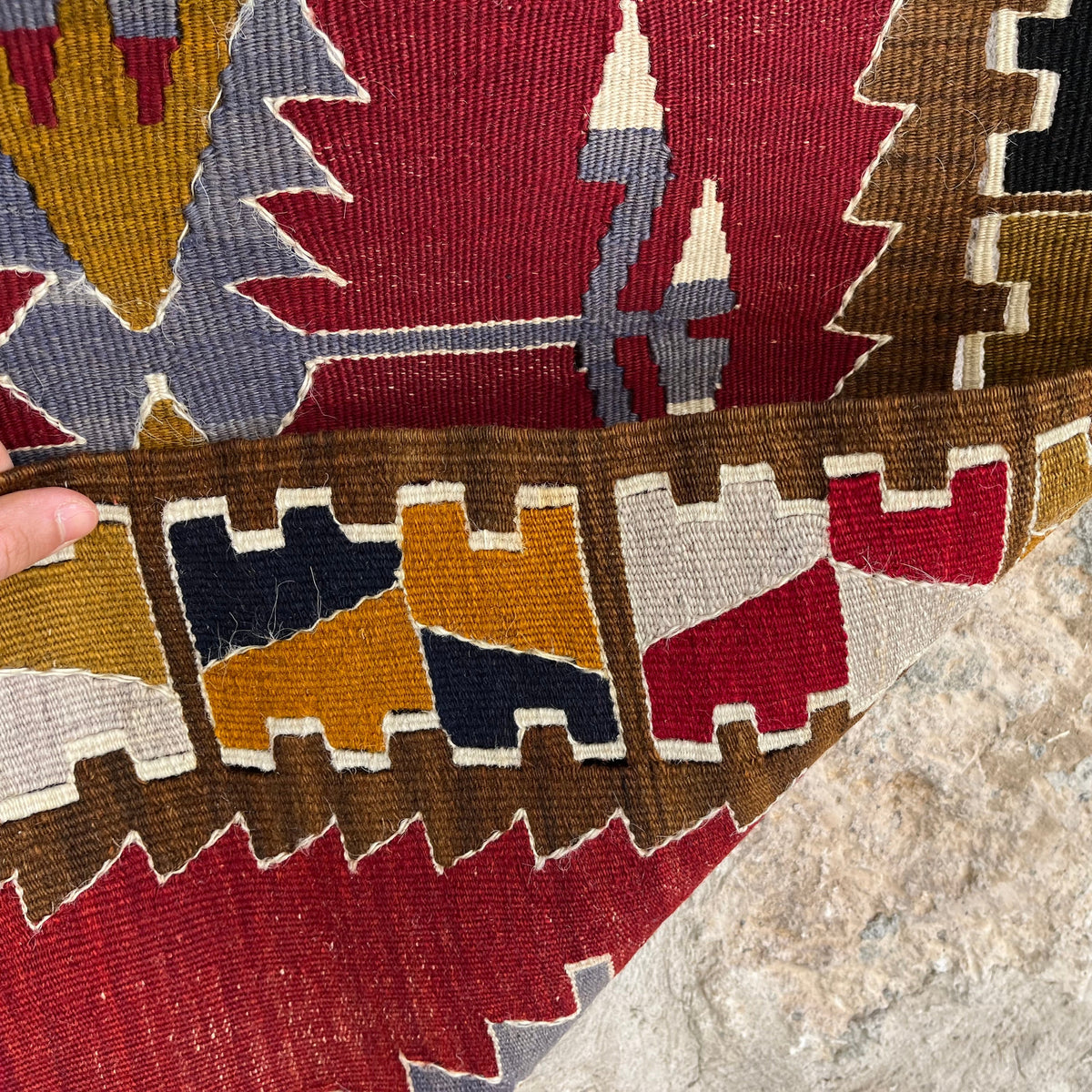
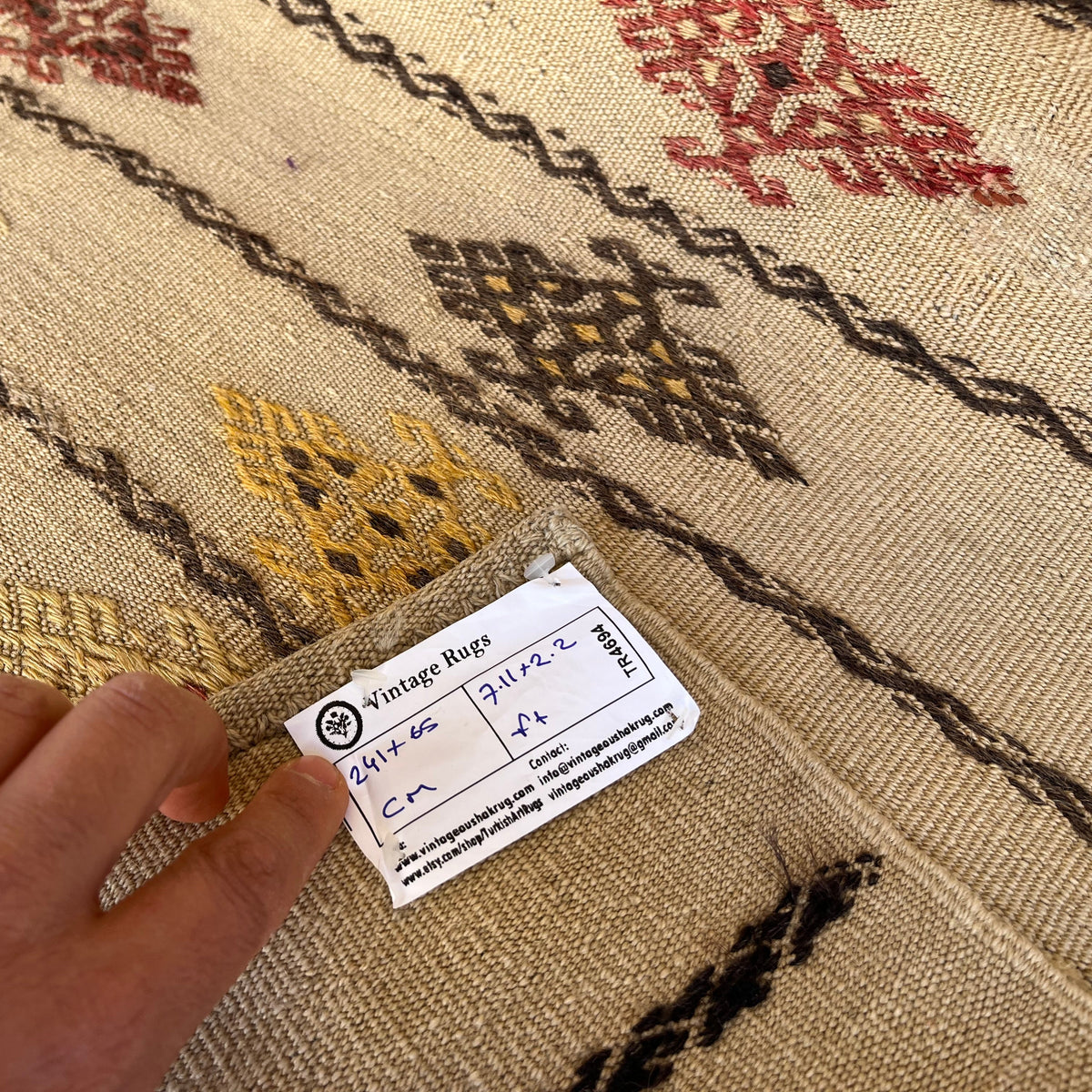
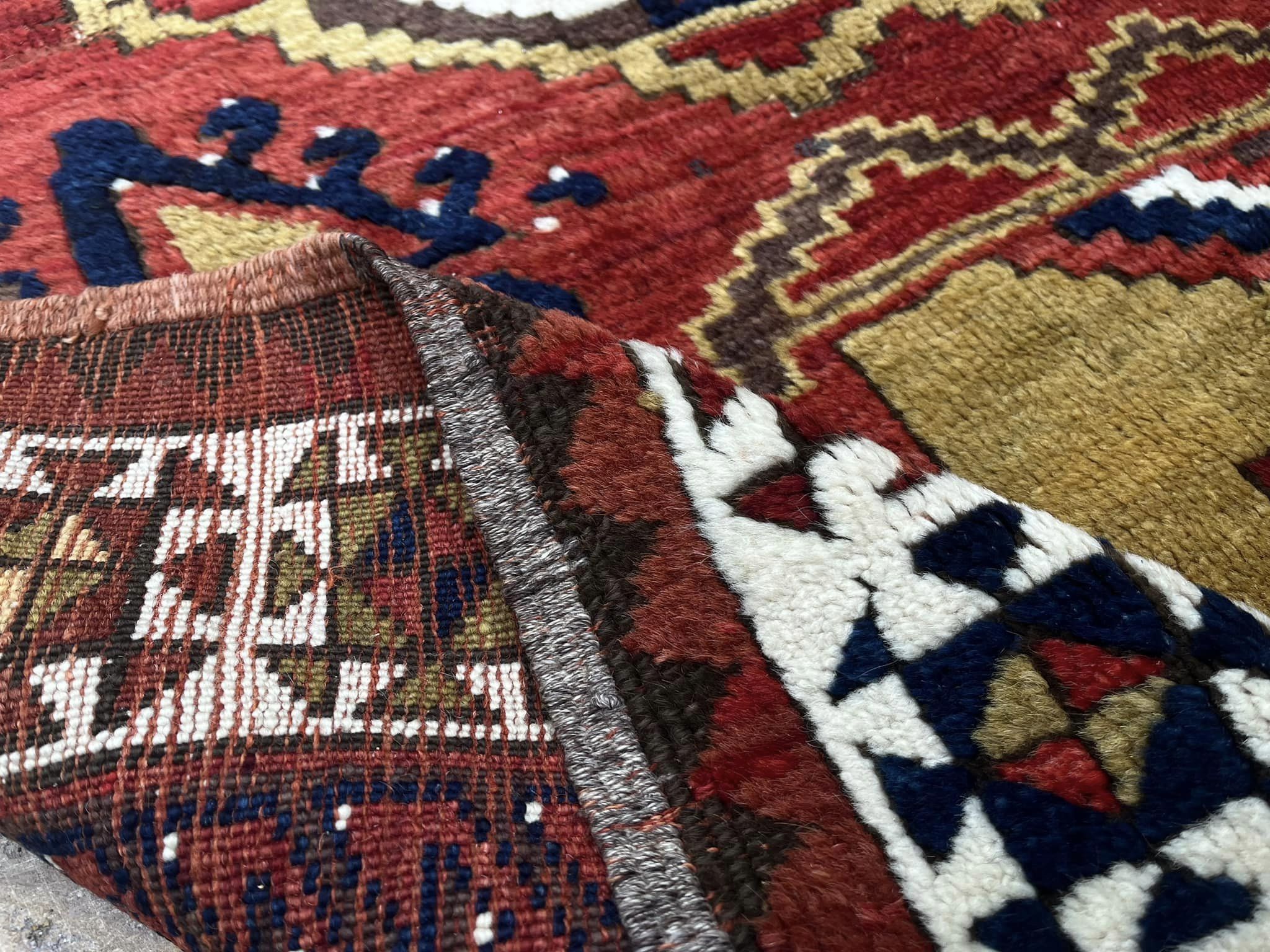
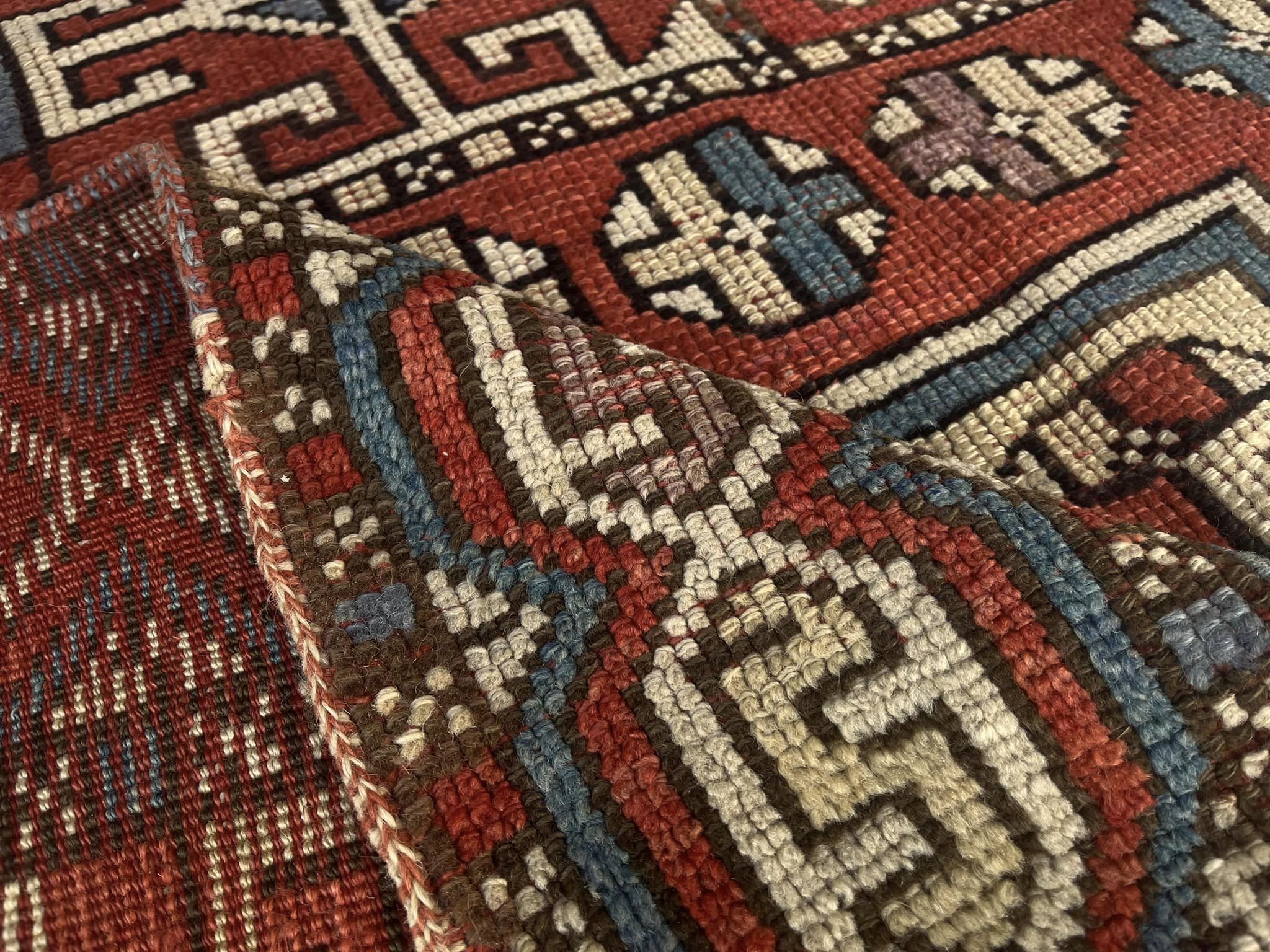
The reverse side tells you far more about construction than a styled room photo ever will.
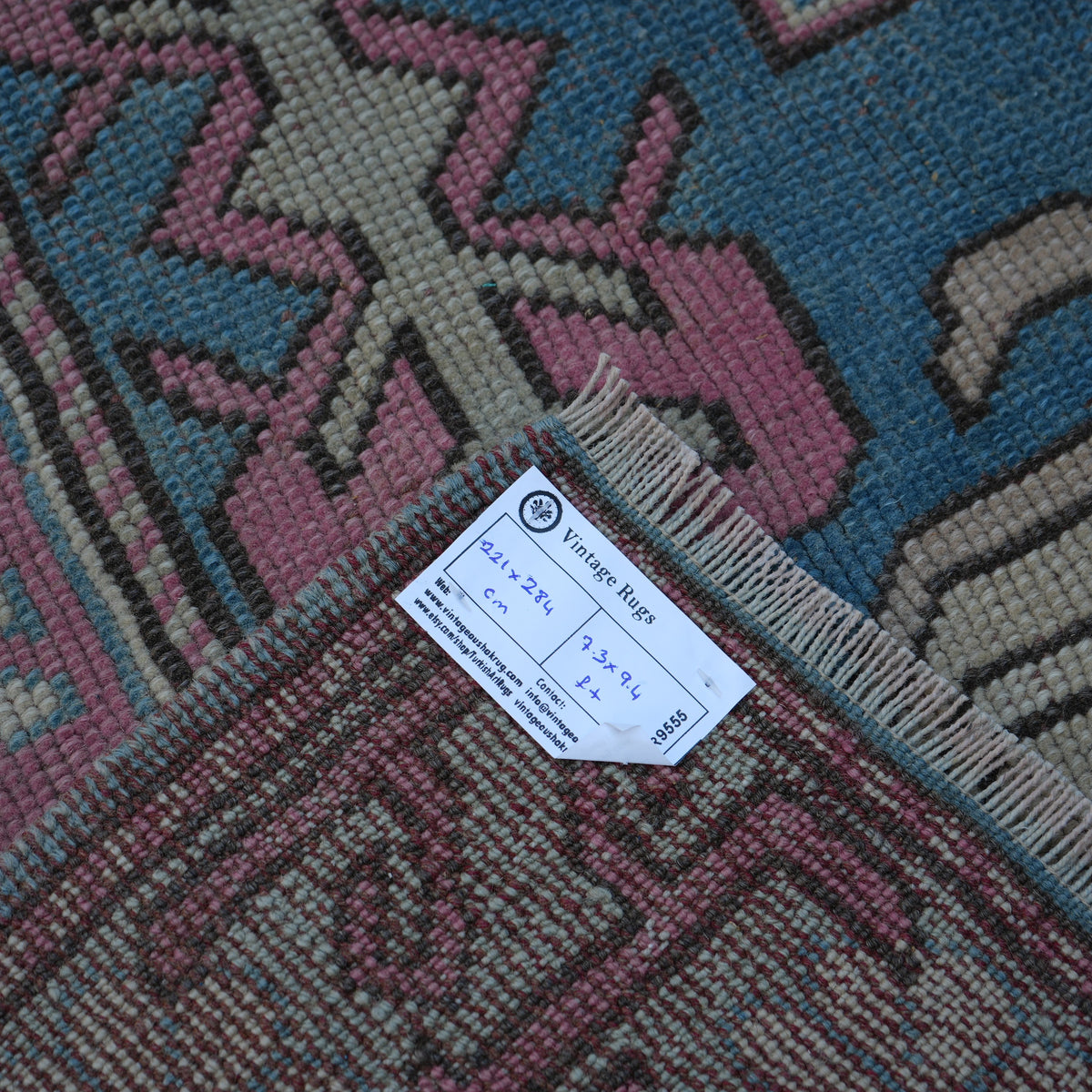
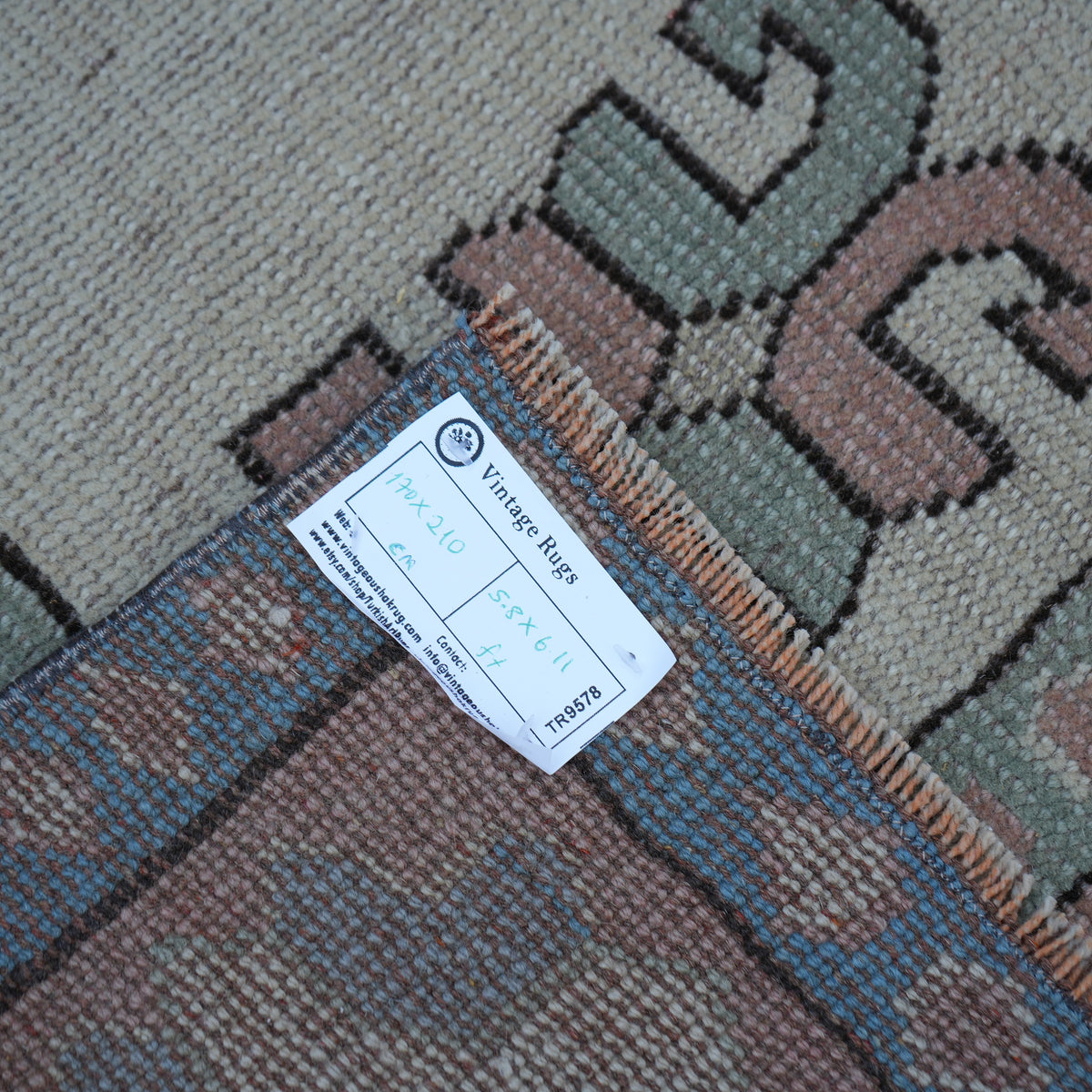
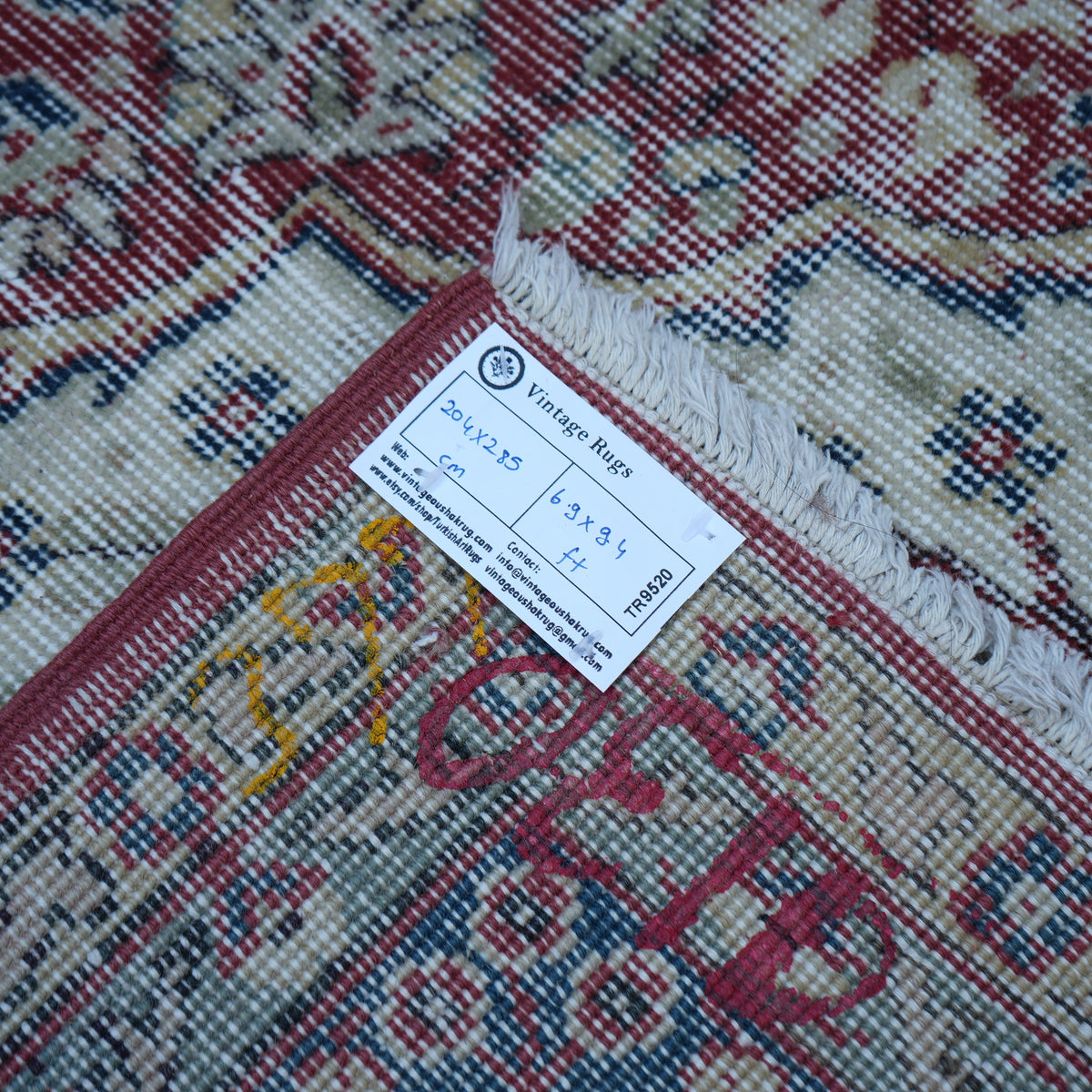
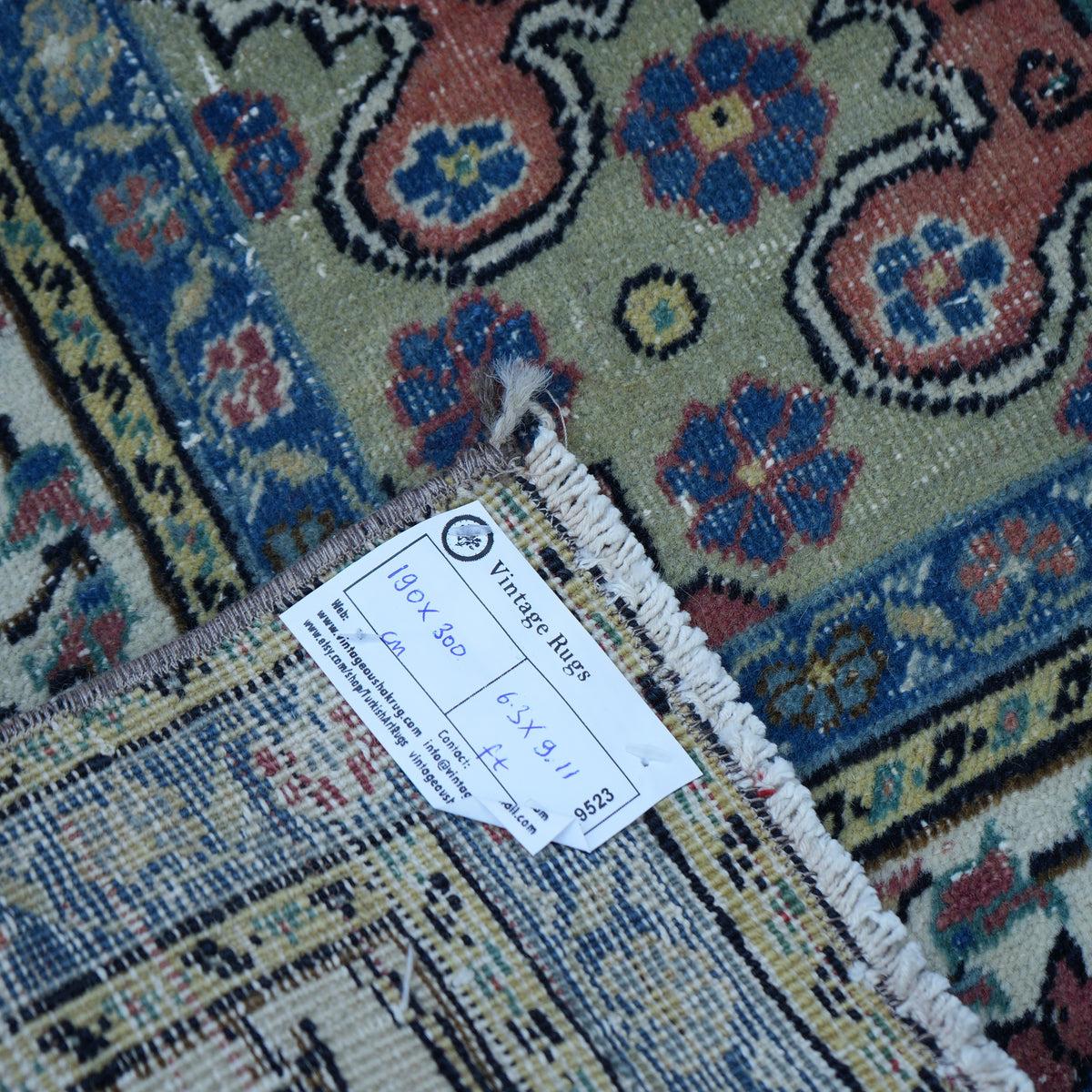
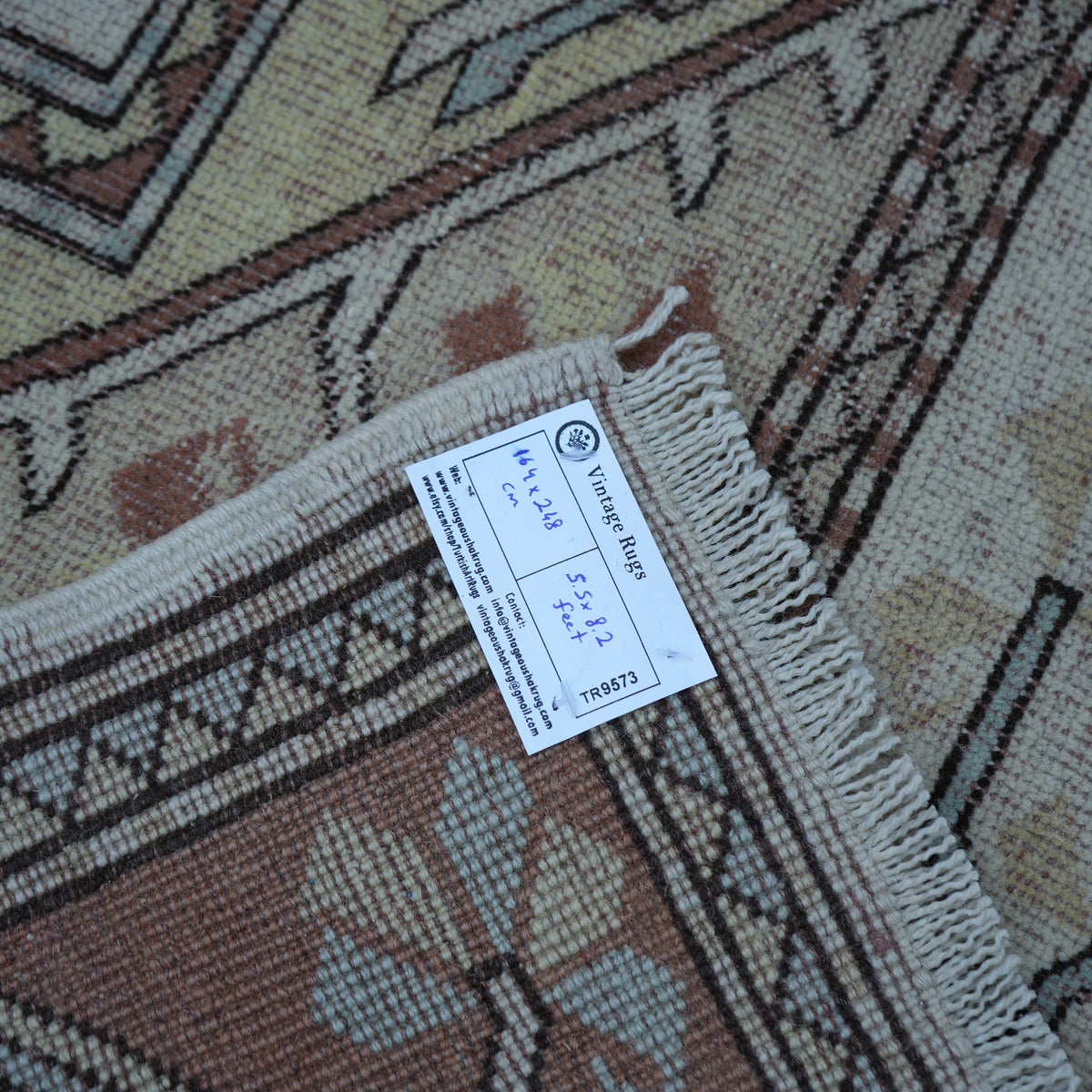
Use the real measurements, not only a rounded label such as 5x8 or 8x10.
Patina can be beautiful; structural damage should always be disclosed and reflected in price.
Shipping, customs, and return terms matter when comparing a US seller with a seller in Turkey.
Are Turkish Rugs Worth the Price?
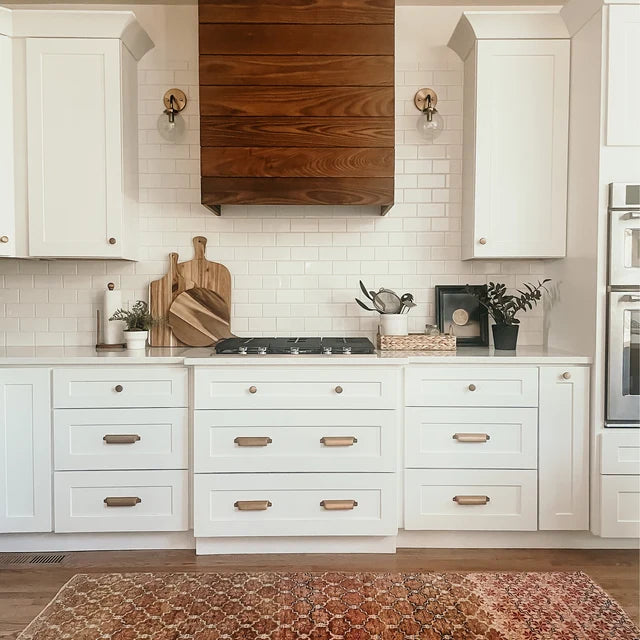
I think a good one is, but not because every old rug should be treated as an “investment.” I am careful with that word. Some rare antique rugs can appreciate and some collector pieces have a serious market, but most people should buy a Turkish rug because they love living with it.
A well-made wool rug can stay in a home for decades. It can move from a living room to a bedroom and later into another house entirely. The colors soften, the wool changes, and the rug often becomes more personal rather than less useful. That is very different from buying a mass-produced floor covering only because it fills the space.
If you are working with a budget, I would rather see you buy a smaller authentic piece you truly like than the biggest rug you can afford. Under about $300, small vintage rugs and selected kilims are a good place to begin. Around $300–$700 opens up many medium rugs and runners. From roughly $700–$1,500, larger room-size rugs and stronger vintage Oushaks become easier to find. Above that, scale, rarity, age, design, and condition begin to matter much more.
And if you find a rug you love but the price is just outside your budget, Kirmen product pages include a Make an Offer option. I prefer that to pretending every rug has one perfect number. With one-of-a-kind pieces, sometimes there is room for a reasonable conversation.
So, how much should you spend? Enough to buy the rug you want to keep—not simply the largest one on the page. After years of working with these pieces in Cappadocia, I still do not think the best rug is always the oldest, the largest, or the most expensive. Usually, it is the one you notice every time you walk into the room.
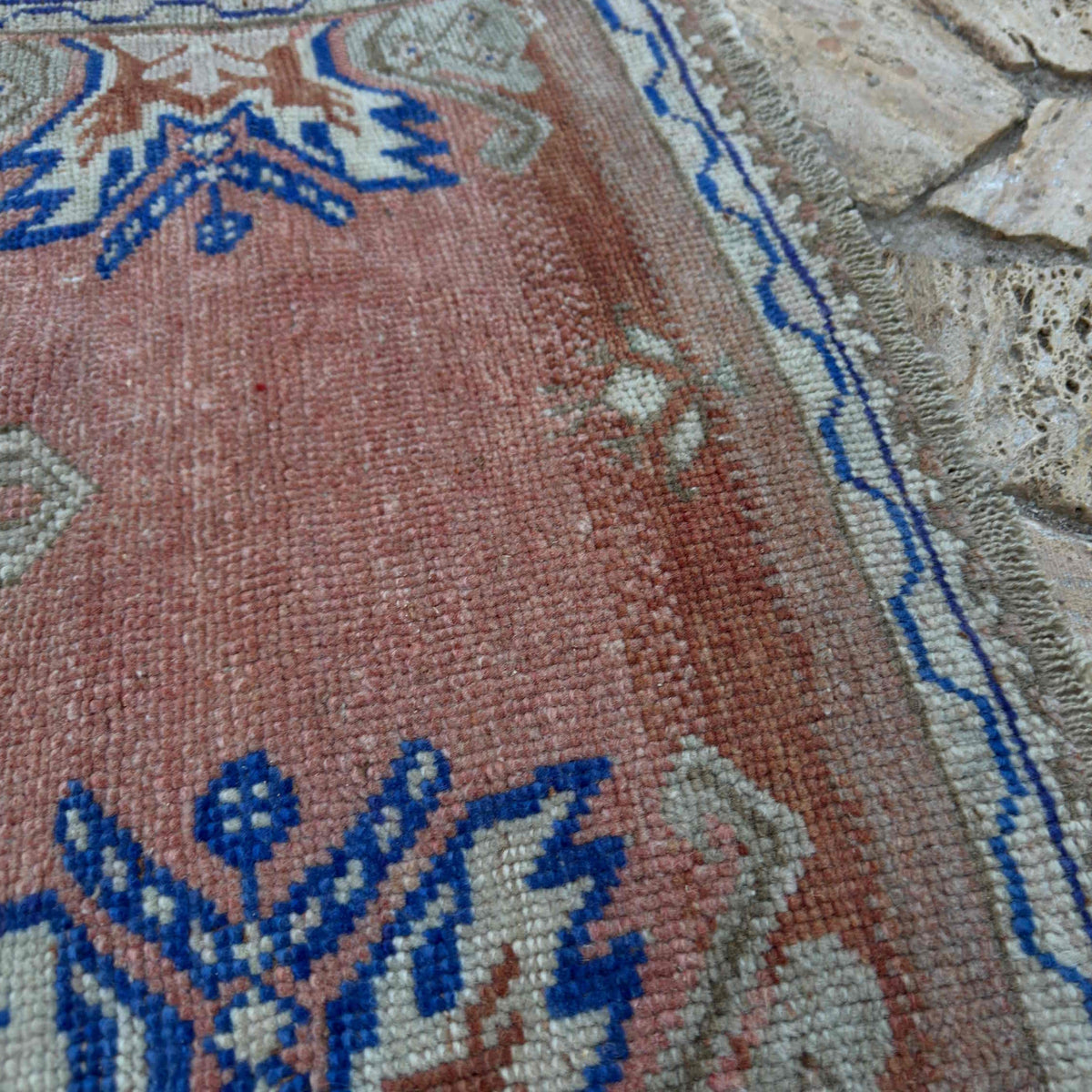
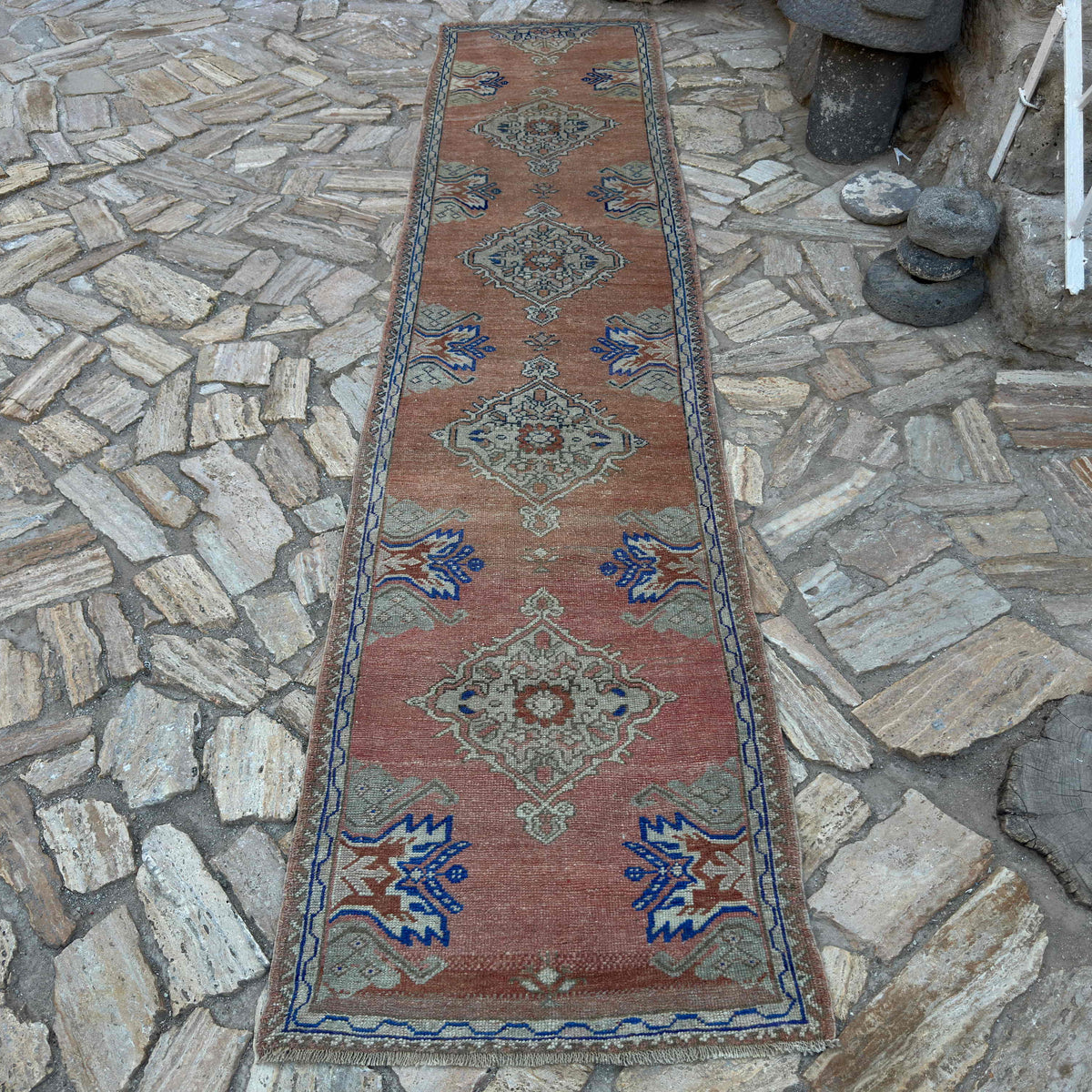
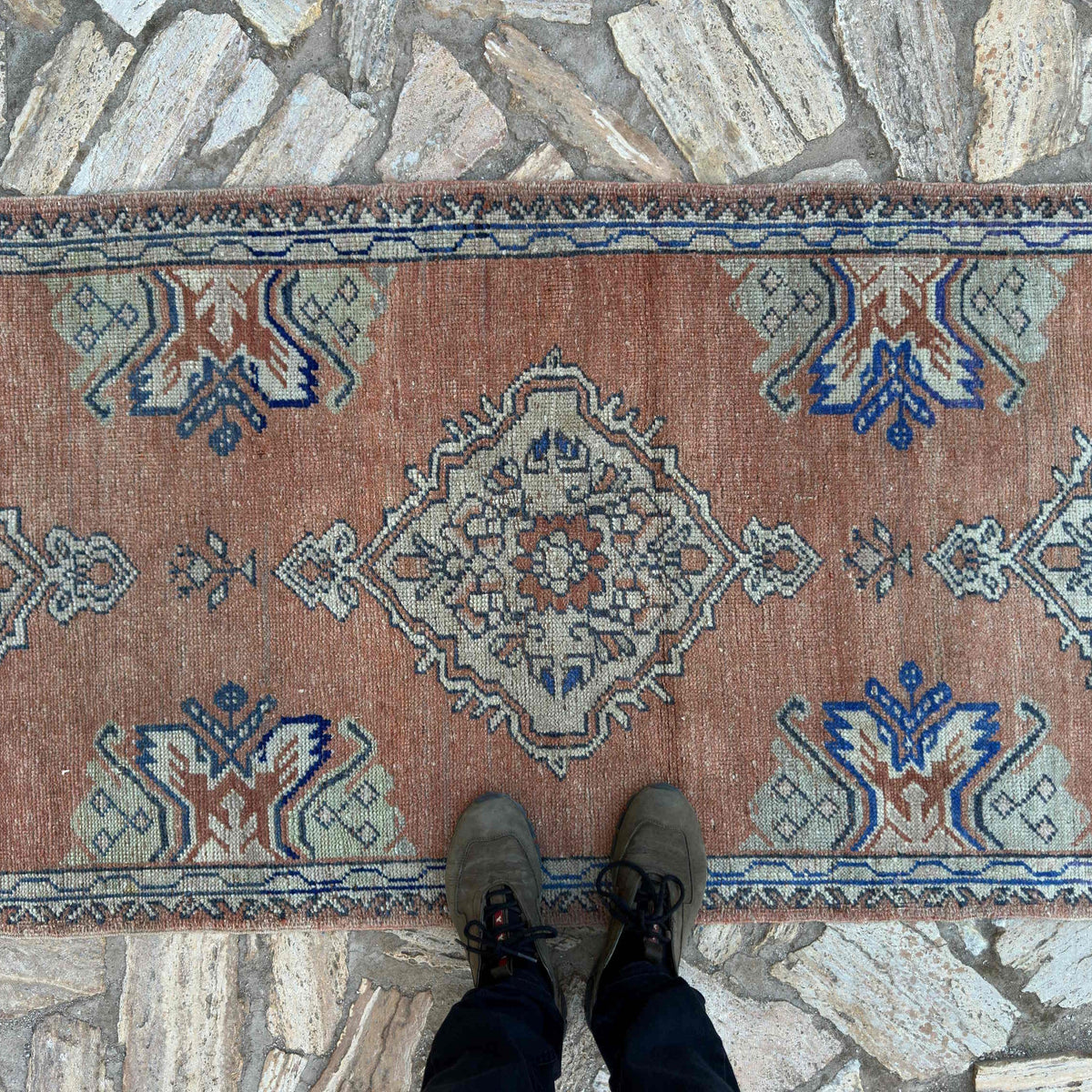
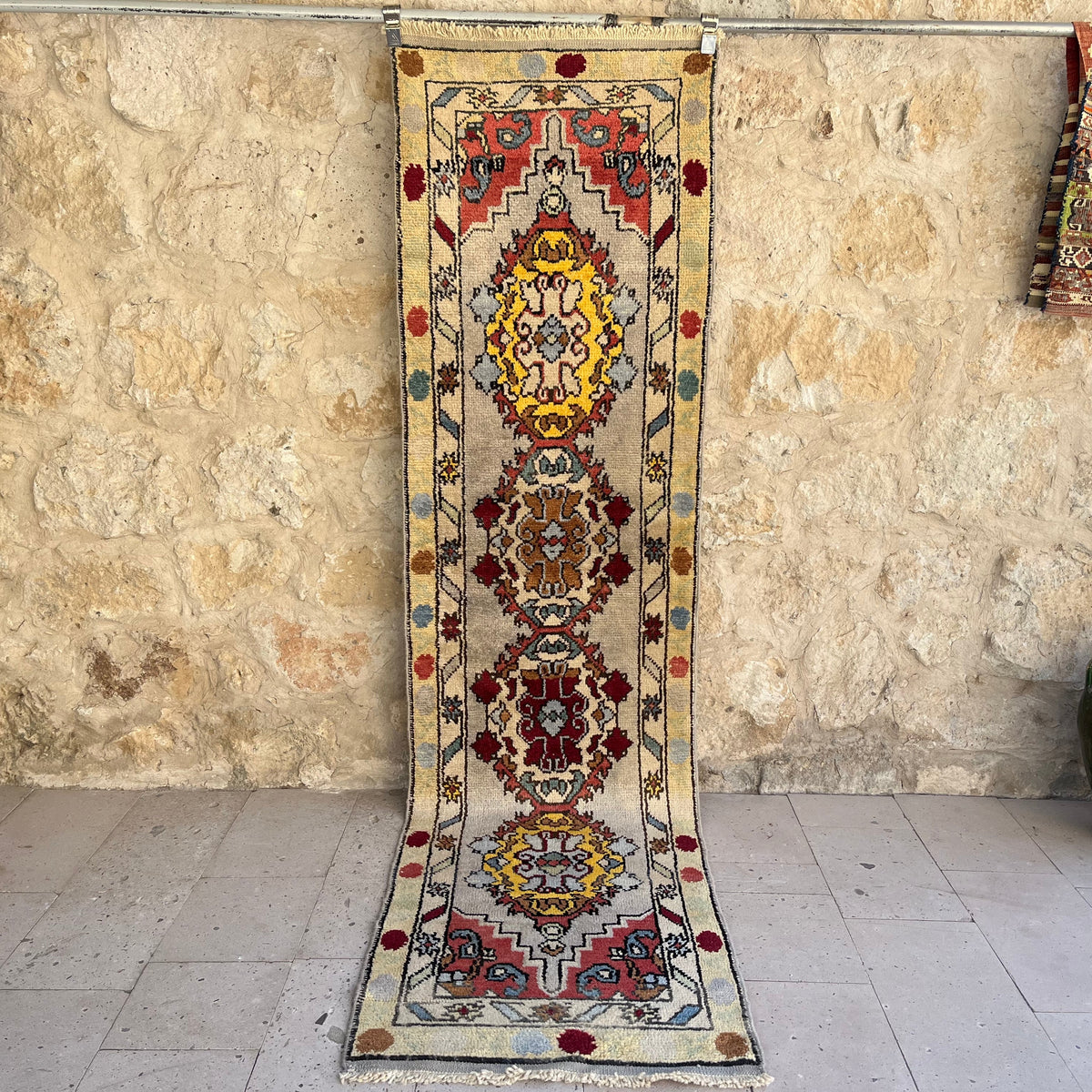
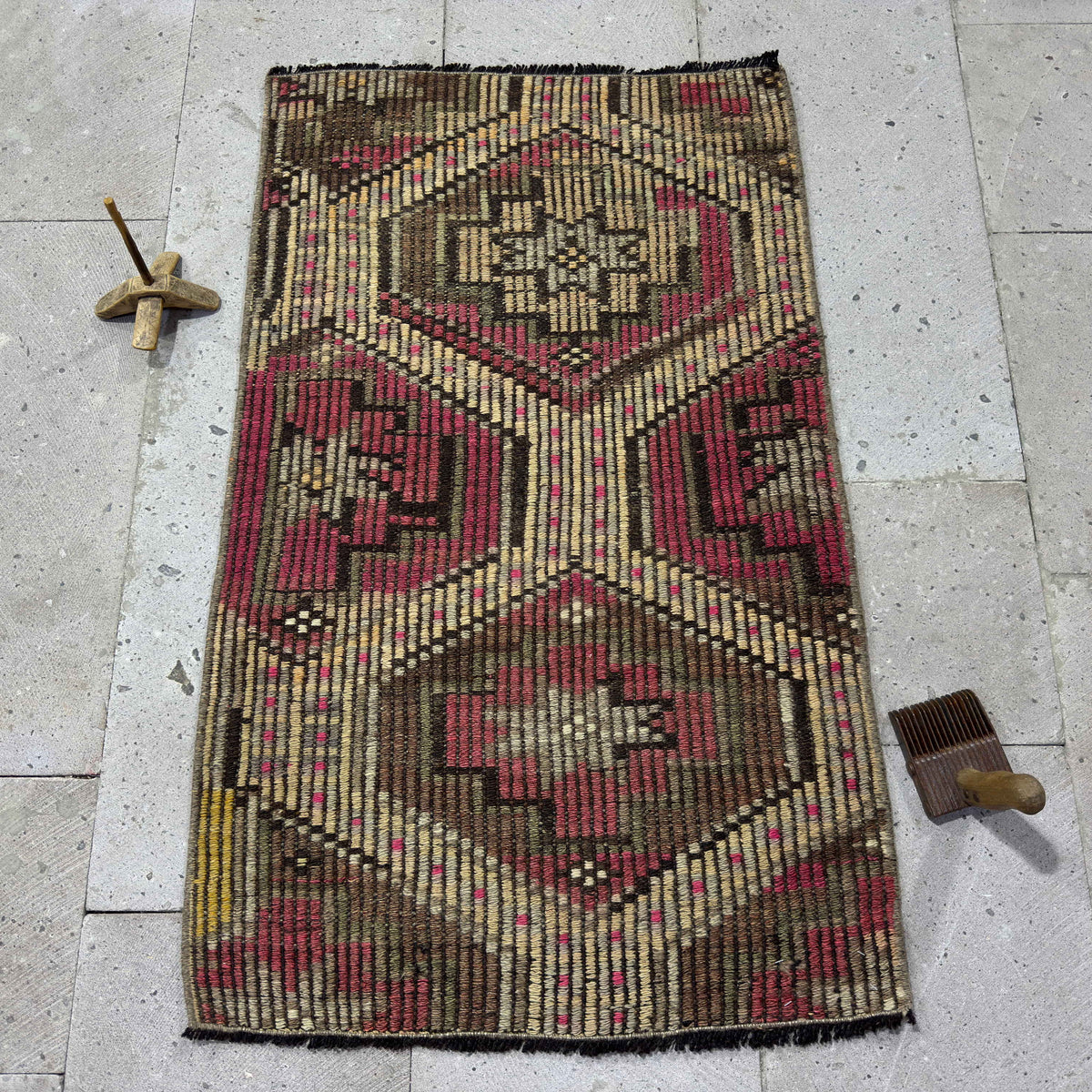
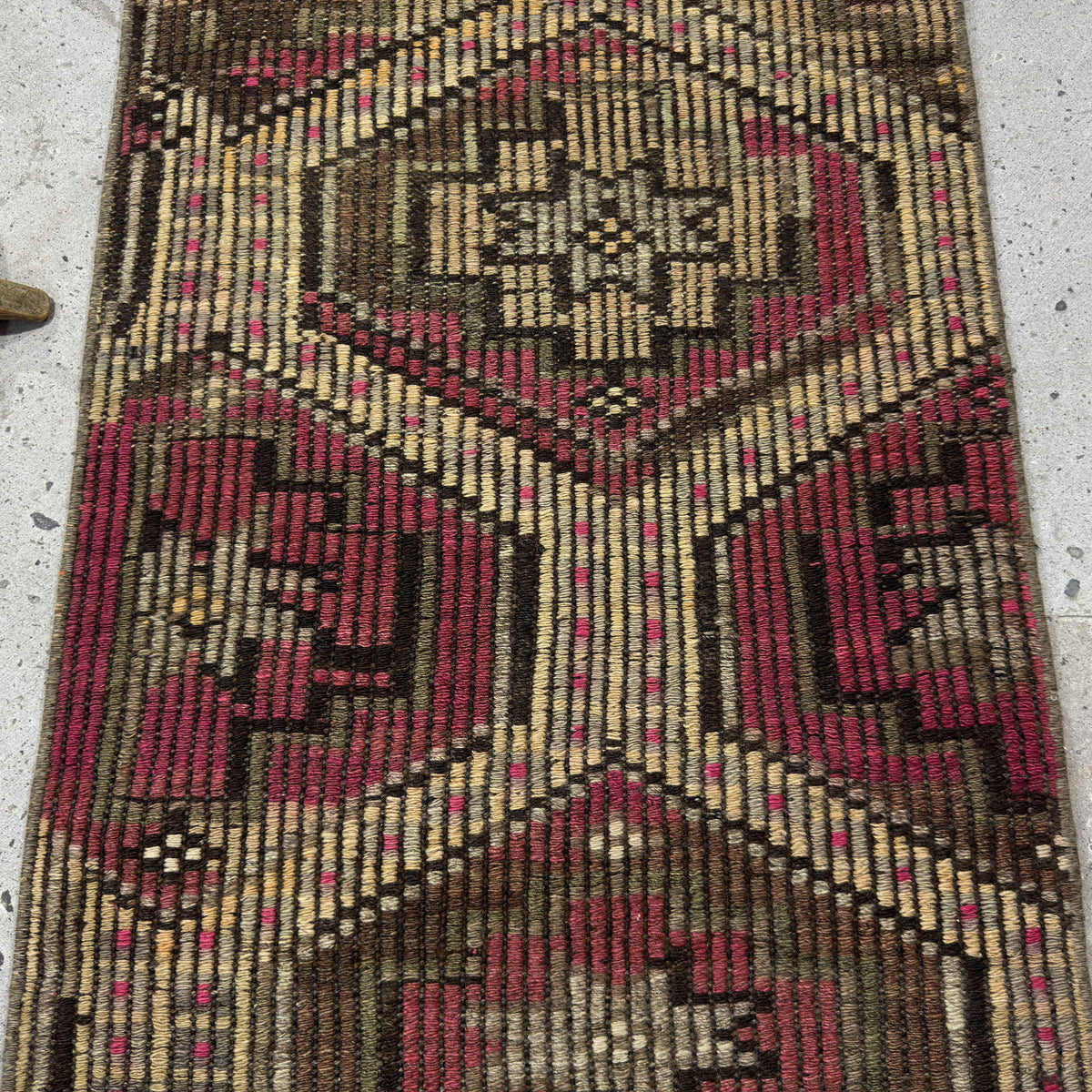
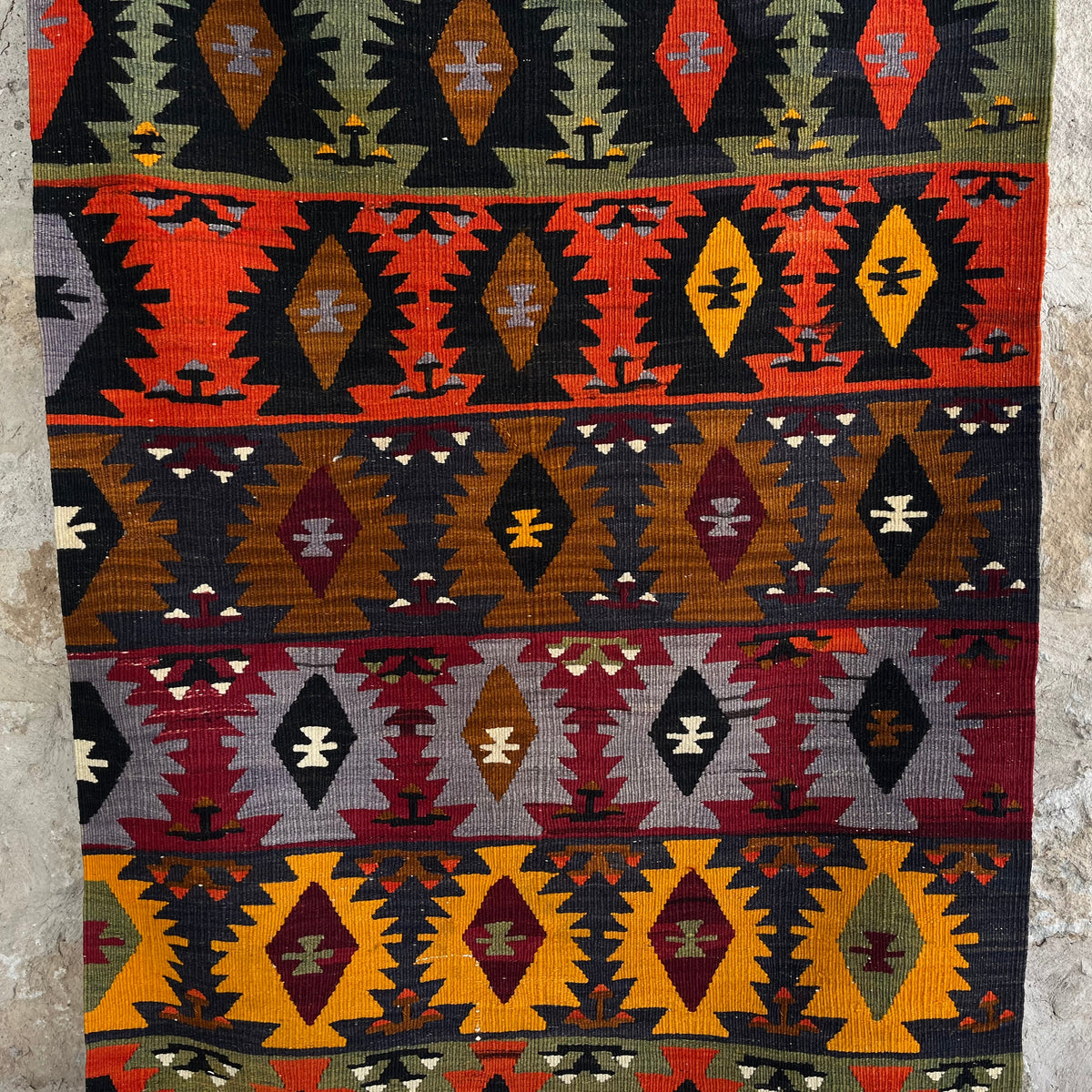
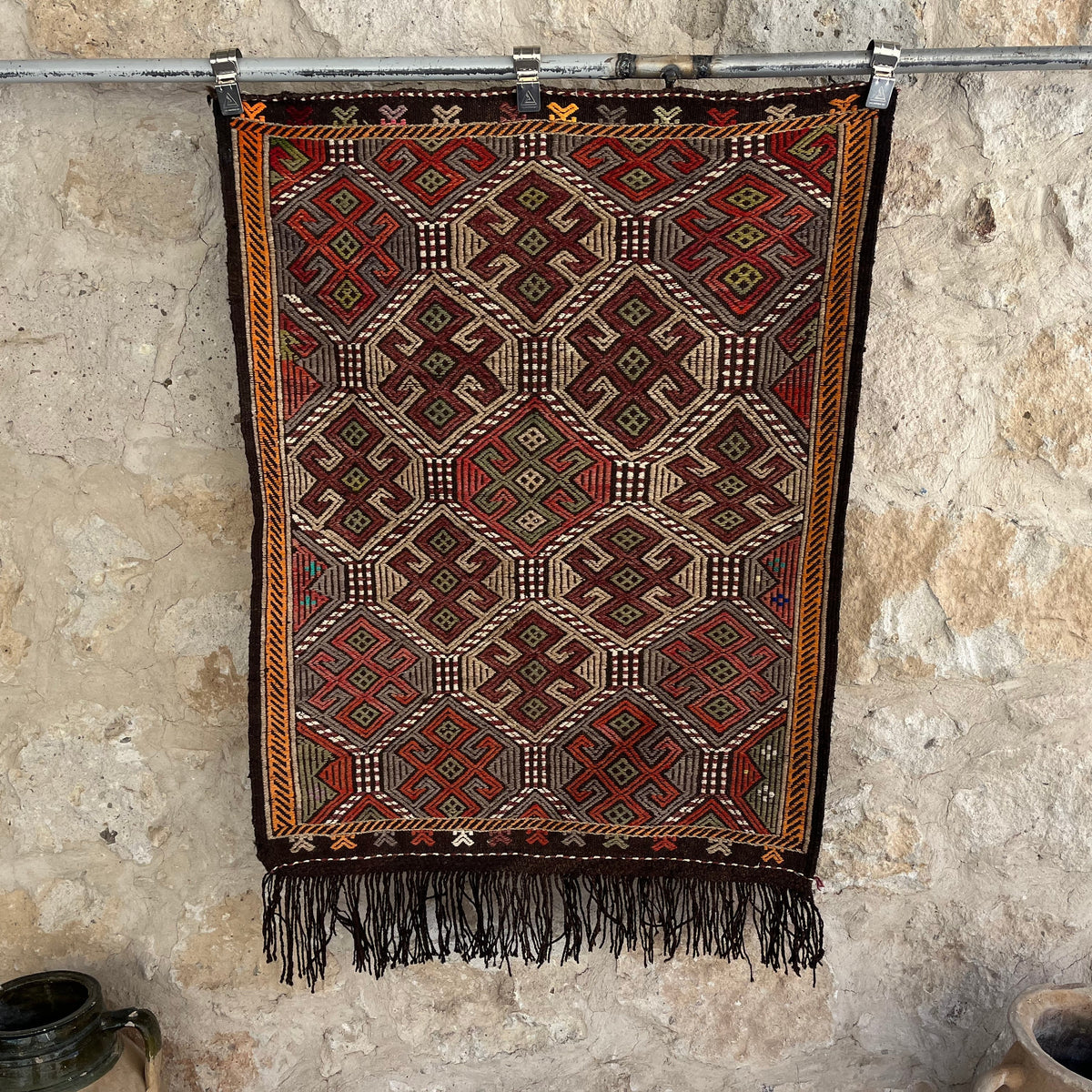
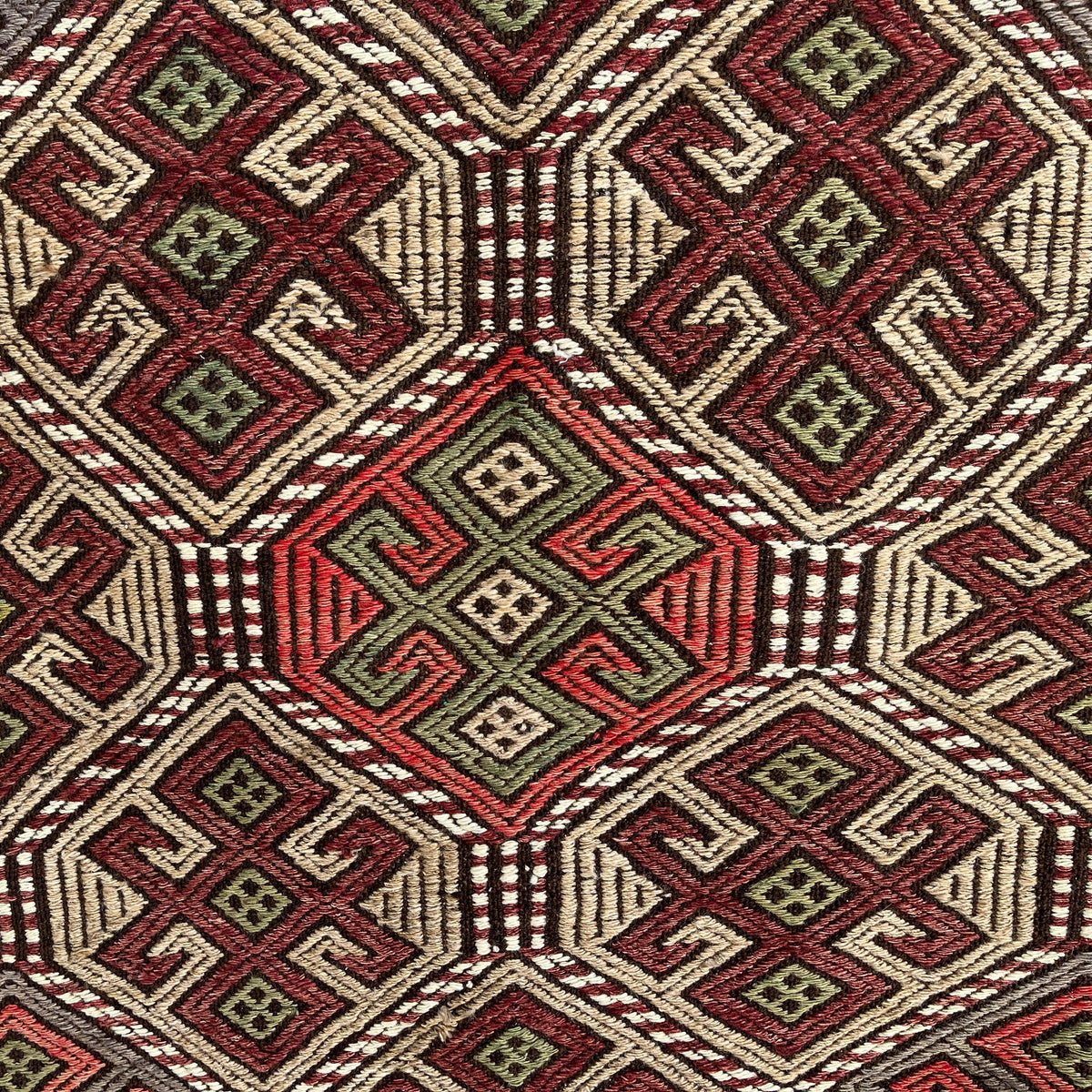
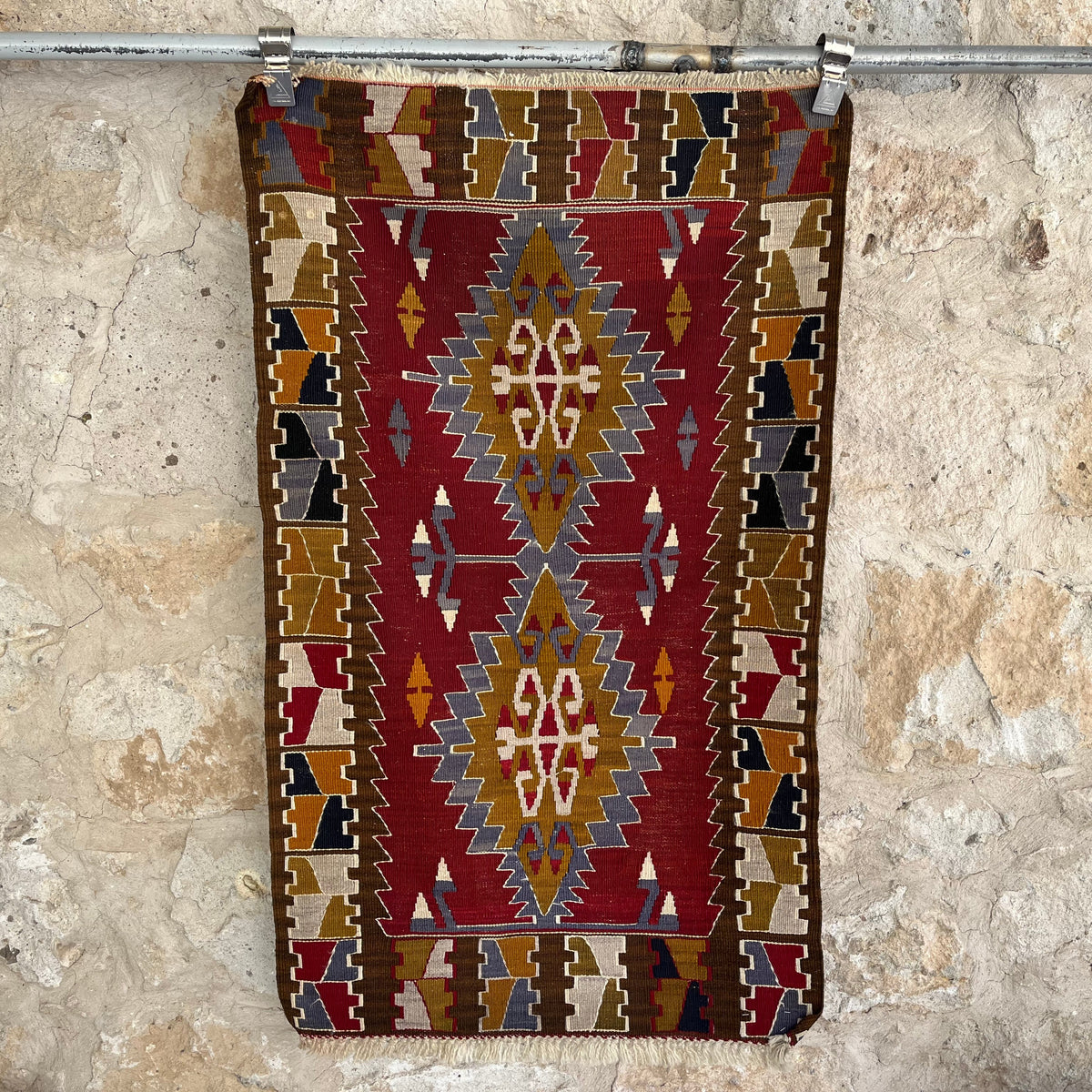
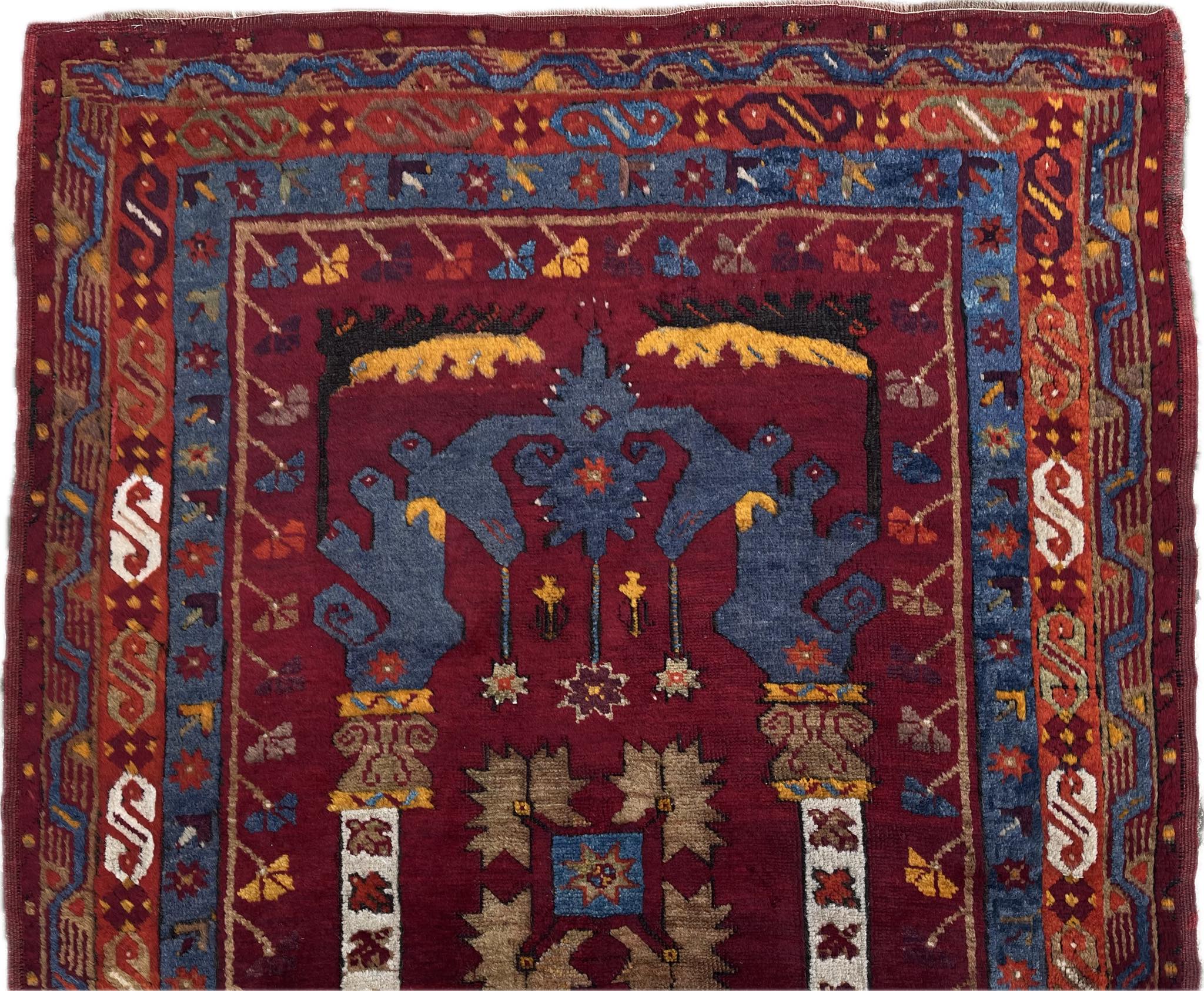
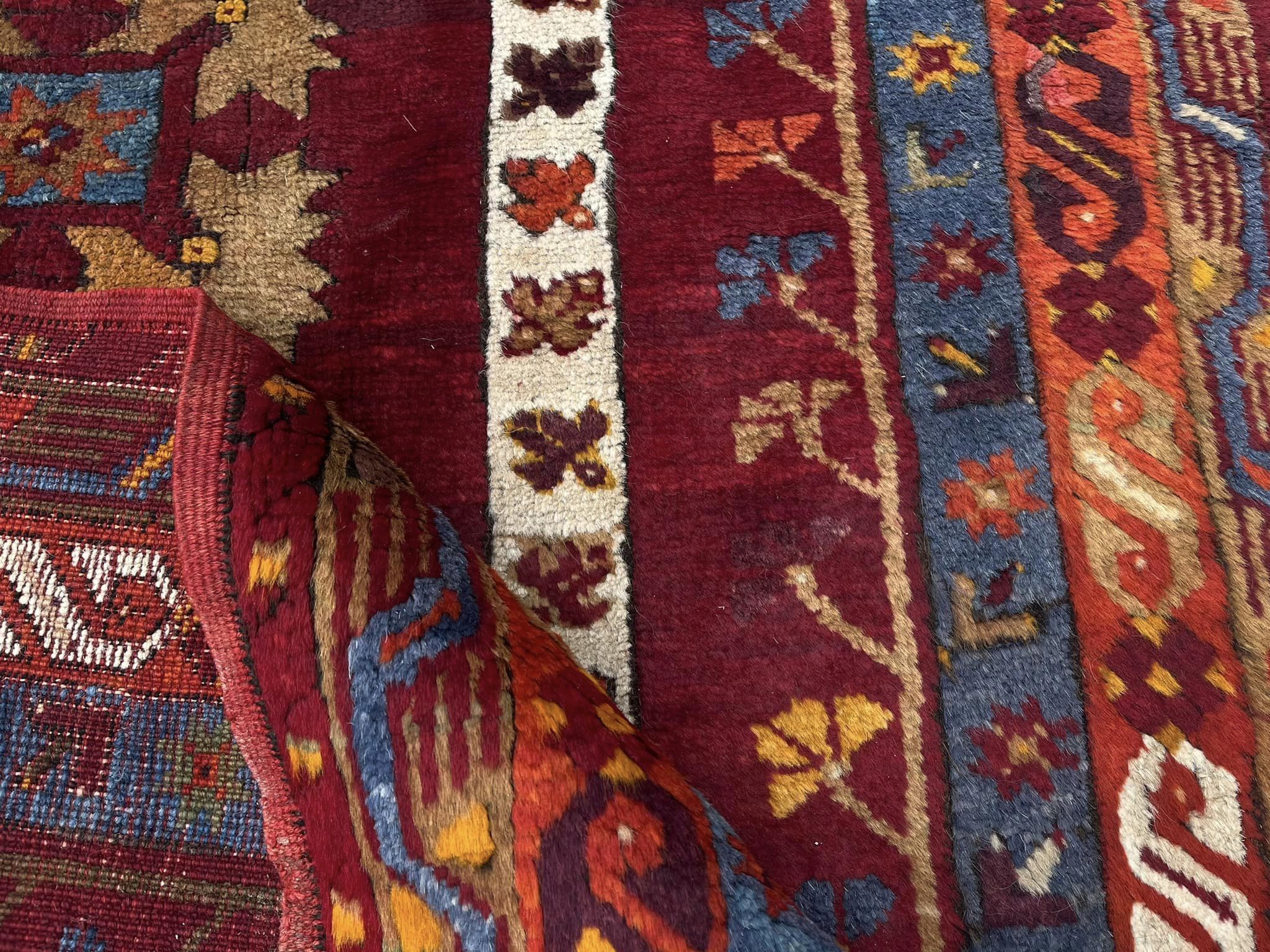
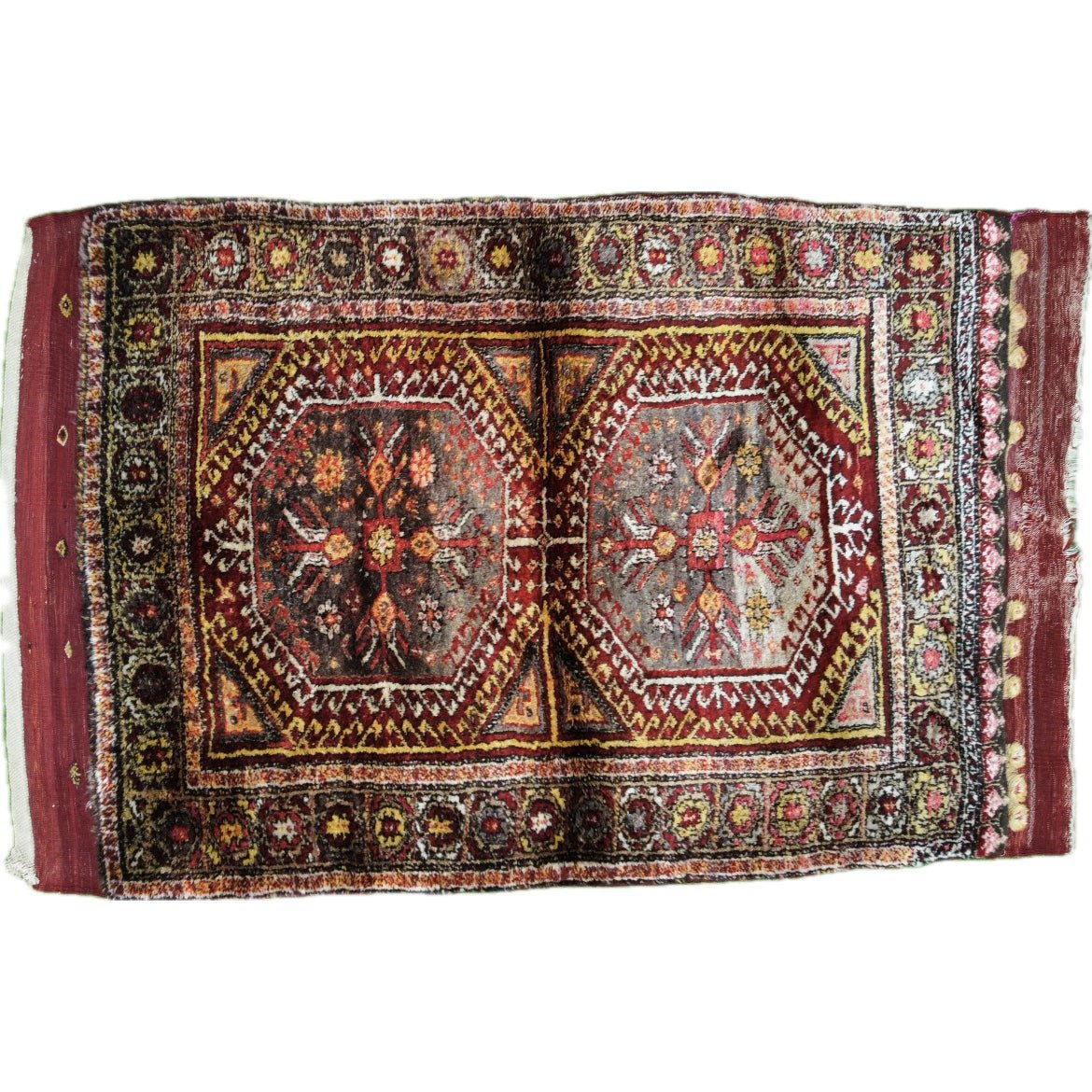
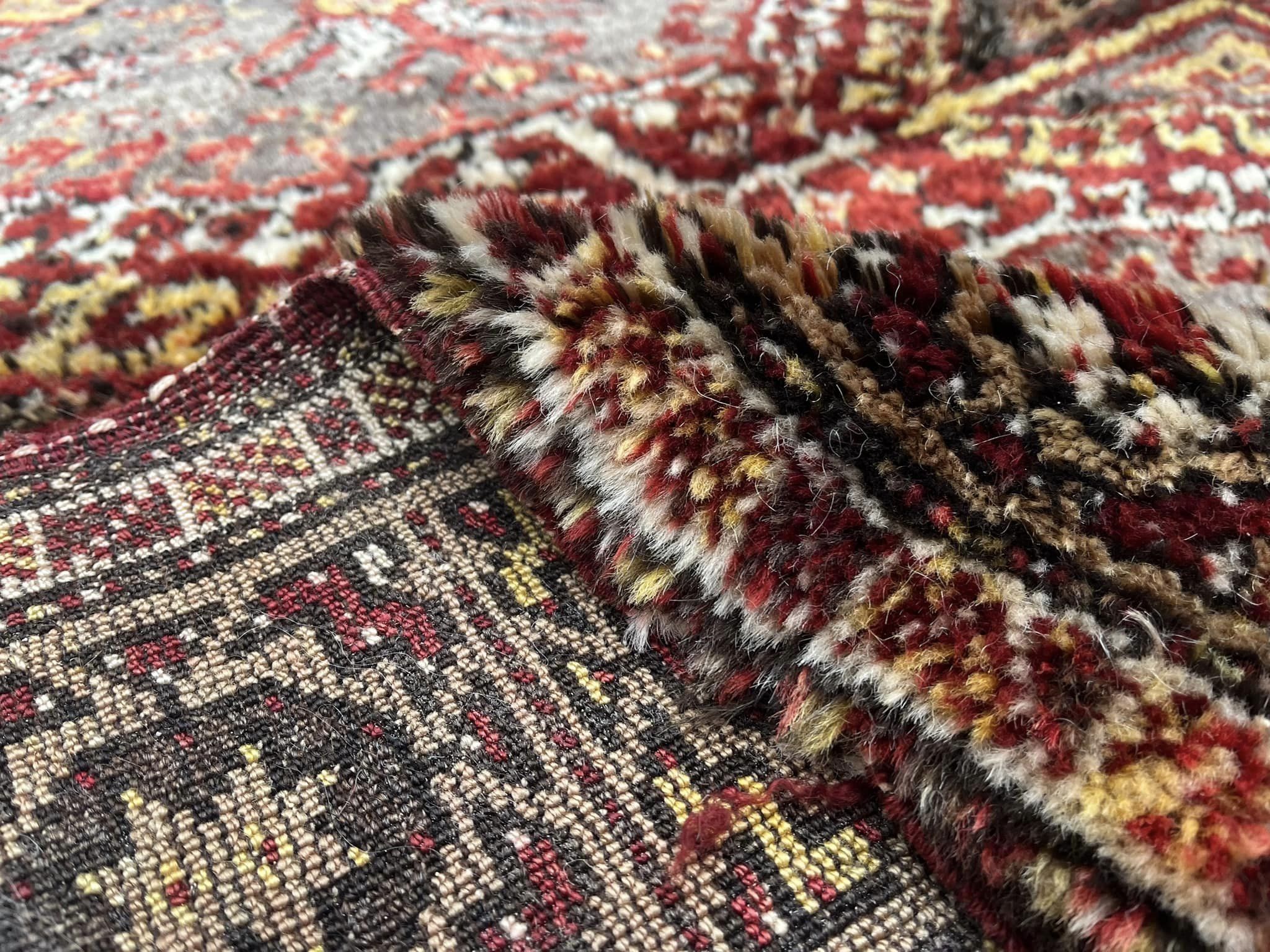
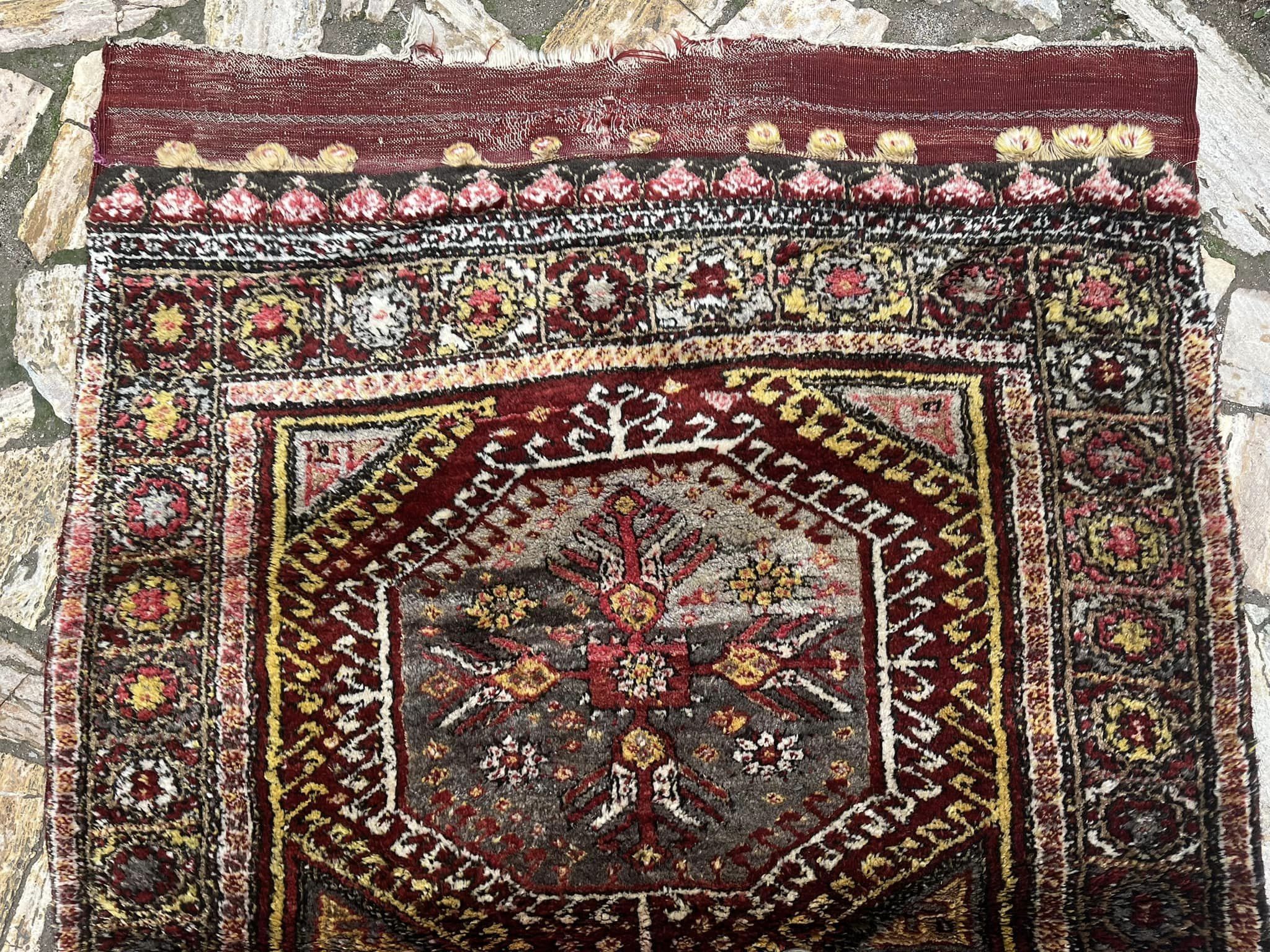
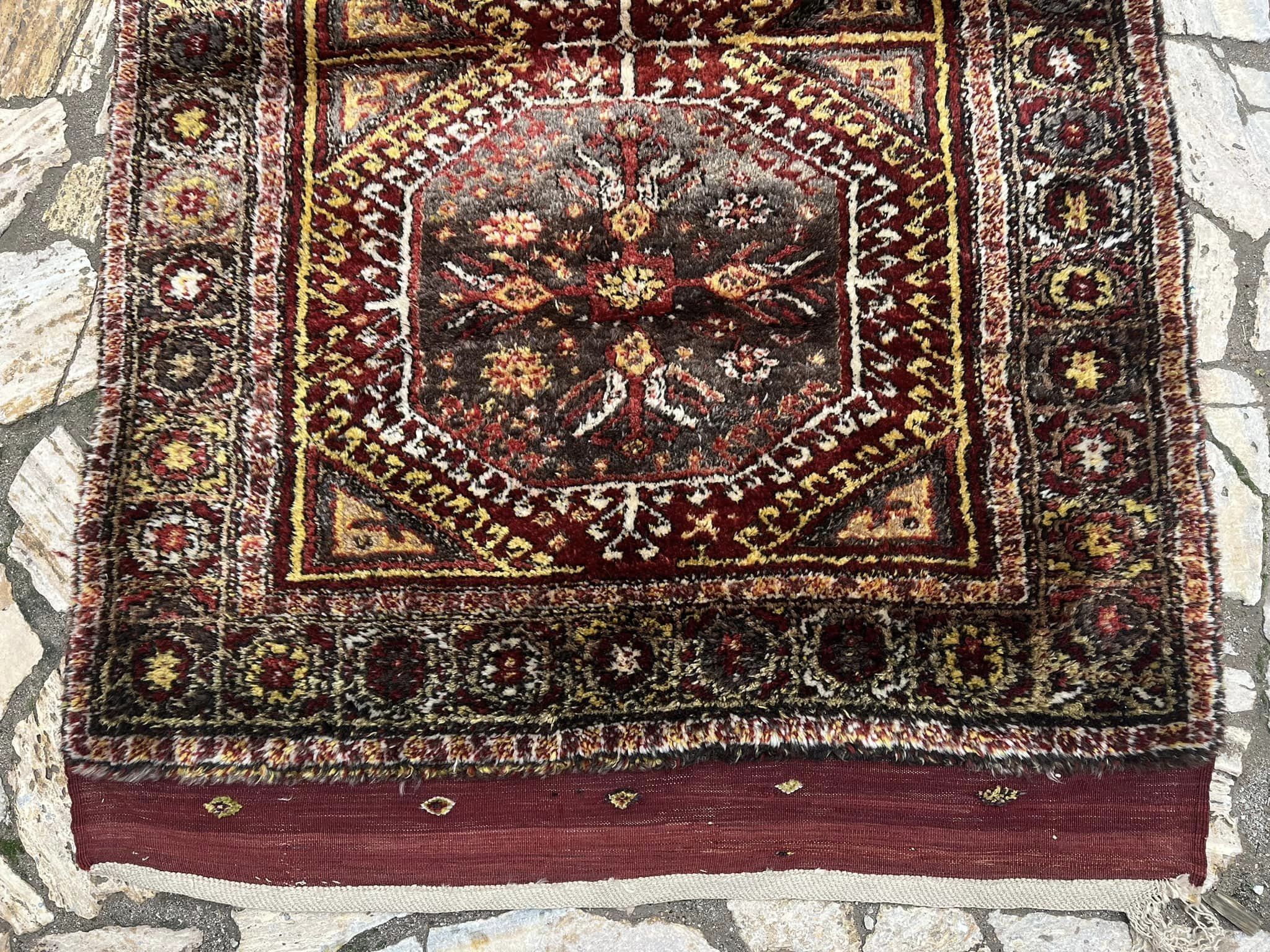
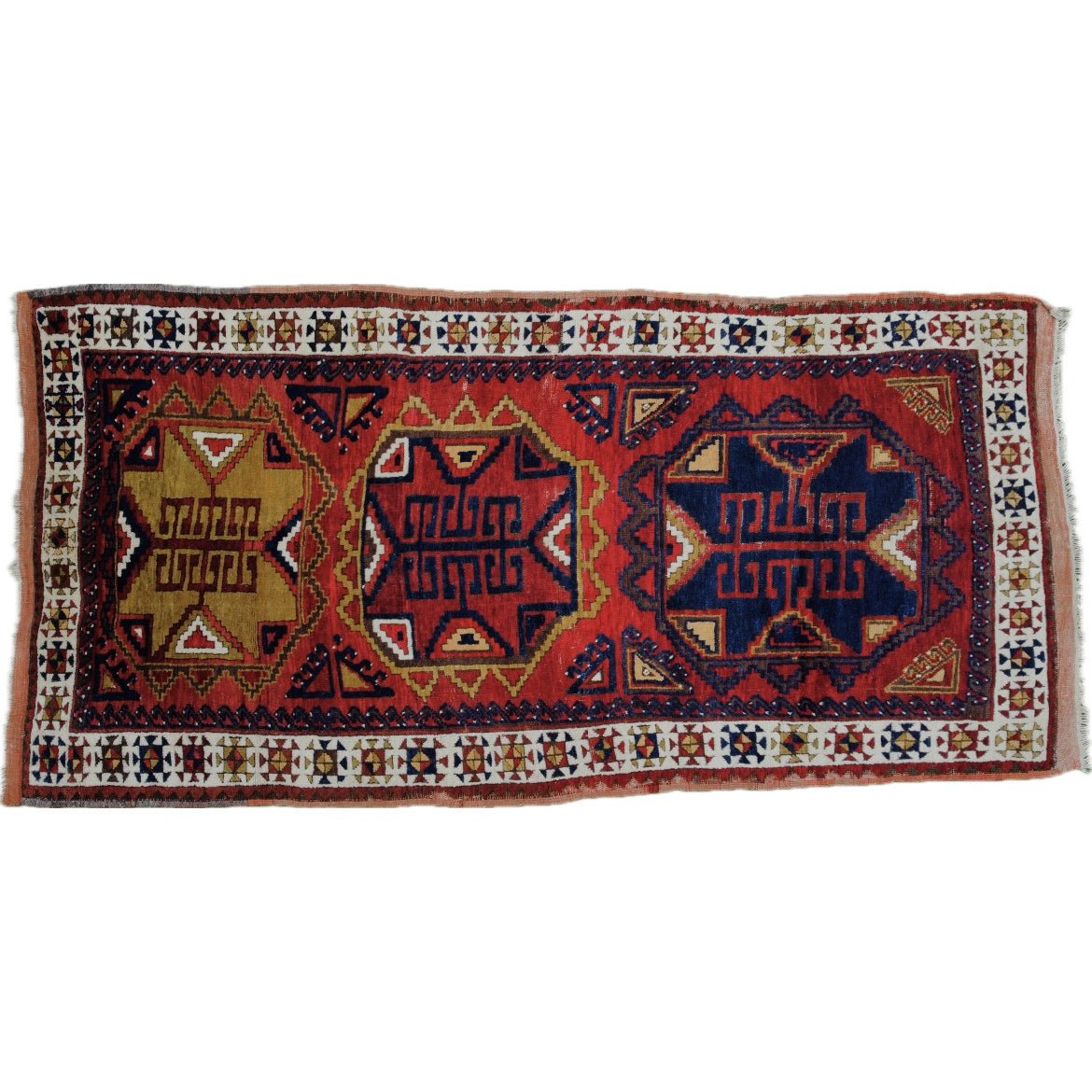
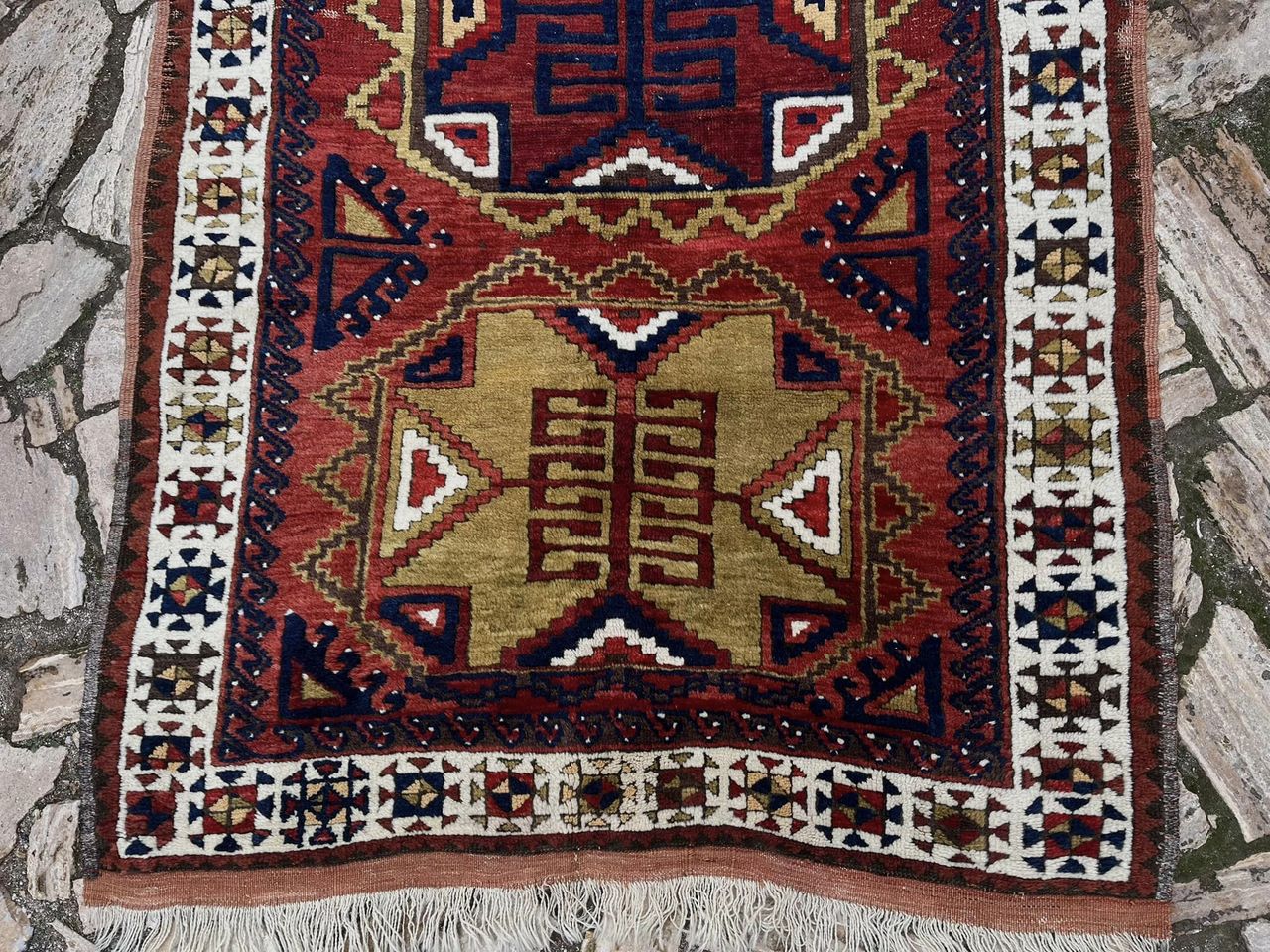
Explore Turkish Rugs by Type
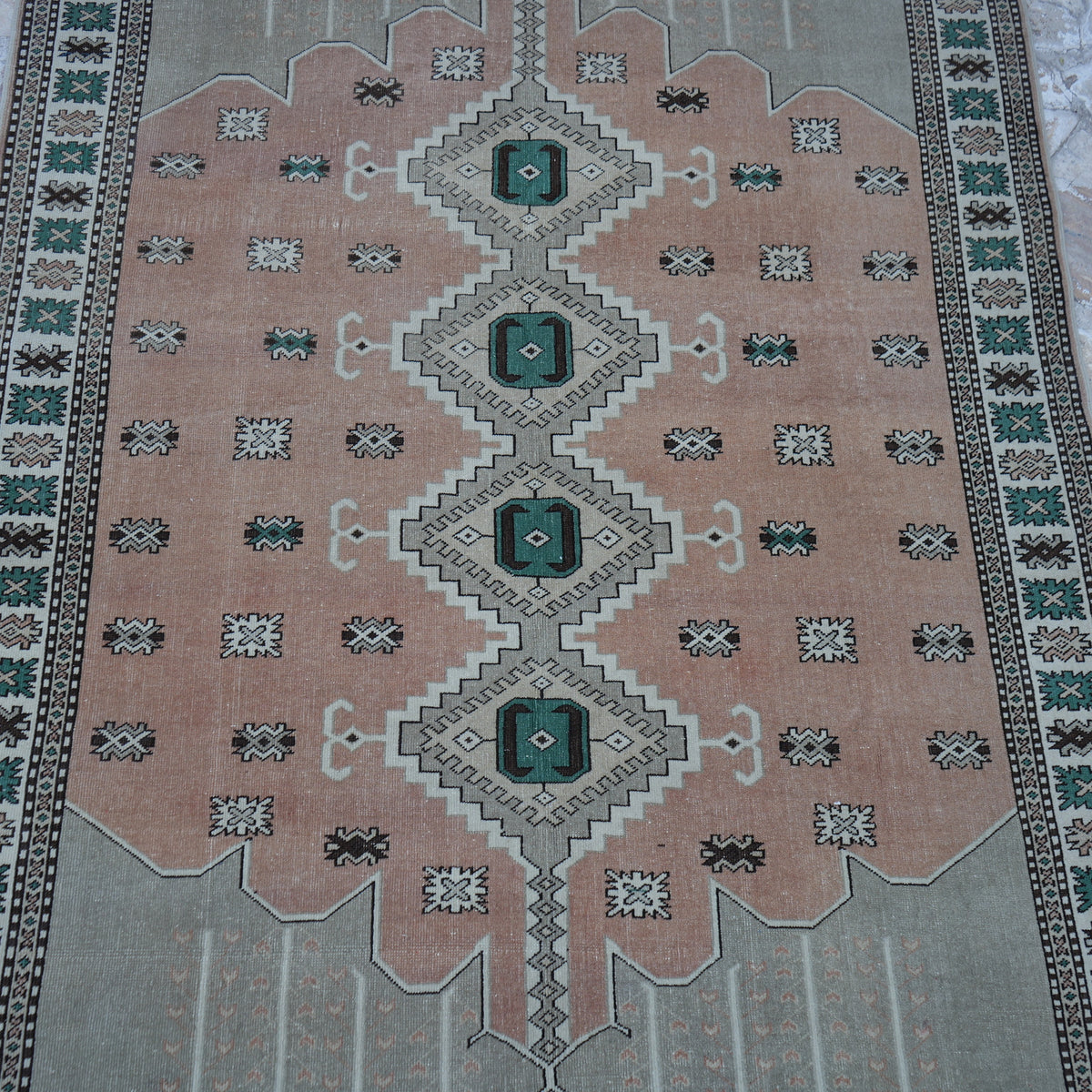
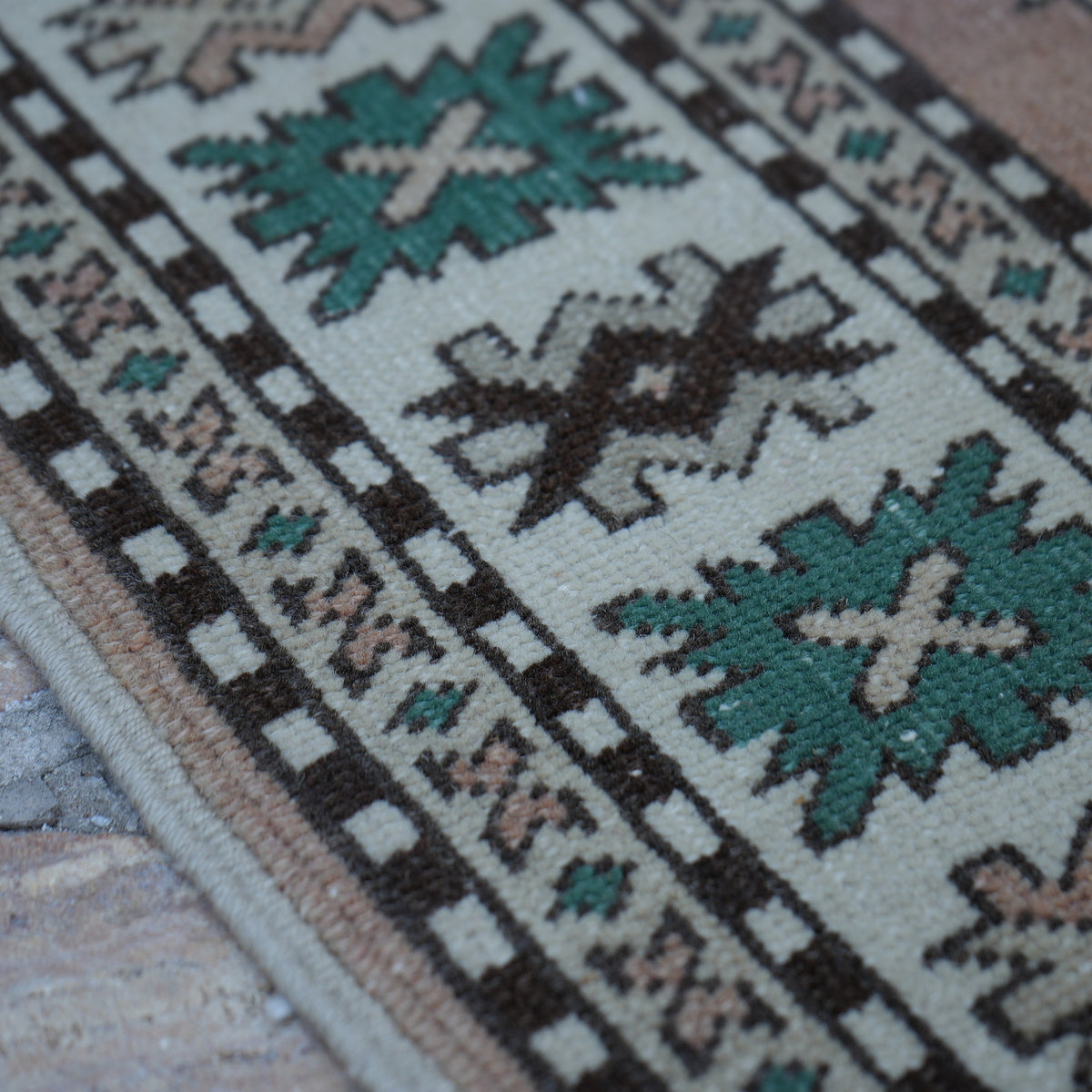
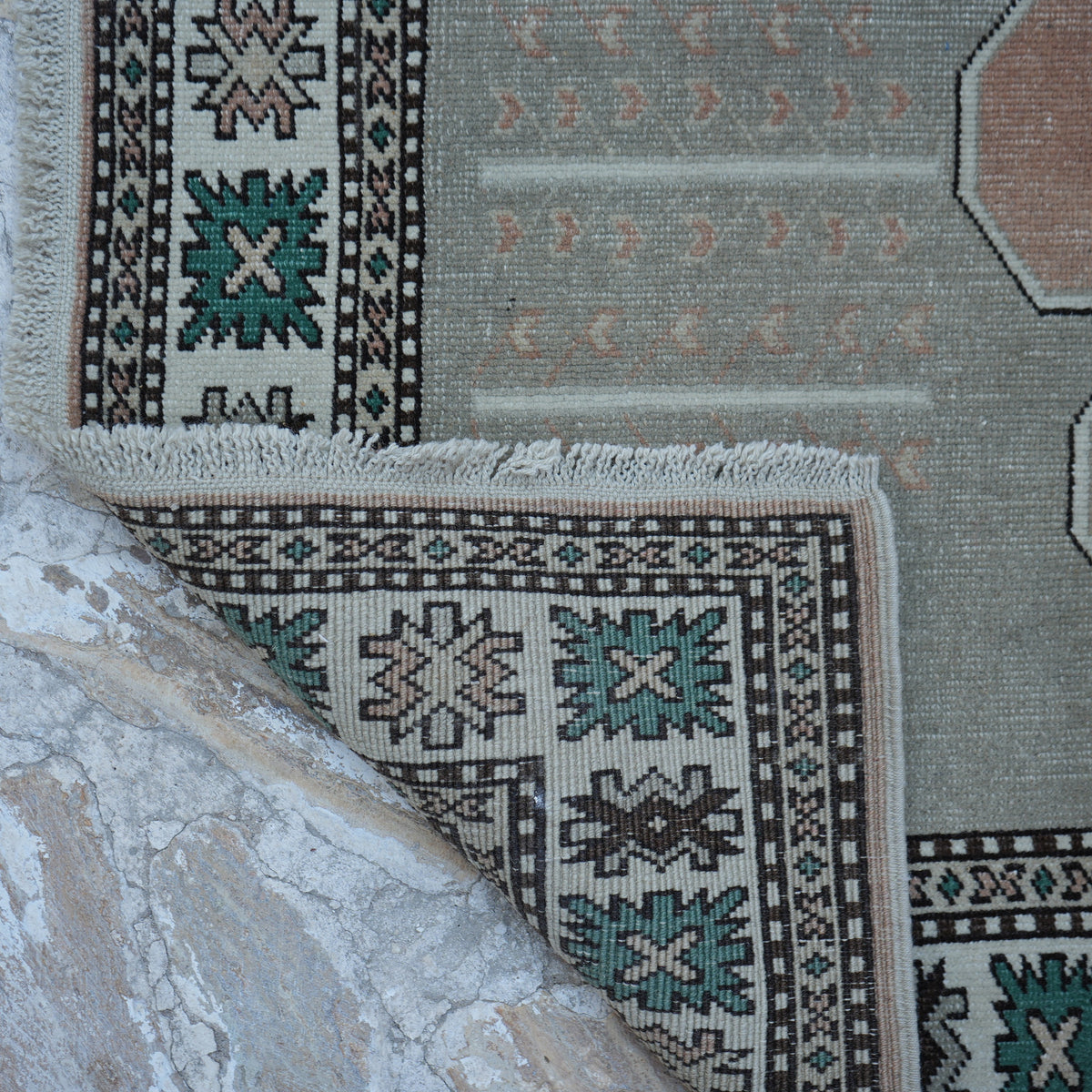
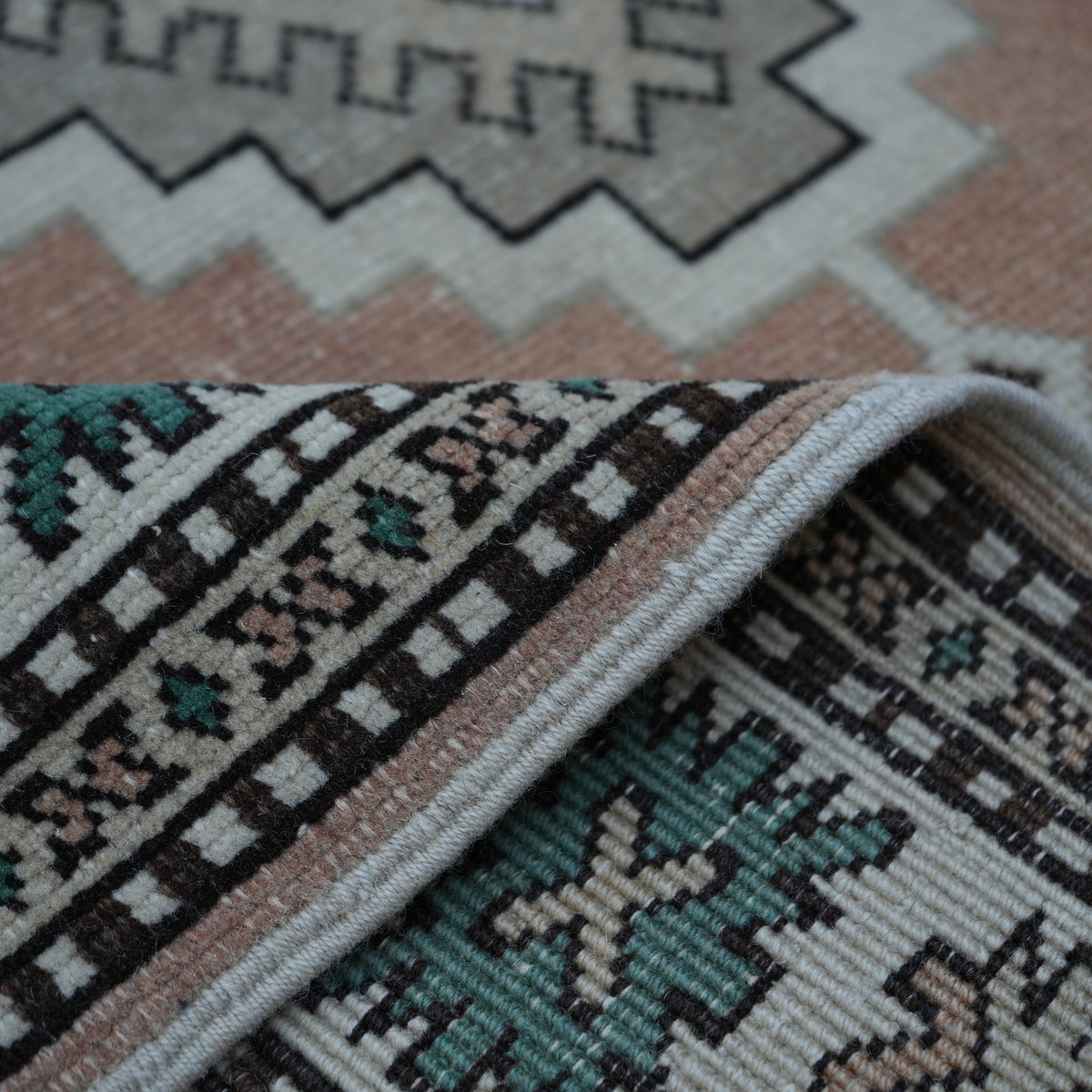
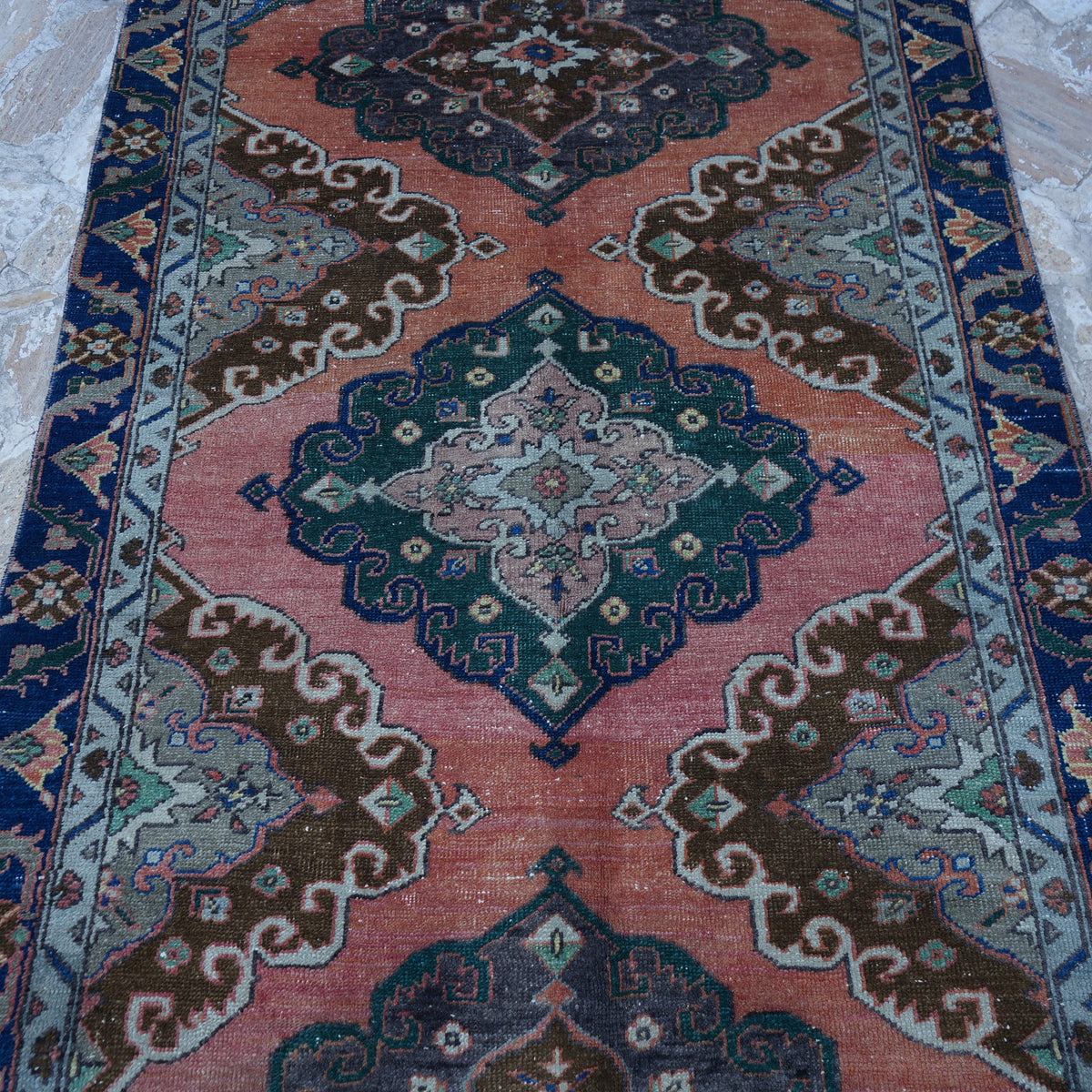
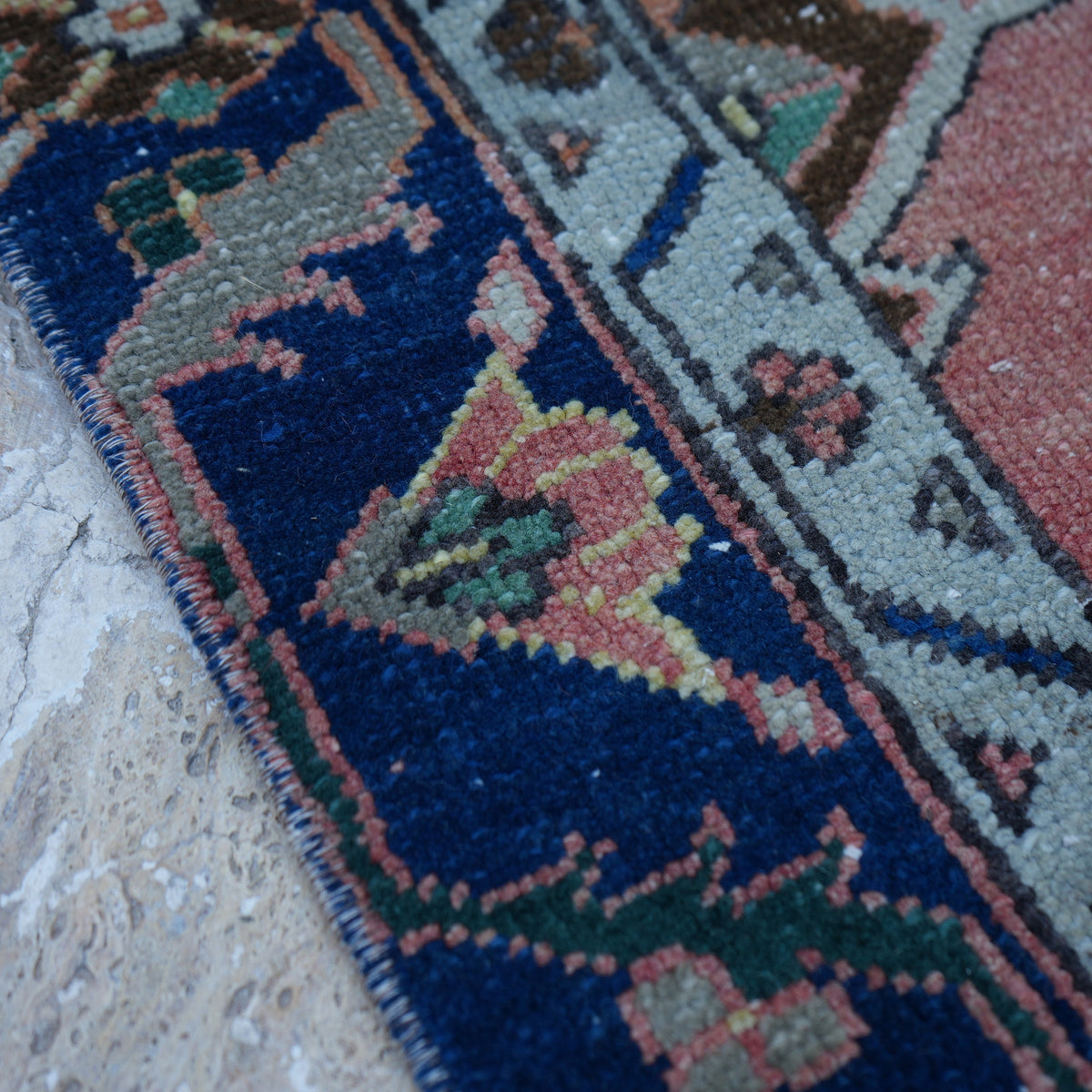


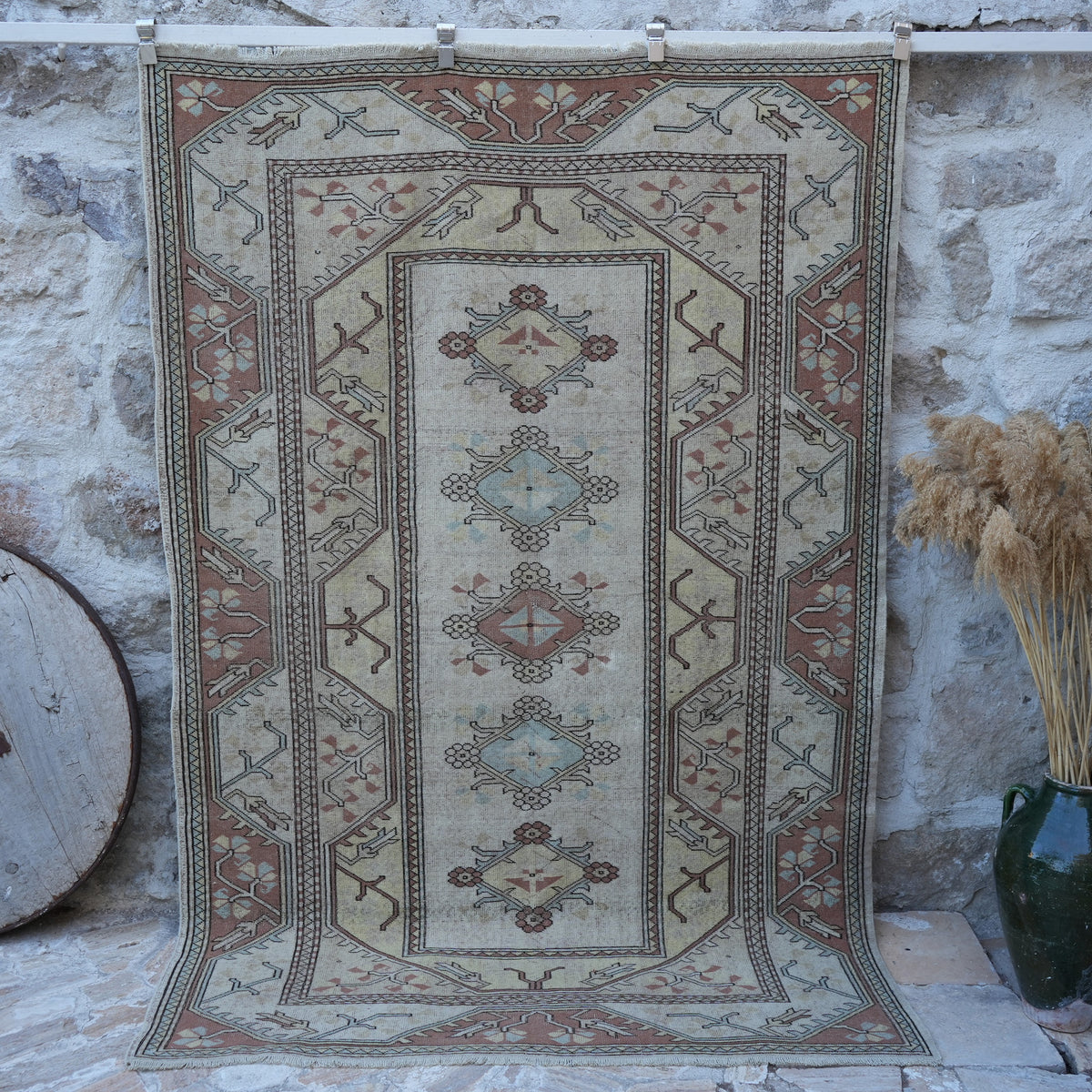
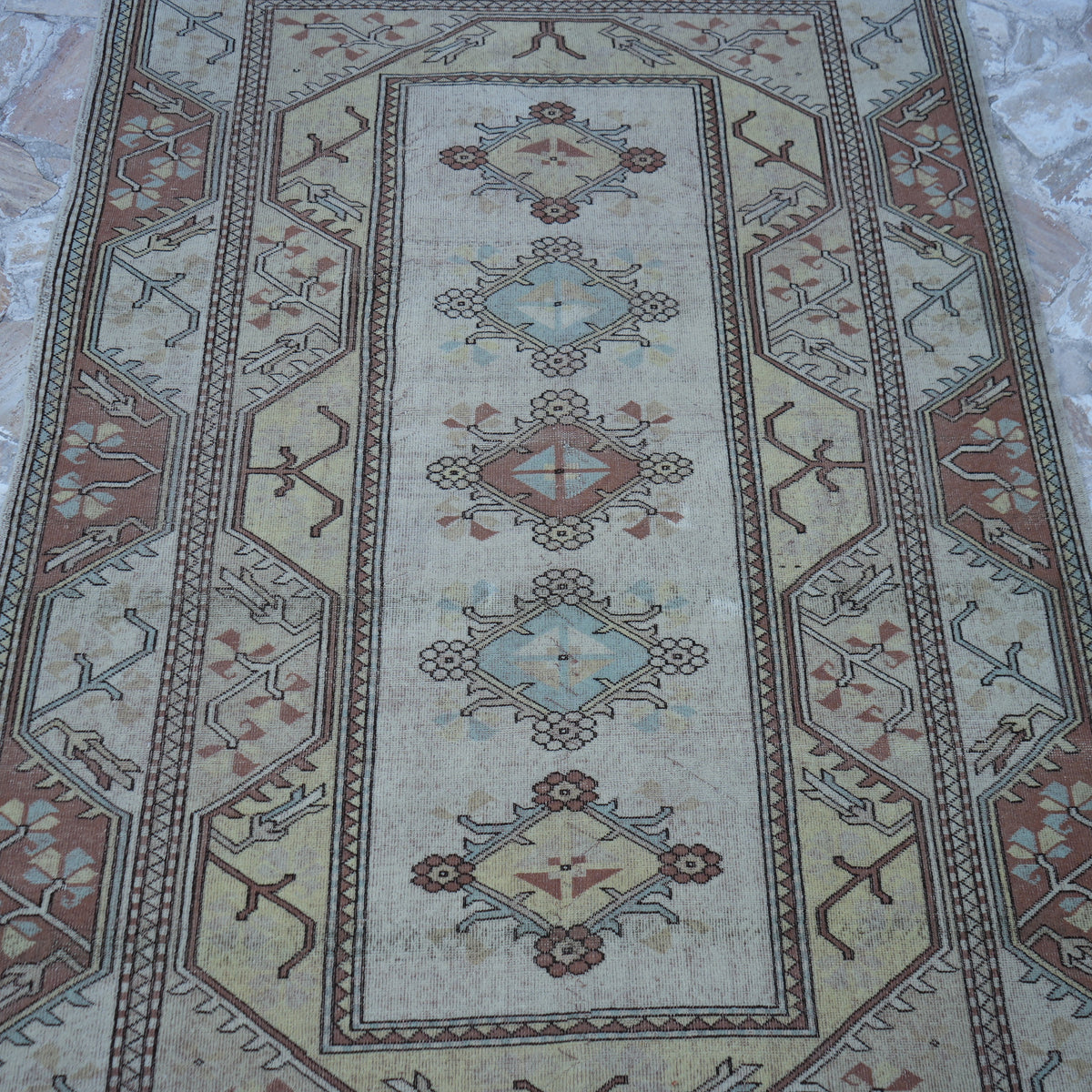
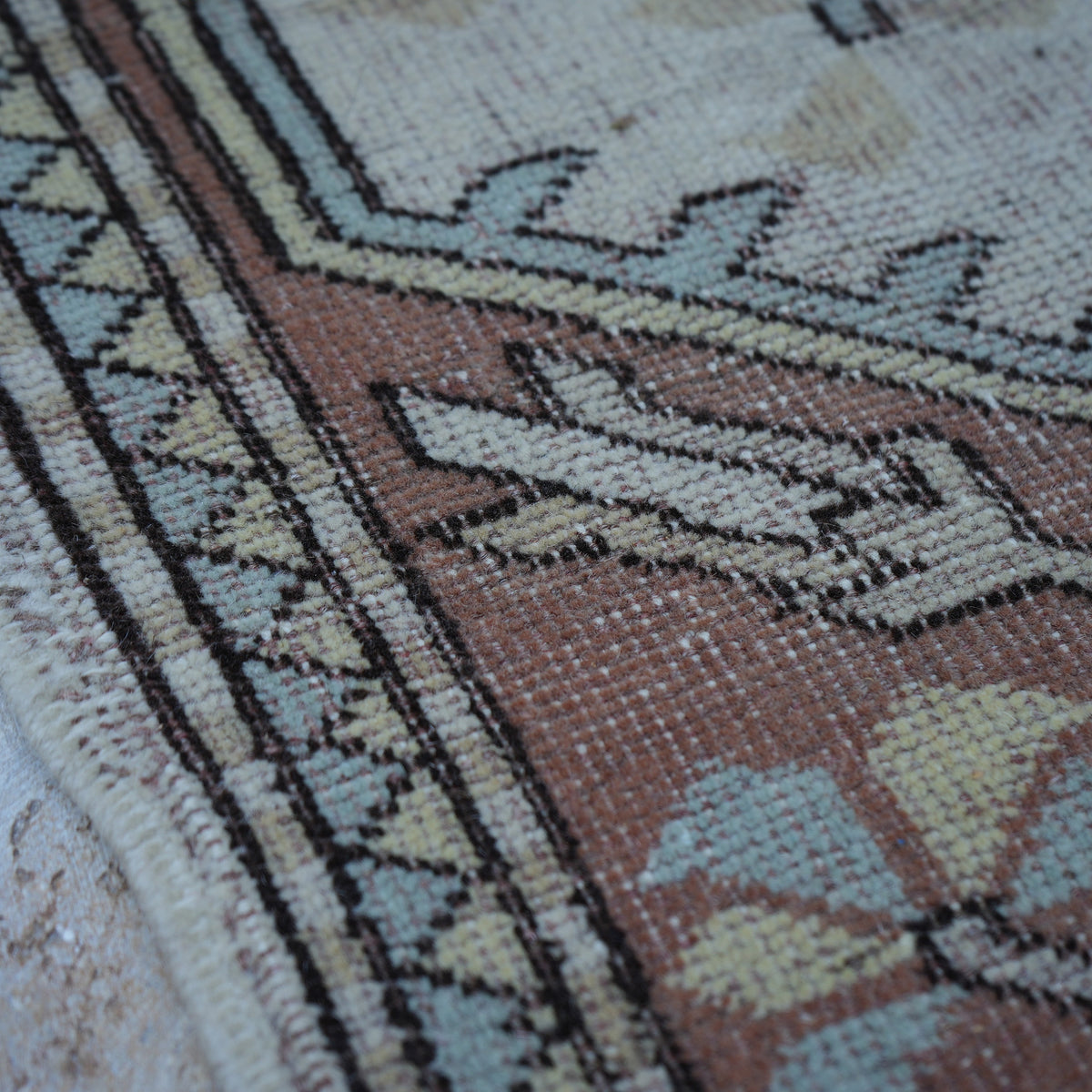




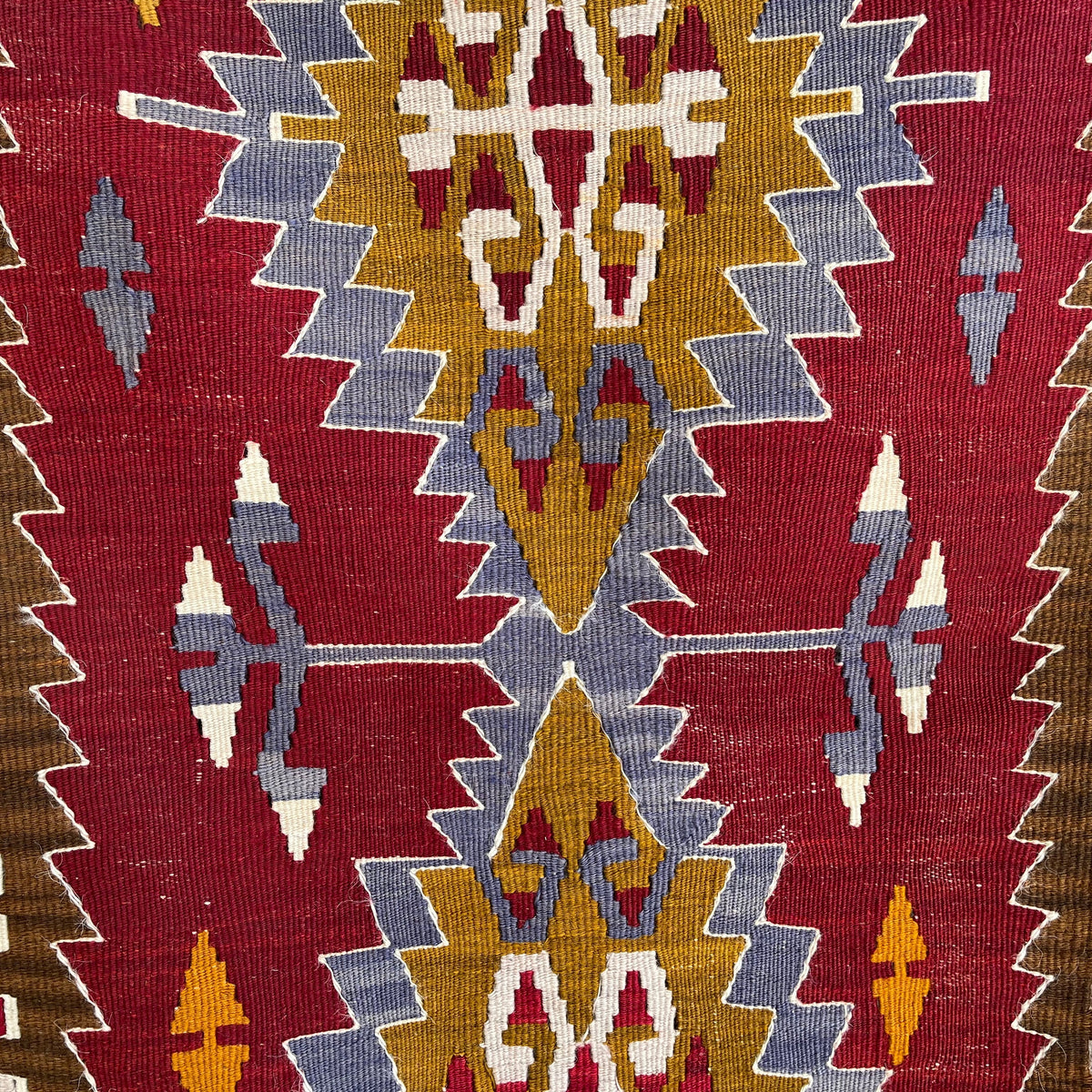
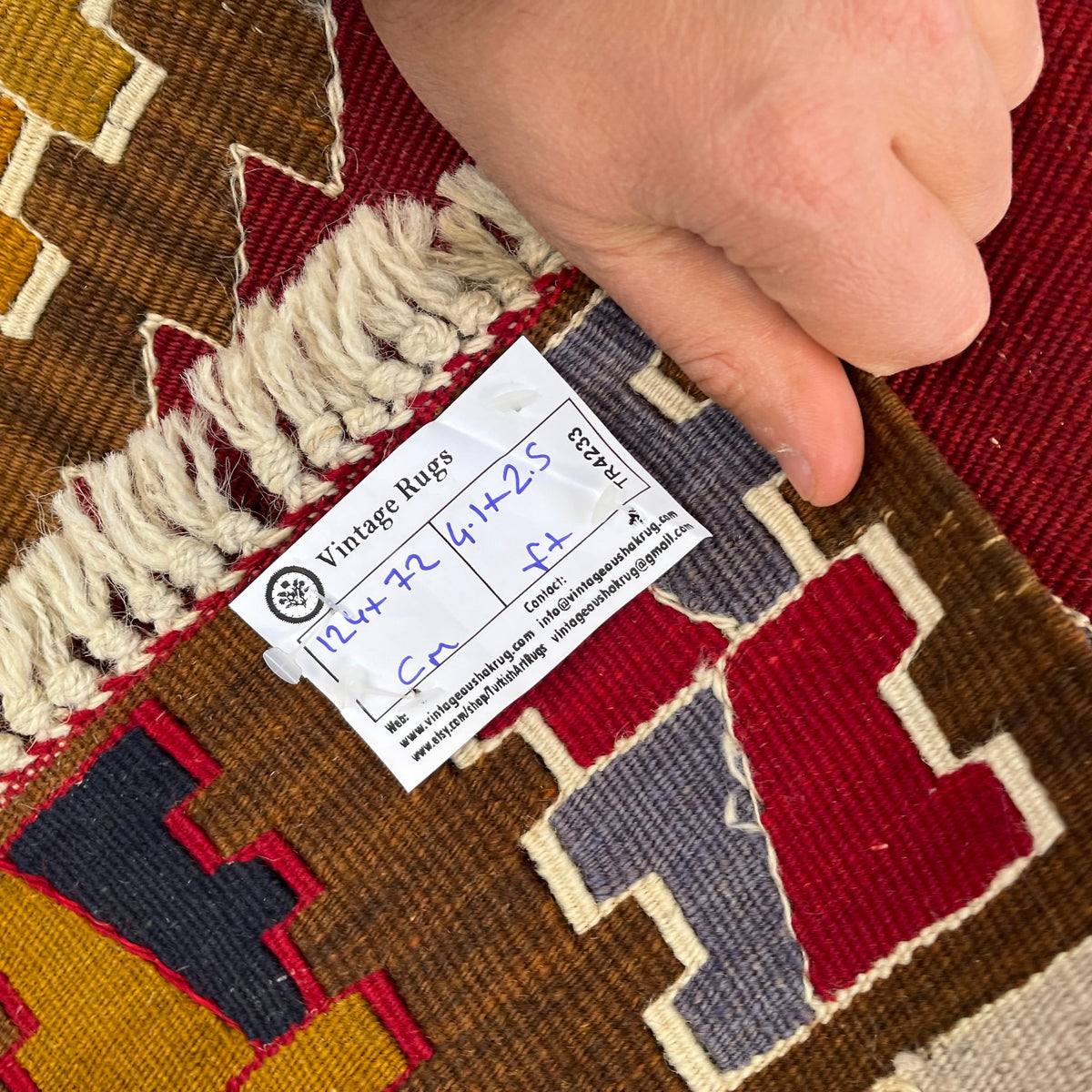
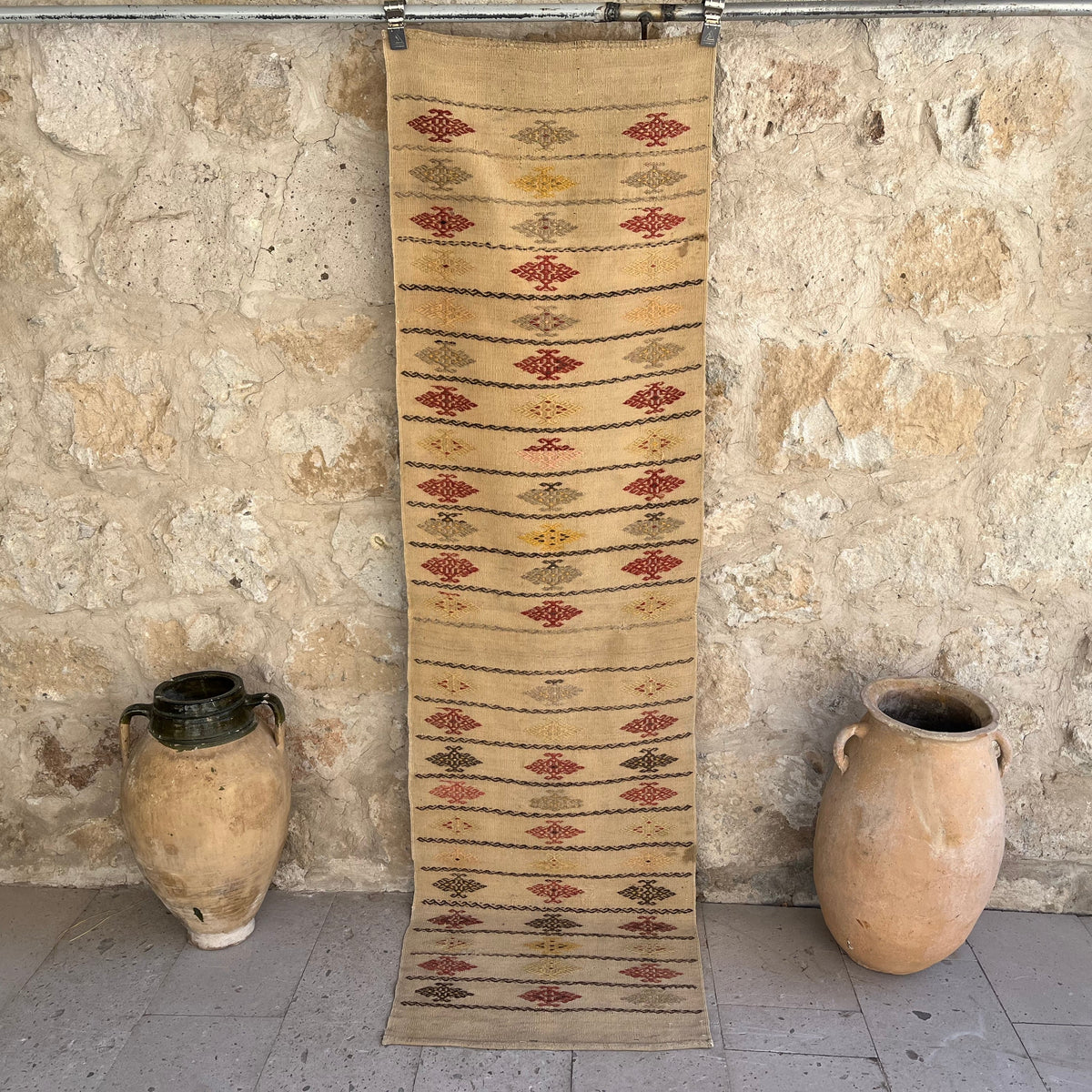
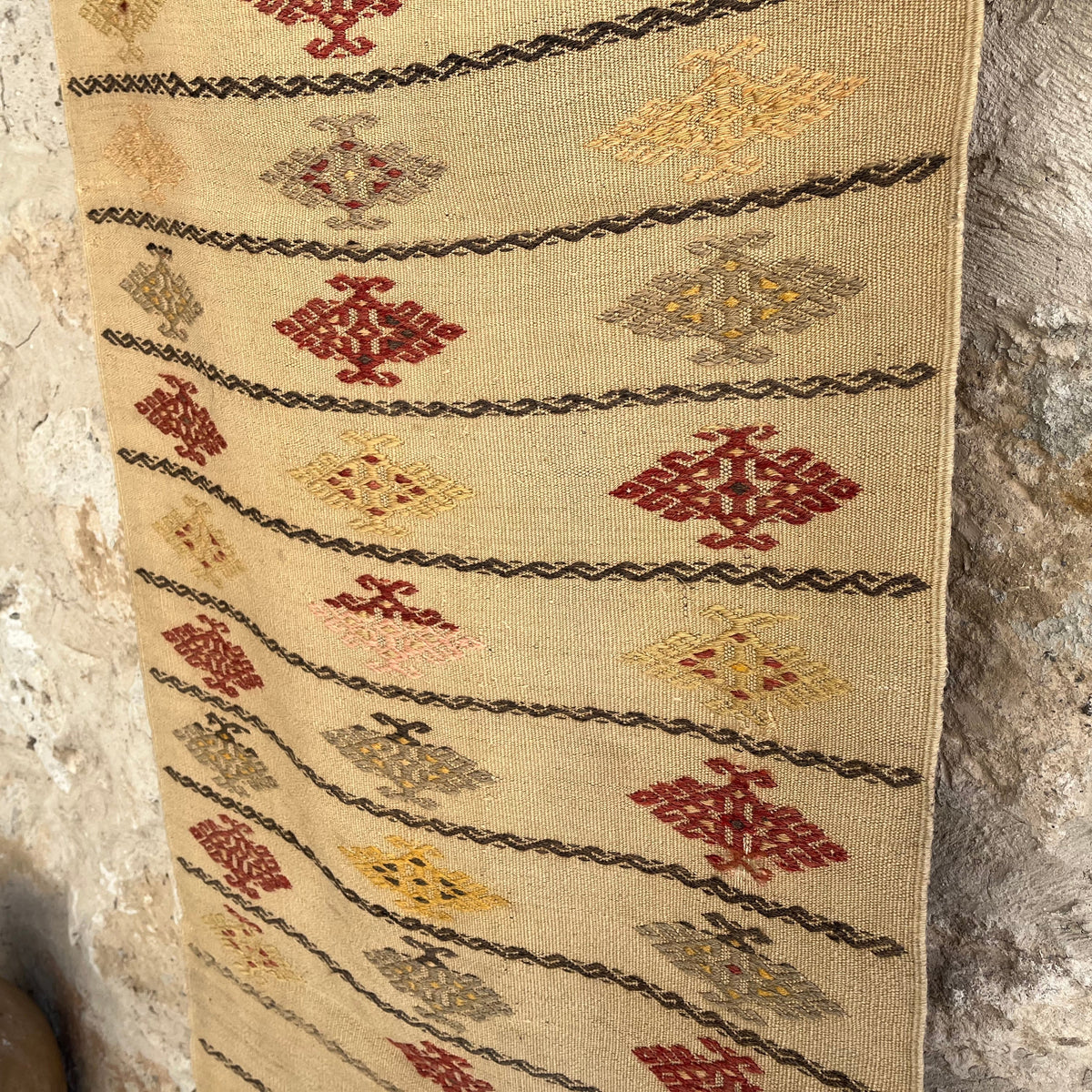

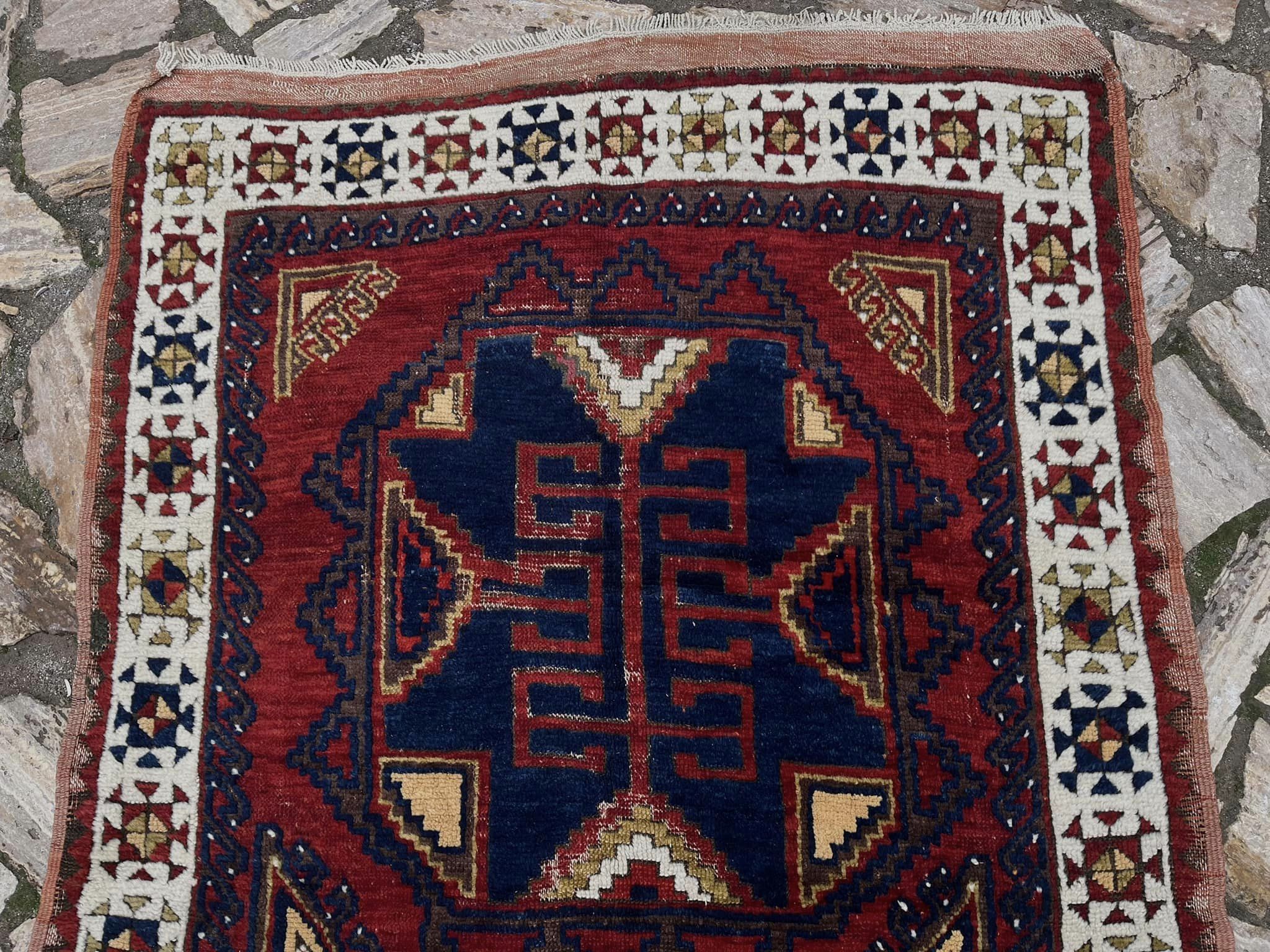
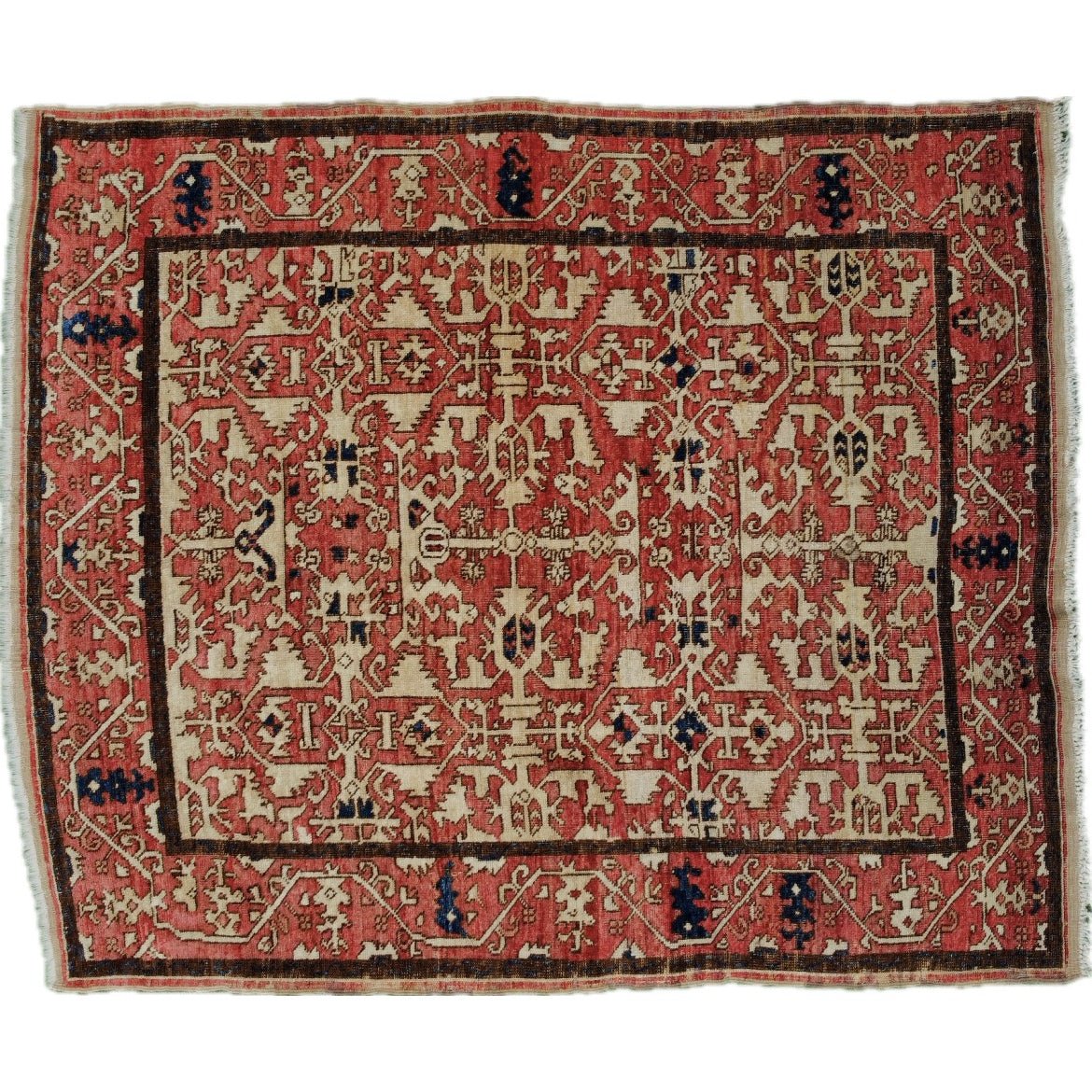
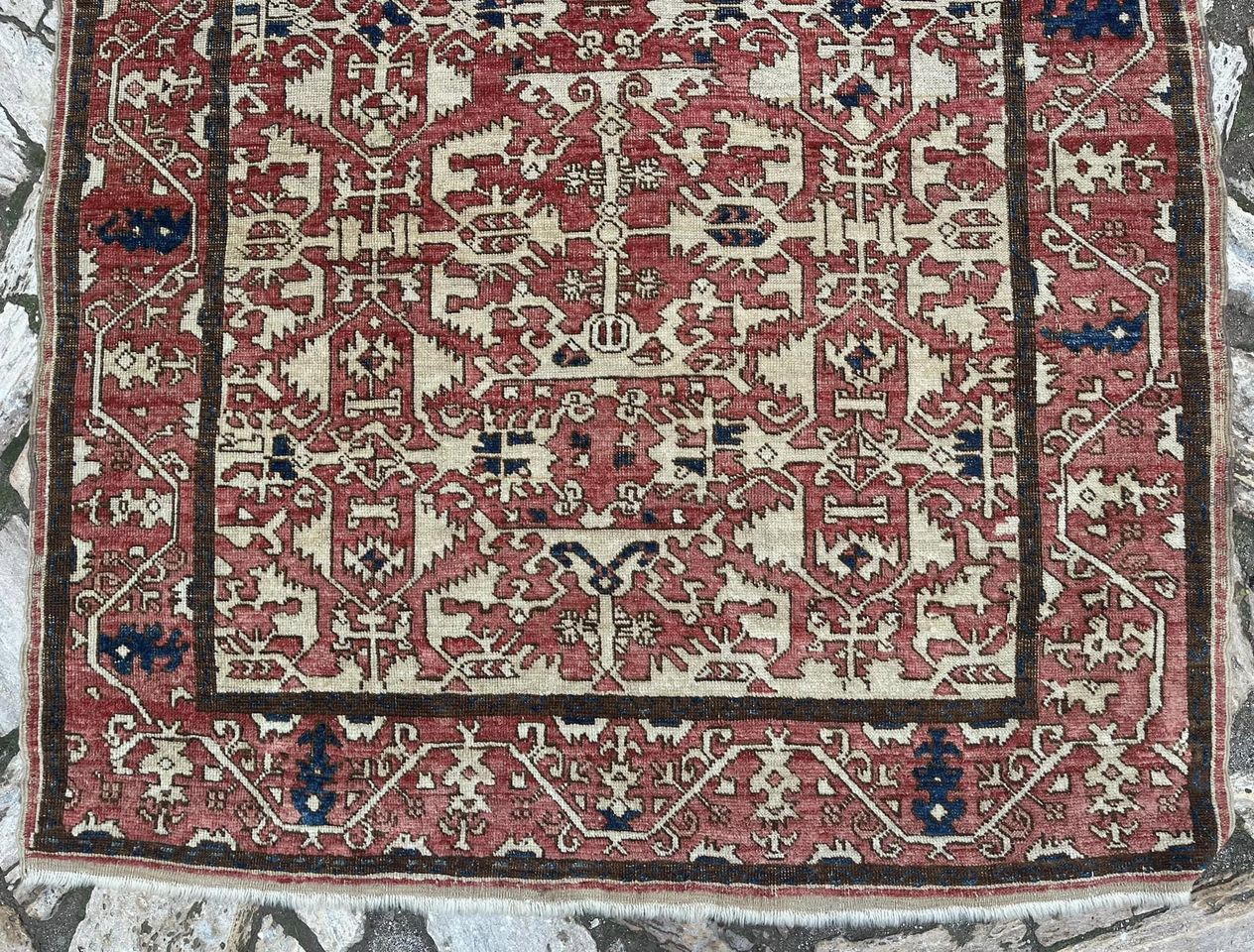
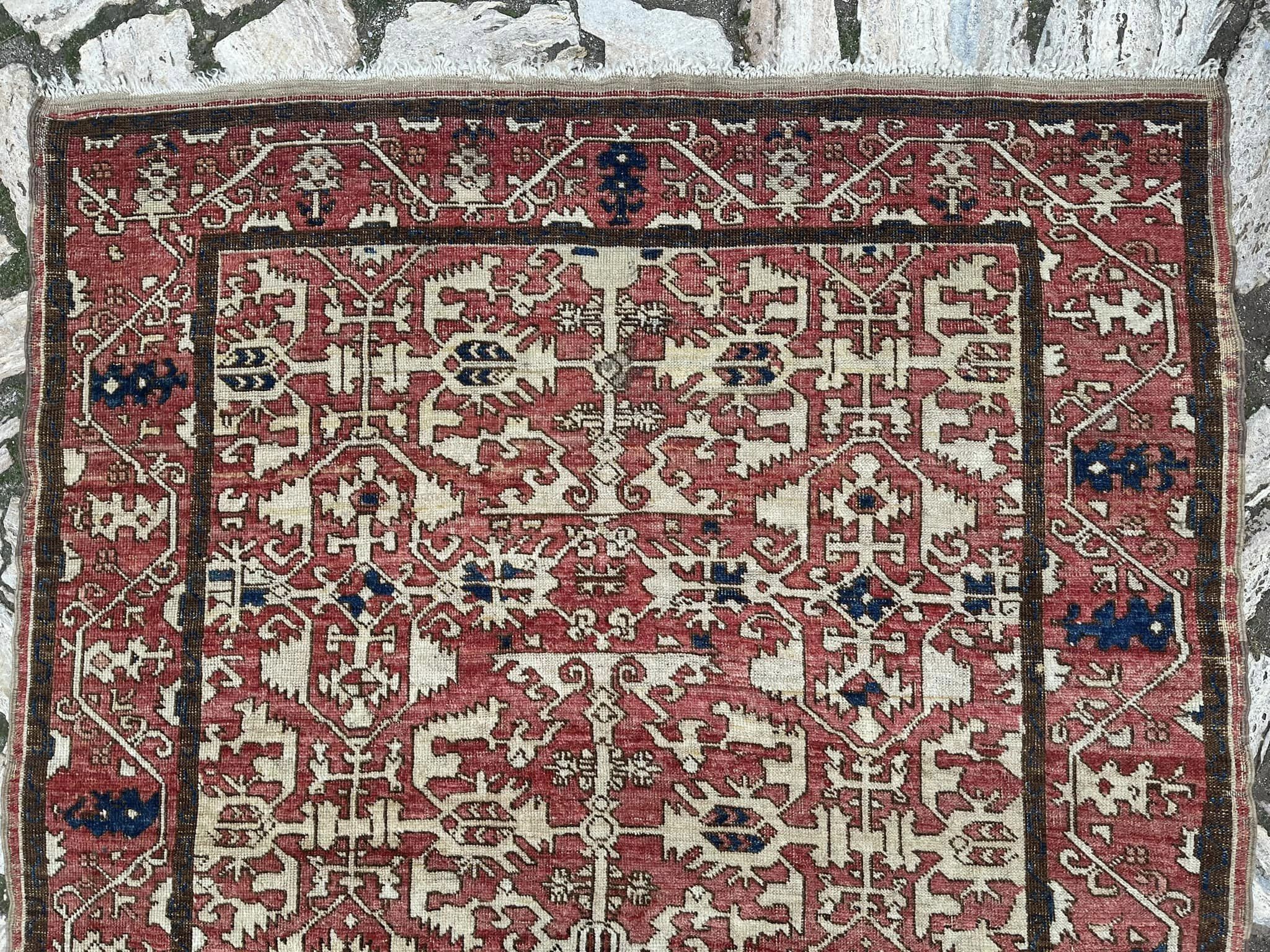
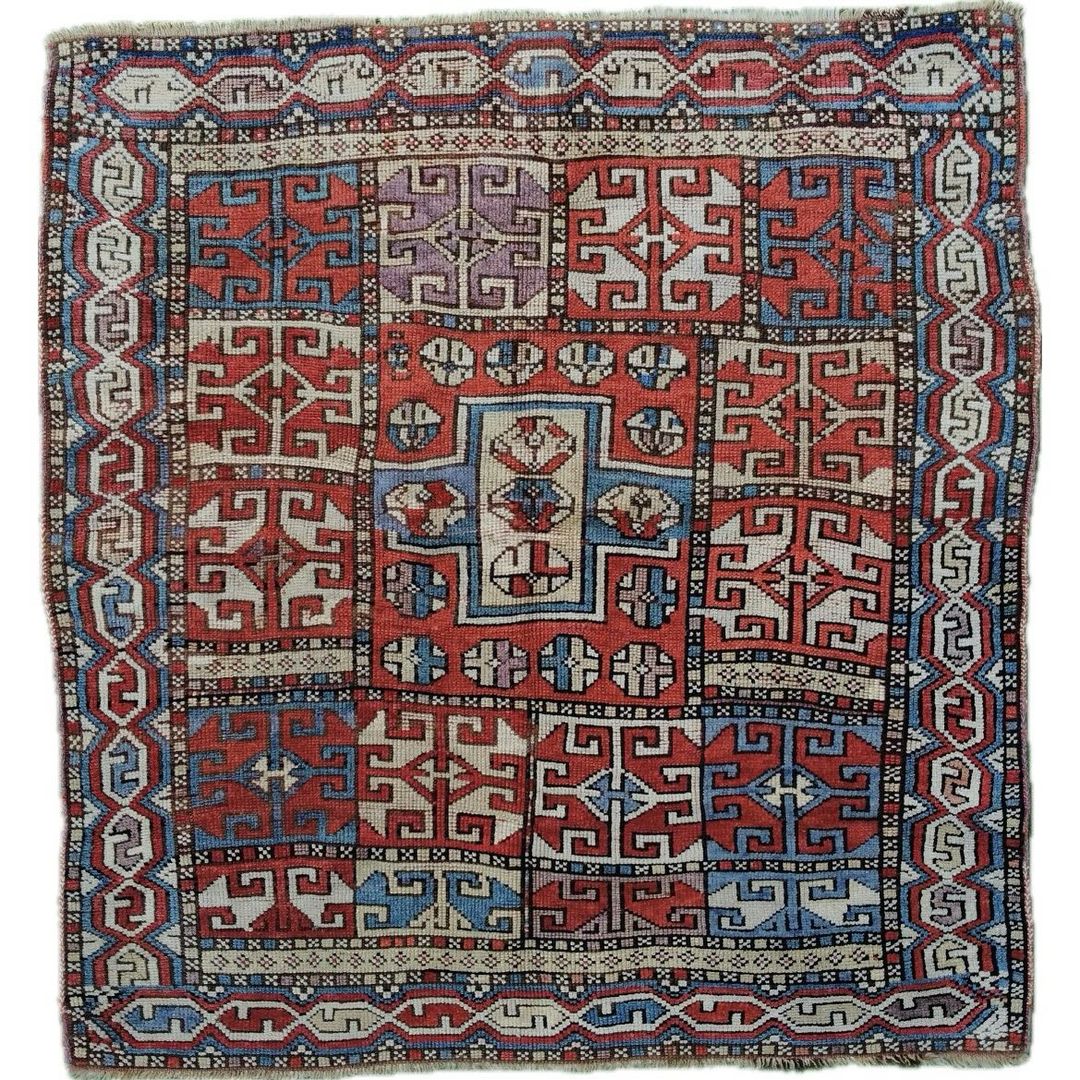
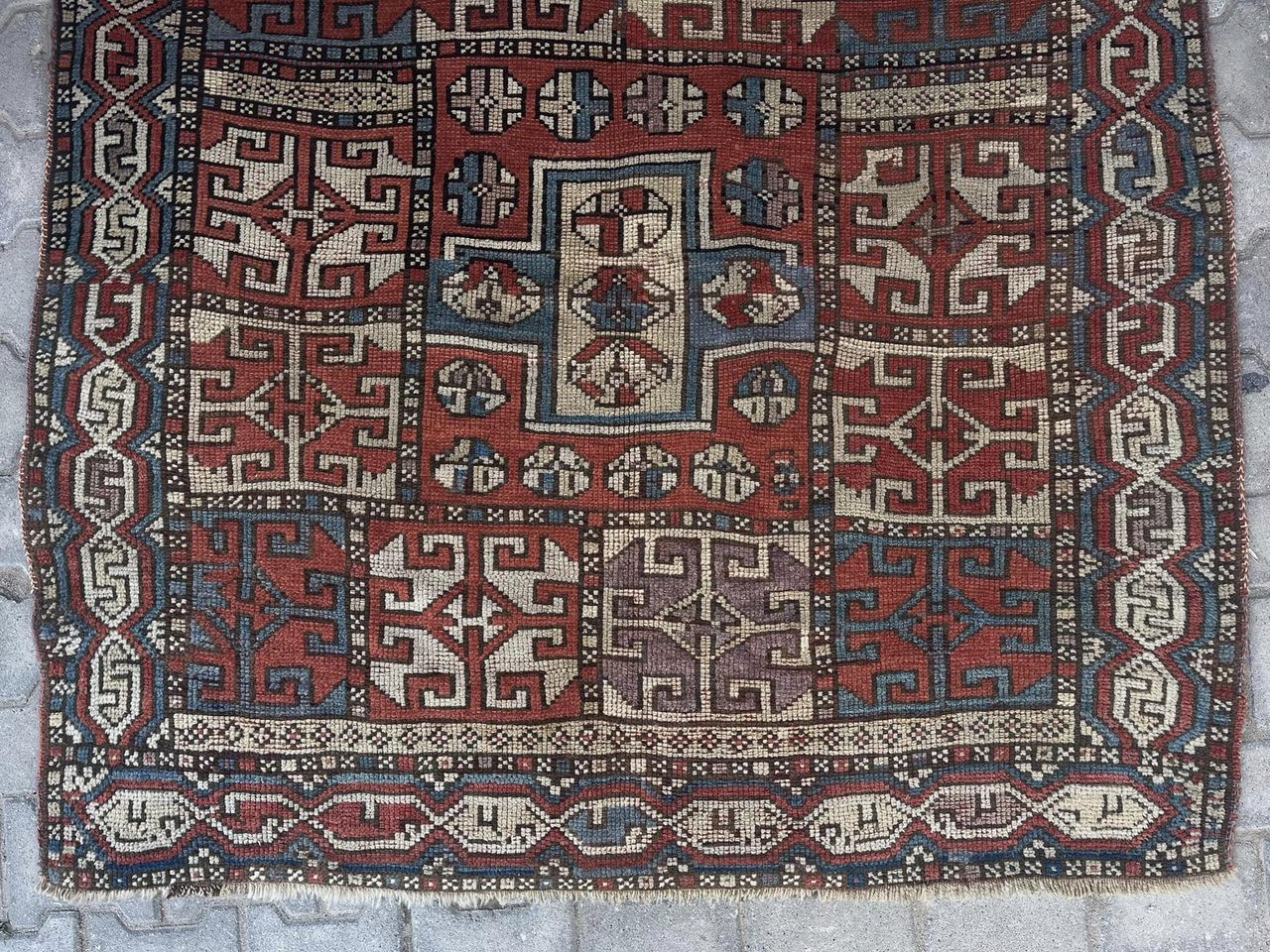
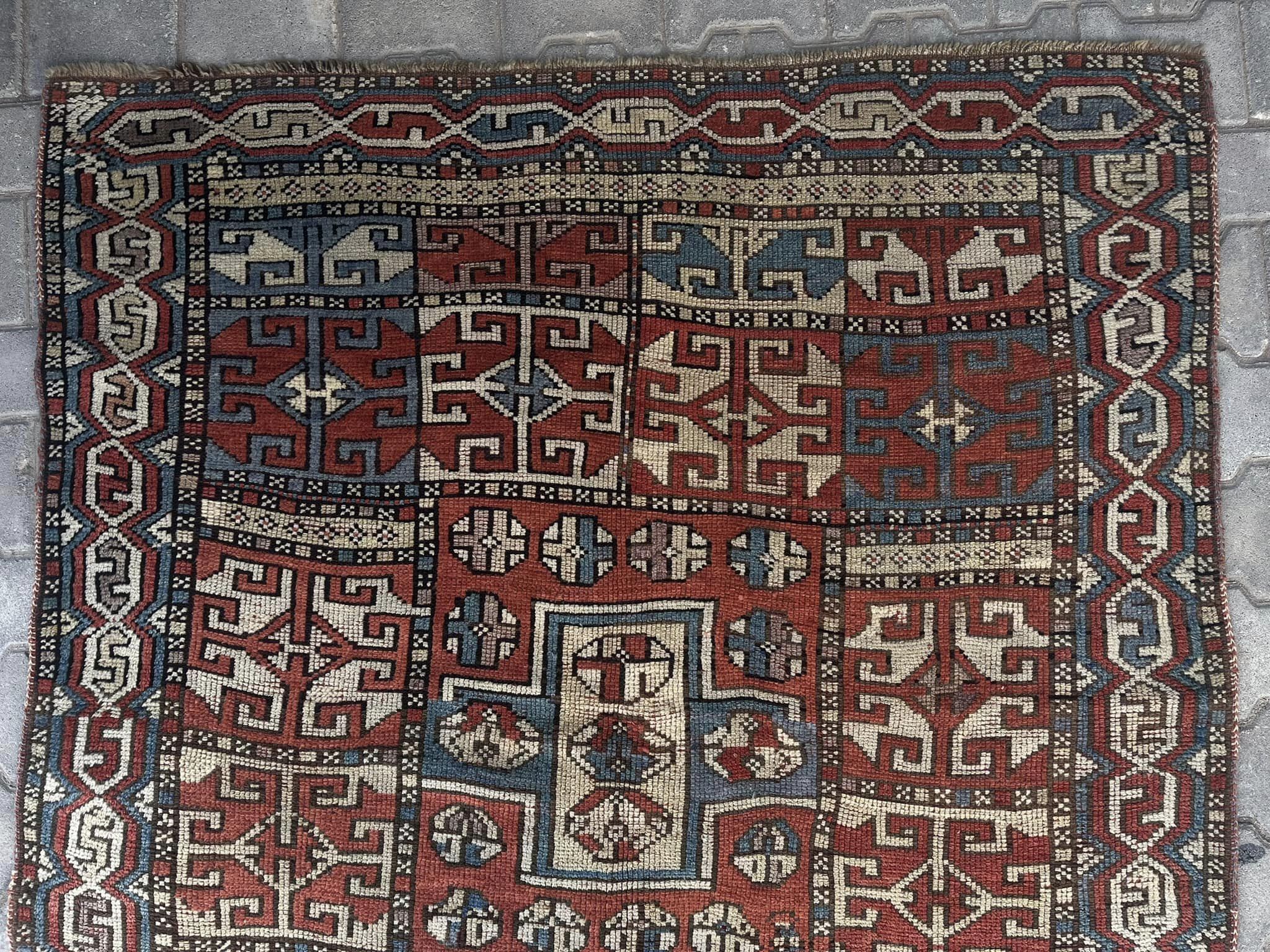
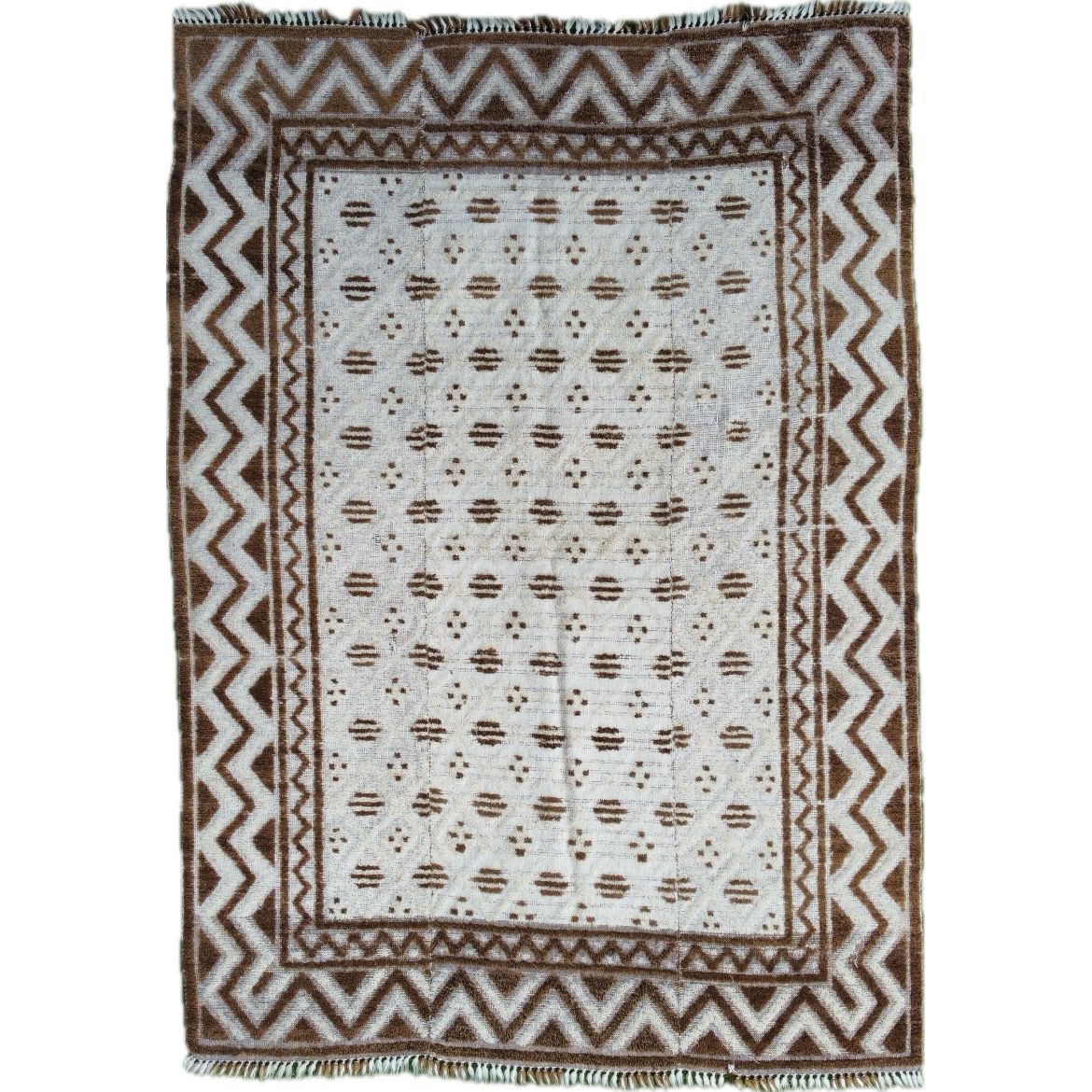
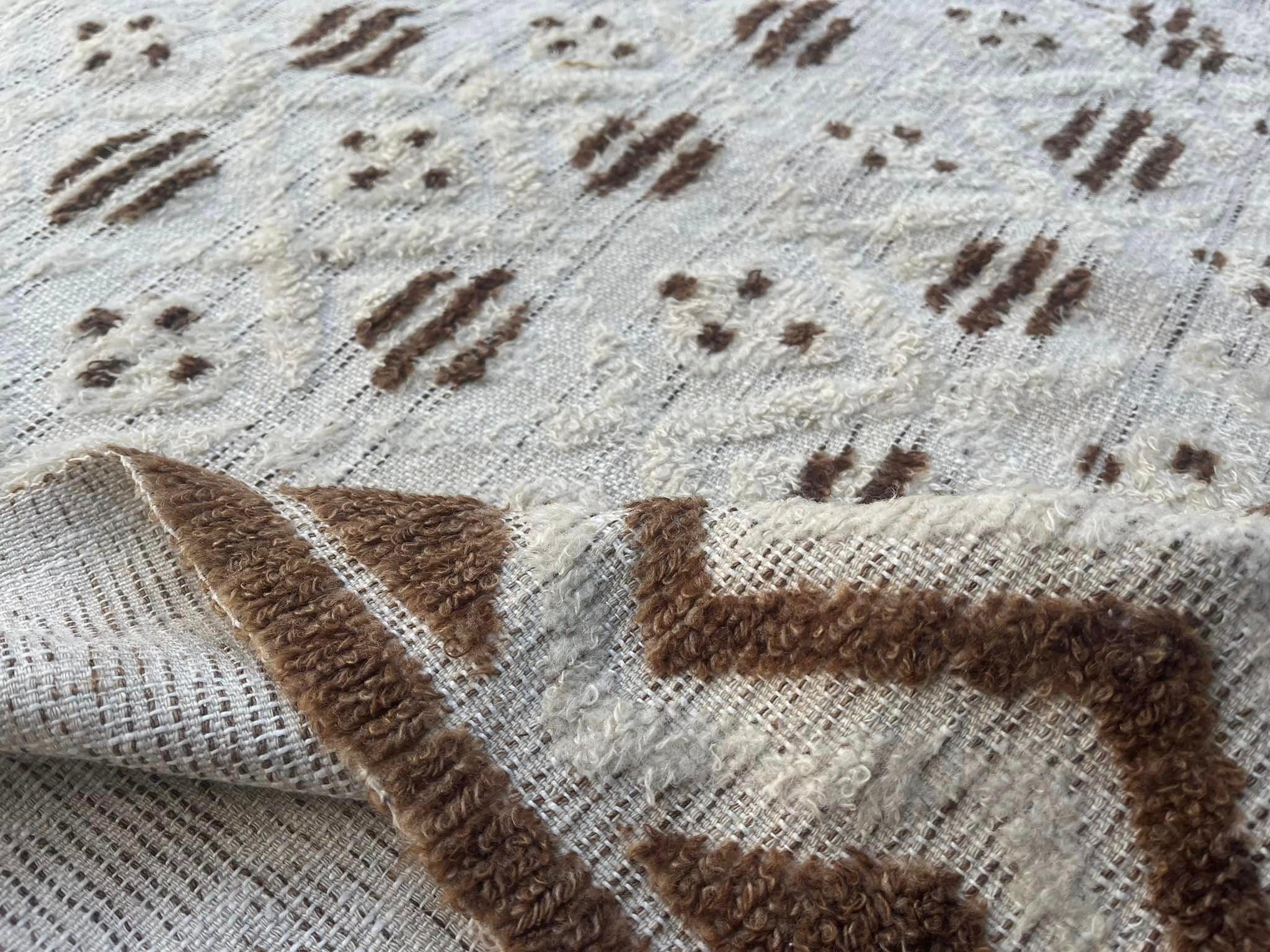
Frequently Asked Questions
How much should I pay for a real Turkish rug?
For an authentic vintage or hand-knotted Turkish rug, small pieces can start below a few hundred dollars, while medium and large rugs may range from several hundred dollars into the thousands. Size is only the starting point; wool, age, condition, design, origin, and rarity can change the value significantly.
Why are some Turkish rugs so expensive?
Hand-knotting takes time, large rugs use more material, and older or rarer pieces cannot simply be reproduced. Good wool, desirable color, condition, regional character, unusual size, and collector or designer demand can all raise the price.
Are Oushak rugs more expensive than other Turkish rugs?
They can be, especially desirable vintage and antique examples, but “Oushak” is also used for many newer and machine-made rugs. Construction, age, wool, color, condition, origin, and scale still need to be checked before comparing prices.
Are Turkish rugs cheaper when bought directly from Turkey?
Often they can be because there may be fewer retail layers between the rug and the buyer. The fairest comparison is the full delivered cost, including shipping, customs terms, condition disclosure, and return policy—not only the product price.
How can I tell if a Turkish rug is hand-knotted?
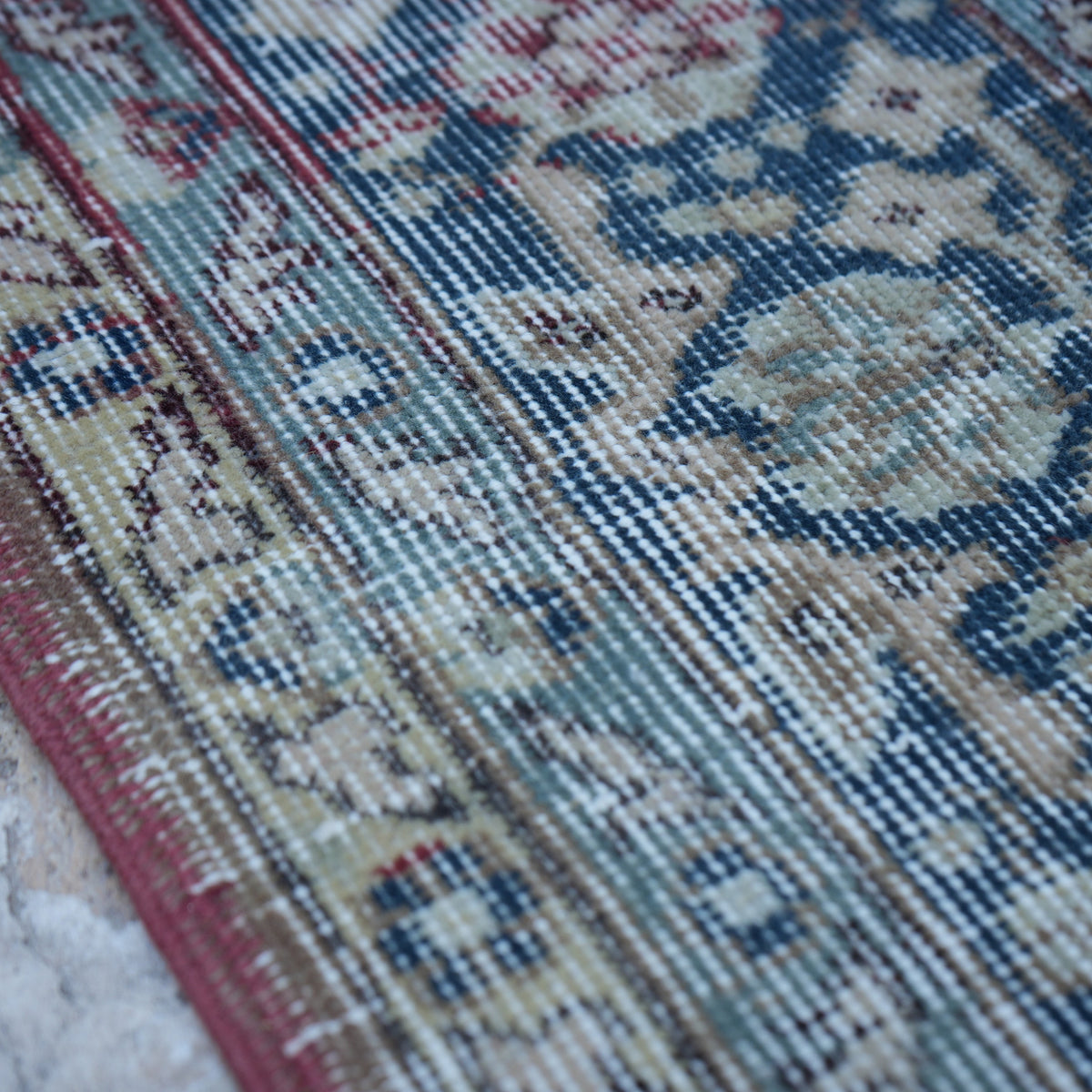
Turn the rug over. On a hand-knotted pile rug, the design should be visible through the back and you should be able to see individual knots and natural irregularities. The fringe is normally part of the foundation rather than decoration sewn onto the end.
What should I check before buying a Turkish rug online?
Look for full-rug photos, the back, close-ups of the pile and edges, exact measurements, material and construction details, repair disclosure, shipping and customs terms, and a clear return policy. For a one-of-a-kind vintage rug, the listing should make the actual piece easy to inspect.

