












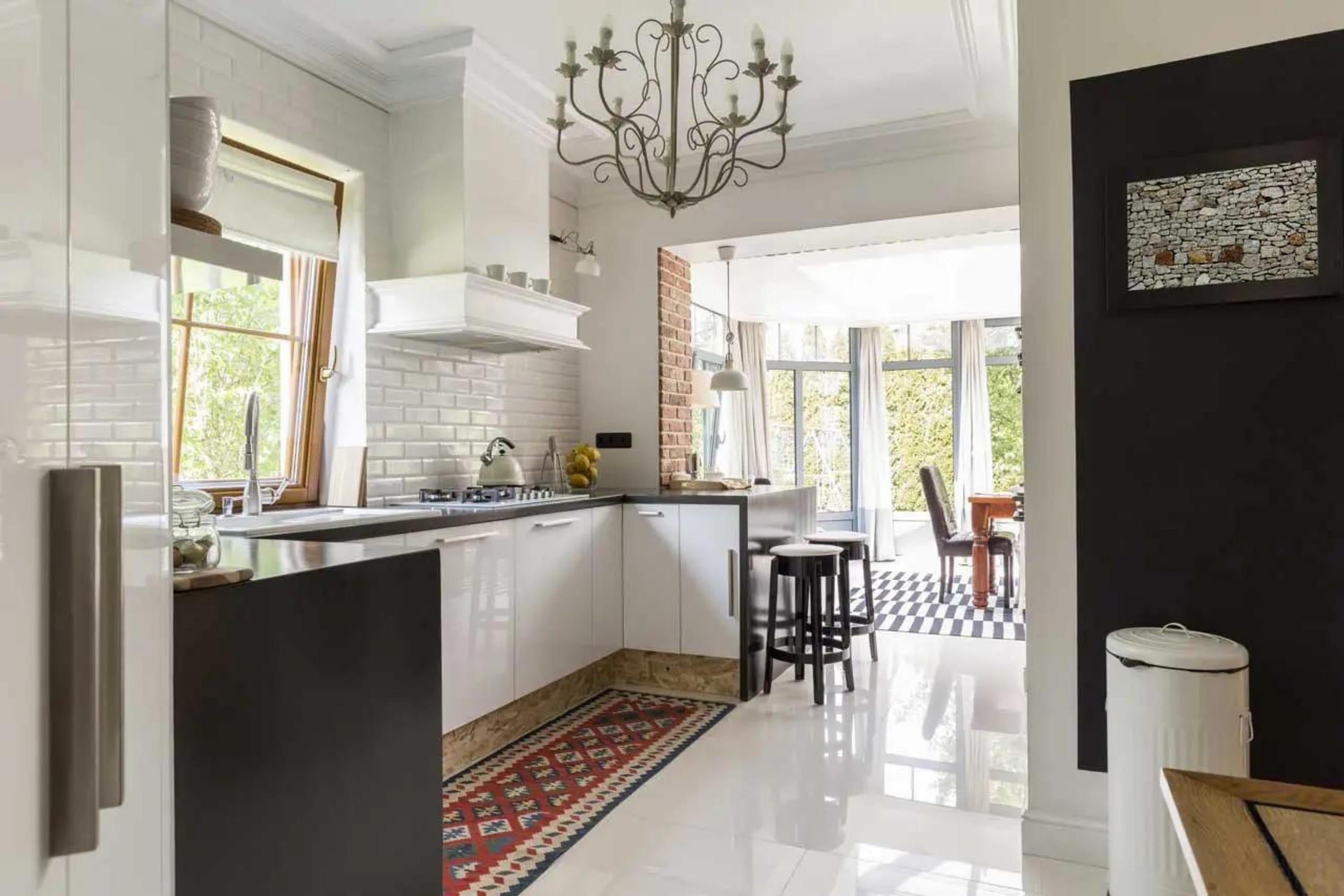
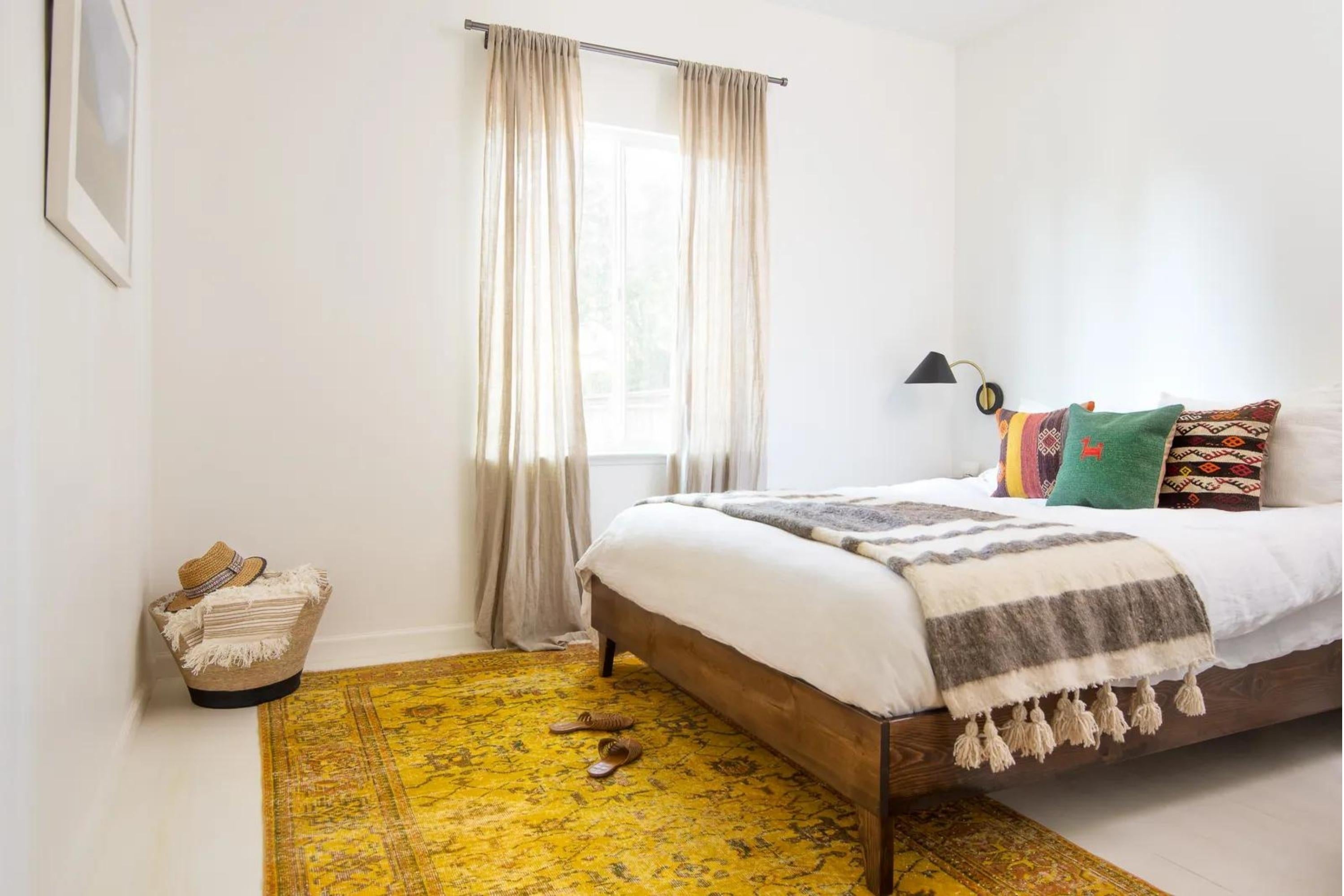
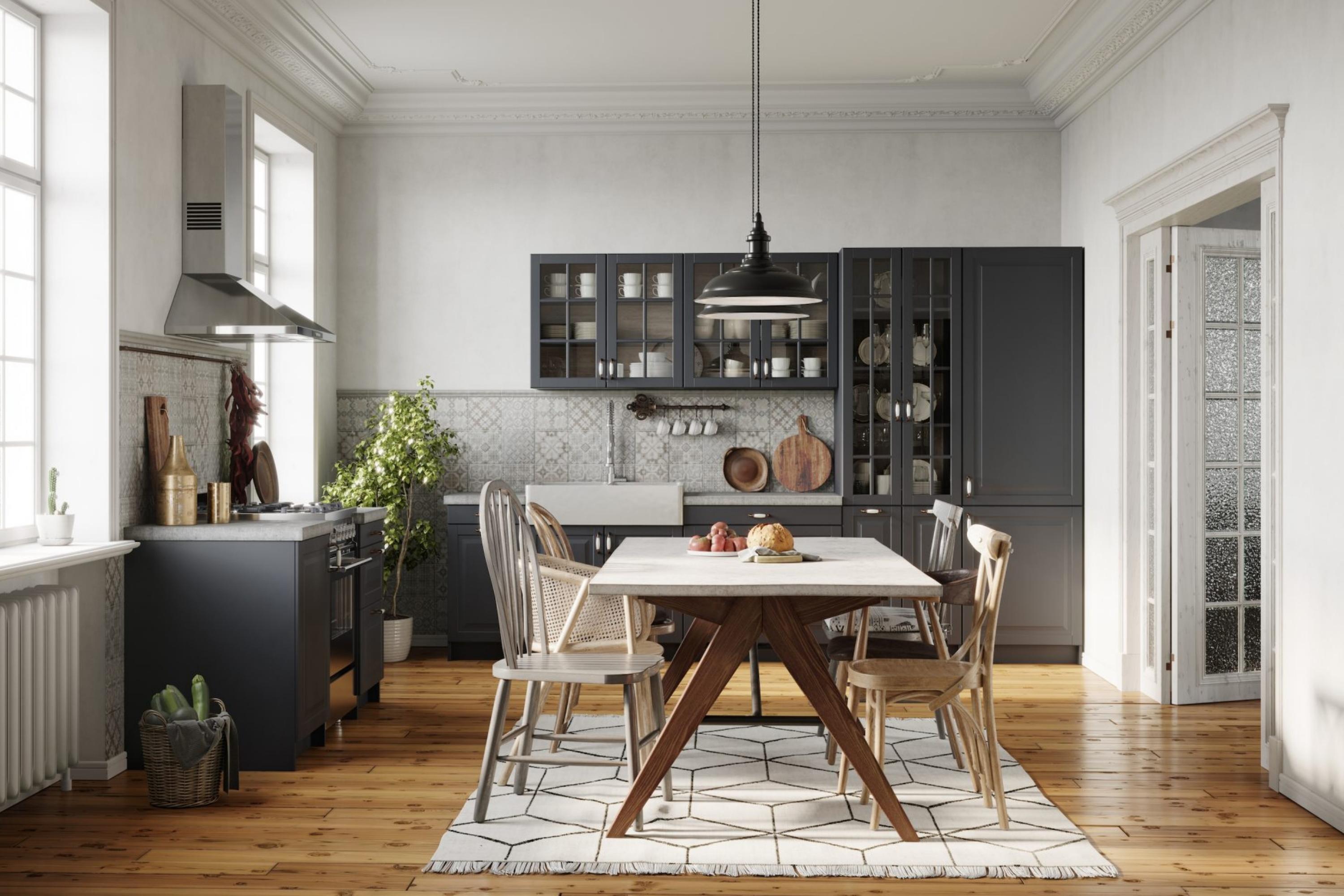

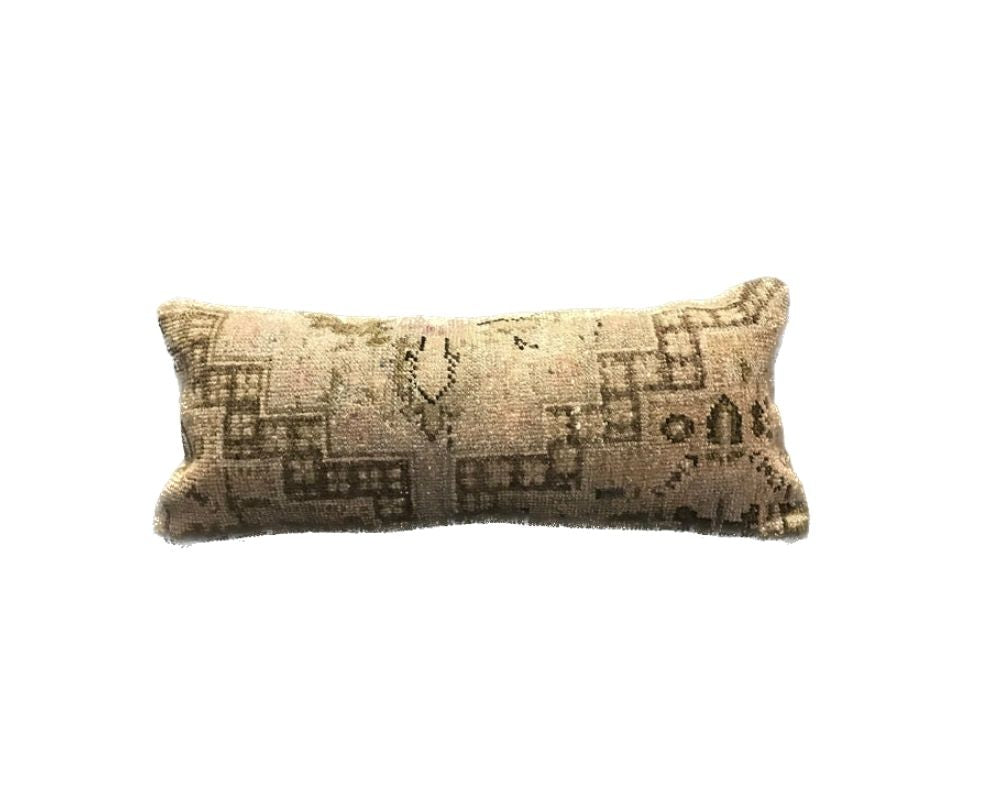
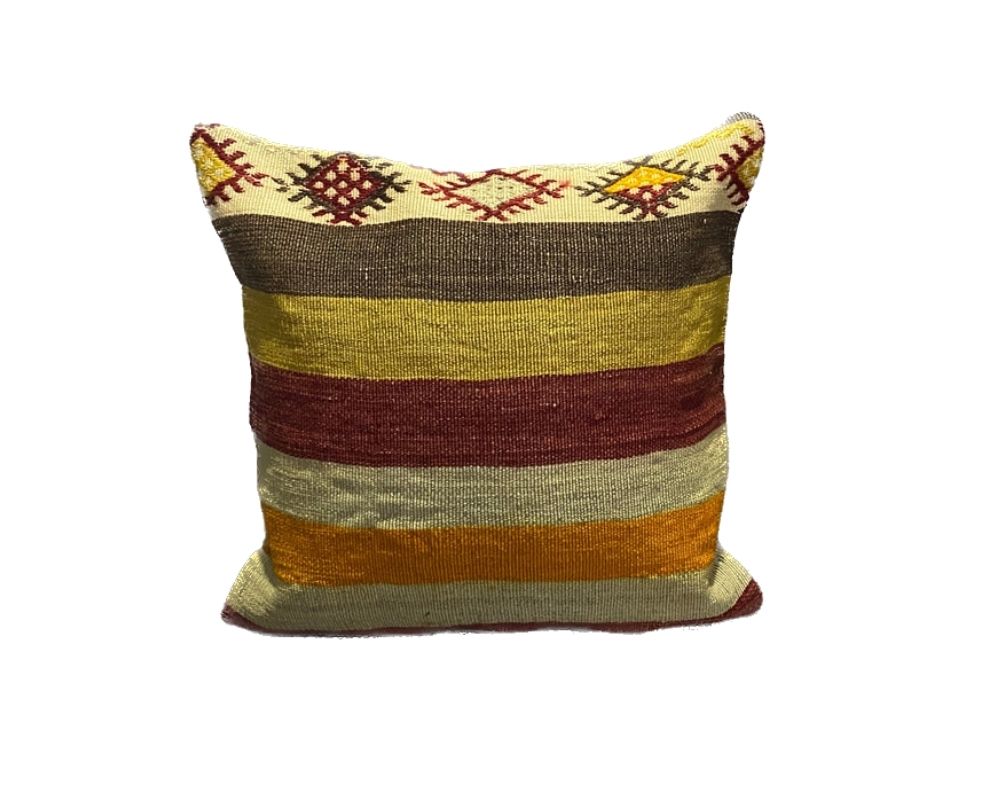
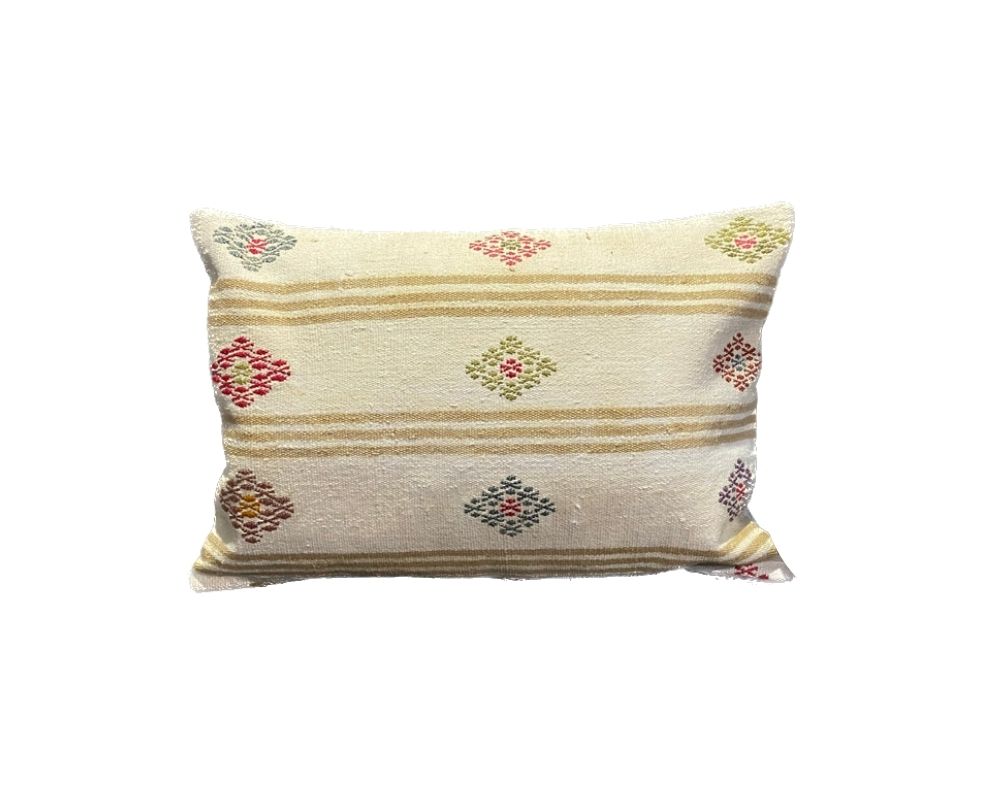
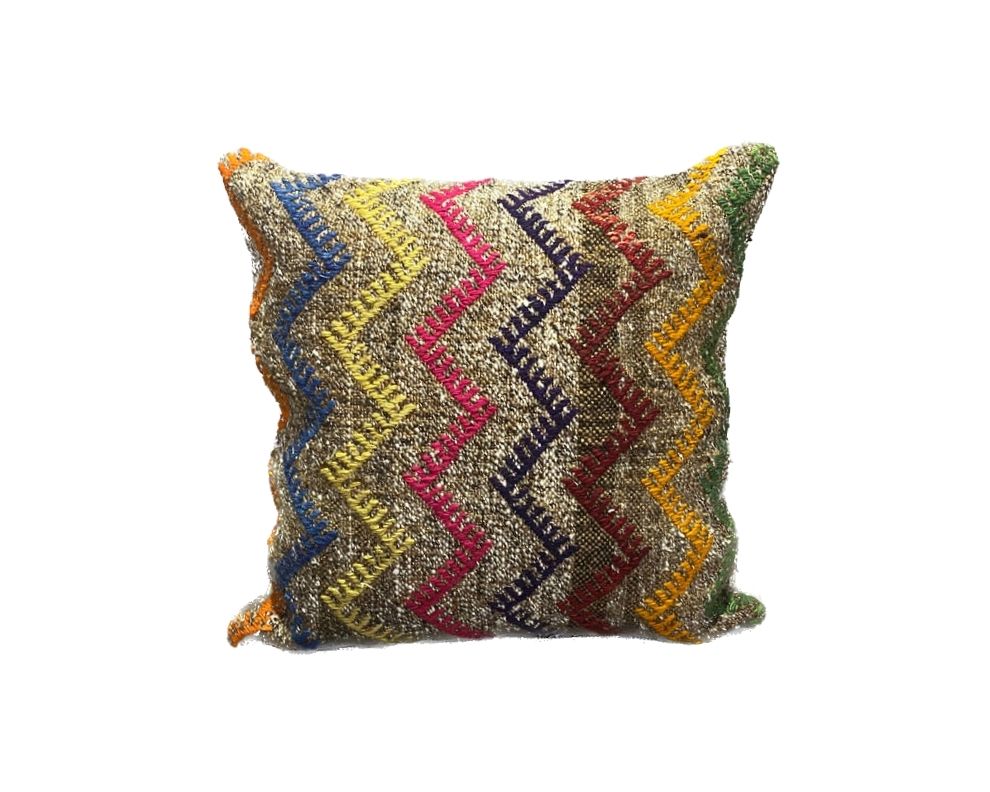

Two rugs, side by side. One is nearly twice the size, the pile thick and even, not a stain on it. The other is smaller, worn thin in a few places, a little threadbare near one border. The smaller one costs seven times as much.
That happened in my shop, with a real customer standing between both pieces asking why the math seemed backward. It's the same question I hear almost every week, in one form or another: how are antique rug prices determined, when size and condition alone clearly don't explain it? I grew up around village looms in Cappadocia, and my family has been buying, cleaning, and repairing rugs for more than forty years. The short version — age, material, weave, dye, and condition all work together, and no single one decides the price on its own. I'll walk through each factor and show you what it looks like in pieces from our own collection.

What Makes a Rug Antique vs Vintage
That comparison I mentioned — the two rugs — is a good place to start, because it's really a story about age classification, not size. One was a 20-to-30-year-old vintage piece. The other was closer to 170 years old. Once you know that, the price gap starts to make sense.
The terms get thrown around loosely across the industry, so here's how we draw the lines.
| Classification | Typical age range |
|---|---|
| Vintage | 20–49 years |
| Semi-antique | 50–79 years (an informal trade term, not an official category) |
| Antique (Kirmen standard) | 80+ years |

We use 80 years as our cutoff for antique, and we say so directly to every customer who asks. Some appraisers and U.S. Customs and Border Protection use a stricter 100-year threshold for official classification purposes, so you'll see that figure used across parts of the industry too — we'd rather tell you plainly which standard we grade by than leave you guessing.
This distinction matters more than it should have to. A lot of sellers online use "antique" as a catch-all marketing word for anything with some age to it — including rugs that are twenty, thirty, or forty years old, genuinely vintage, not antique by any standard, ours or anyone else's. That's not a small mislabel; it can affect insurance appraisals and resale expectations down the line. An antique rug is a collectible piece with real scarcity behind it. A vintage or semi-antique rug is a good, usable rug with real history, but a different value profile entirely. If a seller can't clearly explain why a specific piece qualifies as antique rather than vintage, treat that as a warning sign, not a detail to skip past. Choosing a source you trust matters here as much as the rug itself.
The 20–79 Year Vintage and Semi-Antique Range
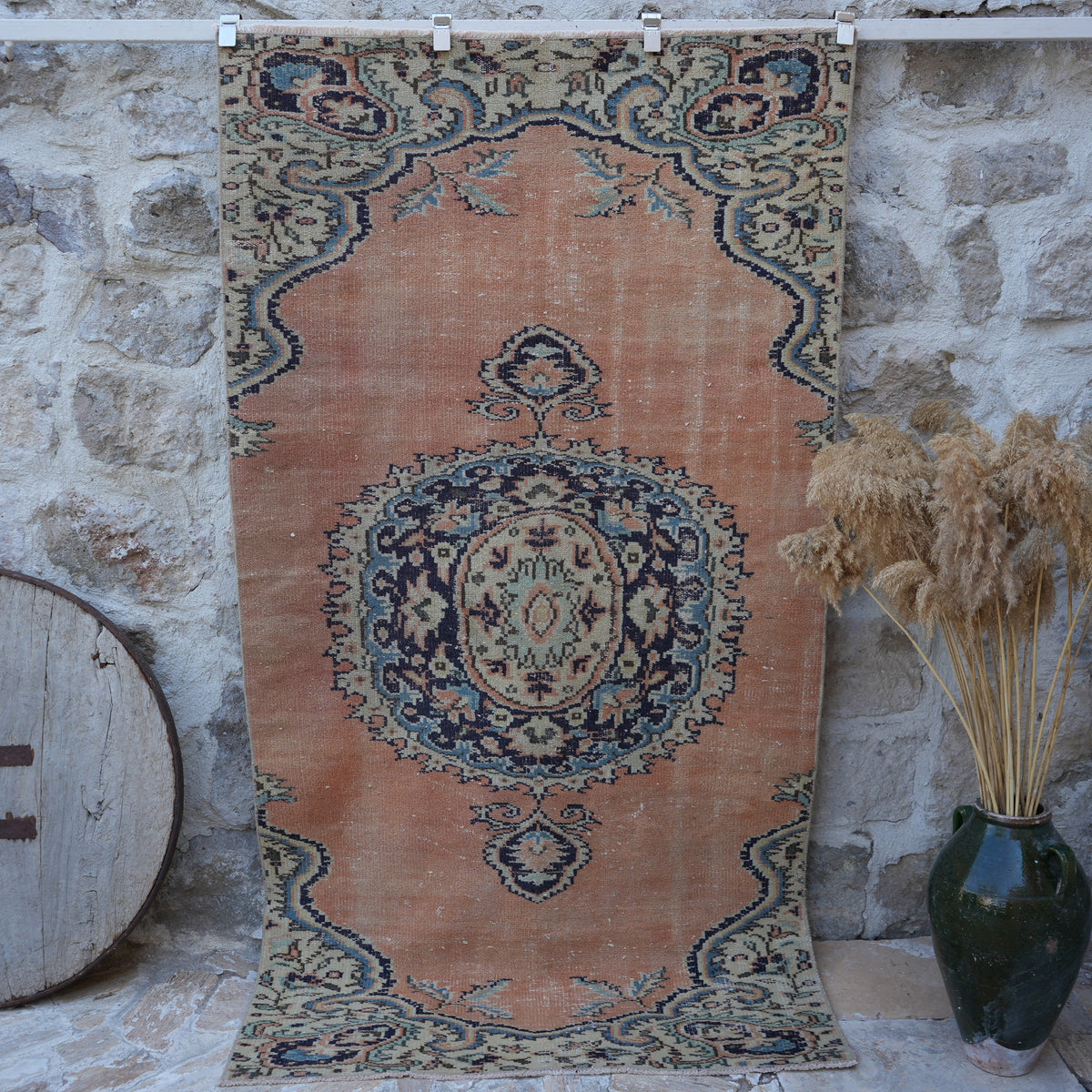
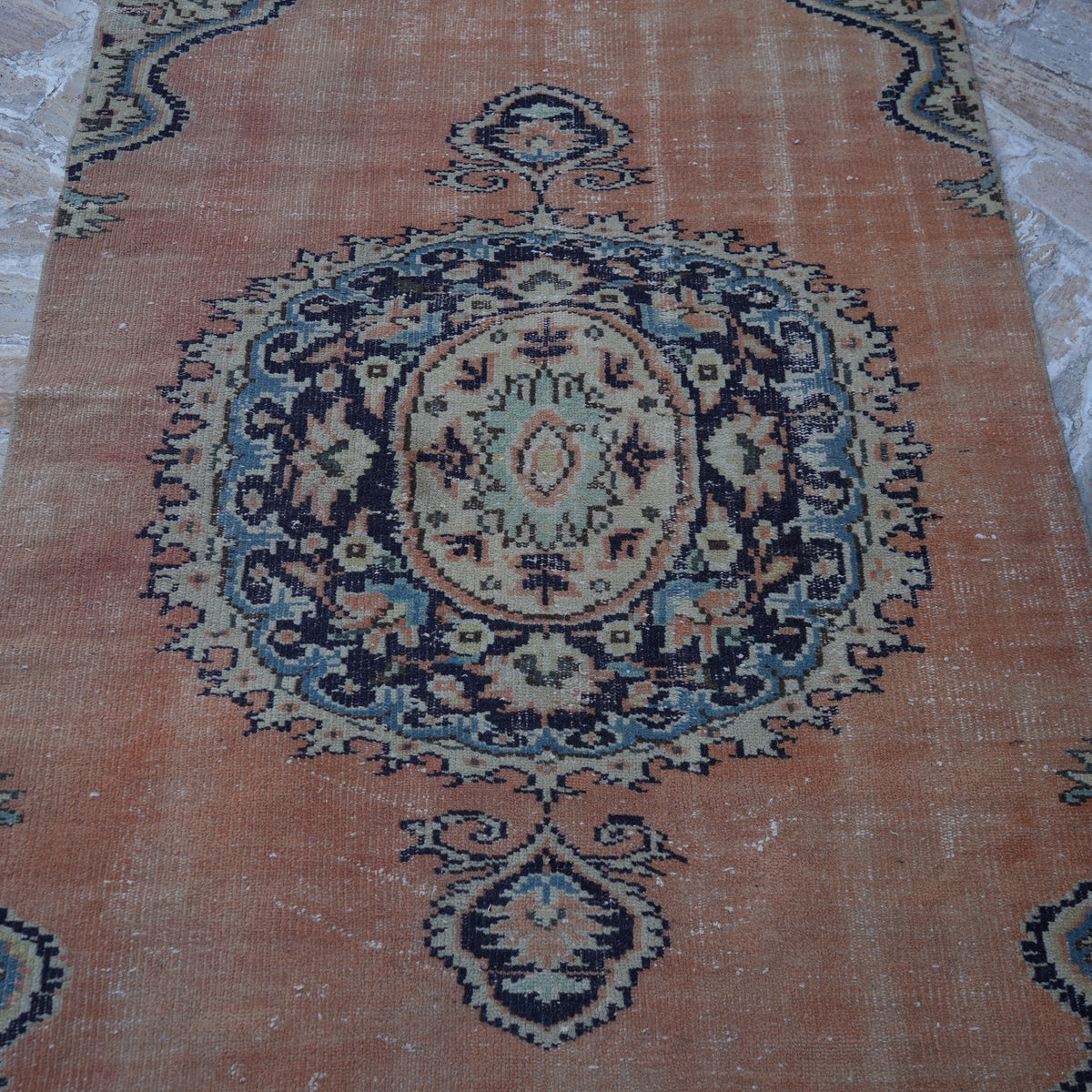
Most of what shoppers find described as vintage falls in the 20-to-49-year part of this window. Semi-antique is really just an informal way of describing the older end of it, roughly 50 to 79 years, rather than a separate official category. A rug in this range has usually seen real use — a living room, a hallway, decades of foot traffic — but it still has plenty of life left. Condition tends to be strong, colors are often still vivid, and prices stay accessible. If you want a rug with some history behind it but without the fragility of a much older piece, our vintage rug collection sits mostly in this range.
Why We Classify Rugs Over 80 Years as Antique
We use 80 years as our cutoff, and I tell customers this directly when they ask — some appraisers and official customs classifications use 100 years instead, and there's no single global law that settles it. What matters more than the number is whether the piece is internally consistent: does the weaving technique match the claimed period, does the dye behave the way dyes from that era should, does the wear pattern match decades of real handling rather than something rushed. A rug that checks out on all three deserves the antique label by our standard, regardless of which side of the 80-versus-100 debate a given appraiser lands on. Our antique rug collection is where we house pieces that pass that bar.
The Core Factors That Determine Antique Rug Prices
Ask ten dealers what drives an antique rug price guide and you'll get some version of the same list: age, material, knot density, condition, design. How these factors interact matters more than any one of them alone — and it's where buyers most often get the reasoning backward.
The mistake I see most often is treating age as a stand-in for price. It isn't. A large, sturdy vintage rug in excellent shape can sell for less than a small, worn antique — because the antique carries collector value the vintage piece simply doesn't have yet. Condition has to be read together with age, never instead of it.

Age, Patina and Natural Dye Development
Patina is what age looks like when it's done something to the wool — a slight softening of color, a mellowing that's difficult to reproduce convincingly with synthetic shortcuts. Many 19th-century and earlier rugs were colored with natural, plant-based dyes, while synthetic dyes became increasingly common after the first synthetic dye was discovered in 1856 — and natural dyeing stayed common in rural Anatolia for decades after that, so the two often overlap within pieces from the same era. Madder root reds are a good example — a deep, warm red that's genuinely difficult to reproduce with the same depth today. Dye type is best evaluated alongside age, region, wool quality, and fading behavior together, rather than assumed from age or patina alone; where it truly matters, lab analysis is the only way to know for certain.
Material Quality — Hand-Spun Wool vs Silk
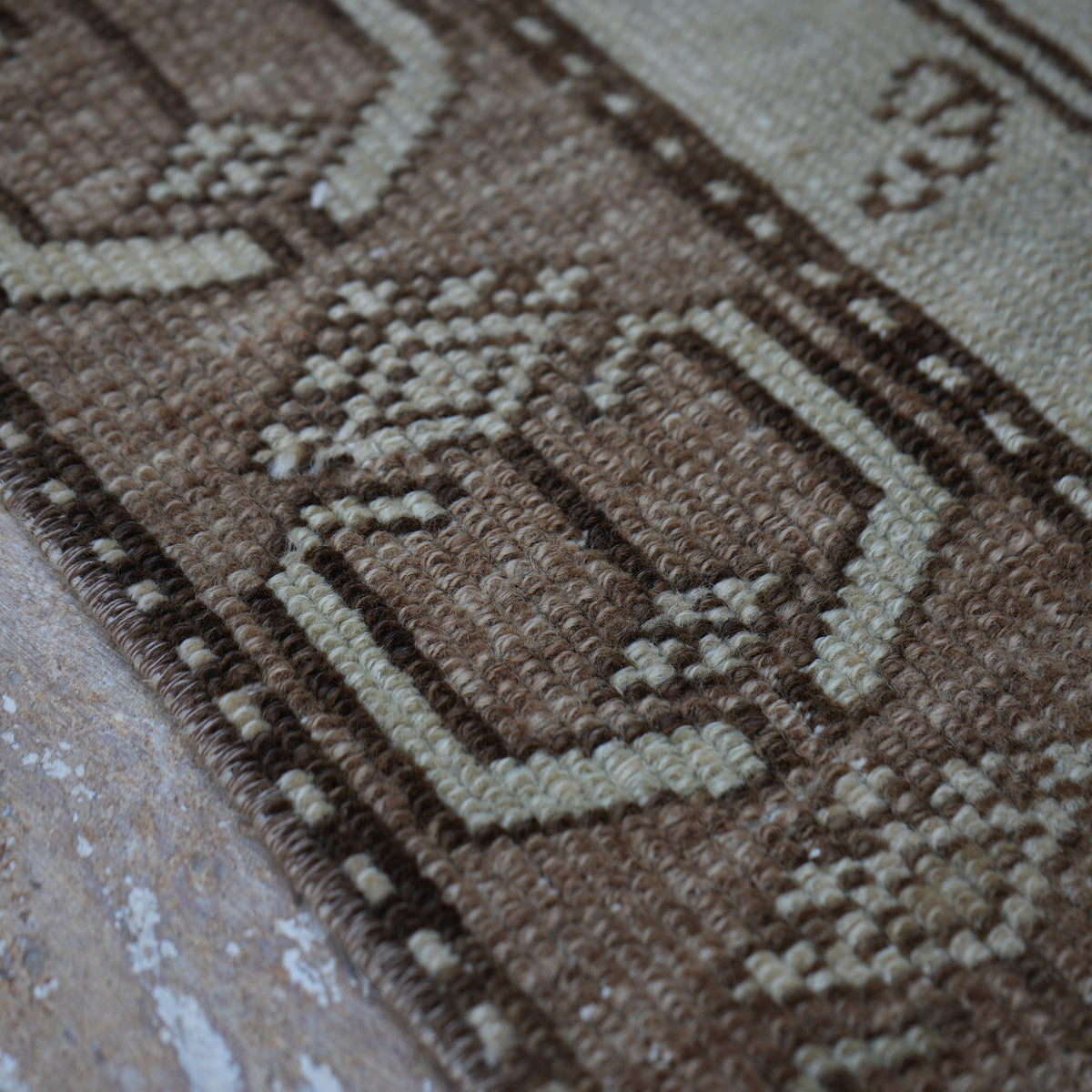
Hand-spun wool has an irregularity that machine-spun wool doesn't — slightly uneven thickness along the strand that catches light differently and ages more gracefully. Silk sits at the top of the material hierarchy, mostly because it's harder to work with and allows for far finer knotting. Neither is "better" in an absolute sense. A hand-spun wool village rug and a fine silk city rug are simply answering different questions about what the weaver was trying to achieve.

Knot Density and the Turkish Ghiordes Knot
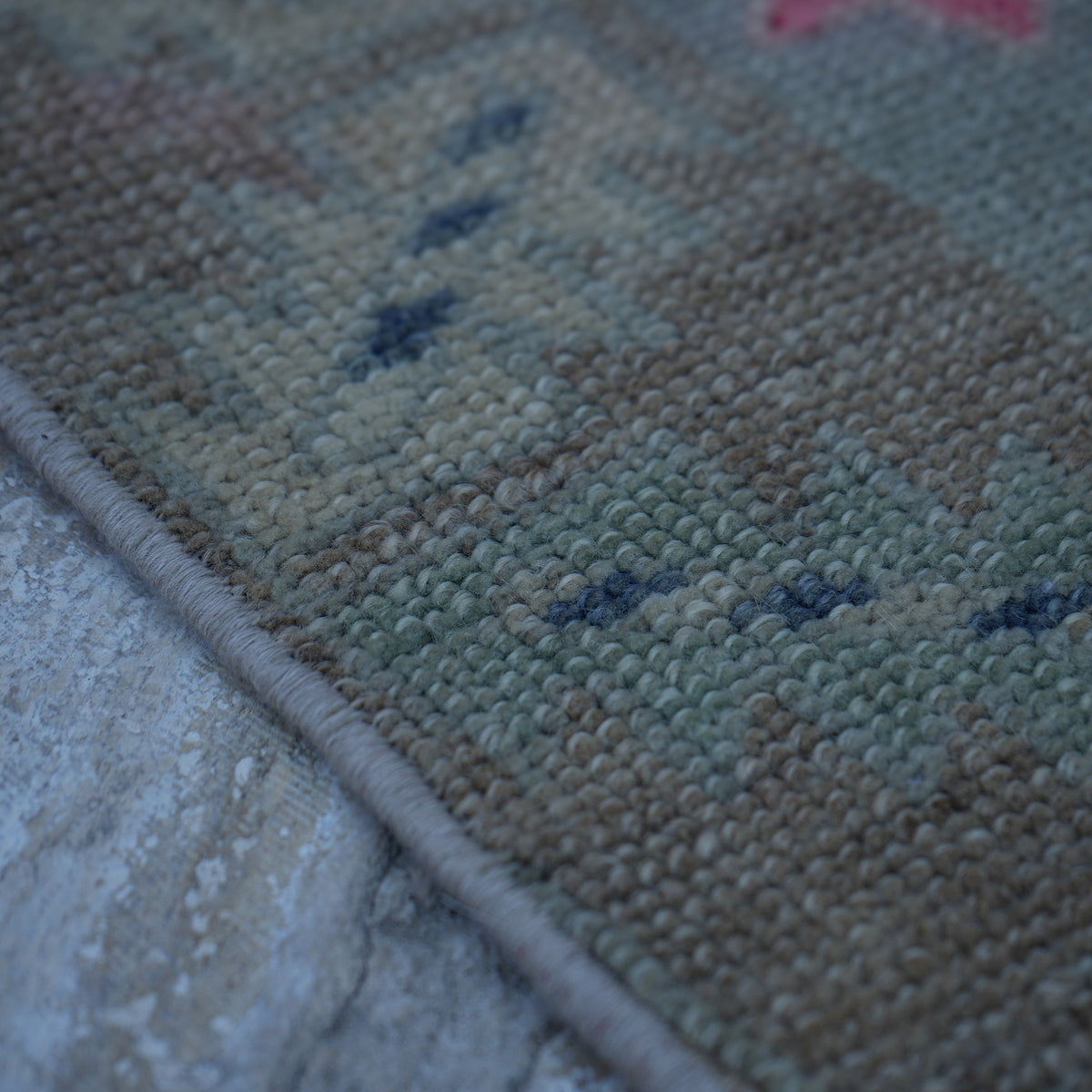
Knot density gets treated like a universal quality score, and it shouldn't be. Density varies enormously across village, workshop, wool, and silk weaving traditions — some historic pieces tied with the symmetrical Turkish, or Ghiordes, knot run quite coarse by museum standards, while fine silk work can run extremely fine, and both can be genuinely valuable. A lower-density tribal or village rug can be just as valuable as a denser city rug. Density tells you about fineness. It doesn't tell you about authenticity or rarity on its own.
Condition and Design Rarity
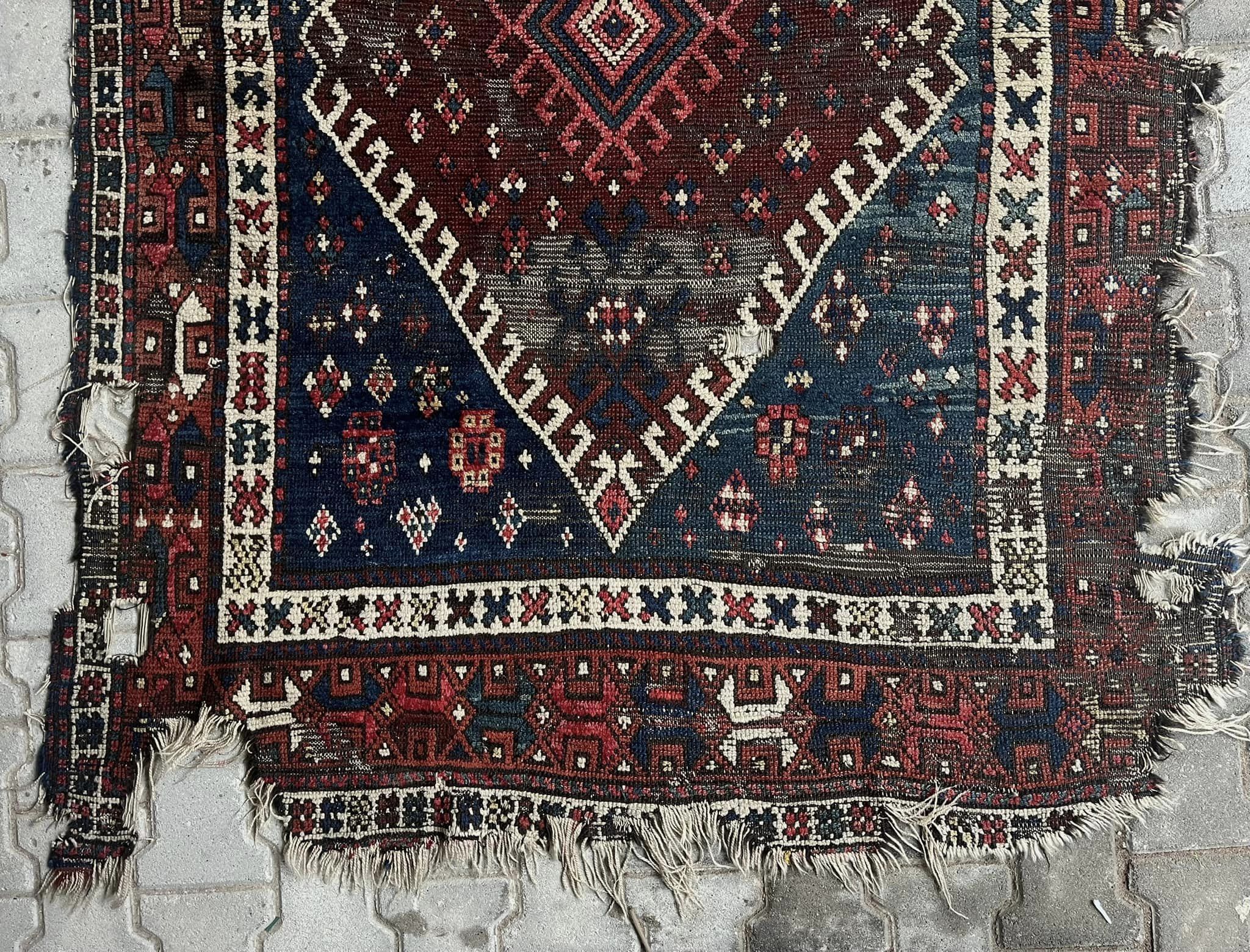
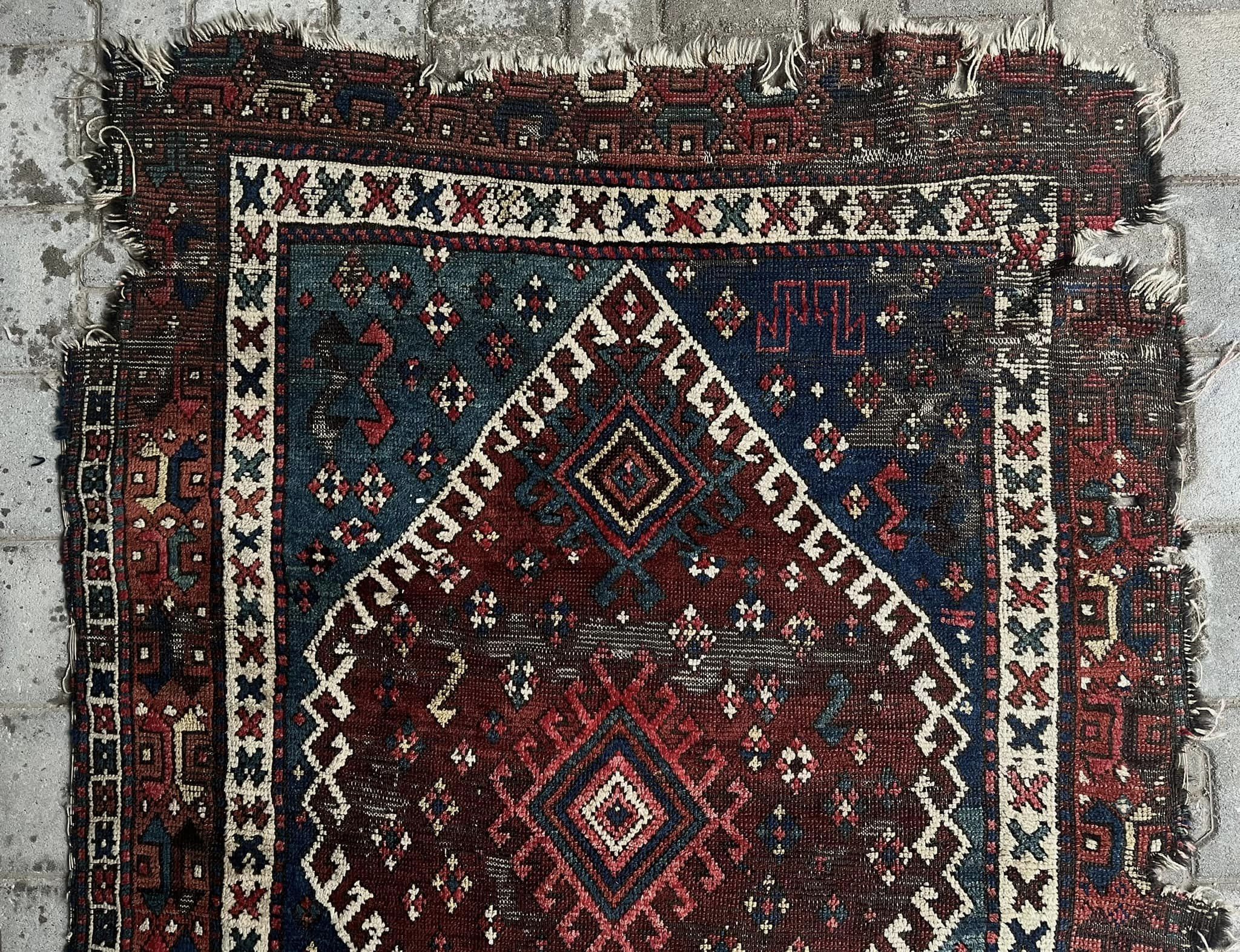
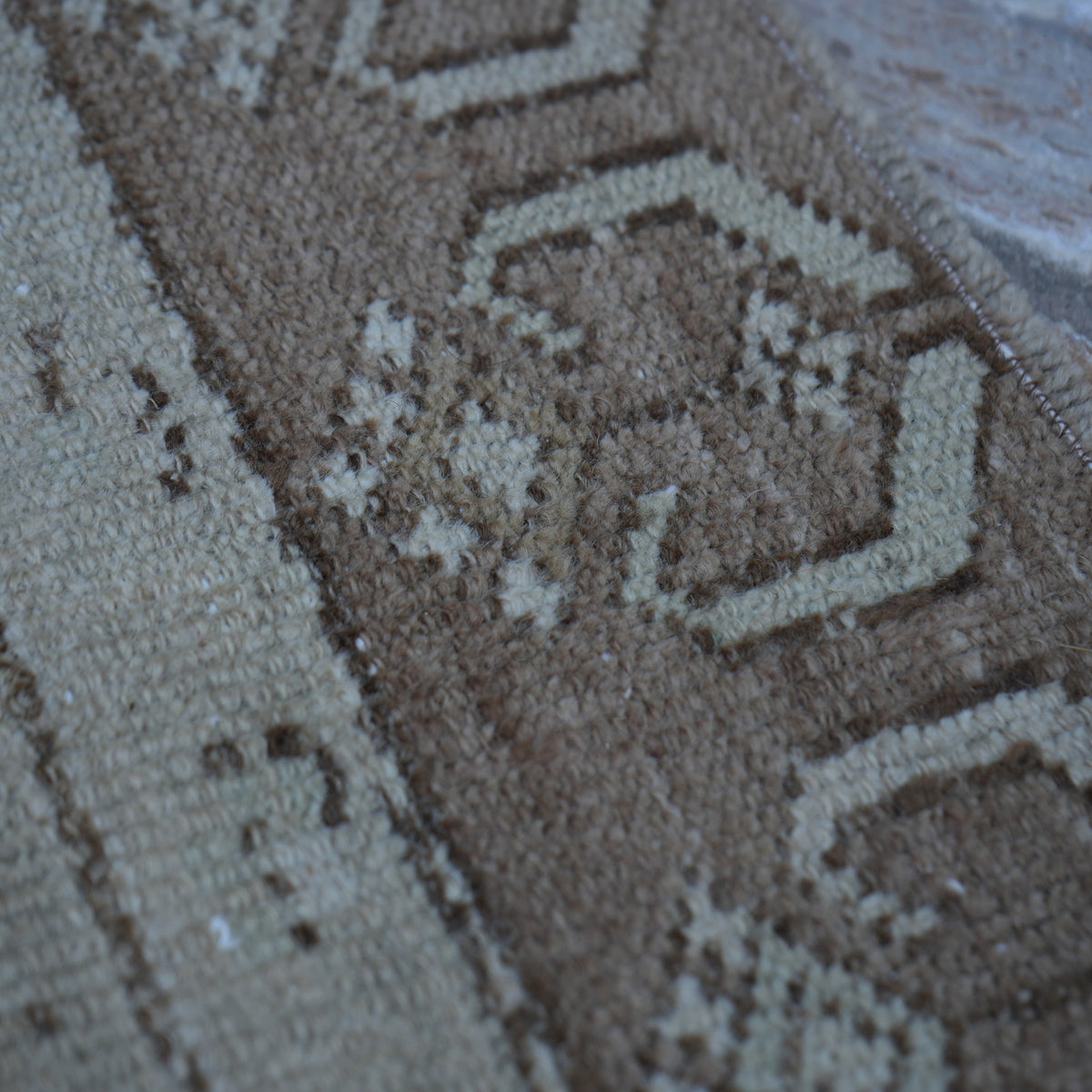
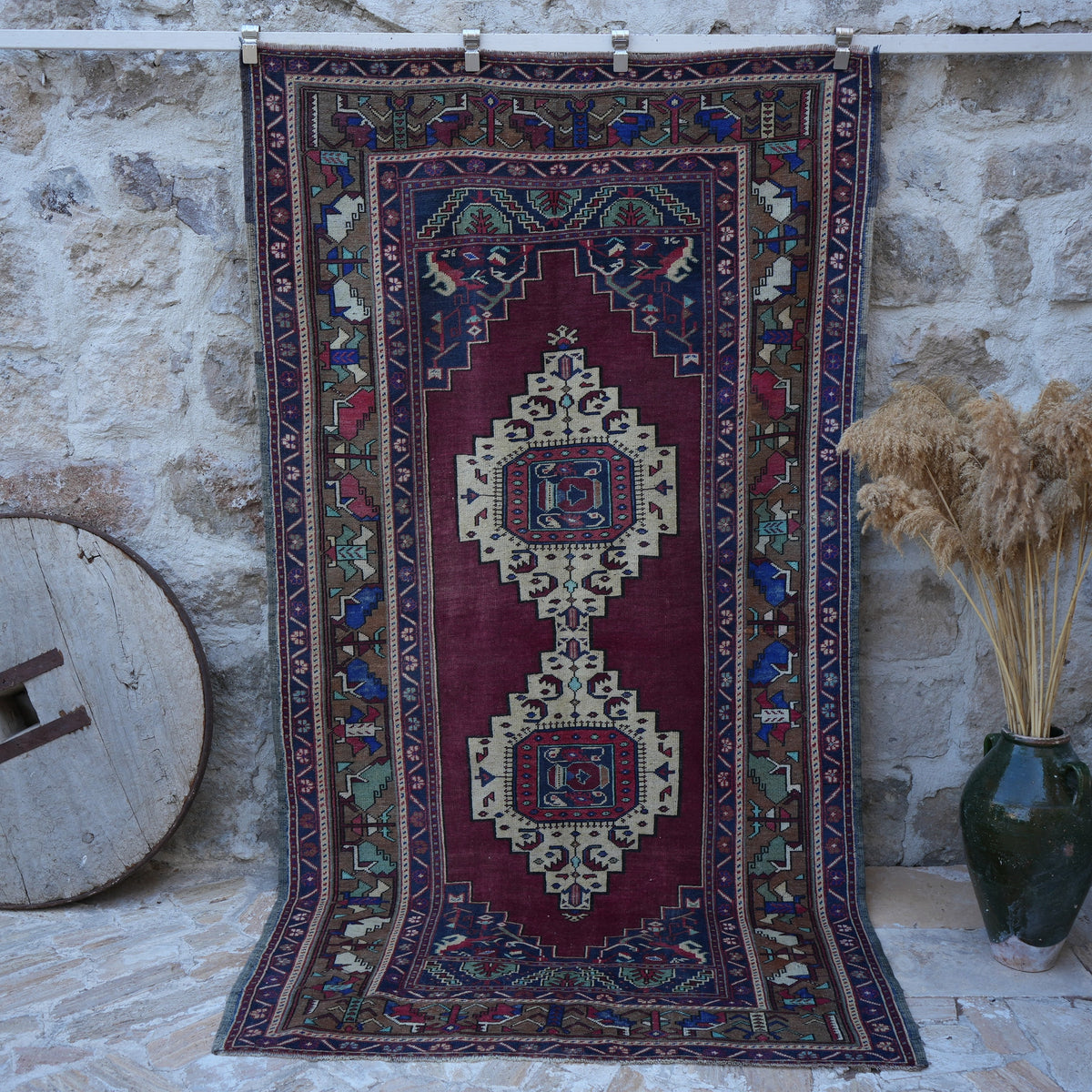
Repairs, missing fringe, color bleeding, and structural weakness in the foundation all pull value down. Unusual color combinations or a design that shows up in very few surviving examples pull it back up. Our Turkish rug collection spans exactly this range of design traditions, from the fine silk workshops of Hereke to the bolder, geometric village weaving you'll find coming out of Oushak and Konya.

Why Anatolian Village Rugs Command Higher Antique Rug Prices
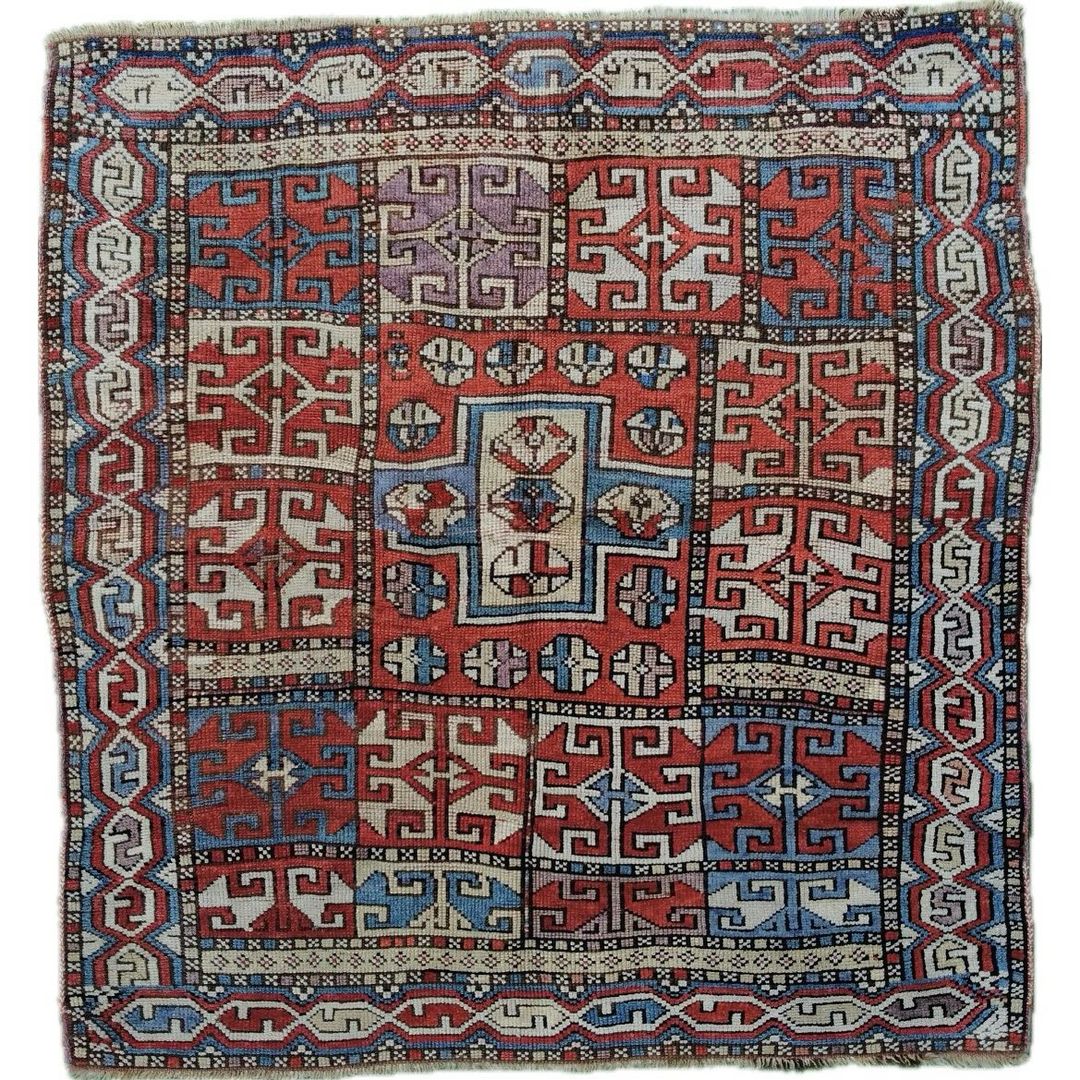
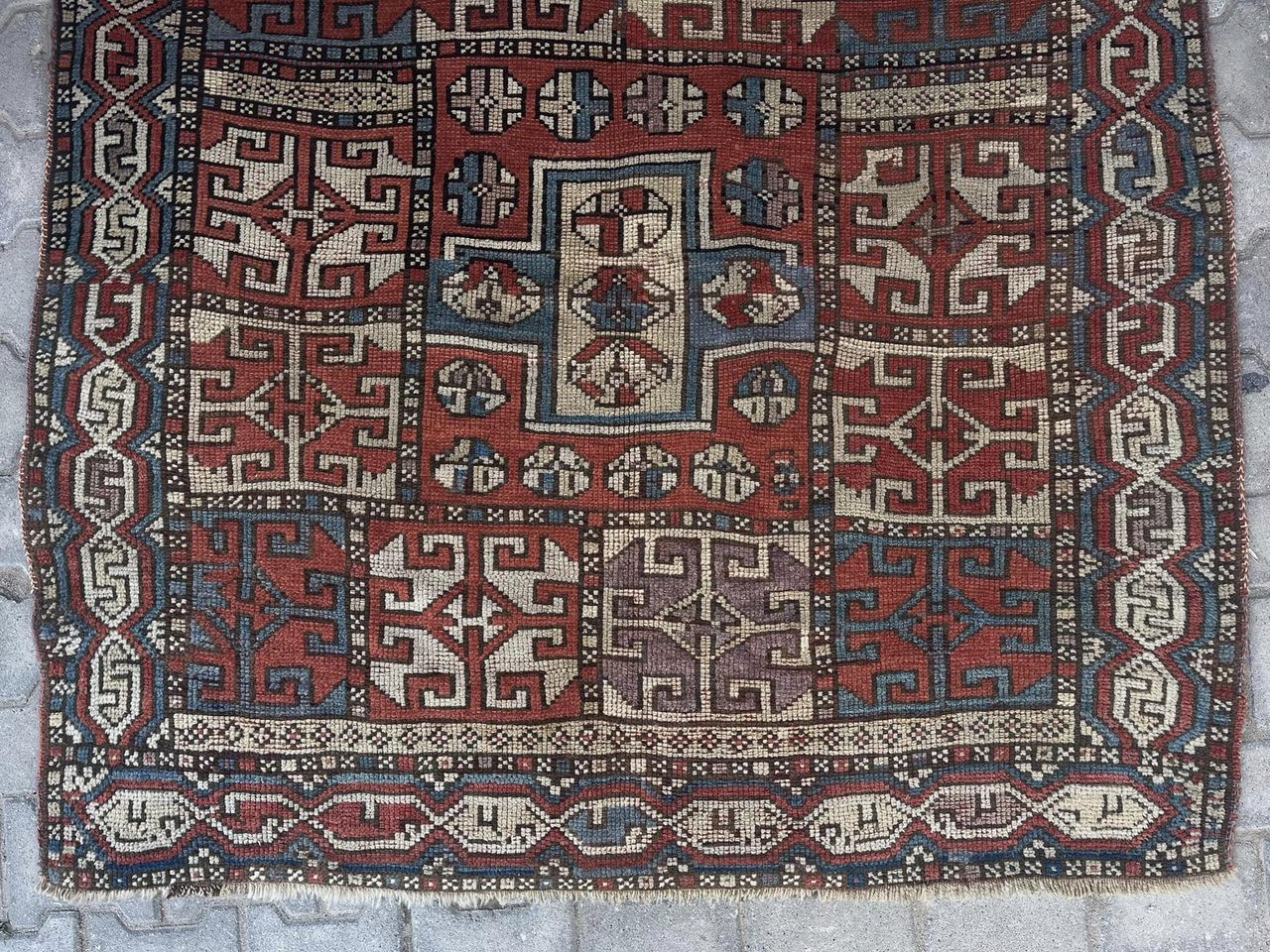
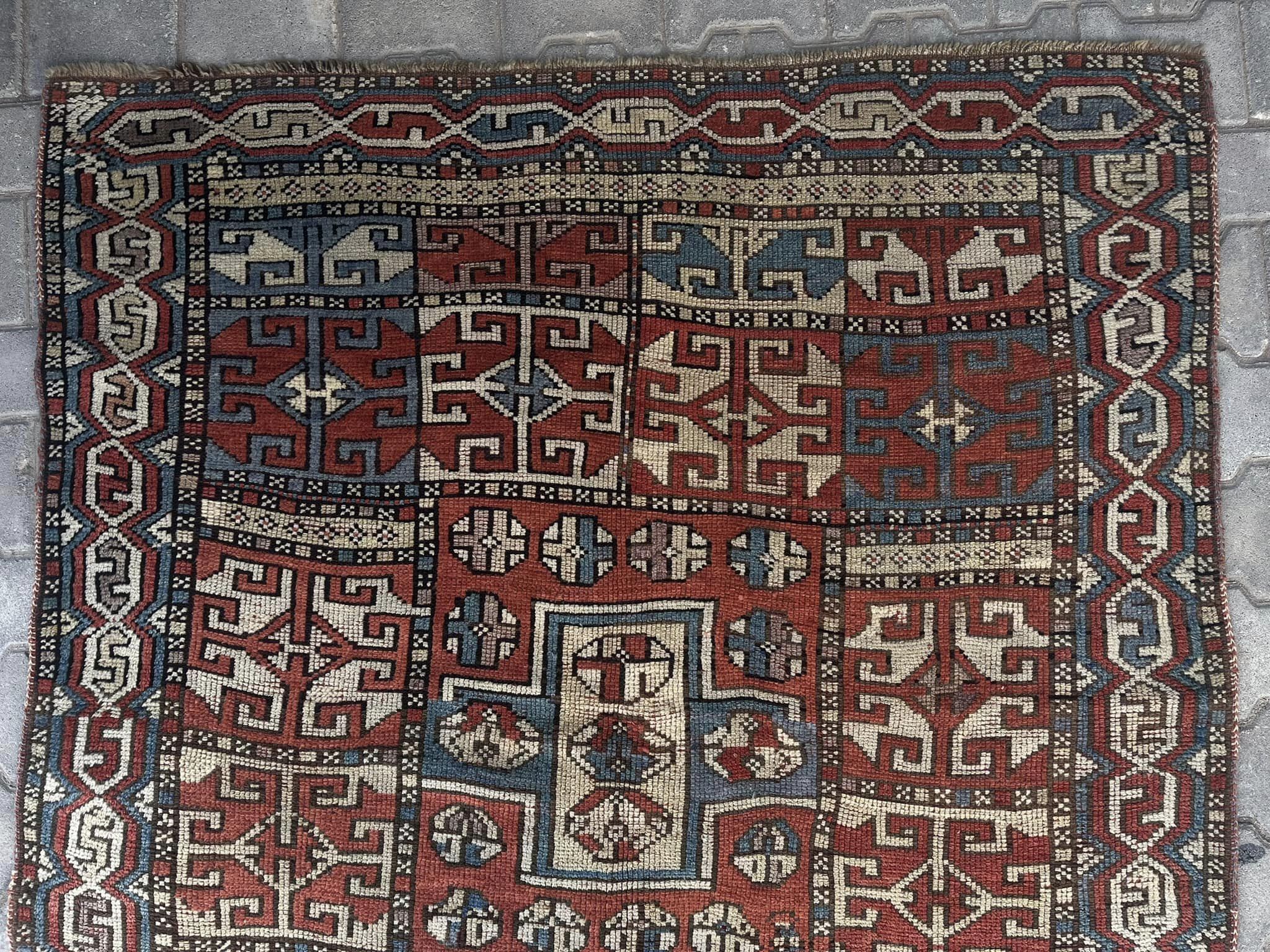
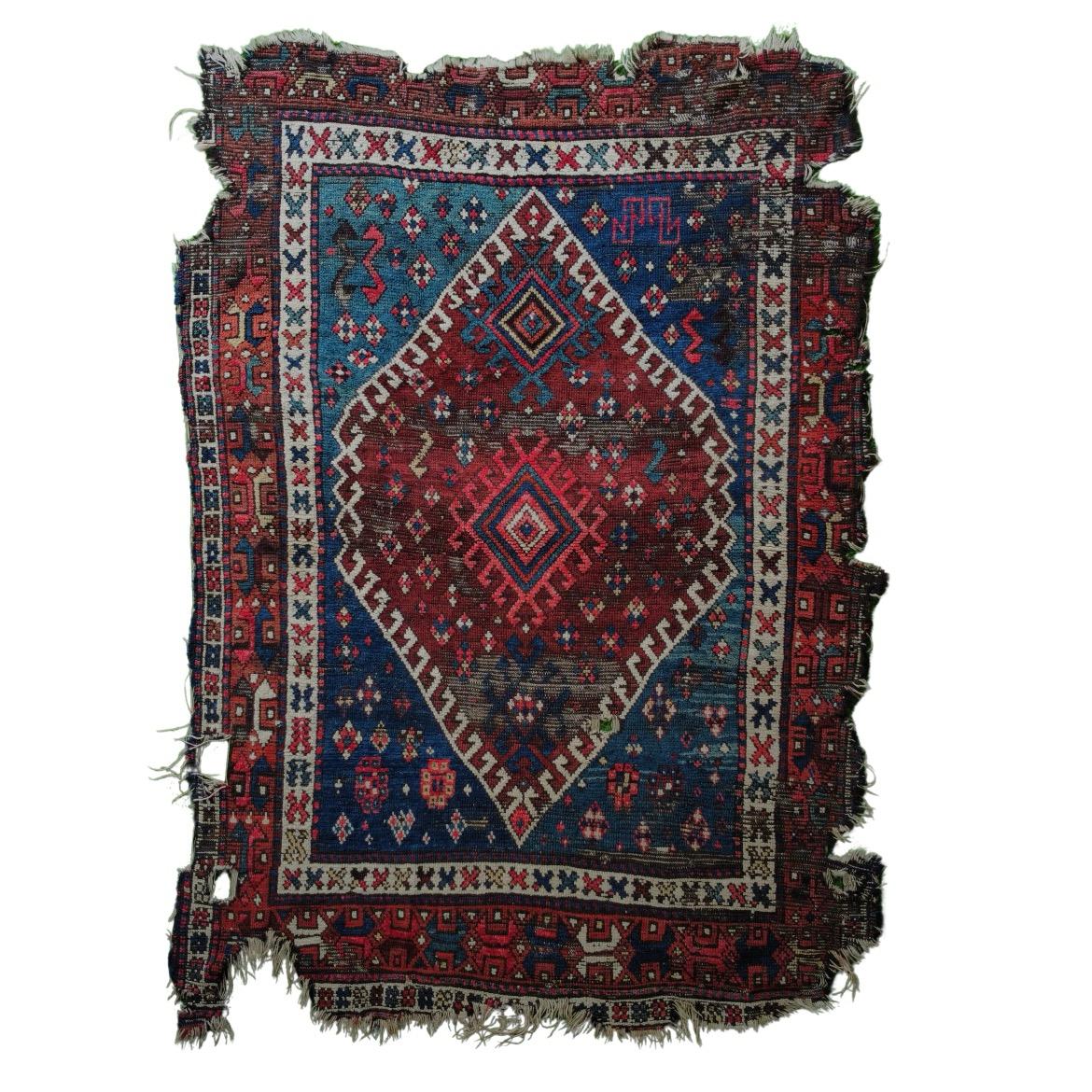
This is the part most competitor guides skip entirely, and it's worth sitting with. The woman who wove a specific antique village rug is very likely no longer alive. The sheep whose wool she used came from flocks specific to her region. The dye recipe she used, if it was madder root or another natural source, was often something she learned from her mother, not from a manual.
None of that can be recreated on demand. Supply of genuinely old Anatolian village work only shrinks — it never grows — and that scarcity is a real economic driver, not a marketing line. It's part of why genuinely old village pieces tend to hold their price even as newer reproductions flood the market at lower cost.

How to Verify an Antique Rug's Authenticity Before You Buy
Antique rug authenticity comes down to a handful of physical checks, plus whatever provenance or documentation a seller can offer. These checks are useful for preliminary screening, but they can't replace a professional examination when age or real value is genuinely uncertain.
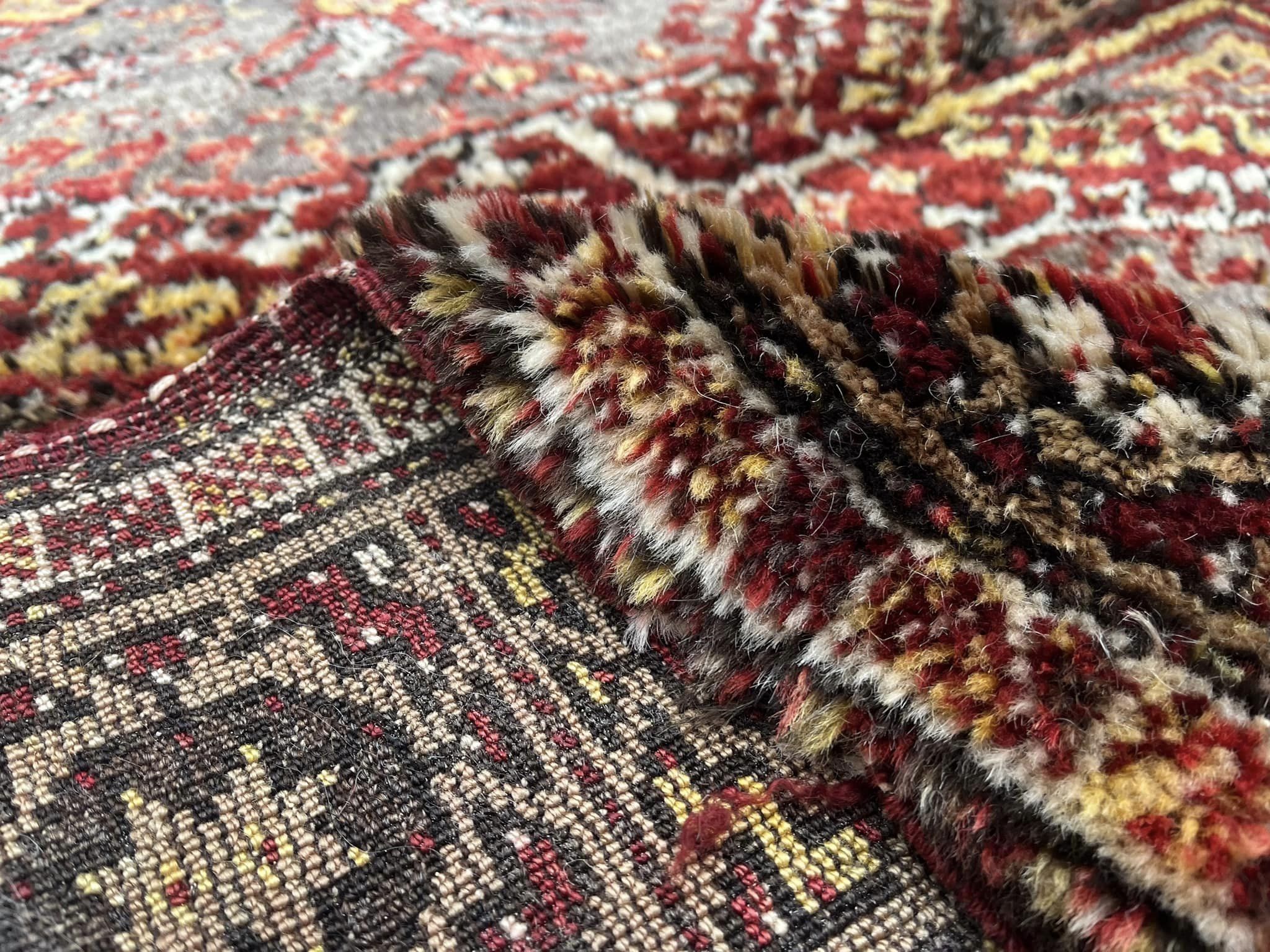
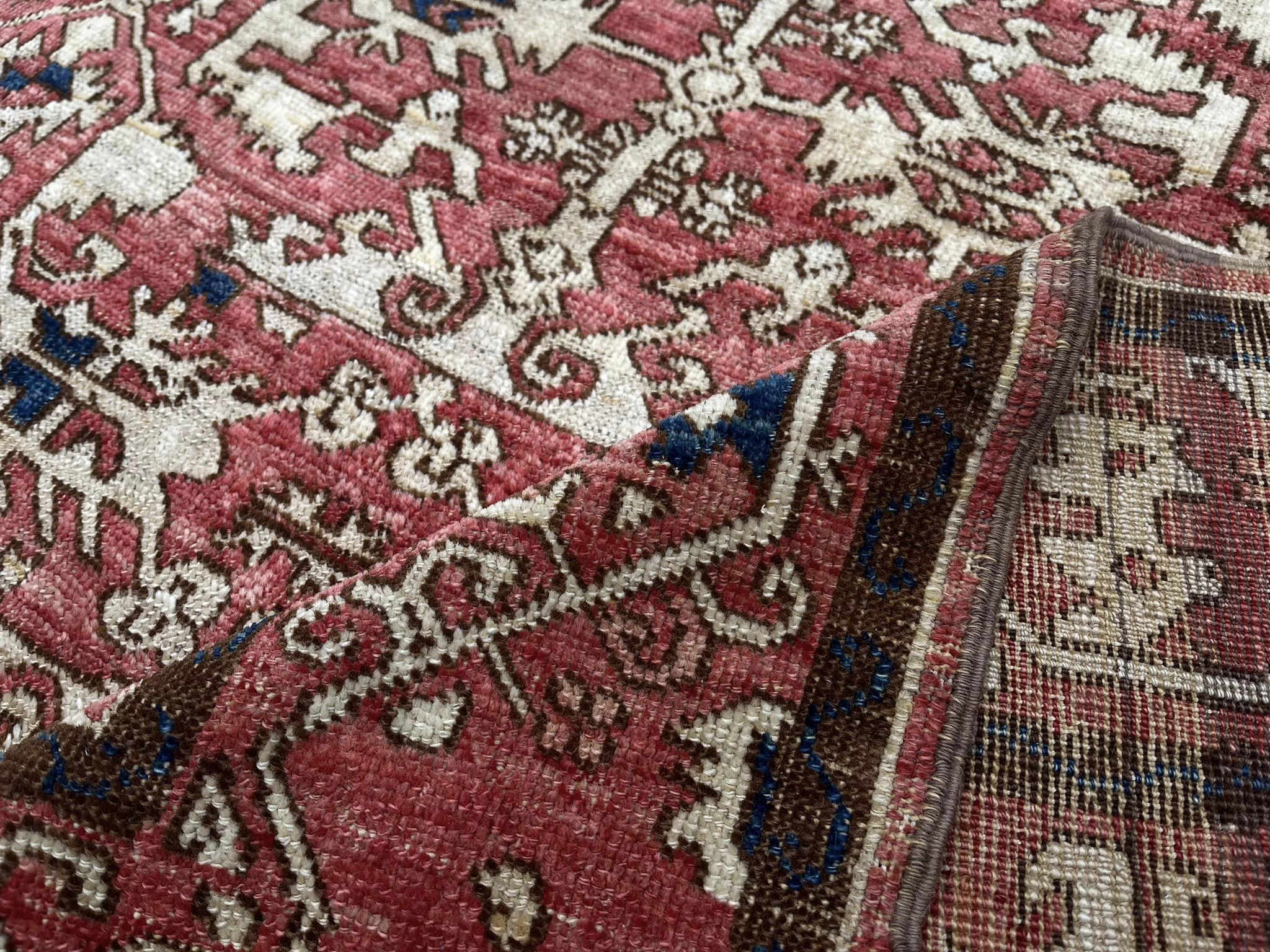
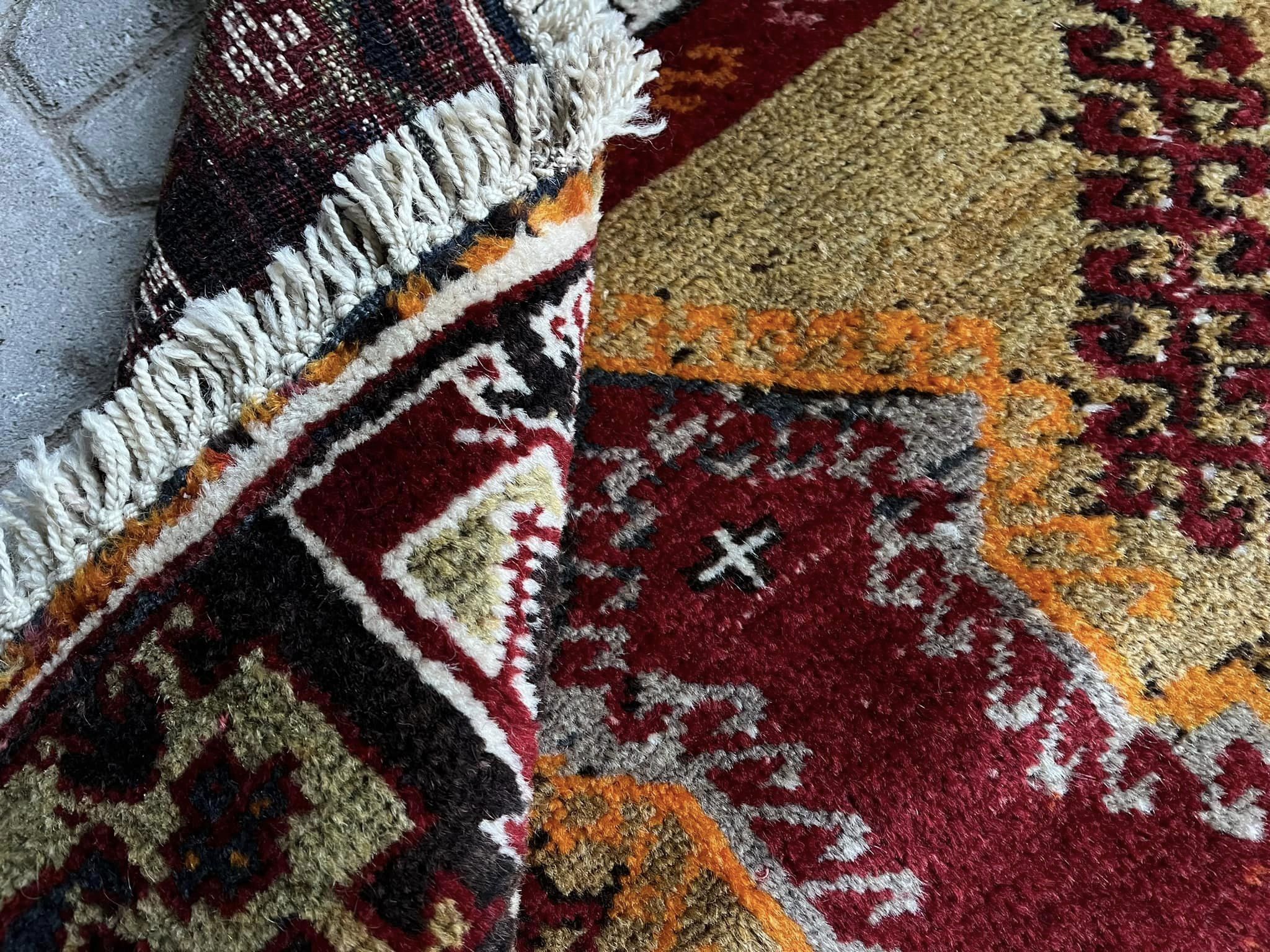
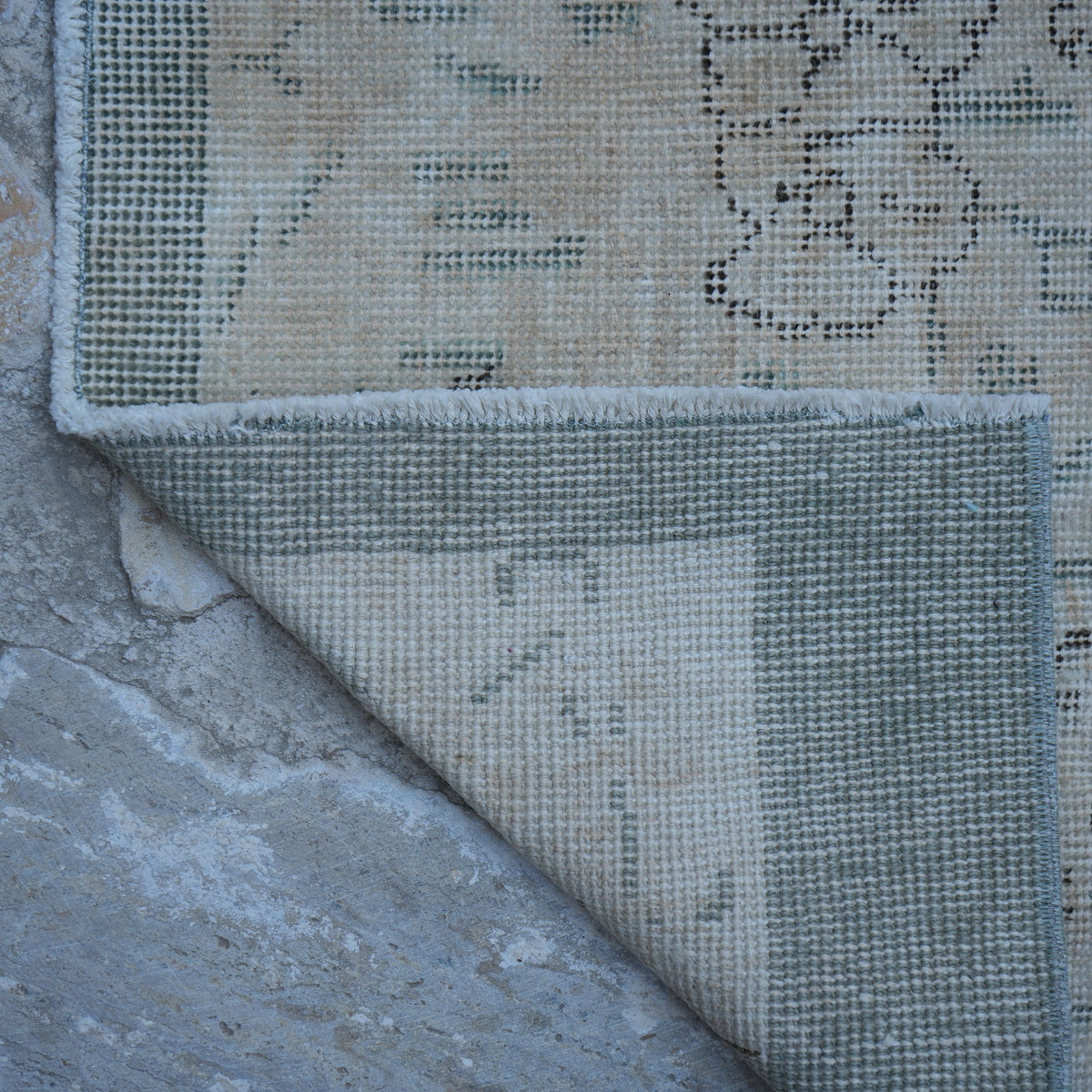
Checking the Back of the Rug and Spotting Fake Aging
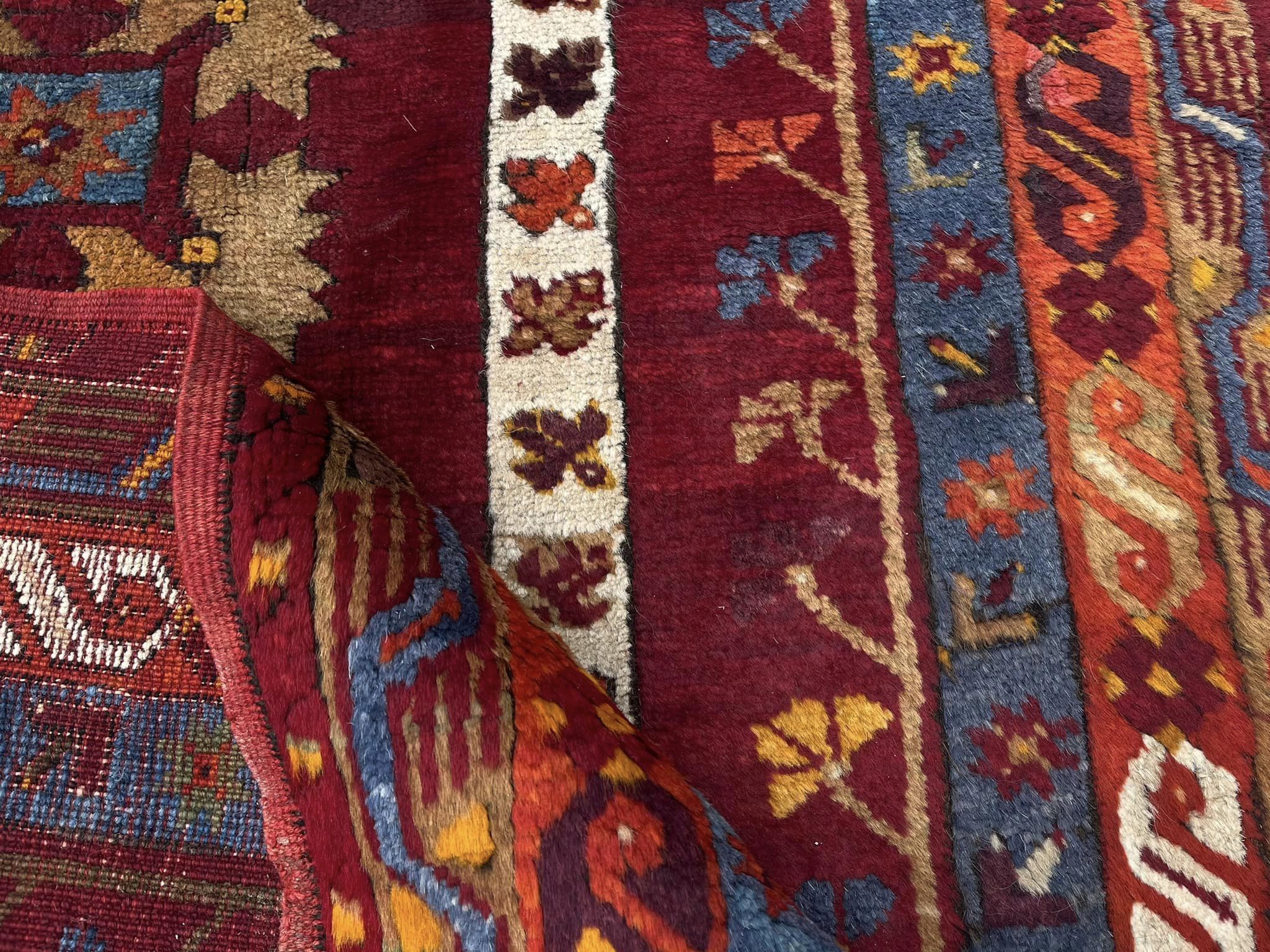
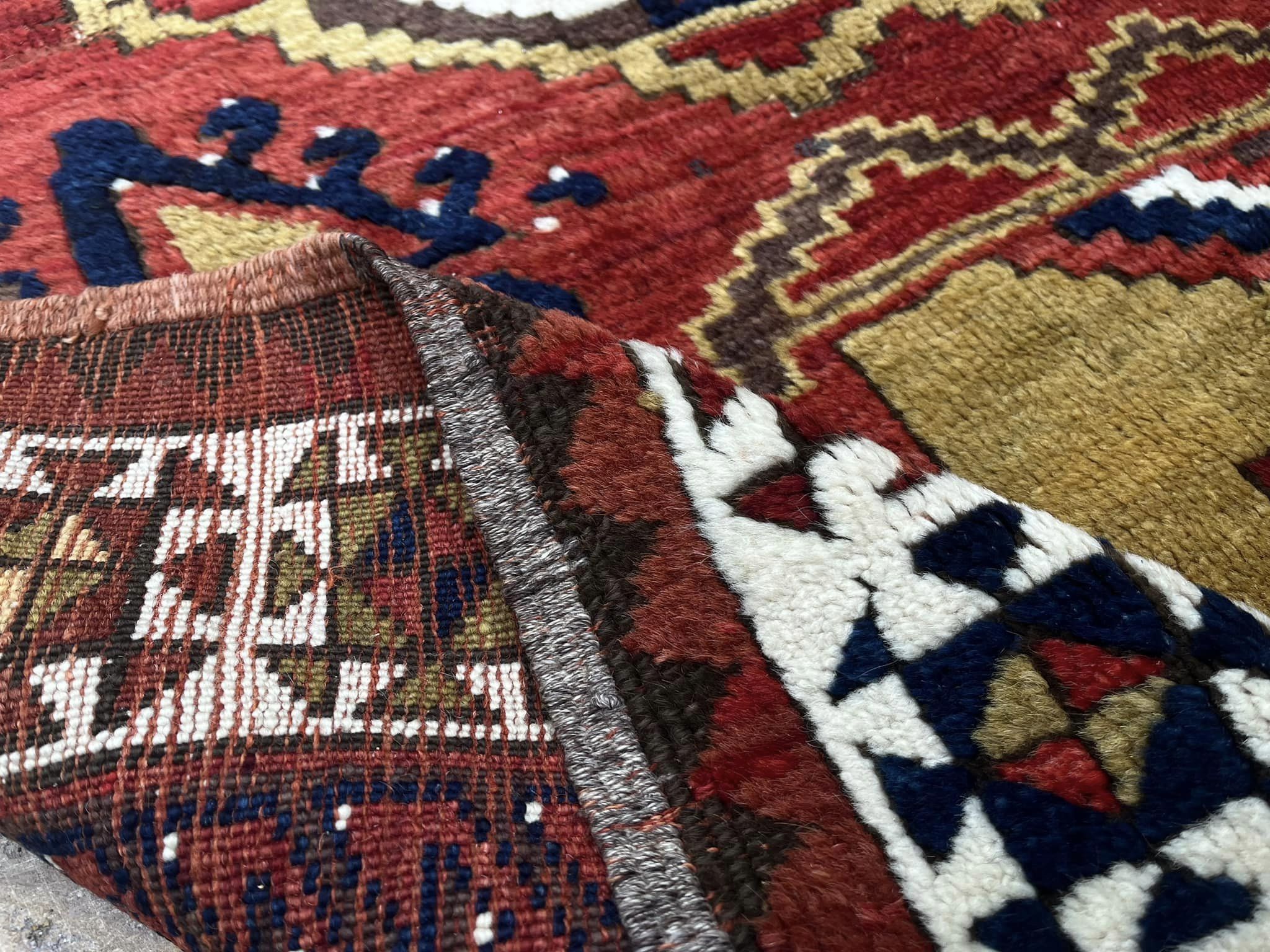
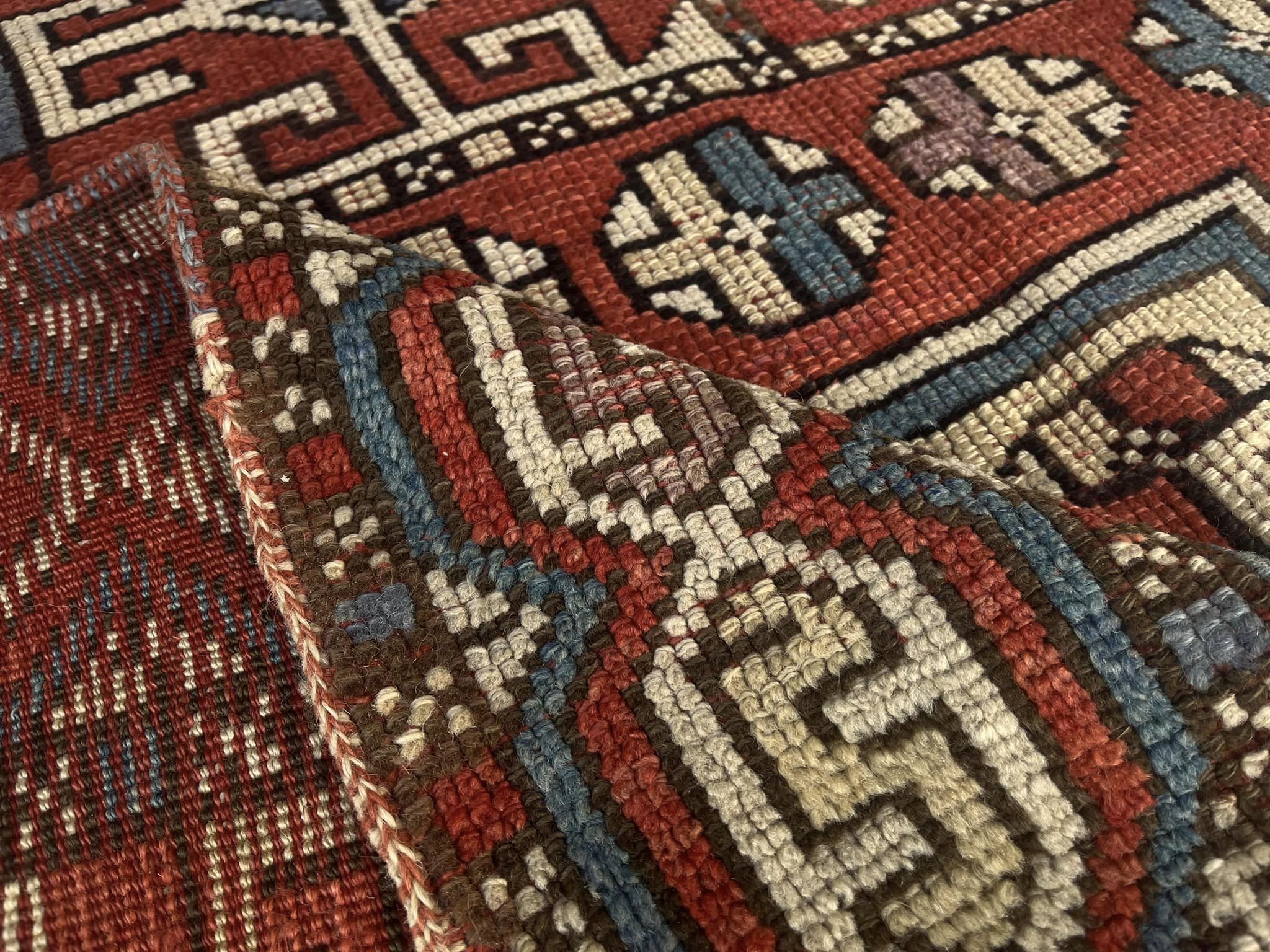
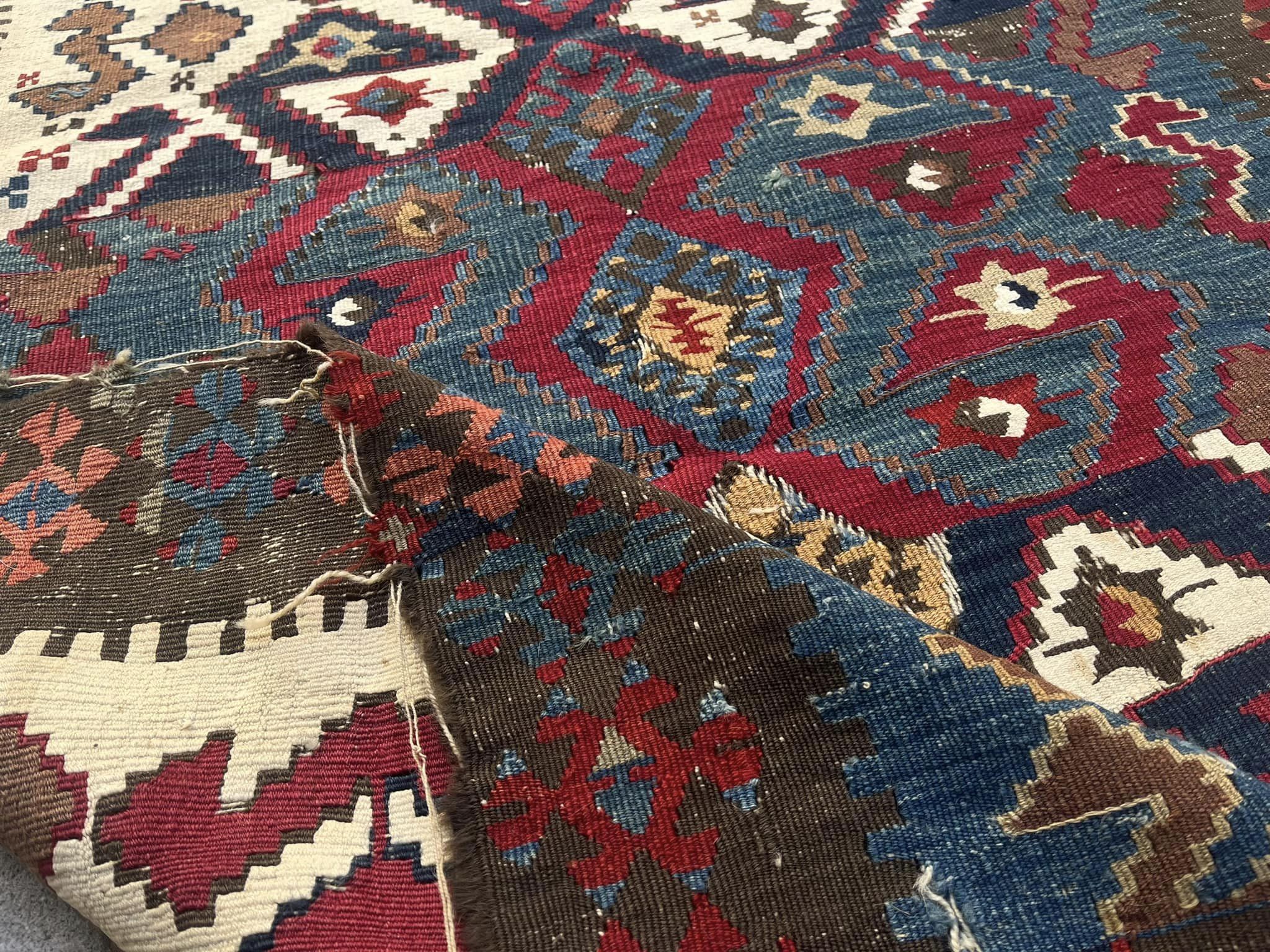
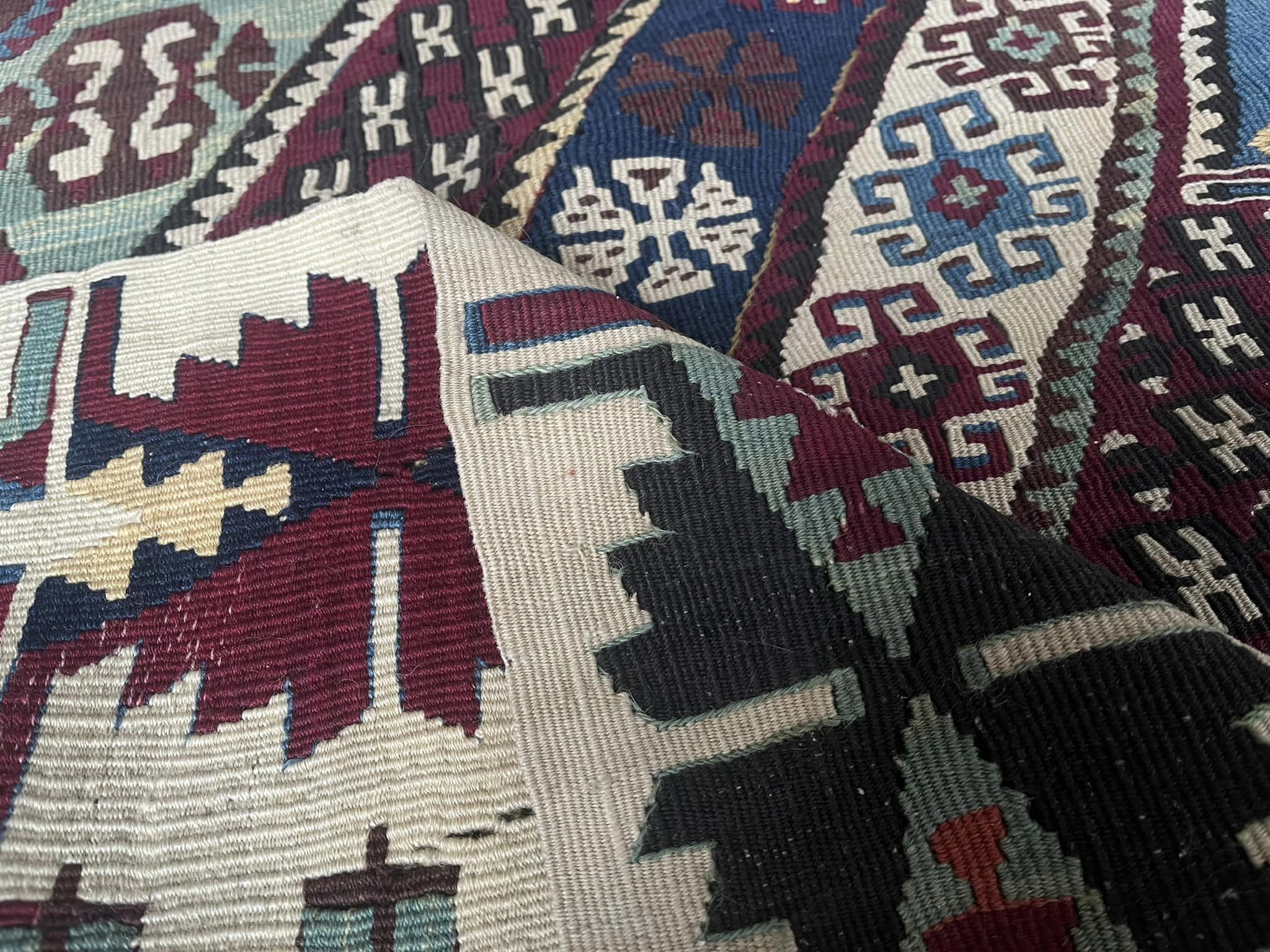
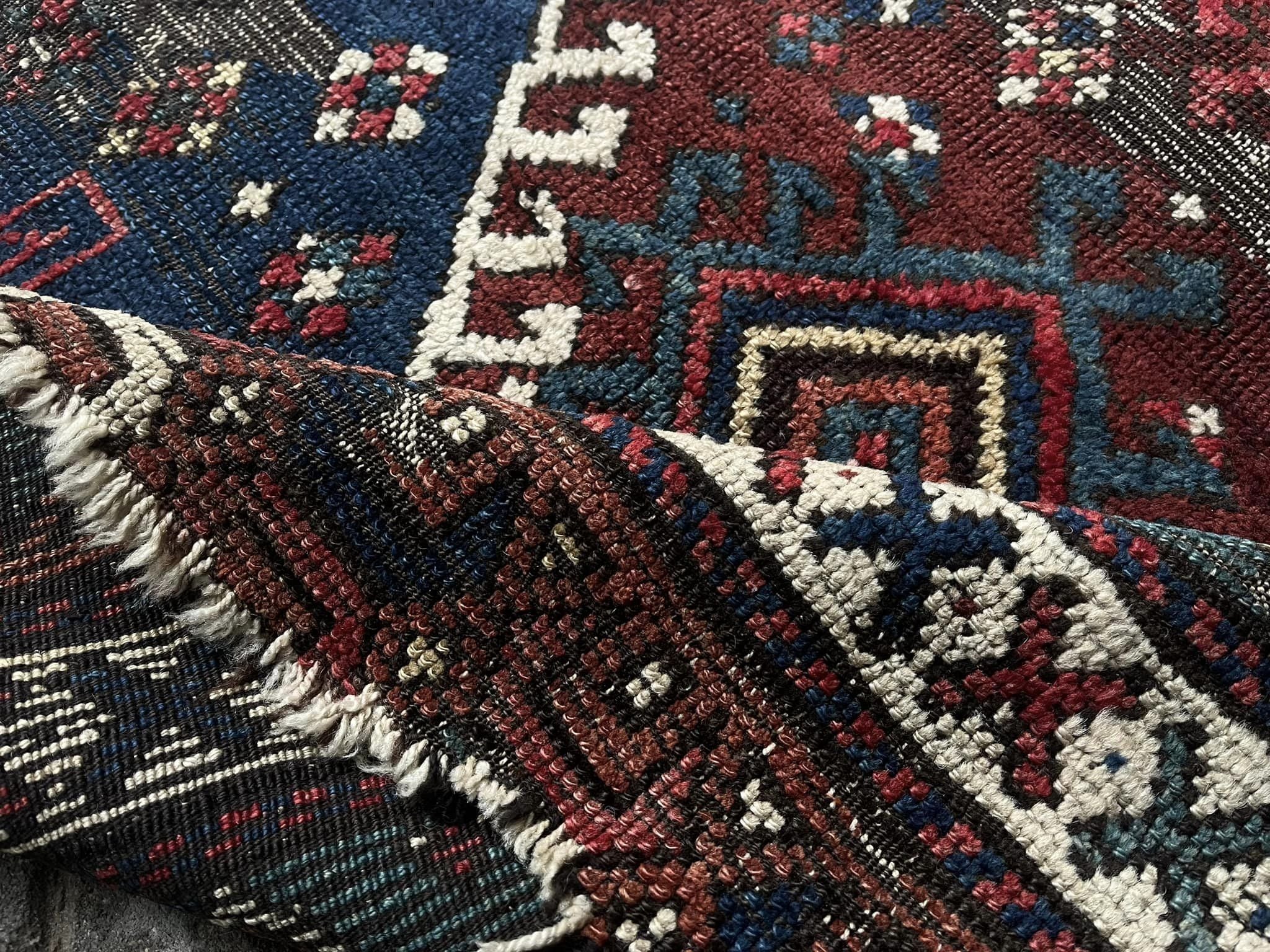
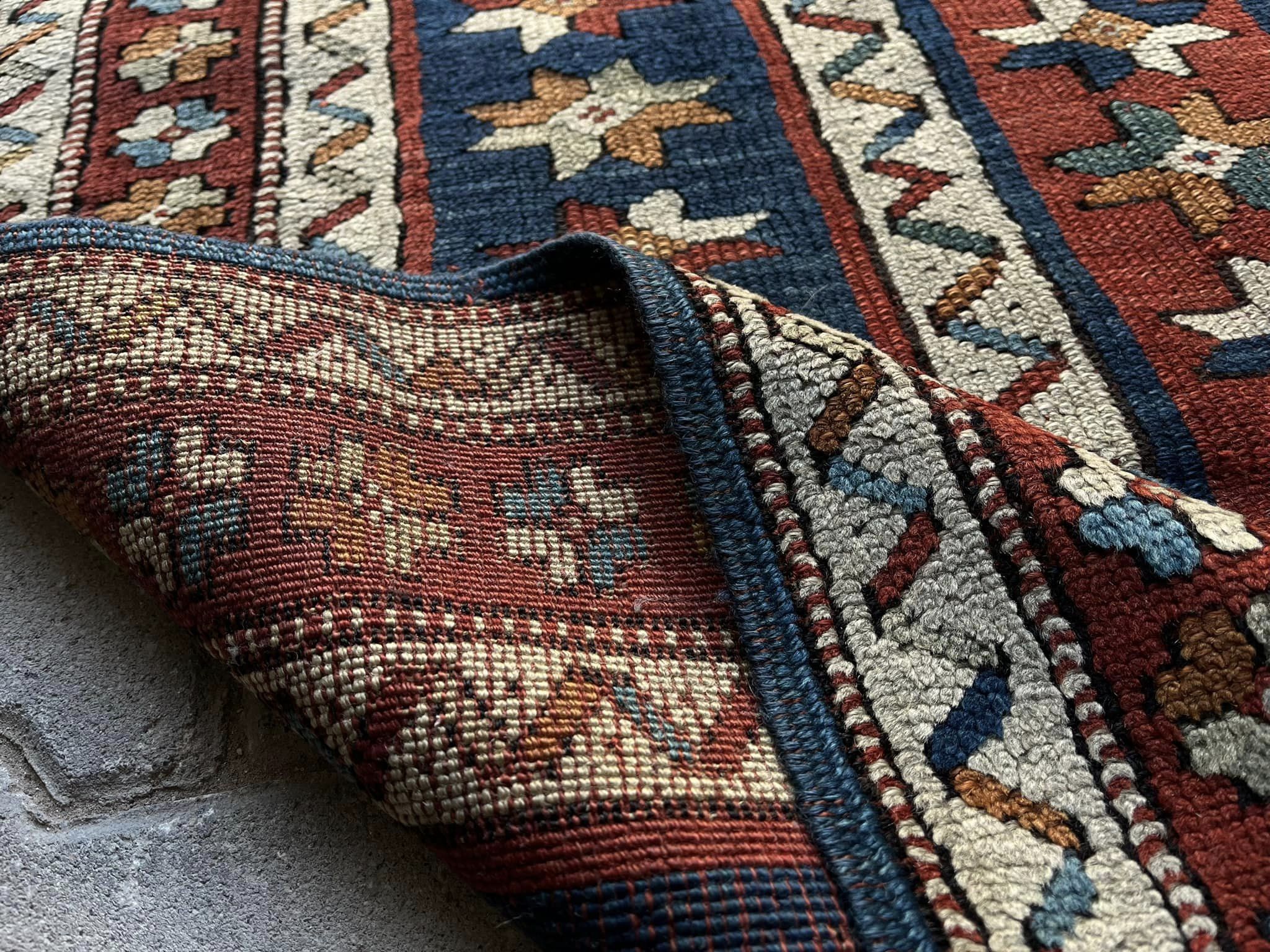
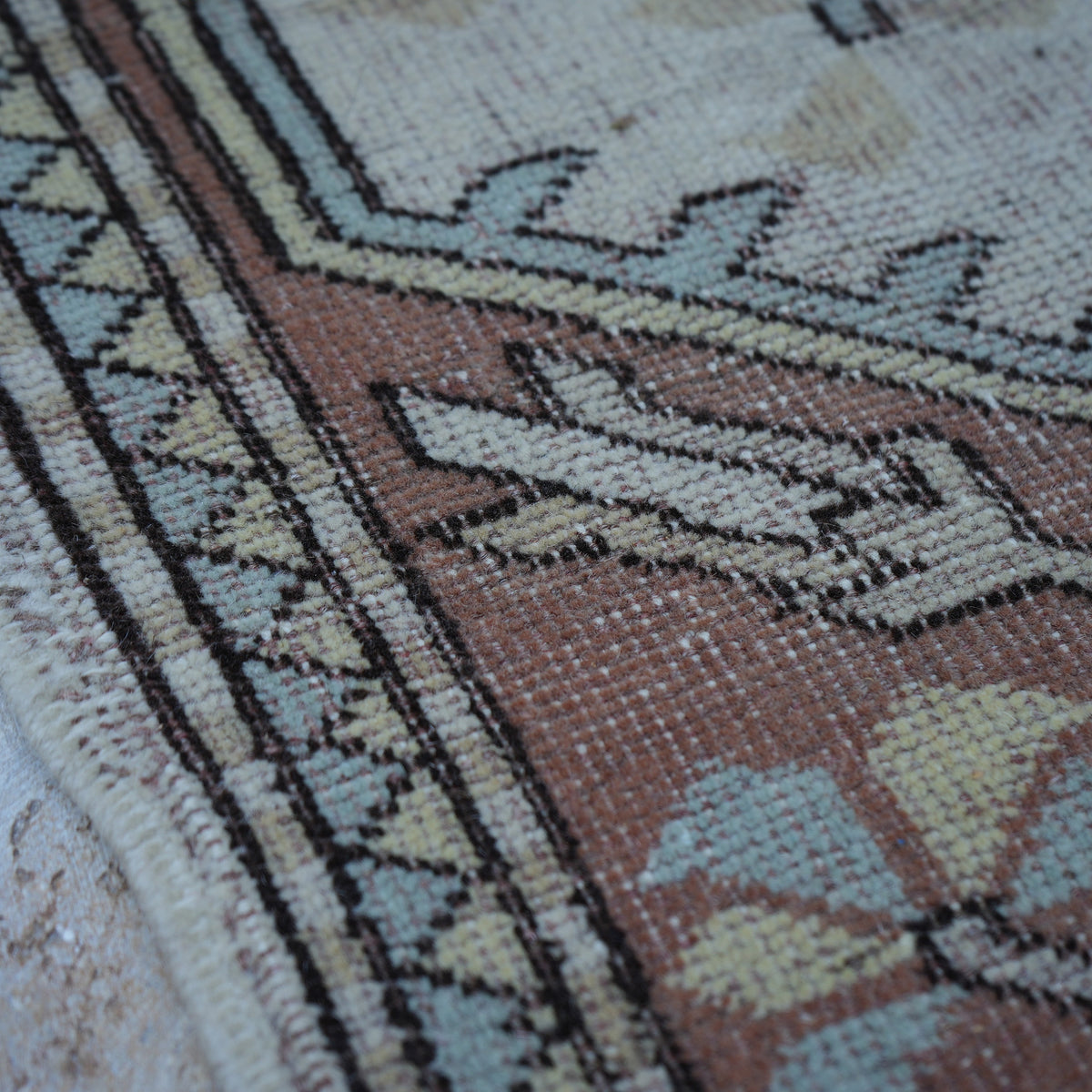
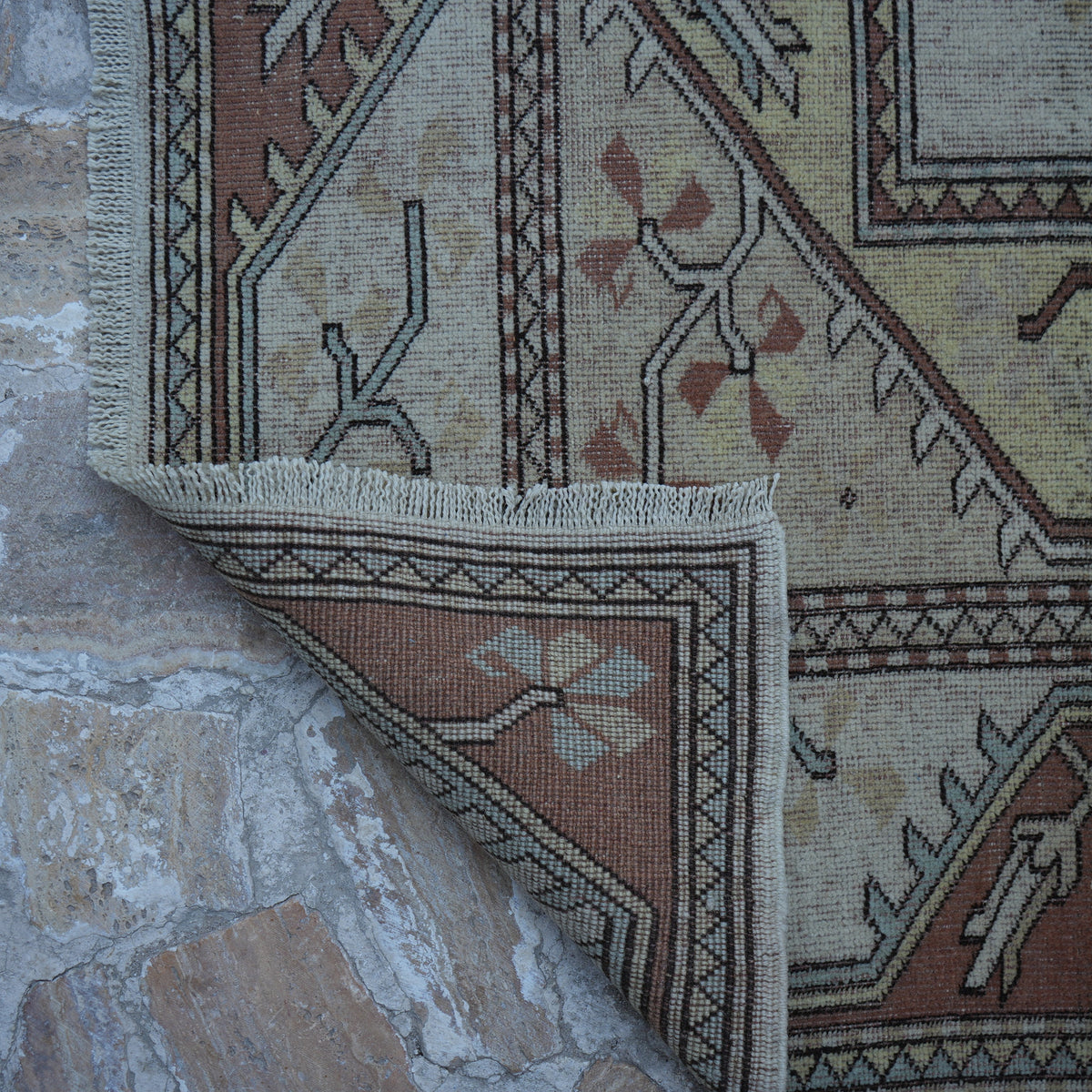
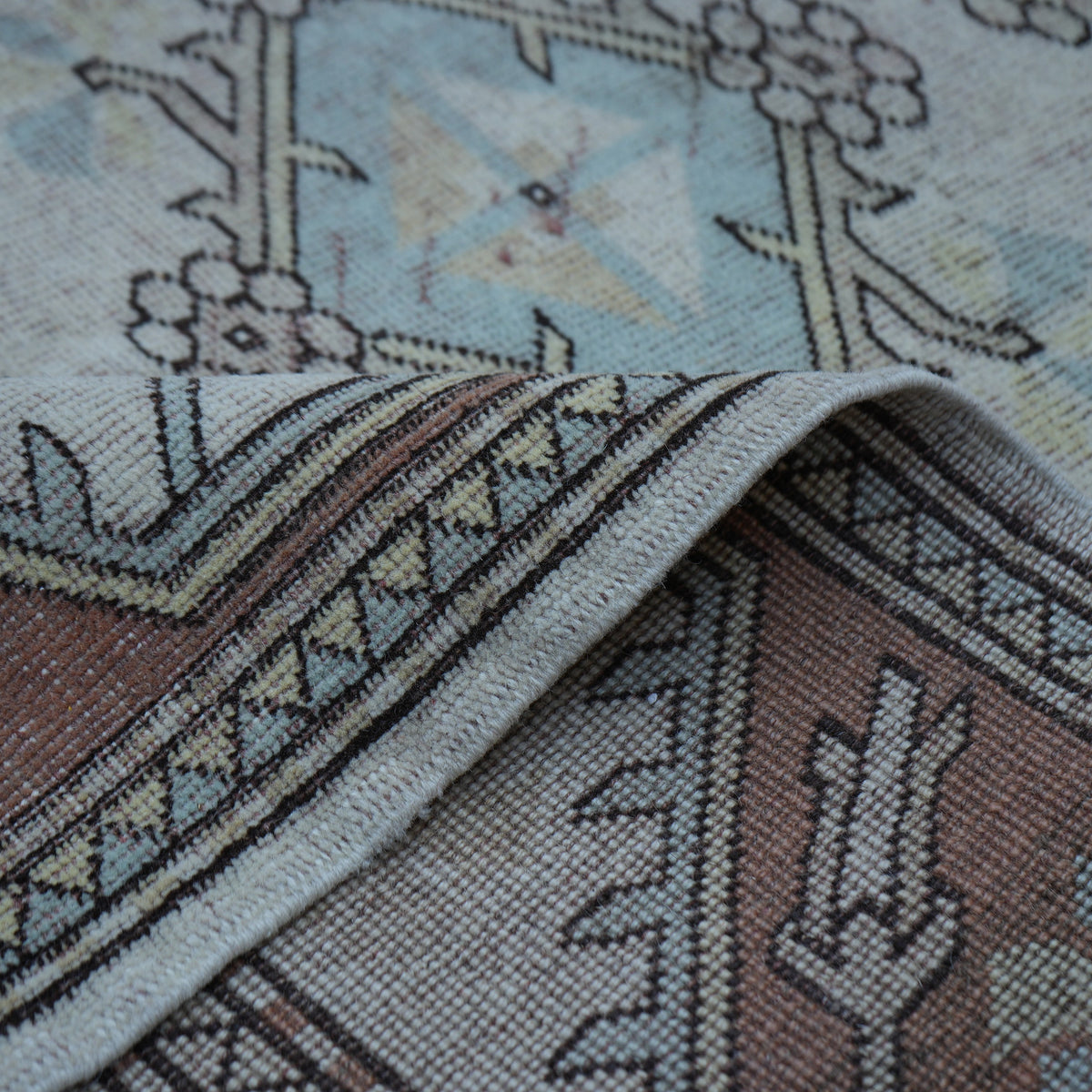
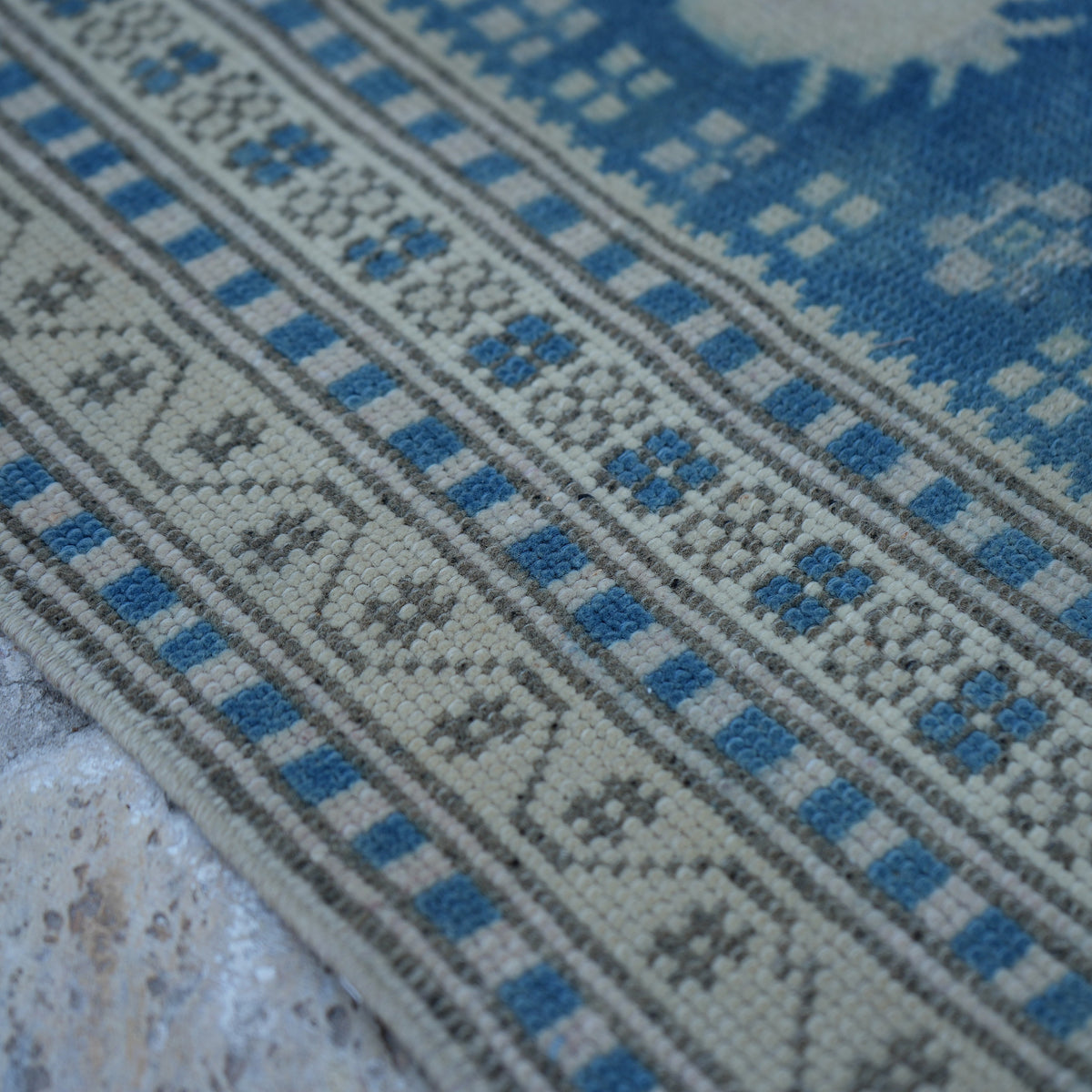
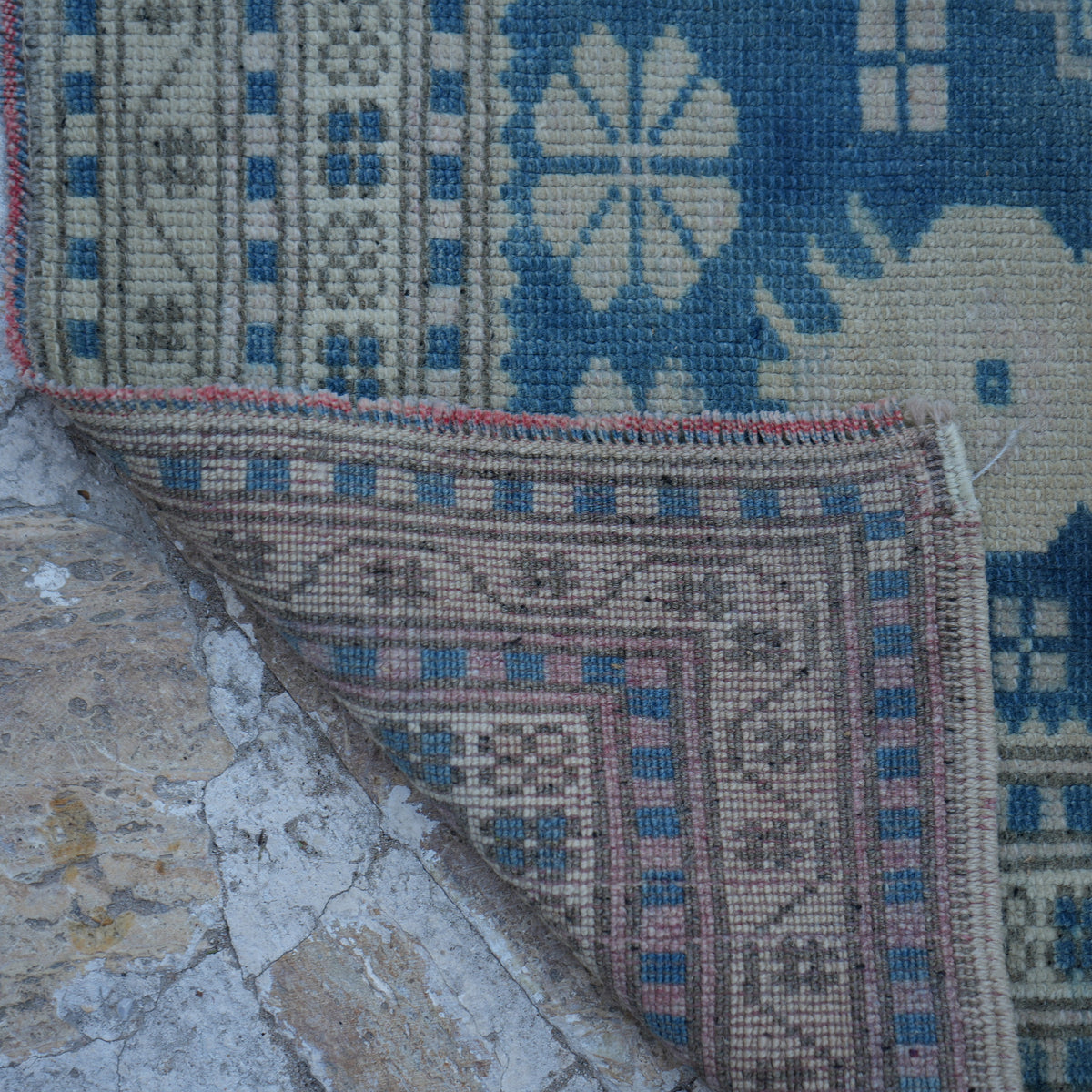
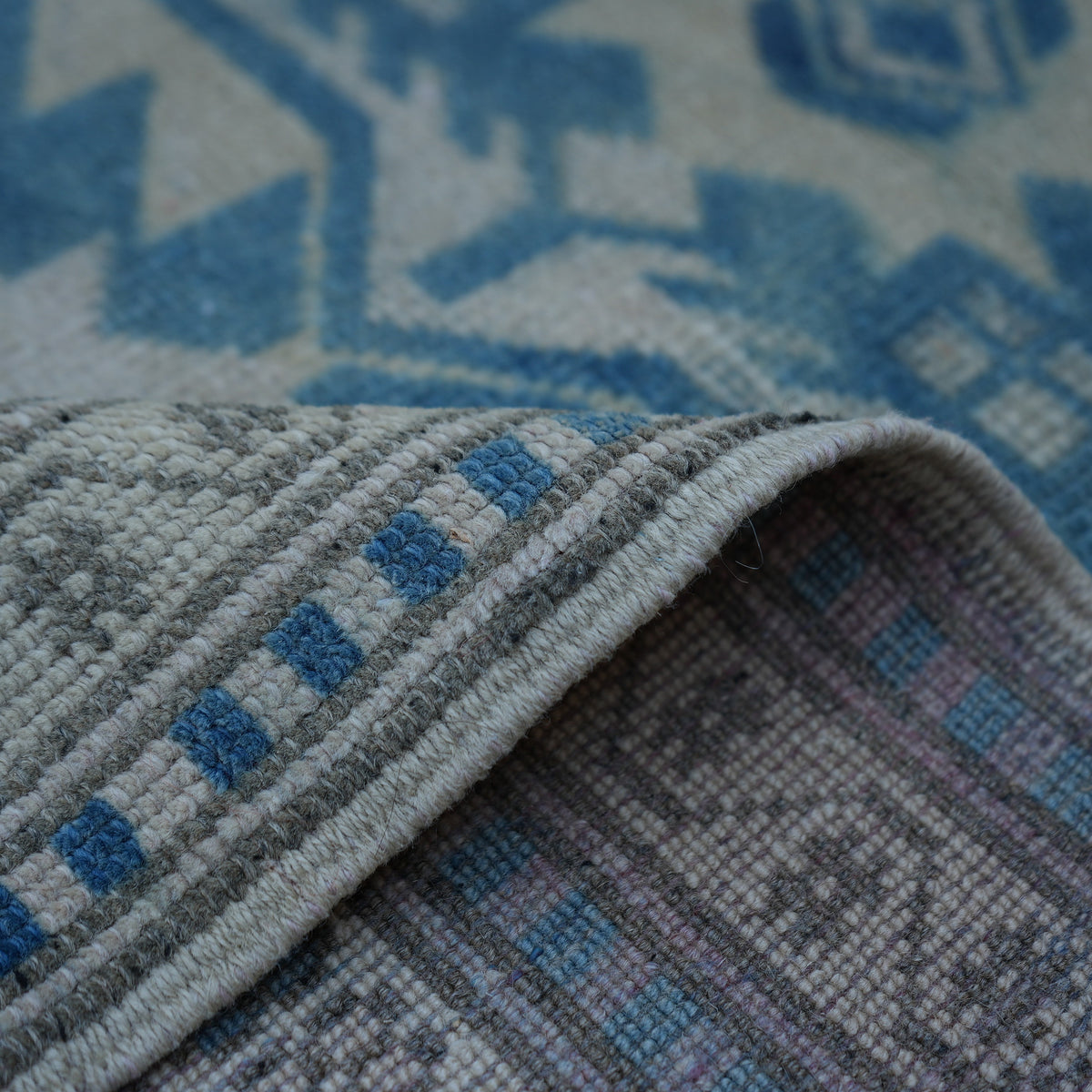
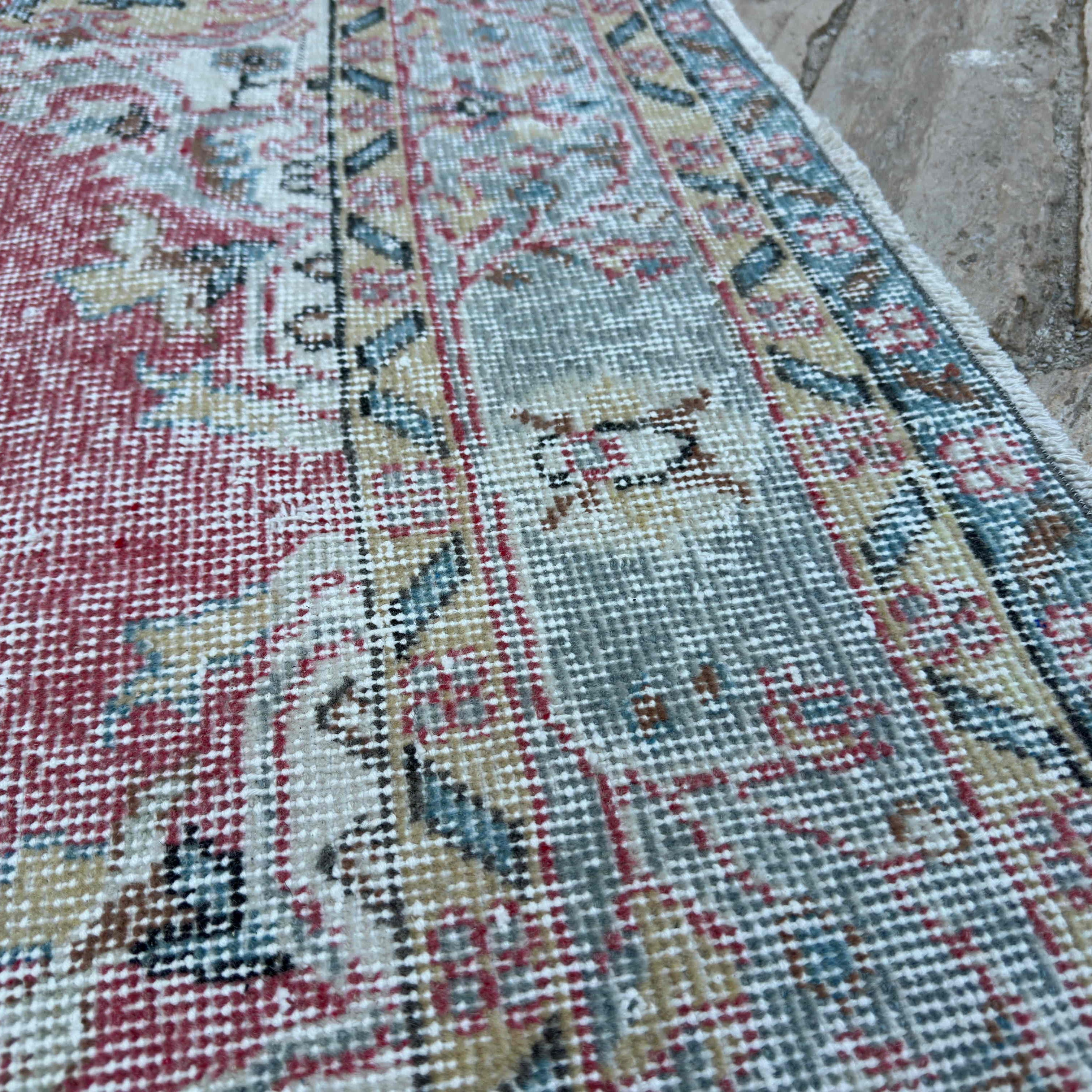
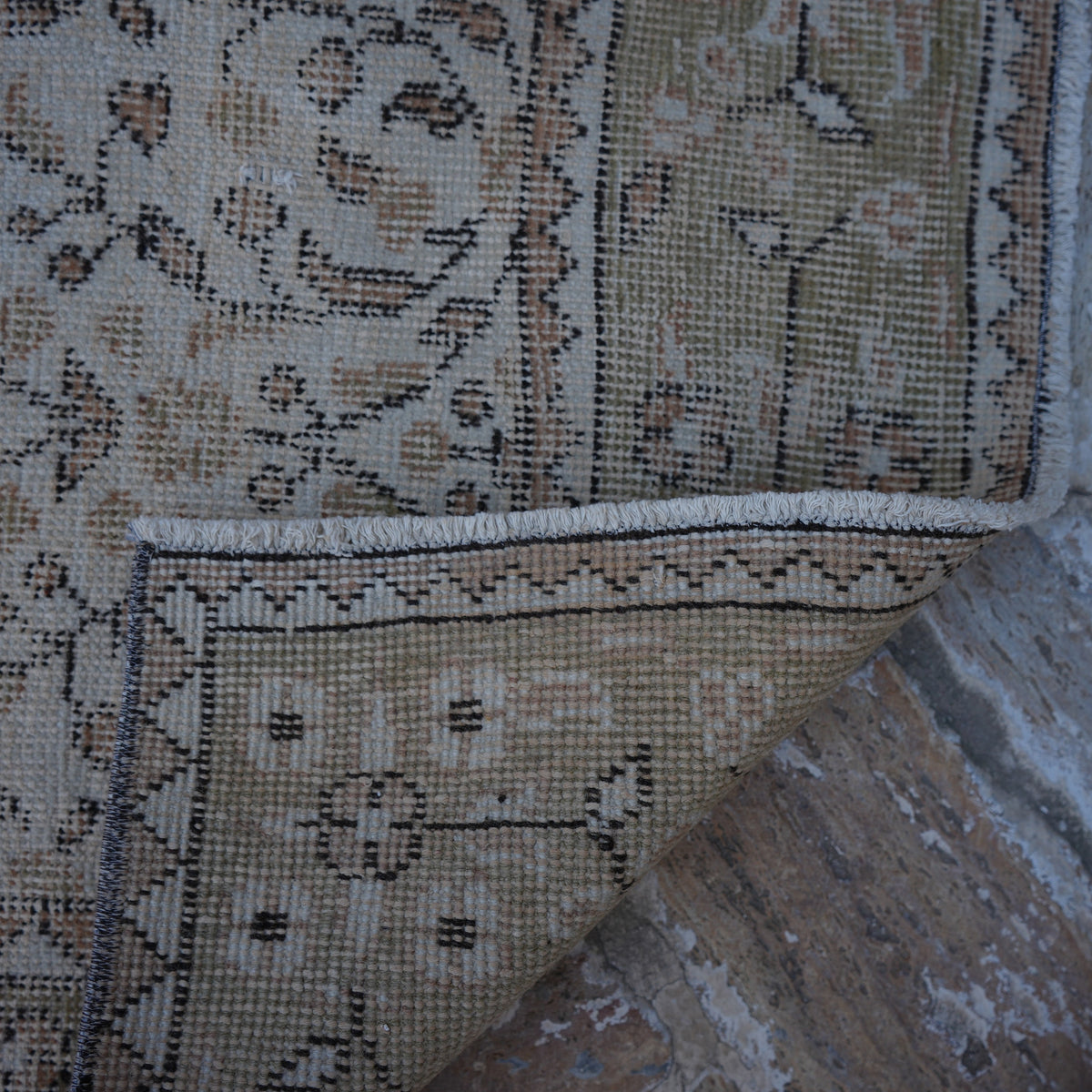
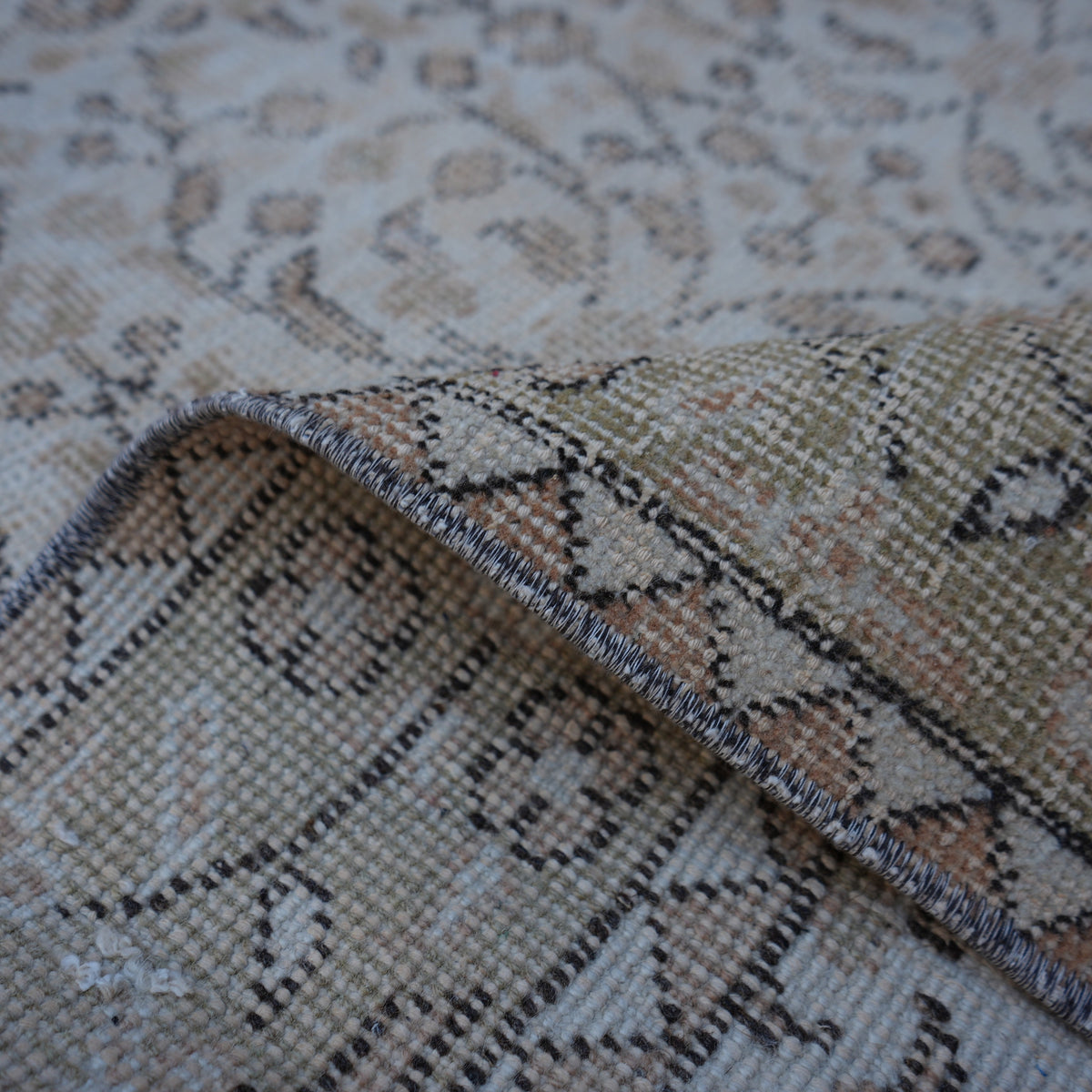
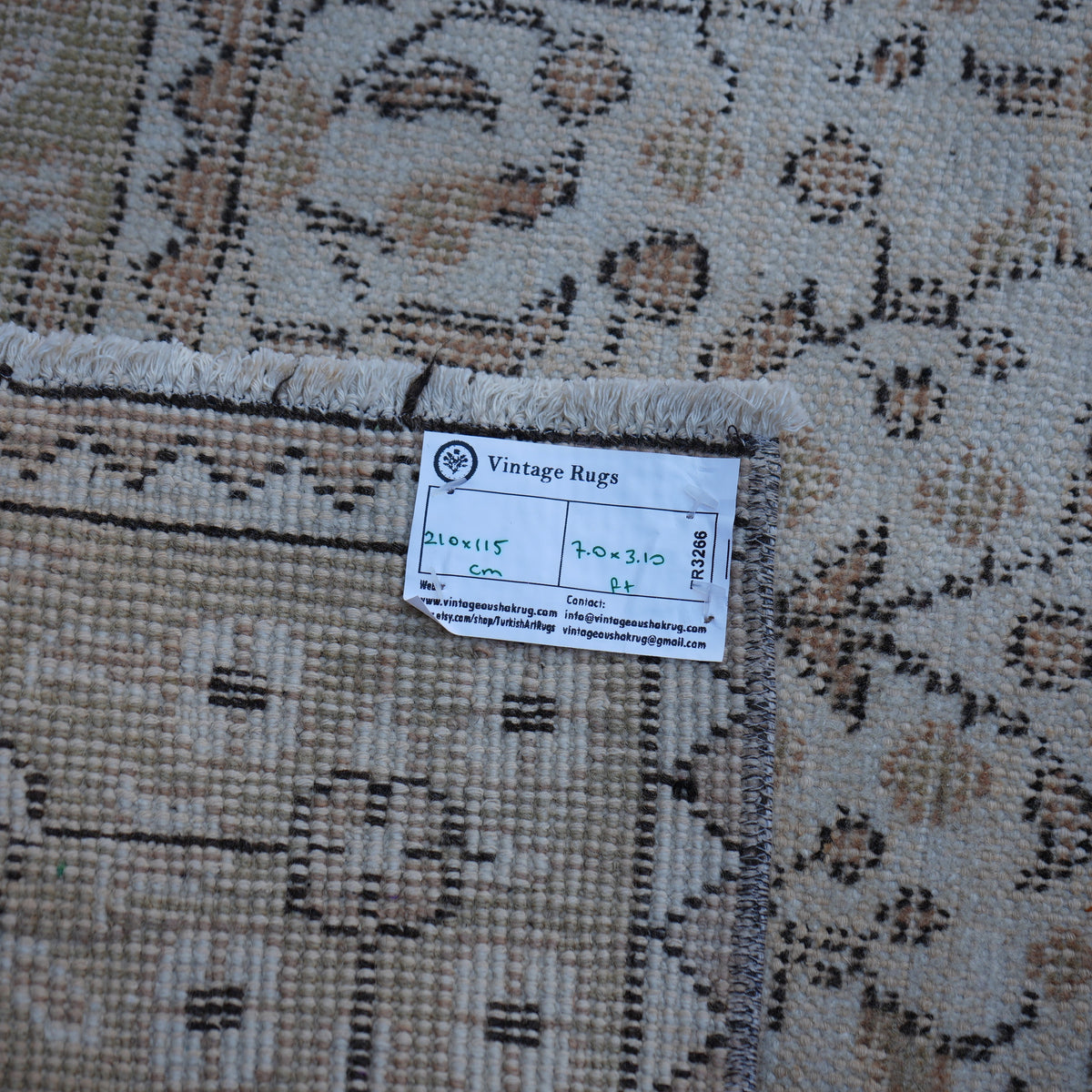
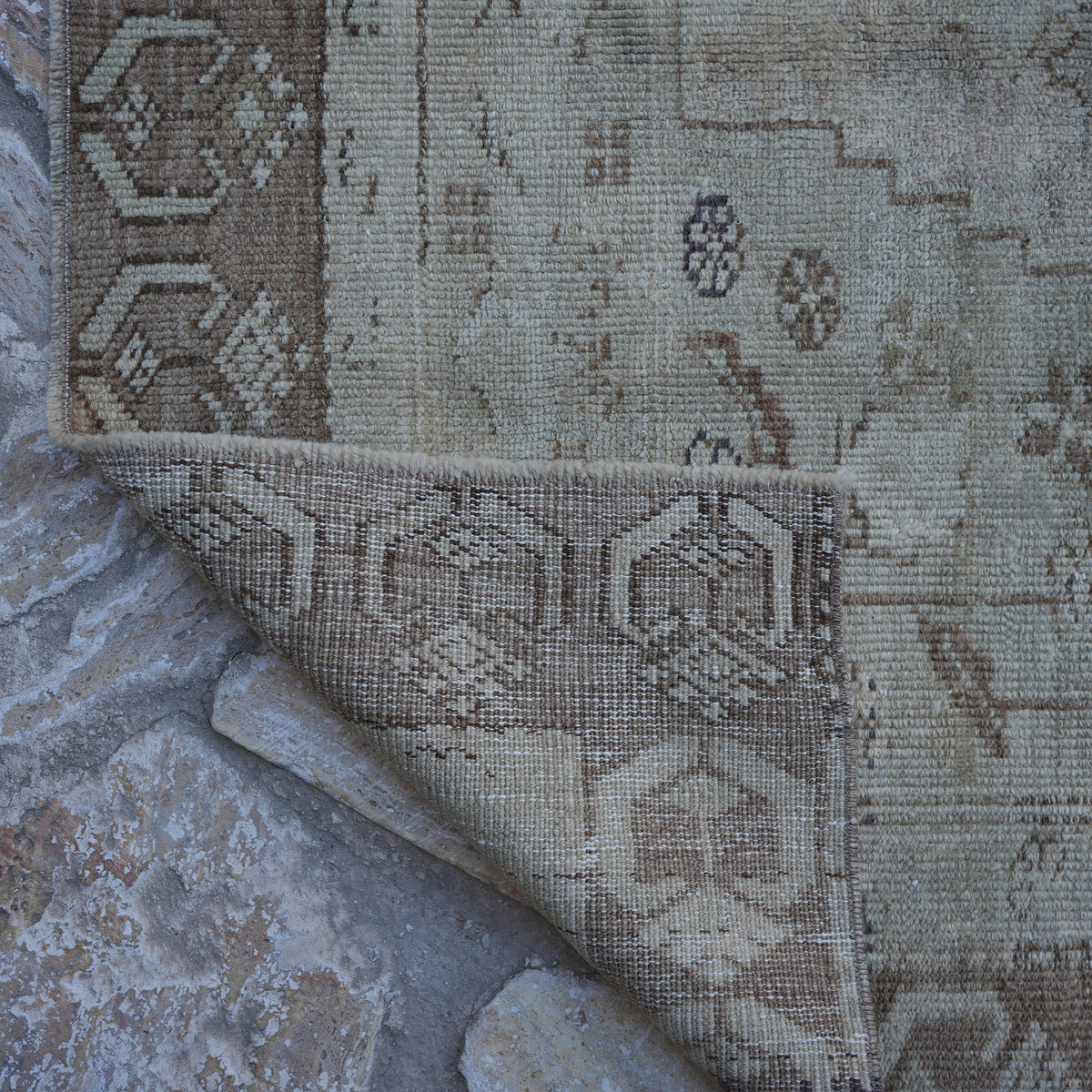
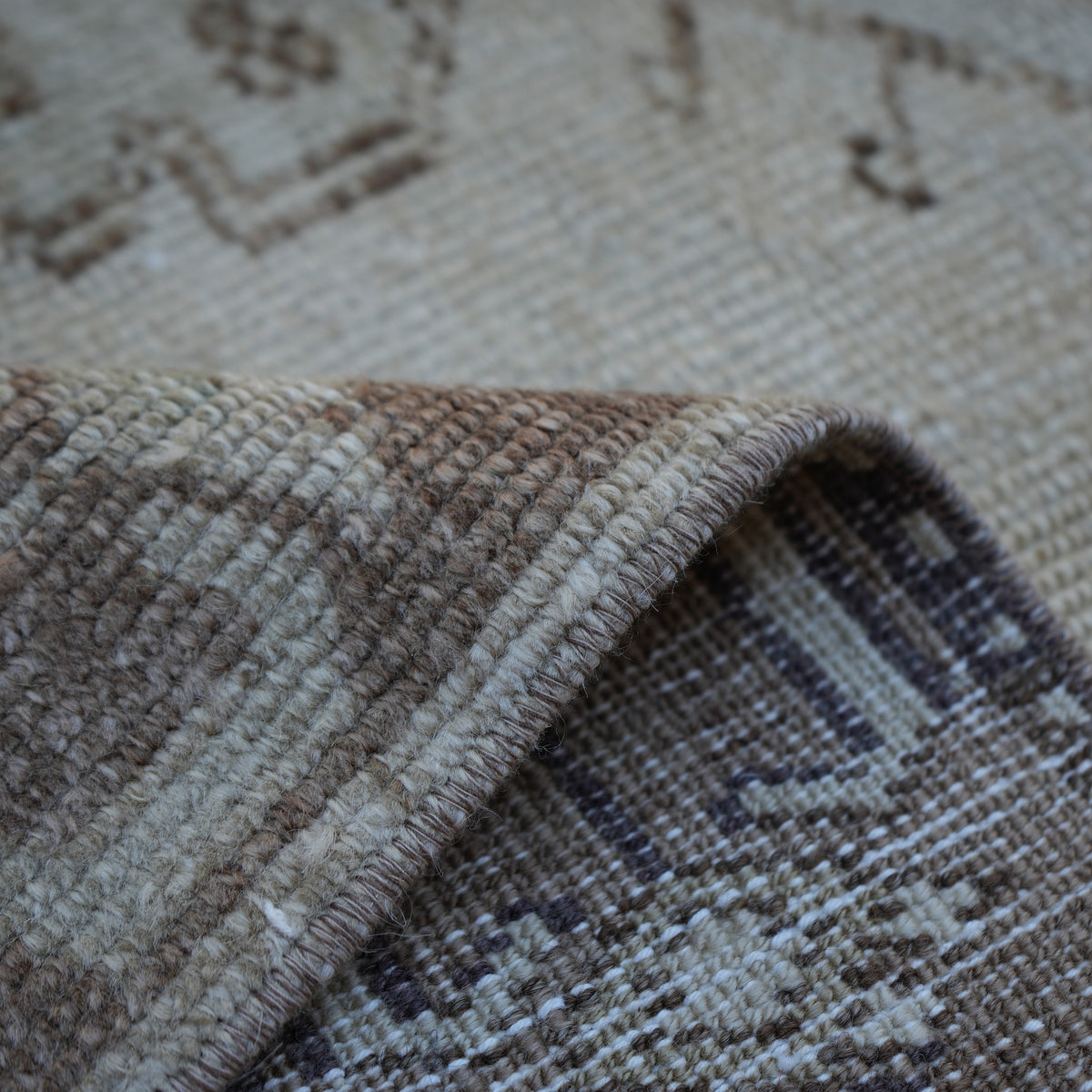
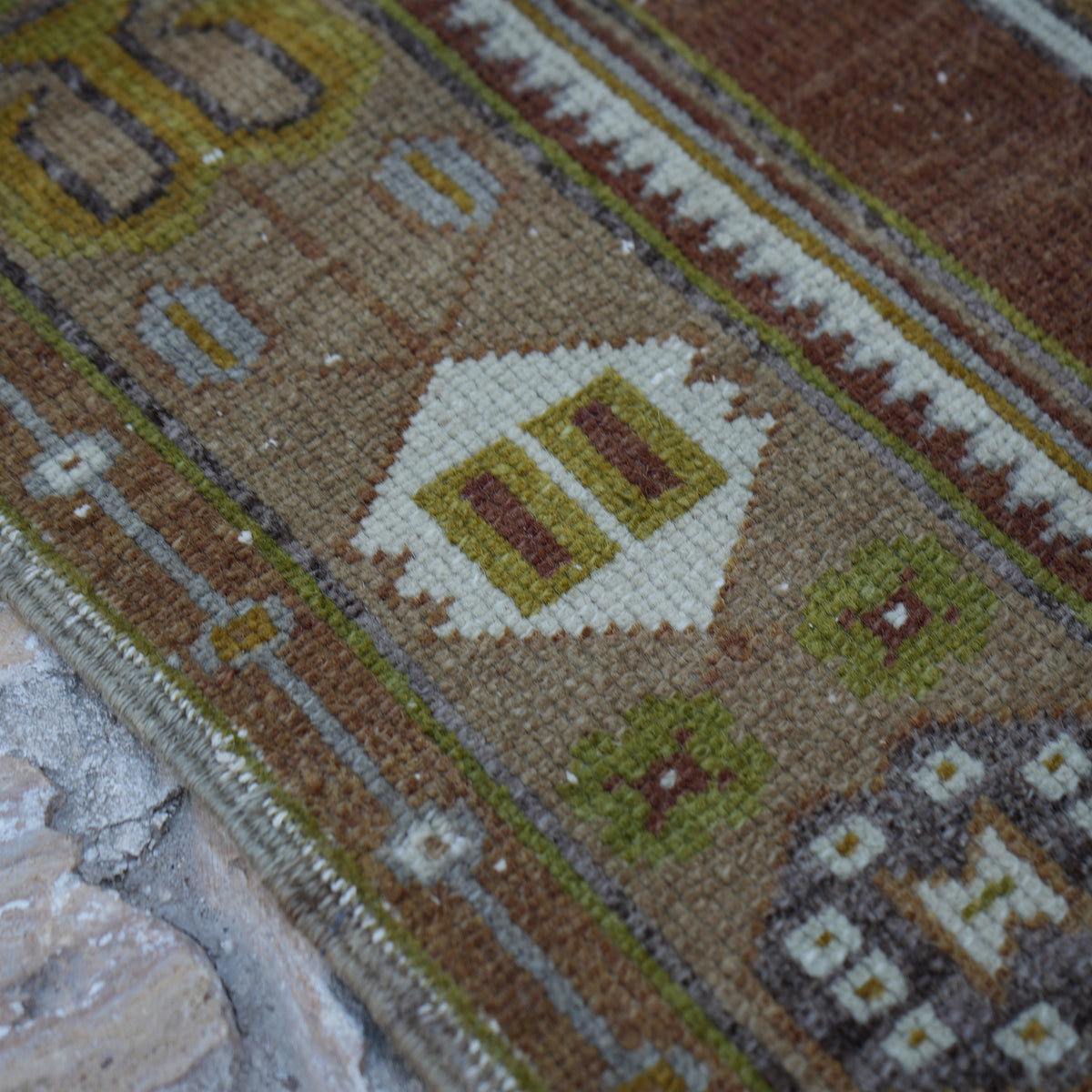
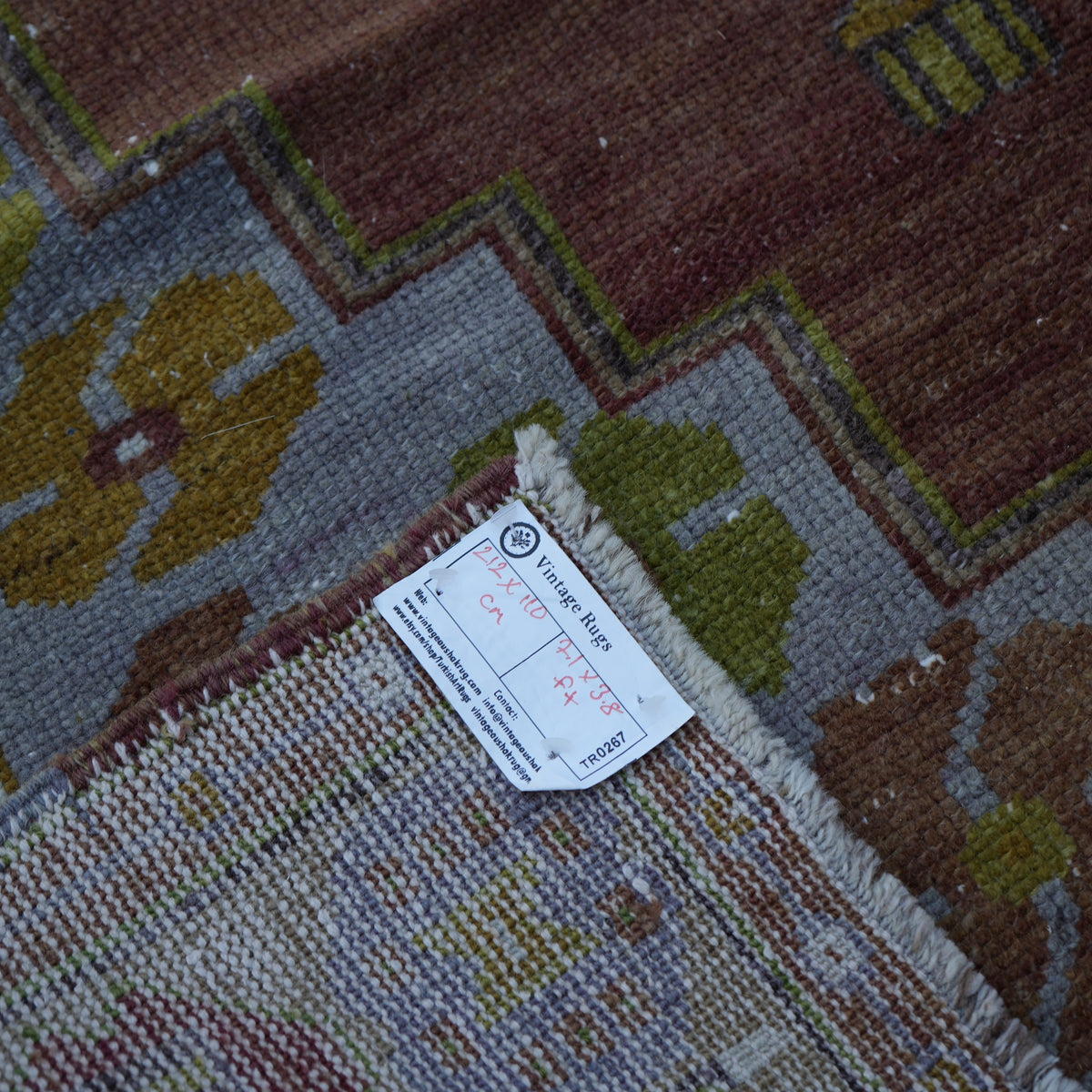
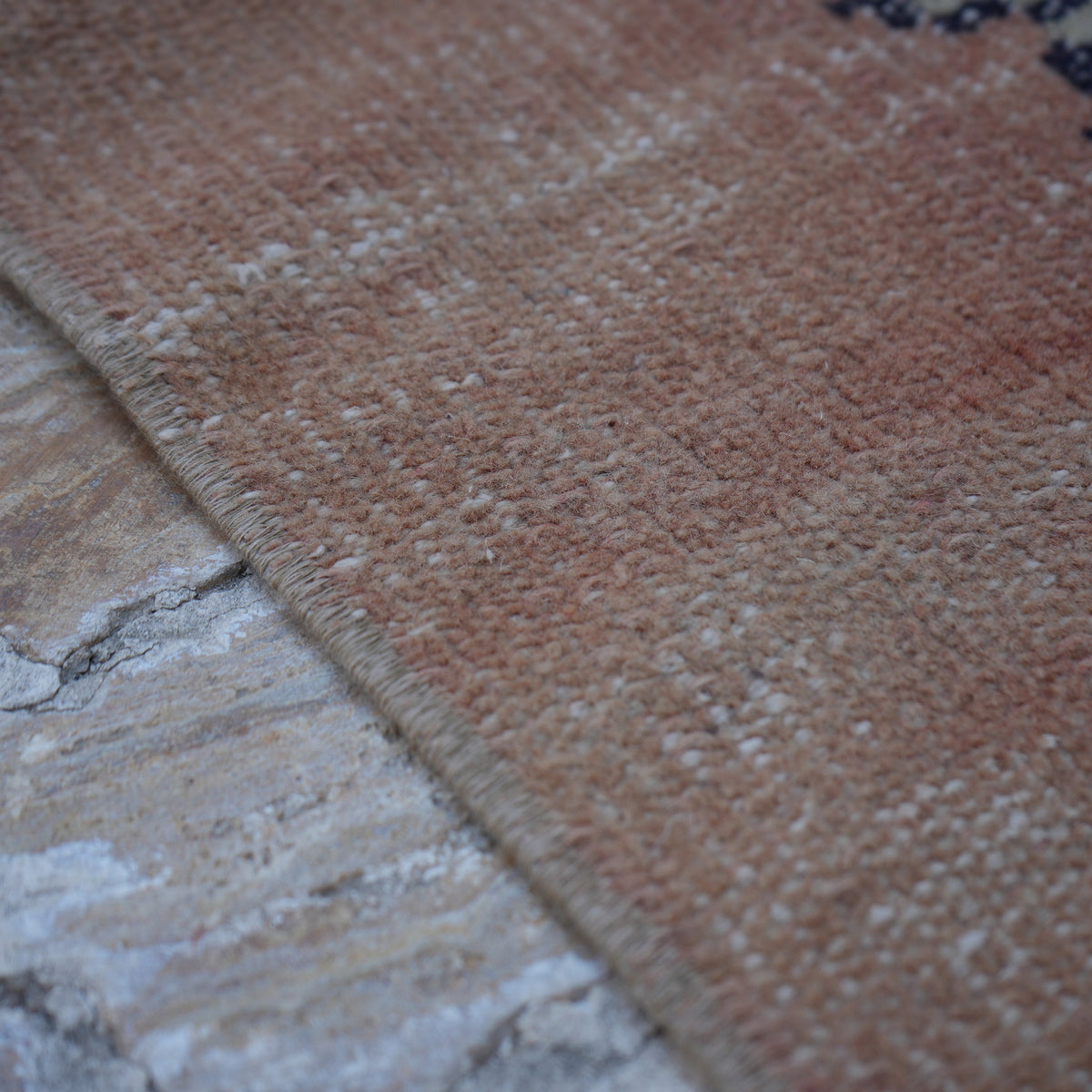
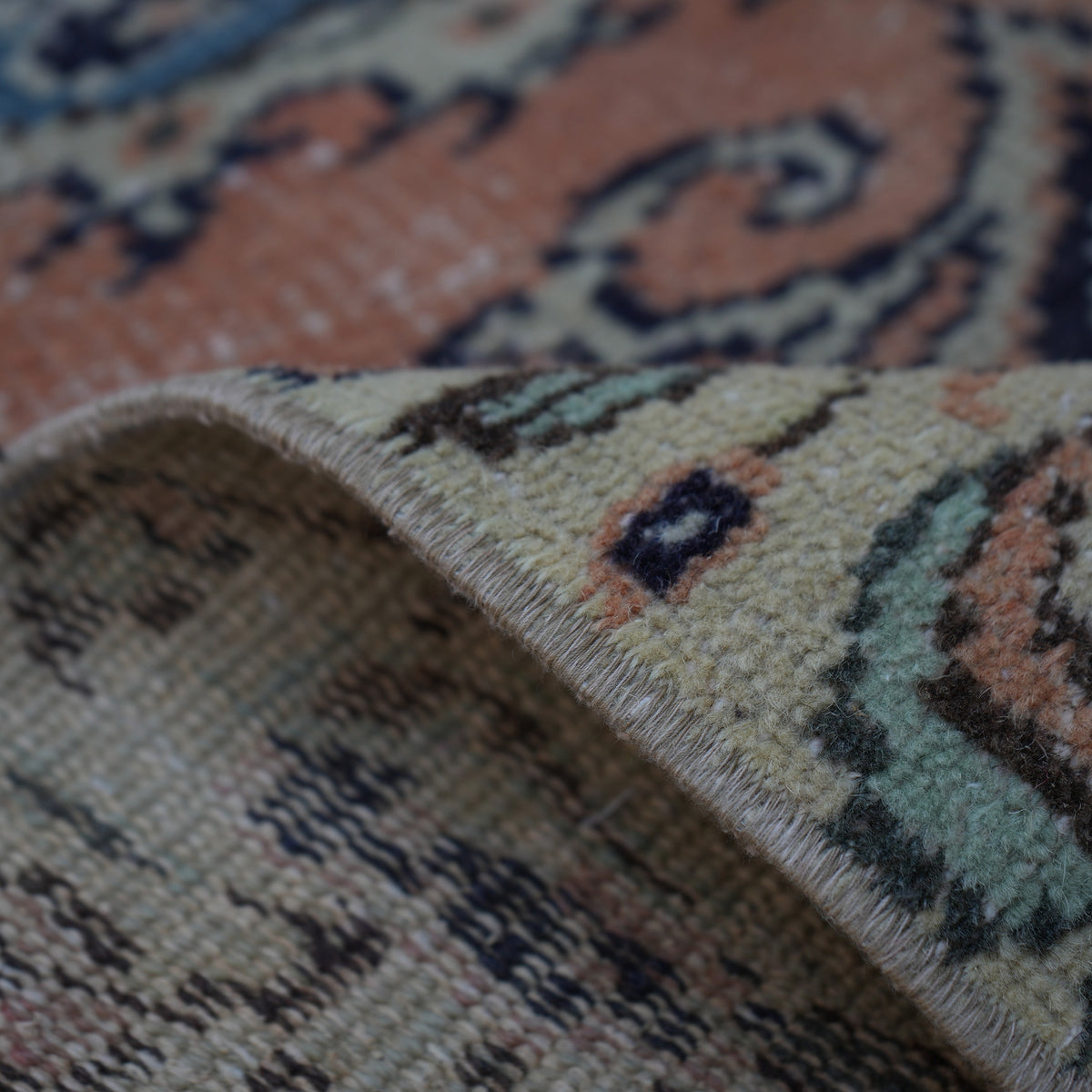
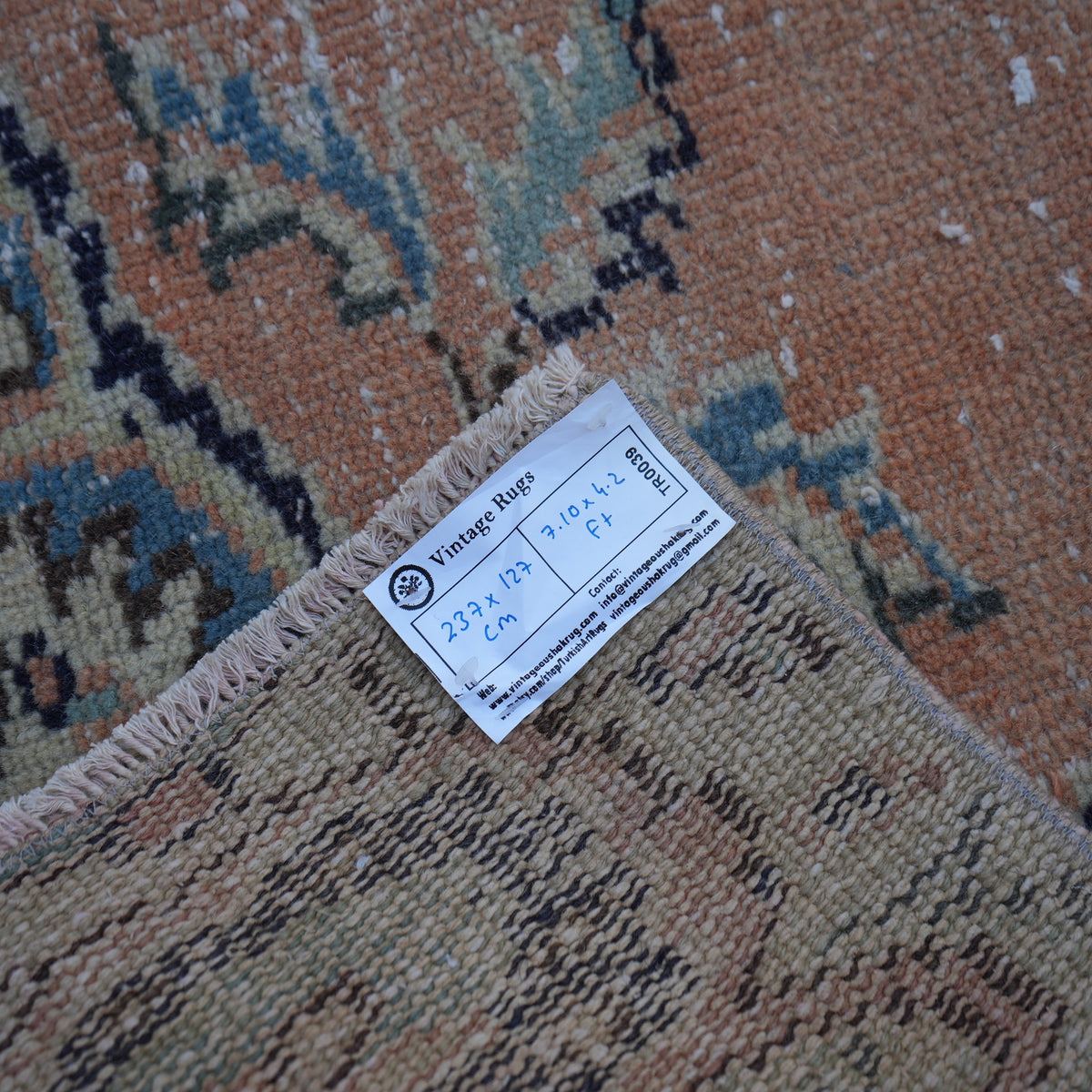
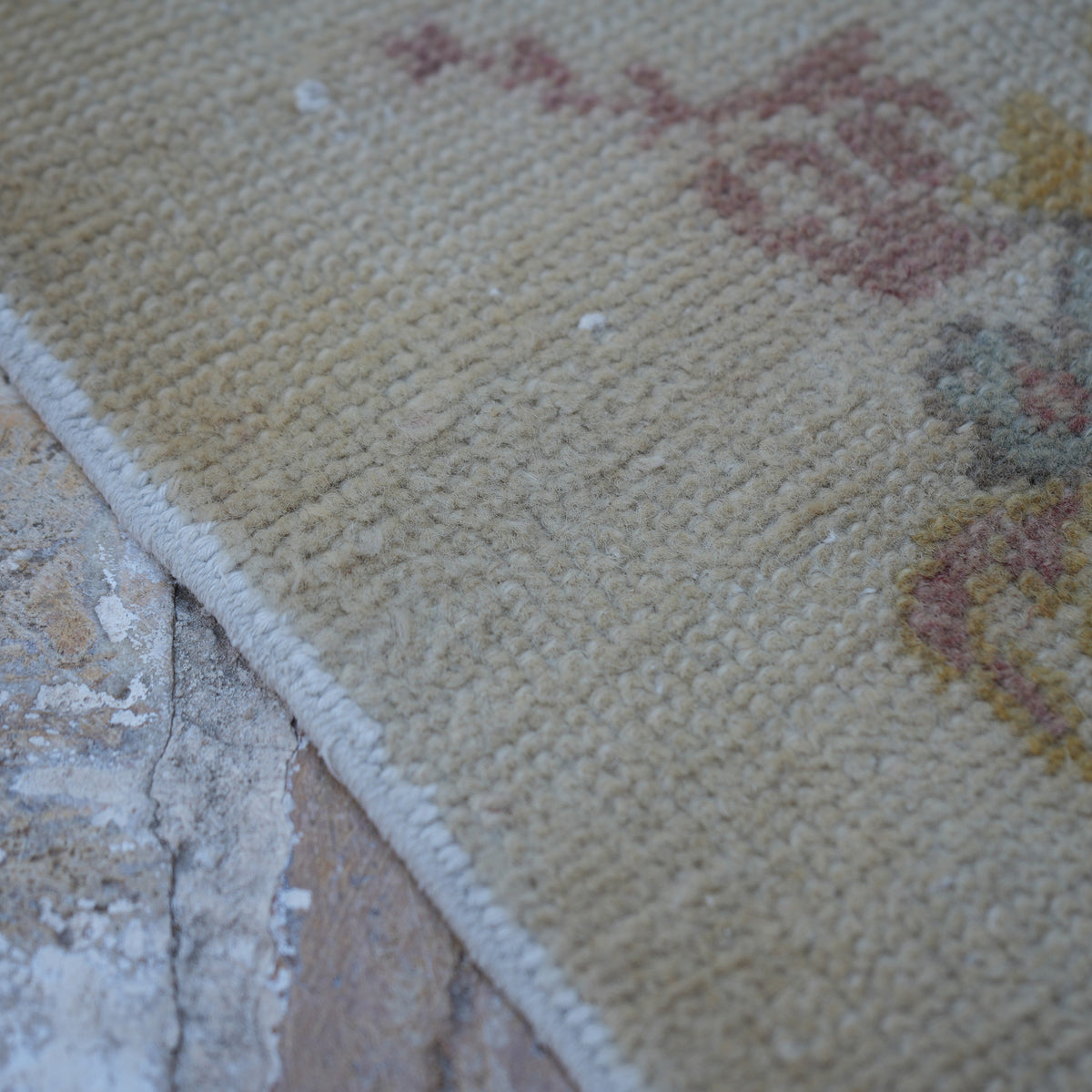
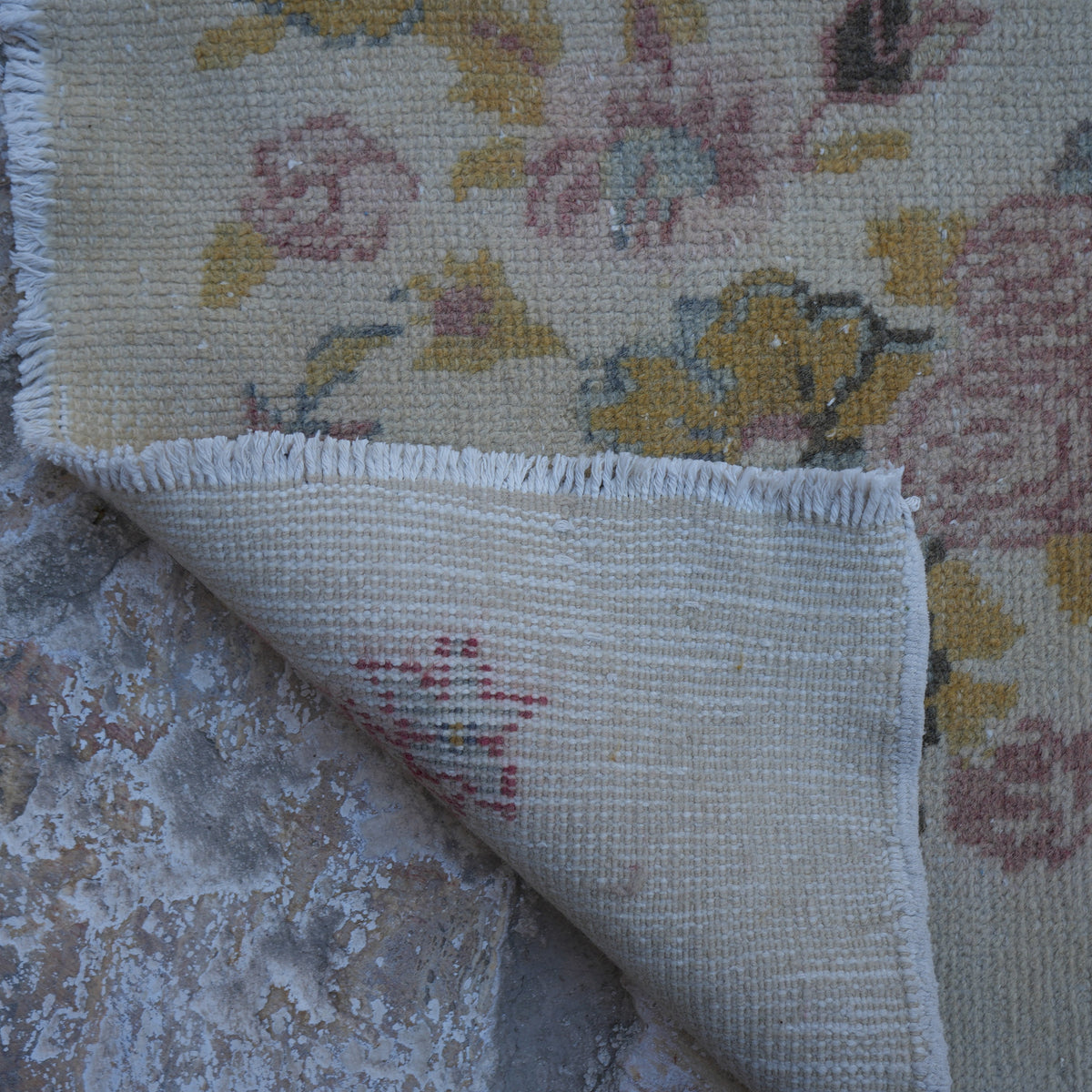
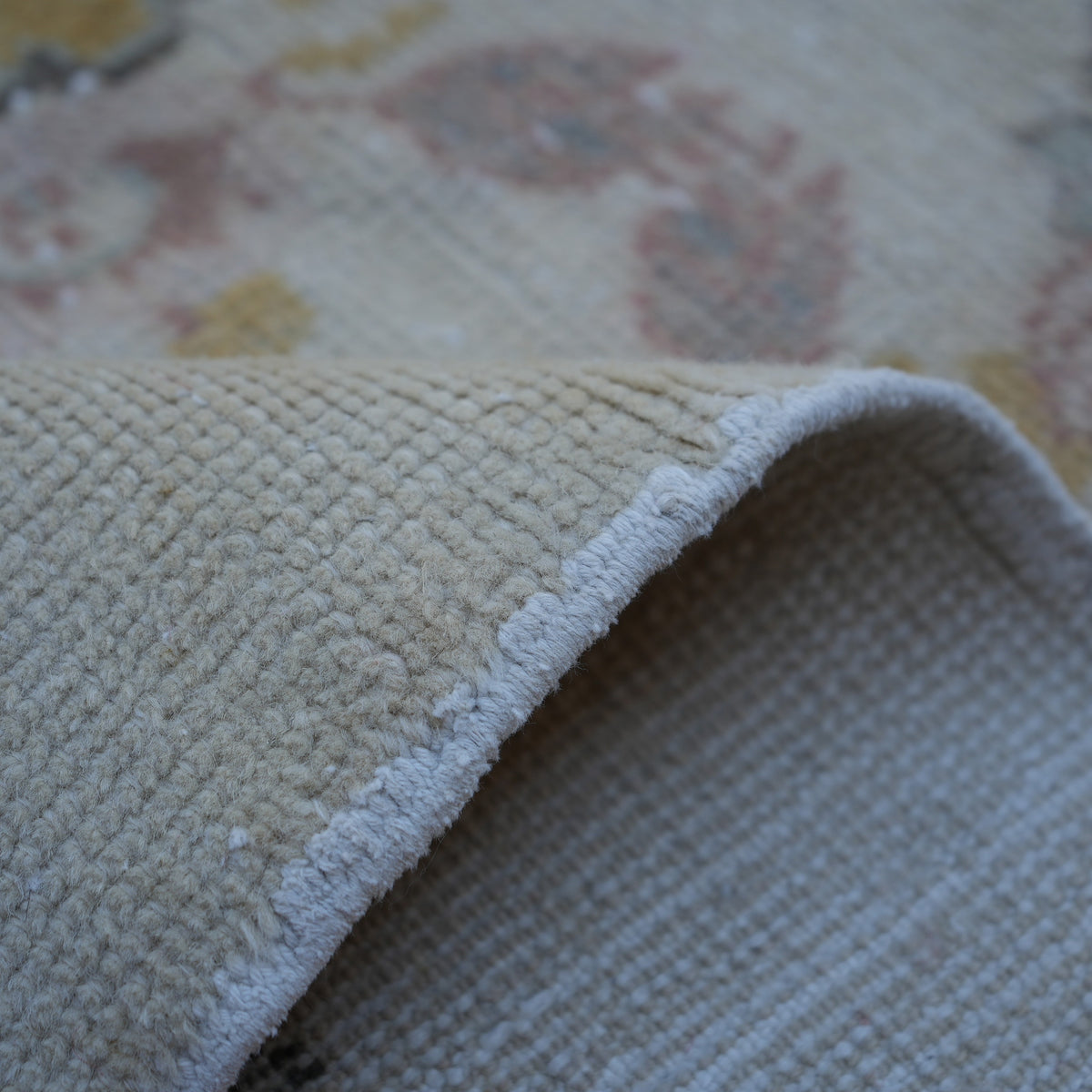
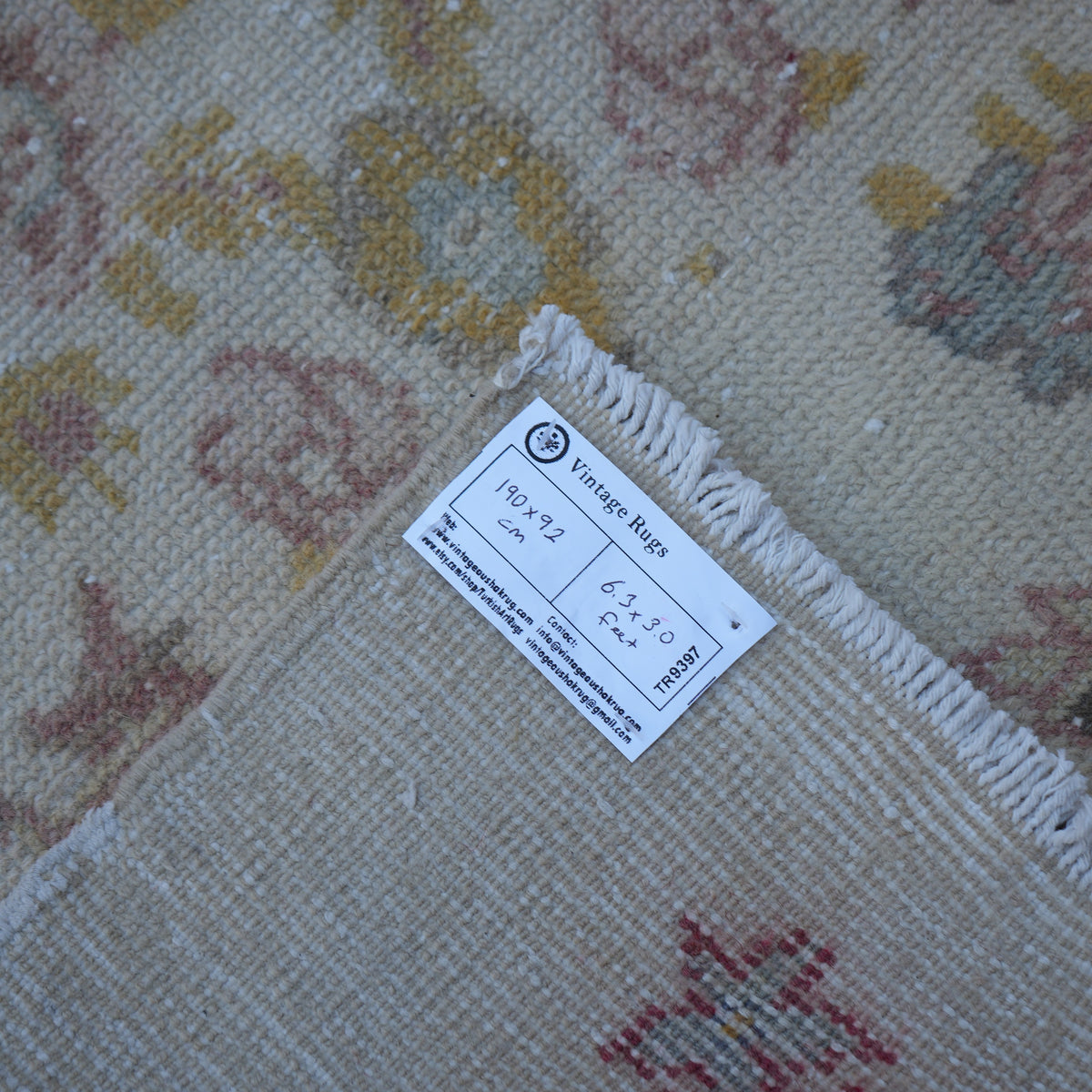
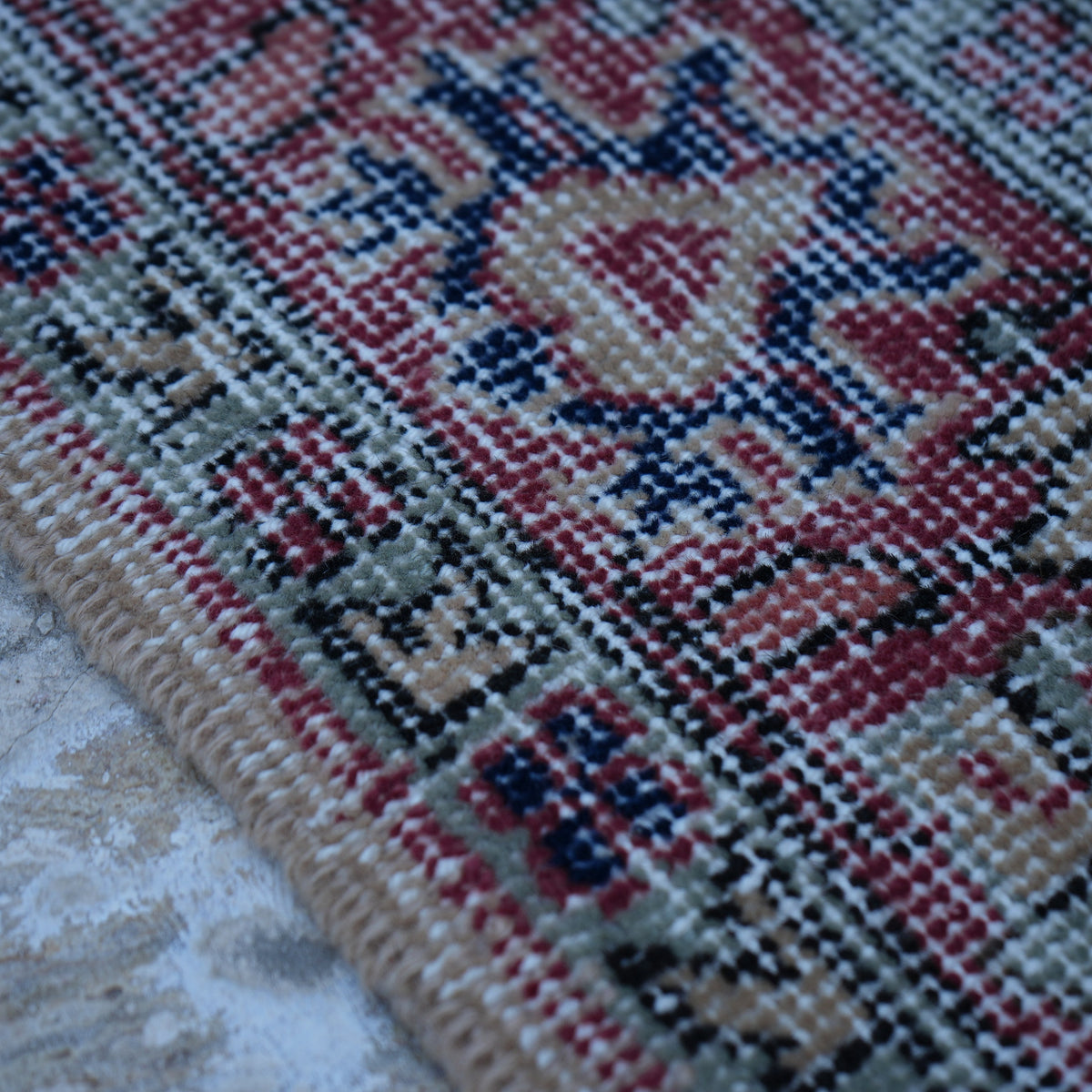
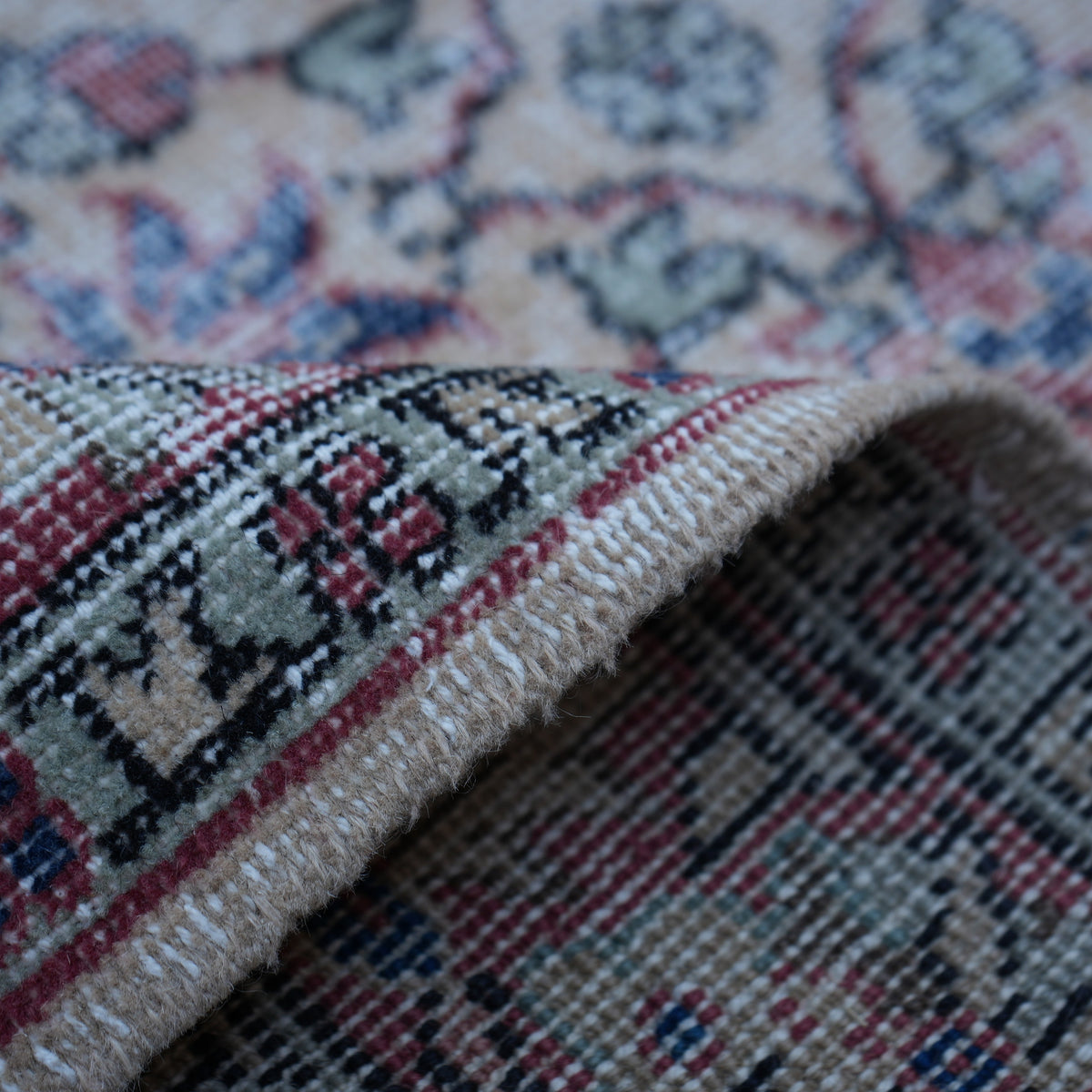
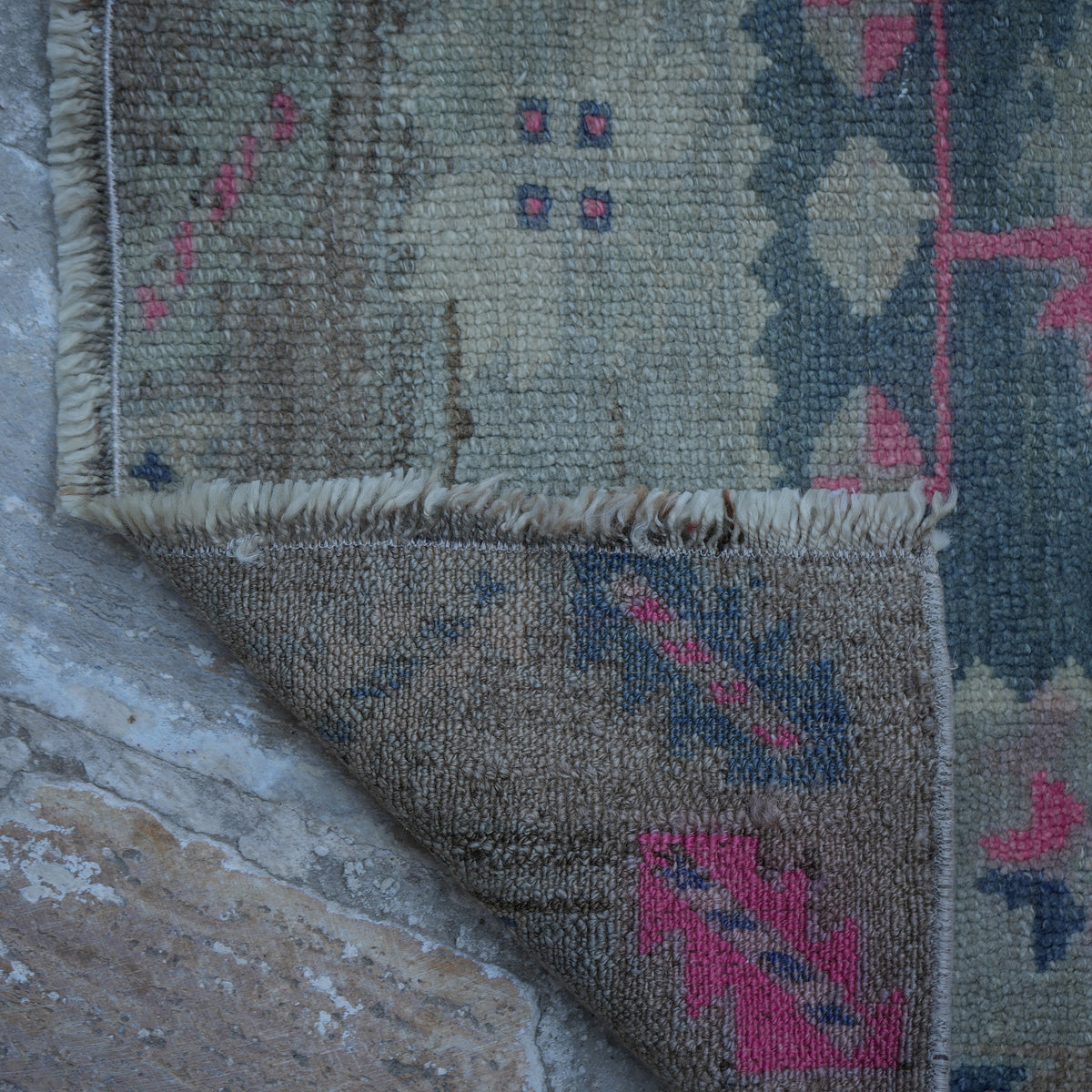
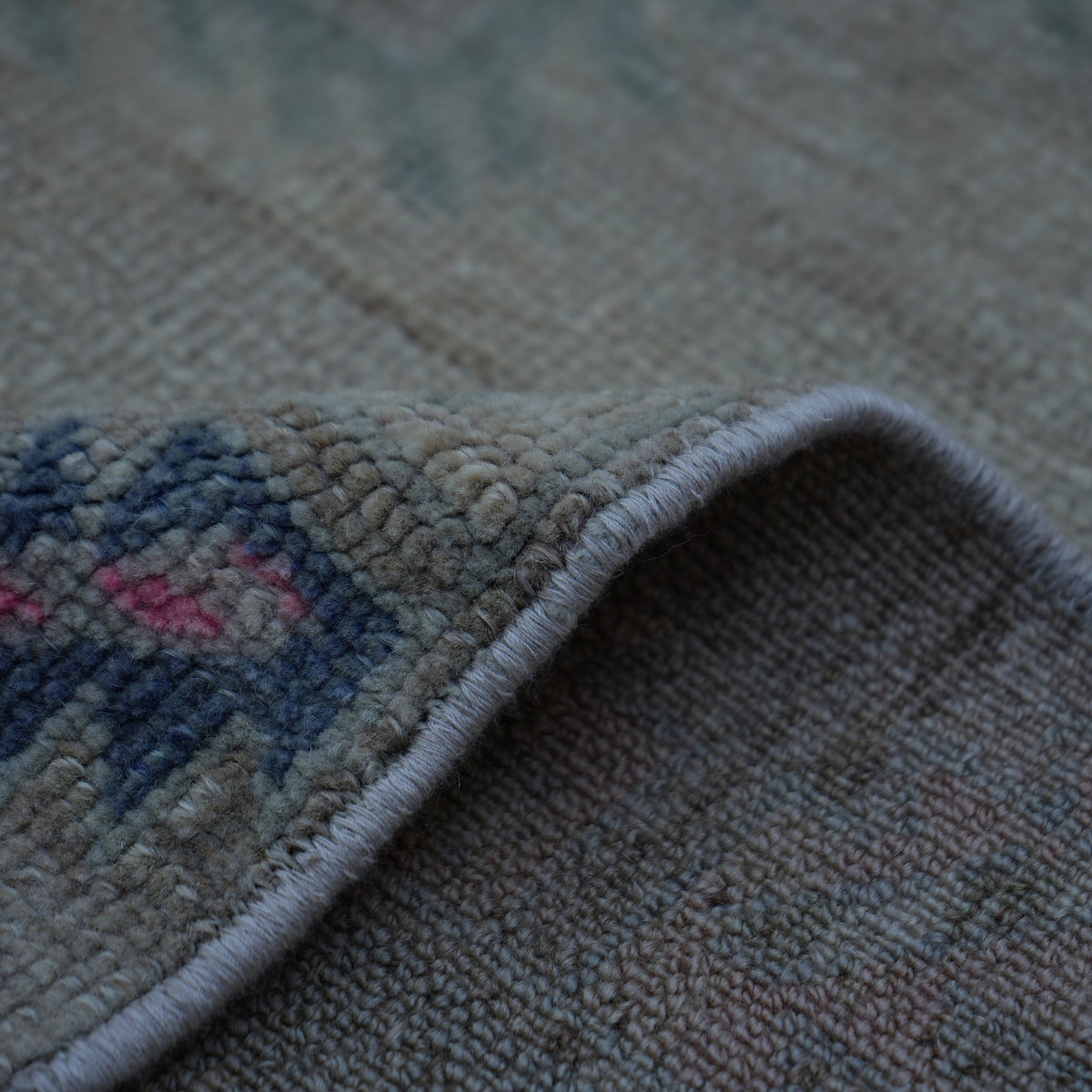
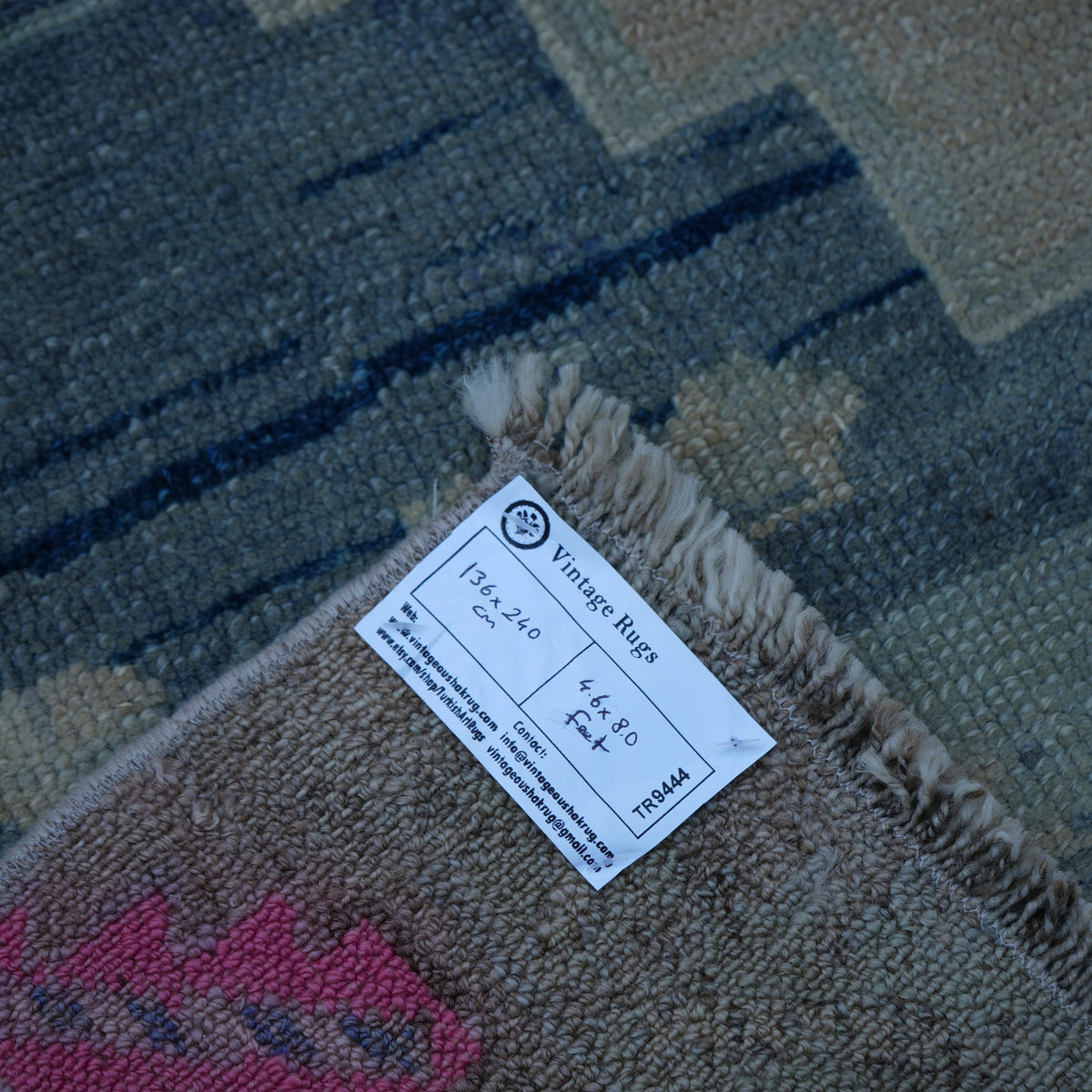
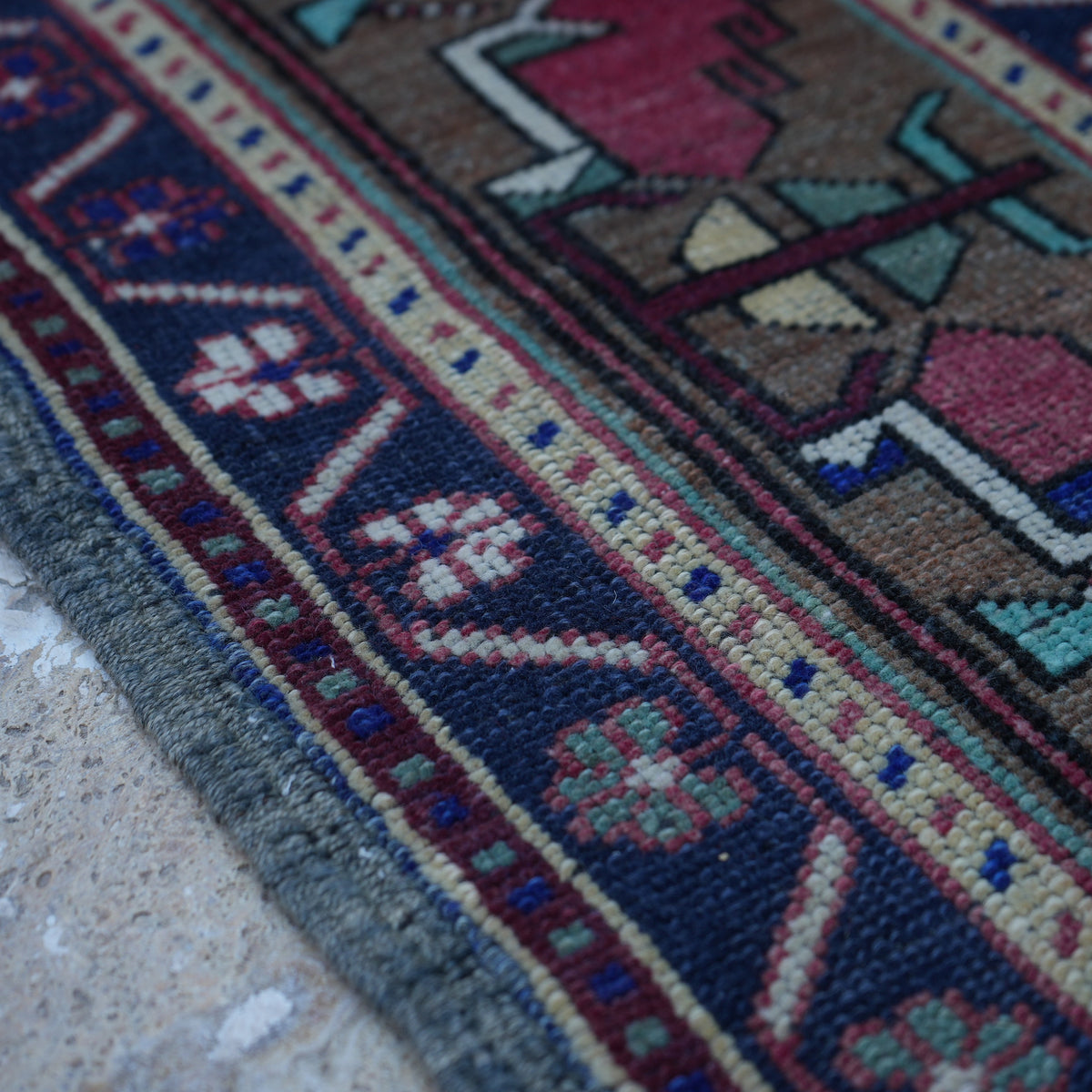
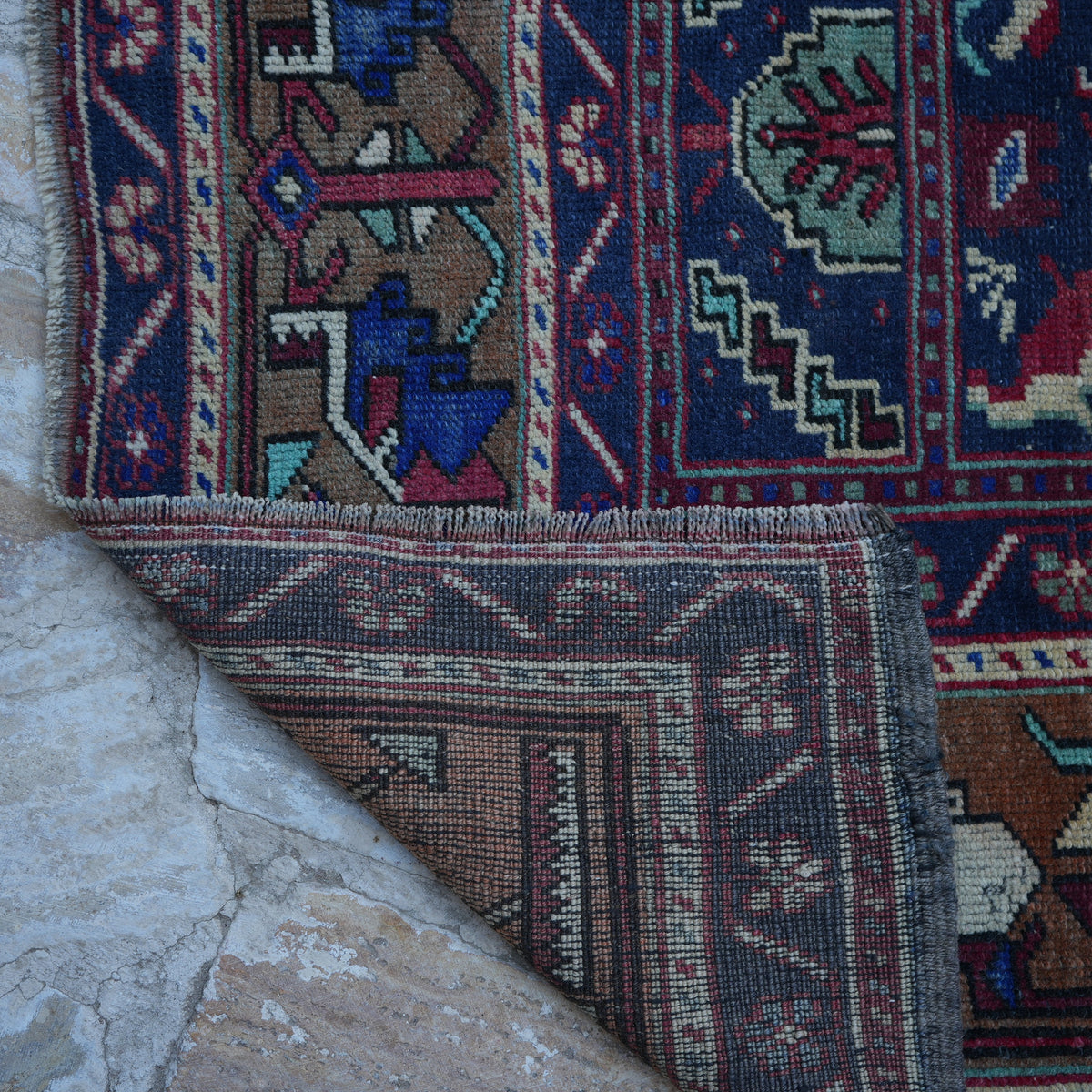
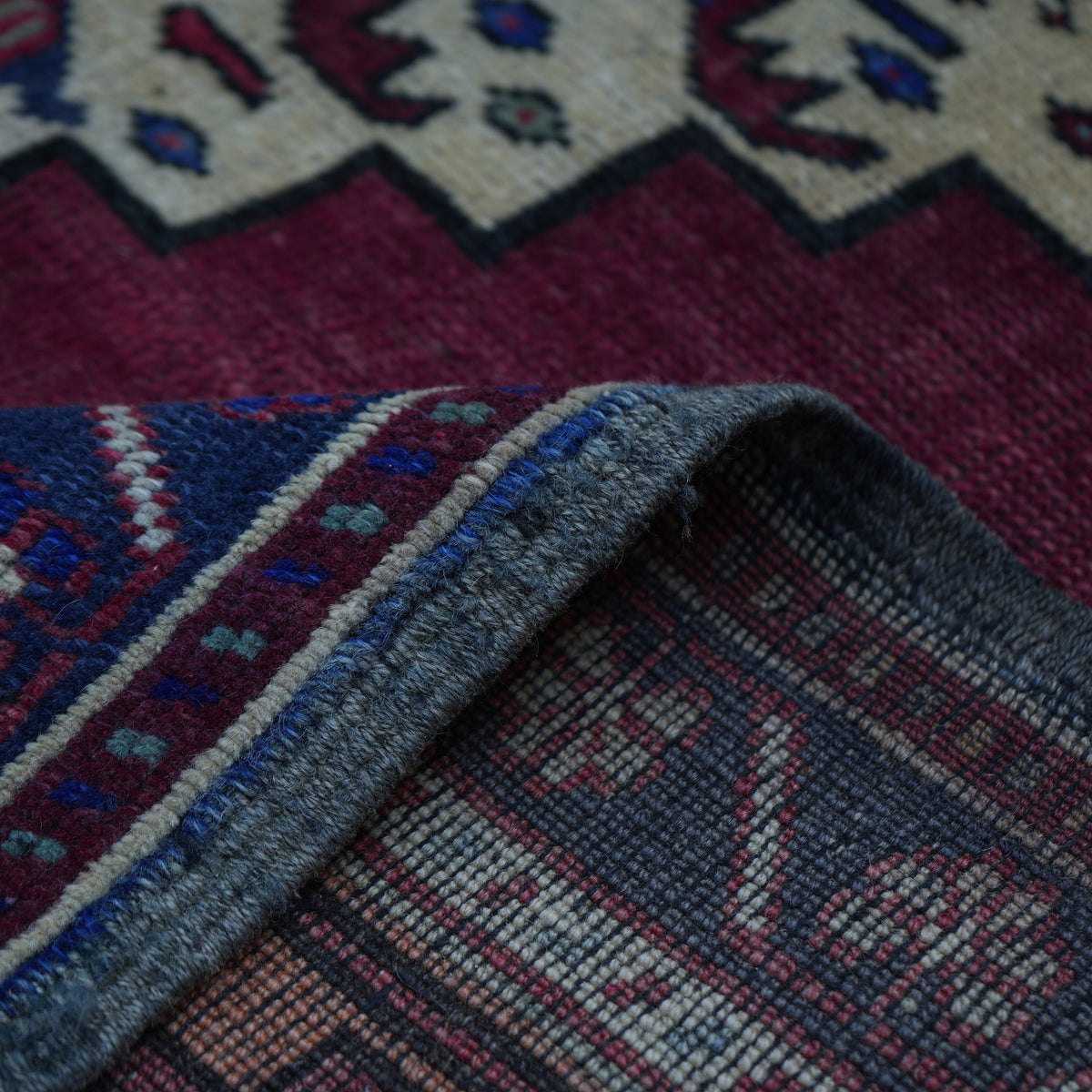
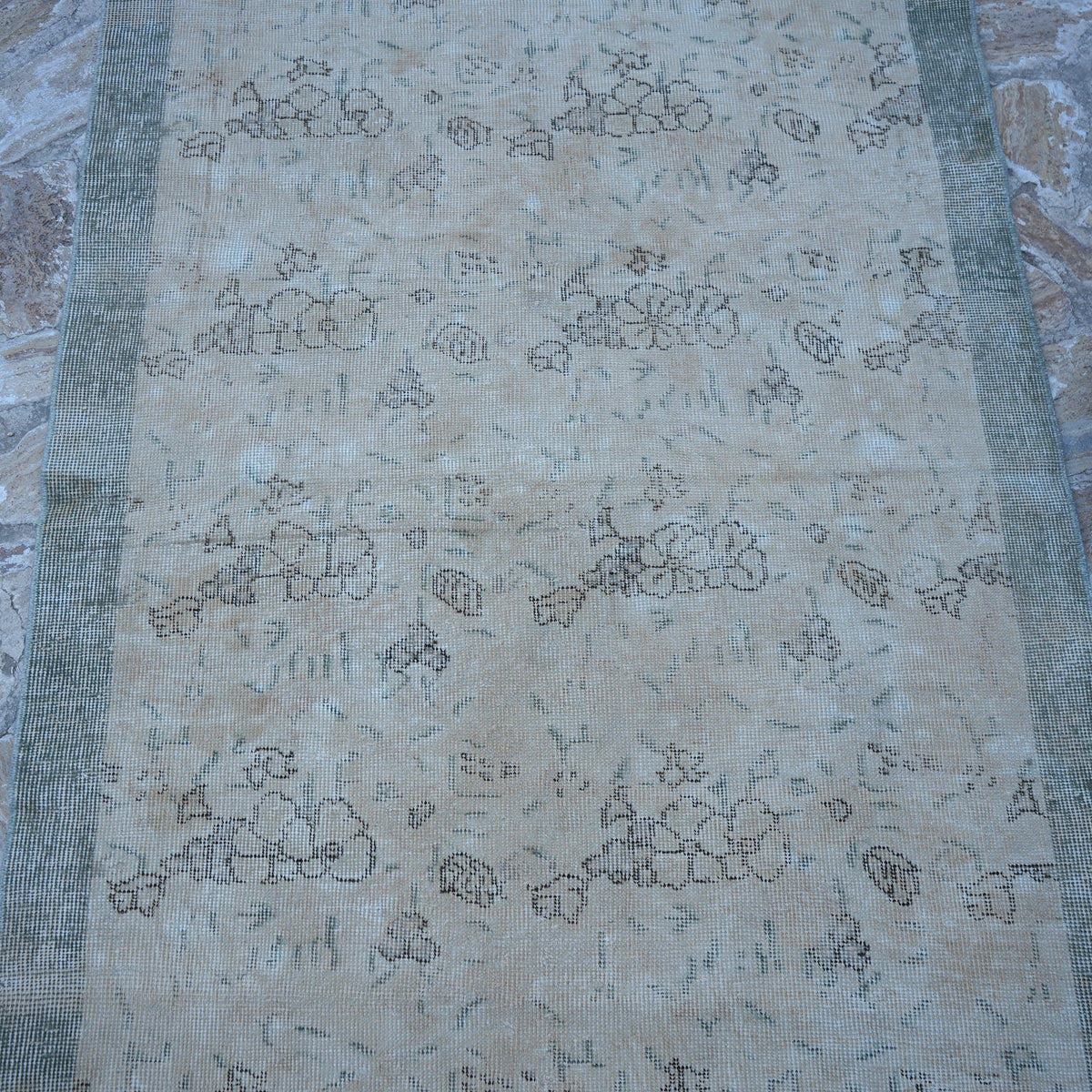
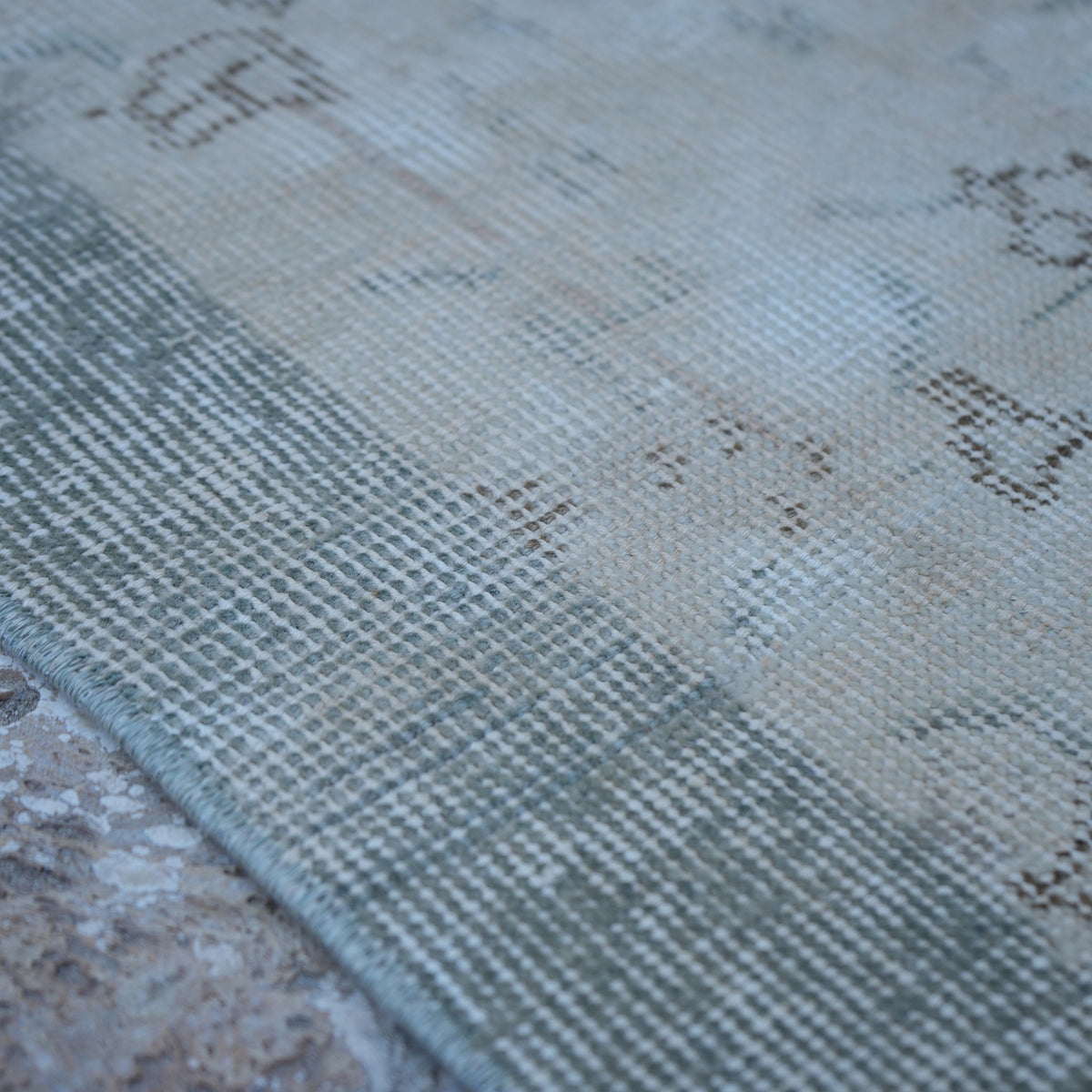
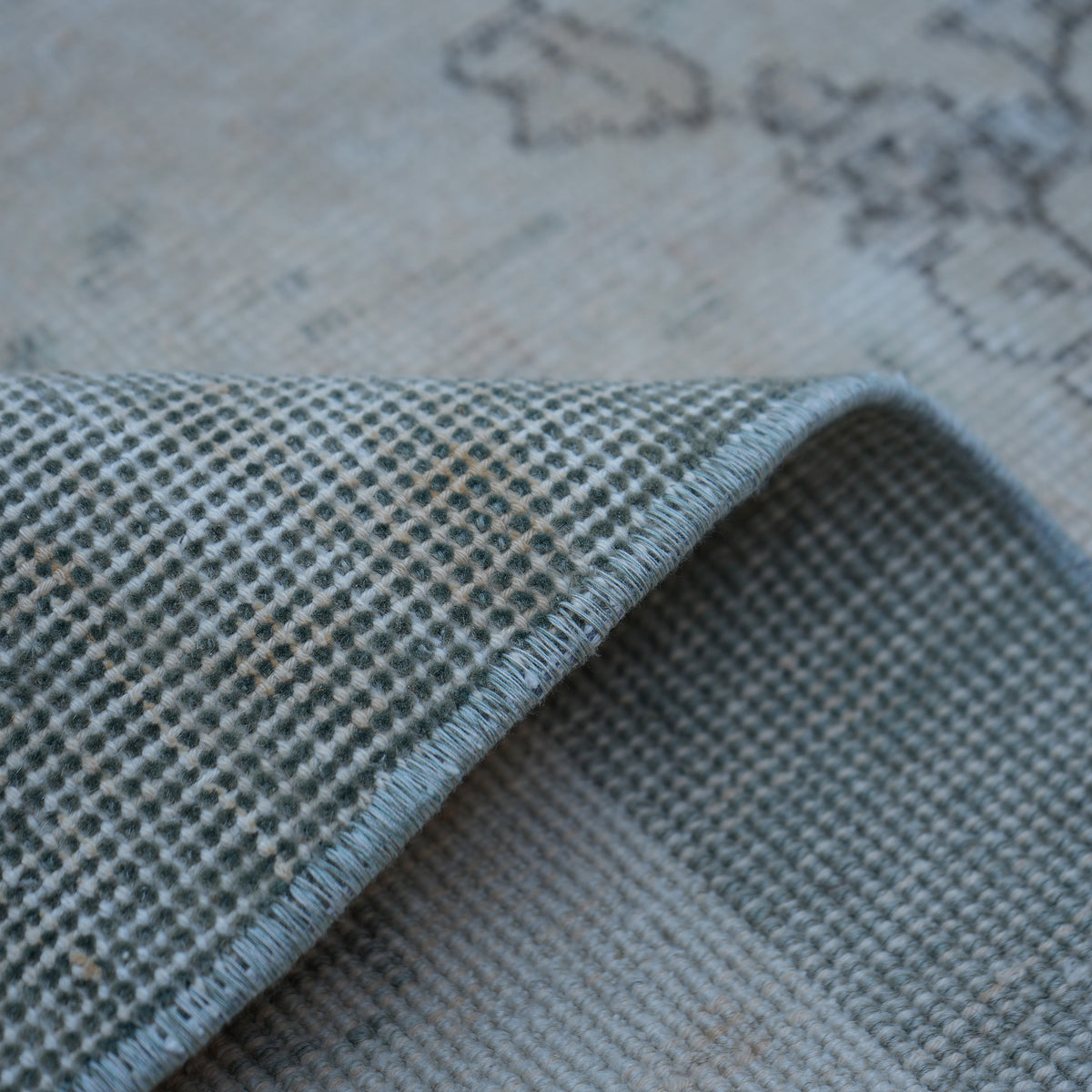
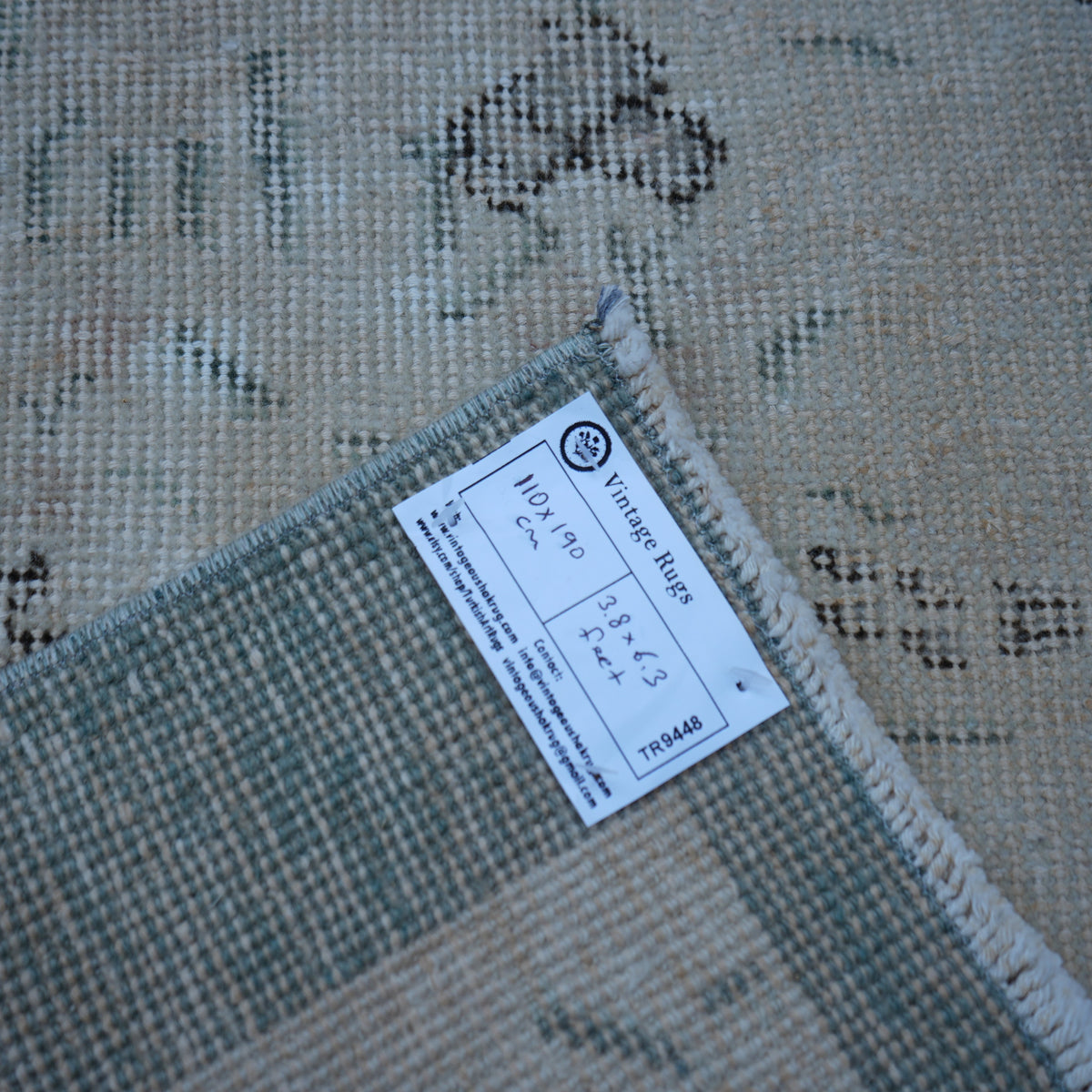
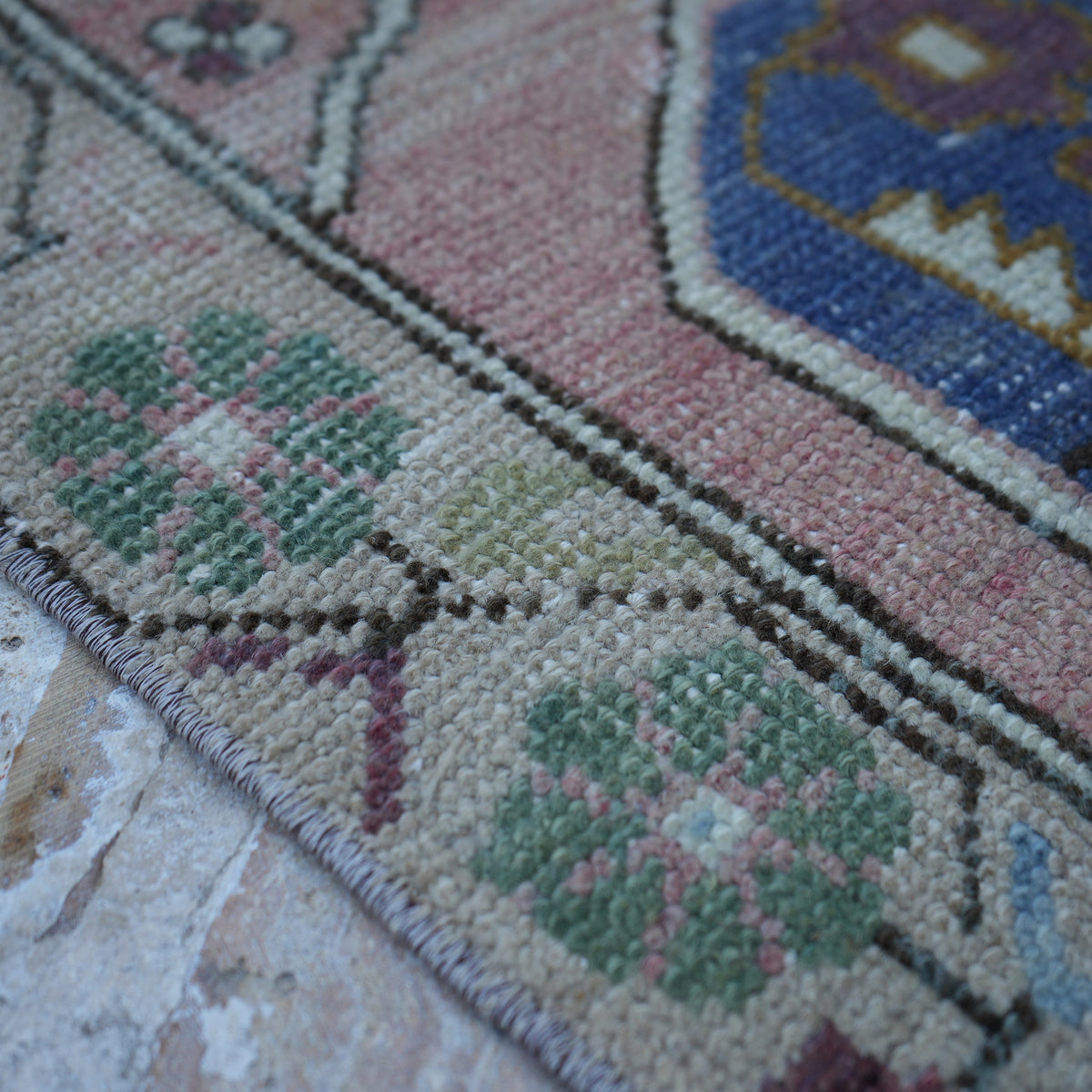
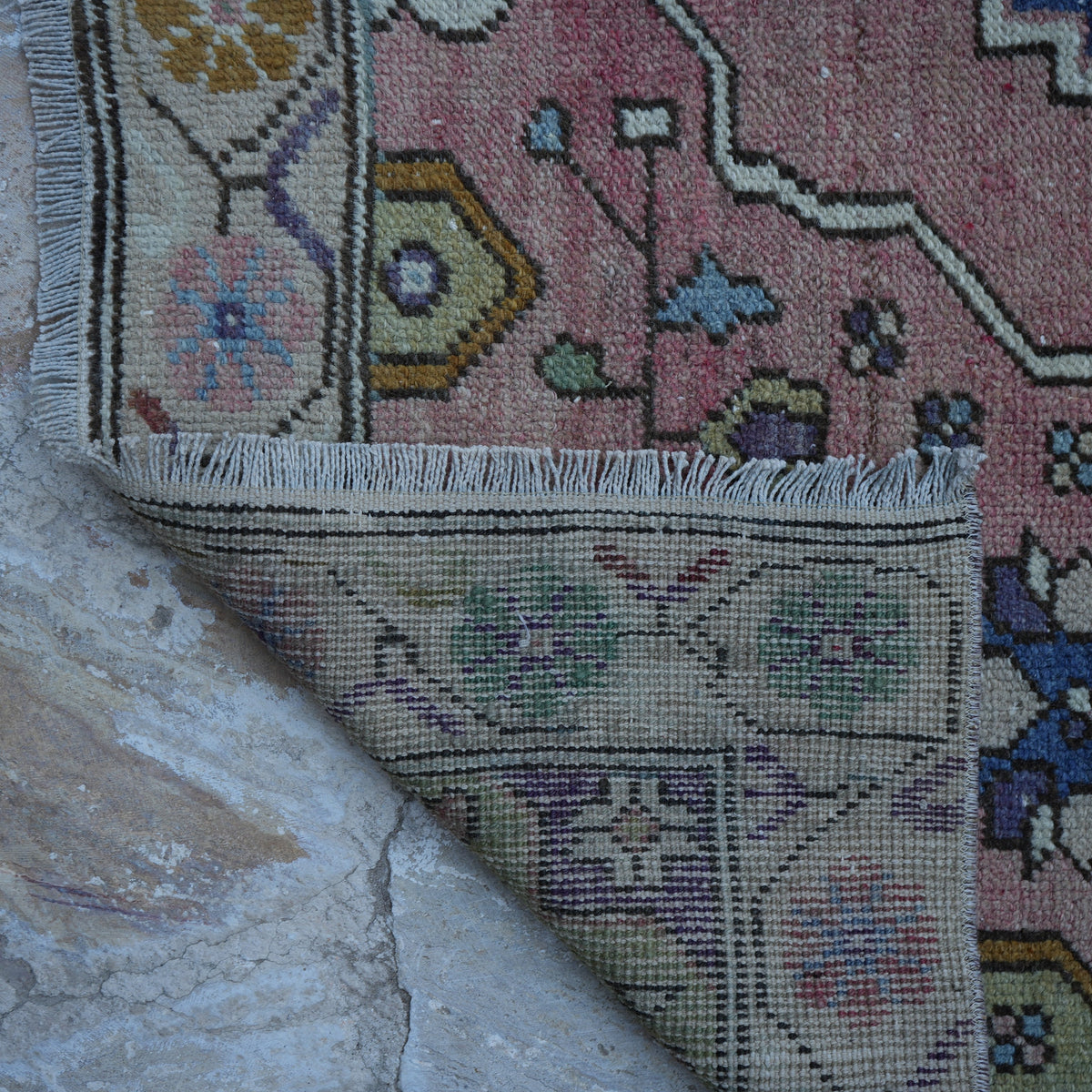
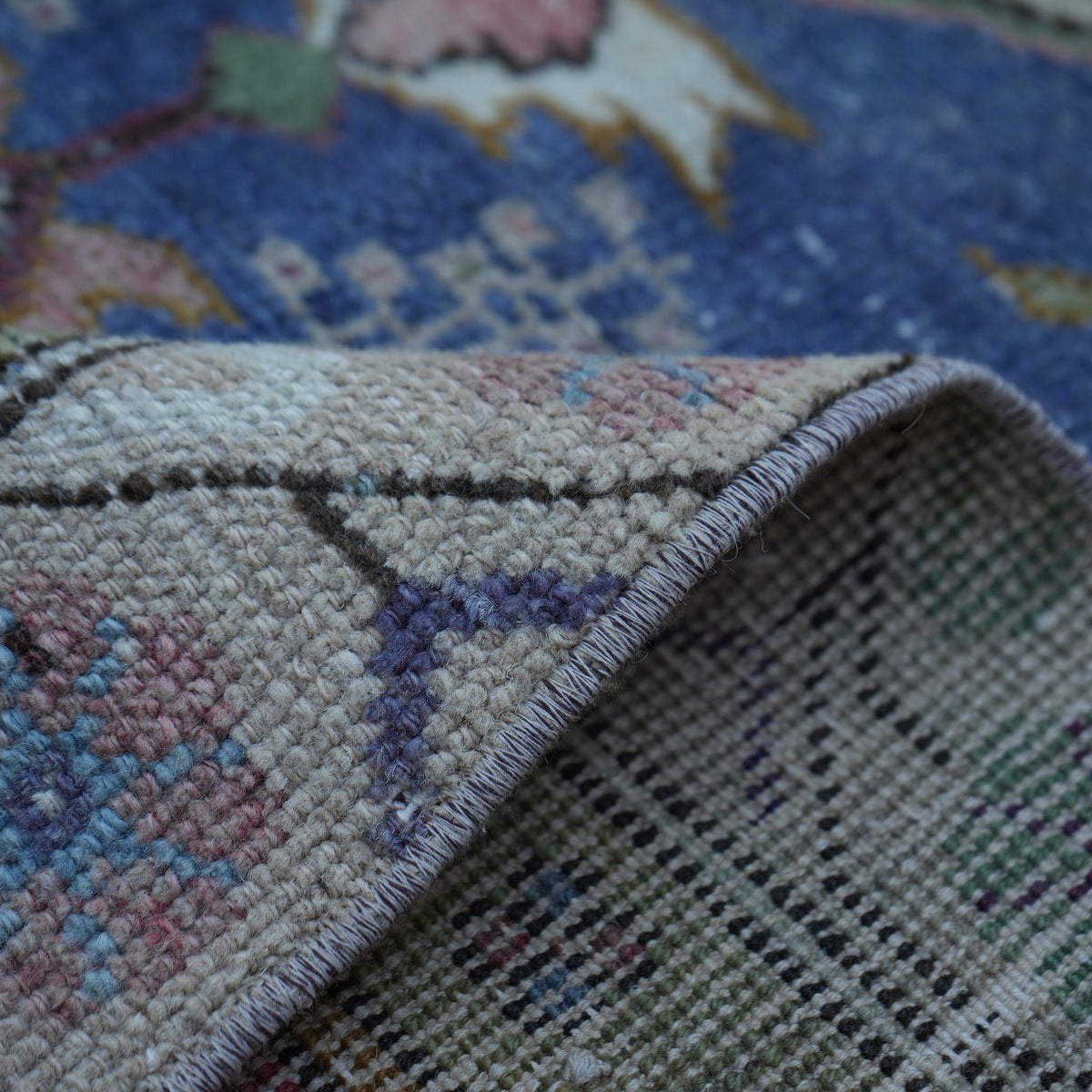
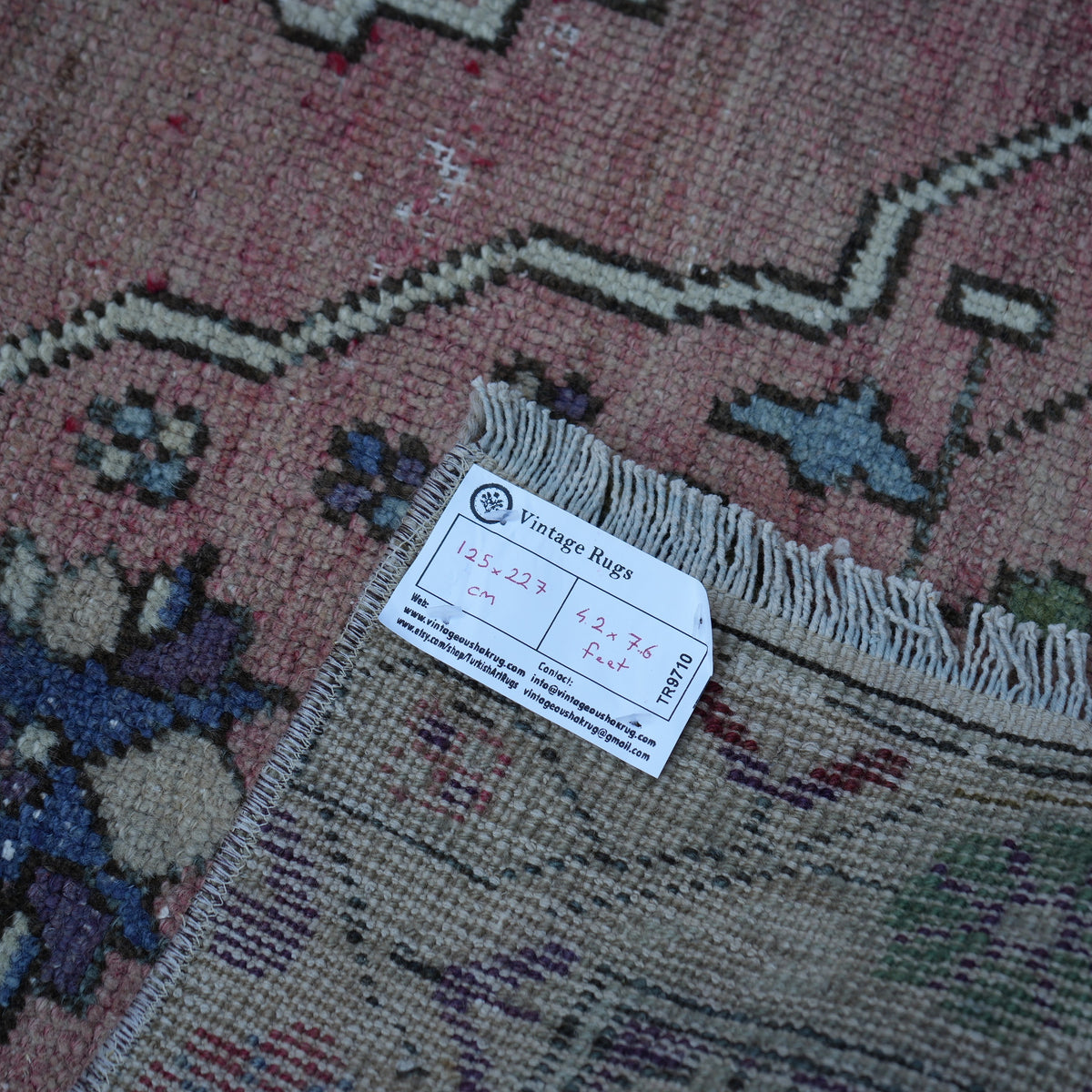
Flip the rug over. On a genuinely hand-knotted piece, the back should mirror the front's pattern, and the knots themselves should look slightly irregular — machine-uniform knots are a red flag, though irregular knots alone don't prove age, since new hand-knotted rugs can be irregular too. Real wear happens unevenly, concentrated where feet and furniture actually pressed down, not spread in a suspiciously even fade across the whole field. Provenance helps too — any paperwork, prior ownership history, or documentation that came with the piece can support, or contradict, an age claim, and it's worth asking a seller for whatever they have.
I turned down a supplier once over exactly this. A piece came in labeled as roughly 90 years old, but the knots, the dye's brightness, and the wear pattern didn't line up consistently with each other — enough inconsistency that I didn't trust the age claim. I said no on the spot. That's the standard we hold every piece to before it goes up for sale, because a rug's age has to be true, not just claimed.

Why Fragile or Museum-Quality Antique Rugs May Be Better as Display Pieces
Not every antique rug needs to live on a wall. But a genuinely fragile or museum-quality piece — thin foundation, delicate old wool, real age well past the century mark — usually isn't the right choice for a busy hallway or a room your family walks through fifty times a day. Museums make similar calls: the Victoria and Albert Museum, for instance, displays its late-19th-century Bullerswood carpet vertically rather than underfoot, specifically because of its fragility.
I tell customers this when a piece genuinely calls for it: think of it less like a walking surface and more like a piece of art you happen to be able to stand on. We always flag this before a sale, not after — one customer chose to place a fragile piece in her main hallway anyway, against our recommendation, and noticed the pile thinning further within a few months. It wasn't a flaw in the rug. It was simply the wrong job for a piece that delicate. A sturdier antique or vintage rug can absolutely anchor a busy room; a fragile, century-plus piece usually asks for a gentler one.

Do Antique Rugs Increase in Value Over Time
Real, but not guaranteed — and I want to be honest about that distinction rather than sell it as a sure thing. Early on, I'd sometimes let a line like "it'll only go up in value" slip into a sales conversation, because it sounded reassuring. I don't say that anymore, because it isn't quite fair.
What's true is this: a well-preserved antique rug tends to hold or grow in value because the supply of that era's weaving keeps shrinking while demand from collectors doesn't. What's also true is that markets shift and trends move. Antique rugs should not be treated as guaranteed financial investments, and no seller can honestly promise a specific future return. At the very top end, a handful of museum-grade Persian and Anatolian pieces have sold at auction for eight-figure sums — proof of the ceiling, not a prediction for your living room.
Shop Authentic Antique and Vintage Rugs at Kirmen
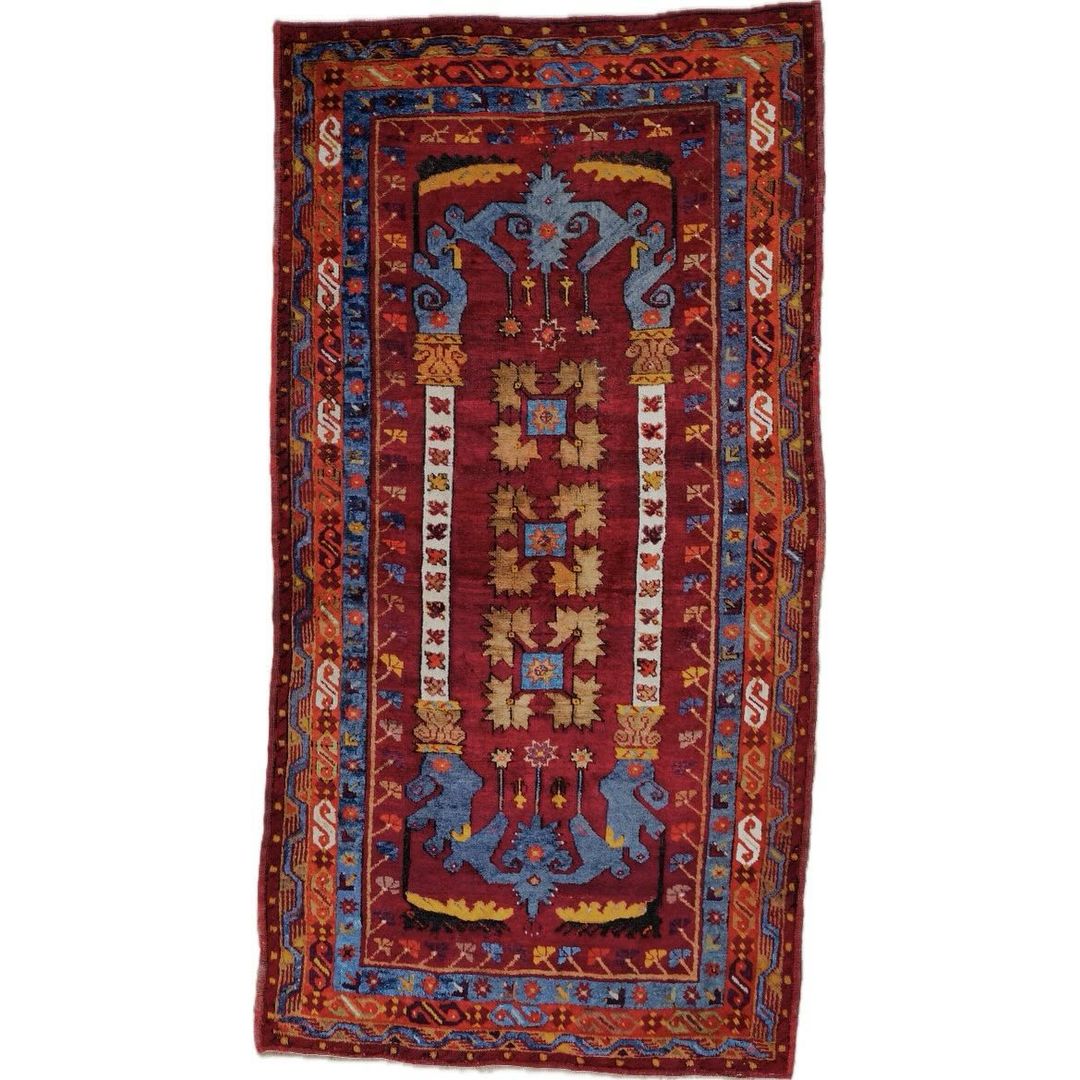
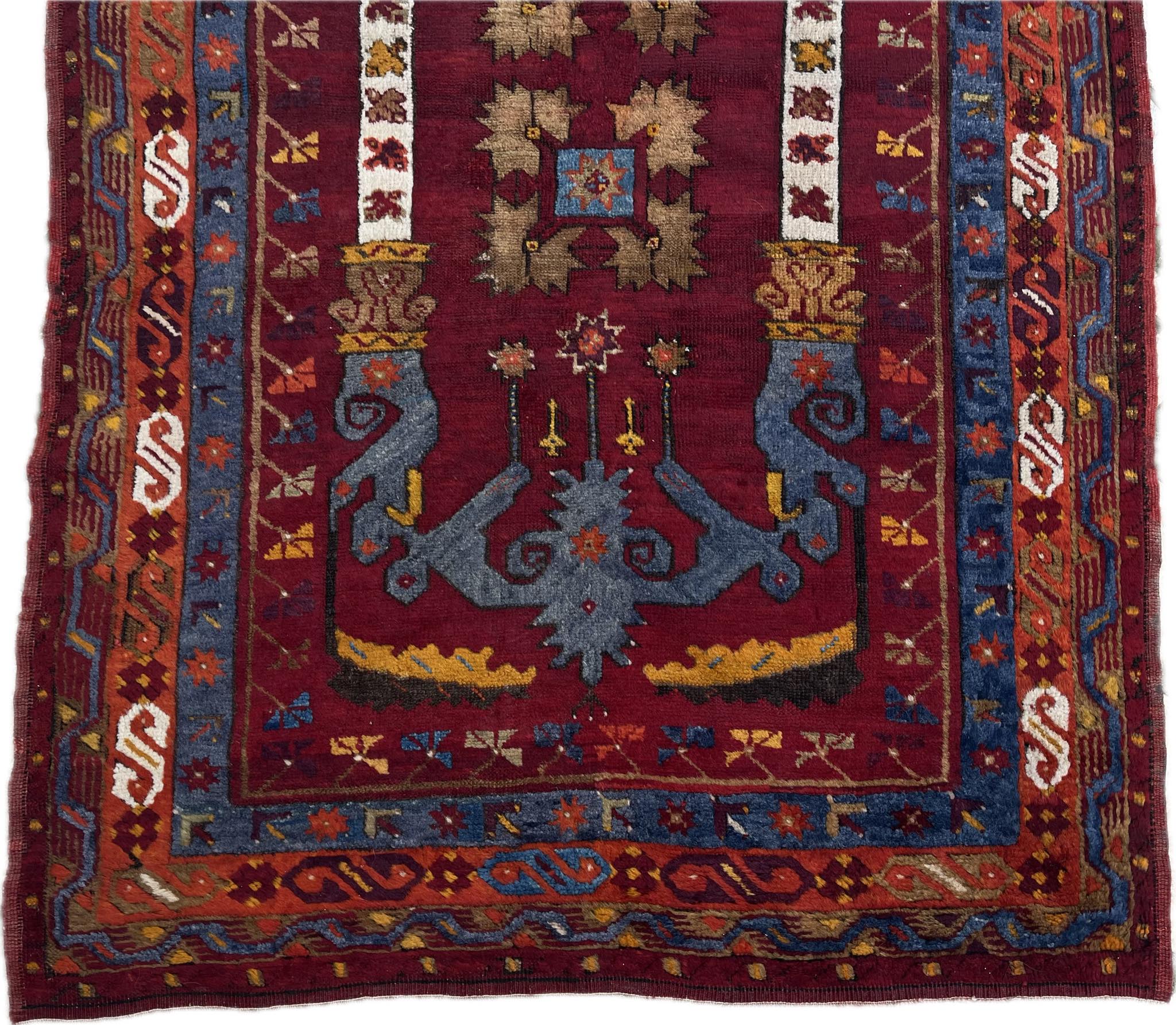
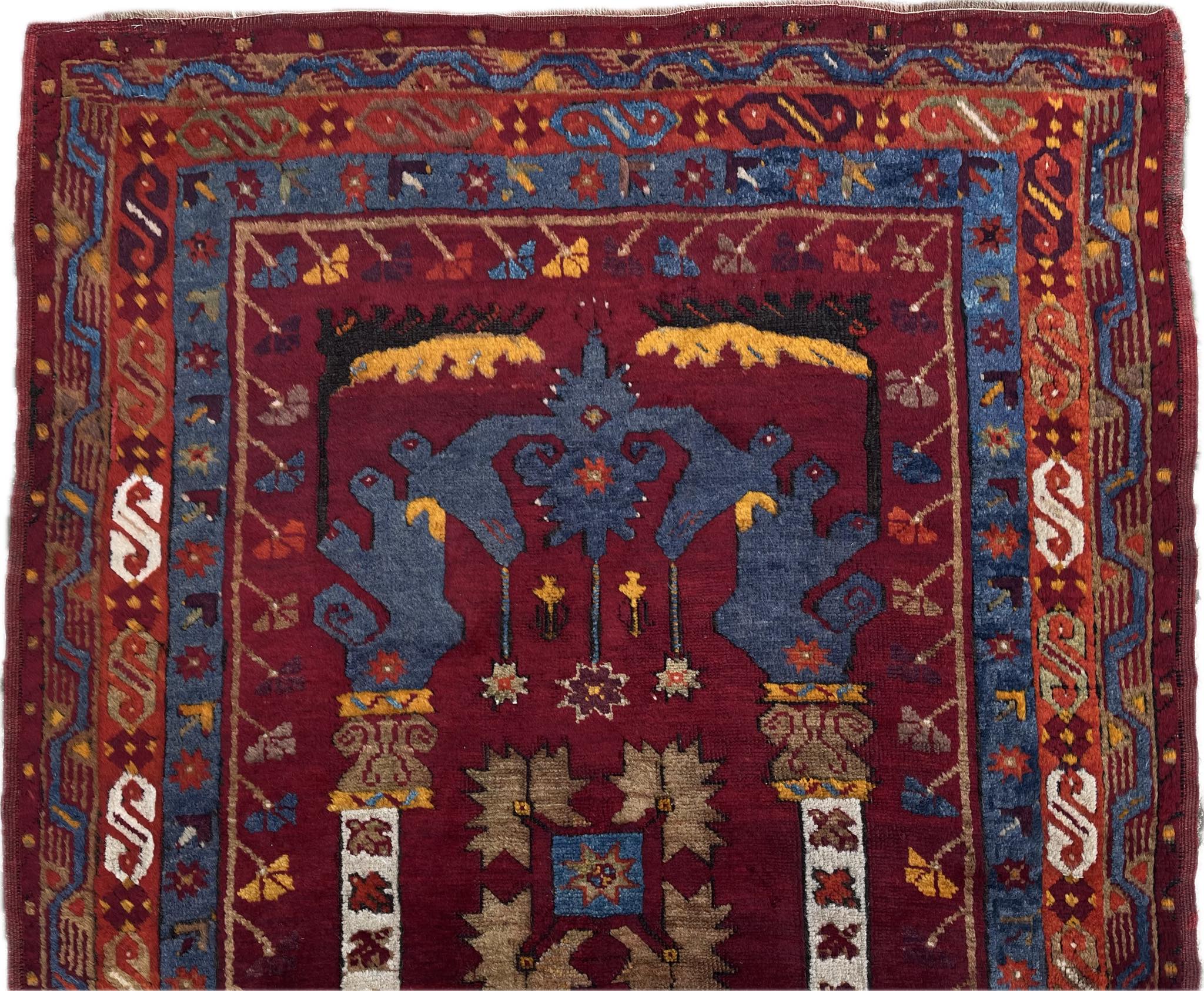
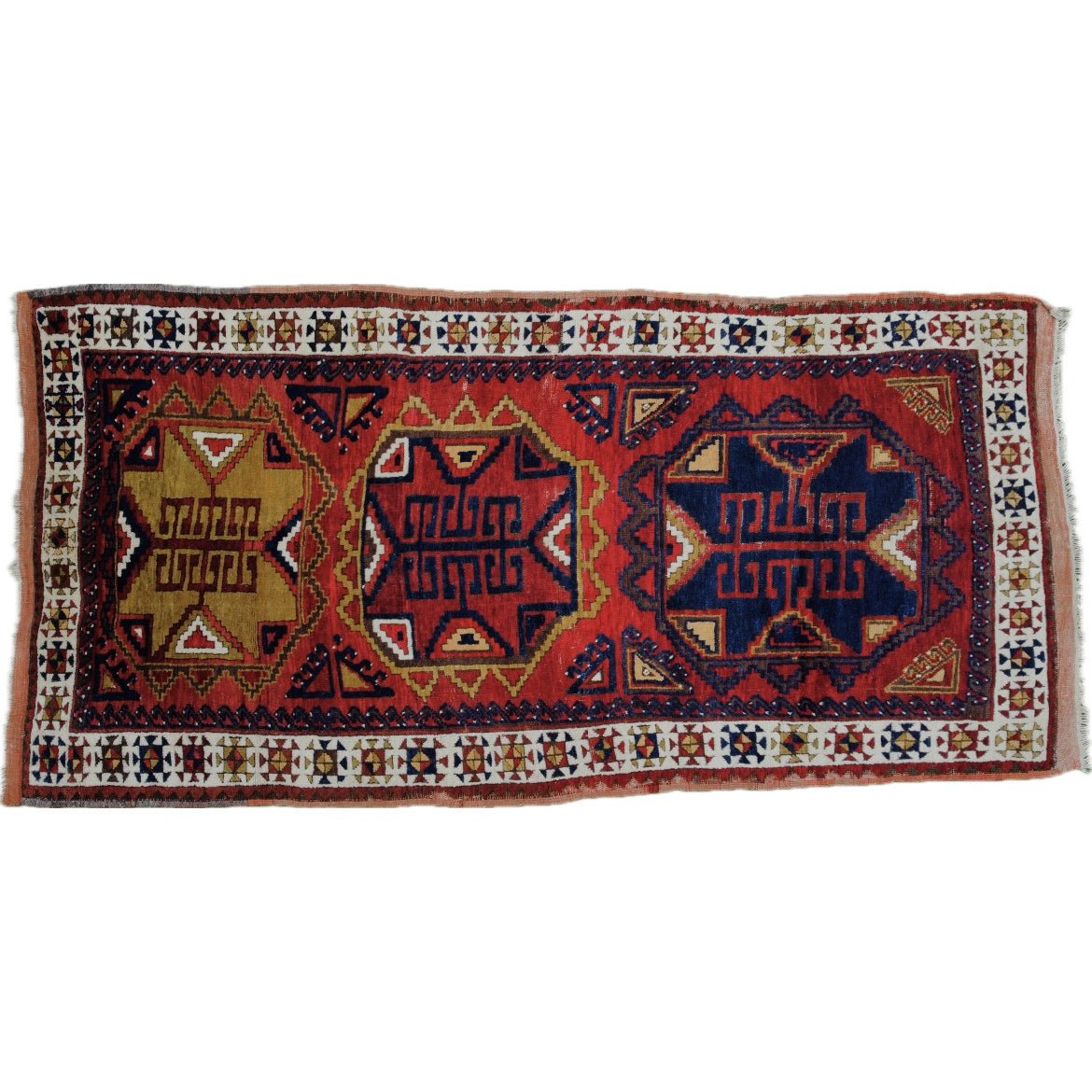
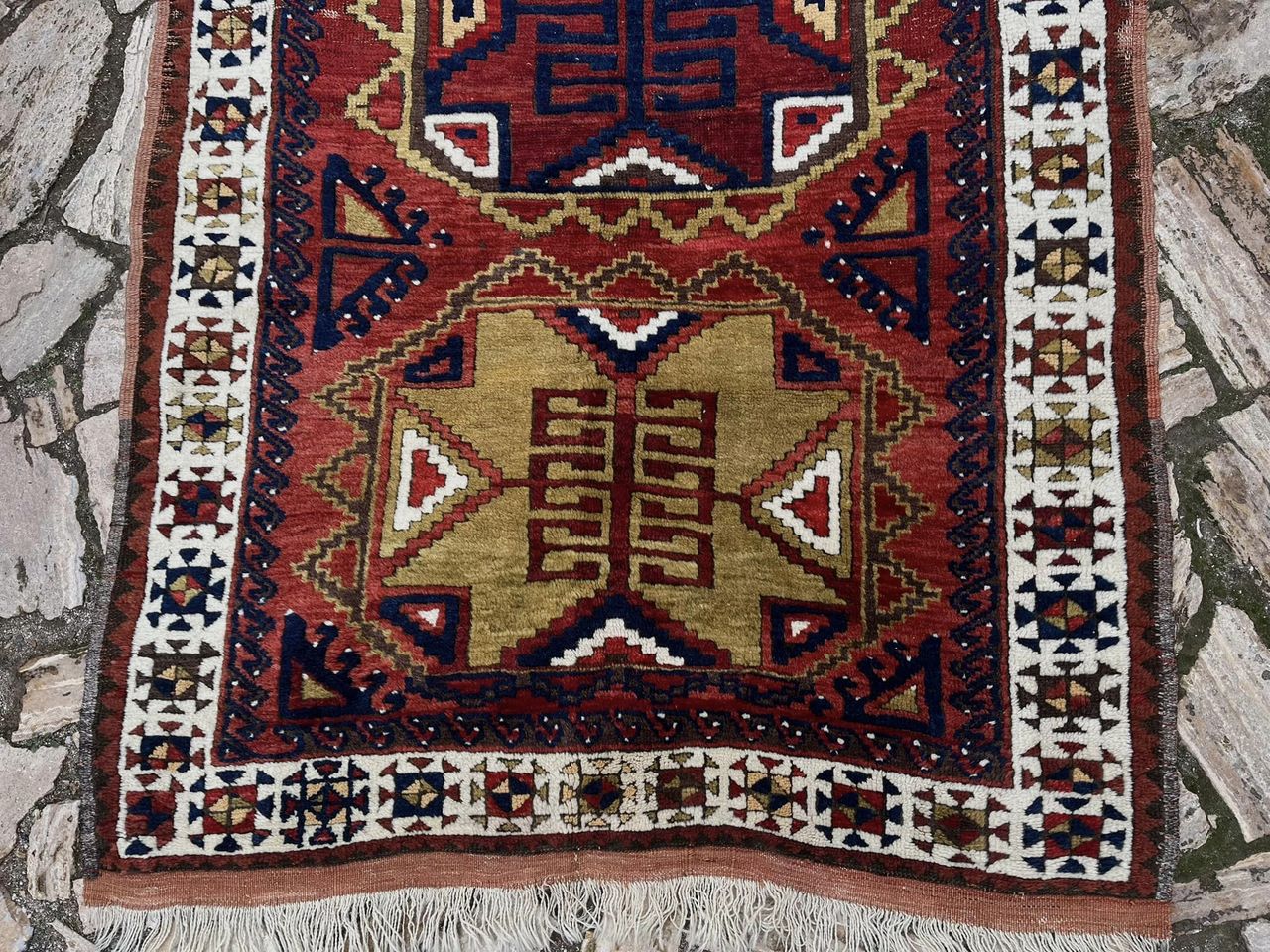
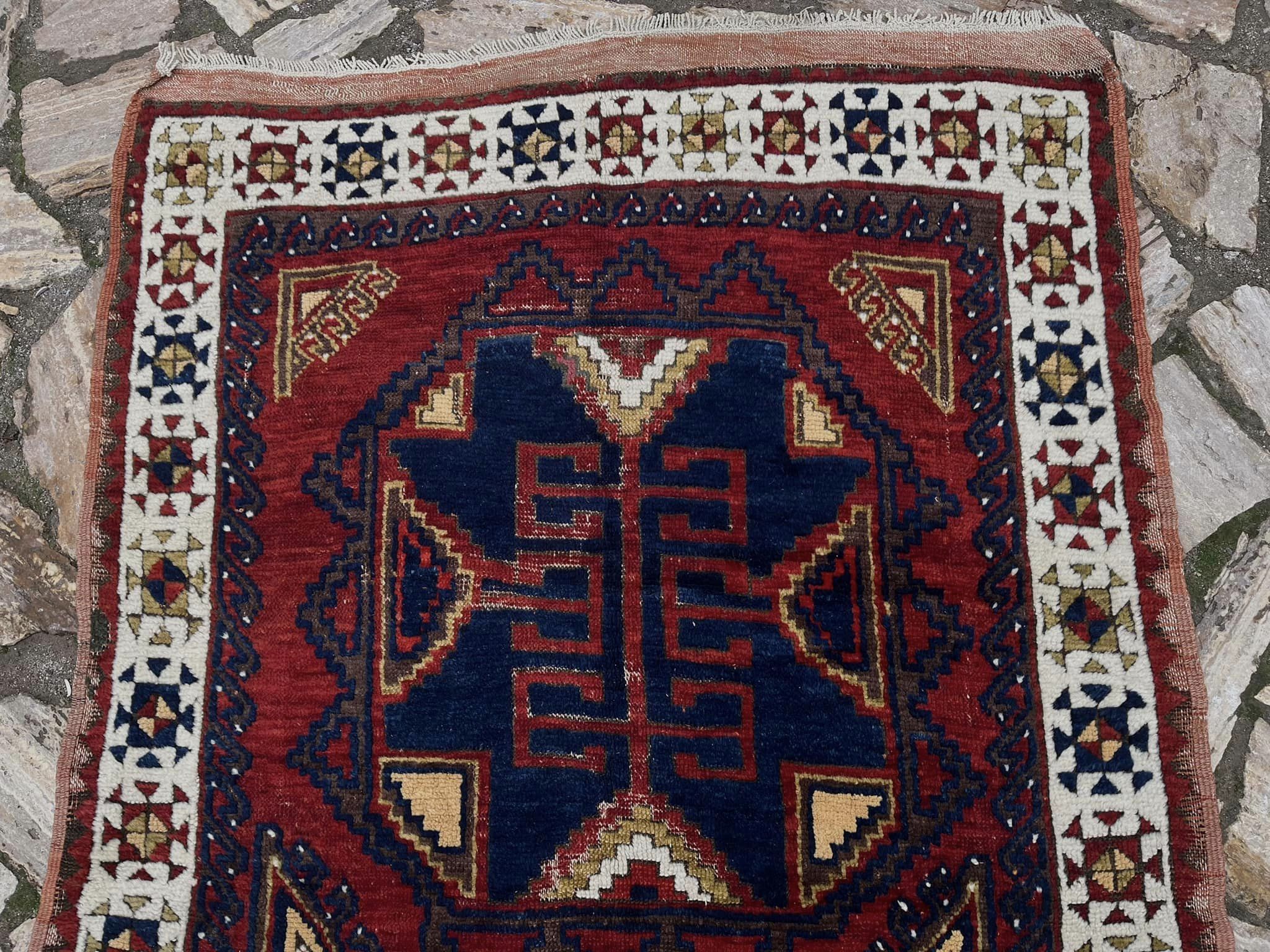
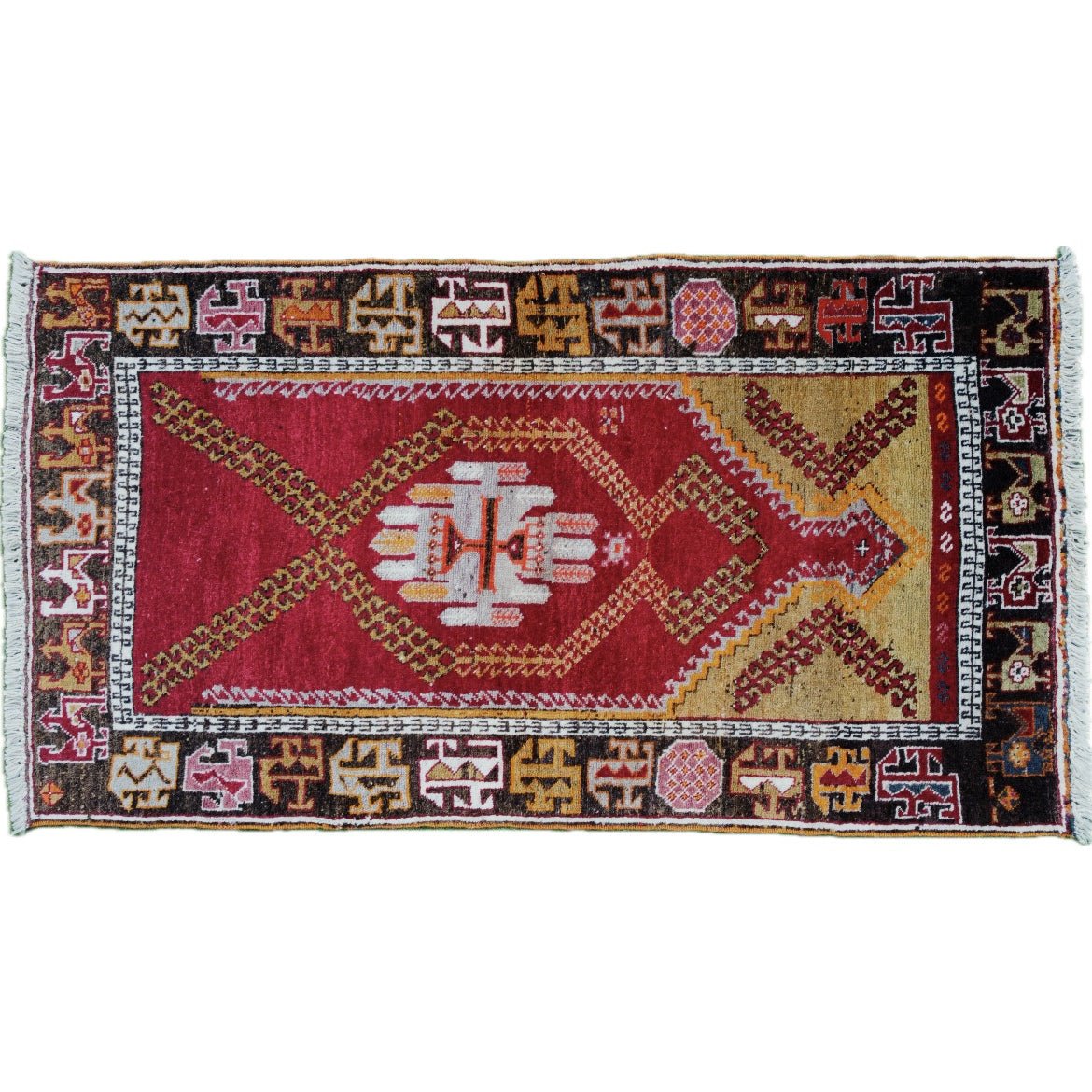
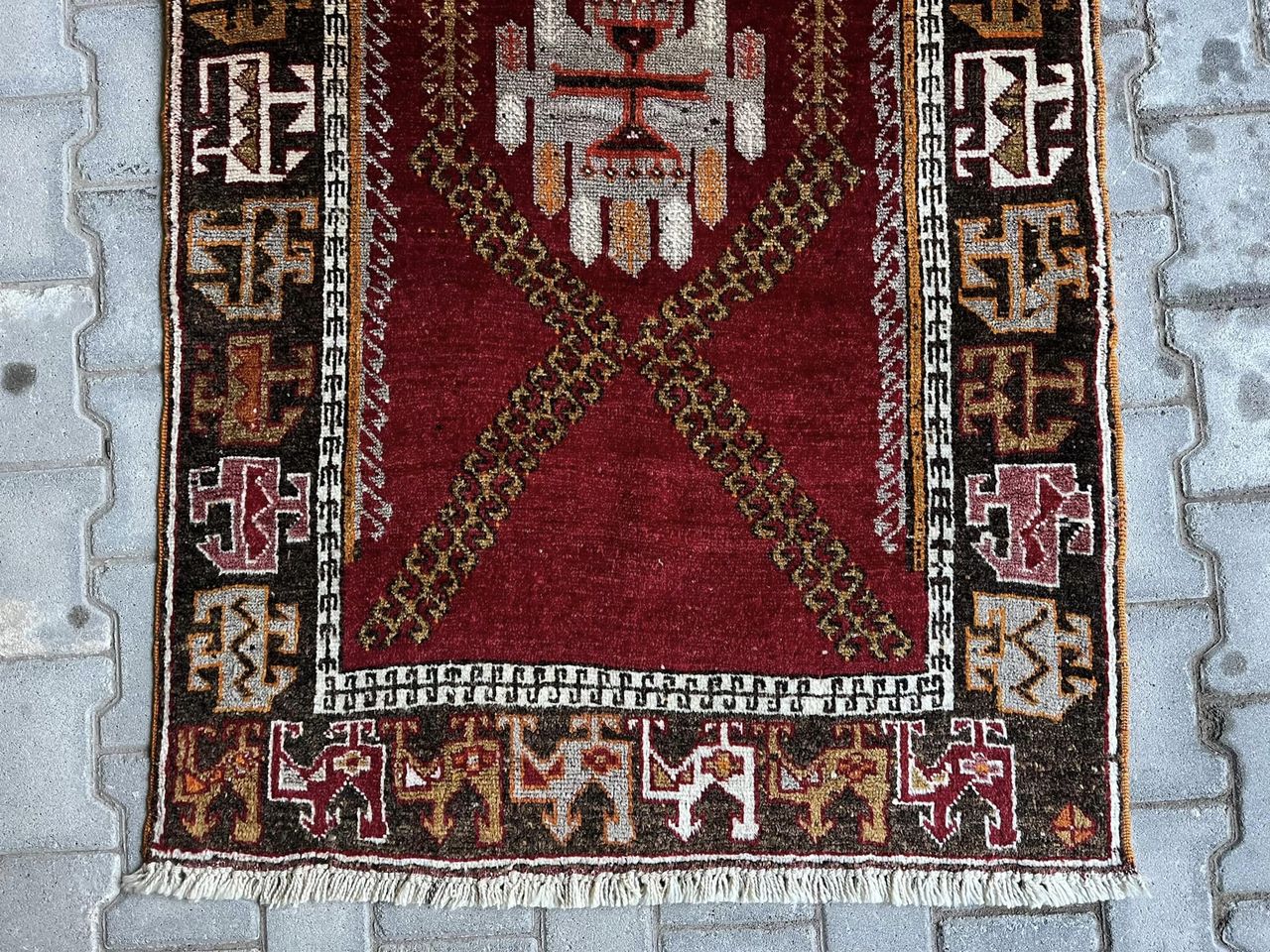
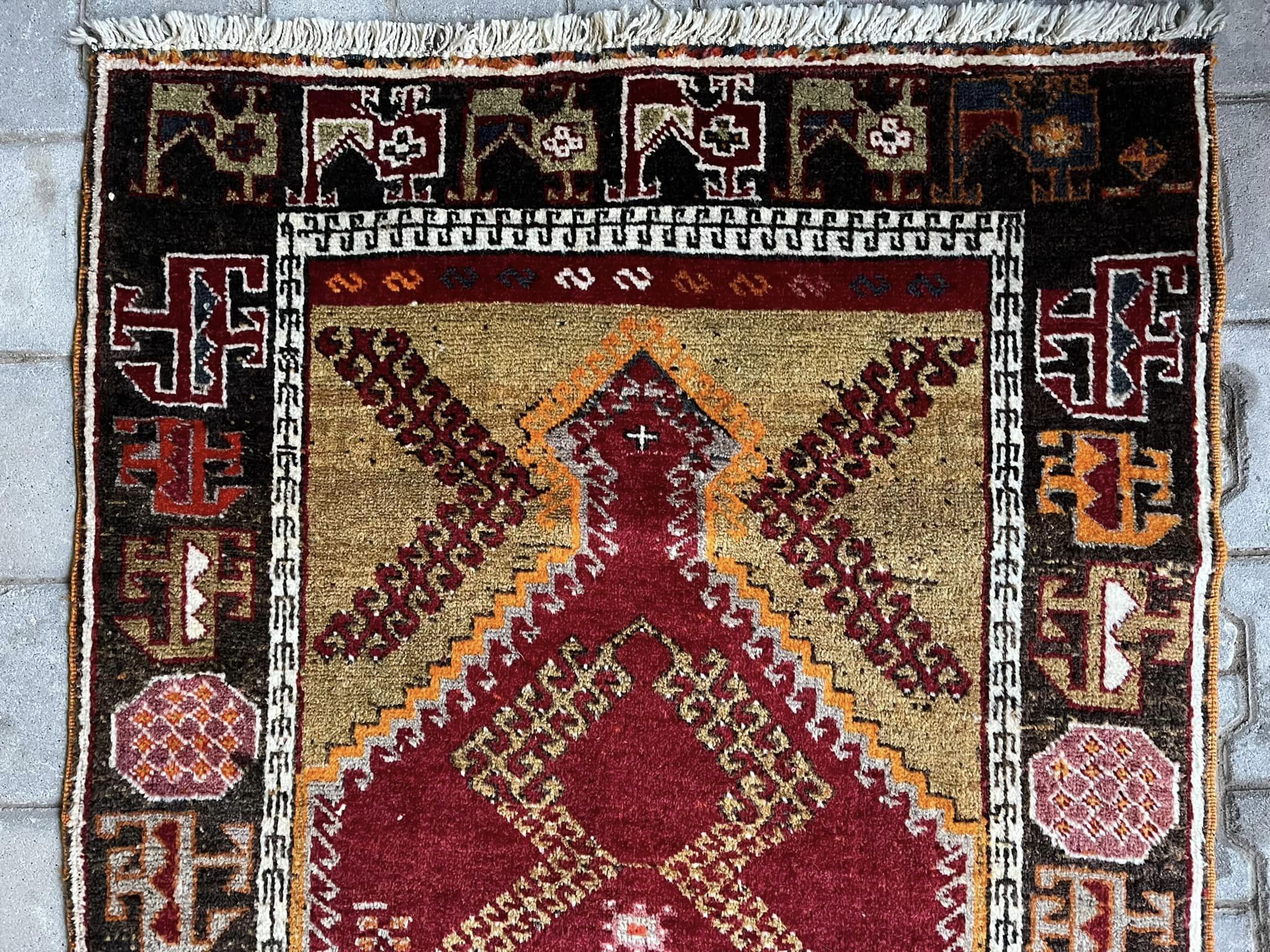
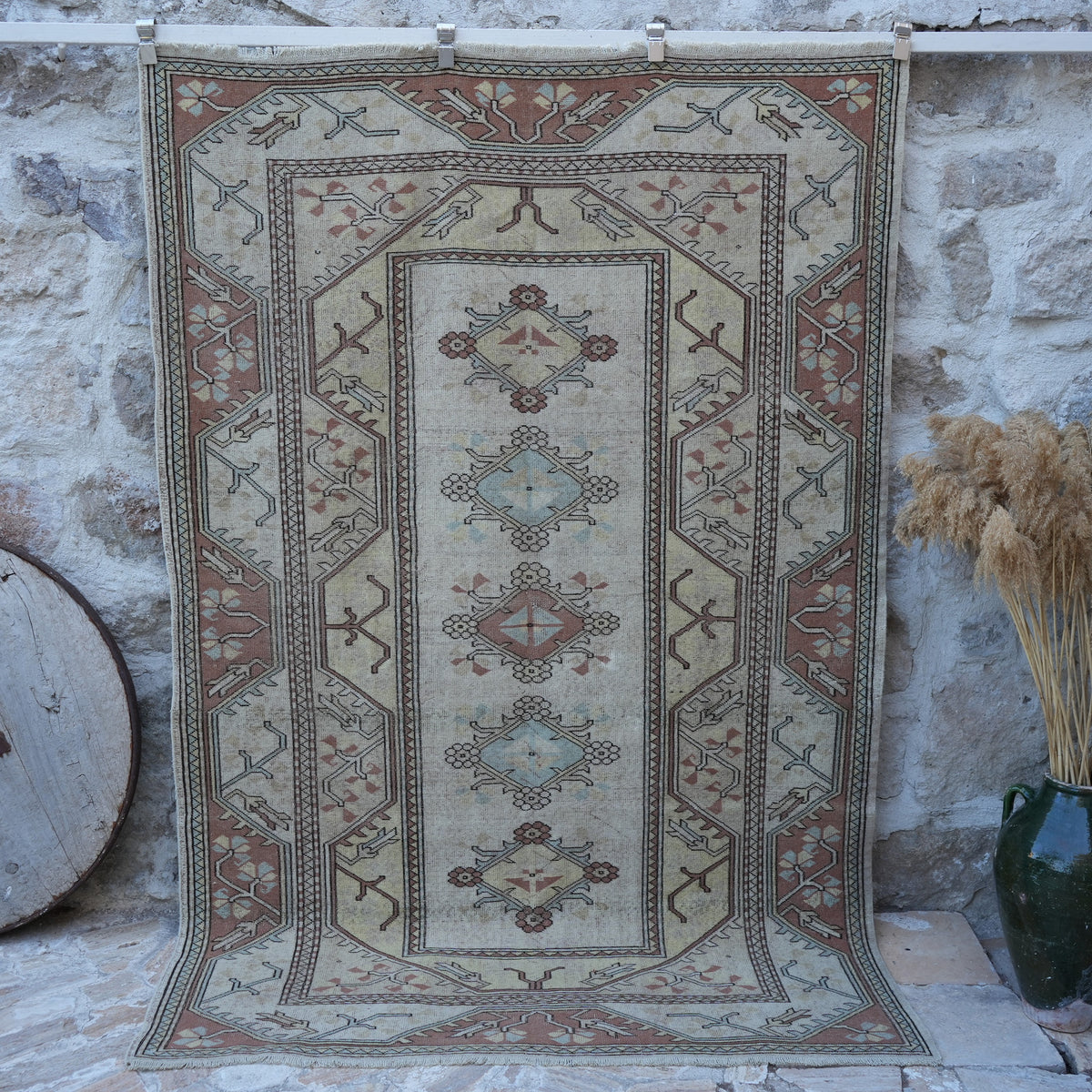
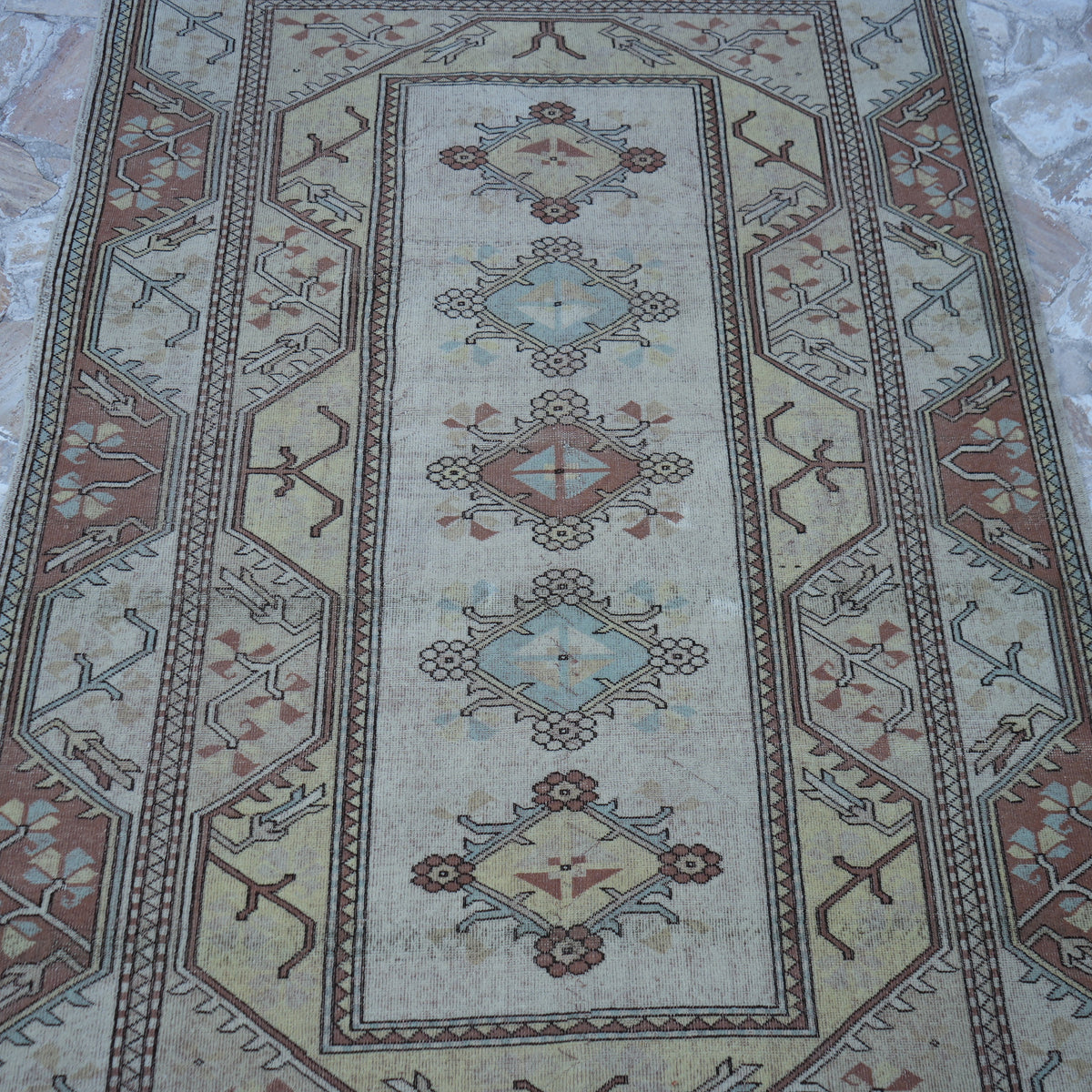
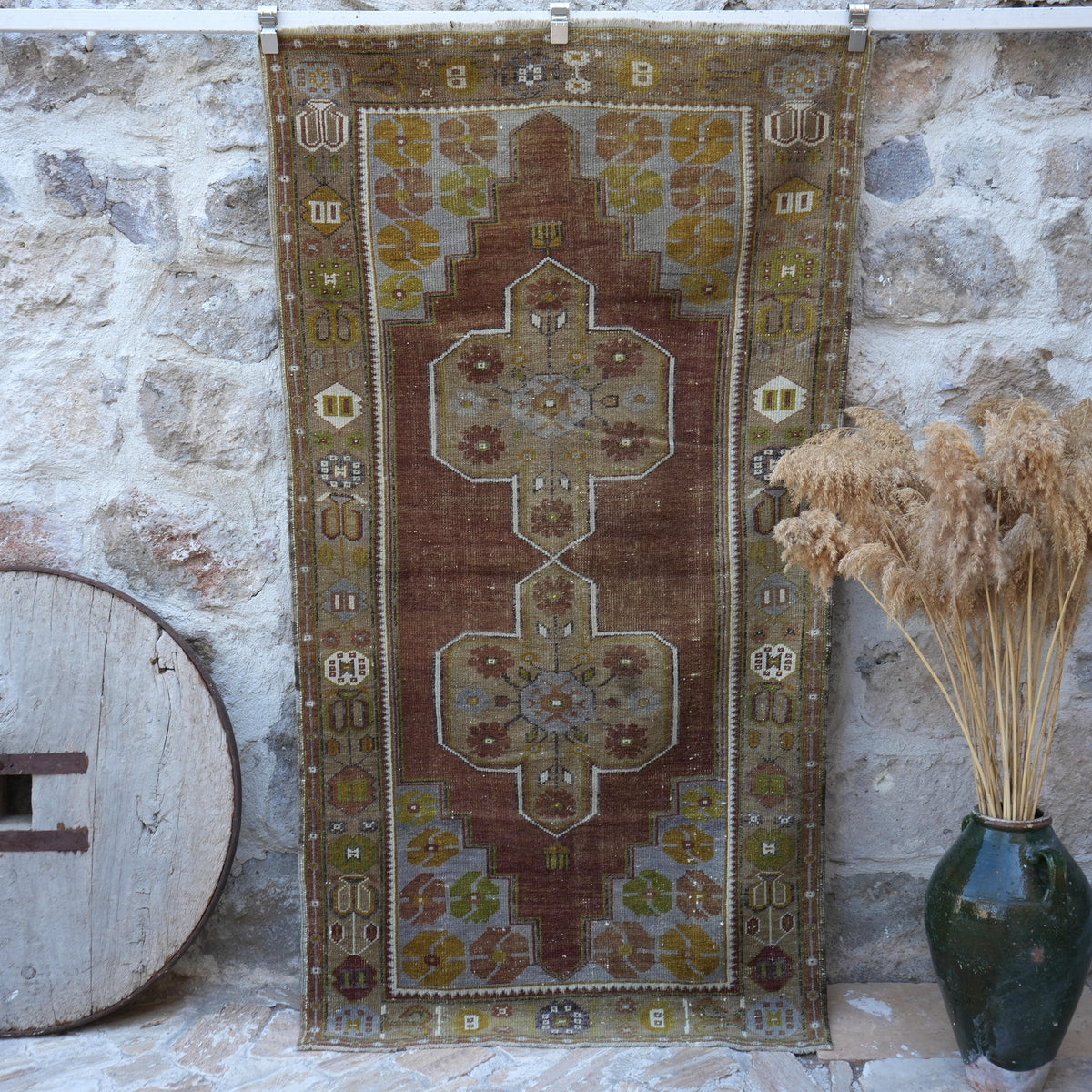
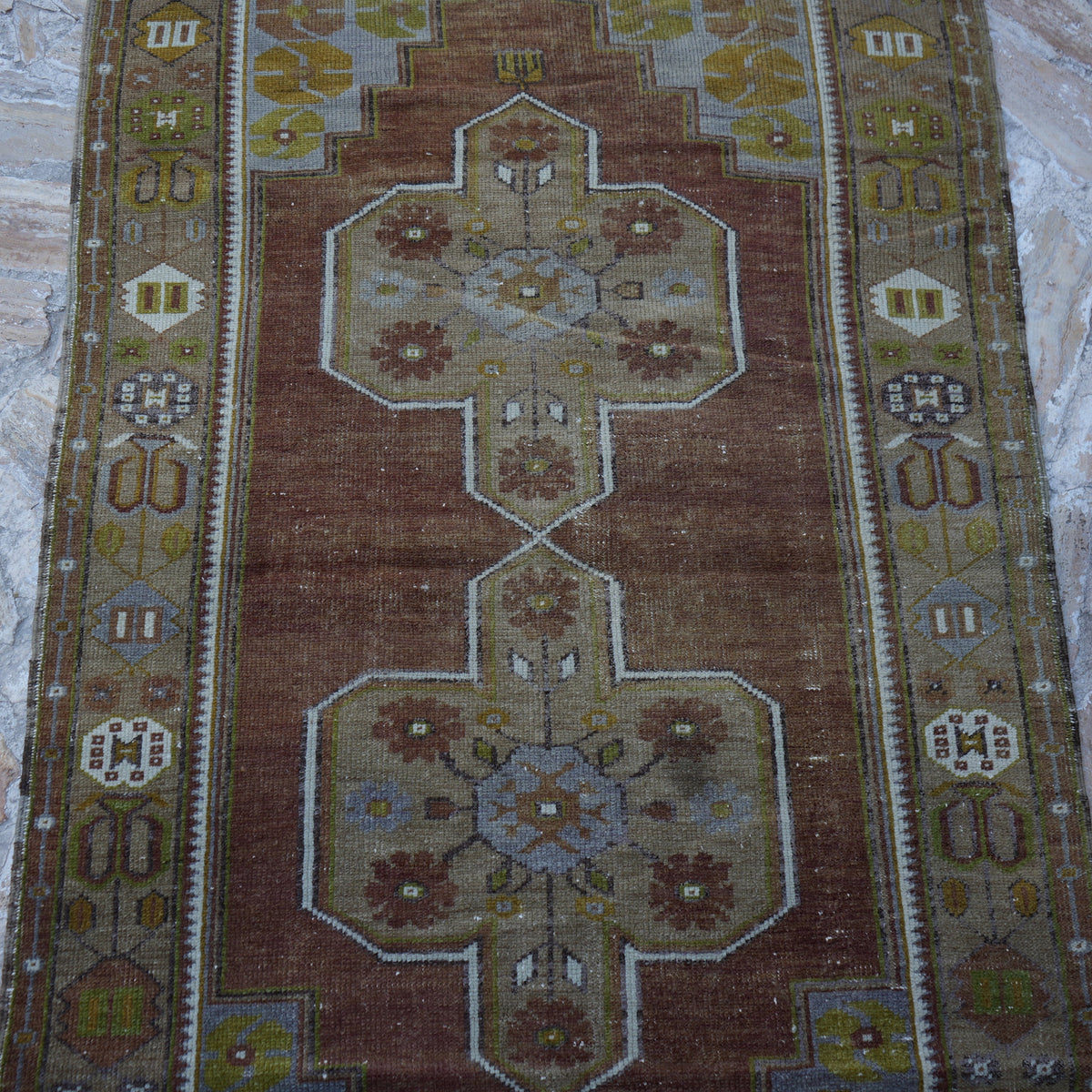
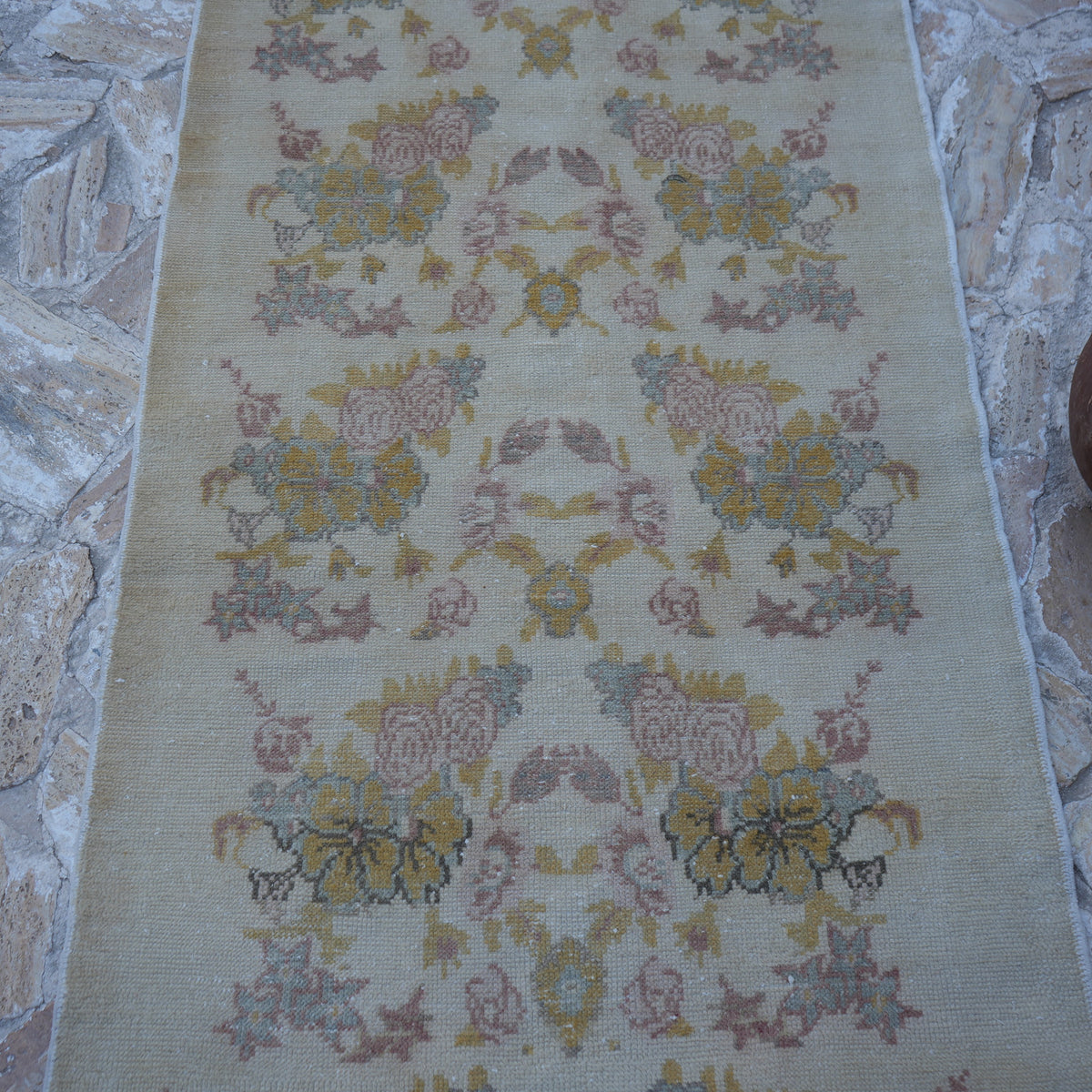
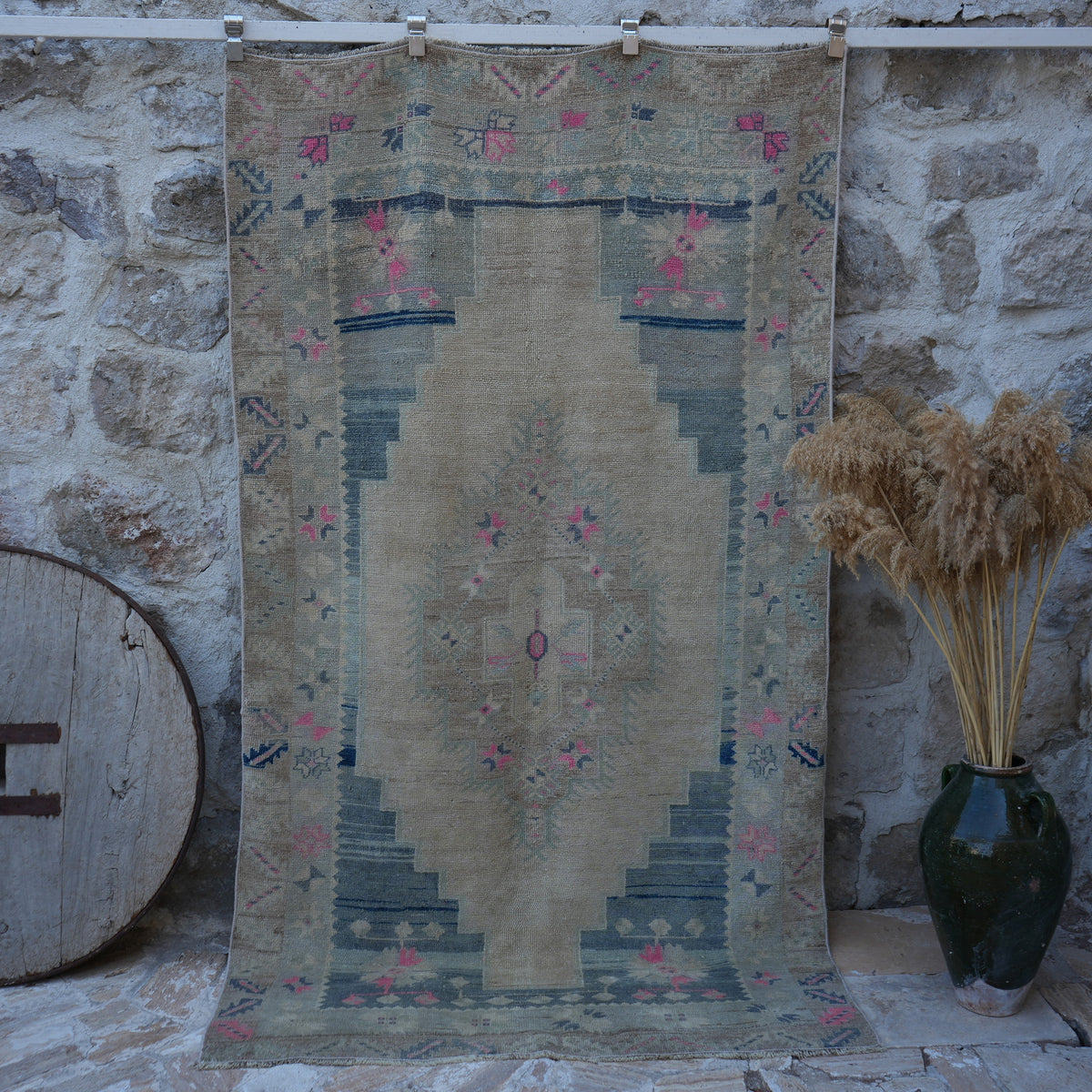
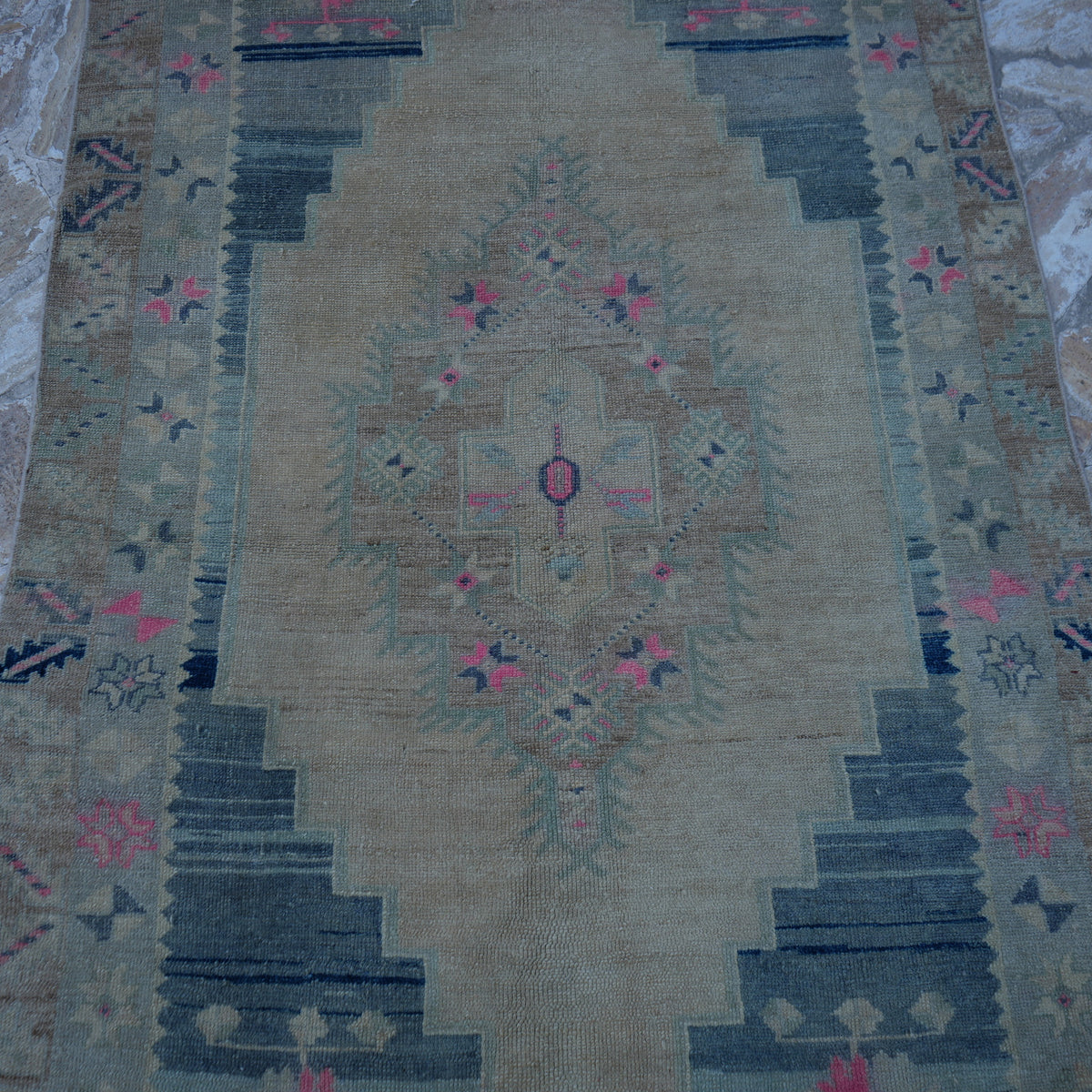
We source directly from villages and family contacts across Anatolia — no showroom middleman marking up the price along the way. Every rug that comes through goes across my own table or my team's, checked for age, weave, and dye before it's cleaned and listed.
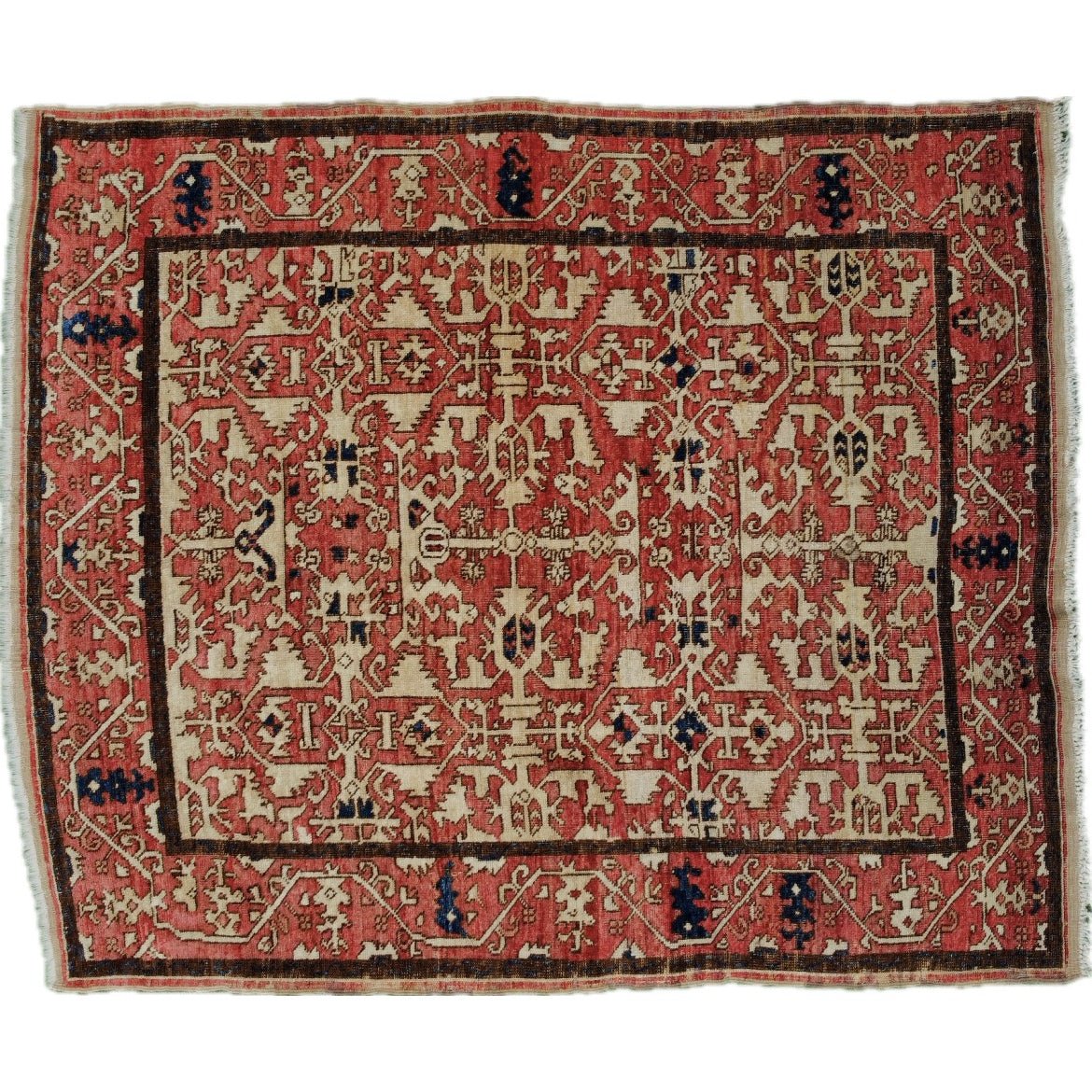
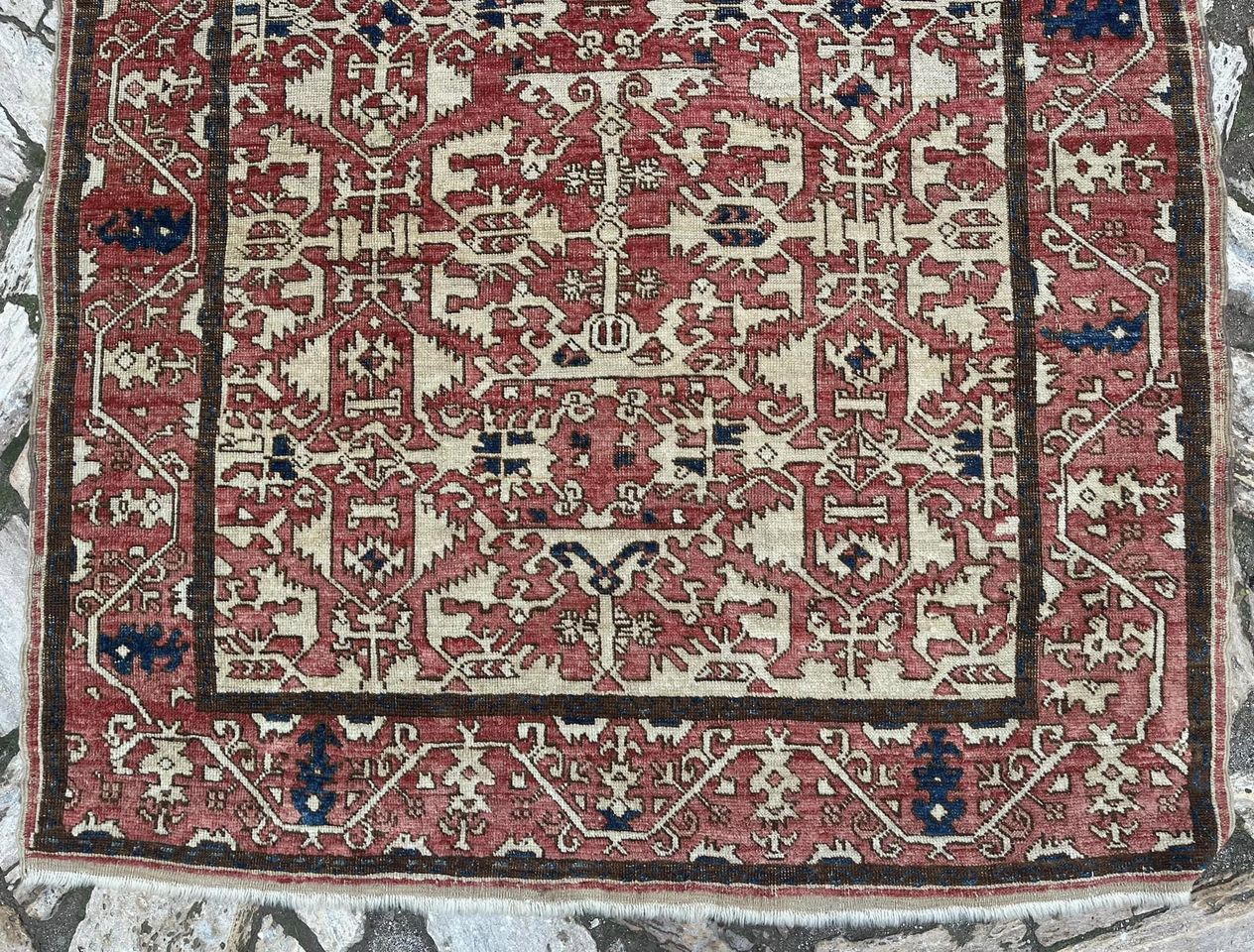
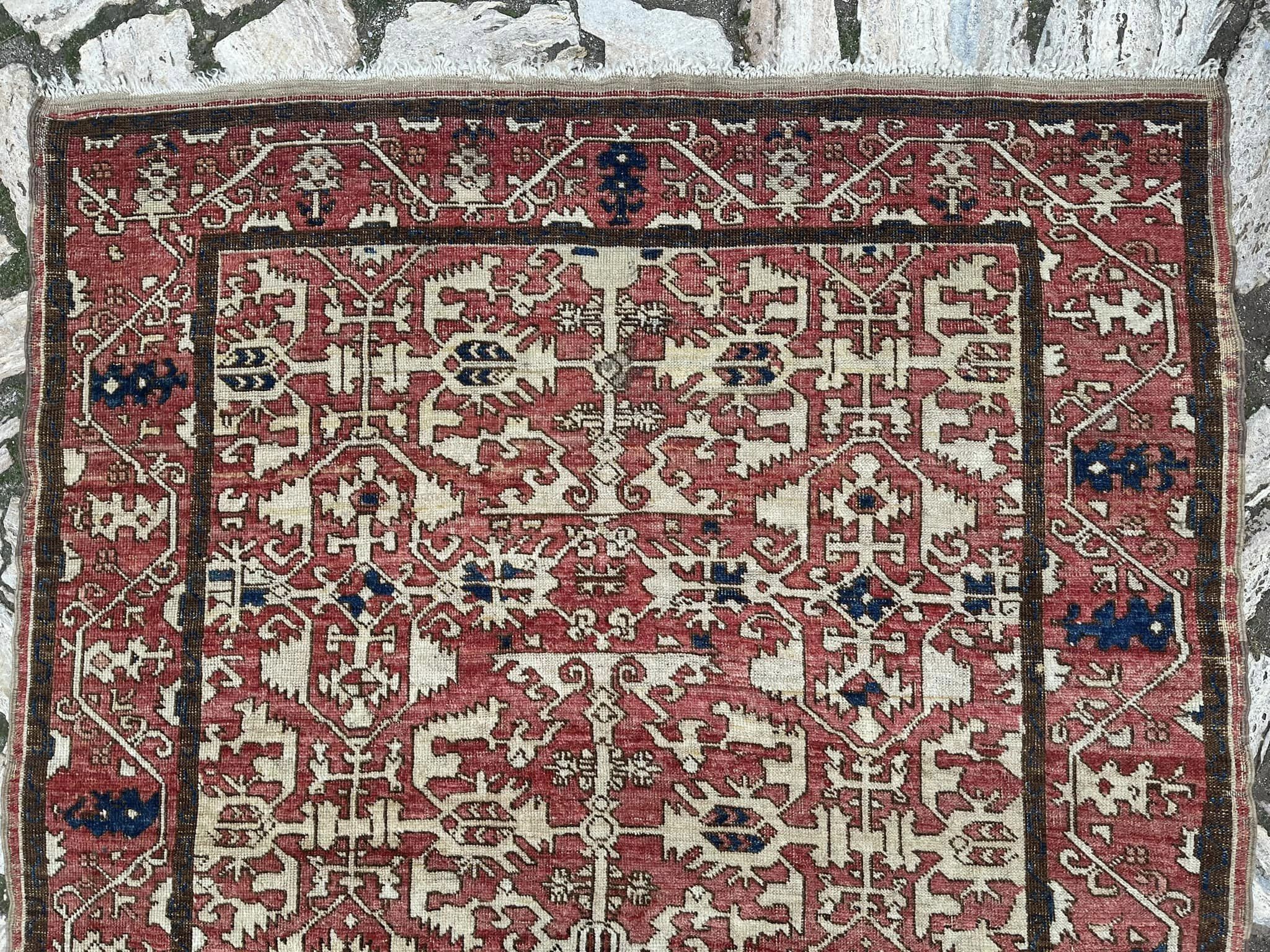
At the higher end of the antique rug market, well-documented pieces can sell for several thousand dollars or considerably more, depending on age, origin, condition, rarity, and provenance. Because many of the rugs we find come directly from homes and families across Anatolia, we can often offer them without the additional margins created by several layers of dealers.
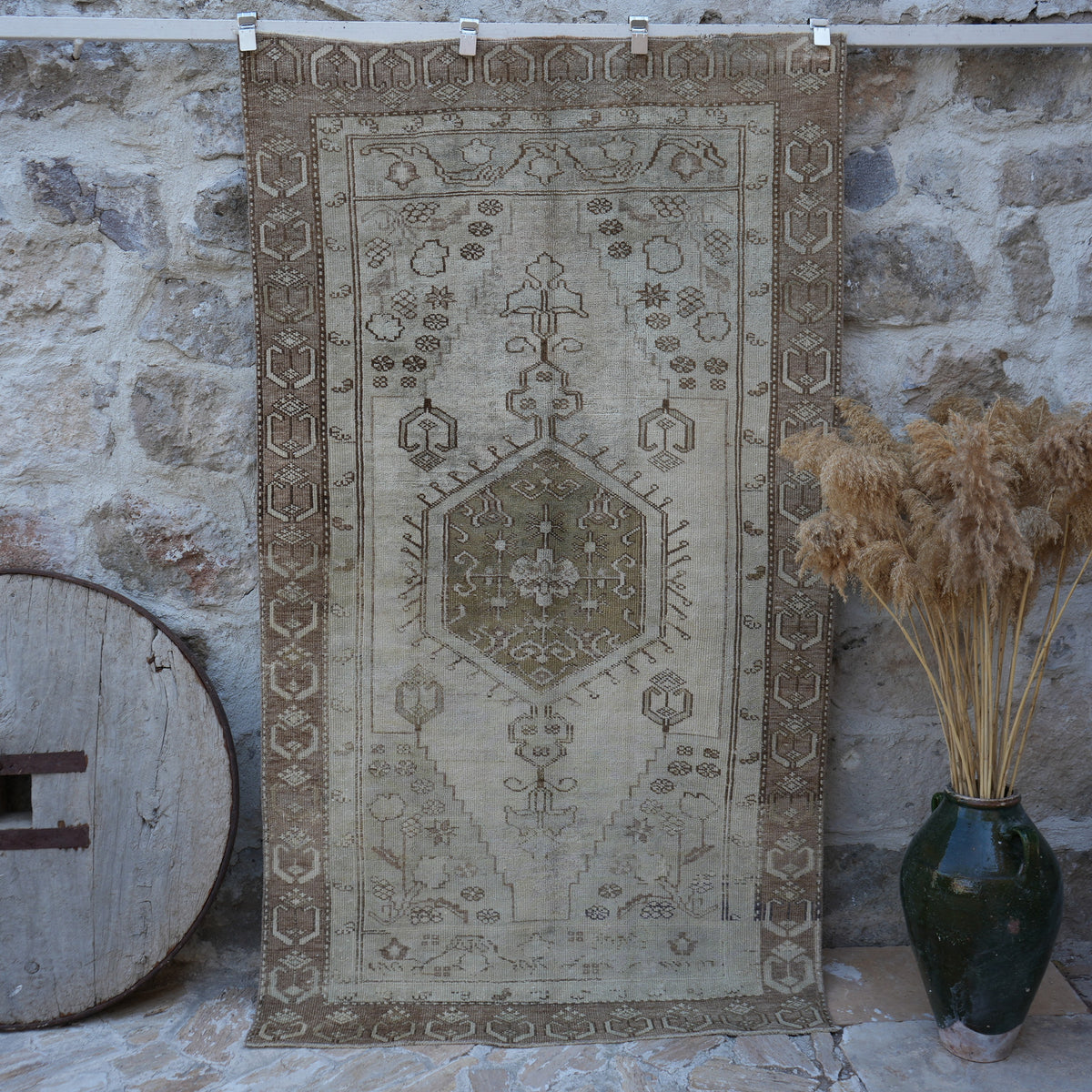
That process is the reason someone buying from our antique rugs collection or our vintage rugs collection isn't just buying a rug. They're buying a piece that's already been verified by people who've spent decades doing exactly that.
Shop Authentic Antique and Vintage Rugs

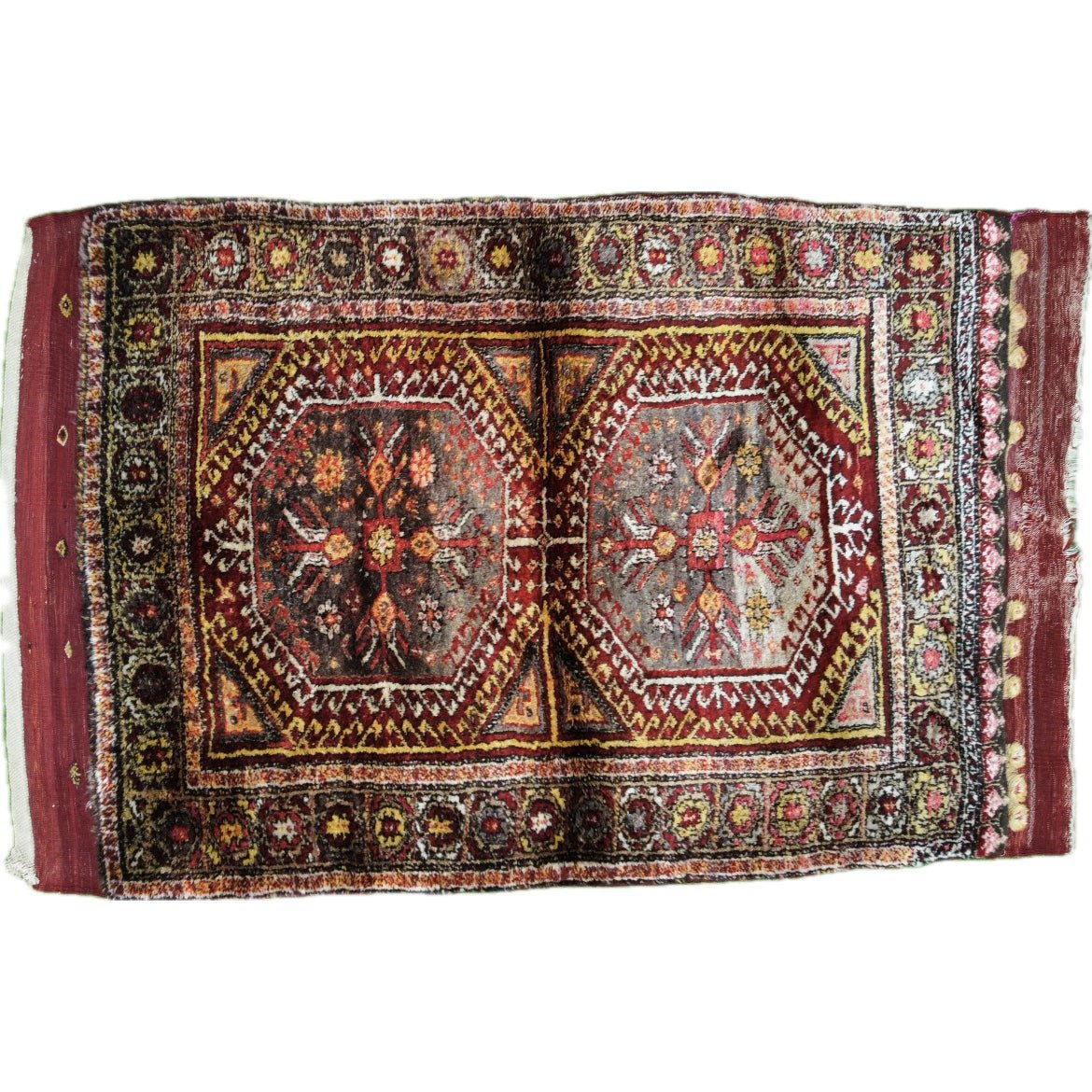
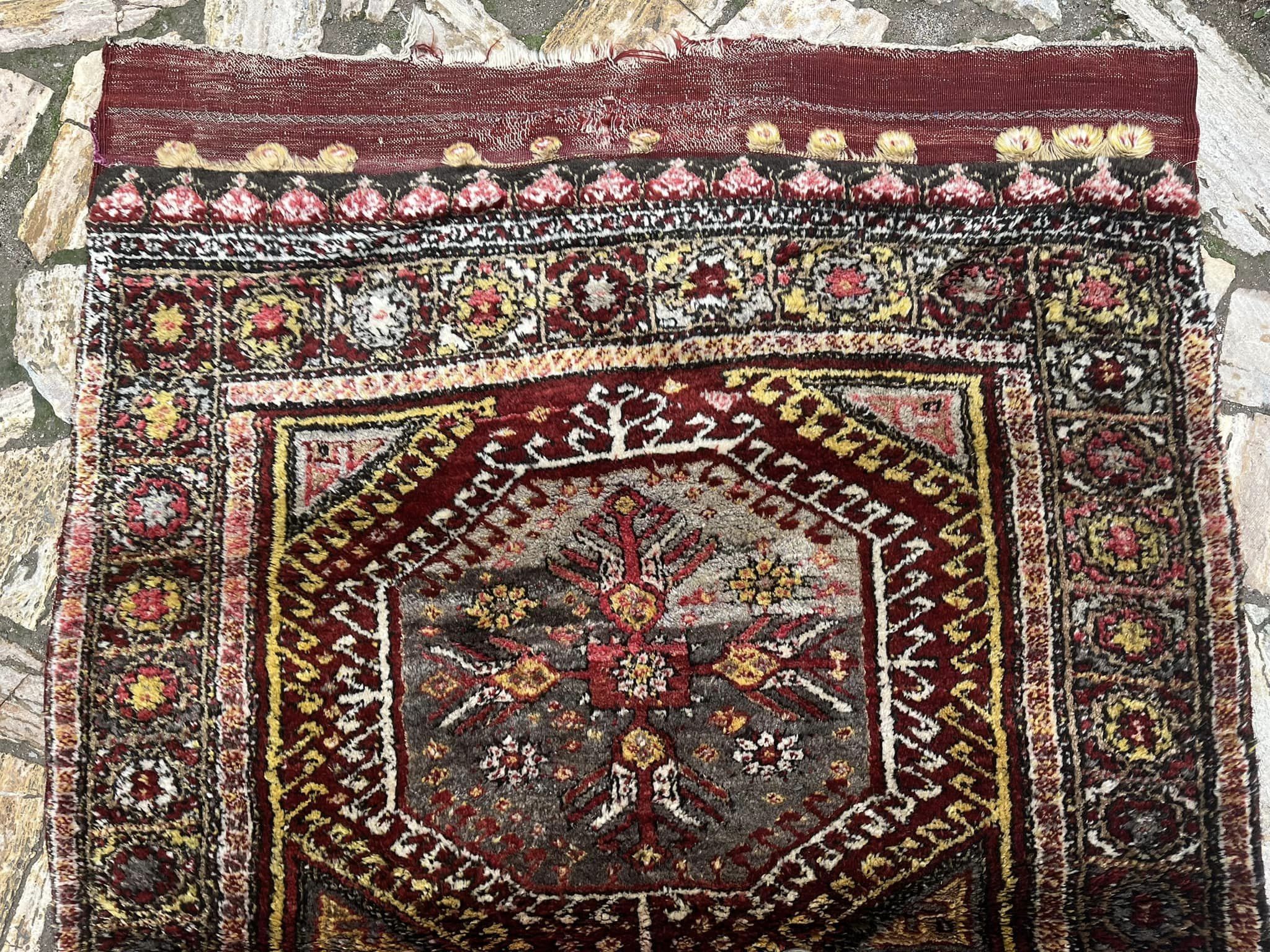
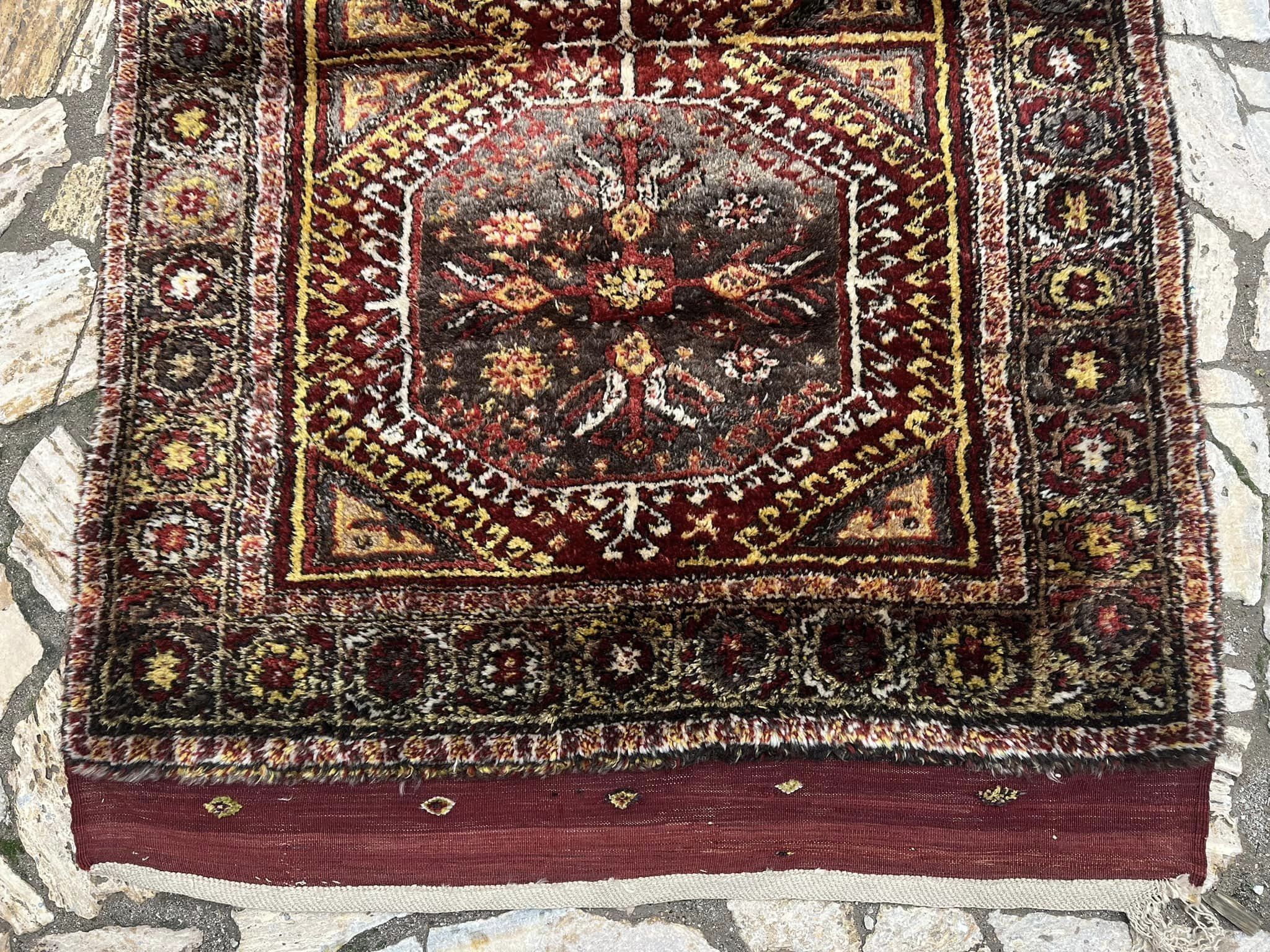
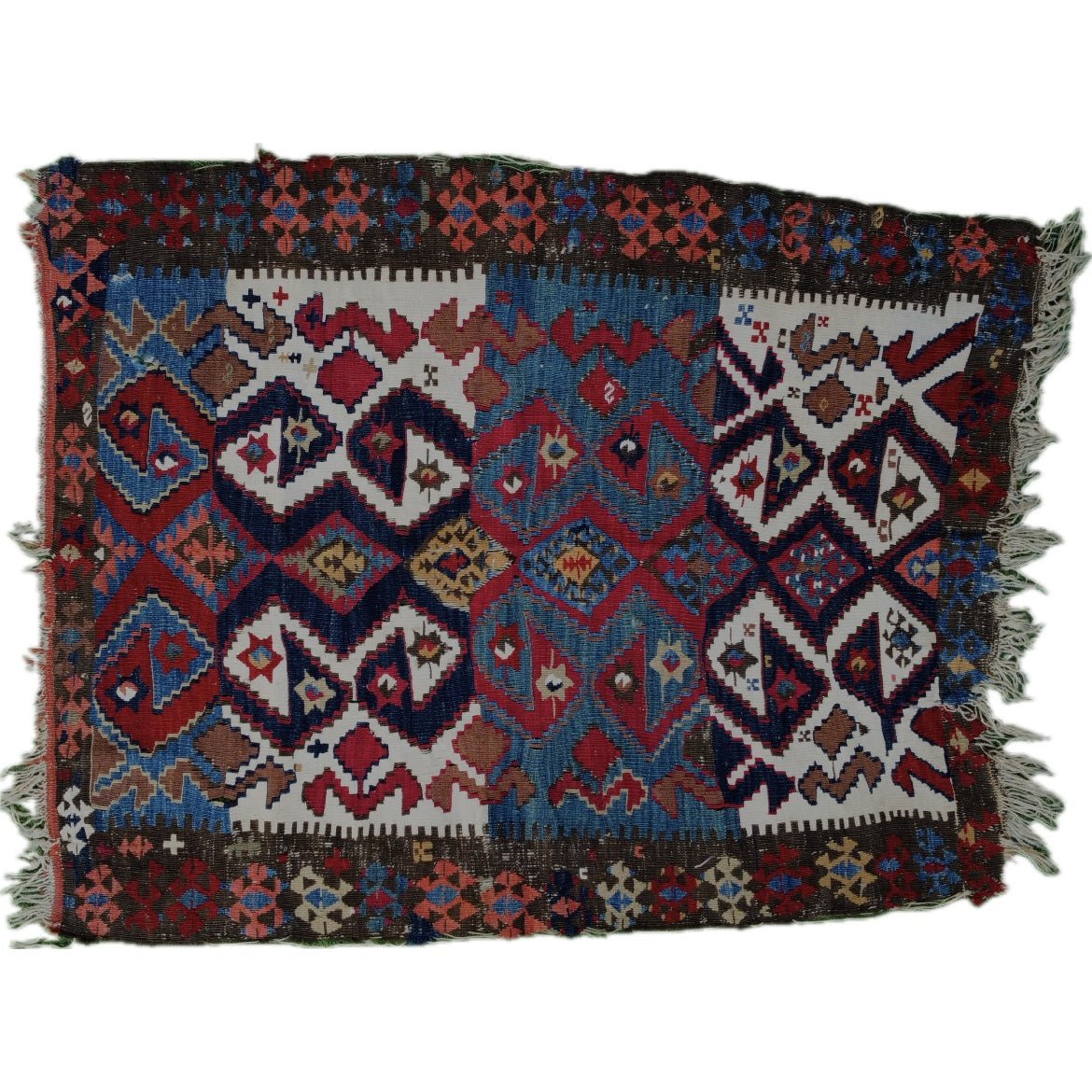
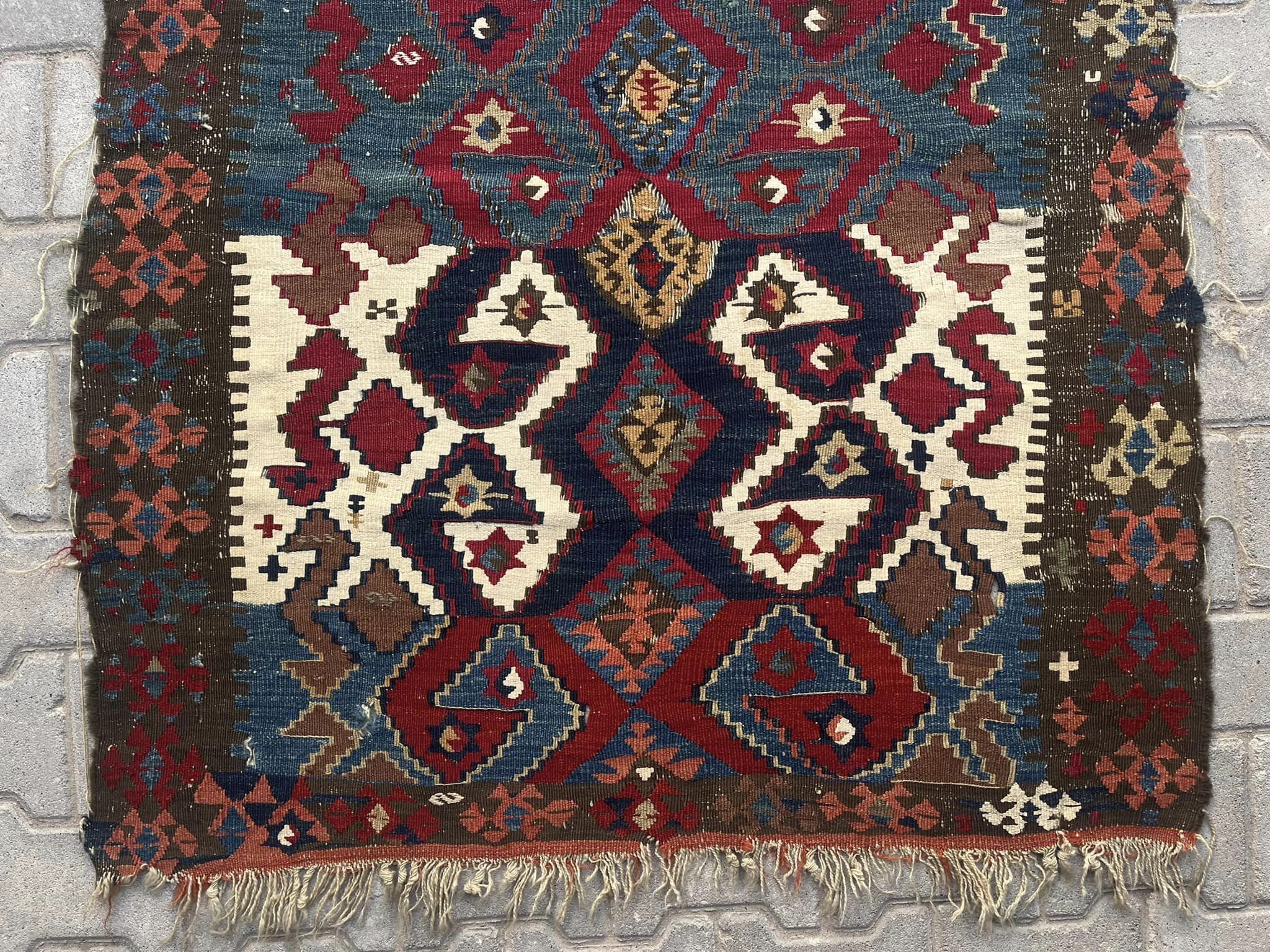
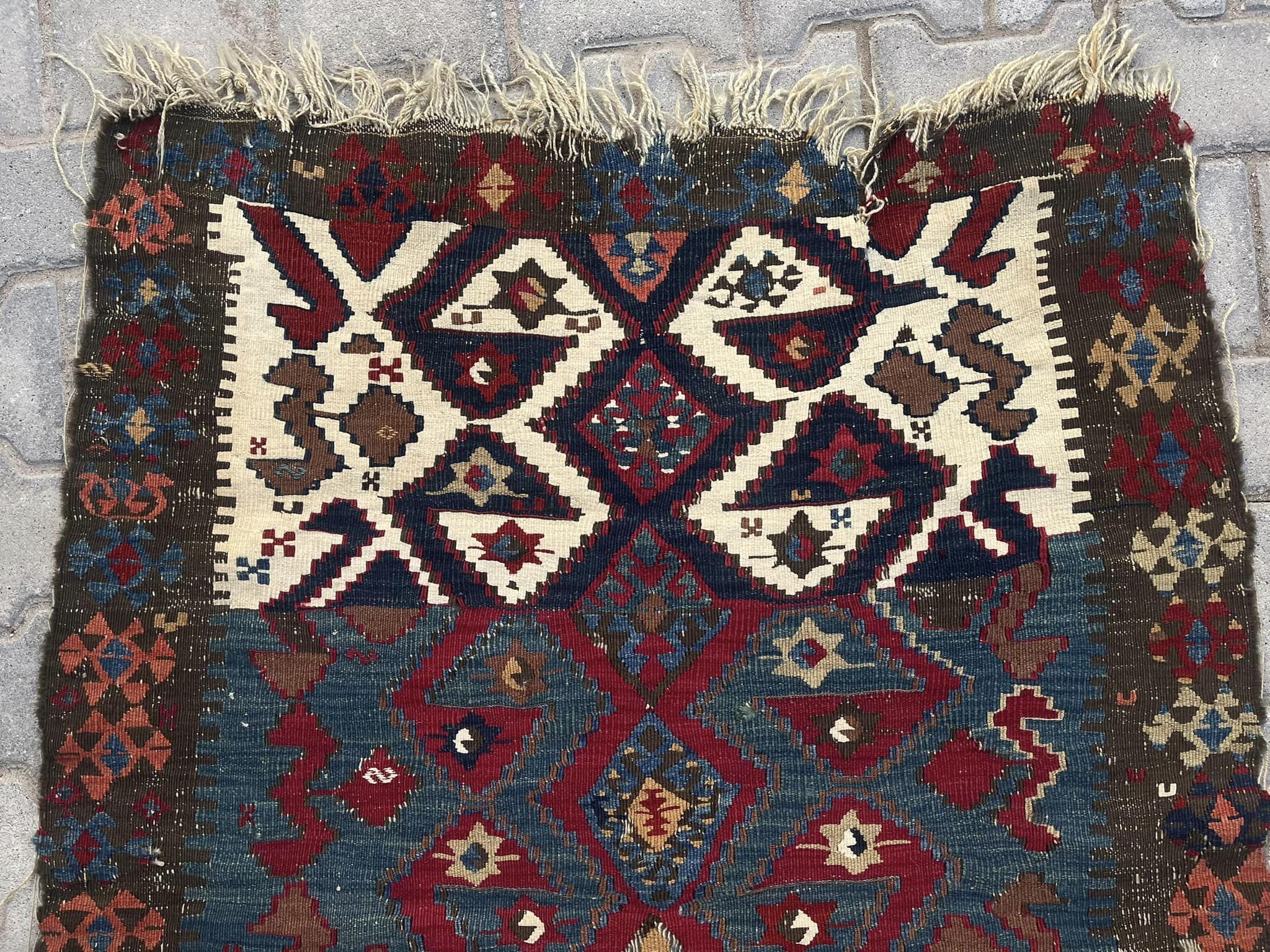
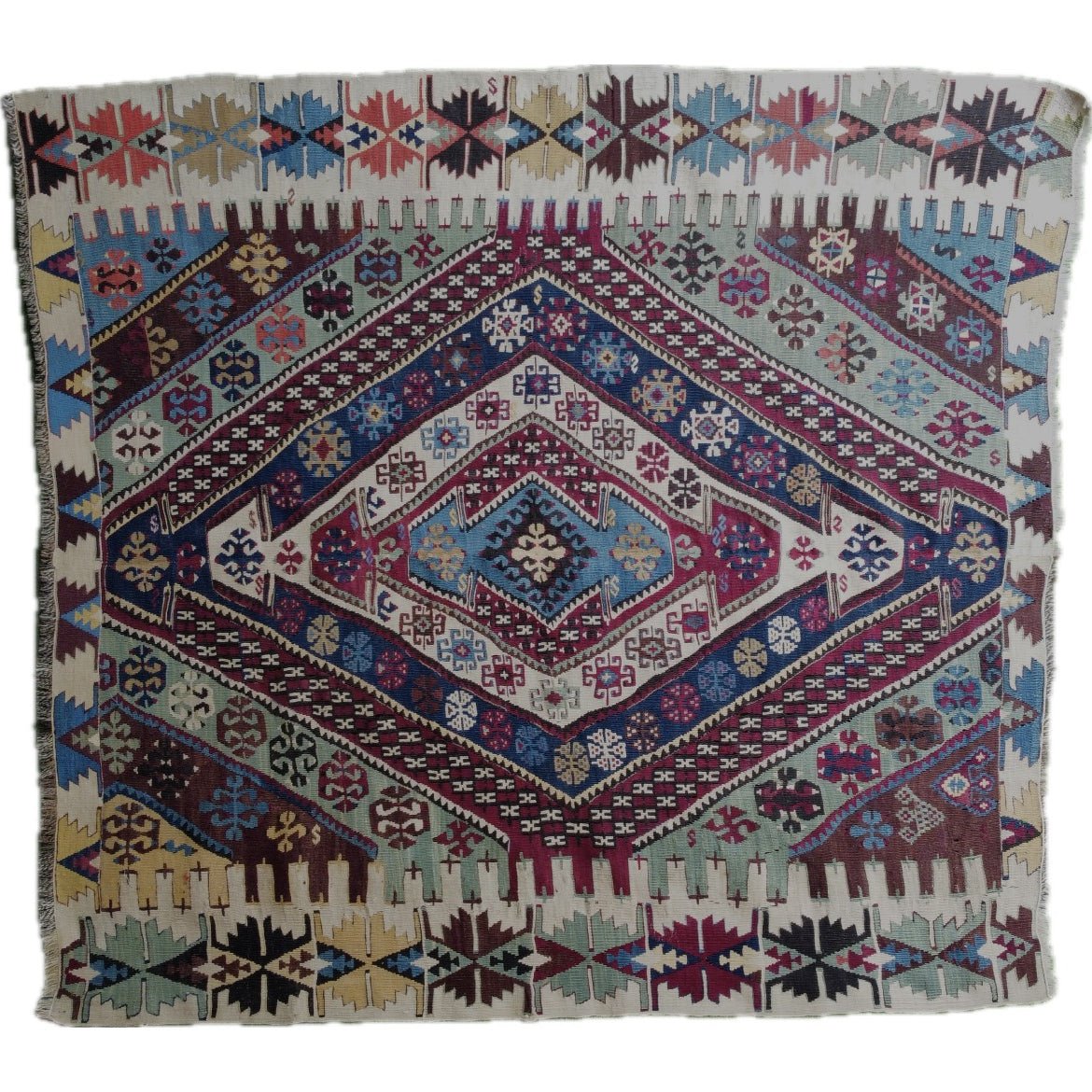
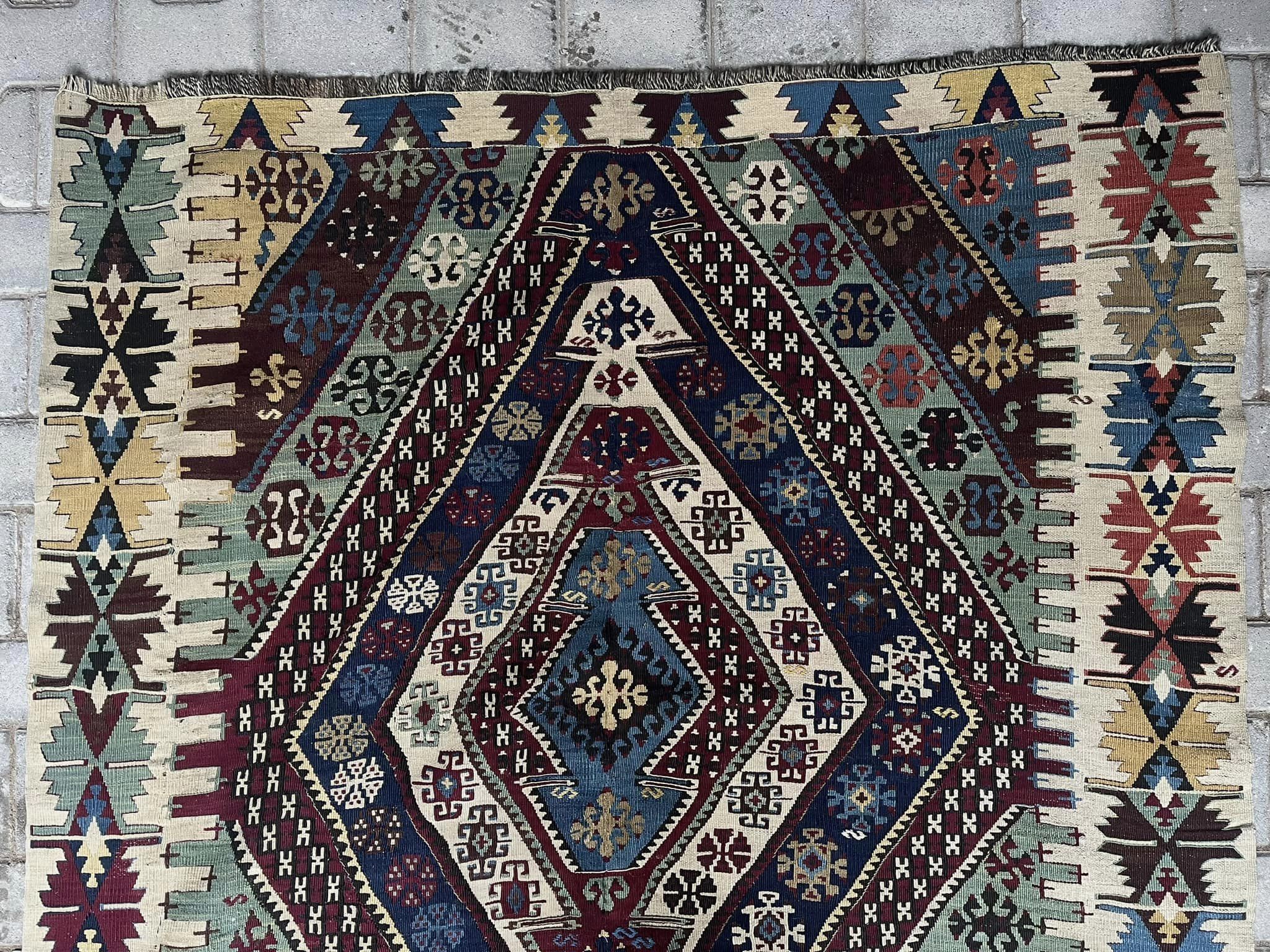
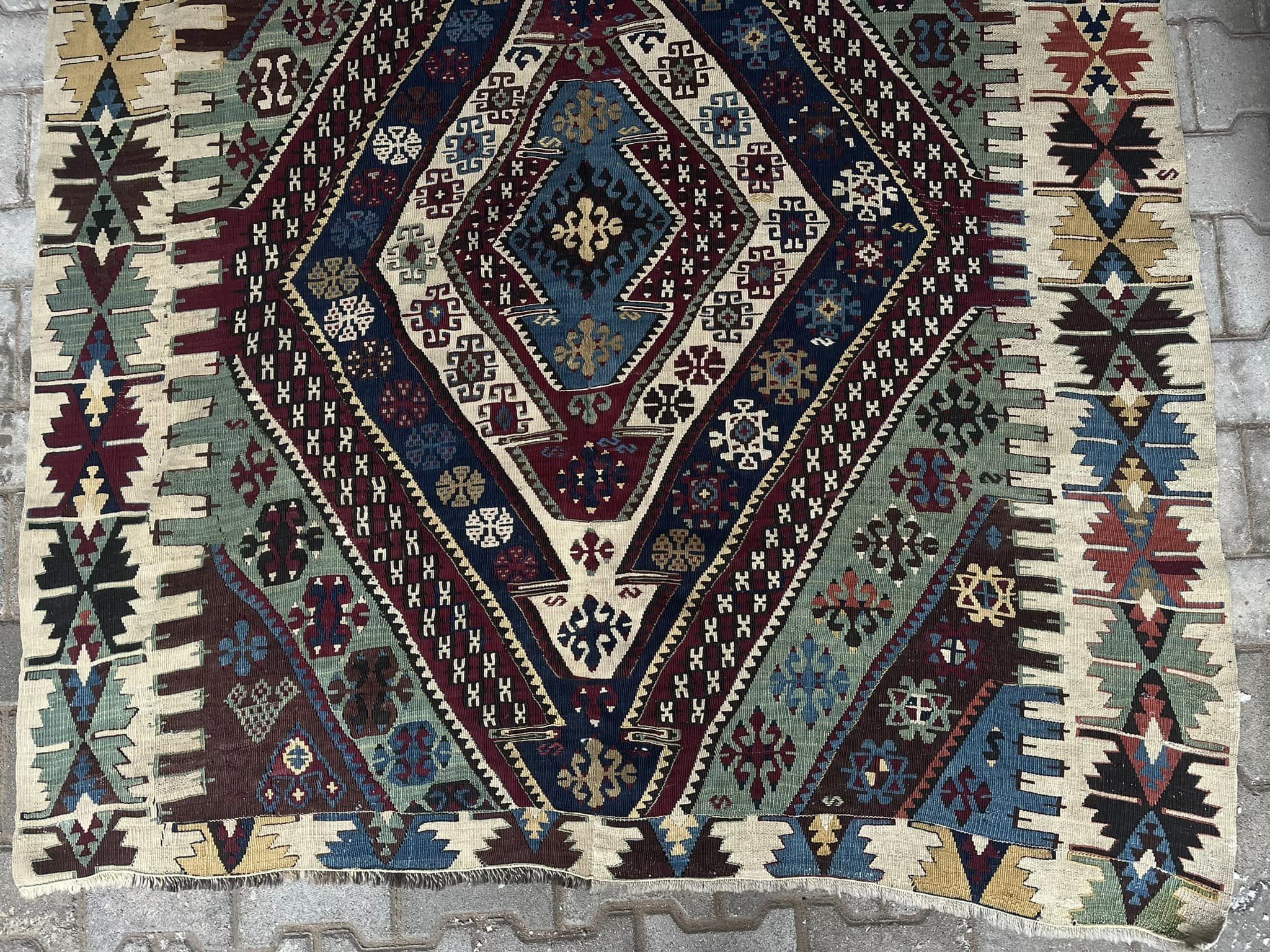
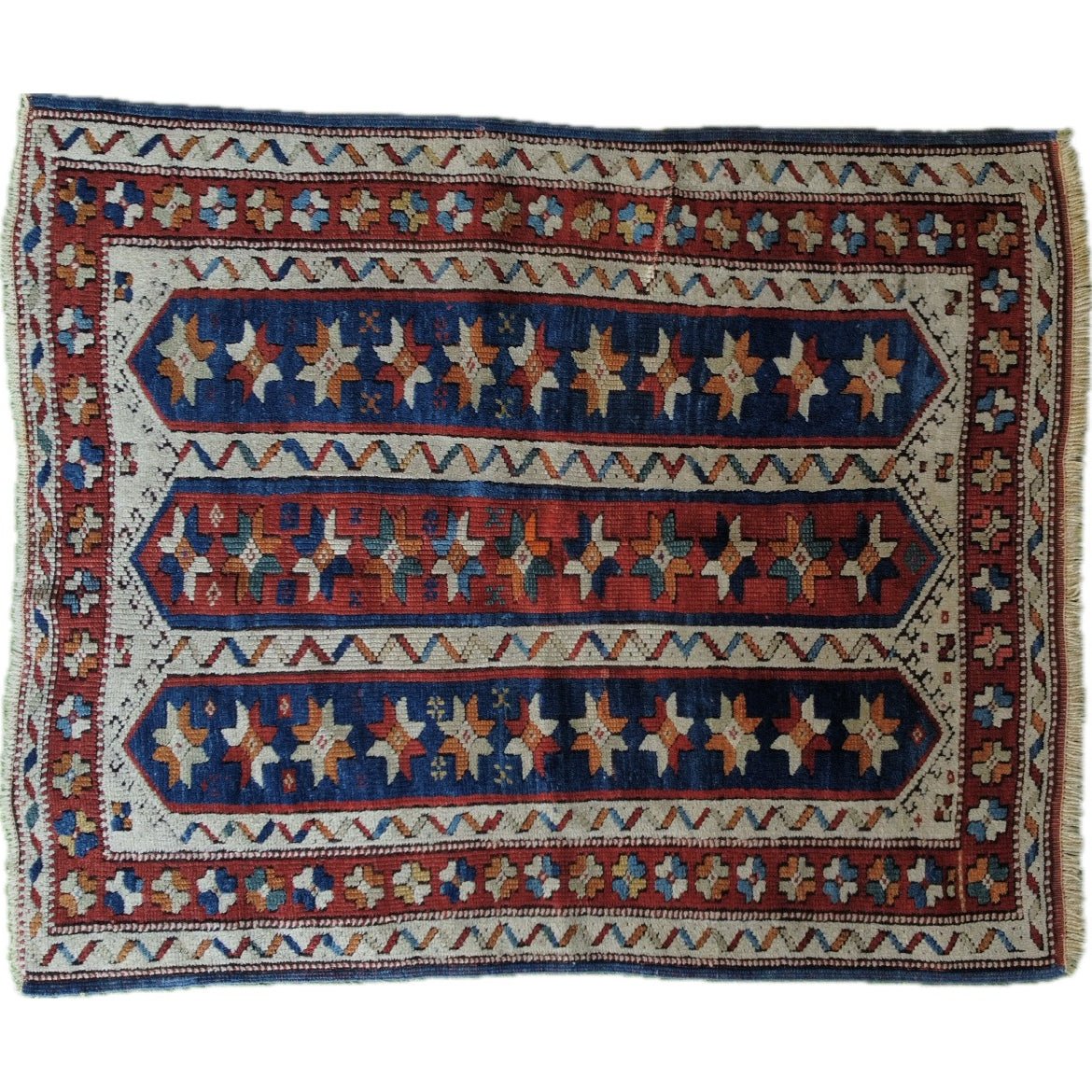
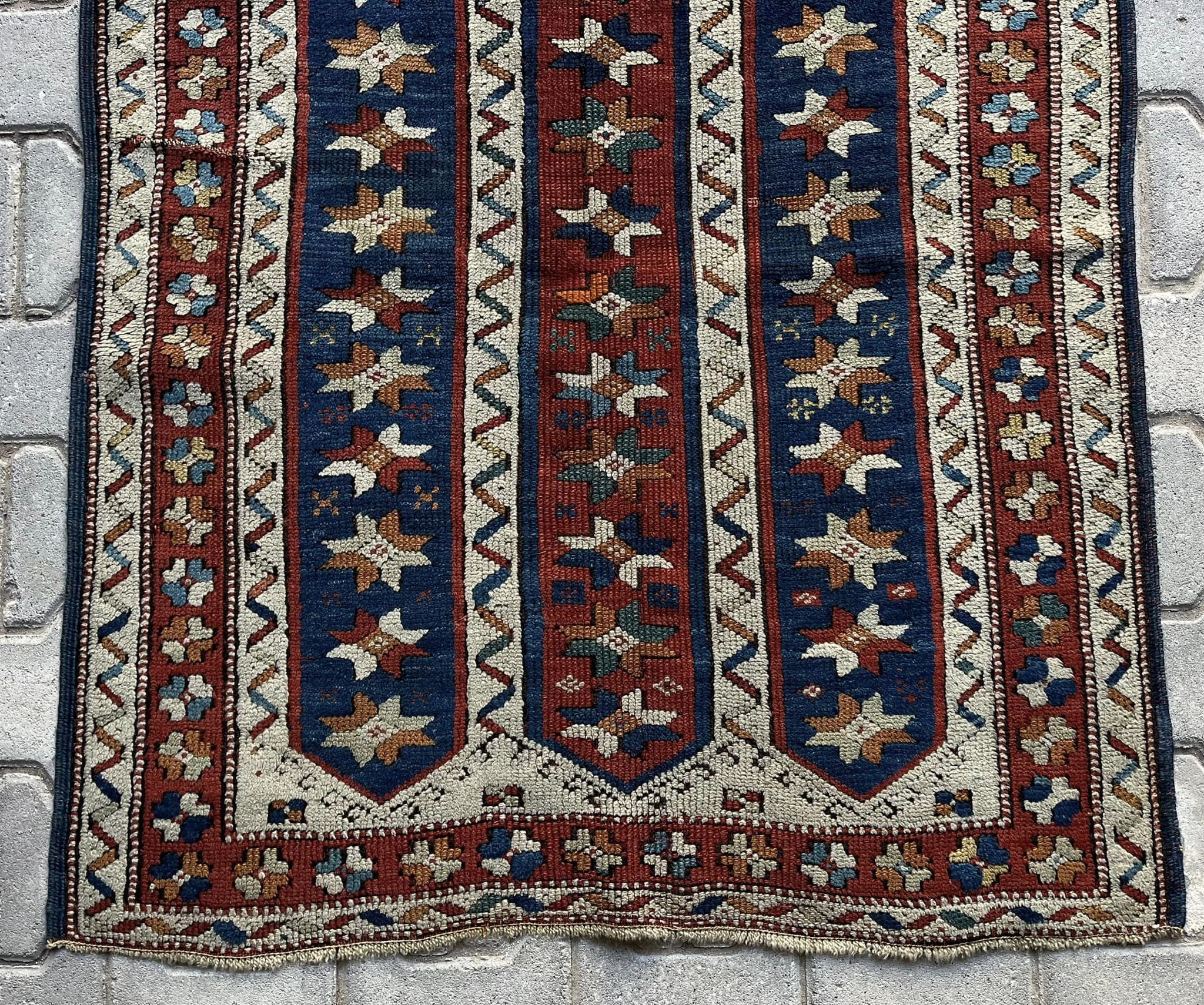
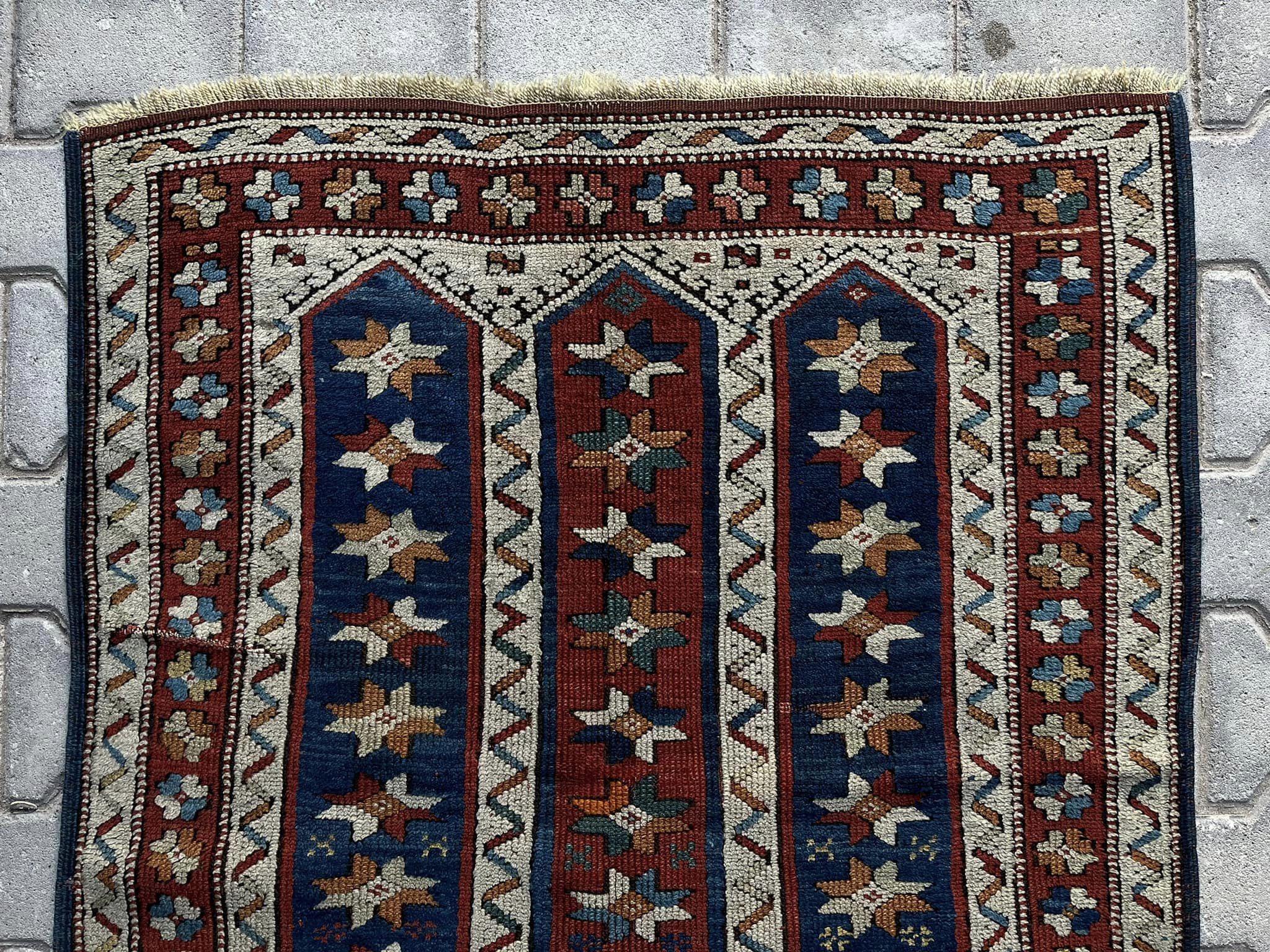






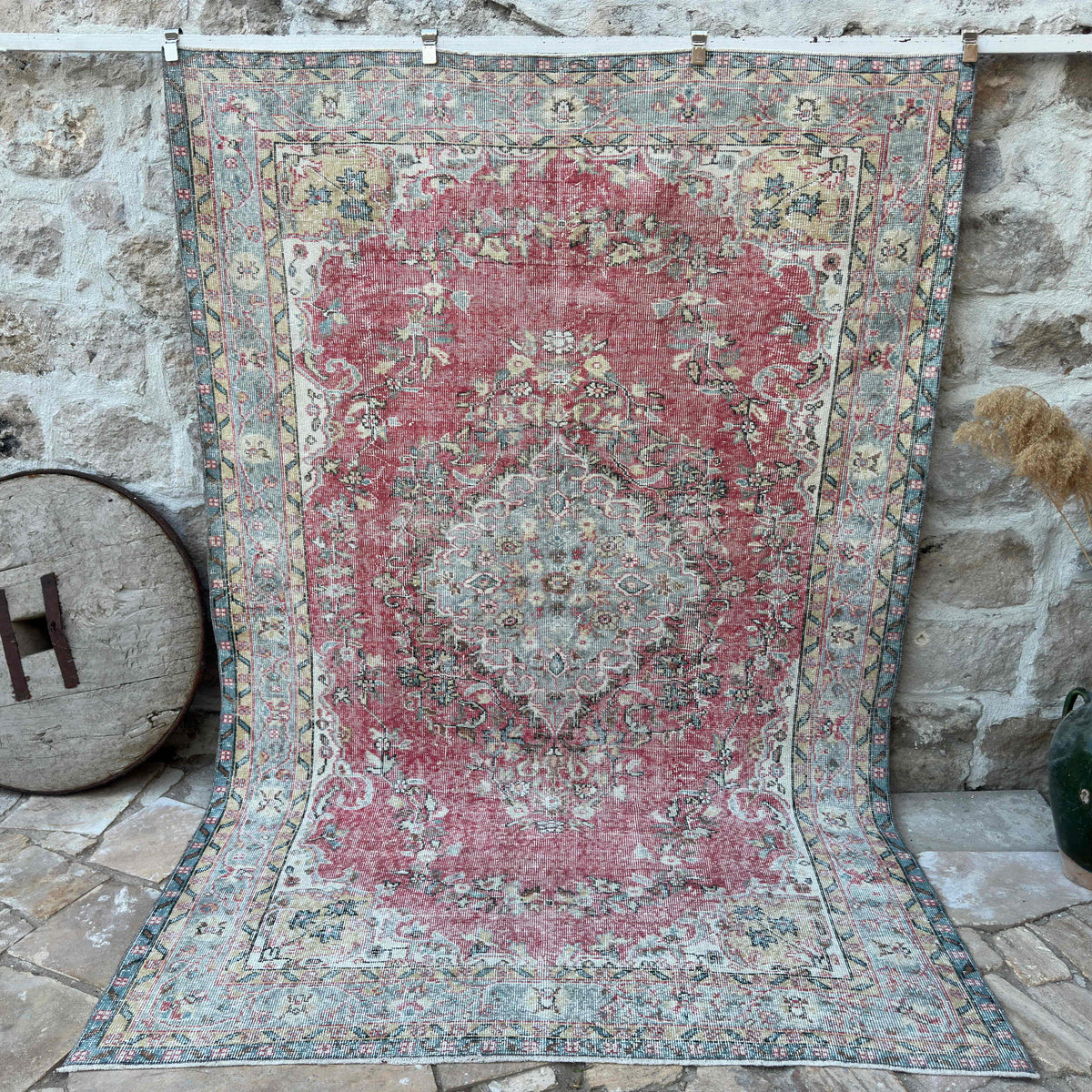
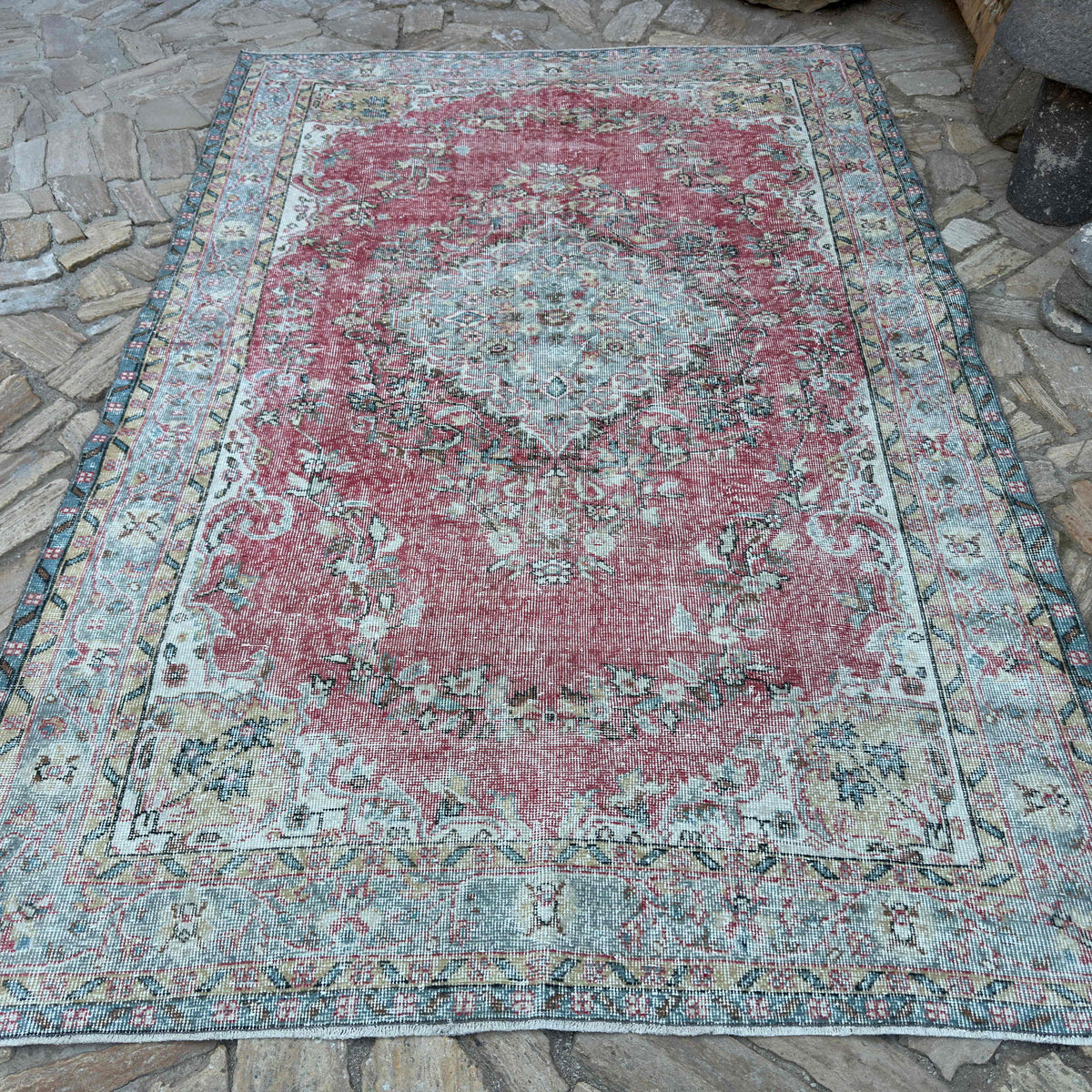
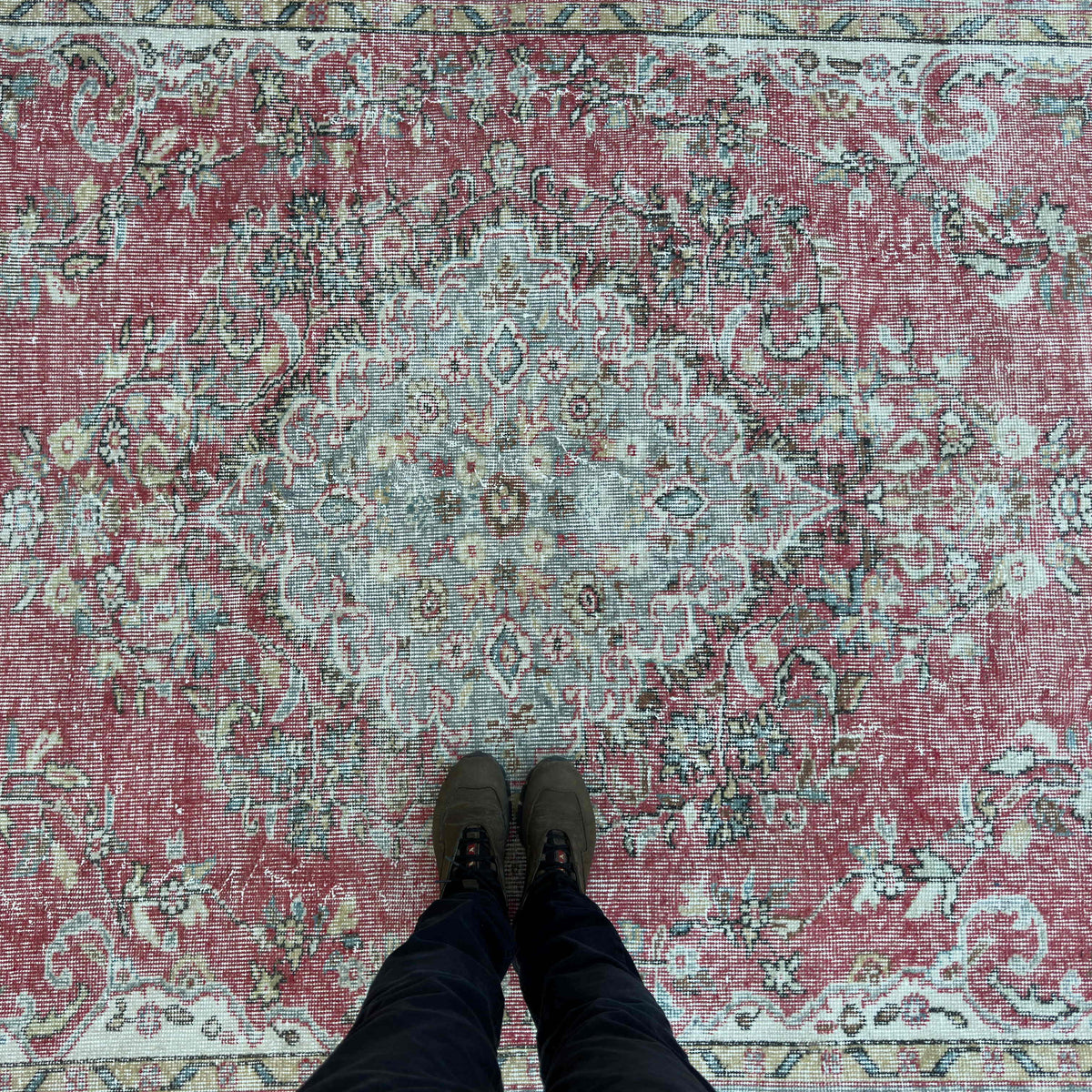


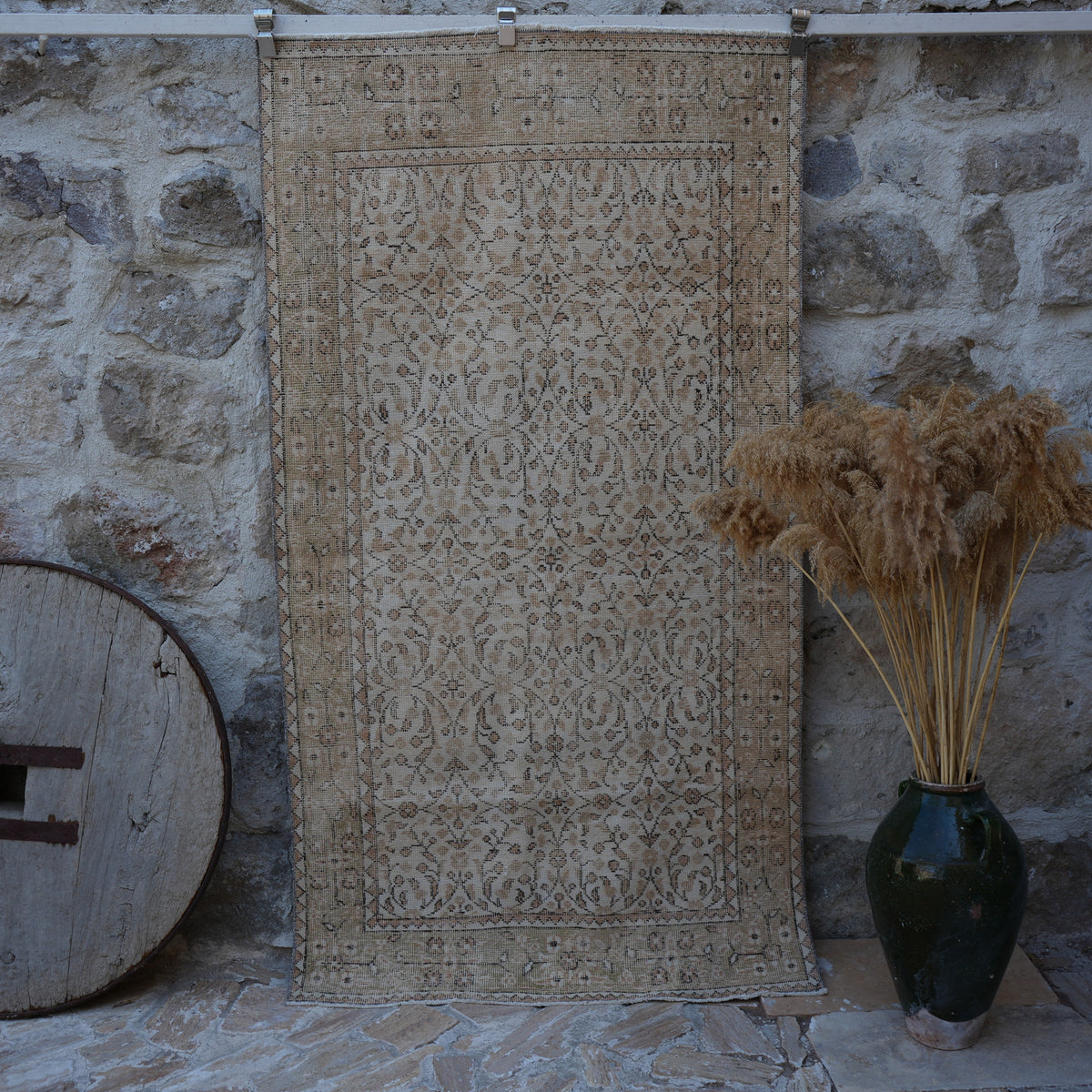
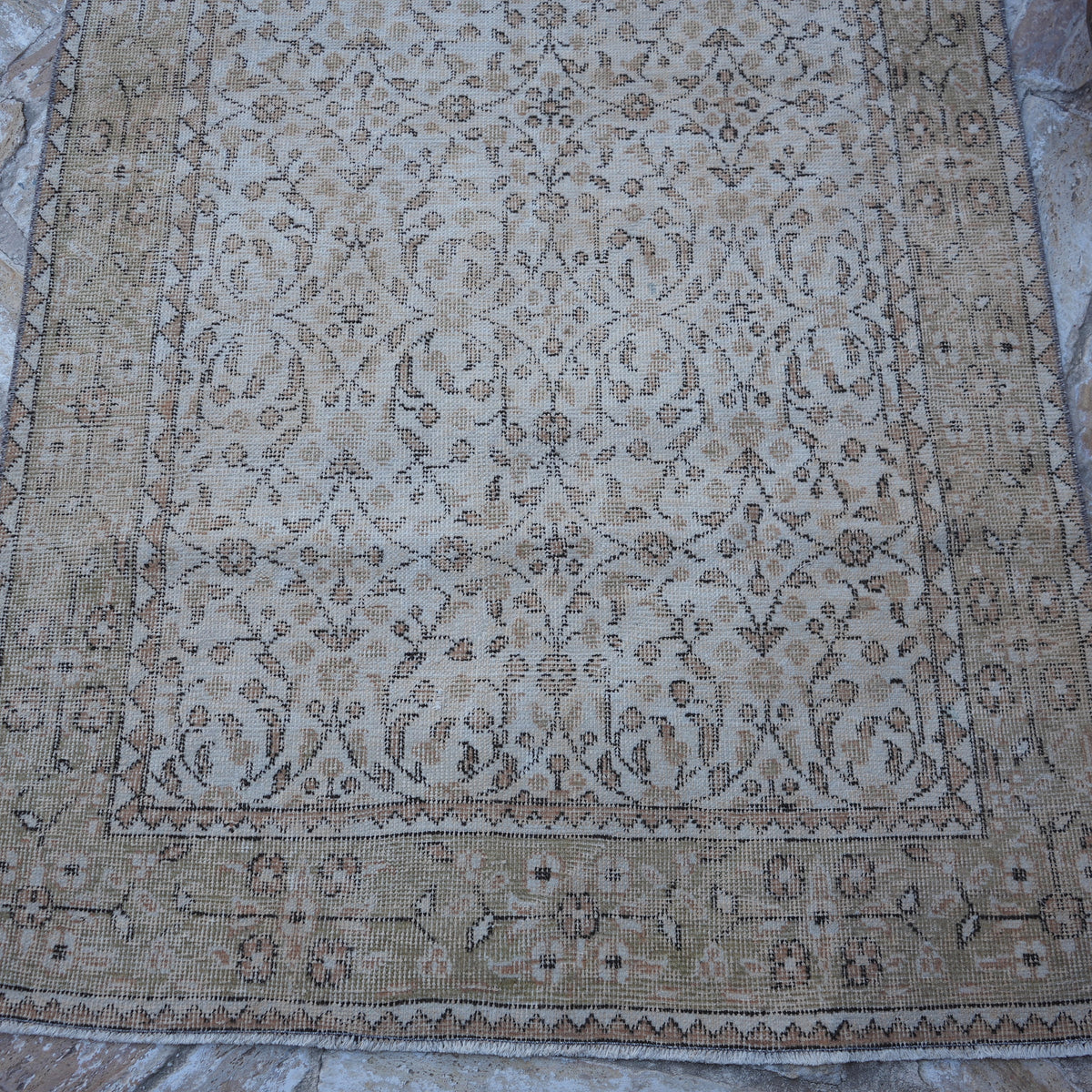









Frequently Asked Questions About Antique Rug Prices
Is an 80-year-old rug antique?
By our standard, yes — we classify 80 years and up as antique, and that's the line we grade every piece in our collection against. Some appraisers and official customs classifications use a stricter 100-year threshold instead, so you'll see both figures used across the industry. What matters more than the exact cutoff is whether the piece's weaving, dye, and wear all genuinely match its claimed age, and whether the seller is upfront about which standard they're using.
How can I estimate my rug's worth?
Start with the same factors a dealer would: age, material, knot density, condition, and design rarity. A rough at-home check — flipping the rug to inspect the knots and looking for uneven, natural wear — will tell you a lot before you ever need a formal appraisal.
Are vintage rugs cheaper than antique rugs?
Usually, but not automatically. A large vintage rug in excellent condition can still cost more than a small, worn antique — condition and size factor in alongside age, not instead of it.
Do antique rugs need to be naturally dyed to be valuable?
Not strictly, and it depends on the era. Synthetic dyes have existed since the mid-1800s, so even genuinely antique pieces from the mid-20th century may include some synthetic color. Natural, plant-based dye is common in the oldest, most sought-after pieces, and it's one of several signs appraisers look for — but age and dye type should be evaluated together, not assumed from one another.

