













I grew up in Aksaray, in the middle of Anatolia. Every home I knew had rugs on the floor — but none of them were wall-to-wall carpet. My grandmother’s kilim occupied the center of the living room. A hand-knotted piece my mother had chosen years earlier lived in the corner of her bedroom. Neither was fixed to the floor. Neither felt temporary either.
When I started selling rugs internationally, I noticed something. When most Americans say “carpet,” they picture a factory product stretched from wall to wall and replaced every few years. Utilitarian. A surface. What we carry at Kirmen was never that.
The moment that made this clearest: a customer once messaged asking for “a carpet for the living room, something I can move around if needed.” She wanted a carpet — but everything she described was a rug. That gap between the word and the meaning is exactly why this distinction matters.
Rug vs. Carpet: The Short Answer
A rug is a freestanding floor covering that occupies a defined area of a room and can be moved without tools or professional help. A carpet is a larger floor covering — most often installed wall to wall — that covers an entire room and is fixed to the floor with adhesive, tack strips, or tension. The simplest version: a rug travels with you. A carpet stays with the building.
The Size Line — When Does a Rug Become a Carpet?
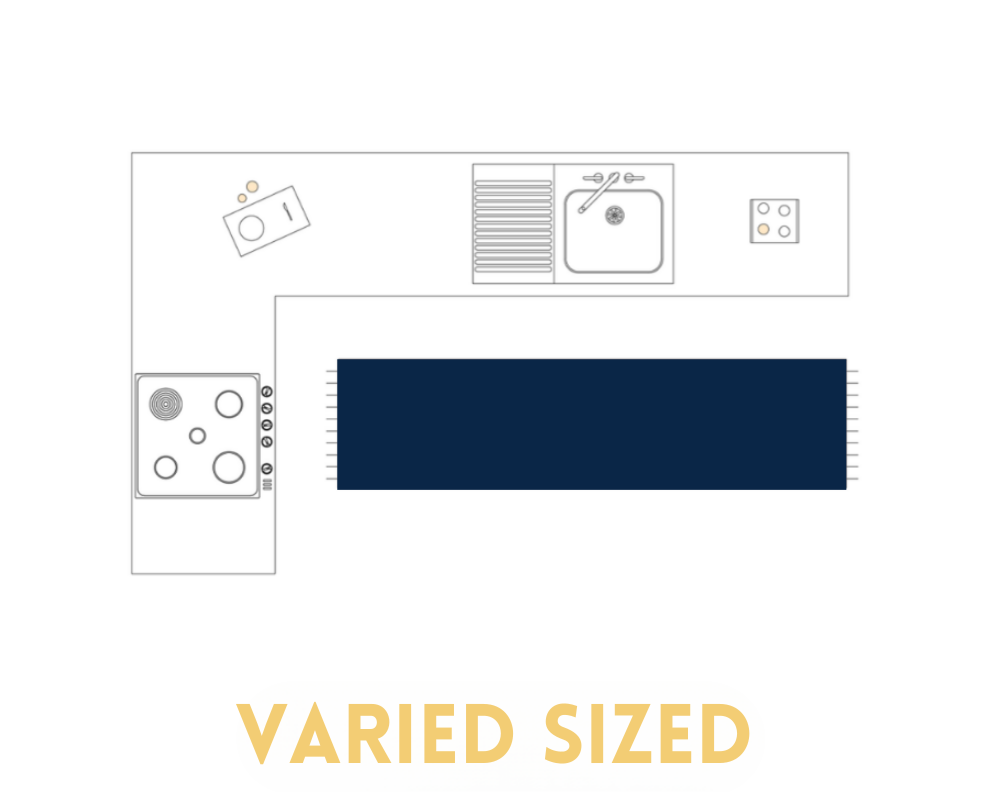
Size is the most practical dividing line — though the industry has never actually agreed on where to draw it. I used to assume there was a standard. There isn’t. One retailer labels a 9x12 an “oversized area rug.” Another calls the same dimensions a “room carpet.” At Kirmen, we drew a clear line and built our collections around it.
This Is a Rug
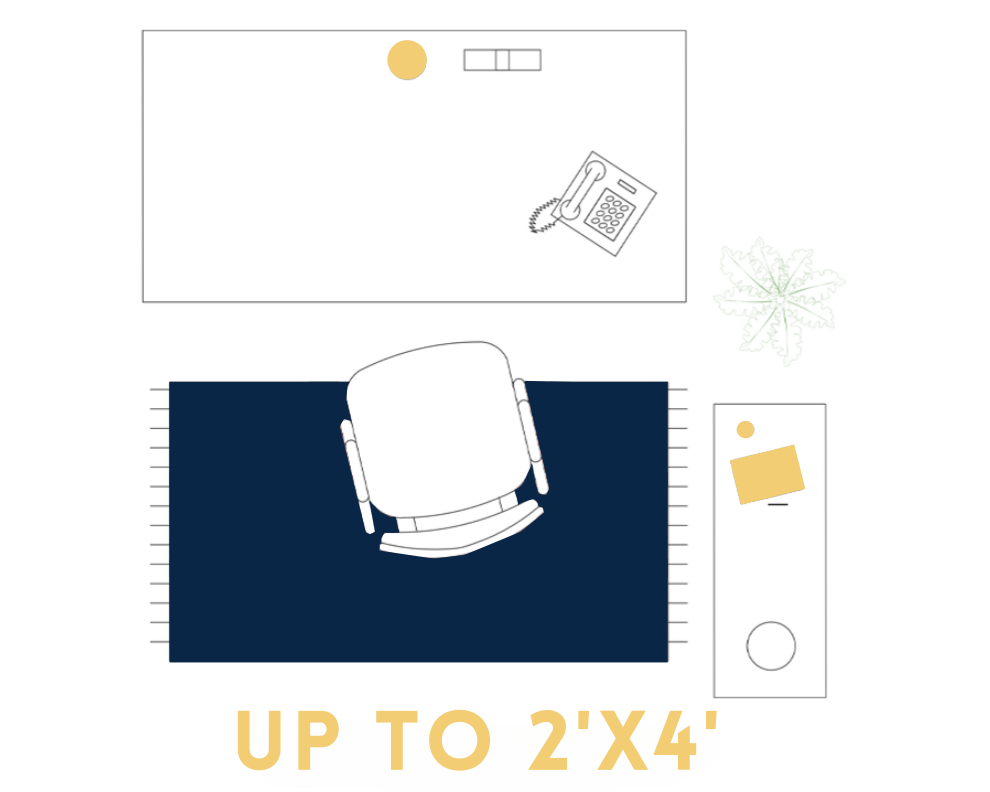
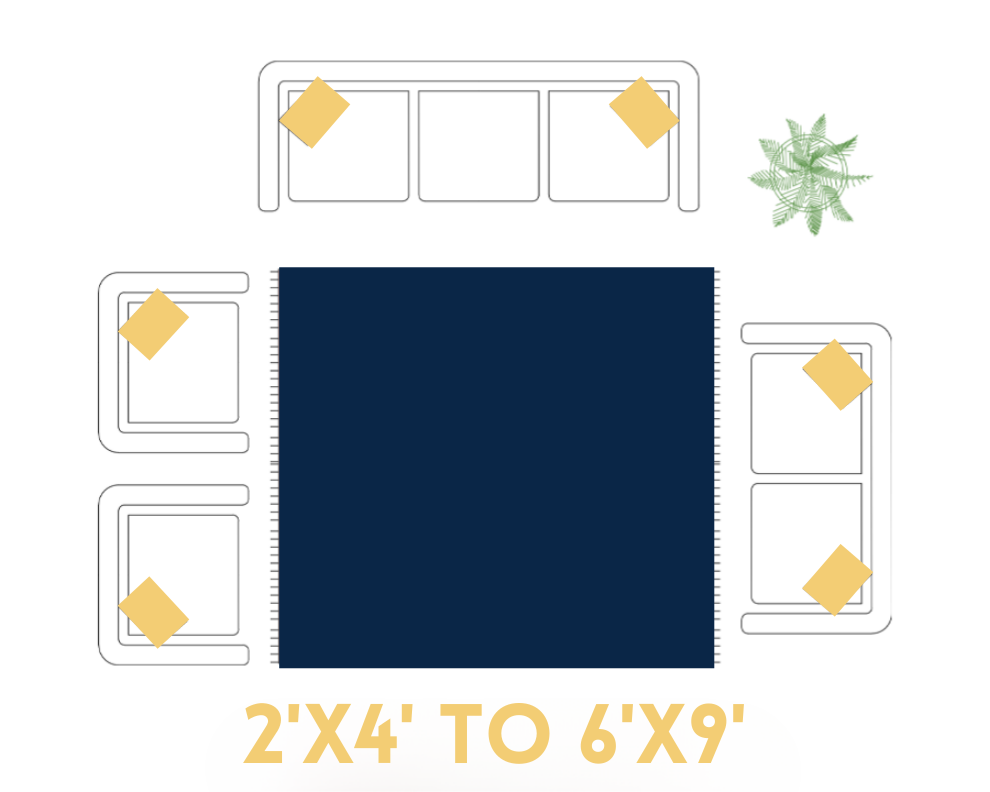
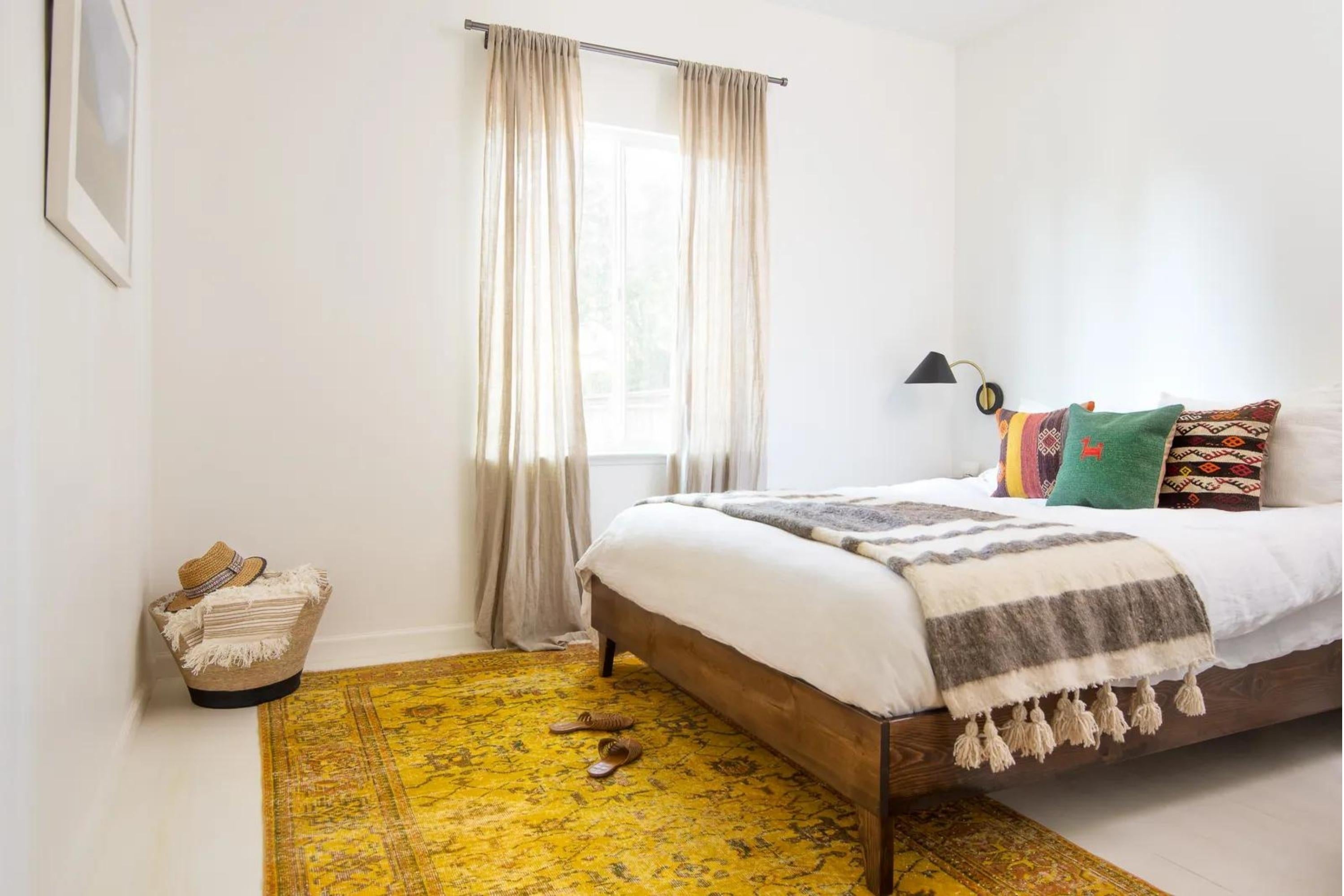
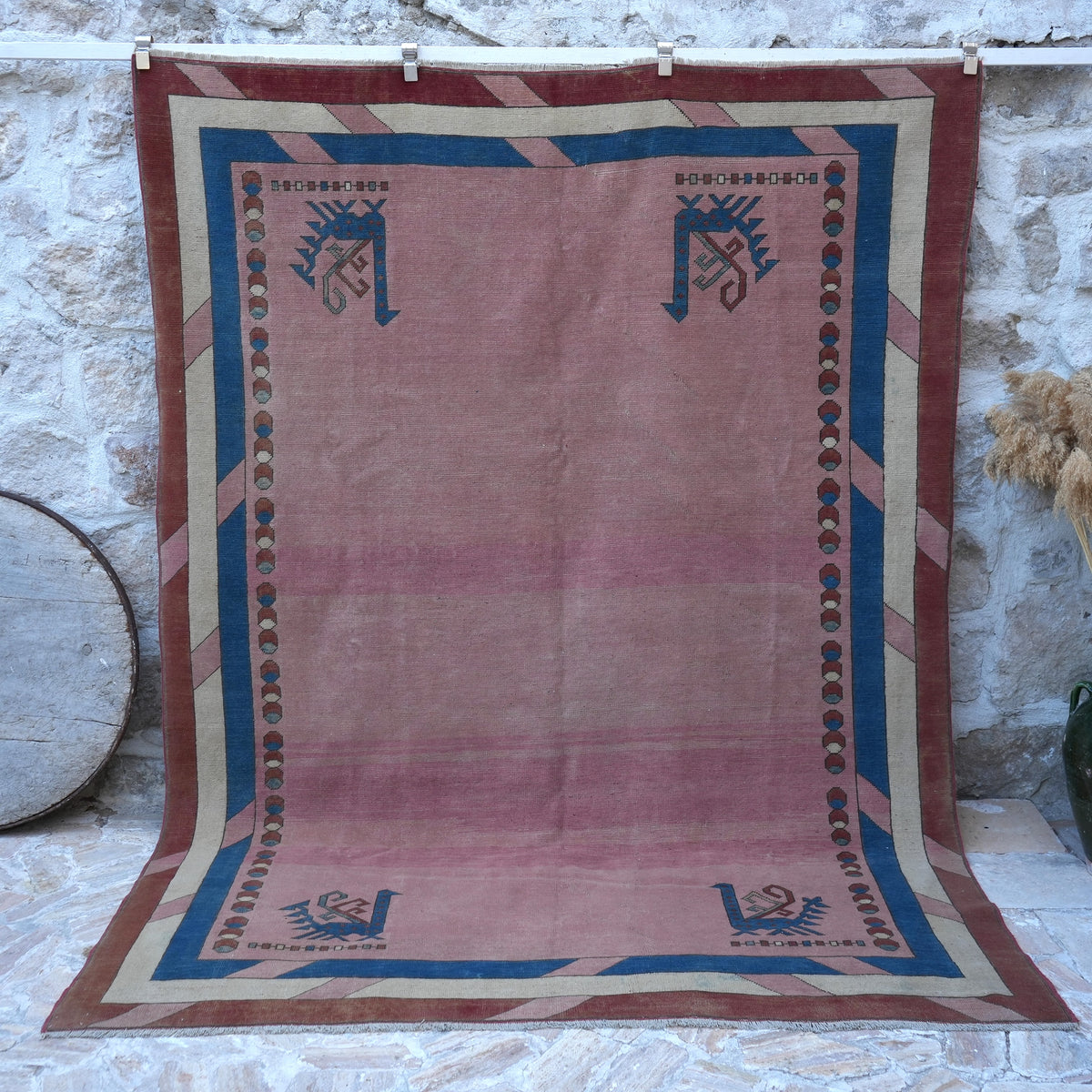
From a 2×3 doorstep piece up to a 6×9, you are in rug territory. These sizes define a zone within a room — they do not fill it. A 2×3 handles an entryway or a kitchen spot. A 4×6 works as an accent or beside a bed. A 5×7 or 5×8 fits a mid-sized bedroom without dominating it. A 6×9 frames a dining table for four or anchors a compact living room seating area.
At this scale, the rug is something placed in a room. The room still exists around it.
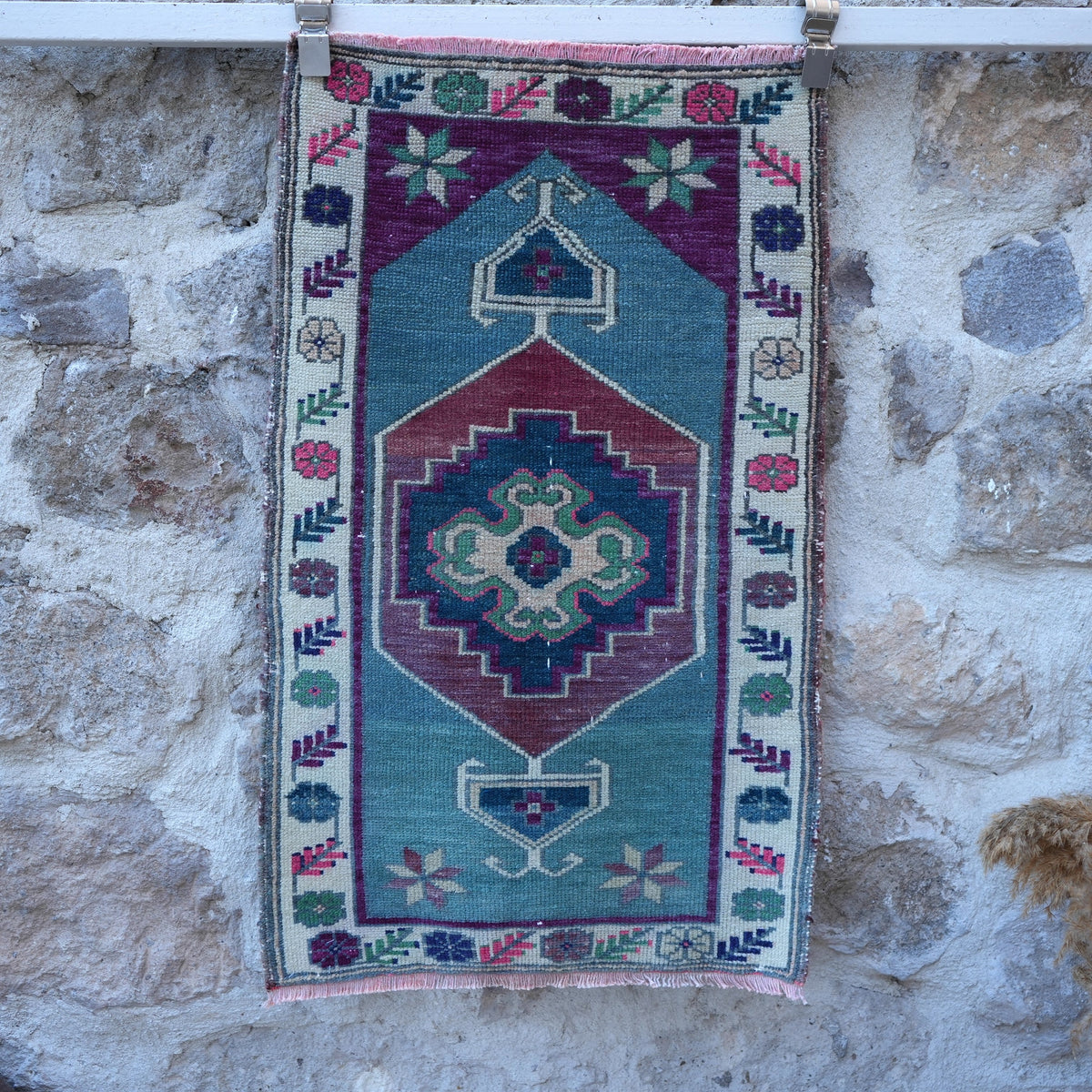
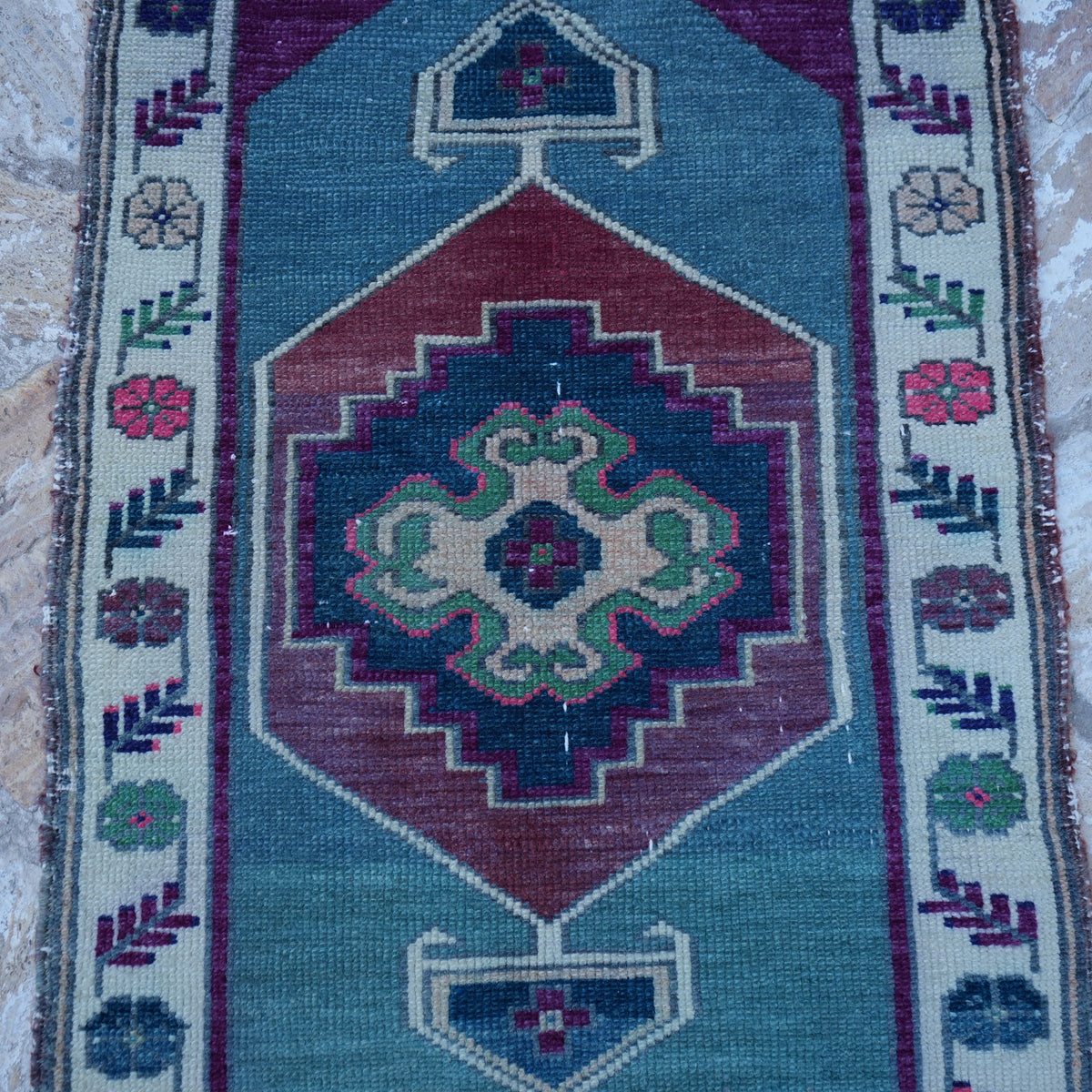
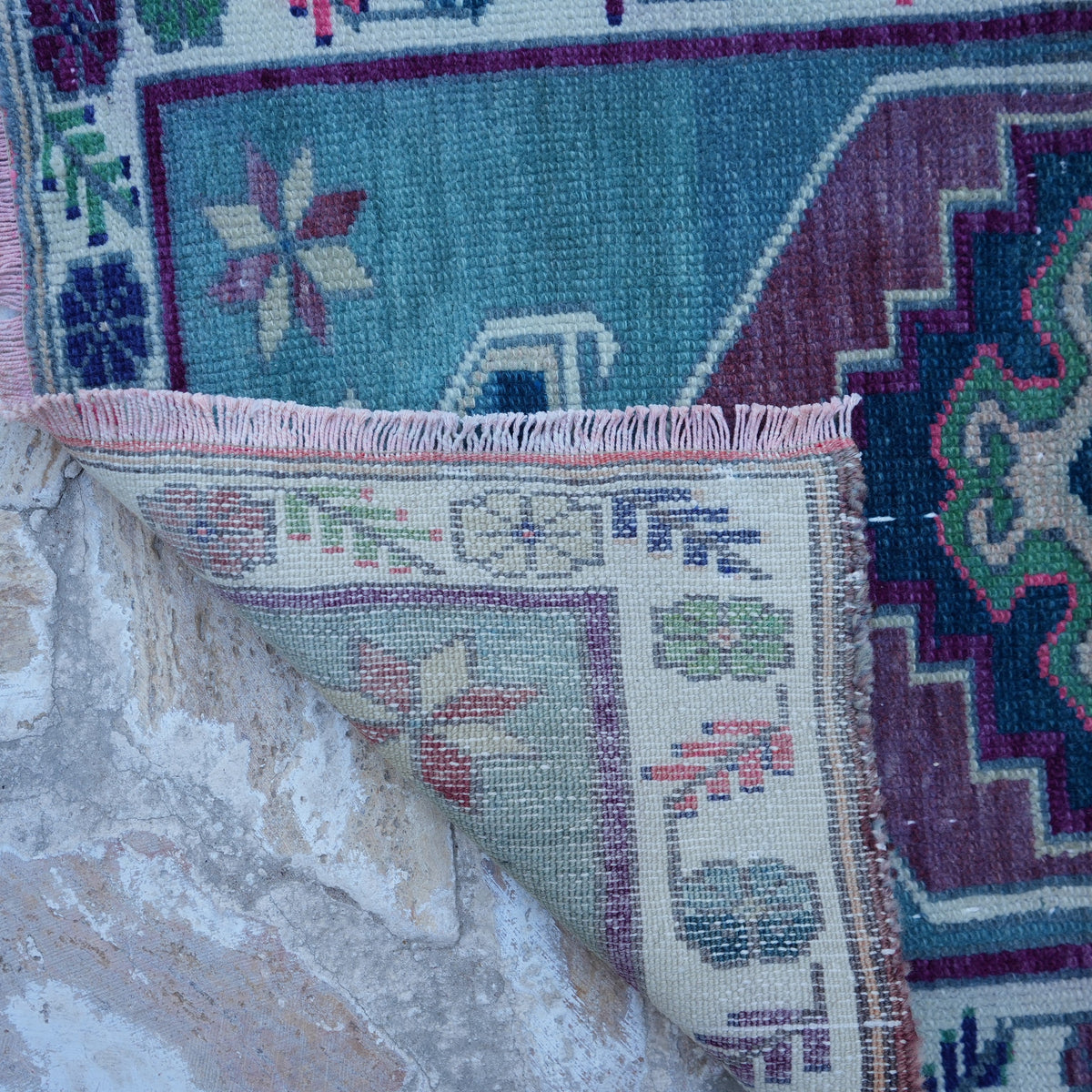
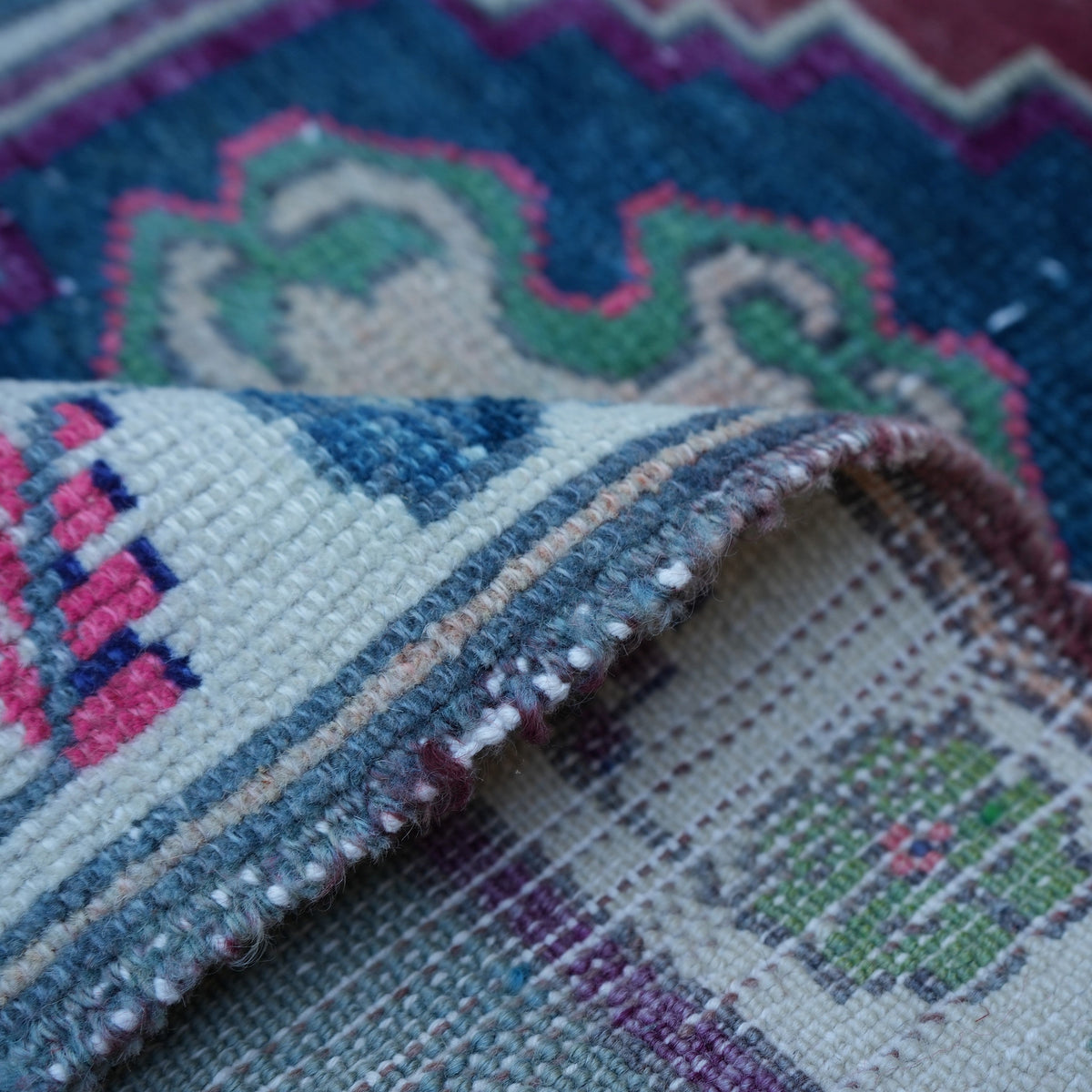
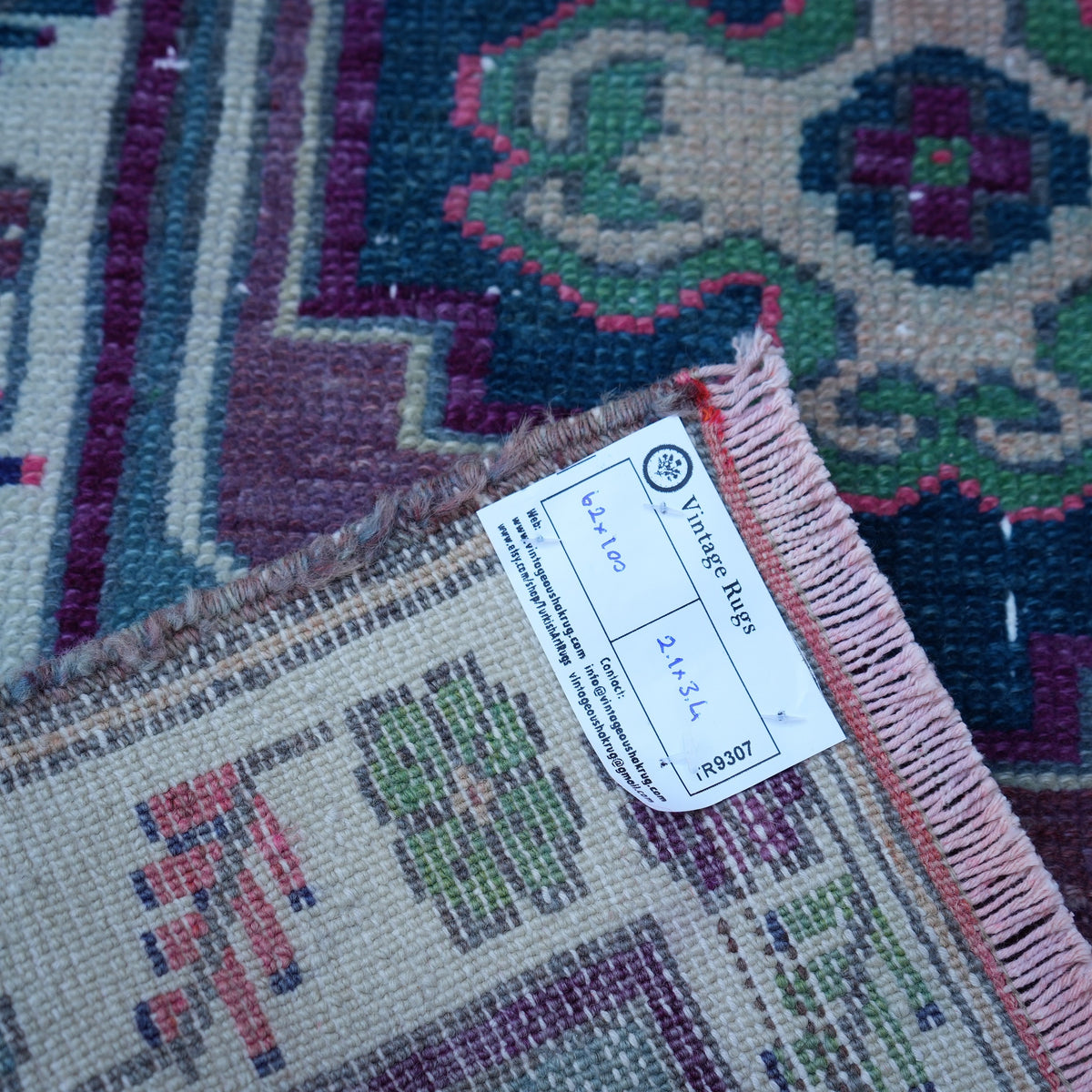
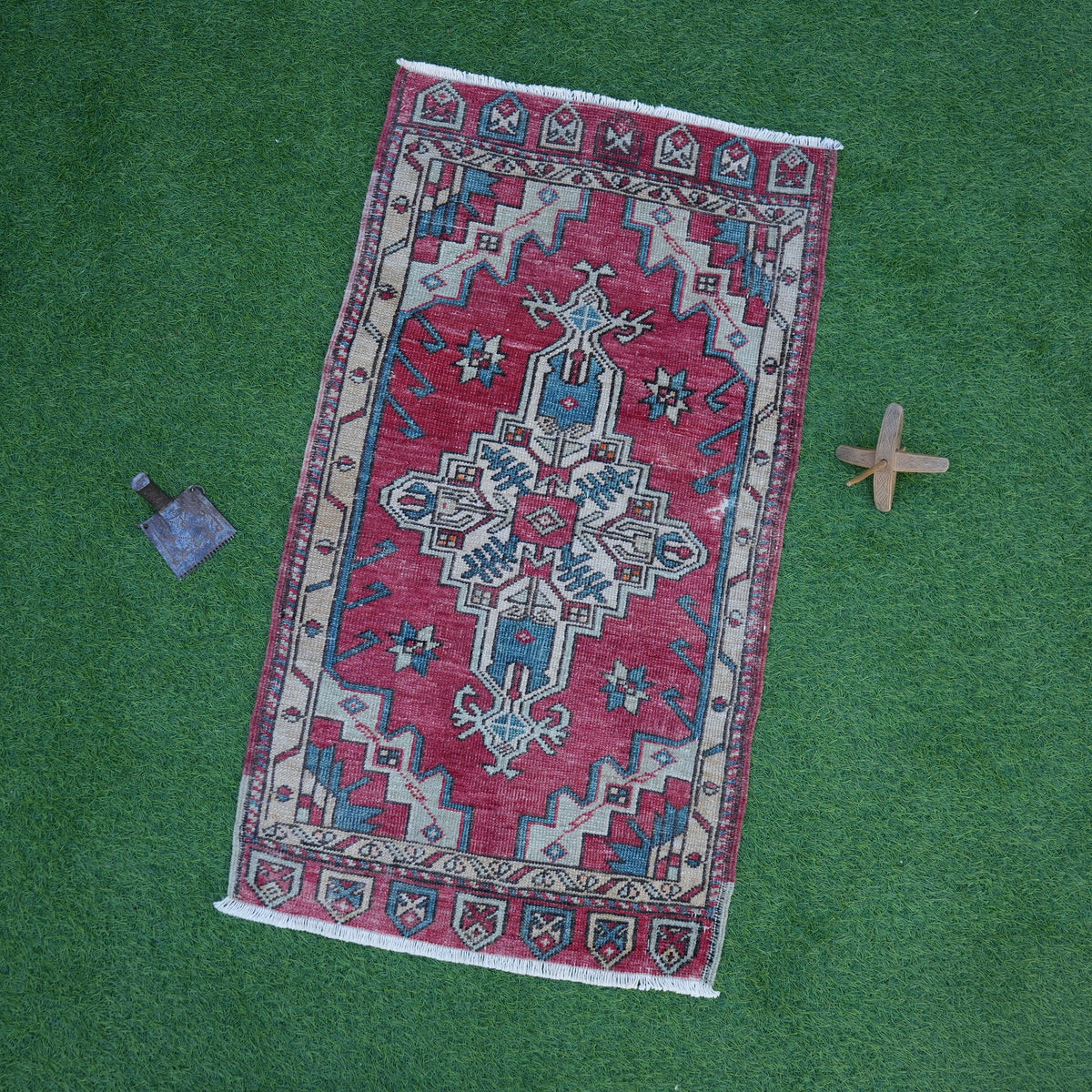
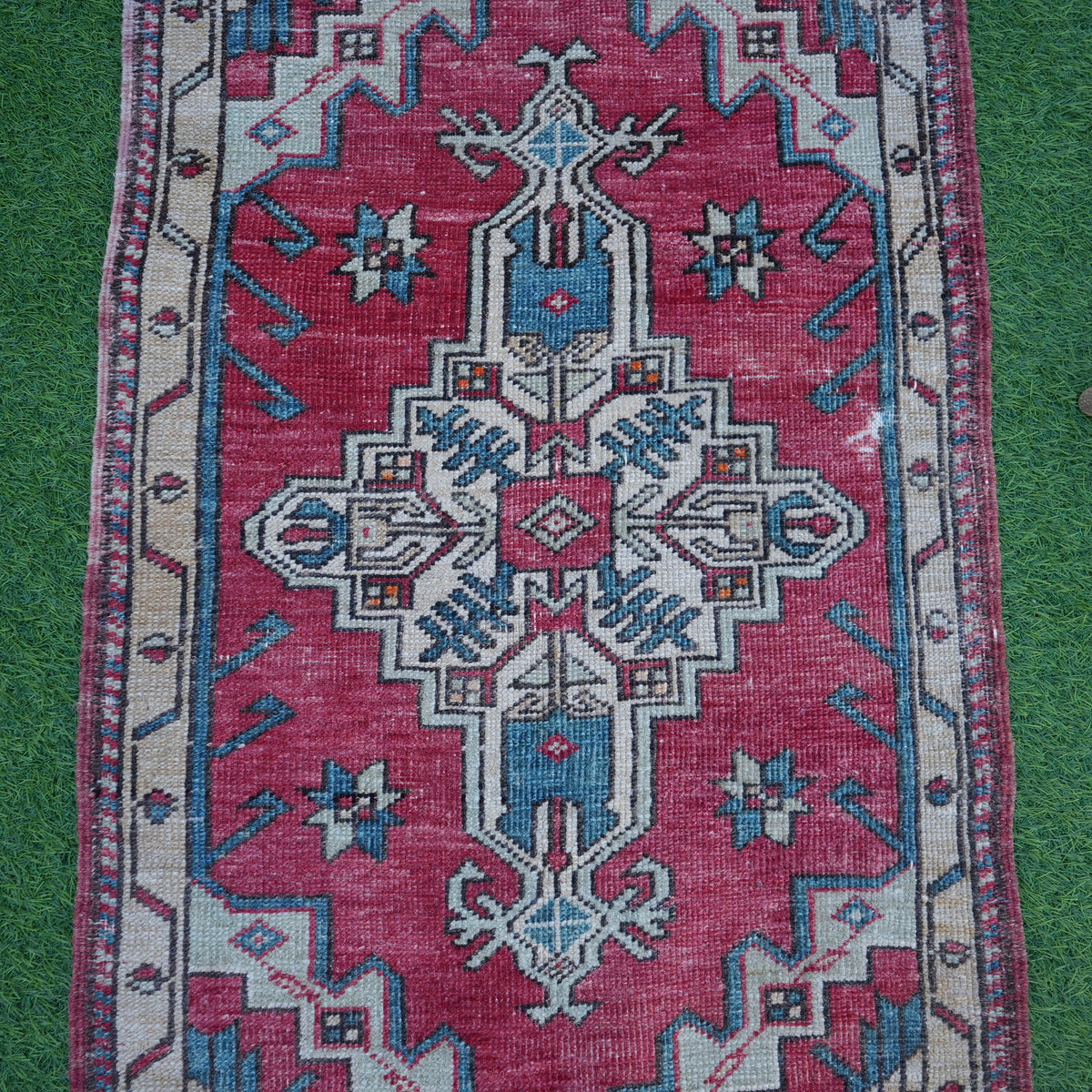
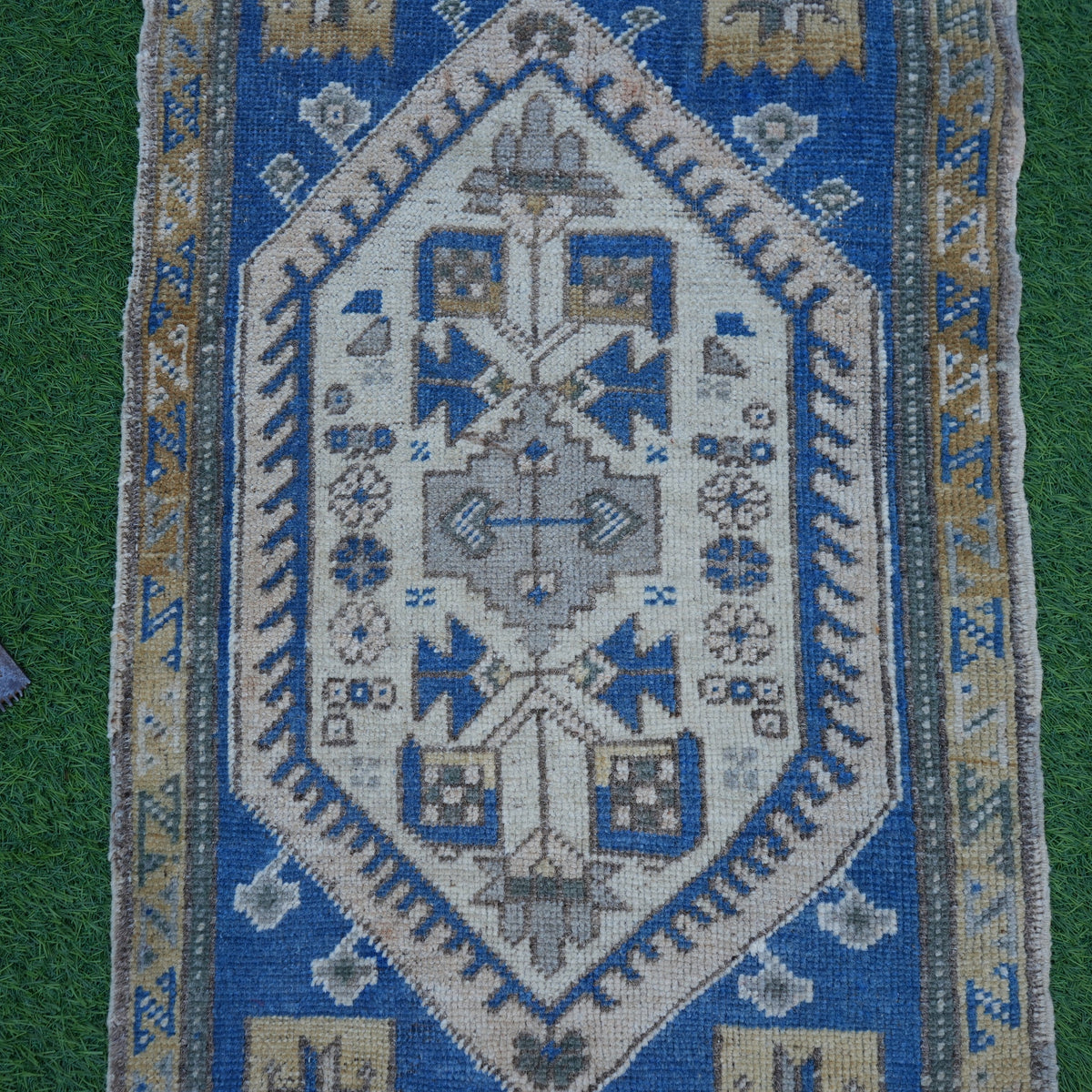
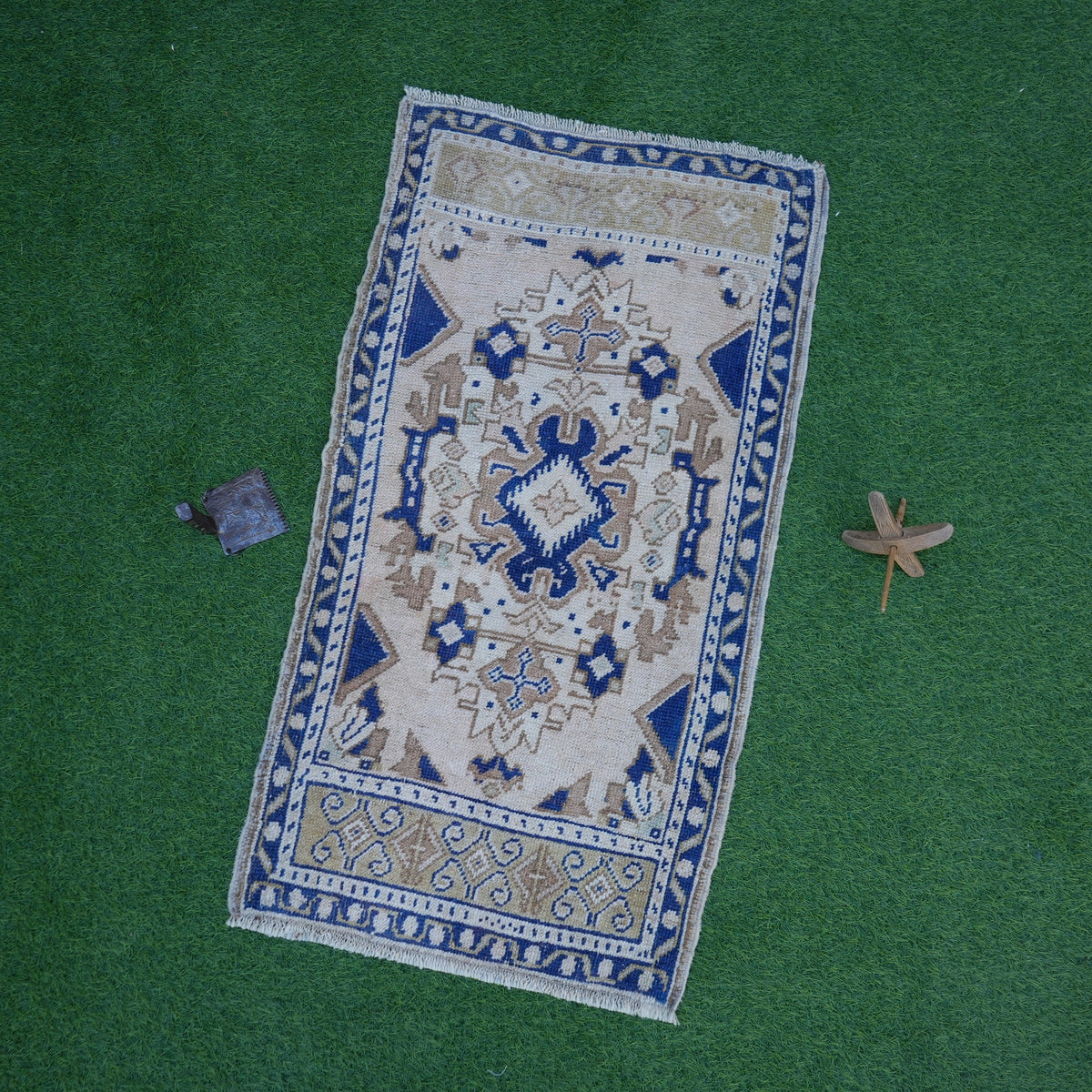
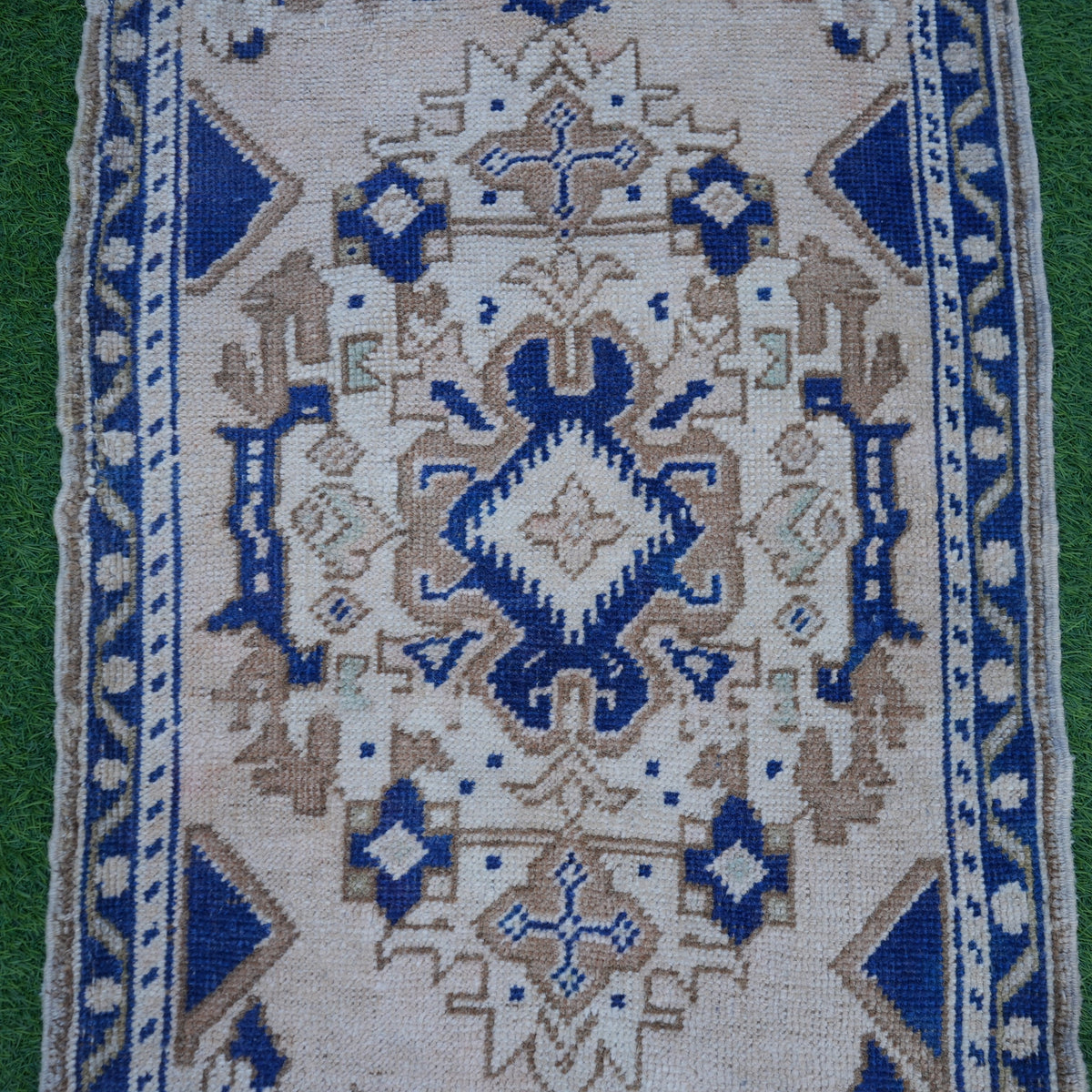
Our small rugs and medium rugs collections cover this full range — all sourced from Cappadocia, each one a single original piece.
This Is Carpet Territory
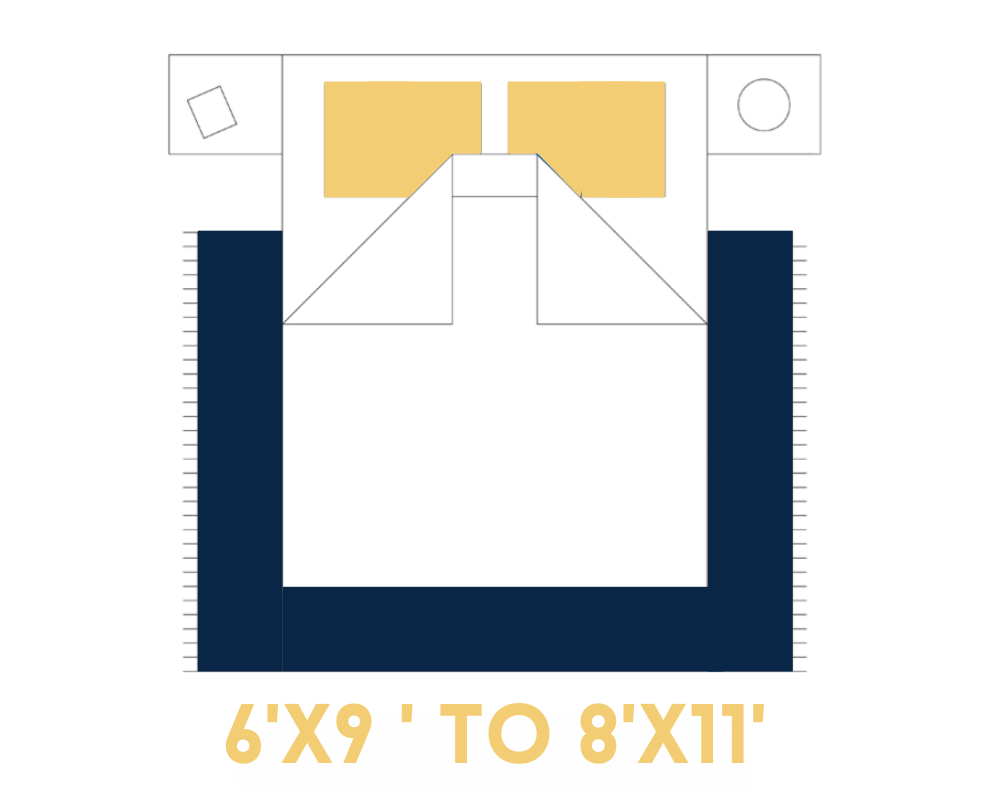
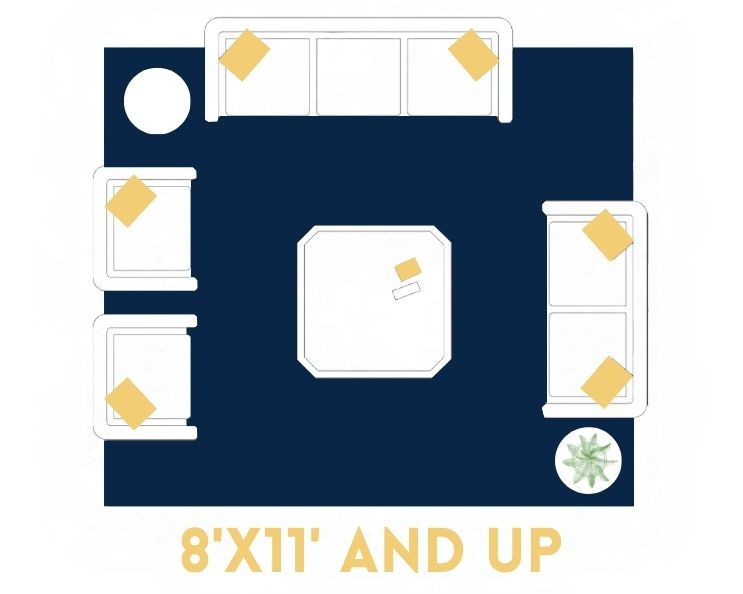
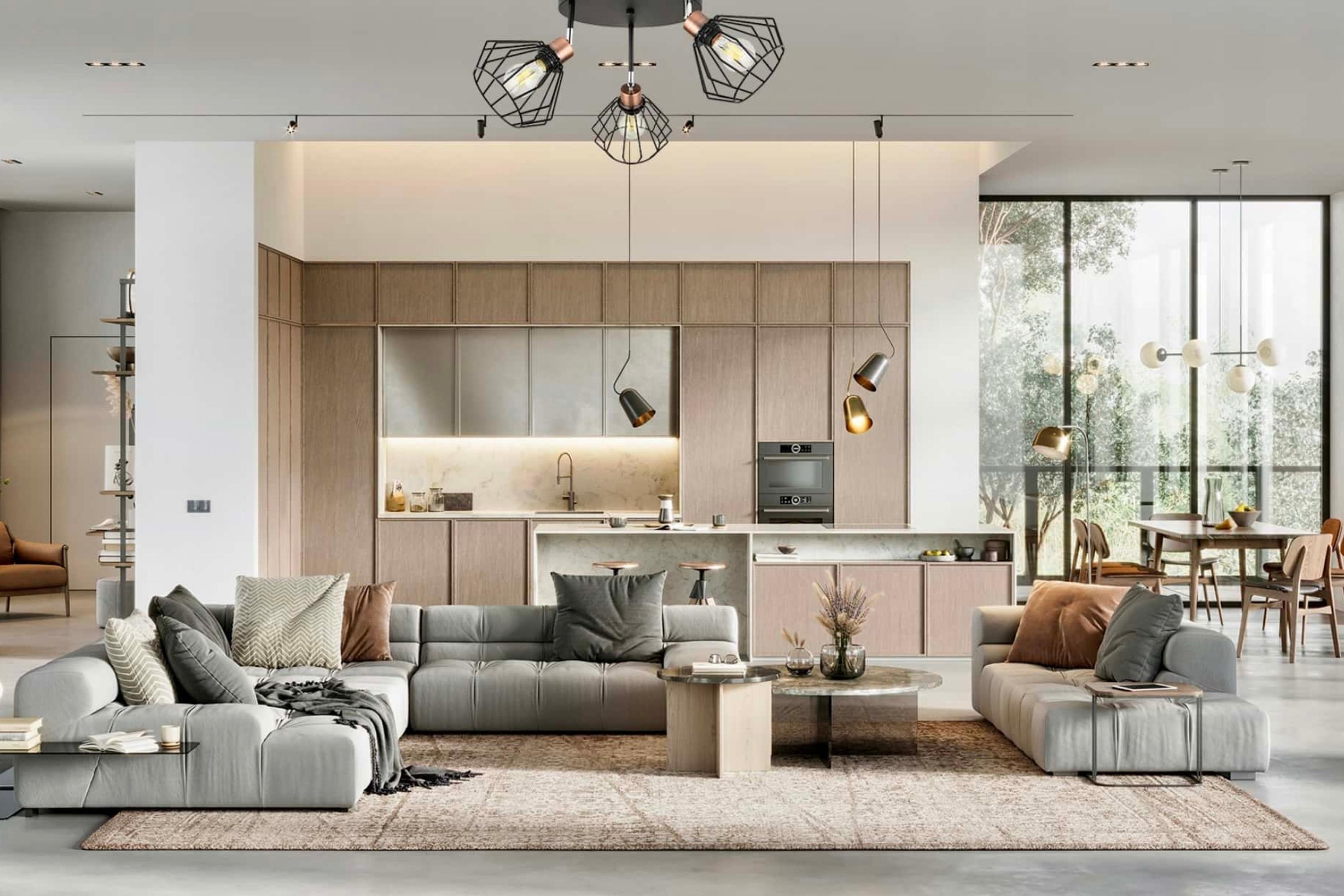
The 8×10 is where I hear the most questions. Customers order one for a large living room, and when it arrives they ask: is this a rug or a carpet? An 8×10 in a standard American living room covers most of the usable floor. It stops defining a zone and starts defining the room itself.
That shift — from framing a space to filling it — is the actual line. At 6×9, you are accenting. At 8×10 and beyond, you are making a room decision.
An 8×10 handles a full living room seating arrangement. A 9×12 works for open-plan spaces that span living and dining. Our large rugs and extra large rugs collections start at this scale.
Always a Rug, Regardless of Length
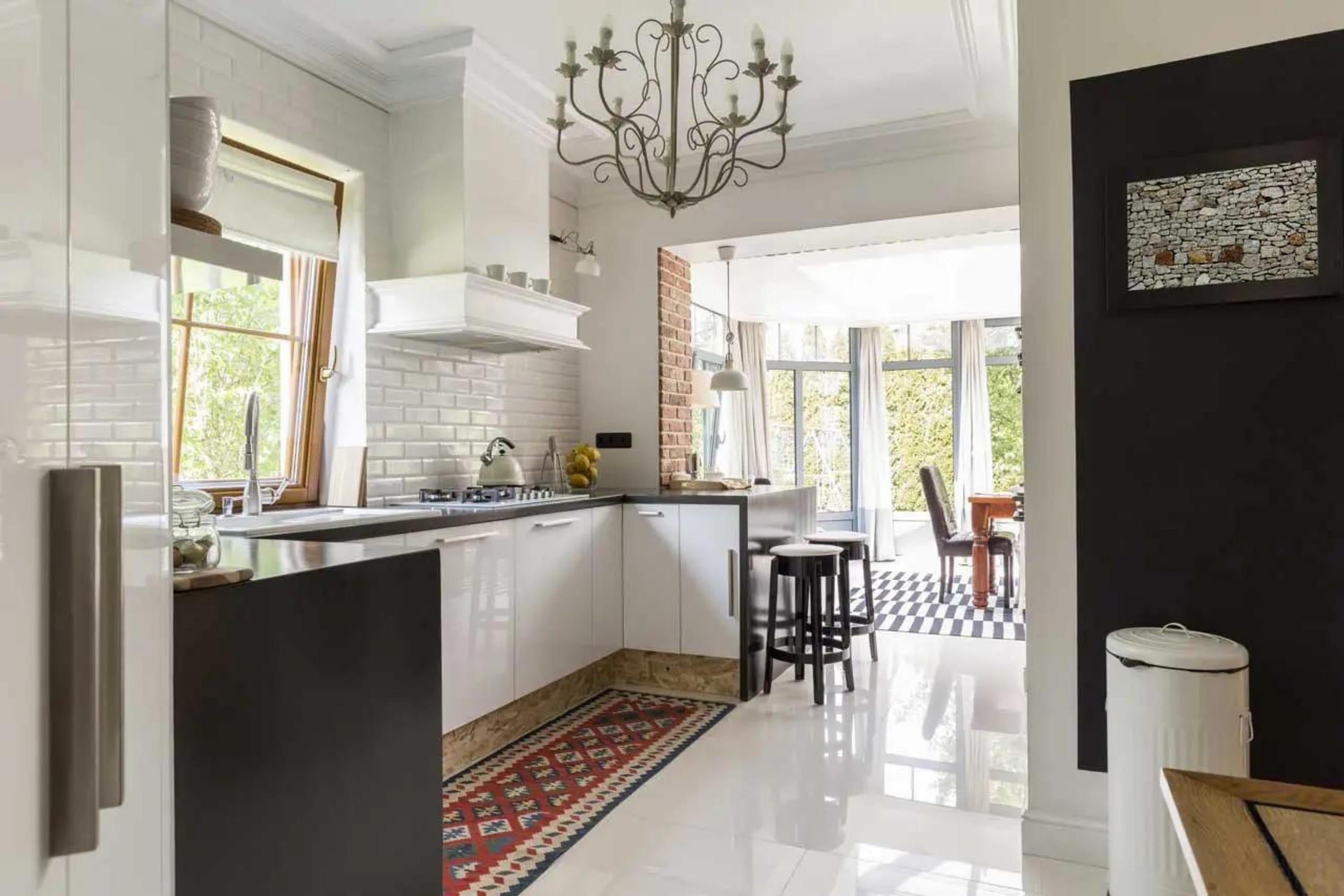
A 2×8, a 2×10, a 3×12 — a runner is always a rug. The length confuses people. They assume anything past a certain size must cross into carpet territory. But a runner guides movement through a space rather than filling it. It marks a path.
I once had a customer searching for a long time under “hallway carpet” and finding nothing useful. She was describing a runner rug. Once I reframed it, she found the right piece in ten minutes.
A runner is always a rug. That’s not a rule — it’s just what runners do. Explore our runner rugs collection for long, narrow handmade pieces made for hallways, kitchens, and entry spaces.

Fixed vs. Freestanding — The Installation Difference
Wall-to-wall carpet requires professional installation: stretched across the subfloor and secured with tack strips along every wall. Once it’s down, it stays down. Taking it out is a project.
A rug needs a pad. That is genuinely the whole process. Reposition it when the furniture moves, rotate it in six months, take it when you leave.
For renters, this is not a minor difference. Wall-to-wall carpet is a decision made for the building. When the lease ends, the carpet stays. When your taste changes, the carpet stays. I’ve had customers who spent three years living with a landlord-installed carpet they genuinely disliked and couldn’t change. One well-chosen rug placed over it transformed the room — and when they moved, the rug came with them.
The carpet stayed. Everything worth keeping left.
| Feature | Rug | Carpet |
|---|---|---|
| Coverage | Partial — defines a zone | Full room, wall to wall |
| Installation | No installation — pad only | Professional installation required |
| Portability | Fully movable, travels with you | Fixed to the building |
| Typical size | Up to 6x9 (runner: any length) | 8x10 and above |
| Lifespan | Handmade: 50–100+ years | Machine-made: 5–10 years |
| Material | Natural wool, silk, cotton, jute | Often synthetic (nylon, polyester) |
| Investment value | Appreciates with age (handmade) | Depreciates — no resale value |
| Allergy friendliness | Can be removed and properly cleaned | Traps allergens in fixed pile |
| Best for | Renters, hardwood floors, flexibility | Large open spaces, full-room softness |
Lifespan and investment columns compare handmade rugs to standard machine-made broadloom carpet. A machine-made area rug sits closer to the carpet column on both.

Material and Construction — Where Handmade Changes Everything
Machine-Made Carpet vs. Handmade Rug — Not the Same Investment
A factory-produced carpet has a lifespan of 5–10 years. Synthetic fibers flatten, colors dull, and the surface reaches a tiredness that cleaning cannot reverse. At $400–600 per piece, you replace it once, then again. Over 30 years, you’ve spent $1,200–1,800 and have nothing to show for it.
A hand-knotted Turkish rug, cared for properly, lasts 50 to 100 years. At $1,500–3,000 for a quality piece, that is roughly $30–60 per year over a half-century — and the piece typically appreciates rather than depreciates.
When I lay this out for customers, most go quiet for a moment, then say: “I never thought about it that way.” That pause is the most honest reaction I get. The price stops looking like a premium. It starts feeling like math.
Wool and Natural Fiber vs. Synthetic — What You’re Actually Walking On
Most machine-made carpets use nylon, polyester, or polypropylene — fibers that perform adequately at first and then degrade. They flatten under use, trap odor, and accumulate allergens where vacuuming doesn’t reach.
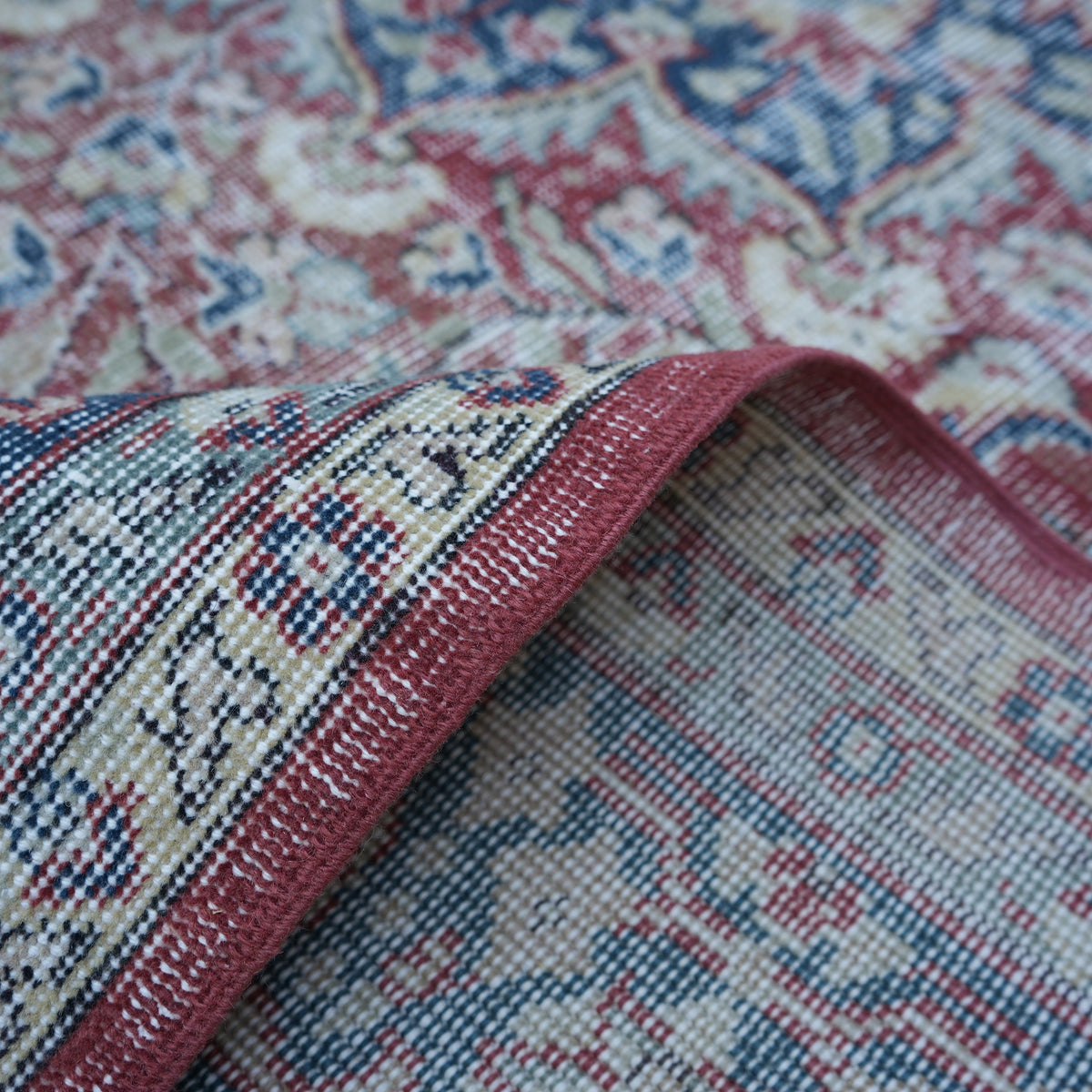
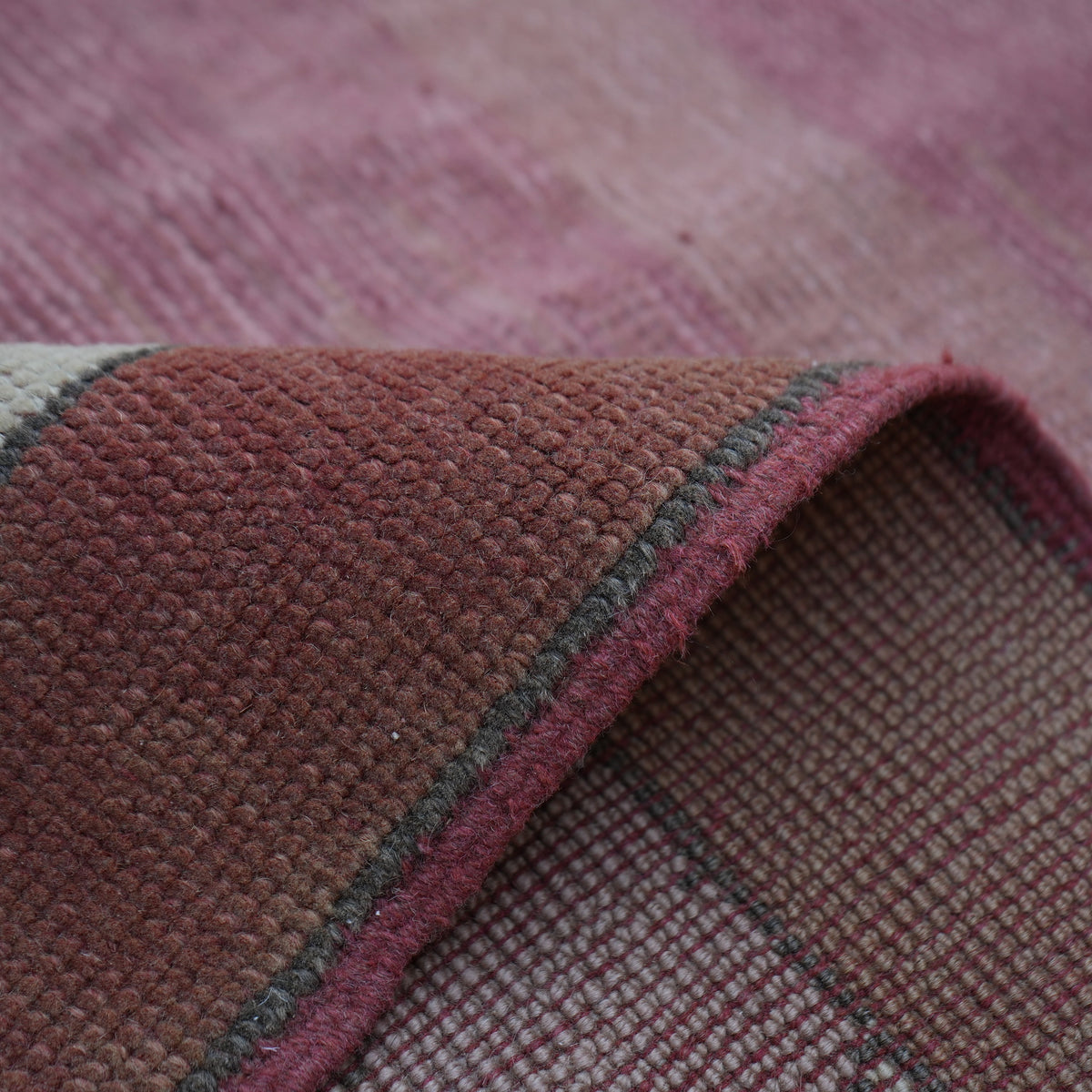
Natural wool behaves differently. It carries lanolin, which gives it mild resistance to staining. It regulates temperature. And it ages differently — an old wool rug does not look worn the way a synthetic one does. It develops a patina, a softness in the colors that comes only from decades of real use.
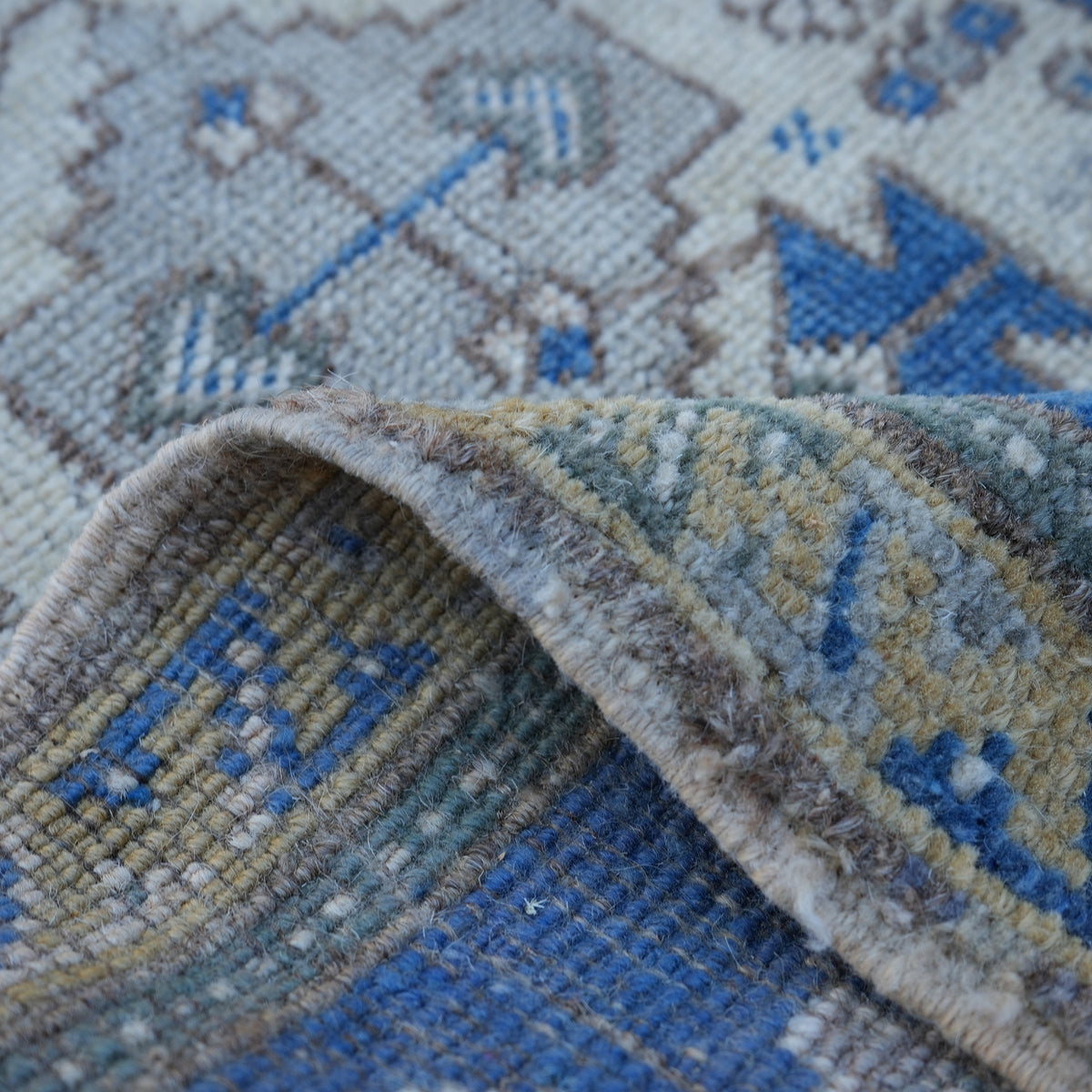
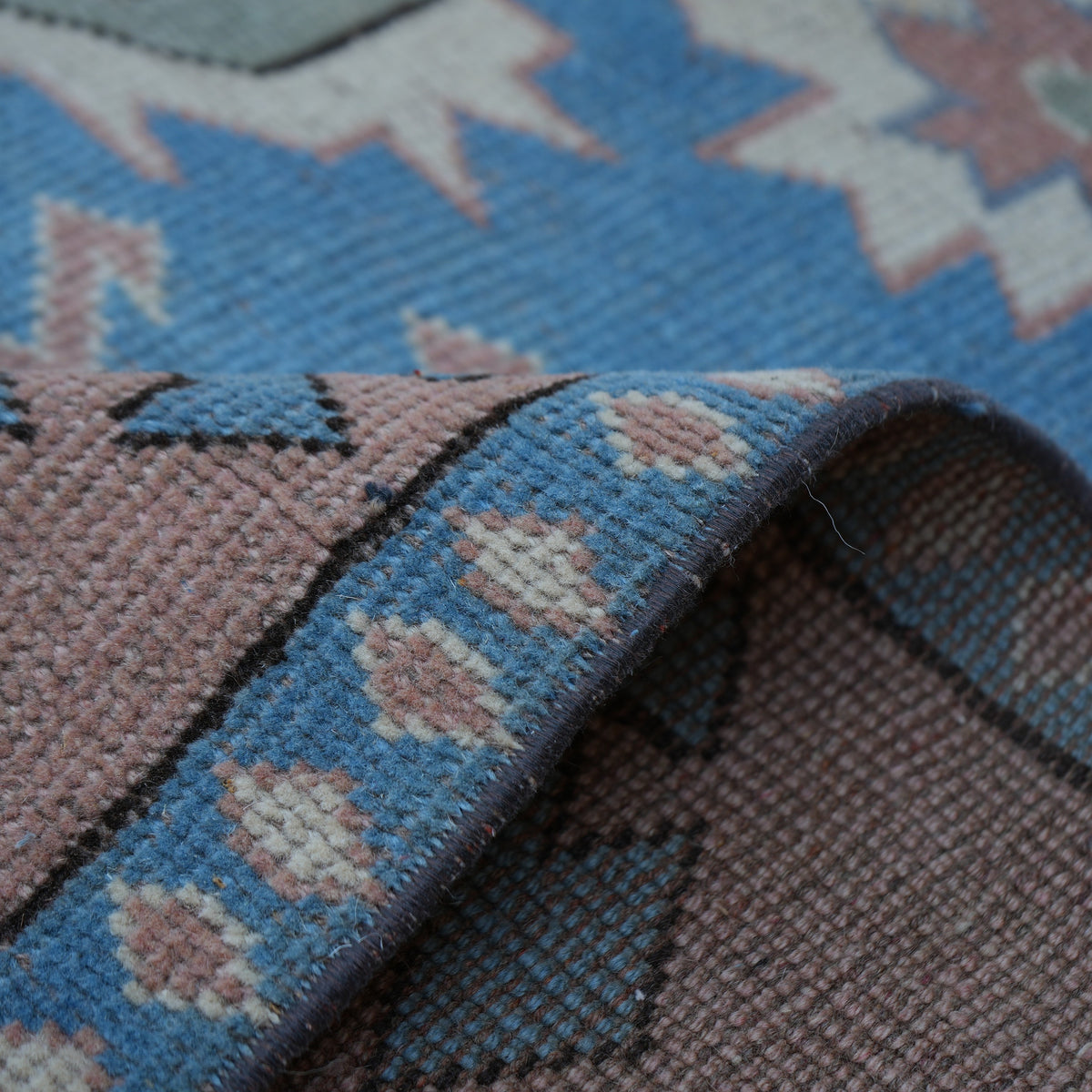
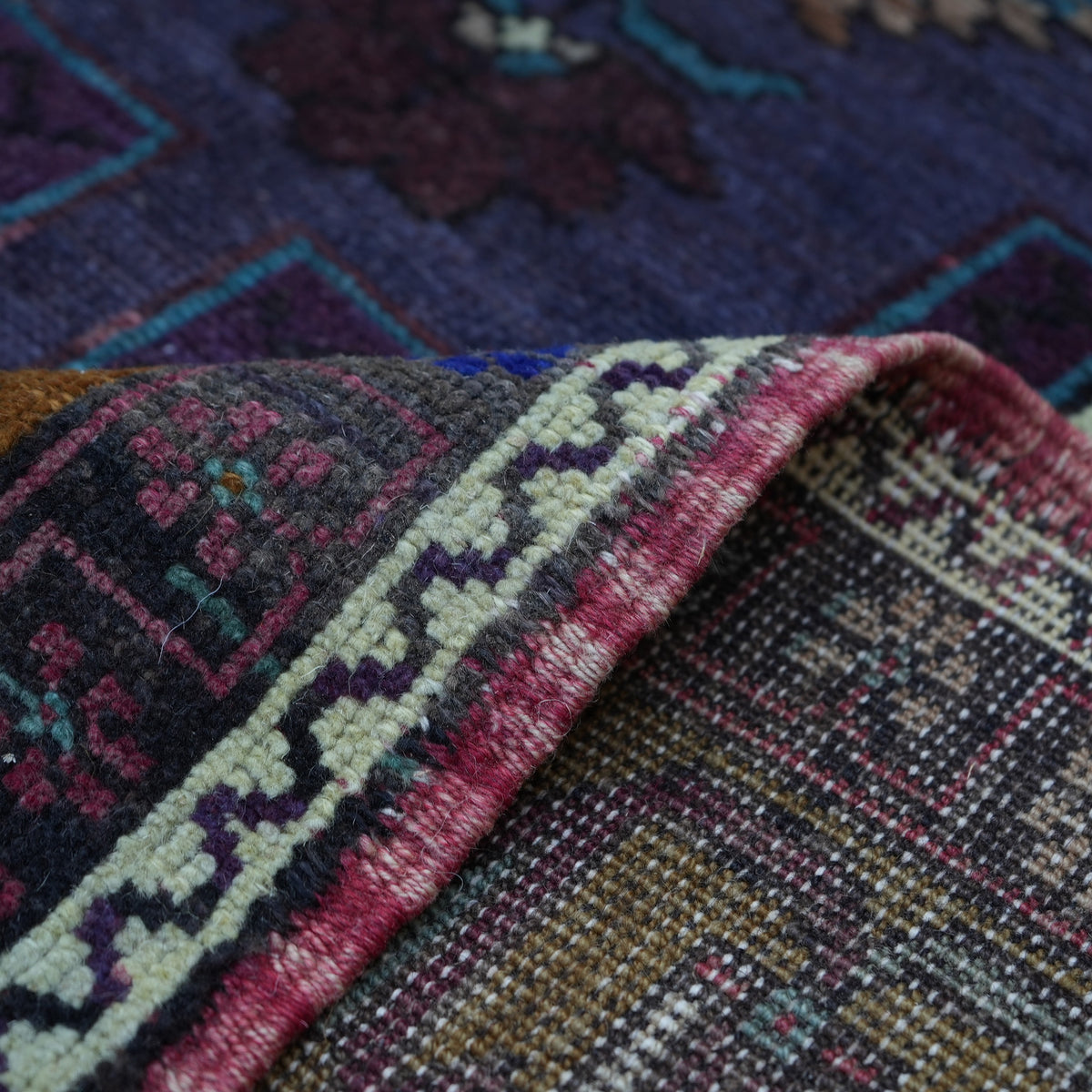
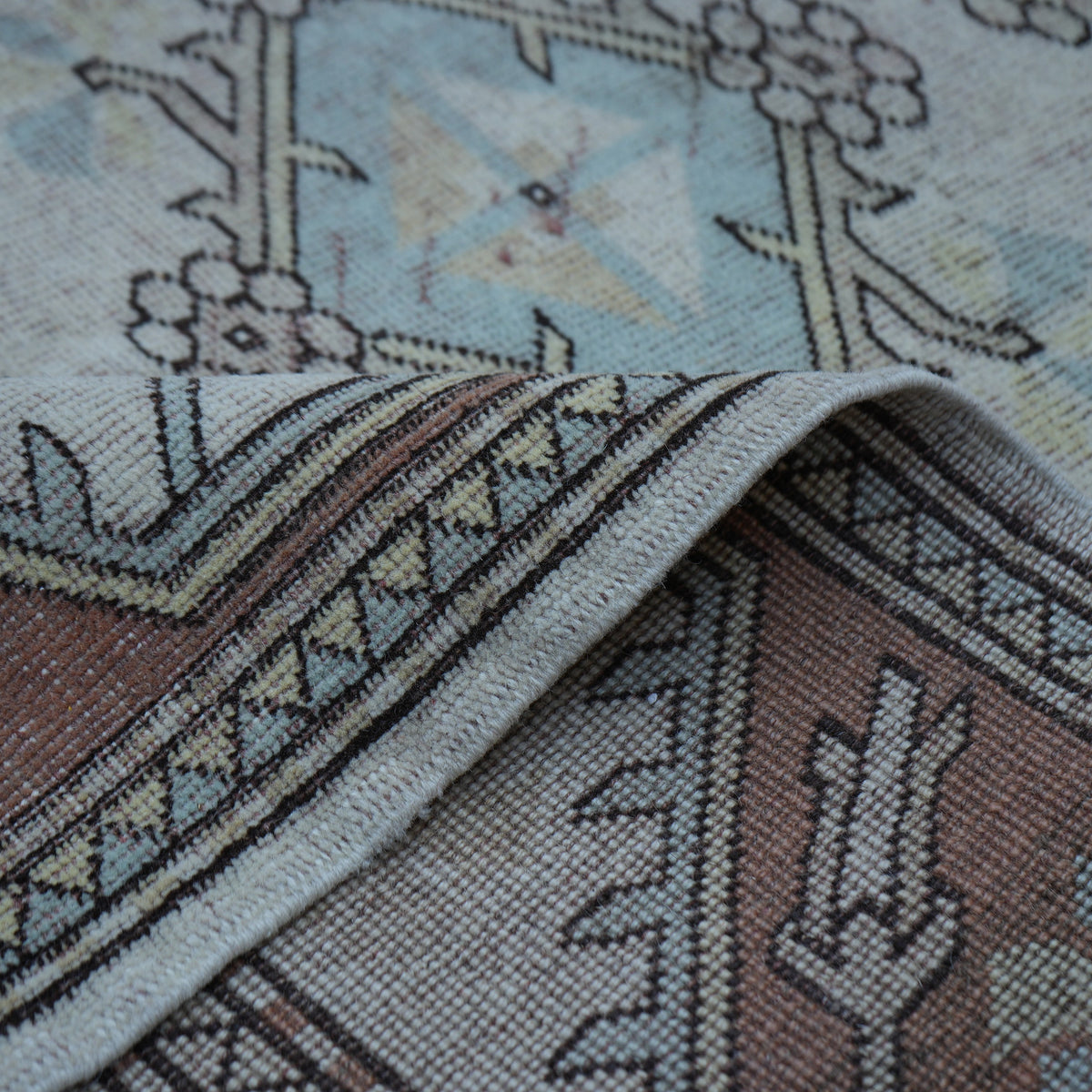
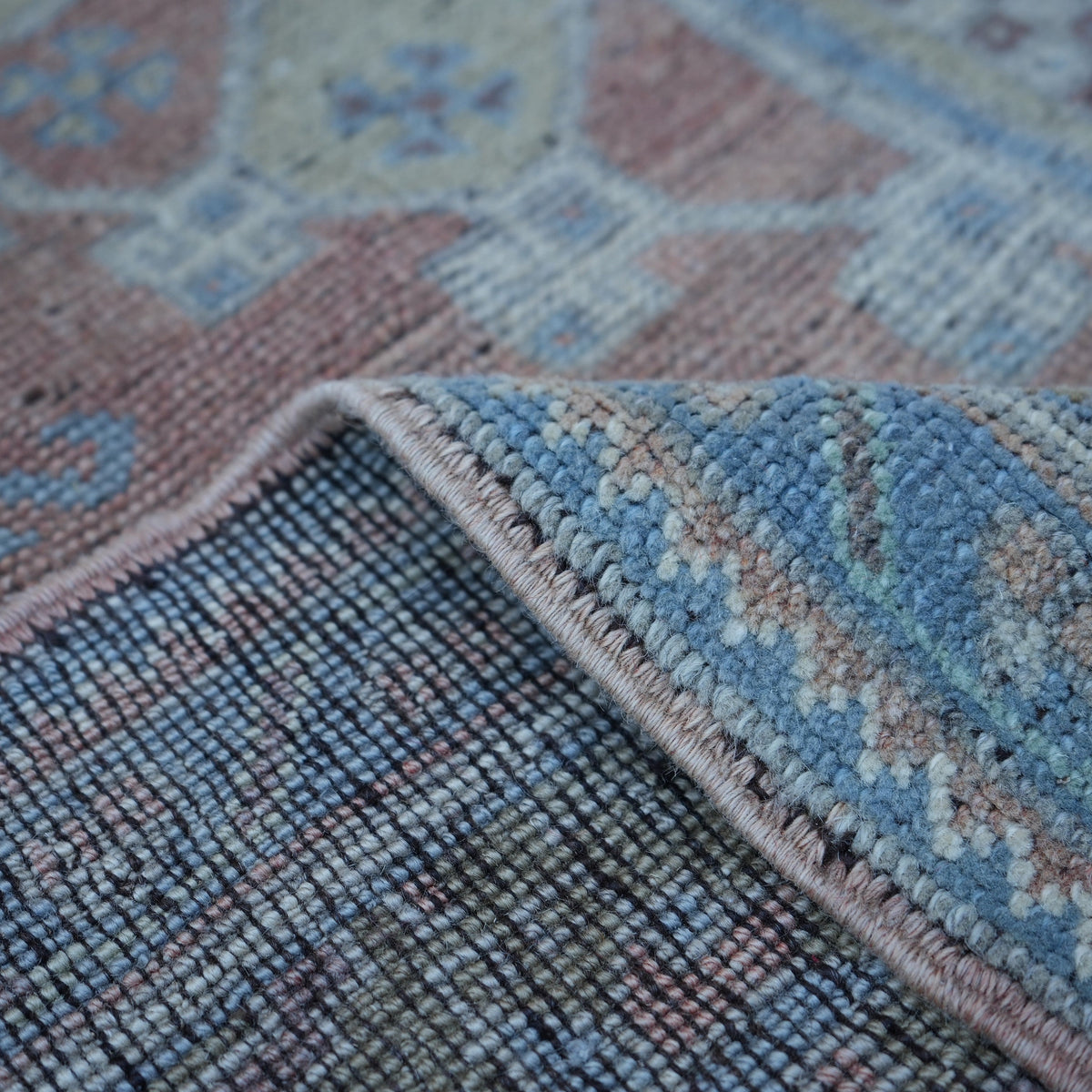
Press your hand into a hand-knotted Turkish rug and it pushes back. There is density, substance. A machine-made piece has a kind of hollow softness — comfortable for a moment, without depth. I always say: if it feels like it could have been made in an afternoon, it probably was.

When a Rug Makes More Sense Than Carpet
Four situations where a rug is the clearer choice.
If you rent, the logic is immediate. A rug is yours and moves when you move. Wall-to-wall carpet is a permanent fixture of someone else’s property.
If your home has hardwood, tile, or stone floors, covering them permanently works against you. Good floors hold value at resale and in daily use. A rug protects the surface, adds warmth, and can be removed when the room changes. The floor underneath remains.
If anyone in the home has allergies, removable rugs are meaningfully easier to manage. Fixed carpet traps dust mites and particulates where cleaning doesn’t reach. A rug can be taken outside and properly washed.
If your taste or a room’s function is likely to shift — and it will — a rug keeps your options open in a way carpet cannot.
Wall-to-wall carpet still makes sense in specific situations: large open spaces where full-floor softness is the goal, upper floors where sound transmission is a concern, or long-term installations where a consistent finish is what the owner actually wants. It is not wrong. It is simply less flexible.

What Makes a Turkish Handmade Rug a Different Category Entirely
Ask whether a machine-made piece is a rug or a carpet, and size answers the question. Ask the same about a handmade Anatolian piece, and the question starts to feel inadequate.
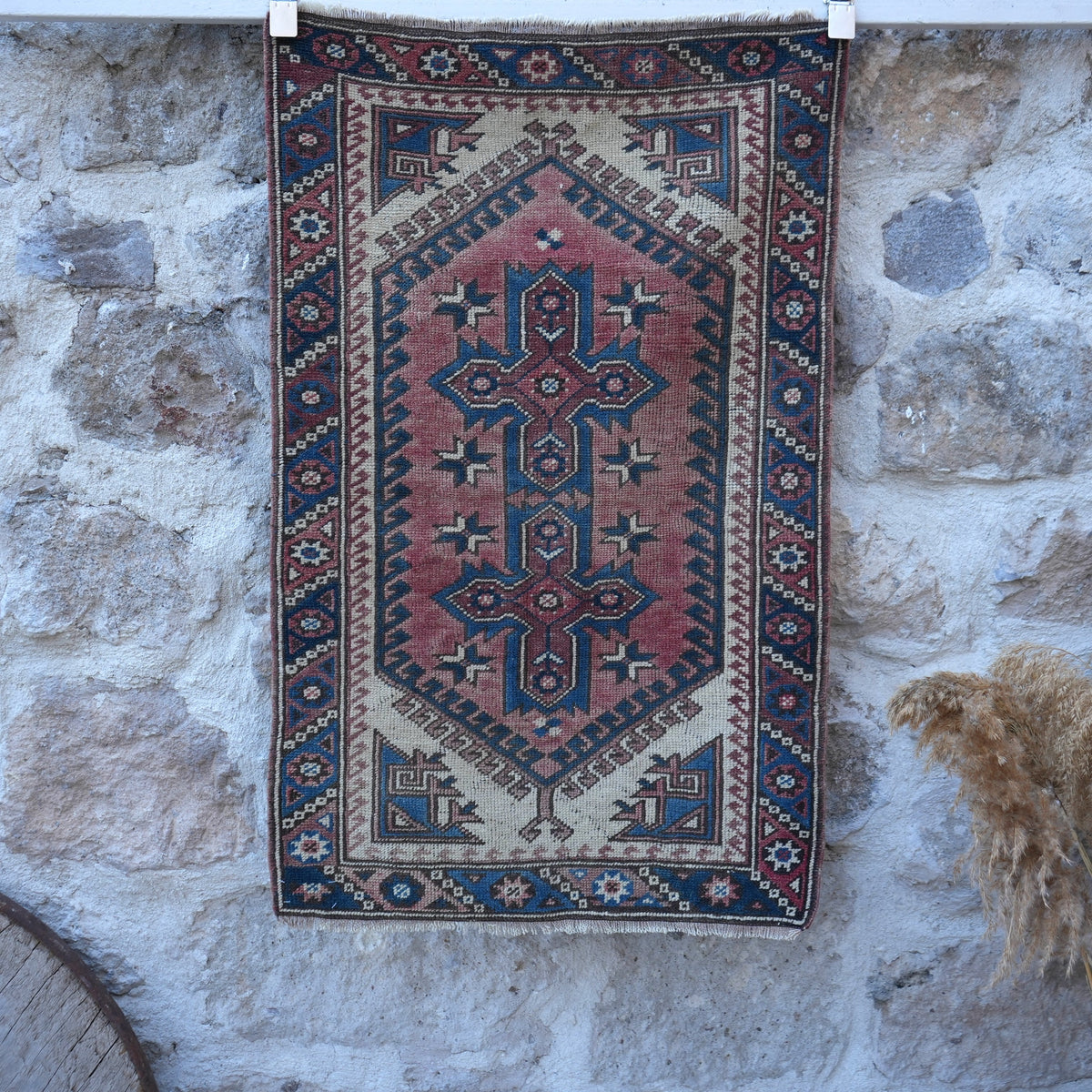
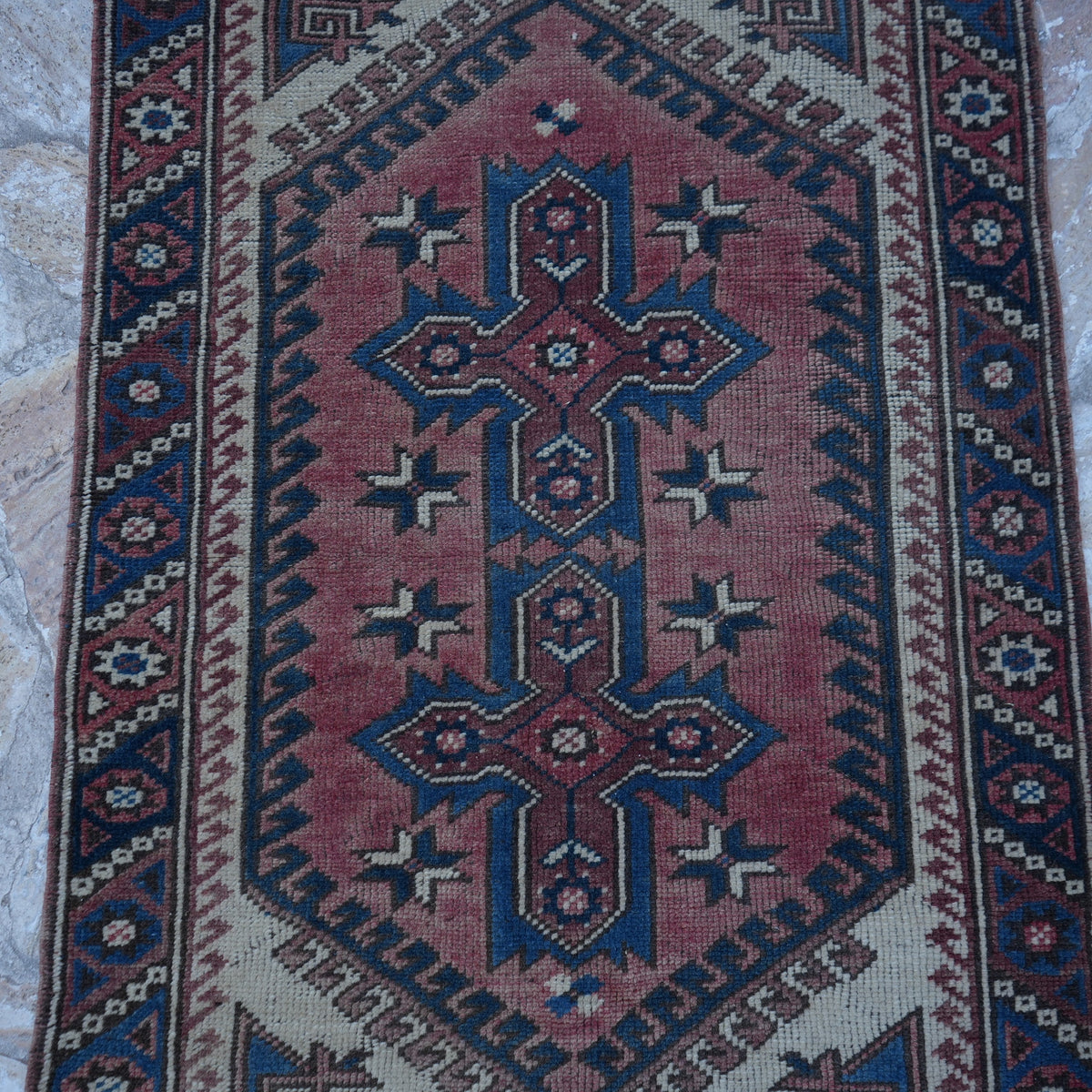
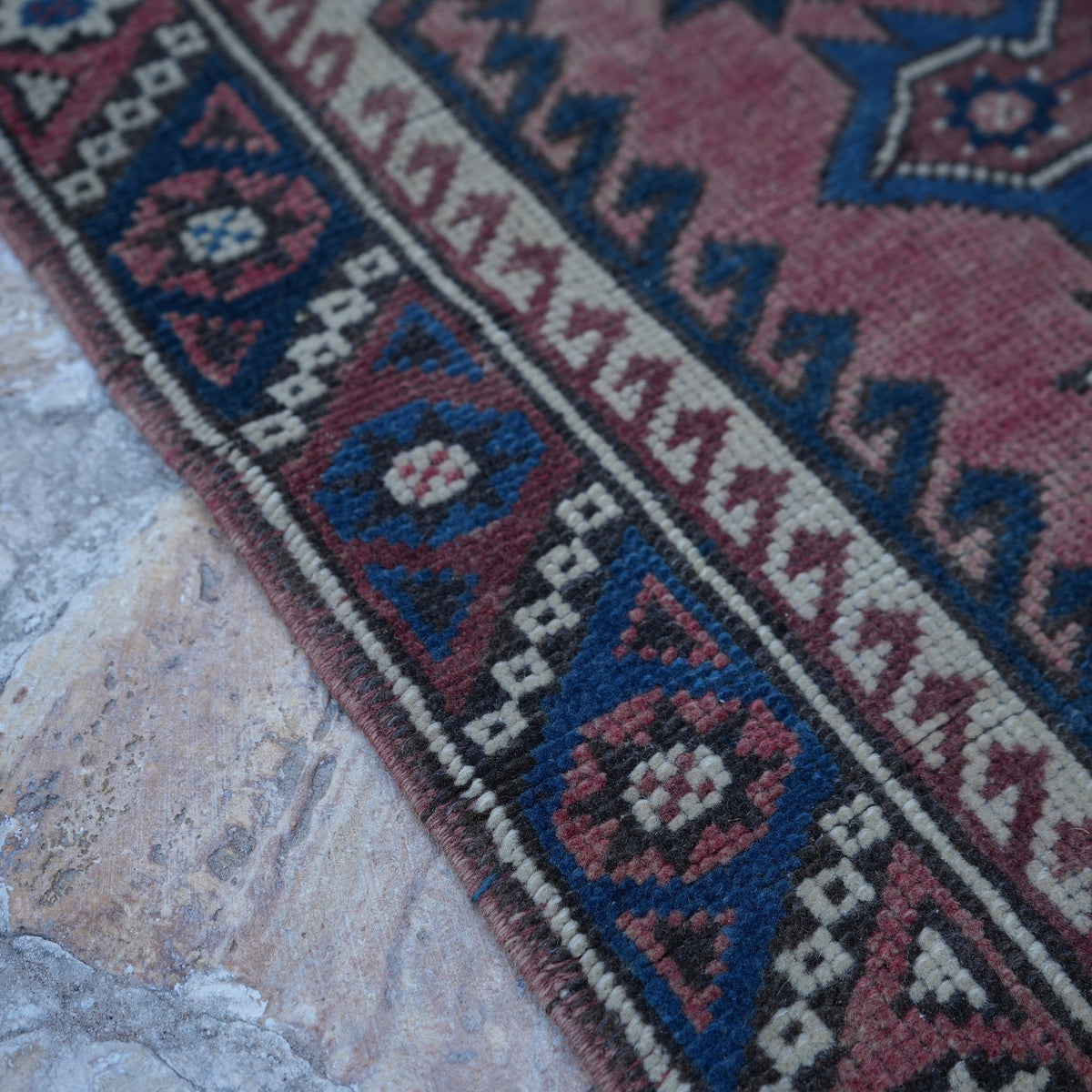
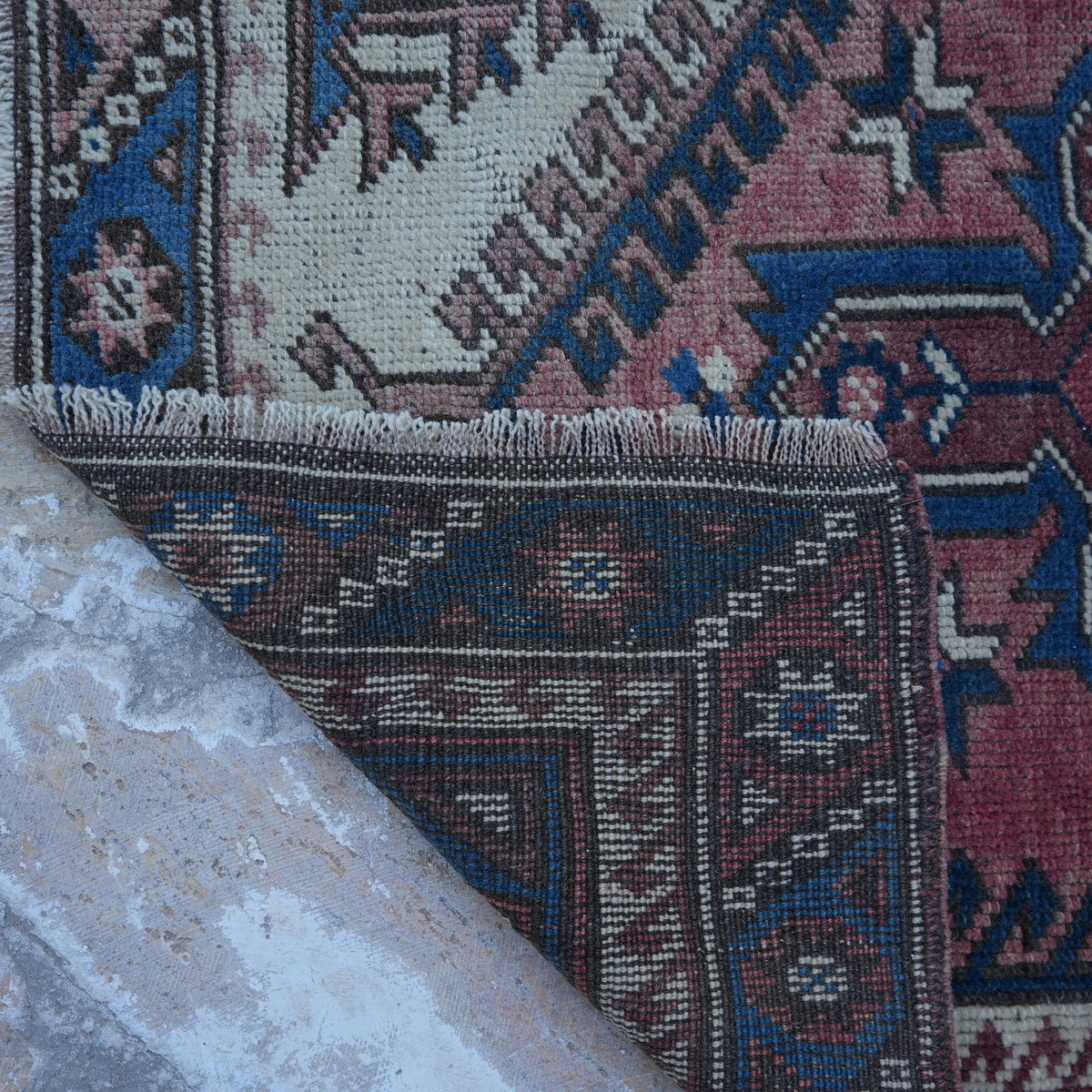
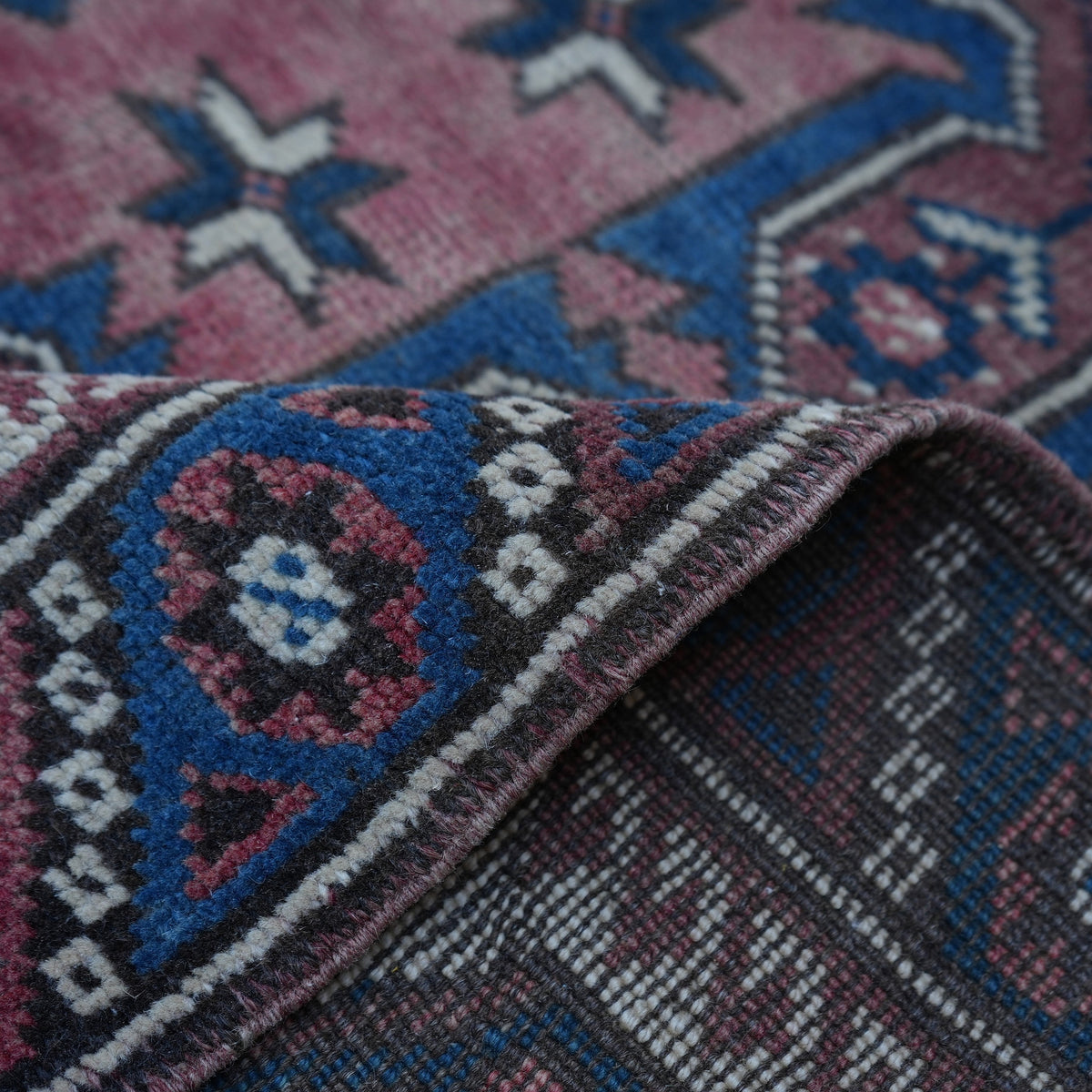
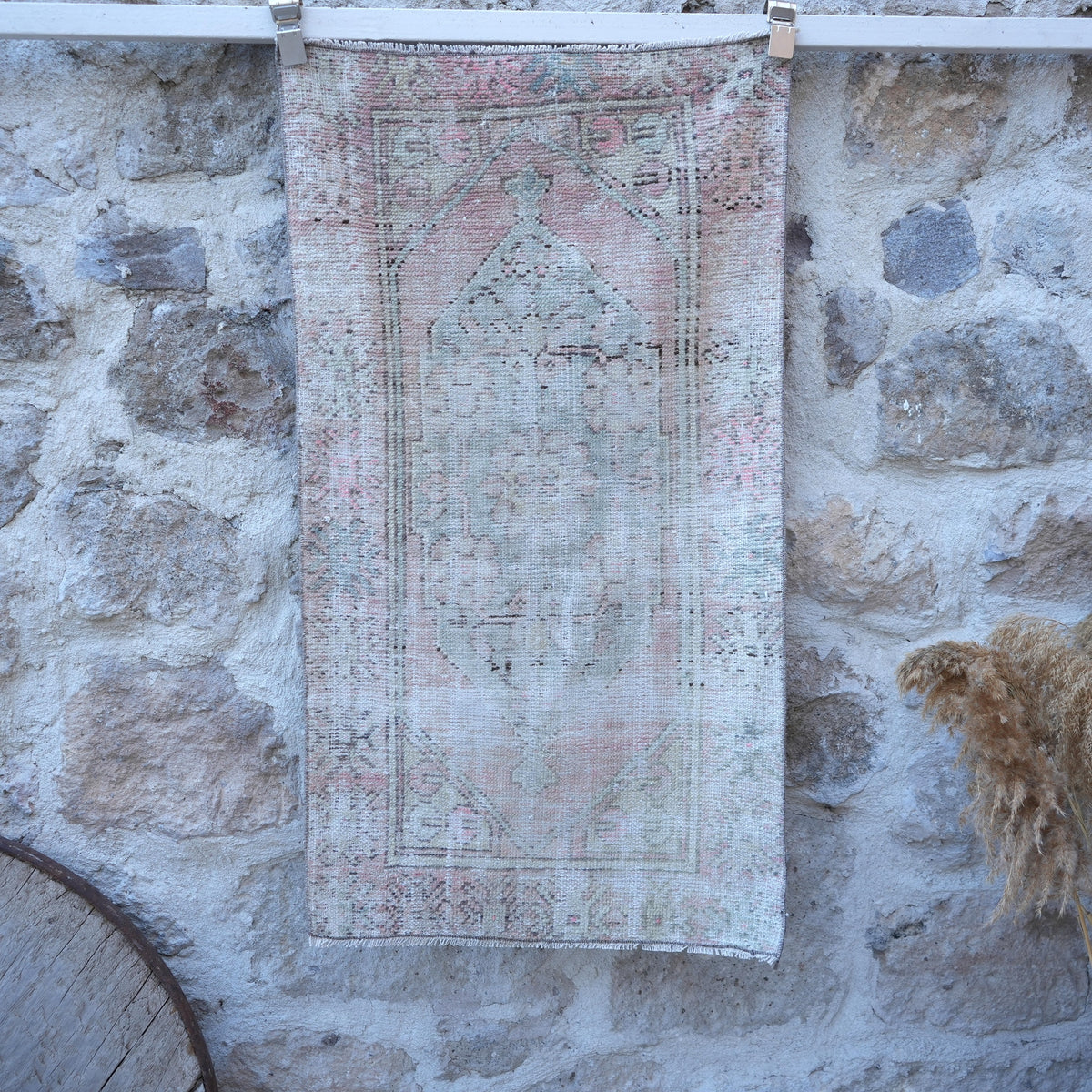
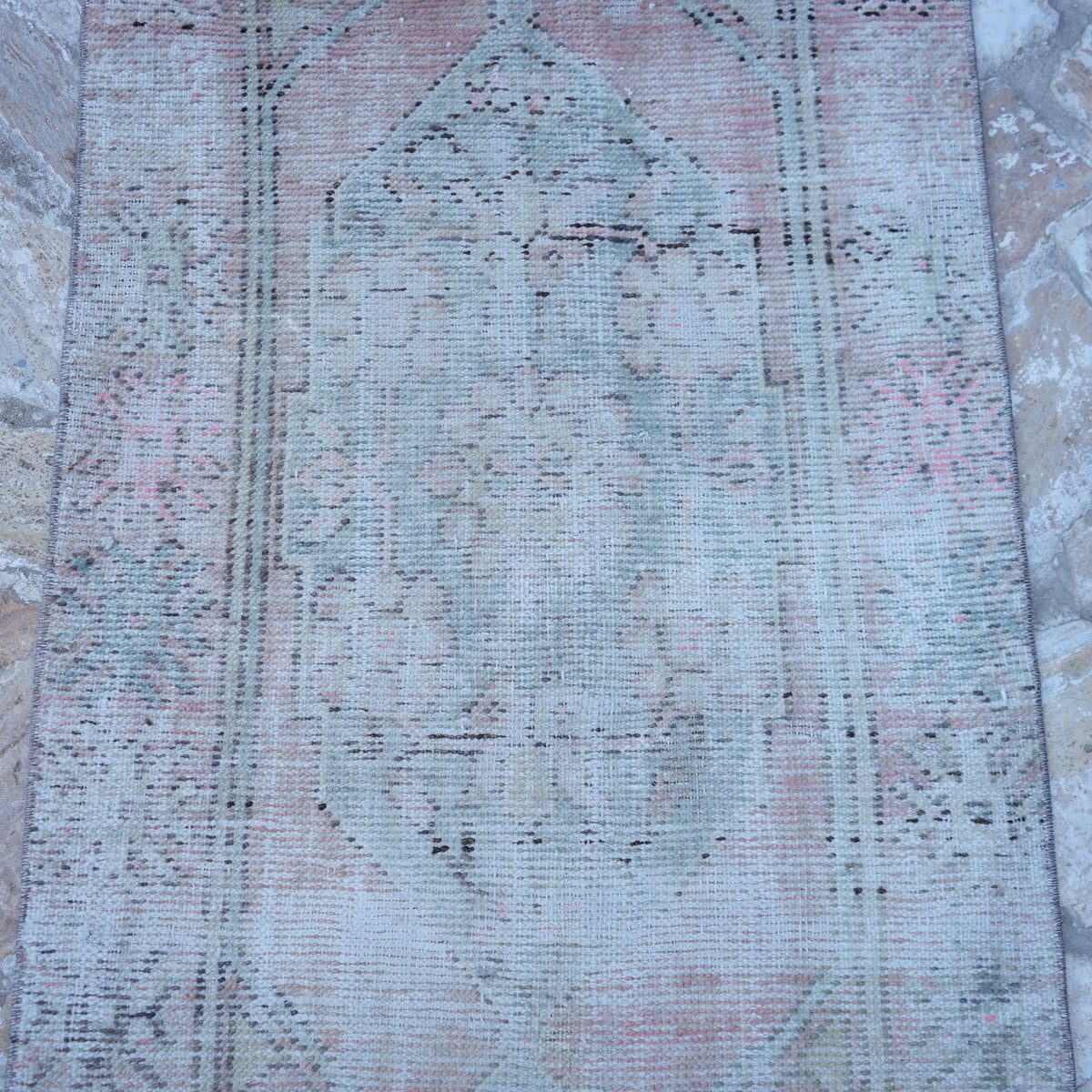
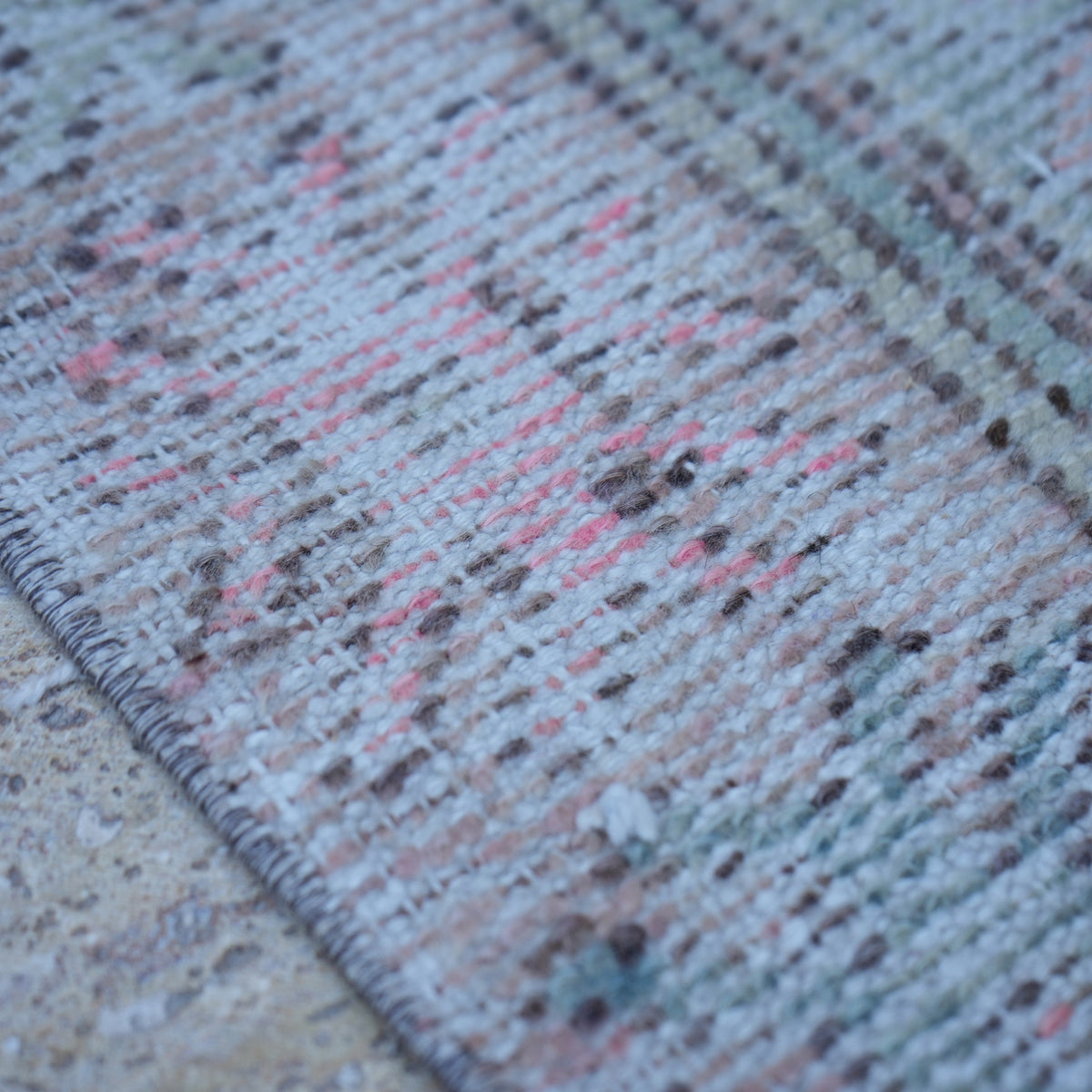
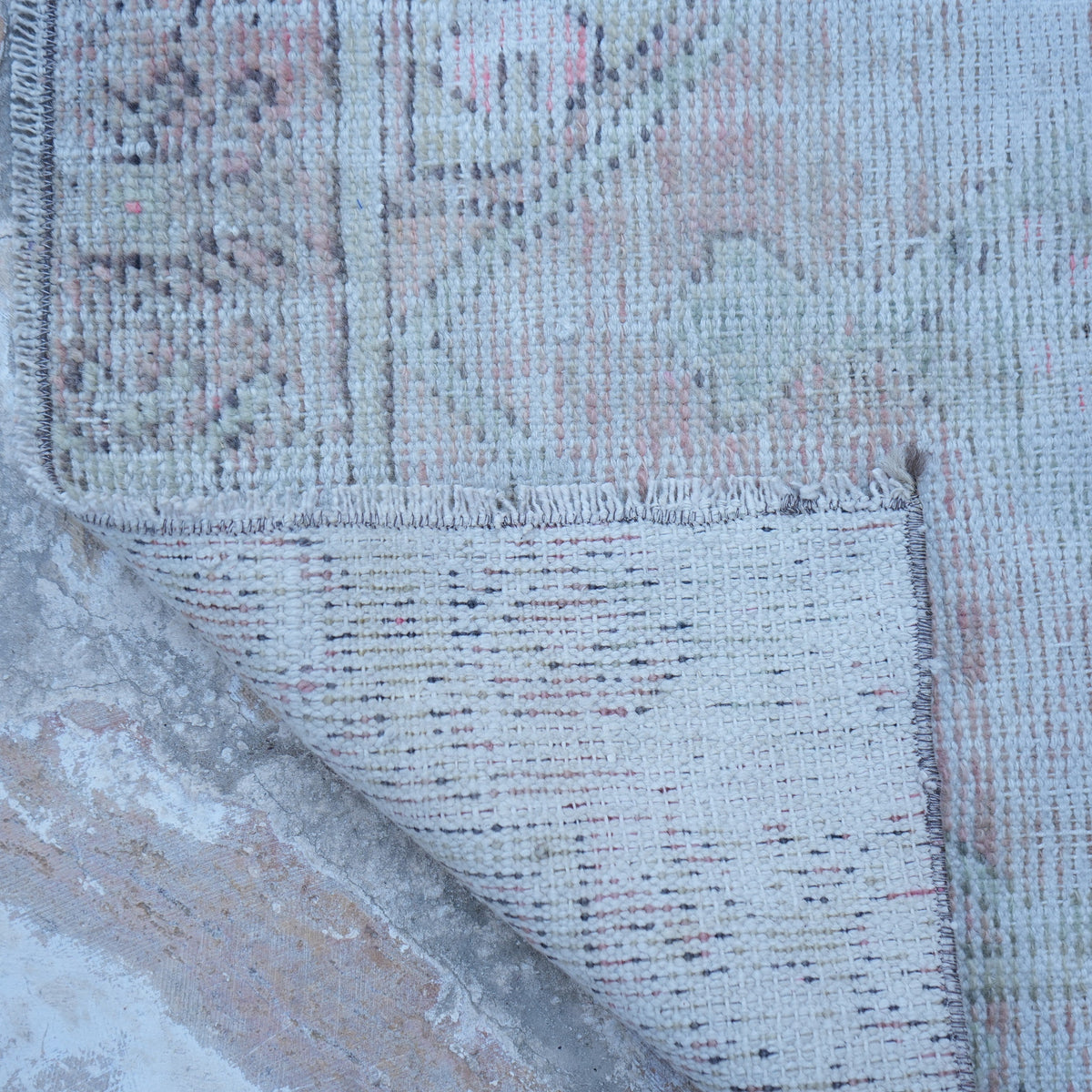
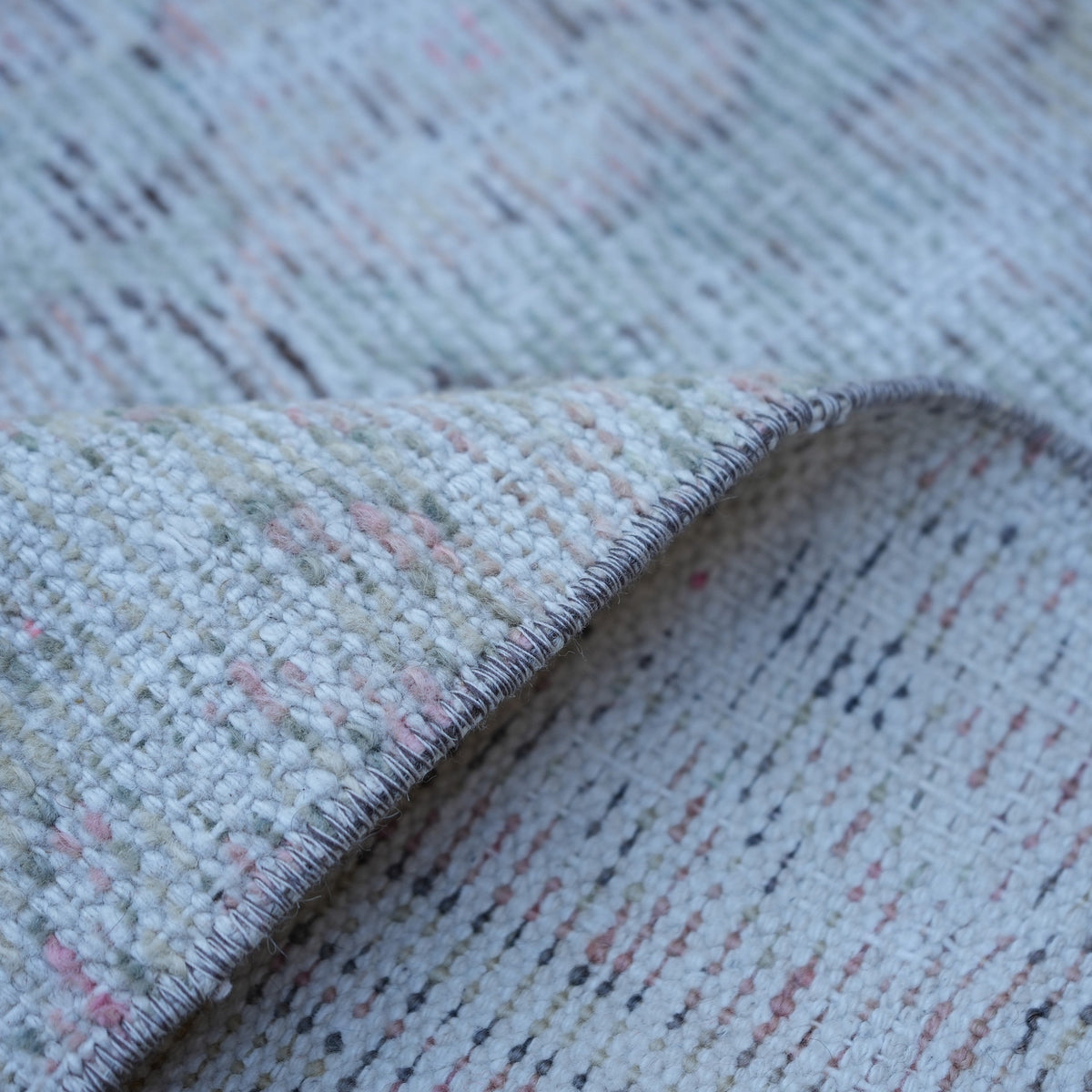
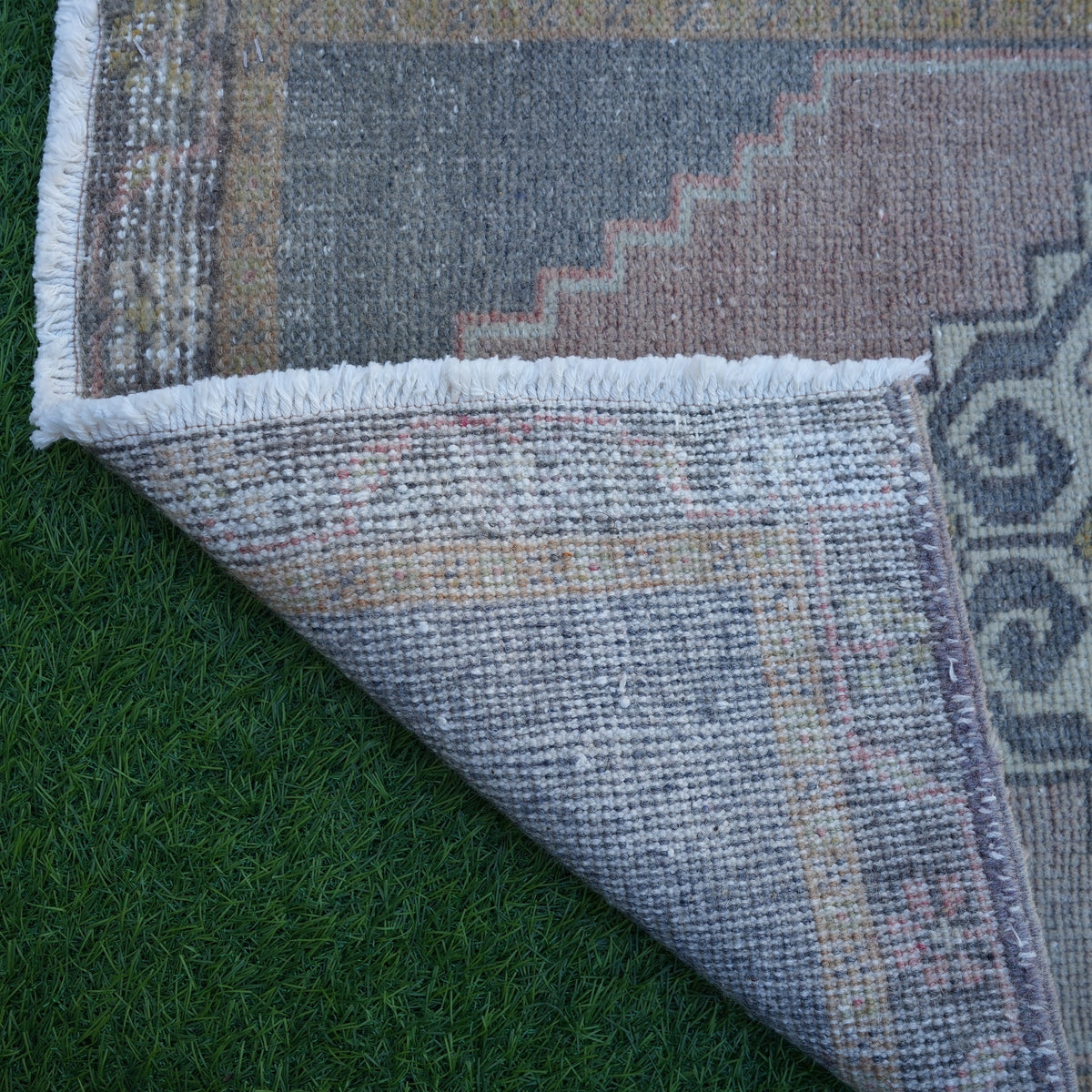
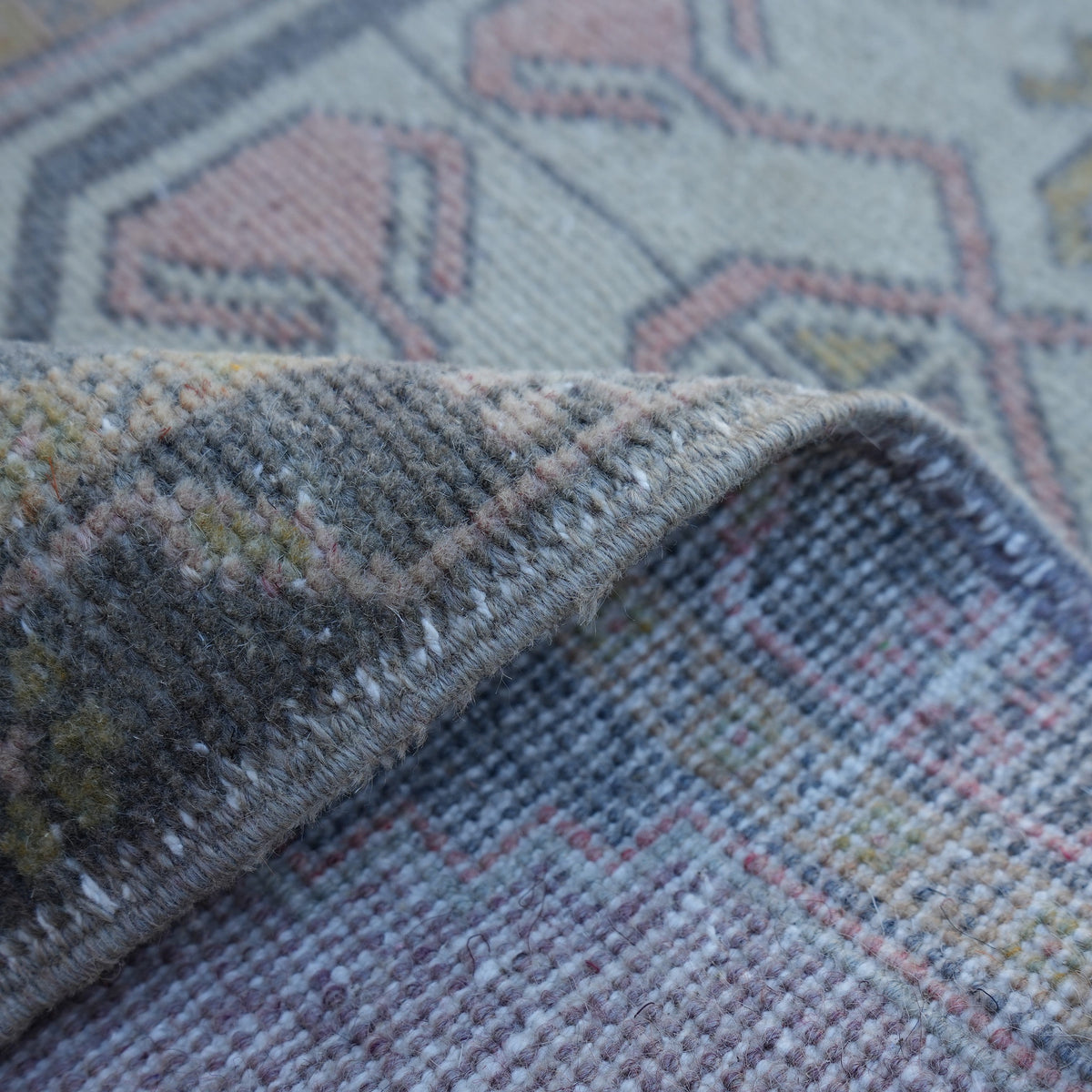
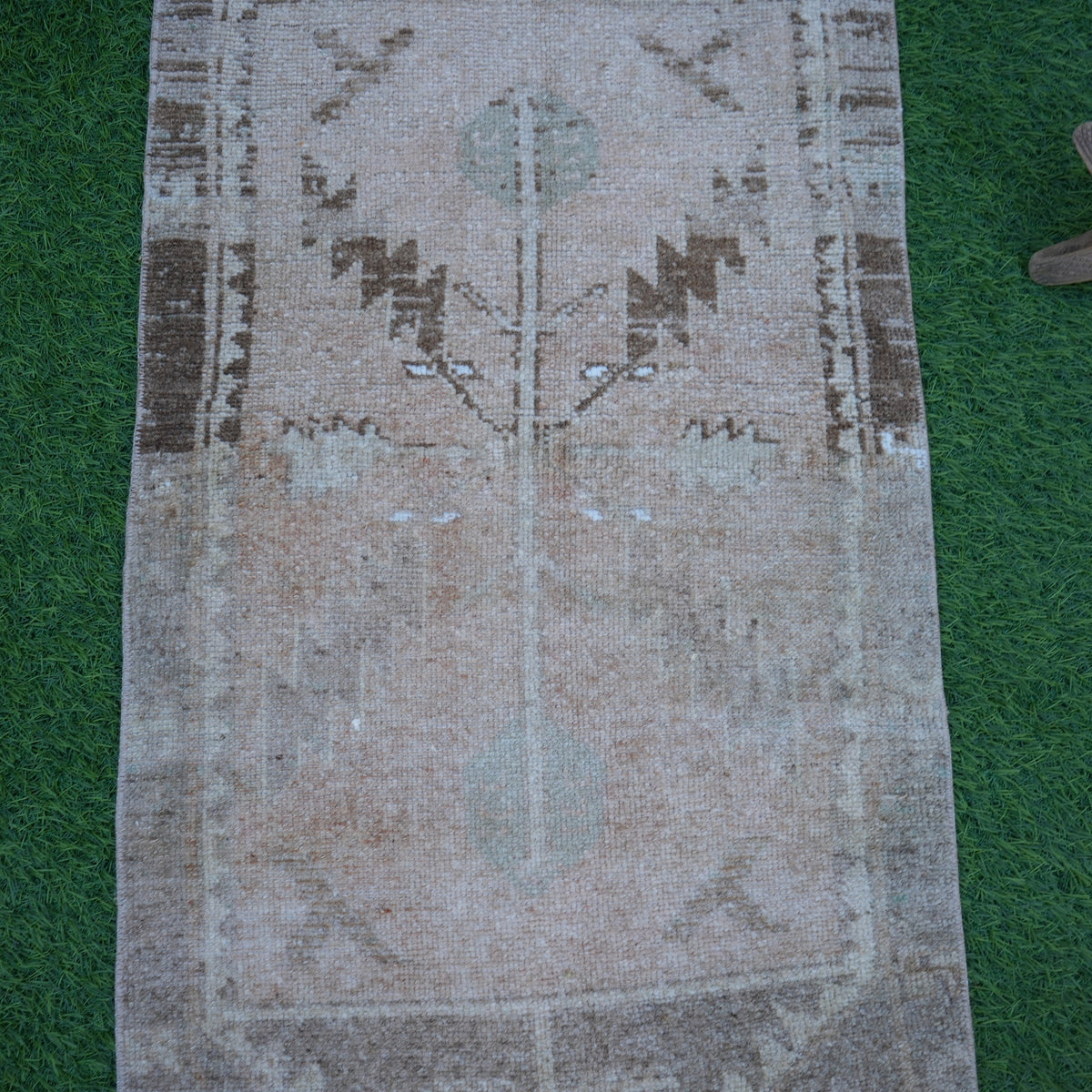
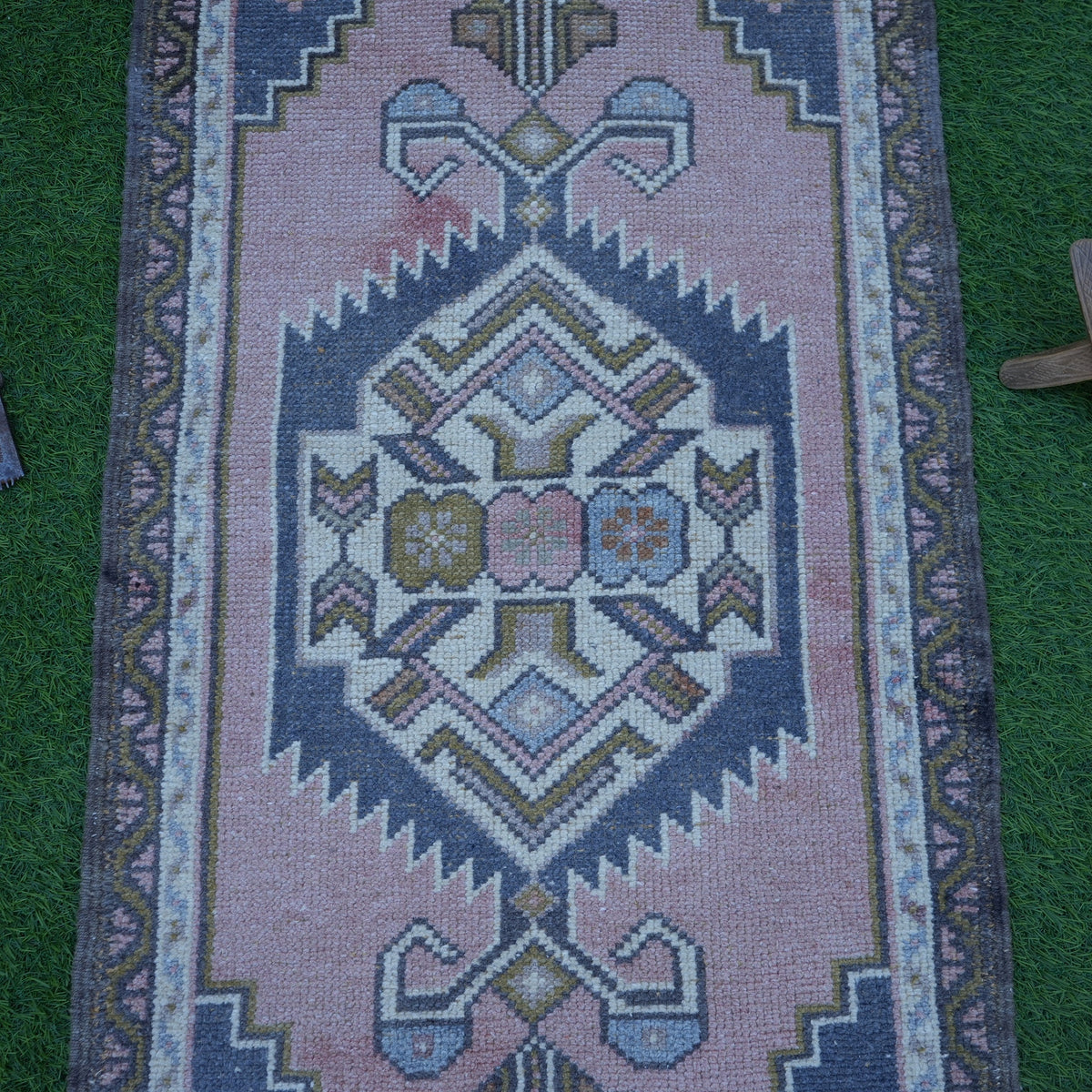
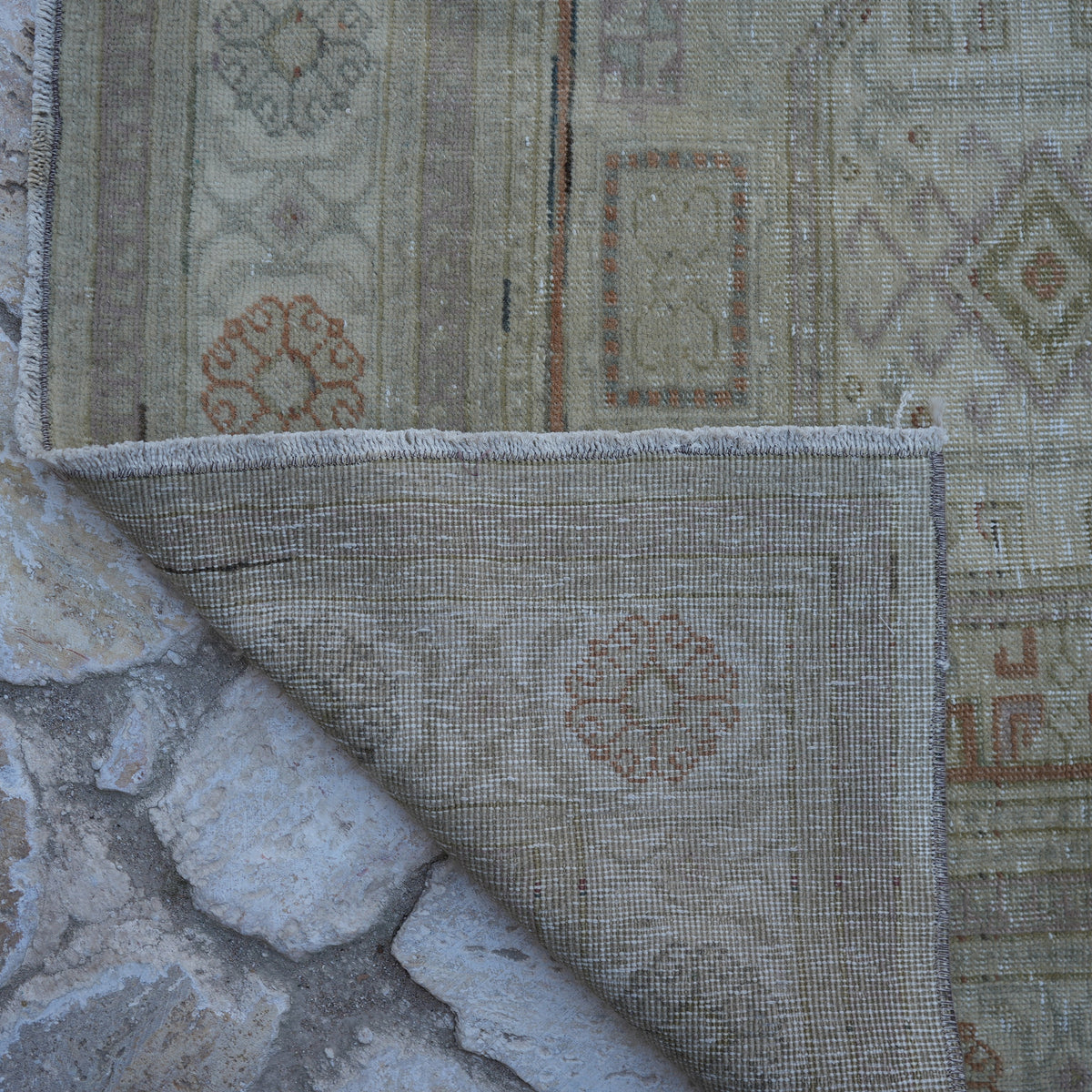
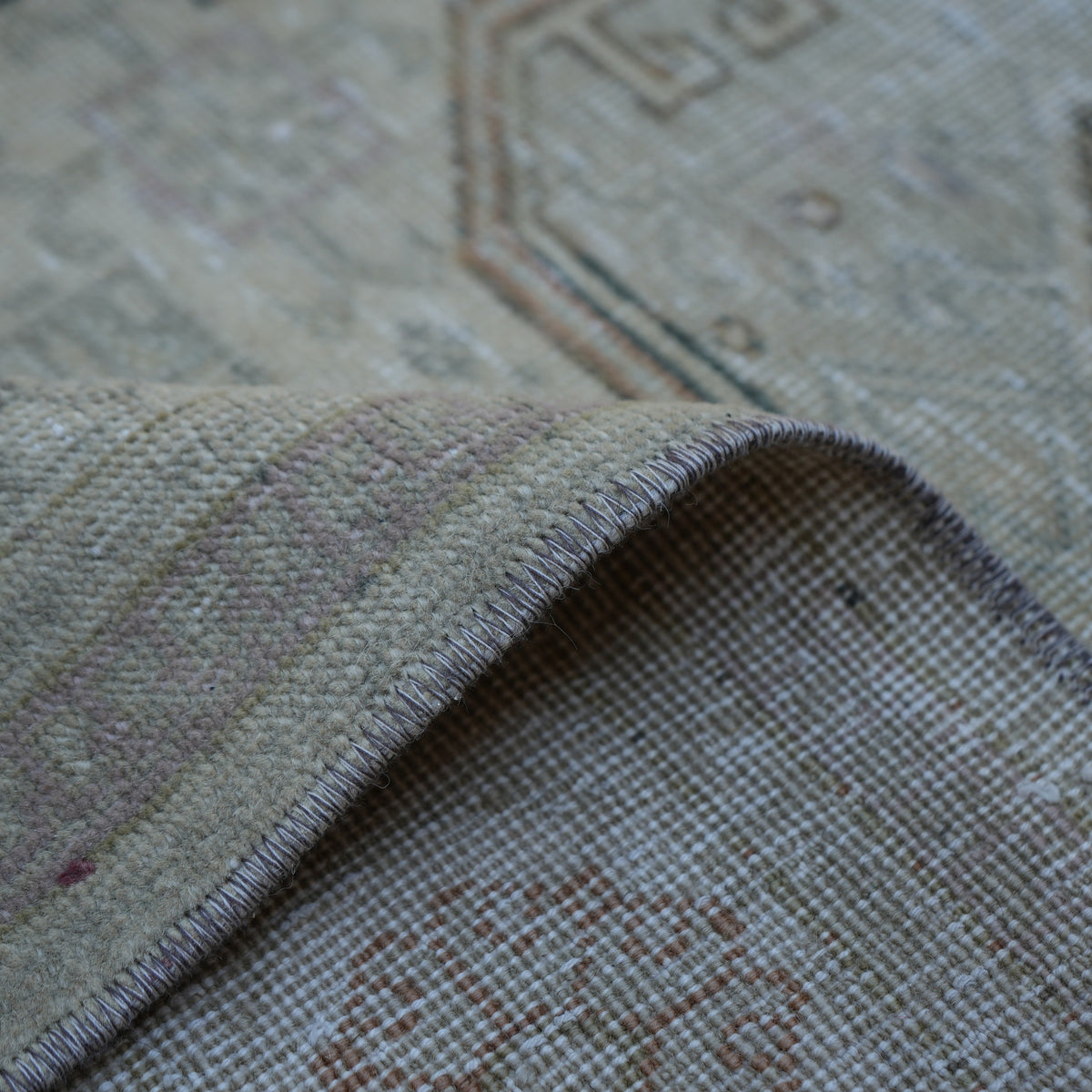
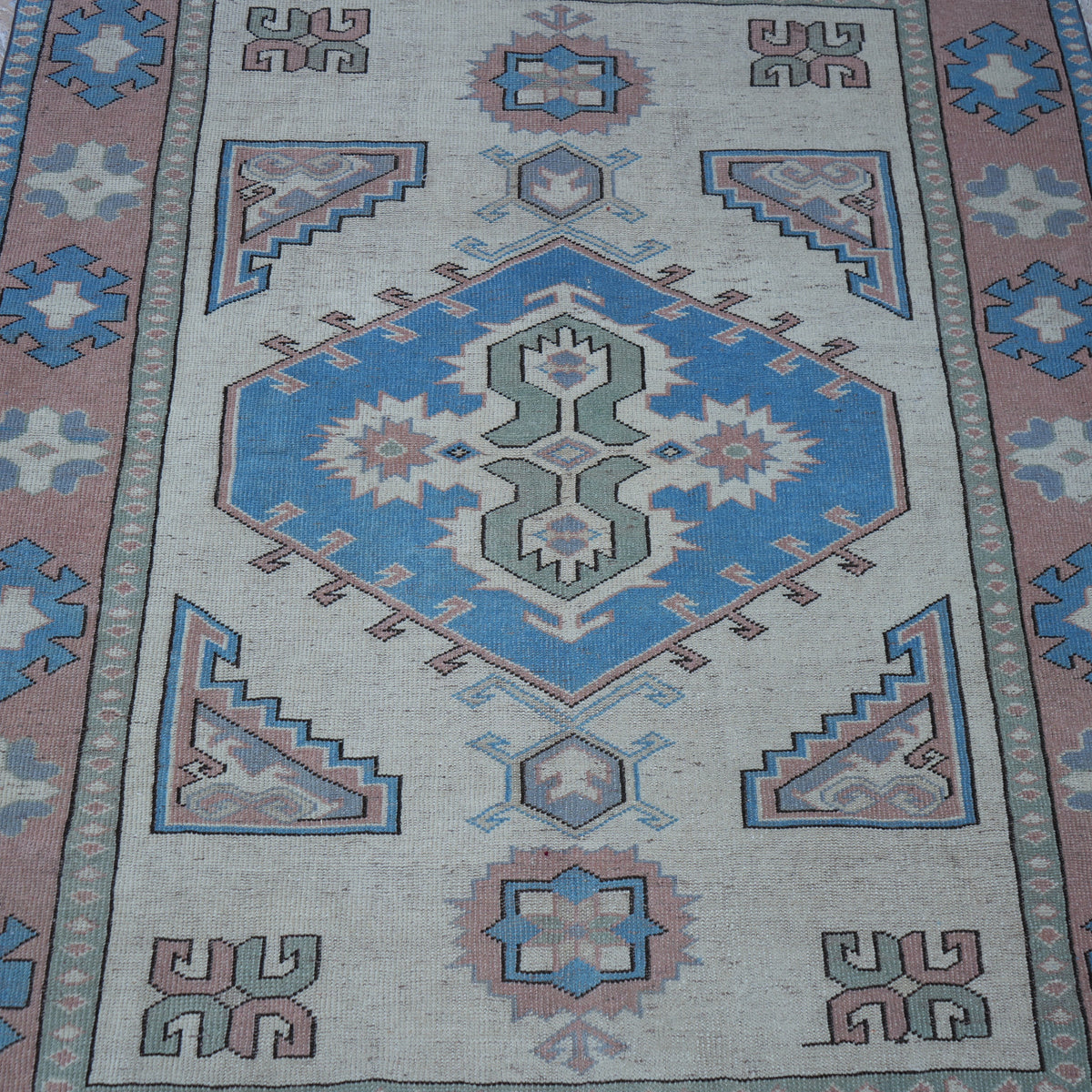
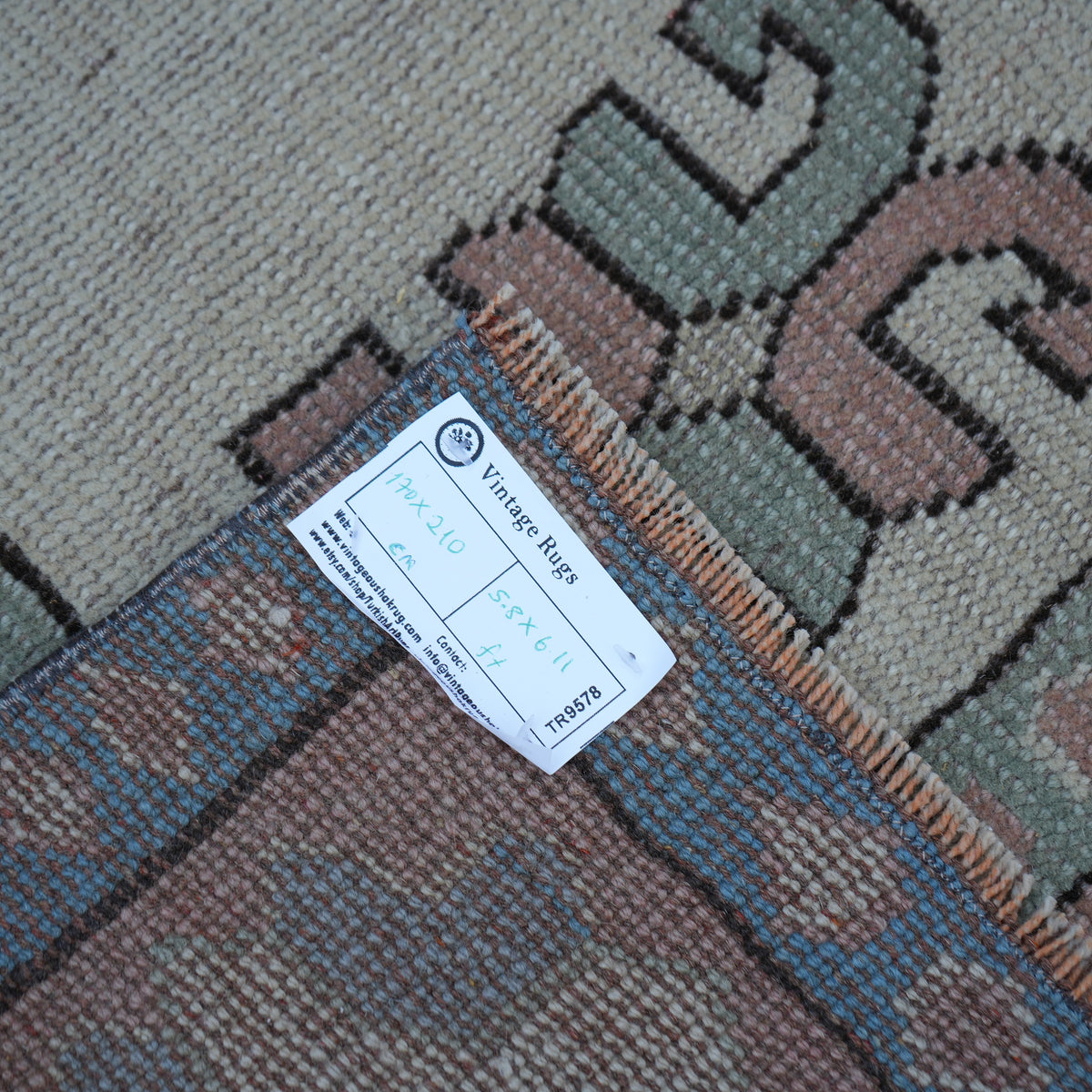
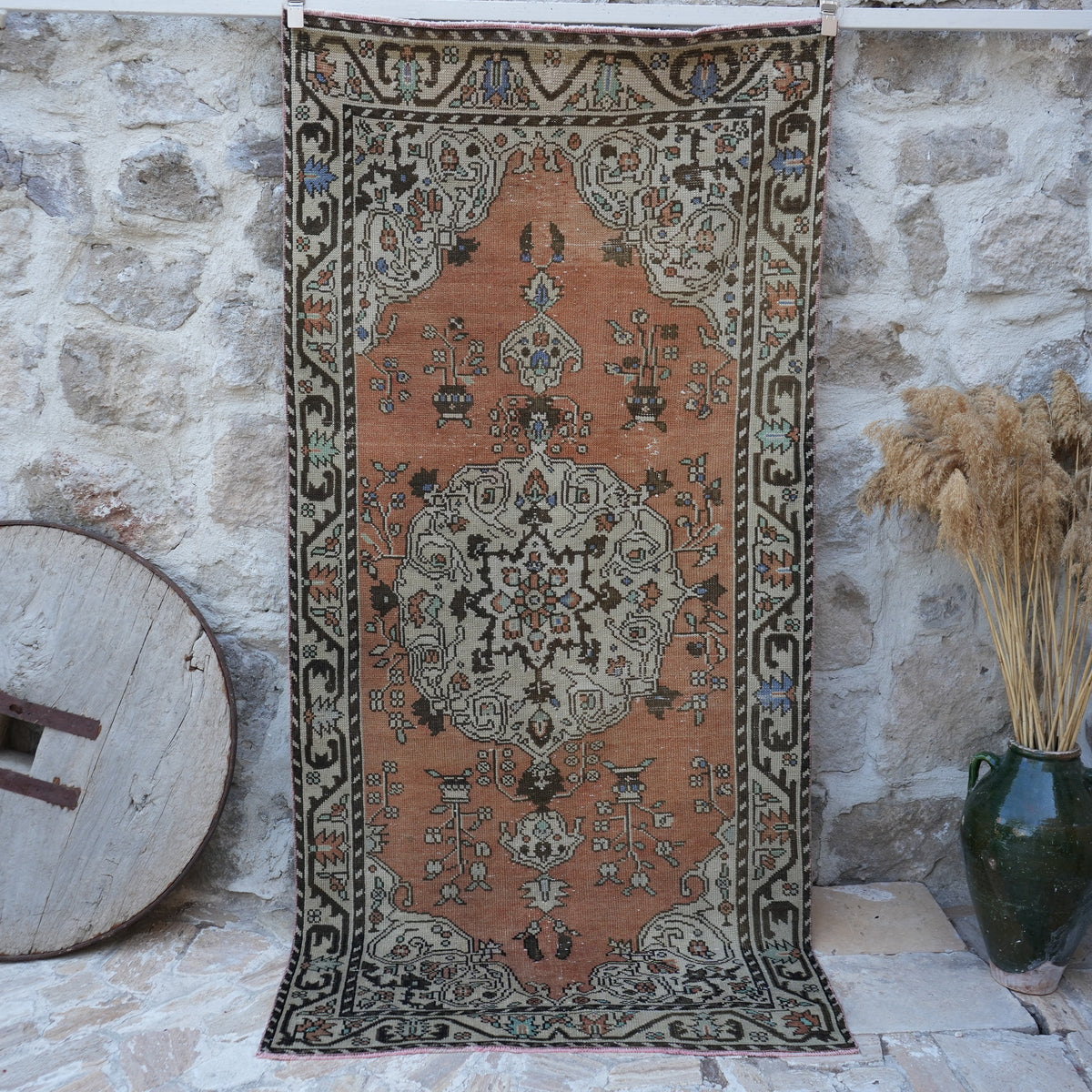
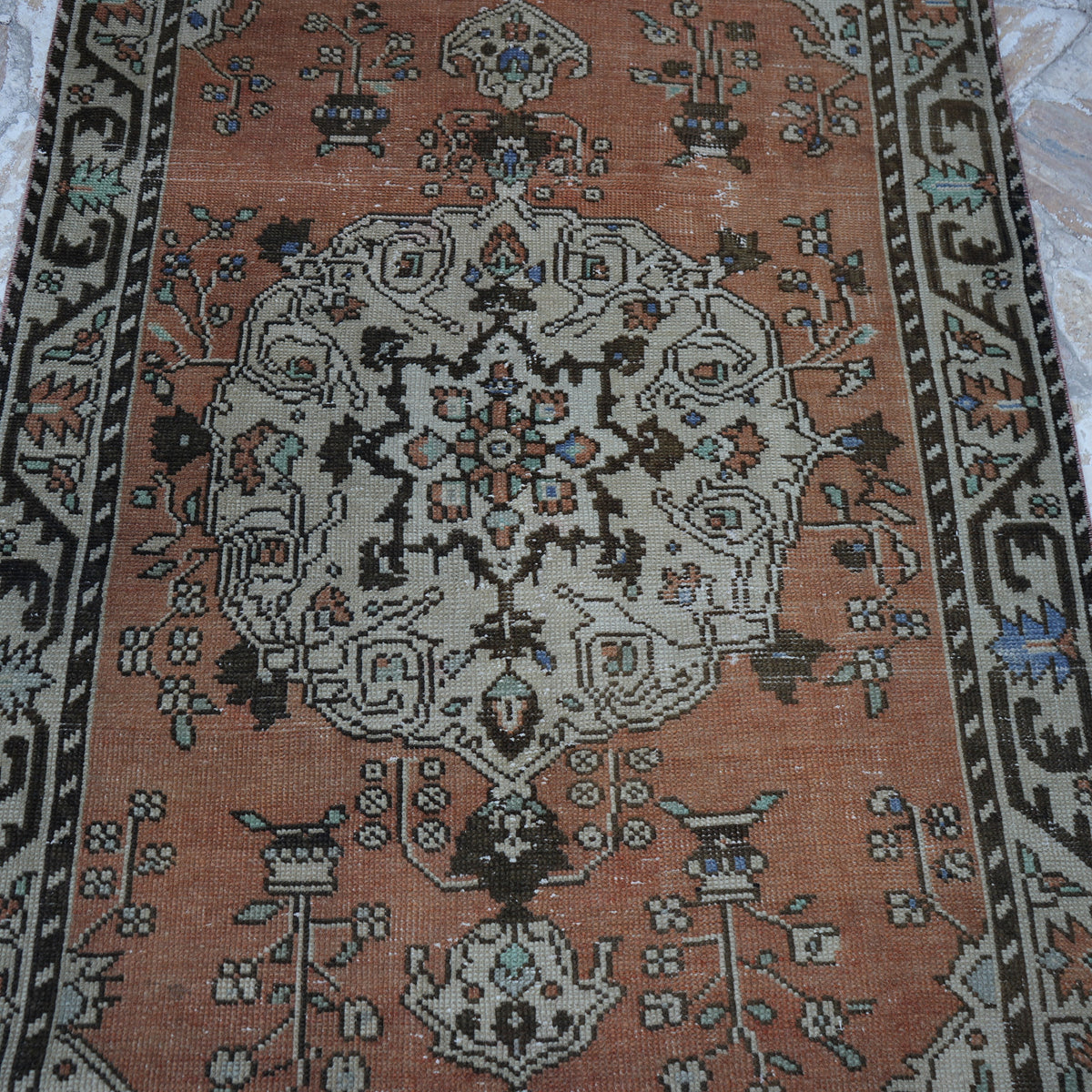
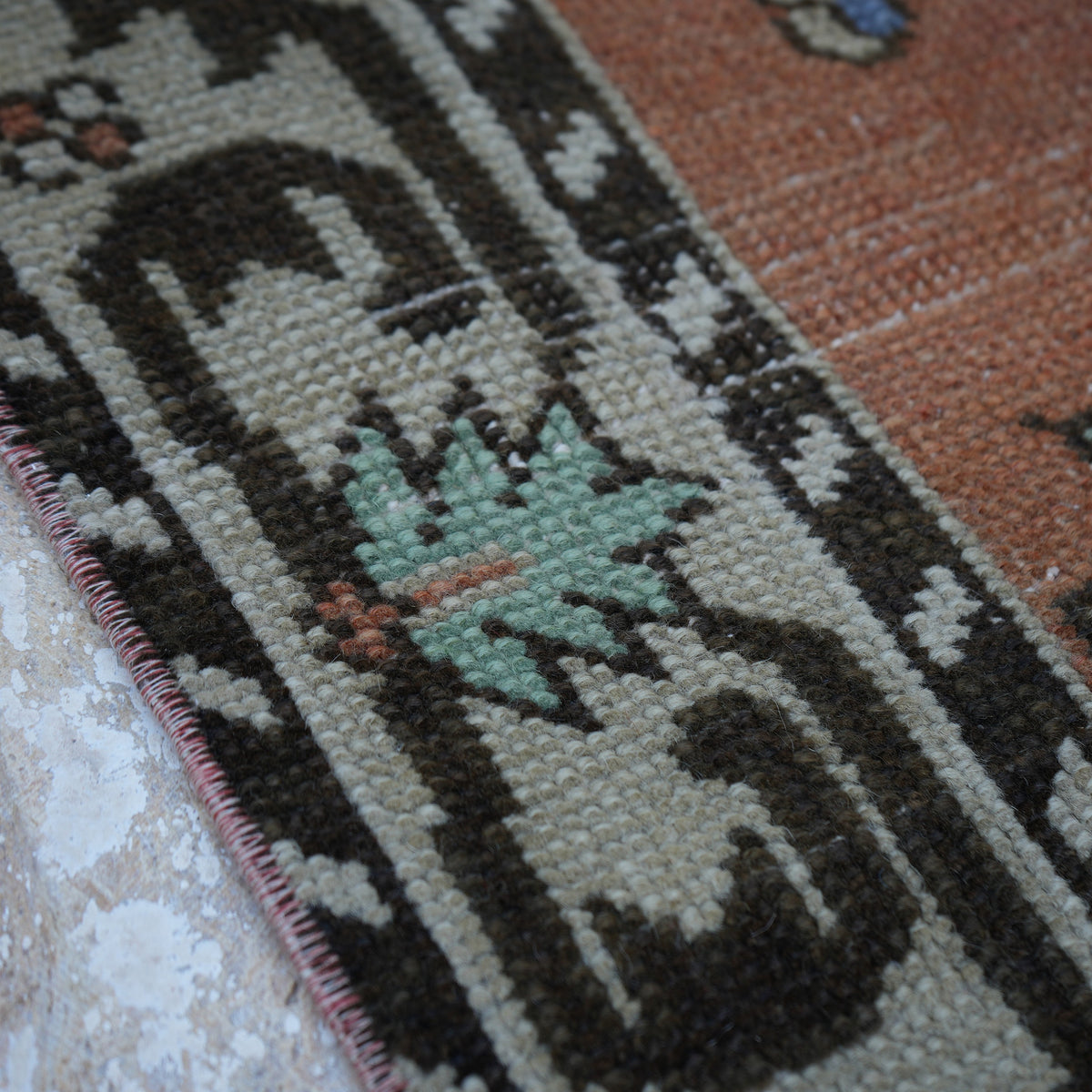
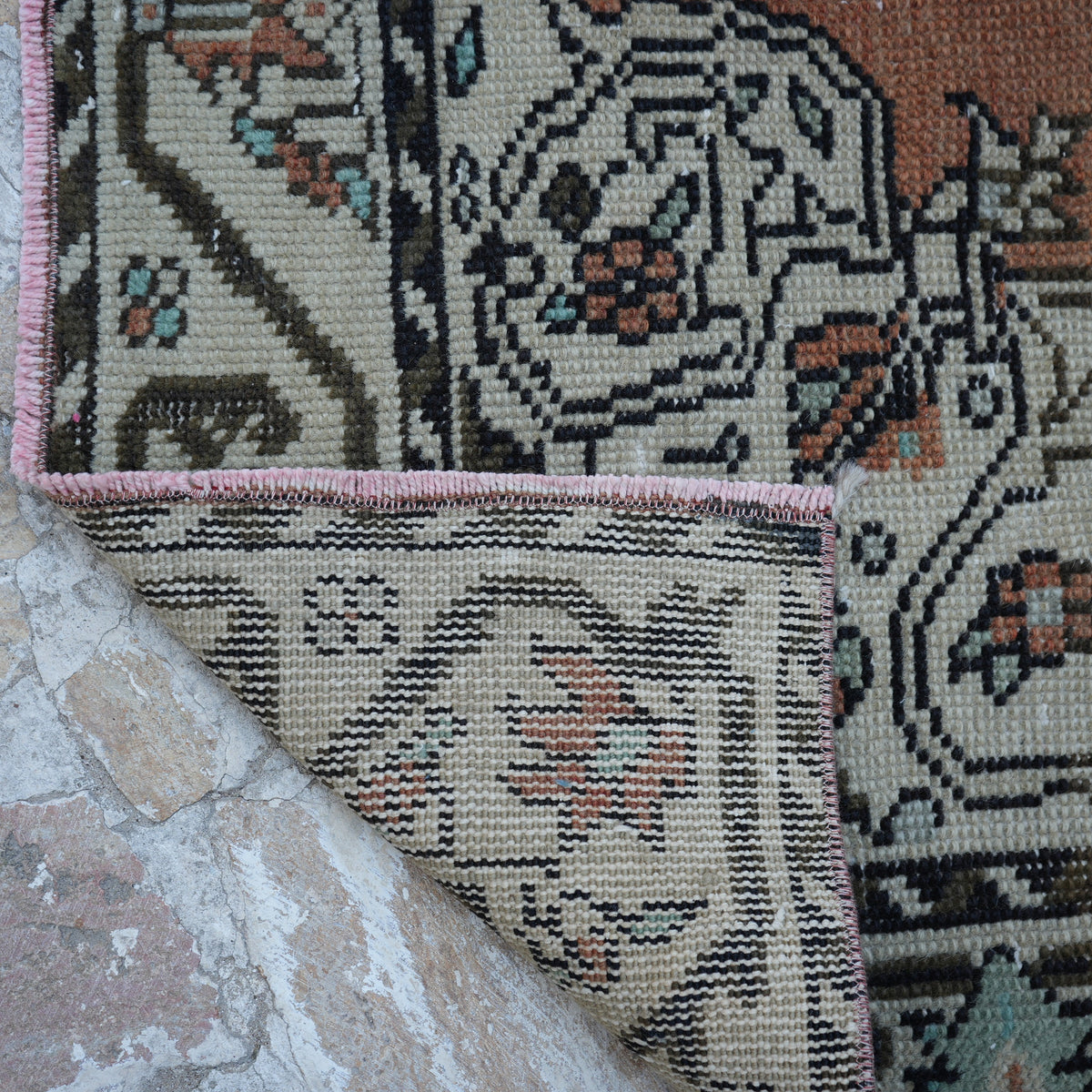
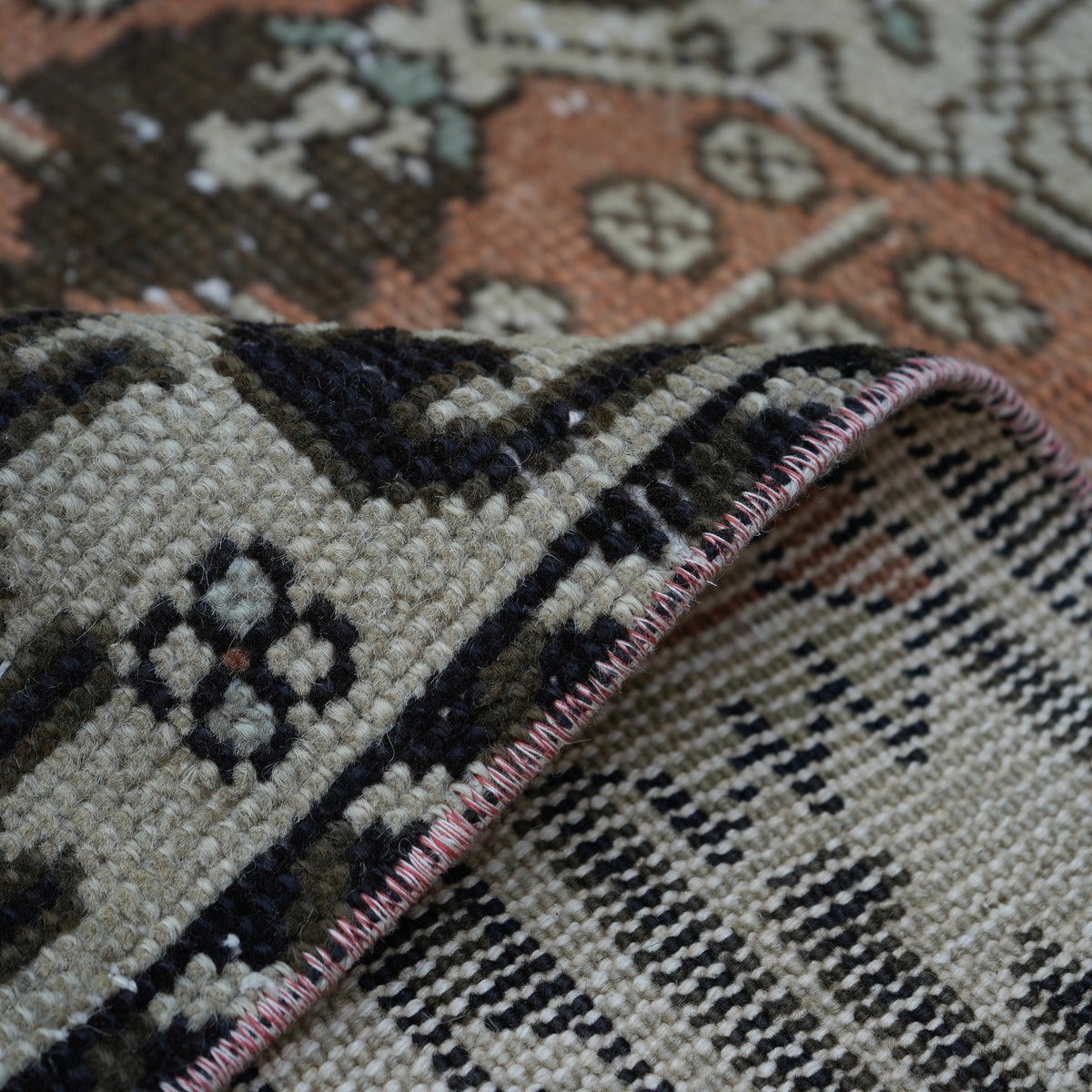
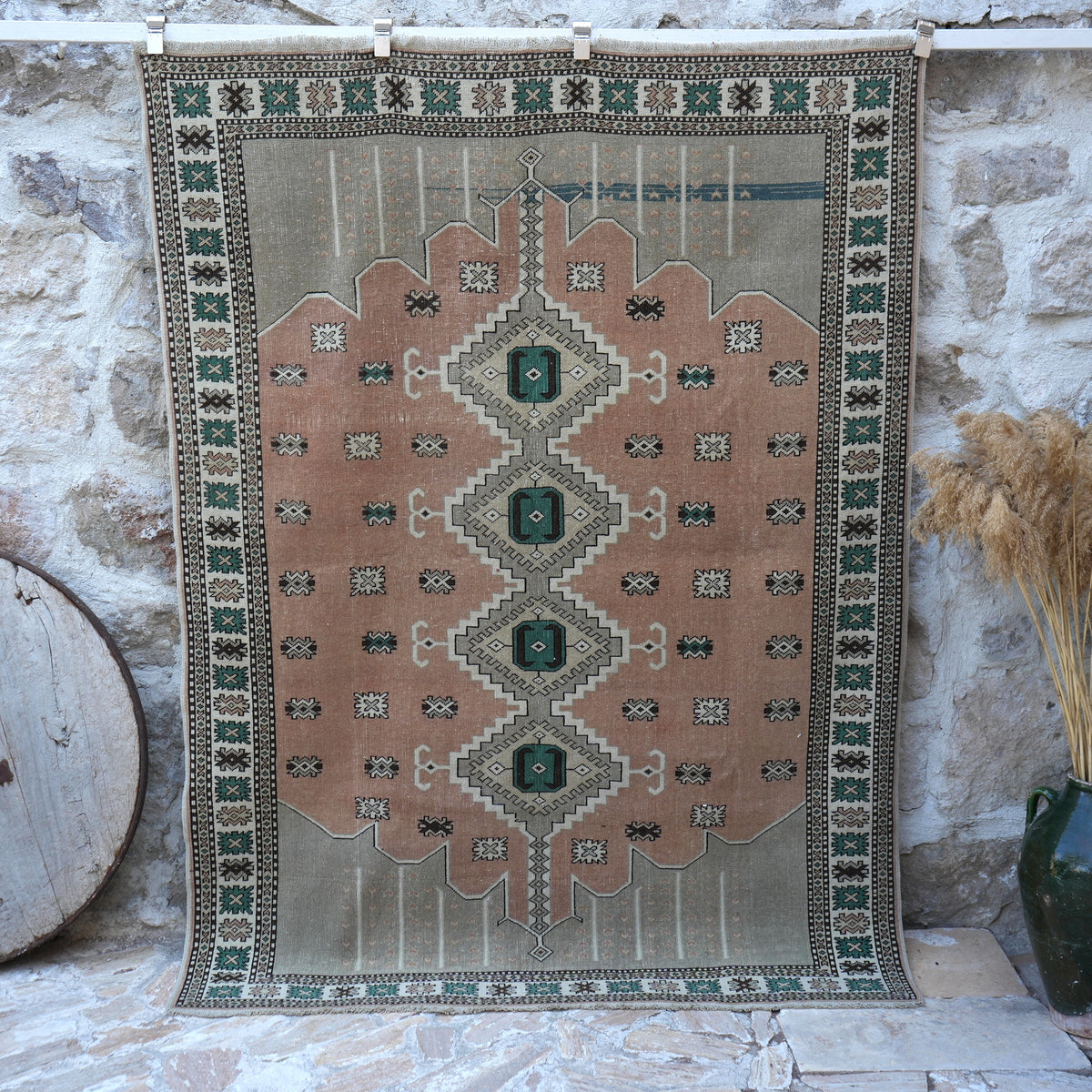
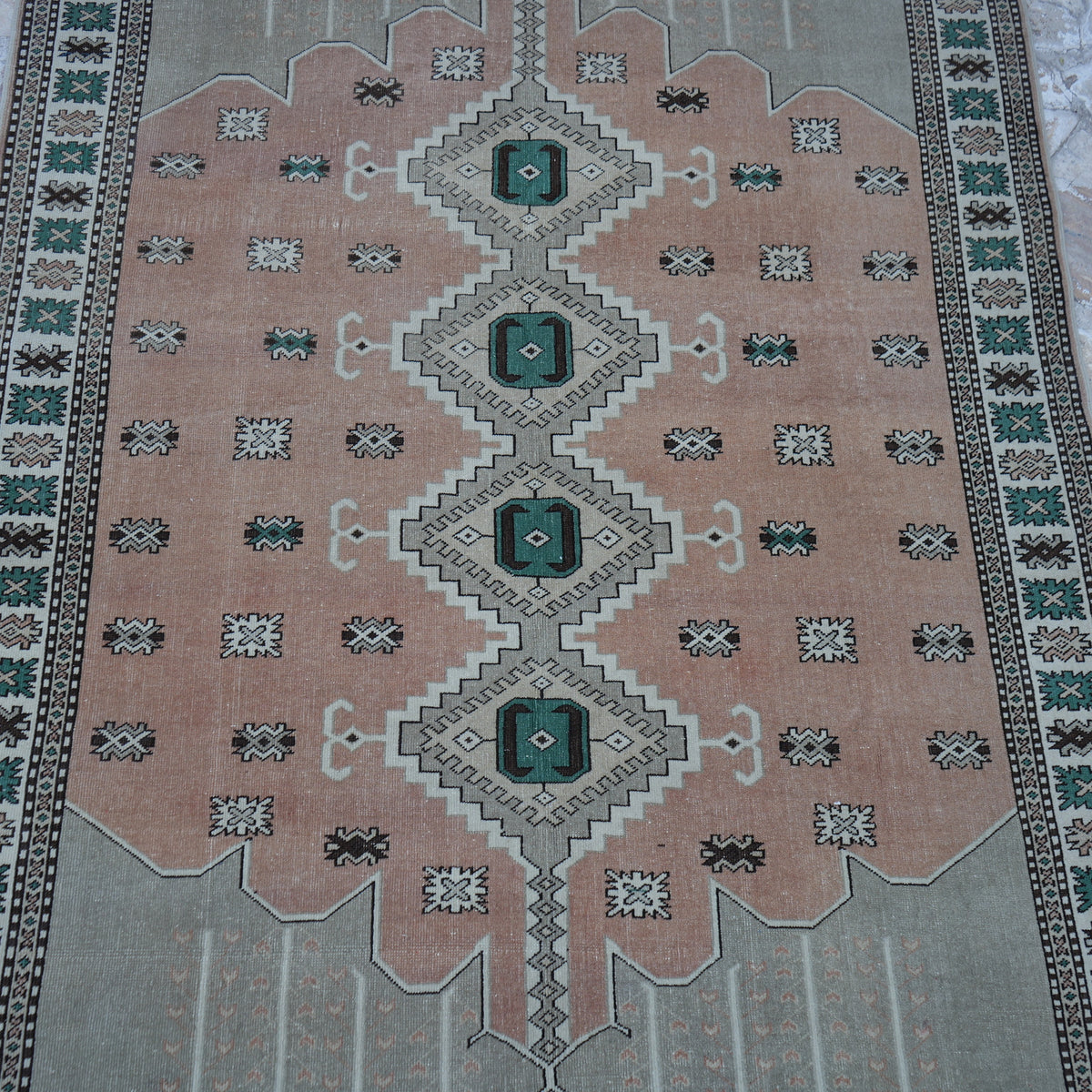
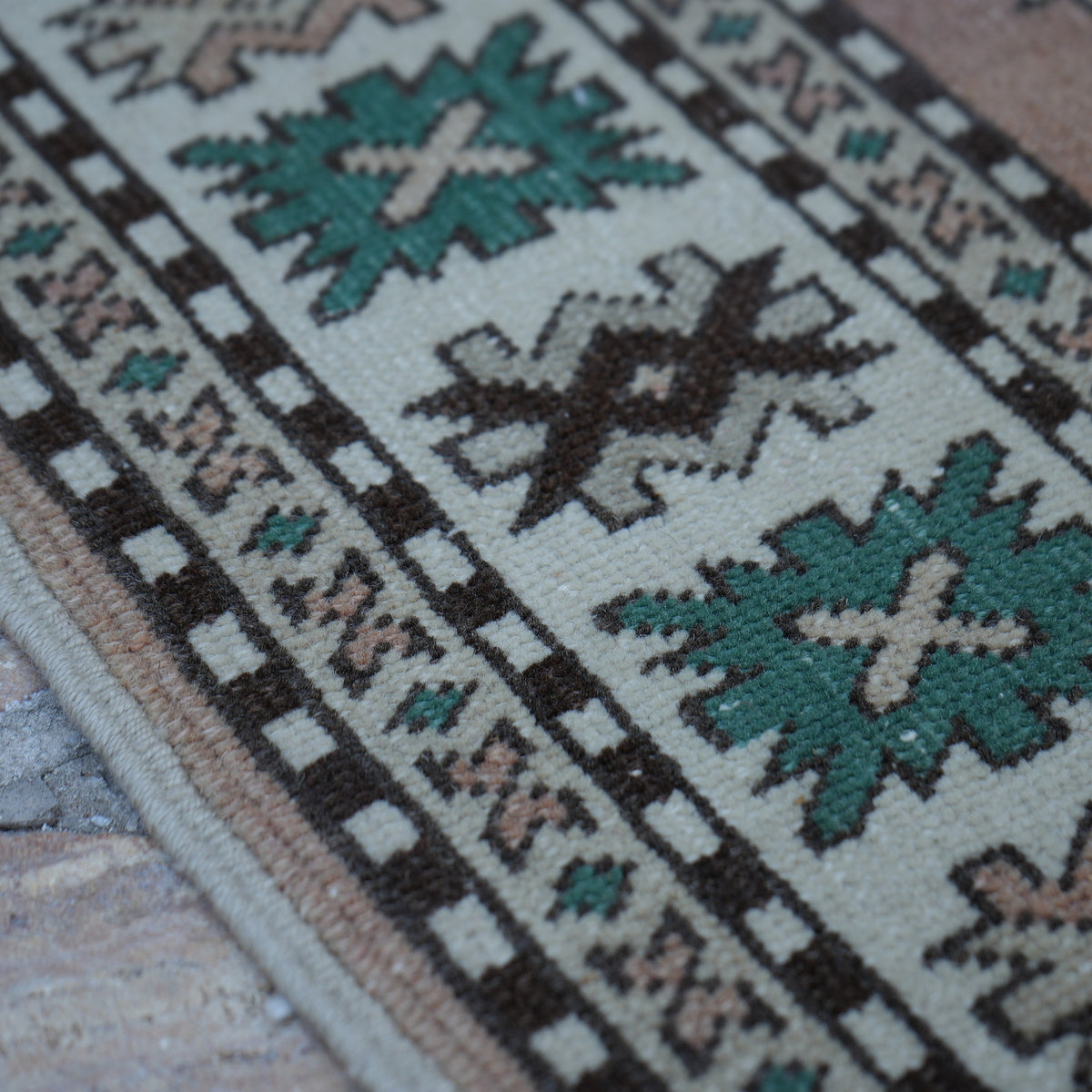
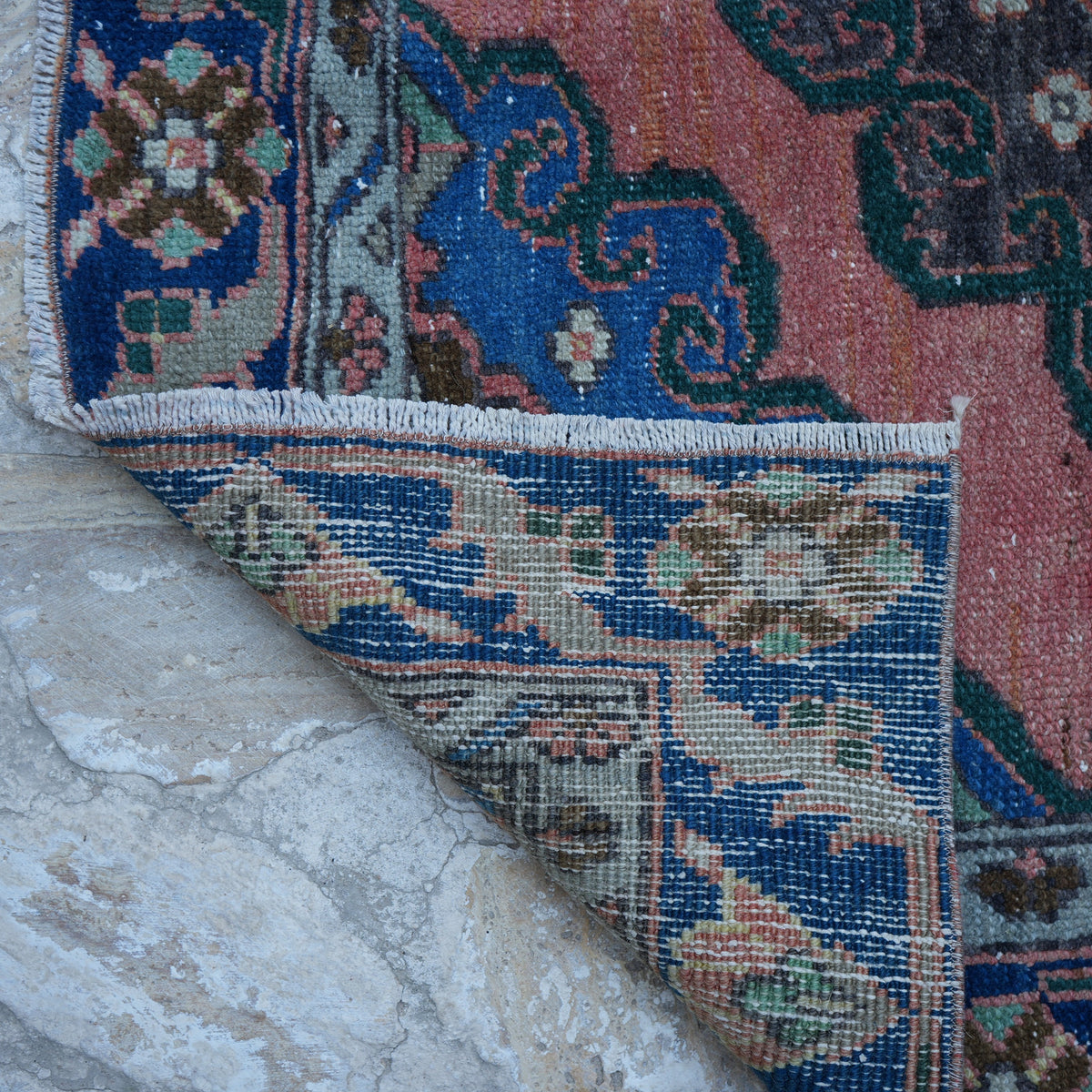
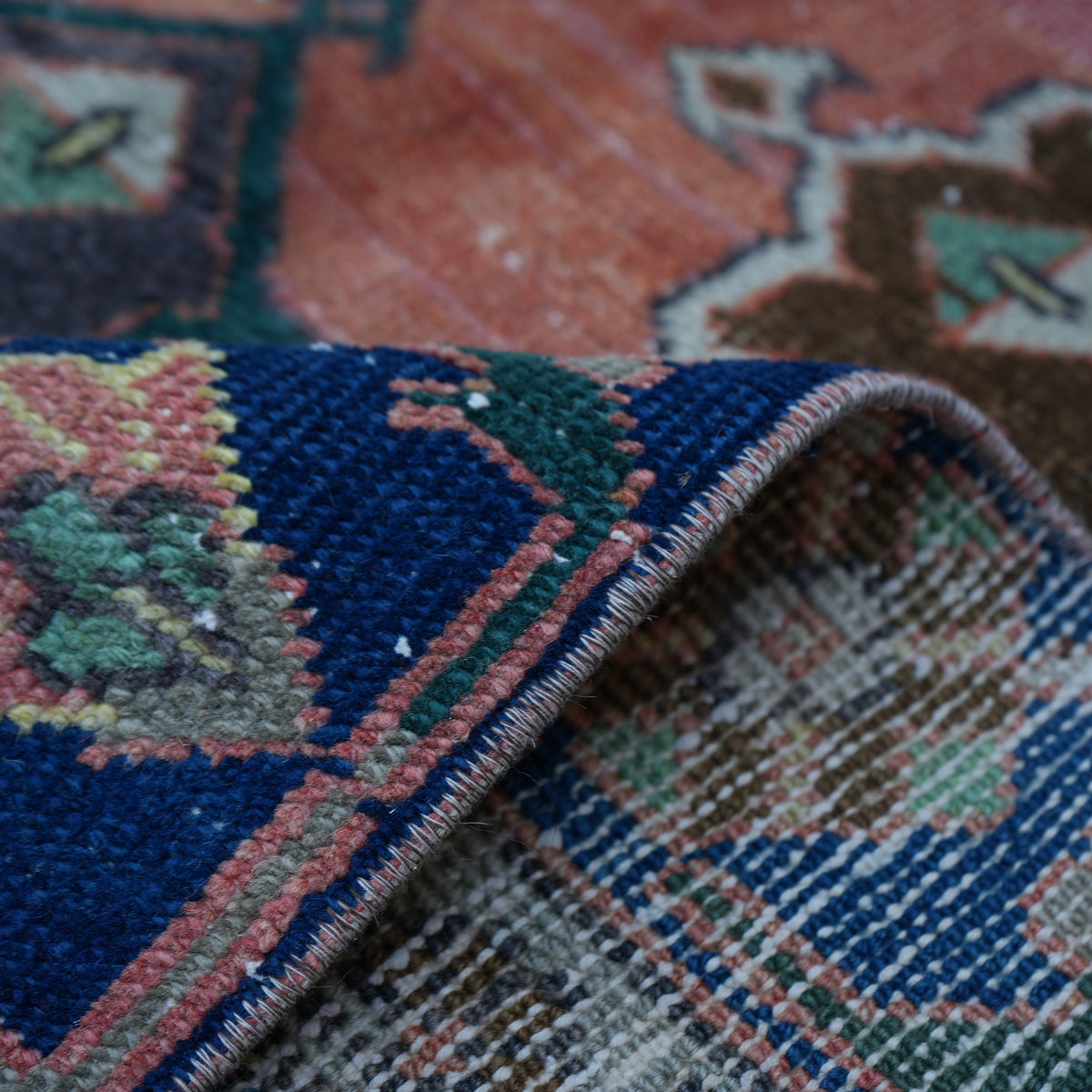
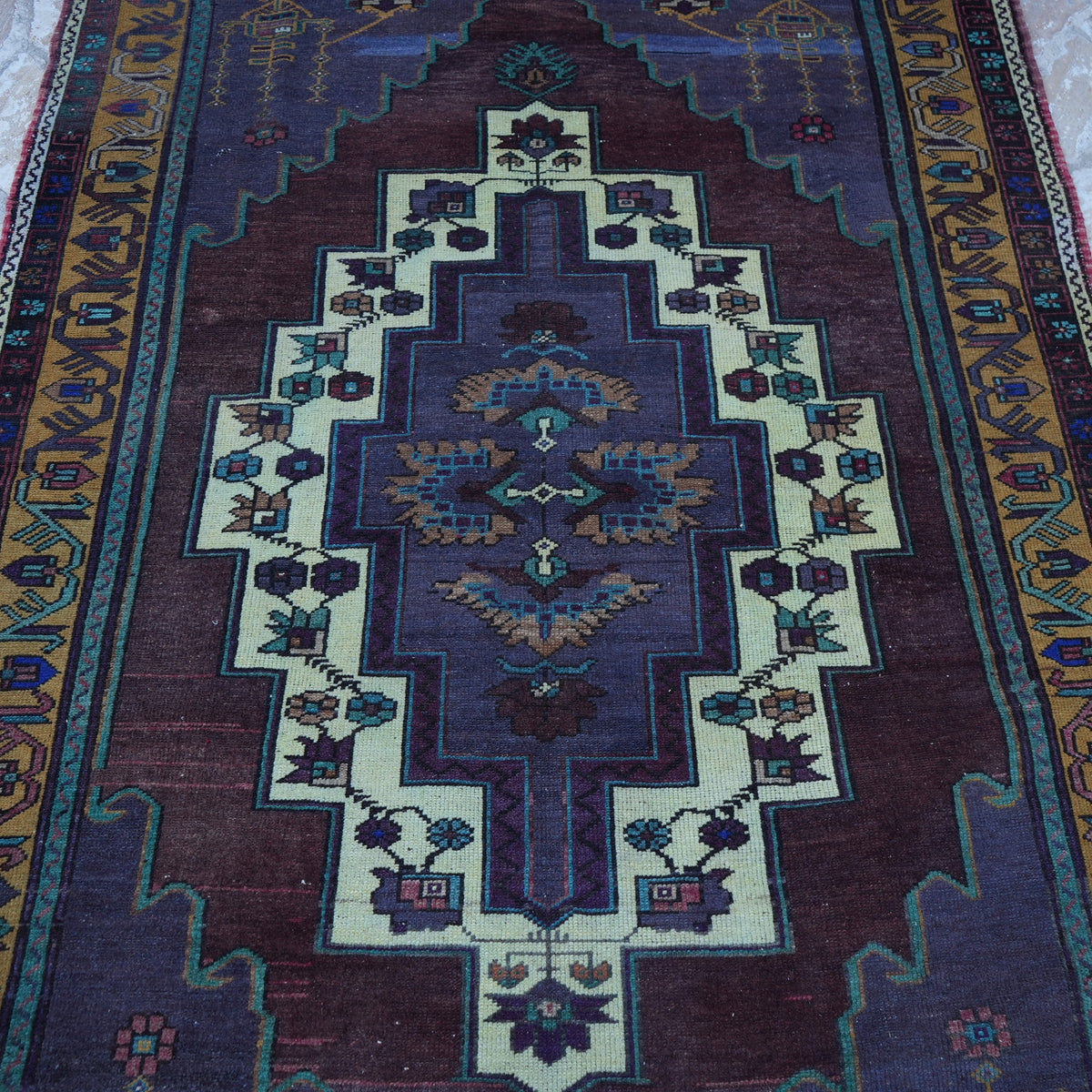
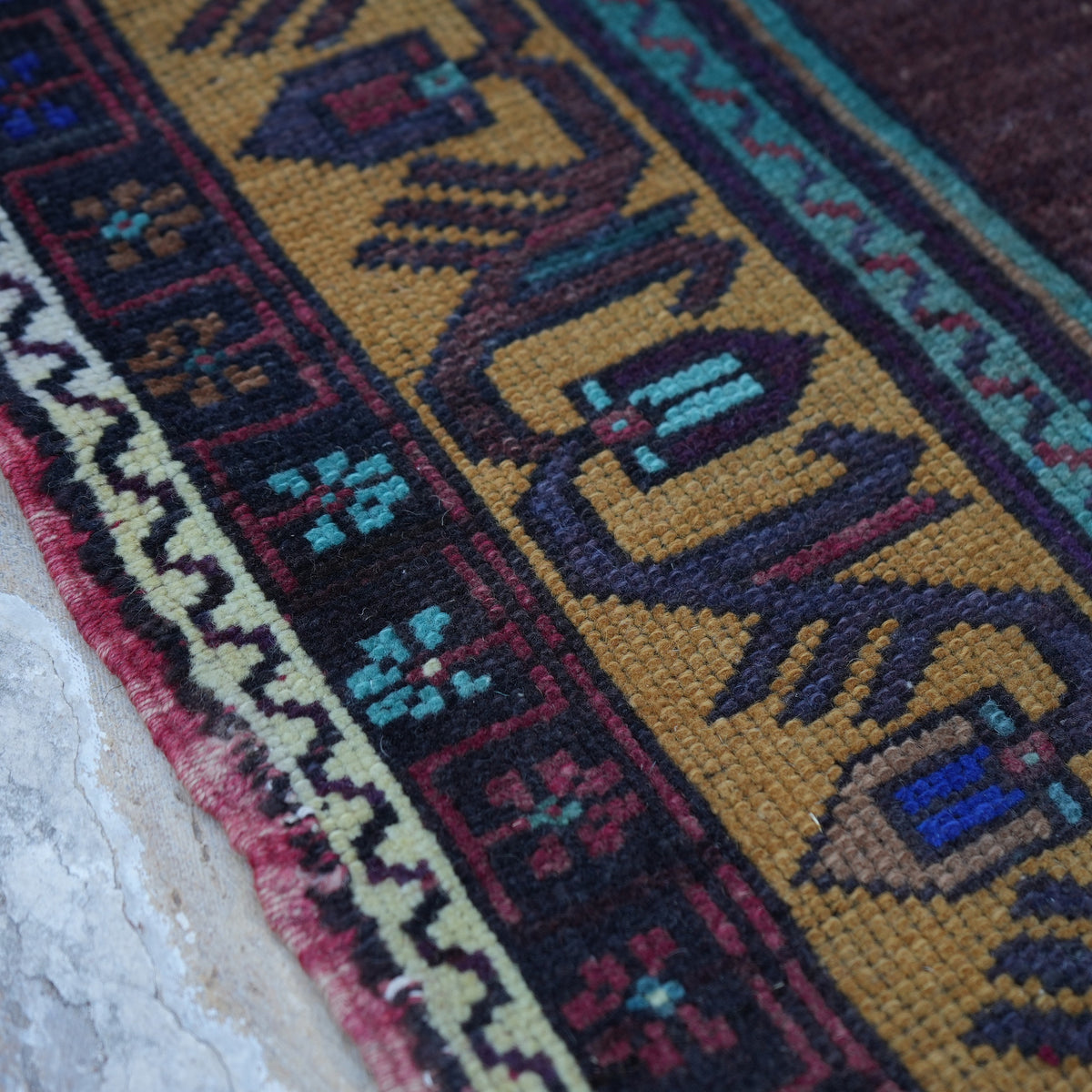
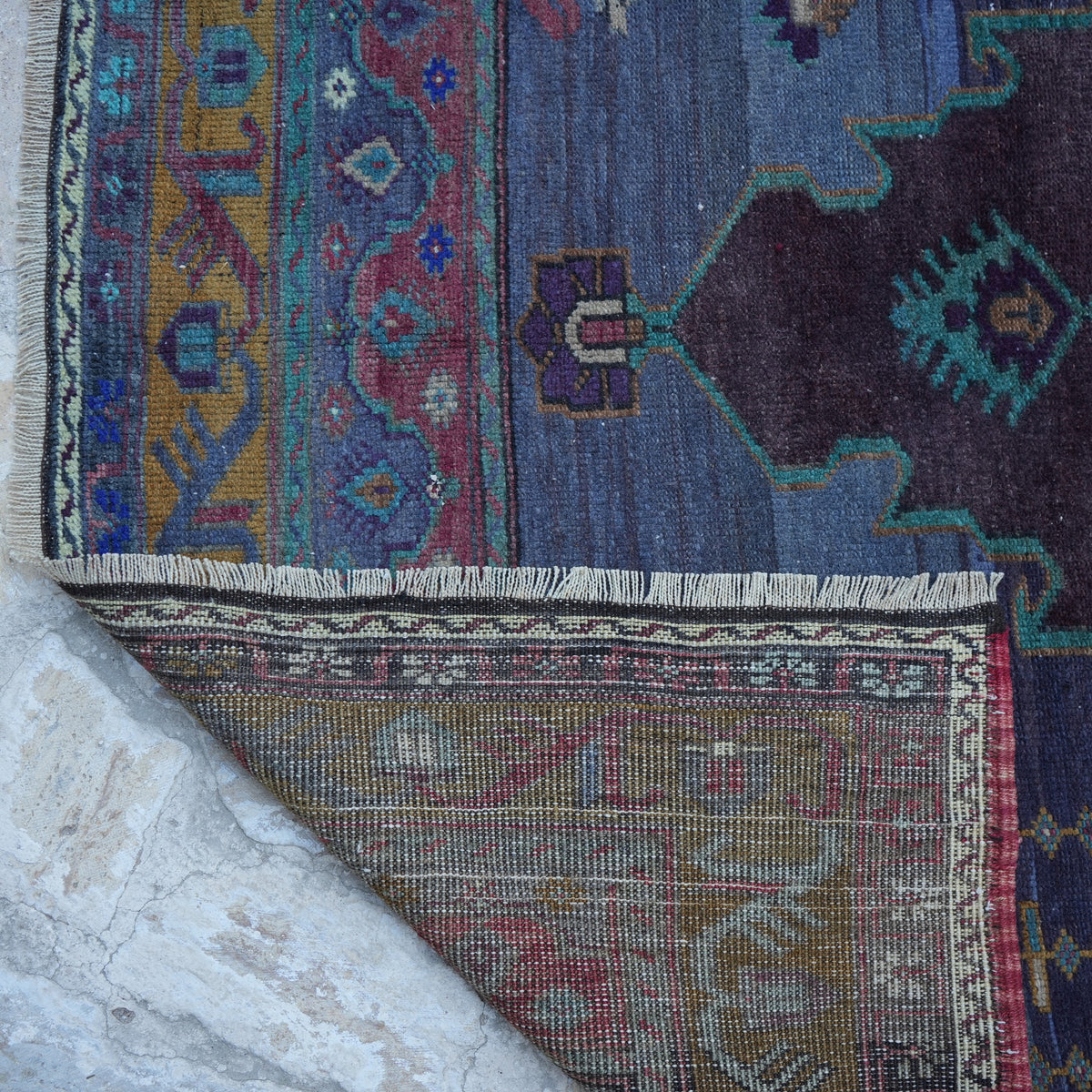
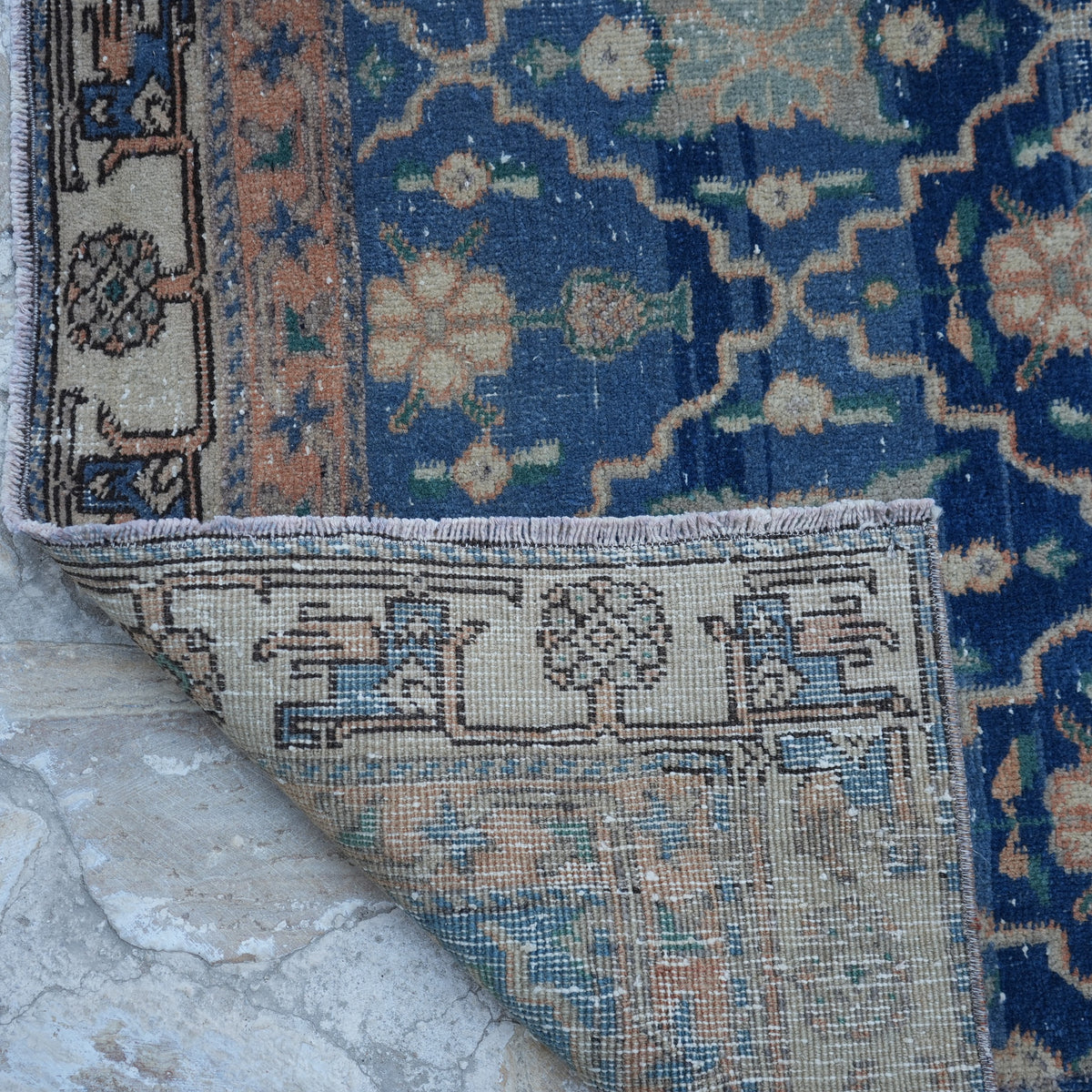
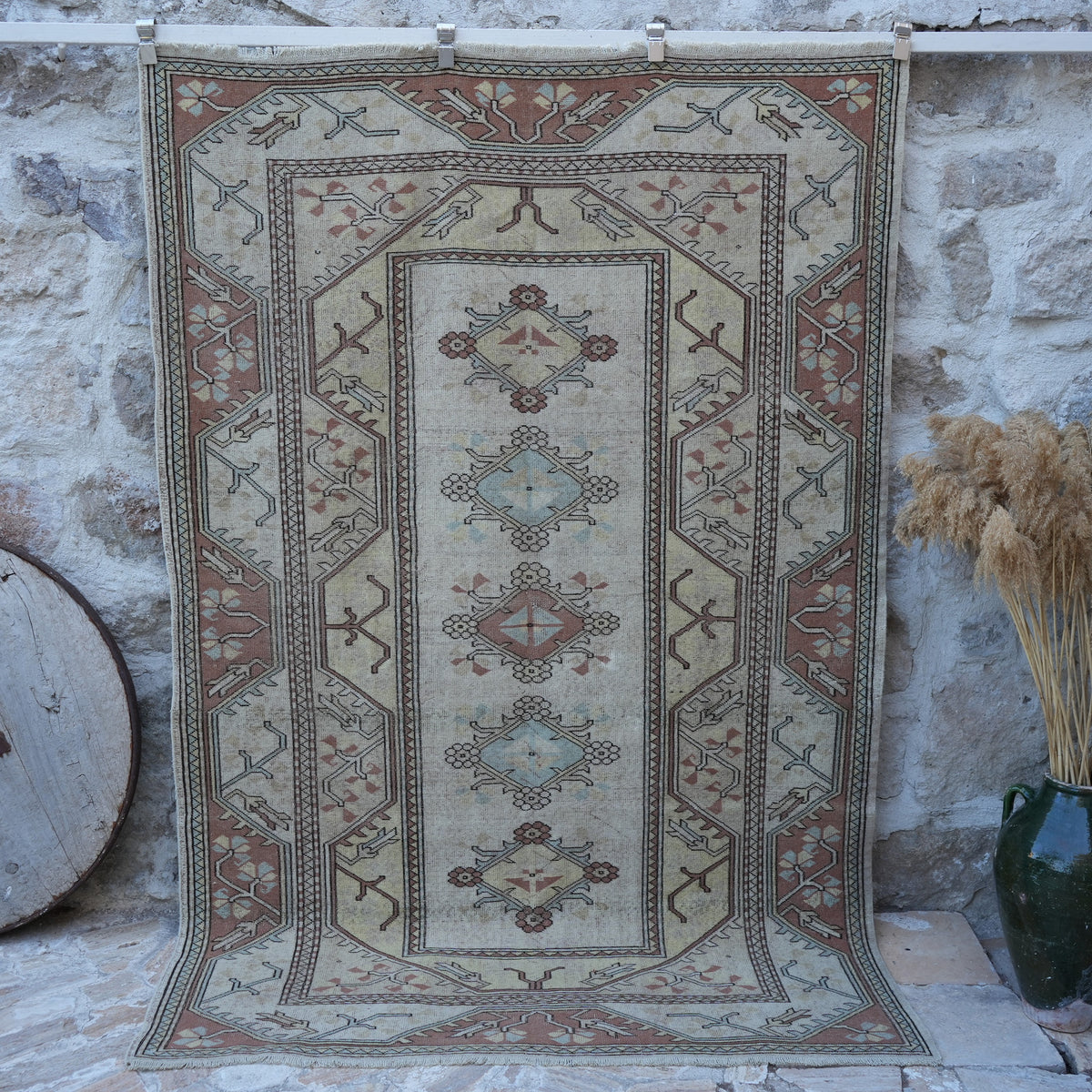
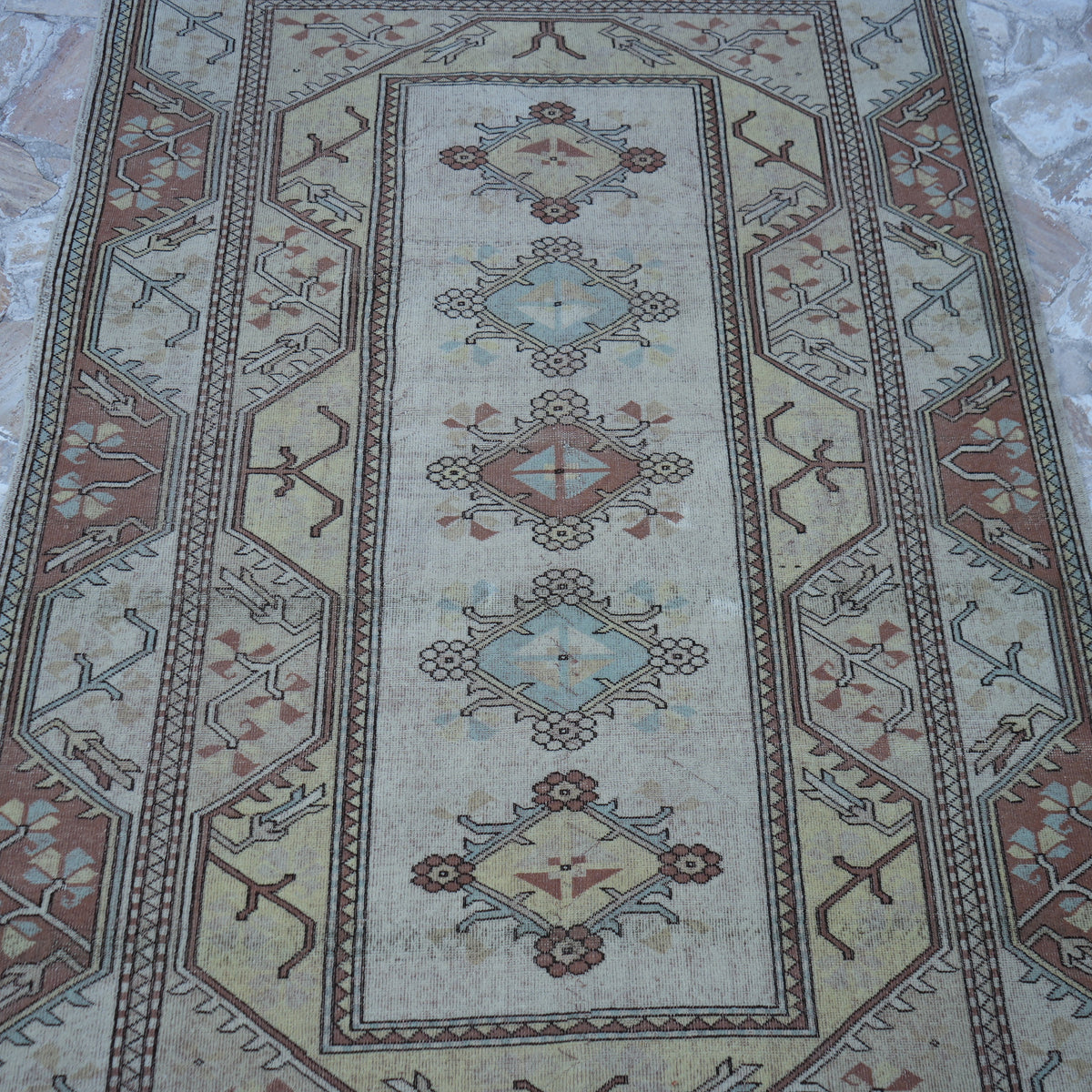
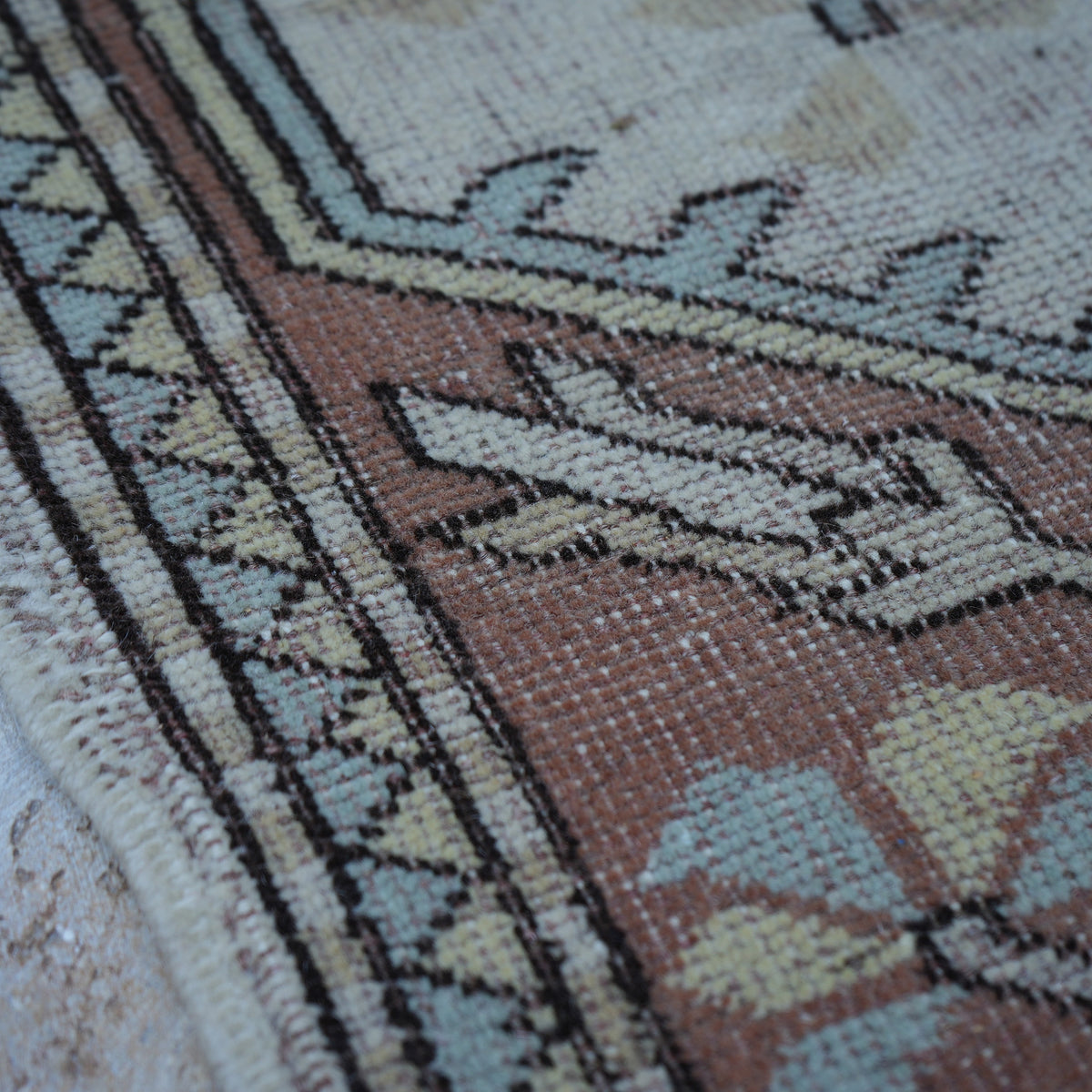
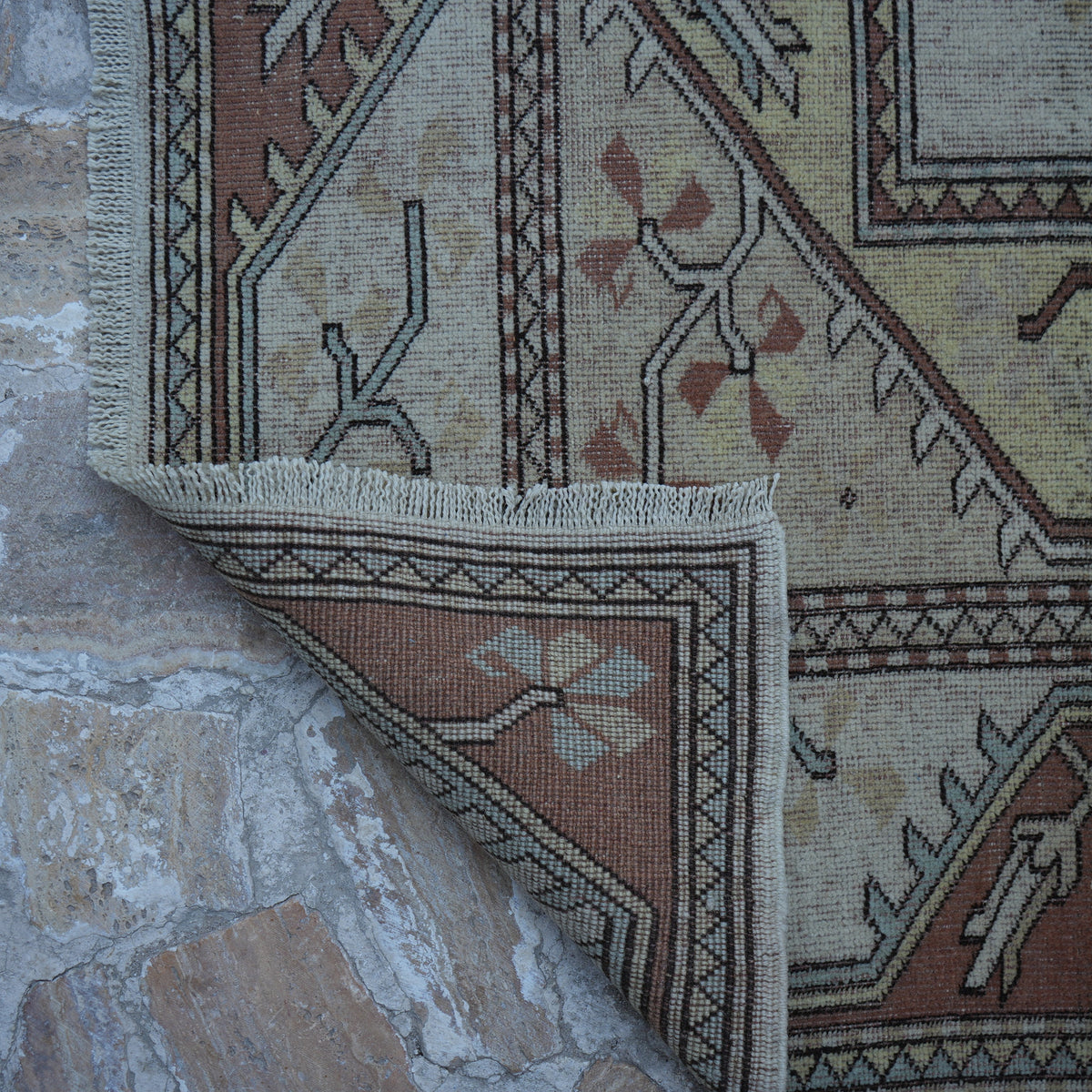
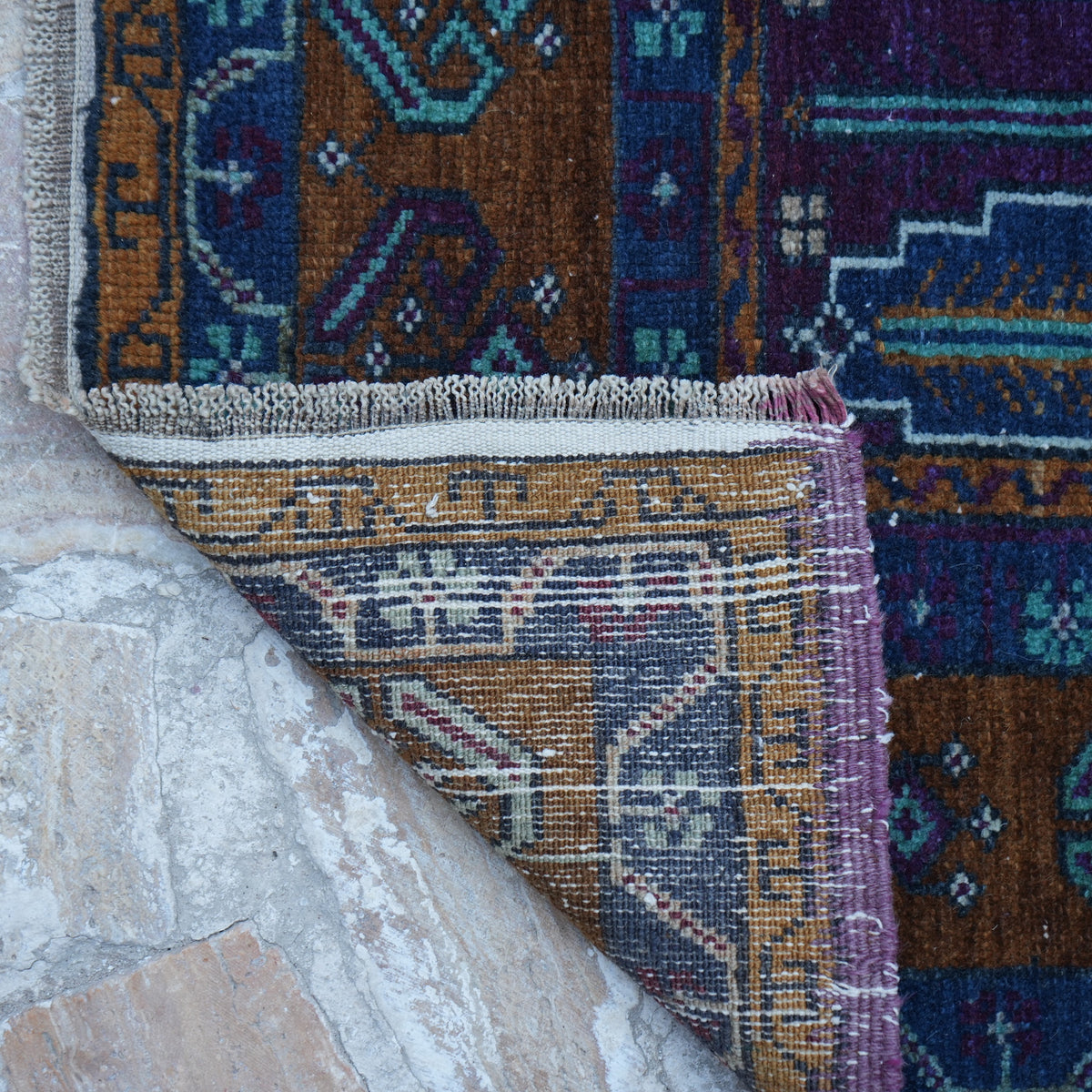
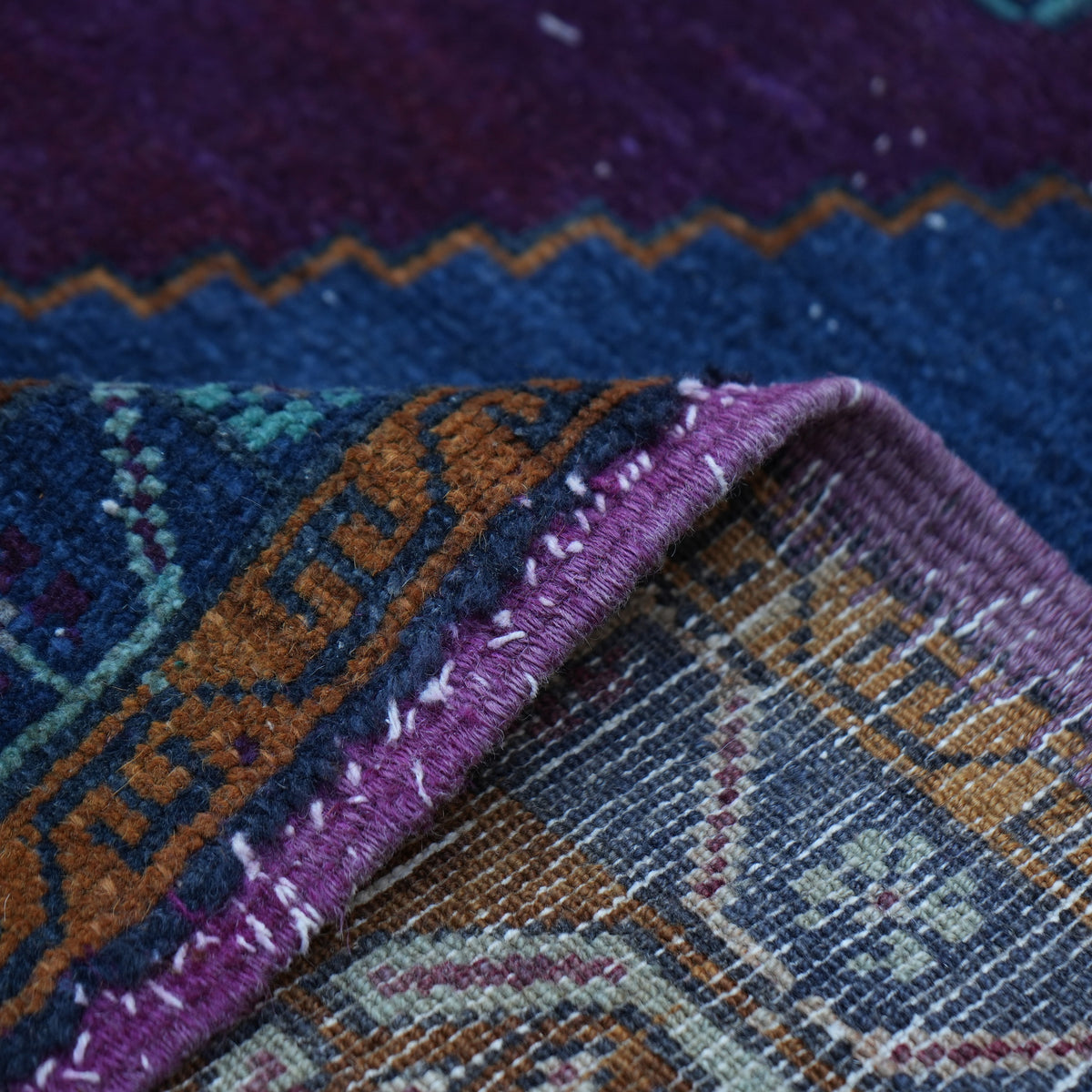
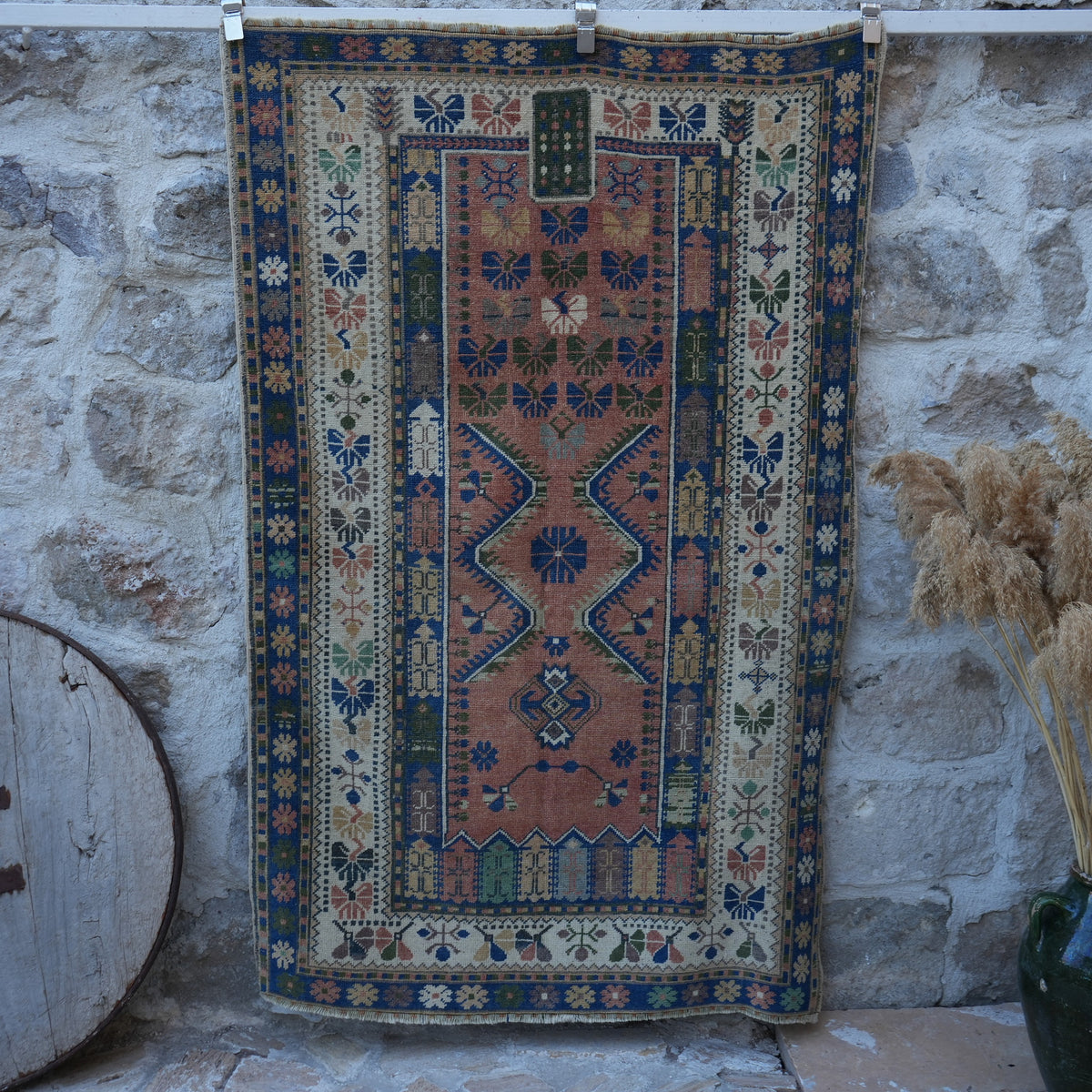
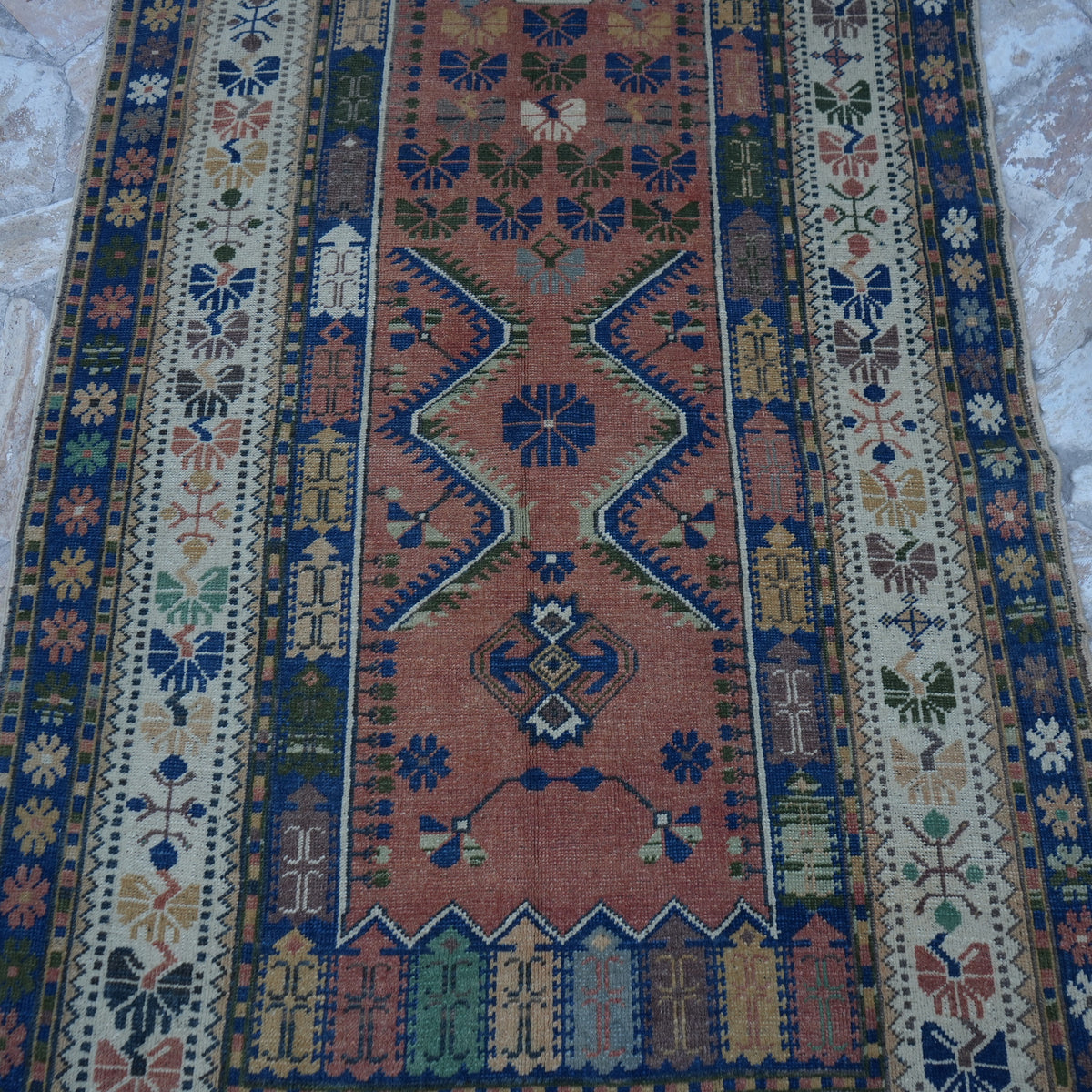
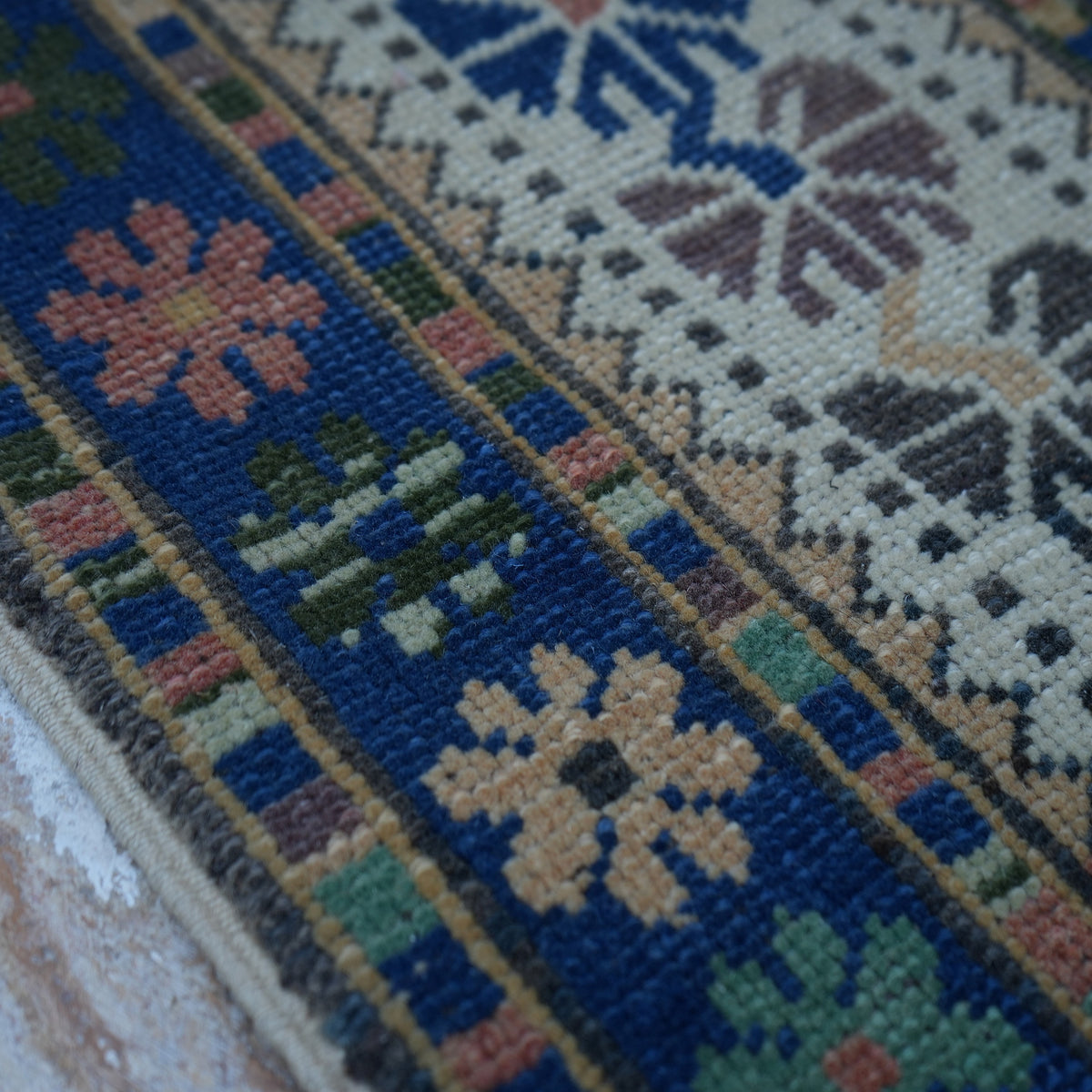
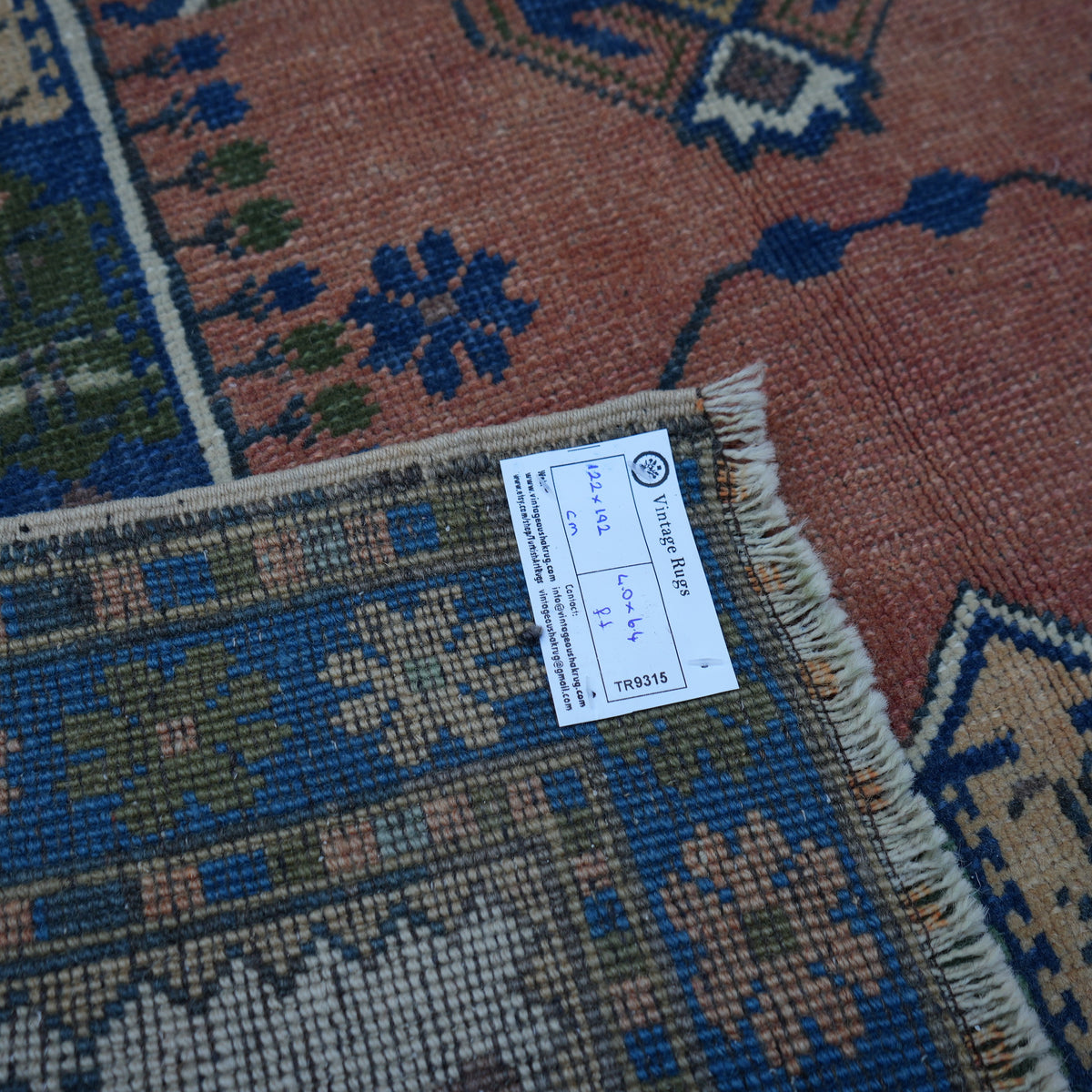
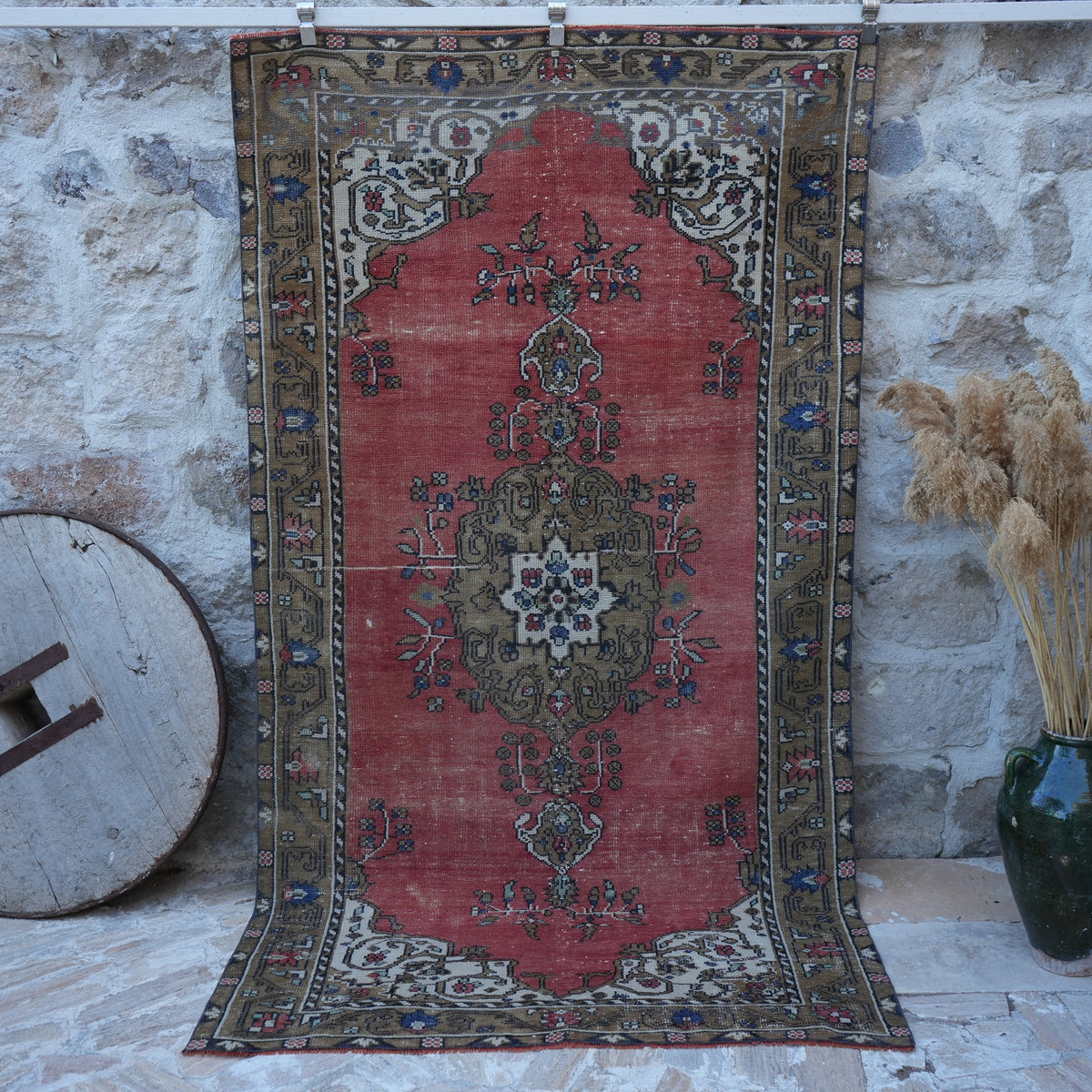
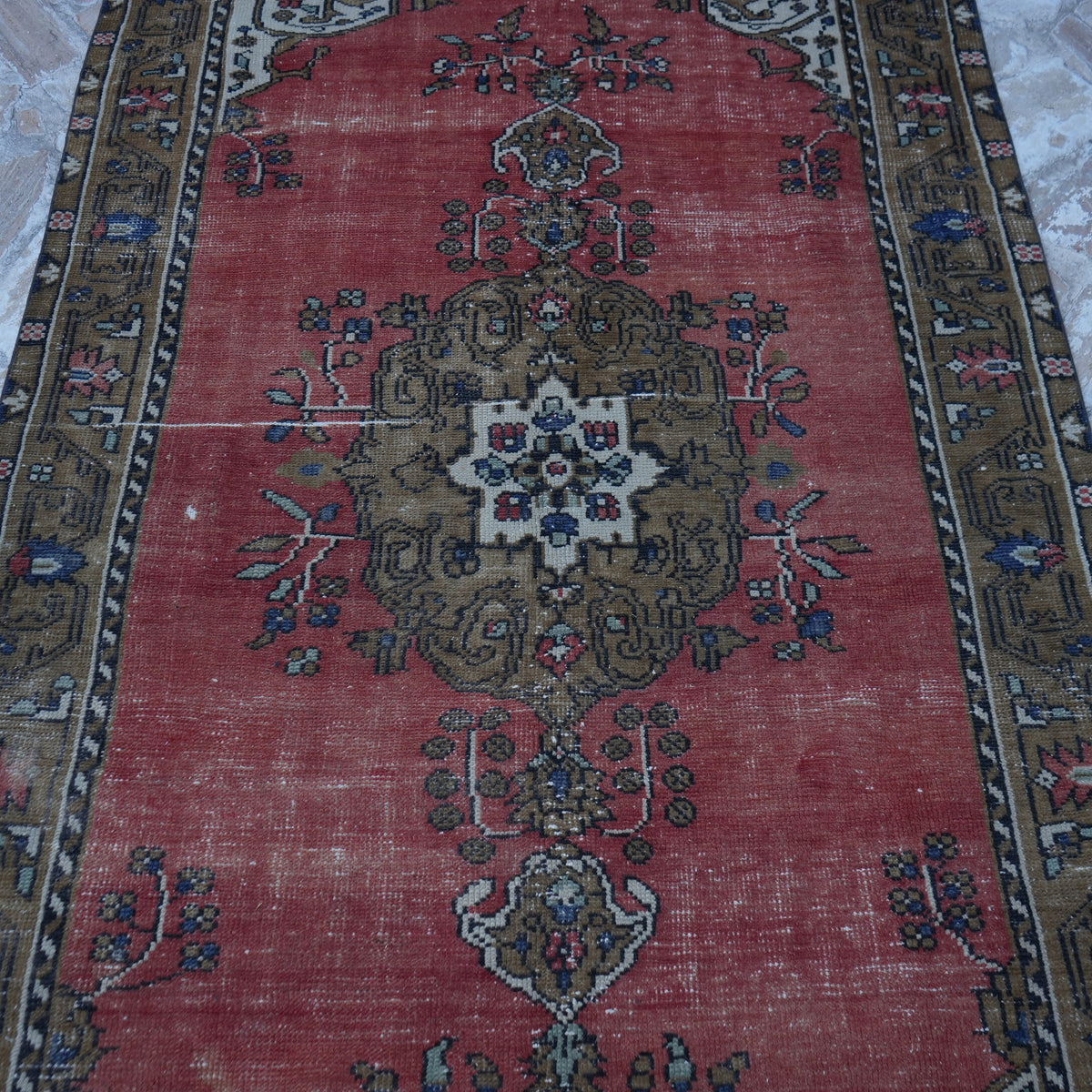
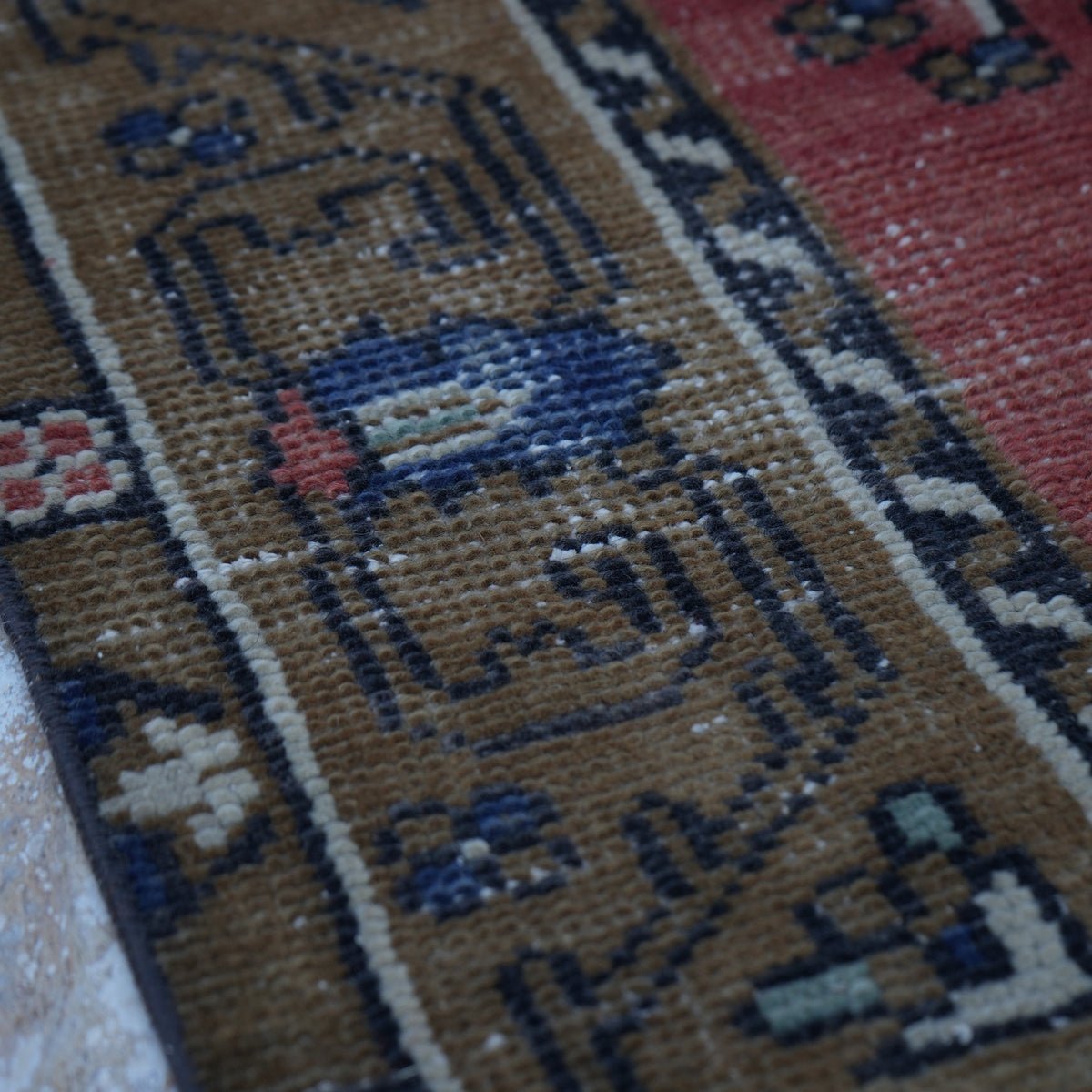
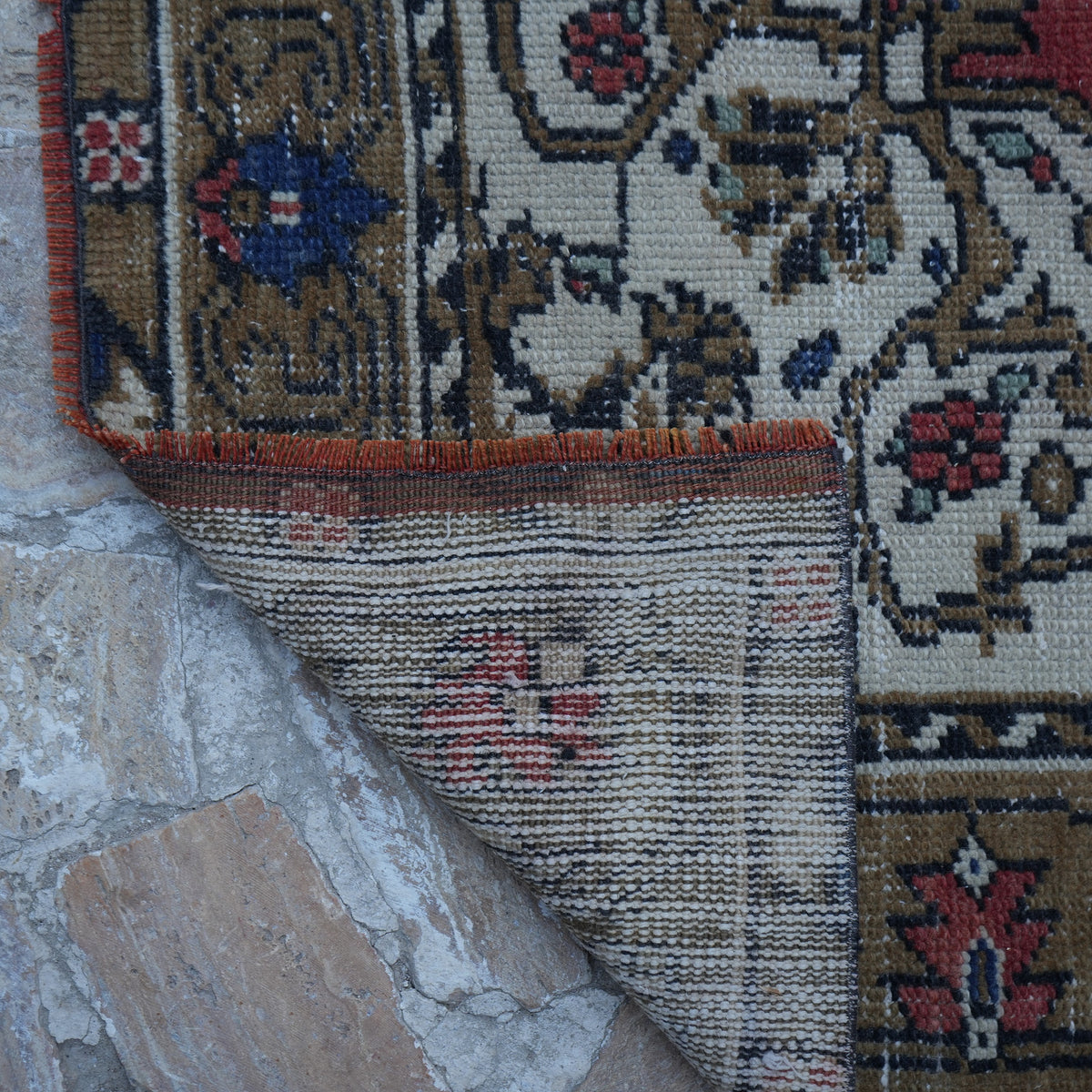
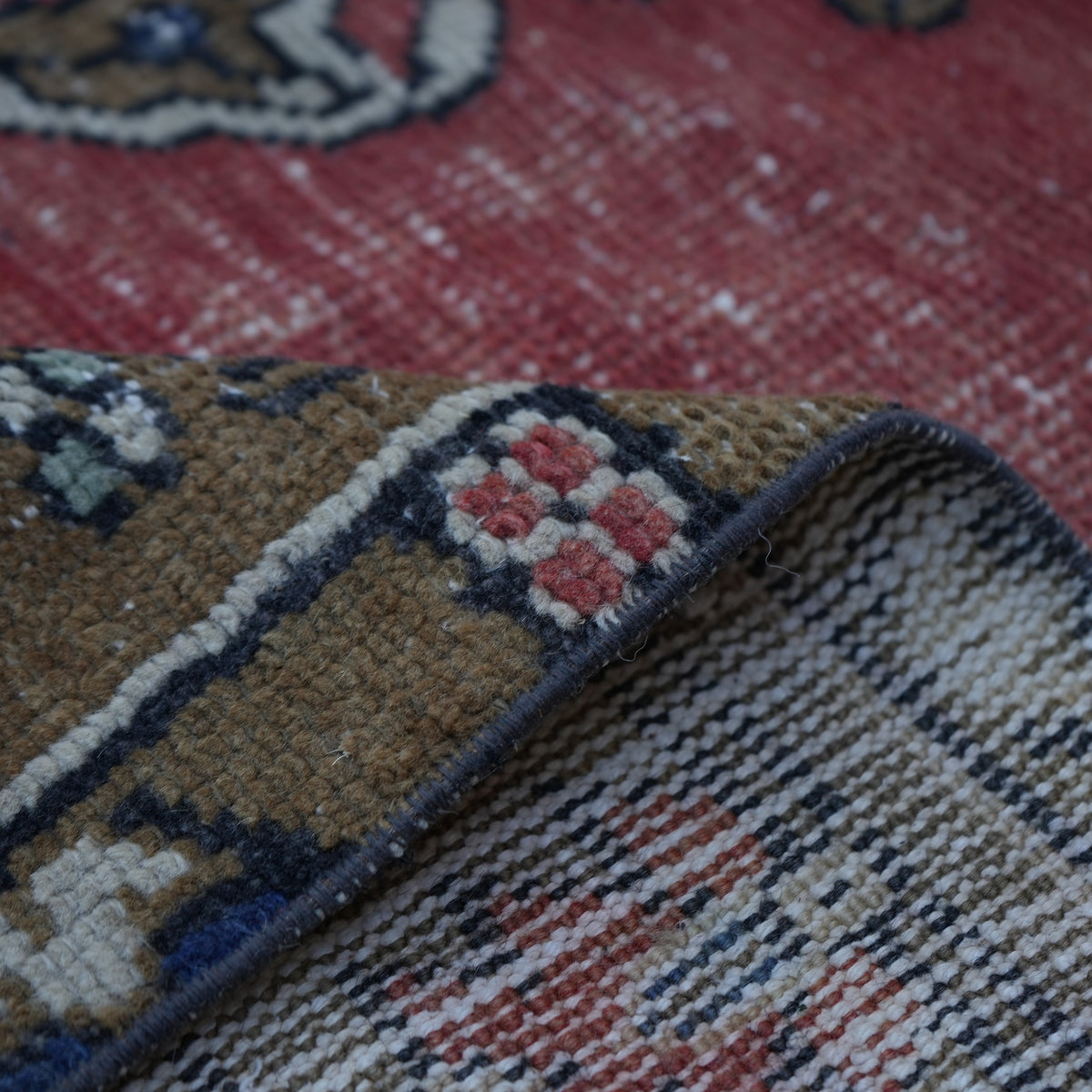
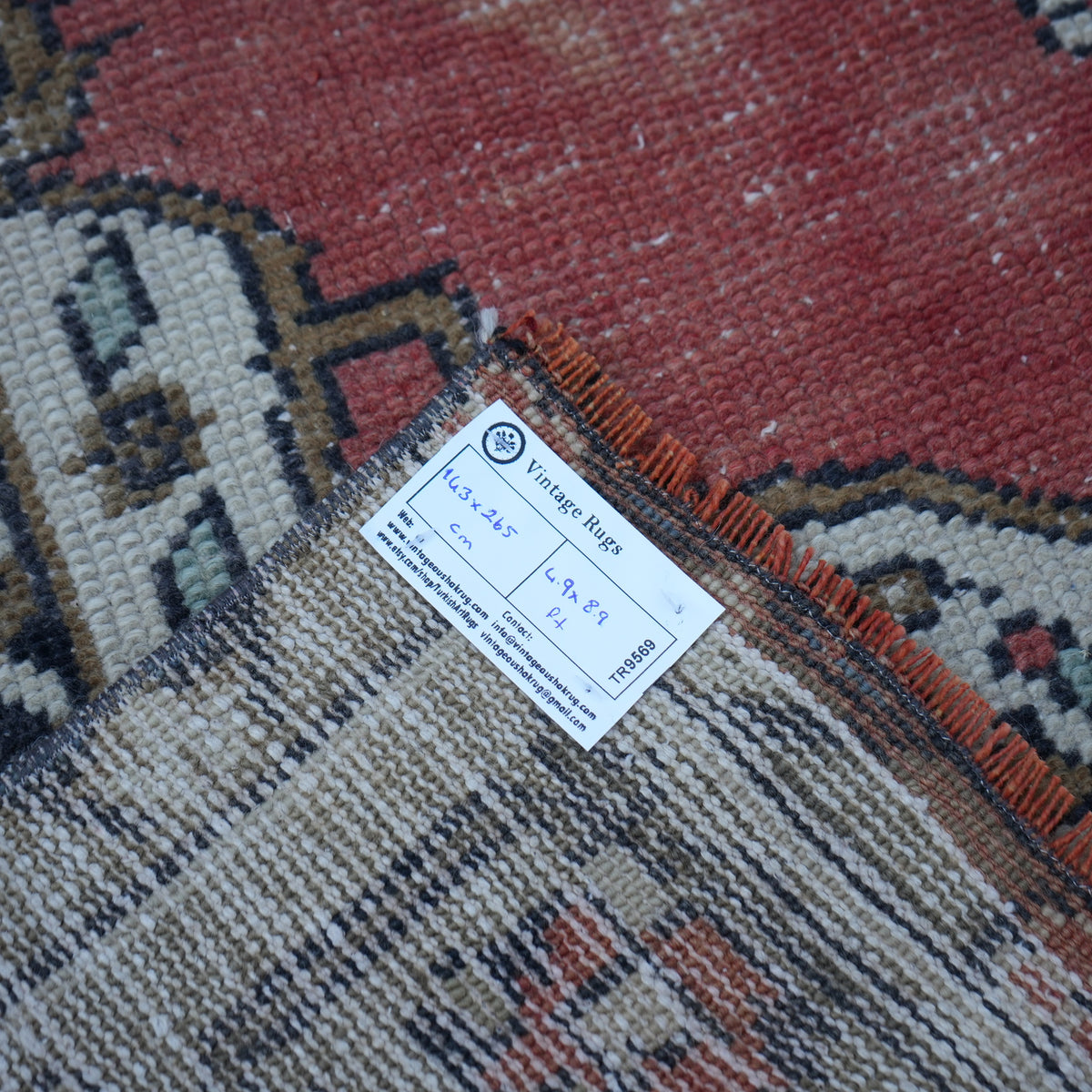
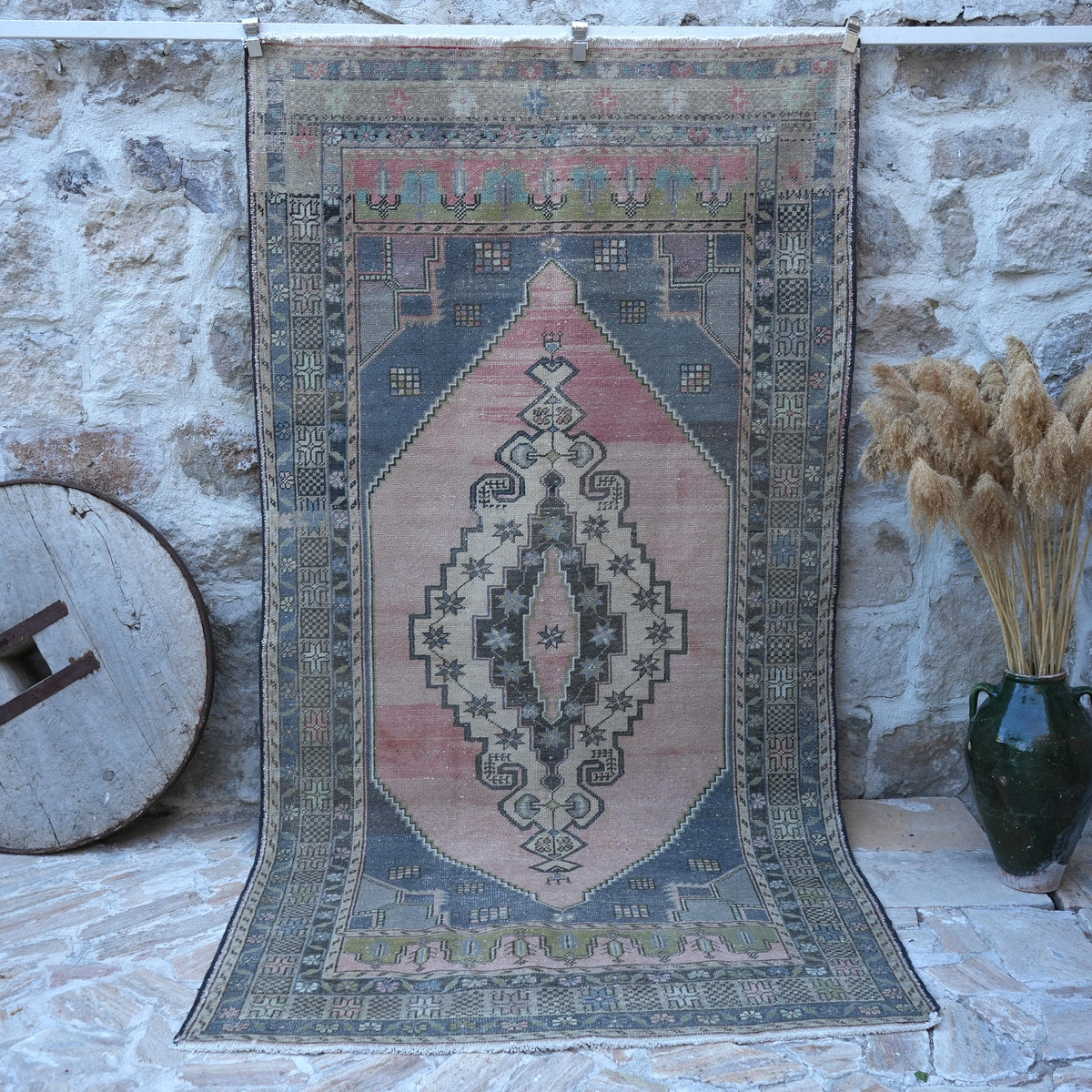
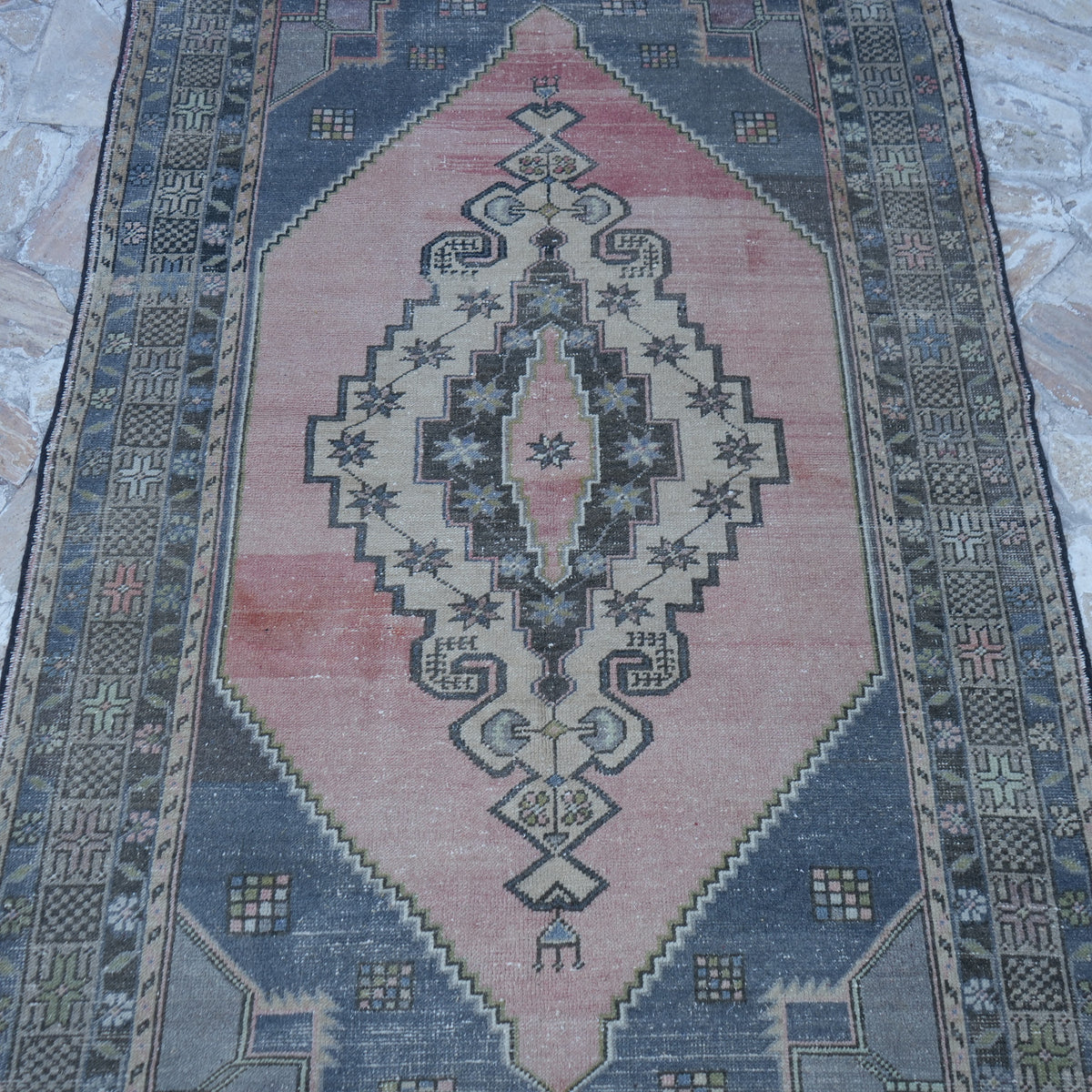
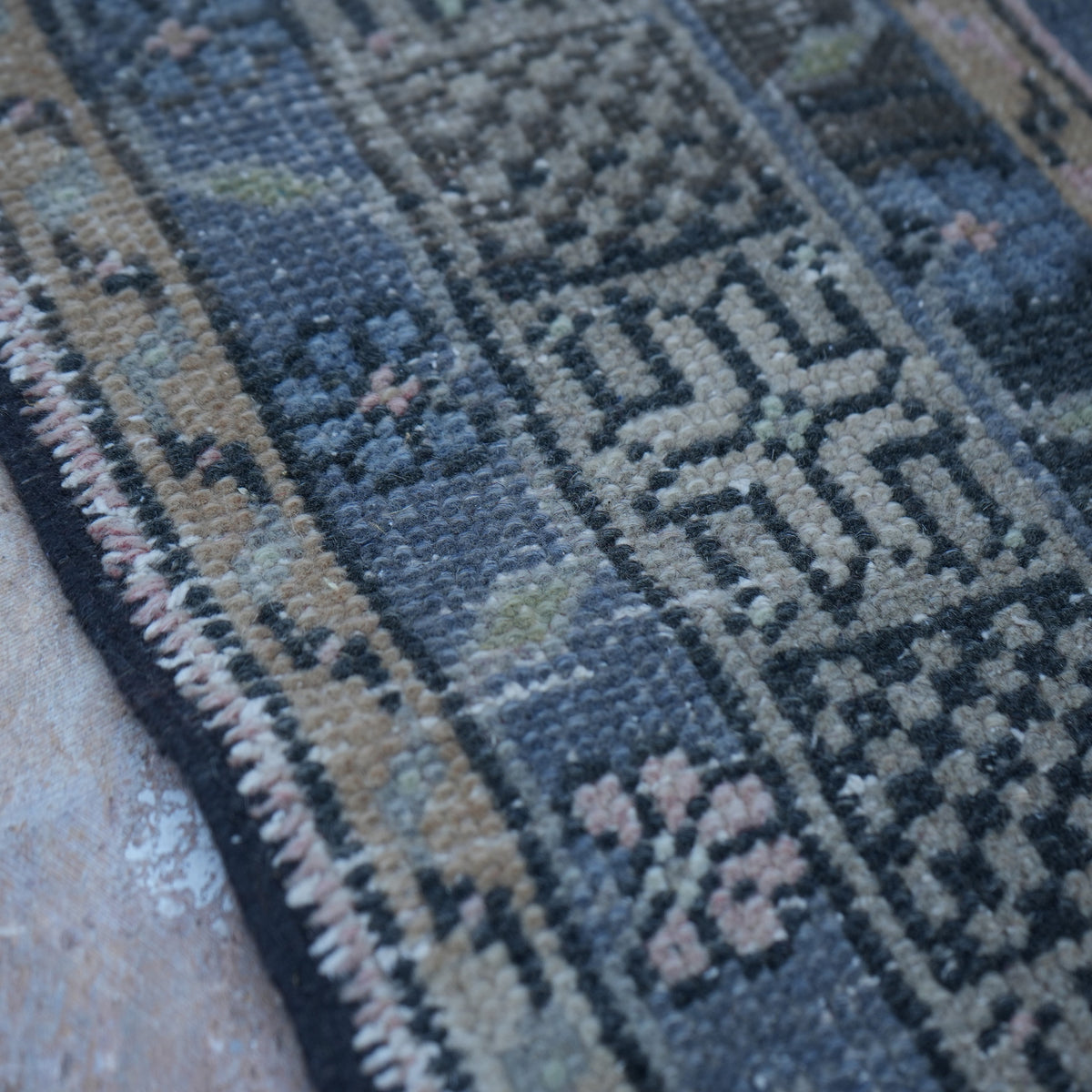
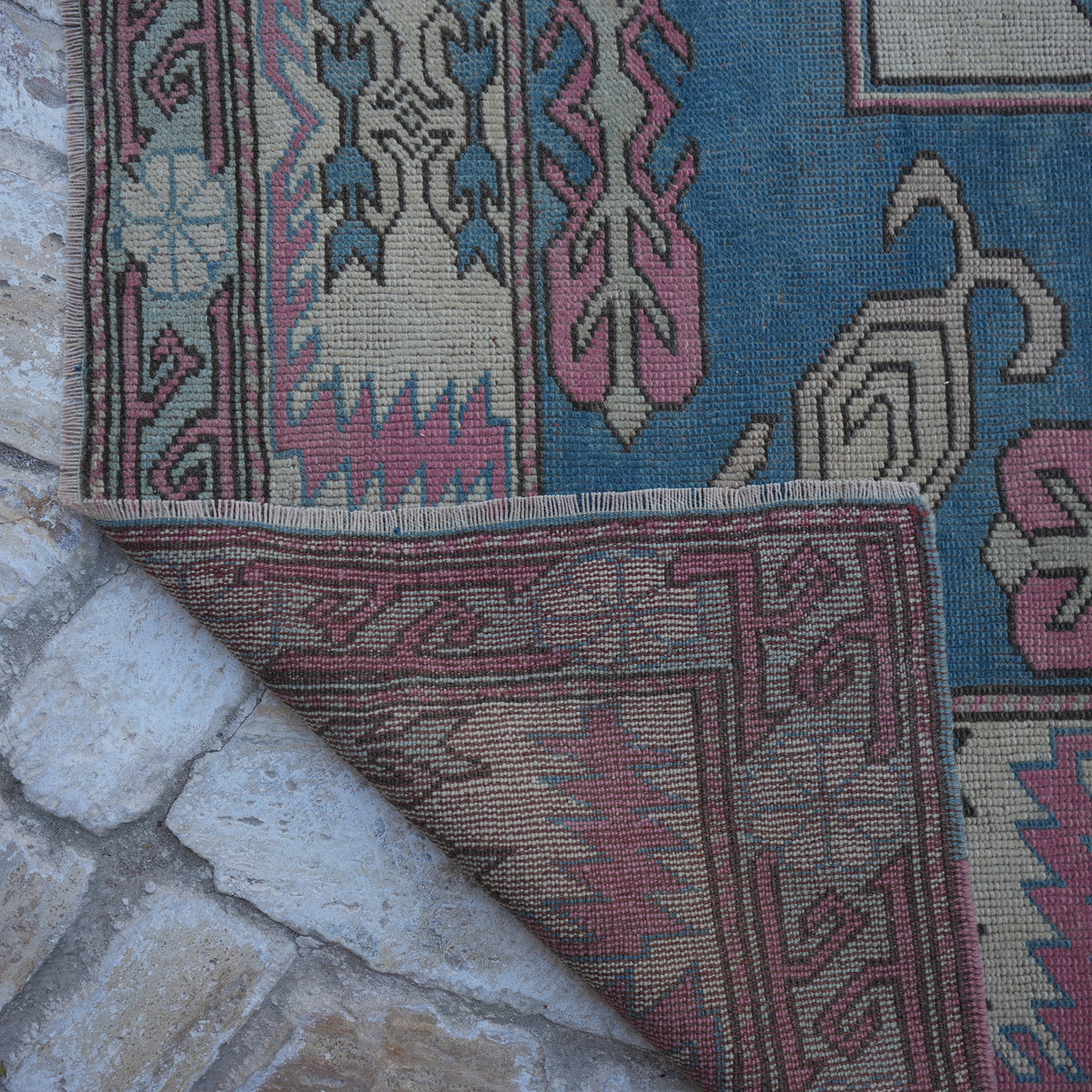
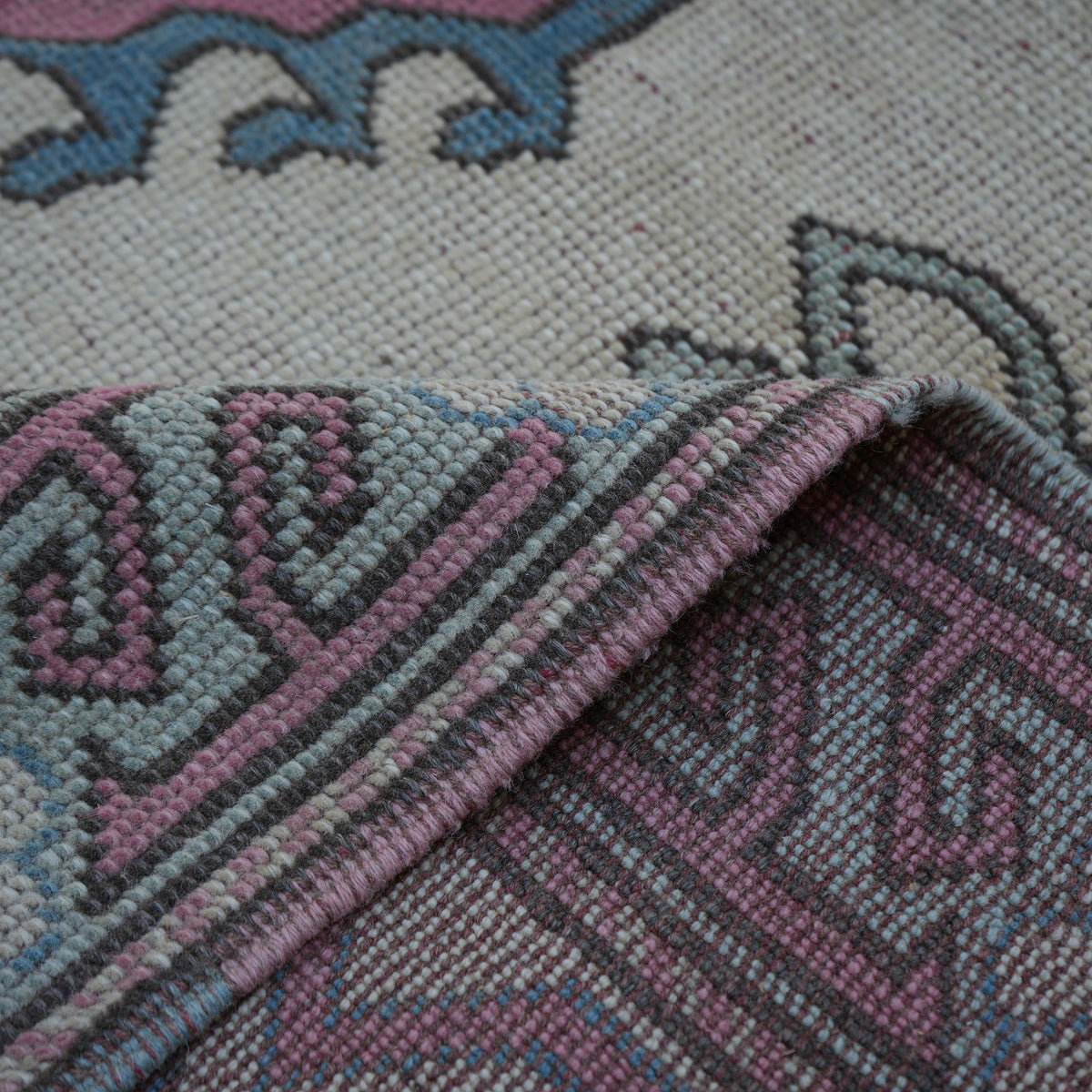
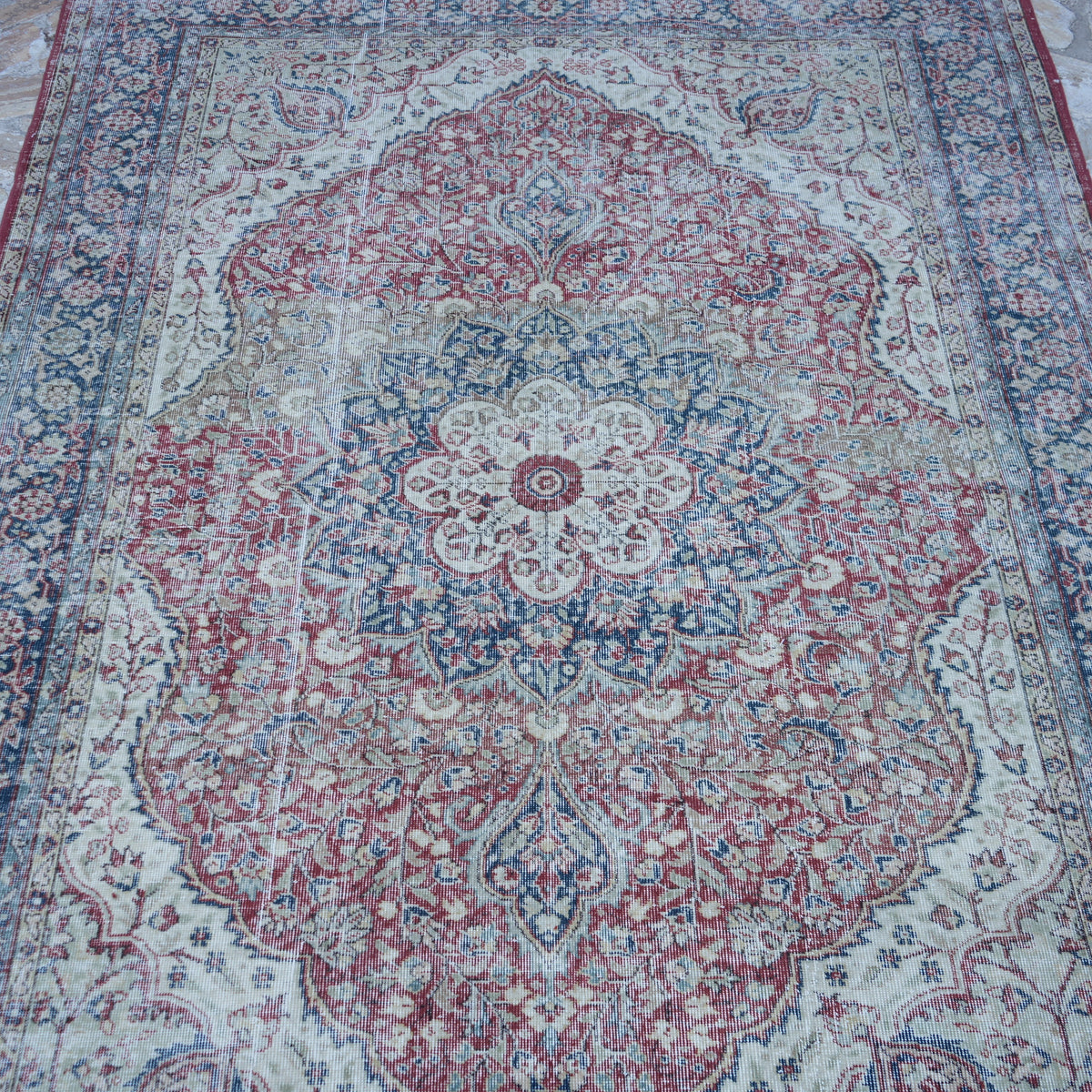
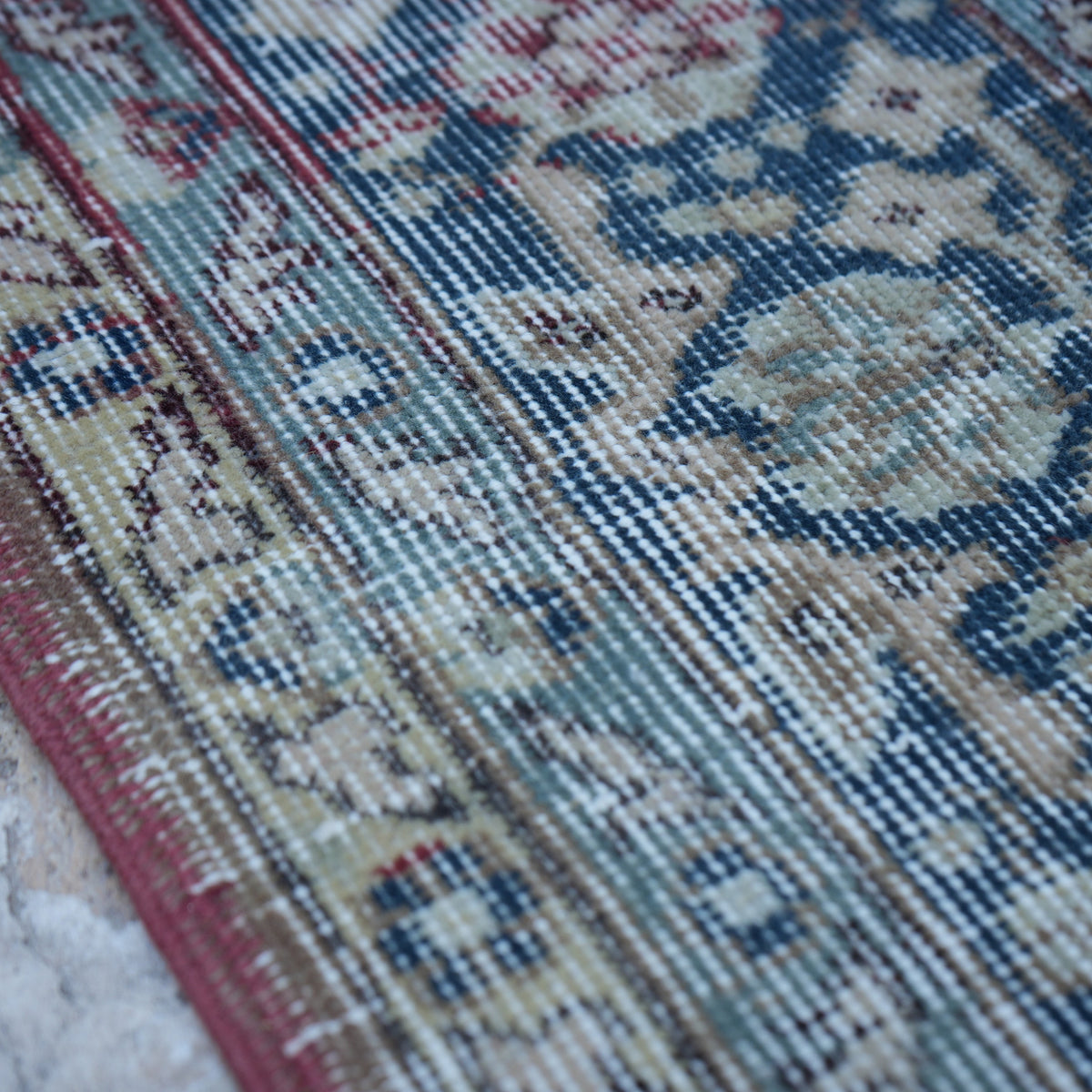
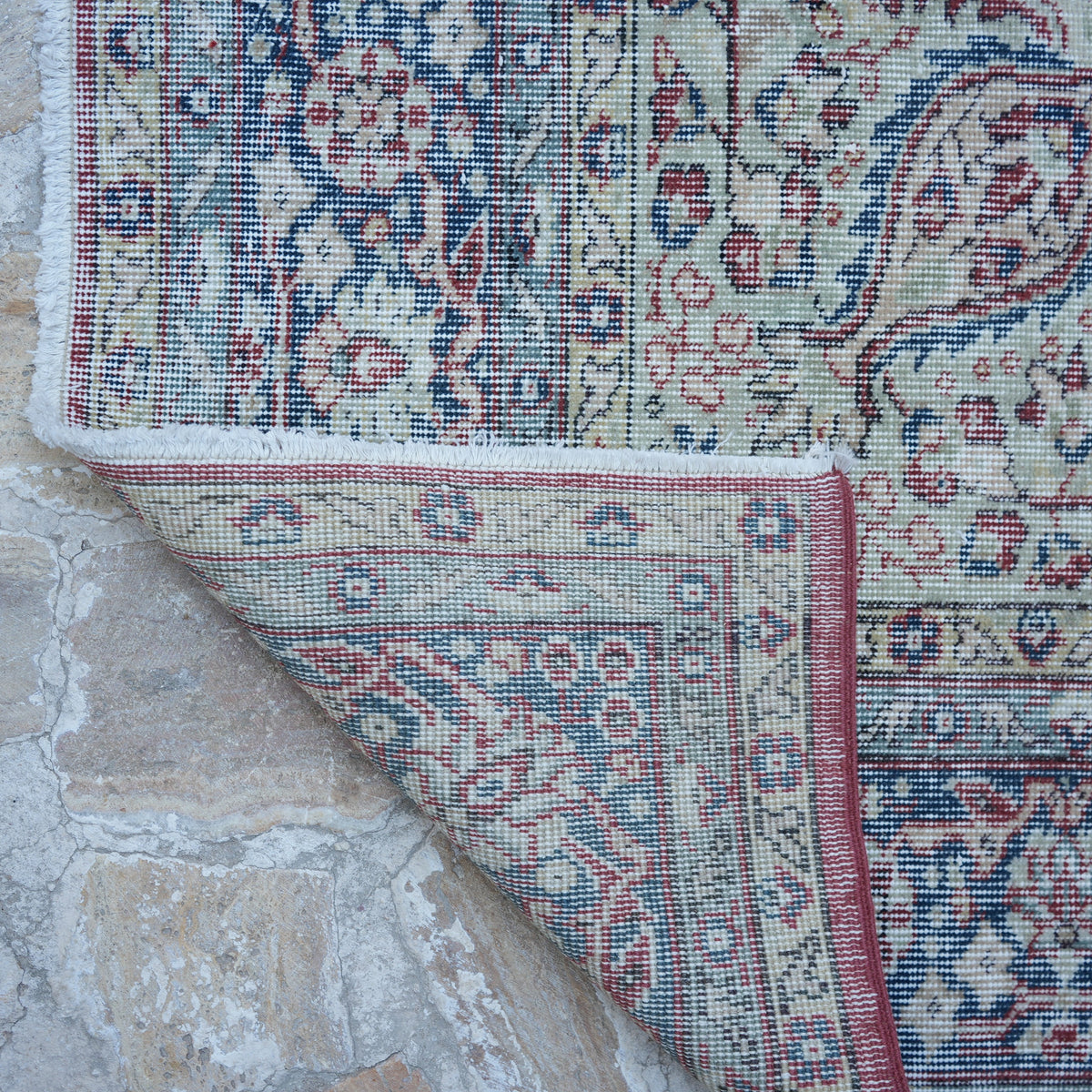
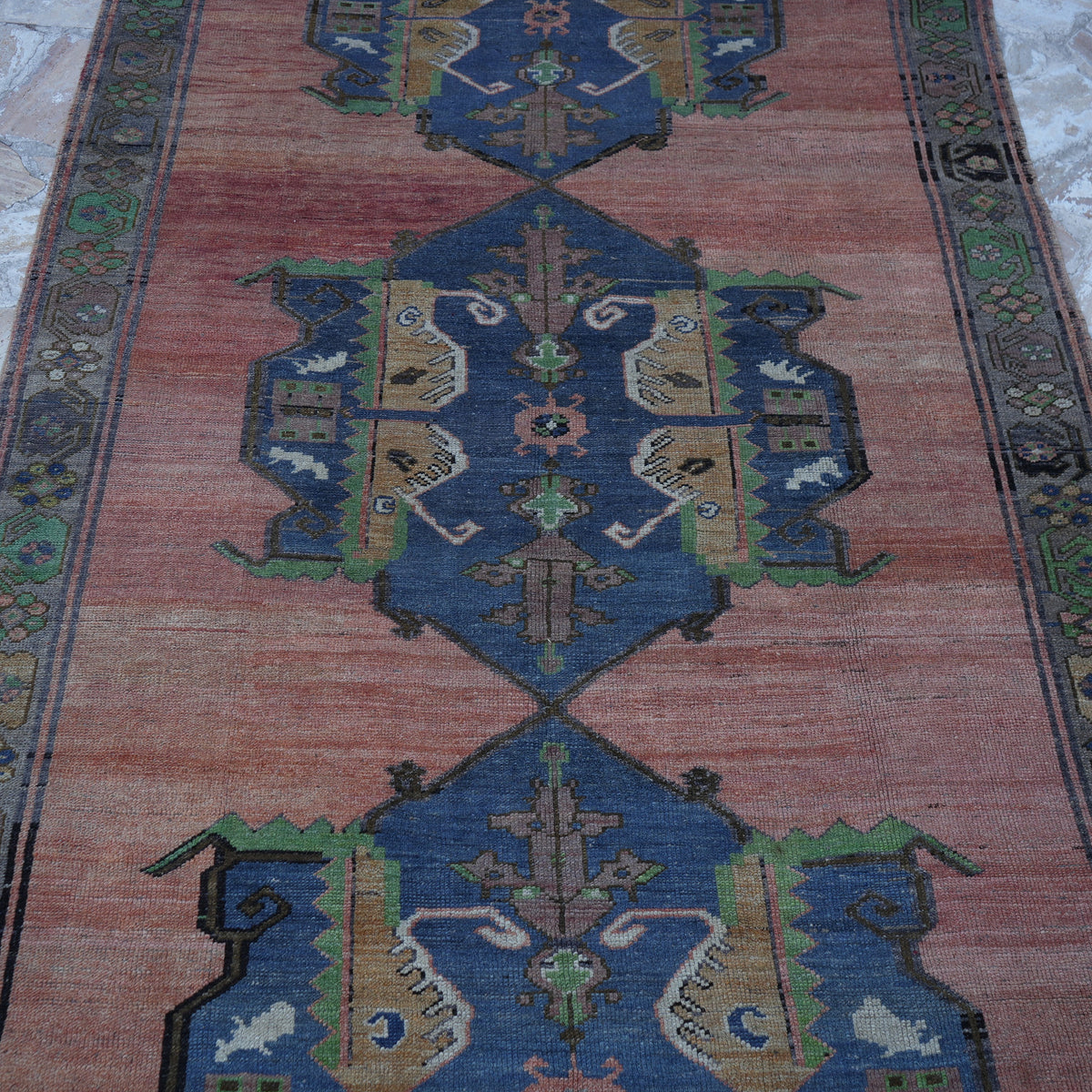
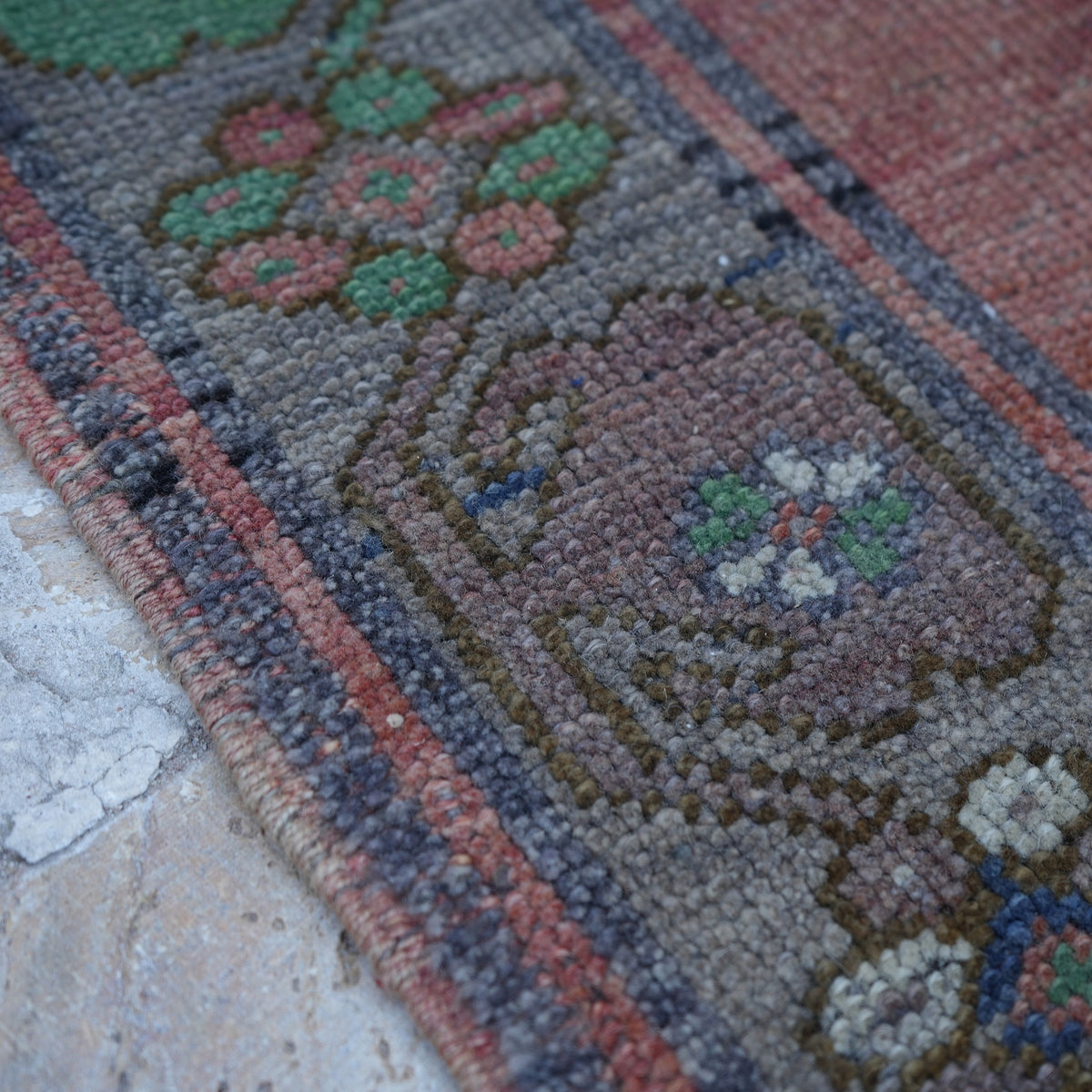
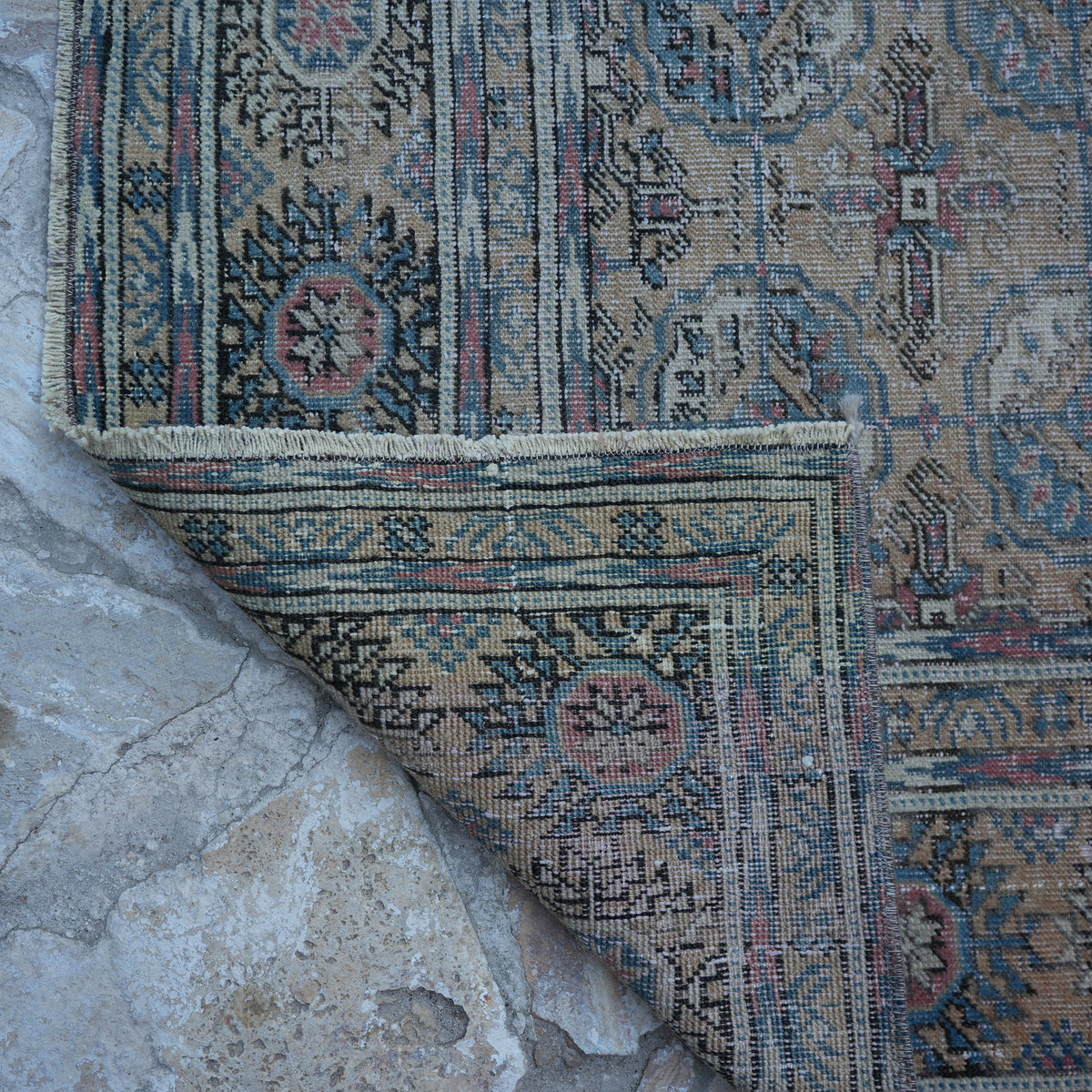
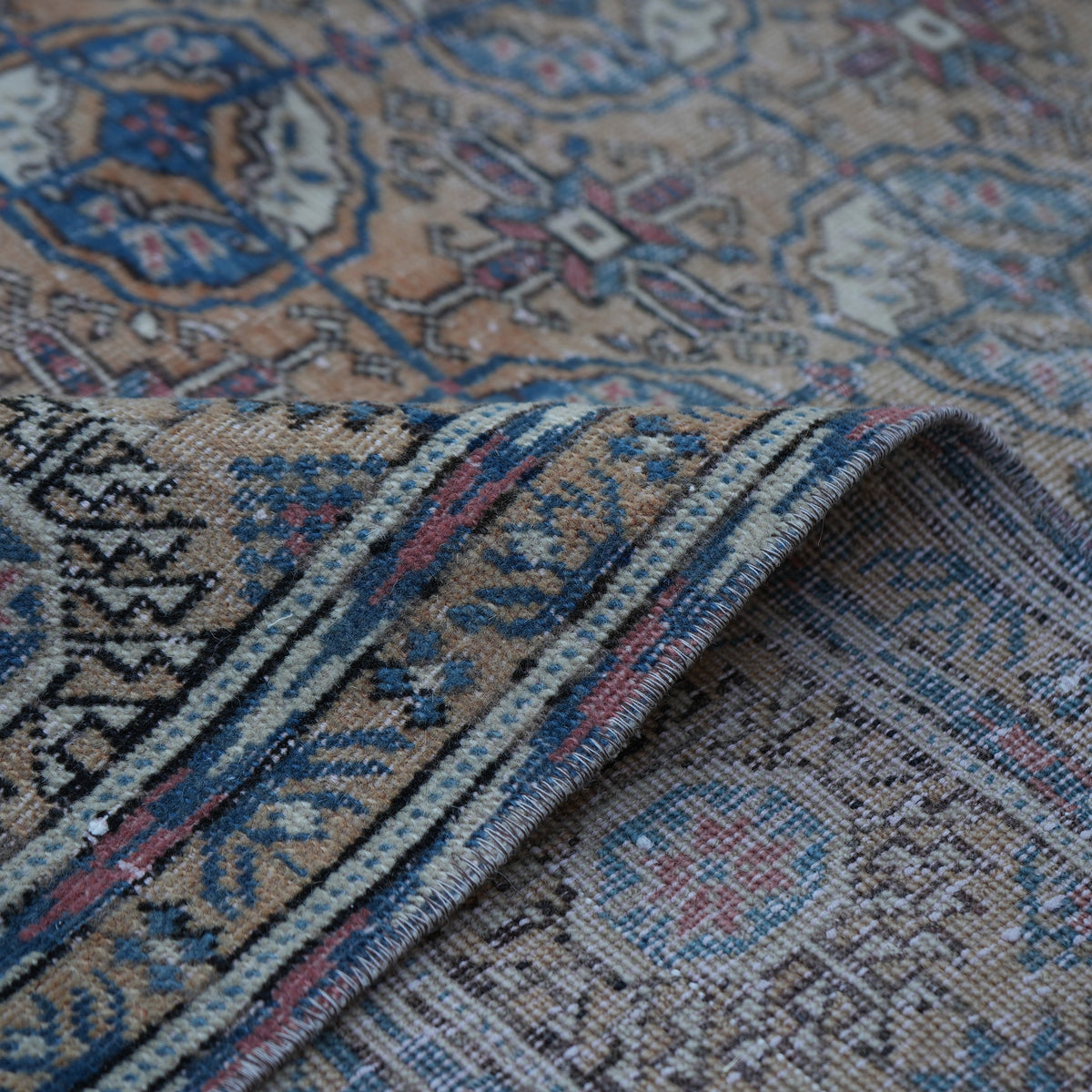
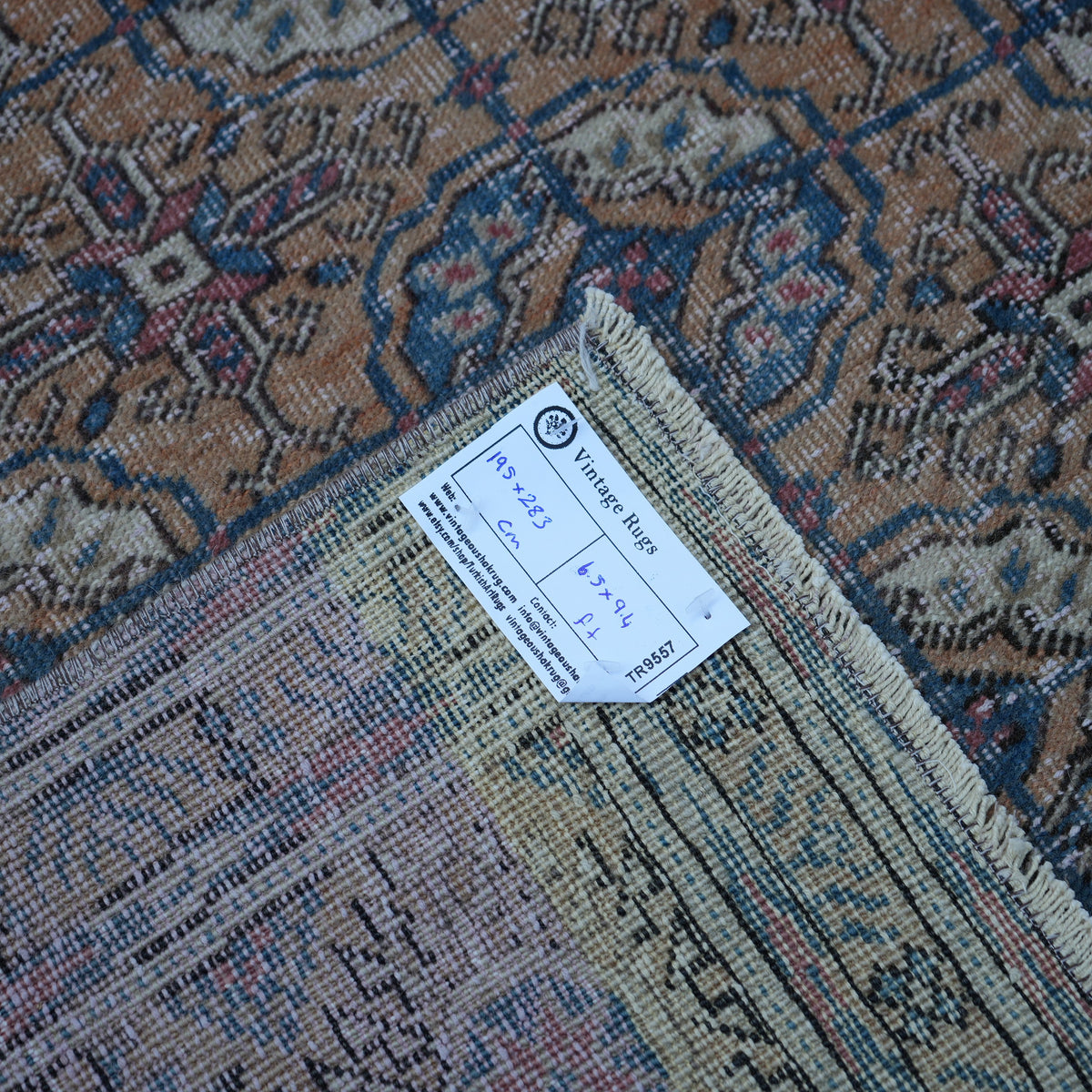
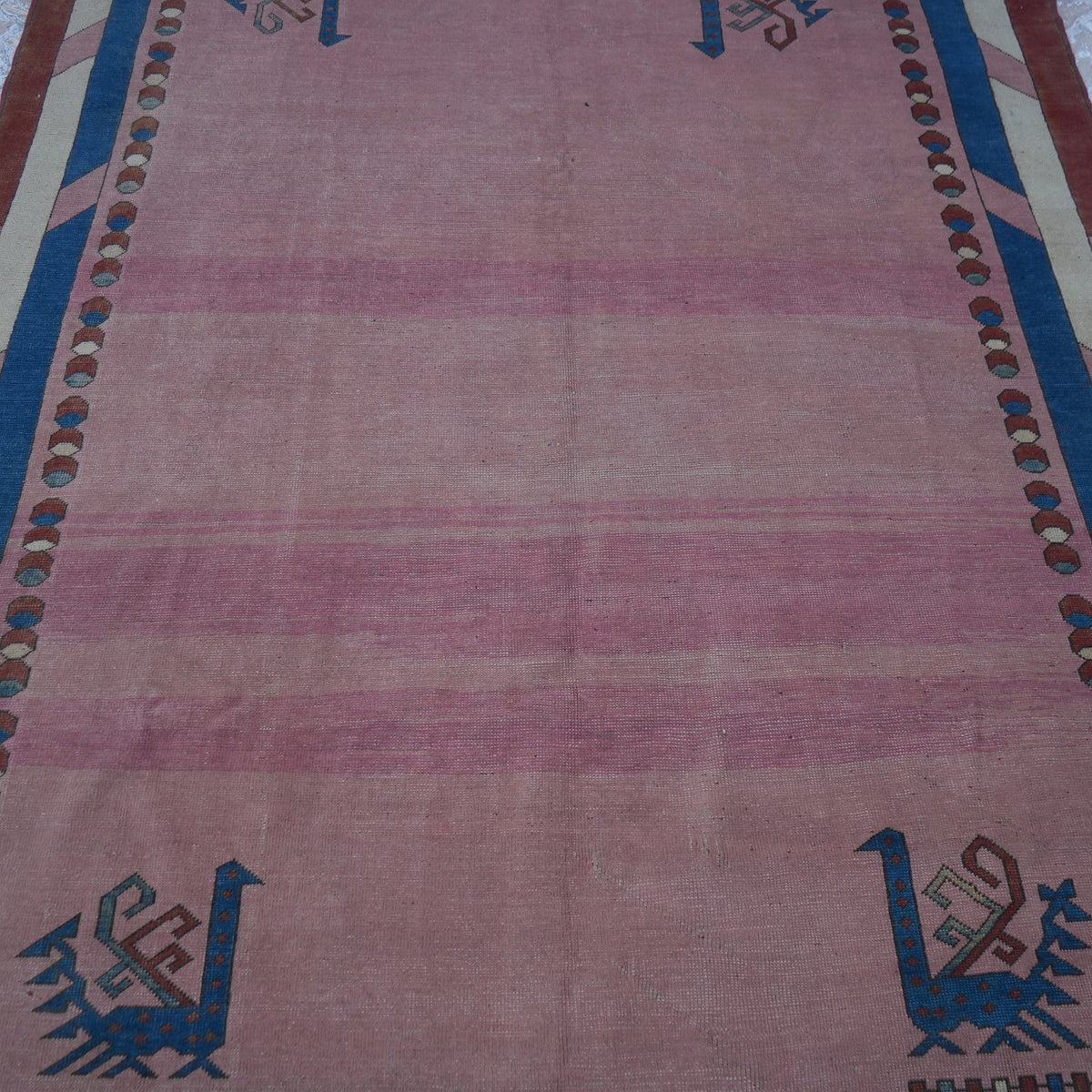
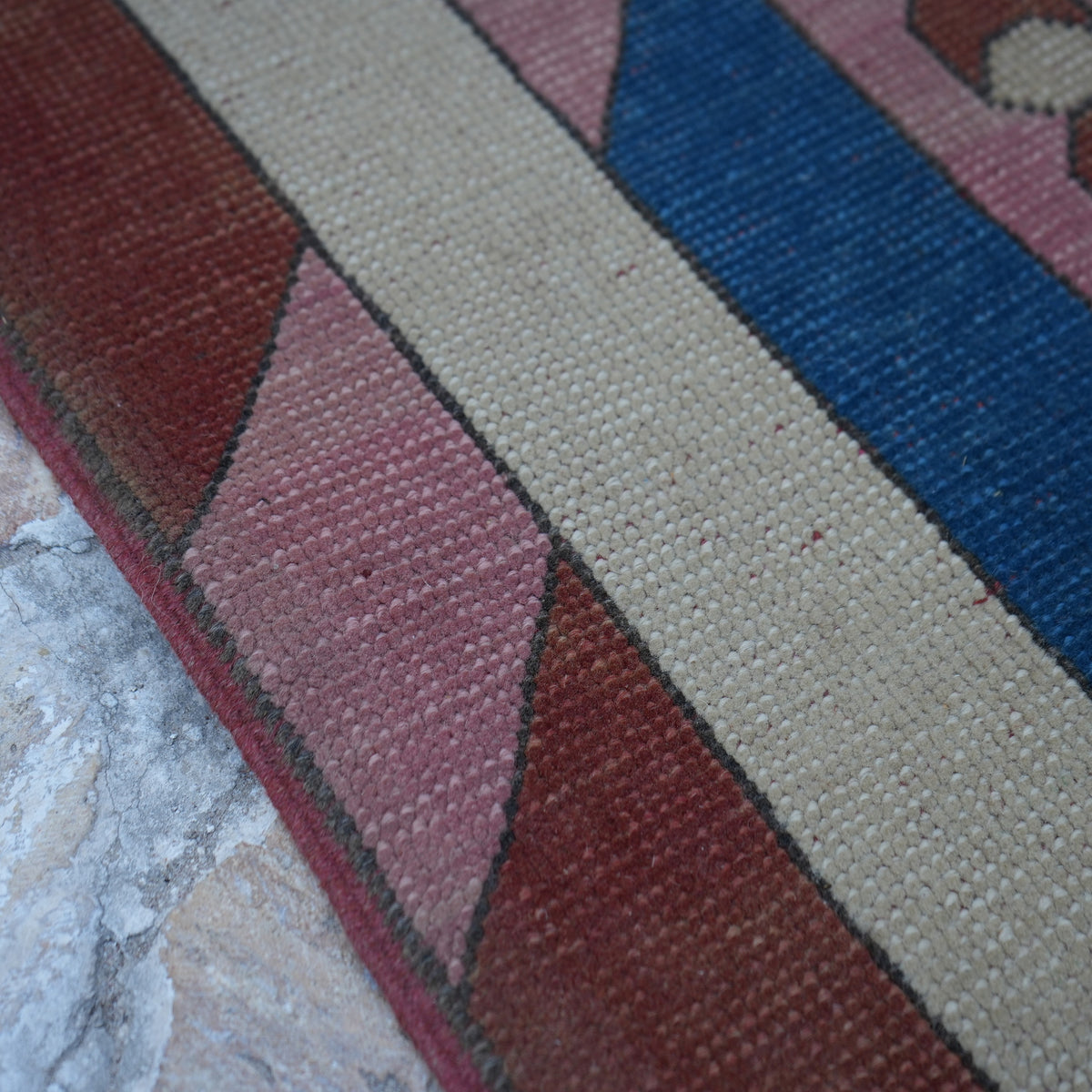
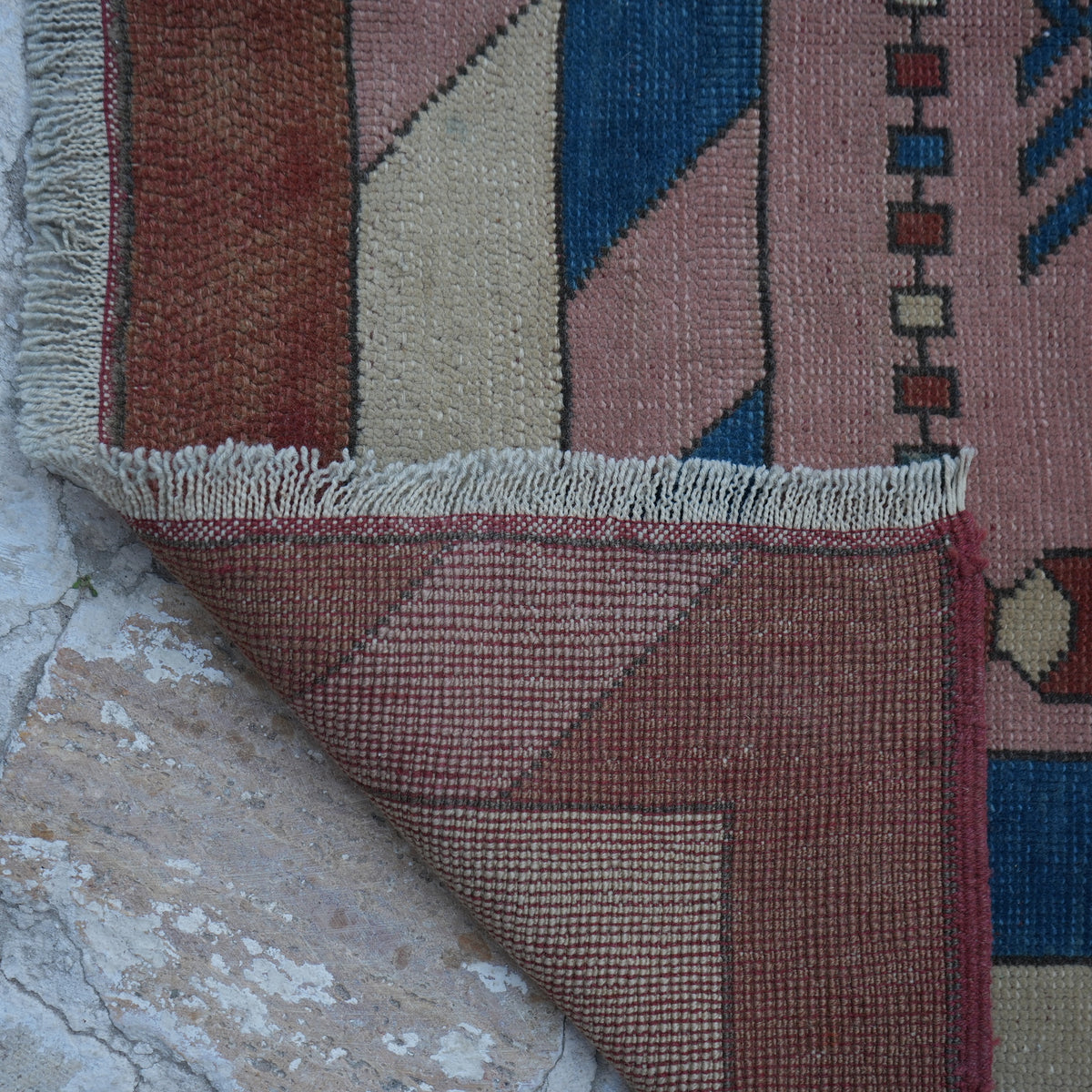
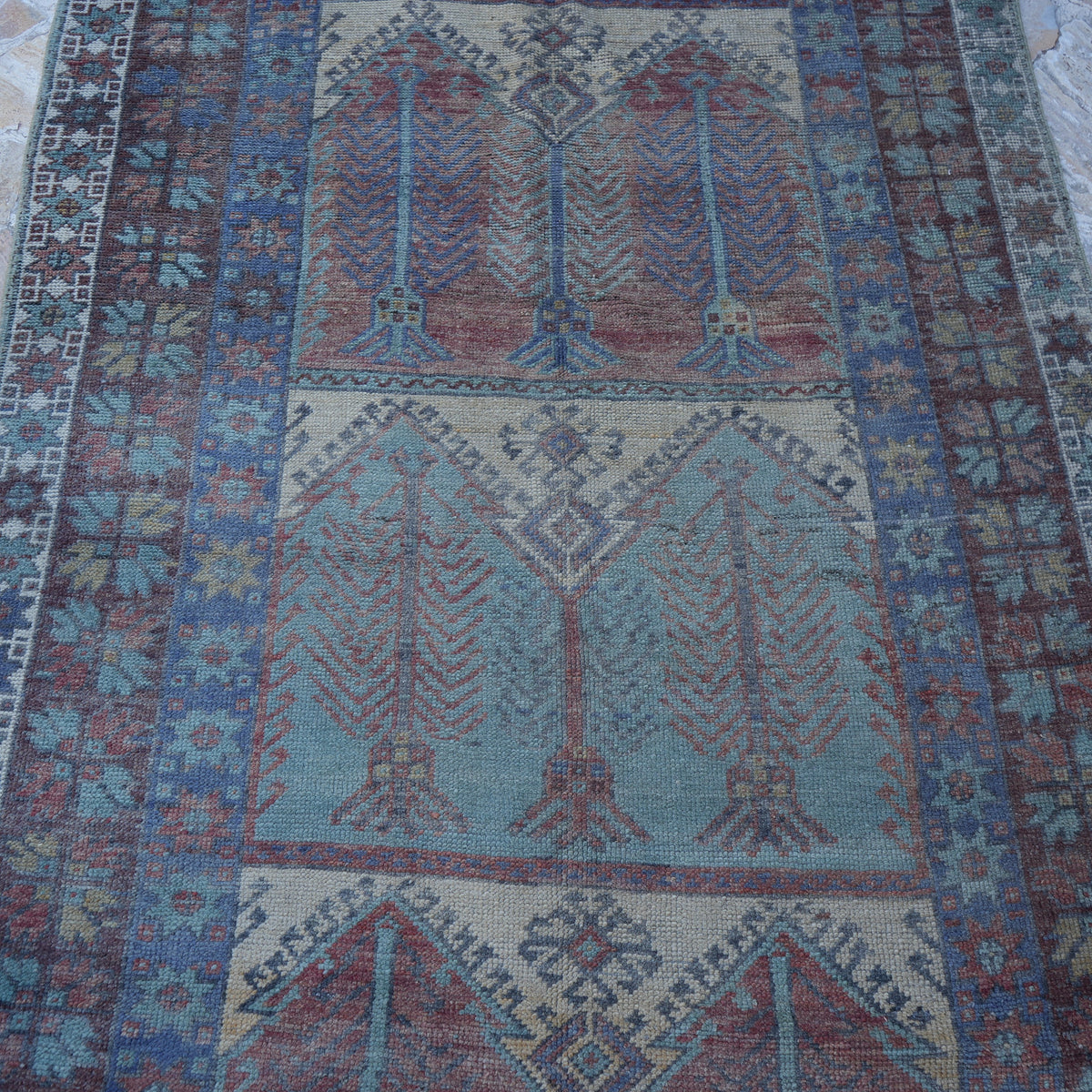
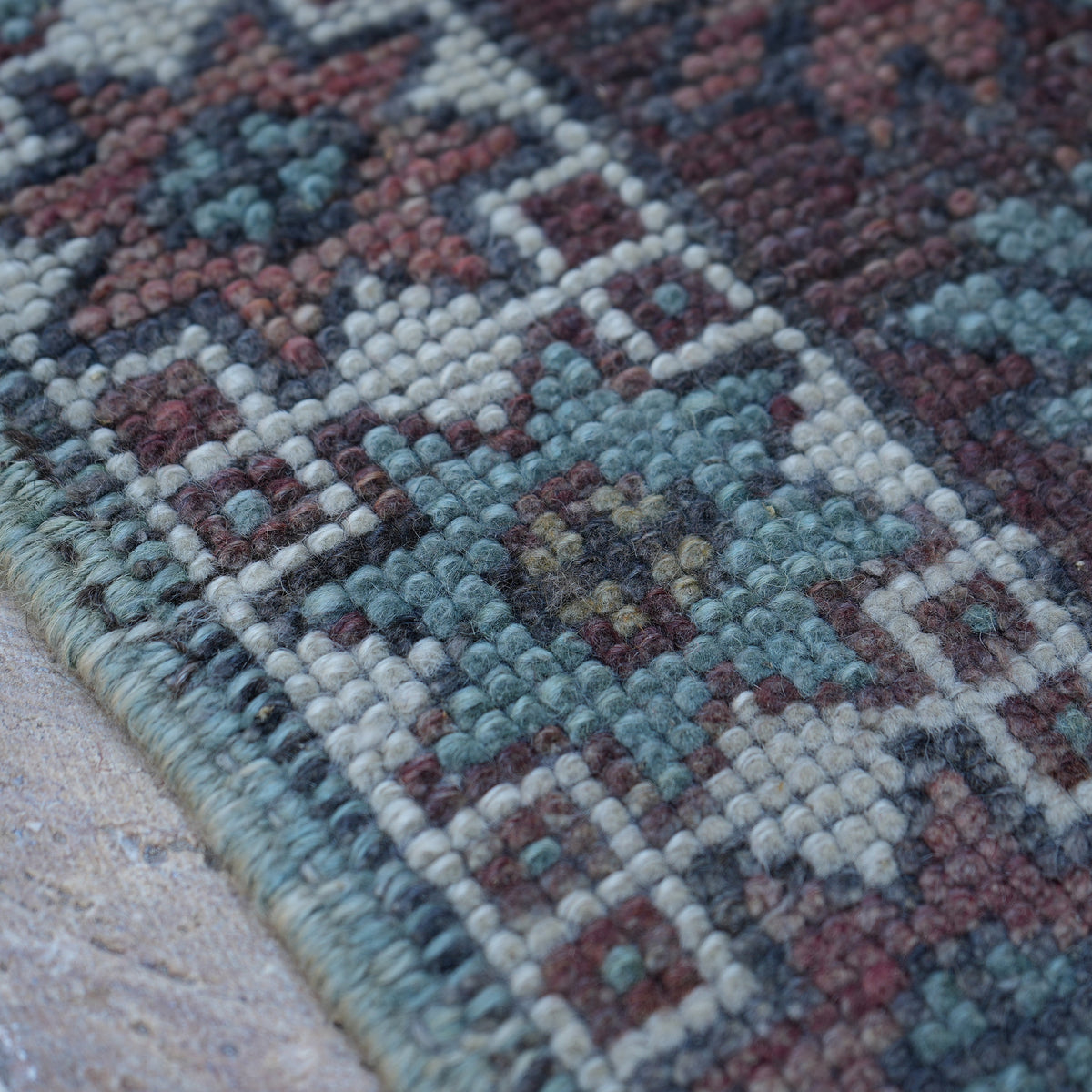
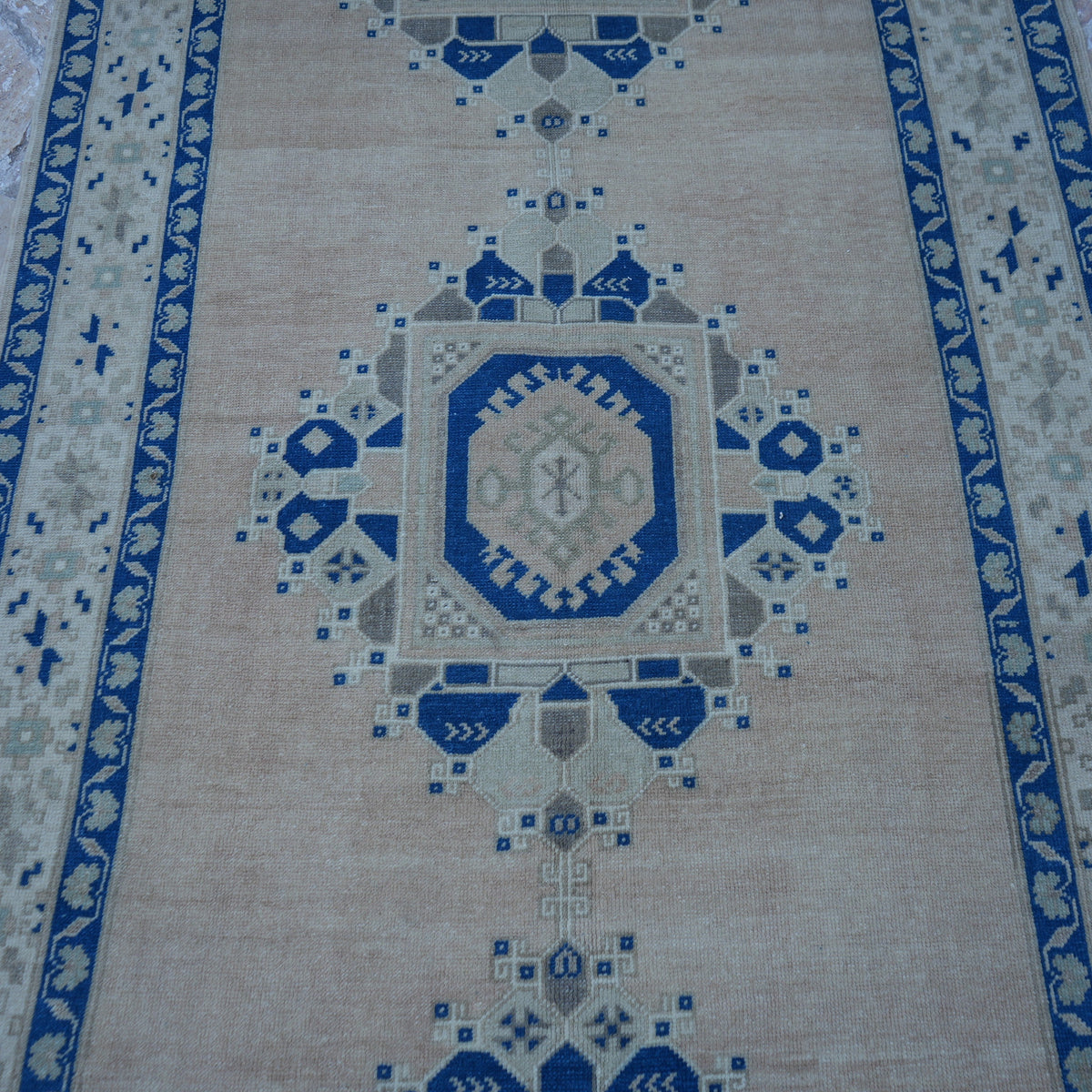
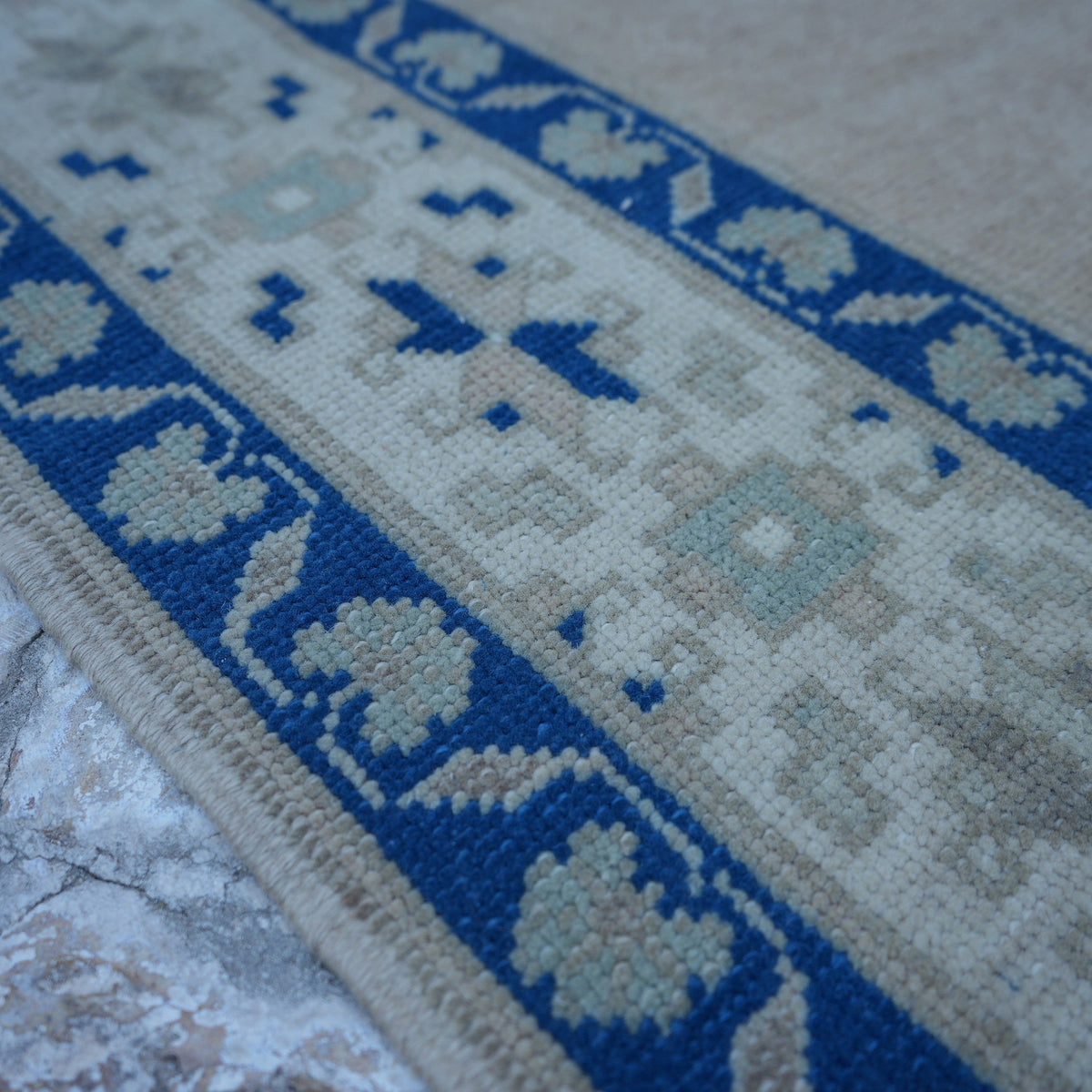
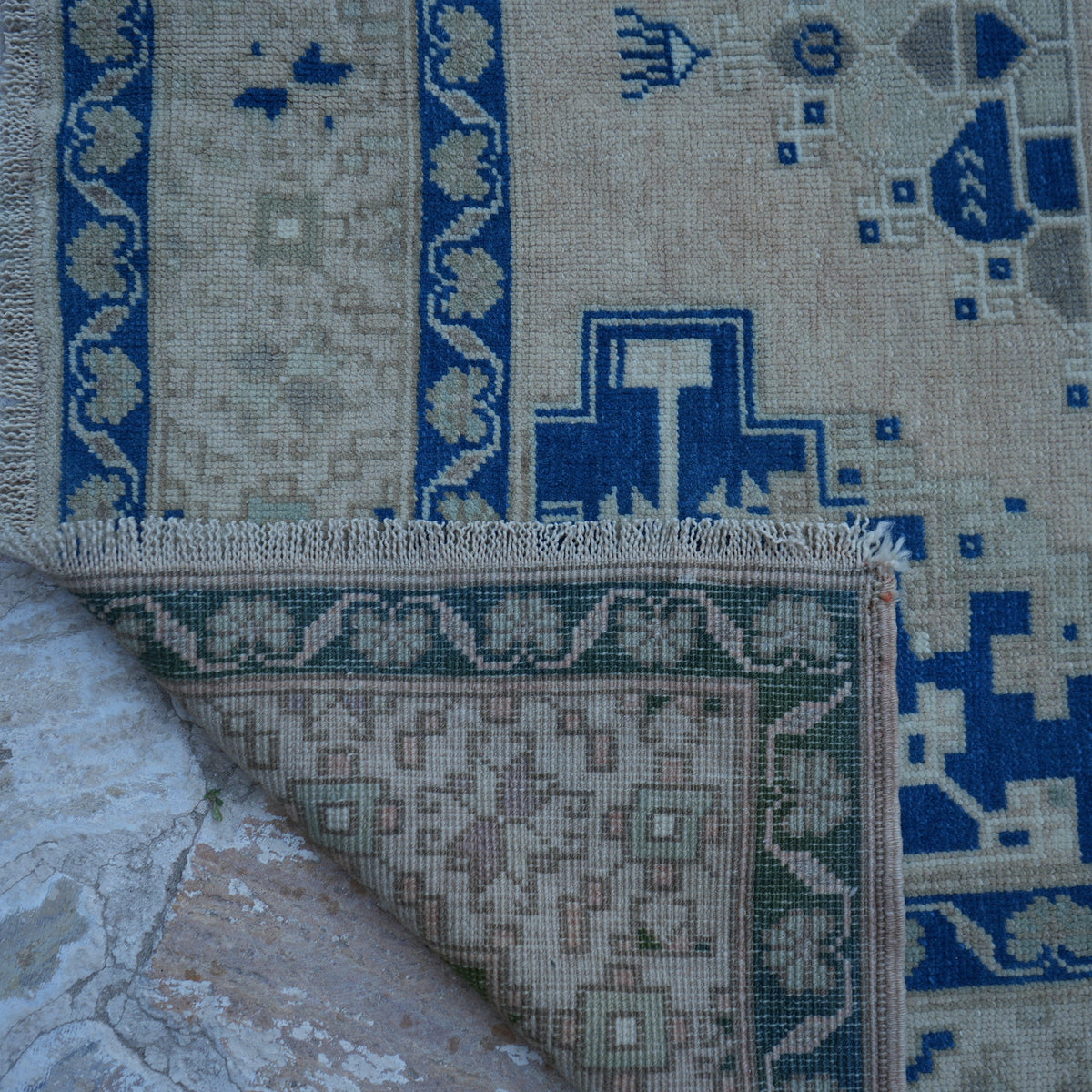
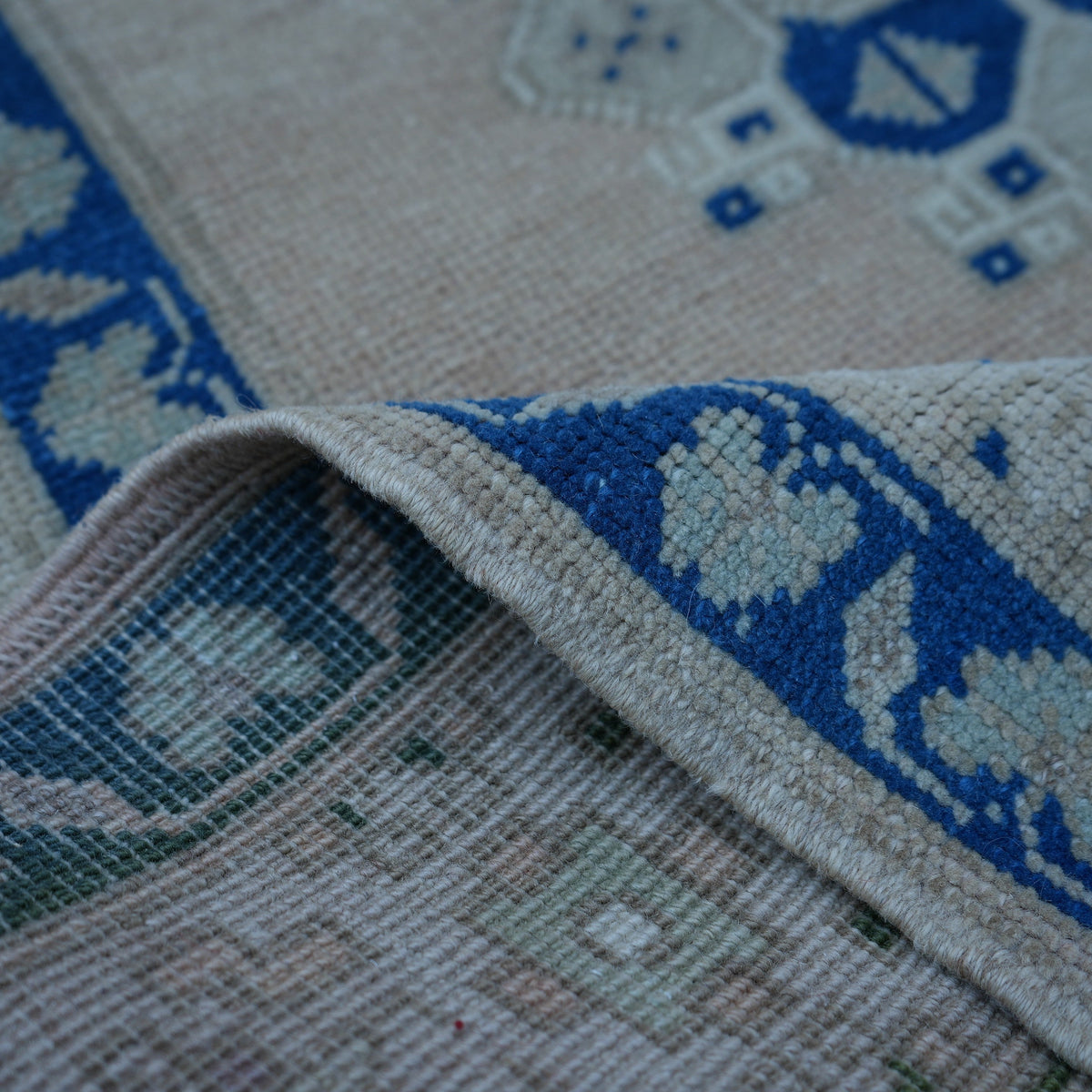
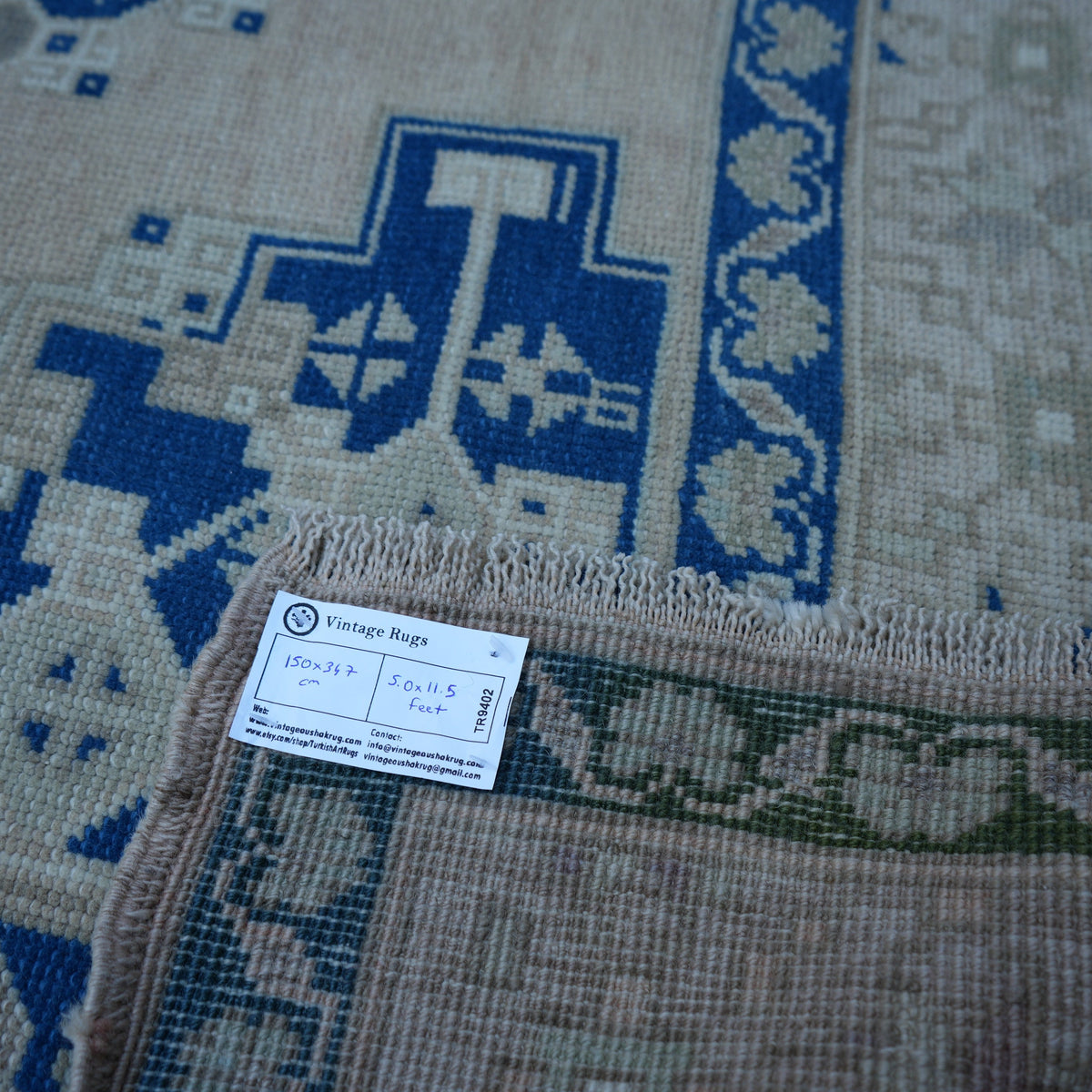
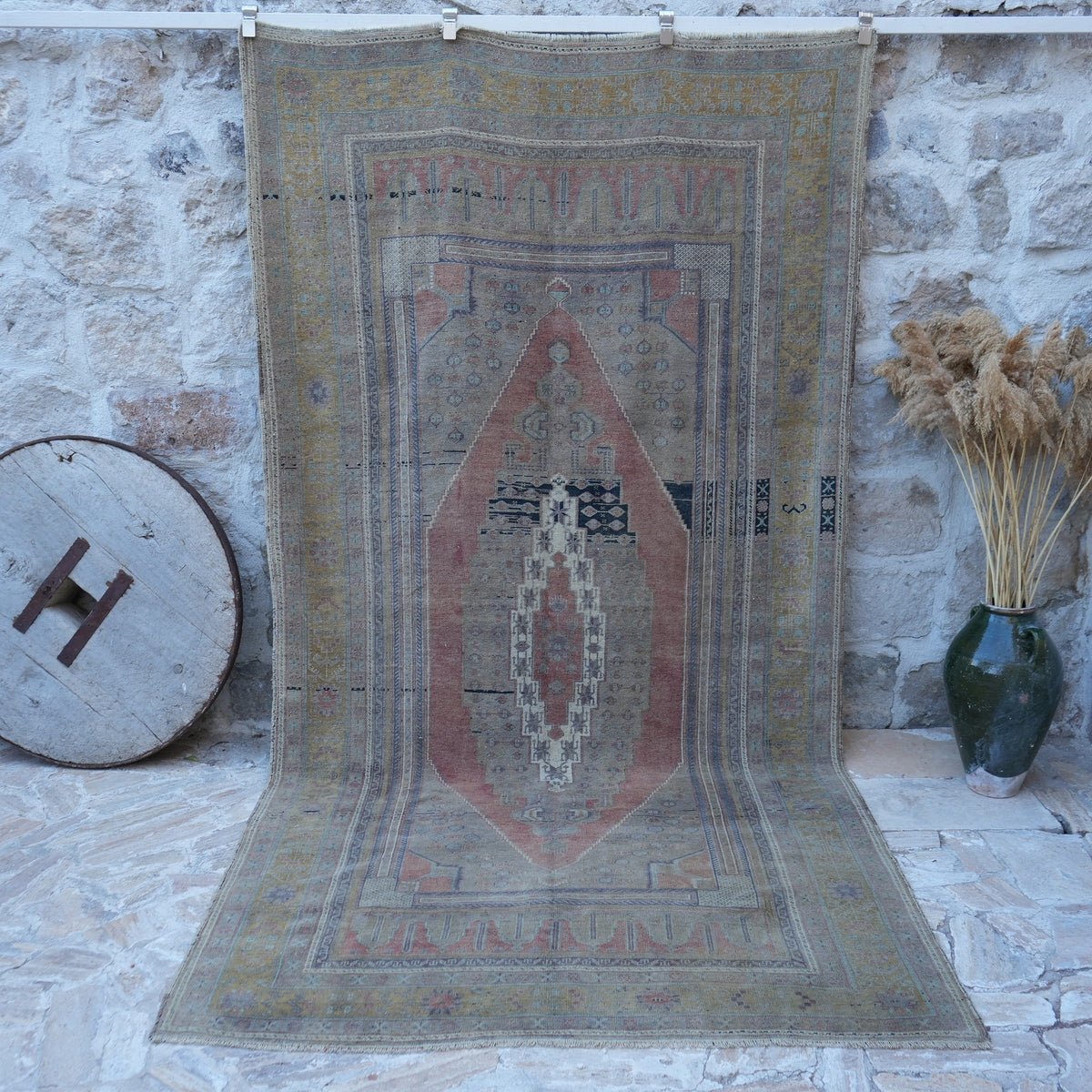
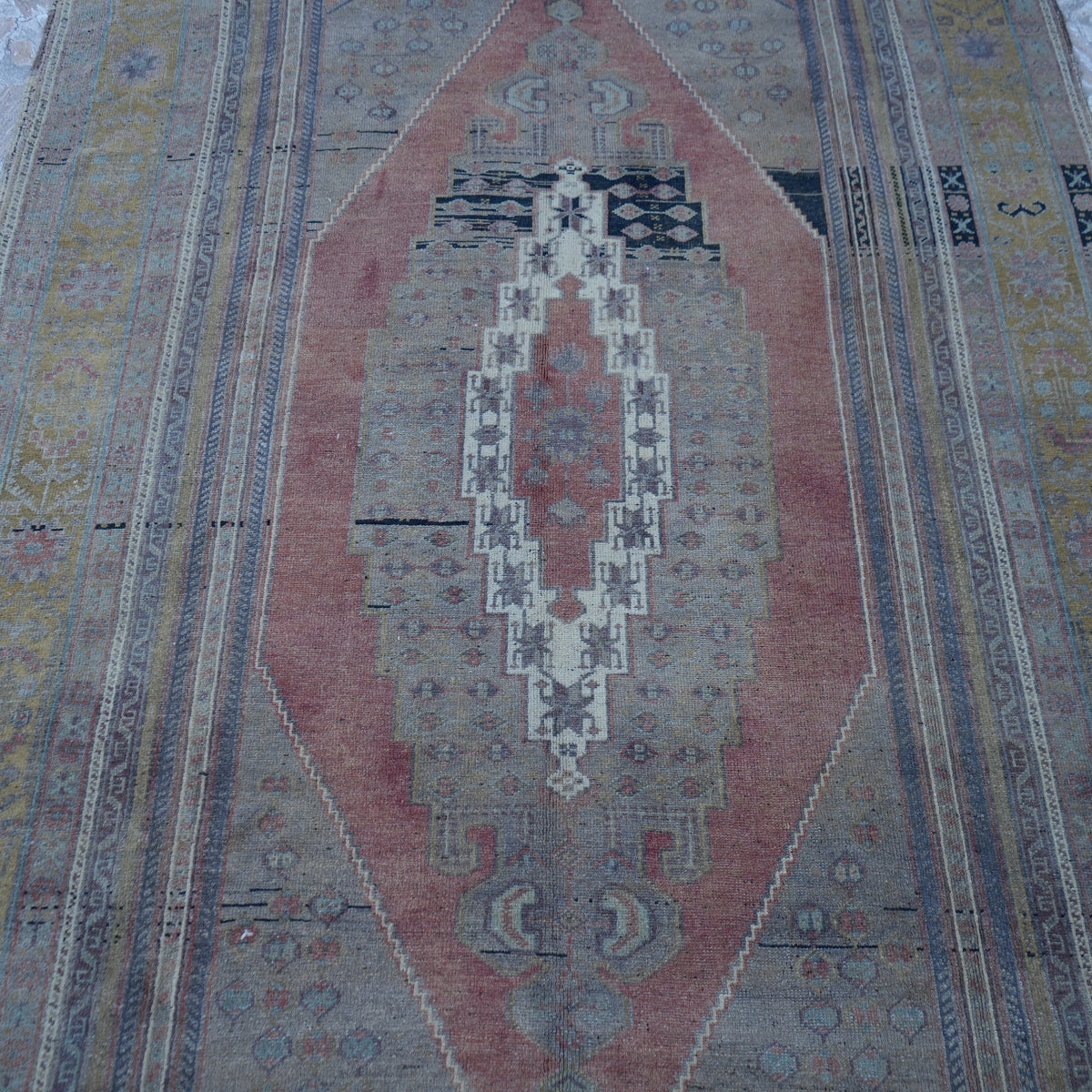
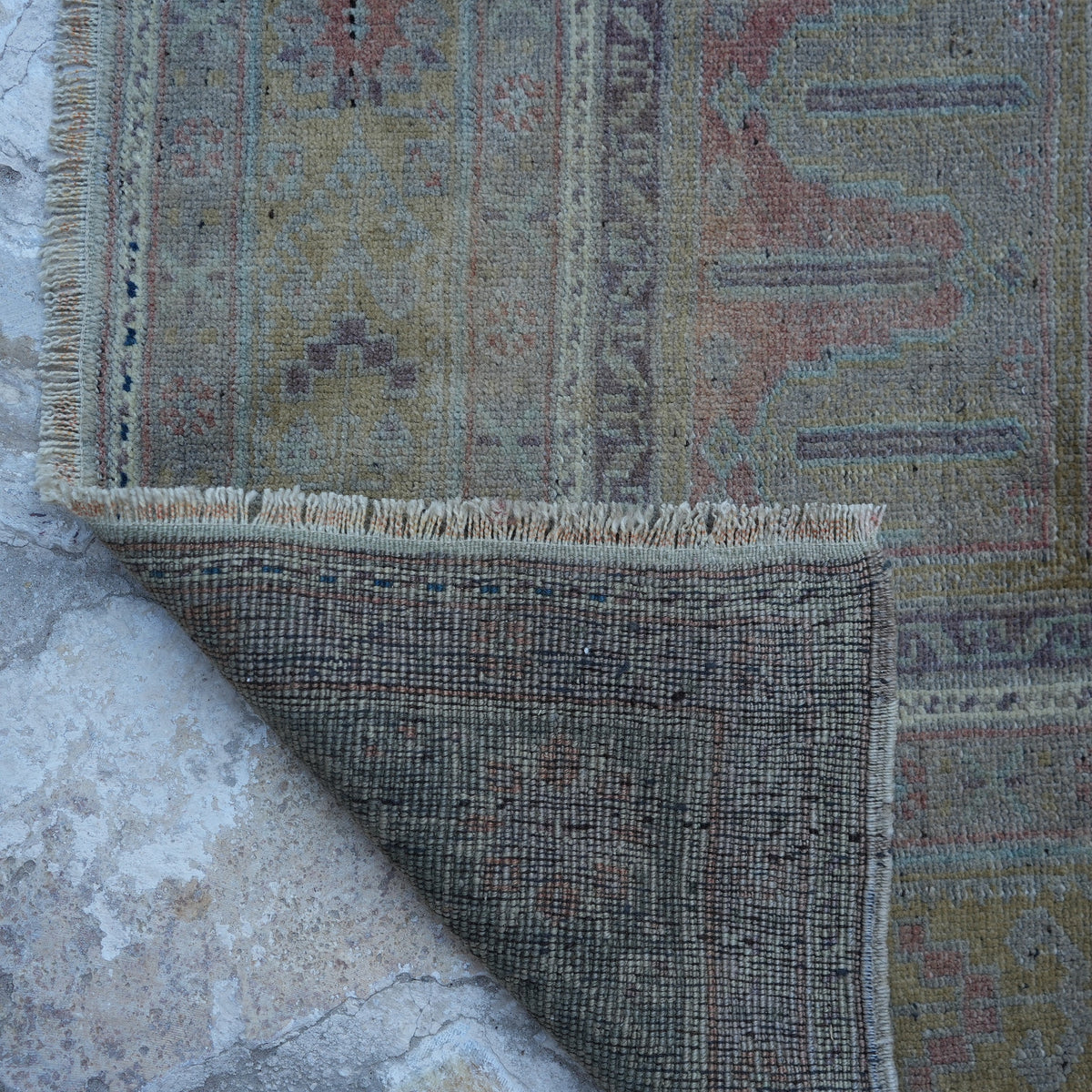
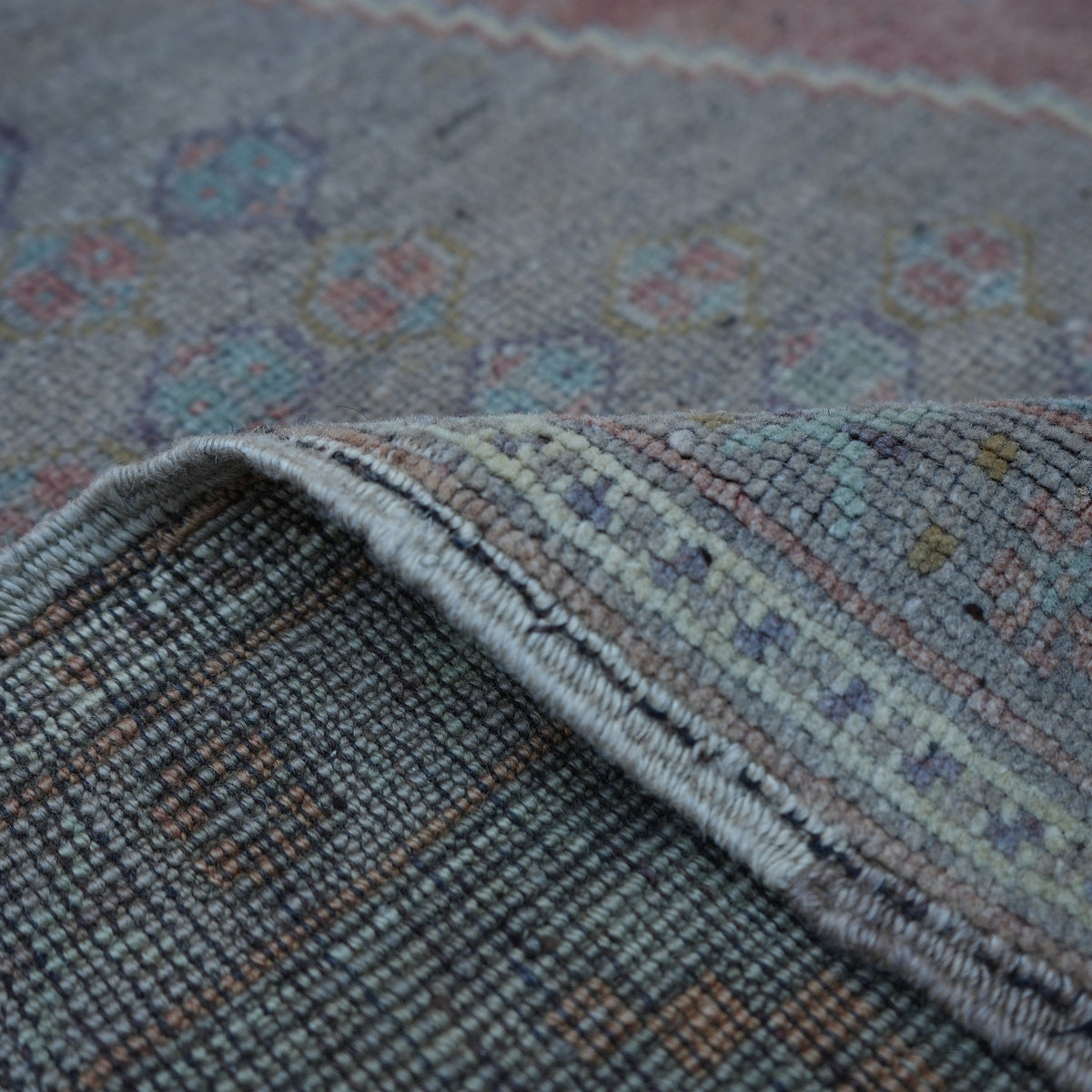
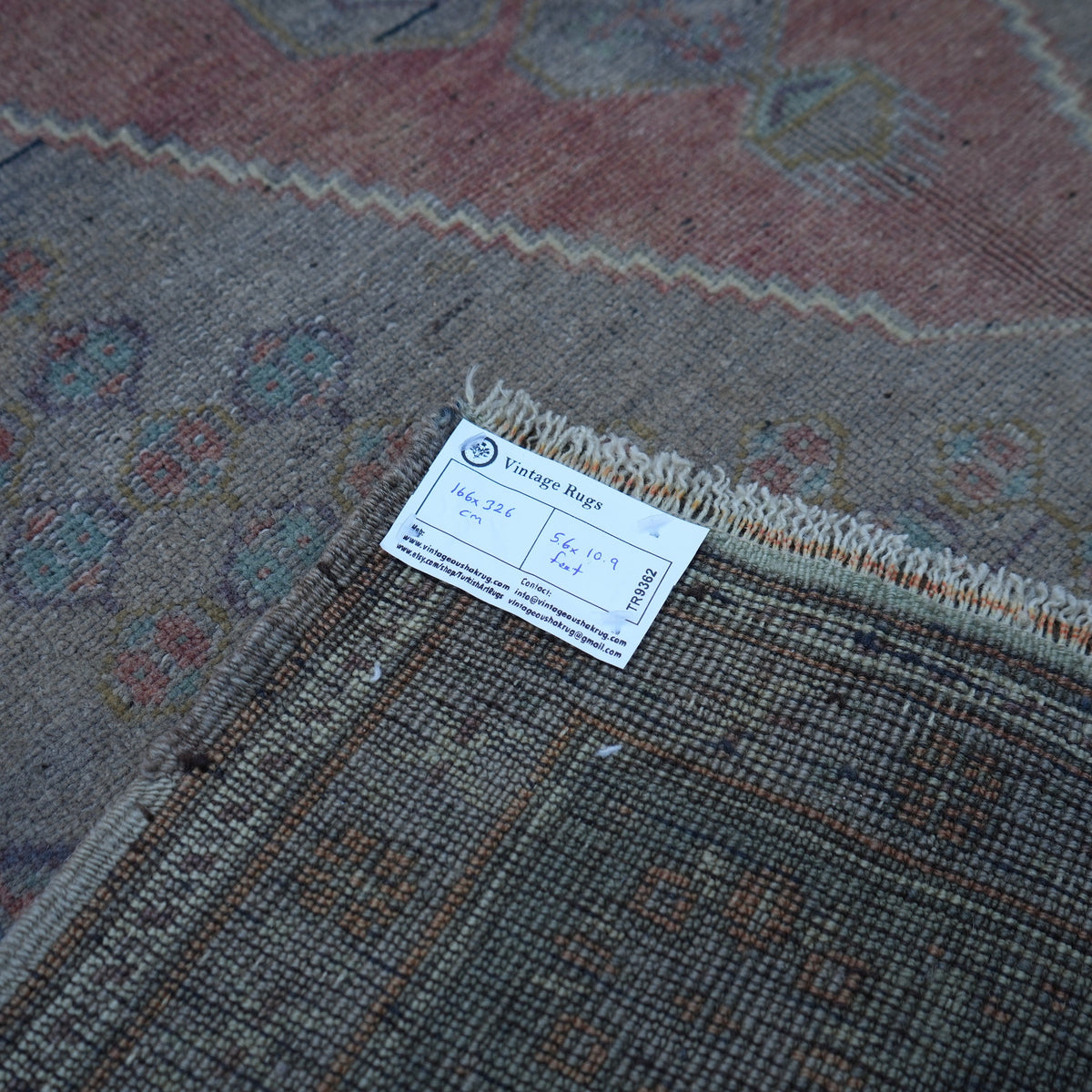
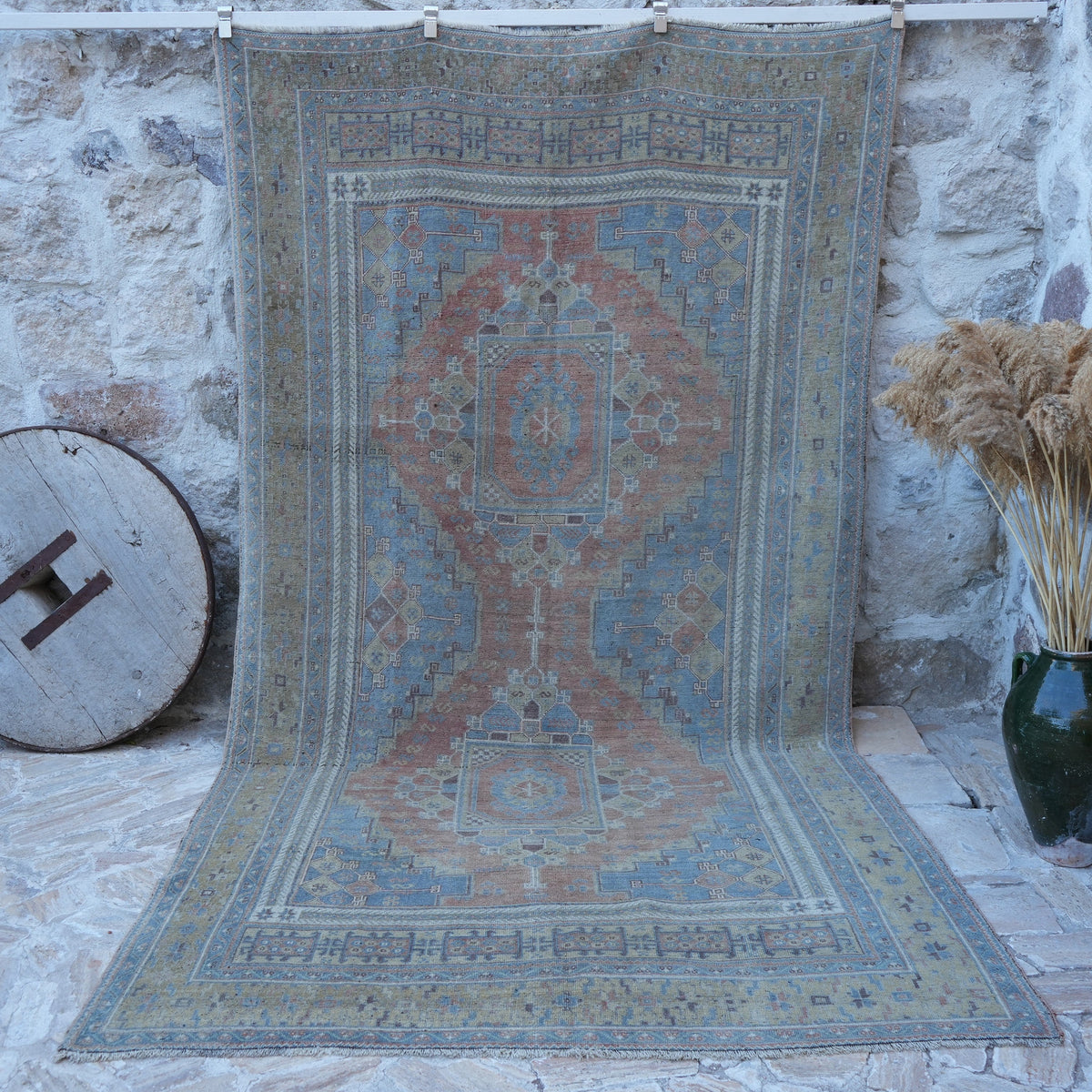
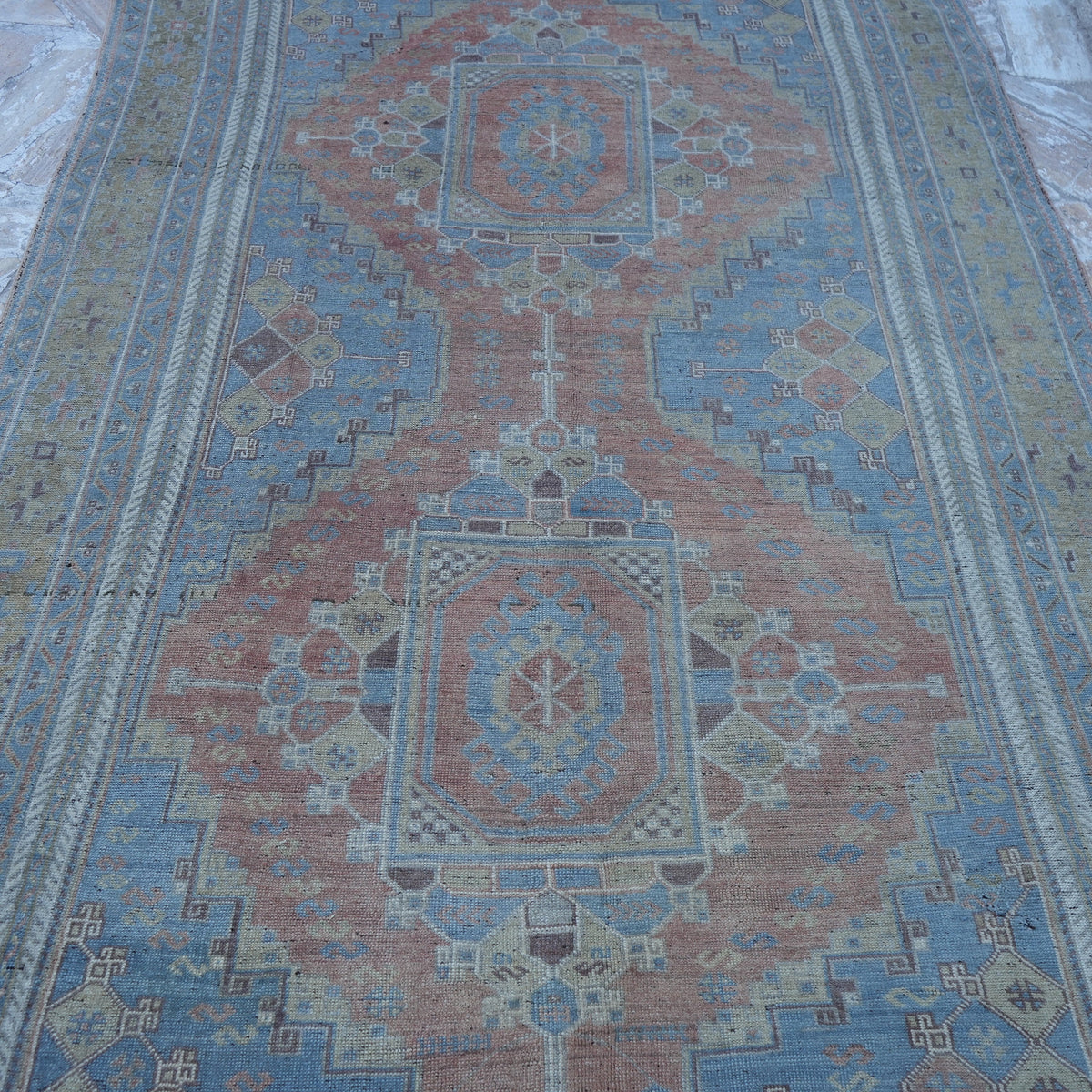
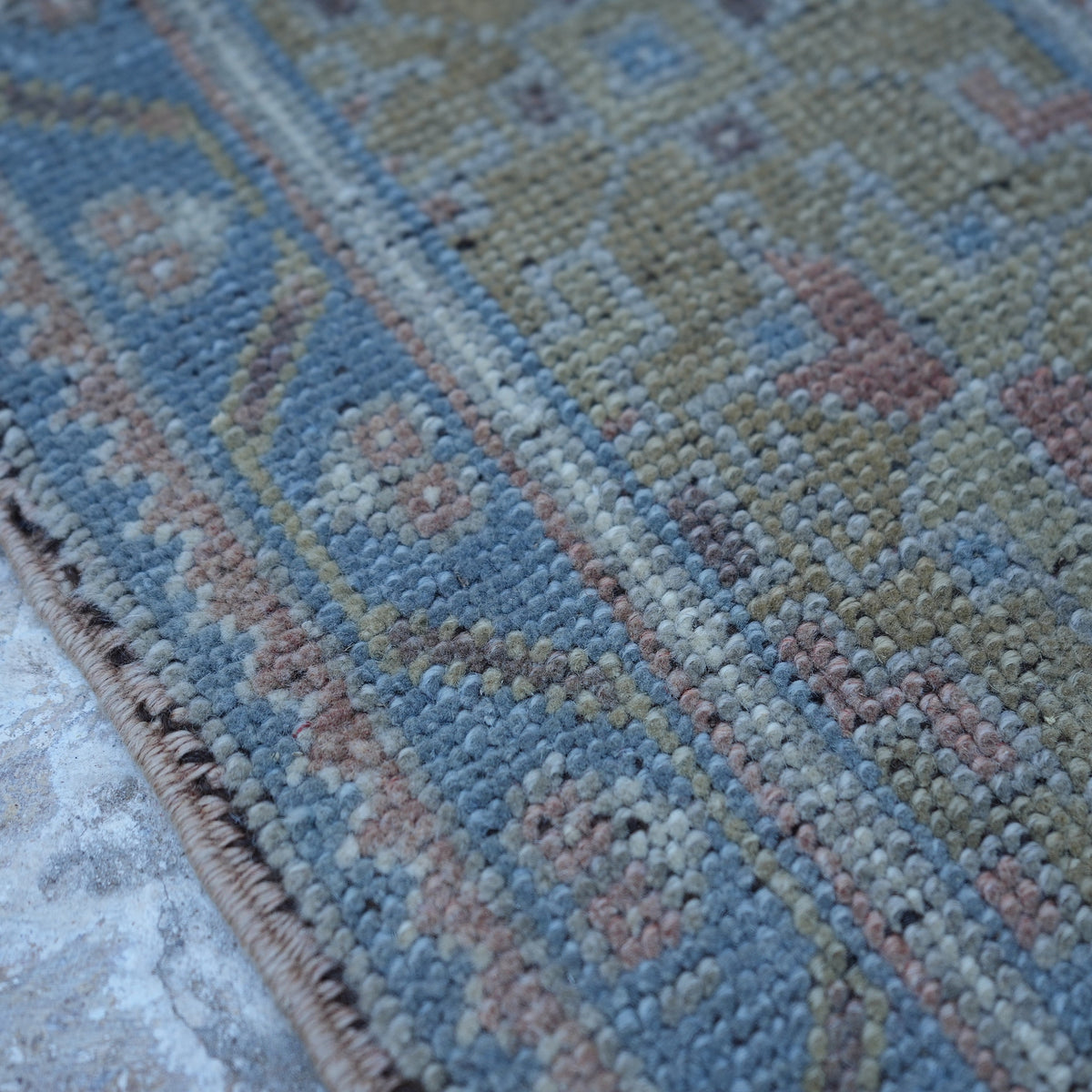
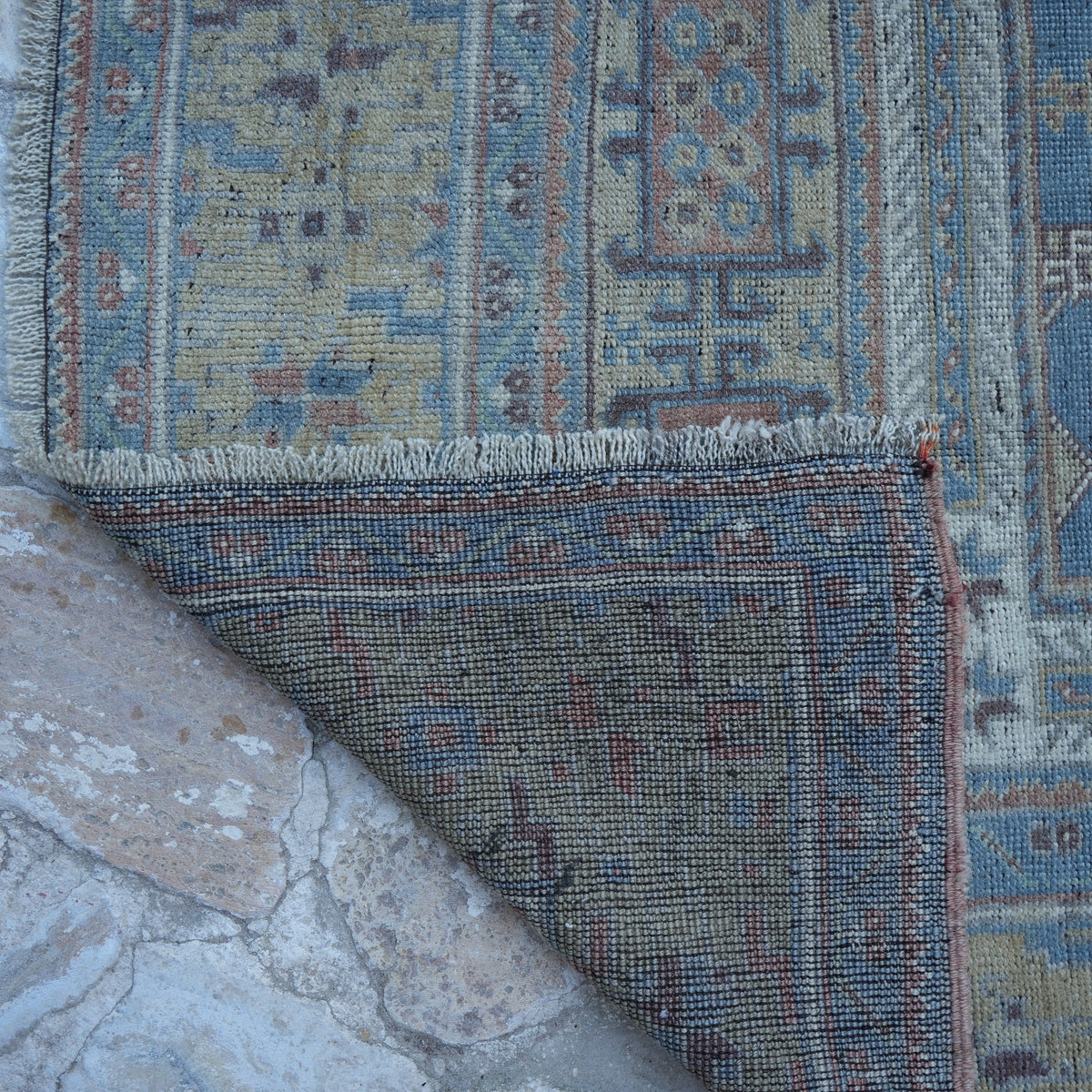
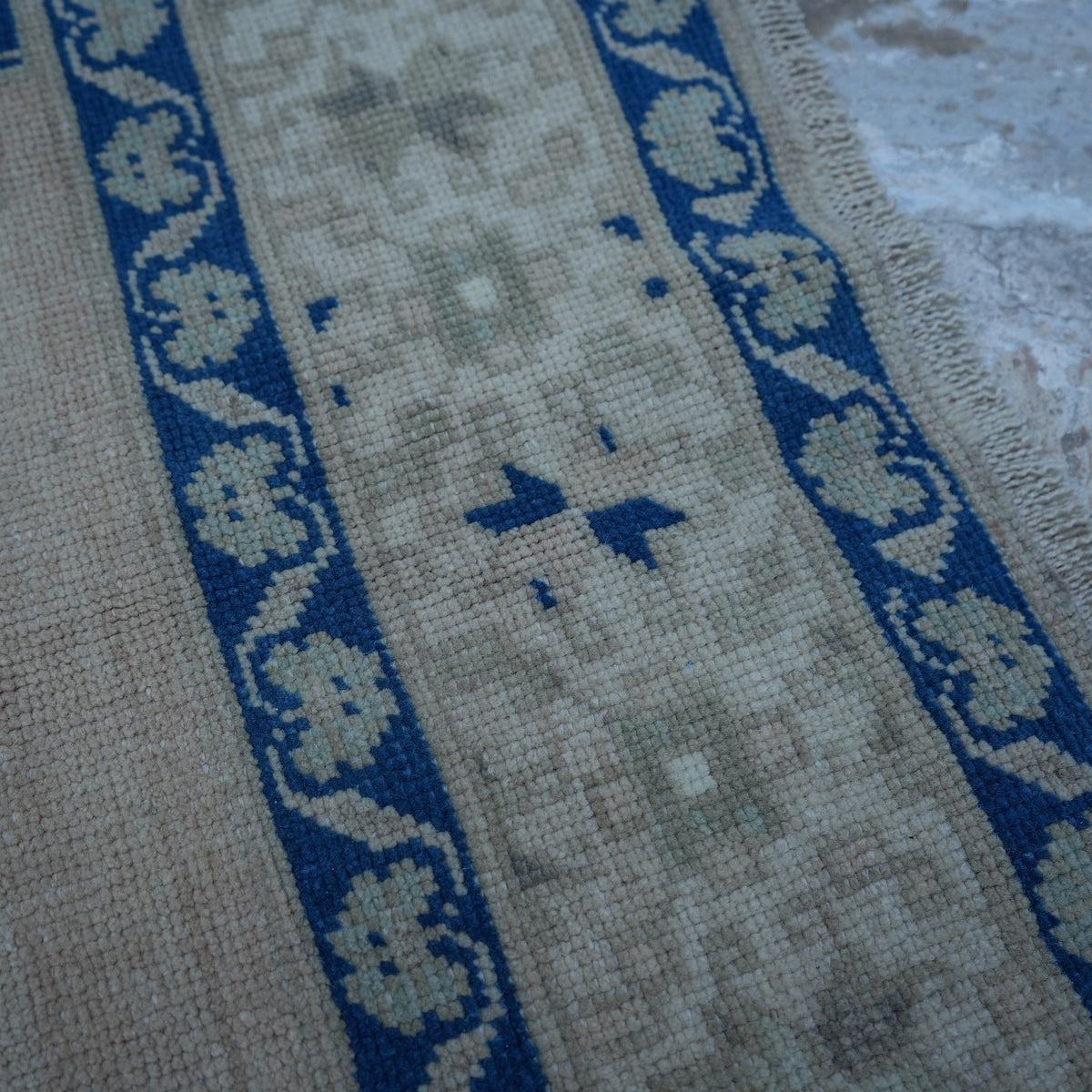
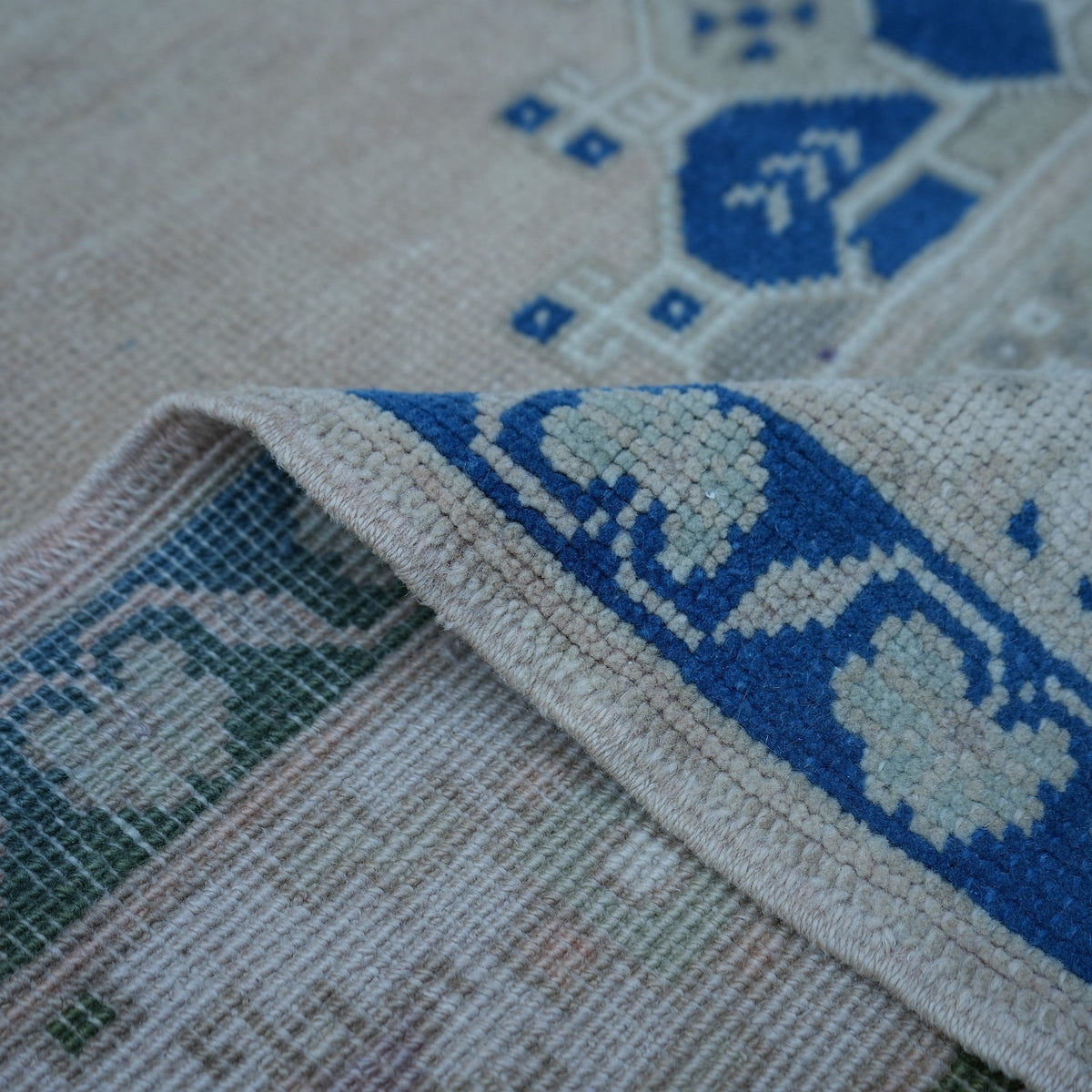
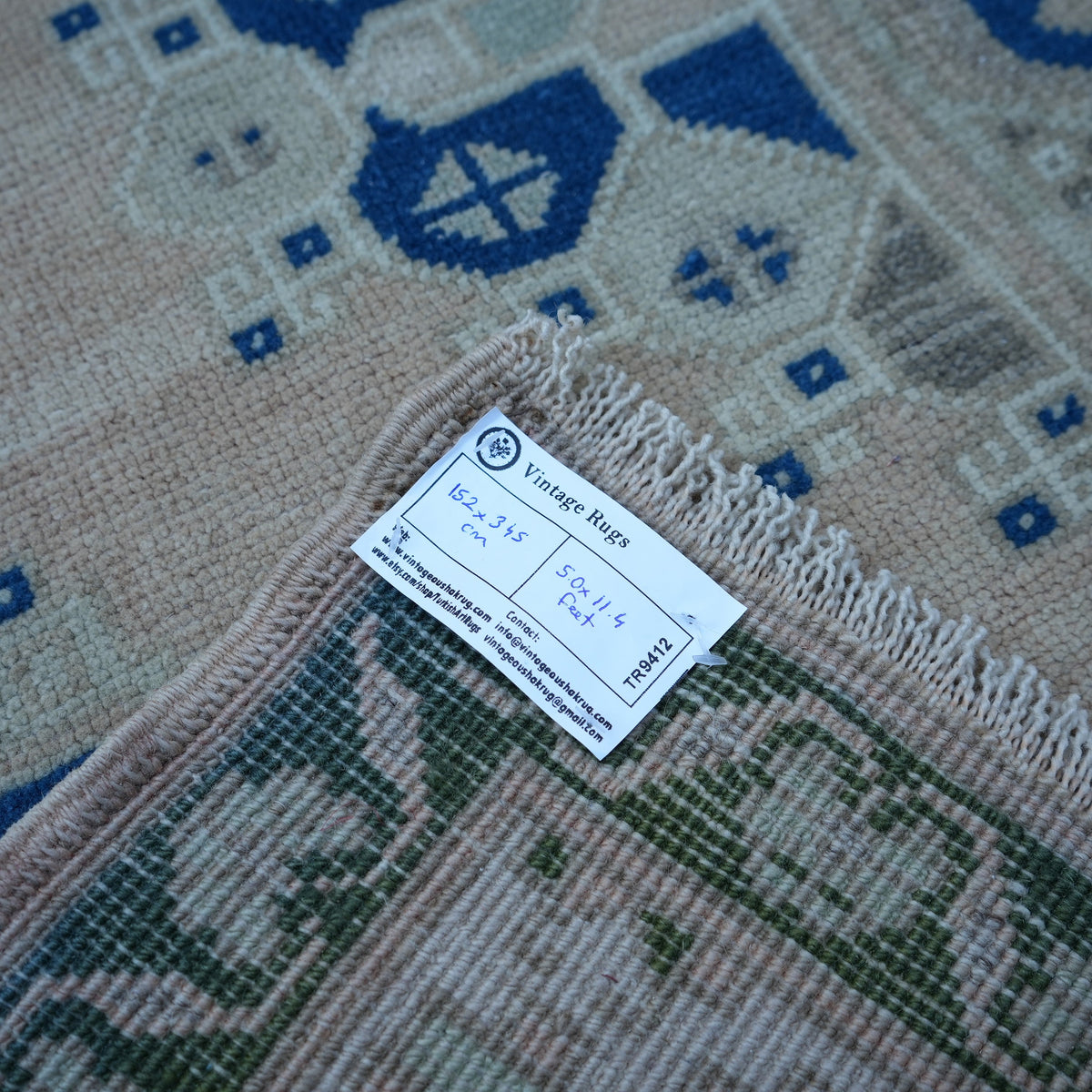
I remember photographing a vintage Oushak from western Anatolia — woven probably in the 1970s. Soft terracotta field, geometric border, the kind of wear that only comes from decades inside a real home. I kept stopping during the shoot — not because of the light or the composition, but because I kept looking at the knots. Someone sat at a loom and tied each one by hand. Thousands of them. That piece is not a floor covering. It is a record of someone’s time, skill, and attention. Calling it “just a rug” would be like calling a handwritten letter “just paper.”
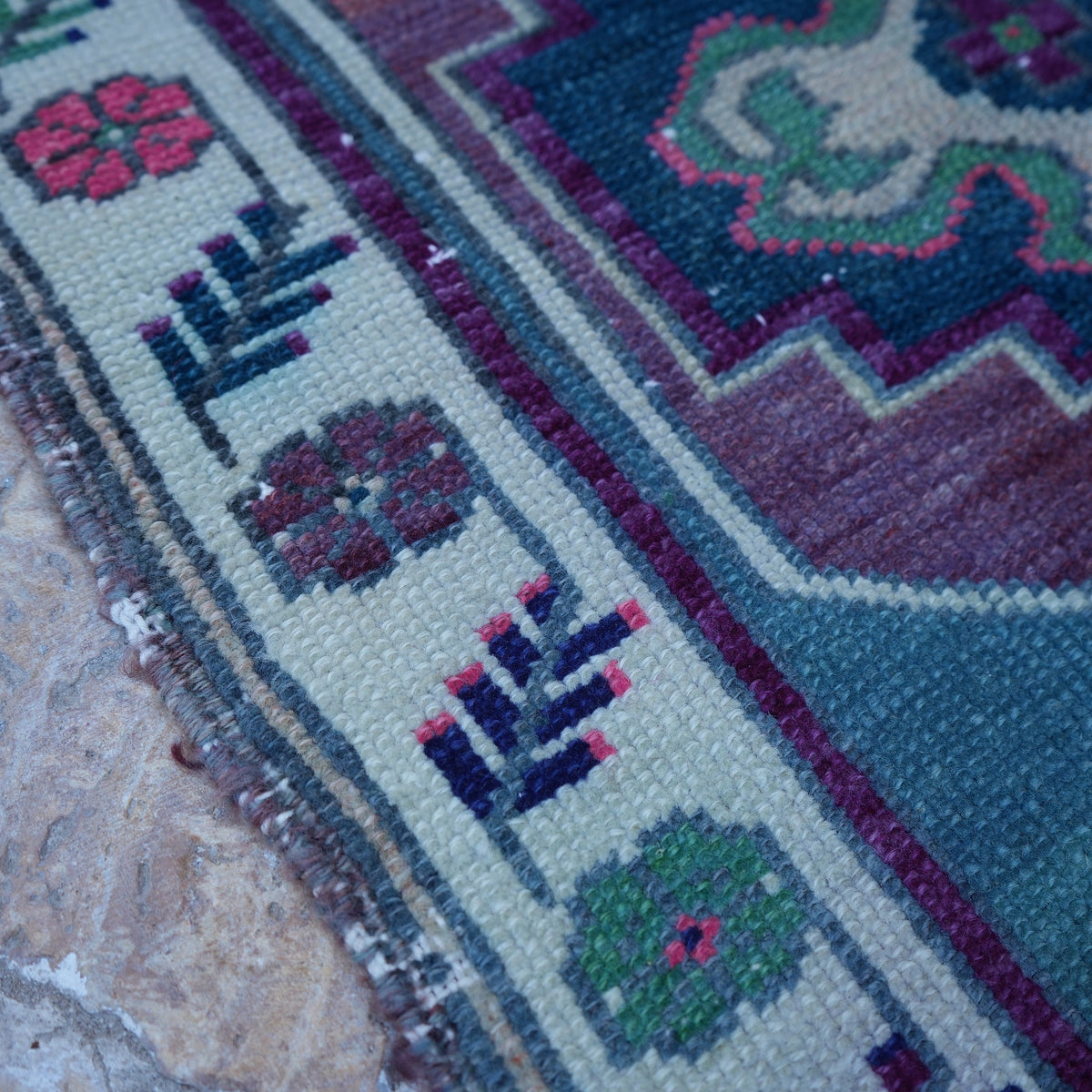
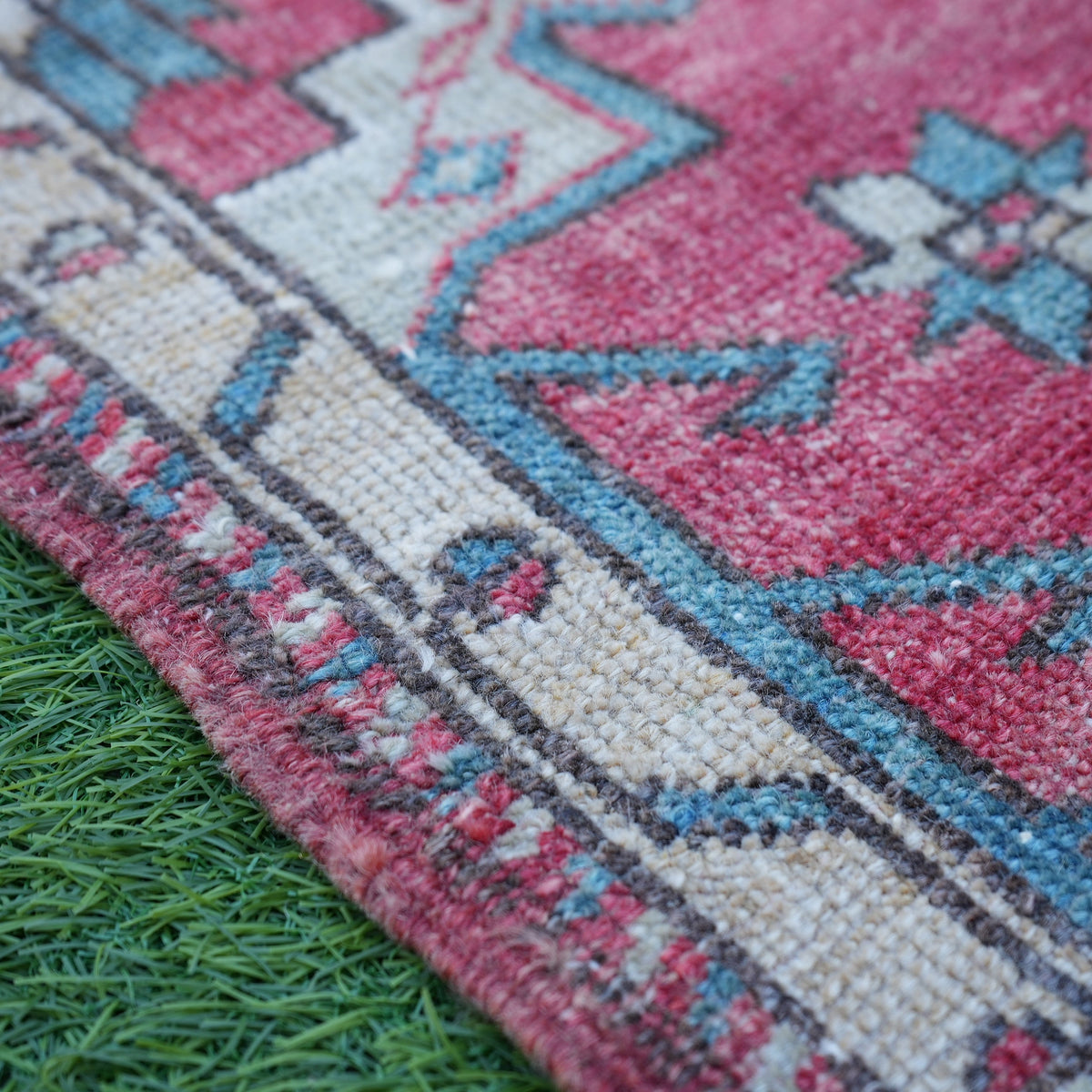
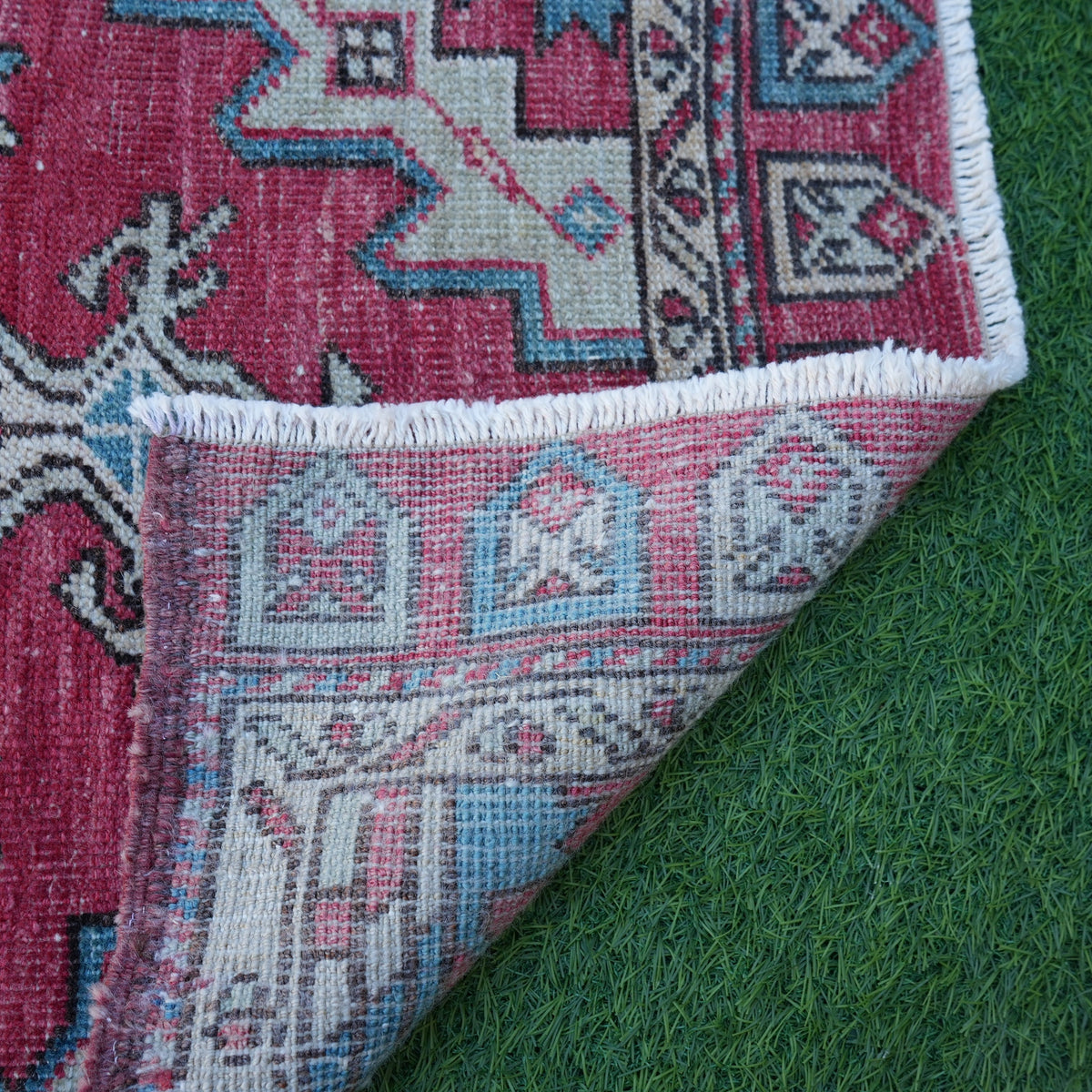
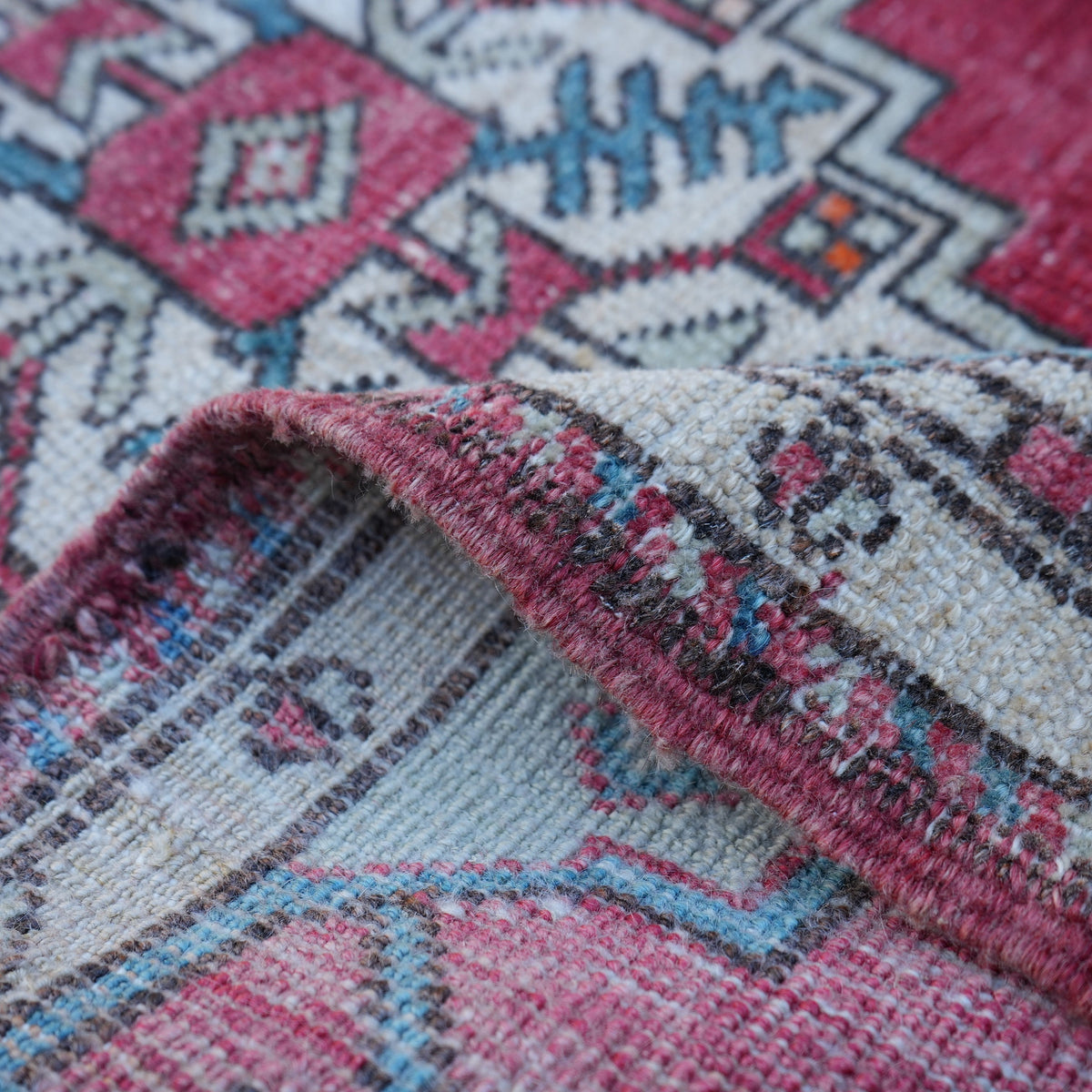
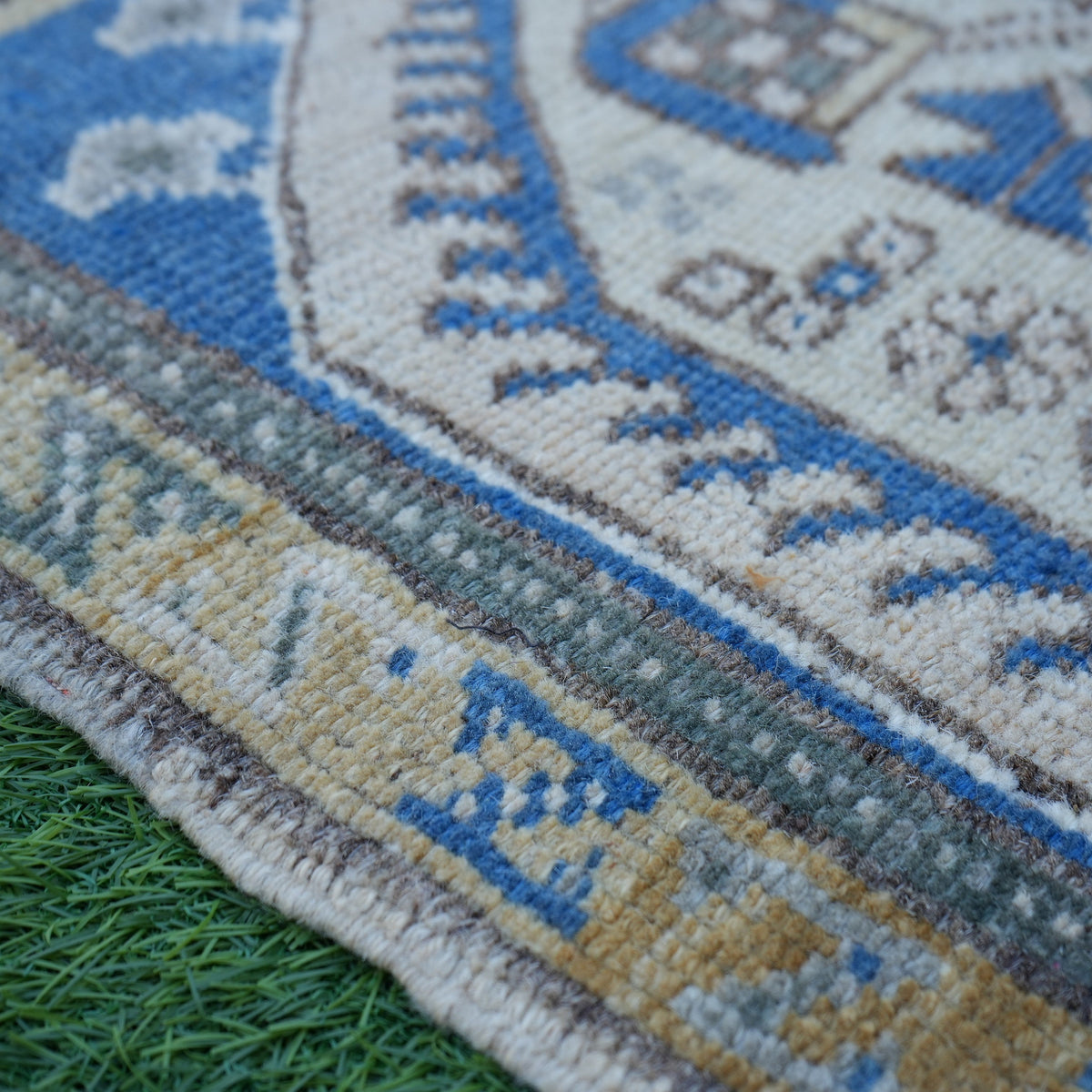
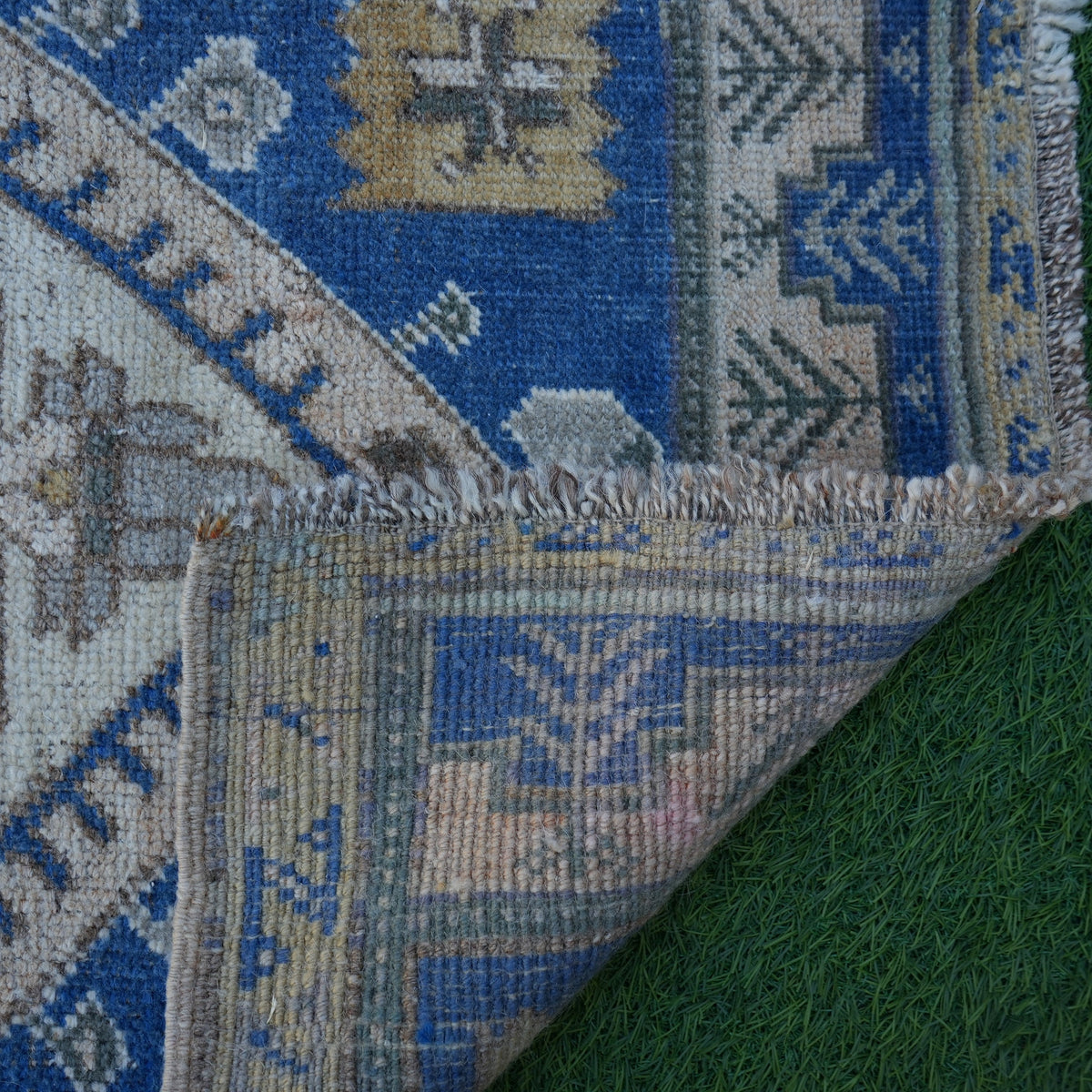
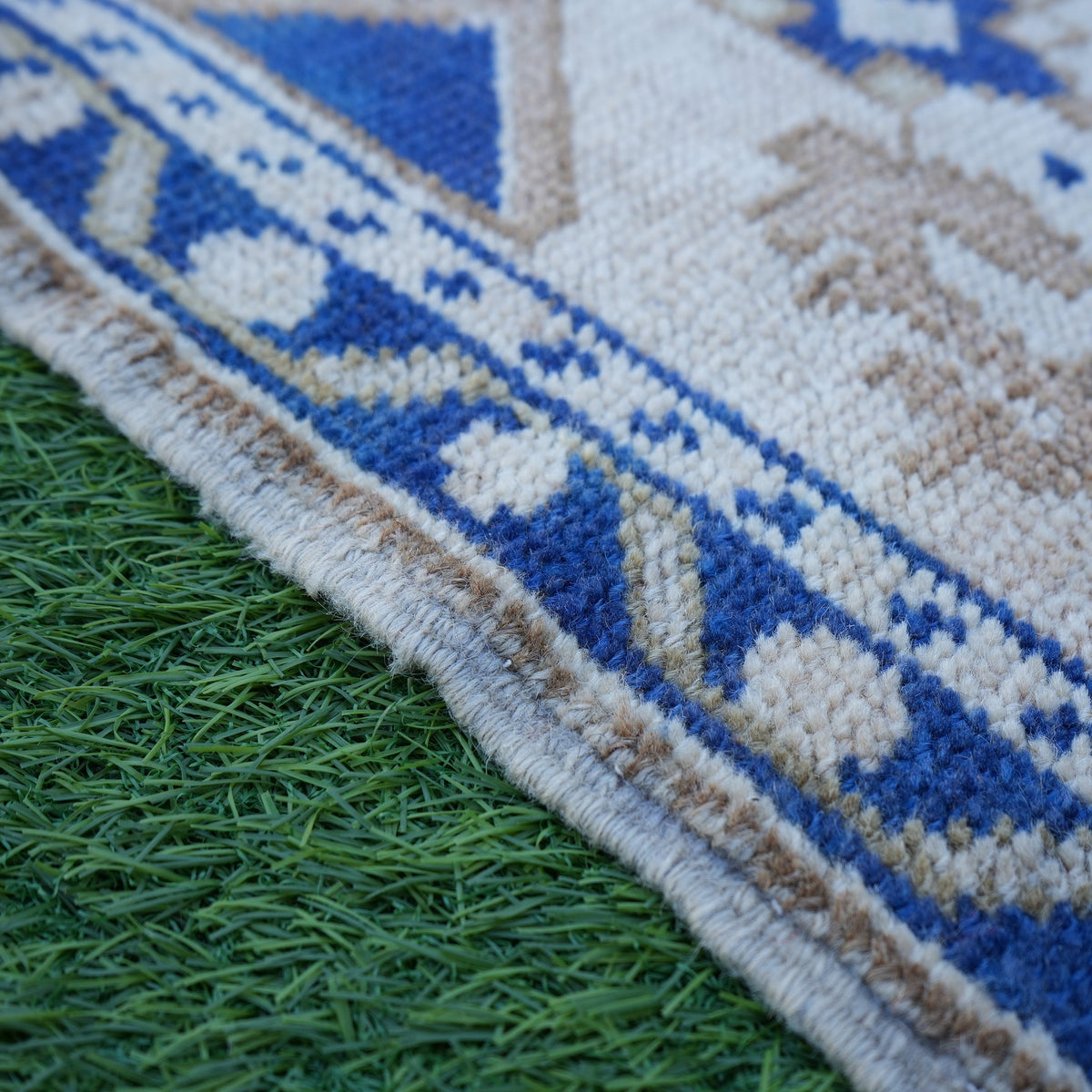
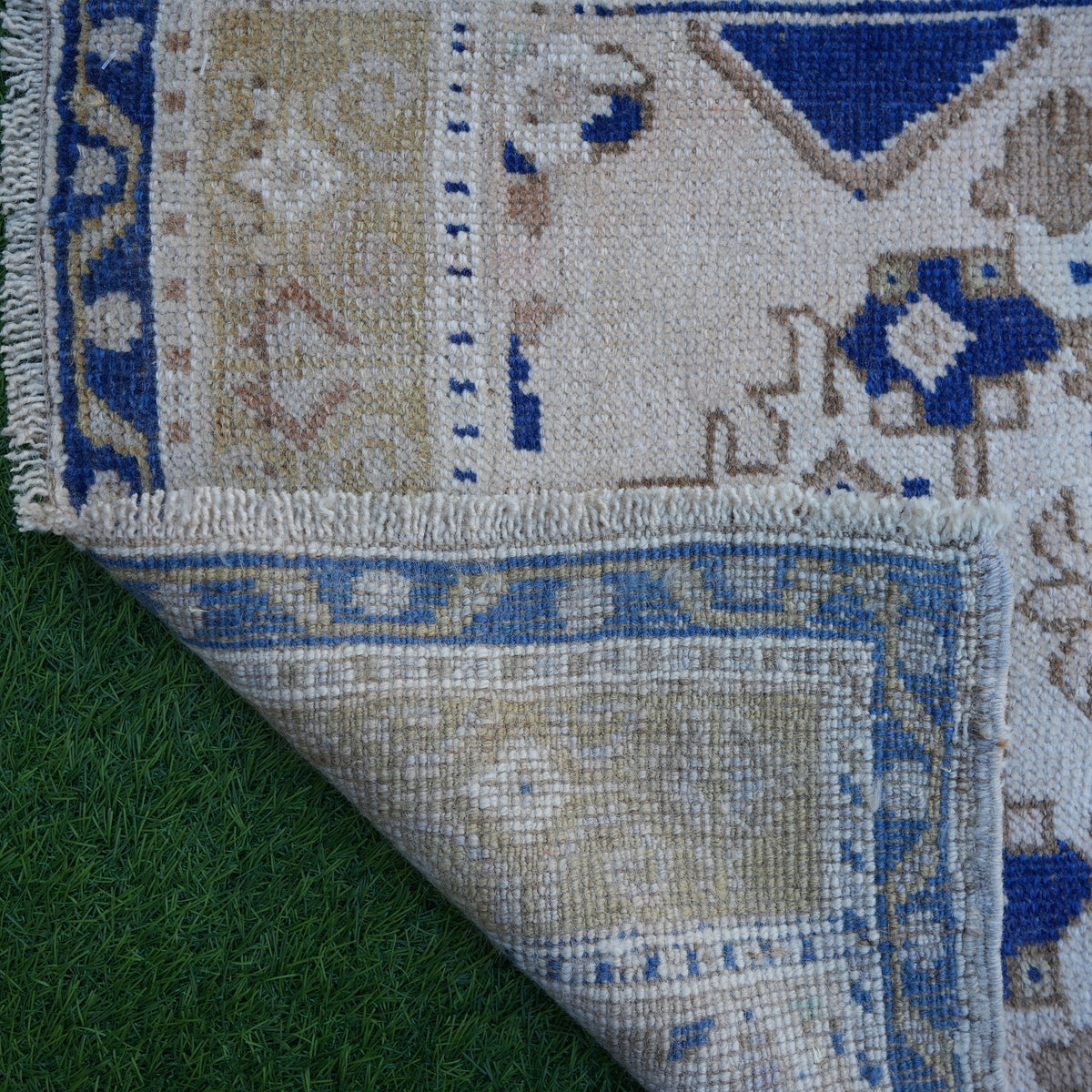
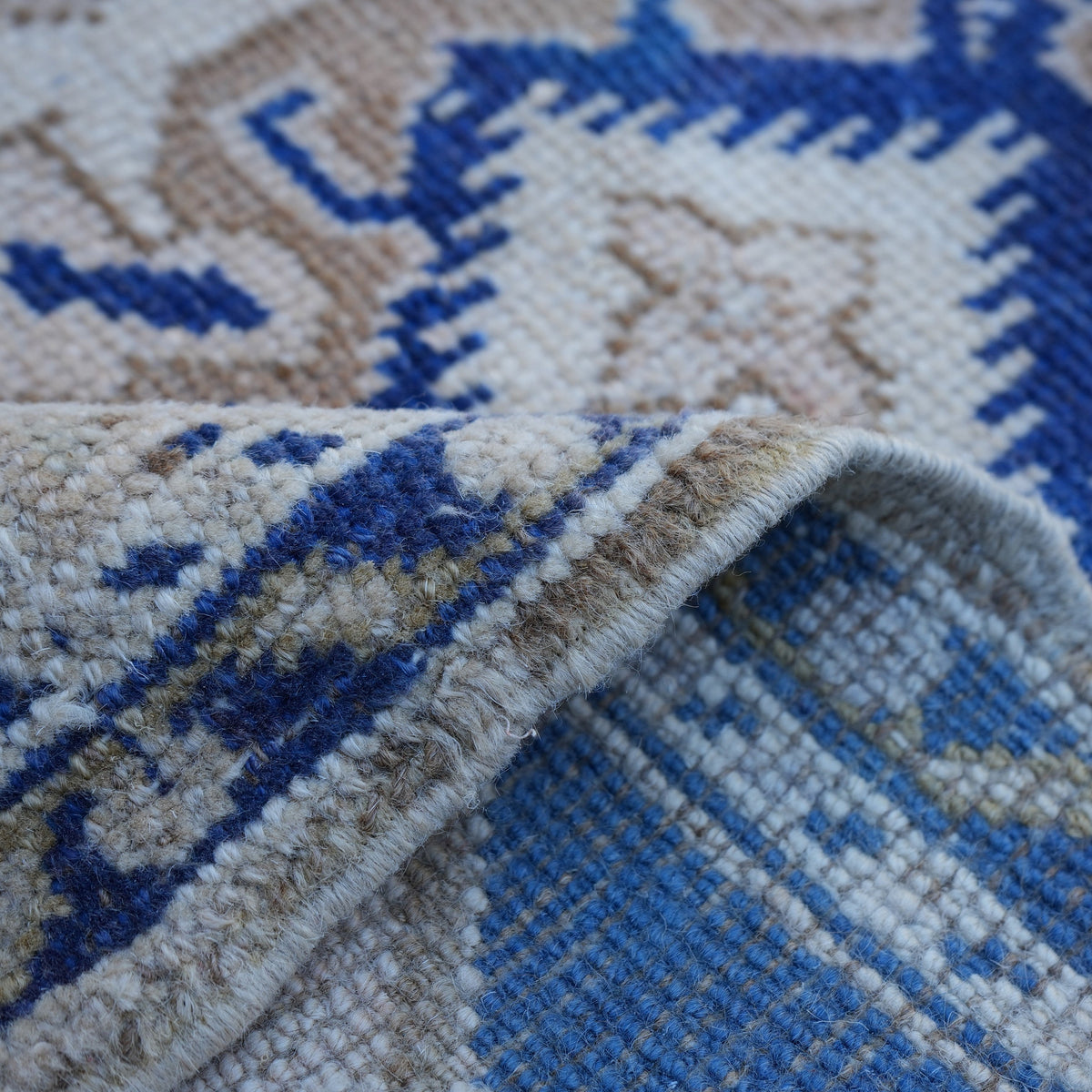
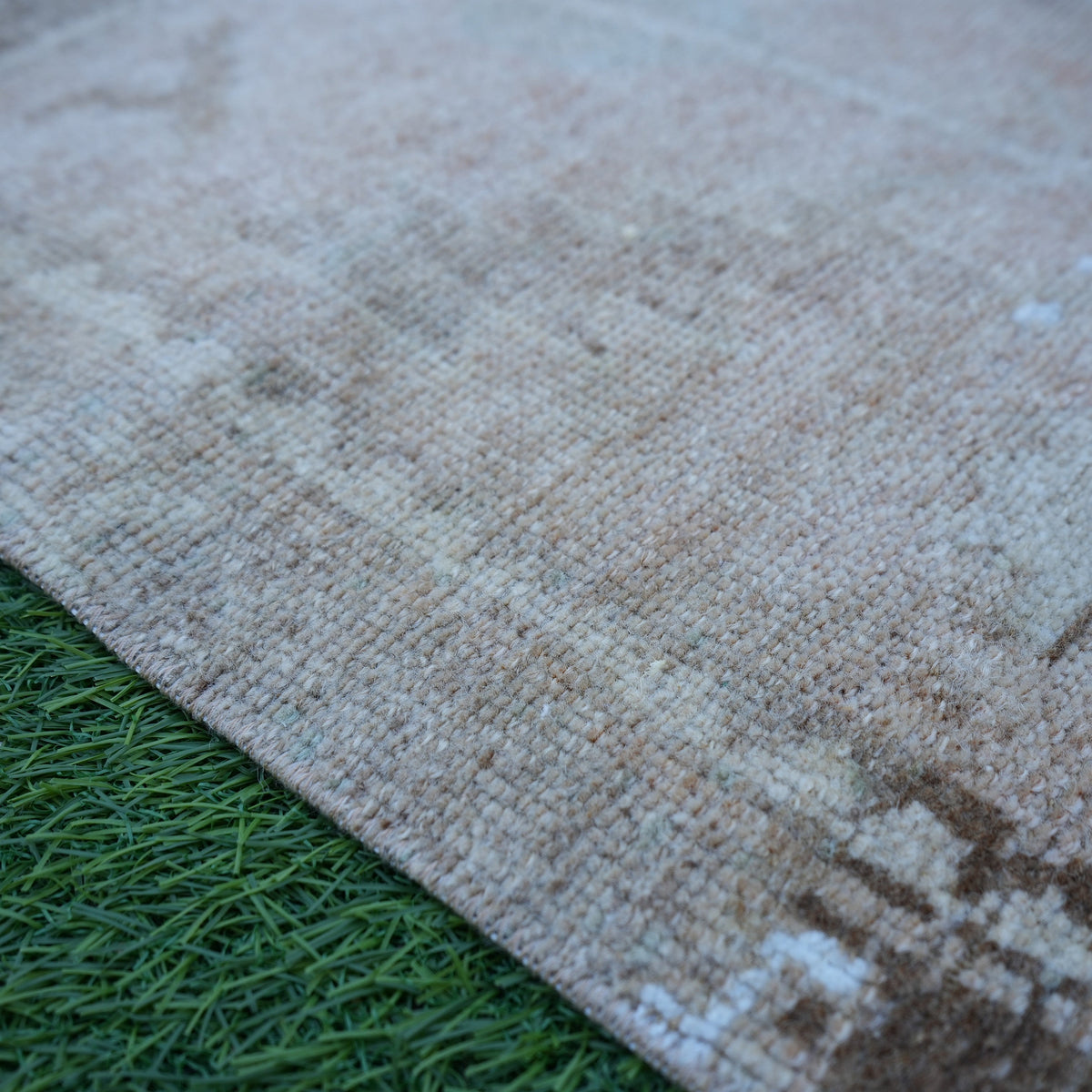
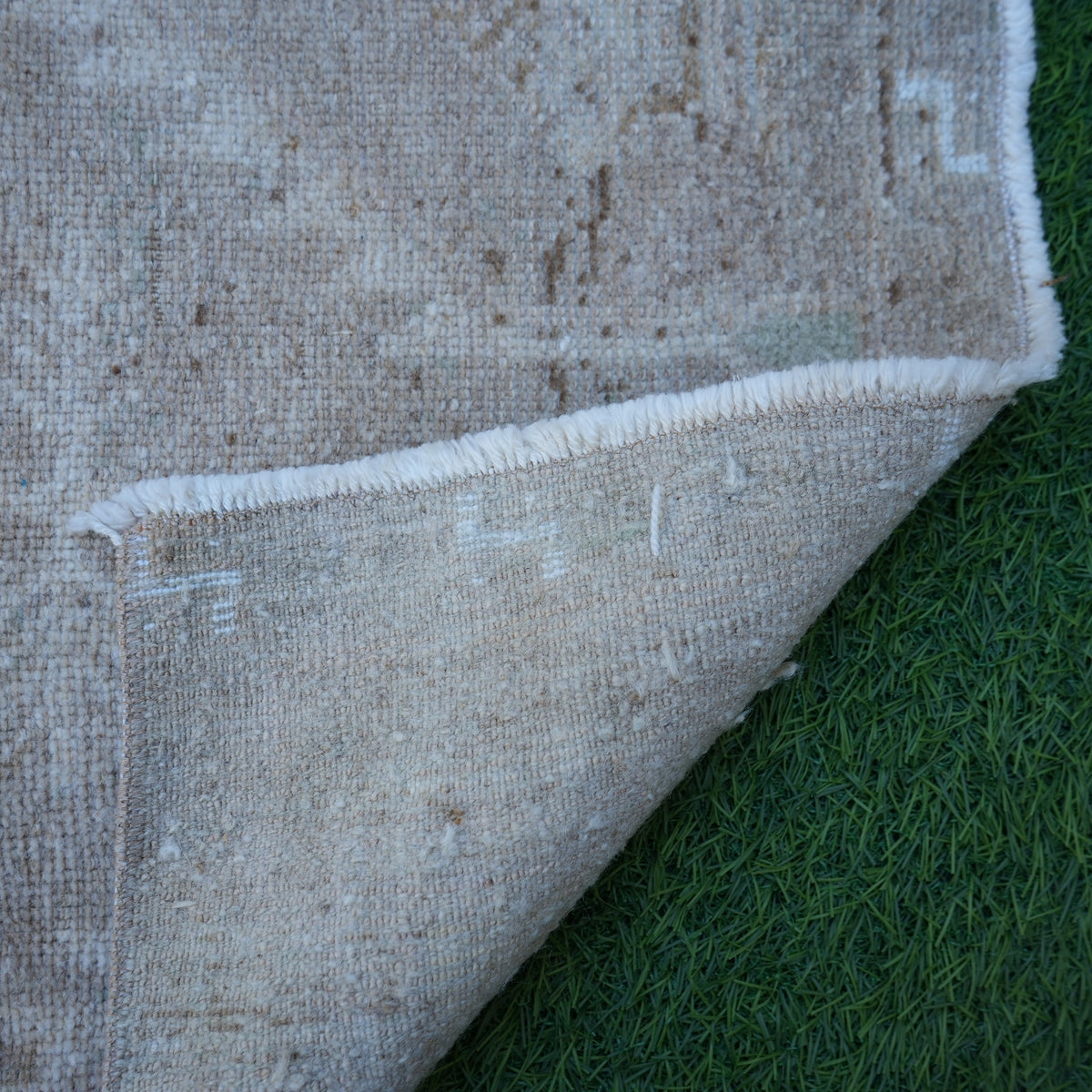
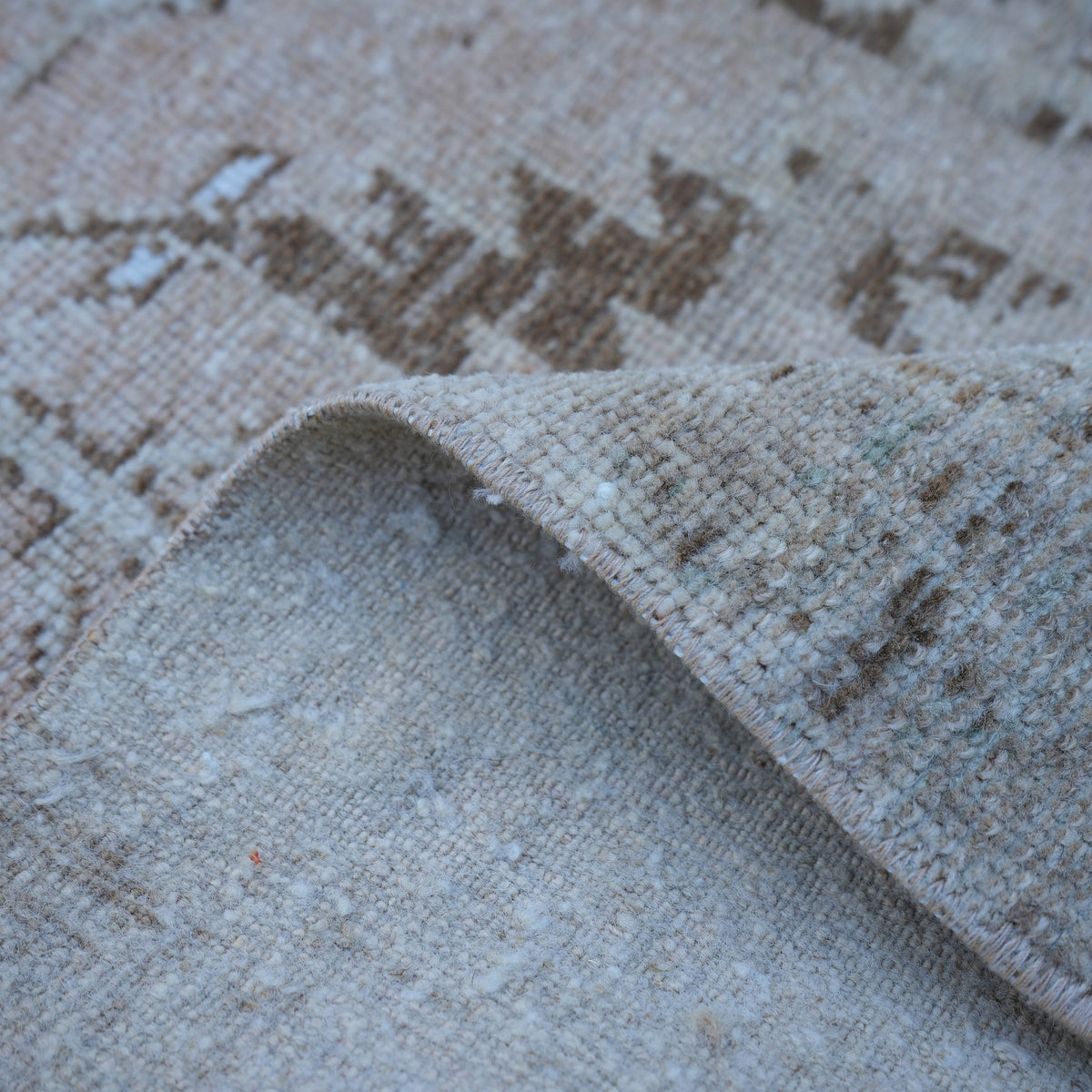
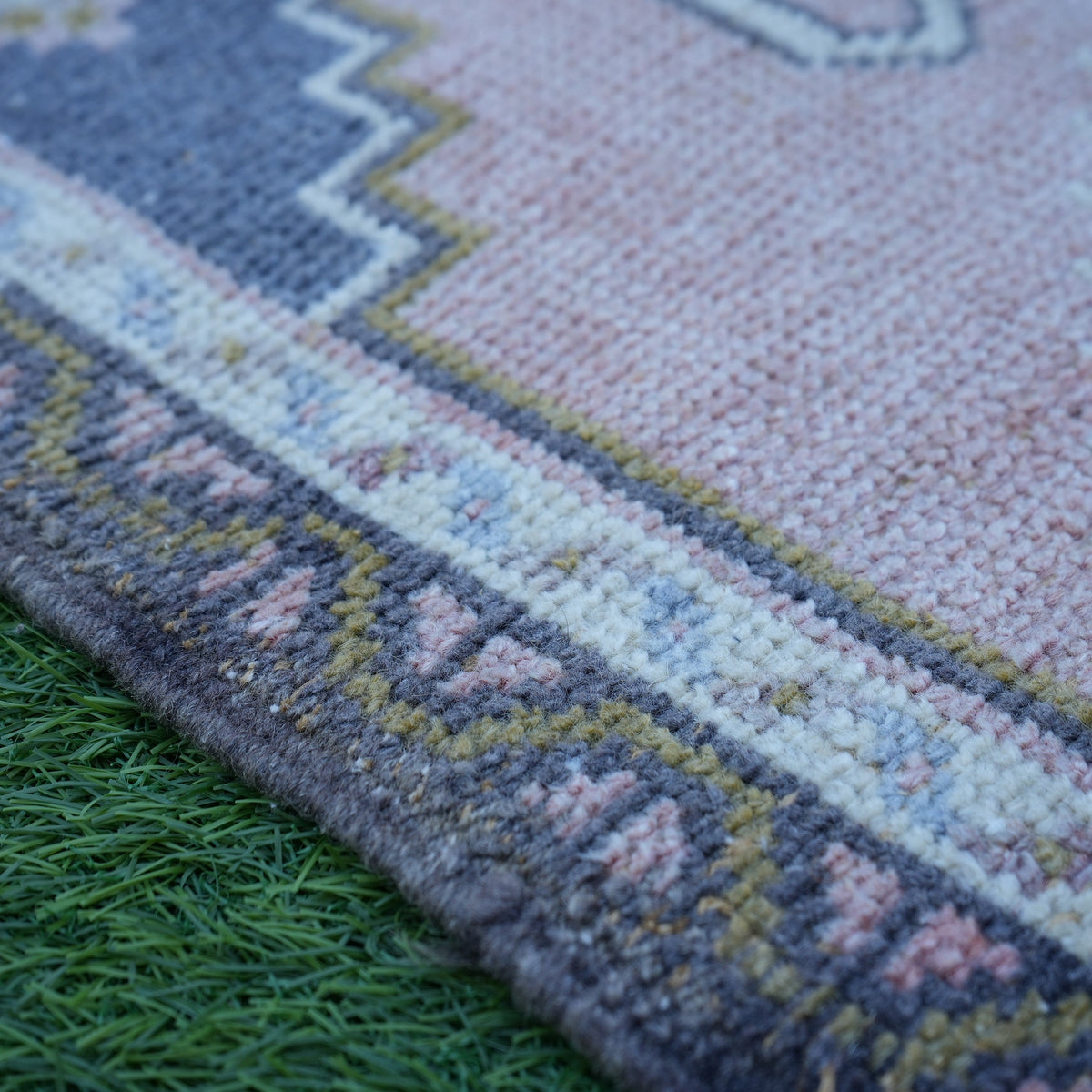
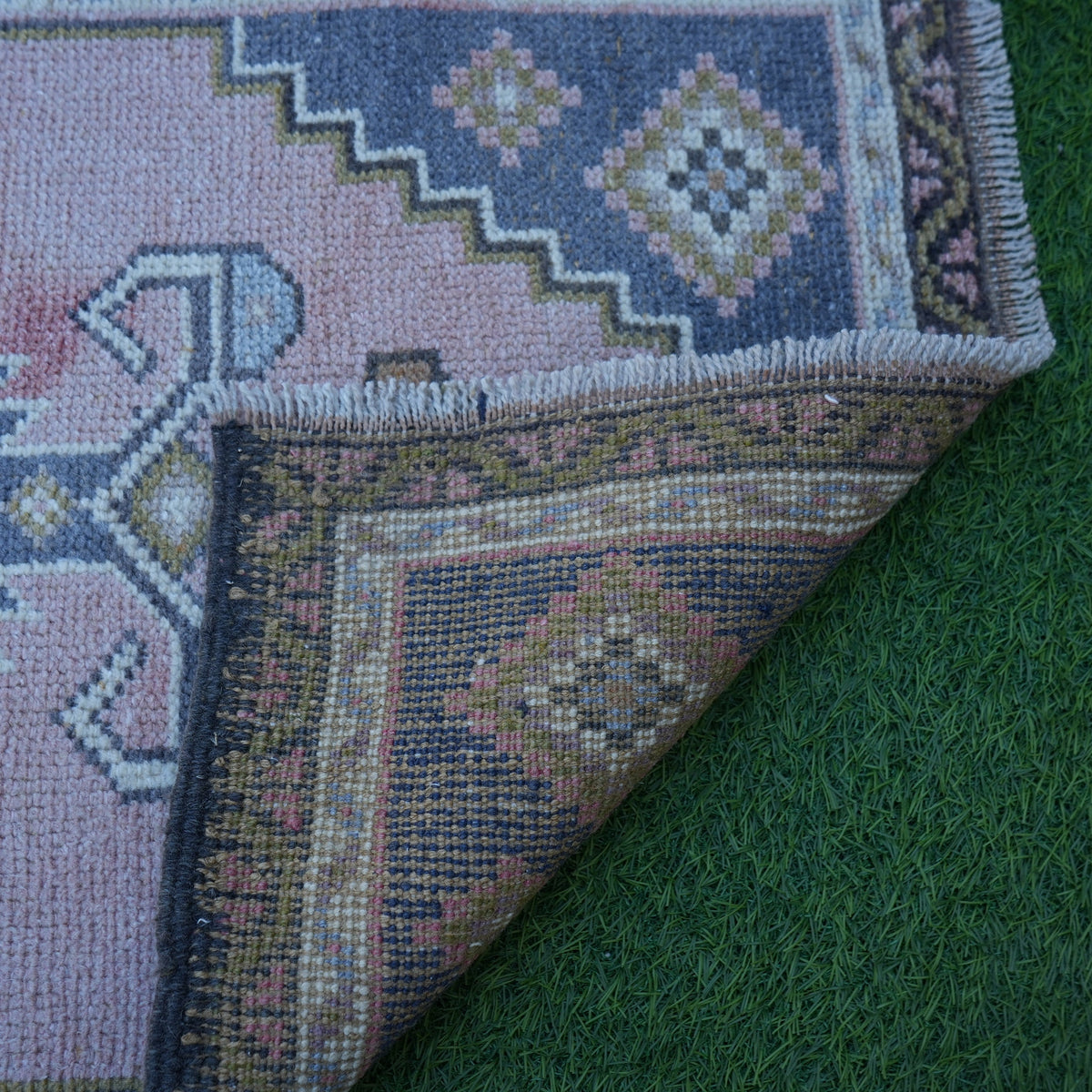
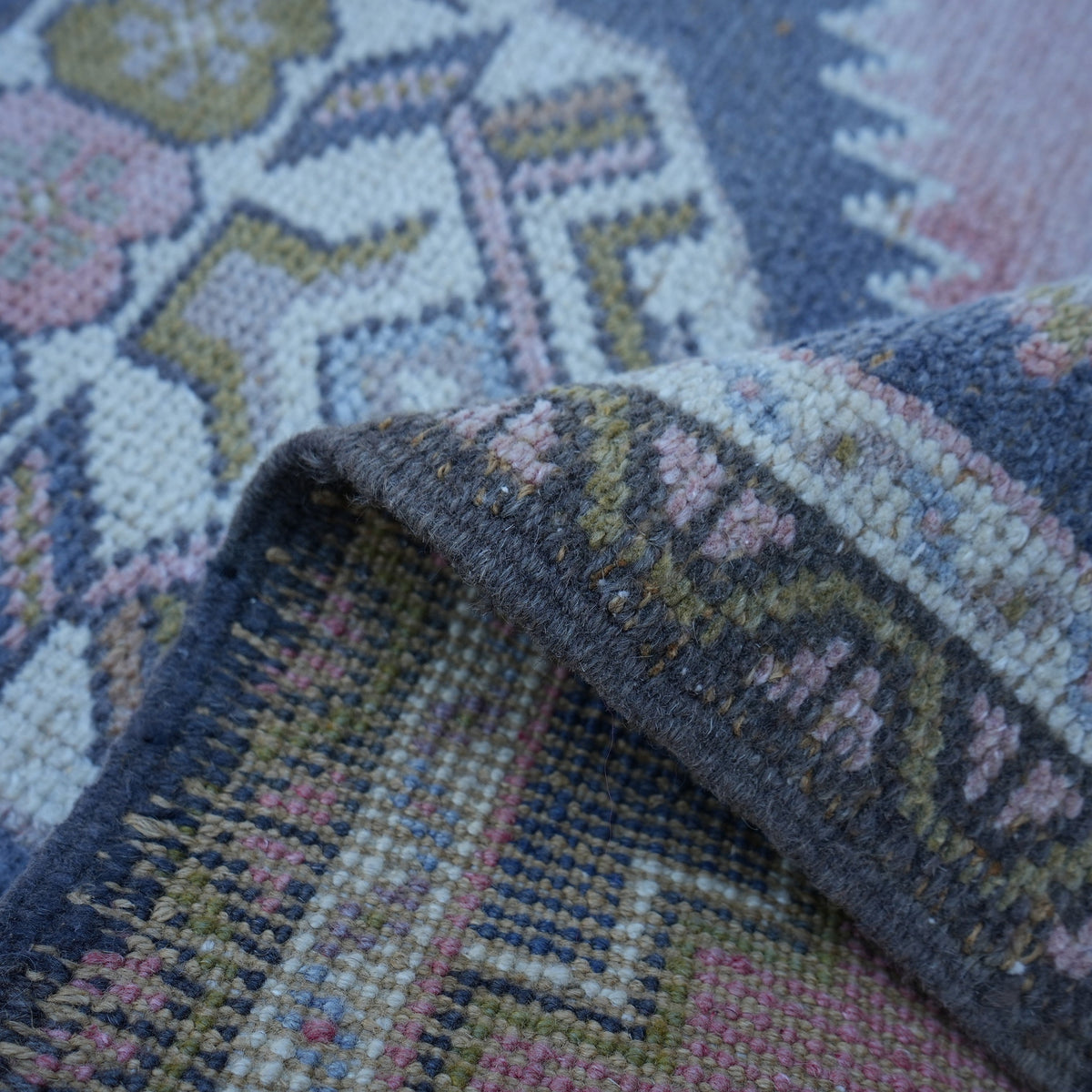
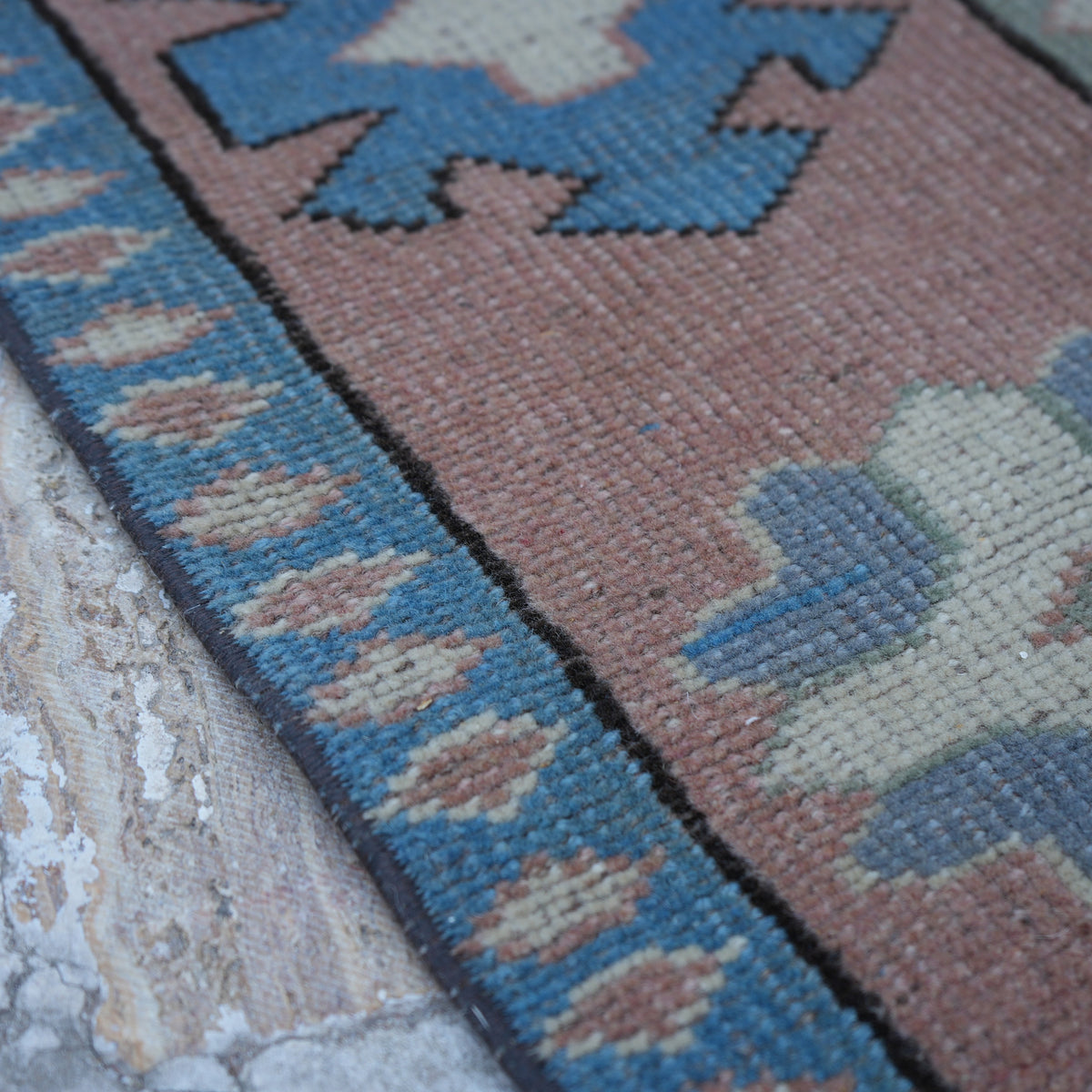
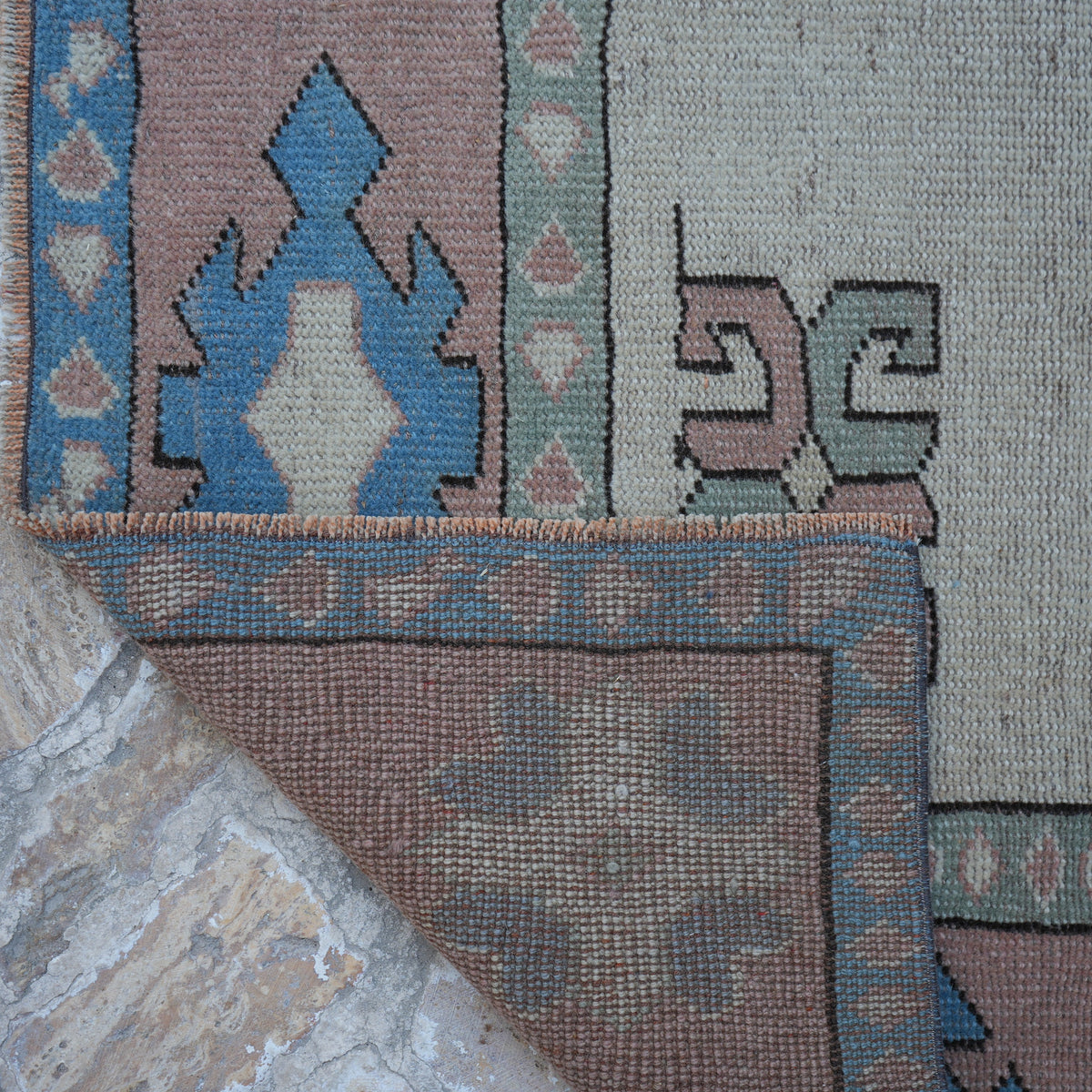
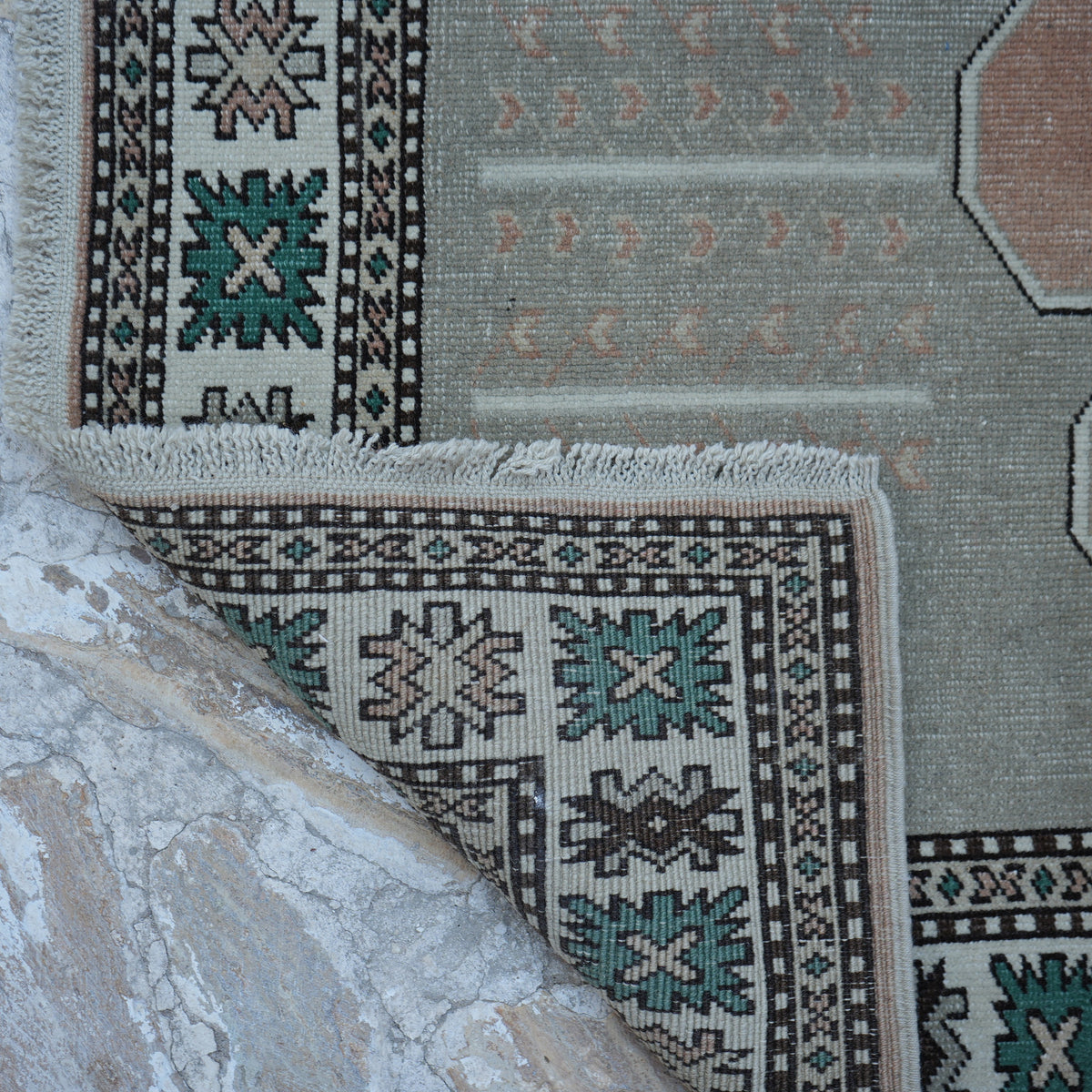
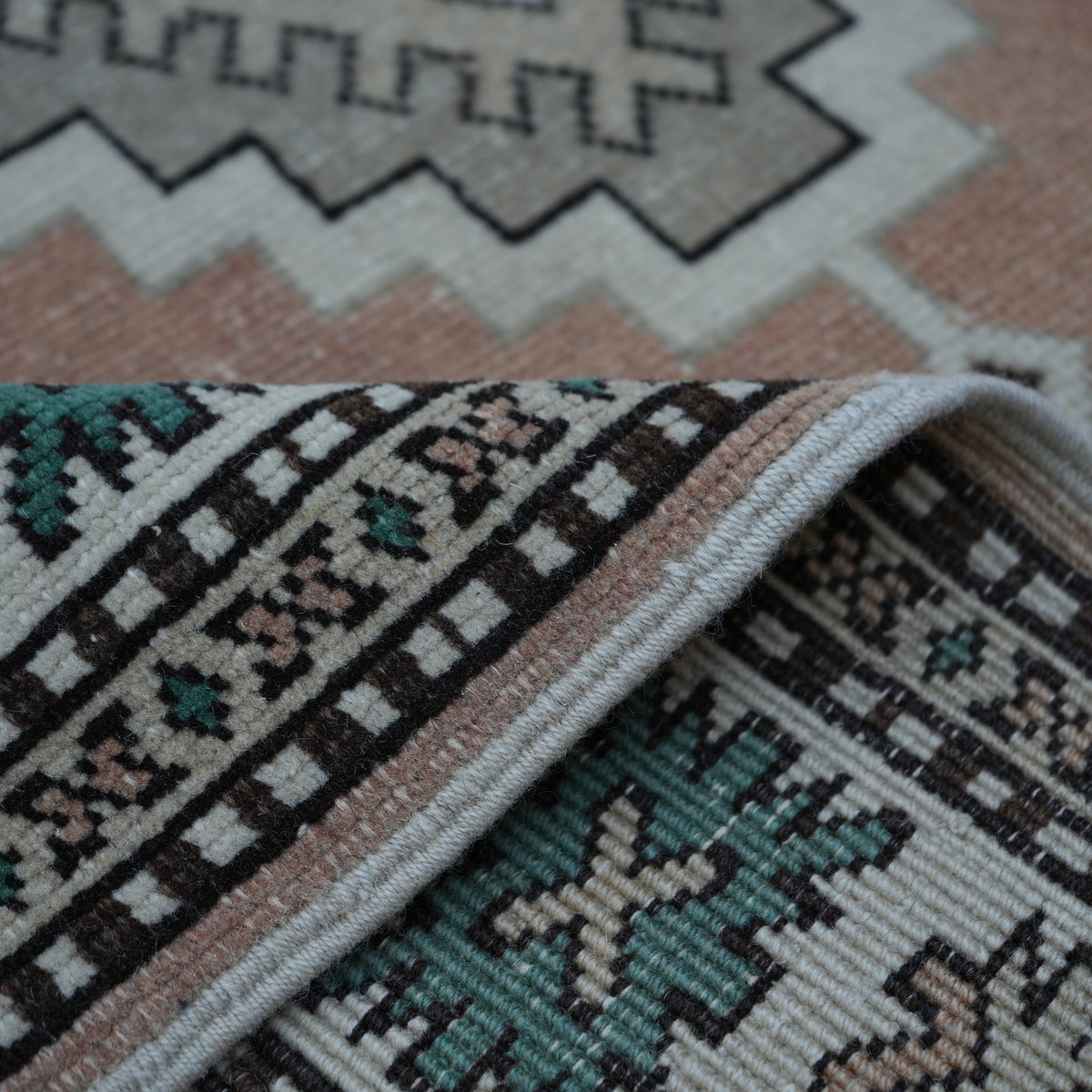
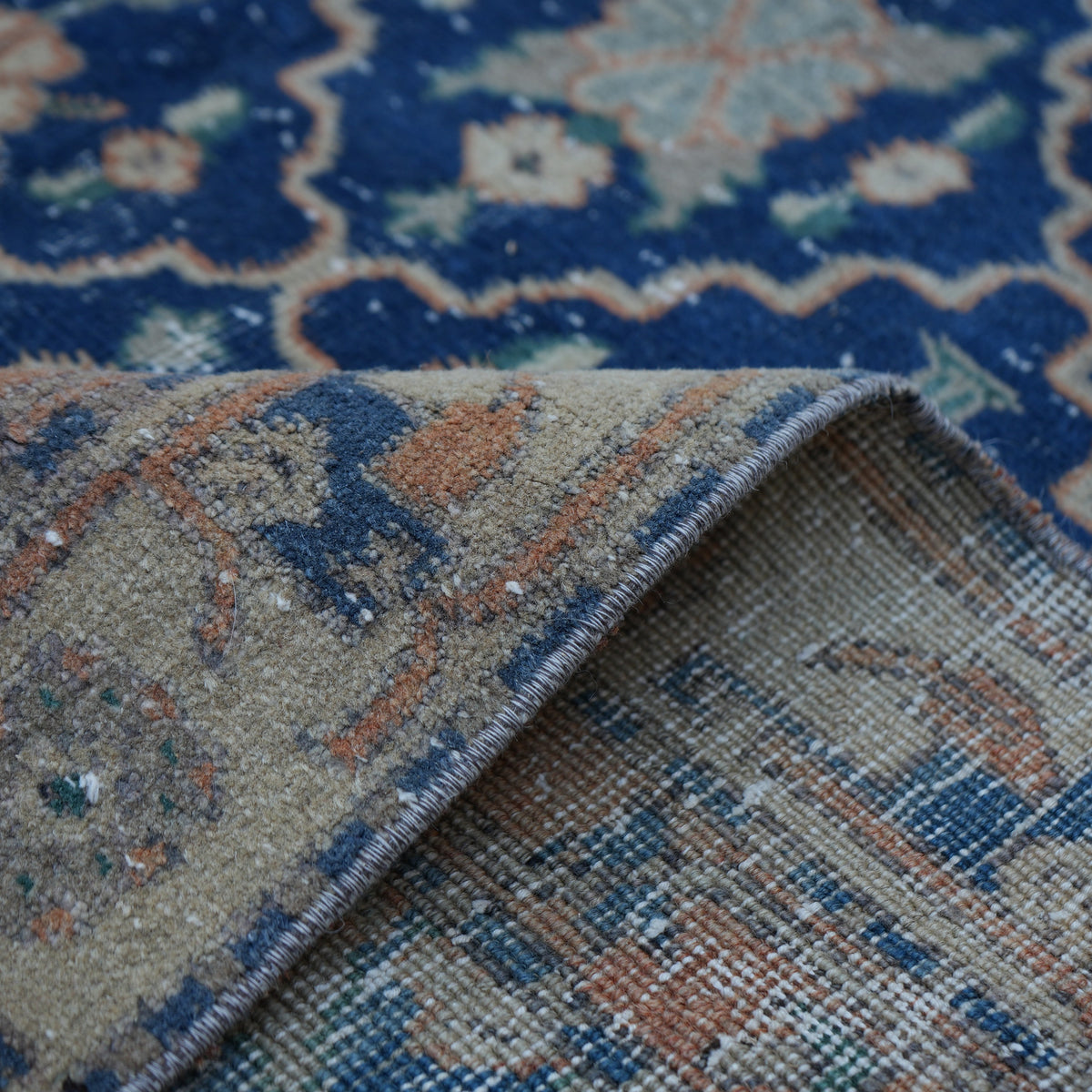
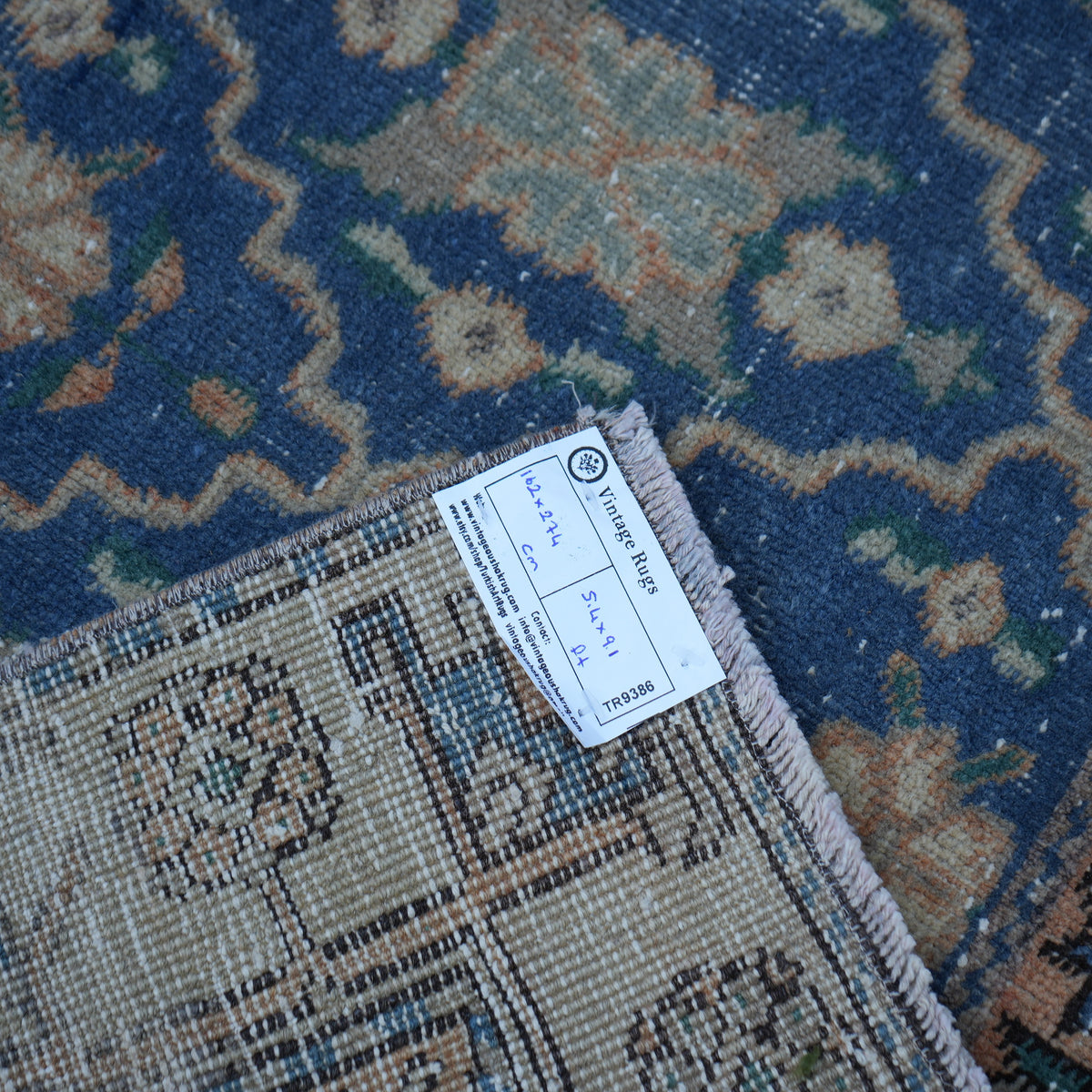
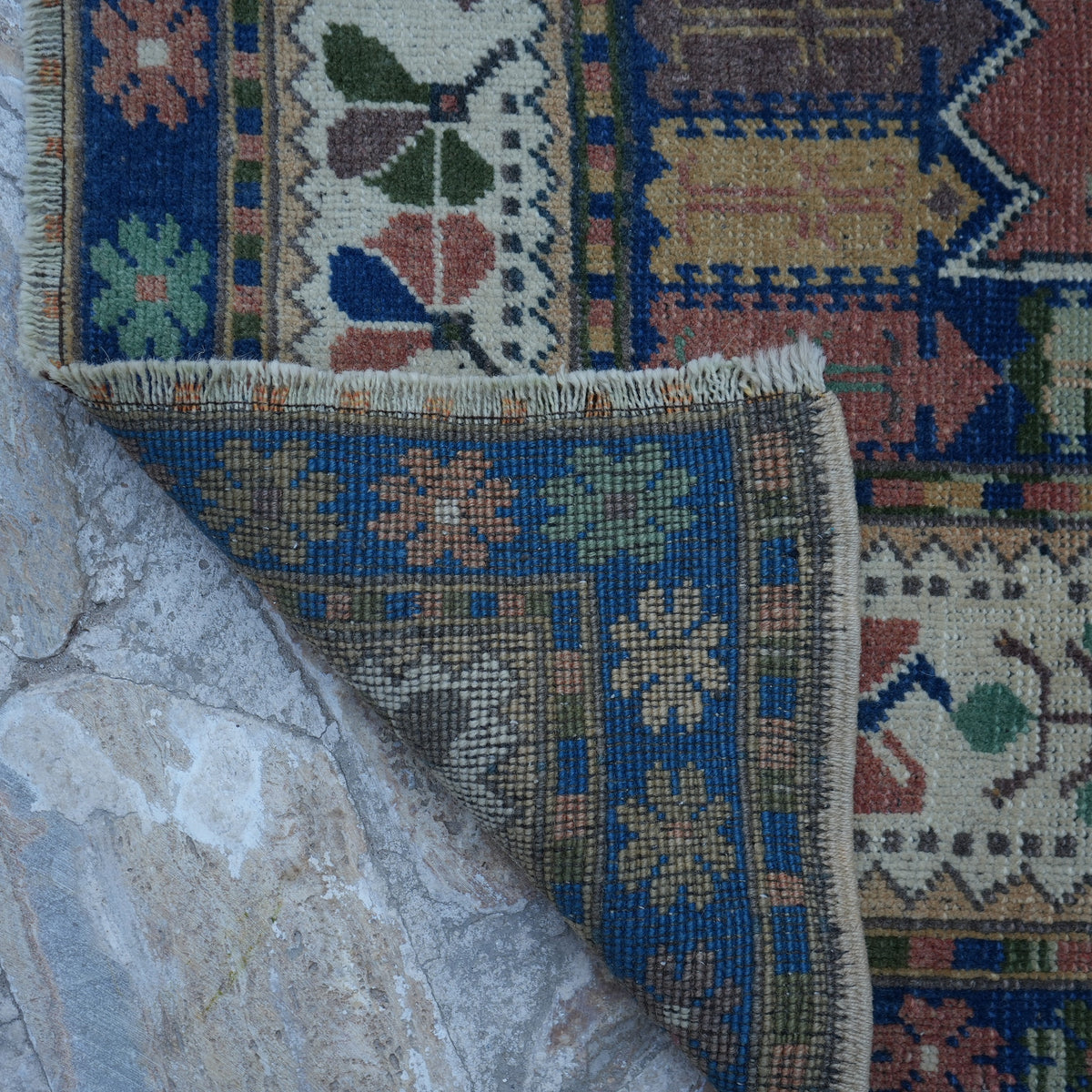
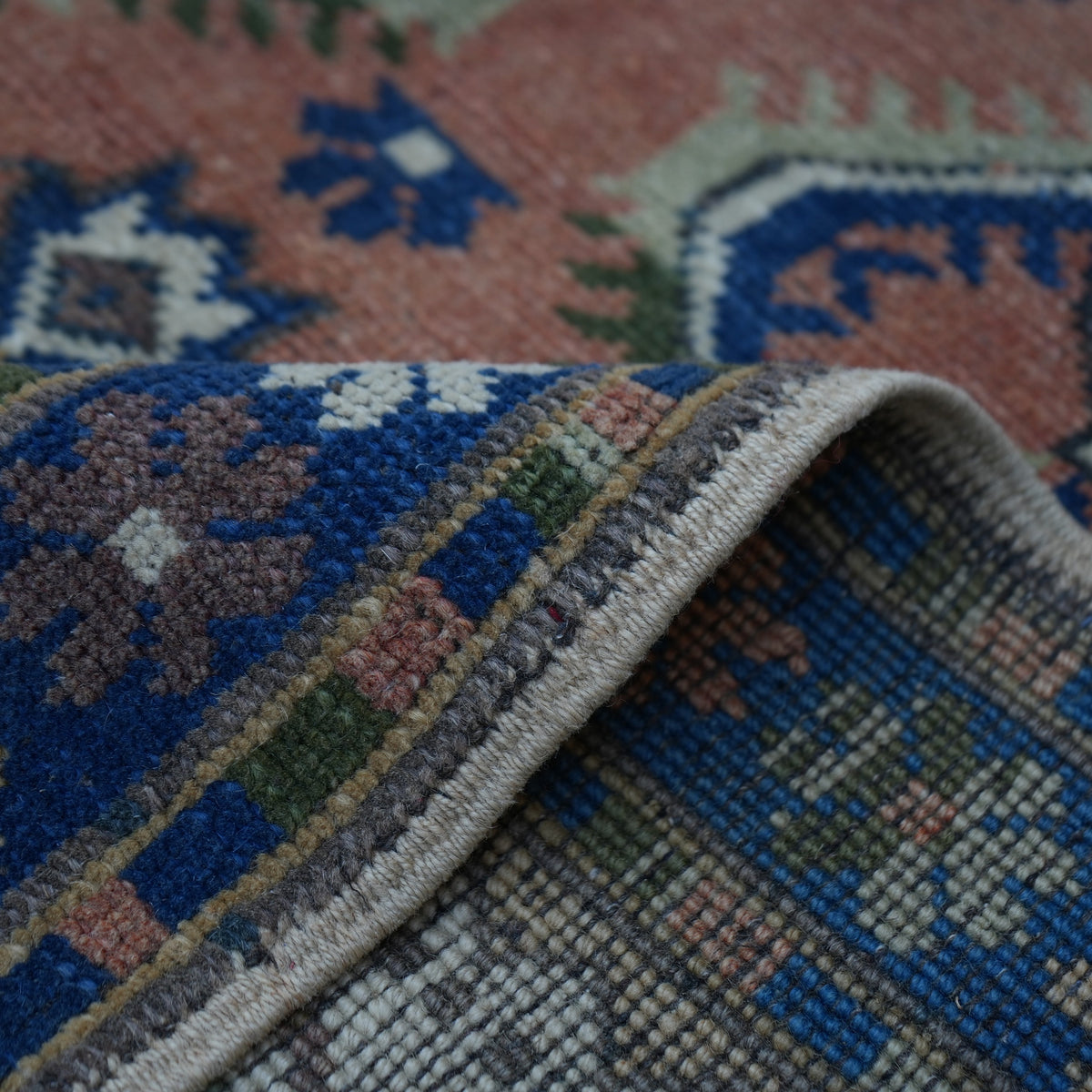
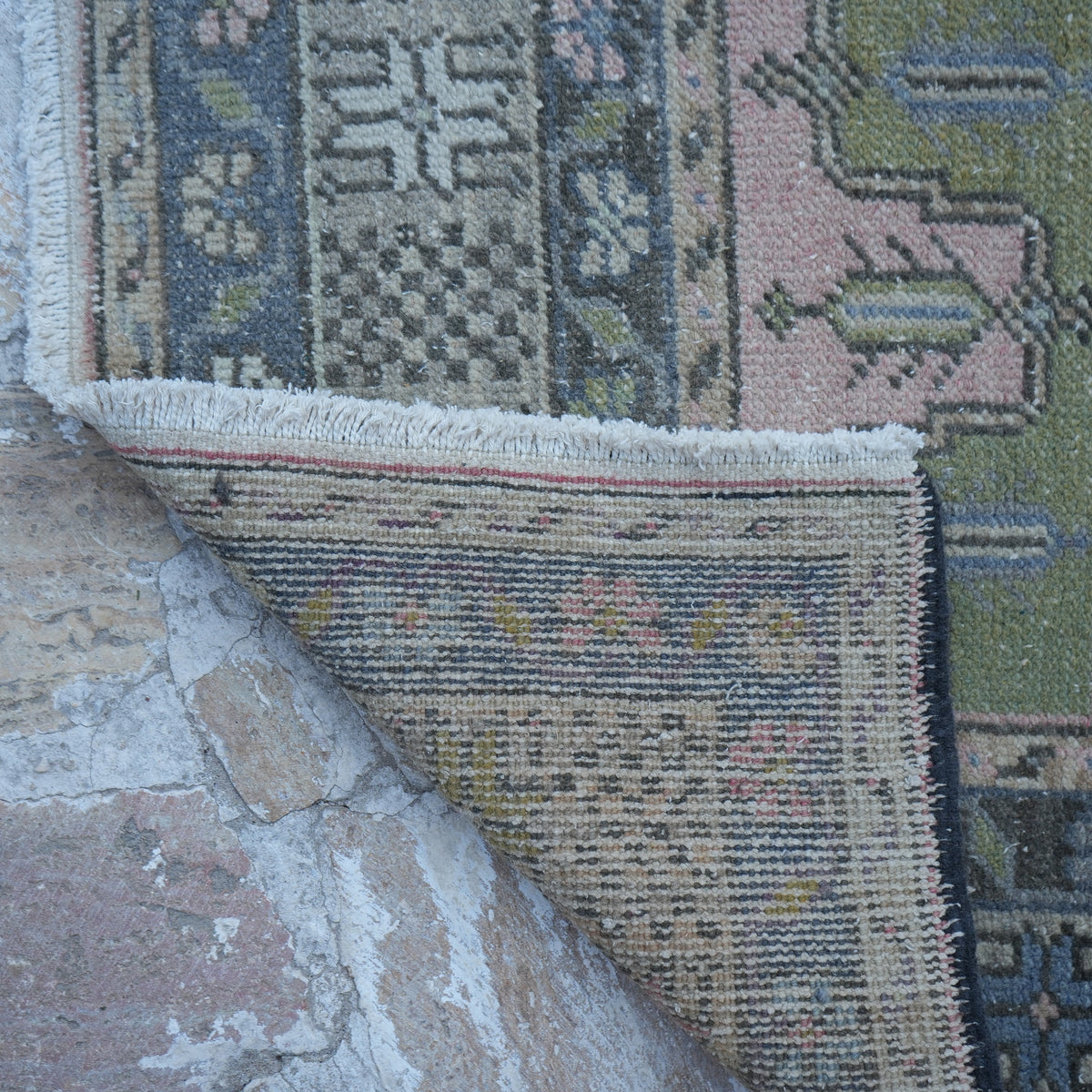
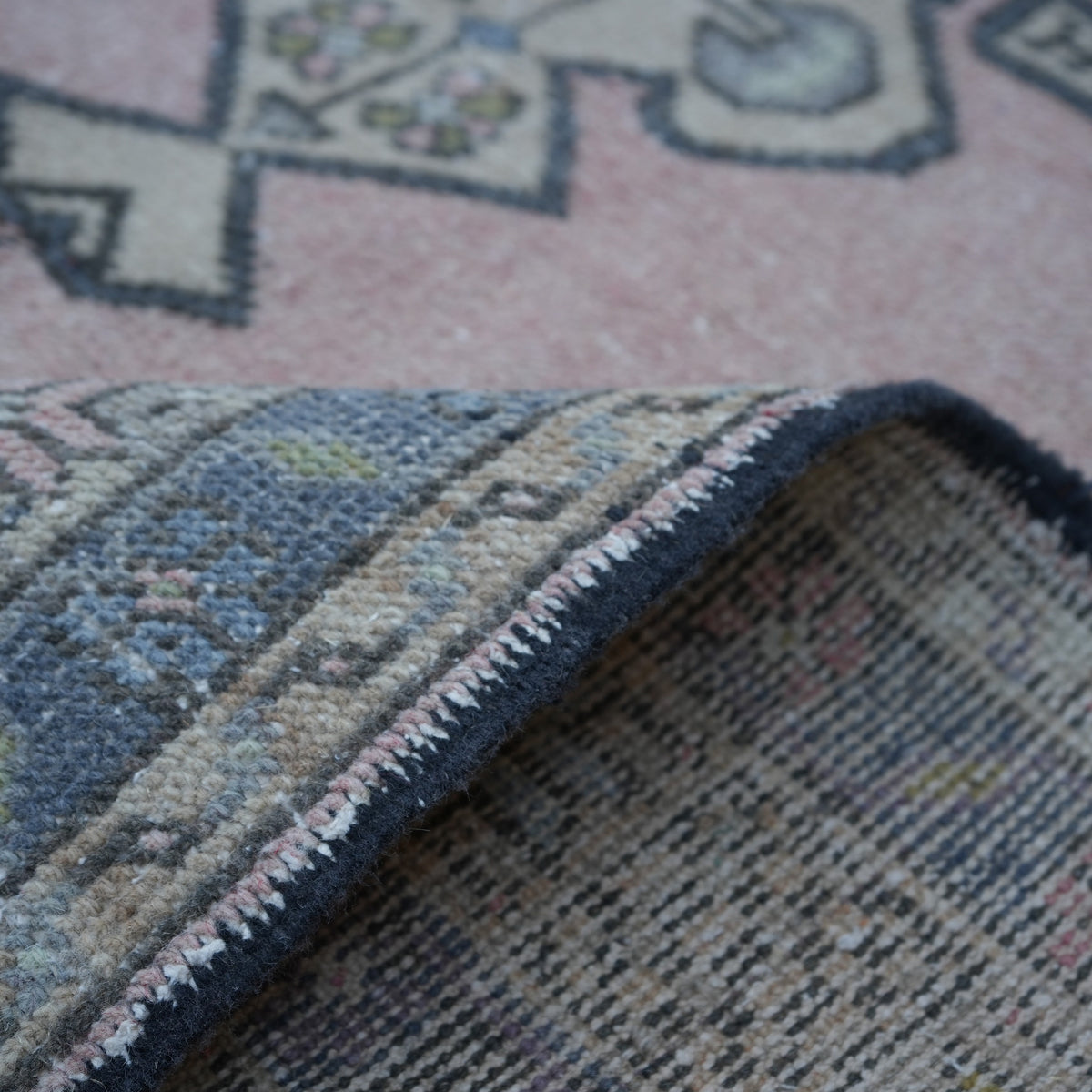
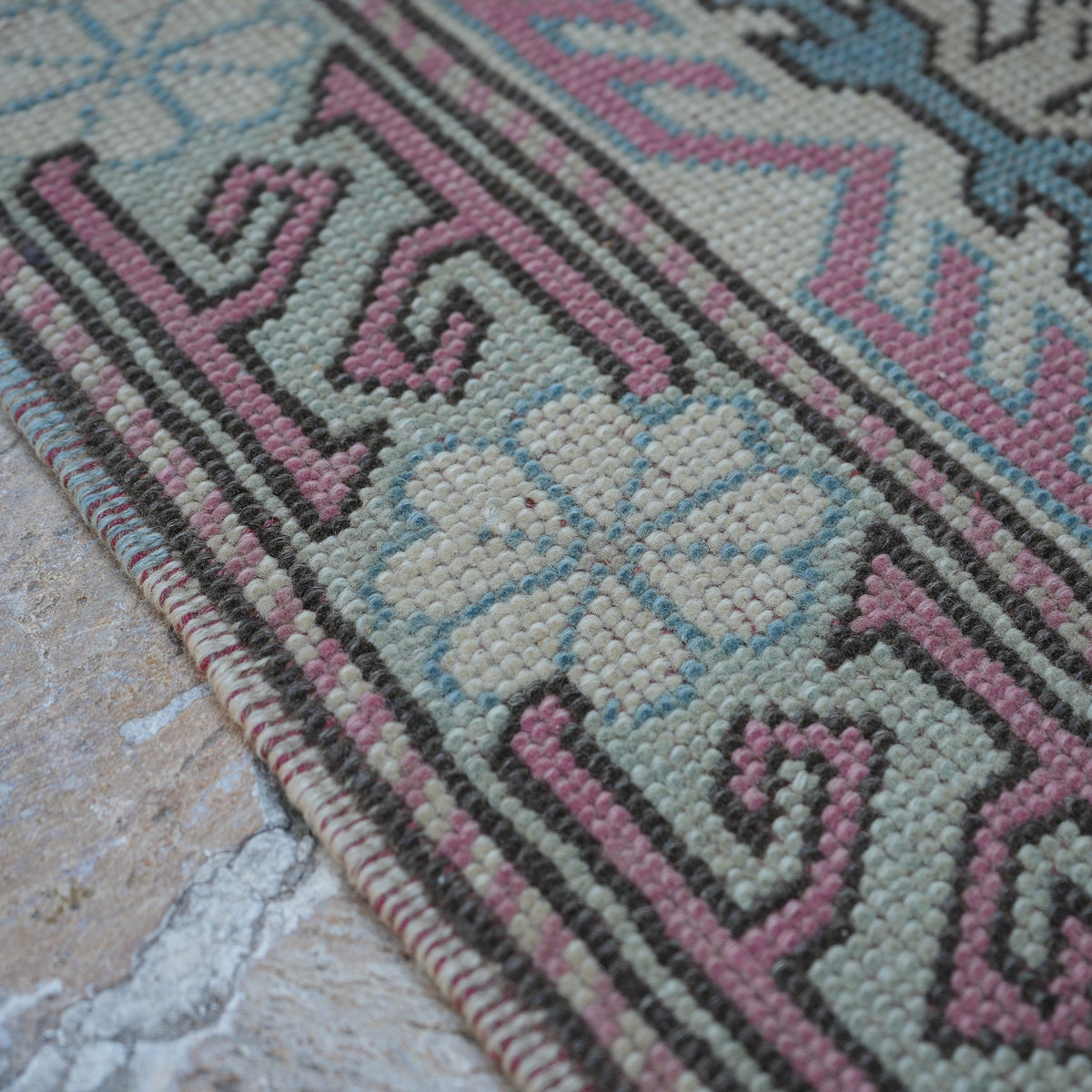
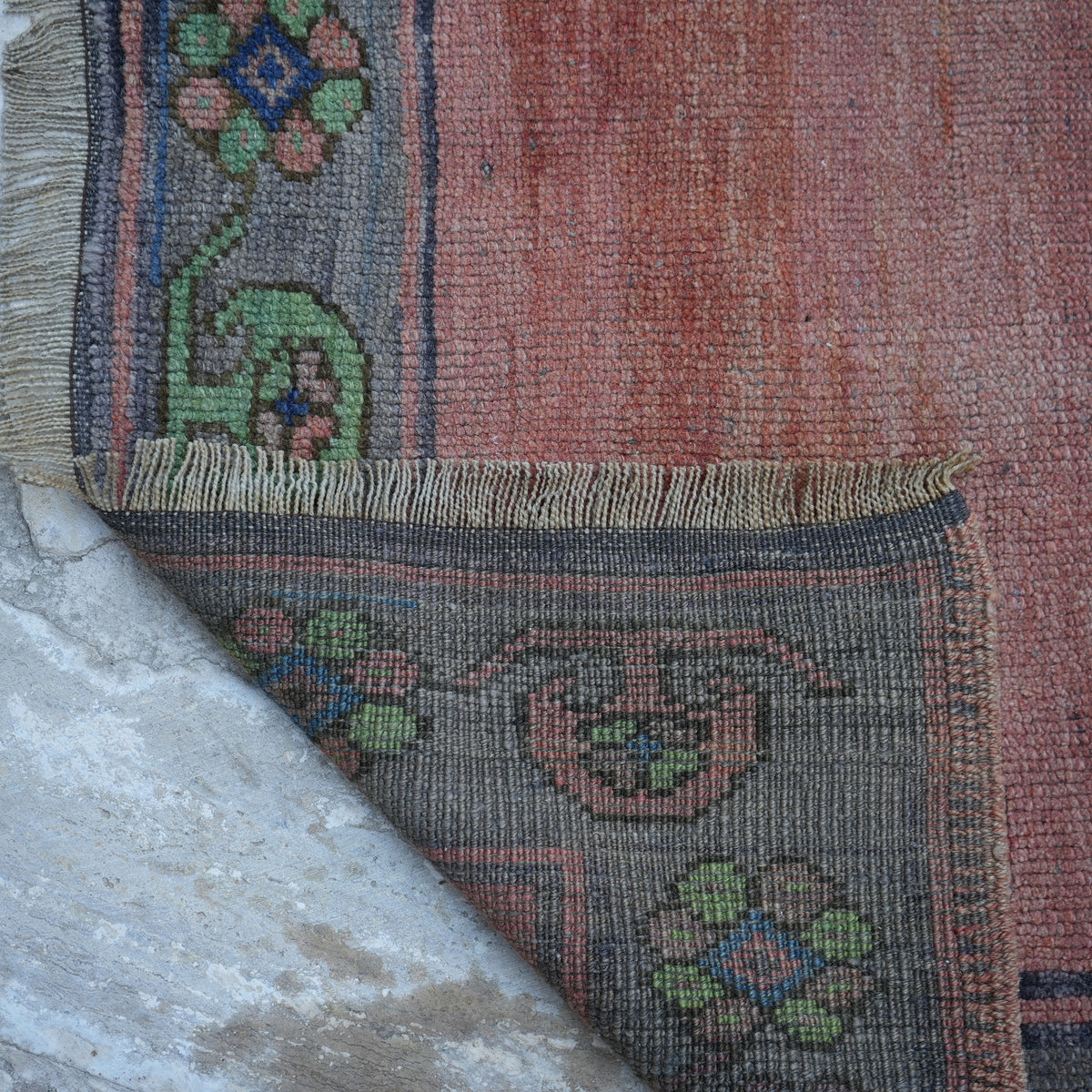
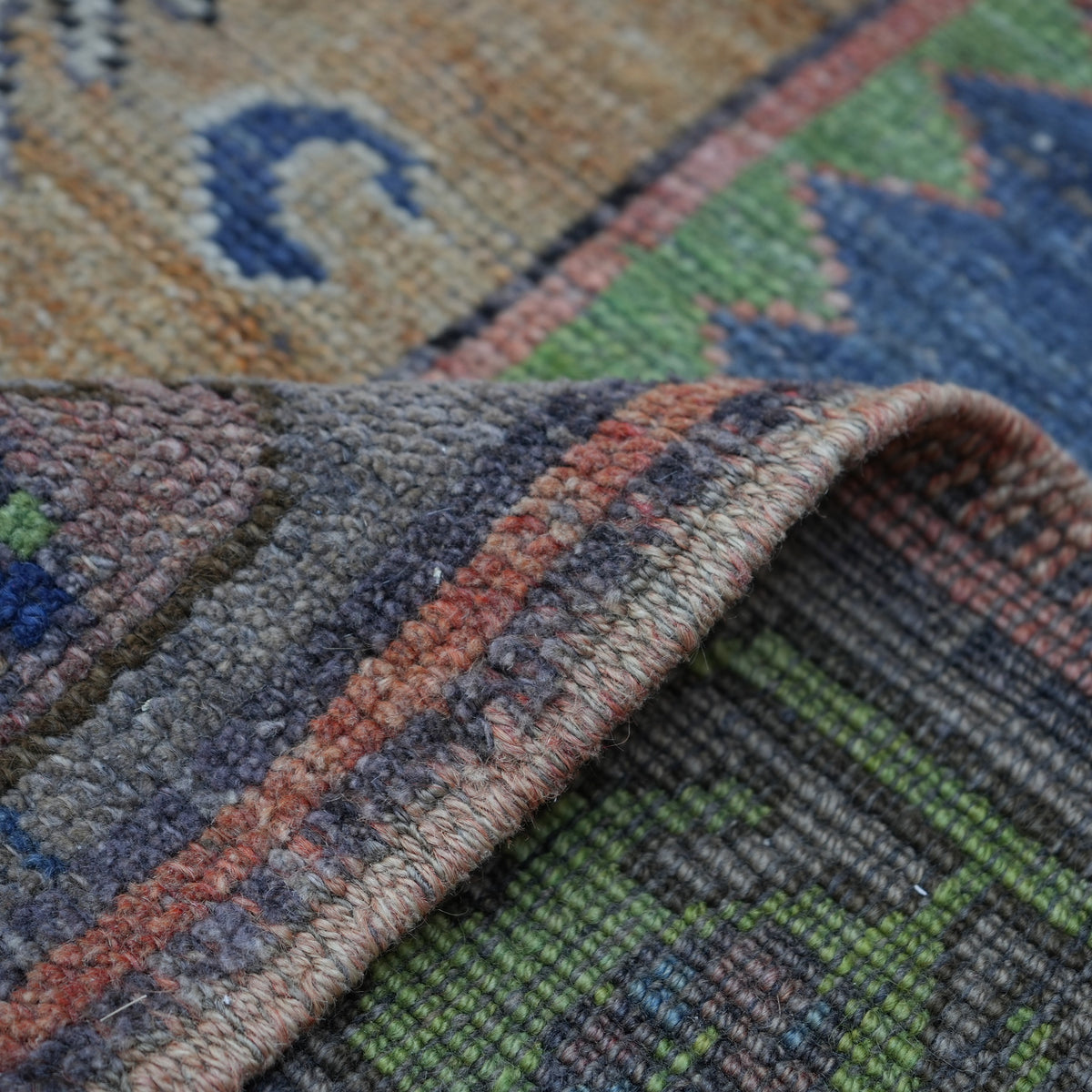
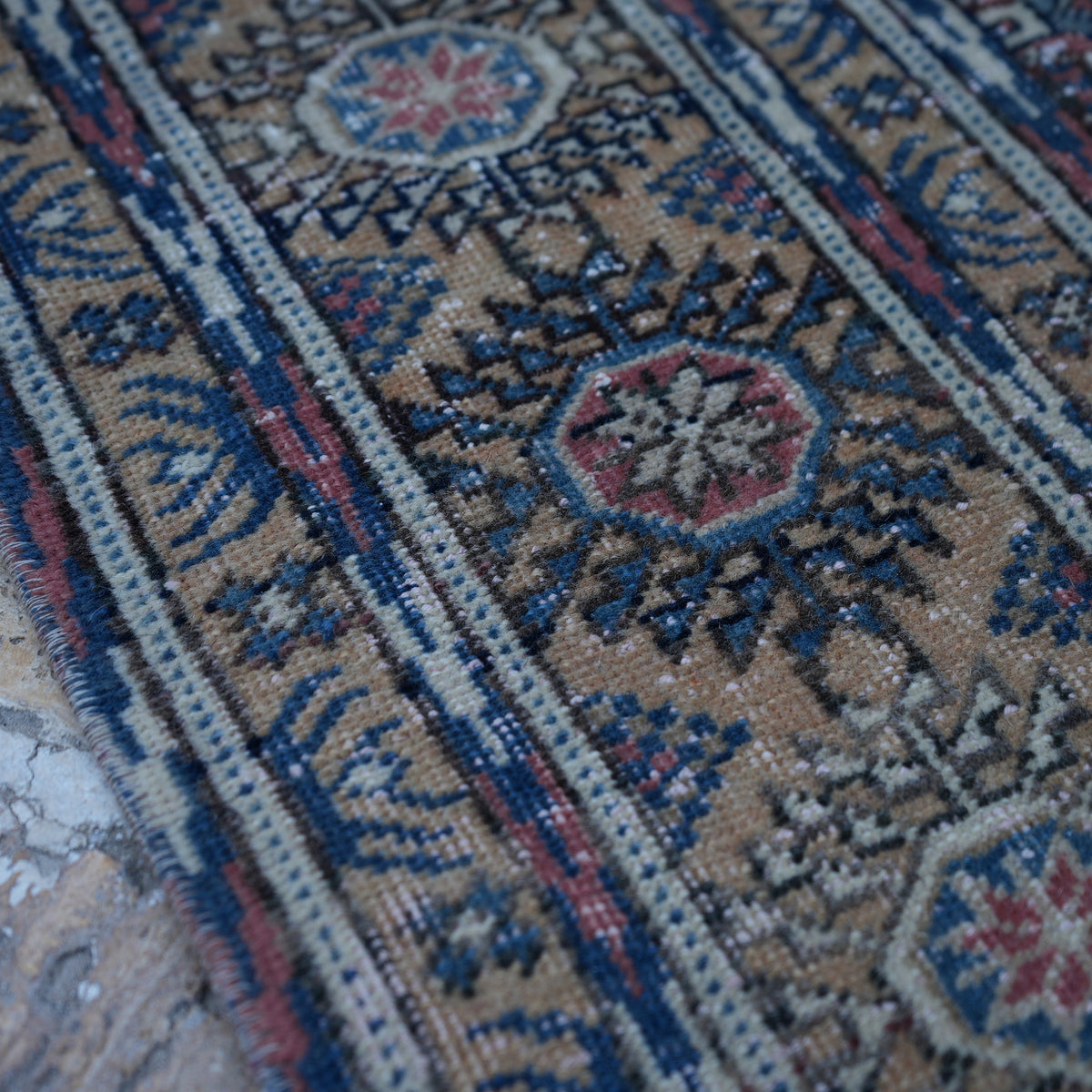
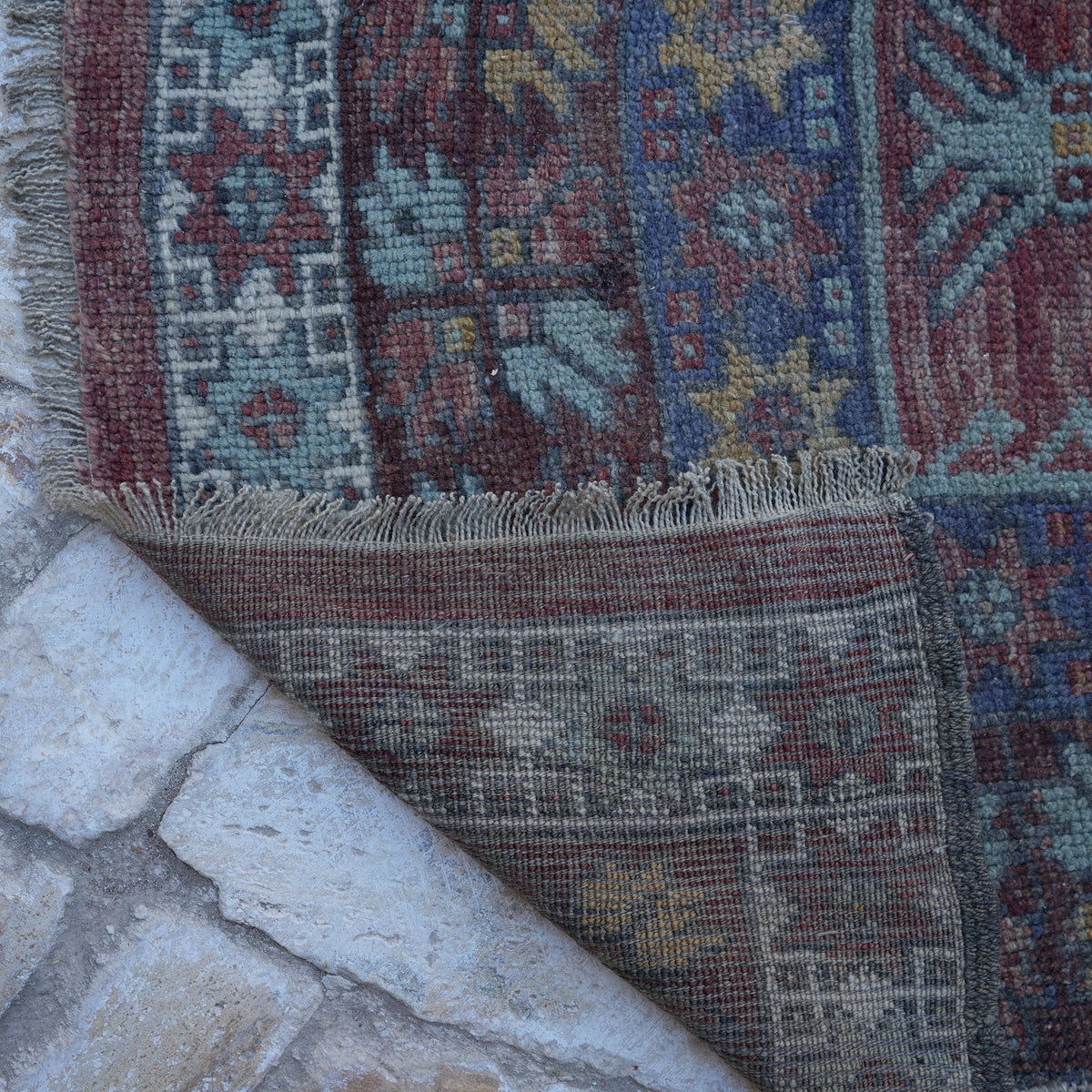
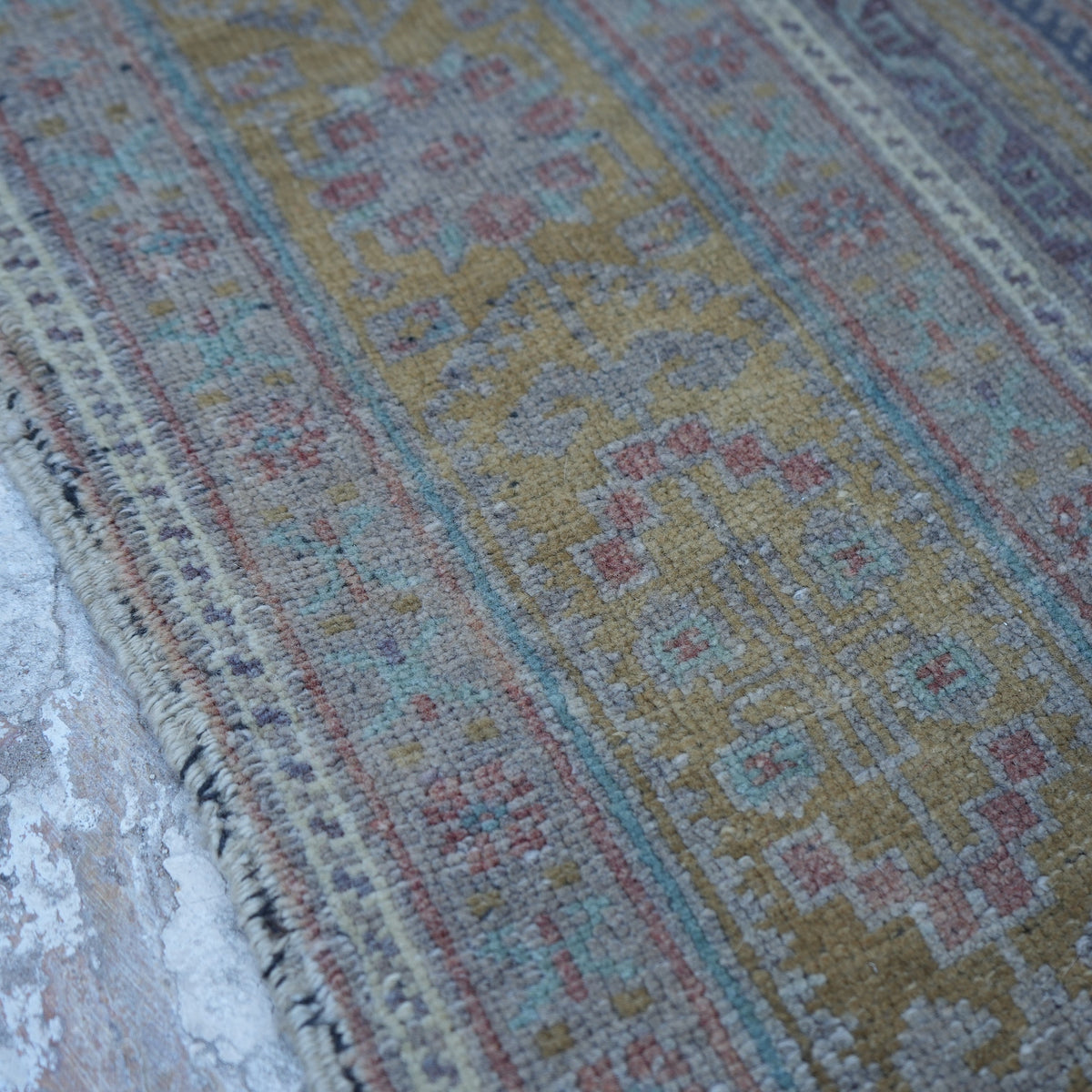
The slight irregularities in a hand-knotted Anatolian piece are not flaws. They are evidence of a specific hand working through a specific moment in time. No two pieces are identical — the variation is the point.
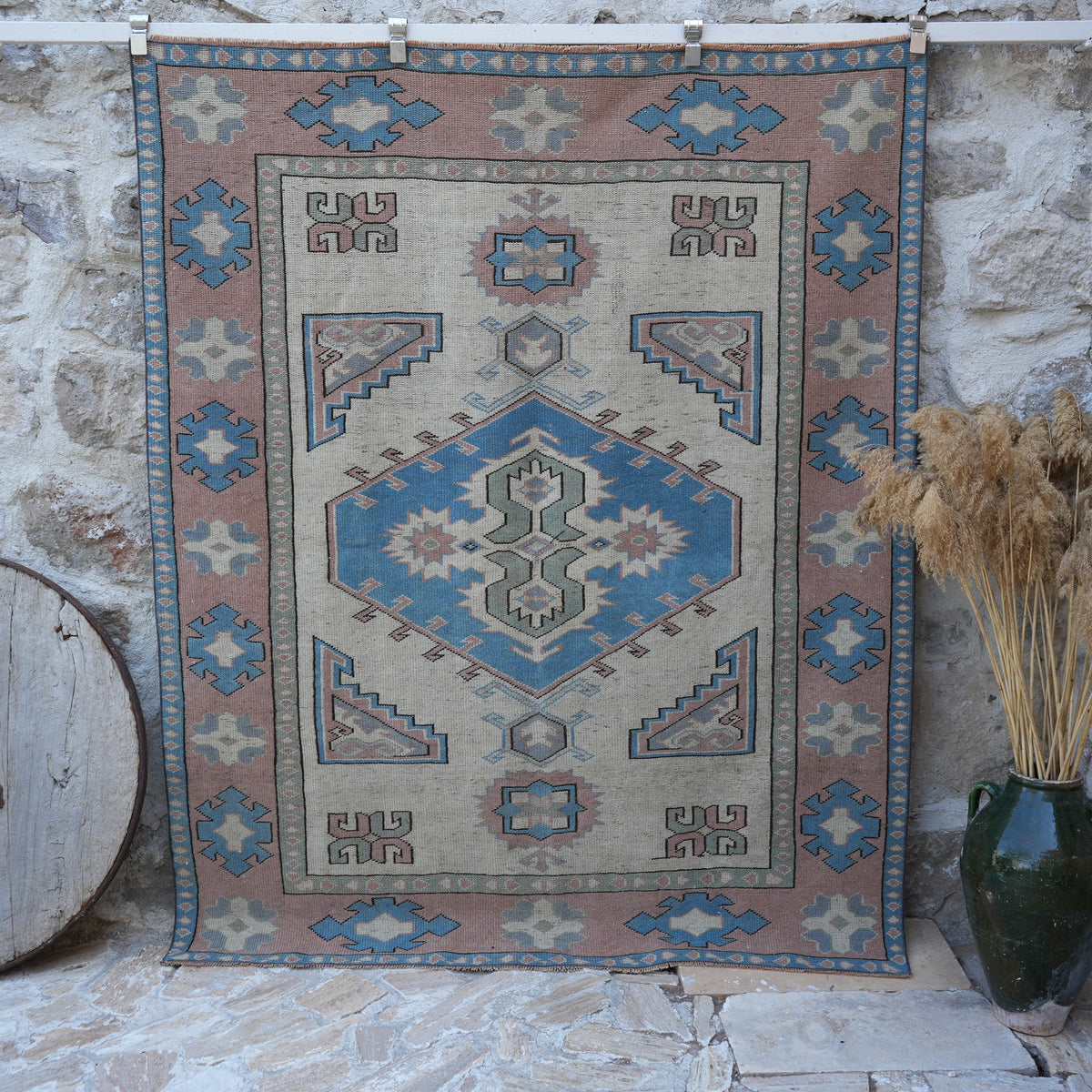
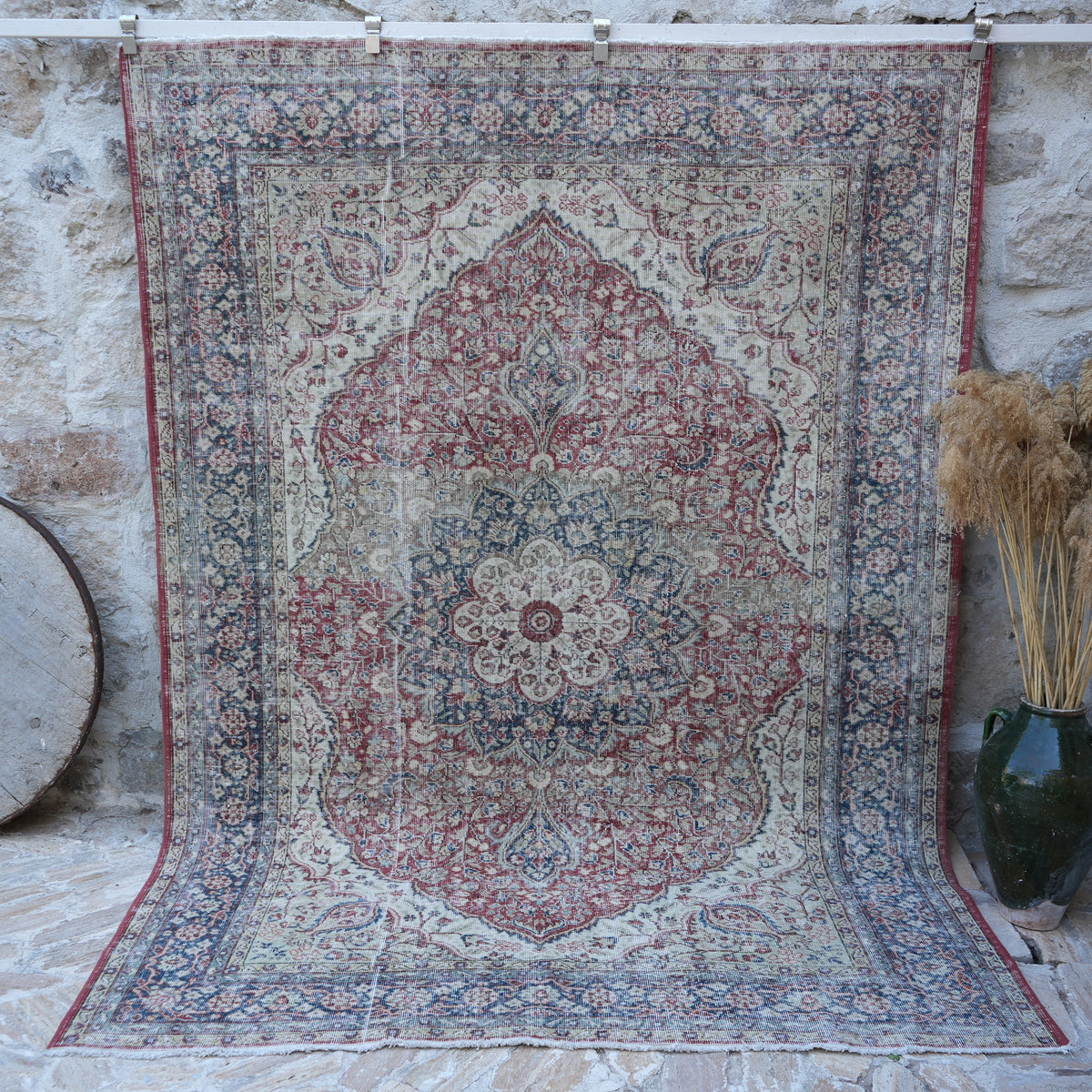
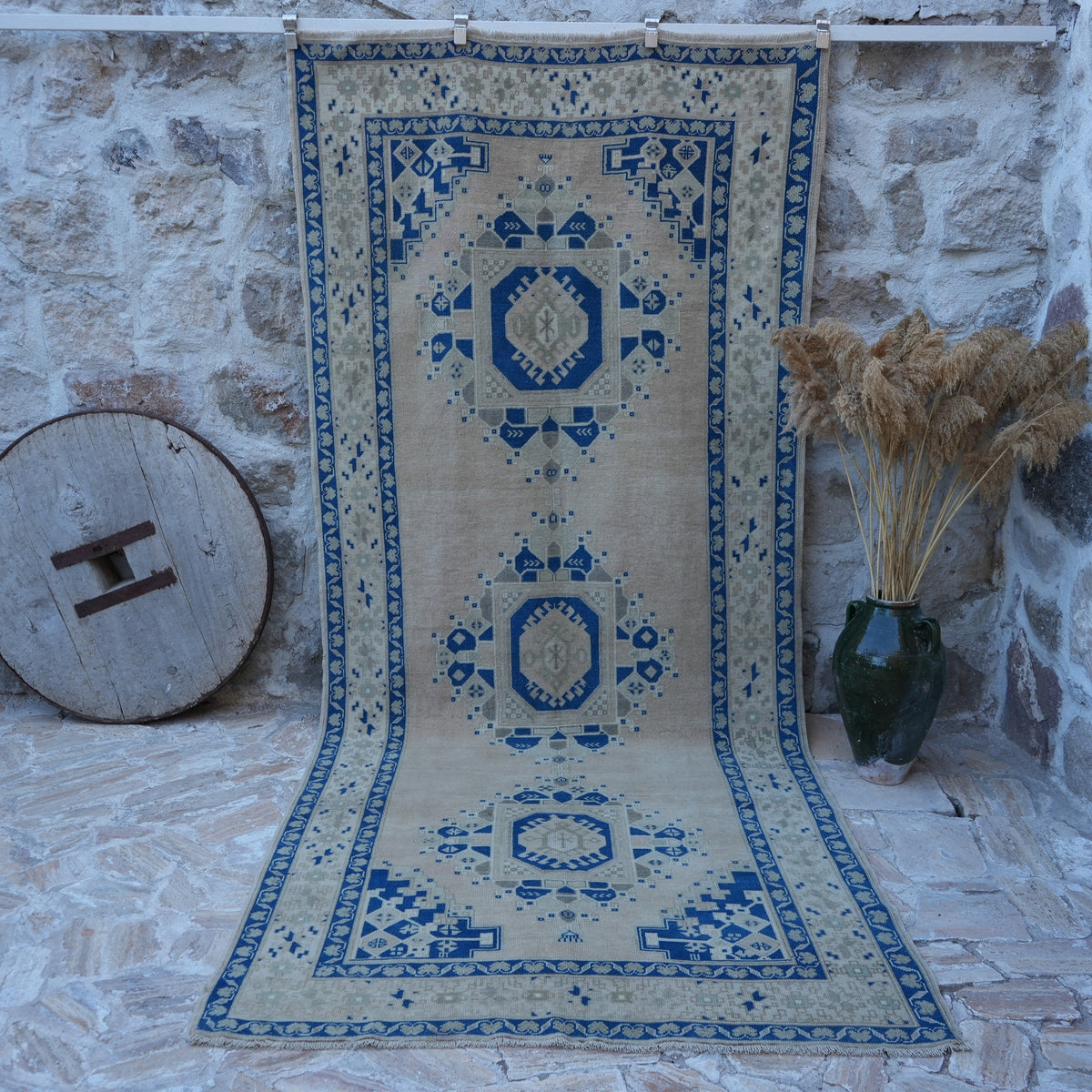
Every piece in our Turkish rugs collection was chosen with this understanding. These are not floor coverings in the utilitarian sense. They carry the craft of weavers whose techniques passed through generations — and most of them will outlast the rooms they are placed in.
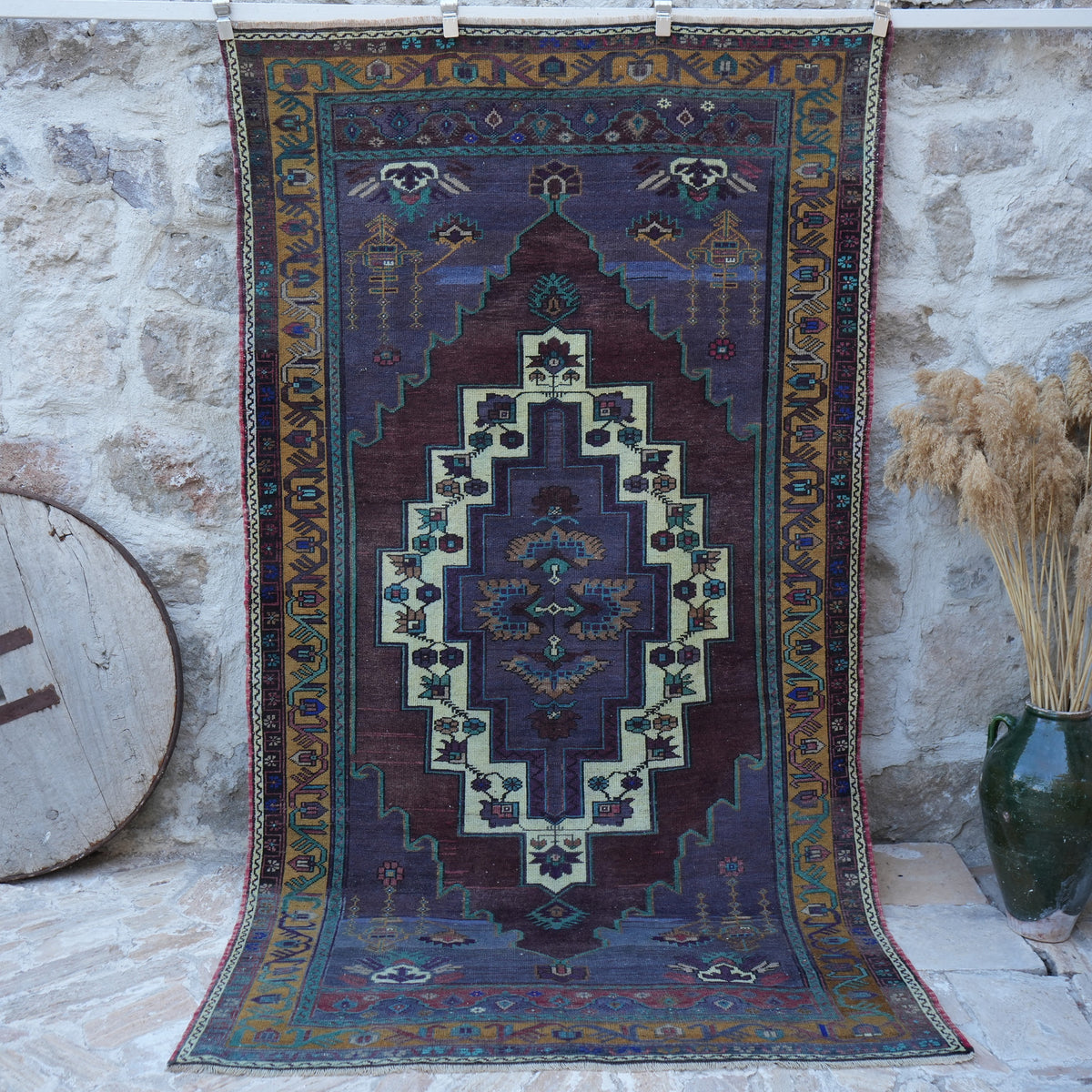
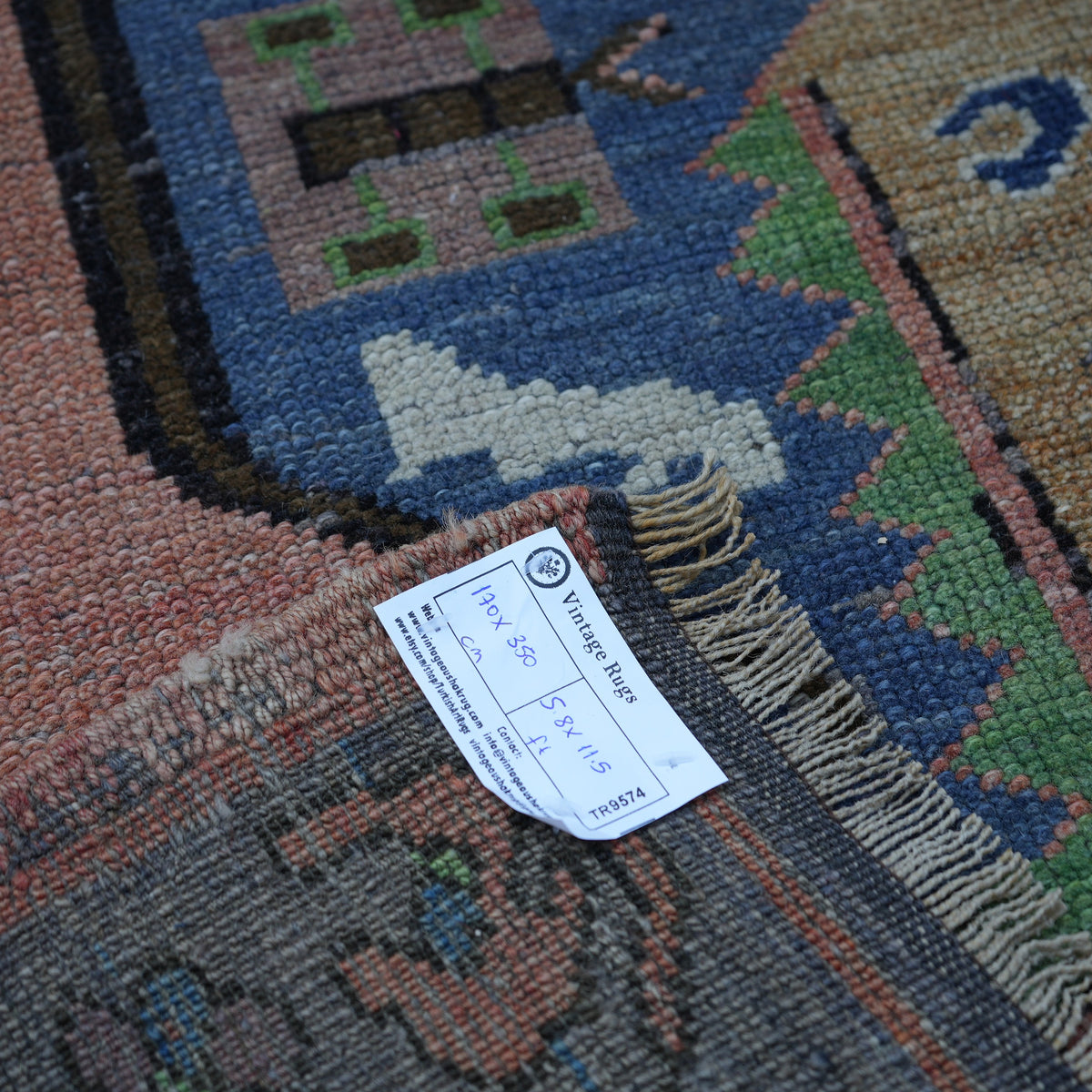
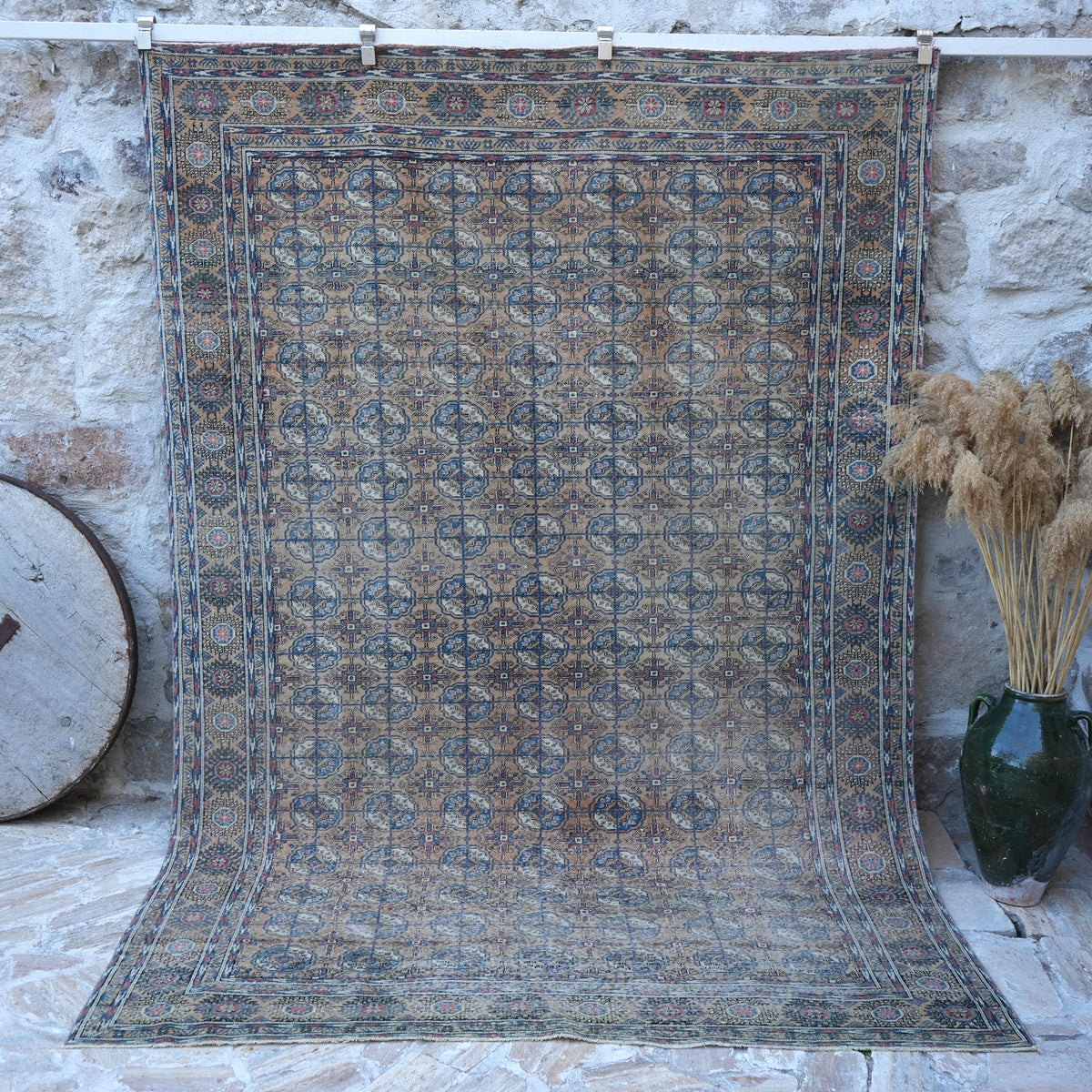
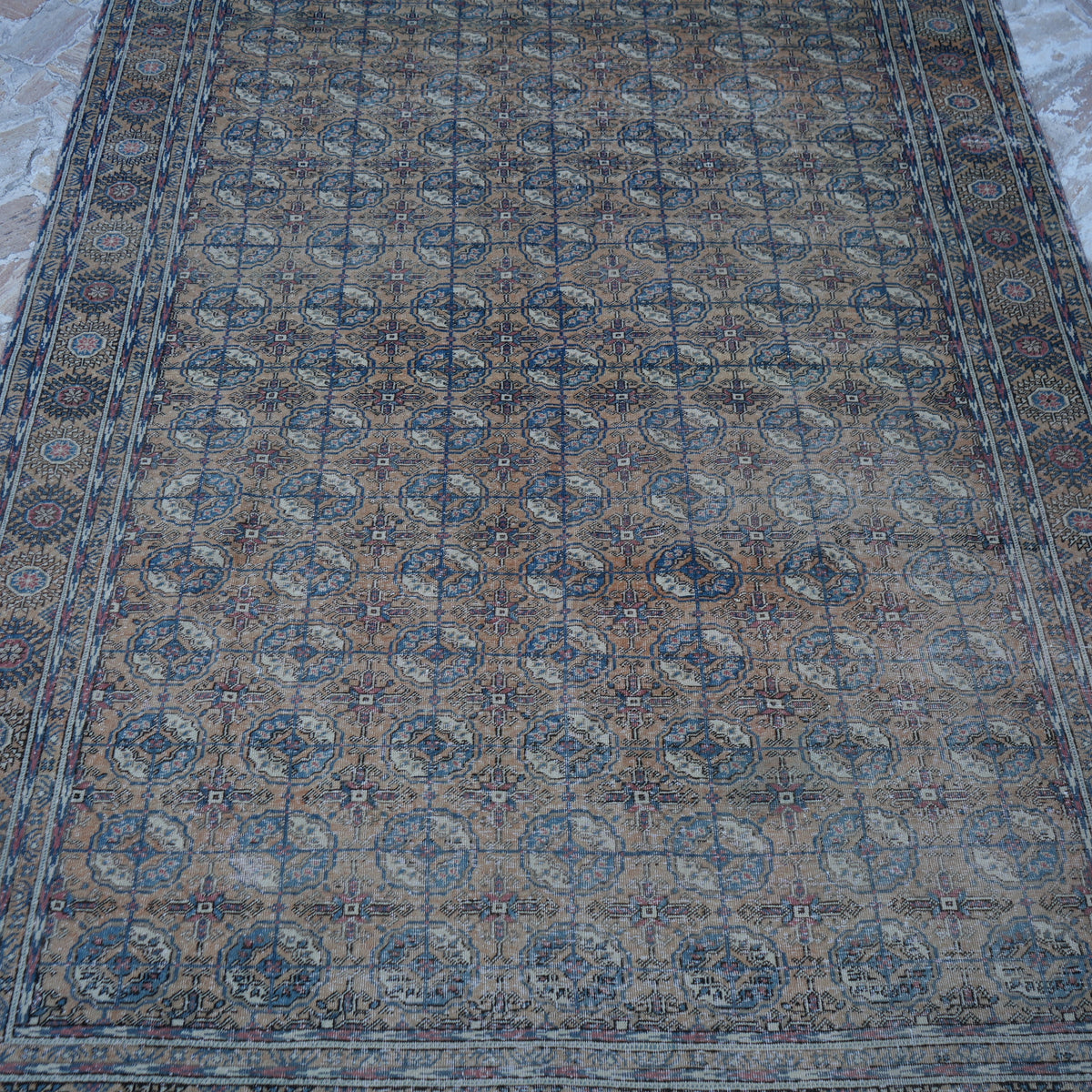
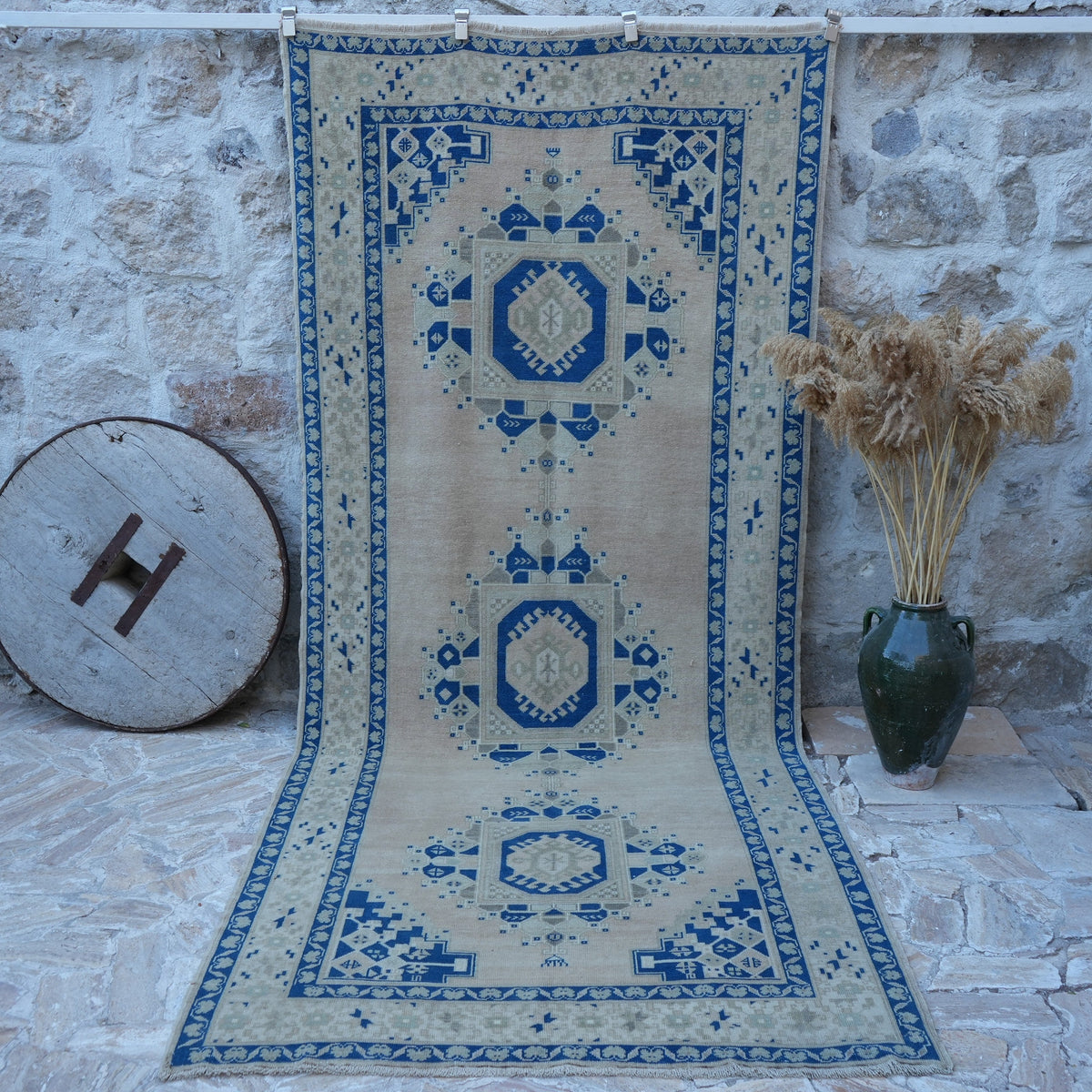
Rug or carpet comes down to size and use: 6x9 and under is a rug, 8x10 and above enters carpet territory, and a runner is always a rug regardless of length. If you want to see how those dimensions map to real rooms, our vintage rug collection is organized by size as the first filter — start with your room’s dimensions and work from there.
The more interesting question is not whether a piece is technically a rug or a carpet. It is whether what you choose is something you will still want in twenty years, or something you will be replacing.
Every piece at Kirmen is a single original — washed in Cappadocia, photographed as found, shipped to your door. No production runs. No two the same. A rug, not a carpet: something worth keeping.
Shop by Size
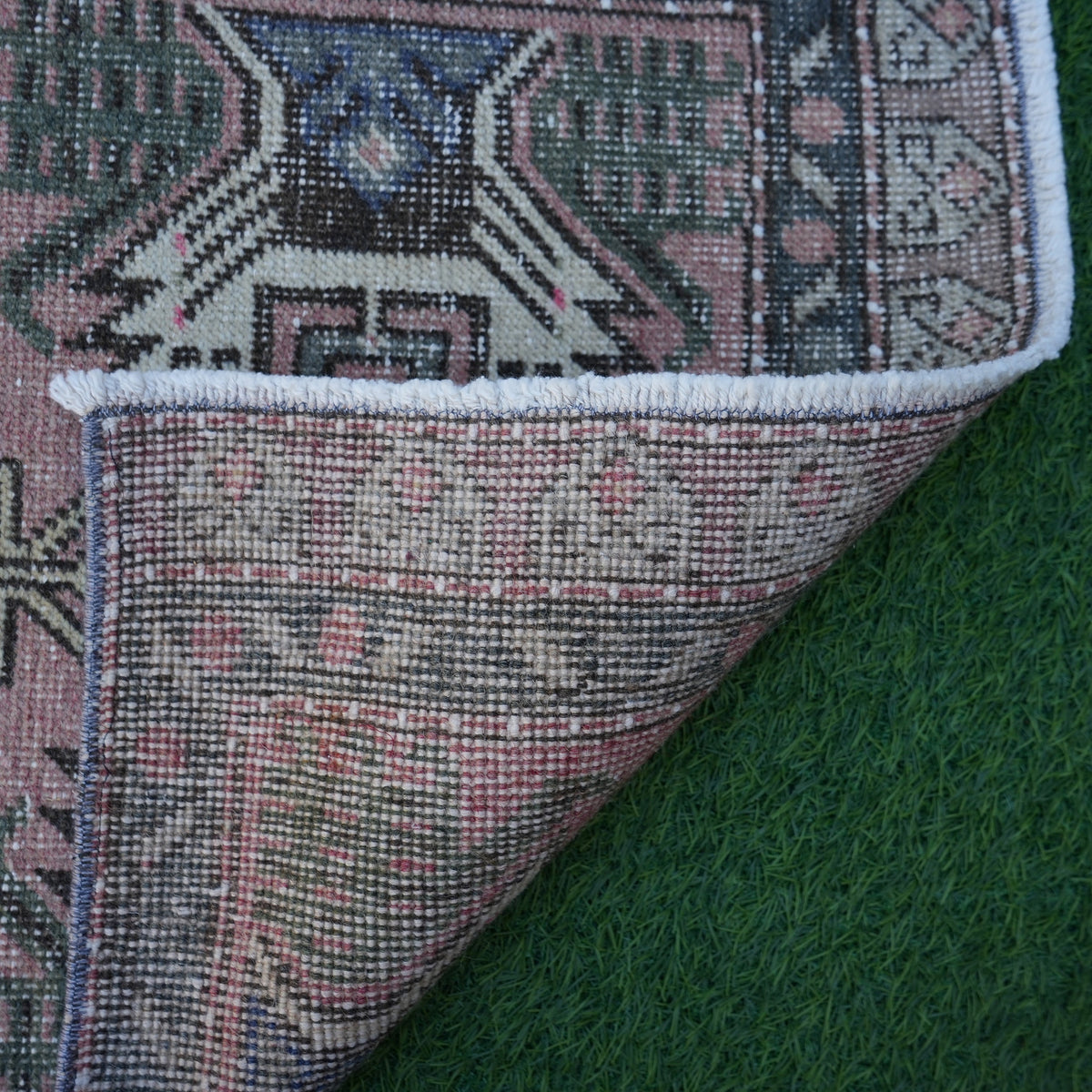
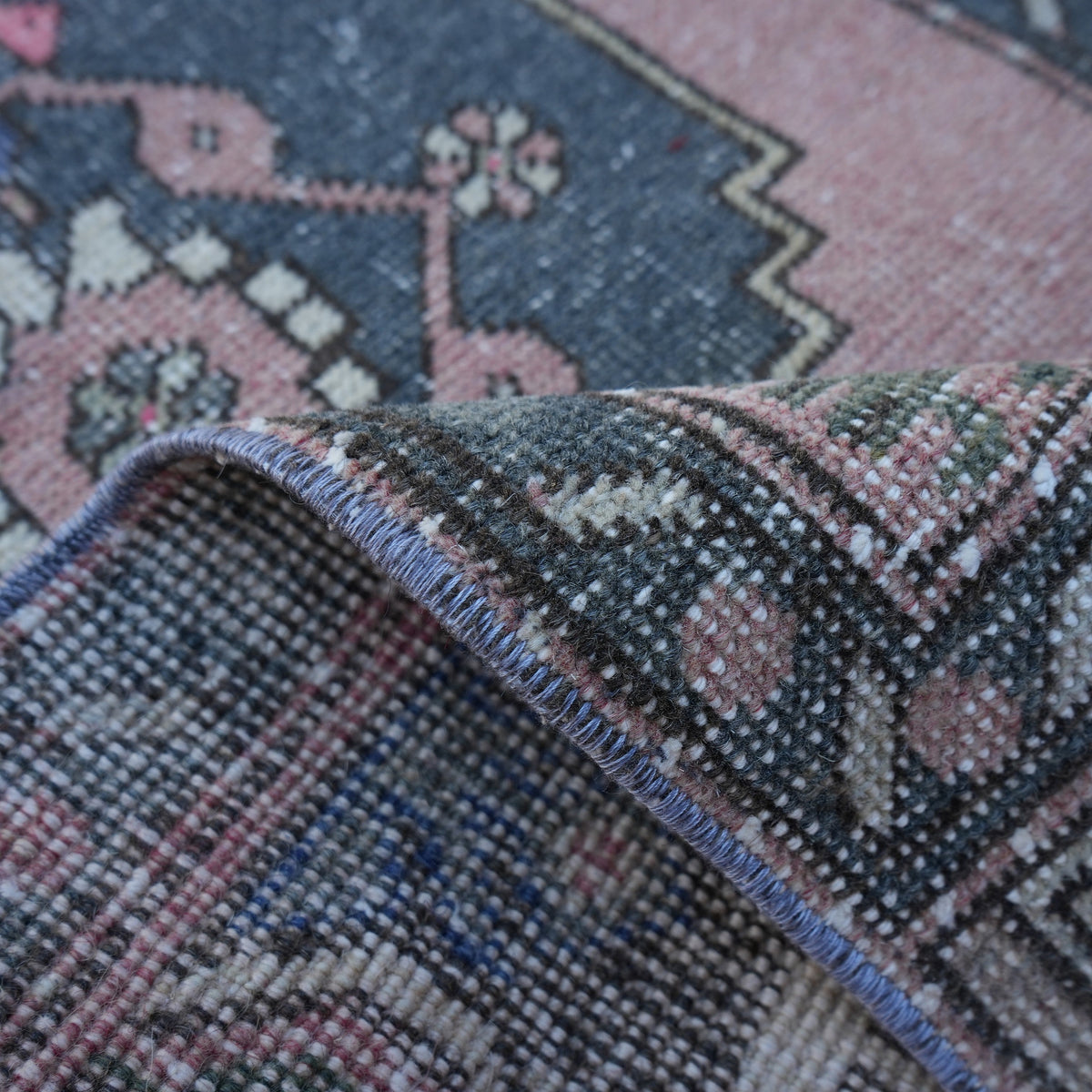
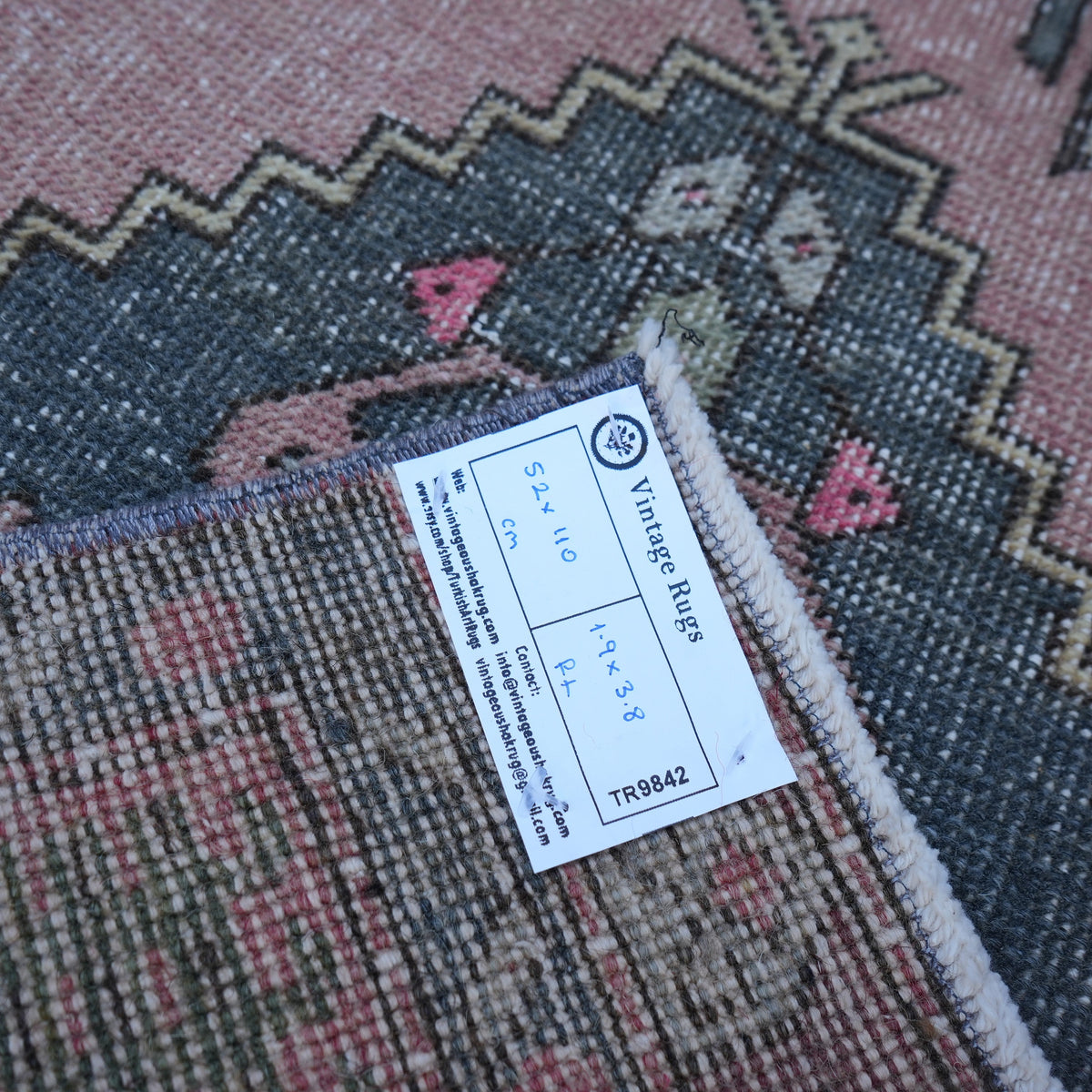
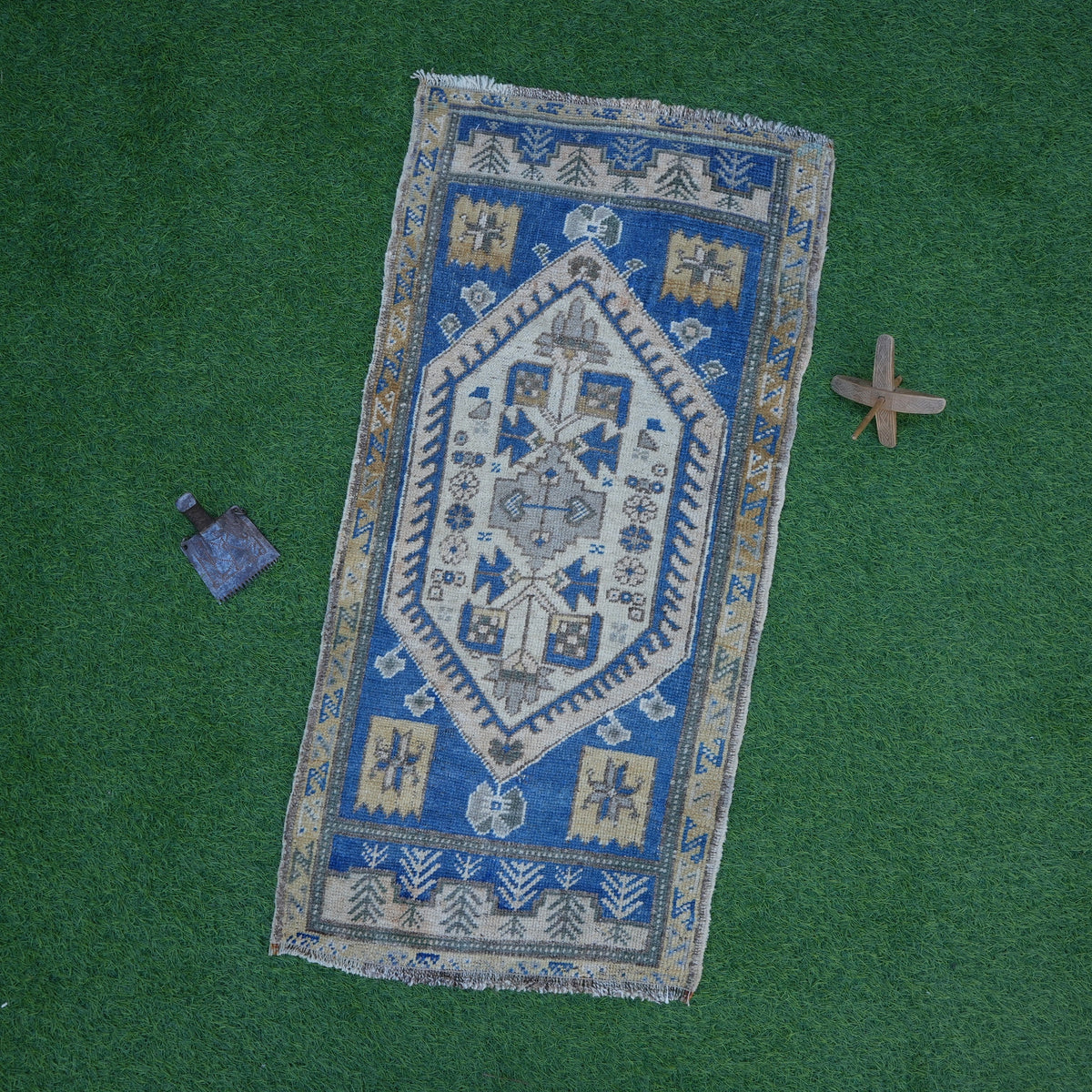
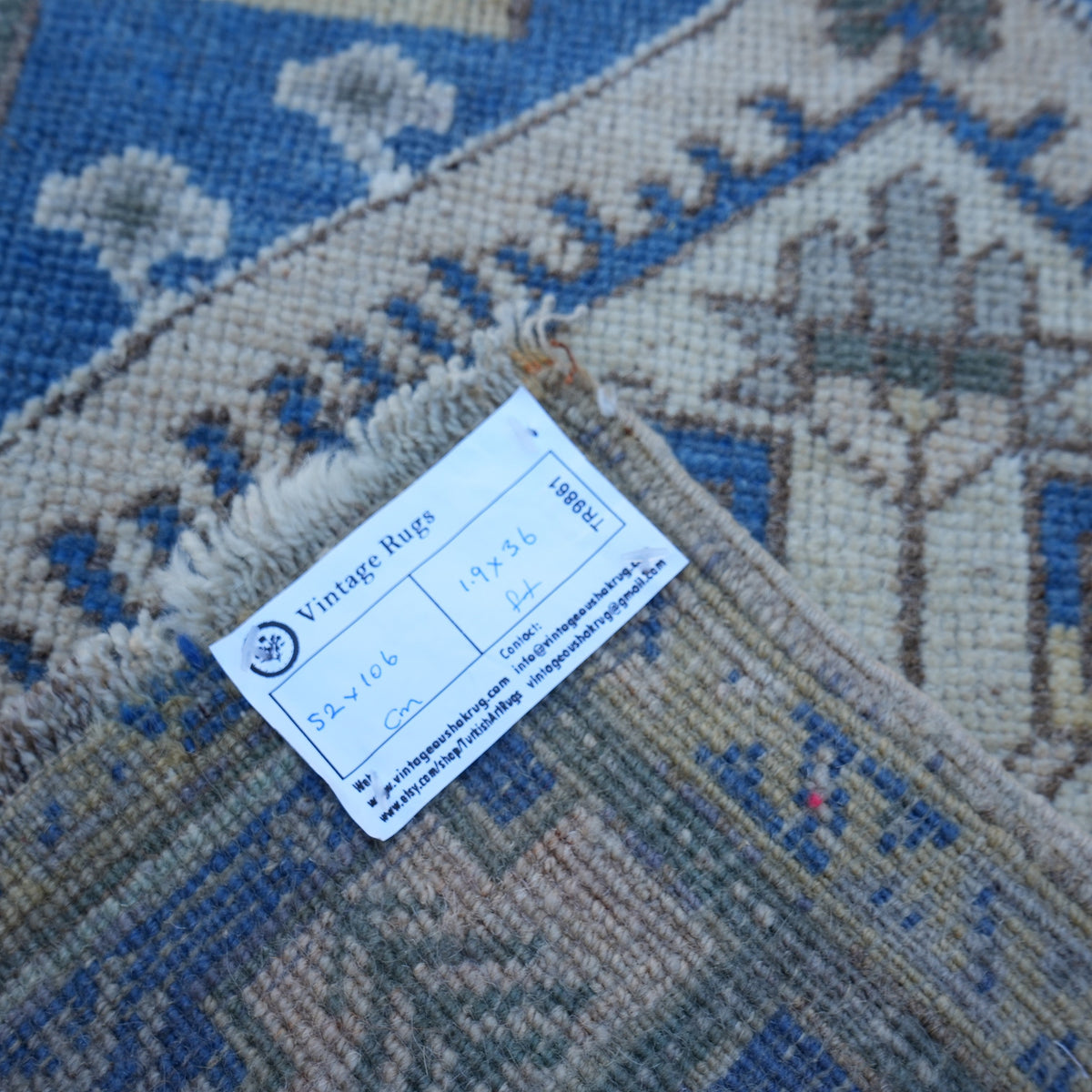
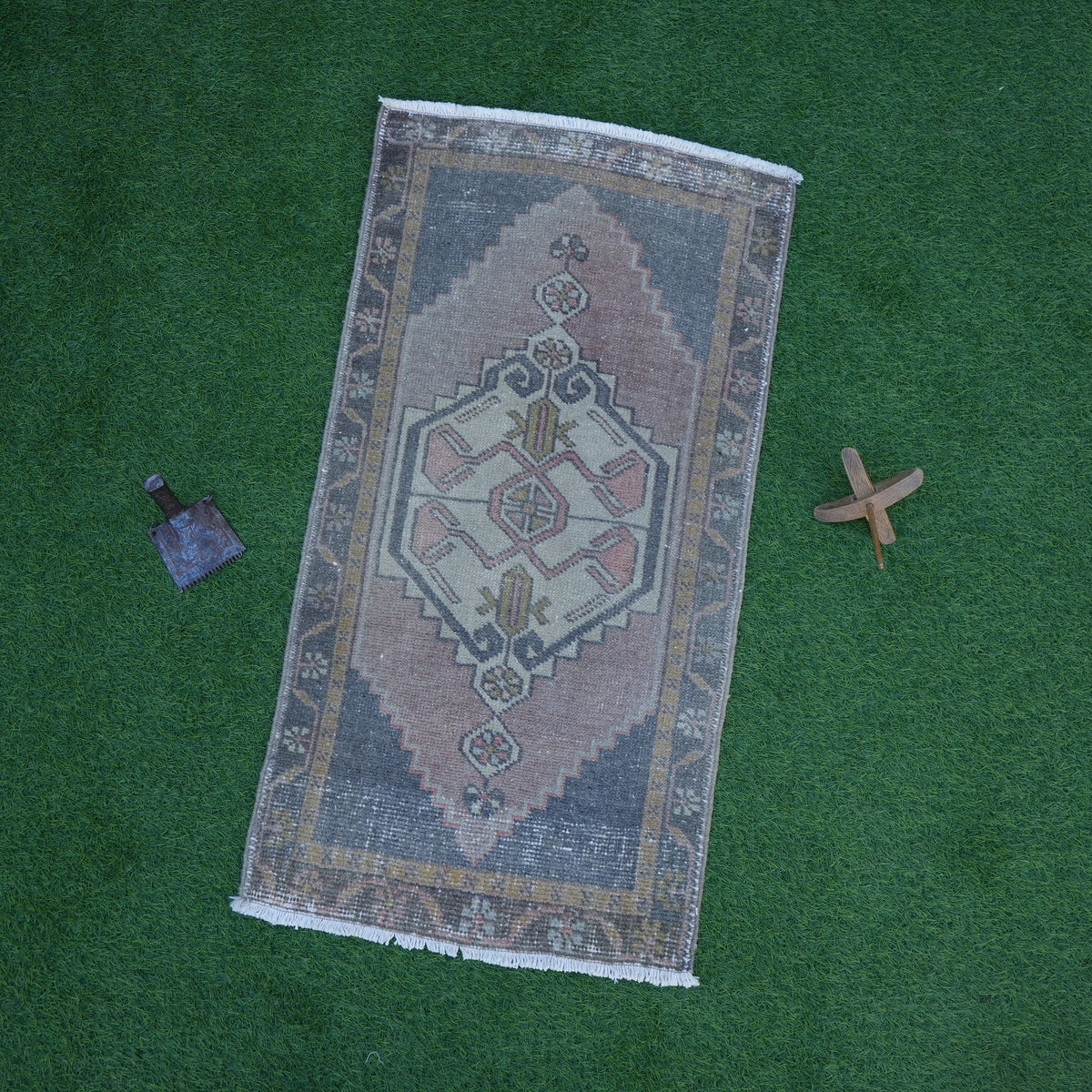
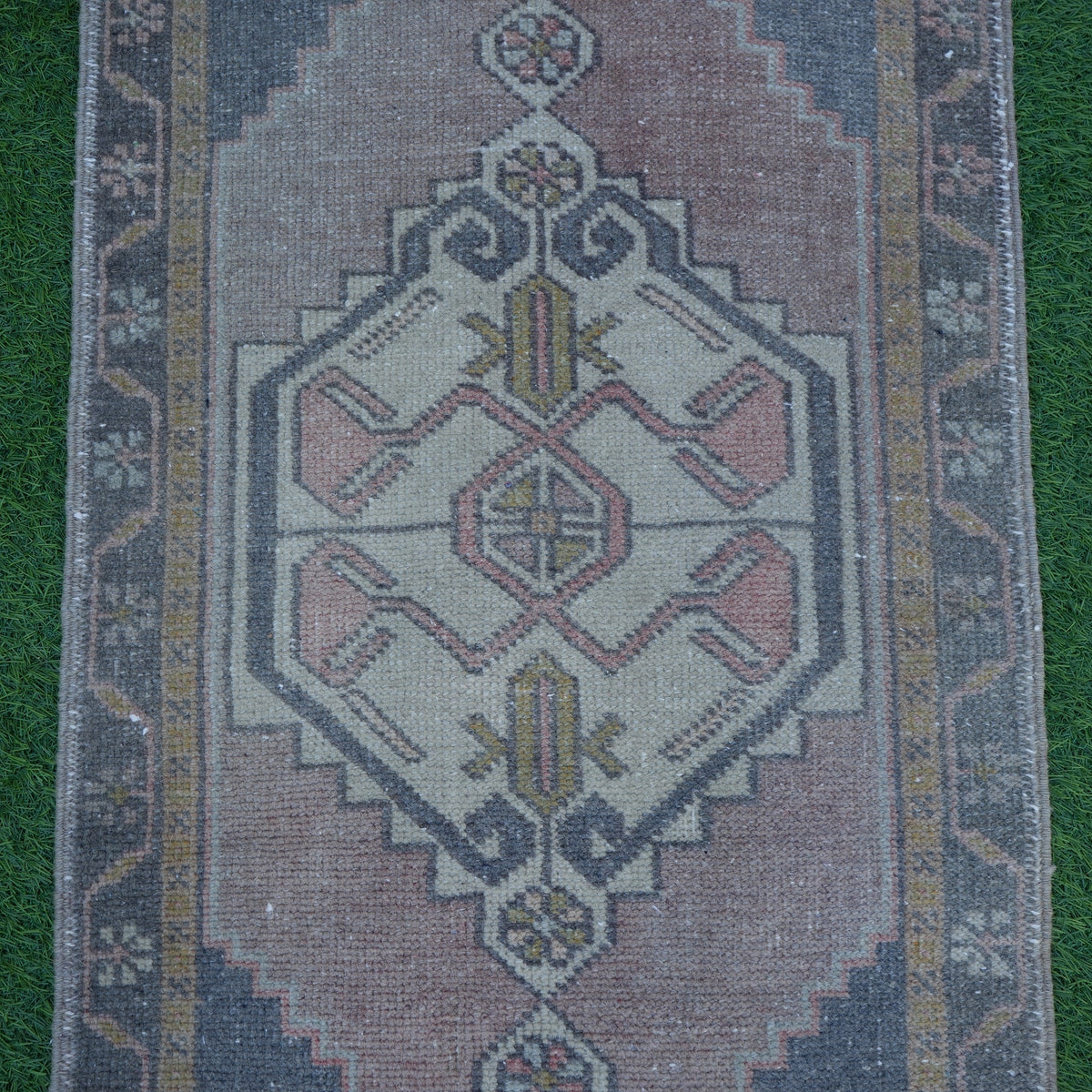
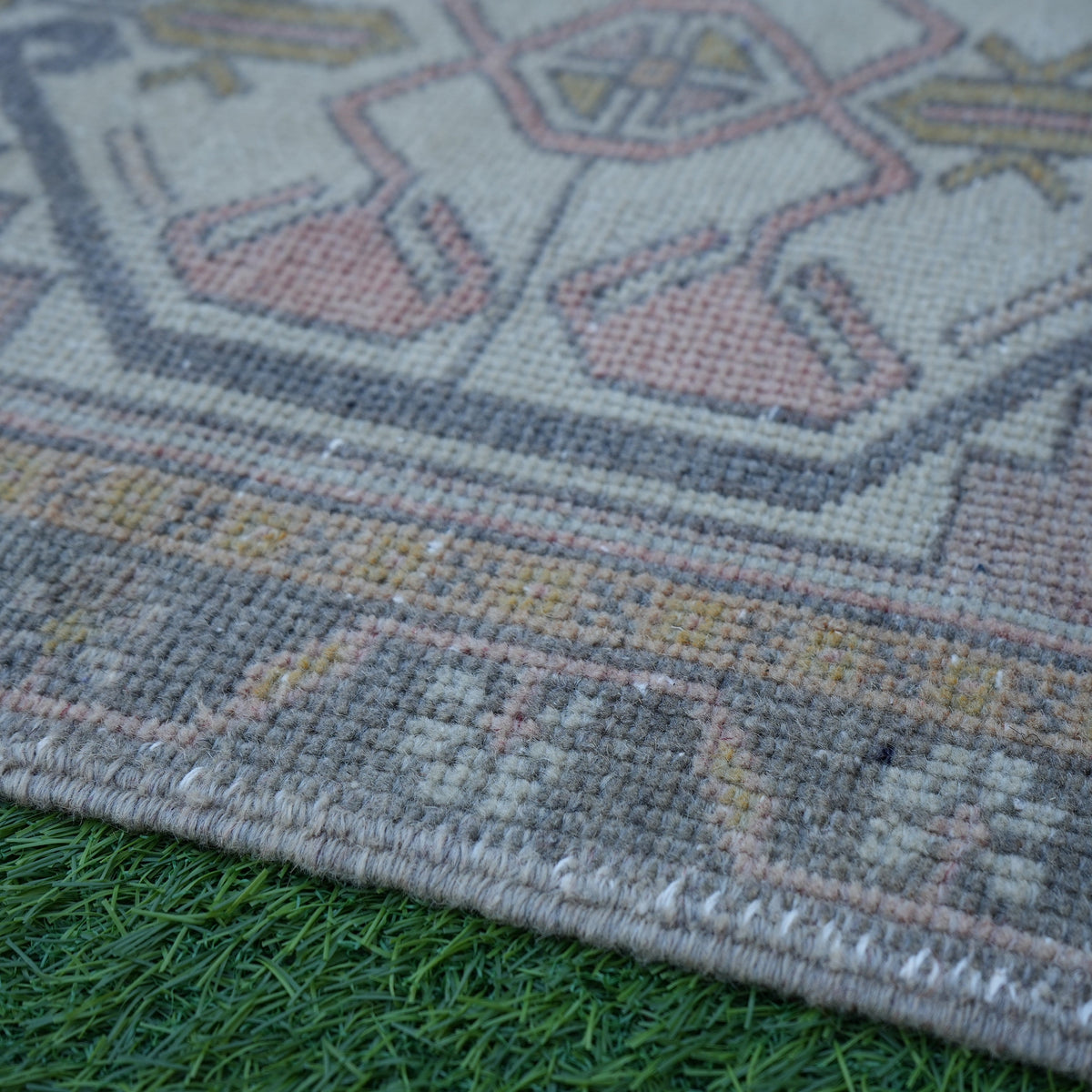
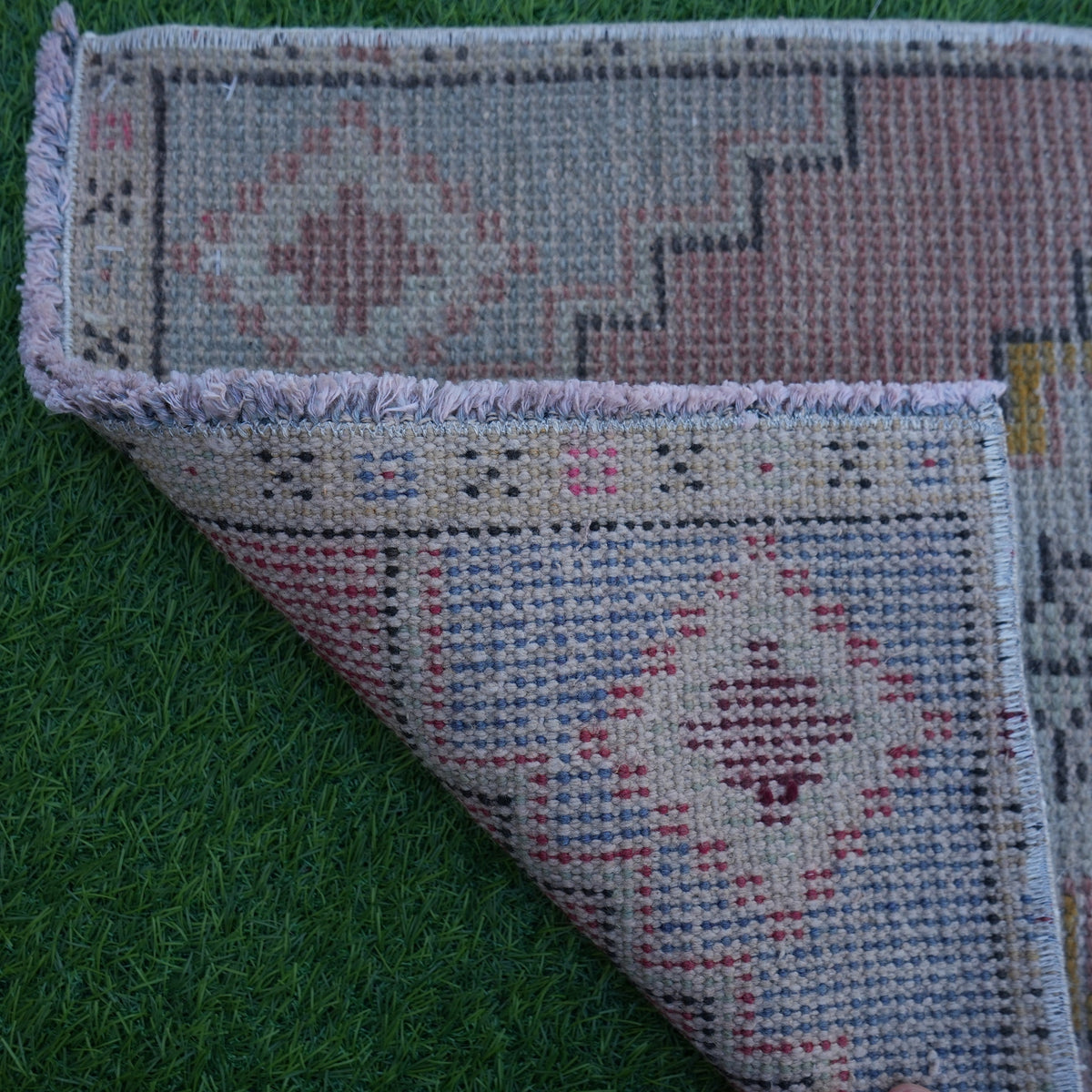
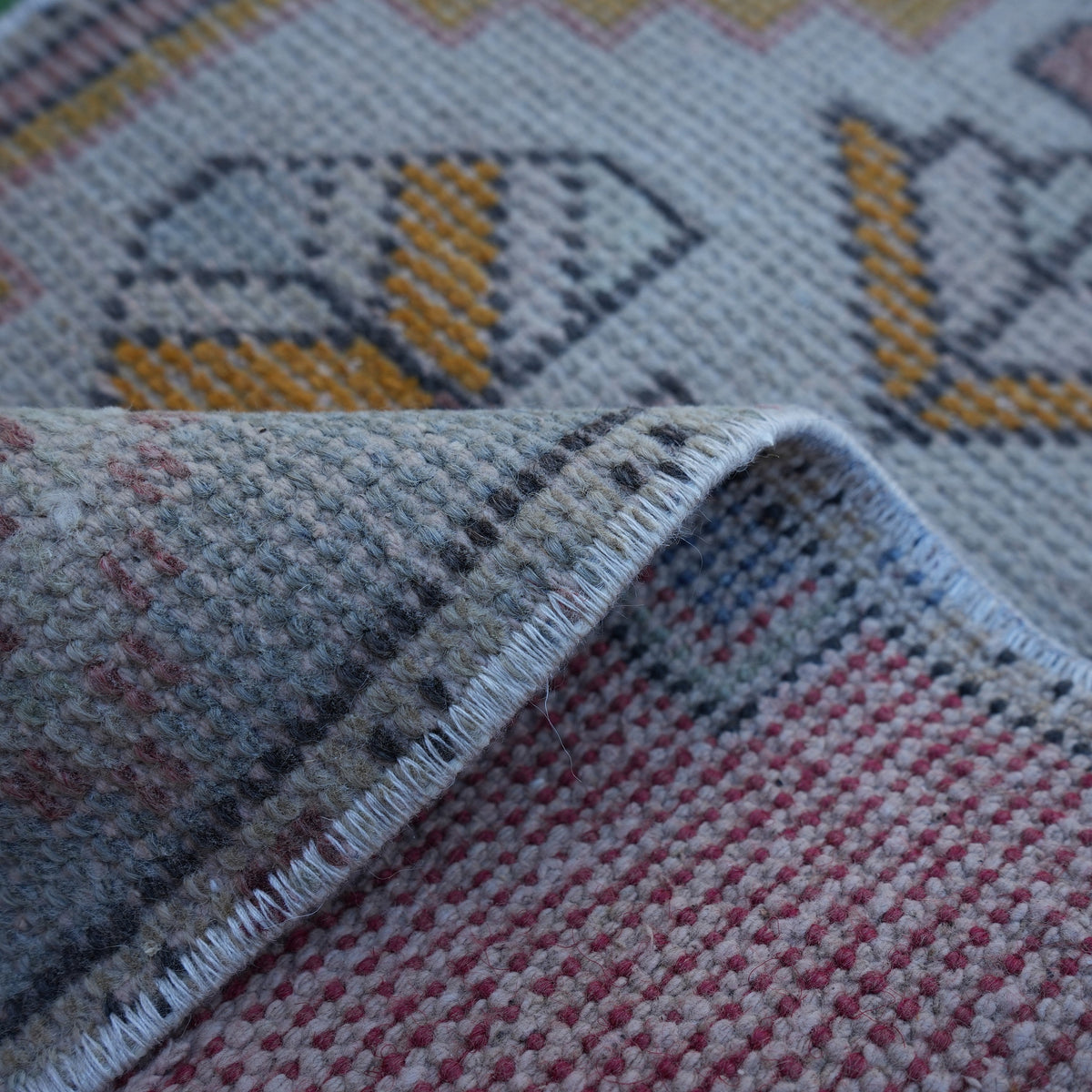
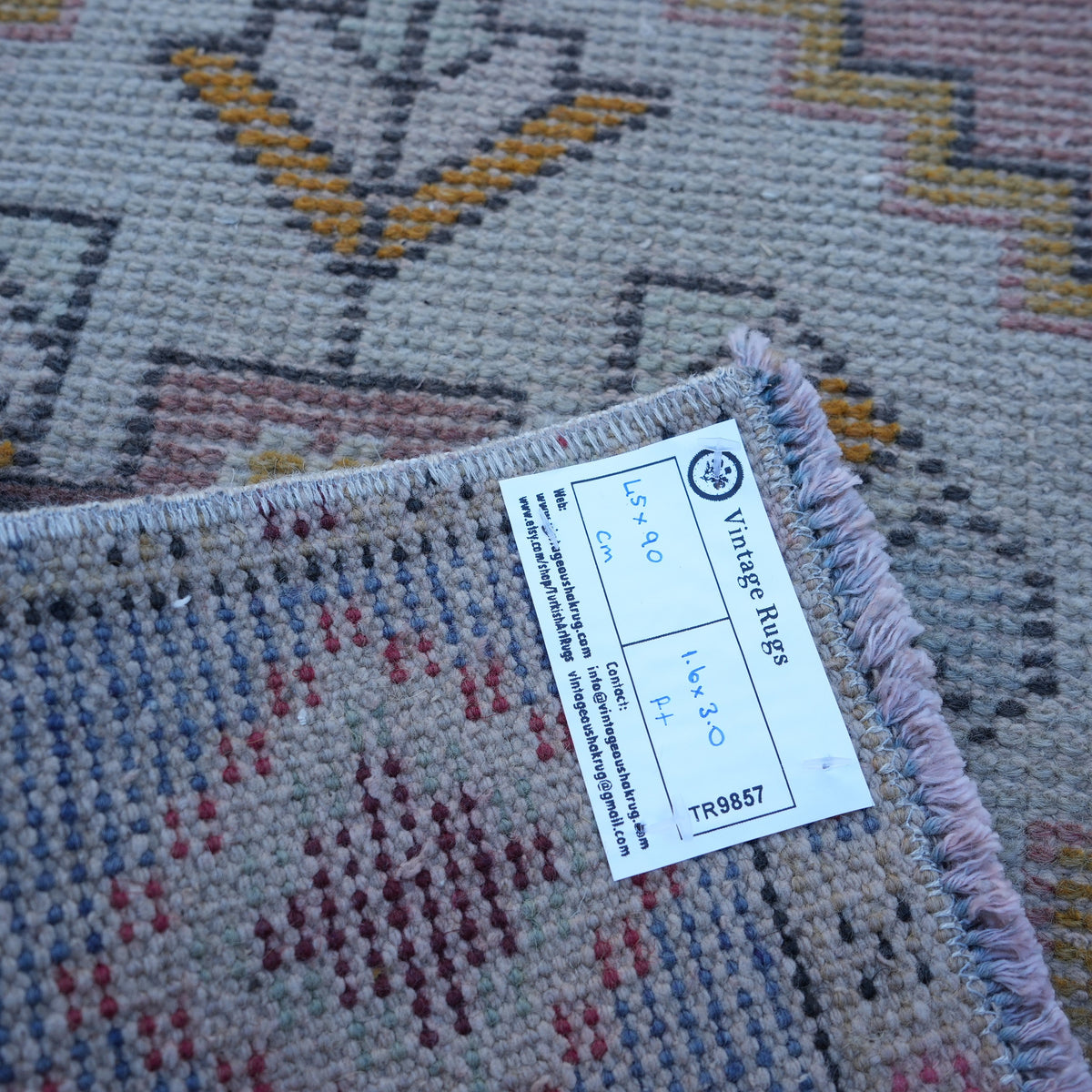
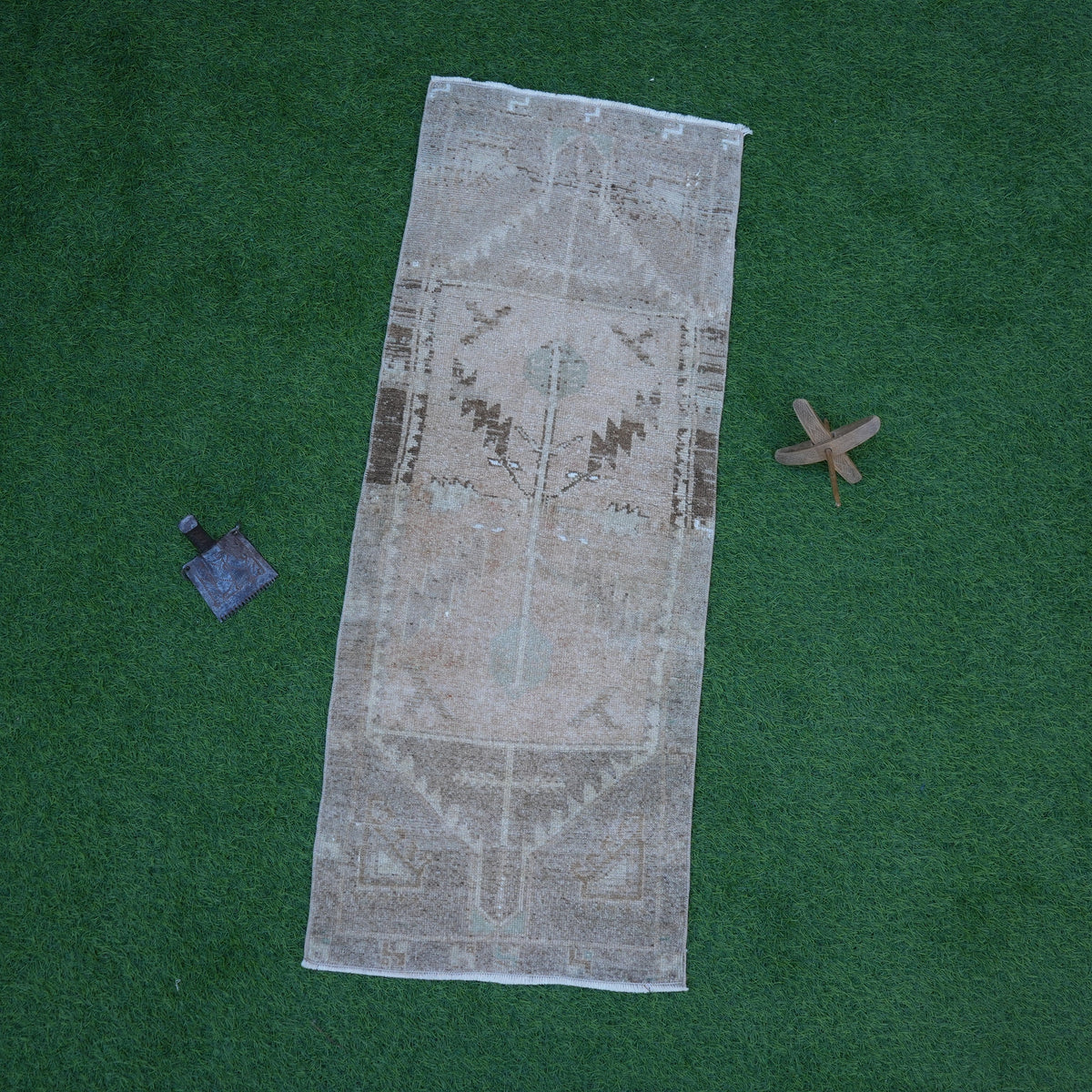
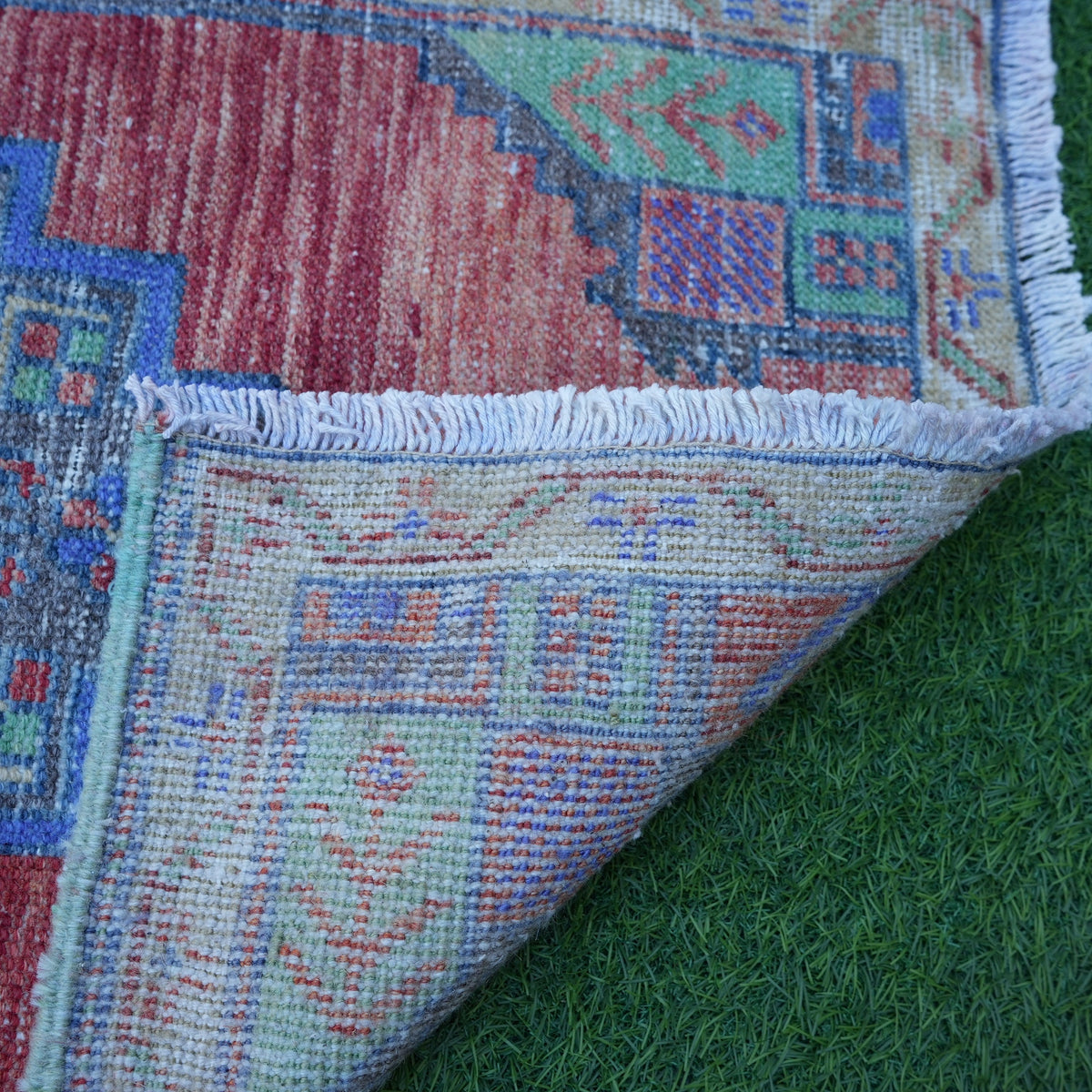
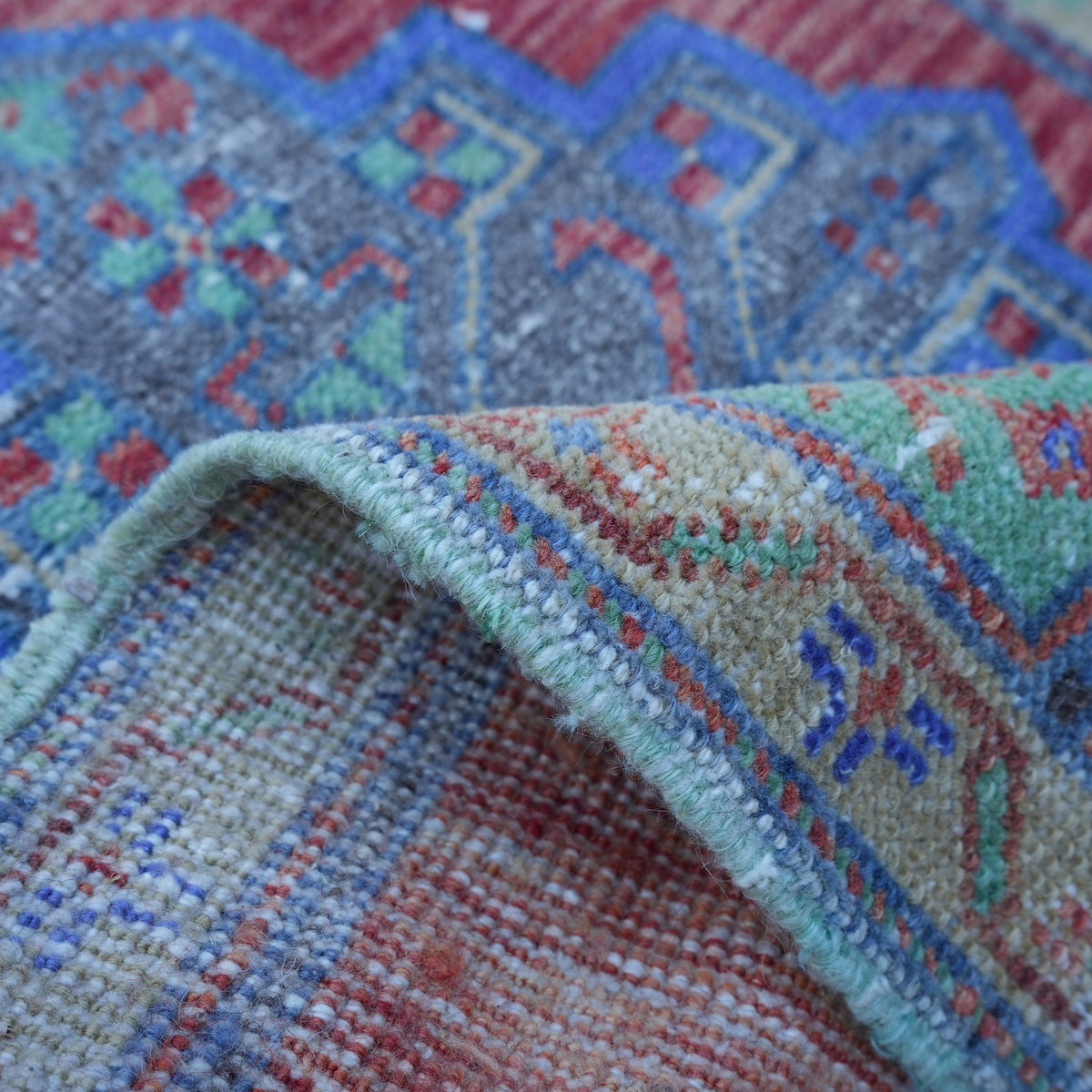
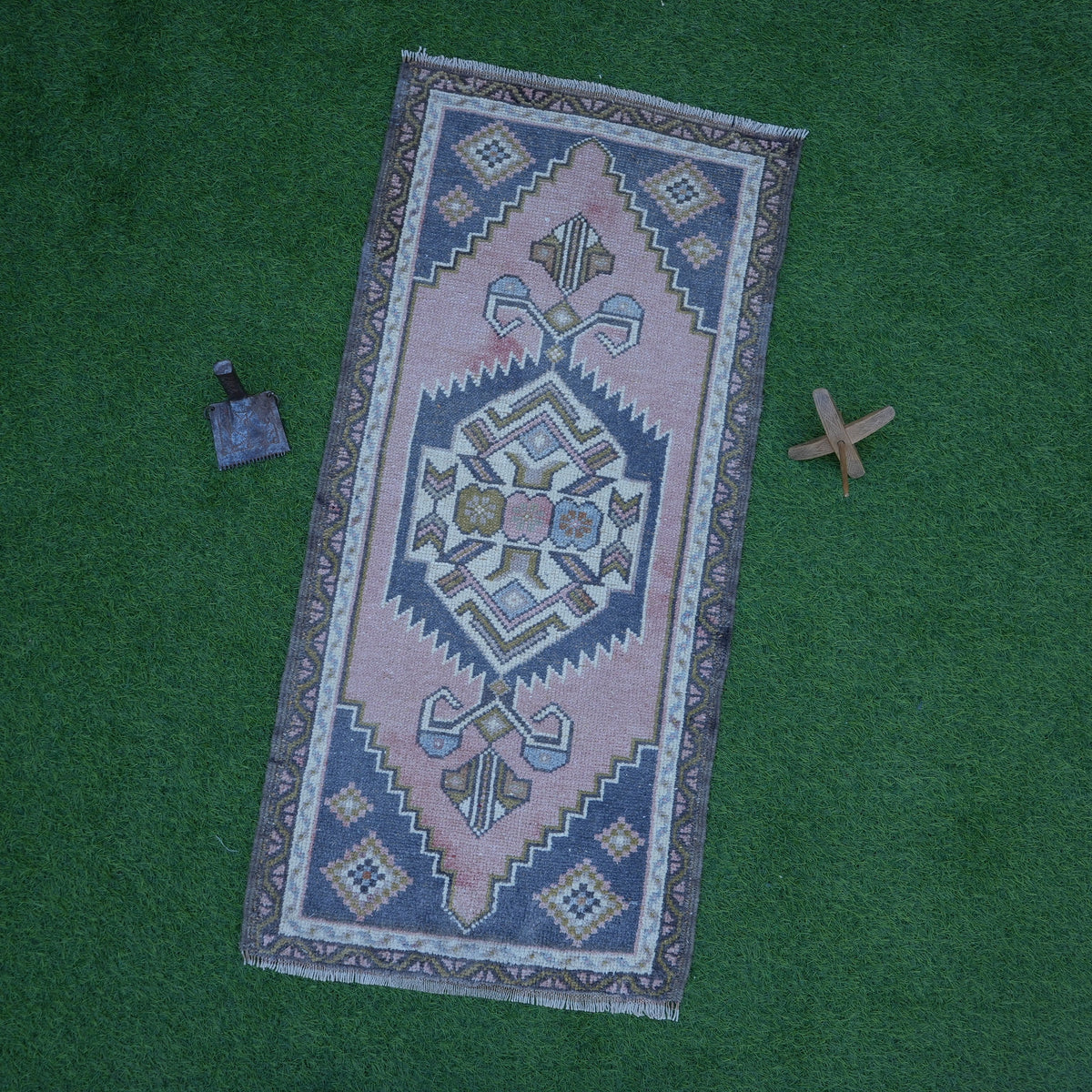
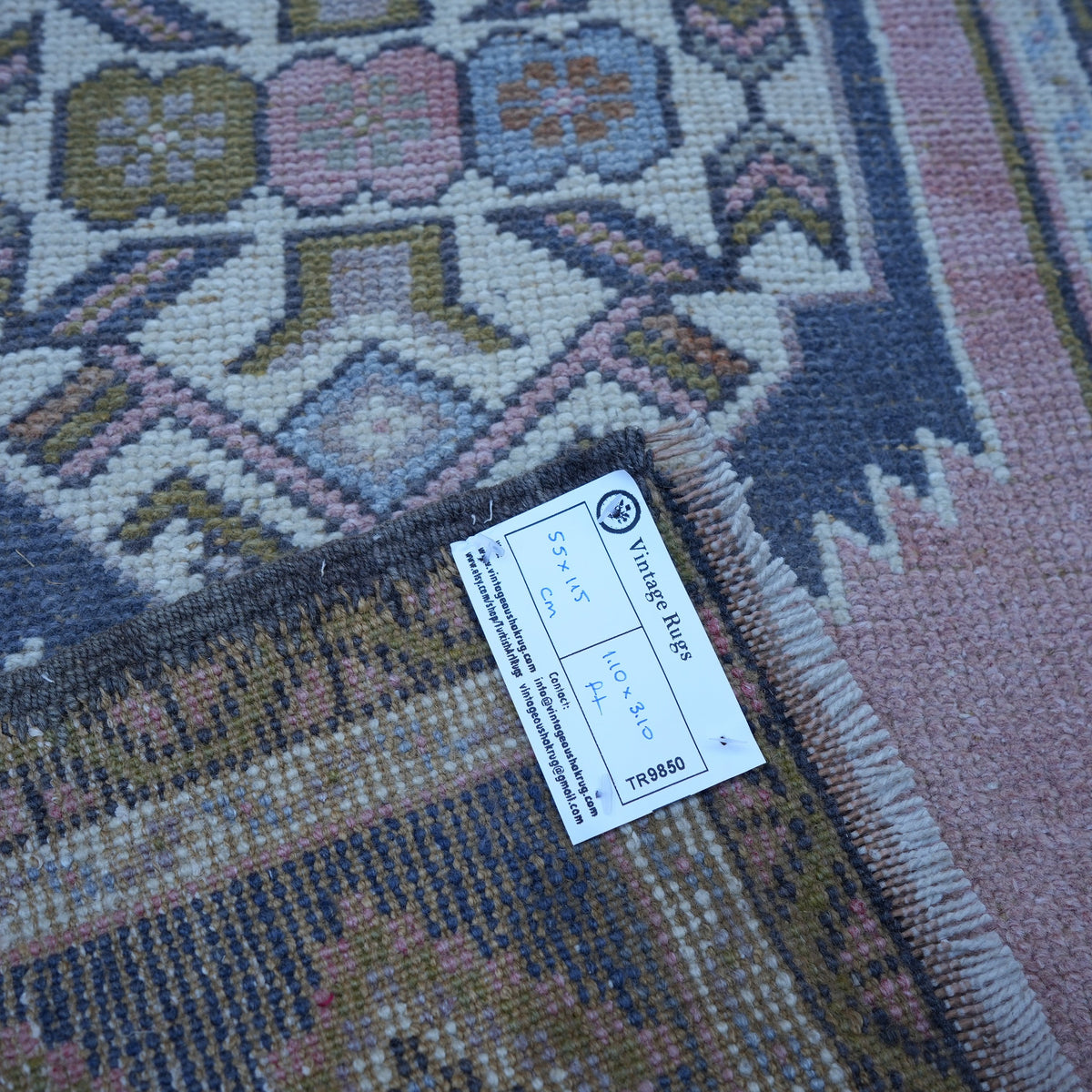
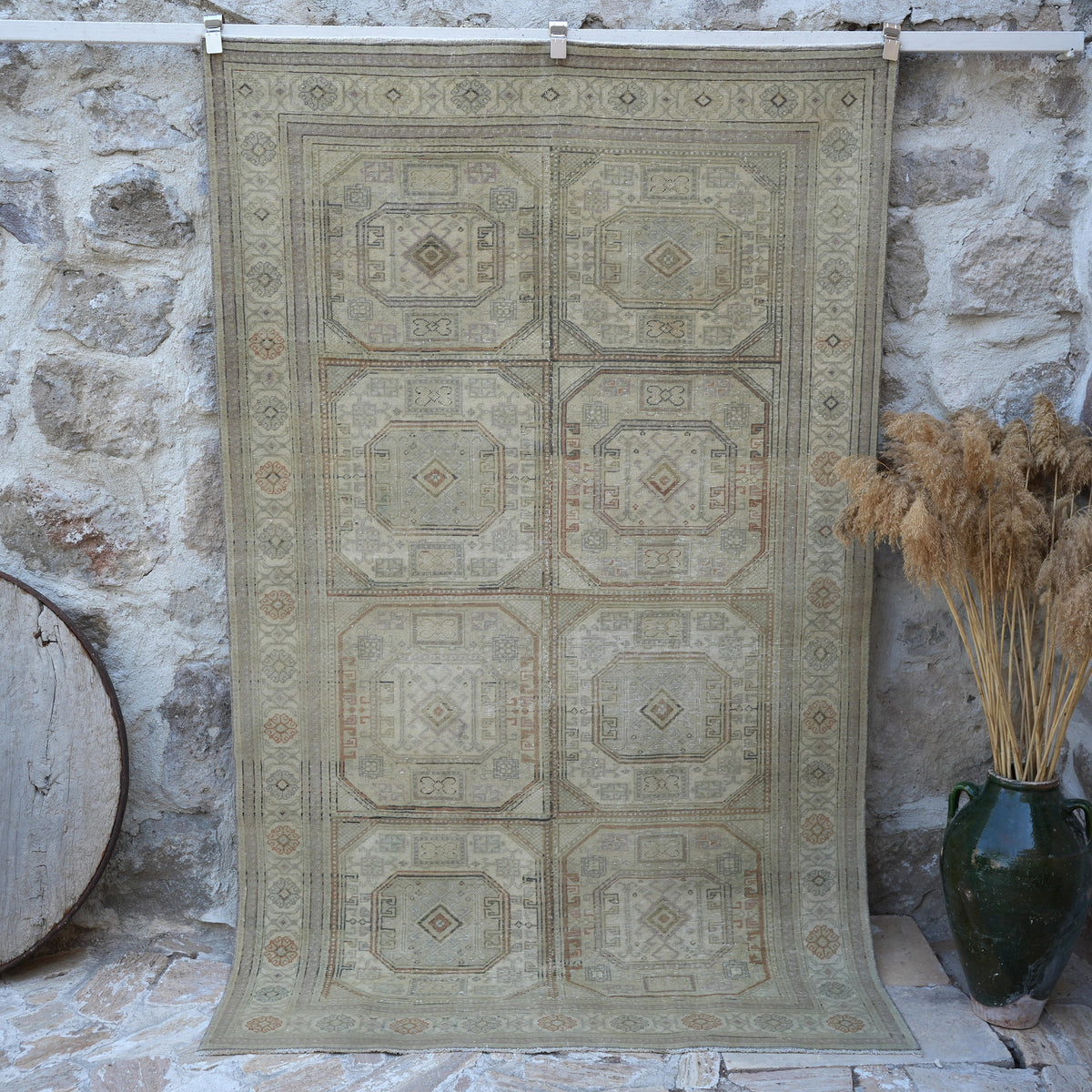
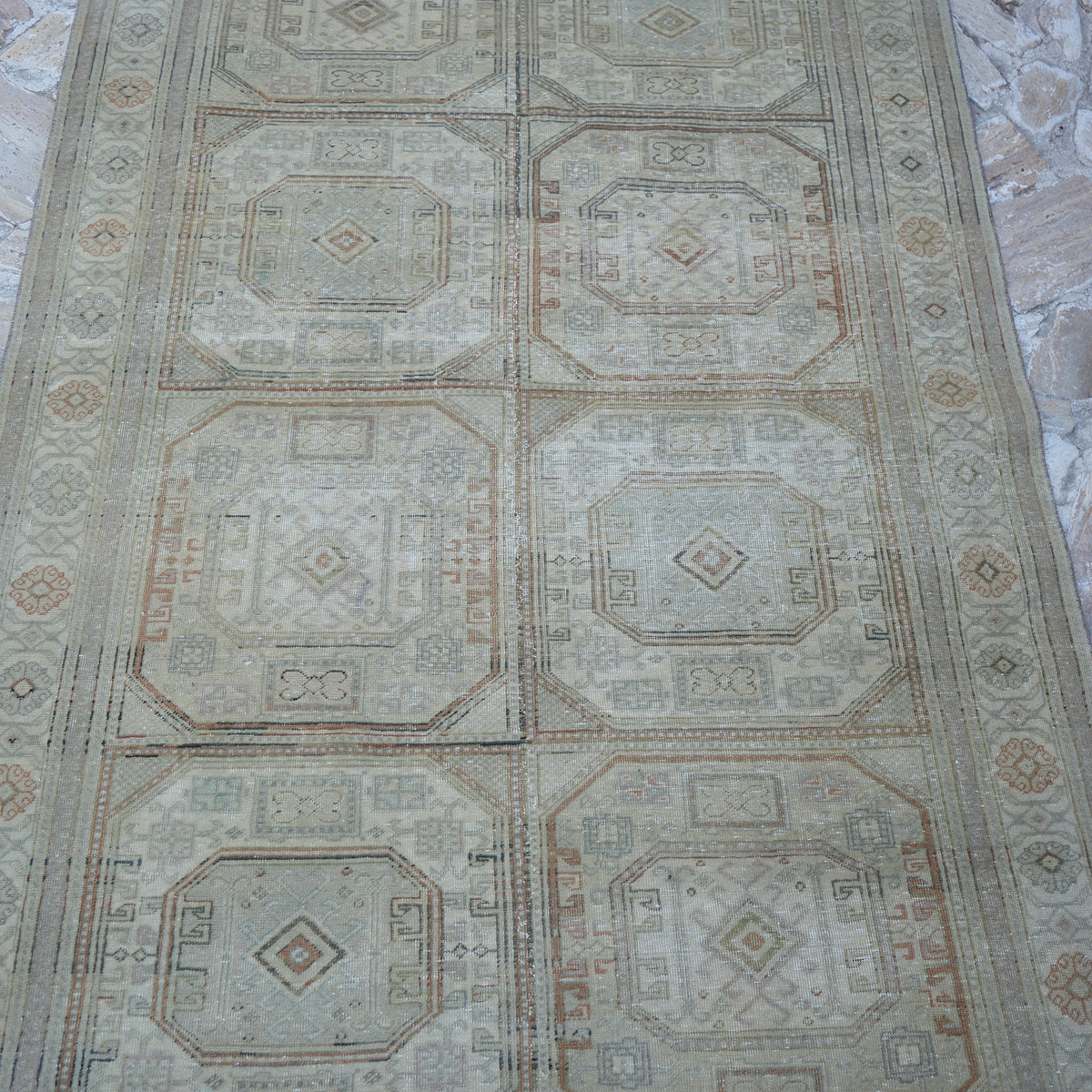
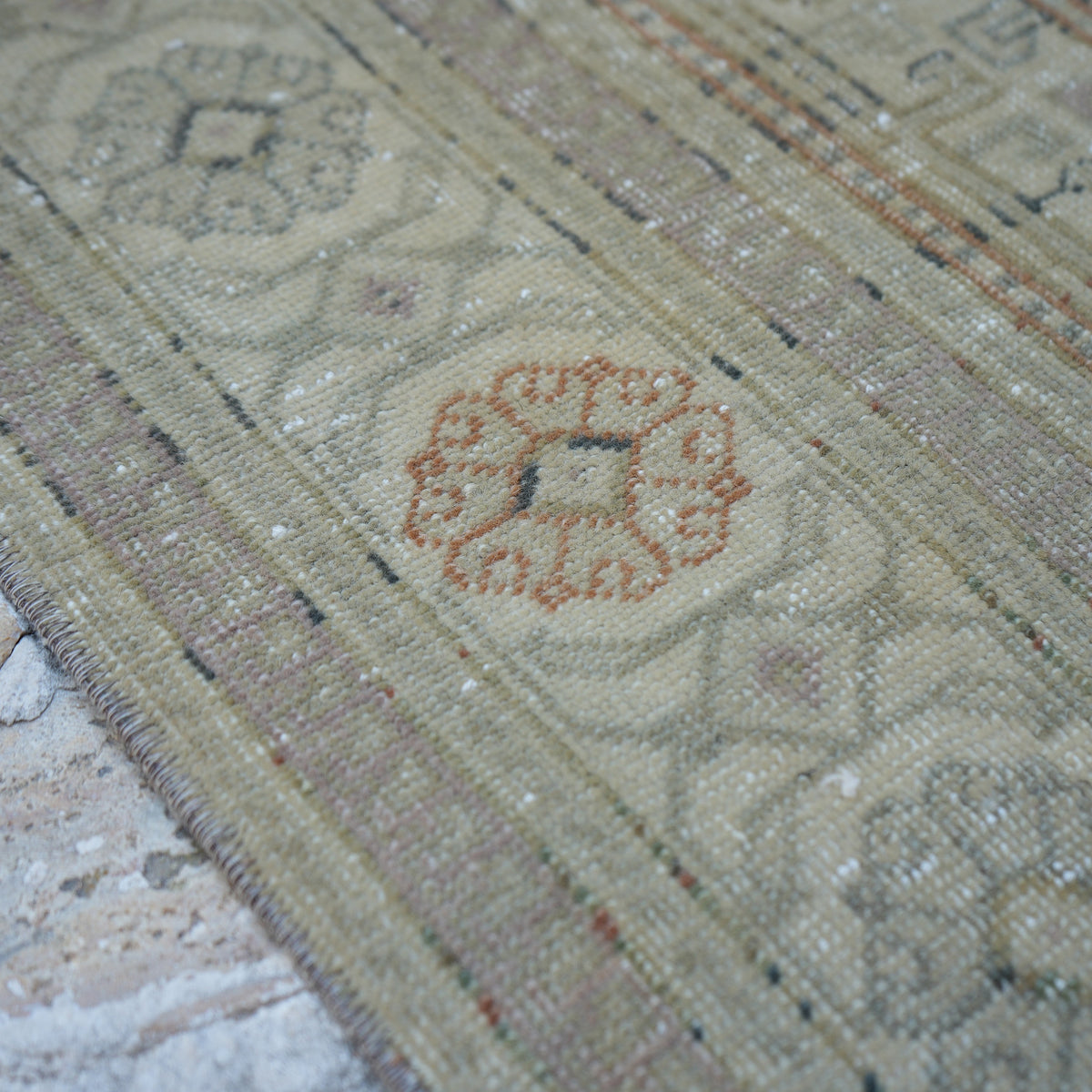
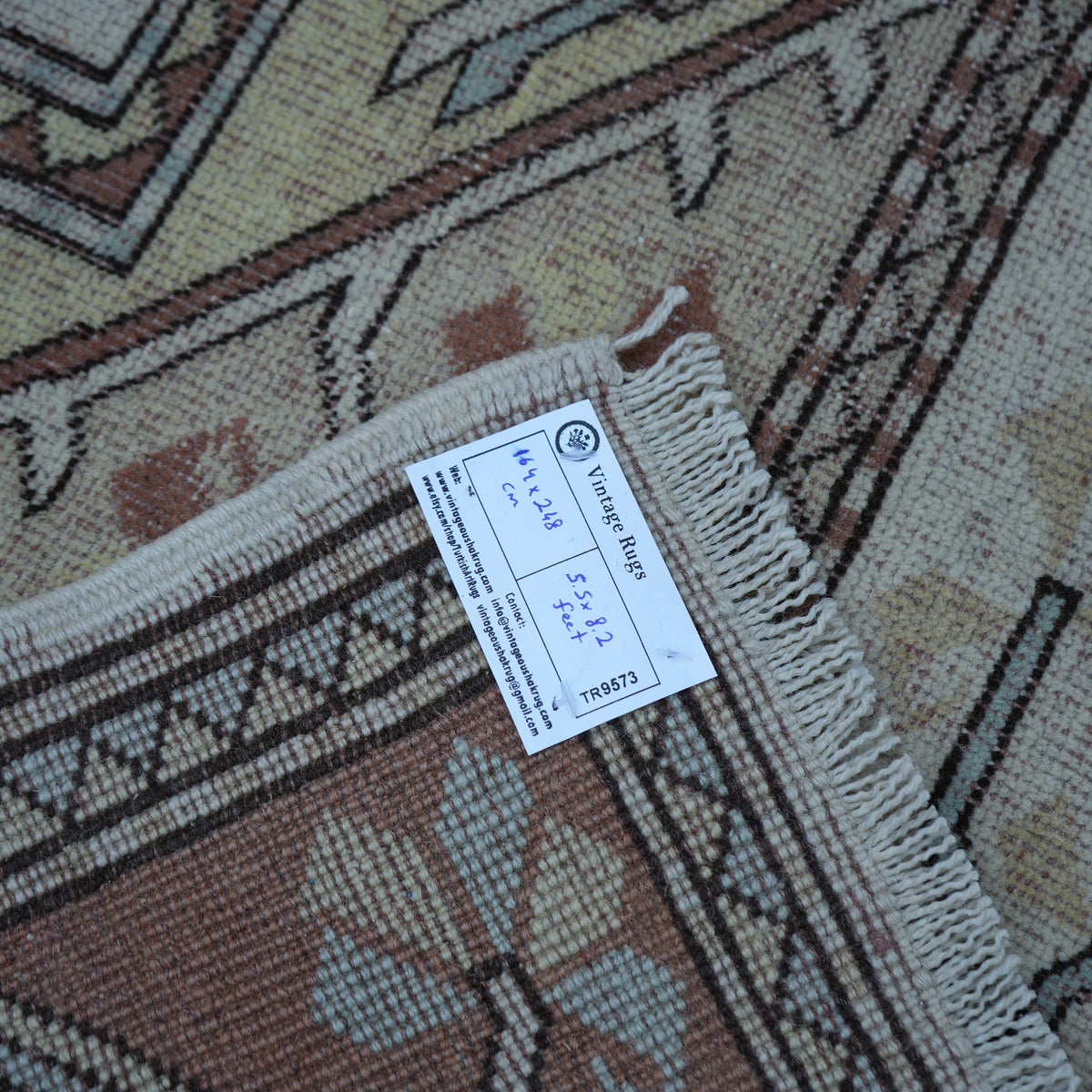
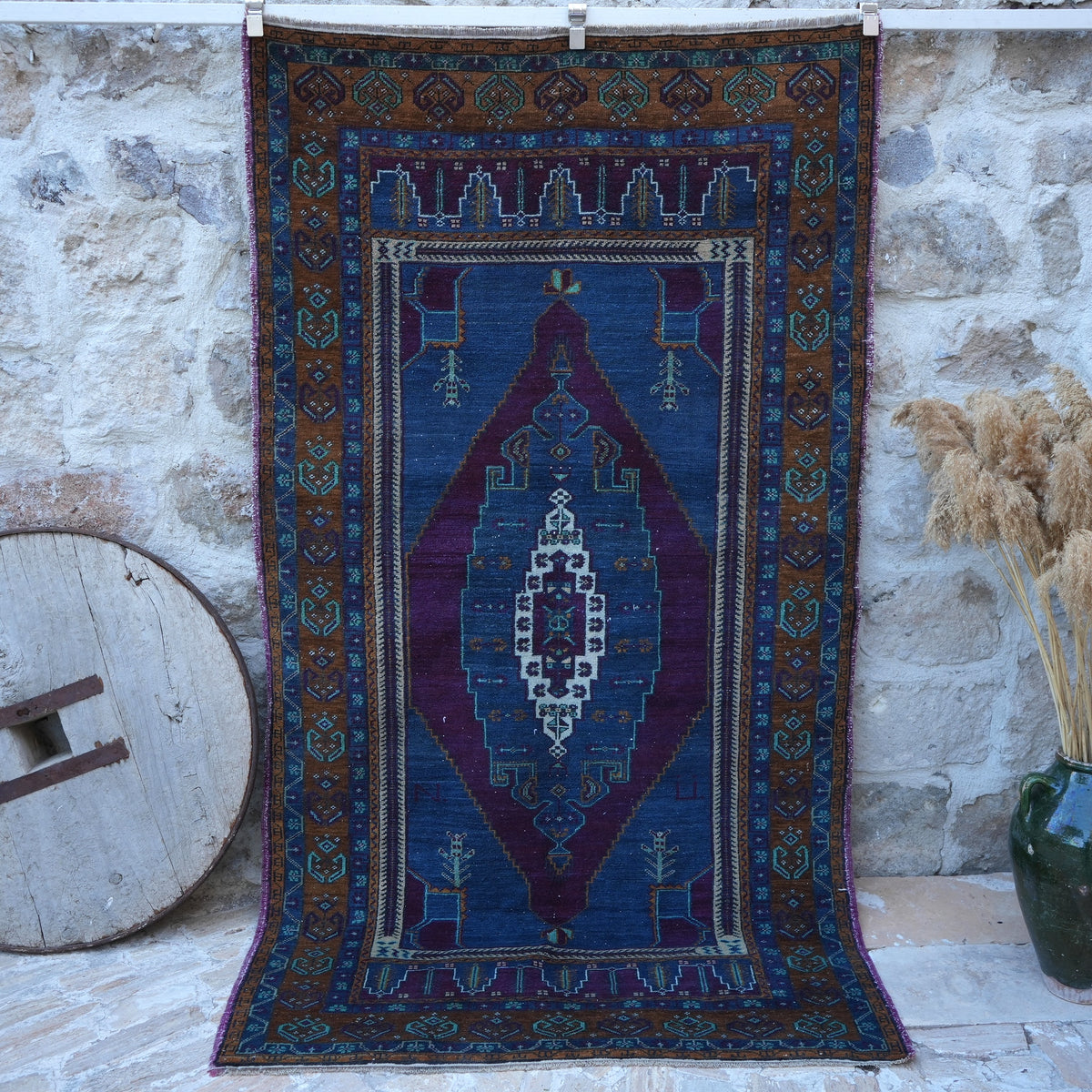
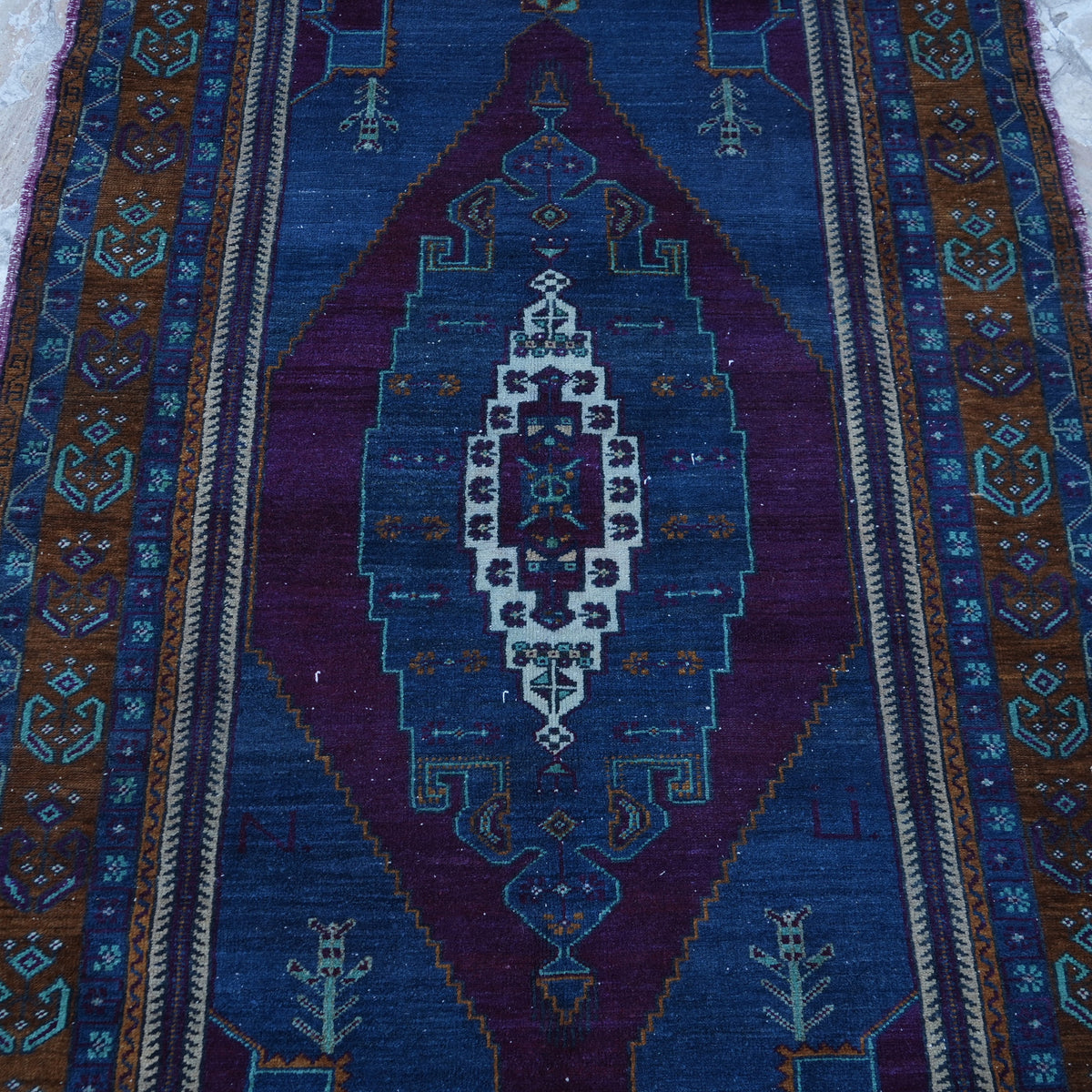
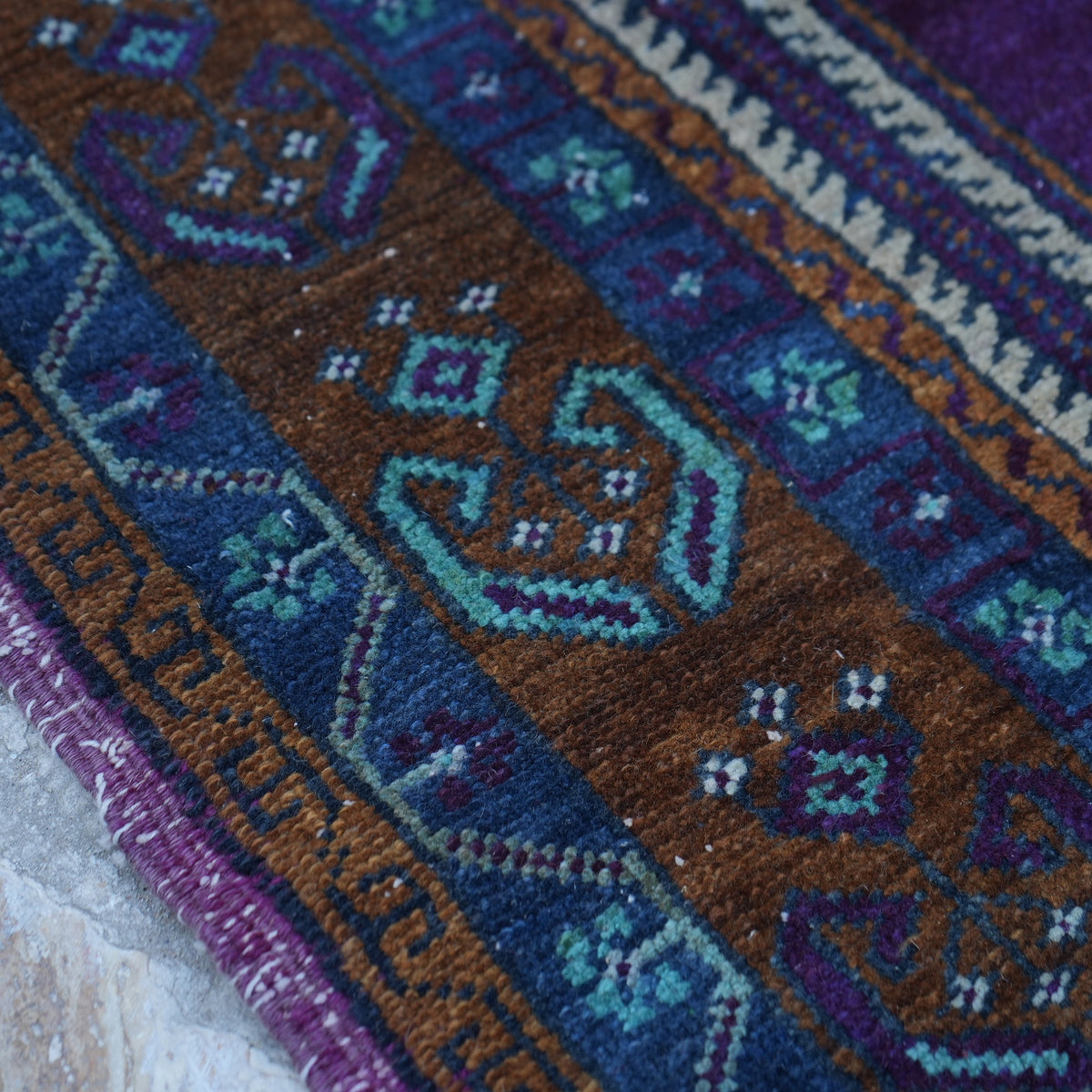
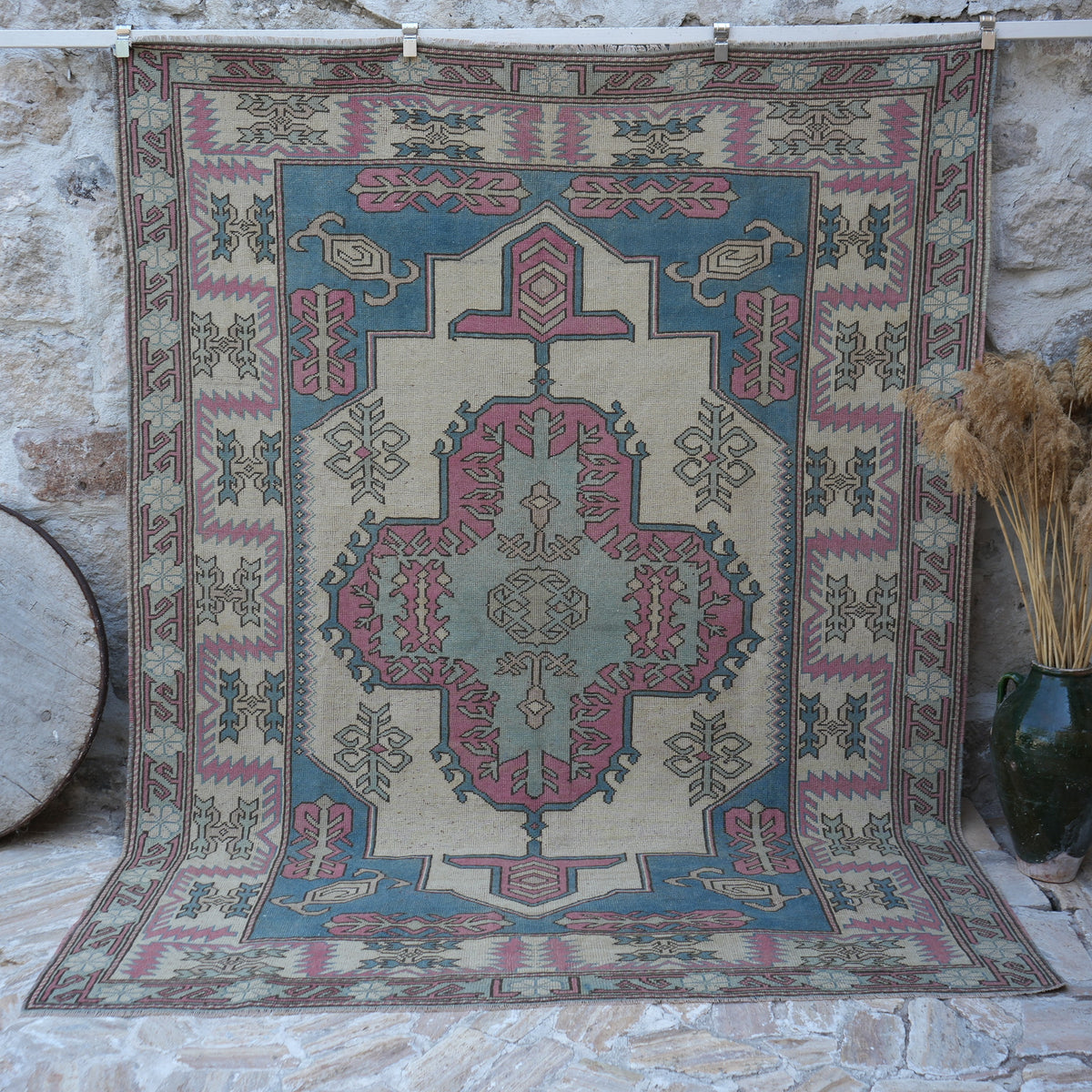
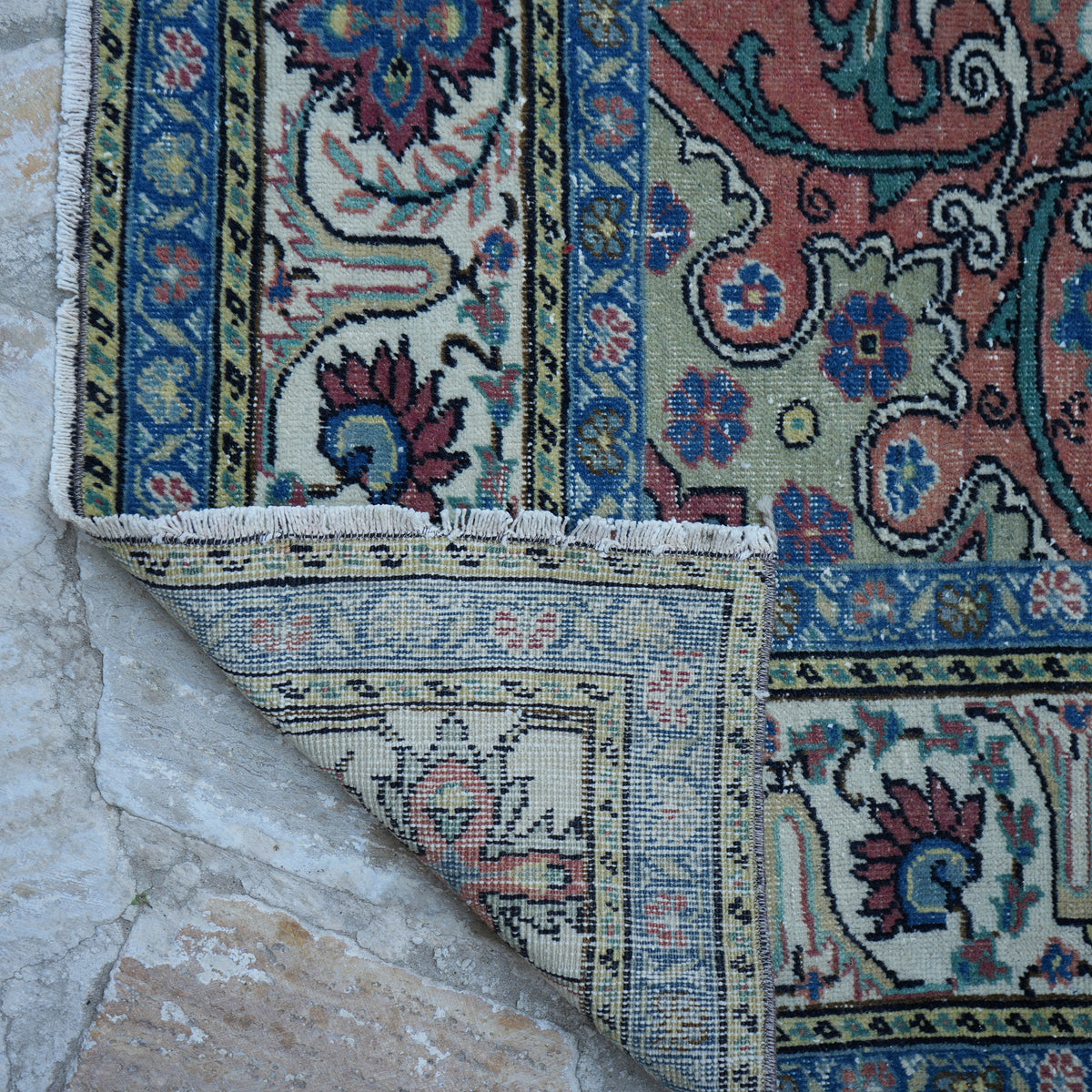
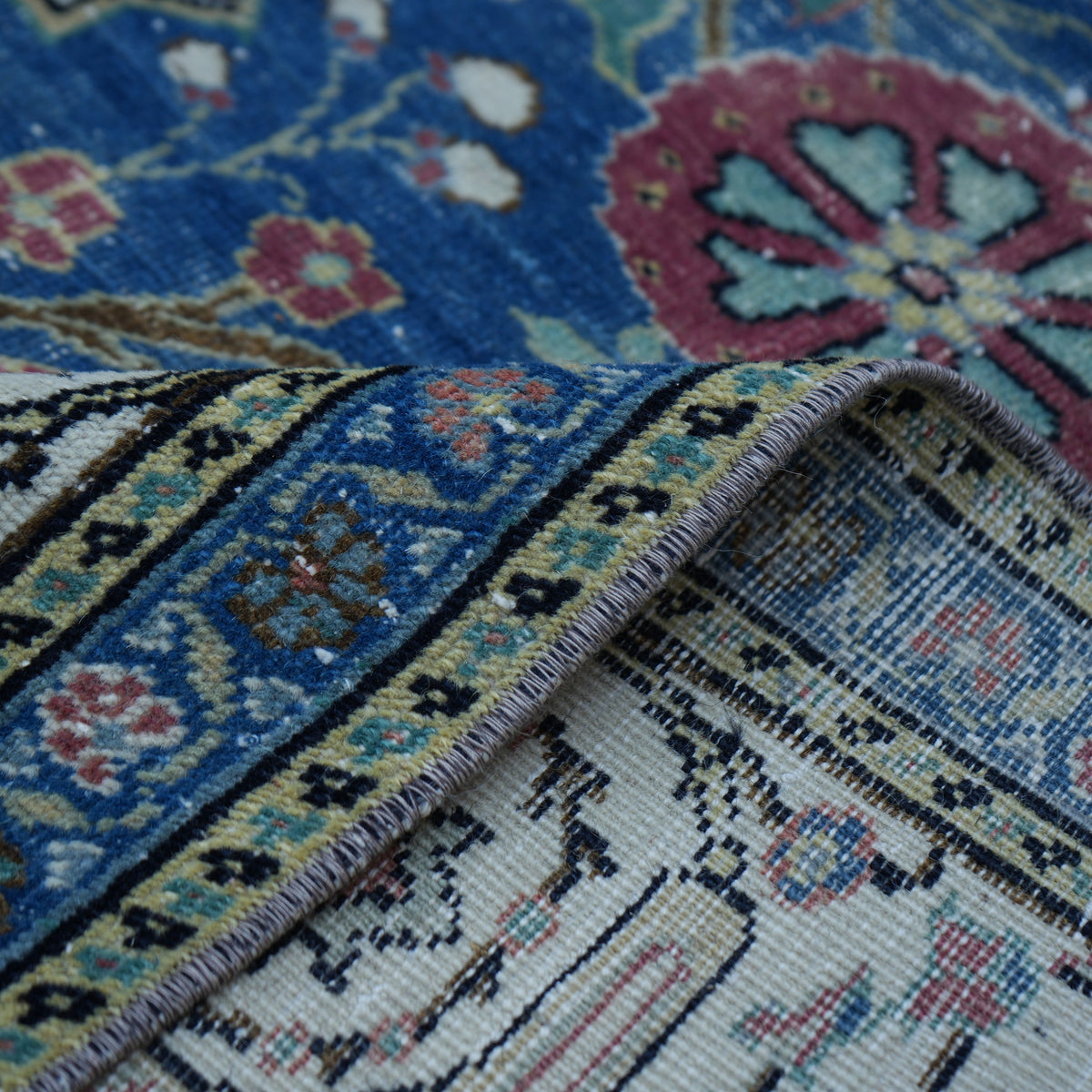
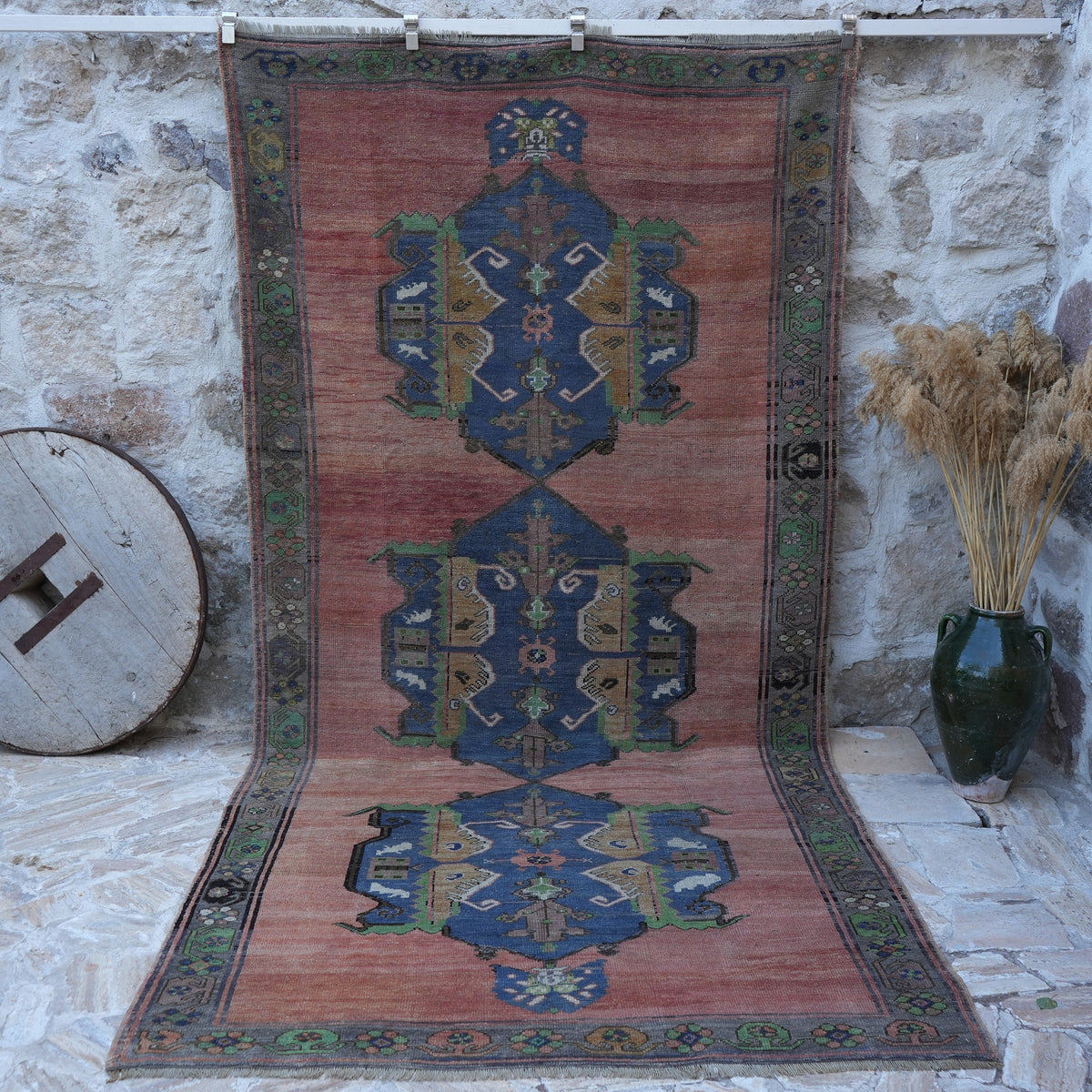
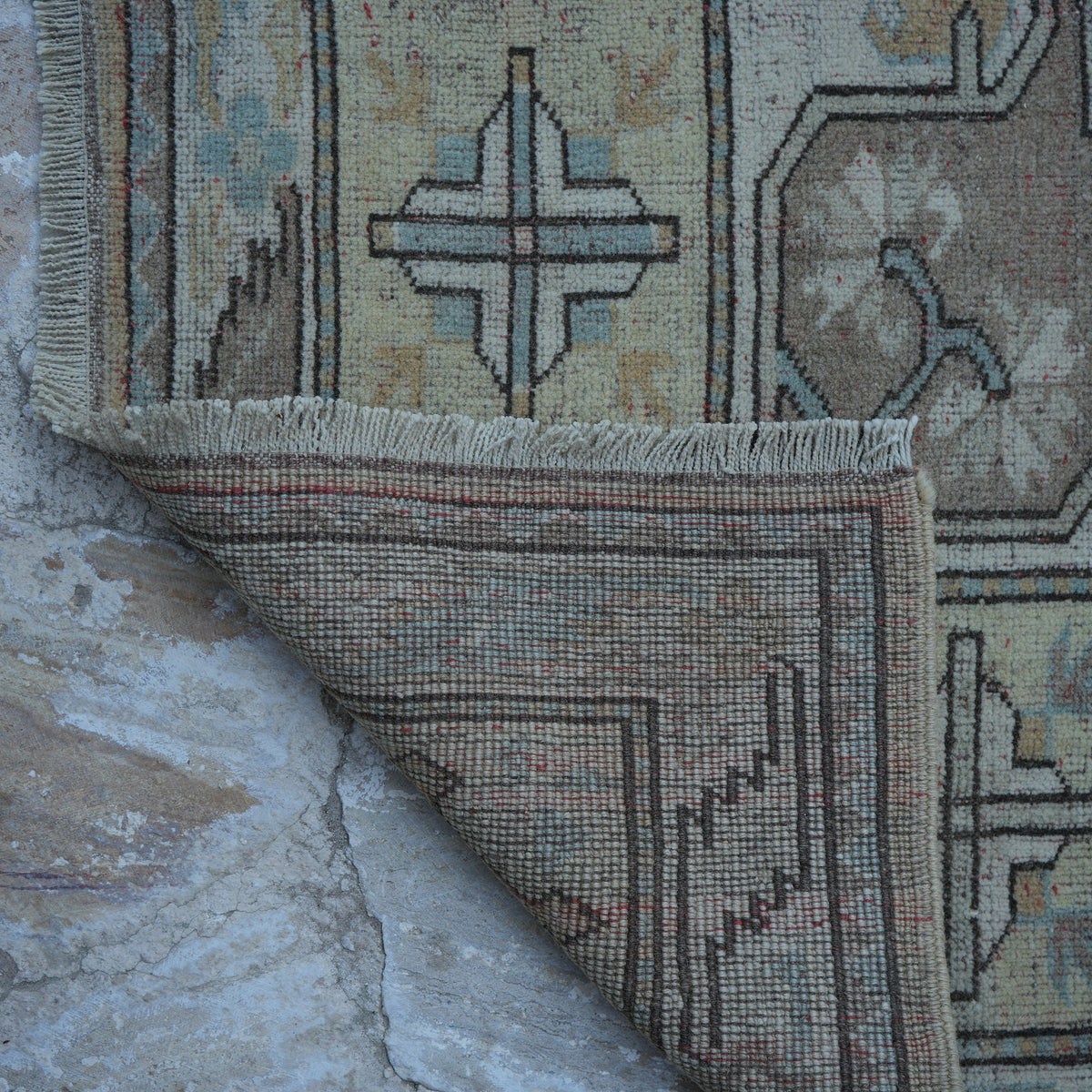
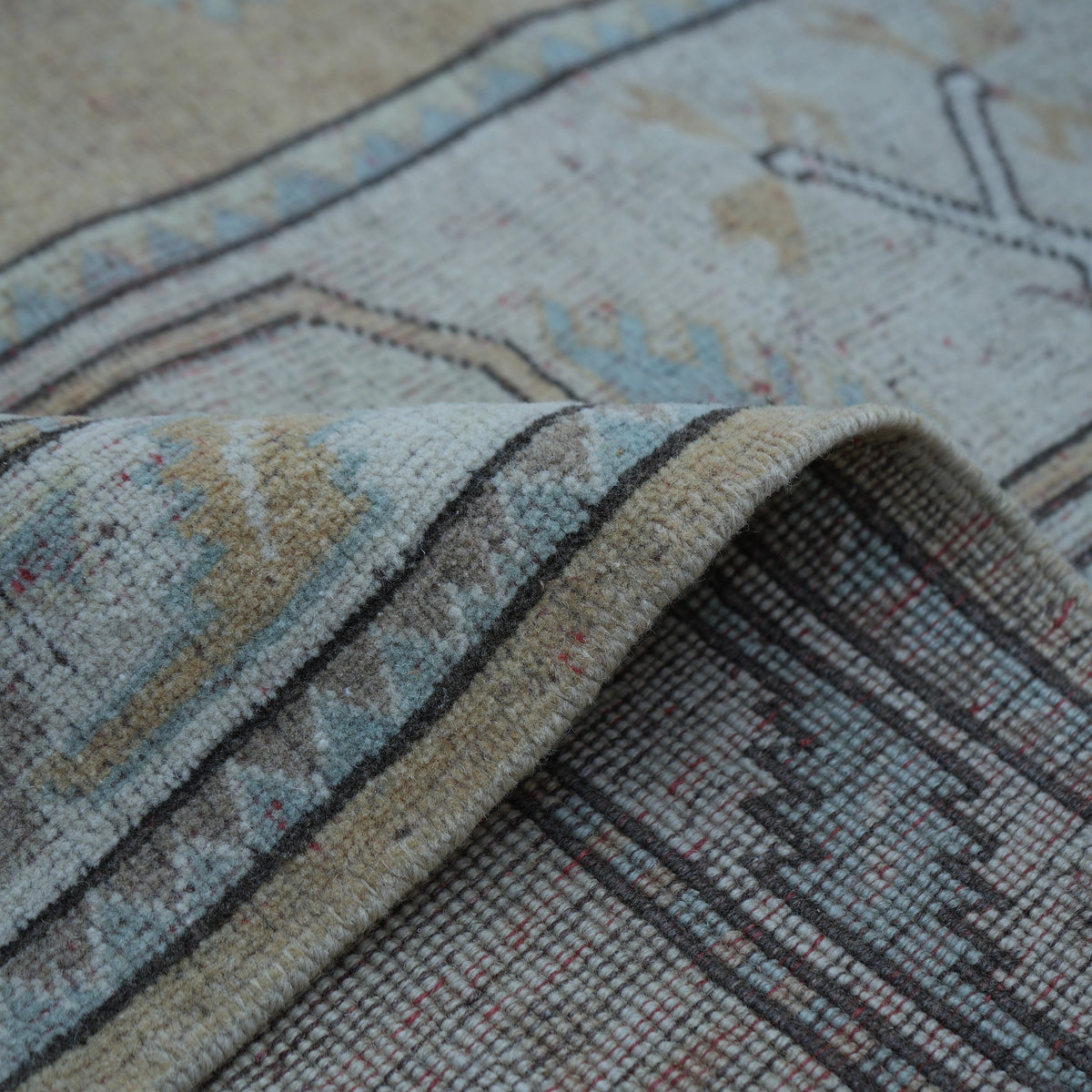
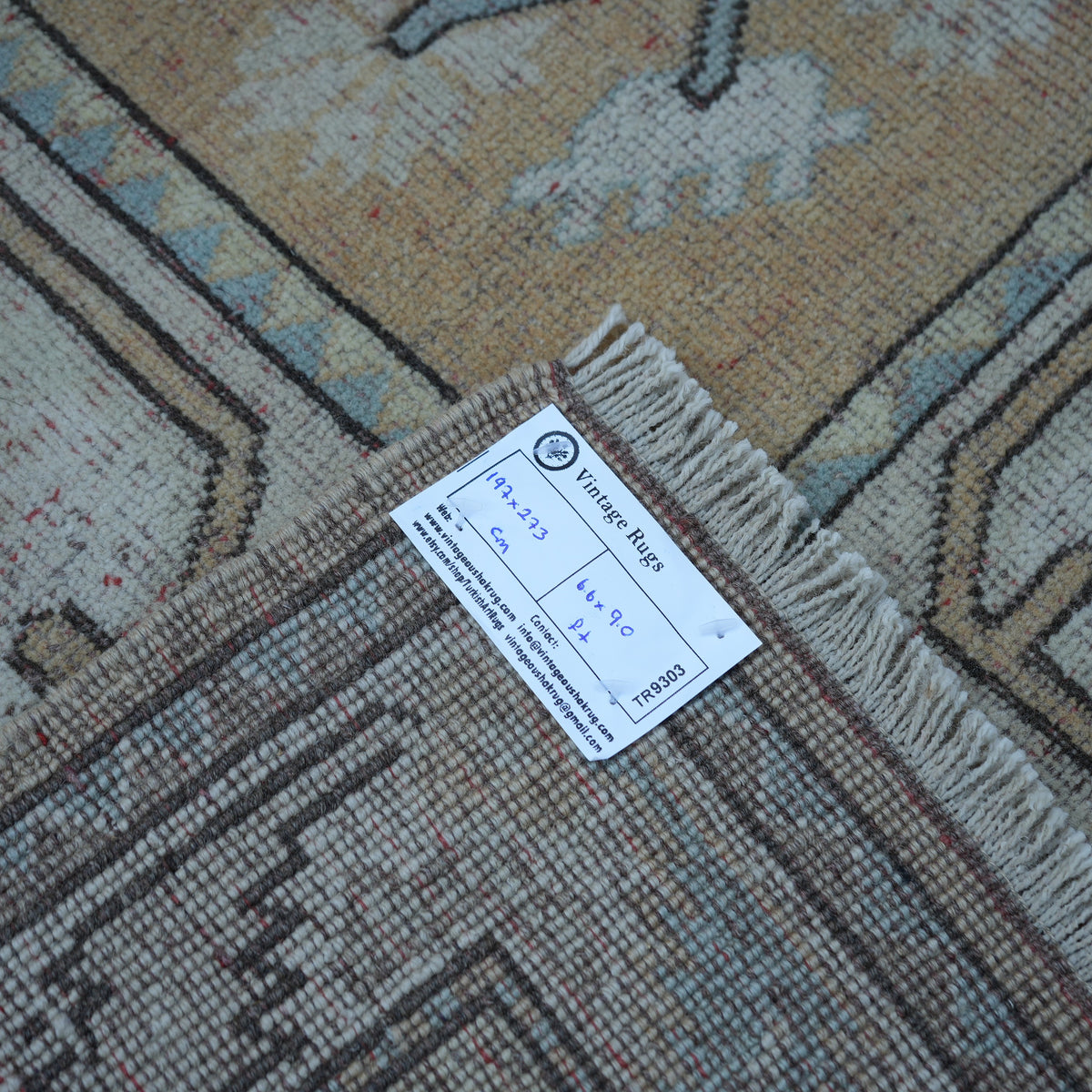
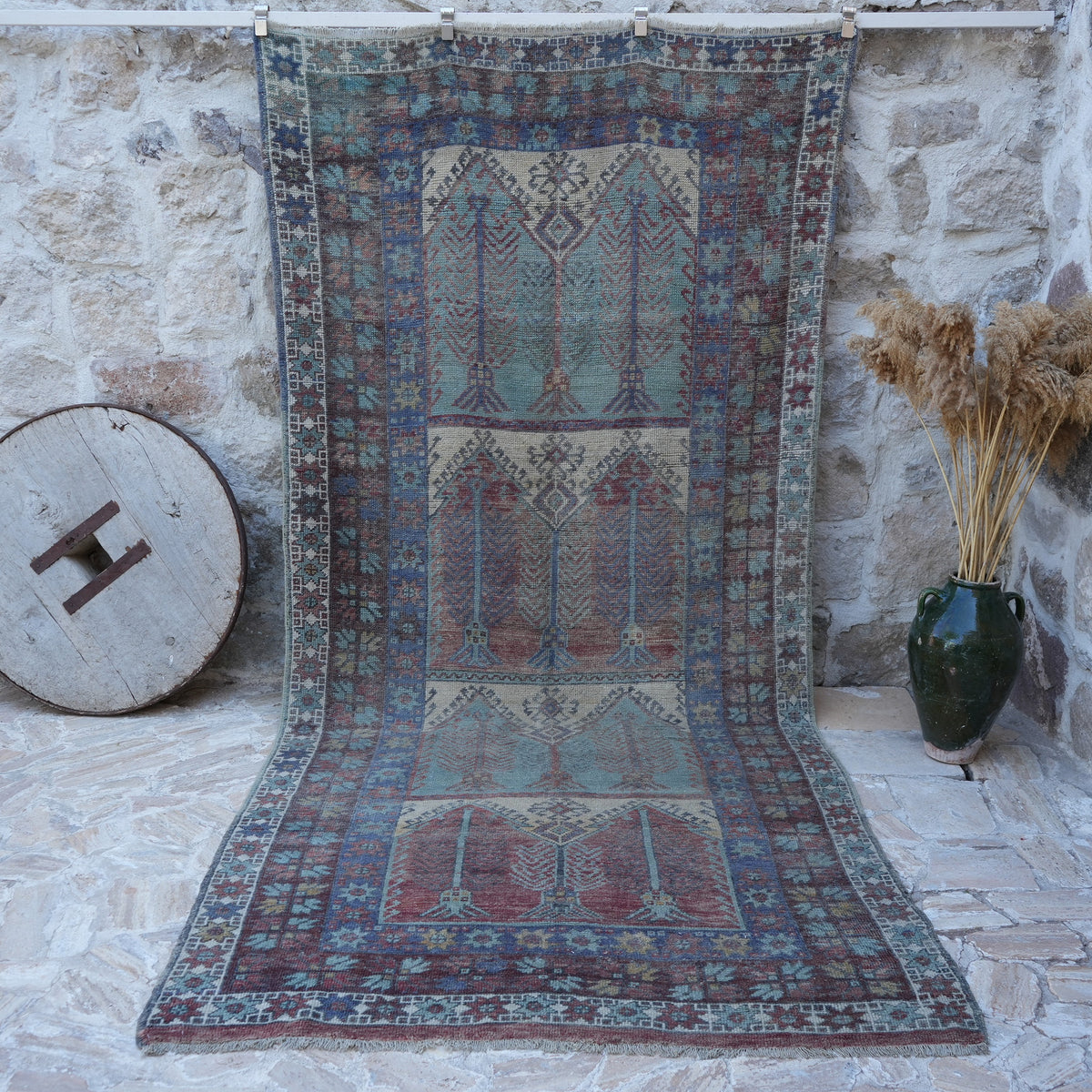




Frequently Asked Questions
What is the main difference between a rug and a carpet?
The main difference is portability and coverage. A rug is a freestanding floor covering that defines a specific area of a room and can be moved without tools. A carpet — most commonly wall-to-wall — covers the entire floor and is fixed in place with adhesive or tack strips. In practical terms: a rug travels with you when you move. A carpet stays with the building.
Is an 8x10 considered a rug or a carpet?
An 8x10 sits at the boundary, but it functions as carpet territory. At that size, the piece covers most of a standard American living room floor — it stops defining a seating zone and starts filling the room itself. At Kirmen, we draw the line at 8x10 and above as carpet territory, even when the piece is not fixed to the floor.
Can you put a rug on top of carpet?
Yes, and it is one of the most practical moves available to renters. A well-chosen rug layered over existing carpet can completely change how a room reads — adding color, texture, and a visual anchor to a space you cannot otherwise touch. Use a thinner rug for this, such as a flat-woven kilim, so the surface stays stable underfoot.
Which is better for allergies — a rug or wall-to-wall carpet?
A removable rug is meaningfully better. Wall-to-wall carpet traps dust mites, pet dander, and particulates deep in fixed pile where standard vacuuming cannot fully reach. A rug can be taken outside and properly cleaned — or replaced entirely when needed. Less surface area also means less accumulation overall. If allergies are a concern, a natural wool rug over a hard floor is the most manageable option.
How long does a handmade Turkish rug last?
A hand-knotted Turkish rug, cared for properly, lasts 50 to 100 years — many last longer. The key factors are natural wool construction, tight knot density, and occasional professional cleaning. Unlike synthetic carpets that degrade after 5–10 years, handmade wool rugs develop a patina with age rather than wearing out. Many Anatolian pieces woven in the mid-20th century are still in daily use today.
Are runners considered rugs or carpets?
Runners are always rugs, regardless of length. A 2x8, a 2x10, a 3x12 — the narrow, elongated form is designed to guide movement through a space, not cover it. No matter how long a runner is, it remains a rug in both function and category.
Does wall-to-wall carpet hurt home resale value?
In most cases, yes — particularly in main living areas. Most buyers today expect hardwood or hard flooring on the main floor, and new carpet rarely adds to an offer price. Studies suggest that replacing wall-to-wall carpet in living areas with hardwood or LVP can return 70–80% of the cost in higher offers. A quality area rug over hard flooring is generally a better long-term choice for both daily living and resale.
What size rug do I need for a living room?
For most living rooms, an 8x10 is the standard starting point — it fits the front legs of a sofa and two chairs into the rug’s footprint while leaving floor visible at the walls. Larger open-plan spaces often need a 9x12. In smaller rooms, a 6x9 can work if the seating group is compact. The goal is for the rug to frame the furniture arrangement, not float underneath one piece of it.

